

Informações extraídas de SEATTLE SHAKESPEARE COMPANY: EDUCATOR RESOURCE GUIDE.
“Titus Andronicus is one of Shakespeare’s earliest plays and, as such, there is less evidence to pinpoint when it was written than is available for later works. At best, scholars are able to suggest plausible dates, taking evidence from the writings of Shakespeare’s contemporaries, clues about performance history in publications of the script, and comprehensive analysis of interconnected influences between works of Elizabethan theatre and literature. With no single date of authorship agreed on, proposed dates range from 1582 to 1593.
To add more complication to the matter of dating Titus Andronicus, we have two other surviving versions of the story. One is written in prose and was published between 1736 and 1764. Some scholars believe that this work was originally penned in Shakespeare’s time and, like many of Shakespeare’s own plays, published at a later date. The second version of the story is a ballad called Titus Andronicus’s Complaint. While the earliest surviving publication of the ballad is from 1620, it can be dated much earlier thanks to a mention of the ballad by printer John Danter in 1594.”
“Shakespeare’s late Roman plays are each anchored to a period in history — Coriolanus in the early Roman Republic and Julius Caesar and Antony and Cleopatra at the transition from Republic to Empire. In contrast, Titus Andronicus is vaguely set in the late Roman Empire, with no major characters or events having historic counterparts.”
“The rape and mutilation of Lavinia, as well as her solution for identifying Chiron and Demetrius, are conflated from several episodes in Ovid’s Metamorphoses. s. Titus’s ultimate revenge against Tamora, the unwitting cannibalism of her own children, combines another story from Metamorphoses and with Seneca’s Thyestes.”
“But setting wasn’t much of a concern to Shakespeare and his original audiences. It was common in Elizabethan England for plays to be performed in current dress, regardless of when the story was set. It wasn’t until the Victorian era that the idea of performing Shakespeare in historical dress came into vogue.” É interessante que Hollywood faça “adaptações “elizabetanas” de Shakespeare, com elementos contemporâneos nas falas e indumentárias, como visto na própria adaptação de Titus e também no moderno Romeu e Julieta!
CICLOS INFINITOS DE VINGANÇA & A MEDIAÇÃO HUMANA (OU PROTO-HUMANA): “While civilization has progressed beyond it, the original function of ‘an eye for an eye’ in legal codes was to prevent over-retaliation. When the cycle of revenge gets out of hand for chimps and bonobos, a third party (either the leader or a segment of the group) breaks up the conflict and encourages reconciliation. This peace-keeping function of leadership was still in place at the beginning of recorded history.”
“Aaron in Titus, Edmund in Lear, Iago in Othello. They’re all characters who stir the pot and create chaos. Just as the moral framework for maintaining group cooperation is not unique to humans, individuals who intentionally strain the peace can also be found in our close relatives.”
DEIXANDO SÓFOCLES INVEJOSO: “Titus Andronicus pushes violence to the limits of what can be portrayed onstage, and what audiences can endure over the course of the play. Not only are there numerous murders, but children are killed in front of their parents, killed by their parents, and a newborn sentenced to death by its mother. Lavinia is raped and mutilated, Titus has his hand chopped off, and Tamora’s sons are served to her in a pie. Yet throughout this bloody play, all of these acts are committed in the name of justice. Even as Titus kills his daughter, Lavinia, he considers it justified as an act of mercy.” E não há qualquer intervenção do Coro, como em outras peças maduras de Sh…
SUCESSORAS NA BONANÇA E NA DESGRAÇA: “Children are also treated as bargaining chips, and as mere extensions of their parents. When Titus feels wronged, he kills his own son Mutius and tries to give his daughter to someone she does not want to marry. And despite how much Tamora and Titus value their own children, they still slaughter each others’ children mercilessly to settle their disputes. Because of their value, they are used as pawns.” Ironicamente, Mutius significa mudo; aquele que tenta prevenir as conseqüências desastrosas da peça (que levariam Lavínia a se tornar literalmente muda) é calado por seu pai.
O CARROSSEL DA POPULARIDADE: “Written in Shakespeare’s late 20s, Titus was an instant hit. Historic records show5 stagings of the play within 6 months of the first confirmed performance! The script was frequently republished, and a popular contemporary ballad mirrored the plot. (…) The latter [adaptações do séc. XIX] omitted all violence toward Lavinia and portrayed Tamora as chaste, Aaron as noble, and Chiron and Demetrius as dutiful children!”
“In 1923, Shakespeare’s original Titus Andronicus was staged for the first time in more than 300 years. Even then, the once beloved title still had an uphill battle to regain popularity and respect. T.S. Eliot wrote that Titus was ‘one of the stupidest and most uninspired plays ever written, a play in which it is incredible that Shakespeare had any hand at all’.” Nunca confiar nos críticos: mesmo quando são bons autores no “tempo ocioso”…
WILLIAM TARANTINO: “Shakespeare did his best to outdo the genre with an over-the-top play of blood and revenge, and he recognized the entertainment value of horrible people doing bad things. Then, as now, violence sells at the box office.”
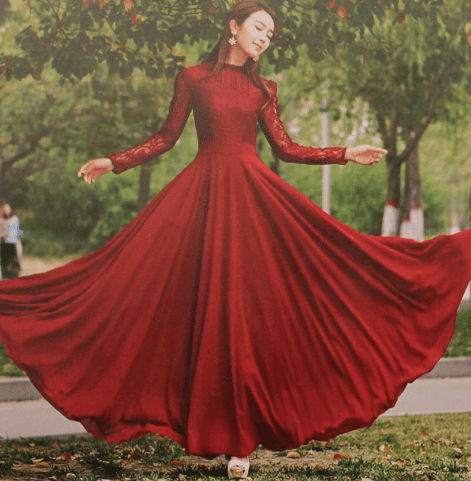
Figurino de Lavínia em encenação do séc. XX.
 Seclusão Anagógica