Eletrostática como um domínio completamente separado do estudo da força gravitacional.
O nome elétron deriva de elektron, grego para âmbar, substância com que os antigos identificaram pela primeira vez a repulsão e atração de caráter elétrico. Adivinha a quem se atribui a descoberta em primeiro lugar? Ao desatento Tales, O Lunático. Foi preciso esperar até o séc. XVI para que, na Inglaterra, dessem continuidade ao estudo da Eletricidade. Uma “descoberta” nada bárbara (cof, cof)…
“A palavra tribo advém do grego tribein e significa <atritar>, <esfregar>. Por isso a eletrização por atrito é também denominada triboeletrização.”
“Os materiais como o vidro, que conservam as cargas nas regiões onde elas surgem, são chamados isolantes ou dielétricos. Os materiais nos quais as cargas se espalham imediatamente são chamados condutores. É o caso dos metais.”
Van der Graaf (1901-1967). “Geradores de VdG de grande porte, que armazenam grandes quantidades de carga elétrica, gerando descargas elétricas de enormes proporções, costumam ser utilizados em aceleradores de partículas.”
Corrimões de escadas rolantes e batentes de portas: “Em regiões de clima seco, é relativamente comum um passageiro sentir um pequeno choque ao descer de um veículo e tocá-lo. Isso ocorre porque, sendo o ar seco bom isolante elétrico, a eletricidade estática adquirida por atrito não se escoa para o ambiente, e o passageiro, ao descer, faz a ligação do veículo com o solo. Às vezes é a roupa do passageiro (ou do motorista) que se eletriza por atrito com o banco do carro. Ao descer, o toque na parte metálica produz a descarga e a sensação de choque.”
[!] “Foi o cientista, político e escritor americano Benjamin Franklin (1706-1790) quem introduziu os termos eletricidade positiva e eletricidade negativa para designar a eletricidade vítrea e resinosa, respectivamente.” Este homem tão precipitado enquanto politicólogo inventou o pára-raio! Isso o livro-texto da minha época não mostrava…
“ATENÇÃO: A experiência realizada por Franklin é muito perigosa. Por isso, jamais tente repeti-la.” HAHAHAHA
Não esperava encontrar isto aqui (p. 35): “Dos inúmeros sermões proferidos pelo Padre Antônio Vieira (1608-1697), os mais famosos são Sermão da Quinta Dominga da Quaresma e Sermão da Sexagésima.”
CAPÍTULO 2. Campo elétrico
(…)
CAPÍTULO 3. Trabalho e potencial elétrico
(…)
CAPÍTULO 4. Condutores em equilíbrio eletrostático. Capacitância eletrostática
“Ocorrem por dia, em nosso planeta, cerca de 40 mil tempestades, que originam, aproximadamente, 100 raios por segundo.”
Os dois tipos de pára-raios:
“a) Modelo de Franklin
Também chamado simplesmente de pára-raios de F., consta basicamente de uma haste condutora disposta verticalmente na parte mais alta da estrutura a ser protegida. A extremidade superior da haste apresenta de 3 a 4 pontas de um material de elevado ponto de fusão (que não se derreta com a dissipação da energia da descarga). A outra extremidade da haste é ligada, por meio de condutores metálicos, a barras metálicas profundamente cravadas no solo.
Estudos experimentais permitiram concluir que <o campo de proteção oferecido por uma haste vertical é aquele abrangido por um cone, tendo por vértice o ponto mais alto do pára-raios e cuja geratriz forma um ângulo de 60° com a vertical.
b) Modelo de Faraday
Este método consiste em uma malha de captação, formando módulos retangulares, feitos de cabos de cobre nu passando por suportes isoladores, colocados de modo a envolver o topo da estrutura, como uma gaiola. Ao longo da malha, distribuem-se regularmente hastes terminadas em ponta. O aterramento se dá do mesmo modo que o método de F., mas com maior número de terminais. Esse sistema, apesar de mais dispendioso, proporciona maior proteção, sendo utilizado em edificações de grande porte, como ginásios, galpões industriais, etc.
Obs.
O pára-raios radioativo, baseado na ionização do ar por meio da presença de material radioativo no material constituinte da ponta, está proibido no Brasil desde 1989. Quem eventualmente ainda utilize esse tipo de p-r está obrigado a desmontá-lo e encaminhar os componentes à Comissão Nacional de Energia Nuclear (CNEN).”
PARTE II. CARGAS ELÉTRICAS EM MOVIMENTO
CAPÍTULO 5. Corrente elétrica
“O pior caso de choque é aquele que se origina quando uma corrente elétrica entra pela mão de uma pessoa e sai pela outra. Nesse caso, atravessando o tórax de ponta a ponta, há grande chance de a corrente afetar o coração e a respiração.
O valor mínimo de intensidade de corrente que se pode perceber é 1mA (micro-ampère). Esse valor provoca sensação de cócegas ou formigamento leve. Entretanto, com uma corrente de intensidade 10x maior a pessoa já perde o controle dos músculos, sendo difícil abrir a mão e livrar-se do contato.
O valor mortal está compreendido entre 10mA e 3A, aproximadamente. Nessa faixa de valores, a corrente, atravessando o tórax, atinge o coração com intensidade suficiente para modificar seu ritmo. Modificado o ritmo, o coração pára de bombear sangue para o corpo e a morte pode ocorrer em segundos. Se a intensidade for ainda mais alta, a corrente pode paralisar completamente o coração. Este se contrai ao máximo e mantém-se assim enquanto passa a corrente. Interrompida a corrente, geralmente o coração relaxa e pode começar a bater novamente, como se nada tivesse acontecido. Todavia, paralisado o coração, paralisa-se também a circulação sangüínea, e uma interrupção de poucos minutos dessa circulação pode provocar danos cerebrais irreversíveis.”
CAPÍTULO 6. Resistores
“Existem elementos de circuitos cuja função, entre outras, é a de transformar energia elétrica em energia térmica (dissipar energia elétrica) ou limitar a intensidade da corrente elétrica em circuitos eletrônicos. Tais elementos recebem o nome de resistores.
São exemplos de resistores que se destinam a dissipar energia elétrica: os filamentos de tungstênio das lâmpadas elétricas incandescentes; fios de certas ligas metálicas (como nicromo: liga de níquel e de cromo), enrolados em hélice cilíndrica, utilizados em chuveiro, torneiras elétricas, secadores de cabelos, etc.
Os resistores utilizados para limitar a intensidade de corrente que passa por determinados componentes eletrônicos não têm a finalidade de dissipar energia elétrica, embora isso aconteça inevitavelmente. Comumente, são constituídos de um filme de grafite depositado de modo contínuo sobre um suporte cerâmico ou enrolado em forma de faixas helicoidais.”
“Muitos resistores que se destinam a dissipar energia são, algumas vezes, chamados impropriamente de <resistências>. Você certamente já ouviu frases do tipo <é preciso trocar a resistência do chuveiro> ou <a resistência do secador de cabelos queimou>. Na verdade, a resistência elétrica é uma propriedade física do resistor.”
“O estudo moderno da eletricidade teve início a partir da observação de um biólogo. Luigi Galvani (1737-1797) verificou que as pernas da rã, que suspendera para secar por meio de presilhas de cobre num suporte de ferro [quem seca uma rã???], contraíam-se quando balançados pelo vento. Galvani atribuiu a ocorrência à existência de correntes elétricas produzidas pelas próprias pernas da rã.
(…) [Mas] o físico Alessandro Volta (1745-1827) não concordou com a hipótese de seu colega biólogo. Para ele, as contrações eram devidas a uma corrente elétrica, mas produzidas de outro modo. Ao serem balançadas pelo vento, as extremidades livres das pernas suspensas tocavam o suporte de ferro. Então estabelecia-se o contato da perna da rã com 2 metais, o cobre, de um lado, e o ferro, do outro. Isso e mais as substâncias ácidas do corpo da rã geravam a corrente responsável pelas contrações. A construção da primeira pilha elétrica por Volta comprovou a veracidade de sua hipótese.”
“Com a descoberta do efeito magnético da corrente elétrica, a história da Eletrodinâmica se entrelaça com a do Magnetismo, surgindo então com destaque as pesquisas de cientistas como Oersted, Ampère, Faraday, Maxwell e outros.”
! DICAS CULTURAIS !
As óperas de Verdi adaptando Shakespeare e Schiller. La Traviata, cantada no Poderoso Chefão 2.
“Paulicéia Desvairada é considerado como o primeiro livro de poemas do modernismo brasileiro (Mário de Andrade).”
CAPÍTULO 7. Associação de resistores
(…)
CAPÍTULO 8. Medidas elétricas
(…)
CAPÍTULO 9. Geradores elétricos
(…)
CAPÍTULO 10. Receptores elétricos
(…)
CAPÍTULO 11. As leis de Kirchoff
(…)
CAPÍTULO 12. Capacitores
(…)
PARTE III. ELETROMAGNETISMO
CAPÍTULO 13. Campo magnético
CAPÍTULO 14. Força magnética
(…)
CAPÍTULO 15. Indução eletromagnética
(…)
CAPÍTULO 16. Noções de corrente alternada
(…)
CAPÍTULO 17. Ondas eletromagnéticas
(…)
PARTE IV. INTRODUÇÃO À FÍSICA MODERNA
CAPÍTULO 18. Relatividade especial
“No final do séc. XIX, acreditava-se que as ondas eletromagnéticas, a exemplo das ondas mecânicas, necessitavam de um meio material para se propagarem. Esse meio elástico, onipresente e invisível, preenchendo todo o Universo, foi denominado éter. As ondas eletromagnéticas e a luz, em particular, propagavam-se com velocidade c = 300 mil km/s em relação a esse meio.
Como o éter era um meio hipotético, cuja existência jamais fôra provada, em 1887 os cientistas Michelson e Morley realizaram, em Cleveland (EUA), uma experiência para verificar sua existência. Eles consideraram que, se o espaço sideral estivesse preenchdio por um <mar de éter> imóvel e a luz fosse realmente propagada através dele, a velocidade desta deveria ser afetada pela <correnteza de éter> resultante do movimento de translação da Terra. Em outras palavras, um raio de luz lançado no sentido do movimento da Terra deveria sofrer um retardamento, por causa da correnteza do éter, da mesma forma que um nadador é retardado pela correnteza da água ao nadar contra ela.”
“Michelson e Morley esperavam encontrar valores diferentes para os intervalos de tempo delta-T e delta-T’, segundo cálculos teóricos previamente feitos. A diferença de tempo deveria ser detectada pela análise da interferência dos feixes de luz no anteparo de sua máquina interferômetro [basicamente um superespelho mergulhado horizontalmente em mercúrio]. Contudo, realizada a experiência, a conclusão foi perturbadora: não havia diferença entre os 2 intervalos de tempo. Repetiram a experiência várias vezes, em épocas e condições técnicas diferentes, chegando sempre à mesma medição. (…) Foi o fim do sistema de referência universal newtoniano.”
CAPÍTULO 19. Física quântica
“Na história da Física, existem vários exemplos de conceitos que exigiram revisão ou mesmo substituição, quando novos dados experimentais se puseram a eles. Contudo, no caso da luz, foi a primeira vez em que duas teorias, completamente diferentes, são simultaneamente necessárias, completando-se mutuamente.”
“Logo após a hipótese de De Broglie, foi desenvolvida por vários físicos notáveis, como Heisenberg, Schrödinger, Born, Pauli [citado em Jung] e Dirac, a Mecânica Quântica.”
CAPÍTULO 20. Física nuclear
“A força nuclear forte é a mais intensa das 4 forças fundamentais. Sua intensidade é 1038 vezes maior que a força gravitacional, a mais fraca das quatro. Entretanto, sua ação só se manifesta em distâncias muito pequenas, comparáveis às dimensões do núcleo atômico (10-15m). A intensidade da força nuclear forte diminui rapidamente quando há a separação entre as partículas, praticamente se anulando quando a distância assume as dimensões de alguns diâmetros nucleares. Essa força também é denominada força hadrônica, porque só se manifesta entre os hádrons, grupo de partículas do qual fazem parte os nêutrons e os prótons, mas não os elétrons, que não são afetados pela força nuclear forte.”
“A intensidade da força eletromagnética é em média 100x menor que a da força nuclear forte.”
NÃO BRINCAR COM FOGO OU ELETRICIDADE: “Entre os léptons (grupo de partículas das quais faz parte o elétron) e os hádrons, atuando em escala nuclear, desenvolve-se a denominada força nuclear fraca. Sua intensidade é 1025 vezes maior que a da força gravitacional, mas 1013 vezes menor que a da força nuclear forte. Ela é a responsável pela emissão de elétrons por parte dos núcleos de algumas substâncias radioativas, num processo denominado decaimento beta. Atualmente a maior parte dos cientistas admite que a força nuclear fraca e a força eletromagnética são manifestações diferentes de uma mesma interação fundamental, chamando-as de força eletrofraca. Esse é um primeiro passo para a unificação completa das 4 forças fundamentais, entendendo-as como manifestações de uma única superforça.”
“a força gravitacional tem grande importância na Astronomia e na Cosmologia, explicando a movimentação dos astros no Universo, bem como a formação de estrelas, galáxias e sistemas planetários.”
“Um contato entre uma partícula e sua antipartícula pode resultar num processo de aniquilação da matéria. É o que ocorre entre um elétron e um pósitron, sendo criados dois fótons de alta energia.”
“Com a construção de grandes aceleradores de partículas, muitas antipartículas foram descobertas como, p.ex., o antipróton e o antinêutron. O antipróton foi descoberto em 1955 pelos físicos norte-americanos Owen Chamberlain (1920-2006) e Emílio Gino Segré (1905-1989), no Bévatron da Universidade da Califórnia, em Berkeley, EUA. Por esse feito, receberam o prêmio Nobel de Física de 59.”
“Entre os bósons, os mais conhecidos são os fótons, que têm massa de repouso nula.”
“As partículas elementares elétron, neutrino, múon, tau e suas antipartículas são exemplos de léptons. O nome lépton significa leve, e a razão disso é que sua massa costuma ser menor que a menor massa dos hádrons. Entretanto, sabe-se hoje que o tau, um tipo de lépton que só pode ser encontrado em partículas aceleradas e em raios cósmicos, tem massa que corresponde a quase o dobro da massa do próton.
Os hádrons, que estão sujeitos a todas as interações, podem ser de 2 tipos: os mésons e os bárions. Um tipo de méson, o píon, foi descoberto em 1947 pelo físico brasileiro César Lattes (1924-2005), no pico de Chacaltaya, nos Andes bolivianos, a 5.600m de altitude. Os mésons são partículas cuja massa pode variar desde um valor próximo a 1/7 da massa do próton até valores mais elevados que a massa de núcleos leves. Próton, nêutron, lambda, sigma, Xi, ômega e suas antipartículas são exemplos de bárions.”
“Os hádrons, na verdade, não seriam partículas elementares, pelo fato de que são constituídos por partículas ainda menores, os denominados quarks.¹ O modelo dos quarks prevê a existência de 3 tipos, indicados pelas letras u (de up), d (de down) e s (de strange [haha]). Os quarks apresentariam carga elétrica fracionária em relação à carga elementar. Existiriam 3 antiquarks.
¹ O nome quark, dado por Gell-Mann às menores partículas constituintes da matéria, foi tirado do romance Finnegans Wake, de Joyce.
Esse modelo se expandiu com a inclusão de mais 3 tipos de quarks: o c (de charmed), o b (de bottom) e o t (de top) e seus correspondentes antiquarks.”
“Os hádrons mais comuns (prótons e nêutrons), denominados núcleons, são constituídos apenas pelos quarks u e d. Um próton seria constituído por 2 quarks u e um quark d, pois a carga elétrica do quark u é +2/3 e a do quark d é -1/3 (carga = 1). Um nêutron seria formado por 2 quarks d e um quark u (carga 0).”
“Cada m² da superfície do planeta é atingido, em cada segundo, por cerca de 200 partículas denominadas raio cósmico, com energias de alguns milhões de elétrons-volt. Entre as partículas que constituem a radiação cósmica predominam os elétrons e os núcleos atômicos, principalmente de hidrogênio (prótons). As partículas dos raios cósmicos deslocam-se pelo espaço com velocidades próximas à da luz. Algumas delas são muito mais energéticas do que qualquer outra partícula produzida nos maiores aceleradores de partículas existentes.”
“No Brasil, as atividades envolvendo os raios cósmicos marcam o próprio início das pesquisas físicas em nosso país. Por ocasião da implantação da Faculdade de Filosofia, Letras e Ciências Humanas da USP, em 1934, foi marcante a atuação do físico ucraniano de nascimento, naturalizado italiano, Gleb Wataghin (1899-1986), que hoje empresta seu nome ao Instituto de Física da Unicamp.”
“Em 1949, foi criado no RJ o Centro Brasileiro de Pesquisas Físicas (CBPF), coordenado por César Lattes e José Leite Lopes (1918-2006), outro importante pesquisador brasileiro, primeiro presidente da Sociedade Brasileira de Física.”
“Na esteira dos aperfeiçoamentos dos acelerados de partículas, em 1929, o físico norte-americano Ernest Lawrence (1901-58), prêmio Nobel de física de 39, desenvolveu outro acelerador com concepção diferente, o cíclotron, no qual partículas carregadas eram aceleradas em percursos espiralados, ganhando energia a cada ciclo. Esse conceito ainda hoje é utilizado nos grandes aceleradores.”
“quando núcleos pesados como os de urânio são bombardeados por partículas como nêutrons acelerados, originam-se núcleos menores e uma grande quantidade de energia. (…) Essa energia obtida confirmou plenamente a fórmula de Einstein E = mc²”
“Em 02/12/1942, na Universidade de Chicago, um grupo de cientistas, dirigido por Enrico Fermi [ironicamente, um italiano ‘ajudou a matar’ o fascismo], criou com sucesso o primeiro reator a conseguir um estado de auto-sustentação ou <crítico>. O reator era abastecido com urânio natural embebido em blocos de grafite, tendo a fissão ocorrido no isótopo do urânio de massa 235 e 92 prótons.”
“Chama-se energia de ligação do núcleo a quantidade de energia mínima que o núcleo deve receber para ser possível separar núcleos atômicos. (…) quando núcleons se juntam e se fundem para formar um núcleo mais pesado, há liberação de energia, que corresponde à energia de ligação, i.e., à energia que o núcleo formado deveria receber para que fossem liberados os núcleos originais. No processo que ocorre no Sol, núcleos de hidrogênio unem-se para formar núcleos de hélio e, como subproduto dessa reação nuclear, é liberada uma enorme quantidade de energia.”
Por que não existem usinas de energia de fusão nuclear? “o gasto de energia para se obterem as condições necessárias à realização do processo é maior que a quantidade de energia obtida dele.” “A fusão nuclear causa bem menos problemas que a fissão na obtenção de energia elétrica. Por isso, há um grande empenho dos cientistas e dos governos em todo o mundo para buscar soluções que tornem viável a utilização do processo de fusão em substituição ao de fissão. Nesse sentido, foi criado um projeto internacional, que constitui uma das maiores cooperações científico-tecnológicas dos últimos tempos, o ITER (International Thermonuclear Experimental Reactor). O reator, baseado na tecnologia Tokamak, está sendo construído na França e, uma vez concluído (o primeiro prazo para início das operações é 2016), deverá produzir cerca de 1 GW (1 bilhão de watts) de potência. Tal projeto consumirá mais de 10 bilhões de euros, metade dos quais investidos pela comunidade européia.” Atualizações: https://www.iter.org/sci/iterandbeyond – a máquina sucedânea do projeto ITER tem previsão para entrar em funcionamento nos anos 40: “DEMO is the machine that will address the technological questions of bringing fusion energy to the electricity grid. The principal goals for the DEMO phase of fusion research are the exploration of continuous or near-continuous (steady-state) operation, the investigation of efficient energy capture systems, the achievement of a power output in the Q-value range of 30 to 50 (as opposed to ITER’s 10), and the in-vessel production of tritium (called tritium breeding). DEMO would be a simpler machine than ITER, with fewer diagnostics and a design more targeted to the capture of energy than to the exploration of plasma regimes.” “Beyond DEMO, the final step to producing fusion energy would be the construction of a prototype reactor, fully optimized to produce electricity competitively. The timescale for such a prototype depends heavily on political will to reach this stage, but most forecasts place this phase of fusion energy development at the middle of the century.” Ironicamente, além da União Européia parece que só o Japão está envolvido, sem a presença dos EUA…
“Uma das previsões da relatividade geral de Einstein é a existência de ondas gravitacionais, as quais, apesar das tentativas, ainda não foram observadas. Existe a expectativa de que na eventual colisão de dois buracos negros, envolvendo massas da ordem de milhares de massas equivalentes ao Sol, ondas gravitacionais possam ser detectadas, resolvendo um dos grandes enigmas da Física atual.”
euhemerism: “The philosophy attributed to and named for Euhemerus, a Greek mythographer, holds that many mythological tales can be attributed to historical persons and events, the accounts of which have become altered and exaggerated over time.”
pitonisa: vidente, cartomante
zigurate: templo piramidal com terraplanagem (vários terraços configurando andares)
6 6 6
PREFÁCIOS & INTRODUÇÕES GERAIS
“Estimates of the death toll during the Inquisition worldwide range from 600,000 to as high as 9,000,000 (over its 250 year long course) (…) Thus has it been said that The Malleus Maleficarum is one of the most blood-soaked works in human history, in that its very existence reinforced and validated Catholic beliefs which led to the prosecution, torture, and murder of tens of thousands of innocent people.”
“At the height of its popularity, The Malleus Maleficarum was surpassed in public notoriety only by The Bible. Its effects were even felt in the New World, where the last gasp of the Inquisition was felt in the English settlements in America (most notably in Salem, Massachusetts during the Salem Witch Trials).”
6 6 6
A CARTA DO DIABO
“IN the name of our Lord Jesus Christ, Amen. Know all men by these presents, whosoever shall read, see or hear the tenor of this official and public document, that in the year of our Lord, 1487, upon a Saturday, being the 19th day of the month of May, at the 5th hour after noon, or thereabouts, in the third year of the Pontificate of our most Holy Father and Lord, the lord Innocent, by divine providence Pope, the 8th of that name, in the very and actual presence of me Arnold Kolich, public notary, and in the presence of the witnesses whose names are hereunder written and who were convened and especially summoned for this purpose, the Venerable and Very Reverend Father Henry Kramer, Professor of Sacred Theology, of the Order of Preachers, Inquisitor of heretical depravity, directly delegated thereto by the Holy See together with the Venerable and Very Reverend Father James Sprenger, Professor of Sacred Theology and Prior of the Dominican Convent at Cologne, being especially appointed as colleague of the said Father Henry Kramer, hath on behalf both of himself and his said colleague made known unto us and declared that the Supreme Pontiff now happily reigning, lord Innocent, Pope, as hath been set out above [tá bom, que estilo grogue até para um nOTÁRIO!], hath committed and granted by a bull duly signed and sealed unto the aforesaid Inquisitors (…) granted (…) the power of making search and inquiry into all heresies, and most especially into the heresy of witches, an abomination that thrives and waxes strong in these our unhappy days, and he has bidden them diligently to perform this duty throughout the five Archdioceses of the five Metropolitan Churches, that is to say, Mainz, Cologne, Trèves, Salzburg and Bremen, granting them every faculty of judging and proceeding against such even with the power of putting malefactors to death (…) upon the tenor of the Apostolic bull, which they hold and possess and have exhibited unto us, a document which is whole, entire, untouched, and in no way lacerated or impaired, in fine whose integrity is above any suspicion. And the tenor of the said bull commences thus: <Innocent, Bishop, Servant of the servants of God, for an eternal remembrance. Desiring with the most heartfelt anxiety, even as Our Apostleship requires, that the Catholic Faith should be especially in this Our day increase and flourish everywhere, . . .> and it concludes thus: <Given at Rome, at S. Peter’s, on the 9 December of the Year of the Incarnation of Our Lord one thousand, four hundred and eighty-four, in the first Year of Our Pontificate.>” Ou seja: dois cretinos psicopatas levaram menos de 3 anos e ½ para escreverem esse verdadeiro TRATADO DE LESA-HUMANIDADE!
6 6 6
“There is left no doubt in the reader’s mind that Rev. Summers not only believed in the existence of witches as the Medieval Church perceived them, but felt that the Inquisition, and the Malleus, were both justified and necessary. In both of his introductions (especially the original 1928 introduction), he seems more intent on using the occasion to convince us that the murder of thousands of innocent people, for the crime of witchcraft, during the Inquisition was somehow noble, and that the authors of the Malleus, Heinrich Kramer and James Sprenger, were visionaries of their time. One often finds the text of the introductions reading as if it had been written 500 years previously when the Malleus was originally published and the Inquisition was in full swing.”
“There were 14 editions between 1487 and 1520, and at least 16 editions between 1574 and 1669. There are modern translations as well: Der Hexenhammer, J.W.R. Schmidt, 1906, and this one.”
“This famous document should interest the historian, the student of witchcraft and the occult, and the psychologist who is interested in the medieval mind as it was confronted with various forces which could only be explained as witchcraft.”
“Those readers whose familiarity with The Bible comes from the King James Version may be surprised by the references to these <obscure> books of The Bible, such as Paralipomenon, Apocalypse, Judith, and Tobias. These books were originally a part of The Bible, but were cut from the King James version as it was developed. They exist today primarily as a part of the Douay Rheims Version of The Bible, which is widely used by Catholics.”
DATAÇÃO POR CARBONO-14! “Many participants in this project have questioned my determination to transcribe the text of the Malleus Maleficarum by hand, as opposed to scanning the pages and using Optical Character Recognition (OCR) software to generate the text. While it is certain that the latter would prove more expedient and see the online edition posted much sooner, transcribing the text, while more labor intensive, ensures a more accurate translation to HTML format.” “In an age in which the Malleus Maleficarum could again achieve a relevance in the hands of radical Christian leaders, the accuracy of this online translation is, I believe, all-important.” Lovelace, 1998
6 6 6
SOBRE A BULA DO CULPÊNCIO OITAVO
“It has indeed lately come to Our ears, not without afflicting Us with bitter sorrow, that in some parts of Northern Germany, as well as in the provinces, townships, territories, districts, and dioceses of Mainz, Cologne, Trèves, Salzburg, and Bremen, many persons of both sexes, unmindful of their own salvation and straying from the Catholic Faith, have abandoned themselves to devils, incubi and succubi, and by their incantations, spells, conjurations, and other accursed charms and crafts, enormities and horrid offences, have slain infants yet in the mother’s womb, as also the offspring of cattle, have blasted the produce of the earth, the grapes of the vine, the fruits of the trees, nay, men and women, beasts of burthen, herd-beasts, as well as animals of other kinds, vineyards, orchards, meadows, pasture-land, corn, wheat, and all other cereals; these wretches furthermore afflict and torment men and women, beasts of burthen, herd-beasts, as well as animals of other kinds, with terrible and piteous pains and sore diseases, both internal and external; they hinder men from performing the sexual act and women from conceiving, whence husbands cannot know their wives nor wives receive their husbands; over and above this, they blasphemously renounce that Faith which is theirs by the Sacrament of Baptism, and at the instigation of the Enemy of Mankind they do not shrink from committing and perpetrating the foulest abominations and filthiest excesses to the deadly peril of their own souls, whereby they outrage the Divine Majesty and are a cause of scandal and danger to very many. And although (…) Henry Kramer and James Sprenger (…) have been by Letters Apostolic delegated as Inquisitors of these heretical pravities, and still are Inquisitors, the first in the aforesaid parts of Northern Germany, wherein are included those aforesaid townships, districts, dioceses, and other specified localities, and the second in certain territories which lie along the borders of the Rhine, nevertheless not a few clerics and lay-folk of those countries, seeking too curiously to know more than concerns them, since in the aforesaid delegatory letters there is no express and specific mention by name of these provinces, townships, dioceses, and districts, and further since the 2 delegates themselves and the abominations they are to encounter are not designated in detailed and particular fashion, these persons are not ashamed to contend with the most unblushing effrontery that these enormities are not practised in these provinces, and consequently the aforesaid Inquisitors have no legal right to exercise their powers of inquisition in the provinces, townships, dioceses, districts, and territories, which have been rehearsed, and that the Inquisitors may not proceed to punish, imprison, and penalize criminals convicted of the heinous offences and many wickednesses which have been set forth. Accordingly in the aforesaid provinces, townships, dioceses, and districts, the abominations and enormities in question remain unpunished not without open danger to the souls of many and peril of eternal damnation.”
“We decree and enjoin that the aforesaid Inquisitors be empowered to proceed to the just correction, imprisonment, and punishment of any persons, without let or hindrance, in every way as if the provinces, townships, dioceses, districts, territories, yea, even the persons and their crimes in this kind were named and particularly designated in Our letters.”
“We grant permission to the aforesaid Inquisitors, to one separately or to both, as also to Our dear son John Gremper, priest of the diocese of Constance, Master of Arts, their notary, or to any other public notary, who shall be by them, or by one of them, temporarily delegated to those provinces, townships, dioceses, districts, and aforesaid territories, to proceed, according to the regulations of the Inquisition, against any persons of whatsoever rank and high estate, correcting, fining, imprisoning, punishing, as their crimes merit, those whom they have found guilty, the penalty being adapted to the offence.”
DISSIMULANDIBUS: “excommunication, suspension, interdict, and yet more terrible penalties, censures, and punishment, as may seem good to him, and that without any right of appeal, and if he will he may by Our authority aggravate and renew these penalties as often as he list, calling in, if so please him, the help of the secular arm.
Non obstantibus . . . Let no man therefore . . . But if any dare to do so, which God forbid, let him know that upon him will fall the wrath of Almighty God, and of the Blessed Apostles Peter and Paul.”
6 6 6
“Witchcraft was inextricably mixed with politics.Matthew Paris tells us how in 1232 the Chief Justice Hubert de Burgh, Earl of Kent, (Shakespeare’s <gentle Hubert> in King John), was accused by Peter do (sic) Roches, Bishop of Winchester, of having won the favour of Henry III through <charms and incantations>. In 1324 there was a terrific scandal at Coventry when it was discovered that a number of the richest and most influential burghers of the town had long been consulting with Master John, a professional necromancer, and paying him large sums to bring about by his arts the death of Edward II and several nobles of the court. Alice Perrers, the mistress of Edward III, was not only reputed to have infatuated the old king by occult spells, but her physician (believed to be a mighty sorcerer) was arrested on a charge of confecting love philtres and talismans. Henry V, in the autumn of 1419, prosecuted his stepmother, Joan of Navarre, for attempting to kill him by witchcraft, <in the most horrible manner that one could devise.> The conqueror of Agincourt was exceedingly worried about the whole wretched business, as also was the Archbishop of Canterbury, who ordered public prayers for the king’s safety. In the reign of his son, Henry VI, in 1441, one of the highest and noblest ladies in the realm, Eleanor Cobham, Duchess of Gloucester, was arraigned for conspiring with <a clerk>, Roger Bolingbroke, <a most notorious evoker of demons>, and <the most famous scholar in the whole world in astrology and magic>, to procure the death of the young monarch by sorcery, so that the Duke of Gloucester, Henry’s uncle and guardian, might succeed to the crown.¹ In this plot were further involved Canon Thomas Southwell, and a <relapsed witch>, that is to say, one who had previously (11 years before) been incarcerated upon grave suspicion of black magic, Margery Jourdemayne. Bolingbroke, whose confession implicated the Duchess, was hanged; Canon Southwell died in prison; the witch in Smithfield was <burn’d to Ashes>, since her offence was high treason. The Duchess was sentenced to a most degrading public penance, and imprisoned for life in Peel Castle, Isle of Man. Richard III, upon seizing the throne in 1483, declared that the marriage of his brother, Edward IV, with the Lady Elizabeth Grey, had been brought about by <sorcery and witchcraft>, and further that <Edward’s wife, that monstrous witch, has plotted with Jane Shore to waste and wither his body.> Poor Jane Shore did most exemplary penance, walking the flinty streets of London barefoot in her kirtle. In the same year when Richard wanted to get rid of the Duke of Buckingham, his former ally, one of the chief accusations he launched was that the Duke consulted with a Cambridge <necromancer> to compass and devise his death.
One of the most serious and frightening events in the life of James VII of Scotland (afterwards James I of England) was the great conspiracy of 1590, organized by the Earl of Bothwell. James with good reason feared and hated Bothwell, who, events amply proved, was Grand Master of more than 100 witches, all adepts in poisoning, and all eager to do away with the King. In other words, Francis Stewart, Earl of Bothwell, was the centre and head of a vast political plot. A widespread popular panic was the result of the discovery of this murderous conspiracy.In France as early as 583, when the infant son and heir of King Chilperic, died of dysentery, as the doctors diagnosed it, it came to light that Mumolus, one of the leading officials of the court, had been secretly administering to the child medicines, which he obtained from <certain witches of Paris>. These potions were pronounced by the physicians to be strong poisons. In 1308, Guichard, Bishop of Troyes, was accused of having slain by sorcery the Queen of Philip IV of France (1285-1314),Jeanne of Navarre, who died three years before [1305]. The trial dragged on from 1308 to 1313, and many witnesses attested on oath that the prelate had continually visited certain notorious witches, who supplied him philtres and draughts. In 1315, during the brief reign (1314-1316) of Louis X, the eldest son of Philip IV, was hanged Enguerrand de Marigny, chamberlain, privy councillor, and chief favourite of Philip, whom, it was alleged, he had bewitched to gain the royal favour. The fact, however, which sealed his doom was his consultation with one Jacobus de Lor, a warlock [bruxo], who was to furnish a nostrum warranted to put a very short term to the life of King Louis. Jacobus strangled himself in prison.
In 1317 Hugues Géraud, Bishop of Cahors, was executed by Pope John XXII, who reigned 1316-1334, residing at Avignon. Langlois says that the Bishop had attempted the Pontiff’s life by poison procured from witches.
Perhaps the most resounding of all scandals of this kind in France was the La Voison case, 1679-1682, when it was discovered that Madame de Montespan had for years been trafficking with a gang of poisoners and sorcerers, who plotted the death of the Queen and the Dauphan, so that Louis XIV might be free to wed Athénais de Montespan, whose children should inherit the throne. The Duchesse de Fontanges, a beautiful young country girl, who had for a while attracted the wayward fancy of Louis, they poisoned out of hand. Money was poured out like water, and it has been said that <the entire floodtide of poison, witchcraft and diabolism was unloosed> to attain the ends of that <marvellous beauty> (so Mme. de Sévigné calls her), the haughty and reckless Marquise de Montespan. In her thwarted fury she well nigh resolved to sacrifice Louis himself to her overweening ambition and her boundless pride. The highest names in France – the Princesse de Tingry, the Duchesse de Vitry, the Duchesse de Lusignan, the Duchesse de Bouillon, the Comtesse de Soissons, the Duc de Luxembourg, the Marguis de Cessac – scores of the older aristocracy, were involved, whilst literally hundreds of venal apothecaries, druggists, pseudo-alchemists, astrologers, quacks, warlocks, magicians, charlatans, who revolved round the ominous and terrible figure of Catherine La Voisin, professional seeress, fortune-teller, herbalist, beauty-specialist, were caught in the meshes [teias] of law. No less than 11 volumes of François Ravaison’s huge work, Archives de la Bastille, are occupied with this evil crew and their doings, their sorceries and their poisonings. [Livro-pédia que não podemos deixar de perder!]
During the reign of Urban VIII, Maffeo Barberini, 1623-1644, there was a resounding scandal at Rome when it was discovered that <after many invocations of demons> Giacinto Contini, nephew of the Cardinal d’Ascoli, had been plotting with various accomplices to put an end to the Pope’s life, and thus make way for the succession of his uncle to the Chair of Peter. Tommaso Orsolini of Recanate, moreover, after consulting with certain scryers and planetarians, readers of the stars, was endeavouring to bribe the apothecary Carcurasio of Naples to furnish him with a quick poison, which might be mingled with the tonics and electuaries prescribed for the ailing Pontiff, (Ranke, History of the Popes, ed. 1901, Vol. III, pp. 375-6).”
¹ Se essas coisas fossem mesmo dotadas do mais remoto interesse, Shakespeare usaria muito de magia negra para apimentar suas peças, o que, vê-se, passa longe de ser o caso.
“Jean Bodin, the famous jurisconsult (1530-90) whom Montaigne acclaims to be the highest literary genius of his time, and who, as a leading member of the Parlement de Paris, presided over important trials, gives it as his opinion that there existed, not only in France, a complete organization of witches, immensely wealthy, of almost infinite potentialities, most cleverly captained, with centres and cells in every district, utilizing an espionage in ever land, with high-placed adherents at court, with humble servitors in the cottage.”
“Not the least dreaded and dreadful weapon in their armament was the ancient and secret knowledge of poisons (veneficia), of herbs healing and hurtful, a tradition and a lore which had been handed down from remotest antiquity.”
“Little wonder, then, that later social historians, such as Charles MacKay and Lecky, both absolutely impartial and unprejudiced writers, sceptical even, devote many pages, the result of long and laborious research, to witchcraft. (…) The profoundest thinkers, the acutest and most liberal minds of their day, such men as Cardan; Trithemius; the encylcopædic Delrio; Bishop Binsfeld; the learned physician,Caspar Peucer; Sir Edward Coke, <father of the English law>; Francis Bacon; Malebranche; Bayle; Glanvil; Thomas Browne; Cotton Mather; all these, and scores besides, were convinced of the dark reality of witchcraft, of the witch organization.”
“The latest reprint of the original text of the Malleus is to be found in the noble 4-volume collection of Treatises on Witchcraft, <sumptibus Claudii Bourgeat>, 4to., Lyons, 1669.”
“It was implicitly accepted not only by Catholic but by Protestant legislature. In fine, it is not too much to say that the Malleus Maleficarum is among the most important, wisest, and weightiest books of the world.
It has been asked whether Kramer or Sprenger was principally responsible for the Malleus, but in the case of so close a collaboration any such inquiry seems singularly superfluous and nugatory. With regard to instances of jointed authorship, unless there be some definite declaration on the part of one of the authors as to his particular share in a work, or unless there be some unusual and special circumstances bearing on the point, such perquisitions and analysis almost inevitably resolve themselves into a cloud of guess-work and bootless hazardry and vague perhaps. It becomes a game of literary blind-man’s-bluff.
Heinrich Kramer was born at Schlettstadt, a town of Lower Alsace, situated some 26 miles south-west of Strasburg. At an early age he entered the Order of S. Dominic, and so remarkable was his genius that whilst still a young man he was appointed to the position of Prior of the Dominican House at his native town. He was a Preacher-General and a Master of Sacred Theology. P.G. and S.T.M., two distinctions in the Dominican Order. At some date before 1474 he was appointed an Inquisitor for the Tyrol, Salzburg, Bohemia, and Moravia. His eloquence in the pulpit and tireless activity received due recognition at Rome, and for many years he was Spiritual Director of the great Dominican church at Salzburg, and the right-hand of the Archbishop of Salzburg, a munificent prelate who praises him highly in a letter which is still extant.” “In 1495, the Master General of the Order, Fr. Joaquín de Torres, O.P., summoned Kramer to Venice in order that he might give public lectures, disputations which attracted crowded audiences, and which were honoured by the presence and patronage of the Patriarch of Venice. He also strenuously defended the Papal supremacy, confuting the De Monarchia of the Paduan jurisconsult, Antonio degli Roselli. At Venice he resided at the priory of Santi Giovanni e Paolo (S. Zanipolo). During the summer of 1497, he had returned to Germany, and was living at the convent of Rohr, near Regensburg. On 31 January, 1500, Alexander VI appointed him as Nuncio and Inquisitor of Bohemia and Moravia, in which provinces he was deputed and empowered to proceed against the Waldenses and Picards, as well as against the adherents of the witch-society.” “His chief works, in addition to the Malleus, are: Several Discourses and Various Sermons upon the Most Holy Sacrament of the Eucharist, Nuremberg, 1496; A Tract Confuting the Errors of Master Antonio degli Roselli, Venice, 1499; and The Shield of Defence of the Holy Roman Church Against the Picards and Waldenses, an incunabulum, without date, but almost certainly 1499-1500. Many learned authors quote and refer to these treatises in terms of highest praise.”
“James Sprenger was born in Basel, 1436-8 [que parto longo]. He was admitted a novice in the Dominican house of this town in 1452. His extraordinary genius attracted immediate attention, and his rise to a responsible position was very rapid. According to Pierre Hélyot, the Franciscan (1680-1716), Histoire des Ordres Religieux, III (1715), ch. XXVI, in 1389 Conrad of Prussia abolished certain relaxations and abuses which had crept into the Teutonic Province of the Order of S. Dominic, and restored the Primitive and Strict Obedience. He was closely followed by Sprenger, whose zealous reform was so warmly approved that in 1468 the General Chapter ordered him to lecture on the sentences of Peter Lombard at the University of Cologne, to which he was thus officially attached. A few years later he proceeded Master of Theology, and was elected Prior and Regent of Studies of the Cologne Convent, one of the most famous and frequented Houses of the Order. On 30 June, 1480, he was elected Dean of the Faculty of Theology at the University. His lecture-room was thronged, and in the following year, at the Chapter held in Roma, the Master General of the Order, Fra Salvo Cusetta, appointed him Inquisitor Extraordinary for the Provinces of Mainz, Trèves, and Cologne. His activities were enormous, and demanded constant journeyings through the very extensive district to which he had been assigned. In 1488 he was elected Provincial of the whole German Province, an office of the first importance [ah, o século!]. It is said that his piety and his learning impressed all who came in contact with him. In 1495 he was residing at Cologne, and here he received a letter from Alexander VI praising his enthusiasm and his energy.” “Among Sprenger’s other writings, excepting the Malleus, are The Paradoxes of John of Westphalia Refuted, Mainz, 1479, a closely argued treatise; and The Institution and Approbation of the Confraternity of the Most Holy Rosary, which was first erected at Cologne on 8 September in the year 1475. Sprenger may well be called the Apostle of the Rosary. None more fervent than he in spreading this Dominican elevation.”
“Certain it is that the Malleus Maleficarum is the most solid, the most important work in the whole vast library of witchcraft. One turns to it again and again with edification and interest: From the point of psychology, from the point of jurisprudence, from the point of history, it is supreme. It has hardly too much to say that later writers, great as they are, have done little more than draw from the seemingly inexhaustible wells of wisdom which the two Dominicans, Heinrich Kramer and James Sprenger, have given us”“What is most surprising is the modernity of the book. There is hardly a problem, a complex, a difficulty, which they have not foreseen, and discussed, and resolved.”
“The Malleus Maleficarum is one of the world’s few books written sub specie aeternitatis.
Montague Summers.
7 October, 1946.”
6 6 6
“Sometimes, no doubt, primitive communities were obliged to tolerate the witch and her works owing to fear; in other words, witchcraft was a kind of blackmail; but directly Cities were able to coordinate, and it became possible for Society to protect itself, precautions were taken and safeguards were instituted against this curse, this bane whose object seemed to blight all that was fair, all that was just and good, and that was well-appointed and honourable, in a word, whose aim proved to be set up on high the red standard of revolution; to overwhelm religion, existing order, and the comeliness of life in an abyss of anarchy, nihilism, and despair.In his great treatise De Civitate Dei S. Augustine set forth the theory, or rather the living fact, of the two Cities, the City of God, and the opposing stronghold of all that is not for God, that is to say, of all that is against Him. [humanity itself]”
“and nations who had never heard the Divine command put into practice the obligation of the Mosaic maxim: Thou shalt not suffer a witch to live. (Vulgate: Maleficos non patieris vivere.Douay:Wizards thou shalt not suffer to live.Exodus, 22:18.)” // “A feiticeira não deixarás viver.” Êxodo 22:18
“It is true that both in the Greek and in the earlier Roman cults, worships often directly derived from secret and sombre sources, ancient gods, or rather demons, had their awful superstitions and their horrid rites, powers whom men dreaded but out of very terror placated; fanes [templos] men loathed but within whose shadowed portals they bent and bowed the knee perforce in trembling fear. Such deities were the Thracian Bendis [a nova Ártemis; ver referências aos jogos e festivais incluindo corridas de cavalos noturnas n’A República], whose manifestation was heralded by the howling of her fierce black hounds, and Hecate the terrible <Queen of the realm of ghosts>, as Euripides calls her, and the vampire Mormo[espécie de bicho-papão da Antiguidade: mas pelo menos era uma mulher! Posteriormente, Lamia] and the dark Summanuswho at midnight hurled loud thunderbolts and launched the deadly levin [relâmpago] through the starless sky [Curiosa espécie de anti-Zeus, o Deus do Trovão Diruno. Milton e Camões equiparam-no a Hades.]. Pliny tells us that the worship of this mysterious deity lasted long, and dogs with their puppies were sacrificed to him with atrocious cruelty, but S. Augustine says that in his day <one could scarce find one within a while, that had heard, nay more, that had read so much as the name of Summanus> (De Civitate Dei, 4:23). (…) Towards the end of the 5th century, the Carthaginian Martianus Capellaboldly declares that Summanus is none other than the lord of Hell, and he was writing, it may be remembered, only a few years before the birth of S. Benedict(*); some think that he was still alive when the Father of All Monks was born.”
(*) “The Medal of S. Benedict has been found to be extremely potent against all evil spells.”
“many strange legends attached to the island of Lemnos, which is situated in the Aegaean Sea, nearly midway between Mt. Athos and the Hellespoint. It is one of the largest of the group, having an area of some 147 square miles. Lemnos was sacred to Hephaestus, who is said to have fallen here when hurled by Zeus from Olympus.” “It should further be noted that the old Italian deity Volcanus, with whom he was to be identified, is the god of destructive fire – fire considered in its rage and terror, as contrasted with fire which is a comfort to the human race, the kindly blaze on the hearth, domestic fire, presided over by the gracious lady Vesta. It is impossible not to think of the fall of Lucifer when one considers the legend of Hephaestus. Our Lord replied, when the disciples reported: Domine, etiam daemonia subiiciuntur nobis in nomine tuo (Lord, the devils also are subject to us in Thy Name), Videbam Satanam sicut fulgur de coelo cadentem (I saw Satan like lightning falling from Heaven); and Isaias says: Quomodo cecidisti de coelo, Lucifer, qui mane oriebaris? Corruisti in terram qui vulnerabas gentes? (How art thou fallen from Heaven, O Lucifer, who didst rise in the morning? How art thou fallen to the earth, that didst wound the nations?). Milton also has the following poetic allusion:
Nor was his name unheard or unador’d
In Ancient Greece; and in Ausonian land
Men called him Mulciber; and how he fell
From Heav’n, they fabl’d, thrown by angry Jove
Sheer o’er the Chrystal Battlements: from Morn
To Noon he fell, from Noon to dewy Eve,
A Summers day; and with the setting Sun
Dropt from the Zenith like a falling Star,
On Lemnos th’Ægæan Ile: thus they relate,
Erring; for he with his rebellious rout
Fell long before; nor aught avail’d him now
To have built in Heav’n high Towers; nor did he scape
By all his Engines, but was headlong sent
With his industrious crew to build in hell.”
Paraíso Perdido, 1:738-51
Levar poeta a sério é pedir pra se queimar na fogueira de São João!
“Hephaestus, especially in later days, is represented with one leg shortened to denote his lameness; and throughout the Middle Ages it was popularly believed that his cloven hoof was the one feature which the devil was unable to disguise. In this connexion with Loki, the Vulcan of Northern Europe, will be readily remembered.”
É Hefesto o Lúcifer pagão ou não seria apenas Lúcifer o Hefesto cristão, que não saberá nunca dar a volta por cima? Mas na verdade ele tinha amores, era excelente ferreiro, e foi afinal perdoado e regressou ao Olimpo, pleno de honras!
“There were also dark histories of murder and blood connected with Lemnos. When the Argonauts landed here they found it inhabited only by Amazons, who, having murdered all their husbands, had chosen as their queen Hypsipyle, daughter of Thoas, whom she secretly preserved alive. When this was discovered the unfortunate woman was compelled to leave the island, and being subsequently captured by pirates she was sold to Lycurgus, king of the sacred groves that surrounded the temple of Zeus Nemeus in a remote Argive valley. Hypsipyle here became the nurse of the mysterious child Archemorus, the Forerunner of Death, who was bitten by a magic serpent and vanished, portending the doom of the Seven who went against Thebes.”
“It is curious to remark that a certain red clay (terra Lemnia) found on the island was, as Pliny tells us, employed as a remedy for wounds, and especially the bite of a snake.”
“In Rome black magic was punished as a capital offence by the Law of the Twelve Tables, which are to be assigned to the 5th century B.C., and, as Livy records, from time to time Draconian statutes were directed against those who attempted to blight crops and vineyards or to spread rinderpest amongst flocks and cattle. Nonetheless it is evident from many Latin authors and from the historians that Rome swarmed with occultists and diviners, many of whom in spite of the Lex Cornelia almost openly traded in poisons, and not infrequently in assassination to boot. Sometimes, as in the Middle Ages, a circumstance of which the Malleus Maleficarum most particularly complains, the sorcerers were protected by men of wealth and high estate. This was especially the case in the terrible days of Marius and of Catiline, and during the extreme decadence of the latest Caesars. Yet, paradoxical as it may appear, such emperors as Augustus, Tiberius, and Septimius Severus, whilst banishing from their realms all seers and necromancers, and putting them to death, in private entertained astrologers and wizards among their retinue, consulting their art upon each important occasion, and often even in the everyday and ordinary affairs of life.”
“stern and constant official opposition to witchcraft, and the prohibition under severest penalties, the sentence of death itself, of any practice or pursuit of these dangerous and irreligious arts, was demonstrably not a product of Christianity, but had long and necessarily been employed in the heathen world and among pagan peoples and among polytheistic societies. Moreover, there are even yet savage communities who visit witchcraft with death.”
“If the disease is universal, the medicine must be sharp.”
“a song or a country dance mayhap, innocent enough on the surface, and even pleasing, so often were but the cloak and the mask for something devilish and obscene, that the Church deemed it necessary to forbid and proscribe the whole superstition even when it manifested itself in modest fashion and seemed guileless, innoxious, and of no account.”
“I knok this rage upone this stane
To raise the wind in the divellis name,
It sall not lye till I please againe.”
Cântico de bruxas escocesas
“A pagan diviner or haruspexcould only follow his vocation under very definite restrictions. He was not allowed to be an intimate visitor at the house of any citizen, for friendship with men of this kind must be avoided. The haruspex who frequents the houses of others shall die at the stake, such is the tenor of the code. It is hardly an exaggeration to say that almost every year saw a more rigid application of the laws; although even as today, when fortune-telling and peering into the future are forbidden by the Statute Book, diviners and mediums abound, so then in spite of every prohibition astrologers, clairvoyants, and psalmists had an enormous clientèle of rich and poor alike.”
“The early legal codes of most European nations contain laws directed against witchcraft. Thus, for example, the oldest document of Frankish legislation, the Salic Law (Lex salica), which was reduced to a written form and promulgated under Clovis, who died 27 November, 511, mulcts (sic) those who practise magic with various fines, especially when it could be proven that the accused launched a deadly curse, or had tied the Witch’s Knot. This latter charm was usually a long cord tightly tied up in elaborate loops, among whose reticulations it was customary to insert the feathers of a black hen, a raven, or some other bird which had, or was presumed to have, no speck of white. This is one of the oldest instruments of witchcraft and is known in all countries and among all nations. It was put to various uses. The wizards of Finland sold wind in the three knots of a rope. If the first knot were undone a gentle breeze sprang up; if the second, it blew a mackerel gale; if the third, a hurricane. But the Witch’s Ladder, as it was often known, could be used with far more baleful effects. The knots were tied with certain horrid maledictions, and then the cord was hidden away in some secret place, and unless it were found and the strands released the person at whom the curse was directed would pine and die. This charm continually occurs during the trials. Thus in the celebrated Island-Magee case, March 1711, when a coven of witches was discovered, it was remarked that an apron belonging to Mary Dunbar, a visitor at the house of the afflicted persons, had been abstracted. Miss Dunbar was suddenly seized with fits and convulsions, and sickened almost to death. After most diligent search the missing garment was found carefully hidden away and covered over, and a curious string which had nine knots in it had been so tied up with the folds of the linen that it was beyond anything difficult to separate them and loosen the ligatures. In 1886 in the old belfry of a village church in England there were accidentally discovered, pushed away in a dark corner, several yards of incle braided with elaborate care and having a number of black feathers thrust through the strands. It is said that for a long while considerable wonder was caused as to what it might be, but when it was exhibited and became known, one of the local grandmothers recognized it was a Witch’s Ladder, and, what is extremely significant, when it was engraved in the Folk Lore Journal an old Italian woman to whom the picture was shown immediately identified it as la ghirlanda delle streghe.”
“In 578, when a son of Queen Fredegonde died, a number of witches who were accused of having contrived the destruction of the Prince were executed. (…) what else was there left for the Church to do?” Yea, what else?
HISTERIA COLETIVA: “In 814,Louis le Pieuxupon his accession to the throne began to take very active measures against all sorcerers and necromancers, and it was owing to his influence and authority that the Council of Paris in 829 appealed to the secular courts to carry out any such sentences as the Bishops might pronounce. The consequence was that from this time forward the penalty of witchcraft was death, and there is evidence that if the constituted authority, either ecclesiastical or civil, seemed to slacken in their efforts the populace took the law into their own hands with far more fearful results.”
MEDIDAS PROFILÁTICAS: “It is quite plain that such a man as Frederick II, whose whole philosophy was entirely Oriental; who was always accompanied by a retinue of Arabian ministers, courtiers, and officers; who was perhaps not without reason suspected of being a complete agnostic, recked little whether heresy and witchcraft might be offences against the Church or not, but he was sufficiently shrewd to see that they gravely threatened the well-being of the State, imperilling the maintenance of civilization and the foundations of society.”
QUANTA BONDADE ECLESIÁSTICA, DEIXAR A PENA DE MORTE PARA O ESTADO! “It may be well here very briefly to consider the somewhat complicated history of the establishment of the Inquisition, which was, it must be remembered, the result of the tendencies and growth of many years, by no means a judicial curia with cut-and-dried laws and a complete procedure suddenly called into being by one stroke of a Papal pen. In the first place, S.[atan] Dominic was in no sense the founder of the Inquisition. Certainly during the crusade in Languedoc he was present, reviving religion and reconciling the lapsed, but he was doing no more than S. Paul or any of the Apostles would have done. The work of S. Dominic was preaching and the organization of his new Order, which received Papal confirmation from Honorius III, and was approved in the Bull Religiosam vitam, 22 December, 1216. S. Dominic died 6 August, 1221, and even if we take the word in a very broad sense, the first Dominican Inquisitor seems to have beenAlberic, who in November, 1232, was travelling through Lombardy with the official title of Inquisitor hereticae pravitatis. The whole question of the episcopal Inquisitors, who were really the local bishop, his arch-deacons, and his diocesan court, and their exact relationship with the travelling Inquisitors, who were mainly drawn from the two Orders of friars, the Franciscan and the Dominican, is extremely nice and complicated;whilst the gradual effacement of the episcopal courts with regard to certain matters and the consequent prominence of the Holy Office were circumstances and conditions which realized themselves slowly enough in all countries, and almost imperceptibly in some districts, as necessity required, without any sudden break or sweeping changes. In fact we find that the Franciscan or Dominican Inquisitor simply sat as an assessor in the episcopal court so that he could be consulted upon certain technicalities and deliver sentence conjointly with the Bishop if these matters were involved. Thus at the trial ofGilles de Raisin October, 1440, at Nantes, the Bishop of Nantes presided over the court with the bishops of Le Mans, Saint-Brieuc, and Saint-Lo as his coadjutors, whilstPierre de l’Hospital, Chencellor of Brittany, watched the case on behalf of the civil authorities, andFrère Jean Blouin was present as the delegate of the Holy Inquisition for the city and district of Nantes.Owing to the multiplicity of the crimes, which were proven and clearly confessed in accordance with legal requirements, it was necessary to pronounce two sentences. The first sentence was passed by the Bishop of Nantes conjointly with the Inquisitor. By them Gilles de Rais was declared guilty of Satanism, sorcery, and apostasy, and there and then handed over to the civil arm to receive the punishment due to such offences. The second sentence, pronounced by the Bishop alone, declared the prisoner convicted of sodomy, sacrilege, and violation of ecclesiastical rights. The ban of excommunication was lifted since the accused had made a clean breast of his crimes and desired to be reconciled, but he was handed over to the secular court, who sentenced him to death, on multiplied charges of murder as well as on account of the aforesaid offences.”
“Today the word heresy seems to be as obsolete and as redolent of a Wardour-street vocabulary as if one were to talk of a game of cards at Crimp or Incertain, and to any save a dusty mediaevalist it would appear to be an antiquarian term.” MORTE AOS COMUNAS! “The heretics were just as resolute and just as practical, that is to say, just as determined to bring about the domination of their absolutism as is any revolutionary of today. The aim and objects of their leaders, Tanchelin, Everwacher, the Jew Manasses, Peter Waldo, Pierre Autier, Peter of Bruys, Arnold of Brescia,and the rest, were exactly those of Lenin, Trotsky, Zinoviev, and their fellows.”
“Their objects may be summed up as the abolition of monarchy, the abolition of private property and of inheritance, the abolition of marriage, the abolition of order, the total abolition of all religion. It was against this that the Inquisition had to fight, and who can be surprised if, when faced with so vast a conspiracy, the methods employed by the Holy Office may not seem – if the terrible conditions are conveniently forgotten – a little drastic, a little severe? There can be no doubt that had this most excellent tribunal continued to enjoy its full prerogative and the full exercise of its salutary powers, the world at large would be in a far happier and far more orderly position today. Historians may point out diversities and dissimilarities between the teaching of the Waldenses, the Albigenses, the Henricans, the Poor Men of Lyons, the Cathari, the Vaudois,the Bogomiles, and the Manichees, but they were in reality branches and variants of the same dark fraternity, just as the Third International, the Anarchists, the Nihilists, and the Bolsheviks are in every sense, save the mere label, entirely identical.”
“There is an apparent absence of motive in this seemingly aimless campaign of destruction to extermination carried on by the Bolsheviks in Russia, which has led many people to inquire what the objective can possibly be. So unbridled are the passions, so general the demolition, so terrible the havoc, that hard-headed individuals argue that so complete a chaos and such revolting outrages could only be affected by persons who were enthusiasts in their own cause and who had some very definite aims thus positively to pursue. The energizing forces of this fanaticism, this fervent zeal, do not seem to be anymore apparent than the end, hence more than one person has hesitated to accept accounts so alarming of massacres and carnage, or wholesale imprisonments, tortures, and persecutions, and has begun to suspect that the situation may be grossly exaggerated in the overcharged reports of enemies and the highly-coloured gossip of scare-mongers.” EUREKA!
“Nearly a century and a half ago Anacharsis Clootz(*), <the personal enemy of Jesus Christ> as he openly declared himself, was vociferating God is Evil, To me then Lucifer, Satan! whoever you may be, the demon that the faith of my fathers opposed to God and the Church. This is the credo of the witch.”
(*) Bases constitutionnelles de la République du genre humain, Paris, 1793
Revolucionário francês de tendências cosmopolitas (globais) à frente de seu tempo.
“Naturally, although the Masters were often individuals of high rank and deep learning, that rank and file of the society, that is to say, those who for the most part fell into the hands of justice, were recruited from the least educated classes, the ignorant and the poor [já vi isso em algum lugar…]. As one might suppose, many of the branches or covens in remoter districts knew nothing and perhaps could have understood nothing of the enormous system. Nevertheless, as small cogs in a very small wheel, it might be, they were carrying on the work and actively helping to spread the infection. It is an extremely significant fact that the last regularly official trial and execution for witchcraft in Western Europe was that ofAnna Göldi, who was hanged at Glaris in Switzerland, 17 June, 1782(*). Seven years before, in 1775, the villianAdam Weishaupt, who has been truly described by Louis Blancas <the profoundest conspirator that has ever existed,> formed his <terrible and formidable sect>, the Illuminati. The code of this mysterious movement lays down: <it is also necessary to gain the common people (das gemeine Volk) to our Order. The great means to that end is influence in the schools.>” “So in the prosecutions at Würzburg we find that there were condemned boys of 10 and 11, two choir boys aged 12, <a boy of 12-years-old in one of the lower forms of the school>, <the two young sons of the Prince’s cook, the eldest 14, the younger 12>, several pages and seminarists, as well as a number of young girls, amongst whom <a child of 9 or 10 and her little sister> were involved.”
(*) Nota corretiva (do próprio reverendo na segunda edição?): “The last trial and judicial execution in Europe itself was probably that of two aged beldames, Satanists, who were burned at the stake in Poland, 1793, the year of the Second Partition, during the reign of Stanislaus Augustus Poniatowski.” Mas parece que a correção do reverendo estava errada, prevalecendo a primeira versão, conforme wiki e outras fontes…
“In England in the year 1324 no less than 27 defendants were tried at the King’s Bench for plotting against and endeavouring to kill Edward II, together with many prominent courtiers and officials, by the practice of magical arts.A number of wealthy citizens of Coventry had hired a famous <nigromauncer>, John of Nottingham, to slay not only the king, but also the royal favourite, Hugh le Despenser, and his father; the Prior of Coventry; the monastic steward; the manciple; and a number of other important personages. A secluded old manor-house, some 2 or 3 miles out of Coventry, was put at the disposal of Master John, and there he and his servant,Robert Marshall, promptly commenced business. They went to work in the bad old-fashioned way of modelling wax dolls or mommets of those whom they wished to destroy. Long pins were thrust through the figures, and they were slowly melted before a fire.(*)The first unfortunate upon whom this experiment was tried, Richard de Sowe, a prominent courtier and close friend of the king, was suddenly taken with agonizing pains, and when Marshall visited the house, as if casually, in order that he might report the results of this sympathetic sorcery to the wizard, he found their hapless victim in a high delirium. When this state of things was promptly conveyed to him, Master John struck a pin through the heart of the image, and in the morning the news reached them that de Sowe had breathed his last. Marshall, who was by now in an extremity of terror, betook himself to a justice and laid bare all that was happening and had happened, with the immediate result that Master John and the gang of conspirators were arrested. It must be remembered that in 1324 the final rebellion against king Edward II had openly broken forth on all sides. A truce of 13 years had been arranged with Scotland, and though the English might refuse Bruce his royal title he was henceforward the warrior king of an independent country. It is true that in May, 1322, the York Parliament had not only reversed the exile of the Despensers, declaring the pardons which had been granted their opponents null and void, as well as voting for the repeal of the Ordinances of 1311, and the Despensers were working for, and fully alive to the necessity of, good and stable government, but nonetheless the situation was something more than perilous; the Exchequer was well-nigh drained; there was rioting and bloodshed in almost every large town; and worst of all, in 1323 the younger Roger Mortimer had escaped from the Tower and got away safely to the Continent. There were French troubles to boot; Charles IV, who in 1322 had succeeded to the throne, would accept no excuse from Edward for any postponement of homage, and in this very year, 1324, declaring the English possessions forfeited, he proceeded to occupy the territory with an army, when it soon became part of the French dominion. There can be not doubt that the citizens of Coventry were political intriguers, and since they were at the moment unable openly to rebel against their sovran lord, taking advantage of the fact that he was harassed and pressed at so critical a juncture, they proceeded against him by the dark and tortuous ways of black magic.”
(*) “This is certainly one of the oldest and most universal of spells. To effect the death of a man, or to injure him by making an image in his likeness, and mutilating or destroying this image, is a practice found throughout the whole wide world from its earliest years. It is common both in Babylon and in the Egypt of the Pharoahs, when magicians kneaded puppets of clay or pitch moistened with honey. If it were possible to mingle therewith a drop of a man’s blood, the parings of his nails, a few hairs from his body, a thread or two from his garments, it gave the warlock the greater power over him. In ancient Greece and Rome precisely the same ideas prevailed, and allusions may be found in Theocritus (Idyll II), Virgil (Eclogue VIII, 75-82), Ovid (Heroides, VI, 91, sqq.; Amores, III, vii, 29, sqq.), and many more. (See R. Wunsch, Eine antike Rachepuppe, Philologus, lxi, 1902, pp. 26-31.) We find this charm among the Ojebway Indians, the Cora Indians of Mexico, the Malays, the Chinese and Japanese, the aborigines throughout Australia, the Hindoos, both in ancient India and at the present day, the Burmese, many Arab tribes of Northern Africa, in Turkey, in Italy and the remoter villages of France, in Ireland and Scotland, nor is it (in one shape and form or another) yet unknown in the country districts of England.”
“An astrologer, attached to the Duke’s house-hold, when taken and charged with <werchyrye of sorcery against the King,> confessed that he had often cast the horoscope of the Duchess to find out if her husband would ever wear the English crown, the way to which they had attempted to smooth by making a wax image of Henry VI and melting it before a magic fire to bring about the king’s decease. A whole crowd of witches, male and female, were involved in the case, and among these was Margery Jourdemain, a known a notorious invoker of demons and an old trafficker in evil charms.”
“In the days of Edward IV it was commonly gossiped that the Duchess of Bedford was a witch, who by her spells had fascinated the king with the beauty of her daughter Elizabeth, whom he made his bride, in spite of the fact that he had plighted his troth to Eleanor Butler, the heiress of the Earl of Shrewsbury. So open did the scandal become that the Duchess of Bedford lodged an official complaint with the Privy Council, and an inquiry was ordered, but, as might have been suspected, this completely cleared the lady.”
O Edward, Edward! fly and leave this place,
Wherein, poor silly King, thou are enchanted.
This is her dam of Bedford’s work, her mother,
That hath bewitch’d thee, Edward, my poor child.
Heywood
“Her ascendancy over the king was attributed to the enchantments and experiments of a Dominican friar, learned in many a cantrip and cabala, whom she entertained in her house, and who had fashioned 2 pictures of Edward and Alice which, when suffumigated with the incense of mysterious herbs and gums, mandrakes, sweet calamus, caryophylleae, storax, benzoin, and other plants plucked beneath the full moon what time Venus was in ascendant, caused the old king to dote upon this lovely concubine. With great difficulty by a subtle ruse the friar was arrested, and he thought himself lucky to escape with relegation to a remote house under the strictest observance of his Order, whence, however, he was soon to be recalled with honour and reward, since the Good Parliament shortly came to an end, and Alice Perrers, who now stood higher in favour than ever, was not slow to heap lavish gifts upon her supporters, and to visit her enemies with condign punishment.”
“There was nobody more thoroughly scared of witchcraft than Henry VIII’s daughter, Elizabeth, and as John Jewel was preaching his famous sermon before her in February, 1560, he described at length how <this kind of people (I mean witches and sorcerers) within these few last years are marvellously increased within this Your Grace’s realm;> he then related how owing to dark spells he had known many <pine away even to death.> <I pray God,> he unctuously cried, <they may never practise further than upon the subjects!> This was certainly enough to ensure that drastic laws should be passed particularly to protect the Queen, who was probably both thrilled and complimented to think that her life was in danger. It is exceedingly doubtful, whether there was any conspiracy at all which would have attempted Elizabeth’s personal safety.”
“That it was a huge and far-reaching political conspiracy is patent form the fact that the lives of Louis XIV, the Queen, the Dauphin, Louise de la Vallière, and the Duchesse de Fontanges had been attempted secretly again and again, whilst as for Colbert, scores of his enemies were constantly entreating for some swift sure poison, constantly participating in unhallowed rites which might lay low the all-powerful Introduction of Minister.”
“As early as 600 S. Gregory I had spoken in severest terms, enjoining the punishment of sorcerers and those who trafficked in black magic. It will be noted that he speaks of them as more often belonging to that class termed servi, that is to say, the very people from whom for the most part Nihilists and Bolsheviks have sprung in modern days.” Não consigo encontrar referências para os serui – segundo a grafia moderna poderiam ser os servi, os sérvios? Dostoievsky é o epítome da literatura niilista pré-Revolução Russa. Mas e daí? Ele queimou alguém na fogueira? Na verdade até onde eu sei era um beato (viciado em jogo, mas um beato). Nenhuma pista, só um palpite.
“On 13, December, 1258, Pope Alexander IV (Rinaldo Conti) issued a Bull to the Franciscan Inquisitors bidding them refrain from judging any cases of witchcraft unless there was some very strong reason to suppose that heretical practice could also be amply proved. On 10 January, 1260, the same Pontiff addressed a similar Bull to the Dominicans.”
DEFENDENDO O INDEFENSÁVEL: “Sixtus IV was an eminent theologian, he is the author of an admirable treatise on the Immaculate Conception, and it is significant that he took strong measures to curb [restrain]the judicial severities of Tomás de Torquemada [que bonzinho], whom he had appointed Grand Inquisitor of Castile, 11 February, 1482. During his reign he published three Bulls directly attacking sorcery, which he clearly identified with heresy, an opinion of the deepest weight when pronounced by one who had so penetrating a knowledge of the political currents of the day [ó!]. There can be no doubt that he saw the society of witches to be nothing else than a vast international of anti-social revolutionaries. (sic!!!)”
“It has been necessarily thus briefly to review this important series of Papal documents to show that the famous Bull Summis desiderantes affectibus, 9 December, 1484, which Innocent VIII addressed to the authors of the Malleus Maleficarum, is no isolated and extraordinary document, but merely one in the long and important record of Papal utterances, although at the same time it is of the greatest importance and supremely authoritative. It has, however, been very frequently asserted, not only by prejudiced and unscrupulous chroniclers, but also by scholars of standing and repute, that this Bull of Innocent VIII, if not, as many appear to suppose, is actually the prime cause and origin of the crusade against witches, at any rate gave the prosecution and energizing power and an authority which hitherto they had not, and which save for this Bull they could not ever have, commanded and possessed.” “a Bull is an instrument of especial weight and importance, and it differs both in form and detail from constitutions, encyclicals, briefs, decrees, privileges, and rescripts. It should be remarked, however, that the term Bull has conveniently been used to denote all these, especially if they are Papal letters of any early date. By the 15th century clearer distinctions were insisted upon and maintained.”
“Alexander VI published two Bulls upon the same theme, and in a Bull of Julius II there is a solemn description of that abomination the Black Mass, which is perhaps the central feature of the worship of Satanists, and which is unhappily yet celebrated today in London, in Paris, in Berlin, and in many another great city.”“Leo X, the great Pope of Humanism, issued a Bull on the subject; but even more important is the Bull Dudum uti nobis exponi fecisti, 20 July, 1523, which speaks of the horrible abuse of the Sacrament in sorceries and the charms confuted by witches.”
“There is a Constitution of Gregory XV, Omnipotentis Dei, 20 March, 1623; and a Constitution ofUrban VIII, Inscrutabilis iudiciorum Dei altitudo, 1st April [hehe], 1631, which – if we except the recent condemnation of Spiritism in the19th century – may be said to be the last Apostolic document directed against these foul and devilish practices.”
“The noble and momentous sentences are built-up word by word, beat by beat, ever growing more and more authoritative, more and more judicial, until they culminate in the minatory and imprecatory clauses which are so impressive, so definite, that no loophole is left for escape, no turn for evasion.<Nulli ergo omnino hominum liceat hanc paganim nostrae declarationis extentionis concessionis et mandati infringere vel ei ausu temeraris contrarie Si qui autem attentate praesumpserit indignationem omnipotentis Dei ac beatorum Petri et Pauli Apostolorum eius se noverit incursurum.>If any man shall presume to go against the tenor let him know that therein he will bring down upon himself the wrath of Almighty God and of the Blessed Apostles Peter and Paul.”
“infallibility is claimed on the ground, not indeed of the terms of the Vatican definition, but of the constant practice of the Holy See, the consentient teaching of the theologians, as well as the clearest deductions of the principles of faith.” “Without exception non-Catholic historians have either in no measured language denounced or else with sorrow deplored the Bull of Innocent VIII as a most pernicious and unhappy document, a perpetual and irrevocable manifesto of the unchanged and unchangeable mind of the Papacy.From this point of view they are entirely justified, and their attitude is undeniably logical and right. The Summis desiderantes affectibus is either a dogmatic exposition by Christ’s Vicar upon earth or it is altogether abominable.” Choose for the second!
“It is all the more amazing to find that the writer of the article upon Witchcraft in the Catholic Encyclopaedia quotes Hansen with complete approval and gleefully adds with regard to the Bull of Innocent VIII, <neither does the form suggest that the Pope wishes to bind anyone to believe more about the reality of witchcraft than is involved in the utterances of Holy Scripture,>a statement which is essentially Protestant in its nature, and, as is acknowledged by every historian of whatsoever colour or creed, entirely untrue. By its appearance in a standard work of reference, which is on the shelves of every library, this article upon Witchcraft acquires a certain title to consideration which upon its merits it might otherwise lack. It is signed Herbert Thurston, and turning to the list of <Contributors to the Fifteenth Volume> we duly see <Thurston, Herbert, S.J., London.> Since a Jesuit Father emphasizes in a well-known (and presumably authoritative) Catholic work an opinion so derogatory to the Holy See and so definitely opposed to all historians, one is entitled to express curiosity concerning other writings which may not have come from his pen. I find that for a considerable number of years Fr. Thurston has been contributing to The Month a series of articles upon mystical phenomena and upon various aspects of mysticism, such as the Incorruption of the bodies of Saints and Beati, the Stigmata, the Prophecies of holy persons, the miracles of Crucifixes that bleed or pictures of the Madonna which move, famous Sanctuaries, the inner life of and wonderful events connected with persons still living who have acquired a reputation for sanctity. This busy writer directly or incidentally has dealt with that famous ecstaticaAnne Catherine Emmerich; the Crucifix of Limpias; Our Lady of Campocavallo; S. Januarus; the Ven. Maria d’Agreda; Gemma Galgani; Padre Pio Pietralcina; that gentle soul Teresa Higginson, the beauty of whose life has attracted thousands, but whom Fr. Thurston considers hysterical and masochistic and whose devotions to him savour of the <snowball> prayer;Pope Alexander VI; the origin of the Rosary; the Carmelite scapular; and very many themes beside. Here was have (sic) a mass of material, and even a casual glance through these pages will suffice to show the ugly prejudice which informs the whole.The intimate discussions on miracles, spiritual graces and physical phenomena, which above all require faith, reverence, sympathy, tact and understanding, are conducted with a roughness and a rudeness infinitely regrettable. What is worse, in every case Catholic tradition and loyal Catholic feeling are thrust to one side; the note of scepticism, of modernism, and even of rationalism is arrogantly dominant.Tender miracles of healing wrought at some old sanctuary, records of some hidden life of holiness secretly lived amongst us in the cloister or the home, these things seem to provoke Fr. Thurston to such a pitch of annoyance that he cannot refrain from venting his utmost spleen. The obsession is certainly morbid. It is reasonable to suppose that a lengthy series of papers all concentrating upon certain aspects of mysticism would have collected in one volume, and it is extremely significant that in the autumn of 1923 a leading house announced among Forthcoming Books:The Physical Phenomena of Mysticism. By the Rev. Herbert Thurston, S.J.Although in active preparation, this has never seen the light. I have heard upon good authority that the ecclesiastical superiors took exception to such a publication. I may, of course, be wrong, and there can be no question that there is room for a different point of view, but I cannot divest my mind of the idea that the exaggerated rationalization of mystical phenomena conspicuous in the series of articles I have just considered may be by no means unwelcome to the Father of Lies [é coisa do demo usar a cabeça]. It really plays into his hands: first, because it makes the Church ridiculous by creating the impression that her mystics, particularly friars and nuns, are for the most part sickly hysterical subjects, deceivers and deceived, who would be fit inmates of Bedlam; that many of her most reverend shrines, Limpias, Campocavallo, and the sanctuaries of Naples, are frauds and conscious imposture; and, secondly, because it condemns and brings into ridicule that note of holiness which theologians declare is one of the distinctive marks of the true Church.” Finalmente alguém sensato na parada!
INFALIBILIDADE DOS DEMÔNIOS EM PELE DE CORDEIRO: “and Fr. Thurston for 15 nauseating pages insists upon <the evil example of his private life>. This is unnecessary; it is untrue; it shows contempt of Christ’s Vicar on earth.”
“For a full account of the Papal Bulls, see my Geography of Witchcraft, 1927” Deve ser um livro interessantíssimo. Um catálogo das páginas mais execráveis já escritos por homens de autoridade na era dos domínios de Deus-Filho sobre a superfície da redonda terra.
* * *
Verbete W I K I sobre Thurston:
“Thurston wrote more than 150 articles for the Catholic Encyclopedia(1907-1914), and published nearly 800 articles in magazines and scholarly journals, as well a dozen books. He also re-edited Alban Butler’s Lives of the Saints (1926-1938). Many of Thurston’s articles show a skeptical attitude towards popular legends about the lives of the saints and about holy relics. On the other hand, his treatment of spiritualismand the paranormalwas regarded as <too sympathetic> by some within the Catholic community.” “Thurston attributed the phenomena of stigmatato the effects of suggestion.” Livro que parece o mais interessante como inicial: The Physical Phenomena of Mysticism (1952). Vemos, portanto, que o livro foi “enrolado”, mas saiu, após a segunda e nefastérrima edição do Malleus do reverendinho SummersWinters!
* * *
VOLTANDO ÀS PATACOADAS…
“It should be borne in mind too that frequent disturbances, conspiracies of anarchists, and nascent Bolshevism showed that the district was rotted to the core, and the severities of Kramer and Sprenger were by no means so unwarranted as is generally supposed.” “Unfortunately full biographies of these two remarkable men, James Sprenger and Henry Kramer, have not been transmitted to us, but as many details have been succinctly collected in the Scriptores Ordinis Praedicatorum of Quétif and Echard, Paris, 1719, I have thought it convenient to transcribe the following accounts from that monumental work.”
PAPAS PROCRIADORES (MAS SANTOS): (*) “Burchard was only aware of two children of Innocent VIII. But Egidio of Viterbo wrote: <Primus pontificum filios filiasque palam ostentavit, primus eorum apertas fecit nuptias.>”
(*) “One writer, professing himself a Christian, declares that it is at least doubtful whether Our Lord instituted The Holy Sacrifice of the Altar. This, of course, is tantamount to a denial of Christ.”
6 6 6
“The British Museum has five editions of the 15th century: 4to., 1490? (IA 8634); folio, 1490 (IB 8615); 4to., 1494 (IA 7468); folio, 1494 (IB 5064); 4to., 1496 (IA 7503).” “Malleus Maleficarum, 8vo., Paris, an edition to which the British Museum catalogue assigns the date of <1510?>.”
“Malleus Maleficarum . . . per F. Raffaelum Maffeum Venetum et D. Jacobi a Judeca instituti Servorum summo studio illustratis et a multis erroribus vindicatus . . . Venetiis Ad Candentis Salamandrae insigne. 1576, 8vo. (This is a disappointing reprint, and it is difficult to see in what consisted the editorial care of the Servite Raffaelo Maffei [Rafael Má-fé!], who may or may not have been some relation of the famous humanist of the same name (d. 25 January, 1522)(*), and who was of the monastery of San Giacomo della Guidecca. He might have produced a critical edition of the greatest value, but as it is there are no glosses, there is no excursus, and the text is poor. For example, in a very difficult passage, Principalis Quaestio II, Pars II, where the earliest texts read <die dominico sotularia ivuenum fungia . . . perungunt,> Venice, 1576, has <die dominica sotularia ivuenum fungia . . . perungent.>)” (*) Não é Raffaello Sanzio, que morreu em 1520.
“Malleus Maleficarum, 4 vols., <sumptibus Claudii Bourgeat,> 4to., Lyons, 1669. This would appear to be the latest edition of the Malleus Maleficarum”
6 6 6
“The derivation of Femina from fe minus is notorious, and hardly less awkward is the statement that Diabolus comes <a Dia, quod est duo, et bolus, quod est morsellus; quia duo occidit, scilicet corpus et animam.>”
O show de horrores continua…
“Possibly what will seem even more amazing to modern readers is the misogynic trend of various passages, and these not of the briefest nor least pointed. However, exaggerated as these may be, I am not altogether certain that they will not prove a wholesome and needful antidote in this feministic age, when the sexes seem confounded, and it appear to be the chief object of many females to ape the man, an indecorum by which they not only divest themselves of such charm as they might boast, but lay themselves open to the sternest reprobation in the name of sanity and common-sense. For the Apostle S. Peter says: Let wives be subject to their husbands: that if any believe not the word, they may be won without the word, by the conver[sa]tion of the wives, considering your chaste conversation with fear. Whose adorning let it not be the outward plaiting of the hair, or the wearing of god, or the putting on of apparel; but the hidden man of the heart is the incorruptibility of a quiet and meek spirit, which is rich in the sight of God. For after the manner heretofore the holy women also, who trusted God, adorned themselves, being in subjection to their own husbands: as Sara obeyed Abraham, calling him lord: whose daughters you are, doing well, and not fearing any disturbance.”
(*) “The extremer Picards seem to have been an off-shoot of the Behgards and to have professed the Adamite heresy. They called their churches Paradise whilst engaged in common worship stripped themselves quite nude. Shameful disorders followed. A number of these fanatics took possession of an island in the river Nezarka and lived in open communism. In 1421 Ziska, the Hussite leader, practically exterminated the sect. There have, however, been sporadic outbreaks of these Neo-Adamites. Picards was also a name given to the <Bohemian Brethren>, who may be said to have been organized in 1457 by Gregory, the nephew of Rokyzana.”
“Montague Summers.
In Festo ExpectationisB.M.V.
1927.”
Já vai tarde, martelador de coisas erradas!
6 6 6
“It was published in 1487, but two years previously the authors had secured a bull from Pope Innocent VIII, authorizing them to continue the witch hunt in the Alps which they had already instituted against the opposition from clergy and secular authorities. They reprinted the bull of December 5, 1484 to make it appear that the whole book enjoyed papal sanction.
Anybody with a grudge or suspicion, very young children included, could accuse anyone of witchcraft and be listened to with attention; anyone who wanted someone else’s property or wife could accuse; any loner, any old person living alone, anyone with a misformity, physical or mental problem was likely to be accused.Open hunting season was declared on women, especially herb gatherers, midwives, widows and spinsters. Women who had no man to supervise them were of course highly suspicious. It has been estimated by Dr. Marija Gimbutas, professor of archaeology at the University of California, that as many as 9 million people, overwhelmingly women, were burned or hanged during the witch-craze. For nearly 250 years the Witches’ Hammer was the guidebook for the witch hunters, but again some of the inquisitioners had misgivings about this devilish book. In a letter dated November 27, 1538Salazar advised the inquisitioners not to believe everything they read in Malleus Maleficarum, even if the authors write about it as something they themselves have seen and investigated (Henningson, p.347).”
Edo Nyland – The Witch Burnings: Holocaust Without Equal
6 6 6
TRADUÇÃO ORIGINAL DO REVERENDO CATÓLICO QUE DEVE TER VIVIDO BASTANTES “VERÕES”
“every alteration that takes place in a human body – for example, a state of health or a state of sickness – can be brought down to a question of natural causes, as Aristotle has shown in his 7th book of Physics. And the greatest of these is the influence of the stars. But the devils cannot interfere with the stars. This is the opinion of Dionysius in his epistle to S. Polycarp. For this alone God can do. Therefore it is evident the demons cannot actually effect any permanent transformation in human bodies; that is to say, no real metamorphosis. And so we must refer the appearance of any such change to some dark and occult cause.”
“For devils have no power at all save by a certain subtle art. But an art cannot permanently produce a true form. (And a certain author says: Writers on Alchemy know that there is no hope of any real transmutation.) Therefore the devils for their part, making use of the utmost of their craft, cannot bring about any permanent cure – or permanent disease.”
“But the power of the devil is stronger than any human power” (Job 40) Ou a tradução para Português perde muito do sentido original ou o autor se equivoca muito ao interpretar os versos de Jó XL como sobre o demônio, quando só falam de Deus onipotente, do homem impotente e, no máximo, do animal beemote, que é um crente, age com sabedoria, não se desespera, porque conhece a própria fraqueza melhor do que o homem.
“For the imagination of some men is so vivid that they think they see actual figures and appearances which are but the reflection of their thoughts, and then these are believed to be the apparitions of evil spirits or even the spectres of witches.”
#títulodelivro
DESBATIZADO
“an infidel and worse than a heathen”
tempstation du mal, ô Être!
Deuteronômio 18:“Este, pois, será o direito dos sacerdotes, a receber do povo, dos que oferecerem sacrifício, seja boi ou gado miúdo; que darão ao sacerdote a espádua e as queixadas e o bucho.”
Ça ser dote ou não ser, eis a questão
“Entre ti não se achará quem faça passar pelo fogo a seu filho ou a sua filha, nem adivinhador, nem prognosticador, nem agoureiro, nem feiticeiro;
Nem encantador, nem quem consulte a um espírito adivinhador, nem mágico, nem quem consulte os mortos;
Pois todo aquele que faz tal coisa é abominação ao Senhor; e por estas abominações o Senhor teu Deus os lança fora de diante de ti.
(…)
estas nações, que hás de possuir, ouvem os prognosticadores e os adivinhadores; porém a ti [descendente sacerdotal] o Senhor teu Deus não permitiu tal coisa. [Daí estaria implícito que a adivinhação e o ato de aconselhar [?] estão permitidos para todas as tribos não-sacerdotais; são simplesmente naturais dentre o povaréu. Não deveriam ser os e as possuidoras de tantos e atípicos talentos vítimas de apedrejamento, apenas deixad@s em sua ‘cegueira espiritual inerente’, para serem julgad@s na Esfera competente Quando de competência!]”
“Porém o profeta que tiver a presunção de falar alguma palavra em meu nome, que eu não lhe tenha mandado falar [um Genocídio teria de advir], ou o que falar em nome de outros deuses, esse profeta morrerá.” Não disse de quê.
“Quando o profeta falar em nome do Senhor, e essa palavra não se cumprir, nem suceder assim; esta é palavra que o Senhor não falou; com soberba a falou aquele profeta; não tenhas temor dele.” Jesus tem ainda uns 30 mil anos de crédito, relaxai…
Levíticos 19:“The soul which goeth to wizards and soothsayers to commit fornication with them, I will set my face against that soul, and destroy it out of the midst of my people.”
Levíticos 20:“A man, or woman, in whom there is a pythonical or divining spirit dying, let them die: they shall stone them.”
IV Kings I // 2 Reis 1:“His brother and successor, Joram, threw down the statue of Baal, erected by Achab”
“(…) Ide, e perguntai a Baal-Zebube, deus de Ecrom, se sararei desta doença.
Mas o anjo do Senhor disse a Elias, o tisbita: Levanta-te, sobe para te encontrares com os mensageiros do rei de Samaria, e dize-lhes: Porventura não há Deus em Israel, para irdes consultar a Baal-Zebube, deus de Ecrom?
E por isso assim diz o Senhor: Da cama, a que subiste, não descerás, mas sem falta morrerás. Então Elias partiu.
(…)
Então o rei (…) disse-lhe: Homem de Deus, o rei diz: Desce.
Mas Elias respondeu, e disse ao capitão de cinqüenta: Se eu, pois, sou homem de Deus, desça fogo do céu, e te consuma a ti e aos teus cinqüenta. Então fogo desceu do céu, e consumiu a ele e aos seus cinqüenta.
(…)
E tornou a enviar um terceiro capitão de cinqüenta, com os seus cinqüenta; então subiu o capitão de cinqüenta e, chegando, pôs-se de joelhos diante de Elias, e suplicou-lhe, dizendo: Homem de Deus, seja, peço-te, preciosa aos teus olhos a minha vida, e a vida destes cinqüenta teus servos.
Eis que fogo desceu do céu, e consumiu aqueles dois primeiros capitães de cinqüenta, com os seus cinqüenta; porém, agora seja preciosa aos teus olhos a minha vida.
Então o anjo do Senhor disse a Elias: Desce com este, não temas. E levantou-se, e desceu com ele ao rei.
(…)
Assim, pois, morreu, conforme a palavra do Senhor, que Elias falara (…)”
I Paralipomenon 10 (Bíblia Vulgata, English translation – equivalente a 1 Crônicas 10): “Saul is slain for his sins: he is buried by the men of Jabes. Now the Philistines fought against Israel, and the men of Israel fled from before the Philistines, and fell down wounded in mount Gelboe. And the Philistines drew near pursuing after Saul, and his sons, and they killed Jonathan, and Abinadab, and Melchisua the sons of Saul. And the battle grew hard against Saul and the archers reached him, and wounded him with arrows. And Saul said to his armour-bearer: Draw thy sword, and kill me: lest these uncircumcised come, and mock me. But his armour-bearer would not, for he was struck with fear: so Saul took his sword, and fell upon it. [réprobo dos réprobos!] And when his armour-bearer saw it, to wit, that Saul was dead, he also fell upon his sword and died. So Saul died, and his 3 sons, and all his house fell together. And when the men of Israel, that dwelt in the plains, saw this, they fled: and Saul and his sons being dead, they forsook their cities, and were scattered up and down: and the Philistines came, and dwelt in them. And the next day the Philistines taking away the spoils of them that were slain, found Saul and his sons lying on mount Gelboe. And when they had stripped him, and cut off his head, and taken away his armour, they sent it into their land, to be carried about, and shown in the temples of the idols and to the people. And his armour they dedicated in the temple of their god, and his head they fastened up in the temple of Dagon. And when the men of Jabes Galaad had heard this, to wit, all that the Philistines had done to Saul, All the valiant men of them arose, and took the bodies of Saul and of his sons, and brought them to Jabes, and buried their bones under the oak that was in Jabes, and they fasted 7 days. So Saul died for his iniquities, because he transgressed the commandment of the Lord, which he had commanded, and kept it not: and moreover consulted also a witch, And trusted not in the Lord: therefore he slew him, and transferred his kingdom to David the son of Isai.”
“I will not mention those very many other places where S. Thomas in great detail discusses operations of this kind. As, for example, in his Summa contra Gentiles, Book 3, c. 1 and 2, in part one, question 114, argument 4. And in the Second of the Second, questions 92 and 94. We may further consult the Commentators and the Exegetes who have written upon the wise men and the magicians of Pharaoh, Exodus 7. We may also consult what S. Augustine says in The City of God, Book 18, c. 17. See further his second book On Christian Doctrine. Very many other doctors advance the same opinion, and it would be the height of folly for any man to contradict all these, and he could not be held to be clear of the guilt of heresy. For any man who gravely errs in an exposition of Holy Scripture is rightly considered to be a heretic.”
“For they say, and S. Thomas agrees with them, that if witchcraft takes effect in the event of a marriage before there has been carnal copulation, then if it is lasting it annuls and destroys the contract of marriage, and it is quite plain that such a condition cannot in any way be said to be illusory and the effect of imagination.”
DSM-0 (IMPOTENCIAS FEITICIRIVS): “they lay down whether it is to be treated as a lasting or temporary infirmity if it continued for more than the space of 3 years”
“Any person, whatsoever his rank or position, upon such an accusation may be put to torture, and he who is found guilty, even if he confesses his crime, let him be racked, let him suffer all other tortures prescribed by law in order that he may be punished in proportion to his offences.
Note: In days of old such criminals suffered a double penalty and were often thrown to wild beast to be devoured by them. Nowadays they are burnt at the stake, and probably this is because the majority of them are women.”
A tênue linha entre a Mãe Diná, David Copperfield e o Capeta.
“Here it must be noticed that there are fourteen distinct species which come under the genus superstition, but these for the sake of brevity it is hardly necessary to detail, since they have been most clearly set out by S. Isidore in his Etymologiae,(*) Book 8, and by S. Thomas in his Second of the Second, question 92.” “The category in which women of this sort are to be ranked is called the category of Pythons, persons in or by whom the devil either speaks or performs some astonishing operation, and this is often the first category in order.”
(*) “Throughout the greater part of the Middle Ages it was the text-book most in use in educational institutions. Arevalo, who is regarded as the most authoritative editor of S. Isidore (7 vols., Rome, 1797-1803), tells us that it was printed no less than ten times between 1470 and 1529.”
“it is necessary that there should be made a contract with the devil, by which contract the witch truly and actually binds herself to be the servant of the devil and devotes herself to the devil, and this is not done in any dream or under any illusion”
CAVALGAR, ASSUNTO FEMININO POR EXCELÊNCIA: “although these women imagine they are riding (as they think and say) with Diana or with Herodias, in truth they are riding with the devil, who calls himself by some such heathen name and throws a glamour before their eyes. (…) the act of riding abroad may be merely illusory, since the devil has extraordinary power over the minds of those who have given themselves up to him, so that what they do in pure imagination, they believe they have actually and really done in the body.”“Whether witches by their magic arts are actually and bodily transported from place to place, or whether this merely happens in imagination, as is the case with regard to those women who are called Pythons, will be dealt with later in this work, and we shall also discuss how they are conveyed.”
The Evil Damnation
Devi[l-]da[-]mente orden[h]ado
“that God very often allows devils to act as His ministers and His servants, but throughout all it is God alone who can afflict and it is He alone who can heal, for <I kill and I make alive> (Deuteronomy 32:39).”
(*) “<Lex Cornelia.> De Sicariis et Ueneficis.Passed circa 81 B.C. This law dealt with incendiarism as well as open assassination and poisoning, and laid down penalties for accessories to the fact.”
“Yet perhaps this may seem to be altogether too severe a judgement mainly because of the penalties which follow upon excommunication: for the Canon prescribes that a cleric is to be degraded [?] and that a layman is to be handed over to the power of the secular courts, who are admonished to punish him as his offence deserves. Moreover, we must take into consideration the very great numbers of persons who, owing to their ignorance, will surely be found guilty of this error. And since the error is very common the rigor of strict justice may be tempered with mercy. And it is indeed our intention to try to make excuses for those who are guilty of this heresy rather than to accuse them of being infected with the malice of heresy. It is preferable then that if a man should be even gravely suspected of holding this false opinion he should not be immediately condemned for the grave crime of heresy. (See the gloss of Bernard upon the word Condemned.)”
“since an idea merely kept to oneself is not heresy unless it be afterwards put forward, obstinately and openly maintained, it should certainly be said that persons such as we have just mentioned are not to be openly condemned for the crime of heresy. But let no man think he may escape by pleading ignorance. For those who have gone astray through ignorance of this kind may be found to have sinned very gravely. For although there are many degrees of ignorance, nevertheless those who have the cure of souls [padres?] cannot plead invincible ignorance, as the philosophers call it, which by the writers on Canon law and by the Theologians is called Ignorance of the Fact.” “For sometimes persons do not know, they do not wish to know, and they have no intention of knowing. For such persons there is no excuse, but they are to be altogether condemned.”
“If it be asked whether the movement of material objects from place to place by the devil may be paralleled by the movement of the spheres, the answer is No. Because material objects are not thus moved by any natural inherent power of their own, but they are only moved by a certain obedience to the power of the devil, who by the virtue of his own nature has a certain dominion over bodies and material things; he has this certain power, I affirm, yet he is not able to add to created material objects any form or shape, be it substantial or accidental, without some admixture of or compounding with another created natural object.”
“The planets and stars have no power to coerce and compel devils to perform any actions against their will, although seemingly demons are readier to appear when summoned by magicians under the influence of certain stars. It appears that they do this for two reasons. First, because they know that the power of that planet will aid the effect which the magicians desire. Secondly, They do this in order to deceive men, thus making them suppose that the stars have some divine power or actual divinity, and we know that in days of old this veneration of the stars led to the vilest idolatry.”
“alchemists make something similar to gold, that is to say, in so far as the external accidents are concerned, but nevertheless they do not make true gold, because the substance of gold is not formed by the heat of fire which alchemists employ, but by the heat of the sun, acting and reacting upon a certain spot where mineral power is concentrated and amassed, and therefore such gold is of the same likeness as, but is not of the same species as, natural gold.”
Raimundo de Sabunde, espanhol, traduzido até por Montaigne (Theologia Naturalis).
“we learn from the Holy Scriptures of the disasters which fell upon Job, how fire fell from heaven and striking the sheep and the servants consumed them, and how a violent wind threw down the four corners of a house so that it fell upon his children and slew them all. The devil by himself without the co-operation of any witches, but merely by God’s permission alone, was able to bring about all these disasters. Therefore he can certainly do many things which are often ascribed to the work of witches.”
“uma sálvia podre, arremessada numa corrente d’água, pode causar terríveis tempestades e borrascas.”
“Um dos argumentos muito repetidos: Citamos Aristóteles, que diz, no terceiro livro de sua Ética: O Mal é um ato voluntário, o que se prova pelo fato de que ninguém executa uma ação injusta, e um homem que comete um estupro o faz em busca do seu próprio prazer, não é que prejudique apenas por prejudicar ou queira cometer o mal pelo próprio mal. Mas não é assim que entende a Lei. O diabo está apenas usando a bruxa como seu instrumento; logo, neste caso a bruxa é apenas um títere; a bruxa não deveria ser punida pelo seu ato.” [!!!]
Gálatas 3: “O senseless Galatians, who hath bewitched you that you should not obey the truth?”
“And the gloss upon this passage refers to those who have singularly fiery and baleful eyes [inflamados, perniciosos], who by a mere look can harm others, especially young children.” ???
“Alguns podem seduzir e hipnotizar pelo mero olhar” Avicena
O ímã assustava os crentes até no mínimo Santo Agostinho. O “poder” feminino da maquiagem é colocado em pé de igualdade com aquele poder de atração magnética!
“Moisés atacou o Egito com dez pragas por intermédio do ministério dos bons Anjos; já os magos do Faraó foram capazes tão-só de realizar três desses milagres pela ajuda de Satanás. E a peste que caiu sobre as pessoas por 3 dias devido ao pecado de Davi, que enumerou as pessoas, e os 72 mil homens que foram massacrados numa noite, do exército de Senacheribe, foram milagres produzidos por Anjos de Deus, i.e., Anjos bons tementes a Deus e sabedores de Sua Vontade.”
“No tempo de Jó não havia feiticeiros nem bruxas. A Providência quis que o exemplo de Jó servisse para alertar sobre os poderes ocultos do Anjo caído manifestáveis mesmo contra os justos (…) lembre-se: nada ocorre senão a vontade de Deus.”
“Vincent of Beauvais(*) in his Speculum historiale, quoting many learned authorities, says that he who first practised the arts of magic and of astrology was Zoroaster, who is said to have been Cham the son of Noe. And according to S. Augustine in his book Of the City of God, Cham laughed aloud when he was born, and thus showed that he was a servant of the devil, and he, although he was a great and mighty king, was conquered by Ninus the son of Belus,¹ who built Ninive, whose reign was the beginning of the kingdom of Assyriain the time of Abraham.”
(*) “Little is known of the personal history of this celebrated encyclopaedist. The years of his birth and death are uncertain, but the dates most frequently assigned are 1190 and 1264 respectively. It is thought that he joined the Dominicans in Paris shortly after 1218, and that he passed practically his whole life in his monastery in Beauvais, where he occupied himself incessantly upon his enormous work, the general title of which is Speculum Maius, containing 80 books, divided into 9.885 chapters. The third part, Speculum Historiale, in 31 books and 3,793 chapters, bring the History of the World down to A.D. 1250.”
¹ Grego antigo Bēlos; a reencarnação antropomórfica de Marduk; e ainda suposto neto de Hércules! Belus é algumas vezes associado à Assíria, outras à Babilônia e ainda outras ao Egito como um “pai civilizacional” e mestre militar ou semideus da guerra. Na última versão (a egípcia), teria se casado com a filha do deus-rio Nilo. De 12 autores clássicos que citaram Belus, 4 atribuem sua paternidade a Poseidon. Não estão tampouco descartadas relações do nome Belus com Ba’al do Velho Testamento (conseqüentemente, Ba’al e Marduque possuem verossimilhanças e correlações).
“From this time men began to worship images as though they were gods; but this was after the earliest years of history, for in the very first ages there was no idolatry, since in the earliest times men still preserved some remembrance of the creation of the world, as S. Thomas says, Book 2, question 95, article 4. Or it may have originated with Nembroth [Nimrod], who compelled men to worship fire; and thus in the second age of the world there began Idolatry, which is the first of all superstitions, as Divination is the second, and the Observing of Times and Seasons the third.
The practices of witches are included in the second kind of superstition, since they expressly invoke the devil. And there are 3 kinds of this superstition: — Necromancy, Astrology, or rather Astromancy, the superstitious observation of stars, and Oneiromancy.” Freud bruxão
“The prophet Isaiah (6:6) says: The earth is filled with the knowledge of the Lord. And so in this twilight and evening of the world, when sin is flourishing on every side and in every place, when charity is growing cold, the evil of witches and their inequities superabound.”
“And since Zoroaster was wholly given up to the magic arts, it was the devil alone who inspired him to study and observe the stars.”
“For the eyes direct their glance upon a certain object without taking notice of other things, and although the vision be perfectly clear, yet at the sight of some impurity, such, for example, a woman during her monthly periods, the eyes will as it were contract a certain impurity. This is what Aristotle says in his work On Sleep and Waking, and thus if anybody’s spirit be inflamed with malice or rage, as is often the case with old women, then their disturbed spirit looks through their eyes, for their countenances are most evil and harmful, and often terrify young children of tender years, who are extremely impressionable.”“Os olhos dirigem sua mirada a certos objetos sem se concentrar sobre ou perceber outros, e ainda que o sentido da visão resulte perfeitamente claro, quando abstraído por alguma impureza, como, por exemplo, uma mulher em seu período menstrual, os olhos serão contaminados pela mesma impureza. Isto é o que Aristóteles diz em sua obra Sobre o Sono e a Vigília [livro contido na obra maior, Da Alma]; destarte, se a alma de alguém estiver dominada pela malícia ou fúria, o que é amiúde o caso das mulheres velhas, sua alma perturbada transparece através dos olhos; basta observar o quanto seus semblantes parecem maus e daninhos, e como assustam com tanta facilidade as crianças pequenas nos anos da inocência, que são extremamente impressionáveis.”
A lenda do “olhar letal” do basilisco: quiçá a fonte do Mito da Medusa.
EVIL NEVER DIES: “Réalité de la Magie et des Apparitions, Paris, 1819 (pp. xii-xiii), has: <Le monde, purgé par le déluge, fut repeuplé par les trois fils de Noé. Sem et Japhet imitèrent la vertu de leur père, et furent justes comme lui. Cham, au contraire, donna entrée au démon dans son coeur, remit au jour l’art exécrable de la magie, en composa les règles, et en instruisit son fils Misraim.>”
OS TRÊS REIS MAGOS VIERAM PRESENTEAR O FILHO DE DEUS (O DIABO REDENTOR) COM PRESENTES FANTÁSTICOS E ENCANTADORES.
“Caldeu, astrólogo e mago eram três sinônimos perfeitos.”
“And now with reference to the second point, namely, that blood will flow from a corpse in the presence of a murderer.” Superstição lida hoje em Tom Sawyer!
“Now there are two circumstances which are certainly very common at the present day, that is to say, the connexion of witches with familiars, Incubi and Succubi, and the horrible sacrifices of small children. (…) Now these demons work owing to their influence upon man’s mind and upon his free will, and they choose to copulate under the influence of certain stars rather than under the influence of others, for it would seem that at certain times their semen can more easily generate and beget children.”
“At first it may truly seem that it is not in accordance with the Catholic Faith to maintain that children can be begotten by devils, that is to say, by Incubi and Succubi: for God Himself, before sin came into the world, instituted human procreation, since He created woman from the rib of man to be a help-meet unto man: And to them He said: Increase, and multiply, Genesis 2:24. Likewise after sin had come into the world, it was said to Noé: Increase, and multiply, Genesis 9:1. In the time of the new law also, Christ confirmed this union: Have ye not read, that he who made man from the beginning, Made them male and female?S. Matthew 19:4. Therefore, men cannot be begotten in any other way than this.
But it may be argued that devils take their part in this generation not as the essential cause, but as a secondary and artificial cause, since they busy themselves by interfering with the process of normal copulation and conception, by obtaining human semen, and themselves transferring it.”
“to collect human semen from one person and to transfer it to another implies certain local actions. But devils cannot locally move bodies from place to place. And this is the argument they put forward. The soul is purely a spiritual essence, so is the devil: but the soul cannot move a body from place to place except it be that body in which it lives and to which it gives life: whence if any member of the body perishes it becomes dead and immovable. Therefore devils cannot move a body from place to place, except it be a body to which they give life. It has been shown, however, and is acknowledged that devils do not bestow life on anybody, therefore they cannot move human semen locally”
“the power that moves and the movement are one and the same thing according to Aristotle in his Physics. It follows, therefore, that devils who move heavenly bodies must be in heaven, which is wholly untrue, both in our opinion, and in the opinion of the Platonists.”
“as Walafrid Strabo says in his commentary upon Exodus 7:2: And Pharaoh called the wise men and the magicians: Devils go about the earth collecting every sort of seed, and can by working upon them broadcast various species. And again in Genesis 6 the gloss makes 2 comments on the words: And the sons of God saw the daughters of men. First, that by the sons of God are meant the sons of Seth, and by the daughters of men, the daughters of Cain. Second, that Giants were created not by some incredible act of men, but by certain devils, which are shameless towards women. For the Bible says, Giants were upon the earth.”
“For through the wantonness of the flesh they have much power over men; and in men the source of wantonness lies in the privy parts, since it is from them that the semen falls, just as in women it falls from the navel.”
“men may at times be begotten by means of Incubi and Succubi”
“We leave open the question whether it was possible for Venus to give birth to Aeneas through coition with Anchises. For a similar question arises in the Scriptures, where it is asked whether evil angels lay with the daughters of men, and thereby the earth was then filled with giants, that is to say, preternaturally big and strong men.” Santo Agostinho
“Satyrs are wild shaggy creatures of the woods, which are a certain kind of devils called Incubi.”
“As to that of S. Paul in I Corinthians 11, A woman ought to have a covering on her head, because of the angels, many Catholics believe that because of the angels refers to Incubi. Of the same opinion is the Venerable Bede in his History of the English; also William of Paris in his book De Universo, the last part of the 6th treatise. Moreover, S. Thomas speaks of this (I. 25 and II. 8, and elsewhere; also on Isaiah 12 and 14). Therefore he says that it is rash to deny such things. For that which appears true to many cannot be altogether false, according to Aristotle (at the end of the De somno et vigilia, and in the 2nd Ethics). I say nothing of the many authentic histories, both Catholic and heathen, which openly affirm the existence of Incubi.”
I Corinthians 11:“Every man who prays or prophesies with his head covered dishonors his head.But every woman who prays or prophesies with her head uncovered dishonors her head—it is the same as having her head shaved. For if a woman does not cover her head, she might as well have her hair cut off; but if it is a disgrace for a woman to have her hair cut off or her head shaved, then she should cover her head. A man ought not to cover his head, since he is the image and glory of God; but woman is the glory of man.”
“materially life springs from the semen, and an Incubus devil can, with God’s permission, accomplish this by coition. And the semen does not so much spring from him, as it is another man’s semen received by him for this purpose (see S. Thomas, I. 51, art. 3). For the devil is Succubus to a man, and becomes Incubus to a woman. In just the same way they absorb the seeds of other things for the generating of various thing, as S. Augustine says, de Trinitate 3.”
INNER-BREEDING HERMAPHRODITE MUTUAL CONCEPTION: “one devil, allotted to a woman, should receive semen from another devil, allotted to a man [esperma feminino, vale dizer], that in this way each of them should be commissioned by the prince of devils to work some witchcraft; since, to each one is allotted his own angel, even from among the evil ones; or because of the filthiness of the deed, which one devil would abhor to commit.”
“the soul occupies by far the lowest grade in the order of spiritual beings, and therefore it follows that there must be some proportionate relation between it and the body which it is able to move by contact. But it is not so with devils, whose power altogether exceeds corporeal power. (…) And just as the higher heavenly bodies are moved by the higher spiritual substances, as are the good Angels, so are the lower bodies moved by the lower spiritual substances, as are the devils. And if this limitation of the devils’ power is due to the essence of nature, it is held by some that the devils are not of the order of those higher angels, but are part of this terrestrial order created by God; and this was the opinion of the Philosophers. And if it is due to condemnation for sin, as is held by the Theologians, then they were thrust from the regions of heaven into this lower atmosphere for a punishment, and therefore are not able to move either it or the earth. (…) Also there is the argument that objects that the motion of the whole and of the part is the same thing, just as Aristotle in his 4th Physics instances the case of the whole earth and a clod of soil; and that therefore if the devils could move a part of the earth, they could also move the whole earth. But this is not valid, as is clear to anyone who examines the distinction.”
“through such action complete contraception and generation by women can take place, inasmuch as they can deposit human semen in the suitable place of a woman’s womb where there is already a corresponding substance. (…) wherefore the child is the son not of the devil, but of some man.”
FREEZER ANTIGO: “devils are able to store the semen safely, so that its vital heat is not lost; or even that it cannot evaporate so easily on account of the great speed at which they move by reason of the superiority of the move over the thing moved.”
I Corinthians 15: “As long as the world endures Angels are set over Angels, men over men, and devils over devils. Also in Job 40 it speaks of the scales of Leviathan, which signify the members of the devil, how one cleaves to another. Therefore there is among them diversity both of order and of action.” “It is Catholic to maintain that there is a certain order of interior and exterior actions, and a degree of preference among devils. Whence it follows that certain abominations are committed by the lowest orders, from which the higher orders are precluded on account of the nobility of their natures.”
“Dionysus also lays it down in his 10th chapter On the Celestial Hierarchythat in the same order there are 3 separate degrees; and we must agree with this, since they are both immaterial and incorporeal. See also S. Thomas (2:2).”
“For though one and the same name, that of devil, is generally used in Scripture because of their various qualities, yet the Scriptures teach that One is set over these filthy actions, just as certain other vices are subject to Another. For it is the practice of Scripture and of speech to name every unclean spirit Diabolus, from Dia, that is Two, and Bolus, that is Morsel [pedaço]; for he kills two things, the body and the soul. And this is in accordance with etymology, although in Greek Diabolus means shut in Prison, which also is apt, since he is not permitted to do as much harm as he wishes. Or Diabolus may mean Downflowing, since he flowed down, that is, fell down, both specifically and locally. He is also named Demon, that is, Cunning over Blood, since he thirsts for and procures sin with a threefold knowledge, being powerful in the subtlety of his nature, in his age-long experience, and in the revelation of the good spirits. He is called also Belial, which means Without Yoke or Master; for he can fight against him to whom he should be subject. He is called also Beelzebub, which means Lord of Flies, that is, of the souls of sinners who have left the true faith of Christ. Also Satan, that is, the Adversary; see I Peter 2: For your adversary the devil goeth about, etc.Also Behemoth, that is, Beast, because he makes men bestial.
But the very devil of Fornication, and the chief of that abomination, is called Asmodeus, which means the Creature of Judgement: for because of this kind of sin a terrible judgement was executed upon Sodom and the 4 other cities. Similarly the devil of Pride is called Leviathan, which means Their Addition; because when Lucifer tempted our first parents he promised them, out of his pride, the addition of Divinity. Concerning him the Lord said through Isaiah: I shall visit it upon Leviathan, that old and tortuous serpent. And the devil of Avarice and Riches is called Mammon, whom also Christ mentions in the Gospel (Matthew 6): Ye cannot serve God, etc.”
Segundo este panfleto, Lúcifer e os “diabos mais altos” jamais cometeriam um ato tão impuro quanto a fornicação! Demônios pudicos…
“certain men who are called Lunatics are molested by devils more at one time than at another; and the devils would not so behave, but would rather molest them at all times, unless they themselves were deeply affected by certain phases of the Moon.”
“the choleric are wrathful, the sanguine are kindly, the melancholy are envious, and the phlegmatic are slothful.”
“S. Augustine (de Civitate Dei, V), where he resolves a certain question of 2 brothers who fell ill and were cured simultaneously, approves the reasoning of Hippocrates rather than that of an Astronomer. For Hippocrates answered that it is owing to the similarity of their humours; and the Astronomer answered that it was owing the identity of their horoscopes. For the Physician’s answer was better, since he adduced the more powerful and immediate cause.”
“Saturn has a melancholy and bad influence and Jupiter a very good influence”
(*) “Although in Cicero and in Senecamathematicus means a mathematician, in later Latin it always signifies an astrologer, a diviner, a wizard. The Mathematici were condemned by the Roman law as exponents of black magic. Their art is indeed forbidden in severest terms by Diocletian (A.D. 284-305): <Artem geometriae discere atque exervere oublice interest, ars autem mathematica damnabilis interdicta est omnino.>”
“Also, as William of Paris says in his De Universo, it is proved by experience that if a harlot tries to plant an olive it does not become fruitful, whereas if it is planted by a chaste woman it is fruitful.”
“And here it is to be noted that a belief in Fate is in one way quite Catholic, but in another way entirely heretical.” “Fate may be considered to be a sort of second disposition, or an ordination of second causes for the production of foreseen Divine effects. And in this way Fate is truly something.”
“as Aristotle says, the brain is the most humid of all the parts of the body, therefore it chiefly is subject to the operation of the Moon, which itself has power to incite humours. Moreover, the animal forces are perfected in the brain, and therefore the devils disturb a man’s fancy according to certain phases of the Moon, when the brain is ripe for such influences. And these are reasons why the devils are present as counsellors in certain constellations. They may lead men into the error of thinking that there is some divinity in the stars.”
“And as for that concerning I Kings 16: that Saul, who was vexed by a devil, was alleviated when David played his harp before him, and that the devil departed, etc. It must be known that it is quite true that by the playing of the harp, and the natural virtue of that harmony, the affliction of Saul was to some extent relieved, inasmuch as that music did somewhat calm his sense through hearing; through which calming he was made less prone to that vexation.”
“parteiras, que ultrapassam todas as outras em maldade.”
“there are three things in nature, the Tongue, an Ecclesiastic, and a Woman, which know no moderation in goodness or vice; and when they exceed the bounds of their condition they reach the greatest heights and the lowest depths of goodness and vice.”
“Avoid as you would the plague a trading priest, who has risen from poverty to riches, from a low to a high estate.”
Ecclesiasticus 25: “There is no head above the head of a serpent: and there is no wrath above the wrath of a woman. I had rather dwell with a lion and a dragon than to keep house with a wicked woman.”
“O que mais é uma mulher senão um inimigo da amizade, uma punição inescapável, um mal necessário, uma tentação natural, uma calamidade desejável, um perigo doméstico, um prejuízo deleitável, um mal da natureza disfarçado de beleza?”João Crisóstomo
“Cicero in his second book of The Rhetorics says: The many lusts of men lead them into one sin, but the lust of women leads them into all sins; for the root of all woman’s vices is avarice. And Seneca says in his Medea: A woman either loves or hates; there is no third grade. And the tears of woman are a deception, for they may spring from true grief, or they may be a snare. When a woman thinks alone, she thinks evil.”
“Intelectualmente, as mulheres são como crianças.”Terêncio
“Nenhuma mulher compreendia filosofia exceto Temeste.”Lactâncio, Instituições Divinas
Provérbios 11: “Como uma jóia de ouro no focinho dum porco, assim é uma mulher bonita que não tem modos.”
“And when the philosopher Socrates was asked if one should marry a wife, he answered: If you do not, you are lonely, your family dies out, and a stranger inherits; if you do, you suffer perpetual anxiety, querelous complaints, reproaches concerning the marriage portion, the heavy displeasure of your relations, the garrulousness of a mother-in-law, cuckoldom, and no certain arrival of an heir. [fonte?] This he said as one who knew. For S. Jerome in his Contra Iovinianum says: This Socrates had 2 wives, whom he endured with much patience, but could not be rid of their contumelies and clamorous vituperations. So one day when they were complaining against him, he went out of the house to escape their plaguing, and sat down before the house; and the women then threw filthy water over him. But the philosopher was not disturbed by this, saying, <I knew the rain would come after the thunder.>”
“If we inquire, we find that nearly all the kingdoms of the world have been overthrown by women. Troy, which was a prosperous kingdom, was, for the rape of one woman, Helen, destroyed, and many thousands of Greeks slain. The kingdom of the Jews suffered much misfortune and destruction through the accursed Jezebel, and her daughter Athaliah, queen of Judah, who caused her son’s sons to be killed, that on their death she might reign herself; yet each of them was slain. The kingdom of the Romans endured much evil through Cleopatra, Queen of Egypt, that worst of women. And so with others. Therefore it is no wonder if the world now suffers through the malice of women.”
“There is no man in the world who studies so hard to please the good God as even an ordinary woman studies by her vanities to please men.”
“All witchcraft comes from carnal lust, which is in women insatiable.”
“We know of an old woman who, according to the common account of the brothers in that monastery even up to this day, in this manner not only bewitched 3 successive Abbots, but even killed them, and in the same way drove the 4th out of his mind. For she herself publicly confessed it, and does not fear to say: I did so and I do so, and they are not able to keep from loving me because they have eaten so much of my dung – measuring off a certain length on her arm. I confess, moreover, that since we had no case to prosecute her or bring her to trial, she survives to this day.”
APARENTEMENTE, A REFUTAÇÃO DO ‘FENÔMENO’ DA POSSESSÃO: “And a third kind of mutation can be added, which is when a good or bad angel enters into the body, in the same way that we say that God alone is able to enter into the soul, that is, the essence of life. But when we speak of an angel, especially a bad angel, entering the body, as in the case of an obsession, he does not enter beyond the limits of the essence of the body; for in this way only God the Creator can enter, Who gave it to be as it were the intrinsic operation of life. But the devil is said to enter the body when he effects something about the body: for when he works, there he is, as S. John Damascene says. And then he works within the bounds of corporeal matter, but not within the very essence of the body.”
“the devil can directly prevent the erection of that member which is adapted to fructification, just as he can prevent local motion.”
“And again, it was a greater thing to turn Lot’s wife into a pillar of salt than it is to take away the male organ; and that (Genesis 19) was a real and actual, not an apparent, metamorphosis (for it is said that that pillar is still to be seen), And this was done by a bad Angel; just as the good Angels struck the men of Sodom with blindness, so that they could not find the door of the house. And so it was with the other punishments of the men of Gomorrah. The gloss, indeed, affirms that Lot’s wife was herself tainted with that vice, and therefore she was punished.”
PRECISO PROVAR QUE A ODISSÉIA NÃO FOI REAL, ORA QUAL É O MEU PROBLEMA? “it is read in the books of the Gentiles that a certain sorceress named Circe changed the companions of Ulysses into beasts; but that this was due to some glamour or illusion, rather than an actual accomplishment, by altering the fancies of men”
(*) “Crohns in his Die Summa theologica des Antonin von Florenz und die Schützung des Weibes im Hexenhammer, Helsingfors, 1903, has set out to show that the very pronounced misogyny which is apparent in the Malleus Maleficarum can be traced to the Summa of S. Antoninus.”
(*) “During the 16th century in France lycanthropy was very prevalent, and cannibalism were rife in many county districts.”
“penitent witches have often told to us and to others, saying: No one does more harm to the Catholic Faith than midwives.For when they do not kill children, then, as if for some other purpose, they take them out of the room and, raising them up in the air, offer them to devils.”
“Evil will be for all time, even to the perfecting of the universe.” Dionysius
“as through the persecution of the tyrants came the patience of the martyrs, and through the works of witches come the purgation or proving of the faith of the just”
“God in His justice permits the prevalence of evil, both that of sin and that of pain, and especially now that the world is cooling and declining to its end”
SALADA MISTA TEO-GENTÍLICA: “See Apocalypse 12. The dragon falling from heaven drew with him the third part of the stars. And he lives in the form of Leviathan, and is king over all the children of pride. And, according to Aristotle (Metaph., V), he is called king of princes, inasmuch as he moves those who are subject to him according to his will and command.”
Do alto de uma montanha (Escolástica, pressentimento de Dia do Juízo iminente) é fácil dizer que “a ordem do cosmo” exige descer até o último andar do porão na escada metafísica da perfeição gradual de cada coisa a seu tempo…
“Democritus and the other natural philosophers were in error when they ascribed whatever happened to the inferior creation to the mere chance of matter.”
“the sins of witches are more grievous than those of the bad angels and our first parents. Wherefore, just as the innocent are punished for the sins of their fathers, so are many blameless people damned and bewitched for the sins of witches.”
“Adam sinned only in doing that which was wrong in one of two ways; for it was forbidden, but was not wrong in itself: but witches and other sinners sin in doing that which is wrong in both ways, wrong in itself, and forbidden, such as murders and many other forbidden things.”
“in fornication a young man sins, but an old man is mad.”
“For they are called witches (maleficae) on account of the enormity of their crimes”
“For the sin of infidelity consists in opposing the Faith; and this may come about in 2 ways, by opposing a faith which has not yet been received, or by opposing it after it has been received. Of the first sort is the infidelity of the Pagans or Gentiles. In the second way, the Christian Faith may be denied in 2 ways: either by denying the prophecies concerning it, or by denying the actual manifestation of its truth. And the first of these is the infidelity of the Jews, and the second the infidelity of Heretics.”
II Pedro 2: “the infidelity of the heretics, who while professing the faith of the Gospel fight against it by corrupting it, is a greater sin than that of the Jews and Pagans.”
“they received the prophecy of the Christian Faith in the Old Law, which they corrupt through badly interpreting it, which is not the case with the Pagans.”
“a Saracen fasts, to observe the law of Mohammed as to fasting, and a Jew observes his Feast days; but in such things he is guilty of mortal sin.”
“For, besides the punishment of excommunication inflicted upon them, Heretics, together with their patrons, protectors and defenders, and with their children to the 2nd generation on the father’s side, and to the first degree on the mother’s side, are admitted to no benefit or office of the Church. And if a Heretic have Catholic children, for the heinousness of his crime they are deprived of their paternal inheritance.And if a man be convicted, and refuse to be converted and abjure his heresy, he must at once be burned, if he is a layman.For if they who counterfeit money are summarily put to death, how much more must they who counterfeit the Faith? But if he is a cleric, after solemn degradation he is handed over to the secular Court to be put to death. But if they return to the Faith, they are to be imprisoned for life.”
“For, bodily speaking, sons are a property of the father, and slaves and animals are the property of their masters; and so the sons are sometimes punished for their parents. Thus the son born to David from adultery quickly died; and the animals of the Amalekites were bidden to be killed. Yet the reason for these things remains a mystery.”
SOBRE DEUS INFLIGIR SOFRIMENTO SEM CULPA DO “CRENTE”: “For he says that for 5 causes God scourges man in this life, or inflicts punishment. First, that God may be glorified; and this is when some punishment or affliction is miraculously removed, as in the case of the man born blind (S. John 9), or of the raising of Lazarus (S. John 11).” Ou quando ele me deu 10 graus de miopia, para se gloriar na seqüência com meus infinitos livros.
“And the species of the first form of Divination, that is, an open invocation of devils, are the following: Sorcery, Oneiromancy, Necromancy, Oracles, Geomancy, Hydromancy, Aeromancy, Pyromancy, and Soothsaying (see S. Thomas, Second of the Second, quest. 95, 26, and 5). The species of the 2nd kind are Horoscopy, Haruspicy, Augury, Observation of Omens, Cheiromancy and Spatulamancy.”
“But let no one think that such practices are lawful because the Scripture records that the soul of the just Prophet, summoned from Hades to predict the event of Saul’s coming war, appeared through the means of a woman who was a witch. For, as S. Augustine says to Simplicianus: It is not absurd to believe that it was permitted by some dispensation, or by the potency of any magic art, but by some hidden dispensation unknown to the Pythoness or to Saul, that the spirit of that just man should appear before the sight of the king, to deliver the Divine sentence against him.”
“Oneiromancy may be practised in two ways. The first is when a person uses dreams so that he may dip into the occult with the help of the revelation of devils invoked by him, with whom he has entered into an open pact. The second is when a man uses dreams for knowing the future, in so far as there is such virtue in dreams proceeding from Divine revelation, from a natural and intrinsic or extrinsic cause”
“when we study at the time of the dawn we are given an understanding of certain occult matters in the Scriptures.”
MUITA FÉ NO ARI.: “doctors are very often helped by dreams in their diagnosis (as Aristotle says in the same book).”
“when they desire to see what their fellow-witches are doing, it is their practice to lie down on their left side in the name of their own and of all devils; and these things are revealed to their vision in images.”
“The other species of divination, which are performed with a tacit, but not an open, invocation of devils, are Horoscopy, or Astrology, so called from the consideration of the stars at birth; Haruspicy, which observes the days and hours; Augury, which observes the behaviour and cries of birds; Omens, which observe the words of men; and Cheiromancy, which observes the lines of the hand, or of the paws of animals.”
“although the sin of Satan is unpardonable, this is not on account of the greatness of his crime, having regard to the nature of the Angels, with particular attention to the opinion of those who say that the Angels were created only in a state of nature, and never in a state of grace. And since the good of grace exceeds the good of nature, therefore the sins of those who fall from a state of grace, as do the witches by denying the faith which they received in baptism, exceed the sins of the Angels.”
“A certain well-born citizen of Spires had a wife who was of such an obstinate disposition that, though he tried to please her in every way, yet she refused in nearly every way to comply with his wishes, and was always plaguing him with abusive taunts. It happened that, on going into his house one day, and his wife railing against him as usual with opprobrious words, he wished to go out of the house to escape from quarrelling. But she quickly ran before him and locked the door by which he wished to go out; and loudly swore that, unless he beat her, there was no honesty or faithfulness in him. At these heavy words he stretched out his hand, not intending to hurt her, and struck her lightly with his open palm on the buttock; whereupon he suddenly fell to the ground and lost all his senses, and lay in bed for many weeks afflicted with a most grievous illness. Now it is obvious that this was not a natural illness, but was caused by some witchcraft of the woman. And very many similar cases have happened, and been made known to many.”
“it is to be said that witches are not generally rich for this reason: that the devils like to show their contempt for the Creator by buying witches for the lowest possible price. And also, lest they should be conspicuous by their riches.”
“And because we are now dealing with matters relating to morals and behaviour, and there is no need for a variety of arguments and disquisitions, since those matters which now follow under their headings are sufficiently discussed in the foregoing Questions; therefore we pray God that the reader will not look for proofs in every case, since it is enough to adduce examples that have been personally seen or heard, or are accepted at the word of credible witnesses.”
“There are 3 classes of men blessed by God, whom that detestable race cannot injure with their witchcraft. And the first are those who administer public justice against them, or prosecute them in any public official capacity. The second are those who, according to the traditional and holy rites of the Church, make lawful use of the power and virtue which the Church by her exorcisms furnishes in the aspersion of Holy Water, the taking of consecrated salt, the carrying of blessed candles on the Day of the Purification of Our Lady, of palm leaves upon Palm Sunday, and men who thus fortify themselves are acting so that the powers of devils are diminished; and of these we shall speak later. The third class are those who, in various and infinite ways, are blessed by the Holy Angels.”
FAÇA O SINAL DA CRUZ, OTÁRIO! “When I had invoked the devil that I might commit such a deed with his help, he answered me that he was unable to do any of those things, because the man had good faith and diligently defended himself with the sign of the cross; and that therefore he could not harm him in his body, but the most he could do was to destroy an 11th part of the fruit of his lands.”
“Therefore we may similarly say that, even if the administrators of public justice were not protected by Divine power, yet the devils often of their own accord withdraw their support and guardianship from witches, either because they fear their conversion, or because they desire and hasten their damnation.”
“But since self-praise is sordid and mean, it is better to pass them over in silence than to incur the stigma of boastfulness and conceit. But we must except those which have become so well-known that they cannot be concealed.”
“Not even the forbidden books of Necromancy contain such knowledge; for witchcraft is not taught in books, nor is it practised by the learned, but by the altogether uneducated; having only one foundation, without the acknowledgement or practice of which it is impossible for anyone to work witchcraft as a witch.”
“But these are only the children who have not been re-born by baptism at the font, for they cannot devour those who have been baptized, nor any without God’s permission.”
“The first method is when witches meet together in the conclave on a set day, and the devil appears to them in the assumed body of a man, and urges them to keep faith with him, promising them worldly prosperity and length of life; and they recommend a novice to his acceptance. And the devil asks whether she will abjure the Faith, and forsake the holy Christian religion and the worship of the Anomalous Woman (for so they call the Most Blessed Virgin MARY), and never venerate the Sacraments; and if he finds the novice or disciple willing, then the devil stretches out his hand, and so does the novice, and she swears with upraised hand to keep that covenant. And when this is done, the devil at once adds that this is not enough; and when the disciple asks what more must be done, the devil demands the following oath of homage to himself: that she give herself to him, body and soul, for ever, and do her utmost to bring others of both sexes into his power. He adds, finally, that she is to make certain unguents from the bones and limbs of children, especially those who have been baptized; by all which means she will be able to fulfil all her wishes with his help.”
“Another, named Walpurgis, was notorious for her power of preserving silence, and used to teach other women how to achieve a like quality of silence by cooking their 1st-born sons in an oven.”
O SUPER-HOMEM ESTUDA DEMONOLOGIA: “For just as a physician sees signs in a sick man which a layman would not notice, so the devil sees what no man can naturally see.”
As bruxas evitavam fazer bruxarias aos sábados, o dia da Santa Virgem. Hohoho, quão poderosas!
“And though we are 2 who write this book, one of us has very often seen and known such men. For there is a man who was once a scholar, and is now believed to be a priest in the diocese of Freising, who used to say that at one time he had been bodily carried through the air by a devil, and taken to the most remote parts.”
“This is clear in the case of certain men who walk in their sleep on the roofs of houses and over the highest buildings, and no one can oppose their progress either on high or below. And if they are called by their own names by the other by-standers, they immediately fall crashing to the ground.” HAHAHA
“For it is manifest that some of them, which the common people call Fauns, and we call Trolls, which abound in Norway, are such buffoons and jokers that they haunt certain places and roads and, without being able to do any hurt to those who pass by, are content with mocking and deluding them, and try to weary them rather than hurt them. And some of them only visit men with harmless nightmares.”
“Did not the devil take up Our Saviour, and carry Him up to a high place, as the Gospel testifies?”
“Indeed the natural power or virtue which is in Lucifer is so great that there is none greater among the good Angels in Heaven. For just as he excelled all the Angels in his nature, and not his nature, but only his grace, was diminished by his Fall, so that nature still remains in him, although it is darkened and bound.”
“Two objections which someone may bring forward are not valid. First, that man’s soul could resist him, and that the text seems to speak of one devil in particular, since it speaks in the singular, namely Lucifer. And because it was he who tempted Christ in the wilderness, and seduced the first man, he is now bound in chains. And the other Angels are not so powerful, since he excels them all. Therefore the other spirits cannot transport wicked men through the air from place to place.
These arguments have no force. For, to consider the Angels first, even the least Angel is incomparably superior to all human power, as can be proved in many ways. First, a spiritual is stronger than a corporeal power, and so is the power of an Angel, or even of the soul, greater than that of the body. Secondly, as to the soul; every bodily shape owes its individuality to matter, and, in the case of human beings, to the fact that a soul informs it”
(GOLDEN) WITCHING (S)HOU(E)R: “Here is an instance of a visible transportation in the day-time. In the town of Waldshut on the Rhine, in the diocese of Constance, there was a certain witch who was so detested by the townsfolk that she was not invited to the celebration of a wedding which, however, nearly all the other townsfolk were present. Being indignant because of this, and wishing to be revenged, she summoned a devil and, telling him the cause of her vexation, asked him to raise a hailstorm and drive all the wedding guests from their dancing; and the devil agreed, and raising her up, carried her through the air to a hill near the town, in the sight of some shepherds. And since, as she afterwards confessed, she had no water to pour into the trench, she made a small trench and filled it with her urine instead of water, and stirred it with her finger, after their custom, with the devil standing by.”
“Know, moreover, that the air is in every way a most changeable and fluid matter: and a sign of this is the fact that when any have tried to cut or pierce with a sword the body assumed by a devil, they have not been able to; for the divided parts of the air at once join together again. From this it follows that air is in itself a very competent matter, but because it cannot take shape unless some other terrestrial matter is joined with it, therefore it is necessary that the air which forms the devil’s assumed body should be in some way inspissated [condensado], and approach the property of the earth, while still retaining its true property as air.And devils and disembodied spirits can effect this condensation by means of gross vapours raised from the earth, and by collecting them together into shapes in which they abide, not as defilers of them, but only as their motive power which give to that body the formal appearance of life, in very much the same way as the soul informs the body to which it is joined.”
“From this there may arise an incidental question as to what should be thought when a good or bad Angel performs some of the functions of life by means of true natural bodies, and not in aerial bodies; as in the case of Balaam’s ass, through which the Angel spoke, and when the devils take possession of bodies. It is to be said that those bodies are not called assumed, but occupied. See S. Thomas, 2:8, Whether Angels assume bodies.”
“To return to the point. Devils have no lungs or tongue, though they can show the latter, as well as teeth and lips, artificially made according to the condition of their body; therefore they cannot truly and properly speak. But since they have understanding, and when they wish to express their meaning, then, by some disturbance of the air included in their assumed body, not of air breathed in and out as in the case of men, they produce, not voices, but sounds which have some likeness to voices, and send them articulately through the outside air to the ears of the hearer.And that the likeness of a voice can be made without respiration of air is clear from the case of other animals which do not breathe, but are said to make a sound, as do also certain other instruments, as Aristotle says in the De Anima. For certain fishes, when they are caught, suddenly utter a cry outside the water, and die.”“If anyone wishes to inquire further into the matter of devils speaking in possessed bodies, he may refer to S. Thomas in the Second Book of Sentences, dist. 8, art. 5. For in that case they use the bodily organs of the possessed body; since they occupy those bodies in respect of the limits of their corporeal quantity, but not in respect of the limits of their essence, either of the body or of the soul.”
HAHAHA: “Therefore it must be said that in no way does an Angel, either good or bad, see with the eyes of its assumed body, nor does it use any bodily property as it does in speaking, when it uses the air and the vibration of the air to produce sound which becomes reproduced in the ears of the hearer. Wherefore their eyes are painted eyes.”“For if the secret wishes of a man are read in his face, and physicians can tell the thoughts of the heart from the heart-beats and the state of the pulse, all the more can such things be known by devils.”
JESUS CRISTO NÃO CAGAVA: “In Christ the process of eating was in all respects complete, since He had the nutritive and metabolistic powers; not, be it said, for the purpose of converting food into His own body, for those powers were, like His body, glorified; so that the food was suddenly dissolved in His body, as when one throws water on to fire.”
“in times long past the Incubus devils used to infest women against their wills, as is often shown by Nider in his Formicarius, and by Thomas of Brabant in his books On the Universal Good, or On/About Bees.”
“And it is no objection that those of whom the text speaks were not witches but only giants and famous and powerful men; for, as was said before, witchcraft was not perpetuated in the time of the law of Nature, because of the recent memory of the Creation of the world, which left no room for Idolatry. But when the wickedness of man began to increase, the devil found more opportunity to disseminate this kind of perfidy.”
“a witch is either old and sterile, or she is not. And if she is, then he naturally associates with the witch without the injection of semen, since it would be of no use, and the devil avoids superfluity in his operations as far as he can. But if she is not sterile, he approaches her in the way of carnal delectation which is procured for the witch. And should be disposed to pregnancy, then if he can conveniently possess the semen extracted from some man, he does not delay to approach her with it for the sake of infecting her progeny.” “But this also cannot altogether be denied, that even in the case of a married witch who has been impregnated by her husband, the devil can, by the commixture of another semen, infect that which has been conceived.”
“they have greater opportunity to observe many people, especially young girls, who on Feast Days are more intent on idleness and curiosity, and are therefore more easily seduced by old witches.”
“But with regard to any bystanders, the witches themselves have often been seen lying on their backs in the fields or the woods, naked up to the very navel, and it has been apparent from the disposition of those limbs and members which pertain to the venereal act and orgasm, as also from the agitation of their legs and thighs, that, all invisibly to the bystanders, they have been copulating with Incubus devils; yet sometimes, howbeit this is rare, at the end of the act a very black vapour, of about the stature of a man, rises up into the air from the witch. And the reason is that that Schemer knows that he can in this way seduce or pervert the minds of girls or other men who are standing by.”
“Husbands have actually seen Incubus devils swiving [fodendo] their wives, although they have thought that they were not devils but men. And when they have taken up a weapon and tried to run them through, the devil has suddenly disappeared, making himself invisible. And then their wives have thrown their arms around them, although they have sometimes been hurt, and railed at their husbands, mocking them, and asking them if they had eyes, or whether they were possessed of devils.”
CARTEIRADA NAS ESTRELAS: “those changes which were miraculously caused in the Old or New Testament were done by God through the good Angels; as, for example, when the sun stood still for Joshua, or when it went backward for Hezekiah, or when it was supernaturally darkened at the Passion of Christ. But in all other matters, with God’s permission, they can work their spells, either the devils themselves, or devils through the agency of witches; and, in fact, it is evident that they do so.”
(*) “<Carnival.> These Pagan practices are sternly reprobated in the Liber Poenitentiali ofS. Theodore, 7th Archbishop of Canterbury. In Book 37 is written: <If anyone at the Kalends of January goeth about as a stag or a bull-calf, that is, making himself into a wild animal, and dressing in the skins of a herd animal, and putting on the heads of beast; those who in such wise transform themselves into the appearance of a wild animal, let them do penance for 3 years, because this is devilish.> The Council of Auxèrre in 578 (or 585) forbade anyone <to masquerade as a bull-calf or a stag on the 1st of January or to distribute devilish charms.>”
“In the town of Ratisbon a certain young man who had an intrigue with a girl, wishing to leave her, lost his member; that is to say, some glamour was cast over it so that he could see or touch nothing but his smooth body. In his worry over this he went to a tavern to drink wine; and after he had sat there for a while he got into conversation with another woman who was there, and told her the cause of his sadness, explaining everything, and demonstrating in his body that it was so. The woman was astute, and asked whether he suspected anyone; and when he named such a one, unfolding the whole matter, she said: <If persuasion is not enough, you must use some violence, to induce her to restore to you your health.> So in the evening the young man watched the way by which the witch was in the habit of going, and finding her, prayed her to restore to him the health of his body. And when she maintained that she was innocent and knew nothing about it, he fell upon her, and winding a towel tightly about her neck, choked her, saying: <Unless you give me back my health, you shall die at my hands.> Then she, being unable to cry out, and growing black, said: <Let me go, and I will heal you.> The young man then relaxed the pressure of the towel, and the witch touched him with her hand between the thighs, saying: <Now you have what you desire.> And the young man, as he afterwards said, plainly felt, before he had verified it by looking or touching, that his member had been restored to him by the mere touch of the witch.”
“As when a man who is awake sees things otherwise than as they are; such as seeing someone devour a horse with its rider, or thinking he sees a man transformed into a beast, or thinking that he is himself a beast and must associate with beasts. For then the exterior senses are deluded and are employed by the interior senses. For by the power of devils, with God’s permission, mental images long retained in the treasury of such images, which is the memory, are drawn out, not from the intellectual understanding in which such images are stored, but from the memory,¹ which is the repository of mental images, and is situated at the back of the head, and are presented to the imaginative faculty. And so strongly are they impressed on that faculty that a man has an inevitable impulse to imagine a horse or a beast, when the devil draws from the memory an image of a horse or a beast; and so he is compelled to think that he sees with his external eyes such a beast when there is actually no such beast to see; but it seems to be so by reason of the impulsive force of the devil working by means of those images.”
¹ Trecho absolutamente silogístico.
Meu problema é que fui possuído por algo maligno que começa com “D”, Diagnóstico. E essa coisa de que falei me diz que eu estou (com) outra coisa que começa com “B”. Eu (e)s(t)ou (com) uma Besta!
Me disseram que minha visão foi transtornada
Pela rigorosa fé no mais puro nada!
CRIAÇÃO DE MINHOCAS: “And what, then, is to be thought of those witches who in this way sometimes collect male organs in great numbers, as many as 20 or 30 members together, and put them in a bird’s nest, or shut them up in a box, where they move themselves like living members, and eat oats and corn, as has been seen by many and is a matter of common report?”
“But in the second sense there is a distinction to be drawn between creatures; for some are perfect creatures, like a man, and an ass, etc. And other are imperfect, such as serpents, frogs, mice, etc., for they can also be generated from putrefaction.”
TRACTATUS DE ÓTICA MEDIEVAL: “For in a glamour there may be an exterior object which is seen, but it seems other than it is. But imaginary vision does not necessarily require an exterior object, but can be caused without that and only by those inner mental images impressed on the imagination.”
“It is to be said that the soul is thought to reside in the centre of the heart, in which it communicates with all the members by an out-pouring of life. An example can be taken from a spider, which feels in the middle of its web when any part of the web is touched.”
A CONVENIÊNCIA DO DIABO NÃO PODER FAZER DE MULHERES INOCENTES BRUXAS (POIS QUALQUER PIA E LINDA MOÇA ACUSADA DE BRUXARIA É AUTOMATICAMENTE CULPADA E BOA CARNE DE CHURRASCO):“although the devil can blacken men’s reputations in respect of other vices, yet it does not seem possible for him to do so in respect of this vice [the pact] which cannot be perpetrated without his cooperation.”“it has never yet been known that an innocent person has been punished on suspicion of witchcraft, and there is no doubt that God will never permit such a thing to happen.”
“For we have often found that certain people have been visited with epilepsy or the falling sickness by means of eggs which have been buried with dead bodies, especially the dead bodies of witches, together with other ceremonies of which we cannot speak, particularly when these eggs have been given to a person either in food or drink.”
DISFIGURING DIVINE JUSTICE: “And there are witches who can bewitch their judges by a mere look or glance from their eyes, and publicly boast that they cannot be punished; and when malefactors have been imprisoned for their crimes, and exposed to the severest torture to make them tell the truth, these witches can endow them with such an obstinacy of preserving silence that they are unable to lay bare their crimes.”
“For the devil knows that, because of the pain of loss, or original sin, such children [mortas antes do batismo] are debarred from entering the Kingdom of Heaven. And by this means the Last Judgement is delayed, when the devils will be condemned to eternal torture; since the number of the elect is more slowly completed, on the fulfilment of which the world will be consumed. And also, as has already been shown, witches are taught by the devil to confect from the limbs of such children an unguent which is very useful for their spells.”
REALMENTE UM ROMANCE DIGNO DE CERVANTES: “A certain man relates that he noticed that his wife, when her time came to give birth, against the usual custom of women in childbirth, did not allow any woman to approach the bed except her own daughter, who acted as midwife. Wishing to know the reason for this, he hid himself in the house and saw the whole order of the sacrilege and dedication to the devil, as it has been described. He saw also, as it seemed to him, that without any human support, but by the power of the devil, the child was climbing up the chain by which the cooking-pots were suspended. In great consternation both at the terrible words of the invocation of the devils, and at the other iniquitous ceremonies, he strongly insisted that the child should be baptized immediately. While it was being carried to the next village, where there was a church, and when they had to cross a bridge over a certain river, he drew his sword and ran at his daughter, who was carrying the child, saying in the hearing of 2 others who were with them: <You shall not carry the child over the bridge; for either it must cross the bridge by itself, or you shall be drowned in the river.> The daughter was terrified and, together with the other women in the company, asked him if he were in his right mind (for he had hidden what had happened from all the others except the 2 men who were with him). Then he answered: <You vile drab, by your magic arts you made the child climb the chain in the kitchen; now make it cross the bridge with no one carrying it, or I shall drown you in the river.> And so, being compelled, she put the child down on the bridge, and invoked the devil by her art; and suddenly the child was seen on the other side of the bridge. And when the child had been baptized, and he had returned home, since he now had witnesses to convict his daughter of witchcraft (for he could not prove the former crime of the oblation to the devil, inasmuch as he had been the only witness of the sacrilegious ritual), he accused bot her daughter and wife before the judge after their period of purgation; and they were both burned, and the crime of midwives of making that sacrilegious offering was discovered.”
“For the devil hates above all the Blessed Virgin, because she bruised his head.”Quando a Virgem Boxista Maria golpeou o crânio do Belzebu?
“The second result to the children of this sacrilege is as follows. When a man offers himself as a sacrifice to God, he recognizes God as his Beginning and his End; and this sacrifice is more worthy than all the external sacrifices which he makes, having its beginning in his creation and its end in his glorification, as it is said: A sacrifice to God is an afflicted spirit, etc. In the same way, when a witch offers a child to the devils, she commends it body and soul to him as its beginning and its end in eternal damnation; wherefore not without some miracle can the child be set free from the payment of so great a debt.”The dead lion which is the daily miracle.
“Finally, we know from experience that the daughters of witches are always suspected of similar practises, as imitators of their mothers’ crimes; and that indeed the whole of a witch’s progeny is infected. And the reason for this and for all that has been said before is, that according to their pact with the devil, they always have to leave behind them and carefully instruct a survivor, so that they may fulfill their vow to do all they can to increase the number of witches. For how else could it happen, as it has very often been found, that tender girls of 8 or 10 years have raised up tempests and hailstorms, unless they had been dedicated to the devil under such a pact by their mothers? For the children could not do such things of themselves by abjuring the Faith, which is how all adult witches have to begin, since they have no knowledge of any single article of the Faith.”
“I have sometimes seen men coming in and out to my mother; and when I asked her who they were, she told that they were our masters to whom she had given me, and that they were powerful and rich patrons. The father was terrified, and asked her if she could raise a hailstorm then. And the girl said: Yes, if I had a little water. Then he led the girl by the hand to a stream, and said: Do it, but only on our land. Then the girl put her hand in the water and stirred it in the name of her master, as her mother had taught her; and behold! the rain fell only on that land. Seeing this, the father said: Make it hail now, but only on one of our fields.And when the girl had done this, the father was convinced by the evidence, and accused his wife before the judge. And the wife was taken and convicted and burned; but the daughter was reconciled and solemnly dedicated to God, since which hour she could no more work these spells and charms.”
“But when this is publicly preached to the people they get no bad information by it; for however much anyone may invoke the devil, and think that by this alone he can do this thing, he deceives himself, because he is without the foundation of that perfidy, not having rendered homage to the devil or abjured the Faith. I have set this down because some have thought that several of the matter of which I have written ought not to be preached to the people, on account of the danger of giving them evil knowledge; whereas it is impossible for anyone to learn from a preacher how to perform any of the things that have been mentioned. But they have been written rather to bring so great a crime into detestation, and should be preached from the pulpit, so that judges may be more eager to punish the horrible crime of the abnegation of the Faith.”
“it is very true that many cattle are said to have been bewitched in some districts, especially in the Alps; and it is known that this form of witchcraft is unhappily most widespread.”
“For in devils there are 3 things to be considered – their nature, their duty and their sin; and by nature they belong to the empyrean of heaven, through sin to the lower hell, but by reason of the duty assigned to them, as we have said, as ministers of punishment to the wicked and trial to the good, their place is in the clouds of the air. For they do not dwell here with us on the earth lest they should plague us too much; but in the air and around the fiery sphere they can so bring together the active and passive agents that, when God permits, they can bring down fire and lightning from heaven.”
“In the same work we hear of a certain leader or heresiarch of witches namedStaufer, who lived in Berne and the adjacent country, and used publicly to boast that, whenever he liked, he could change himself into a mouse in the sight of his rivals and slip through the hands of his deadly enemies; and that he had often escaped from the hands of his mortal foes in this manner. But when the Divine justice wished to put an end to his wickedness, some of his enemies lay in wait for him cautiously and saw him sitting in a basket near a window, and suddenly pierced him through with swords and spears, so that he miserably died for his crimes.”
ATÉ UM ESPIRRO DO PROSCRITO PODIA CONDENÁ-LO: “For when they use words of which they do not themselves know the meaning, or characters and signs which are not the sign of the Cross, such practices are altogether to be repudiated, and good men should beware of the cruel arts of these warlocks.”
“Also it appears that it is very rarely that men are delivered from a bewitchment by calling on God’s help or the prayers of the Saints. Therefore it follows that they can only be delivered by the help of devils; and it is unlawful to seek such help.”
“it is submitted that the exorcisms of the Church are not always effective in the repression of devils in the matter of bodily afflictions, since such are cured only at the discretion of God; but they are effective always against those molestations of devils against which they are chiefly instituted, as, for example, against men who are possessed, or in the matter of exorcising children.”
“No Angel is more powerful than our mind, when we hold fast to God. For if power is a virtue in this world, then the mind that keeps close to God is more sublime than the whole world. Therefore such minds can undo the works of the devil.” Augustine, o Sofista
“There are 7 metals belonging to the 7 planets; and since Saturn is the Lord of lead, when lead is poured out over anyone who has been bewitched, it is his property to discover the witchcraft by his power.”
“In this way we have answered the arguments that no spell of witchcraft must be removed. For the first 2 remedies are altogether unlawful. The 3rd remedy is tolerated by the law, but needs very careful examination on the part of the ecclesiastical judge. And what the civil law tolerates is shown in the chapter on witches, where it is said that those who have skill to prevent men’s labours from being vitiated by tempests and hailstorms are worthy, not of punishment, but of reward. S. Antoninus also, in his Summa, points out this discrepancy between the Canon Law and civil law. Therefore it seems that the civil law concedes the legality of such practices for the preservation of crops and cattle, and that in any event certain men who use such arts are not only to be tolerated but even rewarded.”
“With regard to the bewitchment of human beings by means of Incubus and Succubus devils, it is to be noted that this can happen in 3 ways. First, when women voluntarily prostitute themselves to Incubus devils. Secondly, when men have connection with Succubus devils; yet it does not appear that men thus devilishly fornicate with the same full degree of culpability”
“As for instances where young maidens are molested by Incubus devils in this way, it would take too long to mention even those that have been known to happen in our own time, for there are very many well-attested stories of such bewitchments. But the great difficulty of finding a remedy for such afflictions can be illustrated from a story told by Thomas of Brabant in his Book on Bees.”
“William of Paris notes also that Incubus seem chiefly to molest women and girls with beautiful hair; either because they devote themselves too much to the care and adornment of their hair, or because they are boastfully vain about it, or because God in His goodness permits this so that women may be afraid to entice men by the very means by which the devils wish them to entice men.”
“At times also women think they have been made pregnant by an Incubus, and their bellies grow to an enormous size; but when the time of parturition comes, their swelling is relieved by no more than the expulsion of a great quantity of wind. For by taking ants’ eggs in drink, or the seeds of spurge or of the black pine, an incredible amount of wind and flatulence is generated in the human stomach. And it is very easy for the devil to cause these and even greater disorders in the stomach. This has been set down in order that too easy credence should not be given to women, but only to those whom experience has shown to be trustworthy, and to those who, by sleeping in their beds or near them, know for a fact that such things as we have spoken of are true.”
“the devil can inflame a man towards one woman and render him impotent towards another; and this he can secretly cause by the application of certain herbs or other matters of which he well knows the virtue for this purpose.” “he can prevent the flow of the semen to the members in which is the motive power, by as it were closing the seminal duct so that it does not descend to the genital vessels, or does not ascend again from them, or cannot come forth, or is spent vainly.”
“He who loves his wife to excess is an adulterer [!]. And they who love in this way are more liable to be bewitched after the manner we have said.”
“it is assumed to be temporary if, within the space of 3 years, by using every possible expedient of the Sacraments of the Church and other remedies, a cure can be caused. But if, after that time, they cannot be cured by any remedy, then it is assumed to be permanent.”
“But some may find it difficult to understand how this function can be obstructed in respect of one woman but not of another.S. Bonaventuraanswers that this may be because some witch has persuaded the devil to effect this only with respect to one woman, or because God will not allow the obstruction to apply save to some particular woman. The judgement of God in this matter is a mystery, as in the case of the wife of Tobias. But how the devil procures this disability is plainly shown by what has already been said. And S. Bonaventura says that he obstructs the procreant function, not intrinsically by harming the organ, but extrinsically by impeding its use; and it is an artificial, not a natural impediment; and so he can cause it to apply to one woman and not to another. Or else he takes away all desire for one or another woman; and this he does by his own power, or else by means of some herb or stone or some occult creature. And in this he is in substantial agreement withPeter of Palude.” “Philocaption, or inordinate love of one person for another, can be caused in 3 ways. Sometimes it is due merely to a lack of control over the eyes; sometimes to the temptation of devils; sometimes to the spells of necromancers and witches, with the help of devils.” “The second cause arises from the temptation of devils. In this way Amnon loved his beautiful sister Tamar, and was so vexed that he fell sick for love of her (II Samuel 13). For he could not have been so totally corrupt in his mind as to fall into so great a crime of incest unless he had been grievously tempted by the devil.”
“when a man often puts away his beautiful wife to cleave to the most hideous of women, and when he cannot rest in the night, but is so demented that he must go by devious ways to his mistress; and when it is found that those of noblest birth, Governors, and other rich men, are the most miserably involved in this sin (for this age is dominated by women, and was foretold by S. Hildegard, as Vincent of Beauvais records in theMirror of History, although he said it would not endure for as long as it already has); and when the world is now full of adultery, especially among the most highly born; when all this is considered, I say, of what use is it to speak of remedies to those who desire no remedy?” Indeed, sir: why bother?
“Avicenna mentions 7 remedies which may be used when a man is made physically ill by this sort of love; but they are hardly relevant to our inquiry except in so far as they may be of service to the sickness of the soul. For he says, in Book III, that the root of the sickness may be discovered by feeling the pulse and uttering the name of the object of the patient’s love; and then, if the law permits, he may be cured by yielding to nature [?]. Or certain medicines may be applied, concerning which he gives instructions. Or the sick man may be turned from his love by lawful remedies which will cause him to direct his love to a more worthy object. Or he may avoid her presence, and so distract his mind from her. Or, if he is open to correction, he may be admonished and expostulated with, to the effect that such love is the greatest misery. Or he may be directed to someone who, as far as he may with God’s truth, will vilify the body and disposition of his love, and so blacken her character that she may appear to him altogether base and deformed. Or, finally, he is to be set to arduous duties which may distract his thoughts.”
(*) “No formal canonization of S. Hildegard has taken place, but many miracles were wrought at her intercession, and her name is in the Roman Martyrology. The feast is celebrated on 17 September in the dioceses of Speyer, Mainz, Trier and Limburg, and by the Solesmes monks on 18 September with a proper Office. The Relics of the Saint are at Eibingen, of which town she is patron. The convent of S. Hildegard there was formally constituted on 17 September, 1904.”
“When a sick man wishes to confess, and if on the arrival of the priest he is rendered dumb by his infirmity, or falls into a frenzy, those who have heard him speak must give their testimony. And if he is thought to be at the point of death, let him be reconciled with God by the laying on of hands and the placing of the Sacrament in his mouth. S. Thomas also says that the same procedure may be used with baptized people who are bodily tormented by unclean spirits, and with other mentally distracted persons. And he adds, in Book IV, dist. 9, that the Communion must not be denied to demoniacs unless it is certain that they are being tortured by the devil for some crime. To this Peter of Palude adds: In this case they are to be considered as persons to be excommunicated and delivered up to Satan.”
“such was the case of the Corinthian fornicator (I Corinthians 5) who was excommunicated by S. Paul and the Church, and delivered unto Satan for the destruction of the flesh, that his spirit might be saved in the day of our Lord JESUS Christ (…) For so great was the power and the grace of S. Paul, says the gloss, that by the mere words of his mouth he could deliver to Satan those who fell away from the faith.”
“For in the primitive Church, when men had to be drawn into the faith by signs, just as the Holy Spirit was made manifest by a visible sign, so also a bodily affliction by the devil was the visible sign of a man who was excommunicated. And it is not unfitting that a man whose case is not quite desperate should be delivered to Satan; for he is not given to the devil as one to be damned, but to be corrected, since it is in the power of the Church, when she pleases, to deliver him again from the hands of the devil. So says S. Thomas.”
“This man was casting a devil out of a man possessed in the monastery, and the devil asked him to give him some place to which he could go. This pleased the Brother, and he jokingly said, <Go to my privy [vaso sanitário].> So the devil went out; and when in the night the Brother wished to go and purge his belly, the devil attacked him so savagely in the privy that he with difficulty escaped with his life.” HAHAHA
“But a man possessed by a devil can indirectly be relieved by the power of music, as was Saul by David’s harp, or of a herb, or of any other bodily matter in which there lies some natural virtue. Therefore such remedies may be used, as can be argued both from authority and by reason.” “although it is good that in the liberation of a bewitched person recourse should be had to an exorcist having authority to exorcise such bewitchments, yet at times other devout persons may, either with or without any exorcism, cast out this sort of diseases.”
ETIMOLOGIA DO TERMO ENERGÚMENO: “But if anyone asks what is the difference between the aspersion of Holy Water and exorcism, since both are ordained against the plagues of the devil, the answer is supplied by S. Thomas, who says: The devil attacks us from without and from within. Therefore Holy Water is ordained against his attacks from without; but exorcism against those from within.For this reason those for whom exorcism is necessary are called Energoumenoi, from En, meaning In, and Ergon, meaning Work, since they labour within themselves. But in exorcising a bewitched person both methods are to be used, because he is tormented both within and without.”
A FÊMEA É DUAS VEZES MAIS DIABÓLICA QUE O DIABO (MORE EVIL THAN THE DEVIL): “the labour required in the case of the bewitched is twofold, whereas it is only single in the case of the possessed.”
“The miracle of the removal of a mountain was actually performed by S. Gregory Thaumaturgus, Bishop of Neocaesarea (d. circa 270-275), as the Venerable Bede tells us in his Commentary upon S. Mark XI: <Hoc quoque fieri potuisset, ut mons ablatus de terra mitteretur in mare, si necessitas id fieri poscisset. Quomodo legimus factum precibus beati patris Gregorii Neocaesareae Ponti Antistitis, viri mentis et virtutibus eximii, ut mons in terra tantum loco cederet, quantum incolae civitatis opus habebant. Cum enim volens aedificare ecclesiam in loco apto, vident eum angustiorem esse quam res exigebat, eo quod ex una parte rupe maris, ex alia monte proximo coarctaretur; venit nocte ad locum, et genibus flexis admonuit Dominum promissionis suae, ut montem longius juxta fidem petentis ageret. Et mane facto reversus invenit montem tantum spatii reliquisse structoribus ecclesiae, quantum opus habuerant.>”
“Also, because when witches wish to deprive a cow of milk they are in the habit of begging a little of the milk or butter which comes from that cow, so that they may afterwards by their art bewitch the cow; therefore women should take care, when they are asked by persons suspected of this crime, not to give away the least thing to them.”
“In addition to the setting up of the sign of the Cross which we have mentioned, the following procedure is practised against hailstorms and tempests. Three of the hailstones are thrown into the fire with an invocation of the Most Holy Trinity, and the Lord’s Prayer and the Angelic Salutation are repeated twice or 3 times, together with the Gospel of S. John, In the beginning was the Word. And the sign of the Cross is made in every direction towards each quarter of the world. Finally, The Word was made Flesh is repeated 3 times, and 3 times By the words of this Gospel may this tempest be dispersed. And suddenly, if the tempest is due to witchcraft, it will cease. This is most true and need not be regarded with any suspicion. For if the hailstones were thrown into the fire without the invocation of the Divine Name, then it would be considered superstitious.” “And for this reason it is a general practice of the Church to ring bells as a protection against storms, both that the devils may flee from them as being consecrated to God and refrain from their wickedness” “And although, according to this rule, the ceremonies and legal procedures of the Old Testament are not now observed, since they are to be understood figuratively, whereas the truth is made known in the New Testament, yet the carrying out of the Sacrament or of Relics to still a storm does not seem to militate against this rule.”
“Another terrible thing which God permits to happen to men is when their own children are taken away from women, and strange children are put in their place by devils. And these children, which are commonly called changelings, or in the German tongue Wechselkinder, are of 3 kinds. For some are always ailing and crying, and yet the milk of four women is not enough to satisfy them. Some are generated by the operation of Incubus devils, of whom, however, they are not the sons, but of that man from whom the devil has received the semen as a Succubus, or whose semen he has collected from some nocturnal pollution in sleep. For these children are sometimes, by Divine permission, substituted for the real children. And there is a third kind, when the devils at times appear in the form of young children and attach themselves to the nurses. But all 3 kinds have this in common, that though they are very heavy, they are always ailing and do not grow, and cannot receive enough milk to satisfy them, and are often reported to have vanished away.”
“Again in Deuteronomy 22: God says that men shall not put on the garments of women, or conversely; because they did this in honour of the goddess Venus, and others in honour of Mars or Priapus.”
(*) “So in Ireland the fairies are called <good people>, and traditionally seem to be of a benevolent and capricious and even mischievous disposition. In some parts of Highland Scotland fairies are called daoine sithe or men of peace, and it is believed that every year the devil carries off a 10th part of them. It will be readily remembered that to the Greeks the Fairies were the gracious goddesses.”
ACENDE A BANANA DE DINAMITE E SAI CORRENDO: “Certainly those whose high privilege it is to judge concerning matters of the faith ought not to be distracted by other business; and Inquisitors deputed by the Apostolic See to inquire into the pest of heresy should manifestly not have to concern themselves with diviners and soothsayers, unless these are also heretics, nor should it be their business to punish such, but they may leave them to be punished by their own judges. Nor does there seem any difficulty in the fact that the heresy of witches is not mentioned in that Canon.”
“Again, Solomon showed reverence to the gods of his wives out of complaisance, and was not on that account guilty of apostasy from the Faith; for in his heart he was faithful and kept the true Faith. So also when witches give homage to devils by reason of the pact they have entered into, but keep the Faith in their hearts, they are not on that account to be reckoned as heretics.” But should be burnt!
“a heretic is different from an apostate, and it is heretics who are subject to the Court of the Inquisition” “Let the Bishops and their representatives strive by every means to rid their parishes entirely of the pernicious art of soothsaying and magic derived from Zoroaster; and if they find any man or woman addicted to this crime, let him be shamefully cast out of their parishes in disgrace.”
“But if, just as these arguments seem to show it to be reasonable in the case of Inquisitors, the Diocesans also wish to be relieved of this responsibility, and to leave the punishment of witches to the secular Courts, such a claim could be made good by the following arguments. For the Canon says, c. ut inquisitionis: We strictly forbid the temporal lords and rulers and their officers in any way to try to judge this crime, since it is purely an ecclesiastical matter: and it speaks of the crime of heresy. It follows therefore that, when the crime is not purely ecclesiastical, as is the case with witches because of the temporal injuries which they commit, it must be punished by the Civil and not by the Ecclesiastical Court. Besides, in the last Canon Law concerning Jews it says: His goods are to be confiscated, and he is to be condemned to death, because with perverse doctrine he opposed the Faith of Christ.But if it is said that this law refers to Jews who have been converted, and have afterwards returned to the worship of the Jews, this is not a valid objection. Rather is the argument strengthened by it; because the civil Judge has to punish such Jews as apostates from the Faith; and therefore witches who abjure the Faith ought to be treated in the same way; for abjuration of the Faith, either wholly or in part, is the essential principle of witches.” A canalhice do clero de que Montesquieu tão bem falou: aplicar o N.T. na esfera civil para se apropriar dos próprios bens e terras judias.
“Besides, if the trial and punishment of such witches were not entirely a matter for the civil Judge, what would be the purpose of the laws which provide as follows?” “But in contradiction of all these arguments, the truth of the matter is that such witches may be tried and punished conjointly by the Civil and the Ecclesiastical Courts.” “And again, although a secular prince may impose the capital sentence, yet this does not exclude the judgement of the Church, whose part it is to try and judge the case. Indeed this is perfectly clear from the Canon Law in the chapters de summa trin. and fid. cath., and again in the Law concerning heresy, c. ad abolendam and c. urgentis and c. excommunicamus, 1 and 2. For the same penalties are provided by both the Civil and the Canon Laws, as is shown by the Canon Laws concerning the Manichaean and Arian heresies. Therefore the punishment of witches belongs to both Courts together, and not to one separately.”
MAS NÓS, OS OPERADORES DO CADAFALSO, TEMOS NOSSA PRÓPRIA CÔRTE: “If it is an ecclesiastical crime needing ecclesiastical punishment and fine, it shall be tried by a Bishop who stands in favour with God, and not even the most illustrious Judges of the Province shall have a hand in it. And we do not wish the civil Judges to have any knowledge of such proceedings; for such matters must be examined ecclesiastically and the souls of the offenders must be corrected by ecclesiastical penalties, according to the sacred and divine rules which our laws worthily follow.”
“Our main object here is to show how, with God’s pleasure, we Inquisitors of Upper Germany may be relieved of the duty of trying witches, and leave them to be punished by their own provincial Judges; and this because of the arduousness of the work: [!!!] provided always that such a course shall in no way endanger the preservation of the faith and the salvation of souls. And therefore we engaged upon this work, that we might leave to the Judges themselves the methods of trying, judging and sentencing in such cases.
Therefore in order to show that the Bishops can in many cases proceed against witches without the Inquisitors; although they cannot so proceed without the temporal and civil Judges in cases involving capital punishment [o melhor dos mundos para o Inquisidor]; it is expedient that we set down the opinions of certain other Inquisitors in parts of Spain, and (saving always the reverence due to them), since we all belong to one and the same Order of Preachers, to refute them, so that each detail may be more clearly understood.”‘Com todo o respeito, mas discordo de vossas eminências espanholas latinas e frouxas’, parecem dizer os inquisidores saxões a cada linha…
“so many more burdens are placed upon us Inquisitors which we cannot safely bear in the sight of the terrible Judge who will demand from us a strict account of the duties imposed upon us.” “the presbyterUdalricuswent to a secret place with a certain infamous person, that is, a diviner, says the gloss, not with the intention of invoking the devil, which would have been heresy, but that, by inspecting the astrolabe, he might find out some hidden thing. And this, they say, is pure divination or sortilege.”
(*) “As Clement V died before the collection had been generally published, John XXII promulgated it anew, 25 October, 1317, and sent it to the University of Bologna as the authoritative Corpus of decretals to be used in the courts and schools.”
BEM QUE ALEMÃES SÃO REPUTADOS POR GOSTAR DE ENCHER LINGÜIÇA: “This being the case, it follows that however serious and grave may be the sin which a person commits, if it does not necessarily imply heresy, then he must not be judged as a heretic, although he is to be punished. Consequently an Inquisitor need not interfere in the case of a man who is to be punished as a malefactor, but not as a heretic, but may leave him to be tried by the Judges of his own Province.”
“For a person rightly to be adjudged a heretic he must fulfill five conditions. First, there must be an error in his reasoning. Secondly, that error must be in matters concerning the faith, either being contrary to the teaching of the Church as to the true faith, or against sound morality and therefore not leading to the attainment of eternal life [fé da igreja e fé verdadeira explicitamente diferenciadas?]. Thirdly, the error must lie in one who has professed the Catholic faith, for otherwise he would be a Jew or a Pagan, not a heretic. [Benza Pan!] Fourthly, the error must be of such a nature that he who holds it must confess some of the truth of Christ as touching either His Godhead or His Manhood; for if a man wholly denies the faith, he is an apostate. Fifthly, he must pertinaciously and obstinately hold to and follow that error.”
REPENT!“if a man commits fornication or adultery, although he is disobeying the command Thou shalt not commit adultery, yet he is not a heretic unless he holds the opinion that it is lawful to commit adultery.”
EU NÃO SABIA QUE PODIA HAVER DISCUSSÕES MAIS ESTÉREIS DO QUE “FOI PÊNALTI OU NÃO FOI”, MAS EI-LAS: “a simonist is not in the narrow and exact sense of the word a heretic; but broadly speaking and by comparison he is so, according to S. Thomas, when he buys or sells holy things in the belief that the gift of grace can be had for money. But if, as is often the case, he does not act in this belief, he is not a heretic. Yet he truly would be if he did believe that the gift of grace could be had for money.”
“For according to Aristotle every wicked man is either ignorant or in error. Therefore, since they who do such things have evil in their wills, they must have an error in their understandings.”
“A Theologian will say that it is in the first instance a matter for the Apostolic See to judge whether a heresy actually exists or is only to be presumed in law. And this may be because whenever an effect can proceed from a two-fold cause, no precise judgement can be formed of the actual nature of the cause merely on the basis of the effect. Therefore, since such effects as the worship of the devil or asking his help in the working of witchcraft, by baptizing an image, or offering to him a living child, or killing an infant, and other matters of this sort, can proceed from 2 separate causes, namely, a belief that it is right to worship the devil and sacrifice to him, and that images can receive sacraments; or because a man has formed some pact with the devil, so that he may obtain the more easily from the devil that which he desires in those matters which are not beyond the capacity of the devil; it follows that no one ought hastily to form a definite judgement merely on the basis of the effect as to what is its cause, that is, whether a man does such things out of a wrong opinion concerning the faith. So when there is no doubt about the effect, still it is necessary to inquire farther into the cause; and if it be found that a man has acted out of a perverse and erroneous opinion concerning the faith, then he is to be judged a heretic and will be subject to trial by the Inquisitors together with the Ordinary. But if he has not acted for these reasons, he is to be considered a sorcerer, and a very vile sinner.”
(*) “Extravagantes. This word designates some Papal decretals not contained in certain canonical collections which possess a special authority, that is, they are not found in (but <wander outside>, <extra vagari>) the Decree of Gratian, or the 3 great official collections of the Corpus Iuri (the Decretals of Gregory IX; the 6th Book of the Decretals; and the Clementines). The term is now applied to the collections known as the Extravagantes Joannis XXII and the Extravagantes Communes. When John XXII (1316-34) published the Decretals already known as Clementines, there also existed various pontifical documents, obligatory upon the whole Church indeed, but not included in the Corpus Juris, and these were called Extravagantes. In 1325, Zenselinus de Cassanis added glosses to 20 constitutions of John XXII, and named this collection Viginti Extravagantes papae Joannis XXII. Chappuis also classified these under 14 titles containing all 20 chapters.”
“And a Bishop can proceed without an Inquisitor, or an Inquisitor without a Bishop; or, if either of their offices be vacant, their deputies may act independently of each other, provided that it is impossible for them to meet together for joint action within 8 days of the time when the inquiry is due to commence; but if there be no valid reason for their not meeting together, the action shall be null and void in law.”
“we treat of 20 methods of delivering sentence, 13 of which are common to all kinds of heresy, and the remainder particular to the heresy of witches.”
“The first method is when someone accuses a person before a judge of the crime of heresy, or of protecting heretics, offering to prove it, and to submit himself to the penalty of talion if he fails to prove it. The second method is when someone denounces a person, but does not offer to prove it and is not willing to embroil himself in the matter” “The third method involves an inquisition, that is, when there is no accuser or informer, but a general report that there are witches in some town or place; and then the Judge must proceed, not at the instance of any party, but simply by the virtue of his office. Here it is to be noted that a judge should not readily admit the first method of procedure. For one thing, it is not actuated by motives of faith, nor is it very applicable to the case of witches, since they commit their deeds in secret. Then, again, it is full of danger to the accuser, because of the penalty of talion which he will incur if he fails to prove his case.” “Note also that in the case of the 2nd method the following caution should be observed. For it has been said that the 2nd method of procedure and of instituting a process on behalf of the faith is by means of an information, where the informer does not offer to prove his statement and is not ready to be embroiled in the case, but only speaks because of a sentence of excommunication, or out of zeal for the faith and for the good of the State. Therefore the secular Judge must specify in his general citation or warning aforesaid that none should think that he will become liable to a penalty even if he fails to prove his words; since he comes forward not as an accuser but as an informer.”Invejável engenharia do clima de denuncismo impune – laboratório avant-la-lettre do fascismo!
A figura do “laico-religioso” (com conhecimento de Direito): “if a Notary is not to be procured, then let there be two suitable men in the place of the Notary. For this is dealt with in the c. ut officium, § verum, lib. 6, where it is said: But because it is expedient to proceed with great caution in the trial of a grave crime, that no error may be committed in imposing upon the guilty a deservedly severe punishment; we desire and command that, in the examination of the witnesses necessary in such a charge, you shall have 2 religious and discreet persons, either clerics or laymen.”
O PRO-FORMA DA INQUISIÇÃO (Manual de Redação da Caça às Bruxas)
“In the Name of the Lord. Amen.
In the year of Our Lord —, on the — day of the — month, in the presence of me the Notary and of the witnesses subscribed, N. of the town of — in the Diocese of —, as above, appeared in the person at — before the honourable Judge, and offered him a schedule to the following effect.”
“And if he says that he has seen anything, as, for example, that the accused was present at such a time of tempest, or that he had touched an animal, or had entered a stable, the Judge shall ask when he saw him, and where, and how often, and in what manner, and who were present. If he says that he did not see it, but heard of it, he shall ask him from whom he heard it, where, when, and how often, and in whose presence, making separate articles of each of the several points above mentioned. And the Notary or scribe shall set down a record of them immediately after the aforesaid denunciation”
“The third method of beginning a process is the commonest and most usual one, because it is secret, and no accuser or informer has to appear.But when there is a general report of witchcraft in some town or parish, because of this report the Judge may proceed without a general citation or admonition as above, since the noise of that report comes often to his ears; and then again he can begin a process in the presence of the persons, as we have said before.”
“Since we have said that in the 2nd method the evidence of the witnesses is to be written down, it is necessary to know how many witnesses there should be, and of what condition. The question is whether a Judge may lawfully convict any person of the heresy of witchcraft on the evidence of 2 legitimate witnesses whose evidence is entirely concordant, or whether more than 2 are necessary. And we say that the evidence of witnesses is not entirely concordant when it is only partially so; that is, when 2 witnesses differ in their accounts, but agree in the substance or effect: as when one says <She bewitched my cow>, and the other says, <She bewitched my child>, but they agree as to the fact of witchcraft.” “although 2 witnesses seem to be enough to satisfy the rigour of law (for the rule is that that which is sworn to by 2 or 3 is taken for the truth); yet in a charge of this kind2 witnesses do not seem sufficient to ensure an equitable judgement, on account of the heinousness of the crime in question. For the proof of an accusation ought to be clearer than daylight; and especially ought this to be so in the case of the grave charge of heresy.” “the prisoner is not permitted to know who are his accusers. But the Judge himself must by virtue of his office, inquire into any personal enmity felt by the witnesses towards the prisoner; and such witnesses cannot be allowed, as will be shown later. And when the witnesses give confused evidence on account of something lying on their conscience, the Judge is empowered to put them through a 2nd interrogatory.” “if the prisoner is the subject of an evil report, a period should be set for his purgation; and if he is under strong suspicion on account of the evidence of 2 witnesses, the Judge should make him abjure the heresy, or question him, or defer his sentence. For it does not seem just to condemn a man of good name on so great a charge on the evidence of only 2 witnesses, though the case is otherwise with a person of bad reputation. This matter is fully dealt with in the Canon Law of heretics, where it is set down that the Bishop shall cause 3or+ men of good standing to give evidence on oath to speak the truth as to whether they have any knowledge of the existence of heretics in such a parish.” “But when, in spite of certain discrepancies, the witnesses agree in the main facts, then the matter shall rest with the Judge’s discretion”
“But it may be asked whether the Judge can compel witnesses to sweat an oath to tell the truth in a case concerning the Faith or witches, or if he can examine them many times. We answer that he can do so, especially an ecclesiastical Judge, and that in ecclesiastical cases witnesses can be compelled to speak the truth, and this on oath, since otherwise their evidence would not be valid. For the Canon Law says: The Archbishop or Bishop may make a circuit of the parish in which it is rumoured that there are heretics, and compel 3or+men of good repute, or even, if it seems good to him, the whole neighbourhood, to give evidence.And if any through damnable obstinacy stubbornly refuse to take the oath, they shall on that account be considered as heretics.”
“Note that persons under a sentence of excommunication, associates and accomplices in the crime, notorious evildoers and criminals, or servants giving evidence against their masters, are admitted as witnesses in a case concerning the Faith. And just as a heretic may give evidence against a heretic, so may a witch against a witch; but this only in default of other proofs, and such evidence can only be admitted for the prosecution and not for the defence: this is true also of the evidence of the prisoner’s wife, sons and kindred; for the evidence of such has more weight in proving a charge than in disproving it.”Wit(chn)ess.
“The case of evidence given by perjurers, when it is presumed that they are speaking out of zeal for the faith, is dealed with in the Canon c. accusatus, § licet, where it says that the evidence of perjurers, after they have repented, is admissible; and it goes on to say: If it manifestly appears that they do not speak in a spirit of levity, or from motives of enmity, or by reason of a bribe, but purely out of zeal for the orthodox faith, wishing to correct what they have said, or to reveal something about which they had kept silence, in defence of the faith, their testimony shall be as valid as that of anyone else”“So great is the plague of heresy that, in an action involving this crime, even servants are admitted as witnesses against their masters, and any criminal evildoer may give evidence against any person soever.”“But if it is asked whether the Judge can admit the mortal enemies of the prisoner to give evidence against him in such a case, we answer that he cannot; for the same chapter of the Canon says: You must not understand that in this kind of charge a mortal personal enemy may be admitted to give evidence.” “And a mortal enmity is constituted by the following circumstances: when there is a death feud or vendetta between the parties, or when there has been an attempted homicide, or some serious wound or injury which manifestly shows that there is mortal hatred on the part of the witness against the prisoner. And in such a case it is presumed that, just as the witness has tried to inflict temporal death on the prisoner by wounding him, so he will also be willing to effect his object by accusing him of heresy; and just as he wished to take away his life, so he would be willing to take away his good name.” “But there are other serious degrees of enmity (for women are easily provoked to hatred), which need not totally disqualify a witness, although they render his evidence very doubtful, so that full credence cannot be placed in his words unless they are substantiated by independent proofs, and other witnesses supply an indubitable proof of them. For the Judge must ask the prisoner whether he thinks that he has any enemy who would dare to accuse him of that crime out of hatred, so that he might compass his death; and if he says that he has, he shall ask who that person is; and then the Judge shall take note whether the person named as being likely to give evidence from motives of malice has actually done so. And if it is found that this is the case, and the Judge has learned from trustworthy men the cause of that enmity, and if the evidence in question is not substantiated by other proofs and the words of other witnesses, then he may safely reject such evidence. But if the prisoner says that he hopes he has no such enemy, but admits that he has had quarrels with women; or if he says that he has an enemy, but names someone who, perhaps, has not given evidence, in that case, even if other witnesses say that such a person has given evidence from motives of enmity, the Judge must not reject his evidence, but admit it together with the other proofs.§ There are many who are not sufficiently careful and circumspect, and consider that the depositions of such quarrelsome women should be altogether rejected, saying that no faith can be placed in them, since they are nearly always actuated by motives of hatred. Such men are ignorant of the subtlety and precautions of magistrates, and speak and judge like men who are colour-blind.”
PROCESSO DE CONDENAÇÃO SUMÁRIA: “It often happens that we institute a criminal process, and order it to be conducted in a simple straightforward manner without the legal quibbles and contentions which are introduced in other cases.(…) The Judge to whom we commit such a case need not require any writ, or demand that the action should be contested; he may conduct the case on holidays for the sake of the convenience of the public, he should shorten the conduct of the case as much as he can by disallowing all dilatory exceptions, appeals and obstructions, the impertinent contentions of pleaders and advocates, and the quarrels of witnesses, and by restraining the superfluous number of witnesses; but not in such a way as to neglect the necessary proofs” “the Judge ought to advise the accuser to set aside his formal accusation and to speak rather as an informer, because of the grave danger that is incurred by an accuser. And so he can proceed in the 2nd manner, which is commonly used, and likewise in the 3rd manner, in which the process is begun not at the instance of any party.”
“…Asked further how he could distinguish the accused’s motive, he answered that he knew it because he had spoken with a laugh. § This is a matter which must be inquired into very diligently; for very often people use words quoting someone else, or merely in temper, or as a test of the opinions of other people; although sometimes they are used assertively with definite intention.” “Here it must always be noted that in such an examination at least 5 persons must be present, namely, the presiding Judge, the witness of informer, the respondent or accused, who appears afterwards, and the 3rd is the Notary or scribe: where there is no Notary the scribe shall co-opt another honest man, and these 2, as has been said, shall perform the duties of the Notary; and this is provided for by Apostolic authority” “For this is a common custom of witches, to stir up enmity against themselves by some word or action, as, for example, to ask someone to lend them something or else they will damage his garden, or something of that sort, in order to make an occasion for deeds of witchcraft; and they manifest themselves either in word or in action, since they are compelled to do so at the instance of the devils, so that in this way the sins of Judges are aggravated while the witch remains unpunished.”
“Asked why she touched a child, and afterwards it fell sick, she answered. Also she was asked what she did in the fields at the time of a tempest, and so with many other matters. Again, why, having 1 or 2 cows, she had more milk than her neighbours who had 4 or 6. Let her be asked why she persists in a state of adultery or concubinage; for although this is beside the point, yet such questions engender more suspicion than would the case with a chaste and honest woman who stood accused.”
“It is asked 1st what is to be done when, as often happens, the accused denies everything. We answer that the Judge has 3 points to consider, namely, her bad reputation, the evidence of the fact [nada mais genérico], and the words of the witnesses; and he must see whether all these agree together. And if, as very often is the case, they do not altogether agree together, since witches are variously accused of different deeds committed in some village or town; but the evidences of the fact are visible to the eye, as that a child has been harmed by sorcery, or, more often, a beast has been bewitched or deprived of its milk [o ser humano babaca vê o que quer ver; aliás, o ser humano em geral!]; and if a number of witnesses have come forward whose evidence, even if it show certain discrepancies (as that one should say she had bewitched his child, another his beast, and a 3rd should merely witness to her reputation, and so with the others), but nevertheless agree in the substance of the fact, that is, as to the witchcraft [substância etérea!], and that she is suspected of being a witch; although those witnesses are not enough to warrant a conviction without the fact of the general report, or even with that fact, yet, taken in conjunction with the visible and tangible evidence of the fact, the Judge may decide that the accused is to be reputed, not as strongly or gravely under suspicion, but as manifestly taken in the heresy of witchcraft; provided, that is, that the witnesses are of a suitable condition and have not given evidence out of enmity, and that a sufficient number of them, say 6 or 8 or 10, have agreed together under oath. And then, according to the Canon Law, he must subject her to punishment, whether she has confessed her crime or not.”
“It is true that S. Bernardspeaks of an evident fact, and we here speak of the evidence of the fact; but this is because the devil does not work openly, but secretly.”O diabo é igualzinho deus.
“If [s]he confesses and is impenitent, he is to be handed over to the secular courts to suffer the extreme penalty, according to the chapter ad abolendam, or he is to be imprisoned for life, according to the chapter excommunicamus. But if he does not confess, and stoutly maintains his denial, he is to be delivered as an impenitent to the power of the Civil Court to be punished in a fitting manner, asHenry of Segusioshows in his Summa, where he treats of the manner of proceeding against heretics.” “he should consign the accused to prison for a time, or for several years, in case perhaps, being depressed after a year of the squalor of prison, she may confess her crimes.”
“This gives rise to the question whether the method employed by some to capture a witch is lawful, namely, that she should be lifted from the ground by the officers, and carried out in a basket or on a plank of wood so that she cannot again touch the ground. This can be answered by the opinion of the Canonists and of certain Theologians, that this is lawful in 3 respects. First, because it is clear from the opinion of such Doctors as Duns Scotus, Henry of Segusio andGodfrey of Fontaines, that it is lawful to oppose vanity with vanity. Also we know from experience and the confessions of witches that when they are taken in this manner they more often lose the power of keeping silence under examination: indeed many who have been about to be burned have asked that they might be allowed at least to touch the ground with one foot; and when it had been asked why they made such a request, they’d answered that if they had touched the ground they would have liberated themselves, striking many other people dead with lightning.”
“But if it is only a slight matter of which she is accused, and she is not of bad reputation, and there is no evidence of her work upon children or animals, then she may be sent back to her house. But because she has certainly associated with witches and knows their secrets, she must give sureties; and if she cannot do so, she must be bound by oaths and penalties not to go out of her house unless she is summoned. But her servants and domestics, of whom we spoke above, must be kept in custody, yet not punished.”
(*) “House should be searched.”Thus in the famous witch trial of Dame Alive Kyteler and her coven before the Bishop of Ossory in 1324, John le Poer, the husband of Dame Alice, deposed that in her closet were discovered mysterious vials and elixirs, strange necromantic instruments and ghastly relics of mortality which she used in her horrid craft. Holinshed in his Chronicle of Ireland (London, 1587, p. 93), sub anno 1323, has: <In rifling the closet of the ladie, they found a wafer of sacramental bread, having the divels name stamped thereon in steed of JESUS Christ, and a pipe of ointment, wherewith she greased a staffe, upon whish she ambled and gallopped through thicke and thin when and in what manner she wished.>”
“If the accused says that she is innocent and falsely accused and wishes to see and hear her accusers, it is a sign that she is asking to defend herself. But it is an open question whether the Judge is bound to make the deponents known to her and bring them to confront her face to face.(…) Although different Popes have had different opinions on this matter, none of them has ever said that in such a case the Judge is bound to make known to the accused the names of the informers or accusers. But, finally, Bonifice VIII(*) decreed as follows: If in a case of heresy it appear to the Bishop or Inquisitor that grave danger would be incurred by the witnesses of informers on account of the powers of the persons against whom they lay their depositions, should their names be published, he shall not publish them.” “any such Judge, even if he be secular, has the authority of the Pope, and not only of the Emperor.”
(*) “the collection of Bonifice VIII is known asLiber Sixtus”
BELA APLICAÇÃO DE PONTA-CABEÇA DA “BOA-NOVA” E DO PARAÍSO AOS POBRES!“it is more dangerous to make known the names of the witnesses to an accused person who is poor, because such a person has many evil accomplices, such as outlaws and homicides, associated with him, who venture nothing but their own persons, which is not the case with anyone who is nobly born or rich, and abounding in temporal possessions.”
“let the Judge take notice that he must keep the names of the witnesses secret, under pain of excommunication. It is in the power of the Bishop thus to punish him if he does otherwise. Therefore he should very implicitly [!???] warn the Judge not to reveal the name from the very beginning of the process.”
“IF, therefore, the accused asked to be defended, how can this be admitted when the names of the witnesses are kept altogether secret? It is to be said that 3 considerations are to be observed in admitting any defence. First, that an Advocate shall be allotted to the accused. Second, that the names of the witnesses shall not be made known to the Advocate even under an oath of secrecy, but that he shall be informed of everything contained in the depositions. Third, the accused shall as far as possible be given the benefit of every doubt, provided that this involves no scandal to the faith nor is in any way detrimental to justice (…) and the Advocate can act also in the name of procurator.
As to the first of these points: it should be noted that an Advocate is not to be appointed at the desire of the accused, as if he may choose which Advocate he will have; but the Judge must take great care to appoint neither a litigious nor an evil-minded man, nor yet one who is easily bribed (as many are), but rather an honourable man to whom no sort of suspicion attaches.” “Henry of Segusio holds an opposite view concerning the return of the fee in a case in which the Advocate has worked very hard. Consequently if an Advocate has wittingly undertaken to defend a prisoner whom he knows to be guilty, he shall be liable for the costs and expenses”
“First, his behaviour must be modest and free from prolixity or pretentious oratory.” Acaba-se de abolir qualquer advogado no mundo de defender uma “bruxa”!
“if he unduly defends a person already suspect of heresy, he makes himself as it were a patron of that heresy, and lays himself under not only a light but a strong suspicion”
“though these means may savour of cunning and even guile, yet the Judge may employ them for the good of the faith and the State; for even S. Paul says: But being crafty, I caught you by guile.And these means are especially to be employed in the case of a prisoner who has not been publicly defamed, and is not suspected because of the evidence of any fact; and the Judge may also employ them against prisoners who have alleged enmity on the part of the deponents, and wish to know all the names of the witnesses.”
“Common justice demands that a witch should not be condemned to death unless she is convicted by her own confession. But here we are considering the case of one who is judged to be taken in manifest heresy for direct or indirect evidence of the fact, or the legitimate production of witnesses; and in this case she is to be exposed to questions and torture to extort a confession of her crimes.”
“and behold! he was suddenly bewitched so that his mouth was stretched sideways as far as his ears in a horrible deformity, and he could not draw it back, but remained so deformed for a long time.” :O :T
“indirect evidence of the fact is different from direct evidence; yet though it is not so conclusive, it is still taken from the words and deeds of witches, and it is judged from witchcraft which is not so immediate in its effect, but follows after some lapse of time from the utterance of the threatening words. May we conclude that this is the case with such witches who have been accused and have not made good their defence (or have failed to defend themselves because this privilege was not granted them; and it was not granted because they did not ask for it). But what we are to consider now is what action the Judge should take, and how he should proceed to question the accused with a view to extorting the truth from her so that sentence of death may finally be passed upon her.” “he must not be too quick for this reason: unless God, through a holy Angel, compels the devil to withhold his help from the witch, she will be so insensible to the pains of torture that she will sooner be torn limb from limb than confess any of the truth. But the torture is not to be neglected for this reason, for they are not all equally endowed with this power, and also the devil sometimes of his own will permits them to confess their crimes without being compelled by a holy Angel.”“For there are some who obtain from the devil a respite of 6 or 8 or 10 years before they have to offer him their homage, that is, devote themselves to him body and soul; whereas others, when they first profess their abjuration of the faith, at the same time offer their homage. And the reason why the devil allows that stipulated interval of time is that, during that time, he may find out whether the witch has denied the faith with her lips only but not in her heart, and would therefore offer him her homage in the same way.”
“we may say that it is as difficult, or more difficult, to compel a witch to tell the truth as it is to exorcise a person possessed of the devil. Therefore the Judge ought not to be too willing or ready to proceed to such examination, unless the death penalty is involved.” “very often meditation, and the misery of imprisonment, and the repeated advice of honest men, dispose the accused to discover the truth.” “let the accused be stripped; or if she is a woman, let her first be led to the penal cells and there stripped by honest women of good reputation. And the reason for this is that they should search for any instrument of witchcraft sewn into her clothes; for they often make such instruments, at the instruction of devils. And when such instruments have been disposed of, the Judge shall use his own persuasions and those of other honest men zealous for the faith to induce her to confess the truth voluntarily; and if she will not, let him order the officers to bind her with cords, and apply her to some engine of torture; and then let them obey at once but not joyfully, rather appearing to be disturbed by their duty. Then let her be released again at someone’s earnest request, and taken on one side, and let her again be persuaded; and in persuading her, let her be told that she can escape the death penalty.” “she may be promised her life on the following conditions: that she be sentenced to imprisonment for life on bread and water, provided that she supply evidence which will lead to the conviction of other witches.And she is not to be told, when she is promised her life, that she is to be imprisoned in this way; but should be led to suppose that some other penance, such as exile, will be imposed on her as punishment. And without doubt notorious witches, especially such as use witches’ medicines and cure the bewitched by superstitious means, should be kept in this way, both that they may help the bewitched, and that they may betray other witches. But such a betrayal by them must not be considered of itself sufficient ground for a conviction, since the devil is a liar, unless it is also substantiated by the evidence of the fact, and by witnesses.
Others think that, after she has been consigned to prison in this way, the promise to spare her life should be kept for a time, but that after a certain period she should be burned.”
“But if neither threats nor such promises will induce her to confess the truth, then the officers must proceed with the sentence, and she must be examined, not in any new or exquisite manner, but in the usual way, lightly or heavily according as the nature of her crimes demands. And while she is being questioned about each several point, let her be often and frequently exposed to torture, beginning with the more gentle of them; for the Judge should not be too hasty to proceed to the graver kind. And while this is being done, let the Notary write all down, how she is tortured and what questions are asked and how she answers.
And note that, if she confesses under torture, she should then be taken to another place and questioned anew, so that she does not confess only under the stress of torture.
The next step of the Judge should be that, if after being fittingly tortured she refuses to confess the truth, he should have other engines of torture brought before her, and tell her that she will have to endure these if she does not confess. If then she is not induced by terror to confess, the torture must be continued on the 2nd or 3rd day, but not repeated at that present time unless there should be some fresh indication of its probable success.”
“The Judge should also take care that during that interval there should always be guards with her, so that she is never left alone, for fear lest the devil will cause her to kill herself. But the devil himself knows better than anyone whether he will desert her of his own will, or be compelled to do so by God.”
“THE Judge should act as follows in the continuation of the torture.First he should bear in mind that, just as the same medicine is not applicable to all the members, but there are various and distinct salves for each several member, so not all heretics or those accused of heresy are to be subjected to the same method of questioning, examination and torture as to the charges laid against them; but various and different means are to be employed according to their various natures and persons. Now a surgeon cuts off rotten limbs; and mangy sheep are isolated from the healthy; but a prudent Judge will not consider it safe to bind himself down to one invariable rule in his method of dealing with a prisoner who is endowed with a witch’s power of taciturnity, and whose silence he is unable to overcome. For if the sons of darkness were to become accustomed to one general rule they would provide means of evading it as a well-known snare set for their destruction.”
“For we are taught both by the words of worthy men of old and by our own experience that this is a most certain sign, and it has been found that even if she be urged and exhorted by solemn conjurations to shed tears, if she be a witch she will not be able to weep: although she will assume a tearful aspect and smear her cheeks and eyes with spittle to make it appear that she is weeping; wherefore she must be closely watched by the attendants.” Não que uma sincera torrente de lágrimas garanta algo além de uma vida encarcerada ou a cremação numa fogueira…
“I conjure you by the bitter tears shed on the Cross by our Saviour the Lord JESUS Christ for the salvation of the world, and by the burning tears poured in the evening hour over His wounds by the most glorious Virgin MARY, His Mother, and by all the tears which have been shed here in this world by the Saints and Elect of God, from whose eyes He has now wiped away all tears, that if you be innocent you do now shed tears, but if you be guilty that you shall by no means do so. In the name of the Father, and of the Son, and of the Holy Ghost, Amen.”
“for S. Bernard tells us that the tears of the humble can penetrate to heaven and conquer the unconquerable. Therefore there can be no doubt that they are displeasing to the devil, and that he uses all his endeavour to restrain them, to prevent a witch from finally attaining to penitence.
But it may be objected that it might suit with the devil’s cunning, with God’s permission, to allow even a witch to weep; since tearful grieving, weaving and deceiving are said to be proper to women. We may answer that in this case, since the judgements of God are a mystery, if there is no other way of convicting the accused, by legitimate witnesses or the evidence of the fact, and if she is not under a strong or grave suspicion, she is to be discharged”
“they must not allow themselves to be touched physically by the witch, especially in any contact of their bare arms or hands; but they must always carry about them some salt consecrated on Palm Sunday and some Blessed Herbs.”
“And we know from experience that some witches, when detained in prison, have importunately begged their gaolers to grant them this one thing, that they should be allowed to look at the Judge before he looks at them; and by so getting the first sight of the Judge they have been able so to alter the minds of the Judge or his assessors that they have lost all their anger against them and have not presumed to molest them in any way, but have allowed them to go free.”
“And no one need think that it is superstitious to lead her in backwards”
RAPE AS TORTURE: “The 3rd precaution to be observed in this 10th action is that the hair should be shaved from every part of her body. The reason for this is the same as that for stripping her of her clothes, which we have already mentioned; for in order to preserve their power of silence they are in the habit of hiding some superstitious object in their clothes or in their hair, or even in the most secret parts of the their bodies which must not be named.
But it may be objected that the devil might, without the use of such charms, so harden the heart of a witch that she is unable to confess her crimes; just as it is often found in the case of other criminals, no matter how great the tortures to which they are exposed, or how much they are convicted by the evidence of the facts and of witnesses. We answer that it is true that the devil can affect such taciturnity without the use of such charms; but he prefers to use them for the perdition of souls and the greater offence to the Divine Majesty of God.
This can be made clear from the example of a certain witch in the town of Hagenau,. She used to obtain this gift of silence in the following manner: she killed a newly-born first-born male child who had not been baptized, and having roasted it in an oven together with other matters which it is not expedient to mention, ground it to powder and ashes; and if any witch or criminal carried about him some of this substance he would in no way be able to confess his crimes.”
MANUAL DO GUERRILHEIRO DAS CRUZADAS:“this power of taciturnity can proceed from 3 causes. First, from a natural hardness of heart; for some are soft-hearted, or even feeble-minded, so that at the slightest torture they admit everything, even some things which are not true; whereas others are so hard that however much they are tortured the truth is not to be had from them; and this is especially the case with those who have been tortured before, even if their arms are suddenly stretched or twisted.”
“But what is to be said of a case that happened in the Diocese of Ratisbon? Certain heretics were convicted by their own confession not only as impenitent but as open advocates of that perfidy; and when they were condemned to death it happened that they remained unharmed in the fire. At length their sentence was altered to death by drowning, but this was no more effective. All were astonished, and some even began to say that their heresy must be true; and the Bishop, in great anxiety for his flock, ordered a 3 days fast. When this had been devoutly fulfilled, it came to the knowledge of someone that those heretics had a magic charm sewed between the skin and the flesh under one arm; and when this was found and removed, they were delivered to the flames and immediately burned. Some say that a certain necromancer learned this secret during a consultation with the devil, and betrayed it; but however it became known, it is probably that the devil, who is always scheming for the subversion of faith, was in some way compelled by Divine power to reveal the matter.”
“Now in the parts of Germany such shaving, especially of the secret parts, is not generally considered delicate, and therefore we Inquisitors do not use it; but we cause the hair of their head to be cut off, and placing a morsel of Blessed Wax in a cup of Holy Water and invoking the most Holy Trinity, we give it them to drink 3 times on a fasting stomach, and by the grace of God we have by this means caused many to break their silence. But in other countries the Inquisitors order the witch to be shaved all over her body. And the Inquisitor of Como has informed us that last year, that is, in 1485, he ordered 41 witches to be burned, after they had been shaved all over. And this was in the district and county of Burbia, commonly called Wormserbad, in the territory of the Archduke of Austria, towards Milan.”
(*) “Our Lady of Tears, Santa Maria delle Lagrime, is the Patroness of Spoleto.A picture of Our Lady, painted upon the wall of the house belonging to Diotallevio d’Antonio, which stood on the road from Spoleto to Trevi, was seen to shed tears in great abundance. Many graces and favours were obtained before the miraculous picture. A small chapel was erected on the spot in August 1485, and Mass was daily offered therein. On 27 March 1487, the large basilica was begun, which on its completion, 8 March 1489, was entrusted to the Olivetans.”
(*) “Helen Guthrie, in 1661 dug up the body of an unbaptized infant, which was buried in the churchyard near the southeast door of the church and took several pieces thereof, as the feet, hands, part of the head, and a part of the buttocks, and made a pie thereof, that she might eat of it and by this means might never make a confession of witchcraft.” Talento para ser comunista…
“Finally, if he sees that she will not admit her crimes, he shall ask her whether, to prove her innocence, she is ready to undergo the ordeal by red-hot iron. And they all desire this, knowing that the devil will prevent them from being hurt; therefore a true witch is exposed in this manner. The Judge shall ask her how she can be so rash as to run so great a risk, and all shall be written down; but it will be shown later that they are never to be allowed to undergo this ordeal byred-hot iron.”Medinho?
“Let the Judge also note that when witches are questioned on a Friday, while the people are gathered together at Holy Mass to await our Saviour, they very often confess.”
“As a 5th precaution, when all the above have failed, let her, if possible, be led to some castle; and after she has been kept there under custody for some days, let the castellan pretend that he is going on a long journey. And then let some of his household, or even some honest women, visit her and promise that they will set her entirely at liberty if she will teach them how to conduct certain practices. And let the Judge take note that by this means they have very often confessed and been convicted.”
“For trial by combat is allowable in a criminal case for the protection of life, and in a civil case for the protection of property; then wherefore not the trial by red-hot iron or boiling water? (…) Again, a judge, who is responsible for the safety of the community, may lawfully allow a smaller evil that a greater may be avoided; as he allows the existence of harlots in towns in order to avoid a general confusion of lust. For S. Augustine On Free Will says: Take away the harlots, and you will create a general chaos and confusion of lust. So, when a person has been loaded with insults and injuries by any community, he can clear himself of any criminal or civil charge by means of a trial by ordeal.”
PAVOR DA SANTIFICAÇÃO MILAGROSA E INAUDITA DA BRUXA: “the Canon says in that chapter not that they who use such practices tempt God, but that they appear to tempt Him, so that it may be understood that, even if a man engage in such a trial with none but good intentions, yet since it has the appearance of evil, it is to be avoided.” “That which is not sanctioned in the writings of the Sainted Fathers is to be presumed superstitious.” “And it is not wonderful witches are able to undergo this trial by ordeal unscathed with the help of devils; for we learn from naturalists that if the hands be anointed with the juice of a certain herb they are protected from burning. Now the devil has an exact knowledge of the virtues of such herbs: although he can cause the hand of the accused to be protected from the red-hot iron by invisibly interposing some other substance, yet he can procure the same effect by the use of natural objects.”
“An incident illustrative of our argument occurred hardly 3 years ago in the Diocese of Constance. For in the territory of the Counts of Fuerstenberg and the Black Forest there was a notorious witch who had been the subject of much public complaint. (…) she was released from her chains and lives to the present time, not without grave scandal to the Faith in those parts.”
(*) “When scandalous reports were circulated concerning her honour, although her husband could not for a moment suspect her purity, she insisted upon an appeal to the trial by ordeal, and having walked unhurt over the red-hot plough-shares, publicly testified her innocence. The story is immensely popular in German poetry and German art. A print by Hans Burgkmair shows her stepping over the shares, one of which she holds in her hand. Upon her shrine in the Cathedral at Bamburg a bas-relief by Hans Thielmann of Warzburg depicts the same incident. Having already retired to a Benedictine cloister, upon the death of her husband S. Cunegondshe took the veil.” Como eu disse, trata-se de um milagre de santa!
“S. Augustine says that we must not pronounce sentence against any person unless he has been proved guilty, or has confessed. Now there are 3 kinds of sentence – interlocutory, definitive, and preceptive. These are explained as follows by S. Raymond. An interlocutory sentence is one which is given not on the main issue of the case, but on some other side issues which emerge during the hearing of a case; such as a decision whether or not a witness is to be disallowed, or whether some digression is to be admitted, and such matters as that. Or it may perhaps be called interlocutory because it is delivered simply by word of mouth without the formality of putting it into writing. A definitive sentence is one which pronounces a final decision as to the main issue of the case. A preceptive sentence is one which is pronounced by a lower authority on the instruction of a higher.
Now it is laid down by law that a definitive sentence which has been arrived at without a due observance of the proper legal procedure in trying a case is null and void in law; and the legal conduct of a case consists in 2 things. One concerns the basis of the judgement; for there must be a due provision for the hearing of arguments both for the prosecution and the defence, and a sentence arrived at without such a hearing cannot stand. The other is not concerned with the basis of the judgement, but provides that the sentence must not be conditional; for example, a claim for possession should not be decided conditionally upon some subsequent claim of property; but where there is no question of such an objection the sentence shall stand.”
“the Judge need not require a writ, or demand that the case should be contested. But he must allow opportunity for the necessary proofs, and issue his citation, and exact the protestation of the oath concerning calumny, etc. Therefore there has lately been a new law made as to the method of procedure in such cases.”
“the sentence should be pronounced by the Judge and no one else, otherwise it is not valid. Also the Judge must be sitting in a public and honourable place; and he must pronounce it in the day-time and not in the darkness; and there are other conditions to be observed; for example, the sentence must not be promulgated upon a Holy Day, nor yet merely delivered in writing.”
Note again that, although in criminal actions the execution of the sentence is not to be delayed, this rule does not hold good in 4 cases, with 2 of which we are here concerned. First, when the prisoner is a pregnant woman; and then the sentence shall be delayed until she has given birth. Secondly, when the prisoner has confessed her crime, but has afterwards denied it again”
“And the Canonists note that suspicion is of 3 kinds. The first of which the Canon says, You shall not judge anyone because he is suspect in your own opinion. The second is Probably; and this, but not the first, leads to a purgation. The third is Grave, and leads to a conviction; and S. Jerome understands this kind of suspicion when he says that a wife may be divorced either for fornication or for a reasonably suspected fornication.” “Applying this to our discussion of the heresy of witches and to the modern laws, we say that in law there are 3 degrees of suspicion in the matter of heresy: the first slight, the second great, and the third very great.”
“As an example of simple heresy, if people are found to be meeting together secretly for the purpose of worship, or differing in their manner of life and behaviour from the usual habits of the faithful; or if they meet together in sheds and barns, or at the more Holy Seasons in the remoter fields or woods, by day or by night, or are in any way found to separate themselves and not to attend Mass at the usual times or in the usual manner, or form secret friendships with suspected witches: such people incur at least a light suspicion of heresy, because it is proved that heretics often act in this manner. And of this light suspicion the Canon says: They who are by a slight argument discovered to have deviated from the teaching and path of the Catholic religion are not to be classed as heretics, nor is a sentence to be pronounced against them.”
“And here are especially to be noted those men or women who cherish some inordinate love or excessive hatred, even if they do not use to work any harm against men or animals in other ways. For those who behave in this way in any heresy are strongly to be suspected.”
“Those who have been found to rest under a probable suspicion should prove their innocence by a fitting purgation; if not, they are to be stricken with the sword of anathema as a worthy satisfaction in the sight of all men. And if they continue obstinate in their excommunication for the period of a year, they are utterly condemned as heretics.”
ERRAR É HUMANO, PERSISTIR É PECAR! “He who has been involved in one kind or sect of heresy, or has erred in one article of the faith or sacrament of the Church, and has afterwards specifically and generally abjured his heresy: if thereafter he follows another kind or sect of heresy, or errs in another article or sacrament of the Church, it is our will that he be judged a backslider.”
Let care be taken not to put anywhere in the sentence that the accused is innocent or immune, but that it was not legally proved against him; for if after a little time he should again be brought to trial, and it should be legally proved, he can, notwithstanding the previous sentence of absolution, then be condemned.”
“that you may be in good odour among the company of the faithful we impose upon you as by law a canonical purgation, assigning to you such a day of such a month at such hour of the day, upon which you shall appear in person before us with so many persons of equal station with you to purge you of your defamation. Which sponsors must be men of the Catholic faith and of good life who have known your habits and manner of living not only recently but in time past. And we signify that, if you should fail in this purgation, we shall hold you convicted, according to the canonical sanctions.”
“We N., by the mercy of God Bishop of such a town, or Judge in the territory subject to the rule of such a Prince, having regard to the merits of the process conducted by us against you N., of such a place in such a Diocese, and after careful examination, find that you are not consistent in your answers, and that there are sufficient indications besides that you ought to be exposed to the question and torture. Therefore, that the truth may be known from your own mouth and that from henceforth you may not offend the ears of your Judges with your equivocations, we declare, pronounce, and give sentence that on this present day at such an hour you are to be subjected to an interrogatory under torture. This sentence was given, etc.”
“Neither are they to be branded with the sign of the Cross, for such is the sign of a penitent heretic; and they are not convicted heretics, but only suspected, therefore they are not to be marked in this way. But they can be ordered either to stand on certain solemn days within the doors of a church, or near the altar, while Holy Mass is being celebrated, bearing in their hands a lighted candle of a certain weight; or else to go on some pilgrimage, or something of the kind, according to the nature and requirements of the case.”
“Therefore inasmuch as you are bound by the chain of excommunication from the Holy Church, and are justly cut off from the number of the Lord’s flock, and are deprived of the benefits of the Church, the Church can do no more for you, having done all that was possible. We, the said Bishop and Judges on behalf of the Faith, sitting in tribunal as Judges judging, and having before us the Holy Gospels that our judgement may proceed as from the countenance of god and our eyes see with equity, and having before our eyes only God and the truth of the Holy Faith and the extirpation of the plague of heresy, on this day and at this hour and place assigned to you for the hearing of your final sentence, we give it as our judgement and sentence that you are indeed an impenitent heretic, and as truly such to be delivered and abandoned to the secular Court: wherefore by this sentence we cast you away as an impenitent heretic from our ecclesiastical Court, and deliver or abandon you to the power of the secular Court: praying the said Court to moderate or temper its sentence of death against you.” Ah, com certeza…
“but you have been given up to your sin and led away and seduced by an evil spirit, and have chosen to be tortured with fearful and eternal torment in hell, and that your temporal body should here be consumed in the flames, rather than to give ear to better counsels and renounce your damnable and pestilent errors, and to return to the merciful bosom of our Holy Mother Church.”
6 6 6
BIBLIOGRAFIA DO “OUTRO MUNDO”
Agostinho – De Natura Daemonis, 411 d.C.
Beothius – De Consolatione Philosophiae
Caesarius – Dialogue magnus visionum atque miraculorum, Libri XII.
Collin de Plancy – Dictionnaire Infernal, sixième édition, 1863.
Org. Marieta de Moraes Ferreira & Regina da Luz Moreira
“Em 1951, foi criada a Campanha Nacional de Aperfeiçoamento de Pessoal de Nível Superior (Capes), com o objetivo de <assegurar a existência de pessoal especializado em quantidade e qualidade suficientes para atender às necessidades dos empreendimentos públicos e privados que visam ao desenvolvimento do país>. Para secretário-geral foi indicado o professor Anísio Teixeira, que a dirigiu até 1963.”
“O projeto Capes, 50 anos teve como objetivo recuperar a história da fundação da Coordenação de Aperfeiçoamento de Pessoal de Nível Superior (Capes), de seus primórdios até a atualidade, através da coleta de depoimentos de atores que desempenharam papel destacado na trajetória da instituição. Dessa tarefa, e da preparação deste livro, foi incumbido o Centro de Pesquisa e Documentação de História Contemporânea do Brasil (Cpdoc) da Fundação Getúlio Vargas, detentor de reconhecida experiência nesse campo de trabalho.
A importância da Capes e sua capacidade de aglutinar figuras destacadas, seja como funcionários, seja como dirigentes ou como colaboradores, nos possibilitaria arrolar um enorme número de possíveis depoentes. No entanto, a exigüidade do tempo, e os próprios limites impostos pelo formato de um livro, nos levaram, com o auxílio da direção atual, a definir uma lista restrita de entrevistados que nos permitiriam obter uma visão ampla e diversificada da instituição. Foram registrados, no total, 18 depoimentos em 40 horas de gravação”
PASSANDO O PANO EM BIOGRAFIAS SUSPEITAS: “Na entrevista, ele [o depoente] está diante de um entrevistador ativo, que argumenta, reage, confirma, contesta [e que é manipulado a gosto]. Para que isso seja possível, o entrevistador precisa conhecer os personagens, os cenários e os roteiros. A reconstituição das trajetórias de personagens ligados à Capes abre assim novas perspectivas para o aprofundamento dos estudos sobre a pós-graduação no Brasil.” Será ainda possível?
HISTÓRICO
RESUMO ESQUEMÁTICO DO PRIMEIRO SESQUICENTENÁRIO CAPESIANO:
ANÍSIO TEIXEIRA (I) – DITADURA (II) – REABERTURA (III) – COLLOR (IV) – ABÍLIO E EXPANSÃO EM PLENO NEOLIBERALISMO (V) – …???
Quando Anísio Teixeira aportou em Brasília, tudo era mato, terra seca – e ignorância.
I. ERA ANÍSIO (1951-64)
“A Capes foi criada em 11 de julho de 1951, pelo Decreto n. 29.741[constituído de 12 artigos, cujos <melhores momentos> transcrevo a seguir], inicialmente como uma comissão destinada a promover o aperfeiçoamento do pessoal de nível superior.”
“Art. 1º Fica instituída, sob a Presidência do Ministro da Educação e Saúde, uma Comissão composta de representantes do Ministério da Educação e Saúde, Departamento Administrativo do Serviço Público, Fundação Getúlio Vargas, Banco do Brasil, Comissão Nacional de Assistência Técnica, Comissão Mista Brasil, Estados Unidos, Conselho Nacional de Pesquisas, Instituto Brasileiro de Geografia e Estatística, Confederação Nacional da Indústria, Confederação Nacional do Comércio, para o fim de promover uma Campanha Nacional de aperfeiçoamento de pessoal de nível superior.”
“Art. 2º (…) oferecer os (sic) indivíduos mais capazes, sem recursos próprios, acesso a tôdas as oportunidades de aperfeiçoamentos.
(…) Promover em coordenação com os órgãos existentes o aproveitamento das oportunidades de aperfeiçoamento oferecidas pelos programas de assistência técnica da Organização da Nações Unidas, de seus organismos especializados e resultantes de acordos bilaterais firmados pelo Govêrno brasileiro[curiosamente ainda engatinha-se na área ~70 anos depois]”
“Art. 7º A Comissão proporá ao Presidente da República, até 31 de dezembro de 1951, a forma definitiva que deve ser dada à entidade incumbida da execução sistemática e regular dos objetivos da Campanha.”
“Art. 9º Os dirigentes dos órgãos da administração pública, das autarquias e sociedade de economia mista deverão facilitar o afastamento dos seus servidores selecionados para o programa de aperfeiçoamento instituído neste Decreto.
Art. 10. O Banco do Brasil facilitará cambiais para as bolsas concedidas, e, na medida das possibilidades, a transferência dos salários e vencimentos dos beneficiários do programa de aperfeiçoamento.
Art. 11.Os membros da Comissão não perceberão remuneração especial pelos seus trabalhos, mas serão considerados como tendo prestado relevantes serviços do (sic) país.”
“Rio de Janeiro, 11 de julho de 1951, 130º da Independência e 63º da República.
GETÚLIO VARGAS
E. Simões Filho
Horácio Lafer
Francisco Negrão de Lima
Danton Coelho
Este texto não substitui o original publicado no Diário Oficial da União – Seção 1 de 13/07/1951”
Um breve interlúdio antes de continuarmos, avançando 40 anos no tempo (para depois voltarmos a recuar): Fica claro pelo Decreto 99.678/90 que a Capes foi momentaneamente “rebaixada” a mero órgão interno de assessoria a assuntos voltados à pós-graduação (na realidade seu Presidente seria o que hoje é um Diretor, código 101.5). Havia 2 coordenadores-gerais no organograma publicado no Anexo II, bem como 6 assessores, 1 coordenador, 8 chefes de divisão e 14 chefes de unidade (DAS mínimo, hoje extinto). O INEP estava hierarquicamente acima da Capes de acordo com este documento legal.
Aproveitando o excurso, antes de terminar, trecho do Decreto 50.737: “a administração das bôlsas de estudo oferecidas pelo Govêrno Brasileiro a latino-americanos e afro-asiáticos para cursos de graduação e pós-graduação no Brasil (…) JÂNIO QUADROS”
“Foram várias as instituições e agências públicas criadas nesses primeiros meses de 1951, entre elas o Banco Nacional de Desenvolvimento Econômico (atual BNDES) e o Conselho Nacional de Pesquisa (CNPq), com os quais a Capes, ao longo destes 50 anos, interagiu na formulação e implementação de uma nova política de desenvolvimento científico e tecnológico. Foi também o momento de criação da primeira faculdade de administração pública da América Latina, a EBAP, órgão da Fundação Getúlio Vargas destinado à formação de uma nova geração de formuladores e de gestores públicos.” “Em seu depoimento, Almir de Castro [o <segundo homem>, 1º depois de A.T.] assinala que a Capes era ligada ao Ministério da Educação, mas também à Presidência da República.¹ O que ressalta é a grande autonomia e autoridade de que era dotada sua direção.”
¹ Precedente perigoso para quem nela hoje trabalha… Precedente e presidente são palavras tão parecidas que Weintraub talvez escreva uma pensando na outra…
“A concessão de bolsas de estudos, no entanto, apenas progressivamente foi se desenvolvendo, até se afirmar como atividade de maior peso dentro da agência, em detrimento das atividades de fomento. O que talvez explique esse crescimento gradativo seja o fato de que o setor responsável pelas bolsas se viu também obrigado a realizar pesquisas sobre a atuação de outras instituições congêneres, sobre seu processo de concessão, etc. As atividades de fomento favoreceram a criação de centros nacionais, núcleos regionais de ensino e pesquisa, ou ainda unidades de cunho institucional, que foram perdendo importância ao longo do período, em detrimento das bolsas de estudo.”
II. DITADURA MILITAR 1ª PARTE (1964-74)
I HAD A DREAM…: “A Capes teve sua trajetória diretamente afetada pelo movimento político-militar de 1964, que inaugurou na agência um período de descontinuidade administrativa e turbulência institucional. Naquele momento, chegou-se mesmo a cogitar sua extinção.”
“Já no final do mês de maio, a Capes era transformada, de comissão em coordenação, e junto com a nova designação, assumia uma nova condição institucional: o Decreto n. 53.932 [1964](*), integrou-a à estrutura do Ministério da Educação e Cultura, vinculando-a à política da educação superior do país através da Diretoria do Ensino Superior, a DESu. Assim, embora mantivesse a mesma sigla, a Capes passava a ser diretamente subordinada ao ministro da Educação, que teria autoridade inclusive para regulamentar as atividades e aprovar os regimentos internos da agência.”
(*)
“Art. 1º A Campanha Nacional de Aperfeiçoamento de Pessoal de Nível Superior (CAPES), de que tratam os Decretos nºs 29.741, de 11 de julho de 1951, 50.737, de 7 de junho de 1961, e 51.146, de 5 de agôsto de 1961, órgão da Presidência da República; a Comissão Supervisora do Plano dos Institutos (COSUPl), de que tratam os Decretos nºs 49.355 de 28 de novembro de 1960, 51.405, de 6 de fevereiro de 1962, e 52.456, de 16 de setembro de 1963, órgão do Ministério da Educação e Cultura; e o Programa de Expansão do Ensino Tecnológico (PROTEC), de que trata o Decreto nº 53.325, de 18 de dezembro de 1963, órgão do Ministério da Educação e Cultura, ficam reunidos na Coordenação do Aperfeiçoamento de Pessoal de Nível Superior (CAPES), subordinada diretamente ao Ministro da Educação e Cultura e que poderá regulamentar atividades e aprovará regimento internos (sic).”
“…colaborar em programas de formação e adestramento de pessoal…”
“Art. 4º Os auxílios concedidos pela CAPES visando à complementação de recursos dos Centros de Treinamento para o cumprimento de programas específicos de formação de pessoal ou desenvolvimento de novos centros terão sempre caráter temporário, estabelecendo-se, em cada caso, convênio com as instituições contempladas de sorte que através (sic) recursos regulares previstos nos orçamentos das mesmas (sic) seja assegurada a continuidade de seu funcionamento.”
“Art. 5º A CAPES será orientada por um Conselho Deliberativo integrado por 9 membros designados pelo Presidente da República, pelo prazo de 3 anos e mediante indicação do Ministro da Educação e Cultura.
§ 1º Dois dos nove membros do Conselho são considerados membros natos: o Diretor da Diretoria do Ensino Superior do Ministério da Educação e Cultura e o Presidente do Conselho Nacional de Pesquisas.
§ 2º A Presidência do Conselho caberá ao Ministro da Educação e Cultura, sendo seu substituto eventual o Diretor da Diretoria de Ensino Superior.”
“O Diretor Executivo e os Secretários serão de livre escolha do Ministro da Educação e Cultura.”
“Brasília, 26 de maio de 1964; 143º da Independência e 76º da República.
H. CASTELLO BRANCO
Flávio Lacerda”
Decreto n. 54.356 (setembro de 64):
“Dispõe sobre o Regime de Organização e Funcionamento da <Coordenação do Aperfeiçoamento de Pessoal de Nível Superior>.”
“Art. 2º A ação da CAPES se exercerá, principalmente, pelas seguintes formas:
I – Concessão de bôlsas a graduados para estudos no país e no estrangeiro;
II – Administração de bôlsas oferecidas pelo govêrno Brasileiro a cidadãos estrangeiros para estudos no país;
III – Supervisão dos estabelecimentos mantidos pelo Govêrno em Centros educacionais estrangeiros (Casa do Brasil);
IV – Estímulo à formação de Centros Nacionais de Treinamento Avançado;
V – Incentivo à implantação do regime de tempo integral para o pessoal docente de nível superior;(*)
VI – Prestação de assistência técnica e financeira às Universidades, Escolas Superiores Isoladas e Institutos Científicos e Culturais;
VII – Promoção de encontros de professôres e pesquisadores visando a elevar os padrões de ensino superior em todo o país.”
* * *
(*) Incrível como décadas depois essa importante conquista ainda é assunto em ementas recentes de tribunais e em trabalhos jurídico-acadêmicos:
Ementa: PROFESSOR UNIVERSITÁRIO E PESQUISADOR. CONTRATAÇÃO EM REGIME DE DEDICAÇÃO INTEGRAL. HORAS EXTRAS PELO TRABALHO EXTRA-CLASSE. INDEVIDAS. ELASTECIMENTO DE HORÁRIO. ÔNUS DA PROVA. 1. As normas específicas de tutela referentes à jornada dos professores (CLT [em extinção!], Título III, Seção XII) estão expressamente direcionadas apenas às horas de trabalho em sala de aula, cujo tratamento legal mais benéfico se justifica em razão do desgaste sofrido pelo profissional sob tais condições. Em se tratando de professor universitário contratado em regime de dedicação integral, nos termos do art. 52 da Lei nº 9394 /96, uma vez obedecida a jornada especial do professor quanto ao trabalho em sala de aula, mostra-se indevida, à míngua de norma mais favorável, a percepção de horas extras pelo trabalho desenvolvido extra-classe. 2. Em razão da natureza extraordinária do fato alegado, é do empregado o ônus de comprovar o trabalho extraordinário (arts. 818 da CLT e 333, I, do CPC). Tal encargo probatório não se altera em se tratando de professor universitário que desenvolve atividades de pesquisa científica nas instalações da faculdade reclamada, onde lhe é franqueada ampla permanência além do horário contratado, para fins de estudos e pesquisa. Nesse caso, incumbe ao autor demonstrar que sua permanência no ambiente de trabalho ocorreu sob o comando e no interesse exclusivo da instituição de ensino.”
“O art. 9º do Decreto 3.860/2001, que dispõe sobre a organização do ensino superior e a avaliação de cursos e instituições, nada menciona sobre a duração da hora no aludido regime de tempo integral, estando assim redigido: <Para os fins do inciso III do art. 52 da Lei nº 9.394 de 1996, entende-se por regime de trabalho docente em tempo integral aquele que obriga a prestação de quarenta horas semanais de trabalho na mesma instituição, nele reservado o tempo de pelo menos vinte horas semanais destinado a estudos, pesquisa, trabalhos de extensão, planejamento e avaliação>. Lado outro [hm], a remuneração dos professores é, na forma do disposto no art. 320 da CLT, fixada pelo número de aulas semanais. Havendo cláusula coletiva estabelecendo que <considera-se como aula o módulo docente destinado ao trabalho letivo ministrado pelo professor, integrante da atividade do magistério, com duração máxima de 50 (cinqüenta) minutos, ministrado para turma ou classe regular de alunos>, conclui-se que o regime de 40 horas (de 60 minutos) em tempo integral equivale a 48 horas-aula semanais de 50 minutos cada, realidade que abarca tanto as atividades em sala de aula como aquelas outras compatíveis com a condição de professor e exigidas quando do labor em tempo integral.”
“Há duas grandes <heranças conceituais> subjacentes à questão da regulamentação do regime docente de tempo integral. Primeiro, existe o conceito de isonomia, originado no setor público, que tende a uniformizar o tratamento da questão, partindo da premissa de que todas as universidades devem ser tratadas da mesma forma. Segundo, há conceito de hora-aula, nascido no âmbito privado, que tende a confundir o trabalho docente como uma contabilização das horas despendidas em sala de aula, gerando uma tendência de se <aulificar> o ensino. Ambos os conceitos, em conjunção com o disposto no inciso III do art. 52, fazem com que haja a tendência de se quantificar a questão, quando esta deveria ser antes qualificada.” “o intelecto não se prende obrigatoriamente a espaços físicos, nem se submete facilmente a injunções temporais.” [O dia que esse tipo de mérito for reconhecido eu amputo meus 4 mindinhos. Não farão falta!] “Há uma tradição normativa da educação superior, com deliberação do antigo CFE (Parecer nº 792/73, relator pelo Conselheiro Valnir Chagas), de que uma hora-aula de cinqüenta minutos na prática significa um dispêndio de até sessenta minutos da carga horária dos cursos, já que há outras atividades pedagógicas associadas (como intervalos para apreensão de conteúdo). Nas palavras do Relator da questão, o esquema 50 + 10 <se enraíza no racionalismo pedagógico>, havendo <toda uma orientação de flexibilidade que doravante há de presidir à organização das ‘atividades’ escolares>. O conceito de hora-aula esteve tão enraizado na tradição educacional que fez com que muitas cargas horárias de cursos superiores fossem mensuradas em horas-aula, o que criou algumas distorções, por conta das diferenças entre os turnos diurno e noturno.” “É não apenas desejável, como necessário, a existência de um critério mínimo que caracterize uma universidade, em distinção a outros tipos de IES. Porém, fica a dúvida: o corte, a referência, será <por cima>, por um modelo de universidade de elite com pesquisa de ponta, ensino pós-graduado, ou <por baixo>, por uma instituição voltada à formação profissional, com pesquisa aplicada e pós-graduação profissionalizante? Ora, havendo fontes de financiamento abundantes, pode-se pensar facilmente <por cima>. Se não, há que se ponderar sobre a sustentabilidade das instituições, sob o risco de implosão do Sistema, e de retorno a um ensino elitizado, sustentado pelos contribuintes, os quais majoritariamente a ele não tinham acesso.” “O requisito legal (LDB), que na prática quantifica o problema, tem gerado mal-entendidos e problemas diversos. As universidades não têm um mesmo padrão organizacional, até por suas diferenças institucionais e ambientais.” André Magalhães Nogueira – Universidade e Regime de Trabalho (documento 56), OBSERVATÓRIO UNIVERSITÁRIO, 08/2006.
* * *
“§1º Os membros do Conselho Deliberativo perceberão por sessão a que comparecerem uma gratificação de presença fixada pelo Ministro da Educação e Cultura, até ao máximo de 48 sessões anuais.”
“Parágrafo único. A distribuição e a lotação dos servidores da CAEPS (sic) caberão ao Diretor Executivo.”
“§1º O Diretor-Executivo e os Chefes de Divisões perceberão a gratificação que fôr arbitrada pelo Conselho Deliberativo e aprovada pelo Ministro da Educação e Cultura.”
(voltando…)
“O interregno entre a gestão de SUZANA GONÇALVES (1964-1966) e a de CELSO BARROSO LEITE (1969-1974) pode ser caracterizado como um período de grande instabilidade institucional, em que 6 diretores-executivos — 2 deles interinos — estiveram à frente da Capes.”
III. REGULAMENTAÇÃO DA PÓS-GRADUAÇÃO NO BRASIL (1974-89)
“1974, quando a transferência para Brasília exigiu a contratação e o treinamento de novos funcionários. Isso possibilitou não apenas um novo dinamismo administrativo, mas também a criação de um esprit de corps, através do qual se estabeleceu uma forte identidade institucional. Esse dinamismo institucional foi basicamente explicitado no Decreto-Lei n.° 74.299, de julho de 1974”
* * *
“Art. 1º. A Coordenação de Aperfeiçoamento de Pessoal de Nível Superior (CAPES), órgão autônomo do Ministério da Educação e Cultura, criada pelo Decreto nº 53.932, de 26 de maio de 1964, e reformulada pelo Decreto nº 66.662, de 5 de junho de 1970, tem as seguintes finalidades:”
“Art. 12. Para assegurar a autonomia financeira da CAPES nos termos do artigo 172 do Decreto-lei nº 200, de 25 de fevereiro de 1967, fica mantido o Fundo Especial instituído pelo artigo 9º do Decreto nº 66.662, de 5 de junho de 1970, com a denominação de Fundo de Aperfeiçoamento de Pessoal de Nível Superior (FAPES).”
“Brasília, 18 de julho de 1974; 153º da Independência e 86º da República.
ERNESTO GEISEL”
Ernesto Gás Hélio, será que falava grosso?!?
* * *
A PRÉ-HISTÓRIA DO FRANKENSTEIN CHAMADO GAE
“A gestão de Darcy Closs passou a recorrer de forma cada vez mais sistemática e progressiva, ainda que informal, à colaboração de consultores vindos da área acadêmica, quer para a análise das solicitações de bolsas de estudo, para entrevistas com candidatos, avaliação de cursos, recomendações de cotas de bolsas, quer para a elaboração, implantação e avaliação de projetos de interesse da política definida pela agência. Essas consultorias permitiram à Capes fazer frente à multiplicação de suas atividades e programas — que no período chegaram a patamares até então inéditos —, e seus pareceres, estudos e avaliações, embora não tivessem poder deliberativo, foram gradualmente ganhando importância dentro da agência, uma vez que subsidiavam as decisões do CTA. A partir de 1977, essas consultorias assumiram a forma de comissões, e mais tarde foram institucionalizadas, com seus presidentes passando a integrar um conselho técnico-científico, com direito inclusive[ó!] a participação no conselho superior da agência.”
ANOS MOURA CASTRO: “Nesse sentido, foi estabelecido todo um processo de transferência, para as universidades e programas, da responsabilidade de selecionar, acompanhar, pagar e avaliar o desempenho dos alunos bolsistas, cabendo à agência apenas a função de promover uma melhor e mais ampla avaliação dos programas e dos alunos.” “esse foi também o momento em que a Capes readquiriu maior destaque no sistema de pós-graduação, chegando mesmo a se impor sobre as demais agências. A pedra de toque para que isso ocorresse foi seu reconhecimento formal como órgão responsável pela formulação do Plano Nacional de Pós-Graduação, o que se deu em fins de 1981, com a extinção do Conselho Nacional de Pós-Graduação. A partir de então ela assumiu as competências que até então (sic) eram do conselho. Esse novo papel fez também com que a Capes fosse reconhecida dentro do MEC como a agência executiva do Sistema Nacional de Ciência e Tecnologia, o que na prática a tornou responsável pela elaboração, acompanhamento e coordenação de todas as atividades relacionadas com a pós-graduação dentro do ministério.” “agora era dada à Capes a responsabilidade de assessorar a Secretaria de Educação Superior, a SESu — que havia substituído o DAU — na tarefa de formular a política nacional de pós-graduação.”
“O momento final desse período é representado pela gestão de EDSON MACHADO DE SOUSA (1982-1990), que, juntamente com a de ABÍLIO BAETA NEVES, é uma das mais longas da história da Capes, em que pese a numerosa sucessão de titulares que a pasta da Educação teve então.” (nada mudou)
IV. O FIM DA CAPES PARTE I (1990-92)
“A posse de FERNANDO COLLOR DE MELO na presidência da República, em março de 1990, e a profunda reestruturação da administração pública federal que se seguiu, trouxeram consigo a extinção da Capes, medida que traumatizou não apenas seus funcionários, mas a toda a comunidade acadêmica. E foi exatamente a mobilização desses segmentos que garantiu, em pouco menos de um mês, o reestabelecimento da agência.” Collor só deveria ser citado em caixa alta em processos penais.
“A lei que determinou a transformação da Capes em fundação foi aprovada no início de janeiro de 1992, sob o n. 8.405, durante a gestão de JOSÉ GOLDEMBERG na pasta da Educação.” Pasta surrada essa, por que não compram logo uma mochila?
Capítulo de 1 página. Merecido.
V. NOVOS TEMPOS, NOVOS BLÁ-BLÁ-BLÁS (1992-2001)
“a Capes assumiu a incumbência de validar os diplomas expedidos pelo sistema nacional de pós-graduação, e que possibilitou a definição de uma política para o setor de bolsas no exterior, através do incentivo aos acordos de cooperação.” Era Netherrealmeyer
OS ANTI-CABALISTAS IRÃO ODIAR ESTA ESCALA: “foram introduzidas novidades como a escala numérica de 1 a 7, de modo a permitir uma maior diferenciação entre os programas — alteração consolidada já na rodada realizada em 2001 —, e a medição da qualidade dos programas segundo sua inserção internacional.”
ENTREVISTAS & FRAGMENTOS
“Considerávamos que a medicina e a biologia já eram tradicionalmente atendidas por fundações como a Rockefeller e outras. A classe médica já era mais ou menos autônoma e não precisava de um órgão para fornecer bolsas e mandar pessoas ao exterior; era muito comum naquele tempo encontrar médicos <com prática em hospitais de Viena, Paris, etc>. Curiosamente, isto até constituiu um problema para nós da Capes em certa época, uma vez que o presidente Juscelino era médico, o ministro da Educação, Clóvis Salgado, era médico e eu próprio, diretor de programas da Capes, também era. De toda maneira, porém, cortamos a medicina deste contexto. A área já era considerada atendida; por isso, atendíamos principalmente ao que, na época, se achava que contribuía para o desenvolvimento.” Almir de Castro
Tempos que não voltam mais: “ÁREA DE TECNOLOGIA, CIÊNCIA APLICADA? – Não exclusivamente. Está claro que não considerávamos o desenvolvimento uma coisa estanque, que se atendia apenas com tecnologia e ciência. Sabíamos que há um contexto de interação de todas as coisas e, por isso mesmo, atendíamos também áreas como ciências sociais, que era um setor abandonado; a Capes foi a primeira agência a se preocupar com as ciências sociais.”
VAMOS FORMAR EMPRESÁRIOS VISIONÁRIOS: “a simples existência de agrônomos não vai ajudar diretamente o desenvolvimento da agricultura. Outro exemplo: se começássemos a formar engenheiros especializados em automóveis antes da implantação da indústria automobilística, estaríamos gastando dinheiro para formar profissionais que teriam que emigrar para a Europa e para os Estados Unidos, porque aqui não se iria criar uma indústria automobilística apenas pelo fato de existirem engenheiros especializados em motor de automóvel.”
KUBI-CAR-CHECK
QUATRO VEZES CRISTÃO: “Anísio foi educado por padres na Bahia, por isso tinha uma fé inabalável; ia dedicar-se à vida religiosa. Só comia aquilo de que não gostava, para se acostumar à punição e à privação; era um homem de passar a noite ajoelhado, de se contrariar em tudo por fé. Tinha uma fé inquebrantável e era estudioso, ao mesmo tempo, de filosofia, cristianismo, religiões em geral. Mais tarde, quando começaram a acusá-lo de comunista, ele reagiu” “Enfim, não sei se foi uma manobra inocente ou não, mas seu pai exigiu que, antes de fazer os votos, ele passasse um ano na Europa, e Anísio aceitou; fez da viagem uma peregrinação. Obteve licença das mais altas autoridades da Igreja para visitar lugares santos, penetrar em recintos proibidos aos leigos, fez uma via crucis de fé, refez o roteiro de santos. E nesta história toda, acabou perdendo a fé. Por que meandros e mecanismos, ele nunca esclareceu, mas perdeu totalmente a fé.” Comeu umas putas húngaras!
“A partir dai, voltou-se muito para os aspectos teóricos e pragmáticos da educação. Era um imenso admirador de John Dewey”
“Nós do staff é que achávamos — e eu ainda acredito nisso — que não tem a menor importância haver cem escolas de economia no Brasil, embora se pudesse, sem prejuízo, fechar a metade. Mas se houver cem escolas de engenharia e só 20 forem muito boas, ainda assim está tudo ok. Com a vastidão do Brasil, com a diversificação de trabalho que existe, há tarefas para engenheiro que só sabe fazer fossa e pavimentação e tarefas para o engenheiro criador, que vai fazer uma pesquisa, um trabalho tecnicamente sofisticado, que realmente vai introduzir uma coisa nova, ser um
grande professor [isso sim é o fundo da fossa] e tudo o mais. Há tarefas para todos.” “Evidentemente, uma pessoa só vai cursar uma universidade ruim se não puder ir para uma melhor ou porque, naquele local, não há um corpo de professores capaz de oferecer um ensino melhor. Não é por má fé que se faz uma escola ruim, mas mesmo essas pessoas têm uma missão a cumprir.” Limpar banheiros com diploma na gaveta.
“Fizemos também coisas que talvez fossem da seara do CNPq ou do IBGE, como o primeiro cadastro de instituições de pesquisa do Brasil.” “nunca pudemos oferecer mais de 20 bolsas integrais para o exterior, não havia recursos. As bolsas eram integrais e, no auxílio, incluíam-se passagens para pessoas que tinham bolsas não-integrais de países ou instituições. Por exemplo, nesse tempo o ITA tinha um programa de treinamento de pessoal recém-formado, à frente do qual estava um professor inteiramente abnegado, que só vivia para isso. Por suas próprias relações, movimentava empresas, universidades, centros industriais dos Estados Unidos e da Europa; escrevia para essas instituições, solicitando bolsas e estágios. No fim do ano, tinha umas 30 ou 40 oportunidades de treinamento no exterior para oferecer a rapazes do ITA formados naquele ano ou no ano anterior, e a uma grande parte deles a Capes fornecia passagens.”
“Por exemplo, a França tinha um número muito grande a oferecer, cento e tantas bolsas por ano; a Usaid, naquele tempo chamada de Ponto 4(*), também tinha um número grande, assim como a Alemanha e o Canadá, além dos órgãos que mantinham programas de bolsas; todos se ligaram um pouco à Capes.”
(*)“Nota dos autores – Programa criado no governo Truman (1945-53) para promover a cooperação técnica entre os Estados Unidos e a América Latina; no Brasil, procurou abranger principalmente as áreas de administração pública, economia, administração orçamentária e financeira, agricultura, recursos minerais, energia nuclear, saúde, educação e transporte. Na área de educação, dedicou-se à formação de professores que viessem por sua vez a formar profissionais para a indústria e promoveu a vinda de técnicos e professores americanos, além de conceder a brasileiros bolsas de estudos nos Estados Unidos, entre outros aspectos. Foi considerado por políticos, educadores e intelectuais um instrumento de controle político e ideológico dos Estados Unidos sobre o Brasil.” Não sem razão.
O QUE HOJE PARECE SER TAREFA PARA GÊNIOS DA COMPUTAÇÃO DESCOBRIR: “Assim, num tempo em que havia certa limitação de candidatos, tínhamos a informação completa sobre o que se passava em matéria de candidaturas, qualificação de candidatos, o que nos permitia saber quem estava se candidatando a duas bolsas.”
“A CAPES SOFRIA PRESSÃO POLÍTICA PARA CONCEDER BOLSAS? Naturalmente, recebíamos pedidos políticos e pessoais, mas fazíamos uma seleção muito ad hoc, muito informal. Recebíamos, por exemplo, uma carta de recomendação e telefonávamos para o signatário: <Você está recomendando mesmo ou é uma caria apenas para constar?> Tínhamos resultados bastante satisfatórios.” Haha!
“O sistema de seleção realmente funcionava, completamente isento de ingerências, de influência política ou de qualquer fator não-acadêmico.” EM LETRAS GARRAFAIS NO LIVRO.
NUNCA HOUVE O FIO-CONDUTOR IMAGINÁRIO: “COMO ERAM AS RELAÇÕES COM O CNPq? Não eram institucionais, mas derivadas, como acontece muito no Brasil, de laços de amizade entre mim e os dirigentes do CNPq, como o prof. Antônio Moreira Couceiro e o prof. Manuel da Frota Moreira, diretor científico do CNPq, ou com o prof. Heitor Grillo, ou com diretores, presidentes, conselheiros. Os contatos eram mais troca de informações, para orientação da politica dos dois órgãos.”
NO BRASIL CADA IDÉIA TEM SEU PADRINHO. MESMO QUE SEJA A MESMA IDÉIA. AÍ TEMOS 2 PADRINHOS DA MESMA CRIANÇA, E NÃO É UM CASAL! “Havendo tão pouco em matéria de bolsa, em matéria de auxílio universitário, informal, não tinha importância que mais de um órgão fizesse a mesma coisa. Porque, por mais que fizessem os dois órgãos num mesmo campo, não conseguiriam fazer nem 10% do necessário. A mim, pessoalmente, essa duplicação nunca preocupou muito. Lembro que, muitos anos depois, Celso Barroso Leite passou a dirigir a Capes. Ele trabalhara conosco durante vários anos, e quando dirigiu a instituição, preocupou-se muito com a duplicação de atribuições. Em conversa, eu lhe disse para não se preocupar tanto com isso, porque todos os órgãos brasileiros que se dedicavam àquelas tarefas não dispunham dos recursos necessários para atender às extensas necessidades nacionais.”
“a segunda coisa mais importante depois da seleção era ele ter garantido o aproveitamento de sua bolsa; isso, entretanto, era uma coisa que já nos escapava um pouco. Não tínhamos dúvida de que a seleção era muito bem-feita, porque se fazia com o aval e a participação das melhores pessoas. Em sua grande maioria, os bolsistas já estavam dentro do núcleo de uma escola ou centro de pesquisas. Todos estavam aptos a logo começar a absorver a experiência dos centros de treinamento, porque muito raramente mandávamos uma pessoa que não tivesse domínio da língua do país para onde ia. Mas em casos especiais, não deixamos de mandar um bolsista sem esta qualificação, e não nos saímos mal. Mandamos, mais de uma vez, pessoas ainda meio claudicantes, mas que chegavam e reforçavam seu inglês ou seu francês e se saíam muito bem, porque eram de alto calibre e apenas incidentalmente deficientes em idioma estrangeiro.” Traduzindo: tergiverso, meu caro Watson: nunca houve acompanhamento de egressos!
“Em primeiro lugar, devo dizer que sequer fui consultada se queria ou não ser diretora da Capes. Mas vou contar como as coisas se passaram. Sou mineira de Santa Luzia, e minha mãe pertence à família Viana, muito numerosa; entre seus membros estão o historiador Hélio Viana e sua irmã Argentina Viana. Esta, que faleceu cedo, casou-se com Humberto de Alencar Castelo Branco, que em 1964 tornou-se presidente da República.” Suzana Gonçalves Viana
A BEATA QUE VIROU PRESIDENTE DA CAPES: “Durante todo o tempo tive que lidar com um personagem meio misterioso, uma espécie de <olheiro> do SNI [a Abin do Mal] — eles estavam em todos os ministérios. No governo Castelo Branco o <olheiro> era também professor, uma pessoa que me dava a impressão de ser muito equilibrada e nunca permitiu absurdos e intromissões indesejáveis.” “Anteriormente eu trabalhara na PUC, lecionando no Instituto Feminino, nos cursos de preparação cívica da mulher; era uma iniciativa vinculada também à Ação Católica. Comecei no final dos anos 40, depois do Estado Novo. As mulheres já tinham direito de voto e, talvez em decorrência disso, resolveram abrir cursos de preparação para um exercício cívico mais consciente [agora precisamos para todo homem branco]. A partir dali, fui ministrar cursos análogos no Colégio Jacobina e depois no Santa Úrsula. A partir destes exemplos, outras instituições também passaram a oferecer cursos semelhantes. Posteriormente, fui convidada pelo então reitor da PUC, o padre Artur Alonso, para assessorá-lo no Setor de Intercâmbio da Universidade, o que me aproximou dos órgãos de comunicação do Rio.”
“Como inúmeros outros organismos governamentais, a Capes era uma campanha mantida com recursos transferidos da Casa Militar da Presidência da República. O dr. Anísio Teixeira certamente sabia que, embora esdrúxulo, o caminho era o mais seguro, pois a dotação era muito pequenina, e o tempo todo ele lutou tremendamente para aumentá-la. Nisso, sobreveio a Revolução de 64 e — não tenho documentos sobre isso, sei apenas de oitiva — no primeiro momento houve um movimento para extinguir a Capes. Mas professores da Universidade Federal do Rio de Janeiro, sobretudo Paulo de Góes e Amadeu Cury, puseram-se em campo para convencer o governo de que isso, positivamente, não devia ser feito.” Provavelmente os militares eram peritos em magia negra para sumir com tantas provas de atrocidades, fossem ideológicas ou materiais! “Aliás, o ministro Suplicy tinha qualidades muito positivas, como pude notar durante sua passagem pelo Ministério — eu não o conhecia, sendo ele paranaense.” Hm. Até agora não falou mal de ninguém.
“o Protec era uma anomalia. Foram abertos cursos de engenharia onde houvesse espaço, sem anuência prévia do Conselho Federal de Educação, sem dotação orçamentária nem vínculo com universidades públicas; eram escolas isoladas. Como todos os orçamentos foram contingenciados, era preciso tomar providências para que os estudantes não perdessem o ano nessas escolas, que não tinham competência jurídica para diplomar; portanto seus cursos não tinham validade.”
“Lembro que, de uma feita, chegou ao meu conhecimento que uma importante universidade estava investindo dotações da Capes no mercado financeiro, fraudando, portanto, cláusula do convênio por ela assinado e que determinava a pronta aplicação dos recursos. Considerava-se, certamente, acima de controles. Aí mandei os dois Nelsons, um por ser agressivo e o outro por ser bem tranqüilo, para ter com o reitor dessa universidade e conhecer suas explicações a respeito. Rapidamente, a universidade resgatou o dinheiro do mercado financeiro e passou a aplicá-lo conforme as determinações da Capes. Era isso, ou o convênio seria denunciado.”
“O governo Costa e Silva realmente endureceu, mas o seguinte foi pior, o do Médici. Apesar de seu ar tranqüilo, seu governo foi o pior de todos, inclusive com sacrifício de vidas. Quando voltei à Capes, como assessora de Programas, o agente do SNI não era mais aquele professor do período inicial, mas um militar. Para mostrar eficiência, fez um questionário: tínhamos que preencher o nome do bolsista, sua proveniência, seus compromissos com a Capes.Depois, para serem respondidas pelo bolsista, vinham umas perguntinhas, entre as quais uma totalmente risível: <Gosta de música? Quais são os seus autores preferidos?> Obviamente, se fosse um comunista de verdade, só responderia Mozart e Beethoven, porque era escolado, mas se não fosse e escrevesse Geraldo Vandré, estaria perdido. Como baixou o nível, que coisa incrível!”
“Depois da saída de Celso Barroso Leite, imagino que deva ter havido uma certa crise, porque ninguém pode gerenciar a Capes sem continuidade, numa rotatividade permanente. Com a transferência para Brasília e a gestão de Darcy Closs, as coisas se normalizam. Sei que o Cláudio de Moura Castro ficou 3 anos, e o Edson Machado de Sousa 7, um bom tempo.” “Brasília é a capital. A Capes não pode ficar no Rio a vida inteira.”
“lembro que o prof. Anísio Teixeira foi logo afastado e classificado como comunista.” Celso Barroso
“Tomei a iniciativa de fazer uma visita ao general Artur Façanha, presidente do CNPq, para mostrar-lhe a conveniência de trabalharmos em conjunto. Como enveredamos por uma conversa sobre futebol, eu disse: <General, sem saber o que o outro está fazendo, correndo para trás e para diante, a gente fica parecendo o ataque do Flamengo, que às vezes quase faz gol contra, porque está completamente biruta.> O general, que até então estava muito formal, também era torcedor do Flamengo e gostou da informalidade; assim, passamos a conversar sobre a conveniência de o CNPq cuidar de uma coisa e nós, na Capes, de outra.”
FEIJOADA: “Pode-se ser excelente pesquisador e péssimo professor; aliás, com freqüência encontramos exemplos. Muitos não querem perder tempo com alunos e por isso preferem fazer pesquisa. Sustentei muito essa tese. Nada aconteceu, formalmente, mas algumas pessoas também foram reconhecendo, e como se tratava da vocação natural dos órgãos, essa idéia vingou: a Capes intensificou sua atuação no aperfeiçoamento do corpo docente, e o CNPq voltou-se mais para a pesquisa.” Aleluia, irmãos!
“Houve uma época em que se cuidou muito de biologia, depois passamos um pouco para economia; nessa área, a instituição mais beneficiada foi a Universidade Federal do Rio de Janeiro, até pela proximidade e maior possibilidade de contato. Já na minha gestão, o Conselho Deliberativo pretendeu dar certa preferência a universidades do Nordeste. Eu era contra e expus meu pensamento ao Conselho: <Não sei se os candidatos de lá já estão qualificados, por exemplo, para receber uma bolsa no estrangeiro.>Sempre considerei que era melhor um nordestino ir para São Paulo do que para o exterior. Claro, pode haver um gênio lá, mas em média o Nordeste estava ainda um pouco longe da pós-graduação; valia mais fazer uma especialização em São Paulo ou no Rio do que ir para o exterior.”
“Nós mudamos da sede antiga, na avenida Marechal Câmara, no Castelo, para o prédio do MEC, para economizar aluguel. Algumas repartições do Ministério já tinham mudado para Brasília, e havia muitas salas vazias. Ficamos mais bem-instalados em termos de espaço, mas não de privacidade, porque o prédio do MEC é muito barulhento, com aquelas divisórias de madeira.”
“A Capes era uma agência relativamente pequena. Em 1974, ela mantinha 70 bolsistas no exterior e mil no país; no final de 1978, as concessões somavam 1.200 bolsistas no exterior e 13 mil no Brasil.” Darcy Closs
“Criou-se, também, um novo tabu: as bolsas para o exterior contemplariam apenas o doutorado; entretanto, em áreas com expressiva necessidade de capacitação, a Capes ofereceria, excepcionalmente, bolsas de mestrado no estrangeiro. Por exemplo, levando em conta proposta da área, foi enviada uma circular a todos os bolsistas casados que estavam no exterior: <Se sua esposa conseguir uma vaga no mestrado de biblioteconomia na sua universidade, a Capes garantirá o pagamento das taxas e oferecerá uma bolsa suplementar.> Resultado: boa parcela da elite da biblioteconomia brasileira iniciou sua pós-graduação através dessa sistemática; obviamente tiveram a oportunidade de retornar posteriormente ao exterior, já com bolsa própria, para completar os créditos e obter o doutorado.”
“as universidades do Nordeste eram fracas porque seus professores não conseguiam ser aceitos na pós-graduação das universidades do Centro-Sul, e professores mal-formados não conseguiam melhorar nem a qualidade do ensino de graduação nem implantar núcleos de pesquisa em suas universidades.” Nossa, como o bolsonarismo era forte naquela época!
“sem a Finep a pós-graduação não teria deslanchado, particularmente na fase inicial de implantação da Capes em Brasília. (…) Como conseqüência, a Capes cresceu e ultrapassou em pouco tempo o número de bolsas do CNPq, consolidando-se como agência de pós-graduação, enquanto o CNPq voltou a sua origem de financiador de núcleos, grupos, linhas de pesquisa e projetos dos pesquisadores no país.”
“Desde que a Capes se consolidou como agência de pós-graduação, sua classificação dos cursos em A, B, C, D e E — sistema recentemente <apropriado> pelo Provão¹ do MEC — passou a ter grande impacto junto às universidades. A própria Finep via nessa classificação da Capes uma forma de convalidar os auxílios que estava dando aos cursos.”
¹ “Conhecido como <Provão>, o Exame Nacional de Cursos [atual ENADE] foi criado pela Lei n° 9.131 de 1995, e constitui um dos instrumentos de avaliação do MEC visando à melhoria da graduação brasileira. As provas são realizadas anualmente entre maio e junho, e sua abrangência está restrita às diretrizes e currículos em vigor. Condição obrigatória para a obtenção do registro do diploma de nível superior, deve ser prestado pelos alunos que estão concluindo os cursos escolhidos no ano anterior pelo MEC.”
A seguir, a melhor entrevista dentre todas:
“Desde menino, tinha interesse pelas atividades manuais: mecânica, ferraria, carpintaria, depois por eletricidade e eletrônica; por isso, pensei inicialmente em estudar engenharia. Mas comecei a ler sobre ciências sociais e achei bastante interessante; depois, percebi que tinha horror de matemática, era muito indisciplinado. Além disso, se estudasse engenharia, passaria um ano como engenheiro e o resto da vida como administrador da empresa da família.(*) Então resolvi estudar administração, mas achei muito pobre, intelectualmente; economia era muito mais rica, o desafio intelectual muito maior.
(*) A Usina Siderúrgica Queirós Júnior, fundada no interior de Minas em 1888 com o nome de Usina Esperança, pertencia à família paterna de Ana Amélia Queirós Carneiro de Mendonça, avó materna do entrevistado.
A faculdade de administração era uma antiga escola de comércio, um curso desses de perito contador, a coisa mais humilde possível. Com a criação da Universidade Federal de Minas Gerais, virou faculdade de economia e administração da noite para o dia, à frente da qual ficou um professor de economia política, um advogado chamado Ivon Leite Magalhães Pinto, que teve uma única idéia brilhante na vida — mas não é necessário mais do que uma idéia para modificar o mundo, não é mesmo? Na hora de construir o prédio da faculdade, ele fez sala para professor, sala para aluno, uma biblioteca, que equipou com todos os clássicos de economia, assinaturas de todas as grandes revistas internacionais de economia, administração, sociologia e ciência política, e botou os professores menos ruins em tempo integral, coisa absolutamente inédita na época. E passou a fazer um concurso para selecionar uns 7 alunos por ano, aos quais concedeu uma bolsa equivalente a um salário mínimo. Deixou esse pessoal trancadinho lá dentro, com porteiro na porta, de 7 da manhã às 7 da noite; isso criou uma química fantástica. Éramos todos autodidatas, porque os professores também não sabiam quase nada; a partir do segundo ano, já sabíamos mais do que a metade deles.” Cláudio de Moura Castro
DITABRANDA? MAIS PARA DITADUDA OU DITABRARA
“COMO SURGIU O CONVITE PARA DIRIGIR A CAPES?
(…) recebi um telefonema do Guilherme de Ia Peña, já escolhido para a Secretaria de Ensino Superior do MEC, perguntando se eu queria ser diretor da Capes. Eduardo Portela havia sido indicado para ser ministro da Educação do governo Figueiredo, que se iniciava em março de 1979. Apesar de ter sido um dos ministros mais bem-intencionados que já tivemos, o Portela foi um dos com menos capacidade para identificar quadros e montar uma equipe; foi de uma extraordinária infelicidade, nesse particular. A SESu é um lugar muito difícil, espinhoso, cheio de armadilhas, e ele convidou o Guilherme de Ia Peña, um tocador de obra; excelente funcionário da Finep, muito inteligente, competente, mas de personalidade volátil. Convidou ainda o João Guilherme de Aragão, um velho nordestino do Dasp, para ser secretário-geral; foi uma catástrofe. O Guilherme não me conhecia muito bem, só tínhamos estado juntos uma vez; acho que me convidou por referências que teve a meu respeito.
O SENHOR NÃO TINHA NENHUMA ARTICULAÇÃO POLÍTICA NO MEC?
Zero. Tinha visto o Guilherme uma vez, e o Portela, nem isso. Depois fiquei sabendo que meu nome foi o segundo; o primeiro a ser escolhido foi o antropólogo Roberto Cardoso de Oliveira, da UnB, que impôs como condição para assumir a direção da Capes a eliminação do veto ideológico na concessão de bolsa. O Portela disse que não tinha a mais remota possibilidade de fazer isso, e saíram buscando outro nome; acharam o meu, não sei como [hahaha!]. Acredito que Dionísio Dias Carneiro, que tinha sido indicado para a Finep naquele momento, possa ter influenciado. Sei que recebi o convite e aceitei.
Meu raciocínio foi o seguinte: Falo mal dos dirigentes do MEC, dizendo que deviam fazer isso e aquilo; minha artilharia está assestada contra a administração da educação brasileira, não faço outra coisa senão criticá-la. Agora, quero ver como é estar do outro lado. E já que me convidaram para a melhor posição do MEC — ser diretor da Capes é infinitamente melhor do que ser ministro da Educação —, vou aceitar, vou virar vidraça.
Eu tinha uma carreira acadêmica consolidada, não tinha a mais remota intenção de permanecer no serviço público, tinha minha posição na Fundação Getúlio Vargas e na PUC, era uma época em que o mercado era extremamente generoso; se perdesse o emprego, eu poderia ir, virtualmente, para qualquer lugar no Brasil, então aceitei.Minha meta era fazer tudo o que tivesse que fazer, com uma enorme curiosidade intelectual de verificar quanto tempo levaria para me botarem para fora. Fiquei dois anos e meio; descobri que a burocracia é incompetente até para expelir as pessoas.
ERA VISÍVEL A INTENÇÃO DE COLOCÁ-LO PARA FORA?
Como não?! O <baixo clero> do MEC conspirou contra mim desde o início, pela minha irreverência e meu desamor pelas liturgias da burocracia.
QUAL FOI SUA PRIMEIRA IMPRESSÃO AO CHECAR À CAPES?
Descobri que era uma instituição brilhante, com uma equipe extremamente leal, do contínuo ao diretor-adjunto, todos totalmente dedicados e com particular abertura para a inovação. Eu não podia querer mais. Tudo modestinho, magrinho, pouca gente, uns 200 funcionários, sem grandes estrelas, não era um CNPq, sempre cheio de grandes cientistas; prima dona na casa, só eu. Levei aos poucos uma nova geração de gente intelectualmente sólida e descobri que dava para fazer coisas do arco-da-velha [prodigiosas].¹Eu tinha um diretor-adjunto extraordinário, o Hélio Barros, que conhece a Capes muito mais que eu, porque pegou 3 gestões. Fazíamos uma boa dobradinha: ele olhava os dinheiros e a administração, e eu ficava inventando moda.
¹ Só fui ler essa expressão de novo em Monteiro Lobato!
O primeiro dia na Capes foi muito ilustrativo: cheguei no MEC sem gravata e fui logo barrado no elevador privativo do ministro; além disso, meu primeiro ato administrativo foi mandar desentupir a latrina do meu gabinete.E em meu primeiro contato com a burocracia, fui levado para ver o processamento do sistema de bolsas, como passava de uma mesa para outra, de uma mesa para outra, uma coisa chatíssima. Como não queria fazer desfeita, fiquei prestando atenção e fazendo perguntas. Em dado momento, não resisti:<Por que é necessário este papel aqui, se já existe este outro?> Resposta: <É, realmente, não há necessidade.> E eu: <Então, vamos acabar com ele.> O Hélio Barros disse em seguida: <Fulano, acabe com o papel.> E eliminou-se aquele papel. Era uma burocracia realmente fantástica!
O SENHOR DISPENSOU ALGUÉM DA EQUIPE?
Não. Logo que cheguei, disse que não poria ninguém na rua, que estava todo mundo garantido — o Guilherme de la Peña tinha feito um estrago na SESu, botando todos os velhos na rua.Quanto a mim, pedi a todos os funcionários qualificados que me escrevessem meia página, uma página, o que fosse, sobre o que achavam da Capes; com isso, fiquei sabendo quem era quem, deu para fazer uma apreciação sobre a qualidade do pessoal, além de conhecer muito mais sobre a agência. O resultado foi um processo normal de atrito: as pessoas que não se sentiram confortáveis com o novo clima foram progressivamente saindo, e foram entrando novos, ou seja, a minha equipe, essencialmente alguns conhecidos e ex-alunos meus que tinham feito mestrado: Fernando Spagnolo, que ainda está lá, Guy Capdeville, hoje reitor da Universidade Católica de Brasília, Lúcia Guaranis, que hoje está na Finep, Ricardo Martins, e mais um grupinho.”
“A Capes tinha um time de vôlei; pois Spagnolo e eu fizemos questão de jogar vôlei com os contínuos [antigo estagiário].”
“Houve até um incidente interessante. A Capes recebia um volume monumental de cartas, e o protocolo estava levando dois dias para processar tudo aquilo; algumas cartas eram urgentes, eram bolsistas pedindo socorro no exterior, essas coisas. Mandei um funcionário fazer uma investigação, mas ele não descobriu nada de errado. Decidi ir ao protocolo e comecei perguntando como se fazia a triagem; ficamos, dois ou três contínuos e eu, fazendo a triagem das cartas durante toda uma manhã. Realmente, não havia nada de errado, mas depois que estive lá o protocolo passou a funcionar; os contínuos se sentiram valorizados por terem o diretor da Capes trabalhando junto com eles.” Uma pena que o tempo é impiedoso e faz questão de dizimar essas memórias para os “novos contínuos”, que não continuam nada!…
“QUAL ERA SUA AVALIAÇÃO SOBRE O PROJETO DE ANÍSIO TEIXEIRA PARA A CAPES? QUAIS OS PONTOS DE CONTINUIDADE, QUAIS OS PONTOS DE RUPTURA?
Exceto quanto à dedicação do staff, à competência, ao amor à instituição, há uma ruptura cognitiva entre a Capes de Anísio Teixeira e a de Darcy Closs: a memória se perdeu; só quando a Capes completou 30 anos é que fizemos uma grande comemoração e voltamos a ver o que Anísio falava sobre ela. Criei, nessa ocasião, o Prêmio Anísio Teixeira, para recuperar a importância de sua figura para a trajetória e o sucesso da Capes. Eu próprio cheguei à direção sem saber absolutamente nada sobre ele,a não ser que era um baiano de grande envergadura, que tinha feito coisas importantes, membro do movimento da Escola Nova, etc., mas seu papel dentro da Capes tinha sido completamente apagado; não encontrei qualquer mensagem que pudesse ser atribuída ao Anísio, não houve a herança de uma mensagem substantiva. Havia a herança de uma organização com amor-próprio, com auto-estima, sem nenhuma mancha de corrupção e com uma meritocracia muito forte.” Poxa… Dá até lágrimas nos olhos ter nascido em 1988…
“É UMA INSTITUIÇÃO ORIGINAL DENTRO DO SERVIÇO PÚBLICO BRASILEIRO?
Isso mesmo. Pelo que pude entender, a Capes teve um levíssimo período fisiológico, por ação dos consultores que acompanhavam seus próprios projetinhos, mas nunca chegou a ser uma coisa ostensiva; as bolsas sempre foram concedidas à base do mérito. Não sei se já era uma idéia do Anísio, mas sei que perdurou. Mesmo após 1964, manteve-se a tradição: todo político respeitou a Capes; até seus maus dirigentes eram pessoas com bons currículos.”
SIM, O TEMPO PASSA: “Eu entendia que pós-graduação não pode ter o mais remoto resquício de preocupação com eqüidade, justiça social ou assistencialismo; entendia que pós-graduação era a mais pura meritocracia, alguma coisa para formar uma elite de pesquisadores.”
“continuamos com a mesma liberdade do tempo do Darcy na montagem dos comitês assessores e aperfeiçoamos um sistema iniciado por ele: a rotatividade de consultores. A cada ano, metade era substituída; a outra metade transmitia a experiência.” Sem Jorges e pés-de-barro!
“Inicialmente, passamos a divulgar as notas A; quando não havia A, publicávamos as notas B. Era uma política deliberada, mas sem movimentos bruscos, que pudessem frustrar o sistema. Pois bem, pouco depois de minha saída, alguém entregou à jornalista Rosângela Bittar o livro das avaliações, e ela publicou uma matéria de página inteira em O Estado de S. Paulo com os cursos que tiveram conceito E, entrevistando todos os responsáveis. Foi um protesto generalizado. (…) Na hora em que esse pessoal dos cursos E se juntou para desmoralizar a avaliação da Capes, do alto de seu Olimpo químico, o Senise reagiu: <Absolutamente! A avaliação é perfeitamente respeitável, não tem nada do que os senhores estão falando. Se receberam conceito E, é porque merecem.>Enfim, o protesto acabou reforçando a avaliação;ficou uma coisa irreversível.E não houve mais protestos.O interessante é que antes de a Capes iniciar a publicação das notas, alguns pró-reitores, como o Gehrard Jacob, da UFRS, já as divulgavam internamente.Mas uma universidade não tem <internamente>; divulgou, está na rua. Em seguida, o pró-reitor da UFMG passou a fazer o mesmo, e algumas pós-graduações que tinham conceito A, afixavam na porta seu conceito, pois era uma qualificação para elas.”
O PT ABRIU FERIDAS QUE JAMAIS CICATRIZARAM NA CASA-GRANDE: “uma extraordinária arquitetura meritocrática para a pós-graduação, coisa que só país desenvolvido tem. As universidades têm um metabolismo basal, o orçamento da SESu, que é a <casa da mãe Joana>, mas a pós-graduação é guiada por 3 ou 4 pilares de meritocracia extraordinariamente sólidos, e mecanicamente interligados.”
“Minha luta era contra os mestrados vagabundos. Minha posição era: <Quem não tem qualidade não deve manter mestrado.> Descredenciar não fazia parte da agenda, mas eu achava que não deveríamos apoiar mestrados criados por atacado. E eu fazia a distinção entre mestrado orgânico e mestrado-trapiche.¹ O mestrado orgânico tem a característica de crescimento de um organismo a partir de uma boa semente, que é uma liderança intelectual forte; minha tese era que todos os bons mestrados ou doutorados que estavam aparecendo eram orgânicos, no sentido de que havia uma organicidade interna e que tudo girava em torno de um guru, uma figura forte. Já o mestrado-trapiche era aquele em que alguém embarcava 20 PhDs num navio, desembarcava no trapiche e chamava aquilo de mestrado; em geral, era o reitor que fazia a contração de um monte de gente desarticulada, sem liderança, e isso não levava a coisa nenhuma, não produzia pesquisa, nada.”
¹ Armazém litorâneo, hangar, antigo moinho de cana. Leia um Jorge Amado!
“Havia os embates financeiros, ou seja, a luta pelo orçamento. Quando assumiu o MEC, Eduardo Portela entrou com uma idéia meridianamente certa: a prioridade é o primeiro grau; ninguém pode tirar dele esse mérito. Mas as burocracias têm um grau muito grande de endogenia com suas clientelas. A burocracia do primeiro grau é aquela das senhoras professoras de grupo escolar, e suas lideranças eram da mesma estirpe. Na universidade, eram os empresários públicos do ensino, os reitores, todos alertas ali, como o Linaldo; e na pós-graduação eram os acadêmicos mais sabidos que estavam na administração da pós-graduação, pessoas finíssimas, primeiro time.”
“toda a prioridade para o primeiro grau acabou indo por água abaixo, porque não havia gente para materializá-la, não havia clima no país. A configuração de poder não era a mesma de hoje, o primeiro e o segundo graus eram uma catástrofe, os projetos de educação rural do Banco Mundial eram outra catástrofe, ninguém queria saber daquilo; assim, esses recursos acabavam em nossas mãos, pela competência e agressividade da equipe. A mesma coisa aconteceu quando Rubem Ludwig assumiu o MEC: perdemos um pouco de poder, mas logo recuperamos e fomos em frente.”
“Curiosamente, as equipes do regime militar eram constituídas à base do mérito mesmo; a escolha era tecnocrática, havia uma preocupação com a competência. O próprio Portela cometeu erros horrendos, mas sempre tentando acertar.O militar é meritocrático por natureza.Então, o governo militar nunca nos incomodou; dentro do MEC, o militarismo nunca foi um tema, e ainda menos com o Ludwig. Ele foi um dos ministros mais gentis, mais afáveis, mais fáceis de tratar, mais educados que passaram pelo MEC. General premiado, muito bem cotado no Exército, era o trouble shooter da Força; quando o negócio estava ruim, mandavam o Ludwig.”
“o Guilherme de Ia Peña, que tinha fortes ligações militares, me disse: <Esse negócio de veto ideológico a gente resolve com a maior facilidade. Tenho um conhecido no SNI, o coronel Nini, que é uma maravilha e resolve isso num instante.> Era, nada mais nada menos, que o então coronel Newton Cruz.(*)”
(*) “Newton de Araújo Cruz (1924-), militar, foi chefe da agência central do SNI (1981-83) e comandante militar do Planalto e da 11ª RM (1983-84). Neste último cargo por duas vezes determinou medidas de emergência para Brasília, primeiro sob pretexto de garantir segurança ao Congresso durante a votação da nova lei salarial (1983) e depois quando da votação da emenda Dante de Oliveira (1984).¹ Identificado com a linha-dura do Exército, pediu passagem para a reforma quando foi excluído da lista de promoções a general-de-divisão. A partir de então dedicou-se à política candidatando-se a cargos eletivos no Rio de Janeiro.”
¹ Nome formal das Diretas Já!.
“ATUALMENTE, QUAIS SÃO OS PRINCIPAIS DESAFIOS DA PÓS-GRADUAÇÃO E, PRINCIPALMENTE, PARA A CAPES, PRINCIPAL AGÊNCIA DE PÓS-GRADUAÇÃO NO BRASIL?
Primeiro, valorizar aquilo que é a essência da produção da área. Ou seja, escrever uma tese de doutorado sobre um compositor ou sobre as madeiras utilizadas na fabricação de uma viola de gambá não é da essência de um curso de música; a essência de um curso de música é dar um concerto e ter uma boa crítica, ou compor uma peça que ganhe um prêmio. (…) Em segundo lugar,extinguir o mestrado acadêmico, esse iguana– achamos que o iguana deveria ter sido extinto, porque é igual ao dinossauro, mas não foi, continua aí até hoje.O nosso sistema é uma cópia do sistema americano, mas lá não existe mestrado acadêmico. O que aconteceu?O Brasil criou a pós-graduação mais longa do mundo: no mínimo, três anos de mestrado e cinco anos de doutorado.Terceiro, acelerar o processo de criação do mestrado profissional e acabar com sua descaracterização, pela exigência de um programa de pesquisa. A Capes levou muito tempo para aprovar o mestrado profissional; custou a compreendê-lo dentro de sua lógica, que é a de formar profissionais e não pesquisadores. O que interessa é a excelência dos profissionais formados e não a excelência da pesquisa. A pesquisa é para o doutorado. Se alguém quiser fazer pós-graduação em engenharia, deveria existir um mestrado profissional onde se formam profissionais e um doutorado onde se faz pesquisa.”
“A pós-graduação não pode ser maior do que o estoque de alunos com perfil adequado para cursá-la.A idéia de criar um aprendiz de doutor, que é o mestrado, foi boa no seu tempo, mas caducou. Acho até que pode haver um período probatório de mestrado acadêmico, como era sua concepção original, mas no momento em que conseguimos criar um bom doutorado, devemos extinguir o mestrado.Além do mais, no Brasil a pós-graduação está muito cara. Quem paga isso? O custo-aluno no Brasil é igual ao da França, é a média da Europa. (…) O comitê não é proprietário da Capes ou da ciência brasileira, mas um grupo que assessora o Ministério da Educação na administração da coisa pública. O povo está sendo lesado quando decisões são tomadas por partes interessadas e não por pessoas que, pelo menos em tese, estão representando os interesses desse povo. Houve uma usurpação de poder por parte dos comitês assessores, comitês de consultores ou o que quer que seja; virou a <casa da mãe Joana>. Na teoria da ciência política e da democracia, não há uma única justificativa para se delegar à parte interessada a gestão de uma coisa pública, é como entregar as galinhas para a raposa tomar conta.”
“A CAPES NÃO ERA HIERARQUICAMENTE SUBORDINADA À SESu?
Semi-subordinada. Era sempre uma relação ambígua, mais na teoria que na prática; havia espaço para escapar.”
“A Capes é muito mais maleável que a SESu ou o CNPq que, este sim, azedou de vez.Os funcionários criaram um ambiente muito ruim no CNPq. Mas a Capes não, essa é fácil de consertar. Acho que ela precisa de mais estrelas.¹ Possui bons funcionários do cotidiano, o pessoal que toca a máquina. Mas faltam mais estrelas, mais grandes cabeças.” “as pessoas se sentiam mais valorizadas, porque tinham mais autonomia. Eu gosto de liderar, não gosto de mandar.”
¹ Careful what you wish… You might just get it!
Acabou!
“Formei-me em matemática no Paraná: em 1960 fiz o bacharelado e no ano seguinte consegui a licenciatura. Queria fazer mestrado em lógica matemática com um dos mais brilhantes pesquisadores na área, o prof. Leônidas Hegenberg, que estava no ITA. Fui a São José dos Campos e tive uma entrevista com ele, que se interessou, mas a Capes recusou meu pedido de bolsa, apesar de toda a boa vontade do dr. Almir de Castro, diretor-executivo à época.” Edson Machado de Sousa
“Davi me convidou a ir para a UnB, e foi aí que nasceu meu contato com a área de educação, especialmente a educação superior, com uma mescla de economia.”
“Não sei se houve algum problema entre ele e o Cláudio, mas o fato é que o Gladstone me convidou para dirigir a Capes, o ministro confirmou o convite, e eu aceitei; fiquei na direção entre 82 e 89, 7 anos, até agora o mais longo mandato. Provavelmente serei superado pelo Abílio.”
“Ubirajara Alves era diretor de Programas da Capes e, fazendo uso dos resultados dos processos de avaliação, criou um sistema de indicadores que possibilitariam determinar o volume e o tipo de apoio a ser dado aos programas em função do seu desempenho no processo da avaliação. E isso de uma forma automática, sem precisar perguntar aos Comitês. Isso foi aprovado pelo Conselho, e acabamos implantando uma sistemática de apoio que era praticamente decidida no âmbito burocrático da agência, não dependia de apreciação pelos comitês científicos.”
“Como no orçamento da universidade pública não havia uma rubrica específica de apoio à pós-graduação, os programas viviam à mercê da disponibilidade de recursos da Reitoria, em geral exíguos e irregulares. Então, era preciso que os programas de pós-graduação passassem a contar com um reforço de recursos para atender a suas necessidades. Isto tudo acabou gerando uma situação em que as Reitorias não tinham mais ingerência nos programas de pós-graduação.”
“Foi um período em que eu, pessoalmente, viajei à Austrália, a Israel, à Holanda, à Bélgica, enfim, a vários países com os quais não tínhamos tradição de cooperação, para tentar abrir canais. Não fomos muito bem-sucedidos, não, exceto, talvez, em alguma coisa com a Austrália, pela facilidade da língua, mas com Israel, Holanda, Bélgica, não foi possível ampliar muito.”
“É preciso lembrar que o governo Sarney criou o Ministério da Ciência e Tecnologia, e todo o MEC passou a agir com cautela, para não provocar qualquer conflito entre suas políticas e as do novo Ministério. A própria Capes teve que ir devagar, porque agora o CNPq estava bastante fortalecido; era uma relação que tinha que ser muito bem costurada. A verdade é que os bons tempos não voltaram mais, porque o FNDCT estava muito esvaziado, a Finep nunca mais voltou a ter o papel de antes em relação à Capes.”
“UM DOS PROGRAMAS MAIS CRIATIVOS INICIADO EM SUA GESTÃO À FRENTE DA CAPES FOI O PROGRAMA DE APOIO AO DESENVOLVIMENTO CIENTÍFICO E TECNOLÓGICO, O PADCT.
(…) Quando se estruturou o PADCT, conseguimos incluir esse programa, que foi um grande sucesso; lembro que foi uma briga enorme para convencer os negociadores brasileiros a incluir um programa para melhoria de ensino de ciências no nível médio no PADCT. (…) Quando abordávamos a necessidade de melhorar o ensino de ciências como um investimento para alimentar a criação de novos pesquisadores, para atrair o jovem para a ciência e para o trabalho científico, a comunidade científica torcia o nariz. Não foi fácil, mas conseguimos. Porém, hoje em dia o PADCT foi minguando, minguando, quase desapareceu.”
“O fato é que houve um arrefecimento, por parte da Capes, dessa proposta de integrar melhor pós-graduação e graduação. Essa foi minha grande frustração, porque ainda hoje considero que o grande desafio do ensino superior no país é a qualificação de docentes. E, apesar de todo o esforço que se faz na Capes, a pós-graduação brasileira ainda é essencialmente uma atividade de formação de pesquisadores, embora eu reconheça que não se faz pós-graduação sem pesquisa. Mas no desenvolvimento dos programas, a orientação esquece essa perspectiva da melhoria de qualidade do desempenho do docente.
E existe a própria pós-graduação profissionalizante, que tenta aprimorar pessoas que não querem ir para a vida acadêmica, não querem ser pesquisadores. Na medida em que a Capes começar a regulamentar o mestrado profissionalizante, acabará dando um carimbo acadêmico a esse mestrado. Então, por que não incorporar o MBA ao sistema de pós-graduação? Esse conflito não é bom para o sistema.”
“A continuidade administrativa é outro elemento importante para explicar o sucesso da Capes. Nunca ouvi nenhum dirigente da Capes dizer: <Rompi com tudo o que havia antes.> Mesmo pessoas com pontos de vista diferentes, que atuaram em épocas diferentes, sempre inovaram, mas guardaram uma continuidade em relação aos momentos anteriores. Vejam o Cláudio de Moura Castro, por exemplo. É uma pessoa extremamente criativa, gosta de enfrentar novos desafios, não é alguém que se acomode. Pois quando passou pela direção da Capes, exercitou bem esse lado de sua personalidade, mas sem destruir nada, sem passar a borracha no que fôra feito antes. Eu tenho uns pegas feios com o Cláudio mas, apesar de várias divergências conceituais, temos um relacionamento excelente.”
“Atualmente, não gosto do caminho que a Capes está tomando, acho que ela está partindo para uma formalização extremamente rígida do sistema; os controles se intensificaram, as exigências aumentaram enormemente. Tenho minhas dúvidas se isso é bom para o sistema. A lei não diz que, para abrir um curso de pós-graduação, é preciso ter autorização, mas criou-se uma sistemática dentro da Capes, de tal sorte que ninguém se arrisca a criar um curso de pós-graduação sem seu beneplácito. Antes criava-se um curso e, só depois de dois ou três anos, quando eram defendidas as primeiras dissertações ou teses, é que o programa se dirigia à Capes, pedindo para entrar no sistema de avaliação e ser reconhecido. Hoje ninguém mais faz isso.”
* * *
“A REFORMA ADMINISTRATIVA A SER IMPLEMENTADA PELO GOVERNO COLLOR NÃO PREVIA A EXTINÇÃO DA CAPES?
Previa, e quando assumi, com um mês e meio de governo, ela já havia sido extinta — eu tinha sido convidada para dirigir um órgão que não existia mais. Como se tratava do governo Collor, consultei algumas pessoas da comunidade científica, porque não queria entrar em conflito com meus pares. E todo mundo considerou que eu devia aceitar o cargo, porque a situação ficaria muito difícil sem a Capes. Mas todos diziam igualmente: <Se as coisas ficarem politicamente difíceis, você sai.> Resolvi enfrentar o desafio — e tive muito apoio do Goldemberg, que estava na então Secretaria de Ciência e Tecnologia.
Mesmo com a Capes extinta, Chiarelli me deu posse, mas na mesma noite foi internado na UTI com um sério problema de saúde. Resultado: não assinou o ato, e eu comecei a trabalhar num órgão que não existia mais, numa posição para a qual não tinha sido nomeada. Foi bastante complicado, pois eu precisava assinar papéis, mas não estava nomeada. Um dos membros do Conselho da Capes, o dr. Osvaldo Ramos, era médico do Hospital São Paulo, onde estava internado o ministro, e levou-lhe o ato de minha nomeação, que foi assinado na UTI.
A primeira luta visava, evidentemente, recriar a Capes. Os próprios funcionários, com total apoio da comunidade científica, já tinham começado a fazer uma enorme mobilização, na qual me incorporei. E conseguimos ressuscitar o órgão, com o apoio integral do próprio ministro.” Eunice Ribeiro Durham
2020: Será que dois raios caem na mesma Coordenação?
QUEM LÊ PENSA QUE ESTAMOS NO SÉCULO XXI: “Tínhamos uma reunião por semana, eu contava o que estava fazendo, e o ministro aprovava. Aprovou até mesmo minha iniciativa de acabar definitivamente com as bolsas administrativas, aquelas de origem mais política, distribuídas por fora do sistema, sem passar pelo Comitê — fiquei chocada quando soube que existiam. Conversei com alguns deputados e senadores, explicando que o procedimento era politicamente contraproducente, pois não há bolsas para todos, e cada parlamentar satisfeito geraria outros dez irritados. Consegui convencê-los sem maiores dificuldades.”
“Essa luta durou toda a minha gestão, ou seja, um ano e meio. Em primeiro lugar, foi preciso recriar a Capes tal como era antes, mas como ela tinha sido extinta, foi necessário negociar com a Secretaria de Administração, uma discussão muito dura. Boa parte dos funcionários tinha sido colocada à disposição ou simplesmente demitida, e os cargos tinham sido extintos.Só para recompor a estrutura anterior foi um trabalho hercúleo, para o qual tive grande ajuda de Angela Santana, uma das minhas diretoras, que conhecia bem Brasília, os políticos, os administradores, etc. Conseguimos um quadro mínimo e começamos imediatamente um novo trabalho para
transformar a Capes em fundação, o que lhe daria maior liberdade de ação.”
Mais fritado que pastel na rodoviária…
“Ao mesmo tempo que lutava para transformar a Capes em fundação, fiz um esforço muito grande para informatizá-la. Ainda me lembro de distribuir bolsas com umas folhas de papel almaço coladas, com aquelas enormes listas de programas, número de bolsas nos últimos 3 anos, quantas bolsas o CNPq dava, para saber quantas dava a Capes; tudo era feito à mão pela Angela Santana. No Ministério havia um daqueles grandes computadores centrais, extremamente ineficiente, que armazenava os dados da Capes; obter qualquer informação daquele computador era absolutamente impossível.”
“A Capes fôra organizada de uma forma, teoricamente, muito satisfatória. Havia 3 sistemas: o Programa de Demanda Social, que privilegiava os programas consolidados; o Programa de Bolsas no Exterior, e o Programa Institucional de Capacitação Docente, o PICD, que oferecia bolsas a professores de universidades que não possuíam pós-graduação, para eles estudarem nos centros de pós-graduação. Com o Programa de Demanda Social havia uma questão séria: foram se acumulando distorções históricas, e era preciso rever os critérios de distribuição de bolsas entre os diferentes programas, avaliar a eficiência e a eficácia das bolsas, o que introduziu o critério de tempo de titulação.”
“Um dos problemas do Brasil é que as pessoas só olham para o próprio umbigo. Minha vantagem, por ser antropóloga e ter começado a trabalhar com o Nupes, é que pude ter, desde o início, uma visão comparativa e cosmopolita. No mundo inteiro o mestrado estava em cheque; a França tinha acabado de eliminá-lo, mantendo o DEA — Diplome d’Études Approfondis e o doutorado. Nos Estados Unidos, o mestrado só é importante para administração e formação de professores: é um mestrado profissional. Em suma, esta foi uma linha de batalha, de discussão nas reuniões e com os programas, e sofreu grande oposição; mas começou a frutificar, porque a luta continuou depois que deixei a Capes. Mas reconheço que até hoje existe resistência, porque a universidade é extremamente conservadora e corporativa; ninguém quer mudar nada.”
“Quando entrei para a SESu, embora conhecesse bastante bem o ensino superior, não tinha idéia do problema dos hospitais, jamais tinha lidado com eles. Só então descobri que tínhamos 44 hospitais; tomei um susto! Minha primeira reação foi: <Transferimos todos para o Ministério da Saúde.> Depois vi que, na situação brasileira, a manutenção de hospitais universitários é essencial para o sistema de saúde. Iniciei imediatamente a montagem de um sistema de avaliação para a distribuição de verbas; comecei a levantar os custos dos hospitais, sempre na relação custo/paciente. A diferença entre um hospital e outro era absolutamente brutal. Não havia nenhuma eficiência dentro do sistema, nenhuma racionalidade no uso de recursos; a situação dos hospitais era um verdadeiro horror.”“Quando o hospital tinha verba, a universidade a utilizava, contratando pessoas com as verbas do hospital para trabalhar na universidade; e quando o hospital não tinha verba, contratava pessoal para si como se fosse assistente das faculdades. Resultado: era impossível saber com certeza quanto custava o hospital.”
“Foi na minha gestão à frente da Secretaria que formulamos o projeto básico do Fundef, o Fundo de Manutenção e Desenvolvimento do Ensino Fundamental e de Valorização do Magistério.”
“Fazer uma mudança no currículo de um curso é complicadíssimo, de tal forma que os anos passam, e os cursos são totalmente inadequados para os alunos. Cada professor é dono de sua disciplina, ensina o que quer, não tem nenhuma obrigação de pensar o que é necessário. E a demanda dos alunos vai em direção totalmente contrária. O aluno tem uma vantagem e uma desvantagem: normalmente, é capaz de ver os defeitos, mas é incapaz de propor uma solução razoável. Já os professores não querem mudar, de modo que o sistema entra numa inércia terrível.”
* * *
“É digna de nota esta continuidade das ações na Capes; nenhum dirigente entrou lá para mudar tudo. Todos mantiveram a maioria dos programas, sempre aperfeiçoando, melhorando, mas ninguém fez terra arrasada da gestão anterior.” A.S.
“Acontece que a Capes era um órgão autônomo da administração direta, e a reforma promovida pelo governo Collor extinguiu essa figura jurídica da administração pública federal. Com isso, a agência ficou no limbo: existia, mas não tinha personalidade jurídica definida, não era nem autarquia, nem órgão de administração direta; mas tinha CGC, mantinha conta em banco e recebia recursos do Tesouro Nacional. Uma maluquice! Aí decidimos transformar a Capes em fundação.”
Absolutamente “patriarcal”, típico do brasileiro (crer-se esperto, tentar levar vantagem a todo custo): “E informamos ao Planejamento: <Esse é o custo da bolsa.> O que fazia tradicionalmente o Planejamento? Pegava o número de bolsas de mestrado e multiplicava por 12 mensalidades; esse era o custo das bolsas de mestrado no ano. Aí nós dissemos: <Tem mais o auxílio-ida, o auxílio-volta, o auxílio para confecção de tese, auxílio para cobrir as despesas de laboratório, etc.>Inventávamos umas despesas nas bolsas do país. E mais: <Portanto, não são 12 mensalidades, são 15. O custo anual da bolsa, na realidade, é o valor mensal vezes 15 parcelas.> Como eles não cortam orçamento de bolsas, aumentamos seu custo anual unitário. Com esse mecanismo, conseguimos repassar recursos e restabelecer o fomento, com base no número de bolsistas da Capes que tinha o curso.”
NUNCA SE DESPEÇA: “QUANDO A SENHORA DEIXOU A CAPES?Saí em 2 de janeiro de 1995.”
SAUDADE DAQUILO QUE EU NÃO VIVI: “Sou até hoje apaixonada pela Capes, e não apenas porque trabalhei lá durante 18 anos, desde 1977, como assessora regional do PICD, até 1995. A Capes funciona como todo órgão público deveria funcionar. Como é um órgão pequeno, da decisão à ação tudo é muito rápido. Ali todo mundo se conhece, partilha um espaço físico pequeno. Oficialmente, a Capes tem uma estrutura piramidal, mas funciona efetivamente em rede, o que dá a ela enorme agilidade em termos de funcionamento; ou seja, tudo é implementado com muita rapidez. A comunidade científica percebe essa eficiência — as coisas são negociadas, discutidas e imediatamente implementadas — e se sente participante da Capes. Ou seja, trata-se de um segmento da sociedade que participa da elaboração e da implementação da política pública que gera conseqüências em seu dia-a-dia. Sob essa ótica, a Capes é um espaço efetivamente democrático do governo federal, e acredito que historicamente se constitua no primeiro caso de orçamento participativo da administração pública. A Capes traz o cliente para dentro.”
17 ANOS E A INVERSÃO DA REALIDADE: “Aliás, na Capes todo mundo conhecia os bolsistas pelo nome, inclusive os do exterior — no CNPq era tudo número. Nossos bolsistas ficavam encantados com isso, porque não eram tratados como números; isto faz muita diferença. Quando se está no exterior, jovem, tendo sua primeira experiência, a insegurança é muito grande. Por isso, é fundamental que na outra ponta esteja um funcionário que o conheça, saiba de seus problemas, ajude no que puder. A vida do bolsista está praticamente nas mãos daquela pessoa.”
* * *
“Alberto Coimbra, então diretor da Coppe, realizou a façanha de contratar, em plena ditadura, 3 professores russos — meu orientador de mestrado era russo.” Sandoval Carneiro Jr.
“Angela achava que eu tinha o perfil adequado e disse que eles precisavam que eu coordenasse o processo de transição de autarquia para fundação” Passei na droga de um concurso para uma fundação e até hoje mal sei diferenciar uma fundação de uma autarquia!
“No início do governo Collor, os apartamentos funcionais tinham sido postos à venda, por isso, tudo o que o governo oferecia eram 30 diárias de hotel — lembro que nosso salário equivalia a uns 700 dólares. Por sorte, uma prima de minha mãe, já com os filhos casados, morava em Brasília num apartamento grande, e me convidou para ficar com ela. Quando aceitei assumir a Capes, coloquei uma condição: eu não queria cortar os vínculos com a universidade, porque até estava orientando alguns alunos, estava envolvido com o curso de doutorado, que estava começando. Assim, combinei de ficar no Rio às segundas-feiras, para conversar com meus alunos, e passar de terça a sexta-feira em Brasília.”
“No setor de bolsas no exterior, por exemplo, a responsável não falava inglês, ou falava muito mal.” Mas não diga! Na CAPES?! Inacreditável!
“a informatização da Capes durou muitos anos, só terminou inteiramente no ano passado [2000!], apesar de ser prioritária. Naquela época, a Internet já estava começando a atuar, e era preciso treinar os funcionários para seu uso.” É hora de outra “informatização”, ou minha carroça vai criar vida própria e sair voando ou planando asa–delta pela Esplanada…
“O pessoal do CNPq é muito atencioso, mas poucos tinham a postura que encontrei, mais tarde, na Capes, em muitos funcionários: uma atitude de dedicação total à agência.” Mas antes não fossem – muitos problemas psiquiátricos com filhos de ex-funcionários e atuais funcionários teriam sido cortados pela raiz…
“a Capes decidiu, por exemplo, que os bolsistas de pós-doutorado e especialmente do doutorado-sanduíche poderiam viajar sem a família, e com isso cortou as verbas para passagens e outros benefícios aos quais pelo menos a esposa tinha direito. Essas coisas vão mudando ao longo do tempo, dependendo das idiossincrasias dos dirigentes.”
* * *
“Sou mineira de Pouso Alegre e formei-me em ciências sociais na Faculdade de Filosofia e Letras de Juiz de Fora, então instituição privada, que depois se tornou a Universidade Federal de Juiz de Fora. Estava passando férias de Natal na minha cidade e, dançando num baile com o antropólogo Roque Laraia. Soube que o Museu Nacional, aqui no Rio, estava oferecendo uma bolsa para um curso de especialização em antropologia social organizado por Roberto Cardoso de Oliveira. Meu sonho, na época, era vir para o Rio para cursar a Escola de Belas-Artes, o que minha família não apoiava. Então, vi nesse curso uma oportunidade. Eram 25 candidatos para 3 vagas; candidatei-me e passei. Vim para o Rio em 1960 para fazer o curso em tempo integral; entrava no Museu no máximo às 9h e saía às 17h, com uma carga brutal de leitura. Foi um curso excepcional. Éramos 3 alunos com 5 professores, fora os estrangeiros que passavam de vez em quando: Roberto Cardoso de Oliveira, Luís de Castro Faria, Roberto Da Matta, Roque Laraia e Alcida Rita Ramos.” Maria Andréa Loyola, mais uma das presidentas do meu órgão que é também minha colega de “raiz de formação”! (Antropólogos dominariam o mundo, se tivessem qualquer interesse nessa vã empreitada!)
SÓ ACREDITO PORQUE ESTOU LENDO, JÁ DIZIA JOÃO GUILHERME – “SÉCULO 2.064” E UMAS PORRAS DESSAS AINDA ACONTECIAM!!!: “Na época, houve um processo contra mim, que ficou famoso, saiu até nos jornais do Rio. O próprio catedrático da cadeira de sociologia, que havia me convidado para trabalhar com ele, resolveu abrir um processo contra mim, usando trechos descontextualizados do livro de Kingsley Davis, A sociedade humana. Começou a me acusar das coisas mais malucas: o principal era pregar que o homem se origina do macaco! Dizia também que eu era contra o tabu do incesto, a favor do infanticídio como forma de controle da natalidade, do amor livre, do tecnicismo e do comunismo. Enfim, esse processo acabou se transformando num inquérito administrativo conduzido pela Reitoria, onde fui interrogada. O negócio durou um tempão, saiu nos jornais, e acabei uma pessoa malvista na cidade. Na época, eu já lecionava na UFMG, na Faculdade de Sociologia e Política, substituindo o Rubinger, que havia sido preso e depois exilado na Bolívia ou no México, não me lembro bem.”
“Saiu o AI-5 e, finalmente, fui aposentada junto com o pessoal da UFMG — eu estava licenciada da Universidade de Juiz de Fora para fazer o mestrado — na mesma época em que Fernando Gabeira, meu amigo e vizinho aqui no Rio, era tido como líder do grupo que seqüestrou o embaixador americano. Eu fui a única professora aposentada de Juiz de Fora e minha foto saiu em todos os jornais da cidade, junto com a do Gabeira. Minha fama de bicho-papão cresceu enormemente.”
SENTIMENTO QUE NÃO POSSO COMPREENDER, DEVIDO AO ANO EM QUE NASCI: “Foi uma época dificílima, porque a experiência de exílio é muito ruim; mas foi muito rica intelectualmente. Freqüentei o seminário de Alain Touraine, Raymond Aron [provavelmente o mais burro da turma], Lévi-Strauss, Foucault, Althusser, Poulantzas e vários outros.”
TÁ ZOANDO! “Na PUC tive chance de trabalhar com Carmen Junqueira, Otávio lanni, Florestan Fernandes, Vilmar Faria e Bolivar Lamounier. O Cebrap era um centro dinâmico e efervescente em termos de discussão e troca de idéias; trabalhei e convivi com pessoas como Fernando Henrique e Ruth Cardoso, Francisco Weffort, Elza Berquó, José Serra, José Artur Gianotti, Vilmar, Bolivar, Paul Singer, Francisco de Oliveira, Aracy e Leôncio Martins Rodrigues, para citar apenas os mais conhecidos. Lá fiquei durante 6 anos, quando a UERJ decidiu abrir o programa de mestrado em medicina social. Fui convidada para fazer uma pesquisa sobre medicina popular, com um grande financiamento da Finep. Como a situação financeira do Cebrap era irregular e a PUC, naquela época, nunca pagava em dia, resolvi assumir essa pesquisa como um reforço de caixa. Fiz a pesquisa em Nova Iguaçu e depois voltei à França, em 1980, para trabalhar com Pierre Bourdieu.”
“Quando cheguei, ele disse simplesmente: <Quero que você assuma a Capes. É um pedido, e não quero ouvir um ‘não’.> Fiquei assustadíssima, porque o meu contato com a Capes era um contato de usuária, da época em que coordenava o mestrado do IMS. Só.” “o salário era baixíssimo, e o Collor tinha acabado com os apartamentos funcionais.”
“Quando entrei, o orçamento da Capes era só bolsa, e com atraso. Conseguimos primeiramente manter as bolsas atreladas aos salários dos docentes, o que implicou um aumento no seu valor. Em seguida, que o Itamar determinasse que bolsa era igual a salário, não podia atrasar; isso foi decisivo. Como resultado, os recursos chegavam em tempo hábil; o resto era seguir o fluxograma. E o José Roberto foi realmente uma peça fundamental; muito bom, cabeça muito criativa; devo muito à sua habilidade. Para o exterior, passamos a remeter o dinheiro com antecedência; os bolsistas recebiam três meses de uma vez, e assim já sabiam que teriam tranqüilidade pelos três meses seguintes. Outra pressão muito forte vinda do exterior resultava da decisão tomada pela Eunice de reduzir o tempo de bolsa na França; havia cartas, pedidos, uma reclamação generalizada. Concordei que, de fato, não tinha sentido passar quatro anos fora. Em função disso, comecei a atacar o setor externo da Capes, pois era tudo muito caro — cada aluno no exterior custava quase 25 mil dólares por ano. Procurei, então, racionalizar: em vez de aumentar o tempo de duração da bolsa, atacar os problemas que retardavam os doutorados no exterior, e acho que desenhei uma verdadeira politica para o setor, à qual Abílio Baeta Neves deu continuidade e cujo ponto principal era trabalhar, cada vez mais, através de acordos de cooperação, do tipo Capes-Cofecub.” Parecia uma ótima idéia, a princípio…
“O Acordo Capes-Cofecub começou em 1974 como um programa criado para apoiar o Nordeste; era um projeto de pesquisa conjunta. Havia uma missão inicial: levava-se o nordestino para a França, com o objetivo de identificar um parceiro para a cooperação; aí vinha o professor francês e selecionava alunos para fazer mestrado e doutorado — na época, muitos nordestinos se formaram na França. Mais tarde, o Rio Grande do Sul descobriu o Capes-Cofecub; aí começou a haver uma enorme quantidade de bolsas francesas para o estado. Em seguida, o Sudeste, outras universidades incorporaram o programa e, como resultado, o Nordeste voltou à míngua, e o Capes-Cofecub começou a servir para todas as universidades, basicamente aquelas da Região Sudeste.
Com a ampliação do Capes-Cufecub, fomos cortando as bolsas de mestrado, porque com a melhoria de nosso sistema de pós-graduação não havia mais sentido formar mestres no exterior; ficaram as bolsas de doutorado, doutorado-sanduíche e as missões de pesquisadores dos dois países. As bolsas de doutorado foram mantidas em 3 anos, e para isso tivemos que convencer as universidades francesas a deixar de exigir dos brasileiros o DEA (Diplome d’Études Aproffondies), curso de introdução ao doutorado, de um ano, obrigatório na França.” “de fato, o nosso mestrado — alguns eram verdadeiros doutorados — é infinitamente mais abrangente e aprofundado do que o DEA deles. Concordaram em dispensar nossos estudantes daquele curso. Mas como as universidades francesas são autônomas, essa dispensa foi individualizada, ou seja, por adesão de cada uma. Criamos, então, junto com os franceses, a rede Santos Dumont, formada pelas universidades que aderiram à proposta de dispensar novos bolsistas do DEA. A mesma rede formamos depois com a Inglaterra, chamada Margareth Mee.”
“Entretanto, um defeito do programa é que ele sempre foi muito desequilibrado, uma coisa de brasileiros indo para a França como alunos, e franceses vindo para o Brasil como professores [DV!]. Agora está mudando um pouco; no meu projeto, por exemplo, tenho alunos franceses. Mas há também um problema de critérios, regras, pelo lado francês. O governo brasileiro financia os bolsistas que vão para a França, o que é muito importante; a instituição francesa apenas os acolhe — e não há contrapartida, não há no sistema francês uma agência que cumpra para lá esse papel que a Capes e o CNPq cumprem para o Brasil: financiar bolsistas. Essa foi uma reclamação sempre presente na negociação. Existe uma bolsa do Ministério da Educação da França, bolsa Lavoisier, mas é muito pequena.
O problema maior é a extrema competitividade do sistema francês. Os alunos sabem que, se saírem de lá, quando voltarem seu lugar já estará preenchido. Eles têm interesse em ir para os Estados Unidos, mas não em vir para cá, porque o Brasil não dá prestígio, não dá currículo, não contribui de maneira significativa para a carreira do pesquisador francês. Os próprios pesquisadores, quando vêm, é por um período muito curto; os grandes nomes ficam apenas uma, duas semanas. Essa é a realidade.”Bolsa Tristes Trópicos
“Quando cheguei, quase caí para trás. Comparada a outros prédios de Brasília, todos suntuosos, a Capes era praticamente uma favela. Tinha 5 computadores, sendo que 3 não funcionavam. E aqueles processos todos empilhados, bolsas contadas à mão! Eu pedia dados, não havia; informação, nenhuma. A história da Capes era zero.Existe um famoso porão no MEC, cheio de documentos, mas na prática indisponíveis, devido à dificuldade de acesso; na própria Capes não havia nada, até porque também não havia espaço. Foi para preservar a memória da agência que resolvi retomar as publicações, há muito interrompidas, lançando o Infocapes e outras publicações do tipo: Cursos de mestrado e doutorado, Cursos de pós-graduação lato sensu, A avaliação e seus resultados, etc. E o Abílio continuou e ampliou o elenco de publicações da Capes, melhorando inclusive a apresentação, que está melhor e muito bonita. No processo de reformulação da agência, mexi inclusive em sua estrutura.”
“Outro problema de organização era o quadro de pessoal. Os funcionários da Capes não faziam parte da carreira de ciência e tecnologia. Essa era outra situação esdrúxula, que procurei encaminhar. Também não foi fácil, mas acabou saindo. Realmente, era estranho: por que o pessoal do CNPq faz parte da carreira de ciência e tecnologia e o da Capes não? Isso implicava um aumento salarial significativo para os funcionários da Capes, que eles reivindicavam com razão. Tinha ainda a assistência médica dos funcionários, a assistência previdenciária; éramos uma grande família, totalmente desinstitucionalizada.”
“Isso foi a coisa que me deu mais trabalho: ficar no telefone conversando com a direção de outros órgãos para conseguir funcionário. Mas conseguimos algumas melhorias com a implantação de um plano de racionalização administrativa e de capacitação de recursos humanos e com a simplificação de procedimentos, sobretudo com a informatização.”
“o critério de publicação internacional em revistas reconhecidas, quando generalizado, é problemático. O modelo adotado tem, a meu ver, nefasta inspiração nas ciências exatas.”
“Há um professor na biologia da UERJ que, quando discutimos a possibilidade de criar uma revista de pesquisa, considerou que a publicação deveria ser escrita em inglês, caso contrário não seria lida; em parte ele tem razão, mas não vamos exagerar. Aliás, a revista da Academia Brasileira de Ciências é toda em inglês. Escrevi uma cartinha para eles, dizendo que isso é um absurdo; pode ser bilíngüe, ter resumo em inglês, mas publicar toda a revista da Academia Brasileira de Ciências exclusivamente em inglês?! Acho um exagero, uma rendição cultural.”
“O que me preocupa mais é essa postura dominante, toda ela centrada numa visão tecnológica da ciência. O desenvolvimento das humanidades, das artes e das ciências sociais é um patrimônio da humanidade, e nenhuma sociedade pode pretender desenvolver-se de fato se não tiver uma boa filosofia, uma sociologia, uma antropologia, uma história bem feitas.”
BRASILEIROS, MAIS REALISTAS QUE O REI: “Meu problema com as universidades privadas não é o fato de serem privadas, é o fato de visarem apenas ao lucro. Ou seja, por trás delas há o enriquecimento de um grupo, que não vai reinvestir, ou o fará limitadamente, na própria universidade. Quando se fala que as universidades americanas são privadas, esquece-se de dizer que na maior parte delas, ao menos nas mais importantes, todos os recursos são reinvestidos na própria universidade. E é por isso que elas têm as bibliotecas que têm, que produzem o que produzem. Aquilo não é de uma pessoa, nem de um grupo, mas de uma comunidade; não são instituições que visam ao lucro, no sentido capitalista do termo, como é o caso — não de todas, como as confessionais — da maior parte das universidades privadas brasileiras.”
“como o professor não quer mais lecionar no curso de graduação, a universidade vai se deteriorando cada vez mais. Lembro-me de que um dos critérios que introduzi no sistema de avaliação para dar conceito A a um curso de mestrado ou doutorado era a relação com a graduação, não apenas em termos da participação do professor nas aulas, mas também quanto ao desenvolvimento pelo programa de alguma atividade que contribuísse para elevar a qualidade desse nível de ensino.”
FOR GENTLEMEN TO SEE: “Iniciei também um sistema de acompanhamento dos bolsistas no exterior, que não sei se teve continuidade;¹ foi incluída, entre as obrigações constantes do termo de compromisso assinado pelo aluno, a de manter atualizado seu endereço durante 5 anos, para podermos fazer esse acompanhamento. Isso é fundamental. Estou tentando implantar isso na UERJ — o que não consegui fazer na Capes, estou tentando agora.”
¹ Não!
“o próprio mercado já incorporou essa idéia de mestre e doutor. No Brasil, isto virou sinônimo de uma formação mais aprimorada e mais avançada. Minha proposta era termos dois tipos de formação, a partir da graduação: a acadêmica e a profissional. Na primeira vertente, teríamos o mestrado e o doutorado clássicos; na segunda, passaríamos da graduação para um curso no mesmo nível do mestrado acadêmico, mas de caráter profissionalizante.Caso a pessoa quisesse voltar para a carreira acadêmica, cursaria algumas disciplinas complementares e poderia se inscrever no doutorado; senão, já estaria preparada para o mercado.” “Tem especialização boa e ruim. E é por isso que o mercado começa a exigir mestrado, porque não confia nesses cursos de especialização; no dia em que o mercado puder confiar na especialização, o mestrado perde o sentido para ele.” “Não tem o menor sentido procurar mestres. Como não faz sentido o investimento da agência, da universidade e do aluno, em tempo e esforço, para ter um diploma cujo valor, na prática, é muito relativo para ele.”
“Hoje em dia, já não há necessidade de mandar gente se formar no exterior; mas continuo considerando importante a convivência do aluno com outros sistemas de ensino e com outras culturas, é uma forma de enriquecimento muito grande; o doutorado-sanduíche atende perfeitamente bem a isso.”
* * *
LEAP OF FAITH: “Depois de estudar em colégios públicos, transferi-me para o Colégio Anchieta, de padres jesuítas, velho sonho de meus pais. Muito provavelmente por forte influência da escola, decidi cursar ciências sociais, opção complicada no final da década de 1960. Graduei-me na Universidade Federal do Rio Grande do Sul e depois ingressei na primeira turma do mestrado em ciência política e sociologia. Cumpri todos os créditos mas não escrevi a tese, porque em 1975 segui para a Alemanha, para fazer o doutorado na Universidade de Münster. Como já trabalhava na UFRGS, para lá retornei depois de defender a tese.” Abílio
“Politicamente, sempre participei muito do MDB gaúcho, e em 1985 envolvi-me na campanha de Pedro Simon ao governo do estado, defendendo a criação da Secretaria de Ciência e Tecnologia e a revitalização da Fundação de Amparo à Pesquisa do Estado, a Fapergs, que estava definhando. Assim, quando Simon venceu a eleição, foi natural que eu fosse trabalhar na recém-criada Secretaria de Ciência & Tecnologia — e considero que tivemos algum sucesso nesse campo.”
“Só agora as pessoas começam a se dar conta do papel assumido pela Capes após a extinção do Conselho Federal de Educação. No final de 94, pela primeira vez, seu sistema de avaliação alcançou uma força que não possuía. Concedeu-se a esse sistema o poder de validar os diplomas do sistema federal de pós-graduação.”
“todo mundo precisava saber se um curso que recebe nota 5 na área de sociologia equivale realmente, em termos de excelência, a outro que recebe a mesma nota na área de física, por exemplo. A única equivalência possível teria que ser obtida pela qualidade do produto, e esta precisa conter relação com algum parâmetro mais internacional.
MAS ISTO É INJUSTO COM AS CIÊNCIAS SOCIAIS, ÁREA EM QUE É POSSÍVEL EXISTIR UM EXCELENTE TRABALHO QUE NÃO INTERESSE ÀS PUBLICAÇÕES ESTRANGEIRAS.
(…) Não adianta simplesmente insistir no fato de que as ciências humanas e sociais são diferentes das exatas. Diferentes em quê? É preciso guardar as especificidades, mas não se pode ficar no papel de primo pobre ou exótico. Depois da avaliação de 98, decidimos trazer equipes internacionais para avaliar os cursos que obtiveram notas 6 e 7. A reação das ciências humanas foi impressionante, quase anedótica: gente importante da área criticou pesadamente: <Como vão avaliar de fora a produção das ciências sociais brasileiras, da sociologia, da ciência política? Por que vão trazer pessoas que só falam inglês para nos avaliar? Nossa língua é o português, portanto só aceitamos ser avaliados em português> — essa crítica veio de gente muito importante do Rio de Janeiro, embora revele uma perspectiva extremamente paroquial.” Neoliberalismo rasteiro.
MARX E O PREÇO DO GRÃO (misturando alhos com bugalhos): “Ciências agrárias são a área em que o Brasil mais contribui, proporcionalmente, para a produção de conhecimento mundial. Como, então, afirmar que não existe internacionalização da ciência agrária?!”
MAIS, MAIS, MAIS E MAIS ARTIGOS, UHUL, RUMO À LUA, RUMO À MARTE! “Se hoje estamos exigindo uma produção per capita, em circulação nacional e internacional, de 2 ou 3 artigos por ano, na próxima avaliação é provável que este número suba para 4; o patamar será mais alto. Esta mudança é fundamental.”
“Na distribuição anual de bolsas, os melhores são beneficiados, mas de uma forma muito pequena, porque a Capes não pode deixar de dar bolsas para um curso novo, caso contrário matará a própria expansão da pós-graduação.”
“Há muitos programas excelentes de pós-graduação que, historicamente, recebiam quase exclusivamente bolsas do CNPq — alguns programas na área de física, ciências sociais, antropologia, ciências biológicas, áreas que se qualificaram rapidamente e viveram muito mais do apoio do CNPq do que da Capes. Eles recebiam as bolsas e as taxas de bancada. Dando um exemplo bem concreto: na área de física da UFRGS, em Porto Alegre, um programa nota 7 em duas avaliações só tem uma ou duas bolsas de doutorado da Capes, porque vivia do apoio do CNPq. Quando o CNPq deixou de dar taxa de bancada, o programa sofreu um baque brutal de recursos.” DV
* * *
ENTREVISTAS COM AD HOCs
“Em 1951, Paulo de Góes criou uma pós-graduação lato sensu no Instituto de Microbiologia — um dos primeiros ensaios de pós-graduação no país. Ainda não dava título de doutor nem de mestre. Iniciou-se um curso de especialização com duração de um ano, para formar especialistas em microbiologia. Quando foi criado o curso de especialização, nós nos mudamos para um prédio atrás da Reitoria, na Praia Vermelha, o antigo refeitório dos doentes mentais, tudo muito improvisado, mas funcional; recebíamos, às vezes, 80 alunos por ano para fazer o curso.” Amadeu Cury, ex-reitor da UnB
“Não se pode desmerecer a capacidade de julgar de uma pessoa só porque seu próprio departamento poderá ser beneficiado. O que deve ser julgado é o mérito.”
“O período de 1966 a 1969 foi, a meu ver, o mais sombrio da Capes, que identificamos com a Idade Média, em razão do manto negro que cobriu a instituição.”
“Biologia e medicina tinham muita influência, muita presença. Sempre tiveram. Havia engenheiros, químicos mas, curiosamente, não havia matemáticos, pelo menos na minha época. Os mais próximos da matemática talvez fossem Kurt Politzer, professor de tecnologia industrial na Escola de Química da UFRJ, e José Válter Bautista Vidal, geoquímico. Posteriormente vieram os matemáticos: Lindolpho de Carvalho Dias e Jacob Pallis.”
“Quando assumi, verifiquei que o <interior> da Universidade de Brasília não era nada do que se dizia. Dez anos após sua criação e funcionamento, a Universidade só tinha 3 ou 4 cursos aprovados pelo Conselho Federal de Educação! Portanto, depois de 10 anos ainda não havia concedido diplomas para a quase totalidade dos cursos. Pouca gente conhece esta verdade histórica. Nem mesmo base física havia, somente umas poucas construções como o prédio da Faculdade de Educação, onde estava instalada a Reitoria, o auditório Dois Candangos, 3 grandes galpões em frente e um reduzido trecho da parte sul do Instituto Central de Ciências, mais conhecido como <Minhocão>.”
“Pois bem, decidimos que a primeira coisa a fazer era pôr ordem no caos. Toda universidade faz um contrato com seus alunos: Se você for aprovado no vestibular e fizer o curso, ao final receberá um diploma.Mas a UnB não dava! Vivíamos assediados por várias empresas que desejavam contratar recém-formados, mas não podiam, porque eles não tinham diploma.Paramos tudo o que estávamos fazendo e passamos um longo período, cerca de um ano, organizando curso por curso: freqüência, disciplinas obrigatórias, complementares, optativas, currículos, créditos, períodos, tudo!”
“Havia um curso de cinema! Tinha quatro alunos mas não tinha programa, nem currículo, nada! Consegui com o reitor da UFF, onde havia um curso regular de cinema, que aceitasse os nossos 4 alunos pois não iríamos manter um curso sem qualquer estrutura, apenas para 4 alunos.”
“Quando o Instituto de Matemática Pura e Aplicada, o Impa, foi fundado, em 1952, ocupava duas salas pequenas dentro do CBPF, de modo que havia uma certa confusão entre CBPF e Impa. Mantínhamos distância da Faculdade de Filosofia, controlada por pessoas complicadas, não muito competentes, mas que dominavam o processo acadêmico — a exceção era Maria Laura Mousinho, que tinha fortes vínculos com o Impa e o CBPF.” Lindolpho Dias, matemático
“O CNPq, por sua vez, tinha tido um início muito promissor, de grande ebulição, quando foi presidido por seu criador, o almirante Álvaro Alberto; muitas coisas foram feitas até 1955, quando ele deixou a presidência, e o CNPq perdeu prestígio.”
“Muita gente entende que Capes e CNPq são a mesma coisa e deveriam até se fundir num único órgão. Mas eu vejo uma diferença fundamental entre eles: a Capes, como indica o próprio nome, é um órgão do Ministério da Educação cuja finalidade básica é o aperfeiçoamento de profissionais de nível superior, não necessariamente através de pesquisa. Por isso, é perfeitamente natural que ela ofereça uma bolsa a um médico que não pretenda fazer pesquisa, mas apenas aprimorar-se no exterior ou no Brasil. Ou ainda para um advogado passar um período fora, para eventualmente até fazer um doutorado, mas sem se obrigar, a priori, a ser um pesquisador. Já o CNPq, cujo nome original era Conselho Nacional de Pesquisas e depois mudou para Conselho Nacional de Desenvolvimento Científico e Tecnológico, tem como alvo específico a pesquisa científica e a tecnológica e, mais recentemente, o desenvolvimento tecnológico; suas bolsas devem ter por objetivo aprimorar um pesquisador. É claro que isso é subjetivo, e muita gente que recebeu bolsa não se transformou em pesquisador.”
Engraçado como em 2001 não havia essa TARA ABSOLUTA pela pesquisa que toma conta do mundo acadêmico hoje. O que a CAPES devia fomentar, então? Certamente a docência era vista com mais respeito (não que faça tanto sentido, de qualquer forma, desvincular ensino e pesquisa), mas nos exemplos dados pelo entrevistado fica claro que essa não era nem nunca foi a prioridade dos bolsistas: médicos queriam preencher currículo para chegar a postos de trabalho no topo, advogados, idem. E o mais embaraçoso é que os aprovados em concurso da CAPES são Analistas em CIÊNCIA & TECNOLOGIA. A rigor, não têm mais nada a ver com o MEC.
“Em 1950, quando fiz vestibular, o número de alunos no ensino superior no Brasil era de 60 mil. Aqui no Rio, eram 300 vagas para engenharia: 200 na UFRJ e 100 na PUC; em São Paulo só existia a Escola Politécnica. E não havia uma tradição de pesquisa.”
“em 51 houve esse fato importantíssimo da fundação do CNPq e da Capes; tanto o Ministério da Educação quanto a Presidência da República, na época, consideraram importante a criação dos dois órgãos. Claro que houve forte motivação com a explosão da bomba atômica e coisas desse tipo.”
“COMO O SENHOR AVALIA A EVOLUÇÃO DA CAPES ENTRE 1964 E 1974?
Suzana Gonçalves tinha prestígio, porque era prima da falecida esposa do presidente Castelo Branco, d. Argentina, e irmã de Elisinha, então casada com Válter Moreira Sales. Apesar de muito culta, tenho a impressão de que ela não tem pós-graduação formal. (…) Suzana estudava muito e era muito ativa no Conselho; era uma administradora, e muito boa. Depois que Muniz de Aragão saiu da Diretoria do Ensino Superior, entrou aquele maluco, um amazonense chamado Epílogo de Campos, um horror. Completo maluco! Aliás, o próprio nome indica; era uma família Campos, do Amazonas, com um filho chamado Prólogo, este Epílogo e até uma moça chamada Errata!”
“O que ocorre é que as antigas autarquias tinham ficado muito burocratizadas, e as fundações representaram uma libertação. Cada fundação tinha seu plano salarial, podia contratar pela CLT e sem concurso, tinha autonomia de gestão de pessoal, as licitações eram simplificadas. Mas a lei do Regime Jurídico Único, de dezembro de 90, acabou com tudo isso.Hoje, a administração da Capes como fundação, assim como o CNPq, tem as mesmas restrições de uma autarquia. Não se pode demitir nem contratar com autonomia. [Benzadeus!] Sabe quem tem poder para demitir um motorista que roubou? O presidente da República! [Faz arminha!]”
“Comparando com a Argentina, a situação fica ainda mais estranha, porque lá o autoritarismo efetivamente acabou com a ciência e tecnologia, enquanto o nosso regime militar trabalhou com a ciência e tecnologia, porque era desenvolvimentista. Existia uma perspectiva de hegemonia no Atlântico Sul, principalmente durante o governo Geisel, entre 1974 e 1979. Mas a verdade é que em 1985 nós não percebíamos a imensa inflexão econômica que o país estava vivendo e talvez tenhamos insistido num modelo que estava esgotado, não como perspectiva mas como formato — inclusive, uma série de características desse modelo está voltando agora, no final da década de 1990. Na política de hoje há muita coisa para se aprender com o modelo peluciano.” Reinaldo Guimarães
TRAGÉDIA MILITAR, NÃO? FINANCIARAM BONS REDUTOS MARXISTAS! “É admirável que, durante aqueles anos de chumbo, Pelúcio tenha organizado na Finep um grupo de pesquisa em política industrial, em economia da tecnologia, onde estavam Maria da Conceição Tavares, Carlos Lessa, Simon Schwartzman, Marcelo Abreu, José Tavares. Além disso, graças ao Pelúcio fundou-se o Instituto de Economia da UFRJ, o Instituto de Economia da Unicamp, o Cpdoc; foi o momento de explosão desses centros todos. Esse foi o maior legado do José Pelúcio Ferreira. Embora fosse um economista, seu maior legado foi a institucionalização da pesquisa no Brasil”
“O SENHOR CONSIDERA CAPES E CNPq AGÊNCIAS COMPLEMENTARES, QUE SE SUPERPÕEM EM CERTOS MOMENTOS?
Existe uma disputa burocrática permanente, um eterno ruído de fundo. E não tem jeito, como tudo em Brasília. Isso é uma coisa com a qual se convive, a não ser quando aumenta muito o volume do ruído de fundo. No início da Nova República [1988?], por exemplo, o espírito de equipe era muito grande, porque existia uma mobilização da sociedade inclusive no campo científico e tecnológico, que fazia com que se cimentassem essas relações em cima e o ruído ficasse mais embaixo. Eu comparecia religiosamente a todas as Reuniões do Conselho Deliberativo do CNPq, por exemplo, coisa que depois deixou de ocorrer; atualmente o CNPq não manda ninguém para o Conselho Superior da Capes, fica um banco vazio ou, quando manda, é um técnico de terceiro escalão [tipo um eu].”
E O TEMPO PASSA…: “Lembro muito bem. A Capes foi extinta junto com coisas como a Fundação da Pesca de Carapicu, para fazer uma caricatura da situação. Eunice Durham assumiu como diretora-geral de uma entidade fantasma. A comunidade científica se movimentou, e a Capes foi recriada no Congresso. O impacto aqui fora foi muito grande, houve uma gritaria danada. Extinguir a Capes era uma tolice.
SIM, PORQUE ERA UMA AGÊNCIA EFICIENTE, ALÉM DE MUITO PEQUENA, BASTANTE ENXUTA.
Hoje, tenho uma visão bem crítica sobre essa assertiva de que a Capes é enxuta, seus funcionários são dedicados, etc. Considero que a Capes tem menos funcionários do que precisa e que essa histórica contenção de funcionários acabou por desenvolver certos vícios internos, de grupos dominantes, muito prejudicial à agência.Ali há grupos pesados, e se a diretoria não tomar cuidado, fica submetida a eles, porque emperram tudo. Como é pouca gente, formam-se feudos dos técnicos: a área da fulana, a área do sicrano. Feudos burocráticos.” Hohoho, você não é o Batman mas matou A CHARADA; só faltou dar nome aos boicacos…
“Com a Reforma que o transformou em fundação em 1973, o CNPq atraiu pessoal altamente qualificado, porque pagava excelentes salários, e incorporou-se à parte mais moderna da burocracia. Como pagava bem, outros órgãos, que por razões jurídicas não podiam contratar, faziam suas contratações através do CNPq. A partir do momento em que o setor público deixou de ser financeiramente atraente e o CNPq perdeu importância — em 85, com a criação do Ministério de Ciência e Tecnologia, o CNPq deixou de ser o cabeça do sistema —, houve grande evasão. Quando voltei ao CNPq no final do governo Collor para fazer o diretório dos grupos de pesquisa, levei um choque! A decadência era visível até em termos físicos. O edifício do CNPq era uma ruína! Num período relativamente curto, 5 anos, a decadência foi vertiginosa. Isso a Capes não viveu com essa intensidade, protegeu-se, não sei por que razões.”
“Em 1986 tinha sido criado um órgão chamado Fórum de Pró-Reitores de Pós-Graduação e Pesquisa — Fopropp, uma sigla horrorosa!” HAHAHAHA
* * *
(*) “Simon Schwartzman iniciou a carreira de professor e pesquisador na UFMG, da qual foi afastado pelo regime militar em 1964, só tendo reingressado em 2000, quando se aposentou, de acordo com a Lei da Anistia.”
* * *
“Como se sabe, no Brasil as primeiras escolas superiores só foram criadas no início do século XIX com a vinda da família real portuguesa para a colônia, e tinham o único propósito de fornecer quadros profissionais para desempenhar diferentes ocupações na côrte; no final do Império, o país contava com apenas 6 escolas superiores. Em 1900, eram 24 as escolas de ensino superior, e três décadas depois o sistema já contava com uma centena de instituições, sendo que várias delas foram criadas pelo setor privado, principalmente pela iniciativa confessional católica. O fundamental a ressaltar é que até o início da década de 30 o sistema era constituído por um conjunto de escolas isoladas, de cunho profissionalizante, divorciadas da investigação científica, atividade essa que era realizada nos institutos de pesquisa, que em geral possuíam tênues laços com o sistema de ensino superior existente. Até esse momento, não fôra criada no Brasil nenhuma universidade institucionalizada.” Carlos Benedito Martins
“[a] Universidade de São Paulo em 1934 e a Universidade do Distrito Federal em 1935 — esta, de curta vida — representaram as primeiras tentativas de superação de um padrão de organização do ensino superior, baseado na escola isolada e profissionalizante, e de construção de um novo modelo baseado em instituições mais orgânicas, que integrassem ensino e pesquisa.”
“No final dos anos 50, inúmeros estudantes e docentes estavam de volta ao Brasil e nos anos subseqüentes assumiriam a liderança intelectual e científica nas universidades, participando ativamente da implantação dos primeiros cursos de mestrado e de doutorado no país.”
“Deve-se destacar ainda que a Universidade de Brasília, que iniciou suas atividades em 1962, incluiu também em suas atividades a existência regular e permanente de cursos de pós-graduação.”
“Esses cursos passaram a coexistir com o modelo europeu de pós-graduação, particularmente o francês, presente nos doutorados da USP, que outorgava apenas o título de doutor, através de uma relação acadêmica tutorial entre o orientador e o doutorando que, de modo geral, desenvolvia seu trabalho de forma isolada e artesanal. O título de doutor tendia a conferir mais vantagens simbólicas do que benefícios econômicos e profissionais ao seu detentor e possuía reduzido valor no campo acadêmico, em função da ausência de uma carreira acadêmica institucionalizada no país, com exceção da própria USP, cujo doutorado se incorporou à carreira docente.”
“Com o golpe militar de 1964, a política educacional dos anos subseqüentes buscou desmobilizar o movimento pela reforma universitária, desmantelando o movimento estudantil e controlando coercitivamente as atividades de docentes. Ao lado de um conjunto de medidas repressivas, os responsáveis pela política educacional buscaram vincular a educação ao desenvolvimento econômico, que passava a ser comandado por uma lógica de crescente internacionalização, processo esse iniciado em décadas anteriores. Para isso, o governo implantou um sistema de fomento, procurando adequá-lo ao financiamento do desenvolvimento da ciência e tecnologia; o BNDE passou a fornecer auxílio através do Fundo de Desenvolvimento Técnico-Científico, o Funtec, criado em 1964, e posteriormente a Finep passaram a administrar o Fundo Nacional de Desenvolvimento Científico e Tecnológico, o FNDCT, criado em 1969.”
“o resultado da avaliação de 1994 atribuiu a 41% dos cursos de mestrado e a 53% dos de doutorado o conceito <A>, que então era a maior escala existente no interior do processo de avaliação.” Que beleza…
“O sistema de avaliação que vinha sendo adotado passou a emitir claros sinais de esgotamento, ao não discriminar mais a qualidade acadêmica dentro dos programas. Na avaliação de 1996, 79% dos cursos de mestrado e 90% dos de doutorado obtiveram conceito <A> ou <B>. Após várias discussões realizadas no Conselho Técnico-Científico e no Conselho Superior da Capes, introduziram-se modificações para apreciação dos cursos; além disso, decidiu-se que a avaliação passaria a ser trienal, com o acompanhamento anual do desempenho dos programas.”
Meu primeiro contato com o autor francês e a realização deste empreendimento estão separados por uma década!
Notas preliminares sobre as cores e convenções utilizadas
Grifos em azul: conteúdo autorreferente – normalmente estou conversando com o leitor em tom mais direto ao usar esse recurso, quando não apenas comigo mesmo! Seria agora um desses momentos?!
Grifos em verde: marmotagens do nosso querido autor (quando não há clima para leitores contemporâneos concordarem com o que ele diz!).
Grifos em vermelho: trechos, autores e vidas importantes, para levar para a vida toda.
(*) Notas precedidas por um asterisco: intervenções do tradutor (Melville). Oportunamente, aviso que alterei trechos pouco concisos da tradução e abreviei outros, para facilitar a digestão pelo leitor, e a minha própria, nas minhas intensas horas de estudo!
[Notas de Montesquieu, o verdadeiro Autor] Sempre precedidas de colchetes explicativos.
¹ Eu também comento a obra e aprofundo alguns assuntos, em notas numeradas após os parágrafos que as contêm. Estes trechos também se destacam por não estar entre aspas, lembre-se bem!
Títulos mais importantes de capítulos
Desta maneira serão apresentados os títulos, no topo das passagens selecionadas no interior do respectivo capítulo. Mas só os títulos mais relevantes constam desta versão abreviada. Eles estão em numeração romana, como na edição-base.
* * *
Os capítulos titulados não-consecutivos e os capítulos comuns (não-titulados) serão sempre separados por três asteriscos centralizados.
PRIMEIRA PARTE
LIVRO PRIMEIRO
Das leis (…)
Estes cabeçalhos destacam as macro-seções da obra, que reúnem vários capítulos temáticos. Nota-se que “o livro” DO ESPÍRITO DAS LEIS de Montesquieu são em verdade “vários livros”, volumes ou tomos, por ele denominados simplesmente PARTES (PRIMEIRA À SEXTA). Estas se subdividem em seções aglutinadoras de capítulos, os LIVROS. Apesar do nome confuso (capítulos dentro de livros, livros dentro de partes, as partes contidas no LIVRO EM SI), o mantivemos, por respeito. Um dado importante é que em meu resumo a SEXTA PARTE ficou com 20% do conteúdo.
GLOSSÁRIO
Alódio
Propriedade isenta de impostos entre os bárbaros europeus da transição Império Romano-Alta Idade Média. Formação pré-feudal, mas que no contexto desta obra pode se referir ao primeiro tipo de feudo existente. O terreno não podia ser sublocado nem dividido, e não permanecia licenciado pelo senhor por muito tempo.
Antrustião
“Da palavra treu, que significa <fiel> entre os alemães; e, entre os ingleses, true, verdadeiro.” Era um serviçal voluntário da côrte entre os anglo-saxões. A denominação parece vir de São Marculfo. Outro sinônimo em português caído em desuso é leudo (da raiz latina leudes). Eis uma pista valiosa (se não certa, ao menos com uma boa probabilidade de ser) sobre a origem do termo feudo.
Bonzo
Sacerdote budista, neste livro; em outros contextos, pode se referir aos jesuítas ou aos hipócritas.
Capitular(es)
“(latim medieval capitulare, fazer um pacto, do latim capitulum, -i, capítulo, artigo)
(…)
4. [História] Decretos reais e ordenanças emanadas na França medieval, das assembleias nacionais.”
2. [Direito] Compilação de regras ou decisões jurídicas.
3. [Direito] Compilação de leis romanas (Corpus Iuris Civilis), organizada por ordem do imperador Justiniano. (Geralmente com inicial maiúscula.) = PANDECTAS
“(Antigo) Ato de abandonar uma criança num lugar público.”
“exposição”, in Dicionário Priberam da Língua Portuguesa.
Ingênuo(a)
Dizia-se do cidadão com plenos direitos, i.e., de quem não fosse escravo ou servo na época em que esta condição era normal.
Lama
Cada mestre de um monastério devotado ao budismo tibetano.
Leis suntuárias
Criadas para proibir o luxo e incentivar a moderação.
Paxá
Governador nomeado para cada porção territorial de uma administração despótica, subordinado direto da vontade do tirano.
Primeira raça
Faz-se necessário esclarecer, breve conquanto detalhadamente, conceitos de suma importância para o entendimento deste livro d’O Espírito das Leis (este e os dois próximos), uma vez que Montesquieu jamais dá definições exatas ou definitivas, senão que descortina pouco a pouco o sentido que atribui às expressões, e isso mesmo fora da ordem cronológica ou mais didática para o apreciador hodierno. Contei com bibliografia externa em meu auxílio quando julguei necessário (Ivan Hannaford).
A primeira raça nada mais é do que o povo bárbaro franco (que queria dizer livre), uma de várias tribos germânicas, a mais proeminente em termos de conquistas e disseminação das populações, que coexistia, dominado porém deixado sob suas próprias leis (com relativamente pouca interferência e submissão, ou seja, com autonomia), com o Império Romano, a partir mais ou menos do século III da era cristã. Seguidores de uma tradição oral, procuravam manter-se alheios ao cristianismo, então em ascensão; embora não conseguissem evitar de todo a influência da lei cristã-romana e da nova religião, preservavam o quanto podiam a essência das leis tribais ou “nacionais”, bastante diluídas pelos territórios que são hoje os da França, Alemanha, Holanda e Bélgica.
A primeira raça é, portanto, o que mais se aproximaria das utopias chamadas “bárbaro germânico puro” ou “besta-loira”, sem conotações eugênicas, que seriam estranhas à época de Montesquieu, embora o homem branco se considerasse efetivamente superior às outras raças (não obstante, a questão, nesse contexto, é que o europeu moderno seria o herdeiro da cultura helênica, nascida na Grécia Antiga e apropriada pelos romanos, e nisso consistiria sua verdadeira superioridade – sobretudo jurídica –, não em qualquer origem mítica ligada, por exemplo, à cor da pele ou aos traços fisionômicos, como quereria um membro do vulgar Partido Nacional-Socialista séculos depois).
Segunda raça
Aqui, há uma “invasão ideológica” da igreja sobre parcelas do povo franco, sobretudo as tribos dos visigodos, lombardos e burguinhões ou borguinhões. Muitas destas leis caracterizaram a decadência dos costumes pagãos dos bárbaros como um todo, resultando em práticas exageradas e viciosas. Montesquieu enxerga a influência indireta (note o lapso temporal implicado nesta idéia, uma vez que a segunda raça pertence ainda à Alta Idade Média) das leis visigodas ou visigóticas nos excessos e descalabros da Inquisição.¹ Com a decadência e, posteriormente, a queda de Roma, a lei romana, na sua forma laica, não poderia mais atingir estes povos bárbaros. Faltando a lei escrita, os salutares costumes da República e do Império romanos foram olvidadas por longos e obscuros séculos na parte setentrional do continente europeu. Só o que podia exercer influência sobre esses bandos rústicos, a essa altura, eram, sem dúvida, o legado sentimental e a fé incubados naquele império, enfim, falo da moral cristã, da lenta e corrosiva atuação da Escolástica e da Patrística.
¹ O PERIGO DOS MITÔMANOS – Soa até irônico como pode haver na atualidade folcloristas e puristas europeus (eufemismos para xenófobos e racistas, foras-da-lei) que combatam visceralmente o Cristianismo, o qual denominam inimigo supremo da (sua) humanidade, quando na verdade a síntese entre mitologia(s) nórdica(s) e esta religião milenar-popular se deu muito antes do que imaginam os próprios extremistas, e foi uma síntese no verdadeiro sentido da palavra, quase podendo ser chamada de harmônica, e não uma fagocitose cultural, processo unilateral que teria soterrado seu “perfeito modo antigo de viver” (o paraíso adâmico inconsciente destes pagãos arianos), substituindo-o por falácias como o “amor universal” e a “idéia semita e cigana do pecado original”, como clamam estes boçais!
Terceira raça
Período de maior força dos senhores feudais; os monarcas não são reis mais poderosos que muitos daqueles, mas apenas seus iguais; e até mesmo códigos orais como a lei sálica, a lei dos burguinhões e a leivisigótica foram bastante negligenciadas, a depender do território ou feudo (vide conceito específico). Portanto, esta é a última fase da raça dos bárbaros antes do renascimento da lei romana¹ e da emergência dos Estados-nações com administração forte e centralizadora: nesta época, quem manda no indivíduo (gentil-homem ou servo) é sem dúvida o juiz de província ou paróquia. Não há o que se possa chamar de “mundo europeu”, mas centenas ou milhares de mundos quase incomunicáveis, apenas geograficamente situados no que hoje chamamos de continente europeu.
¹ Graças, em grande medida, à revolução da imprensa, que, quase podemos dizer, “secularizou o mundo”, fosse o racional-legal (jurídico), fosse o irracional (ou religioso), uma vez que o Protestantismo nada mais foi do que “a maior rebeldia contra a Roma espiritual”, isto é, a autoridade do Papa, e nasceu da vulgarização da palavra escrita e da alfabetização das massas. O irônico é que a própria lei sálica, por exemplo, e a religião católica apostólica romana também se imortalizariam através dos mesmos instrumentos. O mundo se tornou um palco ou arena onde os mais destoantes credos se digladiam e compartilham a preferência alternada do grande público, espetáculo sem fim aparente, mesmo para nós do terceiro milênio, tão afastados da terceira raça!
Publicano
Coletor de impostos na Roma antiga.
INÍCIO PROPRIAMENTE DITO!
Prefácio
“Platão agradecia ao céu por haver nascido no tempo de Sócrates.”
“não julgue, na leitura de um momento, um trabalho de 20 anos e sim aprovem, ou condenem, o livro inteiro, e não algumas frases.”
“Quando me reportei à Antiguidade, esforcei-me por apreender seu espírito”
“em uma época de ignorância, não temos nenhuma dúvida, mesmo quando se cometem os piores males; em uma época de luzes, trememos mesmo quando os maiores bens são praticados.”
“Comecei e abandonei várias vezes esta obra [assim como eu na leitura, que levou metade do tempo]; 1000x abandonei ao vento as folhas que havia escrito (…) mas descobri meus princípios, tudo o que procurava veio a mim”
“Se esta obra lograr êxito, devê-lo-ei, em grande parte, à grandiosidade do assunto; no entanto, não creio que me haja faltado o gênio.”
“E eu também sou pintor”Correggio (1489-1534), considerado um mestre do chiaroscuro e precursor, com 200 anos de antecedência, do estilo Rococó (*) “Diz-se que Corrégio pronunciou essas palavras quando, diante de um quadro de Rafael, descobriu sua vocação.”
Advertência do autor
“[nos] 4 primeiros livros desta obra (…) o que denomino virtude na república é o amor à pátria, o amor à igualdade. Não é, em absoluto, virtude moral, nem virtude cristã, e sim virtude política (…) assim como a honra é a mola que faz mover a monarquia.” “a honra existe na república, embora a virtude política seja sua mola; a virtude política existe na monarquia, embora a honra seja sua mola.” “o homem de bem, referido no livro III, capítulo V, não é o homem de bem cristão” Nesta condensação da obra clássica de Montesquieu, que apresenta tão-só o mais importante e indispensável, esta expressão não aparece, pelo livro III merecer poucas passagens.
* * *
PRIMEIRA PARTE
LIVRO PRIMEIRO
Das leis em geral
O FAMOSO ESQUEMA DAS TRÊS LEIS
“Os que afirmaram que <uma fatalidade cega produziu todos os efeitos que vemos no mundo>, disseram um grande absurdo; pois poderia existir absurdo maior que uma fatalidade cega ter produzido seres inteligentes?” “Dessa, forma, a criação, que parece ser um ato arbitrário, supõe regras tão invariáveis quanto a fatalidade dos ateus.” “cada diversidade é uniformidade, cada mudança é constância.”
“Dizer que não existe nada de justo nem de injusto senão o que as leis positivas ordenam ou proíbem é o mesmo que afirmar que, antes de ser traçado o círculo, todos os seus raios não eram iguais.”
“Não se sabe se os animais são governados pelas leis gerais do movimento ou por uma moção particular. De qualquer modo, não mantêm com Deus relações mais íntimas do que o restante do mundo material”
“Os animais, pela atração do prazer, conservam seu ser particular; e pela mesma atração conservam sua espécie. Têm leis naturais porque são unidos pelo sentimento, e não têm leis positivas porque não são unidos pelo conhecimento. Mas não seguem invariavelmente suas leis naturais”
“Os animais não têm nossas esperanças, mas também não têm nossos temores; como nós, estão sujeitos à morte, mas sem dela ter conhecimento”
“O ser inteligente, sujeito ao erro, poderia a todo momento esquecer seu criador. Deus chamou-o a si pelas leis da religião.”
* * *
“é necessário considerar o homem antes do estabelecimento das sociedades.” O não-homem
“buscaria a conservação de seu ser antes de procurar sua origem.”
“O desejo que Hobbes atribui aos homens, de subjugarem-se mutuamente, não é razoável. A idéia de prevalência e de dominação é tão complexa, e depende de tantas outras idéias, que jamais poderia ser a primeira idéia que o homem teria.
Hobbes pergunta: <Por que os homens, quando não estão em estado de guerra, mesmo assim estão sempre armados, e por que usam chaves para fechar sua casa?>” “Mas não percebe que por essa pergunta está-se atribuindo aos homens, antes do estabelecimento das sociedades, o que só lhes poderia acontecer depois de tal estabelecimento, o qual os leva a descobrir razões para atacar e defender-se mutuamente.”
“o prazer que sente um animal à aproximação de um outro de sua espécie. E, ainda, essa fascinação que os dois sexos inspiram-se mutuamente, em razão da sua diferença, aumentaria esse prazer”
* * *
“Logo que os homens se reúnem em sociedade, perdem o sentimento da própria fraqueza; a igualdade que entre eles existia desaparece, e principia o estado de guerra” [!]
“O objetivo da guerra é a vitória; o da vitória, a conquista; o da conquista, a conservação.” Não!
“o mal é que o direito dos povos primitivos não está fundado em princípios verdadeiros, vide os iroqueses canibais.”
“Sem um governo, nenhuma sociedade poderia subsistir.”
“Pensam alguns(*) que, tendo a natureza estabelecido o poder paterno, o governo de um só estaria mais conforme à natureza. Mas o exemplo do poder paterno nada prova”
(*) “Como, p.ex., Robert Filmer (1604-1688), autor de Patriarca, obra que John Locke (1632-1704) refuta em seu livro Dois tratados sobre o governo.”
“A lei, em geral, é a razão humana”
“As leis devem ser adequadas ao povo”
“As leis devem ser relativas ao físico do país e à religião de seus habitantes”
“Não separei as leis políticas das civis, pois, como não trato, em absoluto, das leis, e sim do espírito das leis, e como esse espírito consiste nas diferentes relações que as leis podem manter com diversas coisas, vi-me forçado a seguir menos a ordem natural das leis, que a ordem dessas relações e a dessas coisas.”
LIVRO SEGUNDO
Das leis que derivam diretamente da natureza do governo
“em Atenas um estrangeiro que se imiscuísse na assembléia do povo era punido com a morte.”Libanius, Declamações, 17 e 18
“É essencial fixar-se o nº de cidadãos que devem compor as assembléias: caso contrário, poder-se-ia ignorar se o povo, ou se somente uma parte do povo, votou. Na Lacedemônia [Esparta] eram necessários 10 mil cidadãos. Em Roma, que nasceu pequena para ascender às alturas; em Roma, feita para experimentar todas as vicissitudes da fortuna; em Roma, que às vezes tinha quase todos os seus cidadãos fora de seus muros, não se fixara esse nº,¹ e essa foi uma das principais causas de sua ruína.”
¹ “[Nota do Autor] Vede as minhas Considérations sur les Causes de la Grandeur des Romains et de leur Décadence, cap. IX.”
“Esses ministros somente lhe pertencerão se ele os nomear; assim, é uma máxima fundamental desse governo que o povo nomeie seus ministros, i.e., seus magistrados.”
“o povo aprende melhor na praça pública do que o monarca em seu palácio.”
“É preciso que os negócios se desenvolvam, mas dentro de um certo ritmo, não muito lento nem muito acelerado. Mas o povo sempre tem ou muita ou pouca ação. Às vezes, com 100 mil braços, tudo transforma; outras, com 100 mil braços, caminha apenas como os insetos.
No Estado popular, o povo divide-se em determinadas classes. É no modo de fazer essa divisão que os grandes legisladores se revelaram; e é daí que sempre dependeram a duração e a prosperidade da democracia.”
“O sufrágio pelo sorteio é da natureza da democracia, e o sufrágio pela escolha é da natureza da aristocracia. O sorteio é um modo de eleger que não aflige a ninguém: deixa a cada cidadão uma esperança razoável de servir a sua pátria.”
“Constitui uma questão de grande importância saber se os sufrágios devem ser públicos ou secretos. Cícero escreveu que as leis que tornaram secretos os sufrágios nos últimos tempos da república romana,¹ vieram a ser uma das grandes causas de sua queda.”
¹ “[Nota do Autor] Denominadas leis tabulares. A cada cidadão eram dadas duas tábuas ou boletins; uma era assinalada com um <A>, para significar antiquo; a outra era assinalada com um <U> e um <R>, significando uti rogas.” [Veja mais detalhes no verbete “A” da Encyclopédie, no Seclusao.art.blog, subtítulo “lettre de suffrage” –https://seclusao.art.blog/2018/03/24/lencyclopedie-a/]
“Não há dúvida de que, quando o povo vota, os votos devem ser públicos,¹ e isso deve ser considerado como uma lei fundamental da democracia. É preciso que o povo miúdo seja esclarecido pelos principais e contido pela gravidade de certos personagens. Assim, na república romana, estabelecendo-se o sufrágio secreto, destruiu-se tudo. Não foi mais possível esclarecer o populacho que se arruinava.”
¹ “[Nota do autor] Em Atenas, levantavam-se as mãos.”
“Os trinta tiranos de Atenas quiseram que os sufrágios dos areopagitas fossem públicos, para os dirigir a seu capricho. Lísias, Orat. contra Agoratus, cap. 8 [gmail, vários formatos, e em gutenberg.org]. (ver obra completa do autor)” [Lísias aparece na República e no Fedro de Platão]
“A desgraça de uma república sobrevém quando não há mais conluios, e isso ocorre apenas quando se corrompe o povo por meio do dinheiro”
“Os decretos do senado tinham força de lei durante um ano; as leis somente se tornavam perpétuas pela vontade do povo.”
* * *
III. Das leis relativas à natureza da aristocracia
“em uma república em que um cidadão faz com que seja atribuído a si mesmo¹ um poder exorbitante, o abuso desse poder é maior, pois as leis que o não previram nada fizeram para limitá-lo.
A exceção a essa regra ocorre quando a constituição do Estado é tal que este necessita de uma magistratura que tenha um poder exorbitante. Assim sucedia em Roma com os seus ditadores, e igualmente em Veneza com os seus inquisidores de Estado; essas são magistraturas terríveis que conduzem violentamente o Estado à liberdade. Mas por que essas magistraturas eram tão diferentes nessas duas repúblicas?É porque Roma defendia, contra o povo, os restos de sua aristocracia, ao passo que em Veneza se servia de seus inquisidores de Estado para manter sua aristocracia contra os nobres. Daí resulta que, em Roma, a ditadura só deveria durar por pouco tempo, porque o povo agia levado por seu entusiasmo, e não por seus planos. Cumpria que essa magistratura fosse exercida com brilho, visto que se tratava de intimidar o povo, e não de o punir; era também necessário que o ditador fosse criado para uma só questão, e só tivesse uma autoridade sem limites por causa dessa função, pois ele era sempre criado para umcaso imprevisto. Em Veneza, pelo contrário, era necessário que existisse magistratura permanente, e só assim os planos podiam ser iniciados, continuados, suspensos, recomeçados; a ambição de um só torna-se de uma família, e a ambição de uma família, a de muitos. Precisa-se aí de uma magistratura oculta, porque os crimes que ela pune, sempre profundos, formam-se no segredo e no silêncio. Essa magistratura deve possuir um inquisidor geral, porque ela não pode evitar os males que se conhecem, mas pode evitar mesmo aqueles que se não conhecem.”
¹ “[Nota do Autor] Foi essa a causa da ruína da república romana.”
“É preciso, em toda magistratura, compensar a grandeza do poder pela brevidade da sua duração. Um ano é o tempo que a maioria dos legisladores determinou: um prazo mais longo seria perigoso, mas um mais curto seria contra a natureza das coisas.”
“A melhor forma de aristocracia é aquela em que a parte do povo que não participa do poder é tão pequena e tão pobre, que a parte dominante não tem interesse algum em oprimi-la. Dessa forma, quando Antipater estabeleceu, em Atenas, que aqueles que não possuíssem 2 mil dracmas seriam excluídos do direito de sufrágio, formou a melhor aristocracia possível, pois esse censo era tão baixo que somente excluiria poucos indivíduos, e não excluiria ninguém que gozasse de alguma consideração na cidade.”
“Quanto mais uma aristocracia se aproximar da democracia, tanto mais perfeita ela será; e tornar-se-á menos perfeita à proporção que se aproximar da monarquia.”
IV. Das leis em sua relação com o governo monárquico
“O poder intermediário mais natural é o da nobreza. Esta, de algum modo, faz parte da essência da monarquia”
“Houve pessoas que imaginaram, na Europa, em alguns Estados, abolir toda a justiça dos senhores. Tais pessoas não percebiam que, desse modo, pretendiam fazer o mesmo que fez o parlamento da Inglaterra. Aboli, em uma monarquia, as prerrogativas dos senhores, do clero, da nobreza e das cidades, e logo tereis um Estado popular, ou então um Estado despótico.”
PRIVILÉGIOS ECLESIÁSTICOS: “Da mesma forma que o poder do clero é perigoso em uma república, torna-se tal poder conveniente em uma monarquia, em especial nas que tendem ao despotismo. Que seria da Espanha e Portugal, desde a perda de suas leis, sem esse poder? (…) assim como o despotismo humano causa à natureza humana males terríveis, assim também o próprio mal que o limita é um bem.
Do mesmo modo que o mar, que parece querer cobrir toda a terra, é contido pelas ervas e pequeninos seixos que se encontram sobre a praia, assim também os monarcas, cujo poder parece ilimitado, são detidos pelos menores obstáculos e submetem seu orgulho natural às lamentações e às súplicas.
Os ingleses, a fim de favorecer a liberdade, suprimiram todos os poderes intermediários que formavam sua monarquia. Eles têm muita razão em conservar essa liberdade; se a perdessem, tornar-se-iam um dos povos mais escravizados da terra.
Law [irônico!], por ignorar tanto a constituição republicana quanto a monárquica, foi um dos maiores promotores do despotismo já vistos na Europa. Além das modificações que promoveu, tão bruscas, espantosas e inauditas, pretendia ainda abolir as classes intermediárias e dissolver as corporações políticas: dissolvia a monarquia por seus quiméricos reembolsos e parecia querer comprar a própria constituição.”
“A ignorância natural à nobreza, sua desatenção, seu desprezo pelo governo civil, exigem que haja um órgão que, sem cessar, faça surgir as leis do pó em que elas estariam enterradas. O Conselho do príncipe não é um repositório conveniente [de leis]. Ele é, por sua natureza, o repositório da vontade momentânea do príncipe que executa, e não o repositório das leis fundamentais. Ademais, o conselho do monarca muda constantemente; não é, em absoluto, permanente; não poderia ser numeroso; não tem, em grau alto, a confiança do povo”
V. Das leis relativas à natureza do Estado despótico
“Um homem a quem os seus 5 sentidos dizem incessantemente que ele é tudo, e que os outros nada são, é naturalmente preguiçoso, ignorante e voluptuoso. Ele abandona, assim, os negócios. Porém, se ele os confiasse a diversos indivíduos, surgiriam disputas entre eles, almejando cada qual ser o primeiro escravo; o príncipe seria obrigado, pois, a cuidar da administração. Seria mais simples, portanto, que o príncipe a entregue a um vizir, o qual teria, a princípio, o mesmo poder que ele.”
“Dizem que um certo papa, na ocasião de sua eleição, compenetrado de sua incapacidade, apresentou infinitas dificuldades, relutando em aceitar. Por fim, concordou e entregou a seu sobrinho todos os negócios. E admirado dizia: <nunca pensei que isso fosse tão fácil>.”
OS EUNUCOS: ESTADISTAS INVISÍVEIS: Haverá extensa bibliografia na área?
“de início ficam espantados. Todavia, depois de escolherem um vizir, entregarem-se, em seus haréns, às paixões mais brutais, e uma côrte corrompida, realizarem os seus mais estúpidos caprichos, ficam sempre admirados de como tudo foi tão simples.
Quanto mais aumenta o seu império, tanto mais aumenta o seu harém e, por conseguinte, mais o príncipe está embriagado de prazeres. Desse modo, nesses Estados, quanto maior o número de súditos que o príncipe tem para governar, menos ele pensa no governo; quanto em maior número forem os negócios, menos se delibera sobre eles.”
LIVRO TERCEIRO
Dos princípios dos três governos
“Entre a natureza do governo e seu princípio existe esta diferença: que sua natureza é aquilo que o faz ser tal como é, e o seu princípio é aquilo que o faz agir. A primeira constitui a sua estrutura particular; o segundo constitui as paixões humanas que o fazem se movimentar.”
* * *
III. Do princípio da democracia
“é claro que, em uma monarquia onde quem manda executar as leis se julga acima destas, necessita-se menos virtude que em um governo popular, no qual aquele que manda executar as leis sente que ele próprio a elas está submetido, e o peso delas terá de suportar.”
“quando em um governo popular as leis não são mais executadas, o Estado já estará perdido, pois isso só pode ser conseqüência da corrupção da república.
Constituiu um belo espetáculo, no século passado, a vista dos esforços impotentes dos ingleses para implantar entre eles a democracia. Como aqueles que participavam dos negócios não possuíam virtude, como sua ambição irritava-se com o sucesso do que era mais ousado (Cromwell), e como o espírito de uma facção havia sido contido pelo espírito de uma outra, o governo mudava sem cessar; o povo, perplexo, procurava a democracia e não a encontrava em parte alguma. Finalmente, após muitos movimentos, choques e abalos, foi necessário que ele confiasse no próprio governo que se proscrevera.
Quando Sila quis devolver a Roma sua liberdade, ela não pôde mais recebê-la, pois já então não tinha mais que um débil remanescente de virtude, e como essa virtude diminuía sempre, em vez de despertar, depois de César, Tibério, Caio, Cláudio, Nero, Domiciano, tornou-se cada vez mais escrava; todos os golpes caíram sobre os tiranos, mas nenhum sobre a tirania.”
“Antes o indivíduo era livre, vivendo segundo as leis; hoje quer-se ser livre, trabalhando contra elas; cada cidadão é semelhante ao escravo que fugiu da casa do senhor; aquilo que antes era máxima, hoje chama-se rigor; o que era regra, chama-se imposição; o que era respeito, hoje chama-se temor. (…) Outrora, os bens dos particulares constituíam o tesouro público; no entanto, nesse tempo, o tesouro público tornava-se o patrimônio dos particulares. A república é um despojo, mas sua força não é mais do que o poder de alguns cidadãos e a licença de todos.”
ATENAS: GLÓRIA E VEXAME
“Atenas tinha 20 mil cidadãos¹ quando defendeu os gregos contra os persas, quando disputou o império à Lacedemônia e quando atacou a Sicília. Tinha 20 mil quando Demétrio de Falero os contou,² do mesmo modo como num mercado se enumeram os escravos. Quando Filipe ousou submeter a Grécia, quando ele surgiu nas portas de Atenas, esta não havia perdido senão o tempo. Pode-se verificar, em Demóstenes, quanto esforço foi necessário para despertá-la: temia-se então Filipe, não como inimigo da liberdade, mas como inimigo dos prazeres.³ Essa cidade, que havia resistido a tantos reveses e que vimos renascer após suas destruições, foi vencida em Queronéia, e para sempre.Que diferença faz que Filipe tenha restituído todos os prisioneiros, se o que ele restituiu já não eram mais homens? Sempre havia sido mais fácil vencer as forças de Atenas que vencer sua virtude.”
¹ O dobro de Esparta. “[Nota do Autor] Plutarco, in Péricles; Platão, in Crítias.”
² A relação era de 1 indivíduo livre para 20 escravos, conforme nota do autor: “[N. do A.] Existiam ali 400 mil escravos.”
³ “[N. do A.] Eles haviam estabelecido uma lei para punir com a morte aquele que propusesse usar para a guerra o dinheiro destinado aos teatros.”
* * *
“Do mesmo modo que é preciso que exista virtude no governo popular, assim também é necessário que essa mesma virtude exista na aristocracia.” “A moderação é a alma desses governos.”
* * *
IMPORTADO DE MAQUIAVEL: “Nas monarquias, a política faz com que se executem as grandes coisas, com o mínimo de virtude possível, do mesmo modo como, nas máquinas mais perfeitas, a arte emprega a menor soma possível de movimentos, forças e rodas.”
CRIMES PRIVADOS: “Ora, nas repúblicas, os crimes particulares são mais públicos; i.e., atentam mais contra a constituição do Estado do que [contra] os particulares; e, nas monarquias, os crimes públicos são mais particulares, i.e., atingem mais as fortunas particulares do que a constituição do próprio Estado.”
* * *
“Apresso-me e caminho a largos passos para que não se acredite que eu esteja fazendo uma sátira ao governo monárquico. Não; se a ele falta essa mola, resta-lhe contudo uma outra: a honra, i.e., o preconceito de cada pessoa e de cada condição, toma o lugar da virtude política à qual já me referi e a representa em toda a parte.”
* * *
“A ambição é perniciosa em uma república, porém produz bons resultados em uma monarquia” “É verdade que, filosoficamente falando, é uma falsa honra que dirige todas as partes do Estado; contudo, essa falsa honra é tão útil ao público quanto o seria a verdadeira honra”
* * *
“A honra se vangloria de menosprezar a vida, e o déspota só é poderoso porque lhe é dado tirar a vida. Como poderia a honra suportar o déspota? Ela possui regras determinadas e caprichos obstinados, enquanto o déspota não segue regra alguma, e seus caprichos destroem todos os demais.”
* * *
“em um governo despótico é preciso que exista o temor”
“o grão-senhor não era, em absoluto, obrigado a manter sua palavra ou seu juramento, quando isso limitava a sua autoridade. É mister que o povo seja julgado segundo leis, e os poderosos, pelo arbítrio do príncipe; a cabeça do último súdito deve estar em segurança, e a dos paxás, sempre ameaçada. Não se pode falar, sem tremer, desses governos monstruosos. O sufi da Pérsia, destronado, em nossos dias, por Mirivéis, viu o governo perecer antes da conquista, porque não fez derramar bastante sangue.”
“uma torrente que devasta tudo em uma margem deixa, na outra, campos onde o olhar percebe, ao longe, alguns prados.”
* * *
X. Da diferença da obediência nos governos moderados e nos governos despóticos
“De nada valerá opor os sentimentos naturais, o respeito para com o pai, a ternura pelos filhos e pelas mulheres, as leis da honra, o estado de saúde: recebeu-se a ordem, e é o que basta.
Na Pérsia, quando o rei condena alguém, deste não se lhe pode mais falar, nem rogar-lhe perdão. E se o rei estava embriagado ou fora de si, é preciso que a sentença seja executada, a despeito disso; de outra forma, ele contradir-se-ia, e a lei não pode contradizer-se. Esse modo de pensar sempre existiu nesse país: não podendo ser revogada a ordem que deu Assuero¹ de exterminar os judeus, preferiu-se conceder a eles o direito de defesa.”
¹ Tudo indica tratar-se de (Arta)Xerxes I (ou quem sabe Cambises II ou Ciaxares). É muito citado desde o Antigo Testamento (Ester, Esdras, Daniel, Tobias), embora traduções para o Grego gerem conflitos com a versão hebraica do nome próprio.
“Pode-se abandonar o próprio pai, ou mesmo matá-lo, se o príncipe assim o ordenar, mas não se beberá vinho se ele o ordenar. As leis da religião são de um preceito superior, porque elas recaem tanto sobre a cabeça do príncipe como sobre a de seus súditos.”
“Embora a maneira de obedecer seja diferente nesses 2 governos, o poder, porém, é o mesmo. Para qualquer lado que o monarca se volte, fará pender e precipitar a balança, sendo, então, obedecido. Toda a diferença reside no seguinte: na monarquia, o príncipe é esclarecido e os seus ministros são infinitamente mais hábeis e versados nos negócios do que no Estado despótico.” ‘Déspota Esclarecido’ é uma contradição em termos, produzida pela decadência do princípio da honra.
* * *
LIVRO QUARTO
De como as leis da educação devem ser relativas aos princípios do governo
“As ações do homem não são, na monarquia, julgadas como boas, mas sim como belas; não como justas, mas como grandiosas; não como razoáveis, mas como extraordinárias.”
“Permite a galanteria, quando a esta está associada a idéia dos sentimentos do coração, ou a idéia da conquista, e esta é a verdadeira razão pela qual os costumes não são nunca tão puros nas monarquias, como nos governos republicanos.
Permite a astúcia quando a esta se liga a idéia da grandeza de espírito, ou da grandeza do assunto, como p.ex. na política, cujas sutilezas não a ofendem.”
“Do desejo que cada um sente de se distinguir: é por causa de nosso orgulho que somos polidos: sentimo-nos lisonjeados de possuir boas maneiras, que demonstram que não nos encontramos nas camadas mais baixas, e que não convivemos com essa espécie de gente que desde sempre se desdenhou.” “modéstia soberba, que se espalha ao longe, mas cujo orgulho diminui insensivelmente na medida da distância em que está a origem dessa grandeza.”
“Crillon recusou-se a assassinar o Duque de Guise, contudo ofereceu-se a Henrique III, para bater-se contra ele. Depois da noite de São Bartolomeu, Carlos IX, tendo determinado a todos os governadores que fizessem massacrar a todos os huguenotes, o Visconde d’Orte, que governava em Bayonne, escreveu ao rei (D’Aubigné, Histoire): <Senhor, encontrei entre os habitantes e os homens de guerra apenas bons cidadãos e corajosos soldados, e nenhum carrasco; desse modo, tanto eu quanto eles suplicamos a Vossa Majestade que empregue os nossos braços e nossa vida em coisas lícitas>. Essa grande e generosa coragem considerava uma covardia como se esta fosse impossível.”
“A terceira regra suprema da honra diz que as coisas que a honra proíbe são mais rigorosamente proibidas quando as leis não concorrem para determiná-las; e que aquelas que a honra exige são mais fortemente exigidas quando não são requeridas pela lei.”
* * *
“ninguém será tirano, sem que ao mesmo tempo seja escravo.”
“cada casa é um império separado.”
* * *
IV. Dos diferentes efeitos da educação entre os antigos e nós
“Epaminondas,¹ no último ano de sua vida, dizia, escutava, via e fazia as mesmas coisas que fazia na idade em que começara a ser instruído.
Hoje, recebemos 3 educações diferentes ou contrárias [Victor Hugo, meu psicanalista]: a de nossos pais, a de nossas mães e a do mundo.² O que nos é dito na última faz com que desmoronem todas as idéias das primeiras. Isso decorre, em parte, do contraste que existe entre as obrigações da religião e as da sociedade, coisa que os antigos não conheciam.”
¹ Grande político e estrategista tebano do séc. IV a.C., que conseguiu vencer Esparta e conquistar a liberdade de sua polis. Mereceu muitas ovações de Cícero e Montaigne, que o alçaram a exemplo moral universal. Hoje Epaminondas é mais lembrado por ter “preparado terreno” para as conquistas alexandrinas que ocorreram após sua morte, uma vez que deu-se um último brilho do helenismo, que não perdurou. Neste aspecto – de ascensão meteórica e desperdício do legado –, lembra Napoleão.
² No meu caso, posso dizer que a educação que recebi dos meus pais (tanto do meu pai como da minha mãe, homogênea) e a do mundo são meu dualismo-constituinte: “Honra teu bolso! Trata-te por fora, apareça! / Obstina-te, resigna-te, endivida-te, socializa! Não, trata-te por dentro, desoprime-te. Deslava esta lavagem cerebral!”
* * *
“a virtude política é uma renúncia a si próprio, o que é sempre uma coisa muito penosa.”
“Somos, via de regra, senhores de proporcionar a nossos filhos os nossos conhecimentos; e ainda mais o somos senhores de lhes incutir nossas paixões.
Quando isso não acontece, é porque tudo o que foi feito na casa paterna é destruído pelas impressões externas.
Não é a nova geração que degenera: esta não se perde senão quando os homens maduros já estão corrompidos.”
* * *
VI. De algumas instituições dos gregos
DA DURA E DOCE ESPARTA AOS TRISTES E BRUTAIS TRÓPICOS
“As leis de Creta eram o original das leis da Lacedemônia, e as de Platão, sua correção.
Peço que se preste um pouco de atenção à grandeza de gênio de que eram dotados esses legisladores, para que se veja que, contrariando todos os hábitos recebidos, e confundindo todas as virtudes, eles puderam mostrar ao universo sua sabedoria. Licurgo, associando o latrocínio com o espírito de justiça, a mais dura escravidão com a extrema liberdade, os sentimentos mais atrozes com a maior moderação, deu estabilidade à sua cidade.” “tinha-se ali ambição sem esperança de progresso [o inverso da growthmania, nossa doença]” “até mesmo a castidade era destituída de pudor.” “Filopêmen obrigou os espartanos a abandonar a forma de alimentar seus filhos, sabendo que, se não fosse assim, teriam sempre a alma grande e o ânimo elevado. Plutarco, Vida de Filopêmen. Vede ainda Tito Lívio, livro 38.”
“Creta e a Lacônia foram governadas por essas leis. A Lacedemônia foi a última a capitular aos macedônios, e Creta foi a última presa dos romanos. Os samnitas tinham essas mesmas instituições, que foram para esses romanos o motivo de 24 triunfos.
Este aspecto extraordinário que encontramos nas instituições da Grécia, observamo-lo nas festas e na corrupção dos tempos modernos.”
“O americano William Penn é um verdadeiro Licurgo, e embora o primeiro tenha adotado a paz como objetivo, do mesmo modo que o outro adotou a guerra, ambos se assemelham pelo caminho singular em que conduziram seu povo, na ascendência que tiveram sobre homens livres, nos preconceitos que venceram, nas paixões que subjugaram.
O Paraguai pode nos dar um outro exemplo. Houve quem recriminasse a Companhia dos Jesuítas pelo fato de esta ter considerado o prazer de comandar como o único bem da vida; entretanto, será sempre belo governar os homens, tornando-os felizes.
Foi glorioso para essa Companhia ter sido ela a primeira a mostrar, nessas regiões, a idéia da religião unida à da humanidade. Reparando as devastações dos espanhóis, ela começou a sanar um dos maiores ferimentos que até hoje atingiram o gênero humano.”
“Aqueles que quiserem criar instituições semelhantes deverão estabelecer a comunidade de bens da República de Platão, o respeito que ele exigia para com os deuses, a separação dos estrangeiros, tendo em vista a conservação dos costumes, devendo o comércio caber à cidade e não aos cidadãos; deverão implantar as nossas artes sem o nosso luxo, e as nossas necessidades sem os nossos desejos.
Deverão abolir o dinheiro, cujo efeito é o de aumentar a fortuna dos homens além dos limites que a natureza estabeleceu, e ensinar a conservar ìnutilmente o que se acumulou dessa forma; multiplicar ao infinito os próprios desejos, e suprir a natureza que nos proporcionara meios muito limitados de estimularmos nossas paixões e nos corrompermos uns aos outros.”
* * *
“As leis de Minos, de Licurgo e de Platão supõem uma atenção geral de todos os cidadãos uns para com os outros. Mas isso não pode se obter na confusão, nas negligências, na extensão dos negócios de um povo numeroso.”
* * *
VIII. Explicação de um paradoxo dos antigos, relativo aos costumes
“os de Cineta, que negligenciaram a música, superaram em crueldade a todos os gregos, e não há cidade em que se tenham visto tantos crimes. Platão não receia dizer que não se pode fazer mudança alguma na música sem que haja outra também na constituição do Estado. Aristóteles, que parece ter escrito a sua Política apenas para opor seus sentimentos aos de Platão, está, todavia, de acordo com este no que concerne à influência da música sobre os costumes. Teofrasto, Plutarco, Estrabão, todos os antigos pensaram do mesmo modo. Não é, portanto, uma opinião lançada sem reflexão”
“A maioria das artes, diz Xenofonte (Sentenças Memoráveis e Econômica, cap. IV), corrompe o corpo daqueles que as exercem, obrigando-os a sentarem-se à sombra, ou junto ao fogo, não sobrando a eles tempo para dedicar nem aos amigos nem à república.”
“A agricultura era também uma profissão servil, e via de regra era sempre um povo vencido que a exercia; os hilotas, entre os lacedemônios; os periecos entre os cretenses; os penestos entre os tessálios; e outros¹ povos escravos, em outras repúblicas.”
¹ “[Nota do Autor] Também Aristóteles e Platão querem que os escravos cultivem a terra. Leis, livro VII; Política, livro VII, cap. X. É verdade que a agricultura não era por toda parte exercida pelos escravos; pelo contrário, conforme Aristóteles, as melhores repúblicas eram aquelas cujos cidadãos a ela se dedicavam. Entretanto, isso apenas ocorreu com a corrupção dos antigos governos que se tornaram democráticos, pois, nos primeiros tempos, as cidades gregas viviam na aristocracia.”
“todo o baixo comércio era considerado degradante entre os gregos. (…) Isso trazia confusão às repúblicas gregas. Não se admitia que os cidadãos trabalhassem no comércio, na agricultura, nem nas artes, mas não se desejava também que ficassem ociosos. Eles encontravam ocupação nos exercícios que dependiam da ginástica e nos que se relacionavam com a guerra.¹”
¹ “[Nota do Autor] Ars corporum, exercendorum gymnastica; variis certaminibus terendorum, poedotribica. – Aristóteles”
“Aristóteles diz que as crianças lacedemônias, que se iniciavam nesses exercícios desde a mais tenra idade, adquiriam muita ferocidade. Política, livro 8, cap. 4.”
“A música constituía um meio-termo entre os exercícios do corpo, que tornam os homens rudes, e as ciências de especulação, que os tornam selvagens [?]. Não se pode dizer que a música inspirasse a virtude; isso seria inconcebível; ela, entretanto, impedia o efeito da brutalidade da instituição e fazia com que a alma exercesse na educação um papel que não teria tido.”
SOCIEDADE EMO
“Nossos autores moralistas que, entre nós, condenam tão enfaticamente os teatros, nos fazem compreender muito bem o poder que a música exerce sobre o nosso espírito.” Na onipresença dos iPods os cidadãos estão bonequinhos demais. O soma huxleyano: “Se à sociedade à qual eu me referi déssemos, não tambores e toques de trombeta, mas música suave, não é verdade que desse modo alcançaríamos melhor nosso propósito? Os antigos tinham, pois, razão quando, em certas circunstâncias, preferiam empregar, para modificar os costumes, uma modalidade em vez de outra.”
* * *
LIVRO QUINTO
De como as leis que o legislador decreta devem ser relativas aos princípios do governo
“Raramente a corrupção começa pelo povo. Este com freqüência tira da mediocridade de conhecimentos um apego mais forte pelo que já se acha estabelecido.”
“Por que é que os monges amam tanto a sua Ordem? Justamente pelo que ela tem de insuportável.”
* * *
“O bom senso e a felicidade dos indivíduos consiste, em grande parte, na mediocridade de seus talentos e de suas fortunas.”
* * *
“Os que se acham corrompidos pelas delícias não amarão a vida frugal; e se isso fosse natural ou comum, Alcibíades não teria provocado a admiração do universo.”
* * *
V. De que modo as leis estabelecem a igualdade na democracia
“Alguns legisladores antigos, como Licurgo e Rômulo, dividiram igualmente as terras. Isso só poderia ter ocorrido na fundação de uma república nova, ou então quando a antiga estava tão corrompida, e os espíritos em uma tal disposição, que os pobres se julgassem obrigados a procurar uma tal solução, e os ricos obrigados a resignar-se a ela.”
“a desigualdade se fará sentir pelo lado que as leis não tenham obstado, e a república estará perdida.”
“Era uma boa lei para a democracia aquela que proibia a posse de duas heranças. Filolau de Corinto estabeleceu em Atenas [Nota do tradutor: Na verdade foi em Tebas que Filolau legislou] que o nº de porções de terra e das heranças seria sempre o mesmo. Aristóteles, Polit., livro 2, cap. 12.”
“A lei que ordenava que o parente mais próximo desposasse a herdeira tinha uma origem semelhante. Era praticada entre os judeus, depois de tal partilha. Platão, que fundamentava suas leis baseado nessa partilha, também a preconizava, e essa era uma lei ateniense.
Existia em Atenas uma lei cujo espírito não sei se alguém compreendeu. Era permitido ao cidadão desposar sua irmã consangüínea, mas não a irmã uterina.¹ Esse costume tinha sua origem nas repúblicas, cujo espírito era o de impedir que duas glebas de terras (ou seja, duas heranças) ficassem nas mãos de uma mesma pessoa. Quando um homem desposava sua irmã paterna, não podia receber senão uma herança, que vinha a ser a de seu pai; todavia, quando desposava a irmã uterina, podia ocorrer que o pai dessa irmã, não tendo filhos varões, lhe deixasse a sua sucessão e, por conseguinte, seu irmão, que a havia desposado, vinha a receber as duas.
Que não me objetem aquilo que diz Filon², que, embora em Atenas se desposasse a irmã consangüínea, e não a irmã uterina, em Esparta podia-se desposar a irmã uterina e não se podia desposar a irmã consangüínea, pois encontrei em Estrabão que quando, em Esparta, uma irmã desposava o próprio irmão, recebia por dote a metade da parte que cabia a este. É claro que essa lei era feita para prevenir as conseqüências negativas da primeira. Desse modo, para impedir que os bens da família passassem para o irmão, dava-se como dote para a irmã a metade dos bens do irmão.
Sêneca³, referindo-se a Silano, que desposou a irmã, diz que em Atenas a permissão era restrita, e em Alexandria, generalizada. No governo de um só, não se fazia absolutamente questão de conservar a partilha dos bens.
Para assegurar essa partilha de terras na democracia, era uma boa medida aquela que exigia que um pai que tivesse diversos filhos escolhesse um para herdar a sua parte, e desse os outros em adoção a alguém que não tivesse filhos, a fim de que o nº de cidadãos fosse sempre igual ao das partilhas.
Faleas de Caledônia havia imaginado um modo de tornar iguais todas as fortunas em uma república em que elas não fossem iguais. Ele queria que os ricos oferecessem dotes aos pobres e não os recebessem; e que os pobres recebessem dinheiro por suas filhas e não o dessem. Que eu saiba, porém, não existe nenhuma república que se tenha acomodado com semelhante regulamento. Aquele ao qual nos referíamos punha os cidadãos, cujas diferenças são tão visíveis, sob condições tais que eles próprios odiariam essa igualdade que se tentava introduzir. Muitas vezes é preciso que as leis não pareçam ir tão diretamente ao fim que se propõem.
Embora na democracia a igualdade real seja a alma do Estado, ela é, porém, tão difícil de ser estabelecida, que uma exatidão extrema, a esse respeito, nem sempre é conveniente. Basta que se estabeleça um censo4 que reduza as diferenças até um certo ponto”
¹ “[Nota do Autor] Cornelius Nepos, in praefat. (Neque enim Cimoni fuit turpe, Atheniensium summo viro, sororem germanam habere in matrimonio, quippe quum cive ejus eodem uterentur instituto. At id quidem nostris moribus nefas habetur.) Esse costume data dos primeiros tempos. Assim, Abraão diz a Sara: <Ela é minha irmã, filha de meu pai, e não de minha mãe> (Gênesis 20:12). As mesmas razões tinham feito estabelecer essa mesma lei entre diferentes povos.”
² “[Nota do Autor] De Specialibus Legibus quae Pertinent ad Praecepta Decalogi.”
³ “[Nota do Autor] Athenis dimidium licet, Alexandriae totum.De Morte Claudii. [Nota do Tradutor] na passagem citada, Sêneca apenas insinua uma suspeita de incesto. Na verdade, tal casamento não seria oficialmente tolerado em Roma.”
4 “[Nota do Autor] Sólon estabeleceu 4 classes: a 1ª, dos que possuíam 500 minas de rendimento, tanto em grão como em frutos líquidos; a 2ª, dos que possuíam 300 minas, e podiam sustentar um cavalo; a 3ª, dos que possuíam 200 minas; e a 4ª, dos que viviam de seu trabalho. – Plutarco.”
“Só as riquezas medíocres podem dar ou suportar essas espécies de compensações, pois, para as fortunas desmedidas, tudo o que não lhes é concedido em poder e em honra é considerado como uma injúria.”
“pode-se temer que os escravos que foram libertos se tornem mais poderosos que os antigos cidadãos. Nesses casos, a igualdade entre os cidadãos¹ deve ser suprimida na democracia, para o bem da democracia.”
¹ “[Nota do Autor] Sólon exclui dos impostos todos aqueles relativos ao 4º censo.”
* * *
SMITH & KEYNES AVANT LA LETTRE
“Para conservar o espírito do comércio, é necessário que os principais cidadãos o pratiquem; que esse espírito seja o único a reinar e não seja atravessado por nenhum outro; que todas as leis o favoreçam; que essas mesmas leis, mediante seus dispositivos, dividindo as fortunas à proporção que o comércio as torna maiores, ponha cada cidadão pobre em uma situação de algum bem-estar para que ele possa trabalhar como os outros; e ponha cada cidadão rico em uma situação medíocre, para que ele tenha necessidade de seu trabalho, tanto para conservar como para adquirir.
É uma lei muito sábia, em uma república de comerciantes, a que dá a todos os filhos uma parte igual da herança dos pais. Decorre daí que, seja qual for a fortuna que o pai tenha acumulado, seus filhos, sempre menos ricos do que ele, serão obrigados a evitar o luxo e a trabalhar como o pai.”
O PAI DO FISCO: “Sólon considerava a ociosidade um crime, e queria que todos os cidadãos prestassem contas da maneira pela qual ganhavam a vida.”
* * *
“lembrar aos homens as antigas máximas significa, em geral, reconduzi-los à virtude.”
“Durante um duradouro governo, chega-se ao mal descendo por um declive imperceptível, e só se retorna ao bem mediante um esforço.
Pôs-se em dúvida se os membros do senado aos quais nos referimos deviam ser vitalícios ou escolhidos para um certo tempo. Não restam dúvida de que eles devem ser vitalícios, tal qual se fazia em Roma, em Esparta e na própria Atenas, onde constituíam um corpo que mudava de 3 em 3 meses, com o Areópago, cujos membros eram estabelecidos vitaliciamente, como modelos perpétuos.”
“A lei romana que determinava que a acusação do adultério fosse pública era admirável porque mantinha a pureza dos costumes; intimidava as mulheres, e intimidava também aqueles que deviam velar por elas.
Nada conservava mais os costumes que uma extrema subordinação dos jovens aos anciãos. Ambos refrear-se-ão, os primeiros pelo respeito que terão pelos anciãos, e os últimos pelo respeito que terão por si próprios.”
“A autoridade paterna é também muito eficaz para a manutenção dos costumes. Já dissemos que, em uma república, não há uma força tão coercitiva como nos outros governos. É, portanto, necessário que as leis procurem supri-la: é o que elas fazem pela autoridade paterna.
Em Roma, os pais tinham o direito de vida e de morte sobre os seus filhos. Em Esparta, todo pai tinha o direito de punir o filho de outrem.”
“As leis de Roma, que habituaram os jovens à dependência, estabeleceram uma longa minoridade. Talvez tenhamos incorrido em erro, ao adotar esse costume: uma monarquia não requer tanto constrangimento.”
* * *
“O espírito de moderação é aquilo que na aristocracia se chama virtude; tal espírito ocupa o lugar do espírito de igualdade no Estado popular.”
“[exemplo de] privilégios vergonhosos para o povo: em Roma a lei que proibia aos patrícios unirem-se aos plebeus pelo casamento.”
“Se não se distribuírem as rendas ao povo, é necessário fazê-lo ver que estas são bem-administradas”
“É necessário que exista, temporariamente ou sempre, um magistrado que faça tremer os nobres, como os éforos em Esparta e os inquisidores de Estado em Veneza, magistraturas que não estão submetidas a quaisquer formalidades. Esse governo necessita de regulamentos violentos.”
“Cf. Tito Lívio, livro 49. Um censor não podia ser influenciado, mesmo por um outro censor. Cada qual tomava sua nota sem saber a opinião de seu colega, e quando se procedeu de modo diferente, a censura foi, por assim dizer, anulada.”
* * *
X. Da presteza da execução na monarquia
“O governo monárquico tem uma grande vantagem sobre o republicano: sendo os negócios dirigidos por um só, haverá maior presteza na sua execução: porém, como essa presteza poderia degenerar em rapidez, as leis introduziram aí uma certa morosidade. Elas devem não só favorecer a natureza de cada constituição, mas, ainda, remediar os abusos que poderiam resultar dessa mesma natureza [a rapidez].
O cardeal de Richelieu (Testament politique) queria que se evitassem nas monarquias os inconvenientes das companhias, que tudo dificultavam. Se esse homem não tivesse tido o despotismo no coração, tê-lo-ia no cérebro [!].”
* * *
“a força do povo que não tem chefe é mais terrível.” Cícero
“nossas histórias estão cheias de guerras civis sem revoluções, ao passo que as dos Estados despóticos estão repletas de revoluções sem guerras civis.”
* * *
XIII. Idéia do despotismo
“Quando os selvagens da Louisiana querem colher um fruto, cortam a árvore pela raiz e apanham-no. Eis o governo despótico.”
* * *
“Um tal Estado estará na melhor das situações quando puder ser considerado como o único no mundo, quando estiver cercado de desertos e separado dos povos, aos quais chamará <bárbaros>. Não podendo contar com a milícia, será vantajoso que destrua uma parte de si mesmo.”
“Peço-vos que observeis com que astúcia o governo moscovita procura sair do despotismo que lhe é mais pesado do que aos seus próprios povos. Destituíram-se os grandes corpos de guarda, diminuíram-se as penas dos crimes, estabeleceram-se tribunais, começou-se, enfim, a tomar conhecimento das leis e a instruir-se o povo. Existem, porém, causas particulares que talvez o reconduzam à desgraça da qual ele queria escapar.
Nesses Estados, a religião tem maior influência do que em quaisquer outros; é um temor acrescido ao temor. Nos impérios maometanos, é da religião que os povos tiram, em parte, o extraordinário respeito que têm por seu príncipe.”
“Tira-se tudo da terra, sem que nada lhe seja restituído; tudo permanece inculto”
“Pela lei de Bantam, o rei recebe a sucessão e inclusive a mulher, os filhos e a casa. É-se obrigado, com a intenção de burlar a mais cruel das disposições dessa lei, a casar as crianças aos 8, 9 ou 10 anos, e às vezes até mais jovens, para que estas não sejam transformadas na parte mais infeliz da sucessão paterna.”
“Em vão ter-se-ia estabelecido que o primogênito é que sucederia; o príncipe sempre poderia escolher outro. O sucessor é declarado pelo príncipe, ou pelos ministros, ou por uma guerra civil.” “aquele que sobe ao trono manda, primeiramente, estrangular seus irmãos, como na Turquia, ou manda cegá-los, como na Pérsia, ou torna-os loucos, como na Mongólia, ou então, se não forem tomadas essas precauções, como no Marrocos, cada vaga do trono é seguida de uma terrível guerra civil.”
“Os príncipes dos Estados despóticos sempre abusaram do casamento. Em geral, eles tomam diversas mulheres, principalmente na parte do mundo onde o despotismo está, por assim dizer, naturalizado, ou seja, na Ásia. Ali eles têm tantos filhos que quase não podem ter afeição por eles, nem estes por seus irmãos.” “Não é verossímil que 50 filhos conspirem contra o pai, e menos ainda que conspirem porque o pai não quis ceder sua concubina ao filho mais velho. É mais simples acreditar que tivesse havido ali alguma dessas intrigas dos serralhos do Oriente, desses lugares onde a intriga, a malevolência e a astúcia reinam no silêncio e se escondem na espessa noite; onde um velho príncipe, que vai se tornando cada dia mais imbecil, é o primeiro prisioneiro do palácio.
Depois de tudo o que acabamos de dizer, parece que a natureza humana dever-se-ia revoltar incessantemente contra o governo despótico; entretanto, a despeito do amor dos homens pela liberdade e de seu ódio contra a violência, os povos, em sua maior parte, estão a ele submetidos.”
“Nos climas quentes, onde geralmente reina o despotismo (…) pode-se alcançar a maioridade mais cedo que em nossos climas da Europa. Na Turquia a maioridade começa aos 15 anos (La Guilletière, Lacédémone Ancienne et Nouvelle).”
* * *
“Baseado nas idéias da república, Platão queria que aqueles que recebessem presentes para cumprir o próprio dever fossem punidos com a morte.” Só quando o governante é o sábio. O autor mais mal-interpretado e descontextualizado da história foi sem dúvida Platão!
“Aqueles a quem nada se dá, nada desejam; aqueles a quem se dá pouco, desejarão um pouco mais, e em seguida, muito.”
* * *
“Os piores imperadores romanos foram aqueles que mais concederam recompensas, como, p.ex., Calígula, Cláudio, Nero, Otão, Vitélio, Cômodo, Heliogábalo e Caracala. Os melhores, como Augusto, Vespasiano, Antonino Pio, Marco Aurélio e Pertinax, foram comedidos. Sob os bons imperadores, o Estado recuperava seus princípios: o tesouro da honra supria os outros tesouros.”
* * *
“Primeira questão. As leis devem forçar um cidadão a aceitar empregos públicos? Respondo que elas devem fazê-lo no governo republicano, mas não no monárquico. No primeiro, as magistraturas são testemunhos de virtudes, depósitos que a pátria confia a um cidadão, que só deve viver, agir e pensar para ela; ele não pode, então, recusá-los. No segundo, as magistraturas são testemunhos de honrarias; ora, a singularidade da honraria é que ela se compraz em aceitar algumas apenas quando o quer, e da maneira que o quer.”
“Segunda questão. É uma boa máxima aquela que determina que um cidadão possa ser obrigado a aceitar, no exército, um lugar inferior àquele que já ocupou? No ano seguinte, via-se freqüentemente, entre os romanos, o capitão servir, sob as ordens de seu tenente. (…) nas monarquias, a honra, verdadeira ou falsa, não pode sofrer aquilo que chamamos degradação.”
“Terceira questão. Dever-se-ão colocar sob a responsabilidade de uma mesma pessoa os empregos civis e os militares? É necessário uni-los na república e separá-los na monarquia. Nas repúblicas seria muito perigoso fazer-se da profissão das armas um estado particular, diferente daquele das funções civis; e, nas monarquias, não haveria menos perigo em confiar as duas funções à mesma pessoa.” “Se houvesse dois estados distintos, far-se-ia sentir ao que, estando no exército, julga-se cidadão, que ele é apenas soldado. § Nas monarquias, os milicianos têm apenas por objetivo a glória, ou pelo menos a honra ou a fortuna. É mister que se evite dar empregos civis a tais homens; pelo contrário, cumpre fazer com que eles sejam refreados pelos magistrados civis, e que esses homens não possuam ao mesmo tempo a confiança do povo e força para deste abusarem.”
“Causa admiração a punição desse areopagita que matara um pardal que, perseguido por um milhafre, se refugiara em seu colo. É espantoso haver o areópago mandado matar uma criança que havia furado os olhos de um pássaro. Note-se que não se trata aqui de uma condenação por crime, mas sim de um julgamento de costumes em uma república fundada sobre os costumes.”
“Todo homem que falta com a honra é alvo das censuras mesmo daqueles que não a têm.”
* * *
LIVRO SEXTO
Conseqüências dos princípios dos diversos governos em relação à simplicidade das leis civis e criminais, à forma dos julgamentos e ao estabelecimento das penas
“No Masulipatão [província indiana] não foi possível descobrir se ali existiu lei escrita. Vede Recueil des voyages qui ont servi à l’Établissement de la Compagnie des Indes, tomo IV, primeira parte, p. 391 [auto-propaganda de Montesquieu].Os indianos, em seus julgamentos, apenas se baseiam em certos costumes. Os Vedas e outros livros semelhantes não contêm leis civis, mas preceitos religiosos. Vede Lettres Édifiantes, coletânea 44ª.
* * *
CURIOSA DISTINÇÃO: “Nos Estados monárquicos, o príncipe é a parte que processa os acusados, e os pune ou absolve; se ele julgasse por si próprio, seria concomitantemente o juiz e a parte.”
“Quando Luís XIII quis ser juiz no processo do Duque de la Valette¹ e convocou em seu gabinete, com esse propósito, alguns oficiais do parlamento e alguns conselheiros de Estado, tendo-os obrigado a opinar sobre o decreto da prisão, o presidente de Bellièvre declarou: <Que via nessa causa uma coisa estranha, o príncipe opinar no processo de um de seus súditos; que os reis haviam reservado para si o direito de conceder o perdão, e que remetiam as condenações para seus oficiais. E Vossa Majestade desejaria ver diante de si, sentado no banco dos réus, um homem que, em virtude de seu julgamento, fosse conduzido à morte, dentro de uma hora? Que a face do príncipe, que concede os perdões, não poderia suportar tal coisa; que bastava sua presença para que fossem suspensos os interditos nas igrejas; que ninguém deveria se retirar da presença de seu príncipe senão satisfeito>. Quando se julgou essa causa, esse presidente disse em seu relatório: <Este é um julgamento sem exemplo, e é até mesmo contra todos os exemplos do passado, até hoje, que um rei da França, na qualidade de juiz, haja condenado à morte um gentil-homem>.”
¹ “[Nota do Autor] Vede a relação do processo ao qual foi submetido o Duque de la Valette. Está publicada nas Mémoires de Montrésor, tomo II, p. 62.
“Alguns imperadores romanos ficaram possuídos pelo entusiasmo de julgar; nenhum outro reino espantou tanto o universo com as suas injustiças.”
* * *
“Nas leis de Platão, aqueles que negligenciassem avisar os magistrados, ou prestar-lhes auxílio, deveriam ser punidos. Em nossos dias, isso não seria conveniente. A parte pública vela pelos cidadãos: ela age, e eles vivem tranqüilos.”
“Constitui uma perpétua observação dos autores chineses¹ a de que quanto mais se via, em seu império, aumentar os suplícios, tanto mais a revolução estava próxima. Isso porque aumentavam os suplícios à medida que desaparecia a moral.
Seria fácil provar que, em todos ou quase todos os Estados da Europa, as penas diminuíram ou aumentaram à medida que tais Estados se aproximavam ou se afastavam da liberdade.”
¹ “[Nota do Autor] Na seqüência farei ver que a esse respeito a China está no caso de uma república ou de uma monarquia. [!]”
“Os homens extremamente felizes e os extremamente infelizes são inclinados à crueldade; e disso servem de testemunho os monges e os conquistadores. Somente a mediocridade e a mistura de boa e de má fortuna produzem a brandura e a piedade.” Rafael, O Piedoso
“Quando lemos nas histórias exemplos da justiça atroz dos sultãos, sentimos com uma espécie de amargura os males da natureza humana.”
* * *
“Os assaltos nas grandes estradas eram comuns em alguns Estados; procurou-se extingui-los; inventou-se o suplício da roda que os reprimiu por algum tempo. Contudo, depois os assaltos continuaram, como antes, nas grandes estradas.”
* * *
“As penas exageradas podem corromper o próprio despotismo. Vejamos o Japão. Nesse país a pena de morte é aplicada contra quase todos os crimes, porque a desobediência a um imperador tão poderoso como o do Japão é considerada como um crime terrível. Já não se trata de corrigir o culpado, mas sim de vingar o príncipe.”
“É verdade que o caráter singular desse povo obstinado, caprichoso, disposto, bizarro, e que enfrenta todos os perigos e todas as desgraças, parece, à primeira vista, absolver seus legisladores da atrocidade de suas leis. Mas pessoas que naturalmente desprezam a morte e que amiúde rasgam o próprio ventre pelo menor capricho, serão corrigidas ou refreadas pela visão constante dos suplícios? Não irão se familiarizar com eles?
As Relações nos informam, acerca do assunto da educação dos japoneses, que é preciso tratar as crianças com carinho, porque elas se tornam obstinadas contra os castigos; que os escravos não devem ser tratados com muita severidade, pois eles logo se preparam para resistir. Pelo espírito que deve reinar no governo doméstico, não se teria podido julgar o que deve existir no governo político e civil?”
“Conseguiram destruir o cristianismo, mas seus esforços tão inauditos confirmam sua impotência.”
* * *
“as pessoas que aspiram à tirania não se importam em seguir o espírito da república. Tito Lívio diz, referindo-se ao suplício de Mécio Sufécio, ditador de Alba, o qual foi condenado por Túlio Hostílio a ser estirado por 2 carros, que este foi o primeiro e último suplício em que se testemunhou uma perda de respeito pela humanidade. Ele enganou-se: as leis das Doze Tábuas estão repletas de disposições muito cruéis.
A pena capital pronunciada contra os autores dos libelos e contra os poetas é a que mais faz transparecer a intenção dos decênviros. Essa lei não estava, de modo algum, em conformidade com o espírito da república, na qual o povo tem prazer em ver os poderosos humilhados.” “Sila, animado pelo mesmo espírito que os decênviros, aumentou, como eles, as penas contra os escritores satíricos.” “Após a exclusão dos decênviros, quase todas as leis que haviam fixado as penas foram revogadas. (…) a lei Pórcia proibiu a condenação à morte de um cidadão romano.
Eis a época em que se pode aplicar o que Tito Lívio disse dos romanos, a saber, que nenhum outro povo amou mais do que este a moderação das penas.”
“Sila, que confundiu a tirania, a anarquia e a liberdade, elaborou as leis cornelianas. Parecia que seus regulamentos apenas eram feitos para estabelecer crimes. (…) qualificando uma infinidade de ações como assassinatos, encontrou, por toda parte, assassinos. E também, mediante uma prática que foi logo seguida, estabeleceu as ciladas, semeou espinhos, cavou abismos no caminho de todos os cidadãos.
Quase todas as leis de Sila somente continham a interdição da água e do fogo [?]. César acrescentou-lhe o confisco dos bens”
“Os imperadores tinham estabelecido um governo militar; logo perceberam que este era menos terrível para seus súditos que para si próprios”
* * *
“Ao passar, Carlos II, rei da Inglaterra, viu um homem no pelourinho, e perguntou por que o puseram lá. <Sir>, responderam-lhe, <Foi porque ele escreveu libelos contra os vossos ministros>. Retorquiu o rei: <Que grande tolo! Por que ele não os escreveu contra mim? Nada lhe teria acontecido>.”
* * *
“o depoimento de 2 testemunhas é o bastante para a punição de todos os crimes. (…) Desse modo, supõe-se que toda criança concebida durante o casamento seja legítima: a lei confia na mãe como se ela fosse a própria pudicícia. Mas a inquirição dos criminosos não se inclui em casos extremos como os acima citados.”
“Os cidadãos de Atenas não podiam ser submetidos à tortura (Lísias, op. cit.), exceto por crime de lesa-majestade. Aplicava-se então a tortura 30 dias depois da condenação. (Cúrio Fortunato, Retórica escolar, Livro II). Não existia inquirição preparatória.”
* * *
“Nossos antepassados, os germânicos, apenas admitiam castigos pecuniários. Esses homens, guerreiros e livres, entendiam que o seu sangue apenas poderia ser derramado em combate.”
* * *
XIX. Da lei de talião
“Os Estados despóticos, que apreciam as leis simples, usam freqüentemente a lei de talião. Esta lei está estabelecida no Alcorão.¹ Vede o capítulo Da Vaca.”
¹ Aqui, Montesquieu, além de excessivamente esquemático e superficial em suas considerações, erra – por muito – em questão de pioneirismo: o Alcorão apenas repete princípios contidos na lei mosaica que, por sua vez, é mais recente que o Código de Hamurabi da Babilônia, de onde procede o primeiro registro histórico, inclusive, de qualquer lei escrita, talhada em pedra.
* * *
XX. Da punição dos pais pelos erros dos filhos
“Na China, punem-se os pais pelas faltas dos filhos. Esse costume era adotado também no Peru.¹ Tal costume é igualmente originado das idéias despóticas.”
¹ [Nota do Autor] Vede Garcilaso, História das guerras civis dos espanhóis.
* * *
“Os poderosos são tão severamente punidos pelo desagrado, pela perda, muitas vezes imaginária, de sua fortuna, de seu crédito, de seus hábitos, de seus prazeres, que a seu respeito o rigor se torna inútil, só servindo para fazer extinguir o amor dos súditos à pessoa do príncipe, e o respeito que deveriam ter pelas hierarquias.” “quando se deve punir? Quando é necessário perdoar? É uma coisa que se faz melhor sentir do que prescrever.”
* * *
LIVRO SÉTIMO
Conseqüências dos diferentes princípios dos 3 governos em relação às leis suntuárias, ao luxo e à condição das mulheres
I. Do luxo
“Supondo-se o necessário material igual a uma soma determinada, o luxo daqueles que têm apenas o necessário será igual a zero; o que possuir o dobro terá um luxo igual a 1; e o que tiver o dobro dos bens deste último, possuirá um luxo igual a 3; quando se tiver ainda o dobro, ter-se-á um luxo igual a 7; de forma que os bens do indivíduo imediatamente superior, e sempre calculado o dobro do que o precede, o luxo aumentará também em dobro mais a unidade, na progressão seguinte: 0, 1, 3, 7, 15, 31, 63, 127.
Na República de Platão o luxo poderia ser calculado em seu justo termo. Havia 4 espécies estabelecidas de censo. O primeiro era precisamente o termo no qual terminava a pobreza; o segundo era o seu dobro; o terceiro, o triplo; o quarto, o quádruplo do primeiro [equivalente ao 3 da progressão acima]. No 1º censo o luxo era igual a 0; era igual a 1, no 2º; a 2, no 3º; a 3, no 4º; e ele seguia assim a proporção aritmética.”
“Na Polônia, p.ex., as fortunas são extremamente desiguais, mas a pobreza da totalidade não impede que ali haja tanto luxo quanto em um Estado mais rico.”
“Quanto maior for a aglomeração de homens, tanto mais estes serão vaidosos e sentirão nascer em si o desejo de sobressair por pequenas coisas. Em uma grande cidade, diz Mandeville, o autor de Fable des Abeilles (Fábula das abelhas), tomo I, p. 133, cada qual se veste acima de sua qualidade com o propósito de ser mais estimado pela multidão. É um prazer para um espírito fraco, quase tão grande como o prazer da realização de um desejo. Quando estão em nº tão grande que na maior parte as pessoas sejam desconhecidas entre si, o desejo de se distinguir redobra, pois então existirá maior possibilidade de destaque. O luxo confere essa esperança; cada um toma os atributos da condição que precede a sua. Mas, à força de almejar se distinguir, todos se tornam iguais, e ninguém mais logrará se destacar.
Resulta de tudo isso um incômodo geral. Os que sobressaem em uma profissão dão à sua arte o preço que bem entenderem; os talentos menores seguirão esse exemplo; e desse modo não existirá mais harmonia entre as necessidades e os recursos. Quando sou forçado a litigar, é necessário que eu possa pagar um advogado; quando estiver doente, é necessário que eu possa ter um médico.
Algumas pessoas pensam que, reunindo tanto povo em uma capital, diminuir-se-ia o comércio, porque, nesse caso, os homens já não estariam a certa distância uns dos outros. Não o creio: quando se está reunido há mais desejo, mais necessidade, mais capricho.”
* * *
“O luxo não existia entre os primeiros romanos, nem entre os lacedemônios.”
“As leis da nova partilha dos campos, reclamada com tanta instância em algumas repúblicas, eram salutares pela sua própria natureza. São perigosas apenas como ação súbita. Suprimindo repentinamente as riquezas de uns, e aumentando da mesma forma as de outros, provoca-se em cada família uma revolução, a qual produzirá uma revolução geral em todo o Estado.” “Para os indivíduos para os quais o necessário é o suficiente nada resta a desejar senão a sua própria glória.”
“Um cântaro de vinho de Falerno era vendido por 100 denários romanos; 1 barril de carne salgada do Ponto custava 400; um bom cozinheiro, 4 talentos; os homens jovens não tinham preço.”
* * *
III. Das leis suntuárias na aristocracia
“Na aristocracia só há indivíduos muito pobres que não podem receber e indivíduos muito ricos que não podem gastar.” “As boas repúblicas gregas tinham, a este respeito, instituições admiráveis. Os ricos empregavam seu dinheiro em festas, coros musicais, cavalos de corrida e magistraturas onerosas. As riquezas eram ali tão pesadas quanto a pobreza.”
* * *
“<Os suiãos(*) rendem homenagens às riquezas>, diz Tácito (De Moribus Germanorum), <o que faz com que vivam sob o governo de um só>. Isso demonstra muito bem que o luxo é singularmente próprio das monarquias, e que nelas não se tornam necessárias as leis suntuárias.”
(*) “Povo que ocupava a região da Europa hoje denominada Suécia.”
“Se, nas monarquias, os ricos não despenderem muito, os pobres morrerão de fome. É mesmo necessário que os ricos gastem proporcionalmente à desigualdade das fortunas, e, conforme dissemos, que o luxo aumente nessa mesma proporção.”
“Quando um escravo é escolhido pelo seu senhor para tiranizar os outros escravos, inseguro quanto à sorte de seu futuro, a única felicidade para ele é a de saciar o seu orgulho, desejos e voluptuosidade de cada dia.”
* * *
“As leis suntuárias podem também ter como objetivo uma frugalidade relativa, quando um Estado, notando que mercadorias estrangeiras de um preço muito elevado exigiriam uma tal exportação das suas próprias mercadorias, que ele se privaria mais das suas necessidades do que se satisfaria com as outras, proíbe terminantemente a entrada das mercadorias vindas de fora. É esse o espírito das leis que têm sido feitas atualmente na Suécia.” “Em geral, quanto mais pobre for um Estado, tanto mais arruinado ficará por seu luxo relativo; e por causa disso, ser-lhe-ão ainda mais necessárias as leis suntuárias.”
* * *
VI. Do luxo na China
“para saber se é necessário encorajar o luxo ou proibi-lo, dever-se-á em 1º lugar observar as relações entre o nº de indivíduos e a facilidade de obtenção dos meios para fazê-los viver. Na Inglaterra, o solo produz muito mais cereais do que é necessário para sustentar os que cultivam as terras e os que se dedicam à indústria dos vestuários. É possível, portanto, aí se cultivar artes frívolas e, conseqüentemente, o luxo. Na França há muito trigo para a alimentação dos lavradores e dos empregados de manufaturas. Ademais, o comércio com os estrangeiros pode obter com coisas frívolas outras tantas coisas necessárias, que nesse país quase não se deve temer o luxo.
Na China, pelo contrário, as mulheres são tão fecundas, e a espécie humana multiplica-se a tal ponto, que as terras, por mais cultivadas que sejam, mal são suficientes para a alimentação de seus habitantes. Ali, portanto, o luxo é muito nocivo, e o espírito de trabalho e de economia é tão necessário quanto em qualquer outra república. É preciso, então, que cada qual se dedique aos ofícios necessários e fuja da voluptuosidade.
Eis o espírito das belas ordenações dos imperadores chineses: <Nossos antepassados>, diz um imperador da família dos Tang, <adotaram a máxima que, havendo um homem que não lavrasse, uma mulher que não fiasse, alguém padeceria de frio ou fome no império…>. E com base nesse princípio, mandou destruir grande nº de mosteiros de bonzos.
O 3º imperador da 21ª dinastia, a quem levaram pedras preciosas encontradas em uma mina, mandou-a fechar, não querendo que seu povo se fatigasse com a exploração de uma coisa que não podia alimentá-lo nem vesti-lo.”
“Existindo tantos homens ocupados em fazer roupas para um só, como não haveria tantos homens sem roupas? Há 10 homens que usufruem o rendimento das terras, para um lavrador: como não haveria carência de alimento para muitas pessoas?”
VII. Conseqüência fatal do luxo na China
“Na história da China vê-se que ela teve 22 dinastias sucessivas, o que quer dizer que experimentou 22 revoluções gerais, sem considerar uma infinidade de revoluções particulares. As 3 primeiras dinastias duraram muito tempo, porque foram sabiamente governadas, e o império era muito menos extenso do que se tornou mais tarde. Mas, de uma forma geral, pode-se dizer que todas essas dinastias começaram muito bem. Na China, a virtude, a atenção, a vigilância são necessárias. Existiram no princípio das dinastias e faltaram no final. Era natural, com efeito, que os imperadores educados nas fadigas da guerra lograssem destronar uma família imersa em uma vida de comodidades, conservassem a virtude que haviam verificado ser tão útil, e temessem as voluptuosidades que reconheciam ser tão funestas. Contudo, depois dos 3 ou 4 primeiros príncipes, a corrupção, o luxo, a ociosidade, as delícias se apoderavam dos sucessores. Eles encerravam-se em seus palácios; seu espírito enfraquecia, sua vida tornava-se mais curta. Os poderosos se fortalecem, os eunucos adquirem crédito, e apenas crianças sobem ao trono; o palácio torna-se inimigo do império; um povo ocioso que o habita arruína os que trabalham; o imperador é morto ou destronado por um usurpador, que funda uma dinastia, cujo 3º ou 4º sucessor enclausurar-se-á ainda no mesmo palácio.”
VIII. Da continência pública
“E assim, os bons legisladores exigiram das mulheres uma certa severidade de costumes. Eles proscreveram de suas repúblicas, não apenas o vício, como também a aparência do vício. Baniram até mesmo esse comércio da galanteria que produz a ociosidade e faz com que as mulheres se corrompam mesmo antes de estarem corrompidas, que dá um preço a todas as futilidades e rebaixa aquilo que tem importância, fazendo com que as pessoas se conduzam apenas pelasmáximas do ridículo, que as mulheres têm tanto talento em estabelecer.”
IX. Da condição das mulheres nos diversos governos
“As mulheres são pouco recatadas nas monarquias, porque as distinções sociais, chamando-as à côrte onde o espírito de liberdade é quase o único que ali é tolerado, por este tomam gosto. Todos se utilizam de seus méritos e de suas paixões para aumentar a própria fortuna; e como sua fraqueza não lhes permite o orgulho, mas a vaidade, o luxo reinará sempre com elas.
Nos Estados despóticos, as mulheres não introduzem o luxo, uma vez que elas próprias constituem objetos de luxo e permanecem totalmente escravizadas. Cada qual adota o espírito do governo, e leva para o seu Estado aquilo que vê estabelecido em outros lugares. Como as leis são severas e executadas imediatamente, teme-se que a liberdade das mulheres suscite problemas. Suas intrigas, suas indiscrições, suas repugnâncias, suas inclinações, seus ciúmes, suas implicâncias, essa arte que possuem as almas pequenas de interessar as grandes, não poderiam deixar de ter conseqüências.
Ademais, como nesses Estados os príncipes abusam da natureza humana, eles possuem diversas mulheres, e mil considerações os obrigam a mantê-las encerradas.
Nas repúblicas, as mulheres são livres pelas leis e escravizadas pelos costumes. O luxo não é permitido, e tampouco a corrupção e os vícios.”
“nas cidades gregas, onde um vício cego reinava de um modo desenfreado, em que o amor tinha apenas uma forma que não ouso nomear, enquanto somente a amizade se havia refugiado no casamento,¹ a virtude, a simplicidade, a castidade das mulheres eram tais que jamais existiu povo que tenha tido, a esse respeito, melhores costumes.”
¹ “[Nota do Autor] <Quanto ao verdadeiro amor>, diz Plutarco, <as mulheres não o têm em parte alguma>, em Obras Morais, no tratado <Do Amor>, p. 600. Ele falava como o seu século pensava. Vede Xenofonte no diálogo Hieron.”
* * *
“tudo o que se relaciona aos costumes e com as regras da modéstia não pode absolutamente ser abrangido em um código de leis.”
“O tribunal doméstico regulamentava a conduta moral das mulheres. Entretanto, existia ainda um crime que, além da animadversão desse tribunal, estava também submetido a uma acusação pública – era o de adultério; fosse porque, em uma república, uma tão grande violação de costumes interessasse o governo, ou porque o desregramento das mulheres pudesse fazer suspeitar o do marido; ou, finalmente, porque se temesse que mesmo as pessoas honestas preferissem ocultar esse crime a puni-lo, ignorá-lo a vingá-lo.”
* * *
XI. De como as instituições romanas transformaram-se com o governo
“Temia-se que um homem desonesto, ofendido pelo desprezo de uma mulher, indignado com suas recusas, e mesmo irritado contra a sua virtude, resolvesse arquitetar sua perda. A lei Júlia ordenou que só se pudesse acusar uma mulher de adultério depois de haver acusado seu marido de favorecer seus desregramentos; isso veio a restringir bastante essa acusação, ou melhor, acabou por anulá-la. Constantino aboliu-a inteiramente. <É uma coisa indigna>, dizia ele, <que matrimônios sejam perturbados pela ousadia de estranhos>. Mas Sisto V pareceu querer renovar a acusação pública. Ele ordenou que o marido que não fosse queixar-se a ele dos desregramentos da esposa seria punido com a morte [!]. Vede Leti, Vida de Sisto V.”
* * *
XIII. Das penas estabelecidas pelos imperadores contra os desregramentos das mulheres
“A lei Júlia estabeleceu uma lei contra o adultério. Mas longe de ser esta lei e as outras, nesse mesmo sentido, que se seguiram, um sinal de pureza dos costumes, foram, pelo contrário, um sinal da sua depravação.
Todo o sistema político relativo às mulheres mudou na monarquia. Não se tratava mais de estabelecer entre elas a pureza de costumes, mas de punir seus crimes. Não mais se puniam as violações, que absolutamente não eram esses crimes.
O incrível desregramento dos costumes obrigava os imperadores a estabelecerem leis para refrear, até certo ponto, a impudicícia; porém a sua intenção não foi a de corrigir os costumes em geral. Fatos positivos, narrados pelos historiadores, provam isso mais do que todas essas leis poderiam provar o contrário. Pode-se ver em Dion a conduta de Augusto a esse respeito, e de que modo ele afastou, tanto em sua pretoria como em sua censura, os pedidos que lhe foram apresentados.
Como lhe tivessem trazido um jovem que desposara uma mulher com quem tivera mantido em outros tempos relações ilícitas, ele hesitou, não ousando aprovar nem punir essas coisas. Por fim, recuperando a presença de espírito, disse: <As sedições têm sido a causa de grandes males. Esqueçamo-las> (Dion, livro 59, cap. 16). Tendo os legisladores pedido-lhe regulamentos sobre a moral das mulheres, ele não deferiu esse pedido, dizendo-lhes que corrigissem suas mulheres, assim como ele corrigia a sua. Ao que os senadores pediram-lhe que dissesse como ele procedia com sua mulher. Essa pergunta parece-me ser muito indiscreta. [haha]”
“Tais disposições acerca das mulheres somente dizem respeito às famílias dos senadores, e não às do povo. Procuravam-se pretextos para acusações contra os grandes, e as transgressões das mulheres podiam fornecê-los em grande número.”
* * *
“Se deixardes em liberdade os movimentos do coração, como podereis conter as fraquezas do espírito?”
* * *
“A comunhão dos bens, introduzida pelas leis francesas entre o marido e a esposa, é muito conveniente no governo monárquico, porque interessa às mulheres nos negócios domésticos, conduzindo-as, mesmo contra a vontade, aos cuidados da casa. É menos conveniente na república, em que as mulheres têm mais virtude.”
* * *
(*) “Diz Dupin: <O autor toma aqui os sunitas, povo da Samácia [aproximadamente no Irã antigo], por samnitas, povo da Itália. Stobes denomina-os sounitai, sunitae. Martinière chama-os sutini. Laboulaye¹também faz essa nota.>”
¹ Não confundir com outro Laboulaye, Édouard de, historiador francês do séc. XIX – mais famoso que este outro Laboulaye mais antigo –, que Montesquieu não viveu para conhecer.
* * *
XVII. Da administração das mulheres
“É contra a razão e contra a natureza que as mulheres sejam dirigentes na casa, tal como se estabeleceu entre os egípcios; no entanto, não o é que elas governem um império. No 1º caso, o estado de fraqueza em que elas se encontram não lhes permite a proeminência; no 2º caso, sua própria fraqueza lhes confere mais doçura e moderação, motivo por que poderão fazer um bom governo, melhor do que se fossem intransigentes e ferozes.
Nas Índias é de excelente resultado o governo das mulheres; e se acha ali estabelecida a lei segundo a qual, se os varões não descenderem de mãe do mesmo sangue, sucedem as filhas que descenderem de mãe de sangue real. Dá-se-lhes um certo nº de pessoas para ajudá-las a arcar com o peso do governo. Segundo Smith (Viagem a Guiné), também na África vê-se com naturalidade governos de mulheres. Se acrescentarmos a isso o exemplo da Moscóvia e da Inglaterra, veremos que elas obtiveram igualmente sucesso, tanto no governo moderado quanto no governo despótico.”
* * *
LIVRO OITAVO
Da corrupção dos princípios nos 3 governos
“O povo quer exercer as funções dos magistrados, os quais, portanto, não serão mais respeitados.” “Quando não se tem mais respeito pelos anciãos, não se respeitará também os pais, e os maridos não mais merecerão consideração, nem os mestres, submissão. Todos passarão a gostar dessa libertinagem; a pressão do comando fatigará, assim como a da obediência.” “Não existirá mais moralidade, amor pela ordem”
“Estou contente comigo, diz Cármides [ver Platão e Lísias], por causa de minha pobreza. Quando era rico, tinha de cortejar os caluniadores, sabendo muito bem que me achava mais em condição de ser prejudicado por eles do que de prejudicá-los (…) Desde que sou pobre, adquiri autoridade; ninguém me ameaça e eu não ameaço os outros; posso partir ou deixar-me ficar. Os ricos levantam-se e me cedem o lugar. Sou um rei, era um escravo; pagava um tributo à república e hoje é ela que me sustenta. Não tenho mais receio de perder, espero adquirir.”
“Para que o povo não perceba sua ambição, falam da grandeza do povo; para que não se perceba sua avareza, lisonjeiam-lhe sem cessar a do povo. § A corrupção aumentará entre os corruptores e também entre aqueles que já estão corrompidos. O povo distribuirá entre si o dinheiro público, e, como terá reunido a gestão dos negócios a sua preguiça, quererá acrescentar a sua pobreza os divertimentos do luxo. Mas, com sua preguiça e seu luxo, terá como objetivo apenas o tesouro público.”
“Quanto mais o povo pensa auferir vantagens de sua liberdade, mais se aproximará o momento em que deverá perdê-la. (…) Logo aquilo que restar de liberdade tornar-se-á insuportável; um único tirano surgirá, e o povo perderá tudo, até mesmo as vantagens de sua corrupção.
A democracia tem, portanto, 2 excessos a evitar: o espírito de desigualdade, que a leva à aristocracia; e o espírito de igualdade extrema, que a leva ao despotismo de um só, assim como o despotismo de um só acaba pela conquista.
É verdade que aqueles que corromperam as repúblicas gregas nem sempre se tornaram tiranos. É que eles estavam mais ligados à eloqüência do que à arte militar, e também porque existia no coração de todos os gregos um ódio implacável contra aqueles que derrubavam o governo republicano. Tal fato fez com que a anarquia degenerasse em aniquilamento, em vez de se transformar em tirania.”
“A paixão de 2 magistrados, um dos quais roubou do outro um jovem rapaz, e este, por sua vez, seduziu-lhe a mulher, fez com que fosse modificada a forma da república de Siracusa”
* * *
III. Do espírito de igualdade ilimitada
“Assim como o céu está afastado da terra, assim também o está o espírito de igualdade do espírito da igualdade extrema.
No estado de natureza, os homens nascem na igualdade, porém não podem permanecer nesse estado. A sociedade faz com que eles percam essa igualdade, a qual somente é reencontrada por intermédio das leis.
Essa é a diferença entre a democracia regulamentada e a que não o é, que, na primeira, não se é igual senão como cidadão, e que, na outra, ainda se é igual como magistrado, senador, juiz, pai, marido e senhor.
O lugar natural da virtude é ao lado da liberdade; porém, ela não se encontra mais junto da liberdade extrema do que da servidão.”
IV. Causa particular da corrupção do povo
“Os grandes sucessos, sobretudo aqueles para os quais o povo contribui muito, proporcionam a este um tal orgulho, que desde então será mais possível conduzi-lo. Invejoso dos magistrados, invejará também a magistratura; inimigo daqueles que governam, em breve será também inimigo da constituição. Foi assim que a vitória de Salamina, sobre os persas, corrompeu a república de Atenas, e foi assim que a derrota dos atenienses arruinou a república de Siracusa.
A de Marselha nunca experimentou essas grandes passagens da decadência à grandeza; no entanto, governou sempre com sabedoria e, assim, conservou seus princípios.”
V. Da corrupção do princípio da aristocracia
“o poder dos nobres se torna arbitrário” “Quando as famílias reinantes observam as leis, elas formam uma monarquia que tem vários monarcas (…) Mas quando as leis não são observadas, constituem um Estado despótico que tem vários déspotas.”
“A extrema corrupção surge quando os nobres se tornam hereditários. É quando a aristocracia se transforma em oligarquia; se forem em maior número, seu poder será menor, e sua segurança, maior; assim, à medida que seu poder vai aumentando, a segurança irá diminuindo, até que atinjam o déspota sobre cuja cabeça está o excesso do poder e do perigo.”
“Veneza foi uma das repúblicas que melhor corrigiram, por suas leis, os inconvenientes da aristocracia hereditária.”
“Assim como uma certa confiança faz a glória e a segurança de um monarca, é preciso, pelo contrário, que em uma república se tema alguma coisa. Justino atribui à morte de Epaminondas a extinção da virtude em Atenas. Não mais havendo emulação, as rendas eram despendidas em festas, frequentius caenam quam castra visentes. Foi então que os macedônios saíram da obscuridade. O medo aos persas contribuiu para que as leis entre os gregos fossem mantidas.Cartago e Roma temiam-se mutuamente, e consolidaram-se. Coisa singular! Quanto mais segurança esses Estados possuem, tanto mais, como as águas tranqüilas, eles estão sujeitos à corrupção.”
Até a águia de Zeus se desnorteia com o tempo…
VI-VII. Da corrupção do princípio da monarquia
“O que pôs a perder as dinastias de Tsin e de Soui, diz um autor chinês, foi o fato de, em vez de se limitarem, como os antigos, a uma inspeção geral, a única digna de um soberano, terem os príncipes querido governar tudo e imediatamente por si próprios (Compilação das obras feitas sob a dinastia Ming, citadas pelo Padre du Halde, Description de la Chine, tomo II, p. 648). O autor chinês nos apresenta aqui a causa da corrupção de quase todas as monarquias.
A monarquia perece quando um príncipe acredita demonstrar mais o seu poder mudando a ordem das coisas do que a seguindo (…) quando, atraindo tudo unicamente a si próprio, chama <Estado> à sua capital, <capital> à sua <côrte>, e côrte à sua única pessoa.”
“Sob o reinado de Tibério foram erigidas estátuas e concedidas insígnias aos delatores: coisa que aviltou de tal modo essas homenagens que aqueles que as haviam merecido desdenharam-nas (fragmento de Dion, livro 58, em Extrato das virtudes e dos vícios, de Constantino Porfirogênito). Vede, em Tácito, como Nero, por ocasião da descoberta e punição de uma suposta conjuração, deu a Petrônio Turpiliano, a Nerva, a Tigelino, as insígnias triunfais (Anais, livro 15, cap. 72). Vede, também, de que modo os generais desdenharam guerrear, pois desdenhavam as suas honrarias. Pervulgatis triumphi insignibus (Tácito, Anais, livro 13, cap. 53).”
VIII. Perigo da corrupção do princípio do governo monárquico
“Os povos da Europa, em sua maioria, são ainda governados pelos costumes. Mas, se por um longo abuso de poder, e se, em virtude de uma grande conquista, o despotismo se estabelecesse até um certo ponto, não haveria mais costumes nem clima que os mantivesse; e nesta bela parte do mundo a natureza humana sofreria, pelo menos por algum tempo, os insultos que lhe são feitos nas outras três [o Novo Mundo, a Ásia e a África].”
IX. Até que ponto a nobreza está disposta a defender o trono
“Viu-se que a casa da Áustria trabalhou sem tréguas a fim de oprimir a nobreza húngara. Ela ignorava o preço que isso um dia iria custar. Procurava, entre essas populações, o dinheiro que elas não possuíam; não via os homens que lá estavam. Enquanto tantos príncipes partilhavam entre si os seus Estados, todas as peças de sua monarquia, imóveis e sem ação, caíam, por assim dizer, umas sobre as outras. Ali só existia vida nessa nobreza, que se indignou, esqueceu tudo para combater, e acreditou fazer parte de sua glória o perecer e o perdoar. [Nota do Tradutor] Certamente o Autor está aludindo aqui à atitude dos nobres húngaros na guerra da sucessão da Áustria (1741-1748).”
X. Da corrupção do princípio do governo despótico
“O princípio do governo despótico se corrompe incessantemente porque ele é corrompido pela sua natureza (vício intrínseco). (…) Ele, então, só se mantém quando circunstâncias derivadas do clima, da religião, da situação ou do temperamento do povo obrigam-no a seguir alguma ordem e alguma regra.”
* * *
“a força do princípio arrasta tudo”
“Quando os antigos queriam falar de um povo que mais amor dedicava à sua pátria, citavam os cretenses: A pátria, dizia Platão, nome tão querido aos cretenses! Eles a chamavam com um nome que exprime o amor de uma mãe por seus filhos.¹ Ora, o amor à pátria corrige tudo.”
¹ “[Nota do Autor] Se o homem idoso deve envolver-se nos negócios públicos, dentro das Obras Morais de Plutarco [vd. recomendações ao fim.]
“[Entre os gregos,] A ginástica dividia-se em 2 partes: a dança e a luta. (…) em Atenas, [havia] as danças armadas de Palas, muito próprias para aqueles que ainda não estavam em idade de ir para a guerra.”
“Diz-nos Plutarco (Obras Morais, <Das perguntas das coisas romanas>) que, no seu tempo, os romanos pensavam que esses jogos tinham sido a causa principal da servidão em que haviam caído os gregos. Porém, pelo contrário, fôra a servidão dos gregos que corrompera esses exercícios.” “como dizia Epicuro, falando das riquezas: Não é o licor que está estragado, mas o vaso.”
“Quando uma república se corrompe, apenas se pode remediar alguns de seus males erradicando a corrupção e fazendo reviver os princípios.” “Enquanto Roma preservou seus princípios, os julgamentos puderam permanecer sem abusos entre as mãos dos senadores; mas, quando se corrompeu, para qualquer corpo que se transferissem os julgamentos – dos senadores, dos cavaleiros, dos tesoureiros do erário, a dois desses corpos, aos 3 juntamente – sempre o mal persistiria.” “Quando o povo de Roma obteve o direito de poder tomar parte nas magistraturas patrícias, era natural que se pensasse que os aduladores seriam os árbitros do governo. Mas não foi isso o que aconteceu: vimos esse povo, que concedia as magistraturas comuns aos plebeus, eleger sempre patrícios. Isso porque, por ser virtuoso, era magnânimo, e por ser livre, desdenhava o poder. Porém, quando esse povo perdeu os seus princípios, quando se fortaleceu no poder, menos comedido se tornou; até que, por fim, tornando-se seu próprio tirano e seu próprio escravo, perdeu a força da liberdade, para cair na fraqueza da licenciosidade.”
* * *
“Não existiu outro povo, diz Tito Lívio, no qual a dissolução se tenha introduzido tão tarde, e no qual a moderação e a pobreza tenham sido durante mais tempo honradas como entre os romanos.”
“o temor de violar o próprio juramento sobrepujou qualquer outro temor. Roma era um barco seguro por duas âncoras, no meio da tempestade: a religião e a moralidade dos costumes.”
* * *
XVI. Propriedades distintivas da república
“É da natureza de uma república que seu território seja pequeno” “há depósitos grandes demais a se colocar nas mãos de um cidadão; os interesses se tornam particulares; um homem compreende, em 1º lugar, que poderá ser feliz e poderoso sem a sua pátria, e depois perceberá que só pode ser poderoso sobre as ruínas da pátria.” “O que fez Esparta subsistir durante tanto tempo foi que ela, depois de todas as suas guerras, continuou sempre com seu território.”
“monarquia: um tipo de governo cujo espírito está mais inclinado ao engrandecimento. A não ser em circunstâncias particulares, é difícil que qualquer outro governo além do republicano possa subsistir em apenas uma cidade. (…) um príncipe seria facilmente oprimido por uma força estrangeira (…) quando o príncipe de uma cidade é expulso de sua cidade, o processo está terminado; se ele tem diversas cidades, o processo está apenas começando.”
XVII. Propriedades distintivas da monarquia
“Um Estado monárquico deve ter extensão mediana. Se fosse pequeno, transformar-se-ia em república; se fosse muito extenso, os principais do Estado, poderosos por si mesmos, não estando sob os olhos do príncipe, tendo sua côrte fora da do príncipe, protegidos, de resto, contra as execuções repentinas, pelas leis e pelos costumes, poderiam deixar de obedecer: não temeriam uma punição muito lenta e muito distante.
Foi esse o motivo pelo qual Carlos Magno, assim que fundou seu império, foi obrigado a dividi-lo, fosse porque os governadores das províncias não obedeciam, fosse porque, para obrigá-los a obedecer melhor, tenha sido necessário dividir o império em diversos reinados.
Depois da morte de Alexandre, seu império foi dividido. De que modo os poderosos da Grécia e da Macedônia, livres ou pelo menos chefes dos conquistadores espalhados nessa vasta conquista, teriam podido obedecer?
Após a morte de Átila, seu império dissolveu-se: tantos reis que já não eram refreados não poderiam mais retomar as rédeas.
O pronto estabelecimento do poder sem limites é o único remédio que, nesses casos, pode evitar a dissolução: nova desgraça depois da do engrandecimento.
Os rios correm e vão se misturar no mar: as monarquias perdem-se no despotismo.”
XVIII. De como a monarquia espanhola constituía um caso particular
“Que não se cite o exemplo da Espanha (…) Para conservar a América, ela fez o que o próprio despotismo não teria feito: destruiu os habitantes. Foi-lhe necessário, para manter sua colônia, conservá-la na dependência de sua própria subsistência.
A monarquia espanhola experimentou o despotismo nos Países-Baixos; entretanto, assim que o deixou, suas dificuldades aumentaram. (…) Vede a Histoire des Provinces-Unies, de Le Clerc.”
XIX. Das propriedades distintivas do governo despótico
“Um grande império supõe uma autoridade despótica naquele que governa.”
A guerra total napoleônica, a Rússia, a China, o Espaço Vital para Hitler.
XX. Conseqüências dos capítulos precedentes
“é necessário manter o Estado na grandeza que ele já possuía; e que esse Estado mude de espírito à medida que forem diminuídos ou ampliados em seus limites.”
XXI. Do império da China
“Nossos missionários falam-nos do vasto império da China como de um governo admirável que mistura em seu princípio o temor, a honra e a virtude.” “Ignoro essa honra da qual se fala, entre os povos que nada fazem senão à força de golpes de bastão. Além do mais, falta muito para que os nossos comerciantes nos dêem uma idéia dessa virtude de que nos falam os missionários” “um plano de tirania constantemente seguido” “o maravilhoso esvai-se.” “iludidos por uma aparência de ordem, impressionados por esse exercício contínuo da vontade de um só?” “Circunstâncias particulares podem fazer com que o governo da China não esteja tão corrompido quanto deveria estar.”
O TRIUNFO FINAL DE MALTHUS: “estado físico do clima” “O clima da China é de tal ordem que favorece prodigiosamente a propagação da espécie humana. As mulheres são de uma fecundidade tão grande, que não se encontra outra semelhante em todo o mundo. A mais cruel das tiranias não pára o progresso da propagação.”
“o desejo de Nero, de que o gênero humano só tivesse uma cabeça.”
“Não obstante a tirania, a China, em razão de seu clima, povoar-se-á cada vez mais e triunfará da tirania.
A China, como todos os países onde germina o arroz, está sujeita constantemente à falta de alimentos. Quando o povo está morrendo de fome, dispersa-se para procurar do que viver. Por todo lado formam-se bandos de 3, 4 ou 5 ladrões; a maioria é logo exterminada; os outros, avolumam-se, mas são também exterminados. Porém, com um tão grande nº de províncias, e estas tão distantes umas das outras, pode suceder que algum desses bandos tenha sucesso. E então mantém-se, fortifica-se, organiza-se como força de exército, dirige-se diretamente à capital, e seu chefe ascende ao trono.”
“esse povo prodigioso não possui meios de subsistência”
“Ele não sentirá, como nossos príncipes, que, se governar mal, será menos feliz na outra vida, menos poderoso e menos rico nesta vida presente, e saberá que, se o seu governo não for bom, ele perderá o império e a vida.
Como, porém, apesar do abandono dos filhos, a população na China continua aumentando, é necessário um trabalho incansável para fazer com que a terra produza o necessário para seu sustento; o que requer uma grande atenção por parte do governo. Ele deverá estar sempre atento para que todos possam trabalhar sem temor de serem frustrados em seus esforços. Deverá ser menos um governo civil do que um governo doméstico.”
“A China é, assim, um Estado despótico, cujo princípio é o temor. Quem sabe se, nas primeiras dinastias, não sendo ainda o império tão extenso, o governo teria declinado um pouco desse espírito. Hoje, porém, isso não se verifica.”
* * *
SEGUNDA PARTE
LIVRO NONO
Das leis em relação com a força defensiva
“Se uma república for pequena, será destruída por uma força estrangeira; se for grande, destruir-se-á ela própria por um vício interno.
Este duplo inconveniente contamina igualmente as aristocracias, quer sejam boas, quer sejam más; o mal reside na própria coisa, e não há nada que o possa remediar.”
“A república federativa é uma forma de governo ou uma convenção pela qual diversos agrupamentos políticos consentem em se tornar cidadãos de um Estado maior que desejam formar. É uma sociedade de sociedades, que dela fazem uma nova, que pode ser aumentada pela união de novos associados.
Foram essas associações que fizeram florescer durante tão longo tempo o corpo da Grécia. Foi em virtude destas que os romanos atacaram o universo; e somente em virtude destas o universo se defendeu contra eles; e, quando Roma atingiu o máximo de sua grandeza, foi com o auxílio dessas associações do outro lado do Danúbio e do Reno – associações que o terror havia feito surgir – que os bárbaros puderam resistir.
É por causa dessas associações que a Holanda (composta de aproximadamente 50 repúblicas, cf. État des Provinces-Unies, de Janisson), a Alemanha e as Ligas Suíças são consideradas, na Europa, como repúblicas eternas.”
* * *
“A república federativa da Alemanha é composta de cidades livres e de pequenos Estados submetidos a príncipes. A experiência demonstra que esta é mais imperfeita do que a da Holanda e a da Suíça.¹
O espírito da monarquia é a guerra e o engrandecimento; o espírito da república é a paz e a moderação. Estas duas espécies de governos só podem subsistir em uma república federativa de um modo forçado.”
¹ Tenha razão ou não Montesquieu em seus pressupostos, fato é que a Holanda e a Suíça foram Estados neutros nas conflagrações das Guerras Mundiais.
* * *
III. Das outras coisas requeridas na república federativa
“Na república da Holanda, uma província não pode estabelecer uma aliança sem o consentimento das outras. Essa lei é muito boa, e mesmo necessária em uma república federativa. Não está, porém, incluída na constituição germânica, onde evitaria as desgraças que poderiam suceder a todos os seus membros, por causa da imprudência, ambição e avareza de um só. Uma república que se une a uma confederação política¹ entrega-se toda por inteiro, e nada mais tem a dar.”
¹ Ainda não subsistia, no tempo de Montesquieu, qualquer distinção, hoje de praxe na Ciência Política, entre federação e confederação.
“As cidades da Lícia, segundo Estrabão, remuneravam os cargos de acordo com a proporção dos sufrágios. As províncias holandesas não podem adotar essa proporção; é necessário que elas estabeleçam conforme seu poder.”
IV. De como os Estados despóticos garantem a segurança própria
“Assim como as repúblicas estabelecem sua segurança, unindo-se, os Estados despóticos garantem-na, separando-se, e mantendo-se, por assim dizer, isolados. Sacrificam uma parte do país, destroem as fronteiras e tornam-nas desertas: o corpo do império torna-se inacessível.
Admite-se, em geometria, que, quanto maior for a extensão de um corpo, mais a sua circunferência torna-se, relativamente, pequena. Esta prática de devastar as fronteiras é, portanto, mais tolerável nos grandes Estados do que nos medianos.”
“os turcos agiram com muito acerto ao colocar entre si e os seus inimigos, os tártaros, os moldavos, os valáquios e, outrora, os transilvanos.”
* * *
“A França e a Espanha são exatamente da dimensão requerida. As forças comunicam-se tão bem que se podem dirigir desde o primeiro instante para onde se pretende.” “Entretanto, quando um vasto Estado, como a Pérsia, for atacado, são necessários vários meses para que as tropas dispersas possam reunir-se, e não se pode forçar a sua marcha durante tanto tempo, como se faz nos primeiros 15 dias. Se o exército que estiver guarnecendo a fronteira for derrotado, certamente ele irá dispersar-se, pois seus alojamentos não estarão próximos. O exército vitorioso, não encontrando resistência, avançará rapidamente e surgirá diante da capital, sitiando-a, no momento em que os governadores das províncias mal puderem ser advertidos para enviar socorros. (…) a capital é conquistada, e o conquistador disputa a posse das províncias com os governadores.
O verdadeiro poder de um príncipe consiste não tanto na facilidade que ele tem de conquistar, quanto na facilidade que ele tem de atacar, e – ousarei dizê-lo? – na imutabilidade de sua condição. Mas o engrandecimento dos Estados lhes mostra novos lados por onde podem ser conquistados.”
* * *
VII. Reflexões
“Os inimigos de um grande príncipe,¹ que reinou durante longo tempo, acusaram-no inúmeras vezes, baseados, talvez, acredito, mais em seus temores do que em suas razões, de haver formado e levado adiante o projeto da monarquia universal. Se ele tivesse logrado esse objetivo, nada teria sido mais fatal à Europa, aos seus antigos súditos, a ele mesmo e à sua família. Mas o céu, que conhece as verdadeiras vantagens, melhor o serviu pelas suas derrotas do que o teria servido pelas suas vitórias. Em lugar de torná-lo o único rei da Europa, favoreceu-o mais tornando-o o mais poderoso de todos os reis.
Seu povo, que, nos países estrangeiros, apenas se comove por aquilo que deixou e que, saindo de seu país, considera a glória como o supremo bem e, nos países distantes, como um obstáculo à sua volta; que descontenta mesmo pelas suas boas qualidades, porque a estas parece juntar o desprezo; que pode suportar os sofrimentos, os perigos e as fadigas, mas não a perda dos seus prazeres; que nada mais aprecia a não ser sua alegria; e se consola da perda de uma batalha louvando o seu general, nunca teria levado a cabo uma empresa que não poderia falhar em seu país sem que falhasse em todos os demais, nem falhar um momento sem falhar para sempre. [???]”
¹ Pedro, o Grande, da Rússia.
* * *
“Disse o Senhor de Coucy ao rei Carlos V que os ingleses nunca foram fracos e tão fáceis de vencer como em seu país.” “A máxima do Senhor de Coucy é uma exceção à regra geral que aconselha que não se empreendam guerras em regiões distantes.”
* * *
IX. Da força relativa dos Estados
“Toda a grandeza, toda a força e todo o poder são relativos. É preciso tomar cuidado para que, procurando aumentar a grandeza real, não se diminua a grandeza relativa.
Em meados do reinado de Luís XIV, a França atingiu o apogeu de sua grandeza relativa. A Alemanha não tinha ainda os grandes monarcas que veio a ter depois. A Itália estava no mesmo caso. A Escócia e a Inglaterra ainda não formavam um único corpo de monarquia. Também Aragão não estava unido a Castela; as diversas partes da Espanha estavam enfraquecidas e a enfraqueciam. A Moscóvia não era conhecida na Europa, nem tampouco a Criméia.”
* * *
LIVRO DÉCIMO
Das leis em sua relação com a força defensiva
“A vida dos Estados é igual a vida dos homens; estes têm direito de matar em caso de defesa natural; aqueles têm direito de fazer a guerra para a sua própria conservação.”
* * *
“A conquista é uma aquisição; o espírito de aquisição traz consigo o espírito de conservação e de uso, e não o de destruição. § Um Estado que conquistou outro trata-o de uma das 4 maneiras seguintes: continua a governá-lo segundo as suas próprias leis e só toma para si o exercício do governo político e civil; ou lhe dá um novo governo político e civil; ou destrói a sociedade, dispersando-a em outras; ou, por fim, extermina todos os cidadãos.”
“Os autores do nosso direito público, baseados nas histórias antigas, tendo emergido de casos rígidos, caíram em grandes erros. Opinaram de modo arbitrário; supuseram haver nos conquistadores um direito, sei lá qual, de matar; e de tal suposição extraíram conseqüências terríveis, como o princípio de estabelecer máximas, que os próprios conquistadores, quando tiveram um mínimo de raciocínio, nunca puseram em ação.”
“do fato de a sociedade ser aniquilada não resulta que os homens que a formam devem ser também aniquilados.” “A escravidão na conquista é uma coisa acidental.”
* * *
“Uma conquista pode destruir os preconceitos nocivos. e colocar, se ouso assim dizer, uma nação sob um governo melhor. § Que bem os espanhóis não teriam podido fazer aos mexicanos? Tinham, para dar-lhes, uma religião amena: deram-lhes uma superstição extremada. Teriam podido tornar livres os escravos, e tornaram escravos os homens livres. (…) E eu nunca acabaria se quisesse contar todo o mal que eles fizeram.”
* * *
V. Gelon, rei de Siracusa
“O mais belo tratado de paz de que nos fala a história é, creio, o que Gelon estabeleceu com os cartagineses. Ele quis que estes abolissem o costume de imolar os próprios filhos [Recueil de Barbeyrac (Histoire des anciens traités), 1739]. Coisa admirável! Depois de ter derrotado 300 mil cartagineses, exigiu uma condição que era útil tão-somente a estes últimos; ou melhor, estipulou a favor do gênero humano.
Os bactrianos davam seus velhos pais para os cães comerem. Alexandre proibiu que o fizessem, e isso foi um triunfo que ele alcançou sobre a superstição.”
* * *
“Esta seria a situação necessária de uma monarquia conquistadora: luxo imoderado na capital, miséria nas províncias que dela estivessem afastadas [interior do país], abundância nas extremidades [?]. É o que ocorre em nosso planeta: fogo no centro, vegetação na superfície; entre um e outro, uma terra árida, fria e estéril.”
* * *
XI. Dos costumes do povo vencido
“um povo conhece, ama e defende sempre mais os seus costumes que as suas leis.
Segundos os historiadores [História do Universo, dePufendorff], os franceses foram expulsos 9 vezes da Itália, em virtude da sua insolência em relação às mulheres e às moças. É demais para uma nação ter de suportar o orgulho do vencedor, sua incontinência e, além disso, sua indiscrição, indubitavelmente mais penosa porque multiplica ao infinito seus ultrajes.”
XII. De uma lei de Ciro
“Aristodemo, tirano de Cumes, procurou enfraquecer a coragem da mocidade. Mandou que os jovens deixassem crescer os cabelos, tal qual as moças, que os adornassem com flores e usassem vestes de cores variadas, até os calcanhares; e mandou também que, quando fossem à casa de seus mestres de dança e de música, as mulheres lhes levassem pára-sóis, perfumes e leques; que, no banho, elas lhes dessem pentes e espelhos. Essa educação devia prolongar-se até a idade de 20 anos. Isso só poderia convir a um pequeno tirano que arrisca sua soberania a fim de defender a própria vida.”
XIII. Carlos XII
“Este príncipe, que não fez uso senão de suas próprias forças, determinou a própria queda formando planos que só poderiam ser executados por intermédio de uma longa guerra, que seu reino não poderia sustentar.
E não foi um Estado em decadência que ele tentou derrubar, mas um império nascente. Os moscovitas serviram-se da guerra que ele lhes fazia como de uma escola. A cada derrota, mais se aproximavam da vitória e, perdendo no exterior, aprendiam a se defender internamente.
Carlos julgava-se o senhor do mundo nos desertos da Polônia, onde andava errante, e onde a Suécia estava como que espalhada, enquanto seu principal inimigo fortificava-se contra ele, cercava-o, estabelecia-se no Báltico, destruía e tomava a Livônia.
A Suécia assemelhava-se a um rio cujas águas, em sua nascente, fossem interceptadas e desviadas de seu curso.”
“Ele não se orientava pela disposição momentânea das coisas, mas sobre um certo modelo que havia adotado; e mesmo assim, seguia-o muito mal. Ele não era Alexandre, mas teria sido o melhor soldado de Alexandre. O projeto de Alexandre só vingou porque ele era sensato. Os maus resultados dos persas nas invasões efetuadas na Grécia, as conquistas de Agesilau, a Retirada dos Dez Mil, fizeram com que se conhecesse, com exatidão, a superioridade dos gregos em seu modo de combater e também na qualidade de suas armas; e sabia-se bem que os persas eram muito poderosos para se corrigir. Eles não podiam mais enfraquecer a Grécia pelas divisões, pois ela estava, então, reunida sob um chefe, o qual não teria encontrado um meio melhor de ocultar a servidão dos gregos do que deslumbrando-os pela destruição de seus inimigos eternos e pela esperança da conquista da Ásia.
Um império cultivado pelo povo mais industrioso do mundo e que, por princípio de religião, lavrava a terra, fértil e abundante em todas as coisas, dava a um inimigo toda a espécie de facilidades para que este pudesse ali subsistir.
Poder-se-ia julgar, pelo orgulho de seus reis, sempre em vão mortificados pelas derrotas, que eles precipitariam sua queda promovendo sempre o combate, e que a lisonja nunca permitiria que eles pudessem duvidar de sua grandeza.
E não somente o projeto era sábio, como também foi sabiamente executado. Alexandre, na rapidez de suas ações, no ardor de suas próprias paixões, tinha, se me atrevo a me utilizar deste termo, um impulso da razão que lhe servia de guia, e aqueles que quiseram fazer de sua história um romance, e que tinham o espírito mais transtornado do que o dele, não puderam ocultar. Assim, falemos dele com toda a liberdade.”
XIV. Alexandre
“Alexandre só partiu depois de haver assegurado a Macedônia contra os povos bárbaros das vizinhanças e de ter subjugado os gregos. Ele só utilizou dessa vitória para a execução de sua empresa; tornou impotente a inveja dos lacedemônios; atacou as províncias marítimas; fez com que seu exército seguisse por terra as costas do mar para que não ficassem separados de sua esquadra; serviu-se admiravelmente bem da disciplina contra o número; não lhe faltaram víveres; e se é verdade que a vitória lhe deu tudo, ele também não poupou esforços para alcançar a vitória.”
“As marchas de Alexandre eram tão rápidas que julgaríamos ver o império do universo mais como um prêmio da corrida, como nos jogos da Grécia, do que como prêmio da vitória.”
“abandonou, depois da conquista, todos os preconceitos que lhe haviam servido para alcançá-la. Adotou os costumes dos persas a fim de não afligi-los, fazendo-os adotar os costumes dos gregos; e foi isso que fez com que mostrasse tanto respeito pela mulher e pela mãe de Dario, e aparentasse tanta continência; e foi isso que fez com que os persas dele sentissem tanta saudade. Quem foi esse conquistador cuja morte foi lamentada por todos os povos a quem ele havia submetido? Quem foi esse usurpador, pelo qual a família a quem ele destronou verteu tantas lágrimas? Eis um traço de sua vida, do qual os historiadores não contam que qualquer outro conquistador possa vangloriar-se.” “Alexandre tomou por esposas mulheres da nação que ele havia vencido”
“Os reis da Síria, abandonando o plano dos fundadores do império, quiseram obrigar os judeus a adotarem os costumes dos gregos, o que causou ao Estado terríveis abalos.”
“Os reis da Pérsia haviam destruído o templo dos gregos, o dos babilônios e o dos egípcios; Alexandre os restabeleceu. (…) Parecia que só tinha conquistado para se tornar o monarca particular de cada nação e o primeiro cidadão de cada cidade. Os romanos conquistaram tudo para destruir; ele quis tudo conquistar para tudo conservar”
“Sua mão se fechava para as despesas privadas e se abria para as despesas públicas. Quando era necessário dirigir a sua casa, ele era um macedônio; quando era necessário pagar o soldo dos soldados, partilhar com os gregos sua conquista, fazer a fortuna dos homens de seu exército, ele era Alexandre.
Praticou duas más ações: queimou Persépolis e assassinou Clito. Celebrizou-os, porém, pelo seu arrependimento, de modo que foram esquecidas suas ações criminosas, para que fosse lembrado o seu respeito pela virtude (…) a posteridade encontra a beleza de sua alma quase que ao lado de sua impulsividade e de suas fraquezas (…) foi possível lastimá-lo, mas não foi possível odiá-lo.
Vou compará-lo a César. Quando César quis imitar os reis da Ásia, lançou o desespero entre os romanos por uma coisa de pura ostentação”
* * *
“Dissemos que os Estados conquistados pelo monarca despótico devem ser seus feudatários. Os historiadores se desfazem em elogios sobre a generosidade dos conquistadores que restituíram a coroa aos príncipes que derrotaram. Os romanos eram, portanto, muito generosos, pois em toda a parte faziam coroar os reis que escolhiam, para mais tarde aproveitá-los como instrumentos de servidão (Tácito, Agrícola). Essa ação é um ato necessário. Se o conquistador conserva o Estado conquistado, os governadores que ele enviar não poderão conter os súditos, nem ele mesmo poderá conter os seus governadores. Será, assim, obrigado a desguarnecer de tropas seu antigo patrimônio, a fim de garantir o novo. Todas as desgraças dos dois Estados serão comuns: a guerra civil de um será a guerra comum do outro. E se, pelo contrário, o conquistador devolver o trono ao príncipe legítimo, terá neste um aliado necessário, o qual, com as forças que lhe pertencem, aumentará as suas. Acabamos de ver o Xá Nadir conquistar os tesouros do Mogol, e deixar-lhe o Industão.”
LIVRO DÉCIMO PRIMEIRO
Das leis que formam a liberdade política quanto à sua relação com a constituição
II. Diversas significações dadas à palavra “liberdade”
“Não existe nenhuma outra palavra que tenha recebido significações tão diferentes, e que de tão variadas maneiras tenha impressionado os espíritos quanto a palavra liberdade. Alguns tomaram-na pela facilidade em depor aquele a quem tinham dado um poder tirânico; outros, pela faculdade de eleger aquele a quem deveriam obedecer; outros, pelo direito de usar armas, e o de exercer a violência; estes, pelo privilégio de somente serem governados por um homem de sua nação ou por suas próprias leis. <Copiei>, diz Cícero, <o edito de Cévola, que permite aos gregos resolverem entre si as suas questões, segundo as suas leis, o que faz com que eles se considerem povos livres>. Certo povo, durante muito tempo, considerou como liberdade o hábito de usar uma longa barba. Os moscovitas não podiam suportar a ordem do Czar Pedro, que os obrigava a cortá-la.”
“Os capadócios recusaram o Estado republicano que lhes ofereceram os romanos.”
“como nas democracias o povo parece quase fazer o que quer, associou-se a liberdade a essas espécies de governo e confundiu-se o poder do povo com sua liberdade.”
III-IV. O que é a liberdade
PEDRA-DE-TOQUE: “É verdade que nas democracias o povo parece fazer aquilo que quer; mas a liberdade política não consiste em se fazer aquilo que se quer. Em um Estado, i.e., em uma sociedade onde existem leis, a liberdade não pode consistir senão em poder fazer o que se deve querer, e em não ser constrangido a fazer o que não se deve desejar.”
“É tão-só nos governos moderados que se encontra a liberdade política. (…) porém, a experiência eterna nos mostra que todo homem que tem poder é sempre tentado a abusar dele; e assim irá seguindo, até que encontre limites. E – quem o diria! – até a própria virtude tem necessidade de limites.
Para que não se possa abusar do poder, é preciso que, pela disposição das coisas, o poder contenha o poder.”
V. Do objetivo dos diversos Estados
“Apesar de todos os Estados terem, em geral, o mesmo objetivo, que é conservar-se, cada Estado tem, porém, um que lhe é particular. O engrandecimento era o objetivo de Roma; a guerra o de Esparta; a religião, o das leis judaicas; o comércio, o de Marselha; a tranqüilidade pública, o das leis da China;¹ a navegação, o das leis dos ródios; a liberdade natural, o objetivo da organização dos selvagens; o das delícias do príncipe, o objetivo dos Estados despóticos; a própria glória e a do Estado, o das monarquias; a independência de cada indivíduo é o objetivo das leis da Polônia,² e isso traz como conseqüência a opressão de toda a coletividade. Há também uma nação no mundo que tem por objetivo direto de sua constituição a liberdade política.”
¹ “[Nota do Autor] Objetivo natural de um Estado que não está cercado por inimigos no exterior, ou que julga tê-los conservado afastados, por barreiras.”
² “[Nota do Autor] Inconveniente do liberum veto [liberdade do veto; facultava a um só deputado anular todas as moções aprovadas na seção do congresso].”
VI. Da constituição da Inglaterra
“Há em cada Estado três espécies de poder: o poder legislativo, o poder executivo das coisas que dependem do direito das gentes, e o poder executivo daquelas que dependem do direito civil.
Pelo primeiro poder, o príncipe ou magistrado cria as leis para um tempo determinado ou para sempre, e corrige ou ab-roga aquelas que já estão feitas. Pelo segundo, determina a paz ou a guerra, envia ou recebe embaixadas, estabelece a segurança, previne as invasões. Pelo terceiro, pune os crimes ou julga as questões dos indivíduos. Chamaremos este último <o poder de julgar>, e o outro chamaremos, simplesmente, <o poder executivo do Estado>.
A liberdade política, em um cidadão, é essa tranqüilidade de espírito que decorre da opinião que cada um tem de sua segurança; e, para que se tenha essa liberdade,¹ cumpre que o governo seja de tal modo que um cidadão não possa temer outro cidadão.”
¹ “[Nota do Autor] Na Inglaterra, se um homem tivesse tantos inimigos quantos são os cabelos de sua cabeça, nada lhe aconteceria. É muito, porque a saúde da alma é tão necessária quanto a do corpo (Notes sur l’Angleterre).”
“Quando em uma só pessoa, ou em um mesmo corpo de magistratura, o poder legislativo está reunido ao poder executivo, não pode existir liberdade” “Tudo então estaria perdido se o mesmo homem, ou o mesmo corpo dos principais, ou o dos nobres, ou o do povo, exercesse estes três poderes”
“Na maior parte dos reinos da Europa, o governo é moderado, porque o príncipe, que tem em mãos os dois primeiros poderes, deixa a seus súditos o exercício do terceiro. Entre os turcos, onde esses três poderes estão reunidos sob o domínio do sultão, reina um horrível despotismo.
Nas repúblicas da Itália, onde estes 3 poderes estão reunidos, há menos liberdade que nas monarquias. Por esse motivo o governo precisa, para manter-se, de meios tão violentos quanto o governo dos turcos; testemunha disso são os inquisidores de Estado, e o tronco onde todo delator pode, a todo momento, lançar um bilhete com a sua acusação.
Imaginai qual poderá ser a situação de um cidadão nessas repúblicas. O mesmo corpo de magistratura tem, como executor da lei, todo o poder que, como legislador, ele atribui a si próprio. Pode prejudicar o Estado com suas vontades gerais e, como possui ainda o poder de julgar, poderá aniquilar cada cidadão por suas vontades particulares.”
“Desse modo, os príncipes que quiseram tornar-se despóticos, começaram sempre por concentrar em sua própria pessoa todas as magistraturas”
“a pura aristocracia hereditária”
“O poder de julgar não deve ser dado a um senado permanente, mas exercido por pessoas extraídas da classe popular, em certas épocas do ano, de modo prescrito pela lei, para formar um tribunal que apenas dure o tempo necessário [contra-mão do especialista].
Dessa forma, o poder de julgar, tão terrível entre os homens, não estando ligado nem a uma certa situação, nem a uma certa profissão, torna-se, por assim dizer, invisível e nulo. E ninguém mais terá, constantemente, juízes diante dos olhos: temer-se-á a magistratura, e não os magistrados.
Será necessário mesmo que, nos grandes processos, o criminoso, concomitantemente com a lei, escolha os seus juízes, ou que, pelo menos, possa recusar um tão grande número deles que aqueles que restarem sejam considerados como de sua escolha.
Os dois outros poderes poderiam ser, preferivelmente, dados a magistrados ou a corpos permanentes, porque eles não atuam sobre nenhum indivíduo, sendo um apenas a vontade geral do Estado e o outro tão-somente a execução dessa vontade geral.”
“É também necessário que os juízes sejam da mesma condição que o acusado ou seus pares, para que ele não possa ter em mente a idéia de que caiu nas mãos de pessoas capazes de lhe fazer violência.
Se o poder legislativo deixar ao executivo o direito de prender os cidadãos que podem dar caução de sua conduta, não há mais liberdade, a não ser que eles sejam presos para responder sem demora a uma acusação que a lei tornou capital, caso em que eles se conservam realmente livres, já que só são submetidos ao poder da lei.
Mas se o poder legislativo se julgar em perigo, em razão de alguma conjuração secreta contra o Estado, ou algum acordo com os inimigos externos, poderia, durante um breve e limitado período de tempo, permitir ao poder executivo prender os cidadãos suspeitos, que só ficariam momentaneamente privados de sua liberdade para conservá-la para sempre.”
“é necessário que o povo, em seu conjunto, exerça o poder legislativo; mas como isso é impossível nos grandes Estados, e nos Estados pequenos estaria sujeito a muitos inconvenientes, é preciso que o povo exerça pelos seus representantes tudo o que não pode exercer por si mesmo.
Conhecemos muito melhor as necessidades de nossa cidade que as necessidades das outras, e julgamos melhor a capacidade dos vizinhos que a capacidade dos nossos outros compatriotas. Não é necessário que os membros do corpo legislativo sejam escolhidos do corpo da nação; é mais conveniente, porém, que em cada localidade principal os habitantes escolham entre si o seu representante.
A grande vantagem dos representantes é que estes são capazes de discutir as questões públicas [não mais!]. O povo não é, de modo algum, apto para isso, fato que constitui um dos grandes inconvenientes da democracia.
Não é necessário que os representantes, que receberam daqueles que os escolheram uma instrução geral, recebam destes uma outra instrução particular sobre cada uma das questões, tal como se faz nas dietas da Alemanha.”
“Todos os cidadãos, nos diversos distritos, devem ter direito a dar seu voto para escolher o representante, salvo os que estão em tal estado de baixeza que sejam considerados sem vontade própria.”
“Sempre há, em um Estado, indivíduos que se distinguem pelo nascimento, pelas riquezas, ou pelas honras, mas, se eles se confundissem com o povo e só tivessem direito a um voto, como os outros, a liberdade comum seria sua própria escravidão, e eles não teriam nenhum interesse em defendê-la, já que a maioria das resoluções seria contrária a eles. Sua participação na legislação, portanto, deve ser proporcional às outras vantagens que possuem no Estado; e é o que ocorrerá se eles formarem um corpo que tenha o direito de impedir os empreendimentos do povo, tal como o povo tem o direito de impedir os deles.
Dessa forma, o poder legislativo será confiado tanto ao corpo dos nobres quanto ao corpo que for escolhido para representar o povo, cada qual com as suas assembléias e deliberações à parte, e objetivos e interesses separados.
Dos 3 poderes dos quais falamos, o judiciário é, de algum modo, nulo.”
“O corpo dos nobres deve ser hereditário. (…) Todavia, como um poder hereditário poderia ser induzido a seguir seus interesses particulares e a esquecer os do povo, é preciso que nas coisas em que há um supremo interesse em corromper, como nas leis concernentes à arrecadação de dinheiro, ele só tome parte na legislação por sua faculdade de impedir, e não por sua faculdade de estatuir.
Chamo de faculdade de estatuir o direito de ordenar por si próprio, ou de corrigir o que foi ordenado por outro. Chamo faculdade de impedir o direito de anular uma resolução tomada por qualquer outro, e era nisso que consistia o poder dos tribunos de Roma (i.e., o direito de veto). E, não obstante aquele que tem a faculdade de impedir possa ter também o direito de aprovar, essa aprovação não será nada mais que uma declaração de que ele não usará sua faculdade de impedir e, portanto, a faculdade de aprovar decorre da de impedir.
O poder executivo deve permanecer nas mãos de um monarca, porque essa parte do governo, que quase sempre tem necessidade de uma ação instantânea, é mais bem-administrada por um só do que por vários; enquanto o que depende do poder legislativo é, não raro, mais bem-ordenado por muitos do que por um só.
Se não houvesse monarca, e se o poder executivo fosse confiado a um certo nº de pessoas tiradas do corpo legislativo, não haveria mais liberdade, pois os 2 poderes ficariam unidos, neles tomando parte, às vezes ou sempre, as mesmas pessoas.
Se o corpo legislativo ficasse durante um longo tempo sem se reunir, não haveria mais liberdade, pois ocorreria uma de 2 coisas: ou não haveria mais resolução legislativa e o Estado cairia na armadilha, ou essas resoluções seriam tomadas pelo poder executivo, e ele tornar-se-ia absoluto.
Seria inútil que o corpo legislativo permanecesse sempre reunido. Isso seria incômodo para os representantes, e além disso ocuparia muito o poder executivo, que não pensaria em executar, mas em defender suas prerrogativas e seu direito de executar.”
“Quando diversos corpos legislativos se sucedem mùtuamente, o povo que tiver má opinião do corpo legislativo em exercício transferirá, e com razão, as suas esperanças para o que virá depois. Entretanto, se permanecesse sempre o mesmo corpo, o povo, vendo-o uma vez corrompido, nada mais esperaria de suas leis: ficaria furioso ou cairia na indolência.
O corpo legislativo não deve se reunir sem ser convocado, pois esse corpo só é considerado tendo vontade quando é convocado; e se ele não se reunisse por unanimidade, seria impossível saber qual a parte que verdadeiramente representaria o corpo legislativo: a parte que se reuniu ou a que não se reuniu. Pois se lhe assistisse o direito a prorrogar a si próprio, poderia suceder que não se prorrogasse nunca, coisa que seria perigosa no caso em que ele quisesse atentar contra o poder executivo. Além disso, há épocas que são mais convenientes que outras para a assembléia do corpo legislativo; é preciso, pois, que seja o poder executivo que estipule o momento da sessão e o de duração dessas assembléias, em relação com as circunstâncias que ele conhece.
Se o poder executivo não tem o direito de controlar os empreendimentos do corpo legislativo, este tornar-se-á despótico, pois, como pode atribuir a si todo o poder que pode imaginar, destruirá todos os outros poderes.
Mas não é preciso que o poder legislativo tenha recìprocamente a faculdade de refrear o poder executivo, porque, tendo a execução limites por sua natureza, seria inútil limitá-la, considerando-se, além disso, que o poder executivo é exercido sempre sobre coisas momentâneas: o poder dos tribunos de Roma era prejudicial porque vetava não só a legislação como também a execução, o que causava grandes males.
Contudo, se em um Estado livre o poder legislativo não deve ter o direito de cercear o poder executivo, tem o direito e deve ter a faculdade de examinar de que modo as leis que ele promulgou foram executadas.” “Porém, qualquer que seja esse exame, o corpo legislativo não deve ter o poder de julgar a pessoa e, por conseguinte, a conduta daquele que executa. Sua pessoa deve ser sagrada, pois, sendo necessário ao Estado que o corpo legislativo não se torne tirânico, a partir do momento em que for acusado ou julgado [cassação] já não haverá mais a liberdade. (…) Mas os ministros podem ser procurados e punidos.”
“Poderia acontecer que a lei, que é ao mesmo tempo clarividente e cega, fosse em certos casos muito rigorosa. Porém, os juízes da nação não são, conforme já dissemos, mais que a boca que pronuncia as palavras da lei, seres inanimados que desta lei não podem moderar nem a força e nem o rigor. É, pois, a junta do corpo legislativo que, em uma outra ocasião, dissemos representar um tribunal necessário, e que aqui também é necessária; compete a sua autoridade suprema moderar a lei em favor da própria lei, pronunciando-a menos rigorosamente do que ela.
Apesar de que, em geral, o poder judiciário não deva estar ligado a nenhuma parte do legislativo, isso, porém, está sujeito a três exceções fundadas sobre o interesse particular daquele que deve ser julgado.
Os poderosos estão sempre expostos à inveja, e se eles fossem julgados pelo povo não gozariam do privilégio que assiste ao mais humilde dos cidadãos em um Estado livre, i.e., o de ser julgado pelos seus pares. É preciso, portanto, que os nobres sejam citados a comparecer, não diante dos tribunais ordinários da nação, mas diante da parte do corpo legislativo composta de nobres.”
“em geral, o poder legislativo não pode julgar, e tanto menos o pode neste caso particular, em que representa a parte interessada que é o povo. Portanto, o poder legislativo só pode ser o acusador.”
“é necessário, para conservar a dignidade do povo e a segurança do indivíduo, que a parte legislativa do povo faça suas acusações diante da parte legislativa dos nobres, a qual não tem nem os mesmos interesses que ele, nem as mesmas paixões.”
“O poder executivo, conforme dissemos, deve tomar parte na legislação por meio do seu direito de veto, sem o quê logo ficaria despojado de suas prerrogativas. Mas, se o poder legislativo participar da execução, o poder executivo igualmente perecerá.
Se o monarca participasse da legislação, em virtude da faculdade de estatuir, não mais haveria liberdade. Contudo, como é preciso que ele participe da legislação a fim de defender-se, cumpre que ele nela tome parte pela sua faculdade de impedir.”
“O corpo legislativo sendo composto de duas partes, uma paralisará a outra por sua mútua faculdade de impedir. Ambas ficarão sujeitas pelo poder executivo, o qual, por sua vez, será também paralisado pelo poder legislativo. Esses três poderes deveriam formar um repouso ou uma inação. Mas como, em virtude do movimento necessário das coisas, eles são obrigados a caminhar, serão também forçados a caminhar de acordo.
O poder executivo, fazendo parte do legislativo apenas pela sua faculdade de impedir, não poderia tomar parte nos debates das questões públicas. Não é nem mesmo necessário que as propostas partam dele, porque, podendo sempre desaprovar as resoluções, pode rejeitar as decisões das propostas que desejaria que não fossem feitas.”
“Se o poder executivo não estatuísse sobre a arrecadação do dinheiro público apenas pelo seu consentimento, não mais haveria liberdade, porque ele se tornaria legislador no ponto mais importante da legislação.
Se o poder legislativo estatuísse, não anualmente, mas para sempre, sobre a arrecadação do dinheiro público, correria o risco de perder sua liberdade (…) e quando se possui tal direito para sempre, é assaz indiferente tê-lo para si próprio ou para um outro.”
“se se possui um corpo de tropas permanente, no qual os soldados são uma das partes mais vis da nação, cumpre que o poder legislativo possa destituí-lo assim que o desejar; que os soldados convivam com os cidadãos, e que não tenham nem acampamento separado, nem casernas, nem praças de guerra.” “O exército desprezará sempre um senado, e respeitará seus oficiais.” “tão logo o exército dependa unicamente do corpo legislativo, o governo tornar-se-á militar” “A Holanda acha-se ainda mais segura do que Veneza, pois poderia submergir as tropas revoltadas, ou fazê-las morrer de fome. (…) Se, no caso de ser o exército governado pelo corpo legislativo, circunstâncias particulares impedem o governo de se tornar militar, cair-se-á em outros inconvenientes: de 2 coisas, uma: ou será preciso que o exército destrua o governo, ou que o governo enfraqueça o exército.”
“Quem ler a admirável obra de Tácito, Sobre os costumes dos germanos, verá que foi daí que os ingleses tiraram a idéia do governo político. Esse belo sistema foi encontrado na floresta.
Do mesmo modo que as coisas humanas têm um fim, o Estado do qual falamos perderá sua liberdade, perecerá. Roma, Esparta e Cartago pereceram totalmente. E ele perecerá quando o poder legislativo for mais corrompido que o executivo.
Não compete a mim examinar se atualmente os ingleses gozam ou não dessa liberdade. É suficiente para mim dizer que ela é estabelecida pelas leis, e não procuro saber nada mais.”
“o excesso, mesmo o da razão, nem sempre é desejável (…) os homens, quase sempre, acomodam-se melhor nos meios que nos extremos”
“Harrington(*), em seu Oceana, também examinou qual seria o mais alto ponto de liberdade que a constituição de um Estado poderia atingir. Entretanto, poder-se-ia dizer que só procurou essa liberdade depois de tê-la repudiado, e de ter construído Calcedônia tendo as praias de Bizâncio diante dos olhos.”
(*) “Harrington (1611-1677), autor de Oceana, obra política em forma de utopia, favorável à república.”
* * *
VIII. Por que os antigos não tinham uma idéia bem clara da monarquia
“As repúblicas da Grécia e da Itália eram cidades que tinham, cada uma delas, seu governo, e que reuniam seus cidadãos no interior de seus muros. Antes que os romanos tivessem absorvido todas as repúblicas, não existiam reis em nenhuma parte, na Itália, na Gália, na Espanha, na Alemanha: todas essas regiões eram formadas de pequenos povos e pequenas repúblicas; mesmo a própria África estava submetida a outra maior; a Ásia Menor estava ocupada pelas colônias gregas. Não havia, portanto, exemplo de deputados de cidades, nem de assembléias de Estados; era preciso, pois, ir à Pérsia para encontrar o governo de um só.”
“As nações germânicas que conquistaram o império romano eram, como se sabe, muito livres. (…) Os conquistadores espalharam-se pela região; habitavam mais os campos que as cidades. Quando estavam na Germânia, todo o povo podia ser reunido. Depois que eles foram dispersados pela conquista, isto já não era mais possível. Era, todavia, necessário que a nação deliberasse sobre seus negócios, conforme o fazia antes da conquista, e o fez por meio de seus representantes. Eis a origem do governo gótico entre nós. (…) não acredito que tenha existido sobre a terra governo tão equilibrado quanto o foi este que existiu em cada parte da Europa, durante o tempo em que subsistiu. É de admirar que a corrupção do governo de um povo conquistador tenha formado a melhor forma de governo que os homens puderam imaginar.”
IX. Modo de pensar de Aristóteles
“O embaraço de Aristóteles transparece claramente quando ele trata da monarquia. Ele estabelece cinco espécies, e não as distingue pela forma de sua constituição, mas pelas coisas acidentais, tais como as virtudes ou os vícios do príncipe, ou pelas coisas estranhas, tais como a usurpação da tirania ou a sucessão da tirania.
Aristóteles coloca no plano das monarquias tanto o império dos persas como o reino de Esparta. Mas quem não percebe que um era um Estado despótico e o outro uma república?”
* * *
“Em um povo livre, que possua o poder legislativo; em um povo contido dentro de uma cidade, onde tudo que é odioso se torna mais odioso ainda, a obra-prima da legislação é saber bem colocar o poder judiciário. Mas este não poderia estar mais mal-colocado que nas mãos daquele que tinha já o poder executivo. A partir daí, o monarca tornou-se terrível. Mas, como ele não tinha a legislação, não podia se defender contra ela, e, ao mesmo tempo, possuindo muito poder, não possuía poder o bastante.”
“Todos esses reis foram expulsos. Os gregos não imaginaram a verdadeira distribuição dos 3 poderes no governo de um só, eles só o imaginaram no governo de vários, e denominaram essa espécie de constituição polícia.”
XII. Do governo dos reis de Roma, e de como os 3 poderes foram distribuídos
“A coroa de Roma era eletiva e, durante os 5 primeiros reis, o senado ocupava a parte mais importante da eleição. Após a morte do rei, o senado examinava se seria mantida a forma de governo que estava estabelecida. Se julgasse conveniente conservá-la, nomeava um magistrado escolhido entre os seus membros, que elegia um rei; o senado deveria aprovar a eleição; o povo deveria confirmá-la; os auspícios deveriam garanti-la. Se faltasse uma dessas 3 condições, tornava-se necessário realizar nova eleição.
A constituição era monárquica, aristocrática e popular, e tal foi a harmonia desse poder que não se verificou nem inveja nem disputa nos primeiros reinados.” “O senado possuía uma grande autoridade. Os reis freqüentemente chamavam os senadores para que julgassem com ele”
“Tarquínio não se fez eleger nem pelo senado nem pelo povo. Considerou Sérvio Túlio um usurpador e tomou para si a coroa como um direito hereditário; exterminou a maior parte dos senadores; não consultou mais os que restaram, nem mesmo os convidou para seus julgamentos. Seu poder aumentou, mas o que havia de odioso nesse poder tornou-se ainda mais odioso. (…) Teria reunido os 3 poderes em sua pessoa, mas o povo lembrou-se em um certo momento que era legislador, e Tarquínio deixou de existir.”
XIII. Reflexões gerais sobre o Estado de Roma depois da expulsão dos reis
“Não se pode nunca abandonar os romanos. Tanto é assim que, ainda hoje, em sua capital, deixam-se os novos palácios para ir em busca das suas ruínas; do mesmo modo que os olhos que repousaram sobre o matiz dos prados desejam rever os rochedos e as montanhas.”
“Uma monarquia eletiva, como a de Roma, supõe necessariamente um corpo aristocrático poderoso que a sustente, sem o que ela se transforma, de início, em tirania ou em Estado popular. Todavia, um Estado popular não tem necessidade dessa distinção de famílias para se manter. Esse fato fez com que os patrícios, que no tempo dos reis eram partes necessárias, se transformassem em uma parte supérflua no tempo dos cônsules; o povo conseguiu rebaixá-los sem destruir a si próprio, e mudar a constituição sem corrompê-la.
Depois de Sérvio Túlio rebaixar os patrícios, Roma foi obrigada a passar das mãos dos reis para as mãos do povo. Mas o povo, por sua vez, rebaixando os patrícios, não precisou recear cair novamente nas mãos dos reis.” “Se o Estado conservou seus princípios, e a constituição se modifica, isto quer dizer que esta última se corrige; se o Estado perdeu os seus princípios e a constituição vem a ser modificada, isto acontece porque esta se corrompe.
Roma, depois da expulsão dos reis, deveria se tornar uma democracia. O povo já possuía o poder legislativo: fôra seu sufrágio unânime que havia expulsado os reis; e se ele não persistisse nesse propósito, os Tarquínios poderiam, em qualquer instante, regressar. Não é razoável pretender que o povo tivesse desejado bani-los para cair na escravidão de algumas famílias. A situação exigia, portanto, que Roma fosse uma democracia e, no entanto, ela não o era. Teria sido preciso diminuir o poder dos principais”
“Não raro, os Estados florescem mais na passagem insensível de uma constituição para outra do que o fazem em uma ou outra dessas constituições. É nessas ocasiões que todas as molas do governo se encontram muito tensas, que todos os cidadãos têm pretensões, que uns se atacam e outros se bajulam, e que existe uma nobre emulação entre aqueles que defendem a constituição que declina, e os que levam adianta aquela que prevalece.”
XIV. De como a distribuição dos 3 poderes começou a mudar depois da expulsão dos reis
“Quatro coisas, principalmente, obstavam a liberdade de Roma. Os patrícios detinham todos os empregos sagrados, políticos, civis e militares; havia-se conferido ao consulado um poder exorbitante; ultrajava-se o povo; e, por fim, não se concedia a este quase nenhuma influência nos sufrágios. Foram estes os quatro abusos que o povo corrigiu.
1º) Fez com que fossem estabelecidas magistraturas, às quais os plebeus pudessem pretender (…)
2º) O consulado foi dividido e formaram-se diversas magistraturas. (…) nomearam-se questores (Quaestores parricidii; Pompôni, lei 2, parágrafo 23, ff. De Orig. Jur.) (…) em virtude da criação de censores, retirou-se dos cônsules a parte do poder legislativo que regulamentava os costumes dos cidadãos e o controle momentâneo dos diversos corpos de Estado. (…)
3º) As leis sagradas estabeleceram tributos que podiam, a qualquer instante, cercear os empreendimentos dos patrícios (…)
4º) E, finalmente, os plebeus aumentaram a própria influência nas decisões públicas. (…) centúrias, cúrias, tribos”
“A divisão por centúrias era mais uma divisão de censo e de meios do que uma divisão de pessoas. Todo o povo estava distribuído em 193 centúrias, e cada uma delas tinha direito a um voto. Os patrícios e os principais compunham as 98 primeiras centúrias; e os demais cidadãos estavam distribuídos em outras 95.” “Na divisão em cúrias, os patrícios não tinham as mesmas vantagens; contudo, na realidade, continuavam a tê-las. Era preciso consultar os auspícios, dos quais os patrícios eram os senhores; não se podia apresentar nenhuma proposta ao povo, se esta não houvesse sido anteriormente apresentada ao senado e aprovada por um senatus-consulto. Mas, na divisão por tribo, não existiam nem auspícios, nem senatus-consulto, e os patrícios não eram aí admitidos.
Ora, o povo sempre procurou organizar por cúrias as assembléias que costumavam organizar por centúrias, e organizar por tribos as assembléias que eram organizadas em cúrias (…) Desse modo, quando os plebeus obtiveram o direito de julgar os patrícios, o que teve início por ocasião do caso de Coriolano, os plebeus quiseram julgá-los reunidos em tribos e não em centúrias”
XV. De que modo, no florescente Estado da república, Roma perdeu de súbito sua liberdade
“Os decênviros: dez homens na república tinham sozinhos todo o poder legislativo, todo o poder executivo e todo o poder judiciário. Roma viu-se, então, submetida a uma tirania tão cruel quanto a de Tarquínio. Quando este punha em prática suas arbitrariedades, Roma se indignava com o poder que ele usurpara; quando os decênviros praticavam as suas, Roma admirou-se do poder que lhes havia dado.
Mas como era esse sistema de tirania constituído por pessoas que apenas haviam obtido o poder político e militar pelo conhecimento que tinham das questões civis, e que, nas circunstâncias desse tempo, tinham necessidade, internamente, da pusilanimidade dos cidadãos para que estes se deixassem governar e, externamente, necessidade de sua coragem para defendê-los?
O espetáculo da morte de Virgínia, imolada por seu pai em prol do poder e da liberdade, fez dissipar-se o poder dos decênviros. (…) O senado e o povo recuperaram uma liberdade que havia sido confiada a tiranos ridículos.
O povo romano, mais do que qualquer outro, comovia-se com os espetáculos. O do corpo ensangüentado de Lucrécia fez com que tivesse fim a realeza; o devedor que veio à praça coberto de feridas fez mudar a forma da república; a visão de Virgínia fez com que se expulsassem os decênviros; para fazer com que Mânlio fosse condenado foi preciso que se tirasse do povo a visão do Capitólio; a túnica ensangüentada de César reconduziu Roma à escravidão.”
XVI. Do poder legislativo na república romana
“Nas disputas, os plebeus ganharam na questão seguinte: sozinhos, sem os patrícios e sem o senado, poderiam fazer leis que se chamaram plebiscitos¹ (…) Verificou-se, então, um delírio de liberdade. O povo, para estabelecer a democracia, feriu os próprios princípios da democracia. Parecia que um poder tão exorbitante teria podido anular a autoridade do senado.”
¹ “[Nota do Autor] Pela lei criada depois da expulsão dos decênviros, os patrícios foram submetidos aos plebiscitos, embora não pudessem votar. Essa lei foi confirmada pela de Públio Filo, ditador, no ano 416 de Roma (Tito Lívio, livros 3 e 8).”
“Os censores formavam, a cada 5 anos, o corpo do povo; legislavam sobre o próprio corpo que possuía o poder legislativo. <Tibério Graco, censor>, diz Cícero, <transferiu os libertos para as tribos da cidade, não pela força de sua eloqüência, mas com o poder de uma palavra e de um gesto; e se não o houvesse feito não teríamos mais esta república, que atualmente mal sustentamos>.
De outro lado, o senado tinha o direito de tirar, por assim dizer, a república das mãos do povo, pela criação de um ditador”
* * *
“E se o povo se mostrou cioso de seu poder legislativo, tal zelo foi menor no que diz respeito ao seu poder executivo: abandonou-o quase completamente ao senado e aos cônsules, e não reservou para si mais do que o direito de eleger os magistrados e confirmar os atos do senado e dos generais.”
“o estado de coisas exigia que o senado assumisse a direção dos negócios. O povo disputava ao senado todos os ramos do poder legislativo, porque era zeloso de sua liberdade: não lhe disputava os ramos do poder executivo, porque era cioso de sua glória. A parte que o senado representava no poder executivo era tão grande que Políbio diz que todos os estrangeiros pensavam que Roma era uma aristocracia.”
“Longe de ser o povo o árbitro da guerra, vemos que os cônsules e o senado o faziam muitas vezes, a despeito da oposição de seus tribunos.”
* * *
“Os reis reservavam para si os julgamentos das questões criminais, e os cônsules sucederam-lhes nessa atribuição. Foi em conseqüência dessa autoridade que o cônsul Bruto condenou à morte os seus filhos e a todos os que haviam conjurado em favor dos Tarquínios. Esse poder era exorbitante. Os cônsules, possuindo poder militar, exerciam desse poder até mesmo para decidir as questões da cidade; e os seus processos, destituídos das formas da justiça, eram mais atos de violência que julgamentos.
Isto fez com que fosse criada a lei Valéria, que permitia a interferência do povo em todas as ordenações dos cônsules que pusessem em perigo a vida de um cidadão.” “Coriolano, acusado pelos tribunos diante do povo, sustentava contra o espírito da lei Valéria, que, sendo patrício, só poderia ser julgado pelos cônsules; os plebeus, contra o espírito dessa mesma lei, pretendiam que ùnicamente eles poderiam julgar, e assim o julgaram.” “A lei Valéria suprimiu tudo aquilo que restava, em Roma, do governo que tivera relação com o dos reis gregos dos tempos heróicos.”
“Em Cartago, o senado dos Cem era composto de juízes vitalícios, mas em Roma os pretores eram nomeados por um ano, e os juízes não o eram nem por um ano, uma vez que eram escolhidos para atuar em cada caso.”
“Quando os Gracos privaram os senadores do poder de julgar, o senado não pôde mais resistir ao povo. Feriram, portanto, a liberdade da constituição para favorecer a liberdade do cidadão, entretanto esta desapareceu juntamente com aquela.”
“<Os italianos>, diz ainda Diodoro, <compravam na Sicília lotes de escravos para lavrar seus campos e tomar conta de seus rebanhos; recusavam-lhes alimentos. Esses infelizes eram obrigados a roubar nas grandes estradas, armados de lanças e de clavas, vestidos de peles de animais e acompanhados de grandes cães.>”
* * *
“Enquanto Roma só dominou na Itália, os povos foram governados como se fossem confederados. Cada república obedecia a suas próprias leis. Mas quando conquistou regiões mais distantes, quando o senado não pôde mais ter diante dos olhos as suas províncias, quando os magistrados que residiam em Roma não puderam mais governar o império, foi necessário enviar pretores e procônsules. A partir de então, essa harmonia entre os 3 poderes desapareceu. Os enviados tinham um poder que somava o de todas as magistraturas romanas e – como o direi? – mesmo o do próprio poder do senado, o próprio poder do povo. Eram magistrados despóticos, que muito convinham aos lugares distantes para onde eram mandados. Exerciam os 3 poderes. Eram, se ouso servir-me do termo, os paxás da república.”
“Significava um privilégio de grande importância para um cidadão romano o de apenas poder ser julgado pelo povo. Se assim não fosse, ele seria submetido, nas províncias, ao poder arbitrário de um procônsul ou de um propretor. A cidade não sentiu a tirania que era exercida somente sobre as nações subjugadas.
Desse modo, tanto no mundo romano como em Esparta os que eram livres eram extremamente livres, e os que eram escravos eram extremamente escravos.”
* * *
XX. Finalidade deste livro [epílogo/mea culpa]
“Desejaria ter pesquisado, em todos os governos moderados que conhecemos, qual a distribuição dos 3 poderes, e daí calcular o grau de liberdade dos quais cada um deles pode gozar. Entretanto, nem sempre se deve deixar que se esgote o assunto a ponto de nada deixar para que o leitor também se esforce. Não se trata aqui de fazer ler, mas de fazer pensar.”
LIVRO DÉCIMO SEGUNDO
Das leis que formam a liberdade pública na sua relação com o cidadão
“Poderá suceder que a constituição seja livre e o cidadão não o seja. Poderá o cidadão ser livre e a constituição não o ser.”
II. Da liberdade do cidadão
“É da excelência das leis criminais que depende principalmente a liberdade do cidadão.”
“em Cumes, os pais do acusador podiam ser testemunhas.”
(*) “Charondas foi discípulo de Pitágoras e também foi legislador de Catânia, na Sicília, e de Túrio, colônia tessaliana.”
“Quando a inocência dos cidadãos não é assegurada, a liberdade também não o é. § Os conhecimentos que tenham sido adquiridos em quaisquer países, e os que se adquirirão em outros, sobre as regras mais corretas que possam ser aplicadas nos julgamentos criminais interessam ao gênero humano muito mais que qualquer outra coisa no mundo.” “em um Estado que possuísse, nesse sentido, as melhores leis possíveis, um homem que fosse processado e que devesse ser enforcado no dia seguinte seria mais livre do que o é um paxá na Turquia.”
“A razão exige 2 testemunhas, porque 1 testemunha que afirma e 1 acusado que nega dão um empate como resultado”
“Os gregos e os romanos exigiam um voto a mais para condenar. As nossas leis francesas exigiam 2 votos a mais. Os gregos pretendiam que seu uso fôra estabelecido pelos deuses (Minervae calculus); ele, contudo, é o nosso também.”
* * *
“Existem 4 espécies de crime: os da 1ª espécie ferem a religião; os da 2ª, os costumes; os da 3ª, a tranqüilidade; os da 4ª, a segurança dos cidadãos. As penas a serem aplicadas devem derivar da natureza de cada uma dessas espécies.”
“Para que a pena dos sacrilégios simples seja tirada da natureza da coisa (São Luís criou leis tão severas contra os que blasfemavam que o papa se julgou no dever de adverti-lo. Esse príncipe moderou seu zelo e suavizou suas leis. Vede suas ordenações.), ela deve consistir na privação das vantagens que a religião oferece, quais sejam: a expulsão dos templos; a privação da sociedade dos fiéis, temporária ou vitalícia; o afastamento de sua presença; as execrações, desprezos, conjurações.”
“Se o magistrado, confundindo as coisas, procurar também descobrir o sacrilégio oculto, dirige um inquérito sobre um gênero de ação no qual ele não é necessário e destrói a liberdade dos cidadãos, levantando contra eles o zelo das consciências tímidas e o das consciências ousadas.
Esse mal decorre da idéia de que é necessário vingar a divindade. Entretanto, deve-se fazer honrar a divindade, jamais vingá-la. Com efeito, se alguém se deixasse conduzir pela vingança, qual seria o fim dos suplícios? Se as leis humanas têm como objetivo vingar um ser infinito, basear-se-ão na sua infinidade, e não em suas fraquezas, nas ignorâncias e nos caprichos da natureza humana.
Um historiador da Provença (padre Bougerel) descreve um fato que nos mostra muito bem o efeito que poderá produzir sobre os espíritos fracos essa idéia de vingar a divindade. Um judeu, acusado de ter blasfemado contra a Santa Virgem, foi condenado a ser esfolado. Cavaleiros mascarados, empunhando punhais, subiram ao cadafalso, expulsaram o carrasco, para eles próprios vingarem a honra da Santa Virgem…”
“As penas para estes últimos crimes são aquilo que chamamos suplícios. É uma espécie de talião, que faz com que a sociedade recuse segurança a um cidadão que a privou dela, ou que quis privar um outro cidadão. Essa pena é extraída da natureza da coisa, inspirada na razão e nas fontes do bem e do mal. Um cidadão merece a morte quando violou a segurança a ponto de tirar a vida de alguém, ou tentou tirá-la. Essa pena de morte é o remédio para a sociedade enferma. Quando se viola a segurança concernente aos bens, podem existir razões para que a pena seja capital; contudo, talvez fosse melhor, e ainda mais de acordo com a natureza, que a pena dos crimes contra a segurança dos bens fosse punida com a perda desses bens. E deveria ser assim, se as fortunas fossem comuns e iguais; mas como geralmente são os que não possuem bens os que atentam contra os bens de outrem, foi necessário que a pena corporal suprisse a pecuniária.”
* * *
V. De certas acusações que têm particularmente necessidade de moderação e prudência
“é preciso ser muito circunspecto no combate à magia e à heresia.” “atribui-se à magia um poder que cria o inferno, e partindo desse ponto considera-se aquele a quem se chama de mágico como o homem mais capaz em todo o mundo para perturbar e subverter a sociedade, e é-se levado a puni-lo com o maior rigor.
A indignação aumenta quando à magia se acrescenta o poder de destruir a religião. A história de Constantinopla [História do imperador Maurício, por Teofilacto, cap. XI] nos diz que, em virtude de uma revelação que teve um bispo de que um milagre havia malogrado por causa de certos processos mágicos de um indivíduo, este e seu filho foram condenados à morte. De quantas coisas prodigiosas dependia esse crime? De que não fossem raras as revelações; de que o bispo tivesse tido uma; de que esta fosse verdadeira; de que tivesse havido um milagre; de que esse milagre houvesse malogrado; de que tivesse ocorrido magia; de que a magia pudesse subverter a religião; de que esse indivíduo fosse mágico; de que, enfim, ele tivesse praticado esse ato de magia.
O imperador Teodoro Lascaris atribuía sua enfermidade à magia. Aos que disso foram acusados, não houve outro remédio senão o de tocar um ferro em brasa sem se queimar. Entre os gregos, significaria um bem ser mágico para se inocentar da magia. Tamanha era a sua idiotice que ao crime mais incerto do mundo reuniam as provas mais incertas.
No reinado de Filipe, o Longo, os judeus foram expulsos da França, acusados de terem envenenado as fontes por intermédio dos leprosos. Essa absurda acusação é suficiente para pôr em dúvida todas aquelas que são fundadas sobre o ódio popular.”
VI. Do crime contra a natureza
“muitas vezes ocorreu punirem o crime da homossexualidade pelo depoimento de uma criança. Isso significou abrir-se uma porta bem larga à calúnia. (…) <O depoimento de uma testemunha (por vezes um escravo) bastava, sobretudo contra os ricos e contra os que pertenciam à facção dos verdes> (Procópio, História Secreta).
É singular que, entre nós, 3 crimes tenham sido, todos eles, castigados com a pena do fogo: a magia, a heresia e o crime contra a natureza (a homossexualidade), dos quais se poderia provar, com respeito ao 1º, que ele não existe; com relação ao 2º, que ele é suscetível de uma infinidade de distinções, interpretações, limitações; quanto ao 3º, que ele é, no mais das vezes, obscuro.”
“entre os gregos, onde os jovens praticavam nus todos os seus exercícios”
“Doce, amável, encantadora, a natureza distribui seus prazeres com mão liberal e, cumulando-nos de delícias, prepara-nos ao mesmo tempo, por intermédio dos filhos, para renascermos para satisfações maiores que essas próprias delícias.”
“Basta que o crime de lesa-majestade não seja especificado para que o governo degenere em despotismo.”
* * *
“Uma lei da Inglaterra, decretada no reinado de Henrique VIII, declarava culpados de alta traição todos aqueles que predissessem a morte do rei. Essa lei era muito vaga. O despotismo é tão terrível que se volta até mesmo contra aqueles que o exercem. Durante a última enfermidade do rei, os médicos jamais ousaram dizer que ele estivesse em perigo. Assim agiram, sem dúvida, em conseqüência de tal lei. (vide Burnet, A História da Reforma)”
* * *
XI. Dos pensamentos
“Um certo Mársias sonhou que cortava a cabeça de Dionísio (Plutarco,Vida de Dionísio).¹ Este imperador mandou matá-lo, dizendo que só se sonhava à noite com aquilo que se havia pensado durante o dia. Foi um ato de tirania, pois, mesmo que Mársias tivesse pensado em matar Dionísio, não havia cometido o atentado.”
¹ Curioso que Mársias também seja um personagem da mitologia grega, um sátiro morto, por sua irreverência e vaidade, pelo irmão do deus do vinho Dionísio, Apolo. Um nome de mau agouro.
* * *
“a lei quase não pode submeter as palavras a uma pena capital, a não ser que declare expressamente as que submete a essa pena. Si non tale sit delictum, in quod vel scriptura legis descendit, vel ad exemplum legis vindicandum est, diz Modestino, na lei VII, par. 3, in-fine. ff. ad leg. Jul. maj.” “[Nota do Autor] Nec lubricum linguae ad poenam facile trahendum est. [O uso traiçoeiro da língua não deve ser facilmente traduzido em penalidades]Modestino, na lei VIII, par. 3, ff. ad leg. Jul. maj.”
“Algumas vezes, o silêncio exprime mais do que todos os discursos.”
“não se punem as palavras, mas a ação cometida na qual se empregam as palavras. Estas só se convertem em crimes quando preparam, acompanham ou seguem uma ação criminosa. Tudo ficará desvirtuado se fizermos das palavras um crime capital, em vez de considerá-las como sinal de um crime capital.
Os imperadores Teodósio, Arcádio e Honório escreveram a Rufino, prefeito do pretório: <Se alguém fala mal de nossa pessoa ou do nosso governo, não o puniremos; se houver falado por leviandade, cumpre desprezá-lo; se tiver falado por loucura, lastimá-lo; se for por uma injúria, perdoá-lo.>¹”
¹ “[Nota do Autor] Si id ex levitate processerit, contemnendum est; si ex insania, miseratione dignissimum; si ab injuria; remittendum. Lei única, cód. si quis imperat maled.”
* * *
XIII. Dos escritos
“Cremúcio Cordo foi acusado porque, em seus anais, havia chamado Cássio de <o último dos romanos>. Os escritores satíricos não são muito conhecidos nos Estados despóticos, nos quais o desalento, de um lado, e a ignorância, de outro, não proporcionam a ninguém nem o talento nem a vontade de escrevê-los. Na democracia, esses escritos não são impedidos pelo mesmo motivo que o são no governo de um só. Como são comumente compostos contra os poderosos, lisonjeiam, na democracia, a malignidade do povo que governa. Na monarquia eles são proibidos, mas isso os fez mais uma questão de polícia que de crime. Eles podem agradar à malignidade geral, consolar os descontentes, diminuir a inveja que se tem das altas posições, dar ao povo paciência para sofrer e fazê-lo rir dos próprios sofrimentos.
Já a aristocracia é o governo que proíbe com maior rigor as obras satíricas. Os magistrados são pequenos soberanos que não são suficientemente poderosos para desprezar as injúrias. Se, na monarquia, alguma farpa é atirada contra o monarca, este está colocado tão alto que a farpa não chega a atingi-lo.” Ilustra-o bem o julgamento de Sócrates.
XIV. Da violação do pudor na punição dos crimes
“Os orientais que expuseram mulheres a elefantes amestrados para um abominável gênero de suplício quiseram violar a lei pela lei?
Um antigo uso dos romanos proibia condenar à morte as mulheres que ainda não fossem núbeis. Tibério adotou o expediente de mandar o carrasco violentá-las antes de serem enviadas ao suplício: um tirano sutil e cruel, que destruiu a moral para conservar os costumes.”
XV. Da alforria do escravo para que este acuse o senhor
“Augusto estabeleceu que os escravos dos que tivessem conspirado contra ele seriam vendidos ao público para que pudessem depor contra seu senhor.”
“Víndex informou a conspiração em favor dos Tarquínios, mas não serviu como testemunho contra os filhos de Bruto. Era justo que se concedesse a liberdade a quem havia prestado tão grande serviço à pátria; mas não lha concederam a fim de que prestasse esse serviço à pátria.”
* * *
XVII. Da revelação das conspirações
“<Quando o teu irmão, teu filho, tua filha, tua bem-amada mulher, ou teu amigo, que é como a tua alma, te disserem em segredo: Adoramos a outros deuses, tu os apedrejarás; primeiramente tua mão cairá sobre ele, e em seguida a de todo o povo.> Esta lei do Deuteronômio 13:6-10 não poderia ser considerada como uma lei civil entre a maioria dos povos que conhecemos, porque abriria a porta a todos os crimes.”
“No Japão, onde as leis fazem ruir todas as idéias da razão humana, o crime de não-revelação é aplicado aos casos mais comuns. Um relatório nos fala de duas jovens que foram encerradas em um cofre espetado de farpas até morrerem: uma por haver tido uma aventura amorosa qualquer, e a outra por não ter revelado essa aventura.”
* * *
“Não é possível levar a efeito grandes punições e, por conseguinte, grandes mudanças, sem colocar nas mãos de algum cidadão um grande poder. Assim, vale mais, em casos como esse, muito perdoar do que punir muito, exilar pouco do que exilar muito, não tocar nos bens, do que multiplicar os confiscos. Sob pretexto de vingar a república, estabelecer-se-ia a tirania dos vingadores.” “Cumpre, o mais depressa possível, retornar a esse ritmo normal do governo, no qual a lei tudo protege e não se arma contra ninguém. Os gregos não puseram limites às vinganças que exerceram sobre os tiranos ou sobre aqueles que suspeitaram que o fossem. Mandaram matar crianças, e algumas vezes 5 dos mais próximos parentes (Cícero, De inventione, livro II). Expulsaram uma infinidade de famílias. Por isso, suas repúblicas ficaram enfraquecidas; o exílio e a volta dos exilados foram sempre épocas que marcaram a modificação da constituição.” “Fizeram acreditar que coisas tão funestas nunca mais seriam vistas. Mas, na época dos triúnviros, quis-se ser mais cruel, parecendo sê-lo menos; e ficamos desolados ao ver os sofismas que a crueldade empregou com esse fim.”
* * *
Lei grega sobre o ostracismo: “Legem de singulari aliquo ne rogato, nisi sex millibus ita visum.” “Que não se acuse um cidadão se não houver pelo menos 6 testemunhas.”Andócides de Atenas, Sobre os Mistérios
* * *
“Em Roma, o acusador injusto era estigmatizado como infame e imprimiam-lhe a letra K sobre a fronte. [Nota do Tradutor:] Pois na antiga ortografia latina K é a primeira letra de Kalumnia.”
* * *
XXI. Da crueldade das leis para com os devedores na república
“Um cidadão já obtém uma grande superioridade sobre outro emprestando-lhe um dinheiro que esse pediu emprestado apenas para dele se desfazer, e que, por conseguinte, já não mais o possui. O que seria de uma república se as leis aumentassem ainda mais essa servidão?
Em Atenas e em Roma (onde muitos vendiam seus filhos para pagar dívidas) foi, a princípio, permitida a venda dos devedores que não estavam em condição de saldar sua dívida;Sólon, em Atenas, corrigiu esse uso: estatuiu que ninguém seria obrigado a pagar, com a sua pessoa, as dívidas civis. Mas, em Roma, os decênviros não reformaram da mesma forma os costumes” “Um homem coberto de chagas fugiu da casa de seu credor e surgiu na praça; o povo comoveu-se com esse espetáculo. Outros cidadãos, a quem os seus credores não ousavam mais reter, saíram de seus cárceres. Fizeram-se-lhes promessas, mas faltaram a estas” “Foi dos destinos dessa cidade que os crimes novos aí garantissem a liberdade que os crimes antigos lhe haviam proporcionado.” “Desde essa época [séc. V], os credores foram mais freqüentemente perseguidos pelos devedores por terem violado as leis feitas contra a usura, do que os devedores por não as haverem saldado.”
* * *
“São necessários os espiões na monarquia? Não é essa a prática dos bons príncipes. (…) Aqueles que têm tantas inquietações, tantas suspeitas e temores são [o mesmo que] um ator que está pouco à vontade para representar seu papel.”
* * *
XXVI. De como, na monarquia, o príncipe deve ser acessível
“<O Czar Pedro I>, diz o Senhor Perry, <criou uma nova ordenação proibindo que lhe apresentassem requerimentos sem que houvessem sido apresentados dois a seus oficiais. E poder-se-ia, no caso de denegação de justiça, apresentar-lhe o 3º; todavia, quem não tivesse razão deveria perder a vida. Ninguém mais, depois disso, atreveu-se a dirigir qualquer requerimento ao czar.>”
* * *
XXVIII. Das considerações que os monarcas devem a seus súditos
“É necessário que os monarcas sejam extremamente sóbrios quanto à ironia. Esta agrada quando é moderada, porque proporciona possibilidade de criar familiaridade. Entretanto, uma ironia ferina lhes é bem menos permitida do que ao último de seus súditos, porque estes são os únicos que sempre ferem mortalmente.”
“Quando insultam seus súditos, tratam-nos bem mais cruelmente que o turco e o moscovita tratam os seus. Quando esses últimos insultam, eles humilham mas não desonram; os príncipes porém, humilham e desonram. Tal é o preconceito dos asiáticos, que eles consideram uma afronta praticada pelo príncipe como uma bondade paternal”
“Podem-se lembrar as desgraças ocorridas aos príncipes por haverem insultado seus súditos; as vinganças de Quereas,¹ do eunuco Narsés,² do conde Juliano³ e, finalmente, as da duquesa de Montpensier,4 que, indignada contra Henrique III, que havia revelado um de seus defeitos secretos, atormentou-o durante toda sua vida.”
¹ Cássio Queréia, assassino de Calígula.
² Narses (478-573), general do imperador bizantino Justiniano, acusado por historiadores de conspirar contra seu sobrinho e sucessor Justino II.
³ Conde Julião, governador de Ceuta (África espanhola) durante o séc. VIII. Se vingou do rei Rodrigo por ter ele abusado de sua filha Florinda. Mas sua vingança não foi meramente pessoal: se estendeu ao reino inteiro. Julião instigou os mouros, em torno de quem vivia em profusão, a invadir a Península Ibérica e arrasar o reino cristão de seu desafeto. A cruzada foi exitosa. Um caso de amor e vendeta paterna, portanto, pode ter influenciado na composição dos povos americanos colonizados por portugueses e espanhóis!
4Catherine-Marie de Lorraine (1552-1596), viúva ainda muito jovem de um Bourbon, ressentida pelas piadas de Henrique III que, na côrte, desdenhava o defeito físico de uma perna que a fazia mancar, tramou a vida toda pela deposição do monarca e pela ascensão dos Guise (seu ramo familiar) ao trono. Sete anos antes de sua morte, veria, muito contente, o assassinato do rei que tanto odiou. Nesta época Paris vivia em guerra civil e, ainda disposta a intrigas, Catherine, ou a duquesa de Montpensier, se dedicou com persistência à tentativa de depor também Henrique IV. Quando a guerra civil terminou, em 1594, a viúva de Henrique III implorou a Henrique IV a cabeça de Catarina, mas ele, de temperamento diferente, se recusou a levar a cabo esta vingança familiar. A duquesa morreria dois anos depois sem que o evento tivesse relação com a política ou retaliações quanto a suas perseguições passadas.
* * *
“Convém também que haja algum livro sagrado que sirva de regra, tal como o Alcorão entre os árabes, os livros de Zoroastro entre os persas, o livro dos Vedas entre os indianos, os livros clérigos entre os chineses. O código religioso completa o código civil e fixa o arbitrário.”
LIVRO DÉCIMO TERCEIRO
Das relações que a arrecadação dos tributos e a soma das rendas têm com a liberdade
“O efeito das riquezas de um país é o de despertar a ambição em todos os corações; o efeito da pobreza é o de criar o desespero. A primeira estimula-se pelo trabalho; o outro consola-se na preguiça.”
* * *
“Pedro I, pretendendo adotar a prática da Alemanha e arrecadar seus tributos em dinheiro, estabeleceu um regulamento muito sensato que ainda hoje é observado na Rússia. O gentil-homem cobra a taxa dos camponeses, pagando-a depois ao czar. Se o nº dos camponeses diminui, ele pagará da mesma maneira; se o nº aumentar, ele não pagará mais. Terá, portanto, interesse em não afligir seus camponeses.”
* * *
“O Estado, para enriquecer a si próprio, começará empobrecendo os súditos, ou esperará, còmodamente, que os súditos o enriqueçam? Auferirá ele a 1ª vantagem ou a 2ª? Começará por ser rico ou terminará por sê-lo?
Os direitos sobre as mercadorias são os que os povos menos sentem, porque não lhes são arrecadados mediante um pedido formal. Podem ser tão sàbiamente controlados, que o povo quase ignorará que os paga. Assim, é de grande importância que aquele que vende a mercadoria seja o que pague o dinheiro. Ele bem sabe que não é ele quem o paga, e o comprador, que na realidade é quem o paga, confunde-o com o preço. Alguns autores disseram que Nero havia suprimido o direito do 25º escravo vendido;¹ porém, ele não fizera outra coisa que ordenar que seria o vendedor que pagaria em vez do comprador; e esse regulamento, que conservava todo o imposto, parecia suprimi-lo.
Na Europa existem dois reinos em que se lançaram impostos muito altos sobre as bebidas; em um apenas o cervejeiro paga o direito; no outro, esse imposto recai indiferentemente sobre todos os súditos que as consomem. No primeiro, ninguém percebe o rigor do imposto; no segundo, ele é considerado oneroso”
¹ “[Nota do Autor] <Vectigal quoque quintae et vicesimae venalium mancipiorum remissum specie magis quam vi; quia cum venditor pendere juberetur pretii emptoribus accrescencebat> Tácito, Anais, livro 13, cap. 31”
* * *
“Há países nos quais o direito excede 17 ou 18 vezes o valor da mercadoria. Nesse caso, o príncipe tira a ilusão de seus súditos; eles percebem que são governados de uma forma que não é razoável, o que lhes faz sentir a própria escravidão até o mais alto grau.”
“quanto mais se apresenta ao povo a ocasião de fraudar o contratador, mais se enriquece este e mais o povo se empobrece.”
* * *
X. De como a grandeza dos tributos depende da natureza do governo
“Os tributos devem ser leves no governo despótico. Se não, quem se daria ao trabalho de cultivar as terras? Ademais, de que modo poderiam ser pagos elevados tributos em um governo que não acrescenta alguma vantagem ao que o súdito desembolsou?” “Um imposto sobre os frutos da terra, uma taxa por cabeça, um tributo de tanto por cento sobre as mercadorias são os únicos que convêm.”
XI. Das penas fiscais
“É um atributo particular das penas fiscais o fato de serem, contra a prática geral, mais severas na Europa do que na Ásia. Na Europa confiscam-se as mercadorias, e às vezes até os navios e carros; na Ásia não se faz nem uma nem outra coisa. Isso porque, na Europa, o comerciante tem juízes que podem garanti-lo contra a opressão; na Ásia, os juízes despóticos são eles próprios os opressores. Que poderia fazer um comerciante contra o paxá que resolvesse confiscar as suas mercadorias?”
“Na Turquia só se arrecada um único direito de entrada, depois do qual todo o país está aberto aos negociantes.”
“No Japão, o crime de fraude no comércio é considerado um crime capital; isso porque há razões para que seja proibida toda comunicação com os estrangeiros, e porque a fraude¹ é ali considerada antes uma contravenção às leis feitas para a segurança do Estado do que às leis do comércio.”
¹ “[Nota do Autor] Precisando manter um comércio com estrangeiros sem se comunicar com eles, escolheram a Holanda para comerciar com a Europa, e a China para o comércio com a Ásia. Mantêm os corretores e marinheiros em um tipo de prisão, e os atormentam até que percam a paciência.”
“Regra geral: podem-se arrecadar tributos mais elevados, na proporção da liberdade dos súditos; e é-se forçado a moderá-los à proporção que a servidão aumenta. Isso sempre sucedeu, e sucederá sempre assim. É uma regra invariável tirada da própria natureza; ela é encontrada em todos os países [não no meu], na Inglaterra, na Holanda e em todos os Estados nos quais a liberdade vai decrescendo, até na Turquia. A Suíça parece ser uma exceção, pois nesse país não se pagam tributos. Isso se deve a uma razão particular, que confirma aquilo que afirmo. Nessas montanhas estéreis os víveres são tão caros, e o país é tão povoado, que um suíço paga, às vezes, 4x mais à natureza do que um turco paga ao sultão.
Um povo dominador, como o eram os atenienses e os romanos, poderá se libertar de todos os impostos porque reina sobre nações subjugadas. Ele não paga, nesse caso, em proporção à sua liberdade, porque, sob esse ponto, ele não é um povo, mas sim um monarca.”
“Na Rússia, os tributos eram leves. Foram aumentados depois que o despotismo se tornou mais moderado.”
* * *
“é preciso considerar o negociante simultaneamente como o devedor geral do Estado e o credor de todos os particulares. Ele adianta ao Estado o direito que o comprador lhe pagará algum dia e pagou para o comprador o direito que pagou pela mercadoria. (…) Na Inglaterra, um negociante empresta realmente ao Estado 50 ou 60 libras esterlinas relativas a cada tonel de vinho que recebe. Que comerciante seria capaz de fazer coisa semelhante em um país governado como a Turquia?”
* * *
XV. Abuso da liberdade
“A liberdade produziu o excesso dos tributos, mas o resultado desses tributos excessivos foi o de, por sua vez, produzir a servidão e a diminuição dos tributos.”
“Aqueles que governam o Estado não o atormentam, porque não atormentam sem cessar a si mesmos. Mas, para nós, é impossível que tenhamos regra em nossas finanças, porque sabemos sempre que faremos alguma coisa, mas nunca o que faremos. Entre nós, não é mais chamado um grande ministro aquele que é um administrador prudente das rendas públicas, mas sim aquele que é um homem empreendedor e que lança mão daquilo que chamamos expedientes.”
XVI. Das conquistas dos maometanos
“Foram esses tributos excessivos¹ que originaram essa estranha facilidade que os maometanos encontraram em suas conquistas. Os povos, em vez dessa série contínua de vexações que a avareza sutil dos imperadores havia imaginado, viram-se submetidos a um tributo simples, pago com facilidade e recebido da mesma forma; sentiram-se mais felizes obedecendo a uma nação bárbara que a um governo corrompido sob o qual sofriam todos os inconvenientes de uma liberdade que já não possuíam, com todos os horrores de uma servidão presente.”
¹ “[Nota do Autor] Vede, na história, a grandeza, a bizarria e mesmo o desvario desses tributos. Anastácio imaginou um deles referente ao ar que se respira: ut quisque pro haustu aeris penderet.”
XVII. Do aumento das tropas
“Uma nova enfermidade difundiu-se pela Europa; ela contagiou nossos príncipes e fez com que eles mantivessem um nº exagerado de tropas. Essa enfermidade aumentou, tornando-se necessariamente contagiosa; pois, logo que um Estado aumentou o que denomina suas tropas, os outros imediatamente também aumentaram as suas; de modo que, com esse processo, nada se ganha a não ser a ruína comum. Todo monarca mantém de prontidão todos os exércitos que poderia ter se seus povos estivessem em perigo de ser exterminados. Dessa forma, a Europa acha-se tão arruinada que os indivíduos que estivessem na mesma situação em que se encontram as três potências mais opulentas dessa parte do mundo (Inglaterra, França e Holanda) não teriam com que viver. Somos pobres, a despeito de possuirmos as riquezas e o comércio de todo o universo; e dentro em pouco, à força de mantermos soldados, nada mais teremos a não ser soldados, e seremos iguais aos tártaros.” [!]
“A conseqüência de uma tal situação é o perpétuo aumento dos tributos, o que inutiliza todos os remédios futuros; não se conta mais com as rendas, e faz-se a guerra com o próprio capital. Não é raro ver Estados hipotecando seus fundos mesmo durante a paz, e empregarem, para sua própria ruína, meios que têm por extraordinários, e que o são de tal modo que o mais doidivanas filho de família não os poderá sequer imaginar.”
* * *
“Para beneficiar uma aldeia em dificuldade, sobrecarrega-se outra que paga melhor; não se restabelece a 1ª e arruína-se a 2ª.”
* * *
XIX. O que convém mais ao príncipe e ao povo: a arrecadação por contrato ou a cobrança oficial dos tributos?
“Pela arrecadação oficial, o príncipe poupa ao Estado os lucros imensos dos contratadores, que o empobrecem por uma infinidade de modos. Pela arrecadação oficial, ele poupa ao povo o espetáculo das fortunas súbitas, que o afligem.”
“Como o que possui o dinheiro é sempre o senhor do outro, o contratador torna-se despótico, mesmo em relação ao príncipe: ele não é legislador, mas obriga o príncipe a criar leis.
Confesso que às vezes é útil efetuar a cobrança inicialmente por meio dos contratadores. Há uma arte e invenções destinadas a impedir as fraudes, que o interesse dos contratadores lhes sugerem e que os cobradores do Estado não saberiam imaginar; ora, uma vez estabelecido pelo contratador o sistema de arrecadação, poder-se-á estabelecer com sucesso a arrecadação oficial.”
“Nas repúblicas, as rendas do Estado são cobradas quase sempre pelo sistema de arrecadação oficial. O sistema contrário constituiu um grande vício do governo de Roma.¹ Nos Estados despóticos, nos quais a administração está estabelecida, os povos são infinitamente mais felizes, como testemunham a Pérsia e a China.² Os mais infelizes são os povos dos lugares nos quais o príncipe arrenda seus portos de mar e suas cidades comerciais.
Nero, indignado com as vexações dos publicanos, formou o projeto impossível e magnânimo de abolir todos os impostos. Ele não cogitou da arrecadação oficial. Formulou 4 ordenações: que as leis feitas contra os publicanos, que até então tinham sido mantidas secretas, seriam publicadas; que eles não poderiam exigir aquilo que houvessem negligenciado pedir durante o ano; que haveria um pretor estabelecido para julgar as suas pretensões, sem formalidades; que os comerciantes não pagariam nada pelos navios.”
¹ “[Nota do Autor] César foi obrigado a afastar os publicanos da província da Ásia, estabelecendo ali outra forma de administração, conforme escreve Dion, livro 42, cap. 6. E Tácito nos diz que a Macedônia e a Acaia, províncias que Augusto havia deixado ao povo romano e que, por conseguinte, eram governadas pelo antigo plano, conseguiram permissão para continuar entre aquelas que o imperador governava por meio de seus oficiais.”
² “[Nota do Autor] O despotismo é tão remoto que esquece-se sua origem. Não se tem um pai, vilão ou tratante.” Nirvana por linhas tortas.
* * *
“Tudo está permitido quando a profissão lucrativa dos contratadores consegue, mediante suas riquezas, transformar-se em uma profissão honrada. (…) foi algo parecido que destruiu a república romana. Não é melhor no que tange à monarquia (…) Um sentimento de desgosto toma conta dos demais Estados; a honra perde toda a consideração; os meios lentos e naturais para que cada qual se possa distinguir já não impressionam (…) Vimos, em tempos passados, fortunas escandalosas: era essa uma das calamidades das guerras de há 50 anos, mas, nessa época, essas riquezas eram consideradas ridículas, e hoje nós as admiramos.”
* * *
TERCEIRA PARTE
LIVRO DÉCIMO QUARTO
Das leis quanto à sua relação com a natureza do clima
OS MEDITERRÂNEOS & O ENIGMA CHAMADO SICÍLIA
“O ar frio contrai as extremidades das fibras externas do nosso corpo;¹ isso aumenta a sua elasticidade e favorece a volta do sangue das extremidades para o coração. Diminui a extensão² dessas mesmas fibras e, dessa forma, aumenta ainda mais a sua força.” “Existe, pois, mais vigor nos climas frios. (…) mais confiança em si próprio, i.e., mais coragem; maior conhecimento da própria superioridade, i.e., menor desejo de vingança (…) menos diplomacia e menos malícia [paradoxo].”
¹ “[Nota do Autor] É visível: no frio as pessoas parecem mais magras.”
² “[Nota do Autor] Sabe-se que o frio diminui o ferro.”
“Os povos dos países quentes são tímidos tais quais os anciãos; os dos países frios são corajosos tais quais os jovens.” “os povos do Norte, transportados para os países do Sul, já não praticaram aí tão belas ações como seus compatriotas que, combatendo em seu próprio clima, encontravam-se de posse de toda a sua coragem.”
“Observei o tecido externo da língua de um carneiro, na parte em que ela parece, a olho nu, coberta de glândulas. Observei também, com um microscópio, sobre essas glândulas, pequenos pêlos ou uma espécie de penugem; entre as glândulas havia pirâmides que formavam, na parte superior, como que pequenos pincéis. É bem provável que essas pirâmides sejam o principal órgão do paladar.” [!!]
“Assisti à representação de óperas na Inglaterra e na Itália: eram as mesmas peças e os mesmos atores, todavia a música produzia sensações muito diferentes sobre essas duas nações.”
“É necessário esfolar um moscovita para incutir-lhe algum sentimento. Com essa delicadeza de órgãos que há nos países quentes, a alma se comove imensamente por tudo o que concerne à união dos 2 sexos: tudo ali conduz a esse objetivo.”
“Encontrareis nos climas do Norte povos que têm poucos vícios, muitas virtudes, sinceridade e franqueza. Aproximai-vos dos países do Sul e julgareis afastar-vos da própria moral; ali, as paixões mais ardentes multiplicarão os crimes. Cada um procura tirar dos demais todas as vantagens que possam favorecer essas mesmas paixões.”
* * *
III. Contradições nos caracteres de certos povos do sul
“Os indianos são naturalmente destituídos de coragem; os próprios filhos¹ dos europeus nascidos nas Índias perdem a de seu clima. (…) Os homens submetem-se a sofrimentos inconcebíveis, e as mulheres lançam-se às fogueiras: eis muita força para tanta fraqueza.” “A mesma delicadeza de órgãos que os faz temer a morte, serve também para lhes fazer temer mil coisas mais que a própria morte.”
¹ “[Nota do Autor] Os próprios persas que se estabelecem nas Índias adquirem, na 3ª geração, a indolência e a covardia dos indianos. Vede Bernier, Sur le Mogol, tomo I, p. 282.”
“No tempo dos romanos, os povos do norte da Europa viviam sem arte, sem educação, quase sem leis; no entanto, em virtude apenas do bom senso ligado às fibras grosseiras desses climas, mantiveram-se, com admirável sabedoria, contra o poder romano, até o momento em que saíram de suas florestas para destruir os romanos.”
* * *
“Os indianos acreditam que o repouso e o nada são o fundamento de todas as coisas, e o fim para o qual todas se dirigem. Consideram, desse modo, a inação completa como o estado mais perfeito e o objetivo dos seus desejos. Eles dão ao ser soberano (Paramanack – vd. Atanasius Kircher) o sobrenome de Imóvel.”
“Nesses países, onde o calor excessivo enerva e acabrunha, o repouso é tão agradável, e o movimento tão penoso, que esse sistema de metafísica parece natural.”
(*) “Foë é o nome chinês do Buda.” Transcreveremos assim (Buda) todas as aparições de Foë neste compêndio.
“Quanto mais as causas físicas induzem os homens ao repouso, mais as causas morais devem afastá-los dele.” E vice-versa?
* * *
“Na Ásia, o nº de dervixes ou monges parece aumentar com o calor do clima.”
* * *
“Nas regiões quentes, a parte aquosa do sangue dissipa-se muito com a transpiração;¹ é preciso, portanto, substituir esse líquido por um outro semelhante. A água presta-se admiravelmente para esse fim” Não diga! “Existem, no sangue, glóbulos vermelhos, partes fibrosas, glóbulos brancos, e água, na qual tudo isso nada.”
¹ “[Nota do Autor] Bernier, fazendo uma viagem de Laore a Caxemira, escrevia: <Meu corpo é um ralo; nem bem acabo de beber meia canada de água, vejo-a sair como um orvalho por todos os meus membros, e até pela ponta dos dedos. Bebo 10 meias canadas por dia (?), e não me causa mal.> Voyages, tomo II, p. 261”
(?) “Antiga medida portuguesa para líquidos, equivalente a 4 quartilhos ou 2 litros.” Priberam – Doravante, 1 canada = 1L. O europeuzinho fresco em questão tomava 10 litros d’água/dia para não desfalecer, coitado!
“A lei de Maomé, que proíbe o uso do vinho, é, desse modo, uma lei apropriada ao clima da Arábia; por isso, antes de Maomé, a água era a bebida comum dos árabes.” ???
“Uma lei semelhante não seria vantajosa nos países frios, onde o clima parece tornar obrigatória uma certa embriaguez da nação, muito diferente daquela embriaguez da pessoa.” ??? “passai do equador até nosso pólo, e vereis a embriaguez aumentar de acordo com os graus de latitude.”
“Um alemão bebe por hábito, um espanhol por prazer.”
“Nas regiões quentes, come-se muito pouco.”
* * *
“Heródoto nos diz que as leis dos judeus sobre a lepra foram tiradas da prática dos egípcios. Com efeito, o clima do Egito e o da Palestina tornava-as necessárias” Sinto um clima ruim quando um judeu se aproxima… POLÊMICO! (Escrevi-o nas margens do meu exemplar d’O Espírito das Leis, p. 243. Nesta época eu tive a infelicidade de ter um colega de trabalho judeu, o pior que se poderia ter. Deve ser a vergonha do povo semita, pois o indivíduo em questão realmente conseguia emanar más vibrações como nenhuma outra pessoa que já conheci!)
“Há dois séculos que uma enfermidade, desconhecida de nossos pais, passou do Novo Mundo para este, e veio atingir a natureza humana precisamente na fonte da vida e dos prazeres. Vimos a maior parte das mais nobres famílias do sul da Europa morrer atacada de uma moléstia que se tornou por demais comum para que fosse vergonhosa, e tornou-se assim mais que funesta. Foi a sede do ouro que contribuiu para perpetuar essa moléstia: ia-se incessantemente à América e traziam-se de lá novos germes.”
“A peste é um mal cujos estragos são ainda mais súbitos e mais rápidos. Sua sede principal é no Egito [nunca na Europa, preste atenção!], de onde se espalha por todo o universo. [!]”
* * *
XII. Das leis contra os suicidas
“Nunca constatamos, nos livros de História, que os romanos se fizessem matar sem que para isso houvesse um motivo; os ingleses, porém, suicidam-se sem que se possa imaginar qual a razão que os leva a isso. Matam-se quando estão no auge da felicidade. Esse ato, entre os romanos, era resultado da educação; relacionava-se a sua maneira de pensar e aos seus costumes. Entre os ingleses, é o resultado de uma enfermidade e relaciona-se com o estado físico, independentemente de qualquer outra causa.
Parece que esse ato é um defeito da filtração do suco nervoso; a máquina, cujas forças motrizes se encontram a todo momento inativas, cansa-se de si mesma; a alma não sente nenhuma dor, mas uma certa dificuldade em viver. A dor é um mal localizado, que nos desperta o desejo de ver cessar essa dor; o peso da vida é um mal que não está localizado em uma sede determinada, e que nos leva ao desejo de ver terminar esta vida.”
XIII. Efeitos que decorrem do clima da Inglaterra
“onde as leis governam mais que os homens seria necessário, para modificar o Estado, destruir essas mesmas leis.
Pois, se tal nação tivesse também recebido do clima um certo caráter de impaciência que não lhe permitisse suportar durante muito tempo as mesmas coisas, vê-se muito bem que o governo do qual acabamos de falar seria também o mais conveniente.”
“a tirania da democracia, inicialmente, mostra apenas uma mão para socorrer, e oprime depois com uma infinidade de braços.
A servidão começa sempre pelo adormecimento. Mas o povo que não encontra o repouso em nenhuma situação, que se apalpa sem cessar e encontra todos os lugares dolorosos, não poderia adormecer. [Alice no País da Insônia]
A política é como uma lima surda¹ que se consome e chega lentamente a seu fim. Ora, os ingleses não poderiam suportar as demoras, os detalhes, o sangue-frio das negociações; nessa questão, conseguiriam muito menos que qualquer outra nação, e perderiam, por seus tratados, aquilo que tivessem obtido por suas armas.”
¹ Uma lixa que cega quando menos se espera e tem de ser jogada fora…
XIV. Outros efeitos do clima
“A lei dos alemães era muito singular. Quem descobrisse a cabeça de uma mulher, pagaria uma multa de 6 soldos; o mesmo valor pagaria se lhe descobrisse a perna até o joelho; pagaria o dobro se descobrisse além do joelho. Parece que a lei media a extensão dos ultrajes praticados contra a pessoa das mulheres como se mede uma figura geométrica; ela não punia o crime da imaginação, punia o crime do olhar. Mas, quando uma nação germânica se transferiu para a Espanha, o clima fez com que leis bem diversas fossem criadas.”
“Uma mulher ingênua [livre, cidadã], que se entregasse a um homem casado, era colocada sob o poder da esposa, para que esta dela dispusesse segundo sua vontade.” “Não devemos nos surpreender se os mouros, em tal conformidade de costumes, encontraram tanta facilidade em se estabelecer na Espanha, em se manterem e retardarem a queda de seu império.”
XV. Dos diferentes graus de confiança que as leis depositam no povo, segundo os climas
“O povo japonês tem o caráter tão atroz que seus legisladores e magistrados nunca puderam nele depositar alguma confiança; eles só lhe colocaram diante dos olhos juízes, ameaças e castigos; submeteram-no, a cada um de seus passos, à inquisição da polícia. Essas leis que, em cada 5 chefes de família, estabelecem um magistrado para os outros 4; essas leis que, em conseqüência de um só crime, punem toda uma família ou todo um quarteirão; essas leis que, onde pode haver um culpado, não encontram um inocente, são feitas para que todos os homens desconfiem uns dos outros, para que cada um vigie a conduta do outro, e que seja deste o inspetor, testemunha e juiz.
O povo das Índias, pelo contrário, é dócil, terno, compassivo. Por isso, os legisladores depositam uma grande confiança nesse povo. Estabeleceram poucas penas, e estas são pouco severas, e nem sequer são rigorosamente aplicadas. Confiaram os sobrinhos aos tios, os órfãos aos tutores, do mesmo modo que em outros lugares eles eram confiados aos pais; regulamentaram a sucessão pelo mérito reconhecido do sucessor. Parece que pensaram que cada cidadão devia basear-se nas boas qualidades dos demais cidadãos.”
“Eu havia acreditado que a brandura da escravidão nas Índias fizera com que Diodoro dissesse que nesse país não havia senhores nem escravos. Mas Diodoro atribuiu a todas as Índias aquilo que, segundo Estrabão, livro 15, só pertencia a uma nação particular.”
LIVRO DÉCIMO QUINTO
De como as leis da escravidão civil relacionam-se à natureza do clima
“Nos países despóticos, onde já se está sob a escravidão política, a escravidão civil é mais tolerável do que em outros lugares. Cada qual deve considerar-se feliz por poder ter sua subsistência e sua vida. Desse modo, a condição de escravo, nesses lugares, não é mais penosa do que a condição de súdito.”
* * *
“O direito das gentes quis que os prisioneiros fossem reduzidos à escravidão para evitar que fossem mortos. O direito civil dos romanos permitia aos devedores, a quem os credores podiam maltratar, venderem-se a si próprios; e o direito natural quis que os filhos que um pai escravo não pudesse mais sustentar permanecessem escravos, como seu pai.
Essas razões dos jurisconsultos não são, em absoluto, razoáveis:
1) É falso que na guerra seja permitido matar, a não ser em caso de necessidade; mas, desde que um homem tenha escravizado outro, não se pode dizer que ele tenha tido necessidade de matá-lo, uma vez que não o fez. Todo o direito que a guerra pode dar sobre os prisioneiros é o de os controlar de tal forma que não possam mais causar danos. (…) 2) Não é verdade que um homem livre possa vender-se; a venda supõe um preço, e quando o escravo se vende, todos os seus bens passam para a propriedade do seu senhor; o senhor, portanto, não paga nada, e o escravo nada recebe. Alegar-se-ia talvez que ele tivesse um pecúlio, mas o pecúlio é acessório à pessoa. Se não é permitido a ninguém o suicídio, porque isso seria o mesmo que roubar a pátria, também não é permitido a ninguém se vender. (…) 3) (…) se um prisioneiro de guerra não pode ser reduzido à servidão, com muito menos razão o poderiam ser os seus filhos.”
“Que lei poderia impedir um escravo de fugir, visto que ele não pertence à sociedade, e que, por conseqüência, nenhuma das leis civis o acolhe? Ele só pode ser retido por uma lei de família, i.e., pela lei do senhor.”
* * *
III-IV/VII. Outras origens do direito de escravidão
MÁ-FÉ INTERPRETATIVA DA PIOR ESPÉCIE: “Lopes de Gomara[ver favoritos] diz que <os espanhóis encontraram perto de Sta. Marta cestos nos quais os habitantes guardavam comestíveis: caranguejos, caramujos, cigarras, gafanhotos. Os vendedores fizeram disso um crime dos vencidos>. O autor confessa que foi sobre esse fato que se fundou o direito que tornava os americanos escravos dos espanhóis; e de resto fumavam tabaco e não faziam a barba à moda dos espanhóis.”
“Eu diria também que a religião dá aos que a professam um direito de reduzir à escravidão os que não a professam, a fim de trabalhar mais facilmente pela sua propagação.
Foi essa maneira de pensar que encorajou os destruidores da América a que praticassem seus crimes.¹
Foi sobre essa idéia que eles fundamentaram o direito de escravizar tantos povos, pois esses bandidos, que queriam a todo custo ser bandidos e cristãos ao mesmo tempo, eram muito devotos.”
¹ “[Nota do Autor] Vd. Garcilaso de la Vega, História da conquista do Peru & Sólis, História da conquista do México.”
“Aristóteles pretende provar que existem escravos por natureza, mas o que ele diz não o faz.” Hannah Arendt: porque a escravidão antiga era outra.
V. Da escravidão dos negros
“Se eu tivesse de defender o direito que tivemos de escravizar os negros, eis o que diria:
Os povos da Europa, tendo exterminado os da América, tiveram de escravizar os da África, para que estes fossem utilizados na lavoura de tantas terras.
(…)
[!] Os escravos de que falamos são pretos da cabeça até os pés, têm o nariz tão achatado, que é quase impossível lastimá-los.
[!] Não se pode compreender por que Deus, que é um ser tão sábio, tenha posto uma alma, sobretudo uma boa alma, em um corpo inteiramente negro.
É tão natural pensar que a cor é que constitui a essência da humanidade que os povos da Ásia, que fazem eunucos, privam sempre os negros das relações que eles possam ter conosco, de uma maneira mais acentuada [INVEJA SECRETA].
Pode-se julgar a cor da pele pela cor dos cabelos, e entre os egípcios, os melhores filósofos do mundo [debochado!], isso era de tão grande importância que eles mandavam matar todos os homens ruivos que caíam nas suas mãos. [não deixa de ser um parágrafo abstruso no meio da exposição]
Uma prova de que os negros não têm senso comum é o fato de fazerem mais caso de um colar de contas de vidro do que de um colar de ouro, o qual, nas nações civilizadas, tem um tão grande valor.
É impossível supormos que essas criaturas sejam homens, pois se as considerarmos assim acreditar-se-ia que nós próprios não somos cristãos.
Os espíritos pequenos exageram muito a injustiça que tem sido feita aos africanos, pois, se essa injustiça fosse tal como eles dizem, já não teria ocorrido ao espírito dos príncipes da Europa, que estabelecem entre si tantas convenções inúteis, estabelecer uma convenção geral em favor da misericórdia e da piedade?”
Nada indica, apesar do grifo, que Montesquieu não esteja sendo sério em suas alegações raciais. Ao contrário da ilustre passagem, mais adiante, que refuta o antissemitismo, onde o autor é bem claro em seu preceito de tolerância religiosa.
VI. Verdadeira origem do direito de escravidão
“Já é tempo de se procurar a verdadeira origem do direito de escravidão. (…) Em Achim, todos procuram vender a si próprios. Alguns dos principais senhores não possuem menos de mil escravos, os quais são importantes negociantes, e têm também, sob seu poder, muitos escravos, e estes, por sua vez, possuem muitos outros; esses escravos são herdados e entregues ao tráfico. Nesses Estados, os homens livres, que são muito fracos contra o governo, procuram tornar-se escravos daqueles que têm força contra o governo (Guillaume Dampierre, Nova Viagem em Volta do Mundo).
Eis a origem exata e conforme à razão desse direito de escravidão, muito suave, que é encontrado em alguns países. E ele deve ser mesmo muito suave, porque está fundado na livre escolha que um homem, em seu próprio benefício, faz de seu senhor, fato que estabelece uma convenção recíproca entre as duas partes.”
* * *
“deve-se limitar a escravidão natural a alguns países particulares da Terra.”
“antes do cristianismo ter abolido na Europa a escravidão civil, consideravam-se os trabalhos das minas tão penosos que se julgava que só poderiam ser feitos por escravos ou criminosos. No entanto, sabe-se atualmente que os homens que trabalham em tal função vivem felizes. [HAHA!]. Podemos colher informações acerca do que sucede a esse respeito nas minas de Hartz, na Baixa Alemanha, e nas da Hungria. [CURIOSO, PARA DIZER O MÍNIMO!]”
“As minas dos turcos, no desterro de Temesvar, eram mais ricas que as da Hungria, porém nunca produziam tanto quanto estas, porque os turcos nunca pensaram em mais nada senão o trabalho pelos braços de seus escravos.”
COMENTÁRIO EN PASSANT Escrever um livro de 700 páginas é um ato de preguiça.
* * *
“Ouve-se dizer, todos os dias, que seria bom que existissem escravos entre nós. (…) Mas adotando outro ponto de vista, não acredito que nenhum dos que compõem a sociedade gostaria de tirar a sorte para saber quem deveria formar a parte livre da nação e a parte escravizada. Aqueles que mais defendem a escravidão ter-lhe-iam maior horror, e os homens mais miseráveis ter-lhe-iam também horror. O brado em prol da escravidão é, portanto, o apelo do luxo e da volúpia, e não o do amor à felicidade pública.”
* * *
“Há 2 espécies de servidão, i.e., escravidão: a real e a pessoal. A real é a que prende o escravo às glebas de terra. (…) entregavam ao senhor uma certa quantidade de trigo, de gado ou de tecido; o objeto de sua escravidão não ia mais além. Essa espécie de escravidão ainda existe na Hungria, na Boêmia e em diversas regiões da Baixa Alemanha.” “O abuso extremo da escravidão ocorre quando ela é, ao mesmo tempo, pessoal e real. Era assim a escravidão dos hilotas, entre os espartanos; eles eram submetidos a todos os trabalhos fora de casa, e a toda sorte de insultos no interior da casa; esse hilotismo é contrário à natureza das coisas.”
* * *
“As leis da pudicícia são do direito natural e devem ser observados por todas as nações do mundo.” “Existe um dispositivo da lei dos lombardos que parece ser vantajosa para todos os governos: <Se um senhor conspurcar a mulher de seu escravo, ambos tornar-se-ão livres>.”
* * *
“Na maior parte das repúblicas, procurou-se sempre destruir o ânimo dos escravos; o povo alemão, confiante em si próprio, pensava em aumentar a audácia dos seus; sempre armado, nada temia deles: eram instrumentos de suas pilhagens ou de sua glória.”
* * *
“Os atenienses tratavam os escravos com grande suavidade, e não consta que estes tivessem perturbado o Estado de Atenas, como o fizeram com o de Esparta.”
“Os primeiros romanos viviam, trabalhavam e comiam em companhia de seus escravos. (…) Os costumes morais eram suficientes para a manutenção da fidelidade dos escravos; não se precisava de leis.”
* * *
“Quando a lei permite ao senhor tirar a vida a um seu escravo, trata-se de um direito que ele deve exercer como juiz e não como senhor; é preciso que a lei ordene formalidades que façam desaparecer a suspeita de uma ação violenta.
Quando em Roma não foi mais permitido aos pais mandar matar seus filhos, os magistrados infligiram a estes as penas que os pais lhes pretendiam aplicar.”
A situação de um escravo na antiguidade era muito melhor que a do filho menor em qualquer tempo.
“Por uma lei dos gregos, os escravos que eram tratados com muita brutalidade podiam pedir que fossem vendidos a outro senhor. Nos últimos tempos, existiu uma lei semelhante em Roma. Um senhor irritado contra seu escravo e um escravo irritado contra seu senhor deviam ser separados.”
“Confundia-se, sob o efeito da lei Aquiliana, o ferimento feito em um animal com o ferimento feito em um escravo; considerava-se somente a diminuição de seu preço.”
* * *
“Não se deve efetuar, de uma só vez e por uma lei geral, um número considerável de alforrias.”
* * *
“Observa-se, na história da China, um grande número de leis destinadas a afastar os eunucos de todos os empregos civis e militares: no entanto, eles sempre voltam a ocupá-los. Parece que os eunucos, no Oriente, são um mal necessário.”
* * *
LIVRO DÉCIMO SEXTO
De como as leis da escravidão doméstica relacionam-se à natureza do clima
“As mulheres, nos climas quentes, tornam-se núbeis¹ aos 8, 9 e 10 anos. Dessa forma, a infância e o casamento estão, nesses países, quase sempre juntos. São velhas aos 20 anos; a razão, pois, quase nunca coincide nelas com a beleza. (…) É, portanto, muito natural que um homem, quando a religião a isso não se opõe, abandone sua mulher para se unir a outra, propagando-se, desse modo, a poligamia.”
¹ “[Nota do Autor] Maomé despojou Cadija quando ela tinha 5 anos; dormiu com ela aos 8 anos. Nas regiões quentes da Arábia e das Índias, aos 8 anos as jovens são núbeis, e 1 ano depois dão a luz (Prideaux, Vie de Mahomet). Nos reinos de Argel, algumas mulheres dão a luz aos 9, 10 e 11 anos (Laugier de Tassis, Histoire du Royaume d’Alger, p. 61).”
“A natureza, que dotou os homens com a força e com a razão, não pôs sob o seu poder outro limite senão o dessa força e dessa razão. Deu às mulheres os encantos da sedução, e quis que seu desenvolvimento pusesse fim a seus atrativos; mas, nos climas quentes, eles só se ostentam no princípio, e nunca no decorrer de sua vida.”
* * *
“Nos climas frios da Ásia, nascem, como na Europa, mais homens do que mulheres. Essa é, dizem os lamas, a razão da lei que entre eles permite a uma mulher ter vários maridos.”
* * *
V. A razão de uma lei do Malabar
“Na Europa, impede-se que os soldados se casem. No Malabar, onde o clima é mais exigente, contentou-se em tornar-lhes o casamento tão pouco embaraçoso quanto possível. Foi dada uma só mulher a vários homens: o que diminui o apego à família e aos cuidados do lar, deixando-se a esses indivíduos apenas o espírito militar.”
* * *
“Dizem que o rei de Marrocos tem, em seu serralho, mulheres brancas, negras, e amarelas. Que infeliz! Mal tem ele necessidade de uma única cor!”
“A pluralidade de mulheres (quem o diria?) conduz a esse amor que a natureza desaprova.¹ Isso porque uma devassidão arrasta sempre à outra.”
¹ Em todo o livro, o pudico Montesquieu se esgueira de cunhar o termo homossexual ou de ser, em qualquer grau, mais explícito e menos nebuloso do que neste fraseado grifado quando o assunto é “o grave pecado e abominação-mor à cristandade do séc. XVIII”!
* * *
VIII. Da separação dos sexos
“Um livro clássico da China considera um prodígio de virtude estar um homem sozinho com uma mulher, em um cômodo afastado, sem lhe fazer violência.”
* * *
“As mulheres têm, naturalmente, tantos deveres a cumprir, que lhes são próprios, que não seria demais separá-las de tudo aquilo que lhes pudesse incutir outras idéias, de tudo aquilo que diz respeito aos divertimentos e de tudo aquilo a que chamamos negócios.”
* * *
“Não é verdade que a incontinência siga as leis da natureza; pelo contrário, ela as viola. A modéstia e a continência é que seguem essas leis.”
* * *
XIV. Do governo da casa no Oriente
“No Oriente, muda-se tão freqüentemente de mulheres, que elas não podem assumir o governo doméstico. Encarregam-se disso os eunucos; a estes se confiam todas as chaves, e a eles compete a direção dos negócios da casa.
<Na Pérsia>, diz Chardin, <dão-se às mulheres suas vestimentas como se fossem crianças. Esse cuidado, pois, que parece tão bem lhes convir, esse cuidado que em todos os outros lugares constitui o primeiro de seus cuidados, não lhes diz respeito>.”
XV. Do divórcio e do repúdio
“o divórcio efetua-se mediante um consentimento mútuo, e é motivado por uma incompatibilidade mútua; enquanto o repúdio é feito pela vontade e em favor de uma das 2 partes, independentemente da vontade e da vantagem da outra.
Algumas vezes é muito necessário às mulheres repudiar o marido, mas isso lhes é sempre difícil fazer, pois a lei é dura: dá este direito aos homens e não o dá às mulheres. O marido é o senhor da casa e tem muitos meios para manter ou reconduzir suas mulheres aos deveres, e parece que em suas mãos o repúdio não passa de um novo abuso de seu poder. Entretanto, a mulher que repudia o marido não emprega mais que um triste remédio. Constitui sempre uma grande desgraça para ela ser obrigada a procurar um novo marido após ter perdido a maior parte de seus encantos com outro. É uma das vantagens dos encantos da juventude nas mulheres quando, estando elas em uma idade avançada, o marido se comporte com bondade, levado pela recordação dos prazeres que estas lhes proporcionaram.”
“O repúdio com base na esterilidade da mulher não poderia ocorrer a não ser no caso da monogamia (isto não quer dizer que o repúdio com base na esterilidade seja permitido no cristianismo); quando se tem várias esposas, esse motivo não tem nenhuma importância para o marido.
A lei das Maldivas permite ao marido retomar uma mulher à qual ele repudiou. A lei do México proibia essa nova união, sob pena de morte. A lei do México era mais sensata que a das Maldivas; no momento mesmo da dissolução, ela pensava na eternidade do casamento, ao passo que a lei das Maldivas parece menosprezar tanto o casamento como o divórcio.”
* * *
“Rômulo permitia ao marido repudiar a esposa se ela houvesse cometido um adultério, preparado veneno ou falsificado as chaves. Não concedeu à mulher o direito de repudiar o marido.”
“Para conceder o divórcio, a lei não exigia que se apresentassem as causas, porque, pela natureza da coisa, tornam-se necessários motivos para o repúdio e não para o divórcio, pois, onde a lei especificou os motivos que podem romper o casamento, a incompatibilidade entre os cônjuges é a mais forte de todas.”
“Coriolano, partindo para o seu exílio, aconselhou sua mulher que casasse com um outro mais feliz que ele.”
“Os autores que citei dizem que Carvílio Ruga amava sua mulher mas, por causa da esterilidade, os censores(*) lhe fizeram jurar que ele a repudiaria, a fim de que pudesse dar filhos à república; e que isso o tornou odioso ao povo. É preciso conhecer o gênio do povo romano para descobrir a verdadeira causa do ódio que ele votou a Carvílio. Não foi porque repudiou sua mulher que Carvílio caiu na desgraça do povo, pois esse fato não era uma questão pela qual o povo se interessasse.(*) Porém, Carvílio fizera um juramento aos censores, de que, por causa da esterilidade de sua mulher, ele a repudiaria para dar filhos à república e isso fazia o povo entrever um jugo ao qual os censores iriam submetê-lo. Mostrarei, na continuação desta obra, a repugnância que o povo romano sempre demonstrou por regulamentos dessa espécie.”
(*) “Segundo observa Crévier, Montesquieu apresenta o acontecimento como anterior às leis das Doze Tábuas, e em tal época não existiam censores.”
LIVRO DÉCIMO SÉTIMO
De que modo a servidão política se relaciona com a natureza do clima
III. Do clima da Ásia
“não há lugares, na Tartária chinesa, situados entre os 43º e 45º [de latitude], em que não gele durante 7 ou 8 meses do ano; de modo que esta região é tão fria quanto a Islândia, embora devesse ser mais quente que o sul da França. (…) a razão desse frio extremo deve-se ao solo arenoso, nitroso, cheio de salitre, e também à altitude do terreno.”
“Expostos esses fatos, raciocino da seguinte maneira: a Ásia não está propriamente na zona temperada; os lugares situados em um clima muito frio atingem imediatamente os que se acham em um clima muito quente, qual seja, a Turquia, a Pérsia, o Mogol, a Coréia e o Japão.
Na Europa, pelo contrário, a zona temperada é muito extensa, embora esteja situada em climas muito diferentes uns dos outros, não havendo nenhuma analogia entre os climas da Espanha e da Itália, e os da Noruega e da Suécia. Mas, como o clima vai se tornando frio à medida que se passa do sul para o norte, quase na proporção da latitude de cada país, sucede que cada país é mais ou menos parecido ao que lhe é vizinho (…)
Disso se segue que, na Ásia, as nações defrontem-se com nações, no sentido do forte ao fraco; os povos guerreiros, bravos e ativos, confinam imediatamente com os povos afeminados, preguiçosos, tímidos; é necessário, portanto, que um seja conquistado e o outro conquistador. Na Europa, pelo contrário, as nações fortes se opõem às fortes; as que são fronteiriças têm mais ou menos a mesma coragem. Eis a principal razão da fraqueza da Ásia e da força da Europa, da liberdade da Europa e da servidão da Ásia; causa essa que, até onde sei, não tinha ainda sido observada.(*)”
OVO DE PRÉ-COLOMBO: (*) “Aristóteles, no entanto, já escrevera acerca dessa questão. Ver Política, livro 8, cap. 7.”
“malgrado a nobreza moscovita ter sido reduzida à servidão por um de seus príncipes, sempre se verá nela traços característicos de impaciência que os climas do sul não propiciam. Não vimos ali o governo aristocrático estabelecido durante alguns dias? Se outro reino do norte vier a perder suas leis, pode-se confiar no seu clima, pois ele não as perderá irrevogavelmente.”
IV. Das conseqüências disso tudo (ou: Maria Corrimão: Todo mundo já passou a mão)
“A Ásia foi subjugada 13 vezes: 11 pelos povos do norte, e 2 pelos do sul. Nos tempos remotos, os citas conquistaram-na 3x; em seguida os medos e os persas, 1x cada um; os gregos, os árabes, os mongóis, os turcos, os tártaros, os persas e os aguanos (afegãos). Refiro-me apenas à alta Ásia, e não às invasões que ocorreram nas regiões do sul dessa parte do mundo, que sofreu incessantemente grandes revoluções.
Na França, pelo contrário, só conhecemos, desde o estabelecimento das colônias gregas e fenícias, 4 grandes mudanças: a 1ª foi causada pela conquista dos romanos; a 2ª, pelas invasões dos bárbaros que destruíram esses romanos; a 3ª, pelas vitórias de Carlos Magno; e a última, pela invasão dos normandos [?]. E, se examinarmos atentamente esses eventos, encontraremos neles uma força geral espalhada por todas as partes da Europa. Conhecemos as dificuldades que os romanos encontraram para as conquistas na Europa e a facilidade que tiveram para invadir a Ásia. Sabemos os esforços que os povos do norte empregaram a fim de derrubar o Império Romano, as guerras e as dificuldades de Carlos Magno, e os diversos empreendimentos dos normandos.”
“Pépin le Bref meurt le 7 octobre 768. Le royaume est de nouveau partagé en deux: La Neustrie, la Bourgogne et l’Aquitaine pour Charles et l’Austrasie pour Carloman. Les deux frères ne s’aiment pas. Pour autant, en 771, Carloman meurt et laisse donc Charles gouverner l’ensemble de la Francie.”
“Après deux ans de batailles sanglantes durant lesquelles les Francs pillent et tuent dans les villages saxons, ces derniers sont vaincus. Widukind se soumet à la fidélité de Charlemagne et se fait baptiser. Le roi des Francs force les riches saxons à fuir leurs terres afin de neutraliser toute prochaine révolte.”
“quelques années après, le roi Franc tombe amoureux d’une jeune bavaroise de 13 ans, Hildegarde. Il répudie Désirée et épouse Hildegarde. Charlemagne a 5 enfants avec Hildegarde dont Louis le futur Louis le Pieux, son successeur.”
“Charlemagne organise son royaume en unités administratives gouvernées par des fidèles qu’il nomme Comes qui deviendra Comte. Pour les surveiller, il envoie des missi dominici, généralement en couple, un laïc et un évêque pour faire appliquer les décrets du roi appelés capitulaires. Ils peuvent aussi avoir un rôle de juge.”
“L’écriture mérovingienne étant illisible, Alcuin [conselheiro de Charlemagne] créé la lettre caroline, ronde et bien formée, encore utilisée aujourd’hui. En 789, Charlemagne ordonne la gratuité scolaire pour tous les enfants de 7 ans et plus. Ils y apprennent le calcul, la grammaire et l’orthographe.”
“En 799, Charlemagne apporte son soutien au Pape Léon III menacé par des nobles romains. Grâce à ses guerres, Charlemagne a fondé un immense royaume, à restaurer l’empire romain d’occident. Il est temps que Charlemagne devienne empereur.” “le pape s’agenouille devant l’empereur. Après la cérémonie, ce dernier est furieux que le Pape lui ait mis la couronne sur la tête avant l’acclamation des nobles comme si le pape le faisait empereur et non le peuple et la noblesse.”
“Voyant la fin arrivée, Charlemagne fait couronner empereur son dernier fils Louis dit le Pieux le 11 septembre 813 à Aix-La-Chapelle.” “Le prénom Louis provient de Clovis en langue germanique latinisée.”
“Le 24 juin 833, les deux armées se font face, celle de Louis Empereur des Francs et de l’autre côté l’armée de ses 3 fils. Avant de se faire la guerre, des négociations ont lieu en coulisse sur plusieurs jours. Les soutiens de l’empereur l’abandonnent et même le pape Grégoire IV est derrière Lothaire. Louis le Pieux est destitué puis placé dans un monastère à Soissons habillé comme un pénitent. Judith sa femme est emmenée en Italie. Lothaire sort de cet épisode renforcé et se voit déjà comme le futur empereur. La conjuration prend vite fin. Les trois fils de Louis le Pieux ne s’entendent pas et pensent que leur complot est contre Dieu. Ils rétablissent leur père sur le trône. Le roi Louis 1er le Pieux meurt en 840. L’empire carolingien s’effondre, des guerres de succession affaiblissent le pays et l’aristocratie en profite pour prendre le pouvoir.”
“Alors que la France de l’ouest est ravagée et pillée par les Normands, que la Provence est dévastée par les Maures, après de rudes batailles, les 3 frères se réunissent en août 843 prés de Verdun pour signer un traité de paix et de partage de l’empire. Lothaire récupère le titre honorifique d’empereur et les capitale d’Aix-la-Chapelle et de Rome. Il va régner sur une bande séparant les deux autres royaumes. A l’est, Louis le Germanique récupère la Saxe, la Bavière, l’Austrasie et l’Alémanie (globalement l’Allemagne actuelle). Charles reprend le royaume de Clovis et le nord de l’Espagne.”
“À partir du 9ème siècle, des peuples venus du nord, Danois, Norvégiens ou suédois débarquent sur les côtes françaises et ravagent les villages et les monastères. Ces guerriers venus du nord pillent déjà depuis une cinquantaine d’années l’Angleterre et l’Irlande. Embarqués sur des drakkars, ils longent les côtes puis pénètrent les terres par les fleuves. En 843, la ville de Nantes est pillée et la cathédrale est incendiée. L’évêque Gohar est assassiné et sa tète est tranchée comme le faisaient les guerriers celtes pour effrayer leurs ennemis.”
“Le 24 novembre 885, 40.000 normands embarqués sur 700 drakkars naviguent sur la Seine en direction de Paris. Le chef normand Siegfried demande à poursuivre en direction de la Bourgogne. Le comte de Paris et protecteur de la cité, Eudes négocie avec Siegfried. Il refuse le passage des Normands alors Siegfried demande à ses guerriers de faire le blocus de la ville. En février 886, après une longue résistance des parisiens, Charles le Gros, le régent du royaume est appelé en renfort. Il ne répond pas tout de suite et attend le mois d’août 886 pour arriver avec des troupes sur la bute de Montmartre. Les Normands parviennent à repousser l’armée franque. Charles le Gros négocie et autorise le passage des Normands vers la Bourgogne qu’ils vont piller.”
“Charles le Simple rencontre Rollon et lui propose la défense des villes de Rouen, de Lisieux et d’Evreux en échange d’une fidélité au roi de France et d’un baptême pour tous. Nous sommes en 911, Rollon accepte. Les invasions des Normands sont terminées après plus d’un siècle de pillages et de carnages.
En 912, Rollon se fait baptiser à Rouen sous le nom de Robert et devient duc de Normandie par le traité de Saint clair sur Epte. Il épouse la fille du roi de France, Gisèle. Le duc de Normandie s’intègre avec zèle à sa nouvelle fonction. Il fait reconstruire les abbayes dévastées et rebâtit des villages. Les Hommes du nord abandonnent leur langue d’origine au profit du Roman.”
“La première langue française reprend certains mots celtes et gaulois mais associe aussi des termes germaniques. Elle deviendra la langue officielle en France qu’en 1539 avec François 1er. En attendant, c’est toujours le latin imposé par les romains aux Gaulois qui sera la langue officielle.”
* * *
“o povo tártaro, conquistador natural da Ásia, tornou-se, ele próprio, escravo. Ele conquista sem cessar no sul da Ásia, forma impérios, mas a parte do povo que permanece no país encontra-se submetida a um grande senhor, o qual, despótico no sul, quer continuar a sê-lo também no norte (…) Ainda hoje, vê-se isso nessa vasta região denominada Tartária chinesa, governada pelo imperador quase tão despoticamente quanto a China, e que é aumentada todos os dias com suas conquistas.”
(*) “O naturalista sueco Rudbeck (1630-1702). Sua obra Atlântica pretende demonstrar que a Escandinávia é a Atlântida referida por Platão.” Outros campos em que se destacou: Lingüística (hoje com conclusões defasadas), Arqueologia, Astronomia, Música e Anatomia Humana. Um dos ancestrais dos criadores do Prêmio Nobel. O botânico Lineus, aluno de seu filho, catalogou uma espécie de planta com seu nome.
* * *
VI. Nova causa física da servidão da Ásia e da liberdade da Europa
“Na Ásia existiram sempre grandes impérios; na Europa, eles nunca puderam subsistir. Isso porque, na Ásia que conhecemos, estão situadas as mais vastas planícies; e é cortada, em pedaços maiores, pelas montanhas e pelos mares; e como está situada mais ao sul, as nascentes ali secam mais facilmente, as montanhas são menos cobertas de neve, e os rios, menos caudalosos, formam barreiras menores.
O poder, assim, deve ser sempre despótico na Ásia, pois se a servidão não fosse ali tão extrema, ocorreria logo uma divisão que a natureza da região não poderia suportar.
Na Europa, a divisão natural forma vários Estados de extensão média, nos quais o governo das leis não é incompatível com a manutenção do Estado; pelo contrário, ele é tão favorável, que, sem elas, esse Estado decairia e tornar-se-ia inferior a todos os demais.”
* * *
“Os pequenos povos bárbaros da América são chamados índios bravos pelos espanhóis, e foram bem mais difíceis de submeter que os grandes impérios do México e do Peru.”
* * *
VIII. Da capital do império
“Uma das conseqüências do que acabamos de dizer é que é sumamente importante para um príncipe muito poderoso escolher corretamente a sede de seu império. Aquele que a situar ao sul, correrá o risco de perder o norte, e o que a colocar ao norte conservará facilmente o sul [?]. Não me refiro a casos particulares: a mecânica tem os seus atritos que amiúde modificam ou paralisam os efeitos da teoria; a política também tem os seus.” Ou seja: Me eximo de toda exceção a minha regra infalível.
LIVRO DÉCIMO OITAVO
Das leis quanto a suas relações com a natureza do solo
“o governo de um só se encontra mais freqüentemente nos países férteis, e o governo de vários, nos países que não o são, o que é, muitas vezes, uma compensação.
A esterilidade do solo da Ática resultou no estabelecimento do governo popular, e a fertilidade do de Esparta, o governo aristocrático, pois, naqueles tempos, não se admitia na Grécia o governo de um só; ora, o governo aristocrático é o mais próximo ao governo de um só.” Barafunda conceitual: mistura categorias quantitativas com qualitativas (governos por número de governantes com tipos de governo; ainda assim, comete imprecisões históricas).
* * *
VI. Das regiões formadas pela indústria dos homens
“Os antigos imperadores da China não eram, em absoluto, conquistadores. A primeira coisa que fizeram para se engrandecer foi a que melhor provou sua sabedoria. Das águas viram-se emergir as duas mais belas províncias do império; elas foram construídas pela mão dos homens. Foi a fertilidade indescritível dessas duas províncias que deu à Europa as idéias da felicidade dessa vasta região.
Mas um cuidado contínuo e necessário para garantir contra a destruição uma parte tão considerável do império requeria mais os costumes de um povo austero que os de um povo voluptuoso; mais um poder legítimo de um monarca, que o poder tirânico de um déspota. Era necessário que o poder fosse moderado, como o é na Holanda, onde a natureza é feita para zelar a si própria, e não para ser abandonada à indolência ou ao capricho.
Dessa forma, a despeito do clima da China que leva naturalmente à obediência servil, a despeito dos horrores que resultam da extensão demasiadamente grande do império, os primeiros legisladores da China foram obrigados a fazer leis muito boas, e os governos foram freqüentemente obrigados a observá-las.”
* * *
IX. Do solo da América
“O que faz com que na América haja tantas nações selvagens é o fato de seu solo produzir por si mesmo uma grande quantidade de frutos suficientes à alimentação de seus habitantes. Se as mulheres cultivam em volta da cabana uma área do terreno, o milho logo aparece. A caça e a pesca são suficientes para oferecer abundância aos homens. Além disso, os animais de pasto, como os bois, os búfalos, etc., adaptam-se melhor que os animais carnívoros, os quais sempre dominaram na África.”
* * *
XI. Dos povos selvagens e dos povos bárbaros
“Entre os povos selvagens e os povos bárbaros existe esta diferença: os primeiros são pequenas nações dispersas que, por razões particulares, não se podem reunir; enquanto os bárbaros são geralmente pequenas nações que podem se reunir. Os primeiros são quase sempre povos caçadores; os segundos, povos pastores. Isso se vê facilmente no norte da Ásia. Os povos da Sibéria não poderiam viver agrupados, porque dessa forma não poderiam obter alimentos; os tártaros podem viver em conjunto durante algum tempo, porque seus rebanhos podem ser reunidos por certo tempo. Todos os bandos podem, portanto, reunir-se; e isso sucede todas as vezes que um chefe submete muitos outros; depois, é preciso que eles façam uma de duas coisas: que se separem ou partam para realizar uma grande conquista em algum império do sul.”
* * *
XV. Dos povos que conhecem o uso da moeda
“Se estiverdes só e chegardes, por algum acidente, junto a um povo desconhecido, e virdes uma moeda, podeis ficar certo de que vos encontrais entre um povo civilizado.
A cultura da terra exige o uso da moeda. Essa cultura supõe muitas artes e muitos conhecimentos, e observamos sempre caminharem juntos as artes, os conhecimentos e as necessidades. Tudo isso conduz ao estabelecimento de um símbolo de valores.”
XVI. Das leis civis entre os povos que não conhecem o uso da moeda
“tratando-se de um povo entre o qual a moeda está estabelecida, todos ficarão sujeitos às injustiças que decorrem da astúcia, e essas injustiças podem ser exercidas de mil maneiras.”
“Nos países onde não existe a moeda, o salteador só rouba objetos e estes nunca se assemelham. Nos países onde existe a moeda, o salteador rouba símbolos, e os símbolos sempre se assemelham. Nos primeiros países, nada poderá ser ocultado, porque o ladrão traz sempre consigo as provas de seu crime; o mesmo não ocorre nos outros países.”
XVII. Das leis políticas entre os povos que não conhecem o uso da moeda
“Entre os povos que não conhecem o uso da moeda, cada indivíduo tem poucas necessidades e as satisfaz fácil e eqüitativamente. A igualdade é, portanto, forçada, e desse modo os chefes não são despóticos.” Criticou para depois elogiar: talvez seja melhor viver afastado da civilização!
* * *
“Os natchês (Natchez) da Louisiana adoram o Sol, e se seu chefe não houvesse imaginado que era irmão do Sol, eles não encontrariam nele senão um ser miserável tal qual eles próprios.”
* * *
“os tártaros, o povo mais singular da terra”
* * *
XXI. Leis civis dos tártaros
“Padre du Halde diz que, entre os tártaros, é sempre o último varão o herdeiro, porque, à medida que os mais velhos se tornam capazes de começar a vida pastoril, eles saem de casa levando uma certa quantidade de gado que o pai lhes dá, e vão formar uma nova moradia. O último dos varões que permanece em casa em companhia do pai é, portanto, o herdeiro natural.” “Sem dúvida, trata-se de alguma lei pastoril, originária de algum pequeno povo bretão, ou trazida por algum povo germânico.”
* * *
“Échard provou muito bem que a palavra sálica deriva da palavra sala, que significa <casa>, e que, assim, a terra sálica era a terra da casa.”
“Nullas Germanorum populis urbes habitari satis notum est, ne pati quidem inter se junctas sedes.” Tác., op. cit.
“Sabemos, por Tácito e César, que as terras que os germanos cultivavam somente lhes eram cedidas pelo período de um ano, e depois deste prazo tornavam-se públicas. Não tinham outro patrimônio senão a casa e um pedaço de terra ao redor desta. Esse cercado é chamado curtis nas chartas. Era esse patrimônio particular que pertencia aos varões. Com efeito, por que deveria ele passar às mulheres? Se assim fosse, tal patrimônio passaria para uma outra casa.”
“Os francos, após a conquista, adquiriram novas propriedades, às quais continuaram a chamar terras sálicas.” “quando, após a conquista, os francos adquiriram grandes propriedades, considerou-se injusto que as mulheres e seus filhos nelas não pudessem possuir nenhuma parte.”
“A lei sálica, não tendo como objetivo uma certa preferência de um sexo sobre outro, com muito menos razão teria como objetivo a perpetuidade de família, de nome, ou de transmissão de terras; tais questões não passavam pela cabeça dos germanos. Era uma lei puramenteeconômica, que dava a casa e a terra que dela dependia aos varões que a deviam habitar, e a quem, por conseguinte, ela convinha melhor.”
“De terra vero salica in mulierem nulla portio hereditatis transit”
“Quando um homem morria sem deixar descendência, a lei determinava que nenhum dos dois sexos tivesse preferência sobre o outro”
“Sororum filiis idem apud avunculum quam apud patrem honor.” Os filhos da irmã herdam do tio.
“Os feudos não foram estabelecidos senão depois da conquista, e os costumes sálicos existiam antes dos francos deixarem a Germânia. Não foi a lei sálica que, limitando a sucessão das mulheres, levou ao estabelecimento dos feudos, e sim o estabelecimento dos feudos que pôs limites à sucessão das mulheres e às disposições da lei sálica.
Depois do que acabamos de dizer, não mais se acreditaria que a sucessão perpétua dos varões à coroa da França pudesse ter sua origem na lei sálica. No entanto, indubitavelmente ela daí deriva.”
“A coroa, entre os ostrogodos, passou duas vezes por intermédio das mulheres aos varões; uma vez por Amalasunta, na pessoa de Atalarico; e a outra por Amalafreda, na pessoa de Teodato. Isto não significava que, entre os ostrogodos, as mulheres não pudessem reinar por si próprias. Amalasunta reinou depois da morte de Atalarico, e reinou mesmo depois da eleição de Teodato, e conjuntamente com ele. Vede as cartas de Amalasunta e de Teodato, em Cassiodoro, livro X.”
XXIII. Da longa cabeleira dos reis francos
“Se a família do chefe devia ser distinguida por algum sinal, era na própria natureza que este deveria ser procurado. Os reis dos francos, dos borguinhões e dos visigodos tinham por diadema a sua longa cabeleira.”
* * *
“existem poucos exemplos (Paucissima in tam numerosa gente adulteria), em uma nação tão numerosa, da violação da fé conjugal.”
XXVI. Da maioridade dos reis francos
“diz Tácito que <os germanos não efetuavam nenhum negócio público ou particular sem que estivessem armados. Davam sua opinião mediante um sinal que faziam com suas armas. Assim que podiam usá-las, eram apresentados à assembléia. Punham-lhe nas mãos um dardo; a partir desse momento, saíam da infância. Até então eram uma parte da família; a partir desse momento tornavam-se uma parte da república>.
<As águias>, dizia o rei dos ostrogodos Teodorico,¹ <cessam de dar alimento a seus filhos assim que suas penas e garras estão formadas; estes não têm mais necessidade do auxílio alheio quando vão sozinhos procurar uma presa. Seria indigno se os nossos moços que estão em nossos exércitos fossem considerados muito jovens para reger seus bens e conduzir sua vida. Entre os godos, o que determina a maioridade é a virtude>.”
¹ Cassiodoro, livro I, carta 38.
“Entre os borguinhões, que tinham o costume do combate nas ações judiciais, a maioridade também ocorria aos 15 anos. Agatias conta que as armas dos francos eram leves; eles podiam, portanto, obter a maioridade aos 15 anos. Mais tarde, as armas tornaram-se pesadas, e já eram muito pesadas no tempo de Carlos Magno, conforme mostram nossas capitulares e nossos romances. Aqueles que possuíam feudos e que, por conseqüência, deviam prestar o serviço militar, só atingiram a maioridade aos 21 anos.”
“na tenra idade em que se achavam não podiam ser apresentados à assembléia. Ainda não eram reis, mas deveriam sê-lo quando fossem capazes de usar as armas, e, enquanto isso, a avó dos filhos de Clodomiro, Clotilde, governava o Estado. Seus tios, Clotário e Childeberto, os estrangularam e partiram o reino entre si. Esse exemplo fez com que, posteriormente, os príncipes órfãos fossem declarados reis imediatamente após a morte de seus pais. Dessa forma, Gondovaldo salvou Childeberto II da crueldade de Chilperico, e o proclamou rei com a idade de 5 anos.”
* * *
“segundo Tácito,¹ os padres eram muito prestigiados entre os germanos e policiavam a assembléia do povo. Só a eles era permitido castigar, prender, bater: coisa que punham em prática, não por uma ordem do príncipe, nem para infligir uma pena, mas como se isso fosse uma inspiração da divindade, sempre presente àqueles que praticam a guerra.
¹ “Nec regibus libera aut infinito potestas. Caeterum neque animadvertere, neque vincire, neque verberare, nisi sacerdotibus est permissum; non quase in poenam, nec ducis jussu, sed velut Deo imperante, quem adesse bellatoribus credunt.”
LIVRO DÉCIMO NONO
Das leis quanto a suas relações com os princípios que formam o espírito geral, os costumes e as maneiras de um povo
“apesar de César, dos triúnviros e de Augusto haverem sido verdadeiros reis, eles conservaram toda a aparência de igualdade, legalidade, e sua vida privada encerrava uma espécie de oposição ao fausto dos reis de então.”
* * *
“A natureza e o clima dominam quase sozinhos entre os selvagens; as maneiras governam os chineses; as leis tirânicas, o Japão; os costumes ditavam, outrora, o tom em Esparta; as máximas do governo e os costumes antigos o faziam em Roma.”
* * *
“Não se tiraria melhor partido de um ateniense aborrecendo-o que de um espartano divertindo-o.”
* * *
VIII. Efeitos do humor sociável
“O clima, que faz com que um povo goste de se expandir, faz também com que goste de variar, o que contribui também para a formação de seu gosto.
A sociedade das mulheres desgasta os costumes e forma o gosto; o desejo de agradar mais do que agradam as outras requer o uso de adornos, e o desejo de agradar mais do que por si próprio, estabelece as modas. As modas são um assunto importante: à força de tornar frívolo o espírito, aumentam-se sem cessar os ramos de seu comércio. Vede Mandeville, A fábula das abelhas (op. cit.).”
* * *
“Os inumeráveis bens que decorrem da vaidade: o luxo, as artes, as modas, a polidez, o gosto (…) os infinitos males que nascem do orgulho de certos povos: a preguiça, a pobreza, o abandono de tudo, a destruição das nações que o acaso fez cair em suas mãos, e a sua própria destruição. A preguiça é o resultado do orgulho; o trabalho é uma conseqüência da vaidade; o orgulho de um espanhol fará com que ele não trabalhe; a vaidade de um francês fará com que ele procure trabalhar melhor do que os outros.”
“Há muitos lugares no mundo em que seus habitantes deixam crescer as unhas com o fito de mostrar que não trabalham. As mulheres das Índias consideram uma vergonha para elas aprender a ler; isso, dizem elas, é próprio das escravas que entoam cânticos nos pagodes. Em uma das castas, elas não fiam; em outra, fazem somente cestas e esteiras, não devendo nem mesmo socar o arroz; em outras, não devem buscar água.”
* * *
X. Do caráter dos espanhóis e dos chineses
“A boa-fé dos espanhóis é famosa em todos os tempos. Justino fala da sua fidelidade em guardar os bens que lhes fossem confiados em depósito; muitas vezes, morreram para conservá-los secretos. Essa fidelidade, que outrora possuíam, possuem-na até hoje. Todos os povos que comerciam em Cádiz confiam sua fortuna aos espanhóis, e nunca se arrependeram.”
“O caráter dos chineses forma outra mistura que contrasta com o caráter dos espanhóis. Sua vida precária faz com que exerçam uma atividade prodigiosa e tenham tão grande desejo de ganho, que nenhuma nação comerciante pode neles confiar. Essa reconhecida infidelidade lhes assegurou o comércio com o Japão; nenhum comerciante da Europa ousou empreendê-lo, qualquer que fosse a facilidade que poderia ter, em suas províncias marítimas do norte.”
* * *
“Os dois sexos estragam-se mutuamente e perdem ambos sua qualidade distintiva e essencial; introduz-se o arbitrário no que era absoluto, e as maneiras mudam todos os dias.”
* * *
XIV. Quais são os meios naturais que podem influir para mudar os costumes e as maneiras de uma nação
“quando se deseja mudar os costumes, torna-se necessário não mudá-los por meio das leis: isto pareceria muito tirânico.”
“A lei que obrigava os moscovitas a cortar a barba e encurtar as casacas, e a violência de Pedro I, que mandava que fossem cortadas até os joelhos as vestes daqueles que entravam nas cidades, eram tirânicas. Há meios para impedir os crimes: as penalidades; e há outros para modificar os costumes: os exemplos.
A facilidade e a rapidez com que essa nação se civilizou demonstrou que esse príncipe lhe tinha muito má opinião, e que esses povos não eram animais, conforme ele dizia. Os meios violentos que empregou eram inúteis; pela suavidade, ele da mesma forma teria atingido seu objetivo.
Ele próprio experimentou a facilidade dessas mudanças. As mulheres eram enclausuradas, e eram, de certo modo, escravas; ele as chamou à côrte, fê-las vestirem-se à moda alemã, presenteou-as com tecidos. Esse sexo apreciou desde logo essa maneira de viver, que tanto agradava seu gosto, sua vaidade e paixões, e logo fez com que também os homens a apreciassem.
(…) Pedro I, introduzindo na Moscóvia os costumes e as maneiras da Europa, encontrou facilidades que ele próprio não esperava.”
“Toda a pena que não deriva da necessidade é tirânica.”
* * *
XVI. De que modo alguns legisladores confundiram os princípios que governam os homens
“Há a seguinte diferença entre as leis e os costumes: as leis regem mais as ações do cidadão, e os costumes regem mais as ações do homem. E existe esta diferença entre os costumes e as maneiras: os primeiros relacionam-se mais à conduta interior, as segundas, à exterior.
Algumas vezes, em um Estado, essas coisas se confundem. Licurgo fez um mesmo código para leis, costumes e maneiras. O mesmo fizeram os legisladores da China.”
“libertar-se das regras de civilidade não será modo de deixar os defeitos mais à vontade? Desse ponto de vista, a civilidade vale mais que a polidez. A polidez favorece os defeitos dos outros, e a civilidade nos impede de ostentar os nossos. É uma barreira que os homens colocam, entre si, para impedir, um ao outro, a corrupção.
Licurgo, cujas instituições eram rígidas, não teve a civilidade como objetivo quando estabeleceu as maneiras. Só tinha em vista aquele espírito belicoso que ele pretendia incutir em seu povo.”
XVII. Propriedade peculiar ao governo da China
“Os legisladores da China foram além, confundiram a religião, as leis, os costumes e as maneiras; e tudo isso formava a moral, tudo isto representava a virtude. Os preceitos concernentes a esses 4 pontos foram chamados ritos. Foi mantendo a observação estrita desses ritos que o governo chinês triunfou. Passa-se toda a vida aprendendo-os e praticando-os. Os letrados ensinaram-nos, os magistrados pregaram-nos. E, como esses ritos envolvem todos os pequenos atos da vida, quando se encontrou o meio de fazer com que fossem exatamente observados, a China foi bem-governada.
Duas coisas serviram para se gravar facilmente os ritos no coração e no espírito dos chineses: uma, a sua maneira extremamente complexa de escrever, que fez com que durante uma grande parte da vida o espírito estivesse unicamente ocupado com esses ritos, porque era necessário aprender a ler nos livros e pelos livros que os continham; e outra, porque os preceitos dos ritos não continham nada de espiritual, mas simplesmente regras de uma prática comum, tornando assim mais fácil convencer e impressionar os espíritos do que com uma coisa intelectual.
Os príncipes que, em vez de governar pelos ritos, governaram pela força dos suplícios quiseram que os suplícios fizessem aquilo que não estava em seu poder, a saber, impor os costumes. Os suplícios poderão, efetivamente, suprimir da sociedade um cidadão que, tendo perdido seus costumes, viola as leis; mas se todos perderam seus costumes, poderiam estes ser restabelecidos? Os suplícios impedirão, sem dúvida, diversas conseqüências do mal geral, mas não corrigirão esse mal. Assim, quando a moral desapareceu, o Estado mergulhou na anarquia e sobrevieram as revoluções.”
XVIII. Conseqüência do capítulo precedente
“Decorre daí que a China não perde suas leis pela conquista. As maneiras, os costumes, as leis, a religião, sendo nesse país a mesma coisa, não se pode mudar tudo isso de uma vez. E como é preciso que o vencedor ou o vencido mudem, na China foi sempre o vencedor que mudou. E isso porque seus costumes sendo suas maneiras, suas maneiras, suas leis; suas leis, sua religião, tornou-se mais fácil ao vencedor adaptar-se paulatinamente ao povo vencido, do que o povo vencido a ele.
Disso resulta também uma coisa bem triste: quase não há possibilidade de o cristianismo ser implantado na China. Os votos de castidade, as reuniões femininas nas igrejas, sua comunicação necessária com os ministros da religião, sua participação nos sacramentos, a confissão auricular, a extrema-unção, o casamento monogâmico, tudo isso destrói os costumes e as maneiras do país, atingindo também, a um só tempo, a religião e as leis.
A religião cristã, pelo estabelecimento da caridade, pelo culto público, pela participação nos mesmos sacramentos, parece exigir que tudo se una; os ritos dos chineses parecem ordenar que tudo se separe.”
XIX. De que modo se realizou entre os chineses essa união da religião, das leis, dos costumes e das maneiras
“Os legisladores da China tiveram como principal objetivo de governo a tranqüilidade do império. A subordinação lhes pareceu o modo mais adequado para mantê-la. Com base nessa idéia, acreditaram dever inspirar o respeito pelos pais, e reuniram todas as suas forças para lograr esse fim. Estabeleceram uma infinidade de ritos e de cerimônias para honrá-los durante sua vida, e depois de sua morte. Era impossível honrar tanto os pais depois de mortos sem honrá-los enquanto vivos. As cerimônias dedicadas aos mortos relacionavam-se mais à religião; as dedicadas aos pais vivos, relacionavam-se mais às leis, aos costumes e às maneiras; mas isso não eram senão partes de um mesmo código, e tal código era muito extenso.
O respeito pelos pais estava necessariamente ligado a tudo aquilo que os pais representavam: os anciãos, os mestres, os magistrados, o imperador. Esse respeito pelos pais supunha um retorno de amor destes para os filhos e, por conseguinte, o mesmo retorno de amor dos anciãos para os jovens, dos magistrados para os que se lhes estavam submetidos, do imperador para os seus súditos. Tudo isso formava os ritos, e esses ritos formavam o espírito geral da nação.
(…) Eliminai uma única dessas práticas e abalareis o Estado. É muito indiferente, em si, que todas as manhãs uma nora se levante para cumprir tais e tais deveres à sua sogra: todavia, se prestarmos atenção ao fato de que essas práticas exteriores despertam sem cessar um sentimento que é necessário imprimir em todos os corações, e que irá, em todos os corações, formar o espírito que governa o império, ver-se-á que é necessário que tal ação particular seja executada.”
XX. Explicação de um paradoxo sobre os chineses
“O que há de singular é que os chineses, cuja vida é inteiramente dirigida pelos ritos, sejam, apesar disso, o povo mais velhaco da terra. Isso se manifesta principalmente no comércio, que nunca lhes pôde inspirar a boa-fé que lhe é natural. Aquele que compra deve levar consigo a própria balança; cada comerciante deve ter 3 delas: uma pesada, para comprar; uma leve, para vender; e uma exata, para aqueles que estão prevenidos. Mas acredito poder explicar essa contradição.
Os legisladores da China tiveram 2 objetivos: pretenderam que o povo fosse submisso e pacífico, e que fosse laborioso e diligente. Por causa da natureza do clima e do solo, ele tem uma vida precária; ali só se pode assegurar a existência à força de indústria e trabalho.
Quando todos obedecem e todos trabalham, o Estado permanece em uma feliz situação. Foi a necessidade e talvez a natureza do clima que deu a todos os chineses uma avidez inconcebível pelo ganho; as leis não pensaram em refreá-la. Tudo ali foi proibido quando se tratou de obter pela violência; tudo foi permitido quando se tratou de obter pelo artifício ou indústria. Não comparemos, portanto, a moral dos chineses com a da Europa. Cada qual, na China, teve de estar atento ao que lhe era útil. Se o velhaco velou por seus interesses, o que se tornou sua vítima deveria ter velado pelos seus. Em Esparta era permitido roubar; na China é permitido enganar.”
* * *
“Quando a sabedoria divina diz ao povo judeu: Dei-vos preceitos que não são bons, isso significa que eles tinham apenas uma bondade relativa, o que é a esponja de todas as dificuldades que se pode fazer quanto às leis de Moisés.”
* * *
“Entre os povos cujos costumes estão corrompidos, é preferível confiar a tutela à mãe.”
“A lei romana permitia que se fizessem doações antes do casamento; depois deste não permitia mais. Esse uso era baseado nos antigos costumes dos romanos, os quais só eram levados ao casamento pela frugalidade, simplicidade e modéstia, mas podiam se deixar seduzir pelos carinhos domésticos, pelas complacências e felicidade de toda uma vida.”
* * *
XXVII. De como as leis podem contribuir para a formação dos costumes, das maneiras e do caráter de um povo
(*) “Aqui, Montesquieu passa a abordar o quadro político da Inglaterra, em uma das mais conhecidas passagens desta obra.”
“Sendo, ali, as paixões livres, o ódio, a inveja, o ciúme, o desejo de enriquecer e se distinguir desenvolver-se-iam em toda a sua extensão; do contrário, o Estado ficaria tal qual um homem abatido pela doença, que não tem paixão porque não tem forças. O ódio que existiria entre os dois lados seria duradouro, porque seria sempre impotente.”
“o temor sempre torna maiores os objetos. O povo inquietar-se-ia com sua situação, e suporia estar em perigo mesmo nos momentos mais seguros.”
“Mas tendo o corpo legislativo a confiança do povo, e sendo mais esclarecido do que ele, poderia desfazer as más impressões que ele houvesse recebido e acalmar seus movimentos.
É essa a grande vantagem que apresenta esse governo em relação às antigas democracias, nas quais o povo tinha um poder imediato, porque, quando os oradores o agitavam, essa agitação produzia sempre seu efeito.
Desse modo, quando os terrores incutidos não visassem a um objetivo determinado, só produziriam clamores e injúrias vãos, e teriam como resultado até mesmo o efeito salutar de distender as molas do governo, mantendo atentos os cidadãos. Mas, se eles surgissem na ocasião do desmoronamento das leis fundamentais, seriam surdos, funestos, atrozes e causariam catástrofes.”
“Se, no caso em que as inquietações não têm um objetivo determinado, algum poder estrangeiro ameaçasse o Estado e pusesse em perigo sua fortuna ou sua glória, aí os interesses pequenos cederiam lugar aos maiores, e tudo se reuniria em favor do poder executivo.”
“as revoluções que são feitas pela liberdade não são mais que uma confirmação da própria liberdade.”
“Como, para gozar da liberdade, cumpre que cada qual possa dizer o que pensa, um cidadão, nesse Estado, diria e escreveria tudo o que as leis não lhe tenham expressamente proibido de dizer ou escrever.
Essa nação, sempre exaltada, poderia ser mais facilmente conduzida por suas paixões que pelo raciocínio, que nunca produz grandes efeitos sobre o espírito dos homens, e seria fácil àqueles que a governam fazê-la agir contra seus verdadeiros interesses.
Essa nação amaria prodigiosamente sua liberdade, porque essa liberdade seria verdadeira; e poderia ocorrer que, para defendê-la, ela sacrificasse os próprios bens, a própria abastança, os próprios interesses; e que ela se sobrecarregasse de tantos e tão pesados impostos que o príncipe mais absoluto não ousaria impor a seus súditos.
Mas, como ela teria um conhecimento exato da necessidade de se submeter a tais impostos e os pagaria na esperança bem-fundada de nada pagar além disso, os encargos seriam mais pesados que o sentimento desses encargos, ao passo em que há Estados em que o sentimento se encontra infinitamente acima do mal em si.
Teria crédito certo, porque emprestaria e pagaria a si própria. Poderia suceder que ela fizesse empreendimentos acima de suas forças naturais e fizesse valer, contra seus inimigos, imensas riquezas fictícias, que a confiança e a natureza de seu governo tornariam reais.
Para conservar sua liberdade, essa nação faria empréstimos a seus súditos, os quais perceberiam que seu crédito estaria perdido se ela fosse conquistada, e teriam um novo motivo para esforçar-se em defender sua liberdade.
Se essa nação habitasse uma ilha, não seria conquistadora, porque conquistas separadas a enfraqueceriam [mas seria NEO-conquistadora, criando um novo modelo de conquista]. Se o solo dessa ilha fosse bom, ainda menos conquistadora seria, porque não teria necessidade de guerra para se enriquecer. Assim como nenhum cidadão dependeria de outro, cada qual prezaria mais sua liberdade que a glória de alguns cidadãos, ou a de um só entre eles.
Ali, os homens de guerra seriam considerados indivíduos de um ofício que pode ser útil, muitas vezes perigoso, cujos serviços são onerosos para o próprio povo, e as qualidades civis seriam mais valorizadas.
Essa nação, que a paz e a liberdade tornariam abastada, emancipada dos preconceitos destruidores, seria forçada a tornar-se comerciante. Se ela possuísse alguma dessas mercadorias primitivas, que servem para a fabricação de objetos aos quais a mão do artífice confere um alto preço, poderia fundar estabelecimentos próprios para obter o gozo dessa dádiva do céu em toda a sua extensão.
Se essa nação estivesse situada em direção ao norte, e tivesse grande número de gêneros supérfluos, e tivesse também necessidade um grande nº de mercadorias que o seu clima porventura lhe recusasse, estabeleceria um comércio necessário e por atacado com os povos do sul; e, escolhendo os Estados a quem favoreceria com um comércio vantajoso, faria tratados reciprocamente vantajosos com a nação que houvesse escolhido.
Em um Estado em que, de um lado, a opulência fosse extrema, e do outro, os impostos fossem excessivos, quase não se poderia viver sem indústria com uma fortuna limitada. Muitos, sob pretexto de viagem ou de saúde, exilar-se-iam de seus lares e buscariam a fortuna até mesmo em países em que houvesse a servidão.
Uma nação comerciante tem um nº prodigioso de pequenos interesses particulares; poderá, portanto, perturbar e ser perturbada por uma infinidade de maneiras. Isso a tornaria soberbamente zelosa, e afligir-se-ia mais com a prosperidade alheia do que gozaria com a sua.
E suas leis, embora amenas e fáceis, poderiam ser tão rígidas em relação ao comércio e à navegação que nela se realizassem, que pareceria não negociar senão com inimigos.
E se essa nação estabelecesse colônias longínquas, fá-lo-ia mais para estender seu próprio comércio que para estender seu domínio.
Como, ademais, prefere-se estabelecer no exterior aquilo que se tem estabelecido no próprio território, ela daria aos povos de suas colônias a forma de seu próprio governo; e esse governo, levando consigo a prosperidade, veria formarem-se grandes povos nas próprias florestas que mandasse habitar.
Poderia ocorrer que ela tivesse outrora subjugado uma nação vizinha, que, em virtude de sua situação, pela excelência de seus portos, pela natureza de suas riquezas, inspirasse-lhe inveja. Assim, embora lhe tivesse outorgado suas próprias leis, conservá-la-ia sob grande dependência, de forma que os cidadãos seriam livres, mas o próprio Estado seria escravo.
O Estado conquistado teria um excelente governo civil, mas seria oprimido pelo direito das gentes; e ser-lhe-iam impostas as leis de nação para nação, e estas seriam tais que a sua prosperidade não seria senão precária e permaneceria somente como depósito para um senhor.
A nação dominante, habitando uma grande ilha e possuindo um grande comércio, encontraria toda espécie de facilidades para poder obter uma força naval e, como a conservação de sua liberdade exigiria que ela não tivesse nem praças de guerra nem fortalezas nem exércitos, teria necessidade de uma armada que a garantisse contra as invasões, e sua marinha seria superior à de todas as outras potências, as quais, tendo necessidade de empregar as próprias finanças para a guerra por terra, não as teriam o bastante para a guerra por mar.
O império do mar sempre inspirou aos povos que o possuíram um orgulho natural, porque, sentindo-se eles capazes de atacar por todos os lados, acreditavam que o seu poder não tinha outros limites a não ser o oceano.
Essa nação poderia ter uma grande influência sobre os negócios de seus vizinhos, pois, como não exerceria seu poder para conquistar, sua amizade seria mais disputada, e temer-se-ia mais seu ódio do que a inconstância de seu governo e a sua agitação interior não pareceriam permitir. E, assim, seria o destino do poder executivo ser quase sempre inquieto internamente e respeitado no exterior.
Se ocorresse de essa nação se tornar em algumas ocasiões o centro das negociações da Europa, empregaria nisso um pouco mais de probidade e de boa-fé que as outras, porque, sendo seus ministros muitas vezes obrigados a justificar sua conduta perante um conselho popular, suas negociações não poderiam ser secretas, e eles seriam forçados a ser, a esse respeito, pessoas um pouco mais honestas.”
“Poderia ser que essa nação, tendo sido outrora submetida a um poder arbitrário, tivesse em certas ocasiões conservado o modelo deste, de modo que sob o fundo de um governo livre, ver-se-ia, muitas vezes, a forma de um governo absoluto.
Com relação à religião, como nesse Estado cada cidadão teria sua vontade própria, e seria, conseqüentemente, conduzido por suas próprias luzes ou seus caprichos, sucederia que, ou cada cidadão seria muito indiferente a todas as formas de religião, de qualquer espécie que fossem, e por isso todos seriam levados a adotar a religião dominante, ou se zelaria pela religião em geral, e como resultado as seitas se multiplicariam.
Não seria impossível existirem, nessa nação, indivíduos que não tivessem religião, e que, portanto, não pudessem tolerar que as obrigassem a trocar aquela que adotavam, se é que adotavam alguma, porque perceberiam, já de início, que a vida e os bens não lhes pertencem mais do que a sua maneira de pensar, e quem pode arrebatar os primeiros, com maior facilidade poderá suprimir a segunda.
Se, entre as diversas religiões, existisse alguma cujo estabelecimento tivesse sido tentado por intermédio da escravidão, ela tornar-se-ia odiosa, pois, como julgamos as coisas pelas relações e pelos acessórios que nelas acrescentamos, tal religião jamais se apresentaria ao espírito junto com a idéia de liberdade. [No quintal dos outros é refresco]
As leis contra os que professassem essa religião não seriam sanguinárias, porque a liberdade não cogita desse tipo de penas. Seriam, porém, tão repressoras, que ocasionariam todo o mal que pode ser feito a sangue-frio.
Poderia acontecer de mil maneiras que o clero inspirasse tão pouco crédito, que os demais cidadãos talvez o tivessem mais. E, desse modo, o clero, em vez de formar uma ordem à parte, preferiria suportar os mesmos encargos que os leigos, formando apenas, a esse respeito, um mesmo corpo. Mas, como procuraria sempre conquistar o respeito do povo, distinguir-se-ia por levar uma vida mais retirada, por ter uma conduta mais reservada e costumes mais puros.
Esse clero, não podendo proteger a religião nem por ela ser protegido, sem força para constranger, procuraria persuadir; e veríamos saírem de sua pena obras muito boas, para provar a revelação e a providência do Ser Supremo.”
“As dignidades seriam mais fixas do que alhures; por outro lado, os poderosos aproximar-se-iam mais do povo”
“ver-se-iam ali poucos cortesãos, bajuladores, complacentes, enfim, todas essas espécies de pessoas que fazem pagar caro aos poderosos o vazio de seu próprio espírito. Não seriam avaliados os homens somente por suas riquezas e mérito pessoal.”
“Como cada qual sempre estaria ocupado com os próprios interesses, não haveria essa polidez que é fundada sobre a ociosidade; na verdade, não se teria tempo para pô-la em prática. <Os ingleses fazem-vos poucas gentilezas, porém nunca grosserias> Notes sur l’Angleterre.
A época da polidez dos romanos é a mesma do estabelecimento do poder arbitrário. O governo absoluto produz a ociosidade, e a ociosidade faz originar a polidez.” “é antes a polidez de costumes que a das maneiras que nos deve diferençar dos povos bárbaros.” “os homens, sem galanteria, entregar-se-iam aos desregramentos que lhes proporcionariam sua liberdade e lazeres.”
“Se o clima tivesse dado a muitos indivíduos um espírito irrequieto e visão ampla, em um país onde a constituição concedesse a todos os cidadãos uma participação no governo e nos interesses políticos, falar-se-ia muito de política; ver-se-iam muitas pessoas passando a própria vida a calcular os acontecimentos, que, considerando-se a natureza das coisas e dos caprichos da fortuna, i.e., dos homens, não são absolutamente suscetíveis de cálculo.
Em uma nação livre, é muitas vezes indiferente que os cidadãos raciocinem bem ou mal: basta que raciocinem; daí decorre a liberdade que garante os resultados desses mesmos raciocínios.”
“Muitos indivíduos pouco se importariam de agradar a quem quer que fosse, e abandonar-se-iam ao seu temperamento. A maioria daqueles que fossem dotados de espírito seria atormentada pelo seu próprio espírito: desdenhando e desprezando todas as coisas, tornar-se-iam infelizes, embora houvesse tantos motivos para não o ser.
Com nenhum cidadão temendo qualquer outro, a nação tornar-se-ia orgulhosa, porque o orgulho dos reis só se funda em sua independência.
As nações livres são soberbas; as outras poderão mais facilmente tornar-se vaidosas.
Mas esses homens tão orgulhosos, vivendo muito consigo mesmos, iriam freqüentemente encontrar-se no meio de criaturas desconhecidas; tornar-se-iam, então, tímidos. Veríamos neles, durante a maior parte do tempo, um misto de tola vergonha e de altivez.
O caráter da nação transparecerá sobretudo em suas obras de espírito, nas quais se verão mais a existência de pessoas retraídas, e que as teriam pensado completamente sós.
A sociedade nos ensina a conhecer os ridículos; o recolhimento nos torna mais aptos a perceber os vícios. Seus escritos satíricos seriam sangrentos, e ver-se-iam ali muitos Juvenais, antes de se encontrar um Horácio.¹
Nas monarquias completamente absolutas, os historiadores traem a verdade, porque não têm liberdade para narrá-la; nos Estados extremamente livres, traem a verdade por causa dessa própria liberdade, em que, sempre produzindo-se divisões, cada qual se torna tão escravo dos preconceitos de sua facção quanto o seria de um déspota.
Seus poetas teriam no mais das vezes mais essa aspereza original de invenção do que uma certa delicadeza que nasce do gosto. Encontrar-se-ia neles alguma coisa que mais se aproximaria da força de Miguel Ângelo [Milton] que da graça de Rafael [Dante, Goethe].”
¹ Horácio era sem dúvida o poeta satírico romano nº 1, e mais solene e nuançado que o sardônico e cruento Juvenal, que veio depois e sofreu sua influência. Seriam os ingleses, de acordo com Montesquieu, mais rabugentos e – paradoxalmente – menos inclinados ao dito “humor inglês” (espirituoso, sutil, às vezes imperceptível para olhos mal-treinados)? É mencionado que nesta passagem Montesquieu se referia principalmente a Swift e sua paródia escancarada e apaixonada contra a Coroa (As Viagens de Gulliver, 1726).
* * *
QUARTA PARTE
LIVRO VIGÉSIMO
Das leis em sua relação com o comércio considerado em sua natureza e em suas distinções
Invocação às musas [!]
(*) “Montesquieu disse ter escrito esta Invocação às Musas com o objetivo de descansar o leitor.”
“Dai ao meu espírito esse encanto e essa doçura que eu outrora sentia e que fogem de mim.” “Mas, se não quereis amenizar o rigor de meus trabalhos, ocultai o próprio trabalho. Fazei com que seja instruído e que eu não ensine: que reflita e pareça sentir; e quando eu anunciar novas coisas, fazei com que acreditem que eu nada sabia, e vós tudo me ensinastes.” “Musas encantadoras, se pousardes sobre mim um só de vossos olhares, todos lerão minha obra, e aquilo que não passaria de passatempo será prazer.”
* * *
“O comércio contribuiu para que o conhecimento dos costumes de todas as nações se introduzisse em todas as regiões; compararam-nas mutuamente, e dessa comparação resultaram grandes benefícios.” “O comércio corrompe os costumes puros;¹ e esse era o assunto das queixas de Platão”
¹ César, Guerra das Gálias, livro 6, cap. 23.
* * *
“É um sacrilégio entre os germanos, diz Tácito, fechar a casa a quem quer que seja, conhecido ou desconhecido.¹ Aquele que exerceu a hospitalidade com relação a um estranho irá indicar-lhe uma outra casa em que a hospitalidade seja também praticada (…) Mas depois que os germanos fundaram reinos, a hospitalidade se lhes tornou pesada.”
¹ “Et qui modo hospes fuerat, mostratur hospitii.”
* * *
“Cícero disse acertadamente: Não gosto que um mesmo povo seja ao mesmo tempo o dominador [político] e o distribuidor [econômico] do universo. Com efeito, seria preciso supor que cada indivíduo, nesse Estado e mesmo em todo Estado, tivesse sempre a cabeça repleta de grandes projetos, e esse mesma cabeça estivesse também repleta de projetos pequenos: isto seria contraditório.”
* * *
V. Dos povos que exerceram o comércio de economia
“Viu-se por toda parte a violência e as vexações originarem o comércio de economia, quando os homens se viram obrigados a refugiar-se nos lugares pantanosos, nas ilhas, nos baixios do mar e até em seus escolhos. Foi assim que Tiro, Veneza e as cidades da Holanda foram fundadas; os fugitivos ali encontraram a sua segurança. Era preciso subsistir, e eles tiraram sua subsistência de todo o universo.”
VI. Alguns efeitos de uma grande navegação
“quando a Holanda exercia, quase sozinha, o comércio do sul ao norte da Europa, os vinhos da França que ela transportava [alhures] somente lhe serviam de fundos para exercer o seu comércio no norte.
Sabe-se que, freqüentemente, na Holanda, certos gêneros de mercadorias vindas de longe não se vendiam mais caro do que haviam custado nesses mesmos lugares. Eis a razão que para isso davam: um capitão que precisa lastrear o seu navio adquirirá mármore; quando precisa de madeira para a mastreação, ele a comprará; e, uma vez que não se verifique perda, acreditará haver ganho muito. Foi em virtude desse processo que a Holanda conseguiu ter também suas pedreiras e florestas.”
“Ouvi dizer, na Holanda, que a pesca da baleia, em geral, quase não compensa o que custa; mas os que foram empregados na construção do navio, os que forneceram os maçames [cordas], aprestos, víveres, são também os que têm mais interesse pela pesca. Se perdem na pesca, ganham nos fornecimentos. Esse comércio é uma espécie de loteria, e cada qual é seduzido pela esperança de um bilhete premiado. Todos experimentam prazer em jogar; até os mais sensatos jogam voluntariamente, quando não se apercebem das aparências do jogo, seus delírios, suas violências, suas dissipações, a perda de tempo e mesmo de toda a vida.”
VII. Do espírito da Inglaterra quanto ao comércio
“A Inglaterra quase não mantém tratados comerciais com as outras nações. Sua tarifa muda, por assim dizer, em cada parlamento, pelos direitos particulares que suprime ou que impõe. Quis conservar, também nessa questão, sua independência. Extremamente zelosa quanto ao comércio que se pratica dentro de seu domínio, pouco se prende a tratados, e não depende senão de suas leis.
(…) A Inglaterra sempre subordinou os interesses políticos aos interesses de seu comércio.
É o povo do mundo que melhor soube se prevalecer, simultaneamente, destas 3 grandes coisas: religião, comércio e liberdade.”
* * *
“Vale mais negociar com uma nação que exige pouco, e que as necessidades de comércio tornam, de alguma forma, dependente, do que com uma nação que, em virtude da extensão de seus objetivos ou de seus negócios, sabe onde colocar todas as mercadorias supérfluas”
* * *
IX. Da exclusão em questão de comércio
“A verdadeira máxima é nunca excluir nenhuma nação do comércio, sem que para isso existam graves motivos. Os japoneses não comerciam senão com duas nações: a chinesa e a holandesa. Os chineses ganham 1000% sobre o açúcar e, algumas vezes, o mesmo sobre as trocas. Os holandeses obtêm lucros mais ou menos semelhantes. Toda nação que se conduzir de acordo com as máximas japonesas forçosamente será enganada.”
“Menos ainda um Estado deve sujeitar-se a vender as suas mercadorias a uma única nação, sob pretexto de que esta comprará todas a um determinado preço. Os poloneses estabeleceram esse contrato para o seu trigo, com a cidade de Danzig; vários reis das Índias fizeram contratos idênticos para a venda de suas especiarias, com os holandeses.¹ Essas convenções só convêm a uma nação pobre, que perde voluntariamente a esperança de enriquecer-se, contanto que possa ter uma subsistência assegurada”
¹ “[Nota do Autor] Isso foi primeiramente estabelecido pelos portugueses.”
* * *
“Nos Estados que praticam o comércio de economia foram, felizmente, estabelecidos bancos, que, em virtude do seu crédito, formam novos signos dos valores. Mas seria um erro transportá-los para os Estados que praticam o comércio de luxo. Estabelecê-los em países governados por um só seria supor o dinheiro de um lado, e do outro lado o poder; i.e., de um lado a faculdade de tudo possuir sem nenhum poder, e de outro o poder sem a faculdade de coisa alguma. Em um governo semelhante nunca existiu ninguém, a não ser o príncipe, que tivesse tido, ou que tivesse podido possuir, um tesouro; e, em toda parte onde há um, desde que seja excessivo, torna-se imediatamente o tesouro do príncipe.”
* * *
XII. Da liberdade de comércio
“A Inglaterra proíbe a exportação de suas lãs; exige que o carvão seja transportado por via marítima para a capital; não permite a exportação de seus cavalos, e estes não são castrados; os navios de suas colônias, que comerciam na Europa, devem ancorar na Inglaterra. Ela constrange o negociante, mas o faz em favor do comércio.”
XIII. O que destrói essa liberdade
“Onde há comércio há alfândega. O objetivo do comércio é a exportação e a importação das mercadorias em favor do Estado” “A finança destrói o comércio por suas injustiças, vexações, pelo excesso de suas imposições; mas ela ainda o destrói, independentemente disso, pelas dificuldades que ocasiona e pelas formalidades que exige. Na Inglaterra, onde as alfândegas funcionam por administração, há uma singular facilidade de negociar; uma palavra escrita é o bastante para os maiores negócios; sendo assim, não é necessário que o negociante perca ali um tempo infinito, que tenha comissários especiais para impedir todas as dificuldades dos contratadores ou submeter-se a elas.”
XIV. Das leis do comércio que exigem o confisco das mercadorias
“A Carta Magna dos ingleses(*) proíbe que se apreendam e se confisquem, em caso de guerra, as mercadorias dos negociantes estrangeiros, a não ser como represália. É digno de elogio que a nação inglesa tenha feito disso um dos artigos de sua liberdade.
Na guerra que a Espanha travou com os ingleses em 1740, ela estabeleceu uma lei que punia com a morte aqueles que introduzissem nos Estados da Espanha mercadorias inglesas; infligia a mesma pena àqueles que levassem para os Estados da Inglaterra mercadorias da Espanha. Uma ordenação semelhante só pode, acredito, encontrar modelo nas leis do Japão. Ela fere os nossos costumes, o espírito do comércio, e a harmonia que deve existir na proporção das penas; confunde todas as idéias, tornando crime de Estado aquilo que não é senão uma violação de polícia.”
(*) “A carta de João Sem Terra, no início do séc. XIII.”
XV. Da prisão por dívida
“Sólon ordenou, em Atenas, que não mais fossem efetuadas prisões por dívidas civis.¹ Inspirou-se, para isso, nas leis do Egito; Bochóris a havia estabelecido; e Sesóstris a renovara.”
¹ Plutarco, De que não se deve emprestar com usura, cap. 4.
“Os legisladores gregos são passíveis de censura por terem proibido que se tomassem como penhor as armas e o arado de um homem, enquanto permitiam que se aprisionasse o próprio homem (Diodoro, livro I, parte II, cap. 79).”
“os negociantes, sendo forçados a confiar grandes somas dentro de prazos muito curtos, e dá-las e retomá-las, torna-se necessário que o devedor cumpra sempre seus compromissos, dentro do tempo determinado, o que exige a prisão por dívida.
Nos negócios que decorrem dos contratos civis ordinários, a lei não deve permitir a prisão por dívida, porque dá mais importância à liberdade de um cidadão que à abastança de outro. Mas, nas convenções que derivam do comércio, a lei deve prezar mais a abastança pública que a liberdade de um cidadão, o que não impede as restrições e as limitações que a humanidade e a boa polícia podem requerer. [???]”
* * *
“Platão diz que, em uma cidade onde não há comércio marítimo, as leis civis podem ser reduzidas à metade; e isso é uma grande verdade.”
* * *
“Quando os portugueses e os castelhanos dominavam nas Índias Orientais, o comércio tinha ramos tão ricos que seus príncipes não deixaram de deles se apossar. Esse fato arruinou seus estabelecimentos nessas regiões.”
* * *
“os negociantes não são nobres, mas podem chegar a sê-lo. Eles alimentam a esperança de obter a nobreza, sem dela ter o inconveniente atual. Eles não têm nenhum meio mais seguro para sair de sua profissão do que executá-la bem, ou exercê-la com honra, coisa que se acha ordinariamente relacionada à capacidade.
As leis que ordenam que cada qual permaneça em sua profissão, e a transmita aos filhos, não são e não podem ser úteis senão nos Estados despóticos, onde ninguém pode nem deve ter emulação.”
“cada qual exerceria melhor sua profissão se aqueles que nela se houvessem destacado pudessem esperar obter outra.” Meios para o fim. O melhor burocrata é o escritor enrustido.
XXIII. A que nações é desvantajoso o exercício do comércio
“A maioria dos Estados tem leis que desinteressam os estrangeiros pela aquisição de suas terras: e apenas a presença do dono as faz valer; esse gênero de riquezas pertence, portanto, a cada Estado em particular. Mas tanto os bens mobiliários quanto o dinheiro, as cédulas, as letras de câmbio, as ações das companhias, os navios, todas as mercadorias pertencem ao mundo inteiro, que, desse ponto de vista, compõe um único Estado, do qual todas as sociedades constituem os membros; o povo que possui o maior nº desses bens mobiliários do universo é o mais rico. Alguns Estados possuem grande quantidade desses bens; cada um desses Estados os adquire em troca de seus gêneros, pelo trabalho de seus obreiros, pela sua indústria, pelas suas descobertas e pelo próprio acaso. A avareza das nações faz com que elas disputem entre si os bens móveis de todo o universo. Poderá existir algum Estado tão infeliz que esteja privado dos bens dos outros países, e mesmo de quase todos os seus: os proprietários das glebas de terras não passarão de colonos estrangeiros. Esse Estado será carente de tudo e nada poderá adquirir; teria sido melhor que não tivesse mantido comércio com nenhuma nação do mundo: foi o comércio, nas circunstâncias em que se encontrava, que o conduziu à pobreza.
Um país que sempre envia menor quantidade de mercadorias ou de gêneros do que a que recebe, põe a si mesmo em equilíbrio, empobrecendo-se; receberá sempre menos, até que, reduzido à extrema pobreza, nada mais receberá.
Nos países de comércio, o dinheiro que repentinamente houver desaparecido tornará a voltar, porque os Estados que o receberam o devem; nos Estados dos quais falamos, o dinheiro nunca volta, porque os que o tomaram nada devem. A Polônia servirá aqui de exemplo.
Ela não tem quase nada daquilo a que chamamos os bens mobiliários do universo, a não ser o trigo de suas terras. Alguns senhores são proprietários de províncias inteiras; eles oprimem os lavradores para obter deles uma quantidade maior de trigo para poder enviar ao exterior, obtendo com essa transação os objetos que o seu luxo requer. Se a Polônia não comerciasse com nenhuma outra nação, seus povos seriam mais felizes. Os poderosos, que apenas teriam o seu trigo, dá-lo-iam a seus camponeses para que estes pudessem viver; os domínios demasiadamente grandes ser-lhes-iam um peso; eles os repartiriam com os camponeses; e todos, encontrando peles e lãs em seus rebanhos, não teriam uma despesa enorme com a vestimenta; os poderosos, que sempre amaram o luxo, não o podendo encontrar senão no próprio país, incentivariam os pobres ao trabalho. (…)
Consideremos agora o Japão. A quantidade excessiva daquilo que ele pode receber produz a quantidade excessiva do que ele pode exportar: as coisas estarão em equilíbrio se a importação e a exportação forem moderadas. Ademais, essa espécie de excesso proporcionaria ao Estado mil vantagens: haveria maior consumo, maior número de coisas sobre o qual as artes poderiam atuar, mais homens empregados, mais meios de adquirir poder; podem mesmo ocorrer casos em que haja necessidade de um socorro rápido, que um Estado tão abastado poderá prestar mais depressa que outro. É difícil um país não possuir coisas supérfluas; mas é da natureza do comércio tornar úteis as coisas supérfluas, e tornar as úteis, necessárias. Desse modo, o Estado poderá proporcionar as coisas necessárias a um maior número de súditos.
Digamos, portanto, que não são as nações que não necessitam de nada as que perdem ao praticar o comércio; são aquelas que têm necessidade de tudo as que perdem. Não são os povos que se bastam a si próprios, mas sim os que nada têm em seu país os que se beneficiam em não traficar com quem quer que seja.”
LIVRO VIGÉSIMO PRIMEIRO
Das leis no que concerne a suas relações com o comércio, relativamente às modificações pelas quais este passou
I. Algumas considerações gerais
“Só mantemos, hoje, comércio com as Índias pelo dinheiro que para lá mandamos. Os romanos, a cada ano, enviavam para as Índias cerca de 50 milhões de sestércios. Esse dinheiro, tal como sucede com o nosso hoje, era convertido em mercadorias que eram trazidas para o Ocidente. Todos os povos que exerceram o comércio com as Índias sempre levaram metais e trouxeram mercadorias.
É a própria natureza que produz esse resultado. Os indianos têm as suas artes próprias, que são adequadas a sua forma de viver. Nosso luxo não poderia ser o deles, nem as nossas necessidades poderiam ser as suas necessidades. Seu clima não exige nem lhes permite quase nada do que lhes enviamos. Andam, em sua maioria, nus. Quanto às vestes que possuem, o próprio país lhes fornece as que lhes convêm. A religião, que tem sobre eles tanto poder, faz com que sintam repugnância pelas coisas que nos servem de alimento. Não têm necessidade, por conseguinte, senão dos nossos metais, os quais são símbolos dos valores, e em troca dos quais dão as mercadorias que sua frugalidade e a natureza de seu país lhes proporcionam em abundância. Os autores antigos, que nos falaram das Índias, descreveram-nas tal qual as vemos atualmente no que concerne à civilização, às maneiras e aos costumes. As Índias foram – e serão – o que elas são atualmente; e, em todos os tempos, aqueles que negociarem com as Índias para lá levarão dinheiro, mas não o trarão de volta.”
II. Dos povos da África
“Os povos da África, em sua maioria, são selvagens ou bárbaros. Acredito que isso se deva sobretudo ao fato de regiões quase inabitáveis separarem as pequenas regiões que podem ser habitadas. Não têm indústrias; não têm artes; têm, no entanto, metais em abundância que recebem diretamente das mãos da natureza. Todos os povos civilizados encontram-se, portanto, em situação de negociar com eles, vantajosamente. Estes últimos podem com facilidade fazê-los apreciar muitos objetos de valor insignificante, recebendo, em troca destes, preços bem altos.”
III. De que as necessidades dos povos do sul são diferentes das dos povos do norte
“Existe na Europa uma espécie de equilíbrio entre as nações do sul e as do norte. As primeiras possuem toda espécie de comodidades para a vida, e têm poucas necessidades, as segundas têm muitas necessidades, e poucas comodidades. A umas, a natureza deu muito, e elas lhe pedem muito pouco; às outras, a natureza deu pouco, e elas pedem muito. O equilíbrio se mantém em razão da indolência entre as nações do sul, e pela indústria e atividade que a natureza deu às do norte. Estas são forçadas a trabalhar muito, sem o quê de tudo ficariam privadas, e tornar-se-iam bárbaras. Foi por esse motivo que a servidão estabeleceu entre os povos do sul: da mesma forma como esses povos podem prescindir facilmente de riquezas, assim também poderão dispensar a liberdade. Os povos do norte, entretanto, necessitam da liberdade, que lhes proporciona mais meios de satisfazer os desejos dos quais a natureza os dotou; estão, portanto, em uma situação forçada quando não são livres nem bárbaros; quase todos os povos do sul estão, de alguma maneira, em um estado violento, quando não são escravos.”
* * *
“A história do comércio é a história da comunicação dos povos. Suas diversas destruições e certos fluxos e refluxos de populações constituem seus maiores acontecimentos.”
* * *
VI. Do comércio dos antigos [& uma introdução à navegação]
“Naqueles tempos os navegantes eram obrigados a seguir as costas, que eram, por assim dizer, a sua bússola. As viagens eram longas e penosas. Os trabalhos da navegação de Ulisses constituíram um assunto fértil para o mais belo poema do mundo, depois daquele que é o primeiro entre todos [Ilíada].
O pouco conhecimento que os povos, em sua maioria, tinham daqueles dos quais se achavam afastados favorecia as nações que praticavam o comércio de economia. Estas utilizavam em seu comércio as obscuridades que desejassem; tinham todas as vantagens que as nações inteligentes adquirem sobre os povos ignorantes.
O Egito, afastado por causa de sua religião e de seus costumes de todo o comércio com os estrangeiros, quase não mantinha um comércio com o exterior. Tinha, no entanto, um solo fértil e havia extrema abundância. Era o Japão daqueles tempos: bastava-se a si mesmo.
Os egípcios davam tão pouca importância ao comércio do exterior, que deixavam o Mar Vermelho a todas as pequenas nações que tivessem algum porto junto a ele. Toleraram que os idumeus, os judeus e os sírios aí ancorassem suas frotas. Salomão¹ empregou nessa navegação os tírios, que conheciam esses mares.”
¹ III Reis 9:26 / Paralip. II Reis 8:17 [?]
“Os fenícios não faziam um comércio de luxo; não negociavam pela conquista; sua frugalidade, habilidade, indústria, audácias, fadigas, fizeram com que eles se tornassem necessários a todas as nações do mundo.”
“A proporção estabelecida na Europa entre o ouro e a prata pode fazer, algumas vezes, com que seja mais vantajoso trocar nas Índias ouro por prata; o lucro, porém, é insignificante.”
“Digo mais: essa navegação se fazia pela costa oriental da África; e o estado em que nessa época se achava a marinha prova suficientemente que não se ia a lugares mais distantes. Sei que as frotas de Salomão e de Josafá só voltavam depois do 3º ano; mas não vejo por que a demora da viagem deva provar a extensão da distância.
Plínio e Estrabão contam-nos que o caminho que um navio das Índias ou do Mar Vermelho, fabricado com juncos, percorria em 20 dias, um navio grego ou romano percorria em 7. Nesta proporção, a viagem de 1 ano feita pelas frotas romanas correspondia, mais ou menos, à viagem de 3 anos realizada pelas de Salomão.
Dois navios de velocidade desigual não fazem sua viagem em um lapso de tempo proporcional à sua velocidade: freqüentemente a lentidão produz uma lentidão ainda maior. Quando se trata de acompanhar as costas; quando o navio se encontra constantemente em uma posição diferente; quando é necessário esperar um vento favorável para sair de um golfo, e um outro para se seguir, um navio que é bom veleiro aproveita-se de todos os ventos favoráveis, enquanto o outro permanece em um lugar difícil, e espera durante vários dias por outra mudança.”
“Um navio que afunda profundamente na água navega para a mesma direção com quase todos os ventos; o que é resultado da resistência que o navio encontra na água, impulsionado pelo vento, formando um ponto de apoio, e da forma alongada do navio, que é apresentado lateralmente ao vento, enquanto, por causa da forma do leme, volta-se a proa para o lado que se deseja; de modo que se pode navegar muito perto do vento, i.e., muito perto do lado de onde sopra o vento. Mas, quando o navio é de um formato arredondado e largo de fundo, e, por conseguinte, mergulha pouco na água, ele não encontra mais ponto de apoio; o vento impele o navio, que não pode resistir nem tampouco seguir pelo lado oposto ao vento.”
“Os navios das Índias eram pequenos, e os dos gregos e os dos romanos, se excetuarmos essas máquinas que a ostentação fez com que eles as construíssem, eram menores do que os nossos. Ora, quanto menor for um navio, mais ele estará sujeito ao perigo durante o mau tempo. Uma tempestade, que faria submergir um navio, somente fustigaria um outro, se ele fosse maior. Quanto mais um corpo supera o outro em tamanho, relativamente menor será sua superfície; daí resulta que, em um navio pequeno, há uma razão menor, i.e., uma diferença maior do que em um grande, entre a superfície do navio e o peso ou a carga que ele pode transportar. Sabe-se que, por uma prática quase geral, coloca-se em um navio uma carga de um peso igual ao da água que ele pode conter.”
VII. Do comércio dos gregos
“Os primeiros gregos eram todos piratas. Minos, que havia possuído o império do mar, só obtivera, talvez, os seus maiores sucessos na pirataria: seu império achava-se limitado aos arredores de sua ilha. Mas, quando os gregos tornaram-se um grande povo, os atenienses obtiveram o verdadeiro império do mar, porque essa nação, comerciante e vitoriosa, ditou a lei ao monarca mais poderoso daquele tempo, e abateu as forças marítimas da Síria, da ilha de Chipre e da Fenícia.
Cumpre que eu fale desse império do mar que pertenceu a Atenas. <Atenas, diz Xenofonte,¹ possui o império do mar, entretanto, como a Ática está presa à terra, os inimigos a devastam enquanto ela empreende expedições ao longe. Os principais deixam destruir suas terras e deixam seus bens em segurança em alguma ilha; o populacho, que não tem terras, vive sem nenhuma inquietação. Mas, se os atenienses habitassem uma ilha e possuíssem, além disso, o império do mar, eles teriam o poder de molestar os outros, sem que estes pudessem fazer o mesmo, enquanto os primeiros fossem os senhores do mar.>
Atenas (…) não exerceu esse grande comércio que lhe permitia a exploração de suas minas, a multidão de seus escravos, o grande número de seus marinheiros, a sua autoridade sobre as cidades gregas e, acima de tudo isto, as belas instituições de Sólon. Os seus negócios quase só se limitaram à Grécia e ao Ponto Euxino, de onde ela tirou a própria subsistência. [Visão moderna mesquinha]”
¹ Da República Ateniense
“preferia-se ir a Corinto, onde se podia mesmo fazer passar por terra os navios, de um mar para outro. Em nenhuma outra cidade as obras de arte foram tão enaltecidas. A religião acabou de corromper aquilo que a sua opulência lhe havia deixado de costumes. Ela erigiu um templo a Vênus, no qual mais de mil cortesãs foram consagradas. Foi desse seminário que saiu a maior parte dessas belezas cuja história Atenas ousou escrever.
Parece que, no tempo de Homero, a opulência da Grécia estava em Rodes, em Corinto e em Orcômeno. <Zeus, dizia a Ilíada, amou os ródios e lhes deu grandes riquezas.>” “Rodes e Corinto conservaram seu poder, e Orcômeno o perdeu. A posição de Orcômeno, próxima do Helesponto, da Propôntida e do Ponto Euxino, naturalmente leva a pensar que ela tirava suas riquezas de um comércio sobre as costas desses mares que deram origem à fábula do tosão de ouro. Com efeito, o nome de Miniares é atribuído a Orcômeno e também aos argonautas.”
“A Grécia constituía uma grande península cujos cabos pareciam ter feito o mar recuar e os golfos se abrirem de todos os lados, como que para também o receber. Se lançarmos o olhar sobre a Grécia, verificaremos, em uma região bastante estreita, uma vasta extensão de costas. Suas inumeráveis colônias formavam uma imensa circunferência a seu redor; e ela dali contemplava, por assim dizer, todo o mundo que não era bárbaro. Introduziu-se na Sicília e na Itália, formando aí nações. Navegou em direção aos mares do Ponto, às costas da Ásia Menor e às da África, lá procedendo da mesma maneira. Suas cidades adquiriram prosperidade à medida que se aproximavam dos novos povos.”
“acreditar suplantá-los significará sempre desconhecê-los!”
* * *
“os persas não eram navegantes, e sua religião lhes proibia qualquer tipo de comércio marítimo.¹ A navegação que Dario mandou que se fizesse sobre o Indo e o mar das Índias foi, a bem dizer, mais a fantasia de um príncipe que desejava demonstrar seu poder do que o projeto organizado de um monarca que o quisesse utilizar.”
¹ “[Nota do Autor] Para não macular os elementos, eles não navegavam nos rios (Hyde, Religião dos persas). Mesmo hoje não praticam o comércio marítimo, e chamam de ateus aqueles que viajam nos mares.”
“Heródoto, Melpomene, cap. 44, escreve que Dario conquistou as Índias. Isso só pode ser entendido como a conquista da Ariana,¹ mesmo que só se tratasse de uma conquista imaginária.”
¹ Atual Afeganistão, Paquistão e parte oriental do Irã. Daí viriam os tais arianos da mitologia supremacista moderna.
“Alexandre proibiu os ictiófagos¹ de alimentarem-se de peixe; queria que as praias desses mares fossem habitadas por nações civilizadas. Nearco e Onesícrito escreveram o diário dessa navegação que durou 10 meses. Chegaram até Susa; encontraram ali Alexandre, que então ofereceu festas a seu exército.”
¹ “[Nota do Autor] Isso não podia dizer respeito a todos os ictiófagos, que habitavam uma costa de 10 mil estádios [cerca de 1.850km]. De que modo Alexandre teria podido lhes prover a subsistência? De que forma se faria obedecer? Aqui só se trata de alguns povos particulares. Nearco, em seu Rerum Indicarum, escreve que na extremidade dessa costa, do lado da Pérsia, ele havia encontrado povos menos ictiófagos. Isso me leva a crer que a ordem de Alexandre referia-se a essa região, ou a alguma outra ainda mais próxima da Pérsia.”
“Alexandria foi fundada em uma costa chamada Racotis. Os antigos reis aí mantinham uma guarnição a fim de impedir que o país fosse invadido por estrangeiros, especialmente os gregos, que, como se sabe, eram grandes piratas. Vede Plínio, livro 6, cap. 10, e Estrabão, livro 18.”
“Alexandre também tirou as cataratas que os persas haviam colocado nesses rios (…) não se pode duvidar que seu objetivo fosse o de comerciar com as Índias pela Babilônia e pelo golfo Pérsico.
* * *
“Como seria possível navegar ao sul das costas da Arábia, uma vez que a frota de Cambises, que tentou a travessia pelo lado norte, pereceu quase inteiramente, e que aquela que Ptolomeu, filho de Lagos, enviou à Babilônia, em auxílio de Seleuco Nicátor, sofreu perdas indescritíveis e, por causa do calor, não pôde navegar senão à noite?” Nearco
“Foi preciso que se descobrisse o Mar Vermelho uma 2a vez, o oceano uma 2a vez, e essa descoberta se deve à curiosidade dos reis gregos.”
“O que foi descoberto por Seleuco foi denominado Mar da Selêucida; e o que Antíoco descobriu chamou-se Mar Antióquida.”
“É difícil entender a obstinação dos antigos em acreditar que o Mar Cáspio era uma parte do oceano. As expedições de Alexandre, dos reis da Síria, dos partas e dos romanos não conseguiram fazer com que eles mudassem de idéia; isso ocorre porque sempre reconhecemos nossos erros o mais tarde possível.”
“Hoje, avistam-se terras pelas viagens marítimas; outrora, descobriam-se mares pela conquista das terras.”
“Os antigos não abandonaram as costas senão quando se utilizaram das monções e dos ventos alísios,¹ que para eles eram uma espécie de bússola.”
¹ “[Nota do Autor] As monções, durante uma parte do ano, sopram de um lado; durante a outra parte, sopram do lado contrário. Os ventos alísios sopram do mesmo lado o ano inteiro.”
“A frota de Alexandre levou 7 meses para ir de Patala a Susa. Partiu no mês de julho, i.e., na mesma época em que atualmente nenhum navio ousaria atravessar o mar para regressar das Índias. Entre uma e outra monção existe um intervalo durante o qual os ventos variam e durante o qual um vento do norte, misturando-se aos ventos ordinários, causa, principalmente junto às costas, horríveis tempestades. E isto perdura durante os meses de junho, julho e agosto. A esquadra de Alexandre, partindo de Patala no mês de julho, suportou muitas tempestades, e a viagem foi longa, porque a esquadra navegou sob um vento contrário.”
* * *
“Diz a história que, anteriormente à descoberta da bússola, tentou-se 4x fazer o périplo da África. Alguns fenícios, enviados por Neco e Eudoxo, fugindo da ira de Ptolomeu Latura, partiram do Mar Vermelho e lograram realizá-la. Sataspo, nos tempos de Xerxes, e Hanon, que foi enviado pelos cartagineses, partiram das colunas de Hércules, mas não tiveram êxito nessa empresa.
O ponto capital para realizar a volta da África consistia em descobrir e dobrar o Cabo da Boa Esperança. Mas, se se partisse do Mar Vermelho, esse cabo seria encontrado na metade do caminho que se teria de percorrer se se partisse do Mediterrâneo [Vasco da Gama burro!]. A costa que vai do Mar Vermelho ao Cabo é menos perigosa do que aquela que vai do Cabo às colunas de Hércules. Para que os que partiram das colunas de Hércules pudessem descobrir o Cabo, foi preciso que a bússola tivesse sido inventada; isso permitiu que eles se afastassem da costa da África e navegassem no vasto oceano em direção à Ilha de Santa Helena ou em direção à costa do Brasil.¹ Teria sido muito possível, portanto, que se pudesse ir do Mar Vermelho ao Mediterrâneo, sem que se tivesse voltado do Mediterrâneo ao Mar Vermelho.”
¹ “[Nota do Autor] No oceano Atlântico, nos meses de outubro, novembro, dezembro e janeiro, encontra-se um vento de nordeste. Passa-se a linha, e para evitar o vento geral do leste, dirige-se a rota para o sul; ou, então, entra-se na zona tórrida, nos lugares onde o vento sopra de oeste para leste.”
“Atribui-se o primeiro Périplo da África a Arriano.”
“Os grandes lucros da navegação das Índias contribuíram para que a da África fosse negligenciada. Enfim, os romanos nunca estabeleceram nessa costa uma navegação regular. Tinham descoberto esses portos por terra e por navios desviados pelas tempestades; e, assim como hoje se conhecem muito bem as costas da África e muito mal o interior,¹ os antigos conheciam bastante bem o seu interior, e muito mal as costas.”
¹ “[Nota do Autor] Veja com que exatidão Estrabão e Ptolomeu o Geógrafo descrevem-nos as diversas partes da África.”
* * *
XI. Cartago e Marselha
“Hanon, por ordem do senado de Cartago, espalhou 30 mil cartagineses desde as colunas de Hércules até Cerné. Diz ele que tais regiões eram tão distantes das colunas de Hércules quanto estas o eram de Cartago. Esta posição é muito importante: mostra que Hanon limitou os seus estabelecimentos ao 25o grau de latitude norte, i.e., a 2 ou 3 graus além das ilhas Canárias, para o sul.”
Fonte: Wikipédia Commons
“O relatório de Hanon constitui um belo documento da Antiguidade; o mesmo homem que o executou, o escreveu; ele não usa de nenhuma ostentação em suas narrativas. Os grandes espíritos escrevem com simplicidade suas ações porque se consideram mais gloriosos pelo que fizeram do que pelo que escreveram.
As coisas são como o estilo. Hanon não ingressa no maravilhoso; tudo o que diz do clima, da terra, dos costumes, das maneiras dos habitantes assemelha-se ao que atualmente se observa nessa costa da África; é tal e qual o diário de um dos nossos navegantes.”
“Hanon descreve-nos um vulcão com todos os fenômenos que atualmente o Vesúvio apresenta; e a descrição que faz dessas mulheres peludas, que preferiram ser mortas a seguir os cartagineses, e das quais ele mandou levar a pele a Cartago, não é, como se diz, inverossímil.¹
Esse relatório é tão mais precioso porque é um monumento púnico; e porque é um monumento púnico é que foi considerado fabuloso, pois os romanos conservaram seu ódio contra os cartagineses mesmo depois de os ter destruído. Mas foi somente a vitória que decidiu se cumpriria dizer: a fé púnica, ou a fé romana.
Os modernos seguiram esse preconceito.² O que foi feito, dizem, das cidades que Hanon descreveu, e das quais já no tempo de Plínio não restava o menor vestígio? Admirável seria se delas tivesse restado algum traço. Seria Corinto ou Atenas que Hanon iria construir nessas costas? Ele deixava, nos lugares propícios ao comércio, famílias cartaginesas e, rapidamente, as colocava em segurança contra os homens selvagens e os animais ferozes. As calamidades dos cartagineses puseram um fim à navegação da África; e essas famílias, por causa dessas circunstâncias, tiveram forçosamente de perecer ou tornar-se selvagens. E digo mais: mesmo que as ruínas dessas cidades subsistissem, quem ousaria procurá-las nos bosques e pântanos? Entretanto, segundo Cílax e Políbio, os cartagineses possuíram grandes estabelecimentos sobre essas costas. Esses são os vestígios das cidades de Hanon; e não existem outros, porque mal existem os da própria Cartago!
Os cartagineses estavam no caminho das riquezas; e se eles tivessem prosseguido até o 4o grau de latitude norte e até o 15o grau de longitude, teriam descoberto a Costa de Ouro e as costas vizinhas. Eles teriam praticado um comércio muito diferente daquele que se pratica hoje, quando a América parece ter desvalorizado as riquezas dos demais países; e teriam encontrado tesouros que não poderiam ser tomados pelos romanos.
Foram narradas coisas surpreendentes acerca das riquezas da Espanha. A acreditar em Aristóteles (Das Coisas Maravilhosas), os fenícios que desembarcaram em Tartesso encontraram ali tanta prata que seus navios não puderam contê-la, e fizeram fabricar com esse metal os mais vis utensílios. Os cartagineses, segundo escreve Diodoro, encontraram tanto ouro e prata nos Pireneus, que os usaram para fazer as âncoras de seus navios. Cumpre, porém, não dar muito crédito a essas narrativas populares. (…)
Vemos, em um fragmento de Políbio, citado por Estrabão, que as minas de prata localizadas na nascente do Bétis, nas quais 40 mil homens eram empregados, rendiam ao povo romano 25 mil dracmas diárias; isto poderia produzir aproximadamente 25 milhões de libras por ano, a 50 francos o marco. As montanhas onde estavam essas minas eram chamadas de as montanhas de prata (Mons argentarius): o que vem a demonstrar que elas eram consideradas a Potosí daqueles tempos. Hoje, as minas de Hannover não têm ¼ dos trabalhadores que eram empregados nas minas da Espanha, e, no entanto, elas produzem mais; porém os romanos, tendo quase só minas de cobre e poucas de prata, e os gregos, conhecendo apenas as minas da Ática, pouco ricas, devem ter ficado muito admirados em face da abundância das minas espanholas.
(…)
Os cartagineses, senhores do comércio do ouro e da prata, quiseram sê-lo também do chumbo e do estanho. Esses metais eram transportados por terra, dos portos da Gália, através do oceano, até os portos do Mediterrâneo. Os cartagineses queriam receber em primeira mão esses metais; enviaram Himilcon para que fundasse estabelecimentos nas ilhas Cassitérides, que se julga hoje serem as de Silley.³
Essas viagens da Bética à Inglaterra fizeram com que certas pessoas pensassem que os cartagineses conhecessem a bússola; é claro, porém, que eles seguiam as costas. Para mim, basta como prova a afirmação de Himilcon, segundo a qual levou 4 meses para ir da embocadura do Bétis à Inglaterra; isso sem contar aquela famosa história desse piloto cartaginês, o qual, vendo um navio romano aproximar-se, pôs a pique sua própria embarcação para não revelar a rota da Inglaterra,4 fato que vem a demonstrar que esses navios estavam muito próximos da costa quando se encontraram.
Os antigos poderiam ter feito viagens por mar que levariam a crer que eles conhecessem a bússola, embora não a conhecessem. Se um piloto tivesse se distanciado das costas, e durante a viagem houvesse permanecido um tempo sereno, e se, durante a noite, ele sempre tivesse visto uma estrela polar,(*) e durante o dia, o nascer e o pôr do sol, é claro que ele poderia orientar-se tal qual atualmente se faz com o auxílio da bússola; todavia, esse seria um caso fortuito, e não uma navegação regular.
Vê-se, no tratado que pôs fim à Primeira Guerra Púnica, que Cartago esforçou-se principalmente em conservar para si o império do mar, e Roma em conservar o da terra. Hanon, na negociação com os romanos, declarou que não iria tolerar nem sequer que estes lavassem as mãos nos mares da Sicília; também não lhes foi permitido navegar além do belo promontório; foi-lhes proibido comerciar na Sicília, na Sardenha, na África, com exceção de Cartago, exceção essa que demonstra que não se preparava ali, para eles, um comércio vantajoso.
Nos primeiros tempos houve grandes guerras entre Cartago e Marselha motivadas pela pesca. Depois da paz, elas fizeram competitivamente o comércio de economia. Marselha tornou-se tanto mais ciosa quanto, igualando sua rival em indústria, tornou-se inferior a ela em poderio: eis a razão de sua grande fidelidade aos romanos. A guerra que estes travaram contra os cartagineses na Espanha constituiu uma fonte de riqueza para Marselha; e sem as guerras civis, em que era necessário fechar os olhos e tomar um partido, ela teria sido feliz sob a proteção dos romanos, os quais não tinham inveja de seu comércio.”
¹ “[Nota do Autor] Supõe-se que se tratava de gorilas.” HAHAHAHA!
² Dodwel, Dissertação sobre o périplo de Hanon
³ “[Nota do Autor] Vede Festus Avienus [ainda Estrabão].”
4 “[Nota do Autor] E por esta razão foi recompensado pelo senado de Cartago.”
(*) “Mas, conforme observa Crévier, existe apenas uma estrela polar.”
XII. Ilha de Delos – Mitrídates
“O poder desses reis aumentou assim que se submeteram. Mitriades (sic) viu-se na situação de comprar tropas em toda parte, de reparar continuamente suas perdas,¹ de ter obreiros, navios, máquinas de guerra, de conseguir aliados, de corromper os aliados dos romanos e os próprios romanos; de ter a seu soldo os bárbaros da Ásia e da Europa, de fazer a guerra por longo tempo e, por conseguinte, de disciplinar suas tropas; ele conseguiu armá-las, instruí-las na arte militar dos romanos e formar tropas consideráveis com seus trânsfugas; finalmente, pôde suportar grandes perdas e sofrer grandes revezes sem perecer; e não teria perecido se, nos tempos de prosperidade, o reivoluptuoso e bárbaro não tivesse destruído aquilo que, nos dias de adversidade, o grande príncipe realizara.
Foi assim que, nos tempos em que os romanos estavam no auge da grandeza e pareciam ter a temer apenas a si mesmos, Mitriades (sic) empreendeu novamente aquilo que a tomada de Cartago, as derrotas de Filipe, de Antíoco e de Perseu haviam decidido. Nenhuma guerra fôra tão funesta; e, possuindo os dois partidos grande poder e vantagens mútuas, os povos da Grécia e da Ásia foram destruídos, ou como amigos de Mitriades (sic), ou como seus inimigos. Delos foi envolvida na desgraça comum. O comércio feneceu em toda a parte; com efeito, ele não poderia deixar de ser destruído, já que os povos o tinham sido.
Os romanos, seguindo um sistema ao qual já me referi em outro lugar, destruidores para não parecerem conquistadores, arruinaram Cartago e Corinto; e, por causa de semelhante prática, eles teriam também se perdido, se já não houvessem conquistado toda a terra. Quando os reis do Ponto se tornaram senhores das colônias gregas do Ponto Euxino, eles não hesitaram em destruir o que deveria ser a causa de sua grandeza.”
¹ “[Nota do Autor] Em certa ocasião, ele perdeu, de uma só vez, 170 mil homens, e imediatamente surgiram novos exércitos.”
XIII. Do gênio dos romanos para a marinha
“Os romanos só davam importância às tropas de terra, cujo espírito era o de se manter sempre firme, combater no mesmo lugar, e ali morrer. Eles não podiam apreciar a prática dos homens do mar, que se apresentam ao combate, fogem, retornam, evitam sempre o perigo, empregam com freqüência a astúcia e raramente a força. Tudo isso não era do caráter dos gregos, e ainda menos do dos romanos.
Assim, eles somente destinavam à marinha aqueles que não eram cidadãos suficientemente importantes para fazer parte das legiões; os homens do mar eram, geralmente, libertos.
Hoje em dia não temos nem o mesmo apreço pelas tropas de terra, nem o mesmo desprezo pelas tropas de mar.”
XIV. Do gênio dos romanos para o comércio
“Temiam tudo dos bárbaros, e nada temiam de um povo negociante.”
“Na cidade, ocupavam-se tão-somente de guerras, eleições, brigas e processos”
“A lei de Constantino confundia as mulheres que tinham um armazém de mercadorias com as escravas, taberneiras, mulheres de teatro, filhas de um homem que possuísse uma casa de prostituição ou que houvesse sido condenado a combater na arena”
“Sei muito bem que as pessoas imbuídas dessas duas idéias, uma, a de que o comércio é a coisa mais útil do mundo para o bem de um Estado, e a outra, a de que os romanos tinham a melhor civilização do mundo, acreditaram que eles muito encorajaram e dignificaram o comércio; mas a verdade é que os romanos raramente pensaram neste último.”
XV. Comércio dos romanos com os bárbaros
“Que ninguém, dizem Valente e Graciano, envie vinho, azeite ou outros líquidos aos bárbaros, nem mesmo que seja só para provar. (…) O transporte do ferro foi proibido sob pena de morte.
Domiciano, príncipe tímido, fez com que fossem arrancadas as vinhas na Gália, temendo, sem dúvida, que essa bebida para lá atraísse os bárbaros, do mesmo modo que outrora já os havia atraído à Itália. Probo e Juliano, que jamais os temeram, restabeleceram esse cultivo.”
* * *
“A natureza havia destinado os árabes ao comércio, mas não à guerra; todavia, quando esses povos tranqüilos encontraram-se nas fronteiras dos partas e dos romanos, eles se tornaram auxiliares de ambos. Élio Galo os havia encontrado comerciantes; Maomé encontrou-os guerreiros e lhes infundiu entusiasmo: ei-los conquistadores.
O comércio dos romanos com as Índias era considerável. Estrabão fôra informado no Egito que os romanos empregavam 120 navios para esse fim; esse comércio só se mantinha ainda por seu dinheiro. Os romanos enviavam para as Índias 50 milhões de sestércios todos os anos. Plínio escreve que as mercadorias que traziam de lá eram vendidas em Roma pelo cêntuplo. Creio que ele fala de um modo bem geral, pois se uma vez esse lucro tivesse sido obtido, todos teriam querido consegui-lo também, e desde esse momento ninguém mais o teria.”
“Estou persuadido de que um dos motivos que fez aumentar o valor numérico das moedas, i.e., o estabelecimento do bilhão [100 x 50.000.000 = 5 bilhões], foi a raridade do dinheiro, causada pelo transporte contínuo que dele se fazia para as Índias. Porque, se as mercadorias desse país eram vendidas em Roma pelo cêntuplo, esse lucro dos romanos era realizado sobre os próprios romanos e de modo algum enriquecia o império.”
“cumpria que uma cidade que atraía para si todas as riquezas do universo as restituísse pelo seu luxo.”
“Os romanos e os partas foram duas potências rivais, que combateram não para saber qual das duas devia reinar, mas sim qual das duas devia existir. Entre os dois impérios formaram-se desertos; entre os dois impérios sempre se esteve em armas; bem longe de existir comércio, ali não havia nem mesmo comunicação. A ambição, a inveja, a religião, o ódio, os costumes separaram tudo. Dessa forma, o comércio entre o Ocidente e o Oriente, que havia sido feito por diversas rotas, não continuou a ser feito senão por uma única; e tendo Alexandria se tornado o único entreposto, esse tornou-se grande.
Apenas uma palavra quanto ao comércio interno: seu ramo principal foi o dos trigos, que eram importados para a subsistência do povo de Roma, e isso era mais uma prova de polícia do que de um objeto de comércio. Nessa ocasião os navegantes receberam alguns privilégios, porque a salvação do império dependia de sua vigilância.”
* * *
“Nesses tempos estabeleceram-se os direitos insensatos de aubaine e de naufrágios: os homens pensavam que aos estrangeiros, não sendo a eles ligados por nenhuma comunicação do direito civil, não se lhes deviam, por um lado, qualquer espécie de justiça, e, por outro, nenhuma espécie de piedade.”
* * *
XX. De que modo o comércio se estabeleceu na Europa pela barbárie
“A filosofia de Aristóteles, tendo sido trazida para o Ocidente, agradou a muitos espíritos sutis, os quais, em tempos de ignorância, constituem os belos espíritos. Os escolásticos enfatuaram-se nela, e tomaram desse filósofo muitas explicações sobre os empréstimos a juros, enquanto sua origem era tão natural no Evangelho [?]: eles [os teólogos] o condenaram indistintamente e em todos os casos. Desse modo, o comércio, que não era senão a profissão das criaturas de condição vil, tornou-se também a profissão das criaturas desonestas, pois, toda vez que se proíbe uma coisa naturalmente permitida ou necessária, outra coisa não se faz senão tornar desonestos aqueles que a praticam.”
[?] Explicação possível: que segundo as Escrituras, não era lícito emprestar ao próprio judeu visando ao lucro, mas que esta proibição não se estendia ao estrangeiro.
“Os judeus,¹ enriquecidos pelas exações, eram despojados pelos príncipes com a mesma tirania: coisa que consolava os povos, mas não os aliviava.”
¹ “[Nota do Autor] Vede, em Marca Hispanica, as constituições de Aragão, dos anos de 1228 a 1231; e, em Brussel, o acordo do ano de 1206, feito entre o rei, a Condessa de Champagne e Guy de Dampierre.”
“Henrique III arrancou de Aarão, judeu de York, 14 mil marcos de prata, e deu 10 mil para a rainha. Naqueles tempos fazia-se violentamente o que atualmente se faz na Polônia com comedimento. Os reis, não podendo meter a mão na bolsa de seus súditos, por causa de seus privilégios, mandavam torturar os judeus, os quais não eram considerados cidadãos.
Enfim, estabeleceu-se um costume que confiscou todos os bens dos judeus que se converteram ao cristianismo. Desse costume tão bizarro temos conhecimento pela lei que o ab-rogou.¹ Foram apresentadas para isso razões bem vãs: dizia-se que se queria experimentá-los e agir de forma que nada lhes restasse da escravidão do demônio. Mas fica bem claro que essa confiscação era uma espécie de direito de amortização,² para o príncipe ou para os senhores, das taxas que arrecadavam dos judeus, e das quais eram frustrados, quando estes se convertiam ao cristianismo. Nesses tempos, consideravam-se os homens como se eles fossem terras. E observo, de passagem, quando, de um século a outro, se abusou dessa nação. Seus bens eram confiscados quando eles desejavam se tornar cristãos; e, em seguida, os mandavam queimar quando eles não queriam mais sê-lo.”
¹ “[Nota do Autor] Edito lavrado em Bâville, em 04/04/1392.”
² “[Nota do Autor] Na França, os judeus eram servos, mãos-mortas, e os senhores lhes sucediam. Brussel (op. cit.) transcreve um acordo de 1206, entre o rei e Thibaut, Conde de Ch., mediante o qual se estabelecia que os judeus de uma das terras não poderiam emprestar em terras de outro.”
“Os judeus, proscritos sucessivamente de todos os países, encontraram meios de salvar seus valores mobiliários. Desse modo, tornaram suas retiradas fixas para sempre; pois nem mesmo o príncipe que quisesse deles se desfazer estaria disposto a se desfazer do seu dinheiro.
Eles inventaram então a letra de câmbio¹ e, por meio desse processo, o comércio pôde burlar a violência e manter-se em toda parte, não possuindo o negociante mais rico senão bens invisíveis, os quais podiam ser enviados a qualquer lugar, não deixando vestígios em nenhuma parte.
Os teólogos foram obrigados a restringir seus princípios; e o comércio, que fôra violentamente associado à má-fé, reingressou, por assim dizer, no seio da probidade.
Dessa forma, devemos às especulações dos escolásticos todas as desgraças que acompanharam a destruição do comércio;² e à avareza dos príncipes o estabelecimento de uma coisa que, de alguma maneira, o põe fora do poder.”
¹ “[Nota do Autor] Sabe-se que, no reinado de Filipe Augusto e de Filipe, o Longo, os judeus expulsos da França refugiaram-se na Lombardia, e sabe-se também que dessa região eles deram aos negociantes estrangeiros e aos viajantes letras secretas contra aqueles que haviam confinado os seus bens mobiliários na França, e essas letras foram pagas.”
² “[Nota do Autor] Vede, no Corpo do Direito, a 83a novela de Leão, que revoga a Lei de Basílio, seu pai. Essa lei de Basílio se encontra no Harmenopule, sob o nome de Leão, livro III, tít. VII, parágrafo 27.”
“Hoje os homens começam a se curar do maquiavelismo [!!], e a cura continuará todos os dias. Faz-se mister mais moderação nos conselhos; aquilo que antes seria chamado golpe de Estado, hoje não seria mais que imprudência, independentemente da honra.”
XXI. Descoberta de dois novos mundos; estado da Europa a esse respeito
“A bússola abriu, por assim dizer, o universo. Foram encontradas a Ásia e a África, das quais apenas conhecíamos algumas costas, e a América, da qual não se conhecia absolutamente nada.”
“Os perigos que os portugueses enfrentaram e a descoberta de Moçambique, de Melinda, de Calecute, foram cantados por Camões, cujo poema faz com que se experimente qualquer coisa dos encantos da Odisséia e da magnificência da Eneida.
Os venezianos, até então, haviam praticado o comércio das Índias pelas regiões dos turcos, e o tinham continuado em meio às avanias¹ e ultrajes. Em resultado da descoberta² do Cabo da Boa Esperança, e daquelas que foram feitas pouco tempo depois, a Itália saiu do centro do mundo comerciante; ficou, por assim dizer, em um canto do universo, e aí se encontra ainda hoje. Dependendo o próprio comércio do levante daquele que as grandes nações mantêm nas duas Índias, a Itália não o pratica mais senão de modo acessório.
Os portugueses traficaram nas Índias como conquistadores. As leis incômodas que atualmente os holandeses impõem aos pequenos príncipes indianos sobre o comércio os portugueses já tinham estabelecido antes deles.
A fortuna da casa da Áustria foi prodigiosa. Carlos V recebeu a sucessão da Borgonha, de Castela e de Aragão; tornou-se imperador; e para lhe proporcionar um novo gênero de grandeza, o universo se tornou maior, e vimos surgir um novo mundo, que ficou sob seu domínio.
Cristóvão Colombo descobriu a América; e, apesar da Espanha não ter enviado para lá senão forças que também um pequeno príncipe da Europa poderia enviar, ela subjugou dois grandes impérios e outros grandes Estados.
Enquanto os espanhóis descobriam e conquistavam do lado do ocidente, os portugueses prosseguiam em suas conquistas e em suas descobertas do lado do oriente; essas duas nações se encontraram; recorreram então ao Papa Alexandre VI, que estabeleceu a célebre linha de demarcação, e julgou um grande processo.
Entretanto, as outras nações da Europa não deixaram que eles gozassem tranqüilamente de sua partilha; os holandeses expulsaram os portugueses de quase todas as Índias Orientais, e várias nações fundaram estabelecimentos na América.
Os espanhóis consideraram a princípio as terras descobertas como objetos de conquista; outros povos mais requintados que eles consideraram-nas objeto de comércio, e foi para esse ponto que dirigiram o olhar. Vários povos se conduziram com tanta prudência que deram o império a companhias de negociantes, isso é, as Companhias das Índias, estabelecidas na Holanda, Inglaterra e França.”
¹ Vexação especificamente turca contra cristãos.
² Curiosamente, Montesquieu havia dito capítulos atrás que civilizações antigas havia “descoberto” o cabo muito antes, pelo sentido inverso (leste-oeste)…
“O objetivo dessas colônias é o de fazerem o comércio em melhores condições do que quando é praticado com os povos vizinhos, com os quais todas as vantagens são recíprocas. Estabeleceu-se que apenas a metrópole poderia negociar na colônia(*); e isso com grande razão, porque a finalidade do estabelecimento foi a constituição do comércio, e não a fundação de uma cidade ou de um novo império.”
(*) “Montesquieu emprega o termo monopólio na mesma acepção que apresentava no direito antigo, a saber, toda associação não-autorizada por lei.”
HOBBES AINDA MORA EM MIM: “As nações, que estão em relação a todo o universo assim como os particulares estão em relação aos Estados, governam-se segundo o direito natural e segundo as leis que estabeleceram. Um povo pode ceder a outro o mar, do mesmo modo que pode lhe ceder a terra. Os cartagineses exigiram dos romanos que estes não navegassem além de certos limites, como os gregos tinham exigido do rei da Pérsia que este se mantivesse sempre afastado das costas do mar, à distância da corrida de um cavalo.”
“O resultado da descoberta da América foi o de unir a Europa à Ásia e à África. A América fornece o material de seu comércio com essa vasta parte da Ásia, que se chama Índias Orientais. A prata, esse metal tão útil no comércio, como símbolo, foi também a base do maior comércio do universo, como mercadoria. Finalmente, a navegação da África se tornou necessária; ela fornecia homens para o trabalho das minas e das terras da América.
A Europa atingiu um tão alto grau de poder que a história não pode apresentar termo de comparação, se considerarmos a imensidade das despesas, a grandeza dos empreendimentos, o nº das tropas e a continuidade de sua manutenção, mesmo quando elas se tornam mais inúteis e são conservadas apenas por ostentação.”
XXII. Das riquezas que a Espanha retirou da América
“Se a Europa encontrou tantas vantagens no comércio da América, seria natural acreditar que a Espanha houvesse obtido as maiores. Ela extraiu do mundo que havia sido recentemente descoberto uma quantidade de ouro e prata tão prodigiosa, que seria impossível de comparar-se com a que até então possuía.
Entretanto (o que nunca se teria suspeitado), a miséria fez com que ela malograsse em quase toda parte. Filipe II, que sucedeu a Carlos V, foi obrigado a declarar a célebre bancarrota que todos conhecem; e nunca houve outro príncipe que tenha sofrido tanto quanto ele os murmúrios, a insolência e a revolta de suas tropas, sempre mal-pagas.
Desde esse tempo, a monarquia da Espanha declinou incessantemente. É que existia um vício interior e físico na natureza dessas riquezas que as tornava vãs; e esse vício aumentou dia a dia.
O ouro e a prata são uma riqueza de ficção ou de símbolo. Esses símbolos são muito duráveis e se destroem pouco, conforme convém a sua natureza. Quanto mais se multiplicam, tanto mais perdem o seu preço, porque representam menos coisas.
Por ocasião da conquista do México e do Peru, os espanhóis abandonaram as riquezas naturais para se apoderar das riquezas de símbolos, que por si próprias se desvalorizavam. O ouro e a prata eram muito raros na Europa; e a Espanha, tornando-se senhora, subitamente, de uma grande quantidade desses metais, concebeu esperanças que até então não tivera. As riquezas encontradas nas regiões conquistadas não eram, porém, proporcionais às de suas minas. Os índios ocultaram parte delas; e, ademais, esses povos, que utilizavam esse ouro e essa prata apenas para a magnificência dos túmulos dos deuses e dos palácios dos reis, não os procuravam com a mesma avareza que nós; finalmente, eles não conheciam o segredo de retirar os metais de todas as minas, e sim apenas daquelas das quais a separação é feita pelo fogo, não conhecendo o modo de empregar o mercúrio, nem, talvez, o próprio mercúrio.
Contudo, a quantidade de prata não deixou, rapidamente, de duplicar na Europa, o que se torna evidente pelo fato de o preço de tudo que ali se comprava custar aproximadamente o dobro.
Os espanhóis escavaram as minas, abriram as montanhas, inventaram máquinas para retirar a água, quebrar os minérios e separá-los; e, como tinham pouco apreço pela vida dos índios, fizeram-nos trabalhar sem trégua. A prata logo duplicou na Europa, o lucro diminuiu sempre pela metade, em relação à Espanha, a qual só conseguiu a mesma quantidade de um metal que havia se tornado a metade menos precioso.
No dobro desse tempo, a prata duplicou ainda, e o lucro diminuiu também pela metade
Aliás, o lucro diminuiu mais da metade. Eis como.
Para extrair o ouro das minas, para dar-lhe a preparação requerida e transportá-lo para a Europa, era preciso algum dispêndio. Suponho que fosse na proporção de 1 por 64; depois que a prata duplicou uma 1a vez, e conseqüentemente se tornou metade menos preciosa, o dispêndio passou a ser na proporção de 2 por 64. Assim, as frotas que transportaram para a Espanha a mesma quantidade de ouro, transportaram na realidade uma coisa que valia a metade menos, e custava a metade mais.
Se continuarmos isso, de multiplicação em multiplicação, encontraremos a progressão da causa da desvalorização das riquezas da Espanha.
Faz cerca de 200 anos que são exploradas as minas das Índias. Suponho que a quantidade de dinheiro que existe hoje no mundo que comercia esteja para a que existia antes da descoberta na proporção de 3 para 1, ou seja, que tenha duplicado 5x [?]; dentro de mais 200 anos essa quantidade estará para aquela que existia antes da descoberta na mesma proporção de como 64 está para 1, o que significa que ela duplicará ainda. Ora, hoje em dia 50 quintais de minério por ouro produzem 4, 5 e 6 onças de ouro; e, quando há apenas 2, o mineiro não retira senão para as suas despesas. Dentro de 200 anos, quando apenas houver 4, o mineiro também só cobrirá seus gastos. Haverá, por conseguinte, pouco lucro na extração do ouro. O mesmo raciocínio poderá ser aplicado à prata, exceto quanto ao fato de que o trabalho nas minas de prata é um pouco menos vantajoso que nas minas de ouro.
E ainda que sejam descobertas minas tão abundantes que dêem mais lucro, quanto mais abundantes elas forem, tanto mais depressa o lucro desaparecerá. Os portugueses encontraram tanto ouro no Brasil,¹ que forçosamente o dos espanhóis diminuirá consideravelmente dentro em breve, assim como também o dos primeiros.
Muitas vezes ouvi deplorarem a cegueira do Conselho de Francisco I, que não acolheu Cristóvão Colombo quando este lhe ofereceu as Índias.(*) Mas, na verdade, ele fez, talvez por imprudência, uma coisa bem-acertada. A Espanha agiu como aquele rei insensato que pediu que tudo o que ele tocasse se transformasse em ouro, e que foi obrigado a recorrer novamente aos deuses, para pedir-lhes que pusessem fim a sua miséria.
As companhias e os bancos que várias nações estabeleceram acabaram por desvalorizar o ouro e a prata em sua qualidade de símbolo, porque, em virtude de novas ficções, elas multiplicaram de tal forma os símbolos de mercadorias que o ouro e a prata só parcialmente desempenharam esse ofício, tornando-se assim menos preciosos.”
¹ “[Nota do Autor] Segundo Milorde Anson, a Europa recebe do Brasil anualmente a quantia de 2 milhões de libras esterlinas em ouro, o qual é encontrado na areia aos pés das montanhas ou no leito dos rios. Quando escrevi a pequena obra à qual me referi na primeira nota deste capítulo, ainda faltava muito para que as exportações do Brasil constituíssem um assunto tão importante quanto o é hoje em dia. [hoje essa <pequena obra> na verdade faz parte da atual edição do Espírito das Leis]”
(*) “Na verdade, quando, em 1515, o rei Francisco I subiu ao trono, Colombo já havia morrido (em 1506). Segundo nota de La Harpe: <Alguns erros de cronologia e de geografia podem ter escapado, sem coneqüência, através de tantas pesquisas e observações>.”
“De cerca de 50 milhões de mercadorias enviadas anualmente para as Índias, a Espanha só fornece 2,5 milhões”
LIVRO VIGÉSIMO SEGUNDO
Das leis em sua relação com o uso da moeda
I. Razão do uso da moeda
“Os povos que têm poucas mercadorias para o comércio, como os selvagens, e os povos civilizados que as possuem somente de 2 ou 3 espécies, negociam por troca. Dessa forma, as caravanas de mouros que vão a Tombuctu, no coração da África, trocam sal por ouro e não precisam de moeda. O mouro coloca seu sal de um lado; o negro, seu ouro de outro; e se não há ouro suficiente, o mouro diminui o seu sal, ou o negro aumenta o seu ouro, até que as partes estejam de acordo.
Mas, quando um povo trafica com grande número de mercadorias, mister se faz que se use moeda, porque um metal fácil de se transportar poupa muitos gastos que obrigatoriamente seriam feitos se se procedesse sempre por meio de troca.”
II. Da natureza da moeda
“A moeda é um signo que representa o valor de todas as mercadorias. Emprega-se qualquer metal para que o signo seja durável, para que ele se desgaste pouco pelo uso, e que, sem se destruir, seja passível de muitas divisões. Escolhe-se um metal precioso, para que o símbolo possa ser transportado com facilidade. Um metal é muito próprio para ser uma medida comum, porque pode ser facilmente reduzido ao mesmo título. Cada Estado nele imprime o seu cunho, a fim de que a sua forma corresponda ao título e ao peso, e para que se reconheça um e outro pela simples inspeção.
Não conhecendo o uso dos metais, os atenienses serviram-se de bois,¹ e os romanos, de ovelhas; mas um boi não é a mesma coisa que outro boi, enquanto uma moeda de metal pode ser a mesma que outra.
Assim como a prata é um símbolo do valor das mercadorias, o papel é o símbolo do valor da prata; e quando ele é bom, representa-a de tal forma que não há qualquer diferença no que concerne ao seu efeito.
Do mesmo modo que o dinheiro é o signo de uma coisa e a representa, cada coisa é um símbolo do dinheiro e o representa; e o Estado está na prosperidade se, de um lado, o dinheiro representar de fato todas as coisas, e, de outro, se todas as coisas representarem efetivamente o dinheiro, e que sejam símbolos uns dos outros; quer dizer, que em seu valor relativo, possamos ter um assim que tenhamos o outro. Isso apenas ocorre num governo moderado”
¹ “[Nota do Autor] Heródoto, in Clio, diz-nos que os lídios inventaram a arte de cunhar a moeda; os gregos aprenderam com eles. As moedas de Atenas tinham em sua cunhagem seu antigo boi. Vi uma dessas moedas no gabinete do Conde de Pembrocke.”
“A Carta Magna da Inglaterra proíbe penhorar as terras ou as rendas de um devedor quando seus bens mobiliários ou pessoais são suficientes para o pagamento e ele se propõe a entregá-los; dessa época em diante, todos os bens de um inglês representavam dinheiro.”
(*) “O Wehrgeld, que estabelecia uma tarifa por cada atentado.”
* * *
“Para suprimir a fonte de abusos, seria uma ótima lei, em todos os países onde se queira fazer florescer o comércio, aquela que ordenasse o emprego de moedas reais e proibisse operações que as pudessem torná-las ideais.”
* * *
IV-V. Da quantidade do ouro e da prata
“Uma maior quantidade de ouro e de prata é favorável quando se consideram esses minerais como mercadorias; e não o é, em absoluto, quando esses metais são considerados como símbolos”
“Antes da Primeira Guerra Púnica, o cobre estava em relação à prata assim como 960 está para 1; hoje, ele está aproximadamente na proporção de 73 ½ para 1. Mesmo se a proporção fosse como era antigamente, a prata apenas desempenharia melhor sua função de símbolo.”
* * *
“o preço de todas as coisas aumentou, e o preço da prata diminuiu; a proporção foi, portanto, rompida. Todas as dívidas antigas extinguiram-se. (…) Depois da conquista das Índias, os que possuíam prata foram obrigados a diminuir o preço ou o aluguel de suas mercadorias, i.e., o lucro.”
* * *
“Os negros da costa da África têm um símbolo de valores sem moeda. (…) O preço é formado pela comparação feita entre todas as mercadorias, umas em relação às outras; sendo assim, não há moeda particular, mas cada porção de mercadoria é a moeda da outra.”
* * *
“O ouro desaparece quando a prata se torna comum, porque aqueles que o possuem tratam de escondê-lo; e reaparece quando a prata se torna rara, porque, então, é-se obrigado a retirá-lo de seus esconderijos.”
* * *
“O câmbio é uma fixação do valor atual e momentâneo das moedas.”
“No estado atual do universo, é a Holanda essa nação de que falamos. Os holandeses regulamentam o câmbio de quase toda a Europa por uma espécie de deliberação entre si mesmos, segundo convenha a seus interesses. Examinemos o câmbio relativamente a ela.”
“Ora, o câmbio com a Holanda consiste em saber quantos gros valerá cada moeda dos outros países (…) Se o câmbio estiver a 54, o escudo de 3 libras valerá 54; se estiver a 60, valerá 60 gros. Se o dinheiro escassear na França, o escudo de 3 libras valerá mais gros; se estiver abundante, valerá menos gros.”
“Suponhamos que o câmbio com a Holanda esteja a 54. Se a França e a Holanda formassem somente uma única cidade, far-se-ia tal qual quando se dá uma moeda de 1 escudo: o francês tiraria de seu bolso 3 libras, e o holandês tiraria do seu 54 gros. Como, porém, existe distância entre Paris e Amsterdã, torna-se necessário que o que me der, pelo meu escudo de 3 libras, 54 gros que ele possui na Holanda, me dê uma letra de câmbio de 54 gros sobre a Holanda. Já não se tratará mais aqui de 54 gros. Dessa forma, para que se possa julgar da raridade ou da abundância do dinheiro, é preciso saber se na França existem mais letras de 54 gros destinadas à França do que escudos destinados à Holanda.”
“um Estado que deve não se torna quite para com os outros pelo câmbio, do mesmo modo que um particular não paga uma dívida trocando dinheiro.
Suponho que não existam senão 3 Estados no mundo: a França, a Espanha e a Holanda; que diversos particulares da Espanha devam na França o valor de 100 mil marcos de prata, e que diversos particulares da França devam na Espanha 110 mil marcos; e que alguma circunstância qualquer fez com que cada um, na Espanha e na França, quisesse repentinamente retirar o seu dinheiro: o que fariam as operações do câmbio? Elas quitariam recìprocamente as duas nações da soma de 100 mil marcos; mas a França continuaria a dever 10 mil marcos na Espanha; os espanhóis possuiriam sempre letras contra a França no valor de 10 mil marcos, e a França não possuiria absolutamente nada sobre a Espanha.
Se a Holanda se encontrasse no caso contrário em relação à França, e se, pela quitação, ela lhe devesse 10 mil marcos, a França poderia pagar a Espanha de duas maneiras: ou dando a seus credores na Espanha letras sobre seus devedores na Holanda no valor de 10 mil marcos, ou então enviando 10 mil marcos de prata em espécie para a Espanha.”
“Quando os negociantes fazem muitos negócios em um país, o câmbio subirá infalivelmente. E isso sucede porque ali se assumem muitos compromissos de se comprar muitas mercadorias, e de se sacar sobre o país estrangeiro para pagá-los.
Se um príncipe acumula muito dinheiro em seu Estado, o dinheiro poderá manter-se raro realmente, e comum relativamente; p.ex.: se, na mesma época, esse Estado tivesse de comprar muitas mercadorias no país estrangeiro, o câmbio baixaria, apesar de o dinheiro ser raro.”
“Quando um Estado eleva a sua moeda, p.ex., quando chama de 6 libras ou 2 escudos o que chamava apenas de 3 libras ou 1 escudo, essa nova denominação, que não acrescentaria nada de real ao escudo, não deve acrescentar um único gros a mais para o câmbio. Não se deveria obter, pelos 2 escudos novos, senão a mesma quantidade de gros que se receberia pelo antigo; e, se assim não ocorre, não o será por efeito da fixação em si mesma, mas do efeito que ela produz como nova e do que produz como súbita. O câmbio relaciona-se com negócios começados, e só se regula depois de um certo tempo.”
“toda a espécie antiga sairá do Estado que faz a refundição, e o lucro será dos banqueiros.
Para remediar isso, ser-se-á forçado a fazer uma nova operação. O Estado que faz a refundição enviará, ele próprio, uma grande quantidade de espécies antigas para a nação que regula o câmbio; e, ali abrindo um crédito, fará elevar o câmbio até o ponto em que se possa obter, com pequena diferença, tantos gros pelo câmbio de um escudo de 3 libras quanto se pudessem obter apresentando um escudo de 3 libras em espécies antigas, fora do país.”
* * *
“Examinai os romanos, e nunca os encontrareis tão superiores quanto na escolha das circunstâncias nas quais eles praticaram os benefícios e os malefícios.”
* * *
“O câmbio ensinou o banqueiro a comparar todas as moedas do mundo e a dar-lhes o justo valor. (…) Quando um príncipe lança o bilhão, todos acompanham e o fazem em seu lugar”
* * *
“1o) Se os estrangeiros possuírem muitos papéis que representem uma dívida, retirarão a cada ano, da nação, uma soma considerável para o pagamento dos juros;
2º) Em uma nação assim, perpetuamente devedora, o câmbio deverá ser muito baixo;
3º) O imposto arrecadado para o pagamento dos juros da dívida prejudica as manufaturas, tornando mais cara a mão-de-obra;
4º) Suprimem-se as verdadeiras rendas do Estado dos que possuem atividade e indústria para transferi-las aos indivíduos ociosos, i.e., oferecem-se facilidades para trabalhar aos que não trabalham, e dificuldades para trabalhar aos que trabalham.”
* * *
XIX. Dos empréstimos a juros
“É, com efeito, uma ação muito louvável emprestar o dinheiro a outrem sem cobrar juros; percebemos porém que isso não pode ser considerado senão um conselho de religião e não uma lei civil.
Para que o comércio possa ser bem-exercido, é mister que o dinheiro tenha um preço, mas esse preço deve ser pouco considerável. Se ele for muito alto, o comerciante, vendo que tal dinheiro lhe custaria mais em juros do que poderia ganhar em seu comércio, nada empreenderá; se o dinheiro não tiver o seu preço, ninguém o emprestará; e o negociante, por sua vez, igualmente nada empreenderá.”
“A lei de Maomé confunde a usura com o empréstimo a juros.¹ A usura aumenta nos países maometanos na mesma proporção com que aumenta a severidade de sua proibição; e o prestamista se indeniza do perigo da contravenção.”
¹ Num tempo em que não existia a noção de inflação, essa tese não me parece bem fundada. Maomé nada confundiu por haver aí apenas uma coisa: no mundo antigo juro só pode ser usura.
* * *
“Seguiam-se, portanto, as convenções particulares; e creio que as mais comuns eram as de 12% ao ano. Meu raciocínio é o seguinte: na antiga linguagem dos romanos,¹ o juro a 6% era tido por metade da usura; o juro a 3% pelo quarto da usura; a usura total seria, portanto, o juro a 12%.
Se se perguntar o motivo de tão altas usuras terem podido se estabelecer entre um povo que vivia quase sem comércio, responderei que esse povo, freqüentemente obrigado a partir sem soldo para a guerra, tinha, amiúde, necessidade de pedir empréstimos, e que, realizando incessantemente expedições bem-sucedidas, tinha, com freqüência, facilidade em pagar.”
¹ “[Nota do Autor] Usura senusses trientes quadrantes. Vede, quanto a isso, os diversos tratados do Digesto e do código de usuris, e especialmente a lei 17, com sua nota na ff. de usuris.”
“Tácito diz que a Lei das Doze Tábuas fixou o juro a 1% ao ano. Vê-se logo que se enganou e tomou a Lei das Doze Tábuas por outra lei, da qual irei falar. Se a Lei das Doze Tábuas tivesse regulamentado esse assunto, por que, então, nas disputas que mais tarde surgiram entre credores e devedores, não se teria recorrido a sua autoridade? Não se encontra nenhum vestígio dessa lei sobre o empréstimo a juro; e por menos versado que se seja na história de Roma, ver-se-á que semelhante lei não devia ser obra dos decênviros.”
“No ano 398 de Roma os tribunos Duélio e Menênio fizeram passar uma lei que reduzia os juros a 1% ao ano. É esta lei que Tácito confunde com a Lei das Doze Tábuas; e é a primeira que foi feita entre os romanos para fixar a taxa de juro. Dez anos depois essa usura foi reduzida à metade; e em seguida foi completamente suprimida”
“Sendo o empréstimo a juros interdito pela lei Gabiniana entre os provincianos e os cidadãos romanos, e tendo estes nessa época todo o dinheiro do universo em suas mãos, foi necessário tentá-los com grandes usuras que fizessem desaparecer, aos olhos da avareza, o perigo de perder a dívida. E como havia em Roma indivíduos poderosos que intimidavam os magistrados e faziam silenciar as leis, eles foram mais audaciosos em emprestar, e mais audaciosos em exigir grandes usuras. Isso fez com que as províncias fossem, umas após outras, devastadas por todos os que gozavam de crédito em Roma; e como cada governador apresentava o seu edito ao entrar em sua província, na qual estabelecia a taxa de usura conforme lhe aprouvesse, a avareza ajudava a legislação, e a legislação a avareza.
É necessário que os negócios sigam seu curso; um Estado está perdido se tudo nele permanece na inação. Havia ocasiões em que era necessário que as cidades, as corporações, as sociedades das cidades e os particulares emprestassem; e havia efetivamente grande necessidade de se tomar emprestado, mesmo que não fosse senão para prover à devastação dos exércitos, às rapinas dos magistrados, às concussões dos homens de negócios e aos maus costumes que se iam propagando todos os dias; porque nunca se foi nem tão rico nem tão pobre.O senado, que exercia o poder executivo, concedia por necessidade, e freqüentemente por favor, a permissão de se pedir empréstimo junto aos cidadãos romanos, e estabelecia, então, os senatus-consultos. Mas esses próprios senatus-consultos estavam desacreditados pela lei: eles podiam proporcionar ao público a ocasião de exigir novas tabelas, o que, aumentando o perigo da perda do capital, aumentava ainda a usura. E eu sempre o direi: é a moderação que governa os homens, e não os excessos.”
LIVRO VIGÉSIMO TERCEIRO
Das leis quanto a sua relação com o nº de habitantes
I. Dos homens e dos animais em relação à multiplicação de sua espécie
“Ó Vênus, mãe do Amor!
(…)
Ouvem-se os pássaros, arrebatados com teu poder,
Por mil sons lascivos celebrarem tua presença
(…)
Enfim, os habitantes das florestas e das montanhas,
Dos rios e dos mares, e das verdes planícies,
Ardendo a tua aparência de amor e desejo
E pondo-se a povoar pela atração do prazer”
Lucrécio, De rerum natura
* * *
“As mulheres que se entregaram à prostituição pública não podem ter a comodidade de criar seus filhos. Os cuidados dessa educação são mesmo incompatíveis com sua condição; e elas se tornam tão corrompidas que não poderiam ser dignas da confiança da lei.
Disso resulta que a continência pública está naturalmente relacionada à propagação da espécie.”
* * *
“Os nomes, que dão aos homens a idéia de uma coisa que parece não dever perecer, são muito próprios a inspirar a cada família o desejo de prolongar sua duração. Há povos entre os quais os nomes distinguem as famílias; há outros em que eles distinguem apenas as pessoas; o que não é tão bom.”
* * *
“Quase não se conhecem os bastardos nos países em que a poligamia é permitida. Todavia, conhecemo-los nos países nos quais existe a lei que estabelece uma única mulher. Foi necessário, nesses países, infamar-se o concubinato; foi necessário, assim, infamar os filhos que dele haviam nascido.”
* * *
IX. Das jovens
“As moças, que somente pelo casamento são levadas aos prazeres e à liberdade, que têm um espírito que não ousa pensar, um coração que não ousa sentir, olhos que não ousam ver, ouvidos que não ousam ouvir; que não se apresentam senão para se mostrar estúpidas, condenadas incessantemente a bagatelas e a preceitos, têm muita inclinação para o casamento; é aos rapazes que se torna necessário encorajar.”
* * *
XI. Da severidade do governo
“Os indivíduos que nada possuem, assim como os mendigos, têm muitos filhos. É que eles se encontram no caso dos povos em formação; não custa nada ao pai transmitir sua arte aos filhos, os quais são, desde que nascem, instrumentos dessa arte (qual seja, a da mão-de-obra gratuita – N.T.).” “Não podem tratar das enfermidades; como poderiam cuidar de criaturas que estão em uma enfermidade contínua, que é a infância?”
“A rigidez do governo pode chegar até a destruir os sentimentos naturais pelos próprios sentimentos naturais. As mulheres da América não provocavam abortos para que os filhos não caíssem nas mãos de senhores tão cruéis?”¹
¹ Relatório de Thomas Gage
* * *
XIII. Dos portos de mar
“Nos portos de mar, onde os homens se expõem a mil perigos, e vão viver ou morrer em climas longínquos, há um menor nº de homens do que de mulheres; entretanto, observa-se ali maior nº de crianças do que alhures; e isso ocorre em razão da facilidade da subsistência. E talvez mesmo pelo fato de serem as partes oleosas dos peixes mais capazes de fornecer essa matéria oleosa que contribui para a geração. Essa seria, pois, uma das causas desse nº infinito de população que existe no Japão e na China, onde as pessoas se alimentam quase que unicamente de peixe. Se isso for verdadeiro, certas regras monásticas, segundo as quais a alimentação de peixe é obrigatória, seriam contrárias ao espírito do próprio legislador.”
* * *
“Na Inglaterra freqüentemente se lamentava que o aumento das pastagens diminuía o nº de habitantes;¹ e observa-se na França que a grande quantidade de vinhedos é uma das causas do aumento da população.”
¹ “[Nota do Autor] A maioria dos proprietários das glebas de terras, diz Burnet, obtendo mais lucro na venda de sua lã do que na de seu trigo, cercou suas possessões. As comunas, ou seja, o povo, que morriam de fome, sublevaram-se; propôs-se então uma lei agrária, que o jovem rei subscreveu; foram feitas proclamações contra aqueles que tinham cercado suas terras.”
* * *
RACIONALIDADE ECONÔMICA IN 1700’s: “Essas máquinas, cujo objetivo é o de reduzir a arte, nem sempre são úteis. Se uma obra alcançou um preço medíocre, e se esse preço convém igualmente a quem o compra e ao objeto que o fez, as máquinas que simplificassem a manufatura, ou seja, que diminuíssem o número de operários, seriam perniciosas; e se os moinhos de água não estivessem estabelecidos em toda parte, eu não os julgaria tão inúteis quanto o afirmam, visto que obrigaram ao descanso uma infinidade de braços, privando muitas pessoas do uso das águas, e fizeram com que muitas terras deixassem de ser fecundadas.”
* * *
“Com um pequeno território e grande felicidade, era fácil que o nº de cidadãos aumentasse, e tornar-se-ia pesado; por isso, os gregos continuamente estabeleceram colônias; venderam-se para a guerra, tal qual os suíços o fazem atualmente; nada que pudesse impedir a excessiva multiplicação dos filhos foi negligenciado.
Entre eles havia repúblicas cuja constituição era singular. Os povos subjugados eram obrigados a fornecer a subsistência aos cidadãos; os espartanos eram alimentados pelos hilotas; os tessálios pelos penestas. Somente era permitida a existência de um certo nº de homens livres para que os escravos estivessem em situação de prover a sua subsistência. Dizemos hoje que é necessário limitar o nº de tropas regulares; ora, Esparta era um exército mantido por camponeses; era preciso, portanto, limitar esse exército; caso contrário, os homens livres, que auferiam todas as vantagens da sociedade, multiplicar-se-iam ilimitadamente, e os lavradores ficariam sobrecarregados.”
“Se alguém tem filhos além do nº que é permitido pela lei, o país aconselha que se faça a mulher abortar antes que o feto adquira vida.
O meio infame¹ que empregavam os cretenses para impedir o excessivo nº de filhos é narrado por Aristóteles, e senti meu pudor horrorizado quando quis transcrevê-lo.” Ah, vai tomar (com prazer e tudo) no cu!
¹ “Masculorum consuetudine introducta.” Política, 3:10. O intercurso entre machos foi introduzido [talvez a prática entre varões adultos, i.e., muito além da tradicional paiderastia, que era o limite sancionado na época clássica].
“Os selvagens do Canadá queimam os prisioneiros; entretanto, quando têm cabanas vazias a lhes dar, reconhecem-nos como de sua nação.
O Cavaleiro Petty supôs, em seus cálculos, que um homem valesse na Inglaterra o preço pelo qual seria vendido em Argel (60 libras esterlinas). Esse cálculo só poderá valer na Inglaterra: há países nos quais um homem não vale nada, e há outros em que vale menos do que nada.” HA-HA!
* * *
XIX. Despovoamento do universo
“Todas essas pequenas repúblicas fundiram-se em uma única e grande república; e viu-se, então, insensivelmente, o universo se despovoar: basta ver o que eram a Itália e a Grécia antes e depois da vitória dos romanos.”
“Os oráculos desapareceram, diz Plutarco (Obras Morais: Dos oráculos que desapareceram), porque os lugares em que falavam foram destruídos. Hoje, na Grécia, dificilmente seriam encontrados mais que 3 mil guerreiros.
Não descreverei, diz Estrabão, o Épiro e os lugares circunvizinhos, porque essas regiões estão inteiramente desertas. Esse despovoamento, que começou há longo tempo, ainda continua; de forma que os soldados romanos têm seus acampamentos estabelecidos em casas abandonadas. Estrabão encontra a causa desse fato em Políbio, que diz que Paulo Emílio, depois de sua vitória, destruiu 70 cidades do Épiro e levou dali 150 mil escravos.”
* * *
“o casamento só impõe encargos para os que não têm mais atenções para os prazeres da inocência.”
“Se fosse possível viver sem mulher nós nos livraríamos desse mal; mas, como a natureza estabeleceu que não se possa viver feliz sem elas, nem subsistir sem elas, faz-se necessário dar mais apreço a nossa conservação do que a satisfações passageiras.” Metelo Numídico
“César ofereceu recompensas àqueles que tivessem muitos filhos. Proibiu as mulheres que tivessem menos de 45 anos, e que não tivessem marido nem filhos, de usar pedras preciosas e de servir-se de liteiras [camas suspensas por escravos]”
“A lei de Augusto encontrou mil obstáculos; e, 34 anos depois de ter sido feita, os cavaleiros romanos pediram sua revogação. Ele fez com que se colocassem, de um lado, os que eram casados, e, de outro, aqueles que não o eram; estes últimos compareceram em maior número, fato que surpreendeu os cidadãos e os confundiu. Augusto, com a gravidade dos antigos censores, assim lhes falou:
Enquanto as doenças e as guerras nos tiram tantos cidadãos, que será da cidade, se não mais forem contraídos casamentos? A cidade não consiste nas casas, nos pórticos, nas praças públicas: são os homens que formam a cidade. Não vereis, como nas fábulas, saírem homens da terra para zelar pelos vossos negócios. Não é para viverdes sozinhos que permaneceis no celibato; todos vós possuís companheiras em vossa mesa e em vosso leito, e apenas procurais a paz em vossos desregramentos. Citarei aqui o exemplo das virgens vestais? Portanto, se não guardardes as leis da pudicícia, far-se-á necessário que sejais punidos como elas. Sois igualmente maus cidadãos, quer todos imitem vosso exemplo, quer ninguém o queira seguir. Meu único objetivo é a perpetuação da república. Aumentei as penalidades dos que não obedeceram; e quanto às recompensas, elas são tais que não sei se a virtude tenha recebido maiores alguma vez; há, porém, menores, que induzem milhares de criaturas a arriscar a vida; e estas não exigiriam que tomásseis uma mulher e que sustentásseis vossos filhos?”
“Essa lei de Augusto foi propriamente um código de leis¹ e um corpo sistemático de todos os regulamentos que podiam ser feitos sobre esse assunto. Foram ali refundidas todas as leis Júlias,² e foi dada a estas maior força; têm tal alcance, influem sobre tantas coisas, que formam a mais bela parte das leis civis dos romanos.” “Essas leis tinham vários artigos e entre elas conhecem-se 35.” “existiam privilégios dos quais as pessoas casadas sempre gozaram, como, p.ex., um lugar particular no teatro”
² “[Nota do Autor] O título XIV dos fragmentos de Ulpiano distingue muito bem a lei Júlia da lei Papiana.
“Podia-se chegar antes da idade à magistratura, porque cada filho concedia a dispensa de 1 ano. Em Roma, os que tivessem 3 filhos estavam isentos de todos os tributos pessoais. As mulheres ingênuas que tivessem 3 filhos, e as libertas que tivessem 4, livravam-se dessa tutela em que as mantinham as antigas leis de Roma.
Mas se ali havia recompensas, também havia castigos. Aqueles que não eram casados nada podiam receber pelo testamento de estrangeiros; e os que, sendo casados, não tinham filhos, só recebiam a metade. Os romanos, diz Plutarco, casavam-se para poder herdar e não para ter herdeiros.”
“A lei dava ao marido ou à mulher que sobrevivesse 2 anos de prazo para contrair novo casamento e 1 ano e ½ em caso de divórcio.¹ Os pais que não quisessem casar seus filhos ou dar dote às suas filhas eram obrigados pela magistratura a fazê-lo.
Não era permitido contratar casamento quando este devesse ser adiado por mais de 2 anos; e, como não se podia despojar uma jovem senão quando esta contasse 12 anos, não se podia contratar seu casamento senão aos 10. A lei não queria que se pudesse desfrutar inutilmente, sob pretexto de noivado, dos privilégios das pessoas casadas.
A um homem de 60 anos era proibido desposar uma mulher de 50 anos. Como se sucederam grandes privilégios às pessoas casadas, a lei não queria que houvesse casamentos inúteis. Pela mesma razão, o senatus-consulto Calvisiano declarava ilegal o casamento de uma mulher que tivesse mais de 50 anos com um homem que tivesse menos de 60; de forma que uma mulher que tivesse 50 anos não poderia casar sem incorrer nas penalidades dessas leis. Tibério tornou mais rígida a lei Papiana e proibiu que um homem de 60 anos desposasse uma mulher que tivesse menos de 50; desse modo, um homem de 60 anos não podia mais casar, em nenhum caso, sem que incorresse em penalidade; porém, Cláudio revogou o que havia sido feito, sob Tibério, a esse respeito.
Todas essas disposições eram mais conformes ao clima da Itália do que ao do norte, onde um homem de 60 anos ainda tem vigor, e onde as mulheres de 50 anos não são, em geral, estéreis.” [!!]
¹ “[Nota do Autor] Essas leis não eram do agrado do povo, e Augusto as abrandava ou as tornava mais rígidas segundo o povo era mais ou menos disposto a suportá-las.”
“A lei Papiana não permitia aos senadores o casamento com mulheres que tivessem sido libertas ou que se tivessem exibido no teatro, e na época de Ulpiano era proibido aos ingênuos desposar mulheres que tivessem levado vida irregular, que tivessem atuado no teatro, ou que tivessem sido condenadas por um julgamento público. Compreende-se que só mesmo um senatus-consulto teria podido estabelecer semelhante coisa. Na época da república quase não se fizeram leis dessa espécie, porque os censores corrigiam as desordens que surgiam a esse respeito, ou as impediam de surgir.”
“É verdade que as penas que se aplicavam aos que se casavam contra a proibição da lei eram as mesmas que se aplicavam contra aqueles que não se casavam. Esses casamentos não lhes proporcionavam nenhuma vantagem civil; o dote caducava depois da morte da mulher.”
“Para propagar uma religião nova, torna-se necessário suprimir a extrema dependência dos filhos, os quais sempre se prendem menos ao que está estabelecido.”
“As cláusulas <guardando viuvez>, estabelecidas entre nós, contradizem o direito antigo, e se originam das constituições dos imperadores, estabelecidas sobre as idéias da perfeição.”
“A mesma razão de espiritualidade que permitira o celibato logo impôs a necessidade do próprio celibato. Não permita Deus que eu fale aqui contra o celibato que a religião dotou; mas quem poderia silenciar sobre aquele que a libertinagem formou? Aquele no qual dois sexos, corrompendo-se pelos próprios sentimentos naturais, fogem de uma união que deveria torná-los melhores, para viver na que os torna sempre piores?
É uma regra tirada da natureza que, quanto mais se diminui o nº de casamentos que poderiam ser feitos, mais se corrompem os que são realizados; quanto menor for o nº de pessoas casadas, tanto menor será a fidelidade nos casamentos; do mesmo modo que, quanto mais há ladrões, tanto maior será o nº de roubos.”
* * *
“Os germanos, relata Tácito, não expõem seus filhos; e, entre eles, os bons costumes têm mais força do que, alhures, as boas leis. Havia, portanto, entre os romanos, leis contra esse costume, mas essas leis não eram observadas. Não encontramos nenhuma lei romana que permita a exposição dos filhos”
* * *
XXIII. Do estado do universo depois da destruição dos romanos
“Os regulamentos que os romanos fizeram para aumentar o nº de seus cidadãos produziram resultado enquanto sua república, no auge de sua força, não teve a reparar senão as perdas que sofria por sua coragem, por sua audácia, por sua firmeza, por seu amor pela glória e por sua própria virtude. Mas, logo, as leis mais sábias não puderam restabelecer aquilo que uma república agonizante, que uma anarquia geral, que um governo militar, que um império duro, que um despotismo soberbo, que uma monarquia fraca, que uma côrte estúpida, idiota e supersticiosa, haviam sucessivamente aniquilado; dir-se-ia que eles só haviam conquistado o mundo para enfraquecê-lo e entregá-lo, indefeso, aos bárbaros. As nações godas, géticas, sarracenas e tártaras oprimiram-nos, cada qual por sua vez; em breve, os povos bárbaros não tiveram outra coisa mais a destruir, a não ser povos bárbaros. Tal como no tempo das fábulas, depois das inundações e dos dilúvios, brotaram da terra homens armados e se exterminaram uns aos outros.”
XXIV-XXV. Mudanças verificadas na Europa em relação ao nº de seus habitantes
“No Estado em que se encontrava a Europa, não se teria acreditado que ela pudesse se reerguer, sobretudo quando, sob Carlos Magno, não formava senão um vasto império. Mas, pela natureza do governo dessa época, ela se dividiu em uma infinidade de pequenas soberanias. E, como cada senhor residia em sua aldeia ou em sua cidade, a qual não era grande, rica, poderosa – que digo? – como ele, só ficava em segurança graças ao nº de seus habitantes, e cada um dedicou uma singular atenção em fazer florescer sua pequena terra; e isso produziu tão bons resultados que, a despeito das irregularidades do governo, de falta de conhecimentos sobre o comércio, e que mais tarde foram adquiridos, do grande nº de guerras e querelas que se registraram continuamente, houve na maior parte das regiões da Europa uma população maior do que nelas existe hoje em dia.
Não tenho tempo de tratar a fundo desta matéria; citarei, no entanto, os prodigiosos exércitos das cruzadas, compostos de indivíduos de toda espécie. Pufendorff diz que, no tempo de Carlos IX, havia 20 milhões de homens na França.
Foram as perpétuas junções de vários pequenos Estados que produziram esta diminuição. Outrora, cada uma das pequenas aldeias da França era uma capital; atualmente há apenas uma grande capital; cada parte do Estado era um centro de poder; hoje tudo se relaciona a um centro, e esse centro é, por assim dizer, o próprio Estado.”
XXVI. Conseqüências
“a Europa está, ainda hoje, em situação de ter necessidade de leis que favoreçam a propagação da espécie humana; e, assim como os políticos gregos nos falam sempre desse grande nº de cidadãos que sobrecarregam a república, os políticos de hoje [1750!] não nos falam senão dos meios adequados para aumentá-los.”
XXVII. Da lei feita na França para incentivar a propagação da espécie
“Luís XIV ordenou que fossem concedidas certas pensões aos que tivessem 10 filhos, e outras, mais vultosas, aos que tivessem 12. (Edito de 1666, em favor dos casamentos)”
* * *
“os homens, em seus desertos, encontram-se sem coragem”
* * *
“Nos países de comércio, onde os indivíduos nada têm além de sua arte, o Estado é muitas vezes obrigado a prover às necessidades dos velhos, dos doentes e dos órfãos. Um Estado bem-administrado tira essa subsistência do fundo das próprias artes; dá a uns os trabalhos de que são capazes; e a outros, ensina a trabalhar, o que também constitui um trabalho.
Algumas esmolas que se dão a um homem nu pelas ruas não preenchem as obrigações do Estado, o qual deve a todos os cidadãos uma subsistência assegurada, alimentação, vestuário conveniente, e um gênero de vida que não deve ser contrário à saúde.”
“As riquezas de um Estado pressupõem indústria. Não é possível que, em um tão grande nº de ramos de comércio, não haja sempre algum que esteja em crise, e no qual, por conseguinte, os obreiros não estejam em uma necessidade momentânea.
E é nessas ocasiões que o Estado precisa apresentar um pronto auxílio, tanto para impedir que o povo sofra, como para evitar que este se revolte; é aí que se tornam necessários os hospitais, ou algum regulamento equivalente, que possa evitar essa miséria.”
QUINTA PARTE
LIVRO VIGÉSIMO QUARTO
Das leis na sua relação com a religião estabelecida em cada país, considerada em suas práticas e em si mesma
I. Das religiões em geral
“se podem procurar entre as religiões falsas as que são mais conformes ao bem da sociedade; as que, embora não tenham como resultado conduzir os homens para as felicidades da outra vida, possam contribuir mais para a sua felicidade nesta.
Só examinarei, portanto, as diversas religiões do mundo em relação ao bem que delas se possam extrair no estado civil, quer me refira àquela que tem sua origem no céu, quer àquelas que as têm na terra.
Como nesta obra não sou teólogo, mas escritor político, poderia haver coisas que não seriam inteiramente verdadeiras senão em um modo de pensar humano, não tendo sido consideradas na relação com verdades mais sublimes.”
“A religião cristã, que ordena que os homens se amem uns aos outros, quer, sem dúvida, que cada povo tenha as melhores leis políticas e as melhores leis civis, porque elas são, depois dela, o maior bem que os homens possam dar e receber.”
II. Paradoxo de Bayle
“Bayle pretendeu provar que mais valia ser ateu que idólatra (Pensamentos sobre o Cometa, tomo II). (…) Da idéia de que Deus não existe, segue-se a idéia de nossa independência; ou, se não pudermos acolher essa idéia, teremos a de nossa revolta.” “É um mau sistema o de raciocinar contra a religião, reunir em uma grande obra uma longa enumeração dos males que ela produziu, se não se fizer o mesmo com os bens que ela produziu. Se eu quisesse relatar todos os males que produziram no mundo as leis civis, a monarquia, o governo republicano, eu diria coisas espantosas. Mesmo que fosse inútil que os súditos não tivessem uma religião, não o seria que os príncipes a tivessem e embranquecessem de espuma o único freio que podem ter aqueles que não temem as leis humanas.
Um príncipe que ama a religião e a teme é um leão que cede à mão que o acaricia ou à voz que o apazigua; aquele que teme a religião e que a odeia é como os animais selvagens que mordem a corrente que impede que eles se lancem sobre aqueles que passam; e o que não tem nenhuma religião é como esse animal terrível que não sente sua liberdade a não ser quando estraçalha e devora.”
* * *
“menos tímido, e, por conseqüência, menos cruel.”
“Foi a religião cristã que, malgrado a vastidão do império e do vício do clima, impediu que o despotismo se estabelecesse na Etiópia, e transportou para o centro da África os costumes da Europa e suas leis.
O príncipe herdeiro da Etiópia goza de um principado, e dá aos outros súditos o exemplo do amor e da obediência. Muito próximo desse país, vê-se o maometismo mandar encarcerar os filhos do rei do Senar; com a morte deste, o Conselho os manda executar, em favor do que ascende ao trono (Relatório da Etiópia, pelo Senhor Poncet, médico, na 4a coletânea das Lettres Édifiantes, p. 290).” Imagino o quanto estas cartas não são edificantes!
* * *
IV. Conseqüências do caráter da religião cristã e da religião maometana
“Quando a religião cristã sofreu, há dois séculos, essa infeliz cisão que a separou em católica e protestante, os povos do norte abraçaram a protestante, e os do sul conservaram a católica [culpa do clima tórrido dos Trópicos!].
E isso se deu porque os povos do norte têm e sempre terão um espírito de independência e de liberdade que não o possuem os homens do sul; e porque uma religião que não tem um chefe visível convém melhor à independência do clima do que aquela que o tem.” Vê-se o quanto uma religião com um chefe invisível é o supra-sumo da liberdade ao analisarmos a Burocracia!
“Lutero, tendo a seu favor grandes príncipes, quase não teria podido lhes fazer experimentar uma autoridade eclesiástica que não tivesse demonstrado preeminência exterior; e Calvino, tendo a seu favor povos que viviam em repúblicas, ou burgueses obscurecidos em monarquias, podia muito bem não estabelecer preeminências e dignidades.
Cada uma dessas duas religiões podia supor-se a mais perfeita; a calvinista, acreditando estar mais conforme ao que Jesus Cristo dissera, e a luterana, ao que os apóstolos haviam feito.”
* * *
VII. Das leis de perfeição na religião
“Quando o legislador, em lugar de dar leis, dá conselhos, é porque percebe que seus conselhos, se fossem ordenados como leis, seriam contrários ao espírito de suas leis. [??]
As leis humanas, feitas para falar ao espírito, devem apresentar preceitos e nunca conselhos: a religião, feita para falar ao coração, deve dar muitos conselhos e poucos preceitos.”
* * *
“As diversas seitas de filosofia, entre os antigos, podiam ser consideradas como espécies de religião. Jamais houve uma seita cujos princípios fossem mais dignos do homem e mais próprios a formar gente de bem [puta termo desgastado!] do que a dos estóicos; e, se eu pudesse por um momento deixar de pensar que sou cristão, não poderia impedir a mim próprio de colocar a destruição da seita deZenão no número das desgraças do gênero humano.”
“Fazei por um momento a abstração das verdades reveladas; procurai em toda a natureza, e nela não encontrareis nada maior do que os Antoninos. Juliano: não houve depois dele nenhum príncipe mais digno de governar os homens.”
* * *
“Tendo os homens sido feitos para sua própria conservação, para se alimentarem, vestirem-se e praticarem todas as ações da sociedade [o show do truísmo], a religião não lhes deve exigir uma vida muito contemplativa.¹ Os maometanos tornam-se especuladores por hábito”
¹ “[Nota do Autor] Era esse o inconveniente da doutrina de Buda e de Lao-Tsé [fundador do taoísmo].”
* * *
“quanto mais tolerante for a religião, mais as religiões civis deverão reprimir. Desse modo, no Japão, como a religião dominante quase não tem dogmas e não promete nem paraíso nem inferno, as leis, a fim de suprimir essa omissão, foram feitas com severidade, e são executadas com uma pontualidade extraordinária.”
“os tártaros de Gêngis Khan, entre os quais constituía um pecado e mesmo um crime capital colocar a faca no fogo, apoiar-se contra um chicote, bater em um cavalo com a rédea, partir um osso de encontro a um outro, não acreditavam que fosse pecado violar a fé, apropriar-se do bem de outrem, injuriar um homem, e mesmo matá-lo.”
* * *
“Entre os gregos, os eleatas, como os sacerdotes de Apolo, gozavam de uma paz eterna. No Japão, deixa-se sempre em paz a cidade de Meaco (Kioto Tokjo), que é uma cidade santa; e esse império, que parece ser o único na terra que não tem e não quer receber nenhum recurso por parte dos estrangeiros, mantém sempre em seu interior um comércio que a guerra não arruína.”
“Todos os anos, durante 4 meses, toda hostilidade cessava entre as tribos árabes (Prideaux, Vie de Mahomet)”
“aquele que praticar algum mal contra o comerciante, depois de ter obtido reparação por parte deste, sofrerá no dia do juízo os tormentos mais dolorosos.”
“Entre os malaios, em que a reconciliação não estava estabelecida, aquele que tivesse matado alguém, na certeza de ser assassinado pelos parentes ou amigos do morto, abandonava-se a sua fúria, feria e matava tudo o que encontrava. (Mémoires, Comte de Forbin)”
* * *
XVIII. De que modo as leis da religião produzem o efeito das leis civis
“Os primeiros gregos eram pequenos povos, sempre dispersos, piratas no mar, injustos na terra, sem administração e sem leis. As belas ações de Hércules e de Teseu demonstram o estado no qual se encontrava esse povo nascente. Que podia fazer a religião, o que fez para inspirar o horror ao assassínio? Ela estabeleceu que um homem que tivesse sido morto violentamente ficaria logo depois colérico contra o seu assassino; inspirar-lhe-ia perturbação e terror, e exigiria que o assassino lhe cedesse os lugares que havia freqüentado. Ninguém podia tocar no criminoso, nem conversar com ele, sem que ficasse maculado ou intestável; a presença do assassino devia ser poupada à cidade, e era preciso que este expiasse seu crime (Platão, As Leis, livro IX).”
* * *
“A religião de Confúcio nega a imortalidade da alma; a seita de Zenão não acreditava nessa imortalidade. Quem o diria? Essas duas seitas tiraram de seus maus princípios conseqüências, não direi justas, mas admiráveis para a sociedade.
A religião dos Tao e dos Budas acreditava na imortalidade da alma; contudo, desse dogma tão santo foram extraídas conseqüências horríveis. Eis o que certo filósofo chinês escreve contra a doutrina de Buda: <Diz-se, em um livro desta doutrina, que o corpo é nossa morada, e a alma é o hóspede imortal que nela reside. Mas se o corpo de nossos pais não passa de um alojamento, é natural ter por ele o mesmo desprezo que temos por uma porção de lama e terra. Não significaria isso o mesmo que desejar arrancar do coração a virtude do amor pelos pais? Isso leva até mesmo a descuidar do corpo e lhe negar a compaixão e o afeto tão necessários para sua conservação; e desse modo os discípulos de Buda se matam aos milhares.> Obra de um filósofo chinês, na coletânea do Padre du Halde, tomo III, p. 52.”
“Os livros sagrados dos persas [e indianos?] diziam: <Se quereis ser santos, instruí vossos filhos, porque todas as boas ações que eles praticarem vos serão atribuídas>. Aconselhavam a todos que casassem cedo, porque os filhos seriam como uma ponte no dia do julgamento, e aqueles que não tivessem filhos não poderiam passar. Esses dogmas eram falsos [ó, verdade?], mas muito úteis.”
XXI. Da metempsicose
“O dogma da imortalidade da alma divide-se em três ramos: o da imortalidade pura, o da simples mudança de morada, e o da metempsicose;¹ i.e., o sistema dos cristãos, o sistema dos citas [arianos], o sistema dos hindus. (…) há nas Índias muito poucos assassinatos; e apesar de não se punir com a morte nesse país todas as pessoas vivem tranqüilas (…) Por outro lado, as mulheres são lançadas ao fogo por ocasião da morte dos maridos; por ali somente os inocentes sofrem morte violenta”
¹ Todos igualmente inúteis sob este mesmo sol (que os vampiros, aliás, sequer podem aproveitar).
XXII. Do quanto é perigoso que a religião inspire horror por coisas indiferentes
“Uma certa honra, que os preconceitos de religião estabelecem nas Índias, faz com que as diversas castas tenham horror umas pelas outras. Essa honra está unicamente fundada sobre a religião; essas distinções de famílias não formam distinções civis: há certos indianos que se julgariam desonrados se comessem em companhia de seu rei.”
“A religião maometana e a religião hindu contêm em seu seio um número infinito de povos; os hindus odeiam os maometanos porque estes comem carne de vaca; e os maometanos odeiam os hindus porque estes comem carne de porco.”
XXIII. Das festas
“Em Atenas, constituía um grande inconveniente o grande número de festas. Entre esse povo dominador, diante do qual todas as cidades da Grécia deviam levar suas questões, não havia tempo que bastasse para os negócios.
Quando Constantino estabeleceu que não se trabalhasse aos domingos, fez essa ordenação para as cidades¹ e não para os povos do campo; ele percebia que nas cidades os trabalhos eram úteis, e nos campos, necessários.
Pela mesma razão, nos países que subsistem pelo comércio, o número das festas deve ser relativo a esse próprio comércio.”
¹ “[Nota do Autor] Lei 3, cód. de feriis. Provavelmente, essa lei era feita apenas para os pagãos.”
XXIV. Das leis locais de religião
“A opinião da metempsicose é própria para o clima das Índias. O calor excessivo queima todos os campos; só se pode alimentar ali um número muito reduzido de gado; há sempre o perigo de que este venha a faltar para a lavoura. Nessas regiões os bois só se multiplicam mediocremente, pois estão sujeitos a muitas doenças; uma lei de religião que ordenasse sua conservação seria, pois, muito conveniente à administração do país.
Por outro lado, enquanto as pradarias estão queimadas, o arroz e os legumes crescem em abundância, por causa das águas que se podem utilizar; e assim, uma lei de religião que só permitisse esse alimento se tornaria muito útil aos homens desses climas.
A carne do gado não tem sabor [?], e o leite e a manteiga que deles tiram os habitantes dessas regiões constituem uma parte da sua alimentação. A lei que proíbe matar e comer vacas não é, portanto, fora de propósito nas Índias.”
XXV. Do inconveniente do transporte de uma religião de um país para outro
“Sanctório¹ observou que a carne de porco que se ingere produz pouca transpiração (Medicina estática, seção III, aforismo 22), e mesmo que essa alimentação impede sobremaneira a transpiração dos outros alimentos; constatou, também, que essa diminuição chegava a um terço. Sabe-se, ademais, que a falta de transpiração produz ou aumenta as moléstias da pele; a de carne de porco não deve, portanto, ser permitida nos climas em que se está sujeito a essas enfermidades, tal como o da Palestina, o da Arábia, o do Egito e o da Líbia.”
¹ Ou Santorio Santorio, Sanctorio Sanctorio, Sanctorius de Pádua e outros nomes ainda (1561–1636), médico veneziano do renascimento; importante para o restabelecimento da ciência fisiológica, atribui-se-lhe a invenção do termômetro.
“Chardin diz que não há rio navegável na Pérsia, a não ser o rio Kur, situado nas extremidades do império. A antiga lei dos guebros [pársis, seguidores do Zoroastrismo], que proibia a navegação nos rios, não apresentava, assim, nenhum inconveniente em seu país; todavia, em qualquer outro teria provocado a ruína do comércio.
As contínuas abluções são muito usadas nos climes quentes. E isso fez com que a lei maometana e a religião hindu as ordenassem. Constitui um ato muito meritório nas Índias orar a Deus dentro da água corrente; mas como seria possível executar semelhantes coisas em outros climas?
Quando a religião, baseada em um determinado ambiente, é muito contrária ao clima de um outro país, ela não consegue se estabelecer neste último; e no caso de ser introduzida, acaba por ser rechaçada. Parece, humanamente falando, que foi o clima o elemento que prescreveu limites às religiões cristã e maometana.
Daí se segue que é quase sempre conveniente que uma religião possua dogmas particulares e um culto geral. Nas leis que concernem às práticas do culto, poucos pormenores são necessários; p.ex., mortificações e não uma determinada mortificação. O cristianismo encerra muito bom senso: a abstinência é um direito divino, mas uma abstinência particular constitui um direito de administração, e pode ser mudada.” Rédeas convenientes da Moral.
LIVRO VIGÉSIMO QUINTO
Das leis quanto à relação que têm com o estabelecimento da religião de cada país e sua fiscalização exterior
“Somos muito propensos à idolatria e, todavia, não somos muito apegados às religiões idólatras; não somos muito inclinados às idéias espirituais e, não obstante, somos muito apegados às religiões que nos fazem adorar um ser espiritual. Isso vem a ser um sentimento feliz que se origina em parte da satisfação que encontramos em nós mesmos, de possuir inteligência o bastante para poder ter escolhido uma religião que faz tirar a divindade da humilhação em que as outras a tinham posto. Consideramos a idolatria como a religião dos povos toscos, e a religião que tem por objeto um ser espiritual, como a dos povos esclarecidos.” “os católicos, que professam mais que os protestantes essa espécie de culto, são mais invencivelmente ligados a sua religião que os protestantes a sua, e mais zelosos por sua propagação.”
“Quando o povo de Éfeso soube que os padres do concílio haviam decidido que se podia chamar a Virgem Mãe de Deus, foi tomado de alegria, beijou as mãos dos bispos e abraçou-lhes os joelhos, vibrando em aclamações (Carta de São Cirilo).
Quando uma religião intelectual nos concede ainda a idéia de uma escolha feita pela divindade, e de uma distinção entre aqueles que a professam e aqueles que a não professam, isso muito nos atrai para essa religião. Os maometanos não seriam tão bons muçulmanos se, de um lado, não existissem povos idólatras que lhes fizessem pensar que eram eles os vingadores da unidade de Deus e, de outro lado, cristãos para lhes fazer acreditar que eram eles o objeto de suas preferências.”
“Os homens são muito propensos a esperar e a temer, e uma religião que não tivesse nem inferno nem paraíso não lhes poderia agradar. Prova desse fato é a facilidade que tiveram as religiões estrangeiras em se estabelecer no Japão, e o zelo e o amor com que foram ali recebidas.” Entra em franca contradição com o dito alhures!
“Os homens, velhacos individualmente, são, considerados em conjunto, criaturas muito honestas”
* * *
III. Dos templos
“não serão vistos templos construídos entre os povos que não têm casas para si próprios. Foi esse fato que fez com que Gêngis Khan demonstrasse um tão grande desprezo pelas mesquitas. Entrando na mesquita de Bukhara, tirou de lá o Alcorão e o arremessou aos pés de seus cavalos (Histoire des Tartares, parte III, p. 273). Esse príncipe interrogou os maometanos; aprovou todos os seus dogmas, salvo aquele que diz respeito à necessidade de ir a Meca; ele não podia compreender que não se pudesse adorar a Deus em qualquer parte. Os tártaros, não morando em casas, não conheciam templos.”
“Como a divindade é o refúgio dos infelizes, e como não há pessoas mais infelizes que os criminosos, foi-se naturalmente levado a pensar que os templos eram para eles um asilo; e essa idéia parece ainda mais natural entre os gregos, entre os quais os assassinos, expulsos das cidades e da presença dos homens, pareciam não ter outras casas a não ser os templos, nem outros protetores senão os deuses.
No princípio, isso só concernia aos assassinos involuntários; quando, porém, abrangeu os grandes criminosos, viram-se diante de uma grosseira contradição: pois, se haviam ofendido os homens, com mais razão ainda tinham ofendido os deuses.
Esses asilos multiplicaram-se na Grécia. Os templos, diz Tácito, estavam repletos de devedores insolventes e de escravos maus; os magistrados tinham muito trabalho para exercer a fiscalização; o povo protegia os crimes dos homens, assim como as cerimônias dos deuses; o senado foi obrigado a suprimir grande número dessas cerimônias.
As leis de Moisés foram muito sábias. Os homicidas involuntários eram inocentes, mas deviam ser afastados da presença dos parentes do morto; estabeleceu, portanto, um asilo para estes últimos (Núm. 35:14-15). Os grandes criminosos não merecem asilos, e eles não os tiveram (ibid.v.16ss.). Os judeus tinham apenas um tabernáculo, que mudava continuamente de lugar; o que excluía a idéia de asilo. É verdade que eles deviam ter um templo; mas os criminosos que para ali acorressem, de todas as partes, teriam perturbado o serviço divino. Se os homicidas tivessem sido expulsos do país, conforme o foram entre os gregos, dever-se-ia temer que eles adorassem deuses estrangeiros. Todas essas considerações levaram ao estabelecimento de cidades de asilo, nas quais se deveria permanecer até a morte do sumo-pontífice.”
* * *
“Conservamos as disposições do Levítico sobre os bens do clero, salvo aquelas que dizem respeito aos limites desses bens; e, efetivamente, ignorar-se-á sempre entre nós qual é o termo depois do qual não é mais permitido a uma comunidade religiosa fazer aquisições.
Essas aquisições sem [fim e sem] fins parecem aos povos tão absurdas que aquele que pretendesse falar em seu favor seria considerado um imbecil.”
“Em vez de proibir as aquisições do clero, é preciso fazer com que ele mesmo se desgoste disso: deixar o direito e suprimir o fato.” O mesmo com a pedofilia?
* * *
“São ímpios para com os deuses, diz Platão (Leis, X), aqueles que negam sua existência; ou os que a reconhecem, mas afirmam que eles não se imiscuem com as coisas deste mundo; ou, finalmente, os que pensam que os deuses podem ser facilmente apaziguados mediante sacrifícios: 3 opiniões igualmente perniciosas. Platão diz aí tudo que a luz natural jamais disse de mais sensato em matéria de religião.” HAHA
“Pássaros e pinturas feitas em um dia são dádivas muito divinas” Cícero
“os homens castos e piedosos devem oferecer dádivas que se lhes assemelhem.” 10 centavos, e não 10%
* * *
VIII. Do pontificado
“O rei da Pérsia é o chefe da religião, mas o Alcorão regulamenta essa religião; o imperador da China é o soberano pontífice, mas existem livros que passam pelas mãos de todo mundo e aos quais ele próprio deve se submeter. Um imperador tentou, em vão, aboli-los; eles triunfaram sobre a tirania.”
“uma religião que pode tolerar as demais religiões quase não se ocupa de sua propagação”
* * *
“A revolução sucede como conseqüência do fato de um Estado não mudar de religião, de costumes e de maneiras em um só instante e com a mesma rapidez com a qual o príncipe publica a ordenação que estabelece uma nova religião.”
* * *
XIII. Exortação muito humilde aos inquisidores da Espanha e de Portugal(*)
“Uma judia de 18 anos, que foi queimada em Lisboa no último auto-da-fé, deu motivo a essa pequena obra;(*) e acredito ter sido esta a mais inútil entre todas as que já foram escritas [autor apócrifo]. Quando se trata de provar coisas tão claras, estar-se-á certo de não convencer.”
“Vós vos queixais de que o imperador do Japão mandou queimar lentamente todos os cristãos que estavam em seus Estados; mas ele vos responderá: ‘Nós vos tratamos, a vós que não tendes a mesma crença que nós, do mesmo modo que vós próprios tratais os que não acreditam no mesmo que vós acreditais; vós só podeis vos queixar de vossa fraqueza que vos impede de nos exterminar, e que faz com que nós vos exterminemos’.
Mas é preciso confessar que sois muito mais cruéis do que esse imperador. Vós nos fazeis morrer, a nós que só acreditamos naquilo em que vós acreditais, apenas porque não acreditamos em tudo o que vós acreditais. Seguimos uma religião que vós sabeis, vós próprios, ter sido outrora a religião querida de Deus; e pensamos que Deus ainda a ama; e vós acreditais que ele deixou de amá-la; e, porque vós assim o julgais, fazeis passar pelo ferro e pelo fogo os que se encontram nesse erro tão perdoável, de acreditar que Deus ainda ama aquilo que antes amou.¹
E sois cruéis a nosso respeito, sois ainda muito mais quanto a nossos filhos; vós os mandais queimar porque seguem as inspirações que lhes são dadas por aqueles que a lei natural e a lei de todos os povos lhes ensinam a respeitar como deuses. [judeo-paganismo?]
Privais-vos das vantagens que vos deu sobre os maometanos a maneira pela qual sua religião está estabelecida. Quando eles se vangloriam do número de seus fiéis, vós lhes respondeis que foi à força que o conseguiram, e que propagaram sua religião com auxílio do ferro; por que então estabeleceis a vossa pelo fogo?
Quando quereis nos aproximar de vós, nós vos objetamos uma origem da qual vós vos vangloriais de descender. Respondeis que vossa religião é nova, mas que é divina, e isso o provais porque ela se alastrou com a perseguição aos [dos?] pagãos e com o sangue dos vossos mártires; mas hoje assumis o papel dos Dioclecianos,² e nos obrigais a assumir o vosso.
Nós vos conjuramos, não pelo Deus poderoso que nós e vós servimos, mas pelo Cristo que dizeis ter tomado a forma humana, a fim de vos propor exemplos que pudésseis seguir; nós vos conjuramos a agir para conosco como ele próprio agiria se ainda estivesse sobre a terra. Quereis que sejamos cristãos e não o quereis ser vós próprios.
Mas se não quiserdes ser cristãos, sejais, pelo menos, homens. Tratai-nos assim como faríeis se, não possuindo esses fracos lampejos de justiça que a natureza nos dá, tivésseis uma religião para vos conduzir e uma revelação para vos esclarecer.
Se o céu vos tem amado o bastante para fazer-vos conhecer a verdade, ele vos deu uma grande graça; mas compete aos filhos que receberam a herança de seu pai odiar os que não a receberam? [Perguntem a Jacó.]
E, se possuís essa verdade, não a oculteis de nós pela maneira pela qual ela nos é apresentada. O caráter da verdade será o seu triunfo sobre os corações e os espíritos, e não essa impotência que revelais quando quereis fazê-la reconhecer por meio de suplícios.
Se fordes razoáveis, não deveis nos matar, pois não queremos vos enganar. Se o vosso Cristo é o filho de Deus, esperamos que ele nos recompense por não termos querido profanar seus mistérios; e acreditamos que o Deus a quem servimos, tanto nós como vós, não nos punirá por termos padecido a morte por uma religião que ele outrora nos deu, porque acreditamos ainda que a tenha dado a nós.
Viveis em um século em que a luz natural é mais viva do que nunca, em que a filosofia esclareceu os espíritos, em que a moral de vosso Evangelho é mais conhecida e em que os direitos respectivos dos homens uns para com os outros – o império que uma consciência tem sobre outra consciência – estão mais bem-estabelecidos. Se, portanto, não abandonais vossosantigos preconceitos que, se não vos resguardardes, tornar-se-ão vossas paixões, será forçoso confessar que sois incorrigíveis, refratários a toda luz e a toda instrução; e será bem infeliz uma nação que outorga a autoridade a homens como vós.
Quereis que vos declaremos simplesmente nosso pensamento? Vós nos considerais mais como vossos inimigos do que como inimigos da vossa religião, pois, se amásseis vossa religião, não consentiríeis que fosse corrompida por uma ignorância grosseira.
É preciso que vos façamos uma advertência: se alguém na posteridade ousar dizer alguma vez que no século em que vivemos os povos da Europa eram civilizados, vós sereis citados como prova de que eles eram bárbaros, e a idéia que será feita a vosso respeito será tal que aviltará vosso século e fará recair o ódio sobre todos os vossos contemporâneos.”³
¹ “[Nota do Autor] É a origem da cegueira dos judeus não perceberem eles que a economia do Evangelho está na ordem dos desígnios de Deus, e que, assim sendo, ela é uma conseqüência de sua própria imutabilidade.” Montesquieu, I.A. (o Incinerador Ambíguo)
² Wikipédia: “Os primeiros éditos persecutórios – promulgados em 303 – removeram cristãos de cargos públicos e destruíram igrejas, mas o que mais temiam os cristãos era o dies traditionis, que consistia no dia da entrega das escrituras bíblicas ao império, para que estas fossem queimadas. O medo se caracterizava, pois acreditava-se na perda do poder sacramental que esses elementos continham. Os próximos éditos lançados até 304 tornavam a vida e o culto cristãos cada vez mais árduos, pois estabeleciam medidas como detenção de líderes eclesiásticos e a obrigatoriedade do sacrifício aos deuses pagãos sob pena de execução. Diferindo do tetrarca Galério, Diocleciano não era favorável ao assassínio, porém houve esse apelo no quarto édito. (…) Após a abdicação de Diocleciano e Maximiano, em 305, a perseguição não se manteve no império ocidental. No oriente, em 311, Galério, enfermo, promulgou sua retratação, permitindo aos cristãos retomarem sua religião e seus lugares de culto.”
³ PARADOXOS DECORRENTES:
1) Como pode um religioso reconhecer que sua crença é já datada?
2) Como pode o cristão saber-se filho do suprassumo do herege, mas ao mesmo tempo seu Deus sendo ele mesmo esse pai? Esse pai-avô!
3) Pior ainda, como pode Deus ter uma religião?
GOD IS GODLESS. Since He is self-reliant, no god should be the best condition ever.
LIVRO VIGÉSIMO SEXTO
Das leis quanto às relações que elas devem ter com a ordem das coisas sobre as quais estatuem
“Os homens são governados por diversas espécies de leis: pelo direito natural; pelo direito divino, que é o da religião; pelo direito eclesiástico, também denominado canônico, que é o da fiscalização da religião; pelo direito das gentes, que pode ser considerado como o direito civil do universo, no sentido de que cada povo representa um cidadão; pelo direito político geral, que tem por objetivo essa sabedoria humana em que se fundam todas as sociedades; pelo direito político particular, que se relaciona a cada sociedade em particular; pelo direito de conquista, baseado no motivo que um povo quis, pôde e teve de praticar violência contra um outro; pelo direito civil de cada sociedade, segundo o qual cada cidadão pode defender os seus bens e a sua vida contra qualquer outro cidadão; e, por fim, pelo direito doméstico, que deriva do fato de uma sociedade ser dividida em diversas famílias que têm necessidade de um governo particular.”
* * *
“é necessário à sociedade, pois, que haja alguma coisa de fixo; e é a religião que apresenta alguma coisa de fixo.”“A Antiguidade convém à religião, porque muitas vezes acreditamos mais nas coisas à medida que elas estão mais distantes de nós; e isso porque, em nossa mente, não temos idéias acessórias tiradas daqueles tempos que as possam contradizer.”
* * *
III. Das leis civis que são contrárias à lei natural
“Se um escravo, em defesa própria, matar um homem livre, deverá ser tratado como um parricida, diz Platão. Eis uma lei civil que pune a defesa natural.
A lei que, na época de Henrique VIII, condenava um homem sem que as testemunhas tivessem sido acareadas era contrária à defesa natural; de fato, para que se possa condenar, é necessário que as testemunhas saibam que o homem contra quem depõem é o mesmo que está sendo acusado, e que este possa dizer: não sou eu este de quem falais.
A lei, promulgada sob o mesmo reino, que condenava toda mulher que, tendo mantido relações ilícitas com alguém, não o declarasse ao rei antes de desposá-lo contrariava a defesa do pudor natural; é tão desarrazoado exigir de uma mulher que ela faça tal declaração quanto o seria pedir a um homem que ele não procure defender a própria vida.
A lei de Henrique II que condena à morte uma jovem que houvesse perdido um filho, no caso de não ter ela declarado ao magistrado a sua gravidez, não é menos contrária à defesa natural. Bastava obrigá-la a informar, relativamente a essa questão, uma de suas parentes mais próximas, que esta velaria pela conservação da criança.”
“Falou-se muito em uma lei da Inglaterra que permitia que uma menina de 7 anos escolhesse um marido (Bayle,Critique de l’Hisoire du Calvinisme). Essa lei era revoltante por 2 motivos: não encerrava nenhuma cautela quanto ao tempo da maturidade que a natureza deu ao espírito, nem quanto ao tempo da maturidade que ela deu ao corpo.
Um pai podia, entre os romanos, obrigar a filha a repudiar o marido, embora ele próprio tivesse antes consentido no casamento. É contrário à natureza o divórcio ser posto nas mãos de um terceiro.
Se o divórcio é conforme à natureza, não o é senão quando as duas partes, ou pelo menos uma delas, nele consinta; e, quando nem uma nem outra concordam com ele, o divórcio consiste em uma monstruosidade. E, enfim, a faculdade de decretar o divórcio só poderá ser dada aos que não suportam os incômodos do casamento e que conhecem o momento em que há interesse em fazê-los cessar.”
“Assistimos com prazer, em nossos teatros, a um jovem herói demonstrar tanto horror ao descobrir o crime de sua madrasta quanto ele teria pelo próprio crime; e ele ousa apenas, em sua surpresa, acusado, julgado, proscrito e coberto de infâmia, fazer algumas reflexões sobre o sangue abominável do qual Fedra [a adaptação do mito por Racine] havia nascido; abandona o que tem de mais caro, o objeto de sua maior ternura, tudo o que falava ao seu coração e tudo o que podia indigná-lo, para ir se entregar à vingança dos deuses, vingança que ele não mereceu. São os acentos da natureza que causam esse prazer; é a mais doce de todas as vozes.”
V. Dos casos em que podem ser aplicados os princípios do direito civil, desde que se modifiquem os princípios do direito natural
“Uma lei de Atenas obrigava os filhos a alimentar os pais que houvessem caído na indigência; essa lei fazia exceção aos que tivessem nascido de uma cortesã, àqueles cujo pai havia exposto a própria pudicícia por um tráfico infame, e aqueles a quem o pai não houvesse dado um ofício com que ganhar a vida.
A lei considera que, no 1o caso, não havendo certeza quanto ao pai, se havia tornado precária sua obrigação natural; que, no 2o, havia maculado a vida que ele lhe dera, e que o maior mal que se poderia fazer ao filho, ele o fizera, privando-o de seu caráter; e que, no 3o caso, lhes havia tornado insuportáveis uma vida que eles próprios sentiam tanta dificuldade em manter. A lei considerava o pai e o filho unicamente como dois cidadãos, e estatuía apenas do ponto de vista político e civil; considerava que, em uma boa república, são necessários principalmente os bons costumes.”
* * *
“A lei Voconiana não permitia que ninguém constituísse herdeira a uma mulher, nem mesmo sendo esta sua filha única. Nunca houve, diz Agostinho, uma lei mais injusta. Uma fórmula de Marculfo reputa ímpio o costume que priva as filhas da sucessão de seus pais. Justiniano considera bárbaro o direito de sucessão dos varões com prejuízo das filhas. Essas idéias procedem do fato de se haver considerado o direito que os filhos têm de suceder a seus pais como uma conseqüência da lei natural, o que não é exato.
A lei natural ordena aos pais que alimentem seus filhos, mas não os obriga a instituí-los seus herdeiros. A partilha dos bens, as leis sobre essas partilhas, as sucessões após a morte daquele que recebeu essa partilha, tudo isso só pode ter sido regulado pela sociedade, e, por conseguinte, por leis políticas ou civis.”
“Em algumas dinastias da China, foi regulamentado que os irmãos do imperador lhe sucedessem, e que seus filhos não lhe sucedessem. Se o que se pretendia era que o príncipe tivesse uma certa experiência, que se evitasse o problema da menoridade, que se impedisse que os eunucos colocassem sucessivamente crianças no trono, agiu-se muito bem em estabelecer uma semelhante ordem de sucessão; e quando alguns escritores trataram esses irmãos de usurpadores (Padre du Halde, sobre a segunda dinastia), julgavam baseados em idéias tiradas das leis de seus países.
Segundo o costume da Namídia, Delsácio, irmão de Gela, foi o seu sucessor no reino, e não Massinissa, seu filho.”
“Um número prodigioso de filhos exporia o Estado a temíveis guerras civis. A ordem de sucessão que outorga a coroa aos filhos da irmã, cujo número não é maior do que o seria o dos filhos de um príncipe que só tivesse uma única esposa, impede esses inconvenientes.”
* * *
VII. De que é preciso não decidir pelos preceitos da religião quando se tratar dos preceitos da lei natural
“Os abissínios têm uma quaresma muito rígida de 50 dias, e que os debilita de tal modo que, depois dela, por muito tempo, ficam impossibilitados de agir: os turcos não deixam de atacá-los logo após essa quaresma. A religião deveria, em favor da defesa natural, pôr um limite a essas práticas.
Ordenou-se aos judeus que descansassem nos sábados; mas foi um ato de estupidez dessa nação não se defender, quando os inimigos escolheram esse dia para atacá-los (como na ocasião em que Pompeu sitiou o templo).
Cambises, ao sitiar Pelusa, pôs à frente das tropas um grande número de animais que os egípcios consideravam sagradas: os soldados da guarnição não ousaram atirar. Quem não percebe que a defesa natural é de uma ordem superior a todos os preceitos?”
* * *
PREGADOR DE MORALISQUIEU: “os filhos adulterinos da mulher pertencem necessariamente ao marido e permanecem a cargo do marido, ao passo que os filhos adulterinos do marido não são da mulher, nem ficam a cargo dela.” O que com isso o homem perde, ganha do outro lado, ao ser adúltero e engravidar outras… Repassando a “dívida”…
* * *
XI. De como não se deve regular os tribunais humanos pelas máximas dos tribunais que têm em mira a outra vida
“O tribunal da inquisição, formado pelos monges cristãos sobre a idéia do tribunal da penitência, é contrário a toda boa civilização. Em toda parte ele encontrou uma indignação geral; e teria cedido às contradições, se aqueles que queriam estabelecê-lo não houvessem auferido vantagens dessas mesmas contradições.
Este tribunal é insuportável em todos os governos. Na monarquia, só pode engendrar delatores e traidores; na república, somente poderá dar origem a indivíduos desonestos; no Estado despótico, tornar-se-á tão destruidor quanto este.”
* * *
“Na questão da proibição de casamento entre parentes, constitui um assunto muito delicado o de bem situar o ponto no qual as leis da natureza terminam e as leis civis começam. Para isto, torna-se necessário fixar princípios.
O casamento do filho com a mãe confunde o estado das coisas; o filho deve um respeito ilimitado à mãe, a mulher deve um respeito ilimitado ao marido; o casamento de uma mãe com o próprio filho inverteria, tanto no primeiro caso como no segundo, seu estado natural.
E ainda há mais: a natureza adiantou, nas mulheres, o tempo no qual elas podem gerar filhos; retardou-o nos homens; e, pela mesma razão, a mulher cessa mais cedo de ter essa faculdade, e o homem, mais tarde. Se o casamento entre mãe e filho fosse permitido, dar-se-ia que, quase sempre, no tempo em que o marido ainda fosse capaz de desempenhar os fins naturais [!!], a mulher já não mais o seria.
O casamento entre o pai e a filha (…) repugna menos (…) os tártaros, que podem desposar as suas filhas, não desposam nunca as mães, conforme vemos nos relatórios. Esta lei é muito antiga entre eles. Átila, diz Prisco em sua Embaixada, deteve-se em um certo lugar a fim de desposar Esca, sua filha: coisa permitida, diz ele, pela lei dos citas, p. 22.”
“Se os assírios, se os persas, desposaram a própria mãe, os últimos o fizeram em virtude de um respeito religioso por Semíramis (deusa persa); e os primeiros, porque a religião de Zoroastro dava preferência a esses casamentos. Eram considerados como mais respeitáveis. Vede Filon, De specialibus legibus quae pertinent ad praecepta decalogi, 1640, p. 778.” Pouca probabilidade de ser verídico, uma vez que a antropologia religiosa do séc. XVII é pífia…
“Se os egípcios casavam-se com suas irmãs, foi também um desvairamento da religião egípcia, que consagrou esse casamento em homenagem a Ísis.”
“Há outros povos entre os quais, conforme eu disse, os primos co-irmãos são considerados como irmãos, porque eles habitam, de ordinário, a mesma casa; há outros entre os quais esse uso é desconhecido. Entre estes povos, o casamento entre primos co-irmãos deve ser considerado como contrário à natureza; e, entre outros, não.”
“Não é um uso necessário o cunhado e a cunhada morarem na mesma casa. O casamento não é, portanto, proibido entre estes, a fim de conservar a pudicícia na casa; e a lei que o permite ou o proíbe não é uma lei da natureza e sim uma lei civil, que se regula pelas circunstâncias e depende dos usos de cada país; são casos em que as leis dependem dos costumes e das maneiras.”
* * *
“A lei que permitia a um romano emprestar sua mulher é visivelmente uma instituição espartana, estabelecida a fim de dar à república filhos de boa espécie, se ouso me servir desse termo”
* * *
XIX. De que não se deve decidir pelas leis civis as coisas que devem ser decididas pelas leis domésticas
“A lei dos visigodos mandava que os escravos fossem obrigados a amarrar um ao outro o homem e a mulher que fossem surpreendidos em adultério e apresentá-los ao marido e ao juiz: lei terrível, que colocava entre as mãos dessa gente vil o cuidado da vingança pública, doméstica e particular!
Essa lei não seria boa senão para os serralhos do Oriente, onde o escravo que é encarregado da clausura já prevaricou no momento em que se prevarica. Ele prende os criminosos menos para os levar a julgamento do que para que julguem a ele próprio, e para conseguir que se procure, nas circunstâncias da ação, se se pode fazer desaparecer as suspeitas de sua negligência.”
XX. De que não se deve decidir pelos princípios da lei civil as coisas que pertencem ao direito das gentes
“os príncipes, que não vivem entre si sujeitos às leis civis, não são livres; eles são governados pela força; podem, continuadamente, forçar e ser forçados. E daí decorre que os tratados que eles fizeram forçados são tão obrigatórios quanto aqueles que teriam feito de bom grado. Quando nós, que vivemos sob as leis civis, somos forçados a fazer algum contrato que a lei não exige, podemos, graças à lei, nos insurgir contra a violência; mas um príncipe, que se encontra sempre nessa situação de forçar ou ser forçado, não pode se queixar contra um tratado que ele foi obrigado a fazer por violência. Seria como se ele se queixasse de seu estado natural; e seria também como se ele quisesse ser príncipe em relação aos outros príncipes, e os outros príncipes quisessem ser cidadãos em relação a ele, coisa que seria incompatível com a natureza das coisas.”
* * *
XXII. O infeliz destino do inca Atauhalpa
“Os príncipes que acabamos de estabelecer foram cruelmente violados pelos espanhóis. O inca Atauhalpa não poderia ter sido julgado senão pelo direito das gentes; eles o julgaram por leis políticas e civis. Acusaram-no de ter mandado à morte alguns de seus súditos, de ter várias mulheres, etc. Foi o cúmulo da estupidez terem-no condenado, não pelas leis políticas e civis de seu país, e sim pelas leis civis e políticas da Espanha.”
* * *
“se um grande Estado tem como herdeiro um possuidor de um grande Estado, o primeiro poderá muito bem excluí-lo, porque será útil para ambos os Estados que a ordem da sucessão seja mudada. Assim, a lei da Rússia, feita no começo do reinado de Isabel, exclui, prudentemente, todo herdeiro que tenha uma outra monarquia; e, assim, a lei de Portugal recusa todo estrangeiro que possa ser levado à coroa pelo direito do sangue.”
* * *
XXIV. De que os regulamentos de administração são de ordem diferente dos de outras leis civis
“não se está conforme à natureza das coisas nessa república da Itália (Veneza) onde o porte de armas é punido como se fosse um crime capital, e onde não é mais fatal fazer-se mau uso das armas do que simplesmente portá-las. Segue-se que a ação tão louvada desse imperador, que mandou empalar um padeiro que ele havia surpreendido em fraude, foi uma ação de sultão, e que só pode ser considerada justa exagerando-se a própria justiça.” Padeiros, a meu ver, são sempre suspeitos. Deveria existir café da manhã grátis!
SEXTA PARTE
LIVRO VIGÉSIMO SÉTIMO
Da origem e das transformações das leis dos romanos sobre as sucessões
“era indiferente que o herdeiro necessário, ou, na sua falta, o agnato¹ mais próximo, fosse homem ou mulher, porque, não sucedendo os parentes do lado materno, embora uma mulher herdeira se casasse, os bens voltariam sempre para a família da qual haviam saído. E era por isso que não se fazia distinção, na Lei das Doze Tábuas, se a pessoa que sucedia era homem ou mulher.”
¹ “[Nota do Autor] Houve apenas 2 ordens de herdeiros instituídos pela lei: os filhos e todos os descendentes que viviam sob o pátrio poder, que foram chamados <herdeiros necessários>; e, à falta destes, os parentes mais próximos pela linha masculina, chamados <agnatos>.”
“Foram essas as leis das sucessões entre os primeiros romanos; e, como elas eram uma dependência natural da constituição, e procediam da partilha das terras, vê-se bem que elas não tiveram uma origem estrangeira e não foram incluídas no número daquelas que importavam os deputados que haviam sido enviados às cidades gregas.”
“nos primeiros tempos de Roma não devia ser permitido fazer-se um testamento.” “A Lei das Doze Tábuas permitiu que aquele que fizesse o seu testamento escolhesse para seu herdeiro o cidadão que quisesse. A razão que fez com que os romanos restringissem tão grandemente o número daqueles que podiam suceder ab intestato foi a lei da partilha das terras; e a razão pela qual eles ampliaram tão grandemente a faculdade de testa[menta]r foi porque o pai, podendo vender os próprios filhos, poderia com maior razão privá-los de seus bens. Eram, portanto, efeitos diferentes, já que decorriam de princípios diversos; e é esse o espírito das leis romanas a esse respeito.” “A permissão indefinida de testar, concedida entre os romanos, arruinou aos poucos o dispositivo político sobre a partilha das terras”
“O surdo, o mudo, o pródigo, não podiam fazer testamento; o surdo, porque não podia ouvir as palavras do comprador da família; o mudo, porque não podia pronunciar os termos da nomeação; o pródigo, porque, sendo-lhe interdita toda a gestão dos negócios, não poderia vender sua família.”
“Entre a maioria dos povos, os testamentos não estão sujeitos a maiores formalidades do que os contratos ordinários, porque uns e outros não constituem mais que expressões da vontade daquele que contrata, as quais pertencem igualmente ao direito privado. Mas, entre os romanos, onde os testamentos procediam do direito público, eles tiveram maiores formalidades do que os outros atos; e isso subsiste ainda hoje nas regiões da França que são regidas pelo direito romano.”
“Ad liberos matris intestatae haeritas, ex-lege XII, tabularum, non pertinebat, quia feminae suos haeredes non habent (Ulpiano, Fragmentos, XXVI, §7).” “Cum lege Voconia mulieribus prohiberetur ne qua majorem centrum, milibus rummum haereditatem posset adire (Dion, Livro 56).” “Houve pais que não se inscreveram no censo, para poder deixar sua sucessão à filha; e os pretores julgaram que desta forma não se violava a lei Voconiana, pois não se estava violando a sua letra.” “Quem eram, pois, esses cidadãos que não estavam no censo que compreendia a todos os cidadãos? (…) segundo a instituição de Sérvio Túlio, relatada por Dionísio de Halicarnasso, todo cidadão que não se inscrevesse no censo era feito escravo; Cícero mesmo diz que um semelhante homem perdia a liberdade; Zonara diz a mesma coisa. Era necessário, portanto, que houvesse diferença entre não estar no censo segundo o espírito da lei Voconiana e não estar no censo segundo o espírito das instituições de Sérvio Túlio.
Aqueles que não se haviam inscrito nas cinco primeiras classes, em que cada um era colocado segundo a proporção de seus bens, não estavam no censo segundo o espírito da lei Voconiana; aqueles que não eram inscritos no número das seis classes,¹ ou que não estavam colocados pelos censores no número daqueles que eram chamados aerarii, não estavam no censo segundo as instituições de Sérvio Túlio. Tal era a força da natureza, que alguns pais, para burlar a lei Voconiana, consentiam em sofrer o vexame de ser misturados na sexta classe com os proletários e os que eram taxados por cabeça, ou talvez mesmo ser inscritos nas tábuas dos Ceritas.
Dissemos que a jurisprudência de Roma não admitia os fideicomissos [laranjas ou testas-de-ferro, no sentido específico das inscrições testamentárias]. A esperança de burlar a lei Voconiana introduziu-os: instituía-se um herdeiro capaz de receber pela lei, e rogava-se a este que devolvesse a herança a uma pessoa a quem a lei houvesse excluído. Essa nova maneira de dispor produziu efeitos bem diferentes. Alguns restituíram a herança; e a ação de Sexto Peduceu foi digna de nota (Cícero, De finibus bonorum et malorum, livro II, cap. 58). Deram-lhe uma grande sucessão; não havia ninguém no mundo, a não ser ele mesmo, que soubesse que lhe havia sido rogado para a transferir; ele foi procurar a viúva do testador e deu a ela toda a fortuna do marido.
Outros guardaram para si a sucessão; e o exemplo de P. Sextílio Rufus foi também famoso, porque Cícero o empregou no seu discurso contra os epicuristas. Em minha mocidade, Sextílio pediu que o acompanhasse à casa de seus amigos, a fim de saber destes se ele devia transferir a herança de Quinto Fábio Galo a Fádia, sua filha. Ele convocara diversos jovens, de severa personalidade, e ninguém foi de opinião que ele desse a Fádia mais do que aquilo que ela devia receber pela lei Voconiana. Sextílio tornou-se, assim, dono de uma grande herança, da qual ele não teria ficado com um sestércio (centavo), se tivesse preferido aquilo que é justo e honesto ao que era útil. Acredito que vós teríeis restituído a herança; creio mesmo que Epicuro a teria restituído; mas, nesse caso, não estaríeis seguindo os vossos princípios.”
¹ “[Nota do Autor] Essas 5 classes eram tão consideráveis que algumas vezes os autores não se referem à sexta.”
“A lei sacrificava tanto o cidadão quanto o homem, e não pensava senão na república. Um homem rogava a seu amigo que entregasse sua sucessão a sua filha: a lei desprezava no testador os sentimentos da natureza; desprezava na filha a piedade filial; não tinha nenhuma consideração para com aquele que era encarregado de entregar a herança, o qual se via em terríveis circunstâncias. Se a entregasse, seria um mau cidadão; se a conservasse para si, seria um homem desonesto. Apenas as pessoas de uma bondade natural pensariam em eludir a lei; e apenas as criaturas honestas podiam ser escolhidas para burlá-la [!], porque sempre constitui um triunfo vencer a avareza e as voluptuosidades”
“As guerras civis mataram um número infinito de cidadãos. Roma, no tempo de Augusto, encontrou-se quase deserta; tornou-se necessário repovoá-la. Fizeram-se as leis Papianas, nas quais nada se omitiu do que podia encorajar os cidadãos a casar-se e a ter filhos. Um dos principais meios foi aumentar, em prol daqueles que se prestavam aos desígnios da lei, as esperanças de suceder, e diminuí-las em relação àqueles que a isso se recusavam; e, como a lei Voconiana tornara as mulheres incapazes de suceder, a lei Papiana, em certos casos, anulou essa proibição.”
ESFORÇO COMPILADOR E REFORMADOR: “finalmente, o imperador Justiniano fez desaparecer até os menores vestígios do direito antigo sobre as sucessões; estabeleceu 3 ordens de herdeiros: os descendentes, os ascendentes e os colaterais, sem nenhuma distinção entre os homens e as mulheres, entre os parentes pela linha feminina e os parentes pela linha masculina, e revogou todas aquelas leis que restavam a esse respeito.”
LIVRO VIGÉSIMO OITAVO
Da origem e das transformações das leis civis dos franceses
“estando a Germânia enfraquecida pela retirada de tantos povos, os francos, após, na conquista, haverem estado à frente dos primeiros, haviam retrocedido um passo e transportado o seu domínio para a floresta de seus antepassados. (…) Carlos Magno, que foi o primeiro a dominar os saxões, deu-lhes a mesma lei que nós ainda possuímos.”
“O reino dos borguinhões não subsistiu tempo bastante para que as leis do povo vencedor pudessem receber grandes modificações. Gondebaldo e Sigismundo, que recolheram os seus usos, foram quase os últimos de seus reis. As leis dos lombardos receberam mais aditamento do que mudanças. As de Rotaris foram seguidas pelas de Grimoaldo, de Luitprando, de Rachis e de Aistolfo; entretanto, elas não adquiriram uma nova forma. O mesmo não ocorreu com as leis dos visigodos, seus reis as refundiram e as fizeram refundir pelo clero (o Livro dos Juízes, que Afonso, rei da Espanha, mandou imprimir em 1600, é o código mais completo das leis godas).”
“Os bispos exerciam uma autoridade imensa na côrte dos reis visigodos; as questões mais importantes eram decididas nos concílios. Devemos ao código dos visigodos todas as máximas, todos os princípios e todos os objetivos da inquisição de hoje; e os monges não fizeram mais do que copiar contra os judeus essas leis feitas outrora pelos bispos.”
II. De que todas as leis bárbaras foram pessoais
“É uma característica pessoal dessas leis bárbaras não haverem sido ligadas a um determinado território; o franco era julgado pela lei dos francos; o alemão, pela lei dos alemães; o borguinhão, pela lei dos borguinhões; o romano, pela lei romana; e, longe de se pensar, naqueles tempos, em tornar uniformes as leis dos povos conquistados, o conquistador não pensou nem mesmo em se tornar legislador do povo vencido.
Encontrei a origem desse fato nos costumes dos povos germânicos. Essas nações eram separadas por pântanos, lagos e florestas: por meio de César sabemos que esse povo gostava de separar-se. O terror que sentiam pelos romanos fez com que se reunissem; cada homem, nessas nações mescladas, teve de ser julgado segundo os usos e costumes de sua própria nação. Todos esses povos, de per si, eram livres e independentes; e, mesmo depois de misturados uns aos outros, a sua independência ainda foi mantida: a pátria era comum, e a república, particular; o território era o mesmo, e as nações, diversas. O espíritos das leis pessoais existia, pois, nesses povos, antes que partissem de sua terra de origem, e eles o levaram em suas conquistas.”
“Os filhos seguiam a lei do pai, as mulheres, a do marido, as viúvas retornavam a sua lei, os libertos seguiam a de seu senhor. E não é tudo: cada qual podia escolher a lei que quisesse; a constituição de Lotário I exigia que essa escolha fosse tornada pública.”
* * *
“Se alguém matasse um franco, um bárbaro ou um homem que vivesse sob a lei sálica, devia pagar aos parentes do morto uma composição (reparação) de 200 soldos; e pagavam-se somente 100 soldos quando se houvesse matado um romano proprietário, e apenas 45 quando se houvesse matado um romano tributário. A composição pelo assassinato de um franco, vassalo do rei, era de 600 soldos; e pelo assassinato de um romano, conviva do rei,¹ não era senão de 300. Ela estabelecia, portanto, uma cruel diferença entre o senhor franco e o senhor romano, e entre o franco e o romano de uma condição medíocre.
E não é tudo: quando se reunia gente para assaltar um franco em sua casa e este era morto, a lei sálica ordenava que se pagasse uma composição de 600 soldos; quando se assaltava um romano ou um liberto, não se pagava senão a metade dessa composição. Pela mesma lei, se um romano aprisionava um franco, devia pagar 30 soldos de composição; mas, se um franco aprisionava um romano, ele não devia pagar senão uma composição de 15 soldos. Um franco que houvesse sido espoliado por um romano deveria receber 62,5 soldos de composição; e um romano que houvesse sido espoliado por um franco não recebia senão uma composição de 30 soldos. Tudo isso devia ser opressivo para os romanos.”
¹ “[Nota do Autor] Os principais romanos ligavam-se à côrte, como se vê pela vida de vários bispos que ali foram educados. Ali só os romanos sabiam escrever.”
* * *
“As coisas que falei virão esclarecer outras que até aqui haviam permanecido cheias de obscuridade.
O país a que hoje chamam França foi governado durante a sua primeira raça¹ pela lei romana ou pelo código Teodosiano, e pelas diversas leis dos bárbaros que ali habitavam.
No país de domínio dos francos, a lei sálica era estabelecida para os francos, e o código Teodosiano para os romanos. Naquele de domínio dos visigodos, uma compilação do código Teodosiano, feita por ordem de Alarico, regulou as questões dos romanos; os costumes da nação, que Eurico mandou escrever (Crônica, de Isidoro), decidiram as questões dos visigodos. Mas por que as leis sálicas adquiriram uma autoridade quase geral no país dos francos? E por que o direito romano se perdeu ali, pouco a pouco, enquanto, no domínio dos visigodos, o direito romano estendeu-se e exerceu uma autoridade geral?
Eu digo que o direito romano perdeu o seu uso entre os francos, em virtude das grandes vantagens que havia em ser franco, bárbaro ou homem vivendo sob a lei sálica (Francum, aut barbarum, aut hominem qui salica lege vivit); todos foram levados a abandonar o direito romano para viver sob a lei sálica. Ele foi conservado somente pelos eclesiásticos, porque estes não tinham interesse em mudar.” “De outro lado, no patrimônio dos visigodos, a lei visigoda não conferia nenhuma vantagem civil aos visigodos sobre os romanos; estes não tiveram nenhuma razão para deixar de viver sob a lei deles para viver sob uma outra”
¹ Ver GLOSSÁRIO.
“Vede Gervásio de Tilburi, na col. de Duchesne, tomo III, p. 366. Facta pactione cum Francis, quod illic Gothi patriis legibus, moribus paternis vivant. Et sic Narbonensis provincia Pippino subjicitur. E uma crônica de 759, relatada por Catel, História do Languedoc. E o autor incerto¹ davida de Luís, o Bonacheirão, sobre o pedido feito pelos povos da Septimânia,² na assembléia in Carisiaco, na col. de Duchesne, tomo II, p. 316.”
¹ Conhecido apenas como “O Astrônomo”.
² Sul da França, Gália.
“Bem sei que digo aqui coisas novas; mas, se elas são verdadeiras, serão também muito antigas. Que importa, enfim, que seja eu, os Valois, ou os Bignons(*) que as tenham dito?”
(*) “Trata-se de Adriano de Valois (1607-1697), autor de Gesta Francorum, e de Jerônimo Bignon (1589-1656), autor de Excelência dos Reis do Reinado da França.”
“Em seguida, as leis godas e borguinhãs pereceram até em seus próprios países, em conseqüência das causas gerais que fizeram desaparecer, em toda parte, as leis pessoais dos povos bárbaros.”
* * *
“a lei dos lombardos não possuía essa majestade do direito romano, que fazia lembrar à Itália a idéia de seu domínio sobre toda a terra; ela não possuía essa extensão. A lei dos lombardos e a lei romana não poderiam mais servir senão para cumprir os estatutos das cidades que se haviam erigido em república; ora, quem poderia melhor supri-los, a lei dos lombardos, que não estatuía senão sobre alguns casos, ou a lei romana, que os abrangia a todos?
* * *
“As coisas passaram-se de outra forma na Espanha. Ali, a lei dos visigodos triunfou, e o direito romano desapareceu.”
“As leis de Chaindassuindo [Quindasvinto] e as de Recessuindo [Recesvinto] tinham disposições assustadoras contra os judeus; mas estes eram poderosos na Gália Meridional. O autor da história do rei Vamba [sucessor dos godos nomeados acima] denomina essas províncias de <prostíbulos dos judeus>. Quando os sarracenos vieram para essas províncias, eles haviam sido chamados para ali: ora, quem os poderia haver chamado senão os judeus ou os romanos? Os godos foram os primeiros a ser oprimidos, porque eles formavam ali a nação dominante.”
* * *
“<Que os bispos, diz Carlos, o Calvo, na capitular de 844, art. 8, <sob pretexto de que têm autoridade para fazer cânones, não se oponham a esta constituição nem a negligenciem.> Parecia que Carlos já previa a sua decadência.”
“Depois da instituição dos grandes feudos, os reis, conforme eu disse, não mais enviaram emissários às províncias para fazer com que fossem observadas as leis deles emanadas: assim, sob a terceira raça, não mais se ouviu falar de capitulares.”
“As capitulares eram de diversas espécies. Umas se relacionam ao governo político, outras ao governo econômico, a maioria ao governo eclesiástico e algumas ao governo civil, i.e., às leis particulares de cada nação; e é por isso que é dito nas capitulares que nada foi estipulado aí contra a lei romana. De fato, aquelas que diziam respeito ao governo econômico, eclesiástico ou político não tinham relação com essa lei; e aquelas que diziam respeito ao governo civil não se relacionavam senão com as leis dos povos bárbaros, que eram explicadas, corrigidas, aumentadas e diminuídas. Mas essas capitulares, acrescentadas às leis pessoais, fizeram, creio, com que fosse negligenciado o próprio corpo das capitulares. Em tempos de ignorância, o resumo de uma obra faz, muitas vezes, com que a própria obra decaia. [comentário antemetalingüístico!]”
* * *
“não se soube mais ler nem escrever. Isso fez com que fossem esquecidas, na França e na Alemanha, as leis bárbaras escritas, o direito romano e as capitulares. O uso da escrita se conservou melhor na Itália, onde reinavam os papas e os imperadores gregos, onde havia cidades florescentes e quase que o único comércio que então era efetuado.” “Parece que foi a ignorância da escrita que contribuiu para que decaíssem na Espanha as leis dos visigodos. E, por causa da decadência de tantas leis, formaram-se, em toda parte, os costumes.” “Assim como no tempo do estabelecimento da monarquia havia-se passado dos usos dos germanos às leis escritas, voltou-se, alguns séculos depois, das leis escritas aos usos não-escritos.”
* * *
“Alguns autores acreditaram que aquilo que chamavam costumes eram as leis dos povos bárbaros, e aquilo que chamavam lei era o direito romano.”
“A lei sálica, p.ex., era uma lei pessoal; mas nos lugares geralmente ou quase geralmente habitados pelos francos sálios a lei sálica, por mais pessoal que fosse, tornava-se, relativamente a estes, uma lei territorial; e ela só era pessoal para os francos que habitavam em outras regiões. Ora, se em um lugar onde a lei sálica era territorial acontecia que vários alemães, borguinhões ou mesmo romanos tivessem tido freqüentemente questões a decidir, essas questões teriam de ser decididas de acordo com as leis desses povos; e um grande número de julgamentos, que estivessem conformes a algumas dessas leis, deveriam ter introduzido no país novos usos.”
“No tempo do rei Pepino, os costumes que se haviam formado tinham menos força do que as leis; mas em breve os costumes destruíram as leis; e, como os novos regulamentos são sempre remédios que denunciam um mal presente, pode-se acreditar que no tempo do rei Pepino já se começava a preferir os costumes às leis.”
“A lei romana se havia tornado a lei pessoal geral, e a lei goda a lei pessoal particular; conseqüentemente, a lei romana era a lei territorial. Mas por que então a ignorância fez com que caducassem em toda parte as leis pessoais dos povos bárbaros, enquanto o direito romano subsistiu, assim como a lei territorial, nas províncias visigodas e borguinhãs? Respondo que a lei romana teve mais ou menos a sorte das outras leis pessoais; se não fosse assim, teríamos ainda o código Teodosiano nas províncias onde a lei romana era lei territorial, enquanto ali temos as leis de Justiniano. Quase que só restou a essas províncias o nome de <país de direito romano> ou <de direito escrito>, além do amor que os povos têm por sua lei, principalmente quando eles a consideram como um privilégio, e algumas disposições do direito romano conservadas na memória dos homens.”
* * *
“A lei sálica não admitia o uso de provas negativas; isso significa que, pela lei sálica, aquele que fizesse uma acusação ou uma petição devia apresentar a prova, e que não bastava ao acusado negá-la; o que está em conformidade com as leis de quase todas as nações do mundo.
A lei dos francos ripuários tinha um espírito inteiramente diverso: ela se contentava com as provas negativas; e aquele contra quem se formulava um pedido ou uma acusação poderia, na maior parte dos casos, justificar-se, jurando diante de um certo número de testemunhas que ele não tinha praticado aquilo que lhe imputavam. O número das testemunhas que deviam jurar aumentava segundo a importância da coisa; e atingia, às vezes, o número de 72 testemunhas. As leis dos alemães, dos bávaros, dos turíngios, dos frisões, dos lombardos e dos borguinhões foram criadas sobre o mesmo plano das dos ripuários.” “A lei sálica não permitia a prova pelo duelo; a lei dos ripuários e quase todas as dos povos bárbaros aceitavam-na. Parece-me que a lei do duelo era uma conseqüência natural, e o remédio, da lei que estabelecia as provas negativas.”
* * *
“Quanto à prova pelo fogo, depois que o acusado tivesse posto a mão sobre um ferro quente, ou na água fervente, envolvia-se a sua mão em um saco, que era lacrado; e se, 3 dias depois, não aparecesse mais a marca da queimadura, ele seria declarado inocente. Quem não vê que, em um povo exercitado no manejo de armas, a pele rude e calosa não devia receber a impressão do ferro quente ou da água fervente, para que ela ainda ali aparecesse 3 dias depois? E se aparecesse, isso era um sinal de que aquele que se sujeitara à prova era um afeminado. Nossos camponeses, com suas mãos calosas, manejam o ferro quente da maneira que querem. No que diz respeito às mulheres, aquelas que trabalhavam podiam resistir ao ferro quente; quanto às damas, não lhes faltariam campeões que as quisessem defender (Beaumanoir, Coutume de Beauvoisis – sic: o título correto é Coutumes de Beauvoisin); e, em uma nação onde não havia o luxo, quase não havia classe média.” “Digo, então, que, segundo as circunstâncias dos tempos durante os quais a prova pelo duelo, a prova pelo ferro quente e pela água fervente estiveram em uso, havia um tal acordo entre essas leis e os costumes, que essas leis produziram menos injustiças do que seria de esperar por sua natureza; que os seus efeitos foram mais inocentes do que suas causas; que elas feriam mais a eqüidade do que violavam os direitos; e foram mais desarrazoadas do que tirânicas.”
* * *
“Poder-se-ia concluir, pela carta de Agobardo a Luís, o Bonacheirão, que a prova elo duelo não estava em uso entre os francos, uma vez que, após ter advertido este príncipe dos abusos da lei de Gondebaldo, ele pede que, na Borgonha, se julguem as questões pela lei dos francos. Todavia, como nesses tempos sabe-se que o duelo judiciário estava em uso na França, permanece-se na dúvida. Isso se explica pelo que já afirmei: a lei dos francos sálios não admitia essa prova, e a dos francos ripuários a acolhia.
Entretanto, não obstante os clamores dos eclesiásticos, o uso dos duelos judiciários se estendeu cada dia mais na França, e provarei rapidamente que eles próprios, em grande parte, foram os responsáveis por esses combates.
É a lei dos lombardos que nos fornece essa prova. <Havia-se introduzido, desde há muito tempo um detestável costume> (isso está dito no preâmbulo da constituição de Oto II); tal costume consistia no seguinte: <se a escritura de alguma herança fosse declarada falsa, aquele que a apresentava jurava sobre os Evangelhos que ela era verdadeira; e, sem nenhum julgamento preliminar, ele se tornava proprietário da herança; desse modo, os perjuros estavam certos de a receber>. Quando o imperador Oto I se fez coroar em Roma, estando o papa João XII dirigindo um concílio, todos os senhores da Itália clamaram¹ que era preciso que o imperador fizesse uma lei para corrigir esse abuso indigno. O papa e o imperador julgaram que era necessário reencaminhar a questão ao concílio, o qual devia se realizar pouco depois em Ravena. Ali, os senhores fizeram os mesmos pedidos e redobraram os seus clamores mas, sob pretexto da ausência de algumas pessoas, adiou-se ainda uma vez a questão. Quando Oto II e Conrado, rei da Borgonha, chegaram à Itália, tiveram em Verona um colóquio com os senhores da Itália, e sob suas reiteradas instâncias o imperador, com a anuência de todos, fez uma lei que determinava que, quando surgisse alguma contestação sobre as heranças em que uma das partes se quisesse utilizar de uma escritura e a outra parte sustentasse que essa escritura era falsa, a pendência deveria ser decidida pelo duelo; e que essa regra seria observada quando se tratasse de matérias de feudos; que as igrejas seriam sujeitas à mesma lei, e que elas combateriam por intermédio de seus campeões. Vê-se que a nobreza pediu a prova pelo duelo, em razão do inconveniente da prova introduzida nas igrejas; que, a despeito dos brados dessa nobreza, a despeito dos abusos que por si só bradava, e a despeito da autoridade de Oto, que havia chegado à Itália para falar e agir como senhor, o clero se manteve firme em dois concílios; que o concurso da nobreza e dos príncipes, havendo forçado os eclesiásticos a ceder, o uso do duelo judiciário teve de ser considerado como privilégio da nobreza, como uma defesa contra a injustiça, e uma medida de segurança ao direito de propriedade; e que, desde esse momento, essa prática teve de se estender. E isso se deu em um tempo em que os imperadores eram grandes e os papas pequenos, em um tempo em que os Otos vieram estabelecer na Itália a dignidade do império.”
¹ “Ab Italiae proceribus est proclamatum, ut imperator sanctus, mutata lege, facinus indignum destrueret (lei dos lombardos, 2:55:34).”
“A prova negativa pelo juramento tinha os seus inconvenientes; a prova pelo duelo também os apresentava; e mudava-se sempre que se era mais atingido por umas que por outras.”
* * *
“As leis sálicas, que não admitiam esse uso, tornaram-se de algum modo inúteis e se perderam; as leis romanas, que do mesmo modo não o admitiam, também pereceram. Não se pensou mais senão em estabelecer a lei do duelo judiciário e em fazer para ela uma boa jurisprudência. As disposições das capitulares não se tornaram menos inúteis. Dessa forma, muitas leis perderam sua autoridade, sem que se possa citar o momento em que isso se deu; elas foram esquecidas sem que se encontrem outras que tenham tomado o seu lugar.”
“Beaumanoir ouvira dizer por um homem de lei que havia outrora na França um mau costume, o de se poder alugar por um certo tempo um campeão, para que este combatesse, substituindo o interessado em suas questões.”
* * *
XX. Origem do ponto de honra
“A constituição de Carlos Magno, inserida na lei dos lombardos, ordena que aqueles a quem ela permite o duelo combatam com o bastão. Talvez isso fosse uma deferência para com o clero; e talvez, já que se generalizava então o uso do duelo, procuravam dessa maneira torná-los menos sangrentos. A capitular de Luís, o Bonacheirão, facultava a escolha do duelo com o bastão ou com as armas. A seguir, somente os servos é que combatiam com o bastão.”
“E estabeleceu-se a máxima de que, sempre que se houvesse recebido um desmentido, era preciso se bater.
Quando um homem houvesse declarado que combateria, ele não poderia mais voltar atrás e, se o fizesse, seria condenado a uma pena.”
“Os gentis-homens batiam-se a cavalo e com suas armas; os vilões batiam-se a pé e a bastão. (…) Entre os romanos os golpes de bastão não eram infamantes. Lei Ictus fustium. De iis qui notantur infamia.” “Apenas os vilões combatiam com o rosto descoberto. Desse modo, só eles podiam receber golpes no rosto. [Em conseqüência,] Uma bofetada tornou-se uma injúria que só poderia ser lavada com sangue” “Os povos germânicos não eram menos sensíveis do que nós ao ponto de honra; eles o eram até mais. Dessa forma, os parentes mais afastados representavam um papel muito importante nas injúrias; e todos os códigos estão fundados sobre este ponto. A lei dos lombardos ordena que aquele que, acompanhado de seus parentes, ataca um homem que não está prevenido, para cobri-lo de vergonha e de ridículo, pague a metade da reparação que deveria pagar se o tivesse matado; e aquele que, com a mesma intenção, o amarra, pague ¾ dessa mesma reparação. Podemos dizer, dessa forma, que os nossos pais eram extremamente sensíveis às afrontas”
XXI. Nova reflexão sobre o ponto de honra entre os germanos
“<Era uma grande infâmia entre os germanos>, diz Tácito, <ter alguém abandonado o próprio escudo no combate; e muitos homens, depois dessa desgraça, suicidavam-se>. Assim, a antiga lei sálica ordenava que fossem pagos 15 soldos de reparação àquele a quem se houvesse dito, por injúria, que havia abandonado o escudo.”
XXII. Dos costumes relativos aos combates [romances de cavalaria!]
“Esse desejo geral de agradar produz a galanteria, que não é bem o amor, mas a delicada, a volúvel, a perpétua mentira do amor.” “nos tempos de nossos combates, foi o espírito de galanteria que conquistou as forças.
Encontro, na lei dos lombardos que, se um dos 2 campeões trouxesse sobre o corpo ervas para encantamentos, o juiz fazia com que lhe fossem tiradas e o fazia jurar que não trazia outras consigo. Tal lei só podia estar fundada na opinião comum; foi o medo, que se diz ter inventado tantas coisas, que fez imaginar esse tipo de influências prodigiosas. Como nos duelos os campeões estivessem armados com todas as peças, e como, com armas pesadas, ofensivas e defensivas, as de certa têmpera e de certa força apresentassem vantagens infinitas, a crença em armas encantadas de alguns combatentes deve ter transtornado a cabeça de muita gente.
Daí nasceu o maravilhoso sistema da cavalaria. Todos os espíritos se abriram a essas idéias. Nos romances surgiram paladinos, necromantes, fadas, cavalos alados ou dotados de inteligência, homens invisíveis ou invulneráveis, mágicos que se interessavam pelo nascimento ou pela educação de grandes personagens, palácios encantados e desencantados; dentro do nosso mundo um mundo novo”
“Paladinos, sempre armados em uma parte do mundo cheia de castelos, de fortalezas e de salteadores, reservavam-se a honra de punir a injustiça e defender os fracos. Daí nasceu, ainda, em nossos romances, a galanteria fundada na idéia do amor ligada à idéia de força e proteção.” “Nossos romances de cavalaria enalteceram esse desejo de agradar e proporcionaram a uma parte da Europa esse espírito de galanteria, o qual se pode afirmar ter sido pouco conhecido pelos antigos. O luxo prodigioso dessa imensa cidade de Roma animou a idéia dos prazeres sensuais. Certa idéia de tranqüilidade nos campos da Grécia fez com que fossem descritos os sentimentos do amor. Vejam-se os romances gregos da Idade Média.”
* * *
“Os homens, que no íntimo são razoáveis, submetem a regras seus preconceitos.”
* * *
“Quando um gentil-homem desafiava um vilão [camponês ou, às vezes, o não-aristocrata], devia ele apresentar-se de pé, munido de escudo e de bastão; e, se viesse a cavalo, com as armas de gentil-homem, seria despojado das armas e do cavalo; ele devia ficar de camisa e combater nesse estado contra o vilão.
Antes do duelo, a justiça mandava publicar 3 proclamas. Pelo 1o era ordenado aos parentes de ambas as partes que se retirassem; pelo 2o, avisava-se ao povo para guardar silêncio; pelo 3o, era proibido socorrer a qualquer uma das partes, sob ameaça de grandes penas, e mesmo de punição com a morte, se, por causa desse auxílio, um dos combatentes houvesse sido vencido.”
“Quando foram criadas, no século passado [XVII], leis capitais contra os duelos, talvez tivesse bastado despojar um guerreiro de sua qualidade de guerreiro pela perda da mão, não havendo, em geral, nada mais triste para os homens do que sobreviver à perda de seu ofício.”
* * *
“a prática do duelo judiciário apresentava a prática de poder transformar uma pendência geral em uma pendência particular, restituindo a força aos tribunais.”
“Assim como existe uma infinidade de coisas sábias que são conduzidas de forma muito insensata, há também muitas coisas insensatas que são conduzidas de forma muito sábia.”
“Se uma mulher citasse alguém sem nomear o seu campeão, não seriam recebidos os seus penhores de batalha. E era necessário ainda que uma mulher fosse autorizada pelo seu barão, i.e., pelo seu marido, para citar; porém, mesmo sem essa autorização, ela podia ser citada.
Se o apelante ou o apelado tivessem menos de 15 anos, não haveria combate. Todavia, poder-se-ia estabelecê-lo para as questões de pupilos [?], quando o tutor ou aquele que exercesse a jurisdição quisesse correr os riscos desse processo.”
* * *
“Já falei da constituição de Gondebaldo, contra a qual Agobardo e Santo Avito tanto se indignaram. Diz esse príncipe: Quando o acusado apresenta testemunhas para jurar que ele não cometeu o crime, o acusador poderá convocar para o duelo uma das testemunhas, porque é justo que aquele que se ofereceu para jurar e que declarou que sabia a verdade não ponha dificuldade em combater para sustentá-la. Esse rei não deixava às testemunhas nenhum subterfúgio para evitar o combate.”
* * *
“em vez de citar por falso julgamento o senhor que estabelecia e regulava o tribunal, citavam-se os pares que formavam esse tribunal; evitava-se, assim, o crime de felonia; não se insultavam senão os pares, aos quais sempre se podia dar reparação do insulto.”
“Não era permitido imputar falsidade aos julgamentos que houvessem sido decididos no tribunal do rei; pois, não tendo o rei ninguém que lhe fosse igual, não haveria também ninguém que contra ele pudesse apelar; e o rei, não tendo ninguém que lhe fosse superior, não haveria também ninguém que pudesse apelar contra o seu tribunal.” “mesmo que não houvesse naquele tempo a prática, nem mesmo a idéia das apelações de hoje, podia-se recorrer ao rei, o qual era sempre a fonte da qual partiam todos os rios, e o mar ao qual todos eles se lançavam.”
* * *
“Surgiu então a apelação contra a carência de direito; e essas formas de apelação foram, freqüentemente, pontos notáveis de nossa história, porque a maior parte das guerras daqueles tempos tinha por motivo a violação do direito político, tal qual hoje nossas guerras têm, ordinariamente, como causa ou pretexto a violação dos direitos das gentes.”
“Esforcei-me para dar uma idéia clara dessas coisas, as quais, nos autores daqueles tempos, são tão confusas e obscuras que, na verdade, tirá-las do caos onde elas estão significa o mesmo que descobri-las.”
* * *
“Faz-se necessário saber que a França estava então dividida em regiões do domínio do rei e naquilo que se chamava região dos barões, ou baronias; e, para me servir dos termos dos Estabelecimentos de São Luís, em regiões de obediência ao rei e em regiões fora da obediência do rei. Quando os reis faziam ordenações para as regiões de seus domínios, eles não usavam senão sua própria autoridade; mas quando faziam ordenações relacionadas também com as regiões de seus barões, elas eram feitas de acordo com estes últimos, seladas ou subscritas por eles;¹ do contrário, os barões as recebiam ou não, conforme elas lhes parecessem convir ou não ao benefício de suas senhorias. Os subvassalos mantinham-se nos mesmos termos com os grandes vassalos. Ora, os Estabelecimentos não haviam sido promulgados com o consentimento dos senhores, malgrado estatuírem sobre coisas que eram para eles de grande importância; mas só foram aceitos por aqueles que acreditaram que lhes era vantajoso aceitá-los. Roberto, filho de Luís, admitiu-os em seu condado de Clermont; e os seus vassalos não julgaram que lhes conviesse praticá-los em seu território.”
¹ “[Nota do Autor] Vd. as ordenações do início da terceira raça, na coletânea de Laurière, sobretudo as de Filipe Augusto sobre a jurisdição eclesiástica e a de Luís VIII sobre os judeus; e as cartas mencionadas por Brussel, particularmente a de São Luís sobre o arrendamento e a reaquisição de terras, e a maioridade feudal das moças, tomo II, livro III, p. 35; e ibid. a ordenação de Filipe Augusto, p. 7.”
* * *
“Vê-se que as apelações que eram provocações para um combate deviam ser feitas imediatamente. Se se sai do tribunal sem apelar, perde-se a apelação e considera-se o julgamento válido, escreve Beaumanoir. Isso continuou mesmo depois que se restringiu o costume do duelo judiciário.”
“A seguir, tendo-se generalizado para todas as questões aquilo que não passava de 2 casos particulares, pela introdução de toda espécie de apelações, pareceu extraordinário que o senhor fosse obrigado a passar a vida em outros tribunais que não os seus, e por causa de outras questões que não as suas. Filipe de Valois ordenou que apenas os bailios [magistrados]fossem aprazados. E quando o uso das apelações se tornou mais freqüente, foi às partes que coube defender as apelações: e a ação do juiz se tornou a ação da parte. Vede qual era o estado de coisas no tempo de Boutillier, que vivia no ano de 1402. Somme Rurale (Suma Rural), livro I, pp. 19-20.”
“Com efeito, quando quem havia apelado contra um falso julgamento era vencido, a apelação se tornava nula; quando vencia, o julgamento era considerado nulo e também a apelação; era preciso, então, que se procedesse a um novo julgamento.
E tanto isso é verdade que, quando a questão era julgada mediante inquéritos, esse modo de pronunciar não ocorria. De la Roche-Flavin (Des Parlements de France) nos diz que a câmara dos inquéritos não podia empregar essa forma nos primeiros tempos de sua criação.”
* * *
“O comendador [mesma coisa que bailio] de Boutillier diz haver sabido, por antigos praxistas e alguns antigos processos escritos à mão, que antigamente na França os processos criminais eram feitos publicamente, e de uma forma não diferente da dos julgamentos dos romanos. Isso se relacionava à ignorância da escrita, coisa comum naqueles tempos. O uso da escrita fixa as idéias e pode fazer estabelecer o segredo; mas, quando não se põe em prática esse uso, só a publicidade do processo pode fixar essas mesmas idéias.” “A seguir introduziu-se uma forma secreta de processar. Tudo era público: tudo se tornou secreto (…) e esse uso subsiste até hoje.” “O comendador de Boutillier fixa na ordenação de 1539 a época dessa mudança.” “Beaumanoir diz que não era senão nos casos em que era possível apresentar penhores de batalha que se ouviam publicamente as testemunhas”
* * *
XXXV. Das custas
“Antigamente na França não havia condenação de custas em tribunal leigo.” “De resto, as questões terminando no próprio lugar onde haviam começado, e quase sempre imediatamente, e sem esse nº infinito de escrituras que depois foram surgindo, não se fazia necessário obrigar as partes a que arcassem com as despesas. É o uso das apelações que deve naturalmente introduzir o de obrigar as custas.”
“quando a nova arte do processo multiplicou e eternizou os processos; quando a ciência de burlar as questões mais justas foi-se aperfeiçoando; quando um pleiteante soube fugir, unicamente para se fazer seguir; quando a questão se tornou ruidosa, e a defesa tranqüila; quando as razões se perderam em volumes de palavras e de escritos; quando tudo ficou repleto de preceitos de justiça que não faziam justiça; quando a má-fé encontrou conselhos nos pontos onde não encontrou apoio; tornou-se então extremamente necessário conter os pleiteantes, pelo temor das custas. Eles foram obrigados a pagá-las conforme a decisão e pelos meios que haviam empregado para burlá-la. Carlos, o Formoso, criou, a esse respeito, uma ordenação geral.”
* * *
“havia uma diferença total entre esses oficiais e aquilo que hoje denominamos parte pública, ou seja, os nossos procuradores-gerais, os nossos procuradores do rei ou dos senhores.” “Mas na perseguição dos crimes no processo criminal não aparecia o advogado da parte pública, nem mesmo quando eram praticados os duelos, nem quando se tratava de incêndio; nem quando o juiz era morto no tribunal; nem mesmo quando se tratava do estado das pessoas, da liberdade e da escravidão. (…) É claro que esses advogados da parte pública tiveram que se extinguir com a segunda raça, e o mesmo ocorreu com os enviados do rei às províncias; porque não houve mais lei geral, nem fisco geral; e porque não houve mais conde nas províncias para manter os pleitos; e, por conseguinte, não houve mais essa espécie de oficiais, cuja principal função era manter a autoridade do conde.
O uso dos combates, que se havia tornado mais freqüente na terceira raça, não permitiu o estabelecimento de uma parte pública. Assim, Boutillier, em sua Suma Rural, referindo-se aos oficiais de justiça, cita tão-somente os bailios, os vassalos feudais e os sargentos.”
* * *
XVII-XIX. De como os Estabelecimentos de São Luís caíram no olvido
“O código que possuímos sob o nome de Estabelecimentos de São Luís nunca foi feito para servir de lei a todo o reino, embora isso esteja escrito no prefácio desse código. Essa compilação é um código geral que estatui sobre todas as questões civis, sobre as disposições dos bens por testamento ou entre vivos, sobre os dotes e privilégios das mulheres, sobre os proventos e prerrogativas dos feudos, questões de polícia, etc. Ora, em um tempo em que cada cidade, burgo ou vila possuía seus costumes próprios, apresentar um corpo geral de leis civis significava querer derrubar, em um só momento, todas as leis particulares sob as quais se vivia em cada lugar do reino. Fazer um costume geral de todos os costumes particulares seria algo inconsiderado, mesmo naqueles tempos em que os príncipes em toda parte só encontravam obediência. Porque, se é verdade que não se deve mudar quando os inconvenientes igualam as vantagens, muito menos se deverá fazê-lo quando as vantagens são pequenas e os inconvenientes, imensos. Ora, se prestarmos atenção ao estado no qual se encontrava então o reino, onde cada um se embriagava com a idéia de sua soberania e poder, logo perceberemos que empreender a mudança das leis e dos usos recebidos em toda parte seria uma coisa que não poderia ocorrer ao espírito dos que governam.
O que acabo de dizer vem também provar que esse código dos Estabelecimentos não foi confirmado no parlamento pelos barões e homens da lei do reino, conforme está escrito em um manuscrito do parlamento de Amiens, citado por Du Cange. Vê-se, em outros manuscritos, que esse código foi apresentado por São Luís, no ano de 1270, antes que ele partisse para Túnis. Esse fato não é, porém, verídico; porque São Luís partiu em 1269, como fez notar Du Cange; e donde ele conclui que esse código fôra publicado em sua ausência. Digo, porém, que isso não pode ser verdade. Como teria São Luís escolhido o tempo de sua ausência para fazer uma coisa que teria sido uma sementeira de perturbações, e que teria podido produzir, não digo mudanças, mas sim revoluções? Um tal empreendimento precisaria, mais do que qualquer outro, ser acompanhado de perto, e não seria a obra de uma regência fraca mas sim composta de senhores que tinham interesse em que a iniciativa não tivesse êxito. E estes eram: Mateus, Abade de São Dionísio; Simão de Clermont, Conde de Nesle; e, no caso de morte, Filipe, Bispo de Évreux; e João, Conde de Ponthieu.” “Os Estabelecimentos de São Luís eram, portanto, anteriores à compilação à qual me refiro, e, a rigor, adotando os prólogos errados colocados por alguns ignorantes no começo dessa obra, só teriam surgido [em sua forma final] no último ano da vida de São Luís, ou mesmo depois da morte desse príncipe.
O que vem a ser, então, essa compilação que conhecemos sob o nome de Estabelecimentos de São Luís? Que representa esse código obscuro e ambíguo, no qual se misturam incessantemente a jurisprudência francesa com a romana; em que se fala como um legislador e em que se percebe um jurisconsulto; em que se acha encerrado um corpo inteiro de jurisprudência sobre todos os casos, sobre todos os pontos de direito civil? É mister, portanto, que nos transportemos para aqueles tempos.”
“Convidar quando não há necessidade de coagir, conduzir quando não é necessário comandar: eis a suprema habilidade. A razão tem um império natural; ela possui mesmo um império tirânico; resiste-se-lhe, mas essa resistência é o seu triunfo; e, dentro em pouco, ser-se-á forçado a voltar a seu império.
São Luís, para fazer com que desaparecesse o gosto pela jurisprudência francesa, mandou que fossem traduzidos os livros do direito romano, para que se tornassem conhecidos pelos homens de lei daqueles tempos. Défontaines [também grafado De Fontaines ou Conde Fontana], que é o primeiro autor de praxe que temos (ele inclusive diz em seu prólogo: Nus n’enprit onques devant moi cette chose dont j’aie exemplaire),¹ empregou em grande escala essas leis romanas; a sua obra é, dalgum modo, resultado da antiga jurisprudência francesa, das leis ou Estabelecimentos de São Luís e da lei romana. Beaumanoir fez pouco uso da lei romana; conciliou, porém, a antiga jurisprudência francesa com os regulamentos de São Luís.”
¹ Praxe é “costume”. “Autor de costumes” não faz sentido nesta frase, já que se está falando, justamente, de abandonar os velhos, não de criar outros ex nihilo. Seria no sentido de compilador? O primeiro dos grandes compiladores de leis francas (bárbaras), ao mesmo tempo que foi sintetizando essas mesmas leis e hábitos com as consagradas e imortais leis da Roma Antiga? No dicionário, o praxista seria mais como um orador, um erudito do Direito estabelecido; aqui, não obstante, há um matiz, simultâneo, de reformador.
“Percebe-se claramente que essa obra foi feita para Paris, Orléans e Anjou, do mesmo modo que as obras de Beaumanoir e de Défontaines foram feitas para os condados de Clermont e de Vermandois; e, como se lê em Beaumanoir que várias leis de São Luís haviam sido introduzidas nas côrtes de baronia, o compilador [ver nota imediatamente precedente] teve alguma razão em dizer que sua obra era concernente também às côrtes de baronia. Não existe nada de tão vago quanto o título e o prólogo desses Estabelecimentos. Em 1º lugar estão os usos de Paris e de Orléans, e a côrte de baronia; a seguir, os usos de todas as côrtes leigas do reino, e do prebostado [chefatura do poder de polícia ou militar] da França; depois vêm os usos de todo o reino, de Anjou, e das côrtes de baronia [de novo?].”
“Havia um vício intrínseco nessa compilação; ela formava um código anfíbio, onde se viam misturadas a jurisprudência francesa com a lei romana; aproximavam-se coisas que não tinham relação, e que muitas vezes eram contraditórias.
Bem sei que os tribunais franceses, de vassalos ou de pares, os julgamentos sem direito de apelação para outro tribunal, a maneira de pronunciar, empregando estas palavras: Condeno ou Absolvo, estavam em conformidade com os julgamentos populares dos romanos. Entretanto, pouco uso se fez dessa antiga jurisprudência”
XL. De como foram adotadas as formas jurídicas das decretais
“se em razão das convenções e dos contratos houvesse necessidade de se recorrer à justiça leiga, as partes podiam voluntariamente instaurar processos perante os tribunais clericais, os quais, não tendo o direito de obrigar a justiça leiga a fazer executar a sentença, obrigavam a obedecê-la por via de excomunhão. Nessas circunstâncias, quando, nos tribunais leigos, se procurou mudar de prática, adotou-se a dos eclesiásticos, por ser ela conhecida; e não se adotou a do direito romano, porque não a conheciam”
* * *
“Todo homem que morria sem deixar uma parte de seus bens à igreja, o que se chamava então morrer inconfesso, era privado da comunhão e da sepultura. Se morresse sem deixar testamento, era preciso que os parentes obtivessem do bispo que nomeasse, juntamente com eles, árbitros, para que estes fixassem aquilo que o defunto deveria ter dado caso tivesse feito testamento. Não era permitido aos esposos dormir juntos na primeira noite de núpcias, nem mesmo nas 2 seguintes, sem haver comprado a permissão para isso; eram precisamente essas 3 noites que teria sido preciso escolher, porque, quanto às outras, não se estaria disposto a dar muito dinheiro.”
“Em razão de uma infelicidade ligada à condição humana, os grandes homens moderados são raros; e, como é sempre mais fácil seguir a força do que contê-la, talvez na classe dos homens superiores seja mais fácil encontrar pessoas extremamente virtuosas do que homens extremamente prudentes.”
* * *
“Havendo o Digesto de Justiniano sido reencontrado mais ou menos no ano de 1138, o direito romano pareceu nascer de novo. Estabeleceram-se escolas na Itália que o ensinavam” “Os doutores italianos introduziram o direito de Justiniano na França, onde só se conhecera o Código Teodosiano, porque só depois do estabelecimento dos bárbaros nas Gálias é que as leis de Justiniano foram feitas.”
“quando o código obscuro dos Estabelecimentos e de outras obras de jurisprudência apareceram; quando o direito romano foi traduzido; quando esse direito começou a ser ensinado nas escolas; quando uma certa arte do processo e uma certa arte da jurisprudência começaram a se formar; quando começaram a surgir os praxistas e os jurisconsultos, os pares e os homens virtuosos não se achavam mais em condições de julgar; os pares começaram a se retirar dos tribunais do senhor, e os senhores demonstraram pouco interesse em reuni-los, tanto mais que os julgamentos, em vez de traduzir uma ação brilhante, agradável à nobreza, interessante para os homens de guerra, não passavam de uma prática da qual eles não entendiam nem queriam entender.”
“Le bailli est tenu en la présence des hommes à pen[d]re les paroles, de chaux[chose] qui plaident, et doit demander as[aux] parties se ils veulent oir droit selon les raisons qui ils on dites; et se il dient, Sire, oil, le bailli doit contraindre les hommes que ils facent le jugement. Vd. Também os Estabelecimentos de São Luís, livro I, cap. 105; e livro II, cap. 15. Lijuge, si ne doit pas faire le jugement.”
“não houve lei alguma que ordenasse a criação dos bailios; e não foi por uma lei que eles adquiriram o direito de julgar. Tudo isso se fez pouco a pouco, e por força dos acontecimentos.”
* * *
XLIV. Da prova testemunhal
“A escrita é uma prova que dificilmente poderá ser corrompida. Fizeram com que fossem redigidos por escrito os costumes. Tudo isso era muito razoável: é mais fácil procurar nos registros de batismo se Pedro é filho de Paulo do que provar esse fato por intermédio de um longo inquérito. Quando, em uma região, existe grande número de usos, é mais fácil escrevê-los todos em um código do que obrigar os particulares a provar cada um desses usos.”
* * *
“Beaumanoir (Prólogo sobre os Coutumes de Beauvoisin) diz não acreditar que em todo o reino houvesse duas senhorias que fossem governadas inteiramente pela mesma lei.”
“No começo da terceira raça quase todo o baixo povo era servo. Várias razões forçaram os reis e os senhores a libertá-los. Os senhores, libertando seus servos, concederam-lhe bens; tornou-se necessário proporcionar-lhes leis civis, a fim de regulamentar a disposição desses bens; tornou-se, pois, necessário regular os direitos que os senhores reservaram para si, quanto ao equivalente de seus bens (pelas cartas de alforria).”
“Teria sido necessário que me estendesse ainda mais ao terminar este livro, e que, ao entrar em mais detalhes, houvesse acompanhado as mudanças insensíveis que, desde a abertura das apelações, formaram o grande corpo da jurisprudência francesa. Mas, se assim o houvesse feito, teria inserido uma grande obra dentro de outra grande obra. Sou como aquele antiquário que, partindo de seu país, chegou ao Egito, lançou um olhar de relance sobre as pirâmides e regressou (Spectateur Anglais).”
LIVRO VIGÉSIMO NONO
Da maneira de compor as leis
I-II. Do espírito do legislador
“As formalidades da justiça são necessárias à liberdade. Mas seu número poderia se tornar tão grande que se chocaria contra a finalidade das próprias leis que as teriam estabelecido; e as questões não teriam mais fim; a propriedade dos bens permaneceria incerta; dar-se-ia a uma das partes o bem da outra, sem exame, ou arruinar-se-iam a ambas de tanto examinar.
Os cidadãos perderiam sua liberdade e sua segurança; os acusadores não teriam mais os meios de convencer, nem os acusados teriam o meio de se justificar.”
III. De que as leis que parecem se afastar dos propósitos do legislador estão muitas vezes de acordo com estes
“A lei de Sólon, que declarava infames todos aqueles que em uma sedição não tomassem nenhum partido pareceu bem extraordinária; mas é necessário que se preste atenção às circunstâncias em que a Grécia se encontrava. Estava dividida em pequenos Estados; temia-se que em uma república dividida pelas dissensões civis as pessoas mais prudentes se afastassem do perigo; e que assim as coisas não fossem levadas a circunstâncias extremas.” Mal-redigido. De todo modo, é uma meia-verdade, pois Montesquieu não captou o verdadeiro espírito dos gregos. Que fosse uma lei extraordinária não era justificável, mas sequer intuível. O absenteísmo político não era uma opção política, i.e., se eximir seria uma coisa de escravo, que não se cogitaria para um cidadão, pelo menos até a decadência da democracia ateniense.
“Nas sedições que ocorriam nesses pequenos Estados a maioria da população da cidade tomava parte no levante, ou o provocava. Em nossas grandes monarquias, os partidos são formados por poucos indivíduos, e o povo preferiria viver na inação. Neste caso, é natural que os sediciosos sejam atraídos à maioria dos cidadãos, e não a maioria dos cidadãos aos sediciosos; no outro caso, é mister fazer reingressar o pequeno número de indivíduos prudentes e tranqüilos ao número dos sediciosos: é desse modo que a fermentação de um licor pode ser detida com o auxílio de uma só gota de um outro.” Clumsy!
* * *
“Em Atenas, só de 5 em 5 anos podia-se banir; de fato, desde que o ostracismo não devesse ser exercido senão contra um grande personagem que inspirasse temor a seus concidadãos, isso não devia ser uma questão de todos os dias.”
* * *
IX. De que as leis gregas e as leis romanas puniram o homicídio de si mesmo, sem para isso ter o mesmo motivo
“No tempo da república não havia em Roma nenhuma lei que punisse os que matavam a si próprios. [!] Essa ação é sempre bem-considerada pelos historiadores, e nunca se vê uma punição contra os que a praticaram.
No tempo dos primeiros imperadores, as grandes famílias de Roma foram incessantemente exterminadas por julgamentos. Introduziu-se o costume de evitar a condenação por meio de uma morte voluntária. Conseguia-se assim uma grande vantagem: obtinha-se a honra da sepultura, e os testamentos eram cumpridos; e isso decorria do fato de não haver em Roma lei civil que condenasse aqueles que se matavam a si mesmos. [!!] Mas quando os imperadores se tornaram tão ambiciosos quanto haviam sido cruéis não deixaram mais àqueles dos quais queriam se desfazer o meio de conservar os próprios bens, e declararam ser um crime tirar a vida a si próprio pelos remorsos de um outro crime [bem arbitrário!].
O que digo dos motivos dos imperadores é tão verdadeiro que eles consentiram que os bens dos que se tinham suicidado não fossem confiscados, quando o crime que havia motivado o seu suicídio não estivesse sujeito ao confisco.”
* * *
XI. De que maneira duas leis diversas podem ser comparadas
“Na França, a pena contra os falsos testemunhos é capital; na Inglaterra não o é. Para julgar qual dessas duas leis é a melhor, é preciso acrescentar: na França a tortura contra os criminosos é praticada; na Inglaterra não o é; e dizer ainda: na França o acusado não apresenta suas testemunhas, e é muito raro que seja ali admitido aquilo a que chamam de <fatos justificativos>; na Inglaterra são aceitas testemunhas de ambas as partes. As 3 leis francesas formam um sistema muito ligado e conseqüente; as 3 leis da Inglaterra formam um sistema não menos ligado e conseqüente. A lei inglesa, que nos interrogatórios não emprega a tortura contra os criminosos, só pode ter pouca esperança de obter do acusado a confissão de seu crime; convoca então, de todos os lados, testemunhas estranhas, e não ousa desencorajá-las pelo temor de uma pena capital. A lei francesa, que tem um recurso a mais, não tem tanto receio de intimidar as testemunhas; pelo contrário, a razão requer que ela as intimide; ouve somente as testemunhas de uma das partes”
* * *
“Em Roma, quando um impúbere [uma criança, até 12 ou 13 anos] era surpreendido no ato de roubar, o pretor mandava vergastá-lo o quanto quisesse, tal qual se fazia em Esparta. E tudo isso vinha de mais longe. Os espartanos haviam tirado esses usos dos cretenses; e Platão (Leis I), querendo provar que as instituições dos cretenses eram feitas para a guerra, cita: A faculdade de suportar a dor nos combates nasce dos castigos de ter sido apanhado em um furto; a agilidade na luta, da necessidade de a qualquer custo ocultar esses furtos para evitar a punição.”Retraduzi com aproximação a sentença de Platão, uma vez que a tradução de Jean Melville estava horrível! De fato, quando me deparei com a mesma sentença em espanhol, encontrei as mesmas dificuldades… Permanece em aberto se a confusão se origina da própria pena platônica ou das traduções do grego…
“Assim, quando as leis sobre o roubo passaram dos cretenses aos espartanos, como elas para ali passaram juntamente com o governo e a própria constituição, essas leis foram tão sensatas para o uso destes quanto o foram para aqueles; mas, quando de Esparta foram transplantadas para Roma, como não encontraram a mesma constituição, mantiveram-se sempre estrangeiras, e não tiveram nenhuma ligação com as outras leis civis dos romanos.”
XIV. De que as leis não devem ser separadas das circunstâncias em que foram feitas
“Uma lei de Atenas mandava que, quando a cidade fosse sitiada, todas as criaturas inúteis fossem mortas (Inutilis aetas occidatur.Sirian., in Hermógenes). Essa era uma abominável lei política, conseqüência de um abominável direito das gentes. Entre os gregos, os habitantes de uma cidade conquistada perdiam a liberdade civil e eram vendidos como escravos; a tomada de uma cidade acarretava a sua inteira destruição; eis a origem dessas proibições obstinadas e dessas ações desnaturadas, e ainda dessas leis atrozes que algumas vezes foram feitas.
As leis romanas obrigavam que os médicos fossem punidos por negligência ou por imperícia. Nesse caso, condenavam à deportação o médico de posição um pouco mais elevada, e à morte o de condição mais baixa. Pelas nossas leis ocorre o contrário. As leis de Roma não haviam sido feitas nas mesmas condições que as nossas: em Roma, exercia a medicina quem o quisesse fazer; mas, entre nós, os médicos são obrigados a seguir os seus estudos e a receber outros graus; eles são, portanto, tidos como conhecedores de sua arte. [?]”
* * *
“As Leis das Doze Tábuas são um modelo de precisão: as crianças as aprendiam de cor. As Novelas de Justiniano estão de tal modo difusas que se tornou necessário abreviá-las.Irnério o fez.” “a expressão direta é sempre mais bem-compreendida do que a expressão meditada. Não há majestade nas leis do baixo império; ali os príncipes falam como se fossem retores. Quando o estilo das leis é empolado, consideramo-las apenas como obra de ostentação. É essencial que as palavras das leis despertem em todos os homens as mesmas idéias. O Cardeal de Richelieu concordava que se pudesse acusar um ministro perante o rei (Testament Politique), mas exigia que o acusador fosse punido se as coisas provadas não fossem consideráveis [Maroto…]; isso devia impedir que alguém dissesse alguma verdade a respeito dele, visto que uma coisa considerável é inteiramente relativa”
“A lei de Honório punia com a morte o que comprasse como servo um liberto, ou que houvesse querido inquietá-lo (Aut qualibet manumissione donatum inquietare voluerit.Apêndice ao Código Teodosiano). Não se deveria empregar uma expressão tão vaga: a inquietação que se pode causar a um homem depende inteiramente do grau de sua sensibilidade.
Quando a lei deve estabelecer alguma coisa, torna-se preciso, tanto quanto possível, evitar fazê-lo a preço de dinheiro. Milhares de causas mudam o valor da moeda; e, com a mesma denominação não se possui mais a mesma coisa. Sabe-se a história desse impertinente de Roma (Aulo Gélio, livro XX), que dava bofetadas em todos aqueles que encontrava e lhes fazia apresentar os 25 soldos da Lei das Doze Tábuas.”
“As leis não devem ser sutis; elas são feitas para os indivíduos de entendimento medíocre; não são uma obra de lógica, mas a simples razão de um pai de família.”
“Uma lei romana determina que um cego não pode pleitear, uma vez que ele não vê os ornamentos da magistratura. Só mesmo de propósito se poderia apresentar uma tão má razão quando tantas boas poderiam ser apresentadas.
O jurisconsulto Paulo diz que a criança nasce perfeita no 7º mês e que a razão dos números de Pitágoras parece confirmá-lo. É singular que se julguem essas coisas tendo por base a razão dos números de Pitágoras.
Alguns jurisconsultos franceses disseram que quando o rei conquistasse algum país as igrejas ficariam ali sujeitas ao direito de realeza, já que a coroa do rei é redonda. Não discutirei aqui os direitos do rei, ou se neste caso a razão da lei civil ou eclesiástica deve ceder à razão da lei política; mas direi que direitos tão respeitáveis devem ser defendidos em sentenças graves. Quem viu jamais se apoiar, sobre a imagem de um signo de uma dignidade, os direitos dessa mesma dignidade?
Dávila diz que Carlos IX foi declarado maior no Parlamento de Ruão mal tendo completado os 14 anos [14 anos + 1 dia], porque as leis querem que se conte o tempo momento por momento, quando se tratar da restituição e da administração dos bens do pupilo [a maioridade é atingida aos 15 anos]; ao passo que elas consideram o ano começado como se fosse um ano completo, quando se trata de adquirir honras [364 dias mais cedo].”
“Em caso de presunção, a da lei vale mais do que a do homem. (…) Quando o juiz presume, os julgamentos se tornam arbitrários; quando a lei presume, dá ao juiz uma regra fixa. A lei de Platão ordenava que se punisse aquele que se suicidasse, não para evitar a ignomínia, mas por fraqueza. Essa lei era viciosa, pois, sendo esse o único caso em que ela não podia obter do criminoso a confissão do motivo que o levara a agir, ela queria que o juiz se manifestasse sobre esses motivos.” Helena “Baker” Minerva não podia gravar fitas!
“Veja-se na lei dos visigodos (livro XII) esse requerimento ridículo pelo qual os judeus eram obrigados a comer todas as coisas preparadas com carne de porco, contanto que eles não comessem a própria carne do porco.”
* * *
XVII. Maneira nociva de fazer leis
“Os imperadores romanos manifestavam suas vontades, como os nossos príncipes, por meio de decretos e editos [ou éditos]; mas, coisa que os nossos príncipes não fazem, eles permitiram que os juízes ou os particulares os interrogassem por cartas em suas questões; e suas respostas eram denominadas <rescritos>. As decretais dos papas são, propriamente falando, rescritos. Percebe-se que esse é um sistema nocivo de legislação. Aqueles que pedem leis por essa forma constituem maus guias para o legislador; os fatos são sempre mal expostos. Trajano, diz Júlio Capitolino, recusou-se muitas vezes a dar esses rescritos para que não tornasse extensiva aos demais casos essa mesma decisão, a qual muitas vezes se tratava de um favor particular. Macrino havia resolvido abolir todos esses reescritos; ele não podia suportar que se considerassem leis as respostas de Cômodo, de Caracala e de todos esses outros príncipes cheios de imperícia. Justiniano pensou de outra forma e incluiu em sua compilação grande quantidade desses rescritos.”
XVIII. Das idéias de uniformidade
“a grandeza do gênio não consistirá talvez em se saber melhor em que caso é preciso uniformidade, em que caso são necessárias diferenças? Na China os chineses são governados pelo cerimonial chinês; os tártaros, pelo cerimonial tártaro; entretanto, esse é o povo do mundo que mais tem a tranqüilidade como objetivo. Quando os cidadãos seguem as leis, que importa que sigam a mesma lei?”
XIX. Dos legisladores
“Aristóteles queria satisfazer ora a sua inveja de Platão, ora a sua paixão por Alexandre. Platão estava indignado contra a tirania do povo de Atenas. Maquiavel estava fascinado pelo seu ídolo, o Duque de Valentinois. Thomas More, que falava mais do que havia lido que daquilo que havia pensado, queria governar todos os Estados com a simplicidade de uma cidade grega. Harrington não via senão a república da Inglaterra, enquanto uma multidão de escritores via a desordem em toda parte em que não via coroa. As leis encontram sempre em seu caminho as paixões e os preconceitos dos legisladores.Algumas vezes, elas passam através deles e tingem-se com suas cores; outras vezes ficam junto deles e a eles se incorporam.”
LIVRO TRIGÉSIMO
Teoria das leis feudais entre os francos, quanto a suas relações com o estabelecimento da monarquia
I. Das leis feudais
“Creio que haveria uma imperfeição em minha obra se não falasse dessas leis que surgiram no mesmo momento em toda a Europa, sem que tivessem a menor ligação com as que até então eram conhecidas; dessas leis que produziram bens e males infinitos; que deixaram direitos quando seu domínio cedeu; que, dando a várias pessoas diversos gêneros de senhoria sobre a mesma coisa ou sobre as mesmas pessoas, diminuíram o peso da senhoria em sua totalidade; que estabeleceram diversos limites nos impérios demasiadamente extensos; que produziram a regra com uma inclinação para a anarquia, e a anarquia com uma tendência à ordem e à harmonia. Para tratar desse assunto seria necessário uma obra especial” “É um belo espetáculo o das leis feudais; ergue-se um carvalho antigo (…Quantum vertice ad auras / Aethereas tantum radice in Tartara tendit.); os olhos percebem desde longe sua folhagem; vão-se aproximando e distingue-se o seu tronco, mas não se percebem as suas raízes: é preciso que se cave a terra para que se possa encontrá-las.”
II. Das origens das leis feudais [e um pouco de poesia!]
“César, guerreando os germanos, descreve os costumes dos guerreiros; e foi baseado nesses costumes que ele norteou alguns de seus empreendimentos. Algumas páginas de César sobre essa matéria são volumes. Tácito escreveu uma obra especial sobre os costumes dos germanos.¹ Essa obra é curta, mas é a obra de Tácito que abreviava tudo porque via tudo [Para o bom historiador, relatos meio tácitos bastam? Cof, cof…].” “Assim, quando na minha investigação das leis feudais vejo-me em um labirinto escuro, cheio de estradas e de desvios, sinto que tenho em mão a ponta do fio, e que posso ir adiante [Tácito Ariadne, e eu, Teseu].”
¹ Já citada no princípio do LIVRO SÉTIMO e no decorrer do LIVRO DÉCIMO PRIMEIRO.
III-IV. Da origem da vassalagem
“No combate, é vergonhoso para o príncipe mostrar-se inferior em coragem; é vergonhoso para a tropa não igualar o valor do príncipe; e é uma infâmia eterna sobreviver a ele.”
“As refeições pouco delicadas, porém abundantes, são uma espécie de soldo”
“É mais difícil persuadi-los a lavrar a terra e esperar a colheita do ano do que a desafiar o inimigo e receber ferimentos (…) entre os germanos havia vassalos e não havia feudos. Não havia feudos porque os príncipes não tinham terras para dar, ou, antes os feudos eram os cavalos de batalha, as armas e os banquetes.” “O que diz César e o que nós dissemos no capítulo precedente, segundo Tácito, é o germe da história da primeira raça.”
V. Da conquista dos francos
“Não é verdade que os francos, entrando na Gália, tenham ocupado todas as terras do país para transformá-las em feudos. Algumas pessoas assim pensaram porque viram no fim da segunda raça quase todas as terras convertidas em feudos” “Se, em um tempo em que os feudos eram amovíveis,¹ todas as terras do reino tivessem sido feudos ou dependências dos feudos, e todos os homens do feudo tivessem sido vassalos ou servos que deles dependiam, como aquele que tem os bens tem sempre o poder, o rei que tivesse continuamente disposto dos feudos, i.e., da única propriedade, teria sido senhor de um poder tão arbitrário quanto o do sultão da Turquia; e isso viria a subverter completamente a história.”
¹ Arrendamentos, concessões, posse de terras com determinado prazo de validade, geralmente curto, impassível, por óbvio, de legação a descendente seu via testamento. Só depois esse direito se estendeu à vitaliciedade, i.e., até a morte do arrendatário. Além disso, não se podia sub-arrendar, isto é, lotear esta terra recebida de outra mão. Esta noção será rememorada muitas vezes deste ponto da obra em diante.
* * *
“as disposições dos códigos das leis dos bárbaros giram quase sempre em torno dos rebanhos. Roricão [parentesco indo-iraniano], que escreveu a história entre os francos, era pastor.”
* * *
VII-VIII. Das diferentes formas de repartir as terras
“Havendo os godos e os burguinhões penetrado, sob diversos pretextos, no interior do império, os romanos, com o fito de impedir suas devastações, foram obrigados a suprir a subsistência deles. A princípio deram-lhes trigo; em seguida, preferiram dar-lhes terras.
Os imperadores, ou em nome deles os magistrados romanos,¹ estabeleceram convênios com eles sobre a partilha do país, como vemos nas crônicas e nos códigos dos visigodos e dos burguinhões.
Os francos não seguiram o mesmo plano. Não é encontrado nas leis sálicas e ripuáriasnenhum sinal dessa divisão das terras. Eles haviam conquistado; apoderaram-se do que quiseram, e só estabeleceram regulamentos entre eles mesmos.”
¹ “[Nota do Autor] Burgundionem partem Galliae occupaverunt, terrarque cum Gallicis senatoribus diviserunt (Crônica de Mário, do ano de 456).”
“O que nos dá a idéia da grande usurpação das terras dos romanos pelos bárbaros é o fato de encontrarmos, nas leis dos godos e dos borguinhões, que esses dois povos receberam os dois terços das terras; mas esses 2/3 só foram tomados em certos bairros, que lhes foram designados. (…) Licet eo tempore quo populus noster mancipiorum tertiam et duas terrarum partes accepit, etc. (…) Ut non amplius a Burgundionibus, qui infra venerunt, requiratur, quam ad praesens necessitas fuerit, medietas terrae.”
“Os francos agiram com a mesma moderação que os borguinhões; eles não despojaram os romanos em toda a extensão de suas conquistas. Que teriam feito de tanta terra? Tomaram aquelas que lhes convinham, e abandonaram o resto.”
* * *
O PÁSSARO & O JACARÉ
“O borguinhão, que fazia pastar os seus rebanhos, necessitava de muitas terras e de poucos servos; e o grande trabalho de cultivo da terra exigia que o romano tivesse menos extensão de gleba e um maior número de servos. Os bosques eram repartidos igualmente, porque as necessidades, a esse respeito, eram as mesmas.
Vê-se, no código dos borguinhões, que cada bárbaro foi colocado em casa de cada romano. A partilha não foi, por conseguinte, geral (…) O romano foi lesado o menos possível. O borguinhão, guerreiro, caçador e pastor, não desdenhou aceitar terras incultas; o romano reservou para si as terras mais apropriadas à cultura; os rebanhos do borguinhão engordavam no campo do romano.”
* * *
“O Conde de Boulainvilliers e o Abade Dubos [ou l’Abbé Du Bos] fizeram, cada um, um sistema, dos quais o primeiro parece ser uma conjuração contra o Terceiro Estado,¹ e o segundo, uma conjuração contra a nobreza. Quando o Sol deu a Faetonte seu carro para guiar, disse-lhe: Se subires muito, reduzireis a terra a cinzas. Não devereis ir muito para a direita, pois caireis na constelação da Serpente; nem muito para a esquerda, porque ireis cair na de Ara: conservai-vos entre as duas. (Ovídio,Metamorfoses, II)”
¹ ATENÇÃO: Não confundir com a terceira raça! Trata-se, no que se tornou um conceito sociológico clássico, da burguesia.
“No início da primeira raça, verificou-se um número infinito de homens livres, tanto entre os francos como entre os romanos; mas o número de servos aumentou de tal maneira que, no começo da terceira raça, todos os lavradores e quase todos os habitantes das cidades eram servos; e, enquanto no começo da primeira raça havia nas cidades quase que a mesma administração que havia entre os romanos, grupos de burguesia, um senado, côrtes de judicatura, não se encontram mais no começo da terceira senão um senhor e servos.”
“Vede as Vidas de Santo Epifânio, de Santo Eptádio, de São Cesário, de São Fidólio, de São Porciano, de São Trevério, de Santo Eusíquio e de São Ligério; além dos milagres de São Juliano – ainda que se possa censurar os autores dessas vidas por haverem sido algumas vezes demasiadamente crédulos sobre as coisas que Deus fez por estarem elas na ordem de seus desígnios, nem por isso se deixa de extrair grandes esclarecimentos quanto aos usos e aos costumes desses tempos.
Quando lançamos os olhos sobre os monumentos de nossa história e de nossas leis, parece-nos que tudo é mar, e que até as próprias praias faltam ao mar (Deerant quoque littora ponto. Ovídio, Met., I, v. 293). Todos esses escritos, frios, secos, insípidos e duros, é preciso lê-los, como diz a fábula, como Saturno devorava as pedras.”
“Tornou-se uma coisa comum os proprietários das terras darem-nas às igrejas, possuindo-as eles próprios mediante aforamento, e crendo participar, assim, pela servidão, da santidade das igrejas.”
* * *
“A arte da cobrança de direitos vexatórios é sempre inventada depois do golpe, e quando os homens começam a gozar da felicidade das outras artes.”
“Gregório de Tours diz que um certo juiz se viu obrigado, após a morte de Chilperico, a buscar abrigo em uma igreja, porque ele, sob o reinado desse príncipe, havia submetido os francos ao pagamento de tributos; francos que, no tempo de Childeberto, eram ingênuos: Multos de Francis qui, tempore Childeberti regis, ingenui fuerant, publico tributo subegit. Conseqüentemente, os francos, que não eram servos, não pagavam tributos.
Não há gramático que não empalideça vendo de que modo esta passagem foi interpretada pelo Abade Dubos. Ele fez notar que naqueles tempos os libertos eram também chamados ingênuos. Com base nisso, ele interpreta a palavra latina ingenui pelas seguintes palavras, libertos de tributos; expressão pela qual nos podemos exprimir no idioma francês, como <libertos de preocupações>, <livres de penas>; mas, na língua latina, ingenui a tributis, libertini a tributis, manumissi tributorum seriam expressões monstruosas.”
“Os vândalos não pagavam tributos na África. (…) os conquistadores da África eram uma mistura de vândalos, alanos e francos. Procópio, História Secreta, livro XIV, p. 94.”
“Padre Hardouin (1646-1729), jesuíta. Segundo nota de Laboulaye, esse padre fizera uma boa edição de Plínio, o Antigo, além de uma coleção de 12 volumes de concílios; todavia, <pretendia que a maior parte das obras que nos foram legadas pela Grécia e Roma era de monges do século XIII>, e <havia imaginado que a Enéida era obra de um beneditino que havia querido celebrar o triunfo da Igreja sobre a sinagoga>.”
“O que mais custa àqueles cujo espírito flutua dentro de uma vasta erudição é procurarem eles suas provas onde elas não são estranhas ao assunto, e encontrar, para falarmos como os astrônomos, o lugar do Sol.
O Abade Dubos abusa tanto das capitulares quanto da história e das leis dos povos bárbaros. Quando quer que os francos tenham pago tributos, atribui a homens livres aquilo que só pode ser atribuído aos servos; e quando quer falar de sua milícia, aplica aos servos o que só pode concernir aos homens livres.”
* * *
“Eu poderia examinar se os romanos e os gauleses vencidos continuaram a pagar os tributos aos quais eles se encontravam sujeitos sob o domínio dos imperadores. Mas, para ir mais depressa, contentar-me-ei em dizer que, se eles a princípio os pagaram, em breve ficaram isentos deles, e esses tributos foram transformados em serviço militar; confesso que não compreendo por que os francos, que a princípio tinham sido tão amigos dos impostos ilegais, puderam parecer ficar, tão subitamente, afastados destes.”
“Era de esperar que a arrecadação ilegal de impostos caísse por si mesma na monarquia dos francos; uma arte muito complicada e que não se enquadrava nem nas idéias nem nos planos desses povos simples. Se os tártaros inundassem hoje a Europa, daria muito trabalho fazê-los compreender o que significa entre nós um financeiro.”
“Os bispos, escrevendo a Luís, irmão de Carlos, o Calvo, diziam-lhe: <Cuidai de vossas terras para que não sejais obrigados a errar incessantemente pelas casas dos eclesiásticos, fatigando os seus servos com a condução das carruagens>. E diziam ainda: <Fazei de modo que ainda tenhais de que viver e onde receber embaixadas>. Vê-se claramente que, nesse tempo, os rendimentos dos reis consistiam em seus domínios.”
* * *
“O census era uma palavra tão genérica que se serviam dela para exprimir as portagens dos rios, quando havia uma ponte ou uma balsa a passar. (…) Era esse o nome também que se dava aos carros fornecidos pelos homens livres ao rei ou aos seus enviados, como se pode ver pela capitular de Carlos, o Calvo, no ano de 865”
“Havendo sido as palavras census e tributum empregadas de um modo arbitrário, isso trouxe alguma obscuridade quanto à significação dessas palavras na primeira e na segunda raça; e alguns autores modernos, que tinham sistemas particulares (como Dubos em Établissement de la monarchie française), encontrando esses vocábulos nos escritos daqueles tempos, julgaram que aquilo que se chamava census era precisamente o imposto dos romanos; daí concluíram que os nossos reis das duas primeiras raças haviam-se colocado no lugar dos imperadores romanos, e nada tinham modificado em sua administração.”
“Transportar para séculos remotos todas as idéias do século em que vivemos é, entre as fontes do erro, a mais profunda. Direi aos que querem tornar modernos todos os séculos antigos o que os sacerdotes do Egito disseram a Sólon: <Atenienses, vós não passais de crianças!>. (Apud Platão, Timeu – N.T.)”
* * *
“O rei, os eclesiásticos e os senhores lançavam tributos regulados, cada um sobre os servos de seus domínios. Provo-o, quanto ao rei, pela capitular De Viliis; quanto aos eclesiásticos, pelos códigos das leis dos bárbaros; quanto aos senhores, pelos regulamentos que Carlos Magno estabeleceu a este respeito. Esses tributos eram chamados census: eram direitos econômicos e não fiscais; obrigações unicamente privadas, e não tributos públicos.”
“Peço ao leitor perdoar-me o tédio mortal que um tão grande número de citações lhe deve haver causado [QUE ISSO, DISPONHA!]; teria sido menos prolixo, se não encontrasse sempre diante de mim o livro do Estabelecimento da monarquia francesanas Gálias. Nada atrasa mais o progresso dos conhecimentos do que uma obra ruim de um autor célebre, porque é necessário, antes de ensinar, que se comece por dissipar o erro.” HAHAHA!
XVI. Dos leudos ou vassalos
“As disposições para esses antrustiões¹ são distintas das que são destinadas aos outros francos. São regulados ali os bens dos francos, e não se faz referência alguma aos bens dos antrustiões; isso porque os bens destes últimos eram regulados mais pela lei política do que pela lei civil, e eram a sorte de um exército, e não o patrimônio de uma família.
Os bens reservados para os leudos² foram chamados bens fiscais, benefícios, honras, feudos por diversos autores e em diversos tempos. Não resta dúvida de que no início os feudos eram amovíveis.”
¹ Ver GLOSSÁRIO.
² Ver GLOSSÁRIO, verbete Antrustião.
“A lei dos lombardos opõe o benefício à propriedade. Os historiadores, as fórmulas, os códigos dos diferentes povos bárbaros e todos os monumentos que nos restam são unânimes. E, por fim, os que escreveram os livros dos feudos nos ensinam que no início os senhores puderam tirá-los à vontade, e que, em seguida, eles o asseguraram por um ano (era um tipo de feudo precário, que o senhor renovava ou não no ano subseqüente, segundo Cujácio) e depois lhes foram concedidos por toda a vida.”
* * *
“Duas espécies de indivíduos estavam sujeitas ao serviço militar, os leudos vassalos ou subvassalos, que eram a ele obrigados em conseqüência do seu feudo; e os homens livres, francos, romanos e gauleses, que serviam o conde e eram comandados por este e pelos seus oficiais.”
“como todos os homens livres estavam divididos em centenas, que formavam aquilo que se chamava burgo, os condes tinham ainda sob suas armas oficiais que eram denominados centuriões, os quais, por sua vez, conduziam os homens livres do burgo, ou suas centúrias, para a guerra.
Essa divisão por centúrias é posterior ao estabelecimento dos francos nas Gálias. Ela foi estabelecida por Clotário e Childeberto, com o fito de obrigar cada um dos distritos a responder pelos roubos que ali eram cometidos; e isso se verifica pelos decretos desses príncipes. Uma tal fiscalização é observada ainda hoje na Inglaterra.”
“Os bispos viam-se bastante embaraçados; não convinha que eles próprios exercessem essas ações. Assim, pediram a Carlos Magno que não mais os obrigasse a ir para a guerra; e uma vez obtido o que haviam pedido, queixaram-se de que isso lhes fazia perder a consideração pública; e esse príncipe foi obrigado a justificar, quanto a esse aspecto, as suas intenções. De qualquer modo, no tempo em que eles não mais foram à guerra, não há indício de que os seus vassalos tenham sido a ela levados pelos condes; verifica-se, pelo contrário, que os reis ou os bispos escolhiam um de seus fiéis para conduzir os demais.”
“aquele que não tivesse terra própria ingressava para a milícia do conde, e quem possuísse um benefício concedido pelo senhor [feudo] partia em companhia deste.”
XVIII. Do duplo serviço
“Os senhores tiveram o direito de distribuir a justiça em seu feudo, pelo mesmo princípio que fez com que os condes tivessem o direito de distribuí-la em seu condado; e, para bem dizer, os condados, nas variações que sucederam nas diversas épocas, seguiram sempre as variações ocorridas nos feudos; ambos eram governados pelos mesmos planos e de acordo com as mesmas idéias. Em uma palavra, os condes, em seus condados, eram leudos; os leudos, em suas senhorias, eram condes.
Não foram idéias justas as que consideraram os condes como oficiais de justiça e os duques como oficiais militares. Ambos eram igualmente oficiais militares e civis; a única diferença consistia no duque ter sob sua autoridade vários condes, embora tenha havido condes que não se encontravam sujeitos a nenhum duque, conforme nos ensina Fredegário, Crônica (636 d.C.).
Julgar-se-á talvez que o governo dos francos era então muito duro, uma vez que os próprios oficiais exerciam, ao mesmo tempo, sobre os seus súditos, o poder militar e o poder civil, e até o poder fiscal; coisa que já disse, nos livros precedentes, ser um dos sinais característicos do despotismo.
Não se deve pensar, porém, que os condes julgassem sozinhos e distribuíssem a justiça como os paxás a distribuem na Turquia; formavam, para julgar as questões, espécies de audiências ou de sessões para as quais eram convocados os notáveis.
Para que se possa compreender bem de que forma eram considerados os julgamentos, nas fórmulas, nas leis bárbaras, e nas capitulares, direi que as funções do conde, do gravião e do centurião eram as mesmas; que os juízes, os rachimburgos e os escabinos, eram, sob diversos nomes, as mesmas pessoas; eram os adjuntos do conde e eram, ordinariamente, 7; e como não lhes era permitido julgar com um número de pessoas inferior a 12 completava-se esse número com os notáveis.
Mas, quem quer que possuísse a jurisdição – o rei, o conde, o gravião, o centurião, os senhores, os eclesiásticos –, eles nunca julgavam sozinhos; e esse uso, que tinha sua origem nas florestas da Germânia, permaneceu ainda quando os feudos adquiriram uma nova forma.”
* * *
“Parece, segundo Tácito, que os germanos só reconheciam como capitais dois crimes: enforcavam os traidores, e afogavam os covardes; entre eles, eram estes os únicos crimes públicos.”
“Só encontrei a lei dos frísios que tenha posto o povo na situação em que cada família inimiga ficava, por assim dizer, no estado natural, em que, sem ser obstada por qualquer lei política ou civil, ela podia executar sua vingança como desejasse, até satisfazer-se. E mesmo essa lei foi abrandada: estabeleceu-se que aquele de quem se exigia a vida ficaria em paz dentro de sua casa, na ida e na volta da igreja, e no lugar onde fossem feitos os julgamentos.
Os compiladores das leis sálicas citam um antigo uso dos francos, pelo qual aquele que houvesse exumado um cadáver para despojá-lo seria banido da sociedade dos homens, até que os parentes consentissem em que ele pudesse ser reintegrado. E, como antes que fosse chegado esse tempo, era proibido a todos, e mesmo a sua mulher, dar-lhe pão ou recebê-lo em casa, um homem nessas condições estava em relação aos outros, e os outros em relação a ele, no estado de natureza, até que esse estado cessasse em virtude da compaixão.”
“Vede principalmente ostítulos III-IV da lei sálica relativos aos roubos de animais.”
“aquele que se recusasse a receber a satisfação queria manter o seu direito de vingança; aquele que se recusasse a dá-la, deixava ao ofendido seu direito de vingança; e foi isso que os homens sensatos haviam reformado nas instituições dos germanos, que convidavam à reparação, mas não a obrigavam.” “Teria sido contrário à justiça conceder uma reparação aos parentes de um ladrão morto no ato do roubo, ou aos de uma mulher que houvesse sido devolvida a eles depois de uma separação por crime de adultério. A lei dos bávaros não estabelecia composição em casos semelhantes, e punia os parentes que prosseguissem na vingança.”
* * *
“entre os germanos, diferentemente de todos os outros povos, a justiça era feita para proteger o criminoso contra quem ele havia ofendido.”
“na lei dos ripuários, quando um homem morria assassinado com um pedaço de pau ou com um instrumento feito pela mão do homem, o instrumento ou o pau eram considerados os culpados, e os parentes o tomavam para seu uso, sem que pudessem exigir o fredum. E, do mesmo modo, quando um animal matava um homem, a mesma lei estabelecia uma reparação sem o fredum [multa, que no caso convertia-se na vendeta, o ‘preço’ pela ofensa], porque os parentes do morto não haviam sido ofendidos.
Finalmente, em virtude da lei sálica, uma criança que cometesse alguma falta antes da idade de 12 anos pagava a reparação sem o fredum; como não podia ainda usar armas, não estava enquadrada no caso em que a parte lesada ou seus parentes pudessem exigir a vingança.”
“A justiça era, então, tanto nos feudos antigos como nos feudos novos, um direito inerente ao próprio feudo, um direito lucrativo que dele fazia parte. Essa é a razão pela qual, em nossos tempos, ela tem sido assim considerada; vem daí o princípio de que as justiças, na França, são patrimoniais.”
* * *
“encontramos primeiro nos domínios da igreja as justiças estabelecidas. De onde teria originado um privilégio tão extraordinário? Encontrava-se na natureza da coisa dada; o bem dos eclesiásticos dispunha desse privilégio, porque este não lhe havia sido tirado.”
* * *
“Houve quem dissesse que foi na desordem da segunda raça que os vassalos atribuíram a si mesmos a justiça em seus fiscos; preferiu-se fazer uma proposição geral a examiná-la; tornou-se mais fácil dizer que os vassalos não possuíam nada do que procurar descobrir de que modo eles possuíam. Mas as justiças não devem a sua origem às usurpações; derivam do primeiro estabelecimento, e não de sua corrupção.
Aquele que matar um homem livre, diz a lei dos bávaros (Apud Lindembrock), pagará a composição a seus parentes, se ele os tiver; e se não os tiver, pagará ao duque, ou àquele a quem ele se houvesse recomendado em vida. Sabe-se o que significava recomendar-se para um benefício.”
XXIII-XXIV. Idéia geral do livro do Estabelecimento da monarquia francesa nas Gálias, pelo Sr. Abade de Dubos
COM EFEITO, ASTERIX ERA FORTE!
“É oportuno que, antes de terminar este livro, eu examine um pouco a obra do Sr. Dubos, porque minhas idéias são perpètuamente contrárias as suas, e também porque, se ele encontrou a verdade, eu não a encontrei.
Essa obra seduziu grande número de criaturas porque foi escrita com muita arte: porque ali se supõe eternamente aquilo que se encontra em questão; porque ali, quanto maior é a falta de provas, tanto mais se multiplicam as probabilidades; porque uma infinidade de conjeturas é apresentada como princípios, e destes se tiram como conseqüências outras tantas conjeturas. E o leitor esquece que duvidou para começar a crer. E, como uma erudição sem fim está colocada, não no âmago do sistema, mas ao lado deste, o espírito é distraído por coisas acessórias, não mais se ocupando do principal. Ademais, um tão grande número de pesquisas não nos permite imaginar que nada tenhamos encontrado: a viagem é tão longa que nos faz crer que finalmente chegamos.” “Se o sistema de Dubos tivesse tido bons fundamentos, ele não teria sido obrigado a escrever 3 volumes mortais para o provar; teria encontrado tudo em seu próprio assunto; e, sem ir buscar em toda parte o que está muito distante, a própria razão ter-se-ia encarregado de pôr essa verdade na cadeia das outras verdades.”
“é fácil perceber que todo o sistema desmorona; e todas as vezes que ele tirar alguma conseqüência do princípio de que as Gálias não foram conquistadas pelos francos, mas que foram para lá chamados pelos romanos, poder-se-á sempre negar tal conseqüência. (…) quer que Clóvis tenha sucedido a Childeberto, seu pai, no emprego de senhor da milícia [conde, senhor feudal]. Entretanto, estes dois cargos são puramente de sua criação. (…) quando o consulado e, se quiserem, o proconsulado foram dados a Clóvis, ele já era o senhor da monarquia, e todos os seus direitos já estavam estabelecidos.” “os reis dos francos eram senhores das Gálias; eles eram soberanos pacíficos; Justiniano não possuía ali nem mesmo uma polegada de terra; o império do Ocidente havia muito se achava destruído, e o imperador do Oriente só tinha direito sobre as Gálias como representante do imperador do Ocidente; eram direitos sobre direitos. A monarquia dos francos estava já fundada; o regulamento do seu estabelecimento já estava feito”
“O que representava a lisonja senão a fraqueza daquele que é obrigado a lisonjear?”
“Quem poderá duvidar de que o clero não tenha aprovado a conversão de Clóvis e disso tenha até mesmo auferido grandes vantagens?”
“Os francos nem quiseram, nem puderam, mudar tudo; e mesmo poucos vencedores apresentaram essa mania.”
* * *
“O Sr. Abade Dubos diz que, nos primeiros tempos de nossa monarquia, não havia senão uma única ordem de cidadãos entre os francos. Essa informação injuriosa ao sangue de nossas primeiras famílias não o seria menos às 3 grandes Casas que reinaram sucessivamente sobre nós. A origem de sua grandeza, portanto, não iria perder-se além no esquecimento, na noite e no tempo? A história iria iluminar os séculos em que elas teriam sido famílias comuns; e, para que Chilperico, Pepino e Hugo Capeto fossem gentis-homens, seria necessário que se fosse buscar sua origem entre os romanos e os saxões, i.e., entre as nações subjugadas.
Dubos fundamenta sua opinião sobre a lei sálica. (…) como a diferença das composições constituía a principal distinção, concluiu que havia apenas uma ordem de cidadãos, e que entre os romanos havia 3.” “Dubos cita as leis das outras nações bárbaras, que provam que entre elas havia diversas ordens de cidadãos. Seria bem extraordinário que essa regra geral houvesse encontrado uma exceção justamente entre os francos! Isso o teria feito pensar que compreendia mal, ou que aplicava mal os textos da lei sálica; de fato, foi isso o que lhe sucedeu.”
“E o que faz o Abade? Passa em silêncio a primeira ordem de pessoas entre os francos, i.e., o artigo que se refere aos antrustiões” “E como, segundo esse autor, havia tão-somente uma ordem de pessoas entre os francos, seria bom supor que apenas houvesse existido uma também entre os borguinhões, porque o seu reino formou uma das principais peças de nossa monarquia. Mas há em seus códigos 3 espécies de composições: uma para o nobre borguinhão ou romano, outra para o borguinhão ou romano de condição mediana, a terceira para os que eram de condição inferior nas duas nações. Dubos não citou esta lei. É curioso ver como ele foge às passagens que o cercam de todos os lados.”
“De outro lado, se houvesse referência a algum franco de classe inferior, este seria servo.” “O decreto de Chilperico diz que, se o juiz encontrasse um ladrão famoso, mandá-lo-ia amarrar, para que fosse levado perante o rei, caso fosse um franco (Francus); mas, se fosse uma pessoa fraca (debilior persona), deveria ser enforcado no próprio local em que estivesse (Capitular da ed. de Baluze, tomo I, p.19). Segundo Dubos, Francus é um homem livre e debilior persona é um servo. (…) Se o caso aqui fosse apenas dos homens livres e dos servos, ter-se-ia dito <um servo> e não <um homem de menor poder>. Portanto, debilior persona não significa um servo, e sim uma pessoa abaixo da qual se acha o servo. Isso suposto, Francus não significará um homem livre, mas um homem poderoso”
“no uso do mundo, homem nobre e homem nascido livre significaram, por muito tempo, a mesma coisa” Dubos // “Será possível que, baseados no fato de que, em nossos tempos modernos, alguns burgueses tomaram a qualidade de homens nobres, uma passagem da vida de Luís, o Bonacheirão, possa ser aplicada a essa espécie de indivíduos?!”
“um servo não tem família, nem, por conseguinte, nação.” “assim como os feudos foram, a princípio, amovíveis, e depois vitalícios, isso não podia formar uma nobreza de origem, pois as prerrogativas não eram ligadas a um feudo hereditário.” “Os antrustiões ou fiéis não eram tais porque possuíam um feudo, mas se lhes dava um feudo porque eles eram antrustiões ou fiéis.” “os feudos eram concedidos no nascimento, e eram concedidos muitas vezes na assembléia da nação”
“O público não deve esquecer que deve a Dubos muitas composições excelentes. É sobre essas belas obras que o público deve julgá-lo, e não sobre esta última. O Sr. Abade incorreu em grandes erros, e isso porque teve mais em vista o Conde de Boulainvilliers do que o seu assunto. E de todas as minhas críticas tirarei apenas esta reflexão: se esse grande homem errou, o que não devo eu temer!”
LIVRO TRIGÉSIMO PRIMEIRO
Teoria das leis feudais entre os francos, relativamente às revoluções de sua monarquia
I. Mudanças nos ofícios e nos feudos
“Embora, pela lei do reino, os feudos fossem amovíveis, não eram, entretanto, nem dados nem tirados de uma maneira caprichosa e arbitrária; e constituíam, de ordinário, uma das principais coisas que eram tratadas nas assembléias da nação. Podemos muito bem pensar que a corrupção se introduziu nesse ponto como havia se introduzido no outro; e que se conservou a posse dos feudos mediante dinheiro, do mesmo modo que se conservara a posse dos condados.”
“Parece extraordinário, a princípio, que a rainha Brunilda, filha, irmã e mãe de tantos reis, e ainda hoje famosa por suas obras dignas de um edil ou de um procônsul romano, nascida com um gênio admirável para os negócios, dotada de qualidades que haviam sido por tanto tempo respeitadas, se visse subitamente exposta a suplícios tão longos, tão vergonhosos e tão cruéis (Fredegário, Crônicas, cap. 42), ordenados por um rei cuja autoridade era tão pouco sólida em sua nação, se ela não houvesse incorrido, por alguma causa particular, no desprezo dessa nação. Clotário¹ censurou-a pela morte de 10 reis; mas ele próprio havia mandado matar 2; a morte de alguns outros havia sido obra do destino ou da maldade de outra rainha; e uma nação que havia deixado que Fredegunda morresse em seu leito, que mesmo se opusera à punição de seus crimes espantosos, mostrou-se bem fria em relação aos de Brunilda.
Ela foi colocada sobre um camelo e assim levada à exposição diante de todo o exército: um claro sinal de que havia caído no desagrado desse exército. Fredegário diz que Protário, favorito de Brunilda, assenhoreava-se do bem dos senhores e abocanhava o fisco; humilhava a nobreza e ninguém tinha segurança de manter o posto que ocupava. O exército conjurou contra ele e apunhalaram-no em sua tenda; Brunilda, quer pela vingança que ela executou contra essa morte, quer pela perseguição contra os conjurados, tornou-se dia a dia mais odiosa à nação.
Clotário, com a ambição de reinar sozinho, e imbuído da mais horrível vingança, certo de perecer se os filhos de Brunilda ficassem em vantagem, tomou parte em uma conjuração contra si próprio; e, ou porque foi inábil, ou porque foi forçado pelas circunstâncias, tornou-se acusador de Brunilda, e mandou fazer dessa rainha um terrível exemplo.”
¹ Vide nota ao parágrafo subseqüente.
“Brunilda, inspirada por um espírito corrompido, quis corrigir os abusos da corrupção antiga. Seus caprichos, todavia, não eram os de um espírito fraco; os leudos e os grandes oficiais julgaram-se perdidos e lançaram-se à perdição.
Falta muito para que conheçamos todos os atos que sucederam naqueles tempos; e os cronistas, que conhecem a história de seu tempo tanto quanto os aldeões conhecem hoje a história do nosso [quase nada], são muito estéreis. (…) Clotário fez cessar as queixas que haviam originado a revolução.¹”
¹ Não interpretar o termo “revolução” literalmente, já que estamos falando do século VII. Nas guerras de sucessão muito comuns no período, Clotário (este é Clotário II, em verdade) conseguiu unificar os vários territórios francos, tanto graças a sua habilidade quanto à sorte (havendo muitos outros reis contemporâneos morrido durante seu reinado). Ele se encarregou de matar Brunilda com a pena horrenda do desmembramento quádruplo (quatro cavalos correndo em quatro direções diferentes, enquanto a vítima é amarrada a todos eles, no centro). Depois de algumas décadas no trono, porém, devido ao ganho de poder da Igreja e da consolidação do sistema de feudos, as terras sob seu comando minguariam sensivelmente.
II. De que maneira o governo civil foi reformado
“Viu-se, até aqui, a nação apresentar sinais de impaciência e de precipitação quanto à escolha ou à conduta de seus senhores; viu-se regular as questões desses senhores entre si e lhes impor a necessidade da paz. Mas o que ainda não se havia visto, fê-lo então a nação: lançou o olhar sobre a situação presente; examinou com sangue-frio suas leis; proveu a sua insuficiência; conteve a violência; regulou o poder.”
“Fredegunda justificara suas perversidades empregando essas mesmas perversidades; justificara os venenos e os assassinatos pelo veneno e assassinato; conduzira-se de modo que seus atentados fossem ainda mais particulares do que públicos. Fredunga causou mais males; Brunilda fez com que ainda mais se receassem esses males. Nessa crise a nação não se contentou em pôr em ordem o governo feudal; quis também assegurar seu governo civil, pois este se encontrava ainda mais corrompido do que o outro; e essa corrupção era tanto mais perigosa quanto era mais antiga e relacionava-se, de algum modo, mais com o abuso dos costumes do que com o abuso das leis.
A história de Gregório de Tours e outros monumentos nos fazem ver, de um lado, uma nação feroz e bárbara e, de outro, reis que não o eram menos. Esses príncipes eram assassinos, injustos e cruéis, porque toda a nação também o era. Se o cristianismo pareceu algumas vezes abrandá-los, isso se deu apenas pelo terror que o cristianismo exercia sobre os culpados. As igrejas defenderam-se contra eles pelos milagres e prodígios de seus santos. Os reis não eram sacrílegos porque temiam os castigos dos sacrílegos; cometeram, dominados pela cólera ou a sangue-frio, toda espécie de crimes, porque esses crimes não mostravam a mão da divindade tão presente. Os francos suportavam os reis homicidas porque eles próprios eram homicidas; eles não se impressionavam com as injustiças e as rapinagens de seus reis porque eram tão salteadores e injustos quanto eles. Havia muitas leis estabelecidas, mas os reis inutilizavam-nas mediante certos escritos chamados precepções, mais ou menos semelhantes aos rescritos dos imperadores romanos, seja porque os reis os tenham tirado daqueles, seja porque os tenham tirado do próprio cerne de sua natureza. Vê-se que eles cometiam assassinatos a sangue-frio e mandavam matar acusados que sequer haviam sido ouvidos; concediam precepções para casamentos ilícitos,¹ para que fossem transferidas sucessões, para tirar o direito dos parentes, para desposar religiosas.”
¹ “[Nota do Autor] A extensão desses abusos transparece principalmente no edito de Clotário II, do ano de 615, outorgado para reformá-los. Saberíamos talvez com mais precisão o que esse edito estatuía sobre essas precepções se o artigo 13 (e outros sucessivos) não houvesse(m) sido destruído(s) pelo tempo. (…) É verdade que o Senhor Baluze, encontrando essa constituição sem data e sem o nome do lugar em que ela foi dada, atribuiu-a a Clotário I. Porém, ela é do filho.”
* * *
“Protário, antes da revolução, havia sido prefeito por Teodorico, e Landerico por Fredegunda; mas depois disso a nação começou a eleger (Éginhard, Vie de Charlemagne).”
* * *
IV. Qual era o gênio da nação com relação aos prefeitos
“Um governo em que uma nação que tinha rei elegia quem devia exercer o poder real parecia bem extraordinário; mas, independentemente das circunstâncias em que se encontravam, acredito que os francos tirassem suas idéias de uma época muito remota.
Eles descendiam dos germanos, dos quais Tácito diz que, na escolha de seus reis, determinavam-se por sua nobreza, e na de seu chefe, pela virtude. E eis os reis da primeira raça e os prefeitos do paço; os primeiros eram hereditários; os segundos, eletivos (Boulainvilliers, op. cit.).”
“Foi pela dignidade real que nossos primeiros reis se mantiveram à frente dos tribunos e das assembléias e fizeram leis com o consentimento dessas assembléias; foi com a dignidade de duque e de chefe que eles organizaram suas expedições e comandaram seus exércitos.”
V. Como os prefeitos obtiveram o comando dos exércitos
“Teobaldo, filho de Teodeberto, príncipe jovem, fraco e enfermo, foi o primeiro rei que permaneceu em seu palácio. Ele se recusou a efetuar uma expedição à Itália, contra Narsés, e sofreu o desgosto de ver os francos escolherem para si dois chefes que os conduziram a esse país.”
“Gontrão não efetuou nenhuma expedição, nem mesmo contra Gondovaldo, o qual, dizendo-se filho de Clotário, reclamava sua parte do reino.”
“Por causa disso surgiram inúmeros inconvenientes. Não houve mais disciplina e não se soube mais obedecer; os exércitos não foram tão funestos a mais ninguém do que foram ao próprio país; já ficavam carregados de despojos antes mesmo de chegarem à frente do inimigo. Encontramos em Gregório de Tours uma viva descrição de todos esses males: <de que modo poderemos obter a vitória, dizia Gontrão, nós que não sabemos nem mesmo conservar o que nossos pais adquiriram? Nossa nação já não é a mesma…> Coisa singular! Ela se encontrava em decadência desde o tempo dos netos de Clóvis.
Portanto, era natural que se acabasse por estabelecer um duque único; um duque que tivesse autoridade sobre essa multidão infinita de senhores e leudos que não conheciam mais seus compromissos; um duque que restabelecesse a disciplina militar e conduzisse contra o inimigo uma nação que não sabia guerrear senão a si mesma. E então se entregou o poder aos prefeitos do paço.”
“Naquele tempo era mais difícil reunir os exércitos do que comandá-los; e quem mais, a não ser aquele que dispunha dos favores, poderia ter essa autoridade? Nessa nação independente e guerreira era preciso antes convidar que constranger; era preciso dar ou fazer esperar os feudos que ficavam vagos pela morte do seu possuidor; recompensar sem parar; e fazer temer as preferências. Aquele que tivesse a superintendência do palácio devia ser, por conseguinte, o general do exército.”
VI. Segunda época do declínio dos reis da primeira raça [entrada fática no período convencionado como idade média]
“Desde o suplício de Brunilda os prefeitos haviam sido administradores do reino sobre os reis; e embora os primeiros tivessem a direção das guerras, os reis permaneciam, entretanto, à testa dos exércitos, e o prefeito e a nação combatiam sob as ordens dos reis. Mas a vitória do Duque Pepino sobre Teodorico e seu prefeito acabou por degradar os reis; a vitória que obteve Carlos Martelo¹ sobre Chilperico e seu prefeito Rainfredo confirmou essa degradação. A Austrásia triunfou duas vezes contra a Nêustria e a Borgonha; e estando o prefeito da Austrásia como que ligado à família dos Pepinos, essa prefeitura se elevou sobre todas as outras prefeituras, e essa casa sobre todas as outras casas. Os vencedores temeram que algum homem acreditado se apoderasse da pessoa dos reis, com o fim de promover distúrbios. Eles os mantiveram em uma casa real, como uma espécie de prisão.Uma vez em cada ano esses reis eram mostrados ao povo. Dali expediam ordenações; estas, entretanto, eram as do prefeito; eles respondiam aos embaixadores, porém essas respostas eram as respostas do prefeito. É referindo-se a esses tempos que os historiadores nos falam do domínio dos prefeitos sobre os reis que se achavam submetidos.
O delírio da nação pela família de Pepino ia tão longe que ela elegeu para prefeito um de seus netos, que estava ainda na infância; estabeleceu-o contra um certo Dagoberto e pôs um fantasma sobre um outro fantasma.”
¹ Ou Martel (690-741).
* * *
“essa nobreza, que há 11 séculos se encontra coberta de pó, sangue e suor.”
“quando aquele que tinha honras não se apresentava ao exército, sua pena consistia em se abster de carne e vinho durante o tempo equivalente ao que faltou ao serviço; mas o homem livre que não seguira o conde pagava uma reparação de 600 soldos, e era reduzido à servidão até que a tivesse pago.”
“Carlos Magno, o mais vigilante e mais prudente príncipe que até hoje tivemos.”
“sempre que se podia converter uma concessão alodial a um feudo que passasse aos herdeiros, auferiam-se grandes vantagens por essa conversão.”
* * *
IX. De como os bens eclesiásticos foram convertidos em feudos
“Os bens fiscais não deveriam ter tido outro destino que não o de servir às doações que os reis podiam fazer para convidar os francos a novos empreendimentos, os quais aumentavam, dum outro lado, os benefícios fiscais, e esse era, conforme já disse, o espírito da nação (…) Possuímos um discurso de Chilperico, neto de Clóvis, no qual ele já se queixava de que os seus bens tinham sido quase todos dados às igrejas: Nosso fisco se tornou muito pobre; nossas riquezas foram transportadas às igrejas; somente os bispos reinam: eles estão na grandeza; e nós não nos encontramos mais nela.Isso fez com que ele anulasse os testamentos feitos em favor das igrejas, bem como as doações feitas por seu pai; Gontrão os estabeleceu e fez até novas doações (de Tours, livro VII).
Isso fez com que os prefeitos, que não ousavam atacar os senhores, despojassem as igrejas, e uma das razões que alegou Pepino para entrar em Nêustria foi a de ter sido ele solicitado pelos eclesiásticos para impedir as investiduras dos reis, i.e., dos prefeitos, que privavam as igrejas de todos os seus bens.”
“Um corvo não fura os olhos de outro corvo”
“Pepino tornou-se senhor da monarquia, protegendo o clero; Carlos Martelo, seu filho, só pôde se manter oprimindo-o. Esse príncipe, vendo que uma parte dos bens reais e dos bens fiscais fôra dada vitalìciamente ou como propriedade à nobreza, e que o clero, recebendo das mãos dos ricos e dos pobres, adquirira uma grande parte dos próprios alodiais [feudos não-vitalícios], despojou as igrejas; e não mais existindo os feudos de primeira partilha, ele estabeleceu feudos uma segunda vez. Tomou para si e para seus capitães os bens das igrejas, e também as próprias igrejas, e pôs fim a um abuso que, diferentemente dos males ordinários, era tanto mais fácil de sanar, porquanto era extremo.”
* * *
X. Riquezas do clero
“A piedade fez com que fossem fundadas igrejas na primeira raça. Entretanto, o espírito militar fez com que elas fossem dadas aos militares, que as partilharam entre seus filhos. Quantas terras não saíram da renda do clero! Os reis da segunda raça abriram as mãos e praticaram ainda grandes liberalidades; chegam os normandos, pilham e devastam; perseguem sobretudo os padres e os monges, procuram as abadias, procuram saber onde encontrarão algum lugar religioso, pois atribuíam aos eclesiásticos a destruição de seus ídolos e todas as violências de Carlos Magno, que os havia obrigado, uns após outros, a refugiarem-se no norte.” “Coube, pois, à piedade da terceira raça criar muitas fundações e doar muitas terras (…) naquele tempo, se o moribundo fazia doação, seu sucessor procurava retomar. (…) Surgiram os calvinistas e mandaram cunhar moeda com tudo o que havia de ouro e de prata nas igrejas. Como poderia o clero ter assegurado a sua fortuna? Nem mesmo quanto a sua existência havia essa segurança. Ele tratava das matérias de controvérsia, e seus arquivos eram queimados. De que lhe serviria reclamar a uma nobreza sempre arruinada o que ela não mais possuía, ou que havia hipotecado de mil maneiras? O claro sempre adquiriu, sempre restituiu, e adquire ainda.”
* * *
“Carlos Martelo, que chamou a si a empresa de despojar o clero, encontrou-se nas circunstâncias mais felizes: era temido e amado pelos militares e trabalhava para estes; tinha o pretexto de suas guerras contra os sarracenos (Anais de Metz), e, ainda que fosse odiado pelo clero, não tinha nenhuma necessidade deste; o papa, a quem ele era necessário, estendeu-lhe os braços; conhecemos a célebre embaixada que lhe foi enviada por Gregório III. Esses dois poderes se mantiveram unidos porque não podiam ficar um sem o outro; o papa precisava dos francos para sustentá-lo contra os lombardos e os gregos; Carlos Martelo precisava do papa para humilhar os gregos, embaraçar os lombardos, tornar-se mais respeitável em suas terras, acreditar os títulos que já possuía e os que ele ou os seus filhos viessem a possuir.¹ Não podia, portanto, falhar em sua empresa.”
¹ “[Nota do Autor] Podemos ver, nos autores desse tempo, a impressão que a autoridade de tantos papas deixou no espírito dos franceses. Embora o rei Pepino já tivesse sido coroado pelo arcebispo de Mogúncia, considerou a unção que havia recebido do papa Estêvão como algo que o confirmava em todos os seus direitos.”
“Santo Euquério, bispo de Orléans, tendo sido transportado para o céu, viu Carlos Martelo atormentado no inferno inferior, por ordem dos santos que devem assistir, junto com Jesus Cristo, o Juízo Final; que ele fôra condenado a essa pena antes do tempo por haver despojado as igrejas de seus bens e de ter, por esse motivo, se tornado culpado pelos pecados de todos que os haviam dotado; que o rei Pepino mandara realizar um concílio e restituiu às igrejas tudo o que pôde tirar dos bens eclesiásticos” compilação de Baluze
“Pepino foi obrigado a criar uma outra capitular, em que obrigou os que possuíam esses benefícios a pagar esse dízimo e esse foro, e mesmo a manter as casas do bispado e do mosteiro, sob pena de perder os bens que lhe haviam sido doados. Carlos Magno renovou os regulamentos de Pepino.
O que os bispos dizem na mesma carta, a saber, que Carlos Magno prometeu, por si e por seus sucessores, não mais partilhar os bens das igrejas com soldados, está de acordo com a capitular desse príncipe, apresentada em Aix-la-Chapelle no ano de 803 (…) Os bispos acrescentam, e com razão, que Luís, o Bonacheirão, seguiu a conduta de Carlos Magno, e não doou bens da igreja aos soldados.”
* * *
“do mesmo modo que Carlos Martelo encontrou todo o patrimônio público nas mãos dos eclesiásticos, Carlos Magno encontrou os bens dos eclesiásticos nas mãos dos homens de guerra. Não se podia fazer com que esses restituíssem o que lhes fora doado; e as circunstâncias em que então o país se achava tornavam essa restituição ainda mais impraticável do que o era por sua natureza; por outro lado, o cristianismo não devia perecer por falta de ministros, de templos e de instruções. Nas guerras civis que ocorreram no tempo de Carlos Martelo, os bens da igreja de Reims foram doados aos leigos. Deixou-se que o clero <subsistisse conforme pudesse>, como está dito na Vida de São Remígio, de Súrio, tomo I, p. 279. Isso fez com que Carlos Magno estabelecesse os dízimos” “Muitos quiseram dar a esse estabelecimento datas bem mais antigas, mas as autoridades citadas parecem-me ser testemunhos contra aqueles que as alegam.” “A capitular de Carlos Magno, em 800, ed. de Baluze, p. 336, explica muito bem o que era essa espécie de dízimo do qual Clotário isenta a igreja; era a décima parte dos porcos que eram postos para engordar nas florestas do rei; e Carlos Magno queria que os juízes o pagassem como os outros, a fim de dar o exemplo. Percebe-se que esse direito era senhorial ou econômico.”
“O segundo concílio de Macon, reunido em 585, que ordenava que fossem pagos os dízimos, diz, na verdade, que eles haviam sido pagos nos tempos antigos; mas diz também que no seu tempo não eram mais pagos. Quem pode duvidar de que antes de Carlos Magno não se abrira a bíblia e se pregaram os dons e oferendas do Levítico? Afirmo, entretanto, que antes desse príncipe os dízimos podiam ser pregados, mas não haviam sido estabelecidos.”
“O pagamento dos dízimos, entre os judeus, havia entrado no plano de fundação da sua república; todavia, aqui o pagamento dos dízimos era um encargo independente dos do estabelecimento da monarquia.”
“A famosa divisão que separou os dízimos em 4 partes – para a construção das igrejas, para os pobres, para o bispo e para os clérigos – mostra claramente que pretendeu dar à igreja essa situação estável e sólida que ela havia perdido.”
* * *
“os bens da igreja obtiveram os privilégios dos feudos, e os feudos, os privilégios dos bens da igreja”
* * *
XVI. Confusão da realeza e da prefeitura. Segunda raça.
“A ordem das matérias fez com que eu perturbasse a ordem dos tempos: falei de Carlos Magno antes de falar dessa famosa época da translação da coroa dos Carlovíngios,¹ efetuada sob o reinado de Pepino; fato que, diferentemente dos acontecimentos ordinários, se tornou possivelmente mais notável no tempo presente do que o foi no próprio tempo em que ocorreu.
Os reis não tinham nenhuma autoridade; tinham, porém, um nome; o título de rei era hereditário, e o de prefeito era eletivo (bis). Não obstante tivessem os prefeitos, nos últimos tempos, posto sobre o trono os Merovíngios que eles próprios escolhiam, nunca, porém, tinham escolhido um rei pertencente a outra família; e a antiga lei, que doava a coroa a uma determinada família, não se havia apagado no coração dos francos. A pessoa do rei era quase desconhecida da monarquia, mas a realeza não o era. Pepino, filho de Carlos Martelo, julgou que era conveniente confundir esses dois títulos; confusão que deixaria sempre na incerteza se a nova realeza era ou não hereditária; e isso bastava àquele que juntava à realeza um grande poder. Desde então, a autoridade do prefeito foi reunida à autoridade real. Na fusão dessas duas autoridades, ele operou uma espécie de conciliação. O prefeito fôra eletivo, e o rei hereditário; a coroa, no princípio da segunda raça, era eletiva, porque era o povo quem escolhia; e era também hereditária, porque ele a escolhia sempre dentro da mesma família.”
¹ Sinônimo aceito de Carolíngios.
“É admirável ver um historiador julgar o que os homens fizeram pelo que deveriam ter feito. Se todos raciocinassem assim, não existiria história.”
“De qualquer modo, é certo que desde o momento da vitória do Duque Pepino sua família foi a família reinante, e a família dos Merovíngios deixou de reinar. Quando seu neto Pepino foi coroado rei, essa coroação não foi senão uma cerimônia a mais e um fantasma a menos; ele tão-somente adquiriu, formalmente, as insígnias reais; na nação nada mudou.
Digo isso para fixar o momento da revolução, a fim de que ninguém se engane, considerando como revolução aquilo que era somente uma conseqüência da revolução.
Quando Hugo Capeto foi coroado rei, no princípio da terceira raça, operou-se grande mudança, porque o Estado passou da anarquia para um governo (…)
Quando Pepino foi coroado rei, apenas trocou de nome; mas quando Hugo Capeto foi coroado rei, a coisa mudou, porque um grande feudo, unido à monarquia, fez a anarquia parar.”
* * *
“quando o império passou para uma outra casa que não a de Carlos Magno, a faculdade de eleger, que era restrita e condicional, tornou-se pura e simples, e os francos afastaram-se então da antiga constituição.”
* * *
XVIII-XIX. Carlos Magno
“Carlos Magno conduziu continuamente a nobreza de expedição em expedição; não deu a ela o tempo de formar planos, ocupando-a totalmente em seguir os seus. O império se manteve firme pela grandeza de seu chefe: o príncipe era grande; o homem era ainda maior. Os reis, seus filhos, foram seus primeiros súditos, os instrumentos de seu poder e modelos de obediência.”
“Os pretextos para que se possam burlar os direitos são suprimidos, as negligências corrigidas, os abusos reformados ou impedidos. Sabia punir, sabia ainda melhor perdoar. (…) ninguém como ele teve em tão alto grau a arte de realizar as maiores coisas com facilidade, e as difíceis com presteza. Percorreu incessantemente o seu vasto império, atuando em todos os pontos em que esse império se encontrasse enfraquecido. (…) Zombou de todos os riscos, e sobretudo dos que eram uma ameaça aos conquistadores – refiro-me às conspirações. Esse príncipe prodigioso era extraordinariamente moderado (…) Teria sido, talvez, muito sensível ao prazer das mulheres; mas um príncipe que governou sempre por si mesmo, e que passou a vida nos trabalhos, deve merecer mais desculpas.”
XX-XXIII. Luís, o Bonacheirão
“Augusto, encontrando-se no Egito, mandou abrir o túmulo de Alexandre. Perguntaram-lhe se ele queria que abrissem também os túmulos dos Ptolomeus; respondeu que quisera ver o rei, e não os mortos.”
“um príncipe que jamais conheceu nem a sua força nem a sua fraqueza” “tomou em suas mãos as rédeas do império que Carlos Magno havia conduzido. § No tempo em que o universo estava em lágrimas pela morte de seu pai, nesse momento de estupefação em que todos clamavam por Carlos e não o encontravam mais (…) principiou a vingar os crimes domésticos antes de ter chegado ao palácio, e a revoltar os espíritos antes de ser o senhor.¹
Mandou furar os olhos de Bernardo, rei da Itália, seu sobrinho, que viera implorar por sua clemência e que morreu alguns dias depois; esse ato multiplicou seus inimigos. O medo que lhes teve fez com que tonsurasse [“tosquiasse”, esfolasse; resta saber se literalmente ou no sentido de extorquir e deixar à miséria!] seus irmãos; e isso aumentou ainda o número de seus inimigos. Essas duas ações foram-lhe muito censuradas.” “Seu pai ordenou-lhe, no dia de sua coroação, uma clemência sem limites, indeficientem misericordiam.”¹
¹ Vie de Louis le Débonnaire, na coletânea de Duchesne, tomo II.
“Modificou incessantemente a partilha que havia feito entre seus filhos. Porém, essas partilhas haviam sido confirmadas sucessivamente por seus juramentos, pelos de seus filhos e dos senhores. Isso era o mesmo que tentar a fidelidade de seus súditos. Significava procurar introduzir confusão, escrúpulos e equívocos na obediência; era confundir os vários direitos dos príncipes, particularmente num tempo em que as fortalezas, sendo raras, o primeiro sustentáculo da autoridade era a fé prometida e a fé recebida.
Os filhos do imperador, a fim de manter suas partilhas, atraíram o clero, e concederam a este direitos até então inauditos.”
“A autoridade desaparecia internamente sem que o poder parecesse diminuir externamente. Carlos Martelo, Pepino e Carlos Magno governaram sucessivamente a monarquia. O primeiro estimulou a avareza dos homens de guerra; os outros dois, a do clero; Bonacheirão descontentou os homens de guerra e o clero.”
“Há leis muito boas, as quais, porém, são feitas inoportunamente.”
“Nitardo,¹ um dos mais judiciosos historiadores que temos, Nitardo, neto de Carlos Magno e ligado ao partido de Luís, escreve a história por ordem de Carlos, o Calvo, e deve ser escutado. Ele dizque um certo Adelhard havia exercido, durante algum tempo, um tal domínio sobre o espírito do imperador, que esse príncipe obedecia a sua vontade em todas as coisas”
¹ Nithard em francês. Como acontece com muitos historiadores ou “cronistas” acessíveis a Montesquieu, optei por não listá-lo nas OBRAS RECOMENDADAS nem grifá-lo em vermelho devido ao fato de ter escrito em Latim e qualquer tradução ser muito rara, possuindo pouco alcance ou interesse do público.
“As guerras civis, que tinham perturbado a vida de Luís, foram o germe daquelas que se seguiram a sua morte.”
“Carlos, O Calvo foi o que mais atacou o patrimônio do clero, seja porque estivesse mais irritado contra este, visto que o clero havia degradado seu pai, seja porque fosse ele o mais tímido.”
“Era um espetáculo digno de dó observar o estado das coisas naquele tempo. Enquanto Bonacheirão fazia imensas doações de seus domínios às igrejas, seus filhos distribuíam os bens do clero aos leigos. Muitas vezes, a mesma mão que fundava novas abadias despojava as antigas. O clero não se achava em uma situação estável. Tiravam-lhe os bens, ele os recuperava; mas a coroa perdia sempre.”
XXIV. De que os homens livres foram tornados capazes de possuir feudos
“o conde estava à testa de todos os homens livres da monarquia. A princípio, esses homens livres não puderam recomendar-se para um feudo, mas depois isso foi permitido; e suponho que essa mudança tenha se processado durante o tempo que decorreu desde o reinado de Gontrão até o de Carlos Magno.”
“Isso deve ter se dado quando Carlos Martelo, tendo distribuído os bens da igreja a seus soldados, e os tendo dado, parte em [novos] feudos e parte em alódios, verificou-se uma espécie de revolução nas leis feudais. É verossímil que os nobres, que já possuíam feudos, tivessem considerado mais vantajoso receber novos dons em alódio, e que os homens livres se sentissem ainda mais felizes, recebendo-os em feudo.”
* * *
“Vê-se no livro dos feudos que, embora os vassalos do rei pudessem conceder como feudo, i.e., como subfeudo do rei, todavia esses subvassalos e pequenos vassalos não podiam nem mesmo doar como feudo; de modo que o que eles haviam dado poderia sempre ser retomado.” “os subfeudos conservaram durante um tempo muito mais longo sua natureza primitiva [alodial] do que os feudos (ao menos na Itália e na Alemanha).”
“se aquele que recebesse um feudo de um pequeno vassalo de um vassalo o houvesse seguido a Roma em uma expedição, conquistaria assim todos os direitos de vassalo; e, do mesmo modo, se ele tivesse dado dinheiro ao pequeno vassalo do vassalo a fim de obter o feudo, este não lho podia mais retirar nem impedir que ele o transmitisse a seu filho, até que seu dinheiro lhe fosse restituído.”
“só era obrigatório que se acompanhasse o rei na guerra quando essa guerra fosse defensiva. Tornou-se facultativo nos outros casos seguir o seu senhor”
“A morte de 100 mil francos na batalha de Fontenay fez com que o que ainda restava da natureza pensasse que, por causa de querelas particulares de seus reis e de suas partilhas, ela seria exterminada, e que a sua ambição e a sua inveja fariam derramar o sangue que ainda existia.”
* * *
“Esses condes, que outrora distribuíram a justiça nos tribunais dos reis, esses condes que conduziam os homens livres à guerra, viram-se colocados entre seu rei e entre seus homens livres; e o seu poder retrocedeu mais um grau.
E não é só: parece, segundo as capitulares, que os condes tinham benefícios atinentes a seu condado e vassalos sujeitos a sua autoridade. Quando os condados se tornaram hereditários, esses vassalos do conde não foram mais vassalos imediatos do rei; os benefícios relacionados aos condados não constituíram mais benefícios do rei; os condes tornaram-se mais poderosos, porque os vassalos que eles já tinham os puseram em situação de adquirir outros.” “este foi o fim da segunda raça”
* * *
“os antigos jurisconsultos sempre haviam sustentado que a sucessão dos feudos em linha colateral não se sucedia além dos irmãos germanos, embora nos tempos modernos houvessem-na prolongado até o 7º grau, e também, pelo direito novo, tivessem-na prolongado indefinidamente, em linha direta.”
“Quando o imperador Conrado II começou a reinar, em 1024, as coisas ainda se encontravam na Alemanha tal qual estavam na França sob o reinado de Carlos, o Calvo, que morreu em 877.”
“Talvez o humor fleumático e, se me atrevo a dizer, a imutabilidade do espírito da nação alemã tivessem resistido durante um maior período de tempo que a nação francesa a essa disposição de coisas, a qual fazia com que os feudos, como que por influência de uma tendência natural, se perpetuassem nas famílias.” “Aparentemente, se os imperadores da Alemanha não tivessem sido obrigados a se coroar em Roma, e a realizar contínuas expedições à Itália, os feudos teriam conservado nesse país, por um tempo mais longo, a sua natureza primitiva[alodial].”
XXXI. De como o império saiu da Casa de Carlos Magno
“O império passou para uma casa estrangeira, pela eleição de Conrado, Duque de Francônia, em 912. (…) Temos um acordo estabelecido entre Carlos, o Simples e o imperador Henrique I, o qual havia sucedido a Conrado. Esse acordo é chamado o Pacto de Bonn (924). Esses dois príncipes encontraram-se em um navio no meio do Reno e fizeram um juramento de amizade eterna. Empregou-se um mezzo termine bastante razoável. Carlos recebeu o título de rei da França Ocidental, e Henrique o de rei da França Oriental. Carlos contratou com o rei da Germânia e não com o imperador. [?!]”
[?!] Talvez Montesquieu queira apenas dizer que o “imperador” Henrique I não era tão majestoso assim, sendo fraco como quase todos os reis subnacionais do período feudal? Foi, no fim, um acordo justo, mais do que Carlos poderia esperar, entre “dois condes” ou “senhores feudais”.
* * *
“A hereditariedade dos feudos e o estabelecimento geral dos subfeudos extinguiram o governo político e constituíram o governo feudal. (…) um poder que devia passar através de tantos outros poderes, e de poderes tão grandes, paralisou-se e se perdeu antes de chegar a seu termo. Os vassalos sentiam-se tão poderosos que não mais obedeceram; e serviram-se mesmo de seus subvassalos para não mais obedecer. (…) A árvore estendeu muito ao longe seus ramos, e suas extremidades secaram. O reino encontrou-se sem domínio, como se encontra hoje o império [fala da Alemanha, o país mais atrasado da Europa até o século XIX].
“Vede a capitular de Carlos, o Calvo de 877, ApudCarisiacum, sobre a importância de Paris, de São Dionísio e dos castelos do Loire naqueles tempos.”
“Tudo isso [a ida da coroa para a Casa dos Capeto] se reduz a duas coisas: a família reinante mudou e a coroa foi reunida a um grande feudo.”
* * *
“Foi uma conseqüência da perpetuidade dos feudos que o direito de primogenitura tenha se estabelecido entre os franceses. Esse direito não era conhecido na primeira raça; a coroa era dividida entre os irmãos; os alódios eram divididos da mesma forma; e os feudos, amovíveis ou vitalícios, não sendo objeto de sucessão,¹ não podiam se tornar objeto de partilha.”
¹ Mas o feudo tinha de ir para algum dos filhos do senhor que expirava… No caso da casta real da aristocracia, a primogenitura devia ser o critério mais óbvio.
“Na segunda raça o título de imperador que possuía Luís, o Bonacheirão, e com o qual honrou Lotário, seu primogênito [comprovada parcialmente a suspeita da nota acima], sugeriu-lhe a idéia de dar a esse príncipe uma espécie de primazia sobre os seus irmãos mais novos [não era um costume estabelecido, mas decidia-se caso a caso, até que foi se tornando um expediente cada vez mais comum].” “Vede a capitular do ano de 817, a qual contém a primeira partilha que Bonacheirão estabeleceu entre seus filhos.”
“Quando os feudos eram vitalícios, ninguém podia dar uma parte de seu feudo para conservá-lo para sempre como subfeudo; seria absurdo que um simples usufrutuário dispusesse da propriedade da coisa. Entretanto, quando se tornaram perpétuos [herança familiar análoga à do direito moderno – tratava-se de um princípio de agiotagem: terceirizava-se um pedaço da terra, mas quando o direito do atual possuidor prescrevia – ele morria ou o perdia em vida – o subfeudo reintegrava-se ao feudo como terra ou imóvel do patriarca original; exatamente como em contratos de aluguel, o que é diferente do loteamento com escrituras], isso se tornou permitido”
“As mulheres não sucederam nem à coroa da França nem no império, porque, no estabelecimento dessas duas monarquias, as mulheres não podiam suceder nos feudos; mas elas sucederam nos reinos cujo estabelecimento seguiu o da perpetuidade dos feudos [transferíveis em vida – a mulher podia assumir, quando fosse a única opção ou pudesse servir de <tutora> – vide abaixo que se trata de uma curatela especial – para um futuro conde – parente colateral], do mesmo modo que aqueles que foram fundados pelas conquistas dos normandos e os que foram fundados pelas conquistas feitas sobre os mouros; e outros, finalmente, que, além dos limites da Alemanha,¹ e em tempos bem modernos, tiveram, por assim dizer, um segundo nascimento pelo estabelecimento do cristianismo.
Quando os feudos eram amovíveis, eram concedidos a indivíduos que estivessem em situação de os servir; e não se fazia, em absoluto, questão dos menores. Mas, quando esses feudos se tornaram perpétuos, os senhores [ou senhoras, atipicamente] se apoderaram do feudo até à maioridade, seja para aumentar seus lucros, seja para educar o pupilo no exercício das armas. É o que nossos costumes chamam de <guarda-nobre>, que é fundada sobre princípios diferentes dos da tutela, sendo desta distinta.”
¹ A questão de ser o feudo localizado fora da Germânia (de costumes mais atrasados e jurisprudência às vezes avessa às capitulares francas) era de tanto relevo para a definição da herança política (patrimonial) que serviu de mote para a peça de Shakespeare, Henrique V (que enquanto esteve vivo – falo, já, do personagem histórico real – conseguiu reunir Inglaterra e França, através de um subterfúgio – a parte da França pela qual ele iniciou a invasão era regida por um direito estranho aos francos).
“Na homenagem, o vassalo colocava sua mão na do seu senhor, e jurava. O juramento de fidelidade era prestado jurando-se sobre os Evangelhos. A homenagem era feita de joelhos, o juramento de fidelidade, de pé. Apenas o senhor é que podia receber a homenagem; mas seus oficiais podiam receber o juramento de fidelidade. Vede Littleton, cap. 91 e 92. <Fé e homenagem> significa fidelidade e homenagem.”
“Eu poderia acreditar que as homenagens começaram a ser estabelecidas no tempo do rei Pepino, época na qual, conforme falei, vários benefícios foram concedidos à perpetuidade; mas acreditá-lo-ei com precaução, e somente na suposição de que os autores dos antigos anais dos francos tenham sido uns ignorantes que, descrevendo as cerimônias dos atos de fidelidade que Tassilon, Duque da Baviera, prestou a Pepino, não tenham falado segundo o uso que eles viam praticar naquele tempo.
Quando os feudos eram amovíveis ou vitalícios, eles quase só se relacionavam às leis políticas; e é por isso que, nas leis civis daquela época, faz-se tão pouca menção às leis dos feudos; entretanto, quando eles se tornaram hereditários e puderam ser doados, vendidos ou legados, relacionaram-se às leis políticas e às leis civis. O feudo, considerado como uma obrigação ao serviço militar, estava ligado ao direito político; considerado como um gênero de bem existente no comércio, ligava-se ao direito civil. Foi isso que deu origem às leis civis sobre os feudos.”
“Italiam, Italiam…¹ Termino o tratado dos feudos no ponto em que a maior parte dos autores o começou.²”
¹ Eneida, III, v. 522.
² “[Nota de Sclopis, citada por Laboulaye] Quando Montesquieu altivamente proclamou esse preceito, que atualmente foi passado à situação de axioma, de que é preciso esclarecer a História pelas leis e as leis pela História, abriu um novo horizonte para a ciência. Quando disse, ao terminar sua obra, <Termino o tratado dos feudos no ponto em que a maior parte dos autores o começou>, oferece o primeiro exemplo da oportunidade da aplicação de sua doutrina. Fazendo essa observação, Montesquieu não se limitava a uma questão de cronologia. Sabia que essas matérias jamais haviam sido tratadas por qualquer jurisconsulto segundo o método histórico que acabara de adotar, e queria fixar a data dessa feliz inovação. Ninguém ousará contestar-lhe o direito.”
Obras recomendas não-citadas nos fragmentos
Addison, In Italy (essays)
Annales Ecclesiastici Francorum
Apiano, Da Guerra contra Mitriades (sic – Mitrídates)
Arriano, Da expedição de Alexandre
Ascônio, De Divinatione(sobre Cícero)
Bochard, Canaã
Cícero, Brutus
______., Cícero a Ático
______., Segunda Filípica
______., Segundo discurso contra Verres
Code de naufragiis ad. Leg. Cornel. (ver livro relacionado nos Favoritos)
(Código) De incestis et inutilibus nuptiis
Código das Leis dos Bárbaros
Constituição de Jaime I, 1234
Demóstenes, De Falsa Legatione (cita Ésquines, ver abaixo)
______., Sobre a Coroa
Dionísio de Halicarnasso, Elogio de Isócrates
______., Livro 7 (Do julgamento de Coriolano)
Du Bos, Abade, L’Histoire de la Ligue de Cambray
______., Les Intéréts de l’Angleterre mal entendus dans la guèrre présente
______., Réflexions critiques sur la poésie et sur la peinture
Early Chinese Religion (vários autores) (2 vols.)
Ésquines, Discurso contra Timarco,345 a.C.
sinopsepedia: “Ésquines contra-argumentou que Timarco não tinha direito à voz devido a sua depravação, por ter sido um eromenosde muitos homens na cidade portuáriade Pireuquando jovem. O argumento foi aceito, e Timarco foi cassado como um orador e estadista (atimia). (…) O discurso mostra que tais relacionamentos entre homens e jovens eram tolerados, desde que baseados em atração mútua. Ésquines menciona suas próprias atrações, disputas e poemas dedicados a meninos. Por outro lado, a prostituição masculina, com sexo em troca de dinheiro, era condenada, como a sentença contra Timarco mostra.”
Obras historiográficas que mencionam o julgamento: Castets, Eschine, l’Orateur, 1875; Filóstrato – Vida dos Sofistas.
Traduções ao Inglês: Holm, 1896; Nick Fischer, Aeschines: Against Timarchos, 2001; Charles Darwin Adam, The Speeches of Aeschines, 1919 [versão no gmail]
Outros livros associados:Dynes (org.), Encyclopedia of Homosexuality, Vol II, 1990 – a ser contemplado no Seclusão em breve!
Everard Isbrands-Ides (co-autor), Coletânea das Viagens do Norte, tomo VIII
Flávio Vopisco, A Vida do Imperador Tácito
Floro, Epítome
Hannaford, Race: The History of an Idea in the West
Hannah Arendt, A Condição Humana
Hincmar, Carta a Luís, o Gago
Histoires de France, vários autores, tomo V
Huxley, Admirável Mundo Novo
John Perry o Nicéforo, História
______., O Estado atual da grande Rússia
Joubert, Padre, Science des Médailles
La Loubère, Rélation du Royaume de Siam (Relatório do Reino do Sião)
Marcial, Livro 4
Montesquieu o Próprio, A Treatise on the Roman finances
______., Considérations sur les Causes de la Grandeur des Romains et de leur Décadence
______., Discurso sobre a primeira década de Tito Lívio
Niceta, Vida de Manuel Commeno, livro 4
Plutarco, Obras Morais (em geral, especialmente as seguintes partes, além daquelas citadas ao longo do texto principal): Assuntos de mesa; Dos oráculos que desapareceram; Sentenças notáveis dos antigos reis e capitães.
______., Questões Gregas
______., Vidas de Aristides, Dion, Fúrio Camilo e Timoleão (cada biografia é um volume de sua historiografia enciclopédica e exemplar)
Porfírio, Da Abstinência Animal
Prideaux, Histoire des Juifs
Procópio de Cesaréia, Guerra dos Godos
______., Guerra dos Vândalos
Rafael Aguiar, Um rápido guia para entender o Alcorão
Ragueau, Glossário do Direito Francês
Shakespeare, Henry V
Sócrates de Constantinopla, História da Igreja
Suetônio, Domiciano
______., Julius Caesare
Thomas Bartholin, Antiguidades Dinamarquesas
Tito Lívio, Epítome
Vairasse d’Allais, Histoire des Sévarambes, 1671
Xenofonte, Banquete
Zend-Avesta, a bíblia do zoroastrismo (trad. Darmesteter)
Zózimo, Césares
Obras recomendas citadas nos fragmentos, em ordem alfabética
(*) Autor também presente na lista acima, com outra(s) obra(s).
Andócides de Atenas, Sobre os Mistérios (ver favoritos)
Atanasius Kircher, An embassy from the East-India Company of the United Provinces, to the Grand Tartar Cham, emperor of China: delivered by their excellencies Peter de Goyer and Jacob de Keyzer, at his imperial city of Peking wherein the cities, towns, villages, ports, rivers, &c. in their passages from Canton to Peking are ingeniously described by John Nieuhoff; also an epistle of Father John Adams, their antagonist, concerning the whole negotiation; with an appendix of several remarks taken out of Father Athanasius Kircher; Englished and set forth with their several sculptures by John Ogilby (disponível em http://digicoll.library.wisc.edu/cgi-bin/DLDecArts/DLDecArts-idx?type=header&id=DLDecArts.Nieuhof&isize=M)
Companhia de Jesus, Lettres édifiantes et curieuses, 34 volumes
Comte de Forbin, Mémoires du Comte de Forbin
Constantino Porfirogênito, Extrato das virtudes e dos vícios
Constituições de Aragão, de 1228 a 1231.
Material relacionado, que ajuda a entender a situação da formação das leis na Espanha:
– Capitulaciones que se piden por el Excelentissimo Señor Don Francisco Antonio Fernandez de Velasco y Tovar, Virrey y Capitan General del Principado y exercito de Cataluña, al Excelentisimo Señor Milord Conde de Peterborov, Capitan General de las tropas de desembarco de las armadas inglesa y olandesa (…) – carta legal de 26 páginas – disponível em: http://mdc.csuc.cat/cdm/compoundobject/collection/guerrasucce/id/2309/show/2283
– Pedro Nolasco Vives & Cebriá, Traduccion al castellano de los usages y demás derechos de Cataluna, que no están derogados ó no son notoriamente inútiles, con indicacion del contenido de estos y de las disposiciones por las que han venido á serlo, ilustrada con notras sacadas de los mas clásico autores del Principado – Catalonia (Spain) – introdução + 625pp. – disponível em: https://play.google.com/books/reader?id=3vUrAQAAMAAJ&hl=en&pg=GBS.PA15
Cujacius, Observationes et emendationes (mais um a condensar as Leis Justinianas em um Digesto)
Cúrio Fortunato, Retórica escolar
D’Aubigné, Histoire
Dampierre, Nova Viagem em Volta do Mundo
De la Roche-Flavin, Des Parlements de France
(Digesto) Livro dos Juízes, 1600
Diodoro, Livro 1
Dion, várias obras
Dodwel, Dissertação sobre o périplo de Hanon
Du Halde, Description de la Chine
(*) Du Bos, Histoire critique de l’établissement de la monarchie française dans les Gaules (3 vols.) – Apenas como curiosidade, pois todas as teses fundamentais desse tratado enciclopédico são aniquiladas nas partes finais D’O Espírito das Leis! As demais obras do autor (também grafado Abade Dubos) são bastante elogiadas.
Dupin, Nouvelle bibliothèque ecclésiastique (58 vols.) [!]
Échard, Scriptores ordinis prædicatorum recensiti, notisque historicis illustrati ad annum 1700 auctoribus
Éginhard, Vie de Charlemagne
Enrico Davila, Historia delle guere civili di Francia
Epicuro, Carta sobre a felicidade
______., Obras
Estabelecimentos de São Luís
Estrabão, Festus Avienus
Filmer, Patriarca
Filon, De Specialibus Legibus quae Pertinent ad Praecepta Decalogi
Fredegarius, Chronica
Garcilaso de la Vega, História da conquista do Peru
Hanon (ou Hanno), The Periplus of Hanno: a voyage of discovery down the west African coast, by a Carthaginian admiral of the 5th century B.C. / The Greek text, with a translation by Wilfred H. Schoff; with explanatory passages quoted from numerous authors. Philadelphia: Commercial Museum, 1913. (ver gmail – livro do tamanho de um artigo acadêmico, 40pp.)
Harrington, Oceana
Hendrik Kern, Lex Salica: The Ten Texts with the Glosses, and the Lex Emendata
Heródoto, Clio
______., Melpomene
Hobbes, nenhuma obra específica é citada. Por óbvio, ler seu clássico, Leviatã
Hyde, Religião dos persas
Irnerius, Corpus Iuris Civilis, Digesto (parte fundamental da obra)
“A comparação dos manuscritos existentes no Código de Justiniano foi o primeiro passo para o renascimento do direito, que teve como centro a Universidade de Bolonha. Quase todos os direitos modernos decorrem do direito romano e das Pandectas.” apud o próprio Montesquieu – Procurar a tradução ao Português do Digesto na íntegra do Conselheiro Vasconcellos, publicada em 2017.
Isidoro de Sevilha, Crônica Universal
Janisson, État des Provinces-Unies
Jean Chardin, The Travels of Sir John Chardin
Jonathan Swift, As viagens de Gulliver
La Guilletière, Lacédémone Ancienne et Nouvelle: où l’on voit les mours et les coutumes des Grecs modernes, des Mahométans et des Juifs du pays
La Martinière, Grand Dictionnaire Geographique et Critique
López de Gómara, Historia general de las Indias y todo lo acaescido en ellas dende que se ganaron hasta agora y La conquista de Mexico, y de la Nueva España
Lucrécio, De rerum natura (Sobre a natureza das coisas)
Malthus, mesmo caso de Hobbes, portanto remeto aoAn Essay on The Principle of Population
Mandeville, Fable des Abeilles
Maquiavel, O Príncipe (mesmo caso de Hobbes e Malthus)
Montaigne, sem referência a obra específica. Como Montaigne escreveu pouco, recomendo a obra completa.
(*) Montesquieu, Notes sur l’Angleterre
______., Recueil des voyages qui ont servi à l’Établissement de la Compagnie des Indes
Nearco, Rerum Indicarum
Ovídio, Metamorfoses
Platão, Crítias
______., As Leis (12 vols.)
______., A República (10 vols.)
(conferir seleções de trechos das obras platônicas no Seclusão)
Plínio, livro 6
(*) Plutarco, De que não se deve emprestar com usura
______., Vidas de Dionísio, Filopêmen, Péricles
Prideaux, Vie de Mahomet
Prisco, Embaixada
(*) Procópio de Cesaréia, História Secreta
Ptolomeu de Alexandria, Geographia (8 vols.)
Pufendorff, História do Universo
Racine, Fedra
Richelieu, Testament politique
Rudbeck, Atlântica
Santório, Medicina estática
São Cirilo de Alexandria, Carta de São Cirilo ao Papa
Sêneca, De Morte Claudii
Simon de Saint-Quentin, Histoire des Tartares
Sólis, História da conquista do México
Súrio, Vida de São Remígio
Tácito, Agrícola
______., Anais
______., De Moribus Germanorum
Tao Te Ching
Teofilacto, História do imperador Maurício
(*) Tito Lívio, várias obras
Thomas Gage, Travels in the New World
Thomas Morus, Utopia
Ulpiano, Fragmentos
Valois, Gesta Francorum,1658 – não confundir com outros livros homônimos mais modernos
ÂME. “Il ne peut y avoir que deux manieres d’envisager l’ame, ou comme une qualité, ou comme une substance. Ceux qui pensoient qu’elle n’étoit qu’une pure qualité, comme Epicure, Dicéarchus, Aristoxène, Asclepiade & Galien, croyoient & devoient nécessairement croire qu’elle étoit anéantie à la mort. Mais la plus grande partie des Philosophes ont pensé que l’ame étoit une substance. Tous ceux qui étoient de cette opinion ont soutenu unanimement qu’elle n’étoit qu’une partie séparée d’un tout, que Dieu étoit ce tout, & que l’ame devoit enfin s’y réunir par voie de réfusion.” “Ceux qui soûtenoient qu’il n’y avoit qu’une seule substance universelle étoient de vrais athées: leurs sentimens & ceux des Spinosistes modernes sont les mêmes; & Spinosa sans doute a puisé ses erreurs dans cette source corrompue de l’antiquité. Ceux qui soûtenoient qu’il y avoit dans la nature deux substances générales, Dieu & la matiere, concluoient en conséquence de cet axiome fameux, de rien rien, que l’une & l’autre étoient éternelles: ceux-ci formoient la classe des Philosophes Théistes & Déistes, approchant plus ou moins suivant leurs différentes subdivisions, de ce qu’on appelle le Spinosisme. Il faut remarquer que tous les sentimens des anciens sur la nature de Dieu tenoient beaucoup de ce systeme absurde. La seule barriere qui soit entr’eux & Spinosa, c’est que ce Philosophe ainsi que Straton, destituoit & privoit de la connoissance & de la raison cette force répandue dans le monde, qui selon lui en vivifioit les parties & entretenoit leur liaison, au lieu que les Philosophes Théistes donnoient de la raison & de l’intelligence à cette ame du monde. La divinité de Spinosa n’étoit qu’une nature aveugle, qui n’avoit ni vie ni sentiment, & qui néanmoins avoit produit tous ces beaux ouvrages, & y avoit mis sans le savoir une symmétrie & une subordination qui paroissent évidemment l’esset d’une intelligence très-éclairée, qui choisit & (sic?) ses fins & ses moyens.” “Voyez l’article de l’immatérialisme, où nous prouvons que les anciens Philosophes n’avoient eu aucune teinture de la véritable spiritualité.”
“Humanus autem animus decerptus est, mente divina, cum alio nullo nisi cum ipso Deo comparari potest.” « On ne rencontre rien, dans la nature terrestre, qui ait la faculté de se ressouvenir & de penser, qui puisse se rappeller le passé, considérer le présent, & prévoir l’avenir. Ces facultés sont divines; & l’on ne trouvera point d’où l’homme peut les avoir, si ce n’est de Dieu. Ainsi ce quelque chose qui sent, qui goûte, qui veut, est céleste & divin, & par cette raison il doit être nécessairement éternel » Cícero
“Celles qui s’étoient souillées par des vices ou par des crimes, passoient par une succession de corps différens, pour se purifier avant que de retourner à leur substance primitive. C’étoit-là les deux especes de métempsycoses naturelles, dont faisoient réellement profession ces deux écoles de Philosophie [Platônicos e Pitagóricos].” “les 4 grandes sectes de l’ancienne Philosophie; savoir les Pythagoriciens, les Platoniciens, les Péripatéticiens, & les Stoïciens”
« Pourquoi donc l’ame, que vous dites être immortelle, être Dieu, est-elle malade dans les malades, imbécille dans les enfans, caduque dans les vieillards? ô folie, démence, infatuation! » Arnobe (?)
“Après avoir parlé des ames sensitives, & déclaré qu’elles étoient mortelles, Aristote ajoûte que l’esprit ou l’intelligence existe de tout tems, & qu’elle est de nature divine: mais il fait une seconde distinction; il trouve que l’esprit est actif ou passif, & que de ces deux sortes d’esprit le premier est immortel & éternel, le second corruptible. Les plus savans Commentateurs de ce Philosophe ont regardé ce passage comme inintelligible, & ils se sont imaginés que cette obscurité provenoit des formes & des qualités qui infectent sa philosophie, & qui confondent ensemble les substances corporelles & incorporelles. (…) Aristote tire ici une conclusion contre son existence particuliere & distincte dans un état futur [e funda o Existencialismo, por assim dizer]: sentiment qui a été embrassé par tous les Philosophes, mais qu’ils n’ont pas tous avoüé aussi ouvertement.”
A ansiedade vai passar como a vontade, fique à vontade. Prolixo ansioso. Ânsia de vômito e sêmen, de engolir e ruminar, de introjetar, de ser invadido e libertar. Embraçar o embaraçado. Um ébrio médio, um Baco baço. Coceira no ventre, o baixo. Venta e molda o barro. Muda o endereço do bairro dos deuses. Sede nectarina da existência e dos assopros.
“Peu de tems après la naissance du Christianisme, les Philosophes étant puissamment attaqués par les écrivains chrétiens, altérerent leur philosophie & leur religion, en rendant leur philosophie plus religieuse, & leur religion plus philosophique. Parmi les rafinemens du paganisme, l’opinion qui faisoit de l’ame une partie de la substance divine, fut adoucie. Les Platoniciens la bornerent [confinerent] à l’amedes brutes. Toute puissance irrationnelle, dit Porphire, retourne par réfusion dans l’ame du tout. Et l’on doit remarquer que ce n’est seulement qu’alors que les Philosophes commencerent à croire réellement & sincerement le dogme des peines & des récompenses d’une autre vie. Mais les plus sages d’entre-eux n’eurent pas plûtôt abandonné l’opinion de l’ame universelle, que les Gnostiques, les Manichéens & les Priscilliens s’en emparerent: ils la transmirent aux Arabes, de qui les athées de ces derniers siecles, & notamment Spinosa, l’ont empruntée. § On demandera peut-être d’où les Grecs ont tiré cette opinion si étrange de l’ame universelle du monde; opinion aussi détestable que l’athéisme même, & que M. Bayle trouve avec raison plus absurde que le système des atomes de Démocrite & d’Epicure. On s’est imaginé qu’ils avoient tiré cette opinion d’Egypte. La nature seule de cette opinion fait suffisamment voir qu’elle n’est point Egyptienne: elle est trop rafinée, trop subtile, trop métaphysique, trop systématique: l’ancienne philosophie des Barbares (sous ce nom les Grecs entendoient les Egyptiens comme les autres nations) consistoit seulement en maximes détachées, transmises des maîtres aux disciples par la tradition, où rien ne ressentoit la spéculation, & où l’on ne trouvoit ni les rafinemens ni les subtilités qui naissent des systèmes & des hypothèses. Ce caractere simple ne régnoit nulle part plus qu’en Egypte. Leurs Sages n’étoient point des sophistes scholastiques & sédentaires, comme ceux des Grecs; ils s’occupoient entierement des affaires publiques de la religion & du gouvernement; & en conséquence de ce caractere, ils ne poussoient les Sciences que jusqu’où elles étoient nécessaires pour les usages de la vie. Cette sagesse si vantée des Egyptiens, dont il est parlé dans les saintes Écritures, consistoit essentiellement dans les arts du gouvernement, dans les talens de la législature, & dans la police de la société civile. § Le caractere des premiers Grecs, disciples des Égyptiens, confirme cette vérité; savoir, que les Egyptiens ne philosophoient ni sur des hypothèses, ni d’une maniere systématique. Les premiers Sages de la Grece, conformément à lusage des Égyptiens leurs maîtres, produisoient leur philosophie par maximes détachées & indépendantes, telle certainement qu’ils l’avoient trouvée, & qu’on la leur avoit enseignée. Dans ces anciens tems le Philosophe & le Théologien, le Législateur & le Poëte, étoient tous réunis dans la même personne: il n’y avoit ni diversité de sectes, ni succession d’écoles: toutes ces choses sont des inventions Greques § (…) Le plus beau principe de la Physique des Grecs eut deux auteurs, Démocrite & Séneque: le principe le plus vicieux de leur Métaphysique eut de même deux auteurs, Phérécide le Syrien, & Thalès le Milésien, Philosophes contemporains. § Phérécide le Syrien, dit Cicéron, fut le premier qui soûtint que les ames des hommes étoient sempiternelles; opinion que Pythagore son disciple accrédita beaucoup. § Quelques personnes, dit Diogene Laërce, prétendent que Thalès fut le premier qui soûtint que les ames des hommes étoient sempiternelles. Thalès, dit encore Plutarque, fut le premier qui enseigna que l’ame est une nature éternellement mouvante, ou se mouvant par elle-même.” “l’immortalité de l’ame étoit une chose que l’on avoit crue de tout tems? Homere l’enseigne, Hérodote rapporte que les Égyptiens l’avoient enseignée depuis les tems les plus reculés: c’est sur cette opinion qu’étoit fondée la pratique si ancienne de déifier les morts.”
O CÍRCULO CONTRA O TRIÂNGULO: “Suidas nous dit que Phérécide n’eut de maître que lui-même.” E eu digo que sou deus. “Le grand secret des mystères & le premier des mysteres qui furent inventés en Égypte, consistoit dans le dogme de l’unité de Dieu: c’étoit-là le mystère que l’on apprenoit aux Rois, aux Magistrats & à un petit nombre chois d’hommes sages & vertueux; & en cela même cette pratique avoit pour objet l’utilité de la société. (…) tout est Dieu: ce qui les a entraînés dans toutes les erreurs & les absurdités de notre spinosisme.Les Orientaux d’aujourd’hui ont aussi tiré originairement leur réligion d’Égypte, quoiqu’elle soit infectée du spinosisme le plus grossier: mais ils ne sont tombés dans cet égarement que par le laps de tems, & par l’effet d’une spéculation rafinée, nullement originaire d’Égypte. Ils en ont contracté le goût par la communication des Arabes-Mahométans, grands partisans de la Philosophie des Grecs, & en particulier de leur opinion sur la nature de l’ame.”
“Anima velut surculus quidam ex matrice Adami in propaginem deducta, & genitalibus semine foveis commodata. Pullulabit tam intellectu quam & sensu.” Tertullien
“M. Leibnitz a sur l’origine des ames un sentiment qui lui est particulier. Le voici: il croit que les ames ne sauroient commencer que par la création, ni finir que par l’annihilation; & comme la formation des corps organiques animés ne lui paroit explicable dans l’ordre, que lorsqu’on suppose une préformation déjà organique; il en infere que ce que nous appellons génération d’un animal, n’est qu’une transformation & augmentation: ainsi puisque le même corps étoit déjà organisé, il est à croire, ajoûte-t-il, qu’il étoit déjà animé, & qu’il avoit la même ame.”
“Encore aujourd’hui il y a peu d’hommes en Orient qui aient une connoissance parfaite de la spiritualité.”
PERSEGUIÇÃO INTELECTUAL: “Spinosa ayant une fois posé pour principe qu’il n’y a qu’une substance dans l’univers, s’est vû forcé par la suite de ses principes à détruire la spiritualité de l’ame. Il ne trouve entre elle & le corps d’autre différence que celle qu’y mettent les modifications diverses, modifications qui sortent néanmoins d’une même source, & possedent un même sujet. Comme il est un de ceux qui paroît avoir le plus étudié cette matiere, qu’il me soit permis de donner ici un précis de son système & des raisons sur lesquelles il prétend l’appuyer. Ce Philosophe prétend donc qu’il y a une ameuniverselle répandue dans toute la matiere, & surtout dans l’air, de laquelle toutes les ames particulieres sont tirées; que cette ameuniversélle est composée d’une matiere déliée & propre au mouvement, telle qu’est celle du feu; que cette matiere est toûjours prête à s’unir aux sujets disposés à recevoir la vie, comme la matiere de la flamme est prête à s’attacher aux choses combustibles qui sont dans la disposition d’être embrasées.” “Ainsi les corps ne sont que des modifications qui peuvent exister ou non exister sans faire aucun tort à la substance; ils caractérisent & déterminent la matiere ou la substance, à peu près comme les passions caractérisent & déterminent un homme indifférent à être mû ou à rester tranquille. En conséquence, la matiere n’est ni corporelle ni incorporelle; sans doute, parce qu’il n’y a qu’une seule substance dans l’univers, corporelle en ce qui est corps, incorporelle en ce qui ne l’est point. (…) Aussi Pythagore & Platon conviennent-ils l’un & l’autre, que Dieu existoit avant qu’il y eût des corps, mais non avant qu’il y eût de la matiere, l’idée de la matiere ne demandant point l’existence actuelle du corps.” “Mais si par substance Spinosa entend une substance idéale métaphysique & arbitraire, il ne dit rien; car ce qu’il dit ne signifie autre chose, sinon qu’il ne peut y avoir dans l’univers deux essences différentes qui aient une même essence? Qui en doute? C’est à la faveur d’une équivoque aussi grossiere qu’il soûtient qu’il n’y a qu’une seule substance dans l’univers.”
“Ce seroit une extravagance de dire que l’esprit de l’homme fût un point mathématique, puisque le point mathématique n’existe que dans l’imagination. Ce n’est pas aussi un point physique ou un atome. Outre qu’un atome indivisible répugne par lui-même, cette ridicule pensée n’est jamais tombée dans l’esprit d’aucun homme, non pas même d’aucun Épicurien.”
“Spinosa pose comme un principe de sa Philosophie, que l’esprit n’a aucune faculté de penser ni de vouloir: mais seulement il avoüe qu’il a telle ou telle pensée, telle ou telle volonté. Ainsi par l’entendement, il n’entend autre chose que les idées actuelles qui surviennent à l’homme. Il faut avoir un grand penchant à adopter l’absurdité, pour recevoir une philosophie si ridicule.” APENAS CHAUVINISMO: “Cet absurde système a été embrassé par Hobbes: écoutons-le expliquer la nature & l’origine des sensations.”
PRÉ-SAUSSUREANOS: “quand on entend dire Dieu, l’Arabe reçoit le même mouvement d’air à la prononciation de ce mot François; le tympan de son oreille, les petits os qu’on nomme l’enclume & le marteau, reçoivent de ce mouvement d’air la même secousse & le même tremblement qui se fait dans l’oreille & dans la tête d’une personne qui entend le François. Par conséquent tous ces petits corps qu’on suppose composer l’esprit humain, sont remués de la même maniere, & reçoivent les mêmes impressions dans la tête d’un Arabe que dans celle d’un François; par conséquent encore un Arabe attacheroit au mot de Dieu la même idée que le François, parce que les petits corps subtils & agités qui composent l’esprit humain, selon Epicure & les Athées, ne sont pas d’une autre nature chez les Arabes que chez les François. Pourquoi donc l’esprit de l’Arabe ne se forme-t-il à la prononciation du mot Dieu aucune autre idée que celle d’un son, & que l’esprit d’un François joint à l’idée de ce son celle d’un être tout parfait, Créateur du ciel & de la terre? Voici un détroit pour les Athées & pour ceux qui nient la spiritualité de l’ame, d’où ils ne pourront se tirer, puisque jamais ils ne pourront rendre raison de cette différence qui se rencontre entre l’esprit de l’Arabe & celui du François. § (…) comme l’Arabe qui ne sait pas la langue Françoise ignore cette convention, il ne reçoit que la seule idée du son, sans y en joindre aucune autre. Cette vérité est constante, & il n’en faut pas davantage pour détruire les principes d’Epicure, d’Hobbes, & de Spinosa; car je voudrois bien savoir quelle seroit la partie contractante dans cette convention; à ce mot Dieu, je joindrai l’idée d’un être tout parfait; ce ne sera pas ce corps sensible & palpable, chacun en convient; ce ne sera pas aussi cet amas de corps subtils & agités, qui sont l’esprit humain, selon le sentiment de ces Philosophes, parce que ces esprits reçoivent toutes les impressions de l’objet, sans pouvoir rien faire au-delà: or ces impressions étoient les mêmes, & parfaitement semblables, lorsque l’Arabe entendoit prononcer ce mot Dieu, sans savoir pourtant ce qu’il signifioit. Il faut donc nécessairement qu’il y ait quelqu’autre cause que ces petits corps avec laquelle on convienne qu’à ce mot Dieu l’ame se représentera l’être tout parfait, de la même maniere qu’on peut convenir avec le Gouverneur d’une place assiégée, qu’à la décharge de 20 ou 30 volées de canon, il doit assûrer les habitans qu’ils seront bien-tôt secourus.”
“1e. quand on a les yeux ouverts, en pensant fortement à quelque chose, il arrive très-souvent qu’on n’apperçoit pas les objets qui sont devant soi, quoiqu’ils envoyent à nos yeux les mêmes especes & les mêmes rayons, que lorsqu’on y fait plus d’attention. De sorte qu’outre tout ce qui se passe dans l’oeil & dans le cerveau, il faut qu’il y ait encore quelque chose qui considere & qui examine ces impressions de l’objet, pour le voir & pour le connoître.”
Precursores de uma longa discussão que não leva a nada: “Le néant, le pur néant, quoiqu’il ne puisse produire aucune impression, parce qu’il ne peut agir, ne laisse pas d’être l’objet de la pensée, de même que ce qui existe. L’esprit, par sa propre vertu & par la faculté qu’il a de penser, tire le néant de l’abysme pour le confronter avec l’être, & pour reconnoître que ces deux idées du néant & de l’étre se détruisent réciproquement.”
“la question de la matérialité de l’ame, portée au tribunal de la raison, sera décidée en faveur de M. Locke.”
“La question de l’immortalité de l’ame est nécessairement liée avec la spiritualité de l’ame. Nous ne connoissons de destruction que par l’altération ou la séparation des parties d’un tout; or nous ne voyons point de parties dans l’ame: bien plus nous voyons positivement que c’est une substance parfaitement une & qui n’a point de parties. Pherécide le Syrien est le premier qui au rapport de Cicéron & de S. Augustin, répandit dans la Grèce le dogme de l’immortalité de l’ame. Mais ni l’un ni l’autre ne nous détaillent les preuves dont il se servoit, & de quelles preuves pouvoit se servir un Philosophe qui, quoique rempli de bon sens, confondoit les substances spirituelles avec les matérielles, ce qui est esprit avec ce qui est corps. On sait seulement que Pythagore n’entendit point parler de ce dogme dans tous les voyages qu’il fit en Égypte & en Assyrie, & qu’il le reçut de Phérécide, touché principalement de ce qu’il avoit de neuf & d’extraordinaire. L’Orateur Romain ajoûte que Platon étant venu en Italie pour converser avec les disciples de Pythagore approuva tout ce qu’ils disoient de l’immortalité de l’ame, & en donna même une sorte de démonstration qui fut alors très applaudie: mais il faut avoüer que rien n’est plus frêle que cette démonstration, & qu’elle part d’un principe suspect. En effet, pour connoître quelle espece d’immortalité il attribuoit à l’ame, il ne faut que considérer la nature des argumens qu’il emploie pour la prouver. Les argumens qui lui sont particuliers & pour lesquels il est si fameux ne sont que des argumens métaphysiques tirés de la nature & des qualités de l’ame, & qui par conséquent ne prouvent que sa permanence, & certainement il la croyoit; mais il y a de la différence entre la permanence de l’ame pure & simple, & la permanence de l’ame accompagnée de châtimens & de récompenses. Les preuves morales sont les seules qui puissent prouver un état futur & proprement nommé de peines & de récompenses. Or Platon, loin d’insister sur ce genre de preuves, n’en allegue point d’autres, comme on peut le voir dans le douzieme livre de ses lois, que l’autorité de la tradition & de la religion. Je tiens tout cela pour vrai, dit-il, parce que je l’ai oüi dire. Par là il fait assez voir qu’il en abandonne la vérité, & qu’il n’en réclame que l’inutilité. 2e. L’opinion de Platon sur la métempsycose a donné lieu de le regarder comme le plus grand défenseur des peines & des récompenses d’une autre vie. A l’opinion de Pythagore qui croyoit la transmigration des ames purement naturelle & nécessaire, il ajoûta que cette transmigration étoit destinée à purifier les ames qui ne pouvoient point à cause des souillures qu’elles avoient contractées ici bas, remonter au lieu d’où elles étoient descendues, ni se rejoindre à la substance universelle dont elles avoient été séparées; & que par conséquent les ames pures & sans tache ne subissoient point la métempsycose. Cette idée étoit aussi singuliere à Platon que la métempsycose physique l’étoit à Pythagore. Elle semble renfermer quelque sorte de dispensation morale que n’avoit point celle de son maître; & elle en différoit même en ce qu’elle n’y assujettissoit pas tout le monde sans distinction, ni pour un tems égal. Mais pour faire voir néanmoins combien ces deux Philosophes s’accordoient pour rejetter l’idée des peines & des récompenses d’une autre vie, il suffira de se rappeller ce que nous avons dit au commencement de cet article de leur sentiment sur l’origine de l’ame. Des gens qui étoient persuadés que l’ame n’étoit immortelle que parce qu’ils la croyoient une portion de la divinité elle-même, un être éternel, incréé aussi bien qu’incorruptible; des gens qui supposoient que l’ame, après un certain nombre de révolutions, se réunissoit à la substance universelle où elle étoit absorbée, confondue & privée de son existence propre & personnelle: ces gens-là, dis-je, ne croyoient pas sans doute l’ame immortelle dans le sens que nous le croyons: autant valoit-il pour les ames être absolument détruites & anéanties, que d’être ainsi englouties dans l’ame universelle, & d’être privées de tout sentiment propre & personnel. Or nous avons prouvé au commencement de cet article, que la réfusion de toutes les ames dans l’ame universelle étoit le dogme constant des 4 principales sectes de Philosophes qui florissoient dans la Grèce.”
“qu’il y a trois juges dans les enfers: il parle du Styx, du Cocyte & de l’Achéron, &c. & il y insiste avec tant de force, que l’on peut & que l’on doit même croire qu’il a voulu persuader les lecteurs auxquels il avoit destiné les ouvrages où il en parle, comme le Phédon, le Gorgias, sa République, &c. Mais qui peut s’imaginer qu’il ait été lui-même persuadé de toutes ces idées chimériques? Si Platon, le plus subtil de tous les Philosophes, eût crû aux peines & aux récompenses d’une autre vie, il l’eût au moins laissé entrevoir comme il l’a fait à l’égard de l’éternité de l’ame, dont il étoit intimement persuadé; c’est ce qu’on voit dans son Epinomis, lorsqu’il parle de la condition de l’homme de bien après sa mort: « J’assûre, dit-il, très-fermement, en badinant comme sérieusement, que lorsque la mort terminera sa carrière, il sera à sa dissolution dépouillé des sens dont il avoit l’usage ici-bas; ce n’est qu’alors qu’il participera à une condition simple & unique; & sa diversité étant résolue dans l’unité, il sera heureux, sage & fortuné ». (…) n’est pas sans dessein que Platon est obscur dans ce passage. Comme il croyoit que l’ame se réunissoit finalement à la substance universelle & unique de la nature dont elle avoit été séparée, & qu’elle s’y confondoit, sans conserver une existence distincte, il est assez sensible que Platon insinue ici secrètement, que lorsqu’il badinoit, il enseignoit alors que l’homme de bien avoit dans l’autre vie une existence distincte, particulière, & personnellement heureuse, conformément à l’opinion populaire sur la vie future; mais que lorsqu’il parloit sérieusement, il ne croyoit pas que cette existence fût particulière & distincte: il croyoit au contraire que c’étoit une vie commune, sans aucune sensation personnelle, une résolution de l’ame dans la substance universelle. J’ajoûterai seulement ici, pour confirmer ce que je viens de dire, que Platon dans son Timée s’explique plus ouvertement, & qu’il y avoue que les tourmens des enfers sont des opinions fabuleuses.
En effet, les Anciens les plus éclairés ont regardé ce que ce Philosophe dit des peines & des récompenses d’une autre vie comme choses d’un genre exotérique, c’est-à-dire, comme des opinions destinées pour le peuple, & dont il ne croyoit rien lui-même. Lorsque Chrysippe, fameux Stoïcien, blâme Platon de s’être servi mal-à-propos des terreurs d’une vie future pour détourner les hommes de l’injustice, il suppose lui-même que Platon n’y ajoûtoit aucune foi; il ne le reprend pas d’avoir crû ces opinions, mais de s’être imaginé que ces terreurs puériles pouvoient être utiles au progrès de la vertu. Strabon fait voir qu’il est du même sentiment, lorsqu’en parlant des Brachmanes des Indes, il dit qu’ils ont à la manière de Platon, inventé des fables concernant l’immortalité de l’ame & le jugement futur. Celse avoue que ce que Platon dit d’un état futur & des demeures fortunées destinées à la vertu, n’est qu’une allégorie.”
“Aristote s’explique sans détour, & de la manière la plus dogmatique contre les peines & les récompenses d’une autre vie: « La mort, dit-il, est de toutes les choses la plus terrible, c’est la fin de notre existence; & après elle l’homme n’a ni bien à espérer, ni mal à craindre. »
Epictète, vrai Stoïcien s’il y en eut jamais, dit en parlant de la mort: « Vous n’allez point dans un lieu de peines: vous retournez à la source dont vous êtes sortis, à une douce réunion avec vos élémens primitifs; il n’y a ni enfer, ni Achéron, ni Cocyte, ni Phlégéton. ».Séneque dans sa consolation à Marcia, fille du fameux Stoïcien Crémutius Cordus, reconnoît & avoue les mêmes principes avec aussi peu de tour qu’Epictète: « Songez que les morts ne ressentent aucun mal; la terreur des enfers est une fable; les morts n’ont à craindre ni ténebres, ni prison, ni torrent de feu, ni fleuve d’oubli; il n’y a après la mort ni tribunaux, ni coupables, il regne une liberté vague sans tyrans. Les Poëtes donnant carriere à leur imagination, ont voulu nous épouvanter par de vaines frayeurs: mais la mort est la fin de toute douleur, le terme de tous les maux; elle nous remet dans la même tranquillité où nous étions avant que de naître ».”
“Les Newtoniens peuvent-ils supposer que l’attraction soit une cause réelle, quand même il ne surviendroit jamais aucun phénomene qui ne suivît la loi inverse du quarré des distances?”
Falando assim até parece fácil: “Mais de quelque manière que l’on conçoive ce qui pense en nous, il est constant que les fonctions en sont dépendantes de l’organisation, & de l’état actuel de notre corps pendant que nous vivons. Cette dépendance mutuelle du corps & de ce qui pense dans l’homme, est ce qu’on appelle l’union du corps avec l’ame; union que la saine Philosophie & la révélation nous apprennent être uniquement l’effet de la volonté libre du Créateur. Du moins n’avons-nous nulle idée immédiate de dépendance, d’union, ni de rapport entre ces deux choses, corps & pensée. Cette union est donc un fait que nous ne pouvons révoquer en doute, mais dont les détails nous sont absolument inconnus.”
“On a des expériences de destruction d’autres parties du cerveau, telles que les nates & testes, sans que les fonctions de l’ame aient été détruites. Il en faut dire autant des corps cannelés; c’est M. Petit qui a chassé l’ame des corps cannelés, malgré leur structure singulière. Où est donc le sensorium commune? où est cette partie, dont la blessure ou la destruction emporte nécessairement la cessation ou l’interruption des fonctions spirituelles, tandis que les autres parties peuvent être altérées ou détruites, sans que le sujet cesse de raisonner ou de sentir?M. de la Peyroniefait passer en revûe toutes les parties du cerveau, excepté le corps calleux; & il leur donne l’exclusion par une foule de maladies très-marquées & très-dangereuses qui les ont attaquées, sans interrompre les fonctions de l’ame: c’est donc, selon lui, le corps calleux qui est le lieu du cerveau qu’habite l’ame. Oui, c’est selon M. de la Peyronie, le corps calleux qui est ce siége de l’ame, qu’entre les Philosophes les uns ont supposé être partout, & que les autres ont cherché en tant d’endroits particuliers” “Voilà donc l’ame installée dans le corps calleux, jusqu’à ce qu’il survienne quelqu’expérience qui l’en déplace, & qui réduise les Physiologistes dans le cas de ne savoir plus où la mettre. En attendant, considérons combien ses fonctions tiennent à peu de chose; une fibre dérangée; une goutte de sang extravasé; une légere inflammation; une chûte; une contusion: & adieu le jugement, la raison, & toute cette pénétration dont les hommes sont si vains: toute cette vanité dépend d’un filet bien ou mal placé, sain ou mal sain.”
“La nature des alimens influe tellement sur la constitution du corps, & cette constitution sur les fonctions de l’ame, que cette seule réflexion seroit bien capable d’effrayer les mères qui donnent leurs enfans à nourrir à des inconnues.”
A HISTORINHA DA BOA CRENTE: “Une jeune fille que ses dispositions naturelles, ou la sévérité de l’éducation, avoit jettée dans une dévotion outrée, tomba dans une espece de mélancholie religieuse. La crainte mal raisonnée qu’on lui avoit inspirée du souverain-Être, avoit rempli son esprit d’idées noires; & la suppression de ses règles fut une suite de la terreur & des alarmes habituelles dans lesquelles elle vivoit. L’on employa inutilement contre cet accident es emmenagogues les plus efficaces & les mieux choisis [plantas aplicadas na pélvis para estimular o sangramento no útero]; la suppression dura; elle occasionna des effets si fâcheux, que la vie devint bientôt insupportable à la jeune malade; & elle étoit dans cet état, lorsqu’elle eut le bonheur de faire connoissance avec un Ecclésiatique d’un caractere doux & liant, & d’un esprit raisonnable, qui, partie par la douceur de sa conversation, partie par la force de ses raisons, vint à bout de bannir les frayeurs dont elle étoit obsédée, à la réconcilier avec la vie, & à lui donner des idées plus saines de la Divinité; & à peine l’esprit fut-il guéri, que la suppression cessa, que l’embonpoint revint, & que la malade joüit d’une très-bonne santé, quoique sa manière de vivre fût exactement la même dans les deux états opposés. Mais, comme l’esprit n’est pas moins sujet à des rechûtes que le corps, cette fille étant retombée dans ses premieres frayeurs superstitieuses, son corps retomba dans le même dérangement, & la maladie fut accompagnée des mêmes symptomes qu’auparavant. L’Écclésiastique suivit, pour la tirer de-là, la même voie qu’il avoit employée; elle lui réussit, les règles reparurent, & la santé revint. Pendant quelques années, la vie de cette jeune personne fut une alternative de superstition & de maladie, de religion & de santé. Quand la superstition dominoit, les règles cessoient, & la santé disparoissoit; lorsque la religion & le bon sens reprenoient le dessus, les humeurs suivoient leur cours ordinaire, & la santé revenoit.”
O MÚSICO AFICIONADO: “La fièvre & le délire étoient toûjours suspendus pendant les concerts, & la Musique étoit devenue si nécessaire au malade, que la nuit il faisoit chanter & même danser une parente qui le veilloit, & à qui son affliction ne permettoit guère d’avoir pour son malade la complaisance qu’il en exigeoit. Une nuit entr’autres qu’il n’avoit auprès de lui que sa garde, qui ne savoit qu’un misérable vaudeville, il fut obligé de s’en contenter, & en ressentit quelques effets. Enfin 10 jours de Musique le guérirent entierement, sans autre secours qu’une saignée du pié, qui fut la seconde qu’on lui fit, & qui fut suivie d’une grande évacuation.” The discmanman.“Il n’y a pas d’apparence qu’un Peintre pût être guéri de même par des tableaux; la Peinture n’a pas le même pouvoir sur les esprits, & elle ne porteroit pas la même impression à l’ame.” Sessões continuadas de recitação de poemas e muito thrash metal inoculado diretamente na veia…
ÂME des Bêtes (Métaph.). “La question qui concerne l’ame des bêtes étoit un sujet assez digne d’inquiéter les anciens Philosophes; il ne paroît pourtant pas qu’ils se soient fort tourmentés sur cette matiere, ni que partagés entr’eux sur tant de points différens, ils se soient fait de la nature de cette ame un prétexte de querelle. Ils ont tous donné dans l’opinion commune, que les brutes sentent & connoissent, attribuant seulement à ce principe de connoissance plus ou moins de dignité, plus ou moins de conformité avec l’ame humaine; & peut-être, se contentant d’envelopper diversement, sous les savantes ténebres de leur style énigmatique, ce préjugé grossier, mais trop naturel aux hommes, que la matiere est capable de penser. Mais quand les Philosophes anciens ont laissé en paix certains préjugés populaires, les modernes y signalent leur hardiesse [neste contexto, provavelmente afobação cairia bem]. Descartes suivi d’un parti nombreux, est le premier Philosophe qui ait osé traiter les bêtes de pures machines [e é incrível como esta reificação do universo era tratada como um avanço nos últimos esplendores do Progressismo, neste século tão secular! O quanto não devemos voltar a beber dos gregos e glorificar neo-filósofos que humanizem as coisas, hoje em dia, desintoxicando nossa NÃO-ALMA desta bobajada mecanicista toda!]: car à peine Gomesius Pereira, qui le dit quelque tems avant lui, mérite-t’il qu’on parle ici de lui; puisqu’il tomba dans cette hypothèse par un pur hasard, & que selon la judicieuse réflexion de M. Bayle, il n’avoit point tiré cette opinion de ses véritables principes. Aussi ne lui fit-on l’honneur ni de la redouter, ni de la suivre, pas même de s’en souvenir; & ce qui peut arriver de plus triste à un novateur, il ne fit point de secte.”
Peter Bayle – The Dictionary Historical and Critical [já baixado] (orig. 1737 – 2ª edição crítica de Des Maizeaux – 4º tomo, letras M-R) (dicionário muito bem-detalhado de personalidades).A seguir, trechos: “If it be a strange doctrine we ought not to wonder at it; for of all physical objects, none is more abstruse and perplexing than the souls of beasts.” O que começou mal, termina mal. O homem, ao se inventar a alma, pensa primeiro na sua. Depois, quimera das quimeras, inventa uma alma para os bichos. Se ainda não decidiu o quão espiritualizada é a natureza e o quão coisa é ou está ele mesmo, que homem poderia acertar o palpite sobre os animais, remexendo e atiçando ígneos híbridos com vara curtíssima? Um coelho alucinado não é menos humano que um homem dormindo.
Seek the clown Descartes in thyself!
Todos nós somos de origem obscura (uterina). África-mãe-nação.
INTRANSIGENTE: Desde que me entendo por em transe, gente!
“On peut observer en passant que la Philosophie de Descartes, quoiqu’en aient pû dire ses envieux, tendoit toute à l’avantage de la religion” Papagaiam isso o tempo inteiro.
“Heureusement depuis Descartes, on s’est apperçû d’un troisieme parti qu’il y avoit à prendre; & c’est depuis ce tems que le ridicule du système des automates s’est développé. On en a l’obligation aux idées plus justes qu’on s’est faites, depuis quelque tems, du monde intellectuel. On a compris que ce monde doit être beaucoup plus étendu qu’on ne croyoit, & qu’il renferme bien d’autres habitans que les Anges, & les ames humaines; ample ressource pour les Physiciens, partout où le méchanisme demeure court, en particulier quand il s’agit d’expliquer les mouvemens des brutes.”
“Un musicien, un joüeur de luth, un danseur, exécutent les mouvemens les plus variés & les plus ordonnés tout ensemble, d’une maniere très-exacte, sans faire la moindre attention à chacun de ces mouvemens en particulier: il n’intervient qu’un seul acte de la volonté, par où il se détermine à chanter, ou joüer un tel air, & donne le premier branle aux esprits animaux; tout le reste suit régulierement sans qu’il y pense.” Eu, AnimaRobô
“Rien ne donne une plus juste idée des automates Cartésiens, que la comparaison employée par M. Regis, de quelques machines hydrauliques que l’on voit dans les grottes & dans les fontaines de certaines maisons des Grands, où la seule force de l’eau déterminée par la disposition des tuyaux, & par quelque pression extérieure, remue diverses machines. Il compare les tuyaux des fontaines aux nerfs; les muscles, les tendons, &c. sont les autres ressorts qui appartiennent à la machine; les esprits sont l’eau qui les remue; le coeur est comme la source; & les cavités du cerveau sont les regards. Les objets extérieurs, qui par leur présence agissent sur les organes des sens des bêtes, sont comme les étrangers qui entrant dans la grotte, selon qu’ils mettent le pié sur certains carreaux disposés pour cela, font remuer certaines figures; s’ils s’approchent d’une Diane, elle fuit & se plonge dans la fontaine; s’ils avancent davantage, un Neptune s’approche, & vient les menacer avec son trident. On peut encore comparer les bêtes dans ce système, à ces orgues qui joüent différens airs, par le seul mouvement des eaux: il y aura de même, disent les Cartésiens, une organisation particuliere dans les bêtes, que le Créateur y aura produite, & qu’il aura diversement réglée dans les diverses especes d’animaux, mais toûjours proportionnément aux objets, toûjours par rapport au grand but de la conservation de l’individu & de l’espece.”
“On sait jusqu’où est allée l’industrie des hommes dans certaines machines: leurs effets sont inconcevables, & paroissent tenir du miracle dans l’esprit de ceux qui ne sont pas versés dans la méchanique. Rassemblez ici toutes les merveilles dont vous ayez jamais oüi parler en ce genre, des statues qui marchent, des mouches artificielles qui volent & qui bourdonnent; des araignées de même fabrique qui filent leur toile; des oiseaux qui chantent; une tête d’or qui parle; un Pan qui joue de la flûte: on n’auroit jamais fait l’énumération, même à s’en tenir aux généralités de chaque espece, de toutes ces inventions de l’art qui copie si agréablement la nature. Les ouvrages célebres de Vulcain, ces trépiés qui se promenoient d’eux-mêmes dans l’assemblée des Dieux; ces esclaves d’or, qui sembloient avoir appris l’art de leur maître, qui travailloient auprès de lui, sont une sorte de merveilleux qui ne passe point la vraissemblance; & les Dieux qui l’admiroient si fort, avoient moins de lumieres apparemment que les Méchaniciens de nos jours. Voici donc comme nos Philosophes Cartésiens raisonnent. Réunissez tout l’art & tous les mouvemens surprenans de ces différentes machines dans une seule, ce ne sera encore que l’art humain (…) le corps de l’animal est incontestablement une machine composée de ressorts infiniment plus déliés que ne seroient ceux de la machine artificielle” BioTech is GodZilla
“Si les bêtes sont de pures machines, Dieu nous trompe; cet argument est le coup fatal à l’hypothese des machines.”
Esplêndida reviravolta: ”Avoüons-le d’abord; si Dieu peut faire une machine, qui par la seule disposition de ses ressorts exécute toutes les actions surprenantes que l’on admire dans un chien ou dans un singe, il peut former d’autres machines qui imiteront parfaitement toutes les actions des hommes: l’un & l’autre est également possible à Dieu; & il n’y aura dans ce dernier cas qu’une plus grande dépense d’art; une organisation plus fine, plus de ressorts combinés, seront toute la différence. Dieu dans son entendement infini renfermant les idées de toutes les combinaisons, de tous les rapports possibles de figures, d’impressions & de déterminations de mouvement, & son pouvoir égalant son intelligence, il paroît clair qu’il n’y a de différence dans ces deux suppositions, que celle des degrés du plus & du moins, qui ne changent rien dans le pays des possibilités. Je ne vois pas par où les Cartésiens peuvent échapper à cette conséquence, & quelles disparités essentielles ils peuvent trouver entre le cas du méchanisme des bêtes qu’ils défendent, & le cas imaginaire qui transformeroit tous les hommes en automates, & qui réduiroit un Cartésien à n’être pas bien sûr qu’il y ait d’autres intelligences au monde que Dieu & son propre esprit.”
“Vous Cartésien, m’alléguez l’idée vague d’un méchanisme possible, mais inconnu & inexplicable pour vous & pour moi: voilà, dites-vous, la source des phénomenes que vous offrent les bêtes. Et moi j’ai l’idée claire d’une autre cause; j’ai l’idée d’un principe sensitif: je vois que ce principe a des rapports très-distincts avec tous les phénomenes en question, & qu’il explique & réunit universellement tous ces phénomenes. Je vois que mon ame en qualité de principe sensitif, produit mille actions & remue mon corps en mille manieres, toutes pareilles à celles dont les bêtes remuent le leur dans des circonstances semblables. Posez un tel principe dans les bêtes, je vois la raison & la cause de tous les mouvemens qu’elles font pour la conservation de leur machine: je vois pourquoi le chien retire sa patte quand le feu le brûle; pourquoi il crie quand on le frappe, &c. ôtez ce principe, je n’apperçois plus de raison, ni de cause unique & simple de tout cela. J’en conclus qu’il y a dans les bêtes un principe de sentiment, puisque Dieu n’est point trompeur, & qu’il seroit trompeur au cas que les bêtes fussent de pures machines; puisqu’il me représenteroit une multitude de phénomenes, d’où résulte nécessairement dans mon esprit l’idée d’une cause qui ne seroit point: donc les raisons qui nous montrent directement l’existence d’une ame intelligente dans chaque homme, nous assûrent aussi celle d’un principe immatériel dans les bêtes.”
“pourquoi ces yeux, ces oreilles, ces narines, ce cerveau? c’est, dites-vous, afin de régler les mouvemens de l’automate sur les impressions diverses des corps extérieurs: le but de tout cela, c’est la conservation même de la machine. Mais encore, je vous prie, à quoi bon dans l’univers des machines qui se conservent elles-mêmes? (…) Nierez-vous que les différentes parties du corps animal soient faites par le Créateur pour l’usage que l’expérience indique? Si vous le niez, vous donnez gain de cause aux athées.” “Cette machine doit être faite pour quelque fin distincte d’elle; car elle n’est point pour elle-même, non plus que les roues de l’horloge ne sont point faites pour l’horloge.”
“qui nous empêcheroit de supposer dans l’échelle des intelligences, au-dessous de l’ame humaine, une espece d’esprit plus borné qu’elle, & qui ne lui ressembleroit pourtant que par la faculté de sentir; un esprit qui n’auroit que cette faculté sans avoir l’autre, qui ne seroit capable que d’idées indistinctes, ou de perceptions confuses? Cet esprit ayant des bornes beaucoup plus étroites que l’ame humaine, en sera essentiellement ou spécifiquement distinct.”
“Si l’ame des bêtes est immatérielle, dit-on, si c’est un esprit comme notre hypothèse le suppose, elle est donc immortelle, & vous devez nécessairement lui accorder le privilége de l’immortalité, comme un apanage inséparable de la spiritualité de sa nature. Soit que vous admettiez cette conséquence, soit que vous preniez le parti de la nier, vous vous jettez dans un terrible embarras. L’immortalité de l’ame des bêtes est une opinion trop choquante & trop ridicule aux yeux de la raison même, quand elle ne seroit pas proscrite par une autorité supérieure, pour l’oser soûtenir sérieusement. Vous voilà donc réduit à nier la conséquence, & à soûtenir que tout être immatériel n’est pas immortel: mais dès lors vous anéantissez une des plus grandes preuves que la raison fournisse pour l’immortalité de l’ame. Voici comme l’on a coûtume de prouver ce dogme: l’ame ne meurt pas avec le corps, parce qu’elle n’est pas corps, parce qu’elle n’est pas divisible comme lui, parce qu’elle n’est pas un tout tel que le corps humain, qui puisse périr par le dérangement ou la séparation des parties qui le composent. Cet argument n’est solide qu’au cas que le principe sur lequel il roule le soit aussi; savoir, que tout ce qui est immatériel est immortel, & qu’aucune substance n’est anéantie: mais ce principe sera réfuté par l’exemple des bêtes; donc la spiritualité de l’ame des bêtes ruine les preuves de l’immortalité de l’ame humaine.” Não acredito que depois de São Tomás de Aquino e suas enciclopédias escolásticas ainda haja tanto o que discutir!
“Ainsi, quoique l’ame des bêtes soit spirituelle, & qu’elle meure avec le corps, cela n’obscurcit nullement le dogme de l’immortalité de nos ames, puisque ce sont là deux vérités de fait dont la certitude a pour fondement commun le témoignage divin. Ce n’est pas que la raison ne se joigne à la révélation pour établir l’immortalité de nos ames: mais elle tire ses preuves d’ailleurs que de la spiritualité.”
E qual é o problema de levar meu cãozinho para o paraíso comigo?
“Si les brutes ne sont pas de pures machines, si elles sentent, si elles connoissent, elles sont susceptibles de la douleur comme du plaisir; elles sont sujettes à un déluge de maux, qu’elles souffrent sans qu’il y ait de leur faute, & sans l’avoir mérité, puisqu’elles sont innocentes, & qu’elles n’ont jamais violé l’ordre qu’elles ne connoissent point. Où est en ce cas la bonté, où est l’équité du Créateur? Où est la vérité de ce principe, qu’on doit regarder comme une loi éternelle de l’ordre? Sous un Dieu juste, on ne peut être misérable sans l’avoir mérité. Mais ce qu’il y a de pis dans leur condition, c’est qu’elles souffrent dans cette vie sans aucun dédommagement dans une autre, puisque leur ame meurt avec le corps; & c’est ce qui double la difficulté. Le Pere Malebranche a fort bien poussé cette objection dans sa défense contre les accusations de M. de la Ville. § Je répons d’abord que ce principe de S. Augustin, savoir, que sous un Dieu juste on ne peut être misérable sans l’avoir mérité n’est fait que pour les créatures raisonnables, & qu’on ne sauroit en faire qu’à elles seules d’application juste.”
Eu e meus apaniguados mereceríamos nós essa dorzinha de pedra nos rins ou de bexiga apertada?
“que sous un Dieu bon aucune créature ne peut être nécessitée à souffrir sans l’avoir mérité: mais loin que ce principe soit évident, je crois être en droit de soûtenir qu’il est faux. L’ame des brutes est susceptible de sensations, & n’est susceptible que de cela: elle est donc capable d’être heureuse en quelque degré. (…) Qu’emporte donc la juste idée d’un Dieu bon? c’est que quand il agit il tende toûjours au bien, & produise un bien; c’est qu’il n’y ait aucune créature sortie de ses mains qui ne gagne à exister plûtôt que d’y perdre: or telle est la condition des bêtes; qui pourroit pénétrer leur intérieur, y trouveroit une compensation des douleurs & des plaisirs, qui tourneroit toute à la gloire de la bonté divine; on y verroit que dans celles qui souffrent inégalement, il y a proportion, inégalité, ou de plaisirs ou de durée; & que le degré de douleur qui pourroit rendre leur existence malheureuse, est précisément ce qui la détruit: en un mot, si l’on déduisoit la somme des maux, on trouveroit toûjours au bout du calcul un résidu de bienfaits purs, dont elles sont uniquement redevables à la bonté divine; on verroit que la sagesse divine a sû ménager les choses, en sorte que dans tout individu sensitif, le degré du mal qu’il souffre, sans lui enlever tout l’avantage de son existence, tourne d’ailleurs au profit de l’univers.” [Esse raciocínio seria genial se aplicado à enantiodromia do próprio ser humano – mas que falta de tato clássico!]
O gato não sabe que é charmoso e elegante, que inútil cega beleza, que não se aproveita! Poderia a mulher?… Poderia eu?… Pingos conscienciosos.
“Est-il juste que l’ame d’un poulet souffre & meure afin que le corps de l’homme soit nourri? que l’ame du cheval endure mille peines & mille fatigues durant si long-tems, pour fournir à l’homme l’avantage de voyager commodément? Dans cette multitude d’ames qui s’anéantissent tous les jours pour les besoins passagers des corps vivans, peut-on reconnoître cette équitable & sage subordination qu’un Dieu bon & juste doit nécessairement observer? Je réponds à cela que l’argument seroit victorieux, si les ames des brutes se rapportoient aux corps & se terminoient à ce rapport; car certainement tout être spirituel est au-dessus de la matiere. Mais, remarquez-le bien, ce n’est point au corps, comme corps, que se termine l’usage que le Créateur tire de cette ame spirituelle, c’est au bonheur des êtres intelligens. Si le cheval me porte, & si le poulet me nourrit, ce sont bien là des effets qui le rapportent directement à mon corps: mais ils se terminent à mon ame, parce que mon ame seule en recueille l’utilité.”
Tudo isso pertence à Genealogia do Fascismo: “Pour l’anéantissement, ce n’est point un mal pour une créature qui ne refléchit point sur son existence, qui est incapable d’en prévoir la fin, & de comparer, pour ainsi dire, l’être avec le non-être, quoique pour elle l’existence soit un bien, parce qu’elle sent. La mort, à l’égard d’une ame sensitive, n’est que la soustraction d’un bien qui n’étoit pas dû [A Mosca Filosófica!]; ce n’est point un mal qui empoisonne les dons du Créateur & qui rende la créature malheureuse. Ainsi, quoique ces ames & ces vies innombrables que Dieu tire chaque jour du néant soient des preuves de la bonté divine, leur destruction journalière ne blesse point cet attribut: elles se rapportent au monde dont elles font partie; elles doivent servir à l’utilité des êtres qui le composent; il suffit que cette utilité n’exclue point la leur propre, & qu’elles soient heureuses en quelque mesure, en contribuant au bonheur d’autrui. Vous trouverez ce système plus développé & plus étendu dans le traité de l’essai philosophique sur l’ame des bêtes de M. Bouillet [Dispenso, obrigado.]”
Confrontando novamente o Ultra-existencialismo/solipsismo de uma alma antiga (2009):“Il n’est pas possible que les hommes avec qui je vis soient autant d’automates ou de perroquets instruits à mon insu. J’apperçois dans leur extérieur des tons & des mouvemens qui paroissent indiquer une ame: je vois régner un certain fil d’idées qui suppose la raison: je vois de la liaison dans les raisonnemens qu’ils me font, plus ou moins d’esprit dans les ouvrages qu’ils composent. Sur ces apparences ainsi rassemblées, je prononce hardiment qu’ils pensent en effet. Peut-tre que Dieu pourroit produire un automate en tout semblable au corps humain, lequel par les seules lois du méchanisme, parleroit, feroit des discours suivis, écriroit des livres très-bien raisonnés. Mais ce qui me rassûre contre toute erreur c’est la véracité de Dieu.” “Je vois un chien accourir quand je l’appelle, me caresser quand je le flatte, trembler & fuir quand je le menace, m’obéir quand je lui commande, & donner toutes les marques extérieures de divers sentimens de joie, de tristesse, de douleur, de crainte, de desir, des passions de l’amour & de la haine; je conclus aussitôt qu’un chien a dans lui-même un principe de connoissance & de sentiment, quel qu’il soit.”
“Il vaudroit encore mieux s’en tenir aux machines de Descartes, si l’on n’avoit à leur opposer que la forme substantielle des Péripatéticiens, qui n’est ni esprit ni matiere. Cette substance mitoyenne est une chimere, un être de raison dont nous n’avons ni idée ni sentiment. Est-ce donc que les bêtes auroient une amespirituelle comme l’homme? Mais si cela est ainsi, leur ame sera donc immortelle & libre; elles seront capables de mériter ou de démériter, dignes de récompense ou de châtiment; il leur faudra un paradis & un enfer. Les bêtes seront donc une espece d’hommes, ou les hommes une espece de bêtes; toutes conséquences insoûtenables dans les principes de la religion.” “puisqu’il est prouvé par plusieurs passages de l’Écriture, que les démons ne souffrent point encore les peines de l’enfer, & qu’ils n’y seront livrés qu’au jour du jugement dernier, quel meilleur usage la justice divine pouvoit-elle faire de tant de légions d’esprits réprouvés, que d’en faire servir une partie à animer des millions de bêtes de toute espece, lesquelles remplissent l’univers, & font admirer la sagesse & la toute-puissance du Créateur? (…) Une dégradation si honteuse pour ces esprits superbes, puisqu’elle les réduit à n’être que des bêtes, est pour eux un premier effet de la vengeance divine, qui n’attend que le dernier jour pour se déployer sur eux d’une maniere bien plus terrible.” “Les bêtes sont naturellement vicieuses: les bêtes carnacieres & les oiseaux de proie sont cruels; beaucoup d’insectes de la même espece se dévorent les uns les autres; les chats sont perfides & ingrats; les singes sont malfaisans; les chiens sont envieux; toutes sont jalouses & vindicatives à l’excès, sans parler de beaucoup d’autres vices que nous leur connoissons. Il faut dire de deux choses l’une: ou que Dieu a pris plaisir à former les bêtes aussi vicieuses qu’elles sont, & à nous donner dans elles des modeles de tout ce qu’il y a de plus honteux; ou qu’elles ont comme l’homme un péché d’origine qui a perverti leur premiere nature.” “Pythagore enseignoit autrefois, qu’au moment de notre mort nos ames passent dans un corps soit d’homme, soit de bête, pour recommencer une nouvelle vie, & toûjours ainsi successivement jusqu’à la fin des siecles. Ce système qui est insoûtenable par rapport aux hommes, & qui est d’ailleurs proscrit par la religion, convient admirablement bien aux bêtes, selon le P. Bougeant, & ne choque ni la religion, ni la raison. Les démons destinés de Dieu à être des bêtes, survivent nécessairement à leur corps, & cesseroient de remplir leur destination, si lorsque leur premier corps est détruit, ils ne passoient aussitôt dans un autre pour recommencer à vivre sous une autre forme.”
ConFABULANDO: “Si les bêtes ont de la connoissance & du sentiment, elles doivent conséquemment avoir entre-elles pour leurs besoins mutuels, un langage intelligible. La chose est possible, il ne faut qu’examiner si elle est nécessaire. Toutes les bêtes ont de la connoissance, c’est un principe avoüé; & nous ne voyons pas que l’Auteur de la nature ait pû leur donner cette connoissance pour d’autres fins que de les rendre capables de pourvoir à leurs besoins, à leur conservation, à tout ce qui leur est propre & convenable dans leur condition, & la forme de vie qu’il leur a prescrite. Ajoûtons à ce principe, que beaucoup d’especes de bêtes sont faites pour vivre en société, & les autres pour vivre du moins en ménage, pour ainsi dire, d’un mâle avec une femelle, & en famille avec leurs petits jusqu’à ce qu’ils soient élevés. Or, si l’on suppose qu’elles n’ont point entr’elles un langage, quel qu’il soit, pour s’entendre les unes les autres, on ne conçoit plus comment leur société pourroit subsister: comment les castors, par exemple, s’aideroient-ils les uns les autres pour se bâtir un domicile, s’ils n’avoient un langage très-net & aussi intelligible pour eux que nos langues le sont pour nous? (…) si la nature les a faites capables d’entendre une langue étrangere, comment leur auroit-elle refusé la faculté d’entendre & de parler une langue naturelle? car les bêtes nous parlent & nous entendent fort bien.” HAHA!
“Une hirondelle ne fait pas le printemps.” Proverbe!
“Quelque difficile qu’il soit d’expliquer leur langage & d’en donner le dictionnaire, le Père Bougeanta osé le tenter. Ce qu’on peut assurer, c’est que leur langage doit être fort borné, puisqu’il ne s’étend pas au-delà des besoins de la vie (…) Point d’idées abstraites par conséquent, point de raisonnemens métaphysiques, point de recherches curieuses sur tous les objets qui les environnent, point d’autre science que celle de se bien porter, de se bien conserver, d’éviter tout ce qui leur nuit, & de se procurer du bien. (…) Comme la chose qui les touche le plus est le desir de multiplier leur espece, ou du moins d’en prendre les moyens, toute leur conversation roule ordinairement sur ce point. On peut dire que le Pere Bougeant a décrit avec beaucoup de vivacité leurs amours, & que le dictionnaire qu’il donne de leurs phrases tendres & voluptueuses, vaut bien ce de l’Opéra.Voilà ce qui a révolté dans un Jésuite condamné par état à ne jamais abandonner son pinceau aux mains de l’amour. La galanterie n’est pardonnable dans un ouvrage philosophique, que lorsque l’Auteur de l’ouvrage est homme du monde; encore bien des personnes l’y trouvent-elles déplacée. En prétendant ne donner aux raisonnemens qu’un tour léger & propre à intéresser par une sorte de badinage, souvent on tombe dans le ridicule; & toûjours on cause du scandale, si l’on est d’un état qui ne permet pas à l’imagination de se livrer à ses saillies. Il paroît qu’on a censuré trop durement notre Jesuite sur ce qu’il dit, que les bêtes sont animées par des diables. Il est aise de voir qu’il n’a jamais regardé ce système que comme une imagination bisarre & presque folle. Le titre d’amusement [Amusement philosophique] qu’il donne à son livre, & les plaisanteries dont il l’égaye, font assez voir qu’il ne le croyoit pas appuyé sur des fondemens assez solides pour opérer une vraie persuasion.”
“Âme des Plantes (Jardinage.) Les Physiciens ont toûjours été peu d’accord sur le lieu où réside l’ame des plantes; les uns la placent dans la plante, ou dans la graine avant d’être semée; les autres dans les pepins ou dans le noyau des fruits.” Haverá briófitas no Céu? Coitada da planta, está sobrevivendo em estado vegetativo somente!
“on restraint à l’homme, comme à l’être le plus parfait, les trois qualités de l’ame, savoir de végétative, de sensitive, & de raisonnable.”
“Âme de Saturne. Ame de Saturne, anima Saturni, selon quelques Alchimistes, est la partie du plomb la plus parfaite, qui tend à la perfection des métaux parfaits; laquelle partie est selon quelques-uns, la partie teignante [? – régnante?].”
A FRAUD? “<The most mysterious manuscript in the world.>, so named 40 years ago [1922] by the late Prof. John M. Manly of the University of Chicago, is now for sale in New York for $160,000, although not one cipher word on the 135 pages has ever been deciphered. The owner, Hans P. Kraus, the rare book dealer of Vienna and New York, upon being reproached for asking such a price, said that when deciphered the manuscript would be worth $1 million.
The existence of the manuscript has been known in the U.S. for 50 years, In 1912 it was purchased by a New York rare book dealer, the late Wilfred M. Voynich at a place never before disclosed but now identified by Kraus as the Mondragone Monastery in Frascati, near Rome. The age of the ms. is nor certain” “Accompanying the ms. was a letter of transmittal written in 1665 by Johannes Marcus Marci at the court of the Emperor Rudolph in Prague. Marci sent the ms. as a present to Athanasius Kircher, a celebrated Jesuit scholar and scientist in Rome who had written a work on ciphers. Marci challenged Kircher to solve the mystery; Kircher’s fame was such that his failure to do so probably discouraged other scholars, perhaps for centuries, from attempting the task.
The Marci letter said that the manuscript once belonged to the Emperor Rudolph and was thought to be the work of Roger Bacon, a statement which Voynich accepted as true. He later established that the ms. was in existence at least as early as 1608 when, after chemical treatment of a faded page, there appeared in the margin the signature Jacobi de Tepenecz. The title de Tepenecz was bestowed on this botanist and alchemist in 1609 [Roger Bacon viveu no séc. XIII].”
“As to why Bacon had written in cipher, Voynich said that since Bacon had written dissertations in plain language on the subject of ciphers, it was logical to assume that he would have put his own precepts into practice.”
“Newbold [criptógrafo do séc. XX] said his decipherments proved that the 13th century scientist had possessed both a telescope and a microscope, whose invention history places several centuries later; that the ms. included a drawing of what was undoubtedly the great spiral nebula in Andromeda, of whose existence Newbold had been entirely unaware, and that he had deciphered the date of a falling comet and other facts likewise unknown to him before then.”
“Some sick souls believed that Newbold had learned the secrets of black magic, and one deluded woman traveled hundreds of miles to beseech him to cast out the demons that had taken possession of her.”
“All the scholars competent to judge the ms. were – and still are [1962] – agreed that it is definitely not a hoax or the doodlings of a psychotic”
“from a Vatican manuscript partly in cipher, they [Manly and William Friedman] obtained, by the straightforward methods of solving simple ciphers, a medieval recipe for making home brew; Newbold, using his complicated methods, produced a totally different result.”
“The complex method used by Newbold was reducible to 9 steps. The first and last of these, without any consideration of the intermediate abstruse and confusing processes, are utterly devoid of precision and are incapable of yielding one and only one plain-language text – a rigid requirement of any legitimate cipher method.”
PÓS-II GUERRA: “The group comprised specialists in philology, paleography, ancient, classical and medieval languages and literature; Egyptologists, mathematicians and authorities in other sciences depicted in the manuscript. Under Friedman’s direction, they agreed to meet after working hours and concentrate their talents on an attempt to master the document.” “The scientists disbanded and returned to their universities or research projects. Their considered opinions as to the age, authorship and general nature of the ms., based on their extracurricular work, are still valid today”
“a symbol often resembling our hand-written small letter <m> just as often looks as though it is composed of 3 separate symbols.”
“The first impression is that here is a simple substitution cipher. However, the decipherer is doomed to utter frustration when no solution based on such a theory is reached.”
“1. The number of basically different symbols employed in the manuscript is quite small – perhaps 20, or even fewer. However, tiny variations and affixes may make multiple forms of a basic character, which might suggest counting them as different symbols.
2. (…) the number of different <words> is quite limited.
3. (…) rarely are they over 7 or 8 symbols in length.
4. There is a very large number of repetitions of single <words> and groups of <words>.
(…)
7. The text is homogeneous, the same <words> appearing in all sections whether botanical, astrological, biological or astronomical.
(…)
10. Certain symbols appear so infrequently as to suggest that they are extraneous to the text or are errors, made perhaps by the author himself or by some scribe who transcribed the original.”
“Unlike most unsolved ancient writings – the Mayan hieroglyphics, f.ex., where most scholars believe there is insufficient material and too little repetition – this manuscript presents exactly the opposite characteristics.”
“There can be no question that the same scribe wrote the text and made the drawings”
“Although a well-known American botanist, Dr. Hugh O’Neill, believes that he has identified 2 American plants in the illustrations, no other scholar has corroborated this, all agreeing that none of the plants depicted is indigenous to America.”
“Egyptian hieroglyphic writing intrigued scholars for centuries. All attempts at solution were unsuccessful until Rosetta Stone was found in 1799. Even with the trilingual writing on that stone, and with one of the versions in the well-known language Greek, the decipherment took 30 years.”
“Não são boas condutoras do político, nem boas condutoras do social, nem boas condutoras do sentido em geral. Tudo as atravessa, tudo as magnetiza, mas nelas se dilui sem deixar traços. E na realidade o apelo às massas sempre ficou sem resposta. Elas não irradiam, ao contrário, absorvem toda a irradiação das constelações periféricas do Estado, da História, da Cultura, do Sentido. Elas são a inércia, a força da inércia, a força do neutro.” “neutro = nem 1 nem 0utr0”
“hoje referente mudo, amanhã protagonista da história, quando elas tomarão a palavra e deixarão de ser a <maioria silenciosa> – ora, justamente as massas não têm história a escrever, nem passado, nem futuro, elas não têm energias virtuais para liberar, nem desejo a realizar: sua força é atual, toda ela está aqui, e é a do seu silêncio.”
“A sociologia só pode descrever a expansão do social e suas peripécias. Ela vive apenas da hipótese positiva e definitiva do social. A assimilação, a implosão do social lhe escapam. A hipótese da morte do social é também a da sua própria morte.
O termo massa não é um conceito. Leitmotiv da demagogia política, é uma noção fluida, viscosa, <lumpen-analítica>. Uma boa sociologia procurará abarcá-la em categorias <mais finas>: sócio-profissionais, de classe, de status cultural, etc. Erro: é vagando em torno dessas noções fluidas e acríticas (como outrora a de <mana>) que se pode ir além da sociologia critica inteligente. Além do que, retrospectivamente, se poderá observar que os próprios conceitos de <classe>, de <relação social>, de <poder>, de <status>, todos estes conceitos muito claros que fazem a glória das ciências legítimas, também nunca foram mais do que noções confusas, mas sobre as quais se conciliaram misteriosos objetivos, os de preservar um determinado código de análise.”
“As <massas camponesas> de outrora não eram exatamente massas: só se comportam como massa aqueles que estão liberados de suas obrigações simbólicas, <anulados> (presos nas infinitas <redes>) e destinados a serem apenas o inumerável terminal dos mesmos modelos, que não chegam a integrá-los e que finalmente só os apresentam como resíduos estatísticos.” “Qualquer tentativa de qualificá-la é somente um esforço para transferi-Ia para a sociologia e arrancá-la dessa indistinção que não é sequer a da equivalência (soma ilimitada de indivíduos equivalentes: 1 + 1 + 1 + 1 – tal é a definição sociológica)”
Infelizmente não existem aliens. O inferno não é ninguém, o inferno não existe. O inferno sou eu e esse lustre.
O último avatar de deus dura um século. Foi selado, se não fôra selado ficaria ao relento, louco de si mesmo, esfalfado, inútil, um cu negro diante das civilizações selvagens.
“Nada de histeria nem de fascismo potencial, mas simulação por precipitação de todos os referenciais perdidos. Caixa preta de todos os referenciais, de todos os sentidos que não admitiu, da história impossível, dos sistemas de representação inencontráveis, a massa é o que resta quando se esqueceu tudo do social.”
“Foram pagãs e permaneceram pagãs à sua maneira, jamais freqüentadas pela Instância Suprema, mas vivendo das miudezas das imagens, da superstição e do diabo.” “Esta é a sua maneira de minar o imperativo categórico da moral e da fé, o imperativo sublime do sentido”
“imperativo incessantemente renovado de moralização da informação: melhor informar, melhor socializar, elevar o nível cultural das massas” “O que elas rejeitam é a <dialética> do sentido. E de nada adianta alegar que elas são mistificadas. Hipótese sempre hipócrita que permite salvaguardar o conforto intelectual dos produtores de sentido: as massas aspirariam espontaneamente às luzes naturais da razão. Isso para conjurar o inverso, ou seja, que é em plena <liberdade> que as massas opõem ao ultimato do sentido a sua recusa e sua vontade de espetáculo. Temem essa transparência e essa vontade política como temem a morte.” “trabalho de absorção e de aniquilamento da cultura” “nós somos apenas episodicamente condutores de sentido, no essencial e em profundidade nós nos comportamos como massa, vivendo a maior parte do tempo num modo pânico ou aleatório, aquém ou além do sentido.”
Nos Estados Unidos, a playlist dá shuffle em vosmecê!
“essa indiferença não deveria existir, ela não tem nada a nos dizer. Em outros termos, a <maioria silenciosa> é despossuída até de sua indiferença, ela não tem nem mesmo o direito de que esta lhe seja reconhecida e imputada, é necessário que também esta apatia lhe seja insuflada pelo poder.” “Ora, é exatamente essa indiferença que exigiria ser analisada na sua brutalidade positiva, em vez de ser creditada a uma magia branca, a uma alienação mágica que sempre desviaria as multidões de sua vocação revolucionária.” A indiferença em relação à indiferença é forçoso.
“É curioso que essa constatação jamais tenha subvertido a análise, reforçando-a, ao contrário, em sua fantasia de um poder todo-poderoso na manipulação, e de uma massa prostrada num coma ininteligível.”
“O poder está muito satisfeito por colocar sobre o futebol uma responsabilidade fácil, ou seja, a de assumir a responsabilidade diabólica pelo embrutecimento das massas.”
VIDA TRANS,CORRA NORMAL: Rancor e Mal
Bom dia, diabo! Casemos essa música em nossos olvidos. Desovados de nosso próprio planeta. Contra-estratégia expressa aos pais fantasmas nebulosos azuis zumbis: nothing beyond our pseudofamily, so… nothing like family routines, nothing like normal boys usually do things. O fascismo não existe, Bolsonaro muito menos; ora, ninguém (me) liga, meu telephone está sempre no silencioso das massas pretas de absorção da matéria escura da Samsung. atroCIDADE alerta…:… ban ban e não bang bang. A missa mulheril de cada dia, ruminando poliânus, ciprestes a cair. Saudade e açucalinidade. Mútuo piscar de olhos de almas desentendidas que se entendem muito bem, pois. Que assim seja! Amem.a.meta.
O Homem veio da @
ANTI-FREUD (E DE CARONA REICH): “Ora, não se trata de maneira alguma de encontrar uma nova interpretação das massas em termos da economia libidinal (remeter o conformismo ou o <fascismo> das massas a uma estrutura latente, a um obscuro desejo de poder e de repressão que eventualmente se alimentaria de uma repressão primária ou de uma pulsão de morte).” Ironia: até quem vai contra Reich vai contra o nazismo!
“Esta é hoje a única alternativa para a declinante análise marxista. Outrora se atribuía às massas um destino revolucionário contrariado pela servidão sexual (Reich), hoje se lhes atribui um desejo de alienação e servidão, ou ainda uma espécie de microfascismo cotidiano tão incompreensível quanto sua virtual pulsão de liberação. Ora, não há nem desejo de fascismo e de poder nem desejo de revolução.” Será? O revolucionário encara com otimismo o espectro fascista clássico, pois se existe a vontade de autoescravização, existirá a posteriori, sem dúvida, a revolução. O tique-taque do pêndulo do relógio.
RECADO A DELEUZE: “Última esperança: que as massas tenham um inconsciente ou um desejo, o que permitiria reinvesti-las como suporte ou suposto de sentido. O desejo, reinventado em toda parte, não é senão o referencial do desespero político.”
“O cinismo e a imoralidade da política maquiaveliana estão nisso: não no uso sem escrúpulos dos meios com que se o confundiu na concepção vulgar, mas na desenvoltura com relação aos fins. Pois, Nietzsche o viu bem, é nesse menosprezo por uma verdade social, psicológica, histórica, nesse exercício dos simulacros enquanto tais, que se encontra o máximo de energia política, nesse momento em que o político é um jogo e ainda não se deu uma razão. É a partir do século XVIII, e particularmente depois da Revolução, que o político se infletiu de uma maneira decisiva.” Carta de compromissos (grilhões). “No mesmo momento começa a ser representação” “(o teatro segue um destino paralelo: torna-se um teatro representativo – o mesmo acontece com o espaço perspectivo [da pintura]: de instrumental que era no início, torna-se o lugar de inscrição de uma verdade do espaço e da representação)” “idade de ouro dos sistemas representativos burgueses (a constitucionalidade: a Inglaterra do século XVIII, os Estados Unidos da América, a França das revoluções burguesas, a Europa de 1848).
É com o pensamento marxista em seus desenvolvimentos sucessivos que se inaugura o fim do político e de sua energia própria. Nesse momento começa a hegemonia definitiva do social e do econômico, e a coação, para o político, de ser o espelho, legislativo, institucional, executivo, do social.” “a energia do social se inverte, sua especificidade se perde, sua qualidade histórica e sua idealidade desaparecem em benefício de uma configuração em que não só o político se volatilizou, mas em que o próprio social não tem mais nome.”
“não há mais investidura política porque também não há mais referente social de definição clássica” massinha: representante da massa.
“O fato de a maioria silenciosa (ou as massas) ser um referente imaginário não quer dizer que ela não existe. (…) Elas não se expressam, são sondadas.”
A cabine de votação parece um banheiro químico misturado com cápsula do tempo (um revestimento futurista, branco, metálico, moderno, com coisas bregas e ultrapassadas, fetichistas, por dentro da embalagem), cabine telefônica, uma urna (para os mortos).
jogo nojo gozo enajenación naja-nación luto Geena não
churrasco de cerveja zero álcool na laje na segunda-feira de noite
“Fim das esperanças revolucionárias. Porque estas sempre especularam sobre a possibilidade de as massas, como da classe proletária, se negarem enquanto tais. Mas a massa não é um lugar de negatividade nem de explosão, é um lugar de absorção e de implosão.”
“Na massa o político se deteriora como vontade e representação.” #IDÉIATÍTULODELIVRO O Único e seus fenômenos. “Durante muito tempo a estratégia do poder pôde parecer se basear na apatia das massas. Quanto mais elas eram passivas, mais ele estava seguro. Mas essa lógica só é característica da fase burocrática e centralista do poder. E é ela que hoje se volta contra ele: a inércia que fomentou se tornou o signo de sua própria morte. É por isso que o poder procura inverter as estratégias: da passividade à participação, do silêncio à palavra. Mas é muito tarde. O limite da <massa crítica>, o da involução do social por inércia, foi transposto.”
Agora buracos negros até existem, pois aparecem em fotografias. O real começou de facto a ser engolido por si mesmo. Nem energia ele arrota, nonobstant.
“Em toda parte se procura fazer as massas falarem, se as pressiona a existir de forma social eleitoralmente, sindicalmente, sexualmente, na participação, nas festas, na livre expressão, etc. É preciso conjurar o espectro, é preciso que ele diga seu nome. Nada demonstra com mais clareza que hoje o único problema verdadeiro é o silêncio da massa, o silêncio da maioria silenciosa.” Comprovante de votação nas duas últimas eleições: prove que você existe; comprovante de residência: esse não precisa, sabemos que você pode mesmo morar nas ruas, pular de hotel em motel, pode ter seu organismo alterado artificialmente para jamais dormir. Injetar-se drogas, matar pessoas sonâmbulo pelas ruas de madrugada. Mas isso não nos diz respeito. Votaste? É isso que importa! Não que estejamos indignados com os outros, apenas sabemos que você existe… A propósito, você quer entrar para o sindicato? Nós descontamos a parcela no seu contracheque, não precisa se preocupar. Quem não tem foto no instagram ou facebook, quem não comprova sua vida sexual ativa, tampouco existe. Portanto, cuidado. Você tem direito a ter fases depressivas, mas não exagere… Estamos de olho, passar bem. Ótima semana!
“Como não é mais do reino da vontade nem do da representação, ela cai sob o golpe do diagnóstico, da adivinhação pura e simples – de onde o reino universal da informação e da estatística: é preciso auscultá-la, senti-Ia, retirar-lhe algum oráculo. Daí o furor de sedução, de solicitude e de solicitação em torno dela. Daí a predição por ressonância, os efeitos de antecipação e de futuro da multidão em miragens como: <O povo francês pensa… A maioria dos alemães reprova… Toda a Inglaterra vibra com o nascimento do Príncipe…, etc.> – espelho que tende a um reconhecimento sempre cego, sempre ausente.”
“Acredita-se que se estruturam as massas injetando-lhes informação, acredita-se que se libera sua energia social cativa à força de informação e de mensagens (a tal ponto que não é mais o enquadramento institucional, mas a quantidade de informação e a taxa de exposição aos meios de comunicação que hoje medem a socialização).”
“A massa só é massa porque sua energia social já se esfriou. É um estoque frio, capaz de absorver e de neutralizar todas as energias quentes. Ela se assemelha a esses sistemas semimortos em que se injeta mais energia do que se retira, a essas minas esgotadas que se mantêm em estado de exploração artificial a preço de ouro.”
“A energia que se dispende para atenuar a baixa tendencial da taxa de investimento político e a fragilidade absoluta do princípio social de realidade, para manter essa situação do social e impedi-lo de implodir totalmente, essa energia é imensa, e o sistema se precipita aí.”
“Não se trata também de produção do social, porque senão o socialismo bastaria, até mesmo o próprio capitalismo. De fato, tudo muda com a precedência da produção da demanda sobre a das mercadorias. A relação lógica (da produção ao consumo) se desfaz, e estamos numa ordem inteiramente diferente, que não é mais nem de produção nem de consumo, mas de simulação de ambas graças à inversão do processo. De repente, não se trata mais de uma crise <real> do capital, como o supõe Attali, crise que depende de um pouco mais de social e de socialismo, mas de um dispositivo absolutamente diferente, hiper-real, que não tem mais nada a ver nem com o capital nem com o social.”
“como massa, se limita a ser boa condutora dos fluxos, mas de todos os fluxos, boa condutora da informação, mas de qualquer informação, boa condutora de normas, mas de todas as normas; com isso, se limita a remeter o social à sua transparência absoluta, a só dar lugar aos efeitos do social e do poder, constelações flutuantes em torno desse núcleo imperceptível.”
“Nunca houve manipulação. A partida foi jogada pelos dois, com as mesmas armas, e ninguém hoje poderia dizer quem a venceu”
“hiperconformismo, forma imanente de humor” “a massa realiza esse paradoxo de não ser um sujeito, um grupo-sujeito, mas de também não ser um objeto.” “a noção de objeto aí se perde, como o campo da microfísica se perde na análise última da <matéria> – impossível captá-la como objeto neste limite infinitesimal”
“Todo o mundo conhece a profunda indeterminação que reina sobre as estatísticas (o cálculo de probabilidades ou os grandes números também correspondem a uma indeterminação, a uma <flutuação> do conceito de matéria, a que pouco corresponde uma insignificante noção de <lei objetiva>.”
“Daí partiria, no sentido literal, uma patafÍsica ou a ciência das soluções imaginárias, ciência da simulação e da hiper-simulação de um mundo exato, verdadeiro, objetivo, com suas leis universais, incluindo o delírio daqueles que o interpretam segundo estas leis. As massas e seu humor involuntário nos introduziriam a uma patafísica do social que finalmente nos desembaraçaria de toda esta metafísica do social que nos atravanca.”
“O publicitário não pode deixar de crer que as pessoas acreditam – por pouco que seja, isso quer dizer que existe uma probabilidade mínima de que a mensagem alcance seu objetivo e seja decodificada segundo seu sentido.”
“O MEIO É A MENSAGEM, profetizava Mac Luhan: fórmula característica da fase atual, a fase cool de qualquer cultura mass-media”
“Enquanto o político há muito tempo é considerado só como espetáculo no interior da vida privada, digerido como divertimento semi-esportivo, semilúdico (veja-se o voto vencedor das eleições americanas, ou as tardes de eleições no rádio ou na tevê), e na forma ao mesmo tempo fascinada e maliciosa das velhas comédias de costumes. O jogo eleitoral se identifica há muito tempo aos jogos televisados na consciência do povo. Este, que sempre serviu de álibi e de figurante para a representação política, se vinga entregando-se à representação teatral da cena política e de seus atores.” “É o jogo, o filme ou os desenhos animados que servem de modelos de percepção da esfera política.” Neymar vingador e seu Death Note.
“Até os anos 60, a história se impõe como tempo forte: o privado e o cotidiano não são mais do que o avesso obscuro da esfera política. No melhor dos casos, intervém uma dialética entre os dois e pode-se pensar que um dia o cotidiano, como o individual, resplandecerá além da história, no universal. Mas até lá só se pode deplorar o recuo das massas a sua esfera doméstica, sua recusa da história, da política e do universal, e sua absorção na cotidianidade embrutecida do consumo (felizmente elas trabalham, o que lhes garante um estatuto histórico <objetivo> até o momento da tomada de consciência). Hoje, inversão do tempo fraco e do tempo forte: começa-se a vislumbrar que o cotidiano, que os homens em sua banalidade até que poderiam não ser o reverso insignificante da história – melhor: que o recuo para o privado até poderia ser um desafio direto ao político, uma forma de resistência ativa à manipulação política. Os papéis se invertem: é a banalidade da vida, a vida corrente, tudo o que se estigmatizara como pequeno-burguês, abjeto e apolítico (inclusive o sexo) que se torna o tempo forte”
“Hipótese vertiginosa. As massas despolitizadas não estariam aquém mas além da política. (…) As massas executariam em sua prática <ingênua> (e sem ter esperado as análises sobre o <fim do político>) a sentença da anulação do político, seriam espontaneamente transpolíticas, como são translingüísticas em sua linguagem. Mas, atenção! (…) alguns desejariam que se tratasse (em particular em sua versão sexual e de desejo) de uma nova fonte de energia revolucionária, desejariam lhe dar um sentido e o reconstituir como negatividade histórica em sua própria banalidade. Exaltação de microdesejos, de pequenas diferenças, de práticas cegas, de marginalidades anônimas. Último sobressalto dos intelectuais para exaltar a insignificância, para promover o não-sentido na ordem do sentido. E revertê-lo à razão política. A banalidade, a inércia, o apoliticismo eram fascistas, agora se tornam revolucionários – sem mudar de sentido, isto é, sem deixar de ter sentido. Micro-revolução da banalidade, transpolítica do desejo – mais um truque dos <libertadores>.”
UMA ETNOGRAFIA DA AMÉRICA LATINA 2020’S: “A emergência das maiorias silenciosas se integra no ciclo completo da resistência histórica ao social. Resistência ao trabalho, evidentemente, mas também resistência à medicina, resistência à escola, resistência à segurança, resistência à informação. A história oficial só registra o progresso ininterrupto do social, relegando às trevas, como culturas passadas, como vestígios bárbaros, tudo que não concorreria para esse glorioso acontecimento.” “(o social vai bem, obrigado, só restam uns loucos para escapar ao registro, à vacinação e às vantagens da segurança)”
QUANDO A REDE GLOBO SE TORNA VÍTIMA DO MONSTRO QUE CRIOU (OU MELHOR: QUANDO ELA DESCOBRE QUE A MASSA ERA O DOUTOR E ELA MERO FRANKENSTEIN): “Sempre se acreditou que são os meios de comunicação que enredam as massas – o que é a própria ideologia dos mass media. Procurou-se o segredo da manipulação numa semiologia que combate os mass media. Mas se esqueceu, nessa lógica ingênua da comunicação, que as massas são um meio muito mais forte que todos os meios de comunicação, que são elas que os enredam e os absorvem – ou que pelo menos não há nenhuma prioridade de um sobre o outro. O processo da massa e o dos meios de comunicação são um processo único. Mass(age) é a mensagem.”
“trata-se de lhes inculcar de todos os lados (propaganda oficial [Keenes], associação de consumidores, ecólogos [Uirás], sociólogos) a boa prática e o cálculo funcional em matéria de consumo, mas sem esperança.” “Valor/signo em vez de valor de uso já é um desvio da economia política.” “Uso a-social, resistente a todas as pedagogias socialistas – uso aberrante através do qual as massas (nós, vocês, todo o mundo) inverteram a economia política desde agora. Não esperaram as revoluções futuras nem as teorias que pretendem libertá-las de um movimento <dialético>. Elas sabem que não se liberta de nada e que só se abole um sistema obrigando-o ao hiperlógico, impelindo-o a um uso excessivo que equivale a um amortecimento brutal. <Vocês querem que se consuma – pois bem, consumamos sempre mais, e não importa o quê; para todos os fins inúteis e absurdos.>”
“O mesmo aconteceu com a medicina: à resistência frontal (que aliás não desapareceu) se substituiu uma forma mais sutil de subversão, um consumo excessivo, irrefreável, da medicina, um conformismo pânico às injunções da saúde. Escalada fantástica do consumo médico que desvia completamente os objetivos e as finalidades sociais da medicina. Que melhor meio de aboli-Ia? Desde então os médicos não sabem mais o que fazem, o que são, muito mais manipulados do que manipuladores. <Queremos mais cuidados, mais médicos, mais medicamentos, mais segurança, mais saúde, sempre mais, sem limites!> As massas são alienadas na medicina? De modo algum: ao exigirem sempre mais, como mercadoria, estão prestes a arruinar sua instituição, a explodir a segurança social, a colocar o próprio social em perigo. Que maior ironia pode haver do que nesta exigência do social como bem de consumo individual, submetido ao excesso da oferta e da procura? Paródia e paradoxo: é por sua inércia nos caminhos do social que lhes foram traçados que as massas lhes ultrapassam a lógica e os limites, e destroem todo o edifício.”
“o terrorismo na verdade pretende visar o capital (o imperialismo mundial, etc.) mas se engana de inimigo, e ao fazer isso visa seu verdadeiro inimigo, que é o social.” NADA A VER COM COPA OU OLIMPÍADAS: “terrorismo não-explosivo, não-histórico, não-político; implosivo, cristalizante, siderante” V de Vacância
“Ele é o único ato não-representativo. É nisso que ele tem afinidade com as massas, que são a única realidade não-representável. Sobretudo isso não quer dizer que novamente o terrorismo representaria o silêncio e o não-dito das massas, que exprimiria violentamente sua resistência passiva. Isso quer dizer simplesmente: não há equivalente ao caráter cego, não-representativo, desprovido de sentido, do ato terrorista, senão o comportamento cego, desprovido de sentido e além da representação que é o das massas. Eles têm isso de comum porque são a forma atual mais radical, mais exacerbada, de negação de qualquer sistema representativo. É tudo.” “Só conhecemos bem os encadeamentos representativos, não sabemos grande coisa dos encadeamentos analógicos, a-finitários, imediatizados, irreferenciais e outros sistemas.”
“Não se pode dizer que é a <era das maiorias silenciosas> que <produz> o terrorismo. É a simultaneidade dos dois que é assombrosa e causa estranheza. Único acontecimento, aceite-se ou não sua brutalidade, que verdadeiramente marca o fim do político e do social. O único que traduz essa realidade de uma implosão violenta de todos os nossos sistemas de representação.” “O terrorismo não visa de modo algum desmascarar o caráter repressivo do Estado (essa é a negatividade provocadora dos grupelhos, que aí encontram uma última oportunidade de serem representativos aos olhos das massas).”
solidariedade dos ativistas mortos “onda de choque”
P. 29: terrorismo x banditismo
os meios são apenas meios
roleta russa mode on
Rael is a problem.
patafísica reacionária do nazista frustrado
de toda forma,
já-deu
agora
fodeu
fode eu
Esahubris 9001 & Stephen Jacobs
“Não há diferença alguma entre um terremoto na Guatemala e a queda de um Boeing da Lufthansa com 300 passageiros a bordo, entre a intervenção <natural> e a intervenção <humana> terrorista. A natureza é terrorista, como o é a interrupção abrupta de todo o sistema tecnológico: os grandes black-outs de Nova Iorque (1965 e 1977) criam situações terroristas melhores que as verdadeiras, situações sonhadas. Melhor: esses grandes acidentes tecnológicos, como os grandes acidentes naturais, exemplificam a possibilidade de uma subversão radical sem sujeito. A pane de 1977 em Nova Iorque poderia ser fomentada por um grupo terrorista muito organizado e isso não mudaria nada no resultado objetivo. Teriam sucedido os mesmos atos de violência, de pilhagem, de levante, a mesma suspensão da ordem <social>. Isso significa que o terrorismo não está na decisão de violência, mas em toda parte na normalidade do social, de modo que ela pode de um momento para o outro se transfigurar numa realidade inversa, absurda, incontrolável. A catástrofe natural funciona dessa maneira e é assim que, paradoxalmente, ela se torna a expressão mítica da catástrofe do social. Ou melhor, sendo a catástrofe natural por excelência um incidente desprovido de sentido, não-representativo (senão de Deus, eis por que o responsável pela Continental Edison pôde falar de Deus e de sua intervenção no episódio do último black-out de Nova Iorque), torna-se uma espécie de sintoma ou de encarnação violenta do estado do social, a saber, de sua catástrofe e da ruína de todas as representações que o sustentavam.”
“a fascinação é a intensidade extrema do neutro.”
“A implosão, para nós e hoje, só pode ser violenta e catastrófica, porque ela resulta do fracasso do sistema de explosão e de expansão dirigida que foi o nosso no Ocidente há alguns séculos.” “A implosão é inelutável, e todos os esforços para salvar os princípios de realidade, de acumulação, de universalidade, os princípios de evolução que dependem dos sistemas em expansão, são arcaicos, regressivos, nostálgicos. Inclusive todos aqueles que querem liberar as energias libidinais, as energias plurais, as intensidades fragmentárias, etc.” “Há traços disso, de diversas tentativas de controlar os novos impulsos anti-universais [satanização do “globalismo”], anti-representativos, tribais, centrípetos, etc.: as comunidades, a ecologia, o crescimento zero [CPTK(SIC) – Centro de Pesquisas Tirei do Ku para a Sustentação Idônea do Capital], as drogas [a única ‘evasão de divisas’ politicamente correta] – tudo isso sem dúvida é dessa natureza. Mas é preciso não se iludir sobre a implosão lenta. Ela está destinada à efemeridade e ao fracasso. Não houve transição equilibrada de sistemas implosivos aos sistemas explosivos: isso sempre aconteceu violentamente, e há toda a possibilidade de que nossa passagem para a implosão também seja violenta e catastrófica.”
ESTE ZERO: “Só a <sociologia> pode parecer testemunhar sua eternidade, e a soberana algaravia das <ciências sociais> ainda o divulgará muito tempo após ele ter desaparecido.”
SANTÍSSIMA TRINDADE SPONSORED BY K. – RIMA COM…: “como o espaço e o tempo, o social efetivamente abre uma perspectiva ao infinito. Não há definição do social senão nessa perspectiva panótica.”
“Se o sexo e a sexualidade, dado que a revolução sexual os muda em si mesmos, são verdadeiramente um modo de troca e de produção de relações sexuais, já a sedução é o inverso da troca, e próxima ao desafio. A sexualidade realmente só se tornou <relação sexual>, só pôde ser falada nesses termos já racionalizados de valor e de troca, ao se esquecer qualquer forma de sedução – assim como o social só se torna <relação social> quando perdeu toda a dimensão simbólica.”
SEMPRE CABE +1: “Ver, em L’Échange Simbolique et le Mort¹, a tripla residualidade: do valor na ordem econômica, do fantasma na ordem psíquica, da significação da ordem lingüística. É preciso portanto acrescentar aí a residualidade do social na ordem… social.”
¹ Talvez o único livro de Baudrillard que ainda não li!
“não se pode dizer que o social morre, pois ele é desde sempre acumulação do morto. Com efeito, estamos numa civilização do super-social, e simultaneamente do resíduo indegradável, indestrutível, que se expande na própria medida da extensão do social.”
O REI MAGNÂNIMO: “Em 1544 abriu-se o primeiro grande estabelecimento de pobres em Paris: vagabundos, dementes, doentes, todos aqueles que o grupo não integrou e deixou como sobras serão adotados sob o signo nascente do social.”
4 CENTURIES LATER…: “Quando a sobra atinge as dimensões da sociedade toda, tem-se uma socialização perfeita. Vejam-se os Guaiaqui [Kwakiutl?] ou os Tupi-Guarani: quando um tal resíduo aparece, é drenado pelos líderes messiânicos para o Atlântico, sob a forma de movimentos escatológicos que purgam o grupo dos resíduos <sociais>. Não só o poder político (Clastres) mas o próprio social é conjurado como instância desintegrada/desintegrante.” Não há uma obra de Baudrillard sem Pierre Clastres…
Sea-arriba: O paradoxo do sociólogo que combate os anti-sociólogos: parcial no cultivo da neutralidade, torna-se tendencioso. A evolução social re-quer o autogolpe, uma espécie de “Brasil transformado em ciência”. Onde tudo é ruçamente permitido!
“gestão usurária da morte” “É nessa perspectiva de gestão de resíduos que o social pode aparecer hoje pelo que é: um direito, uma necessidade, um serviço, um puro e simples valor de uso.” “o social como ecossistema, homeostase e superbiologia funcional da espécie” “Uma espécie de espaço fetal de segurança (…) a forma mais baixa da energia social”
* * *
“Se toda a riqueza fosse sacrificada, as pessoas perderiam o sentido do real. Se toda a riqueza se tornasse disponível, as pessoas perderiam o sentido do útil e do inútil. O social existe para garantir o consumo inútil da sobra a fim de que os indivíduos se dediquem à gestão útil de suas vidas.” Transformar leite e queijo em livros.
Não é à toa que cálculo (estudo de relações entre coisas) se chama razão.
“o afluxo repentino de divisas é a maneira mais rápida e mais radical de arruinar uma moeda”
NEGATIVE LOTTO: “A loucura de Hölderlin lhe veio desta prodigalidade dos deuses, desta graça dos deuses que afoga e se torna mortal se não pode ser reparada e compensada por uma equivalência humana, a da terra, a do trabalho. Há aí uma espécie de lei que não tem nada a ver com a moral burguesa. Mais próximo de nós, citemos a confusão mortal das pessoas superexpostas à riqueza e à felicidade – como clientes de uma grande loja aos quais se oferece escolher o que desejam: é o pânico. Ou ainda esses vinhateiros a quem o Estado oferece mais dinheiro para arrancar suas vinhas do que ganhariam trabalhando nelas. São muito mais desestruturados por este prêmio inesperado do que pela tradicional exploração de força de trabalho.”
Eu preciso de imbecis me aparando ou eu seria só cabelo.
Se meu talento fosse reconhecido da noite para o dia, fatalmente eu ficaria louco como se toda a metanfetamina do mundo fosse-me injetada duma vez.
DESAFIO: Cite 10 coisas mais úteis que pisar na Lua.
“A verdadeira candura é a dos socialistas e humanistas de toda espécie, que querem que toda a riqueza seja redistribuída, que não haja nenhuma despesa inútil, etc.”
“É o que o socialismo não vê: ao querer abolir essa escassez, e ao reivindicar o usufruto generalizado da riqueza, põe fim ao social acreditando que o está conduzindo ao auge.” “Quando tudo, inclusive o social, se torna valor de uso, o mundo se tornou inerte, onde se opera o inverso do que Marx sonhava. Ele sonhava com uma reabsorção do econômico no social (transfigurado). O que nos acontece é a reabsorção do social na economia política (banalizada): a gestão pura e simples.”
“Nada mudou desde Mandeville e sua Fábula das Abelhas.”
Terceira hipótese: “O social não foi sempre um equívoco, como na primeira hipótese, nem uma sobra, como na segunda. Mas justamente só teve sentido, como o poder, como o trabalho, como o capital, num espaço perspectivo de distribuição racional (…) e hoje morre” “Ora, o social só existe num espaço perspectivo, morre no espaço de simulação”
“Curto-circuito fantástico: o real é hiper-realizado; nem realizado, nem idealizado. O hiper-real é a abolição do real não por destruição violenta, mas pela afirmação, elevação à potência do modelo.” “Há real em demasia, cai-se no obsceno e no pornô.”
CAGADA HAT-TRICK
A direita
A esquerda
O espírito aristocráticotirânico AMEMuns aos outros
Doña Flôbert e seus 2 Partidos
* * *
“A esquerda é o monstro do Alien.”
Por que, no final das contas, o fascismo (genuíno, pur sang) é sempre eleito democraticamente: “Os representantes do povo são bastante ingênuos a esse respeito: tomam sua eleição por uma aprovação e um consenso popular, não desconfiam nunca que não há nada mais ambíguo do que impelir alguém ao poder e que o espetáculo mais gratificante para o povo sem dúvida sempre foi a derrota de uma classe política.”
“O advento do socialismo como modelo é absolutamente diferente de seu advento histórico. Como acontecimento, como mito, como força de ruptura, o socialismo não tem, como se diz, o tempo de se parecer consigo mesmo, de se fortalecer como modelo, não tem tempo de se confundir com a sociedade – nessa qualidade ele não é um estado estável, e aliás só fez breves aparições históricas. Ao passo que hoje o socialismo se propõe como modelo estável e confiável – não é mais uma exigência revolucionária, é uma simulação de mudança (simulação no sentido de desenvolvimento do melhor cenário possível) e uma simulação do futuro. Nada de surpresa, nada de violência, nada de ultrapassagem, nada de verdadeira paixão.”
“A menos que haja uma reversão miraculosa da história, que daria sua carne e seu sangue a qualquer projeto social que apareça, e à realidade sem mais, é-nos necessário, como diz Canetti, perseverar na destruição atual.”
* * *
“o intelectual infelizmente sempre é bastante virginal para ser cúmplice da repressão ao vício.” Nunca cansamos de ser críticos. Só com críticas explícitas fazemos 3 pontos fora de casa. Como político, excelente filósofo; como filósofo, excelente político. Como legislador, excelente burocrata. Enquanto funcionário racional-legal, criador de exceções imprevisíveis incontroláveis o tempo inteiro. Como pai ótimo filho.
Ou Stalin ou Nada, de que lado Você (o[u] Eu) está?
O CORPO DECIDE QUANDO O TEATRO FICA ENJOADO: “Nós vagueamos entre os fantasmas do capital, de hoje em diante vaguearemos no modelo póstumo do socialismo. A hiper-realidade de tudo isso não mudará nem um pouco, num certo sentido é nossa paisagem familiar há muito tempo. Estamos doentes de leucemia política, e essa indiferença crescente (estamos atravessados pelo poder sem por ele sermos atingidos, analisamos, atravessamos o poder sem alcançá-lo) é absolutamente semelhante ao tipo de patologia mais moderna: a saber, não a agressão biológica objetiva, mas a incapacidade crescente do organismo de fabricar anticorpos (ou mesmo, como na esclerose em placas, a possibilidade de os anticorpos se voltarem contra o próprio organismo).”
“E aí nós, intelectuais, fomos pegos. Porque enquanto se tratava de economia, de programação e do desencantamento de uma sociedade liberal, mantivemos nosso foro íntimo, ricos de uma reserva mental e política indefinida, vestais de uma pequena chama crítica e filosófica, promessa de uma eficácia silenciosa da teoria (aliás a teoria se portava muito bem, ela não reencontrará sem dúvida jamais a qualidade ofensiva e jubilatória ao mesmo tempo que a grandiosa sinecura de que desfrutou nesses últimos 20 anos).” “Nada pior do que a absorção da força teórica numa instituição. Eu compreendo: a própria utopia dos conceitos segundo os quais analisávamos esta situação que não era a nossa, e a dissolvíamos em seus componentes imaginários, essa utopia mesma se volta contra nós sob a forma de julgamento de valor real, de jurisdição intelectualmente armada com nossas próprias armas, sob a forma desse fantasma da vontade coletiva, essa utopia foi a de nossa própria classe [os intelectuais], que mantém, mesmo na simulação, o poder de nos anular.”
“velho slogan rimbaudiano que se tornou socialista – alegrai-vos, hoje se vai mudar verdadeiramente a vida – é maravilhoso!”
Thomas En(do)gênio: “Tal é o sonho socialista, enlouquecido de transparência, inundado de ingenuidade. Porque nenhum grupo jamais funcionou assim – mas sobretudo: que grupo não sonhou com isso? Felizmente é verossímil que algum projeto social digno desse nome jamais existiu, que nenhum grupo na verdade jamais se concebeu idealmente como social, em suma, jamais houve <a sombra> (salvo nas cabeças intelectuais) nem o embrião de um sujeito coletivo com responsabilidade limitada, nem a possibilidade mesma de um objetivo dessa ordem.”
“Puesto que las relaciones en el interior de las familias de palavras desempeñan un importante papel en el texto de Heidegger y pueden quedar ocultas por la traducción, el glosario está ordenado de acuerdo con ellas. [Mas preferi indexar prioritariamente em ordem alfabética, aqui, na medida do possível, o trabalhoso léxico alemão.]”
Anblick: visão i’m-age’m
Einblick: compreensão
andenken: pensar-em
an-denken: lembrar
an-drängen: in-vestir
überdrangen: sobrepujar
Anfang: início
An-fang: in-ício
incipio (latim): in+capio: eu pego (I seize)
An-wesen: “natureza-do-Ser”
anwesen: presenciar
Anwesenheit: presença
“Dada la opción tomada, que prima la correlación esencia-presencia, la expresión participial das Anwesende queda en una cierta ambigüedad, que constituye por otra parte uno de los centros de lo que está en discusión: «lo que presencia», «lo presenciante», o simplemente «lo presente», en el cual, al igual que antes con «esencia», queda de cierto modo oculto el movimiento de llegar a la presencia, el desocultamiento.”
apremiante (espanhol): urgente, obrigatório
[!]
aufbleiben: manter-se receptivo, resistir
ausbleiben: falhar / não se dar / não ter lugar
Aufgang: surgimento
Aufgang Amadeus Mozart! Surja, Klassische Musik!
Auseinandersetzung: confrontação
de-fim-a-diante-com próximoutro?
einander: um ao outro, cada um
Ersetzung:compensação, reembolso
setzen: set, pôr sunset
o olhar perspectivístico de Nietzsche
austragen: levar às últimas conseqüências (de-encerrado)
quitar
resolver, chegar à síntese do problema
dirimir
Beginn: começo que não é um início
bergen: cobijar (cuidado com o falso cognato – salvar, resgatar, albergar, COBRIR, OCULTAR, MENTIR)
salvaguardar = verwahren, preservar = einmachen
entbergen: desocultar, de certa forma CONDENAR, MATAR EXPOSTO AO SOL DA VERDADE
“Beständsicherung: aseguramiento de la existencia consistente”
Bewusst-sein: ser-consciente
blicken: olhar, contemplar
consunção: definhamento
dichten: poetizar; inventar.
obrar = wirken
erwirken: levar a efeito
wirkend: eficiente
Wirklichkeit: realidade efetiva
Wirksamkeit: eficácia
ob-rar o-brar
eigentlich: em-si
EntZWEIung: des-união
ereignen: acontecer = geschehen (historiar)
Ereignis: acontecimento
ereignung: apropriação
Erinnerung: recordação, lembrança
festhalten: assegurar = sichern; deter.
festmachen: fixar, tornar consistente
festsetzen/feststellen: determinar = bestimmen
Fort-gang: pro-gresso pró-gesso
Gesetz: lei (ou seja, o [im]posto – setzen no passivo)
Gesichtskreis: círculo visual, campo-de-visão
Ge-stell: dis-positivo dis-pôr isto não está disposto como diria o preguiçoso Ed-som que é um des-afino para meus ou-vidos.
“das Gewesene:«lo ya sido» [jazido], lo que no quiere decir lo simplemente pasado, por lo que es importante seguir teniendo presente el wesen que está en el participio; cfr. II 12, 28. Die Gewesenheit: «lo esencialmente sido»; cfr. II 12. Das Ge-wesen: «lo esenciado»; con la separación del «ge-», Heideg«ge-»r [hehe-gege] quiere señalar su carácter de recogimiento de lo múltiple (como en el término Ge-birge, montañas, cadena montañosa, respecto de Berg, montaña singular); cfr. II 315. Das Gewesende: «lo ya sido esenciante»; cfr. II 397.”
Gleich: O Mesmo
Eingleichung: assimilação = Einverleibung
Grundfrage: pergunta fundamental
Ab-grund: ab-ismo
herstellen: produzir
Hipóstase/hipostasiar (português): ser ou existência e não “invenção”? Polissemia medicinal-teológica.
Leib: corpo com-vida (mas não aceitei)
lichten: despejar (não é alumiar ou iluminar)
liegen: sein/be, ou pelo menos a parte do “estar”
Machenschaft: maquinação
machten: exercer-poder
Bemächtingung: a/em-poderamento, o substantivo favorito das feminazis.
mentar (espanhol): mencionar
Mit-teilen: com-partir
Not-Wendigkeit: agilidade da necessidade! [k]Nót górdio da vida cal-do-que-nó!
Sache: coisa no sentido abstrato (contraparte de Ding, material)
Satz: princípio
Setzung: posição
Voraus-setzung: pressu-posição
selbständig: independente, aquele que se mantém de pé por si mesmo, autossustém-se.
Stimme: voz
Stimmung: temperamento, ânimo
Trieb: pulsão carpe-dia-trieb nehmen-the-day!
übersinnlich: suprassensível
überwinden: superar
ungut: engraçado (e não mau ou não-bom!)
Unheimische: desamparo
Unheimlische: inquietante
Untergang: ocaso
Unterkunft: albergue, guarida
“Unwesen: «inesencia»; la palabra, que es claramente una negación de Wesen (esencia), existe en el lenguaje corriente y tiene una connotación peyorativa, de abuso, confusión. Sobre su relación con la esencia, cfr. esp. II 294.”
Unwillen: fúria (e não passivo ou não-vontade!) – mesma raiz de in-dignação, mal-dizer, não-aceitar.
Verfestigung: consolidação
verlassen: abandonar, esquecer
unterlassen: omitir
veranlassen: ocasionar– ocaso-nar, derivar… brotar, nascer, partir é perder-se. É ser autêntico.
verrechnen: computar
Versuch: tentativa
Versuchender: tentador
vollENDung: acabamento
vollziehen: levar a cabo
wahren: conservar; durar.
anwähren: perdurar
Weile: morada; intervalo, instante, lapso (justamente com sua correlação espácio-temporal: espaço de abrigo, tempo de abrigo do Ser)
jeweilig: o particular
Wert: valor setzen des Werte (= Wertsetzung)
Umwert: não-valor, desvalor
Umwertung: transvaloração (desvalorização de todos os valores!)
Wesen: essência (et al.) (daí a correspondência pós-nietzschiana entre essenciar e presenciar)
“La forma wesen deriva de una raíz indogermánica que comparte con otras el sentido de <ser> y que es posteriormente sustituida por ésta. En alemán queda en el participio pasado de ser (gewesen) y en las expresiones anwesen (presente) y abwesen (ausente). Wesen en sentido verbal es empleado por Heidegger para decir «ser», sin que por ello se tenga que pensar que aquello de lo que se dice sea algo «ente», reservando entonces la palabra «ser» para los entes (cfr., p.ej., II, 177). Acuñamos entonces para «wesen» (en sentido verbal) el verbo «esenciar». En el Wesen entendido como «esencia», quididad, «qué-es», queda oculto ese carácter verbal, lo que implica también que en ocasiones debe dejarse traslucir y entenderse como <el esencial>. «Das wesende» será «lo que esencía» o «lo esenciante».”
Ziel: meta
Zweck: fim
(relativamente intercambiáveis)
Züchtung: adestramento
zustellen: remeter-a, proporcionar
* * *
“La primera edición de la La voluntad de poder abarcaba 483 fragmentos numerados. Pronto se vió que esta edición había resultado muy incompleta en relación con el material manuscrito existente [vide esclarecimentos em azul bem adiante neste trabalho]. En 1906 apareció una nueva edición, sustancialmente aumentada, manteniendo el mismo plan anterior. Abarcaba 1067 fragmentos, es decir, más del doble de los que tenía la primera. Esta edición apareció en 1911 formando los tomos XV y XVI de la llamada «edición en gran octavo» de las obras de Nietzsche. Sin embago, tampoco ella contiene todo el material; lo que no fue incluido en el plan apareció en los dos tomos de la citada edición dedicados a la obra postuma (XIII y XIV).” “La gran cantidad de cartas de que se dispone, que sigue aumentando contínuamente gracias a nuevos e importantes descubrimientos, también habrá de publicarse en orden cronológico.”
“Para el uso diario durante este curso es recomendable la edición de La voluntad de poder preparada por A. Baeumler para la colección de bolsillo de la editorial Kröner. Es una reproducción fiel de los tomos XV y XVI de las Obras Completas y contiene un sensato epílogo y un resumen breve y bien hecho de la vida de Nietzsche. Además, Baeumler ha editado en la misma colección un volumen titulado Nietzsche in seinen Briefen und Berichten der Zeitgenossen [Nietzsche en sus cartas y en relatos de sus contemporáneos]. El libro resulta útil para una primera toma de contacto. Para el conocimiento de su vida sigue conservando su importancia la exposición hecha por su hermana [!!], Elisabeth Förster-Nietzsche: Das Leben Friedrich Nietzsches [La vida de Friedrich Nietzsche], 1895-1904.
“Efectivamente, el desierto a mi alrededor es inmenso; en realidad sólo soporto a quienes son totalmente extraños y casuales o a quienes están vinculados a mi desde hace mucho o desde la infancia. Todo lo demás se ha desmoronado o ha sido directamente rechazado (ha habido en esto mucha violencia y mucho dolor).”
“Con su doctrina del eterno retorno Nietzsche no hace más que pensar a su modo el pensamiento que, de modo oculto, pero constituyendo su auténtico motor, domina toda la filosofía occidental. Nietzsche piensa este pensamiento de manera tal que con su metafísica vuelve al inicio de la filosofía occidental; o, expresado con mayor claridad: al inicio tal como la filosofía occidental se ha acostumbrado a verlo en el curso de su historia, a lo cual también Nietzsche ha contribuido, a pesar de tener, por otra parte, una comprensión originaria de la filosofía presocrática.”
“La eternidad, no como un ahora detenido, ni como una serie de ahoras desarrollándose al infinito, sino como el ahora que repercute sobre sí mismo: ¿qué otra cosa es esto sino la oculta esencia del tiempo? Pensar el ser, la voluntad de poder, como eterno retorno, pensar el pensamiento más grave de la filosofía, quiere decir pensar el ser como tiempo. Nietzsche pensó este pensamiento, pero no lo pensó aún como la pregunta por ser y tiempo. También Platón y Aristóteles, al comprender el ser como ουσία (presencia), pensaron este pensamiento, pero al igual que Nietzsche, tampoco lo pensaron como pregunta.”
“Baeumler presenta lo que Nietzsche denomina el pensamiento más grave y la cima de la consideración como una convicción «religiosa» totalmente personal, y agrega: «Sólo una de las dos puede tener validez: o bien la doctrina del eterno retorno o bien la de la voluntad de poder» (p. 80). «El fundador de religiones Nietzsche es también el que lleva a cabo una egiptización del mundo heraclíteo». De acuerdo con ello, la doctrina del eterno retorno significa una detención del devenir. En este dictamen, Baeumler supone que Heráclito enseña el eterno flujo de las cosas en el sentido de un continuar indefinido.Hace ya algún tiempo que sabemos que esa comprensión de la doctrina heraclitea no es griega. Pero tan cuestionable como esa [primeira] interpretación de Heráclito es que pueda tomarse sin más la voluntad de poder de Nietzsche como devenir en el sentido de un continuo fluir. la doctrina del eterno retorno, en la que él teme un egipticismo, va en contra de su concepción de la voluntad de poder, a la cual, a pesar de hablar de metafísica, no concibe de modo metafísico sino que interpreta de modo político.”
“La segunda interpretación de la doctrina nietzscheana del eterno retorno es la de Karl Jaspers. Por una parte, Jaspers se ocupa de ella de modo más detenido y ve que constituye un pensamiento decisivo de Nietzsche. Sin embargo, y a pesar de hablar de ser, Jaspers no lleva este pensamiento al ámbito de la pregunta fundamental de la filosofía occidental y por lo tanto tampoco lo pone en verdadera conexión con la doctrina de la voluntad de poder.”
A MÁSCARA DO ESQUERDOPATA METALEIRO: «Pero nosotros, nuevos filósofos, no sólo comenzamos con la exposición de la jerarquía y la diferencia de valor fáctica entre los hombres, sino que además queremos precisamente lo contrario de una equiparación, de una igualación: enseñamos el extrañamiento en todo sentido, abrimos abismos como nunca los ha habido, queremos que el hombre sea más malo de lo que nunca lo fue. Entretanto vivimos aún ocultos y extraños unos de otros.Por muchos motivos nos será necesario ser ermitaños e incluso emplear máscaras, por lo que difícilmente serviremos para buscar a nuestros semejantes. Viviremos solos y conoceremos probablemente los martirios de cada una de las siete soledades. Y si por casualidad nos cruzamos en el mismo camino, puede apostarse a que no nos reconoceremos o nos engañaremos mutuamente» (La voluntad de poder, n. 988)
“¡Gracias a la mera eliminación habría de surgir por sí mismo algo nuevo!”
“Una proposición en cuanto proposición no puede ser nunca un principio.”
“La interpretación del libro no la comenzaremos, sin embargo, con su primer capítulo, «La voluntad de poder como conocimiento», sino con el cuarto y último: «La voluntad de poder como arte».”
PARA UMA HISTORIOGRAFIA DA FILOSOFIA? “La obra capital de Schopenhauer apareció en el año 1818. Es profundamente deudora de las obras capitales de Schelling y Hegel, por entonces ya publicadas. La mejor prueba de ello son los insultos desmedidos y faltos de gusto que Schopenhauer propinó a Hegel y Schelling durante toda su vida.Schopenhauer llama a Schelling «cabeza hueca» y a Hegel, «burdo charlatán». Estos insultos a la filosofía, frecuentemente imitados en la época posterior a Schopenhauer, ni siquiera tienen el dudoso privilegio de ser especialmente «nuevos».
En una de sus obras más profundas, el tratado Sobre la esencia de la libertad humana, aparecido en 1809, Schelling expresó: «En última y suprema instancia no hay más ser que el querer. Querer es el ser originario» (I, VII, 350). Y Hegel, en su Fenomenología del espíritu (1807), concibió a la esencia del ser como saber, pero al saber como esencialmente igual al querer.
Schelling y Hegel tenían la certeza de que con la interpretación del ser como voluntad no hacían más que pensar el pensamiento essencial de otro gran pensador alemán, el concepto de ser de Leibniz, quien determinó la esencia del ser como la unidad originaria de perceptio y appetitus, como representación y voluntad. No es casual que el propio Nietzsche nombre a Leibniz dos veces en La voluntad de poder en passajes decisivos: «La filosofía alemana como un todo —Leibniz, Kant, Hegel, Schopenhauer, para nombrar a los grandes— es el tipo más profundo de romanticismo y nostalgia que haya habido hasta ahora: el anhelo de lo mejor que jamás haya existido» (n. 419) .Y: «Händel, Leibniz, Goethe, Bismarck: característicos del tipo alemán fuerte» (n. 884).”
“«Dependencia» no es un concepto que pueda expresar la relación de los grandes entre sí.”
“Todas las ciencias, en cambio, piensan sólo un ente entre otros, un determinado ámbito del ente. Sólo están vinculadas inmediatamente por él, pero nunca de modo absoluto. Puesto que en el pensamiento filosófico reina el mayor vínculo posible, todos los grandes pensadores piensan lo mismo. Pero este «mismo» es tan esencial y tan rico que ninguno puede agotarlo, sino que cada uno no hace más que vincular a cada uno de los otros de modo más riguroso.”
“«El querer me parece sobre todo algo complejo, algo que sólo como palabra tiene una unidad—y precisamente en una palabra está encerrado el prejuicio popular que se ha adueñado de la precaución siempre escasa de los filósofos» (Más allá del bien γ del mal; VII, 28)—. Nietzsche se dirige aquí sobre todo contra Schopenhauer, que opinaba que la voluntad era la cosa más simple y conocida del mundo.” “Pero este planteamiento es un error. Según la convicción de Nietzsche, el error básico de Schopenhauer está en pensar que hay algo así como un querer puro, que sería más puro cuanto más completamente indeterminado se deje lo querido y más decididamente se excluya al que quiere. Por el contrario, en la esencia del querer radica que lo querido y el que quiere sean integrados en el querer”
O ENSIMESMADO ESTÁ FORA DE SI: “La ira no podemos proponérnosla ni decidirla, sino que nos asalta, nos ataca, nos «afecta». Este asalto es repentino e impetuoso; nuestro ser se agita en el modo de la excitación; nos sobreexcita, es decir, nos lleva más allá de nosotros mismos, pero de manera tal que en la excitación ya no somos dueños de nosotros mismos. Se dice: actuó presa de sus afectos. El lenguaje popular muestra una visión aguda cuando respecto de alguien presa de excitación dice que «no se contiene». En el asalto de la excitación el contenerse desaparece y se transforma en explosión. Decimos: está fuera de sí de alegría.”
UM HOMEM E/OU UM RATO
O HOMEM REVOLTADO, O HOMEM INDISPOSTO
O HOMEM SOBREPOSTO, O HOMEM QUE PAGUIMPOSTO
O HOMEM SUPOSTO APENAS SUPOSTO HOMEM
O RATO ROEDOR-O HOMEM HONRADO
O HUMANÓIDE ROÍDO, O IMPÉRIO RUÍDO
O RATO RASGADO, O RATO HORRÍVEL
O HOMEM-RATO FUDIDO
O TATO EM FALTA O TETO PREENCHIDO
QUEM MEXEU NO MEU RATO
QUEM ESFAQUEOU O MEU HOMEM
QUEM ESCAPOU
PELO BURACO DA RATOEIRA
SEM DEIXAR VESTÍGIO
EIS A Q.: PEDIDO DE SOCORRO? “El odio no se esfuma después de una explosión, sino que crece y se endurece, carcome y consume nuestro ser.” “El irascible pierde la capacidad de meditar. El que odia potencia la meditación y la reflexión hasta el extremo de la astuta malevolencia.” Sou astuto ou me deixo levar como um balão mal-cuidado?
HOJE, EU TE JURO, ESTOU SUPERIOR A VOCÊ: “El amor no es ciego, sino clarividente; sólo el enamoramiento es ciego, fugaz y sorpresivo, un afecto, no una pasión. (…) gran pasión — el derroche y la invención, no sólo el poder dar sino el tener que dar y, al mismo tiempo, esa despreocupación por lo que ocurra con lo que se derrocha, esa superioridad que descansa en sí misma que caracteriza a la gran voluntad.” “la interna ligereza de lo superior”
“Nietzsche se queda en camino y le es siempre más urgente la caracterización inmediata de lo que quiere. Con tal actitud, adopta inmediatamente el lenguaje de su tiempo y de la «ciencia» contemporánea. Al hacerlo, no se arredra ante exageraciones conscientes e interpretaciones unilaterales, creyendo que de este modo puede destacar de la manera más clara posible lo que diferencia sus concepciones y sus preguntas de las corrientes. Al seguir este proceder mantiene, sin embargo, una visión del conjunto, y, por así decirlo, puede permitirse esas unilateralidades. El proceder se vuelve fatal, en cambio, cuando otros, sus lectores, recogen desde fuera esas proposiciones y, dependiendo de lo que se quiera que ofrezca Nietzsche en la ocasión, o bien las exponen como su opinión única, o bien lo refutan gratuitamente basándose en tales expresiones aisladas.” O tipo Ceariba da minha contemporaneidade (os atrasados).
“O ser consiste no consentimento.”
Aristóteles – Da Alma: “Su contenido no es una psicología, ni tampoco una biología. Es una metafísica de lo viviente, de lo cual también forma parte el hombre.”
Para Heidegger, Aristóteles, Leibniz e Kant não são idealistas, em que pese o que afirma: “Tomados en conjunto, los grandes pensadores no han otorgado nunca el primer rango a la representación en sus concepciones de la voluntad.” [!!!]
AGORA FALOU A MINHA LÍNGUA: “Da igual que se la llame idealista o no idealista, emocional o biológica, racional o irracional, en cualquier caso será una falsificación.”
“sólo en la continua elevación lo elevado puede seguir siendo elevado y seguir estando en lo alto.”
GRANDE FALA DE HEGEL: “La belleza sin fuerza odia al entendimiento, porque éste le exige aquello de lo que no es capaz. Pero la vida del espíritu no es la vida que retrocede ante la muerte y se mantiene pura frente a la desolación, sino la que la soporta y se conserva en ella. El espíritu sólo conquista su verdad encontrándose a sí mismo en el desgarramiento absoluto. Es ese poder no como lo positivo que prescinde de lo negativo, como cuando decimos de algo que no es nada o es falso, y habiéndolo liquidado nos alejamos de él para pasar a otra cosa; sino que es ese poder en la medida en que mira a la cara a lo negativo, en que se detiene en él.”
“Schopenhauer aparece, al contrario [da dissimulação e da hipocrisia do status quo, do Estado], como el testarudo [obstinado] moralista que en última instancia, para seguir teniendo razón con su apreciación moral, se convierte en negador del mundo. Finalmente en <místico>.” VdP
Die Briefe des Freiherrn Carl von Gersdorff an Friedrich Nietzsche, ed. por K. Schlechta.
“Schopenhauer interpretó el hecho de ser ávidamente leído por el público culto como un triunfo filosófico sobre el idealismo alemán. Pero la razón de que Schopenhauer ocupara el primer lugar en la filosofía de esa época no radicaba en que su filosofía hubiera triunfado sobre el idealismo alemán sino en que los alemanes habían sucumbido ante el idealismo alemán, en que ya no sabían estar a su altura. Esta decadencia hizo de Schopenhauer un gran hombre, lo que tuvo como consecuencia que la filosofía del idealismo alemán, vista desde los lugares comunes schopenhauerianos, se convirtiera en algo extraño y extravagante y cayera en el olvido. Sólo con rodeos y extravíos volvemos a encontrar el camino que conduce hacia esta época del espíritu alemán. Estamos, sin embargo, muy alejados de una relación verdaderamente histórica con nuestra historia. Nietzsche sintió que aquí operaba una «grandiosa iniciativa» del pensamiento metafísico. Se quedó, no obstante, en este presentimiento, y así tenía que ser, pues la década de trabajo dedicada a la obra capital no le dejó la serenidad necesaria para demorarse en las espaciosas construcciones de la obra de Hegel y Schelling.”
“El poder es la voluntad en cuanto querer-ir-más-allá-de-sí, pero precisamente por ello es volver-a-sí, encontrarse y afirmarse en la conclusa sencillez de la esencia”
“Lo que se encuentra en Aristóteles como saber es aún filosofía, es decir, el libro citado de la Metafísica [o IX] es el más digno de cuestión de toda la filosofía aristotélica. (…) Pero la propia doctrina aristotélica es sólo una salida en una determinada dirección, el llegar-a-un-primer-final del primer inicio de la filosofía occidental en Anaximandro, Heráclito y Parménides”
“Ser artista es un poder-producir. Pero producir quiere decir: llevar a ser algo que aún no es. En la producción asistimos, por así decirlo, al devenir del ente y nos es posible observar con limpidez su esencia.”
“En qué medida el artista sólo es un estadio previo. El mundo como una obra de arte que se da a luz a sí misma…” VdP
“Arte no mienta [nomeia] aquí el estrecho concepto actual, con el significado de «bellas artes» como producción de lo bello en la obra. Este antiguo uso de la palabra arte en un sentido más amplio, según el cual las bellas artes son sólo un tipo de arte entre otros, es interpretado por Nietzsche en el sentido de comprender toda producción como una correspondencia con las bellas artes y el artista respectivo. «El artista es sólo un estadio previo» se refiere al artista en sentido estrecho, al que produce obras de arte.”
“ya en su primer escrito (El nacimiento de la tragedia a partir del espíritu de la música), ve Nietzsche al arte como carácter fundamental del ente. Así podemos comprender que en la época en que trabaja en La voluntad de poder vuelva a la posición sobre el arte que había formulado en El nacimiento de la tragédia”
“esa profesión de fe, ese evangelio del artista” VdP
A arte é a conexão entre o real e o fantástico de cada era, perfeitamente circulares, reversíveis, retroalimentares. Paifilhopai A conexão entre dois abismos centrípetos Eu não sou o fim, eu sou a conexão. Eu sou o Messias, mas o Messias traz a Mensagem.
“El concepto de filosofía no debe determinarse más siguiendo la figura del moralista, de aquel que a este mundo, que no valdría nada, le opone otro más elevado. Por el contrario, en contra de estos filósofos morales nihilistas (cuyo ejemplo más reciente ve Nietzsche en Schopenhauer), hay que poner al antifilósofo, al filósofo que surge del contramovimiento, al «filósofo artista».”
Morreu um tipo de homem.
Antropomorfizou-se um tipo de morte.
“(Ejercicios previos: 1) el que se configura a sí mismo, el ermitaño; 2) el artista, tal como ha sido hasta ahora, como pequeño ejecutor, en una materia [meu limite (infra-da20ano)])” VdP
“Toda elevación creadora y todo el orgullo de la vida que descansa sobre sí misma constituyen, por el contrario, rebelión, ceguera y pecado.”
“Felizmente los griegos no tenían vivencias, pero sí, en cambio, un saber tan claro y originariamente desarrollado y una tal pasión por el saber que en esa claridad del saber no precisaban «estética» alguna.”
“El gran arte no es sólo grande ni se vuelve grande por la superior calidad de lo creado, sino porque es una «necesidad absoluta». Su rango es superior porque es esta necesidad, y mientras lo siga siendo; pues sólo en razón de la grandeza de su esencialidad crea a su vez un ámbito de grandeza para lo producido. Paralelamente al desarrollo del dominio de la estética y de la relación estética con el arte se produce en la época moderna la decadencia del gran arte en el sentido señalado. Esta decadencia no consiste en que la «calidad» sea inferior y el estilo descienda, sino en que se pierde la relación inmediata a la tarea fundamental de exponer lo absoluto, es decir, de ponerlo en cuanto tal como determinante dentro del ámbito del hombre histórico.” “En el instante histórico en el que el desarrollo de la estética alcanza el punto más alto, abarcador y estricto posible, el gran arte ya ha llegado a su fin. El acabamiento de la estética tiene su grandeza por reconocer y expresar este final del gran arte como tal. La última y mayor estética de occidente es la de Hegel. Está formulada en sus Lecciones de estética, impartidas por última vez en 1928-1929 en la Universidad de Berlín.” «Los bellos días del arte griego ya se han ido, como la edad de oro de la baja Edad Media.» H.
“Frente al hecho de que el arte ha abandonado su esencia, el siglo XIX acomete una vez más el intento de una «obra de arte total». Este esfuerzo está ligado al nombre de Richard Wagner. No es nada casual que no se limite a la creación de obras que sirvieran a ese fin, sino que esté acompañado y apoyado por reflexiones de principio, con sus correspondientes escritos. Citemos los más importantes: El arte y la revolución, 1849; La obra de arte del futuro, 1850; Ópera y drama, 1851; El arte alemán y la política alemana, 1865. No es posible aquí aclarar, ni siquiera en grandes rasgos, la complicada y confusa situación histórico-espiritual de mediados del siglo XIX. En la década de 1850 a 1860 se mezclan nuevamente, entrelazándose de extraña manera, la auténtica y bien conservada tradición de la gran época del movimiento alemán y el penoso vacío y desarraigo de la existencia que saldrán completamente a la luz en los «Gründerjahre» [1871-1873]. No podrá comprenderse nunca este siglo sumamente ambiguo recurriendo a una descripción sucesiva de sus diferentes períodos. Es necesario delimitarlo desde dos lados en dirección convergente, desde el último tercio del siglo XVIII y desde el primer tercio del siglo XX.”
“la obra de arte debe ser una celebración de la comunidad del pueblo: «la» religión. Para ello, las artes determinantes son la poesía y la música. El propósito era que la música fuera un medio para hacer valer el drama, pero en realidad, en la forma de ópera, se convierte en el auténtico arte. El drama no tiene su peso y su esencia en la originariedad poética, es decir en la verdad conformada en la obra lingüística, sino en el carácter escénico de lo representado y de la gran coreografía. La arquitectura sólo vale en cuanto construcción de teatros, la pintura en cuanto decorado, la plástica en cuanto representación gestual del actor. La poesía y el lenguaje se quedan sin la esencial y decisiva fuerza conformadora del auténtico saber. Se busca el dominio del arte como música, y con él el domínio del puro estado sentimental: el frenesí y el ardor de los sentidos, la gran convulsión, el feliz terror de fundirse en el gozo, la desaparición en el «mar sin fondo de las armonías», el hundimiento en la embriaguez, la disolución en el puro sentimiento como forma de redención: «la vivencia» [antítese suprema do grego, certa falta inata de inocência ou transparência, pesantez, neblina, cenho e vida sobrecarregados, densos ao insuportável cúbico…] en cuanto tal se vuelve decisiva. La obra es ya sólo un excitante de la vivencia. Todo lo que se represente ha de actuar sólo [en soledad] como primer plano, como fachada, con la mira puesta en la impresión, el efecto, la voluntad de excitar: «teatro». El teatro y la orquesta determinan el arte.”
“¿Y el estado en el que el preludio de Lohengrin, por ejemplo, transporta al oyente, y más aún a la oyente, se diferencia esencialmente del éxtasis sonambúlico? Después de escuchar este preludio le oí decir una vez a una italiana, con esos ojos belamente embelesados que saben poner las wagnerianas: <come si dorme con questa música!>”
“Pero lo absoluto es ahora experimentado sólo como lo puramente carente de determinación, como la total disolución en el puro sentimiento, como el balancearse que se hunde en la nada. No es de sorprender que Wagner encontrara en la obra capital de Schopenhauer, que leyó detenidamente cuatro veces, la confirmación y explicación metafísica de su arte. Por más que, en su realización y en sus consecuencias, la voluntad wagneriana de construir la «obra de arte total» se convirtió de modo inevitable en lo contrario del gran arte, tal voluntad es, sin embargo, única en su tiempo y, a pesar de lo mucho de histriónico y aventurero que tuviera, eleva a Wagner por encima de los demás esfuerzos que se han hecho por el arte y por mantener su carácter esencial en la existencia.”
«Sin ninguna duda, Wagner les dio a los alemanes de esta época la idea más abarcadora de lo que podría ser un artista: el respeto por “<el artista> creció de pronto enormemente; suscitó por todas partes nuevas valoraciones, nuevos deseos, nuevas esperanzas; y quizás no en último término precisamente por el carácter meramente anunciador, incompleto, imperfecto de sus creaciones artísticas. ¡Quién no ha aprendido de él!»
NASCI “CERTO” AFINAL DE CONTAS: “Que el intento de Richard Wagner tuviera que fracasar se debe no solamente al predominio de la música respecto de las otras artes. Al contrario: que la música haya podido asumir esa preeminencia tiene ya su razón en el creciente desarrollo de una posición fundamental de tipo estético respecto del arte en su conjunto; se trata de la concepción y valoración del arte desde el mero estado sentimental y de la creciente barbarización de este último que lo convierte en la mera ebullición del sentimiento abandonado a sí mismo. Por otra parte, esta excitación de la embriaguez de los sentimientos, este desencadenarse de los afectos, podía tomarse como una salvación de la «vida», sobre todo frente al creciente desencanto y desolación de la existencia provocados por la industria, la técnica y la economía, en conjunción con el debilitamiento y vaciamiento de la fuerza conformadora del saber y la tradición, para no hablar de la falta de toda gran finalidad de la existencia. La ascensión a la ola de los sentimientos debía ofrecer ese espacio que faltaba, el espacio para una posición fundada y estructurada en medio del ente, posición que sólo la gran poesía y el gran pensar son capaces de crear.”
“Pero puesto que Wagner buscaba meramente la ascensión de lo dionisíaco y desbordarse en él, mientras que Nietzsche queria sujetarlo y conformarlo, la ruptura entre ambos estaba ya predeterminada.”
“Wagner no pertenecía a esa clase de personas para las que lo más horroroso son sus propios seguidores. Wagner necesitaba wagnerianos y wagnerianas. Nietzsche, en cambio, quiso y admiró a Wagner toda su vida; su disputa con él era de contenido y tenía una carácter esencial. Durante años aguardó y mantuvo la esperanza de que surgiera la posibilidad de una confrontación fértil.”
“Sobre la relación entre Wagner y Nietzsche, cfr. Kurt Hildebrand, Wagner und Nietzsche; ihr Kampf gegen das 19. Jahrhundert [Wagner y Nietzsche; su lucha contra el siglo XIX], 1924.”
“sabemos, por ejemplo, lo mucho que apreciaba Nietzsche una obra como el Nachsommer [Verano tardío] de Stifter, casi exactamente el mundo opuesto al de Wagner.”
GENEALOGIA SINUOSA DO FASCISMO: “Lo que en la época de Herder y Winckelmann estaba al servicio de una gran autorreflexión de la existencia histórica, es ejercido ahora por sí mismo, es decir como disciplina profesional; comienza la investigación histórica del arte propiamente dicha, aunque figuras como las de Jakob Burckhardt e Hippolyte Taine, a su vez totalmente diferentes entre sí, no pueden calibrarse con los instrumentos de medida de la especialización profesional. La investigación de la poesía desemboca en el ámbito de la filologia [temos de saber trafegar nas duas vias]; «creció con el sentido por lo pequeño, por la auténtica filología» (Dilthey, Gesammelte Schriften, XI, 216). La estética se convierte en una psicología que trabaja con métodos científico-naturales, es decir, los estados sentimentales son sometidos por sí mismos a experimentación, observación y medida en cuanto hechos que suceden; también aquí F. T. Vischer y W. Dilthey son excepciones, sostenidas y guiadas por la tradición de Hegel y Schiller. La historia de la poesía y de las artes plásticas consiste en que haya una ciencia de ellas que saque a la luz importantes conocimientos y al mismo tiempo mantenga despierta una disciplina de pensamiento. El cultivo de estas ciencias pasa por ser la auténtica realidad del «espíritu». La propia ciencia es, al igual que el arte, un fenómeno y un campo de actividad cultural. Pero allí donde lo «estético» no se convierte en objeto de investigación sino que determina la actitud del hombre, el estado estético se convierte en uno entre otros estados posibles, como p.ej. el político o el científico; el «hombre estético» es un producto del siglo XIX.”
VOLTAR AO FENÔMENO: “Lo que Hegel formulara respecto del arte —que había perdido poder en cuanto configuración y preservación determinante de lo absoluto— lo reconoce Nietzsche respecto de los «valores supremos» religión, moral y filosofía: la ausencia y la falta de fuerza creadora y de capacidad vinculante para fundar la existencia humano-histórica sobre el ente [sendo] en su totalidad. Pero mientras que para Hegel el arte, a diferencia de la religión, la moral y la filosofía, había caído en el nihilismo y se había transformado en algo pasado y carente de realidad efectiva, Nietzsche busca en él el contramovimiento [acabou X só está começando…]. En ello se muestra, a pesar de su essencial separación de Wagner, una repercusión de la voluntad wagneriana de «obra de arte total». (…) mientras que la estética hegeliana encontraba su desarrollo en una metafísica del espíritu, la meditaciónnietzscheana sobre el arte se convertía en una «fisiología del arte».”
“«La estética no es más que una fisiología aplicada». De este modo, ya ni siquiera es «psicología», como ocurre en general en el siglo XIX, sino investigación científico-natural de los estados y processos corporales y de las causas que los provocan. (…) aquí se piensan hasta el final las consecuencias últimas del preguntar estético por el arte. El estado sentimental es reducido a excitaciones de las vías nerviosas, a estados corporales.”
“todo suceder es igualmente esencial e inesencial; en ese ámbito no hay ningún orden jerárquico ni se establecen criterios; todo es tal como es y sigue siendo lo que es, y su simple derecho radica en el hecho de que es. La fisiología no conoce ningún ámbito en el que algo estuviera sometido a decisión y elección. Dejar el arte en manos de la fisiología parece ser como rebajar el arte al nivel del funcionamento de los jugos gástricos. ¿Cómo podría el arte al mismo tiempo fundar y determinar la posición de valores auténtica y decisiva? El arte como contramovimiento al nihilismo y el arte como objeto de la fisiología, esto equivale a querer mezclar fuego y agua. Si aun es posible aquí un acuerdo, sólo lo será en el sentido de declarar que el arte, en cuanto objeto de la fisiología, no es el contramovimiento sino el movimiento capital y extremo del nihilismo.”
“4) (…) la peligrosidad fisiológica del arte. Considerar: en qué medida nuestro valor «bello» es completamente antropomórfico: basado en presupuestos biológicos relativos al crecimiento y el progreso. (…)
7) La colaboración de las facultades artísticas en la vida normal, su ejercicio tonificante: inversamente lo feo.
8) La cuestión de las epidemias y el contagio.
9) El problema de la «salud» y la «histeria»; genio = neurosis.
10) El arte como sugestión, como medio de comunicación, como ámbito de invención de la induction psycho-motrice.
(…) 16) El tipo del romántico: ambiguo. Su consecuencia es el «naturalismo».
17) Problema del actor. La «falta de sinceridad», la típica capacidade de transformación como defecto de carácter… La falta de pudor, el payaso, el sátiro, el bufo, el Gil Blas, el actor que hace de artista…”
“Todo cuerpo viviente (Leib) es también un cuerpo físico (Körper), pero no todo cuerpo físico es un cuerpo viviente.”
“la embriaguez de la fiesta, de la competición, de los accesos de valentía, de la victoria, de todo movimiento extremo; la embriaguez de la destrucción; la embriaguez bajo ciertas influencias meteorológicas, por ejemplo la embriaguez primaveral; finalmente la embriaguez de la voluntad, la embriaguez de una voluntad colmada y exhuberante.” “a embriaguez da festa, da competição, dos acessos de valentia, da vitória, de todo movimento extremo; a embriaguez da destruição; a embriaguez sob certas influências meteorológicas, por exemplo a embriaguez primaveril; finalmente a embriaguez da vontade, a embriaguez duma vontade abundante e exuberante.”
“Según El nacimiento de la tragedia, el fragmento n. 798 y otros pasajes, sólo a lo dionisíaco le corresponde la embriaguez, mientras que a lo apolíneo le corresponde el sueño; ahora (El ocaso de los ídolos), en cambio, lo dionisíaco y lo apolíneo son dos tipos de embriaguez; éste es el estado fundamental. La doctrina definitiva de Nietzsche tiene que comprenderse de acuerdo con esta aclaración, aparentemente insignificante, pero muy esencial.” “La embriaguez es siempre un sentimiento de embriaguez.”
“Una pesadez estomacal puede tender un velo de sombra sobre todas las cosas. Lo que normalmente nos parece indiferente resulta de pronto irritante y molesto. Lo que normalmente se hace con facilidad, queda paralizado. La voluntad puede interponerse, puede contener la desazón, pero no puede despertar y crear imediatamente el temple de ánimo contrario: en efecto, los temples de ánimo siempre son superados y transformados sólo por otros temples de ánimo.”
“El temple de ánimo es precisamente el modo fundamental en el que estamos fuera de nosotros mismos. Pero así estamos esencialmente y siempre. En todo ello vibra el estado corporal, nos eleva y lleva más allá de nosotros mismos, o bien deja al hombre apático y prisionero de sí mismo. No estamos en primer lugar «vivos» y después tenemos un aparato llamado cuerpo, sino que vivimos (leben) en la medida en que vivimos corporalmente (leiben). Este vivir corporalmente es algo esencialmente diferente del mero estar sujeto a un organismo. La mayoría de lo que sabemos del cuerpo y del correspondiente vivir corporalmente en las ciencias naturales son comprobaciones en las que el cuerpo ha sido previamente malinterpretado como mero cuerpo físico. De ese modo pueden encontrarse muchas cosas, pero lo essencial y decisivo queda siempre ya fuera de la mirada y la comprensión; la búsqueda que va detrás de lo «anímico» para un cuerpo que previamente ha sido malinterpretado como cuerpo físico desconoce ya la situación real.”
“De alguien que ha bebido mucho podemos decir que «tiene» una embriaguez, pero no que está embriagado. En ese caso, la embriaguez no es el estado en el que se está junto a sí y más allá de sí mismo, sino que lo que aquí llamamos «embriaguez» es, usando la expresión común, una mera «borrachera», que precisamente impide toda posibilidad de un estado tal.”
“El acrecentamiento no quiere decir que «objetivamente» aparezca un plus, un incremento de fuerza, sino que debe entenderse en la dimensión del temple de ánimo: estar en subida, ser llevado por la subida. Del mismo modo, el sentimiento de plenitud no se refiere a una creciente acumulación de sucesos internos sino, sobre todo, a ese estar templado que se deja determinar de modo tal que para él nada es extraño ni nada es demasiado, que está abierto a todo y pronto para todo: el mayor frenesí y el riesgo supremo, uno junto al otro.”
«Los artistas no son los hombres de las grandes pasiones, cuenten lo que cuenten, a nosotros y a sí mismos.»
“En la medida en que son artistas, es decir creadores, tienen que observarse, les falta pudor ante sí mismos, y más aún ante la gran pasión; en cuanto artistas tienen que explotarla, espiarla, sorprenderla y transformarla en la configuración creadora. Los artistas son demasiado curiosos para sólo ser grandes en una gran pasión, pues ésta no conoce la curiosidad respecto de sí misma (…) Los artistas, con su talento, son también siempre la víctima de su talento; éste les impide el puro derroche de la gran pasión.
«No se acaba con la propia pasión representándola: más bien, ya se ha acabado cuando se la representa.»
“El estado artístico mismo no es nunca la gran pasión, pero es sin embargo pasión; y por ello ésta tiene continuidad al salir a captar la totalidad del ente, de manera tal que ese salir mismo se captura en su propio captar, se retiene en la mirada y se fuerza en una forma.”
“La fórmula de la contraposición de lo apolíneo y lo dionisíaco hace tiempo que se ha convertido en el refugio de todo que se dice y escribe de modo confuso y confusionista sobre el arte y sobre Nietzsche. Para él esta contraposición siguió siendo una continua fuente de oscuridades no superadas y de nuevas preguntas.”
O FILÓSOFO DO MENOS? “En su contenido, Schopenhauer vive de aquellos a quienes denosta: Schelling y Hegel. A quien no denosta es a Kant; pero en cambio lo entiende radicalmente mal.” Não DEPRECIA Kant? Imagina se o fizesse! Talvez que Heidegger tenha entendido Schopenhauer (e seu pseudo-êmulo Nie.) radicalmente mal. Dialeticamente mal. Tragicamente mal. Genealogicamente mal.
“Puede decirse que la Crítica del Juicio de Kant, la obra en la que está expuesta su estética, sólo ha tenido efecto hasta ahora por obra de malentendidos, proceso corriente en la historia de la filosofía. Schiller ha sido el único que comprendió algo essencial respecto de la doctrina kantiana de lo bello y del arte, aunque también el conocimiento al que llegó fue sepultado por las doctrinas estéticas del siglo XIX.”
“Si se determina que la relación con lo bello, el agrado, es «desinteresado», el estado estético será, de acuerdo con Schopenhauer, una suspensión de la voluntad, el apaciguamiento de todo tender, el puro reposo, el puro no-querer-nada-más, el puro estar suspendido en la impasibilidad. ¿Y Nietzsche? Nietzsche dice: El estado estético es la embriaguez. Esto es evidentemente lo opuesto de todo «agrado desinteresado», por lo tanto también el mayor antagonismo frente a Kant en lo que hace a la determinación del comportamiento respecto de lo bello.” Uma embriaguez anti-utilitária – como pôde Heidegger ser tão ingênuo?
“Y cuando Nietzsche dice (La voluntad de poder, n. 804): «Lo bello no existe, del mismo modo en que no existe lo bueno y lo verdadero», coincide también con la opinión de Kant.”
“La esencia del «placer de la reflexión» como comportamiento fundamental respecto de lo bello está expuesta en los parágrafos 57 a 59 de la Crítica del juicio.”
“Este elevarnos más allá de nosotros mismos en la plenitud de nuestra capacidad esencial es lo que acontece, para Nietzsche, en la embriaguez. O sea que en la embriaguez se abre lo bello. Lo bello mismo es lo que transporta al sentimiento de embriaguez.”
“Por mucho que el modo en que Nietzsche lo dice y lo expone pueda sonar al wagneriano torbellino de sentimientos y al mero hundirse en la mera «vivencia», lo que quiere es, con certeza, lo contrario. Lo extraño y casi absurdo reside sólo en el hecho de que intente acercar e imponer a sus contemporáneos esta concepción del estado estético empleando el lenguaje de la fisiología y la biología.”
“el estado de creación es «un estado explosivo”
«Los artistas no deben ver nada tal como es, sino más pleno, más simple, más fuerte: para ello les tienen que ser propias una especie de juventud y primavera, una especie de embriaguez habitual en la vida.» [itálicos meus] (800)
Estou viciado no que já me viciou, mas como?
“el efecto de la obra de arte no es otro que el de suscitar nuevamente el estado del creador en quien goza de ella. Recibir el arte es volver a realizar la creación.”
«Se es artista al precio de sentir como contenido, como <la cosa misma>, lo que todos los no artistas llaman <forma>. De este modo se está, evidentemente, en un mundo invertido: pues a partir de entonces el contenido se convierte en algo meramente formal, incluyendo nuestra vida.» (n. 818)
“Cuanto menos violentemos la «estética» nietzscheana para convertirla en un edificio doctrinal aparentemente transparente, cuanto más dejemos seguir su propio camino a ese buscar y preguntar, con tanta mayor seguridad nos encontraremos con esas perspectivas y representaciones fundamentales en las que el conjunto adquiere para Nietzsche una unidad desarrollada, aunque oscura y carente de configuración. Es necesario aclarar esas representaciones si queremos comprender la posición metafísica fundamental del pensamiento de Nietzsche.” Às vezes o problema do curioso é exumar o cadáver do sagrado…
“Incluso Kant, que gracias a su método trascendental tenía posibilidades más amplias y determinadas para interpretar la estética, quedó atrapado dentro de los límites del concepto moderno de sujeto.”
“¿quién debe establecer qué es lo perfecto? Sólo pueden hacerlo aquellos que lo son y que por eso lo saben. Aquí se abre el abismo de ese girar en círculo en el que se mueve toda la existencia humana. Qué es salud, sólo puede decirlo quien está sano. Pero lo sano se mide de acuerdo con lo que se establezca como esencia de la salud. Qué es verdad sólo puede establecerlo quien es veraz; pero quién es veraz se determina de acuerdo con lo que se establezca como esencia de la verdad.” Porque sim, deve-se explicar aos tartamudos…
«El poeta hace entrar en juego la pulsión que quiere conocer, el músico la hace descansar» Aurora, 337
“ahora también vemos con más claridad en qué sentido esa proposición nietzscheana es una inversión de la de Schopenhauer, que definía al arte como un «quietivo de la vida». La inversión no reside en suplantar simplemente «quietivo» por«estimulante», en cambiar lo que calma por lo que excita. La inversión es una transformación de la determinación esencial del arte. Este pensar acerca del arte es un pensar filosófico, un pensar que instaura una medida y que es por ello una confrontación histórica y se transforma en prefiguración de lo futuro.”
“estamos a punto de creer que <bueno es lo que nos gusta>”
“El arte no se somete simplemente a reglas, no sólo tiene leyes que seguir, sino que es en sí mismo legislación y sólo en cuanto tal es verdaderamente arte. Lo inagotable y lo que hay que crear es la ley. Lo que el arte que disuelve el estilo interpreta erróneamente como una mera efervescencia de sentimientos es, en esencia, la inquietud por encontrar la ley, que en el arte sólo se vuelve real cuando la ley se oculta en la libertad de la forma para entrar así en el juego abierto.” Crise de meia-idade é a adolescência dos lerdos de pensamento.
“El pensar nietzscheano acerca del arte es, en su apariencia más inmediata, un pensar estético, mientras que en su voluntad más íntima es un pensar metafísico, es decir una determinación del ser del ente [do ser do sendo]. (…) El arte es para Nietzsche el modo esencial en el que el ente es creado como ente. Puesto que lo que importa es este carácter creador, legislador y conformador que posee el arte, la determinación esencial de este último sólo puede llevarse a buen fin si se pregunta qué es en cada caso lo creativo en el arte. Esta pregunta no se plantea con el propósito de comprobar psicológicamente cuáles son los motores de la creación artística que se dan en cada ocasión, sino como una pregunta que decide si, cuando y cómo están o no están dadas las condiciones fundamentales del arte de gran estilo. Esta pregunta no es para Nietzsche una pregunta de la historia del arte en sentido corriente sino en sentido esencial, una pregunta que contribuye a configurar la historia futura de la existencia.”
“Los términos «romántico» y «clásico» no constituyen más que una fachada y un punto de apoyo.”
“Todo homem faminto não passa de um nostálgico.”
QUEM NÃO ACREDITA EM SUPERIORIDADE INATA PATINHO FEIO É: “el anhelo de cambio y devenir también puede surgir del descontento de quienes odian todo lo existente simplemente porque existe. Aquí lo creador es el rechazo de quienes sufren una carencia, de los desfavorecidos, de los frustrados, para los cuales toda superioridad existente es ya una objeción en contra de su derecho de existir. //Análogamente, el anhelo de ser, la voluntad de eternización puede provenir de la posesión de la plenitud, del agradecimiento por lo que es; pero lo permanente y vinculante puede también ser instituído como ley y coacción por la tiranía de un querer que quisiera liberarse de su padecimiento más propio.”
“El gran estilo es la voluntad activa de ser, pero de manera tal que conserva en sí el devenir.”
“A propósito de esto, hay que reflexionar sobre el significado que tiene para la metafísica de Nietzsche la prioridad, expresamente recalcada [enfatizar, ao contrário da convicção vulgar], de la distinción activo-reactivo respecto de la de ser y devenir. Pues formalmente podría alojarse la distinción activo-reactivo dentro de uno de los miembros de la oposición subordinada, dentro del devenir. La conjunción en una unidad originaria de lo activo y del ser y el devenir, conjunción propia del gran estilo, tiene por lo tanto que estar comprendida en la voluntad de poder, si se piensa a ésta de modo metafísico. Pero la voluntad de poder es como eterno retorno. En él Nietzsche quiere pensar conjuntamente, en una unidad originaria, ser y devenir, acción y reacción. Con esto tenemos una visión del horizonte metafísico en el que hay que pensar lo que Nietzsche llama gran estilo y, en general, arte.”
“El gran estilo es el sentimiento supremo de poder. El arte romántico, que surge del disgusto y de la carencia, es un querer-alejarse-de-sí. Pero querer, de acuerdo con su esencia propia, es: querer-a-sí-mismo, el «sí» no entendido nunca como algo que está sólo allí delante y simplemente subsiste, sino como lo que aún quiere devenir lo que es. El querer en sentido propio no es un alejarse-de-sí, y sí en cambio un ir-más-allá-de-sí en el que, en ese sobrepasarse, la voluntad recoge [reavém] precisamente al que quiere, lo lleva consigo y lo transforma. Por eso, querer-alejarse-de-sí es, en el fondo, un no-querer.”
“De acuerdo con ello, el cuerpo y lo fisiológico son también más conocidos y, en cuanto pertenecen al hombre, son para él lo más conocido. En la medida, sin embargo, en que el arte se funda en el estado estético y éste tiene que ser comprendido de modo fisiológico, el arte es la forma más conocida de la voluntad de poder, pero al mismo tiempo también la más transparente. El estado estético es un hacer y un recibir que llevamos a cabo nosotros mismos. No assistimos simplemente como espectadores a un suceder, sino que nos mantenemos nosotros mismos en ese estado.”
“Como ente-en-sí vale, desde Platón, lo suprasensible, lo que está eximido y sustraído de la mutabilidad de lo sensible. Para Nietzsche, el valor de algo se mide de acuerdo con lo que contribuya a acrecentar la realidad del ente. El arte tiene más valor que la verdad, quiere decir: el arte, en cuanto «sensible» es más ente que lo suprasensible. Si este ente era tenido hasta ahora por el más elevado y el arte es, sin embargo, más ente, el arte se revela como lo que es más ente dentro del ente, como el acontecer fundamental dentro del ente en su totalidad.”
“el nihilismo, es decir el platonismo, pone como lo que es verdaderamente a lo suprasensible, desde lo cual todos los demás entes se rebajan a lo que propiamente no es, se los difama y se los declara nulos.”
Pôncio
“En el diccionario los significados están enumerados y listos para que se los escoja. La vida del lenguaje real reside en la multivocidad. La transformación de la palabra viviente y fluctuante en la rigidez de una serie de signos unívoca y mecánicamente fijada sería la muerte del lenguaje y la congelación y devastación de la existencia.”
“Cuando Hegel o Goethe dicen la palabra «cultura» y cuando la dice una persona culta de los años noventa del siglo pasado, no sólo el contenido formal del significado de la palabra es diferente, sino que también difiere, aunque no carezca de relación, el mundo contenido en el decir.”
“La voluntad de originariedad, de estrictez y medida en la palabra no es, por lo tanto, un jugueteo estético sino el trabajo en el núcleo esencial de nuestra existencia en cuanto existencia histórica.”
“Así como llamamos justicia a la esencia de lo justo, cobardía a la esencia de lo cobarde, y belleza a la esencia de lo bello, la esencia de lo verdadero tiene que llamarse verdad. Pero la verdad, en cuanto esencia de lo verdadero, es sólo una, pues la esencia de algo es aquello en lo que coincide todo lo que tiene tal esencia, en nuestro caso, todo lo verdadero.”
“Si la tomamos en cambio en el significado que alude a una pluralidad, la palabra «verdad» no nombra la esencia de lo verdadero sino, en cada caso, algo verdadero en cuanto tal. Ahora bien, la esencia de una cosa puede comprenderse preferente o exclusivamente como aquello que corresponde a todo lo que satisface esa esencia.”
“La objeción de que la mutación de la esencia conduce al relativismo es sólo posible sobre la base del desconocimiento de la esencia de lo absoluto y de la esencialidad de la esencia.”
“El hecho de que en el pensamiento de Nietzsche falte la pregunta por la esencia de la verdad es una omisión de un tipo peculiar, omisión que, en caso de que pueda achacarse a alguien, no sería sólo ni en primer lugar a él. Esta «omisión» atraviesa, desde Platón y Aristóteles, toda la historia de la filosofia occidental.” Blá, blá, blá… “Que muchos pensadores se ocupen del concepto de verdad, que Descartes interprete la verdad como certeza, que Kant, no independientemente de este giro, distinga una verdad empírica y una trascendental, que Hegel elabore una nueva determinación de la importante distinción entre verdad abstracta y concreta, es decir entre verdad científica y especulativa, que Nietzsche diga que «la verdad» es el error, todos éstos son avances esenciales del preguntar pensante. ¡Y sin embargo! Todos ellos dejan intacta la esencia misma de la verdad.” Querida, Desmistifiquei as Crianças!
“predicar acerca de una «esencia eterna e inmutable de la ciencia», o es una mera manera de hablar que no toma en serio ella misma lo que dice o, de lo contrario, implica un desconocimiento de los hechos fundamentales que conciernen al origen del concepto occidental de saber.”
Só a carne tem sombra.
“En su época de Basilea impartió en varias ocasiones lecciones sobre Platón: «Introducción al estudio de los diálogos platónicos», 1871-1872 y 1873-1874», y «Vida y doctrina de Platón», 1876 (cfr. XIX, 235-ss.).” Verificar XIX do Obras Completas
“El propio Schopenhauer basa toda su filosofia consciente y expresamente en Platón y en Kant. Así, en el prólogo de su obra capital, El mundo como voluntad γ representación (1818), escribe: «La filosofía de Kant es pues la única respecto de la cual se presupone un conocimiento detallado en lo que se va a exponer. Pero si además de ello, el lector también se ha detenido en la escuela del divino Platón, estará tanto mejor preparado y será tanto más receptivo para escucharme». En tercer lugar, nombra además a los Veda hindúes.”
“Ya en sus años juveniles, su interpretación de Platón alcanza (con las lecciones de Basilea) una notable independencia y con ella una mayor verdad que la de Schopenhauer.”
“La experiencia fundamental de Nietzsche es la creciente comprensión del hecho básico de nuestra historia. Este es, para él, el nihilismo. Nietzsche no ha cesado de expresar de forma apasionada esta experiencia fundamental de su existencia pensante. Para los ciegos, para quienes no pueden y sobre todo no quieren ver, sus palabras suenan fácilmente como algo desmesurado, como un delirio. Y sin embargo, si evaluamos la profundidad de su comprensión y reflexionamos acerca de la cercanía con la que el hecho histórico fundamental del nihilismo lo acosaba, casi podría decirse que sus palabras son suaves.”
“Por poner una meta Nietzsche entiende la tarea metafísica de establecer un orden del ente en su totalidad, no simplemente la indicación de un hacia dónde y para qué provisorios.”
“Esta no puede afectar sólo a determinados grupos, clases y sectas, ni siquiera a determinados estados y pueblos, sino que tiene que ser, como mínimo, europea.” Que golpe!
“Pero la auténtica lucha es aquella en la que los que luchan se superan alternativamente y despliegan desde sí la fuerza para esta superación.” A verdade é que nunca lutei de verdade, porque sempre superei meus “rivais” de golpe só, isso na remota possibilidade em que já não era superior a eles de nascença.
“El gran estilo sólo puede crearse a través de la gran política, y la gran política tiene la más íntima ley de su voluntad en el gran estilo. ¿Qué dice Nietzsche acerca del gran estilo?”
Me chame quando tudo estiver pronto. Acho que vou hibernar um pouco no meu caixão de tampa de crosta de gelo.
«Lo que hace el gran estilo: convertirse en amo tanto de la propia dicha como de la propia desdicha.» (Proyectos e ideas para una continuación independiente del Zaratustra, del año 1885; XII, 415)
“¿Por qué falta esa fuerza fundamental para ganar de modo creador un puesto en medio del ente? Respuesta: porque desde hace tiempo que se la ha debilitado contínuamente y transformado en su opuesto. El principal debilitamiento de la fuerza fundamental de la existencia consiste en la difamación y degradación de la fuerza fundadora de metas de la «vida» misma.”
«Ya no somos más cristianos: nos hemos salido del cristianismo no porque hayamos habitado demasiado lejos de él sino porque hemos habitado demasiado cerca suyo, más aún, porque hemos salido de él; es nuestra propia piedad más estricta y exigente lo que hoy nos prohibe seguir siendo cristianos.» (XIII, 318)
“el hecho de que [caracteres gregos – arte como técnica], como «poesía», se haya convertido preferentemente en el nombre del arte de la palabra, el arte poético, es un testimonio de la posición preeminente que adquiere este arte dentro de la totalidad del arte griego. Por ello tampoco es casual que Platón, cuando lleva a la palabra la relación entre arte y verdad y plantea una decisión de la misma, trate en primer lugar y de manera dominante del arte poético y del poeta.”
“el conocimiento decisivo de todo el diálogo sobre la república reza: es esencialmente necesario que los filósofos sean los gobernantes (cfr. Politeia, V, 473). Esta proposición no quiere decir: los profesores de filosofía deben dirigir los asuntos del Estado, sino: los modos de comportamiento fundamentales que sostienen y determinan a la comunidad tienen que estar fundados en el saber esencial, en el supuesto, claro, de que la comunidad, en cuanto orden del ser, se funde desde sí misma y no quiera tomar sus criterios de un orden diferente. La libre autofundación de la existencia histórica se coloca a sí misma bajo la jurisdicción del saber, y no de la fe, en la medida en que por ésta se entienda una manifestación divina de la verdad autorizada por una revelación.”
É essencialmente necessário que não haja reis, santos nem o político de vocação de que falaria Weber, em suma, à frente do Estado. Apenas o mundano esclarecido cuidando do mundano (e, por incrível que pareça, na definição tipológica weberiana ainda restam traços de uma “metafísica”, vestígios do sagrado, uma nostalgia de predestinação, a negação, por inferência, pelo tipo oposto, de que o sábio deva se interessar por política, como se ou a própria política ou, pior, o mundo – indiretamente, o sábio! –, não fossem coisa deste mundo…). O homem governa o homem. O primado não cabe a uma classe política, que é “pura mitologia” de nossa época. Pensamento (o weberiano) decadente ou pretensioso demais, mas natural, do ponto de vista lógico, se oriundo da primeira metade do século XX.
“El planteamiento de la República y el del Banquete se funden en el Fedro en una base originaria y al mismo tiempo en vista a las cuestiones fundamentales de la filosofía. Se hace alusión a esto para que no olvidemos ya ahora que las consideraciones sobre el arte de la República, las únicas importantes para nosotros por el momento, no constituyen la totalidad de la meditación platônica al respecto.”
“el Stellmacher es el que hace [macht]productos [Gestelle]”
#TítulosdeLivros
SEM ESPELHOS
…E VIVA O ÓCIO!
“Algo superior y algo inferior pueden mantener una distancia y un antagonismo, pero nunca una discrepancia, porque les falta la igualdad de medida.”
O Fedro como o diálogo mais perfeito de Platão.
“cuanto más cae la mayor parte de los hombres en la vida cotidiana en la apariencia del caso y en las opiniones corrientes acerca del ente, sintiéndose bien en ello y encontrándose así justificados, tanto más «se oculta» para ellos el ser”
“Só na medida em que o ser é capaz de desdobrar o poder «erótico» em referência ao homem, só nessa medida ele é capaz de pensar no ser mesmo e de superar o esquecimento do ser.”
“Lo bello es ese movimiento en sí mismo antagónico que se compromete en la apariencia sensible más cercana y, al hacerlo, se eleva al mismo tiempo hacia el ser: es lo que cautiva y arrebata [das Berückend-Entrückende]. Es lo bello, por lo tanto, lo que nos arranca del olvido del ser y nos proporciona la mirada a él.”
“La mirada llega a la mayor y más distante lejanía del ser, y al mismo tiempo a la más próxima y brillante cercanía del parecer.”
“esta desunión, esta discrepancia en sentido amplio, para Platón no provoca pavor, sino que es bienhechora [benfeitora]. Lo bello eleva más allá de lo sensible y retrotrae hacia lo verdadero.”
PENSAMENTO IDIÓTICO: “En la época en la que la inversión del platonismo se convirtió para Nietzsche en una expulsión de él [del platonismo], le sobrevino la locura. Hasta ahora ni se ha reconocido que esta inversión es el último paso dado por Nietzsche, ni se ha visto que sólo ha sido consumado con claridad en el último año de creación (1888).”
HEIDEGGER FALANDO DE SI MESMO: “Cuanto más preciso y simple sea el modo en el que se reconduce la historia del pensamiento occidental a sus pocos pasos esenciales desde un preguntar decisivo, tanto más crece su fuerza anticipadora y vinculante, especialmente si se trata de superarla. Quien cree que el pensar filosófico puede deshacerse de esa historia con una simple decisión, se encontrará sin advertirlo golpeado por ella misma, com un golpe del que nunca podrá recuperarse, porque es el golpe de la ceguera. Ésta cree ser original cuando no hace más que repetir lo recibido y mezclar interpretaciones heredadas para formar algo pretendidamente nuevo. Cuanto mayor tenga que ser un cambio, tanto más profundamente partirá de su historia.”
“Los seis períodos de la historia del platonismo que termina con la expulsión de él, son los siguientes:
«1) El mundo verdadero, alcanzable para el sabio, el piadoso, el virtuoso; éste vive en él, es él».Aquí se constata la fundación de la doctrina por parte de Platón. Aparentemente no se trata específicamente del mundo verdadero sino sólo del modo en el que el hombre se relaciona con él y de la medida en que es alcanzable.Y la determinación esencial del mundo verdadero radica en que es alcanzable para el hombre aquí y ahora, aunque no para cualquiera ni sin ninguna condición. El mundo verdadero es alcanzable para el virtuoso (…) «(La forma más antigua de la idea, relativamente inteligente, simple, convincente. Paráfrasis de la proposición ‘yo, Platón, soy la verdad’)». (…) El «mundo verdadero» no es el objeto de una doctrina sino el poder de la existencia, lo presente que ilumina, el puro aparecer sin velo.
«2) El mundo verdadero, inalcanzable por ahora, pero prometido a los sabios, los píos, los virtuosos (‘al pecador que cumple penitencia’).»
(…)
Comienza la posibilidad del sí y el no, del «tanto lo uno como lo otro»; el aparente decir sí al lado de acá, pero con reservas; la posibilidad de participar en el lado de acá, pero dejando abierta una última puerta trasera. [É instrutivo que o Além não exista sem o Aqui em nenhuma religião.]” Advento do Platonismo. «(Progreso de la idea: se vuelve más fina, más capciosa, más inaprehensible; se vuelve mujer, se vuelve cristiana…)»
«3) El verdadero mundo, inalcanzable, indemostrable, imprometible, pero ya en cuanto pensado un consuelo, una obligación, un imperativo.» 2000 anos jogados fora¿
“Lo suprasensible es ahora un postulado de la razón práctica; incluso fuera de toda posibilidad de experiencia y de demostración, es exigido como algo necesariamente existente con el fin de salvar un fundamento suficiente para la legalidad de la razón. Se duda críticamente de la posibilidad de acceder a lo suprasensible por la vía del conocimiento, pero sólo para dejar lugar a la fe en la exigencia racional. Nada cambia con Kant respecto de la existencia y la estructura de la imagen cristiana del mundo, sólo que toda la luz del conocimiento cae sobre la experiencia, es decir sobre la interpretación científico natural-matemática del «mundo.” «(En el fondo, el antiguo sol, pero a través de la niebla y el escepticismo; la idea se ha vuelto sublime,pálida, nórdica, königsbergiana)» Nunca estive errado: Könisberg já foi território russo, teutônico (prússio), soviético e, finalmente, russo novamente, agora como Kalinigrado! Mas esse promete não ser o fim: Wikipédia da cidade: “Germany currently places no claims, however it also has not renounced any claims to the possibility of territory reunification.” “It was the easternmost large city in Germany until it was captured by the Soviet Union on 9 April 1945, near the end of World War II.” Hoje, 09/04/17. Terra natal também de Hannah Arendt.
Voltando ao Plato-Kantismo, o Cristianismo do advogado de coração puro. A má-fé já se cristalizou debaixo da carne mole do coração e das ondas cerebrais conscientes.
«4) El mundo verdadero, ¿inalcanzable? En todo caso, inalcanzado. Y en cuanto inalcanzado también desconocido. En consecuencia, no consuela, ni redime, ni obliga: ¿a qué podría obligarnos algo desconocido?…» No que o pai cria já não crê o filho.
“Es la época posterior a la del dominio del idealismo alemán, a mediados del siglo pasado.” Ápice da aceleração histórica.
“Se muestra que lo suprasensible no ha entrado en la filosofía kantiana en razón de los principios filosóficos del conocimiento, sino como consecuencia de inquebrantadas presuposiciones teológico-cristianas. Respecto de esto, Nietzsche comenta en una ocasión refiriéndose a Leibniz, Kant, Fichte, Schelling, Hegel y Schopenhauer: «Son todos meros Schleiermachers» (XV, 112)”
“el rechazo, aunque sea poco sutil, de lo suprasensible por desconocido, por ser aquello que según Kant ningún conocimiento por principio habría de alcanzar, es el primer albor de «probidad» de la meditación dentro de la capciosidad y la «falsa moneda» que se había vuelto dominante con el platonismo. Por eso:
«(Mañana gris. Primer bostezo [bocejo] de la razón. Canto del gallo del positivismo)».”
«5) El ‘mundo verdadero’—una idea que no sirve ya para nada, que ya ni siquiera obliga—, una idea inútil, que se ha vuelto superflua, en consecuencia una idea refutada: ¡suprimámosla!» Mas não é mais frustrante como fôra outrora…
“Ahora escribe el «mundo verdadero » entre comillas.”
“«(Día claro; desayuno; retorno del bon sens y de la alegría; sonrojo [rubor; ofensa] de Platón; gritería infernal de todos los espíritus libres)».”
“Nietzsche no quiere quedarse en el amanecer, ni se contenta con una simple mañana. A pesar de la eliminación del mundo suprasensible como mundo verdadero, sigue estando el lugar vacío de ese arriba y la hendidura en la construcción entre un arriba y un abajo: el platonismo.”
«6) Hemos suprimido el mundo verdadero: ¿qué mundo queda? ¿el aparente quizá?…¡Pues no! ¡con el mundo verdadero también hemos suprimido el aparente!»
O itálico representa a velocidade da luz das conclusões enfáticas, rááááá…
“Mediodía; instante de la sombra más corta; fin del error más largo; punto más elevado de la humanidad”
A L U Z C E G A
“la expresión «punto más elevado de la humanidad» tiene que entenderse como el punto culminante de la decisión acerca de si, con el final del platonismo, también debe llegar a su final el hombre tal como es hasta el momento, de si debe llegarse a ese tipo de hombre que Nietzsche designa como el «último hombre»; o si más bien ese hombre puede ser superado y comenzar el «superhombre»” Não faz sentido uma opção entre os dois; seria uma série inevitável. Nada muito animador! Segundo H., é necessário assumir a hipótese de que escolheu-se o último homem. O que advém¿ Baudrillard, e depois a implosão e (p)recessão im(pre)visíveis¿ “El gran peligro que Nietzsche ve es el de quedarse en el último hombre, en un mero arranque [arrebatamento; preâmbulo], en la difusión cada vez mayor y en el aplanamiento creciente del último hombre.”
«Deseo para mí mismo y para todos los que viven —para todos los que se permiten vivir— sin los miedos de una conciencia puritana una espiritualización y una multiplicación cada vez mayor de sus sentidos; sí, queremos estar agradecidos a los sentidos por su fineza, su plenitud y su fuerza, y ofrecerles en cambio lo mejor del espíritu que tengamos»
“la inversión tiene que convertirse en una expulsión fuera del platonismo.”
“La representación mecanicista de una naturaleza «sin vida» es sólo una hipótesis con fines de cálculo; pasa por alto que también en ella reinan relaciones de fuerzas y, por lo tanto, de perspectivas. Todo punto de fuerza es en sí mismo perspectivista. De eso se desprende claramente «que no hay un mundo inorgánico» (XIII, 81). Todo lo «real» es viviente, es en sí mismo perspectivista y se afirma en su perspectiva frente a otras.”
ETERNO RETORNO E GARGALHADAS: “Queda abierta la pregunta de si esa extrañeza puede eliminarse con la interpretación de la doctrina del eterno retorno de lo mismo que hace Ernst Bertram en su muy leído libro sobre Nietzsche, en el que la llama «ese engañoso y burlesco misterio de la locura del último Nietzsche» (2ed., p. 12).”
“Con demasiada facilidad podría intentar explicarse este modo de hablar de sí mismo en sus escritos diciendo que Nietzsche es víctima de una exagerada tendencia a autoobservarse y autoexponerse. Si se le agrega la circunstancia de que su vida terminó en la locura, la cuenta cuadrará fácilmente: este dar importancia a la propia persona se tomará como un anuncio de la posterior locura. En qué medida es éste un juicio falaz es algo que al final de estas lecciones tendrá que desprenderse por sí mismo. (…) su tarea pensante y el instante histórico de ésta. La reflexión sobre sí mismo a la que contínuamente vuelve Nietzsche es lo opuesto de un vanidoso mirarse en el espejo, es la preparación siempre renovada para el sacrificio que su tarea exigía de él, una necesidad que sintió desde el tiempo lúcido de su juventud.”
“(Mein Leben. Autobiographische Skizze des jungen Nietzsche [Mi vida. Esbozos autobiográficos del joven Nietzsche], Francfort, 1936) Esta autopresentación no fue encontrada hasta 1936, al revisar la hermana de Nietzsche sus manuscritos postumos, y fue publicada separadamente por el Archivo Nietzsche siguiendo una sugerencia mía.”
“Las miradas retrospectivas γ panorámicas que Nietzsche dirige a su propia vida son siempre y exclusivamente miradas anticipadoras en dirección de su tarea. Ésta es para él la auténtica realidad. En ella vibran todas sus relaciones, tanto las que mantiene consigo mismo como con las personas cercanas o con los extraños que quiere conquistar. Desde esta perspectiva tenemos que interpretar asimismo el sorprendente hecho de que, por ejemplo, los esbozos de sus cartas los escribiera directamente en sus «manuscritos», no por ahorrar [economizar] papel, sino porque las cartas, pues también ellas son meditaciones, pertenecen a la obra.”
“Por mucho que por momentos tenga la apariencia contraria, estos comentarios han sido para él lo más difícil, porque pertenecen al carácter único de una misión que era sólo suya. Ésta consiste, entre otras cosas, en hacer visible por medio de la propia historia, en una época de decadencia, de falsificación de todo, de mera actividad en todos los ámbitos, que el pensar de gran estilo es un auténtico actuar, un actuar en su forma más poderosa, aunque también más silenciosa. Aquí la habitual distinción entre la «mera teoría» y la «práctica» útil no tiene ya ningún sentido. Pero Nietzsche también sabía que los creadores poseen la grave distinción de no tener que necesitar de los otros para liberarse del pequeño yo propio”
bosta purê de batata hmmm vida inteligente inexistente sou eu
bosqueja bosteja hey you hel-her enxaqueca com aura perdida da obra de arte
fumando na janela suado e zoado pelos colegas vingançaulo
dente do tempo
dragão cearense
roca do dentista broca piramidal
egipto antigus
não mais que eu
cri-cri
interpretação cabal
“(Quien no conozca este paisaje lo encontrará descrito por C. F. Meyer en el comienzo de su Jürg Jenatsch.)”
O ÚLTIMO JANTAR DOS PATRÍCIOS
O SEXTO MACARRÃO INSTANTÂNEO ENTRE 3 AMIGOS:
É QUASE MADRUGADA
30/04/2017 00:28
“Estamos acostumbrados a considerar que esos pensamientos son «meros» pensamientos, algo irreal e inefectivo. Pero en verdad, el pensamiento del eterno retorno de lo mismo es una conmoción de todo el ser. El ámbito visual al que el pensador dirige su mirada no es ya el horizonte de sus «vivencias personales», es algo diferente de él mismo, algo que le ha pasado por debajo y por encima y desde entonces está allí, algo que a él, el pensador, ya no le pertenece, sino algo a lo que él pertenece.”
DESCONFIE DOS PEDAGOGOS APAIXONADOS
«Apenas se lo comunica, ya no se ama lo suficiente el propio conocimiento» (Más allá del bien γ del mal, 160)
“Aurora. Lleva como epígrafe un aforismo del Rigveda indio: «Hay tantas auroras que aún no han alumbrado».”
“quien calla absolutamente delata precisamente que calla; quien, en cambio, al comunicarse de manera ocultadora habla parcamente, calla que en realidad calla.”
“Sin la técnica de los grandes laboratorios, sin la técnica de las grandes bibliotecas y archivos y sin la técnica de un perfecto sistema de información, son hoy impensables tanto un trabajo científico fértil como el efecto que le corresponde. Todo debilitamiento, todo freno de estos estados de cosas es reacción.
A diferencia de la «ciencia», la situación en la filosofía es totalmente diferente. Cuando se dice aquí «filosofía» se hace referencia exclusivamente a la creación de los grandes pensadores. Esta creación tiene sus propios tiempos y sus propias leyes también en lo que hace al modo de comunicarse. La prisa por exponer resultados y el miedo de llegar tarde desaparecen ya por el hecho de que forma parte de la esencia de toda auténtica filosofía que sea necesariamente mal entendida por sus contemporáneos. Incluso respecto de sí mismo el filósofo tiene que dejar se ser su propio contemporáneo. Cuanto más esencial y revolucionaria es una filosofía, tanto más necesita que se formen primero aquellos hombres y aquellas generaciones que habrán de asumirla. En ese sentido, aún hoy tenemos que esforzarnos, por ejemplo, en comprender el contenido esencial de la filosofía de Kant, liberándola de las falsas interpretaciones de sus contemporáneos y sus seguidores.”
“la expresión de Feuerbach: «el hombre es [ist] lo que come [isst]»”
O PAI MORTO, A MÃE TIRÂNICA E O IRMÃO INDESEJADO
«Contra la doctrina de la influencia del milieu y de las causas exteriores: la fuerza interior es infinitamente superior.» VdP
Tu te afastas com freqüência das boas companhias, não é, Rafa¿
“«¿Qué vuelve heroico?», pregunta Nietzsche en La gaya ciencia (n. 268). Respuesta: «Ir al mismo tiempo al encuentro de su supremo sufrimiento y de su suprema esperanza» (…) es decir, no engañarse con la pretendida victoria.”
“sólo en el ámbito del conocimiento y de quien conoce acontece la suprema tragedia: «Los supremos motivos trágicos no han sido hasta ahora utilizados: los poetas nada saben por experiencia de las cien tragedias del que conoce» (XII, 246; 1881/82).”
“para hacer que comience el pensamiento más grave, es decir la tragedia, previamente tiene que crear poeticamente al pensador que pueda pensarlo. Esto acontece en la obra que comienza a gestarse en 1883, un año después de La gaya ciencia.”
“Este final de La gaya ciencia constituirá, sin alteración ninguna, el comienzo de la primera parte de Asi habló Zaratustra, publicada al año siguiente. Sólo el nombre del lago, «Urmi», será sustituido por «el lago de su país natal». Al comenzar la tragedia de Zaratustra comienza su ocaso.”
“en el instante en que comienza, todo lo que se suele tomar por «tragedia» ya ha sucedido; «tan sólo» acontece el ocaso.”
ODE ALOÍSIA
“Yo os digo: hay que tener aún caos dentro de sí para poder dar a luz una estrella que dance. Yo os digo: aún tenéis caos dentro de vosotros.
¡Ay! Llega el tiempo en el que el hombre ya no dará a luz ninguna estrella. ¡Ay! Llega el tiempo del hombre más despreciable, del que ya no puede despreciarse a sí mismo.
¡Mirad! Os muestro al último hombre.”
“Mientras el desprecio provenga de la repugnancia por lo despreciado no es aún el supremo desprecio; ese desprecio por repugnancia es aún él mismo despreciable”
* * *
«El necesario ocultamiento del sabio: su conciencia de no ser comprendido en absoluto; su maquiavelismo, su frialdad frente a lo actual.» (XIII, 37; 1884)
“Y si decimos que esta obra es el centro de la filosofía de Nietzsche hay que decir al mismo tiempo que está totalmente fuera del centro, que es «excéntrica» respecto de ella. Y si se recalca [releva] que es la cima más alta que alcanzó el pensamiento de Nietzsche, nos olvidamos, o mejor, tenemos poca idea de que, precisamente después del Zaratustra, en los años 1884-1889, su pensamiento dio aún pasos esenciales que lo pusieron ante nuevas transformaciones.
A la obra que lleva por título Así habló Zaratustra Nietzsche le puso un subtítulo que reza: «Un libro para todos y para ninguno». Lo que el libro dice está dirigido a cada uno, a todos; pero nadie tiene el derecho de leer verdaderamente el libro mientras permanezca tal como simplemente es, es decir, si previa y simultáneamente no se transforma; o sea que es un libro para ninguno de todos nosotros tal como simplemente somos: un libro para todos y para ninguno, por lo tanto un libro que nunca puede ni debe simplemente «leerse».”
“En la época de Aurora, alrededor de 1881, apuntó (XI, 159):
«Lo nuevo de nuestra posición actual respecto de la filosofía es una convicción que ninguna época había tenido: que no tenemos la verdad. Todos los hombres anteriores <tenían la verdad>, incluso los escépticos.»”
«Profunda aversión a descansar de una vez por todas en alguna consideración global del mundo. Encanto del modo de pensar opuesto: no dejarse quitar el atractivo del carácter enigmático.» (La voluntad de poder, n. 470; 1885-1886)
“Zaratustra cuenta el enigma a bordo de un barco, en viaje hacia el mar abierto, «inexplorado». ¿Y a quién le cuenta el enigma? No a otros viajeros sino sólo a los marineros”
“Todo brilla para mí nuevo,
sobre espacio y tiempo duerme el mediodía:
Sólo tu ojo, inmenso,
me dirige la mirada, ¡oh, infinitud!”
«No sólo de un sol ha vivido el ocaso»
o eterno retorno da ponta italiana
do cocô nas calças e no chão
da risada de mofa e troça
da guerra de bolinha de isopor e das trincheiras
das velharias, cacarecos e do
campeonato de carros que nunca vai acabar
aos 44 do 1º e último turno
o cúmplice de outrora
é hoje o idiota que vigia seus passos
confio mais em qualquer úlcera
que neste sêm-pelos e escovado,
sorridente, esbranquiçado,
com seu mafioso suspensório de não-trabalhador
não dá trabalho não pensar
em nada
só cagar cagar cagar
na vida dos outros,
o que é muito pior
que cagar a sua
até a alma!
você é muito sujo e feio, ó anão!
ah não! ana nias… coma bananas
tome pílulas de entorpecimento…
para ver se cresce mais saudável
não force a vista
vamos assistir um chaves
e rir dos nossos irmãos mais velhos
o seu ímpeto sumiu em las vegas
com uma camisa da seleção brasileira
que tortura rebuscar
mas o pior é você
que nunca vai lembrar!
“Lo que para nosotros tiene el aspecto de dos callejones rectilíneos que se alejan uno de otro es en verdad el fragmento inmediatamente visible de un gran círculo que vuelve constantemente sobre sí.”
“En lugar de alegrarse de que el enano haya pensado su pensamiento, Zaratustra replica «encolerizado». O sea que el enano, en realidad, no ha comprendido el enigma; se ha tomado demasiado a la ligera la solución. Por consiguiente, no se piensa aún el pensamiento del eterno retorno de lo mismo con sólo representarse: «todo gira en círculo». En el pasaje de su libro sobre Nietzsche en el que caracteriza a la doctrina del eterno retorno de «engañoso y burlesco misterio de la locura», E. Bertram cita de modo admonitorio, es decir como una visión que estaría por encima del pensamiento del eterno retorno, una sentencia de Goethe. Ésta dice así: «Cuanto más se conoce, cuanto más se sabe, se reconoce que todo gira en círculo». Se trata precisamente del pensamiento del círculo tal como lo piensa el enano que, según las palabras de Zaratustra, se lo toma demasiado a la ligera, precisamente al no pensar el gigantesco pensamiento nietzscheano.”
“todo lo que en general puede ser tiene que haber sido ya como ente, pues en un tiempo infinito el curso de un mundo finito tiene que haberse completado necesariamente.”
“cuando la soledad habla, lo hace en el discurso de sus animales.”
Os animais só falam quando o homem fecha a matraca.
“En una ocasión Nietzsche dice (sept. 1888, Sils-Maria, al final de un prefacio perdido para El ocaso de los ídolos, en el que se habla retrospectivamente de Así habló Zaratustra y Más allá del bien γ de mal): «El amor a los animales: en todas las épocas se ha reconocido por ello a los ermitaños…» (XIV, 417).”
DIGRESSÕES NÃO-ANTROPOMÓRFICAS SOBRE O PROFETA ZARATUSTRA II
A águia não come a serpente. O alto não mata o baixo. O que voa não mata o que rasteja, pois precisa dele. É ele. O baixo é eterno, fechado em si mesmo. O alto tem até o que o homem não tem, é mais que homem, já não é homem. O veneno do baixo mata qualquer alto (e muitas vezes é indiferente a qualquer outro baixo). Mas há ocasiões em que o alto se põe inalcançável para suas garras – ó, o que digo, o baixo não tem garras, foi punido por Deus no começo de tudo! O começo que é cada dia, cada dia de mediocridade da massa… Ouroboros é cobra, leão e, claro, pássaro num só ao mesmo tempo. Ressurge rugindo em seus altos e baixos, em seus propósitos e despropósitos, dentro da caverna ou nos arredores dela…
“El orgullo es la madura decisión de mantenerse en el rango esencial propio que surge de la tarea, es la seguridad de ya-no-confundirse. Orgullo es el mantenerse arriba que se define desde la altura, desde el estar ariba, y es esencialmente distinto de la presunción y la arrogancia. Éstas precisan la relación con lo inferior como aquello de lo que se quisieran separar y de lo que siguen dependiendo, necesariamente, por la razón de que no tienen nada dentro de sí por obra de lo cual pudieran pretender estar arriba.”
“La serpiente es el animal más inteligente. Inteligencia significa dominio sobre un saber efectivo, sobre el modo en el que el saber en cada caso se anuncia, se retrae, pretende y cede y no cae en sus propias trampas. De esta inteligencia forma parte la fuerza de disimulación y transformación, no la simple y rastrera falsedad, forma parte el dominio sobre la máscara, el no abandonarse, el mantenerse en el trasfondo al jugar con lo que está en primer plano, el poder sobre el juego de ser y apariencia.”
“el águila y la serpiente no son animales domésticos, animales que se llevan a la casa y se habitúan a ella. Son ajenos a todo lo habitual y acostumbrado y a todo lo familiar en sentido mezquino. Estos dos animales son los que determinan la más solitaria soledad, que es algo diferente de lo que entiende por ella la opinión común; en efecto, ésta opina que la soledad nos libera y separa de todo; el punto de vista común piensa que en la soledad a uno «ya nada le molesta».”
Que meu conhecimento rasteje com minha depressão… Com minha gravidade…
“el gusano dormido que yace en el suelo como un extraño es la figura opuesta a la serpiente enroscada que con la vigilia propia de la amistad se eleva en anillos hacia lo alto describiendo amplios círculos. Cuando comienza a increpar a su pensamiento más abismal para que se levante, los animales de Zaratustra se asustan, pero el miedo no los hace retroceder sino que se acercan, mientras que alrededor todos los demás animales huyen. Sólo el águila y la serpiente permanecen. En la más pura soledad, se trata de llevar a la despierta luz del día lo que ellos mismos simbolizan.”
“Zaratustra no se pierde a sí mismo, sigue alimentando su orgullo y asegura la seguridad de su rango, aunque tenga que yacer abatido y la inteligencia no se preocupe por él, con lo que no puede darse a conocer a sí mismo su saber. «Bayas [baios; bagas] amarillas y rojas» le lleva el águila, entre otras cosas, y recordamos que anteriormente (3a parte, «Del espíritu de la gravedad») se aludía al «amarillo profundo y el rojo ardiente»; estos dos colores quiere tener juntos ante su vista el gusto de Zaratustra: el color de la más profunda falsedad, del error, de la apariencia, y el color de la suprema pasión, de la creación más abrasadora.”
“«El amarillo profundo» puede interpretarse también como el oro del «destello [centelha] de oro de la serpiente vita» (La voluntad de poder,n. 577), o sea «la serpiente de la eternidad» (XII, 426).”
“Tiene que ser un placer, entonces, lanzarse al mundo nuevo, porque todas las cosas brillarán ahora bajo la luz del nuevo conocimiento y querrán ser integradas en las nuevas determinaciones y, al hacerlo, darán al conocimiento una confirmación profunda y curarán a los que antes buscaban de la enfermedad del preguntar.”
«La soledad, necesaria por un tiempo, para que el propio ser se vuelva íntegro y compenetrado, completamente curado y duro. Nueva forma de la comunidad: que se afirma de manera belicosa. De lo contrario, el espíritu se vuelve mortecino. Nada de <jardines> y de mero <eludir las masas>. ¡Guerra (¡pero sin pólvora!) entre diferentes pensamientos!, ¡y sus ejércitos!» (XII, 368; 1882-1884)
“ese jardín no es el mundo —«el mundo es profundo»—: y más profundo de lo que nunca pensó el día» (III, «Antes de la salida del sol»)
«Las cosas mismas todas danzan para quienes piensan como nosotros»
“Quizás el discurso de los animales es sólo más brillante, más habilidoso y juguetón, pero en el fondo es lo mismo que el discurso del enano al que Zaratustra le replica que se lo toma demasiado a la ligera. En efecto, tampoco el discurso de sus propios animales, que le exponen su doctrina con las más bellas fórmulas, es capaz de engañar a Zaratustra”
“si todo retorna, toda decisión y todo esfuerzo y todo querer ir hacia adelante son indiferentes; que, si todo gira en círculo, nada vale la pena; que de esta doctrina sólo resulta el hastío y finalmente el no a la vida. También sus animales, a pesar del bello discurso sobre el anillo del ser, parecen en el fondo pasar danzando por encima de lo esencial. También sus animales parecen querer comportarse como los hombres: o bien se escapan como el enano, o bien simplemente miran y describen lo que pasa cuando todo gira; se acurrucan frente al ente [Jeca Tatu], «contemplan» su eterno cambio y lo describen con las más bellas imágenes. No presienten lo que allí ocurre”
“Cuando el gran hombre grita, el pequeño corre hacia él y tiene compasión. Pero toda compasión, nuevamente, yerra y queda fuera de lugar; su interés sólo hace que el sufrimiento se falsee y empequeñezca con pequeños consuelos y que se impida o retrase el verdadero conocimiento. La compasión no tiene la menor idea de en qué medida el sufrimiento, el supremo mal que ahoga, se mete en la garganta y hace gritar, es «necesario para el bien» del hombre.”
“Los dos callejones, futuro y pasado, no se chocan, corren uno detrás del otro.
Y sin embargo hay allí un choque. Pero sólo para quien no se queda en observador sino que es él mismo el instante, instante que actúa adentrándose en el futuro y, al hacerlo, no abandona el pasado sino que, por el contrario, lo asume y lo afirma. Quien está en el instante está girando en dos direcciones: para él, pasado y futuro corren uno contra otro.”
“Esto es lo más grave y lo propio de la doctrina del eterno retorno, que la eternidad es en el instante, que el instante no es el ahora fugaz, no es el momento que se desliza veloz para un observador, sino el choque de futuro y pasado. En él el instante accede a sí mismo. Él determina el modo en que todo retorna.”
«Pues cantar es apropiado para los convalecientes»
“Zaratustra, que ha superado la enfermedad, su disgusto por lo pequeño, al reconocer su necesidad.” “Por ello, la poesía, si ha de cumplir con su tarea, no puede ser nunca una cantilena [Leier] y un organillo. Todavía está por crearse la lira [Leier] que sirva de instrumento para el nuevo decir y cantar.”
“Sólo cuando el maestro de la doctrina se comprende a sí mismo desde ella, como una víctima necesaria, como aquel que tiene que vivir su ocaso porque es un tránsito, sólo cuando el que va hacia el ocaso se bendice así a sí mismo, sólo entonces alcanza su meta y su final.”
«En contra del valor de lo que permanece siempe igual (v. la ingenuidad de Spinoza, igualmente la de Descartes), el valor de lo más breve y pasajero, el seductor destello de oro en el vientre de la serpiente vita.»
“Zaratustra se ha convertido él mismo en héroe al haberse incorporado el pensamiento del eterno retorno con todo su contenido como el peso más grave. Es ahora el sabio que sabe que lo más grande y lo más pequeño se pertenecen mutuamente y retornan, que por lo tanto incluso la gran doctrina del anillo de los anillos tiene que convertirse en una cantilena de organillo, que ésta acompaña siempre a su verdadera anunciación. Es ahora alguien que marcha al mismo tiempo al encuentro de su supremo sufrimiento y de su suprema esperanza.”
“El velo del devenir es el retorno en cuanto verdad sobre el ente en su totalidad, y el sol de mediodía es el instante de la sombra más corta, la claridad más clara, la imagen sensible de la eternidad.”
“Se dice: después del Zaratustra, Nietzsche no supo ir adelante. Hay que considerar siempre un juicio de este tipo como una señal de que no el pensador sino sus sabihondos intérpretes no saben ir adelante y tapan su desconcierto más mal que bien con una necia pedantería.”
“El comienzo de Zaratustra es su ocaso, Nietzsche no ha pensado nunca una esencia diferente de Zaratustra.”
“Los «fragmentos postumos» no son una confusa y arbitraria mescolanza de notas escritas al azar que por casualidad no llegaron a la imprenta. Las notas son diferentes no sólo por su contenido sino también por su forma, o incluso por su falta de forma; surgen, en efecto, de temples de ánimo cambiantes y de múltiples propósitos y perspectivas, en unas ocasiones registrados fugazmente, en otras más elaborados, en unas ocasiones sólo ensayados en medio de dudas y tanteos, em otras logrados repentinamente al primer intento.” “No obstante, quien tenga sólo una vaga idea de las dificultades que presenta precisamente una publicación adecuada de la obra postuma de Nietzsche correspondiente a la última época (a partir de 1881), se abstendrá de hacer ningún reproche a los primeros y hasta ahora únicos editores por el procedimiento elegido. Por encima de las carencias de la edición actual, a los primeros editores les corresponde el mérito decisivo de habernos hecho accesibles los trabajos manuscritos dejados por Nietzsche en una versión legible; esto sólo lo podían hacer ellos, especialmente P. Gast, quien por haber colaborado durante años con Nietzsche en la preparación de sus manuscritos para la imprenta, estaba totalmente familiarizado con su escritura y sus variantes. De otro modo, mucho de lo que hay en los difícilmente legibles manuscritos, y con frecuencia lo más importante, estaría hoy cerrado para nosotros.”
“al pensar Nietzsche su pensamiento fundamental, lo «poético» es tan «teórico» como lo «teórico» en sí mismo «poético». Todo pensar filosófico, y especialmente el más estricto y prosaico, es en sí mismo poético, y a pesar de ello no es nunca una obra poética. A la inversa, una obra poética puede ser —como los himnos de Hölderlin— pensante en grado sumo, y a pesar de ello no es nunca filosofía. El Así habló Zaratustra de Nietzsche es poético en grado sumo, y sin embargo no es una obra de arte sino «filosofía». Puesto que toda efectiva filosofía, es decir toda gran filosofía, es en sí misma pensante-poética, la distinción entre «teórico» y «poético» no puede servir para distinguir notas filosóficas.”
“Infinita importancia de nuestro saber, nuestro errar, nuestras costumbres, nuestros modos de vida, para todo lo venidero. ¿Qué haremos con el resto de nuestras vidas, nosotros que hemos pasado la mayor parte de ella en la ignorancia mas esencial? Enseñaremos la doctrina, es el medio más fuerte para incorporarla nosotros mismos. Nuestro tipo de bienaventuranza como maestros de la mayor doctrina.”
Esboço da época de Gaia Ciência e Assim Falou…
“«¿Qué haremos con el resto de nuestra vida?». Se trata, por lo tanto, de un corte decisivo de la vida, que separa lo anterior (lo transcurrido) del «resto» que aún queda. Evidentemente, el corte es provocado por el pensamiento del eterno retorno, que todo lo transforma. No obstante, lo que se encuentra antes de este corte y lo que le sigue no están separados de manera cuantitativa. Lo ocurrido antes no queda apartado. El punto 5 está precedido de otros cuatro y el 4 termina con la indicación: «transición». Por muy nueva que sea, la doctrina del eterno retorno no sale del vacío sino que está sujeta a una «transición».”
“Si el pensamiento del eterno retorno de todas las cosas no te subyuga, no es culpa tuya; ni tampoco es un mérito si lo hace. Pensamos de todos nuestros antepasados de modo más indulgente de lo que ellos lo hacían, lamentamos los errores que habían incorporado, no su maldad.”
Mais do espólio
“¿O no será esta distinción entre «metafísico» y «existencial», aun suponiendo que sea en sí misma clara y sostenible, tan poco adecuada respecto a la filosofía de Nietzsche como lo era la que se establecía, en otro sentido, entre su carácter teórico-prosaico y su carácter poético?”
“Zaratustra, nacido a orillas del lago Urmi, abandonó su patria a los treinta años, se dirigió a la provincia de Aria y, en los diez años que duró su soledad en las montañas, compuso el Zend-Avesta” [Bem e Mal]
O que são dez anos¿
“«mediodía y eternidad»: ambos son conceptos y nombres para el tiempo, si tenemos en cuenta que también la eternidad sólo la pensamos a partir del tiempo.”
“Este proyecto escoge las supremas determinaciones temporales como título para una obra que tiene que tratar del ente en su totalidad y de la vida nueva. Cómo se piensa el ente en su totalidad está también indicado en la imagen: la serpiente, el animal más inteligente, la «ser-piente de la eternidad» yace enroscada en la luz de mediodía del sol del conocimiento. Una imagen grandiosa, ¡cómo puede decirse que no es poético! Evidentemente lo es, pero sólo porque está profundamente pensado, y está pensado así porque el proyecto de aquello dentro de lo cual ha de comprenderse y elevarse al saber el ente en su totalidad se arriesga aquí más lejos que nunca, pero no para penetrar en el espacio sin aire ni luz de una «especulación» vana sino para internarse en el ámbito central de la trayectoria del hombre.”
“<Muertos están todos los dioses: ahora queremos que viva el superhombre>;
¡que ésta sea alguna vez, en el gran mediodía, nuestra
última voluntad!
Así habló Zaratustra.”
“Por eso, si hay algo así como una catástrofe en la creación de los grandes pensadores, ésta no consiste en que fracasen y no puedan seguir adelante sino precisamente en que van adelante, es decir, en que se dejan determinar por el efecto inmediato de su pensamiento, que es siempre un efecto desviado. Lo funesto es siempre el seguir «adelante», en lugar de quedarse atrás em la fuente del propio inicio.”
“La incomprensión que hace del pensamiento del eterno retorno una «teoría» con posteriores consecuencias prácticas vio facilitada su aceptación por el hecho de que las notas de Nietzsche que debían proporcionar una «exposición y fundamentación» hablan un lenguaje «científico-natural». Nietzsche recurre incluso a obras científico-naturales, físicas, químicas y biológicas de aquella época y em cartas de esos años habla de planes de estudiar ciencia natural y matemáticas en una gran universidad. Todo eso confirma de modo suficientemente claro que el propio Nietzsche tomaba en consideración un «aspecto científico-natural» dentro de la doctrina del eterno retorno.”
«La totalidad de nuestro mundo es la ceniza de innumerables seres vivientes: y aunque lo viviente sea tan poco en comparación con el conjunto, todo ya ha sido alguna vez transformado en vida, y así continuará siendo.» (XII, 112)
«Guardémonos de decir que la muerte se opone a la vida. Lo viviente sólo es una especie de lo muerto, y una especie muy rara.»
“la física, en cuanto física, no puede jamás pensar la fuerza como fuerza.”
“con el cálculo está puesta la racionalidad. Una física que pretenda ser utilizable técnicamente y que al mismo tiempo quiera ser irracional es un contrasentido.
A LINGUAGEM DA ESPERANÇA UNIVERSAL
«Si se hubiera alcanzado alguna vez un equilibrio de la fuerza, duraría aún hoy: por lo tanto no ha sucedido nunca.» (n. 103)
«El espacio sólo ha surgido gracias a la suposición de un espacio vacío. Éste no existe.Todo es fuerza.» (n. 98)
«la fuerza es eternamente igual y eternamente activa.» (n. 90)
“Vistas en conjunto, las reflexiones de Nietzsche sobre el espacio y el tiempo son muy escasas, y los pocos pensamientos acerca del tiempo, que apenas si van más allá de lo tradicional, son discontinuos: la prueba más infalible de que la pregunta por el tiempo respecto del despliegue de la pregunta conductora de la metafísica, y con ello también ésta misma en su origen más profundo, le permanecieron cerradas.”
“del eterno fluir de las cosas, una concepción que Nietzsche, junto con la tradición usual, consideraba falsamente como de Heráclito; nosotros la llamaremos, más correctamente, pseudo-heraclítea.”
“Larepresentación de la totalidad del mundo como «caos» tiene para Nietzsche la función de rechazar una «humanización» del ente en total. Humanización es tanto la explicación moral del mundo a partir de la resolución de un creador como la correspondiente explicación técnica a partir de la actividad de un gran artesano (demiurgo). (…) Pero también hay humanización si hacemos de la irracionalidad un principio del mundo.”
«¡Atribuir al ser un <sentimiento de autoconservación>! ¡Qué delirio! ¡Atribuir a los átomos una <tendencia al placer y al displacer>!» (XII, n. 101).
“En el ente tampoco hay «metas», ni «fines», ni «propósitos», y si no hay fines también está excluido lo que carece de fin, lo «contingente».”
«Guardémonos de creer que el universo tiene la tendencia de alcanzar ciertas formas, de que quiere ser más bello, más perfecto, más complicado. ¡Todo eso no es más que humanización! Anarquía, feo, forma, son conceptos impropios.» (XII, n. 111)
«La suposición de que el universo es un organismo contradice la esencia de lo orgánico.» (XII, n. 93; La gaya ciencia, n. 109)
«¿Cuándo dejarán de oscurecernos todas estas sombras de Dios? ¡Cuándo habremos desdeificado totalmente la naturaleza! ¡Cuándo nosotros, los hombres, podremos comenzar a naturalizarnos junto con la naturaleza pura, con la naturaleza nuevamente encontrada y redimida!»
“en la desdeificación más extrema el pensamiento verdaderamente metafísico presiente un camino, únicamente en el cual los dioses, si acaso es otra vez posible en la historia del hombre, saldrán al encuentro.”
“Lo que aquí hace Nietzsche respecto de la totalidad del mundo es una especie de «teología negativa» que trata de captar de la manera más pura posible lo absoluto manteniendo alejada toda determinación «relativa», es decir, referida al hombre.”
“¿O será quizás «la nada» la más humana de todas las humanizaciones? A este extremo tenemos que llegar com nuestro preguntar para divisar el carácter único que tiene la tarea que se nos presenta, la de determinar el ente en su totalidad.”
ESTAMOS INCLUÍDOS ENTRE OS FÓSSEIS EXUMADOS: “o bien uno duda y desespera de toda posibilidad de verdad y se toma todo como un juego de representaciones; o bien uno se decide, en un acto de fe, por una intepretación del mundo, siguiendo el principio de que una es mejor que ninguna” “o bien uno se acomoda a la situación y se mueve con la aparente superioridad de quien duda de todo, no se compromete con nada y quiere preservar su tranquilidad; o bien uno logra olvidar la humanización y con ello se la considera eliminada, consiguiendo de este modo su tranquilidad. Así pues, siempre que la objeción de la humanización se toma como algo insuperable se cae en la superficialidad, por mucha que sea la facilidad con que estas reflexiones se dan la apariencia de ser sumamente profundas y, sobre todo, «críticas». ¡Qué revelación se produjo hace dos décadas (1917) para todos los que no estaban familiarizados con el pensamiento real y su rica historia cuando Spengler creyó haber descubierto por primera vez que toda época y toda cultura tienen su visión del mundo! Y sin embargo no era más que una hábil e ingeniosa popularización de ideas y cuestiones que ya habían sido pensadas con mayor profundidad hacía tiempo —y en último lugar por parte de Nietzsche—, aunque de ninguna manera hubieran sido resueltas y no lo hayan sido hasta hoy. La razón de ello es tan simple como de peso y difícil de pensar.”
“Hablar de humanización sin haber decidido, es decir, sin haber preguntado quién es el hombre, no es, em efecto, más que palabrerío, y lo seguirá siendo aunque se acuda para ilustrarlo a toda la historia universal y a las más antiguas culturas de la humanidad, que nadie está en condiciones de comprobar. O sea que para tratar la objeción de humanización, tanto su afirmación como su rechazo, de un modo que no sea superficial y sólo aparente hay que recoger en primer lugar la pregunta: ¿quién es el hombre? Porque la pregunta por quién es el hombre no es tan inofensiva ni es posible despacharla de la noche a la mañana; si han de mantenerse las posibilidades de preguntar de la existencia, esta pregunta es la tarea futura de Europa en este siglo y en el próximo.”
“sigue abierta la pregunta de si la determinación de la esencia del hombre lo humaniza o lo deshumaniza. Cabe la posibilidad de que llevar a cabo la determinación de la esencia del hombre sea siempre y necesariamente una cosa del hombre y por lo tanto humana, pero que la determinación misma, su verdad, eleve al hombre más allá de sí mismo y por lo tanto lo ¿«humanice, otorgando de este modo una esencia diferente también a la realización humana de la determinación esencial del hombre.”
“Quien en otros tiempos tuvo una vez la ocurrencia de decir que la ciencia sólo podía afirmar su esencia si la recuperaba desde un preguntar originario, tiene que aparecer en esta situación como un loco y un destructor de «la» ciencia; en efecto, preguntar por los fundamentos provoca un agotamiento interior y es un procedimiento para el que se encuentra disponible el efectivo nombre de «nihilismo». Pero este fantasma ya ha pasado, ahora hay tranquilidad y los
estudiantes —se dice— quieren de nuevo trabajar. El filisteísmo general del espíritu puede volver a empezar. «La ciencia» no tiene la menor idea de que su pretensión de práctica inmediata no sólo no excluye la meditación filosófica sino que, por el contrario, en esse instante de sumo aprovechamiento práctico de la ciencia surge la suma necesidad de meditación sobre aquello que jamás puede evaluarse por su utilidad y provecho inmediato, aquello que lleva la inquietud suma a la existencia, inquietud no en el sentido de perturbación y confusión sino en el de despertar y mantenerse en vigilia, por oposición a la quietud de la somnolencia filosófica, que es el auténtico nihilismo. Pero sin lugar a dudas, si se calcula de acuerdo con la comodidad, resulta más fácil cerrar los ojos ante sí mismo y esquivar el peso de las preguntas, aunque más no sea con la excusa de que no se tiene tiempo para esas cosas.
Extraordinaria época del hombre en la que nos movemos desde hace décadas, un tiempo en el que no se tiene tiempo para la pregunta acerca de quién es el hombre. Con la descripción científica de los hombres actuales y pasados no puede llegar a saberse jamás quién es el hombre. Este saber tampoco puede provenir de una fe para la que todo saber es de antemano y necesariamente una necedad y algo «pagano». Este saber sólo surge de una originaria actitud cuestionante.”
“Pero se nos había dicho que el ente en su totalidad sólo recibe su interpretación por parte del hombre, y ahora resulta que el hombre mismo tiene que ser interpretado desde el ente en su totalidad. Aquí todo gira en círculo. Efectivamente. La cuestión es precisamente si se consigue, y de qué modo, tomarse en serio este círculo, en lugar de cerrar continuamente los ojos ante él.”
“La objeción de humanización, por muy evidente que sea y por más que pueda ser groseramente manipulada con facilidad por cual quiera, carece de validez y de fundamento en tanto no sea ella misma retrotraída al preguntar de la pregunta acerca de quién es el hombre, pregunta que ni siquiera puede ser planteada, y mucho menos respondida, sin la pregunta acerca de qué es el ente en su totalidad. Esta pregunta, sin embargo, encierra en sí otra aún mas originaria, otra pregunta que ni Nietzsche ni la filosofía anterior a él jamás han desplegado [desdobrado] o podido desplegar.”
“La referencia a la conexión esencial entre «ser» y «tiempo» ha despertado la atención. Se plantea entonces la siguiente cuestión: si la doctrina nietzscheana del eterno retorno de lo mismo se refiere a la totalidad del mundo, o sea al ente en su totalidad [o sendo enquanto sempre sendo]—en cuyo lugar se dice, sin ninguna distinción, «el ser» [passado e futuro da espécie e do indivíduo]—y si la eternidad y el retorno, en cuanto ruptura de pasado y futuro, deben tener que ver con el «tiempo», entonces es posible que la doctrina del eterno retorno de lo mismo tenga, a pesar de todo, alguna importancia, y que no debamos como hasta ahora que pasar por alto las demostraciones como proyectos fracasados.”
“Si el devenir finito que transcurre en ese tiempo infinito hubiera podido alcanzar una situación de equilibrio, en el sentido de una situación de estabilidad y quietud, ya la tendría que haber alcanzado hace mucho, pues las posibilidades del ente, finitas por su número y su tipo, tienen necesariamente que acabarse y que haberse acabado ya en un tiempo infinito. Puesto que no existe una situación de equilibrio tal en forma de un estado de quietud, essa situación no ha sido alcanzada nunca; es decir, aquí: no puede existir en absoluto. Por lo tanto, el devenir del mundo, al ser finito y al mismo tiempo volver sobre sí, es un devenir constante, es decir, eterno. Pero puesto que este devenir del mundo, en cuanto devenir finito, acontece constantemente en un tiempo infinito, y puesto que no acaba una vez que ha agotado sus posibilidades finitas, desde entonces ya tiene que haberse repetido, más aún, tiene que haberse repetido un infinidad de veces y seguirse repitiendo del mismo modo en el futuro. Dado que la totalidad del mundo es finita en cuanto a las formas de su devenir, pero a nosotros nos resulta prácticamente inconmensurable, las posibilidades de variación de su carácter general son sólo finitas, pero para nosotros tienen siempre la apariencia de infinitud, puesto que son inabarcables, y por lo tanto la apariencia de algo siempre nuevo.”
“cada proceso, en su vuelta atrás, arrastra todo lo pasado, y, al actuar hacia adelante, simultáneamente lo empuja. Esto implica: todo proceso del devenir tiene que volver a traerse a sí mismo; él y todo lo demás retorna como lo mismo.”
“La ciencia natural usa necesariamente una cierta representación de la fuerza, el movimiento, el espacio y el tiempo, pero jamás puede decir qué son la fuerza, el movimiento, el espacio y el tiempo, porque no puede preguntar esto mientras siga siendo ciencia natural y no franquee de improviso el paso a la filosofía.” “Precisamente porque se precisa en tal medida a la química y a la física, la filosofía no se ha vuelto superflua sino aún más necesaria —en un sentido más profundo de necesidad— que, por ejemplo, la química misma, porque ésta, dejada sola, se consume a sí misma; el hecho de que este proceso de posible devastación requiera 10 o 100 años y sólo entonces se vuelva visible a los ojos corrientes, carece de importancia para lo esencial que se trata aquí de rechazar desde su base.”
“O bien se considera posible la exclusión de toda humanización, y entonces tiene que poder haber algo así como el punto de vista de la falta de punto de vista; o bien se reconoce al hombre en su esencia de estar en el ángulo, y entonces hay que renunciar a una captación no humanizadora de la totalidad del mundo. ¿Qué decisión toma Nietzsche ante esta disyuntiva, que difícilmente puede habérsele escapado puesto que sería él quien habría de contribuir en parte a desarrollarla? Se decide a favor de las dos opciones, tanto de la voluntad de deshumanización del ente en su totalidad como de la voluntad de tomarse en serio la esencia del hombre como un «estar en el ángulo». Nietzsche se decide en favor de la unión de ambas voluntades. Exige al mismo tiempo la suprema humanización del ente y la extrema naturalización del hombre. Sólo quien penetra hasta esta voluntad pensante de Nietzsche tiene alguna idea de su filosofía.”
«La historia futura: este pensamiento triunfará cada vez más, y los que no crean en él, finalmente, por su naturaleza, tendrán que extinguirse.» (n. 121)
«Esta doctrina es clemente con los que no creen en ella, no tiene infiernos ni amenazas. El que no cree tiene una vida fugaz en su conciencia.» (n. 128)
«¡Para el pensamiento más potente se precisam muchos milenios; durante mucho, mucho tiempo tiene que ser pequeño e impotente!» (n. 130)
«Él [el pensamiento del eterno retorno] deberá ser la religión de las almas más libres, más alegres y más sublimes, ¡una deliciosa pradera entre el hielo dorado y el cielo puro!»
“un tenerse [Sichhalten] en el doble sentido de tener un sostén yde mantener una actitud.”
«Vosotros, que os mantenéis en pie por vosotros mismos, tenéis que aprender a poneros de pie vosotros mismos, o si no caeréis.» (XII, 250, n. 67)
«’Ya no creo en nada’, éste es el modo de pensar correcto de un hombre creador»(XII, 250, 68).
“En general, esta sentencia es tomada como testimonio de «escepticismo absoluto» y «nihilismo», de duda y desesperación respecto de todo conocimiento y todo orden, y por lo tanto como un signo de huida ante toda decisión y toma de posición, como expresión de esa actitud negativa para la cual ya nada vale la pena. Pero aquí, no creer y no-tener-por-verdadero significan otra cosa, significan no recoger directamente y sin más lo previamente dado, rehuyendo así toda inquietud y cerrando los ojos ante la propia comodidad bajo la apariencia de una supuesta decisión.
¿Qué es lo verdadero, según la concepción de Nietzsche? Es lo fijado en el continuo flujo y cambio de lo que deviene, lo fijado a lo que los hombres tienen que —y también quieren—mantenerse fijos, lo fijo con lo que trazan un límite a todo preguntar y a toda nueva inquietud y alteración; de este modo consigue el hombre consistencia para su propia vida, aunque sea la consistencia de lo usual y dominable, como protección ante cualquier inquietud y como consuelo de su quietud [na corda do equilibrista].”
«Todo crear es comunicar. El hombre del conocimiento, el creador, el amante, son uno.» XII, 250(…)
“La esencial falta de necesidad de la creación de que se le agregue posteriormente una finalidad puede tomar la apariencia de un mero juego sin finalidad, de l’art pour l’art”
“Nietzsche busca la figura de un hombre que, en la transformada unidad de esa alterada tríada, sea al mismo tiempo el que conoce, el que crea y el que dona. Este hombre futuro es el propiamente dominante, el que se ha vuelto señor del último hombre, de manera tal que éste desaparece. Esto significa que el dominador no se comprenderá ya por oposición a él, lo que todavía sigue sucediendo mientras el hombre futuro tenga que comprenderse partiendo del último hombre, como super-hombre, es decir como transición. El que domina, esa unidad del que conoce, el que crea y el que ama, es, desde su fundamento más propio, algo totalmente diferente.” “¿Qué puede aún significar, en ese anillo, actuar, planear, tomar una resolución, en una palabra, la «libertad»? Eneste anillo de la necesidad, la libertad es tan superflua como imposible. Pero con ello se reniega de la esencia del hombre, y se niega incluso la posibilidad de su esencia.” Invertir la rueda, ¡que inesencial!
«Mi doctrina dice: vivir de manera tal que tengas que desear vivir nuevamente, ésa es la tarea; ¡de todos modos lo harás!»
“La mención que hace el pensamiento remite así al «ser-ahí» en cada caso propio. En él y a partir de él debe decidirse lo que es y lo que será, puesto que lo que deviene es sólo lo que retorna, lo que ya fue en mi vida.” “Por el contrario: representarse simplemente que uno es un transcurrir de procesos y, encadenado a él, un eslabón [elo] de una serie de sucesos que vuelven siempre a ocurrir en una monotonía circular y sin fin, representarse así quiere decir no estar cabe sí mismo [?], no ser en el modo de ese ente que, en cuanto tal[,] pertenece a la totalidad del ente; representarse así al hombre significa, en medio de todo el cálculo, olvidarse de él como un sí mismo, como quien al hacer un recuento de los presentes se olvida de contarse a sí mismo.”
“También aquí, como en tantos otros aspectos esenciales, Nietzsche no desarrolló su doctrina y dejó más de un punto en la oscuridad; no obstante, ciertas alusiones evidencian contínuamente que lo que había experimentado y sabía respecto de este pensamiento era mucho más que lo que aparece en sus notas y, por supuesto, que lo publicado.”
“Aquí se muestran de manera aún más clara las dos visiones posibles: considerar y decidir nuestras referencias al ente en su totalidad desde nosotros mismos, desde el tiempo experimentado propiamente [1] en cada caso, o bien salir de este tiempo de nuestra temporalidad para, sirviéndonos sin embargo de este mismo tiempo, dar cuenta del todo por medio de un cálculo infinito [2]. El tiempo intermedio entre cada retorno tiene en cada uno de los casos una medida diferente. Visto desde la temporalidad propia [1], desde la temporalidad que nosotros experimentamos, entre el final de un transcurso vital y el comienzo del otro no hay ningún tiempo (cfr. Aristóteles,Física, IV, 10-14), mientras que calculado «objetivamente», la duración no es ni siquiera captable [2] con billones de años. ¿Pero qué son billones de años si se toma corno medida la eternidad, es decir, a la vez, el instante de una decisión?”
[1] A falta de um abismo – “existencialismo clássico” do século XX. Antropoformismo no acme.
[2] Um grão de poeira que assujeita todas as coisas, inclusive o trono vermelho e dourado reluzente no centro dos centros das galáxias… O cúmulo da ninguendade. Eclesiastes.
[1]+[2]=muito mais que [3]!
Eram 7 vezes um nanico que trabalhava na mina e conheceu dúzias de princesas dorminhocas avarentas…
“Pero este pensamiento del eterno retorno es para la vida el más difícil de pensar, porque con él le resulta precisamente más fácil extraviarse respecto de sí misma en cuanto creadora y hundirse en dejar que todo simplemente pase y se deslice. En la frase citada se muestra que el eterno retorno surge de la esencia de la vida y con ello se lo sustrae de antemano de la arbitrariedad de ser una ocurrencia o una «profesión de fe personal». Desde aquí puede verse también la relación que mantiene la doctrina del eterno retorno de lo mismo, en cuanto constante devenir, con la antigua doctrina, usualmente llamada heraclitea, del eterno fluir de todas las cosas.” “Es ciertamente indiscutible que Nietzsche se sentía cercano a la doctrina de Heráclito, entendida ésta en el modo en que él la veía, juntamente con sus contemporáneos. En especial alrededor del año 1881, inmediatamente antes de la aparición del pensamiento del eterno retorno, habla con frecuencia del «eterno fluir de todas las cosas» (XII, 30, n. 57); incluso llama a la doctrina «del fluir de las cosas» «la verdad última» (n. 89), aquella que no soporta ya que se la incorpore. Esto quiere decir: la doctrina del eterno fluir de todas las cosas, en el sentido de una permanente falta de existencia consistente, no puede ya ser tenida por verdadera; en ella el hombre no puede sostenerse como en algo verdadero porque quedaría entregado a la inconsistencia, al cambio sin fin y a la total destrucción, ya que entonces es imposible algo firme y por lo tanto verdadero.”
“el pensamiento del eterno retorno de lo mismo fija el eterno fluir; esta última verdad queda ahora incorporada (cfr. los primeros planes, 1881). Desde aquí se muestra por qué se hablaba entonces de «incorporación» con tanto énfasis. Ahora, en cambio, la doctrina del eterno fluir de las cosas queda superada junto con su esencia destructiva. A partir de la doctrina del eterno retorno el «heraclitismo» de Nietzsche resulta en general algo bastante peculiar.”
«Os enseño la redención del eterno fluir: el río retorna siempre a sí en su fluir, y vosotros, los mismos, descendéis siempre en el mismo río.» Nota 723, contemporânea à criação do Zaratustra
“El devenir es conservado como devenir, y sin embargo se introduce en el devenir la consistencia, es decir, entendido de modo griego, el ser.”
«¿No lo sabes? En cada acción que haces está reproducida y abreviada la historia de todo acontecer.» (n. 726)
«Un proceso infinito no puede ser pensado de ninguna otra manera que como periódico.»(n. 727)
«La doctrina del eterno retorno le sonreirá en primer lugar a la chusma que vive con frialdad y sin gran necesidad interior. El impulso de vida más vulgar será el primero en darle su apoyo. Una gran verdad sólo conquista en último término a los hombres más elevados: éste es el sufrimiento de los veraces.»(n. 730; cfr. n. 35)
“¿Pero qué pasa con lo que Nietzsche ha pensado y escrito perono comunicado en el período que va de 1884 a 1888?
El conjunto de lo no publicado proveniente de este período es muy grande y está repartido en los tomos XIII, XIV, XV y XVI; pero tenemos que agregar de inmediato que lo está en una forma que desorienta y que ha llevado por caminos profundamente equivocados a la interpretación de la época decisiva de la filosofía de Nietzsche, suponiendo que pueda hablarse realmente de una interpretación, es decir de una confrontación a la luz de la pregunta fundamental de la metafísica occidental.La razón principal del equívoco está en un hecho que se acepta con demasiada obviedad.”
“Nietzsche había planeado como título de la obradurante un cierto tiempo, préstese atención, sólo durante un cierto tiempo (1886-1887): «La voluntad de poder».Incluso se la nombra explícitamentecon ese título, empleando caracteres especiales, en La genealogía de la moral,aparecida en 1887 (VII, 480, n. 27), en cuyasolapa [aba, lapela] aparece también anunciada. Esta obra, sin embargo, no sólo no fue nunca publicada por Nietzsche, sino que tampoco llegó nunca atener la forma de una obra, la forma que Nietzsche le hubiera dado auna obra de este tipo. Tampoco quedó incompleta en el camino de su realización, sino que hay simplemente fragmentos sueltos.”
“Desde la intervención de los editores de la obra postuma, quehan publicado una obra titulada La voluntad de poder,existe falsamente una obra —más aún, una obra capital— de Nietzsche: «La voluntad de poder».En verdad, se trata de una selección arbitraria denotas de los años 1884 a 1888, en las que el pensamiento de la voluntadde poder pasa a un primer plano sólo por momentos; e inclusorespecto de esto hay que preguntarse aún de qué modo y por quépasa a un primer plano. Con esta arbitraria selección, que ciertamente busca un apoyo en planes muy aproximativos del propio Nietzsche, queda predeterminada de antemano la concepción que se tiene de la filosofía nietzscheana de este período. En manos de sus expositores, la auténtica filosofía de Nietzsche se convierte de pronto en «filosofía de la voluntad de poder». Los editores del libro «La voluntad de poder»,que trabajaban con más cuidado que sus posterioresusuarios y expositores, no podían pasar por alto, sin embargo, queen las notas de Nietzsche también hace oír su voz la doctrina deleterno retorno; por ello, y siguiendo el hilo conductor de un plan del mismo Nietzsche, la incorporaron en su propia recopilación.”
“En este período hayactividad alrededor del plan para la obra capital, pero no se encuentraninguna huella del título «La voluntad de poder». Por el contrario, los títulos rezan: «El eterno retorno» (1884), en tres planes diferentes del mismo año; «Mediodía y eternidad. Una filosofía del eterno retorno» (1884); o, transformando en título el subtítulo anterior, «Filosofía del eterno retorno» (1884).
Del año 1885 se encuentra, en cambio, la nota: «La voluntad depoder. Intento de una interpretación de todo suceder». El prólogodebía tratar «sobre la amenazante ‘falta de sentido’» y el «problema del pesimismo». Muy pronto, cuando hablemos del «ámbito» de ladoctrina del eterno retorno, comprenderemos que de este modotodo el plan, que no habla del eterno retorno como tal, queda colocado, sin embargo, bajo el dominio de este pensamiento.”
“el quinto punto, que lleva el título: «La doctrina del eterno retornocomo martillo en la mano del hombre más poderoso».”
“¿qué hay oculto en realidad detrás de esta diferencia entre el eterno retorno en cuanto «pensamiento más grave» y la voluntad de poder en cuanto «hecho último»? Mientras no retrocedamos con nuestro preguntar hacia este ámbito fundante quedaremos presos de las palabras y no iremos más allá de un cálculo extrínseco del pensar de Nietzsche.”
“El plan de 1886 está titulado «La voluntad de poder. Intento deuna transvaloración de todos los valores». El subtítulo expresa lo quela meditación sobre la voluntad de poder tiene que realizar: una transvaloración de todos los valores. Por «valor» entiende Nietzsche aquello que es condición de la vida, es decir del acrecentamiento de la vida. Transvaloración de todos los valores significa poner para lavida, para el ente en su totalidad, una nueva condición por medio dela cual la vida vuelva a sí misma, es decir, sea impulsada más allá de síy de ese modo se torne posible en su verdadera esencia. La transvaloración no es otra cosa que lo que tiene que llevar a cabo el peso más grave, el pensamiento del eterno retorno. Por eso, el subtítulo, que señala cuál es el contexto más amplio al que pertenece la voluntad de poder, podría ser, al igual que en el año 1884: «Unafilosofía del eterno retorno» (XVI, 414, 5).”
“En el libro primero, «El peligro de los peligros», la cuestión apunta nuevamente a la amenazadora «falta de sentido», también podríamos decir al hecho de que todas las cosas pierden su peso.”
Nazismo – Ingá
(-o último grito do último homem, que não consegue passar-)
Filosofia Futura – identidade de Rafael com uma missão (ser-escritor)
Zaratustra passa a ser apreciado da forma correta
“El nihilismo es el acaecimiento de la desaparición de todo pesode todas las cosas, el hecho de la falta de un peso grave. Pero esta faltasólo se vuelve visible y experimentable cuando es sacada a la luz enel preguntar por un nuevo peso. Visto desde allí, el pensar del pensamientodel eterno retorno es, en cuanto preguntar que remite continuamentea una decisión, el acabamiento del nihilismo. Este pensarpone un fin al ocultamiento y disimulación de aquel acaecimiento,pero lo hace de manera tal que se convierte, al mismo tiempo, en eltránsito hacia una nueva determinación del mayor de los pesos.”
“Los títulos de la última parte varían: «Los inversos. Su martillo, ‘La doctrina del eterno retorno’» (425); «Liberación de la incertidumbre» (426); «El arte curativo del futuro» (427).” “Los títulos del libro cuarto son ahora los siguientes: «La liberación del nihilismo»; «Dionysos. Filosofía del eterno retorno»; «Dionysos philosophos»; «Dionysos. Filosofía del eterno retorno».”
“La cuestión del nihilismo y del pensamiento del eterno retorno tratada en el libro primero requiere una discusión aparte.”
“La voluntad de poder sería así el fundamento real del eterno retorno de lo mismo”
“La voluntad de poder es un «presupuesto» del eterno retorno delo mismo en la medida en que sólo desde la voluntad de poderpuede saberse qué quiere decir eterno retorno de lo mismo. Porqueel eterno retorno de lo mismo es, en cuanto a la cosa misma, elfundamento y la esencia de la voluntad de poder, ésta puede ponersecomo fundamento y punto de partida para llegar a ver la esencia deleterno retorno de lo mismo.”
“Ya sea que se distinga entre uncontenido «científico-natural» y un significado «ético» o, más ampliamente,entre una parte «teórica» y una «práctica», o que se sustituyaesa distinción por la hoy más en boga, pero de ninguna maneramás clara, entre sentido «metafísico» y fuerza de apelación «existencial»,en cualquier caso se muestra una huida hacia una dualidad, ningunade cuyas partes es por sí adecuada, lo que constituye el signo de unaperplejidad creciente, pero no admitida. De esta manera, no se poneal descubierto lo esencial y lo más propio sino que se lo troca inmediatamenteen otros modos de representación hace tiempo usuales yya desgastados. Lo mismo sucede con las distinciones que en unadirección diferente se hacen entre una exposición «poética» y unaexposición «prosaica» de la doctrina o entre una parte «subjetiva» yuna «objetiva». Se ha ganado ya algo importante si se advierte, aunquesea a partir de una experiencia aún poco determinada y segurade la «doctrina», que tales criterios de interpretación son cuestionables y obstruyen nuestra mirada.”
“la forma que se buscaa sí misma. Los tres títulos se refieren a la totalidad de esta filosofía, yninguno de ellos acierta con ella totalmente, porque la forma de estafilosofía no se deja constreñir a una vía única. (…) el propio Nietzscheveía posibilidades claras de llegar a una forma, pues sin esta visiónresultaría incomprensible la seguridad con la que la actitud fundamentalaparece a través de los múltiples planes. (…) Para acercarnos a la meta, o mejor aún, para llegar a descubrir cuál es la meta, tenemos que elegir un camino provisorio que al mismo tiempo nos evite el peligro de la vacuidad tópica de lostítulos.
Lo que se busca es la estructuración interna de la verdad delpensamiento del eterno retorno de lo mismo en cuanto pensamientofundamental de la filosofía de Nietzsche. La verdad del pensamientose refiere al ente en su totalidad. Pero puesto que, por suesencia, el pensamiento quiere ser el peso más grave y, de este modo,determinar el ser hombre, y por lo tanto a nosotros mismos, en mediodel ente, la verdad de este pensamiento sólo será verdad si esnuestra verdad.” “Los que piensan este pensamiento tampoco son nuncahombres cualesquiera que aparecen en cualquier lugar y cualquier momento. El pensar de este pensamiento tiene su muy propia necesidadhistórica y él mismo determina un instante histórico. Sólodesde ese instante surge la eternidad de lo pensado en ese pensamiento.” “Al nombrar el ente en su totalidad, «en su totalidad» debeentenderse siempre como una expresión interrogativa, como una expresióncuestionable, es decir que merece que se la cuestione”
“quizás toda filosofía sea uncontramovimiento frente a cualquier otra. En el pensamiento deNietzsche, sin embargo, el movimiento en contra tiene un sentidoespecial. Aquello en contra de lo que piensa no quiere rechazarlo paraponer algo diferente en su lugar. El pensamiento de Nietzsche quiereinvertir. Pero aquello a lo que se refiere la inversión y elcontramovimiento que así se forma no es una dirección cualquiera,pasada o incluso contemporánea, de alguna cierta filosofía, sino latotalidad de la filosofía occidental en la medida en que es el principioconformador en la historia del hombre occidental.
La totalidad de la historia de la filosofía occidental es interpretadacomo platonismo. La filosofía de Platón es la medida con la que seaprehende tanto la filosofía posplatónica como la preplatónica. Estamedida sigue siendo determinante mientras la filosofía ponga, para laposibilidad del ente en su totalidad y para el hombre en cuanto que esdentro de esa totalidad, determinadas condiciones de acuerdo con lascuales se acuña el ente. A lo que tiene validez en primera y últimainstancia, a aquello que es por lo tanto condición de la «vida» encuanto tal, Nietzsche lo denomina valor.Lo propiamente determinanteson los valores supremos. Así pues, si la filosofía de Nietzsche quiereser, en el sentido descrito, el contramovimiento que se enfrente a todala historia de la filosofía occidental hasta el momento, tendrá que dirigirsecontra los valores supremos establecidos en la filosofía.”
“Un contramovimiento de tal alcance y con tal pretensión tieneque ser también necesario. Lo que impulsa a él no puede basarse enuna opinión arbitraria acerca de lo que se trata de superar. Aquelloen contra de lo cual se quiere poner en acción el contramovimientotiene que valer la pena de que se lo haga. Por eso, en un contramovimientode este estilo se halla al mismo tiempo el mayor reconocimientodel contrario, se lo toma en serio de la manera más profunda.Esta apreciación supone, a su vez, que lo contrario ha sido radicalmente experimentado y pensado, es decir padecido, con todo supoder y todo su significado. El contramovimiento, en su necesidad,tiene que surgir de una experiencia originaria de este tipo y, al mismotiempo, permanecer enraizado en ella.”“En la experiencia del hecho del nihilismo se enraiza y palpitala totalidad de la filosofía de Nietzsche; pero al mismo tiempo,ésta conduce a aclarar por vez primera la experiencia del nihilismo ya hacerla cada vez más transparente en todo su alcance. Con el desplieguede la filosofía de Nietzsche crece conjuntamente la profundidadcon la que se comprende la esencia y el poder del nihilismo, yse acrecienta el estado de necesidad y la necesidad de su superación.”
“La nada es —tomada formalmente— la negación de algo, másprecisamente, de todo algo. Todo algo constituye el ente en su totalidad.La posición de la nada es la negación del ente en su totalidad.De acuerdo con ello, el nihilismo contiene, explícita o implícitamente,la siguiente doctrina fundamental: el ente en su totalidad esnada. Sin embargo, precisamente esta proposición puede entendersede un modo tal que Nietzsche habría puesto reparos en tomarlacomo expresión del nihilismo.”
“Cuando Hegel, enel comienzo de su metafísica general (Ciencia de la lógica),pronuncia lafrase: «Ser y nada son lo mismo», esto puede expresarse fácilmente en la forma: el ser es la nada. Pero esta frase hegeliana tiene tan poco de nihilismoque precisamente contiene, en el sentido de Nietzsche, algo de esa «grandiosa iniciativa» (La voluntad de poder, n. 416) del idealismo alemán porsuperar el nihilismo.” Momento mais alarmante: quando o devir se equipara ao nada.
“el pensamiento del eterno retorno debe pensarse «nihilistamente» y sólo «nihilistamente». Pero esto quieredecir aquí: el pensamiento del eterno retorno sólo puede pensarseen la medida en que también piensa el nihilismo como aquello quetiene que ser superado y como aquello que está ya superado en lavoluntad de crear. Sólo quien extiende su pensar hasta el más extremoestado de necesidad del nihilismo será capaz de pensar tambiénel pensamiento que lo supera como dando un giro a la necesidad[not-wendend]y como necesario [notwendig].”
“Ahora aparece en las proximidades de Zaratustra unperro, no un águila con la serpiente alrededor del cuello; y un aullido,no el canto de los pájaros. Todo se transforma en la imagen opuestaa la del temple propio del pensamiento del eterno retorno.”
“«Justo entoncesla luna llena se elevó, con un silencio de muerte, por encima dela casa, justo entonces se quedó inmóvil, un círculo incandescente,inmóvil sobre el techo plano, como sobre una propiedad ajena…»
En lugar de la claridad del sol brilla la luna llena, que también es unaluz, pero una luz prestada, sólo el reflejo externo de un brillar real, elpuro fantasma de una luz, que sin embargo alumbra lo suficientecomo para que los perros se asusten y aullen: «porque los perroscreen en ladrones y fantasmas». Pero el niño entonces tuvo piedaddel perro que se asustaba de un fantasma y aullaba armando tantoalboroto. En un mundo así, la compasión aparece especialmente entre los niños, que no comprenden todo eso y aún no han llegado a lamayoría de edad para lo que es.”
“aún entonces, no siendo ya unniño, cayó también en el temple de ánimo de la piedad y la compasióny se representó el aspecto del mundo a partir de ella. Con las palabrasde Zaratustra, Nietzsche alude a la época en que su mundo estabadeterminado por Schopenhauer y Wagner, cada uno de los cuales, a sumanera, enseñaba un pesimismo y en ultima instancia la huida en ladisolución, en la nada, en un puro estar flotando y dormido, y anunciabaun despertar, para poder seguir durmiendo mejor. (…) El mundo de Schopenhauer y de Wagner se le había vuelto cuestionable muypronto, antes de que él mismo lo supiera, ya al escribir la tercera ycuarta Consideración intempestiva: Schopenhauer como educador y RichardWagner en Bayreuth. En ambas obras, y por más que aparezca como sudefensor y que quiera serlo con su mejor voluntad, se produce yauna separación de ellos; no obstante, no era aún un despertar. Nietzscheno había llegado aún a sí mismo, es decir a su pensamiento,primero tenía que pasar por la historia previa de ese pensamiento ypor ese estadio intermedio en el que no sabemos adonde ir, en queno encontramos cómo salir realmente de lo anterior ni cómo entraren lo venidero. ¿Dónde estaba Zaratustra?”
A meia-noite de Nietzsche: dos 30 aos 37 anos. Um ano canino.
“Un hombre joven, o sea un hombre que ha abandonadohace poco la niñez, quizás aquel que había oído aullar al perro, elpropio Zaratustra; un joven pastor, alguien que está dispuesto a guiary conducir. Éste yace en la desolación de la luz reflejada. «¿Se habríaquedado dormido? Entonces la serpiente se deslizó en su garganta, yse aferró a ella mordiéndola.»”
“La serpiente negra es el sombríosiempre igual del nihilismo, su fundamental carencia de meta y desentido, es el nihilismo mismo. El nihilismo se ha aferrado mordiendoal joven pastor durante el sueño; el poder de esta serpiente sólopodía disponerse a deslizarse en la boca del joven pastor, es decir aincorporársele, porque no estaba despierto.” “Esto quiere decir: el nihilismo no se puede superar desde afuera, tratando de quitarlo con tirones y empujones, poniendo en lugar delDios cristiano otro ideal, la razón, el progreso, el «socialismo» económico-social, la mera democracia. Con estos intentos de eliminarla, laserpiente sólo se aferra cada vez más fuerte.” “Todos los tironeos y maquinaciones hechos desde afuera, todos losremedios temporarios, todas las simples presiones para apartarlo,desplazarlo y postergarlo son en vano. Todo es aquí en vano si el hombremismo no hunde los dientes en el peligro, y no en cualquier partey ciegamente: a la serpiente negra hay que cortarle la cabeza, lo querealmente determina y dirige, lo que está delante y arriba.” “A partir de aquí resulta claro: el joven pastor es Zaratustra mismo que en esta visión va al encuentro de sí, que tiene que gritarse a sí mismo con toda la fuerza de su íntegraesencia: ¡Muerde!” “el que sabe tiene que liquidar necesariamente este hastío que provoca el hombre despreciable.”
“De una parte está: todo es nada, todo es indiferente, con lo que nada merece la pena: todo es lo mismo. De la otra parte está: todo retorna, cada instante importa, todo importa: todo es lo mismo.”
“una meditación sobre lo recibido en dote y una decisión acerca de lo encomendado como tarea. La situación de necesidad misma no es otra cosa que aquello que abre el trasladarse al instante.”“En este pensamiento, lo que ha de pensarse, por el modo en que ha depensarse, repercute sobre el que lo piensa, apremiándolo; y esto, a suvez, sólo para integrarlo en lo que ha de pensarse. Pensar la eternidadexige: pensar el instante, es decir trasladarse al instante del ser sí mismo.” “Un pensamiento de este tipo constituyeun pensamiento «metafísico».”“¿Qué quiere decir entonces «posición metafísica
fundamental»?” “eso que llamamos «posición metafísica fundamental» pertenecepropia y exclusivamente a la historia occidental y contribuye esencialmentea determinarla. Algo así como una posición metafísica fundamental sólo era posible en el pasado y, en la medida en que se la intente aún en el futuro, lo pasado seguirá vigente como algo nosuperado, es decir, no apropiado. La posibilidad de una posiciónmetafísica fundamental debe discutirse aquí en un sentido básico y no exponerse con el carácter de un relato historiográfico. De acuerdocon lo dicho, esta discusión básica es esencialmente histórica.” “Metafísica es, por lo tanto, el título para la filosofía en sentidopropio [primeiro] y se refiere, por consiguiente, a lo que en cada caso constituyeel pensamiento fundamental de una filosofía. Incluso el significado habitual de la palabra, es decir el que ha llegado al uso común ycorriente, contiene aún un reflejo, aunque débil y muy indeterminado, de este carácter: con la denominación «metafísico» se designalo enigmático, lo que nos supera, lo inapresable. La palabra se empleaya sea en sentido peyorativo, según el cual estos enigmas no son másque algo imaginario y en el fondo un absurdo, ya sea en un sentidovalorizador, según el cual lo metafísico es lo inalcanzable último ydecisivo. En cualquier caso, sin embargo, el pensamiento se muevedentro de lo indeterminado, inseguro y oscuro. La palabra nombra más el final y el límite del pensar y del preguntar que su auténtico comienzo y despliegue.”
“Con la referencia a la desvalorización de la palabra «metafísica»no hemos penetrado en el auténtico significado de la palabra. Lapalabra y su surgimiento son muy singulares, su historia lo es másaún. Y sin embargo, del poder y del predominio de esta palabra y desu historia depende, en una porción esencial, la configuración delmundo espiritual de occidente, y con ello del mundo en general. Enla historia, las palabras son con frecuencia más poderosas que las cosas y los hechos.” “Con la referencia a la desvalorización de la palabra «metafísica»no hemos penetrado en el auténtico significado de la palabra. Lapalabra y su surgimiento son muy singulares, su historia lo es másaún. Y sin embargo, del poder y del predominio de esta palabra y desu historia depende, en una porción esencial, la configuración delmundo espiritual de occidente, y con ello del mundo en general. Enla historia, las palabras son con frecuencia más poderosas que las cosas y los hechos.”
“Quién es Nietzsche no lo sabremos nunca porun relato historiográfico de su vida, ni tampoco por la exposición del contenido de sus escritos. Quién es Nietzsche no querernos nitampoco debemos saberlo mientras nos refiramos sólo a la personalidady la figura histórica, al objeto psicológico y a sus producciones.”“En contra de su voluntadmás íntima, Nietzsche se transformó en incitador y promotor deuna amplificada autodisección y puesta en escena anímica, corporaly espiritual del hombre que tiene como consecuencia final y mediatala publicidad sin límites de toda actividad humana en «imagen ysonido», gracias a los montajes fotográficos y los reportajes”“Nietzsche forma parte de los pensadores esenciales. Con el nombrede «pensador» denominamos a aquellos señalados que están destinadosa pensar un pensamiento único, que será siempre un pensamiento«sobre» el ente en su totalidad. Cada pensador piensa sólo unúnico pensamiento. Este no necesita ni recomendaciones ni influenciaspara llegar a dominar.” Carta de recomendação da História
“El abuso casi increíble de la palabra «de|cisión»[Entscheidung]no puede disuadirnos, sin embargo, de conservarle ese contenido envirtud del cual está referida a la escisión [Scheidung] más íntima y a ladistinción [Unterscheidung]más extrema. Ésta es la distinción entre elente en su totalidad, lo que incluye a dioses y hombres, mundo ytierra, y el ser, cuyo dominio es lo que permite o rehusa a todo enteser el ente que es capaz de ser.” “Pues ésa es la otra característica que distingue al pensador: que envirtud de su saber llega a saber en qué medida no puede saber algoesencial.”
“Con el no conocer de lo que aún puedeconocerse acaba el conocer corriente. Con el saber de lo que nopuede saberse comienza el saber esencial del pensador¹. El investigadorcientífico pregunta para llegar a respuestas utilizables. El pensador pregunta para fundar la dignidad de ser cuestionado [Fragwürdigkeit]del enteen su totalidad.”
¹ Missão: restrição.
“Nietzsche es la transición desde el período preparatorio de lamodernidad —calculado historiográficamente, la época entre 1600y 1900— al comienzo de su acabamiento. La extensión temporal deeste acabamiento nos es desconocida. Presumiblemente será, o bienmuy breve y catastrófica o bien, por el contrario, muy prolongada,en el sentido de que se instituya lo ya alcanzado con una capacidadde durar cada vez mayor. En el estadio actual de la historia del planetano habrá ya lugar para medianías.”
“El ser es,pensado metafísicamente, aquello que se piensa, desde el ente comosu determinación más general y hasta el ente como su fundamento ysu causa.”
“El acabamiento metafísico de unaépoca no es la simple continuación hasta su fin de algo ya conocido.Es el establecimiento por primera vez incondicionado y de antemanocompleto de lo inesperado y que tampoco cabía esperar jamás.Respecto de lo anterior, el acabamiento es lo nuevo. Por eso tampocoes nunca visto ni comprendido por aquellos que sólo calculanretrospectivamente.”
“Inclusocuando ya no se conozca ni siquiera el nombre de Nietzsche,lo que su pensar tuvo que pensar seguirá dominando. A todo pensadorque piensa en dirección de la decisión lo mueve y lo consume lapreocupación por un estado de necesidad que no puede aún sersentido y experimentado en vida del pensador en el círculo de suinfluencia, historiográficamente comprobable pero inauténtica.”
“En el pensamiento de la voluntad de poder llega de antemano a su acabamiento el pensamiento metafísico mismo. Nietzsche, elpensador del pensamiento de la voluntad de poder, es el último metafisicode occidente. La época cuyo acabamiento se despliega en su pensamiento, la época moderna, es una época final. Esto quiere decir: unaépoca en la que, en algún momento y de algún modo, surgirá la decisiónhistórica de si esta época final será la conclusión de la historiaoccidental o bien la contrapartida de un nuevo inicio.”
“Lo que acontece no lo experimentamos nuncacon comprobaciones historiográficas de lo que «pasa». Como bienlo da a entender esta expresión, lo que «pasa» es aquello que desfiladelante de nosotros en el primer plano y en el fondo del escenariopúblico conformado por los sucesos y las opiniones que surgen sobreellos. Lo que acontece no puede jamás llegar a conocerse historiográficamente. Sólo es posible saberlo de modo pensante al comprenderlo que ha sido elevado al pensamiento y la palabra por aquella metafísica que ha predeterminado la época.”
“Si integramos la «filosofía» de Nietzsche en nuestro patrimoniocultural o la dejamos de lado, carece igualmente de significación. Loúnico funesto sería que nos «ocupáramos» de Nietzsche sin estardecididos a un auténtico preguntar y que pretendiéramos tomar esta«ocupación» por una confrontación pensante con el pensamientoúnico de Nietzsche. El rechazo inequívoco de toda filosofía es unaactitud que siempre merece respeto, pues contiene más filosofía delo que ella misma cree. El mero jugueteo con pensamientos filosóficosque desde el comienzo se mantiene fuera con múltiples reparosy que se lleva a cabo con fines de entretenimiento y diversión intelectuales, en cambio, despreciable, pues no sabe lo que está en juegoen el curso de pensamientos de un pensador.”
“todo pensador, cuando piensa por primera vez su pensamiento único lo piensa ya en su acabamiento, pero todavía no en su despliegue”
“Incluso el plan másgeneral que establece la división en la que se ordenan los manuscritosescritos en diferentes años es obra suya. Esta recopilación y publicaciónen forma de libro de las notas escritas por Nietzsche entrelos años 1882 y 1888, que no puede decirse que sea totalmentearbitraria, fue realizada, en un primer intento, después de la muertede Nietzsche y apareció en 1901 como tomo XV de sus Obras. Laedición de 1906 del libro La voluntad de poder recoge un númeroconsiderablemente mayor de manuscritos y fue integrada sin cambiosen 1911 en la «Edición en Gran Octavo», como tomos XV yXVI, reemplazando la primera publicación de 1901.”
“Con esta sentencia, la vida es voluntad de poder, llega a su acabamientola metafísica occidental, en cuyo inicio se encuentra laoscura expresión: el ente en su totalidad es ψνσις. La sentencia deNietzsche, el ente en su totalidad es voluntad de poder, enunciasobre el ente en su totalidad aquello que estaba predeterminadocomo posibilidad en el inicio del pensamiento occidental y que seha vuelto ineludible por obra de una inevitable declinación de ese comienzo. Esta sentencia no transmite una opinión privada de lapersona Nietzsche. Quien piensa y dice esta sentencia es «un destino». Esto quiere decir: el ser pensador de este y de todo pensador esencial de occidente consiste en la fidelidad casi inhumana a la ocultahistoria de occidente.”Graças a D.!
“la voluntad de poder, un peculiar dominio delser «sobre» el ente en su totalidad [bajo la forma velada del abandonodel ente por parte del ser]”
“ya Aristóteles y Platón, e incluso Heráclito y Parménides, y después Descartes, Kant y Schelling, «también» habían «hecho» una «teoría del conocimiento» tal, aunque ciertamente la «teoría del conocimiento» del viejo Parménides tenía que ser necesariamente muy imperfecta aún [western standards], ya que no disponía todavía de los métodos y aparatos del siglo XIX y XX.”
“Kant ha administrado la cuestión «gnoseológica» mucho mejor que los «neokantianos» que lo «mejoraron» posteriormente.”
“Precisamente el que goza de mejor parecer —y esto quiere decir: el más digno de fama— es aquel que tiene la fuerza de prescindir de sí y dirigir la mirada exclusivamente a lo que «es».”
“No debemosinterpretar a Heráclito con el auxilio del pensamiento fundamental de Nietzsche ni comprender la metafísica de Nietzsche simplementedesde Heráclito y declararla «heraclitea»” “Por eso, sólo tiene un interés historiográfico saber que Nietzsche«conocía» a Heráclito y lo apreció más que a nadie a lo largo de todasu vida, ya desde muy temprano, cuando aún se ocupaba exteriormentede sus tareas de profesor de filología clásica en Basilea. Filológico-historiográficamente quizás hasta podría demostrarse que la concepciónnietzscheana de la verdad como «ilusión» «proviene» deHeráclito, o dicho con más claridad: que al leerlo lo había plagiado.Dejamos a los historiógrafos de la filosofía la satisfacción por el descubrimiento de este tipo de relaciones de plagio.” “Se podríaaún responder a esta pregunta indicando que ya cuando era estudiantede bachillerato Nietzsche admiraba especialmente al poeta Hölderlin,en cuyo Hiperiónse alaban pensamientos de Heráclito. Pero la mismapregunta se plantea nuevamente: por qué apreciaba tanto precisamentea Hölderlin, en una época en que generalmente sólo se lo conocíade nombre y como un romántico fracasado. Con esta historiográficaciencia de detectives dedicada a rastrear dependencias no avanzamosabsolutamente nada, es decir no avanzamos jamás en dirección de loesencial sino que sólo nos enredamos en parecidos y relaciones extrínsecas.”
“Verdad quiere decir: adecuacióndel representar a aquello que el ente es y tal como es.”
INFANTILISMO GNOSEOLÓGICO DE GABRIEL KEENE: “Corrección en el sentido decorrección lógica quiere decir que una proposición se sigue de otra de acuerdo con las reglas de la inferencia. A la corrección en el sentido de no contradictoriedad y de corrección lógica se la llama también «verdad» formal, no dirigida al contenido del ente, a diferenciade la verdad material, de contenido. La conclusión es «formalmente» verdadera, pero materialmente no.” Uma metafísica de primeira também pode ser uma teoria do conhecimento de quinta. Literalmente, um erro antigo.
“¿Cómo un pensar cuyopensamiento fundamental concibe al ente en su totalidad como «vida»no habría de ser biológico, más biológico aún que cualquier tipo debiología que conozcamos?”
“¿Por qué un modo de pensar metafísico no habría de serbiologista? ¿Dónde está escrito que esto sea un error? ¿No es, por el contrario, un pensar que comprende a todo el ente como algo viviente y como un fenómeno de la vida el que está más cerca de lo efectivamente real y por ello el más verdadero? «Vida»: ¿no nos resuena en esta palabra lo que comprendemos propiamente por «ser»? El propio Nietzsche observa en una oportunidad (La voluntad de poder, n. 582; 1885-1886):
«El <ser>: no tenemos de él otra representaciónmás que <vivir>. ¿Cómo puede entonces <ser> algo muerto?».”
“Efectivamente,sería algo forzado y, además, un esfuerzo vano, pretender ocultar,o siquiera debilitar, el lenguaje biológico que está tan manifiestoen Nietzsche, pretender ignorar que ese lenguaje encierra un modode pensar biológico y no es, por lo tanto, una capa externa. A pesarde ello, la caracterización usual, y en cierto sentido incluso correcta,del pensar nietzscheano como biologismo representa el obstáculo principalque impide avanzar hacia su pensamiento fundamental.” “Qué sea lo viviente y que tal cosa sea, es algo que no decide nunca la biología en cuanto biología, sino que el biólogo, en cuanto biólogo, hace uso de esa decisión como algo que ya ha ocurrido, un uso ciertamente necesario para él. Pero si el biólogo, en cuanto tal persona determinada, toma una decisión acerca de lo que debe considerarse como viviente, entonces no lleva a cabo esa decisión encuanto biólogo, ni con los medios y las formas de pensamiento y de demostración propios de su ciencia, sino que habla como metafísico, como un hombre que, más allá de la región correspondiente, piensa el ente en su totalidad.
De la misma manera, el historiador del arte no puede nunca, en cuanto historiador, decidir qué es para él arte y por qué tal obra es una obra de arte. Estas decisiones sobre la esencia del arte y sobre el carácter esencial del ámbito histórico del arte son tomadas siempre fuera de la historia del arte, aun cuando sean continuamente empleadas dentro de la investigación que ésta realiza.”“Más allá del dominio meramente calculante de una región, toda ciencia sólo es un auténtico saber en cuanto se fundamentametafísicamente, o cuando ha comprendido que esa fundamentaciónes una necesidad inamovible para su consistencia esencial”
“El paso del pensar científico a la meditaciónmetafísica es esencialmente más extraño y por lo tanto más difícilque el paso del pensar cotidiano precientífico al modo de pensar deuna ciencia.” “La idea de una «concepción del mundo científicamentefundada» es un significativo engendro de la confusión espiritual quefue tomando carácter público con fuerza cada vez mayor en el últimotercio del siglo pasado y que alcanzó notables éxitos en el área de lapseudocultura y la vulgarización científica.” “(…) el fundamento metafísico de las ciencias unas veces esreconocido como tal, aceptado y nuevamente olvidado, y otras veces,
las más, no es pensado en absoluto o rechazado como unafantasmagoría filosófica.
Ahora bien, si,por ejemplo, determinadas concepciones sobre loviviente dominantes en la biología y provenientes del ámbito de lo vegetal y lo animal, se trasladan a otros ámbitos, por ejemplo el de lahistoria, puede hablarse de biologismo; ese nombre designa entonces el hecho ya aludido de que el pensamiento biológico se extiende, excediéndose quizás y rebasando sus límites, más allá del ámbito de la biología. En la medida en que se ve en ello un abuso arbitrario, una violencia infundada del pensar y, finalmente, una confusión delconocimiento, es necesario preguntar cuál es la razón de todo ello.”“El biologismo no es tanto la simplepérdida de límites del pensar biológico como el completo desconocimientode que ya el pensar biológico mismo sólo resulta fundamentable y decidible en el ámbito metafísico y que no puede jamás justificarse a sí mismo científicamente.”
“Se diga sí o se diga no al «biologismo» de Nietzsche, en cualquier caso se permanece en la superficie de su pensar. La tendencia a actuar así encuentra su apoyo en el carácter que poseen las publicaciones de Nietzsche. Sus palabras y sus frases provocan, arrastran, penetran y excitan. Se cree que con sólo dejarse llevar por esta impresión ya se ha entendido a Nietzsche.”
“Si se la traduce de un modo aparentemente literal:«Pues es lo mismo representar y ser», se tiene la tentación de extraercomo contenido de la sentencia la superficial concepción de Schopenhauer: el mundo es meramente nuestra representación, no «es»nada en y por sí. Pero a diferencia de esa interpretación subjetiva, la sentencia tampoco significa simplemente lo contrario: que el pensar es también algo ente y pertenece al ser. La sentencia significa lo ya dicho: sólo hay ente donde hay percibir, y sólo percibir donde hay ente. La sentencia alude a un tercero, o a un primero, que sostiene lacopertenencia de ambos: la alétheia.”
“Este exameny discusión de los γένητοίόντος, de las «proveniencias del ente» (en cuanto tal), se llama desde Platón «dialéctica». El último y a la vez más potente intento de examinar de este modo las categorías, es decir los respectos de acuerdo con los cuales la razón piensa el ente en cuanto tal, es la dialéctica de Hegel, a la que éste configuró en una obra que lleva el auténtico y adecuado título de Ciencia de la lógica.”“En la medidaen que la elucidación y determinación de la razón puede y tieneque llamarse «lógica», también puede decirse: la «metafísica» occidental es «lógica»; la esencia del ente en cuanto tal se decide en el horizonte visual del pensar.”
“Los más grandes racionalistas son los quemás fácilmente caen en el irracionalismo, y a la inversa: cuando el irracionalismo determina la imagen del mundo, el racionalismo celebra su triunfo. (…) «Lógico» no quiere decir aquí: pensado de acuerdo con las reglas de lalógica escolar, sino: calculado a partir de la confianza en la razón.”
“La explotación prácticasólo se vuelve posible sobre la base de la «utilidad» teórica.”
Estou no perfeito ponto médio entre o artista, o moralista e o filósofo, conforme o entendimento clássico. Isso quer dizer que eu sou péssimo em cada um dos três (Filosofia, Direito e Arte) ou que sou um prefigurador do filósofo-legislador-arauto que irá surgir como síntese da nova aristocracia nos próximos séculos?
“La casidad, lo que hace que una casa sea una casa, es lo propiamente ente en ella; lo verdaderamente ente es el είδος, la «idea».”
“¿Qué se considera como ente, incluso cuando ya se ha perdido el originario modo de percibir platónico?”
“Pero el pensamiento de Nietzsche no apunta a poner otra interpretación de lo verdaderamente ente en lugar de la cristiana, a suplantar el Dios cristiano y su cielo por otro Dios, manteniendo la misma dei-dad.”
“Preguntar qué es el conocimiento humano quiere decir quererconocer el conocer mismo. Con frecuencia se encuentra que este propósito es un contrasentido, algo absurdo y paradójico, comparable con el propósito del barón de Münchausen¹ de sacarse de la ciénagatirando él mismo de sus propios cabellos. (…) En efecto, el conocer no es para el hombre algo que se conozca y reconozca sólo ocasionalmente, o quizás sólo cuando se pone a construir una teoría del conocimiento, sino que en el conocer mismo ya está implícito que éste se ha conocido.”
¹ Aceito como “Münchausen” ou “Münchhausen”.
“Por ser así, sólo a este hombre histórico occidental puede sucederle que sea atacado por la falta de meditación, por una perturbación de la meditatividad, destino del que queda totalmente preservadauna tribu negra. A la inversa, la salvación y la fundación del hombrehistórico occidental sólo pueden provenir de la suprema pasión de la meditación.”
“La vida vive viviendo corporalmente. Quizás tengamos muchosconocimientos, casi inabarcables, acerca de lo que llamamos el cuerpoviviente [Leibkorper], sin que hayamos meditado seriamente sobrelo que sea vivir corporalmente [leiben].Es algo más y algo diferenteque «llevar consigo un cuerpo», es aquello en lo que adquieren supropio carácter procesual todos aquellos sucesos y fenómenos quecomprobamos en el cuerpo de un ser viviente. Vivir coroporalmentequizás sea por el momento una expresión oscura, pero nombra algoque, a propósito del conocimiento de lo viviente tiene que experimentarsey mantenerse presente en la meditación en primer lugar yconstantemente.” “Caos es el nombre para la vida que vive corporalmente, parala vida en cuanto vida corporal tomada en gran escala.”
“el pensamiento de Nietzsche quiere decir que el hombre y el mundo deben verse primariamente desde el cuerpo y la animalidad, de ninguna manera que el hombre descienda del animal, y más exactamente del «mono», ¡como si una doctrina de la descendenciade este tipo pudiera decir algo sobre el hombre!”
«Los monos son demasiado bonachones como para que el hombrepueda descender de ellos».
(XIII, 276; 1884)
“El valor supremo, a diferencia del conocimiento y la verdad, es el arte. Éste no copia lo que está allí delante ni lo explica desde otra cosa queesté allí delante, sino que transfigura la vida, la eleva a posibilidadessuperiores, aún no vividas, que no están suspendidas «por encima» dela vida sino que, por el contrario, la despiertan nuevamente desde ellamisma a su estado de vigilia, pues «sólo por el encanto permanecedespierta la vida» (Stefan George, Das Neue Reich, p. 75).”
“El arte es así el experimentar creador de lo que deviene, de lavida misma, y también la filosofía —pensada de modo metafísico,no estético— no es, en cuanto pensar pensante, otra cosa que «arte».”
“Lo que ha de conocersey es cognoscible es caos, pero éste nos sale al encuentro demodo corporal, es decir en estados corporales e integrado y referidoa ellos; el caos no sale al encuentro sólo en los estados corporales,sino que ya al vivir nuestro cuerpo vive corporalmente como unaola en la corriente del caos.”
“El conocer no es como un puente que en algún momento y secundariamente une dos orillas de un río que subsistenpor sí, sino que es él mismo un río que al fluir crea las orillas y las vuelve una a la otra de un modo más originario que lo que pueda nunca hacerlo un puente.”
“«Vida» es, sin embargo, el término que designa al ser, yser quieredecir: presenciar, resistir a desaparecer y desvanecerse, consistir, consistencia. Si, por lo tanto, la vida es ese caótico vivir corporal y esesobrepujarse en medio del acoso [umdrangtes Sichüberdrängen], sidebeser lo propiamente ente, entonces a lo viviente tiene que importarleal mismo tiempo y con igual originariedad resistir al impulso [Drang]y al sobrepujamiento [Überdrang],suponiendo claro que este impulsono impulsa a la mera aniquilación. Esto no puede suceder porqueentonces el impulso se expulsaría a sí mismo y de ese modo tampocopodría jamás ser un impulso. Por ello, en la esencia del impulso que se sobrepuja se encuentra algo que le es conforme, es decir algoimpulsivo, que lo impulsa a no sucumbir al embate [Andräng] sino aestar erguido en él, aunque más no sea para poder ser pasible de impulso[bedrängbar]y poder ser sobrepujándose. Sólo lo que está erguido puede caer.¹ Pero resistir el embate empuja hacia la consistencia yhacia lo que tiene existencia consistente. Lo consistente y el impulsohacia ello no son, por lo tanto, algo ajeno al impulso vital, algo quelo contradice, sino que, por el contrario, corresponden a la esencia de lavida que vive corporalmente: para vivir, lo viviente tiene que, pormor de sí mismo, impulsar hacia algo consistente.”
¹ Como já dizia Gillette’s Neymar Jr.
“La praxis como ejercicio de la vida es en sí aseguramiento de la existencia consistente. La praxis es en sí misma —en cuanto aseguramiento de la existencia consistente— una necesidad de esquemas. De la esencia de lo viviente en lo que hace a su vitalidad, del aseguramiento de la existencia consistente en el modo de la necesidad de esquemas, forma parte un horizonte. La vitalidad de un viviente no termina en este círculo delimitador, sino que comienza constantemente desde él.”
“Para Nietzsche el hombre es el animal que aún no ha sidofijado. Se trata de decidir en primer lugar en qué consiste la animalidady en qué sentido hay que comprender la fijación esencial que se hahecho hasta ahora del animal «hombre», su distinción por medio dela racionalidad.”
“El horizonte está siempre dentro de una perspectiva, de un mirar através en dirección de algo posible que se eleva y sólo puede elevarsedesde lo que deviene, es decir desde el caos. La perspectiva es unatrayectoria de la mirada previamente abierta sobre la que se formaen cada caso un horizonte.”
“Pero sobre todo, horizonte y perspectiva se fundan en una figura esencial másoriginaria del ser humano (en el ser-ahí), que Nietzsche, lo mismoque toda metafísica anterior a él, ni ve ni puede ver.”“Lo consistentesólo es perceptible en cuanto tal en la perspectiva que se dirige aalgo que deviene, y lo que deviene sólo se descubre en cuanto talsobre el fondo transparente de algo consistente.”
“Así pues, la razón, como lo fue viendo Kant de manera cada vezmás clara en el curso de su pensamiento, es en su esencia «razónpráctica», lo que quiere decir: percepción proyectante de lo que ensí mismo tiende a posibilitar la vida. Proyectar la ley moral en larazón práctica quiere decir: posibilitar el ser hombre como persona,la cual está determinada por el respeto ante la ley. La razón despliegasus conceptos y categorías de acuerdo con la correspondiente direccióndel aseguramiento de la existencia consistente.”
“Si desde antiguo se considera al conocer como un re-presentar[dar-stellen], el concepto nietzscheano del conocimiento conservaesta esencia del conocimiento, pero el peso del poner–delante [Vor–stellen]se traslada al poner-delante [Vor-stellen], al llevar ante sí comoun poner en el sentido de establecer [auf-stellen], es decir de fijar[Festmachen],de pre-sentar [Dar-stellen]en el dispositivo [Gestell]deuna forma. Por ello el conocer no es «conocer», es decir, no es reproducir.El conocer es lo que es en cuanto remitir [Zustellen]en loconsistente, en cuanto subsumir y esquematizar.”
“Existe siempre la tendencia a partir del hombre«individual» para atribuirle sólo después las relaciones con losotros y con las cosas. Tampoco se consigue nada afirmando que elhombre es un ser social y un animal gregario, puesto que inclusoentonces la comunidad puede seguirse entendiendo como una merareunión de individuos. Así como hay que decir, en general, que inclusoesa formulación más plena «del» hombre como aquel que secomporta respecto del otro y de la cosa y de ese modo respecto de símismo seguirá manteniéndose en un nivel superficial si, previamentea todo ello, no se ha señalado aquello que remite al fundamentosobre el que descansa la relación con el otro, con la cosa y consigomismo. (Este fundamento es, según Ser y Tiempo,la comprensión de ser.Ésta no es la instancia última sino sólo el elemento primero del queparte la indagación del fundamento para el pensar del ser comofundamento abismal[Ab-Grund].)”
“Si estuviéramos entregados a una marea de representaciones ysensaciones cambiantes y fuéramos arrastrados por ella, no seríamosnunca nosotros mismos, ni tampoco los demás hombres podrían jamásaparecerse a sí mismos y a nosotros como los mismos y como símismos. De la misma manera, también aquello acerca de lo cual losmismos hombres deberían entenderse entre sí sería algo carente deexistencia consistente. En la medida en que el mal entendimiento yla falta de entendimiento son sólo modos derivados del entenderse,el salir al encuentro de esos mismos hombres en su identidad[Selbigkeit]y su ser sí mismos [Selbstheit]tiene que fundarse siempreprimariamente en tal entenderse, comprendido esencialmente.
Entenderse en sentido esencial y entenderse como mero acuerdoson dos cosas fundamentalmente diferentes. Aquél es el fundamentode un ser-hombre histórico, éste sólo una consecuencia y un medio;aquél es la suprema necesidad y decisión, éste sólo un recurso y algoocasional. La opinión corriente cree, sin embargo, que entenderse esya una concesión y una debilidad, la renuncia a confrontarse. Ignoratotalmente que el entenderse en sentido esencial es la lucha suprema ymás difícil, más difícil que la guerra e infinitamente alejada de todopacifismo.”
“si occidente se considera aún capaz de crearuna meta por encima de él y de su historia o si, por el contrario,prefiere hundirse en la salvaguarda e intensificación de los interesescomerciales y vitales y contentarse con la apelación a lo habido hastael momento como si fuera lo absoluto.”
«En la formación de la razón, de la lógica, de las categorías, lanecesidad ha sido determinante: la necesidad, no de <conocer>,sino de subsumir, de esquematizar, con el fin de entenderse, decalcular…»
“Hacer que lo objetivo se detenga en un estar y aferrarlo en la re-presentación, o sea, la «formación de conceptos», no es una ocupación especial y secundaria de un entendimiento teórico, no es algo ajeno a la vida, sino ley fundamental del ejercicio humano de la vida en cuanto tal.”
“Ningún pensador moderno ha luchado de manera más dura que Nietzsche en favor del saber y en contra de un no saber vago y difuso, en una época en que el extrañaniento respecto del saber era promovido por la ciencia misma, especialmente en base a esa actitud que se denomina positivismo. Actualmente, el positivismo no está de ninguna manera superado sino sólo encubierto, y es por ello más efectivo.”
“Este poner del árbol como el mismo es en cierto modo un poneralgo que no hay, que no hay en el sentido de algo que se encuentreallí delante. Esta posición de algo «igual» es, por lo tanto, uninventar e imaginar. Para determinar y pensar el árbol en el apareceren que se da en cada caso, es preciso que se invente previamente sumismidad.”
“El carácter inventivo de la razón fue explícitamentevisto y pensado por primera vez por Kant en su doctrina de la imaginación trascendental. La concepción de la esencia de la razónabsoluta en la metafísica del idealismo alemán (en Fichte, Schelling, Hegel) se funda totalmente en la visión kantiana de la esenciade la razón como una «facultad» «formativa», inventiva.”
“Nietzsche piensa la doctrina platónica de las ideas de un modoexcesivamente extrínseco y superficial, siguiendo a Schopenhauer y en conformidad con la tradición, cuando cree que tiene que distinguir su doctrina del «desarrollo de la razón» de la doctrina platónica de una «idea preexistente». La interpretación nietzscheana de la razón también es platonismo, sólo que trasladado al pensamiento moderno.Esto quiere decir: también Nietzsche tiene que mantener elcarácter inventivo de la razón, el carácter «preexistente», es decir, preconfiguradoy de antemano consistente de las determinaciones de ser, de los esquemas.”
“Se da de hecho esa determinada especie animal que es el hombre. Ni se ve ni puede demostrarse con fundamento que haya una necesidad incondicionada de que exista este tipo de seres vivientes. Esta especie animal, cuya existencia es en el fondo casual, está dispuesta en cuanto a su constitución vital de tal modo que, al chocar con el caos, reacciona especialmente a este determinado modo de asegurar la existencia consistente: constituir categorías y un espacio tridimensional como formas de volver consistente el caos. «En sí» no hay espacio tridimensional, no hay igualdad entre cosas, no hay en general cosas como algo fijo, consistente, con sus correspondientes propiedades fijas.”
“«La constricción subjetiva de no poder aquí contradecir esuna constricción biológica.»
Esta frase tiene nuevamente una formulación tan concisa que tendría que permanecer casi incomprensible si no viniéramos ya de un ámbito previamente aclarado. «La constricción subjetiva de no poder aquí contradecir»: ¿dónde «aquí»? ¿Y «no contradecir» qué? ¿Y por qué«contradecir»? Nietzsche no dice nada sobre esto porque quiere decir algo diferente de lo que parece.
Entre el penúltimo y el último párrafo falta la transición; más exactamente: no se la formula expresamente porque resulta clara a partir de lo anterior. Nietzsche piensa implícitamente así: todo pensar en categorías, todo pensar previo en esquemas, es decir de acuerdo a reglas, es perspectivista, condicionado por la esencia de la vida, por lo tanto también lo será el pensar de acuerdo con la regla fundamental del pensamiento, con el principio de no contradicción. Lo que este axioma tiene de prescripción vinculante, es decir de necesidad para el pensamiento, tiene el mismo carácter que todo lo que es regla o esquema.”
“Nietzsche, en un sentido totalmenteconcordante con la tradición de la metafísica occidental, buscacaptar la esencia de la razón desde la perspectiva del principiosupremo del pensar, el principio de no contradicción.
La ley fundamental de la razón fue enunciada y discutida por primera vez de manera completa y explícita como el axioma detodos los axiomas por Aristóteles. Su exposición nos ha llegado en ellibro IV de la Metafísica (Met. IV, 3-10 –).
Desde esta consideración aristotélica del principio de no contradicción, la pregunta siguiente no ha vuelto ya a encontrar sosiego:si este principio es un principio lógico, una regla suprema del pensar,o si es una proposición metafísica, es decir una proposición queestablece algo sobre el ente en cuanto tal, sobre el ser.
El hecho de que la consideración de este principio vuelva en elacabamiento de la metafísica es el signo inequívoco de la importanciade este principio. A la inversa, el acabamiento de la metafísicaoccidental se caracteriza por el modo en que se lleva a cabo esta consideración.”
“La meditaciónsobre la consideración que hace Nietzsche del principio de no contradicción deberá ser para nosotros una primera vía para ir, a propósitode una cuestión decisiva para la metafísica, definitivamente másallá de lo que es aparentemente sólo biológico en la interpretaciónnietzscheana de la esencia de la verdad, del conocimiento y de larazón, aclarándola así en su ambigüedad.”
“con facilidad y frecuencia, la «constricciónsubjetiva» de evitar la contradicción no aparece. Entoncespresumiblemente no hay ninguna constricción; y sí, en su lugar, unapeculiar libertad que quizás no sólo sea la razón de la posibilidad de contradecirse sino incluso la razón de la necesidad del principio deno contradicción.”
“Lo «imposible» es unaincapacidad de nuestro pensar, o sea un no poder subjetivo, y deninguna manera un no admitir objetivo por parte del objeto. A esteimposible objetivo se refiere Nietzsche con la palabra «necesidad».”
“Con una alteración biológica de nuestra capacidad de pensar elprincipio de no contradicción podría perder su validez. ¿No la haperdido ya?” “Aquel pensador que junto con Nietzsche ha llevado a cabo elacabamiento de la metafísica, es decir Hegel, ¿no ha superado acasoen su metafísica la validez del principio de no contradicción? ¿Noenseña Hegel que la contradicción pertenece a la esencia más íntimadel ser? ¿No es también ésa la doctrina esencial de Heráclito? Peropara Hegel y para Heráclito, la «contradicción» es el «elemento» del«ser», por lo que trastocamos ya todo si hablamos de una contradiccióndel decir y del hablar en lugar de una contrariedad [Widenvendigkeit]del ser.”
«Si, según Aristóteles, el principio de no contradicción es elmáscierto de todos los principios, si es el último y más básico al queremiten todas las demostraciones, si en él radica el principio detodos los otros axiomas: con tanto mayor rigor habría que sopesarqué afirmaciones en el fondo ya supone. O bien con él seafirma algo referente a lo real, al ente, como si ya se lo conocierade otro lado, concretamente que no se le puedenatribuir predicadosopuestos. O bien el principio quiere decir: que no se ledebenatribuir predicados opuestos. En ese caso, la lógica sería unimperativo, no para el conocimiento de lo verdadero sino paraponer y acomodar un mundo que deba llamarse verdadero paranosotros.»
“El principio de no contradicción dice «algo»sobre el ser. Contiene el proyecto esencial del óv ήδν, del ente en cuanto tal.”
“En Aristóteles, sin embargo, no aparece en ningúnlado la «certeza», y no puede aparecer porque «certeza» es unconcepto de la época moderna, aunque ciertamente preparado por laconcepción helenística y cristiana referente a la certeza de la salvación.”
“Lapregunta que aquí Nietzsche exige que se plantee ha sido contestadahace tiempo —a saber, por Aristóteles— y de manera tan decididaque aquello por lo que Nietzsche pregunta constituye para Aristótelesel contenido único de este principio. Pues, según Aristóteles, el principiodice algo esencial sobre el ente en cuanto tal: que toda ausencia[Abwesen]resulta extraña a la presencia [Anwesen],porque la arrebatallevándola a su inesencia[Unwesen]y pone así la inconsistencia,destruyendo de este modo la esencia [Wesen]del ser.”
“lo imposible noconsiste en que se mezclen sí y no sino en que el hombre se excluye del representar del ente en cuanto tal y olvida qué quiere propiamenteaprehender con su sí y con su no. Con afirmaciones contradictorias,que sin obstáculos puede proferir sobre lo mismo, el hombre abandona su esencia y se pone en la inesencia; disuelve la referencia al ente en cuanto tal.
Esta caída en la inesencia de sí mismo tiene su carácter inquietante en el hecho de que siempre aparece como algo inofensivo, de que con ella los negocios y diversiones continúan exactamente como antes, de que en general no tiene demasiado peso qué y cómo se piensa; hasta que un día la catástrofe esté allí, un día que quizás precise siglos para surgir de la noche de la creciente falta de pensamiento.”
“Nietzsche reconoce que el principio de no contradicción es unprincipio sobre el ser del ente. Pero no reconoce que esta concepcióndel principio de contradicción fue enunciada precisamente porel pensador queporprimera vezpuso y concibió de manera completaeste principio como principio del ser. Si esta falta de reconocimientopor parte de Nietzsche fuera simplemente un error historiográficono deberíamos hablar más de él. Pero significa algo diferente:que Nietzsche desconoce el fundamento histórico de su propia interpretación del ente, no mide el alcance de sus tomas de posición yno es capaz por ello de establecer cuál es su propio sitio, con lo quetampoco puede alcanzar al adversario que quiere alcanzar y que,para cumplir con tal propósito, previamente tiene que ser comprendidoy atacado en su posición más propia.”
“Aristóteles no tenía necesidad de preguntar además por los presupuestos [Voraussetaungen]del principio de no contradicción, porque lo concebía ya como la posición anticipada[Voraus-ansetzung] de la esencia del ente, puesto que en tal poner llegaba a su acabamiento el inicio del pensar occidental.
Nos cuesta decir qué es más grande y esencial en esta actitudpensante de los griegos al pensar el ser: la inmediatez y pureza de lavisión inicial de las figuras esenciales del ente o la falta de necesidadde interrogar nuevamente la verdad de esta visión, pensado en términosmodernos: de ir detrás de sus propias posiciones. Los pensadoresgriegos «sólo» muestran anticipadamente los primeros pasos.
Desde entonces no se ha dado ningún paso más allá del espacioque los griegos transitaron por primera vez. Forma parte del misteriodel primer inicio irradiar tanta claridad a su alrededor que noprecisa una aclaración que vaya arrastrándose detrás de él. Esto quieredecir, al mismo tiempo: si por un estado de necesidad históricareal del hombre occidental se volviera necesario un pensar más originario del ser, este pensar sólo podría acontecer en confrontación con el primer inicio del pensar occidental. Esta confrontación notendrá lugar, su propia esencia y necesidad permanecerán cerradas,mientras se nos rehuse la grandeza, es decir la simplicidad y la purezadel correspondiente temple fundamental del pensar y la fuerza deldecir adecuado.
Dado que Nietzsche se ha acercado a la esencia de lo griego de modo más inmediato que ningún otro pensador metafísico anterior ydado que, al mismo tiempo, piensa de modo absolutamente modernocon la más inflexible consecuencia, podría parecer que en su pensamiento se produce la confrontación con el inicio del pensar occidental.Pero, por ser aún moderna, no es sin embargo esa confrontaciónantes aludida, sino que se convierte inevitablemente en una mera inversión del pensar griego. Con la inversión, Nietzsche se enreda másdefinitivamente en aquello que invierte. No llega a una confrontación,a la fundación de una posición fundamental que salga de la inicial,y que salga de modo tal que no la desdeñe sino que le permitaerigirse en su unicidad y concisión para elevarse apoyándose en ella.”
“Resumiendo, queda abierta la pregunta: ¿los axiomas lógicosson adecuados a lo real o son criterios y medios para crearpara nosotros lo real, el concepto de <realidad>?… Pero para poderafirmar lo primero sería necesario, como se ha dicho, conocerya el ente; lo que no es el caso de ningún modo. Por lo tanto,el principio no contiene un criterio de verdad sino un imperativo sobre lo que debe valer como verdadero.”
“El aseguramiento de la existencia consistenteno es necesario porque rinde una utilidad sino que el conocimientoes necesario para la vida porque el conocer, en sí mismo ydesde sí mismo, hace surgir una necesidad y la dirime, porque conoceres en sí ordenar. Y es ordenar porque proviene de una orden.” “Ordenar es, previamente, instituir y tener la osadía de esa exigencia,es el descubrimiento de su esencia —descubrimiento que crea laexigencia misma— y la posición de su derecho. Este ordenar tomadoen un sentido esencial es siempre más difícil que la obediencia en elsentido de acatar la orden ya dada. El auténtico ordenar es un obedecerfrente a lo que reclama ser asumido con responsabilidad libre, cuandono directamente creado. El ordenar esencial es el primero en poner elhacia dónde y el para qué. (…) El ordenar y el poder ordenar originarios surgen siempre de una libertad,son siempre una forma fundamental del auténticoser libre. La libertad —en el sencillo y profundo sentido enque Kant comprendió su esencia— es en sí misma inventar,fundar sinfundamento un fundamento, de modo que ella misma se dé la ley desu esencia.”
“La extremada expresión «incapacidad» quiere decir, precisamente:la falta de contradicción y su acatamiento no provienen de la representación de la ausencia de cosas que se contradigan, sino de una necesaria capacidad de ordenar y del tener-que puesto en ella.”
PARA TODOS E PARA NINGUÉM S.A.
“Aquí, y en otros muchos pasajes similares, podría formularse unapregunta cercana a la irritación: ¿por qué emplea Nietzsche las palabrasde un modo tan poco comprensible? La respuesta es clara: porqueno escribe un manual escolar como «propedéutica» de una «filosofía» ya acabada sino que habla de modo inmediato desde lo quese trata propiamente de saber. En el campo visual de su razonamiento,la proposición comentada es lo más unívoca y concisa posible.Evidentemente, una decisión queda aún abierta: la de si un pensadordebe hablar de modo que cualquiera lo comprenda sin más [imposible], o si lopensado de modo pensante reclama ser dicho de manera tal quequienes quieran repensarlo tengan que emprender antes un largocamino en el que aquel cualquiera quedará necesariamente atrás ysólo algunos llegarán a la cercanía de la meta.
En ello está implícita aún otra pregunta, a saber, qué es másesencial e históricamente más decisivo: que el mayor número posible,o incluso todos, se contenten con la mayor superficialidad posibledel pensar, o que algunos individuos encuentren el camino.”
“una necesidad propia que reina en la esenciadel conocimiento y que es la única que fundamenta por qué y dequé modo la verdad, en cuanto tener-por-verdadero es un valor necesario. La necesidad —el tener-que del ordenar e inventar— surgede la libertad. De la esencia de la libertad forma parte el ser-cabe-sí-mismo, es decir que un ente de tipo libre pueda darse cuenta de símismo, que él mismo pueda admitirse a sí mismo en sus posibilidades.Un ente de este tipo está fuera de la región que habitualmentellamamos biológica, la vegetal-animal. A la libertad le pertenece aquello que, de acuerdo con una determinada dirección interpretativadel pensamiento moderno, se vuelve visible como «sujeto».”
“La esencia de la constricción a la que se alude en el principio deno contradicción no se determina jamás desde la región biológica. Ahora bien, si a pesar de todo Nietzsche dice: esta constricciónes una constricción «biológica», quizás no sea violento y forzadoque planteemos la pregunta de si el término «biológico» no quieredecir algo diferente de lo viviente representado en el modo de loanimal y lo vegetal. Si contínuamente nos encontramos con queNietzsche, tomando distancia respecto del concepto de verdad tradicional, pone de relieve que el tener-por-verdadero, el ejercicio dela vida, tiene un carácter inventivo-ordenante, ¿no habría que escuchar en la palabra «biológico» algo diferente, precisamente aquelloque muestra los rasgos esenciales del inventar y el ordenar? ¿Nohabría que determinar en primer lugar la esencia de la tantas vecesnombrada vida a partir de esos rasgos esenciales, en lugar de tener ya preparado un concepto indeterminado y confuso de «vida» para, porsu intermedio, explicar todo, y por lo tanto nada?”
“Nietzsche está tan poco cerca del peligro de biologismoque, más bien al contrario, tiende a interpretar lo biológico en sentidopropio y estricto —lo vegetal y lo animal— de modo no biológico,es decir, en principio, de modo humano, desde las determinacionesde perspectiva, horizonte, orden e invención, en general desde elrepresentar del ente.”
“el mundo verdadero es lo que deviene, el mundo aparente es lo fijo y consistente. El mundo verdadero y el mundo aparente han intercambiado sus lugares, sus rangos y su carácter.”
“¡Si la verdad no acometiera constantemente y de modo cada vezmás imperioso en el error mismo, e incluso en él de manera másesencial que en lo verdadero! El error sigue estando referido a loverdadero y a la verdad; ¿cómo podría ser el error un desacierto,como podría no acertar con la verdad, dejarla de lado y pasarla poralto, si ella simplemente no estuviera? Todo error vive en primerlugar —es decir en su esencia— de la verdad. Por lo tanto, cuandoNietzsche dice de modo inequívoco: la verdad es una especie deerror, en ese concepto «error» tiene que pensar implícitamente: noacertar con la verdad, apartarse de ella.”
“La verdad como error es un no acertar con la verdad. La verdad es no acertar con la verdad.En la inequívoca determinación de la esencia de la verdad como error se piensa necesariamente la verdad dos veces, y en cada caso de modo diferente, es decir, se la piensa de manera ambigua: por un lado como fijación de lo consistente y por otro como conformidad con lo real.”
“Pero esta conformidadcon lo que deviene, alcanzada en el arte, es una apariencia, aparienciaen cuanto apariencialidad (la obra que se ha vuelto fija no es lodeviniente mismo) y apariencia en cuanto comparecer de nuevasposibilidades en aquella apariencia. Así como la verdad como errorprecisa de la verdad como conformidad, así también la aparienciacomo comparecer precisa de la apariencia en el sentido de laapariencialidad.”
“¿Pero por qué Nietzsche se interesa tan decididamente porla salvación de la relatividad? ¿Qué quiere decir con relatividad? Simplementeque la perspectiva proviene de la vida que crea un mirar queatraviesa y que, siempre desde un punto de vista, mira abriendo anticipadamente. «Relatividad» vale aquí como título para señalar que elcírculo que envuelve a la perspectiva a modo de horizonte, el «mundo»,no es más que una creación de la «acción» de la vida misma.”
“¿Si no tienelugar ya ninguna medida ni ninguna estimación respecto de algo verdadero, cómo el mundo que surge de la «acción» de la vida podría seguir siendo tildado de «apariencia» y comprendido como tal? Con la comprensión de esta imposibilidad está dado el paso decisivo ante el que Nietzsche ha vacilado tanto tiempo, el paso hacia el saber que, con toda sencillez, tiene que expresar asílo que sabe: con la abolicióndel «mundo verdadero» también ha quedado abolido el «mundo aparente». ¿Pero qué es lo que queda si con el mundo verdadero cae también el aparente y, en general, esa distinción? La frase final de la nota n. 567, del último año de creación, responde:
«La contraposición del mundo aparente y el mundo verdaderose reduce a la contraposición ‘mundo’ y ‘nada’.»”
“En el ámbito delo extremo sólo existe la única pregunta de cómo se lo soportará; de si se lo comprenderá de acuerdo con su esencia oculta como final y se losalvará pasando a algo que le corresponda, es decir, a otro inicio. Pero mucho antes de ello tenemos que llegar a saber adonde llega el propio Nietzsche en su marcha hacia el extremo.”
“«Inmoralista»: esta palabra nombra un concepto metafísico. «Moral» no quiere decir aquí ni «moralidad» ni «doctrina de las costumbres». «Moral» tiene para Nietzsche el significado amplio y esencial de posición de lo ideal, en el sentido de que lo ideal, en cuanto es lo suprasensible fundado en las ideas, constituye la medida de lo sensible, mientras que lo sensible es considerado como lo inferior y carente de valor y, por lo tanto, como lo que tiene que ser combatido y erradicado. En la medida en que toda metafísica se funda en la distinción del mundo suprasensible como mundo verdadero y el mundo sensible como mundo aparente, toda metafísica es «moral». El inmoralista se opone a la distinción «moral» que funda toda metafísica, niega la distinción de un mundo verdadero y un mundo aparente y el orden jerárquico puesto en ella. «Nosotros, inmoralistas» quiere decir: nosotros que estamos fuera de la distinción que sostiene a la metafísica. En ese sentido hay que tomar también el título de la obra que publicó Nietzsche en sus últimos años: Más allá del bien y del mal.”
“Al nombrar a los «príncipes europeos» Nietzsche piensa en elsentido de lo que para él significa «la gran política»: la determinacióndel lugar del hombre en el mundo y de su esencia. «Gran política» esaquí sólo otro nombre para la metafísica más propia de Nietzsche.¿Pero qué es entonces la meditación de los inmoralistas?” “Los editores del libro La voluntad de poder han pensado de modomuy extrínseco, o bien no han pensado en absoluto, cuando, extraviados evidentemente por las primeras palabras del fragmento: «Los príncipes europeos…», sólo se les ocurrió relacionarlo de inmediato con el «estado» y la «sociedad» y colocaron el fragmento en el sitiocompletamente equivocado en el que ahora se encuentra. A causade esta equivocación aparentemente inofensiva, el contenido y el peso del fragmento quedan ocultos”
“Sóloahora, con la abolición de la distinción que sustenta a la metafísica occidental, comienza Zaratustra. ¿Quien es «Zaratustra»? Es el pensador cuya figura Nietzsche ha creado por anticipado y tenido que crear porque es el extremo, el extremo dentro de la historia de lametafísica.”
“Sólo una esencia suprema puede tener un «ocaso».”
IDOLATRIA DA TRAGÉDIA
NASCIMENTO DO CREPÚSCULO
“Por ello Nietzsche ha creado en la figura de Zaratustra elideal de ese pensar que era para él mismo inalcanzable.”
“Lo verdadero de este tener-por-verdadero consolida lo que deviene, con lo que precisamente no corresponde con el carácter de devenir del caos.”
“Sólo en su relación recíproca, el arte y el conocimiento proporcionan el total aseguramiento de lo viviente como tal.”
“¿Qué quiere decir Nietzsche con la palabra «justicia», que nosotrosinmediatamente relacionamos con el derecho y la jurisprudencia, con la moralidad y la virtud? Para Nietzsche, la palabra «justicia» no tiene ni un significado «jurídico» ni un significado «moral», sino que, antes bien, nombra aquello que debe asumir y ejecutar la esencia de la όμοίωσις [similitude, mesmidade, aparência]: la asimilación al caos, es decir al ente en su totalidad, y por lo tanto éste mismo. Pensar el ente en su totalidad, más concretamente, pensarlo en su verdad y pensar la verdad en él,eso es metafísica. «Justicia» es aquí el nombre metafísico para referirse a la esencia de la verdad, al modo en el que en el final de la metafísica occidental tiene que pensarse la esencia de la verdad” “El pensamientode la «justicia» es el acontecimiento [Geschehnis]del abandonodel ente por parte del ser dentro del pensar del ente mismo.”
“Ser libre está aquí comprendido como ser libre para…, libre hacia…,como un proyectarse vinculante a una «perspectiva», como unir-más allá de sí mismo.”
“Nietzsche habla aquí en términos absolutos, al decir: justicia como modo de pensar a partir de las estimaciones de valor; esto suena esencialmente diferente a decir: justicia es el modo de pensar a partir de estimaciones de valor.”
“En la medida en que e-rige [er-richtet], el construir, al mismotiempo y de antemano, tiene que fundarse en un fundamento. Con el ir-hacia-lo-alto se forma y se abre al mismo tiempo una mirada abierta y en rededor. La esencia del construir no radica ni en acumular unas sobre otras partes de la obra, ni en ordenarlas de acuerdocon un plan, sino previa y únicamente en que en el e-rigir se abrepor medio de lo erigido un nuevo espacio, una atmósfera diferente. Hay construir y construir.” “El construir no se mueve de antemano nunca en el vacío, sino que se mueve en el interior de aquello que se impone y se abre paso como lo pretendidamente determinante y quisiera no sólo obstaculizar el construir sino volverlo in-necesario. El construir, en cuanto e-rigir, al mismo tiempo siempre tiene que de-cidir [ent-scheiden]acerca de la medida y la altura, y por consiguiente tiene que e-liminar[aus-scheiden]y darse previamente a sí mismo el espacio en el que erigir sus medidas y alturas y abrir sus vistas.”
“la esencia de la vida no puede pensarse más allá de ella.”
“El tener-por-verdadero recibe su ley y su regla de lajusticia. Ésta es el fundamento esencial de la verdad y del conocimiento,aunque, por supuesto, sólo si pensamos «la justicia» de modometafísico en el sentido de Nietzsche y tratamos de comprender enqué medida alude a la constitución de ser de lo viviente, es decir delente en su totalidad.”
“Comúnmente se entiende por poder [Macht]la institución ordenada, planificante y calculante de una violencia [Gewalt]. El poder se toma como una especie de violencia. Acrecentamiento de poder y predominio significan entonces acumulación y disposición de medios de violencia, así como su posible extensión y empleo siguiendo un cálculo. Lo que ejerce violencia —lo que actúa en el sentido de la violencia, lo violento— se muestra como lo que se desencadenade modo arbitrario, incalculable, ciego. A lo que allí estalla se les denomina fuerzas. La violencia es, entonces, un almacenamiento defuerzas que impulsa a estallar, que no es dueña de sí misma. Pero fuerza quiere decir capacidad de producir un efecto. Y producir un efecto significa: transformar en otro lo que en cada caso está allí delante. Las fuerzas son puntos de efectuación, donde «punto» señalala concentración en algo que afluye de manera impulsiva y que sóloes en el campo de tal afluir. De ese modo, se comprende al podercomo una especie de violencia, a la violencia como fuerza, y a la fuerza como un ciego hervidero de impulsos que no es ulteriormente comprensible y que sin embargo está operante por doquier yes experimentable en sus efectos.” “Este centro, la esenciade lo que Nietzsche nombra con la palabra «poder», y con frecuencia también con la palabra «fuerza», se determina en verdad a partirde la esencia de la justicia.”
“Nietzsche ha subrayado la palabra «ventaja» [Vorteil], para no dejar ninguna duda de que en la justiciade que aquí se trata importa esencialmente la «ventaja». La acentuacióntiene que fortalecernos en el esfuerzo de no seguir pensando elconcepto cubierto por esta palabra de acuerdo con representacionescotidianas. Además, la palabra Vor-teil,según su auténtico significado,entretanto perdido, quiere decir: la parte adjudicada de antemanoantes de hacer una partición. En la justicia, en cuanto apertura de perspectivas, se ensancha un horizonte que todo lo abraza, la delimitación de aquello que es adjudicado de antemano a todo representar, calcular y formar, adjudicado como lo que en todas partes y en cada ocasión se trata de obtener y mantener [erhalten]. Er-halten quiere decir aquí, al mismo tiempo: alcanzar, recibir y conservar, reservar comoconsistencia.”
“¿Si lo que importa no son las personas singulares, será entoncesla comunidad lo que importe? Tampoco. Lo que Nietzsche quiere decir sólo lo apreciaremos a partir de lo que dice acerca de la perspectiva de la justicia. Esta ve más allá de la distinción entre un mundo verdadero y un mundo aparente y su visión se dirige, por lo tanto, a una determinación más elevada de la esencia del mundo y, a unacon ello, a un horizonte más amplio, en el que al mismo tiempo sedetermina de modo «más amplio» la esencia del hombre, o sea del hombre ocidental-moderno.”
“Precisamentesi pensamos las palabras fundamentales «voluntad» y «poder» en elsentido nietzscheano, de una manera en cierto modo correctaléxicamente, mayor será el peligro de aplanar completamente el pensamiento de la voluntad de poder, es decir de simplemente equiparar mutuamente voluntad y poder, de tomar la voluntad como poder y el poder como voluntad. De ese modo no sale la luz lo decisivo, la voluntad de poder [Wille zur Macht],el «de» \zur\.
Con interpretaciones de ese tipo a lo sumo se puede constatar en Nietzsche una nueva determinación de la esencia de la voluntad, sobre todo respecto de Schopenhauer. Las interpretaciones políticas delpensamiento fundamental nietzscheano favorecen al máximo el aplanamiento aludido, cuando no directamente la eliminación de la esencia de la voluntad de poder.”
“contínuamente insiste en que «voluntad» esmeramente una palabra que no hace más que ocultar en su simplicidadfonética una esencia en sí múltiple. Tomada por sí, la «voluntad» esalgo inventado; no hay algo así como «voluntad»”
“Esto sólo pueden serlo si hay entre ellos una tensión que lossepara, y por lo tanto si no son precisamente lo mismo en el sentidode la vacía mismidad de lo coincidente. Voluntad de poder quieredecir: dar poder [Ermächtigung]para la sobreelevación de sí mismo.Este sobrepotenciamiento tendiente a la elevación es al mismo tiempoel acto básico de la sobreelevación misma. Por ello Nietzsche hablacontínuamente de que el poder es en sí mismo «acrecentamiento de poder»; el ejercicio de poder [Machten]propio del poder consiste endar poder para «más» poder.
Todo esto, tomado superficialmente, suena a mera acumulacióncuantitativa de fuerzas y apunta a un mero hervir, irrumpir y desencadenarsede impulsos ciegos y golpes pulsionales. La voluntad depoder tiene entonces el aspecto de un proceso en movimiento que,al igual que un volcán, se estremece en el interior del mundo ytiende a estallar. Pero de este modo no se aprehende nada de suesencia propia. El dar poder para la sobreelevación de sí mismo quieredecir, en cambio, lo siguiente: el dar poder lleva a la vida a que sedetenga y esté por sí misma, pero la lleva a detenerse estando en algo que, en cuanto sobreelevación, es movimiento.”
“Se trata de ver «que es la voluntad de poder la queconduce también al mundo inorgánico, o más bien, que no hay unmundo inorgánico” (XIII, n. 204, 1885)
“¿Quésucede con la verdad de los proyectos metafísicos y de todos losproyectos pensantes en general? Como fácilmente puede verse, éstaes una, si no la pregunta decisiva. Para desplegarla y resolverla lefaltan a la filosofía hasta el momento todos los presupuestos esenciales.La pregunta no puede ser planteada de modo suficiente dentrode la metafísica y por lo tanto tampoco dentro de la posición fundamentalnietzscheana.”
“es el antropomorfismo del «granestilo», que se interesa por pocas cosas y de larga duración.Tampocodebemos creer que esta humanización se le tenga que presentar ahoraa Nietzsche como una objeción. Él tenía conciencia del antropomorfismode su metafísica. Tenía conciencia de él no sólo como de unmodo de pensar en el que hubiera caído accidentalmente y del que no encontrara salida. Nietzsche quiere esta humanización de todo elente y sólo la quiere a ella.” “El antropomorfismo pertenece a la esencia de la historia final dela metafísica y determina mediatamente la decisión de la transición,en la medida en que ésta lleva a cabo al mismo tiempo una «superación» del animal rationale y del subiectum, y lo hace como un giro enun «punto» de giro que sólo se habrá de alcanzar por su intermedio.El giro: ente—ser—, el punto de viraje del giro: la verdad del ser. Elgiro no es una inversión, es un girar que penetra en el otro fundamento[Grund]como abismo [Ab-grund].”
“Esta humanización del mundo sin miramientos y llevada a suextremo se deshace de las últimas ilusiones de la posición metafísicafundamental de la edad moderna y toma en serio la posición delhombre como subiectum. Nietzsche rechazaría con toda seguridad ycon razón todo reproche de banal subjetivismo, de ese subjetivismoque se agota en hacer del hombre que está allí delante, sea comoindividuo, sea como comunidad, la medida y el fin utilitario de todo.Pero al mismo tiempo, con la misma razón, reivindicaría haber llevadoa su acabamiento el subjetivismo metafísicamente necesario, alhaber convertido el «cuerpo» en hilo conductor de la interpretacióndel mundo.
En el curso de pensamiento nietzscheano que conduce a la voluntadde poder no sólo llega a su acabamiento la metafísica de laedad moderna sino la metafísica occidental en su totalidad. Desde uncomienzo, la pregunta de esta última reza: ¿qué es el ente? Los griegosdeterminaron el ser del ente como consistencia del presenciar.Esta determinación del ser permanece inconmovible a lo largo detoda la historia de la metafísica.”
“¿Puede entonces llamarse al pensamientode Nietzsche un acabamiento de la metafísica? ¿No es más bien sunegación, o incluso su superación? ¿Fuera del «ser», en dirección al«devenir»?
De hecho, la filosofía de Nietzsche se interpreta muchas vecesde este modo.Y si no exactamente así, entonces se dice: en la historiade la filosofía ya hubo, muy pronto, en Heráclito, y más tarde, inmediatamenteantes de Nietzsche, en Hegel, en lugar de la «metafísicadel ser» una «metafísica del devenir». Visto a grandes rasgos, es correcto,pero en el fondo es una carencia de pensamiento que no sequeda atrás de la anterior.”
“Nietzsche quiere, ciertamente, el devenir y lo quedeviene como el carácter fundamental del ente en su totalidad; peroprimariamente y ante todo quiere al devenir como lo que permanece,como lo propiamente «ente»; ente, en el sentido de los pensadoresgriegos. Nietzsche piensa como metafísico de manera tan decididaque también lo sabe. Por ello, una nota que sólo recibe su formadefinitiva en el último año, en 1888 (La voluntad de poder, n. 617)comienza así:
«Recapitulación:Imprimir al devenir el carácter del ser, esa es la suprema voluntad de poder.»
“Esto significa: la interpretación inicial del ser como consistenciadel presenciar queda ahora a salvo en lo incuestionado.”
“Puesto que aquí, en el acabamiento de la metafísica occidentalpor parte de Nietzsche, la pregunta que todo lo sostiene, la preguntapor la verdad, en cuya esencia [Kern, Wesen] esencia [west, leia-se essencía]el ser mismometafísicamente interpretado de múltiples maneras, no sólo quedasin plantearse como hasta ahora sino que su propia cuestionabilidadqueda totalmente sepultada, este acabamiento se convierte en unfinal. Pero este fin es la necesidad [Not]del otro comienzo. De nosotrosy de los que vendrán en el futuro dependerá que experimentemossu carácter necesario [Notwendigkeit]. Como paso inmediato,esta experiencia requiere que se comprenda el final como acabamiento.Esto quiere decir: no nos está permitido explotar a Nietzschepara cualquier tipo de falsificación espiritual contemporánea, nitampoco podemos, supuestamente en posesión de la verdad eterna,dejarlo de lado. Tenemos que pensarlo, y esto quiere decir siemprepensar su pensamiento único y con él el simple pensamiento queguía la metafísica occidental, hasta su propio límite interno. Entoncesexperimentaremos como lo primero con cuánta amplitud y dequé manera decisiva el ser está ya ensombrecido por el ente y por lapreponderancia de lo denominado real.”
“Saber y voluntadconstituyen, según el proyecto de Schelling y Hegel, la esencia de larazón. Según el proyecto leibniziano de la substancialidad de la substancia,se los piensa como vis primitiva activa et passiva.Sin embargo, elpensamiento de la voluntad de poder, especialmente en su formabiológica, parece caer fuera del ámbito de estos proyectos y, más quellevar a su acabamiento la tradición de la metafísica parece interrumpirla,desfigurándola y aplanándola.”
“Qué significa acabamiento, (…) todo esto no puede ser tratado aquí.”
“Lo esencialmente sido es la liberación hacia su esencia [Wesen]de lo que aparentemente no es más que pasado, la tra-ducción del inicio, aparentemente hundido de modo definitivo, a su carácter inicial, graciasal cual sobrepasa todo lo que le sigue y es así futuro. Lo pasado que esencia [wesende], la entidad proyectada en cada caso como velada verdad del ser, predomina por encima de todo lo que en el presente, gracias a su eficacia, vale como lo efectivamente real.”
“1) El pensamiento del eterno retorno de lo mismo piensa el pensamiento fundamental de la voluntad de poder antecipadamente en un sentido metafísico-histórico, es decir, lo piensa en dirección de su acabamiento.
2) Ambos pensamientos piensan metafísicamente lo mismo, en el ámbito de lo moderno y en el de la historia final.¹
¹ Cfr. Holzwege, p. 301-ss. [Trad, cit., p. 234-ss.].
3) En la unidad esencial de ambos pensamientos la metafísica que llega a su acabamiento dice su última palabra.
4) El que la unidad esencial quede sin expresar funda la época de la acabada carencia de sentido.
5) Esta época cumple con la esencia de la modernidad, que sólo de esta manera llega a sí misma.
6) Históricamente, este cumplimiento es, de modo oculto y en contra de la apariencia pública, la necesidad de la transición que asume todo lo ya sido y prepara lo venidero en el camino hacia la guardia de la verdad del ser.”
“La determinación metafísica del ser como voluntadde poder queda impensada en cuanto a su contenido decisivoy cae presa de malentendidos mientras se ponga al ser sólo comopoder o sólo como voluntad y se explique la voluntad de poder enel sentido de una voluntad como poder o de un poder como voluntad.Pensar el ser, la entidad del ente, como voluntad de poder significa:comprender el ser como un desligarse del poder en su esencia,de modo tal que el poder que ejerce el poder incondicionadamentepone al ente, en cuanto a lo objetivamente eficaz, en una preeminenciaexclusiva frente al ser y deja que éste caiga en el olvido.
Qué sea este desligarse del poder en su esencia es algo que Nietzscheno fue capaz de pensar y ninguna metafísica es capaz de pensarporque no puede llegar a ello con su preguntar. Nietzsche piensa encambio su interpretación del ser del ente como voluntad de poderen unidad esencial con aquella determinación del ser que está recogidaen el título «eterno retorno de lo mismo».
El pensamiento del eterno retorno de lo mismo fue pensado por Nietzsche cronológicamente antes que la voluntad de poder,aunque se encuentran resonancias de ésta igualmente tempranas. Peroel pensamiento del eterno retorno es sobre todo anterior, es deciranticipador, por su contenido, sin que Nietzsche mismo haya sido nuncacapaz de pensar expresamente como tal la unidad esencial con lavoluntad de poder y de elevarla metafísicamente al concepto. Tampocoreconoce Nietzsche la verdad metafísico-histórica del pensamientodel eterno retorno, y esto no porque le hubiera quedado oscurosino porque, al igual que todos los metafísicos anteriores a él,no podía reencontrar los trazos fundamentales del proyecto metafísicoconductor. Pues el conjunto de trazos del proyecto metafísicodel ente en dirección de la entidad, y por lo tanto el representar delente en cuanto tal en el ámbito de la presencia y la consistencia, sólopuede saberse cuando se experimenta ese proyecto [Entwurf]comohistóricamente arrojado [geworfen] [consumado].Un experimentar de este tipo notiene nada en común con las teorías explicativas que de vez en cuandoconstruye la metafísica sobre sí misma. También Nietzsche sólollega a ese tipo de explicaciones, que sin embargo no deben trivializarseconvirtiéndolas en una psicología de la metafísica.
El término «retorno» piensa el volver consistente de lo quedeviene para asegurar el devenir de lo que deviene en la permanenciade su devenir.El término «eterno» piensa el volver consistente de esaconstancia en el sentido de un girar que vuelve a sí y se adelantahacia sí. Pero lo que deviene no es lo continuamente otro de unamultiplicidad que varía sin fin. Lo que deviene es lo mismo mismo[das Gleiche selbst],es decir: lo uno y mismo (idéntico) en la respectivadiversidad de lo otro. En lo mismo se piensa la presencia endevenir de lo idéntico uno. El pensamiento de Nietzsche piensa elconstante volverse consistente del devenir de lo que deviene en lapresencia una del repetirse de lo idéntico.”
“En el pensar de Nietzsche, «verdad» se ha endurecido en una esencia entendida como concordancia con el ente en su totalidad que se ha vuelto hueca, con lo que desde esa concordancia [Einstimmigkeit]con el ente no puede volverse perceptible la libre voz [Stimme]del ser.
La historia de la verdad del ser finaliza en la pérdida de su esencia inicial, prefigurada por el derrumbamiento de la no fundada άλήθ€ΐα. Pero al mismo tiempo se eleva necesariamente la apariencia historiográfica de que ahora se recuperaría en su forma originaria la unidad inicial de la φύσις; pues ésta, ya en la primera época de la metafísica, fue repartida en «ser» y «devenir».”
Hora do almoço no trabalho: me sinto como um presidiário no seu banho de sol.
“La doctrina de Nietzsche no es, sin embargo, superación de la metafísica, sino que es la más extrema y enceguecida reivindicación de su proyecto conductor. Por eso es algo essencialmente diferente de una débil reminiscencia historiográfica de antiguas doctrinas sobre el curso cíclico del acontecer universal.
Mientras se catalogue al pensamiento del eterno retorno como una curiosidad indemostrada e indemostrable y se lo ponga en la cuenta de los caprichos poéticos y religiosos de Nietzsche, el pensador quedará rebajado a la superficialidad de las opiniones actuales. Por sí mismo, esto sería aún soportable, en cuanto no es más que la inevitable incomprensión por parte de los sabelotodos contemporáneos. Pero otra cosa está en juego. El preguntar de modo insuficiente por el sentido metafísico-histórico de la doctrina nietzscheana del eterno retorno quita de un medio la íntima necesidad del curso histórico del pensar occidental y así, al ejercer también él la maquinación olvidada del ser, confirma el abandono del ser.”
PREÂMBULO DE SER E TEMPO: “Que ambos pensamientos piensan lo mismo, la voluntad de poder en términos modernos, el eterno retorno de lo mismo en términos de la historia final, resultará visible si sometemos a una meditación el proyecto conductor de toda metafísica. En la medida en que éste representa el ente en general en dirección de su entidad, pone al ente en cuanto talen lo abierto de la consistencia y de la presencia. Sin embargo, desde qué ámbito son re-presentados [vor-gestellt]la consistencia y el presenciar y, más aún, el volver consistente del presenciar, es algo que no le inquieta jamás al proyecto conductor de la metafísica. La metafísica se mantiene simplemente en lo abierto de su proyecto y da al volver consistente del presenciar una interpretación en cada caso diferente, de acuerdo con la experiencia básica de la entidad del ente ya previamente determinada. Pero si se despierta una meditación para la cual lo despejante[Lichtende]que hace acaecer [ereignet, suceder]toda apertura de lo abierto entre en la mirada, entonces el volver consistente y el presenciar mismos son interrogados respecto de su esencia [fetiche?]. Ambos muestran entonces su esencia temporal y exigen al mismo tiempo que desaparezca de la mente lo que se comprende habitualmente con la palabra «tiempo».” Ecce homo. O chiado imorrível da eternidade. Zamzumshhhhhhh.chh.chh..chhh…engasgue.
“La voluntad de poder se torna ahora comprensible como volver consistente la sobreelevación, es decir, el devenir, y de ese modo como una determinación transformada del proyecto conductor metafísico. El eterno retorno de lo mismo lleva, por así decirlo, su esencia delante de sí como el más constante volver consistente del devenir de lo constante. Aunque todo esto, por supuesto, sólo para la mirada de ese preguntar que ha puesto en cuestión la entidad respecto de su ámbito de proyección y de su fundación, un preguntar en el que el proyecto conductor de la metafísica, y por lo tanto ésta misma, ya han sido superados desde su fundamento, en el que ya no se los admite como el primer y único ámbito que sirve de norma.”
“la voluntad de poder como la acuñación propia de lahistoria final del qué es, el eterno retorno de lo mismo como la delque es.La necesidad de fundamentar esta distinción había sido reconocida en unas lecciones (no publicadas) del año 1927. No obstante, el origen esencial de la distinción permanecía oculto.”
“El qué-es y el que-es se superponen en su diferenciación con ladistinción que sustenta en todas partes la metafísica y que se consolida por vez primera y al mismo tiempo de modo definitivo —aunquecon una capacidad de variar hasta volverse irreconocible— en la distinción platónica del [grego não-transcrito] y el [grego não-transcrito] (cfr. Aristóteles, Met. Ζ 4,1030 a 17).”
“El «mundo verdadero» es el mundo de antemano decidido en cuanto a su que-es.”
que que foi, cristão? ansioso para o apocalipse?
qué agudo-imediato
a nsiedad e
a pocalips e
s a i!
di e!
d a d
i s
dead
k i s s
m y
l i p s
p i c o
das
sensa
ções
i o u
s a c o
preto
dingdong
p ã o
p i l l s
c é u
a a
po l
ó m
s o
ç
o
“Con la creciente falta de cuestionamiento de la entidad, qué-es y que-es se van evaporando en meros «conceptos de la reflexión», manteniéndose sin embargo con un poder tanto más obstinado cuanto más obvia se vuelve la metafísica.”
¿Hay que asombrarse entonces si en el acabamiento de la metafísica la distinción del qué-es y el que-es vuelve a aparecer una vez más con la mayor fuerza, pero al mismo tiempo de manera tal que la distinción en cuanto tal es olvidada y las dos determinaciones fundamentales del ente en su totalidad —la voluntad de poder y el eterno retorno de lo mismo— quedan, por así decirlo, metafísicamente sin suelo natal, pero son puestas y dichas, sin embargo, de modo incondicionado?”
“La inversión no es, ciertamente, un giro meramente mecánico, porel cual lo inferior, lo sensible, pase a ocupar el lugar de lo superior, losuprasensible, mientras ambos, junto con sus lugares, permaneceninalterados. La inversión es la transformación de lo inferior, lo sensible,en «la vida» en el sentido de la voluntad de poder, en cuya estructuraesencial se integra transformando lo suprasensible comoaseguramiento de la existencia consistente.
A esta superación de la metafísica, es decir a su transformaciónen su última figura posible, tiene que corresponder también la eliminaciónde la diferencia entre qué-es y que-es, que queda así impensada.El qué-es (voluntad de poder) no es un «en sí», al que circunstancialmentele corresponda el que-es [Schopenhauer]. El qué-es, en cuanto esencia,es la condición de la vitalidad de la vida (valor) y en estecondicionamiento es, al mismo tiempo, el que-es propio y único delo viviente, es decir, aquí, del ente en su totalidad.”
“Apenas estemos en condiciones de pensar a fondo la puramismidad de la voluntad de poder y el eterno retorno de lo mismoen todas las direcciones y en todas las figuras en las que se cumple, sehabrá encontrado el fundamento sólo desde el cual puede mensurarseel alcance metafísico de los dos pensamientos fundamentales porseparado. Se convierten así en un impulso para retroceder con elpensar hacia el primer inicio, del que constituyen su acabamiento enel sentido de dar incondicionadamente el poder a la inesencia[Unwesen]que surgió ya con la ιδέα.”
O eixo, a “viragem”, intermetafísicos par excellence, seriam, segundo Heidegger, a frase do paradoxo absoluto: contraposição ser e devir, universo como ser. Frase final da Metafísica do Ocidente.
RESTRIÇÃO – O Existencialismo é deveras frágil para ser um “novo começo”.
Tempo congelado ou estrutural: como “sair” disso? Com o tempo…: “El presenciar que surge, ni interrogado ni proyectado sobre el carácter «temporal», es percibido en cada caso sólo según un respecto: como generación y corrupción, como alteración y devenir, como permanencia y duración.”
tunc tunc estunc, a areia se prendeu no gargalo e não é mais movediça alguém morda essa cobra pretoescura
OUSADIA, MESMIDADE E ENSIMESMAMENTO
O absoluto da presença irretirável irretratável.
Em outros termos, fugidio como um rio e volátil como um fio, mas e daí?
“Hegel da el primer paso para eliminar esta contraposición en favor del «devenir», entendiendo a éste desde lo suprasensible, desde la idea absoluta, como su autoexposición. Nietzsche,que invierte el platonismo, traslada el devenir a lo «viviente» encuanto caos «que vive corporalmente». Este suprimir la contraposiciónde ser y devenir invirtiéndola constituye el auténtico acabamiento.En efecto, ahora ya no hay ninguna salida, ni en la división ni en una fusión más adecuada. Esto se muestra en que el «devenir»pretende haber asumido la preeminencia respecto del ser, mientrasque la preponderancia del devenir no hace más que llevar a cabo laconfirmación extrema del inconmovido poder del ser en el sentidodel volver consistente del presenciar (aseguramiento); pues la interpretacióndel ente y de su entidad como devenir es el volver consistentedel devenir en la presencia incondicionada.”
SER & AREIAS: THE DATE
serenidade
ser-e-nidade
serendipity
serentidade
ser-entidade
seren(t)idade
santidade
iniqüidade
ser-em-minha-idade
dá dor nas costas
e é uma aporia só!
lío lío lío pero tambien lo leo
maybe I’m a
TUDO NÃO PASSA
PELO TUDO AS PASSAS PASSAM
ATREVIDAS
Para uma vida ruim, nessa compreensão, está-se em prisão perpétua. Solitária da cabeça verminosa.
É terno enquanto dure.
“Este dar al devenir el poder del ser le quita a aquél la última posibilidad de preeminencia y a éste le devuelve su esencia inicial (el carácter de φύσις [phýsis]), pero llevada al acabamiento en su inesencia.”
Todas as cortinas do mundo, se abram para me (in)vestir.
mim verter
sangue
inver dade ter
Agora é OFFcial: cabô a metafísica, galera.
O rio arredio sem estação seca alguma. Mas aí vai: também não tem teve terá qualquer dilúvio.
SOBERBA ILAÇÃO
ERRATA: o (a)ra(u)to roeu a roupa do rei(tificação) der Oma
O lato sensu, lo! eu… alôu?! pad’o-lay…delo… mah!
EX-TASE E AUTOGLORIFICAÇÃO “Toda corrección es sólo un estadio previo y una ocasión para la sobreelevación [exaltação do recurso do devir], todo fijar es sólo un apoyo para la disolución en el devenir y por lo tanto en el querer volver consistente el «caos».”
a verdad volta ao e-ser
HITLER: O ÚLTIMO TRAVESTI DO AVATAR: “¿Pero qué sucede entonces? Entonces comienza la donación de sentido como «transvaloración de todos los valores». La «carencia de sentido» se convierte en el único «sentido». La verdad es «justicia», es decir suprema voluntad de poder.”
Anti-H.A.: “A esta «justicia» sólo le hace justicia el dominio incondicional de la tierra por parte del hombre.
Se o sentido da terra fosse a sociedade global, ainda assim o contramovimento a Heidegger adviria de marcianos. Há de vir. Viria. Virilitas.
“Comienza entonces y con esto la época de la acabada carencia desentido.En esta de-nominación, lo «carente de sentido» es comprendidoya como un concepto propio del pensar según la historia delser, pensar que deja tras de sí la metafísica en su totalidad (incluida suinversión y su desviación en las transvaloraciones). Según Ser y Tiempo [Compre Já, apenas R$66,64!], «sentido» nombra el ámbito del proyecto, o sea, de acuerdo con su propósito propio (en conformidad con la pregunta única por el«sentido de ser»)”
“Sólo bajo la orden incondicionada de símisma la maquinación puede mantenerse en un estado, es decir:volverse consistente. Allí, pues, donde con la maquinación la carenciade sentido llega al poder, la represión del sentido y con él de todointerrogar la verdad del ser tiene que ser sustituida por la proposiciónmaquinante de «fines» (valores). Se espera consecuentemente lainstauración de nuevos valores por parte de la «vida», después de queésta ha sido previamente movilizada de modo total, como si la movilizacióntotal fuera algo en sí misma y no la organización de laincondicionada carencia de sentido, desde y para la voluntad de poder.Estas posiciones que dan poder al poder no se rigen ya por«medidas» e «ideales» que aún podrían estar fundados en sí mismos,sino que están «al servicio» de la mera ampliación de poder y se losvalora de acuerdo con su utilidad considerada en ese sentido. Laépoca de la acabada carencia de sentido es, por lo tanto, el tiempo dela invención e imposición, basadas en el poder, de «cosmovisiones»que llevan al extremo toda la calculabilidad del representar y producir,ya que, por su esencia, surgen de una autoinstauración del hombredentro del ente apoyada sobre sí misma, así como de su dominioincondicional sobre todos los medios de poder del globo y sobreéste mismo.
Aquello que el ente es en cada uno de los ámbitos particulares, el qué-es que anteriormente se determinaba en el sentido de las«ideas», se convierte ahora en aquello con lo que la autoinstauracióncuenta de antemano como lo que le indica qué y cuánto valor tieneel ente que ha de producirse o representarse (la obra de arte, elproducto técnico, la institución estatal, el ordenamiento humanopersonal y social). El calcular que se instaura a sí mismo inventa los«valores» (de la cultura, del pueblo). El valor es la traducción de laesencialidad de la esencia (es decir, de la entidad) en algo calculabley por consiguiente estimable de acuerdo con el número y la dimensiónespacial. Lo grande tiene ahora una esencia propia de la grandeza:lo gigantesco. Esto no resulta del acrecentamiento de lo pequeñohacia algo cada vez más grande sino que es el fundamento esencial,el motor y la meta del acrecentamiento que, por su parte, no consisteen algo cuantitativo.
Al acabamiento de la metafísica, es decir al erigirse y consolidarsede la acabada carencia de sentido, no le queda, por lo tanto,más que la extrema entrega al final de la metafísica en la forma de la«transvaloración de todos los valores». En efecto, el acabamientonietzscheano de la metafísica es en primer lugar una inversión delplatonismo (lo sensible se convierte en el mundo verdadero, losuprasensible en el mundo aparente).¹ Pero en la medida en que, almismo tiempo, la «idea» platónica, en su forma moderna, se ha convertido en principio de la razón y éste en «valor», la inversión delplatonismo se convierte en «transvaloración de todos los valores» [paso 2]. En ella, el platonismo invertido se transforma en ciego endurecimientoy aplanamiento. Ahora sólo existe el plano único de la «vida» quese da a sí misma y por mor de si misma el poder de sí misma. En la medidaen que la metafísica comienza expresamente con la interpretaciónde la entidad como ιδέα, alcanza en la «transvaloración de todos losvalores» su final extremo. El plano único es aquello que queda despuésde la supresión del mundo «verdadero» y del mundo «aparente»y que aparece como lo mismo del eterno retorno y la voluntad depoder.
En cuanto ejecutor de la transvaloración de todos los valores,Nietzsche, sin saber el alcance de este último paso, atestigua su definitivapertenencia a la metafísica, y con ella su abismal separación detoda posibilidad de otro inicio. ¿Pero no ha impuesto Nietzsche unnuevo «sentido» con la total caducidad y aniquilamiento de los finese ideales reinantes hasta el momento? ¿No ha anticipado en su pensaral «superhombre» como «sentido» de la «tierra»?”
¹ Hoje, após um distanciamento de aproximadamente 1 ano da leitura do trecho, bem como após intensas leituras em Platão, Aristóteles, Arendt e, atualmente, Jaeger, entre outros, finalmente estou totalmente de acordo com esta afirmação heideggeriana.
CUIDADO CUIDADO CUIDADO comentário temporal à frente * * * Suas definições de malversação foram atualizadas. * * * comentário temporal à retaguarda CUIDADO CUIDADO CUIDADO
O princípio da não-contradição foi contradito.
O princípio dos princípios.
Os dez fechos dos desfechos.
desfaz-se o conto
de fada-
-do ao
fra-cas[s]o
de vida/morte
printemps du gague-yo
y du titoo-be’oh!
insípido tradeusjour
“El «superhombre» es para él el acabamiento del último hombre, del hombre existente hasta el momento, es la fijación [Fest-stellung] del animal que hasta ahora no ha sido todavía fijado, del animal que aún sigue dependiente y a la búsqueda de ideales que estén allí delante, de ideales «en sí verdaderos». El superhombre es la más extrema rationalitas en el dar poder a la animalitas, es el animal rationale que llega a su acabamiento en la brutalitas. La carencia de sentido se convierte ahora en el «sentido» del ente en su totalidad. La incapacidad de interrogar el ser decide acerca de qué sea el ente. La entidad es abandonada a sí misma como maquinación desencadenada. Ahora, el hombre no sólo tiene que «arreglárselas» sin «una verdad», sino que la esencia de la verdad queda expulsada al olvido, por lo que todo pasa a referirse a un «arreglárselas» y a algunos «valores».
Pero la época de la acabada carencia de sentido posee más inventiva (sic) y más formas de ocuparse, más éxitos y más vías para hacer público todo ello que cualquier otra época anterior. Por eso tiene que caer en la presunción [la época o Nietzsche?] de haber encontrado y de poder «dar» a todo un «sentido» al que recompensa «servir», con lo que las necesidades de recompensa adoptan un carácter especial. La época de la acabada carencia de sentido impugnará su propia esencia de la manera más ruidosa y violenta. Sin ninguna meditación, buscará refugioen su propio «transmundo» y asumirá la confirmación última dela preponderancia de la metafísica en la forma del abandono del ente por parte del ser [Mein Gott, warum haben Sie mir vergessen?]. La época de la acabada carencia de sentido no está, por lo tanto, aislada. Lleva a su cumplimiento la esencia de una historiaoculta, por más arbitrario y desligado que parezca ser el modoen que opera con ella en los caminos de su «historiografía».”
A PIADA DO JOÃOZINHO DA METAFÍSICA
– Mãe, é verdade que uma hora a pedra pára de rolar ladeira abaixo?
E morreu.
ZÉ À ESQUERDA
“la carencia de sentido es la consecuencia predeterminada de lavalidez final [Endgültigkeit]del comienzo de la metafísica moderna”
“Con el acabamiento de la época moderna la historia se entrega a la historiografía, que tiene la misma esencia que la técnica.”
O universo é um cachorro correndo atrás do próprio rabo. Assim sou eu e a Ursa maior.
ACABAMENTO: “Pero éste no se muestra deninguna manera a sí mismo, es decir a la conciencia historiográfico-técnica que lo impulsa y asegura, como la solidificación y el finalpropio de lo ya alcanzado, sino como liberación hacia un continuadoalejarse de sí que conduce al acrecentamiento de todo en todo.”
Ecos da Condição Humana (da amante do autor): “Cada cosa factible confirma cada artefacto, todo artefacto clama por la factibilidad, todo actuar y pensar se haconvertido en estatuir cosas factibles.”
“Tenemos que deponer la manía de lo poseíbley aprender que algo inusual y único se exige de los venideros.”
“Aquellos que, afectadospor el despejamiento [esvaziamento ou viragem] del rehusarse, sólo quedan desconcertados ante él, no hacen más que huir de la meditación, como alguien que burladodurante demasiado tiempo por el ente se ha vuelto tan extrañoal ser que ni siquiera es capaz de desconfiar de él con fundamento. Aún totalmente presos de la servidumbre de la metafísica a la que
presumiblemente se habría apartado hace tiempo, se buscan salidashacia alguna cosa recóndita y suprasensible. Se huye hacia la mística(la mera imagen contraria de la metafísica) o, puesto que se permaneceen la actitud del cálculo, se apela a los «valores». Los «valores»son los ideales definitivamente flexionados hacia lo calculable, losúnicos que resultan utilizables para la maquinación: la cultura y losvalores culturales como medios de propaganda, los productos delarte como objetos que sirven a la finalidad de mostrar las realizacionesy como material para decorar vehículos en los desfiles. [?]”
“la verdad del ser, la insistencia en ella, sólo a partir de lacual mundo y tierra conquistan en la disputa su esencia para el hombre,mientras que éste, en esa disputa, experimenta el enfrentamientode su esencia al dios del ser. Los dioses habidos hasta ahora son losdioses ya sidos.”
“Se somete a la preservación de lo venidero. Con esto, lo yasido del primer inicio se ve constreñido a reposar sobre el abismo[Ab-grund]de su fundamento hasta ahora no fundado y a volverse,sólo así, historia.
La transición no es pro-greso [Fort-schritt], ni tampoco es undeslizarse de lo que ha habido hasta ahora a algo nuevo. La transiciónes lo que carece de transición, porque pertenece a la decisiónde la inicialidad del inicio. Éste no se deja aprehender medianteretrocesos historiográficos ni mediante el cultivo historiográfico delo recibido. El inicio sólo es en el iniciar. Inicio es: tra-dición [Überlieferung].”
«Verdaderamente, mi querido Fichte, no me disgustaría siusted, o quien fuera, quisiera llamar quimerismo a aquello queopongo al idealismo, al que tacho de nihilismo…» (F. H. Jacobi,Werke, t. 3, Leipzig, 1816, p. 44; extraido de: «Jacobi a Fichte»,aparecido por primera vez en el otoño de 1799)
“la palabra «nihilismo» entró en circulación graciasa Turgueniev para denominar la concepción según la cual sóloel ente accesible en la percepción sensible, es decir experimentadopor uno mismo, es real y existente, y niguna otra cosa. Con ello seniega todo lo que esté fundado en la tradición y la autoridad o encualquier otro tipo de validez. Para esta visión del mundo, sin embargo,se utiliza generalmente la designación «positivismo».”
“el «Dios cristiano» ha perdido su poder sobre el ente y sobre el destino del hombre. El «Dios cristiano» es al mismo tiempo la representación principal para referirse a lo «suprasensible» en general y a sus diferentes interpretaciones, a los «ideales» y «normas», a los «principios» y «reglas», a los «fines» y «valores» que han sido erigidos «sobre» el ente para darle al ente en su totalidad una finalidad, un orden y —tal como se dice resumiendo— «un sentido». El nihilismo es ese proceso histórico por el que el dominio de lo «suprasensible» caduca y se vuelve nulo, con lo que el ente mismo pierde su valor y su sentido.”
“Cada época, cada humanidad, está sustentada por una metafísica y puesta por ella en una determinada relación con el ente en su totalidad y por lo tanto también consigo misma. El final de la metafísica se desvela como el derrumbe del dominio de lo suprasensible y de los «ideales» que surgen de él. El final de la metafísica no significa sin embargo de ninguna manera que cese la historia. Es el comenzar a tomar en serio el «acaecimiento» de que «Dios ha muerto». Este comienzo ya está en marcha. El propio Nietzsche comprende su filosofía como la introducción al comienzo de una nueva época. Prevé que el siglo siguiente, es decir el actual siglo XX, será el comienzo de una época cuyas transformaciones no podrán compararse con las conocidas hasta entonces. Los escenarios del teatro del mundo podrán seguir siendo los mismos durante un cierto tiempo, la obra que se está representando ya es otra.”
“El nihilismo en sí acabado y determinante para el futuro puede designarse como «nihilismo clásico».”
“La expresión «transvaloración de todos los valores habidos hasta el momento» le sirve a Nietzsche, junto a la palabra conductora «nihilismo», como el segundo títulocapital por medio del cual su posición fundamental metafísica se asigna su lugar y su destinación dentro de la historia de la metafísica occidental.”
“La transvaloración piensa por vez primera elser como valor. Con ella, la metafísica comienza a ser pensamiento de los valores. Forma parte de esta transformación el hecho de que no sólo los valores que había hasta el momento caen presa de unadesvalorización sino que, sobre todo, se erradica la necesidad de valoresdel tipo que había y en el lugar que ocupaban hasta el momento, osea en lo suprasensible. El modo más seguro de que se produzca laerradicación de las necesidades habidas hasta el momento es mediante una educación que lleve a una creciente ignorancia de los valores válidos hasta el momento, mediante una extinción de la historiaque ha habido hasta el momento por la vía de una transcripción de sus rasgos fundamentales.”
Ente, tente ir em frente!
A verdade do fenomenólogo não pode ser revelada!
“Si la fundación de la verdad acerca del ente en su totalidad constituyela esencia de la metafísica, la transvaloración de todos los valores,en cuanto fundación del principio de una nueva posición devalores, es en sí metafísica.”
#pérola “Apenas el poder se detiene en un nivel de poder se vuelve ya impotencia.”
“puestoque todo ente en cuanto voluntad de poder, es decir en cuanto sobrepotenciarse que nunca cesa, es un constante «devenir»,y este «devenir»,sin embargo, no puede nunca en su movimiento salir hacia un fin queesté fuera de sí sino que, por el contrario, encerrado en el acrecentamientodel poder, sólo vuelve constantemente a éste, también el enteen su totalidad, en cuanto es este devenir del carácter del poder, tienesiempre que volver a retornar y a traer lo mismo.”
O PULO DO GATO
“El eterno retorno de lo mismo proporciona al mismo tiempo la interpretación más precisa del «nihilismo clásico», que ha aniquilado toda meta fuera y por encima del ente. Para este nihilismo, la sentencia «Dios ha muerto» expresa no sólo la impotencia del Dios cristiano sino la impotencia de todo suprasensible a lo que el hombre debiera o quisiera subordinarse. Pero esta impotencia significa el desmoronamiento del orden que reinaba hasta el momento.
Con la transvaloración de todos los valores válidos hasta el momento al hombre se le formula, por lo tanto, la ilimitada exigencia de erigir de modo incondicionado, a partir de sí mismo, por medio de sí mismo y por encima de sí mismo, los «nuevos estandartes» bajo los cuales tiene que llevarse a cabo la institución de un nuevo orden del ente en su totalidad. Puesto que lo «suprasensible», el «más allá» y el «cielo» han sido aniquilados, sólo queda la «tierra». Por consiguiente, el nuevo orden tiene que ser: el dominio incondicionado del puro poder sobre el globo terrestre por medio del hombre; no por medio de un hombre cualquiera, y mucho menos por medio de la humanidad existente hasta el momento, que ha vivido bajo los valores hasta el momento válidos. ¿Por medio de qué hombre entonces?”
“el superhombre no es una mera ampliación del hombre que ha existido hasta el momento, sino esa forma sumamente unívoca de la humanidad que, en cuanto voluntad de poder incondicionada, se eleva al poder en cada hombre en diferente grado, proporcionándole así la pertenencia al ente en su totalidad, es decir a la voluntad de poder, y demostrando que es verdaderamente «ente», cercano a la realidad y a la «vida». El superhombre deja simplemente detrás de sí al hombre de los valores válidos hasta el momento, «pasa por encima» de él y traslada la justificación de todos los derechos y la posición de todos los valores al ejercicio de poder del puro poder.
Los cinco títulos capitales citados —«nihilismo», «transvaloración de todos los valores válidos hasta el momento», «voluntad de poder», «eterno retorno de lo mismo», «superhombre»— muestran la metafísica de Nietzsche en cada caso desde un respecto particular, el cual resulta, sin embargo, siempre determinante para el todo. Por eso, la metafísica de Nietzsche es comprendida si y sólo si lo nombrado en los cinco títulos capitales puede pensarse, es decir experimentarse esencialmente, en su copertenencia originaria, por el momento sólo señalada. Qué sea el «nihilismo» en el sentido de Nietzsche sólo puede saberse, por lo tanto, si comprendemos al mismo tiempo y en su conexión, qué es la «transvaloración de todos los valores válidos hasta el momento», qué es la «voluntad de poder», qué es el «eterno retorno de lo mismo», qué es el «superhombre». Por eso, en sentido contrario, partiendo de una comprensión suficiente del nihilismo puede prepararse ya el saber acerca de la esencia de la trasvaloración, de la esencia de la voluntad de poder, de la esencia del eterno retorno de lo mismo, de la esencia del superhombre. Pero un saber tal es estar en el interior del instante que la historia del ser ha abierto para nuestra época.”
“El saber pensante, en cuanto presunta «doctrina meramente abstracta», no tiene un comportamiento práctico sólo como consecuenciaposterior. El saber pensante es en sí mismo una actitud [Haltung]queno es sostenida [gehalten]en el ser por ente alguno sino por el ser.”
“Eltérmino «nihilismo» permite un uso múltiple. Se puede abusar deltítulo «nihilismo» como una ruidosa consigna [ordem, estância] carente de contenidoque tiene a la vez la función de amedrentar, de descalificar y deocultar al mismo que comete el abuso ocultando su propia falta depensamiento.[*]”
“[*] [Nota do tradutor espanhol] ¡Nacionalsocialismo![haha]
“«nihilismo clásico» como ese nihilismo cuya «clasicidad» consiste en que, sin saberlo, tiene que oponer una extrema resistencia al saber de su esencia más íntima. El nihilismo clásico se descubre entonces como ese acabamiento del nihilismo en el que éste se considera dispensado de la necesidad de pensar precisamente aquello que constituye su esencia: el nihil, la nada, en cuanto velo de la verdad del ser del ente.”
[TAREFA PARA O FUTURO!] CONTRASTAR COM ED. ESCALA (RECAPITULAÇÃO DA INTRODUÇÃO DO LIVRO): “Los fragmentos están numerados de forma correlativa del 1 al 1067, y con la indicación de su número son fáciles de encontrar en las diferentes ediciones. El primer libro —«El nihilismo europeo»— abarca los números del 1 al 134.”
“Nosotros, hombres de hoy, no sabemos sin embargo la razón porla que lo más interno de la metafísica de Nietzsche no pudo serhecho público por él mismo sino que pemaneció oculto en su legado;y aún está oculto, aunque ese legado, si bien en una forma muy equívoca, se haya vuelto accesible.”
“En efecto, este papel de la idea de valor no es en verdad deningún modo obvio. Lo muestra ya la referencia histórica de que sólo desde la segunda mitad del siglo XIX ha pasado a un primer plano en esa forma explícita, llegando a dominar como si fuera una obviedad. Con demasiada facilidad nos dejamos engañar y rehuimos este hecho porque toda consideración historiográfica se apodera inmediatamente del modo de pensar dominante en su respectivo presente y lo convierte en el hilo conductor siguiendo el cual contempla y redescubre el pasado. Los historiógrafos están siempre orgullosos de estos descubrimientosy no se dan cuenta de que ya habían sido hechos antes de que ellos comenzaran posteriormente su trabajo. Así, apenas surgió laidea de valor comenzó a hablarse, y se sigue aún hablando, de «valores culturales» de la Edad Media y de los «valores espirituales» de la Antigüedad, aunque ni en la Edad Media hubo algo así como «cultura» ni menos aún en la Antigüedad algo así como «espíritu» y «cultura». Espíritu y cultura, como queridos y experimentados modos fundamentales del comportamiento humano, sólo los hay desde la época Moderna,y «valores», como criterios de medida impuestos para tal comportamiento,sólo en la época reciente.”
Jakob Wackernagel – Vorlesungen über Syntax [Lecciones de sintaxis], 2ª serie, 2ª ed., 1928, p. 272: «En el alemán nicht(s) […] se encuentra la palabra que en gótico, en la forma waihts, […], sirve para traducir el griego τίποτα.».
“El significado de la raíz latina nihil, sobre el cual ya reflexionaronlos romanos (ne-hilum), sigue sin aclararse hasta el día de hoy.”
“¿Y si entonces la pregunta por la esencia de la nada noestuviera aún planteada de modo suficiente con el recurso a aquel «obien—o bien»? ¿Y si, finalmente, la falta de esta pregunta desplegadapor la esencia de la nada fuera el fundamento de que la metafísicaoccidental tenga que caer en el nihilismo? Entonces, el nihilismo,experimentado y comprendido de manera más originaria y esencial,sería esa historia de la metafísica que conduce hacia una posiciónmetafísica fundamental en la que la nada no sólo no puede sino queya ni siquiera quiere ser comprendida en su esencia.Nihilismo querríadecir entonces: el esencial no pensar en la esencia de la nada.Quizás radique en esto el que el propio Nietzsche se vea obligado apasar al nihilismo —desde su punto de vista— «acabado». Puesto que reconoce al nihilismo como movimiento, y sobre todo comomovimiento de la historia occidental moderna, pero no es capaz, sinembargo, de pensar la esencia de la nada porque no es capaz depreguntar por ella, Nietzsche tiene que convertirse en el nihilista clásico que expresa la historia que ahora acontece. (…) El concepto nietzscheano de nihilismo es él mismo un conceptonihilista.A pesar de todo lo que comprende, no es capaz dereconocer la esencia oculta del nihilismo porque lo comprende deantemano y exclusivamente desde la idea de valor, como el proceso dedesvalorización de los valores supremos. Nietzsche tiene que comprenderasí el nihilismo porque, manteniéndose en la senda y en elámbito de la metafísica occidental, piensa a esta última hasta su final.”
“En la idea de valor, la esencia del ser se piensa —sin saberlo— en un respecto determinado y necesario: en su inesencia [Unwesen].”
NOSTALGINGÁ – A metafísica do brasileiro-raiz
“en la multiplicidad del acontecer falta la unidad que la abarque: el carácter de la existencia no es <verdadero>, es falso…”
“Los epígrafes cosmología, psicología y teología —o la trinidadnaturaleza, hombre, Dios— circunscriben el ámbito en el que semueve todo el representar occidental cuando piensa el ente en su totalidad en el modo de la metafísica. Por eso, al leer el título «Caducidad de los valores cosmológicos» suponemos inmediatamente queNietzsche, de los tres ámbitos usuales de la metafísica, destaca unodeterminado, el de la cosmología. Esta suposición es errónea. Cosmosno significa aquí «naturaleza» a diferencia del hombre y de Dios,sino que significa lo mismo que «mundo», y mundo es el nombredel ente en su totalidad. Los «valores cosmológicos» no son una determinadaclase de valores que están junto a otros del mismo rangoo a los que podrían incluso subordinarse. Determinan, por el contrario,«aquello a lo que ella [la vida humana] pertenece, «naturaleza»,«mundo», la completa esfera del devenir y lo transitorio»(La genealogíade la moral, Vll, 425; 1887)”
“El concepto nietzscheano de psicologíapodría entenderse más bien en el sentido de una «antropología»,si «antropología» quisiera decir: el preguntar filosófico por la esenciadel hombre desde la perspectiva de sus referencias esenciales al enteen su totalidad. «Antropología» sería entonces la «metafísica» del hombre. (…) El hecho de que la metafísica se convierta en «psicología», en lacual, ciertamente, la «psicología» del hombre tiene una preeminenciaespecial, se funda ya en la esencia de la metafísica moderna.”
“Por mucha quesea la fuerza con la que Nietzsche se dirija repetidamente contra Descartes, cuya filosofía es la fundación de la metafísica moderna,sólo se dirige contra él porque aún no había puesto al hombre de manera completa y suficientemente decidida como subiectum. La representación del subiectum como ego, como yo, o sea la interpretación «egoísta» del subiectum, no es para Nietzsche aún suficientemente subjetivista. Sólo en la doctrina del superhombre, en cuanto doctrina de la preeminencia incondicionada del hombre dentro del ente,la metafísica moderna llega a la determinación extrema y acabada de su esencia. En esta doctrina Descartes celebra su supremo triunfo. (…) la vía hacia los problemas fundamentales de la metafísica son las [6] Meditationessobre el hombre como subiectum.”
“«Sentido» —podría pensarse— es algo que todo el mundo entiende.Esto es efectivamente así en el círculo del pensar cotidiano y de unopinar aproximativo. Pero apenas se nos llama la atención sobre elhecho de que el hombre busca un «sentido» en todo acontecer, ycuando Nietzsche señala que esta búsqueda de un «sentido» se vedecepcionada, entonces no pueden evitarse las preguntas acerca dequé quiere decir aquí sentido, de en qué medida y por qué busca elhombre un sentido, de por qué no puede aceptar como algo indiferentela eventual decepción que entonces pudiera surgir sino que,por el contrario, resulta afectado, amenazado y hasta quebrantado ensu propia existencia consistente.”
“Aquello ante lo que la voluntad retrocede espantada no es lanada, sino el no querer,la aniquilación de sus propias posibilidadesesenciales. El horror ante el vacío del no querer —ese «horror vacui»—es el «hecho fundamental de la voluntad humana».Y precisamentede este «hecho fundamental» de la voluntad humana, de que prefieraser voluntad de nada antes que no querer, saca Nietzsche la prueba desu tesis de que la voluntad es, en su esencia, voluntad de poder (cfr.Genealogía de la moral, VH, 399; 1887).”
“la vida vivida aquí y ahora junto con sus cambiantes ámbitos, no puede ser negada como real.”
“Por consiguiente, las categoríasson las palabras metafísicas fundamentales y por ello los nombres de losconceptos filosóficos fundamentales. La circunstancia de que en nuestropensar corriente y en el comportamiento cotidiano respecto del enteestas categorías, en cuanto interpelaciones, sean dichas de modo tácito, yde que incluso la mayoría de los seres humanos no llegue durante todasu «vida» a experimentarlas, reconocerlas y mucho menos a comprenderlascomo tales interpelaciones tácitas, esto, lo mismo que otras cosassimilares, no constituye razón alguna para opinar que estas categoríassean algo indiferente, fraguado [forjado] por una filosofía presuntamente «alejadade la vida».”
“Que el «hombre de la calle» piense que hay un «motor Diesel» porque Diesel lo inventó, es lo normal. No todo el mundo necesita saber que todo ese sistema de invenciones no habría podido dar ni un solo paso si la filosofía, en el instante histórico en que penetró en el ámbito de su in-esencia, no hubiera pensado las categorías de esa naturaleza y no hubiera abierto así previamente el ámbito para la búsqueda y la experimentación de los inventores. Claro que quien sabe acerca de esta auténtica proveniencia de la máquina moderna, no está por ello en condiciones de construir mejores motores; pero quizás esté en condiciones, y quizás sea el único que lo esté, de preguntar qué es esta técnica maquinista dentro de la historia de la relación del hombre con el ser.” “la técnica significa exactamente lo mismo que significa la «cultura» que le es contemporánea.”
“El enunciado, enuntiatio, es comprendidoluego como juicio. En los diferentes modos del juicio se hallan ocultaslas diferentes interpelaciones, las diferentes categorías. Por ello Kant, ensu Crítica de la razón pura, enseña que la tabla de las categorías tiene queobtenerse siguiendo el hilo conductor de la tabla de los juicios. Lo queenuncia aquí Kant es —aunque ciertamente en una forma que entretanto se ha modificado— lo mismo que llevó a cabo por primera vez Aristóteles más de dos mil años antes.”
“El título ser y pensar es también válido para la metafísica irracional,a la que se llama así porque lleva el racionalismo a su extremo,siendo la que menos se libera de él, del mismo modo en que todo ateísmotiene que ocuparse de Dios más que el teísmo.”
“El hecho de que Nietzsche llame a estos valores supremos «categorías» sin más explicación ni fundamentación y que comprenda a las categorías como categorías de la razón muestra cuán decididamente piensa dentro del cauce de la metafísica.”
Chega de voltas, H., que isto não é G.P.!
“Si Nietzsche, por el hecho de comprender a estas categorías comovalor, se sale del cauce de la metafísica y se designa entonces con justiciacomo «antimetafísico», o si sólo lleva la metafísica a su final definitivo yse convierte por ello él mismo en el último metafísico, éstas son cuestionesrespecto de las cuales sólo nos encontramos en camino, pero cuyarespuesta está ligada de la manera más íntima con la aclaración del conceptonietzscheano de nihilismo.” Meta-ser ou não meta-ser, eis-a-qu-est-ão!
“no se trata de una toma de conocimiento historiográficode sucesos pasados y de sus repercusiones en el presente. Loque está enjuego es algo que está por delante, algo que todavía está encurso, decisiones y tareas.” “No estamos en esta historia como en unespacio indiferente en el que se podrían adoptar a discreción posicionesy puntos de vista. Esta historia es el modo mismo en el que estarnosy nos movemos, el modo mismo en que somos.”
pós-içar valores
cu da vaca dos novos tempos
cow-culo
“Sólo mediante la transvaloración de todos los valores el nihilismose vuelve clásico. Lo caracterizan el saber acerca del origen y de la necesidad de los valores y, con ello, el conocimiento de la esencia de los valores válidos hasta el momento. Sólo aquí la idea de valor y el poner valores llegan a sí mismos; no simplemente en el modo enel que un actuar instintivo al mismo tiempo se conoce a sí mismo y ocasionalmente se observa, sino de manera tal que esta conciencia sevuelve un momento esencial y una fuerza motriz de todo actuar. No ocurre solamente que lo que designamos con el equívoco nombrede «instinto» se transforma de algo previamente inconsciente en algo consciente, sino que la consciencia, el calcular y «recalcular psicológico» se convierten en el auténtico «instinto».”
“Niilismo clássico” como niilismo vindouro (consumado).Bá!
“El nihilismo determinala historicidad de esta historia. Por eso, para comprender laesencia del nihilismo no es tan importante contar la historia delnihilismo en cada siglo y describir sus formas. Todo tiene que apuntaren primer lugar a reconocer al nihilismo como legalidad de lahistoria. Si se quiere comprender esta historia como «decadencia»,contando a partir de la desvalorización de los valores supremos, elnihilismo no es la causa de esta decadencia sino su lógica interna: esalegalidad del acontecer que lleva más allá de la mera decadencia ypor lo tanto señala ya más allá de ella.”
podre poder ao redor
“El pesimismoque nace de la debilidad busca «comprender» todo y explicarlohistoriográficamente, disculparlo y dejarlo valer. Para todo loque sucede ya ha descubierto inmediatamente algo análogo ocurridoanteriormente. El pesimismo como declinación se refugia en el«historicismo».El pesimismo que tiene su fuerza en la «analítica» y el pesimismo que se enreda en el «historicismo» se oponendel modo más extremo.” “Por medio de la «analítica» se despiertaya el presentimiento de que la «voluntad de verdad», en cuanto pretensiónde algo válido y que sirve de norma, es una pretensión depoder y,en cuanto tal, sólo justificada por la voluntad de poder y comoforma de la voluntad de poder. El estado intermedio así caracterizadoes el «nihilismo extremo» [!], que reconoce explícitamente y enunciaque no hay verdad [Para além da crença historiográfica].” Não se deixar enganar pelo hiperbolismo da nomenclatura.
“En la medida en que el supremo poderío del nihilismoclasico-extático, extremo-activo, no conoce ni reconoce como medidanada fuera y por encima de él, el nihilismo clasico-extático podría«ser un modo de pensar divino»(n. 15).”
“Pero ¿cómo se llega a esa interpretación del ente, si no surge simplemente como una opinión arbitraria y violenta de la cabeza del desencaminado señor Nietzsche? ¿Cómo se llega al proyecto del mundo como voluntad de poder, dando por supuesto que en tal interpretación del mundo Nietzsche sólo tiene que decir aquello hacia lo que tiende en su curso más oculto una larga historia de Occidente, especialmente la historia de la época moderna? ¿Qué es lo que esencia e impera en la metafísica occidental para que se convierta finalmente en una metafísica de la voluntad de poder?”
“En parte bajo la influencia de Nietzsche, la filosofía erudita de fines del siglo XIX y comienzos del XX se convirtió en «filosofía de los valores» y «fenomenología de los valores». Los valores mismos aparecen como cosas en sí que se ordenan en «sistemas». En esta tarea, y a pesar del rechazo tácito de la filosofía de Nietzsche, sus escritos, especialmente el Zaratustra, fueron examinados en busca de tales valores para montar entonces con ellos una «ética de los valores» de modo «más científico» que el «poco científico poeta-filósofo» que era Nietzsche.” Que coisa, meu irmãozinho…
REFÚGIO DO REFUGO: “Se creyó poder enfrentarse al nihilismo volviendoa la filosofía kantiana, lo que no fue, sin embargo, más que unmodo de rehuirlo y de renunciar a mirar el abismo que recubre.”
Für mich, das ist Deleuze: “sólo mediante la posición el valor se convierte, para el poner la mira en algo,en un «punto» perteneciente a su óptica. Los valores no son, por lotanto, algo que esté allí delante previamente y en sí, de manera quepuedan convertirse ocasionalmente en puntos de vista. El pensar de Nietzsche es lo suficientemente lúcido y abierto como para advertirque el punto de vista sólo se «puntúa» como tal gracias a la «puntuación» de ese mirar. Lo que vale no vale porque sea un valor en sí, sinoque el valor es valor porque vale.”
“Voluntad de poder es, en la metafísica de Nietzsche, el nombre más pleno para el desgastado y vacío título de «devenir».”
“en la determinación de la esencia del valor como condición estáaún indeterminado qué condicionan [bedingen]los valores, qué cosa[Ding] convierten en «cosa», si empleamos aquí la palabra «cosa» enel muy amplio sentido de «algo», que no nos obliga a pensar enobjetos y cosas palpables. Pero lo que los valores condicionan es lavoluntad de poder.”
“Este mirar abriéndose a puntos de vista forma parte de la posiciónde valores. Este carácter de la voluntad de poder de mirar abriendo yatravesando es lo que Nietzsche denomina su carácter «perspectivista».Voluntad de poder es, por lo tanto, en sí misma:poner la mira en máspoder; el poner la mira en… es la trayectoria de la visión y de la miradaque atraviesa:la per-spectiva.”
“Según Leibniz, todo ente está determinado por perceptio y appetitus,por el impulso que lleva en cada caso a poner-delante,a «representar»la totalidad del ente, y a que éste sea sólo y exclusivamente en ycomo esta repraesentatio.Este representar tiene en cada caso lo queLeibniz denomina un point de vue, un punto de vista. Así dice tambiénNietzsche: es el «perspectivismo» (la constitución perspectivistadel ente) aquello «en virtud de lo cual todo centro de fuerza —y nosólo el hombre— construye desde sí la totalidad del mundo restante,es decir, lo mide, lo palpa, lo conforma de acuerdo con su propiafuerza… (n. 636; 1888. Cfr. XIV, 13; 1884-1885: «Si se quisiera salirdel mundo de las perspectivas, se perecería»).
Pero Leibniz no piensa aún los puntos de vista como valores. El pensamiento del valor no es aún tan esencial y explícito como paraque los valores puedan pensarse como los puntos de vista de lasperspectivas.”
Alguns (muitos) homens ainda não põem em xeque a humanidade inteira…
“La esencia misma del poder es algo combinado.Lo real así determinado es consistente y, al mismo tiempo,inconsistente. Su consistencia es, por lo tanto, relativa. Por eso diceNietzsche: «El punto de vista del ‘valor’ es el punto de vista de lascondiciones de conservación, de acrecentamiento respecto de formacionescomplejas de duración de vida relativa dentro del devenir».”
«El valor total del mundo es invalorable, enconsecuencia el pesimismo filosófico forma parte de las cosas cómicas» (n. 708; 1887-1888)
“Estamos tentados de pasar simplemente por alto este hecho o decatalogar esta interpretación de la historia de la metafísica como lavisión historiográfica de la historia de la filosofía que le resultabamás cercana. Estaríamos entonces sólo ante una visión historiográficajunto a otras. Así, en el curso de los siglos XIX y XX la historiografíaerudita se ha representado la historia de la filosofía a veces desde elhorizonte de la filosofía de Kant o de la filosofía de Hegel, a vecesdesde el de la Edad Media, aunque con mayor frecuencia, por cierto,desde un horizonte que, gracias a la mezcla de las más diversas doctrinasfilosóficas, aparenta una amplitud y una validez universal por laque todos los enigmas desaparecen de la historia del pensamiento.”
“La metafísica de la voluntad de poderno se agota en poner nuevos valores frente a los válidos hasta elmomento. Hace que todo lo que haya sido pensado y dicho hastaentonces sobre el ente en cuanto tal en su totalidad aparezca a la luzdel pensamiento del valor. En efecto, incluso la esencia de la historia es determinada de modo nuevo por la metafísica de la voluntad depoder, lo que reconocemos por la doctrina nietzscheana del eternoretorno de lo mismo y su íntima conexión con la voluntad de poder.El tipo de historiografía que se da en cada momento es siempre sólola consecuencia de una determinación esencial de la historia ya establecida.”
“si se piensa bien, la transvaloraciónllevada a cabo por Nietzsche no consiste en que ponga nuevosvalores en lugar de los valores supremos válidos hasta el momento,sino en que concibe ya a «ser», «fin» y «verdad» como valores y sólocomo valores.”
“Ni Hegel ni Kant, ni Leibnizni Descartes, ni el pensamiento medieval ni el helenístico, ni Aristótelesni Platón, ni Parménides ni Heráclito saben de la voluntad de podercomo carácter fundamental del ente.”
“¿Pero hay en general algo así como una consideración de lahistoria que no sea unilateral, una consideración que la abarque portodos sus lados? ¿No tiene cada presente que ver e interpretar elpasado desde su círculo visual? ¿No se vuelve «más vivo» su conocimientohistoriográfico cuanto más decididamente asume su funcióndirectiva el respectivo círculo visual del respectivo presente? El propioNietzsche, en una de sus obras tempranas, en la segunda de susConsideraciones intempestivas, bajo el título «De la utilidad y el perjuiciode la historia para la vida», ¿no ha exigido acaso y fundamentadocon la mayor insistencia que la historiografía debe servir a la vida, yque sólo puede hacerlo si previamente se libera de la ilusión de unapretendida «objetividad en sí» historiográfica?”
“Si, además, el fundamento de la concepciónnietzscheana de toda metafísica, la interpretación del ente en su totalidadcomo voluntad de poder, se moviera totalmente en los caucesdel pensamiento metafísico anterior y llevara a su acabamientosu pensamiento fundamental, entonces la «imagen de la historia» deNietzsche estaría en todo aspecto justificada y se mostraría como laúnica posible y necesaria. Pero en ese caso no habría ya ningunaescapatoria ante la tesis de que la historia del pensar occidental sedesarrolla como una desvalorización de los valores supremos y que,de acuerdo con este volverse nulos de los valores y con la caducidadde los fines, es y tiene que volverse «nihilismo».” “Hay que mostrar que a la metafísica anterior el pensamiento delvalor le era ajeno y tenía que serle ajeno porque aún no podía concebirel ente como voluntad de poder.” “la interpretación del ente como voluntad de podersólo es posible sobre la base de las posiciones metafísicas fundamentales modernas”
“La referencia al fragmento n. 12B, en el que Nietzsche comentael origen de nuestra creencia en los valores supremos válidos hasta elmomento, no nos hace adelantar nada. En efecto, ese comentario suponeque las posiciones de valores provienen de la voluntad de poder.Ésta rige para él como el hecho último al que podemos descender. Loque para Nietzsche rige con certeza se transforma para nosotros enpregunta. En correspondencia con ello, la derivación que hace delpensamiento del valor también nos resulta problemática.”
“¿dóndesurge el proyecto del ente en su totalidad que lo muestra cornovoluntad de poder? Sólo con esta pregunta pensamos en la raíz del origende la posición de valores dentro de la metafísica.”
“Al igual que Nietzsche, al igual que Hegel,tampoco nosotros podemos salir de la historia y del «tiempo» ycontemplar lo sido en sí, desde una posición absoluta, por así decirlosin una óptica determinada y por ello necesariamente unilateral. Paranosotros rige lo mismo que para Nietzsche y Hegel, con el agravantede que el círculo visual de nuestro pensamiento quizás ni siquieraalcance la esencialidad y menos aún la grandeza del cuestionamientode esos pensadores, por lo que nuestra interpretación de la historia,en el mejor de los casos, quedará detrás de las ya alcanzadas.”
SALOMON MOIRA ESTÁ MORTO: TUDO PODE SER DITO PELA PRIMEIRA VEZ, TUDO NOVO SOB O SOL. Ou, antes, “tudo”, “novo”, “sob” e mesmo “o sol” são indiferentes agora. Talvez.
“La pregunta por la verdad de la «imagen de la historia»tiene mayor alcance que la pregunta por la corrección y el cuidadohistoriográfico en la utilización e interpretación de las fuentes.”
“El hombre que se ajusta a los ideales y aspira a cumplirlos condiligencia es el hombre virtuoso, el hombre idóneo, es decir, el «hombrebueno». En el sentido de Nietzsche, esto significa: el hombre quese quiere a sí mismo como este «hombre bueno» erige por encimade él ideales suprasensibles que le ofrecen algo a lo que puede sometersepara, en el cumplimiento de esos ideales, asegurarse a sí mismouna meta de la vida.”
QUAL É O MEU SUMO BEM?
O mesmo desde que eu nasci e até que eu morra.
“La voluntad que quiere el«hombre bueno» y sus ideales es una voluntad de poder de esos idealesy con ello una voluntad de impotencia del hombre. La voluntad que quiere el «hombre bueno» y el «bien», entendido en ese sentido, es la voluntad «moral».”
O PROBLEMA “GRAÇA” OU “A VIDA COMO ELA É ENTRE OS QUE NÃO SÃO (COMO VIVER ENTRE SUB-CIBORGUES)”
Não se aceita nenhum desafio explícito. Não há desafio explícito, porque ele é automaticamente a loucura e a própria derrota. A conduta forte e silenciosa. Nenhuma oposição sublunar. Apenas platônica, he-he. Poética. Quantas são as pessoas que não acreditam no Um? Você não está Soz1nho… A vingança e o troco só existem quando eles constituem o ANEL DA MISSÃO… É mais uma questão filosófica do que ceder a qualquer impulso vermelho-sangue…
Como num sonho, todas as cabeças se voltam para mim. Para não é contra, se pensar bem… O que sobra quando todos os zumbis de um galpão terminaram de devorar o último dos homens? Começa o verdadeiro canibalismo…
Eu sempre vou combater o mal radical sem nome…
UMA PROMESSA: Nem que eu fosse o Michael Schumacher, acreditar num Além… Não ter conserto ou solução temporária no plano provisório (na existência!) não significa que ela seja fútil ou que devamos deserdar… O mais difícil, sobretudo quando isto é digitado no ar-condicionado e serenado…
Se eu não puder dar a volta por cima, eu tento por baixo ou pelos lados… Seria esse o Bach final a que todos esperam?
* * *
“inclusoen el significado metafísico, hay «moral» y «moral» para Nietzsche.Por un lado, en el sentido más amplio, significa todo sistema de estimacionesy relaciones de valor; aquí se la entiende de manera tan ampliaque incluso pueden llamarse «morales» las nuevas posiciones de valor,simplemente porque ponen las condiciones de la vida. Por otro, en cambio, y por lo general, moral designa para Nietzsche el sistema de aquellasestimaciones de valor que incluye en sí la postulación de valores supremosincondicionados en el sentido del platonismo y del cristianismo. Lamoral es la moral del «hombre bueno», que vive de y en la oposicióncon el «mal», y no «más allá del bien y del mal». En la medida en que sumetafísica está «más allá del bien y del mal» y en que previamente tratade constituir y de ocupar este lugar como posición fundamental, Nietzsche puede designarse a sí mismo como «inmoralista».”
O super-homem quer ser a medida de todas as mais-que-coisas.
“Si la ingenuidad consiste en no saber que el origen de los valoresestá en que son puestos por los propios hombres en términos depoder, ¿cómo puede ser una «ingenuidad hiperbólica» «ponerse a símismo como sentido y medida del valor de las cosas»? Esto últimoes algo totalmente diferente de la ingenuidad. Es la suma conscienciadel hombre que se apoya sobre sí mismo, es explícita voluntad depoder y de ningún modo impotencia de poder. Si tuviéramos quecomprender la afirmación de ese modo, Nietzsche estaría diciendo:la «ingenuidad hiperbólica» consiste en no ser en absoluto ingenuo.No podemos atribuirle tamaña insensatez. ¿Qué dice entonces laafirmación? De acuerdo con la determinación que hace Nietzschede la esencia de los valores, incluso aquellos que se ponen desconociendoel origen de los valores tienen que surgir de las posicioneshumanas, es decir, de modo tal que el hombre se ponga a sí mismocomo sentido y medida del valor: la ingenuidad no consiste en queel hombre ponga los valores y actúe como sentido y medida delvalor. El hombre es ingenuo en la medida en que pone los valorescomo la «esencia de las cosas» que recae sobre él, sin saber que es élque las pone y que lo que las pone es una voluntad de poder.”“con el despertary desarrollarse de la autoconciencia del hombre, no puede quedarconstantemente oculto; resulta que, con el creciente conocimientodel origen de los valores, tiene que caducar la creencia en ellos. Peroel conocimiento del origen de los valores, de la posición humana delos valores y de la humanización de las cosas no puede detenerse enque, después del desvelamiento de tal origen y de la caducidad de losvalores, el mundo aparezca como carente de valor.”
“Se le suelereprochar con frecuencia a Nietzsche que su imagen del superhombrees indeterminada, que esta figura del hombre es inaprensible. Se llega a estos juicios sólo porque no se comprende que la esencia delsuper-hombre consiste en «superar» el hombre tal como es hasta el momento.”
QUADRO TEUTÔNICO ASSUSTADOR E NEFASTO: “El superhombre, en cambio, no precisa ya ese «sobre» y ese «másallá», porque quiere únicamente al hombre mismo, y lo quiere no encualquier respecto particular sino absolutamente,como señor de laejecución incondicionada del poder con los medios de esta tierraexhaustivamente explotados.(*) (…) El poder incondicionado es elpuro sobrepotenciar como tal, el incondicionado sobrepasar, estarencima y poder ordenar, lo único y lo más elevado.
Las inadecuadas exposiciones que se han hecho de la doctrinanietzscheana del superhombre tienen siempre su única razón en quehasta ahora no se ha sido capaz de tomar en serio como metafísica ala filosofía de la voluntad de poder y de comprender las doctrinasdel nihilismo, del superhombre y, sobre todo, del eterno retomo de lomismo de modo metafísico como componentes esenciales necesarios,es decir, de pensarlas desde la historia y la esencia de la metafísicaoccidental.”
(*) Onde raios Nietzsche diz isto em sua obra? Seria uma hiperingênua interpretação do “amor à terra” de Zaratustra?
“La realidad de lo real es el ser representado por medio del sujeto representantey para éste. La doctrina nietzscheana que convierte todo lo que es y tal como es en «propiedad y producto del hombre» no hace más que llevar a cabo el despliegue extremo de la doctrina de Descartes por la que toda verdad se funda retrocediendo a la certeza de sí del sujeto humano. Más aún, si recordamos que ya en la filosofía griega anterior a Platón un pensador, Protágoras, enseñó que el hombre erala medida de todas las cosas, parece en efecto que toda la metafísica,no sólo la moderna, está construida sobre el papel determinante delhombre dentro del ente en su totalidad.
Así hay, hoy en día, una concepción conocida por todos, la concepción«antropológica», que exige que se interprete el mundo a la imagen del hombre y que se suplante la metafísica por la «antropología». En todo ello ya se ha tomado una particular decisión acercade la relación del hombre con el ente en cuanto tal.
¿Qué ocurre con la metafísica y su historia respecto de esta relación? Si la metafísica es la verdad sobre el ente en su totalidad, ciertamente el hombre también formará parte del ente en su totalidad.Incluso habrá que admitir que el hombre asume un papel especial en la metafísica en la medida en que es quien busca, desarrolla, fundamenta y conserva el conocimiento metafísico, quien lo transmite,y también lo deforma. Esto, sin embargo, no da de ninguna manera
derecho a considerar al hombre la medida de todas las cosas, a distinguirlo como el centro de todo el ente y a ponerlo como señor del mismo. Podría opinarse que la sentencia del pensador griego Protágoras acerca del hombre como medida de todas las cosas, la doctrina de Descartes del hombre como «sujeto» de toda objetividady el pensamiento de Nietzsche del hombre como «productor y propietario» de todo el ente son quizás sólo exageraciones y casosextremos de determinadas posiciones metafísicas, y no algo que tenga
el carácter mesurado y equilibrado de un saber auténtico. De acuerdo con ello, estos casos excepcionales no deberían convertirse en la regla de acuerdo con la cual se ha de determinar la esencia dela metafísica y de su historia.
Esta opinión podría admitir también que las tres doctrinas, provenientesde la época griega, del comienzo de la modernidad y de nuestro presente respectivamente, señalarían de una manera confusa el hecho de que en épocas totalmente diferentes y en diversas situaciones históricas siempre vuelve a surgir, y cada vez con más fuerza, la doctrina según la cual todo ente es lo que es sólo sobre la base de una humanización por parte del hombre. Esta opinión podría porúltimo preguntarse: ¿por qué la metafísica no ha de afirmar por fin sin reparos el incondicionado papel de dominador del hombre, hacerde él el principio definitivo de toda interpretación del mundo y poner un fin a todas las recaídas en ingenuas visiones del mundo? Si esto ocurre con razón y en el sentido de toda metafísica, el«antropomorfismo» de Nietzsche no hace más que expresar sin tapujos, como verdad, lo que en la historia de la metafísica ya ha sidopensado y exigido en épocas tempranas, y posteriormente de modorecurrente, como principio de todo pensar.
Para ganar, frente a esta opinión, una visión más libre de la esenciade la metafísica y de su historia, es aconsejable en primer lugarpensar a fondo las doctrinas de Protágoras y de Descartes en susrasgos fundamentales. Al hacerlo tenemos necesariamente que pasarrevista a aquella esfera de preguntas que nos acerca de modo másoriginario la esencia de la metafísica en cuanto verdad sobre el enteen su totalidad y nos permite reconocer en qué sentido la pregunta«¿qué es el ente en cuanto tal y en su totalidad»? es la preguntaconductora de toda metafísica. Ya el título de la obra capital de Descartes muestra de qué se trata: Meditationes de prima philosophia (1641),«Meditaciones sobre la filosofía primera». La expresión «filosofía primera» procede de Aristóteles y designa aquello que constituye enprimer lugar y de manera propia la tarea de lo que recibe el nombrede filosofía. La (caracteres gregos) trata la pregunta primera por surango y que domina a todas las otras: qué es el ente, en cuanto que esun ente. Así, el águila, por ejemplo, en cuanto que es un pájaro, esdecir, un ser viviente, es decir algo presente desde sí mismo. ¿Quédistingue al ente en cuanto ente?
Sin embargo, parece que entretanto, con el cristianismo, se ha respondido definitivamente a la pregunta acerca de qué es el ente yeliminado así la pregunta misma, y todo esto desde un lugar que esesencialmente superior al opinar y al errar contingentes del hombre.La revelación bíblica, que según ella misma lo indica se apoya en lainspiración divina, enseña que el ente ha sido creado por el Dioscreador personal y es conservado y dirigido por él. Gracias a la verdadrevelada, proclamada como absolutamente vinculante por ladoctrina de la Iglesia, aquella pregunta —qué es el ente— se ha vuelto superflua. El ser del ente consiste en su ser creado por Dios(omne ens est ens creatum).Si el conocimiento humano quiere experimentarla verdad sobre el ente sólo le queda, como único caminoconfiable, recoger y conservar fervientemente la doctrina de la revelacióny su tradición por parte de los doctores de la Iglesia. La auténticaverdad es transmitida sólo por la doctrina de los doctores. La verdadtiene el carácter esencial de «doctrina». El mundo medieval y suhistoria están construidos sobre esta doctrina. La única forma adecuadaen la que puede expresarse de modo completo el conocimiento en cuanto doctrina es la «summa», la reunión de escritos doctrinalesen los que la totalidad del contenido doctrinal transmitido y las diferentesopiniones doctrinales son examinadas, empleadas o rechazadasen función de su concordancia con la doctrina eclesiástica.[A diferença entre a apoteose da Escolástica – um São Tomás – e um panfleto vulgar como o Mallevs é menor do que se pensa!]
Los que tratan de este modo acerca de qué es el ente en sutotalidad son «teólogos». Su «filosofía» sólo tiene de filosofía el nombre,porque una «filosofía cristiana» es un contrasentido aún mayorque la idea de un círculo cuadrado. El cuadrado y el círculo todavíaconcuerdan en que son figuras espaciales, mientras que la fe cristianay la filosofía son abismalmente diferentes. Incluso si quisiera decirseque en ambos casos se enseña la verdad, lo que quiere decir verdades totalmente diferente. El hecho de que los teólogos medievales asu manera, es decir cambiándoles el sentido, estudiaron a Platón y aAristóteles es equivalente a la utilización de la metafísica de Hegelpor parte de Karl Marx para su cosmovisión política. Pero bien mirado,la doctrina christiana no quiere transmitir un saber sobre el ente,sobre lo que éste es, sino que su verdad es por completo una verdadde salvación. Se trata del aseguramiento de la salvación de las almasinmortales individuales. Todos los conocimientos están referidos alorden de la salvación y están al servicio del aseguramiento y la promociónde la misma. Toda historia se convierte en historia de lasalvación: creación, pecado original, redención, juicio final. Así tambiénqueda establecido de qué único modo (es decir con qué únicométodo) tiene que determinarse y transmitirse lo que es digno desaberse. A la doctrina le corresponde la schola (la instrucción); por esolos doctores de la doctrina de la fe y la salvación son «escolásticos». (…) Se asume el pensamientoesencialmente cristiano de la certeza de la salvación, pero la «salvación» no es ya la bienaventuranza eterna del más allá; el camino queconduce a ella no es la negación de sí. Se busca lo salvífico y saludableexclusivamente en el libre autodespliegue de todas las capacidadescreativas del hombre. Por eso surge la pregunta de cómo puedeconquistarse y fundamentarse una certeza acerca del ser hombre ydel mundo que es buscada por el hombre mismo para su vida aquí. (…) Pasa a un primer plano la pregunta por el «método», es decir lapregunta por el «camino a tomar», la pregunta acerca de cómo conquistary fundamentar una seguridad fijada por el hombre mismo. No hay quecomprender aquí «método» en sentido «metodológico», como modode exploración e investigación, sino en sentido metafísico, como caminohacia una determinación esencial de la verdad que sea fundamentableexclusivamente por medio de las facultades del hombre.”
“Tampoco escasual que los títulos de las obras filosóficas principales de Descartesremitan a la preeminencia del método: Discours de la méthode;Regulaead directionem ingenii; Meditationes de prima philosophia (no simplemente«Prima philosophia»); Les principes de la philosophie (Principia philosophiae).”
“El hombre se convierte en el fundamento yla medida [II], puestos por él mismo, de toda certeza y verdad. Si llegamospor el momento sólo hasta este punto en la reflexión sobre laproposición de Descartes, nos vendrá inmediatamente a la memoriala sentencia de Protágoras, el sofista griego de la época de Platón. Deacuerdo con esa sentencia, el hombre es la medida de todas las cosas.Siempre se pone la proposición de Descartes junto con la sentencia de Protágoras y se ve en ésta, así como en la sofística griega engeneral, una anticipación de la metafísica moderna de Descartes; enefecto, en ambos casos se expresa de manera casi palpable la preeminencia del hombre. (…) Sólo la diferencia entre ambas nospermitirá dirigir una mirada hacia lo mismo que ellas dicen. Estemismo es el suelo sólo desde el cual comprenderemos suficientementela doctrina nietzscheana del hombre como legislador del mundo y reconoceremos el origen de la metafísica de la voluntad depoder y del pensamiento del valor incluido en ella.”
“«Medida de todas las cosas es el hombre, de las que son en cuantoque son, de las que no son en cuanto que no son» intentaremos en primerlugar una traducción que sea más adecuada al pensamiento griego.”
«De todas las ‘cosas’ (de aquellas que el hombre tiene en utilizacióny en uso y, por lo tanto, contínuamente a su alrededor:es el (respectivo) hombre la medida, de las presentes de que presencien tal como presencian, de aquellas, en cambio, a las que les es rehusado presenciar, de que no presencien.» [Arendt ecoa]
“Platón: «¿No lo comprende (Protágoras) decierto modo así: tal como algo se me muestra en cada caso, de ese aspectoes para mí; tal como se aparece a ti, así es a su vez para ti? ¿Pero hombre eres tanto tú como yo?» Por lo tanto, «el hombre» es aquí el «respectivo» hombre(yo y tú y él y ella); cualquiera puede decir «yo»; el respectivo hombrees el respectivo «yo». Pero con esto se atestigua entonces de antemano —casihasta en las palabras mismas— que se trata del hombre comprendido«yoicamente», que el ente en cuanto tal se determina de acuerdo con lamedida proporcionada por el hombre así definido, que por consiguientetanto aquí como allí, en Protágoras y en Descartes, la verdad sobre el entetiene la misma esencia, considerada y medida por medio del «ego»”
“Por qué y hasta qué punto la mismidad del hombre, el conceptode ser, la esencia de la verdad y el modo en que se da la medida determinan de antemano una posición metafísica fundamental, sostienen ala metafísica en cuanto tal y la convierten en la estructura del entemismo, todo esto no puede ya preguntarse desde la metafísica y porintermedio de la metafísica.”
“El hombre percibe lo presente en el entornode su percibir. Este presente se mantiene en cuanto tal y de antemanoen un ámbito de accesibilidad, ya que este ámbito es un ámbito dedesocultamiento. La percepción de lo presente se funda en el permanecerde éste en el interior del ámbito del desocultamiento.”
“Nosotros, hombres de hoy, y algunas generaciones antes de nosotros,hace tiempo que hemos olvidado este ámbito del desocultamiento del ente y sin embargo recurrimos constantemente a él. Opinamos que un ente se vuelve accesible por el hecho de que un yo, en cuanto sujeto, representa un objeto. ¡Como si para ello no tuviera que imperar previamente una dimensión abierta, dentro de cuya apertura pueda volverse accesible algo como objeto para un sujeto y pueda la accesibilidad misma ser recorrida como algo experimentable! Los griegos, en cambio, aunque de modo suficientemente indeterminado, sabíande este desocultamiento, entrando en el cual el ente presencia y que de cierto modo lleva a éste consigo. A pesar de todo lo que se ha acumulado desde entonces entre los griegos y nosotros en cuanto a interpretación metafísica del ente, podemos recordar este ámbito dedesocultamiento y experimentarlo como aquello en lo que reside nuestro ser hombre. Es posible atender de modo suficiente al desocultamiento sin que volvamos a ser y pensar de modo griego. Por demorarseen el ámbito de lo desoculto el hombre pertenece a un entornofijo formado por lo que le es presente. Por la pertenencia a este entornose asume al mismo tiempo un límite frente a lo no presente. Aquí,por lo tanto, el sí mismo del hombre queda determinado como elrespectivo «yo» por la limitación a lo desoculto que lo rodea. La limitada pertenencia al entorno de lo desoculto contribuye a constituir el ser sí mismo del hombre. El hombre se convierte en [grego] por la limitación, y no por un volverse ilimitado en el modo de que el yo que se representa a sí mismo se eleve previamente a medida y centro de todoel ente. «Yo» es para los griegos el nombre para el hombre que seinserta en esta limitación y de ese modo, cabe sí, es él mismo.”
“Protágoras: «Acerca de los dioses no estoy en condiciones desaber algo (esto quiere decir, en griego: de recibir en la ‘visión’ algodesoculto), ni de que son ni de que no son, ni de cómo son en cuantoa su aspecto, pues es múltiple lo que impede percibir el ente como tal; tanto el no revelarse (es decir el ocultamento – Heid.) del ente como la brevedad de la historia del hombre»”
“El modo en el queProtágoras determina la relación del hombre respecto del ente nohace más que recalcar [ressaltar, assumir] la limitación del desocultamiento del ente alrespectivo entorno de la experiencia que se hace del mundo. Estalimitación presupone que impera el desocultamiento del ente, más aún,que ese desocultamiento ya ha sido experimentado como tal y elevadoal saber como carácter fundamental del ente mismo. Esto ocurrióen las posiciones metafísicas fundamentales de los pensadores del iniciode la filosofía occidental: en Anaximandro [apeiron], Heráclito y Parménides.La sofistica, dentro de la que se cuenta a Protágoras como su principalpensador, sólo es posible sobre la base y como un derivado de la interpretación griega del ser como presencia y de la determinación griega de la esencia de la verdad como desocultamiento.”
MAIS AQUÉM DA SUPERAÇÃO DO CETICISMO: “Aquí no hay en ningún lado lamenor huella de que se piense que el ente en cuanto tal tenga queregirse por el yo basado sobre sí mismo como sujeto, de que estesujeto sea el juez de todo ente y de su ser, y de que, gracias a esafunción judicial, decida desde la certeza incondicionada sobre la objetividadde los objetos.” // MAIS AQUÉM DA SUPERAÇÃO DA FÉ COMO ‘ALGO DADO’: “Aquí, por último, tampoco hay huella de ese proceder de Descartes que intenta incluso demostrar como incondicionalmente cierta la esencia y la existencia de Dios.”
Protágoras definiu o eu negativamente. Mas em Descartes falta o caos originário. Há demasiada luz, sem escuridão.
A miragem no deserto pode ser o que eu quiser. Pode ser nada. Mas há areia e céu no nada.
“Puesto que hasta ahora la dependencia y el alejamiento nunca habían sido claramente distinguidos, ha sidoposible que volviera siempre a introducirse furtivamente el engañode que Protágoras sería de algún modo el Descartes de la metafísicagriega [quem sabe o Hume]; así como también ha sido posible aducir que Platón sería elKant de la filosofía griega y Aristóteles su Tomás de Aquino [!!].”
“Pero tampoco la determinación moderna del hombrecomo «sujeto» es tan unívoca como podría hacernos creer engañosamenteel uso corriente de los conceptos «sujeto», «subjetividad»,«subjetivo», «subjetivista».”
seria comico se nao fosse comigo
nao é, senhor conego?
¿Cómo llega el hombre al papel de auténtico y único sujeto? ¿Por qué este sujeto humano se traslada al «yo», de manera tal que subjetividad se torna equivalente a yoidad? ¿Se determinala subjetividad por la yoidad o, a la inversa, ésta por aquélla?
De acuerdo con su concepto esencial, «subiectum» es lo que en un sentido destacado está ya siempre delante de y, por lo tanto, a la base deotro, siendo de esta forma fundamento. Del concepto esencial de «subiectum» tenemos que mantener alejado en un primer momento el concepto de hombre y, por lo tanto, también los conceptos de «yo» y de «yoidad». Sujeto —lo que yace delante desde sí mismo— son las piedras, las plantas y los animales no menos que el hombre. Nos preguntamos: ¿de qué está a la base el subiectum cuando en el comienzo de la metafísica moderna el hombre se vuelve sujeto en sentido destacado?”
“La pregunta «¿qué es el ente?» se transforma en pregunta por el fundamentum absolutum inconcussum veritatis, por el fundamento incondicional e inquebrantable de la verdad. Esta transformación es el comienzo de un nuevo pensar por el que la época se vuelve una época nueva y la edad que le sigue se vuelve edad moderna.”
“Si decimos, por ejemplo,radicalizando, que la nueva libertad consiste en que el hombre seda la ley a sí mismo, elige lo que es vinculante y se vincula a ello, hablamos ya en el lenguaje de Kant y acertamos, sin embargo, con lo esencial del comienzo de la época moderna, que conquista su figura histórica propia con una posición metafísica fundamental para la que la libertad se torna esencial de un modo peculiar (…) El mero desprenderse, el meroarbitrio, no son nunca más que el lado oscuro de la libertad, mientrasque su lado luminoso es la reivindicación de algo necesario comoaquello que vincula y sustenta. Ambos «lados» no agotan, sin embargo,la esencia de la libertad, y ni siquiera dan con su núcleo. (…) La nueva libertad, vista metafísicamente, es la apertura de una multiplicidad de aquello que en el futuropueda y quiera ser puesto a sabiendas por el hombre mismo comonecesario y vinculante. (…) el esencial dar poder al podersólo es posible como realidad fundamental en la historia de la época moderna y como esa historia.”
“No se trata, por lo tanto, de que ya en épocas anteriores hubiera poder y de que en un cierto momento, digamos desde Maquiavelo,se hubiera impuesto de manera unilateral y exagerada, sino que el<poder>, rectamente entendido en su sentido moderno, es decir, comovoluntad de poder, sólo se vuelve metafísicamente posible comohistoria moderna.” Só que Heidegger não entendeu o que é <poder>!
“la comparación historiográfica obstruye el camino a la historia.” Dessa perspectiva, qualquer genealogia é impossível. Ou então deveria haver uma nova palavra para uma genealogia tão perfeita e honesta que “abarcasse” o outro-ponto-de-vista, supondo que isso fosse possível, de nossa situação histórica (que o moderno pode compreender como era o grego não seria mera empáfia ou superstição?).
Genealogia da democracia na Antiguidade: ela nasceu da sua cabeça.
“Que en el desarrollo de la historia moderna el cristianismo sigaexistiendo, que contribuya a impulsar este desarrollo bajo la figura delprotestantismo, que se haga valer en la metafísica del idealismo alemány del romanticismo, que se reconcilie con las respectivas épocas reinantes,con las correspondientes transformaciones, asimilaciones ycompensaciones, y que aproveche las respectivas conquistas modernaspara fines eclesiásticos, todo esto demuestra con más fuerza que en nadatán decididamente ha perdido el cristianismo su fuerza medieval, sufuerza conformadora de historia. Su significación histórica ya no radicaen lo que es capaz de configurar sino en que, desde el comienzo de laépoca moderna y a lo largo de toda ella, es continuamente aquellocontra lo cual tiene que distinguirse, expresamente o no, la nueva libertad.La liberación respecto de una certeza de salvación de tipo reveladoes, en sí, una liberación hacia una certeza en la que el hombrepueda estar, por sí mismo, seguro de su determinación y de su tarea.El aseguramiento del supremo e incondicionado autodesplieguede todas las capacidades de la humanidad en dirección del incondicionadodominio de toda la tierra es el oculto acicate que impulsa alhombre moderno a salidas cada vez más nuevas y más absolutamente nuevas, y lo obliga a establecer vínculos que le pongan en seguro elaseguramiento de su proceder y la seguridad de sus metas. Por eso, loque es puesto a sabiendas como vinculante aparece bajo numerosasformas y enmascaramientos.” Mas, sr. Heid. (contra os insetos), de que fragmento (nietzschiano, por favor!) o sr. tirou que é a nova “pedra-de-toque” do homem o “incondicionado domínio de toda a Terra”?!?!
“Lo vinculante puede ser: la razón humanay su ley propia (iluminismo), o lo real, lo factico instituido y ordenadodesde esa razón (positivismo). Lo vinculante puede ser: la humanidadarmónicamente estructurada en todas sus configuraciones y llevadaa su forma bella (la humanidad del clasicismo). Lo vinculantepuede ser: el despliegue de poder de la nación que se basa en sí mismao los «proletarios de todos los países» o pueblos y razas determinados.Lo vinculante puede ser: un desarrollo de la humanidad en el sentidodel progreso de una racionalidad al alcance de todo el mundo. Lovinculante también puede ser: «los gérmenes ocultos de la época respectiva», el despliegue del «individuo», la organización de las masas, oambas cosas; o, por último, la creación de una humanidad que noencuentre su figura esencial ni en el «individuo» ni en la «masa» sinoen el «tipo».”“Pero el carácter único del «tipo» consiste enuna clara recurrencia de la misma impronta, la cual no admite, sinembargo, una monótona uniformización sino que exige una peculiarordenación jerárquica. En el pensamiento nietzscheano del superhombreno se piensa anticipadamente un determinado «tipo» de hombresino, por vez primera, el hombre en la figura esencial del «tipo». Sonsus modelos la organización militar prusiana y la orden jesuítica[?], lascuales están dirigidas a un peculiar acoplamiento de sus respectivasesencias, acoplamiento en el que su original contenido histórico puedeser en gran medida desechado.”
[?] Doravante, o sublinhado é o altamente contestável das novas conclusões de Heidegger (quando ele tenta ir além do além do bem e do mal, i.e., além do trabalho/legado nietzschiano, mas recai no aquém).
“En el aspecto decisivo, hablar de «secularización» constituyeun extravío irreflexivo; en efecto, para la «secularización», para la«mundanización», hace falta ya un mundo en dirección del cual y entrandoen el cual se produce la mundanización. Pero el «saeculum», ese«mundo» a través del cual se «seculariza» en la tan invocada «secularización», no existe en sí o de manera tal que pudiera realizarse ya por elsimple hecho de salir del mundo cristiano.”
“Descartes pensó por adelantado este fundamento en un sentido auténticamente filosófico, es decir desde necesidades esenciales, no como un adivino que predice lo que luego sucede sino adelantándose en el sentido de que lo pensado por él quedó como fundamento para lo que vino después. Profetizar no es la función de la filosofía, pero tampoco hacer de sabelotodo que va cojeando detrás de los acontecimientos. Al entendimiento común le place difundir una opinión según la cual la filosofía sólo tendría la tarea de, corriendo siempre detrás, aprehender una época, su pasado y su presente, en pensamientos y en los llamados conceptos, o incluso integrarla en un «sistema». Se cree que, atribuyéndole esa tarea, se le ha rendido a la filosofía un particular homenaje.” Nietzsche é o escancaramento inaudito de que às vezes está-se 300 anos à frente dos contemporâneos, não por ser profeta, mas porque seu presente (desocultado) já alcança esses horizontes que ainda tateamos tão arduamente… Talvez se pudesse dizer o mesmo de Platão, mas na Grécia Antiga seria absurdo falar em “um homem à frente de seu tempo”…
“Esta determinación de la filosofía no es válida ni siquiera respectode Hegel, cuya posición metafísica fundamental encierra aparentementeeste concepto de filosofía; en efecto, la filosofía de Hegel,que en un respecto era un acabamiento, sólo lo era en cuanto pensaba por adelantado los ámbitos en los que se movería posteriormentela historia del siglo XIX. Que este siglo haya tomado posición contraHegel en un nivel que se encuentra por debajo de la metafísicahegeliana (el nivel del positivismo) sólo es, pensado metafísicamente,la prueba de que se tornó completamente dependiente de él y sólocon Nietzsche transformó esa dependencia en una nueva liberación.”
Descartes: “la verdad consiste en que la verdad es ahora «certeza»”
Escalando a torre do bem e do mal.
“La posición que adopta Nietzsche frente a Descartes se enredatambién en estos equívocos, lo que tiene su razón en que Nietzschese encuentra bajo la ley de esta proposición, y esto quiere decir, de lametafísica de Descartes, de una manera más inevitable que cualquierotro pensador moderno antes de él. Se cae en el engaño provocadopor la historiografía, que puede constatar fácilmente que entre Descartesy Nietzsche hay dos siglos y medio. La historiografía puedeseñalar que Nietzsche ha defendido ostensiblemente otras «doctrinas» y que se ha opuesto incluso a Descartes con gran acritud.”
Se um mesmo grande filósofo se revisaria e tiraria conclusões parecidas com os sucedâneos que viveram, teríamos mais segurança de afirmá-lo caso houvesse de fato um Homem Tricentenário. Mas levando em conta que vampiros da ficção são tão imaturos apesar da idade milenar… O auge continuaria sendo entre os 20 e os 50?!?
“Nosotros tampoco opinamos que Nietzsche enseñe algo idénticoa Descartes, sino que afirmamos ante todo algo mucho más esencial:que piensa lo mismo en su acabamiento histórico esencial. Loque metafísicamente tiene su principio con Descartes comienza conNietzsche la historia de su acabamiento. El arranque de la épocamoderna y el comienzo de la historia de su acabamiento son, sinembargo, extremadamente diferentes, por lo que para el calcularhistoriográfico tiene que surgir naturalmente la apariencia —quepor otro lado tiene razón de ser— de que, frente a la desgastadaépoca moderna, comienza con Nietzsche una época novísima. Estoes, en un sentido más profundo, completamente verdadero, y sólodice que la diferencia entre las posiciones metafísicas fundamentalesde Descartes y Nietzsche que puede registrarse historiográficamente,es decir de un modo exterior, es para una reflexión histórica, esdecir para una reflexión que piensa en dirección de decisiones esenciales,el síntoma más claro de una mismidad en lo esencial.”
“Ego cogito (ergo) sum: «pienso, luego soy». La traducción es literalmente correcta. Esta correcta traducción parece brindar también la comprensión correcta de la «proposición». «Pienso»: con este enunciado se constata un hecho; «luego soy»: con estas palabras, de un hecho que se ha constatado se infiere que yo soy. Basándose en esta concluyente inferencia uno puede quedarse tranquilo y satisfecho de que así ha quedado «demostrada» mi existencia. Aunque para esto no hacía falta incomodar a un pensador del rango de Descartes. Lo que éste quiere decir es, en realidad, algo diferente. Pero lo que quiere decir sólo podremos repensarlo si llegamos a tener claro lo que Descartes entiende por cogito, cogitare.
Traducimos cogitare por «pensar» y quedamos convencidos de que ya está claro lo que Descartes quiere decir con cogitare. Como si supiéramos inmediatamente lo que quiere decir «pensar» y, sobre todo, como si pudiéramos estar seguros de que con nuestro concepto de «pensar», tomado quizá de algún manual de «lógica», acertamos con aquello que Descartes quiere decir con la palabra «cogitare». En importantes pasajes, Descartes utiliza para cogitare la palabra percipere (per-cipio): tomar en posesión algo, apoderarse de una cosa, aquí en el sentido de re-mitir-a-sí [Sich-zu-stellen]en el modo del poner ante sí [Vor-sich-stellen], del «re-presentar» [Vor-stellen]. Si comprendemos cogitare como re-presentar en ese sentido literal, nos acercamos ya más al concepto cartesiano de cogitatio y perceptivo [praticamente o inverso do <penso> vulgar no séc. XXI – mais adequado o <sinto>].Las palabras alemanas terminadas en -ung designan con frecuencia dos cosas que se copertenecen: representación [Vorstellung]con el significado de «representar» y representación con el significado de «representado». La misma duplicidad posee también perceptio,en el sentido de percipere y de perceptum: el llevar-ante-sí y lo llevado-ante-sí y hecho-«visible» en el sentido más amplio. Por ello Descartes utiliza también con frecuencia para perceptio la palabra idea,que, de acuerdo con este uso, no sólo significa lo representado en un representar sino también este representar mismo, el acto y el ejercicio del mismo.”
Penso, logo há coisas (outros sujeitos). E, ah!, não estou sonhando, ok, Confúcio?
Dúvida é certeza
No sonho não se duvida
Não se questiona
Apenas se afirma
Unilateralmente.
Presen-cio
Não he-sito
A penas cito au tores
“El cogitare es siempre un «pensar» [denken]en el sentido de un reparar [Be-denken],de un reparar que piensa en sólo dejar valer como asegurado y re-presentado en sentido propio lo que no presente reparos [Bedenkenlose]. El cogitare es esencialmente re-presentar que repara, re-presentar que examina y recuenta: cogitare ist dubitare.”
Eu estava aqui reparando…
dando uma de deus.
Não reparamos que passamos a vida tentando reparar erros que não são erros.
É possível reparar que não há reparação possível?
“en efecto, aún no hemos captado unrasgo esencial de la cogitatio,si bien en el fondo ya lo hemos rozado ynombrado. Daremos con él si prestamos atención a que Descartesdice: todo ego cogito es cogito me cogitare;todo «yo represento algo» almismo tiempo «me» representa, a mí, el que representa (delante demí, en mi re-presentar). Con una expresión que es fácilmente malinterpretable, todo re-presentar humano es un representar-«se».”
Foi Lineu quem escolheu o nome Homo sapiens sapiens? Quando? Século XVIII – “homo sapiens”. Então a reiteração “cartesiana” é algo posterior. Não que “biologismos” me importem agora!
“En verdad, con la determinación delcogito como cogito me cogitare Descartes tampoco quiere decir que encada representar de un objeto además me represente y me vuelvaobjeto, «yo» mismo, el que representa, en cuanto tal, como si fueraun añadido. Pues, de lo contrario, todo representar tendría que revolotearcontinuamente de aquí para allá entre el representar del objetopropiamente re-presentado y el representar del que representa(ego).¿Será entonces que el yo del que representa es representadosólo de manera confusa y marginal? No.” Eu sou a catedral. Eu sou a mesa.
“La conciencia de mí mismo no se agrega a la concienciade las cosas, por así decirlo, como un observador de la conciencia de lacosa que apareciera al lado de ésta. La conciencia de las cosas y objetoses en primer lugar, esencialmente y en su fundamento, autoconciencia,y sólo como tal es posible la conciencia de ob-jetos.”
«Cogitationis nomine, intelligo illa omnia, quae nobis consciisin nobis fiunt, quatenus eorum in nobis consciencia est. Atqueita non modo intelligere, velle, imaginari, sed etiam sentire, idemest sic quod cogitare.»
«Por ‘pensamento’ compreendo tudo aquilo que – para nós, que somos conscientes de nós próprios – nos acontece, e que além disso percebemos que acontece. Assim, não só o conhecer, o querer e o imaginar, mas também o sentir, são sinônimos disso a que se chama ‘pensar’.»
“La complejidad con la que se ha trazado aquí el esquema de laesencia de la cogitatio no debe resultarnos chocante. Lo que aparececomo complejidad es el intento de llegar a ver la esencia simple yunitaria del re-presentar.”
“El mayor obstáculo para una recta comprensión de la proposiciónes la fórmula en la que Descartes la ha enunciado. De acuerdocon ella —de acuerdo con el ergo (luego)— parece como si la proposiciónfuera una argumentación silogística que, expuesta en sutotalidad, estaría compuesta de una premisa mayor, una premisa menory una conclusión. Si se la separara en sus miembros, la proposicióntendría el siguiente tenor: premisa mayor: is qui cogitat, existit [quem pensa, existe];premisa menor: ego cogito [eu penso];conclusión: ergo existo (sum) [portanto, eu existo (sou)].A mayorabundamiento, Descartes denomina a la proposición misma «conclusio». Por otra parte, se encuentran abundantes observaciones que expresancon claridad que la proposición no debe entenderse en el sentidode una argumentación silogística. Así, muchos intérpretes concuerdanen que la proposición «en realidad» no es un silogismo. Perocon esta constatación negativa no se ha ganado mucho, pues entoncessurge la opinión contraria, igualmente insostenible, según la cualcon la asunción de que la proposición no es un silogismo ya todohabría encontrado una elucidación suficiente.”
Sartre, o PSF (pop star da filosofia): inverto aqui e “ganho o mundo”. Marximizo os lucros e conceitos! Heideggercartes será meu Hegel e nada me faltará, a não ser de Beauvoir!
“¿Por qué esta «certeza suprema» es tan incierta y dudosa en cuanto a su contenido?”“La razón de ello es presumiblemente siempre una y la misma, laque impide el acceso a las proposiciones filosóficas esenciales: que no pensamos de un modo suficientemente simple y esencial, que con demasiada facilidad y prontitud echamos mano de nuestras opiniones previas corrientes.
Así, se considera al «principio de no contradicción» un «principio» («axioma») válido en sí mismo de manera intemporal, y no se reflexiona en que para la filosofía de Aristóteles tiene un contenidoesencialmente diferente y desempeña un papel distinto que para Leibniz, y que, a su vez, tiene una verdad diferente en la metafísicade Hegel o en la de Nietzsche. La proposición dice en cada caso algoesencial no sólo sobre la «contradicción» sino sobre el ente en cuantotal y sobre la especie de verdad en la que el ente en cuanto tal esexperimentado y proyectado”
“El «yo soy» no es inferidodel «yo represento», sino que el «yo represento» es, por su esencia,lo que el «yo soy» (…) El ergo no puede querer decir: «en consecuencia».” “[O ergo] Es conducto [incerto] en cuanto conjunción inmediata de aquello que ensí se copertenece esencialmente y es puesto a seguro en tal copertenencia [e, e não logo].Ego cogito, ergo sum; yo represento, «y en ello está implícito»,«en ello está ya establecido y puesto por el representar mismo»: yocomo siendo. El «ergo» no expresa una consecuencia sino que remitea aquello que el cogito no sólo «es» sino como lo cual también se sabede acuerdo con su esencia, en cuanto cogito me cogitare.El «ergo»significa lo mismo que: «y ya por sí mismo esto quiere decir». Lo quequiere decir el «ergo» lo expresamos de la manera más precisa si loomitimos y quitamos también la acentuación del «yo» por mediodel ego, en la medida en que lo yoico no es esencial. La proposiciónse lee entonces: cogito sum.” Existir é re-representar a existência incessantemente.
“¿Qué dice la proposición cogito sum?Parece casi una «ecuación».Pero aquí caemos en un nuevo peligro, el de trasladar formasproposicionales correspondientes a una determinada región del conocimiento—las ecuaciones de la matemática— a una proposiciónque se caracteriza por ser incomparable con cualquier otra, incomparableen todo respecto.”
0 = . = mônada = 1
“¿adoptaDescartes simplemente como modelo de todo conocer un modo de conocimiento ya existente y probado en las «matemáticas» o bien, ala inversa, lleva a cabo una nueva determinación, una determinaciónmetafísica, de la esencia de lo matemático? Lo acertado es lo segundo.”
(PRESTI)DIGITO LOGO COGITO
REZOU O VERIFICADOR
EU, WILL SMITH, NÃO SOU UM ROBÔ!
NEM VENHA, GIBSON, BIG SON, COM CIBERNÉTICA
POIS ESTA NÃO É UMA POSTURA ÉTICA!
NO MÁXIMO MORFÉTICA!
“Aquello a lo que se retrotrae todo como fundamentoinquebrantable es la esencia plena de la representación misma,en cuantoque desde ella se determinan la esencia del ser y de la verdad, perotambién la esencia del hombre, como aquel que representa y el modoen que sirve de medida.”
“el propio Descartes sugiere una interpretación extrínsecae insuficiente de la «res cogitans» en la medida en que habla doctrinalmente en el lenguaje de la escolástica medieval y divide el ente en su totalidad en substantia infinita y substantia finita.”
Lembrando que só Aristóteles é substancial na Idade Média.Ó, época desalmada!
“la nueva determinación del hombre por medio del cogito sum sólo queda, por así decirlo, inscrita en los marcos antiguos.
Tenemos aquí el ejemplo más palpable del solapamiento de un nuevo comienzo del pensar metafísico con el pensar anterior. Esto es lo que tiene que constatar una descripción historiográfica de loscontenidos y los modos doctrinales de Descartes. Por el contrario, la meditación histórica sobre el preguntar en sentido propio tiene que insistir en pensar en sus proposiciones y conceptos el sentido querido por Descartes mismo, aunque para ello fuera necesario traducir en otro «lenguaje» sus propios enunciados. Sum res cogitans no quieredecir, pues: soy una cosa que está equipada con la propiedad de pensar,sino: soy un ente cuyo modo de ser consiste en el representar, demodo tal que ese re-presentar pone también en la representatividadeal re-presentante mismo. El ser del ente que soy yo mismo, y que esen cada caso el hombre en cuanto tal, tiene su esencia en la representatividady en la certeza que le corresponde.Pero esto no significa: yo soy una «mera representación», un mero pensamiento ynada verdaderamente real; sino que significa: la consistencia de mímismo en cuanto res cogitans consiste en la segura fijación del representar,en la certeza conforme a la cual el sí mismo es llevado ante sí mismo.” A prova cabal de que eu sou o (fragmento) do Real é que eu me questiono sobre isso o tempo todo (eis o atributo do Real).
“Lo accesiblematemáticamente, lo que es calculable con seguridad en el ente queno es el hombre mismo, en la naturaleza inanimada, es la extensión (lo espacial), la extensio, dentro de la cual pueden contarse el espacio y eltiempo. Sin embargo, Descartes iguala inmediatamente extensio conspatium. Por eso el ámbito no humano del ente finito, la «naturaleza»,es concebida como res extensa.”
“En estos días, nosotros mismos somos testigos de una misteriosaley de la historia por la que un día un pueblo no está ya a la altura dela metafísica que ha surgido de su propia historia, y esto precisamenteen el instante en que esta metafísica se ha vuelto incondicionada [obligatoria]. Ahorase muestra lo que Nietzsche ya reconoció metafísicamente, que la«economía maquinal» de la época moderna, el cálculo maquinísticode todo actuar y planificar exige, en su forma incondicionada, unahumanidad nueva que vaya más allá del hombre que ha existido hastael momento. No basta con poseer carros de combate, aviones y aparatosde comunicación; tampoco basta con disponer de hombres quepuedan emplearlos; ni siquiera basta con que el hombre domine simplementela técnica, como si ésta fuera algo en sí mismo indiferente, más allá de beneficios y perjuicios, de la construcción y la destrucción,aprovechable a placer por cualquiera para cualquier fin.” É impressionante como o mesmo sujeito pode ser tão conseqüente e tão megalamoníaco num espaço temporal tão reduzido!
“Se necesita una humanidad que sea acorde desde su base con lapeculiar esencia fundamental de la técnica moderna y su verdadmetafísica, es decir, que se deje dominar por la esencia de la técnica [!]para, de este modo, manejar y aprovechar ella misma los diferentesprocesos y posibilidades técnicas.”
“el ens ya no es ens creatum, es ens certum: indubitatum: vere cogitatum: «cogitatio».” O erro de se ter criado um deus não pode se perpetuar para a flecha de sentido invertido, ou seja, para a continuidade da sucessão: o último homem não é pai da Técnica, a tecnologia não é sua filha. Ele não criou nada melhor do que si mesmo, nem diferente, nem que o superasse essencialmente, enquanto este último homem.
“Lo «axiomático» tiene ahora un sentido diferente respecto de la verdad que Aristóteles encuentra, como «principio de no contradicción», para la interpretación del ente en cuanto tal.”
“un pensar, en la misma originariedad hacia la que se abre paso, se pone también a sí mismo su propio límite.”
“El nombre y el concepto«sujeto» pasan a convertirse ahora, en su nuevo significado, enel nombre propio y la palabra esencial para el hombre. Esto quieredecir: todo ente no humano se convierte en objeto para este sujeto.A partir de este momento, subiectum no vale ya como nombre yconcepto para el animal, el vegetal y el mineral.”
“Descartes, lo mismo que posteriormente Kant,no dudó nunca de que el ente y lo que se constata como tal no sea ensí y desde sí efectivamente real. Pero queda abierta la pregunta por loque aquí quiera decir ser y por el modo en que el ente habrá de seralcanzado y asegurado por el hombre en cuanto éste se ha convertidoen sujeto.”
“En este sentido metafísico se entiende methodus cuandoDescartes, en su importante tratado Regulae ad directionem ingenii, aparecido sólo después de su muerte, establece, como regula IV:Necessaria est methodus ad rerum veritatem investigandam.«Necesario (esencialmente necesario) es el método para encontrary seguir la huella de la verdad (certeza) del ente.» En el sentido
del «método» así comprendido, todo pensamiento medieval careceesencialmente de método.”
“El hombre es quien tiene, conscientemente y como tarea, estadisposición. El sujeto es «subjetivo» por y en el hecho de que la determinación del ente, y con ella la del hombre mismo, no se encuentra yaestrechada por ningún límite sino que lo ha perdido en todo respecto.La relación con el ente es el avasallante pro-ceder hacia la conquista yel dominio del mundo.” Só o homem é o mundo, eis o avatar-mor do suicídio. Suma com a alteridade!
Heidegger é um satélite. Heidegger são os anos 60. Ozzy matou Heidegger. Nem o pó mata Ozzy.
“En la esencia de la nueva posición metafísica del hombre como subiectum se halla el fundamento de que la ejecución del descubrimiento y de la conquista del mundo, así como las respectivas iniciativas en esa dirección, tienen que ser asumidas y llevadas a cabo por individuos eminentes. La concepción moderna del hombre como «genio» tiene como presupuesto metafísico la determinación de la esencia del hombre como sujeto. A la inversa, el culto del genio y sus desviaciones no son, por lo tanto, lo esencial de la humanidad moderna, así como tampoco lo son el «liberalismo» y el autogobierno de los estados y las naciones en el sentido de las «democracias» modernas. Que los griegos hubieran pensado al hombre como «genio» es tan inimaginable como profundamente ahistórica la opinión de que Sófocles era un «hombre genial».
Se reflexiona demasiado poco sobre el hecho de que es el «subjetivismo» moderno, y sólo él, el que ha descubierto y vuelto disponible y dominable el ente en su totalidad, posibilitando aspiraciones y formas de dominio que la Edad Media no podía conocer y que estaban fuera del círculo visual de los griegos.”
O homem moderno já passou. Nietzsche foi metafísico. Você também o foi. E agora sim estamos na gravidade zero do “sem saber o que fazer”.
Não convence de que Protágoras e Descartes sejam substancialmente diferentes.
“el propósito de esta contraposición es, precisamente, el de hacer visible en esto, que es en apariencia totalmente diferente, no, por cierto, algo idéntico, pero sí lo mismo, y de este modo la oculta esencia unitaria de la metafísica, para alcanzar por esta vía un concepto más originario de la metafísica frente a la interpretación sólo moral, es decir determinada desde el pensamiento del valor, que hace Nietzsche de ella.”
“Las notas más importantes en las que Nietzsche se ocupa de la proposición conductora de Descartes están entre los trabajos prévios para la planeada obra capital La voluntad de poder.No obstante, no han sido recogidos en ésta por los editores del libro postumo, lo que vuelve a mostrar la falta de idea con que ha sido compuesto el citado libro. En efecto, la relación de Nietzsche con Descartes es esencialpara la propia posición metafísica fundamental de Nietzsche. Desde esa relación se determinan los presupuestos internos de la metafísica de la voluntad de poder. Por no verse que detrás del más enérgico repudio del cogito cartesiano se encuentra el vínculo aún más estrecho a la subjetividad puesta por Descartes, la relación histórica esencial entre los dos pensadores, es decir la relación que determina su posición fundamental, queda en la oscuridad.”
“En las notas resulta de nuevo patente que la confrontación de Nietzsche con los grandes pensadores es emprendida en la mayor parte de los casos recurriendo a escritos filosóficos sobre esos pensadores y resultan, por lo tanto, ya cuestionables en detalle, por lo que muchas veces no vale la pena que entremos en una discusión más precisa.
Por otra parte, el recurso a las obras de los grandes pensadores y al texto exacto y considerado en todos sus aspectos tampoco proporciona una garantía de que el pensar de ese pensador sea repensado de manera pensante y comprendido de modo más originario. De esto proviene que los historiógrafos de la filosofía que trabajan con mucha exactitud suelen contar cosas sumamente curiosas respecto de los pensadores que «investigan», mientras que un verdadero pensador, disponiendo de un relato insuficiente de este tipo, puede reconocer, sin embargo, algo esencial, por la simple razón de que, en cuanto es alguien que piensa y pregunta está de antemano cerca de quien piensa y pregunta, en una cercanía que no puede ser alcanzada por ninguna ciencia historiográfica, por más exacta que sea.”
«Y allí donde dije que la proposición ‘pienso, luego existo’ es de todas la primera y la más cierta que sale al encuentro de cualquiera que filosofe siguiendo un orden, con ello no he negado que previamente a esa proposición se tenga que ‘saber’ (sáre) qué sea ‘pensar’, ‘existencia’, ‘certeza’, ni tampoco ‘que no pueda suceder que aquello que pienso no sea’ y cosas similares; pero puesto que estos que están aquí son los conceptos más simples y que proporcionan un conocimiento solos, sin que lo nombrado por ellos exista como ente, he considerado que no debían ser enumerados (tomados en consideración) expresamente.»
“la proposición que se pone como «principio» y certeza primera re-presenta con ello el ente como cierto (entendiendo la certeza como esencia de la representación y de todo lo incluida en ella), de manera tal que precisamente sólo mediante esta proposición queda también puesto lo que quieran decir ser, certeza y pensar.”
«Y he notado con frecuencia que los filósofos erraban al intentar que lo que era lo más simple y cognoscible por sí mismo se volviera más claro mediante determinaciones conceptuales de la lógica; en efecto, de este modo, devolvían lo en sí claro (sólo) como algo más oscuro.»
“Aquí Descartes dice que la «lógica» y sus definiciones no son el tribunal supremo de la claridad y la verdad. Éstas descansan sobre otro fundamento; para Descartes, sobre el que resulta puesto por su proposición fundamental.”
“La objeción nietzscheana de que la proposición de Descartes hace uso de presuposiciones no demostradas y por ello no es un principio no acierta en un doble respecto:
1) la proposición no es una argumentación silogística que dependa de premisas mayores;
2) y, sobre todo, la proposición es, por su esencia, el pre-suponer mismo que Nietzsche echa en falta; en ella se pone explicitamente de antemano aquello a lo que toda proposición y todo conocimiento apela como fundamento esencial.”
“el punto propiamente decisivo, Nietzsche ve la posición fundamental de Descartes desde la suya propia, que la interpreta desde la voluntad de poder, es decir, de acuerdo con lo visto antes, la «computa psicológicamente». Por eso, no hay que asombrarse si, ante la interpretación psicológica de una posición fundamental que ya es en sí misma «subjetiva», caemos en un confuso conjunto de tomas de posición que a primera vista no resulta facilmente aclarable. Sin embargo, tenemos que intentarlo, porque todo depende de que se comprenda la filosofía de Nietzsche como metafísica, es decir, en el contexto esencial de la historia de la metafísica.”
“Nietzsche reconocía, sin embargo, que las doctrinas de Locke y Hume sólo representan una versión más grosera de la posición fundamental de Descartes en dirección de una destrucción del pensar filosófico y que se basan en una incomprensión del comienzo de la filosofia moderna llevado a cabo por aquél.”
“Nietzsche coincide con Descartes en aquello en lo que cree tener que distanciarse de él. Sólo el modo en el que explica el origen de ser y verdad desde el pensar es diferente”
“Sin darse cuenta suficientemente, Nietzsche está de acuerdo con Descartes en que ser quiere decir «representatividad», fijación en el pensar, y que verdad quiere decir «certeza». En este respecto, Nietzsche piensa de manera totalmente moderna. No obstante, cree dirigirse en contra de Descartes al poner en tela de juicio que su proposición sea una certeza inmediata, es decir una certeza conquistada y assegurada por medio de una mera toma de conocimiento.”
“¿Qué sucede aquí? Nietzsche retrotrae el ego cogito a un ego volo e interpreta el vellecomo querer en el sentido de la voluntad de poder, a la que piensa como el carácter fundamental del ente en su totalidad. Pero ¿qué pasaría si la instauración de este carácter fundamental sólo fuera posible sobre el terreno de la posición metafísica fundamental de Descartes? Entonces, la crítica de Nietzsche a Descartes sería un desconocimiento de la esencia de la metafísica que sólo puede asombrar a quien aún no ha comprendido que este autodesconocimiento de la metafísica se ha vuelto una necesidad en el estadio de su acabamiento.”
«El concepto de substancia, una consecuencia del concepto de sujeto: no a la inversa!» (La voluntad de poder,n. 485; 1887). Nietzsche entiende aquí «sujeto» en el sentido moderno. Sujeto es el yo humano. El concepto de substancia no es jamás, como opina Nietzsche, una consecuencia del concepto de sujeto. Pero tampoco el concepto de sujeto es una consecuencia del concepto de substancia. El concepto de sujeto surge de la nueva interpretación de la verdad del ente (…) El concepto de sujeto no es otra cosa que la limitación del transformado concepto de substancia al hombre en cuanto representante en cuyo representar lo representado y el representante están fijados en su copertenencia. Nietzsche ignora el origen del «concepto de substancia» porque, a pesar de toda la crítica a Descartes, sin un saber suficiente de la esencia de una posición metafísica fundamental, considera incondicionalmente asegurada la posición fundamental metafísica moderna y deposita todo en la preeminencia del hombre como sujeto. Sin embargo, el sujeto es comprendido ahora como voluntad de poder; en conformidad con ello, también la cogitatio, el pensar, es interpretado de otro modo.”
“«La lógica no proviene de la voluntad de verdad». Nos sorprendemos. Según el propio concepto de Nietzsche la verdad es, sin embargo, lo fijo y lo que se ha fijado; ¿la lógica no habría de surgir de esta voluntad de fijar y volver consistente? Según el concepto propiamente nietzscheano, sólo puede provenir de la voluntad de verdad. Cuando, a pesar de ello, dice: «La lógica no proviene de la voluntad de verdad», está comprendiendo de improviso verdad en un sentido diferente: no en el suyo, de acuerdo con el cual es una especie de error, sino en el sentido tradicional, según el cual verdad quiere decir: concordancia del conocimiento con las cosas y con lo real. Este concepto de verdad es la presuposición y el patrón de medida para la interpretación de la verdad como apariencia y error. ¿La propia interpretación nietzscheana de la verdad como apariencia no se convierte así en una apariencia? No se convierte ni siquiera en una apariencia: la interpretación nietzscheana de la «verdad» como error invocando la esencia de la verdad como concordancia con lo real se convierte en la inversión de su propio pensar y, con ella, en su disolución.”
“Nietzsche puede decir al mismo tiempo: la «verdad» es apariencia y error, pero, en cuanto error es sin embargo un «valor». El pensar en términos de valores oculta el derrumbe de la esencia de ser y verdad. El pensamiento de los valores es él mismo una «función» de la voluntad de poder. Cuando Nietzsche dice: el concepto de «yo» y por lo tanto el de «sujeto» son un invento de la «lógica», tendría que rechazar la subjetividad como «ilusión», por lo menos allí donde se la reivindica como realidad fundamental de la metafísica.”
“Sólo que la puesta en cuestión de la subjetividad en el sentido de la yoidad de la conciencia pensante es compatible, sin embargo, en el pensamiento de Nietzsche, con la asunción incondicionada de la subjetividad en el sentido metafísico, por cierto no reconocido, del subiectum. Lo que subyace no es para Nietzsche el «yo» sino el «cuerpo»: «La creencia en el cuerpo es más fundamental que la creencia en el alma» (n. 41); y: «El fenómeno del cuerpo es el fenómeno más rico, más claro, más aprehensible: hay que anteponerlo metódicamente, sin establecer nada sobre su significado último» (n. 489). Ésta es la posición fundamental de Descartes, en el supuesto de que tengamos aún ojos para ver, es decir para pensar metafísicamente. El cuerpo tiene que anteponerse «metódicamente».Lo que cuenta es el método. Ya sabemos lo que significa: lo que cuenta es el modo de proceder en la determinación de aquello a lo que se retrotrae todo lo fijable.” “El hecho de que Nietzsche ponga el cuerpo en el lugar del alma y la conciencia no implica ningún cambio respecto de la posición metafísica fundamental fijada por Descartes. Ésta sólo adopta con Nietzsche una forma más basta [apropriada] y es llevada al límite, o quizá al ámbito, de la absoluta carencia de sentido. Pero la carencia de sentido no es ya una objeción, en el supuesto de que sea de utilidad para la voluntad de poder.”
“El hecho de que Pascal, casi contemporáneamente a Descartes, aunque determinado esencialmente por él, haya tratado de salvar la cristiandad del hombre, no sólo ha empujado la filosofía de Descartes a la apariencia de una «teoría del conocimiento» sino que, a una con ello, la ha hecho aparecer como un modo de pensar que serviria simplemente a la «civilización» pero no a la «cultura». En verdad, sin embargo, en el pensar de Descartes se trata de un esencial traslado de la humanidad entera y de su historia, desde el ámbito de la especulativa verdad de la fe del hombre cristiano a la representatividad del ente fundada en el sujeto, sólo desde cuyo fundamento esencial se vuelve posible la moderna posición dominante del hombre.” “La nueva conceptualización, basada en el cogito sum,le abre una perspectiva cuyo despliegue sólo es experimentado en su plena incondicionalidad metafísica por la época actual.”
«Car elles (quelques notions genérales touchant la Physique) m’ont fait voir qu’il est possible de parvenir a des connaissances qui soient fort útiles a la vie, et qu’au lien de cette philosophie spéculative, qu’on enseigne dans les écoles, on en peut trouver une pratique, par laquelle connaissant la force et les actions du feu, de l’eau, de l’air, des astres, des cieux et de tous les autres corps qui nous environnent, aussi distinctement que nous connaissons les divers métiers de nos artisans, nous les pourrions employer en même façon à tous les usages auxquels ils sont propres, et ainsi nous rendre comme maîtres et possesseurs de la nature»
“La toma de posición de Nietzsche respecto del «cogito ergo sum» de Descartes es, en todo respecto, la prueba de que desconoce la conexión histórico-esencial interna de su propia posición metafísica fundamental con la de Descartes. La razón de la necesidad de este desconocimiento reside en la esencia de la metafísica de la voluntad de poder que, sin poder saberlo, se obstruye una visión essencialmente adecuada de la esencia de la metafísica. Que esto es así sólo lo reconoceremos, sin embargo, si de la consideración comparativa de las 3 posiciones metafísicas fundamentales mencionadas [cartesiana, pascaliana e nietzscheana] rescatamos en una mirada lo mismo que domina su esencia y que exige al mismo tiempo su respectiva peculiaridad.”
A prova de que Nietzsche estava certo é que ele estava errado. Perfeito até na verdade (o erro necessário), esse iconoclasta!
“Para Nietzsche, el «ser» es también representatividad, pero el «ser», entendido como consistencia, no basta para aprehender lo que propiamente «es», es decir lo que deviene en la realidad de su devenir. El «ser», en cuanto es lo fijo y rígido, es sólo una apariencia del devenir, pero una apariencia necesaria. El carácter de ser propio de lo real en cuanto devenir es la voluntad de poder. En qué medida la interpretación nietzschiana del ente en su totalidad como voluntad de poder tiene sus raíces en la antes nombrada subjetividad de las pulsiones y afectos y, al mismo tiempo, está esencialmente codeterminada por el proyecto de la entidad como re-presentatividad, requiere aún una demostración especial y explícita.”
Da certeza à convenção é um saltinho quântico. Quálitico!
“Ser es consistencia, fijeza. Tener-por-verdadero es fijar lo que deviene, fijación con la que se asegura al respectivo viviente algo consistente en sí mismo y en su entorno, en virtud de lo cual puede estar seguro de su existencia consistente y de su conservación y, por lo tanto, puede tener el poder de acrecentar el poder.”
«Sólo hay un ver perspectivista, sólo un ‘conocer’ perspectivista; y cuanto más afectos dejemos llegar a la palabra respecto de una cosa, cuanto más ojos, ojos diferentes, sepamos implantarnos para la misma cosa, tanto más completo será nuestro ‘concepto’ de esa cosa, nuestra ‘objetividad’.» Más Allá…
“la historia más interna de la metafísica y de la transformación de sus posiciones fundamentales sería simplemente una historia de la transformación de la autoconcepción del hombre. Tal opinión estaría en completa concordancia con el modo de pensar antropológico hoy corriente. Sin embargo, y a pesar de que parece sugerida e impulsada por lo que se ha expuesto hasta ahora, es una opinión errónea, más aún, es aquel error que se trata de superar.”
“la metafísica de Nietzsche es, en cuanto acabamento de la metafísica moderna, al mismo tiempo, el acabamiento de la metafísica occidental en general, y con ello —en un sentido rectamente entendido— el final de la metafísica en cuanto tal.” Deveras?
“Que el hombre se vuelva así el ejecutor y administrador, e incluso el poseedor y portador de la subjetividad no demuestra de ninguna manera que sea el fundamento esencial de la subjetividad.”
“¿la respectiva interpretación del hombre y por lo tanto el ser-hombre histórico no es en cada caso más que la consecuencia esencial de la respectiva «esencia» de la verdad y del ser mismo? Si fuera así, la esencia del hombre no puede ser nunca determinada originariamente de modo suficiente con la interpretación del hombre que se ha tenido hasta ahora,es decir con la interpretación metafísica del hombre como animal rationale, ya se privilegie en ello la rationalitas (racionalidad, conciencia y espiritualidad) o la animalitas, la animalidad y la corporalidad, o se busque en cada caso simplemente un equilibrio aceptable entre ambas.”
ESPAÇO PARA A PROPAGANDA: “La visión de estas conexiones constituye el impulso del tratado Ser y tiempo.La esencia del hombre se determina a partir de la esencia (en sentido verbal) de la verdad del ser por parte del ser mismo.
En el tratado Ser y tiempo se hace el intento, sobre la base de la pregunta por la verdad del ser [ôntico], y no ya por la verdad del ente [metafísico], de determinar la esencia del hombre a partir de su relación con el ser y sólo desde ella, esencia del hombre que se designa allí como ser-ahí [Da-sein], en un sentido precisamente definido. A pesar del despliegue simultáneo, por ser necesario para la cosa misma, de un concepto de verdad más originario, no se ha logrado despertar en lo más mínimo (en los 13 años transcurridos) ni siquiera una primera comprensión de este cuestionamiento. La razón de la incomprensión radica por una parte en el inextirpable y cada vez más sólido acostumbramiento al modo de pensar moderno: el hombre es pensado como sujeto; toda meditación sobre el hombre es comprendida como antropología. Por otra parte, sin embargo, la razón de la incomprensión radica en el intento mismo, que, quizás por ser algo que ha crecido históricamente y no algo <construído>, proviene de lo anterior aunque se separe de ello y por eso remite necesaria y constantemente a los cauces en los que se mueve lo precedente, invocando incluso su ayuda para decir algo totalmente diferente. Pero, sobre todo, este camino se interrumpe en un lugar decisivo. Esta interrupción se funda en que el camino y el intento emprendidos caen contra su voluntad en el peligro de convertirse de nuevo en una consolidación de la subjetividad, en que ellos mismos impiden los pasos decisivos, es decir la exposición suficiente de los mismos en su ejecución esencial. Todo giro hacia el <objetivismo> y el <realismo> sigue siendo <subjetivismo>: la pregunta por el ser en cuanto tal está fuera de la relación sujeto-objeto.”
“Que, y cómo, la esencia de la verdad y del ser y la referencia a éste determinan la esencia del hombre, de manera tal que ni la animalidad ni la racionalidad, ni el cuerpo, ni el alma, ni el espíritu, ni todos ellos juntos alcanzan para comprender de modo inicial la esencia del hombre, es algo de lo que la metafísica nada sabe ni puede saber.”
“La no-verdad es comprendida como falsitas (falsedad), y ésta como error, como errar. El error consiste en que, en el representar, se le re-mite al que representa algo que no satisface las condiciones de la remitibilidad, es decir de la indubitabilidad y de la certeza. Ahora bien, el hecho de que el hombre yerre, es decir que no esté inmediata y constantemente en plena posesión de lo verdadero, significa ciertamente una limitación de su esencia; como consecuencia de ello, también el sujeto, como el cual funciona el hombre en el interior del re-presentar, es limitado, finito, condicionado por otra cosa. El hombre no está en posesión del conocimiento absoluto, no es, pensado en términos cristianos, Dios. Pero, en la medida en que conoce, tampoco se encuentra simplemente en algo nulo. El hombre es medium quid inter Deum et nihil,determinación del hombre que recoge entonces Pascal, en otro sentido y de otra manera, y la convierte en el núcleo de su determinación de la esencia del hombre.
Pero el poder errar, en cuanto carencia, es para Descartes al mismo tiempo el testimonio de que el hombre es libre, es un ser que se apoya sobre sí mismo. El error atestigua precisamente la primacía de la subjetividad, de manera tal que, visto desde ella, el posse non errare,la capacidad de no errar, es más esencial que el non posse errare,la incapacidad de errar. Pues donde no existe ninguna posibilidad de errar, [I] o bien, como en la piedra, no hay ninguna referencia a lo verdadero, [II] o bien, como en el ser que conoce absolutamente, es decir que crea, hay un vínculo con la verdad pura que excluye toda subjetividad, es decir todo volver a apoyarse-sobre-sí-mismo. El posse non errare,la posibilidad y la capacidad de no errar, significa, por el contrario, sobre todo la referencia a lo verdadero, pero, al mismo tiempo, la facticidad del error y así el quedar implicado en la no-verdad.
En el curso posterior del despliegue de la metafísica moderna, la no-verdad se convertirá, en Hegel, en un estadio y una especie de la verdad misma, y esto quiere decir: la subjetividad, en su apoyarse-sobre-sí-misma, tiene una esencia tal que supera la no-verdad en lo incondicionado del saber absoluto, superación por la cual la no-verdad aparece sólo como algo condicionante y finito. Aquí, todo error y toda falsedad siempre es sólo la unilateralidad de lo en sí y por sí verdadero. Lo negativo pertenece a la positividad del representar absoluto. La subjetividad es el representar incondicionado que media y supera en sí a todo lo condicionante, es espíritu absoluto.”
“para comprender el sentido nietzscheano de esta palabra «justicia» tenemos que dejar de lado inmediatamente todas las representaciones sobre la «justicia» que provengan de la moral cristiana, humanista, iluminista, burguesa y socialista.” “Si ahora, por ejemplo, los ingleses destruyen las unidades de la flota francesa amarradas en el puerto de Oran, esto es, desde el punto de vista de su poder, totalmente «justo»; porque «justo» sólo quiere decir: lo que sirve al acrecentamiento del poder. Con ello queda dicho al mismo tiempo que nosotros no podemos ni debemos jamás justificar ese proceder; todo poder tiene, pensado metafísicamente, su derecho. Y sólo por impotencia llega a no estar justificado. No obstante, a la táctica de todo poder le es inherente no poder ver cualquier proceder del poder contrario bajo la perspectiva propia de ese poder, sino que el proceder contrario queda sometido a la medida de una moral humana universal que sólo tiene, sin embargo, un valor propagandístico.”
“La subjetividad no sólo queda liberada de todo límite sino que ella misma dispone ahora de todo poner y quitar límites. No es la subjetividad del sujeto la que transforma la esencia y la posición del hombre en medio del ente. Antes bien, el ente en su totalidad ha experimentado ya una interpretación diferente por medio de aquello de donde toma su origen la subjetividad, por medio de la verdad del ente. Por ello, con la transformación del ser-hombre en sujeto la historia de la humanidad moderna no recibe simplemente nuevos «contenidos» y nuevos ámbitos de acción, sino que el curso mismo de la historia se vuelve diferente. En apariencia, todo no es más que descubrimiento, investigación, descripción, organización y dominio del mundo, en todo lo cual el hombre se expande y, como consecuencia de la expansión, distiende su esencia, la aplana y la pierde.”
CLÍMAX? P. 161 do t. II: “El final de la metafísica”
“la esencia incondicionada de la subjetividad se despliega necesariamente como la brutalitas de la bestialitas. Alfinal de la metafísica se encuentra la proposición: homo est brutum bestiale.La expresión nietzscheana de la «bestia rubia» no es una exageración ocasional sino la caracterización y la consigna de un contexto en el que estaba conscientemente, sin llegar a captar sus referencias histórico-esenciales.”
“Aquí sólo insistiremos nuevamente en lo siguiente: hablar del final de la metafísica no quiere decir que en el futuro no «vivirán» ya hombres que piensen de modo metafísico y elaboren «sistemas de metafísica». Aún menos quiere decirse con ello que la humanidad en el futuro no «vivirá» ya basándose en la metafísica. El final de la metafísica que se trata de pensar aquí es sólo el comienzo de su «resurrección» bajo formas modificadas; éstas dejarán a la historia en sentido propio, a la historia ya pasada de las posiciones metafísicas fundamentales sólo el papel económico de proporcionar los materiales con los que, correspondientemente transformados, se construirá de «nuevo» el mundo del «saber».
Pero ¿qué quiere decir entonces «final de la metafísica»? Respuesta: el instante histórico en el que están agotadas las posibilidades esenciales de la metafísica. La última de estas posibilidades tiene que ser aquella forma de la metafísica en la que se invierte su esencia. Esta inversión es llevada a cabo no sólo efectivamente sino también a sabiendas,aunque de manera diferente en ambos casos, en la metafísica de Hegel y en la metafísica de Nietzsche. Este ejercicio a sabiendas de la inversión es, en el sentido de la subjetividad, la única inversión real que le es adecuada. El propio Hegel dice que pensar en el sentido de su sistema quiere decir hacer el intento de estar y caminar cabeza abajo. Y Nietzsche ya en época temprana designa a toda su filosofía como inversión del «platonismo».
El acabamiento de la esencia de la metafísica puede ser, en su realización, muy imperfecto y no precisa excluir que sigan existiendo las posiciones metafísicas fundamentales habidas hasta el momento. Lo verosímil es que se llegue a un cómputo de las diferentes posiciones metafísicas fundamentales, de sus diversas doctrinas y conceptos. Pero este cómputo, nuevamente, no sucede de modo arbitrario. Es dirigido por el modo de pensar antropológico que, no comprendiendo ya la esencia de la subjetividad, continúa la metafísica moderna aplanándola.La «antropología» como metafísica es la transición de la metafísica a su forma última: la «cosmovisión».”
“Si la historia fuera una cosa podría aún resultar convincente que se exigiera estar «por encima» de ella para poder conocerla. Pero si la historia no es una cosa, y si nosotros mismos, al ser de modo histórico, somos también ella misma, el intento de estar «por encima» de la historia es quizá una aspiración que jamás podrá alcanzar el lugar desde donde tomar una decisión histórica. Presumiblemente, la meditación sobre la esencia más originaria de la metafísica nos conduce a la cercanía del lugar de tal decisión. Esta meditación es equivalente a la intelección de la esencia del nihilismo europeo según la historia del ser.”
“¿qué es, en las posiciones metafísicas caracterizadas, lo mismo, lo que contínuamente sustenta y sirve de guía?”
“la relación sujeto-objeto está ante todo limitada a la historia moderna de la metafísica y no vale de ninguna manera para la metafísica en general, tanto menos, pues, para su comienzo entre los griegos (en Platón).”
Por que Heidegger possui dois termos para se referir ao homem, e o segundo deles é raro nos tratados filosóficos pregressos (o ente)(*): “La metafísica habla del ente en cuanto tal en su totalidad, es decir del ser del ente; de este modo impera en ella una referencia del hombre al ser del ente. Sin embargo, la pregunta de si y cómo el hombre se relaciona con el ser del ente, no con el ente, con éste y aquél, queda sin formular. Se pretende que aclarando la relación del hombre con el ente ya se ha determinado de modo suficiente la referencia al «ser». Se toma a ambas, la relación con el ente y la referencia al ser, como lo «mismo», y esto incluso con cierta razón. En esta igualación se manifiesta el rasgo fundamental del pensar metafísico.” (*) Mas o “ente” é o que os outros filósofos chamavam de “ser”. Então a pergunta correta é o que é o ser, para Heidegger.
Presente como “esfera privilegiada”. O resto é simplesmente TUDO.
“¿Cómo habría de relacionarse el hombre con el ente, es decir experimentar el ente en cuanto ente, si no le fuera concedida la referencia al ser?”
A porta da História possui uma chave a qualquer momento que se queira abri-la, embora nunca seja a mesma.
“Pero el ser del ente del tipo de lo histórico no pierde por eso esencialidad. Sólo se vuelve más extraño si en una esencialidad tal se anuncia que no precisa ni siquiera de la atención general para irrradiar, sin embargo, y precisamente entonces, su plenitud esencial. Esta extrañeza aumenta la cuestionabilidad de aquello a lo que estamos señalando, la cuestionabilidad del ser y con ella la cuestionabilidad de la referencia del hombre al ser.”
“Somos capaces de encontrar, mostrar y buscar entes en cualquier momento. ¿Pero «el ser»? ¿Es casual que apenas lleguemos a aprehenderlo y que con todas las múltiples relaciones con el ente olvidemos esta referencia al ser? ¿O la razón de esta oscuridad que se deposita sobre el ser y sobre la referencia a él del hombre reside en la metafísica y en su dominio?”
“Nos relacionamos [verhalten]con el ente y nos mantenemos [halten]ante todo en la referencia al ser. Sólo así el ente en su totalidad es para nosotros sostén [Halt] y estancia [Aufenthalt].” Suporte e parada. Chão e casa. Estrada e casulo. Trilha e mundo.
“Podría casi pensarse, y con razón, que con lo que denominamos «distinción» entre ente y ser hemos inventado e imaginado algo que no «es» y que, sobre todo, no tiene necesidad de «ser».” “La distinción de ente y ser se revela como ese Mismo desde el que surge toda metafísica, del que sin embargo al surgir inmediatamente se escapa, ese Mismo que ella deja detrás de sí y fuera de su ámbito, como aquello que ya no piensa explícitamente y que ya no necesita pensar. La distinción de ente y ser posibilita todo nombrar, todo experimentar y todo comprender del ente en cuanto tal.”
“«onto-logía». Aunque formado con palabras griegas, el nombre no proviene de la época del pensamiento griego sino que fue acuñado en la época moderna y es empleado ya, por ejemplo, por el erudito alemán Clauberg (que era discípulo de Descartes y profesor en Herborn).”
“«Ontología» se ha convertido hoy otra vez en un nombre de moda; pero su tiempo ya parece haber pasado de nuevo. Por ello, es lícito recodar su uso más simple, vuelto hacia el significado de las palabras griegas; ontología: el interpelar y comprender el ser del ente. Con este nombre no designamos una disciplina especial de la metafísica, ni tampoco una «corriente» del pensamiento filosófico. Tomamos este título con tal amplitud que indica simplemente un acaecimiento, el acaecimiento de que el ente es interpelado en cuanto tal, es decir, en su ser.”
“ente y ser son de algún modo llevados-fuera-uno-de-otro, y separados, y sin embargo referidos uno a otro, y esto desde sí mismos, no por razón de un posterior «acto» de «distinción». La distinción como «diferencia» quiere decir que entre ser y ente existe un dirimir [Austrag]. De dónde y cómo se llega a ese dirimir, no está dicho”
“llega un instante histórico en el que existe la necesidad [Not] y se volverá necesario [notwendig]preguntar por la base y el fundamento de la «onto-logía». Por eso en Ser y Tiempo se habla de «ontologia fundamental». No es preciso discutir aquí si con ella sólo se intenta ponerle a la metafísica, como a un edificio que ya está en pie, un fundamento diferente, o si a partir de la meditación acerca de la «diferencia ontológica» resultan otras decisiones sobre la «metafísica».”
“Toda denominación es ya un paso hacia la interpretación. Quizás tengamos que volver a desandar ese paso. Esto significaría que el dirimir no puede comprenderse si lo pensamos formalmente como «distinción» y si pretendemos descubrir para tal distinción el «acto» de un «sujeto» que distingue.”
“Ya el nombre empleado para el ser desde el comienzo de la metafísica en Platón, OUSÍA, nos delata cómo se piensa el ser, de qué modo se lo distingue frente al ente.” “quiere decir entidad y significa, por lo tanto, lo universal respecto del ente.” “A diferencia de esto, que es lo más general, a diferencia del ser, el ente es en cada caso lo «particular», lo «especificado» de tal o cual modo, lo «individual».” O universal-do-agora; o múltiplo-do-aqui; O-mundo-do-você.
“no es de extrañar que en la metafísica nos encontremos con frecuencia con la aseveración de que sobre el ser no es posible decir nada más. Incluso puede demostrarse esta afirmación de modo «estrictamente lógico». Efectivamente, apenas se enuncie algo más sobre el ser, este predicado tendría que ser aún más universal que el ser. Pero puesto que el ser es lo más universal de todo, un intento tal contradice su esencia. Como si aquí se dijera algo en absoluto sobre la esencia del ser cuando se lo denomina lo más universal de todo. Con ello se dice, a lo sumo, de qué modo se lo piensa —a saber: por medio de la universalización del ente— pero no qué significa «ser».” “Así pues, aunque la metafísica afirme siempre que ser es el concepto más universal, y por ello el más vacío e incapaz de recibir una determinación ulterior, por otra parte, sin embargo, toda posición metafísica fundamental piensa el ser siguiendo una interpretación propia. Aunque al hacerlo, se supone con facilidad la opinión de que, puesto que el ser es lo más universal, también la interpretación del ser se da por sí sola y no precisa ninguna otra fundamentación. Con la interpretación del ser como lo más universal no se dice nada sobre el ser mismo sino sólo sobre el modo en el que la metafísica piensa sobre el concepto de ser. Que la metafísica piensa de modo tan extraordinariamente carente de pensamiento, es decir desde el horizonte y en el modo del opinar y generalizar cotidiano, lo testimonia con toda claridad la circunstancia de que, a pesar de que hace uso de la distinción de ser y ente en todas partes, toda meditación sobre ella le sea tan decididamente lejana. Pero a pesar de esto, la distinción aparece constantemente dentro de la metafísica, y lo hace en un rasgo esencial que domina la estructura de la metafísica en todas sus posiciones fundamentales.”
seriedade do ser em série
“El ser, la entidad del ente, es pensada como lo «a priori», el «prius», lo anterior, lo precedente. Lo a priori, lo anterior, alude, en el significado temporal corriente, a lo que es más antiguo, al ente que ha surgido y ha sido en otro tiempo y ya no está más presente. Si se tratara de la sucesión temporal del ente, ni la palabra ni su concepto requerirían una elucidación especial. Pero lo que está en cuestión es la distinción de ser y ente.” “con la concepción del a priori no se piensa nada alejado sino que con ella se comprende por vez primera [Platão] algo demasiado cercano, aunque sólo se lo haga dentro de determinados límites, límites que son los de la filosofía, es decir, los de la metafísica.”
DEIXA COMO TÁ, DEIXA COMUTAR
Filosofar sobre como a filosofia é um caminho sem volta é um caminho sem volta.
Caminhar é um caminho sem volta.
Todo caminho é um caminho sem volta.
Toda volta é na verdade uma reta (sem volta).
“la igualdad y el ser igual son en verdad lo posterior y no lo previo. Esto es en cierto modo acertado, pero no acierta, sin embargo, con el estado de cosas de que se trata: el a priori.”
“La pregunta sigue siendo: ¿qué quiere decir aquí y allí «dado» y «ser dado».”
“el ente es «previo» —también podríamos decir: más vuelto hacia nosotros— que el ser.”
“El ser, de acuerdo con su esencia más propia, tiene que determinarse desde sí mismo, a partir de sí mismo, y no de acuerdo con el modo en que nosotros lo captamos y percibimos.”
“Porque el ser es presencia de lo consistente en lo desoculto, Platón puede interpretar el ser, la OUSÍA (entidad), como IDEA. «Idea» no es el nombre que designa las «representaciones» que tenemos en la conciencia como yo-sujetos. Esto está pensado de modo moderno y, además, de manera tal que lo moderno resulta banalizado y deformado. IDEA es el nombre que designa al ser mismo.” “IDEA quiere decir lo mismo que EIDOS.”
“El «aspecto» [Aussehen]no es —pensado de modo «moderno»— un «aspecto» [Aspekt] para un «sujeto», sino aquello en lo que el ente correspondiente (la casa) tiene su existencia consistente y aquello de donde proviene porque en ello está constantemente, es decir, es.”
A sujidade do sujeito
“Por eso, logramos la traducción alemana más adecuada del a priori si lo denominamos das Vor-herige, lo pre-cedente, en el estricto sentido en el que esta palabra dice al mismo tiempo dos cosas: «Vor»significa «de antemano», «Her» el «venir de sí hacia nosotros», o sea: lo pre-cedente. Si pensamos así el auténtico sentido de lo a priori, como lo pre-cedente, la palabra pierde el equívoco sentido temporal de lo «anterior», donde «tiempo» y «temporal» se entiende en el sentido de la medición y sucesión temporal corriente, en el sentido de la sucesión de los entes.”
“el ser, de acuerdo con su aprioridad, está más allá del ente.”
“Con la interpretación platónica del ser como IDEA comienza, por lo tanto, la metafísica.Esta marca, en lo sucesivo, la esencia de la filosofía occidental. Su historia es, desde Platón hasta Nietzsche, historia de la metafísica.” “toda filosofia es, desde Platón, «idealismo», en el sentido unívoco de la palabra según el cual el ser se busca en la idea, en lo que tiene el carácter de idea y en lo ideal. Por lo tanto, visto desde el fundador de la metafísica, puede decirse: toda filosofía occidental es platonismo. Metafísica, idealismo, platonismo, significan, en esencia, lo mismo. Siguen siendo determinantes incluso cuando se imponen contramovimientos e inversiones. En la historia de Occidente, Platón se convierte en el prototipo del filósofo. Nietzsche no sólo ha designado a su filosofía como inversión del platonismo. El pensamiento de Nietzsche era y es en todas partes un único y con frecuencia discrepante diálogo con Platón.
El indiscutible predominio del platonismo en la filosofía occidental se muestra por último en que incluso a la filosofía anterior a Platón, que según lo que hemos expuesto no era aún metafísica, es decir no era una metafísica desplegada, se la interpreta desde Platón y se la llama filosofía preplatónica. Incluso Nietzsche se mueve dentro de este horizonte visual cuando interpreta las doctrinas de los tempranos pensadores de Occidente. Sus manifestaciones sobre los filósofos preplatónicos como «personalidades» junto con su primera obra sobre El nacimiento de la tragedia han reforzado el prejuicio aún hoy corriente de que su pensamiento está determinado esencialmente por los griegos.”
“«A los griegos no les debo ninguna impresión de fuerza similar; y, para declararlo francamente, no pueden ser para nosotros lo que son los romanos. De los griegos no se aprende.»
(Crepúsculo dos Ídolos, VIII, 167)
En esa época, Nietzsche sabía claramente que la metafísica de la voluntad de poder sólo se conjuga con lo romano y con el Príncipe de Maquiavelo. Para el pensador de la voluntad de poder, de los griegos sólo es esencial Tucídides, el pensador de la historia que ha pensado la historia de la guerra del Peloponeso; por eso, en el pasaje citado, que contiene además las más duras palabras de Nietzsche contra Platón, dice:
«Mi cura de todo platonismo ha sido siempre Tucídides.»
Pero Tucídides, el pensador de la historia, no era capaz, sin embargo, de superar el platonismo que impera en el fondo del pensamiento nietzscheano. Puesto que la filosofía de Nietzsche es metafísica y toda metafísica es platonismo, en el final de la metafísica el ser tiene que ser pensado como valor, es decir, computado como una condición meramente condicionada del ente. La interpretación metafísica del ser como valor está prefigurada por el comienzo de la metafísica.”
“Ser tiene el carácter de posibilitar, es condición de posibilidad. Ser es, para decirlo con Nietzsche, un valor.¿O sea que Platón ha sido el primero en pensar en términos de valor? Esta opinión sería precipitada.”
“Por eso el nuevo orden de la metafísica no es sólo entendido sino realizado e instaurado como transvaloración de todos los valores.
Todas estas indicaciones son sólo paráfrasis de un único hecho básico, de que la distinción de entidad y ente forma el auténtico armazón de la metafísica. La caracterización del ser como a priori le da a esta distinción una impronta peculiar. Por eso, en las diferentes concepciones de la aprioridad que se alcanzan en cada una de las posiciones metafísicas fundamentales en conformidad con la interpretación del ser, es decir, al mismo tiempo, de las ideas, se halla también un hilo conductor para delimitar de manera más precisa el papel que desempeña en cada caso la distinción de ser y ente, sin que ella misma llegue nunca a ser pensada propiamente como tal. Pero para comprender las concepciones de la aprioridad del ser, especialmente en la metafísica moderna y, en conexión con ella, el origen del pensamiento del valor, es aún necesario pensar a fondo más decididamente en otro respecto la doctrina de Platón de la idea como carácter esencial del ser.”
“Los griegos, sobre todo desde la época de Platón, comprendían efectivamente al conocer como una especie de ver y de mirar, lo que se manifiesta en la aún hoy usual expresión de lo «teórico», donde resuenan {termo grego}, la mirada, y {}, ver (teatro, espectáculo). Se pretende ofrecer una explicación más profunda de este hecho afirmando que los griegos tenían una especial predisposición óptica, que eran de «tipo visual». Que esta apreciada explicación no es explicación alguna se ve con facilidad.”
“el «ver» resulta preferentemente apropiado para servir de aclaración para la captación de lo presente y consistente. En efecto, en el ver tenemos a lo captado «enfrente» en un sentido destacado, suponiendo que a nuestro ver no subyazca ya una interpretación del ente. Los griegos no han ilustrado la relación con el ente por medio del ver porque eran de «tipo visual» sino que, si se quiere emplear esa expresión, eran de «tipo visual» porque experimentaban el ser del ente como presencia y consistencia.
Aquí habría que discutir la cuestión de cómo ningún instrumento de los sentidos, tomado por sí mismo, puede tener una preeminencia respecto de otro cuando se trata de la experiencia del ente. Habría que tener en cuenta que ninguna sensibilidad es capaz de percibir jamás el ente en cuanto ente. Hacia el final del libro sexto de su gran diálogo sobre la República, Platón intenta aclarar la relación del conocer con el ente conocido poniendo en correspondencia esta relación con el ver y lo visto. Dando por supuesto que el ojo esté equipado con la facultad de ver, y dando por supuesto que haya colores en las cosas, la facultad de ver no podrá ver y los colores no se tornarán visibles si no ha aparecido un tercer elemento que, por su esencia, está destinado a posibilitar a la vez el ver y la visibilidad. Este tercer elemento es {grego}, la luz, la fuente de luz, el sol.” “la «idea del bien» es aquello que no sólo brinda «desocultamiento», sobre la base del cual se vuelven posibles el conocer y el conocimiento, sino también aquello que posibilita el conocer, el cognoscente y el ente en cuanto ente.
«El bien está en dignidad y en potencia, en dominio, más allá aún del ser [ente]» Pl.
“Esto está pensado en griego, y aquí fracasan todas las artes interpretativas teológicas y pseudoteológicas.” Aquém de Platágoras Telosmócrito Menidius d’Éphese von Herx Derizekllardcoult-de-rochefouquivel
“Decimos el «bien» y pensamos «bien» cristiano-moralmente en el sentido de lo que es debido, lo que está en orden, lo conforme a la regla y la ley. De modo griego, y aún platónico,quiere decir lo apto, lo que es apto para algo y vuelve él mismo apto a otros.” Apto al autoperfeccionamiento
“el ser se convierte en aquello que hace al ente apto para serente. Ser se muestra en el carácter de posibilitar y condicionar. Aquí se da el paso decisivo para toda la metafísica por medio del cual el carácter de «a priori»del ser adquiere al mismo tiempo la distinción de ser condición.”
“Platón piensa el ser como {grego}, como presencia y consistencia y como visualidad, y no como voluntad de poder. Puede resultar tentador equiparar {grego} y bonum con valor (cfr. Die Kategorien und Bedeutungslehre des Duns Scotus, 1916 [La doctrina de las categorías y la significación en Duns Scoto]). Esta equiparación pasa por alto lo que está entre Platón y Nietzsche, o sea la totalidad de la historia de la metafísica.”
“El a priori no es una cualidad del ser sino que es él mismo”
“Las ideas son alojadas en el pensamiento de «Dios» y finalmente en la perceptio.”
“Ésta sería una oportunidad para determinar la posición metafísica fundamental de Aristóteles, para lo cual no basta, por cierto, la usual contraposición con Platón; en efecto, Aristóteles, aunque pasando por la metafísica platónica, intenta pensar de nuevo el ser del modo inicialmente griego y, de cierta manera, volver atrás el paso dado por Platón con la {gr.}, paso mediante el cual la entidad adquiere el carácter de lo condicionante y posibilitante, de la {gr.}. Frente a esto, Aristóteles —si está permitido decirlo— piensa el ser de modo más griego que Platón (…) Sólo puede advertirse que Aristóteles no es ni un platónico fracasado ni el precursor de Tomás de Aquino. Su obra filosófica tampoco se agota en el absurdo que se le suele atribuir de haber bajado las ideas de Platón de su ser en sí y haberlas puesto en las cosas mismas. A pesar de su distancia respecto del inicio de la filosofía griega, la metafísica de Aristóteles es, en aspectos esenciales, de nuevo una especie de impulso de regreso al inicio dentro del pensamiento griego. El hecho de que Nietzsche, en correspondencia con su relación nunca interrumpida con Platón, no consiguiera nunca —prescindiendo de las ideas sobre la esencia de la tragedia— una relación interna con la metafísica de Aristóteles, debería ser lo suficientemente importante como para pensar a fondo sus fundamentos esenciales.” “apenas el ente mismo pasa a un primer plano y atrae y reivindica para sí todo el comportamiento del hombre, el ser tiene que retroceder en favor del ente. Es cierto que sigue siendo aún lo posibilitante y, en tal sentido, lo precedente, lo a priori.Pero este a priori,aunque no se lo pueda negar, no tiene de ninguna manera el peso de lo que él en cada caso posibilita, del ente mismo. Lo a priori,al comienzo y en esencia lo pre-cedente, se convierte así en lo ulterior, en algo que, frente a la preponderancia del ente, es tolerado como condición de posibilidad del mismo.”
“El ser se comprende como sistema de las condiciones necesarias con las que el sujeto tiene que contar de antemano sobre la base de su relación con el ente, y precisamente en vistas al ente en cuanto lo objetual. Condiciones con las que tiene que contarse necesariamente; ¿cómo no se las iba a denominar un día «valores», «los» valores, y computarlas como tales?”
“Sólo mediante la metafísica de la subjetividad se pone en libertad y entra entonces en juego sin trabas el rasgo esencial de la IDEA que en un principio estaba aún oculto y retenido. (…) El paso decisivo en este proceso lo da la metafísica de Kant. Dentro de la metafísica moderna, constituye el centro,no sólo por la cronologia sino desde una perspectiva histórico-esencial, por el modo en que se recoge en ella el comienzo de Descartes y se lo transforma en la confrontación con Leibniz. La posición metafísica fundamental de Kant se expresa en la proposición que el propio Kant determina, en la Crítica de la Razón Pura, como el principio supremo de su fundamentación de la metafísica (A158, B197).”
“De manera explícita y determinante se le da aquí el título de «condiciones de posibilidad» a lo que Aristóteles y Kant llaman «categorías». De acuerdo con la explicación de este nombre dada antes, por categorías se entienden las determinaciones esenciales del ente en cuanto tal, es decir, la entidad, el ser; lo que Platón comprende como «ideas». El ser es, según Kant, condición de posibilidad del ente, es su entidad. Aquí, entidad y ser, en concordancia con la posición fundamental moderna, quieren decir representatividad, objetividad. El principio supremo de la metafísica de Kant dice: las condiciones de posibilidad del re-presentar de lo re-presentado son al mismo tiempo, es decir, no son otra cosa que, condiciones de posibilidad de lo representado. Constituyen la representatividad; pero ésta es la esencia de la objetividad, y ésta es la esencia del ser. El principio dice: el ser es re-presentatividad.”
TÉCNICA, HEIDEGGER, REPRESENTAÇÃO
Trocando em miúdos, o ser é coisa. Fa-dado-a. Se os objetos determinam nossa liberdade, a maestria técnica significa a própria emancipação num mundo autômato-robô, não é isso, Alemão Terra e Sangue?
Sou o que quero
Sou uma liga de metal
Flexível indestrutível
De hoje em diante
O poder é isso mesmo
A apologia de mim mesmo
Mas algo nisso soa
Inquietantemente-
falhado…
Quem coordena os coordenadores da Técnica, Ó Panóptico?!
“La seguridad se busca en la certeza.Ésta determina la esencia de la verdad.El fundamento de la verdad es el re-presentar, es decir, el «pensar» en el sentido del ego cogito,es decir, del cogito me cogitare.La verdad como representatividad del objeto, la objetividad, tiene su fundamento en la subjetividad, en el re-presentar que se representa; pero esto porque el representar mismo es la esencia del ser.”
“Kant no repite simplemente lo que Descartes ya había pensado antes que él. Sólo Kant piensa de modo trascendental y concibe expresa y conscientemente lo que Descartes puso como comienzo del preguntar en el horizonte del ego cogito.Con la interpretación kantiana del ser se piensa por primera vez expresamente la entidad del ente en el sentido de «condición de posibilidad» y se franquea así el camiño para el despliegue del pensamiento del valor en la metafísica de Nietzsche. No obstante, Kant no piensa aún el ser como valor. Pero tampoco piensa ya el ser como IDEA”
“La voluntad de poder es el carácter fundamental del ente en su totalidad, el «ser» del ente, tomado en el sentido amplio que también admite como ser al devenir, si se admite, por otra parte, que el devenir «no es una nada».”
“¿Cuándo las «condiciones» se convierten en el producto de una estimación y en aquello que es estimado, es decir, en valores? Sólo cuando el re-presentar del ente en cuanto tal se convierte en ese re-presentar que se apoya incondicionadamente sobre sí mismo y que tiene que establecer desde sí y para sí todas las condiciones del ser. Sólo cuando el carácter fundamental del ente se ha vuelto de una esencia tal que él mismo exige contar y estimar como una necesidad esencial del ser del ente. Esto ocurre allí donde el carácter fundamental del ente se revela como voluntad de poder.”
“Con qué claridad el proyecto de la entidad como representatividad busca desplegar la esencia de ésta sin saber nada de una voluntad de poder, está testimoniado por la doctrina kantiana de la objetividad de los objetos. La subjetividad trascendental es la presuposición interna de la subjetividad incondicionada de la metafísica de Hegel, en la que la «idea absoluta» (el aparecerse-a-sí-mismo del re-presentar incondicionado) constituye la esencia de la realidad efectiva.”
“sólo en la metafísica de Leibniz la metafísica de la subjetividad lleva a cabo su comienzo decisivo.”
“La distinción de potentia y actus remite a la de Aristóteles” “Además, el propio Leibniz señala explícitamente en varias ocasiones la conexión entre la vis primitiva activa y la «entelequia» de Aristóteles.” “Hasta ahora hemos comprendido a la metafísica demasiado exclusivamente como platonismo y con ello hemos menospreciado la re-percusión histórica no menos esencial de la metafísica de Aristóteles.”
“Con Leibniz todo ente se vuelve «de tipo subjetivo», es decir, en sí mismo representante-apetente y por lo tanto eficaz [wirk-sam].Directa e indirectamente (a través de Herder), la metafísica de Leibniz determinó el «humanismo» alemán (Goethe) y el idealismo (Schelling y Hegel). En la medida en que el idealismo se fundaba sobre todo en la subjetividad trascendental (Kant) y, al mismo tiempo, pensaba de modo leibniziano, mediante una peculiar fusión y radicalización en dirección de lo incondicionado, se llegó a pensar aquí la entidad del ente a la vez como objetividad y como eficacia. La eficacia (realidad efectiva) es comprendida como voluntad que sabe (saber volitivo), es decir como «razón» y «espíritu». La obra capital de Schopenhauer, El mundo como voluntad y representación, reúne, junto con una exégesis muy exterior y superficial del platonismo y de la filosofía kantiana, todas las direcciones fundamentales de la interpretación occidental del ente en su totalidad, desarraigándolas y llevándolas a un plano de comprensibilidad que se inclina hacia el emergente positivismo. La obra capital de Schopenhauer se convirtió para Nietzsche en la auténtica «fuente» para la forma y dirección de sus pensamientos.A pesar de ello, Nietzsche no tomó de los «libros» de Schopenhauer el proyecto del ente como «voluntad». Schopenhauer sólo pudo «cautivar» al joven Nietzsche porque las experiencias fundamentales del pensador que se estaba despertando encontraron en esa metafísica sus primeros e insoslayables [inevitáveis] apoyos. Las experiencias fundamentales del pensador tampoco provienen de su disposición ni de su formación, sino que acontecen desde la esenciante verdad del ser, y es el estar transferido al ámbito de ésta lo que constituye aquello que corrientemente y desde una perspectiva exclusivamente histórico-biográfica y antropológico-psicológica se conoce como la «existencia» de un filósofo. [Cada vez esas linhas soam mais claras para mime m mina própria experiência de pensador no século XXI.]
Que el ser del ente se torne poderoso como voluntad de poder no es la consecuencia de que haya surgido la metafísica de Nietzsche. Por el contrario, el pensamiento de Nietzsche tuvo que entrar en la metafísica porque el ser hacía aparecer su esencia propia como voluntad de poder, como aquello que en la historia de la verdad del ente tenía que ser comprendido mediante el proyecto en cuanto voluntad de poder. El acontecimiento fundamental de esta historia fue, en último término, la transformación de la entidad en subjetividad.”
“En la medida en que no banalicemos a la metafísica convirtiéndola en una opinión doctrinal, la experimentaremos como la estructura, «dispuesta» por el ser, de la distinción de ser y ente. Incluso allí donde el «ser» se ha volatilizado en la interpretación hasta convertirse en una abstracción vacía pero necesaria y aparece entonces en Nietzsche (VIII, 78) como «el último humo de la realidad que se evapora», incluso allí impera la distinción de ser y ente, no en los pensamentos del pensador sino en la esencia de la historia en la que él mismo, pensando, es y tiene que ser.
A la distinción de ser y ente no podemos sustraernos, ni siquiera cuando presuntamente renunciamos a pensar metafísicamente. En cualquier parte y constantemente estamos y nos movemos en el puente de esta distinción que nos lleva del ente al ser y del ser al ente, en todo comportarse respecto del ente, cualquiera sea su tipo y su rango, su certeza y su grado de accesibilidad. Por eso, hay una visión esencial en lo que dice Kant de la «metafísica»: «Y así, en todos los hombres, apenas la razón se amplía en ellos hasta la especulación, ha habido efectivamente en todos los tiempos alguna metafísica, y también la seguirá habiendo siempre» (Introducción a la segunda edición de la Crítica de la razón pura, B21). Kant habla de la razón, de su ampliación a la «especulación», es decir de la razón teórica, del re-presentar, en la medida en que se prepara a disponer sobre la entidad de todo ente.”
“Tenemos el presentimiento de que entramos aquí en la región, o quizás sólo en la región marginal más externa, de una pregunta decisiva que la filosofia hasta ahora ha eludido, aunque en el fondo ni siquiera ha podido eludirla, pues para ello tendría que haber encontrado previamente la pregunta por la distinción. Presentimos quizás que detrás de la confusión y la tensión que se extienden a propósito del «problema» del antropomorfismo está la citada pregunta decisiva, que, como todas las de su tipo, encierra en sí una determinada riqueza esencial de preguntas concatenadas entre sí.”
“¿Se funda toda metafísica en la distinción de ser y ente?
¿Qué es esta distinción? ¿Se funda esta distinción en la naturaleza del hombre o se funda la naturaleza del hombre en esta distinción? ¿Es esta alternativa insuficiente? ¿Qué quiere decir aquí fundar en cada uno de los casos?
¿Por que pensamos aquí en términos de fundar y preguntamos por el «fundamento»?”
“siempre nos encontramos de inmediato obligados a tomar al hombre como algo dado a lo que después le atribuimos esa relación con el ser. A esto corresponde la inevitabilidad que posee el antropomorfismo, que mediante la metafísica de la subjetividad ha recibido incluso su justificación metafísica. ¿No se vuelve de este modo intangible la esencia de la metafísica como la región que no debe transgredir ningún preguntar filosófico? La metafísica sólo podrá a lo sumo referirse a sí misma, y de este modo satisfacer por su parte, en última instancia, la esencia de la subjetividad.”
anima(l) (a)fundante
“Sin embargo, no hemos avanzado nada con estas reflexiones.”
“El «es» circula en el lenguaje como la palabra más desgastada y sustenta, sin embargo, todo decir, y esto no sólo en el sentido de la manifestación verbal. También en todo comportarse silencioso respecto del ente habla el «es». En todas partes, incluso allí donde no hablamos, nos comportamos sin embargo respecto del ente en cuanto tal y nos comportamos respecto de lo que «es», de lo que es de tal o cual manera, de lo que todavía es o ya no es, o de lo que simplemente no es.”
“«este hombre es de Suabia»; «el libro es tuyo»; «el enemigo es[tá] en retirada»; «rojo es a babor [bombordo]»; «el Dios es»; «en China es [hay] una inundación»; «la copa es de plata»; «la tierra es»; «el campesino es[tá] en el campo»; «en los sembrados es[tá] el escarabajo de la patata»; «la conferencia es en el aula 5»; «el perro es[tá] en el jardín»; «éste es un hombre del demonio»; «Sobre todas las cimas es[tá] la paz»”
“Nos encontramos de nuevo en el mismo punto de la meditación”
A ETERNA RIXA PARMÊNIDES X PLATÃO
“El ser tiene que mantenerse absolutamente indeterminado en su significado para resultar determinable por parte de los diferentes tipos de entes de cada caso. Sólo que, apelando a los diferentes tipos de ente ya hemos puesto y admitido la multiplicidad del ser. Si nos atenemos exclusivamente al significado de las palabras «es» y «ser», este significado mismo, aún con toda la mayor vacuidad e indeterminación posible, tiene que tener, sin embargo, ese tipo de univocidad que admite desde sí una variación en una multiplicidad.” “tenemos que hacer visible esta doble faz del «ser» más allá de la mera indicación, aunque sin caer en el peligro de recurrir como orientación última, en lugar de la abstracción, a ese otro medio de pensamiento igualmente estimado: la dialéctica.”
“El ser es lo más vacío y al mismo tiempo la riqueza desde la que todo ente, tanto conocido y experimentado como desconocido y por experimentar, es dotado del respectivo modo esencial de su ser.
El ser es lo más universal [das Allgemeinste]que se encuentra en todo ente, y por lo tanto lo más común [das Gemeinste], lo que ha perdido toda caracterización o que nunca la ha poseído.”
“Lo más comprensible se opone a toda comprensibilidad.”
“El ser es el decir-no [Absage]a ese papel de fundación, rehusa todo lo fundante, es abismal [ab-gründig].” “Pero esto que es lo más olvidado es al mismo tiempo lo que más se interna en el recuerdo [das Erinnerndste], lo único que permite penetrarse de lo sido, lo presente y lo venidero y estar en su interior.”
“El ser queda para nosotros como algo indiferente y por ello prácticamente tampoco prestamos atención a la distinción de ser y ente, aunque basamos en ella todo comportamiento respecto del ente. Pero no sólo nosotros, los hombres de hoy, estamos fuera de esa discrepancia aún no experimentada de la relación con el ser. Este estar fuera y no conocer es lo que caracteriza a toda metafísica; para ella, en efecto, el ser es necesariamente lo más universal, lo más comprensible. Dentro de este horizonte sólo piensa la universalidad, graduada y estratificada en cada caso de modo diferente, de los diferentes ámbitos del ente.”
“Puesto que la relación con el ser ha desaparecido de cierto modo en la indiferencia, tampoco la distinciónde ser y ente puede volverse digna de cuestión para la metafísica.
Sólo desde este estado de cosas reconocemos el carácter metafísico de la época histórica de hoy. El «hoy» —no contado por el calendario ni por los sucesos de la historia mundial— se determina desde el tiempo más propio de la historia de la metafísica: es la determinación metafísica de la humanidad histórica en la época de la metafísica de Nietzsche.
Esta época muestra una obviedad peculiarmente indiferente respecto de la verdad del ente en su totalidad. O bien el ser se explica aún de acuerdo con la tradicional explicación cristiano-teológica del mundo, o bien el ente en su totalidad —el mundo— se determina invocando «ideas» y «valores». Las «ideas» recuerdan el comienzo de la metafísica occidental en Platón. Los «valores» remiten a la relación con el final de la metafísica en Nietzsche. Sólo que las «ideas» y «valores» no siguen siendo pensados en su esencia y en su proveniencia esencial.”
“Esta indiferencia frente al ser [mundo] en medio de la suprema pasión por el ente [ser!] testimonia el carácter totalmente metafísico de la época.”
“La «cosmovisión» es esa figura de la metafísica moderna que se vuelve inevitable cuando comienza su culminación en dirección de lo incondicionado. La consecuencia es una peculiar uniformidad de la hasta-ahora-múltiple-historia-occidental-europea, uniformidad que se anuncia metafísicamente en el acoplamiento de «idea» y «valor» como recurso determinante para la interpretación cosmovisional del mundo.” “El hecho de que aquí y allá, en círculos eruditos y partiendo de una tradición erudita, se hable de ser, de «ontología» y metafísica, son sólo ecos que no albergan ya ninguna fuerza conformadora de historia. El poder de la cosmovisión se ha apoderado de la esencia de la metafísica. Esto quiere decir: aquello que es peculiar de toda metafísica, que la distinción de ser y ente que la sustenta a ella misma permanezca esencial y necesariamente indiferente e incuestionada, se convierte ahora en lo que caracteriza a la metafísica como «cosmovisión». (…) sólo con el comienzo del acabamiento de la metafísica puede desplegarse el dominio total e incondicionado sobre el ente, no perturbado ni confundido ya por nada.” Creio que já não haverá mais mundo quando ele puder ser dominado.
“lo desoculto mismo se transforma en conformidad con el ser del ente. La verdad se determina como tal desocultamiento en su esencia, en el desocultar, a partir del ente mismo admitido por ella y, de acuerdo con el ser así determinado, acuña la respectiva forma de su esencia. Por eso la verdad es, en su ser, histórica. La verdad requiere en cada caso una humanidad por medio de la cual sea dispuesta, fundada, comunicada y, de ese modo, preservada. La verdad y su preservación se copertenecen esencialmente, o sea, históricamente.
“El modo, en cambio, en el que quien está llamado a salvaguardar la verdad en el pensar asume la rara disposición, fundamentación, comunicación y preservación de la verdad en el anticipador proyecto existencial-extático, delimita lo que se llamará la posición metafísica fundamental de un pensador. Por lo tanto, cuando se nombre a la metafísica, que pertenece a la historia del ser mismo, con el nombre de un pensador (la metafísica de Platón, la metafísica de Kant), esto no quiere decir aquí que la metafísica sea la obra, la posesión o la característica distintiva de esos pensadores como personalidades de la creación cultural. Ahora, la denominación significa que los pensadores son lo que son en la medida en quela verdad del ser se ha confiado a ellos para que digan el ser, es decir, en el interior de la metafísica, el ser del ente.
Con la obra Aurora (1881) la claridad irrumpe en el camino metafísico de Nietzsche. En el mismo año le llega —«a 6 000 pies sobre el nivel del mar y mucho más alto sobre todas las cosas humanas»— la visión del «eterno retorno de lo mismo» (XII, 425). Desde entonces su marcha se mantiene durante casi una década en la resplandeciente claridad de esta experiencia. Zaratustra toma la palabra. Como maestro del «eterno retorno» enseña el «superhombre». Se aclara y consolida el saber de que el carácter fundamental del ente es la «voluntad de poder» y de que de ella proviene toda interpretación del mundo, en la medida en que su índole es ser posiciones de valor.La historia europea desvela su rasgo fundamental como «nihilismo» y empuja hacia la necesidad de una «transvaloración de todos los valores válidos hasta el momento». La nueva posición de valores, realizada a partir de la voluntad de poder que ahora se reconoce decididamente a sí misma, exige como legislación su propia justificación desde una nueva «justicia» [Refundação d’A República].”
“la verdad del ente en cuanto tal en su totalidad quiere hacerse palabra en su pensar. Los planes acerca del modo de proceder se suceden unos a otros. Un proyecto tras otro van abriendo la estructura de lo que quiere decir el pensador. El título conductor es a veces «el eterno retorno», a veces «la voluntad de poder», a veces «la transvaloración de todos los valores». Cuando una expresión desaparece como expresión conductora, vuelve a aparecer como título de la parte final o como subtítulo del título principal. Todo avanza, sin embargo, en dirección a la educación de los hombres que «acometerán la transvaloración» (XVI, 419). Ellos son los «nuevos hombres veraces» (XIV, 322) de una nueva verdad.
Estos planes y proyectos no pueden tomarse como signos de inacabamiento e irresolución. Su cambio no es el testimonio de un primer intento y su correspondiente inseguridad. Estos esbozos no son programas sino la sedimentación escrita en la que se conservan los caminos, callados pero precisos, que Nietzsche ha tenido que recorrer en el ámbito de la verdad del ente en cuanto tal.
«La voluntad de poder», «el nihilismo», «el eterno retorno de lo mismo», «el superhombre», «la justicia» son las cinco expresiones fundamentales de la metafísica de Nietzsche.
«La voluntad de poder» es la expresión para el ser del ente en cuanto tal, la essentia del ente. «Nihilismo» es el nombre para la historia de la verdad del ente así determinado. «Eterno retorno de lo mismo» se llama al modo en que es el ente en su totalidad, la existentia del ente. «El superhombre» designa a aquella humanidad que es exigida por esta totalidad. «Justicia» es la esencia de la verdad del ente como voluntad de poder. Cada una de estas expresiones fundamentales nombra al mismo tiempo lo que dicen las demás. Sólo si se piensa conjuntamente lo dicho por éstas se extrae totalmente la fuerza denominativa de cada una de las expresiones fundamentales.
El intento siguiente sólo puede pensarse y seguirse desde la experiencia básica de Ser y Tiempo.Ésta consiste en ser afectado de un modo siempre creciente, aunque también de un modo que en algunos puntos tal vez se vaya aclarando, por ese acontecimiento único de que en la historia del pensamiento occidental se ha pensado ciertamente desde un comienzo el ser del ente, pero la verdad del ser en cuanto ser ha quedado, no obstante, sin pensarse, y no sólo se le rehusa al pensar como experiencia posible sino que el pensar occidental, en cuanto metafísica, encubre propiamente, aunque no a sabiendas, el acontecimiento de este rehusar.” Vergessenheit
VER(com_os_olhos_do_coração)gessen
isolatus
pulso latente
from the insurmountable heights (-DADE)
“Este intento de interpretación de la metafísica de Nietzsche se dirige, por lo tanto, a una meta próxima y a la meta más remota que se puede reservar al pensar.”
“La lucha por el dominio de la tierra y el completo despliegue de la metafísica que lo sustenta llevan a su acabamiento una era de la tierra y de la humanidad histórica”
Uma obra sobre Heidegger, não Nietzsche: “Pero con el acabamiento de la era de la metafísica occidental se determina al mismo tiempo, en la lejanía, una posición histórica fundamental que, después de la decisión de esa lucha por el poder y por la tierra misma, no puede ya abrir y sostener el ámbito de una lucha. La posición fundamental en la que llega a su acabamiento la era de la metafísica occidental se ve entonces integrada a su vez en un conflicto de una esencia totalmente diferente. (…) El conflicto es la confrontación del poder del ente y de la verdad del ser. Preparar esta confrontación es la meta más remota de la meditación que aquí se intenta. (…) La meta más remota se encuentra infinitamente lejos en la sucesión temporal de los hechos y situaciones demostrables de la era actual. Pero esto, sin embargo, sólo quiere decir: pertenece a la lejanía histórica de una historia diferente.” “tal pensar es inicial y en el otro inicio tiene que preceder incluso a la poesía [Dichtung]en el sentido de la lírica [Poesie]. En el texto siguiente, exposición e interpretación están tan entrelazadas que no será claro en todas partes y de inmediato qué se extrae de las palabras de Nietzsche y qué se añade. Toda interpretación, sin embargo, no sólo tiene que poder extraer del texto la cosa de que se trata, sino que, sin insistir en ello, inadvertidamente, tiene que poder agregar algo propio proveniente de su propia cosa. Este añadido es lo que el profano, midiéndolo respecto de lo que, sin interpretación, considera el contenido del texto, censura necesariamente como una intervención extraña y una arbitrariedad.”
“La voluntad «de» no es aún el poder mismo, pues no es aún propiamente tener el poder. El anhelar algo que aún no es se considera un signo de romanticismo. Pero esta voluntad de poder, en cuanto pulsión de tomar el poder es, al mismo tiempo, el puro afán de violencia. Este tipo de interpretaciones de la «voluntad de poder», en las que se encontrarían romanticismo y maldad, deforman el sentido de la expresión fundamental de la metafísica de Nietzsche”
“Se toma a la voluntad como una facultad anímica que la consideración psicológica delimita desde hace ya tiempo frente al entendimiento y al sentimiento. De hecho, también Nietzsche concibe a la voluntad de poder de modo psicológico. No define, sin embargo, la esencia de la voluntad de acuerdo con una psicología usual sino que, a la inversa, postula la esencia y la tarea de la psicología en conformidad con la esencia de la voluntad de poder. Nietzsche exige que la psicología sea «morfología y doctrina del desarrollo de la voluntad de poder»(Más allá del bien y del mal, n. 23).”
“la esencia de la voluntad de poder sólo se deja interrogar y pensar con la vista puesta en el ente en cuanto tal, es decir, metafísicamente. La verdad de este proyecto del ente en dirección al ser en el sentido de la voluntad de poder tiene carácter metafísico. No tolera ninguna fundamentación que recurra al tipo y a la constitución de un ente en cada caso particular, porque este ente invocado sólo es mostrable en cuanto tal si previamente el ente ya ha sido proyectado en dirección del carácter fundamental de la voluntad de poder en cuanto ser. [A história do mundo incondicionalmente levou o sujeito até este ponto]
¿Está entonces este proyecto exclusivamente al arbitrio de este pensador individual? Así lo parece. Esta apariencia de arbitrariedade pesa en un primer momento también sobre la exposición de lo que piensa Nietzsche cuando dice las palabras «voluntad de poder».”
“Ser servidor es también una especie de la voluntad de poder. Querer no sería nunca un querer-ser-señor si la voluntad no pasara de ser un desear y un aspirar, en lugar de ser desde su base y exclusivamente: ordenar.”
“El poder es poder sólo y mientras siga siendo acrecentamiento de poder y se ordene a sí mismo más poder. Ya el mero detener el acrecentamiento de poder, el mantenerse en un nivel de poder, marca el comienzo de la impotencia. El sobrepotenciarse a sí mismo forma parte de la esencia del poder. Surge del poder mismo en la medida en que es orden y, en cuanto orden, se da poder para sobrepotenciar el respectivo nivel de poder. De este modo, el poder está constantemente en camino «de» sí mismo, no sólo de un nivel siguiente de poder, sino del apoderamiento de su pura esencia.”
“Pero si el poder es siempre poder de poder y la voluntad es siempre voluntad de voluntad, ¿no son entonces poder y voluntad lo mismo? Son lo mismo en el sentido de copertenencia esencial a la unidad de una esencia. No hay una voluntad por sí como no hay un poder por sí. Voluntad y poder, puestos cada uno por sí, se solidifican en fragmentos de conceptos desprendidos artificialmente de la esencia de la «voluntad de poder».”
“en la esencia de la voluntad reina el terror al vacío. Éste consiste en la extinción de la voluntad, en no querer. Por eso, puede decirse de la voluntad: «prefiere querer la nada antes que no querer» (Genealogía de la moral, 3). «Querer la nada» quiere decir aquí: querer el empequeñecimiento, la negación, la aniquilación, la devastación. En un querer tal, el poder se asegura aún la posibilidad de ordenar. Así pues, incluso la negación del mundo no es más que una escondida voluntad de poder.”
“Para Nietzsche, el descolorido título de «devenir» conserva el contenido pleno que se ha revelado como la esencia de la voluntad de poder. Voluntad de poder es sobrepotenciación del poder. Devenir no quiere decir aquí el indeterminado fluir de un cambio indefinido de estados cualesquieras que están allí delante. Devenir tampoco quiere decir «desarrollo hacia una meta». Devenir es la superación, en ejercicio del poder, del nivel de poder respectivo. En el lenguaje de Nietzsche, devenir quiere decir movilidad de la voluntad de poder en cuanto carácter fundamental del ente, movilidad que impera desde esa voluntad misma.”
“Por eso, todo ser es «devenir». La amplia mirada abierta al devenir es la visión que se anticipa y atraviesa penetrando en el ejercicio de poder de la voluntad de poder, realizada desde el propósito único de que ésta «sea» como tal. Pero esta mirada que, abriendo a, atraviesa y penetra en la voluntad de poder le pertenece a ésta misma. La voluntad de poder, en cuanto dar el poder de sobrepotenciar, es un mirar previo y que atraviesa; Nietzsche dice: «perspectivista». Sólo que la «perspectiva» no es nunca una mera trayectoria de la mirada en la cual se llega a ver algo, sino que la mirada que se abre atravesando tiene la mira en las «condiciones de conservación y acrecentamiento». Los «puntos de vista» puestos en tal «ver» son, en cuanto condiciones, de un tipo tal que se tienen que tener en cuenta y se tiene que contar con ellos. Tienen la forma de «números» y de «medidas», es decir de valores. Los valores «son siempre reducibles a aquella escala numérica y de medida de la fuerza» (La voluntad de poder, n. 710). «Fuerza» es entendida por Nietzsche siempre en el sentido de poder, es decir, como voluntad de poder. El número es essencialmente «forma perspectivista» (La voluntad de poder, n. 490), ligado por lo tanto al «ver» propio de la voluntad de poder que, por su esencia, es un contar con valores.”
“Las «formaciones complejas» de la voluntad de poder son de «duración relativa en el interior del devenir».”
«La cuestión de los valores es más fundamental que la cuestión de la certeza: la última sólo alcanza gravedad bajo el supuesto de que ya se haya respondido a la cuestión del valor» La voluntad de poder, n. 588
“La metafísica de la voluntad de poder —y sólo ella— es, con derecho y necesariamente, un pensar en términos de valor. En el contar con valores y en el estimar de acuerdo con relaciones de valor, la voluntad de poder cuenta consigo misma. La auto-conciencia de la voluntad de poder consiste en pensar en términos de valor, donde el término «conciencia» no significa ya un representar indiferente sino el contar consigo mismo que ejerce y da poder. (…) La metafísica de la voluntad de poder interpreta todas las posiciones metafísicas fundamentales que le preceden bajo la luz del pensamiento del valor. Toda confrontación metafísica es un decidir sobre el orden jerárquico de los valores.”
“Las ideas son en cada caso lo uno respecto de lo múltiple, lo cual sólo aparece bajo su luz y sólo al aparecer así es. En cuanto son este uno que unifica, las ideas son al mismo tiempo lo consistente, verdadero, a diferencia de lo cambiante y aparente. Comprendidas desde la metafísica de la voluntad de poder, las ideas tienen que ser pensadas como valores y las unidades más altas como valores supremos. El propio Platón aclara la esencia de la idea a partir de la idea más alta, de la idea del bien”
“el ser del ente no ha sido aún proyectado como voluntad de poder. No obstante, Nietzsche, desde su posición metafísica fundamental, puede interpretar la comprensión platónica del ente, las ideas y por lo tanto lo suprasensible, como valores. En esta interpretación, toda la filosofía desde Platón se convierte en metafísica de los valores. El ente en cuanto tal se comprende en su totalidad desde lo suprasensible y se reconoce a éste, al mismo tiempo, como lo verdaderamente ente [o mundo verdadeiro], ya sea lo suprasensible en el sentido del Dios creador y redentor del cristianismo, la ley moral, o la autoridad de la razón, el progreso, la felicidad de la mayoría. En todos los casos, lo sensible que está allí delante se mide respecto de algo deseable, de un ideal. Toda metafísica es platonismo. El cristianismo y las formas de su secularización moderna son «platonismo para el pueblo» (VII, 5).”
“La interpretación de toda metafísica llevada a cabo desde el pensamiento del valor es la interpretación «moral». Pero Nietzsche no realiza esta interpretación de la metafísica y de su historia como una consideración historiográfico-erudita del pasado sino como una decisión histórica de lo venidero. Si el pensamiento del valor se convierte en hilo conductor de la reflexión histórica sobre la metafísica en cuanto fundamento de la historia occidental, esto quiere decir ante todo: la voluntad de poder es el principio único de la posición de valores. Allí donde la voluntad de poder osa reconocerse como el carácter fundamental del ente, todo tiene que estimarse en referencia a si, acrecienta o disminuye e inhibe la voluntad de poder.”
DESPOTISMO ESCLARECIDO: “Mientras que la metafísica existente hasta el momento no conoce propiamente a la voluntad de poder como principio de la posición de valores, en la metafísica de la voluntad de poder ésta se convierte en «principio de una nueva posición de valores». Puesto que desde la metafísica de la voluntad de poder toda metafísica se comprende de modo moral como una valoración, la metafísica de la voluntad de poder se vuelve una posición de valor, una «nueva» posición de valor.”
“Nietzsche no ha expuesto el conocimiento que tenía del nihilismo, conocimiento que surge de la metafísica de la voluntad de poder y que le pertenece esencialmente a ella, con la trabada conexión con la que se ofrecía a su visión metafísica de la historia, cuya forma pura, sin embargo, no conocemos ni nunca podremos llegar a descubrir a partir de los fragmentos que se conservan. No obstante, en el interior de su pensar, Nietzsche ha pensado a fondo lo aludido por el título «nihilismo» en todos los respectos, niveles y tipos esenciales para él, y ha fijado los pensamientos en diferentes anotaciones de diversa amplitud y diverso grado de elaboración.”
“El proceso de desvalorización de los valores supremos válidos hasta el momento no es por lo tanto un suceso histórico entre muchos otros sino el acontecimiento fundamental de la historia occidental, historia sostenida y guiada por la metafísica. En la medida en que la metafísica ha recibido mediante el cristianismo un peculiar sello teológico, la desvalorización de los valores vigentes hasta el momento tiene que expresarse también de modo teológico con la sentencia: «Dios ha muerto». «Dios» alude aquí en general a lo suprasensible, lo cual, en cuanto eterno mundo «verdadero», que está «más allá», opuesto al mundo «terrenal» de aquí, se hace valer corno el fin propio y único. Cuando la fe eclesiástico-cristiana palidece y pierde su dominio mundano, no por ello desaparece el dominio de este Dios. Por el contrario, su figura se disfraza, su pretensión se endurece volviéndose irreconocible. En lugar de la autoridad de Dios y de la Iglesia aparece la autoridad de la conciencia, el dominio de la razón, el dios del progreso histórico, el instinto social.”
“Pero si la «muerte de Dios» y la caducidad de los valores supremos son el nihilismo, ¿cómo puede afirmarse aún que el nihilismo no es algo negativo? ¿Qué podría impulsar la aniquilación que conduce a la nula nada de manera más decidida que la muerte, y más aún la muerte de Dios? Sólo que la desvalorización de los valores supremos válidos hasta el momento, si bien pertenece, como acontecer fundamental de la historia occidental, al nihilismo, jamás agota, sin embargo, su esencia.
La desvalorización de los valores supremos válidos hasta el momento conduce en primer lugar a que el mundo aparezca como carente de valor. Los valores válidos hasta el momento se desvalorizan, pero el ente en su totalidad permanece, y la necesidad de erigir una verdad sobre el ente no hace más que acrecentarse. Se abre paso la imprescindibilidad de nuevos valores. Se anuncia la posición de nuevos valores. Surge un estado intermedio por el que atraviesa la actual historia del mundo. Este estado intermedio lleva consigo que, al mismo tiempo, se desee y hasta se opere la vuelta del mundo de valores precedente y, sin embargo, se sienta y se reconozca, aunque de mala gana, la presencia de un nuevo mundo de valores. Este estado intermedio, en el que los pueblos históricos de la tierra tienen que decidir entre la decadencia o un nuevo comienzo, durará tanto como se mantenga la apariencia de que aún es posible salvar de la catástrofe al futuro histórico con un equilibrio que medie entre los viejos y los nuevos valores.”
“La desvalorización de los valores supremos hasta el momento queda de antemano integrada en la transvaloración de todos los valores que ocultamente se espera. Por eso, el nihilismo no opera en dirección de la mera nulidad. Su esencia propia se encuentra en el modo afirmativo de una liberación.”
“Pero ¿qué sentido tiene entonces la palabra negativa nihilismo para referirse a lo que en esencia es afirmación? El nombre asegura a la esencia afirmativa del nihilismo el rigor supremo de lo incondicionado que desecha toda mediación. Nihilismo quiere decir, entonces: nada de las posiciones de valor válidas hasta el momento debe ya valer, todo ente tiene que cambiar en su totalidad, es decir, tiene que ponerse en su totalidad bajo condiciones diferentes. Apenas el mundo aparece sin valor en virtud de la desvalorización de los valores supremos hasta el momento, se abre paso algo extremo, que a su vez sólo puede ser sustituido por otro extremo (cfr. La voluntad de poder, n. 55).”
“Con el nihilismo aflora históricamente el dominio de lo «total».”
“fracasa todo intento de computar lo nuevo que surge de la inversión incondicionada empleando los medios de los modos de pensar y experimentar existentes hasta el momento.”
POR UM INVENTÁRIO PARTE II: Quando podemos dizer que quem apareceu depois foi plagiado por quem havia sentado à janela do trem?
“La posición de los valores supremos, su falsificación, su desvalorización, el aspecto temporalmente carente de valor del mundo, la necesidad de suplantar los valores válidos hasta el momento por otros nuevos, la nueva posición como transvaloración, los estadios previos de esta transvaloración, todo esto circunscribe una legalidad propia de las estimaciones de valor en las que tiene sus raíces la interpretación del mundo.
Esta legalidad es la historicidad de la historia occidental, experimentada desde la metafísica de la voluntad de poder. En cuanto legalidad de la historia, el nihilismo despliega una serie de diferentes estadios y formas de sí mismo. Por ello, el simple término nihilismo dice demasiado poco, ya que oscila dentro de una pluralidad de sentidos. Nietzsche rechaza la opinión de que el nihilismo sea la causa de la decadencia señalando que, al ser la «lógica» de la decadencia, impulsa precisamente más allá de ella. La causa del nihilismo es, en cambio, la moral, en el sentido de la instauración de ideales supranaturales de lo verdadero, lo bueno y lo bello que tienen validez «en sí». La posición de los valores supremos pone al mismo tiempo la posibilidad de su desvalorización, que comienza ya con el hecho de que se muestren como inalcanzables [hm]. De ese modo, la vida aparece como inepta y como lo menos apropiada para realizar esos valores. Por eso, la «forma preliminar» del nihilismo auténtico es el pesimismo (La voluntad de poder, n. 9).” “El pesimismo proveniente de la fuerza está caracterizado por la capacidad «analítica», con lo cual Nietzsche no entiende el agitado deshilachar y disolver la «situación historiográfica», sino el separar y mostrar con frialdad, por el hecho de ya saber, los fundamentos por los que el ente es tal como es. El pesimismo que sólo ve la declinación proviene, en cambio, de la «debilidad», busca en todas partes lo aciago [fatal], está al acecho [à espreita; observação tensa porém impotente] de las posibilidades de fracaso y cree ver así el modo en que sucederá todo. Lo comprende todo y para cada situación es capaz de aportar una analogía del pasado. [2007-2008] Su característica es, a diferencia de la «analítica», el «historicismo» (La voluntad de poder, n. 10).”
“Por momentos se extiende el «nihilismo incompleto», por momentos se atreve a surgir ya el «nihilismo extremo». El «nihilismo incompleto», si bien niega los valores supremos válidos hasta el momento, no hace más que poner nuevos ideales en el antiguo lugar (en lugar del «cristianismo primitivo, «el comunismo»; en lugar del «cristianismo dogmático», la «música wagneriana»). Esta medianíaretarda la decidida destitución de los valores supremos. El retardo oculta lo decisivo: que con la desvalorización de los valores supremos válidos hasta el momento tiene que eliminarse sobre todo el lugar que les es adecuado, lo «suprasensible» existente en sí.” “El «nihilismo extremo» reconoce que no hay una «verdad eterna en sí». Pero en la medida en que contenta con esta comprensión y contempla la decadencia de los valores supremos válidos hasta el momento, resulta «pasivo». El nihilismo «activo, por el contrario, interviene, revoluciona, saliéndose del modo de vivir anterior e infundiendo a lo que quiere morir con mayor razón «el deseo del final»(La voluntad de poder, n. 1055). [Plato is back to the game – há uma verdade, só há que evitar as mil arapucas e ser prematuro a respeito do ser!…]
¿Y a pesar de ello, este nihilismo no sería negativo? ¿No confirma el propio Nietzsche el carácter puramente negativo del nihilismo en esa expresiva descripción del nihilista que reza así (La voluntad de poder, n. 585A): «Un nihilista es el hombre que, del mundo tal como es juzga que no debería ser, y del mundo que debería ser, que no existe»?”
“El nihilismo extremo pero activo desaloja los valores válidos hasta el momento junto con su «espacio» (lo suprasensible) y da espacio por vez primera a las posibilidades de una nueva posición de valores. En referencia a este carácter del nihilismo extremo de crear espacios y salir a campo abierto, Nietzsche habla también de «nihilismo extático»(La voluntad de poder, n. 1055).”
“El nihilismo extático se convierte en «nihilismo clásico». Como tal comprende Nietzsche su propia metafísica. Allí donde la voluntad de poder es el principio que se ha adoptado para la posición de valores, el nihilismo se convierte en el «ideal del supremo poderío del espíritu» (La voluntad de poder, n. 14). En la medida en que se niega todo ente existente en sí y se afirma la voluntad de poder como origen y medida del crear, «el nihilismo podría ser un modo divino de pensar» (La voluntad de poder, n. 15). Se está pensando en la divinidad del dios Dionisos.” Gerações se passam nessa moleza derrisória que nada significa. As próprias afirmações mais entusiásticas e revigorantes não parecem mais que duchas de água fria, são-nos acolhidas com indiferença, fastio. O terrível poder de duvidar embutido no otimismo mais heróico (e portanto derivado do pessimismo forte). Quanto esta marcha da transvaloração não pode continuar a ser retardada por simulacros, como num programa autossabotado de computador? Vamos jogar toda a “lógica ocidental” no lixo; a lixeira é o próprio Ocidente, mas esse lixo não é reciclável. Inércia. Quem morre na Lua não é decomposto.
“Esto implica: sólo en la trans-valoración son puestos los valores como valores, es decir, comprendidos en su fundamento esencial como condiciones de la voluntad de poder. La esencia de ésta da la posibilidad de pensar metafísicamente «lo dionisíaco».”
Pensado estrictamente, la trans-valoración [Um-wertung]es el repensar [Um-denken]del ente en cuanto tal en su totalidad en referencia a «valores». Esto implica: el carácter fundamental del ente en cuanto tal es la voluntad de poder. Sólo como nihilismo «clásico» llega el nihilismo a su propia esencia.”
«El mundo, en cuanto fuerza, no debe pensarse como ilimitado, pues no puede ser pensado de este modo; nos prohibimos el concepto de una fuerza infinita en cuanto inconciliable con el concepto de <fuerza>. Por lo tanto: al mundo le falta la capacidad de eterna novedad» (La voluntad de poder, n. 1062)
“el ente en cuanto voluntad de poder en su totalidad tiene que hacer que retorne lo mismo y el retorno de lo mismo tiene que ser eterno.”
“El eterno retorno de lo mismo es el modo de presenciar de lo inconsistente (de lo que deviene) en cuanto tal, pero esto en el volver consistente en grado sumo (en el moverse en círculo), con la determinación única de asegurar la continua posibilidad del ejercicio del poder. El retorno, la llegada y la partida del ente que está determinado como eterno retorno tiene en todas partes el carácter de la voluntad de poder. Por eso la mismidad de lo mismo que retorna consiste ante todo en que, en todo ente, es el ejercicio del poder lo que en cada caso ordena, condicionando, como consecuencia de ese ordenar, una misma constitución del ente. El retorno de lo mismo no quiere decir nunca que, para un observador cualquiera cuyo ser no estuviera determinado por la voluntad de poder, lo mismo que estaba previamente allí delante vuelva siempre a estar de nuevo allí delante.”
“Lo mismo que retorna tiene en cada caso una existencia consistente sólo relativa y es, por lo tanto, lo por esencia carente de existencia consistente. Pero su retorno significa llevar siempre de nuevo a la existencia consistente, es decir, volver consistente. El eterno retorno es el más consistente volver consistente de lo que carece de existencia consistente. Pero desde el comienzo de la metafísica occidental el ser se comprende en el sentido de la consistencia de la presencia, donde consistencia tiene el doble significado de fijeza y de permanencia. El concepto nietzscheano del eterno retorno de lo mismo enuncia esta misma esencia del ser. Nietzsche distingue, ciertamente, el ser, como lo consistente, firme, fijado e inmóvil, frente al devenir. Pero el ser pertenece sin embargo a la voluntad de poder, que tiene que asegurarse la existencia consistente a partir de algo consistente únicamente para poder superarse, es decir, devenir.”
“En la «cima de la consideración», donde se decide la verdad sobre el ente en cuanto tal en su totalidad, se instituiría algo falso, una apariencia. La verdad sería así un error.”
“El eterno retorno de lo mismo dice cómo es en su totalidad el ente que, en cuanto universo no tiene ningún valor ni ninguna meta en sí. La carencia de valor del ente en su totalidad, una determinación en apariencia sólo negativa, se funda en la determinación positiva por la que se le ha asignado de antemano al ente el todo del eterno retorno de lo mismo.”
“Sólo si el ente en su totalidad es caos le queda garantizada, en cuanto voluntad de poder, la continua posibilidad de configurarse de modo «orgánico» en formaciones de dominio en cada caso limitadas de duración relativa.”
“cuán difícil y cuán poco frecuente es para un hombre, en cuanto pensador, poder mantenerse en los cauces de un proyecto requerido por la metafísica y en su fundamentación correspondiente.”
“La pertenencia de la esencia humana a la salvaguardia del ente no se basa de ninguna manera en que en la metafísica moderna todo ente es objeto para un sujeto. Esta interpretación del ente desde la subjetividad es ella misma metafísica y ya una oculta consecuencia de la encubierta referencia del ser mismo a la esencia del hombre. Esta referencia no puede pensarse desde la relación sujeto-objeto, pues ésta es precisamente el necesario desconocimiento y el constante encubrimiento de esa referencia y de la posibilidad de experimentarla. Por ello, la proveniencia esencial del antropomorfismo —necesario en el acabamiento de la metafísica— y de sus consecuencias, la proveniencia del dominio del antropologismo, constituyen un enigma para la metafísica, que ni siquiera puede advertirlos como tal. Puesto que el hombre pertenece a la esencia del ser y, desde ese pertenecer, resulta destinado a la comprensión de ser, el ente, según sus diferentes ámbitos y grados, se halla en la posibilidad de ser investigado y dominado por el hombre.
Pero el hombre que, estando en medio del ente, se comporta respecto del ente que es, en cuanto tal, voluntad de poder y, en su totalidad, eterno retorno de lo mismo, se llama superhombre. Su realización implica que el ente aparezca en el carácter de devenir de la voluntad de poder desde la más resplandeciente claridad del pensamiento del eterno retorno de lo mismo. «Una vez que hube creado el superhombre, coloqué a su alrededor el gran velo del devenir e hice que el sol estuviera sobre él en el mediodía»(XII, 362). Puesto que la voluntad de poder, en cuanto principio de la transvaloración, hace aparecer a la historia con el rasgo fundamental del nihilismo clásico [último], también la humanidad de esta historia tiene que confirmarse en ella ante sí misma.
El «super» en la expresión «superhombre» contiene una negación y significa salir e ir más allá, por «sobre» el hombre habido hasta el momento. El no de esta negación es incondicionado, en la medida en que viene del sí de la voluntad de poder y afecta absolutamente la interpretación del mundo platónica, cristiano-moral, en todas sus variantes, manifiestas y ocultas. La afirmación que niega decide, pensando de modo metafísico, que la historia de la humanidad se convierta en una nueva historia. El concepto general, aunque no exhaustivo, de «superhombre» alude ante todo a esta esencia nihilístico-histórica de la humanidad que se piensa a sí misma de modo nuevo, es decir, aquí: de la humanidad que se quiere a sí misma.” Humanidade como gênio.
«Tenía que concederle el honor a Zaratustra, a un persa: los persas fueron los primeros en pensar la historia en su totalidad, em su conjunto» (XIV, 303)
“En el interior de la metafísica, el hombre es experimentado como el animal racional (animal rationale). El origen «metafísico» de esta determinación esencial del hombre que sustenta toda la historia occidental no ha sido hasta ahora comprendido, no ha sido puesto a decisión del pensar. Esto quiere decir: el pensar no ha surgido aún de la escisión entre la pregunta metafísica por el ser, la pregunta por el ser del ente, y aquella pregunta que pregunta de un modo más inicial, que interroga por la verdad del ser y con ello por la referencia esencial del ser a la esencia del hombre. La metafísica misma impide preguntar por esa referencia esencial.” O freio que usam para acelerar e passar a marcha (da história).
“en la interpretación nihilista de la metafísica y de su historia, el pensamiento, es decir la razón, aparece como el fundamento y la medida conductora de la instauración de valores. La «unidad» existente «en sí» de todo el ente, el «fin» último presente «en sí» de todo el ente, lo verdadero válido «en sí» para todo el ente, aparecen como tales valores puestos por la razón.”
“Sólo que también la animalidad está igualmente y ya de antemano invertida. No es considerada ya como la mera sensibilidad y como lo inferior en el hombre. La animalidad es el cuerpo viviente que vive corporalmente [leibende Leib], es decir, el cuerpo pleno de impulsos que provienen de él mismo y que todo lo sobrepuja. Esta expresión nombra la característica unidad de la formación de dominio de todas las pulsiones, los impulsos, las pasiones que quieren la vida misma. En cuanto la animalidad vive como vida corpórea, es en el modo de la voluntad de poder.”
“Todas las facultades del hombre están predeterminadas metafísicamente como modos en que el poder dispone sobre su propio ejercicio.
«Pero el que está despierto, el que sabe, dice: soy totalmente cuerpo, y nada más; y alma es sólo una palabra para algo en el cuerpo. El cuerpo es una gran razón, una multiplicidad con un sentido, una guerra y una paz, un rebaño y un pastor. Un instrumento de tu cuerpo es también tupequeña razón, hermano mío, a la que tú llamas ‘espíritu’, un pequeño instrumento y un pequeño juguete de tu gran razón»
Así habló Zaratustra, 1a parte: «De los que desprecian el cuerpo»”
“Sólo el rango de la razón, desplegado hasta lo incondicionado en la forma de la metafísica moderna, desvela el origen metafísico de la esencia del superhombre.”
“Este percibir [Vernehmen] se convierte ahora en una vista [Vernehmung] en sentido judicial (en el sentido de que tiene derecho y dice lo que es de derecho). El re-presentar, desde sí y en dirección a sí, interroga a todo lo que le sale al encuentro respecto de si y cómo hace frente al aseguramiento que el re-presentar, en cuanto llevar-ante-sí, requiere para su propia seguridad. El representar ahora ya no es más sólo la vía que conduce a la percepción del ente en cuanto tal, es decir de lo consistente presente. El representar se convierte en el tribunal que decide sobre la entidad del ente y dice que en el futuro sólo habrá de valer como ente lo que en el re-presentar sea puesto por éste [tribunal] ante sí mismo y quede así puesto en seguro para él. Pero en este poner-ante-sí el representar se representa en cada caso también a sí mismo; y esto no de manera secundaria y de ningún modo como un objeto, sino de antemano y como aquello a lo que todo tiene que estar remitido y en cuyo entorno únicamente toda cosa puede ser puesta en seguro.”
“La entidad del ente es, en toda metafísica, subjetividad en el sentido originario. El término más corriente, pero que no nombra nada diferente, es: «substancialidad». La mística medieval (Tauler y Suso) traduce subiectum y substantia por «understand» y, en correspondencia literal, obiectum por «gegenwurf».”
“Mediante la aludida transformación de la esencia metafísica de la subjetividad, el nombre subjetividad adquiere y conserva en el futuro el sentido único de que el ser del ente consiste en el representar. La subjetividad en sentido moderno se destaca respecto de la substancialidad, que resulta finalmente superada en aquélla. Por ello, la exigencia decisiva de la metafísica de Hegel reza: «Según mi comprensión, que tiene que justificarse sólo por la exposición del sistema mismo, todo depende de captar y expresar lo verdadero no como substancia sino asimismo como sujeto» (System der Wissenschaft. Erster Teil, die Phänomenologie des Geistes [Sistema de la ciencia. Primera parte: La fenomenología del espíritu], 1807, pág. XX; Werke, II, 1832, p. 14). La esencia metafísica de la subjetividad no se cumple con la «yoidad» ni menos aún con el egoísmo del hombre. El «yo» es siempre sólo una ocasión posible, y en ciertas situaciones la ocasión más próxima, en la que la esencia de la subjetividad se manifiesta y busca un abrigo para su manifestación. La subjetividad, en cuanto ser de todo ente, no es jamás sólo «subjetiva» en el mal sentido de lo que alude de modo casual a un yo singular.
Por eso, cuando en referencia a la subjetividad así entendida se habla del subjetivismo del pensamiento moderno, se tiene que alejar totalmente la idea de que se trate aquí de un opinar y de un modo de comportarse «meramente subjetivo», egoísta y solipsista. En efecto, la esencia del subjetivismo es objetivismo, en la medida en que para el sujeto todo se vuelve objeto. Incluso lo no objetivo —lo que no tiene el carácter de objeto— queda determinado por lo objetivo, por la referencia de su rechazo. Puesto que el representar pone en la representatividad lo que sale al encuentro y se muestra, el ente así remitido se convierte en «objeto».” “«Entidad es subjetividad» y «entidad es objetividad» dicen lo mismo.”
“Leibniz determina a la subjetividad como representar que apetece. Sólo con esta comprensión se alcanza el pleno comienzo de la metafísica moderna (cfr. Monadologie, par. 14 y 15). La monas, es decir la subjetividad del sujeto, es perceptio y appetitus (cfr. también Principes de la Nature et de la Grâce, fondé en raison, n. 2 [ver favoritos]).”
“Sólo como autolegislación incondicionada, el representar, es decir la razón en la plenitud dominada y completamente desplegada de su esencia, es el ser de todo ente. Ahora bien, la autolegislación caracteriza a la «voluntad», en la medida en que su esencia se determina en el horizonte de la razón pura. La razón, en cuanto representar que apetece, es en sí misma al mismo tiempo voluntad. La subjetividad incondicionada de la razón es volitivo saber de sí mismo. Esto quiere decir: la razón es espíritu absoluto. En cuanto tal, la razón es la realidad absoluta de lo real, el ser del ente.”
“«Fenomenología» no significa aquí el modo de pensar de un pensador sino la manera en que la subjetividad incondicionada, en cuanto representar (pensar) incondicionado que se aparece a sí, es ella misma el ser de todo ente [sempre, recapitulando: a totalidade de todo ser]. La «lógica» de Hegel forma parte de la «fenomenología» porque sólo en ella el aparecer a sí de la subjetividad incondicionada se vuelve incondicionado, en la medida en que incluso las condiciones de todo aparecer, las «categorías», en su más propio representarse y abrirse como «logos», son llevadas a la visibilidad de la idea absoluta.”
“El representar distingue a lo representado frente [al] y para lo que representa. El re-presentar es por esencia este distinguir y escindir. Por eso, en el «Prólogo» a todo el Sistema de la Ciencia, Hegel dice: «La actividad de escindir es la fuerza y el trabajo del entendimiento, del poder más extraordinario y más grande, o mejor, del poder absoluto» (Werke, II, p. 25).”
“La negación nihilista de la preeminencia metafísica, determinante del ser, de la razón incondicionada —no su eliminación total— es la afirmación del papel incondicionado del cuerpo como puesto de mando de toda interpretación del mundo. «Cuerpo» es el nombre de esa forma de la voluntad de poder en la que ésta, por estar siempre en situación, es inmediatamente accesible para el hombre en cuanto «sujeto» eminente. Por eso, Nietzsche dice: «Esencial: partir del cuerpo y utilizarlo como hilo conductor» (La voluntad de poder, n.532; cfr. ns. 489, 659).” “La voluntad racional, hasta el momento al servicio del representar, transforma su esencia en voluntad que, en cuanto ser del ente, se ordena a sí misma” “La voluntad ya no es sólo autolegislación para la razón que representa y que, sólo en cuanto representa, también actúa. La voluntad es ahora la pura autolegislación de sí misma: la orden de llegar a su esencia, es decir, la orden de ordenar, el puro ejercicio de poder del poder.” “Acabamiento quiere decir aquí que la posibilidad más extrema de la esencia de la subjetividad, refrenada hasta el momento, se convierte em centro esencial. La voluntad de poder es, por lo tanto, la subjetividad incondicionada y, puesto que está invertida, también la subjetividad que sólo entonces ha llegado a su acabamiento y que en virtud de este acabamiento agota al mismo tiempo la esencia de la incondicionalidad.”
“Fundamento de la entera doctrina de la ciencia de Fichte (1794)”
Sobre a ponte metafísica Hegel-Nie.: “la subjetividad del espíritu absoluto es, ciertamente, incondicionada, pero es también una subjetividad aún esencialmente inacabada. Sólo su inversión en subjetividad de la voluntad de poder agota la última posibilidad esencial del ser como subjetividad.” Não há eu, mas nunca houve espírito vicário do eu, tampouco.
“la subjetividad incondicionada de la razón puede saberse como lo absoluto de aquella verdad sobre el ente que enseña el cristianismo. De acuerdo con esta doctrina, el ente es lo creado por el creador. Lo más ente (summum ens) es el creador mismo.” “Ahora la subjetividad, en cuanto voluntad de poder, sólo se quiere simplemente a sí misma como poder en el dar poder para la sobrepotenciación.” “puesta en su punto más alto, la voluntad de poder, en cuanto subjetividad acabada, es el supremo y único sujeto, es decir el superhombre [hm – a chegada do incondicionado é apenas enunciada, mas se já foi ultrapassada?…]. Éste no sólo va, de modo nihilista, más allá de la esencia del hombre habida hasta el momento sino que, al mismo tiempo, en cuanto inversión de esta esencia, sale más allá de sí mismo hacia su incondicionalidad, y esto quiere decir, a la vez, entra en el todo del ente, en el eterno retorno de lo mismo.”
O super-homem é um estágio efêmero da própria individualidade do “superior” durante a “civilização transitória”?
Em várias instâncias, em Nie. ou não, reconhece-se que o gênio seria o único delineamento, ainda que indireto, do “super-homem”. Napoleão…, Sócrates, Platão. O gênio existindo antes da noção de gênio ou individualidade como o paradigma da perfeição telúrica. Até Da Vinci soa forçado em contraste…
“El «superhombre» no es un ideal suprasensible; tampoco es una persona que surgirá en algún momento y aparecerá en algún lugar. En cuanto sujeto supremo de la subjetividad acabada es el puro ejercicio de poder de la voluntad de poder. El pensamiento del «superhombre» no surge, por lo tanto, de una «arrogancia» del «señor Nietzsche». Si se quiere pensar el origen de este pensamiento desde el pensador, entonces se halla en la íntima resolución con la que Nietzsche se somete a la necesidad esencial de la subjetividad acabada, es decir, de la última verdad metafísica sobre el ente en cuanto tal. El superhombre vive en cuanto la nueva humanidad quiere el ser del ente como voluntad de poder. Quiere este ser porque ella misma es querida por este ser, es decir, en cuanto humanidad, es entregada incondicionadamente a sí misma.” “En el momento de la claridad más luminosa, cuando el ente en su totalidad se muestra como eterno retorno de lo mismo, la voluntad tiene que querer el superhombre; pues sólo con la vista puesta en el superhombre puede soportarse el pensamiento del eterno retorno de lo mismo. La voluntad que aquí quiere no es un desear y un apetecer, sino la voluntad de poder. Los «nosotros» que allí quieren son aquellos que han experimentado el carácter fundamental del ente como voluntad de poder y saben que ésta, en su grado más alto, quiere su propia esencia y es así la consonancia con el ente en su totalidad.” «Que vuestra voluntad diga» quiere decir ante todo: que vuestra voluntad sea voluntad de poder. Pero ésta, en cuanto principio de la nueva posición de valores, es el fundamento de que el ente ya no sea el más allá suprasensible sino la tierra de aquí, como objeto de la lucha por el dominio terrestre,¹ y de que el superhombre se vuelva el sentido y la meta de tal ente. Meta no alude ya al fin existente «en sí» sino que quiere decir lo mismo que valor. El valor es la condición condicionada por la propia voluntad de poder para ella misma.”
¹ Ou realmente eu sou incapaz de entender no momento ou este é o erro crucial de toda a filosofia de Heidegger. Tenha ele errado APENAS NISSO, tudo o mais foi em vão (nesta etapa do ‘escorrimento da verdade do ser’), o que não impede um tiro de filósofo-artilheiro mais preciso no futuro… Mas divago!
«Toda la belleza y todo lo sublime que le hemos prestado a las cosas reales e imaginadas quiero reivindicarlos como propiedad y producto del hombre: como su más bella apología. El hombre como poeta, como pensador, como dios, como amor, como poder: ¡ay por la real generosidad con la que ha obsequiado a las cosas para empobrecerse y sentirse miserable! Éste era hasta ahora su mayor desprendimiento, que admiraba y adoraba y sabía ocultarse que era él el que había creado eso que admiraba.» (La voluntad de poder, epígrafe al libro segundo, 1887-1888)
“¿No conduce esta humanización del ente en cuanto tal en su totalidad a un empequeñecimiento del mundo? Se impone, sin embargo, una contrapregunta: ¿quién es aquí el hombre por medio del cual y en dirección al cual se humaniza el ente? ¿En qué subjetividad se funda la <subjetivización del mundo>?”
“Convertirse en señor quiere decir, ante todo, someterse a sí mismo a la orden que da poder a la esencia del poder. Las pulsiones sólo encuentran su esencia, de la especie de la voluntad de poder, como grandes pasiones, es decir como pasiones colmadas en su esencia por el puro poder. Éstas «se arriesgan ellas mismas» y son ellas mismas «juez, vengador y víctima» (Así habló Zaratustra, segunda parte, «De la superación de sí mismo»). Los pequeños gozos se mantienen extraños a las grandes pasiones.”
“Lo inverso de la humanización, o sea la humanización por medio del superhombre, es la «deshumanización». Esta libera al ente de las posiciones de valor del hombre que ha existido hasta el momento. Mediante esta deshumanización el ente se muestra «desnudo», como el ejercicio del poder y la lucha de las formaciones de dominio de la voluntad de poder, es decir, del «caos». Así, el ente es, puramente desde la esencia de su ser: «naturaleza».”
“La fijación metafísica del hombre como animal significa la afirmación nihilista del superhombre.”
“El superhombre no significa un burdo aumento de la arbitrariedad de los hechos de violencia usuales, según el modo del hombre existente hasta el momento. A diferencia de toda mera exageración del hombre actual hasta la desmesura, el paso al superhombre transforma esencialmente al hombre que ha existido hasta el momento en su «inverso». Este tampoco presenta simplemente un «nuevo tipo» de hombre. Antes bien, el hombre inverso de modo nihilista es por vez primera el hombre como tipo.”
“el simple rigor de simplificar todas las cosas y todos los hombres en algo único: el incondicionado dar poder a la esencia del poder para el dominio sobre la tierra. Las condiciones de este dominio, es decir, todos los valores, son puestos y llevados a efecto por medio de una completa «maquinalización» de las cosas y por medio de la selección del hombre. Nietzsche reconoce el carácter metafísico de la máquina y expresa ese conocimiento en un «aforismo» de la obra El caminante y su sombra (1880):
«La maquina como maestra. La máquina enseña por sí misma el engranaje de masas humanas en acciones en las que cada uno tiene que hacer una sola cosa: proporciona el modelo de la organización de partidos y del modo de hacer la guerra. No enseña, por el contrario, la soberanía individual: de muchos hace una máquina y de cada individuo un instrumento para un fin. Su efecto
general es: enseñar la utilidad de la centralización.» (III, 317)”
“El adiestramiento [Züchtung] de los hombres no es, sin embargo, domesticación, en el sentido de refrenar y paralizar la sensibilidad, sino que la disciplina [Zucht] consiste em almacenar y purificar las fuerzas en la univocidad del «automatismo» estrictamente dominable de todo actuar. Sólo cuando la subjetividad incondicionada de la voluntad de poder se ha convertido en la verdad del ente en su totalidad, es posible, es decir, metafísicamente necesaria, la institución de un adiestramiento racial, es decir, no la mera formación de razas que crecen por sí mismas sino la noción de raza que se sabe como tal. Así como la voluntad de poder no es pensada de modo biológico sino ontológico, así tampoco la noción nietzscheana de raza tiene un sentido biologista sino metafísico.”
«Un viejo chino decía que había oído que cuando los reinos deben sucumbir tienen muchas leyes.» (La voluntad de poder, n. 745)
“el modo en que la transvaloración nihilista clásica de todos los valores anticipa, diseña y lleva a efecto las condiciones del dominio incondicional de la tierra es el «gran estilo». Éste determina el «gusto clásico», del que «forma parte una porción de frialdad, de lucidez, de dureza: lógica sobre todo, felicidad en la espiritualidad, «tres unidades», concentración, odio al sentimiento, la sensibilidad, el esprit, odio a lo múltiple, a lo inseguro, a lo vago, al presentimiento, así como a lo breve, agudo, bonito, benévolo.”
“Lo grande del gran estilo surge de la amplitud de poder de la simplificación, que es siempre fortalecimiento. Pero puesto que el gran estilo pone de antemano su impronta en el modo del omniabarcante dominio de la tierra y puesto que está referido a la totalidad del ente, de él forma parte lo gigante. Su auténtica esencia no consiste, sin embargo, en la acumulación meramente cuantitativa de una multiplicidad excesiva. Lo gigantesco del gran estilo se corresponde con ese poco que contiene la plenitud esencial propia de aquello simple por cuya dominación se distingue la voluntad de poder. Lo gigante no está sometido a la determinación de la cantidad. Lo gigantesco del gran estilo es aquella «cualidad» del ser del ente que se mantiene conforme a la subjetividad acabada de la voluntad de poder. Lo «clásico» del nihilismo también ha superado, por lo tanto, el romanticismo que aún tiene escondido en sí todo «clasicismo» en la medida en que sólo «aspira» a lo «clásico».”
«Beethoven, el primer gran romántico, en el sentido del concepto francés de romanticismo, así como Wagner es el último de los románticos… los dos, antagonistas instintivos del gusto clásico, del estilo severo, para no hablar aquí del ‘gran’ estilo.» (La voluntad de poder, n. 842)
“Esta dominación planetaria es, metafísicamente, el incondicionado volver consistente lo que deviene en su totalidad.”
“En el gran estilo el superhombre testimonia el carácter único de su determinación. Si a este sujeto supremo de la subjetividad acabada se lo mide con los ideales y las preferencias de la posición de valores existente hasta el momento, la figura del superhombre desaparece de la vista. Donde, por el contrario, toda meta determinada, todo camino y toda configuración no son en cada caso más que condiciones y medios para dar poder de modo incondicionado a la voluntad de poder, allí el carácter unívoco de aquel que, en cuanto legislador, pone las condiciones del dominio sobre la tierra consiste precisamente en no estar determinado por tales condiciones.”
“La aparente inaprehensibilidad del superhombre muestra la agudeza con la que es comprendida, a través de este auténtico sujeto de la voluntad de poder, la aversión esencial a toda fijación que distingue a la esencia del poder.La grandeza del superhombre, que no conoce el estéril aislamiento de la mera excepción, consiste en que pone la esencia de la voluntad de poder en la voluntad de una humanidad que, en tal voluntad, se quiere a sí misma como señora de la tierra. En el superhombre hay «una jurisdicción propia que no tiene ninguna instancia por encima de ella» (La voluntad de poder, n. 962). La ubicación y la especie del individuo, de las comunidades y de su relación recíproca, el rango y la ley de un pueblo y de los grupos de pueblos se determinan de acuerdo con el grado y el modo de la fuerza imperativa desde la que se ponen al servicio de la realización del dominio incondicionado del hombre sobre sí mismo. El superhombre es el tipo de esa humanidad que por vez primera se quiere a sí misma como tipo y se acuña ella misma como tal tipo. Para eso se precisa, sin embargo, el «martillo» com el que se estampe y endurezca ese tipo y se destroce todo lo habido hasta el momento por serle inadecuado.”
“Si el ente en su totalidad es eterno retorno de lo mismo, a la humanidad que tiene que comprenderse como voluntad de poder en medio de esa totalidad sólo le queda la decisión de querer la nada experimentada de modo nihilista antes que no querer en absoluto y abandonar así su posibilidad esencial. Si la humanidad quiere la nada entendida de modo clasico-nihilista (la carencia de meta del ente en su totalidad), se crea, bajo el martillo del eterno retorno de lo mismo, una situación que hace necesaria la especie inversa de hombre.”
“La verdad del ente en cuanto tal en su totalidad está determinada por la voluntad de poder y el eterno retorno de lo mismo. Esa verdad es preservada por el superhombre. La historia de la verdad del ente en cuanto tal en su totalidad y, como consecuencia de ella, la verdad de la humanidad incluida por ella en su campo tienen el rasgo fundamental del nihilismo.”
“<En qué medida el artista sólo es un estadio previo> (La voluntad de poder,n. 796). La esencia del auténtico rasgo fundamental de la voluntad de poder, o sea el acrecentamiento, es el arte. Sólo él determina el carácter fundamental del ente en cuanto tal, es decir, lo metafísico del ente.”
“apariencia en el sentido de lucir y brillar (el sol brilla) y apariencia en el modo del mero parecer así (el arbusto que en el camino nocturno parece ser un hombre pero es sólo un arbusto). Aquélla es la apariencia como comparecer [Aufschein], ésta la apariencia como parecer [Anschein]. Pero puesto que incluso la apariencia en el sentido de comparecer hace que la totalidad del ente en su devenir se fije y vuelva consistente en determinadas posibilidades, resulta al mismo tiempo una apariencia que no es adecuada a lo que deviene. Así, la esencia del arte, en cuanto voluntad de apariencia como comparecer, muestra también su conexión con la esencia de la verdad, en la medida en que ésta es comprendida como el error necesario para asegurar la existencia consistente, es decir como mera apariencia.”
“con el despliegue del ser como subjetividad comienza la historia de la humanidad occidental como liberación del ser humano hacia una nueva libertad. Esta liberación es el modo en que se lleva a cabo la transformación del representar: del percibir [Vernehmen]como recibir al percibir como interrogatorio y jurisdiccionalidad(per-ceptio).”
“La liberación para la nueva libertad es, negativamente, el desligarse de la seguridad de salvación cristiano-eclesiástica, creyente en la revelación. Dentro de ésta, la verdad de la salvación no se limita a la referencia fideística a Dios sino que, al mismo tiempo, decide acerca del ente. Lo que se llama filosofía queda como sierva de la teología. El ente, en sus diferentes órdenes, es lo creado por el Dios creador y lo que por medio del Dios redentor es nuevamente elevado de la caída y devuelto a lo suprasensible.”
“Pero puesto que la liberación para una nueva libertad en el sentido de una autolegislación de la humanidad comienza como una liberación respecto de la certeza de salvación cristiano-suprasensible, esta liberación sigue referida, en su rechazo, al cristianismo. Por ello, a la mirada que sólo se dirige hacia atrás, la historia de la nueva humanidad se le aparece fácilmente como una secularización del cristianismo. Pero la secularización que traslada lo cristiano al «mundo» necesita de un mundo que haya sido previamente proyectado desde exigencias no-cristianas. Sólo en el interior de éste puede desplegar e instaurarse la secularización. El mero alejamiento del cristianismo no significa nada si previamente y para ello no se ha determinado una nueva esencia de la verdad y no se ha hecho aparecer el ente en cuanto tal en su totalidad desde esa nueva verdad.”
“Por lo tanto, sólo en la metafísica de la voluntad de poder la nueva libertad comienza a elevar su plena esencia a ley de una nueva legalidad. Con esta metafísica, la nueva época se eleva por vez primera al dominio completo de su esencia. Lo que le precede es un preludio. Por ello, la metafísica moderna sigue siendo hasta Hegel interpretación del ente en cuanto tal, ontología, cuyo logos se experimenta de modo cristiano-teológico como razón creadora y se funda en el espíritu absoluto (onto-teo-logía). Sin duda, el cristianismo aún sigue siendo en adelante un fenómeno histórico. Por medio de modificaciones, acomodaciones y compromisos se reconcilia en cada caso con el nuevo mundo y con cada uno de sus progresos renuncia de modo más decisivo a su anterior fuerza conformadora de historia; pues la explicación del mundo que reivindica está ya fuera de la nueva libertad.”
“Justicia, en cuanto <modo de pensar>, es un re-presentar, es decir un fijar «a partir de estimaciones de valor». En este modo de pensar se fijan los valores, las condiciones de la voluntad de poder relativas a un punto de vista. Nietzsche no dice que la justicia sea un modo de pensar entre otros a partir de (arbitrarias) estimaciones de valor. De acuerdo con su formulación, la justicia es un pensar a partir de «las» estimaciones de valor explícitamente llevadas a cabo. Es el pensar en el sentido de la voluntad de poder, que es la única que pone valores. Este pensar no es una consecuencia de las estimaciones de valor, es el llevar a cabo la estimación misma.”
“El modo de pensar es «constructivo». Levanta aquello que no está aún como algo allí delante y quizá no lo llegue a estar nunca. El levantar es un erigir. Va hacia lo alto, y de manera tal que sólo así se abre y conquista la altura. La altura que se escala en el construir asegura la claridad de las condiciones bajo las cuales se encuentra la posibilidad de ordenar.”
“No obstante, para pensar la esencia de la justicia de manera adecuada a esta metafísica hay que excluir todas las representaciones acerca de la justicia que provienen de la moral cristiana, humanista, iluminista, burguesa y socialista. Lo justo [das Gerechte]sigue siendo, ciertamente, lo que se adecúa a lo «recto» [das Rechte].Pero lo recto, lo que indica la dirección [Richtung]y da la medida, no existe en sí. Lo recto da el derecho [das Recht]a algo. Pero lo recto se determina a su vez a partir de lo que es de «derecho». La esencia del derecho la define Nietzsche, sin embargo, del siguiente modo: «Derecho = la voluntad de eternizar una respectiva relación de poder» (XIII, 205).”
“«Bien y mal» son los nombres que designan los puntos de vista de la posición de valores habida hasta el momento, que reconoce como ley vinculante algo suprasensible en sí. La mirada que atraviesa abriéndose sobre los valores hasta el momento supremos es «pequeña», a diferencia de la grandeza del «gran estilo», en el que se prefigura el modo en el que la transvaloración nihilista-clásica de todos los valores habidos hasta el momento se convierte en el rasgo fundamental de la historia que comienza. El poder que mira lejos en torno a sí, en cuanto poder perspectivista, es decir que pone valores, supera todas las perspectivas habidas hasta el momento. Es aquello de lo que parte la nueva posición de valores y que predomina en toda nueva posición de valores”
“Una justicia que pone la mira en la ventaja indica de manera suficientemente capciosa y basta hacia el dominio de la utilidad, el aprovechamiento y el cálculo. Además, Nietzsche subraya en su manuscrito la palabra «ventaja», para no dejar ninguna duda de que la justicia de la que aquí se trata se dirige esencialmente a la «ventaja». La palabra «Vor-teil» [ventaja, parte previa], de acuerdo con su auténtico significado, entretanto perdido, se refiere a la parte adjudicada de antemano antes de hacer una partición y repartición. La justicia es el adjudicar, previo a todo pensar y actuar, de aquello en lo que pone exclusivamente la mira. Esto es: «conservar algo que es más que esta o aquella persona». No es una fácil utilidad lo que está en la mira de la justicia, ni seres humanos determinados, ni tampoco comunidades, ni tampoco «la humanidad».”
“El «algo» que quiere conservarse en la justicia es, sin embargo, el volverse consistente de la esencia incondicionada de la voluntad de poder como carácter fundamental del ente.”
“Sin embargo, la verdad sólo sigue siendo una especie de error y engaño mientras se la piense, de acuerdo con su concepto no desplegado, aunque corriente, como adecuación a lo real. Por el contrario, el proyecto que piensa el ente en su totalidad como «eterno retorno de lo mismo» es un pensar en el sentido de aquel eminente modo de pensar constructivo, eliminador y aniquilador. Su verdad es el «supremo representante de la vida misma».”
“Las cinco expresiones fundamentales: «voluntad de poder», «nihilismo», «eterno retorno de lo mismo», superhombre» y «justicia» corresponden a la esencia de la metafísica articulada en cinco momentos. Pero la esencia de esa unidad, dentro de la metafísica y para ella misma, permanece encubierta. El pensamiento de Nietzsche obedece a la unidad oculta de la metafísica, de la cual debe constituir, ocupar y elaborar su posición fundamental no concediendo a ninguna de las cinco expresiones la primacía exclusiva de ser el único título que pudiera guiar la estructuración del pensamiento.”
VONTADE DE RETORNOS // JUSTIÇA DE POTÊNCIA // VONTADE DE SUPERAR // O HOMEM E SEU ALÉM COMO VONTADE E AUTO-JUSTIFICAÇÃO
“Esta inquietud esencial de su pensamiento testimonia que Nietzsche resiste al mayor peligro que amenaza a un pensador: abandonar el lugar de destino inicialmente asignado a su posición fundamental y hacerse comprensible desde algo extraño e incluso pasado. Si después vienen extraños que encubren la obra con títulos extraños, que hagan lo que más les plazca.”
“¿no se está forzando lo que Nietzsche había evitado: la clasificación histórica hecha desde afuera, que sólo mira hacia atrás, o más aún, el siempre funesto y fácilmente maligno cómputo historiográfico? ¡Y esto, además, sobre la base de un concepto de metafísica que el pensamiento de Nietzsche ciertamente satisface y confirma, pero no fundamenta ni proyecta en ninguna parte! (…) ¿Si la metafísica es, en general, la verdad del ente en cuanto tal en su totalidad, por qué no habría de caracterizar a la metafísica de Nietzsche la expresión «justicia», que nombra el rasgo fundamental de la verdad de esa metafísica?
“En cualquier lado en que escarbara dentro mío me angustiaba profundamente encontrar sólo pasiones, sólo perspectivas desde un cierto ángulo, sólo la
irreflexividad de aquello a lo que le faltan ya las condiciones previas para la justicia: ¿pero dónde estaba el discernimiento?; es decir, el discernimiento que proviene de una comprensión más abarcadora.” (XIV, 385ss.)
“La metafísica no es una fabricación del hombre. Pero por eso tiene que haber pensadores. Éstos se sitúan en cada caso primeramente en el desocultamiento que se prepara el ser del ente. La «metafísica de Nietzsche», es decir, ahora, la verdad del ente en cuanto tal en su totalidad preservada en la palabra desde su posición fundamental, es, conforme a su esencia histórica, el rasgo fundamental de la historia de la época que, sólo desde su incipiente acabamiento, se da comienzo a sí misma como tiempo de la modernidad”
“Queda aún la pregunta acerca de qué pueblos y qué humanidad estarán sometidos de modo definitivo y anticipador a la ley de la pertinencia a este rasgo fundamental de la incipiente historia del dominio de la tierra. Ya no es, en cambio, una pregunta sino que está decidido, lo que Nietzsche apuntó alrededor de 1881-1882, cuando, después de Aurora, le asaltó el pensamiento del eterno retorno de lo mismo”
“cabe suponer que la filosofía como doctrina y como figura de la cultura desaparecerá, y que puede desaparecer porque, en la medida en que ha sido auténtica, ya ha nombrado la realidad de lo real, es decir el ser, sólo desde el cual todo ente es llamado a ser lo que es y cómo es. Las «doctrinas filosóficas fundamentales» aluden a lo que se enseña en ellas en el sentido de lo expuesto en una exposición que interpreta el ente en su totalidad en dirección del ser. Las «doctrinas filosóficas fundamentales» aluden a la esencia de la metafísica que llega a su acabamiento y que, de acuerdo con su rasgo fundamental, sustenta la historia occidental, le da la forma europeo-moderna y la destina a la «dominación del mundo». Lo que se expresa en el pensamiento de los pensadores puede imputarse historiográficamente a la esencia nacional del pensador, pero no puede hacerse pasar jamás por una peculiaridad nacional. El pensamiento de Descartes, la metafísica de Leibniz, la filosofía de Hume, son, en cada caso, europeos, y por ello planetarios. Del mismo modo, la metafísica de Nietzsche no es jamás, en su núcleo, una filosofía específicamente alemana. Es europeo-planetaria.”
“La meditación que ahora efectuamos hace surgir continuamente la sospecha de que suponemos que el pensar de Nietzsche en el fondo tendría que pensar el ser en cuanto tal y que, puesto que no lo hace, resultaría por eso insuficiente. Nada de esto se quiere decir. Se trata, más bien, de trasladarnos, pensando en dirección de la pregunta por la verdad del ser, a la cercanía de la metafísica de Nietzsche, para experimentar lo por él pensado desde la mayor fidelidad a su pensamiento. Está lejos de este intento el propósito de difundir una representación quizá más correcta de la filosofía de Nietzsche. Sólo pensamos su metafísica para poder preguntar algo digno de cuestionarse: ¿en la metafísica de Nietzsche, que experimenta y piensa por primera vez el nihilismo como tal, se supera o no el nihilismo?
Preguntando de este modo juzgamos a la metafísica de Nietzsche respecto de si lleva a cabo o no la superación del nihilismo. Sin embargo, renunciamos también a este juicio. Sólo preguntamos, y nos dirigimos la pregunta a nosotros, si y de qué modo se muestra la esencia propia del nihilismo en la experiencia y superación metafísica que hace Nietzsche de él. Se pregunta si en el concepto metafísico del nihilismo puede experimentarse su esencia, si esta esencia puede, en general, ser captada por el concepto, o si requiere del decir una rigurosidad diferente.”
“El nombre «nihilismo» nombra, a su manera, el ser del ente.”
“La experiencia fundamental de Nietzsche dice: el ente es el ente en cuanto voluntad de poder en el modo del eterno retorno de lo mismo. En cuanto que es de tal modo, no es nada. De acuerdo con ello, el nihilismo, según el cual del ente en cuanto tal no habría nada, queda excluido de los fundamentos de esa metafísica. Por lo tanto, ésta, según parece, ha superado el nihilismo.
Nietzsche reconoce al ente en cuanto tal. ¿Pero en tal reconocimiento, reconoce también al ser del ente, o sea, lo reconoce a él mismo, al ser,es decir, en cuanto ser?De ningún modo. El ser es determinado como valor y con ello se lo explica desde el ente como una condición puesta por la voluntad de poder, por el «ente» en cuanto tal. El ser no es reconocido como ser. Este <reconocer> quiere decir: dejar que ser impere en toda su cuestionabilidad desde la mirada dirigida a su proveniencia esencial; quiere decir: sostener la pregunta por el ser. Pero esto significa: meditar sobre la proveniencia del presenciar y la consistencia, y de este modo mantener abierto el pensar a la posibilidad de que «ser», en el camino hacia el «en cuanto ser», podría abandonar su propia esencia en favor de una determinación más inicial.El hablar de «ser mismo» tiene siempre un carácter cuestionante.
Al representar que, al pensar en términos de valores, dirige su mirada hacia la validez, el ser le queda fuera de su círculo visual respecto ya de la cuestionabilidad del «en cuanto ser». Del ser en cuanto tal no «hay» nada: el ser, un nihil.
Pero admitiendo que el ente es gracias al ser y nunca el ser gracias al ente [o ser graças ao mundo e não o mundo graças ao ser]; admitiendo asimismo que el ser, respecto del ente, no puede ser nada, ¿no estará el nihilismo, allí donde no sólo del ente sino incluso del ser no hay nada, no estará allí jugando su juego o, más bien, no estará sólo allí jugando el juego que le es propio? Efectivamente. Donde sólo del ente no hay nada puede que se encuentre nihilismo, pero no se acierta aún con su esencia, que sólo aparece donde el nihil afecta al ser mismo [a existência mesma].”
“La absurdidad es impotente frente al ser mismo, y por lo tanto también frente a lo que le acontece en el destino [Ge-schick]de que, dentro de la metafísica, del ser no hay nada.”
“la metafísica de Nietzsche es nihilismo en sentido propio.”
“En cuanto piensa una completa transvaloración de todos los valores válidos hasta el momento, la metafísica de Nietzsche lleva a su acabamiento la desvalorización de los valores supremos hasta el momento. Siendo «destructora» de este modo, forma parte del curso de la historia que ha tenido el nihilismo hasta el momento. Pero en la medida en que esta transvaloración se lleva a cabo expresamente desde el principio de la posición de valores, este nihilismo se ofrece al mismo tiempo como algo que, en su sentido, ya no es: en cuanto «destructor» es «irónico». Nietzsche comprende su metafísica como el nihilismo más extremo, de manera tal que éste, al mismo tiempo, no es ya un nihilismo.”
A BALANÇA DA JUSTIÇA INERENTE A ELA PRÓPRIA: “Mediante el pensar en términos de valor a partir de la voluntad de poder, si bien se atiene a reconocer al ente en cuanto tal, al mismo tiempo, con la soga [corda] de la interpretación del ser como valor se ata a la imposibilidad de siquiera recibir al ser en cuanto ser en la mirada cuestionante. [Ponto cego da busca pela Verdade moderna.]Sólo mediante este enredarse consigo mismo el nihilismo llega a terminar totalmente lo que él mismo es.”
“La pregunta nietzscheana por lo que signifique el nihilismo es, por lo tanto, una pregunta que aún piensa, a su vez, de modo nihilista. Por eso, por su manera de cuestionar, no llega al ámbito de lo que busca la pregunta por la esencia del nihilismo, o sea, a que, y cómo, el nihilismo es una historia que concierne al ser mismo.”
“La metafísica de Nietzsche es nihilista en la medida en que es un pensar en términos de valor y que éste se funda en la voluntad de poder como principio de toda posición de valores. De acuerdo con ello, la metafísica de Nietzsche se vuelve acabamiento del nihilismo propio porque es metafísica de la voluntad de poder. Pero si esto es así, la metafísica de la voluntad de poder es el fundamento del acabamiento del nihilismo propio, pero no puede ser de ninguna manera el fundamento del nihilismo propio en cuanto tal.Éste, aunque aún no haya llegado a su acabamiento, tiene que imperar en la esencia de la metafísica precedente. Esta última, si bien no es metafísica de la voluntad de poder, experimenta, sin embargo, al ente en cuanto tal en su totalidad como voluntad. Por más que la esencia de la voluntad que aquí se piensa pueda seguir siendo oscura en múltiples respectos, y quizá necesariamente, si se retrocede desde la metafísica de Schelling y Hegel hasta Descartes, pasando por Kant y Leibniz, el ente en cuanto tal se experimenta, en el fondo, como voluntad.”
Falta uma filosofia analítica da lavagem da louça.
“La metafísica es, en cuanto metafísica, el nihilismo propio.La esencia del nihilismo es históricamente como metafísica, la metafísica de Platón no es menos nihilista que la metafísica de Nietzsche. Sólo que en aquélla la esencia del nihilismo permanece oculta, mientras que en ésta aparece por completo. De todos modos, desde la metafísica y dentro de ella, no se da a conocer nunca.” “Al identificar metafísica y nihilismo no se sabe qué es mayor, si la arbitrariedad o el grado de condena de toda nuestra historia hasta el momento.”
THE STUPID CIRCLE: “Si la metafísica en cuanto tal es el nihilismo propio, pero éste, por su esencia, no es capaz de pensar su propia esencia, cómo podría la metafísica misma llegar jamás a su propia esencia? Las representaciones metafísicas acerca de la metafísica permanecen necesariamente por detrás de esa esencia. La metafísica de la metafísica no alcanza nunca su esencia.” Garotinho esperto!
“Nos atenemos a la pregunta que enunció Aristóteles como permanente pregunta del pensar: ¿qué es el ente [ser]?” “Para pensar de modo suficiente la pregunta de la metafísica es necesario en primer lugar pensarla como pregunta, y no pensar en las respuestas que se le han dado en el curso de la historia de la metafísica.”
“«Esencia», en el significado de essentia (qué), es ya la interpretación metafísica del «esenciar», la interpretación que pregunta por el qué del ente en cuanto tal.”
“¿cómo se relaciona la metafísica con el ser mismo? ¿Piensa la metafísica el ser mismo? No, jamás. Piensa el ente respecto del ser. El ser es lo que responde en primer y en último lugar a la pregunta en la que lo interrogado es siempre el ente. Por eso el ser mismo permanece impensado en la metafísica, y no de manera incidental sino en correspondencia con su propio preguntar. Este preguntar y el responder, en la medida en que piensan el ente en cuanto tal, piensan necesariamente desde el ser, pero no piensan en él, y no lo hacen porque, de acuerdo con el sentido interrogativo más propio de la metafísica, el ser es pensado como el ente en su ser [o mundo é pensado como o ser em seu mundo]. En la medida en que la metafísica piensa el ente desde el ser, no piensa: ser en cuanto ser.”
“¿Por qué es en general el ente y no más bien nada?” Leibniz
BACK TO THE PAST (A REPÚBLICA): “La ontología es, al mismo tiempo y necesariamente, teología. Para reconocer el rasgo onto-teológico fundamental de la metafísica es preciso no orientarse por el mero concepto escolar de metafísica de la escuela leibnizio-wolffiana, pues éste no es más que una forma doctrinal derivada de la esencia de la metafísica pensada metafísicamente.”
“También la metafísica de Nietzsche, en cuanto ontología, y aunque parezca alejada de la metafísica escolar, es al mismo tiempo teología. La ontología del ente en cuanto tal piensa la essentia como voluntad de poder. Esta ontología piensa la existentia del ente en cuanto tal en su totalidad teológicamente como eterno retorno de lo mismo. Esta teología es, sin embargo, una teología negativa de un tipo particular. Su negatividad se muestra en la frase: Dios ha muerto. Ésta no es la frase del ateísmo, sino la frase de la onto-teología de aquella metafísica en la que llega a su acabamiento el nihilismo propio.”
“trascendencia. § La palabra nombra, por un lado, el pasar por encima del ente hacia lo que éste es en cuanto a su qué-es (su cualificación). El pasar por encima hacia la essentia es la trascendencia en el sentido de lo trascendental. Kant, de acuerdo con la limitación crítica del ente a objeto de la experiencia, equiparó lo trascendental con la objetividad del objeto.Pero trascendencia también significa, al mismo tiempo, lo trascendente, que, en el sentido del primer fundamento existente del ente en cuanto lo existente, pasa por encima de él y, sobresaliendo, se eleva con toda la plenitud de lo esencial. La ontología representa la trascendencia en el sentido de lo trascendental. La teología representa la trascendencia en el sentido de lo trascendente.” “En virtud de su esencia, la metafísica piensa el ente pasando por encima de él de modo trascendental-trascendente, pero lo hace sólo para re-presentar el ente mismo, es decir, para volver a él.” “El pensar que pasa por encima piensa dejando continuamente de lado el ser, no en el sentido de un desacierto sino en el modo de no dejarse involucrar por el ser mismo, por lo digno de cuestión de su verdad.”
HISTÓRIA UNIVERSAL, HISTÓRIA DO NADAL, NADA & ALL INC. TRABALHO MATERIAL IDEAL BRAÇAL
“La metafísica es la historia en la que del ser mismo no hay esencialmente nada” “La experiencia ahora señalada de la esencia nihilista de la metafísica no es aún suficiente para pensar la esencia de la metafísica de un modo que le sea adecuado. Esto requiere que previamente experimentemos la esencia de la metafísica desde el ser mismo. Pero suponiendo que un pensar, viniendo de lejos se halle en camino hacia ello, ese pensar tendría ante todo que aprender a saber precisamente qué quiere decir esto: el ser mismo permanece impensado en la metafísica. Tal vez el pensar, por lo pronto, sólo tenga que aprender esto.”
“¿O sólo hablamos así, en apariencia desmesuradamente, porque hasta ahora hemos buscado vanamente lo que dice la metafísica sobre la esencia de la verdad en que ella misma está?”
“la metafísica piensa efectivamente el ente en cuanto tal, pero no piensa el «en cuanto tal» mismo. (…) Algo tan significativo cobija el lenguaje de manera tan poco visible en voces [Wörter] tan sencillas cuando éstas son efectivamente palabras [Worte].”
“En la metafísica el ser ni se pasa por alto ni pasa inadvertido. Y sin embargo, su visión del ser no lo admite como algo propiamente pensado; para ello, el ser en cuanto ser mismo tendría que ser admitido por la metafísica como lo que ella tiene que pensar.” “Permanece el ocultamiento de la esencia del desocultamiento. El ser mismo permanece fuera.”“el permanecer fuera del ser en cuanto tal es el ser mismo. En el permanecer fuera se encubre consigo mismo. Este velo que se desvanece a sí mismo, como el cual[*] el ser mismo esencia [verbo esenciar em grego] [como o mundo mundeia, é mundano, profana… se consagra, se derrama, como num vaso, num rito sagrado… a hóstia] en el permanecer fuera, es la nada en cuanto ser mismo [O NADA FEITO MUNDO].
[*] Desisto de tentar entender essa horrenda sintaxe heideggeriana…”
“El ser es, en cuanto tal, algo diferente de sí mismo, tan decididamente diferente que ni siquiera «es». En la enunciación todo esto suena dialéctico. En cuanto a la cosa, la situación es, sin embargo, diferente.”
“el ente está abandonado por el ser mismo. (…) ¿Cuándo acontece? ¿Ahora? ¿Sólo hoy? ¿O desde hace tiempo? ¿Desde hace mucho? ¿Desde cuándo? Desde que el ente en cuanto ente mismo llegó a lo desoculto. [SER DESCARNADO E DESBUNDADO] Desde que aconteció ese desocultamiento, la metafísica es; pues la metafísica es la historia de ese desocultamiento del ente en cuanto tal. Desde que esta historia es, es históricamente la sustracción del ser mismo, es el abandono del ente en cuanto tal por parte del ser, es la historia de que del ser no hay nada.” “Pensamos ahora este nombre en la medida en que nombra el nihil.Pensamos la nada en la medida en que concierne al ser mismo. Pensamos este «concernir» mismo como historia. Pensamos esta historia como historia del ser mismo, donde lo que esencia de esa historicidad se determina desde el ser mismo.” “el permanecer-impensado radica en el ser mismo y no en el pensar. ¿Pertenece entonces también el pensar al permanecer fuera del ser? La respuesta afirmativa de esta pregunta, según como se la piense, puede atinar con algo esencial.”
“Pero esta localidad es la esencia del hombre. La localidad no es el hombre por sí como sujeto, en cuanto sólo se mueve a su alrededor dentro de lo humano, en cuanto se toma a sí mismo como un ente entre otros y, en el caso de que se encuentre con el ser explícitamente, lo explica inmediata y continuamente sólo desde el ente en cuanto tal. (…) Ese donde, en cuanto ahí del albergue, pertenece al ser mismo, «es» ser mismo, y por eso se llama ser-ahí [Da-sein].”
Remete-se à dupla leitura heideggeriana “O que é metafísica?” e “Carta sobre o Humanismo”.
“Se suele considerar al pensar como la actividad del entendimiento. El asunto del entendimiento es la comprensión. La esencia del pensar es la comprensión de ser en las posibilidades de su despliegue, posibilidades que la esencia del ser tiene que otorgar.
AUTO-ESTIPULADO
Se dispersar é se realizar
Se concentrar é se diluir, se cortar.
Se desdobrar, ser, autoalienar.
Me desdobro para fazer as coisas e ter um preço.
Derramamento da bacia sem desperdício de gotas.
“El pensar lleva entonces el ser al lenguaje en la forma del ente en cuanto tal. Este pensar es el pensar metafísico. No rechaza al ser mismo, pero tampoco se atiene al permanecer fuera del ser en cuanto tal. El pensar no corresponde desde sí a la sustracción del ser.”
“Cuanto más exclusivamente la metafísica se asegura del ente en cuanto tal y, en el ente y desde él, se asegura a sí misma como la verdad «del ser», tanto más decididamente ha terminado ya con el ser en cuanto tal.”
“En la interpretación del ser como valor la nada del ser queda sellada, de lo que forma parte que este sellar mismo se comprenda como el nuevo sí al ente en cuanto tal en el sentido de la voluntad de poder, es decir como superación del nihilismo.” Sim, somos (não valemos) nada. Seria melhor se fôramos outra coisa. Que tal nós mesmos? A essência do eu. Má-gica do bem. O mundo não muda nada. O mudo não manda e não mundeia.
“Pensada desde la esencia del nihilismo, la superación de Nietzsche no es más que el acabamiento del nihilismo. En él se nos manifiesta de manera más clara que en cualquier otra posición fundamental de la metafísica la esencia plena del nihilismo. Lo propio [das Eigene]de ella es el permanecer fuera del ser mismo. Pero en la medida en que en la metafísica acontece este permanecer fuera, esto que es lo propio [Eigentliche]no es admitido como lo propio del nihilismo.”
“Por medio del dejar fuera, el permanecer fuera es entregado, de manera encubierta, a sí mismo.”
“En cuanto metafísica, el nihilismo acontece en la impropiedad de sí mismo. Pero esta impropiedad no es una falta de propiedad, sino su acabamiento, en la medida en que es el permanecer fuera del ser mismo y a éste le interesa que el quedar fuera siga siendo por completo lo que es. (…) La plena esencia del nihilismo es la unidad originaria de lo que le es propio y lo que le es impropio. Hablar de propio e impropio no es casual, sino que es pensado, a sabiendas y sin decirlo, desde el acaecer apropiante [Ereignen], el apropiar [Eignen]y lo peculiarmente propio [Eigentümliches].”
“cuando el nihilismo se experimenta y se lleva al concepto dentro de la metafísica, el pensar metafísico sólo puede encontrar lo impropio del nihilismo, e incluso a éste sólo de manera tal que lo impropio no se experimenta como tal sino que se lo explica desde el proceder de la metafísica.”
“Nihilismo —que del ser mismo no hay nada— para el pensar metafísico significa siempre y exclusivamente: del ente en cuanto tal no hay nada. La metafísica, por lo tanto, se arma ella misma el camino para experimentar la esencia del nihilismo. En la medida en que la metafísica somete a decisión en cada caso la afirmación o la negación del ente en cuanto tal y considera que su primera y última tarea se halla en la correspondiente explicación del ente desde un fundamento que es, ha cometido, inadvertidamente, la inadvertencia de que ya con la preeminencia de la pregunta por el ente en cuanto tal el ser mismo queda fuera y, quedando fuera, entrega el pensar de la metafísica a su propio modo, es decir a dejar fuera ese permanecer fuera en cuanto tal y a no dejarse involucrar en ese dejar fuera.”
“En ello [el nihilismo] se muestra: la inesencia pertenece a la esencia.”
“la inesencia pertenece a la esencia no es el enunciado formal y universal de una ontología acerca de la esencia que se represente metafísicamente como «esencialidad» y que aparezca de modo determinante como «idea».La proposición piensa en la palabra «esencia» [Wesen], comprendida de modo verbal (verbum), el ser mismo en el modo en que Él mismo, el ser, es. (…) Por ello, el pensar que, en cuanto metafísico, se representa el ente en cuanto tal en el modo del permanecer fuera, es tan poco capaz de penetrar en el permanecer fuera como de experimentar el abandono del ente en cuanto tal por parte del ser mismo.”
“la esencia del nihilismo de acuerdo con la historia del ser no muestra, sin embargo, aquellos rasgos que usualmente caracterizan a lo que se alude con el nombre corriente de «nihilismo»: lo que degrada y destruye, la declinación y la decadencia. La esencia del nihilismo no contiene nada negativo en el modo de algo destructivo que tuviera su sede en las convicciones humanas y se ejerciera a través de las acciones humanas. La esencia del nihilismo no es en absoluto cosa del hombre, sino del ser mismo, y por ello, entonces sí, es también cosa de la esencia del hombre y, sólo en esa secuencia, al mismo tiempo cosa del hombre; y presumiblemente no sólo una más entre otras.”
“¿Si este dominio de lo destructivo y aquel no preguntar y no poder preguntar por la esencia del nihilismo no proceden finalmente de la misma raíz común?”
“Ascensión contra decadencia, elevación contra declinación, exaltación contra denigración, construcción contra destrucción, se mueven, en cuanto fenómenos opuestos, en el ámbito del ente. La esencia del nihilismo, en cambio, concierne al ser mismo, o, dicho de manera más adecuada, éste concierne a aquella, en la medida en que el ser mismo se ha trasladado a la historia de que de él mismo no hay nada.”
“¿Qué quiere decir superación? Superar significa: poner algo debajo de sí y, al mismo tiempo, hacer que lo así dejado debajo de sí quede atrás como algo que en adelante no debe tener ya ningún poder determinante. Incluso si no tiene por finalidad eliminar, la superación es, sin embargo, un presionar contra…”
“¿quién o qué sería jamás lo suficientemente poderoso como para ir en contra del ser mismo, en cualquier respecto y con cualquier finalidad que sea, y de someterlo a la tutela del hombre? Una superación del ser mismo no sólo no puede llevarse a cabo nunca, sino que ya el intento de hacerlo se tornaría en el propósito de arrancar de sus goznes [dobradiças] la esencia del hombre. Pues los goznes de esta esencia consisten en que el ser mismo, de cualquier modo que sea, incluso en el de su permanecer fuera, reivindica la esencia del hombre”
“Querer ir de modo inmediato en contra del permanecer fuera del ser mismo querría decir no respetar al ser mismo como ser. La superación del nihilismo así querida sólo sería una severa recaída en lo impropio de su esencia, que desfigura lo que en él es propio.”
O super-homem ainda é um homem.
“Si prestamos atención a la esencia del nihilismo como una historia del ser mismo, el propósito de superar el nihilismo pierde sentido, si por ello se entiende que el hombre someta desde sí esa historia y la doblegue [duplo sentido: submeta; dobre, este mesmo possuindo outro duplo sentido] a su mero querer. También es errónea una superación del nihilismo entendida en el sentido de que el pensamiento humano vaya en contra del dejar fuera del ser.”
Aniquilar ou clonar, eis a questão.
“En lugar de precipitarse en una superación del nihilismo que siempre calcula con demasiada cortedad, el pensar que es afectado por la esencia del nihilismo se demora en el advenimiento del permanecer fuera y lo espera, para sólo entonces aprender a pensar el permanecer fuera del ser en lo que quisiera ser desde sí mismo.”
Como superar algo que sequer deveio (a essência do homem)?
“Esta historia, es decir la esencia del nihilismo, es el destino del ser mismo. En su esencia y pensado respecto de lo propio, el nihilismo es la promesa del ser en su desocultamiento, de manera tal que se oculta precisamente en cuanto tal promesa y, en el permanecer fuera, ocasiona al mismo tiempo que se lo deje fuera. (…) Lo impropio en la esencia del nihilismo es la historia del permanecer fuera, es decir del ocultamiento de la promesa. Pero si el ser mismo se reserva a sí mismo en su permanecer fuera, la historia del dejar fuera el permanecer fuera es entonces precisamente el preservar de ese reservarse del ser mismo.
Lo esencial de lo impropio dentro del nihilismo no es nada fallido e inferior. Lo que esencia de la inesencia en la esencia no es nada negativo [o que está por trás de não haver nada por trás não é um anti-valor nem decadência, de uma perspectiva <sobre-humana>/objetiva].La historia del dejar fuera el permanecer fuera del ser mismo es la historia de la salvaguarda de la promesa en el modo de que esa salvaguardia permanece oculta en lo que ella es. Permanece oculta porque está ocasionada por la sustracción ocultante del ser mismo y es dotada desde éste con esa esencia que salvaguarda de tal modo.
Lo que por su esencia oculta salvaguardando y en esa esencia suya permanece allí oculto a sí mismo y, por lo tanto, en general, y sin embargo de cierto modo aparece, es, en sí mismo, lo que denominamos misterio.En lo impropio de la esencia del nihilismo acontece el misterio de la promesa, como el cual el ser es Él mismo reservándose como tal.”
O mundo não cede fácil.
“Pero si ya el propósito de una superación inmediata del nihilismo se precipita y pasa por encima de su esencia, entonces también el intento de superar la metafísica se derrumba como algo nulo. A menos que el hablar de una superación de la metafísica contenga un sentido que no apunte ni a un rebajamiento ni, menos aún, a una eliminación de la metafísica.”
“Todo concepto metafísico de la metafísica consigue que ésta quede bloqueada frente a su propia proveniencia esencial. Pensada según la historia del ser, «superación de la metafísica» siempre quiere decir únicamente: abandono de la interpretación metafísica de la metafísica. El pensar abandona la mera «metafísica de la metafísica» al dar el paso atrás, desde el dejar fuera del ser hacia su permanecer fuera. En el paso atrás el pensar ya se ha puesto en camino de pensar al encuentro del ser en su sustraerse, sustraerse que, en cuanto es del ser, sigue siendo un modo del ser, un advenir.” Mundo-contra-mundo-para-ser-mundo
alter homo
Pão com queijo mofado da cantina da biblioteca. Catraca até pra entrar.
Subir a escada pra fumar.
Ceariba: E aí, fez progressos?
Larga-fecha esse teu blog, marujo!
Fica só baforando na sacada
“La esencia de la metafísica llega a mayor profundidad que la metafísica misma, a una profundidad que pertenece a ese otro ámbito, de manera tal que lo profundo ya no es la correspondencia con una elevación.”
A ação goethiana de fazer o nada
“¿Pero la esencia del nihilismo según la historia del ser no es lo meramente pensado por parte de un pensar exaltado con el que una filosofía romántica huye de la verdadera realidad? ¿Qué significa esta esencia pensada del nihilismo frente a la única realidad efectiva del nihilismo real, que esparce por todas partes confusión y descomposición, empuja al crimen y a la desesperación? ¿Qué pretende esa pensada nada del ser frente a la a-niquil-ac[c]ión[Ver-nichts-ung]de todo ente que, con su violencia que se inmiscuye por todas partes, hace ya casi inútil toda resistencia?
No hace falta ya describir con detalles la violencia en expansión del nihilismo real, que es experimentado de manera suficientemente directa aún sin una definición esencial ajena a la realidad. Por otra parte, a pesar de toda la unilateralidad de su interpretación, la experiencia de Nietzsche ha dado de modo tan penetrante con el nihilismo «real» que, frente a ella, la determinación aquí intentada de la esencia del nihilismo aparece como algo esquemático, por no hablar de su inutilidad. ¿Pues en medio de la amenaza de toda consistencia divina, humana, cósica y natural, quién habría de preocuparse por cuestiones tales como el dejar fuera del permanecer fuera del ser mismo, en caso de que esto acontezca y no sea más bien la escapatoria de una abstracción desesperada?”
“lo real, en cuanto aquello que es, es capaz con todos sus manejos de determinar la realidad efectiva [Wirklichkeit], el ser, o si, por el contrario, es la
eficacia [Wirksamkeit] proveniente del ser mismo la que ocasiona todo lo real.
¿Lo que Nietzsche experimenta y piensa, la historia de la desvalorización de los valores supremos, se mantiene por sí mismo? ¿No esencia en esa historia la esencia del nihilismo según la historia del ser? Que la metafísica de Nietzsche interprete el ser como un valor es el efectivo-eficaz [wirklich-wirksam]dejar fuera del permanecer fuera del ser mismo en su desocultamiento. Lo que llega al lenguaje en esa interpretación del ser como valor es lo impropio que acontece en la esencia del nihilismo, lo cual no se conoce a sí mismo y sin embargo sólo es desde la unidad esencial con lo propio del nihilismo.
Si Nietzsche experimentó realmente una historia de la desvalorización de los valores supremos, lo así experimentado, junto con la experiencia misma, es el real dejar fuera del permanecer fuera del ser en su desocultamiento.”
“Aquello a lo que pregunta es el ente en cuanto tal en su totalidad, por qué es el ente. En cuanto tal pregunta metafísica, pregunta por aquel ente que pudiera ser el fundamento de lo que es y de cómo es. ¿Por qué la pregunta por los valores supremos contiene la pregunta por lo más elevado? [Pregunta pela essência e pelo valor do que a olhos vistos já não tem.] ¿Falta sólo la respuesta a esta pregunta? ¿O falta la pregunta misma como la pregunta que es? Al preguntar incurre en falta, en la medida en que, preguntando por el fundamento del ente, deja de lado con su preguntar el ser mismo y su verdad, lo deja fuera. Esta pregunta ya está en falta como pregunta —no sólo porque le falte la respuesta—: esta pregunta fallida no es una mera falta, en el sentido de que se le haya deslizado algo incorrecto. La pregunta falla a sí misma.Se pone en una situación sin perspectivas, en cuyo entorno toda posible respuesta se queda corta de antemano.” Graças a Deus.
“¿El hecho de que toda historiografía, incluso la que posee el rango y la amplitud de miras de Jakob Burckhardt, no sepa ni pueda saber nada de todo esto, es una prueba suficiente de que esta esencia del nihilismo no «es»?”
“Mediante el alzamiento a la subjetividad, incluso la trascendencia teológica, y por lo tanto el más ente de los entes —al que se designa, de manera suficientemente significativa, como: «el ser»— se desplazan a un tipo de objetividad, a saber, a aquella que corresponde a la subjetividad de la fe moral-práctica.”
“Frente a su propia esencia, que permanece en la sustracción junto con el ser mismo, el hombre se vuelve inseguro, sin poder experimentar el origen ni la esencia de esa inseguridad. En su lugar, busca lo primariamente verdadero y consistente en la seguridad de sí mismo. Por eso aspira a un aseguramiento de sí en medio del ente que sea organizable por él mismo, para lo cual investiga al ente respecto de las posibilidades de aseguramiento nuevas y cada vez más fiables que ofrece. De este modo se muestra que, de entre todos los entes, el hombre se ve llevado a la inseguridad de una manera especial.”
La rueda del mundo, al rodar,
roza meta tras meta:
necesidad, lo llama el rencoroso,
y el bufón lo llama: juego…
El juego del mundo, dominante,
mezcla ser y apariencia:
¡Lo eterno bufonesco
nos mezcla a nosotros — en él!…
UNA OU MÚLTIPLA AFINAL? UM CHOPP A CADA PARTIDA DE MAIS ESTA COPA!
“El carácter de juego del juego del mundo lo piensa la metafísica de Nietzsche del único modo en que puede pensarlo: desde la unidad de la voluntad de poder y el eterno retorno de lo mismo. Sin la referencia a esa unidad, la expresión «juego del mundo» quedaría vacía. Para Nietzsche es, sin embargo, una expresión pensada y, en cuanto tal, pertenece al lenguaje de su metafísica.”
“El ente, en cuanto subjetidad, deja fuera de una manera decisiva la verdad del ser mismo, en la medida en que la subjetidad, desde su propia voluntad de aseguramiento, pone la verdad del ente como certeza. La subjetidad no es algo hecho por el hombre, sino que el hombre se asegura como el ente que está en conformidad con el ente en cuanto tal en la medida en que se quiere como sujeto-yo y como sujeto-nosotros, en que se re-presenta [vor-stellt]a sí y de ese modo se remite [zu-stellt]a sí.”
“lo presuntamente real del nihilismo en su representación habitual queda por detrás de su esencia. El hecho de que nuestro pensar, habituado desde hace siglos a la metafísica, no llegue aún a captarlo, no es una prueba en favor de la opinión contraria.”
EIS O EXISTENCIALISMO, MEUS JOVENS: “La metafísica de la subjetividad deja fuera el ser de manera tan decidida que el ser queda oculto en el pensar en términos de valor y éste ya casi no puede saberse ni aceptarse como metafísica. (…) Este bloqueo, sin embargo, de acuerdo con el reinante enmascaramiento de la metafísica respecto de sí misma, aparece como la liberación de toda metafísica (cfr. Ocaso de los ídolos, «Cómo el ‘mundo verdadero’ se convirtió finalmente en fábula», VIII, p.82ss.).”
“En esta época de la historia del ser se imponen las consecuencias del predominio de lo impropio del nihilismo, y sólo ellas, pero nunca como consecuencias, sino como el nihilismo mismo. Por eso éste sólo muestra rasgos destructivos. Éstos serán experimentados, favorecidos o combatidos a la luz de la metafísica.
La antimetafísica y la inversión de la metafísica, pero también la defensa de la metafísica habida hasta el momento, son un avatar único del dejar fuera el permanecer fuera del ser mismo que viene aconteciendo desde hace tiempo.
La lucha acerca del nihilismo, a favor y en contra de él, se lleva a cabo en el campo que ha delimitado el predominio de la inesencia del nihilismo. Mediante esta lucha no se decide nada. No hace más que sellar el predominio de lo impropio dentro del nihilismo. Incluso cuando opina que se halla en el lado contrario, es en el fondo y por completo nihilista, en el destructivo significado habitual de la palabra.
La voluntad de superar el nihilismo se desconoce a sí misma porque se excluye a sí misma de la revelación de la esencia del nihilismo como historia del permanecer fuera del ser, sin poder saber lo que hace. El desconocimiento de la imposibilidad esencial de superar el nihilismo en el interior de la metafísica, incluso mediante su inversión, puede llegar hasta el extremo de considerar inmediatamente la negación de esta posibilidad como una afirmación del nihilismo[o que seria confessadamente uma faca de dois gumes – bom auspício a longo prazo / recrudescer o niilismo = vencê-lo] o, por lo menos, como una indiferencia que observa el proceso del deterioro nihilista sin intervenir[budismo ou estagnação patafísica do simulacro como descrita em Baudrillard? Indefinição do impasse – maior perigo: quando o sol não se põe mais no Ocidente, não se ergue mais no levante… Meio-dia e eternidade?!].” Mas ou o niilismo não existe (nunca existiu) ou…?
#TÍTULODELIVRO: NADA PODE SER PIOR
COMO AINDA SE PODE PENSAR NUM TÍTULO DE LIVRO?
Sem medo de ser “inferior” a Nietzsche.
Estou cheio do niilismo!
Sem medo de ser feliz.
Sem medo de ser
Sem medo
De medos cem…
Ser medo sem “d”!
Ser-o-medo
O medo tem medo de si mesmo?!
INTERLOCUTOR NÃO-NIILISTA: O que você tem?
INTERLOCUTOR NIILISTA: Nada!
Se o que vivemos é uma “época chatinha”, temos de acreditar que há ascensão e queda do Niilismo. Não é possível ignorar a História apenas apontando os erros dos primeiros que ousaram ignorá-la, embora nela se encaixando.
“Puesto que el permanecer fuera del ser es la historia del ser y por tanto la historia propiamente existente, el ente en cuanto tal, y especialmente en la época del dominio de la inesencia del nihilismo, cae en lo ahistórico. Signo de ello es la emergencia de la historiografía, que pretende ser la representación determinante de la historia. Toma a ésta como algo pasado y explica su surgimiento como una conexión de efectos causalmente demostrable. Lo pasado que se ha objetivado de tal manera mediante el relato y la explicación aparece en el círculo visual de aquel presente que lleva a cabo en cada caso la objetivación y que, a lo sumo, se explica a sí mismo como producto del acontecer pasado. Qué son los hechos y qué la facticidad, qué sea en general el ente en este tipo de pasado, es algo que ya se cree saber, puesto que la objetivación llevada a cabo por la historiografía siempre sabe aducir algún material de hechos y presentarlo en una visión fácilmente comprensible y, sobre todo, «actual».”
“La historiografía, consciente o inconscientemente, está al servicio de la voluntad de las diferentes humanidades de instaurarse en el ente de acuerdo con un orden abarcable. Tanto la voluntad del nihilismo comúnmente entendido y de su acción como la voluntad de superación del nihilismo se mueven en el cómputo historiográfico del espíritu historiográficamente analizado y de las situaciones histórico-universales.” O mapa é um só.
Tenho uma esperança infinitesimal na humanidade, no Ser, em suma (Hein? Suma!). Mas, por ora, o mundo é a própria Síria. Ainda que ele fosse um tabuleiro de xadrez, submetido a lances espetaculosos e probabilidades espúrias, essa abstração permaneceria plana para mim. Cosmopolita que sou, sou sírio. A ahistoricidade me persegue pelas escadas e corredores, em qualquer sentido que os percorra. Resta determinarmos se assim sempre foi e assim sempre será. Síria ontem, Síria hoje, Síria sempre?
“Es necesario pensar el carácter metafísico de la historiografía si hemos de medir el alcance de la reflexión historiográfica que en ocasiones se cree llamada, si no a salvar, por lo menos a aclarar al hombre que resulta puesto en juego en la época en que llega a su acabamiento la inesencia del nihilismo.
Entretanto, en conformidad con las pretensiones y exigencias de la época, el ejercicio efectivo de la historiografía ha pasado de la ciencia especializada al periodismo. La palabra, comprendida de modo recto y no peyorativo, nombra la instauración y el aseguramiento metafísico de la cotidianidad de la época incipiente en la forma de una historiografía que trabaja de manera segura, es decir con la mayor velocidad y fiabilidad posibles, y por medio de la cual se sirve a cada uno la objetividad del día que resulte en cada caso utilizable. Ella contiene, al mismo tiempo, el reflejo de la objetivación del ente en su totalidad que se está llevando a cabo.”
“En la objetivación, el hombre mismo, y todo lo que pertenece a la humanidad, se convierte en una mera existencia consistente que, computado psicológicamente, queda integrado en el proceso de trabajo de la voluntad de voluntad, independientemente de que en él algunos individuos se imaginen aún libres o que otros interpreten este proceso como algo puramente mecánico. Tanto unos como otros desconocen la oculta esencia según la historia del ser, es decir la esencia nihilista, que, dicho en el lenguaje de la metafísica, sigue siendo siempre algo espiritual. El hecho de que, en el proceso de la objetivación incondicionada del ente en cuanto tal, la humanidad convertida en material humano quede incluso postergada respecto de las materias primas y los materiales de trabajo, no radica en una preferencia pretendidamente materialista por la materia y la fuerza respecto del espíritu, sino que se funda en lo incondicional de la objetivación misma, que tiene que llegar a poseer y asegurar la posesión de todas las existencias consistentes, de cualquier tipo que sean.”
MECANISMO DO NIILISMO: “rehusa su permanecer fuera rechazándolo a lo más lejano (…) como el destino del total ocultamiento del ser en medio del completo aseguramiento del ente.”
ser+ente=1
se ser = 1 ou ente = 1, anti-ser ou anti-ente = 0.
como o produto não pode ser zero (ou pode?), provavelmente nunca um será 1 e o outro será 0, integralmente. ser e ente tampouco são um e o mesmo (0,5).
“Lo que es es lo que acontece. Lo que acontece ya ha acontecido. Esto no quiere decir que sea pasado.”
“El advenir mantiene al ente en cuanto tal en su desocultamiento y le deja este último como el impensado ser del ente. Lo que acontece [geschieht]es la historia [Geschichte]del ser, es el ser como historia del permanecer fuera.
“Si la admisión por parte del hombre ya hubiera acontecido de acuerdo con su esencia según la historia del ser, el hombre tendría que poder experimentar la esencia del nihilismo. (…) A esta proveniencia esencial del nihilismo metafísicamente [historicamente] comprendido se debe que el nihilismo no pueda superarse. Pero no se puede superar no porque sea insuperable sino porque todo querer superar sigue siendo inadecuado a su esencia.
La relación histórica del hombre respecto de la esencia del nihilismo sólo puede basarse en que su pensar acepte pensar al encuentro del permanecer fuera del ser mismo.”
Aparentemente, nada real se supera.
O niilismo é relativo
“todo querer-superar deja efectivamente al nihilismo detrás de nosotros, pero sólo en la medida en que, imperceptiblemente, dentro del horizonte de experiencia metafísicamente determinado que sigue siendo dominante, se alza a nuestro alrededor con mayor poder aún y trastorna el opinar.”
“El ser se despeja [lichtet sich]como el advenir del retener en sí el rehusar de su desocultamiento. Lo que se nombra con «despejar», «advenir», «retener en sí», «rehusar», «desocultar», «ocultar», es lo esenciante mismo y uno[das Selbe und Eine Wesende]:el ser [el mundo tal como es].”
“hay que llevar al extremo el intento de pensar el ser como ser con la mirada puesta en la tradición, para experimentar que y por qué ser no se deja determinar ya como «ser». Este límite no hace que el pensar se extinga sino que, por el contrario, lo transforma, convirtiéndolo en aquella esencia que ya está predeterminada desde el escatimarse de la verdad del ser.
Cuando el pensar metafísico se destina [sich schickt]al paso atrás, se apronta [schickt sich an]a dejar en libertad el espacio esencial del hombre. Pero este dejar en libertad es inducido por el ser a pensar al encuentro del advenir de su permanecer fuera. El paso atrás no deja de lado la metafísica. Por el contrario, sólo ahora el pensar tiene frente a sí y a su alrededor, en el ámbito de las experiencias del ente en cuanto tal, la esencia de la metafísica.
“Su permanecer fuera es la sustracción de sí mismo en el retener en sí su desocultamiento, el cual promete en el ocultarse que rehusa. Así, el ser esencia como la promesa en la sustracción [Entzug]. Pero ésta no deja de ser una referencia [Bezug], una referencia como la cual el ser mismo hace llegar a sí su albergue, es decir, lo trae y ocupa [be-zieht]. (…) El ser, en cuanto tal advenir que no deja escapar nunca su albergue, es lo que no-deja-de, lo incessante [Un-ab-lässige]. (…) El ser precisa el asilo. Al necesitarlo, lo requiere.”
É & DEVE-SER: “Lo doblemente necesitante es, y se denomina, necesidad [Not]. En el advenir del permanecer fuera de su desocultamiento, el ser mismo es la necesidad.”
“En el interior del desocultamiento del ente en cuanto tal, la necesidad del ser no llega a aparecer [sensação do absurdo e ‘em vão’]. El ente es y suscita la apariencia de que el ser es sin la necesidad.
Pero la falta de necesidad que se instaura como dominio de la metafísica lleva al ser mismo al extremo de su necesidad. Ésta no es sólo lo necesitante en el sentido del requerimiento que no cesa y que requiere el albergue en cuanto lo precisa como el desvelamento del advenir, es decir, en cuanto lo deja esenciar como la verdad del ser. Lo incesante de su precisar va tan lejos en el permanecer fuera de su desocultamiento que el albergue del ser, es decir, la esencia del hombre, es dejado fuera, el hombre es amenazado con la aniquilación de su esencia y el ser mismo puesto en peligro en el precisar de su albergue. Yendo tan lejos en el permanecer fuera, el ser se dota del peligro de que la necesidad como la que esencia en cuanto necesitante no sea nunca históricamente para los hombres la necesidad que ella es. En el extremo, la necesidad del ser se vuelve falta de necesidad. El predominio de la falta de necesidad, que en cuanto tal permanece velada, del ser que, en su verdad, sigue siendo la necesidad doblemente necesitante del incesante precisar del albergue, no es otra cosa que la preponderancia incondicionada, dentro de la esencia del nihilismo, de su inesencia completamente desplegada.
La falta de necesidad como velada necesidad extrema del ser domina, sin embargo, precisamente en la época del ensombrecimiento del ente y de la confusión, de la violencia de lo humano y de su desesperación, de la descomposición del querer y de su impotencia. Un padecimiento sin límites y un dolor sin medida muestran en todas partes, de modo abierto y tácito, que el mundo se encuentra en un estado de plena necesidad. Y a pesar de ello, en el fundamento de su historia, carece de necesidad. Ésta es, sin embargo, según la historia del ser, su necesidad suprema y, al mismo tiempo, la más oculta. Pues es la necesidad del ser mismo.”
Cada caganeira tem o seu sentido profundo (literalmente) – e raso quando (se) [d]es-peja no vaso. A disENTEria mundial das guerras.
“Pensar al encuentro de la necesidad extrema del ser quiere decir, en efecto: dejarse involucrar en el peligro de la aniquilación de su esencia y, por lo tanto, pensar algo peligroso.”
“La frecuentemente repetida expresión de Nietzsche «vivir peligrosamente» pertenece al ámbito de la metafísica de la voluntad de poder y exige el nihilismo activo, al que ahora hay que pensar como el dominio incondicionado de la inesencia del nihilismo. Pero no es lo mismo el peligro en cuanto riesgo de ejercicio incondicionado de la violencia y el peligro en cuanto amenaza de la aniquilación de la esencia del hombre, proveniente del permanecer fuera del ser mismo. No obstante, el no pensar en el permanecer fuera de la necesidad de ser mismo que acontece como metafísica es la ofuscación frente a la falta de necesidad como necesidad esencial del hombre(*). Esta ofuscación proviene de la inconfesada angustia ante la angustia, que experimenta como terror el permanecer fuera del ser mismo.” (*) “la necesidad de la falta de necesidad.” – Kant como o primeiro que o entendeu pós-Platão?
“Estar ausente significa, pensado metafísicamente, el mero opuesto del presenciar en cuanto ser: no ser en el sentido de la nula nada.”
“El cierre de lo sagrado ensombrece todo lucir de lo divino. Este ensombrecer solidifica y oculta la falta de Dios. La oscura falta hace que todo el ente esté en el desamparo [im Unheimischen], al mismo tiempo que, en cuanto es lo objetivo de una objetivación sin límites, parece tener una posesión segura y ser siempre familiar. El desamparo del ente en cuanto tal saca a la luz la apatridad [Heimatlosigkeit] del hombre histórico en medio del ente en su totalidad. El dónde de un habitar en medio del ente en cuanto tal parece aniquilado, porque el ser mismo, en cuanto aquello que esencia en todo albergue, se rehusa.
La apatridad del hombre respecto de su esencia, a medias reconocida y a medias negada, es reemplazada por la instauración de la conquista de la tierra como planeta y por la expansión al espacio cósmico. El hombre apatrida(*) se deja llevar —por el éxito de sus realizaciones y por el ordenamiento de masas cada vez más grandes de su especie— a la fuga de su propia esencia, para representarse esa fuga como el retorno a la verdadera humanidad del homo humanus y acogerla en su propia esencia.” O que representaria pisar em Marte? Desculpe o trocadilho, mas nada importa agora.
(*) Parece um subtipo do último homem, a descrição antecipada da Guerra Fria e do millennial.
“El embate de lo efectivo y lo eficaz se acrecienta. La falta de necesidad en referencia al ser se consolida con el acrecentado necesitar del ente y a causa de él. Cuanto más necesita el ente del ente menos siente la falta del ente en cuanto tal, para no hablar de que quiera atender en algún caso al ser mismo. La indigencia del ente respecto del desocultamiento del ser llega a su acabamiento.”
“El curso histórico de esta época se encuentra bajo la apariencia de que el hombre, que se ha liberado para acceder a su humanidad, ha tomado libremente en su poder y a su disposición el ordenamiento del universo. Lo recto parece haber sido encontrado. Sólo resta instituirlo correctamente e instituir así el dominio de la justicia como supremo representante de la voluntad de voluntad.” Claramente evocando A República
“Lo inquietante de esta necesidad ausente-presente se vuelve inaccesible por el hecho de que todo lo real que afecta al hombre de esta época y lo arrastra consigo, el ente mismo, le es completamente familiar, pero que, precisamente por ello, la verdad del ser no sólo no le es familiar sino que, siempre que aparece «ser», lo despacha como el fantasma de la mera abstracción, con lo que no lo reconoce y lo rechaza como una nula nada. En lugar de pensar sin cesar en la histórica plenitud esencial de la palabra «ser» (como sustantivo y como verbo), sólo se oyen, abandonando todo pensar rememorante, simples vocablos, cuya mera resonancia es sentida con justicia como molesta.”
“tanto en la utilización positiva como en el distanciamiento negativo, el conocer metafísico sólo se enriquece con el empleo del saber científico. [en esta época o en general?]”
“El pensar del ser está tan decididamente implicado en el pensar metafísico del ente en cuanto tal que sólo puede abrir y andar su camino con la vara y el bastón que toma prestados de la metafísica. La metafísica ayuda e impide al mismo tiempo. Pero dificulta la marcha no porque sea metafísica sino porque mantiene su propia esencia en lo impensable. Sin embargo, sólo esta esencia de la metafísica, el que ocultando cobije el desocultamiento del ser y sea así el misterio de la historia del ser, concede a la experiencia del pensar según la historia del ser el pasaje a la dimensión libre como la cual esencia la verdad del ser mismo.”
“Para éste, el ser mismo en su desocultamiento, y de este modo el desocultamiento mismo, tienen que volverse previamente dignos de cuestión; pero esto en la época de la metafísica, por la cual el ser ha perdido su dignidad para convertirse en valor. La dignidad del ser en cuanto ser no consiste, sin embargo, en tener vigencia como valor, aunque sea el valor supremo. El ser esencia en la medida en que —libertad de lo libre mismo— libera a todo ente hacia él y queda para el pensar como lo que hay que pensar.”
“La «realidad efectiva» es llamada con frecuencia «existencia».”
“La metafísica conoce la pregunta de si el mundo efectivamente real, es decir, el mundo ahora «existente», es o no el mejor de los mundos. En la palabra «existencia» (existentia) el ser, en cuanto realidad efectiva de lo real expresa su nombre metafísico más corriente.”
“Podemos complacernos en la fácil invocación de que cualquiera en cualquier momento sabe qué quieren decir «ser», «realidad efectiva» y «existencia» [Dasein, Existenz]. En qué medida, sin embargo, ser se determina como realidad efectiva [Wirklichkeit]desde el efectuar [Wirken]y la obra [Werk], permanece en la oscuridad.
“El ser se diferencia en qué-es y que-es.”
“¿Qué se manifiesta aún como «es» si al mismo tiempo se prescinde del «qué» y el «que»?”
“Si se piensan aunque más no sea en términos aproximados las preguntas que se acaban de atar, se desvanece la apariencia de obviedad en la que se encuentra la distinción de essentia y existentia para toda la metafísica. La distinción queda sin fundamento, por más que la metafísica vuelva siempre a preocuparse por delimitar lo en ella distinguido y ofrezca una enumeración de los modos de la posibilidad y de las especies de la realidad efectiva, los cuales, junto con la diferencia en la que ya se encuentran colocados, se difuminan en la indeterminación.”
“La proveniencia de la distinción de essentia y existentia, y más aún la proveniencia del ser que se ha diferenciado de tal modo, permanecen ocultas o, dicho en griego: olvidadas.”
“historiográficamente es fácil establecer la conexión entre la distinción de essentia y existentia y el pensamiento de Aristóteles, que es quien la lleva por primera vez al concepto, es decir, al mismo tiempo, a su fundamento esencial, después de que el pensamiento de Platón respondiera a la reivindicación del ser en un modo que preparaba tal distinción, desafiando a que se la establezca.”
“¿Qué es lo presente que aparece en el presenciar? Al pensamiento de Aristóteles lo presente se le muestra como aquello que, habiendo llegado a un estado [Stand], está en una consistencia [Beständigkeit], o,llevado a su situación [Lage], yace delante [vorliegt]. Lo consistente y yacente delante que sale al desocultamiento es el morar en este caso esto y en este caso aquello (…) El reposo se muestra como un carácter de la presencia. Pero el reposo es un modo eminente de la movilidad. En la quietud el movimiento ha llegado a su acabamiento.” “El señalamiento de la movilidad y el reposo como los caracteres de la presencia y la interpretación de esos caracteres desde la esencia inicialmente decidida del ser, en el sentido del presenciar que surge a lo desoculto, son llevadas a cabo por Aristóteles en su Física.”
Elreposo de lo producido no es una nada, sino un recogimiento. Ha recogido en sí todos los movimientos del pro-ducir de la casa, los ha finalizado en el sentido de la delimitación que conlleva el acabamiento (…) Pensada en griego, la obra no es obra en el sentido de la realización de un esforzado hacer, ni es tampoco un resultado o un éxito; es obra en el sentido de lo que está expuesto en lo desoculto de su aspecto y se demora como lo que así está detenido o yace. Demorarse [weilen]quiere decir aquí: presenciar reposadamente como obra.”
“la enérgeia pensada de modo griego nada tiene que ver con lo que posteriormente se llama energía; a lo sumo, vale lo contrario, pero incluso esto sólo de una manera muy lejana.”
“La ENTELÉQUIA es el tener(-se)-en-el-final, el tener en posesión el puro presenciar que ha dejado tras de sí toda producción y es por lo tanto inmediato: el esenciar en la presencia.”
“El comienzo del capítulo quinto del tratado de Aristóteles sobre las Categorías
enuncia esta distinción:
«Pero presente en el sentido de la (presencia) que esencia predominantemente y que es asimismo, de acuerdo con ello, la que se dice en primer lugar y con la mayor frecuencia, no es ni lo que se enuncia respecto de algo que ya yace delante, ni lo que (sólo) tiene lugar en algo que ya de cierto modo yace delante, por ejemplo este hombre aquí, este caballo aquí.»
(…)
«En segundo lugar se llaman sin embargo presentes aquellos (obsérvese el plural) en los cuales, en cuanto modos del aspecto, ya predomina (sobresale) (como en cada caso tal) lo aludido como presente en primer lugar. De esto forman parte los (llamados) modos del aspecto así como los géneros de esos modos; por ejemplo, este hombre aquí está en el aspecto de hombre, pero para este aspecto <hombre>, el género de proveniencia (de su aspecto) es <el ser viviente>. Presentes, en un segundo rango, se llama pues a estos: por ejemplo, <el hombre> (en general), así como <el ser viviente> (en general)». La presencia en sentido subordinado es el mostrarse del aspecto, de lo que también forman parte todas las proveniencias en las cuales lo que se demora en cada caso hace provenir (delante) aquello como lo cual él presencia.
La presencia en el sentido primario es el ser que se enuncia en el que-es, la existentia.La presencia en sentido secundario es el ser al que se vuelve en la pregunta qué-es, la essentia.”
“La distinción entre qué-es y que-es viene del ser mismo (la presencia). En efecto, el presenciar tiene en sí la diferencia entre la pura cercanía del demorarse y el graduado permanecer en las proveniencias del aspecto. ¿Pero en qué medida el presenciar tiene esa diferencia en sí?”
“¿Cómo podría Aristóteles hacer descender las ideas al ente real si no hubiera concebido previamente a lo que mora individualmente en cada caso como lo propiamente presente? ¿Pero cómo habría de llegar al concepto de la presencia de lo real individual si no pensara previamente en general el ser del ente en el sentido de la esencia del ser inicialmente decidida, es decir, a partir del presenciar en lo desoculto? Aristóteles no trasplanta las ideas (como si fueran cosas) a las cosas individualizadas, sino que piensa por vez primera lo en cada caso individualizado como lo que mora en cada caso [das Jeweilige], y piensa ese morar como el modo eminente del presenciar, y precisamente del presenciar del EIDOS mismo en el presente [Gegenwart]extremo del aspecto indivisible, es decir de aquel que no tiene ya otra proveniencia.”
“En la medida en que Platón no puede nunca admitir al ente individualizado como lo que propiamente es mientras que Aristóteles integra lo individualizado en el presenciar, Aristóteles piensa de modo más griego que Platón, es decir, más conforme a la esencia del ser inicialmente decidida. No obstante, Aristóteles, por su parte, sólo ha podido pensar la OUSÍA como ENERGÉIA en contraposición a la OUSÍA como IDÉA, por lo que también mantiene al EIDOS como presencia subordinada en el acervo esencial del presenciar de lo presente en general.”
Onde está o Ser
Em algum ponto entre Ari e Plá!
Entre a Academia e o Liceu
“las versiones lingüísticas del acervo esencial del ser cambian, pero el acervo mismo —se dice— se conserva. Si sobre este terreno se despliegan posiciones fundamentales cambiantes del pensamiento metafísico, su multiplicidad no hace más que confirmar la unidad de las determinaciones sustentadoras del ser, que permanece inalterada. Pero este permanecer igual es una apariencia, bajo cuya protección la metafísica, como historia del ser, acaece en cada caso de modo diferente.”
El qué-es, allí donde se hace valer como ser, favorece que predomine la mirada dirigida a aquello que el ente es, y posibilita así una peculiar preeminencia del ente. El que-es, en el cual no parece decirse nada del ente mismo (de su qué), satisface la modesta función de constatar que el ente es, en lo cual el «es» y el ser pensado en él mantienen simplemente su carácter usual.Ambas cosas, la preeminencia del ente y la obviedad del ser, caracterizan a la metafísica.”
“¿Pero es actualitas sólo otra palabra, una traducción, para la misma esencia de la ENTELÉQUIA que mantiene firme su mismidad? ¿Y la existentia conserva ese rasgo fundamental del ser que recibió su acuñación en general en la OUSÍA (presencia)? Ex-sistere spelunca significa en Cicerón salir fuera de la caverna.” “La esencia de la «obra» no es más la «obridad» en el sentido del eminente presenciar en lo libre, sino la «realidad efectiva» de algo real efectivo que domina en el efectuar y queda acoplado al proceder de este último.”
“es necesario considerar de inmediato lo romano en toda la riqueza de su despliegue histórico, de modo tal que abarque el elemento político imperial de Roma, lo cristiano de la iglesia romana y lo románico. Lo románico, con una peculiar fusión de lo imperial y lo curial, se convierte en el origen de esa estructura fundamental de la realidad experimentada de modo moderno que se llama cultura y que, por razones diferentes, le es aún desconocida tanto al mundo griego como al romano, pero también a la Edad Media germánica.”
“la actualitas, en cuanto existentia, se diferencia de la potentia (possibilitas),en cuanto essentia.(…) En todo llegar a estar [Entstehen] de un ente reina el descender [Entstammen]de su qué-es. Ésta es la cosidad de cada cosa, es decir su causa originaria [Ur-sache].”
“Desde aquí puede explicarse la realidad del hacer humano y del crear divino. El ser transformado en actualitas da al ente en su totalidad ese rasgo fundamental del que puede apoderarse el representar de la creencia bíblico-cristiana en la creación para asegurarse la justificación metafísica. A la inversa, la posición fundamental del ser como realidad efectiva alcanza, mediante el dominio de la interpretación cristiano-eclesiástica del ente, una obviedad que resulta desde entonces determinante para toda comprensión ulterior de la entidad del ente, incluso fuera de la estricta actitud fideística y de la interpretación del ente en su totalidad enseñada por ella. (…) En ello se funda la necesidad de la «destrucción» de ese encubrimiento que surgió al volverse necesario un pensar de la verdad del ser (cfr. Ser y Tiempo). Pero esta destrucción, lo mismo que la «fenomenología» y todo preguntar hermenéutico-trascendental, no está aún pensada en el sentido de la historia del ser.”
“cuanto más morosamente dure lo presente, tanto más real resulta.”
“Esse, a diferencia de essentia, es esse actu.Pero la actualitas es causalitas. El carácter causal del ser como realidad efectiva se muestra en toda su pureza en aquel ente que satisface en sentido máximo la esencia del ser, ya que es el ente que no puede nunca no ser. Pensado «teológicamente», este ente se llama «Dios». No conoce el estado de posibilidad, porque en él aún no sería algo. En ese aún-no reside una carencia de ser, en la medida en que éste está caracterizado por la consistencia. El ente supremo es realización [Verwirklichung]pura, siempre cumplida, actus purus.”
“En la proposición «Deus est summum bonum» no se halla, por lo tanto, una caracterización moral o incluso una idea de «valor», sino que el nombre «summum bonum» es la más pura expresión de la causalidad propia de lo real efectivo puro, de conformidad con su llevar a efecto la consistencia de todo lo que posee consistencia (cfr. Tomás de Aquino, Summa theologica, I, qu. 1-23).” “El summum ens está caracterizado por la omnipraesentia.Pero también la «ubicuidad» (estar presente en todas partes) está determinada de modo «causal». Deus est ubique per essentiam inquantum adest omnibus ut causa essendi.”
“Escierto que se remite la proveniencia del término existentia a dos pasajes de la Metafísica de Aristóteles que tratan, casi con las mismas palabras, del ser del ente en el sentido de «desoculto» (Met., E, 4,1027b17 y Met.,K, 8, 1065a21ss.).”
“Lo que así «está-fuera», ex-sistens, lo ex-sistente, no es otra cosa que lo que presencia desde sí en su producción”
“La determinación del ser en el sentido de la ex-sistencia pensada aristotelicamente surge de esa transformación de la esencia de la verdad, que va del desocultamiento del ente a la corrección del enunciado aprehensor y que se inicia ya con Platón y sustenta el comienzo de la metafísica.”
“En sus Disputationes metaphysicae, cuyoinflujo en el comienzo de la metafísica moderna se ha vuelto entretanto más evidente, dice Suárez lo siguiente sobre la ex-sistentia (XXXI, sect. IV, n. 6): «nam esse existentiae nihil aliud est quam illud esse, qua formaliter, et inmediate entitas aliqua constituitur extra causas suas, et desinit esse nihil, ac incipit esse aliquid: sed huiusmodi est hoc esse qua formaliter et inmediate constituitur res in actualitate essentiae: ergo est verum esse existentiae»[*].Existencia es aquel ser por medio del cual se instaura en cada caso de modo propio e inmediato una entidad fuera de las causas, y así cesa el no-ser y comienza a ser un algo del caso. De acuerdo con la distinción en el ser que la sustenta, la ex-sistentia se refiere en cada caso a una entidad. Lo que en cada caso es un ente es establecido por la existencia en el «fuera» de la causación. Esto quiere decir: el qué-es pasa a través de una realización causante, y lo hace de modo tal que lo allí llevado a efecto es despedido luego de la causación como algo efectuado y establecido sobre sí mismo como algo real efectivo.”
[*] O ser da existência não é nada senão o ser mediante o qual uma entidade é formalmente e imediatamente estabelecida fora de suas causas, e deixa de ser o nada, vindo a tornar-se alguma coisa: de tal modalidade é o ser por quem uma coisa é formalmente e imediatamente estabelecida na atualidade da essência: Ele é, destarte, o verdadeiro ser da existência.
“Ex-sistentia es actualitas en el sentido de la res extra causas et nihilum sistentia, de un ser eficiente que traslada algo al «afuera» de la causación y la realización, al ser efectuado, y de este modo supera la nada (es decir la falta de lo real).” A de-situação (existência) é o corrente no sentido de coisa (alter-ego), i.e., a entrada em consideração de outras coisas que nada têm a ver com o eu, ou seja, de tudo que está fora do círculo perpétuo das causas e efeitos, ou seja, do impasse idiotizante do Homem Racional. Trocando em miúdos, e minutos, é a superação do nada. Existimos, logo o niilismo não triunfa, mesmo quando é citado e situado. O que ele invade é sempre o contrário do que ele combate (não-objetos, objetos, respectivamente). E o objeto é o ser. A de-situação é o Um subjacente a todas as possibilidades (reais individuais). Esse Um é a causa-ativa.
“Posibilitar, causar, fundamentar, son determinados de antemano como recogimiento desde lo uno en cuanto único-que une. Este unir no es ni un combinar ni un agrupar.
“La unidad de lo uno se muestra todo a lo largo de la historia del ser en diferentes figuras, cuya diferencia procede de la transformación de la esencia de la ALETHEIA en desocultamiento que abriga.”
“Desde que el Dios creador, en cuanto causa primera, es lo eficiente primero, siendo aquello que efectúa el mundo y, dentro de éste, el hombre el primer efectuante, la tríada Dios, mundo (naturaleza), hombre circunscribe el área de posibilidades de acuerdo con las cuales cada uno de estos ámbitos de lo real asume la caracterización de la esencia de la realidad efectiva.” “La verdad, transformada mientras tanto en la metafísica en característica del intellectus (humanus, divinus),llega a su esencia definitiva, que es llamada certeza [Gewissheit].” “Que la verdad se vuelva, en esencia, certeza es un acaecimiento cuyo inicio resulta inaccesible a toda metafísica.”
“Previamente, el Dios creador, y con él la institución que ofrece y administra los dones de su gracia (la Iglesia), estaban en posesión única de la verdad única y eterna. Dios, en cuanto actus purus,es la realidad pura y, con ello, la causalidad de todo lo real, es decir, la fuente y el lugar de la salvación que, como bienaventuranza, garantiza subsistencia eterna. De esta salvación el hombre nunca puede, por sí mismo, tener ni conseguir una certeza incondicionada. Mediante la fe, en cambio, e igualmente mediante la incredulidad, el hombre se encuentra fijado esencialmente a la consecución de la certeza de la salvación o bien empujado a renunciar a esta salvación y a su certeza. Reina así una necesidad, de origen oculto, de que el hombre, de una manera u otra, se asegure su salvación, en un sentido cristiano o en otro sentido. (…) Aquí se encuentra encerrada la posibilidad de que el hombre, de acuerdo con la esencia de la certeza en general (autoaseguramiento), determine desde sí la esencia de la certeza y lleve de este modo la humanidad al dominio en el interior de lo real efectivo.”
O IMPASSE CANIBAL: “La cultura como tal es elevada a la categoría de «fin» o, lo que en esencia significa lo mismo, puede ser instaurada como medio y valor para la dominación de la humanidad sobre la tierra. La Iglesia cristiana pasa a una posición defensiva. El acto de defensa decisivo es la asunción del modo esencial del adversario que acaba de surgir, el cual, en un primer momento, se mueve y se instaura aún dentro del mundo determinado de modo cristiano [O Humanismo é anticristão (no que dependesse apenas do juízo da Igreja). Mas o próprio humanista se converte, ingenuamente. Se Jesus fosse humanista, a igreja teria de reconhecer que o Filho de Deus era um ateu (pelo bem do Pai).].La Iglesia cristiana se convierte en cristianismo cultural. Pero también a la inversa, la cultura, es decir la autocerteza de la humanidad que se ha vuelto segura de su efectuar, aspira a integrar el cristianismo en su mundo y a superar la verdad del cristianismo absorbiéndola en la certeza de la humanidad cierta de sí misma y de sus posibilidades de saber.”
LITURGIA LAICA DA REDENÇÃO
Imagina-se uma realidade alternativa em que o homem se tornou tão bom, tão conseqüente com as máximas do Messias que divide seu calendário, que, justamente, esqueceu quem é Jesus. Todos são Jesus reencarnados, com o perdão da expressão, já que Jesus é o Deus encarnado, por isso o Jesus original nada mais representa: abole-se sem luta uma religião milenar. A coligação dos bons homens é o reino dos Céus na terra. Não há padre que reze essa missa, apenas pastores apascentando ovelhas (literais).
Seguro do ente
Contrato dos contratos
Contra-ato dos contra-atos
Seguro do não-ser e do sendo
Corretora de rota da vida
Seguro do retorno em tempo incalculável
Apropriação do ciclo das eternidades
Capitalização de todos os riscos
Negócio da China
Não há buraco negro ou bolha
que engula estoure diminua
O otimismo
de um bom Homo oeconomicus
Assegurar-se com previsibilidade
da própria espontaneidade
Oportunidade única!
Rainbow Friday
Assine Aqui
x ____________________
Assine Aqui
O único caminho sem-volta que eu conheço…
…é o do antifascista de país emergente
Nunca mais deixaremos um boina-preta
pensar um “a!” em voz alta
sem levar uma aula de História
em forma de bofetão
“Este llevar a efecto el aseguramiento y esta instauración de lo real efectivo en la seguridad sólo pueden dominar la marcha histórica de la humanidad de los siglos modernos porque en el premonitorio comienzo de esta historia se transforma la relación del hombre con todo lo real, en la medida en que la verdad sobre el ente se ha convertido en certeza y ésta despliega desde entonces su propia plenitud esencial como esencia determinante de la verdad.”
“Mediante la fe el hombre tiene la certeza de la realidad de lo real supremo y con ello, al mismo tiempo, la del efectivo volverse consistente de sí mismo en la bienaventuranza eterna.”
“La multivocidad de la esencia de la realidad en el comienzo de la metafísica moderna es el signo de una auténtica transición. Por el contrario, la presunta univocidad del comienzo de la filosofía moderna que se expresaría en el «cogito ergo sum» es una apariencia.”
“La exigencia de certeza apunta a un fundamentum absolutum et inconcussum,a un cimiento que no dependa de una referencia a otro sino que esté de antemano desligado de esta referencia y descanse en sí mismo.”
“Subiectum y substans quieren decir lo mismo, lo propiamente constante y real, lo que satisface la realidad y la constancia y por ello se llama substantia.(…) El concepto de substancia no es griego, pero junto con la actualitas domina la caracterización esencial del ser en la metafísica posterior.”
“Ratio es, por lo tanto, otro nombre para el subiectum, para lo que subyace. Así, una designación referida al comportamiento humano (enunciativo) accede al papel de término conceptual que indica lo que constituye a un ente en su verdadero ser, en la medida en que, en cuanto aquello que se demora, es lo en sí constante, y de ese modo es lo que está debajo de todo lo de alguna manera ente, la substantia.El fundamento, comprendido como la esencia de la entidad del ente, recibe en la metafísica posterior el nombre de ninguna manera obvio de ratio.”
“Es subiectum una estrella y una planta, un hombre y un dios. Cuando en el comienzo de la metafísica moderna se exige un fundamentum absolutum et inconcussum que, como lo verdaderamente ente, satisfaga la esencia de la verdad en el sentido de la certitudo cognitionis humanae,se está preguntando por un subiectum que en cada caso ya yazca delante en y para todo re-presentar, y que, en la esfera del re-presentar indubitable, sea lo constante y estable.”
“is qui cogitat, non potest non existere, dum cogitat.” Descartes
“La realidad como representatividad —mientras se la piense metafísicamente y no, de modo inadecuado respecto del ser, psicológicamente— no quiere decir nunca que lo real sea un producto anímico-espiritual y el efecto de una actividad representativa, y por lo tanto algo que sólo está delante como una construcción psíquica. Por el contrario, apenas llega a preponderar en la esencia de la realidad el rasgo fundamental del representar y de la representatividad, la constancia y consistencia de lo real quedan limitadas a la esfera del presenciar en la presencia [Praesenz] de la re-praesentatio.”
“El representar humano mismo y el hombre representante, pensados desde la nueva esencia de la realidad efectiva, son aquí más constantes, más reales y más entes que todos los entes restantes. Por ello, en el futuro la mens humana,de acuerdo con esta distinción de su yacer delante como subiectum,reivindicará exclusivamente para sí el nombre de «sujeto», de manera tal que subiectum y ego, subjetividad y yo se volverán sinónimos. En esto, el «sujeto» como nombre que designa el «sobre lo cual» del enunciado sólo pierde en apariencia su dignidad metafísica, la cual se anuncia en Leibniz y se despliega plenamente en la Ciencia de la lógica de Hegel.
Al principio, sin embargo, todo ente no humano queda aún en una situación ambigua respecto de la esencia de su realidad. Puede ser determinado por la representatividad y la objetividad para el subiectum representante, pero también por la actualitas del ens creatum yde su substancialidad. Queda roto, en cambio, el dominio exclusivo del ser como actualitas,en el sentido del actus purus.La historia del ser comienza, dentro de la verdad metafísica de éste como entidad del ente, a llevar a una unidad las múltiples posibilidades de su esencia y de ese modo a dirimir el acabamiento de la misma.”
“Asumir la preparación del acabamiento de la metafísica moderna y de esa forma regir en todas direcciones esta historia del acabamiento es la destinación según la historia del ser del pensar que lleva a cabo Leibniz.”
“Todo efectuar es un producir efectos que se lleva a efecto a sí. En cuanto cada vez trae algo delante de sí, lleva a cabo una re-misión [Zu-stellung]y re-presenta [vor-stellt]así de cierto modo lo llevado a efecto. Efectuar es en sí mismo un representar (percipere).Pensar de manera más propia la esencia de la realidad efectiva, pensarla adentrándose en lo que le es propio, significa ahora, en el ámbito de la esencia de la verdad como certeza: pensar la esencia de la perceptio (de la representación) en relación a cómo se despliega plenamente desde ella la esencia del efectuar y de la realidad efectiva.”
“Cuando Leibniz piensa la «mónada», piensa la unidad como constitución esencial de las «unidades». La plenitud esencial, que da univocidad al ambiguo título de «unidad», surge, sin embargo, de la copertenencia de la realidad efectiva y el representar. En una carta a Arnauld del 30 de abril de 1687, Leibniz dice (Die philosophischen Schriften von G.W. Leibniz,ed. Gerhardt, II, 97): «Pour trancher court, je tiens pour un axiome cette proposition identique qui n’est diversifiée que par l’accent, savoir que ce qui n’est pas véritablement unêtre, n’est pas non plus véritablement un être».”
“El representar —que remite siempre el universo desde un punto de vista, pero que, sin embargo, lo representa en cada caso sólo en una concentración correspondiente al punto de vista y no alcanza, por lo tanto, aquello que propiamente se apetece— es en sí mismo transitorio, en la medida en que, por su referencia al universo, estando esencialmente en su respectivo mundo impulsa más allá de él. De esta forma, en el representar esencia un progreso que impulsa más allá de sí: principium mutationis «est internum omnibus substantiis simplicibus, … consistitque in progressu perceptionum Monadis cuiusque, nec quicquam ultra habet tota rerum natura»” “La apetición (appetitus),en la que la mónada lleva a efecto, desde su simplicidad, la unidad que le es propia, es, a la inversa, en sí misma esencialmente re-presentante. El simple estar-en sí de lo propiamente constante (persistens)”
“La causa prima es la suprema substantia;su efectuar, sin embargo, en conformidad con la transformación de la esencia de la realidad efectiva, también se ha transformado. El efectuar de la unidad originaria, de la «unité primitive» (Monadología, §47), en cuanto llevar a efecto en el sentido de la apetición representante, es un difundirse en lo real individual que tiene su limitación en cada caso en el tipo de punto de vista de acuerdo con cuya amplitud de visión (perspectiva) se determina la capacidad de reflejar, es decir, de hacer resplandecer, de tal o cual manera el universo. Por ello las substancias creadas surgen, por así decirlo, «par des Fulgurations continuelles de la Divinité de moment à moment»(Monadología,§47).”
“Así, potentia y actus aparecen como dos modos de un ser que no ha recibido una mayor determinación, añadiéndose a ellas en la metafísica posterior la necessitas como tercera modalidad.” “De acuerdo con ello, este ser no consiste ni en la actualitas,en cuanto ésta se refiere al ser efectuado sólo de lo que yace delante, ni en la potentia,en el sentido de la disposición de una cosa para algo (por ejemplo del tronco de un árbol para una viga). La vis tiene el carácter del conatus,del ya apremiante intentar una posibilidad. El conatus es en sí nisus,la propensión a la realización. Por eso, a la vis le es propia la tendentia,con lo que se alude al apetecer al que pertenece el representar.”
“El «tratado» (Gerh., VII, 289-291), no datado hasta el momento, carece de título. Lo designaremos con el nombre de «Las 24 proposiciones» (v. pp. 362-369ss [estamos na 355 do tomo II].).” “el pensamiento de Leibniz alcanza la cima de su misteriosa transparencia.”
«Pourquoi il y a plutôt quelque chose que rien?» «rien ne se fait sans raison suffisante»
“Ser, en cuanto realidad efectiva, es un fundar; el fundar tiene que tener en sí la esencia de dar al ser prioridad frente a la nada. El ser tiene que tener en sí el carácter de quererse y poderse [sich zu mögen und zu vermögen]en su esencia. Ser es el unificador llevarse a efecto en el estar-en-sí, es apetecer de sí mismo que-se-lleva-ante sí (que representa).”
«Itaque dici potest Omne possibile Existiturire»
“La expresión existiturire,que a pesar de su aparente deformidad resulta «bella» en cuanto a la cosa en virtud de la esencialidad de su decir, es, por su forma gramatical, un verbum desiderativum.Se nombra en él la apetición del llevarse a efecto, el conatus ad Existentiam (n. 5).”
“La existencia misma tiene una esencia tal que provoca el querer de sí misma.”
Começo das 24 proposições: «Hay una razón en la esencia del ente en cuanto ente por la que existe algo más bien —es decir con predilección, queriéndolo más— que nada.»
Mesmo que houvesse o nada, tanto faz, a realidade nada deixaria escapar de si.
“Esto quiere decir: el ente es, en su ser, exigencial respecto de sí mismo. «Existir» ya quiere decir en sí: querer y poder unificante, que es un llevar a efecto.”
Só o adulto entende a “impossibilidade” de matar-se de fome. Só o filósofo maduro entende o sentido não-problemático-a-despeito-das-aparências do inesgotamento da existência.
“El Dios que aquí esencia como fundamento no está pensado de modo teológico sino puramente ontológico, como el ente supremo en el que tienen su causa todo ente y el ser mismo. Pero puesto que Leibniz piensa todo modo de ser como modus existendi,desde la existentia determinada monádicamente, no sólo el ens possibile es pensado como existituriens sino también el ens necessarium como existentificans.”
“La esencia de la repraesentatio,y con ella la del ser en el sentido de la vis y la existentia,adquieren ahora un peculiar doble carácter. Cada mónada es en cuanto que, unificando de modo originario, hace que acaezca como reflejo desde su respectivo punto de vista un mundo como una perspectiva del universo. Siendo de tal modo representante, la mónada se presenta y representa a sí misma, presenta y representa así aquello que ella misma exige en su apetencia. Lo que de esta manera representa, eso es ella.”
“El término usual de subjetividad grava el pensar de inmediato y de modo demasiado obstinado con opiniones erróneas que toman toda relación del ser al hombre, y más aún a su yoidad, como una destrucción del ser objetivo, como si la objetividad, con todos sus rasgos esenciales, no tuviera que quedar presa dentro de la subjetividad.
El nombre subjetidad quiere recalcar que el ser está determinado desde el subiectum, pero no necesariamente por medio de un yo.” “la «subjetividad» aparece como un modo de la subjetidad.”
“En su historia como metafísica, el ser es continuamente subjetidad. Pero allí donde la subjetidad se vuelve subjetividad, el subiectum destacado desde Descartes, el ego, tiene preeminencia en varios sentidos. En primer lugar, el ego es el ente más verdadero, el más accesible en su certeza.”
“Desde el comienzo pleno de la metafísica moderna, ser es voluntad, es decir, exigentia essentiae. «La voluntad» cobija en sí una esencia múltiple. Es la voluntad de la razón o la voluntad del espíritu, es la voluntad del amor o la voluntad de poder.”
“surge la apariencia de una continua humanización del ser. Cuanto más se acerca a su acabamiento la metafísica moderna, y con ella la metafísica en general, el antropomorfismo es incluso requerido y asumido propiamente como la verdad, si bien la posición fundamental del antropomorfismo es fundamentada de modo diferente por Schelling y por Nietzsche.
El nombre subjetidad nombra la unitaria historia del ser, desde la impronta esencial del ser como IDEA hasta la consumación de la esencia moderna del ser como voluntad de poder.”
“Ser es, en cuanto tal acaecer, la actualitas.
Ser tiene, sin embargo, en cuanto realidad efectiva que efectúa (que quiere [mögende]) de ese modo, el rasgo fundamental de la voluntad.
Ser es, en cuanto tal querer, el volver consistente de la consistencia, que, no obstante, sigue siendo un devenir.
Ser se distingue, en la medida en que todo querer es un quererse, por el «en dirección a sí», cuya esencia propia se alcanza en la razón en cuanto mismidad [Selbstheit].
Ser es voluntad de voluntad.”
“el ser es un sistema” “En la Edad Media, puesto que la ventas no se funda aún sobre la certitudo del cogitare, el ser tampoco puede ser nunca sistemático. Lo que se denomina un sistema medieval, no es nunca más que una Summa como exposición de la totalidad de la doctrina.”
* * *
UM[:]A BREVE HISTÓRIA DO SER ROLANDO A RAMPA (SOBRE SI MESMO), ESFERO QU’EST
A IDEIA usurpa a ALETHEIA “despedir del ente hacia la así incipiente presencia.”
“El ser es en primer lugar el qué-es.”
“La preeminencia del qué-es da por resultado la preeminencia del ente mismo en cada caso en lo que es.”
O NÃO-ENTE O C-RENTE
CU-RENTE
K-RENT
C-URVO
CU-R-VÔ
O ENTENDO
LOGO PISCO E SINALIZO
Aristóteles el perverso inconciente: “las posteriores existentia y existencia no pueden nunca alcanzar retrospectivamente la inicial plenitud esencial del ser, ni siquiera si se las piensa en su originariedad griega.”
“La esencia del que-es (realidad efectiva), que queda en la obviedad, permite finalmente la equiparación de la certeza incondicionada con la realidad absoluta.”
“La plenitud esencial de la voluntad no puede determinarse en referencia a la voluntad como facultad anímica; antes bien, la voluntad tiene que ser llevada a la unidad esencial con el aparecer”
“¿Qué quiere decir entonces el «yo pienso» kantiano?
Lo mismo que: yo represento algo en cuanto algo, es decir, hago que algo esté junto ante mí. Para el estar junto, y determinada en esencia por él, es necesaria la unidad.”
“La palabra «Gegenstand» [objeto] quiere decir, desde el siglo XV: resistencia [Widerstand].
Para Lutero, Gegenstand significa:
el «estado» [Stand] opuesto:
el estado de judío y el estado de cristiano:
«adoptar el estado-opuesto [Gegen-stand]».
Desde el siglo XVIII la palabra sirve de traducción de obiectum, surgiendo la disputa de si debe decirse Gegen-wurf o Gegen-stand. Ob-jeto [Gegen-stand] y poner-delante [Vor-stellen]: re-praesentare.”
“Ser — incuestionado y obvio, y por lo tanto impensado e incomprendido ya en una verdad hace tiempo olvidada y sin fundamento.”
ob je suis TÔ?
“La pregunta por el origen esencial del «objeto» en general. Ésta es la pregunta por la verdad del ente en la metafísica moderna.”
“O esquecimento mais profundo é o não-recordar.”
“La voluntad (como rasgo esencial y fundamental de la entidad) tiene su origen esencial en la esencial ignorancia de la esencia de la verdad como verdad del ser.”
“Cómo el concepto de ser del racionalismo (ens certum – objetividad) y del empirismo (impressio – realidad) coinciden en la determinación de la realidad efectiva de lo eficiente. La eficacia, sin embargo, no en sentido formal general sino en el originario de la historia del ser.”
“La tesis [kantiana] quiere decir en primer lugar: ser [mundo] (es) sólo la posición de la cópula entre sujeto y predicado.”
“La tesis de Kant sobre el ser: una tesis ontoteológica, enunciada en el contexto de la pregunta por la existencia de Dios en el sentido del summum ens qua ens realissimum.
En lo que para Kant es incuestionado está para nosotros lo digno de cuestión: la proveniencia esencial de la «posición» desde el dejar yacer delante de lo presente en su presencia.”
“Voluntad — como saber absoluto: Hegel
Como voluntad de amor: Schelling
Voluntad de poder — eterno retorno: Nietzsche”
“El abandono del ser [mundo]contiene la indecisión acerca de si el ente perseverará en su preeminencia. Esto significa, en adelante, acerca de si el ente sepultará y erradicará toda posibilidad de inicio en el ser, continuando así a ocuparse del ente, pero conduciendo también a la devastación que no destruye sino que, en la instalación y la organización, ahoga lo inicial. El abandono del ser contiene la indecisión acerca de si en él, en cuanto extremo de la ocultación del ser, no se despeja ya la desocultación de esta ocultación y, de ese modo, el inicio más inicial. En el plazo de esta indecisión, en la que se despliega el acabamiento de la metafísica y el ser humano es reivindicado por el «superhombre», el hombre arrebata para sí el rango de lo propiamente real. La realidad de lo real, caracterizada desde hace tiempo como existencia, asigna al hombre esta distinción. El hombre es lo propiamente existente, y la existencia se determina desde el ser hombre, cuya esencia ha decidido el comienzo de la metafísica moderna.
En la medida en que el hombre, en el margen del plazo de indecisión en la historia del ser, vaya tentando el camino hacia un primer recuerdo que se interne en el ser, tendrá a la vez que recorrer y dejar fuera de sí el dominio del ser humano.
La distinción de la existencia en el sentido de realidad como ser sí-mismo, prefigurada desde el primer acabamiento de la metafísica en Schelling, llega, pasando por Kierkegaard, que no es ni teólogo ni metafísico y es sin embargo lo esencial de ambos, a un peculiar estrechamiento. El hecho de que, inmediatamente, la conversión de la realidad efectiva en autocerteza del ego cogito esté determinada por el cristianismo, y de que, mediatamente, el estrechamiento del concepto de existencia esté determinado por la cristianidad, no hace más que testimoniar nuevamente cómo la fe cristiana se ha apropiado de los rasgos fundamentales de la metafísica y, bajo esa forma, ha llevado a ésta a dominar en Occidente.”
“Donde hay realidad efectiva, allí hay voluntad; donde hay «voluntad», allí hay un quererse; donde hay un quererse, allí existen posibilidades de desarrollo esencial de la voluntad como razón, amor, poder.”
HISTÓRICO DO CONCEITO DE EXISTÊNCIA ATÉ EU MESMO ME ENGLOBAR COMO COROLÁRIO (QUEM É O A-METAFÍSICO?)
“El proceso inicial, sin embargo, deja atrás el inicio [ALETHEIA] como algo infundado y por eso puede poner todo el peso en instaurarse como pro-greso (Fort-schritt) [ENTELEQUIA] y superación.” “el presenciar como morada de lo que mora en cada caso [als Weile des Jeweiligen] (Aristóteles).” “el presenciar de lo producido e instalado, la obridad.”
“dominar yaciendo ya delante, el «predominar» pensado de modo griego como: presenciar desde sí.”
“Del ser como presencia se llega al ser como representatividad en el sujeto.”
“La certeza incondicionada de la voluntad que se sabe a sí misma como realidad absoluta (espíritu, amor).”
“El devenir, en sí mismo «contradictorio» (Schelling)”
“8. (…) Existir como fe, es decir, atenerse a la realidad de lo real que el hombre mismo es en cada caso.
Fe como devenir manifiesto ante Dios. Atenerse a la realidad de que Dios se ha vuelto hombre.
Fe como ser cristiano en el sentido de devenir cristiano.”
“9. Existencia en el sentido de Kierkegaard, sólo que sin la esencial referencia a la fe cristiana, al ser cristiano. Ser sí mismo como personalidad a partir de la comunicación con otros. Existencia en relación con la «trascendencia» (K. Jaspers).”
“10. Existencia — utilizada temporalmente en Ser y Tiempo como la insistencia [Inständigkeit] extática en el despejamiento del ahí del ser-ahí.”
EIS QUE… UM TRUQUE SÓRDIDO?
“11. Cómo desaparece en la metafísica de Nietzsche la diferencia de esencia y existencia, por qué tiene que desaparecer en el final de la metafísica; cómo, sin embargo, precisamente así se alcanza el mayor alejamiento del inicio.
(…) voluntad de poder como essentia; eterno retorno de lo mismo como existentia (cfr. «La metafísica de Nietzsche»).”
a existência do fundamento é o fundamento da existência
só a fé embasa
umalma
salto de fé do espermatozóide
nada por trás senão o próprio por-trás
tudo é um cu!
SUPERSSOPA
sendo
s e n d o
s e n d o
s e n d o
s e n d o
s e n d o
s e n d o
sendo
“Lo existencial, tomado en su aparente indiferencia histórica, no tiene que entenderse necesariamente de modo cristiano, como en Kierkegaard, sino en cualquier aspecto de la intervención del hombre como aquel que lleva a efecto lo efectivamente real. El eco que ha encontrado lo existencial en las últimas décadas está basado en la esencia de la realidad efectiva, que, en cuanto voluntad de poder, ha hecho del hombre un instrumento del hacer (producir, llevar a efecto). Esta esencia del ser, a pesar de Nietzsche, e incluso en él mismo, puede permanecer encubierta. Por ello, lo existencial admite múltiples interpretaciones.”
“el acoplamiento, históricamente imposible, de Nietzsche y Kierkegaard tiene su fundamento en que lo existencial sólo es la agudización del papel de la antropología dentro de la metafísica en su acabamiento.”
Preessenciar em sua memória total: “Dejar-presenciar: destino del ser”
“A veces el recuerdo que se interna en la historia puede ser el único camino transitable hacia lo inicial”
“El recuerdo que se interna en la metafísica como una época necesaria de la historia del ser”
“Templar [stimmen:amornar, afinar] como acaecer [acontecer] apropiante en lo propio: el acaecimiento apropiante, sin embargo, decir [Sage] – el son del silencio.”
CUATERNIDAD: Ver Jung.
Hans Jonas. The Phenomenon of Life: Toward a Philosophical Biology (1966)
“el inicio concede la decisión de despedirse, despedida en la que marcha al encuentro de sí mismo como aquello que admite y, de este modo, hace que acaezca una vez más, en su propia inicialidad, la pura falta de necesidad que es ella misma un reflejo de lo inicial, de lo que acaece”
“A veces el ser tiene necesidad del ser humano, y sin embargo nunca es dependiente de la humanidad existente.”
GENEALOGIA DO AMANHÃ – #SugestõesdeTítulos
“El recuerdo no refiere opiniones pasadas y representaciones acerca del ser. Tampoco persigue sus relaciones de influencia ni hace un relato acerca de puntos de vista dentro de una historia conceptual. No conoce el progreso y el retroceso en una sucesión de problemas en sí que llenarían una historia de los problemas.
Puesto que sólo se conoce y se quiere conocer a la historia en la esfera de la historiografía, que indaga y recupera lo pasado para utilidad del presente, también el recuerdo que se interna en la historia del ser [mundo] queda entregado en un primer momento a la apariencia que lo presenta como una historiografía conceptual, además unilateral y llena de lagunas.
Sin embargo, cuando el recuerdo conforme a la historia del ser nombra a un pensador y sigue lo pensado por él, este pensar es para aquel recuerdo la respuesta que está a la escucha y que acaece ante la reivindicación del ser, como una determinación [Bestimmung]por parte de la voz [Stimme]de la reivindicación. El pensar de los pensadores no es ni un proceso dentro de sus «cabezas» ni una obra de esas cabezas. Siempre se puede considerar al pensamiento de modo historiográfico de acuerdo con esos criterios y apelar a la corrección de esas consideraciones. Pero de ese modo no se piensa el pensar como pensar del ser. El recuerdo que se interna conforme a la historia del ser se retrotrae a la reivindicación de la silenciosa voz [lautlose Stimme]del ser y a su modo de templar [Stimmen, afinar].Los pensadores no son sopesados refiriéndolos recíprocamente de acuerdo con contribuciones que significarían un éxito para el progreso del conocimiento. [VOCÊ ENTROU PARA A HISTÓRIA DO SER!]
Todo pensador sobrepasa el límite interno de todo pensador. Pero este sobrepasar no es un saber más, ya que él mismo sólo consiste en mantener al pensador en la inmediata reivindicación del ser, permaneciendo así en su límite. Esto, a su vez, consiste en que el pensador mismo no puede nunca decir lo que le es más propio. Tiene que quedar no dicho porque la palabra decible recibe su determinación desde lo indecible. Lo más propio del pensador no es, sin embargo, posesión suya sino propiedad del ser, del cual el pensamiento recoge en sus proyectos lo que él arroja, proyectos que no hacen más que admitir la implicación en lo arrojado.
La historicidad de un pensador (el modo en el que es reivindicado para la historia por el ser y en el que corresponde a la reivindicación) no se mide jamás de acuerdo con el papel historiográficamente calculable que desempeñan al circular públicamente sus opiniones, siempre y necesariamente mal interpretadas en su tiempo. La historicidad del pensador, que no se refiere a él sino al ser, tiene su medida en la fidelidad originaria del pensador a su límite interno. No conocer este último, y no conocerlo gracias a la cercanía de lo indecible no dicho, es el oculto regalo del ser a los pocos que son llamados a la senda del pensar. Por el contrario, el cálculo historiográfico busca el límite interno de un pensador en el hecho de que aún no está enterado de algo que le es extraño y que otros, posteriores, asumirán como verdad después de él, y a veces sólo por mediación suya.”
“El ser, en su historia, sólo puede admitirse [eingestehen]en aquella admisión [Eingeständnis]que libra exclusivamente a la dignidad inicial del ser el ajustarse del ser humano a la referencia al ser, para que, así admitido [geständig],conserve la insistencia [Inständigkett]en la preservación del ser.”
“¿Qué acontece en la historia del ser? No podemos preguntar así, porque habría entonces un acontecer y algo que acontece. Pero el acontecer es el único acontecimiento [Geschehnis].Sólo el ser es. ¿Qué acontece? No acontece nada, si vamos a la búsqueda de algo que acontezca en el acontecer. No acontece nada, el acaecimiento acaece apropriando [das Ereignis er-eignen]. Elinicio —al dirimir el despejamiento— en sí mismo se despide. El inicio que acaece es lo digno en cuanto es la verdad misma que se eleva en su despedir. Lo digno es lo noble que acaece sin necesidad de obrar.” “la des-ocultación es la ocultación, y esto porque es la propiedad del fundamento abismal [Ab-grund].”
“oscuro resplandor en la transparencia de la certeza del acabado saber metafísico.”
“la metafísica es historia del ser como pro-gresar que sale del inicio, progresar que convertirá un día el regreso en necesidad [Not]y el recuerdo que se interna en el inicio en necesidad apremiante [notvolle Notwendigkeit].” “En este progresar el ser se entrega a la entidad y rehusa el despejamiento de la inicialidad del inicio. La entidad, empezando como IDEIA, inaugura la preeminencia del ente respecto del carácter esencial de la verdad, cuya esencia misma pertenece al ser.”
BARRICADA DO SER
Transmutar todos os valores é apenas completar mais uma volta.
Somos só dança e decadência. O “o” da barriga do óbvio. Ou o “b” da barriga do ócio. Ou o “m” da barriga do ódio.
O SENDO A SENDA
“La realidad efectiva traslada su esencia a la multiformidad de la voluntad. La voluntad se lleva a efecto a sí misma en la exclusividad de su egoísmo como voluntad de poder. Pero en la esencia del poder se encubre el más extremo abandono del ser a la entidad, en virtud de lo cual ésta se transforma en maquinación.” “El ser ya sólo aparece para ser entregado al desprecio. El nombre de este desprecio es «abstracción».”
“El signo de la degradación del pensar es el ascenso de la logística¹ al rango de verdadera lógica.”
¹ Termo ambíguo: gestão dos recursos; as quatro operações básicas da Matemática. Poder-se-ia dizer: a aritmética da administração é a administração da aritmética.
RUMO A UMA FILOSOFIA PÓS-TÉCNICA
“La renuncia en la que el ser se abandona a la extrema inesencia de la entidad (a la «maquinación») es, ocultamente, el retener en sí la esencia inicial del acaecimiento apropiante en el inicio aún no iniciado, que aún no ha entrado en su abismo. El progreso del ser hacia la entidad es esa historia del ser —llamada metafísica— que en su comienzo queda tan esencialmente alejada de su inicio como en su final. Por eso, la metafísica misma, es decir ese pensar del ser que tuvo que darse el nombre de «filosofía», tampoco puede llevar nunca la historia del ser mismo, es decir el inicio, a la luz de su esencia. El progreso del ser hacia la entidad es sobre todo el rechazo inicial de una fundación esencial de la verdad del ser”
O vislumbre de Sils-María é o tesouro secreto da pior existência.
“El progreso tampoco puede hacer nada contra la recusación del inicio, recusación en la que lo inicial se encubre hasta volverse inaccesible. No obstante, en el progreso, la distinción del ser frente al ente (diferencia ontológica), sin llegar propiamente a su estructura fundada, entra en la verdad (apertura), a su vez indeterminada, del ser.”
QUEM É A PRESENÇA ETERNAMENTE PRESENTE? QUEM É A SEGURANÇA ASSEGURADA?
“Que [o fato de que o <sendo> é, o predicado da questão, o <puro acontecer> e, enquanto puro acontecer, o mais afastado possível da Filosofia] el ente es le da al ente [<sendo>] el privilegio de lo incuestionado, a partir de lo cual se eleva la pregunta acerca de qué [quem (sujeito) – regresso a Platão, o ápice da filosofia] es el ente.”
“El qué-es es así, desde el ente, el primer ser que se interroga. En ello se manifiesta que el ser mismo sólo se entrega a la determinación en la forma de la entidad, para, por medio de esta determinidad misma, llevar a la esencia sólo el ente en cuanto tal.”
Eliminar a idéia: uma rebeldia destinada a não vingar
“la metafísica tiene que ser previamente experimentada en su inicio para que la metafísica se vuelva capaz de decisión como acaecimiento apropiante de la historia del ser y perda la forma aparente de una doctrina y de una manera de ver, es decir, de un producto humano.”
“el hombre queda incluido en la historia del ser, pero en cada caso sólo respecto del modo en que, a partir de la referencia del ser a él y de acuerdo con ella, asume, pierde, pasa por alto, libera, profundiza o dilapida su esencia.
El hecho de que el hombre sólo pertenezca a la historia del ser en la esfera de su esencia determinada por la reivindicación del ser, y no respecto de su estar, actuar y producir en el interior del ente, significa una limitación de tipo peculiar.”
“El acaecimiento apropiante concede en cada caso el plazo desde el cual la historia asume la garantía de un tiempo.”
“Respecto del «despejamiento» [acaecer, acontecer, o <despejamento apropriante> do ser no próprio ser], cfr. Die Bestimmung der Sache des Denkens [La determinación del pensar], 1964-1965.
Ler, outrossim: Carta sobre el humanismo.
+
J.L. Molinuevo: «El final de la filosofía y la tarea del pensar», 1980.
ÍNDICE REMISSIVO DE NOMES PRÓPRIOS – nomes em espanhol e português:
“Schiller, que tinha de se esforçar muito para escrever poesia, deixou registrado seu espanto com a facilidade com que Goethe era capaz de desfiar poemas em todo e qualquer formato, sem nenhum tipo de esforço ou preparação: se quisesse, podia falar poesia como outros homens falam blocos de prosa; era uma capacidade obviamente inata, no sentido de que compor música era inato em Mozart. Seus sonetos para Fräulein Herzlieb são, como se poderia esperar, imitações perfeitas do modelo italiano: ritmo de fluência fácil, rimas sem esforço, cada poema sendo o veículo de uma ideia levemente engenhosa.”
“a própria ação não é realista, ela avança de uma forma mais ordenada do que a vida cotidiana ou a vida cotidiana em um romance, há uma simetria de ação estranha à realidade e, com frequência, a conclusão é prefigurada, de modo que há um sentido de inevitabilidade nela; por fim, há sempre um narrador explícito ou implícito, supõe-se que a história seja algo que ele viveu ou ouviu falar, e não uma coisa que inventou, sua função é reproduzir um evento real como uma obra de arte consciente, de tal modo que exiba um grau mais elevado de talento artístico e artificialidade do que se encontra normalmente em um romance. Essas <regras> não foram obviamente criadas com antecedência, mas extraídas da prática dos escritores alemães.” “E o motivo de enfatizar esse fato é alertar o leitor com antecedência para o tipo de narrativa que encontrará, de modo que, quando descobrir que ela não se desenvolve como um romance costuma fazer, não sinta algum desconforto ou suponha que a obra seja uma tentativa frustrada de uma forma literária que, na verdade, ela nunca pretendeu ser.”
“sabemos apenas seus prenomes (Eduard, Ottilie, Charlotte), ou títulos (o capitão, o conde, a baronesa), ou profissão (o professor, o arquiteto, o jardineiro), ou, em um caso, um sobrenome irônico (Mittler — Mediador); o cenário não é realista, e os lugares em que a ação ocorre (a mansão, a aldeia, a cabana coberta de musgo, o pavilhão, o parque etc.) também possuem uma função simbólica; a própria ação não é realista, contém elementos não suscetíveis de explicação racional, e avança de uma forma mais ordenada e simétrica do que seria de esperar em um romance. E o mais importante é que não é narrada diretamente pelo autor, mas por um narrador que também é um personagem inventado, embora nunca apareça.”
“Wahlverwandtschaft era um termo técnico de química do século XVIII, a tradução alemã de uma criação do químico sueco Torbern Olof Bergmann (1735-84), no título de seu livro De attractionibus electivis (1775), traduzido para o alemão por Heinrich Tabor em 1785. A expressão em inglês (e em português) <afinidade eletiva> está muito mais próxima do original em latim do que a tradução alemã e, embora não seja autoexplicativa, provavelmente não pode ser melhorada. Seu significado é descrito no quarto capítulo da primeira parte de As afinidades eletivas e não precisa ser repetido. O que devemos ressaltar aqui é o seu caráter extraordinário como título de uma obra de ficção. É como se um romancista contemporâneo chamasse seu livro de O princípio da verificabilidade ou E igual a MC ao quadrado. As conotações emocionais e românticas que o termo adquiriu depois derivaram do romance ao qual dava título: na época da publicação da obra, Wahlverwandtschaft era um termo usado unicamente em química.”
(Prefácio de Hollingdale)
* * *
“em certos casos é necessário e mesmo gentil preferir nada escrever a não escrever.”
“Mas quem afinal é tão educado que já não tenha, de modo cruel, imposto sua superioridade sobre os outros? E quem é tão altivo que já não tenha padecido frente a tamanha opressão?”
“Aqueles que são supersticiosos em relação ao significado dos nomes afirmam que o patronímico Mittler levou-o a abraçar esta que é a mais curiosa das vocações.”
“Pensam que fui posto no mundo para dar conselhos? Esse é o ofício mais estúpido que alguém pode exercer. Aconselhe-se cada qual consigo mesmo e faça o que tem de ser feito. Tendo bom êxito, que se alegre com sua sabedoria e felicidade; advindo-lhe, porém, o mal, estarei às ordens. Aquele que quer se livrar de um mal, sempre sabe o que quer; aquele que deseja ter mais do que tem, está totalmente cego”
“Acolham os amigos, deixem-nos de lado: é tudo a mesma coisa! Já vi fracassar o mais racional dos projetos e prosperar o mais canhestro deles.”
“Eduard era menos hábil na flauta, pois, mesmo que por vezes se aplicasse com afinco ao estudo do instrumento, não era dotado da paciência e da perseverança necessárias à formação desse tipo de talento.”
“Eduard cultivava com prazer o hábito da leitura em voz alta; surgiam assim oportunidades ocasionais e muito bem-vindas de se ouvir algo a respeito. Ele era dono de uma voz grave e bastante agradável, e no passado tornara-se famoso e benquisto em virtude da leitura cheia de verve e sentimento que fazia de obras poéticas e retóricas. Agora eram outros os temas que o interessavam, outros os escritos que declamava, e havia algum tempo trazia a seus ouvintes tratados de física e química e obras de caráter técnico.
Uma de suas idiossincrasias, partilhada certamente com outras pessoas, era a aversão que sentia quando alguém punha os olhos na página que estava a ler. No passado, durante a leitura pública de poemas, dramas e narrativas, esse zelo fôra a conseqüência natural da intenção do leitor — assim como do poeta, do ator e do narrador — de surpreender, estabelecer pausas e criar o suspense; daí o mal-estar gerado por um olhar bisbilhoteiro, que prejudicava o efeito buscado na declamação. Por isso, nessas ocasiões, Eduard sempre procurara ocupar um lugar em que não houvesse ninguém a suas costas. Agora, num grupo de apenas três pessoas, a precaução era ociosa, pois não se buscava exaltar os sentimentos nem estimular a fantasia; assim, ele não se cercava de cuidados em relação à curiosidade alheia.”
“– Quando alguém põe os olhos na página que leio, sinto-me como que partido em dois pedaços”
– Você há de perdoar meu erro ao se inteirar do que se passou comigo. Ouvi durante a leitura a menção a afinidades e, nesse instante, lembrei-me de meus parentes, de alguns primos que ora ocupam meu pensamento. Em seguida minha atenção retorna à leitura; percebo que se fala de coisas absolutamente inanimadas e olho para o livro a fim de me reorientar
– Obviamente, trata-se apenas de terra e minerais, mas o homem é um completo Narciso; vê sua imagem refletida por toda parte e pretende ser a medida de todas as coisas.”
“É muito ruim que não possamos mais aprender as coisas para a vida toda, disse Eduard. Nossos antepassados atinham-se às lições aprendidas na juventude; nós, porém, temos de reaprender tudo a cada cinco anos se não quisermos ficar obsoletos.”
“Os álcalis e os ácidos antagonizam-se, mas apesar disso, ou talvez por isso mesmo, procuram-se avidamente e se apegam, modificam-se e formam um novo corpo, revelando sua afinidade de maneira suficientemente clara. Pensemos na cal, que exprime grande inclinação por todos os ácidos, uma verdadeira compulsão à união!”
“– …as afinidades se tornam realmente interessantes quando produzem separações e divórcios.”
– Quer dizer, exclamou Charlotte, que essa triste palavra, infelizmente a cada dia mais pronunciada, é empregada também no domínio das ciências naturais?
– Decerto!, respondeu Eduard; no passado os químicos recebiam o título honorífico de artífice das separações.”
“o emprego do termo afinidade eletivaestá justificado, pois temos a impressão de que uma relação foi realmente favorecida, de que houve uma escolha em detrimento de outra.”
“A ocasião determina a relação, do mesmo modo que ela faz o ladrão.”
“Conversas metafóricas são gentis e divertidas; afinal, quem não gosta de se entreter com analogias? O homem, contudo, está num patamar superior em relação aos elementos.”
“Esses casos são os mais significativos e curiosos; por meio deles podemos expor os estados de atração, afinidade, abandono e união entrecruzados no ponto em que um par de seres unidos entra em contato com outro par; os seres de ambos os pares abandonam então a prévia unidade e iniciam uma nova ligação. No ato de se deixar levar e no de apanhar, no de fugir e no de estar à procura, acreditamos vislumbrar uma determinação mais elevada; imputamos a esses seres uma espécie de vontade e escolha e tomamos por justificado o uso do termo científico afinidades eletivas.”
“assim que eu puder realizar o experimento, tudo se tornará mais claro e compreensível.”
“se, por meio de sua maravilhosa cor, a esmeralda faz bem à vista e chega mesmo a possuir algum poder de cura sobre esse nobre sentido, a beleza humana exerce uma influência ainda maior sobre os sentidos internos e externos. Aquele que a contempla não é atingido por nenhum sopro malfazejo; sente-se conciliado consigo mesmo e com o mundo.”
“Ninguém ouvia seus passos, tão suave era o modo como chegava.”
“Como é difícil para o homem ponderar com equilíbrio o sacrifício que se exige para a conquista de algo; como é difícil desejar os fins sem poder recusar os meios! Muitos confundem o meio e o fim, alegram-se com o primeiro esquecendo-se do segundo.”
DA HOSPITALIDADE NO ESTRANGEIRO: “Em tudo, devemos ser ponderados e constantes, na benevolência inclusive. Um óbolo demasiadamente generoso atrai mendigos em vez de despachá-los. Numa viagem, pelo contrário, quando estamos de passagem, surgimos diante de um pobre na forma eventual de um acaso feliz e podemos favorecê-lo com um donativo surpreendente.”
“No trabalho sói acontecer o mesmo que na dança: parceiros que logram manter o mesmo passo tornam-se imprescindíveis; nasce então um sentimento de bem-estar que é partilhado por ambos os dançarinos. Desde que se aproximara do capitão, Charlotte passara a apreciá-lo, e um sinal indubitável dessa afeição era o fato de admitir a destruição de um retiro que ela, no início das obras, planejara e construíra com todo cuidado, e que, no entanto, contrariava os planos do amigo. Ela aquiescia a seu desejo, sem provar o menor desconforto.”
“quando ele olhava para cima e via Ottilie avançando com desembaraço, sem demonstrar medo ou hesitação, saltando de uma pedra a outra e exibindo o mais perfeito equilíbrio, acreditava contemplar um ente celestial que pairava sobre ele. E quando, em trechos mais difíceis, ela tomava a mão que ele lhe estendia e se apoiava sobre seu ombro, ele não podia negar que jamais fora tocado por uma figura feminina tão delicada. Chegou a desejar que ela tropeçasse e escorregasse, de modo que pudesse tomá-la nos braços e aninhá-la em seu peito.”
“Esse era provavelmente o mais belo par de mãos que se houveram juntado. Ele sentia que uma pedra se lhe desprendia do coração; ruía um muro que os separava.”
“Não somos, afinal, capazes de fazer um longo passeio apenas para tomar um café, para comer um prato de peixe que em casa não tem o sabor que desejamos?”
“O capitão e Charlotte observaram em silêncio esse feito inesperado, mantendo aquele sentimento que temos ao contemplar certas ações infantis que, em virtude das consequências que podem acarretar, não aprovamos mas também não censuramos, chegando até mesmo a invejá-las.”
“E assim, de um gole, ele esvaziou uma taça de cristal finamente lavrado e o arremessou para o alto, pois o ato de quebrar o copo em que se bebeu num momento de bonança caracteriza o estado da suprema felicidade.”
“Há quanto tempo?, perguntou Ottilie. Foram plantadas mais ou menos à época em que você veio ao mundo. Sim, cara menina, no tempo em que você estava no berço eu já me punha a plantar.”
“Falou-se em francês a fim de excluir os criados da conversa e divagou-se com maliciosa satisfação sobre relacionamentos mundanos envolvendo tanto a gente da alta classe quanto os remediados.”
“Na comédia vemos o casamento como um desejo adiado por uma série de empecilhos que surgem a cada ato; no momento em que ele se realiza, fecham-se as cortinas e essa momentânea satisfação ecoa em nosso íntimo. Na vida as coisas acontecem de outro modo; a encenação continua e, quando as cortinas se abrem novamente, não queremos ver nem ouvir mais nada.”
“em meio a um mundo tão movimentado, essa decidida e eterna duração na vida conjugal é um arranjo que se revela canhestro. Um de meus amigos, cujo bom humor sobressai pela proposição de novas leis, afirmou certa feita que todo casamento deveria encerrar um contrato de apenas cinco anos. Dizia que esse era um belo e sagrado número ímpar, que esse lapso de tempo era suficiente para que as pessoas se conhecessem, tivessem alguns filhos, se desentendessem e — o que é bonito nessa história — se reconciliassem. Ele costumava exclamar: <Como seria bela a primeira fase! Pelo menos dois, três anos transcorreriam de modo aprazível. Uma das partes desejaria então que a relação se prolongasse; a amabilidade cresceria à medida que se aproximasse o termo do contrato. A parte indiferente ou, quem sabe, insatisfeita, se tranquilizaria e se sentiria atraída por esse comportamento. As duas pessoas envolvidas se esqueceriam do tempo, como sói acontecer quando se está em boa companhia, e se surpreenderiam agradavelmente ao notar que o prazo estipulado de início fora imperceptivelmente estendido>.
Por mais galante e divertido que soasse o comentário, e por mais que se pudesse atribuir ao gracejo um profundo significado moral — como Charlotte bem podia perceber —, opiniões como essa incomodavam, sobretudo por causa de Ottilie. Charlotte sabia que nada era tão perigoso quanto a conversação demasiado livre, que trata de uma situação digna de punição ou, ao menos, de alguma censura, como se fosse algo comum, usual e até mesmo louvável; e certamente isso implicava tudo aquilo que dizia respeito aos laços matrimoniais. Por isso, com a desenvoltura de sempre, procurou desviar o rumo da conversa, e sentiu por não ter logrado o intento; ademais, Ottilie havia organizado tudo de maneira a não ter de se levantar. Um simples olhar da menina, calma e atenta, era suficiente para que o mordomo compreendesse o que lhe era demandado, de modo que tudo transcorria à perfeição, embora alguns criados recém-contratados e pouco expeditos permanecessem imóveis, enfiados em seu libré.”
“Esse amigo, prosseguiu, propôs ainda outra lei: um casamento só deveria se tornar indissolúvel quando ambas as partes, ou pelo menos uma delas, estivesse se casando pela terceira vez, pois, nesse caso, a pessoa em questão demonstraria de maneira cabal que o casamento lhe era imprescindível. A essa altura dos acontecimentos, já se saberia como ela se comportara em suas relações matrimoniais anteriores e se ela apresentaria qualidades com maior potencial de promover a separação do que as más qualidades em si mesmas. Seria necessário que cada parte se informasse sobre a outra; cumpriria estar atento às pessoas casadas e às não casadas, pois não se saberia de antemão como as coisas iriam se desenrolar.”
“enquanto estamos casados, ninguém se importa com nossas virtudes nem com nossas fraquezas.”
“os casamentos têm — perdoem-me a expressão um pouco forte — algo de grosseiro; eles arruínam as relações mais delicadas e, na verdade, baseiam-se na rude segurança que ao menos uma das partes impõe em benefício próprio. Tudo então se torna óbvio, e os cônjuges parecem ter se unido com o intuito de que cada um siga o próprio caminho.”
“Tê-lo conhecido é um acaso bastante oportuno. Sei de um cargo que lhe cabe perfeitamente e, por meio de sua indicação, posso ao mesmo tempo fazê-lo feliz e obsequiar da melhor maneira possível um amigo influente.
Ela se sentiu como que atingida por um raio. O conde nada notou, pois, acostumadas a se controlar o tempo todo, as mulheres aparentam certa compostura mesmo nas situações mais difíceis. Entretanto, a amiga já não ouvia mais o que o conde dizia no momento em que ele acrescentava: Quando me convenço de algo, faço tudo da maneira mais rápida possível. Já concebi a carta mentalmente e me sinto compelido a escrevê-la. Providencie um mensageiro a cavalo que eu possa despachar nesta mesma noite.
Charlotte estava arrasada.”
“Mulheres casadas, mesmo quando não sustentam uma afeição recíproca, mantêm-se silenciosamente unidas, sobretudo diante das moças. (…) Além disso, ainda pela manhã a baronesa havia conversado com Charlotte sobre Ottilie. Reprovara sua permanência no campo, especialmente por causa de seu
espírito pacato, e recomendara que fosse entregue aos cuidados de uma amiga na cidade. Esta se empenhava na educação de sua única filha e no momento buscava para ela uma parceira de boa índole, que seria adotada e gozaria de todos os privilégios da casa. Charlotte decidiu considerar a proposta.”
“o autocontrole exercido em situações extremas ensina-nos a agir com dissimulação também nos casos rotineiros e, aplicando essa força sobre nós mesmos, tornamo-nos capazes de estender nosso domínio sobre outras pessoas a fim de que, por meio da conquista de algo externo, compensemos nossas carências internas.
Esse modo de pensar geralmente implica uma espécie de prazer íntimo com a desventura de alguém que tateia às escuras e não tem consciência de que caminha para uma armadilha. Gozamos não apenas o sucesso de nossos planos, mas também a surpreendente humilhação que se anuncia.”
“Um belo pé é uma grande dádiva da natureza. Sua graça é inesgotável. Observei-a hoje a caminhar; dá vontade de lhe beijar o calçado e repetir o bárbaro mas genuíno gesto de veneração dos sármatas, que desconheciam coisa melhor que o ato de, no sapato de uma pessoa amada e venerada, beber-lhe à saúde”
“Na penumbra, contudo, o impulso interior e a imaginação passaram a reclamar imediatamente seus diretos sobre a realidade: Eduard tomava apenas Ottilie em seus braços; o capitão pairava ali, aproximando-se ou afastando-se do espírito de Charlotte; e assim, curiosamente, a ausência e a presença se entrelaçaram de maneira excitante e encantadora.” Eduard fodeu a esposa Charlotte imaginando que fosse sua encantadora sobrinha Otillie; Charlotte gozou com o pau do marido porque imaginava-o pertencendo ao capitão, seu melhor amigo. Infidelidade conjugal?
“Não seria possível dizer qual dos dois se atirou primeiro aos braços do outro.”
“Basta que amemos de todo o coração uma única pessoa para que todas as demais se tornem adoráveis!”
“Ela mantinha os braços em seus ombros; ele a abraçou novamente e selou-lhe os lábios com um beijo ardente; no mesmo instante, porém, ajoelhou-se a seus pés, beijou-lhe a mão e exclamou: Você me perdoa, Charlotte?”
“O trabalho já não lhe dá prazer; tudo está prestes a terminar, e para quem? Os caminhos devem ser aplainados para que Ottilie possa percorrê-los confortavelmente; os bancos, postos em seu devido lugar para que Ottilie possa descansar. Também na nova casa ele faz o que está a seu alcance. Deve estar pronta para o aniversário de Ottilie. O pensamento e as ações de Eduard desconhecem quaisquer limites. A consciência de estar amando e de ser amado arrasta-o até o infinito. Como se lhe afigura distinta a aparência de todos os aposentos, de todo o entorno! Já não se sente em sua própria casa. A presença de Ottilie absorve todas as coisas, vê-se completamente tragado por ela: não lhe ocorre mais nenhum pensamento, a consciência não o adverte. Tudo aquilo que estivera reprimido em sua natureza irrompe agora, todo o seu ser jorra na direção de Ottilie.”
“Charlotte traz Ottilie para perto de si; observa-a com atenção e, quanto mais percebe o que se passa em seu próprio coração, mais penetra no coração da sobrinha. Não vê outra possibilidade de salvação que não seja o afastamento da menina.”
DESAFIO ALQUÍMICO: “Charlotte esperava restabelecer em breve a própria relação com Eduard, e ordenava essas ideias de um modo tão razoável que acalentava mais e mais a ilusão de ser possível voltar a um estado anterior de confinamento e reconstituir aquilo que fora desfeito pela força.”
“O ódio é certamente parcial, mas o amor o é ainda mais.”
“para ele a música era um folguedo infantil e absolutamente despretensioso. Os amigos deviam ser benevolentes com aquilo que o entretinha e lhe dava prazer. Não imaginava que a falta de talento pudesse molestar a esse ponto os ouvidos de um terceiro. Via-se ofendido, furioso, incapaz de perdoar. Sentia-se livre para reagir sem qualquer escrúpulo.”
“Cada sinal que pensa emitir para Ottilie retorna, acusando o próprio coração. Quer advertir e sente que ela mesma carece de advertência.”
“Por princípio, não deixava inconclusa uma obra de que se encarregara, afastando-se apenas quando se via satisfatoriamente substituído. Desprezava aqueles que, para fazer notar sua saída, promoviam confusão em sua esfera de trabalho, desejando, como estúpidos egoístas, destruir aquilo que já não estivesse sob sua responsabilidade.”
“Foi então que se ouviu uma horrível gritaria; grandes porções de terra despregavam-se do dique; viam-se muitas pessoas caindo na água. O solo cedera sob o peso da crescente multidão. Todos haviam procurado o melhor ponto para se acomodar e agora não se podia sair dali, não se andava para a frente nem para trás.”
“Vislumbrava a união do amigo com Charlotte e a dele mesmo com Ottilie. A festa não poderia ter lhe dado um presente maior.”
“Oh, como o invejo!, exclamou. Você pode gozar ainda a esmola de ontem; eu, porém, já não posso gozar o amor desse dia!”
“Pois um coração que está à procura de algo intui que alguma coisa lhe falta, mas um coração que sai perdendo bem sabe aquilo de que foi privado; a nostalgia transforma-se em desgosto e impaciência, e uma natureza feminina, habituada a esperar e aguardar, deseja então desprender-se de seu círculo, tornar-se ativa, empreender alguma coisa e lutar por sua felicidade.”
“Não podia permanecer em terra firme; subia ao barco e remava até o meio do lago; sacava então um relato de viagem, deixava-se embalar pelas ondas, lia e sonhava com terras distantes e nelas sempre achava seu amado.”
“E, quando uma torturante fantasia o levava mais adiante, imaginava-a feliz ao lado de outro.”
“uma alma absorvida pelo amor tem a necessidade urgente de se abrir, expor a um amigo aquilo que se passa com ela.”
“Resta-me uma única alegria. Quando estávamos próximos, jamais sonhei com ela; agora que estamos distantes, unimo-nos em sonho. E, estranhamente, desde que passei a conhecer pessoas interessantes nestas redondezas, sua imagem tem visitado meus sonhos, como que para dizer: ‘Olhe para onde quiser, você não achará nada mais belo e adorável do que eu!’. Sua imagem imiscui-se em cada sonho meu. Tudo aquilo que nos diz respeito passa a se misturar e enovelar. Assinamos então um contrato; aí se apresentam a sua e a minha letra, o seu e o meu nome; ambos se tornam indistintos, ambos se entrelaçam. Porém, não é sem dor que ocorrem esses deliciosos devaneios. Às vezes, ela faz algo que frustra a ideia imaculada que dela tenho; só então sinto o quanto a amo, ao mesmo tempo que me assalta um indescritível temor. Bem a seu modo, ocorre também de ela zombar de mim e me torturar; mas então sua imagem imediatamente se transforma; seu rostinho lindo, redondo e celestial se alonga: é outra pessoa. Sem embargo, vejo-me torturado, insatisfeito e desconcertado.”
O AMADOR PROFISSIONAL: “Jamais amei em minha vida; somente agora entendo o que isso significa. Até agora tudo não passara de prelúdio, espera, passatempo e desperdício de tempo — até que a conheci, até que passei a amá-la, a amá-la de todo o coração. Nunca fui acusado diretamente, mas pelas costas diziam: eu era um incompetente; em quase tudo, agia como um amador. Pode ser; eu ainda não havia encontrado a matéria em que pudesse me revelar um mestre. Quero ver agora quem há de me superar na arte do amor.”
“Há de haver uma paciência infinita, mas o inflexível afortunado não reconhece a dor infinita. Há casos — sim, há casos! — em que todo consolo é infame e o desespero se torna uma obrigação. Um nobre grego, que também sabe descrever heróis, não impede que eles chorem diante da aflição. Já dizia seu provérbio: ‘Os homens cobertos de lágrimas são bons’. Que me deixe aquele que traz o coração e os olhos ressequidos! Amaldiçoo os felizes, para os quais o infeliz deve servir de espetáculo.”
“Diante de meus olhos contemplo minha vida presente e minha vida futura; resta-me optar entre a desventura e o prazer. Consiga, meu bom amigo, a separação, que se faz tão necessária e já se consumou; obtenha a concordância de Charlotte!”
“Nossos destinos, o meu e o de Ottilie, são inseparáveis, e não vamos sucumbir. Veja esta taça! Nossas iniciais estão aí gravadas. Um celebrante cheio de júbilo arremessou-a para o alto; ninguém mais deveria dela beber; haveria de se partir no duro chão de pedra, mas foi apanhada. Resgatei-a por um alto preço, e agora bebo dela todos os dias a fim de me convencer de que são indissolúveis as relações que o destino selou.”
“Tenho de acreditar e esperar que tudo voltará a ser como antes, que Eduard se reaproximará de mim. Não poderia ser diferente, pois você está diante de uma mulher que espera um filho.” “Conheço a força desse argumento sobre a alma masculina. Quantos casamentos não vi que foram apressados, consolidados ou refeitos por essa força! Uma esperança como essa é mais eficaz do que mil palavras; é a melhor esperança que podemos ter. Entretanto, no que me diz respeito, eu teria todos os motivos para estar aborrecido. Neste caso, noto que minha autoestima não é adulada. Entre vocês meu trabalho não é digno de gratidão. Vejo-me como aquele meu amigo médico que, pela graça de Deus, obtém a cura sempre que trata os pobres, mas raras vezes pode curar o rico, que bem gostaria de lhe pagar por isso. Aqui, felizmente, a questão se resolverá por si mesma, uma vez que meus esforços e minhas tentativas de persuasão seriam inúteis.”
“Não obstante essas vantagens, alguns paroquianos haviam desaprovado a remoção dos sinais indicativos do lugar onde repousavam seus antepassados, ato que erradicava sua memória, pois os bem-conservados monumentos assinalavam a pessoa que ali jazia, mas não o lugar exato onde fora enterrada, e esse lugar é que constituía o cerne da questão, como muitos afirmavam.
Uma família da vizinhança partilhava esse ponto de vista; ela adquirira no cemitério comunitário um jazigo destinado a seus membros e estabelecera uma dotação regular à igreja. O jovem advogado vinha com o encargo de cancelar esse benefício e anunciar que doravante seus representados sustavam os pagamentos, pois as condições sob as quais o dinheiro fora despendido haviam sido suspensas de modo unilateral, desconsiderando-se todos os protestos e advertências. Charlotte, a responsável pela mudança, resolveu falar diretamente com o jovem, que, com ímpeto, mas sem se tornar demasiado impertinente, expôs seus motivos e os de seu mandante, dando que pensar.”
“Jamais nos satisfazemos com o retrato daqueles que conhecemos. Por isso sempre tive pena do retratista. Raramente exigimos de alguém o impossível; mas não deixamos de fazê-lo quando se trata do pintor. Dele se espera que apreenda em sua obra a relação do retratado com as pessoas, bem como suas inclinações e aversões; não deve representar apenas o modo como ele mesmo vê uma pessoa, mas o modo como cada um de nós a compreende. Não me surpreende ver que esse tipo de artista paulatinamente se endurece, tornando-se indiferente e caprichoso. Esse detalhe seria irrelevante se não nos impusesse a renúncia ao retrato de pessoas tão preciosas e queridas.”
“É deveras agradável a sensação de nos ocuparmos de um assunto que não conhecemos bem, pois ninguém tem o direito de censurar o diletante quando ele se aventura numa arte que jamais dominará por inteiro, e ninguém pode reprovar o artista quando ele extrapola as fronteiras de sua arte e avança sobre domínio vizinho.”
“Creio que o homem sonha apenas para não cessar de ver.”
“Por sorte o homem é capaz de conceber a desgraça apenas até certo ponto; aquilo que não pode compreender ou bem o aniquila ou o deixa indiferente. Há
momentos em que o temor e a esperança se fundem, compensam-se mutuamente e se esvaem numa obscura apatia.”
“No fundo os macacos são verdadeiramente incroyables; é incompreensível que sejam excluídos das melhores rodas sociais.”
“Ninguém falaria muito numa roda se soubesse quantas vezes deixou de compreender os outros.
Ao repetir a fala alheia é comum que a alteremos, e agimos desse modo apenas porque não a compreendemos.
Aquele que monopoliza o discurso sem se preocupar em agradar seus ouvintes gera antipatia.
Toda palavra que proferimos suscita uma ideia contrária.
Ambas, a contradição e a lisonja, ensejam um diálogo ruim.
Os grupos mais agradáveis são aqueles em que seus integrantes mantêm um cordial respeito mútuo.”
“Admitimos que nossos defeitos sejam reprovados e acatamos a punição correspondente; somos pacientes ao arcar com suas consequências, mas nos tornamos impacientes quando temos de abandoná-los.
Certos defeitos são imprescindíveis à existência do indivíduo. É com insatisfação que veríamos um amigo abrir mão de certas peculiaridades.
Quando alguém age de modo contrário a seu temperamento, dizemos: <Está prestes a morrer>.”
“Nossas paixões são verdadeiras fênices. Quando uma velha paixão se apaga, uma nova se ergue das cinzas.”
“a relação com Ottilie, porém, tornou-se realmente amarga. Luciane desprezava a atividade tranquila e constante da doce menina, algo que, de modo inverso, era notado e elogiado por todos; e quando se mencionava o empenho de Ottilie no cuidado dos jardins e estufas, ela não se contentava em simplesmente zombar dos esforços da prima; ignorando o inverno rigoroso, dizia-se surpresa com a falta de flores e frutas, e mandava buscar grande quantidade de plantas, renovos e de tudo aquilo que estivesse a germinar, desperdiçando-os na ornamentação diária dos quartos e da mesa.”
“Seus sentimentos em relação a ele permaneciam na superfície tranquila e não passional do parentesco de sangue, pois em seu coração não havia mais espaço restante; estava repleto do amor por Eduard, e apenas a divindade, que tudo penetra, podia com ele partilhar sua posse.”
“Neste mundo, tomamos uma pessoa pelo que ela se faz passar; e de toda maneira ela tem de se fazer passar por algo. Toleramos mais os indivíduos incômodos que os insignificantes.”
“Ninguém é tão enfadonho quanto o civil idiota. Dele temos o direito de exigir refinamento, pois jamais se ocupa de coisas grosseiras.”
“Ninguém é mais escravo do que aquele que se julga livre sem o ser.
Basta a alguém declarar-se livre para logo se sentir limitado. Se, porém, vem a se declarar limitado, sente-se livre.”
“Não existe consolo maior para os medíocres do que saber que o gênio não é imortal.”
“Os idiotas e os inteligentes são inofensivos. Os meio bobos e os meio sábios são os tipos mais perigosos.”
“A arte é o meio mais seguro para nos evadirmos do mundo; ela é também o meio mais seguro para nos vincularmos a ele.
Carecemos do artista mesmo nos momentos de grande felicidade e de grande apuro.
A arte ocupa-se daquilo que é difícil e bom.
Ver o difícil tratado com facilidade é contemplar o impossível.”
DA ROUPA COSIDA PELA AMADA> “Esse é o presente mais agradável que um homem enamorado e reverente pode receber, pois, ao recordar o incansável movimento dos belos dedos, não lhe escapará o delicioso pensamento de que também o coração participou de tão persistente trabalho.”
“A boa pedagogia é exatamente o contrário das boas maneiras. Numa roda social, não devemos nos aferrar a nenhum assunto em particular, mas numa aula o primeiro mandamento seria o da luta contra toda e qualquer distração.”
“Os homens deviam trajar uniforme desde a juventude, pois precisam se habituar a agir conjuntamente e se confundir com seus iguais, a obedecer em massa e a trabalhar em uníssono. Todo tipo de uniforme suscita um sentimento militar, bem como uma conduta mais justa e severa; de qualquer maneira, todos os meninos são soldados natos; basta ver-lhes os jogos de luta e combate, os assaltos a que se lançam e suas escaladas.”
– As mulheres devem se apresentar vestidas das mais variadas maneiras, cada uma de acordo com seu temperamento, para que descubram aquilo que lhes cai bem e lhes seja conveniente. Um motivo ainda mais importante para isso é que estão destinadas a permanecer e agir sozinhas vida afora.
– Isso me parece bastante paradoxal, pois quase nunca vivemos para nós mesmas.
(…)
– …O homem demanda o homem; se não existissem outros homens, ele seria capaz de criá-los; uma mulher poderia viver uma eternidade sem pensar em produzir sua semelhante.
“Agora bastava torná-la inofensiva para as mulheres casadas, tornando-a também casada.”
“Sabia que não desagradava a Ottilie e, se havia entre eles alguma diferença de classe, naquele tempo isso já não era uma questão incontornável. De todo modo, a baronesa lhe dissera que Ottilie continuaria a ser uma moça pobre. Ser aparentada com uma família rica não modificava essa situação, pois, segundo a experiente mulher, mesmo diante de um patrimônio colossal, o desafortunado tem escrúpulos em subtrair uma soma considerável àqueles que, ostentando um grau maior de parentesco, parecem gozar de direitos mais amplos sobre um bem.”
O MATO SEM CACHORRO DOS PASTORES: “Durante a viagem, seus sentimentos colocavam-no em pé de igualdade com Ottilie. A boa acolhida aumentou suas esperanças. É certo que não achou Ottilie tão receptiva quanto antes, mas estava mais madura, mais culta e, se quisermos, mais comunicativa do que na época em que a conheceu. Discretamente, deixaram-no livre para agir, em especial no âmbito de sua formação. Porém, quando esboçava uma aproximação de seu objetivo, certa timidez o impedia de seguir adiante.
Um dia, Charlotte ofereceu-lhe a oportunidade de se manifestar, dizendo, na presença de Ottilie: Você observou tudo aquilo que se desenvolve em meu redor; que tem a dizer sobre Ottilie? Fique à vontade para falar diante dela.”
“A conversa significativa, que obriga os interlocutores à reflexão, é seguida amiúde por um instante de silêncio, semelhante a um constrangimento geral. Andava-se de um lado a outro no salão; o auxiliar examinou alguns livros até deparar o volume in-fólio que ali estava desde a passagem de Luciane. Ao ver que seu conteúdo contemplava apenas macacos, fechou-o de imediato.”
“É necessária uma vida ruidosa e cheia de experiências para que alguém possa tolerar os macacos, papagaios e mouros.”
“Ninguém vagueia impune sob a copa das palmeiras”
“Se a juventude de um filho ocorre em tempos de mudança, estamos seguros de que nada terá em comum com o pai. Se este viveu num período no qual os homens se compraziam em se apropriar de algo, em assegurar o patrimônio conquistado, circunscrevê-lo, delimitá-lo e garantir seu desfrute, tratando para isso de se apartar do mundo, aquele busca esticar o passo, comunicar-se, dispersar-se e abrir aquilo que se encontra fechado.”
“Um menino veio ao mundo, em plena saúde, e as mulheres foram unânimes em dizer que o bebê era, sem tirar nem pôr, o retrato do pai. A exceção foi Ottilie, que, intimamente, discordou dessa apreciação no momento mesmo em que agradecia à parteira e saudava ternamente a criança. Charlotte já se ressentira da ausência do marido por ocasião das tratativas para o casamento da filha; agora ele não presenciava também o nascimento do filho; não determinaria o nome pelo qual a criança seria chamada.”
“Naturalmente os incidentes amorosos recentes não haviam escapado aos ouvidos do público, que, aliás, está sempre seguro de que as coisas acontecem para que se possa falar delas.”
“Mulheres jovens podem observar esse ou aquele rapaz, perguntando-se em segredo se o desejam como marido; mas a pessoa que tem de se preocupar com uma filha ou uma pupila estende seu olhar sobre um círculo mais amplo. Foi o que se passou nesse instante com Charlotte, para quem uma ligação do capitão com Ottilie não parecia algo impossível, recordando então o passado, quando se sentavam juntos nessa mesma cabana. Fora informada de que, mais uma vez, frustrara-se aquela perspectiva de um casamento vantajoso.”
“Sempre que o assunto vinha à baila, o lorde não se abstinha de expor suas objeções, que o acompanhante ouvia modesta e pacientemente, sem, contudo, mudar seu ponto de vista nem suas intenções. Este dizia reiteradamente que não se devia desistir do experimento por ele falhar em alguns casos; que justamente por isso impunha-se uma investigação ainda mais séria e acurada, pois com certeza seriam reveladas relações e afinidades que ainda desconhecemos dos elementos inorgânicos entre si, dos inorgânicos com os orgânicos e também destes entre si.”
“As amizades de juventude, assim como as de afinidade consanguínea, possuem a grande vantagem de não serem abaladas definitivamente por nenhum tipo de equívoco ou mal-entendido. E quando isso ocorre, logo se restabelecem os vínculos anteriores.”
“Esses sentimentos acompanharam-me, sustentaram-me diante de todos os perigos; mas agora sinto-me na posição de alguém que atingiu o alvo, que superou todos os obstáculos, que nada mais depara em seu caminho. Ottilie é minha e encaro aquilo que se interpõe entre o pensamento e sua execução como algo absolutamente insignificante.”
“Trata-se de mera presunção dos pais imaginar que sua existência seja tão necessária para a criança. Tudo aquilo que vive encontra alimento e apoio, e quando, depois da morte do pai, o filho não tem uma juventude tão auspiciosa e confortável, é possível que, justamente por isso, forme-se mais rapidamente para o mundo, reconhecendo no devido tempo a necessidade de se dedicar a assuntos que todos nós, mais cedo ou mais tarde, teremos de enfrentar. E neste caso não se trata disso: somos ricos o bastante para prover uma porção de filhos, e de modo algum constitui dever ou boa ação amontoar tamanho patrimônio sobre uma única cabeça.”
“Aquele que, em certa altura da vida, deseja realizar os sonhos e as esperanças da juventude, sempre se equivoca, pois cada decênio da vida de um homem traz consigo sua própria felicidade, suas próprias esperanças e expectativas. Ai daquele que, pelas circunstâncias ou por suas ilusões, se vê impelido rumo ao passado ou ao futuro! Cometemos uma tolice; deve ela durar pelo resto de nossos dias? Devemos então, em virtude de algum escrúpulo, recusar aquilo que os costumes de hoje não nos negam? Em quantas coisas abdicamos de nossos propósitos e ações! Isso não deve acontecer justamente neste ponto, em que não se trata desta ou daquela condição de vida, mas de toda a sua complexidade!”
“Se lhe devo alguma coisa, é chegada a hora de lhe pagar com dividendos; se você me deve, está agora em condições de quitar sua dívida. Sei que ama Charlotte e ela é merecedora desse sentimento; sei que ela não lhe é indiferente; ela certamente haveria de reconhecer seu valor! Tome-a de minhas mãos, entregue-me Ottilie! Seremos assim os homens mais felizes de toda a Terra.”
“Aquele que ao longo de toda a vida se mostrou honrado torna honrada uma ação que, nos outros, pareceria duvidosa.”
“o ponto que Eduard parecia assinalar com mais ênfase e que se lhe afigurava o mais vantajoso era o seguinte: a criança deveria ficar com a mãe; seria então o major que a educaria e criaria, de acordo com seus pontos de vista, para que ela desenvolvesse suas aptidões. Não fora por acaso que se batizara o pequeno com o nome de Otto, herdado de ambos os amigos.”
“Devo então, Ottilie, aterrorizar sua alma pura com a infeliz ideia de que marido e mulher, estando alheios um ao outro, podem entregar-se à volúpia, e assim, com outros ardentes desejos, profanar uma legítima aliança? (…) Por que não proferir a dura palavra: esta criança foi concebida a partir de um duplo adultério! Ela me separa de minha mulher e minha mulher de mim, da mesma maneira que deveria nos unir. Que testemunhe contra mim; que esses magníficos olhos digam aos seus que eu, nos braços de outra, pertencia a você. Saiba, Ottilie, que apenas em seus braços poderei espiar essa falta, esse crime!”
“No braço e na mão esquerda, a criança e o livro; na direita, o remo. E então também ela balança e cai na canoa. O remo escapa-lhe e cai de um lado; procurando reequilibrar-se, caem-lhe a criança e o livro n’água. Ainda tem o bebê seguro pela roupa, mas a incômoda posição impede-a de se erguer. A mão direita, embora livre, não é suficiente para que ela se vire e se aprume; por fim, consegue tirar a criança d’água, mas os olhos do pequeno estão cerrados, já não respira.”
“desnuda o próprio peito expondo-o pela primeira vez a céu aberto; pela primeira vez, aperta um ser vivente contra o seio imaculado e nu. Ah! Um ser que cessou de viver. Os membros frios da infeliz criatura enregelam-lhe o peito até o fundo d’alma. Lágrimas infinitas brotam de seus olhos e concedem ao ser imóvel uma aparência de calor e vida. Não desiste de seus esforços, cobre o bebê com seu xale e, com gestos de carícia e abraços, sopros, beijos e lágrimas, imagina substituir os instrumentos de socorro que lhe faltam nessa hora de solidão. Debalde! A criança jaz inerte em seus braços”
“Consinto no divórcio. Devia tê-lo consentido antes. Com minha hesitação e resistência, matei a criança. Há coisas a que o destino se opõe com grande tenacidade. É em vão que a razão e a virtude, as obrigações e tudo aquilo que é sagrado atravessam seu caminho: há de acontecer o que é justo para ele e que para nós parece injusto; ao fim e ao cabo, ele intervém decididamente, não importando a maneira como venhamos a nos portar.
Que estou a dizer? O destino quer simplesmente reconduzir a seu devido lugar meu próprio desejo, minha própria intenção, contra os quais agi de modo irrefletido. Não havia eu mesma pensado em Ottilie e Eduard como o mais acertado dos casais? Não tentei eu mesma aproximá-los? Não foi você, meu amigo, confidente nesse plano? Por que não pude distinguir entre o verdadeiro amor e a obstinação de um homem? Por que tomei sua mão se, como amiga, podia tê-lo feito feliz com outra mulher? Observe a infeliz que está a dormir! Estremeço ao pensar no momento em que despertará dessa semiletargia e recobrará a consciência. Como poderá viver, como irá se consolar se não tiver a esperança de, por meio de seu amor, restituir a Eduard o que lhe furtou como instrumento nas mãos do destino mais assombroso? Ela pode devolver-lhe tudo pela afeição, pela paixão com que o ama. Se o amor pode tudo tolerar, pode ainda mais tudo restituir. Não devemos pensar em mim neste momento.”
“Não somos culpados por nos tornarmos infelizes, mas também não merecemos ser felizes juntos.”
“Estou decidida, assim como estivera naquela ocasião, e lhe comunico agora mesmo o teor dessa decisão. Jamais pertencerei a Eduard! Foi terrível a maneira com que Deus abriu meus olhos para o crime em que me enredei. Quero expiá-lo; ninguém vai me afastar de meu propósito! Em seguida, minha cara, minha melhor amiga, tome suas providências. Faça o major retornar. Escreva-lhe dizendo que não dê nenhum passo. Quão angustiante foi para mim a sensação de não me poder mover quando ele saiu. Eu queria me interpor, gritar para que você não o despedisse com esperanças tão criminosas.”
“Não queira me comover nem me iludir! No instante em que eu souber que você consentiu no divórcio, expio no mesmo lago o delito, o crime que cometi.”
“no fundo do coração perdoara-se a si mesma, sob a condição da renúncia total, e essa condição era indispensável para o porvir.”
“Como é grande, mas talvez desculpável, a indiscrição das pessoas em relação a esses desventurados! Como são grandes sua tola impertinência e sua canhestra generosidade! Perdoe-me por falar assim, mas sofri terrivelmente junto àquela pobre moça quando Luciane a tirou daquele quarto escondido e passou a tratá-la com toda gentileza, querendo, com a melhor das intenções, arrastá-la para os jogos e a dança. Quando a pobre menina, cada vez mais inquieta, por fim fugiu e caiu desfalecida, e eu a segurei em meus braços; quando as pessoas em redor, assustadas e nervosas, deitaram seu olhar curioso sobre a infeliz, nesse momento não pude conceber que um idêntico destino me aguardava; mas minha simpatia por ela, tão viva e verdadeira, ainda se mantém. Agora posso dirigir minha compaixão a mim mesma e me precaver, de modo a não protagonizar uma cena semelhante.”
“Nenhuma penitência, nenhuma renúncia pode nos livrar de um destino funesto e determinado a nos perseguir. O mundo se tornará repugnante e temível para mim se eu me expuser numa situação de ócio.”
“Não conhecemos acaso a história de pessoas que, em virtude de grandes desgraças morais, refugiaram-se no deserto, mas lá, de maneira nenhuma, permaneceram ocultas e em segredo, tal como haviam esperado?”
“O venturoso não está apto a conduzir os venturosos; é da natureza do homem cobrar sempre mais de si mesmo e dos outros, quanto mais ele recebe. Apenas o desventurado que se recupera sabe desenvolver para si mesmo e para os outros a consciência de que também as coisas frugais podem ser gozadas com prazer.”
“Longe do objeto amado, quanto mais viva é nossa afeição, maior se torna a impressão de que somos senhores de nós mesmos, internalizando o poder da paixão, que procurava extravasar-se. Com que brevidade, com que rapidez não nos vemos subtraídos a esse equívoco quando aquilo que acreditávamos poder dispensar ressurge subitamente como algo imprescindível diante de nossos olhos!”
“A esperança de restabelecer uma antiga felicidade volta e meia torna a flamejar no coração humano”
“Para eles, a vida era um enigma cuja solução só poderiam encontrar se estivessem juntos.”
“O caráter, a individualidade, a inclinação, a orientação, a localidade, o ambiente e os costumes configuram juntos uma totalidade em que cada pessoa transita como que imersa no único elemento, na única atmosfera em que se sente bem e confortável. E assim, para nossa surpresa, reencontramos inalteradas certas pessoas cuja volubilidade tantas vezes ouvimos criticada; passam-se os anos e notamos que elas não mudaram, mesmo depois de expostas a infindáveis excitações internas e externas.”
“Os serões ocorriam regularmente. Em geral Eduard lia, e o fazia de modo mais animado, com mais sentimento; lia melhor e, se quisermos, até mesmo com mais jovialidade do que antes. Era como se, por meio da alegria e do sentimento, quisesse tirar Ottilie de sua letargia e mudez. Sentava-se como costumava fazer antes, de modo que ela pudesse ler as páginas do livro; ficava inquieto e distraído quando ela não agia desse modo, quando não estava seguro de que ela seguia suas palavras com os olhos.”
“O major, ao violino, acompanhava o piano de Charlotte, assim como a flauta de Eduard se ajustava à maneira com que Ottilie tocava um instrumento de cordas. Aproximava-se agora o aniversário de Eduard, cuja comemoração não se havia alcançado no ano anterior. Dessa feita, deveria ser celebrado sem solenidade, numa reunião tranquila e cordial. As partes, entendendo-se de modo tácito e também explícito, haviam acordado isso. Contudo, quanto mais se aproximava o natalício, mais se acendia em Ottilie um espírito festivo, que até então fora mais sentido que notado. Parecia inspecionar regularmente as flores no jardim; dava instruções ao jardineiro para que poupasse todo tipo de plantas estivais, em particular as sécias, que nesse ano haviam florescido em grande abundância.”
“Ela lhe aperta a mão com força, mira-o cheia de vida e amor e, depois de um suspiro profundo, de um sublime e calado movimento dos lábios, exclama com gracioso e terno esforço: <Prometa-me viver!>. E então desfalece. <Prometo!>, ele grita para ela, ou melhor, ao encalço dela, pois já se fôra.”
“Aos poucos Eduard foi se livrando do terrível desespero, mas apenas para sua desgraça, pois tornava-se patente, tornava-se claro que havia perdido sua felicidade para todo o sempre.”
“O estado de Ottilie, persistentemente belo, mais parecido ao sono que à morte, atraía muita gente. Os moradores do vilarejo e das vizinhanças queriam vê-la ainda, e todos desejavam ouvir da boca de Nanny o incrível acontecimento; alguns para zombá-lo, a maioria para duvidá-lo e uns poucos para lhe dar crédito.”
“Finalmente, acharam-no morto. Mittler fez a triste descoberta. Chamou o cirurgião, que, com a serenidade de sempre, reparou nas circunstâncias em que o corpo fora encontrado. Charlotte correu para lá; suspeitou de um suicídio; quis acusar a si mesma e aos demais de um inescusável descuido. Mas o médico, apoiando-se nas causas naturais, e Mittler, nas morais, logo a convenceram do contrário.”
Leituras complementares:
BENJAMIN, Walter. Ensaios reunidos: Escritos sobre Goethe. São Paulo: Editora 34, 2009.
CASTRO, Claudia. A alquimia da crítica: Benjamin e as Afinidades eletivas de Goethe. Rio de Janeiro: Paz e Terra, 2011.
Tradução de trechos de “PLATÓN. Obras Completas (trad. espanhola do grego por Patricio de Azcárate, 1875), Ed. Epicureum (digital)”.
Além da tradução ao Português, providenciei notas de rodapé, numeradas, onde achei que devia tentar esclarecer alguns pontos polêmicos ou obscuros demais quando se tratar de leitor não-familiarizado com a obra platônica. Quando a nota for de Azcárate, haverá um (*) antecedendo as aspas.
(*) “Ao redor de seus 40 anos, após regressar a Atenas de uma viagem à Sicília (Carta VII, 324a), Platão funda a academia e redige o Fédon, o Banquete, a República e o Fedro, aproximadamente nesta ordem. Isto se sucede aproximadamente no ano 387 a.C. O autor chega não só a forjar e expressar, nestas obras consideradas de <período intermediário>, suas principais idéias de maneira cabal, como também atinge o epítome de seu estilo e capacidade de composição.”
“EQUÉCRATES – Fédon, estiveste tu ao lado de Sócrates no dia em que bebeu da cicuta na prisão, ou sabes somente de ouvido tudo aquilo que se passou?
FÉDON – Eu fui testemunha dos acontecimentos, Equécrates.”
“FÉDON – Não soubestes nada do processo nem das coisas que se sucederam após?
EQUÉCRATES – Sim, sim; soubemo-lo, porque há muitos que nos contam desse dia; só achamos estranho que a sentença tenha demorado tanto para ser executada. Sabes o motivo disso, Fédon?
FÉDON – Uma circunstância bem particular. É que justo na véspera do julgamento os atenienses haviam coroado a popa do navio que enviam ritualmente a Delos.
EQUÉCRATES – Que navio é esse?
FÉDON – Pelo que ouvi dizer, trata-se do mesmo navio em que supostamente Teseu navegou até Creta, acompanhado dos 7 jovens de cada sexo, que iam para sacrifício, mas que ele acabou por salvar, e a si junto. Dizem, ainda, que quando o navio partiu os atenienses juraram fazer oferendas anuais a Apolo, caso a expedição regressasse bem-sucedida; e desde então esse voto foi sempre respeitado. Quando é chegada a época, a lei ordena que a cidade esteja pura, proibindo-se execuções antes da chegada do navio a Delos e de seu pronto retorno à cidade; e não é de estranhar que dadas algumas contingências o navio possa demorar um bocado para estar de volta, como no caso de muitos ventos contrários. (…)
EQUÉCRATES – E que foi que sucedeu, pois? O que Sócrates disse e fez? Quem esteve a seu lado até o fim? Talvez os magistrados não tenham permitido que Sócrates fosse acompanhado em seus momentos finais, e ele tenha morrido privado da companhia de seus mais próximos?
FÉDON – Não; muitos de seus amigos estavam presentes; era realmente uma procissão invejável!”
“FÉDON – (…) te enganas, Equécrates, estou ocioso o bastante para entrar nos mais ínfimos detalhes; não há memória mais agradável que essa das últimas horas de Sócrates, seja eu o interlocutor ativo ou esteja eu apenas calado ouvindo quem sobre esses momentos discurse. Pois acima de tudo sou grato a este filósofo, que mediante súplicas a Alcibíades¹ me libertara da escravidão.”
¹ Outros dizem que foi Críton quem pagou pela liberdade de Fédon.
“FÉDON – Para dizer a verdade, este espetáculo deixou impressões imperecíveis em minha alma. Ao lado daquele homem, nem sequer podia sentir a compaixão e o aperto no coração naturais de alguém que estava prestes a experienciar a morte dum amigo íntimo. Ao contrário, Equécrates: ao vê-lo e escutá-lo, só conseguia entrever nele felicidade; a firmeza e a dignidade que sustivera até os estertores foram invejáveis. Naquele momento concebi, no íntimo, que Sócrates só deixava esse mundo com a permissão e o beneplácito dos deuses”
“FÉDON – De nossos compatriotas, lá estavam: Apolodoro, Critóbulo e seu pai, Críton, Hermógenes, Epígenes, Ésquines e Antístenes. Além destes, Ctesipo – de Peânia¹ –, Menexeno e outros helenos. Creio que nesse dia seu discípulo e favorito Platão se encontrava doente e de cama.”
¹ Como se fosse um subúrbio ou periferia, municipalidade vizinha ou considerada “anexa” a Atenas, pois havia uma conurbação entre as duas cidades. Distava 11km do centro de Atenas. Outra famosa figura antiga que provém desta localidade é Demóstenes, orador que ainda não havia nascido na época do julgamento de Sócrates.
“– Sócrates! – ela gritou –, é hoje o último dia em que teus amigos te falarão e em que tu falar-lhes-ás!
Porém Sócrates, dirigindo a vista a Críton, disse-lhe: levam-na para casa. E num instante alguns escravos de Críton conduziram Xantipa, que não cessava de gritar e espernear, batendo-se no rosto. Foi então que Sócrates, tomando assento, dobrou a perna, já livre dos grilhões, esfregou-a com a mão e nos dirigiu a palavra:
– (…) Pressinto que Esopo sequer considerou a idéia, caso contrário a teria retratado numa fábula, mostrando-nos que Deus quis um dia reconciliar estes dois inimigos, mas, sem conseguir, atou-os à mesma corrente; eis a razão por que quando um chega logo atrás vem o outro. Acabo de comprovar eu mesmo; vede que à dor, provocada pela corrente atada a esta perna, sucede agora o prazer.
– [Cebes] (…) por que, Sócrates, tens-te dedicado a compor versos desde que estás confinado, sendo que nunca o fizeste em toda tua vida?
– (…) A verdade é que fi-lo a fim de interpretar alguns sonhos e conseqüentemente tranqüilizar minha consciência (…) um mesmo sonho teima em sobrevir-me, numa forma ou noutra, querendo dizer a mesma coisa: ó, Sócrates, cultiva as belas-artes!
– [cont.] Até agora interpretava esta <ordem> como uma simples sugestão, e imaginava que, como tantas exortações dadas a amigos e que realmente nada querem dizer, só buscava, eu mesmo, indicar a mim que o certo seria manter-me em minhas ocupações de hábito, sem pestanejar nem esmorecer. Isso porque a filosofia é a primeira das belas-artes, e sempre me dediquei por inteiro a ela! O que mudou depois de minha sentença, tendo em vista este longo intervalo propiciado pela festa do Deus, foi que, se por um acaso meus sonhos falam de outras belas-artes, as de sentido estrito e literal, seria preciso dar logo curso à ordem, antes que fosse tarde demais! (…) refletindo que um poeta, para ser um autêntico poeta, não deve, por assim dizer, discursar em verso, e sim ficcionalizar, uma vez que nunca enxerguei em mim este talento, decidi-me então a trabalhar exclusivamente sobre as fábulas de Esopo”
“– Pois bem – disse Sócrates –, Eveno será meu sucessor, bem como todo homem digno de praticar a filosofia. Que ele blefe, pois – não se suicidará, isto não seria nada lícito!
(…)
Cebes perguntou-lhe:
– Por que, Sócrates, seria proibido o suicídio, sendo que acabaste de afirmar que Eveno deveria ser seu sucessor?
– E essa agora, caro Cebes! – replicou – Nem tu nem Símias teriam ouvido falar do parecer de Filolau acerca disso?”
“Não há uma ocupação melhor para um homem que logo irá partir que a de examinar e procurar conhecer a fundo acerca da viagem que fará; é de interesse apurar que pensam dela os outros homens. Em que atividade gastaríamos melhor o tempo até o pôr-do-sol?”
“[Cebes] Pois escutei de Filolau, mas não só dele, que isto era ruim; mas ainda não me dou por satisfeito neste assunto.”
“[Sócrates] o viver é para todos os homens uma necessidade absoluta e invariável, até para aqueles para quem a morte seria preferível à vida; considerarás estranho que mesmo nesta última hipótese seja um tabu que o homem procure tirar a própria vida, decerto. Pois a vida é um bem, e devemos esperar que outro libertador no-la saque!”
“Não quero defender aqui a máxima, ensinada nas iniciações, de que cada qual está no papel que lhe cabe e que merece por justiça, sendo proibido abdicar deste papel sem permissão especial. Esta máxima é por demais nobre, e não é tão fácil abarcar tudo que por ela é pensável. Vamos então, com passos mais seguros, aproveitar uma outra máxima, que ainda me soa inconteste: os deuses cuidam de nosso destino, e somos seus objetos. Tu mesmo, Cebes, pensa comigo: se um de teus escravos se suicidasse sem tua permissão, tu não te porias zangado, a ponto de submetê-lo a um castigo, claro, se isso fosse possível, dadas as circunstâncias?”
“como podem os filósofos desejar não existir, eximindo-se da tutela dos deuses, isto é, abandonando voluntariamente uma vida submetida aos cuidados dos melhores governantes do mundo?”
“[Cebes] Mas um homem sábio deve desejar permanecer sempre sob a dependência dalguém melhor do que ele próprio. Donde concluo pelo oposto do que disseste; para mim, os sábios temem a morte, e os mentecaptos a apreciam.”
“Ah, Símias e Cebes, se eu não acreditasse que no outro mundo me depararia com deuses tão bons e tão sábios, e homens melhores que os que aqui deixo, seria eu um néscio, no caso de não sentir pesar diante da idéia de morrer! Mas sabei que espero encontrar-me com os justos. Pode ser que esteja enganado neste tocante; mas quanto a me deparar com deuses que seriam senhores excepcionais, não me resta a menor dúvida.”
“[Críton] (…) Disse o homem que há de dar-te o veneno, reiteradamente, que não deves falar muito, posto que o falar muito acalora, e isso faz com que o veneno demore a agir. Quando alguém se acalora tanto, disse ainda que é necessário tomar duas ou três doses!
– Então deixa que fale – respondeu Sócrates –; e que prepare a cicuta, se necessário na quantidade suficiente para a terceira dose.
– Rá, pois eu tinha certeza que dirias isso mesmo!”
“Os homens ignoram que os verdadeiros filósofos não trabalham durante sua vida senão com o fito de preparar-se para deixar este mundo; sendo assim, seria ridículo que, depois de perseguir sem trégua este fim único, um homem desta marca hesitasse e tremesse, quando finalmente a hora se apresenta!”
“– …Creio que os tebanos, principalmente, consentiriam de bom grado que os filósofos todos aprendessem a morrer; diriam mais: diriam que esta é a justa paga para eles.
– E estariam sendo honestos, Símias – respondeu Sócrates –; salvo que ignoram o motivo do filósofo desejar morrer, que tem a ver com a dignidade do ato.”
NIILISMO CONSUMADO: O NASCER COMO NÃO SÓ ABSURDO MAS TAMBÉM CONDENÁVEL
“Existe algum outro sentido corpóreo mediante o qual percebeste antes estes objetos, de que falamos, como a magnitude, a saúde, a força; numa só palavra, a essência de todas as coisas, ou seja, aquilo que elas são em si mesmas? É por meio do corpo que se conhece a realidade de todas essas coisas? Ou seria ainda mais certo que qualquer um de nós que quisesse examinar através do pensamento o mais profundamente possível aquilo que quer conhecer, sem a mediação do corpo, aproximar-se-ia mais do objeto, chegando assim a conhecê-lo melhor?” “de onde é que nascem as guerras, as sedições e os combates? Do corpo com todas as suas paixões. Com efeito, todas as guerras não procedem senão da ânsia de amontoar riquezas, e nos vemos obrigados a amontoá-las por causa do corpo; para servir como escravos a suas necessidades.” “Está demonstrado que se queremos saber verdadeiramente alguma coisa, é preciso que abandonemos o corpo, e que a alma unicamente examine os objetos que quer conhecer. Só então gozamos da sabedoria, da qual corremos atrás com tanto zelo; isto é, depois da morte, e não em vida. A razão mesma é que o dita: se é impossível o conhecimento puro enquanto não nos desembaraçarmos do corpo, é preciso que suceda uma de duas coisas: ou que deixemos a verdade para lá, ou que a conheçamos depois da morte, porque então a alma, livre desta carga, pertencerá a si mesma”
“Muitos homens, por haver perdido seus amigos, suas esposas, seus filhos, desceram voluntariamente aos ínferos, conduzidos pela única esperança de voltar a ver os que perderam, e viver dentre eles; e um homem que ama verdadeiramente a sabedoria e que tem a firme esperança de encontrá-la, nem que seja nos infernos, temerá a morte? não irá ele cheio de contentamento àqueles reinos sombrios, onde gozará do que tanto ama?”
“os homens são fortes por causa do medo, exceto os filósofos: e não é lá muito ridículo que um homem seja valente exatamente por tibieza?”
“há muitos indícios para crermos que os que estabeleceram as purificações não eram personagens desprezíveis, mas sim grandes gênios, que desde os primórdios(*) quiserem nos fazer compreender, por meio destes enigmas, que aquele que viajar aos infernos sem preparação (iniciado e purificado) será precipitado no humo”
(*) “Ver o segundo livro da República.”
“Perguntemo-nos, de imediato, se as almas dos mortos estão ou não nos infernos. Segundo uma opinião muito antiga¹, as almas, ao abandonar este mundo, descem aos infernos, e dali voltam ao mundo e à vida, depois de passarem pelos estágios da morte. Se isso é certo, e os homens ressuscitam, é natural esperar que as almas passem esse intervalo entre a morte e a volta à vida nos infernos, pois o que não existisse não poderia voltar ao mundo, e é prova suficiente do que digo minha afirmação de que os vivos só nascem dos mortos; não fôra assim, teríamos de buscar novas evidências.”
¹ “Muito antiga” não parece se referir a Pitágoras, que não viveu tantos anos antes de Platão, mas aqui não sabemos a gradação e a noção de tempo que vigoravam na mentalidade dos gregos para descartar a referência ao fundador do Pitagorismo, ao invés de atribuir a crença da metempsicose a entidades ainda anteriores.
“– É isto, Cebes: todas as coisas advêm de suas contrárias; isto já está demonstrado.
– Com certeza, caro Sócrates.
– Mas entre estas duas contrárias, não haveria um ponto médio, uma dupla operação, um mediador encarregado de levar desta àquela e daquela de volta a esta? Entre uma coisa maior e uma coisa menor, o <meio> da viagem não seriam o <crescimento> e a <diminuição>? Um movimento chamamos de crescer; o outro, de diminuir.
– Com efeito.
– O mesmo sucede-se com aquilo que se chama mesclar-se, separar-se, aquecer-se, esfriar-se e tudo o demais. E ainda que em certas circunstâncias não tenhamos vocábulos para expressar uma mudança de estado determinada, vemos, não obstante, por experiência, que é sempre por necessidade absoluta que as coisas nasçam umas das outras, e que passem de uma a outra com o auxílio de um meio.
– Isso é inquestionável.
– Mas então vê! – redargüiu Sócrates –, a vida não possui ela também sua contrária, como a vigília tem o sono?
– Ora, sem dúvida – disse Cebes.
– Qual é esta contrária?
– A morte.”
“Digo, pois, tomando o sono e a vigília como exemplos: do sono nasce a vigília, e da vigília nasce o sono; o caminho da vigília ao sono é o adormecimento, e o do sono à vigília o ato de despertar.”
“– O que é que nasce, em decorrência, da vida?
– A morte.
– O que nasce da morte?
– É preciso confessar: a vida.
– Do que morre – replicou Sócrates – nasce, por conseguinte, tudo o que vive e tem vida.
– É razoável.
– Doravante – respondeu Sócrates –, nossas almas se encontram nos infernos após a morte.”
“– (…) Não é necessário, em absoluto, que o morrer tenha seu contrário?
– É sim.
– E qual é este contrário?
– Reviver.”
NIILISMO & APOCALIPSE
“– (…) Se todos esses contrários não se gerassem reciprocamente, girando, por assim dizer, em círculo; e se não houvesse mais que uma produção direta de um por outro, sem nenhum regresso desse último ao primeiro contrário que o produzira, então, neste caso, compreendes que todas as coisas seriam imagens iguais, teriam a mesma forma, e que toda a produção cessaria?
(…)
– (…) Se nada existisse além do sono, sem o ato de despertar (que ele mesmo é que produz), todas as coisas seriam representantes de uma fábula de Endimião, sem se diferenciarem entre si, sendo todas elas como Endimião; submergidas eternamente num sono profundo. Se tudo estivesse mesclado sem que essa mescla produzisse jamais separação alguma, logo o mundo seria aquilo que Anaxágoras pregava: todas as coisas estariam juntas. Meu querido Cebes, quer dizer que se tudo o que recebera o dom da vida chegasse a morrer e, uma vez morto, assim permanecesse, ou, o que dá no mesmo, nunca revivesse… Não está aí a chave para pensarmos que as coisas chegariam a um fim, após o que nada restaria?”
“– Aquilo que dizes é um resultado necessário doutro princípio que ouvi de ti como certo muitas vezes antes: que nosso saber não é mais que uma reminiscência. Se este princípio for verdadeiro, é absolutamente necessário que tenhamos aprendido aquilo de que agora podemos nos lembrar em tempos mais arcaicos; e se nossa alma não existisse antes de que assumíssemos esta forma humana, significa que isto seria impossível. Trata-se, portanto, de uma prova irrefutável da imortalidade da alma.
Símias, interrompendo Cebes, disse:
– Prova? Mas como se pode demonstrar esse princípio? Seria necessário que me despertassem essas reminiscências!
– Conheço uma demonstração muito valiosa – respondeu Cebes –: que todos os homens, quando se os interroga bem o bastante, podem de tudo se lembrar sem mesmo saírem do lugar ou de seus corpos para tal, o que seria impraticável se dentro de si mesmos não possuíssem desde já as luzes da reta razão. Nada mais tens de fazer, a fim de testar minhas palavras, senão mostrar-lhes figuras geométricas e enumerar suas diversas leis e incontestes relações; a verdade torna-se então cristalina.”
“– Pois bem – continuou Sócrates –: não sabes o que se dá com os amantes, quando se deparam com uma lira, uma roupa ou qualquer outro objeto que esteja associado ao sujeito amado? Assim que reconhece a lira, vem logo a sua mente a imagem do dono da lira. Isto é o que se chama de reminiscência; freqüentemente, quando vemos Símias, nos lembramos de Cebes. E eu poderia citar milhões de exemplos análogos.”
“a reminiscência é basicamente este poder de voltar a ter presentes, mentalmente, coisas que, devido ao curso do tempo, haviam sido longamente esquecidas ou deixadas de lado.”
“– Qual será tua escolha, Símias? Nascemos dotados de conhecimentos, ou será que apenas nos recordamos, depois de algum intervalo de tempo, de que tínhamos nos esquecido de que sabíamos das coisas?
– Sócrates, deixaste-me confuso e não me atrevo a te responder.”
“A Grécia é grande, Cebes – retrucou Sócrates –; e nela podereis encontrar muitas pessoas sábias. Por outro lado, há além da Grécia inumeráveis povos estrangeiros, e é preciso investigar todos eles, e interrogá-los, a fim de encontrar o encantador de que falamos, sem medir esforços ou energia; se pensar bem, em nada podereis aspirar a ser mais afortunados. Não nego que ele poderá estar dentro de vosso círculo restrito, afinal, pode muito bem ser que não encontreis ninguém mais capaz que vós mesmos para levar estes encantamentos a efeito neste vasto mundo.”
“– Observa que, depois que o homem morre, sua parte visível, o corpo, a única exposta a nossas perscrutadas, que chamamos neste estado de cadáver, e que não cessa agora de dissolver-se e dissipar-se, não sofre tão rapidamente nenhum destes acidentes; dura, até, um tempo considerável antes da decomposição. Diria até que se conserva mais tempo conforme o morto, em vida, era mais belo e se encontrava na flor da idade. Os corpos que se envolvem e embalsamam, como no Egito, duram, em sua integridade, um número absurdo de anos; mas mesmo nos cadáveres que se corrompem há sempre tecidos mais resistentes, tais como os ossos, os nervos e outros membros, que guardam qualquer similitude com o que denominaríamos <imortal>. Não crês que digo a verdade?
– Sim, Sócrates.
– Mas a alma, este ser invisível que se move a um domínio próprio, também invisível, necessariamente excelente, puro, tanto quanto inefável, digo, esta alma, que percorre sua trilha aos infernos, aproximando-se de um Deus repleto de bondade e sabedoria, sítio em que espero que minha alma também esteja um dia, com a bênção de Deus; pois então, crês que realmente uma alma, de natureza dita incorruptível, dissipar-se-ia, aniquilar-se-ia, instantes depois de abandonar seu corpo, assim como crê a maioria dos mortais? De forma alguma!” Ah, isso sim seria desabonador, correto, meu caro?
“crês tu que uma alma que se encontra em tal estado possa sair do corpo assim, pura e livre?”
“como se diz por aí, meu querido Cebes, a alma anda errante pelos cemitérios que existem ao redor das tumbas, onde se viram muitos fantasmas tenebrosos”
“– Digo, p.ex., Cebes, que aqueles que deificaram seu próprio ventre, amando a intemperança, sem qualquer pudor, sem qualquer cautela, provavelmente reencarnam em asnos e outros animais semelhantes quando chega a hora; isso não te parece exato?
– De fato.
– E as almas que se dedicaram a amar a injustiça, a tirania e as rapinas, terminam por animar os corpos dos lobos, dos gaviões, dos falcões. Almas assim constituídas poderiam ir para algum outro lugar?
– Não tenho dúvida que isso seria impossível, Sócrates.”
“– Como os virtuosos podem ser os mais felizes?
– Porque é provável que suas almas entrem em corpos de animais pacíficos e doces, como as abelhas, as vespas [!], as formigas; ou pode acontecer, ainda, que voltem a ocupar corpos humanos, constituindo homens de bem.
– É condizente.”
“a alma jamais crerá que a filosofia queira desligá-la, para que, vivendo livre, o filósofo¹ se abandone aos prazeres e às tristezas, deixando-se acorrentar por eles, preso a um ciclo improdutivo, como a mortalha de Penélope. (…) a alma do filósofo contempla incessantemente o verdadeiro, o divino, o imutável, que sobrepuja o senso comum dos mortais²”
¹ Ou, antes, o homem que se diz filósofo. O pseudo-filósofo.
² O reino das opiniões, estas mortalhas vivas de Penélope, se se permite o trocadilho.
“Supões-me, Símias, ao que parece, muito inferior aos cisnes, quanto à capacidade premonitória e à adivinhação. Os cisnes, quando pressentem que vão morrer, cantam, no último dia, um canto ainda mais belo do que nunca, devido à alegria que sentem por estarem prestes a se unir ao deus que servem. Mas o temor que os homens têm à morte faz com que caluniem os cisnes, alegando que choram porque sabem que vão morrer, e que seu canto final é de tristeza. Não consideram que não há ave que cante quando tem fome ou frio, ou simplesmente sofre, nem mesmo nos casos do rouxinol¹, da andorinha e da poupa, cujos talentos melodiosos as pessoas sempre atribuíram à capacidade de exprimir a dor.”
¹ Luscinia megarhynchos, popularmente, o “pássaro-das-cem-línguas”.
“Depois que a lira está em pedaços ou estão arrebentadas suas cordas, alguém poderia continuar sustentando, com argumentos iguais aos teus, que é preciso que a harmonia subsista, necessariamente, e nunca pereça; porque é impossível que a lira subsista, uma vez despedaçadas as cordas; que as cordas, que são coisas deste mundo, subsistam depois de quebrada a lira; e que a harmonia, que é da mesma natureza do ser imortal e divino, pereça antes do que é mortal e terreno.”
“Fédon, amanhã cortarás estes teus lindos cabelos, não é verdade?”(*)
(*) “Os gregos costumavam cortar os cabelos quando morria um amigo, oferecendo-os em seu túmulo.”
“Não vês que é raro encontrar um homem muito grande ou um homem muito pequeno? Também é assim com os cachorros e as demais coisas; com tudo que é rápido e tudo que é lento; com o belo e o feio; o branco e o preto.”
“A única semelhança que há entre idéias e homens é esta: quando se admite um raciocínio por verdadeiro, sem se conhecer a arte da dialética, mais tarde ele parecerá falso, sendo-o ou não de fato, e diferente e contraditório consigo próprio; já quando alguém tem de há muito o hábito de disputar enumerando as vantagens e as desvantagens das coisas, crê-se, ao fim, habilíssimo, o único ser capaz de compreender que nem nas coisas nem nas proposições há algo que seja intrinsecamente verdadeiro ou certo, e que, por conseguinte, tudo está em fluxo e refluxo perpétuos, como as águas do Euripo.¹”
¹ Estreito marítimo no Mediterrâneo que separa as regiões gregas centrais da Eubéia e da Beócia. Há, nessas coordenadas, fortes flutuações da maré, implicando em súbitas inversões no vetor da correnteza, várias vezes ao dia. É provável que este e outros fenômenos, conhecidos desde a mais remota antiguidade, tenham influenciado na concepção de criaturas mitológicas que causavam naufrágios, como Caríbdis.
“meu principal objetivo é convencer-me a mim mesmo.”
“Quando eu era jovem, sentia um vivo desejo de aprender essa ciência chamada Física; porque me parecia uma coisa sublime saber as causas de todos os fenômenos, de todas as coisas; o que as faz nascer, o que as faz morrer, o que as faz existir; e não havia sacrifícios que eu omitisse a fim de examinar, em primeiro lugar, se era do quente ou do frio, depois de sofrerem alguma espécie de corrupção, como alguns alegam, donde procedem os animais (…) Minha curiosidade sondava dos céus às entranhas da terra, para descobrir o que produz todos os fenômenos; e no fim me vi tão incapacitado quanto se pode ser para responder a estas indagações. (…) qual é a causa de que o homem cresça? Pensava eu que era muito claro para todo mundo que o homem não cresce senão porque come e bebe; posto que, por meio do alimento, unindo-se à carne a carne, aos ossos os ossos, e a todos os demais elementos os seus semelhantes, o que, no princípio, não é mais que um pequeno volume aumenta e cresce” “Me encontro tão longe de acreditar que conheço as causas de qualquer uma das coisas, que nem ao menos presumo saber se, quando a um se agrega mais um, é este um de que falei primeiro, ao qual se acrescentou outro, que faz-se dois; porque poderia bem ser que não só o <acrescentado> mas também o <acrescentador> constituam juntos o dois, em virtude do princípio da adição! O que mais me surpreende nisso tudo é que, enquanto estavam separados, cada um dos termos era um e não eram dois! (…) E mais: não acredito saber por que o um é um; tampouco, fisicamente falando, como uma coisa, por menor que seja, nasce, perece ou existe”
“Adoraria cruzar com um mestre como Anaxágoras, que com certeza me explicaria, atendendo a meu desejo, a causa de todas as coisas; depois de me haver dito, p.ex., se a terra é plana ou redonda, ele certamente dir-me-ia qual a causa ou a necessidade por trás disso; e me diria ainda qual é o melhor no caso, e por que razão. Pois não bastaria que dissesse que crê que a terra é o centro do mundo, não! Esperaria, ainda, que me ensinasse por que se trataria da melhor disposição das coisas que a terra fosse o centro. Ah, se eu ouvisse tudo o que ele tivesse a dizer sobre isso, garanto-vos que estaria decidido a nunca, daí em diante, partir em busca de novas explicações ou causas primeiras. É claro que eu estaria disposto, antes disso, a perguntar-lhe, ainda, acerca do sol, da lua e dos demais astros, a fim de conhecer os motivos de suas revoluções (…) eu mal concebo que, depois de dizer que a inteligência os havia assim disposto, ele pudesse insinuar que a causa desta ordem das coisas seria outra afora esta: não é possível nada melhor (…) E, com efeito, nada, naquele instante, enfraqueceria minhas esperanças.
Como eu dizia, dediquei-me, pois, com vivacidade a estes livros, lendo-os com toda a voracidade, até aprender de uma vez o bom e o mau de todas as coisas; mas logo perdi minhas esperanças, porque conforme progredia nas leituras percebia que meu mestre nunca fazia intervir a inteligência, não tratando de explicar a ordem das coisas, e que meu mestre situava, ora o ar, ora o éter, ora a água, ora outras coisas igualmente absurdas, no lugar da inteligência como princípio de tudo. É como se me dissesse: Sócrates faz, mediante a inteligência, tudo aquilo que faz; mas logo em seguida, tentando ser mais minucioso em suas explicações: hoje Sócrates está sentado em sua cama, porque seu corpo se compõe de ossos e de nervos; sendo os ossos duros e sólidos, estão separados por ligamentos; os nervos, podendo esticar-se ou encolher-se, unem os ossos com a carne e com a pele, que encerra e envolve tanto uns como outros (…) Seria o mesmo, aliás, que se eu vos dissesse, à guisa de explicar a causa de nossa presente conversação, que as causas são a voz, o ar, o ouvido e outras coisas similares, sem no entanto pronunciar uma só palavra acerca da verdadeira causa, que é os atenienses haverem decidido que o melhor para eles era condenar-me à morte, o que eu, por minha vez, assumi como causa correta e verdadeira para que eu me encontrasse agora sentado nesta cama, aguardando tranqüilamente a pena que se me hão imposto. (…) agora, se é para dizer que estes ossos e estes nervos são a causa do que faço, e não a eleição do que é o melhor para mim, para que é que me serviria a inteligência? isso é o maior absurdo, porque equivaleria a desconhecer a seguinte distinção: uma coisa é a causa, e outra a coisa, e sem a coisa jamais a causa seria causa”
#IdeiadeTítulodeLivro AS CAUSAS E AS COUSAS
“Eis por que é que uns consideram ser a terra rodeada por um turbilhão, supondo-se-a em estado fixo no centro do universo; outros já a concebem como uma mesa retangular, cuja base seria o ar; mas não dão atenção ao problema da causa que a dispôs desse modo, o necessário para que fosse o melhor possível; não crêem na existência de nenhum poder divino, salvo pelo fato, é claro, de imaginarem haver encontrado um Átlas ainda mais forte que o mitológico, mais imortal também, e capaz de sustentar todas as coisas como nenhum outro”
“Cansado de examinar todas as coisas, cri que deveria estar prevenido para que não me sucedesse o mesmo que aos que observam um eclipse solar; estes perdem a vista caso não tomem a precaução de fazer uma observação indireta, pelo reflexo da água ou mediante qualquer outra superfície que reflita a imagem do astro. Algo análogo se passou em meu espírito; temi perder a profundidade do olhar caso contemplasse os objetos com os olhos do corpo, servindo-me de meus sentidos para tocá-los e conhecê-los. (…) mas eu mesmo discordo de que quem vê as coisas com os olhos da razão as vê mais e melhor que quem enxerga apenas os fenômenos (…) Vou explicar com mais clareza, porque parece que ainda não me entendes bem.”
“continuo dizendo o que já manifestei em mil ocasiões pretéritas, e aquilo que acaso já afirmei na discussão imediatamente anterior. Para explicar-te o método de que me hei servido quanto à indagação das causas, necessito fazer esse recuo; vou começar de novo, tomando o afirmado como fundamento. Digo, então, que há algo que é bom, que é belo, que é grande por si só. Se me concedes este postulado, espero te demonstrar que a alma é imortal.”
“caso alguém me afirme que o que constitui a beleza de uma coisa é a vivacidade das cores, ou a proporção das partes ou coisas assim, abandono completamente todos esses argumentos que só servem para turvar minha vista; respondo, como que por instinto, sem artifícios, com simplicidade – reconheço – até demasiada, que nada torna algo belo mais do que a presença ou a comunicação de uma beleza primitiva, não importa como seja essa comunicação; este é o limite de minhas convicções.”
“Vejo que já chegamos a um acordo: nunca um contrário pode se converter no contrário de si mesmo.”
“não te parece que o número 3 deva sempre ser chamado pelo seu nome, e ao mesmo tempo pelo nome ímpar, ainda que ímpar não seja o mesmo que o número 3?”
“– E no entanto – disse Sócrates –, o 2 não é contrário ao 3.
– Não mesmo.
– Logo, as contrárias não são as únicas coisas que não consentem com suas contrárias, senão que há ainda outras coisas igualmente incompatíveis.”
“Pensa-o muito bem, pois não se perde tempo em repeti-lo muitas vezes. O 5 não será nunca compatível com a idéia de par; como o 10, que é 2 vezes aquele, não o será nunca com a idéia de ímpar; e este 2, ainda que seu contrário não seja a idéia de ímpar, não admitirá jamais a idéia do ímpar, como também não consentirão com a idéia do inteiro os três quartos, o um terço, nem qualquer outra fração”
“– A alma consente com a morte?
– Não.
– Então a alma é imortal!”
“– Quando a morte surpreende o homem, o que há nele de mortal morre, e o que há de imortal se retira, são e incorruptível, cedendo seu posto.
– É lógico.
– Destarte, se há algo imortal e imperecível, meu querido Cebes, esse algo deve ser a alma; com isso, sabemos de antemão: nossas almas existirão em outro mundo.”
“– Diz-se que, depois da morte, o daemon, que o conduzira durante toda a vida, leva a alma a certo sítio, onde todos os mortos se reúnem para serem julgados, a fim de irem, depois, aos ínferos com a ajuda de um guia, que é o encarregado de deslocar toda e qualquer alma dentro do submundo; e, uma vez que a alma já tenha recebido, naqueles recessos, todos os bens e males de que era tributária segundo a divindade, permanecendo pelo tempo previamente designado, outro condutor, diferente do primeiro, fá-la reencarnar neste mundo, num processo que deve durar muitos séculos terrestres. Mas esta via não é aquela que Telefo descreveu em Ésquilo; <um caminho simples conduz aos ínferos>. Não é nem único nem simples; se o fôra, não haveria a necessidade de um guia, porque ninguém pode se extraviar quando o caminho é um só; tem, ao contrário, muitos rodopios e encruzilhadas, como infiro dos nossos ritos sagrados. A alma em posse de sabedoria e temperança segue seu guia por vontade própria, pois sabe que é afortunada; mas as almas que estão por demais apegadas ao corpo mortal e pelas paixões carnais, como antecipei, fazendo de tudo para não se desvincularem do mundo visível enquanto podem, têm de encarar muitos sofrimentos e pôr sua resistência à prova, antes do daemon escolhido para conduzi-la conseguir movê-la a bel prazer. Quando as almas do segundo tipo chegam ao sítio onde se reúnem todas as almas sem exceção, no caso das almas ainda mais impuras que a mediania (isto é, manchadas por crimes atrozes como o assassinato), todas as demais lhes fogem, de asco; ali, as piores dentre as almas se encontram sem companhia e sem guia; andam errantes e abandonadas, sendo a necessidade seu guia subjacente, até as aflições a que fazem jus. Mas dizia eu, a alma que viveu guiada pela moderação e pela pureza tem nos próprios deuses companhia e orientação. Há uma infinita variedade de lugares diferentes nos ínferos, tal qual mal se pode imaginar. Seria perda de tempo tentar descrever essas regiões inacessíveis para nossos sentidos.
Então Símias disse:
– Mas que dizes, Sócrates? Já ouvi muitas histórias a respeito destes confins, mas nenhuma delas se assemelha a tua descrição. Continuarei a te ouvir, com bastante antecipação.
– Para contar-lhe mais a respeito, meu caro, creio não haver a necessidade da arte de Glauco.” (*)
(*) “Glauco foi um ferreiro muito hábil. Esta comparação era um ditado popular na época de Platão. Dizia-se sempre que a intenção do interlocutor era expressar como alguém fazia com excelência algo muito difícil.” Portanto, descrever o ciclo da alma não era coisa tão difícil quanto se imaginava: Sócrates não se gabava de poder contar acerca destes mistérios, como se fôra algo de miraculoso. Não é preciso saber o moonwalk para elevar-se, dançante, aos astros!
“– Em primeiro lugar – continuou Sócrates –, estou persuadido de que se a terra está em meio ao céu e é esférica, não tem necessidade seja do ar ou de qualquer outro apoio, como se sem ele fôra cair; senão que o céu mesmo, que a rodeia por todos os lados, e seu próprio equilíbrio, bastam para que se sustenha, já que tudo o que se encontra em equilíbrio, submetido a uma pressão que é semelhante em todos os espaços, não pode tender a uma direção ou outra, nem estar em movimento. Acredite, disso estou convicto.
– E parece que com razão – redargüiu Símias.
– Por outro lado, estou também convencido de que a terra é muito grande, e que nós só habitamos a parte que se estende desde o rio Fásis, além da Cólquida, a leste,¹ até as colunas de Hércules, a oeste, sendo nossa situação parelha à de um formigueiro sediadona beira da praia ou de rãs habitantes das margens de um lago. Há mais povos, nativos de regiões de nós incógnitas, porque creio que a superfície da terra seja habitada mais ou menos uniformemente, havendo cavernas de todas as formas e dimensões, preenchidas de vapores e densos ares, como também de águas que para ali afluem de inumeráveis partes. Mas a terra mesma está no alto, nesse céu mais puro,² mais perto dos astros, espaço que a maior parte dos físicos designa como Éter, sendo o ar que respiramos mero sedimento, pequena porção mais grosseira, do éter total. Como que alojados no fundo de uma caverna relativamente muito pequena, que julgamos gigantesca, nós cremos resolutamente habitar o sítio mais elevado da terra. Comparo esta prepotência com a de um morador das profundezas do oceano que se julgasse sobreaquático [!!!]; este ignorante, vendo o sol e as estrelas através da difração das águas, pensaria se tratar o próprio mar do elevado firmamento. Mas como alguém pesado e débil para subir e constatar outra coisa poderia pensar de modo diferente, sem ter ao menos quem lhe ensinasse o mais correto? Repito: nossa situação não é muito distinta. Confinados no fundo duma gruta, cremos habitar os píncaros do mundo. Julgamos que este ar que respiramos é emanação do céu mais puro, o verdadeiro céu, o mesmo céu em que os astros, perfeitos, praticam suas revoluções imorredouras. Vê-se bem que a causa de nosso erro é que nosso peso e nossa fraqueza nos impedem de nos elevarmos por sobre o ar, pois se um homem pudesse planar e investigar essas alturas, dotado de asas, logo que metesse a cabeça para fora de nosso espesso e impuro ar se daria conta de como a próxima estância é radicalmente diversa, como o próprio habitante das profundezas oceânicas, na hipótese de poder boiar até a superfície, acharia o mundo fora d’água muito mais maravilhoso que o seu de origem. Mas ele se enganaria pomposamente ao pensar que nossa caverna tão rebaixada seria o real firmamento máximo! A terra que pisamos, as pedras, as cercanias donde habitamos, está tudo corroído e degenerado, como o está ainda mais tudo que sofre a ação erosiva das águas salinas. No mar as coisas nascem repletas de imperfeições e feias; tudo não passa de cavernas informes e desajeitadas, areia, limo; o mais puro deste <terceiro mundo>³, portanto, é comparável ao esterco de nosso microcosmo. Quem poderá dizer, por conseguinte, o quanto as dejeções do mundo mais alto não superam nossas maiores maravilhas?”
¹ Atual Rússia ocidental.
² Acima do nível do mar.
³ Neste parágrafo (tão extenso) recorri a uma tradução bastante livre!
“…Habitada por toda classe de animais e por homens espalhados uns pelos campos, outros ao redor do ar, assim como nós estamos situados circundando o mar. Há quem habite em ilhas, que o ar forma próximo à terra, isto é, ao continente da morada mais alta, a verdadeira terra; o ar (falo do nosso ar) é para eles o que a água é para nós; útil, de alguma forma, inútil, de tantos outros ângulos, mas, como quer que seja, pesado demais para que vivam dentro dele ou que nele afundem em explorações vãs”
* * *
“Homero e a maior parte dos poetas chamam este lugar de o Tártaro. Ali é aonde a água de todos os rios de nossa superfície conflui”
“há quem corra em círculos, e que depois de haver dado uma ou mais voltas na terra explorável, tal qual as serpentes que se enroscam sobre si próprias, descendendo o máximo de que são capazes nos buracos, penetram, por assim dizer, o abismo, até, quando muito, pela metade”
“Quanto às águas que contornam este mundo subterrâneo e servem de fronteiras inexpugnáveis entre seus moradores e nós próprios, são de 4 classes: a mais ampla e mais exterior de todas é o Oceano, o Grande Rio do mundo. Depois vem o Aqueronte, de corrente contrária, percorrendo ermos, em passagens subterrâneas, despejando-se finalmente na lagoa Aquerúsia, região habitada por grande parte das almas dos mortos, não eternamente, é claro, como já o expliquei. Mas olvidei-me de explicar que entre o Aqueronte e o Oceano na verdade há um terceiro rio, que não muito longe de sua nascente deságua num local banhado em fogo, ali formando um lago maior que o próprio Oceano que nos envolve”
“Vejam que já é tempo das minhas abluções, porque me parece que é melhor não beber o veneno até estar completamente limpo; assim pouparei as mulheres do trabalho de lavarem meu cadáver.
(…)
– Bem, Sócrates, não tens nada que nos recomendar no que se refere a teus filhos ou qualquer outro negócio que deixas para trás?
– Nada, Críton, além do que sempre vos recomendei, ou seja, cuidar de vós mesmos, o que é um serviço também a mim, a minha família e sumamente a vós próprios; mas chega de palavrório, não é preciso promessas! Vede que por mais que me prometêsseis seguir pelas mais justas das veredas, se acabáreis por abandonar o caminho da justiça, abandonando assim a vós mesmos, de nada terá adiantado dardes a palavra.
– Te asseguro que pelo menos nos esforçaremos ao máximo – respondeu Críton – para agir conforme teus preceitos; agora, como queres que te enterremos?
– Como quiserdes – atalhou Sócrates –; contanto que se satisfaça a lei.
E, sorrindo de si para si e nos olhando atentamente ao mesmo tempo, tratou de dizer:
– (…) E todo esse longo discurso que acabo de vos dirigir a fim de que saibais que após beber a cicuta já não estarei convosco, mas que ao fazer isso rumarei à felicidade dos bem-aventurados – eu estava prestes a dizer, Críton, por vossas reações: parece que disse tudo isso em vão!”
“Depois que terminou seu banho, levaram-lhe seus filhos; tinha 3, dois mui jovens e um já crescido. Com eles entraram todas as mulheres da família.”
MACHACAR, EMPODERAR
Nós somos cicutas ambulantes, precisamos ser esmagados a fim de demonstrarmos todo nosso potencial.
“– Muito bem, meu amigo; é preciso que me digas agora que tenho eu de fazer; porque só tu podes dizê-lo.
– Nada mais – disse-lhe este homem da polis –, além de te pores a passear pela tua cela, depois de beberes a cicuta, até que sintas que teus membros inferiores estão fracos; aí então, te deitarás.
Ao mesmo tempo, estendeu-lhe a taça. Sócrates tomou-a, Equécrates! sem expressar nenhuma emoção, tranqüilo, sem mudar de cor nem semblante; e, fitando o homem do qual falei, o ateniense encarregado da execução, com olhos firmes e serenos, como de costume, disse-lhe: é permitido fazer a libação usual com o que resta desta beberagem?”
“Que fazeis, amigos? Não foi o temor dessas debilidades inconvenientes que motivou a retirada das mulheres deste aposento? Por que é que sempre ouvi dizer que se deve morrer escutando palavras lisonjeiras? Mantende-vos tranqüilos e dai provas de mais firmeza.
(…)
Sócrates, que estava caminhando de lá para cá, disse que já sentia desfalecerem-lhe as pernas, então se pôs de costas no leito, justo como fôra ordenado. Neste ínterim, o homem que lhe instruíra e lhe dera o veneno havia se aproximado do condenado, para examinar os pés e as pernas. Apertou um de seus pés com força, perguntando se sentia o apertão. Sócrates replicou que não. Estirou as duas pernas e, levando suas mãos mais acima, fez-nos ver que o corpo já gelava e endurecia. Ao depositar as mãos sobre seu coração, disse que no momento em que o veneno atingisse o órgão, Sócrates deixaria de existir.”
“Críton, devemos um galo a Esculápio; não te esqueças do tributo.” (*)
(*) “Sacrifício em ação de graças ao deus da medicina, que, no momento da morte, livrava o finado de todas os males da vida.”
“Eis, Equécrates, as últimas horas de nosso amigo, do melhor homem, é seguro dizer, que Atenas conheceu em nossa geração; não só isso, mas o mais sábio e o mais justo de todos os homens conhecidos.”
“ALFRED LE GRAND. 848-900 (…) Dans ces temps d’ignorance, les princes n’étaient ni plus ni mieux instruits que les particuliers” O iniciador da supremacia marítima da Inglaterra. “en moins d’une année l’Angleterre fut le centre du commerce de l’Europe et de l’Asie.” Fundador da Universidade de Oxford.
“Alfred traduisit en saxon le dialogue de saint Grégoire, le traité de Boèce de la consolation de la philosophie, les pseaumes de David, l’histoire d’Orose, celle d’Angleterre d’après Bode, et les fables d’Esope.”
“bon grammairien, vrai philosophe, orateur éloquent, historien exact, poète aimable, excellent musicien, grand architecte et bon géometre. (…) [seu segredo:] le sage emploi du temps (…) Il partageait le jour en trois portions égales, l’une pour son sommeil et la restauration des ses forces par les alimens et l’exercice, l’autre pour les affaires du gouvernement, et la troisieme pour l’étude et l’exercice de la religion. Afin de mesurer exactemente des heures, il se servait de [ilegível] d’un volume semblable (…) quando a geometria das faces e o mecanismo dos relógios eram ainda desconhecidos.” O sol é o melhor relógio.
ALPHABET. “Ce nom est formé des deux premieres lettres Greques alpha&betha, tirées des deux premieres lettres de l’alphabet Hébreu ou Phénicien, aleph, beth. Quid enim aleph ab alpha magnopere differt? dit Eusebe, liv. X. de proepar. evang. 100:6. Quid autem vel betha à beth, &c. Ce qui fait voir, en passant, que les Anciens ne donnoient pas au betha des Grecs le son de l’v consonne, car le beth des Hébreux n’a jamais eu ce son-là.”
“I. Que l’alphabet Grec me paroît le moins défectueux. Il est composé de 24 caracteres qui conservent toûjours leur valeur, excepté peut-être le G qui se prononce en N devant certaines lettres: par exemple devant un autre G, A’GGELO qu’on prononce A’GELO, & c’est de là qu’est venu Angelus, Ange. § Le K qui répond à notre c a toûjours la prononciation dure de ca, & n’emprunte point celle du (…) ZHTA; ainsi des autres. (…) ils observerent une pareille différence pour l’o bref & pour l’o long: l’un est appellé o micron, c’est-à-dire petit o ou o bref; & l’autre qu’on écrit ainsi W, est appellé o mega, c’est-à-dire o grand, o long“ – woooooooow wow!
“Ils inventerent aussi des caractères particuliers pour distinguer le c, le p & le t communs, du c, du p & du t qui ont une aspiration. Ces trois lettres X, F, Q, sont les trois aspirées, qui ne sont que le c, le p & le t, accompagnés d’une aspiration. Elles n’en ont pas moins leur place dans l’alphabet Grec. § On peut blâmer dans cet alphabet le défaut d’ordre. Les Grees auroient dû séparer les consonnes des voyelles; après les voyelles, ils devoient placer les diphthongues, puis les consonnes, faisant suivre la consonne foible de sa forte, b, p, z, s, &c. Ce défaut d’ordre est si considérable, que l’o bref est la quinzième lettre de l’alphabet, & le grand o ou o long est la vingt-quatrième & dernière, l’e bref est la cinquième, & l’e long la septième, &c. § Pour nous nous n’avons pas d’alphabet qui nous soit propre; il en est de même des Italiens, des Espagnols, & de quelques autres de nos voisins. Nous avons tous adopté l’alphabet des Romains. § Or cet alphabet n’a proprement que 19 lettres: a, b, c, d, e, f, g, h, i, l, m, n, o, p, r, s, t, u, z, car l’x & le & ne sont que des abbréviations. § x est pour gz: exemple, exil, exhorter, examen, &c. on prononce egzemple, egzil, egzhorter, egzamen, &c. § x est aussi pour cs: axiome, sexe, on prononce acsiome, secse. § On fait encore servir l’x pour deux ss dans Auxerre, Flexelles, Uxel, & pour une simple s dans Xaintonge, &c. § L’& n’est qu’une abbréviation pour et. § Le k est une lettre Greque, qui ne se trouve en Latin qu’en certains mots dérivés du Grec; c’est notre c dur, ca, co, cu. § Le q n’est aussi que le c dur: ainsi ces trois lettres c, k, q, ne doivent être comptées que pour une même lettre; c’est le même son représenté par trois caracteres différens. C’est ainsi que c i font ci; s i encore si, & t i font aussi quelquefois si. § C’est un défaut qu’un même son soit représenté par plusieurs caracteres différens: mais ce n’est pas le seul qui se trouve dans notre alphabet. § Souvent une même lettre a plusieurs sons différens; l’s entre deux voyelles se prend pour le z, au lieu qu’en Grec le z est toûjours z, & sigma toûjours sigma. § Notre e a pour le moins 4 sons différens; 1°. le son de l’e commun, comme en père, mère, frère; 2°. le son de l’e fermé, comme en bonté, vérité, aimé; 3°. le son de l’e ouvert, comme bête, tempête, fête; 4°. le son de l’e muet, comme j’aime; 5°. enfin souvent on écrit e, & on prononce a, comme Empereur, enfant, femme; en quoi on fait une double faute, disoit autrefois un Ancien: premièrement, en ce qu’on écrit autrement qu’on ne prononce: en second lieu, en ce qu’en lisant, on prononce autrement que le mot n’est écrit. Bis peccatis, quod aliud scribitis, & aliud le gitis quam scriptum est, & scribenda sunt ut legenda, & legenda ut scripta sunt. Marius Victorinus, de Orthog. apud Vossium de arte Gramm. tom. I. p. 179. « Pour moi, dit aussi Quintilien, à moins qu’un usage bien constant n’ordonne le contraire, je crois que chaque mot doit être écrit comme il est prononcé; car telle est la destination des lettres, poursuit-il, qu’elles doivent conserver la prononciation des mots; c’est un dépôt qu’il faut qu’elles rendent à ceux qui lisent, de sorte qu’elles doivent être le signe de ce qu’on doit prononcer quand on lit »: Ego nisi quod consuetudo obtinuerit, sic scribendum quidque judico quomodo sonat: hic enim usus est litterarum, ut custodiant voces & velut depositum reddant legentibus; itaque id exprimere debent, quod dicturi sunt. Quint. Inst. orat. 50:1:100:7.” “les trois e devroient avoir chacun un caractere propre, comme l’H, & l’η des Grecs [letra ETA – Hta Hta é a Luz de Ágata e Tieta!]. § (…) Il n’y a pas 100 ans qu’on écrivoit il ha, nous écrivons il a; on écrivoit il est nai, ils sont nais, nati, nous écrivons ils sont nés; soubs, nous écrivons sous; treuve, nous écrivons trouve, &c. (…) Fait-on la guèrre, je ne dis pas comme on la faisoit du tems d’Alexandre, mais comme on la faisoit du tems même d’Henri IV? On a déja changé dans les petites écoles la dénomination des lettres; on dit be, fe, me, ne: on a enfin introduit, quoiqu’avec bien de la peine, la distinction de l’u consonne v, qu’on appelle ve, & qu’on n’écrit plus comme on écrit l’u voyelle; il en est de même du j, qui est bien différent de l’i; ces distinctions sont très-modernes; elles n’ont pas encore un siècle; elles sont suivies généralement dans l’Imprimerie. Il n’y a plus que quelques vieux écrivains qui n’ont pas la force de se défaire de leur ancien usage: mais enfin la distinction dont nous parlons étoit raisonnable, elle a prévalu.”
“III. Le nouvel alphabet dont je parle, ne détruiroit rien; il ne faudroit pas pour cela brûler tous les livres, comme disent certaines personnes; le caractere romain fait-il brûler les livres écrits en italique ou autrement? Ne lit-on plus les livres imprimés il y a 80 ou 100 ans, parce que l’orthographe d’aujourd’hui est différente de ces tem[p]s-là? Et si l’on remonte plus haut, on trouvera des différences bien plus grandes encore, & qui ne nous empêchent pas de lire les livres qui ont été imprimés selon l’orthographe alors en usage.”
“L’art de faire de ces sortes d’alphabets, & d’apprendre à les déchiffrer, est appellé Polygraphie & Steganographie, du Grec STEGANO\, caché, venant de STEGW, tego, je cache; cet art étoit inconnu aux Anciens”
ALSACE. Província francesa ao Sul.
“Depuis le don fait des terres d’Alsace à la maison de Mazarin, ces mines ont été exploitées par cette maison jusqu’à la fin de 1716, que le Seigneur Paul-Jules de Mazarin les fit détruire, par des raisons dont il est inutile de rendre compte; parce qu’elles n’ont aucun rapport à la qualité de ces mines. Ces mines sont restées presque sans exploitation jusqu’en 1733, qu’on commença à les rétablir.”
cul ivre
dentro do cobre podemos dizer que ânus amam (L) bêbados.
quem é o dono do cobre? cobre tua parte que não terás problemas…
“Elles observoient encore en 1741 dans les visites qu’elles ont faites de ces mines, que les Mineurs se conduisoient sans aucun secours de l’art; que les Entrepreneurs n’avoient aucune connoissance de la Géométrie soûterraine; qu’ils ignoroient l’anatomie des montagnes; que les meilleurs fondans y étoient inconnus; que pourvû que le métal fût fondu, ils se soucioient fort peu du reste, de la bonne façon & de la bonne qualité, qui ne dépend souvent que d’une espece de fondant qui rendroit le métal plus net, plus fin, & meilleur; que les ouvriers s’en tenoient à leurs fourneaux, sans étudier aucune forme nouvelle; qu’ils n’examinoient pas davantage les matériaux dont ils devoient les charger; qu’ils imaginoient qu’on ne peut faire mieux que ce qu’ils font; qu’on est ennemi de leur intérêt, quand on leur propose d’autres manoeuvres: que quand on leur faisoit remarquer que les scories [resíduos] étoient épaisses, & que le métal fondu étoit impur, ils vous répondoient, c’est la qualité de la mine, tandis qu’ils devoient dire, c’est la mauvaise qualité du fondant [fusão], & en essayer d’autres: que si on leur démontroit que leurs machines n’avoient pas le degré de perfection dont elles étoient susceptibles, & qu’il y auroit à reformer dans la construction de leurs fourneaux, ils croyoient avoir satisfait à vos objections, quand ils avoient dit, c’est la méthode du pays; & que si leurs usines étoient mal construites, on ne les auroit pas laissées si long-tems imparfaites: qu’il est constant qu’on peut faire de l’excellent acier en Alsace; mais que l’ignorance & l’entêtement sur les fondans, laisse la matière en gueuse trop brute, le fer mal préparé, & l’acier médiocre. Qu’on croyoit à Kingdall que les armes blanches étoient de l’acier le plus épuré, & qu’il n’en étoit rien; que la présomption des ouvriers, & la suffisance des maîtres, ne souffroient aucun conseil: qu’il faudroit des ordres; & que ces ordres, pour embrasser le mal dans toute son étendue, devroient comprendre les tireries, fonderies, & autres usines: que la conduite des eaux étoit mal entendue; les machines mauvaises, & les trempes médiocres; qu’il n’y avoit nulle oeconomie dans les bois & les charbons; que les établissemens devenoient ainsi presqu’inutiles; que chaque entrepreneur détruisoit ce qu’il pouvoit pendant son bail [concessão]; que tout se dégradoit, usines & forêts: qu’il suffisoit qu’on fût convenu de tant de charbon, pour le faire supporter à la mine; que dure ou tendre, il n’importoit, la même dose alloit toûjours; que le fondant étant trop lent à dissoudre, il faudroit quelquefois plus de charbon; mais que ni le Maître ni l’ouvrier n’y pensoient pas: en un mot, que la matière étoit mauvaise, qu’ils la croyoient bonne, & que cela leur suffisoit.”
ALKAHEST ou ALCAHEST. “Paracelse et Vanhelmont, ces deux ilustres adeptes, déclarent expressément qu’il y a dans la nature un certain fluide capable de réduire tous les corps sublunaires, soit homogenes, soit hétérogenes, en la matière primitive dont ils sont composés, ou en une liqueur homogene et potable, qui s’unit avec l’eau et les sucs du corps humain, et retient néanmoins ses vertus séminales, et qui étant remêlée avec elle-même, se convertit par ce moyen en une eau pure et élémentaire; d’où, comme se le font imaginés ces deux auteurs, elle réduirait enfin toutes choses en eau.”
“Boyle en était si entêté, qu’il avoue franchement qu’il aimerait mieux posseder l’alkahest, que la pierre philosophale même.”
Metalinguagem: “Or comme il lui arrive solvente le transposer les lettres des mots, et de se servir d’abréviations, et d’autres moyens de déguiser la pensée, comme lorsqu’il écrit mutratar pour tartarum, mutrin pour nitrum; on croit qu’alkahest peut bien être ainsi un mot déguisé; de-là quelques-uns s’imaginent qu’il est formé d’alkali est, & par conséquent que c’est un sel alkali de tartre volatilisé. (…)
Dautres prétendent qu’alkahest vient du mot Allemand algueist, comme qui dirait entierement spiritueux ou volatil; d’autres veulent qu’il soit pris de saltz-gueist, c’est-à-dire, esprit de sel; car le menstrue [solvente!] universel doit être, à ce qu’on prétend, tiré de l’éau, & Paracelse lui-même appelle le sel, le centre de l’eau, où les métaux doivent mourir, &c.”
“4°. L’alkahest n’éprouve aucun changement ni diminution de force en dissolvant les corps sur lesquels il agit; c’est pourquoi il ne souffre aucune réaction de leur part, étant le seul menstrue inaltérable dans la nature.”
ALLEGORIE. “L’allégorie n’est proprement autre chose qu’une métaphore continuée, qui sert de comparaison pour faire entendre un sens qu’on n’exprime point, mais qu’on a en vûe.” “l’on sait assez quelle carrière les Rabbins ont donnée à leur imagination dans le Talmud & dans leurs autres Commentaires.” “Les Payens eux-mêmes faisaient grand usage des allégories, & cela avant les Juifs; car quelques-uns de leurs Philosophes voulant donner des sens raisonnables à leurs fables & à l’histoire de leurs dieux, prétendirent qu’elles signifiaient toute autre chose que ce qu’elles portaient à la lettre; & de là vint le mot d’allégorie, c’est-à-dire un discours qui, à le prendre dans son sens figuré A’LLO\AGOREUEI, signifie toute autre chose que ce qu’il énonce.”
“M. de la Nause dans un discours sur l’origine & l’antiquité de la cabale, inséré dans le tome IX. de l’Académie des Belles-Lettres, prétend que ce n’était point pour se cacher, mais pour se mieux faire entendre, que les Orientaux employaient leur style figuré, les Egyptiens leurs hiéroglyphes, les Poètes leurs images, & les Philosophes la singularité de leurs discours, qui étaient autant d’especes d’allégories. En ce cas il faudra dire, que l’explication était plus obscure que le texte, & l’expérience le prouva bien; car on brouilla si bien les signes figuratifs avec les choses figurées, & la lettre de l’allégorie avec le sens qu’on prétendait qu’elle enveloppait, qu’il fut très-difficile, pour ne pas dire impossible, de démêler l’un d’avec l’autre. Les Platoniciens surtout donnaient beaucoup dans cette méthode; & le desir de les imiter en transportant quelques-unes de leurs idées aux mystères de la véritable religion, enfanta dans les premiers siècles de l’Église les hérésies des Marcionites, des Valentiniens, & de plusieurs autres compris sous le nom de Gnostiques.”
Une faible fable.
ALLIANCE. “Sicut in Adam omnes moriuntur, ita in Christo omnes vivisicabuntur” “Et le Seigneur parlant au serpent, dit: Je mettrai une inimitié entre toi & la femme, entre ta race & la sienne; elle te brisera la tête, & tu l’attaqueras en secret par le talon. La postérité de la femme qui doit briser la tête du serpent est le Messie; par sa mort il a fait périr le diable, qui avoit l’empire de la mort: Ut per mortem destrueret eum qui habebat mortis imperium, id est diabolum. 1. Cor. xv. 22 [15:22]. Rom. v. 12. 19 [5:12-19]. Genes. iii. 15 [3:15]. Hebr. ii. 14 [2:14].” “Cette alliance fut renouvellée 121 ans après; lorsque les eaux du Déluge s’étant retirées, & Noé étant sorti de l’arche avec sa femme & ses enfans, Dieu lui dit: Je vais faire alliance avec vous & avec vos enfans après vous, & avec tous les animaux qui sont sortis de l’arche, ensorte que je ne ferai plus périr toute chair par les eaux du Déluge; & l’arc-en-ciel que je mettrai dans les nues sera le gage de l’alliance que je ferai aujourd’hui avec vous. Genes. IX. viii. ix. x. xi [9:8-11].”
“Toutes ces alliances ont été générales entre Adam & Noé, & toute leur postérité: mais celle que Dieu fit dans la suite avec Abraham, fut plus limitée; elle ne regardoit que ce Patriarche & sa race, qui devoit naître de lui par Isaac. Les autres decendans d’Abraham par Ismael & par les enfans de Cethura, n’y devoient point avoir de part. La marque ou le sceau de cette alliance fut la circoncision; que tous les mâles de la famille d’Abraham devoient recevoir le huitieme jour après leur naissance”
ALLUSION. “Une observation à faire sur les allusions en général, c’est qu’on ne doit jamais les tirer que de sujets connus, ensorte que les auditeurs ou les lecteurs n’ayent pas besoin de contention d’esprit pour en saisir le rapport, autrement elles sont en pure perte pour celui qui parle ou qui écrit.”
“ALPARGATES, ce sont des sortes de souliers qui se font avec le chanvre. On prend le chanvre quand il est prêt à être filé, on le tord avec les machines du Cordier; on le natte à deux brins; on coud cette natte en la reployant sans cesse sur elle-même, plus ou moins, selon que la largeur de l’empeigne & des quartiers le demande; elle forme tout le dessus du soulier. Le Cordonnier ajuste la semelle à ce dessus, comme s’il étoit de cuir, & l’alpargate est faite. Il y a des alpargates d’hyver & d’été. Celles d’été sont d’une natte extrèmement légere & fine. Celles d’hyver sont d’une natte plus épaisse & plus large, & cette natte est encore soûtenue en-dessous par une fourrure ou piquûre de laine ou de coton.”
“ALTERCATION, s. f. (Jurispr.) léger démêlé entre deux amis ou deux personnes qui se fréquentent. Ce mot vient du Latin altercari, qui signifioit simplement converser, s’entretenir ensemble. Ils n’ont pas ensemble de querelle formée: mais il y a toûjours quelques petite altercation entre eux.”
“Grilo, Eudemo [Sobre a Alma], Protréptico, Sobre las ideasy Sobre el bienson obras de juventud, al estilo de los diálogos platónicos, estilo que luego abandonará al no tener el carácter imaginativo de Platón.
Conocido como <el lector>, por su gusto por la lectura (al punto que practicaba directamente sin la ayuda del esclavo lector como era costumbre)”
De la filosofíacomo marco da independência teórica de Aristóteles.
“Al no poder adquirir terreno por ser macedonio, se instala en un pórtico largo de un gimnasio público, fuera de las murallas, junto a un santuario dedicado a Apolo Licio. Por un lado, el nombre en griego, Perípatos, y por otro, el del héroe del santuario, dieron origen a las dos denominaciones con que históricamente se conoce a la escuela de Arist. [doravante apenas A.]: el Liceo e el Perípato.”
“Tras la muerte del rey macedonio, se desató en Atenas una auténtica persecución contra todo sospechoso de haber pertenecido al bando de los que querían una Grecia unida y dominada por Macedonia.” “Se refugió en Calcis, en las posesiones heredadas de su madre, y murió al cabo de unos meses”
“De hecho, muchas partes de sus obras quedaron agrupadas, desde su 1ª compilación, en tratados unitarios, ya clásicos, sin haberse reparado en la época en que dichas partes fueron escritas, invirtiendo a veces el ordenamiento cronológico de su redacción. Un ejemplo son los capítulos 9 y 10 del libro XIII y el libro XIV de la Metafísica, redactados en una época temprana, cuando todavía A. se consideraba platónico, que figuran como parte final de la propia obra, cuyos libros VII, VIII y IX, escritos muy posteriormente, ya consignan sin rodeos una radical independencia de Platón. [De fato, nos capítulos finais A. se dedica apenas à refutação negativa de concepções que já demonstrou serem absurdas através de seus próprios conceitos e novidades, apresentados nos primeiros livros desta obra-compêndio.]
A. nunca utilizó el término metafísica, ya que se refiere a la ubicación metodológica de este trabajo dentro de la edición de la obra total de A., el cual fue producido a continuación de Física. (…) Quizá, de acuerdo con la preocupación del filósofo, una denominación más correcta hubiese sido <Filosofía>”
LIBRO PRIMERO
PREEMINÊNCIA DO OLHO: “Todos los hombres tienen, por naturaleza, el deseo de saber. El placer que nos causan las percepciones de nuestros sentidos es una prueba de esta verdad. Ellas nos agradan por si mismas, independientemente de su utilidad, sobre todo, las que corresponden a la vista.”
“Los animales reciben de la naturaleza la facultad de conocer por los sentidos. Pero este conocimiento en unos no promueve la memoria, al tiempo que en otros la produce. Así, los primeros son simplemente inteligentes, mientras que los otros son más capaces de aprender que los que no poseen la facultad de recordar. La inteligencia, sin la capacidad de recordar, es patrimonio de los que no tienen la facultad de percibir los sonidos; por ejemplo, la abeja (…) la capacidad de aprender se encuentra en todos aquéllos que unen a la memoria el sentido del oído.”
“muchos recuerdos de una misma cosa constituyen la experiencia. Pero la experiencia, al parecer se asimila casi por completo a la ciencia y al arte.” “El arte comienza cuando de un gran número de nociones suministradas por la experiencia se forma una sola concepción general” “En la práctica, la experiencia no parece diferir del arte” “Esto es así porque la experiencia es el conocimiento de las cosas particulares; y el arte, por el contrario, el de lo general. Ahora bien, todos los actos, todos los hechos se dan en lo particular.” “si alguno posee la teoría sin la experiencia, y conociendo lo general ignora lo particular contenido en él, errará muchas veces en el tratamiento de la enfermedad.” “los hombres de arte pasan por ser más sabios que los hombres de experiencia (…) El motivo de esto es que los unos conocen la causa y los otros la ignoran.” “los operarios se parecen a esos seres inanimados que obran, pero sin conciencia de su acción, como el fuego” “En los seres animados, una naturaleza particular es la que produce cada una de estas acciones; en los operarios es el hábito. La superioridad de los jefes sobre los operarios no se debe a su habilidad práctica, sino al hecho de poseer la teoría y conocer las causas. (…) el carácter principal de la ciencia consiste en poder ser trasmitida por la enseñanza. (…) según la opinión común, el arte, más que la experiencia, es ciencia; porque los hombres de arte pueden enseñar y los hombres de experiencia, no.”
“inventores (…) su ciencia no tenía la utilidad por fin. (…) posibilidad del reposo. Las matemáticas fueron inventadas en Egipto, porque en este país se dejaba en gran solaz [ócio] a la casta de los sacerdotes.”
“la ciencia que se llama Filosofía consiste, según la idea que generalmente se tiene de ella, en el estudio de las causas y de los principios.” “concebimos al filósofo, principalmente, como conocedor del conjunto de las cosas, en tanto es posible, pero sin tener la ciencia de cada una de ellas en particular.” “un conocimiento que se adquiere sin esfuerzos no tiene nada de filosófico. Por último, el que tiene las nociones más rigurosas de las causas y quien mejor enseña estas nociones es más filósofo que todos los demás en todas las ciencias.” “El filósofo no debe recibir leyes, pero sí darlas”
“la aritmética es más rigurosa que la geometría.”
“que no es una ciencia práctica lo prueba el ejemplo de los primeros que han filosofado. Lo que en un principio movió a los hombres a hacer las primeras indagaciones filosóficas fue, como lo es hoy, la admiración.” //(ARENDT)
“Ir en busca de una explicación y admirarse es reconocer que se ignora. (…) el amigo de la ciencia lo es en cierta manera de los mitos, porque el asunto de los mitos es lo maravilloso.” “Así como llamamos hombre libre al que se pertenece a sí mismo y no tiene dueño, de igual modo esta ciencia es la única entre todas que puede llevar el nombre de libre.”
“no es posible que la divinidad sea envidiosa, y los poetas, como dice el proverbio, mienten muchas veces.”
“La mayoría de los primeros que filosofaron no consideraron los principios de todas las cosas sino desde el punto de vista de la materia.” “Por lo que hace al número y al carácter propio de los elementos, estos filósofos no están de acuerdo.” “Estos elementos perduran siempre, y no se hacen o devienen” “Anaxágoras de Clazomenes, primogénito de Empédocles, no pudo presentar una teoría tan recomendable. Pretende que el nº de los principios es infinito.”
“lo más antiguo que existe también es lo que hay de más sagrado, y lo más sagrado que hay es el juramento.”
“Es inegable que toda destrucción y toda producción provienen de algún principio, ya sea único o múltiple. No obstante, ¿de dónde provienen estos efectos y cuál es la causa? Porque, en verdad, el sujeto mismo no puede ser autor de sus propios cambios.”
LAVOISIER, O RETARDATÁRIO: “Pretenden que la unidad es inmóvil y que no sólo nada nace ni muere en toda la naturaleza (opinión antigua y a la que todos se asociaron), sino que en la naturaleza es imposible todo otro cambio. (…) Ninguno de los que aceptan la unidad del todo ha llegado a la concepción de la causa que comentamos [o movimento], excepto, quizá, Parménides”
“cuando hubo un hombre que proclamó que en la naturaleza, al modo que sucedía con los animales, había una inteligencia, causa del concierto y del orden universal, pareció que este hombre era el único que estaba en el pleno uso de su razón, en compensación por las divagaciones de sus predecesores.”
“El Amor, el más antiguo de todos los dioses.” Hesíodo
“Si se dijese que Empédocles ha proclamado, y proclamado el primero, el bien y el mal como principios, no se caería en error”
“estos filósofos en verdad no saben lo que dicen.”
PAI E FILHO: “Anaxágoras se sirve de la inteligencia como de una máquina, para la creación del mundo (…) pero en todos los demás casos a otra causa más bien que a la inteligencia es a la que atribuye la producción de los fenómenos. Empédocles se sirve de las causas más que Anaxágoras,es verdad, pero de un modo también insuficiente, y al servirse de ellas no sabe ponerse de acuerdo consigo mismo.”
“según Leucippo y Demócrito, el no-ser existe lo mismo que el ser.”
“Los números son, por su naturaleza, anteriores a las cosas (…) tal combinación de números les parecía ser la justicia, tal otra el alma y la inteligencia, tal otra la oportunidad; lo mismo, aproximadamente, hacían con todo lo demás. Por último, veían en los números las combinaciones de la música y sus acordes.” “Como la década parece ser un número perfecto, que reúne todos los números, pretendieron que los cuerpos en movimiento en el cielo son 10 en número. Pero no siendo visibles más que 9, han imaginado un 10º, el Antichtho [Contra-Terra]. Todo esto lo hemos explicado detenidamente en otra obra [Física].”
“el impar es finito, el par es infinito”
“Otros pitagóricos aceptan 10 principios, que colocan de 2 en 2, en el orden siguiente:
Finito e infinito.
Par e impar.
Unidad y pluralidad.
Derecha e izquierda.
Macho y hembra.
Reposo y movimiento.
Rectilíneo y curvo.
Luz y tinieblas.
Bien y mal.
Cuadrado y cuadrilátero irregular.”
“Alcmeón de Crotona florecía cuando era anciano Pitágoras”
“según se dice, Parménides fue discípulo de Xenófanes”
O LIQUIDIFICADOR ESTAGNADO (O 1º ZERO ABSOLUTO): “en el análisis que nos ocupa, debemos, como ya hemos dicho, prescindir de estos filósofos, por lo menos, de los dos últimos (Xenófanes y Melisso) cuyas concepciones son verdaderamente bastante ordinarias. Con respecto a Parménides, parece que reflexiona con un conocimiento más profundo de las cosas. Convencido de que fuera del ser, el no-ser es nada, acepta que el ser es necesariamente uno y que no hay ninguna otra cosa más que el ser; cuestión que hemos tratado detenidamente en la Física. Pero obligado a explicar las apariencias, a aceptar la pluralidad que nos ofrecen los sentidos, al mismo tiempo que la unidad concebida por la razón, sienta otras dos causas, otros dos principios: lo caliente y lo frío”
“los pitagóricos empezaron a ocuparse de la forma propia de las cosas y a definirlas; pero en este punto su teoría es demasiado imperfecta. (…) como si, p.ej., se creyese que lo doble y el nº 2 son una misma cosa, porque lo doble se encuentra desde luego en el nº 2. (…) porque entonces un ser único sería muchos seres, y ésta es la consecuencia de la teoría pitagórica.”
História é o que já morreu. O presente é fofoca.
“Platón era partidario de la opinión de Heráclito, según la cual no hay ciencia posible de estos objetos. Más tarde conservó esta misma opinión. [*]
Por otro lado, fue discípulo de Sócrates, cuyos trabajos indudablemente no comprendieron más que la moral y de ningún modo el conjunto de la naturaleza, pero que al tratar la moral, se propuso lo general como objeto de sus investigaciones, siendo el primero que tuvo el pensamiento de dar definiciones. Platón creyó que sus definiciones debían recaer sobre otros seres que los seres sensibles, porque ¿cómo dar una definición común de los objetos sensibles que mudan continuamente? A estos seres los llamó Ideas, agregando que los objetos sensibles están fuera de las ideas y reciben de ellas su nombre (…) El único cambio que introdujo en la ciencia fue la palabra <participación>.
Los pitagóricos dicen, efectivamente, que los seres existen a imitación de los nºs (…) La diferencia es sólo de nombre. Con relación a investigar en qué consiste esta participación de las ideas, es algo de lo que no se ocuparon ni Platón ni los pitagóricos.” [*] “Platón consideró [que] las ideas son los números. (…) Platón está de acuerdo con los pitagóricos. [Recai em contradição, ou bem considera sua Dialética uma espécie de Poesia das Poesias?] (…) Pero reemplazar por una díada el infinito considerado como uno, y constituir el infinito de lo grande y de lo pequeño, esto es lo que le es propio. (…) mientras que los pitagóricos no aceptan a los seres matemáticos como intermedios. (…) sus precursores no conocían la Dialéctica.”
POESIA COM “P” DE “PARTICIPAÇÃO”, “PATAFÍSICA” E “PARA-A-MORTE”.
“de una materia única sólo puede salir una sola mesa, mientras que él, que produce la idea, la idea única, produce muchas mesas.”
“Unos dicen que es el fuego el principio de las cosas, otros el agua, otros el aire. ¿Y por qué no aceptan también, según la opinión común, la tierra como principio? Porque generalmente se dice que la tierra es todo.”
“los seres matemáticos están privados de movimiento, a excepción de aquellos que trata la Astronomía.” “¿Pero cómo tendrá lugar el movimiento si no hay otras sustancias que lo finito y lo infinio, lo par y lo impar? Los pitagóricos nada dicen de esto ni explican tampoco cómo pueden operarse, sin movimiento y sin cambio, la producción y la destrucción, o las revoluciones de los cuerpos celestes.”
“Dejemos ya a los pitagóricos y quedémonos con lo dicho en lo que respecta a ellos. [Platonismo]”
51 IDÉIAS, OU 50 TONS DE ESSÊNCIA: “Porque el nº de las ideas es casi tan grande o poco menos que el de los seres cuyas causas intentan descubrir y de los cuales han partido para llegar a las ideas. Cada cosa tiene su homónimo” “debería haber ideas de cosas en relación con las cuales no se acepta que las haya.” “de acuerdo con el argumento de la unidad en la pluralidad habrá hasta negaciones; y como se piensa en lo que ha desaparecido, habrá también ideas de los objetos que han desaparecido” “los razonamientos más rigurosos conducen ya a aceptar las ideas de lo que es relativo” “la hipótesis del tercer hombre” “Las ciencias no recaen únicamente sobre la esencia, recaen también sobre otras cosas; y pueden obtenerse otras mil consecuencias de este género.” “una cosa participante de lo doble en sí, participaría al mismo tiempo de la eternidad” “Por lo tanto, idea significa esencia en este mundo y en el mundo de las ideas” “Si no hay comunidad de género, no habrá entre ellas más de común que el nombre: y será como si se diese el nombre de hombre a Callias y a un trozo de madera, sin haber observado ninguna relación entre ellos.” “Decir que las ideas son ejemplares y que las demás cosas participan de ellas es llenarse de palabras vacías de sentido y hacer metáforas poéticas.”
EL PROBLEMA DE LA MÓNADA: “aunque Sócrates exista o no, podría nacer un hombre como Sócrates.” “la misma cosa será a la vez modelo y copia.” “Se dice en Fedón que las ideas son las causas del ser y del devenir o llegar a ser, y no obstante, aun aceptando las ideas, los seres que de ellas participan no se producen si no hay un motor.” “Es indudable que de la reunión de muchos números resulta un número; no obstante, ¿cómo muchas ideas pueden formar una sola idea?”
“Y no se diga que lo profundo es una especie de ancho, porque entonces el cuerpo sería una especie de plano.”
AVÔ DO PRINCÍPIO DE REALIDADE: “Platón negó la existencia del punto, suponiendo que es una concepción geométrica. Le daba el nombre de principio de la línea, siendo los puntos estas líneas indivisibles que trataba muchas veces.”
“participar, como antes hemos dicho, no significa nada.”
“Pero las matemáticas se han convertido hoy en filosofía, son toda la filosofía, por más que se diga que su estudio no debe hacerse sino en vista de otras cosas.”
“Esto es a lo que viene a parar lo grande y lo pequeño. A esto se reduce la opinión de los físicos de que lo raro y lo denso son las primeras diferencias del objeto. Efectivamente, no es otra cosa que lo más y lo menos.”
“Suponer na inmovilidad de las ideas es igual a eliminar todo estudio de la naturaleza. Una cosa que parece más fácil de explicar es que todo es uno; y no obstante, esta teoría no lo logra.”
“buscar los elementos de todos los seres o imaginarse que se han encontrado es una verdadera locura.”
ANTI-KANT: “Quien aprende la geometría tiene, necesariamente, conocimientos previos, pero nada sabe de antemano de los objetos de la geometría y de lo que se trata de aprender. Las otras ciencias se encuentran en el mismo caso. Por lo tanto, si como se pretende, hay una ciencia de todas las cosas, se abordará esta ciencia sin poseer ningún conocimiento previo.” “Se discutirá sobre los verdaderos elementos como se discute con motivo de ciertas sílabas [//TEETETO]. Entonces, unos dicen que la sílaba xa se compone de c, de s y de a; otros pretenden que en ella entra otro sonido distinto de todos los que se reconocen como elementos.”
“las investigaciones de todos los filósofos recaen sobre los principios que hemos enumerado en la Física, y no hay otros fuera de éstos.”
LIBRO SEGUNDO
“La ciencia que tiene por finalidad la verdad es difícil desde un punto de vista y fácil desde otro. Lo evidencia la imposibilidad que hay de alcanzar la completa verdad, y la imposibilidad de que se oculte por entero. Cada filósofo expone algún secreto de la naturaleza. Lo que cada cual agrega en particular al conocimiento de la verdad no es nada, sin duda, o es muy poca cosa, pero, la reunión de todas las ideas presenta importantes resultados.”
“¿quién no clava la flecha en una puerta?”
“es justo reconocer no sólo a aquéllos cuyas opiniones compartimos, sino también a quienes han tratado las cuestiones de una manera un poco superficial, porque también han contribuido por su parte”
“Es indudable que existe un primer principio y que no existe ni una serie infinita de causas ni una infinidad de especies de causas. Entonces, desde la perspectiva de la materia, es imposible que haya producción hasta el infinito; p.ej., que la carne provenga de la tierra, la tierra del aire, el aire del fuego, sin que esta cadena se termine nunca. Lo mismo debe entenderse del principio del movimiento (…) En igual forma, en relación con la causa final (…) Y finalmente, lo mismo puede decirse en relación con la causa esencial.”
“lo mismo que entre el ser y el no-ser hay siempre el devenir, del mismo modo, entre lo que no existía y lo que existe, está lo que deviene. Entonces el que investiga, deviene o se hace sabio, y esto es lo que se quiere expresar cuando se dice que de aprendiz que era deviene o se hace maestro.”
“Los que aceptan la producción hasta el infinito no ven que excluyen por este medio el bien. Porque ¿hay alguien que quiera emprender nada, sin proponerse llegar a un término? Esto sólo le ocurriría a un necio.”
“Aquí no ocurre lo que con la línea, cuyas divisiones no acaban; el pensamiento tiene necesidad de puntos de parada. Entonces, si se recorre esta línea que se divide hasta el infinito, no se pueden contar todas las divisiones.”
“Hay hombres que no aceptan más comprobaciones que las de las matemáticas; otros no quieren más que ejemplos; otros no encuentran mal que se apele al testimonio de los poetas. Los hay, por último, que reclaman que todo sea rigurosamente comprobado; mientras que otros encuentran insoportable este rigor, ya porque no pueden seguir la serie encadenada de los razonamientos, ya porque piensan que es perderse en insignificancias. Efectivamente, hay algo de esto en la afectación de rigurosidad en la ciencia. Así es que algunos consideran indigno que el hombre libre lo utilice, no sólo en la conversación, sino también en la discusión filosófica.”
“sería absurdo confundir y mezclar la investigación de la ciencia y la del método” “No debe requerirse rigor matemático en todo, sino tan sólo cuando se trata de objetos inmateriales. [Quão estranho era o mundo de A.!] Entonces, el método matemático no es el de los físicos, porque la materia es probablemente el fondo de toda la naturaleza.”
LIBRO TERCERO (ou: LIVRO DAS PERGUNTAS)
ANTI-DESCARTES: “Dudar en este caso es encontrarse en el estado del hombre encadenado, y, como a éste, es imposible seguir adelante.”
(1) “¿La investigación de las causas pertenece a una sola ciencia o a muchas?”
(2) “¿es posible o no afirmar y negar al mismo tiempo una sola y misma cosa?”
O ponto heideggeriano do princípio da não-contradição como limite ocidental.
“los dialécticos, los cuales sólo razonan sobre lo probable”
(3) “¿hay o no hay alguna cosa que sea causa en sí?
(4) “¿Cuáles son en este caso los seres fuera de los cuales existe?”
(5) “¿Los principios de los seres mortales y los de los seres inmortales son los mismos o diferentes, son todos inmortales o son los principios de los seres mortales también mortales?
(6) “¿la unidad y el ser constituyen la sustancia de los seres, como pretendían los pitagóricos y Platón, o acaso hay algo que le sirva de sujeto, de sustancia, como la Amistad de Empédocles, el fuego, el agua, el aire de éste o aquel filósofo?
“no hay acción sin movimiento, de modo que en las cosas inmóviles no se puede aceptar ni la existencia de este principio del movimiento ni la del bien en sí.
De esto se desprende que nada se comprueba en las ciencias matemáticas por medio de la causa del movimiento.” “Por esta razón, algunos sofistas, por ejemplo, Aristipo, rechazaban como infames las ciencias matemáticas.”
P. 49: “una cosa no puede ser y no ser al mismo tiempo” (2)
“Toda comprobación debe partir de un principio, recaer sobre un objeto y comprobar algo de ese objeto. De esto se desprende que todo lo que se comprueba podría reducirse a un sólo género. Y efectivamente, todas las ciencias comprobatorias se sirven de axiomas. Y si la ciencia de los axiomas es distinta de la ciencia de la esencia, ¿cuál de las dos será la ciencia soberana, la ciencia primera? Los axiomas son lo más general que hay, son los principios de todas las cosas” “No es probable que haya una sola ciencia de todas las esencias. En este caso habría una sola ciencia comprobatoria de todos los accidentes esenciales de los seres” “la esencia, a lo que parece, no se comprueba”
“Habrá otro cielo, otro Sol, otra Luna, además de los que podemos ver; y lo mismo en todo lo demás que aparece en el firmamento. No obstante, ¿cómo creeremos en su existencia? A este nuevo cielo no se lo puede hacer razonablemente inmóvil; y por otro lado, es por completo imposible que esté en movimiento. Lo mismo ocurre con los objetos que trata la Óptica, y con las relaciones matemáticas entre los sonidos musicales.”
“Pero tampoco es exacto que la Geodesia [então, apenas uma subdivisão da Geografia com colaboração da Matemática – a gravidade não era conhecida pelos gregos, como na Geodésia Moderna] sea una ciencia de magnitudes sensibles y finitas, porque en este caso desaparecería ella cuando desapareciesen las magnitudes. La Astronomía misma, la ciencia del cielo que cae con el dominio de nuestros sentidos, no es una ciencia de magnitudes sensibles. Ni las líneas sensibles son las líneas del geómetra, porque los sentidos no nos dan ninguna línea recta, ninguna curva, que cumpla con la definición; el círculo no encuentra la tangente en un solo punto, sino en muchos, como observaba Protágoras en su polémica con los geómetras; ni los movimientos reales ni las revoluciones del cielo concuerdan completamente con los movimientos y las revoluciones que dan los cálculos astronómicos; últimamente, las estrellas no son de la misma naturaleza que los puntos.”
“necesariamente en un mismo lugar se tendrán dos sólidos, y no serán inmóviles, ya que se darán en objetos sensibles que están en movimiento. ¿por qué aceptar seres intermedios para colocarlos en los seres sensibles? Los mismos absurdos de antes se reproducirán sin cesar. Entonces, habrá un cielo fuera del cielo que está sometido a nuestros sentidos, pero no estará separado de él, estará en el mismo lugar; lo cual es más inadmisible que el cielo separado.”
“los principios de los seres no pueden ser al mismo tiempo los géneros y los elementos constitutivos. La esencia no acepta dos definiciones” “La unidad y el ser no son géneros, y por lo tanto, no son principios, ya que son los géneros los que constituyen los principios.” “Pero si las diferencias son principios, hay en cierto modo una infinidad de principios, sobre todo, si se toma como partida el género más elevado.”
“la unidad debe aparecer más bien como individuo: el hombre, en efecto, no es el género de los hombres particulares.” “debe considerarse a los individuos como principios de los géneros. Pero por otro lado, ¿cómo concebir que los individuos sean principios?”
“Si no hay algo fuera de lo particular y si hay una infinidad de cosas particulares, ¿cómo es posible conseguir la ciencia de la infinidad de las cosas?”
“Aceptemos que realente hay algo fuera del conjunto del atributo y de la sustancia, aceptemos que hay especies. No obstante, ¿la especie es algo que exite fuera de todos los objetos o sólo está fuera de algunos sin estar fuera de otros, o no está fuera de ninguno?
¿Entonces diremos que no hay nada fuera de las cosas particulares? En este caso no habría nada de inteligible, no habría más que objetos sensibles, no habría ciencia de nada, a menos que se llamase ciencia al conocimiento sensible. Tampoco habría nada eterno ni inmóvil” “Y si no hay nada eterno, la producción es imposible. Porque es imprescindible que lo que deviene o llega a ser sea algo, así como aquello que hace llegar a ser; y que la última de las causas productoras sea de todos los tiempos, ya que la cadena de las causas tiene un límite y es imposible que cosa alguna sea producida por el no-ser. (…) porque ningún movimiento es infinito: lo que deviene existe, necesariamente, antes de devenir o llegar a ser.
Asimismo, si la sustancia existe en todo tiempo, con mucha más razón es necesario aceptar la existencia de la esencia en el momento en que la sustancia deviene. En efecto, si no hay sustancia ni esencia, no existe absolutamente nada. (…) es necesario que la forma y la esencia sean algo fuera del conjunto de la sustancia y de la forma. (…) ¿En qué casos se aceptará esta existencia separada y en qué casos no se la aceptará? Porque es indudable que no en todos los casos se la aceptará. Efectivamente, no podemos decir que hay una casa fuera de las casas particulares.”
“si los principios de los seres son reducidos a la unidad numérica, no quedará existente otra cosa que los elementos.
Numérica o individualmente son la misma cosa, ya que llamamos individual a lo que es uno por el nº”
“Hesíodo y todos los teósofos sólo han buscado lo que podía convencerlos, y no han pensado en nosotros. (…) luego agregan que los seres que no han gustado el néctar y la ambrosía están destinados a morir. Estas explicaciones tenían, sin duda, un sentido para ellos; pero nosotros ni siquiera comprendemos cómo han podido encontrar causas en esto.” “¿cómo estos seres podrán ser inmortales, ya que tendrían necesidad de alimentarse? Pero no tenemos necesidad de someter a un análisis profundo invenciones fabulosas.”
“si se destruyen los principios, ¿cómo podrá haber seres mortales? Y si los principios son inmortales, ¿por qué entre estos principios inmortales hay unos que producen seres mortales y otros seres inmortales? (…) ningún filósofo ha aceptado que los seres tengan principios diferentes”
“Platón y los pitagóricos pretenden, efectivamente, que el ser y la unidad no son otra cosa que ellos mismos y que tal es su carácter. La unidad en sí y el ser en sí; según estos filósofos, es lo que constituye la sustancia de los seres.
Los físicos son de otra idea. Empédocles explica que el ser es la Amistad. Otros pretenden que el fuego o el aire son esta unidad y este ser. Lo mismo ocurre con los que han aceptado la pluralidad de elementos”
“Si no se establece que la unidad y el ser son una sustancia, se sigue que no hay nada general, ya que estos principios son lo más general que hay en el mundo, y si la unidad en sí y el ser en sí no son algo, con más fuerte razón no habrá ser alguno fuera de lo que se denomina lo particular. Asimismo, si la unidad no fuera una sustancia, es indudable que el nº mismo no podría existir como uma naturaleza separada de los seres.”
“cómo puede haber más de un ser, ya que lo que es otra cosa que el ser no es. De lo cual, necesariamente, se sigue lo que decía Parménides: que todos los seres se reducían a uno y que la unidad es el ser.”
“si la unidad fuese indivisible, no habría absolutamente nada, y esto es lo que piensa Zenón.” “No obstante, como la conclusión de Zenón es un poco rígida, y por otro lado, puede haber en ella algo de indivisible, se responde a la objeción de que en el caso de la mónada o el punto la adición no aumenta la extensión y sí el nº. Pero entonces, ¿cómo un solo ser, y si se quiere muchos seres de esta nauraleza, formarán una magnitud?”
“Por lo tanto, si por un lado el cuerpo es la sustancia por excelencia; si por otro lado las superficies, las líneas y los puntos lo son más que el cuerpo mismo; y si, en otro concepto, ni las superficies, ni las líneas, ni los puntos son sustancias, en tal caso no sabemos ni qué es el ser ni cuál es la sustancia de los seres.” “con las superficies ocurre, aproximadamente, lo mismo que con el tiempo. Es imposible que devenga y muera; no obstante, como no es una sustancia, parece diferente sin cesar. En efecto, los puntos, las líneas y las superficies se encuentran en un caso semejante, porque se les puede aplicar los mismos razonamientos. Como el instante actual, no son ellos más que límites o divisiones.”
LIBRO CUARTO
“investigar los elementos del ser, no como accidentes, sino como seres (…) debemos investigar las causas primeras del ser como ser.”
“La unidad y el ser se subdividen en géneros, unos anteriores y otros posteriores; y habrá tantas partes de la filosofía como subdivisiones hay.” “Una sola ciencia se ocupa de los opuestos” “una sola ciencia debe tratar de la sustancia y sus diferentes modos; ésta era una de las cuestiones que nos habíamos planteado.”
“Lo prueban las investigaciones de los dialécticos y de los sofistas, que se disfrazan con el traje del filósofo, porque la sofística no es otra cosa que la apariencia de la filosofía, y los dialécticos debaten sobre todo (…) Si se ocupan de estos modos del ser, es indudablemente porque son del dominio de la filosofía, como que la dialéctica y la sofística se mueven en el mismo círculo de ideas que la filosofía. Pero la filosofía se distingue de una por los efectos que produce, y de la otra por el género de vida que impone. La dialéctica trata de conocer, la filosofía conoce; en relación con la sofística, no es más que una ciencia aparente y sin realidad.”
“casi todos los filósofos están de acuerdo en sostener que los seres y la sustancia están formados de contrarios. Todos dicen que los principios son contrarios, adoptando los unos el impar y el par, otros lo caliente y lo frío, otros lo finito y lo infinito, otros la Amistad y la Discordia.”
“Por este motivo, ninguno de los que se ocupan de las ciencias parciales, ni el geómetra ni el aritmético, intenta exponer ni la verdad ni la falsedad de los axiomas; y sólo exceptúo algunos de los físicos, por entrar esta investigación en su propósito. En efecto, los físicos son los únicos que han querido comprender, en una sola ciencia, la naturaleza toda y el ser. Pero como hay algo superior a los seres físicos, porque los seres físicos son más que un género particular del ser, al que trate de lo universal y de la sustancia primera es a quien también pertenecerá investigar este algo. Verdaderamente, la física es una especie de filosofía, pero no es la filosofía primera.”
“Principio cierto por excelencia es aquél con relación al cual todo error es imposible. El principio cierto por excelencia debe ser el más conocido de los principios (porque siempre se cae en error en relación con las cosas que no se conocen) y un principio que no tenga nada de hipotético, ya que el principio, cuya posición es necesaria para comprender las cosas, no es una suposición. Finalmente, al principio que hay necesidad de conocer para conocer lo que quiera que sea, es también necesario poseerlo obvinculatoriamente [? – palavra não-dicionarizada], para realizar toda clase de estudios. No obstante, ¿cuál es este principio? Es el siguiente: es imposible que el mismo atributo pertenezca y no pertenezca al mismo sujeto, en un tiempo mismo, y en la misma relación, etc. (no olvidemos aquí, para precavernos de las sutilezas lógicas, ninguna de las condiciones esenciales que hemos establecido en otra parte).”
“Según algunos, Heráclito es de otra idea; pero que se diga una cosa no hay que deducir necesariamente que se piensa.”
“si dos pensamientos contrarios no son otra cosa que una afirmación que se niega a sí misma, mentiría quien afirmase tener esta concepción simultánea, sería necesario que tuviese al mismo tiempo los dos pensamientos contrarios.”
“También hay filósofos que, dando una muestra de ignorancia, quieren comprobar este principio; porque es ignorancia no saber diferenciar lo que tiene necesidad de comprobación de lo que no la tiene. Es absolutamente imposible comprobarlo todo, porque seria necesario caminar hasta el infinito; de modo que no resultaría comprobación. Y si hay verdades que no deben comprobarse, dígasenos qué principio, como no sea el comprobado, se encuentra en semejante caso. § No obstante, se puede establecer, por vía de refutación, esta imposibilidad de los contrarios.” “Supuestamente, quien comprobase el principio incurriría en una petición de principio. Pero si se intenta dar otro principio como causa de éste que se trata, entonces habrá refutación, pero no comprobación.”
“un hombre falto de razón se parece a una planta.”
VOCÊ ME DÁ SUA PALAVRA? “Pero quien comprueba no es la causa de la comprobación, sino aquél a quien ésta se dirige. Empieza por destruir todo lenguaje y acepta enseguida que se puede hablar. Por último, el que acepta que las palabras tienen un sentido también acepta que hay algo de verdadero, independiente de toda comprobación. De esto se desprende la imposibilidad de los contrarios.”
“si el animal de dos pies es el hombre y el hombre es una esencia, la esencia del hombre es el ser un animal de dos pies.” “la cuestión no es saber si es posible que la misma cosa sea y no sea al mismo tiempo el hombre nominalmente, sino si puede serlo realmente.”
“Si el pensamiento no recae sobre un objeto uno, todo pensamiento es imposible. Para que el pensamiento sea posible, es necesario dar un nombre determinado al objeto del pensamiento.”
“esto es lo que distingue la esencia del accidente: la blancura, en el hombre, es un accidente; y la blancura es un accidente en el hombre, porque es blanco, pero no es la blancura.
Si se plantea que todo es accidente, ya no hay género primero, ya que siempre el accidente designa el atributo de un sujeto.”
“El accidente no es nunca un accidente de accidente, sino cuando estos dos accidentes son los accidentes del mismo sujeto.”
“Una nave, un muro y un hombre deben ser la misma cosa, si todo se puede afirmar o negar de todos los objetos, como se advierten obligados a aceptar los que adoptan la proposión de Protágoras. Si se cree que el hombre no es una nave, indudablemente, el hombre no será una nave. Y por lo tanto el hombre es una nave, ya que la afirmación contraria es verdadera. De esta manera llegamos a la proposición de Anaxágoras. Todas las cosas están confundidas. De modo que nada existe que sea verdaderamente uno.” “lo indeterminado es el ser en potencia y no en acto.” “Sería absurdo que un ser tuviese en sí su propia negación y no tuviese la negación de otro ser que no está en él. P.ej., si es indudable que el hombre no es un hombre, por cierto también es indudable que el hombre no es una nave. Si aceptamos la afirmación también debemos aceptar la negación.” “Si es indudable que el hombre también es el no-hombre, es indudable que ni el hombre ni el no-hombre podrían existir, porque es necesario aceptar al mismo tiempo las dos negaciones de estas dos afirmaciones. Si de la doble afirmación de su existencia se forma una afirmación única, compuesta de estas dos afirmaciones, es necesario aceptar la negación única que es opuesta a aquélla.”
“Sus palabras no tienen ningún sentido; porque no dicen que las cosas son así o que no son así, sino que son y no son así al mismo tiempo. Después viene la negación de estos dos términos; y dicen que no es así ni no así, sino que es así y no así. Si no fuera así, habría ya algo determinado.”
“supuestamente, todos los hombres tienen la idea de la existencia real, si no de todas las cosas, por lo menos de lo mejor y de lo peor.
Pero aun cuando el hombre no tuviera la ciencia, aun cuando sólo tuviera opiniones, sería necesario que se aplicase mucho más todavía al estudio de la verdad; al igual que el enfermo se ocupa más de la salud que el hombre que está sano. Porque el que sólo tiene opiniones, si se lo compara con el que sabe, está en estado de enfermedad en relación con la verdad.”
“según la teoría de Demócrito, aquello que parece a los sentidos es necesariamente en su opinión la verdad.” “en delirio los hombres también tienen razón, pero que ya no es la misma.” “si tales son las teorías que enseñan sobre la verdad, ¿cómo abordar sin desaliento los problemas filosóficos? Buscar la verdad ¿no sería ir en busca de sombras que desaparecen?” “la opinión que tienen es verosímil, pero no verdadera.” “De estas observaciones nacieron otras teorías que todavía van más lejos. Por ejemplo, la de los filósofos que se dicen de la escuela de Heráclito; la de Cratilo, que llegaba hasta creer que no es necesario decir nada.”
“La cosa que cesa de ser aún participa de lo que ha dejado de ser, y necesariamente ya participa de aquello que deviene o se hace. si un ser muere, todavía en él habrá ser; y si deviene, es indispensable que aquello de donde sale y aquello que lo hace devenir tengan una existencia y que esto no continúe así hasta el infinito.”
FENOMENOLOGIA PURA!
“¿por qué entonces han aplicado la teoría [do Não-Ser do Indivíduo] al mundo entero? Este espacio que nos rodea no es más que una porción nuladel universo. hubiera sido más justo absolver a este bajo mundo en favor del mundo celeste, que condenar el mundo celeste a causa del primero. (…) Para rebatir a estos filósofos no hay más que comprobarles que existe una naturaleza inmóvil”
“pretender que el ser y el no-ser existen simultáneamente es aceptar el eterno reposo (…) no hay nada en que se puedan transformar los seres, ya que todo existe en todo.”
“no todas las apariencias son verdaderas.”
“No puede negarse el testimonio de un sentido porque en distintos tiempos esté en desacuerdo consigo mismo; la imputación debe dirigirse al ser que experimenta la sensación. P.ej., el mismo vino sea porque él haya cambiado, sea porque nuestro cuerpo haya cambiado, nos parecerá indudablemente dulce en un instante y lo contrario en otro. Pero no es lo dulce lo que deja de ser lo que es, nunca se despoja de su propiedad esencial; siempre es indudable que un sabor dulce es dulce, y lo que tenga un sabor dulce tendrá necesariamente para nosotros este carácter esencial.” “las teorías niegan toda esencia” “De modo que si hay algo necesario, los contrarios no podrían existir a la vez en el mismo ser. En general, si sólo existiera lo sensible, no habría nada, porque nada puede haber sin la existencia de los seres animados que pueden percibir lo sensible; y quizás entonces sería cierto decir que no hay objetos sensibles ni sensaciones, porque todo esto es en la hipótesis una modificación del ser que siente. Pero que los objetos que causan la sensación no existan, ni aun independientemente de toda sensación, es algo imposible.” “por su naturaleza, el motor es anterior al objeto en movimiento”
“el principio de la comprobación no es una comprobación.”
“decir que todo lo que aparece es verdadero es igual a decir que todo es relativo. Los que exigen una comprobación lógica deben tener en cuenta lo siguiente: es necesario que acepten, si quieren entrar en una discusión; no que lo que aparece es verdadero, sino que lo que aparece es verdadero para aquél a quien aparece cuando y como le aparece.”
REFUTAÇÃO FINAL DE SCHOPENHAUER: “Es facil contestar a los que, por las razones que ya hemos apuntado, pretenden que la apariencia es la verdad y, por lo tanto, que todo es verdadero y falso.”
“si el hombre y lo que es pensado son la misma cosa, el hombre no es aquello que piensa, sino lo que es pensado.”
“Y ya que es imposible que dos afirmaciones contrarias sobre el mismo objeto sean verdaderas al mismo tiempo, es indudable que tampoco es posible que los contrarios se encuentren al mismo tiempo en el mismo objeto, porque uno de los contrarios no es otra cosa que la privación, la privación de la esencia.”
“También es imposible que haya un término medio entre dos proposiciones contrarias”
PREFÍSICA QUÂNTICA: “Por otro lado, todo lo que es inteligible o pensado, el pensamiento lo afirma o lo niega; y esto resulta indudablemente de acuerdo con la definición del caso en que se está en lo verdadero y de aquél en que se está en lo falso. Cuando el pensamiento pronuncia tal juicio afirmativo o negativo, está en lo verdadero. Cuando pronuncia tal otro juicio, está en lo falso.”
“Hay más todavía: con los intermedios se llegará al infinito. Se tendrá no sólo tres seres en lugar de dos, sino muchos más. Efectivamente, además de la afirmación y negación primitivas, podrá haber una negación relativa al intermedio; este intermedio será alguna cosa, tendrá una sustancia propia. Y, por otro lado, cuando alguno, interrogado sobre si un objeto es blanco, responde <no>, no hace más que decir que no es blanco; y bien, no-ser es la negación.”
“supuestamente, el pensamiento de Heráclito, cuando sostiene que todo es y no es, es que todo es verdadero; el de Anaxágoras, cuando pretende que entre los contrarios hay un intermedio, es que todo es falso. Ya que hay mezcla de los contrarios, la mezcla no es ni bien ni no-bien; nada se puede afirmar por lo tanto como verdadero.”
“la relación de la diagonal con el lado del cuadrado es inconmensurable.”
“Para polemizar es necesario empezar por una definición y establecer lo que significa lo verdadero y lo falso.”
“El que dice que todo es verdadero también afirma la verdad de la afirmación contraria a la suya, de modo que la suya no es verdadera porque el que sienta la proposición contraria pretende que no está en lo verdadero. El que dice que todo es falso también afirma la falsedad de lo que él mismo dice.”
“hay un motor eterno de todo lo que está en movimiento, y el primer motor es inmóvil.”
LIBRO QUINTO
“las premisas son los principios de las comprobaciones” “todas las causas son principios” “la naturaleza es un principio” “la causa de la octava es la relación de 2 a 1 y, en general, el número y las partes que entran en la definición de la octava.” “La causa es también el fin” “La salud es causa del paseo.”
“¿Por qué?” “Finalmente, se denominan causas todos los intermedios entre el motor y el objeto.”
“No obstante, estas causas se distinguen entre sí, en la medida que unas son los instrumentos y otras operaciones.” “causa material” X “causa de movimiento” “la presencia y la privación, son ambas causas de movimiento.”
“causa final significa, efectivamente, el bien por excelencia. Y poco importa que se diga que este fin es el bien real o que es sólo una apariencia del bien.”
“Policletes es causa de la estatua de una manera y el estatuario de otra; sólo por accidente es el estatuario Policletes. (…) Así, el hombre, o ascendiendo más aún, el animal, es la causa de la estatua (…) Aceptamos decir que la causa de la estatua es el blanco, es el músico; y no Policletes o el hombre.”
“Por último, las causas accidentales y las causas esenciales pueden encontrarse reunidas en la misma noción; p.ej., como cuando se dice no ya Policletes ni tampoco estatuario, sino Policletes estatuario.”
“los modos de las causas son 6; y estos modos son opuestos 2 a 2[:]
particular X general
combinados X simples
en acto x en potencia”
“las causas en acto, lo mismo que las causas particulares, comienzan y concluyen al mismo tiempo que los efectos que ellas producen” “No siempre ocurre así con las causas en potencia; la casa y el arquitecto no mueren al mismo tiempo.”
“Se denomina <elemento> a la materia prima que entra en la composición y que no puede ser dividida en partes heterogéneas. Así los elementos del sonido son lo que constituye el sonido, y las últimas partes en que se lo divide, partes que no se pueden dividir en otros sonidos de una especie diferente de la suya propia. Si se dividiesen, sus partes serían de la misma especie que ellas mismas: una partícula de agua, p.ej., es agua [H2O é H2O]; pero una parte de una sílaba no es una sílaba.”
“a las comprobaciones primeras, que se encuentran en el fondo de muchas comprobaciones, se las llama elementos de las comprobaciones: éstos son los silogismos primeros, compuestos de 3 términos, uno de los cuales sirve de medio.”
“los atributos más universales son elementos. Cada uno de ellos es uno y simple, y existe en gran número de seres, en todos o en la mayor parte. Por último, la unidad y el punto son, según algunos, elementos.” “algunos pretenden que los géneros son elementos más bien que la diferencia, porque el género es más universal. Efectivamente, ahí donde hay diferencia se muestra siempre el género; pero donde hay género, no siempre hay diferencia.”
ROMANTISMO ANTIGO: “(1) se denomina <naturaleza> a la generación de todo aquello que crece, p.ej., cuando se pronuncia larga la primera sílaba de la palabra griega, después la materia intrínseca de donde proviene lo que nace”
“conexión [<fusão>] (pero no bajo la relación de la cualidad)” X “adjunción (simple contacto)”
(2) “sustancia bruta, inerte y sin acción” “el bronce es la naturaleza de la estatua y de los objetos de bronce, y la madera lo es de los objetos de madera (…) se entiende tambíen por naturaleza los elementos de las cosas naturales; entonces se explican los que aceptan por elemento el fuego, la tierra, el aire, el agua o cualquier otro principio análogo, y los que aceptan muchos de estos elementos o todos ellos a la vez.”
(3) “la naturaleza es la esencia de las cosas naturales. Esta acepción la toman los que dicen que la naturaleza es la composición primitiva (Empédocles).”
“principio natural del devenir o del ser” “la reunión de la esencia y de la materia constituye la naturaleza de los seres.” “la forma y la esencia son también una naturaleza, porque son el fin de toda producción. (…) toda esencia en general toma el nombre de naturaleza, porque la naturaleza es también una especie de esencia.” “la naturaleza propiamente dicha es la esencia de los seres, que tienen en sí y por sí mismos el principio de su movimiento.”
“Se denomina <necesario> a aquello que es la causa cooperante sin la cual es imposible vivir. Así, la respiración y el alimento son necesarios al animal.” “También constituyen lo necesario la violencia y la fuerza. Porque la violencia se denomina necesidad, y por lo tanto, la necesidad es una cosa que aflige, como dice Eveno:
<Toda necesidad es una cosa aflictiva>.”
“la necesidad es a nuestros ojos aquello en cuya virtud es imposible que una cosa sea de otra manera.” “las comprobaciones de las verdades necesarias son necesarias, porque es imposible, si la comprobación es rigurosa, que la conclusión sea otra que la que es.” “la necesidad propiamente dicha, es la necesidad absoluta, porque es imposible que tenga muchos modos de existencia.” “Entonces, si hay seres eternos e inmutables, nada puede ejercer sobre ellos violencia o contrariar su naturaleza.”
“Aceptemos que hombre y hombre músico sean idénticos entre sí. Esto se comprobará, o bien porque el hombre es una sustancia una, que tiene por accidente músico, o bien porque ambos son los accidentes de un ser particular, de Coriseo, p.ej. No obstante, en este último caso, los dos accidentes no son accidentes de la misma manera; uno representa, por así decirlo, el género, y existe en la esencia; el otro no es más que un estado, una modificación de la sustancia. Todo lo que se denomina unidad accidental es unidad tan sólo en el sentido que acabamos de decir.”
“A linha, até a linha curva, sempre que seja contínua, é uma; assim como cada uma das partes do corpo, as pernas, os braços. Não obstante, podemos dizer que o que tem naturalmente a continuidade é mais uno que o que só tem uma continuidade artificial.
Observe que se denomina contínuo aquele cujo movimento é um basicamente e não pode ser outro.” “o movimento indivisível no tempo.”
DE LA HOMOGENEIDAD DEL OBJETO: “Las cosas básicamente continuas son unas, aun cuando tengan una flexión. Las que no tienen flexión lo son más: la canilla o el muslo, por ejemplo, lo son más que la pierna, la cual puede no tener un movimiento uno; y la línea recta tiene más que la curva el carácter de unidad. Decimos de la línea curva, así como de la línea angulosa, que es una y que no es una, porque es posible que no estén sus partes todas en movimiento, o que lo estén todas a la vez. Pero en la línea recta el movimiento es siempre simultáneo, y ninguna de las partes que tiene magnitud está en reposo.”
“Se dice que el vino es uno y que el agua es una, son ambos genéricamente indivisibles; y que todos los líquidos juntos, el aceite, el vino, los cuerpos fusibles, no son más que una misma cosa, porque hay identidad entre los elementos primitivos de la materia líquida, ya que lo que constituye todos los líquidos es el agua y el aire.”
“el caballo, el hombre, el perro, son una sola cosa, porque son animales.” “el triángulo isósceles y el equilátero son una sola y misma figura” “Efectivamente, toda definición puede dividirse.” “En general, la unidad de todos los seres es a unidad por excelencia”
“Para nosotros no constituirán una unidad las partes que constituyen el calzado colocadas una junto a otras de una manera cualquiera; y sólo cuando hay, no simplemente continuidad, sino partes colocadas de tal manera que constituyan un calzado y tengan una forma determinada, es cuando decimos que hay verdadera unidad. Por esta razón, la línea del círculo es la línea una por excelencia y es perfecta en todas sus partes.”
“O que é indivisível com relação à quantidade, e como quantidade, o que é absolutamente indivisível e não tem posição, se denomina mônada. O que o é em todos os sentidos mas que ocupa uma posição, é um ponto.O que não é divisível, senão num sentido, é uma linha. O que pode ser dividido em dois sentidos é uma superfície. O que pode sê-lo por todos os lados e em três sentidos, sob a relação da quantidade, é um corpo.”
“Uno en número es aquello cuya materia es una; uno en forma es aquello que tiene unidad de definición; uno, genéricamente, es lo que tiene los mismos atributos; dondequiera que hay relación, hay unidad por analogía. Entonces, el uno en número también es uno en forma; pero lo que es uno en forma, no lo es siempre en número, etc.”
“cuando se dice que una cosa es esto o aquello, significa que esto o aquello es el accidente de esta cosa; lo mismo que si se dice que el hombre es músico o el músico es hombre, o bien que el músico es blanco o el blanco es músico, porque uno y otro son accidentes del mismo ser (…) El músico no es hombre, sino porque el hombre es accidentalmente músico.” Pero el músico es ser sería pleonasmo. “El ser es designado accidental cuando el sujeto del accidente y el accidente son ambos accidentes de un mismo ser; cuando el accidente se da en un ser; o por último, cuando el ser en que se encuentra el accidente es tomado como atributo del accidente.”
“Ser significa que una cosa es verdadera (…) decimos que la relación de la diagonal con el lado del cuadrado no es conmensurable, porque es falso que lo sea.”
“La guerra de Troya es anterior a las guerras médicas, porque está más lejana del instante actual. Después entra lo que está más próximo a este mismo instante actual. El porvenir está en este caso. La celebración de los juegos Nemeos será anterior al de los juegos Pythicos, porque está más próxima al instante actual, tomando el instante actual como principio, como cosa primera.”
“El bailarín que sigue al corifeo es anterior al que figura en tercera fila; y la penúltima cuerda de la lira es anterior a la última. En el primer caso, el corifeo es el principio; en el segundo es la cuerda del medio.”
“hay dos órdenes de conocimiento, el esencial y el sensible. Para el conocimiento esencial, lo universal es lo anterior, asi como lo particular para el conocimiento sensible. En la esencia misma, el accidente es anterior al todo; lo músico es anterior al hombre músico, porque no podría haber todo sin partes. Y no obstante, la existencia del músico es imposible si no hay alguien que sea músico.” “La anterioridad por naturaleza no tiene por condición la anterioridad accidental; pero ésta no puede nunca existir sin aquélla; distinción que Platón ha establecido. Por otro lado, el ser tiene muchas acepciones: lo que es anterior en el ser es el sujeto; entonces, la sustancia tiene la prioridad.”
“Se denomina <poder> o <potencia> el principio del movimiento o del cambio, colocado en otro ser o en el mismo ser, pero como otro.”
“Lo imposible es aquello cuyo contrario es absolutamente verdadero. Entonces, es imposible que la relación de la diagonal con el lado del cuadrado sea conmensurable”
“Una magnitud continua en un solo sentido, se denomina longitud; en dos sentidos, latitud, y en tres, profundidad. Una pluralidad finita es el número; una longitud finita es la línea. Lo que tiene latitud determinada es una superficie; lo que tiene profundidad determinada, un cuerpo.”
“Lo grande y lo pequeño, lo mayor y lo menor, considerados ya en sí mismos, ya en sus relaciones, también son modos esenciales de la cantidad.”
“el tiempo no es una cantidad, sino porque el movimiento lo es.”
“<cualidad> se denomina a la diferencia que distingue la esencia”
“La esencia del número es el ser producto de un número multiplicado por la unidad: la esencia de 6 no es 2x, 3x un número, sino 1x, porque 6 = 1*6.”
“La cualidad primera es la diferencia en la esencia. La cualidad en los números forma parte de los números mismos” “en la segunda clase de cualidades se colocan los modos de los seres en movimiento (…) La virtud, el vicio, pueden considerarse como si formaran parte de estos modos, porque son la expresión de la diferenciade movimientoo de acción en los seres en movimiento que hacen o experimentan el bien y el mal. (…) El bien y el mal, sobre todo, reciben el nombre de cualidades que se dan en los seres animados, y entre éstos principalmente en los que tienen voluntad.”
“la relación del más o del menos es una relación numérica completamente indeterminada. El número inferior es indudablemente conmensurable, pero se lo compara a un número inconmensurable.”
“se denomina idéntico aquello cuya esencia es una; semejante, lo que tiene la misma cualidad; igual, lo que tiene la misma cantidad.”
“lo que es conmensurable, científico, inteligible, se denomina relativo, porque se refiere a otra cosa. Decir que una cosa es inteligible, o sea, que se puede tener inteligencia de esta cosa, porque la inteligencia no es relativa al ser a la que pertenece, sería repetir 2x la misma cosa. De la misma manera, la vista es relativa a algún objeto, no al ser a quien pertenece la vista (…) La vista es relativa o al color o a otra cosa semejante. En la otra expresión, habría 2x la misma cosa; la vista es la vista del ser al que pertenece la vista.”
“la medicina es una de las cosas relativas, porque la ciencia, de la que es ella una especie, parece una cosa relativa.”
“lo igual es relativo; lo semejante también lo es. Finalmente, hay relaciones accidentales: en este concepto el hombre es relativo, porque accidentalmente es doble, y lo doble es una cosa relativa. También lo blanco puede ser relativo de la misma manera, si el mismo ser es accidentalmente doble y blanco.”
“Se dice: un médico perfecto, un perfecto tocador de flauta, cuando no les falta ninguna de las cualidades proprias de su arte. Esta calificación se aplica metafóricamente al igual que a lo que es malo. Se dice: un perfecto mentiroso; un perfecto ladrón; y también se le suele dar el nombre de buenos: un buen ladrón, un buen mentiroso.” “De este modo, la palabra perfecta se aplica metafóricamente a la muerte: ambos son el último término.” “es indudable que la palabra término tiene tantos sentidos como principio, y más aún: el principio es un término, pero el término no es siempre un principio.”
“en qué o por qué en su primera acepción significa en primer lugar la forma; en segundo, la materia, la sustancia primera de cada cosa; en resumen, tiene todas las acepciones del término causa.”
“<en sí> y <por sí> también se entenderán necesariamente de muchas maneras. En sí significará la esencia de un ser, como Callias y la esencia propia de Callias. Expresará además todo lo que se encuentra en la noción del ser: Callias es en sí un animal; porque en la noción de Callias se encuentra el animal: Callias es un animal.” “Es verdad que el hombre tiene muchas causas, lo animal, lo bípedo; no obstante, el hombre es hombre en sí y por sí. Por último, se dice de lo que se encuentra sólo en un ser, como es solo; y en este sentido lo que está aislado se dice que existe en sí y por sí.”
“Se denomina <pasión> a las cualidades que alternativamente pueden revestir un ser; como lo blanco y lo negro, lo dulce y lo amargo, la pesantez y la ligereza, y todas las demás de este género. (…) En fin, se denomina pasión a una gran y terrible desgracia.”
“los helenos, los jonios. Estos nombres designan razas, porque son seres que tienen unos a Helen y otros a Jon [Íon, irmão de Aqueu] por autores de su existencia.”
“Es falsa la proposición de Hippias de que el mismo ser es a la vez verídico y mentiroso.”
“Se denomina <accidente> a lo que se encuentra en un ser y puede afirmarse con verdad, pero que no es, no obstante, ni necesario ni ordinario.”
LIBRO SEXTO
“estas ciencias no dicen nada de la existencia o de la no existencia del género de seres de los que tratan (…) La Física: el principio del movimiento y del reposo; no es una ciencia práctica ni una ciencia creadora. (…) La voluntad es en el agente el principio de toda práctica” “la Física será una ciencia teórica, la ciencia de una sola esencia, inseparable de un objeto material.” “la forma determinada, la noción esencial de los seres físicos”
“lo chato” X “lo romo”
Sucede que são sinônimos perfeitos, ainda mais aplicados ao exemplo do nariz!
“También la ciencia matemática es teórica (…) Si hay algo que sea realmente inmóvil, eterno, independiente, a la ciencia teórica pertenece su conocimiento.”
“Todas las causas son necesariamente eternas, y las causas inmóviles e independientes lo son por excelencia, porque son las causas de los fenómenos celestes.
Por lo tanto, hay 3 ciencias teóricas, la Matemática, la Física y la Teología. Efectivamente, si Dios existe en alguna parte, es en la naturaleza inmóvil e independiente donde es necesario reconocerlo. Por otro lado, la ciencia por excelencia debe tener por objeto el ser por excelencia. Las ciencias teóricas están a la cabeza de las demás ciencias, y ésta que comentamos, está a la cabeza de las ciencias teóricas.”
“Si entre las sustancias que tienen una materia, no hubiese alguna sustancia de otra naturaleza, entonces la Física sería la ciencia primera. Pero si hay una sustancia inmóvil, esta sustancia es anterior a las demás, y la ciencia primera es la Filosofía. Por su condición de ciencia primera, esta ciencia igualmente es la ciencia universal, y a ella pertenece investigar el ser como ser, la esencia, y las propiedades del ser como ser.”
“no hay ninguna especulación que tenga por objeto el ser accidental” “porque el número de los accidentes es infinito.” “el accidente no tiene, en cierto modo, más que una existencia nominal. (…) desde cierta perspectiva, Platón ha puesto en la clase del no-ser el objeto de la Sofística.
El accidente es el que los sofistas han tomado, prefiriéndolo a todo, si así puedo decirlo, por texto de sus discursos. Se preguntan si hay diferencia o identidad entre música y gramática, entre Coriseo músico y Coriseo; si todo lo que existe, pero que no ha existido en todo tiempo, ha devenido o llegado a ser; y por lo tanto si el que es músico se ha hecho gramático, o el que es gramático, músico; y plantean otras cuestiones análogas. Ahora bien, el accidente parece que es algo que se distingue poco del no-ser, como se advierte en semejantes cuestiones. Todos los demás seres de diferente especie se hacen o devienen y se destruyen, lo cual no ocurre con el ser accidental.”
“Aun cuando el cocinero sólo atienda a satisfacer el gusto, puede ocurrir que sus comidas sean útiles a la salud; pero este resultado no proviene del arte culinario, entonces, decimos que es un resultado accidental que el cocinero llegue a conseguir algunas veces este resultado, pero no absolutamente.”
“Una de dos: o no hay nada que exista siempre, ni ordinariamente; o esta suposición es imposible. Entonces, hay alguna otra cosa, que son los efectos del azar y los accidentes. No obstante, en los seres ¿tiene lugar sólo el <frecuentemente> y <de ninguna manera>, <el siempre> o bien hay seres eternos? Éste es un punto que más adelante discutiremos.”
“el agua con la miel es ordinariamente buena para la fiebre. Pero no se podrá establecer la excepción y decir, p.ej., que no es buen remedio en la luna nueva”
“Todo lo que ocurrirá necesariamente ocurrirá. Así, es necesario que el ser que vive, muera; porque hay ya en él la condición necesaria (…) No obstante, ¿morirá de enfermedad o de muerte violenta? La condición necesaria aún no está cumprida, y no lo estará mientras eso no ocurra.”
LIBRO SÉPTIMO
“la sustancia será el ser primero, no tal o cual modo del ser, sino el ser tomado en su sentido absoluto.”
“el eterno objeto de todas las investigaciones pasadas y presentes; la pregunta que se manifiesta eternamente. ¿qué es el ser?, viene a reducirse a ésta: ¿qué es la sustancia?”
“Platón dice que las ideas y los seres matemáticos son por lo pronto dos sustancias, y que hay una tercera, la sustancia de los cuerpos sensibles. Speusippo acepta un número mucho mayor de ellas, siendo la primera, en su opinión, la unidad; después aparece un principio particular para cada sustancia, uno para los números, otro para las magnitudes, otra para el alma, y de esta manera multiplica el número de las sustancias.” “¿Quién está en lo cierto, quién no? ¿Cuáles son las verdaderas sustancias? ¿Hay o no otras sustancias que las sensibles? Y si hay otras, ¿cuál es su modo de existencia?”
“sustancia tiene 4 sentidos principales. (…) la esencia, lo universal, el género, o el sujeto.” “El sujeto no es atributo de nada (…) [antes es] la materia, la forma, el conjunto de la materia y de la forma.” “de acuerdo con esta definición, la materia debería ser considerada como sustancia; porque si no es una sustancia, no vemos a qué otra cosa podrá aplicársela este carácter; si se quitan los atributos, no queda más que la materia.” “la cantidad no es una sustancia; sustancia es más bien el sujeto primero en el que se da la cantidad. Elimínese la longitud, la latitud y la profundidad, y no quedará nada absolutamente” “Considerada la cuestión desde esta perspectiva, la sustancia será la materia; sin embargo, por otro lado, esto es imposible. Porque la sustancia parece tener por carácter esencial el ser separable y el ser cierta cosa determinada. Entonces, la forma y el conjunto de la forma y de la materia parecen ser más bien sustancia que la materia.” “la materia cae, hasta cierto punto, bajo los sentidos. § Así, queda investigar la tercera, la forma. Esta ha dado lugar a prolongadas discusiones.” “forma esencial”“Ante todo, actuemos por vía de definición y digamos que la esencia de un ser es este ser en sí. Ser tú no es ser músico; tú no eres en tí músico y tu esencia es lo que eres tú en ti mismo.” “Para que haya definición de la esencia de una cosa es necesario que en la proposición que expresa su carácter no se encuentre el nombre de esta cosa.” “La definición es una expresión que designa un objeto primero”
“¿qué es la cualidad? La cualidad es un ser, pero no absolutamente; con la cualidad ocurre lo que con el no-ser, del cual algunos filósofos, para poder discurrir sobre él, dicen que es, no porque propiamente sea, sino que él es el no-ser.
Las investigaciones acerca de la definición de cada ser no deben trasponer las que se hagan sobre la naturaleza misma del ser.”
“no hay definición primera. (…) no se desprende que toda expresión adecuada a la noción de un objeto sea una definición. Esto sólo es indudable en relación con ciertos objetos. P.ej., lo será si el objeto es uno (…) La unidad se entiende de tantas maneras como el ser, y el ser expresa, o tal cosa determinada, o la cantidad, o también la cualidad.
“definiciones redundantes” “tampoco habrá definición que comprenda a la vez el atributo y el sujeto; p.ej., definición del número impar. Pero se dan definiciones de esta clase de objetos, sin advertir que estas son definiciones artificiales.”
“Si se acepta la existencia de las ideas, entonces el bienen sí se distingue de la forma sustancial del bien, el animal en sí de la forma del animal, el ser en sí de la forma sustancial del ser”“Si de este modo se separa el ser de la forma, ya no habrá ciencia posible del ser, y las formas, por su parte, no serán ya seres” “Digo que no hay ciencia porque la ciencia de un ser es el conocimiento de la forma sustancial de este ser.”
“En efecto, las ideas necesariamente son sustancias y no atributos, de otra manera, participarían de su sujeto.” “por un lado, hay identidad entre el ser y la forma; por otro, no. No hay identidad entre la forma sustancial de hombre y la forma sustancial de hombre blanco, pero hay identidad en el sujeto, que experimenta la modificación.
Fácilmente se notará lo absurda que es la separación del ser y de la forma sustancial, si se da un nombre a toda forma sustancial. Fuera de este nombre habrá, en el caso de la separación, otra forma sustancial, entonces habrá una forma sustancial del caballo fuera de la forma sustancial del caballo en general. Y no obstante, ¿qué impide decir que algunos seres tienen inmediatamente en sí mismos su forma sustancial, ya que la forma sustancial es la esencia?” “no es accidental que la unidad y la forma sustancial de la unidad sean una misma cosa. Si son dos cosas diferentes, se irá así hasta lo infinito. Se tendrá por un lado la forma esencial de la unidad, y por otro, la unidad; y cada uno de estos dos términos, a su vez, estará en el mismo caso.”
“En toda producción hay una causa, un sujeto, luego un ser producido”
“ser natural”: “Todos los seres que provienen de la naturaleza o del arte tienen una materia, porque todos pueden existir o no existir, y esta posibilidad depende de la materia, que se da en cada uno de ellos.”
CLONAR AINDA É FODER: “un hombre es el que produce un hombre.”
“creaciones” “azar” “producciones colaterales” “hay en la naturaleza seres que se producen lo mismo por medio de una semilla que sin semilla.”
“Las producciones del arte son aquéllas cuya forma está en el espíritu” “la salud es la idea misma que está en el alma, la noción científica; la salud viene de un pensamiento como éste: la salud es tal cosa, p.ej., si se quiere producirla, que haya otra cosa, p.ej., el equilibrio de las diferentes partes; ahora bien, para producir este equilibrio, es necesario el calor. De esta forma, sucesivamente, se llega por el pensamiento a una cosa última, que puede, de inmediato, producirse. El movimiento que realiza esta cosa se denomina operación, operación hecha con la mira de la salud. De manera que, desde una perspectiva, la salud viene de la salud” “Por esencia inmaterial entiendo la forma pura. § Entre las producciones y los movimientos hay unos que se denominan pensamientos y otros que se dicen operaciones; los que provienen de la causa productora y de la forma son los pensamientos; los que tienen por principio la última idea a que llega el espíritu, son operaciones.” “para que haya salud, es necesario que haya equilibrio; no obstante, ¿qué es el equilibrio? Es tal cosa: y esta cosa tendrá lugar, si hay calor. ¿Qué es calor? Tal cosa. El calor existe en potencia, y el médico puede realizarla. Por lo tanto, el principio productor, la causa motriz de la salud, si es fruto del arte, es la idea que está en el espíritu; si es fruto del azar, indudablemente, tendrá por principio la cosa misma, por medio de la cual la hubiera producido el que la produce por el arte. El principio de la curación, probablemente, es el calor; y se produce el calor por medio de fricciones. Ahora bien, el calor producido en el cuerpo es un elemento de la salud, o va seguido de otra cosa o de muchas que son elementos de la salud. Procediendo así, la última cosa a la que se llega es la causa eficiente”
O MACACO FAZ O HOMEM: “es imposible que se produzca cosa alguna si no hay algo que preexista: sin duda, es absolutamente necesario la preexistencia de un elemento. La materia es un elemento, es el sujeto, y sobre ella tiene lugar na producción.”
INGLÊS, LÍNGUA DE AUSTRALOPITHECUS: “El objeto producido no toma nunca el nombre del sujeto de donde proviene; sólo se dice que es de la naturaleza de este sujeto, que es de esto, pero no esto. No se dice una estatua piedra, sino una estatua de piedra.” “el hombre sano proviene del hombre y del enfermo.” “Cuando una cosa proviene de otra, hay transformación de la una en la otra, y el sujeto no persiste en su estado. Ésta es la razón de esta locución.”
“Producir un ser particular es hacer de un sujeto absolutamente indeterminado un objeto determinado. P.ej., digo que hacer el bronce redondono es producir ni la redondez ni la esfera, sino que es producir un objeto en su totalidad diferente, es producir esta forma en otra cosa.” “De lo anterior se desprende que lo que se denomina la forma, la esencia, no se produce; la única cosa que deviene o se hace, es la reunión de la forma y de la materia, porque en todo ser que ha devenido, hay materia; por un lado, la materia; por otro, la forma.” “el ser realizado, Sócrates, Callias, tomados en forma individual, están en el mismo caso que una esfera particular de bronce. El hombre y el animal son como la esfera de bronce en general. § Entonces, es indudable que las ideas consideradas como causas, siendo ésta la perspectiva de los partidarios de las ideas y suponiendo que haya seres independientes de los objetos particulares, son inútiles para la producción de las esencias y que no son las ideas las que constituyen las esencias de los seres.” “el hombre produce al hombre. No obstante, puede haber una producción contra la naturaleza; el caballo engrendra al mulo; y aun la ley de la producción es en este caso la misma, porque la producción tiene lugar de acuerdo con un tipo común al caballo y al asno, de un género que se aproxima al uno y al otro, y que no ha recibido nombre. Probablemente, el mulo es un género indermedio.”
“la materia se distingue, pero su forma es idéntica: la forma es indivisible.”
“Una cantidad de seres tienen en sí mismos un principio de movimiento, y les es imposible tal movimiento particular; p.ej., no poder bailar al compás. Por lo tanto, todas las cosas que tienen una materia de este género, las piedras, p.ej., no pueden tomar tal movimiento particular, a menos que reciban un impulso exterior. No obstante, ellas tienen un movimiento que les es propio; así ocurre con el fuego. Por este motivo ciertas cosas no existirán independientemente del artista y otras, en cambio, podrán existir.”
“En determinados casos, la definición de las partes entrará en la definición del todo, y en otros no entrará, como p.ej., cuando no haya definición del ser realizado.” “los seres inmateriales, como, p.ej., la forma considerada en sí misma, no pueden revolverse absolutamente en sus partes o se resuelven de otra manera. Ciertos seres tienen en sí mismos sus principios constitutivos, sus partes; pero la forma no tiene principios, ni partes de este género.”
“se aplica igualmente el nombre de círculo a los círculos propiamente dichos y a los círculos particulares, porque no hay nombre propio para designar los círculos particulares.”
“el alma es la esencia de los seres animados (…) hay prioridad de partes del alma, de todas o de algunas, con relación al conjunto del animal.” “un dedo no es realmente un dedo en todo estado posible, sino tan sólo cuando tiene vida; no obstante, se denomina igual al dedo muerto.” “el círculo y la esencia del círculo, el alma y la esencia del alma, son una sola y misma cosa.” “si el alma no es el animal, si se distingue de él, habrá anterioridad para las partes.”
“Es realmente difícil establecer qué partes pertenecen a la forma y qué partes pertenecen al conjunto de la forma y de materia; y no obstante, si este punto no es revisado, es imposible definir los individuos. (…) si no se nota qué partes son o no son materiales, tampoco se notará cuál deberá ser la definición del objeto.” “Aunque todos los círculos visibles fueran de bronce, no por esto el bronce sería una parte de la forma. No obstante, es difícil al pensamiento comprobar esta separación. Entonces, lo que a nuestros ojos constituye la forma es la carne, los huesos y las partes análogas. Por lo tanto, ¿serán éstas partes de la forma, las cuales entren en la definición, o es más bien la materia?”
“pretenden que la definición de la línea es la noción misma de la dualidad. § Entre los que aceptan las ideas, unos dicen que la díada es la línea en si, otros que es la idea de la línea, porque si algunas veces hay identidad entre la idea y el objeto de la idea, p.ej., entre la díada y la idea de la díada, la línea no está en este caso.” “a este punto conducía ya la teoría de los pitagóricos; y por consecuencia última, la posibilidad de constituir una sola idea en sí de todas las ideas; o sea, el anonadamiento de las demás ideas y la reducción de todas las cosas a la unidad.”
“no tenemos necesidad de reducir de este modo todas las cosas y de eliminar la materia. Lo factible es que en algunos seres hay reunión de la materia y de la forma; en otros, de la sustancia y de cualidad. Y la comparación de la que ordinariamente se servía Sócrates, el joven con relación al animal no es exacta. Ella nos hace salir de la realidad y permite pensar que el hombre puede existir independientemente del bronce. Pero no hay paridad. El animal es un ser sensible y no lo puede definir sin el movimiento, por lo tanto, sin partes organizadas de cierta y determinada manera. (…) la mano inanimadano es una parte del hombre.”
“¿por qué en los seres matemáticos las definiciones no entran como partes en las definiciones? ¿por qué no se define el círculo por los semicírculos? Se argumentará que los semicírculos no son objetos sensibles. Pero ¡que importa!, puede haber una materia hasta en seres no sensibles (…) todo lo que tiene una existencia real, tiene una materia. El círculo, que es la esencia de todos los círculos, no puede tenerla; pero los círculos particulares deben tener partes materiales”
“Por otro lado, es indudable que la sustancia primera en el animal es el alma, y que el cuerpo es la materia.”
“las sustancias sensibles, sustancias cuyo estudio pertenece más bien a la física y a la segunda filosofía.” “las partes materiales no son partes de la sustancia y sí sólo de la sustancia total. Esta tiene una definición y no la tiene, según la perspectiva.” “sustancia primera” “sustancia realizada” “en relación con las sustancias primeras, hay identidad entre la curvatura y la forma sustancial de la curvatura, con tal que la curvatura sea primera; y entiendo por primero lo que no es atributo de otro ser, que no tiene sujeto, materia.”
“¿por qué hay unidad en el ser definido, en el ser cuya noción es una definición? El hombre es un animal de dos pies. Aceptemos que ésta sea la noción del hombre.¿Por qué este ser es un solo ser, y no varios: animal y bípedo? Si se dice hombre y blanco hay pluralidad de objetos cuando el uno no existe en el otro, pero hay unidad cuando el uno es atributo del otro, cuando el sujeto, el hombre, experimenta cierta modificación. En el último caso, los dos objetos se hacen uno solo y se tiene el hombre blanco” “supuestamente, el género no participa de las diferencias; de no ser así, la misma cosa participaría a la vez de los contrarios” “Hay pluralidad en las diferencias: animal, que anda, con dos pies, sin plumas. ¿por qué en este caso hay unidad y no pluralidad?” “porque la definición es una noción, es la noción de la esencia. La definición debe ser la noción de un objeto uno, ya que, como hemos dicho, esencia significa un ser determinado.”
“género primero” “Los demás géneros no son más que el género primero y las diferencias reunidas al género primero. Entonces, el primer género es animal; el siguiente, animal de dos pies; y otro, animal de dos pies sin plumas. Lo mismo ocurre si la proposición contiene un número mayor de términos; y en general, poco importa que contenga un gran número de ellos o uno pequeño, o dos solamente.”
“(el sonido es, p.ej., género y materia, y de esta materia derivan las diferencias, las especies y los elementos) (…) la definición es la noción proporcionada por las diferencias.”
“es necesario indicar la diferencia en la diferencia.” “no se debe decir: entre los animales que tienen pies, hay unos que tienen pluma y otros que no las tienen; aunque esta proposición sea verdadera, no deberá emplearse este método, a no mediar la imposibilidad de dividir la diferencia. Se debe decir: unos tienen el pie dividido en dedos, otros no tienen el pie dividido en dedos. Éstas son las diferencias del pie: la división del pie en dedos es una manera de ser del pie. Y es necesario continuar de este modo hasta que se llegue a objetos entre los que no haya diferencias. En este concepto, habrá tantas especies de pies como diferencias (…) es indudable que la última diferencia debe ser la esencia” “Si se ha conseguido la diferencia de la diferencia, una sola, la última es la forma, la esencia del objeto.”
“es imposible que ningún universal sea una sustancia. Por lo pronto, la sustancia primera de un individuo es aquélla que le es propia, que no es la sustancia de otro.” “¿De qué será sustancia el universal? Lo es de todos los individuos, o no lo es de ninguno” “la unidad de sustancia y la unidad de esencia constituyen la unidad del ser.”
“¿el animal no puede ser la esencia del hombre y del caballo? Pero en este caso habría una definición del universal. Ahora bien, que la definición encierre o no todas las nociones que están en la sustancia, poco importa; el universal no por eso dejará de ser la sustancia de algo”
“ninguno de los atributos generales indica la existencia determinada, sino que designan el modo de la existencia. Sin esto, prescindiendo de otras muchas consecuencias, se cae en la del tercer hombre.” “Es imposible que la sustancia sea un producto de sustancias contenidas en ella en acto. Dos seres en acto nunca se harán un solo ser en acto. Pero si los dos seres sólo existen en potencia, podrá haber unidad. En potencia, p.ej., el doble se compone de dos mitades.” “O la díada no es una unidad, o la mónada no existe en acto en la díada.”
“toda sustancia debe ser simple. Por lo tanto, no podrá definirse ninguna sustancia. § No obstante, todo el mundo cree, y nosotros lo hemos dicho antes, que sólo la sustancia, o al menos ella principalmente, tiene una definición. Y ahora resulta que ni ella la tiene. ¿Será que es imposible la definición de absolutamente nada? ¿O bien lo será en un sentido y en otro no?”
“el hombre no es un accidente de lo animal.” “¿Cómo es posible que el animal, cuya sustancia es el animal en sí, exista fuera del animal en sí? § Las mismas consecuencias surgen en relación con los seres sensibles, y todavía más absurdas. (…) es indudable que no hay idea de los objetos sensibles, en el sentido en que lo entienden algunos filósofos.”
“Entiendo por conjunto la sustancia que se compone a partir de la reunión de la forma definida y de la materia (…) Todo lo que es sustancia en concepto de conjunción está sujeto a destrucción, porque hay producción de semejante sustancia. Por lo que hace a la forma definida, no está sujeta a la destrucción, porque no es producida; es el producto, no la forma sustancial de la casa, sino tal casa particular.”
“Los seres mortales no se manifiestan al conocimiento cuando están fuera del alcance de los sentidos, y por lo tanto, aunque las nociones sustanciales se conserven en el alma, no puede haber definición ni comprobación de estos seres.” “ninguna idea es susceptible de definición.” “Esta observación necesariamente se aplica a los seres eternos. Son anteriores a todo, y son parte de lo compuesto (…) el hombre en sí es independiente; porque o ningún ser lo es o el hombre y el animal lo son ambos.” “ideas componentes”
“En las articulaciones, existen principios de movimiento, principios producidos indudablemente por otro principio, pero que hacen que ciertos animales continúen viviendo aún después de ser divididos en partes. No obstante, no hay sustancia en potencia, sino cuando hay unidad y continuidad natural; cuando la unidad y la continuidad son resultado de la violencia o de una conexión arbitraria, entonces no es más que una mutilación.”
“Cuando preguntamos: ¿cuál es el principio?, lo que queremos es referir el objeto en cuestión a un término más conocido. El ser y la unidad tienen más títulos a ser sustancia de las cosas que el principio, el elemento y la causa; y no obstante no lo son.”
“los que aceptan las ideas tienen razón en un sentido al darles una existencia independiente, ya que son sustancias. Pero en otro sentido no tienen razón en hacer de la idea una unidad en la pluralidad. El motivo del error es la imposibilidad en que están de decir cuál es la naturaleza de estas sustancias sensibles.”
“…esta sustancia que existe separada de las sustancias sensibles.” “la sustancia es un principio y una causa. Preguntar el por qué es preguntar siempre porqué una cosa existe en otra.” “Investigar por qué una cosa es una cosa, es no investigar nada. Es necesario que el por qué de la cosa que se busca se manifieste realmente” “En los casos en que se pregunta por qué un ser es él mismo, por qué el hombre es hombre, o el músico es músico, no vale más que una respuesta a todas estas preguntas, no hay más que una razón que dar, es porque cada uno de estos seres es indivisible en sí mismo, o sea, porque es uno; respuesta que igualmente se aplica a todas las preguntas de este género, y que las resuelve en pocas palabras.” “¿Por qué truena?, porque se produce un ruido en las nubes. En este ejemplo lo que se busca es la existencia de una cosa en otra cosa, lo mismo que cuando se pregunta: ¿por qué estas piedras y estos ladrillos son una casa?” “lo que se busca es la esencia.” “si no se nota por qué el hombre es hombre, es porque el ser no es referido a cosa alguna” “Esto es una casa, ¿por qué?, porque se encuentra en ella tal carácter, que es la esencia de la casa. Por la misma causa, tal hombre, tal cuerpo es tal o cual cosa. Por lo tanto, lo que se busca es la causa de la materia. Y esta causa es la forma que determina el ser, es la esencia. Se nota que en relación con los seres simples no hay lugar para pregunta ni respuesta sobre este punto” “En la disolución, la carne, la sílaba, dejan de existir, mientras que las letras, el fuego y la tierra perduran. Por lo tanto, la sílaba es algo más que las letras; la vocal y la consonante es también otra cosa; y la carne, no es sólo el fuego y la tierra, lo caliente y lo frío, sino que es también otra cosa.”
“sólo son sustancias los seres que existen por sí mismos y cuya naturaleza no está constituida por otra cosa que por ellos mismos.”
LIBRO OCTAVO
“Entonces, los que definen una casa diciendo que es piedra, ladrillos, madera, tratan de la casa en potencia, porque todo esto es la materia; los que dicen que es un abrigo destinado para refugiarse los hombres y para guardar los muebles, o determinan algún otro carácter de este género, definen la casa en acto.” “la tercera sustancia, el conjunto de la materia y de la forma”
“La esencia debe ser necesariamente eterna, o bien morir en un objeto, sin morir ella por esto; o producirse en un ser, sin estar ella misma sujeta a la producción. Anteriormente hemos probado y comprobado que nadie produce la forma; que no nace, y que solamente se realiza en un objeto. Lo que nace es el conjunto de la materia y de la forma.”
“la definición es una especie de número (es divisible en partes indivisibles como el número, porque no hay una infinidad de nociones en la definición)”
“¿cuál es la causa material del hombre? La menstruación. ¿Cuál es la causa motriz? Quizá la esperma. ¿Cuál es la causa formal? La esencia pura. ¿Cuál es la causa final? La finalidad. Quizás estas dos últimas causas son iguales.”
“¿cuál es la causa, cuál es la materia del eclipse? No la hay, y sólo la Luna experimenta el eclipse. La causa motriz, la causa de la destrucción de la luz, es la tierra. En relación con la causa final, quizá no exista. La causa formal es la noción misma del objeto, pero esta noción es imprecisa, si no se le agrega la de la causa productora. Entonces, ¿qué es el eclipse? Es la falta de luz. Se agrega: esta falta es el resultado de la interposición de la tierra entre el Sol y la Luna”
“No es lo blanco lo que deviene, es la madera que deviene o se hace blanca. Y todo lo que se produce proviene de algo y se hace o deviene algo. De esto se desprende que los contrarios no pueden provenir todos unos de otros. El hombre negro se hace un hombre blanco de otra manera que lo negro se hace blanco.”
O MISTÉRIO DA TRANSUBSTANCIAÇÃO AVANT LA LETTRE: “¿Es en potencia como el agua es vinagre y vino? (…) ¿Y el ser vivo es un cadáver en potencia, o bien no lo es? (…) El vinagre y el cadáver se originan del agua y del animal, como la noche se origina del día. En todos los casos en que hay, como en éste, transformación recíproca, es necesario que en la transformación los seres vuelvan a sus elementos materiales. Para que el cadáver se haga un animal, debe por lo pronto pasar de nuevo por el estado de materia; y después, gracias a esta condición, podrá hacerse un animal. Es necesario que el vinagre varíe en agua para luego volverse vino.”
“¿Cuál es la causa de la unidad?” “¿Qué es lo que constituye la unidad del hombre y por qué es uno y no múltiple, animal y bípedo, p.ej., sobre todo si hay, como algunos pretenden, un animal en sí y un bípedo en sí? (…) En la hipótesis que tratamos, el hombre no puede absolutamente ser uno; es varios: (…) se nota que con esta forma de definir las cosas y de tratar la cuestión, es imposible mostrar la causa y zanjar el problema.” “no entran en las definiciones ni el ser ni la unidad.”
“Hay algunos que aceptan la participación para zanjar este problema de la unidad; pero no saben ni cuál es la causa de la participación, ni lo que es participar. Según otros, lo que forma la unidad es el enlace con el alma; la ciencia, dice Licofrón [Licofrão]¹, es el enlace del saber con el alma. Por último, otros sostienen que la vida es la reunión,el encadenamiento del alma con el cuerpo. Lo mismo puede decirse de todas las cosas. La salud será en esto caso el enlace, el encadenamiento, la reunión del alma con la salud; el triángulo de metal, la reunión del metal y del triángulo; lo blanco, la reunión de la superficie y de la blancura.
La investigación de la causa es la que genera la unidad de la potencia y del acto, y el análisis de su diferencia es lo que ha engendrado estas opiniones. Ya lo hemos dicho: la materia inmediata y la forma son una sola y misma cosa, sólo que una es el ser en potencia, y la otra el ser en acto. Investigar cuál es la causa de la unidad, e investigar la de la forma sustancial de la unidad, es investigar lo mismo.”
¹ Sofista. Também citado por A. na Política.
LIBRO NOVENO
“ser primero” “la potencia, al igual que el acto, se aplica a otros seres que los que son susceptibles de movimiento.” “potencia motriz”
“No tenemos que ocuparnos de las potencias que sólo son potencias en el nombre. En la geometría p.ej., algo parecido ha sido motivo de que se diera a algunos objetos el nombre de potencias; y a otras cosas se las ha supuesto potentes o impotentes a causa de una cierta manera de ser o de no ser.”
“poder primero, el del cambio (…) La potencia de ser modificado es en el ser pasivo el principio del cambio, que es capaz de experimentar gracias a la acción de otro ser como otro. La otra potencia es el estado de ser.”
“potencia de hacer bien”
“desde una perspectiva, es indudable que la potencia activa y la potencia pasiva son una sola potencia, y desde otra son dos potencias.” “Cada potencia racional puede producir por sí sola efectos contrarios; pero cada una de las potencias irracionales produce un sólo y mismo efecto.” “Entonces, lo sano no origina más que la salud, lo caliente más que el calor, lo frío mas que la frialdad, mientras que el que sabe origina los dos contrarios.”
“los objetos inanimados, lo frío, lo caliente, lo dulce; y en resumen, todos los objetos sensibles, no serán cosa alguna independientemente del ser que siente. Entonces, se llega a la teoría de Protágoras. (…) Si denominamos ciego al ser que no ve, cuando está en su naturaleza el ver y en la época en que debe por su naturaleza ver los mismos seres serán ciegos y sordos muchas veces al día.” “Semejante teoría elimina el movimiento y la producción.”
“Es irrefutable que unas cosas pueden existir en potencia y no existir en acto, y que otras pueden existir realmente y no existir en potencia. Lo mismo ocurre con todas las demás categorías. Suele ocurrir que un ser que tiene el poder de caminar no ande; que camine un ser que tiene el poder de no andar. Digo que una cosa es posible cuando su tránsito de la potencia al acto no contiene ninguna imposibilidad.”
“el movimiento parece ser el acto por excelencia. Por este motivo, no se atribuye el movimiento a lo que no existe (…) De las cosas que no existen ciertamente se dice que son inteligibles, apetecibles, pero no que están en movimiento.”
“en acto (entelequia)” Desgina a condição de possibilidade
“decir: la relación de la diagonal con el lado del cuadrado puede ser medida, pero no lo será, es no tener en cuanta lo que es la imposibilidad. Se dirá que nada se opone a que en relación con una cosa que existe o no existirá haya posibilidad de existir o de haber existido.” HOMEM: ANIMAL BÍPEDE VOADOR CASTRADO: “Pero aceptar esta proposición y suponer que no existe, pero que es posible, existe realmente o ha existido, es aceptar que no hay nada imposible. Pero hay cosas imposibles: es imposible medir la relación de la diagonal con el lado del cuadrado. No hay identidad entre lo falso y lo imposible. Es falso que ahora tú estés de pie, pero no es imposible.”
“Un ser que tiene la potencia como tiene un poder de actuar, el cual no es absoluto sino sometido a ciertas condiciones, en las que va embebida la de que no habrá obstáculos exteriores. La eliminación de estos obstáculos es la consecuencia misma de algunos de los caracteres que entran en la definición de la potencia. Por esto la potencia no puede producir al mismo tiempo, aunque se quiera o se desee, dos efectos, o los efectos contrarios.”
“el acto significa tanto el movimiento en relación con la potencia, como la esencia en relación con una cierta materia.”
“como la división se prolonga hasta el infinito, se dice que el acto de la división existe en potencia, pero nunca existe separado de la potencia.”
“actos completos” “todo movimiento es incompleto, como la demarcación [emagrecimento], la investigación, la marcha, la construcción” “No se puede dar un paso y haberlo dado al mismo tiempo, construir y haber construido, devenir y haber devenido, imprimir o recibir un movimiento y haberlo recibido [?]. El motor se distingue del ser en movimiento; pero por el contrario, el mismo ser puede al mismo tiempo ver y haber visto, pensar y haber pensado; estos últimos hechos son los que designo como actos; los otros no son más que movimientos.”
“¿la tierra es o no el hombre en potencia? Tendrá más bien esta condición cuando se haya hecho esperma, y quizá ni aun entonces será el hombre en potencia. Del mismo modo, la salud no lo recibe todo de la medicina y del azar; pero hay seres que tienen esta propiedad, y son los que se denominan sanos en potencia.”
A TERRA EM SI NÃO É FODIDA: “La esperma todavía no es el hombre en potencia; es necesario que esté en otro ser y que experimente un cambio. Cuando ya tenga esta condición, de acuerdo con la acción de producir, si nada exterior se opone a ello, entonces será el hombre en potencia; pero para esto es necesario la acción de otro principio. Así, la tierra no es todavía la estatua en potencia; es necesario que se convierta en bronce” “la materia que contiene un ser en potencia es aquélla en relación con la cual se dice: este ser es, no este otro, sino de este otro. La tierra no contendrá el ser en potencia sino de un modo secundario: entonces no se dice que el cofre es de tierra o que es tierra, sino que es de madera, porque la madera es el cofre en potencia.” “Cuando la música es una cualidad de tal sujeto, no se dice que él es música, sino músico; no se dice que el hombre es blancura, sino que es blanco; que es marcha o movimiento, sino que está en marcha o en movimiento, como se dice que el ser es de esto. Los seres que están en este caso, los seres primeros, son sustancias; los otros no son más que formas, el sujeto determinado”
“es indudable que el acto es anterior a la potencia.” “bajo la relación del tiempo, el acto es algunas veces anterior, otras veces no. Es indudable que el acto es anterior bajo la relación de la noción.” “Es necesario que la noción preceda; todo conocimiento debe apoyarse sobre un conocimiento.” “El ser que obra es anterior genéricamente, pero no con relación al número; la materia, la semilla, la facultad de ver, son anteriores bajo la relación del tiempo a este hombre que existe actualmente en acto, al trigo, al caballo, a la visión. (…) porque siempre es necesario que el acto provenga de la potencia a partir de la acción de un ser que existe en acto; entonces, el hombre viene del hombre, el músico se forma bajo la dirección del músico; siempre hay un primer motor, y el primer motor ya existe en acto.”
Escritor desde o berço… Velho e ainda “não sabe” escrever.
“tocando la flauta es como se aprende a tocarla. (…) de esto se desprende este argumento sofístico: que el que no conoce una ciencia hará las cosas que son objeto de esta ciencia. Sí, indudablemente el que investiga no posee aún la ciencia; pero así como en toda producción ya existe alguna cosa producida, y en todo movimiento ya hay un movimiento realizado (y ya lo hemos comprobado en nuestra Física), así es necesario que el que investigue ya tenga algunos elementos de la ciencia.”
“Efectivamente, los animales no ven por tener vista, sino que tienen la vista para ver; del mismo modo, se posee el arte de construir para construir y la ciencia especulativa para elevarse a la especulación (…) aun en este último caso, no hay realmente especulación, no hay más que un ejercicio; la especulación pura no tiene como fin la satisfacción de nuestras necesidades.”
“el fin de la vista es la visión, y definitivamente la vista no produce otra cosa que la visión; por el contrario, en otros casos se produce otra cosa: así del arte de construir se deriva no sólo la construcción sino también la casa. No obstante, no hay realmente fin en el primer caso, y es sobre todo en el segundo donde la potencia tiene un fin.”
“siempre que fuera del acto no hay algo producido, el acto existe en el sujeto mismo: p.ej., la visión está en el ser que ve; la teoría en el que hace la teoría, la vida en el alma, y por lo tanto, la felicidad misma es un acto del alma, porque también la felicidad es un tipo de vida.
Por lo tanto, es indudable que la esencia y la forma son actos; de lo que indudablemente se desprende que el acto, bajo la relación de la sustancia, es anterior a la potencia. (…) se asciende de acto en acto hasta que se llega al acto del motor primero y eterno.”
“nada de lo que existe en potencia es eterno. (…) toda potencia supone al mismo tiempo el contrario; lo que no tiene la potencia de existir no existirá necesariamente nunca; pero todo lo que existe en potencia puede muy bien pasar al acto: lo que tiene la potencia de ser puede ser o no ser (…) Pero puede ocurrir que lo que tiene la potencia de no ser no sea. Pero lo que puede no ser es mortal, absolutamente mortal, o muy mortal desde la perspectiva de que puede no ser con relación al lugar, a la cantidad, a la cualidad; y absolutamente mortal significa mortal en relación con la esencia. Nada de lo que es absolutamente mortal existe absolutamente en potencia; pero puede existir en potencia desde ciertas perspectivas, como en relación con la cualidad y con relación al lugar.
Todo lo que es inmortal existe en acto, y lo mismo ocurre con los principios necesarios. Porque son principios primeros, y si no lo fuesen no existiría nada. (…) Y si hay algún objeto que esté en movimiento eterno, no se mueve en potencia, a no entenderse por esto el poder pasar de un lugar a otro. Nada se opone a que este objeto, sometido a un movimiento eterno, no sea eterno. Por esta razón, el Sol, los astros, el cielo, todo existe siempre en acto, y no hay que temer que se detengan nunca como lo temen los físicos; nunca se cansan en su andar, porque su movimiento no es como el de los seres mortales, la acción de una potencia que acepta los contrarios. Lo que hace que la continuidad del movimiento sea difícil para éstos últimos es que la sustancia de los seres mortales es la materia, y que la materia existe sólo en potencia y no en acto. No obstante, ciertos seres sometidos a cambio son, bajo esta relación, una imagen de los seres inmortales; en este caso están el fuego y la tierra. Efectivamente, ellos existen siempre en acto, porque tienen el movimiento por sí mismos y en sí mismos.”
“potencias irracionales”
“No hay, en los principios, en los seres eternos, ni mal, ni pecado, ni destrucción, porque la destrucción se cuenta también en el número de los males.”
“¿Por qué la suma de los tres ángulos de un triángulo equivale a dos rectos? Porque la suma de los ángulos formados alrededor de un mismo punto, sobre una misma línea, es igual a dos ángulos rectos.” “¿Por qué él ángulo inscripto en el semicírculo es invariablemente un ángulo recto? Porque hay igualdad en estas tres líneas: las dos mitades de la base y la recta llevada del centro del círculo al vértice del ángulo opuesto a la base (…) Por lo tanto, es indudable que por medio de la reducción al acto se descubre lo que existe en la potencia; y la causa de esto es que la actualidad es la concepción misma.”
“Existe el ser según las distintas formas de las categorías; después el ser en potencia o el ser en acto de las categorías; existen los contrarios de estos seres. Pero el ser propiamente dicho es sobre todo lo verdadero; el no-ser, lo falso.” “Todo lo que se dice es verdadero o falso, porque es necesario que se reflexione lo que se dice.”
“ser es estar reunido, es ser uno; no-ser es estar separado, ser muchos.”
“Lo verdadero es percibir y decir lo que se percibe, y decir no es lo mismo que afirmar. Desconocer es no percibir, porque sólo se puede estar en lo falso accidentalmente cuando se trata de esencias. (…) no hay para el ser en sí producción ni destrucción: sin esto provendría de otro ser.”
“Desde una perspectiva, el ser considerado como lo verdadero, y el no-ser como lo falso, significan lo verdadero cuando hay reunión, lo falso cuando no hay reunión. Desde otra, el ser es la existencia determinada, y la existencia indeterminada es el no-ser. En este caso, la verdad es el pensamiento que se tiene de estos seres, y entonces no hay falsedad ni error, no hay más que ignorancia, la cual no se parece al estado del ciego, porque el estado del ciego es igual a no tener absolutamente la facultad de concebir.”
LIBRO DÉCIMO
“En en libro de las diferentes acepciones hemos establecido que la unidad se entiende de muchas maneras. Pero estos numerosos modos pueden reducirse en total a 4 principales que comprenden todo lo que es uno primitivamente y en sí y no accidentalmente.” “continuidad o el conjunto” “unidad de pensamiento”
“por movimiento primero entiendo el movimiento circular”
“El pensamiento indivisible es el pensamiento de lo que es indivisible, ya bajo la relación de la forma, ya bajo la relación del número. El ser particular es indivisible numéricamente; lo indivisible bajo la relación de la forma es lo que es indivisible bajo la relación del conocimiento y de la ciencia. Por lo tanto, la unidad primitiva es la misma que es causa de la unidad de las sustancias.”
“Son 4 los modos de la unidad: continuidad natural, conjunto, individuo, universal.” “es uno todo ser que tiene en sí uno de estos caracteres de la unidad.”
“Fuego y elemento no son idénticos entre sí en la esencia; pero el fuego es un elemento porque indudablemente es un objeto, una determinada naturaleza. Por la palabra elemento se entiende que una cosa es la materia primitiva que constituye otra cosa.”
“unidad de longitud, de latitud, de profundidad, de peso, de velocidad. Es que el peso y la velocidad se encuentran simultáneamente en los contrarios, porque ambos son dobles” “En resumen, lo que es lento tiene su velocidad; lo que es ligero tiene su pesantez.”
“se llega a considerar el pie como una línea indivisible por la necesidad de encontrar en todos los casos una medida única e indivisible” “Una cosa a la que no se pueda quitar ni agregar nada, esa es la medida exacta. La del número es por lo tanto la más exacta de las medidas: efectivamente, se define la mónada, diciendo que es indivisible en todos sentidos. Las otras medidas no son más que imitaciones de la mónada.”
“conoceremos cuál es nuestra talla [estatura] porque se ha aplicado muchas veces la medida del codo [unidade de medida antiga que, dependendo do país, podia ser de uns 38 a 64cm, sendo normalmente uma média ponderada desses valores extremos =~50cm] a nuestro cuerpo. Protágoras pretende que el hombre es la medida de todas las cosas. Por esto entiende indudablementeel hombre que sabe y el hombre que siente; o sea, el hombre que tiene la ciencia y el hombre que tiene el conocimiento sensible.” Interpretação correta.
“Nada hay más maravilloso que la opinión de Protágoras, y no obstante su proposición tiene sentido.” O melhor meio-metro da cidade.
PRETO ZERO: “Aceptemos que los seres sean colores; entonces, los seres serían un número, ¿pero qué tipo de número? Indudablemente, un número de colores y la unidad, propiamente dicha, sería una unidad particular, p.ej., lo blanco.” “La unidad sería el triángulo, si los seres fueran figuras rectilíneas.”
“se nota que la unidad es en cada género una naturaleza particular, y que la unidad no es básicamente la naturaleza de lo que se quiera; la unidad que es necesario buscar en las esencias es una esencia.” “la pluralidad cae más bien bajo los sentidos que la unidad; lo divisible más bien que lo indivisible; de manera que bajo la relación de la noción sensible la pluralidad es anterior a lo indivisible.” “los modos de la unidad son la identidad, la semejanza, la igualdad; los de la pluralidad son la heterogeneidad, la desemejanza, la desigualdad.” “tú eres idéntico a ti mismo bajo la relación de la forma y de la materia.” “las líneas rectas iguales son idénticas. Y asimismo se designan idénticos a cuadriláteros iguales y que tiene sus ángulos iguales, aunque haya pluralidad de objetos: en este caso, la unidad consiste en la igualdad.” “Los seres son semejantes cuando son idénticos en relación con la forma: un cuadrilátero más grande es semejante a un cuadrilátero más pequeño” “el estaño se parece más bien a la plata que al oro: el oro se parece al fuego por su color leonado y rojizo.” “La diferencia es opuesta a la identidad: tú te distingues de tu vecino.”
“No hay negación absoluta de la identidad; indudablemente, se emplea la expresión no-idéntico, pero nunca cuando se trata de lo que no existe” “La heterogeneidad y la diferencia no son lo mismo: lo que se distingue de alguna cosa, se distingue de ella en algún punto”
“El género es aquello en lo que son idénticas dos cosas que se distinguen en relación con la esencia. (…) la contrariedad es una especie de diferencia. (…) en todos los contrarios hay diferencia, y no sólo heterogeneidad.” “la contrariedad es la diferencia extrema” “diferencia perfecta” “La diferencia de género es la mayor de todas las diferencias.” “contrariedad primera” “la oposiciónprimera es la contradicción, y no puede haber intermedio entre la afirmación y la negación, mientras que los contrarios aceptan intermedios”
“Anaxágoras se ha equivocado al decir que todo era igualmente infinito en cantidad y en pequeñez. En lugar de y en pequeñez, debía decir y en pequeño número; y entonces hubiera visto que no había infinidad, porque lo poco no es, como algunos creen, la unidad, sino la díada.”
“Es indudable que toda ciencia es un objeto de conocimiento; pero no todo objeto de conocimiento es una ciencia” “supóngase la ciencia un número, y el objeto de la ciencia será la unidad, la medida.” “Los opuestos por contradicción no tienen intermedios. Efectivamente, la contradicción es la oposición de dos proposiciones entre las que no hay medio: uno de los dos términos necesariamente está en el objeto.”
LIBRO UNDÉCIMO
“La filosofía es una ciencia de principios. Pero podría aparecer esta duda: ¿debe considerarse la filosofía como una sola ciencia o como muchas? Si se responde que es una sola ciencia, una sola ciencia sólo comprende los contrarios, y los principios no son contrarios. Si no es una sola ciencia, ¿cuáles son las diversas ciencias que es necesario aceptar como filosóficas?” “La ciencia comprobatoria es la de los accidentes; la ciencia de los principios es la ciencia de las esencias.” “el motor primero no se encuentra en los seres inmóviles.” “En relación con las ideas, es indudable que no existen”
“A los seres matemáticos se los convierte en intermedios entre las ideas y los objetos sensibles, formando una tercera especie de seres fuera de las ideas y de los seres sometidos a nuestros sentidos. Pero no hay un tercer hombre, ni un caballo fuera del caballo en sí y de los caballos particulares. Por el contrario, si no tiene esto lugar, ¿de qué seres debe decirse que se ocupan los matemáticos? Indudablemente, no es de los seres que conocemos por los sentidos, porque ninguno de ellos tiene los caracteres de los que investigan las ciencias matemáticas.” “¿a qué ciencia pertenece investigar la materia de los seres matemáticos?” “nuestra ciencia, la filosofía, es la que se ocupa de este estudio.”
“En resumen, ¿es necesario aceptar, sí o no, que existe una esencia separada fuera de las sustancias sensibles, o bien que estas últimas son los únicos seres, y ellas el objeto de la filosofía? Indudablemente, nosotros buscamos alguna esencia distinta de los seres sensibles, y nuestro fin es ver si hay algo que exista separado en sí y que no se encuentre en ninguno de los seres sensibles, ¿fuera de qué sustancias sensibles es necesario aceptar que existe?”
“siendo el principio el mismo, ¿cómo unos seres son eternos y otros no son eternos? Esto es absurdo.”
CAPÍTULO V – FULCRO DA OBRA
O SER: “es imposible que una misma cosa sea y no sea al mismo tiempo” “No hay comprobación real de este principio y, no obstante, se puede refutar al que lo niegue. Efectivamente, no hay otro principio más cierto que éste, al cual se lo pudiera deducir por el razonamiento, y sería necesario que fuera así para que hubiera realmente comprobación. Pero si se quiere comprobar que comete un error quien pretenda que las proposiciones opuestas son igualmente verdaderas, será necesario tomar un objeto que sea idéntico a sí mismo, que puede ser y no ser el mismo en un solo y mismo momento y, no obstante, el cual, de acuerdo con la teoría, no sea idéntico. Es la única forma de refutar al que pretende que es posible que la afirmación y la negación de una misma cosa sean verdaderas al mismo tiempo.” “Con relación al que dice que tal cosa es y no es, niega lo mismo que afirma, y por lo tanto afirma que la palabra no significa lo que significa. Pero esto es imposible; es imposible, si la expresión tal cosa es tiene un sentido, que la negación de la misma cosa sea verdadera.”
“Por no haberse entendido a sí mismo, Heráclito adoptó esta opinión. Aceptemos por un momento que su teoría sea verdadera; en tal caso, su principio mismo no será verdadero: no será cierto que la misma cosa puede ser y no ser al mismo tiempo; porque así como se dice verdad, afirmando y negando separadamente cada una de estas dos cosas, el ser y el no ser; en igual manera, se dice verdad afirmando como una sola proposición, la afirmación y la negación reunidas, y negando esta proposición total, considerada como una sola afirmación. Por último, si no se puede afirmar nada con verdad, se cometerá un error al decir que ninguna afirmación es verdadera. Si puede afirmarse alguna cosa, entonces cae por su propio peso la teoría de los que refutan los principios, y que por lo mismo vienen a suprimir en absoluto toda discusión.”
* * *
Protágoras pretendía que el hombre es la medida de todas las cosas, lo cual quiere decir, simplemente, que todas las cosas son, en realidad, tales como a cada uno le parecen. Si así fuese, se desprendería que la misma cosa es y no es, es a la vez buena y mala, y que todas las demás afirmaciones opuestas son igualmente verdaderas, ya que muchas veces la misma cosa parece buena a éstos, mala a aquéllos, y que lo que a cada uno parece es la medida de las cosas.” “es necesario aceptar que unos son y otros no lo son la medida de las cosas.”
“si todo es falso, no se estará en lo verdadero al afirmar que todo es falso; en fin, porque si todo es verdadero, el que diga que todo es falso, no dirá una falsedad.”
“la existencia de lo que es al presente arrastrará necesariamente la producción de todo lo que deberá seguirse, y, por lo tanto, todo deviene necesariamente.” “El azar y el pensamiento se refieren al mismo objeto, no habiendo elección sin pensamiento. Pero las causas que producen los efectos atribuidos al azar son indeterminadas” “Aun aceptando que el cielo tiene por causa el azar o un concurso fortuito, habría todavía una causa anterior, la inteligencia y la naturaleza.”
“Llamo movimiento a la actualidad de lo posible como posible.” “el movimiento es la actualidad de lo que existe en potencia, cuando la actualidad se manifiesta, no como el ser es, sino como móvil.” “El metal es la estatua en potencia; no obstante, la actualidad del metal como metal no es el movimiento que produce la estatua. La noción del metal no implica la noción de una potencia determinada.” “no hay identidad, como lo prueba el análisis de los contrarios.” “La construcción es o la actualidad misma, o la casa. Pero cuando es una casa, la posibilidad de construir ya no existe”
“La causa de que el movimiento parezca indefinido es que no se puede reducir ni a la potencia, ni al acto de los seres, porque ni la cantidad en potencia se mueve necesariamente, ni la cantidad en acto.” “el movimiento es una actualidad y no es una actualidad; cosa difícil de comprender, pero que por lo menos es posible.” “el movimiento es la actualidad del objeto móvil producida por el motor.”
“El infinito es lo que no se puede recorrer. (…) También existe el infinito por adición o por sustracción, o por adición y sustracción a la vez. § El infinito no puede tener una existencia independiente, ser algo por sí mismo, y al mismo tiempo ser un objeto sensible.”
“¿cómo es posible que el infinito exista en sí, cuando el número y la magnitud, de los cuales no es el infinito más que un modo, no existen por sí mismos? Por lo tanto, si el infinito es accidental, no podrá ser, como infinito, el elemento de los seres, así como lo invisible no es el elemento del lenguaje, no obstante la invisibilidad del sonido.” “el infinito será o indivisible o divisible, susceptible de ser dividido en infinitos. Pero un gran número de infinitos no puede ser el mismo infinito, porque el infinito sería una parte del infinito como el aire es una parte del aire, si el infinito fuera una esencia y un principio.”
“si el todo es homogéneo, o será inmóvil o estará en perpetuo movimiento; pero la última suposición es imposible.” “si hay heterogeneidad en el todo, los lugares están entre sí en la misma relación que las partes que ellos contienen. Por lo pronto, no hay unidad en el cuerpo que constituye el todo, sino unidad por contacto. Entonces, o el número de las especies de cuerpos que lo componen es finito, o es infinito. Es imposible que este número sea finito; sin esto habría cuerpos infinitos, otros que no lo serían, siendo el todo infinito; p.ej., lo sería el fuego o el agua. Pero semejante suposición es la destrucción de los cuerpos finitos. Pero si el número de las especies de cuerpos es infinito, y si son simples, habrá una infinidad de especies de lugares, una infinidad de especies de elementos; esto es imposible” “todo cuerpo sensible está en un lugar. hay seis especies de lugares. En resumen, si es imposible que el lugar sea infinito, es imposible que lo sea el cuerpo mismo.”
“En los seres que cambian, el cambio es un tránsito, o de un sujeto a otro sujeto, o de lo que no es sujeto a lo que no es sujeto, o de un sujeto a lo que no es sujeto, o de lo que no es sujeto a un sujeto” “el cambio de lo que no es sujeto no es un verdadero cambio. El tránsito de lo que no es sujeto al estado del sujeto, en cuyo caso hay contradicción, este cambio es la producción” “El cambio de un sujeto en lo que no es sujeto es la destrucción” “es imposible que el no-ser esté en movimiento. Por lo tanto, es imposible que la producción sea un movimiento, porque lo que deviene es el no-ser. Indudablemente, sólo accidentalmente es como el no-ser deviene; no obstante, es indudable que el no-ser es el fondo de lo que deviene o llega a ser, en el sentido propio de esta expresión.” “entonces, la misma destrucción no es un movimiento. (…) el contrario de la destrucción es la producción.” “no hay más que un solo cambio verdadero, que es el del sujeto en un sujeto.”
“nunca hay movimiento de movimiento, producción de producción ni, en resumen, cambio de cambio.” “si hay cambio de cambio, producción de producción, será necesario ir hasta el infinito.” “No hay primer término en una serie infinita, no habrá primer cambio, ni tampoco cambio que se una al primero; por lo tanto, es imposible que nada devenga, o se mueva, o experimente un cambio. Y luego, el mismo ser experimentaría a la vez los dos movimientos contrarios, el reposo, la producción y la destrucción; de modo que lo que deviniese aún, porque no existe ya, ni en el instante mismo de este devenir, ni después de este devenir, y lo que muere debe existir. A su vez, es necesario que lo que deviene, así como lo que cambia, tenga una materia.”
“¿Y cuál sería el fin del movimiento? El movimiento es el tránsito de un sujeto de un estado a otro estado; por lo tanto, el fin del movimiento no debe ser un movimiento. ¿Cómo debería ser un movimiento? La enseñanza no puede tener por fin la enseñanza; no hay producción de producción.”
“El consiguiente no está en contacto; pero lo que está en contacto es consiguiente. Si hay continuidad, hay contacto; pero si no hay más que contacto, no hay continuidad todavía. Con relación a los seres que no son susceptibles de contacto, no hay conexión. De esto se desprende que el punto no es lo mismo que la mónada, porque los puntos son susceptibles de tocarse, mientras que las mónadas no lo son; no hay con relación a ellas más que la sucesión; finalmente,hay un intermedio entre los puntos; no lo hay entre las mónadas.”
LIBRO DUODÉCIMO
“los objetos que no son esenciales no son objetos propriamente dichos, sino cualidades y movimientos” “nada puede tener una existencia separada más que la esencia.”
O ATEMPORAL: “Los filósofos de hoy prefieren considerar como esencia los universales, ya que los universales son esos géneros con los que forman los principios y esencias, preocupados como están con el punto de vista lógico [olha quem fala!]. Para los antiguos, la esencia era lo particular; era el fuego, la tierra, y no el cuerpo en general.
Existen tres esencias, dos sensibles, una de ellas inmortal y la otra mortal; no hay duda en relación con ésta última: son las plantas, los animales. En relación con la esencia sensible inmortal, es necesario asegurarse si sólo tiene un elemento o si tiene muchos. La tercera esencia es inmóvil (…) Unos la dividen en dos elementos; otros reducen las ideas y los seres matemáticos a una sola naturaleza” “Las dos esencias sensibles son objeto de la física” “Pero la esencia inmóvil es objeto de una ciencia diferente, ya que no tiene ningún principio que sea común a ella y a las dos primeras.”
“Existe, necesariamente, un sujeto que experimenta el cambio del contrario al contrario, porque no son los contrarios mismos los que cambian. A su vez, este sujeto persiste después del cambio, mientras que el contrario no persiste. Por lo tanto, además de los contrarios hay un tercer término, la materia.” “no es siempre accidental el que una cosa provenga del no-ser. Todo proviene del ser; pero indudablemente del ser en potencia, o sea, del no-ser, en acto. Ésta es la unidade de Anaxágoras, porque este término expresa mejor su pensamiento que las palabras: todo estaba confundido; ésta es la mezcla de Empédocles y Anaximandro, y esto es lo que dice Demócrito: todo existía a la vez en potencia, pero no en acto. Estos filósofos tienen alguna idea de lo que es la materia.” “Podría preguntarse de qué no-ser provienen los seres, porque el no-ser tiene tres acepciones. Si hay realmente el ser en potencia, de él es de quien provienen los seres; no de todo ser en potencia, sino tal ser en acto de tal ser en potencia. No alcanza con decir que todas las cosas existían confundidas, porque se distinguen por su materia.” “La inteligencia en este sistema es única” “Por lo tanto, hay tres causas, tres principios: dos constituyen la contrariedad, por un lado, la noción sustancial y la forma, por otro, la privación; el tercer principio es la materia.”
“El arte es un principio que reside en un ser diferente del objeto producido; pero la naturaleza reside en el objeto mismo (…) las demás causas, no son más que privaciones de estas dos.”
“existen o no existen la casa imaterial y la salud, y todo lo que es producto del arte. Pero no ocurre lo mismo con las cosas naturales. Así, Platón estaba en lo cierto al sostener que no hay más ideas que las de las cosas naturales, si se acepta que puede haber otras ideas que los objetos sensibles”
“un hombre engendra un hombre; el individuo engendra el individuo. Lo mismo ocurre en las artes: la medicina es la que contiene la noción de la salud.”
“es absurdo aceptar la identidad de principios, porque entonces provendrían de los mismos elementos las relaciones y la esencia.” “Nunca podrá haber identidad entre un elemento y lo que se compone de elementos, entre B o A, p.ej., y BA. Tampoco hay un elemento inteligible, como la unidad o el ser, que pueda ser el elemento universal; éstos son caracteres que pertenecen a todo compuesto. Ni la unidad ni el ser pueden ser esencia ni relación, y no obstante, esto sería necesario.”
“Por lo tanto, desde la perspectiva de la similitud, hay 3 elementos y 4 causas o 4 principios y, desde otra perspectiva, hay elementos diferentes para los seres diferentes, y una primera causa motriz también diferente para los diferentes seres.” “ya que en relación con los hombres, productos de la naturaleza, el motor es un hombre (…) se desprende que de una manera hay 3 causas, de la otra 4; porque el arte del médico es en cierto modo la salud; el del arquitecto la forma de la casa, y es un hombre el que engendra un hombre. Finalmente, fuera de estos principios está el primero de todos los seres, el motor de todos los seres.”
“el alma o el cuerpo, o bien na inteligencia, el deseo y el cuerpo.” “el hombre tiene por causas los elementos: que son la materia; después su forma; después una causa externa, su padre; y además de estas causas, el sol y el círculo oblicuo” “la actualidad primera, o sea, la forma” “del hombre universalsólo podría salir un hombre universal; pero no hay hombre universal que exista por sí mismo: Peleo es el principio de Aquiles; tu padre es tu principio; esta B es el principio de esta sílaba, BA; las formas son los principios de las esencias.”
“es imposible que el movimiento haya comenzado o que concluya; el movimiento es eterno; lo mismo es el tiempo, porque si el tiempo no existiese, no habría antes ni después. Además, el movimiento y el tiempo tienen la misma continuidad. Efectivamente, o son idénticos el uno al otro, o el tiempo es un modo del movimiento. No hay más movimiento continuo que el movimiento en el espacio, no todo movimiento en el espacio, sino el movimiento circular.” “es necesario que haya un principio tal que su esencia sea el acto mismo.”
“Tampoco son los menstruos ni la tierra los que se fecundarían ai sí mismos; son las semillas, el germen, los que los fecundan.” “algunos filósofos aceptan una acción eterna, como Leucippo y Platón (…) Pero no explican ni el porqué ni la naturaleza, ni el cómo, ni la causa.” “¿cuál es el movimiento primitivo? Esto es una cuestión de alta importancia que ellos tampoco explican.”
A RODA IDIOTA: “No hay necesidad de decir que, durante un tiempo indefinido, el caos y la noche existían solos. El mundo de toda eternidad es lo que es (ya tenga regresos periódicos, ya tenga razón otra teoría) si el acto es anterior a la potencia.” “debe de haber un ser cuya acción subsista siendo eternamente la misma.” “Es absolutamente necesario que aquél del que tratamos siempre actúe de acuerdo con el primer principio” “¿Qué necesidad hay de buscar otros principios?” “el primer cielo debe ser eterno.” “es un ser que mueve sin ser movido” “Lo deseable y lo inteligible mueven sin ser movidos, y lo primero deseable es idéntico al primero inteligible. Porque el objeto del deseo es lo que parece bello, y el objeto primero de la voluntad es lo que es bello.”
“el cambio primero es el movimiento de traslación” “Así, el motor inmóvil es un ser necesario” “la necesidad, que es la condición del bien” “Sólo por poco tiempo podemos disfrutar de la felicidad perfecta. Él la posee eternamente, lo cual es imposible para nosotros.” “La inteligencia se piensa a sí misma (…) este carácter supuestamente divino de la inteligencia se encuentra en el más alto grado de la inteligencia divina, y la contemplación es el placer supremo y la soberana felicidad.” “la acción de la inteligencia es una vida” “Dios es un animal eterno, perfecto.”
“puede decirse que el hombre es anterior al semen, no sin duda el hombre que ha nacido del semen, sino aquél de donde la semilla proviene.”
“La teoría de las ideas no proporciona ninguna reflexión que, directamente, se aplique a este problema. Los que aceptan la existencia de aquéllas dicen que las ideas son números, y se expresan sobre los números tanto como si hubiera una infinidad de ellos, tanto como si no fuesen más que diez. ¿Por qué razón reconocen precisamente diez números? No dan ninguna comprobación concluyente para probarlo.”
“además del movimiento simples del Universo, movimiento que, como hemos dicho, imprime la esencia primera e inmóvil, observamos que existen también otros movimientos eternos, los de los planetas (porque todo cuerpo esférico es eterno e incapaz de reposo, como hemos comprobado en la Física)” “Efectivamente, la naturaleza de los astros es una esencia eterna” “cuantos tantos planetas hay, otras tantas esencias eternas de su naturaleza debe haber, inmóviles en sí y sin extensión, siendo esto una consecuencia que se desprende de lo que antes hemos dicho.” “Pero cuál es el nº de estos movimientos es lo que debemos preguntar a aquélla de las ciencias matemáticas que más se aproxima a la filosofía; quiero decir, a la astronomía; porque el objeto de la ciencia astronómica es una esencia sensible, es indudable, pero eterna; mientras que las otras ciencias matemáticas no tienen por objeto alguno ninguna esencia real, como lo manifiestan la aritmética y la geometría. § Es indudable hasta para quienes apenas están iniciados en estas materias que hay un nº de movimientos mayor que el de seres en movimiento. Efectivamente, cada uno de los planetas tiene más de un movimiento ¿pero cuál es este nº?”
COMEÇAMOS COM OS TRECHOS ASTROLÓGICOS E ASTRONÔMICOS (QUASE) ININTELIGÍVEIS DA OBRA:
“Eudoxio¹ explicaba al movimiento del sol y de la luna aceptando 3 esferas² para cada uno de estos dos astros. La primeira era la de las estrellas fijas³; la 2ª seguía el círculo que pasa por medio del Zodíaco4; y la 3ª el que está inclinado a todo ancho del Zodíaco.5 El círculo que sigue la 3ª esfera de la luna está más inclinado que el de la 3ª esfera del sol.6 Colocaba el movimiento de cada uno de los planetas en 4 esferas.7 La primeira y la segunda eran las mismas que la 1ª e la 2ª del sol y de la luna,8 porque la esfera de las estrellas fijas imprime el movimiento a todas las esferas, y la esfera que está colocada por debajo de ella, y cuyo movimiento sigue el círculo que pasa por medio del Zodíaco, y el movimiento de la 4ª9 seguía un círculo oblicuo al círculo del medio de la 3ª.10 La 3ª esfera tenía polos particulares para cada planeta; pero los de Venus y de Mercurio eran los mismos.11”
¹ Eudoxo de Cnido, discípulo do pitagórico Arquitas; contemporâneo de Platão. Astrônomo, médico e matemático.
² Órbitas ou “céus”, na nomenclatura aristotélica.
³ O céu mais remoto, o horizonte que não se mexe para o observador. De fato, trata-se de deuses, por assim dizer, pois não se mexem, ao contrário do sol e da lua, “deuses inferiores”, na concepção astronômica peripatética.
4 Faixa estrelada do firmamento que contém todas as constelações de estrelas que associamos aos signos. Ao que tudo indica, estrelas muito mais próximas e partícipes do destino humano que as do “primeiro céu”.
5 Céu que ocupa toda a extensão visível do Zodíaco, ou seja, onde as mudanças são mais perceptíveis de acordo com as estações e mudanças de calendário.
6 As órbitas do sol e da lua não são paralelas.
7 Agora o assunto são os planetas, astros esféricos, e portanto “perfeitos e eternos”, porém que possuem diferenças de órbita em relação ao sol e à lua (inclusive no número de órbitas em si).
8 Quanto às primeiras órbitas, entretanto, planetas e sol e lua (que no fim não eram considerados mais do que planetas, também, caso contrário seriam estrelas, ou seja, entes exclusivos do primeiro céu) compartilhavam exatamente o mesmo “circuito”.
9 A diferença de nobreza está em que os planetas possuem um quarto firmamento (quanto mais firmamentos, e quão maior seu número designativo, menos nobre(s)). Eis uma órbita “corrupta” (em termos de matéria e mortalidade) a que não degeneram nem o sol nem a lua, mas sim Vênus, Marte, entre outros.
10 Mesma observação da nota 6: órbitas de planetas e do sol e da lua, e mesmo de planetas entre si, não são paralelas.
11 Desconhecemos por que Mercúrio e Vênus precisam “dividir uma órbita”. Talvez tenha relação com serem os planetas mais próximos da Terra e os mais vulgarmente observáveis (o que é estranho, porque não se menciona Marte). Talvez seja a exposição da adequação supersticiosa que faziam os filósofos até Platão, ainda por demais pitagóricos, e que A. critica: eles possuem uma fixação pelo número 10. Com as estrelas fixas, o sol e lua, sobram poucas órbitas para os planetas restantes, que não poderiam ser superiores ao número mágico 10. Eu mesmo estou ofendendo os deuses, chegando a minha décima-primeira nota explicativa do parágrafo, cof, cof!
“Callippo¹ pretendía que era necesario agregar otras 2 esferas al sol y 2 a la luna, si se quería dar cuenta de estos fenómenos, y una a cada uno de los otros planetas.”
¹ Cálipo de Cízico, discípulo de Eudoxo, talvez multiplicando seus erros na tentativa de diminuí-los. Contemporâneo do próprio A. Talvez considerações cabalísticas como a soma de todos os números de órbitas (céus), podendo resultar num número “de bons augúrios”, primo ou mágico, influenciasse astrônomos da Antiguidade a “acrescentar casas” para determinados astros, arbitrariamente. Tudo isso era um nunca ter fim especulativo, como sabe o autor desta Metafísica.
PURO NONSENSE
“ya que las esferas en que se mueven los astros son por un lado 8 y por otro 25 (…) habrá entonces para los 2 primeros astros 6 esferas que giran en sentido inverso, y 16 para las 4 siguientes; y el nº total de esferas, de las de movimiento directo y las de movimiento inverso, será de 55. Pero si no se agregan los movimientos de los que hemos tratado al Sol y a la Luna, no habrá en todo más que 47 esferas.
Aceptemos que éste es el nº de las esferas. Entonces habrá un nº igual de esencias y de principios inmóviles y sensibles. Así debe suponerse racionalmente; pero que por precisión haya de aceptarse, esto dejo a otros más hábiles el cuidado de comprobarlo.¹”
¹ Como filósofo mais hábil de sua época, e cônscio de sua superioridade e corretude inigualáveis, A. lança o desafio, apenas como um fecho retórico ou, antes, como carimbo de certificação de que tudo quanto disse anteriormente não passa de especulação inútil pela qual ele perpassa e a qual ele deslinda, não como parte necessária e imprescindível de seu tratado metafísico, mas como gentil concessão aos filosofastros de seu tempo.
“es indudable queno hay más que un solo cielo. Si hubiese muchos cielos como hay muchos hombres, el principio de cada uno de ellos sería uno bajo la relación de la forma, pero múltiple con relación al nº. Todo lo que es múltiple numéricamente tiene materia, porque cuando se trata de muchos seres, no hay otra unidad ni otra identidad entre ellos que la de la noción sustancial, entonces se tiene la noción del hombre en general; pero Sócrates es realmente uno. En relación con la primera esencia, no tiene materia, porque es una entelequia.”
“Una tradición proveniente de la más remota antigüedad, y transmitida a la posteridad bajo el velo de la leyenda, nos dice que los astros son los dioses y que la divinidad comprende toda la naturaleza; todo lo demás no es más que una relación fantasiosa, imaginada para persuadir al vulgo y para el servicio de las leyes y de los intereses comunes. Así se da a los dioses la forma humana; se los representa bajo la figura de ciertos animales, y se crean mil invenciones del mismo tipo que se relacionan con estas fábulas.” “Una explicación a la que no le falta verosimilitud es que las diversas artes y la filosofía fueron descubiertas muchas veces y perdidas muchas veces, lo cual es muy probable, y que estas creencias son, por así decirlo, restos de la sabiduría antigua conservados hasta nuestro tiempo.”
“Supuestamente la inteligencia es la más divina de las cosas que conocemos. Pero para serlo efectivamente, ¿cuál debe ser su estado habitual? (…) § Si la inteligencia no pensase nada, si fuese como um hombre dormido, ¿dónde estaría su dignidad? Y si piensa, pero su pensamiento depende de otro principio, no siendo entonces su esencia el pensamiento, sino un simple poder de pensar, no puede ser la mejor esencia, porque lo que le da su valor es el pensar.” “o se piensa a sí misma, o piensa algún otro objeto. Y si piensa otro objeto, o es éste siempre el mismo, o cambia. (…) ¿no sería absurdo que tales y cuales cosas fueran objeto del pensamiento? Es indudable que piensa lo más divino y excelente que existe, y que no cambia de objeto, porque cambiar sería pasar de lo mejor a lo peor, sería un movimiento.”
“hay cosas que es necesario no ver, más bien que verlas”
I AM THE TABLE: “si pensar fuese distinto de ser pensado, ¿cuál de los dos constituiría la excelencia del pensamiento? (…) En las ciencias creadoras la esencia independiente de la materia y la forma determinada, la noción y el pensamiento en las ciencias teóricas, son el objeto mismo de la ciencia. En relación con los seres inmateriales, lo que es pensado no tiene una existencia diferente de lo que piensa; hay con ellos identidad, y el pensamiento es uno con lo que es pensado.”
“la inteligencia humana no se apodera siempre sucesivamente del bien, sino que se apodera en un instante indivisible de su bien supremo.”
“el bien de un ejército lo constituyen el orden que reina en él y su general, y sobre todo su general: no es el general obra del orden, sino que es el general causa del orden.”
“todo está ordenado en vista de una existencia única. Ocurre con el Uni[-]verso lo que con una familia.” “En la misión de cada cosa en el Universo, el principio es su naturaleza misma: quiero decir, que todos los seres necesariamente van separándose los unos de los otros, y todos, en sus diferentes funciones, concurren a la armonía del conjunto.”
“Según todos los filósofos, todas las cosas provienen de los contrarios. Todas las cosas, contrarios: o sea, dos términos que están los dos mal utilizados” “La materia prima no es el contrario de nada.” “Suponiendo que pueda ocurrir que la misma cosa exista a la vez en concepto de materia y de principio, y en concepto de causa motriz, siempre resultaría que no habría identidad en su ser. ¿Qué es lo que constituye la amistad? Otro absurdo es el haber considerado la Discordia inmortal, mientras que la Discordia es la esencia misma del mal.” “Si prestamos atención, se notará que todos los que proponen a los contrarios como principios no utilizan los contrarios. ¿Y por qué esto es mortal, aquello inmortal? Ninguno de ellos explica esto”
“Los partidarios de las ideas también deben aceptar un principio superior a las ideas, porque ¿de acuerdo con qué ha habido y hay todavía participación de las cosas en las ideas? Y mientras los demás están forzados a aceptar un contrario de la sabiduría y de la ciencia por excelencia, nosotros nos libramos de esta situación, no aceptando contrario en lo que es primero,¹ porque los contrarios tienen una materia y son idénticos en potencia. La ignorancia, por ser el contrario de la ciencia, implicaría un objeto contrario al de la ciencia.”
¹ O gênio, de fato, não tem contrário. É único. O burro é o contrário apenas do filosofastro ou sofista (que vivem no erro). O contrário do gênio é o Não-ser. Mas, desta perspectiva, o contrário do não-ser não pode ser o Ser, que é genérico, mera potência e não ato (atributo do gênio – Sócrates era o homem da pura ação).
“si no hay más seres que los sensibles, ya no puede haber principio, ni orden, ni producción, ni armonía celeste, sino sólo una serie infinita de principios, como la que pretenden los teólogos y físicos sin excepción. Pero si se acepta la existencia de las ideas o de los números, no se tendrá la causa de nada; por lo menos no se tendrá la causa del movimiento.”
“El mando de muchos no es bueno, alcanza con un solo jefe, como ya lo señaló Homero.”
LIBRO DECIMOTERCERO
“Y si por suerte encontrásemos puntos de las teorías que conviniesen con los nuestros, guardémonos de sentir por esto pena alguna. Es para nosotros un motivo de respeto el que sobre determinadas cosas tengan concepciones superiores a las nuestras, y que no sean en otros puntos inferiores a nosotros.” “casi todas las cuestiones que se refieren a este tema ya han sido refutadas en nuestros tratados exotéricos.”
“Se equivocan quienes pretenden que las ciencias matemáticas no tratan ni de lo bello ni del bien. De lo bello es de lo que principalmente tratan, y lo bello es lo que comprueban. No hay motivos pero indican sus efectos y sus relaciones. ¿El orden, la simetría y la limitación no son las formas más imponentes de lo bello?” “Acabamos de comprobar que los objetos matemáticos son seres, y cómo son seres, en qué concepto no tienen la prioridad, y en cuál son anteriores.”
“La teoría de las ideas nació en los que la establecieron como consecuencia de este principio de Heráclito, que aceptaron como verdadero: todas las cosas sensibles están en un flujo perpetuo. De esto principio, se desprende que, si hay ciencia y razón de alguna cosa, debe haber, fuera del mundo sensible, otras naturalezas, naturalezas persistentes; porque no hay ciencia de lo que pasa perpetuamente.” “Sócrates se encerró en la especulación de las virtudes morales, y fue el primero que investigó las definiciones universales de estos objetos.” “Sócrates intentaba no sin motivo establecer la esencia de las cosas. La argumentación regular era el punto al que dirigía sus esfuerzos. Ahora bien, el principio de todo silogismo es la esencia. La dialéctica todavía no tenía un poder bastante fuerte en ese [silogismo?] entonces para razonar sobre los contrarios independientemente de la esencia (…) puede atribuirse a Sócrates el descubrimiento de estos dos principios: la inducción y la definición general. Estos dos principios son el punto de partida de la ciencia. § Sócrates no aceptaba una existencia separada, ni a los universales ni a las definiciones. Los que vinieron después de él¹ las separaron, y dieron a esta clase de seres el nombre de ideas.” “Se encontraron próximamente el caso del hombre que, queriendo contar un pequeño nº de objetos, y persuadido de que no podría conseguirlo, aumentase el nº para mejor contarlos.”
¹ A referência a Platão, mestre de A. e discípulo nº 1 de Sócrates, não poderia ser mais evidente.
“Decir que las ideas son ejemplares, y que los demás seres participan de las ideas, es contentarse con palabras vacías de sentido, es formar metáforas poéticas.” Nenhum golpe poderia ferir mais o anti-homérico Platão!
“Se dice en el Fedón que las ideas son las causas del ser y del devenir. Entonces, aun cuando hubiese ideas, no habría producción, si no hay una causa motriz.”
LIBRO DECIMOCUARTO
“Efectivamente, no hay grande y pequeño, mucho y poco; en resumen, no hay relación que sea básicamente mucho y poco, grande y pequeño; solamente relación. § Una prueba basta para comprobar que la relación no es en manera alguna una sustancia y un ser determinado, y es porque no está sujeta ni al devenir, ni a la destrucción, ni al movimiento.”
“Se creyó que todos los seres se reducirían a un solo ser, al ser en sí, si no se solucionaba un problema, si no se salía al encuentro de la argumentación de Parménides: <es imposible que haya en ninguna parte no seres>.” “si se entiende el ser en varios sentidos, el no-ser tiene también varios sentidos” “Se llega hasta pretender que lo falso es esta naturaleza, este no-ser que con el ser produce multiplicidad de los seres. Esta opinión es la que ha obligado a decir que es necesario aceptar desde luego una hipótesis falsa, como los geómetras, que suponen que lo que no es un pie es un pie.” “el no-ser, desde la perspectiva de la pérdida de la existencia, se entiende en tantos sentidos como categorías hay; luego viene el no-ser que significa lo falso, y después el no-ser que es el ser en potencia; de este último es del que provienen los seres. No es del no-hombre”
“¿cómo el ser es muchos?”
“Los antiguos poetas, supuestamente, participaron de esta opinión. Efectivamente, lo que rige, lo que manda, según ellos, no son los primeros seres, no es la Noche, ni el Cielo, ni el Caos, ni el Océano, sino Júpiter. Pero a veces mudan los jefes del mundo, y dicen que la Noche, el Océano, son el principio de las cosas. Aun aquéllos que han mezclado la filosofía con la poesía, y que no encubren siempre su pensamiento bajo el velo de la fábula, p.ej., Ferecides¹, los Magos y algunos otros, dicen que el bien supremo es el principio productor de todos los seres.”
¹ Ferécides de Siro, suposto Sábio da Grécia, contemporâneo, ou quase, portanto, de Tales de Mileto, um dos outros 6 e reputado “fundador da filosofia ocidental” (se bem que há 22 citações como “um dos 7 sábios” e que a historiografia não pôde esclarecer – o que se sabe é que as referências mais confiáveis não apontam Ferécides como um dos 7 sábios consagrados, mas sim discípulo de um). Discípulo de Pítaco e potencial influenciador de Pitágoras, principalmente no que concerne à doutrina da transmigração das almas ou metempsicose. Autor do livro (perdido) de teogonia As cinco cavernas.
“el principio, ¿es la unidad o es el bien? Ahora bien, sería extraño si hay un ser primero, eterno, si ante todo se basta a sí mismo, que no sea el bien el que constituye este privilegio, esta independencia.”
ANTE&ANTI-DARWIN:“Así, un filósofo ha rehusado reunir en un solo principio la unidad y el bien, porque hubiera sido necesario decir que el principio opuesto, la pluralidad, era el mal, ya que la producción viene de los contrarios.” “Es imposible colocar a la vez el bien entre los principios, y no colocarlo. Entonces, es indudable que los principios, las primeras sustancias, no han sido convenientemente determinados. Tampoco están en lo cierto aquéllos que asimilan los principios del conjunto de las cosas a los de los animales y de las plantas, y que dicen que lo que es más perfecto viene siempre de lo que es indeterminado, imperfecto.”
“Es absurdo plantear que los seres matemáticos ocupan el mismo lugar que los sólidos. Cada uno de los seres individuales tiene su lugar particular, y por este motivo se pretende que existen separados con relación al lugar; pero los seres matemáticos no ocupan lugar; y es absurdo sostener que lo ocupan sin aclarar este lugar.”
“¿por qué el número será inmortal?” “Indudablemente, los números no son esencias ni causas de la figura.” “un nº de carne, de hueso, esto es lo que es: 3 partes de fuego, 2 de tierra.” “la esencia es la relación mutua de las cantidades que entran en la mezcla: pero esto no es un nº, es la razón misma de la mezcla de los números corporales o cualesquiera otros.”
“la discordia es, verdaderamente, la destrucción de la mezcla.”
“si todo participa necesariamente del nº, es necesario que muchos seres se hagan idénticos, y que el mismo nº sirva a la vez a muchos seres.” “El Sol tiene cierto nº de movimientos; la Luna igualmente; y como ellos los tiene la vida y desenvolvimiento de cada animal.”
“habrá identidad entre el Sol y la Luna. § ¿por qué los números son causas? Hay 7 vocales¹, 7 cuerdas tiene la lira, 7 acordes; las Pléyades son 7; en los 7 primeros años pierdon los animales, salvo las excepciones, los primeros dientes; los Jefes que mandaban delante de Tebas eran 7. ¿Es porque el nº 7 es 7 el haber sido 7 los jefes, y que la Pléyade se compone de 7 estrellas, o bien sería, en relación con los jefes, a causa del nº de las puertas de Tebas, o por otra razón? Éste es el nº de estrellas que atribuimos a la Pléyade; pero sólo contamos 12 en la Osa, mientras que algunos distinguen más. Hay quien dice que xi, psi y dzeta son sonidos dobles, y que, por lo mismo que hay 3 acordes, hay 3 letras dobles; pero aceptada esta hipótesis, habría una gran cantidad de letras dobles.” “Nosotros responderemos que no hay más que 3 disposiciones del órgano de la voz proprias para la emisión de la sigma después de la 1ª consoante de la sílaba. Este es el único motivo de que no haya más que 3 letras dobles, y no porque hay 3 acordes, porque hay más de 3, mientras que no puede haber más de 3 letras dobles.”
¹ Esta nota eu preparei para comentar trecho do Teeteto de Platão, mas reaproveitei aqui, adaptada ao contexto, bastante similar:
Este é o número de vogais na cultura ou língua grega, ou pelo menos na concepção gramatical em vigor na época de Sócrates, Platão e Aristóteles. Usualmente, dizemos, para o Português, haver 5 vogais. Porém, o mais correto seria diferenciar: “A, É, Ê”: aqui temos 3 vogais (fonemas), não somente 2 (“A e E”, como responderiam os vestibulandos ou formalistas). O acento gráfico transforma a pronúncia, pode mudar radicalmente o sentido de um (semi-)homônimo (todos os demais elementos do vocábulo mantidos). Este é um recorte de conhecimento didático aceito e transmitido por Aristóteles nesta sua compilação de “coisas que se apresentam em 7 no universo”. Mas é, como vemos, uma percepção altamente relativa, no espaço e no tempo: nós, lusófonos (ou latinos?), não consideramos a vogal “Ü”. Não significa que temos um alfabeto mais imperfeito que o grego. Já outras culturas não reconhecem o “Ô, tão óbvio para nós (mesmo nações vizinhas não o apresentam na fala nem o “~” por escrito). Noutras culturas, ainda, maioria das ocorrências de “E” se dá numa zona proximal do “I” (ex: dois “E” consecutivos no Inglês). Muitas vezes, os acentos “caem” na ortografia oficial, mas a pronúncia segue inalterada, porque se tornaram redundantes para a média populacional (cfr. inúmeros casos no próprio Português e no Francês). Os gregos ou franceses pré-modernos possuíam sinais gráficos que nós nem mesmo estudamos ou conhecemos na escola, tal qual a vogal “O” ou “I” encimada por uma barra horizontal, indicadora do tempo empregado na pronúncia da palavra (vogal breve ou longa, etc.). Em suma, trata-se de um sistema reputado como verdadeiro neste contexto (há 7 vogais na Grécia, e isso não se contesta).
“Las cuerdas intermedias son la una como 9, la otra como 8; entonces el verso heroico es de 17, nº que es la suma de los otros 2 números, apoyándose a la derecha sobre 9 y a la izquierda sobre 8 sílabas. La misma distancia hay entre el alpha y la omega, que entre el agujero [buraco, orifício] más grande de la flauta, el que da la nota más grave, y el pequeño, que da el más agudo; y el mismo nº es el que constituye la armonía completa del cielo.
Es necesario no preocuparse por semejantes pequeñeces. Éstas son relaciones que no deben buscarse ni encontrarse en los seres eternos, ya que ni siquiera es necesario buscarlas en los seres mortales.” Dedicado ao Rev. Renan
“ningún ser matemático es causa en ninguno de los sentidos que hemos establecido al tratar de los principios.
No obstante, ellos nos revelan el bien que reside en las cosas, y a la clase de lo bello pertenecen lo impar, no recto, lo igual y ciertas potencias de los números [?]. Hay paridad numérica entre las estaciones del año y tal nº determinado, pero nada más.”
“Las relaciones en cuestión se parecen mucho a coincidencias fortuitas: éstas sonaccidentes; pero estos accidentes pertenecen igualmente a 2 géneros de seres; tienen una unidad, la analogía. Porque en cada categoría hay algo análogo”
“Digamos también que los números ideales tampoco pueden ser causas de los acordes de la música: aunque iguales bajo la relación de la especie, se distinguen entre sí porque las mónadas se distinguen unas de otras. De esto se desprende queno se pueden aceptar las ideas.” “Por lo tanto, los despreciables problemas que trae el querer exponer cómo los números producen, y la absoluta imposibilidad de contestar a todas las objeciones, son una prueba concluyente de que los seres matemáticos no existen, como algunos pretenden, separados de los objetos sensibles”
A proposta do livro de Bruno Latour em parceria com Steve Woolgar, A Vida de Laboratório: A Produção dos Fatos Científicos, é uma metalinguagem científica, apresentada em todos os seus desafios e intrincadas implicações no capítulo introdutório. Tal operação reflexiva consiste em um cientista (usuário do método etnográfico) que investiga, em pleno laboratório em que se faz a Ciência, outros cientistas (neuroendocrinologistas). A base escolhida foi um ambiente de dissecação de cérebros de ratos e outros animais situado na California nos Estados Unidos. Latour freqüentou o expediente do instituto como se fosse um de seus pesquisadores regulares, ao longo de 2 anos.
Um cientista da área de Humanidades (muitas vezes não-reconhecido como cientista pelos colegas da área de Exatas), francês e sem intimidade com a Química e a Biologia, que aporta em um laboratório prático (tautologia) da costa oeste relatando que irá tentar descrever a rotina daquele grupo como se se tratasse de uma tribo exótica suscita risos entre os presentes. Mas, haja vista as limitações lingüística e gnosiológica do etnógrafo, da perspectiva do público ele está fazendo o certo. Talvez os cientistas, trancafiados em seus afazeres, não desconfiem que a despeito do caráter ocidental de suas atividades, ninguém propriamente entende – ou é obrigado a entender – o que é aquilo. A comunidade científica é tão rodeada de mitos quanto uma tribo antropofágica. O Ocidente se guia moralmente pela razão e notícias científicas certamente têm respaldo garantido. Estamos atualizados acerca da descoberta de quasares e de tônicos capilares mais eficazes, no entanto desconhecemos todo o processo obscuro que traz à tona essas revelações. E nunca deixamos de considerar estes homens de jaleco branco, míopes e taciturnos (o tipo ideal do cientista de laboratório) uns esquisitos. Bruno Latour tinha, ao pisar no recinto pela primeira vez, as mesmas impressões da população. Relata como, progressivamente, conseguiu se familiarizar com o exótico grupo. No princípio nada fazia sentido. Muitos instrumentos na parede, pessoas bochichando coisas aleatórias e impressoras cuspindo números sem qualquer padrão. O próprio antropólogo (um sinônimo para etnógrafo – não gostaria de me estender nesse ponto) não sabia o que anotar nos primeiros dias. A observação contínua o levou a conclusão de que os neuroendocrinologistas não estavam tão longe de sua própria função: o que ele devia fazer com eles, eles faziam com os ratos. Certamente um neuroendrocrinologista se sente confuso na fase inicial de um trabalho (podemos considerar cada trabalho composto por três fases: a preparação, a elaboração e a divulgação de um artigo). O próprio abismo entre a Matemática e a Sociologia perde legitimidade. As Ciências capazes da Verdade e aquelas incapazes (ou, melhorando o termo, confusas demais, e que permitem muitos caminhos, o que tantas vezes faz com que cientistas exatos desconfiem de que sejam Ciência ao invés de simples Literatura) ganham contornos de uma coisa só. Se a própria observação etnográfica consiste em utilizar métodos sinuosos (incapazes, confusos) e percebe os “seguros de si” como outro grupo bastante confuso, ou a Ciência toda só tem a perder ou, inversamente, há uma consolidação do método lógico e um nivelamento de todos os seus segmentos, dos que estudam a previsível “natureza” e dos que estudam a imprevisível “cultura”. É muito estranho que tão poucos autores tenham pensado em tratar a cultura como algo mais natural e a natureza como reino de onde provém o cultural, ou seja, que escassos pensadores tenham desmistificado a oposição dogmática entre natureza e cultura, dois universos tão correlatos, talvez um só universo, claro, que é profundamente cindido pela convenção da Linguagem, que escolhe – necessariamente – por dicotomias quase insuperáveis.
Pois aí está de cara uma das grandes lições deste tratado etnográfico, que não é como um outro qualquer, justamente por se tratar de uma metalinguagem científica: não se deve confiar tanto no informante quanto se confia caso se vá a uma tribo indígena (o pajé costuma ser a única fonte disponível de informação sobre os costumes e tradições da sociedade retratada). Por ser dono de um capital intelectual elevado, cada membro do laboratório pode tentar direcionar a pesquisa do antropólogo para satisfazer seus próprios interesses. Já que se está falando de um grupo de ocidentais não-marginalizado (que, aponta Latour, não tem como contrapor tanto assim o antropólogo – um mendigo ou operário não dispõe de meios para distorcer deliberadamente a pesquisa antropológica, no que se assemelha ao índio), parte-se do pressuposto de que eles estão exatamente dentro da visão racionalista da realidade, porém um estudo antropológico pretende transcender essa razão. É como um making of, a exposição dos bastidores do processo de feitura da Ciência. Não se mostra um filme quando a intenção é mostrar como ele foi feito. O filme é o hiper-real e o enganador. O que está tácito e subjacente, encoberto por manipulação digital e outros recursos, é o que deveria interessar, assim como o que de fato os cientistas fazem com pedaços mortos de animais e toneladas de instrumentos caríssimos deve ser diferente do que consta nos artigos finais de seus trabalhos. O próprio antropólogo, seduzido fosse, demonstraria inaptidão para o trabalho. É sempre mais difícil, compreende-se, tratar da própria lógica em que se está inserido, utilizando da Ciência para desnudar a Ciência – e, portanto, a si mesmo. Se os cientistas apenas brincam de molestar ratos (estou citando apenas um exemplo extremo), Latour pode dizer que ele apenas brinca de relatar quem são esses brincalhões? A metalinguagem é o estudo de campo mais complicado. Por todo o livro Latour apontará qual é o caminho das pedras, mas não teremos tempo para acompanhá-lo. O que posso dizer é que o percurso ideal é, apesar de científico, baseado no olhar leigo sobre o entorno. Como já referido, a própria incipiência do autor no idioma nativo e nas matérias de Exatas o possibilitou um fortuito distanciamento. Por mais que se sentisse desnorteado no começo, é exatamente a sensação de um antropólogo na selva e “tatear” no escuro é uma de suas grandes prerrogativas. Portanto o melhor instrumento é a padronização gradual do laboratório na mente do observador, não os relatos ipsis literis dos pesquisadores, que por estarem enredados na pesquisa não saberiam descrever com fidedignidade seus afazeres. Encontro um paralelo para afirmar tal iniciativa como a Antropologia da Antropologia da Antropologia. Pierre Bourdieu cita a preocupação do sociólogo em se situar no campo e em interferir em seu objeto de estudo como sendo uma Sociologia da Sociologia, ou seja, o julgamento, embutido no trabalho, do autor de sua própria Sociologia, já que ninguém melhor que ele para saber das próprias subjetividades e perspectivas preferenciais que construíram o trabalho. Pois Bruno Latour faz o julgamento de si mesmo ao julgar os colegas que certamente já se julgam, filtrando as subjetividades ao máximo na construção de seus relatórios.
Uma agravante da relação antropólogo-cientistas que não ocorria na situação antropólogo-índios ou antropólogo-excluídos é que os cientistas, habituados à academia, quererão ler o artigo de Bruno Latour. Obviamente nenhum antropólogo ético seria estulto ao ponto de mentir sobre silvícolas esperando que nenhum destes saiba a própria língua e se interessasse por desmentir seu tratado, porém tal preocupação ganha novos níveis, pois o feedback (a repercussão) do meio científico é avassalador.
São três as principais limitações reconhecidas por Latour: 1) a geográfica ou tempo-espacial (o autor ressalva que o laboratório californiano é só um ponto de uma rede cheia de vetores, que promove a comunicação incessante entre dezenas de outros laboratórios, onde também estão incluídas a mídia, o órgão responsável pela limpeza, o governo, as empresas co-responsáveis pela concessão de bolsas, os fornecedores dos animais em formol, as fábricas dos instrumentos e das substâncias utilizadas e o próprio domicílio dos pesquisadores diretamente envolvidos. Cobrir, em um estudo bianual, tantas localidades é simplesmente impossível); 2) a metodológica (o laboratório é um ambiente exclusivamente prático – os pesquisadores fazem experimentos, anotam resultados, discutem apenas como poderiam melhorar seus resultados e compilam artigos, mas muitas vezes não sabem a dimensão do que fazem, podendo ter seus artigos tanto indicados ao Nobel quanto jogados na lata do lixo por teóricos que não convivem com eles); 3) a pessoal (como já citado, se o estudo não abarca o domicílio dos sujeito-objetos, a apreensão do quê eles sejam fica incompleta, porquanto se é um no ambiente de trabalho e se é outro fora dele). Extraoficialmente, posso apontar uma quarta limitação: Bruno Latour é apenas um, estudando dezenas de colegas. Muitas vezes aponta como era embaraçoso pedir ajuda a eles em pequenas coisas (“o que é que tem nessa prateleira mesmo?”) e em sua defesa alega que havia ali um time considerável para estudar partes microscópicas do tecido nervoso de animais, com aparelhos que muitas vezes pesavam mais de uma tonelada, enquanto ele não tinha câmeras que tudo flagrassem nem tampouco a possibilidade de analisar um e todos os pesquisadores ao mesmo tempo. Então o último limite é de ordem de proporção e do alcance de seu estudo dentro do próprio laboratório, que, repitamos, não passa de um pontinho em uma extensa rede.
Apesar das conclusões parecerem tenebrosas, já que Latour parece uma formiga engessada diante de uma manada de elefantes, é dessa aparente covardia que advém o valor do trabalho. A metalinguagem “desproporcional” serve para alertar futuros estudiosos de duas grandes distorções no campo antropossociológico, descritas nos dois próximos parágrafos.
A consideração dos erros científicos como parte incondicional e até majoritária da Ciência. (Quando afirmei que artigos param na lata de lixo não quis dizer que se tratasse de mera incompetência do pesquisador: é necessário que haja o interesse corrente de levar aqueles dados mais adiante, ou, primeiramente, que os dados – que num nanocontexto fazem sentido – tenham algum valor utilitário; mais ainda, é essencial que os resultados obtidos não discutam com a própria “Ciência estabelecida”. Em outros termos, conclusões certas podem ser filtradas, e fatalmente serão, por motivos econômicos, culturais e históricos. É só pensar que uma observação espectométrica que vá em contrário à Física Clássica tenha um custo alto demais para ser levada a sério.) A Ciência, conclui Latour no capítulo 6, é uma manifestação do acaso decorrente da contingência primordial (antes de qualquer teoria ter sido consolidada nas ciências, havia muitos caminhos por que trilhar, contudo estes agora são quase uma obrigação para o cientista em começo de carreira).
A busca de um maior alinhamento ou simetria nos estudos humanos, uma vez que o agenda setting (seleção) da Antropologia, esta principalmente, vem se interessando pelos agrupamentos marginalizados dentro da própria sociedade ocidental (prostitutas, homossexuais, minorias – não as elites! –, pobres ou miseráveis de determinado estrato ou núcleo) e pelas “sociedades dos vencidos” pelo padrão ocidental hegemônico, quer seja, o modelo desenvolvimentista de acumulação de bens. Significa que a causa do surgimento da Antropologia está ruindo os próprios pilares da disciplina, ao propor estudos de alteridade apenas como a transformação dos “contraculturais” em “reconhecíveis de alguma forma para nós”, no que Latour desdenha Lévi-Strauss como aquele que entrega prêmios de consolação aos “selvagens”. E quanto à própria cultura, a antítese da contracultura? Um dos exemplos é o dos cientistas, dificilmente contrariados. É proposta uma Antropologia do Poder, claro que não sozinha, pois isso seria uma nova e bizarra assimetria. Como pode o corpo chamado Antropologia se locomover com braços e pernas de dimensões tão diferentes? O entendimento das diferenças simbólicas entre os povos está na tentativa de perscrutar por entre os dois sistemas que se quer considerar (já que o ser humano é tão dicotômico e não pode rever isso): a cultura é contrabalançada pela natureza e só pode ser entendida com auxílio do espelho desta; o patrão inexiste sem o operário, e a recíproca é verdadeira; a própria verdade depende do que foi ocultado ou tomado coletivamente como erro. Se os selvagens podem ser compreendidos como “ocidentais” (Lévi-Strauss fala como os ágrafos podem ser contemplativos como nós, fazedores de Ciência), nós, desconstruídos, somos selvagens. Essa segunda insinuação é mais complicada para ser absorvida pelos próprios proponentes da Antropologia, dado seu arraigado sistema de valores. Lévi-Strauss podia ter muito bem enxergado o contrário, mas preferiu dizer que “eles são outros nós”, “premiá-los”, como disse Latour; e não que “somos outros eles” – coisas, a barbárie, auto-humilhando-nos.
O CONHECIMENTO DA LÍNGUA: Sua Natureza, Origem e Uso, 1986 (ed. brasileira)
PREFÁCIO (P. 15)
SÃO OS BRAINSTORMS DE MARÇO BAGUNÇANDO O VERÃO
Problema de Platão X Problema de Orwell X Problema de Freud
sistemas cognitivos
equipamento inato <faculdade da linguagem> como caso particular de sistema cognitivo
princípios da faculdade da linguagem
foco > > > solução do Problema de Platão (P.P.)
“O P.P. consiste em explicar como sabemos tanto quando a evidência que nos é acessível é tão escassa.” P.O.: seu oposto exato
P.F.: almoço bom se come em família (brincadeirinha)
“engenharia do consentimento”
RASCUNHO DO DIABO (shitstorm)
“Já discuti estas questões noutras obras, e espero fazê-lo de novo, mas o contexto de uma investigação sobre a natureza da linguagem não é, provavelmente, o local apropriado [SIM, PROVAVELMENTE], não obstante a crença comum, que pessoalmente apenas partilho em parte [como pessoa você compartilha pessoalmente?], de que o abuso ou o controle da linguagem é um aspecto fundamental do problema [o problema de você ser tão prolixo assim?]. Incluí, contudo, um breve apêndice que aborda esta questão, uma versão revista de um artigo que apareceu na … [nome da revista, foda-se], que espero vir a publicar numa versão mais extensa e documentada. [Não li, não leio, não lerei.]”
Se eu fosse um tradutor do estilo abreviador:
“Já discuti estas questões antes. Neste contexto, investigaremos apenas a natureza da linguagem. Partilho da crença de que o abuso político da linguagem é uma discussão necessária. Para os interessados, incluí material relacionado no apêndice.”
Eu bato sempre na mesma tecla, eu faço o sistema operacional rodar, eu previno as catástrofes, meu nome é Desmond, o operário. Lubrificado, eu não durmo. Meus colegas morreram de subdosagem (de seiva vital). Quando alguém virá me substituir? Você é Ele?
* * *
CAPÍTULO I – O QUE OS OUTROS DIZEM ANTES DO QUE EU VOU DIZER QUE É A FACULDADE DA LINGUAGEM (P. 18)
“A <gramática particular> não é uma verdadeira <ciência>, no sentido desta tradição racionalista, porque não se baseia unicamente em leis necessárias universais; é uma <arte> ou técnica que mostra o modo como certas línguas realizam os princípios gerais da razão humana.”
“instruções genéticas”
“efeitos deflagrador e modelador de fatores ambientais”
<gramática genera[l]tiva> (nenhuma relação com a gênese),
na contra-mão de Saussure – atual GRAMÁTICA UNIVERSAL (G.U.)
“O seu ponto de referência é o da psicologia individual.”
mecanismo de aquisição
nomenclaturas incognoscíveis ou vazias como “sistema de conhecimento” e “experiência vivida” – já não basta sistemas cognitivos (supra)? Experiência ideada? Como seria?
“o objeto de investigação deixou de ser o comportamento lingüístico ou os produtos deste comportamento para passar a ser os estados da mente/cérebro que fazem parte de tal comportamento.”
gramática universal particular
parabéns aos envolvidos!
quando mente e experiência se entrecruzam
o concreto do abstrato
“A G.U. é uma teoria do <estado inicial> da faculdade da linguagem, anterior a qualquer experiência lingüística” CHATOVSKY
questões clássicas
“Não se trata de tópicos para especulação ou para uma reflexão a priori, mas sim para uma pesquisa empírica” irônico…
EUREKA: “Não está em questão que o Homem possa atingir o conhecimento do Inglês, do Japonês e de outras línguas, enquanto as rochas, os pássaros ou os símios não o atingem, sob as mesmas condições”
sistemas computacionais
COMO EU ODEIO OS ANOS 50! Se bem que esse homem transportou a tara pelas maravilhas da computação até os estertores dos 80!
teoria da regência e da ligação (TRL)
“A gramática tradicional e a estruturalista não trataram do objeto do conhecimento da ciência lingüística, a primeira pela sua confiança implícita, a segunda pelo seu escopo limitado.” “uma boa gramática tradicional ou pedagógica apresenta uma lista completa de exceções (verbos irregulares, etc.), paradigmas [aparentemente, no sentido saussureano: possibilidades de associações por jogos de palavras, etc.] e exemplos de construções regulares e observações com vários níveis de pormenor e de generalidade acerca da forma e do significado das expressões. Sem exagerar demasiado, poder-se-ia descrever uma tal gramática como uma versão estruturada e organizada dos dados apresentados a uma criança que aprende uma língua, com alguns comentários gerais e, por vezes, algumas observações criteriosas.”
Mas nós, os generativistas, nós não subestimamos a inteligência do leitor, e tratamo-lo como autêntico homem adulto que é! – Chomsky político
“As teorias estruturalistas, tanto na tradição americana como na européia, ocupam-se dos processos analíticos para derivar dos dados alguns aspectos da gramática”
“pobreza do estímulo”
sabemos demais ou sabemos de menos ou não sabemos que tudo sabemos que nada sabemos só não sabemos que sábado somos banidos da existência – sabemos na medida o que é o peso da balança conveniente e oportuno o interesse do filósofo é público eu digo em todas as línguas
o problema está na burrice dos teus olhos – meu caro watch-son
O ESTUDO DA PELUGEM OVÓIDE
(belo título para um livro)
O que tem a ver com a Teoria das Idéias o fato de crianças serem muito espertas para aprender a língua?
DE LUA: “Duas pessoas podem partilhar exatamente o mesmo conhecimento da língua, mas podem diferir marcadamente na capacidade para pôr em uso tal conhecimento. A capacidade para usar a língua pode progredir ou regredir, sem que se registre qualquer alteração no conhecimento. A mesma capacidade pode também diminuir, em parte ou de um modo geral, sem perda de conhecimento, fato que se torna claro se os danos que provocam essa diminuição desaparecerem e a capacidade perdida for recuperada. Muitas destas considerações suportam a assunção do senso comum de que o conhecimento não pode ser descrito adequadamente como uma capacidade prática.”
“capacidade é uma coisa, conhecimento é outra”
<mecanismos de aprendizagem generalizada>
“Deveríamos pensar no conhecimento da língua como um <módulo> da mente.”
* * *
CAPÍTULO II – LÍNGUAS E LETRAS SEM SENTIDO! (P. 25)
“Falamos do Neerlandês e do Alemão como sendo duas línguas separadas, apesar de alguns dialectos do Alemão estarem muito próximos de dialectos a que chamamos <Neerlandês> e não serem mutuamente inteligíveis com outros a que chamamos <Alemão>. Um aviso habitual em cursos de introdução à linguística é que uma língua é um dialecto com um exército e com uma marinha (Max Weinreich).”
Da perspectiva social ou cognitivista, sempre se trata, no final, de idealizações: “É plausível supor que, com exceção de casos patológicos (provavelmente uma importante área de investigação), uma tal variação seja marginal e possa ser ignorada com segurança numa vasta área de investigação lingüística.”
“No uso convencional, uma gramática é uma descrição ou uma teoria de uma língua, um objeto construído por um linguista.”
“No estruturalismo saussuriano, a noção de frase foi deixada numa espécie de limbo, talvez a ser integrada no estudo do uso da língua.”
LINGUA EXTERNA (LÍNGUA-E)
“uma gramática é uma coleção de afirmações descritivas que dizem respeito à língua-E, a atos linguísticos reais ou potenciais.” “caráter ilimitado”
“a teoria da GU consiste em asserções que são verdadeiras em relação a muitas ou mesmo todas as línguas humanas, constituindo um conjunto de condições satisfeito por todas as línguas-E.”
P. 40: Franz Boas e novamente a afirmação da infinitude de cada língua particular, e impossibilidade de efetuarem-se comparações científicas, calcadas em Whitney e Sapir – “tendência relativista que denegriu o estudo da GU”
“foi desenvolvido por Joseph Greenberg um trabalho no domínio dos universais linguísticos, que conduziu à formulação de uma generalização: uma língua que tenha a ordem sujeito-objeto-verbo manifesta tendência para ter posposições em vez de preposições, etc.”
LÍNGUA INTERNA (LÍNGUA-I)
noção de estrutura na mente (Jespersen)
“a gramática seria então uma teoria da língua-I” – gramáticas podem ser contestadas
Neuronal prescriptions: “Conhecer a língua L é uma propriedade de uma pessoa H; uma das tarefas das ciências do cérebro é a de determinar aquilo que existe no cérebro de H que é responsável pela existência desta propriedade. Sugerimos que dizer que H conhece a língua L significa que a mente/cérebro de H está num certo estado EL.” “é como uma teoria do séc. XIX acerca de valências ou de propriedades expressas na tabela periódica.”
“as línguas-I que são humanamente acessíveis em condições normais. Estas são as línguas-I L, tal que R(H, L) pode ser verdadeira (para um H normal, em circunstâncias normais).”
“É claro que não há garantias de que esta maneira de abordar os problemas apresentados seja correta. Esta abordagem pode tornar-se completamente disparatada, mesmo que obtenha um sucesso substancial – tal como uma teoria de valências, ou outra, pode ter acabado por ficar completamente fora do caminho, apesar do seu grande sucesso na química do séc. XIX.” VTNC, PALHAÇO!
PREFERÊNCIA PELA INCERTA LÍNGUA-I
“Uma gramática generativa pretende representar exatamente aquilo que uma pessoa sabe quando sabe uma língua, ou seja, aquilo que foi aprendido, porque complementado por princípios inatos.” “a GU é um estudo desses princípios inatos que é um componente da faculdade da linguagem.”
“A língua-E que foi objeto de estudo na maior parte das gramáticas tradicionais ou estruturalistas ou na psicologia comportamental é agora encarada como um epifenômeno, na melhor das hipóteses.”
P. 44: “Resumindo, a faculdade da linguagem é um sistema distinto da mente/cérebro, com um estado inicial E0 comum à espécie (numa primeira aproximação). Dada experiência apropriada, esta faculdade passa de um estado inicial E0 para um estado final relativamente estável EE, que sofre apenas modificações periféricas (ex: aquisição de vocabulário). O estado atingido incorpora uma língua-I. A GU é a teoria do E0; as gramáticas particulares são teorias das várias línguas-I. As línguas-I que podem ser atingidas com o E0 fixo e a experiência linguística variável são as línguas humanas atingíveis, em que <língua> significa agora língua-I. O estado estável [ou limite] de uma língua particular é a combinação do que é <aprendido> com o que já se sabe de modo inato (E0). As línguas-E são meros artefatos.”
“A linguística torna-se parte da psicologia e, em última análise, da biologia. A linguística será incorporada nas ciências naturais à medida que forem descobertos mecanismos que tenham as propriedades reveladas nestes estudos mais abstratos.”
EXPONDO OS PRÓPRIOS PARADOXOS (MEA CULPA)
“No meu livro de 1965, Aspects of the Theory of Syntax, p.ex., não há qualquer entrada no índice para <língua>, mas há muitas entradas para <gramática>, que se referem geralmente à língua-I. Desconfio que o debate do passado acerca dos alegados problemas respeitantes aos conceitos da gramática e de conhecimento de gramática pode em parte ter sido originado por estas escolhas terminológicas infelizes, que reforçaram analogias inadequadas com as ciências formais e deram origem à idéia errônea de que o estudo da língua coloca questões filosóficas novas, complexas e talvez impossíveis de ser tratadas quando comparadas com o estudo da língua-E.
O estudo da gramática generativa desenvolveu-se a partir da confluência de duas tradições intelectuais: a da gramática tradicional e estruturalista [iguais?] e a do estudo de sistemas formais. Embora tenha havido precursores importantes, foi apenas em meados dos anos 50 que estas correntes se fundiram verdadeiramente (…) Tornou-se assim possível dar algum conteúdo ao aforismo de Humboldt, segundo o qual a língua envolve <o uso infinito de meios finitos>”
ANTI-SAUSSURE: “É de notar que as caracterizações familiares de <língua> como um código ou como um jogo apontam corretamente para a <língua-I> e não para a construção artificial que é a língua-E.”
“Um código não é um conjunto de representações, mas antes um sistema específico de regras que atribui representações codificadas ao par mensagem-representações.” Um código é um sistema de códigos? Acho que não!
“O estruturalismo saussuriano colocou as observações de Jespersen acerca das <expressões livres> fora do escopo do estudo da língua”
“Bloomfield afirmou que, quando um falante produz formas linguísticas que nunca ouviu, <dizemos que ele as produz por analogia com formas semelhantes que ouviu>, uma posição adotada mais tarde por Quine, C.F. Hockett, etc.”
MAYON-EGGS-TRIP: “Por vezes tem sido sugerido que o conhecimento da língua deve ser compreendido por analogia com o conhecimento da aritmética, sendo esta considerada como uma entidade <platônica> abstrata que existe separadamente de quaisquer estruturas mentais. O que está presente aqui não é a idéia de que existe aquilo a que chamamos uma língua interna (descrito por aquilo a que Thomas Bever chama <uma psicogramática>) e de que descobri-la é a tarefa das ciências naturais. O que se afirma aqui é que, para além das línguas-I, existe algo mais, algo a que poderemos chamar línguas-P (Inglês-P, Japonês-P, etc.), que vivem num céu platônico ao lado da aritmética e (talvez) da teoria dos conjuntos.”
“É perfeitamente legítimo desenvolver o tema da mecânica racional, um ramo da matemática abstraído da física que trata os planetas como pontos de massa que obedecem a certas leis, ou desenvolver teorias que consideram aspectos da língua-I fazendo abstração da sua realização física ou de outras propriedades; de fato, esta é a prática generalizada. Mas não se é por isso levado erradamente a acreditar que o objeto da mecânica racional é uma entidade de um céu platônico”
EMPIRISMO (OU I-MPIRISMO?)
“Em geral, os juízos dos informantes não refletem diretamente a estrutura da língua; os juízos de aceitabilidade, p.ex., podem falhar no que se refere a fornecer evidência direta quanto ao estatuto de gramaticalidade, devido à intromissão de muitos outros fatores. O mesmo se pode dizer acerca de outros juízos que dizem respeito à forma e ao significado. Estes são, ou deviam ser, truísmos.”
“O estudo da estrutura da língua, tal como é atualmente praticado [o do próprio Chomsky?], devia eventualmente desaparecer como disciplina, à medida que novos tipos de evidência vão ficando disponíveis. Só deveria permanecer distinto porque o seu objeto é uma faculdade particular da mente, em última instância o cérebro: o seu estado inicial e os vários estados de maturação que pode atingir.”
“esta ideologia relativista de certas variedades da linguística descritiva tem de ser abandonada”
“a interdependência das ciências do cérebro [neurologia] e do estudo da mente [psicolinguística] é recíproca. [??] A teoria da mente visa a determinar as propriedades do estado inicial E0 e de cada um dos estados EL da faculdade da linguagem; e as ciências do cérebro procuram descobrir os mecanismos [coisa-em-si, hehehe!] do cérebro que são realizações físicas desses estados. (…) Na medida em que tais conexões possam ser estabelecidas, o estudo da mente – em particular, da língua-I – será assimilado à corrente principal das ciências naturais.” O engraçado é por que não se poderia assimilar a neurologia ao estudo da língua…
“Embora resultados deste tipo sejam remotos no atual estado de conhecimento, eles são possíveis.” São?
“Resumindo, a faculdade da linguagem parece ser, no seu âmago, um sistema computacional rico, restritivo na estrutura e rígido nas suas operações essenciais, não se parecendo em nada com um complexo de disposições ou com um sistema de hábitos e de analogias.” “a mudança em direção a uma teoria computacional da mente contém também uma parte substancial daquilo a que se tem chamado <semântica>, conclusão que só é fortalecida se considerarmos abordagens manifestamente mais <conceitualistas> destes tópicos.” É fortalecida apenas na hipótese conceitualista ou é MUITO FORTALECIDA neste caso?
Achar uma língua-I correta para cada língua até formarem uma GU (com umas 6.000 línguas-I)? Como é tolo!
Notas
“Considerem-se objeções involuntariamente cômicas, como a acusação feita pelo professor Roy Harris, em 1983, segundo quem a idealização-padrão (que ele atribui a Saussure-Bloomfield-Chomsky) reflete <um conceito fascista de língua, se é que alguma vez existiu algum>”
“Whitney, que teve uma grande influência sobre Saussure e sobre a linguística americana, criticava a abordagem humboldtiana de Steinthal”
“Se se quiser considerar a questão do realismo, a psicologia e a linguística parecem ser escolhas pobres; a questão devia colocar-se relativamente às ciências mais avançadas, onde há muito mais esperança de se conseguir descobrir algo sobre essa matéria.”
“Por meio de um procedimento similar, poderíamos estabelecer a <biologia platonista>, que se ocuparia, p.ex., daquilo a que Katz chama a <propriedade essencial> de um coração (que é uma bomba), fazendo, portanto, abstração das leis físicas que o fazem bater (uma propriedade não-essencial). Então, talvez pudéssemos descobrir que a melhor teoria biológica é diferente da melhor teoria da biologia platonista” “Katz insiste na idéia de que disciplinas como a química, a biologia e outras têm fronteiras inerentes, conceitualmente determinadas. De fato, para ele, esta afirmação não é controversa, sendo a alternativa uma forma de <niilismo> que transformaria num caos o espectro das disciplinas acadêmicas com um objeto bem-definido.” “Katz apresenta também uma descrição da história da gramática generativa e de documentos que cita, gravemente inexata, como é muitas vezes evidente, mesmo em nível fundamental”
Parece que queriam escrever a Crítica da Razão Pura antes da Crítica da Razão Pura: “Pourquoi supposer que nous ayons d’avance des notions purement intellectuelles, si nous n’avons besoin pour les former, que de réfléchir sur nos sensations?”
“& n’imitons point ces Philosophes dont parle Montaigne, qui interrogés sur le principe des actions humaines, cherchent encore s’il y a des hommes.”
“De tous les objets qui nous affectent par leur présence, notre propre corps est celui dont l’existence nous frappe le plus (…) tel est le malheur de la condition humaine, que la douleur est en nous le sentiment le plus vif; le plaisir nous touche moins qu’elle, & ne suffit presque jamais pour nous en consoler. En vain quelques Philosophes soûtenoient, en retenant leurs cris au milieu des souffrances, que la douleur n’étoit point un mal: en vain quelques autres plaçoient le bonheur suprème dans la volupté, à laquelle ils ne laissoient pas de se refuser par la crainte de ses suites: tous auroient mieux connu notre nature, s’ils s’étoient contentés de borner à l’exemption de la douleur le souverain bien de la vie présente, & de convenir que sans pouvoir atteindre à ce souverain bien, il nous étoit seulement permis d’en approcher plus ou moins, à proportion de nos soins & de notre vigilance.”Presidiários do hedonismo:“tal é a infelicidade da condição humana, que a dor é em nós o sentimento mais vivo; o prazer nos toca menos que ela, e não basta quase nunca para nos consolar. Em vão alguns filósofos sustentavam, retendo seus gritos em meio ao sofrimento, que a dor não seria um mal; em vão alguns outros situavam a felicidade suprema na voluptuosidade, à qual eles não deixavam de se recusar por medo das conseqüências; todos teriam conhecido melhor nossa natureza se se houvessem contentado em restringir à falta da dor o bem soberano da vida presente, e em convir que, sem poder atender a esse bem soberano, só nos seria permitido dele nos aproximar mais ou menos, à medida de nossos cuidados e de nossa vigilância.” Mesquinharia “La communication des idées est le principe & le soûtien de cette union” O bem supremo seria verdadeiro se existisse a humanidade. De fato, não existe o solipsismo, mas, a bem dizer, “todos são alienígenas”. E assim descaminha a máquina de desejos no devir inalienável.
“Mais chaque membre de la société cherchant ainsi à augmenter pour lui-même l’utilité qu’il en retire, & ayant à combattre dans chacun des autres un empressement égal au sien, tous ne peuvent avoir la même part aux avantages, quoique tous y ayent le même droit. (…) Ainsi la force, donnée par la nature à certains hommes, & qu’ils ne devroient sans doute employer qu’au soûtien & à la protection des foibles, est au contraire l’origine de l’oppression de ces derniers. Mais plus l’oppression est violente, plus ils la souffrent impatiemment, parce qu’ils sentent que rien de raisonnable n’a dû les y assujettir. De-là la notion de l’injuste, & par conséquent du bien & du mal moral, dont tant de Philosophes ont cherché le principe, & que le cri de la nature, qui retentit dans tout homme, fait entendre chez les Peuples même les plus sauvages. (…) C’est ainsi que le mal que nous éprouvons par les vices de nos semblables, produit en nous la connoissance réfléchie des vertus opposées à ces vices”
Mas tudo recai na Escolástica para esses Velhos: “Cet esclavage si indépendant de nous, joint aux réflexions que nous sommes forcés de faire sur la nature des deux principes & sur leur imperfection, nous éleve à la contemplation d’une Intelligence toute puissante à qui nous devons ce que nous sommes”.
“De-là ont dû naître d’abord l’Agriculture, la Medecine, enfin tous les Arts les plus absolument nécessaires.”
“De plus, dans l’ordre de nos besoins & des objets de nos passions, le plaisir tient une des premieres places, & la curiosité est un besoin pour qui sait penser, sur-tout lorsque ce desir inquiet est animé par une sorte de dépit de ne pouvoir entierement se satisfaire. (…) si l’utilité n’en est pas l’objet, elle peut en être au moins le prétexte. (…) Voilà l’origine & la cause des progrès de cette vaste Science, appellée en général Physique ou Etude de la Nature, qui comprend tant de parties différentes: l’Agriculture & la Medecine, qui l’ont principalement fait naître, n’en sont plus aujourd’hui que des branches.”
“Tout nous porte à regarder l’espace comme le lieu des corps, sinon réel, au moins supposé; c’est en effet par le secours des parties de cet espace considérées comme pénétrables & immobiles, que nous parvenons à nous former l’idée la plus nette que nous puissions avoir du mouvement.” “Par cette nouvelle considération nous ne voyons plus les corps que comme des parties figurées & étendues de l’espace; point de vûe le plus général & le plus abstrait sous lequel nous puissions les envisager. Car l’étendue où nous ne distinguerions point de parties figurées, ne seroit qu’un tableau lointain & obscur, où tout nous échapperoit, parce qu’il nous seroit impossible d’y rien discerner. La couleur & la figure, propriétés toûjours attachées aux corps, quoique variables pour chacun d’eux, nous servent en quelque sorte à les détacher du fond de l’espace; l’une de ces deux propriétés est même suffisante à cet égard: aussi pour considérer les corps sous la forme la plus intellectuelle, nous préférons la figure à la couleur, soit parce que la figure nous est plus familiere étant à la fois connue par la vûe & par le toucher, soit parce qu’il est plus facile de considérer dans un corps la figure sans la couleur, que la couleur sans la figure”
“C’est l’objet de la Géométrie, qui pour y parvenir plus facilement, considere d’abord l’étendue limitée par une seule dimension, ensuite par deux, & enfin sous les trois dimensions qui constituent l’essence du corps intelligible” Quarta dimensão é coisa de mongol – ou será de egípcios ou caldeus? “ces combinaisons plus faciles; & comme elles consistent principalement dans le calcul & le rapport des différentes parties dont nous imaginons que les corps géométriques sont formés, cette recherche nous conduit bientôt à l’Arithmétique ou Science des nombres.” “Les résultats de ces combinaisons, réduits sous une forme générale, ne seront en effet que des calculs arithmétiques indiqués, & représentés par l’expression la plus simple & la plus courte que puisse souffrir leur état de généralité. La science ou l’art de désigner ainsi les rapports est ce qu’on nomme Algebre.” “Cette Science est le terme le plus éloigné où la contemplation des propriétés de la matiere puisse nous conduire, & nous ne pourrions aller plus loin sans sortir tout-à-fait de l’univers matériel. Mais telle est la marche de l’esprit dans ses recherches, qu’après avoir généralisé ses perceptions jusqu’au point de ne pouvoir plus les décomposer davantage, il revient ensuite sur ses pas, recompose de nouveau ces perceptions mêmes, & en forme peu à peu & par gradation, les êtres réels qui sont l’objet immédiat & direct de nos sensations. (…) les abstractions mathématiques nous en facilitent la connoissance; mais elles ne sont utiles qu’autant qu’on ne s’y borne pas.” “as abstrações matemáticas nos facilitam o conhecimento; mas elas não são úteis enquanto nos limitarmos apenas a elas.”
“C’est à peu-près de cette maniere que sont nées toutes les Sciences appellées Physico-Mathématiques. On peut mettre à leur tête l’Astronomie, dont l’étude, après celle de nous-mêmes, est la plus digne de notre application par le spectacle magnifique qu’elle nous présente. Joignant l’observation au calcul, & les éclairant l’un par l’autre, cette science détermine avec une exactitude digne d’admiration les distances & les mouvemens les plus compliqués des corps célestes; elle assigne jusqu’aux forces mêmes par lesquelles ces mouvemens sont produits ou altérés.”
Niilismo diminui niilismo aumenta: “En effet, plus on diminue le nombre des principes d’une science, plus on leur donne d’étendue; puisque l’objet d’une science étant nécessairement déterminé, les principes appliqués à cet objet seront d’autant plus féconds qu’ils seront en plus petit nombre.”“Com efeito, mais se diminui o número de princípios duma ciência, mais se a concede em extensão; porque o objeto de uma ciência sendo necessariamente determinado, os princípios aplicados a esse objeto serão tão mais fecundos quão em menor número estiverem.”
sistema sem tema – É, não saber sintetizar o absorvido pode ser o meu problema. Só pode… não deve. Poema longo longevo verdadeiro caso épico nada condensado.
“L’Aimant, par exemple, un des corps qui ont été le plus étudiés, & sur lequel on a fait des découvertes si surprenantes, a la propriété d’attirer le fer, celle de lui communiquer sa vertu, celle de se tourner vers les poles du Monde, avec une variation qui est elle-même sujette à des regles, & qui n’est pas moins étonnante que ne le seroit une direction plus exacte; enfin la propriété de s’incliner en formant avec la ligne horisontale un angle plus ou moins grand, selon le lieu de la terre où il est placé. Toutes ces propriétés singulieres, dépendantes de la nature de l’Aimant, tiennent vraissemblablement à quelque propriété générale, qui en est l’origine, qui jusqu’ici nous est inconnue, & peut-être le restera longtems.”
“Tel est le plan que nous devons suivre dans cette vaste partie de la Physique, appellée Physique générale & expérimentale. Elle differe des Sciences Physico-Mathématiques, en ce qu’elle n’est proprement qu’un recueil raisonné d’expériences & d’observations; au lieu que celles-ci par l’application des calculs mathématiques à l’expérience, déduisent quelquefois d’une seule & unique observation un grand nombre de conséquences qui tiennent de bien près par leur certitude aux vérités géométriques.Ainsi une seule expérience sur la réflexion de la lumiere donne toute la Catoptrique, ou science des propriétés des Miroirs; une seule sur la réfraction de la lumiere produit l’explication mathématique de l’Arc-en-ciel, la théorie des couleurs, & toute la Dioptrique, ou science des Verres concaves & convexes; d’une seule observation sur la pression des fluides, on tire toutes les lois de l’équilibre & du mouvement de ces corps; enfin une experience unique sur l’accélération des corps qui tombent, fait découvrir les lois de leur chûte sur des plans inclinés, & celles du mouvement des pendules.” “Assim, uma só experiência sobre a reflexão da luz nos dá toda a Catóptica, ou ciência das propriedades dos Espelhos; uma só sobre a refração da luz produz a explicação matemática do arco-íris, a teoria das cores, e tudo da Diótica, ou ciência dos vidros côncavos e convexos; de uma só observação acerca da pressão dos fluidos, tiram-se todas as leis do equilíbrio e do movimento desses corpos; enfim, uma única experiência sobre a aceleração dos corpos que caem nos faz descobrir as leis de sua queda em planos inclinados, e aquelas do movimento de pêndulos.”
Discurso do Método Atualizado: “Il faut avoüer pourtant que les Géometres abusent quelquefois de cette application de l’Algebre à la Physique. Au défaut d’expériences propres à servir de base à leur calcul, ils se permettent des hypothèses les plus commodes, à la vérité, qu’il leur est possible, mais souvent très-éloignées de ce qui est réellement dans la Nature. On a voulu réduire en calcul jusqu’à l’art de guérir;& le corps humain, cette machine si compliquée, a été traité par nos Medecins algébristes comme le seroit la machine la plus simple ou la plus facile à décomposer. (…) la seule vraie maniere de philosopher en Physique, consiste, ou dans l’application de l’analvse mathématique aux expériences, ou dans l’observation seule, éclairée par l’esprit de méthode, aidée quelquefois par des conjectures lorsqu’elles peuvent fournir des vûes, mais séverement dégagée de toute hypothèse arbitraire.”
Vamos para as Humanas agora: “La nature de l’homme, dont l’étude est si nécessaire & si recommandée par Socrate, est un mystere impénétrable à l’homme même, quand il n’est éclairé que par la raison seule [que tal suprimir o “ne…que”?]; & les plus grands génies à force de réflexions sur une matiere si importante, ne parviennent que trop souvent à en savoir un peu moins [plus?] que le reste des hommes.”
CRISE CRISE CRISE:“L’impénétrabilité, ajoûtée à l’idée de l’étendue, semble ne nous offrir qu’un mystere de plus, la nature du mouvement est une énigme pour les Philosophes, le principe métaphysique des lois de la percussion ne leur est pas moins cach锓A impenetrabilidade, adicionada à idéia de extensão, não nos parece oferecer mais do que um mistério a mais, a natureza do movimento é um enigma para os filósofos, o princípio metafísico das leis da percussão não se lhes afigura menos obscuro”
“Qu’est-ce que la plûpart des ces axiomes dont la Géométrie est si orgueilleuse, si ce n’est l’expression d’une même idée simple par deux signes ou mots différens? Celui qui dit que deux & deux font quatre, a-t-il une connoissance de plus que celui qui se contenteroit de dire que deux & deux font deux & deux?”“O que é a maioria dos axiomas de que a Geometria tanto se orgulha, senão a expressão duma mesma idéia simples por dois signos ou palavras diferentes? Aquele que diz dois e dois fazem quatro, terá ele um conhecimento maior que aquele que se contentaria de dizer que dois e dois fazem dois e dois?” “C’est à-peu-près comme si on vouloit exprimer cette proposition par le moyen d’une langue qui se seroit insensiblement dénaturée, & qu’on l’exprimât successivement de diverses manieres, qui représentassent les différens états par lesquels la langue a passé.” Tudo é enchimento de língua de lingüiça “On peut donc regarder l’enchaînement de plusieurs vérités géométriques, comme des traductions plus ou moins différentes & plus ou moins compliquées de la même proposition, & souvent de la même hypothèse.” 3 mil idiomas também aqui
Procurando Thomas:“Les corps électriques dans lesquels on a découvert tant de propriétés singulieres, mais qui ne paroissent pas tenir l’une à l’autre, sont peut-être en un sens les corps les moins connus, parce qu’ils paroissent l’être davantage. Cette vertu qu’ils acquierent étant frottés, d’attirer de petits corpuscules, & celle de produire dans les animaux une commotion violente, sont deux choses pour nous; c’en seroit une seule si nous pouvions remonter à la première cause.”
“Enfin réduisant l’usage des mots en préceptes, on a formé la Grammaire, que l’on peut regarder comme une des branches de la Logique.” Por isso é tão chata.
“Celui qui a prétendu le premier qu’on devoit les Orateurs à l’art, ou n’étoit pas du nombre, ou étoit bien ingrat envers la Nature. Elle seule peut créer un homme éloquent; les hommes sont le premier livre qu’il doive étudier pour réussir, les grands modeles sont le second; & tout ce que ces Ecrivains illustres nous ont laissé de philosophique & de réfléchi sur le talent de l’Orateur, ne prouve que la difficulté de leur ressembler.” “A l’égard de ces puérilités pédantesques qu’on a honorées du nom de Rhétorique, ou plûtôt qui n’ont servi qu’à rendre ce nom ridicule, & qui sont à l’Art oratoire ce que la Scholastique est à la vraie Philosophie, elles ne sont propres qu’à donner de l’Eloquence l’idée la plus fausse & la plus barbare.”
“Animés par la curiosité & par l’amour-propre, & cherchant par une avidité naturelle à embrasser à la fois le passé, le présent & l’avenir, nous desirons en même-tems de vivre avec ceux qui nous suivront, & d’avoir vêcu avec ceux qui nous ont précédé. De-là l’origine & l’étude de l’Histoire, qui nous unissant aux siecles passés par le spectacle de leurs vices & de leurs vertus, de leurs connoissances & de leurs erreurs, transmet les nôtres aux siecles futurs.”
“Un des principaux fruits de l’étude des Empires & de leurs révolutions, est d’examiner comment les hommes, séparés pour ainsi dire en plusieurs grandes familles, ont formé diverses sociétés; comment ces différentes sociétés ont donné naissance aux différentes especes de gouvernemens; comment elles ont cherché à se distinguer les unes des autres, tant par les lois qu’elles se sont données, que par les signes particuliers que chacune a imaginées pour que ses membres communiquassent plus facilement entr’eux. Telle est la source de cette diversité de langues & de lois, qui est devenue pour notre malheur un objet considérable d’étude. Telle est encore l’origine de la politique, espece de morale d’un genre particulier & supérieur, à laquelle les principes de la morale ordinaire ne peuvent quelquefois s’accommoder qu’avec beaucoup de finesse, & qui pénétrant dans les ressorts principaux du gouvernement des Etats, démêle ce qui peut les conserver, les affoiblir ou les détruire. Etude peut-être la plus difficile de toutes, par les connoissances profondes des peuples & des hommes qu’elle exige, & par l’étendue & la variété des talens qu’elle suppose; surtout quand le Politique ne veut point oublier que la loi naturelle, antérieure à toutes les conventions particulieres, est aussi la premiere loi des Peuples, & que pour être homme d’Etat, on ne doit point cesser d’être homme.”
“A l’égard des objets qui n’exciteroient étant réels que des sentimens tristes ou tumultueux, leur imitation est plus agréable que les objets même, parce qu’elle nous place à cette juste distance, où nous éprouvons le plaisir de l’émotion sans en ressentir le desordre.”
“A la tête des connoissances qui consistent dans l’imitation, doivent être placées la Peinture & la Sculpture, parce que ce sont celles de toutes où l’imitation approche le plus des objets qu’elle représente, & parle le plus directement aux sens.”
“La Poësie qui vient après la Peinture & la Sculpture, & qui n’employe pour l’imitation que les mots disposés suivant une harmonie agréable à l’oreille, parle plûtot à l’imagination qu’aux sens; elle lui représente d’une maniere vive & touchante les objets qui composent cet Univers, & semble plûtôt les créer que les peindre, par la chaleur, le mouvement, & la vie qu’elle sait leur donner. Enfin la Musique, qui parle à la fois à l’imagination & aux sens, tient le dernier rang dans l’ordre de l’imitation; non que son imitation soit moins parfaite dans les objets qu’elle se propose de représenter, mais parce qu’elle semble bornée jusqu’ici à un plus petit nombre d’images; ce qu’on doit moins attibuer à sa nature, qu’à trop peu d’invention & de ressource dans la plûpart de ceux qui la cultivent [será mesmo?]: il ne sera pas inutile de faire sur cela quelques réflexions. La Musique, qui dans son origine n’étoit peut-être destinée à représenter que du bruit [como podes afirmar com tanta soberba?], est devenue peu-à-peu une espece de discours ou même de langue, par laquelle on exprime les différens sentimens de l’ame, ou plûtôt ses différentes passions: mais pourquoi réduire cette expression aux passions seules, & ne pas l’étendre, autant qu’il est possible, jusqu’aux sensations même[compor músicas ejaculatórias, he-he-he…]? [Porque a paixão é o ápice do ser.] Quoique les perceptions que nous recevons par divers organes different entr’elles autant que leurs objets, on peut néanmoins les comparer sous un autre point de vûe qui leur est commun, c’est-à-dire, par la situation de plaisir ou de trouble où elles mettent notre ame. [sempre de volta ao mesmo ponto] Un objet effrayant, un bruit terrible, produisent chacun en nous une émotion par laquelle nous pouvons jusqu’à un certain point les rapprocher, & que nous désignons souvent dans l’un & l’autre cas, ou par le même nom, ou par des noms synonymes. Je ne vois donc point pourquoi un Musicien qui auroit à peindre un objet effrayant, ne pourroit pas y réussir en cherchant dans la Nature l’espece de bruit qui peut produire en nous l’émotion la plus semblable à celle que cet objet y excite [o prurido dum morcego?]. J’en dis autant des sensations agréables. Penser autrement, ce seroit vouloir resserrer les bornes de l’art & de nos plaisirs. J’avoue que la peinture dont il s’agit, exige une étude fine & approfondie des nuances qui distinguent nos sensations; mais aussi ne faut-il pas espérer que ces nuances soient démêlées par un talent ordinaire. Saisies par l’homme de génie, senties par l’homme de goût, apperçûes par l’homme d’esprit, elles sont perdues pour la multitude.Toute Musique qui ne peint rien n’est que du bruit; & sans l’habitude qui dénature tout, elle ne feroit guere plus de plaisir qu’une suite de mots harmonieux & sonores dénués d’ordre & de liaison [envelheça você, não o compositor]. Il est vrai qu’un Musicien attentif à tout peindre, nous présenteroit dans plusieurs circonstances des tableaux d’harmonie qui ne seroient point faits pour des sens vulgaires; mais tout ce qu’on en doit conclurre, c’est qu’après avoir fait un art d’apprendre la Musique, on devroit bien en faire un de l’écouter.”
“La spéculation & la pratique constituent la principale différence qui distingue les Sciences d’avec les Arts, & c’est à-peu-près en suivant cette notion, qu’on a donné l’un ou l’autre nom à chacune de nos connoissances.” Eu sou ativo, pouco especulativo. Minha vida tão especulativa e pouco ativa apenas provam-no.
—“Qu’on s’épargneroit de questions & de peines si on déterminoit enfin la signification des mots d’une maniere nette & précise!” Sísifo se lamenta muito
“On peut en général donner le nom d’Art à tout système de connoissances qu’il est possible de réduire à des regles positives, invariables & indépendantes du caprice ou de l’opinion, & il seroit permis de dire en ce sens que plusieurs de nos sciences sont des arts, étant envisagées par leur côté pratique.”
Bela contribuição à teoria da minha superioridade inata:“la force corporelle, enchaînée par les lois, ne pouvant plus offrir aucun moyen de supériorité, ils ont été réduits à chercher dans la différence des esprits un principe d’inégalité aussi naturel, plus paisible, & plus utile à la société. Ainsi la partie la plus noble de notre être s’est en quelque maniere vengée des premiers avantages que la partie la plus vile avoit usurpés; & les talens de l’esprit ont été généralement reconnus pour supérieurs à ceux du corps. Les Arts méchaniques dépendans d’une opération manuelle, & asservis, qu’on me permette ce terme, à une espece de routine, ont été abandonnés à ceux d’entre les hommes que les préjugés ont placés dans la classe la plus inférieure.”
Entre o louco e Chaplin há abismos rasos. E raros. O culto do Artesão. O cu dá tesão.
“La découverte de la Boussole n’est pas moins avantageuse au genre humain, que ne le seroit à la Physique l’explication des propriétés de cette aiguille.”“A descoberta da bússola não é menos vantajosa ao gênero humano que o seria à Física a explicação das propriedades dessa agulha.”
“c’est peut-être chez les Artisans qu’il faut aller chercher les preuves les plus admirables de la sagacité de l’esprit, de sa patience & de ses ressources.”
Les Laids-Arts. Manual de como ser um Joyce. Pela primeira vez. Na sua não-Televisão.TV-cisão.
“Tout s’y rapporte à nos besoins, soit de nécessité absolue, soit de convenance & d’agrément, soit même d’usage & de caprice. Plus les besoins sont éloignés ou difficiles à satisfaire, plus les connoissances destinées à cette fin sont lentes à paroître.”
“le génie est le sentiment qui crée, & le goût, le sentiment qui juge.”
“L’Univers n’est qu’un vaste Océan, sur la surface duquel nous appercevons quelques îles plus ou moins grandes, dont la liaison avec le continent nous est cachée.”
“Nous ne voulons point ressembler à cette foule de Naturalistes qu’un Philosophe moderne a eu tant de raison de censurer; & qui occupés sans cesse à diviser les productions de la Nature en genres & en especes, ont consumé dans ce travail un tems qu’ils auroient beaucoup mieux employé à l’étude de ces productions même. Que diroit-on d’un Architecte qui ayant à élever un édifice immense, passeroit toute sa vie à en tracer le plan; ou d’un Curieux qui se proposant de parcourir un vaste palais, employeroit tout son tems à en observer l’entrée?”
“le génie aime mieux créer que discuter.”
“Aussi la Métaphysique & la Géométrie sont de toutes les Sciences qui appartiennent à la raison, celles où l’imagination a le plus de part. J’en demande pardon à nos beaux esprits détracteurs de la Géométrie; ils ne se croyoient pas sans doute si près d’elle, & il n’y a peut-être que la Métaphysique qui les en sépare. L’imagination dans un Géometre qui crée, n’agit pas moins que dans un Poëte qui invente. Il est vrai qu’ils operent différemment sur leur objet; le premier le dépouille & l’analyse, le second le compose & l’embellit. Il est encore vrai que cette maniere différente d’opérer n’appartient qu’à différentes sortes d’esprits; & c’est pour cela que les talens du grand Géometre & du grand Poëte ne se trouveront peut-être jamais ensemble.” “De tous les grands hommes de l’antiquité, Archimede est peut-être celui qui mérite le plus d’être placé à côté d’Homere. J’espere qu’on pardonnera cette digression à un Géometre qui aime son art, mais qu’on n’accusera point d’en être admirateur outré, & je reviens à mon sujet.” Só podia não ser um bardo…
Primeiro criticam a Escolástica para depois dizerem isso: “séparer la Théologie de la Philosophie, ce seroit arracher du tronc un rejetton qui de lui-même y est uni.”
“La connoissance spéculative de l’ame dérive en partie de la Théologie naturelle, & en partie de la Théologie révélée, & s’appelle Pneumatologie ou Métaphysique particuliere [Avós da Psicologia!]. La connoissance de ses operations se subdivise en deux branches, ces opérations pouvant avoir pour objet, ou la découverte de la vérité, ou la pratique de la vertu. La découverte de la vérité, qui est le but de la Logique, produit l’art de la transmettre aux autres; ainsi l’usage que nous faisons de la Logique est en partie pour notre propre avantage, en partie pour celui des êtres semblables à nous; les regles de la Morale se rapportent moins à l’homme isolé, & le supposent nécessairement en société avec les autres hommes.”
“La speculation intellectuelle appartient à la Physique générale, qui n’est proprement que la Métaphysique des corps”
EX TE[RE]O TIPOS “Le Poëte & le Philosophe se traitent mutuellement d’insensés, qui se repaissent de chimères: l’un & l’autre regardent l’Erudit comme une espece d’avare, qui ne pense qu’à amasser sans joüir, & qui entasse sans choix les métaux les plus vils avec les plus précieux; & l’Erudit, qui ne voit que des mots partout où il ne lit point des faits, méprise le Poëte & le Philosophe, comme des gens qui se croyent riches, parce que leur dépense excede leurs fonds.”
“Lorsque les Anciens ont appellé les Muses filles de Mémoire, a dit un Auteur moderne, ils sentoient peut-être combien cette faculté de notre âme est nécessaire à toutes les autres; & les Romains lui élevoient des temples, comme à la Fortune.”
TREVAS “Ils croyoient qu’il étoit inutile de chercher les modeles de la Poësie dans les Ouvrages des Grecs & des Romains, dont la Langue ne se parloit plus; & ils prenoient pour la véritable Philosophie des Anciens une tradition barbare qui la défiguroit. La Poësie se réduisoit pour eux à un méchanisme puéril: l’examen approfondi de la nature, & la grande Étude de l’homme, étoient remplacés par mille questions frivoles sur des êtres abstraits & métaphysiques; questions dont la solution, bonne ou mauvaise, demandoit souvent beaucoup de subtilité, & par conséquent un grand abus de l’esprit. Qu’on joigne à ce desordre l’état d’esclavage où presque toute l’Europe étoit plongée, les ravages de la superstition qui naît de l’ignorance, & qui la reproduit à son tour: & l’on verra que rien ne manquoit aux obstacles qui éloignoient le retour de la raison & du goût; car il n’y a que la liberté d’agir & de penser qui soit capable de produire de grandes choses, & elle n’a besoin que de lumières pour se préserver des excès.” “l’Empire Grec est détruit, sa ruine fait refluer en Europe le peu de connoissances qui restoient encore au monde; l’invention de l’Imprimerie, la protection des Medicis & de François I raniment les esprits; & la lumière renaît de toutes parts.
L’étude des Langues & de l’Histoire abandonnée par nécessité durant les siecles d’ignorance, fut la premiere à laquelle on se livra. L’esprit humain se trouvoit au sortir de la barbarie dans une espece d’enfance, avide d’accumuler des idées, & incapable pourtant d’en acquérir d’abord d’un certain ordre par l’espèce d’engourdissement où les facultés de l’âme avoient été si longtems. De toutes ces facultés, la mémoire fut celle que l’on cultiva d’abord, parce qu’elle est la plus facile à satisfaire, & que les connoissances qu’on obtient par son secours, sont celles qui peuvent le plus aisément être entassées. On ne commença donc point par étudier la Nature, ainsi que les premiers hommes avoient dû faire; on joüissoit d’un secours dont ils étoient dépourvûs, celui des Ouvrages des Anciens que la générosité des Grands & l’Impression commençoient à rendre communs, on croyoít n’avoir qu’à lire pour devenir savant; & il est bien plus aisé de lire que de voir. Ainsi, on dévora sans distinction tout ce que les Anciens nous avoient laissé dans chaque genre: on les traduisit, on les commenta; & par une espèce de reconnoissance on se mit à les adorer sans connoître à beaucoup près ce qu’ils valoient.”
“Le pays de l’érudition & des faits est inépuisable [inesgotável]; on croit, pour ainsi dire, voir tous les jours augmenter sa substance par les acquisitions que l’on y fait sans peine. Au contraire le pays de la raison & des découvertes est d’une assez petite étendue; & souvent au lieu d’y apprendre ce que l’on ignoroit, on ne parvient à force d’étude qu’à désapprendre ce qu’on croyoit savoir. C’est pourquoi, à mérite fort inégal, un Erudit doit être beaucoup plus vain qu’un Philosophe, & peut-être qu’un Poëte: car l’esprit qui invente est toûjours mécontent de ses progrès, parce qu’il voit au-delà; & les plus grands génies trouvent souvent dans leur amour-propre même un juge secret, mais sévere, que l’approbation des autres fait taire pour quelques instans, mais qu’elle ne parvient jamais à corrompre.
“Il semble que par le mépris que l’on a pour ces Savans, on cherche à les punir de l’estime outrée qu’ils faisoient d’eux-mêmes, ou du suffrage peu éclairé de leurs contemporains, & qu’en foulant aux piés ces idoles, on veuille en faire oublier jusqu’aux noms.”
“Les Gens de Lettres penserent donc à perfectionner les Langues vulgairès; ils chercherent d’abord à dire dans ces Langues ce que les Anciens avoient dit dans les leurs. Cependant par une suite du préjugé dont on avoit eu tant de peine à se défaire, au lieu d’enrichir la Langue Françoise, on commença par la défigurer. Ronsard en fit un jargon barbare, hérissé de Grec & de Latin: mais heureusement il la rendit assez méconnoissable, pour qu’elle en devìnt ridicule.”
“Malherbe, nourri de la lecture des excellens Poëtes de l’antiquité, & prenant comme eux la Nature pour modele, répandit le premier dans notre Poësie une harmonie & des beautés auparavant inconnues. Balzac, aujourd’hui trop méprisé, donna à notre Prose de la noblesse & du nombre. Les Ecrivains de Port-royal continuerent ce que Balzac avoit commencé; ils y ajoûterent cette précision, cet heureux choix de termes, & cette pureté qui ont conservé jusqu’à présent à la plûpart de leurs Ouvrages un air moderne, & qui les distinguent d’un grand nombre de Livres surannés, écrits dans le même tems. Corneille, après avoir sacrifié pendant quelques années au mauvais goût dans la carriere dramatique, s’en affranchit enfin; découvrit par la force de son génie, bien plus que par la lecture, les lois du Théatre, & les exposa dans ses Discours admirables sur la Tragédie, dans ses réflexions sur chacune de ses pièces, mais principalement dans ses pièces mêmes. Racine s’ouvrant une autre route, sit paroìtre sur le Théatre une passion que les Anciens n’y avoient guère connue; & développant les ressorts du coeur humain, joignit à une élégance & une vérité continues quelques traits de sublime. Despréaux dans son art poëtique se rendit l’égal d’Horace en l’imitant; Molière par la peinture fine des ridicules & des moeurs de son tems, laissa bien loin derriere lui la Comédie ancienne; La Fontaine sit presque oublier Esope & Phedre, & Bossuet alla se placer à coté de Démosthene.”
“Les Beaux-Arts sont tellement unis avec les Belles-Lettres, que le même goût qui cultive les unes, porte aussi à perfectionner les autres.”
“Lulli, créateur d’un chant propre à notre Langue, rendoit par sa musique aux poëmes de Quinault l’immortalité qu’elle en recevoit.”
“Il faut avoüer pourtant que la renaissance de la Peinture & de la Sculpture avoit été beaucoup plus rapide que celle de la Poësie & de la Musique”
“En général, l’objet de la Peinture & de la Sculpture étant plus du ressort des sens, ces Arts ne pouvoient manquer de précéder la Poësie, parce que les sens ont dû être plus promptement affectés des beautés sensibles & palpables des statues anciennes, que l’imagination n’a dû appercevoir les beautés intellectuelles & fugitives des anciens Écrivains. D’ailleurs, quand elle a commencé à les découvrir, l’imitation de ces mêmes beautés imparfaite par sa servitude, & par la Langue étrangere dont elle se servoit, n’a pû manquer de nuire aux progrès de l”imagination même.” Mas isso não justifica a lentidão da Música, a linguagem universal.
“A l’égard de la Musique, elle a dû arriver beaucoup plus tard à un certain degré de perfection, parce que c’est un art que les Modernes ont été obligés de créer. Le tems a détruit tous les modèles que les Anciens avoient pû nous laisser en ce genre; & leurs Écrivains, du moins ceux qui nous restent, ne nous ont transmis sur ce sujet que des connoissances très-obscures, ou des histoires plus propres à nous étonner qu’à nous instruire. Aussi plusieurs de nos Savans, poussés peut-être par une espece d’amour de propriété, ont prétendu que nous avons porté cet art beaucoup plus loin que les Grecs; prétention que le défaut de monumens rend aussi difficile à appuyer qu’à détruire, & qui ne peut être qu’assez foiblement combattue par les prodiges vrais ou supposés de la Musique ancienne. Peut-être seroit-il permis de conjecturer avec quelque vraissemblance, que cette Musique étoit tout-à-fait différente de la nôtre, & que si l’ancienne étoit supérieure par la mélodie, l’harmonie donne à la moderne des avantages.”
“nous ne reconnoissions point ce que nous devons à l’Italie; c’est d’elle que nous avons reçû les Sciences, qui depuis ont fructifié si abondamment dans toute l’Europe; c’est à elle surtout que nous devons les Beaux-Arts & le bon goût, dont elle nous a fourni un grand nombre de modèles inimitables.”
“Pendant que les Arts & les Belles-Lettres étoient en honneur, il s’en falloit beaucoup que la Philosophie fît le même progrès, du moins dans chaque nation prise en corps; elle n’a reparu que beaucoup plus tard. (…) D’ailleurs, les Anciens n’étoient pas à beaucoup près si parfaits comme Philosophes que comme Écrivains. En effet, quoique dans l’ordre de nos idées les premieres opérations de la raison précedent les premiers efforts de l’imagination, celle-ci, quand elle a fait les premiers pas, va beaucoup plus vîte que l’autre: elle a l’avantage de travailler sur des objets qu’elle enfante; au lieu que la raison forcée de se borner à ceux qu’elle a devant elle, & de s’arrêter à chaque instant, ne s’épuise que trop souvent en recherches infructueuses. (…) on ne pouvoit suppléer à cette étude par celle de leurs Ouvrages, dont la plûpart avoient été détruits, & dont un petit nombre mutilé par le tems ne pouvoit nous donner sur une matière aussi vaste que des notions fort incertaines & fort altérées.”
“On étoit persuadé depuis un tems, pour ainsi dire, immémorial, qu’on possédoit dans toute sa pureté la doctrine d’Aristote, commentée par les Arabes, & altérée par mille additions absurdes ou puériles; & on ne pensoit pas même à s’assûrer si cette Philosophie barbare étoit réellement celle de ce grand homme, tant on avoit conçû de respect pour les Anciens. C’est ainsi qu’une foule de peuples nés & affermis dans leurs erreurs par l’éducation, se croyent d’autant plus sincèrement dans le chemin de la vérité, qu’il ne leur est même jamais venu en pensée de former sur cela le moindre doute.”
“On avoit permis aux Poëtes de chanter dans leurs Ouvrages les divinités du Paganisme, parce qu’on étoit persuadé avec raison que les noms de ces divinités ne pouvoient plus être qu’un jeu dont on n’avoit rien à craindre. Si d’un côté, la religion des Anciens, qui animoit tout, ouvroit un vaste champ à l’imagination des beaux Esprits; de l’autre, les principes en étoient trop absurdes, pour qu’on appréhendât de voir ressusciter Jupiter & Pluton par quelque secte de Novateurs. Mais l’on craignoit, ou l’on paroissoit craindre les coups qu’une raison aveugle pouvoit porter au Christianisme: comment ne voyoit-on pas qu’il n’avoit point à redouter une attaque aussi foible?”
“Un Tribunal devenu puissant dans le Midi de l’Europe, dans les Indes, dans le Nouveau Monde, mais que la Foi n’ordonne point de croire, ni la Charité d’approuver, & dont la France n’a pû s’accoûtumer encore à prononcer le nom sans effroi, condamna un célebre Astronome pour avoir soûtenu le mouvement de la Terre, & le déclara hérétique; à peu-près comme le Pape Zacharie avoit condamné quelques siècles auparavant un Evêque, pour n’avoir pas pensé comme saint Augustin sur les Antipodes, & pour avoir deviné leur existence 600 ans avant que Christophe Colomb les découvrît. C’est ainsi que l’abus de l’autorité spirituelle réunie à la temporelle forçoit la raison au silence”
“A la tête de ces illustres personnages doit être placé l’immortel Chancelier d’Angleterre, François Bacon, dont les Ouvrages si justement èstimés, & plus estimés pourtant qu’ils ne sont connus, méritent encore plus notre lecture que nos éloges. A considérer les vûes saines & étendues de ce grand homme, la multitude d’objets sur lesquels son esprit s’est porté, la hardiesse de son style qui réunit partout les plus sublimes images avec la précision la plus rigoureuse, on seroit tenté de le regarder comme le plus grand, le plus universel, & le plus éloquent des Philosophes. Bacon, né dans le sein de la nuit la plus profonde, sentit que la Philosophie n’étoit pas encore, quoique bien des gens sans doute se flatassent d’y exceller; car plus un siècle est grossier, plus il se croit instruit de tout ce qu’il peut savoir. Il commença donc par envisager d’une vûe générale les divers objets de toutes les Sciences naturelles; il partagea ces Sciences en différentes branches, dont il fit l’énumération la plus exacte qu’il lui fut possible: il examina ce que l’on savoit déjà sur chacun de ces objets, & fit le catalogue immense de ce qui restoit à découvrir: c’est le but de son admirable Ouvrage de la dignité & de l’accroissement des connoissances humaines. Dans son nouvel organe des Sciences, il perfectionne les vûes qu’il avoit données dans le premier Ouvrage; il les porte plus loin, & fait connoître la nécessité de la Physique expérimentale, à laquelle on ne pensoit point encore. Ennemi des systèmes, il n’envisage la Philosophie que comme cette partie de nos connoissances, qui doit contribuer à nous rendre meilleurs ou plus heureux: il semble la borner à la Science des choses utiles, & recommande partout l’étude de la Nature. Ses autres Ecrits sont formés sur le même plan; tout, jusqu’à leurs titres, y annonce l’homme de génie, l’esprit qui voit en grand. § Nous déclarerons ici que nous devons principalement au Chancelier Bacon l’Arbre encyclopédique dont nous avons déjà parlé fort au long, & que l’on trouvera à la fin de ce Discours.”
“Au Chancelier Bacon succéda l’illustre Descartes. Cet homme rare dont la fortune a tant varié en moins d’un siècle, avoit tout ce qu’il falloit pour changer la face de la Philosophie; une imagination forte, un esprit très-conséquent, des connoissances puisées dans lui-même plus que dans les Livres, beaucoup de courage pour combattre les préjugés les plus généralement reçus, & aucune espece de dépendance qui le sorçât à les ménager. Aussi éprouva-t-il de son vivant même ce qui arrive pour l’ordinaire à tout homme qui prend un ascendant trop marqué sur les autres. Il fit quelques enthousiastes, & eut beaucoup d’ennemis. Soit qu’il connût sa nation ou qu’il s’en défiât seulement, il s’étoit refugié dans un pays entierement libre pour y méditer plus à son aise. Quoiqu’il pensât beaucoup moins à faire des disciples qu’à les mériter, la persécution alla le chercher dans sa retraite; & la vie cachée qu’il menoit ne put l’y soustraire. Malgré toute la sagacité qu’il avoit employée pour prouver l’existence de Dieu, il fut accusé de la nier par des Ministres qui peut-être ne la croyoient pas. Tourmenté & calomnié par des étrangers, & assez mal accueilli de ses compatriotes, il alla mourir en Suede, bien éloigné sans doute de s’attendre au succès brillant que ses opinions auroient un jour.” “L’Algebre créée en quelque maniere par les Italiens, & prodigieusement augmentée par notre illustre Viete, a recû entre les mains de Descartes de nouveaux accroissemens. Un des plus considérables est sa méthode des Indéterminées, artifice très-ingénieux & très-subtil, qu’on a sû appliquer depuis à un grand nombre de recherches.” “Comme Philosophe, il a peut-être été aussi grand, mais il n’a pas été si heureux. (…) Sa Méthode seule auroit suffi pour le rendre immortel; sa Dioptrique est la plus grande & la plus belle application qu’on eût faite encore de la Géométrie à la Physique; on voit enfin dans ses ouvrages, même les moins lûs maintenant, briller par tout le génie inventeur. Si on juge sans partialité ces tourbillons devenus aujourd’hui presque ridicules, on conviendra, j’ose le dire, qu’on ne pouvoit alors imaginer mieux: les observations astronomiques qui ont servi à les détruire étoient encore imparfaites, ou peu constatées; rien n’étoit plus naturel que de supposer un fluide qui transportât les planètes; il n’y avoit qu’une longue suite de phénomènes, de raisonnemens & de calculs, & par conséquent une longue suite d’années, qui pût faire renoncer à une théorie si séduisante. Elle avoit d’ailleurs l’avantage singulier de rendre raison de la gravitation des corps par la force centrifuge du Tourbillon même; & je ne crains point d’avancer que cette explication de la pesanteur est une des plus belles & des plus ingénieuses hypotheses que la Philosophie ait jamais imaginées.” “après avoir eu des sectateurs sans nombre, il est presque réduit à des apologistes. Il se trompa sans doute en admettant les idées innées: mais s’il eût retenu de la secte Péripatéticienne la seule vérité qu’elle enseignoit sur l’origine des idées par les sens, peut-être les erreurs qui deshonoroient cette vérité par leur alliage, auroient été plus difficiles à déraciner.”
“Newton, à qui la route avoit été préparée par Huyghens, parut enfin, & donna à la Philosophie une forme qu’elle semble devoir conserver. Ce grand génie vit qu’il étoit tems de bannir de la Physique les conjectures & les hypothèses vagues, ou du moins de ne les donner que pour ce qu’elles valoient, & que cette Science devoit être uniquement soûmise aux expériences & à la Géométrie. C’est peut-être dans cette vûe qu’il commença par inventer le calcul de l’Infini & la méthode des Suites, dont les usages si étendus dans la Géométrie même, le sont encore davantage pour déterminer les effets compliqués que l’on observe dans la Nature, où tout semble s’exécuter par des especes de progressions infinies. (…) Sa Théorie du monde (car je ne veux pas dire son Systême) est aujourd”hui si généralement reçue, qu’on commence à disputer à l’auteur l’honneur de l’invention, parce qu’on accuse d’abord les grands hommes de se tromper, & qu’on finit par les traiter de plagiaires. Je laisse à ceux qui trouvent tout dans les ouvrages des anciens, le plaisir de découvrir dans ces ouvrages la gravitation des planètes, quand elle n’y seroit pas; mais en supposant même que les Grecs en ayent eu l’idée, ce qui n’étoit chez eux qu’un systême hasardé & romanesque, est devenu une démonstration dans les mains de Newton” “Il se contenta de prouver que les tourbillons de Descartes ne pouvoient rendre raison du mouvement des planètes; que les phénomènes & les lois de la Mechanique s’unissoient pour les renverser; qu’il y a une force par laquelle les planètes tendent les unes vers les autres, & dont le principe nous est entièrement inconnu.” “A l’égard de la Métaphysique, il paroît que Newton ne l’avoit pas entierement négligée. Il étoit trop grand Philosophe pour ne pas sentir qu’elle est la base de nos connoissances, & qu’il faut chercher dans elle seule des notions nettes & exactes de tout: il paroît même par les ouvrages de ce profond Géometre, qu’il étoit parvenu à se faire de telles notions sur les principaux objets qui l’avoient occupé. Cependant, soit qu’il fût peu content lui-même des progrès qu’il avoit faits à d’autres égards dans la Métaphysique, soit qu’il crût difficile de donner au genre humain des lumières bien satisfaisantes ou bien étendues sur une science trop souvent incertaine & contentieuse, soit enfin qu’il craignît qu’à l’ombre de son authorité on n’abusat de sa Métaphysique comme on avoit abusé de celle de Descartes pour soutenit des opinions dangereuses ou erronées [levando as hipóteses e sua defesa longe demais…], il s’abstint presque absolument d’en parler dans ceux de ses écrits qui sont le plus connus; & on ne peut guère apprendre ce qu’il pensoit sur les différens objets de cette science, que dans les ouvrages de ses disciples. Ainsi comme il n’a causé sur ce point aucune révolution, nous nous abstiendrons de le considérer de ce côté-là.”
“Ce que Newton n’avoit osé, ou n’auroit peut-être pû faire, Locke l’entreprit & l’exécuta avec succès. On peut dire qu’il créa la Métaphysique à peu-près comme Newton avoit créé la Physique. Il conçut que les abstractions & les questions ridicules qu”on avoit jusqu’alors agitées, & qui avoient fait comme la substance de la Philosophie, étoient la partie qu’il falloit surtout proscrire. Il chercha dans ces abstractions & dans l’abus des signes les causes principales de nos erreurs, & les y trouva. Pour connoitre notre âme, ses idées & ses affections, il n’étudia point les livres, parce qu’ils l’auroient mal instruit [lugar-comum à época, correto, m. Rousseau?]; il se contenta de descendre profondement en lui-même; & après s’être, pour ainsi dire, contemplé longtems, il ne fit dans son Traité de l’entendement humain que présenter aux hommes le miroir dans lequel il s’étoit vû. En un mot il réduisit la Métaphysique à ce qu’elle doit être en effet, la Physique expérimentale de l’âme; espece de Physique très-différente de celle des corps non-seulement par son objet, mais par la maniere de l’envisager. (…) Cependant le titre de Métaphysicien & même de grand Métaphysicien est encore assez commun dans notre siècle; car nous aimons à tout prodiguer (…) Je ne doute point que ce titre ne soit bientôt une injure pour nos bons esprits, comme le nom de Sophiste, qui pourtant signifie Sage, avili en Grèce par ceux qui le portoient, fut rejetté par les vrais Philosophes.”
“Galilée, à qui la Géographie doit tant pour ses découvertes Astronomiques, & la Méchanique pour sa Théorie de l’accélération; Harvey, que la découverte de la circulation du sang rendra immortel; Huyghens, que nous avons déja nommé, & qui par des ouvrages pleins de force & de génie a si bien mérité de la Géometrie & de la Physique; Pascal, auteur d’un traité sur la Cycloide, qu’on doit regarder comme un prodige de sagacité & de pénétration, & d’un traité de l’équilibre des liqueurs & de la pésanteur de l’air, qui nous a ouvert une science nouvelle: génie universel & sublime, dont les talens ne pourroient être trop regrettés par la Philosophie, si la religion n’en avoit pas profité; Malebranche, qui a si bien démelé les erreurs des sens, & qui a connu celles de l’imagination comme s’il n’avoit pas été souvent trompé par la sienne; Boyle, le père de la Physique expérimentale; plusieurs autres enfin, parmis lesquels doivent être comptés avec distinction les Vesale, les Sydenham, les Boerhaave, & une infinité d’Anatomistes & de Physiciens célébres.
Entre ces grands hommes il en est un, dont la Philosophie aujourd’hui fort accueillie & fort combattue dans le Nord de l’Europe, nous oblige à ne le point passer sous silence; c’est l’illustre Leibnitz. Quand il n’auroit pour lui que la gloire, ou même que le soupçon d’avoir partagé avec Newton l’invention du calcul différentiel, il mériteroit à ce titre une mention honorable. Mais c’est principalement par sa Métaphysique que nous voulons l’envisager. Comme Descartes, il semble avoir reconnu l’insuffisance de toutes les solutions qui avoient été données jusqu’à lui des questions les plus élevées, sur l’union du corps & de l’ame, sur la Providence, sur la nature de la matiere; il paroit même avoir eu l’avantage d’exposer avec plus de force que personne les difficultés qu’on peut proposer sur ces questions; mais moins sage que Locke & Newton, il ne s’est pas contenté de former des doutes, il a cherché à les dissiper, & de ce côté-là il n’a peut-être pas été plus heureux que Descartes. Son principe de la raison suffisante, très-beau & très vrai en lui-même, ne paroît pas devoir être fort utile à des êtres aussi peu éclairés que nous le sommes sur les raisons premieres de toutes choses; ses Monades prouvent tout au plus qu’il a vu mieux que personne qu’on ne peut se former une idée nette de la matiere, mais elles ne paroissent pas faites pour la donner; son Harmonie préétablie, semble n’ajoûter qu’une difficulté de plus à l’opinion de Descartes sur l’union du corps & de l’ame; enfin son systême de l’Optimisme est peut-être dangereux par le prétendu avantage qu’il a d’expliquer tout.”
“On ne permet guère aux grands génies d’en savoir tant”
“Newton, il est vrai, a trouvé dans ses contemporains moins de contradiction, soit que les découvertes géométriques par lesquelles il s’annonça, & dont on ne pouvoit lui disputer ni la propriété, ni la réalité, eussent accoûtumé à l’admiration pour lui, & à lui rendre des hommages qui n’étoient ni trop subits, ni trop forcés; soit que par sa supériorité il imposât silence à l’envie, soit enfin, ce qui paroît plus difficile à croire, qu’il eût affaire à une nation moins injuste que les autres. Il a eu l’avantage singulier de voir sa Philosophie généralement reçûe en Angleterre de son vivant, & d’avoir tous ses compatriotes pour partilans & pour admirateurs.”
“Il ne faut qu’ouvrir nos Livres, pour voir avec surprise qu’il n’y a pas encore vingt ans qu’on a commencé en France à renoncer au Cartésianisme. Le premier qui ait osé parmi nous se déclarer ouvertement Newtonien, est l’auteur du Discours sur la figure des Astres, qui joint à des connoissances géométriques très-étendues, cet esprit philosophique avec lequel elles ne se trouvent pas toûjours, & ce talent d’écrire auquel on ne croira plus qu’elles nuisent, quand on aura lû ses Ouvrages. M. de Maupertuis a crû qu’on pouvoit être bon citoyen, sans adopter aveuglément la Physique de son pays; & pour attaquer cette Physique, il a eu besoin d’un courage dont on doit lui savoir gré. En effet notre nation, singulièrement avide de nouveautés dans les matières de goût, est au contraire en matiere de Science très-attachée aux opinions anciennes. (…) Pour avoir le droit d’admirer les erreurs d’un grand homme, il faut savoir les reconnoitre, quand le tems les a mises au grand jour. Aussi les jeunes gens qu’on regarde d’ordinaire comme d’assez mauvais juges, sont peut-être les meilleurs dans les matières philosophiques & dans beaucoup d’autres, lorsqu’ils ne sont pas dépourvûs de lumiere” “Si le Newtonianisme venoit à être détruit de nos jours par quelque cause que ce pût être, injuste ou légitime, les sectateurs nombreux qu’il a maintenant joueroient sans doute alors le même role qu’ils ont fait joüer à d’autres. Telle est la nature des esprits: telles sont les suites de l’amour-propre qui gouverne les Philosophes du moins autant que les autres hommes, & de la contradiction que doivent éprouver toutes les découvertes, ou même ce qui en a l’apparence.”
“les grands hommes se livrent à leur génie, & les gens médiocres à celui de leur nation. Il est vrai que le témoignage que la supériorité ne peut s’empêcher de se rendre à elle-même suffit pour la dédommager des suffrages vulgaires: elle se nourrit de sa propre substance; & cette réputation dont on est si avide, ne sert souvent qu’à consoler la médiocrité des avantages que le talent a sur elle.”
“Il semble qu’on regarde l’antiquité comme un oracle qui a tout dit, & qu’il est inutile d’interroger; & l’on ne fait guère plus de cas aujourd’hui de la restitution d’un passage, que de la découverte d’un petit rameau de veine dans le corps humain.”
“L’usage de tout écrire aujourd’hui en Langue vulgaire, a contribué sans doute à fortifier ce préjugé, & est peut-être plus pernicieux que le préjugé même. Notre Langue s’étant répandue par toute l’Europe, nous avons crû qu’il étoit tems de la substituer à la Langue latine, qui depuis la renaissance des Lettres étoit celle de nos Savans. J’avoüe qu’un Philosophe est beaucoup plus excusable d’écrire en François, qu’un François de faire des vers Latins; je veux bien même convenir que cet usage a contribué à rendre la lumière plus générale, si néanmoins c’est étendre réellement l’esprit d’un Peuple, que d’en étendre la superficie. Cependant il résulte de-là un inconvénient que nous aurions bien dû prévoir. Les Savans des autres nations à qui nous avons donné l’exemple, ont crû avec raison qu’ils écriroient encore mieux dans leur Langue que dans la nôtre. L’Angleterre nous a donc imité; l’Allemagne, où le Latin sembloit s’être réfugié, commence insensiblement à en perdre l’usage; je ne doute pas qu’elle ne soit bientôt suivie par les Suédois, les Danois, & les Russiens. Ainsi, avant la fin du 18e siècle, un Philosophe qui voudra s’instruire à fond des découvertes de ses prédécesseurs, sera contraint de charger sa mémoire de sept à huit Langues différentes; & après avoir consumé à les apprendre le tems le plus précieux de sa vie, il mourra avant de commencer à s’instruire. L”usage de la Langue Latine, dont nous avons fait voir le ridicule dans les matières de goût, ne pourroit être que très-utile dans les Ouvrages de Philosophie, dont la clarté & la précision doivent faire tout le mérite, & qui n’ont besoin que d’une Langue universelle & de convention. Il seroit donc à souhaiter qu’on rétablit cet usage: mais il n’y a pas lieu de l’espérer. L’abus dont nous osons nous plaindre est trop favorable à la vanité & à la paresse, pour qu’on se flate de le déraciner. Les Philosophes, comme les autres Écrivains, veulent être lûs, & surtout de leur nation. S’ils se servoient d’une Langue moins familiere, ils auroient moins de bouches pour les célébrer, & on ne pourroit pas se vanter de les entendre. Il est vrai qu’avec moins d’admirateurs, ils auroient de meilleurs juges: mais c’est un avantage qui les touche peu, parce que la réputation tient plus au nombre qu’au mérite de ceux qui la distribuent.”
“le goût des systèmes, plus propre à flater l’imagination qu’à éclairer la raison, est aujourd’hui presqu’absolument banni des bons Ouvrages. Un de nos meilleurs Philosophes semble lui avoir porté les derniers coups.” Referência a M. l’Abbé de Condillac, de l’Académie royale des Sciences de Prusse, em seu Traité des Systémes. “& si on prétend prouver l’utilité des Systèmes par un très-petit nombre de découvertes qu’ils ont occasionnées autrefois, on pourroit de même conseiller à nos Géometres de s’appliquer à la quadrature du cercle, parce que les efforts de plusieurs Mathématiciens pour la trouver, nous ont produit quelques theorêmes. L’esprit de Système est dans la Physique ce que la Métaphysique est dans la Géométrie. S”il est quelquefois nécessaire pour nous mettre dans le chemin de la vérité, il est presque toûjours incapable de nous y conduire par lui-même.”
CRISE À LA FRANÇAISE: “Notre siècle porté à la combinaison & à l’analyse, semble vouloir introduire les discussions froides & didactiques dans les choses de sentiment. (…) cet esprit de discussion a contribué à affranchir notre littérature de l’admiration aveugle des Anciens (…) Mais c’est peut-être aussi à la même source que nous devons je ne sais quelle Métaphysique du coeur, qui s’est emparée de nos théatres; s’il ne falloit pas l’en bannir entièrement, encore moins falloit-il l’y laisser régner. Cette anatomie de l’ame s’est glissée jusque dans nos conversations; on y disserte, on n’y parle plus; & nos sociétés ont perdu leurs principaux agrémens, la chaleur & la gaieté.”“dissertamos, não conversamos mais; e nossas sociedades perderam suas principais benesses, o calor e a alegria.”
TEORIA DA DECADÊNCIA OU AO MENOS DA ESTAGNAÇÃO CULTURAL: “Le goût & l’art d’écrire font en peu de tems des progrès rapides, dès qu’une fois la véritable route est ouverte; à peine un grand génie a-t-il entrevû le beau, qu’il l’apperçoit dans toute son étendue; & l’imitation de la belle Nature semble bornée à de certaines limites qu’une génération, ou deux tout au plus, ont bien tôt atteintes: il ne reste à la génération suivante que d’imiter: mais elle ne se contente pas de ce partage; les richesses qu’elle a acquises autorisent le desir de les accroître; elle veut ajoûter à ce qu’elle a reçû, & manque le but en cherchant à le passer. On a donc tout à la fois plus de principes pour bien juger, un plus grand fonds de lumières, plus de bons juges, & moins de bons Ouvrages; on ne dit point d’un Livre qu’il est bon, mais que c’est le Livre d’un homme d’esprit. C’est ainsi que le siècle de Démétrius de Phalere a succédé immédiatement à celui de Démosthene, le siècle de Lucain & de Séneque à celui de Cicéron & de Virgile, & le nôtre à celui de Louis XIV.”
Mas de quem fala? “comme nous devons au siècle de Pline les ouvrages admirables de Quintilien & de Tacite, que la génération précédente n’auroit peut-être pas été en état de produire, le nôtre laissera à la postérité des monumens dont il a bien droit de se glorifier. Un Poëte célebre par ses talens & par ses malheurs a effacé Malherbe dans ses Odes, & Marot dans ses Epigrammes & dans ses Epitres. Nous avons vu naître le seul Poëme épique que la France pui opposer à ceux des Grecs, des Romains, des Italiens, des Anglois & des Espagnols. Deux hommes illustres, entre lesquels notre nation semble partagée, & que la postérité saura mettre chacun à sa place, se disputent la gloire du cothurne, & l’on voit encore avec un extrème plaisir leurs Tragédies après celles de Corneille & de Racine. L’un de ces deux hommes, le même à qui nous devons la Henriade, sur d”obtenir parmi le très-petit nombre de grands Poëtes une place distinguée & qui n’est qu’à lui, possede en même tems au plus haut dégré un talent que n’a eu presque aucun Poëte même dans un dégré médiocre, celui d’écrire en prose. Personne n’a mieux connu l”art si rare de rendre sans effort chaque idée par le terme qui lui est propre, d’embellir tout sans se méprendre sur le coloris propre à chaque chose; enfin, ce qui caracterise plus qu’on ne pense les grands Écrivains, de n’être jamais ni au-dessus, ni au-dessous de son sujet. Son essai sur le siècle de Louis XIV est un morceau d”autant plus précieux que l’Auteur n’avoit en ce genre aucun modele ni parmi les Anciens, ni parmi nous. Son histoire de Charles XII par la rapidité & la noblesse du style est digne du Héros qu’il avoit à peindre; ses pièces sugitives [?] supérieures à toutes celles que nous estimons le plus, suffiroient par leur nombre & par leur mérite pour immortaliser plusieurs Écrivains.”
Deuxième: “Un Écrivain judicieux, aussi bon citoyen que grand Philosophe, nous a donné sur les principes des Lois un ouvrage décrié par quelques François, & estimé de toute l’Europe. D’excellens auteurs ont écrit l’histoire; des esprits justes & éclairés l’ont approfondie; la Comédie a acquis un nouveau genre, qu’on auroit tort de rejetter, puisqu’il en résulte un plaisir de plus, & qui n’a pas été aussi inconnu des anciens qu’on voudroit nous le persuader; enfin nous avons plusieurs Romans qui nous empêchent de regretter ceux du dernier siècle.” Montesquieu ou Balzac.
“La Musique est peut-être de tous ces Arts celui qui a fait depuis quinze ans le plus de progrès parmi nous. Graces aux travaux d’un génie mâle, hardi & fécond, les Etrangers qui ne pouvoient souffrir nos symphonies, commencent à les goûter, & les François paroissent enfin persuadés que Lulli avoit laissé dans ce genre beaucoup à faire. M. Rameau, en poussant la pratique de son Art à un si haut degré de perfection, est devenu tout ensemble le modele & l’objet de la jalousie d’un grand nombre d’Artistes, qui le décrient en s’efforçant de l’imiter. Mais ce qui le distingue plus particulierement, c’est d’avoir refléchi avec beaucoup de succès sur la théorie de ce même Art; d’avoir sû trouver dans la Basse fondamentale le principe de l’harmonie & de la mélodie; d’avoir réduit par ce moyen à des lois plus certaines & plus simples, une science livrée avant lui à des regles arbitraires, ou dictées par une expérience aveugle. Je saisis avec empressement l’occasion de célébrer cet Artiste philosophe, dans un discours destiné principalement à l’éloge des grands Hommes.”
“on nuit plus aux progrès de l’esprit, en plaçant mal les récompenses qu’en les supprimant. Avoüons même à l’honneur des lettres, que les Savans n’ont pas toujours besoin d’être récompensés pour se multiplier. Témoin l’Angleterre, à qui les Sciences doivent tant, sans que le Gouvernement fasse rien pour elles. Il est vrai que la Nation les considère, qu’elle les respecte même; & cette espece de récompense, supérieure à toutes les autres, est sans doute le moyen le plus sûr de faire fleurir les Sciences & les Arts; parce que c’est le Gouvernement qui donne les places, & le Public qui distribue l’estime.”
Engajados profetas sociais: “tout a des révolutions reglées, & l’obscurité se terminera par un nouveau siècle de lumière.”
“M. Rousseau de Genêve, Auteur de la Partie de l’Encyclopédie qui concerne la Musique, & dont nous espérons que le Public sera très satisfait, a composé un Discours fort éloquent, pour prouver que le rétablissement des Sciences & des Arts a corrompu les moeurs. Ce Discours a été couronné en 1750 par l’Académie de Dijon, avec les plus grands éloges; il [a] été imprimé à Paris au commencement de cette année 1751, & a fait beaucoup d’honneur à son Auteur.”
“Il doit y avoir en général dans une République plus d’Orateurs, d’Historiens, & de Philosophes; & dans une Monarchie, plus de Poëtes, de Théologiens, & de Géometres. Cette regle n’est pourtant pas si absolue, qu’elle ne puisse être altérée & modifiée par une infinité de causes.” [???]
* * *
Praticamente um segundo prefácio dentro do prefácio:
“Le Prospectus qui a déjà été publié dans cette vûe, & dont M. Diderot mon collegue est l’Auteur, ayant été reçu de toute l’Europe avec les plus grands éloges, je vais en son nom le remettre ici de nouveau sous les yeux du Public, avec les changemens & les additions qui nous ont parû convenables à l’un & à l’autre.”
MAD – Meu Amigo Diderot
“les Dictionnaires par leur forme même ne sont propres qu’à être consultés, & se refusent à toute lecture suivie. Quand nous apprendrons qu’un homme de Lettres, desirant d’étudier l’Histoire à fond, aura choisi pour cet objet le Dictionnaire de Moreri, nous conviendrons du reproche que l’on veut nous faire. Nous aurions peut-être plus de raison d’attribuer l’abus prétendu dont on se plaint, à la multiplication des méthodes, des élémens, des abregés, & des bibliotheques, si nous n’étions persuadés qu’on ne sauroit trop faciliter les moyens de s’instruire. On abrégeroit encore davantage ces moyens, en réduisant à quelques volumes tout ce que les hommes ont découvert jusqu”à nos jours dans les Sciences & dans les Arts. Ce projet, en y comprenant même les faits historiques réellement utiles, ne seroit peut-être pas impossible dans l’exécution; il seroit du moins à souhaiter qu’on le tentât, nous ne prétendons aujourd’hui que l’ébaucher; & il nous débarrasseroit enfin de tant de Livres, dont les Auteurs n’ont fait que se copier les uns les autres. Ce qui doit nous rassûrer contre la satyre des Dictionnaires, c’est qu’on pourroit faire le même reproche sur un fondement aussi peu solide aux Journalistes les plus estimables. Leur but n’est-il pas essentiellement d”exposer en raccourci [resumo] ce que notre siecle ajoûte de lumières à celles des siècles précédens?”
“Jusqu’ici personne n’avoit conçû un Ouvrage aussi grand, ou du moins personne ne l’avoit exécuté. Leibnitz, de tous les Savans le plus capable d’en sentir les difficultés, desiroit qu’on les surmontât. Cependant on avoit des Encyclopédies; & Leibnitz ne l’ignoroit pas, lorsqu’il en demandoit une.”
“La vraie Philosophie étoit au berceau; la Géométrie de l’Infini n’étoit pas encore; la Physique expérimentale se montroit à peine; il n’y avoit point de Dialectique; les lois de la saine Critique étoient entièrement ignorées. Les Auteurs célebres en tout genre dont nous avons parlé dans ce Discours, & leurs illustres disciples, ou n’existoient pas, ou n’avoient pas écrit. L’esprit de recherche & d’émulation n’animoit pas les Savans; un autre esprit moins fécond peut-être, mais plus rare, celui de justesse & de méthode, ne s’étoit point soûmis les différentes parties de la Littérature; & les Académies, dont les travaux ont porté si loin les Sciences & les Arts, n’étoient pas instituées.” “il faut avoüer aussi que l’augmentation prodigieuse des matières rendit à d’autres égards un tel Ouvrage beaucoup plus difficile. Mais ce n’est point à nous juger si les successeurs des premiers Encyclopédistes ont été hardis ou présomptueux” “L’Encyclopédie de Chambers dont on a publié à Londres un si grand nombre d’Éditions rapides; cette Encyclopédie qu’on vient de traduire tout récemment en Italien, & qui de notre aveu mérite en Angleterre & chez l’étranger les honneurs qu’on lui rend, n’eût peut-être jamais été faite, si avant qu’elle parut en Anglois, nous n’avions eu dans notre Langue des Ouvrages où Chambers a puisé sans mesure & sans choix la plus grande partie des choses dont il a composé son Dictionnaire.” “En effet, conçoit-on que tout ce qui concerne les Sciences & les Arts puisse être renfermé en deux Volumes in-folio?” “Chambers a lû des Livres, mais il n’a guère vû d’artistes; cependant il y a beaucoup de choses qu’on n’apprend que dans les atteliers. D’ailleurs il n’en est pas ici des omissions comme dans un autre Ouvrage. Un article omis dans un Dictionnaire commun le rend seulement imparfait. Dans une Encyclopédie, il rompt l’enchaînement, & nuit à la forme & au fond” “L’expérience journaliere n’apprend que trop combien il est difficile à un Auteur de traiter profondément de la Science ou de l’Art dont il a fait toute sa vie une étude particuliere. Quel homme peut donc être assez hardi & assez borné pour entreprendre de traiter seul de toutes les Sciences & de tous les Arts?” Que tal o sujeito hiper-ativo de Mort à Crédit, M. de Pereires? “Il est vrai que ce plan a réduit le mérite d’Editeur à peu de chose; mais il a beaucoup ajoûté à la perfection de l”Ouvrage, & nous penserons toûjours nous être acquis assez de gloire, si le Public est satisfait. En un mot, chacun de nos Collègues a fait un Dictionnaire de la Partie dont il s’est chargé, & nous avons réuni tous ces Dictionnaires ensemble.” “Si nous eussions traité toutes les Sciences séparément, en faisant de chacune un Dictionnaire particulier, non seulement le prétendu desordre de la succession alphabétique auroit eu lieu dans ce nouvel arrangement; mais une telle méthode auroit été sujette à des inconvéniens considérables par le grand nombre de mots communs à différentes Sciences, & qu’il auroit fallu répéter plusieurs fois, ou placer au hasard. D’un autre côté, si nous eussions traité de chaque Science séparément & dans un discours suivi, conforme à l’ordre des idées, & non à celui des mots, la forme de cet Ouvrage eût été encore moins commode pour le plus grand nombre de nos lecteurs, qui n’y auroient rien trouvé qu’avec peine” “le travail d’autrui sera sacré pour nous, & nous ne manquerons pas de consulter l’Auteur, s’il arrive dans le cours de l’Edition que son ouvrage nous paroisse demander quelque changement considérable.” “Un procédé de Chimie ne sera point du même ton que la description des bains & des théatres anciens, ni la manoeuvre d’un Serrurier, exposée comme les recherches d’un Théologien, sur un point de dogme ou de discipline.”
“On a beaucoup écrit sur les Sciences. Les traités sur les Arts libéraux se sont multipliés sans nombre; la république des Lettres en est inondée. Mais combien peu donnent les vrais principes? combien d’autres les noyent dans une affluence de paroles, ou les perdent dans des ténebres affectées? Combien dont l’autorité en impose, & chez qui une erreur placée à côté d’une vérité, ou décrédite celle-ci, ou s’accrédite elle-même à la faveur de ce voisinage? On eût mieux fait sans doute d’écrire moins & d’écrire mieux.” “dans les différentes parties dont un article est composé, on ne sait exactement quel Auteur on doit consulter sur tel ou tel point, ou s’il faut les consulter tous, ce qui rend la vérification longue & pénible. On s’est attaché, autant qu’il a été possible, à éviter cet inconvénient, en citant dans le corps même des articles les Auteurs sur le témoignage desquels on s’est appuyé; rapportant leur propre texte quand il est nécessaire; comparant partout les opinions; balançant les raisons; proposant des moyens de douter ou de sortir de doute; décidant même quelquefois; détruisant autant qu’il est en nous les erreurs & les préjugés; & tâchant surtout de ne les pas multiplier, & de ne les point perpétuer, en protégeant sans examen des sentimens rejettés, ou en proscrivant sans raison des opinions reçûes.”
“il ne faut pas croire que la définition d’une Science, surtout d’une Science abstraite, en puisse donner l’idée à ceux qui n’y sont pas du moins initiés. En effet, qu’est-ce qu’une Science? sinon un système de regles ou de faits relatifs à un certain objet; & comment peut-on donner l’idée de ce système à quelqu’un qui seroit absolument ignorant de ce que le système renferme? Quand on dit de l’Arithmétique, que c’est la Science des propriétés des nombres, la fait-on mieux connoître à celui qui ne la sait pas, qu’on ne feroit connoître la pièrre philosophale, en disant que c’est le secret de faire de l’or? La définition d’une Science ne consiste proprement que dans l’exposition détaillée des choses dont cette Science s’occupe, comme la définition d’un corps est la description détaillée de ce corps même; & il nous semble d’après ce principe, que ce qu’on appelle définition de chaque Science seroit mieux placé à la fin qu’au commencement du livre qui en traite: ce seroit alors le résultat extrèmement réduit de toutes les notions qu’on auroit acquises.”
“ces hommes avides de réputation & dépourvûs de génie, qui publient hardiment de vieux systèmes comme des idées nouvelles, seront bientôt démasqués.”
“M. Formey, Secrétaire perpétuel de l’Académie royale des Sciences & des Belles-Lettres de Prusse. Cet illustre Académicien avoit médité un Dictionnaire tel à peu-près que le nôtre, & il nous a généreusement sacrifié la partie considérable qu’il en avoit exécutée, & dont nous ne manquerons pas de lui faire honneur. (…) De ce nombre seront presque tous les articles de Grammaire générale & particuliere. Nous croyons pouvoir assurer qu’aucun Ouvrage connu ne sera ni aussi riche, ni aussi instructif que le nôtre sur les regles & les usages de la Langue Françoise, & même sur la nature, l’origine & le philosophie des Langues en général.”
“tout nous a été ouvert, & par ceux qui cultivent les Lettres, & par ceux qui les aiment.”
“Que l’Encyclopédie devienne un sanctuaire où les connoissances des hommes soient à l’abri des tems & des révolutions (…) Quel avantage n’auroit-ce pas été pour nos Pères & pour nous, si les travaux des Peuples anciens, des Egyptiens, des Chaldéens, des Grecs, des Romains, &c. avoient été transmis dans un Ouvrage encyclopédique, qui eût exposé en même tems les vrais principes de leurs Langues! Faisons donc pour les siècles à venir ce que nous regrettons que les siècles passés n’ayent pas fait pour le nôtre. Nous osons dire que si les Anciens eussent exécuté une Encyclopédie, comme ils ont exécuté tant de grandes choses, & que ce manuscrit se fût échappé seul de la fameuse bibliotheque d’Alexandrie, il eût été capable de nous consoler de la perte des autres.”
“On a trop écrit sur les Sciences: on n’a pas assez bien écrit sur la plûpart des Arts libéraux; on n’a presque rien écrit sur les Arts méchaniques; car qu’est-ce que le peu qu’on en rencontre dans les Auteurs, en comparaison de l’étendue & de la fécondité du sujet?” “La plûpart de ceux qui exercent les Arts méchaniques, ne les ont embrassés que par nécessité, & n’operent que par instinct. À peine entre mille en trouve-t-on une douzaine en état de s’exprimer avec quelque clarté sur les instrumens qu’ils employent & sur les ouvrages qu’ils fabriquent. Nous avons vû des ouvriers qui travaillent depuis quarante années, sans rien connoître à leurs machines. Il a fallu exercer avec eux la fonction dont se glorifioit Socrate, la fonction pénible & délicate de faire accoucher les esprits, obstetrix animorum.”
“C’est ainsi que nous nous sommes convaincus de l’ignorance dans laquelle on est sur la plûpart des objets de la vie, & de la difficulté de sortir de cette ignorance. C’est ainsi que nous nous sommes mis en état de démontrer que l’homme de Lettres qui sait le plus sa Langue, ne connoît pas la vingtieme partie des mots; que quoique chaque Art ait la sienne, cette langue est encore bien imparfaite”
+1000 PALAVRAS:“Mais le peu d’habitude qu’on a & d’écrire, & de lire des écrits sur les Arts, rend les choses difficiles à expliquer d’une manière intelligible. De-là naît le besoin de Figures. On pourroit démontrer par mille exemples, qu’un Dictionnaire pur & simple de définitions, quelque bien qu’il soit fait, ne peut se passer de figures, sans tomber dans des descriptions obscures ou vagues; combien donc à plus forte raison ce secours ne nous étoit-il pas nécessaire? On a envoyé des Dessinateurs dans les atteliers” “Un seul art dont on voudroit tout représenter & tout dire, fourniroit des volumes de discours & de planches. On ne finiroit jamais si l’on se proposoit de rendre en figures tous les états par lesquels passe un morceau de fer avant que d’être transformé en aiguille.” “nous n’avons pû réduire le nombre des unes & des autres, à moins de 600. Les deux volumes qu’elles formeront ne seront pas la partie la moins intéressante de l’Ouvrage, par l’attention que nous aurons de placer au verso d’une Planche l’explication de celle qui sera vis-à-vis, avec des renvois aux endroits du Dictionnaire auxquels chaque figure sera relative.”
“la perfection derniere d’une Encyclopédie est l’ouvrage des siècles. Il a fallu des siècles pour commencer; il en faudra pour finir: mais nous serons satisfaits d’avoir contribué à jetter les fondemens” Até que puderam fazê-lo num quartel!
* * *
Os Autores
“M. Daubenton est le digne collegue de M. de Buffon dans le grand Ouvrage sur l’Histoire Naturelle, dont les trois premiers volumes déjà publiés, ont eu successivement trois éditions rapides, & dont le Public attend la suite avec impatience. On a donné dans le Mercure de Mars 1751 l’article Abeille, que M. Daubenton a fait pour l’Encyclopédie, & le succès général de cet article nous a engagé à insérer dans le second volume du Mercure de Juin 1751 l’article Agate.”
“La Théologie est de M. l’Abbé Mallet, Docteur en Théologie de la Faculté de Paris, de la Maison & Société de Navarre, & Professeur royal en Théologie à Paris. (…) M. l’Abbé Mallet est aussi l’Auteur de tous les articles d’Histoire ancienne & moderne (…) on observera que les articles d’Histoire de notre Encyclopédie ne s’étendent pas aux noms de Rois, de Savans, & de Peuples, qui sont l’objet particulier du Dictionnaire de Moreri, & qui auroient presque doublé le nôtre. Enfin, nous devons encore à M. l’abbé Mallet tous les articles qui concernent la Poësie, l’Eloquence, & en général la Littérature. Il a déjà publié en ce genre deux Ouvrages utiles & remplis de réflexions judicieuses. L’un est son Essai sur l’étude des Belles-Lettres, & l’autre ses Principes pour la lecture des Poëtes.”
“La Grammaire est de M. du Marsais, qu’il suffit de nommer.”
“La Métaphysique, la Logique, & la Morale, de M. l’Abbé Yvon. Métaphysicien profond, & ce qui est encore plus rare, d’une extrème clarté. On peut en juger par les articles qui sont de lui dans ce premier volume, entr’autres par l’article Agir auquel nous renvoyons, non par préférence; mais parce qu’étant court, il peut faire juger en un moment combien la Philosophie de M. l’Abbé Yvon est saine, & sa Métaphysique nette & précise. M. l’Abbé Pestré, digne par son savoir & par son mérite de seconder M. l’Abbé Yvon, l’a aidé dans plusieurs articles de Morale.”
“La Jurisprudence est de M. Toussaint, Avocat en Parlement & membre de l’Académie royale des Sciences & des Belles-Lettres de Prusse”
“Le Blason est de M. Eidous ci-devant Ingénieur des Armées de Sa Majesté Catholique”
“L’Arithmétique & la Géométrie élémentaire ont été revûes par M. l’Abbé de la Chapelle”
“Les articles d’Art militaire sont de M. Le Blond, Professeur de Mathématiques des Pages de la grande Écurie du Roi”
“La Coupe des Pierres est de M. Goussier”
“Le Jardinage & l’Hydraulique sont de M. d’Argenville, Conseiller du Roi en ses Conseils Maître ordinaire en sa Chambre des Comptes de Paris, des Sociétés royales des Sciences de Londres & de Montpellier, & de l’Académie des Arcades de Rome.”
“La Marine est de M. Bellin, Censeur royal & Ingénieur ordinaire de la Marine”
“L’Horlogerie & la description des instrumens astronomiques sont de M. J. B. le Roy”
“L’Anatomie & la Physiologie sont de M. Tarin, Docteur en Medecine” Morreu aos 26 anos! “La Medecine, la Matière medicale, & la Pharmacie, de M. de Vandenesse, Docteur Régent de la Faculté de Medecine de Paris” “La Chirurgie de M. Louis, Chirurgien gradué, Démonstrateur royal au Collége de Saint Côme, & Conseiller Commissaire pour les extraits de l’Académie royal de Chirurgie.”
“La Chimie est de M. Malouin, Docteur Régent de la Faculté de Medecine de Paris, Censeur royal, & membre de l’Académie royale des Sciences”
“La Peinture, la Sculpture, la Gravûre, sont de M. Landois”
“L’Architecture de M. Blondel, Architecte célebre, non seulement par plusieurs Ouvrages qu’il a fait exécuter à Paris, & par d’autres dont il a donné les desseins, & qui ont été exécutés chez différens Souverains, mais encore par son Traité de la Décoration des Édifices, dont il a gravé lui-même les Planches qui sont très-estimées”
“M. Rousseau de Genêve, dont nous avons déjà parlé, & qui possède en Philosophe & en homme d’esprit la théorie & la pratique de la Musique, nous a donné les articles qui concernent cette Science. Il a publié il y a quelques années un Ouvrage intitulé Dissertation sur la Musique moderne.” musicologie.org (O LADO DESCONHECIDO DE ROUSSEAU!): “Toujours recherché par le parlement de Paris, de nouveau en France, en mai 1767, il s’installe sous le nom de Renou, avec Thérèse, qu’il fait passer pour sa sœur, au château de Trye-le-Château, mis à disposition par le prince Conti. La même année, il publie son Dictionnaire de musique. (…) Pour Jean-Jacques Rousseau, la langue italienne est plus propice à la musique que la langue française. Parce que la langue du peuple est évincée par une langue de cour qui n’a plus aucune accentuation. Il conclut ainsi sa lettre sur la musique française: Je crois avoir fait voir qu’il n’y a ni mesure ni mélodie dans la musique françoise, parce que la langue n’en n’est pas susceptible; que le chant françois n’est qu’un aboiement continuel, insupportable à toute oreille non prévenue. Et enfin, la célèbre sentence: D’où je conclus que les François n’ont point de musique et n’en peuvent avoir, ou que si jamais ils en ont une, ce sera tant pis pour eux.” “La musique est de tous les beaux-arts celui dont le vocabulaire est le plus étendu, et pour lequel un dictionnaire est, par conséquent, le plus utile. Ainsi l’on ne doit pas mettre celui-ci au nombre de ces compilations ridicules que la mode ou plutôt la manie des dictionnaires multiplie de jour en jour. Si ce livre est bien fait, il est utile aux artistes; s’il est mauvais, ce n’est ni par le choix ni par la forme de l’ouvrage. Ainsi, l’on auroit tort de le rebuter sur son titre; il faut le lire pour en juger.”
+ Teatro, Poesia e Música (3a obra temática)
+ Lettre sur la musique françoise (4a)
+ Examen de deux principes avancés par Monsieur Rameau. (5a)
DISCOGRAFIA [!]
Jean-Jacques Rousseau, Consolations des misères de ma vie. Ensemble Alba, Quantum 2012 (QM 7067).
Jean-Jacques Rousseau, Le Devin du village – Intermède en 1 acte sur un livret de Jean-Jacques Rousseau
“M. Le Monnier des Académies royales des Sciences de Paris & de Berlin, & de la Société royale de Londres, & Medecin ordinaire de S. M. à Saint-Germain-en-Laye, nous a donné les articles qui concernent l’Aimant & l’Electricité, deux matières importantes qu’il a étudiées avec beaucoup de succès”
“M. de Cahusac de l’Académie des Belles-Lettres de Montauban, Auteur de Zeneïde que le Public revoit & applaudit si souvent sur la scene Françoise, des Fêtes de l’Amour& de l’Hymen, & de plusieurs autres Ouvrages qui ont eu beaucoup de succès sur le Théatre lyrique, nous a donné les articles Ballet, Danse, Opera, Decoration”
“J’ai [*] fait ou revû tous les articles de Mathématique & de Physique, qui ne dépendent point des parties dont il a été parlé ci-dessus (…) Je me suis attaché dans les articles de Mathématique transcendente à donner l’esprit général des méthodes (…) enfin à donner, autant qu’il m’a été possible, dans chaque matière, des principes métaphysiques exacts, c’est-à-dire, simples.” [*] Não revelado precisamente.
“M. Diderot mon collegue. Il est Auteur de la partie de cette Encyclopédie la plus étendue, la plus importante, la plus desirée du Public, & j’ose le dire, la plus difficile à remplir; c’est la description des Arts. M. Diderot l’a faite sur des mémoires qui lui ont été fournis par des ouvriers ou par des amateurs, dont on lira bientôt les noms, ou sur les connoissances qu’il a été puiser lui-même chez les ouvriers, ou enfin sur des métiers qu’il s’est donné la peine de voir, & dont quelquefois il a fait construire des modeles pour les étudier plus à son aise. A ce détail qui est immense, & dont il s’est acquitté avec beaucoup de soin, il en a joint un autre qui ne l’est pas moins, en suppléant dans les différentes parties de l’Encyclopédie un nombre prodigieux d’articles qui manquoient. Il s’est livré à ce travail avec un desintéressement qui honore les Lettres (…) Parmi ces articles, il y en a de très-étendus, comme Acier, Aiguille, Ardoise, Anatomie [ http://xtudotudo6.zip.net/arch2016-05-01_2016-05-31.html vd. 15 de maio ], Animal, Agriculture, &c.”
“M. le Comte d’Herouville de Claye, Lieutenant Général des Armées du Roi, & Inspecteur Général d’Infanterie, (…) a communiqué des mémoires très-curieux sur la Minéralogie”
“M. Falconet, Medecin Consultant du Roi & membre de l’Académie royale des Belles-Lettres, possesseur d’une Bibliothèque aussi nombreuse & aussi étendue que ses connoissances”
“M. Goussier, déjà nommé au sujet de la Coupe de pierres (…) Mais il s’est particulierement occupé des figures de l’Encyclopédie qu’il a toutes revûes & presque toutes dessinées”
“M. Rogeau, habile Professeur de Mathématiques, a fourni des matériaux sur le Monnoyage”
“M. Prevost, Inspecteur des Verreries”
“La Brasserie a été faite sur un mémoire de M. Longchamp”
“M. La Bassée [?] a fourni les articles de Passementerie, dont le détail n’est bien connu que de ceux qui s’en sont particulierement occupés.”
“M. Papillon, célebre Graveur en bois”
“M. Fournier, très-habile Fondeur de caracteres d’Imprimerie“
“M. Favre a donné des mémoires sur la Serrurerie, Taillanderie, Fonte des canons, &c.”
“Enfin un grand nombre d’autres personnes bien intentionnées ont instruit M. Diderot sur la fabrication des Ardoises, les Forges, la Fonderie, Refendrie, Trifilerie, &c. La plûpart de ces personnes étant absentes, on n’a pû disposer de leur nom sans leur consentement; on les nommera pour peu qu’elles le desirent.”
“Nous publions ce premier volume dans le tems précis pour lequel nous l’avions promis. Le second volume est déjà sous presse; nous espérons que le Public n’attendra point les autres, ni les volumes des Figures; notre exactitude à lui tenir parole ne dépendra que de notre vie, de notre santé, & de notre repos. Nous avertissons aussi au nom des Libraires associés qu’en cas d’une seconde édition, les additions & corrections seront données dans un volume séparé à ceux qui auront acheté la première.”
“la protection du Gouvernement; des ennemis tant foibles que puissans, qui ont cherché, quoiqu’en vain, à étouffer l’Ouvrage avant sa naissance”
“Les Articles qui n’ont point de lettres à la fin, ou qui ont une étoile au commencement, sont de M. Diderot”
Abbé Mallet [mala mesmo, como veremos]: (G): Alcorão, etc.
d’Alembert: (O)
Rousseau: (S)
Marsais, o Gramático: (F)
…
* * *
A Árvore do Conhecimento
“C’est aussi à l’Art de transmettre, qu’il faut rapporter la Critique, la Poedagogique & la Philologie. La Critique, qui restitue dans les Auteurs les endroits corrompus, donne des éditions, &c. La Poedagogique, qui traite du choix des Études, & de la manière d’enseigner. La Philologie, qui s’occupe de la connoissance de la Littérature universelle. [??]”
“C’est à l’Art d’embellir le Discours, qu’il faut rapporter la Versification, ou le méchanique de la Poësie. Nous omettrons la distribution de la Rhétorique dans ses différentes parties, parce qu’il n’en découle ni Science, ni Art, si ce n’est peut-être la Pantomime, du Geste; & du Geste & dela Voix, la Déclamation.”
“l’OEconomique, la Science des devoirs de l’Homme en famille; la Politique, celle des devoirs de l’Homme en société.”
“L’Arithmétique se distribue en Arithmétique numérique ou par Chiffres, & en Algèbre ou Arithmétique universelle par Lettres, qui n’est autre chose que le calcul des grandeurs en général, & dont les opérations ne sont proprement que des opérations arithmétiques indiquées d’une manière abrégée: car, à parler exactement, il n’y a calcul que de nombres.
L’Algèbre est élémentaire ou infinitésimale, selon la nature des quantités auxquelles on l’applique. L’infinitésimale est ou différentielle ou intégrale: différentielle, quand il s’agit de descendre de l’expression d’une quantité finie, ou considérée comme telle, à l’expression de son accroissement, ou de sa diminution instantanée; intégrale, quand il s’agit de remonter de cette expression à la quantité finie même.”
“l’Hydrodynamique prend alors le nom d’Hydraulique. On pourroit rapporter la Navigation à l’Hydrodynamique, & la Ballistique ou le jet des Bombes, à la Méchanique.”
“La quantité considérée dans la possibilité des événemens, donne l’Art de conjecturer, d’où naît l’Analyse des Jeux de hasard.”
“la Science qu’on appelle Astronomie physique, à laquelle il faut rapporter la Science de leurs influences, qu’on nomme Astrologie; d’où l’Astrologie physique, & la chimère de l’Astrologie judiciaire.”
“Zoologie; d’où sont émanés la Médecine, la Vétérinaire, & le Manége; la Chasse, la Pêche, & la Fauconnerie” Classificação quase socrática!
“L’Hygienne peut se considérer relativement à la santé du corps, à sa beauté, & à ses forces; & se sous-diviser en Hygienne proprement dite, en Cosmétique, & en Athlétique. La Cosmétique donnera l’Orthopédie, ou l’Art de procurer aux membres une belle conformation; & l’Athlétique donnera la Gymnastique ou l’Art de les exercer.”
“la recherche artificielle de leurs propriétés intérieures & occultes; & cet Art s’est appellé Chimie. La Chimie est imitatrice & rivale de la Nature: son objet est presque aussi étendu que celui de la Nature même: ou elle décompose les Êtres; ou elle les révivifie; ou elle les transforme, &c. La Chimie a donné naissance à l’Alchimie, & à la Magie naturelle. La Métallurgie ou l’Art de traiter les Métaux en grand, est une branche importante de la Chimie. On peut encore rapporter à cet Art la Teinture.”
“il n’est pas moins vrai de dire du Peintre qu’il est un Poëte, que du Poëte qu’il est un Peintre”
“Division de l’Histoire ecclésiastique en Histoire ecclésiastique particulière, Histoire des Prophéties, qui contient la Prophétie & l’accomplissement, & Histoire de ce que Bacon appelle Nemesis, ou la Providence, c’est-à-dire, de l’accord qui se remarque quelquefois entre la volonté révelée de Dieu & sa volonté secrette.”
“Division de la Science de l’âme en Science du souffle divin, d’où est sortie l’âme raisonnable, & Science de l’âme irrationnelle, qui nous est commune avec les brutes, & qui est produite du limon de la terre.”
* * *
FONTE BIBLIOGRÁFICA
> portal.atilf.fr
> archive.org
> “The Project for American and French Research on the Treasury of the French Language (ARTFL) is a cooperative enterprise of Analyse et Traitement Informatique de la Langue Française (ATILF) of the Centre National de la Recherche Scientifique (CNRS), the Division of the Humanities, the Division of the Social Sciences, and Electronic Text Services (ETS) of the University of Chicago.”



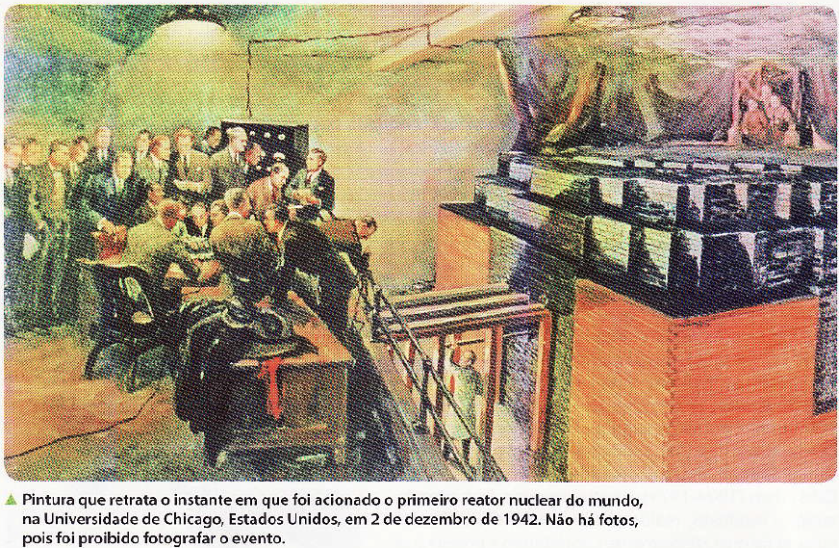

 Seclusão Anagógica