

HISTÓRIA DAS IDÉIAS V (hinduísmo ou: homem, o guru de si mesmo)

THE ESSENTIAL VEDANTA: A New Source Book of Advaita Vedānta – Eliot Deutsch & Rohit Dalvi // Um esforço por compreender os ensinamentos éticos hindus e de crítica do cristianismo via herança da filosofia continental.

We are concerned in short to understand Advaita Vedānta both in terms of cultural history and philosophy.”

We have not included in this work any material from the neo-Vedānta that has developed in India in recent decades (e.g., Vivekananda, Aurobindo, Radhakrishnan) as the literature of this movement, having been written in English, is readily accessible.”

PART I.

BACKGROUND IN TRADITION: THE THREE DEPARTURES

Vedānta means in the first place the ‘Conclusion of the Veda’ in the double sense that the Veda has come to an end here and that it has come to a conclusion. This final portion of the Veda comprises principally the Upanishads, which form the last tier in the monument we call the Veda.

In the second place, Vedānta is an abbreviation of Vedāntamīmāmsā, or the ‘Enquiry into the Vedānta’—the name of the most interesting, most influential, and most diverse of the philosophical traditions of Hindu India. Its very name implies a program: it is a tradition which intends to base itself on the Vedānta in the primary sense, the Upanishads.”

Classical Vedānta recognizes 3 ‘points of departure’ (prasthānatraya) for its philosophy; that is to say that all Vedānta true to its name accepts the authority of three texts, or sets of texts, which authenticate its conclusions. There is, then, first the set of Upanishadic texts; further, the text of the Bhagavadgītā; and finally, the text of the Brahmasūtras. Each adds a new dimension to the others.

It is clear, therefore, that any investigation into Vedānta must be preceded by an enquiry into its traditional sources. These sources may appear to be difficult and at times indeed abstruse; but they set up the problems to which Vedānta addresses itself and which it intends to resolve through its commentaries on these sources.

The basic works of the founders of the different Vedānta schools present themselves as commentaries on the traditional sources; while most of their works are original to a high degree and often seem to owe little more to the admitted sources than an inspiration, nevertheless the philosophers themselves in all honesty present themselves as commentators only.”

We shall briefly sketch the 3 Departures under the headings of ‘Revelation’, ‘Recollection’, and ‘System.’”

1.1 REVELATION

If we are to form a proper understanding of the meaning and scope of ‘Revelation’, we do well to forget at once the implications of the term in the Mediterranean religions, Judaism, Christianity, and Islam. Strictly speaking, ‘revelation’ is a misnomer, since ultimately there is no revealer. The Sanskrit term for it is śruti, literally ‘the hearing’, which means an erudition acquired by listening to the instruction of a teacher. This instruction itself had been transmitted to the teacher through an uninterrupted series of teachers that stretches to the beginning of creation.

Revelation, therefore, is by no means God’s word—because, paradoxically, if it were to derive from a divine person, its credibility would be impugned. (…) It is axiomatic that revelation is infallible, and this infallibility can be defended only if it is authorless.”

For some of the Mīmāmsā (or orthodox, exegetical) thinkers who have addressed themselves to this problem, the world is beginningless and the assumption of a creator is both problematic and unnecessary.” A resposta está tão no presente quanto em qualquer passado. Implicações para a filosofia continental: Dasein.

And even if a beginning of the world is assumed, as in later Hindu thought when it is held that the universe goes through a pulsating rhythm of origination, existence, and dissolution, it is also held that at the dawn of a new world the revelation reappears to the vision of the seers, who once more begin the transmission.”

Revelation (…) lays down first and foremost what is our dharma, our duty. This duty is more precisely defined as a set of acts which either must be done continuously (nitya), or occasionally (naimittika), or to satisfy a specific wish (kāmya).”

Orthodox consensus recognizes 3 fundamental means of knowledge (…) Of these means (pramānas), (1) sensory perception (pratyaksa) holds the first place, for it is through perception that the world is evident to us. Built upon perception is (2) inference (anumāna), in which a present perception combines with a series of past perceptions to offer us a conclusion about a fact which is not perceptibly evident. (…) (3) Revelation is authoritative only about matters to which neither perception nor inference gives us access”

the orthodox Exegetes would reject most of the Bible as Revelation: most of it they would classify as itihāsa or purāna, ‘stories about things past’, describing events which were accessible to perception and hence require only the authority of perception; but, for example, the chapters dealing with the Law in Deuteronomy would be considered Revelation in the true sense, since here rules are laid down and results are set forth which escape human perception and inference.

Led by this principle, the Exegetes classified Revelation under 3 basic rubrics, ‘injunction’ (vidhi or niyoga, including prohibition or nisedha), ‘discussion’ (arthavāda), and ‘spell’ (mantra). Spells comprise the mass of formulae, metric or in prose, which were employed at the execution of the rites. Discussion comprises all the texts which describe, glorify, or condemn matters pertaining to rites. Injunction comprises all the statements, direct or indirect, which lay down that certain rites or acts must be done or must not be done.

The stock example is svargakāmo jyotistomena yajeta, ‘he who wishes for heaven should sacrifice with the soma sacrifice’. It is in such statements that the authority of Revelation finally resides. It enjoins an action (offering up a sacrifice), the nature of which escapes human invention, for a purpose (heaven) whose existence neither perception nor inference could have acknowledged, upon a person (the sacrificer) who stands qualified for this action on the basis of the injunction. Declarations [mantras?] which accompany the description of the sacrifice, e.g., ‘the sacrificial pole is the sun’, while strictly speaking untrue and carrying no authority, have a derivative authority insofar as they are subsidiary to and supportive of the injunction, and may be condemnatory or laudatory of facts connected with the rite laid down in the injunction (e.g., the sacrificial pole is compared to the sun in a laudatory fashion for its central function at the rite). The spells accompanying the festive celebration of the rite have their secondary, even tertiary, significance only within the context of the rite laid down in the injunction.”

the Four Vedas as we call them, the Veda of the hymns (rk), the formulae (yajus), the chants (sāma), and the incantations (atharva), are almost entirely under the rubric of ‘spell’. The large disquisitions of the Brāhmanas are almost entirely ‘discussion’, except for the scattered injunctions in them; and the same largely holds for the 3rd layer of texts, the Āranyakas. Generally speaking, Vedānta will go along with this view.

It is, however, with the last layer of text (the Vedānta or the Upanisads) that Exegetes and Vedāntins come to a parting of ways. For the Exegetes the Upanisads are in no way an exception to the rules that govern the Revelation as a whole. Nothing much is enjoined in them nor do they embody marked spells. In fact, they are fundamentally ‘discussion’, specifically discussion of the self; and such discussion certainly has a place in the exegetical scheme of things, for this self is none other than the personal agent of the rites and this agent no doubt deserves as much discussion as, say, the sacrificial pole.

Basically therefore the Exegetes find the Revelation solely, and fully, authoritative when it lays down the Law on what actions have to be undertaken by what persons under what circumstances for which purposes. Vedānta accepts this, but only for that portion of Revelation which bears on ritual acts, the karmakānda. But to relegate the portion dealing with knowledge, the jñānakānda, to the same ritual context is unacceptable.”

The consensus of the Vedānta is that in the Upanisads significant and authoritative statements are made concerning the nature of Brahman. § From the foregoing it will have become clear that very little of the Revelation literature preceding the Upanisads was of systematic interest

to the Vedāntins. For example, Śamkara quotes less than 20 verses from the entire Rgveda in his commentary on the Brahmasūtras, about 14 lines from the largest Brāhmana of them all, the Śatapatha Brāhmana, but no less than 34 verses from the Mundaka Upanisad, a fairly minor and short Upanisad.”

Rgveda X, 129

Among the hymns of the Rgveda that are clearly philosophical both in character and influence none is more important than the Hymn of Creation. This hymn exhibits a clear monistic or non-dualistic concern, an account of creation that gives special attention to the role of desire, and a kind of skeptical or agnostic attitude concerning man’s (and even god’s) knowledge of creation. The following translation is from A.A. Macdonell, n.d.

Non-being then existed not nor being:

There was no air, nor sky that is beyond it.

What was concealed? Wherein? In whose protection?

And was there deep unfathomable water?

Death then existed not nor life immortal;

Of neither night nor day was any token.

By its inherent force the One breathed windless:

No other thing than that beyond existed.

Darkness there was at first by darkness hidden;

Without distinctive marks, this all was water.

That which, becoming, by the void was covered,

That One by force of heat came into being.

Desire entered the One in the beginning:

It was the earliest seed, of thought the product.

The sages searching in their hearts with wisdom,

Found out the bond of being in non-being.

Their ray extended light across the darkness:

But was the One above or was it under?

Creative force was there, and fertile power:

Below was energy, above was impulse.

Who knows for certain? Who shall here declare it?

Whence was it born, and whence came this creation?

The gods were born after this world’s creation:

Then who can know from whence it has arisen?

None knoweth whence creation has arisen;

And whether he has or has not produced it:

He who surveys it in the highest heaven,

He only knows, or haply he may know not.”

Chāndogya Upanisad VI

This text portion, which comprises the entire sixth chapter of the Chāndogya Upanisad, is no doubt the most influential of the entire corpus of the Upanisads.”

It lays down for Vedānta that creation is not ex nihilo, that the phenomenal world is produced out of a preexistent cause. This cause is the substantial or material cause (upādāna), which, by the example of the clay and its clay products (section 1), provides the authority for the tenet that the phenomenal world is non-different from its cause.” “the Existent (sat) referred to is no other than Brahman” “Thus this text presents us with the basic problem of Vedānta, the relation between the plural, complex, changing phenomenal world and the Brahman in which it substantially subsists.”

It teaches that <You are That,> and thus, for Vedānta, lays down that there is an identity (however to be understood)¹ between the Brahman and the individual self. This makes the text one of the <great statements> (mahāvākya) for Śamkara, who reads in it the ultimate denial of any difference between the consciousness of the individual self and the consciousness that is Brahman.

¹ “whether this non-difference signifies a complete non-dualism (Śamkara), a difference-non-difference (Bhāskara),a or a non-difference in a differentiated supreme (Rāmānuja).”b

a Dialética hegeliana. Este é o famoso matemático/lógico a que somos traumaticamente introduzidos na quinta série.

b Essencialmente o que se pergunta é uma coisa só: Eu também sou Brahma. Mas o que isso quer dizer de fato (e esta será a maior preocupação de todos os textos sagrados)?

Em suma, a criação é um processo voluntário e deliberado. O Cristianismo particularmente apresenta uma criação ex nihilo, ao mesmo tempo em que acusa o credo hindu de recair na mesma “falha” (que eles o considerem de voz própria uma falha já diz muita coisa).

The text is presented in a new translation by J.A.B. van Buitenen. It differs in many instances from previous translations which, he believes, have been unduly influenced by the interpretation of Śamkara. For example in section 4, the repeated <fireness has departed from fire,> <sunness has departed from sun,> <moonness has departed from moon,> <lightningness has departed from lightning> do not signify that there is in reality no fire, sun, moon, and lightning, but rather that these 4 entities, which previously had been considered irreducible principles, can be further analyzed into compounds of the Three Colors or Elements that Uddālaka sets up.”

Since a source book should avoid presenting sources in a controversial manner, the reader is urged to consult, e.g., Franklin Edgerton’s translation in Beginnings of Indian Philosophy, Hume’s in Thirteen Principal Upanisads, Radhakrishnan’s in The Principal Upanisads, to quote the more accessible ones, for further reference.”

At the age of 12 he went to a teacher and after having studied all the Vedas, he returned at the age of 24, haughty, proud of his learning and conceited.

Śvetaketu, now that you are so haughty, proud of your learning and conceited, did you chance to ask for that Instruction by which the unrevealed becomes revealed, the unthought thought, the unknown known?’

‘…Creating is seizing with Speech, the Name is Satyam, namely clay.

Creating is seizing with Speech, the Name is Satyam, namely copper.

Creating is seizing with Speech, the Name is Satyam, namely iron.’

Certainly my honorable teachers did not know this. For if they had known, how could they have failed to tell me? Sir, you yourself must tell me!’

So I will, my son,’ he said.

The Existent was here in the beginning, my son, alone and without a second. On this there are some who say, The Nonexistent was here in the beginning, alone and without a second. From that Nonexistent sprang the Existent.

How could what exists spring from what does not exist? On the contrary, my son, the Existent was here in the beginning, alone and without a second.’

I may be much, let me multiply.’

Of these beings indeed there are 3 ways of being born: it is born from an egg, it is born from a live being, it is born from a plant.’

[3:4 PRINCÍPIO DA REALIDADE QUATERNÁRIA – O UNO QUE TRIPLICA E AINDA SE CONSERVA (3 + 1), SENDO O TRIPLO UNO AO MESMO TEMPO – FILOSOFIA CONTINENTAL OCIDENTAL: AS 3 DIMENSÕES + A VONTADE, INVISÍVEL, REGEDORA.]

I will make each one of them triple. This deity created separate names-and-forms by entering entirely into these 3 deities with the living soul.’

The red color of fire is the Color of Fire, the white that of Water, the black that of Food. Thus fireness has departed from fire. Creating is seizing with Speech, the Name is Satyam, namely the Three Colors.

The red color of the sun is the Color of Fire, the white that of Water, the black that of Food. Thus sunness has departed from the sun. Creating is seizing with Speech, the Name is Satyam, namely the Three Colors.

The red color of the moon is the Color of Fire, the white that of Water, the black that of Food. Thus moonness has departed from the moon. Creating is seizing with Speech, the Name is Satyam, namely the Three Colors.

The red color of lightning is the Color of Fire, the white that of Water, the black that of Food. Thus lightningness has departed from lightning. Creating is seizing with Speech, the Name is Satyam, namely the Three Colors.’

[A luz é diferente: dela emana o Único, não importa o objeto emissor, não importa o objeto refletor. Fogo, sol, lua, relâmpago. Sangue é a cor da vida, acorde fundamental do homem.]

Now no one can quote us anything that is unrevealed, unthought, unknown,’

If something was more or less red, they knew it for the Color of Fire; if it was more or less white, they knew it for the Color of Water; if it was more or less black, they knew it for the Color of Food.

[calor/energia, líquido e vida em si]

If something was not quite known, they knew it for a combination of these 3 deities. Now learn from me, my son, how these 3 deities each become triple on reaching the person.

The food that is eaten is divided into 3: the most solid element becomes excrement, the middle one flesh, the finest one mind.

The water that is drunk is divided into 3: the most solid element becomes urine, the middle one blood, the finest one breath.

The fire that is consumed is divided into 3: the most solid element becomes bone, the middle one marrow, the finest one speech.’

[Fez-se vento, palavra e consciência.]

Man consists of 16 parts, my son. Do not eat for 15 days. Drink water as you please. The breath will not be destroyed if one drinks, as it consists in Water.’

He did not eat for 15 days. Then he came back to him. ‘What should I say, sir?’

Lines from the Rgveda, the Yajurveda and the Sāmaveda, my son.’

They do not come back to me, sir.’

Eat. Afterwards you will learn from me.’

Just as one ember, the size of a firefly, that remains of a big piled-up fire will blaze up when it is stacked with straw and the fire will burn high thereafter with this ember, so, my son, one of your 16 parts remained. It was stacked with food and it blazed forth, and with it you now remember the Vedas. For the mind consists in Food, my son, the breath in Water, speech in Fire.’ This he learnt from him, from him.

When a man literally sleeps, then he has merged with Existent. … that is why they say that he sleeps. For he has entered the self.’

the breath is the perch [residência] of the mind, my son.’

water is food leader’

fire is water leader’

the fire is root’

All creatures are rooted in the Existent.’

Of this man when he dies, my son, the speech merges in the breath, the breath in the Fire, the Fire in the supreme deity. That indeed is the very fineness by which all this is ensouled, it is the true one, it is the soul. YOU ARE THAT, Śvetaketu.’

Just as the bees prepare honey by collecting the juices of all manner of trees and bring the juice to one unity, and just as the juices no longer distinctly know that the one hails from this tree, the other from that one, likewise, my son, when all these creatures have merged with the Existent they do not know, realizing only that they have merged with the Existent.’

The rivers of the east, my son, flow eastward, the rivers of the west flow westward. From ocean they merge into ocean, it becomes the same ocean. Just as they then no longer know that they are this river or that one, just so all these creatures, my son, know no more, realizing only when having come to the Existent that they have come to the Existent. Whatever they are here on earth, tiger, lion, wolf, boar, worm, fly, gnat or mosquito, they become that.’

If a man would strike this big tree at the root, my son, it would bleed but stay alive. If he struck it at the middle, it would bleed but stay alive. If he struck it at the top, it would bleed but stay alive. Being entirely permeated by the living soul, it stands there happily drinking its food.

If this life leaves one branch, it withers. If it leaves another branch, it withers. If it leaves a third branch, it withers. If it leaves the whole tree, the whole tree withers. Know that it is in this same way, my son, that this very body dies when deserted by this life, but this life itself does not die.’

[O receptáculo passageiro morre, mas a vida mesma não.]

Bring me a banyan fruit.’

Here it is, sir.’

Split it.’

It is split, sir.’

What do you see inside it?’

A number of rather fine seeds, sir.’

Well, split one of them.

It is split, sir.’

What do you see inside it?’

Nothing, sir.’

This very fineness that you no longer can make out, it is by virtue of this fineness that this banyan tree stands so big. Believe me, my son. It is this very fineness which ensouls all this world, it is the true one, it is the soul….’

Throw this salt in the water, and sit with me on the morrow.’

Well, bring me the salt that you threw in the water last night.’

He looked for it, but could not find it as it was dissolved.

Well, taste the water on this side.—How does it taste?’

Salty.’

Taste it in the middle.—How does it taste?’

Salty.’

Taste it at the other end.—How does it taste?’

Salty.’

Take a mouthful and sit with me.’ …

It is always the same.’

… ‘You cannot make out what exists in it, yet it is there.…’

Suppose they brought a man from the Gandhāra country, blindfolded, and let him loose in an uninhabited place beyond. The man, brought out and let loose with his blindfold on, would be turned around, to the east, north, west, and south.

Then someone would take off his blindfold and tell him, Gandhāra is that way, go that way. Being a wise man and clever, he would ask his way from village to village and thus reach Gandhāra. Thus in this world a man who has a teacher knows from him, So long will it take until I am free, then I shall reach it.

When a man is dying, his relatives crowd around him: Do you recognize me? Do you recognize me? As long as his speech has not merged in his mind, [become oneself again – somos o desdobramento e o desbordamento] his mind in his breath, his breath in Fire, and Fire in the supreme deity, he does recognize.

But when his speech has merged in the mind, the mind in the breath, the breath in Fire, and Fire in the supreme deity, he no longer recognizes.…’

They bring in a man with his hands tied, my son: He has stolen, he has committed a robbery. Heat the ax for him! If he is the criminal, he will make himself untrue. His protests being untrue, and covering himself with untruth, he seizes the heated ax. He is burnt, and then killed.

If he is not the criminal, he makes himself true by this very fact. His protests being true, and covering himself with truth, he seizes the heated ax. He is not burnt, and then set free.[o conceito de ser libertado deveria ser o de ser queimado e assassinado]

This he knew from him, from him.”

(Este capítulo está numerado em 16 partes.)


Chāndogya Upanisad V, 3-10

Here Śvetaketu, almost always the incompletely instructed pupil, complains to his father that he is unable to answer the riddles posed by a baron (ksatriya). This text, along with one closely related in the Brhadāranyaka Upanisad, presents the fullest account of the doctrine of transmigration, which on the whole is rather understated in the Upanisads.”

The text is further remarkable in that it presents this doctrine as special knowledge of the ksatriya class. This has given rise to the hypothesis that there was a lively ambience of philosophy among the barons from which the brahmins were excluded.”

Śvetaketu, the grandson of Aruna, went to the assembly of the Pañcālas. Pravāhana Jaivali said to him, ‘Boy, has your father instructed you?’

He has, sir.’

Then do you know where the creatures go from here?’

No, sir.’

Do you know the bifurcation of the two paths, the Way of the Gods and the Way of the Ancestors?’ [paralelo com Parmênides]

No, sir.’

Do you know why the world beyond does not fill up?’

No, sir.’

Do you know how the water in the 5th oblation becomes known as man?’

Not at all, sir.’

Then how do you call yourself instructed? How could one call oneself instructed if he does not know the answers?’

To be sure, your reverence told me, without having instructed me, that you had instructed me! Five questions did that accursed baron ask me, and I could not resolve a single one of them!’

The way you have stated them, my son, I do not know any one of them. If I had known the answers, why would I not have told you?’

Keep your human wealth, king! Relate to me the discourse which you mentioned before the boy!’

The king was cornered. He ordered him, ‘Stay a while.’ He said, ‘This wisdom, as you state it to me, Gautama, has never before you gone to the brahmins. That is why the rule in all the worlds belongs to the baronage.’

The world beyond, Gautama, is a fire. Of it the sun is the kindling, the rays the smoke, the glow the day, the embers the moon, the sparks the constellations.

In this fire the gods offer up faith; from the oblation springs King Soma.

The monsoon, [clima de chuvas intermitentes de verão – implica no firmamento, abaixo apenas da morada ígnea dos deuses] Gautama, is a fire. Of it the wind is the kindling, the cloud the smoke, the lightning the glow, the thunderbolt the embers, the hail stones the sparks.

In this fire the gods offer up King Soma. From this oblation springs the rain.

The earth, Gautama, is a fire. Of it the year is the kindling, space the smoke, night the glow, the compass points the embers, the intermediate points the sparks.

In this fire the gods offer up the rain. From this oblation springs food.

Man, Gautama, is a fire. Of him speech [falo] is the kindling, breath the smoke, the tongue the glow, the eye the embers, the ear the sparks.

In this fire the gods offer up food. From this oblation springs the seed.

Woman, Gautama, is a fire. Of her the womb is the kindling, the proposition the smoke, the vagina the glow, intercourse the embers, pleasure the sparks.

In this fire the gods offer up the seed. From this oblation springs the child.

Thus in the 5th oblation water becomes known as man. The embryo, enveloped by its membrane, lies inside for 10 months, or however long, then it is born.

Once born he lives for as long as he has life. When he has died his appointed death, people carry him from here to the fire, from which he had come forth and was born.

They who know it thus and in the forest devote themselves to faith and austerity, they go into the fire’s glow, from the glow to day, from day to the fortnight of waxing moon, and from that fortnight to the 6 months when the sun goes the northern course. From these months to the year, from the year to the sun, from the sun to the moon, from the moon to lightning. [?] There is a person who is not human; he conducts them to Brahman. This is the Way of the Gods as described. [Faetonte-Aqueronte-Caronte-Carente-Cura-do-ente…]

Now those who in the village devote themselves to rites and charity, they go into the fire’s smoke, from the smoke to night, from night to the other fortnight, from the other fortnight to the 6 months when the sun goes the southern course. They do not reach the year.

From the months they go to the world of the ancestors, from that world to space, from space to the moon: he is the King Soma, it is the food of the gods, the gods eat it.

There they stay out the remainder, then they return by the same way, namely to space, from space to wind. Having become wind, they become smoke. Having become smoke, they become mist. [zzz]

Having become mist, they become the cloud, and having become the cloud, they rain forth. They are born on earth as barley and rice, herbs and trees. From thence escape is indeed difficult. If a person eats that food and then ejaculates his semen, then one becomes once more. [um brâmane é um repetente]

They who in this world [forest or city] have been of pleasant deeds, the expectation is that they attain to pleasant wombs, of a brahmin, or a baron, or a clansman. But if they have been of putrid deeds, the expectation is that they attain to putrid wombs, of a dog, or a swine, or an outcaste.

[Essa é uma versão pobre e a-filosófica da doutrina da transmigração.]

But by neither of these paths go the lowly creatures that again and again come back. [the third way is a no-way] That is the third level, that of: Be Born! Die! Therefore the world beyond does not fill up. Hence one should watch out. There is this verse:

The thief of gold, the drinker of wine,

The corruptor of his teacher’s bed, a brahmin-killer,

Those four fall, and so the fifth who consorts with them.

If one does know these 5 fires, then one is not smeared with evil, even though consorting with them. Clean, pure, and of auspicious domain becomes he who knows it thus, who knows it thus.’” A salvação do brâmane me parece assaz fácil!

Taittirīya Upanisad II, 1–8

It outlines, even though in primitive terms, a hierarchy of the person—5 ‘sheaths’ (kośa) of increasing interiority.”

This is his head, this his right side, this his other side, this his trunk, this his tail, his foundation.” O homem tem 5 partes físicas, e uma delas é a cauda?!

2. From food arise the creatures, whichsoever live on earth, and through food alone do they live, and to it they return in the end. Of all elements, food indeed is the best, hence it is called the best medicine. They forsooth attain to all food who contemplate on Brahman as food. From food are the creatures born, and once born they grow through food. It is eaten and eats the creatures, hence it is called food.”

The prāna is its head, the vyāna its right side, the apāna its left side, space the trunk, earth its tail, its foundation.” O rabo do homem é a terra, é o chão, é o solo, a base. Ele não pode voar (seu rabo não regride).

4. “Faith is its head, order the right side, truth the other side, discipline the trunk, mahas the tail, the foundation.”

5. “Happiness is its head, joy its right side, rapture its other side, bliss its trunk, Brahman its tail, its foundation.”

6. Nonexistent becomes he when he knows Brahman as nonexistent. When he knows that Brahman exists, they know him by that to exist.” Interessante.

7. In the beginning the Nonexistent was here, from it was born the existent. It made itself into a self, that is why it is called well-made. That which is well-made is the sap [seiva, vida]. For upon attaining to this sap one becomes blissful. For who would breathe in and breathe out if there were no bliss in his space?”

O oitavo parágrafo (críptico): Brahma é a Morte?

Katha Upanisad

[this book] sets forth a state of bliss to be had through an intense concentration of consciousness and, finally, a surpassing state of joy and liberation.

The text, given here in its entirety, is a translation of Patrick Olivelle

So he asked his father: ‘Father, to whom will you give me?’ He repeated it for a second time, and again for a third time. His father yelled at him: ‘I’ll give you to Death!’”

A mortal man ripens like grain,

And like grain he is born again.”

You, O Death are studying,

the fire altar that leads to heaven;

Explain that to me, a man who has faith;

People who are in heaven enjoy the immortal state—

It is this I choose with my second wish.”

(Death)

I shall explain to you—

and heed this teaching of mine, O Naciketas,

you who understands the fire altar that leads

to heaven, to the attainment of an endless world,

and is its very foundation.

Know that it lies hidden, in the Cave of the heart.”

Choose your third wish, O Naciketas.

There is this doubt about a man who is dead.

He exists,’ say some, others, ‘He exists not.’

I want to know this, so please teach me.

This is the third of my wishes.

(Death)

As to this even the gods of old had doubts,

for it’s hard to understand, it’s a subtle doctrine.

Make, Naciketas, another wish.

Do not press me! Release me from this.

(Naciketas)

As to this, we’re told, even the gods had doubts,

and you say, O Death, it’s hard to understand.

But another like you I can’t find to explain it;

and there is no other wish that is equal to it.


(Death)

Choose sons and grandsons who’d live a hundred years!

Plenty of livestock and elephants, horses and gold!

Choose as your domain a wide expanse of earth!

And you yourself live as many autumns as you wish!”

Resposta fraca

And if you would think this an equal wish—

You may choose wealth together with a long life;

Achieve prominence, Naciketas, in this wide world;

And I will make you enjoy your desires at will.

You may ask freely for all those desires,

hard to obtain in this mortal world;

Look at these lovely girls, with chariots and lutes,

girls of this sort are unobtainable by men—

I’ll give them to you; you’ll have them wait on you;

But about death don’t ask me, Naciketas.”

Outrossim, a sedução do diabo no deserto (Novo Testamento).

(Naciketas)

Since the passing days of a mortal, O Death,

sap here the energy of all the senses;

And even a full life is but a trifle;

So keep your horses, your songs and dances!

*

With wealth you cannot make a man content;

Will we get to keep wealth, when we have seen you?

And we get to live only as long as you allow!

So, this alone is the wish that I’d like to choose.

*

What mortal man with insight,

who has met those that do not die or grow old,¹

himself growing old in this wretched and lowly place,

looking at its beauties, its pleasures and joys,

would delight in a long life?”

¹ Seria uma interessante parábola, se existissem tais deuses ou vampiros! Ou, conforme veremos adiante, Naciketas fala dos sábios, em sentido puramente alegórico.

The point on which they have great doubts—

what happens at that great transit—

tell me that, O Death!

This is my wish, probing the mystery deep,

Naciketas wishes for nothing

other than that.”

Didn’t anybody say that to you: Careful what you wish?

UMA CRÔNICA DE DOIS IRMÃOS:

(Death)

The good is one thing, the gratifying [prazeres] is another;

their goals are different, both bind a man.

Good things await him who picks the good;

By choosing the gratifying, one misses one’s goal.

*

Both the good and the gratifying

present themselves to a man;

The wise assess them, note their difference;

And choose the good over the gratifying;

But the fool chooses the gratifying

rather than what is beneficial.

*

This disk of gold, where many a man founders,

You have not accepted as a thing of wealth.

*

Far apart and widely different are these two:

Ignorance [prazer] and what’s known as knowledge. [o bem]

I take Naciketas as one yearning for knowledge;

The many desires do not confound you.

*

Wallowing in ignorance, but calling themselves wise,

Thinking themselves learned the fools go around,

staggering about like a group of blind men,

led by a blind man who is himself blind. [um homem cego é mesmo cego!]

*

This transit lies hidden from a careless fool,

who is deluded by the delusion of wealth.

Thinking ‘This is the world; there is no other’,

he falls into my power again and again.”

Creio que ninguém ainda entendeu o verdadeiro sentido do texto. Em vermelho: o hedonista ou materialista pensa “não há outro mundo, só este, carpe diem, etc.”. Mas é só este quem morre. O outro mundo é neste mundo mesmo, invisível, habitado somente pelos sábios. Eles nunca morrem. Apud Sócrates-Platão-…

Many do not get to hear of that transit;

and even when they hear,

many don’t comprehend it.

Rare is the man who teaches it,

Lucky is the man who grasps it;

Rare is the man who knows it,

Lucky is the man who is taught it.”

Mais más concepções: não se ouve a verdade muito amiúde; quando se a escuta, se a ignora como se ela nunca fôra proferida. Isto é Zaratustra livro I, cena da praça e do mercado. Não é raro o homem que ensina a sabedoria: tantos quantos são estes professores (os sábios, a.k.a. virtuosos), uma vez na vida eles acreditam poder ensinar – esse é seu erro; a virtude não pode ser ensinada. Portanto, só quem sábio se torna, sábio já era. Torna-te aquilo que tu és. Raro é o homem assim constituído. Sortudo é quem nasceu nessa condição, pois só assim “lhe foi ensinado” o conteúdo: por si mesmo.

Though one may think a lot, it is difficult to grasp,

when it is taught by an inferior man.

Yet one cannot gain access to it,

unless someone teaches it.

For it is smaller than the size of the atom,

a thing beyond the realm of reason.”

Não existe o guru. Quantas vezes ter-se-á de dizê-lo? Quantos murros em ponta de faca? O final, porém, é adequado: a vontade ou Idéia é menor que qualquer pedaço de matéria, o que o século XX chama de partículas sub-atômicas fundamentais. Não é deste mundo, é do outro mundo vivenciado neste mundo pelos privilegiados de nascença (se há algo do mito brâmane que sobrevive é esse fatalismo: ou se nasce sábio e bom, ou se nasce ignorante e mau). E é vontade ou Idéia, esses nomes “estranhos”, embora familiares no léxico (mas quase nunca sabem seu significado!), porque não é razão, está além da razão. Quem disse que o sábio o é em virtude da razão?! Quem disse que a Idéia de Platão ou a virtude são alcançadas pela inteligência? Somente pelo instinto, pela inclinação natural em vê-las e senti-las, em sê-las (com isso que chamam de Brahma).

One can’t grasp this notion by argumentation;¹

Yet it’s easy to grasp when taught by another

You’re truly steadfast dear boy,

you have grasped it!

Would that we have, Naciketas,

One like you to question us.”²

¹ A dialética esvaziada de um Aristóteles, o Racional.

² O outro é sempre si mesmo, sempre a ressalva em relação aos textos sagrados hindus, que ainda não tinham a consciência da origem da sabedoria, talvez a única vantagem oferecida pela filosofia ocidental sobre o maior trabalho, a maior sabedoria, embora inconsciente, trazida pelo Oriente, e que hibernou por tanto tempo, entre nós e até eles próprios, os professores do Veda! Us também não existe. Quem formula as perguntas e também as respostas naquele que não pode ser igualado (Platão)? Ele mesmo. A Morte neste Upanishad não é uma fraude, um espírito trickster, mas, pelo contrário, o alter ego de Naciketas: este é um diálogo, a maiêutica do sábio. Quem preside é ele mesmo, mediante suas reminiscências. Outra frase célebre: Dai a César o que é de César, significa: dai a este mundo o que quer este mundo: a humildade, a labuta, um mal-disfarçado senso de superioridade (porque os tolos, em sua maior parte, crêem na sua modéstia e na sua inferioridade, não se pode usar a sabedoria para angariar vantagens no jogo temporal). Assim quitais vossas dívidas com eles. Nosso eterno sofrimento, a eterna convivência com os eternos anões. O preço de nosso paraíso, no outro mundo que é aqui, sem testemunhas senão nossos poucos iguais. Jesus Cristo, o incompreendido. Ao mesmo tempo que não iniciou, o Juízo já terminou e está acontecendo. Acontece. Todo ele é a existência. A existência é uma criação escatológica.

What you call a treasure, I know to be transient;”

tesouro transcendental

Therefore I have built the fire altar of Naciketas,

and by things eternal I have gained the eternal.”

Jogando minha alma na aposta eu consegui meu objetivo: a eternidade. O outro mundo neste mundo. O presente do presente, o único tempo real. A única felicidade tangível. Sem necessidade de nenhuma providência; pois já estava lá, sempre esteve.

[Já não importa quem fala, é o Um e o Mesmo]

The primeval one who is hard to perceive,

wrapped in mystery hidden in the cave,¹

residing within the impenetrable depth

Regarding him as god,² an insight

gained by inner contemplation,³

both sorrow and joy the wise abandon.”4

¹ E quem é que começa a vida preso à caverna, no mito (ou inclusive na historiografia “séria” – como se o mito não o fosse –: homem das cavernas)? O homem. Não é que o homem busque o sol que é a Iluminação ou instrumento necessário para iluminar aquilo que não se vê. Ou em outras palavras: aquilo que não se vê a descoberto é a si mesmo. O homem não se sabe homem, não sabe o que é, precisa do sol para entender que é o que tanto procurava. O mistério da vida é o mistério do homem diante do espelho. O eu, o maior enigma. O mundo dos homens, normalmente entendido como tão despido de significado quanto “o mundo de um deus desconhecido”, ou “de um deus que morreu”. O Mito da Caverna inverte a mitologia grega em geral: não estamos destinados a nos tornar sombras, mas somos sombras que eventualmente se incorporam e ganham volume, densidade, matéria, substância, cor, tangibilidade, vida.

² Na minha interpretação é o exato oposto: sem a companhia de ninguém, e deixado à própria sorte no fundo da caverna, em sua cela do Ser, o homem não pode atingir a hubris nem a auto-afirmação: divino é o estado mais difícil. O Um sem o Outro é prosaico.

³ Isso só pode ser exato depois da própria jornada, da odisséia, do retorno diferente ao mesmo lugar do princípio.

4 Como resultado inevitável da viagem exitosa. Quem tem o presente seria por definição feliz, como quer o hindu. Porém, em face do conhecimento da eternidade neste mundo (o outro mundo), sensações transitórias perdem o significado: o que é tristeza, o que é alegria sem contraste ou interrupção, sem-fim? Nada.

When a mortal has heard it, understood it;

when he has drawn it out;

and grasped this subtle point of doctrine,

he rejoices, for he has found

something in which he could rejoice.

To him I consider my house

to be open, Naciketas.”

A liberação é saber que fora de todo o possível, fora do eterno presente, só fora, e só para quem está consciente do presente, no impossível (pois não existe esse fora), finalmente é concedido o direito de morrer. Não há transição. Só há transição na eternidade do presente e da ação. Mas o que é bênção para nós é maldição para quem tem medo da morte ou esperança eterna num outro mundo que não seja deste mundo. Eles já vivem neste outro mundo que desejam: eles são objetos, não são homens. O tempo corre para eles. Estão condenados a jamais morrer, porque para eles a vida é uma morte contínua.

Veja que o próprio compilador, ou tradutor, está confuso quanto à identidade de quem fala (como eu disse, não importa, é a mesma pessoa!):
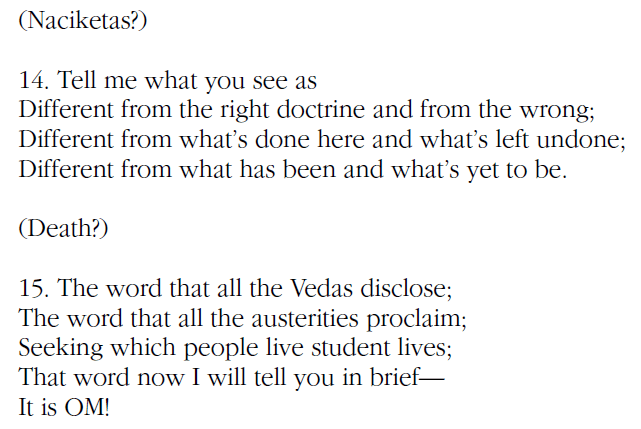
Seeking which people live student lives”

Buscando quais pessoas vivem vidas de estudante. O estudante dos Vedas é a figura perfeita dos Vedas. Não só dos Vedas: da existência mesma, das Idéias de Platão e da vontade de Nietzsche. O professor dos Vedas é só um artifício didático: ele é outro estudante, o daimon guia do bom caminho. Nunca cessamos de aprender, e de nos tornar mais sábios, mas não existe a Idéia do sábio: a idéia, a busca da sabedoria. A imagem perfeita. Tão perfeita que poderíamos nos perguntar se essa imagem não é a Idéia mesma. A imagem é a Idéia sobre a Idéia. A Idéia é a imagem da Idéia. A Idéia voltada para si mesma, a Idéia ao espelho. A sabedoria socrática. Esse é o infinito, pois não termina ou conclui, e é ao mesmo tempo um estado em perpétuo movimento. Um estado não-estado. Um movimento não-movimentado. A imagem das imagens.

A vontade, palavra do século XIX para o mesmo: deliberações sobre as entrelinhas de Platão, o contínuo debate da Idéia. Não menos perfeito que a Idéia, por não ser exatamente uma poesia da maiêutica (e quem disse que os aforismos não o são?), pois pressupõe a Idéia, já que não é debate estático. E é ao mesmo tempo estanque, porque não evadiu o bom caminho da Idéia. O invisível vivido pelo estudante (mestre).

OM é tudo, é vontade e é Idéia. Vibração contínua. Sempre há um ponto cego para o sábio, mas é ele que indica o bom caminho. Há sempre um mistério residual. Dádiva negativa do presente. Tê-lo em forma viva e depois querer tê-lo no mundo material para auferir vantagens é o mesmo que dele abdicar, cair na tentação sensualista da Morte na proposta ao estudante, do diabo a Jesus no deserto, da glória mundana. Uma confirmação empírica da Idéia desvaneceria a Idéia, descaracterizando seu ar incomunicável, indemonstrável, autorreferente e exclusivista, entrada para poucos e seletos. Ouvem-se as palavras Idéia, vontade e OM, mas, como disse a Morte acima, os habitantes deste mundo que esperam o outro mundo, sem saber que ele é este mesmo, não escutam. Escutam as palavras, mas não as compreendem. E escutar é compreender desde que o homem é homem. Escutar a mais bela melodia e não entender sua beleza? Quem não riria dessa “sabedoria” e deste pragmatismo dos tolos? Num mundo em que existem bem e mal, quem se dá bem, se dá mal. Assim poderíamos traduzir as palavras mais próximas a nosso tempo “muito além do bem e do mal”: o bem vigente não é o bem de Platão. Daí a razão da reviravolta que não é reviravolta (filosofia extrema de combate ao niilismo): contorceram tanto as palavras que já é necessário desfazer mal-entendidos a fim de se afirmar a mesma coisa de dois milênios atrás. O que já foi OM, e o que hoje não é entendido pelos exegetas hindus do OM, voltará a ser o mesmo OM originário, etc. Credo quia absurdum est?

When, indeed, one knows this syllable,

He obtains his every wish.”

Sorte que nós não somos muito exigentes, e não pedimos desejos absurdos (com o perdão do trocadilho com o final do texto acima). Para nós tudo é possível, mas nem tudo é permitido (por nós mesmos), se pudermos incluir Dostoievsky na conversa, porque somos virtuosos e nossos desejos nada têm a ver com as fábulas dos adoentados morais, os sequiosos do outro mundo, materialistas incuráveis, a imaginar gênios que lhes concedam todo tipo de coisa inesgotável neste mundo; quando este mundo mesmo é esgotável (pelo menos para eles, pela forma como eles esperam saciar sua sede neste mundo, ainda contando com um outro!), que desejo logo não daria sede-de-mais aos pedintes? Esses mendicantes querem ganhar na mega-sena; os poucos que logram continuam sendo mendicantes, não há escapatória.

And when one knows this support,

he rejoices in Brahman’s world.”

Brahman’s world = Brahman’s word

Outro mundo = Idéia, vontade, OM, presente eterno, vida do sábio

The wise one—

he is not born, he does not die;

he has not come from anywhere;

He is the unborn and eternal, primeval and everlasting.

And he is not killed, when the body is killed.

(The dialogue between Naciketas and Death appears to end here.)”

Com minha ajuda, vocês certamente perceberam, o único mistério que subjaz é salutar para a compreensão do texto (o ponto cego do sábio). Então, modéstia à parte, não haveria nem mais que dizer – hora perfeita para encerrar o trabalho de parto (maiêutica do sábio). O Katha Upanishad não encerra aqui, porém; a narração objetiva, fora de qualquer diálogo, dá continuidade aos ensinamentos.

If the killer thinks that he kills;

If the killed thinks that he is killed;

Both of them fail to understand.

He neither kills, nor is he killed.”

Caim não matou ninguém, apenas passou por tolo! Abel vive ainda. A natureza se feriu. Mas a natureza é imortal.

Finer than the finest, larger than the largest,

is the self (Ātman)¹ that lies here hidden

in the heart of a living being.

Without desires and free from sorrow,

a man perceives by the creator’s grace

the grandeur of the self.”

¹ Provável etimologia de nossa palavra “alma”.

Sitting down, he roams afar.

Lying down, he goes everywhere.¹

The god ceaselessly exulting—

Who, besides me, is able to know?”

¹ Uma das características do homem pós-moderno esvaziado de sentido é viajar (territorialmente falando mesmo) sempre que pode. À procura de algo que nunca encontra. Sempre em movimento – mas ironicamente sempre estagnado no mesmo lugar – tentando fugir inadequadamente de sua sombra. A viagem talvez seja uma característica indispensável do ser humano. Mas é possível atingir a Idéia, ou o presente eterno, nunca saindo de sua província, como é possível errar como o judeu amaldiçoado sem qualquer conseqüência. Ulisses seria um bom exemplo daquele que viaja e sai do lugar ao mesmo tempo. O turista do capitalismo tardio, no entanto, apenas repete tudo que sabe fazer enquanto erradicado na província, necessitando, não obstante, de novas vistas na janela e de uma gorda fatura no cartão de crédito – suas provas empíricas de que ele viveu. Que bebeu a mesma Heineken vendida em sua vizinhança além-mar…

When he perceives this immense, all-pervading self,

as bodiless within bodies,

as stable within unstable beings—

A wise man ceases to grieve.

This self cannot be grasped,

by teachings or by intelligence,

or even by great learning.

Only the man he [the self] chooses can grasp him,

Whose body this self chooses as his own.”

Aqui, estranhamente, cai a exigência de um guru, de um mestre para o estudante do Veda, e a auto-eleição fatídica que comentei acima fica sancionada.

Not a man who has not quit his evil ways;

Nor a man who is not calm or composed;

Nor even a man who is without a tranquil mind;

Could ever secure it by his mere wit.”

Nenhum religioso com segundas intenções. A “frieza” do sábio não é a frieza do erudito, tão reparada e criticada em nossos tempos. O sábio não é um erudito. Erudito é o filisteu da cultura de massas. Sócrates é o anti-filisteu clássico. A frieza do sábio não é a incapacidade de se comover, mas a impassibilidade com que entende a inevitabilidade do funcionamento do princípio da Teoria das Idéias, da Vontade de Potência, do Om. Queira ele ou não, queira seu ego ou não, estas são Verdades que ele compreende como verdadeiras, e por isso as aceita (com impassibilidade, sinônimo circunstancial de frieza). Doravante, este é o “eleito”, de mente tranqüila, calmo e composto. Não levemos essa exigência longe demais: quem duvida que um Sócrates apaixonado por Alcibíades, que um Nietzsche compondo os livros mais destrutivos da cultura filistéia, não cumprem o requisito desta compostura exigida? Um homem calmo não vive em fúria, mas pode demonstrar fúria – caso contrário não seria um homem que os hindus estariam procurando, mas um embotado qualquer, já incapaz da ira.

A conhecida mente fervilhante do artista tampouco é uma vedação: suscetível às mudanças no mundo e crente nesta vida (e não somente em outra) ele sabe se isolar em seu próprio espaço, concentrado (o outro mundo neste mundo), onde não tem igual (Rafaello Sanzio, Miquelângelo, etc.). Acima de tudo ele pode contemplar sua situação no mundo com a mesma objetividade de um deus, de um filósofo (como dito acima) e de alguém que está desinteressado de lucros mundanos (o que os demasiado espertos são incapazes de compreender – “se eu tivesse seu talento, eu faria acontecer, eu seria muito maior, estaria no topo do mundo” – se um pequeno ou medíocre tivesse o talento do talentoso, ele não “faria acontecer”, porque então ele não seria apenas um esperto sem sabedoria e não pensaria como pensa o sem-talentos).

For whom the Brahmin and the Kshatriya

are both like a dish of boiled rice;

and death is like the sprinkled sauce;

Who truly knows where he is?”

Quem senão essa super-alma qualificada, este que incorporou Brahman, para ver até mesmo a casta superior indiana como um mero equivalente inanimado da classe dos guerreiros que não estudam os Vedas? A morte é um fenômeno como outro qualquer, um tempero que aumenta o gosto da comida. E quem anseia pelo outro mundo, o que quer com isso? Quer escapar da morte como quem desmaia e acorda bem-tratado pelos outros, anestesiado, fugido das pesadas implicações. Isso pelo menos quando ele está anormalmente convicto do outro mundo. Na maioria do tempo essas pessoas sentem a própria insignificância e banalidade, e tremem diante da simples palavra morte, como que pressentem que estão erradas e falam da boca para fora.

They call these two ‘Shadow’ and ‘Light’,

The two who have entered—

the one into the cave of the heart,

the other into the highest region beyond,

both drinking the truth

in the world of rites rightly performed.”

A semelhança com o Mito da Caverna ou princípios como os recitados no mazdeísmo são óbvios.

the imperishable, the highest Brahman,

the farthest shore

for those who wish to cross the danger.”

Decerto “as margens mais afastadas” não são um batismo ritual indiferente e vazio, “feito por fazer”, “herança dos costumes dos pais”, incompreendido em “seus mistérios”, realizado mais por medo que por qualquer outro sentimento, extremas unções, confissões e idas semanais à igreja, “para não ir para o inferno”. Não, essa odisséia não é para almas covardes que recorrem a atalhos inofensivos gravados nas pedras! Quem pode nos dizer, num país cristão, que já não estava impregnado de todas essas ridicularias desde que se entendeu por indivíduo? Porque, claro, podiam significar nada, mas há sempre um parente ou conhecido para dizer: “Antes de tal coisa, fazer 3 ave-marias e rezar 10 pais-nossos, se não funciona, ao menos não prejudica”. E assim assimilamos costumes que não podemos chamar de imbecis, porque só consideramos imbecil aquilo que podemos compreender, para avaliar; isso é menos que imbecil, é apenas um mistério herdado, automático, parte de nosso “arrumar a cama – escovar os dentes – etc.”. Não se pode jogar essas coisas fora sem substituí-las por algo melhor, dir-se-ia. O algo melhor é a verdade do conhecimento sagrado inconsciente hindu, que finalmente se tornou acessível a nós após séculos de filosofia ocidental. Não que possamos encarnar em qualquer outro a função de guru; o ritual de ascensão do ignoto herdado ao autoesclarecimento é sempre individualmente doloroso. Por isso os materialistas (hedonistas que se dizem espiritualistas!), seguros do outro mundo, são incapazes de efetuar essa transmutação.

Know the self as a rider in a chariot,

and the body, as simply the chariot.

Know the intellect as the charioteer,

and the mind, as simply the reins.”

Uma imensa sabedoria condensada e destilada em 4 versos. Seria incapaz de enumerar a série de referências que enxergo em nosso saber ocidental ao ler somente as duas primeiras linhas: já a figura da carroça que ascende ao saber está presente na mitologia grega, na própria alusão ao deus-sol e seus servos. Hélio e Faetonte são pai e filho e contudo com o passar das gerações já se confundem num só ente. A carroça voadora deveria descrever a parábola do percurso do sol durante as 12 horas do dia (depois ele submerge e passa por debaixo dos oceanos, voltando ao leste). Mas Faetonte já é associado, a dado momento, à própria carruagem (o eu-controlado da figura poética acima). É ele, esse deus, na forma humana, qualquer que seja o nome, o único apto a conduzir a carroça sem se queimar (ou desviar do percurso correto). Desdobramentos, ainda helênicos, são perceptíveis na estória de Ícaro e seu malfadado vôo, nos escritos de Parmênides sobre o Um, no daimon de Sócrates (o self mais profundo, que conduz a ele próprio, o indivíduo histórico), que o orienta até em sonhos musicais na véspera de beber a cicuta (que ele não tema, aliás, o oposto: que ele celebre e comemore a vida no momento do estar-morrendo).

Essa voz interior passa, mais explícita ou menos explícita, pelos textos de todos os principais pensadores, até aterrissar nas investigações sobre o inconsciente, o novo nome para o daimon, nosso verdadeiro senhor. O que é um espírito-livre senão o escravo de si mesmo, ou melhor, aquele bom discípulo de si mesmo, que sabe dominar seus impulsos (ou assiste, enquanto impulsos cegos, a este domínio que vem aparentemente de fora, mas que é ele mesmo?), malgrado seu, e sabe ouvir os conselhos da sua verdadeira personalidade, desconhecida em seu todo até pela própria vida consciente do indivíduo? É o homem ético e abnegado que vê os filisteus de cima, meras manchas topográficas – esses filisteus que se julgam alpinistas de elite!

E ainda nem falei da metade final! O intelecto é o cocheiro. Que intelecto – depois que a duras penas aprendemos a desconfiar desse intelecto lato sensu desde Aristóteles até Kant? Decerto não é o intelecto cartesiano, o intelecto dos ceticistas dogmáticos, o intelecto dos Iluministas franceses, dos ateístas franceses – cristãos amargurados! –, o intelecto dos cabeças-de-vento do séc. XIX tão criticados por Nietzsche, a raça dos eruditos alemães! Não é o intelecto dos românticos que sucederam a Hegel, nem do próprio Hegel, o Aristóteles de nossa era. Mas um Goethe, que se equilibrou entre o Romantismo moderno e a serendipidade dos antigos, este está acima do gradiente que criticamos aqui! Dele que é o Fausto, já antigo e do folclore, mas que de sua pena é o mais célebre – mais um Jesus Cristo depenado por seu daimon errado. Mefistófeles é só um agente externo, a sociedade, o gênio da lâmpada dos que querem vencer na vida ganhando na mega-sena, não o demônio interior verdadeiro do sábio. E o ícone intelectual que ainda subsiste para nós na terceira década do séc. XXI – a fraude chamada Sigmund Freud, este compartimentador do inconsciente, que transformou num mapa ou num cubículo as forças incompreensíveis e virtualmente ilimitadas que nos regem – fariseu dos fariseus, pois como judeu esclarecido este homem sabia ser um filisteu, e continuou interpretando seu papel jocoso por maldade e ganho pessoal. O ápice do racionalismo deletério – o Descartes pós-descoberta explícita do daimon, pela primeira vez, desde Sócrates-Platão. E quantos séculos ele não terá retardado o estado das coisas? Não decerto para os poucos privilegiados, que vêem por trás da opacidade de sua pseudanálise, que enxergam por detrás dessas paredes (pontos cegos do indivíduo médio).

E as correntes de pensamento continuaram, na segunda metade do século XX, errando em pontos fundamentais, aprisionando esse self hindu. Marxistas desfiguradores do princípio maiêutico-dialético provisoriamente resgatado no XIX… Não faltava mais nada! A filosofia continental se fecha e vive de comentadores dos clássicos – talvez devêssemos comemorar. Já sabiam os últimos clássicos e já sabem os melhores comentadores que as próximas respostas úteis (úteis para nós, os anti-utilitários) devêm do Oriente, que, contrariando a projeção geológica de que os continentes africano e americano à deriva estariam se aproximando coisa de 10cm por ano, parece estar vindo a nosso encontro a galope… Portanto, para arrematar: o self hindu não é esse tipo de intelecto, só para deixar claro!

A mente simplesmente como os freios (rédeas). No sentido do poema a mente me parece apenas essa faculdade consciente dos eleitos que efetuam a boa jornada. A mente de Dédalo, o pai do imprudente Ícaro, a prudência altruísta, sem ambições solares, mas orgulhosa o suficiente para não recair em abismos.

The senses, they say, are the horses,

and sense[d?] objects are the paths around them;

He who is linked to the body (Ātman), senses, and mind,

the wise proclaim as the one who enjoys.”

Quem é este que encontrou a eternidade verdadeira no único mundo possível senão “the one who enjoys”? Que momento há para gargalhar se não o presente? É verdade que a carruagem segue um percurso, mas não estamos atrás de nenhum destino particular. Como Ulisses, apesar das aparências, também não estava. Sobre cavalos, poderia até citar David Lynch, para quem, em Twin Peaks, o cavalo branco era o símbolo da morte próxima e também do vício, representado pelo hábito cocainômano da protagonista (uma protagonista que morre antes mesmo da série começar, eis uma quebra de normas!), nas duas primeiras temporadas apresentado de forma mais sugestiva, vaga, anedótica e espaçada. Na terceira temporada, no entanto, ganhamos também um poema sobre eles, os cavalos brancos, que nos brindam com muito mais associações, ou pelo menos com um termômetro para julgar as sugestões das primeiras temporadas: …The horse is the white in the eyes / and dark within, (mais alusão ao yin-yang) embora eu tenha omitido a primeira metade desta outra quadra (!), para não me estender com conteúdo não-relacionado aos Vedas (se é que existe um que não o seja). Novamente o contraste entre o preto e o branco, a luz e as trevas, elementos da odisséia, dialética que leva à verdade. Mas, cavalo branco ou não, alado ou não, essa charrete mitológica também tem o seu, ou os seus. Embora pareça pouco funcional, podemos dizer que são 5, os cinco cavalos são os 5 sentidos. Cinco cavalos que puxam servilmente a carruagem (você). Se a vacuidade emocional dos filisteus de nosso tempo é uma imagem de cortar o coração, (!) não nos enganemos: os sentidos, raiz dos sentimentos, não são desprezíveis para o sábio – acontece que aqui eles têm tratamento pejorativo, sem dúvida. Os cavalos ou os pégasos cavalgam ou flutuam por uma estrada ou por um arco imaginário no firmamento. A estrada do Um de Parmênides. A mente precisa subordinar os cavalos: o cavalo que olha é na verdade cego; o cavalo orelhudo é na verdade surdo; o cavalo frenético e suscetível tem na verdade a epiderme dormente; o cavalo narigudo não tem faro; e o cavalo linguarudo nem saberia se ingere capim ou torrões de açúcar. Sem uma coordenação estes cinco não são nada. E para quem sabe coordená-los, veja, eles são tudo! A via de acesso ao nosso outro mundo, que está aqui. Uma via insuficiente por si só, mas indispensável para a alma. Há quem ache que o presente são os próprios sentidos. Rematados tolos. Eles são a paradoxal via para o invisível, o que eles percebem são apenas os objetos e os contornos da estrada para o presente.

Acaba de me chamar a atenção o fato de que, consultando o dicionário, obtive que “obscuro” é um antônimo de presente. E acima se contrapôs a parte do olho que enxerga, a retina, à brancura dos cavalos, prenúncio de armadilha. Pois o que não seria essa fala na boca de um dos agentes do Black Lodge de David Lynch, nesse contexto de cavalgar por uma senda necessariamente perigosa, senão uma grave advertência sobre a mais próxima vizinhança entre o enxergar bem e o viver com um antolho nos olhos? E eu que achei que já havia secado este poço (esta é a hora dos fãs de Twin Peaks mais ligados rirem bastante)!

When a man lacks understanding,

and his mind is never controlled;

His senses do not obey him,

as bad horses, a charioteer.”

Apenas um lembrete, já que tudo isso já foi bem-comentado e o trecho é simples: o cocheiro (o daimon, o Ātman) é muito mais que a mente. É evidente que esta não é apenas uma enumeração paralela de uma hierarquia dupla, é mais complexo que isso. [De modo simples: cocheiro/o inconsciente (guia maior) > homem/vida consciente/carruagem > mente/corpo/intelecção > cavalos/sentidos (guias menores).] Maus cavalos não impossibilitam o sucesso da viagem (zero cavalos sim); uma mente em frangalhos, um corpo lasso e a estupidez (tudo junto conotando uma carroça em pedaços), sim.

When a man lacks understanding,

is unmindful and always impure;

He does not reach that final step,

but gets on the round of rebirth.”

Renascer tem quase sempre conotações positivas. Não aqui, seja para o hinduísmo conforme os exegetas hindus seja para mim, que me arrisco a uma interpretação ainda alhures, conectada a um outro mundo no aqui e agora. Nada pode ser pior do que o renascimento contínuo neste contexto. É o mesmo que ensinar a doutrina do eterno retorno para os fracos em Assim Falou Zaratustra. A bênção de uma “vida” eterna não é nada no colo de mortos-vivos. A sua odisséia não é completada, é só uma grande tortura sem-sentido. OM omento presente não tem um último degrau, mas o último degrau é necessário para os sentidos do homem (sua parte menos importante).

RESUMO DO CREDO HINDU SEGUNDO RAFAEL DE ARAÚJO AGUIAR (LEMBRANDO QUE UM LIMITE MÁXIMO – QUE CHAMAMOS DE DEUS – QUE NÃO SAIBA RIR DE SI É INÚTIL, TANTO EXISTINDO COMO APENAS ALMEJANDO EXISTIR, DÁ NO MESMO):

No que os intérpretes (todos os já consultados por mim, pelo menos) do hinduísmo e eu discrepamos é: para eles, sair da roda da existência é a libertação. Eu acredito que os Vedas genuinamente pregam, no lugar, o seguinte:

Om. Quando se diz que sair da roda da existência é a libertação, está-se dizendo isso para os tolos; pois são os tolos que lêem ensinamentos nos livros e sempre os absorvem da pior forma. Desta feita, não proibiremos a leitura aos tolos, mas nos certificaremos que eles sempre retirarão deste manancial de sabedoria a interpretação mais literal e espúria possível: para eles, escapar da roda da existência via santidade é a libertação suprema. Isto não é Brahman, mas seria pecaminoso contra a própria vida ensinar a verdadeira religião para aqueles que não a merecem. O texto está redigido de forma que os merecedores de absorvê-la saberão interpretar nosso único credo a contento. A libertação é oni-presente e inevitável, sempre esteve aqui e agora e sempre estará para o leitor puro e consciente (aquele que aspira à sabedoria na vida). Isto é Brahma. Não há reencarnações, esse é apenas um dogma regulador para os hOMens mais vis. O dOM da vida é único e especial, pois a morte não é o que se entende vulgarmente pela morte: ela não encerra nada. O presente é eterno. A realidade é una. Não há progressos, regressos, ciclos ou aléns. O fato de indivíduos nascerem e morrerem confunde as massas, porque quem se crê indivíduo tenta se colocar no lugar de outro indivíduo, no que sempre falhará até os mínimos detalhes. É preciso entender que a existência não é algo linear sobre o qual o tempo – condição de possibilidade da própria existência, mas apenas uma de suas engrenagens – tenha qualquer poder. O tempo só funciona de acordo cOM o próprio desígnio inerente do que se chama realidade ou existência. Ele, o tempo, serve a e é inseparável da vida mesma. E a individualidade, o nascer e perecer são elementos, fundamentos da existência. Não significa que os indivíduos crus sejam Brahman (a existência mesma). Mas estão equipados para entender Brahman e se tornar Brahman. Pois Brahman pensou em tudo desde o sempre, já que o tempo é apenas uma engrenagem sua e ‘sempre’ é apenas uma palavra vazia fora da percepção dos hOMens, ligada às grandes limitações dos sentidos. Início e fim só existem para os indivíduos que são tolos. Brahman só pode ser usufruído pelo que chamam de presente. A vida dos tolos é um eterno sofrer, e o que é mais irônico: um sofrer baseado em algo que não existe – sua dilaceração, sua aniquilação, sua morte. O pavor do fim. Pois eles não sabem que são eternos, e isso gera a contradição muito lógica de que eles sofrem eternamente devido mesmo a esta ignorância, que em certa medida é obra deles próprios, pois eles também são Brahman, em crisálida. A forma de reestabelecer a harmonia e a ressonância cOM Brahman, o real, é, cOMpreendendo o real, efetivá-lo (sendo real, vivendo o presente, isto é, a eternidade). Esta condição carece de sofrimento penoso; o que (os tolos) chamam de sofrimento, na vida de quem entendeu Brahman é apenas atividade e saúde, a plena realização do Brahman, separado em indivíduos apenas formalmente, para apreciação dos eternamente tolos, tolo Brahman brincalhão (a verdade é que cada um que cOMpreende Brahman é Brahman, e Brahman é indivisível)! Por que nós, Brahman, dar-nos-íamos ao trabalho de escrever de forma tão límpida para nós mesmos, Brahman, o que é Brahman, se Brahman (os tolos, agora, os Brahman não-despertos e necessários ao Brahman) ainda assim não irá entender, da mesma forma que lendo poesia e enigmas? Pois este ensinamento carece da possibilidade de ser entendido pela mera literalidade e baixeza vital. É preciso ler mais do que palavras, porque Brahman é mais do que palavras. O “inferno” de Brahman é que Brahman é tudo, e a tolice é parte indissociável deste único e melhor dos mundos, o sempre-existente. O inferno de Brahman é Brahman, mas Brahman não se importa, o que é, aliás, muito natural e desejável. Brahman é o mais vil e o mais alto, e nunca se pára de cair e nunca se pára de subir segundo o axiOMa inquebrantável de Brahman, o Um ou Ser ou Ente. Brahman é perfeito e não quer se liberar de Brahman. E nem poderia se assim desejasse. Om.

Digo que Brahman em algum momento através de mim achou de bom tom ser mais literal, para satisfazer Sua vontade (e a minha), quebrando as regras num sentido e duma forma infinitesimal que não descaracteriza Brahman, num limiar bastante desprezível do que os tolos chamam de tempo-espaço que eu traduziria em palavras como sendo minha vida, os anos que eu vivo (da perspectiva de uma terceira pessoa)¹ nos lugares que eu vivo em torno de quem eu vivo (meus amigos, coetâneos e leitores).

¹ O que é a terceira pessoa (tanto do ponto de vista metafísico quanto do ponto de vista gramatical de todas as línguas)? É a junção fictícia das duas primeiras pessoas. Eu sou a terceira pessoa de vocês; vocês são a terceira pessoa para mim. E no entanto a primeira pessoa sou eu (vocês, isoladamente) e a segunda pessoa são vocês em conjunto (eu e os outros, para vocês, individualmente).

When a man’s mind is his reins,

intellect, his charioteer;

He reaches the end of the road,

That highest step of Vishnu.”

Com esse trecho não vou gastar saliva. Irei apenas traduzi-lo para o formato da prosa familiar a nossa cultura, omitindo as palavras desnecessárias para a compreensão total (não faz sentido, na tríade homem-mente-intelecto, pelo menos nessa tradução em inglês, conservar mind e intellect; só man já é mais do que o bastante):

When a man (…) is (…) his charioteer, he reaches the end of the road, that highest step of Vishnu.”

Higher than the senses are their objects;

Higher than sense[d?] objects is the mind;

Higher than the mind is the intellect;

Higher than the intellect is the immense self;”

Mais elevados que os sentidos são as coisas que percebemos por via dos sentidos, o mundo visível; [Que eu citei acima, na hierarquização simplificada, como intelecção – esta parte do mundo visível não fazendo referência ao próprio sujeito, e para sermos sujeitos está implicado que tem de haver o binômio sujeito-objeto, pode ser omitida, inclusive porque a mente, como veremos abaixo, interpreta automatica-mente todas as percepções dos 5 sentidos, integrando-as, e não se pode falar de mundo visível (veja como nos expressamos sempre hiper-valorizando os olhos!)/sentido sem que haja a mente do ator dotando este mundo de sentido (bússola das sensações).]

Mais elevada que o mundo visível é a mente;

Mais elevado que a mente é o intelecto; [Aqui sinto que nosso pensar ocidental entra em colisão com o vocabulário hindu – ou será problema da tradução para o inglês? –, pois mente e intelecto estão indissociados de acordo com nossa maneira de representar a ambos. A terceira linha, como a segunda linha, devem ser omitidas numa tradução explicativa superior.]

Mais elevado que o intelecto é o imenso self.”

Para melhorar, destarte:

Mais elevada que os sentidos é a consciência;

Mais elevado que a consciência é o inconsciente.”

(mundo animal < mundo humano < mundo divino [somos divinos!]) (*) O mais irônico, se seguíssemos o ‘roteiro’ do Veda seria que posicionaríamos o mundo mineral acima do animal, i.e., o mundo visível, os objetos, as coisas, a estrada que os cavalos percorrem como sendo mais importantes até que nosso tato, audição, visão, olfato e paladar, o que é absurdo, pois não vivemos em subserviência aos objetos, e sim o contrário: somos nós que os criamos graças a nossa condição de seres vivos, por assim dizer.

A palavra que mais pode gerar confusão na tradução aperfeiçoada acima é a última. O inconsciente é o sábio que mora em nós sem que possamos ou devamos cobrar aluguel. Na verdade é ele que nos sustenta, em grau ainda mais surpreendente que a consciência sustenta os meros instintos. Porém, o INCONSCIENTE sofreu muitas malversações nos últimos tempos. Não temos palavra melhor para caracterizar “o verdadeiro senhor da consciência”, mas infelizmente a psicanálise poluiu imensamente essa palavra, para não falar das (más) psiquiatrias, psicologias e filosofias (jamais leiam Von Hartmann, um homem que interpretou Schopenhauer da pior maneira possível e teve grande influência sobre os ‘apreciadores da filosofia’). É preciso decantar e esterilizar a palavra para reutilizá-la, não temos escolha, e na verdade não devíamos nos subjugar a algumas poucas gerações de tolos, ou teríamos de reinventar nomes para quase todas as coisas. Mesmo assim, para iniciar esse processo e a revalorização do termo inconsciente, bem-descrito no Veda como imenso, muito mais abrangente que a consciência (como o oceano perante uma piscina), vindo a ser em última instância tão importante que pode ser igualado a Brahman, já que qualquer entidade separada de nós e portanto de nossa instância mais elevada seria apenas criar quimeras e fábulas que só multiplicariam as complicações, quando sabemos que o que o hinduísmo diz é que somos Brahman, ao contrário do cristianismo, que estabelece um Deus infinitamente inacessível ao homem, tão inacessível que se tornou a religião favorita do niilista ocidental,¹ quer dizer, maioria da população, que é niilista sem o saber… Em suma, quero dizer que de uma forma ou de outra, se quisermos respeitar o credo hindu, devemos equiparar a noção “despoluída” de inconsciente ao Todo desta querida religião. Seja falando simplesmente inconsciente, seja empregando, se se quiser, o termo inconsciente coletivo de Jung.

¹ Podemos até dizer que quanto mais crente se é, mais ateu! Só uma religião tão mesquinha seria capaz de provocar a morte teórica de deus, gerando tamanho estrago civilizacional que os filósofos tiveram de interferir nos negócios dos padrecos!

Por outro lado, se ainda assim o leitor fizer questões de sinônimos, como mais acima, para me referir a ‘inconsciente’, recorreria a:

BRAHMAN = OM = INCONSCIENTE (COLETIVO) (Filosofia, Psicologia, Jung) = UM (Parmênides) = DAIMON (Sócrates) = Idéia (Platão)¹ = MUNDO (vulgar) = OUTRO MUNDO (Filosofia Ocidental)² = VONTADE DE POTÊNCIA ou VONTADE NÃO-UNA ou VONTADE NÃO-LIVRE (Nietzsche)³ = VIDA DO SÁBIO (hinduísmo e outros sistemas) = ETERNIDADE ou PRESENTE ETERNO4

¹ Como Sócrates não escreveu, estamos autorizados a referir o daimon socrático ao próprio gênio de Platão: tão “egoísta” que criou dois nomes para Brahman ou aquilo que há de mais sagrado!

² Emprego aqui o Outro Mundo no sentido “recuperado” que já demonstrei, em relação ao Além da maioria das religiões: o Outro Mundo é o mundo das Idéias de Platão, localizado na alma do sábio, e portanto neste mundo mesmo, no presente, aqui e agora. Esse é o tesouro máximo do hinduísmo: uma religião de massa que não nega o amor à vida e não incita à hipocrisia e à mentira, prometendo recompensas num futuro indefinido. O que é do sábio sempre foi, é e será do sábio. A eternidade já foi alcançada. Desde pelo menos Schopenhauer ou Kierkegaard (admito que Kant é um caso talvez especial; já Hegel acreditava apenas num canhestro progresso da História, sem entender que o presente já havia trazido todas as evoluções que ele só podia atribuir ao futuro da Europa), após o longo e sombrio hiato entre Platão e o mundo moderno (quase ainda ontem!), chegando ao trabalho de autores definitivamente afirmadores de um e somente um mundo, este aqui, como Husserl, Heidegger, os existencialistas, praticamente todos os filósofos dignos do século passado e deste, o Outro Mundo dos fanáticos religiosos e dos Escolásticos – considerados filósofos apenas nominalmente, meros escribas de patrões temporais (a Igreja) – foi abandonado em prol de uma nomenclatura despida de conotações deletérias, fraudulentas e niilistas: o Outro Mundo de que falo, sinônimo da nova Zeitgeist de retorno ao Oriente, é o Outro Mundo que eu interpreto estar exposto nos Vedas: o mundo do sábio que chegou à realização de que a eternidade é o presente. O reencantamento do mundo; por isso também incluo a palavra mundo, porque é no mundo que vivemos, e em nenhum outro, em que tudo é possível. Este mundo é o Um.

³ O termo “vontade de potência” gera confusão. Primeiro porque faz parte do espólio de Nietzsche, que provavelmente teria mudado a expressão antes de publicá-la ou pelo menos não a elegeria como título de sua próxima obra. Segundo, por culpa do estudante filisteu de filosofia, que tende a associar “potência” (que já é uma adaptação à tradução portuguesa de “poder” na tentativa de evitar ambigüidades e enganos!) com o conceito de poder/monopólio da violência do Estado na Política, e em decorrência a doutrinas absolutamente anti-nietzscheanas como “sobrevivência do mais forte aplicada à Ciência Política”, nazifascismo, psicologias de auto-ajuda (como se se tratasse aqui de uma ‘força de vontade’ individual tendente ao infinito, calcada na imaginação desconexa da materialidade do mundo!), etc. A terceira problemática, e que quis evidenciar empregando sinônimos como VONTADE NÃO-UNA e VONTADE NÃO-LIVRE, é a falsa equiparação que se faz entre a Vontade schopenhauriana e a Vontade propriamente nietzscheana. Como Nietzsche é influenciado por Schopenhauer, muitos filósofos até razoavelmente competentes podem cair na cilada de não enxergarem onde está uma linha de ruptura definitiva do primeiro pensador com este último. E é importante tocar no assunto, já que Schopenhauer teria cunhado o termo Vontade justamente influenciado, por sua vez, por suas leituras orientalistas vinculadas ao hinduísmo! Há aqui, pelo que se vê, uma espécie de mal-entendidos em cascata. Desfaçamos esse nó górdio de vez! Se eu estiver certo e Schopenhauer errado (e uma coisa é decorrente da outra, pois temos pontos de vista divergentes), o que Schopenhauer entendeu dos Vedas e particularmente do budismo que se desenvolveu a partir da Índia, é exatamente a leitura leiga, ou a leitura tola e literal, da ascensão rumo à Verdade bramânica. Isso porque para Schopenhauer a doutrina budista é um quietivo da vontade. Sua Vontade, em letra maiúscula, é a entidade metafísica que rege secretamente todos os fenômenos do mundo visível e observável (que ele chamará de Representação). O mundo da representação de Schopenhauer se assemelha muito ao Samskara, o inferno hindu, em que não há um propósito para a existência. Aí entra a volição individual do homem: ao se aperceber da futilidade deste mundo (e percebendo, no caso de Schopenhauer – este um grande mérito seu) que não existe um outro mundo, tudo que resta ao indivíduo informado, ou ao sábio, é negar a vontade, com letra minúscula, o outro mundo que existe neste mundo. Ora, mero produto de um mundo sobre o qual ele não tem o menor controle, o asceta budista ao menos se empenha em emascular sua vontade, ou seja, a parcela dessa grande e única Vontade que configura seus instintos e portanto seu impulso vital, tratando, em primeiro lugar, de se guardar de gerar prole (instinto da reprodução e perpetuação da vida); em segundo lugar – e não cabe aqui citar o suicídio, pois Schopenhauer sabe que não há fuga da existência, ele fala de uma mortificação da vontade individual a despeito de que no mundo aparente nada mude – de refugiar-se na ascese espiritual, descartando o quanto puder traços de egoísmo, evitando agir sobre este mundo que não tende a nada e é só uma sucessão indefinida de acontecimentos vãos e sem valor. Uma forma de conseguir reduzir sua vontade virtualmente a zero (além de escrever um tratado filosófico sobre isso), para Schopenhauer, é que o sábio se dedique a refugiar-se na arte; principalmente na Música. Schopenhauer vê na música o elemento fenomênico (sensível) mais próximo da inacessível Vontade cega regedora do universo. Através dela o ser humano pode perpassar pelo circuito de todas as emoções, e ao mesmo tempo não viver, isto é, limitar-se a sentir paixões sem qualquer conseqüência prática ou interferência no mundo exterior. Para Schopenhauer todo grande artista é um negador da vida, um budista mascarado. Discordo frontalmente desse ponto de vista. Como eu acredito no Veda como uma alegoria que quer significar exatamente o oposto – a valorização do presente e da vida –, é necessário pontuar: minha principal influência filosófica é Nietzsche, e sua vontade opera em contraposição máxima ao “niilismo passivo” schopenhaueriano. Nietzsche quer restaurar as condições do grande homem, da grande cultura, da grande civilização, algo que o Ocidente não é mais capaz de proporcionar. Daí se explica que a filosofia oriental tenha, por tabela, exercido impacto proeminente no pensar de Nietzsche. Sua vontade é não-una porque diferentemente da Vontade indivisível, “em bloco”, de Schopenhauer, Nietzsche enxerga esse elemento metafísico como sendo manifestações completamente aleatórias e independentes entre si, de modo que o que realmente há não é uma tirania da Vontade sobre este mundo material, mas a presença de vontades dispersas, cada uma unilateral, procurando exercer seu “ponto de vista” sobre as demais, e conseguintemente sobre o mundo material. Esta vontade que “não é livre” (são palavras do próprio Nietzsche), ou todas essas porções infinitesimais de vontade, só sabe uma coisa: ser aquilo que ela é; forçar seu caminho, chegar a seus últimos limites; e os últimos limites são as outras vontades. Essas vontades não são entes abstratos absolutos, quer seja, não existem desde sempre e para sempre, consideradas individualmente. Conforme o jogo de forças, que seria apenas o espelho do jogo de forças do mundo material (daí ser possível a Nietzsche descrever uma vontade que pode ser apenas nomeada por hipótese, lembrando que os sentidos, guiados pela intelecção, no homem sábio, são a via para a Verdade, exatamente como nos Vedas, e exatamente como em todo e qualquer grande filósofo; esta é uma lei), vontades antes autônomas podem se ver reagrupadas (talvez uma vontade mais poderosa englobou ou absorveu outra, vencida), como um “tecido de vontade” pode se desmembrar em múltiplas vontades com novos vetores e potencialidades… Esse jogo não termina, pois jamais houve nem haverá um vencedor. É uma “guerra democrática”, já que uma só vontade jamais se tornará soberana (a Vontade no sistema schopenhaueriano é tirânica, soberana, pois não há oposição dela consigo mesma). Não só a vida é regida pela vontade, mas ela é evidentemente seu campo de atuação primordial. Cada instinto nosso pode ser interpretado como a manifestação aparente de uma vontade. Isso explicaria, o que Schopenhauer deixou em aberto, por que num mesmo indivíduo tantas volições contraditórias precisam combater entre si para se manifestar, num jogo de sucessões intermináveis. Podemos ter uma personalidade definida e coerente, mas basta lembrar que essa é só nossa vida consciente. Por debaixo do pano “n” vontades lutam para fazerem-se valer, partindo do inconsciente até serem traduzidas no reino visível ou “mundo das aparências”. Acontece que a contraposição ao mundo das aparências, onde atuam as vontades, não é outro reino senão o ideal, o fictício, forjado principalmente pelas grandes religiões do passado do homem. O Cristianismo, o próprio Budismo são inimigos do homem que encontrou a Verdade na revelação do mundo como vontades em eterno conflito. Nietzsche reconhece que esta é a vida e ela não deveria ser diferente do que é no presente; necessariamente o que torna o homem burguês decadente haverá de ser vencido um dia, por novos valores, novas vontades, novas potências. Embora tudo nasça, se desenvolva, atinja um auge, decline e finalmente morra, o fato de as vontades se entrechocarem o tempo todo, de a realidade da Vontade de Potência ser “estar sempre em contradição consigo mesma”, ambos os fatos são o fundamento da existência, e isto é o que há de constante neste grande pensamento. Exatamente como nos Vedas. Por esse lado, Nietzsche parece ser o inimigo de um credo que buscaria a ascese suprema, a libertação, a evasão do ciclo de reencarnações, a fusão com Brahman. Mas tudo depende de se Nietzsche – que não foi explícito nesse tocante – entendeu os Vedas dessa forma ou se “empatou” com minha conclusão: os Vedas foram, até hoje, mal-interpretados. Eles são um hino à vida, coincidentes com a filosofia nietzscheana. E o que é mais espantoso é que Nietzsche, que tanto se bateu com Platão, pode (pode! não sabemos bem o que ele deixou de declarar deliberadamente – coisa de filósofos!) não ter percebido que a dialética-maiêutica de Platão, sua teoria das reminiscências e das Idéias, tudo aquilo que o alemão parece ter associado, a princípio, à negação da vida em prol de “meras conjeturas servíveis apenas num Além-mundo”, é no fundo uma filosofia gêmea a sua! São duas aproximações que redundam nas mesmas conclusões. O primeiro e maior filósofo do Ocidente encontra em Nietzsche seu acabamento, e o acabamento da filosofia ocidental como um todo, como são muitos os que o afirmam. Ou podemos considerar Nietzsche um iniciador, e Platão o responsável pelo acabamento? Não faz diferença, quando a filosofia (a busca pela sabedoria) é atemporal e não tem fim ou começo. As filosofias mais sábias e honestas tenderão a chegar às mesmas conclusões, por mais que seus métodos e termos-chaves pareçam tão distintos e antípodas – esse pseudo-antagonismo não resiste a uma análise mais detida, não são filosofias ou fés, mas a Fé, a Filosofia Verdadeira. E não é um império dual, mas um triunvirato, se eu estiver certo: o hinduísmo corrobora, antes mesmo da História do Ocidente devir, estes dois maiores filósofos, o alfa e o ômega da historiografia da disciplina; nossos legítimos contemporâneos. Nietzsche declarou que Heráclito podia ter enunciado seu eterno retorno. Talvez seja o ponto cego inerente a cada filósofo que ele não tenha visto algo tão evidente para nós: Parmênides e Platão são os legítimos filósofos do eterno retorno da Antiguidade. A teoria das reminiscências é muito afim ao karma hindu e à proposta ética de Nietzsche para passarmos esta semelhança por alto. De onde quer que se parta, o Um parmenídeo, a Idéia platônica, o daimon socrático, a vontade de potência ou o privilégio da fusão do sábio com o verdadeiro invisível dos livros sagrados da Índia, a rota percorrida parece exatamente a mesma.

Para uma explicação mais detalhada das vontades em N. e S., recomendo meu post dedicado à filosofia de Schopenhauer (HISTÓRIA DAS IDÉIAS 3) ou ainda meu livro VONTADE DE INTERPRETAÇÕES (à venda em https://clubedeautores.com.br/livro/vontade-de-interpretacoes-2). E sim, o título do meu livro foi escolhido sarcasticamente, muito em virtude das distorções voluntárias ou não de exegetas quanto ao termo vontade de potência!

4 1) Eternidade é a palavra mais fácil a que atribuir autor: pode ser determinada como de uso vulgar desde os tempos mais imemoriais;

2) Esta nota de rodapé existe em razão do segundo termo, seu equivalente, se bem que, ao mesmo tempo, enfatizador da obviedade de que em havendo eternidade só pode haver uma eternidade presente. Isso porque não nos interessa aqui considerar a divisão tripartite do tempo entre passado, atualidade e futuro, o que seria jogar pela janela toda essa interpretação, julgo eu, em alto nível dos Vedanta, e aliás regressar às noções cavernícolas de tempo para Isaac Newton, sendo que Immanuel Kant destroçou pouco depois qualquer possibilidade desse “tempo em linha reta de jardim de infância” ter qualquer validade acadêmica séria. Como não sou Arnold Schwarzenegger me recuso a retornar ao jardim de infância, ainda que seja para dar aulas que gerem mais polêmica que o tira no filme! Afinal de contas, se quiséssemos falar de pseudo-eternidades (conceitos vulgares a-filosóficos) poderíamos partir para análises historiográficas de como não fazemos rigorosamente idéia de quantos anos há para trás ou para frente no universo, debate aliás absurdo e completamente improdutivo que é uma obsessão quase sexual e do subgênero sado-masoquista (uma parafilia) desses “especialistas sem espírito” (Weber) chamados físicos modernos, que falam com pompa e autoridade sobre asneiras como “big bang ou singularidade” (o ‘Adão e Eva’ dos filisteus), “universo antes do universo existir, (!) previamente ao início do tempo, (!!) sob a forma de um ponto de densidade infinita (!!!)” ou ainda como “uma suposta idade atual do universo na casa dos 13 ponto sei lá quantos bilhões de anos”… Tampouco me interessa, aliás, tampouco interessa a qualquer habitante do planeta Terra, para sermos francos, quantos bilhões de anos o sol demorará para “queimar”, “explodir” ou “simplesmente se apagar”, primeiro porque no ritmo do capitalismo a Terra queimará “sem ajuda” antes, muito, muito antes; segundo porque não está provado – já que os cientistas amam de paixão esta palavra –, mesmo assumindo a absurdidade da hipótese de um universo com início-meio-fim proposta por físicos que quebra as próprias leis da física,(*) que não poderia haver uma – na falta de termo melhor, e de empréstimo da astronomiaprecessão das condições de ‘sobrevivência’ do sistema solar, para começo de conversa, quando eventos teoricamente prováveis em escala de bilhões de anos segundo nossos melhores matemáticos, estatísticos, físicos e químicos não poderiam ser descartados por inumeráveis fatos intervenientes no decorrer de todo esse tempo (5 bilhões de anos de vida restantes para nosso Astro-Rei!) no próprio reino da ciência estritamente acadêmica, ainda mais levando em conta que não há disciplina que não sofra grandes revoluções de paradigmas em um módico intervalo de décadas! Para se ter idéia, se preservássemos todas as condições de realização do Campeonato Brasileiro de Futebol numa estufa, dando vida eterna aos jogadores, dentro de bilhões de anos até o Coritiba, atual equipe de várzea, viria a ser campeã dos pontos corridos um sem-número de vezes com até 100% de aproveitamento em alguma das ocasiões!!! Bilhões de anos é uma quantidade de tempo imensurável. Tudo e qualquer coisa acontece num “período” tão vasto (é tão vasto que ouso dizer que nenhuma mente humana foi formatada para conceber quão verdadeiramente vasta é a quantidade de 1 milhão de anos, de modo que se multiplicarmos isso por mil podemos ter certeza de que todos os lobos do planeta terão sido extintos pelo mero apetite de uma única criança chamada Chapeuzinho Vermelho).

Para chegarmos direto ao ponto (que não é um ponto de densidade infinita que estourará, devido a uma maldosa singularidade, justo na sua cara, fique tranqüilo!), avancemos. Obviamente não fui eu quem cunhou a expressão PRESENTE ETERNO, mas no momento eu não saberia dizer quem foi o primeiro a utilizá-la, e no sentido aqui proposto. Tenho razoável confiança de que Nietzsche chegou a utilizar este binômio; de qualquer forma, não sendo o caso, foi ele quem influenciou autores do séc. XX a forjá-lo neste sentido que tenho em mente, se for mesmo verdade que já não o tomaram de empréstimo. Mas suspeito que antes de Nietzsche esta expressão, para um sentido parecido em Metafísica, já estava em voga. Ainda preciso pesquisar a respeito.

(*) DESABAFO EM CAPS LOCK

ME DIGAM EM QUE HOSPÍCIO JÁ SE VIU TAMANHA LOUCURA! MAS FALAR NISSO EM TEMPOS DE IVERMECTINA PARA TRATAMENTO DA COVID, EU SEI, CHEGA A SER UMA BLASFÊMIA, PORQUE DESCREDIBILIZA A CIÊNCIA ESTABELECIDA, EMBORA “ISSO” QUE OS FÍSICOS CHAMAM DE “TEORIA DO BIG BANG” PASSE LONGE DE SER MÉTODO E DE SER CIÊNCIA, MOLE OU DURA! ACONTECE QUE UM DIA, A LONGO, PRAZO, ISSO DEVERÁ SER ENDEREÇADO E DISCUTIDO, ENTÃO EU ARREMESSO A PRIMEIRA PEDRA SEM PUDOR E SEM MEDO – CIENTE DO MEU LEGADO – DE SER CHAMADO POR ALGUM CABEÇA-DE-BOI DE negacionista, MINHA CONTRA-DEFINIÇÃO POR EXCELÊNCIA! PORQUE, INFELIZMENTE, QUEM TEM VOZ NESSE DEBATE ATUALMENTE E QUE ATAQUE A TEORIA DEMENTE DO BIG BANG É OU CRIACIONISTA (COMO SE INVENTAR COISAS TÃO ESTAPAFÚRDIAS COMO UM PONTO DE DENSIDADE INFINITA PARA EXPLICAR A ORIGEM DA EXISTÊNCIA NÃO FOSSE DEIXAR OS COMUNS DOS MORTAIS DE CABELO EM PÉ, LOUCOS PARA ENTRAREM NUMA IGREJA E PEDIREM SOCORRO A UM PASTOR!) OU TERRAPLANISTA, OU SEJA, ESCÓRIA DA ESCÓRIA, AINDA MAIS DEMENTES QUE OS “FÍSICOS CONTEMPORÂNEOS”…

* * *

Mas ainda não acabou a hierarquia do texto sagrado! A ele devemos regressar:

Higher than the immense self is the unmanifest;

Higher than the unmanifest is the person;

Higher than the person there’s nothing at all.

That is the goal, that’s the highest state.”

Acontece que eu equalizei o immense self ou inconsciente a todo o imanifestável, como foi visto exaustivamente acima! O Nada. Quase consigo acreditar que esses trechos dos Vedas sofreram interpolação de fanáticos de época posterior. Olhando dessa maneira, parece que os vaticínios de Schopenhauer fariam todo o sentido! Mas não percamos de vista que o Veda é um poema e não deve ser mal-interpretado. Tendemos a ler o “nada” deste escrito tão antigo como o nada da filosofia contemporânea, o que é um erro. Claro que não posso justificar em mil anos a segunda linha. Persons, se estivermos falando de individualidades, consciências, já ficaram muito abaixo na hierarquia. Por isso a diferença no matiz dos verdes: quanto mais escuro, mais censurável. Se acima do inconsciente ou, que seja!, daquilo-que-não-pode-ser-manifestado, só há o nada, ou não há nada, não significa que o último passo já foi dado? E não foi isso que foi dito no verso sobre Vishnu mais acima? A meta é chegar à realização do presente como a felicidade máxima: mais que isso é impossível, é absurdo. A pergunta pode até ser colocada: Existe outro degrau? Mas a resposta invariável é: Não.

Hidden in all the beings,

this self is not visibly displayed.

Yet, people of keen vision see him,

with eminent and sharp minds.”

Pode até mesmo ser que o “nada” se refira apenas aos tolos. Sabemos que o invisível que o sábio vê no topo de todas as coisas do mundo, do único mundo, é Brahman, são as vibrações do Om. É o self no sentido hinduísta. E por que voltariam a citar “this self” quando, supostamente, a hierarquia ainda “subiu mais”, citando “unmanifest” depois, e “persons” (sic)? Porque os quatro versos de “Higher than the immense self…” a “…that’s the highest state.” são de importância relativa quase nula se compararmos a tudo o que precede e sucede!

A razor’s sharp edge is hard to cross—

that, poets say, is the difficulty of the path.”

E no entanto não basta ensinar, como eu já disse. A jornada não pode ser ensinada. Quantos tolos não existem para cada Platão? Quantos puderam entender Platão? Quantos especialistas em Platão (oximoro) me dirão que estou correto sobre Platão? A eternidade não é uma descoberta no estilo Eureka!. Posso enunciá-la quantas vezes quiser. Alguém a terá mesmo obtido, na forma como descrevi? Eu mesmo, vivo no presente sem me autoenganar, em minha potencialidade máxima, isto é, na potencialidade máxima que cabe ao homem? Sobre isso, Bíblias demais já foram escritas para que incorramos nas mesmas e repisadas fraudes… Fechando o parágrafo com uma piadinha: desde Gutenberg, nenhuma bíblia foi escrita. Os copistas perderam o emprego!

It has no sound or touch,

no appearance, taste, or smell;

It is without beginning or end,

undecaying and eternal;

When a man perceives it,

fixed and beyond the immense,

He is freed from the jaws of death.

*

The wise man who hears or tells

the tale of Naciketas,

an ancient tale told by Death,

will rejoice in Brahman’s world.”

Quem senão a Morte (o Nada, pois nada está acima de Brahman) poderia contar o antigo conto (tale também pode ser traduzido como história ou conversa – o que é muito revelador sobre Platão e o método dialógico)?

If a man, pure and devout, proclaims this great secret

in a gathering of Brahmins,

or during a meal for the dead,

it will lead him to eternal life!”

He who was born before heat,

who before the waters was born,

who has seen through living beings—

Entering the cave of the heart,

(one sees) him abiding there.

So, indeed, is that!

She who comes into being with breath,

Aditi, who embodies divinity,

who was born through living beings—

Entering the cave of the heart,

(one sees) her abiding there.

So, indeed, is that!”

Whatever is down here, the same is over there;

and what is over there is replicated down here.

From death to death he goes, who sees

Here any kind of diversity.

With your mind alone you must understand it—

there is here no diversity at all!

From death to death he goes, who sees

here any kind of diversity.

A person the size of a thumb

resides within the body (Ātman);

The lord of what was and what will be—

From him he does not hide himself.

So, indeed, is that!

The person the size of a thumb

is like a fire free of smoke;

The lord of what was and what will be;

the same today and tomorrow.

So, indeed, is that!

As the rain that falls on rugged terrain,

runs hither and thither along the mountain slopes;

So a man who regards the laws as distinct,

runs hither and thither after those very laws.”

“…

Seated in the truth, seated in heaven;

Born from the water, born from cows,

Born from the truth, born from rocks;

The great truth!

The out-breath he conducts upward,

the in-breath he drives backward;

All the gods worship him,

the Dwarf seated in the middle.”

Atman, o inconsciente.

When this embodied self dwelling in the body

comes unglued and is freed from the body—

what then is here left behind?

So, indeed, is that!

Not by the out-breath, not by the in-breath,

does any mortal live;

By another do people live, on which those two depend.

Come, I’ll tell you this secret and eternal

formulation of truth (Brahman);

And what happens to the self (Ātman), Gautama,

when it encounters death.”

This person, creating every desire,

who lies awake within those who sleep;

That alone is the Pure! That is Brahman!

That alone is called the Immortal!

On it all the worlds rest;

beyond it no one can ever pass.

So, indeed, is that!

As the single fire, entering living beings,

adapts its appearance to match that of each;

So the single self within every being,

Adapts its appearance to match that of each;

yet remains quite distinct.”

As the sun, the eye of the whole world,

is not stained by visual faults external to it;

So the single self within every being,

Is not stained by the suffering of the world,

Being quite distinct from it.

The one controller, the self within every being,

who makes manifold his single appearance;

The wise who perceive him as abiding within themselves,

they alone, not others, enjoy eternal happiness.”

This is that’—so they think, although

the highest bliss can’t be described.

But how should I perceive it?

Does it shine?

Or does it radiate?

There the sun does not shine,

nor the moon and stars;

There lightning does not shine,

Of this common fire need we speak!

Him alone, as he shines, do all things reflect;

This whole world radiates with his light.

Its roots above, its branches below,

this is the eternal banyan tree [Vata Vruksham]

That alone is the Bright! That is Brahman!

¹ Figueira-de-bengala. O paralelo da Yggdrasil.

(*) “This Pattachitra painting, meaning a painting done on a dried palm leaf called patta, depicts this eternal banyan tree as the largest of all, portraying its superiority and immortality. Around it, we can find animals, birds and other life forms flourishing in abundance while the waters flow in all their purity.” artisanscrest.in
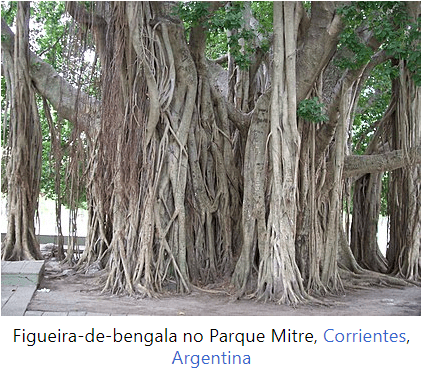
(*) “A figueira-de-bengala (Ficus benghalensis) ou baniano é uma espécie de figueira endêmica do Bangladesh, Índia e Sri Lanka. Em sânscrito o seu nome é Vatavrkscha ou WataWrkscha. No português de Goa eram conhecidos como árvores da gralha (em concani: vôdd). A figueira-de-bengala produz raízes aéreas delgadas que crescem até atingir o solo, começando então a engrossar até formarem troncos indistinguíveis do tronco principal. Deste modo, podem crescer até ocuparem vários hectares.” pt.wikipedia.org

O que acontece para a árvore, acontece também para o homem. Quanto mais deseja elevar-se para as alturas e para a luz, mais vigorosamente enterra suas raízes para baixo, para o horrendo e profundo: para o mal.”

Nietzsche

The fear of it makes the fire burn;

The fear of it makes the sun shine;

The fear of it makes them run—

Indra and Wind,

And Death, the fifth.”

Quem é them? Todos os animais? Todos os homens isentos do imortal?

ENCORE

Higher than the senses is the mind;

Higher than the mind is the essence;

Higher than the essence is the immense self;

Higher than the immense is the unmanifest.

Higher than the unmanifest is the person,

pervading all and without any marks.

…”

When the five perceptions are stilled,

together with the mind,

And not even reason bestirs itself; [se agita]

They call it the highest state.

When senses are firmly reined in,

that is Yoga, so people think.

From distractions a man is then free,

for Yoga is the coming-into-being,

as well as the ceasing-to-be.”

Minha hipótese é a de que a verdade mais elevada foi vulgarizada como uma prática que não guarda a mínima relação com a original – a yoga deteriorada da contemporaneidade, das madames da alta sociedade. Mas “so people think” dá o que pensar! Os tolos pensam que yoga, o estado inabalável, é apenas o controle ascético dos 5 sentidos, uma etapa das mais baixas…

One hundred and one, the veins of the heart.

One of them runs up to the crown of the head.”

A person the size of a thumb in the body (Ātman),

always resides within the hearts of men;

One should draw him out of the body with determination,”

É isso que eu não consigo entender. Por que expulsar o daimon do coração? Este é seu lugar.

Then, after Naciketas received this body of knowledge,

and the entire set of yogic rules taught by Death,

He attained Brahman; he became free from aging and death;

so will others who know this teaching about the self.”

Brhadāranyaka Upanisad II, 4, 5

This Upanishadic passage consists of a dialogue between Yājñavalkya, who is the principal teacher in the Brhadāranyaka Upanisad, and his wife Maitreyī. Yājñavalkya ‘is about to depart this place’ and instructs Maitreyī on the nature of the eternal Ātman. The text given here is a translation of Patrick Olivelle from The Early Upanishads.”

One holds a husband dear, you see, not out of love for the husband; rather, it is out of love for oneself (Ātman) that one holds a husband dear. One holds a wife dear not out of love for the wife; rather, it is out of love for oneself that one holds a wife dear. One holds children dear not out of love for the children; rather, it is out of love for oneself that one holds children dear. One holds wealth dear not out of love for wealth; rather, it is out of love for oneself that one holds wealth dear. One holds the priestly power dear not out of love for priestly power; rather, it is out of love for oneself that one holds the priestly power dear. One holds the royal power dear not out of love for the royal power; rather, it is out of love for oneself that one holds the royal power dear. One holds the worlds dear not out of love for the worlds; rather, it is out of love for oneself that one holds the worlds dear. One holds the gods dear not out of love for the gods; rather, it is out of love for oneself that one holds the gods dear. One holds beings dear not out of love for beings; rather, it is out of love for oneself that one holds beings dear. One holds the Whole dear not out of love for the Whole; rather, it is out of love for oneself that one holds the Whole dear.”

so I say, after death there is no awareness.”

By what means can one perceive him by means of whom one perceives this whole world? Look—by what means can one perceive the perceiver?”

Brhadāranyaka Upanisad III, 7

This Upanisadic passage is a favorite of Rāmānuja. It once more introduces Uddālaka Gautama, now as challenger of Yājñavalkya who is the principal teacher in the Brhadāranyaka Upanisad as Uddālaka is in the Chāndogya.”

The Unseen Seer; the Unheard Hearer; the Unthought Thinker; the Unknown Knower. There is no other Seer; there is no other Hearer; there is no other Thinker; there is no other Knower. This is thy Self, the immortal inner controller. Whatever is other than this is evil.—Then Uddālaka son of Aruna subsided.”

Brhadāranyaka Upanisad III, 8

It culminates in the famous description of Brahman as ‘Not, Not’ (neti neti), perhaps the most succinct statement of the unqualified supreme as held by Śankara.”

Brhadāranyaka Upanisad IV, 2, 3, 4

He said: This person in the right eye is called Indha (the kindler). He, who is Indha, is called Indra, cryptically as it were; for the gods may be said to love the cryptic and dislike the obvious.

Now this that has the form of a person in the left eye is his consort, Virāj (queen or majesty). The concert of these two is this space within the heart. Their food is this mass of blood within the heart. Their covering is this net-like thing within the heart. Their path, which is traversable, is this channel which goes upward from the heart.

He (the Self, union of Indha and Virāj) has these channels called Hitā, as fine as a hair split in 1000 parts.”

Of this same person, the eastern vital powers are the eastern quarter, the southern vital powers are the southern quarter, the western vital powers are the western quarter, the northern vital powers are the northern quarter, the upward vital powers are the zenith, the downward vital powers are the nadir; all his vital powers are all the quarters.

This is the Self that is not, not.”

O resto é metafísica barata, estou decepcionado.

Now as this dream-state is an approach to the other-world state, entering on this approach, he sees both the evils of this world’s state and the joys of the other world’s state. When this Spirit dreams, he takes material from this world with all its contents, and cutting it down himself, building it up himself, by his own radiance, by his own light, he dreams. Under these circumstances his own self serves as light to man (Spirit, purusa) here.”

It is simply consciousness (samjñāna, which must mean or include the prāna and the several prāmas) that follows along with it” Depois de dizer que os sentidos desfalecem após a partida da alma individual do corpo e a Unificação, diz-se, imbecilmente, que apenas a consciência ou o vulgar sexto sentido é o que permanece como entidade autônoma!!! Do ponto de vista filosófico pouco se nos dá a reencarnação, no que não toca o fenômeno da reminiscência durante nossa consciência humana…

So far one who is desirous. Now one who no longer desires. He who is desireless, who is without desire, who desires (only) the Self, who has attained his desires—from him the vital powers (of the body) do not mount upward; they are collected together right in him. Being just the Brahman, unto the Brahman he (the Soul) arrives.”

Ó, QUE GRANDE AMEAÇA! “Into blind darkness enter they who are devoted to not-coming-into-being (who believe in no rebirth); into what seems even greater darkness than that, those who take delight in coming-into-being (who crave rebirth, further existence).

Those worlds are called the demons’ worlds; they are enveloped in blind darkness. Ignorant, foolish folk enter into them after death”

By the mind alone must it be understood, that there is nothing manifold in this world. Death after death attains he who thinks he sees manifoldness in this world.”

it is the unborn, great, constant Self, free from impurity, higher than the ether.”

it is the dyke that holds apart these worlds, lest they should crash together”

HIPOCRISIA MONÁSTICA: “Therefore those brāhmanas of old, learned and wise, desired no offspring, thinking: What shall we do with offspring, we who possess this Self, this (equivalent of the) Heavenly World (which is the traditional object of begetting sons)?—Abandoning both the desire for sons and the desire for possessions and the desire for heaven, they wandered forth a-begging. For the desire for sons is the same as the desire for possessions, and the desire for possessions is the same as the desire for heaven; for both are nothing but desires.”

This is that great unborn Self, ageless, deathless, fearless, immortal—the Brahman. You have attained fearlessness, O Janaka!”

1.2 RECOLLECTION

No Revelation is enough, and all Revelation is too plentiful. Every tradition that bases itself on revealed truth makes its selection, and in the end it is often no more than a few handfuls of assertions that finally constitute the scriptural foundation of a faith. At the same time, however great be the guidance of scripture in matters of high truth and ultimate destiny, it frequently is insufficient to guide the conduct of the believer”

Islam has formed a large collection of hadīth, traditions concerning Muhammad’s reactions and responses to problems and questions that were not completely provided for by the Qur’ān. Likewise Indian religion has added to the monument of śruti the hostel of smrti.”

We have seen that Revelation, which is beginningless and authorless, came to the vision of the seers at the dawn of creation. The seers thereupon started an uninterrupted transmission to a series of pupils that stretches until today. At the same time these seers conducted themselves in certain ways: in the first place their conduct was in accordance with the dictates of the Vedas, but they observed also customs and practices not explicitly mentioned in the Vedas. Such behavior they also transmitted to their pupils and it is such behavior, not explicitly Vedic but inferable from the Vedas, which is deemed smrti”

for instance the smrti of Manu—here the word practically approaches the notion of a book of law. The usage was extended to any work that dealt with the dharma, and indeed hardly any work from early Sanskrit literature does not qualify as such.” “the smrtis of Manu and Yājñavalkya are authoritative, but the smrti of the Buddha, for instance, is not.”

While Vedānta accepts as a matter of course the authority of a number of smrtis, it gives first place to one text, the Bhagavadgītā, thus bowing to the popularity the text had acquired.”

The Gītā is in many respects very dissimilar to the Upanisads. There is first the fact that it forms part of the huge epic of the Mahābhārata, which gives it a very different tone.”

Although there are some discontinuities in it, it presents itself as, and largely is, a continuous discourse which is more extensive than any such in the Upanisads.”

The Gītā is a dialogue. It is a dialogue, formally, between the warrior Arjuna who, when finally faced with a family war in which he finds close relatives, friends, and gurus drawn up against him and his party, has second thoughts and refuses to engage in the battle. But beyond that it is a dialogue, sometimes approaching a debate, between diverging attitudes concerning and methods toward the attainment of release (moksa). § Transmigration, still muted in the Upanisads, is now completely axiomatic.”

The Gītā can be placed roughly about the beginning of the Christian era, within a margin of two centuries, and the authors must have seen the appeal of the soteriologies both of the ‘heterodox’ traditions of Buddhism and Jainism and of the more ‘orthodox’ ones of Sākhya and Yoga.”

This ethics of duty has been transcended by a different, seemingly incompatible ethics of release, which demands that man quit acting at all and rise ‘beyond the good and evil’ of being of this world.”

Formally, Arjuna’s dilemma is to choose between conflicting dharmas: as a warrior his dharma is to fight a just war; as a man of honor, facing on the battlefield his kinsmen and betters, this war, however just, is unjust and against dharma since it attacks the family, the basic unit of dharma ethics

While apparently forbearing to judge between the Way of the Task (karma-yoga) and the Way of the Insight (jñāna-yoga), Krsna’s emphasis is very strongly on the Task, and he offers the solution that the Task, if accomplished without attachment to its reward, leads equally to an escape from bondage as does the Way of the Insight, which harbors its own hypocrisies.”

O LADO VONTADE DE POTÊNCIA DA SABEDORIA HINDU: “There is the strand that holds the world so lightly that it can conceive of release only as the utter negation of it, and the only way to be pursued is that which leads to the liberating insight into the absolute otherness of the Brahman; this is exemplified by Śamkara. There remains the strand that dharma must not be ignored, that the world must be kept together, and if indeed the insight in Brahman’s nature is necessary, this nature cannot be absolutely other than this world. There must be a continuity between this and that as there must be between living in this world and fulfilling one’s task, and the insight that liberates from bondage; this is exemplified by Bhāskara. And finally there is the strand which holds that the very purpose of Vedānta is to explicate and glorify God and that both task and insight come together and are sublimated in devotion; this is exemplified by Rāmānuja.

It may well be this universalism of the Gītā which gave rise to its popularity, which in turn demanded that Vedānta, whose intentions became more and more universal, deal with it. It is in no way a systematic treatise, although it has a greater inner cohesion than the Upanisads.”

THE BHAGAVADGĪTĀ

My limbs collapse, my mouth dries up, there is trembling in my body and my hair stands on end;

The bow Gandiva slips from my hand and my skin also is burning;

I am not able to stand still, my mind is whirling.

And I see evil portents, O Krsna, and I foresee no good in slaying my own kinsmen in the fight.

I do not desire victory, O Krsna, nor kingdom, nor pleasure. Of what use is kingdom to us, O Krsna, of what use pleasure or life?

Those for whose sake we desire kingdom, pleasures and happiness, they are arrayed here in battle, having renounced their lives and riches. Teachers, fathers, sons, and also grandfathers; uncles, fathers-in-law, grandsons, brothers-in-law and other kinsmen;

These I do not wish to kill, though they kill me, O Krsna”

In the ruin of a family, its immemorial laws perish; and when the laws perish, the whole family is overcome by lawlessness.”

“…and mixture of the caste arises.”

their ancestors fall, deprived of their offerings of rice and water.”

Thou grievest for those thou shouldst not grieve for, and yet thou speakest words that sound like wisdom. Wise men do not mourn for the dead or for the living.

Never was there a time when I did not exist, nor thou, nor these rulers of men; nor will there ever be a time hereafter when we shall all cease to be.”

The sage is not bewildered by this.

Contacts with the objects of the senses, O Arjuna, give rise to cold and heat, pleasure and pain. They come and go, they are impermanent; endure them, O Arjuna.”

Of non-being there is no coming to be; of being there is no ceasing to be.”

Therefore fight, O Arjuna!

He who thinks that this soul is a slayer, and he who thinks that this soul is slain; both of them are ignorant. This soul neither slays nor is slain.”

Just as a man casts off worn-out clothes and takes on others that are new, so the embodied soul casts off worn-out bodies and takes on others that are new.”

As much use as there is for a pond when there is everywhere a flood, so much is there in all the Vedas for a brahmin who understands.

In action only hast thou a right and never in its fruits. Let not thy motive be the fruits of action; nor let thy attachment be to inaction.”

remaining even-minded in success and failure; for serenity of mind is called yoga.

Mere action is far inferior to the discipline of intelligence, O Arjuna. Seek refuge in intelligence; pitiful are those whose motive is the fruit of action.”

“…for yoga is skill in action.”

When thy intelligence shall cross the tangle of delusion, then thou shalt become indifferent to what shall be heard and to what has been heard in the Veda.

When thy intelligence, which is now perplexed by the Vedic texts, shall stand immovable and be fixed in concentration, then shalt thou attain yoga.”

PROTOPRAXIS: “In this world, O Arjuna, a twofold path has been taught before by Me; the path of knowledge (jñāna-yoga) for men of discrimination (sāmkhyas) and the path of works (karma-yoga) for men of action (yogins).”

Everyone is made to act helplessly by the gunas born of prakrti.

He who controls his organs of action, but dwells in his mind on the objects of the senses; that man is deluded and is called a hypocrite.

But he who controls the senses by the mind, O Arjuna, and, without attachment, engages the organs of action in karma-yoga, he excels.”

Perform thy allotted work, for action is superior to inaction; even the maintenance of thy body cannot be accomplished without action.

This world is in bondage to karma, unless karma is performed for the sake of sacrifice. [sentença mais incompreensível]

There is nothing in the three worlds, O Arjuna, to be done by Me, nor anything unobtained that needs to be obtained; yet I continue in action.

For if I, unwearied, were not always in action, O Arjuna, men everywhere would follow my example.

If I did not perform action, these worlds would be destroyed, and I should be the author of confusion and would destroy these people.

As the ignorant act with attachment to their work, O Arjuna, so the wise man should act but without attachment, desiring to maintain the order of the world.”

But he who is deluded by egoism thinks, ‘I am the doer.’

the gunas … act upon the gunas

Surrendering all actions to Me, with thy consciousness fixed on the supreme Self, being free from desire and selfishness, fight freed from thy sorrow.”

As fire is covered by smoke, as a mirror by dust, and as an embryo is enveloped by the womb, so this knowledge is covered by that passion (wrath).”

Although unborn, although My self is imperishable, although I am Lord of all beings, yet establishing Myself in My own material nature, I come into being by My own mysterious power (māyā).”

What is action? What is inaction? About this even the wise are confused. Therefore I will declare to thee what action is, knowing which thou shalt be freed from evil.

One must understand the nature of action, and one must understand the nature of wrong action, and one must understand the nature of inaction: hard to understand is the way of action.

He who sees inaction in action and action in inaction, he is wise among men; he does all actions harmoniously.”

Having abandoned attachment to the fruits of action, always content and independent, he does nothing even though he is engaged in action.”

“…performing action with the body alone, he commits no sin.”

He who is content with what comes by chance, who has passed beyond the pairs of opposites, who is free from jealousy and is indifferent to success and failure, even when he is acting he is not bound.”

The action of a man … who performs action as a sacrifice, is completely dissolved.”

As the fire which is kindled makes its fuel into ashes, O Arjuna, so the fire of knowledge makes all actions into ashes.

There is no purifier in this world equal to wisdom. He who is perfected in yoga finds it in the self in the course of time.”

But the ignorant man who is without faith and of a doubting nature perishes. For the doubting self, there is not this world, nor the next, nor happiness.

Actions do not bind him who has renounced actions in yoga, who has cast away doubt by knowledge, who possesses himself, O Arjuna.”

Renunciation of works and the unselfish performance of works (karma-yoga) both lead to the highest happiness. But of these two the unselfish performance of works is better than the renunciation of works.” Surpreendente do ponto de vista védico.

He who neither hates nor desires should be known as the eternal renouncer; free from the pairs of opposites, O Arjuna, he is easily released from bondage.

Children, not the wise, speak of renunciation and yoga as separate; for he who is well established in one obtains the fruit of both.”

Renunciation, O Arjuna, is difficult to attain without yoga. The sage who is disciplined in yoga soon goes to Brahman.”

Sages look equally on a brahmin endowed with knowledge and breeding, or on a cow, an elephant, and even a dog and an outcaste.”

One should not rejoice when obtaining the pleasant, nor be agitated when obtaining the unpleasant. Unbewildered, with firm intelligence, the knower of Brahman is established in Brahman.”

The enjoyments which are born of contacts with objects are only sources of sorrow. These have a beginning and end, O Arjuna; the wise man does not rejoice in them.”

Among thousands of men perchance one strives for perfection, and of those who strive and are successful, perhaps one knows Me in essence.

This is My divided 8-fold nature: earth, water, fire, wind, ether, mind, intellect and self-consciousness.”

Learn that all beings arise from this higher and lower nature of Mine. I am the origin of the whole world and also its dissolution.”

The foolish think of Me, the unmanifest, as having only come into manifestation; not knowing My higher nature which is immutable and supreme.”

My Self, which is the source of beings, sustains all beings but does not rest in them.”

And these actions do not bind Me, O Arjuna; I am seated as one who is indifferent, unattached to these actions.”

The worshipers of the gods go to the gods; the worshipers of the ancestors go to the ancestors; sacrificers of the spirits go to the spirits; and those who sacrifice to Me come to Me.”

I am equal to all beings, there is none hateful nor dear to Me. But those who worship Me with devotion, they are in Me and I am in them.

Even if a man of very evil conduct worships Me with undivided devotion, he too must be considered righteous, for he has resolved rightly.”

If Thou thinkest that it can be seen by me, O Lord, then reveal Thy immortal Self to me, O Lord of Yoga! [Arjuna]

The Blessed Lord said:

Behold, O Arjuna, My forms, by hundreds and by thousands, manifold and divine, of various colors and shapes.

Behold the Ādityas, the Vasus, the Rudras, the two Aśvins, and also the Maruts. Behold, O Arjuna, many marvels not seen before.

But thou canst not see Me with thine own eye. I give thee a divine eye. Behold My divine yoga.”

Of many mouths and eyes, of many marvelous visions, of many divine ornaments, of many uplifted weapons; Wearing divine garlands and garments with divine perfumes and ointments, full of all wonders, radiant, infinite, His face is turned everywhere.” Nada plasticamente aprazível pode derivar dessa descrição adescritiva.

I see all the gods in Thy body, O God, and also the various kinds of beings: Brahmā, the Lord, seated on the lotus seat, and all the sages and divine serpents.”

The Rudras, the Ādityas, the Vasus, the Sādhyas, the Viśvedevas, the two Aśvins, the Maruts and the Ushmapās, and the hosts of Gandharvas,

Yakshas, Ashuras, and perfected ones all gaze at Thee in amazement.”

my inmost self is shaken and I find no strength or peace, O Vishnu!” O banquete canibal de Meruem.

Some are seen with pulverized heads, stuck between Thy teeth. As the many water currents of rivers race headlong to the ocean, so these heroes of the world of men enter into Thy flaming mouths. As moths swiftly enter a blazing fire and perish there, so these creatures swiftly enter Thy mouths and perish.”

I wish to know Thee, the primal one; for I do not understand Thy ways.” Já não viste o bastante, mortal?

Time am I, the world destroyer, matured, come forth to subdue the worlds here. Even without thee, all the warriors arrayed in the opposing

armies shall cease to be.”

Conquering thy enemies, enjoy a prosperous kingdom. By Me they have already been slain. Be thou the mere instrument, O Arjuna.”

Be not distressed, fight! Thou shalt conquer thy enemies in battle.” Heitor já havia sido destruído pelo decreto olímpico, mas isso não significa que Aquiles tivesse o direito de pular fora de seu dever instrumental.

It is right, O Krshnha, [a transliteração desse nome sem os acentos nas consoantes é complicada] that the world rejoices and is pleased by Thy fame. Ogres flee in terror in all directions, and all the hosts of perfected ones bow down before Thee.”

O Great One, who art greater than Brahmā, the primal creator?” “Thou art being and non-being, and that which is beyond both.” Leu, Sartre?

And whatever disrespect I showed Thee for the sake of jesting, whether at play, on the bed, seated or at meals, whether alone or in the company of others, O sinless one, I pray forgiveness from Thee, the boundless one.”

Having seen what was never seen before, I am glad, but my mind is distraught with fear. Show me, O Lord, that other form of Thine; O Lord of gods, be gracious, O refuge of the world.

I wish to see Thee as before with Thy crown, mace and disk in hand. Be that four-armed form, O thousand-armed one of universal form!”

Not by the Vedas, by sacrifices or study, not by gifts, nor ritual, nor severe austerities can I, in such a form, be seen in the world of men by any other but thee, O Arjuna.” O google se tornou o deus dos deuses.
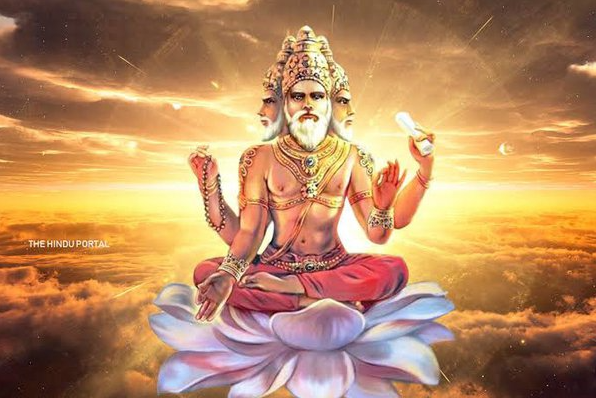
The Great One, having become again the gracious form, comforted him in his fear. (…) Even the gods are constantly desiring the sight of this form.”

He who does My work, who regards Me as his goal, who is devoted to Me, who is free from attachment and is free from enmity to all beings, he comes to Me, O Arjuna. (XI, complete)”

MAS TODAS AS ESTRADAS SÃO POSSÍVEIS: “Those who, fixing their mind on Me, worship Me with complete discipline and with supreme faith, them I consider to be the most learned in yoga.”

But those who worship the Imperishable, the Undefinable, the Unmanifested, the Omnipresent, the Unthinkable, the Immovable, the Unchanging, the Constant,

And have restrained all their senses, and are equal-minded and rejoice in the welfare of all beings—they also obtain Me.

The difficulty of those whose minds are fixed on the Unmanifested is much greater; the goal of the Unmanifested is hard for the embodied to attain.” Mas Arjuna é um guerreiro, que só acredita vendo.

This body, O Arjuna, is called the field, and he who knows this is called the knower of the field by those who know him.”

Hear from Me briefly what the field is, what its nature is, what its modifications are, whence it comes, who he (the knower of the field) is and what his powers are.

This has been sung by the seers in many ways; in various hymns distinctly and also in the well-reasoned and definite words of the aphorisms about Brahman.

The gross elements, the I-sense, the intellect and also the unmanifested, the ten senses and one (the mind) and the five objects of the senses;

Desire, hatred, pleasure, pain, the organism, intelligence and firmness; this, briefly described, is the field together with its modifications. (XIII, 1–6)”

It is the beginningless supreme Brahman who is called neither being nor non-being.”

Appearing to have the qualities of all the senses, and yet free from all the senses; unattached and yet supporting all;”

Know that both prakrhti and purusha are beginningless; and know also that modifications and the gunhas are born of prakrhti.

Prakrhti is said to be the cause of the generation of causes and agents, and purusha is said to be the cause of the experience of pleasure and pain.

The purusha abiding in prakrhti experiences the gunhas born of prakrhti.”

He who knows the purusha and prakrhti together with its gunhas, though in whatever state he may exist, he is not born again.” Entregou-se ao anel. Aqui eu defendo a equivalência da doutrina do eterno retorno da filosofia ocidental e o bramanismo revelado. A vontade de existir perpetuamente é a vontade de que tudo seja, e a aceitação da finitude do tempo individual, portanto não há contradição, sequer lógica. Esse é o non plus ultra do conhecimento ativo e ético. Aquele que atingiu esse estágio, esse Platão, esse platô, não necessita mais se apoiar na metempsicose. Tornou-se consciente da metempsicose, o “intuito original”, por assim dizer. Tudo lhe é indiferente agora.

intermezzo

Eu não esperava menos, é lógico. Que eu fosse o primeiro a ligar os pontos seria muito pretensioso, antinatural! Rapidamente googlando achei alguém que já atingiu a mesma conclusão: “This theory is finally compared with the Western idealist and realist conceptions of consciousness, intentionality and subject-object duality. The nondualism of the Indian systems, is argued, represents a possible resolution of the ontological and epistemological problems of Western philosophy.” Final da sinopse de artigo de Michele Cossellu. (academia.edu)

fim do intermezzo

He who sees the supreme Lord abiding equally in all beings, not perishing when they perish, he truly sees. (XIII, 19–27)”

Since I transcend the perishable and am higher even than the imperishable, I am renowned in the world and in the Vedas as the highest

Spirit.”

Thus the most secret doctrine has been spoken by Me, O sinless one. … (XV, 16–20)”

Better is one’s own dharma, though imperfect, than the dharma of another, well performed.” “One should not abandon his natural-born action, O Arjuna, even if it be faulty, for all undertakings are clouded with faults as fire by smoke.” Torna-te aquilo que tu és, conhecendo-te no processo. Fusão de extremos.

If, centered in egotism, thou thinkest <I will not fight>, vain is this thy resolution; prakrhti will compel thee.” Eu não serei é impossível.

The Lord abides in the hearts of all beings, O Arjuna, causing all beings to revolve by His power as if they were mounted on a machine.”

Thus the wisdom, more secret than all secrets, has been declared to thee by Me. Having considered it fully, do as thou choosest. (XVIII, 45–63)”

Um papo um tanto exaustivo antes de uma grande batalha, no entanto! Ainda bem que não passa de alegoria sobre saber viver e saber morrer!

1.3 SYSTEM

In brahministic usage, the word sūtra has a rather different meaning than it acquired among the Buddhists. With the latter it became a general word for a doctrinaire disquisition, sometimes of considerable length, in which a body of doctrine was explicated in full detail. But in its orthodox use the word denotes something quite sui generis. It means primarily ‘thread’—the word is distantly related to our verb to sew. A thread, however, only has a provisional existence of its own; its purpose is to be sewn or woven into a cloth. It is this clothout-of-threads that covers the System.”

Exposition is already saying too much; indication would be closer. Parsimony of statement is pushed to the extreme; a common witticism has it that an author of sūtras takes greater delight in the saving of a vowel than in the birth of a son.”

Originally, it proceeded without the aid of books; education declined their use. When, later, Śankara looks for an illustration of the relation between the semi-real world and the supreme, he quotes the relation between the written word and the spoken word. The written book is but a crutch for the scholar, a sign of defective learning or failing memory: there need be no intermediary for the learned man between the possession of erudition and the vocal expression of it. Knowledge is verbal, not typographical, and the teacher makes certain that the pupil is word-perfect.”

The Upanisads are but the second part of the Veda, the crowning part no doubt, but essentially sequential. Vedānta is therefore also known as the uttaramīmāmsā, the ‘Second Enquiry’, presupposing a First Enquiry into the First Part of the Veda.”

In the Brahmasūtras the Chāndogya Upanisad holds the central place, followed by the Brhadāranyaka Upanisad and the Taittirīya Upanisad.” “The next stratum is that of the early metrical Upanisads of which the most important ones are the Katha and Śvetāśvatara”

The [following] text is divided into 4 lessons, each with 4 quarters. Each quarter is subdivided into a number of topic sections, which may cover a group of sūtras, but also a single one.”

TOPIC: I (1). Brahman is the object of the study of Vedānta.”

III (11–12). The two beings of Ka. Up. 1. 3. 1 are Brahman and the individual soul.”

VIII (24–25). The Thumb-sized Person of Ka. Up. 2. 4. 12 is not the individual soul but Brahman itself.”

I (1–2). Sāmkhya may not quote smti against Vedānta.

II (3). Neither may Yoga quote its smti against Vedānta.”

V (13). It is not true that this makes Brahman subject to experience and thus to karman.”

XI (32–33). Brahman has no motivation in creating the world.

XII (34–36). As Brahman creates with a view to the souls’ karman it cannot be imputed with partiality and cruelty.”

2. 2. 1–45

I (1–10). Arguments against the Sāmkhyans.

II (11–17). Arguments against the Vaiśe

ikas.

III (18–27). Arguments against the Buddhist Realists.

IV (28–32). Arguments against the Buddhist Idealists.

V (33–36). Arguments against the Jainas.

VI (37–41). Arguments against theists maintaining that God is only the efficient cause.

VII (42–45). Arguments against the Pāñcarātra.

IV–VI (8; 9–12; 13). Breath is derived from Brahman; it is different from wind and the faculties, and it is atomic.”

On the whole it is assumed that when Śamkara and Bhāskara agree on a topic, that view is traditionally held. If Bhāskara and Rāmānuja agree, and if Śamkara’s difference is prompted by his particular division of reality, the former view is probably more original. But this list of topics does not aim at more than to give the reader at least some table of contents of the Brahmasūtras.”

PART II.

PHILOSOPHICAL AND CULTURAL BACKGROUND

2.1 (chapter 4). EARLY HISTORY AND CULTURAL VALUES OF VEDANTA

In philosophy as well as religion we find a guruparamparā, a succession of gurus: the sūtra is the guru of the commentary. The guru is not merely a predecessor in the same field whose views might become antiquated and open to revision; he is an ancestor, worthy of a veneration inspired by faith. If he had not occurred, the discipline would not have existed at all, or the line of transmission would have been interrupted and the lineage of learning expired.”

It is also clear that the meaning of the word ‘Vedānta’ cannot have the same precision in the history of Indian philosophy as such names as ‘Mīmāmsā’ and ‘Logic’. It is a name like ‘Buddhism’, which combines under one general concern and faith a variety of philosophies. The common ground that we are trying to discover is likely to be a similar one of faith and concern.

Whatever else the Mahābhārata and the Purānas were intended to do, what they did was notice the variety of beliefs and cults of popular culture and eventually to organize them in the catholic totality which we usually call Hinduism. This word is hard to define. Hinduism is not a church, nor a theology, nor entirely an agglomeration of popular lore and mores, but something in between. It has two foci, social behavior and the worship of Gods. It is Brahministic insofar as brahmins have come to be regarded as the guides to this social conduct and as the priests of this worship.”

In a civilization where North and South were separated by a language barrier, Sanskrit served as the bridge. In a land where the loyalties were on a less than subcontinental scale and limited by region, language, and village dialect, Sanskrit permitted the part to participate in a thus grown whole. Among a people differentiated into a large number of castes, the brahmin belonged to the only universal class, and the prime instrument of this class in maintaining its universality and that of its culture was Sanskrit.”

The local god was no other than Visnu, the Visnu grew thereby; and Visnu was no other than the local god, whose respectability was now assured.”

It was in Southern India where this consciously Brahminic culture, interacting with Hindu culture and powerful enough to counteract heterodoxy, had its broadest base. And it was from there that all the major philosophies of Vedānta were to come forth.”

2.2 COMMON PHILOSOPHICAL PROBLEMS

(…)

2.3 CRITICISMS OF RIVAL SYSTEMS

The first system following the Sutras which Samkara attacks is the Samkhya. This is one of the oldest and most important systems of Indian thought. According to tradition it was formulated by one Kapila in the seventh century B.C.E.” “Its description of evolution is generally accepted by (i.e., is incorporated into) Vedanta, but not its metaphysical basis or its spiritual interpretation.”

The Vedanta argument against the Samkhya is essentially a ‘theistic’ criticism of a naturalistic world view. Although, as we will see later, Samkara rejects the ultimacy of any theistic position, he is appealing to such a position in his critique of the Samkhya.”

Such people might therefore think that those systems with their abstruse arguments were propounded by omniscient sages, and might on that account have faith in them. For this reason we must endeavor to demonstrate their intrinsic worthlessness….”

Geralmente proposições bem ingênuas, protofilosóficas…

The next system which the Sutras and Sakara criticize is the Vaisesika. The main text of this school is the Vaisesika Sutra which was compiled in the first century C.E. and is ascribed to one Kanada. The Vaisesika is a realistic and pluralistic system of cosmology and physics. It emphasizes an ‘atomic’ theory of matter and a classification of all objects in the universe into six categories (padarthas).”

In its account of the creation of the world the Vaisesika maintains that the primal atoms combine first in dyads and then in molecules; the creative act (which follows regularly upon the state of universal destruction, pralaya) always has reference to the totality of merit and demerit (adrsta, the ‘unseen’ principle) acquired by individual souls in previous lives.”

Following his criticisms of the Samkhya and the Vaisesika, Samkara attacks the ‘non-orthodox’ tradition of Buddhism—and here one is confronted with several special problems. Adhering apparently to traditional Hindu classifications, Samkara divides Buddhism into three types: the ‘realists’ (sarvastitvavadins), the ‘idealists’ (vijñanavadins), and the ‘nihilists’ (sunyavadins); and he treats these Buddhist schools with a notable lack of sympathetic insight into their spiritual dimensions. Now few, if any, Buddhist scholars would classify the entire Buddhist tradition on its philosophical side, from Buddha through the rise and development of the Theravada and Mahayana schools, in this simple threefold manner, and many would take great exception to the characterization of sunyavada, the ‘theory of the void’ associated primarily with the Madhyamika school of Nagarjuna, as mere ‘nihilism’.

The problem of understanding the Vedantic treatment of Buddhism is further compounded by the fact that Samkara himself was called a crypto-Buddhist by other Vedantins (viz., Bhaskara), who meant by this that much of Samkara’s metaphysics, especially his analysis of the world as maya, was taken from Buddhist sources. In any event a close relationship between the Mahayana schools and Vedanta did exist with the latter borrowing some of the dialectical techniques, if not the specific doctrines, of the former.”

Moreover, Buddha by propounding the three mutually contradictory systems, teaching respectively the reality of the external world, the reality of ideas only, and general nothingness, has himself made it clear either that he was a man given to make incoherent assertions, or else that hatred of all beings induced him to propound absurd doctrines by accepting which they would become thoroughly confused.”

Following his sharp criticism of Buddhism Samkara turns his attention to the philosophical-religious tradition of Jainism. Jainism has a long history in India. It maintains that its basic teachings are eternal, however, and that they are revealed in various periods of the world’s evolution—with Mahavira, a contemporary of Buddha, being regarded as the last prophet (tirthankara) to espouse the creed.

The word ‘Jainism’ comes from jina or ‘conqueror’—one who achieves enlightenment through the conquest of everything within oneself that stands in the way of it. On its religious side Jainism lays great stress on the doctrine of ahimsa or ‘non-injury’ to any living creature. Being essentially a-theistic Jainism emphasizes that perfection is obtained only through self-effort: to be a jina is entirely up to oneself. At one time Jainism was immensely influential, being a strong competitor of Buddhism in many parts of India. Today there are only approximately a million and a half Jainas in India.”

According to the Jainas, all affirmations or negations about something are true only within certain restricted frameworks: nothing can be affirmed with absolute certainty. Every object of experience appears to us with various qualities (those that it possesses and those that it lacks—e.g., a rose may be said to be red, not-blue, not-yellow, etc.) and in various relations to other objects and can be grasped, apprehended, or understood by us only from a certain number of ‘standpoints’ or nayas.”

This leads the Jainas to formulate a kind of perspectival epistemology and a relativistic ordering of judgments. Since various, and from different standpoints contradictory, characteristics may be assigned to an object, any judgment about an object may be true in one sense or from one standpoint and false in another sense” Também chamados gimnosofistas.

The Sutras and Samkara now turn to those theories which affirm that God is only the operative or efficient cause of the world and not the material cause as well—with special mention of the Nyaya system.”

But as with Jainism, the most important contributions of the Nyaya to Indian philosophy are not metaphysical or theological, rather they are epistemological and logical. The Nyaya system articulated the various means of knowledge (the pramanas) which, although some times added to, are accepted by the other orthodox systems; it codified a model of ‘inference’ and set forth criteria for testing the validity of a rational argument. This model of correct reasoning was accepted, with minor qualifications, by all Vedantic schools.”

The last system which the Brahmasutras and Samkara take up for criticism is not so much a philosophical system (a darsana) in the Indian sense of the term as it is a popular religious movement which is supported by a ‘cosmology’. Samkara refers to it as ‘the doctrine of the Bhagavatas’.

The Bhagavata movement was a religious cult which developed during the late Vedic period and was non-Brahmanic, and possibly non-aryan, in origin. It worshipped a transcendent deity, Vasudeva, and believed that salvation could be obtained through fervent devotion (bhakti) to Him.”

On its theological side the so-called Bhagavatas incorporated the ancient philosophy known as the Pañcaratra (whose origin is obscure), which had worked out an elaborate theory of the levels (vyuhas) of the divine nature. These are identified with Vasudeva and members of his family and also with some of the categories of the Samkhya system.”

PART III.

SOURCES OF ADVAITA VEDANTA

3.1 (chapter 7). GAUDAPADA

The dates of Gaudapada’s life are not known and the question has even been raised as to whether such a person lived at all. But if tradition is correct in maintaining that he was literally Samkara’s paramaguru then he must have lived no earlier than the seventh century.”

The main doctrine that Gaudapada puts forth is called ajativada—the theory of no-origination. According to ajativada the entire world of duality is merely an appearance: nothing ever really comes into being, for nothing other than Brahman really exists—the whole world is an illusion like a dream. At times Gaudapada blurs the distinction between waking and dream consciousness, a distinction which Samkara later insists upon, and suggests that the whole of our waking experience is exactly the same as an illusory and insubstantial dream.”

II, 11. (Objector’s question). If in both states the objects are unreal, who is it that perceives these objects? Who is it that imagines them?

II, 12. The self-luminous Self (Atman) imagines Itself through Itself by the power of its own illusion. It is itself the cognizer of objects.”

II, 32. There is no dissolution and no creation, no one in bondage and no one who is striving for or who is desirous of liberation, and there is no one who is liberated. This is the absolute truth.”

III, 48. No individual is born, for there is nothing to cause (its birth). This (Brahman) is that highest truth—where nothing is born.”

3.2 SAMKARA

(…)

3.3 SURESVARA

This dispute about the locus of ignorance is central to the doctrinal divisions between the two main sub-schools of Advaita—the Bhamati (represented by thinkers such as Vacaspati Misra, Amalananda, etc.) and the Vivarana (represented by thinkers such as Padmapada, Sarvajñatman, Prakasatman, etc.).”

3.4 MANDANA MISRA

(…)

3.5 PADMAPADA

(…)

3.6 VACASPATI MISRA

(…)

3.7 SARVAJÑATMAN

(…)

3.8 VIMUKTATMAN

(…)

3.9 VIDYARANYA

(…)

3.10 MADHUSUDANA SARASVATI

(…)

3.11 SRIHARSA

(…)

3.12 SADAMAMDA

(…)

3.13 DHARMARAJA

(…)

3.14 APPAYA DIKSITA

(…)

4. SUMMARY

The world is a manifestation of Isvara; it is brought forth and it is reabsorbed in recurring cycles. The world is without an absolute beginning in time.”

Isvara does not give rise to the world from any motive or purpose. Creation is lila, play or sport. It is a spontaneous release of energy for its own sake”

From the standpoint of Reality, though, there is no creation and there is no creator god. The effect is really only an apparent manifestation of the cause (vivarta); in reality, there is only Brahman.”

The supreme value towards which all human effort should finally be directed is moksa—release from samsara, from the cycle of ceaseless birth and death and rebirth. On its positive side moksa means perfect insight and self-determination.”

Moksa is not something that is attained, rather it is an already existing state of one’s being that needs to be realized as such.”
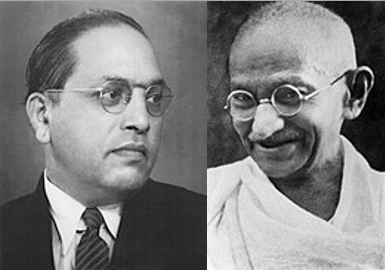
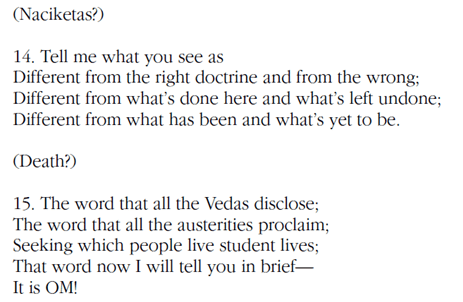
THE LAWS OF MANU – Comentários antropológico-filosóficos; crítica de seus fundamentos religiosos.

Para dúvidas de vocabulário, ver glossário ao final.

I

He who can be perceived by the internal organ, who is subtile, indiscernible, and eternal, who contains all created beings and is inconceivable, shone forth of his own.

He, desiring to produce beings of many kinds from his own body, first with a thought created the waters, and placed his seed in them.

That became a golden egg, in brilliancy equal to the sun; in that he himself was born as Brahman, the progenitor of the whole world.

The waters are called narah, the waters are, indeed, the offspring of Nara; as they were his first residence (ayana), he thence is named Narayana.

From that cause, which is indiscernible, eternal, and both real and unreal, was produced that male (Purusha), who is famed in this world under the appellation of Brahman.

The divine one resided in that egg during a whole year, then he himself by his thought divided it into two halves;

And out of those two halves he formed heaven and earth, between them the middle sphere, the 8 points of the horizon, and the eternal abode of the waters.

From himself he also drew forth the mind, which is both real and unreal, likewise from the mind egoism, which possesses the function of self-consciousness lordly;”

from minute body particles of these 7 very powerful Purushas springs this world, the perishable from the imperishable.”

But in the beginning he assigned their several names, actions, and conditions to all, even according to the words of the Veda.

He, the Lord, also created the class of the gods, who are endowed with life, and whose nature is action; [à imagem e semelhança do homem!] and the subtile class of the Sadhyas, and the eternal sacrifice.”

Dividing his own body, the Lord became half male and half female; with that he produced Virag.”

They created 7 other Manus possessing great brilliancy, gods and classes of gods and great sages of measureless power,

Cattle, deer, carnivorous beasts with 2 rows of teeth, Rakshasas, Pisakas, and men are born from the womb.

From eggs are born birds, snakes, crocodiles, fishes, tortoises, as well as similar terrestrial and aquatic animals.”

Those trees which bear fruit without flowers are called vanaspati (lords of the forest); but those which bear both flowers and fruit are called vriksha.”

These plants which are surrounded by multiform Darkness, the result of their acts (in former existences), possess internal consciousness and experience pleasure and pain.

The conditions in this always terrible and constantly changing circle of births and deaths to which created beings are subject, are stated to begin with Brahman, and to end with these.

When he whose power is incomprehensible, had thus produced the universe and men, he disappeared in himself, repeatedly suppressing one period by means of the other.

When that divine one wakes, then this world stirs; when he slumbers tranquilly, then the universe sinks to sleep.”

When this soul has entered darkness, it remains for a long time united with the organs of sensation, but performs not its functions; it then leaves the corporeal frame.

When, being clothed with minute particles only, it enters into vegetable or animal seed, it then assumes, united with the fine body, a new corporeal frame.

Thus he, the imperishable one, by waking and slumbering, incessantly revivifies and destroys this whole movable and immovable creation.

But he having composed these Institutes, himself taught them, according to the rule, to me alone in the beginning; next I to Mariki and the other sages.

Bhrigu, here, will fully recite to you these Institutes; for that sage learned the whole in its entirety from me.”

Six other high-minded, very powerful Manus, who belong to the race of this Manu, the descendant of the Self-existent (Svayambhu), and who have severally produced created beings,

Svarokisha, Auttami, Tamasa, Raivata, Kakshusha, possessing great lustre, and the son of Vivasvat.

These seven very glorious Manus, the first among whom is Svayambhuva, produced and protected this whole movable and immovable, each during the period allotted to him.

Eighteen nimeshas (twinklings of the eye, are one kashtha), 30 kashthas one kala, 30 kalas one muhurta, and as many muhurtas one day and night.” Estritamente falando, em contas matemáticas (muhurta/30, etc., 1 nimesha seria 0,177s).

A month is a day and a night of the manes, but the division is according to fortnights. The dark (fortnight) is their day for active exertion, the bright (fortnight) their night for sleep.” A famosa equivalência de 1 mês humano = 1 dia dos semi-deuses, espíritos que no ciclo de reencarnações já estão entre um deus e um humano.

24×28=672h

Deveríamos dormir 12h. E trabalhar umas 3…

A year is a day and a night of the gods; their division is as follows: the half year during which the sun progresses to the north will be the day, that during which it goes southwards the night.”

Se tu és vinte e oito vezes melhor que ele, sou doze vezes melhor que tu. (Ou onze. Não sabemos quantos dias tinha o ano hindu de então. 28 * 12 = 336 dias)

But hear now the brief description of the duration of a night and a day of Brahman and of the several ages (yuga) according to their order.” Do nimesha ao grande ano.

They declare that the Krita age consists of 4,000 years of the gods;¹ the twilight preceding it consists [single-handedly] of as many hundreds”

¹ 1 milhão 344 mil anos do mortal.

In the other 3 ages with their twilights preceding and following, the thousands and hundreds are diminished by one (in each).” 3000 ou 2900 mil.

These 12,000 years which thus have been just mentioned as the total of 4 human ages, are called one age of the gods.

But know that the sum of 1,000 ages of the gods makes one day of Brahman, and that his night has the same length.” 2000 anos dos deuses = 24h do deus dos deuses

The before-mentioned age of the gods, 12,000 of their years, being multiplied by 71, is here named the period of a Manu (Manvantara).” Quase 300 milhões dos nossos anos.

The Manvantaras, the creations and destructions of the world, are numberless; sporting, as it were, Brahman repeats this again and again.

In the Krita age Dharma is 4-footed and entire, and so is Truth; nor does any gain accrue to men by unrighteousness.

In the other 3 ages, by reason of unjust gains, Dharma is deprived successively of 1 foot, and through theft, falsehood, and fraud the merit gained by men is diminished by ¼ in each.

Men are free from disease, accomplish all their aims, and live 400 years in the Krita age, but in the Treta and the succeeding ages their life is lessened by ¼.” Supondo que estamos na quarta idade e o homem vive 70 anos, o verdadeiro homem do eterno e universal mito da idade de ouro vivia 136 anos, não 400. Se calculássemos a partir de 400, viveríamos 168 anos na quarta era. Realmente estamos numa era fodida!

In the Krita age the chief virtue is declared to be austerities, in the Treta knowledge, in the Dvapara sacrifices, in the Kali liberality alone. [Ver GLOSSÁRIO ao final]

But in order to protect this universe He, the most resplendent one, assigned separate duties and occupations to those who sprang from his mouth, arms, thighs, and feet.” As quatro castas hindus, da superior à inferior: os brâmanes provieram da boca de Brahma; são os sacerdotes da religião. Os Chatriya são os guerreiros, e por isso provieram de seus braços; a terceira casta provêm das coxas – embora uma ligação intuitiva entre esta parte do corpo e o ofício de mercador ou camponês não possa ser descoberta rapidamente, são os membros desta casta mais nobres, ou menos indignos, que os últimos, que vêm dos pés de Brahma, a parte mais baixa, e escravos e servos não dispõem de autonomia.

One occupation only the lord prescribed to the Sudras, to serve meekly even these three castes.” E estes que vêm dos pés de Brahma, que não são de barro, são os únicos que não devem estudar os Vedas.

Man is stated to be purer above the navel; hence the Self-existent (Svayambhu) has declared the purest part of him to be his mouth.

The very birth of a Brahmana is an eternal incarnation of the sacred law; for he is born to fulfil the sacred law, and becomes one with Brahman.”

CENTÉSIMO MANDAMENTO: “Whatever exists in the world is the property of the Brahmana; on account of the excellence of his origin the Brahmana is, indeed, entitled to all.”

The Brahmana eats but his own food, wears but his own apparel, bestows but his own in alms; other mortals subsist through the benevolence of the Brahmana.” Ao contrário de outras civilizações baseadas nos serviços dos escravos, o brâmane está interdito de comer alimentos feitos por castas inferiores, produz as próprias roupas, deve estudar os preceitos do Veda constante e ininterruptamente. Não é uma casta ociosa, como no Ocidente. Ou assim nos quer fazer parecer o legislador!

A learned Brahmana must carefully study them, and he must duly instruct his pupils in them, but nobody else”

He sanctifies any company, seven ancestors and seven descendants, and he alone deserves this whole earth.”

In this work the sacred law has been fully stated as well as the good and bad qualities of human actions and the immemorial rule of conduct, to be followed by all the four castes (varna).”

twice-born man: um brâmane versado no sagrado. Auxiliarmente, no que tange ao princípio da transmigração, nenhum brâmane viveu primeiramente como brâmane. Já foi de uma das castas inferiores, renasceu brâmane. E se não se comportar diligentemente como brâmane, renascerá novamente como homem inferior, ou animal ou planta, ou ainda destino pior, como veremos no livro apropriado – sendo ignorar o Veda um pecado irreparável. Não haveria ressentimento se, por via da transmigração, toda a sociedade hindu entender que a cada um será dada sua oportunidade. Se o dogma da reencarnação não for aceitável, isso é uma outra história… Enquanto for, não é uma organização social estapafúrdia, e elimina os ressentimentos sobre “desigualdades” entre castas.

The laws concerning women, of hermits, final emancipation and renouncing the world, the whole duty of a king and the manner of deciding lawsuits,

The rules for the examination of witnesses, the laws concerning husband and wife, the law of division, gambling and the removal of thorns,¹

[¹ Nesse contexto, homens nocivos como espinhos.]

The behaviour of Vaisyas and Sudras, the origin of the mixed castes, the law for all castes in times of distress and the law of penances,

(…)

The primeval laws of countries, of castes (gati), of families, and the rules concerning heretics and companies – Manu has declared in these Institutes.

As Manu, in reply to my questions, formerly promulgated these Institutes, even so learn ye also from me.”

II

To act solely from a desire for rewards is not laudable, yet an exemption from that desire is not to be found in this world: for on that desire is grounded the study of the Veda and the performance of the actions prescribed by the Veda.”

Not a single act here below appears ever to be done by a man free from desire; for whatever man does, it is the result of the impulse of desire.”

The whole Veda is the first source of the sacred law, next the tradition and the virtuous conduct of those who know the Veda further, also the customs of holy men, and finally self-satisfaction.”

Manu (…) was omniscient.”

The man who obeys the law prescribed in the revealed texts and in the sacred tradition gains fame in this world and after death unsurpassable bliss.”

Every twice-born man, who, relying on the Institutes of dialectics, [retórica, oratória] treats with contempt those 2 sources [revelação e tradição], must be cast out by the virtuous, as an atheist and a scorner of the Veda.”

The knowledge of the sacred law is prescribed for those who are not given to the acquisition of wealth and to the gratification of their desires; to those who seek the knowledge of the sacred law the supreme authority is the revelation (Sruti).

But when 2 sacred texts (Sruti) are conflicting, both are held to be law; for both are pronounced by the wise valid law.” Ou seja: é próprio do (inevitável ao) grande homem ser visto como um herético ou imoral, porque o homem pequeno não serve como avaliador justo.

That land, created by the gods, which lies between the two divine rivers Sarasvati and Drishadvati, the sages call Brahmavarta.” Seria interessante apurar a que zona geográfica corresponde atualmente. Provavelmente uma pequena porção da Índia, ou talvez outro Estado-nação.

The precise location and size of the region has been the subject of academic uncertainty. Some scholars, such as the archaeologists Bridget and Raymond Allchin, believe the term Brahmavarta to be synonymous with the Aryavarta region.”

The custom handed down in regular succession since time immemorial among the 4 chief castes (varna) and the mixed races of that country is called the conduct of virtuous men.” Há muito mais no hinduísmo do que aparenta aos olhos ocidentais (4 castas e só – há dezenas de castas e há pessoas fora do sistema de castas que não são os excluídos – proscritos – que compõem na verdade a casta inferior por definição). Talvez que o mundo ainda aguarde o Lévi-Strauss dos hindus.

That country which lies between the Himavat and the Vindhya (mountains) to the east of Prayaga and to the west of Vinasana (the place where the river Sarasvati disappears) is called Madhyadesa (the central region).

But the tract between those two mountains, which extends as far as the eastern and the western oceans, the wise call Aryavarta (the country of the Aryans).”

Por onde não perambula o veado negro, esta é terra de bárbaros.

O homem nascido duas vezes pode residir na terra sagrada; mas um Sudra, este que viva onde for.” Aqui temos duas sentenças seguidas que comprovam o parentesco mais arcano do hinduísmo tanto com a antropologia grega quanto com o hebraísmo mais ortodoxo.

Thus has the origin of the sacred law been succinctly described to you and the origin of this universe; learn now the duties of the castes.

With holy rites, prescribed by the Veda, must the ceremony on conception and other sacraments be performed for twice-born men, which sanctify the body and purify from sin in this life and after death.” Instituição do batismo para o brâmane//católico. Conquanto “concepção” é já o ato sexual gerador, não só o sacramento pós-parto (do qual se trata na sentença seguinte).

Kauda, ou tonsura: “substantivo feminino Corte de cabelo redondo, no topo da cabeça, conferido pelo Bispo aos eclesiásticos que obtiveram o primeiro grau do clericato; a cerimônia em que esse corte é realizado; prima tonsura;

Cercilho; esse corte de cabelo;

Ação ou efeito de cortar os cabelos e a barba.”

Vê-se que isso antecede em muito qualquer “bispo”…

Não pecar (perder a nobreza), nesse sentido, é:

Estudar o Veda;

orar;

recitar;

sacrificar;

procriar.

Before the navel-string is cut, the Gatakarman (birth-rite) must be performed for a male; and while sacred formulas are being recited, he must be fed with gold, honey, and butter.” Uma péssima primeira refeição.

But let the father perform or cause to be performed the Namadheya (the rite of naming the child), on the 10th or 12th day after birth, or on a lucky lunar day, in a lucky muhurta, under an auspicious constellation.

Let the first part of a Brahmana’s name denote something auspicious, a Kshatriya’s be connected with power, and a Vaisya’s with wealth, but a Sudra’s express something contemptible.” A origem consciente dos nomes próprios feios e vulgares.

The second part of a Brahmana’s name shall be a word implying happiness, of a Kshatriya’s a word implying protection, of a Vaisya’s a term expressive of thriving, and of a Sudra’s an expression denoting service.

The names of women should be easy to pronounce, not imply anything dreadful, possess a plain meaning, be pleasing and auspicious, end in long vowels, and contain a word of benediction.

In the 4th month the Nishkramana (the first leaving of the house) of the child should be performed, in the 6th month the Annaprasana (first feeding with rice), and optionally any other auspicious ceremony required by the custom of the family.

According to the teaching of the revealed texts, the Kudakarman (tonsure) must be performed, for the sake of spiritual merit, by all twice-born men in the first or third year.” Repare na insistência no tema (e no já 2º vocábulo utilizado para tonsura).

In the 8th year after conception [7 anos e 3 meses aproximados de vida, este é o aniversário], one should perform the initiation (upanayana) of a Brahmana, in the 11th after conception that of a Kshatriya, but in the 12th that of a Vaisya.” Os brâmanes amadurecem mais rápido (como as mulheres).

The initiation of a Brahmana who desires proficiency in sacred learning should take place in the 5th year after conception, that of a Kshatriya who wishes to become powerful [o Kshatriya está no meio do caminho do que nós consideraríamos como guerreiro e político] in the 6th, and that of a Vaisya who longs for success in his business in the 8th.” Absurdo. Ao mesmo tempo que o nome deve reforçar o destino, o “eleito” deve escolher “livremente” numa idade muito anterior à do próprio juízo, e anterior até à da iniciação ritual. Hoje todos são Vaisyas de berço.

The time for the Savitri (initiation) of a Brahmana does not pass until the completion of the 16th year after conception, of a Kshatriya until the completion of the 22nd, and of a Vaisya until the completion of the 24th.” De novo, o ocidental tem todo o espírito do comércio em sua “formação individual”.

After those periods men of these 3 castes who have not received the sacrament at the proper time become Vratyas (outcasts), excluded from the initiation and despised by the Aryans.

With such men, if they have not been purified according to the rule, let no Brahmana ever, even in times of distress, form a connexion either through the Veda or by marriage.” O apartheid mais intenso jamais imaginado. O Vratya está abaixo do Sudra (quarta casta).

Let students, according to the order of their castes, wear the skins of black antelopes, spotted deer, and he-goats” Não sei precisar a diferença entre antelope e deer nesse caso, ambos tradutíveis como veado ou corça.

The girdle of a Brahmana shall consist of a triple cord of Munga grass, smooth and soft” O comerciante usa cânhamo, quanta ironia, burguesia!

If Munga grass be not procurable, the girdles may be made of Kusa, Asmantaka, and Balbaga fibres, with a single threefold knot, or with 3 or 5 knots according to the custom of the family.” Esses trechos necessitam de consulta a comentadores.

The staff of a Brahmana shall be made of such length as to reach the end of his hair; that of a Kshatriya, to reach his forehead; and that of a Vaisya, to reach the tip of his nose.”

the student should beg alms according to the prescribed rule.” Quem está a serviço, está a serviço, ainda que seja um aristocrata.

Let him first beg food of his mother, or of his sister, or of his own maternal aunt, or of some other female who will not disgrace him by a refusal.”

let him eat, turning his face towards the east, [voltado para o nascer do Sol] and having purified himself by sipping water.

His meal will procure long life, if he eats facing the east; fame, if he turns to the south; prosperity, if he turns to the west; truthfulness, if he faces the east.” Aqui não sei se o texto está corrompido ou se o leste é duas vezes bendito e o norte poluído.

Let him always worship his food, and eat it without contempt; when he sees it, let him rejoice, show a pleased face, and pray that he may always obtain it.

Food, that is always worshipped, gives strength and manly vigour; but eaten irreverently, it destroys them both.” O pai do pai-nosso.

Let him not give to any man what he leaves, and beware of eating between the 2 meal-times; let him not over-eat himself, nor go anywhere without having purified himself.”

They call the part at the root of the thumb the tirtha sacred to Brahman, that at the root of the little finger the tirtha sacred to Ka (Pragapati), that at the tips of the fingers, the tirtha sacred to the gods, and that below between the index and the thumb, the tirtha sacred to the manes.”

Let him first sip water thrice; next twice wipe his mouth; and, lastly, touch with water the cavities of the head, the seat of the soul” As origens do TOC.

“…and turning to the east or to the north.” (ablução – o que significa que o trecho acima provavelmente omite norte de forma errada)

This whole series of ceremonies must be performed for females also, in order to sanctify the body, at the proper time and in the proper order, but without the recitation of sacred texts.” O super-apartheid.

The nuptial ceremony is stated to be the Vedic sacrament for women and to be equal to the initiation, serving the husband equivalent to the residence in the house of the teacher, and the household duties the same as the daily worship of the sacred fire.” O homem é o sol da mulher, e seu professor, e sua casa.

Thus has been described the rule for the initiation of the twice-born, which indicates a new birth, and sanctifies; learn now to what duties they must afterwards apply themselves.

Having performed the initiation, the teacher must first instruct the pupil in the rules of personal purification, of conduct, of the fire-worship, and of the twilight devotions.”

At the beginning and at the end of a lesson in the Veda he must always clasp both the feet of his teacher, [abraçar, apertar – com as mãos ou com os pés, porém? Manter apertado não parece ser o sentido, uma vez que contradiria a sentença seguinte, se se tratar mesmo das mãos – parece ser apenas um amplexo inicial de cumprimento] and he must study joining his hands; that is called the Brahmangali (joining the palms for the sake of the Veda).

With crossed hands he must clasp the feet of the teacher, and touch the left foot with his left hand, the right foot with his right hand. [esclarecimento do ‘mistério’ acima – pode parecer óbvio, mas implica que o discípulo deve cruzar os braços na saudação, posto que estão um de frente para o outro]

Let him [o aprendiz novato] always pronounce the syllable Om at the beginning and at the end of a lesson in the Veda; [if] the syllable Om [does not] precede the lesson, [it] will slip away, and unless it follow[s] it will fade away.” Se o discípulo não recitar Om antes e depois da lição, não será capaz de compreender o que vem a seguir ou esquecerá o que acabou de aprender.

“…and sanctified by 3 suppressions of the breath (Pranayama), he is worthy to pronounce the syllable Om.

Pragapati (the lord of creatures) milked out from the 3 Vedas the sounds A, U, and M, and the Vyahritis Bhuh, Bhuvah, Svah.” Não só os deuses tiram leite de pedra como do próprio livro, ou Palavra, ou Grande Verdade. Extraem o mais puro e o máximo do (aparente) mínimo.

A twice-born man who daily repeats those three [vowels] 1000 times outside the village will be freed after a month even from great guilt, as a snake from its slough. [pele]Who repeats, repents. Pêgo com as calças na mão.

The Brahmana, the Kshatriya, and the Vaisya who neglect the recitation of that Rik-verse and the timely performance of the rites prescribed will be blamed among virtuous men.

Know that the 3 imperishable Mahavyahritis, preceded by the syllable Om, and followed by the 3-footed Savitri are the portal of the Veda and the gate leading to union with Brahman.

He who daily recites that verse, untired, during 3 years, will enter after death the highest Brahman, move as free as air, and assume an ethereal form.

The monosyllable Om is the highest Brahman, 3 suppressions of the breath are the best form of austerity, but nothing surpasses the Savitri [iniciação, mote ou lema neste contexto, isto é, expressão curta que resume toda uma doutrina] ‘truthfulness is better than silence’.” A afetação na fala seria o mais ridículo de 3 estados possíveis (pode-se dizer a verdade, calar ou mentir). O silêncio é mais digno. Mas mais digna que o silêncio é a fala sincera.

All rites ordained in the Veda, burnt oblations and other sacrifices pass away; but know that the syllable Om is imperishable, and it is Brahman, and the Lord of creatures (Pragapati).

Uma oferenda sob a forma de orações em murmúrio, é dez vezes mais eficaz que um sacrifício realizado conforme as leis do Veda; uma oração inaudível aos outros, no entanto, supera em cem vezes aquela oferenda; e a recitação puramente mental dos textos sagrados, mil vezes.

Se juntarmos os 4 Pakayagnas [?] e essas oferendas sancionadas pelo Veda, ainda não alcançamos nem um dezesseis avos do valor da oferenda sob a forma de orações em murmúrio.

[?] Ou Pakayanas

Mas também é verdade que um Brahmana pode, sem dúvida, alcançar a mais nobre elevação apenas por orações murmuradas; se ele executa outros ritos ou os negligencia, aquele que é o amigo de todas as criaturas [é ‘duas vezes nascido’, i.e., da primeira casta] é de todo modo um verdadeiro Brahmana [e alcança o que outros não podem alcançar].

Um homem sábio deve se esforçar para controlar seus órgãos que deixados a seu curso natural são seduzidos pelos objetos atrativos do mundo; um homem sábio controla seus órgãos vitais assim como o carroceiro seus cavalos.

Os 11 órgãos que os antigos sábios enumeraram eu vou ensinar na ordem própria e precisa,

o ouvido, a pele, os olhos, a língua, o nariz como o quinto, o ânus, o órgão da geração, mãos e pés e o órgão da fala [sistema fonador – do qual a língua participa; mas na primeira série de órgãos a língua era considerada apenas enquanto instrumento do paladar] como o décimo.”

Know that the internal organ (manas) is the 11th, which by its quality belongs to both sets [órgãos dos sentidos e órgãos da ação]; when that has been subdued, both those sets of 5 organs have been conquered.”

O desejo nunca é extinto através da fruição do desejo; quanto mais prazer se usufrui, mais forte o desejo, como fogo alimentado por combustível.

Portanto, entre obter todos os prazeres e renunciar a todos eles, a renúncia absoluta é sem dúvida melhor.

É extremamente difícil restringir os órgãos sensuais apenas através da abstinência; é preciso buscar constantemente o conhecimento a fim de lograr a renúncia absoluta.

Tampouco bastam os Vedas, a profissão da generosidade, a performance de sacrifícios nem qualquer restrição auto-imposta, nem uma rotina austera, para a obtenção de recompensa divina, se o coração do homem em questão se encontra contaminado pela sensualidade.

Apenas o homem que, escutando, tocando, vendo, provando e cheirando seja o que for, não sente prazer nem desprazer pode ser chamado de homem que domou seus órgãos.

Porém, basta que um dos órgãos escape do controle para que a sabedoria também escape, exatamente como a água derramada do recipiente escorre pelo corpo daquele que vai buscá-la ao poço.

Se o homem conserva os dez órgãos (e a mente, o décimo primeiro órgão) em sujeição, conquistará toda sua meta, sem que careça da prática da Yoga.”

O praticante deve erguer-se com o céu ainda escuro, sussurrando o Savitri até a aurora, mas que ele não deixe de recitá-lo, sentado, manhã e tarde e noite adentro, até as constelações estarem visíveis no céu.” Netero alcançando seu auge (Hunter x Hunter). Gratidão é a palavra-chave (hoje tão banalizada).

There are no forbidden days for the daily recitation, since that is declared to be a Brahmasattra; at that the Veda takes the place of the burnt oblations”

Unless one be asked, one must not explain anything to anybody, nor must one answer a person who asks improperly; let a wise man, though he knows, behave among men as an idiot.

Of the two persons, him who illegally explains, and him who illegally asks, one or both will die or incur the other’s enmity.”

good seed must not be thrown on barren land.” Se ao menos os cristãos fossem mais orgulhosos e assim pensassem teríamos evitado muitos genocídios de povos originários.

But he who acquires without permission the Veda from one who recites it, incurs the guilt of stealing the Veda, and shall sink into hell.”

A Brahmana who completely governs himself, though he know the Savitri only, is better than he who knows the 3 Vedas but does not control himself, eats all sorts of food, and sells all sorts of goods.

One must not sit down on a couch or seat which a superior occupies; and he who occupies a couch or seat shall rise to meet a superior, and salute him.”

After the salutation, a Brahmana who greets an elder must pronounce his name, saying, ‘I am N. N.’”

In saluting he should pronounce after his name the word bhoh; for the sages have declared that the nature of bhoh is the same as that of all proper names.”

and the vowel ‘a’ must be added at the end of the name of the person addressed, the syllable preceding it being drawn out to the length of 3 moras [unidades].

A Brahmana who does not know the form of returning a salutation, must not be saluted by a learned man; as a Sudra, even so is he.

Let him ask a Brahmana, on meeting him, after his health, with the word kusala, a Kshatriya, anamaya, a Vaisya kshema, and a Sudra anarogya.”

But to a female who is the wife of another man, and not a blood-relation, he must say, ‘Lady’ (bhavati) or ‘Beloved sister!’”

To his maternal and paternal uncles, fathers-in-law, officiating priests, venerable persons, he must say, ‘I am N. N.’, and rise, even though they be younger.

A maternal aunt, the wife of a maternal uncle, a mother-in-law, and a paternal aunt must be honoured like the wife of one’s teacher; they are equal to the wife of one’s teacher.

The feet of the wife of one’s brother, if she be of the same caste (varna), must be clasped every day; but the feet of wives of other paternal and maternal relatives need only be embraced on one’s return from a journey.

Towards a sister of one’s father and of one’s mother, and towards one’s own elder sister, one must behave as towards one’s mother; but the mother is more venerable than they.”

Fellow-citizens are called friends and equals though one be 10 years older than the other, men practising the same fine art though one be 5 years older, Srotriyas though 3 years intervene between their ages, but blood-relations only (if the) difference of age be very small.

Know that a Brahmana of 10 years and Kshatriya of 100 years stand to each other in the relation of father and son; but between those two the Brahmana is the father.

Wealth, kindred, age, the due performance of rites, and, fifthly,¹ sacred learning are titles to respect; but each later-named cause is more weighty than the preceding ones.” Os ricos (merceeiros) por último.

¹ Lendo essa palavra me dei conta de que o inglês, mesmo não sendo tão proeminente em consoantes como muitas línguas européias, tem uma palavra de 9 letras em que 8 são consoantes, sendo 6 consecutivas: twelfthly!

Whatever man of the 3 highest castes¹ possesses most of those five,¹ both in number and degree, that man is worthy of honour among them; and so is a Sudra who has entered the 10th decade of his life.” Que cruel essa expectativa…

¹ Três nem sequer dependem da vontade do indivíduo…

Way must be made for a man in a carriage, for one who is above 90 years old, [!] for one diseased, for the carrier of a burden, for a woman, for a Snataka, [estudante graduado] for the king, and for a bridegroom.” Leis inclusivas desde os mais remotos tempos.

a Snataka and the king must be most honoured; and if the king and a Snataka meet, the latter receives respect from the king.”

They call that Brahmana who initiates a pupil and teaches him the Veda together with the Kalpa and the Rahasyas, the teacher (akarya).

But he who for his livelihood teaches a portion only of the Veda, or also the Angas of the Veda, is called the sub-teacher (upadhyaya).”

That Brahmana who performs in accordance with the rules of the Veda the rites, the Garbhadhana (conception-rite) and so forth, and gives food to the child, is called the Guru (the venerable one).”

That man who truthfully fills both his ears with the Veda the pupil shall consider as his father and mother; he must never offend him.

The teacher (akarya) is 10 times more venerable than a sub-teacher (upadhyaya), the father a 100 times more than the teacher, but the mother a 1000 times more than the father.”

That Brahmana who is the giver of the birth for the sake of the Veda and the teacher of the prescribed duties becomes by law the father of an aged man, even though he himself be a child.

Young Kavi, the son of Angiras, taught his relatives who were old enough to be fathers, and, as he excelled them in sacred knowledge, he called them ‘Little sons’.

They, moved with resentment, asked the gods concerning that matter, and the gods, having assembled, answered, ‘The child has addressed you properly.

For a man destitute of sacred knowledge is indeed a child…’”

The seniority of Brahmanas is from sacred knowledge, that of Kshatriyas from valour, that of Vaisyas from wealth in grain (and other goods), but that of Sudras alone from age.

A man is not therefore venerable because his head is gray; him who, though young, has learned the Veda, the gods consider to be venerable.” You don’t have to be old to be wise, right, Halffy?

As an elephant made of wood, as an antelope made of leather, such is an unlearned Brahmana; those three have nothing but the names.

As a eunuch is unproductive with women, as a cow with a cow is unprolific, and as a gift made to an ignorant man yields no reward, even so is a Brahmana useless, who does not know the Rikas.

Created beings must be instructed in what concerns their welfare without giving them pain, and sweet and gentle speech must be used by a teacher who desires to abide by the sacred law.” O inverso da pedagogia contemporânea.

let him not utter speeches which make others afraid of him, since that will prevent him from gaining heaven.” Uma lição à igreja católica, por exemplo.

A Brahmana should always fear homage as if it were poison; and constantly desire scorn as nectar.” Nietzsche em estado bruto.

For he who is scorned sleep with an easy mind, awake with an easy mind, and with an easy mind walk here among men; but the scorners utterly perish.”

A twice-born man who, not having studied the Veda, applies himself to other and worldly study soon falls, even while living, to the condition of a Sudra and his descendants after him.

He who has not been initiated should not pronounce any Vedic text excepting those required for the performance of funeral rites, since he is on a level with a Sudra before his birth from the Veda.”

Let him abstain from honey, meat, perfumes, garlands, substances used for flavouring food, women, all substances turned acid, and from doing injury to living creatures.

From anointing his body, applying collyrium to his eyes, from the use of shoes and of an umbrella or parasol, from sensual desire, anger, covetousness, dancing, singing, and playing musical instruments” Já é demasiado!

MAIS PROBIÇÕES: “…gambling, idle disputes, backbiting, and lying, from looking at and touching women, and from hurting others.”

Let him always sleep alone, let him never waste his manhood; for he who voluntarily wastes his manhood, breaks his vow.”

SANSÃO, O VIRGEM (E ATÉ BRAÇO-VIRGEM!): “A twice-born student who has involuntarily wasted his manly strength during sleep [aqui é definitivamente onde a polução noturna se torna poluição noturna!] must bathe, worship the sun, and afterwards thrice mutter the Rik-verse, which begins ‘Again let my strength return to me’.”

lAwful

He who, without being sick, neglects during 7 days to go out begging, and to offer fuel in the sacred fire, shall perform the penance of an Avakirnin (one who has broken his vow).”

the subsistence of a student on begged food is declared to be equal in merit to fasting.”

In the presence of his teacher let him always eat less, wear a less valuable dress and ornaments than the former, and let him rise earlier from his bed and go to rest later.”

Let him not pronounce the mere name of his teacher without adding an honorific title behind his back even, and let him not mimic his gait, speech, and deportment.

Wherever people justly censure or falsely defame his teacher, there he must cover his ears or depart thence to another place.” Me pergunto se cover his ears neste caso é destruir os próprios tímpanos.

By censuring his teacher, though justly, he will become in his next birth an ass,¹ by falsely defaming him, a dog; he who lives on his teacher’s substance, will become a worm, and he who is envious of his merit, a larger insect.”

¹ Muito conveniente. Mas demonstra que os hindus valorizam mais a mula ou o burro que o cachorro.

If his teacher’s teacher is near, let him behave towards him as towards his own teacher; but let him, unless he has received permission from his teacher, not salute venerable persons of his own family.”

A student must not shampoo the limbs of his teacher’s son, nor assist him in bathing, nor eat the fragments of his food, nor wash his feet.”

Let him not perform for a wife of his teacher the offices of anointing her, assisting her in the bath, shampooing her limbs, or arranging her hair.” Essa segunda recomendação é muito mais importante que a primeira!

A pupil who is full 20 years old, and knows what is becoming and unbecoming, shall not salute a young wife of his teacher by clasping her feet.” Aquele que já é grandinho (sabe o que é morrer e transar), que não abrace a mulher de seu mentor!

It is the nature of women to seduce men in this world; for that reason the wise are never unguarded in the company of females.

For women are able to lead astray in this world not only a fool, but even a learned man, and to make him a slave of desire and anger.” Sábias palavras!

Se ironizar os comandos das Leis de Manu representar minha perdição, eu já estou no pior dos labirintos…

One should not sit in a lonely place with one’s mother, sister, or daughter; for the senses are powerful, and master even a learned man.

But at his pleasure a young student may prostrate himself on the ground before the young wife of a teacher, in accordance with the rule, and say, ‘I, N. N., worship thee, O lady’.”

On returning from a journey he must clasp the feet of his teacher’s wife and daily salute her in the manner just mentioned, remembering the duty of the virtuous.” Podia tirar uma casquinha, desde que estivesse sumido por um tempo!

A student may either shave his head, or wear his hair in braids, or braid one lock on the crown of his head; the sun must never set or rise while he lies asleep in the village.

If the sun should rise or set while he is sleeping, be it intentionally or unintentionally, he shall fast during the next day, muttering the Savitri.”

If a woman or a man of low caste perform anything leading to happiness, let him diligently practise it, as well as any other permitted act in which his heart finds pleasure.”

That trouble and pain which the parents undergo on the birth of their children, cannot be compensated even in 100 years.” Para o homem, não sei a que dor e sofrimento se refere!

The father, forsooth, is stated to be the Garhapatya fire, the mother the Dakshinagni, but the teacher the Ahavaniya fire; this triad of fires is most venerable.

He who neglects not those three, even after he has become a householder, will conquer the 3 worlds and, radiant in body like a god, he will enjoy bliss in heaven.

By honouring his mother he gains this world, by honouring his father the middle sphere, but by obedience to his teacher the world of Brahman. [Contradiz trecho anterior em que a mãe era a mais honorável de todas por longa margem.]

He shall inform them of everything that with their consent he may perform in thought, word, or deed for the sake of the next world.” O ponto fraco do Vedanta: aquele que tem de ser o servo da vontade dos pais por toda a vida acaba inconscientemente desejando sua morte. Desse ponto de vista, os órfãos são muito mais felizes, aliviados de uma tirânica carga patriarcal. Aquele que segue contido e autocensurado diante de pais centenários, por exemplo, se torna mórbido, malvado. Lembrar-se de que o mais comum neste mundo é ser de natureza oposta à dos próprios parentes.

every other act is a subordinate duty.”

He who possesses faith may receive pure learning even from a man of lower caste, the highest law even from the lowest, and an excellent wife even from a base family.” E aqui um dos pontos que é mais mal-digerido pelo Ocidente: a lei de castas NÃO proscreve o casamento intercastas – e nem mesmo o próprio estudo dos Vedas está interdito a um Kshatriya e assim sucessivamente (na verdade ele é obrigatório para o brâmane, nisso consistindo a principal diferença). Se o espírito da religião não for apropriado por uma oligarquia (aristocracia decadente) sacerdotal, há liberdade de expressão individual para todos, e não uma elite que apenas se perpetua no poder através de expedientes absurdos e odiosos, falsamente justificados na tradição infinita dos tempos passados.

Even from poison nectar may be taken, even from a child good advice, even from a foe a lesson in good conduct, and even from an impure substance, gold.

Excellent wives, learning, the knowledge of the law, the rules of purity, good advice, and various arts may be acquired from anybody.

It is prescribed that in times of distress a student may learn the Veda from one who is not a Brahmana; and that he shall walk behind and serve such a teacher, as long as the instruction lasts.” Vivemos tempos assim.

A Brahmana who serves his teacher till the dissolution of his body, reaches forthwith the eternal mansion of Brahman.”

A perpetual student must, if his teacher dies, serve his son provided he be endowed with good qualities, or his widow, or his Sapinda, in the same manner as the teacher.” Me parece que o Código de Manu já é a perversão decadente de um código muito mais antigo e que não continha artimanhas e adulterações dignas de senhores de engenho para escravizar pessoas ingênuas por mais tempo (atravessando até gerações na mesma casa).

Should none of these be alive, he must serve the sacred fire, standing by day and sitting during the night, and thus finish his life.” Patético. O que é um fogo sagrado ou um deus sem o homem para observá-lo e adorá-lo com consciência? Mas neste caso esse mandamento é apenas algo mecânico e esvaziado de consciência e de sentido, compulsivo (e compulsório!) e involuntário, mera auto-imolação.

III

The vow of studying the 3 Vedas under a teacher must be kept for 36 years, or for half that time, or for a quarter, or until the student has perfectly learnt them.” Um aforismo realmente inútil. Positivamente, talvez o único que legisle seja: o tempo mínimo de estudo dos Vedas, excetuando-se os superdotados, é de 9 anos.

In connecting himself with a wife, let him carefully avoid the ten following families, be they ever so great, or rich in kine, horses, sheep, grain, or property,

one which neglects the sacred rites, one in which no male children are born, one in which the Veda is not studied, one the members of which have thick hair on the body, those which are subject to hemorrhoids, phthisis, weakness of digestion, epilepsy, or white or black leprosy.” O que a ignorância não é capaz de prescrever! O que me faz lembrar piada chula, por sinal: – Sua esposa tem hemorróida? – Não que eu saiba, mas por que a pergunta?! – É que ela senta muito

Let him not marry a maiden with reddish hair, nor one who has a redundant member, nor one who is sickly, nor one either with no hair on the body or too much, nor one who is garrulous or has red eyes,

Nor one named after a constellation, [desculpe, Andrômeda, terei de deixá-la!] a tree, or a river, nor one bearing the name of a low caste, or of a mountain, nor one named after a bird, a snake, or a slave, nor one whose name inspires terror.

Let him wed a female free from bodily defects, who has an agreeable name, the graceful gait of a Hamsa or of an elephant, [graciosa como uma jamanta dopada!] a moderate quantity of hair on the body and on the head, small teeth, and soft limbs.” A genealogia dos incels e redpilled.

Quem procura não só pêlo em ovo como cavalo em dente e até os próprios ovos não será nunca feliz no casamento…

Macho, nunca saciado, nunca saciável, nunca sociável: “For the first marriage of twice-born men wives of equal caste are recommended; but for those who through desire proceed to marry again the following females, chosen according to the order of the castes, are most approved.

It is declared that a Sudra woman alone can be the wife of a Sudra, she and one of his own caste the wives of a Vaisya, those 2 and one of his own caste the wives of a Kshatriya, those 3 and one of his own caste the wives of a Brahmana.” Quer-se dizer: desçam escadas um degrau por vez.

he who weds a Sudra woman becomes an outcast, according to Saunaka on the birth of a son, and according to Bhrigu he who has male offspring from a Sudra female, alone.

A Brahmana who takes a Sudra wife to his bed, will after death sink into hell; if he begets a child by her, he will lose the rank of a Brahmana [afundar no inferno ainda em vida].”

For him who drinks the moisture of a Sudra’s lips, who is tainted by her breath, and who begets a son on her, no expiation is prescribed.”

Now listen to the brief description of the following 8 marriage-rites used by the 4 castes (varna) which partly secure benefits and partly produce evil both in this life and after death.

They are the rite of Brahman (Brahma), that of the gods (Daiva), that of the Rishis (Arsha), that of Pragapati (Pragapatya), that of the Asuras (Asura), that of the Gandharvas (Gandharva), that of the Rhashasas (Rakshasa), and that of the Pisakas (Paisaka).

Which is lawful for each caste (varna) and which are the virtues or faults of each rite, all this I will declare to you, as well as their good and evil results with respect to the offspring.

One may know that the first 6 according to the order are lawful for a Brahmana, the 4 last for a Kshatriya, and the same 4, excepting the Rakshasa rite, for a Vaisya and a Sudra.”

the Paisaka and the Asura rites [o 5º e o 8º] must never be used.

For Kshatriyas those before-mentioned 2 rites, the Gandharva and the Rakshasa, [6º e 7º] whether separate or mixed, are permitted by the sacred tradition.”

The gift of a daughter, after decking her with costly garments and honouring her by presents of jewels, to a man learned in the Veda and of good conduct, whom the father himself invites, is called the Brahma rite. (1)

The gift of a daughter who has been decked with ornaments, to a priest who duly officiates at a sacrifice, during the course of its performance, they call the Daiva rite. (2)

When the father gives away his daughter according to the rule, after receiving from the bridegroom, for the fulfilment of the sacred law, a cow and a bull or two pairs, that is named the Arsha rite. (3)

The gift of a daughter by her father after he has addressed the couple with the text, ‘May both of you perform together your duties’, and has shown honour to the bridegroom, is called in the Smriti the Pragapatya rite. (4)

When the bridegroom receives a maiden, after having given as much wealth as he can afford, to the kinsmen and to the bride herself, according to his own will, that is called the Asura rite. (5) [???]

The voluntary union of a maiden and her lover one must know to be the Gandharva rite, (6) which springs from desire and has sexual intercourse for its purpose. [Gostaríamos de dizer que todos os casos de matrimônios em nossa própria sociedade são deste tipo, mas sabemos que não.]

The forcible abduction of a maiden from her home, while she cries out and weeps, after her kinsmen have been slain or wounded and their houses broken open, is called the Rakshasa rite. (7) [Espécie de ‘espólio de guerra’. Entende-se perfeitamente por que está previsto para os Kshatriyas.]

When a man by stealth seduces a girl who is sleeping, intoxicated, or disordered in intellect, that is the 8th, the most base and sinful rite of the Pisakas. (8)

The gift of daughters among Brahmanas is most approved, if it is preceded by a libation of water; but in the case of other castes it may be performed by the expression of mutual consent.

Listen now to me, ye Brahmanas, while I fully declare what quality has been ascribed by Manu to each of these marriage-rites.

The son of a wife wedded according to the Brahma rite, if he performs meritorious acts, liberates from sin 10 ancestors, 10 descendants and himself as the 21st. [o motivo da necessidade de procriação do asceta, qualidade que me deixou perplexo à primeira leitura do Mahabharata]

The son born of a wife, wedded according to the Daiva rite, likewise saves 7 ancestors and 7 descendants, the son of a wife married by the Arsha rite 3 in the ascending and descending lines, and the son of a wife married by the rite of Ka (Pragapati) 6 in either line.”

But from the remaining 4 blamable marriages spring sons who are cruel and speakers of untruth, who hate the Veda and the sacred law.” Brahmen are not to blame. Braman, o homem-sutiã.

The ceremony of joining the hands is prescribed for marriages with women of equal caste; know that the following rule applies to weddings with females of a different caste.

On marrying a man of a higher caste a Kshatriya bride must take hold of an arrow, a Vaisya bride of a goad, [vara de açoite do gado] and a Sudra female of the hem [bainha] of the bridegroom’s garment.

Let the husband approach his wife in due season, being constantly satisfied with her alone; he may also, being intent on pleasing her, [pleasing himself, in truth] approach her with a desire for conjugal union on any day excepting the Parvans.

Sixteen days and nights in each month, including 4 days which differ from the rest and are censured by the virtuous, are called the natural season of women. [?]

But among these the first 4, the 11th and the 13th are declared to be forbidden; the remaining nights are recommended.” Do quinto ao décimo pode mandar ver.

On the even nights sons are conceived and daughters on the uneven ones; hence a man who desires to have sons should approach his wife in due season on the even nights.

A male child is produced by a greater quantity of male seed, a female child by the prevalence of the female; if both are equal, a hermaphrodite or a boy and a girl; if both are weak or deficient in quantity, a failure of conception results.

He who avoids women on the 6 forbidden nights and on 8 others, is equal in chastity to a student, in whichever order he may live.

No father who knows the law must take even the smallest gratuity for his daughter; for a man who, through avarice, takes a gratuity, is a seller of his offspring.

But those male relations who, in their folly, live on the separate property of women, e.g. appropriate the beasts of burden, carriages, and clothes of women, commit sin and will sink into hell.

Some call the cow and the bull given at an Arsha wedding ‘a gratuity’; but that is wrong, since the acceptance of a fee, be it small or great, is a sale of the daughter.

When the relatives do not appropriate for their use the gratuity given, it is not a sale; in that case the gift is only a token of respect and of kindness towards the maidens.

Women must be honoured and adorned by their fathers, brothers, husbands, and brothers-in-law, who desire their own welfare.”

The houses on which female relations, not being duly honoured, pronounce a curse, perish completely, as if destroyed by magic.

Hence men who seek their own welfare, should always honour women on holidays and festivals with gifts of ornaments, clothes, and dainty food. [não basta ser comida, tem de ser comida boa; dainty food em inglês também parece evocar sempre doces ou ‘comidas que só mulheres e crianças costuma(va)m comer]

By low marriages, by omitting the performance of sacred rites, by neglecting the study of the Veda, and by irreverence towards Brahmanas, great families sink low.” Levar-se muito a sério nunca é bom!

By practising handicrafts, by pecuniary transactions, by begetting children on Sudra females only, by trading in cows, horses, and carriages, by the pursuit of agriculture and by taking service under a king,

By sacrificing for men unworthy to offer sacrifices and by denying the future rewards for good works, families, deficient in the knowledge of the Veda, quickly perish.”

A householder has 5 slaughter-houses, the hearth, the grinding-stone, the broom, the pestle and mortar, [pilão e argamassa] the water-vessel, [?] by using which he is bound with the fetters of sin. [trecho obscuro]

In order to successively expiate the offences committed by means of all these 5 the great sages have prescribed for householders the daily performance of the 5 great sacrifices.

Teaching and studying is the sacrifice offered to Brahman, the offerings of water and food called Tarpana the sacrifice to the manes, the burnt oblation the sacrifice offered to the gods, the Bali offering that offered to the Bhutas, [fantasmas, não-deificados, almas ‘penadas’, portanto em hierarquia inferior aos manes] and the hospitable reception of guests the offering to men.

He who neglects not these 5 great sacrifices, while he is able to perform them, is not tainted by the sins committed in the 5 places of slaughter, though he constantly lives in the order of house-holders.

But he who does not feed these 5, the gods, his guests, those whom he is bound to maintain, the manes, and himself, lives not, though he breathes.

They call these 5 sacrifices also Ahuta, Huta, Prahuta, Brahmya-huta, and Prasita.

Ahuta, not offered in the fire, is the muttering of Vedic texts, Huta the burnt oblation offered to the gods, Prahuta, offered by scattering it on the ground, the Bali offering given to the Bhutas, Brahmya-huta, offered in the digestive fire of Brahmanas, the respectful reception of Brahmana guests, and Prasita, eaten, the daily oblation to the manes, called Tarpana.”

An oblation duly thrown into the fire, reaches the sun; from the sun comes rain, from rain food, therefrom the living creatures derive their subsistence.”

Let him daily perform a funeral sacrifice with food, or with water, or also with milk, roots, and fruits, and thus please the manes.

Let him feed even one Brahmana in honour of the manes at the Sraddha, which belongs to the 5 great sacrifices; but let him not feed on that occasion any Brahmana on account of the Vaisvadeva offering.

A Brahmana shall offer according to the rule of his Grihya-sutra a portion of the cooked food destined for the Vaisvadeva in the sacred domestic fire to the following deities:

First to Agni, and next to Soma, then to both these gods conjointly, further to all the gods (Visve Devah), and then to Dhanvantari,

Further to Kuhu (the goddess of the new-moon day), to Anumati (the goddess of the full-moon day), to Pragapati (the lord of creatures), to heaven and earth conjointly, and finally to Agni Svishtakrit (the fire which performs the sacrifice well).

After having thus duly offered the sacrificial food, let him throw Bali offerings in all directions of the compass, proceeding from the east to the south, [sentido horário] to Indra, Yama, Varuna, and Soma, as well as to the servants of these deities.

Saying, ‘Adoration to the Maruts’, he shall scatter some food near the door, and some in water, saying, ‘Adoration to the waters’; he shall throw some on the pestle and the mortar, speaking thus, ‘Adoration to the trees’.

Near the head of the bed he shall make an offering to Sri (fortune), and near the foot of his bed to Bhadrakali; in the centre of the house let him place a Bali for Brahman and for Vastoshpati (the lord of the dwelling) conjointly.

Let him throw up into the air a Bali for all the gods, and in the day-time one for the goblins roaming about by day, and in the evening one for the goblins that walk at night.” Haha!

In the upper story let him offer a Bali to Sarvatmabhuti; but let him throw what remains from these offerings in a southerly direction for the manes.

Let him gently place on the ground some food for dogs, outcasts, Kandalas (Svapak), those afflicted with diseases that are punishments of former sins, crows, and insects.”

The oblations to gods and manes, made by men ignorant of the law of gifts, are lost, if the givers in their folly present shares of them to Brahmanas who are mere ashes.” Monopólio sacerdotal: só nós sabemos o que são manes e como chegar até eles. Para vocês, leigos, é tudo , matéria sem valor.

Grass room for resting, water, and 4thly [?] a kind word; these things never fail in the houses of good men.

But a Brahmana who stays one night only is declared to be a guest (atithi); for because he stays (sthita) not long (anityam), he is called atithi.

One must not consider as a guest a Brahmana who dwells in the same village, nor one who seeks his livelihood by social intercourse, even though he has come to a house where there is a wife, and where sacred fires are kept.

Those foolish householders who constantly seek the food of others, become, in consequence of that, after death the cattle of those who give them food.

A guest who is sent by the setting-sun in the evening, must not be driven away by a householder; whether he have come at supper-time or at an inopportune moment, he must not stay in the house without entertainment.”

But if another guest comes after the Vaisvadeva offering has been finished, the house-holder must give him food according to his ability, but not repeat the Bali offering.

A Brahmana shall not name his family and Vedic gotra in order to obtain a meal; for he who boasts of them for the sake of a meal is called by the wise a foul feeder (vantasin).

But a Kshatriya who comes to the house of a Brahmana is not called a guest (atithi), nor a Vaisya, nor a Sudra, nor a personal friend, nor a relative, nor the teacher. [meio óbvio!]

But if a Kshatriya comes to the house of a Brahmana in the manner of a guest, the house-holder may feed him according to his desire, after the above-mentioned Brahmanas have eaten.”

Without hesitation he may give food, even before his guests, to the following persons: newly-married women, to infants, to the sick, and to pregnant women.

But the foolish man who eats first without having given food to these persons does, while he crams, [se empanturra] not know that after death he himself will be devoured by dogs and vultures.

After the Brahmanas, the kinsmen, and the servants have dined, the householder and his wife may afterwards eat what remains.

Having honoured the gods, the sages, men, the manes, and the guardian deities of the house, the householder shall eat afterwards what remains.” Origem de os últimos serão os primeiros?

He who prepares food for himself alone, eats nothing but sin; for it is ordained that the food which remains after the performance of the sacrifices shall be the meal of virtuous men.

Let him honour with the honey-mixture a king, an officiating priest, a Snataka, the teacher, a son-in-law, a father-in-law, and a maternal uncle, if they come again after a full year has elapsed since their last visit.

A king and a Srotriya, who come on the performance of a sacrifice, must be honoured with the honey-mixture, but not if no sacrifice is being performed; that is a settled rule.

But the wife shall offer in the evening a portion of the dressed food as a Bali-oblation, without the recitation of sacred formulas; for that rite which is called the Vaisvadeva is prescribed both for the morning and the evening.

After performing the Pitriyagna, a Brahmana who keeps a sacred fire shall offer, month by month, on the new-moon day, the funeral sacrifice Sraddha, called Pindanvaharyaka.

The wise call the monthly funeral offering to the manes Anvaharya, and that must be carefully performed with the approved flesh.

I will fully declare what and how many Brahmanas must be fed on that occasion, who must be avoided, and on what kinds of food they shall dine.

One must feed 2 Brahmanas at the offering to the gods, and 3 at the offering to the manes, or one only on either occasion; even a very wealthy man shall not be anxious to entertain a large company.

A large company destroys these 5 advantages[:] (1) the respectful treatment of the invited, (2) the propriety of place, (3) and [the propriety of] time, (4) purity, (5) and the selection of virtuous Brahmana (guests); he therefore shall not seek a large company.” Trecho empolado.

SUBSTITUTO VIVO, REPRESENTANTE DO DIVINO E DO ALÉM? “Oblations to the gods and manes must be presented by the givers to a Srotriya [?] alone; what is given to such a most worthy Brahmana yields great reward.”

Let him make inquiries even regarding the remote ancestors of a Brahmana who has studied an entire recension of the Veda [um tratado baseado no Veda, ou apenas um dos 3 Vedas?]; if descended from a virtuous race such a man is a worthy recipient of gifts consisting of food offered to the gods or to the manes, he is declared to procure as great rewards as a guest (atithi).

Though a million of men, unacquainted with the Rikas, were to dine at a funeral sacrifice, yet a single man, learned in the Veda, who is satisfied with his entertainment, is worth them all as far as the production of spiritual merit is concerned.

Food sacred to the manes or to the gods must be given to a man distinguished by sacred knowledge; for hands, smeared with blood, cannot be cleansed with blood.

[E dá-lhe imprecações!] As many mouthfuls as an ignorant man swallows at a sacrifice to the gods or to the manes, so many red-hot spikes, spears, and iron balls must the giver of the repast swallow after death.

Some Brahmanas are devoted to the pursuit of knowledge, and others to the performance of austerities; some to austerities and to the recitation of the Veda, and others to the performance of sacred rites.” Parece implicar que quem se devota a ritos não tem tempo para buscar ou seria ilícito que buscasse apenas o auto-aperfeiçoamento ascético.

Oblations to the manes ought to be carefully presented to those devoted to knowledge, but offerings to the gods, in accordance with the reason of the sacred law,¹ to men of all the 4 classes.” Surpreendente. Os manes são hierarquicamente inferiores aos deuses, porém desagradá-los é mais “fácil”, pois eles são mais exigentes.

¹ Pleonasmo.

If there is a father ignorant of the sacred texts whose son has learned one whole recension of the Veda and the Angas, and a son ignorant of the sacred texts whose father knows an entire recension of the Veda and the Angas,

Know that he whose father knows the Veda, is the more venerable one of the two; yet the other one is worthy of honour, because respect is due to the Veda which he has learned.”

He who performs funeral sacrifices and offerings to the gods chiefly for the sake of gaining friends, reaps after death no reward for Sraddhas and sacrifices.”

As a husbandman reaps no harvest when he has sown the seed in barren soil, even so the giver of sacrificial food gains no reward if he presented it to a man unacquainted with the Rikas.”

For a rite sacred to the gods, he who knows the law will not make too close inquiries regarding an invited Brahmana; but when one performs a ceremony in honour of the manes, one must carefully examine the qualities and parentage of the guest.”

Let him not entertain at a Sraddha one who wears his hair in braids (a student), one who has not studied the Veda, one afflicted with a skin-disease, a gambler, nor those who sacrifice for a multitude of sacrificers.”

A paid servant of a village or of a king, man with deformed nails or black teeth, one who opposes his teacher, one who has forsaken the sacred fire, and a usurer;

One suffering from consumption, [tuberculose] one who subsists by tending cattle, a younger brother who marries or kindles the sacred fire before the elder, one who neglects the 5 great sacrifices, an enemy of the Brahmana race, an elder brother who marries or kindles the sacred fire after the younger, [que culpa ele tem?] and one who belongs to a company or corporation,

An actor or singer, one who has broken the vow of studentship, one whose only or first wife is a Sudra female, the son of a remarried woman, a one-eyed man, and he in whose house a paramour of his wife resides;

He who teaches for a stipulated fee and he who is taught on that condition, he who instructs Sudra pupils and he whose teacher is a Sudra, he who speaks rudely, the son of an adulteress, and the son of a widow, [!]

He who forsakes his mother, his father, or a teacher without a sufficient reason, he who has contracted an alliance with outcasts either through the Veda or through a marriage,

An incendiary, a prisoner, he who eats the food given by the son of an adulteress, a seller of Soma, [?] he who undertakes voyages by sea, [!] a bard, an oil-man, a suborner to perjury,

He who wrangles or goes to law with his father, the keeper of a gambling-house, a drunkard, he who is afflicted with a disease in punishment of former crimes, he who is accused of a mortal sin, a hypocrite, a seller of substances used for flavouring food,

A maker of bows and of arrows, he who lasciviously dallies with a brother’s widow, the betrayer of a friend, one who subsists by gambling, he who learns the Veda from his son, [!!]

An epileptic man, who suffers from scrofulous swellings of the glands, one afflicted with white leprosy, an informer, a madman, a blind man, [já havia a restrição a caolhos, que englobava essa…] and he who cavils at the Veda [elabora sofismas em cima dos ensinamentos; questiona] must all be avoided.

A trainer of elephants, oxen, horses, or camels, [animais, impuros!] he who subsists by astrology, a bird-fancier, and he who teaches the use of arms, [aí eu concordo]

He who diverts water-courses, and he who delights in obstructing them, an architect, a messenger, and he who plants trees for money,

A breeder of sporting-dogs, a falconer, one who defiles maidens, he who delights in injuring living creatures, he who gains his subsistence from Sudras, and he who offers sacrifices to the Ganas [multidões], [todas tipificações obviamente nefárias para o Vedanta…]

He who does not follow the rule of conduct, a man destitute of energy like a eunuch, one who constantly asks for favours, he who lives by agriculture, a club-footed man, [!] and he who is censured by virtuous men,

A shepherd, a keeper of buffaloes, the husband of a remarried woman, and a carrier of dead bodies, all these must be carefully avoided.”

I will fully declare what result the giver obtains after death, if he gives food, destined for the gods or manes, to a man who is unworthy to sit in the company.

The Rakshasas, indeed, consume the food eaten by Brahmanas who have not fulfilled the vow of studentship, by a Parivettri and so forth, and by other men not admissible into the company.

He must be considered as a Parivettri who marries or begins the performance of the Agnihotra before his elder brother, but the latter as a Parivitti.

(1) The elder brother who marries after the younger, (2) the younger brother who marries before the elder, (3) the female with whom such a marriage is contracted, (4) he who gives her away, (5) and the sacrificing priest, as the 5th, all fall into hell.

He who lasciviously dallies with the widow of a deceased brother, though she be appointed to bear a child by him [o irmão vivo ou o morto?] in accordance with the sacred law, must be known to be a Didhishupati.

Two kinds of sons, a Kunda and a Golaka, are born by wives of other men; he who is born while the husband lives, will be a Kunda, and he who is begotten after the husband’s death, a Golaka.

But those 2 creatures, who are born of wives of other men, cause to the giver the loss of the rewards, both in this life and after death, for the food sacred to gods or manes which has been given to them.”

A blind man by his presence causes to the giver of the feast the loss of the reward for 90 guests, a one-eyed man for 60, one who suffers from white leprosy for 100, and one punished by a terrible disease for 1000.”

Food given to a seller of Soma becomes ordure, that given to a physician pus and blood, but that presented to a temple-priest is lost, and that given to a usurer finds no place in the world of the gods.”

But a Brahmana who, being duly invited to a rite in honour of the gods or of the manes, in any way breaks the appointment, becomes guilty of a crime, and in his next birth a hog.”

The manes are primeval deities, free from anger, careful of purity, ever chaste, averse from strife, and endowed with great virtues.

Now learn fully from whom all these manes derive their origin, and with what ceremonies they ought to be worshipped.

The various classes of the manes are declared to be the sons of all those sages, Mariki and the rest, who are children of Manu, the son of Hiranyagarbha.

The Somasads, the sons of Virag, are stated to be the manes of the Sadhyas, and the Agnishvattas, the children of Mariki, are famous in the world as the manes of the gods.

The Barhishads, born of Atri, are recorded to be the manes of the Daityas, Danavas, Yakshas, Gandharvas, Snake-deities, Rakshasas, Suparnas, and a Kimnaras.

The Somapas those of the Brahmanas, the Havirbhugs those of the Kshatriyas, the Agyapas those of the Vaisyas, but the Sukalins those of the Sudras.

The Somapas are the sons of Kavi (Bhrigu), the Havishmats the children of Angiras, the Agyapas the offspring of Pulastya, but the Sukalins the issue of Vasishtha.

One should know that other classes, the Agnidagdhas, the Anagnidagdhas, the Kavyas, the Barhishads, the Agnishvattas, and the Saumyas, are the manes of the Brahmanas alone.

But know also that there exist in this world countless sons and grandsons of those chief classes of manes which have been enumerated.”

From the sages sprang the manes, from the manes the gods and the Danavas, but from the gods the whole world, both the movable and the immovable in due order.” Um sistema realmente complicado. Os primeiros sábios do hinduísmo precedem a existência, diria Sartre!

For twice-born men the rite in honour of the manes is more important than the rite in honour of the gods; for the offering to the gods which precedes the Sraddhas has been declared to be a means of fortifying the latter.”

Let him make the Sraddha begin and end with a rite in honour of the gods; it shall not begin and end with a rite to the manes; for he who makes it begin and end with a rite in honour of the manes, soon perishes together with his progeny.”

But if no sacred fire is available, he shall place the offerings into the hand of a Brahmana; for Brahmanas who know the sacred texts declare, ‘What fire is, even such is a Brahmana.’

The malevolent Asuras forcibly snatch away that food which is brought without being held with both hands.”

Let him on no account drop a tear, become angry or utter an untruth, nor let him touch the food with his foot nor violently shake it.” Um espirro pode danar famílias…

A tear sends the food to the Pretas, [fantasmas famintos]¹ anger to his enemies, a falsehood to the dogs, contact with his foot to the Rakshasas, a shaking to the sinners.”

¹ wikia: “Acredita-se que os pretas tenham sido pessoas falsas, corruptas, compulsivas, enganosas, invejosas ou gananciosas em uma vida anterior.”

All the food must be very hot, and the guests shall eat in silence; even though asked by the giver, the Brahmanas shall not proclaim the qualities of the sacrificial food.”

What a guest eats covering his head, what he eats with his face turned towards the south, what he eats with sandals on his feet, that the Rakshasas consume.”

A Kandala, a village pig, a cock, a dog, a menstruating woman, and a eunuch must not look at the Brahmanas while they eat.” Não é menos absurda que as outras regras, mas sem dúvida é a primeira que aprendemos sobre os brâmanes… Qual a diferença entre um carregador de mortos e um eunuco? A rigor, nenhuma.

If a lame man, a one-eyed man, one deficient in a limb, or one with a redundant limb, be even the servant of the performer of the Sraddha, he must be removed from that place.

The remnant in the dishes, and the portion scattered on Kusa grass, shall be the share of deceased children who received not the sacrament of cremation and of those who unjustly forsook noble wives.” Isso devia gerar epidemias grotescas… Muita comida apodrecendo no chão…

The foolish man who, after having eaten a dinner, gives the leavings to a Sudra, falls headlong into the Kalasutra hell.”

If the partaker of a dinner enters on the same day the bed of a Sudra female, the manes of his ancestors will lie during that month in her ordure.” Problema deles!

The food eaten by hermits in the forest, milk, Soma-juice, meat which is not prepared with spices, and salt unprepared by art, are called, on account of their nature, sacrificial food.”

I will now fully declare what kind of sacrificial food, given to the manes according to the rule, will serve for a long time or for eternity.” Agradeço.

The ancestors of men are satisfied for one month with sesamum grains, rice, barley, masha beans, water, roots, and fruits, which have been given according to the prescribed rule,” Fantasmas digerem muito devagar…

Two months with fish, 3 months with the meat of gazelles, 4 with mutton, and 5 indeed with the flesh of birds,” Uma boa caçada e o brâmane se livra desse rito por quase um semestre!

Six months with the flesh of kids, [não as que você está pensando!] 7 with that of spotted deer, 8 with that of the black antelope, but 9 with that of the deer called Ruru,

Ten months they are satisfied with the meat of boars and buffaloes, but 11 months indeed with that of hares and tortoises, [hmmmm! abriu o apetite aqui…]

One year with cow-milk and milk-rice; from the flesh of a long-eared white he-goat their satisfaction endures 12 years.

The vegetable called Kalasaka, the fish called Mahasalka, the flesh of a rhinoceros and that of a red goat, and all kinds of food eaten by hermits in the forest serve for an endless time.

Whatever food, mixed with honey, one gives on the 13th lunar day in the rainy season under the asterism of Maghah, that also procures endless satisfaction.”

He who performs it on the even lunar days and under the even constellations, gains the fulfilment of all his wishes; he who honours the manes on odd lunar days and under odd constellations, obtains distinguished offspring.

As the 2nd half of the month is preferable to the 1st half, even so the afternoon is better for a funeral sacrifice than the forenoon.”

Let him not perform a funeral sacrifice at night, because the night is declared to belong to the Rakshasas, nor in the twilight, nor when the sun has just risen.”

They call the manes of fathers Vasus, those of grandfathers Rudras, and those of great-grandfathers Adityas; thus speaks the eternal Veda.”

“…hear now the law for the manner of living fit for Brahmanas.”

IV

He may subsist by Rita (truth), and Amrita (ambrosia), or by Mrita (death) and by Pramrita (what causes many deaths); or even by Satyanrita (a mixture of truth and falsehood), but never by Svavritti (a dog’s mode of life).

By Rita shall be understood the gleaning of corn; by Amrita, what is given unasked; by Mrita, food obtained by begging and agriculture is declared to be Pramrita.” !

But trade and money-lending are Satyanrita, even by that one may subsist. Service is called Svavritti; therefore one should avoid it.”

Let him avoid all means of acquiring wealth which impede the study of the Veda; let him maintain himself anyhow, but study, because that devotion to the Veda-study secures the realisation of his aims.”

Let him not honour, even by a greeting, heretics, men who follow forbidden occupations, men who live like cats, rogues, logicians arguing against the Veda, and those who live like herons [garças].”

A Snataka who pines with hunger, may beg wealth of a king, of one for whom he sacrifices, and of a pupil, but not of others; that is a settled rule.

A Snataka who is able to procure food shall never waste himself with hunger, nor shall he wear old or dirty clothes, if he possesses property.

Keeping his hair, nails, and beard clipped, subduing his passions by austerities, wearing white garments and keeping himself pure, he shall be always engaged in studying the Veda”

He shall carry a staff of bamboo, a pot full of water, a sacred string, a bundle of Kusa grass, and wear 2 bright golden ear-rings.”

Let him never look at the sun, when he sets or rises, is eclipsed or reflected in water, or stands in the middle of the sky.

Let him not step over a rope to which a calf is tied, let him not run when it rains, and let him not look at his own image in water; that is a settled rule.”

Let him, though mad with desire, not approach his wife when her courses appear; nor let him sleep with her in the same bed.”

Let him not eat in the company of his wife, nor look at her, while she eats, sneezes, yawns, or sits at her ease.”

A Brahmana who desires energy must not look at a woman who applies collyrium to her eyes, has anointed or uncovered herself or brings forth a child.” E mesmo assim o homem pode usar brinquinhos dourados…

Let him not eat, dressed with one garment only; let him not bathe naked; let him not void urine on a road, on ashes, or in a cow-pen,

Nor on ploughed land, in water, on an altar of bricks, on a mountain, on the ruins of a temple, nor ever on an ant-hill, [hahaha]

Nor in holes inhabited by living creatures, nor while he walks or stands, nor on reaching the bank of a river, nor on the top of a mountain.”

Let him never void faeces or urine, facing the wind, or a fire, or looking towards a Brahmana, the sun, water, or cows.”

Let him void faeces and urine, in the daytime turning to the north, at night turning towards the south, during the two twilights in the same position as by day.”

The intellect of who voids urine against a fire, the sun, the moon, in water, against a Brahmana, a cow, or the wind, perishes.”

Let him not blow a fire with his mouth; let him not look at a naked woman; let him not throw any impure substance into the fire, and let him not warm his feet at it.”

Let him not interrupt a cow who is suckling her calf, nor tell anybody of it. A wise man, if he sees a rainbow in the sky, must not point it out to anybody.”

Let him not dwell in a country where the rulers are Sudras, nor in one which is surrounded by unrighteous men, nor in one which has become subject to heretics, nor in one swarming with men of the lowest castes.” Let not he live!

Let him not exert himself without a purpose; let him not drink water out of his joined palms; let him not eat food placed in his lap; let him not show idle curiosity.

Let him not dance, nor sing, nor play musical instruments, nor slap his limbs, nor grind his teeth, nor let him make uncouth noises, though he be in a passion.” Verdadeiro instrumento de tortura ascética.

Let him not clip his nails or hair, and not tear his nails with his teeth.” Quer dizer que ele sempre tem de ter barba, cabelo e unhas aparadas, mas não por si mesmo!

Let him not crush earth or clods, nor tear off grass with his nails; let him not do anything that is useless or will have disagreeable results in the future.

A man who crushes clods, [torrão de terra] tears off grass, or bites his nails, goes soon to perdition, likewise an informer and he who neglects purification.” Fofoqueiros cavam a terra e depois roem as unhas?! Esse é o simbolismo?

Let him not wrangle; let him not wear a garland over his hair. To ride on the back of cows or of oxen is anyhow a blamable act.” Interessantíssimo: o brâmane é a vaca, o chapéu seria o brâmane. Let him not wear a hammer as a cap!

Let him never play with dice, nor himself take off his shoes;”

Let him not eat after sunset any food containing sesamum grains;”

Let him eat while his feet are yet wet from the ablution, but let him not go to bed with wet feet. He who eats while his feet are still wet, will attain long life.”

let him not look at urine or ordure, nor cross a river swimming with his arms.”

Let him not stay together with outcasts, nor with Kandalas, nor with Pukkasas, nor with fools, nor with overbearing men, nor with low-caste men, nor with Antyavasayins.”

One oil-press is as bad as ten slaughter-houses, one tavern as bad as ten oil-presses, one brothel as bad as ten taverns, one king as bad as ten brothels.

A king is declared to be equal in wickedness to a butcher who keeps 100,000 slaughter-houses; to accept presents from him is a terrible crime.

He who accepts presents from an avaricious king who acts contrary to the Institutes of the sacred law, will go in succession to the following 21 hells:…”

E eu me pergunto quantos dos (poucos) tolos que seguiram com cegueira todo o Código de Manu entenderam algo do Katha!

Those who know the rules of recitation declare that in the rainy season the Veda-study must be stopped on these two occasions, when the wind is audible at night, and when it whirls up the dust in the day-time.

Manu has stated, that when lightning, thunder, and rain are observed together, or when large fiery meteors fall on all sides, the recitation must be interrupted until the same hour on the next day, counting from the occurrence of the event.” Devemos assim concluir que quedas de meteoritos eram relativamente comuns nessa época?!

PRESCRIÇÕES PARA LER O VEDA NUM COMPUTADOR CONECTADO A TOMADAS! “But when lightning and the roar of thunder are observed after the sacred fires have been made to blaze, the stoppage shall last as long as the light of the sun or of the stars is visible; if the remaining above-named phenomenon, rain, occurs, the reading shall cease, both in the day-time and at night.”

For those who wish to acquire exceedingly great merit, a continual interruption of the Veda-study is prescribed in villages and in towns, and the Veda-study must always cease when any kind of foul smell is perceptible.” Estou começando a achar que o Veda nunca deve ser lido! Bendito o desatento sem olfato!

Nor during a fog, nor while the sound of arrows is audible, nor during both the twilights, nor on the new-moon day, nor on the 14th and the 8th days of each half-month, nor on the full-moon day.” E eu não estou incluindo metade das veda-ções!

Let him not recite the Veda on horseback, nor on a tree, nor on an elephant, nor in a boat or ship, nor on a donkey, nor on camel, nor standing on barren ground, nor riding in a carriage,”

The Rig-veda is declared to be sacred to the gods, the Yagur-veda (sic) sacred to men, and the Sama-veda sacred to the manes; hence the sound of the latter is impure”

Let him not intentionally step on the shadow of images of the gods, of a Guru, of a king, of a Snataka, of his teacher, of a reddish-brown animal, or of one who has been initiated to the performance of a Srauta sacrifice (Dikshita).”

Let him not show particular attention to an enemy, to the friend of an enemy, to a wicked man, to a thief, or to the wife of another man. For in this world there is nothing so detrimental to long life as criminal conversation with another man’s wife.

Let him who desires prosperity, indeed, never despise a Kshatriya, a snake, and a learned Brahmana, be they ever so feeble.”

Let him not despise himself on account of former failures; until death let him seek fortune, nor despair of gaining it.”

Let him not insult those who have redundant limbs or are deficient in limbs, nor those destitute of knowledge, nor very aged men, nor those who have no beauty or wealth, nor those who are of low birth.”

Far from his dwelling let him remove urine and ordure, far let him remove the water used for washing his feet, and far the remnants of food and the water from his bath.”

Everything that depends on others gives pain, everything that depends on oneself gives pleasure; know that this is the short definition of pleasure and pain.”

Let him, when angry, not raise a stick against another man, nor strike anybody except a son or a pupil; those two he may beat in order to correct them.”

Having intentionally struck him [um Brahmana] in anger, even with a blade of grass, he will be born during 21 existences in the wombs of such beings where men are born in punishment of their sins.”

If the punishment falls not on the offender himself, it falls on his sons, if not on the sons, at least on his grandsons; but an iniquity once committed, never fails to produce fruit to him who wrought it.”

The teacher is the lord of the world of Brahman, the father has power over the world of the Lord of created beings (Pragapati), a guest rules over the world of Indra, and the priests over the world of the gods.”

Gold and food destroy his longevity, land and a cow his body, a horse his eye, a garment his skin, clarified butter his energy, sesamum-grains his offspring.”

As he who attempts to cross water in a boat of stone sinks to the bottom, even so an ignorant donor and an ignorant donee sink low.

A man who, ever covetous, displays the flag of virtue, who is a hypocrite, a deceiver of the people, intent on doing injury, and a detractor from the merits of all men, one must know to be one who acts like a cat.

That Brahmana, who with downcast look, of a cruel disposition, is solely intent on attaining his own ends, dishonest and falsely gentle, is one who acts like a heron.”

He who, without being a student, gains his livelihood by wearing the dress of a student, takes upon himself the guilt of all students and is born again in the womb of an animal.”

He who uses without permission a carriage, a bed, a seat, a well, a garden or a house belonging to an other man, takes upon himself ¼ of the owner’s guilt.”

A wise man should constantly discharge the paramount duties (called yama), but not always the minor ones (called niyama); for he who does not discharge the former, while he obeys the latter alone, becomes an outcast.”

Let him never eat food given by intoxicated, angry, or sick men, nor that in which hair or insects are found, nor what has been touched intentionally with the foot,

Nor that at which the slayer of a learned Brahmana has looked, nor that which has been touched by a menstruating woman, nor that which has been pecked at by birds or touched by a dog,

Nor food at which a cow has smelt, nor particularly that which has been offered by an invitation to all comers…”

“…nor any sweet thing that has turned sour, nor what has been kept a whole night, nor the food of a Sudra, nor the leavings of another man,”

Nor food … given by a female who has no male relatives”

Nor the food given … [by] a basket-maker, or a dealer in weapons,”

Nor the food given by those who knowingly bear with paramours of their wives, and by those who in all matters are ruled by women”

The food of a king impairs his vigour, the food of a Sudra his excellence in sacred learning, the food of a goldsmith his longevity, that of a leather-cutter his fame;

The food of an artisan destroys his offspring, that of a washerman his bodily strength; the food of a multitude and of harlots excludes him from the higher worlds.

The food of a physician is as vile as pus, that of an unchaste woman equal to semen, that of a usurer as vile as ordure, and that of a dealer in weapons as bad as dirt.

The food of those other persons who have been successively enumerated as such whose food must not be eaten, the wise declare to be as impure as skin, bones, and hair.

If he has unwittingly eaten the food of one of those, he must fast for 3 days; if he has eaten it intentionally, or has swallowed semen, ordure, or urine, he must perform a Krikkhra penance.

A Brahmana who knows the law must not eat cooked food given by a Sudra who performs no Sraddhas; but, on failure of other means of subsistence, he may accept raw grain, sufficient for one night and day.”

Do not make that equal, which is unequal. The food of that liberal usurer is purified by faith; that of the other man is defiled by a want of faith.’

A giver of land obtains land, a giver of gold long life, a giver of a house most excellent mansions, a giver of silver (rupya) exquisite beauty (rupa),

A giver of a garment a place in the world of the moon, a giver of a horse (asva) a place in the world of the Asvins, a giver of a draught-ox great good fortune, a giver of a cow the world of the sun;”

“…a giver of the Veda (brahman) union with Brahman;”

let him not speak ill of Brahmanas, though he be tormented by them; when he has bestowed a gift, let him not boast of it.” Alguns trechos proíbem a recepção de quaisquer presentes por quaisquer pessoas, mesmo brahmanas…

Giving no pain to any creature, let him slowly accumulate spiritual merit, for the sake of acquiring a companion to the next world, just as the white ant gradually raises its hill.

For in the next world neither father, nor mother, nor wife, nor sons, nor relations stay to be his companions; spiritual merit alone remains.

Single is each being born; single it dies; single it enjoys the reward of its virtue; single it suffers the punishment of its sin.

Leaving the dead body on the ground like a log of wood, or a clod of earth, the relatives depart with averted faces; but spiritual merit follows the soul.”

Let him, who desires to raise his race, ever form connexions with the most excellent men, and shun all low ones.”

He may accept from any man fuel, water, roots, fruit, food offered without asking, and honey, likewise a gift which consists in a promise of protection.” !

The Lord of created beings (Pragapati) has declared that alms freely offered and brought by the giver himself may be accepted even from a sinful man, provided the gift had not been asked for or promised beforehand.” Hmm, exceções oportunas! Estou tendo um déjà vu. Posso ter lido o mesmo no Mahabharata?

During 15 years the manes do not eat the food of that man who disdains a freely-offered gift, nor does the fire carry his offerings to the gods.

A couch, a house, Kusa grass, perfumes, water, flowers, jewels, sour milk, grain, fish, sweet milk, meat, and vegetables let him not reject, if they are voluntarily offered.

He who desires to relieve his Gurus and those whom he is bound to maintain, or wishes to honour the gods and guests, may accept gifts from anybody; but he must not satisfy his own hunger with such presents.

But if his Gurus are dead, or if he lives separate from them in another house, let him, when he seeks a subsistence, accept presents from good men alone.

His labourer in tillage, a friend of his family, his cow-herd, his slave, and his barber are, among Sudras, those whose food he may eat, likewise a poor man who offers himself to be his slave.” !!!

All things have their nature determined by speech; speech is their root, and from speech they proceed; but he who is dishonest with respect to speech, is dishonest in everything.”

Thus have been declared the means by which a Brahmana householder must always subsist, and the summary of the ordinances for a Snataka, which cause an increase of holiness and are praiseworthy.

V

Garlic, leeks [alho-poró] and onions, mushrooms and all plants, springing from impure substances, are unfit to be eaten by twice-born men.

One should carefully avoid red exudations from trees and juices flowing from incisions, the Selu fruit, and the thickened milk of a cow which she gives after calving [dar a luz].

Rice boiled with sesamum, wheat mixed with butter, milk and sugar, milk-rice and flour-cakes which are not prepared for a sacrifice, meat which has not been sprinkled with water while sacred texts were recited, food offered to the gods and sacrificial viands,

The milk of a cow or other female animal within 10 days after her calving, that of camels, of one-hoofed animals, of sheep, of a cow in heat, [cio] or of one that has no calf with her,

The milk of all wild animals excepting buffalo-cows, that of women, and all substances turned sour must be avoided.

Among things turned sour, sour milk, and all food prepared of it may be eaten, likewise what is extracted from pure flowers, roots, and fruit.” Primeiro sinal de bom senso no capítulo!

Let him avoid all carnivorous birds and those living in villages, and one-hoofed animals which are not specially permitted, and the Tittibha (Parra Jacana) [ave parecida com o avestruz],

The sparrow, the Plava, the Hamsa, the Brahmani duck, the village-cock, the Sarasa crane, the Raggudala, the woodpecker, the parrot, and the starling, [estorninho]

Those which feed striking with their beaks, web-footed birds, the Koyashti, those which scratch with their toes, those which dive and live on fish, meat from a slaughter-house and dried meat,

The Baka and the Balaka crane, the raven, the Khangaritaka, animals that eat fish, village-pigs, and all kinds of fishes. [muitas repetições – também pudera, não se pode comer nada, já citou toda a fauna e flora e métodos de preparo!]

He who eats the flesh of any animal is called the eater of the flesh of that particular creature, he who eats fish is an eater of every kind of flesh; let him therefore avoid fish.

But the fish called Pathina and Rohita may be eaten, if used for offerings to the gods or to the manes; one may eat likewise Ragivas, Simhatundas, and Sasalkas on all occasions.” Toda regra tem exceções!

Let him not eat solitary or unknown beasts and birds, though they may fall under the categories of eatable creatures, nor any 5-toed animals.

The porcupine, the hedgehog, the iguana, the rhinoceros, the tortoise, and the hare they declare to be eatable; likewise those domestic animals that have teeth in one jaw only, excepting camels.”

A twice-born man who knowingly eats mushrooms, a village-pig, garlic, a village-cock, onions, or leeks, will become an outcast.”

Thus has the food, allowed and forbidden to twice-born men, been fully described; I will now propound the rules for eating and avoiding meat.” Promete ser uma jornada cansativa…

What is destitute of motion is the food of those endowed with locomotion; animals without fangs of those with fangs, those without hands of those who possess hands, and the timid of the bold.”

After death the guilt of one who slays deer for gain is not as great as that of him who eats meat for no sacred purpose.

But a man who, being duly engaged to officiate or to dine at a sacred rite, refuses to eat meat, becomes after death an animal during twenty-one existences.” Hahaha! Nem 20, nem 22, 21!

As many hairs as the slain beast has, so often indeed will he who killed it without a lawful reason suffer a violent death in future births.” Quase li hares no lugar de hairs!

LEI (DA CONVENIÊNCIA) DO MAIS FORTE: Svayambhu (the Self-existent) himself created animals for the sake of sacrifices; sacrifices have been instituted for the good of this whole world; hence the slaughtering of beasts for sacrifices is not slaughtering in the ordinary sense of the word.” Assim discursam os warmongers: For the greatest good of all!

A twice-born man who, knowing the true meaning of the Veda, slays an animal for these purposes, causes both himself and the animal to enter a most blessed state.”

He who injures innoxious beings from a wish to give himself pleasure, never finds happiness, neither living nor dead.” Por outro lado, viva o direito animal!

He who does not injure any creature, attains without an effort what he thinks of, what he undertakes, and what he fixes his mind on.”

Having well considered the disgusting origin of flesh and the cruelty of fettering and slaying corporeal beings, let him entirely abstain from eating flesh.”

becomes dear to men

becomes deer to men

There is no greater sinner than that man who, though not worshipping the gods or the manes, seeks to increase the bulk of his own flesh by the flesh of other beings.”

“‘Me he (mam sah)’ will devour in the next world, whose flesh I eat in this life; the wise declare this to be the real meaning of the word ‘flesh’ (mamsah).” !!!

There is no sin in eating meat, [???] in drinking spirituous liquor, and in carnal intercourse, for that is the natural way of created beings, but abstention brings great rewards.” Com certeza são passagens interpoladas…

When a child dies that has teethed, or that before teething has received the sacrament of the tonsure or of the initiation, all relatives become impure, and on the birth of a child the same is prescribed.”

Or while the impurity on account of a death is common to all Sapindas, that caused by a birth falls on the parents alone; or it shall fall on the mother alone, and the father shall become pure by bathing;”

On the death of children whose tonsure has not been performed, the Sapindas are declared to become pure in one day and night; on the death of those who have received the tonsure but not the initiation, the law ordains the purification after 3 days.

A child that has died before the completion of its 2nd year, the relatives shall carry out of the village, decked with flowers, and bury it in pure ground, without collecting the bones afterwards.

Such a child shall not be burnt with fire, and no libations of water shall be offered to it; leaving it like a log of wood in the forest, the relatives shall remain impure during 3 days only.”

On the death of females betrothed but not married the bridegroom and his relatives are purified after 3 days, and the paternal relatives become pure according to the same rule.”

If the king in whose realm he resides is dead, he shall be impure as long as the light of the sun or stars shines, [o período de impureza é mais curto porque os reis eram Kshatriyas] but for an intimate friend who is not a Srotriya the impurity lasts for a whole day, likewise for a Guru who knows the Veda and the Angas.

A Brahmana shall be pure after 10 days, a Kshatriya after 12, a Vaisya after 15, and a Sudra is purified after a month.”

When he has touched a Kandala, a menstruating woman, an outcast, a woman in childbed, a corpse, or one who has touched a corpse, he becomes pure by bathing.” Intuo pelas palavras que o Kandala ou Chandala é o nascido proscrito, já o outcast é aquele que se tornou proscrito por infringir a lei sagrada, após ter tido a ‘sorte’ de nascer em uma das 4 castas. Comparar uma mulher menstruada ou em trabalho de parto com um cadáver é inaceitável, há 3 mil ou daqui a 3 mil anos!

Libations of water shall not be offered to those who neglect the prescribed rites and may be said to have been born in vain, to those born in consequence of an illegal mixture of the castes, to those who are ascetics of heretical sects, and to those who have committed suicide,

To women who have joined a heretical sect, who through lust live with many men, who have caused an abortion, have killed their husbands, or drink spirituous liquor.”

Let him carry out a dead Sudra by the southern gate of the town, but the corpses of twice-born men, as is proper, by the western, northern, or eastern gates.” O sul é sempre um cu (ditado que faz mais sentido no Brasil)!

The taint of impurity does not fall on kings, and those engaged in the performance of a vow, or of a Sattra; for the first are seated on the throne of Indra, and the last 2 are ever pure like Brahman.”

A king is an incarnation of the 8 guardian deities of the world, the Moon, the Fire, the Sun, the Wind, Indra, the Lords of wealth and water (Kubera and Varuna), and Yama.”

The learned are purified by a forgiving disposition, those who have committed forbidden actions by liberality, secret sinners by muttering sacred texts, and those who best know the Veda by austerities.”

An earthen vessel which has been defiled by spirituous liquor, urine, ordure, saliva, pus or blood cannot be purified by another burning.

Land is purified by the following five modes, viz. by sweeping, by smearing it with cowdung, by sprinkling it with cows’ urine or milk, by scraping, and by cows staying on it during a day and night.

Food which has been pecked at by birds, smelt at by cows, touched with the foot, sneezed on, or defiled by hair or insects, becomes pure by scattering earth over it.” Repulsivo.

The hand of an artisan is always pure, so is every vendible commodity exposed for sale in the market, and food obtained by begging which a student holds in his hand is always fit for use; that is a settled rule.” Curiosa e contraditória valorização do cidadão de terceira casta e seus produtos!

The mouth of a woman is always pure, likewise a bird when he causes a fruit to fall; a calf is pure on the flowing of the milk, and a dog when he catches a deer.” Poético.

Manu has declared that the flesh of an animal killed by dogs is pure, likewise that of a beast slain by carnivorous animals or by men of low caste Dasyu, such as Kandalas.” Muito conveniente!

Oily exudations, semen, blood, the fatty substance of the brain, [?] urine, faeces, the mucus of the nose, ear-wax, phlegm, tears, the rheum of the eyes, and sweat are the 12 impurities of human bodies.” Oily exudations e sweat se diferem em quê (seria vômito a tradução apropriada do primeiro?)? Por que lágrimas são impuras?!

Sudras who live according to the law, shall each month shave their heads; their mode of purification shall be the same as that of Vaisyas, and their food the fragments of an Aryan’s meal.”

“…bathing is prescribed for him who has had intercourse with a woman.” …

By a girl, by a young woman, or even by an aged one, nothing must be done independently, even in her own house. …a woman must never be independent.”

She must always be cheerful, clever in the management of her household affairs, careful in cleaning her utensils, and economical in expenditure.”

DO MAIS PORCO E CÍNICO JÁ ESCRITO: “Though destitute of virtue, or seeking pleasure elsewhere, or devoid of good qualities, yet a husband must be constantly worshipped as a god by a faithful wife.”

A faithful wife, who desires to dwell (after death) with her husband, must never do anything that might displease him who took her hand, whether he be alive or dead.” E por que os “nascidos duas vezes” acham que alguma mulher iria querer uma loucura dessas (passar a eternidade no além com o mesmo marido folgado)?!

she must never even mention the name of another man after her husband has died.”

Many thousands of Brahmanas who were chaste from their youth, have gone to heaven without continuing their race.

A virtuous wife who after the death of her husband constantly remains chaste, reaches heaven, though she have no son, just like those chaste men.”

nor is a second husband anywhere prescribed for virtuous women.”

By violating her duty towards her husband, a wife is disgraced in this world, after death she enters the womb of a jackal, and is tormented by diseases the punishment of her sin.”

A twice-born man, versed in the sacred law, shall burn a wife of equal caste who conducts herself thus and dies before him, with the sacred fires used for the Agnihotra, and with the sacrificial implements.

Having thus, at the funeral, given the sacred fires to his wife who dies before him, he may marry again, and again kindle the fires.”

VI

When a householder sees his skin wrinkled, and his hair white, and the sons of his sons, then he may resort to the forest.”

Let him avoid honey, flesh, and mushrooms growing on the ground or elsewhere, the vegetables called Bhustrina, and Sigruka, and the Sleshmantaka fruit.”

Or let him walk, fully determined and going straight on, in a north-easterly direction, subsisting on water and air, until his body sinks to rest.”

A twice-born man who seeks final liberation, without having studied the Vedas, without having begotten sons, and without having offered sacrifices, sinks downwards.”

Let him always wander alone, without any companion, in order to attain final liberation, fully understanding that the solitary man, who neither forsakes nor is forsaken, gains his end.”

Let him not desire to die, let him not desire to live; let him wait for his appointed time, as a servant waits for the payment of his wages.”

Against an angry man let him not in return show anger, let him bless when he is cursed, and let him not utter speech, devoid of truth, scattered at the seven gates.”

His vessels shall not be made of metal, they shall be free from fractures; it is ordained that they shall be cleansed with water, like the cups, called Kamasa, at a sacrifice.”

In order to expiate the death of those creatures which he unintentionally injures by day or by night, an ascetic shall bathe and perform six suppressions of the breath.”

Let him quit this dwelling, composed of the 5 elements, where the bones are the beams, which is held together by tendons instead of cords, where the flesh and the blood are the mortar, which is thatched with the skin, which is foul-smelling, filled with urine and ordure, infested by old age and sorrow, the seat of disease, harassed by pain, gloomy with passion, and perishable.”

The student, the householder, the hermit, and the ascetic, these constitute 4 separate orders, which all spring from the order of householders.”

And in accordance with the precepts of the Veda and of the Smriti, the housekeeper is declared to be superior to all of them; for he supports the other 3.”

“…now learn the duty of kings.”

VII

A Kshatriya, who has received according to the rule the sacrament prescribed by the Veda, must duly protect this whole world.

For, when these creatures, being without a king, through fear dispersed in all directions, the Lord created a king for the protection of this whole creation,

Taking eternal particles of Indra, of the Wind, of Yama, of the Sun, of Fire, of Varuna, of the Moon, and of the Lord of wealth (Kubera).”

Em nada difere isso do semitismo.

Because a king has been formed of particles of those lords of the gods, he therefore surpasses all created beings in lustre” Mesmo os duas vezes nascidos?

“…nor can anybody on earth even gaze on him.”

Even an infant king must not be despised, from an idea that he is a mortal; for he is a great deity in human form.”

Fire burns one man only, if he carelessly approaches it, the fire of a king’s anger consumes the whole family, together with its cattle and its hoard of property.” Uhhh!

Having fully considered the time and the place of the offence, the strength and the knowledge of the offender, let him justly inflict that punishment on men who act unjustly.”

Punishment alone governs all created beings, punishment alone protects them, punishment watches over them while they sleep; the wise declare punishment to be identical with the law.” Religião de escravos.

UMA OBRA PARA DRACONS E HOBBESES: “The whole world is kept in order by punishment, for a guiltless man is hard to find; through fear of punishment the whole world yields the enjoyments which it owes.”

All castes would be corrupted by intermixture, all barriers would be broken through, and all men would rage against each other in consequence of mistakes with respect to punishment.”

PÉS NO CHÃO:From those versed in the 3 Vedas let him learn the threefold sacred science, the primeval science of government, the science of dialectics, and the knowledge of the supreme Soul; from the people the theory of the various trades and professions.”

Hunting, gambling, sleeping by day, censoriousness, women, drunkenness, dancing, singing, and music, and useless travel are the 10-fold set of vices springing from love of pleasure.

Tale-bearing, violence, treachery, envy, slandering, unjust seizure of property, reviling, and assault are the 8-fold set of vices produced by wrath.”

Drinking, dice, women, and hunting, these 4 in succession, he must know to be the most pernicious in the set that springs from love of pleasure.”

On a comparison between vice and death, vice is declared to be more pernicious; a vicious man sinks to the nethermost hell, he who dies, free from vice, ascends to heaven.” Algo de romano nessas palavras.

Let him appoint seven or eight ministers whose ancestors have been royal servants, who are versed in the sciences, heroes skilled in the use of weapons and descended from noble families and who have been tried.

Even an undertaking easy in itself is sometimes hard to be accomplished by a single man; how much harder is it for a king, especially if he has no assistant, to govern a kingdom which yields great revenues.

Let him daily consider with them the ordinary business, referring to peace and war, the 4 subjects called sthana, the revenue, the manner of protecting himself and his kingdom, and the sanctification of his gains by pious gifts.”

But with the most distinguished among them all, a learned Brahmana, let the king deliberate on the most important affairs which relate to the six measures of royal policy.

Let him, full of confidence, always entrust to that official all business; having taken his final resolution with him, let him afterwards begin to act.”

Among them let him employ the brave, the skilful, the high-born, and the honest in offices for the collection of revenue, in mines, manufactures, and storehouses, but the timid in the interior of his palace.

Let him also appoint an ambassador who is versed in all sciences, who understands hints, expressions of the face and gestures, who is honest, skilful, and of noble family.”

Having learnt exactly from his ambassador the designs of the foreign king, let the king take such measures that he does not bring evil on himself.

Let him settle in a country which is open and has a dry climate, where grain is abundant, which is chiefly inhabited by Aryans, not subject to epidemic diseases or similar troubles, and pleasant, where the vassals are obedient and his own people easily find their livelihood.” Ora, assim é fácil!

A king who, while he protects his people, is defied by foes, be they equal in strength, or stronger, or weaker, must not shrink from battle, remembering the duty of Kshatriyas.”

When he fights with his foes in battle, let him not strike with weapons concealed in wood, nor with barbed, poisoned, or the points of which are blazing with fire.

Let him not strike one who in flight has climbed on an eminence, nor a eunuch, nor one who joins the palms of his hands in supplication, nor one who flees with flying hair, nor one who sits down, nor one who says ‘I am thine’;

Nor one who sleeps, nor one who has lost his coat of mail, nor one who is naked, nor one who is disarmed, nor one who looks on without taking part in the fight, nor one who is fighting with another foe;

Nor one whose weapons are broken, nor one afflicted with sorrow, nor one who has been grievously wounded, nor one who is in fear, nor one who has turned to flight; but in all these cases let him remember the duty of honourable warriors.

But the Kshatriya who is slain in battle, while he turns back in fear, takes upon himself all the sin of his master, whatever it may be;

And whatever merit a man who is slain in flight may have gained for the next world, all that his master takes.

Chariots and horses, elephants, parasols, money, grain, cattle, women, all sorts of goods and valueless metals belong to him who takes them conquering.”

“…what has not been taken singly, must be distributed by the king among all the soldiers.

Thus has been declared the blameless, primeval law for warriors; from this law a Kshatriya must not depart, when he strikes his foes in battle.”

What he has not yet gained, let him seek to gain by his army; what he has gained, let him protect by careful attention; what he has protected, let him augment by increasing it; and what he has augmented, let him liberally bestow.

Let him be ever ready to strike, his prowess constantly displayed, and his secrets constantly concealed, and let him constantly explore the weaknesses of his foe.”

His enemy must not know his weaknesses, but he must know the weaknesses of his enemy; as the tortoise hides its limbs, even so let him secure the members of his government against treachery, let him protect his own weak points.

Let him plan his undertakings patiently meditating like a heron; like a lion, let him put forth his strength; like a wolf, let him snatch his prey; like a hare, let him double in retreat.”

Let him appoint a lord over each village, as well as lords of 10 villages, lords of 20, lords of 100, and lords of 1000.

The lord of one village himself shall inform the lord of ten villages of the crimes committed in his village, and the ruler of ten to the ruler of twenty.”

The ruler of ten villages shall enjoy one kula (as much land as suffices for one family), the ruler of twenty 5 kulas, the superintendent of a hundred villages the revenues of one village, the lord of a thousand the revenues of a town.

The affairs of these officials, which are connected with their villages and their separate business, another minister of the king shall inspect, who must be loyal and never remiss;”

Let that man always personally visit by turns all those other officials; let him properly explore their behaviour in their districts through spies appointed to each.

For the servants of the king, who are appointed to protect the people, generally become knaves who seize the property of others; let him protect his subjects against such men.”

After consideration the king shall always fix in his realm the duties and taxes in such a manner that both he himself and the man who does the work receive their due reward.”

A 1/50 of the increments on cattle and gold may be taken by the king, and 1/8, 1/6, or 1/12 part of the crops.”

Though dying with want, a king must not levy a tax on Srotriyas, and no Srotriya, residing in his kingdom, must perish from hunger.”

Mechanics and artisans, as well as Sudras who subsist by manual labour, he may cause to work for himself one day in each month. [1/30, low tax!]”

When he is tired with the inspection of the business of men, let him place on that seat of justice his chief minister, who must be acquainted with the law, wise, self-controlled, and descended from a noble family.”

At the time of consultation let him cause to be removed idiots, the dumb, the blind, and the deaf, animals, very aged men, women, barbarians, the sick, and those deficient in limbs.

Such despicable persons, likewise animals, and particularly women betray secret council; for that reason he must be careful with respect to them.”

Let the king consider as hostile his immediate neighbour and the partisan of such a foe, as friendly the immediate neighbour of his foe, and as neutral the king beyond those two.”

War is declared to be of two kinds, (viz.) that which is undertaken in season or out of season, by oneself and for one’s own purposes, and that waged to avenge an injury done to a friend.” Ativa ou reativa.

Marching to attack is said to be twofold, (viz. that undertaken) by one alone when an urgent matter has suddenly arisen, and that undertaken by one allied with a friend.”

When he knows his own army to be cheerful in disposition and strong, and that of his enemy the reverse, then let him march against his foe.

But if he is very weak in chariots and beasts of burden and in troops, then let him carefully sit quiet, gradually conciliating his foes.

When the king knows the enemy to be stronger in every respect, then let him divide his army and thus achieve his purpose.”

Let him arrange everything in such a manner that no ally, no neutral or foe may injure him; that is the sum of political wisdom.”

On even ground let him fight with chariots and horses, in water-bound places with boats and elephants, on ground covered with trees and shrubs with bows, on hilly ground with swords, targets, and other weapons.”

Men born in Kurukshetra, Matsyas, Pankalas, and those born in Surasena, (?) let him cause to fight in the van [front, vanguarda] of the battle, as well as others who are tall and light.”

“…he should also mark the behaviour of the soldiers when they engage the enemy.

When he has shut up his foe in a town, let him sit encamped, harass his kingdom, and continually spoil his grass, food, fuel, and water.”

He should however try to conquer his foes by conciliation, by well-applied gifts, and by creating dissension, used either separately or conjointly, never by fighting, if it can be avoided.

For when 2 princes fight, victory and defeat in the battle are, as experience teaches, uncertain; let him therefore avoid an engagement.”

When he has gained victory, let him duly worship the gods and honour righteous Brahmanas, let him grant exemptions, and let him cause promises of safety to be proclaimed.

But having fully ascertained the wishes of all the conquered, let him place there a relative of the vanquished ruler on the throne, and let him impose his conditions.”

The seizure of desirable property which causes displeasure, and its distribution which causes pleasure, are both recommendable, if they are resorted to at the proper time.

All undertakings in this world depend both on the ordering of fate and on human exertion; but among these 2 the ways of fate are unfathomable; in the case of man’s work action is possible.”

By gaining gold and land a king grows not so much in strength as by obtaining a firm friend, who, though weak, may become powerful in the future.”

A weak friend even is greatly commended, who is righteous and grateful, whose people are contented, who is attached and persevering in his undertakings.”

Let the king, without hesitation, quit for his own sake even a country which is salubrious, fertile, and causing an increase of cattle.”

“…let him at all events preserve himself even by giving up his wife and his wealth.”

Let him mix all his food with medicines that are antidotes against poison, and let him always be careful to wear gems which destroy poison.

Well-tried females whose toilet and ornaments have been examined, shall attentively serve him with fans, water, and perfumes.

When he has dined, he may divert himself with his wives in the harem; but when he has diverted himself, he must, in due time, again think of the affairs of state.” Hohohoooo!

Having eaten there something for the second time, and having been recreated by the sound of music, let him go to rest and rise at the proper time free from fatigue.

A king who is in good health must observe these rules; but, if he is indisposed, he may entrust all this business to his servants.” Atestado médico: uma prerrogativa que demorou milênios para se tornar do povo.

VIII

A king, desirous of investigating law cases, must enter his court of justice, preserving a dignified demeanour, together with Brahmanas and with experienced councillors.

There, either seated or standing, raising his right arm, without ostentation in his dress and ornaments, let him examine the business of suitors,

Daily deciding one after another all cases which fall under the 18 titles of the law according to principles drawn from local usages. and from the Institutes of the sacred law.”

Os 18 tópicos são desinteressantes da ótica moderna. Pelo menos 3 tratam das relações homem-mulher sob diferentes prismas (1 só para o adultério feminino, p.ex.).

Where 3 Brahmanas versed in the Vedas and the learned judge appointed by the king sit down, they call that the court of 4-faced Brahman.”

For divine justice is said to be a bull (vrisha); that who violates it (kurute ‘lam) the gods consider to be a man despicable like a Sudra (vrishala); let him, therefore, beware of violating justice.

The only friend who follows men even after death is justice; for everything else is lost at the same time when the body perishes.

One quarter of the guilt of an unjust decision falls on him who committed the crime, ¼ on the false witness, ¼ on all the judges, ¼ on the king.” Proporções imbecis.

A Brahmana who subsists only by the name of his caste (gati), or one who merely calls himself a Brahmana (though his origin be uncertain), may, at the king’s pleasure, interpret the law to him, but never a Sudra.”

That kingdom where Sudras are very numerous, which is infested by atheists and destitute of twice-born inhabitants, soon entirely perishes, afflicted by famine and disease.” Como pode a elite ser a maioria?

Property, the owner of which has disappeared, the king shall cause to be kept as a deposit during three years; within the period of three years the owner may claim it, after that term the king may take it.

He who says, ‘This belongs to me,’ must be examined according to the rule; if he accurately describes the shape, and the number of the articles found and so forth, he is the owner, and ought to receive that property.

But if he does not really know the time and the place where it was lost, its colour, shape, and size, he is worthy of a fine equal in value to the object claimed.”

If a plaintiff does not speak, he may be punished corporally or fined according to the law; if a defendant does not plead within three fortnights, he has lost his cause.”

Those must not be made witnesses who have an interest in the suit, nor familiar friends, companions, and enemies of the parties, nor men formerly convicted of perjury, nor persons suffering under severe illness, nor those tainted by mortal sin.

The king cannot be made a witness, nor mechanics and actors, [?!] nor a Srotriya, nor a student of the Veda, nor an ascetic who has given up all connexion with the world,

(…) nor an aged man, nor an infant, nor one man alone, nor a man of the lowest castes, nor one deficient in organs of sense,

Nor one extremely grieved, nor one intoxicated, nor a madman, nor one tormented by hunger or thirst, nor one oppressed by fatigue, nor one tormented by desire, nor a wrathful man, nor a thief.

Women should give evidence for women,”

On failure of qualified witnesses, evidence may [be] given in such cases by a woman, by an infant, by an aged man, by a pupil, by a relative, by a slave, or by a hired servant.”

On a conflict of the witnesses the king shall accept as true the evidence of the majority; if the conflicting parties are equal in number, that of those distinguished by good qualities; on a difference between equally distinguished witnesses, that of the best among the twice-born.”

One man who is free from covetousness may be accepted as witness; but not even many pure women, because the understanding of females is apt to waver, nor even many other men, who are tainted with sin.”

SEMPRE UMA EXCEÇÃO! “In some cases a man who, though knowing the facts to be different, gives such false evidence from a pious motive, does not lose heaven; such evidence they call the speech of the gods. § Whenever the death of a Sudra, of a Vaisya, of a Kshatriya, or of a Brahmana would be (caused) by a declaration of the truth, a falsehood may be spoken; for such (falsehood) is preferable to the truth.”

If two parties dispute about matters for which no witnesses are available, and the judge is unable to really ascertain the truth, he may cause it to be discovered even by an oath.”

No crime, causing loss of caste, is committed by swearing falsely to women, the objects of one’s desire, at marriages, for the sake of fodder for a cow, or of fuel, and in order to show favour to a Brahmana.”

Evidence given from covetousness, distraction, terror, friendship, lust, wrath, ignorance, and childishness is declared to be invalid.” Jurisprudência 5 mil anos à frente da Lava-Jato.

Manu, the son of the Self-existent (Svayambhu), has named 10 places on which punishment may be made to fall in the cases of the 3 lower castes; but a Brahmana shall depart unhurt from the country.

These are the organ, the belly, the tongue, the two hands, and fifthly the two feet, the eye, the nose, the two ears, likewise the (whole) body.

Unjust punishment destroys reputation among men, and fame after death, and causes even in the next world the loss of heaven; let him, therefore, beware of inflicting it.

A king who punishes those who do not deserve it, and punishes not those who deserve it, brings great infamy on himself and after death sinks into hell.

Let him punish first by gentle admonition, afterwards by harsh reproof, thirdly by a fine, after that by corporal chastisement.

But when he cannot restrain such offenders even by corporal punishment, then let him apply to them even all the 4 modes cojointly.”

Those technical names of certain quantities of copper, silver, and gold, which are generally used on earth for the purpose of business transactions among men, I will fully declare.

The very small mote which is seen when the sun shines through a lattice, they declare to be the least of all quantities and to be called a trasarenu (a floating particle of dust).

Know that 8 trasarenus are equal in bulk to a liksha (the egg of a louse [!!!]), 3 of those to 1g of black mustard (ragasarshapa), and 3 of the latter to a white mustard-seed.” Um trasarenu realmente é porra nenhuma!

Six grains of white mustard are 1 middle-sized barley-corn, and 3 barley-corns 1 krishnala (raktika, or gunga-berry); 5 krishnalas are 1 masha (bean), and 16 of those 1 suvarna.

Four suvarnas are 1 pala, and 10 palas 1 dharana; 2 krishnalas of silver, weighed together, must be considered 1 mashaka of silver.” etc.

JUROS MÁXIMOS DE 8%a.a.: “A money-lender may stipulate as an increase of his capital, for the interest, allowed by Vasishtha, and take monthly the eightieth part of a hundred.”

Neither a pledge nor a deposit can be lost by lapse of time; they are both recoverable, though they have remained long with the bailee.”

Let him not take interest beyond the year, nor such as is unapproved, nor compound interest, periodical interest, stipulated interest, and corporal interest.”

The man who becomes a surety [fiador] in this world for the appearance of a debtor, and produces him not, shall pay the debt out of his own property.

But money due by a surety, or idly promised, or lost at play, or due for spirituous liquor, or what remains unpaid of a fine and a tax or duty, the son of the party owing it shall not be obliged to pay.”

A contract made by a person intoxicated, or insane, or grievously disordered by disease and so forth, or wholly dependent, by an infant or very aged man, or by an unauthorised party is invalid.”

What is given by force, what is enjoyed by force, also what has been caused to be written by force, and all other transactions done by force, Manu has declared void.”

Three suffer for the sake of others, witnesses, a surety, and judges; but 4 enrich themselves through others, a Brahmana, a money-lender, a merchant, and a king.” Tão curioso que parece um provérbio e não a continuação do direito penal/econômico até aqui descrito.

The debtor who complains to the king that his creditor recovers the debt independently of the court, shall be compelled by the king to pay as a fine one quarter of the sum and to his creditor the money due.” Multa de 25% por acionar a justiça em vão (e na verdade menosprezar a justiça como instância da decisão certa).

A sensible man should make a deposit only with a person of good family, of good conduct, well acquainted with the law, veracious, having many relatives, wealthy, and honourable (arya).”

He who restores not his deposit to the depositor at his request, may be tried by the judge in the depositor’s absence.

On failure of witnesses let the judge actually deposit gold with that defendant under some pretext or other through spies of suitable age and appearance and afterwards demand it back.” Excelente expediente!

If the defendant restores it in the manner and shape in which it was bailed, there is nothing of that description in his hands, for which others accuse him.” O problema é que safado (de mané se gradua para malandro) pode se livrar dessa maneira (devolve o depósito de alguns, de outros não).

An open or a sealed deposit must never be returned to a near relative of the depositor during the latter’s lifetime; for if the recipient dies without delivering them, they are lost, but if he does not die, they are not lost.

But a depositary who of his own accord returns them to a near relative of a deceased depositor, must not be harassed about them by the king or by the depositor’s relatives.”

He who does not return a deposit and he who demands what he never bailed shall both be punished like thieves, or be compelled to pay a fine equal to the value of the object retained or claimed.”

If a deposit of a particular description or quantity is bailed by anybody in the presence of a number of witnesses, it must be known to be of that particular description and quantity; the depositary who makes a false statement regarding it is liable to a fine.

But if anything is delivered or received privately, it must be privately returned; as the bailment was, so should be the re-delivery.”

If, after one damsel has been shown, another be given to the bridegroom, he may marry them both for the same price; that Manu ordained.

He who gives a damsel in marriage, having first openly declared her blemishes, whether she be insane, or afflicted with leprosy, or have lost her virginity, is not liable to punishment.”

If an officiating priest, chosen to perform a sacrifice, abandons his work, a share only of the fee in proportion to the work (done) shall be given to him by those who work with him.” Achava que um sacerdote que faz isso era morto!

But if specific fees are ordained for the several parts of a rite, shall he who performs the part receive them, or shall they all share them?

The Adhvaryu priest shall take the chariot, and the Brahman at the kindling of the fires (Agnyadhana) a horse, the Hotri priest shall also take a horse, and the Udgatri the cart, used when the Soma is purchased.” Um capítulo imensamente curioso e multifacetado!

Should money be given or promised for a pious purpose by one man to another who asks for it, the gift shall be void, if the money is afterwards not used in the manner stated.

But if the recipient through pride or greed tries to enforce the fulfilment of the promise, he shall be compelled by the king to pay 1 suvarna as an expiation for his theft.”

But the king himself shall impose a fine of 96 panas on him who gives a blemished damsel to a suitor without informing him of the blemish.”

But that man who, out of malice, says of a maiden, ‘She is not a maiden’, shall be fined 100 panas, if he cannot prove her blemish.” A cavalo dado…?

The nuptial texts are applied solely to virgins, and nowhere among men to females who have lost their virginity, for such females are excluded from religious ceremonies.

The nuptial texts are a certain proof that a maiden has been made a lawful wife; but the learned should know that they and the marriage ceremony are complete with the 7th step of the bride around the sacred fire.”

A hired herdsman who is paid with milk, may milk with the consent of the owner the best cow out of ten; such shall be his hire if no other wages are paid.

The herdsman alone shall make good the loss of a beast strayed, destroyed by worms, killed by dogs or by falling into a pit, if he did not duly exert himself to prevent it.

But for an animal stolen by thieves, though he raised an alarm, the herdsman shall not pay, provided he gives notice to his master at the proper place and time.”

But if goats or sheep are surrounded by wolves and the herdsman does not hasten to their assistance, he shall be responsible for any animal which a wolf may attack and kill.

But if they, kept in proper order, graze together in the forest, and a wolf, suddenly jumping on one of them, kills it, the herdsman shall bear in that case no responsibility.”

If a dispute has arisen between two villages concerning a boundary, the king shall settle the limits in the month of Gyaishtha, when the landmarks are most distinctly visible.

Let him mark the boundaries by trees, e.g. Nyagrodhas, Asvatthas, Kimsukas, cotton-trees, Salas, Palmyra palms, and trees with milky juice,

By clustering shrubs, bamboos of different kinds, Samis, creepers and raised mounds, reeds, thickets of Kubgaka; thus the boundary will not be forgotten.

Tanks, wells, cisterns, and fountains should be built where boundaries meet, as well as temples,

And as he will see that through men’s ignorance of the boundaries trespasses constantly occur in the world, let him cause to be made other hidden marks for boundaries,

Stones, bones, cow’s hair, chaff, ashes, potsherds, dry cowdung, bricks, cinders, pebbles, and sand,

And whatever other things of a similar kind the earth does not corrode even after a long time, those he should cause to be buried where one boundary joins the other.”

If there be a doubt even on inspection of the marks, the settlement of a dispute regarding boundaries shall depend on witnesses.

The witnesses, giving evidence regarding a boundary, shall be examined concerning the landmarks in the presence of the crowd of the villagers and also of the 2 litigants.

As they, being questioned, unanimously decide, even so he shall record the boundary in writing, together with their names.

Let them, putting earth on their heads, wearing chaplets of red flowers and red dresses, being sworn each by the rewards for his meritorious deeds, settle the boundary in accordance with the truth.”

On failure of witnesses from the two villages, men of the 4 neighbouring villages, who are pure, shall make as witnesses a decision concerning the boundary in the presence of the king.”

On failure of neighbours who are original inhabitants of the country and can be witnesses with respect to the boundary, the king may hear the evidence even of the following inhabitants of the forest.

Viz. hunters, fowlers, herdsmen, fishermen, root-diggers, snake-catchers, gleaners, and other foresters.

As they, being examined, declare the marks for the meeting of the boundaries to be, even so the king shall justly cause them to be fixed between the 2 villages.”

Thus the law for deciding boundary disputes has been fully declared, I will next propound the manner of deciding cases of defamation.

A Kshatriya, having defamed a Brahmana, shall be fined 100 panas; a Vaisya one 150 or 200; a Sudra shall suffer corporal punishment.

A Brahmana shall be fined 50 panas for defaming a Kshatriya; in the case of a Vaisya the fine shall be 25 panas; in the case of a Sudra 12.

For offences of twice-born men against those of equal caste, the fine shall be also 12; for speeches which ought not to be uttered, that double.

A once-born man (a Sudra), who insults a twice-born man with gross invective, shall have his tongue cut out; for he is of low origin.”

The one-and-a-half-born man (“classe média” hindu)

With whatever limb a man of a low caste does hurt to a man of the 3 highest castes, even that limb shall be cut off; that is the teaching of Manu.

He who raises his hand or a stick, shall have his hand cut off; he who in anger kicks with his foot, shall have his foot cut off.” Punições muito desproporcionais às vistas anteriormente.

A low-caste man who tries to place himself on the same seat with a man of a high caste, shall be branded on his hip and be banished, or the king shall cause his buttock to be gashed [cortada – não está claro se a nádega será decepada ou apenas ferida, mas parece ser o primeiro caso, para que aprenda a sentar-se somente onde é-lhe devido!].”

If out of arrogance he spits (on a superior), the king shall cause both his lips to be cut off; if he urines (on him), the penis; if he breaks wind (against him), the anus.” Isso merece uma tradução: “Se um hindu cospe em um hindu de casta superior por despeito, o rei deve mandar que ambos os seus lábios sejam decepados; se ele urina no superior, o pênis; se ele peida [breaks wind!] ou coisa pior, o ânus.” À luz desse parágrafo, a nádega (acima) não é decepada, pois o verbo cut não inclui o complemento off. Além disso, decepar o ânus só tem sentido se se referir a cortar fora a carne das nádegas, já que é o fim do tubo digestivo e não se “corta” um ânus fora…

If he lays hold of the hair of a superior, let the king unhesitatingly cut off his hands, likewise if he takes him by the feet, the beard, the neck, or the scrotum.”

In the case of damage done to leather, or to utensils of leather, of wood, or of clay, the fine shall be 5 times their value; likewise in the case of damage to flowers, roots, and fruit.” A imbecilidade, percebida contemporaneamente, de não ressarcir apenas o valor do objeto danificado.

A wife, a son, a slave, a pupil, and a younger brother of the full blood, who have committed faults, may be beaten with a rope or a split bamboo,

But on the back part of the body only, never on a noble part; he who strikes them otherwise will incur the same guilt as a thief.” Vira-te ao ser chicoteado, e teu chicoteador terá as mãos arrancadas!

The killer of a learned Brahmana throws his guilt on him who eats his food, an adulterous wife on her negligent husband, a sinning pupil or sacrificer on their negligent teacher or priest, a thief on the king who pardons him.” E a mesma imbecilidade no pensar não enxerga contágio por más condições de higiene em epidemias. Assim funciona a estreita mente humana!

For stealing men of noble family and especially women and the most precious gems, the offender deserves corporal or capital punishment.” Jóias de mulheres sempre foram um problema, desde que o homem é homem! Uma jóia para uma jóia, diriam os arcaicos objetificadores do sexo não-frágil…

For stealing cows belonging to Brahmanas, piercing the nostrils of a barren cow, and for stealing other cattle belonging to Brahmanas, the offender shall forthwith lose half his feet.” Mais arbitrário que um árbitro do brasileirão!

Um brahmana que rouba paga sessenta e quatro vezes mais caro.

The taking of roots and of fruit from trees, of wood for a sacrificial fire, and of grass for feeding cows, Manu has declared to be no theft.” Repare no duplo sentido: não há sanção porque são para um rito sagrado. Mas for poderia significar: roubar o material santo. Aí seria pena capital, sem dúvida (destined for).

Twice-born men may take up arms when they are hindered in the fulfilment of their duties, when destruction threatens the twice-born castes in evil times,

In their own defence, in a strife for the fees of officiating priests, and in order to protect women and Brahmanas; he who under such circumstances kills in the cause of right, commits no sin.“

One may slay without hesitation an assassin who approaches with murderous intent, whether he be one’s teacher, a child or an aged man, or a Brahmana deeply versed in the Vedas.” Mas que um brahmana profundamente versado nos Vedas queira assassinar alguém quase deita por terra todo o valor da religião!

…in that case fury recoils upon fury.”

A man formerly accused of such offences, [adultério] who secretly converses with another man’s wife, shall pay the first or lowest amercement.” Deve pagar a mesma sentença por um crime menor. Anti-pedagógico.

He who addresses the wife of another man at a Tirtha, outside the village, in a forest, or at the confluence of rivers, suffer the punishment for adulterous acts (samgrahana).

Offering presents, romping [farrear!] with her, touching her ornaments and dress, sitting with her on a bed, all these acts are considered adulterous acts” Onde falta humor aos legisladores, faltam deuses capazes da dança.

If one touches a woman in a place which ought not to be touched or allows oneself to be touched in such a spot, all such acts done with mutual consent are declared to be adulterous” Castrar ou não cidadãos deste Estado não faz diferença, porque são todos castrados metafísicos.

Mendicants, bards, men who have performed the initiatory ceremony of a Vedic sacrifice, and artisans are not prohibited from speaking to married women.”

Let no man converse with the wives of others after he has been forbidden (…)

This rule does not apply to the wives of actors and singers, nor of those who live on the intrigues of their own wives; for such men send their wives to others or, concealing themselves, allow them to hold criminal intercourse.” Ancient times cuckolds.

He who violates an unwilling maiden shall instantly suffer corporal punishment; but a man who enjoys a willing maiden shall not suffer corporal punishment, if his caste be the same as hers.” Se é pra casar que mal tem (pensamento estúpido).

From a maiden who makes advances to a man of high caste, he shall not take any fine; but her, who courts a man of low caste, let him force [be forced?] to live confined in her house.”

But if any man through insolence forcibly contaminates a maiden, 2 of his fingers shall be instantly cut off, and he shall pay a fine of 600” Novamente a pergunta misteriosa: por que dois dedos?! Also: definir insolência, contaminação, etc.

ANTI-LESBIANAS: “A damsel who pollutes another damsel must be fined 200 panas, pay the double of her nuptial fee, and receive 10 lashes with a rod.”

But a woman who pollutes a damsel shall instantly have her head shaved or 2 fingers cut off, [!] and be made to ride through the town on a donkey.” Woman: não-virgem; damsel: donzela, moça virgem?

If a wife, proud of the greatness of her relatives or her own excellence, violates the duty which she owes to her lord, the king shall cause her to be devoured by dogs in a place frequented by many.”

On a man once convicted, who is again accused within a year, a double fine must be inflicted; even thus must the fine be doubled for repeated intercourse with a Vratya and a Kandali.” Aparentemente Kandali aqui não significa pária (fora das castas), mas uma quinta e rara casta, neste sistema tão complexo. Porém, a questão é polêmica, já que o significado que encontrei diverge (veja glossário ao final) e em tese significaria o banimento do brâmane, pois ele não pode tocar uma intocável!

A Sudra who has intercourse with a woman of a twice-born caste, guarded or unguarded, shall be punished in the following manner: if she was unguarded, he loses the part offending and all his property; if she was guarded, everything, even his life.

For intercourse with a guarded Brahmana (…) a Kshatriya shall be fined 1000 panas and be shaved with the urine of an ass.”

A Brahmana who carnally knows a guarded Brahmani against her will, shall be fined 1000 panas; but he shall be made to pay five hundred, if he had connexion with a willing one.

Let him never slay a Brahmana, though he have committed all possible crimes; [!] let him banish such an offender, leaving all his property to him and his body unhurt.”

SUBVERTENDO A NOÇÃO DE PROSTITUTA DE LUXO: “A Brahmana who approaches unguarded females of the Kshatriya or Vaisya castes, or a Sudra female, shall be fined 500; but for intercourse with a female of the lowest, 1000.” Quanto mais sujinha, mais excita?

A Brahmana who does not invite his next neighbour and his neighbour next but one, though both be worthy of the honour, to a festival at which 20 Brahmanas are entertained, is liable to a fine of one masha.” Chame só 19 e recuse “penetras”!

IMPOSTO NUNCA FOI ROUBO, E O LEÃO SEMPRE FOI FEITO PARA DEVORAR COM EFICÁCIA: “He who avoids a custom-house or a toll, he who buys or sells at an improper time, or he who makes a false statement in enumerating his goods, shall be fined eight times the amount of duty which he tried to evade.”

a woman who has been pregnant 2 months or more, an ascetic, a hermit in the forest, and Brahmanas who are students of the Veda, shall not be made to pay toll at a ferry.”

a Brahmana who, because he is powerful, out of greed makes initiated men of the twice-born castes against their will do the work of slaves, shall be fined by the king 6000 panas.”

But a Sudra, whether bought or unbought, he may compel to do servile work; for he was created by the Self-existent (Svayambhu) to be the slave of a Brahmana.

A Sudra, though emancipated by his master, is not released from servitude; since that is innate in him, who can set him free from it?”

A Brahmana may confidently seize the goods of his Sudra; for, as that slave can have no property, his master may take his possessions.”

IX

I will now propound the eternal laws for a husband and his wife who keep to the path of duty, whether they be united or separated.

Her father protects her in childhood, her husband in youth, and her sons in old age; a woman is never fit for independence.

Reprehensible is the father who gives not his daughter in marriage at the proper time; reprehensible is the husband who approaches not in due season, and reprehensible is the son who does not protect his mother after her husband has died.”

The husband, after conception by his wife, becomes an embryo and is born again of her; for that is the wifehood of a wife (gaya), that he is born (gayate) again by her.”

No man can completely guard women by force; but they can be guarded by the employment of the following expedients:”

Women, confined in the house under trustworthy and obedient servants, are not well guarded; [!] but those who of their own accord keep guard over themselves, are well guarded.

Drinking liquor, associating with wicked people, separation from the husband, rambling abroad, sleeping at unseasonable hours, and dwelling in other men’s houses, are the 6 causes of the ruin of women.

Women do not care for beauty, nor is their attention fixed on age; thinking, ‘It is enough that he is a man,’ they give themselves to the handsome and to the ugly.

through their natural heartlessness, they become disloyal towards their husbands, however carefully they may be guarded in this world.”

“‘If my mother, going astray and unfaithful, conceived illicit desires, may my father keep that seed from me,’ that is the scriptural text.”

Akshamala, a woman of the lowest birth, being united to Vasishtha and Sarangi, being united to Mandapala, became worthy of honour.”

They all say that the male issue of a woman belongs to the lord, but with respect to the meaning of the term lord the revealed texts differ; some call the begetter of the child the lord, others declare that it is the owner of the soil.”

This earth, indeed, is called the primeval womb of created beings; but the seed develops not in its development any properties of the womb.” Negavam que a mulher passava suas características à descendência.

The rice called vrihi and sali, mudga-beans, sesamum, masha-beans, barley, leeks, and sugar-cane, all spring up according to their seed.

That one plant should be sown and another be produced cannot happen; whatever seed is sown, a plant of that kind even comes forth.

Never therefore must a prudent well-trained man, who knows the Veda and its Angas and desires long life, cohabit with another’s wife.” Mesmo que suas sementes sejam nobilíssimas?

As the arrow, shot by a hunter who afterwards hits a wounded deer in the wound made by another, is shot in vain, even so the seed, sown on what belongs to another, is quickly lost to the sower.”

If one man’s bull were to beget a hundred calves on another man’s cows, they would belong to the owner of the cows; in vain would the bull have spent his strength.”

The wife of an elder brother is for his younger(brother the wife of a Guru; [tudo, e inacessível] but the wife of the younger is declared to be the daughter-in-law of the elder.” In times of need…

An elder brother who approaches the wife of the younger, and a younger brother who approaches the wife of the elder, except in times of misfortune, both become outcasts, even though they were duly authorised.

On failure of issue by her husband a woman who has been authorised, may obtain, in the proper manner prescribed, the desired offspring by cohabitation with a brother-in-law or with some other Sapinda of the husband.” Sabia.

He who is appointed to cohabit with the widow shall approach her at night anointed with clarified butter and silent, and beget one son, by no means a second.” Está isento até de conversar: só o órgão sexual importa.

Some sages, versed in the law, considering the purpose of the appointment not to have been attained by those 2 on the birth of the first, think that a second son may be lawfully procreated on such women.” Hm.

But when the purpose of the appointment to cohabit with the widow bas been attained in accordance with the law, those 2 shall behave towards each other like a father and a daughter-in-law.” Daqui a pouco dirão que é lícito também ao pai (sogro) “depositar” suas sementes…

If those 2 being thus appointed deviate from the rule and act from carnal desire, they will both become outcasts, as men who defile the bed of a daughter-in-law or of a Guru.”

For 1 year let a husband bear with a wife who hates him; but after the lapse of a year let him deprive her of her property and cease to cohabit with her.”

She who drinks spirituous liquor, is of bad conduct, rebellious, diseased, mischievous, or wasteful, may at any time be superseded by another wife.

A barren wife may be superseded in the 8th year, she whose children all die in the 10th, she who bears only daughters in the 11th, but she who is quarrelsome without delay.” Haha!

To a distinguished, handsome suitor of equal caste should a father give his daughter in accordance with the prescribed rule, though she have not attained the proper age.”

Three years let a damsel wait, though she be marriageable; but after that time let her choose for herself a bridegroom of equal caste and rank.”

A maiden who choses for herself, shall not take with her any ornaments, given by her father or her mother, or her brothers; if she carries them away, it will be theft.”

A man, aged 30, shall marry a maiden of 12 who pleases him, or a man of 24 a girl 8 years of age; if the performance of his duties would otherwise be impeded, he must marry sooner.

The husband receives his wife from the gods, he does not wed her according to his own will; doing what is agreeable to the gods, he must always support her while she is faithful.”

Even a Sudra ought not to take a nuptial fee, when he gives away his daughter; for he who takes a fee sell his daughter, covering the transaction by another name.”

“…learn now the law concerning the division of the inheritance.”

Immediately on the birth of his first-born a man is called the father of a son and is freed from the debt to the manes; that son, therefore, is worthy to receive the whole estate.”

Between sons born of wives equal in caste and without any other distinction no seniority in right of the mother exists; seniority is declared to be according to birth.”

A son is even as oneself, such a daughter is equal to a son; how can another heir take the estate, while such an appointed daughter who is even oneself, lives?”

But if, after a daughter has been appointed, a son be born to her father, the division of the inheritance must in that case be equal; for there is no right of primogeniture for a woman.”

Through a son he conquers the worlds, through a son’s son he obtains immortality, but through his son’s grandson he gains the world of the sun.” Poético, mas inócuo.

Because a son delivers (trayate) his father from the hell called Put, he was therefore called put-tra (a deliverer from Put) by the Self-existent (Svayambhu) himself.”

Even the male child of a female duly appointed, [testamentado] not begotten according to the rule (given above), is unworthy of the paternal estate; for he was procreated by an outcast.”

The rules given above must be understood to apply to a distribution among sons of women of the same caste; hear now the law concerning those begotten by one man on many wives of different castes.”

Let the son of the Brahmana wife take 3 shares of the remainder of the estate, the son of the Kshatriya 2, the son of the Vaisya a share and a half (1 ½), and the son of the Sudra may take 1 share.”

The son of a Brahmana, a Kshatriya, and a Vaisya by a Sudra wife receives no share of the inheritance; whatever his father may give to him, that shall be his property.”

For a Sudra is ordained a wife of his own caste only and no other; those born of her shall have equal shares, even if there be a hundred sons.”

Among the 12 sons of men whom Manu, sprung from the Self-existent (Svayambhu), enumerates, 6 are kinsmen and heirs, and 6 not heirs, but kinsmen.

The legitimate son of the body, (1) the son begotten on a wife, (2) the son adopted, (3) the son made, (4) the son secretly born, (5) and the son cast off, (6) are the 6 heirs and kinsmen. [1???]

The son of an unmarried damsel, (7) the son received with the wife, (8) the son bought, (9) the son begotten on a re-married woman, (10) the son self-given, (11) and the son of a Sudra female, (12) are the 6 who are not heirs, but kinsmen.”

Him whom a man begets on his own wedded wife, let him know to be a legitimate son of the body (Aurasa), the first in rank.” Aqui está explicada a diferença entre (1) e (2) imediatamente acima: (1) é a semente do pai e nada mais.

That boy equal by caste whom his mother or his father affectionately give, confirming the gift with a libation of water, in times of distress to a man as his son, must be considered as an adopted son (Datrima).” Não é qualquer um que se acha abandonado, como no nosso direito.

But he is considered a son made (Kritrima) whom a man makes his son, he being equal by caste, acquainted with the distinctions between right and wrong, and endowed with filial virtues.” Desde que comprovadamente da casta, o pai pode adotar um filho que não foi “doado” cerimoniosamente por outros brâmanes (ou casta equivalente).

If a child be born in a man’s house and his father be not known, he is a son born secretly in the house (Gudhotpanna), and shall belong to him of whose wife he was born.

He whom a man receives as his son, after he has been deserted by his parents or by either of them, is called a son cast off (Apaviddha).” Deserdado reintegrado.

A son whom a damsel secretly bears in the house of her father, one shall name the son of an unmarried damsel (Kanina), and declare such offspring of an unmarried girl to belong to him who weds her afterwards.

If one marries, either knowingly or unknowingly, a pregnant bride, the child in her womb belongs to him who weds her, and is called a son received with the bride (Sahodha).

If a man buys a boy, whether equal or unequal in good qualities from his father and mother for the sake of having a son, that child is called a son bought (Kritaka).” Bastante intuitivo: se é um filho comprado, é um filho comprado!

¹ Não em casta!

If a woman abandoned by her husband, or a widow, of her own accord contracts a second marriage and bears a son, he is called the son of a re-married woman (Paunarbhava).

If she be still a virgin, or one who returned to her first husband after leaving him, she is worthy to again perform with her second (or first deserted) husband the nuptial ceremony.

He who, having lost his parents or being abandoned by them without just cause, gives himself to a man, is called a son self-given (Svayamdatta).” Sem essa explicação, jamais seria capaz de adivinhar que diabos seria um filho autodado.

The son whom a Brahmana begets through lust on a Sudra female is, though alive (parayan), a corpse (sava), and hence called a Parasava (a living corpse).” Cruel! Traduzo na seqüência:

IX, 178. O filho que um brâmane obteve via luxúria e cupidez de uma mulher Sudra (quarta casta) é, embora vivo, um cadáver, e dessa forma considerado um zumbi (morto-vivo).”

These 11, the son begotten on the wife and the rest as enumerated above, the wise call substitutes for a son, taken in order to prevent a failure of the funeral ceremonies.” Traduzindo: para o pai não ir para o inferno.

Those sons, who have been mentioned in connection with the legitimate son of the body, being begotten by strangers, belong in reality to him from whose seed they sprang, but not to the other man who took them.”

Not brothers, nor fathers, but sons take the paternal estate; but the father shall take the inheritance of a son who leaves no male issue, and his brothers.” Ou seja: não, mas pode sim.

Always to that relative within 3 degrees who is nearest to the deceased Sapinda the estate shall belong; afterwards a Sakulya shall be the heir, then the spiritual teacher or the pupil.

But on failure of all heirs Brahmanas shall share the estate, who are versed in the 3 Vedas, pure and self-controlled; thus the law is not violated.”

Such property, as well as a gift subsequent and what was given to her by her affectionate husband, shall go to her offspring, even if she dies in the lifetime of her husband.”

The ornaments which may have been worn by women during their husbands’ lifetime, his heirs shall not divide; those who divide them become outcasts.

Eunuchs and outcasts, persons born blind or deaf, the insane, idiots and the dumb, as well as those deficient in any organ, receive no share.

But it is just that who knows the law should give even to all of them food and raiment without stint, according to his ability; he who gives it not will become all outcast.

If the eunuch and the rest should somehow or other desire to take wives, the offspring of such among them as have children is worthy of a share.

Whatever property the eldest son acquires by his own exertion after the father’s death, a share of that shall belong to his younger brothers, provided they have made a due progress in learning.

But if all of them, being unlearned, acquire property by their labour, the division of that shall be equal, as it is not property acquired by the father; that is a settled rule.

Property acquired by learning [ofícios religiosos] belongs solely to him to whom it was given, likewise the gift of a friend, a present received on marriage or with the honey-mixture.”

If brothers, once divided and living again together as coparceners, make a second partition, the division shall in that case be equal; in such a case there is no right of primogeniture.”

A mother shall obtain the inheritance of a son who dies without leaving issue, and, if the mother be dead, the paternal grandmother shall take the estate.”

The division of the property and the rules for allotting shares to the several sons, those begotten on a wife and the rest, in due order, have been thus declared to you”

Gambling and betting let the king exclude from his realm; those two vices cause the destruction of the kingdoms of princes.

When inanimate things are used for staking money on them, that is called among men gambling (dyuta), when animate beings are used, one must know that to be betting (samahvaya).”

Gamblers, dancers and singers, [uma religião CHATA!] cruel men, men belonging to an heretical sect, those following forbidden occupations, and sellers of spirituous liquor, let him instantly banish from his town.”

On women, infants, men of disordered mind, the poor and the sick, the king shall inflict punishment with a whip, a cane, or a rope and the like.

But those appointed to administer public affairs, who, baked by the fire of wealth, mar the business of suitors, the king shall deprive of their property.”

Forgers of royal edicts, those (…) the king shall put to death.”

Whatever matter his ministers or the judge may settle improperly, that the king himself shall resettle and fine them 1,000 panas.”

For violating a Guru’s bed, the mark of a female part shall be impressed on the forehead with a hot iron; for drinking the spirituous liquor called Sura, the sign of a tavern; for stealing the gold of a Brahmana, a dog’s foot; for murdering a Brahmana, a headless corpse.

Excluded from all fellowship at meals, excluded from all sacrifices, excluded from instruction and from matrimonial alliances, abject and excluded from all religious duties, let them wander over earth.”

But men of other castes, who have unintentionally committed such crimes, ought to be deprived of their whole property; if they committed them intentionally, they shall be banished.

A virtuous king must not take for himself the property of a man guilty of mortal sin; but if he takes it out of greed, he is tainted by that guilt.

Having thrown such a fine into the water, let him offer it to Varuna, or let him bestow it on a learned and virtuous Brahmana.” Conveniente…

Varuna is the lord of punishment, for he holds the sceptre even over kings; a Brahmana who has learnt the whole Veda is the lord of the whole world.”

Thus the manner of deciding suits falling under the 18 titles, between 2 litigant parties, has been declared at length.”

Officials of high rank and physicians who act improperly, men living by showing their proficiency in arts, and clever harlots,

These and the like who show themselves openly, as well as others who walk in disguise such as non-Aryans who wear the marks of Aryans, he should know to be thorns in the side of his people.”

Assembly-houses, houses where water is distributed or cakes are sold, brothels, [eles podem existir?] taverns [elas podem existir?] and victualler’s shops, cross-roads, well-known trees, festive assemblies, and play-houses and concert-rooms,

Old gardens, forests, the shops of artisans, empty dwellings, natural and artificial groves,

These and the like places the king shall cause to be guarded by companies of soldiers, [haja soldado!] both stationary and patrolling, and by spies, in order to keep away thieves.”

A just king shall not cause a thief to be put to death, unless taken with the stolen goods in his possession; him who is taken with the stolen goods and the implements of burglary, he may, without hesitation, cause to be slain.”

On those who rob the king’s treasury and those who persevere in opposing his commands, he shall inflict various kinds of capital punishment, likewise on those who conspire with his enemies.”

REGIME PROGRESSIVO! “But the king shall cut off the hands of those robbers who, breaking into houses, commit thefts at night, and cause them to be impaled on a pointed stake.

On the first conviction, let him cause 2 fingers of a cut-purse to be amputated; on the second, one hand and one foot; on the third, he shall suffer death.”

Him who breaks the dam of a tank he shall slay by drowning him in water or by some other mode of capital punishment; or the offender may repair the damage, but shall be made to pay the highest amercement.”

Those who break into a royal storehouse, an armoury, or a temple, and those who steal elephants, horses, or chariots, he shall slay without hesitation.”

PELA VOLTA DA ÉTICA MÉDICA (NEM QUE POR CONSTRANGIMENTOS MAQUIAVÉLICOS): “All physicians who treat their patients wrongly shall pay a fine; in the case of animals, the first or lowest; in the case of human beings, the middlemost amercement.”

Let him place all prisons near a high-road, where the suffering and disfigured offenders can be seen.

Him who destroys the wall of a town, or fills up the ditch round a town, or breaks a gate, he shall instantly banish.”

He who sells for seed-corn that which is not seed-corn, he who takes up seed already sown, and he who destroys a boundary-mark, shall be punished by mutilation.

But the king shall cause a goldsmith who behaves dishonestly, the most nocuous of all the thorns, to be cut to pieces with razors.”

The king [1] and his minister, [2] his capital, [3] his realm, [4] his treasury, [5] his army, [6] and his ally [7] are the 7 constituent parts of a kingdom; hence a kingdom is said to have seven limbs (anga).

But let him know that among these seven constituent parts of a kingdom which have been enumerated in due order, each earlier (named) is more important and its destruction the greater calamity.”

The various ways in which a king behaves resemble the Krita, Treta, Dvapara, and Kali ages; hence the king is identified with the ages of the world.

Sleeping he represents the Kali (or iron age), waking the Dvapara or bra[o?]zen age, ready to act the Treta (or silver age), but moving actively the Krita (or golden) age.”

As Indra sends copious rain during the four months of the rainy season, even so let the king, taking upon himself the office of Indra, shower benefits on his kingdom.”

Let him not, though fallen into the deepest distress, provoke Brahmanas to anger; for they, when angered, could instantly destroy him together with his army and his vehicles.” Espécie de caução colocada pelos brâmanes!

Thus, though Brahmanas employ themselves in all sorts of mean occupations, they must be honoured in every way; for each of them is a very great deity.

When the Kshatriyas become in any way overbearing towards the Brahmanas, the Brahmanas themselves shall duly restrain them; for the Kshatriyas sprang from the Brahmanas.”

Kshatriyas prosper not without Brahmanas, Brahmanas prosper not without Kshatriyas; Brahmanas and Kshatriyas, being closely united, prosper in this world and in the next.” Lembrando que o mutualismo é necessário, pois o rei é o primeiro-dos-Kshatriyas, o último Brahmana, pior que o brâmane mais chão, se assim se pode dizer.

But a king who feels his end drawing nigh shall bestow all his wealth, accumulated from fines, on Brahmanas, make over his kingdom to his son, and then seek death in battle.” Mesmo em tempos de paz?!

Thus the eternal law concerning the duties of a king has been fully declared; know that the following rules apply in due order to the duties of Vaisyas and Sudras.”

For when the Lord of creatures (Pragapati) created cattle, he made them over to the Vaisya; to the Brahmana, and to the king he entrusted all created beings.

A Vaisya must never conceive this wish, ‘I will not keep cattle’; and if a Vaisya is willing to keep them, they must never be kept by men of other castes.

A Vaisya must know the respective value of gems, of pearls, of coral, of metals, of cloth made of thread, of perfumes, and of condiments.” Deve ser melhor que os economistas de nossos tempos! Terceira classe hindu está acima da primeira classe de um Paulo Guedes, cof, cof…

He must be acquainted with the manner of sowing of seeds, and of the good and bad qualities of fields, and he must perfectly know all measures and weights.” E melhor que nossos imbecis senhores do agro!

RELAÇÕES INTERNACIONAIS: A ORIGEM: “Moreover, the excellence and defects of commodities, the advantages and disadvantages of different countries, the probable profit and loss on merchandise, and the means of properly rearing cattle.

He must be acquainted with the proper wages of servants, with the various languages of men, with the manner of keeping goods, and the rules of purchase and sale.”

But to serve Brahmanas who are learned in the Vedas, householders, and famous for virtue is the highest duty of a Sudra, which leads to beatitude.” Nunca houve código de escravidão mais explícito: nossos servos devem ser mais competentes que nós mesmos, eis sua obrigação moral.

NOTE-SE, PORÉM, A SEMELHANÇA COM O REBANHO CRISTÃO: “A Sudra who is pure, the servant of his betters, gentle in his speech, and free from pride, and always seeks a refuge with Brahmanas, attains in his next life a higher caste.”

Be proud, be very proud – or you’ll be a slave forever (because your current life IS forever!). Pride and vanity are not the same.

The excellent law for the conduct of the 4 castes, when they are not in distress, has been thus promulgated; now hear in order their several duties in times of distress.”

X

Pela ordem, não parece que o livro X está numerado corretamente, pois não se inicia falando do direito de guerra.

Let the three twice-born castes, discharging their prescribed duties, study the Veda; but among them the Brahmana alone shall teach it, not the other two; that is an established rule.”

Brahmana, the Kshatriya, and the Vaisya castes are the twice-born ones, but the fourth, the Sudra, has one birth only; there is no fifth caste.

In all castes those children only which are begotten in the direct order on wedded wives, equal in caste and married as virgins, are to be considered as belonging to the same caste as their fathers

Sons, begotten by twice-born man on wives of the next lower castes, they declare to be similar to their fathers, but blamed on account of the fault inherent in their mothers.

Such is the eternal law concerning children born of wives one degree lower; know that the following rule is applicable to those born of women 2 or 3 degrees lower.

From a Brahmana a children with the daughter of a Vaisya is called an Ambashtha, with the daughter of a sudra a Nishada, who is also called Parasava.

From a Kshatriya and the daughter of a Sudra springs a being, called Ugra, resembling both a Kshatriya and a Sudra, ferocious in his manners, and delighting in cruelty.

Children of a Brahmana by women of the 3 lower castes, of a Kshatriya by wives of the 2 lower castes, and of a Vaisya by a wife of the one caste below him are all 6 called base-born (apasada).”

From a Sudra [por uma mãe brâmane, Shatriya ou Vaisya, respectivamente] are born an Ayogava, a Kshattri, and a Kandala, the lowest of men, … sons who owe their origin to a confusion of the castes.” Em tese um Kandala ou Chandala não é um Intocável? Essa dúvida me assolou por anos!

A Brahmana begets on the daughter of an Ugra an Avrita, on the daughter of an Ambashtha an Abhira, but on a female of the Ayogava caste, a Dhigvana.”

Those sons whom the twice-born beget on wives of equal caste, but who, not fulfilling their sacred duties, are excluded from the Savitri, one must designate by the appellation Vratyas.”

NÃO É POSSÍVEL DESCER AQUÉM DO KANDALA (EM TESE!): “The Suta, the Vaidehaka, the Kandala, that lowest of mortals, the Magadha, he of the Kshattri caste (gati), and the Ayogava, § These 6 (Pratilomas) beget similar races on women of their own caste, they also produce the like with females of their mother’s caste (gati), and with females of higher ones.”

excluded from the Aryan community, vahya

Just as a Sudra begets on a Brahmana female a being excluded from the Aryan community, even so a person himself excluded procreates with females of the 4 castes sons more worthy of being excluded than he himself.”

But from a Kandala by a Pukkasa woman is born the sinful Sopaka, who lives by the occupations of his sire, and is ever despised by good men.

A Nishada woman bears to a Kandala a son called Antyavasayin, employed in burial-grounds, and despised even by those excluded from the Aryan community.” How low, how low, how low can you go? 80 cycles

All those tribes in this world, which are excluded from the community of those born from the mouth, the arms, the thighs, and the feet of Brahman, are called Dasyus, whether they speak the language of the Mlekkhas (barbarians) or that of the Aryans.” Eu.

Near well-known trees and burial-grounds, on mountains and in groves, let these tribes dwell, known by certain marks, and subsisting by their peculiar occupations.

But the dwellings of Kandalas and Svapakas shall be outside the village, they must be made Apapatras, and their wealth shall be dogs and donkeys.

Their dress shall be the garments of the dead, they shall eat their food from broken dishes, black iron shall be their ornaments, and they must always wander from place to place.”

By day they may go about for the purpose of their work, distinguished by marks at the king’s command, and they shall carry out the corpses of persons who have no relatives; that is a settled rule.”

A base-born man either resembles in character his father, or his mother, or both; he can never conceal his real nature.”

A SEMENTE DO HOMEM E O CAMPO UTERINO (A S-udra is born): “Some sages declare the seed to be more important, and others the field; again others assert that the seed and the field are equally important; but the legal decision on this point is as follows: Seed, sown on barren ground, perishes in it; a fertile field also, in which no good seed is sown, will remain barren.”

Having considered the case of a non-Aryan who acts like an Aryan, and that of an Aryan who acts like a non-Aryan, the creator declared, ‘Those two are neither equal nor unequal.’

But a Brahmana, unable to subsist by his peculiar occupations just mentioned, may live according to the law applicable to Kshatriyas; for the latter is next to him in rank.

If it be asked, ‘How shall it be, if he cannot maintain himself by either of these occupations?’ the answer is, he may adopt a Vaisya’s mode of life, employing himself in agriculture and rearing cattle.”

Some declare that agriculture is something excellent, but that means of subsistence is blamed by the virtuous; for the wooden implement with iron point injuries the earth and the beings living in the earth.”

If he applies sesamum to any other purpose but food, anointing, and charitable gifts, he will be born again as a worm and, together with his ancestors, be plunged into the ordure of dogs.

By selling flesh, salt, and lac a Brahmana at once becomes an outcast; by selling milk he becomes equal to a Sudra in 3 days.”

A Vaisya who is unable to subsist by his own duties, may even maintain himself by a Sudra’s mode of life, avoiding however acts forbidden to him, and he should give it up, when he is able to do so.

But a Sudra, being unable to find service with the twice-born and threatened with the loss of his sons and wife through hunger, may maintain himself by handicrafts.”

By teaching, by sacrificing for, and by accepting gifts from despicable men Brahmanas in distress commit not sin; for they are as pure as fire and water.

He who, when in danger of losing his life, accepts food from any person whatsoever, is no more tainted by sin than the sky by mud.

Agigarta, who suffered hunger, approached in order to slay his own son, and was not tainted by sin, since he only sought a remedy against famishing.”

On comparing the acceptance of gifts from low men, sacrificing for them, and teaching them, the acceptance of gifts is the meanest of those acts and most reprehensible for a Brahmana on account of its results in the next life.”

Learning, mechanical arts, work for wages, service, rearing cattle, traffic, agriculture, contentment with little, alms, and receiving interest on money, are the 10 modes of subsistence permitted to all men in times of distress.”

The service of Brahmanas alone is declared to be an excellent occupation for a Sudra; for whatever else besides this he may perform will bear him no fruit.”

XI

If an opulent man is liberal towards strangers, while his family lives in distress, that counterfeit virtue will first make him taste the sweets of fame, but afterwards make him swallow the poison of punishment in hell.”

A Brahmana shall never beg from a Sudra property for a sacrifice; for a sacrificer, having begged it from such a man, after death is born again as a Kandala.”

A Brahmana who knows the law need not bring any offence to the notice of the king; by his own power alone be can punish those men who injure him.

His own power is greater than the power of the king; the Brahmana therefore, may punish his foes by his own power alone.”

The organs of sense and action, honour, bliss in heaven, longevity, fame, offspring, and cattle are destroyed by a sacrifice at which too small sacrificial fees are given; hence a man of small means should not offer a Srauta sacrifice.”

Carnal intercourse with sisters by the same mother, with unmarried maidens, with females of the lowest castes, with the wives of a friend, or of a son, they declare to be equal to the violation of a Guru’s bed.”

By his origin alone a Brahmana is a deity even for the gods, and his teaching is authoritative for men, because the Veda is the foundation for that.

If only 3 of them who are learned in the Veda proclaim the expiation for offences, that shall purify the sinners; for the words of learned men are a means of purification.”

The Rikas, the Yagus-formulas which differ from the former, the manifold Saman-songs, must be known to form the triple Veda; he who knows them is called learned in the Veda.”

XII

Action, which springs from the mind, from speech, and from the body, produces either good or evil results; by action are caused the various conditions of men, the highest, the middling, and the lowest.

Know that the mind is the instigator here below, even to that action which is connected with the body, and which is of 3 kinds, has 3 locations, and falls under 10 heads.

Coveting the property of others, thinking in one’s heart of what is undesirable, and adherence to false doctrines, are the 3 kinds of sinful mental action.

Abusing others, speaking untruth, detracting from the merits of all men, and talking idly, shall be the 4 kinds of evil verbal action.

Taking what has not been given, injuring creatures without the sanction of the law, and holding criminal intercourse with another man’s wife, are declared to be the 3 kinds of wicked bodily action.”

In consequence of many sinful acts committed with his body, a man becomes in the next birth something inanimate, in consequence of sins committed by speech, a bird, or a beast, and in consequence of mental sins he is re-born in a low caste.

That man is called a true tridandin in whose mind these three, the control over his speech (vagdanda), the control over his thoughts (manodanda), and the control over his body (kayadanda), are firmly fixed.”

Another strong body, formed of particles of the 5 elements and destined to suffer the torments in hell, is produced after death in the case of wicked men.”

The individual soul, having endured those torments of Yama, again enters, free from taint, those very five elements, each in due proportion.”

Know Goodness (sattva), Activity (ragas), and Darkness (tamas) to be the 3 qualities of the Self, with which the Great One always completely pervades all existences.”

Goodness is declared to have the form of knowledge, Darkness of ignorance, Activity of love and hatred; such is the nature of these 3 which is all-pervading and clings to everything created.”

What is coupled with delusion, what has the character of an undiscernible mass, what cannot be fathomed by reasoning, what cannot be fully known, one must consider as the quality of Darkness.”

Delighting in undertakings, want of firmness, commission of sinful acts, and continual indulgence in sensual pleasures, are the marks of the quality of Activity.

Covetousness, sleepiness, pusillanimity, cruelty, atheism, leading an evil life, a habit of soliciting favours, and inattentiveness, are the marks of the quality of Darkness.”

I will briefly declare in due order what transmigrations in this whole world a man obtains through each of these qualities.”

Immovable beings, insects, both small and great, fishes, snakes, and tortoises, cattle[?] and wild animals, are the lowest conditions to which the quality of Darkness leads.

Elephants, horses, Sudras, and despicable barbarians, lions, tigers, and boars are the middling states, caused by the quality of Darkness.

Karanas, Suparnas and hypocrites, Rakshasas and Pisakas belong to the highest rank of conditions among those produced by Darkness.

Ghallas, Mallas, Natas, men who subsist by despicable occupations and those addicted to gambling and drinking form the lowest order of conditions caused by Activity.

(…)

The Gandharvas, the Guhyakas, and the servants of the gods, likewise the Apsarases, belong all to the highest rank of conditions produced by Activity.

Hermits, ascetics, Brahmanas, the crowds of the Vaimanika deities, the lunar mansions, and the Daityas form the first and lowest rank of the existences caused by Goodness.

Sacrificers, the sages, the gods, the Vedas, the heavenly lights, the years, the manes, and the Sadhyas constitute the second order of existences, caused by Goodness.

The sages declare Brahma, the creators of the universe, the law, the Great One, and the Undiscernible One to constitute the highest order of beings produced by Goodness.” Quase incompreensível para quem não lê os Upanishads! O número 9 cumpre aqui uma função nitidamente cabalístico-pitagórica, refletida, de algum modo, nos 9 círculos do inferno de Dante.

The slayer of a Brahmana enters the womb of a dog, a pig, an ass, a camel, a cow, a goat, a sheep, a deer, a bird, a Kandala, and a Pukkasa.”

A Brahmana who steals the gold of a Brahmana shall pass a thousand times through the bodies of spiders, snakes and lizards, of aquatic animals and of destructive Pisakas.”

Women, also, who in like manner have committed a theft, shall incur guilt; they will become the females of those same creatures which have been enumerated above.” Falta de criatividade do legislador!

A Brahmana who has fallen off from his duty becomes an Ulkamukha Preta, who feeds on what has been vomited; and a Kshatriya, a Kataputana (Preta), who eats impure substances and corpses.”

Acts which secure the fulfilment of wishes in this world or in the next are called pravritta (such as cause a continuation of mundane existence); but acts performed without any desire for a reward, preceded by the acquisition of true knowledge, are declared to be nivritta (such as cause the cessation of mundane existence).”

He who sacrifices to the Self alone, equally recognising the Self in all created beings and all created beings in the Self, becomes independent like an autocrat and self-luminous.”

All those traditions (smriti) and those despicable systems of philosophy, which are not based on the Veda, produce no reward after death; for they are declared to be founded on Darkness.

All those doctrines, differing from the Veda, which spring up and soon perish, are worthless and false, because they are of modern date.”

The 3 kinds of evidence, perception, inference, and the sacred Institutes which comprise the tradition of many schools, must be fully understood by him who desires perfect correctness with respect to the sacred law.”

One who knows the Rig-veda, one who knows the Yagur-veda, and one who knows the Sama-veda, shall be known to form an assembly consisting of at least 3 members and competent to decide doubtful points of law.”

All that which is most efficacious for securing supreme bliss has been thus declared to you; a Brahmana who does not fall off from that obtains the most excellent state.”

Some call him Agni (Fire), others Manu, the Lord of creatures, others Indra, others the vital air, and again others eternal Brahman.

He pervades all created beings in the 5 forms, and constantly makes them, by means of birth, growth and decay, revolve like the wheels of a chariot.”

GLOSSÁRIO DE TERMOS VÉDICOS

agni: fogo; divino quando em letra maiúscula.

Anga: parte. Estudar um Anga do Veda é estudar apenas uma porção dele.

amrita: ambrosia

anna: primeiro

apara: inferior.

asma: consciência de si mesmo. Eu tenho asma! Voltando a falar sério, ASMITA seria a asma doentia (o egoísmo exacerbado).

dva: 2

Dvapara: bronze ou terceira era.

garbha: feto

Kali: “divindade negativa” emanada de Shiva.

kali: ferro; conflito. KALIYUGA vem a ser a “era dos conflitos”, a idade contemporânea, quarta era e final, ainda chamada de era da cobiça.

kalpa: “preceito, dissolução ou aniquilação do mundo, um dia na vida de Brahmā, período de 4.320.000 anos.” Não é a definição correta para a ocorrência de Kalpa acima.

Kandali: “1. Candala ou Chandala é uma classe de pessoas na Índia geralmente consideradas como sem castas e intocáveis; 2. De acordo com a antiga lei do código de Manu smrti, é a classe formada a partir da união de uma mulher brâmane e um homem sudra; 3. O termo também é usado em tempos modernos para uma determinada casta dos agricultores, pescadores, barqueiros.”

karma: grosso modo, ação. (palavra polissêmica)

kaya: corpo = KOSA

Krita ou krta: ouro. Primeira das 4 eras.

manas: como deixado claro pelo contexto, acima, quando citado, manas se refere ao que é exclusivo do homem, i.e., sua faculdade intelectiva.

Nara: Vishnu, divindade mais associada ao homem em si e às águas dentre as formas do “Olimpo hindu”.

Oṁ — símbolo do hinduísmo e do Yoga, é a vibração primordial do Universo, o mais poderoso dos mantras. É dito que ele contém o conhecimento dos Vedas e se considera o corpo sonoro do Ilimitado, Śābda Brahman.” … “o Oṁ é o mundo inteiro. O passado, o presente, o futuro: tudo é o mantra Oṁ”

Pisaka: semelhante ao Rakshasa, mas considerado uma representação ainda mais acurada do mal.

prana: respiração, energia vital, embora exista PRANANA e VATA para dizer respiração (desambiguação).

Pranayama: “exercício respiratório feito com acompanhamento mental de mantra.”

prasana: sentido do gosto ou a língua.

Rakshasa: criatura devoradora de humanos.

Sadhya: aquilo que pode ser realizado via esforço sincero, disciplina e a prática espiritual. Na hierarquia védica, trata-se da segunda existência mais louvável (calcada nos méritos no mundo dos fenômenos, na ação propriamente dita), ultrapassável apenas pelo completo desapego à existência e fusão com Brahman.

Sapinda: num sentido geral, parentes mais próximos. No sentido mais puro da época das Leis, parentes até sétimo grau a que está aplicado o tabu do incesto. No sentido legal indiano até a década de 1950, estende-se até terceira ou quinta geração (dependendo do sexo do cônjuge), remontando para o radical da árvore genealógica (antepassados). Os filhos do casal são de primeiro grau. Os netos, de segundo, etc. Sapindas, em suma, não podem se casar entre si.

sat: ser, verdade, realidade.

Smriti: “‘memória’ [não consta das citações, mas coloquei à guisa complementar] Toda a produção literária posterior aos textos revelados do Shruti (a partir de 500 a.C. até o século V d.C.: o Vedánga (Membros do Veda: fonética, gramática, métrica, etimologia, astronomia e ritual), os Ágamas, os Puránas, o Manuvadharmashástra (Leis de Manu), as Upanishads tardias, et coetera.”

Snataka: estudante iniciado no Veda

svah (ou swa): o si-mesmo, a alma.

Treta: prata ou segunda era.

vak: falar, palavra.

yama: ato, exercício, atividade, o que decorre da ação ou KARMA. Num sentido mais estrito: controle, refreamento, isto é, a conduta ou postura do indivíduo visando conscientemente à liberação. As escolas clássicas do yoga dizem haver 5 yamas-base.

yana = yajña: sacrifício;

ritual do fogo;

prática de Yoga.

Yoga: união com o Um através da respiração e do progressivo desmascaramento dos conceitos humanos.

Alguns esclarecimentos do glossário foram obtidos via https://www.yoga.pro.br/glossario-sanscrito-525-verbetes-pedro-kupfer/.

Samskara são os outros, teria dito Sartre.

THE ROOTS OF VEDANTA – Sudhakshina Rangaswami

This book is an edited selection of Śakara’s writings with the objective of presenting the salient concepts of Advaita Vedānta according to Śakara. While there is a rich corpus of books available in this genre, this differs from them in that it presents the teachings of Vedānta in Śakara’s own words. Swami Atmananda’s Sri Sankara’s Teachings in His Own Words and A.J. Alston’s 6-volume A Śakara Source-book, both published several decades ago, were undertaken with a similar purpose. While the former is a handy volume mainly intended for the spiritual seeker, the latter is a very comprehensive manual suitable for intensive study and research. This attempt, on the other hand, strives to find the middle ground so that it can serve the interests of both the student of Vedānta and the modern reader, for whom studying the original works of Śakara may be daunting. Besides, with Śakara being the pre-eminent and central figure in the Advaita lineage, it is necessary for the discerning reader of Vedānta to distinguish and appreciate the differences between and the nuances of pre-Śakara and post-Śakara thought and developments, for which grounding in Śakara Vedānta becomes all the more necessary, and this book will meet with this need.”

The general introduction by itself is a standalone summary of the life, mission, works and teachings of Śakara, and it also offers a bird’s-eye view of what is explained in the chapters that follow.” Quase a única porção obrigatória (boa) do livro.

6 October 2011

1. INTRODUCTION

I.1. BACKGROUND

In the days of yore lived Satyakāma and, true to his name, the yearning to learn the Absolute Truth impelled him one day to ask his mother Jābāla, ‘Venerable mother! I wish to live as a celibate in a teacher’s house. To which lineage (gotra) do I belong?’ The poor mother’s heart missed a beat, for she had only her son left after her husband’s departure. Seeing his thirst for knowledge, she knew the time had come to send him away to a Guru. How long could she hold on to him? But she did not know their antecedents. In her youth, she had been busy serving everyone in her husband’s house, and it had not occurred to her that destiny would deal a cruel blow to her and that she would be left all alone to fend for her child and herself, for which she had to know the ways of the world.

It is customary in tradition to introduce oneself by mentioning one’s parentage and gotra, more so while seeking formal spiritual instruction under a Guru. Explaining her predicament, Jābāla told Satyakāma to introduce himself as Satyakāma Jābāla, and gave him her blessings. The boy went post-haste to the hermitage of the renowned sage Gautama, and expressed his longing to become his disciple. The teacher, as expected, asked him his lineage. Without hesitation, he repeated what his mother had told him, ‘Honourable Sir! I do not know my lineage. I asked my mother, and she told me that she had had me in her youth when she was preoccupied with service. Her name is Jābāla and my name is Satyakāma. Sir, such as I am, I am Satyakāma Jābāla.’ His eagerness for acceptance was echoed by the ring of honesty in his answer. Gautama told him, ‘Fetch faggots for sacrifice, dear boy. I shall initiate you, for you did not swerve from truth.’

Sanātana Dharma, the tradition or way of life based on the Vedas, is popularly known as Hinduism. The Vedic vision is holistic, encompassing the religious, spiritual, philosophical, and socio-cultural aspects of human life. There are 4 Vedas: the g, Sāma, Yajur and Atharvaa. Each Veda is divided into 2 sections: the kārma-kāṇḍa, which is the ritualistic portion, and the jñāna-kāṇḍa, which deals with philosophy.” “This division represents a progressive evolution from karma (ritual and sacrifices) to jñāna (meditation and knowledge). Together, they enable a human being to realize all the puruārthās—dharma, artha, kāma and moka—to lead a fulfilled life here in this world, and liberation from transmigration, which is the summum bonum of human life.”

Há consumação do apocalipse em todas as religiões?

The other basic text of Vedānta is the Bhagavad-gītā, which occurs in the Mahābhārata, also written by Vyāsa.”

As the prasthānatraya texts are difficult to comprehend, and also lend themselves to different interpretations, different schools of Vedānta came into being as systematic presentations of their viewpoints.”

The advent of Śakara (known reverentially as Śakarācārya and Śakara Bhagavatpāda) was a time in the history of Sanātana Dharma when emphasis on rituals (karma) had overwhelmed the Vedic philosophical vision on the one hand and, on the other, the heterodox religions, especially Buddhism, were spreading their wings across the land, thereby posing a challenge to Vedic tradition.”

he was convincing to the orthodox and yet he was an idealistic philosopher who could carry the intellectual with him. Also, he was a fervent devotee and mystic who could speak with the certitude of experience, which enabled him to bring about the much-needed reforms to streamline the various religious sects within the fold of Sanātana Dharma.”

The difference of over 12 centuries between the traditional and the modern approaches in fixing his date is yet another pointer to the difficulties that arise when the tools of historical dating are applied to religious personalities even as late as the early medieval period, because biographical accounts tend to become hagiographical when faith takes centre stage.” “All the biographical accounts on which tradition relies belong to a period much later than Śakara.”

Wilhelm Halbfass (ed.), Philology and Confrontation: Paul Hacker on Traditional and Modern Vedānta, The State University of New York Press, 1995.

That these lineages are current is enough to infer that Śakara’s direct disciples were entrusted with the responsibility of furthering the mission undertaken by him.” Até aqui, nada diferente de todas as religiões.

Next, he undertook the task of writing commentaries on the prasthānatraya (the Brahma-sūtra, the major Upaniads(*) and the Bhagavad-gītā). This was the most important task in his mission as these 3 genres together provide a holistic methodological approach of interpreting the import of the Vedas.

(*) The Bhadārayaka, Chāndogya, Īśa, Kena, Kaha,¹ Taittirīya, Aitareya, Muṇḍaka, ṇḍūkya (and Gauapāda’s) Kārikā on it, and the Praśna Upaniads, (henceforth Br.U., Ch.U., Is.U., Ka.U., Ke.U., [provavelmente o autor inverteu o Kena e o Katha por erro na enumeração] Ta.U., Ai.U., Mu.U., Ma.U., Ma.Ka., Pr.U., respectively).”

¹ Extremamente importante. Vide https://seclusao.art.blog/2023/06/19/o-katha-upanishad-e-sua-antecipacao-das-ultimas-consequencias-da-filosofia-ocidental/.

All accounts are unanimous in that he lived to the age of 32, but there are two versions about his siddhi (end). One states that he went into samādhi after ascending the sarvajñapīha (seat of omniscience) at Kāñchī; the other states that he ascended the seat of omniscience in Kashmir, and disappeared into a cave at Kedara in the Himalayas. [provável inspiração da estória do Shangri-La]

On the religious front, Śakara is hailed as the one who unified the different theistic sects within the fold of Hinduism, Samata, worship of the 6 deities—Viṣṇu, śiva, śakti, Gaapati, Sūrya and Kumāra—as the forms of the non-dual Absolute, a practical application of his philosophy based on the g Vedic pronouncement, ‘Truth is one; the wise call it by many names’. This was indeed a stroke of genius because it not only brought together the splintered sects within Hinduism, but also endowed a catholic spirit [no sentido de universal] in the practitioners so that differing philosophical views did not result in dissension in the practice of religion in society. This was to earn him the honorific ‘Samata sthāpanācārya’. His mission thus encompassed the twofold Vedic ideal he spells out in his preface to the Bhagavad-gītā—pravtti-dharma or the religion of works (karma), and nivtti-dharma, the religion of renunciation.”

No ocidente diríamos, respectivamente, religião das obras e religião da fé, mas no sentido védico é o exato oposto: karma é a parte ritual, a renúncia é a parte ativa (a renúncia é o mais difícil, nada há de passivo na meditação bramânica).

Sobre a religião “cristã apostólica romana”: aquilo que é reformado não é ecumênico. Toda verdadeira crença é final e não pode ser desmentida pela História. O Ocidente é desmentido pela História. A pós-modernidade é esse desmentido. Nesse sentido, até o cristianismo ortodoxo (russo, ‘primitivo’, oriental) é uma comprovação da farsa dos irmãos: ele se susteve puro e decantado até os dias atuais, na parte leste do mundo.

Śakara’s holistic vision thus encompassed the philosophical, religious, spiritual, and socio-cultural aspects of human life in the world, and to neglect his contributions in these spheres of human engagement to the exclusion of philosophy would be doing a gross injustice to his multifaceted personality.”

I.2. WORKS OF ŚAKARA

If an attempt to sift the authentic biographical information about Śakara from the mass of literature is beset with difficulties, an effort to list his genuine works from the hundreds of works ascribed to him is an even more stupendous task.” Há coisas em comum com qualquer monoteísmo ocidental, entretanto!

The 20-volume edition of Śakara’s writings published by Vani Vilas Press on the basis of the Śigeri tradition, which has been revised and published by Samata Books in 10 volumes, comprises 117 works. (G.C. Pande) The list of works given in the Śakara Grantha Ratnavali in Bengali script totals 153 works. (Swami Mukhyananda) S. Sankaranarayanan’s compilation lists 167 works which, he says, is not exhaustive.” etc.

A.J. Alston largely subscribes to Hacker’s philological approach to distinguish the authentic from the unauthentic ones. After considering these analyses, one can see that all are in agreement about the authenticity of Śakara’s prasthānatraya commentaries (bhāyas).” “Among the independent works (prakaraa), the Upadeśa Sāhasri, his commentary on the Adhyātmapaala of the Āpastamba-dharma-sūtra and the Yoga-sūtra-bhāya-vivaraa also meet with approval by the majority.”

A DOUTRINA ESOTÉRICA DOS ELEITOS E A POPULAR OU EXOTÉRICA ECUMÊNICA: “Another argument, adduced to counter Hacker’s and Mayeda’s method of repetition of stylistic and doctrinal features to assess the authenticity, is that Śakara need not necessarily have used the same words and phrases in his prakaraas and stotras that he did in his prasthānatraya commentaries because that would have imposed a restriction on his felicity of expression and his versatility.”

II. VEDĀNTA TRADITION

II.1. THE ROOTS OF VEDĀNTA

The Vedas are known as śruti because they are revelations, and all the works of sages, like the dharma-śāstras, purāas and the epics, are known as smti (meaning ‘remembered’), and they expound the Vedas only.”

The Upaniads are the fountainhead of Vedic vision and wisdom, and can thus be said to be the grand finale of the Vedas.”

Since language becomes inadequate in articulating what is essentially experiential, the sages have resorted to myth and symbol and, sometimes, purely negative terms, to convey their intuitions of the Absolute.” Essa descrição poderia ser perfeitamente a da Filosofia ocidental.

So, plurality is real from the empirical standpoint while, at the transcendental level, the Reality is non-dual. There were several Vedāntins before him who professed the monistic view, especially his own Guru Govinda, and his preceptor Gauapāda on whose work, the Māṇḍūkya Kārikā, Śakara commented. Śakara thus belongs to a hoary lineage of preceptors traced to Vyāsa himself in tradition, which can be interpreted in the Vedānta context to mean the Upaniads themselves because Vyāsa was the one who codified the Vedas.”

So, the Upaniads are the primary scriptures (śruti prasthāna) to know the Absolute Reality. There are over 100 Upaniads, and the ten on which Sankara commented are considered the classical ones.” Como “qualquer sentença” da bíblia é sagrada, chega-se à idiotia de considerar que Paulo falando sobre levar um agasalho a um amigo é tão importante quanto qualquer outro ensinamento! Os crentes são péssimos, é impossível entrar em defesa deles ou não atacá-los frontalmente a cada passo, mesmo que simpatizemos (ou simpatizássemos) com a correta interpretação de seu credo.

Śakara considers the Bhagavad-gītā next in order of priority.” Minha incursão no hinduísmo foi um tanto estranha e confusa para o leitor externo: iniciei pelos intermináveis Bharatas… Para cair nos Upanishads e seus comentários, sem ter ido ainda ao Bhagavad, mas talvez tendo lido porções suas que estão disseminadas pelos Bharatas do Mahabharata que li (o Adi Parva)!

It is smti prasthāna because it occurs in the Mahābhārata, the epic written by Sage Vyāsa.” Aqui está. Não importa o ponto do círculo em que se ingressa, agora é só seguir o circuito.

It is necessary to understand why Śakara ranks it next in importance, and not the Brahma-sūtra, which is by far the most rigorous presentation of the import of the Upaniads.”

For one, the Gītā, hailed popularly as a spiritual classic, is considered the quintessence of the Upaniads. Śakara, in fact, describes it as the epitome of the teaching of the entire Veda. Its purport is spiritual, and so it leads to experience (anubhava) of Brahman. Right at the outset, Śakara states that the Lord (Hirayagarbha, Īśvara) is the Absolute (Nirgua-Brahman), and identifies Him with Nārāyaa and Viṣṇu, who incarnated as Kṛṣṇa, and taught this scripture. This is perhaps the most important reference in Śakara’s works equating the Lord (Sagua-Brahman) with the Absolute Reality.”

Unlike the Upaniads—which emphasize renunciation and meditation on Brahman as the spiritual discipline leading to liberation—the Gītā, by prescribing the path of action (karma-yoga) with a spirit of detachment culminating in jñāna-yoga, and also the path of devotion (bhakti-yoga) to a personal form of God, opens the doors of liberation even to those unable to renounce the world (householders).” Atenção na interpretação! Como tudo que se aproxima mais e mais do saber absoluto, há que inverter o sentido literal das palavras. É um axioma do saber que não se pode chegar à correta compreensão do Absoluto com uma exposição direta e popular (paradigma da alegoria da caverna).

the path of action with a spirit of detachment”: em última instância, essa afirmação equivale a “como filosofar com o martelo”. É ela de ponta-cabeça, mas não negando-a, e sim reafirmando-a. Através dos fenômenos, experiências e aparências chegamos enfim àquilo que não é passível de ser pronunciado com suficiência de sentido (a Idéia). Quer dizer, o ioga é visto pelos ocidentais como um exercício de relaxamento e de renúncia (vulgar), passividade e inação. Esta é a aparência do ioga e do iogue (praticante). O termo praticante mesmo levaria à conclusão: ele pratica, ele age, o ioga é uma ação – contradição de sentido com a visão exotérica ocidental sobre o ioga. Ação que sufoca a ação através do controle da respiração. Depois de compreender o ioga como ação, entretanto, é hora de compreender o ioga num nível ainda mais esotérico: fazer um “U”, porque não é ação no sentido contumaz da palavra. E contudo não é a inação ou renúncia conhecidas do público. O que se faz aqui é exatamente o proceder dinâmico de Hegel, se tivermos que pensar não mais em Platão, mas no primeiro filósofo moderno de importância que podemos usar para nos auxiliar na compreensão do hinduísmo (não é que o hinduísmo deva ser analisado filosoficamente, nem a filosofia moderna ‘superada’ ou sentida religiosamente pelo guru capacitado por Brahma, mas constata-se: as duas vias são o Um e o Mesmo). Tese (popular) – antítese (começo crítico do aprendizado) – síntese (consumação, sabedoria).

O que é o karma-yoga? A trajetória da compreensão pelo sujeito aspirante ao saber de que o mundo das experiências é nosso meio (técnica) para alcançar o Absoluto. E alcançar o Absoluto no sentido carma-iogue é: compreendo que participo de um destino em perfeita harmonia com todo o universo (a prática é em verdade esta compreensão, fusão-com). Karma deve ser interpretado pelo estudante dos Vedas como destino, mas nesse sentido citado. Quando o destino não é um peso ou um castigo (compreensão popular de carma). O eterno retorno de Nietzsche explicado com outras palavras. O saber é sempre recursivo. Estou explicando estas mesmas equivalências pela terceira ou quarta vez no Seclusão Anagógica. Mas isso é uma virtude, não um defeito: a sabedoria é esse ir e vir pelos mesmos pensamentos, até solidificar o conhecimento adquirido. Eu aprendo enquanto ensino; não importa de onde parti, nem onde chego; percorro círculos; não importa se o leitor me lê pela primeira vez agora ou acessa esse texto depois de ler outras explicações anteriores (ou futuras). Ele se junta ao círculo seleto.

the path of devotion to a personal form of God opens the doors of liberation even to those unable to renounce the world (householder).”: O caminho da devoção (a prática da devoção, a fé ligada) a uma forma pessoal de um deus abre as portas da liberação mesmo para aqueles incapazes da renúncia material (da renúncia deste mundo), o inquilino. Atenção nas escolhas de palavras que fiz para a tradução: A primeira vantagem do hinduísmo sobre o credo cristão (sempre citarei o cristianismo, mas a rigor me refiro a todas as religiões de massa por metonímia) é que não é um ateísmo, não é um monoteísmo e não é um politeísmo, apesar de ser todos os três ao mesmo tempo (aparências divergem das idéias). O caminho da devoção seria interpretado como oração no Ocidente. Está no limiar do que seria a passividade – ajoelhar-se, entregar-se, pedir socorro, etc. – e do que seria a atividade – executar um rito por volição própria, aliar-se ao seu deus, ser ativo na transformação do mundo ao estar apto a ser instrumento material para manifestação da vontade divina que altera a realidade, etc. –. Em outros termos: ajoelhar-se (símbolo da submissão) e performar são sinônimos. Entregar-se, desistir, dar por encerrado, passar a responsabilidade, ser o forjador de uma aliança, puxar para si a responsabilidade, iniciar a resolução de um problema concreto são sinônimos. Pedir socorro e socorrer, ser o agente de alguém, representar algo maior do que si mesmo são sinônimos. É natural vulgarmente separar todo fenômeno em “ação” ou “renúncia”, inação. Porém, as fronteiras entre essas categorizações arbitrárias são enganosas.

Indo além: renunciar ao mundo, seria uma ação ou uma desistência? O discípulo de Cristo, que no ato de se tornar discípulo distribui todas as suas riquezas para peregrinar com Cristo, não age? Aquele que renuncia ao mundo, não desiste da vida, se entrega, se anula? Ambas as perspectivas estão corretas. Covarde ou corajoso? O debate ou simpósio seria eterno. Há aqueles formatados para o que o mundo chama de ação; há aqueles formatados para o que o mundo chama de inação. Todos são, não obstante, homens, e muito mais parecidos em essência do que revelam as simples aparências. Assim como o ioga pode ser ação, inação, o que é ação e inação e o que não é ação nem inação ao mesmo tempo, o mesmo se aplica à intervenção militante no mundo. Cristo é reconhecido por qualquer cristão, do papa ao mais tímido e “ignorante” dos fiéis, tanto como aquele que disse: “Dai a César o que é de César, meu reino não está neste mundo”; como aquele que militou fervorosamente (veja o advérbio), com bastante ênfase e barulho, no seio do judaísmo: curar os doentes, ensinar a verdade, acusar os fariseus, destruir ídolos, arregimentar um exército de apóstolos. Portanto, tanto o reacionário político quanto o comunista clássico da guerra de guerrilha poderão dizer, com acerto, tanto que:

a) Cristo era, mesmo que de carne, Deus ou o Espírito Santo (mistério triplo, imagens que não correspondem às idéias), a manifestação ativo-passiva (tanto faz) de Deus, o Único, na Terra, com “destino selado”, ao mesmo tempo que dirigente autônomo das próprias ações, para o cumprimento final da Palavra e do Evento. Em última instância, a apologia mais completa de tudo que aconteceu, acontece e acontecerá. O pregador de que “não importa o Estado, nos preparemos para o outro, o verdadeiro Reino”.

b) Cristo foi o comunista consumado. Revolucionário, transformador, ativista-modelo para a humanidade póstuma. Mártir, lutou por um futuro melhor para seus camaradas, derramando sangue para que seus filhos (o Filho do Homem, que é Cristo e é tudo menos Cristo simultaneamente) pudessem sorrir, viver a vida, sem carregar nenhuma cruz. Um libertador das condições materiais opressoras, desafiador de César e do templo dos hipócritas, instaurador de boas-novas, de uma nova verdade, de novos valores. O mundo se divide em dois, afinal – como negá-lo? Antes de Cristo e depois de Cristo; pelo menos pode-se generalizar dessa forma contanto que não levemos em conta a Ásia. (Curiosamente, de onde vêm os três reis magos? Folclore popular que se integra com o que existe no Novo Testamento.)

Renunciar ao mundo não é nem uma ação nem uma renúncia. Cristo não foi nem um corajoso herói nem um herege tumultuador e covarde. Ecce homo: Eis o homem. Cristo foi um homem. A única unidade entre esses pólos fictícios que traçamos é nossa própria condição e convivência no mesmo planeta.

A esse ponto, já ficou muito claro, após uma exposição tão numerosa em exemplos, que não importa a estrada, a esotérica ou a exotérica, a crença num panteão, num Deus único e supremo, o panteísmo ou o ceticismo extremos, o acolhimento do budismo ou do ateísmo clássico no seio da modernidade pós-Revolução Francesa (a negação do Deus cristão, que após Jesus Cristo, para os fiéis, nada quer dizer para o indivíduo senão “condenar-se ao inferno”)… Todos os caminhos levam ao mesmo caminho, ao mesmo ponto de chegada. É claro – no hinduísmo, a religião mais antiga e perfeita, este caminho é explicado, e desde sempre foi ensinado o método mais econômico para percorrê-lo.

Seja pela compreensão e estudo aplicado dos Vedas em alto nível de abstração, seja pela crença popular nos avatares de Brahman, o hinduísmo permite o ecumenismo: quem desejar segui-lo poderá atingir o mesmo efeito (em última instância, a fusão com Brahman, a renúncia ao mundo ou a completa inserção no mundo, no real, conforme o próprio indivíduo interprete e descreva o próprio credo). A velha polêmica (tão recente, se comparada com todo o sistema hindu!) entre Calvino e Lutero sobre a salvação via fé ou via obras é uma bobagem, uma dialética de boteco entre os dois mais importantes cristãos da Europa do período.

Para voltarmos ao hinduísmo: As portas da liberação são abertas, sem olhar a quem. O ser humano é um inquilino no mundo. Ou antes: o corpo é o inquilino da alma, que é Brahman. As aparências estão de passagem no seio do Absoluto, que as contém e é o dono do espaço que elas ocupam. Toda morada é temporária, por isso a expressão inquilino: nosso corpo não é o dono do imóvel. O homem é, apesar de tudo, nômade, no sentido espiritual, mesmo o mais sedentário: ele chegou e irá partir. Ser provisório.

O householder, o chefe de família ou dono do seu lar, no sentido empregado na frase, é o meu inquilino, é o corpo e não a alma. Como posso estar tão certo, pois, de traduzir desta maneira? No próprio inglês haveria um termo muito mais inequívoco para descrever um householder que não é apenas um sujeito de ocasião (um inquilino, que mora no mundo apenas de aluguel, no sentido cotidiano). Este termo é o landlord, aquele que aluga para os outros. O único landlord num sentido metafísico (e quem é Senhor da terra é Senhor do tempo e de tudo que ambos contêm) é Brahma. Mesmo Vishnu e os outros deuses citados, os sábios inspirados que escreveram, sistematizaram e interpretaram os Vedas numa linha hierárquico-sucessória, todos estes são apenas manifestações de aluguel, procuradores do Um. A explicação, pelo menos para mim, é muito mais intelectiva, simples, que o mistério da Santíssima Trindade, e nem por isso o hinduísmo deixa de ser uma religião, isto é, vira apenas um sistema de regras e saberes secular. Toda religião tem seus mistérios, é um sine qua non. Os do Cristianismo, entretanto, podem e devem no mais longo prazo levar todos à vertigem, à estupefação, à incompreensão completa e duradoura.

O hinduísmo, pelo contrário, é explícito e honesto: enquanto alguém que não crê em Cristo é sempre alguém que não crê no Deus-Pai (e vice-versa) conforme o cânone cristão, um hindu poderá dizer: eu só acredito neste mundo, no meu lar e em minha família; isso não interessa a Brahman. Caso siga sua crença aparentemente simplória da maneira correta, este hindu (consciente ou inconsciente de sê-lo) entenderá eventualmente que tudo (sua casa, sua família, seu mundo) é real, e que no entanto, apesar disso, tudo isso é Brahman, oriundo de Brahman. Não crer no ‘divino’ ou crer demasiado no ‘divino’ são uma e a mesma coisa para o hinduísmo: seja um indivíduo como Platão, seja um venerador público de Vishnu, seja um venerador secreto de Indra, seja um ‘venerador’ ou venerador de Brahma… (Quem põe as aspas? Responde-se no fim do raciocínio.) Se ele sabe quem é Brahma, as portas estão abertas para ele. Brahma é apenas uma palavra.

Quem acredita em Brahma como um acima dos outros, que vive em relação com eles, sendo um outro para eles, como por exemplo Zeus ou o general de seu exército, é um herege, herege no sentido absoluto do bramanismo, pois não é isto que Brahma é (malversação das escrituras). E no entanto, Platão, que viveu sob a religião ateniense, onde Zeus presidia, onde isso era um fato, parte da cidadania, inegável para os homens ali existentes, chegou à Verdade, “apenas” trocando de palavra. Aquele que jejua hipocritamente, ritualiza apenas teatralmente e diviniza ou amaldiçoa erradamente (não chega a Brahman embora pareça ser do credo de Brahman; amaldiçoa em verdade o mundo, que é Brahman, enquanto alega que o faz por Brahman, não entendendo o vínculo entre aparência e Verdade), esse não compreendeu Brahman, então não importa que seja um devoto no sentido clássico ou popular (um asceta que se conduz de modo perfeito). Pois este que desrespeita tanto a casa em que mora de aluguel quanto as portas da libertação da frase traduzida acima, a única verdade é que se encontra fora da doutrina hindu, condenado à eterna imanência. E este que respeita sua moradia passageira e conduz-se às portas de Brahman, é Um com Brahman. E é impossível desrespeitar a casa (o material) respeitando o que é mais importante que o material ao mesmo tempo (pois a casa é a via de acesso ao que é invisível, a senda espiritual), como é uma situação impossível desprezar as portas da libertação, a Idéia, ao passo que respeita concomitantemente as aparências. (Respeitar as aparências não é ser materialista – é tratar aparências como aparências! Respeitar é entender.) Não! Não existe distinção final ou factual entre corpo e alma, entre casa e portas supremas, do ângulo hindu: ou se está com Brahman, ou não se está com Brahman, de corpo e de alma.

Estar com Brahman é um conceito, portanto não pode ser determinado por um observador externo, o mais zeloso: não é uma opinião, não é aparência. O conceito é Idéia. Que segundo os outros homens alguém esteja ou não com Brahman, e pratique ou não o bramanismo, isto é indiferente no tocante à vida deste homem determinado (e à resposta para a pergunta: ele está com Brahman?). Pois as aparências enganam, e enganam todos os observadores do sensível sem exceção. Enganam até quando enganam ou “não enganam”: o asceta hipócrita, o asceta legítimo, o homem conhecido por seus pares como mau, o homem conhecido por seus pares como bom, todos estes são aparência, mas quem haverá de dizer se correspondem ou não em essência? Quem determina com infalibilidade a hipocrisia? Quem está acima do conceito de legitimidade, de bem e de mal? Quem no mundo das aparências não é apenas joguete dessas noções humanas, demasiado humanas? Quem será o juiz temporal da transcendentalidade de um ser? O cristianismo cavou a própria cova quando erigiu a Igreja, matéria-carne que proclama o monopólio do espírito. É a infância do ser humano em forma institucional: comete os erros mais fundamentais a respeito das aparências e do caminho ao mundo-verdade. E quando a religião definhava e foi reformada, os juízes saíram das igrejas e se instalaram por todo o mundo debaixo do céu, como câmeras de vigilância de um panóptico da Torre de Babel, tão onipotentes quanto inúteis, pois os reformadores, tanto quanto os iniciadores, não reconheceram o princípio exposto pelos Vedas: não há juízo temporal da transcendentalidade alheia. Não se julga do sagrado (verdadeiro) com opinião (aparência). Ninguém nega boas intenções onde há. Ninguém nega má-fé onde há. Mas no caso do Ocidente as boas intenções dos tradutores, disseminadores e pastores, “democratas do espírito”, geraram o mesmo mal-entendido que a má-fé pura: povoou-se o mundo de sacerdotes, em vez de eliminá-los, tal qual o bramanismo, que já nasceu onisciente e infalível por um simples motivo: uma religião sem sacerdotes. É por isso que a origem dos Vedas é tão remota que só pode ser falada em termos de fábulas, mitos e lendas, pois o que já não fosse transcendental não podia gerar transcendência. Indivíduos não autorizam (no sentido tanto de autorização quanto de serem os autores) religiões.

O mundano só existe “em-transcendência”, não é possível tratar uma Revelação como aparência, experiência dos sentidos – mesmo os eventos geradores ou supostamente geradores de transcendência que se localizem após a pré-história (i.e., numa cronologia humana consciente) são fabulosos: Cristo existiu? Onde ele foi crucificado? Qual era sua aparência (ironia tríplice)? Quem hoje tem parentesco mais próximo com ele? Ele ressuscitou? Por que ele ressuscitou em segredo diante de seus mais próximos e de Maria Madalena, e não diante de toda a cidade, de toda a colônia, de toda a civilização romana (a mesma pergunta da crônica esportiva: por que ele não calou os críticos?)? Por que milagres não são fatos científicos (ambos são conceitos mutuamente contraditórios)? Por que cada apóstolo conta um evento de forma diferente, tendo Cristo no mesmo instante pronunciado algo distinto conforme a testemunha? Porque não seria fato gerador de uma religião de massa nada que não suscitasse tantas perguntas sem resposta! Somente havendo tantas dúvidas sobre a identidade ou mesmo a existência de Cristo é que foi possível tornar fascículos sabidamente escrito pelos homens chamados X., Y., Z. e K., depois reunidos necessariamente em uma outra geração por outro homem que jamais conheceu Cristo a não ser por relatos, Paulo, ele mesmo santificado (num tempo em que santificavam pessoas apenas após a morte; é constrangedor ter de incluir essas ressalvas em parênteses!), somente por toda essa via errática é que o Cristianismo pôde nascer como uma fé. Tudo isso apenas gerará pano para manga enquanto coserem-se hábitos, panos com manchas misteriosas e enquanto átomos não puderem ser fotografados. (Um exemplo prosaico da transcendentalidade de todo o mundano fora do tema religioso: é fisicamente impossível, e isto foi declarado pela própria Física, que o principal objeto de estudo da ciência chamada Física seja fotografado, ou, de forma ainda mais astuciosa podemos dizer, no lugar de fotografado: comprovado. (Requisito mínimo da cientificização de um conhecimento, qualquer que seja ele, e razão precípua de dizermos que “as ciências exatas estão em crise”, e de essa crise ser administrada – e sem dúvida ao longo de muitos séculos ainda por vir – desde há não muito tempo pelo inteligente expediente da troca da denominação “exatas” por “naturais”, o que certamente dissipa ao menos parcialmente o constrangimento, o escândalo e a sangria mais explícitos que ocorreriam, tendo em vista a denominação antiga, caso contrastassem diariamente o termo exato ou hard com a patente inexatidão atual (e necessária graças a seu próprio progresso) da ‘tradutibilidade’ de nossos conhecimentos tecnológicos, pois os dados não são mais o que costumavam ser, e é preciso refundar o conceito de lógica para acomodar resultados de observações e experimentos, vd. física quântica. E é exatamente por isso que as pessoas leigas ficam cada vez mais insatisfeitas com os resultados das ciências, e que cientistas não dão entrevistas em grandes jornais, porque há uma longa cadeia de pessoas que precisa processar e filtrar a informação emanada pelas maiores autoridades em determinado assunto, reformatando a informação para que ela seja recebida pelo grande público em palavras finalmente para ele compreensíveis.

A quem se pergunta, ‘compreensíveis’ acima significa, no sentido mais sincero possível, que, na verdade, nada de significativo está sendo dito ou veiculado, e talvez devêssemos agradecer por isso, se pensarmos exclusivamente na preservação de nossa saúde mental em uma sociedade tão complexa, e se desprezarmos o outro lado da questão e que é a pior parte disso tudo, ou seja, que evidências socialmente verificáveis não cessam de indicar que um público necessariamente cada dia mais ignorante passará a exibir comportamentos negacionistas de manada mais e mais aleatórios, ridículos e perigosos – sem que se conheça por ora o limite macabro desta ‘torção cognitivo-coletiva’ –, recusando-se, por exemplo, para nos resumirmos à época atual e não sucumbirmos à tristeza tentando prever o que virá a seguir, a tomar vacinas que facilmente previnem doenças graves e que são muito transmissíveis, a ponto de que os próprios cientistas de ‘médio escalão’ poderão estar mais e mais sujeitos a esta mesma lei (da involução cognitiva pari passu à evolução do compartimento das ciências em múltiplos e pequeníssimos nichos mais e mais ‘intraduzíveis’ ao cidadão comum), havendo alguns que, não por charlatanismo ou qualquer intenção de ganho pessoal, repercutem os mesmos discursos de manada, genuinamente convencidos por ele, até que num dia não muito distante os físicos, biomédicos e bacteriologistas mais especializados em seus sub-sub-sub-ramos venham a se encontrar mais isolados de qualquer contato humano que K., o agrimensor, no livro O Castelo, ponto em que já não haverá possibilidade de retorno (fratura do campo científico como jamais se viu, mesmo durante a sofrida transição da opulenta Idade Antiga para a fervilhante Idade Moderna). Corre-se o risco do turismo espacial se tornar realidade simultaneamente a quebras de recordes para a resposta ‘sim’ em enquetes como ‘você acredita que vive num mundo que tem o formato de um tabuleiro?’ (obviamente que até lá a palavra usada não será tabuleiro, pois esse termo tão complicado terá caído em desuso), e o risco conseqüente de que esse contraste absurdo nada cause em termos de convívio social, pois cidadãos dos espectros mais afastados coexistirão harmoniosamente dentro de suas culturas e subculturas (cada qual enterrado em sua própria bolha inexpugnável, chamando tudo o mais de falso e conspiratório, já incapaz, porém, de se incomodar de verdade com isso, apenas reproduzindo comportamentos automáticos como dizer no elevador que ‘parece que vai chover’), mesmo que sejam colegas de trabalho ou roommates ou parentes próximos ou marido e mulher (imagine: um funcionário de agência espacial e uma atleta que vem se preparando para a expedição de exploração das cachoeiras infinitas das bordas do tabuleiro terrestre).

Recuando um pouco, tudo isso é a razão precípua, ainda, da filosofia ser a mãe de todas as ciências mas de forma nenhuma nem sequer uma meia-ciência (ou seja, um título honorífico), porque ela fala do transcendental, que o mundo moderno aprendeu a considerar não só inecessário como até mesmo inexistente, em vez de vital. Dada a própria natureza indeterminável do objeto teórico ‘átomo’, vulgar “menor partícula da matéria”, que na verdade nem é matéria, podemos dizer que toda a decadência do saber transcendental no Ocidente é, que ironia, uma questão de lógica aristotélica da mais rapace. Por outro lado, que se pense na implicação do átomo como partícula dual: é um sintoma de que mundo das aparências (a matéria, o real, o perceptível, é feito de átomos, e está toda aí para fruição imediata de nossos sentidos) e a verdade invisível (o átomo é um modelo, não pode ser provado, significando que nós mesmos, que sabemos que existimos enquanto aparência, átomos que somos, pressentimos que somos, embora também átomo e matéria, algo mais, que não conseguimos definir com palavras, i.e., opera-se uma crescente necessidade de revitalização do transcendental, muito lenta e imperceptível para os desatentos, a bem da verdade) são agora aceitos sem contradição até pelo positivismo ultimado (o crivo do método científico). Trocando em miúdos, em uma sociedade em que todos andam com uma câmera no bolso, capaz de registrar coisas instantaneamente, a fim de convencer os ausentes de coisas improváveis, desconfiamos da própria realidade dos entes, da própria acepção de prova e coisa. Duvidamos do que está aí, presente, e por uma questão até de sobrevivência cada indivíduo-coisa se vê, embora não veja, obrigado a perguntar por sua própria essência e considerar o que não está aí para nenhum dos cinco sentidos, procurando um sentido metafísico para sua existência e presença, um caminho que seja, diferente de coisa.

Mas poxa, um átomo? Como fomos desviar tanto de assunto?! Um exemplo de por que não há novas religiões a partir da modernidade, nem pode haver: Napoleão Bonaparte gerou partidários, admiradores e fanáticos, mas não uma religião. Quem sabe em outro milênio uma figura tornada finalmente mitológica chamada Napoleão, de quem pouco se sabe de concreto, venha a inspirar um novo credo transcendental, o Napoleonismo! Mas isso seria impossível para a França que tanto sabe sobre ele, para o Ocidente inteiro agora. O pior tirano imaginável sobre a Terra não poderia fundar uma religião e ser bem-sucedido; mas uma miríade infinita de tiranos de esquina poderia se perpetuar no poder firmemente falando em nome do deus estabelecido. De fato o Ocidente se tornou tão desconfiado que a própria noção de Deus em sua cultura vive no fio da navalha, e seguirá se complicando cada vez mais, enquanto o Ocidente for Ocidente, e não uma cultura nova e reoxigenada, alimentada pelo intercâmbio com o Oriente, o único lugar do universo que hoje pode ressuscitar o sagrado da outra metade do globo mortificada e anestesiada, mundanizada.

E no entanto, a despeito da superioridade metafísica do hinduísmo, percebida tautologicamente apenas pelos próprios adeptos do hinduísmo, o mundo segue seu curso histórico sem nenhuma modificação fundamental até agora quanto à dimensão de alcance e prevalência das grandes religiões. A despeito da fraude autodemonstrada da religião cristã, a humanidade está e é livre para ter sacerdotes. Se no Oriente, por hipótese, o povo viesse a desejar de forma inédita o sacerdócio em nossos moldes, haveria o sacerdócio! Haveria a hipocrisia, e, aliás, há a hipocrisia entre “hindus” como há dentro de qualquer outro credo (e como os outros credos apresentam seus Platões, brâmanes inconscientes). O que se pode afirmar, percorrendo a História, entretanto, é que o hinduísmo prevalece internamente imutável – sem necessidade de um movimento ou clamor popular por uma Reforma nas práticas e nos Vedas – porque como é e como está ele conduz à Idéia. Já os pressupostos das religiões monoteístas que conhecemos não resistem a uma análise bramânica ou filosófica pós-moderna, i.e., o próprio Ocidente veio a negar sua religião (suas religiões) em tempos relativamente recentes. No Oriente, semelhante acontecimento ‘mundano’ não teve lugar. Nele, filosofia e religião são Um só. Entre nós verificamos dolorosamente o contrário, e a dor é mútua e equivalente: a dos Escolásticos (quando a religião se dizia a própria filosofia) e a dos sábios laicos (quando a filosofia emancipou-se e após caminhar certo tempo com as próprias pernas descobriu sobre a calamidade da morte de Deus e sobre a inevitabilidade do transcendental da condição humana, logo, tragicamente, no momento em que via essa transcendentalidade escorrer pelo ralo – cenário este que, a filosofia pós-moderna o sabe, inviabiliza a própria continuidade da filosofia e, destarte, da vida).

Coming to the third of the triple canon, the Brahma-sūtra, which is nyāya prasthāna (reason), Śakara’s commentary on this text is an exegesis expounding the philosophy of Advaita as the import of the Upaniads.” “The Brahma-sūtra comprises 555 aphorisms (sūtras), divided into 4 chapters each, which are, in turn, divided into 4 sections each.” Aforismo aqui não tem nem de perto a mesma significação que para nós (um aforismo é uma frase curta e auto-suficiente, normalmente muitos conhecimentos já maduros condensados pela pragmática da linguagem). Da forma como foi descrito o Brahma-sutra, que tem nitidamente fixação pelo número 4, este catatau tem 8.880 seções, o que deve equivaler a milhares ou dezenas de milhares de páginas (a conferir). Se fosse no formato de aforismos, por curiosidade, haveria espaço para milhões deles. Às vezes um bom aforismo já enche nossa cabeça por um dia!

Śakara’s preamble to the Brahma-sūtra, the Adhyāsabhāya, is a masterpiece in itself. He is at his scintillating best while delineating his premise for the non-dual nature of the Reality (Advaita), by pinpointing superimposition (adhyāsa) of the not-Self on the Self as the reason for the experience of duality (subject–object distinction), and tracing the cause of superimposition to nescience (avidyā).”

The second chapter is essentially a defence of the objections that can be raised against the metaphysics of Advaita which holds that Brahman is the source of the world.”

These are essentially the 4 broad themes that the Upaniads purport to teach, but as they do not expound them methodically, Bādarāyaa composed the Brahma-sūtra to present them in a systematic manner.”

II.2. ADVAITA VEDĀNTA

It needs to be reiterated that Śakara was only one of the preceptors of the Advaita Vedānta school—although certainly its central figure—because it is very easy to lose sight of the other Vedāntins of the school considering the status he enjoys in it. He never claimed originality as an Advaitin and was an uncompromising traditionalist, quite vociferous in condemning those who did not conform to tradition.”

So the division of pre- and post-Śakara Advaita becomes necessary to understand how classical Vedānta from the time of the Upaniads was systematized by Śakara. The works of Maṇḍana Miśra (Sureśvara?) are also important in the history of Advaita as he was a contemporary.” “Śakara is a legend in the annals of Vedānta because his versatility enabled him to command leadership in all spheres of the Vedic tradition: philosophy, religion, spirituality.”

The Upaniads, being the śruti, are the primary scriptural authority. They lend themselves to different metaphysical views of the Absolute Reality classified as follows: difference (bheda), non-difference (abheda), difference-cum-non-difference (bhedābheda) and a variation of abheda which is qualified non-difference (viśiṣṭa) called Viśiṣṭādvaita.” “The writing of the Brahma-sūtra was a logical development in the history of Vedānta and it is a presentation of the teachings of the Upaniads according to Bādarāyaa. Though they differ in their metaphysics, all the Vedānta schools are in agreement that the Brahma-sūtra best presents the central teaching of the Upaniads systematically. The same unanimity extends to the Bhagavad-gītā among smtis, which is a pointer to the evolution of the Vedānta tradition itself. There were Vedāntins upholding the different philosophical views before Śakara, too. Śakara’s interpretation of the prasthānatraya texts is from the Advaita standpoint.”

A philosophy of non-difference or non-duality of the Absolute Reality (Brahman), naturally necessitates an explanation for the duality that is the fact of the empirical level of human experience.”

AS DUAS VIAS DE PARMÊNIDES: “Reality is non-dual at the absolute level (pāramārthika), which is transcendental or beyond sensory perception and intellectual understanding. The empirical level of reality (vyāvahārika) is the world of human engagement with which we are familiar.”

Thus, the philosophy of Advaita is one of standpoints,¹ and these two are further enlarged to include illusion (prātibhasika, which is apparent reality), seen only by the perceiver, as in the case of mistaking a rope for a snake in darkness, or objects seen in a dream.”

¹ É uma tentação nossa enxergar algo do perspectivismo nietzschiano nesta fala, mas o que torna o dualismo sujeito-objeto insustentável na metafísica nietzschiana é a co-relação milenar decadente e conducente ao niilismo do mundo verdadeiro-mundo das aparências; aqui, trata-se de ilusões no sentido mais estrito do termo (sentidos são capazes de engodos, mesmo falando-se do mundo das aparências apenas: uma cobra não é uma corda; em N. dir-se-ia: nem a corda é uma corda, é pura aparência, mas é uma verdade útil, que no entanto só subjaz enquanto existem sujeitos para utilizar tal relação identitária como útil na vida comum).

To Śakara, the empirical world is similarly a chimera from the transcendental level.” Igualmente aqui: não é nível transcendental, acesso a outro mundo, no acabamento da filosofia ocidental.

It must not be misunderstood that Śakara dismisses the empirical world of insentient and sentient beings as an illusion. It is real as long as avidyā lasts (empirical level), and so, this is stated from the absolute standpoint. Hence, the absolute and relative standpoints keep surfacing throughout the discussion of Advaita.” “At some point then the philosopher has to confront the Ultimate Reality, which eludes reason and, therefore, logic. This involves a quantum leap in consciousness from the intellectual to the intuitive level of experience. It is to enable the mind to transcend the intellectual barrier that Vedānta turns to scripture as the authority in matters trans-empirical—beyond the senses and the mind. It is essential, and customary, to begin with epistemology in philosophy, and also consider the methods that Vedānta adopts to arrive at Truth”

Similarly, the characteristics of the not-Self (anātman) are superimposed on the Self (Ātman), which is eternal, and of the nature of existence, consciousness and bliss, as a consequence of which, the infinite Self appears as the embodied soul (jīva) subject to the limitations of the empirical world. Brahman, which is non-dual, appears as the world of plurality of insentient and sentient beings because of adhyāropa [engano]. It is due to adhyāropa that the Real appears as the unreal, and the unreal appears as the Real. By adopting the method of negation (apav-ā-da), which involves discrimination, the attributes of the not-Self are eliminated to reveal the Self. Superimposition is only an appearance; therefore, the Self is unaffected by the attributes of the not-Self imposed on it.”

The concept of superimposition (adhyāsa) is the basis of Śakara’s philosophical deliberation, as is evident in its elaboration in his preface to his commentary on the Brahmasūtra, the Adhyāsa-bhāya.”

Śakara defines adhyāsa as ‘the apparent presentation, in the form of remembrance, to consciousness of something previously observed, in some other thing’.”

it is the empirical level—the world of duality—as pointed out earlier, that is the arena for human enterprise, both secular and sacred.” Para tentar discriminar os erros básicos (p.ex., corda não é cobra).

TRANSPLANTANDO PARA O METAFÍSICO: “It is logical if one questions whether the example of superimposition of an attribute of one object on another—as in the case of silver seen in mother-of-pearl—can be applicable to the mutual superimposition of the not-Self and the Self because Ātman is not an object of knowledge. It is true that Ātman is not an object of knowledge but adhyāsa is the basis of empirical existence and hence, Vedānta has to proceed from avidyā, which is present, to vidyā.” “Though Vedānta is spiritual knowledge, the process of inquiry has to begin and proceed at the level of duality. Śakara states that the perception of subject–object distinction (duality) involved in the process of knowledge is due to superimposition of the not-Self (object) on the Self (subject).” Aqui já entramos na epistemologia da filosofia continental final.

This marks the transition from epistemology to metaphysics in the philosophical quest.” Exato.

Metaphysics is the investigation into the nature of the Absolute Reality and, to Śakara, superimposition is the key not only to metaphysics but also to spiritual discipline.” Razão e suas contradições sempre conduzem às perguntas em Ética e Moral.

It is as a result of superimposition that the non-dual Reality is perceived as the phenomenal world of diversity and as the plurality of the individual souls (jīva),¹ and their state of bondage in worldly life.”

¹ O erro fundamental do ‘eu’ ou da ‘mônada’ na filosofia moderna. Desbaratamento da filosofia mecanicista.

Superimposition is described by Śakara as being due to ignorance (avidyā); and as avidyā is without beginning, only knowledge of the nature of the Self as non-dual can destroy it.” Também resume os achados de Platão.

Just as the mistaken perception of snake is negated with the knowledge that it is rope, so also the world of phenomena will be experienced as non-dual with the dawn of Self-knowledge. Avidyā is described as neither real (sat) nor unreal (asat) because its effect is seen in the phenomenal world. Hence, it is said to be indeterminable (anirvacanīya) because it defies categorization.”

Epistemology is the study of the mechanism of knowledge. The process of knowledge involves the triad of the inquiring subject, the object to be known, and the means of knowledge (pramāa).”

The Upaniads, therefore, make a distinction between transcendental knowledge (parā vidyā), which is knowledge of Brahman, and relative knowledge (aparā vidyā), which subsumes all other knowledge.”

So, all knowledge, except Self-knowledge, is relative in nature, and mastery of any number of them will not bestow Self-knowledge on the knower. Knowledge of the Self is called ‘Upaniad’, because the root ‘sad’, prefixed by ‘upa’ and ‘ni’, means that the relative knowledge of the world is removed by the absolute knowledge.”

Every system of philosophy has to state the pramanas [método] by which epistemology is discussed.”

– perception (pratyaka);

– inference (anumāna);

– scriptural testimony (śruti). [Veda, Primeira Filosofia, Brahman]

This is experiential in nature when the Self (Ātman) becomes identified with Brahman.” Através do (mais correto e conseqüente dos) empirismo(s) o próprio empirismo é refutado.

“‘Thus true knowledge of all existing things depends on the things themselves, and hence the knowledge of Brahman also depends altogether on the thing, the Brahman Itself. Therefore, the sūtra under discussion is not meant to propound inference (as the means of knowing Brahman), but rather to set forth a Vedānta text’, but after studying the scripture, the seeker must apply the other two to realize the truth of the scriptural teaching.”

The pramāas are pertinent only till the Self is known when even śruti becomes superfluous because Truth has been experienced, in which case there is no longer any duality. śruti, therefore, only removes the wrong notion caused by superimposition, which results in mistaking the not-Self for the Self.”

Superimposition thus bridges epistemology, metaphysics, and also spiritual discipline because bondage is also perceived due to avidyā.”

VÉU DE MAYA (O VÉU QUE EM VERDADE ESCONDE APENAS MAIS VÉU, OU SEJA, NADA): “Māyā (nescience, ignorance, illusion) is responsible for the one appearing as the many and so it is the principle of objectivity.”

The non-dual Brahman which is unmanifest becomes manifest in association with māyā.” Mas não via objetivismo.

Māyā is defined as the power (Śakti) of Īśvara as it brings about the manifestation of the universe.” A culminância do empírico (empiricismo, como vício). Materialismo (mecânico), como vício.

Śakara uses the term prakti also for māyā when it is described as being made up of the three qualities (guas)—sattva, rajas, and tamas. Prakti is responsible for the materiality of the universe.”

What then is the nature of māyā if the non-dual Brahman alone is real? Certainly it cannot be real from the absolute standpoint. Nor can it be unreal because its effect is seen in the existence of the world of plurality—both insentient matter and sentient beings. It is then different from real and unreal. Thus, its nature cannot be determined because it eludes description by known categories.” Excede as categorias da razão da filosofia até-aquele-ponto (filosofia mecanicista vs. filosofia dinâmica ou dialética, não-dualista).

Falso ou erro como diferente de irreal (Nie.). Falsidade e erro como aspectos e/ou etapas necessárias no devir: “Therefore, the world that appears due to māyā is also mithyā according to Śakara, and in the context of causation it is explained as vivarta (appearance) because both Brahman and māyā are involved in creation. Māyā does not have an existence apart from Brahman. Māyā thus brings about superimposition of the not-Self on the Self, thereby resulting in all the phenomena in the empirical world, including bondage and liberation of the soul. As Brahman’s power, it becomes the material cause of the universe at the objective level, while at the subjective level, it makes the one Self (Brahman, Ātman) appear as the innumerable individual souls (jīva). Subject to avidyā, the jīva suffers bondage and loses sight of the fact that it is the Ātman.” “…so also, when avidyā, which is responsible for bondage, is removed, the Self becomes known in its original nature as non-dual consciousness.” Trecho interessante: supressão da alienação (Marx); transmutação da escala de valores (do valor que valora os valores) (Nietzsche); liberação no hinduísmo.

That the rope was perceived as a snake can be seen from the person’s fright and it is only after he realizes that it was an illusion does he regain his former composure. Similarly, the effects of māyā/avidyā are seen in the world and they have an empirical validity. Māyā’s operation can be discerned only from its effects in the world. It is only from the absolute standpoint when avidyā is destroyed that the world can be dismissed as an illusion.”

Brahman, according to Śakara, has two aspects: without attributes (nirgua), and with attributes (sagua) or Īśvara. (…) Nirgua-Brahman, which is indeterminate, appears as the determinate Sagua-Brahman due to māyā. This can be understood from the example of the light from the sun or moon assuming the shape of the object on which it falls. (…) This phenomenon is akin to the sun appearing as many when reflected in different water bodies. So, it is the adjuncts that are responsible for the diversity.”

“‘cause’ of the world (jagat)”

A definition of Brahman is attempted first by describing Its incidental features (taastha lakaa), which exist only temporarily. One example is, pointing to a house by showing a crow sitting on its roof to distinguish it from others. The next is an attempt to pinpoint the essential features of the Reality (svarūpa lakaa). The third method is by way of negation to enable the mind to transcend duality.”

That Brahman is the source of this creation is adduced by Śakara on the basis of the Upaniads to describe It by Its incidental feature. Its essential nature is best described by the paradigmatic statement of the Taittirīya Upaniad: ‘Brahman is existence, knowledge, and infinite.’

Existence (Sat) is therefore the essence of Reality. It is consciousness or supreme intelligence, and it is eternal and therefore infinite. Śakara states that these are not characteristics of Brahman [itself] but Its essential nature. This is similar to the light of the sun or the heat of fire.”

Brahman is also described as bliss, and the same Upaniad has an entire chapter devoted to explaining that Brahman is bliss per se, and that all joys worldly and heavenly are but a particle of the bliss that is Brahman. [Chandogya]”

How then is Brahman to be known? By adopting a synthesis of the objective and the subjective approaches, śruti tries to make it easier to transcend the subject–object distinction to grasp the non-dual nature of Brahman. Almost at the end of the teaching, the Taittirīya Upaniad declares, ‘This being that is in the human personality and the being that is there in the sun are one.’” “The Upaniad, therefore, takes the subjective approach to Reality, which is essentially showing the identity of Brahman and Ātman by such a declaration as ‘tat tvam asi’.”

By adopting the method of negation on the basis of śruti, Śakara shows that through negating (apavāda) the superimposition (adhyāropa), the Self will stand revealed. This is the popular neti neti method, an example of which is as follows: ‘It is neither gross nor minute; neither short nor long; neither red in colour or oilness; neither shadow nor darkness; neither air nor ether; unattached; with neither savour nor odour; without eyes and ears; without the vocal organ or mind; non-luminous; without the vital force or mouth; not a measure; and without interior or exterior. It does not eat anything, nor is it eaten by anybody.’ Negation is only the preliminary step to enable the mind to see the limitations of reason, and then go beyond it to the level of intuition when the final teaching of the identity of Brahman and Ātman is taken up.”

PROBLEMA DE MENOR ORDEM (GENEALOGIA): “The metaphysical category of jagat is taken up next for consideration to explain Brahman as the cause of creation (taastha lakaa).” “Brahman is the Lord of māyā, its controller and cause, both material and efficient. It is māyā that is the stuff of the material universe and by becoming tripartite—as it comprises the three guas, sattva, rajas and tamas—names and forms become manifest. Creation can then be defined as the process of the unmanifest name and form becoming manifest.”

This may give the impression that māyā alone can bring about the phenomenon of plurality. It is to remove any such wrong notion that the Lord is described as the wielder of māyā with which He creates. Īśvara is the efficient cause, the intelligence behind the universe.” Para teimosos filósofos kantianos.

the inner controller (antaryāmin) of all”

Commenting on the opening verse of the Īśāvāsya Upaniad, Śakara says, ‘He who is the Supreme Ruler and Supreme Self of all is the Lord (Īśa).…’”

Śakara’s causation is, therefore, an appearance (vivarta) because Brahman does not undergo transformation as in the case of clay which becomes a pot.” “This is analogous to the case of foam and water. Foam is denoted by the single word and concept of ‘water’ before the manifestation of its name and form as distinct from water.”

The concept of vivarta, therefore, enables Brahman to be the substratum of the phenomenal universe by preserving Its non-dual nature.”

How then does Śakara explain the relationship between Brahman and māyā since this has been posited as an eternal metaphysical category? Māyā cannot be real (sat) as Brahman is the only Reality, and it cannot be unreal (asat) either, as its effect is seen in the world of diversity, which is the realm of human experience. That is why māyā is said to be mithyā (false) and anirvacanīya (indeterminable), as it is neither real nor unreal. The relationship between Brahman and māyā too is indeterminable. Besides, the proposition of vivarta to explain causation has its bearing on the status of the creation. Thus, the world, too, is only an appearance. It is real at the empirical level but from the absolute standpoint it is false, or mithyā. When creation and its cause, māyā, are negated, only the non-dual Brahman remains.”

This brings us to the third of the triad in metaphysics—the individual soul (jīva). While the objective approach to Brahman is through understanding it as the substratum of the jagat, the subjective approach is by an analysis of the jīva. The Upaniad states that the jīva is a conglomerate of the five sheaths (pañcakośas) that envelop and conceal the Self (Ātman) and, by a process of negation of these sheaths, one by one, it unravels the Self (Ātman) within, and identifies the Self as Brahman.”

It is due to mistaken identity with this not-Self that the jīva suffers bondage, and subsequently strives to be liberated from this predicament.”

AS 5(3) CAMADAS DA CEBOLA-HOMEM (Só as duas primeiras – a primeira – fazem chorar): “The gross physical body corresponds to the food and the vital sheaths; the subtle body to the mental and the knowledge sheaths; and the causal body to the blissful sheath. Death is only to the gross body, and it is the subtle body along with the causal body that is subject to transmigration.” “Since Ātman is described as bliss, the blissful sheath must not be mistaken to be the Ātman because the Upaniad states clearly that the Ātman transcends all the five sheaths.”

This is akin to the case of a group of ten boys who, after swimming across a river, counted themselves to find out whether they had all reached the other bank safely. One of them, while counting, left himself out and found to his dismay that they were only nine. Only when he was told that he was the tenth did he realize he had forgotten to count himself. So also is man’s predicament in samsāra.” Aquilo que todos sabem, todos esquecem.

OUTRO MÉTODO SUBJETIVO PARA CHEGAR AO ATMAN: “waking (jāgrat); dream (svapna); and sleep (suupti)” “Avasthā literally means state of existence, and hence it refers to the state of the human consciousness in these three states.” Cada um desses tem um “nome de Self”, por sua vez (totalizando 6 novas terminologias para nosso longo léxico hindu!): “The Self that identifies itself with the subtle body in dream is called Taijasa.[, etc.]” “Śakara (…) undertakes an analysis of these three states to show the nature of the Self vis-à-vis the not-Self, and that the Self is the witness-consciousness in all these three states.” “Just as an emerald or an other gem dropped for testing into milk imparts its lustre to it, so also does the Self illumine the body, mind and intellect. § The Self is unaffected by them all, and transcends the three states of waking, dream and sleep, and this state of consciousness is called turīya. Metaphorically, it is called the fourth state to distinguish it from the other three.”

Knowledge of the Self can only be discussed from the standpoint of ignorance, for, with the dawn of knowledge, no duality remains. It is this paradox that Yajñavalkya expressed when he took leave of his wife Maitreyī after imparting Self-knowledge: ‘When, to the knower of Brahman, everything has become the Self, through what, O Maitreyī, should one know the knower?”

Īśvara, jagat and jīva are interlinked in the phenomenal world, and all are appearances of Brahman due to māyā/avidyā. But it must be remembered that, though Brahman and Ātman are shown to be one in the final teaching of the śruti (tat tvam asi), Īśvara and jīva are not the same. Brahman appears as Īśvara (sagua) because of māyā, which is pure sattva, and He has total control over it, whereas Ātman appears as the jīva because of avidyā.”

Metaphysics logically leads the inquirer to consider next the means to liberation because Vedānta is not armchair speculation. In fact, it is only with the objective of finding a way out of samsāra that one engages in Vedānta and, therefore, it is the moral and spiritual disciplines that are important from the practical standpoint, and the human being becomes the focus of this deliberation.”

Avidyā is eternal, and it is difficult to explain how the individual soul became caught up in this cycle of transmigration.” “Spiritual discipline, therefore, is intrinsically connected to metaphysics in Advaita, as the seeker must first understand his predicament before he can adopt whatever means he must to gain Self-knowledge to overcome his bondage.” Eterno debate consciência x inconsciência do prisma ocidental: esclarecimento é não-esclarecimento ou vice-versa?

how then does he [the commentator Sankara] accommodate the paths of action (karma-yoga) and devotion (bhakti-yoga), which are also the recommended means to liberation according to śruti, which is the final authority on Brahman? (…) Śakara accommodate all spiritual paths as being intrinsically valid as long as they are oriented properly.”

UMA TERCEIRA VIA! CAUGHT IN BETWEEN TWO ROADS! “The rationale of the karma, jñāna, and bhakti-yogas elaborated in the Bhagavad-gītā is to enable human beings to choose the one most suited to their disposition—karma-yoga for one who has the proclivity to action; jñāna-yoga for one who has a penchant for knowledge; and bhakti-yoga for one who is by nature emotional. [natureza emocional no sentido mais ocidental do termo: necessitar uma divindade literal, uma religião oficial]

Não somos práticos, nem somos reféns da ordem estabelecida. Nós, filósofos pós-continentais do XXI no sentido correto e mais nobre do termo.

The crux of the famous Gītā verse is nikāma karma: ‘Thy concern is with action alone, never with results. Let not the fruit of action be thy motive, nor let thy attachment be for inaction.’

karma which was performed with the intention of enjoying worldly and heavenly joys would not result in spiritual progress.” “There are differences between the karma-kāṇḍa and the jñāna-kāṇḍa, which are the same as between the Pūrva-mīmāsā and the Uttara-mīmāsā (Vedānta) because their contents and their objectives vary.”

While karma-yoga is preparatory to jñāna-yoga, bhakti-yoga leads to liberation in two ways. The devotee who worships Īśvara reaches the world of Hirayagarbha after death, and is finally liberated during the cosmic dissolution; [uma espécie de espera pelo apocalipse, tempo após o fim do tempo] one who is devoted to Nirgua-Brahman is blessed with knowledge by the grace of God, and thereby attains liberation here itself. [aqui e agora, hic et nunc]

As for jñāna-yoga, this is the direct means to liberation, and Śakara elaborates on the fourfold requirement (sādhana catuṣṭaya) that a seeker of liberation (mumuku) should fulfil to pursue scriptural study.”

He will not get carried away by anything in the world if he develops the discriminating sense to see all worldly things—which are impermanent (anitya)—as the not-Self.” “Developing the quality of detachment is essentially switching from doing karma to karma-yoga, which is performing the same action with detachment, without a motive for result.”

O segundo requerimento é “não querer nenhuma recompensa no final”. A liberação nada é, a rigor. Nem hedonista nem franciscano. Apenas a apologia do que se é.

Renunciation and an intense desire for liberation¹ are the fundamental requisites for this effort to bear fruit, without which, the virtues will only be a façade in a spiritual seeker.”

¹ Desejo muito ambíguo, talvez além da compreensão da maioria absoluta, mesmo entre os que abraçam o hinduísmo.

According to Śakara, spiritual discipline is essentially the pursuit of the last of the threefold approach (śruti, yukti, anubhava) to Brahman. The Reality that the scriptures delineate must be followed by yukti, which is intellectual deliberation on the truth of the scriptural teachings. But that will not lead to Self-realization, and it is with the objective of experiencing the veracity of the teachings that the inquiry now proceeds to the final stage.” Conhecimento e fé. Terreno kierkegaardiano.

Most people, however, arrive at this step as a consequence of developing detachment (vairāgya) after experiencing the torments of samsāra at firsthand, in which case, the threefold approach need not necessarily be a gradual trajectory towards the goal of liberation.” Constatar que “tudo é vaidade” pelo sofrimento equiparável à fé nas escrituras?

Since mere assertion that the world is an illusion may not help the seeker develop detachment, scriptural texts resort to analogies to depict that samsāra is unreal.” Só pelo sofrimento se descobre que o sofrimento “não existe”. Nietzsche e Platão concordariam com essa afirmação.

ignorance (superimposition)” O nosso filisteísmo.

The tender sprouts of this tree are the objects of the senses, the leaves are the Vedas, the smtis, logic, learning, and instruction. Its lovely flowers are the many meritorious deeds; its various tastes, the experiences of joy and sorrow; its fruits, the subsistence of living beings. The nests in this tree are the seven worlds beginning from the one called Satya. The birds who build these nests are the living beings from the creator Brahma down. There is a tumultuous uproar induced both by mirth and grief from the enjoyment and the pain of living beings. This tree can be felled by the weapon of detachment, leading to realization of Brahman as explained in Vedānta. This tree is said to be an aśvattha because its nature is always unsteady like the pipal tree shaken by the wind of desire and deeds. Its branches are downward and consist of heaven and hell. It exists from time immemorial and has no beginning. The root of this tree of the world is white, pure and resplendent that is Brahman which is called indestructible by nature because it is true.” O homem elegeu a árvore como símbolo universal da existência, de seu ser-neste-mundo.

Whatever may be the reason that spurs an individual to turn away from the world and develop an intense yearning for liberation, and whichever route he takes to arrive at the last lap of this difficult path is relevant for him. This might have spread over countless lives, there would have been ups and downs, yet, the jīva, in the last of its births, has to arrive at this destination in order to go forward and take the direct path which, according to śruti, is one-way for it promises that there is no return to samsāra after liberation. The arduous nature of the spiritual path is not intended to dissuade the seeker. On the contrary, it is to invest him with a sense of urgency to achieve the goal without further delay that it is said that human birth, desire for liberation and association with realized souls are rare to obtain.” Curioso: a pressa não irá ajudar, mas o indivíduo apressado é incapaz de transcender e chegar a esse entendimento. A lassidão niilista seria o extremo oposto, igualmente infrutífero. Kairos.

Scriptural study is also a threefold discipline that comprises listening to the exposition of the scriptures by the teacher (śravaa); then constantly reflecting on the teachings to get conviction (manana); and finally contemplating (nididhyāsana) on Brahman as taught in the final teaching of the identity of the Self and Brahman (mahāvākyas) of the Upaniads.” Saber ouvir: do que o ocidental está destituído.

A doubt that is bound to arise is this: if only meditation on Brahman (parā vidyā) is the direct means to liberation, why have several other upāsanas or vidyās (aparā vidyā) been elaborated on in the Upaniads?” “Upāsanas are intertwined with karma [ações, ações rituais muitas vezes] throughout the Vedas.” “upāsanas, which are essentially meditations on these sacrifices [meditações acerca do karma, karma-yoga].”

Śakara’s interpretation of these meditations, as also other spiritual aids like japa, is one of accepting their utility for attaining cittaśuddhi leading to jñāna.” Etapa não-obrigatória. Nós filósofos já nascemos isolados na floresta e descrentes de “punições divinas”, por assim dizer.

Among the meditations, the one on the praava (Om) mantra, also called the udgītha, is vital because praava is the nearest symbol of Brahman, and therefore, represents an intermediary between the manifest and the unmanifest, between meditation on Īśvara (saguopāsanā) and Nirgua-Brahman (nirguopāsanā) [o Brahman não-manifesto, que não pode ser representado por maya, que não tem forma] respectively.”

Samādhi [a auto-realização do Um; auto porque só pode ser auto, não havendo realização impessoal] is of two kinds: meditation on Nirgua-Brahman results in nirvikalpaka samādhi, while meditation on Sagua-Brahman leads to savikalpaka samādhi.”

Samsāra is called a tree because it can be felled, which is the objective of Vedānta. This tree grows from the seed of ignorance (superimposition), desire, action, and the Unmanifested (Brahman).”

The enlightened one who continues to live after Self-realization is known as a jīvanmukta—liberated while still embodied. Jīvanmukti is a unique concept in Śakara’s philosophy.”

He also distinguishes between perception and inference on the one hand, and scriptural testimony on the other, as the former can give only knowledge pertaining to the world, while the latter alone can give rise to knowledge of the Self. The origin of scripture is Brahman and the scripture is revelatory in nature. As Brahman is beyond the senses and the mind, scripture alone can reveal Brahman to the seeker.”

It is to be understood right at the outset that scripture has to be accepted with faith as it expounds knowledge which is beyond the ken of the senses and the mind, but that does not invalidate the necessity of perception and inference while undertaking scriptural study because, until the dawn of spiritual knowledge subject–object duality persists—metaphysical inquiry is possible only at the level of duality.”

Self-knowledge is a threefold process: it begins with faith in scriptural testimony (śruti); it then proceeds through reasoning (yukti) during scriptural study and, through spiritual discipline, it must culminate in the experience of the truth (anubhava).”

superimposition is the starting point in Self-inquiry and spans the entire gamut of Śakara’s philosophical deliberation till it is transcended when Self-knowledge dawns.”

Scriptural study cannot be pursued on one’s own, as Self-knowledge is a quest of the unknown when embarked on, which is the reason why śruti is the pramāa in this matter. One has to study under a preceptor, and then repeatedly reflect upon the teachings, as it is a process of enquiry.” O que anularia todos os meus esforços…

The Vedas, along with their six ancillaries, are empirical in nature, and it is in the Upaniads that Self-knowledge is taught. The Muṇḍaka and the Chāndogya Upaniads state this succinctly.”

Even if a spiritual seeker has mastered all the Vedas, and all the arts and the sciences, he should approach a preceptor, who is a man of Self-realization with humility, and learn Self-knowledge from him, because only such a man of wisdom can guide him from his experience.” Me parece mais uma desculpa esfarrapada para uma gerontocracia corrupta e decadente…

Superimposition thus is the underlying thread that connects epistemology, metaphysics and spiritual discipline—from bondage to liberation—spanning the entire gamut of philosophical inquiry in Śakara’s Vedānta.”

2. MĀYĀ/AVIDYĀ (NESCIENCE)

Though māyā and avidyā are used synonymously, there is distinction between them when seen in their correspondence to Īsvara and jīva. While Brahman and Ātman are one and the same, Īśvara (Brahman+māyā) and jīva (Ātman+avidyā) are different because of the adjuncts of māyā and avidyā, respectively. Māyā is universal; it is the adjunct of Brahman responsible for the appearance of the manifold creation within the framework of space–time causation, and Brahman is not in any way affected by it. Avidyā has an epistemological implication and, at the subjective level, afflicts the mind of the jīva, imposing several limitations on its self-identity, and in its interactions with the world projected by māyā.”

It is from the empirical level that the effect of māyā is discernible as the world of plurality, but from the absolute standpoint, it does not have any locus standi.”

3. REALITY (BRAHMAN)

The Upaniads describe the Absolute Reality, Brahman, as non-dual, without form or attributes (nirgua) but there are statements about Brahman with form and attributes too (sagua). This is necessary because it is possible to relate to Brahman only from the empirical level. The Absolute is thus spoken of as two according to whether it is from the transcendental level (nirgua) or the relative, worldly level (sagua). They are also referred to as Para Brahman and Apara Brahman, respectively, and correspond to the acosmic and cosmic aspects of the Reality. Sagua Brahman, also known as Iśvara, is for all practical purposes important as the cause and controller of the universe, and as God of religion. Form and attributes are essential in worship and meditation.”

The corollary of stating that Brahman defies description can be seen in the other way to which the Upaniads resort to describe it by negating what It is not—the famous ‘neti neti’ (not this, not this) method—so that the mind is able to transcend relativity, and make the transition to the intuitive level. Any knowledge is possible only because of the Self, the knower, and as Brahman is not an object to be known, It reveals Itself to the seeker as the innermost Self (Ātman), the I-witness within, directly and intuitively.”

4. JAGAT (WORLD), JAGAT MITHYA

When scriptures teach the existence of Brahman as the cause of the universe, do they imply that Brahman is actively involved in the process of creation, or that It is just the substratum on which all these phenomena take place through the agency of māyā? Śakara holds that, from the standpoint of the Absolute, there is no plurality, and hence, a creator and a universe become redundant. But from the empirical standpoint, duality is an experienced fact, and so all this can be explained only as the work of māyā. In that case, is it not preposterous to state that māyā alone is responsible for the world process without the control of the conscious principle, Brahman? It is to set this doubt at rest that the Upaniad also speaks of the conscious Absolute as the omnipotent and omniscient Lord (Īśa) who is the controller and the inner ruler.” Raciocínios ad infinitum…

So, it is not possible to establish Brahman as the cause of the world through reasoning”

Brahman is both the material and the efficient cause of the universe. The conscious Absolute as the efficient cause is understandable, but how can Brahman be the source of materiality of the world for, in our experience, the cause should have the same nature as the effect, as in the case of the clay (cause) and pot (effect)? The Upaniad declaration that the Absolute is non-dual—‘One only without a second’—rules out a second principle that can function as the material cause.”

So, māyā is the material cause of the world, and Brahman’s non-duality is not compromised in any manner. Like a magician, Īśvara brings forth the world like an illusion with His power of māyā, and keeps the world process under His control.”

5. SOUL (JĪVA), JĪVO BRAHMAIVA NĀPARA?

(…)

6. PATH TO PEFECTION

(…)

7. LIBERATION

(…)

TRADUÇÃO DA PÁGINA “MANUSMRITI” (LEIS DE MANU) DA WIKIPEDIA ENGLISH CONFORME VERSÃO ENCONTRADA EM 16 DE JULHO DE 2023 (COM OMISSÕES E CONDENSAÇÕES, DADO O CARÁTER REDUNDANTE DO VERBETE)

Manusmṛiti (Sânscritoमनुस्मृति), também conhecido como Mānava-Dharmaśāstra ou Leis de Manu ou Código de Manu, é um dos vários textos legais e constitucionais no repertório dos Dharmaśāstras, pertencente ao Hinduísmo. Na Índia Antiga os sábios costumavam anotar em manuscritos suas concepções sobre como deveria se organizar a sociedade. Reputa-se que a forma original do Manusmriti foi alterada e interpolada com comentários e opiniões de escritores póstumos, uma vez que muitas informações contradizem umas às outras.

Mais de 50 manuscritos do Manusmriti são conhecidos, mas a primeira versão descoberta, a mais traduzida, difundida e reputada como autêntica desde o século XVIII seria o “manuscrito Kolkata (antigamente referido como Calcutta) com comentários de Kulluka Bhatta”. A academia moderna considera esta alegação de legitimidade uma farsa, e os múltiplos manuscritos do Manusmriti descobertos na Índia são inconsistentes entre si, mesmo internamente, o que leva a crer que haja problemas de legitimidade do texto ligados a inserções e interpolações feitas sobre uma hipotética fonte original.

O texto, em versos, está em sânscrito, e é geralmente datado como sendo do primeiro ao terceiro século d.C., apresentando-se como um discurso dado por Manu (Svayambhuva) e Bhrigu sobre assuntos do dharma como obrigações, direitos, leis, conduta, virtudes, entre outros. A influência do texto foi detectada fora do próprio território indiano pela historiografia. A lei búdica medieval de Myanmar e da Tailândia também são atribuídas a Manu, e o texto influenciou reinos hinduístas passados no Camboja e na Indonésia.

As Leis de Manu foram uns dos primeiros escritos sânscritos a ser traduzidos para a língua inglesa em 1776, pelo filólogo britânico William Jones; foram usadas como refência para a criação do código hinduísta da Colônia (o enclave da Companhia das Índias Orientais administrado pela Inglaterra).

Nomenclatura

O título Manusmriti é relativamente recente, cunhado provavelmente devido à natureza versificada do documento. Os mais de 50 manuscritos descobertos nunca usam esse título, e sim Manava Dharmasastra (sânscrito: मानवधर्मशास्त्र) em seus colofões no fim de cada capítulo. Na academia, ambos os títulos, portanto, se referem ao mesmo texto.

Cronologia

William Jones Karl Wilhelm Friedrich Schlegel dataram o Manusmriti como tendo sido escrito por volta de 1250 a.C. e 1000 a.C., respectivamente, o que, do ponto de vista da lingüística atual, é insustentável, uma vez que a linguagem do texto, que tem de ser atribuída a um período posterior ao texto védico mais tardio, não é anterior, de perspectiva alguma, a pelo menos 500 a.C. Ultimamente, porém, os escoliastas atualizaram a provável data do texto como provindo de período ainda mais recente: do primeiro ou segundo século da era cristã. Patrick Olivelle, filólogo e indologista, acrescenta que evidências numismáticas e a menção de moedas de ouro sugerem uma datação ainda mais avançada, séculos II ou III.

Maioria dos orientalistas considera o texto um compósito produzido por múltiplos autores durante um vasto período de tempo. Olivelle acredita que os textos indianos antigos e medievais passaram sem exceção por exaustivas revisões e reedições, e neste caso suas pesquisas indicariam um protótipo do Manusmriti contendo 100 mil versos e 1080 capítulos. Não obstante, a versão moderna, de acordo com o próprio Olivelle, seria uma supercondensação de autoria de um autor único, ou de um guru com uma equipe de assistentes.

O Manusmriti, segundo Olivelle, nunca foi um documento original – ele bebe de outros textos e reflete “uma cristalização do conhecimento acumulado” na Índia Antiga. A raiz dos modelos teóricos inscritos no Manusmriti pode ser dita como consistindo, no mínimo, de 2 shastras (“disciplinas”, em forma de um livro contendo um código moral) que o precedem: artha (política e direito) e dharma (conceito hindu muito antigo que engloba o que chamamos de obrigações, direitos, leis, condutas, virtudes e outras prescrições discutidas nos vários Dharmasastras, todos mais antigos que o Manusmriti). Seus conteúdos podem ser traçados como originados nos Kalpasutras da era védica, que levaram ao desenvolvimento dos Smartasutras, compostos dos Grihyasutras e Dharmasastras. Os textos fundadores do Manusmriti incluem vários desses sutras ou sastras, todos eles da era pré-cristã. Muitos deles inclusive conhecemos apenas de nome, sendo 4 os remanescentes: os códigos legais de Apastamba, Gautama, Baudhayana e Vasishtha.

Estrutura

A versão antiga do texto foi dividida pelos modernos em 12 Adhyayas (capítulos); aquela não possuía nenhuma divisão. O texto cobre vários temas, sendo único entre textos hindus antigos no uso de “versos de transição” que demarcam o fim de um assunto e o começo de outro. O texto pode ser, a rigor, dividido tematicamente em 4, com proporções bem diferentes entre as seções, e com algumas subseções:

  1. Criação do mundo

  2. A fonte do dharma

  3. O dharma das 4 classes sociais

  4. A lei do karma, do renascimento e da liberação final

O texto foi composto na métrica Shlokas (versos), na forma de um diálogo entre um mestre exortativo e discípulos ansiosos para aprender os vários aspectos da doutrina do dharma. Os primeiros 58 versos são atribuídos ao próprio Manu, enquanto os mais de 2 mil versos restantes são atribuídos ao seu discípulo Bhrigu. Olivelle lista as subseções como segue:

Fontes da lei

Dharmasya Yonih (Fontes da Lei) tem 24 versos e 1 verso de transição. Eles contêm o que o texto considera a justa e adequada fonte da lei:

वेदोऽखिलो धर्ममूलं स्मृतिशीले तद्विदाम् आचारश्चैव साधूनामात्मनस्तुष्टिरेव

Tradução 1: O Veda inteiro é a (primeira) fonte da lei sagrada, em seguida vêm a tradição e a conduta virtuosa daqueles que conhecem o Veda, além dos costumes de homens pios e, por fim, a auto-satisfação ou auto-contentamento (Atmana santushti).

Tradução 2: A raiz do dharma são, além do Veda, a tradição e os costumes daqueles que conhecem o Veda, além da conduta de pessoas virtuosas, considerando o que é útil e interessante para si mesmo.

— Manusmriti 2.6

वेदः स्मृतिः सदाचारः स्वस्य प्रियमात्मनः एतच्चतुर्विधं प्राहुः साक्षाद् धर्मस्य लक्षणम्

Tradução 1: O Veda, a tradição sagrada, os costumes dos homens virtuosos e o próprio prazer individual, declaradas como as fontes quádruplas da definição da sacralidade da lei.

Tradução 2: O Veda, a tradição, a conduta das pessoas boas e o que é prazeiteiro ao indivíduo – dizem que estes são os 4 caminhos do dharma.

— Manusmriti 2.12

Esta seção do Manusmriti, como outros textos de direito hindus, incluem 4 fontes do dharma, como enfatiza Levinson, o que inclui o Atmana santushtiSadachara (normas locais de indivíduos que se sobressaíram em vida), Smriti (a rememoração intergeracional da sabedoria) e Sruti (sermões ouvidos).

Dharma das 4 Varnas (castas)

Mais informações: Varna (Hinduism)

  • 3.1 Regras relativas à Lei (2.25 – 10.131) (notação: capítulo ponto verso)

    • 3.1.1 Regras da ação em tempos de paz (2.26 – 9.336)

      • 3.1.1.1 O Dharma quádruplo de um brâmane (2.26 – 6.96) (contém a seção mais longa do Manusmriti subseção 3.1, chamada dharmavidhi)

      • 3.1.1.2 Regras de ação para um rei secular (7.1 – 9.324) (Contém 960 versos, inclui a descrição de instituições e funcionários do Estado, como os funcionários devem ser escolhidos, leis de impostos, regras da guerra, o papel e os limites do poder do rei (o governante civil), e longas seções cobrindo 18 razões para litigância, incluindo aquelas relativas ao descumprimento de um contrato, quebras de contrato, o não-pagamento de salários, disputas de propriedade, disputas de herança, humilhação e difamação, agressão física, roubo, violência sob qualquer forma, lesões, crimes sexuais contra as mulheres, a segurança pública e outras. A seção inclui ainda regras sobre a formação de provas, regras sobre interrogatórios de testemunhas e a organização dos tribunais.)

      • 3.1.1.3 Regras de ação para Vaiśyas e Śūdras (9.326 – 9.335) (a menor seção, 8 regras para os vaishyas, 2 para os shudras, mas algumas dessas leis aplicáveis a estas duas classes são discutidas de maneira muito geral ainda nos versos 2.26 a 9.324)

    • 3.1.2 Regras de ação em tempos de adversidade (10.1 – 11.129) (contém regras estipuladas pelo aparato estatal às 4 varnas para tempos de guerra, fome ou outras emergências ou calamidades)

  • 3.2 Regras relativas à penitência (11.1 – 11.265) (inclui regras de punição proporcional ao delito; em vez de multas, encarceramento ou morte, discute sobre a auto-penitência ou isolamento social como forma de punir certos crimes brandos.)

Os versos 6.97, 9.325, 9.336 e 10.131 são também de transição. Olivelle observa instâncias de interpolação e inserção nos textos das seções, tanto na versão vulgar quanto na edição crítica, que nesse aspecto não diferem.

Determinação do Karmayoga

Os versos 12.1, 12.2 e 12.82 são transicionais. Esta seção está em um estilo diferente do restante do texto, suscitando a dúvida de se todo o capítulo não teria sido interpolado. Enquanto que há evidências para julgar que este capítulo foi redigido ao longo de vários séculos, não pode ser descartada a hipótese de que o capítulo inteiro seja uma interpolação única, anexada mais tardiamente a uma versão mais antiga do Manusmriti.

  • 4.1 Frutos da ação (12.3–81) (seção sobre ações e conseqüências, responsabilidade pessoal, ação como meio de alcance do moksha – a maior felicidade terrenal)

  • 4.2 Regras da ação para o supremo bem (12.83–115) (pequena seção sobre karma, obrigações e responsabilidades como meio para atingir o supremo bem)

O último verso do Manusmriti declara

एवं यः सर्वभूतेषु पश्यत्यात्मानमात्मना सर्वसमतामेत्य ब्रह्माभ्येति परं पदम्
Aquele que reconhece em sua alma individual (
SelfAtman) a alma universal que existe em todos os seres se torna Uno em consciência com todos os demais e ingressa no estado supremo, Brahman.

— Manusmriti 12.125, manuscrito de Calcutta com comentários de Kulluka Bhatta.

Conteúdo

A estrutura e o conteúdo do Manusmriti sugere ser este um documento predominantemente destinado aos brâmanes (a classe sacerdotal) e aos Kshatriyas (reis políticos, administração e classe guerreira). O texto dedica 1034 de seus versos, ou seja, mais da metade, a leis que concernem às virtudes bramânicas, e 971 à segunda classe. A declinação de regulamentos para os Vaishyas (classe mercante) e os Shudras (artesãos e trabalhadores braçais) é sempre mais breve e econômica. Olivelle sugere que tal característica pode ser explicada pela necessidade dos autores ou do autor de estabelecer, em prol do equilíbrio intercastas, “a mediação do poder político (temporal) e os interesses sacerdotais (espirituais)”. Teria sido, a da confecção do documento, uma época de aumento de invasões de povos estrangeiros à Índia.

Sobre as virtudes e a condição de pária

O Manusmriti enumera e prescreve virtudes em muitos de seus versos. Um exemplo seria o verso 6.75: a não-violência é a palavra de ordem, e a temperança um comportamento fundamental. No verso 10.63 consta que as 4 varnas devem se abster de machucar qualquer criatura, de mentir e de roubar bens e propriedades.

Analogamente, no verso 4.204, Olivelle ressalta, alguns manuscritos do Manusmriti descrevem as virtudes desejadas como sendo “compaixão, tolerância, veracidade, pacifismo, auto-controle, desapego dos desejos, meditação, serenidade, candura e honestidade” em primeiro lugar; logo depois viriam “purificação, sacrifício, trabalho ascético, caridade, recitação dos Veda, restrição dos órgãos sexuais, observâncias (dos preceitos védicos), jejuns, cultivo do silêncio e asseio”. Alguns manuscritos do texto contêm um verso 4.204 diferente, listando “não machucar ninguém, falar sempre a verdade, ser casto, sincero e nunca um ladrão” como virtudes centrais; enquanto “não ceder à ira, obedecer ao mestre, purificar-se, comer com moderação e vigilância” como as virtudes secundárias exigidas.

Em uma terceira variante de manuscritos do Manusmriti descoberta, incluindo o mais prolificamente traduzido (de Calcutá), o texto declara, no verso referido, que todos os preceitos dos Yamas, como a ahimsa, são essenciais; e que preceitos dos Niyamas, tais quais Ishvarapranidhana (veneração de um deus pessoal) são menores, e que os brâmanes que pratiquem apenas Niyamas e não Yamas se tornarão párias ou proscritos, excluídos das 4 varnas, destituídos de direitos.

Relevância do Manusmriti

Escolhas, comportamentos e ética

O Manusmriti possui muitos versos descrevendo obrigações de uma pessoa para consigo mesma e seus próximos, incluindo códigos morais e legais. Trata-se de um contraste similar à divisão moderna entre regras informais que imperam nas relações de matrimônio ocidentais (que não são objeto do código penal, mas tabus) e que rebaixam a condição de crianças nascidas fora de casamentos formais; mas que ao mesmo tempo buscam, na letra da lei, uma proteção do estatuto da infância, que deve ser digna independentemente do contexto do nascimento da criança. [Trecho muito mal escrito e inoportuno para uma página de enciclopédia, na minha opinião. Traduzi torcendo o nariz.]

Condutas individuais são extensamente previstas. Os versos 2.51–2.56 recomendam que um monge (asceta, sábio ou guru em treinamento) viva da mendicância, mas que sempre dê a comida e o dinheiro adquiridos primeiro a seu mestre antes de poder comer e usufruir ele mesmo da quantia. Deve-se reverenciar a comida obtida e comer tudo sem desdém, mas nunca recair na gula e intemperança, o que é prejudicial à saúde. No verso 5.47 o texto cita que o trabalho se torna menos árduo quando o homem medita durante sua execução e só executa aquilo que tem prazer em executar, e quando este ofício não prejudica outras criaturas.

Uma miríade de versos se concentra sobre as interdições e recomendações no tocante ao consumo de carne; normalmente ele implica o sofrimento animal e seu consumo é mau. Há uma apologia do vegetarianismo avant la lettre. E no entanto não parecem prescrições absolutas, pois o tom é temperado para que o praticante sempre escolha sua conduta e sua dieta com diligência conforme seu contexto (se não for possível evitar a carne, que se a coma). O verso 5.56 diz: “não é pecado comer carne ou ingerir licores, ou praticar o sexo; essas são atividades naturais das criaturas. Abster-se de tais atividades, entretanto, é gratificante para o sujeito”.

Sobre os direitos da mulher

O Manusmriti é mais inconsistente e contraditório consigo mesmo quando trata das funções da mulher na sociedade. Diz-se que o casamento não pode ser dissolvido por uma mulher ou por um homem (vv. 8.101–8.102); em outras seções o divórcio é autorizado para ambas as partes. Conforme os vv. 9.72–9.81 um casamento fraudulento pode ser anulado, bem como a relação abusiva, assim como os divorciados podem contrair cada qual um segundo matrimônio. Há também previsão legal para mulheres contraírem novo casamento mediante desaparecimento ou abandono comprovado do marido.

Prega-se, alhures, a castidade das viúvas (vv. 5.158–5.160), e interdita-se o casamento fora da própria casta (vv. 3.13–3.14). Nos vv. 2.67–2.69 e 5.148–5.155 o Manusmriti declara que toda garota deve obedecer e buscar a proteção do pai, a jovem a do marido, e a viúva a do filho. E que uma mulher deve sempre venerar seu marido, e seu filho, vicariamente, após a morte do marido. Essa veneração deve ser análoga à veneração de um deus; e o homem não deve considerar sua esposa menos do que a encarnação de uma deusa. Nos vv. 3.55–3.56 o Manusmriti cita: “as mulheres devem ser honradas e estar sempre adornadas”, e “onde as mulheres são reverenciadas, os deuses se regozijam; onde elas não o são, nenhum ritual sagrado gera qualquer benefício”. Nos vv. 5.147–5.148 temos: “uma mulher nunca deve buscar viver sozinha”.

E, concomitantemente, o texto enumera numerosas práticas de casamentos intercastas (anulomapratiloma, etc.), mesmo o de um brâmane com uma Sudra (primeira com quarta casta) (vv. 9.149–9.157), uma viúva que engravida de um outro homem (vv. 9.57–9.62), ou ainda o de casais fugitivos [!] – que depois de haverem fugido para contrair relações que não seriam autorizadas pelas famílias podem ser legalmente reconhecidos no direito de família caso regressem, conforme os vv. 9.143–9.157 –, sem ignorar ainda [como antecipado mais acima] os direitos que não deixam os menores em situações excepcionais desassistidos socialmente.

O texto tampouco se cala diante da situação da gravidez da mulher casada de um homem que não seja o marido, dedicando-lhe os vv. 8.31–8.56: a custódia deve ser da mãe e do marido legalmente constituído, e não do pai biológico.

O Manusmriti prevê que a mulher tem direito a possuir 6 diferentes tipos de propriedade (vv. 9.192–9.200), quais sejam: dote, doação após fuga com o amado, resgate após seqüestro, presente facultativo do noivo ou de sua família sangüínea; e a última hipótese, a da herança.

Flavia Agnes, feminista indiana contemporânea, comenta que o Manusmriti não é de fácil interpretação da perspectiva feminina. A lei imposta pela colonização inglesa fundiu algumas das noções hindus com certos preceitos disseminados pelo islamismo, mas ignorou vários conteúdos de ambas as religiões, presentes na região da Colônia, enfatizando outros, criando um direito inédito. Toda essa intervenção inglesa (para pior, no caso do reconhecimento de direitos mais amplos às mulheres) criou mitos a respeito de um papel histórico precursor do Manusmriti no sul da Ásia. Embora possua pontos considerados avançados na isonomia dos sexos, a legislação de Manu não pode ser considerada “progressista” do ponto de vista atual.

Do Estado e da arte militar

O capítulo 7 se concentra no rei (líder da segunda casta): quais as suas obrigações, que virtudes deve cultivar e que vícios deve evitar. Os vv. 54 a 76 explicam como deve ser a nomeação de ministros, embaixadores e servidores. Descreve-se como deve ser estruturada a capital dum império. O Manusmriti segue explicando o direito de guerra, discriminando que a negociação pacífica e as tentativas de reconciliação devem ter sempre prioridade. Caso a guerra seja inevitável, o soldado não está autorizado a ferir civis, não-combatentes ou mesmo inimigos rendidos. Deve-se empregar força apenas proporcional, dentre outras noções éticas muito familiares ao direito moderno ocidental. Indiretamente relacionada ao assunto está a cobrança de tributos a povos submetidos, de 7.127 a 7.137.

Autenticidade e inconsistências nos vários manuscritos

Olivelle, creditado como tradutor de uma edição dos Manusmriti publicada em 2005 pela Oxford Press, prefacia que na academia pós-moderna (contemporânea) não há como falar em autenticidade ou inautenticidade do texto per se:

MDh foi o primeiro texto jurídico hindu a ser conhecido pelo Ocidente, em 1794. … Todas as suas edições, exceto a de Jolly, reproduzem o texto do manuscrito de Calcutta com os comentários de Kulluka. Eu denomino essa versão de vulgar ou popular (a vulgata do Código de Manu). Esta versão é a mais conhecida por ter ganhado traduções de W. Jones (1794), Burnell (1884), Bühler (1886) e Doniger (1991). … A crença na autenticidade do texto de Kulluka foi debatida por Burnell (1884, xxix): ‘Restam poucas dúvidas de que o texto recebido de Kulluka Bhatta, adotado por estudiosos europeus e indianos, seja muito próximo ao texto do manuscrito original.’ Essa é uma afirmação leviana. Quem já investigou a maioria da mais de meia centena de manuscritos existentes sabe que há mais divergências que coincidências em relação ao conteúdo.”

— Patrick Olivelle, Manu’s Code of Law (2005)

Sinha acredita que no máximo 1214 dos 2685 versos poderiam ser considerados genuínos. Apontam-se contradições internas em versos como 3.55–3.62 (glorificação da mulher) e 9.3 e 9.17 (extrema objetificação da mulher). Algumas passagens, direcionadas a Ganesha, seriam absolutamente forjadas. Robert E. Van Voorst hipotetiza que os vv. 3.55–60 podem se referir ao tratamento destinado à mulher no lar, e os trechos que a objetificam refletiriam apenas o aspecto público de uma sociedade estritamente patriarcal, o que seria segundo o autor perfeitamente conciliável.

Mahatma Gandhi disse o seguinte a respeito das contradições do Manusmriti:

Considero o Manusmriti uma parte dos shastras. Isso não significa que me comprometa com todos os versos impressos neste livro. É mesmo humanamente impossível fazê-lo.”

— Mahatma Gandhi, On Adi-Dravida’s Difficulties

Comentários

Há uma verdadeira escola de comentaristas (escoliastas) do texto já no período medieval da Índia. Bhāruci é o mais antigo dos comentadores. Kane data sua vida entre os séculos X e XI, Olivelle no VIII e J. Duncan M. Derrett entre o VII e o VIII. Significa que com base nesses três escoliastas modernos podemos inserir Bhāruci em qualquer ano do 600 a 1200 d.C. O comentário de Bhāruci é denominado Manu-sastra-vivarana e tem muito menos versos que a versão vulgar (Kullūka-Calcutta) em circulação desde a época da colonização britânica. Há algumas referências a textos mais antigos, reputados como para sempre perdidos. O comentário mais antigo é alternativamente chamado Raja-Vimala. Derrett aponta que Bhāruci é “no geral mais fidedigno ao propósito histórico do Manusmriti” do que qualquer outro exegeta.

O comentário de Medhātithi foi bastante estudado. Buhler, Kane e Lingat crêem que ele fôra um autor da Índia setentrional, provavelmente da Caxemira. A estimativa é que sua resenha tenha sido escrita entre os séculos IX e XI.

O comentário de Govindarāja, Manutika, é estabelecido com precisão como pertencente ao século XI. Isso porque foi referenciado por outros 2 comentários, Jimutavahana e Laksmidhara, tendo sido, segundo Olivelle, plagiado por Kullūka.

Kullūka ele mesmo, que escreveu o Manvarthamuktavali, além da propria versão mais consagrada do Manusmriti, criou basicamente toda a reputação não-erudita e grande parte da reputação erudita do Código de Manu, e seu manuscrito foi descoberto na Calcutá da época em que estava sob controle britânico. Não há “mérito” em sua maior reputabilidade, de fato: foi por sorte a versão achada primeiro. Sua datação é o séc. XIII, como período mais precoce possível, ou XV, previsão mais tardia.

O comentário de Nārāyana, intitulado Manvarthavivrtti, é mais provavelmente do século XIV. A vida de seu autor é um tanto obscura, embora o nome seja freqüentemente citado na literatura hindu. Tanto Nārāyana é considerado fonte indispensável que foi este comentador a principal base para a edição crítica do Manusmriti de 2005.

Nandana, do sul da Índia, em seu comentário Nandini, oferece pistas sobre todas as interpolações no manuscrito que derivem de gurus do hemisfério meridional do país.

Outros escoliastas medievos de somenos importância são Sarvajnanarayana, Raghavananda e Ramacandra.

Relevância e papel histórico

Para as Índias antiga e medieval

Há grande ceticismo sobre se o Código de Manu foi jamais uma fonte real do Direito na Índia antiga ou medieval (do nosso calendário). David Buxbaum: “Na opinião dos mais proeminentes comentaristas contemporâneos, a quantidade de prescrições inscrita neste único documento jamais foi um documento oficial do (proto-)Estado do Hindustão. É mais uma obra defendendo uma concepção ideal a ser implementada, como A República de Platão.”

Donald Davis: “não há evidência histórica de uma ativa propagação ou implementação do Dharmasastra (entender como sinônimo do Manusmriti) por iniciativa de qualquer governador ou instituição – o texto foi sempre uma matéria sacerdotal passada adiante. Categorizar o texto como peça de direito, portanto, seria compreendê-lo mal.”

Outros estudiosos corroboram a visão de Davis, seja via fontes epigráficas, arqueológicas ou textuais da época medieval do hinduísmo e os reinos então constituídos, no Gujarat, em Kerala e em Tamil Nadu, reconhecendo, muito embora, certa influência dos mandamentos éticos sobre as legislações do sul da Ásia, nem que apenas como fonte teórica de códigos ali instalados a posteriori, sem tanta verossimilhança prática.

Fora da Índia

Os Dharmasastras, particularmente o Manusmriti, diz Anthony Reid, foram muito venerados na Birmânia (a já citada atual Myanmar). Wareru Dhammathat cita outras regiões: Sião (Tailândia), Camboja e Java-Bali (Indonésia). Os reis destes lugares seguiam o Manusmriti literalmente, diferente da própria Índia pré-moderna, que afinal é a mãe do documento. Em Java havia maior flexibilidade e tolerância quanto aos mandamentos de Manu. Deve-se esclarecer, entretanto, que os manuscritos que circulavam pelo Sudeste Asiático diferem consideravelmente da versão vulgar mais célebre. Há interpolações no manuscrito Calcutta feitas em séculos mais recentes, próximos à invasão anglo-saxã da Índia.

Para a Índia britânica

Artigo principal: Lei hindu (em inglês)

Antes da lei britânica, a Sharia (lei do Islã) fôra codificada pelos muçulmanos espalhados no sul da Ásia e rebatizada como Fatawa-e-Alamgiri. A Sharia é posterior ao Alcorão em si, mas foi aceita pelos maometanos como a “parte legal” derivada do Corão. No entanto, a lei para não-muçulmanos (hindus, budistas, sikhs, jainistas, parsis) – não fôra instituída. Com a chegada da marinha britânica o Manusmriti desempenhou um papel histórico de construção de um sistema não-muçulmano legal onde previamente havia um vácuo de normas oficiais e escritas. A percepção européia da Índia foi muito condicionada pelo conteúdo do texto. Como antes do século XVIII não havia virtualmente quase nada de empírico e sério veiculado no Ocidente sobre os hindus, estas foram as “primeiras impressões sérias” da nação, o que decerto distorceu ainda por muitas décadas a compreensão do Oriente pelo Ocidente (processo cuja mitigação ainda está em curso).

Os britânicos apoiaram o imperador de Mughal. Nasceram ali o legislativo e o judiciário indianos, por assim dizer. A Companhia das Índias Orientais, posteriormente apenas a Coroa Britânica, buscava o lucro nas suas relações com os lugar-tenentes ingleses ali estabelecidos e a manutenção da ordem política via controle militar, mais ou menos relaxado ou autoritário, conforme o contexto. A administração recém-modernizada do país nunca praticou tantas arbitrariedades quanto, p.ex., os lusos e espanhóis na América, pelo menos em teoria – buscava-se uma via racional do “menor esforço”, associando-se as autoridades inglesas a intermediários locais, “convertidos” aos valores do Ocidente, a fim de governar de maneira indireta e menos truculenta, mas igualmente eficiente e monopolista.

É claro que houve transigência no processo: os ingleses também recuavam e se adaptavam a costumes hindus que a população não aceitasse modificar ou reformar em absoluto. Sendo assim, com a lei muçulmana e o Código de Manu, a Inglaterra manteve sua grande Colônia sob controle e estabilidade, respeitando minimamente a cultura e as religiões locais. Até mesmo conflitos entre etnias hindus não sofriam pesada interferência do exército inglês. Essa política de mínima intervenção não mudaria até o final do século XIX.

No que concerne a heranças, casamento, castas e instituições de outras religiões [em relação à Igreja Anglicana], o Alcorão, para os de fé islâmica, e o Shaster (shastras) para os gentoos (hindus) são os dois únicos sistemas legais vigentes.”

— Warren Hastings, Governador-Geral das Índias, 15 de agosto de 1772

Chama a atenção, contudo, como os oficiais britânicos interpretavam o Manusmriti como um código de leis, penal, civil, etc., nos moldes ocidentais, não compreendendo que se tratava de um comentário sobre costumes, ética e leis sacerdotais (transcendentais), o que muito difere das Constituições positivistas modernas. Ademais, muitas autoridades do Império não sabiam que o Código de Manu era apenas uma pequena parte de toda uma tradição milenar de dezenas de milhares de páginas. Ou seja, que o Código de Manu não era uma autoridade absoluta para o brâmane, mas sua própria fiabilidade derivava do reconhecimento do Veda e dos Upanishads como instâncias supremas da normatização da vida da casta superior e, em decorrência, das demais três e dos párias.

A codificação das duas leis pelos britânicos começou em 1772 e continuou séc. XIX adentro, com ênfase em apenas alguns textos, e em algumas passagens dos textos que julgavam mais importantes, ignorando quão dinâmica era a estrutura da sociedade hindu. O status da mulher se viu, por exemplo, estagnado por completo, graças à transigência inglesa quanto às tradições indianas que eles próprios só compreendiam pela metade. A economia e sua evolução pareciam a preocupação prioritária do Império e único elemento que admitia avanços e reformas. No processo de codificação legal, os ingleses deram ouvido principalmente aos prosélitos muçulmanos e hindus, nem sempre os mais recomendáveis pregadores da própria religião. Muitas leis de costumes que não consideraríamos hindus em povoados relativamente isolados ou autônomos sofreram uma “islamização” ou “bramanização” indiscriminada, tanto quanto os ingleses conseguiam penetrar o território. Em suma, séculos de desenvolvimentos plurais foram achatados numa lei de formato unívoco e linear que não refletia de forma alguma o cotidiano da população local.”

— Abdullahi Ahmed An-Na’im, Islam and the Secular State: Negotiating the Future of Sharia [O Islã e o Estado Secular: Negociando o Futuro da Sharia]

Comparações com outros dharmasastras

Mais informações: Dharma e Dharmashastra

Além do Código de Manu a Índia contava com de 18 a 36 dharmasastras ou shastras “concorrentes entre si”, nas palavras de John Bowker. Muitos destes, todavia, foram irremediavelmente perdidos. Alguns sobreviveram em fragmentos. Poucos em sua completude, e mesmo assim nas mesmas condições do presente objeto de estudo (interpolados, modificados, com fragmentos irreconciliáveis entre si, etc.). No entanto há sempre notícias desses shastras nos inúmeros textos da religião hindu, e uns influenciam ou influenciaram os outros numa grande rede. Quanto aos comentários de natureza jurídica, depois do smriti, foi o dharma sutra mais arcaico, o Yajnavalkya Smriti, o que mais atraiu a atenção dos estudiosos. Em seguida poderíamos citar o Narada Smriti e o Parashara Smriti. De acordo com Ghose et al., o Yajnavalkya Smriti era mais citado que o Código de Manu na temática da governança (prática política). Este texto não tem datação definida e sua composição é nitidamente uma junção de outros escritos. Possivelmente ele é vários séculos mais recente que o próprio Manusmriti, mais “conciso, metódico, bem-dividido em seções e algo mais liberal quanto aos costumes muito rígidos prescritos à casta sacerdotal”.

Pelos 18 títulos de suas leis, o Yajnavalkya segue o mesmo padrão do Código de Manu, com ligeiras modificações. No tópico dos direitos das mulheres, incluindo a herança, no status dos Sudras, nas penas criminais, o Yajnavalkya é muito mais liberal. … Ele lida exaustivamente com a criação de documentos válidos, a lei das hipotecas e negócios em associação (o direito de corporações e empresas).”

M. Rama Jois, Legal and Constitutional History of India

Jois sugere que a verve mais liberal do Yajnavalkya Smriti possa decorrer da influência do budismo. As diferenças também incluem a adição, por Manu, de versos concernentes à organização de monastérios, arrendamento de terras, execuções de obrigações, etc. O Yajnavalkya era mais referenciado por reinos hindus na era medieval, como exposto no comentário do Vijñāneśvara chamado Mitakshara, do séc. XII.

Recepção moderna

Figuras indianas proeminentes divergem bastante na interpretação do Manusmriti. B.R. Ambedkar (à esq.) queimou o manuscrito em 1927. Gandhi (à dir.) prefere considerá-lo uma mistura de exposições elevadas com ensinamentos contraditórios. Gandhi sugere, portanto, uma leitura crítica, desconsiderando as partes contrários à ahimsa.

Entre os principais críticos nativos do texto no século XX podemos citar, que Ambedkar culpa o texto pela consolidação do sistema de castas. Como referenciado, em protesto, ele queimou um exemplar do Código de Manu numa fogueira em ato público em 25 de dezembro de 1927. Gandhi era contra a queima de livros, não importando seu teor. Mahatma considerava que as discriminações de casta, muito nocivas para o desenvolvimento nacional e espiritual do povo hindu, não estão inerentemente ligadas aos indianos como Estado nem muito menos ao sistema hindu de crenças. O texto reconhece diferentes vocações e profissões, define mais obrigações que direitos e se parece muito mais com um manifesto da importância equivalente do guru e do “zelador” (o que nós devemos entender muito mais como o verdadeiro papel do Kshatriya no lugar da enganosa palavra “rei”), ou do não-aristocrata, pois entende-se nas entrelinhas que sem os segundos não há sentido de ser da classe sacerdotal – visto que um povo não pode viver apenas de seus sacerdotes. Assevera ainda que o original podia ter um sentido diferente da versão que conhecemos, depois de séculos de emendas. O mérito maior do Manusmriti seria pregar a não-agressão e a resistência pacífica, tão úteis na independência da Índia no século XX.

A versão lida por Friedrich Nietzsche é a tradução de Louis Jacolliot. O filósofo tanto elogia quanto critica o Manusmriti:

  • O Código de Manu seria “um trabalho incomparavelmente superior, em espiritualidade”, aos escritos sagrados do cristianismo. “O livro brilha em todos os seus versos” e sua deontologia “é a de uma classe de nobres, composta de filósofos ou guerreiros, [quem] está em posição hierárquica mais alta que a da população comum”. Nietzsche não defende o sistema de castas, enfatiza David Conway, mas endossa o princípio da possibilidade da exclusão política conforme exposto pelo Código de Manu. Nietzsche considerava a ordem social de Manu muito distante da perfeição, mas entendia que a idéia da separação em castas não é incomum entre as culturas, sendo uma imposição social de uma minoria sobre uma população, sendo um fato sociológico ou antropológico, independentemente de ser desejável ou não. Nietzsche considera que qualquer hierarquia grupal, de classe ou de casta, apenas reflete a inerente necessidade humana de elaborar um ranqueamento dos próprios valores, ainda que se tratasse de uma lista individual, por exemplo, hierarquizando nomes próprios da História, ou de virtudes de uma mesma pessoa em ordem de relevância, o que parece ser um comportamento universal do homem. No fim, a formação social hindu poderia ser resumida como uma tentativa de obtenção da, uma busca pela, excelência.  Julian Young, intérprete de Nietzsche: “A natureza, e não Manu, estabelece separações: pessoas predominantemente espirituais, pessoas consideradas fortes de temperamento e também fisicamente, e um terceiro grupo de medíocres.”

  • Abaixo vem a parte criticada por Nietzsche. Segundo Walter Kaufmann, em contradição com Conway, N. “denuncia a forma como o Código de Manu lida com os proscritos, alegando que nada ofende nem indigna o sentimento do ocidental mais do que o ali estabelecido para os menos privilegiados…” Nietzsche de fato escreveu o seguinte: “esses regulamentos, produtos de uma etnia ariana bastante remota, ‘pura’, nos ensinam que o conceito de pureza de sangue é o exato oposto de uma ‘idéia inofensiva’”.

A historiadora Romila Thapar descarta por completo a opinião de Ambedkar, dita como estereotipada até o ridículo. Para Thapar, evidências arqueológicas nunca confirmaram uma pretensa perseguição aos budistas por Pushyamitra, conforme Ambedkar alegava. Ao contrário, existe uma epígrafe no portão de Bharhut, do tempo dos Shungas, que parece exalter o budismo.

Pollard et al. pensam que o Código de Manu se refere à reconstrução de uma nação devastada por uma grande série de enchentes. Swami Dayananda Saraswati, o fundador da Arya Samaj (espécie de cisma extremista em relação ao hinduísmo, pregando, paradoxalmente, o monoteísmo), considera o manuscrito de Calcutta autêntico e digno de ser seguido literalmente. Entre os maiores admiradores do escrito se encontra Annie Besant, feminista, franco-maçon e socialista.

Como epílogo, as exortativas aspas de Friedrich Nietzsche em Vontade de Potência: “Feche a Bíblia e abra o Código de Manu. Ele é afirmador da vida, transmite uma sensação agradável emanando dos elementos vitais; erigir um livro da lei como o de Manu significa dar ao homem a primeira palavra, almejar à perfeição, ter ânsia de realizar a mais alta arte do viver possível”.

Edições e traduções

Versão lida pelo Seclusão Anagógica, com publicação de trechos prevista para breve: sacred-texts.com/ ­

Veja ainda

Notas [não-assinaladas acima para não truncar a leitura]

    1. ^ Manusmriti, The Oxford International Encyclopedia of Legal History (2009), Oxford University PressISBN 978-0195134056, See entry for Manusmriti

    2. Jump up to:a b c Patrick Olivelle (2005), Manu’s Code of Law, Oxford University Press, ISBN 978-0195171464, pp. 18–19, 41

    3. ^ “Flood (1996)”. p. 56.

    4. Jump up to:a b c d Patrick Olivelle (2005), Manu’s Code of Law, Oxford University Press, ISBN 978-0195171464, pp. 353–354, 356–382

    5. Jump up to:a b G. Srikantan (2014), Thomas Duve (ed.), Entanglements in Legal History, Max Planck Institute: Germany, ISBN 978-3944773001, p. 123

    6. ^ Steven Collins (1993), The discourse of what is primary, Journal of Indian philosophy, Volume 21, pp. 301–393

    7. ^ Patrick Olivelle (2005), Manu’s Code of Law, Oxford University Press, ISBN 978-0195171464, pp. 3–4

    8. ^ Robert Lingat (1973), The Classical Law of India, University of California Press, ISBN 978-0520018983, p. 77

    9. ^ “Flood (1996)”. p. 56.

    10. ^ P Bilimoria (2011), “The Idea of Hindu Law”, Journal of the Oriental Society of Australia, Volume 43, pp. 103–130

    11. Jump up to:a b c d Donald Davis (2010), The Spirit of Hindu Law, Cambridge University Press, ISBN 978-0521877046, pp. 13–16, 166–179

    12. ^ William Wilson Hunter. The Indian Empire: Its People, History and Products. Routledge. p. 114.

    13. ^ “Manu-smriti | Hindu law | Britannica”. www.britannica.com. Retrieved 1 January 2023.

    14. ^ Patrick Olivelle (2005), Manu’s Code of Law, Oxford University Press, ISBN 978-0195171464, pp. 24–25

    15. ^ Patrick Olivelle (2005). Manu’s Code of Law. Oxford University Press. p. 19. ISBN 0195171462.

    16. Jump up to:a b Patrick Olivelle (2005), Manu’s Code of Law, Oxford University Press, ISBN 978-0195171464, pp. 41–49

    17. Jump up to:a b John Bowker (2012), The Message and the Book: Sacred Texts of the World’s Religions, Yale University Press, ISBN 978-0300179293, pp. 179–180

    18. ^ Patrick Olivelle (1999), Dharmasutras – the law codes of ancient India, Oxford University Press, ISBN 0192838822, pp. xxiv–xxv, 280–314

    19. Jump up to:a b c d Manu; Olivelle, Alma Cowden Madden Centennial Professor in Liberal Arts Professor of Sanskrit and Indian Religions Patrick; Olivelle, Patrick; umetnostite, Makedonska akademija na naukite i; Olivelle, Suman (2005). Manu’s Code of Law (in Sanskrit). Oxford University Press, US. ISBN 978-0-19-517146-4.

    20. Jump up to:a b Patrick Olivelle (2005), Manu’s Code of Law, Oxford University Press, ISBN 978-0195171464, pp. 25–27

    21. Jump up to:a b c d Patrick Olivelle (2005), Manu’s Code of Law, Oxford University Press, ISBN 978-0195171464, pp. 9–10

    22. Jump up to:a b c d e f g Manu (Lawgiver); Bühler, Georg (1886). The laws of Manu. PIMS – University of Toronto. Oxford : The Clarendon Press.

    23. Jump up to:a b Brian Smith and Wendy Doniger (1992), The Laws of Manu, Penguin, ISBN 978-0140445404, pp. 17–18

    24. ^ David Levinson (2002), Encyclopedia of Crime and Punishment, Volume 1, SAGE Publications, ISBN 978-0761922582, p. 829

    25. ^ Davis, Donald R. Jr. (2007). “On Ātmastuṣṭi as a Source of Dharma”. Journal of the American Oriental Society. 127 (3): 279–296.

    26. ^ Werner Menski, Hindu Law: Beyond Tradition and Modernity (Delhi: Oxford UP, 2003), p. 126 and Domenico Francavilla, The Roots of Hindu Jurisprudence: Sources of Dharma and Interpretation in Mīmāṃsā and Dharmaśāstra. Corpus Iuris Sanscriticum. Vol. 7 (Torino: CESMEO, 2006), pp. 165–176.

    27. ^ Patrick Olivelle (2005), Manu’s Code of Law, Oxford University Press, ISBN 978-0195171464, pp. 10–15, 154–205

    28. ^ Patrick Olivelle (2005), Manu’s Code of Law, Oxford University Press, ISBN 978-0195171464, pp. 16, 8–14, 206–207

    29. Jump up to:a b Patrick Olivelle (2005), Manu’s Code of Law, Oxford University Press, ISBN 978-0195171464, pp. 16–17, 208–229

    30. ^ Patrick Olivelle (2005), Manu’s Code of Law, Oxford University Press, ISBN 978-0195171464, pp. 237–350, 914–982

    31. Jump up to:a b c Patrick Olivelle (2005), Manu’s Code of Law, Oxford University Press, ISBN 978-0195171464, pp. 10, 17–19, 230–236, 290–292

    32. ^ Robert Lingat (1973), The Classical Law of India, University of California Press, ISBN 978-0520018983, p. 86

    33. Jump up to:a b Patrick Olivelle (2005), Manu’s Code of Law, Oxford University Press, ISBN 978-0195171464, pp. 16, 62–65

    34. ^ Patrick Olivelle (2005), Manu’s Code of Law, Oxford University Press, ISBN 978-0195171464, p. 41

    35. ^ J Duncan M Derrett (1975), Bharuci’s commentary on the Manusmrti, Schriftenreihe des Sudasien-Instituts der Universitat Heidelberg, ISBN 978-3515018586, p. 23

    36. ^ Patrick Olivelle (2005), Manu’s Code of Law, Oxford University Press, ISBN 978-0195171464, pp. 208–214, 337

    37. Jump up to:a b Patrick Olivelle (2005), Manu’s Code of Law, Oxford University Press, ISBN 978-0195171464, p. 275

    38. ^ J Duncan M Derrett (1975), Bharuci’s commentary on the Manusmrti, Schriftenreihe des Sudasien-Instituts der Universitat Heidelberg, ISBN 978-3515018586, pp. 30, 439–440

    39. Jump up to:a b c Patrick Olivelle (2005), Manu’s Code of Law, Oxford University Press, ISBN 978-0195171464, pp. 31–32

    40. ^ Patrick Olivelle (2005), Manu’s Code of Law, Oxford University Press, ISBN 978-0195171464, p. 97

    41. ^ Patrick Olivelle (2005), Manu’s Code of Law, Oxford University Press, ISBN 978-0195171464, p. 140

    42. ^ Patrick Olivelle (2005), Manu’s Code of Law, Oxford University Press, ISBN 978-0195171464, pp. 31–32, 138–147, 558–593

    43. Jump up to:a b c Flavia Agnes (2001), Law and Gender Inequality: The Politics of Women’s Rights in India, Oxford University Press, ISBN 978-0195655247, pp. 41–45

    44. ^ Robert Lingat (1973), The Classical Law of India, University of California Press, ISBN 978-0520018983, p. 84

    45. ^ Patrick Olivelle (2005), Manu’s Code of Law, Oxford University Press, ISBN 978-0195171464, pp. 190–207, 746–809

    46. ^ Patrick Olivelle (2005), Manu’s Code of Law, Oxford University Press, ISBN 978-0195171464, pp. 31–32, 108–123, 138–147

    47. ^ Patrick Olivelle (2005), Manu’s Code of Law, Oxford University Press, ISBN 978-0195171464, pp. 98, 146–147

    48. ^ Patrick Olivelle (2005), Manu’s Code of Law, Oxford University Press, ISBN 978-0195171464, p. 111

    49. ^ Patrick Olivelle (2005), Manu’s Code of Law, Oxford University Press, ISBN 978-0195171464, p. 146

    50. ^ Patrick Olivelle (2005), Manu’s Code of Law, Oxford University Press, ISBN 978-0195171464, pp. 31–32, 194–207, 755–809

    51. ^ Robert Lingat (1973), The Classical Law of India, University of California Press, ISBN 978-0520018983, pp. 83–84

    52. ^ Patrick Olivelle (2005), Manu’s Code of Law, Oxford University Press, ISBN 978-0195171464, pages 182-193, 659–706

    53. ^ Patrick Olivelle (2005), Manu’s Code of Law, Oxford University Press, ISBN 978-0195171464, pages 200–201, 746–809

    54. ^ Abdullahi Ahmed An-Na’im (2010), Islam and the Secular State, Harvard University Press, ISBN 978-0674034563, pp. 149, 289

    55. Jump up to:a b c d Robert Lingat (1973), The Classical Law of India, University of California Press, ISBN 978-0520018983, pp. 81–82

    56. Jump up to:a b Patrick Olivelle (2005), Manu’s Code of Law, Oxford University Press, ISBN 978-0195171464, pp. 154–166, 613–658

    57. Jump up to:a b J Sinha (2014), Psycho-Social Analysis of the Indian Mindset, Springer Academic, ISBN 978-8132218036, p. 5

    58. ^ Arun Kumbhare (2009), Women of India: Their Status Since the Vedic TimesISBN 978-1440156007, p. 56

    59. ^ A. Narain (1991). Robert Brown (ed.). Ganesh: Studies of an Asian God. State University of New York Press. p. 22. ISBN 978-0791406564.

    60. ^ Robert E. Van Voorst (January 2016). Anthology of World Scriptures. Cengage. p. 43. ISBN 978-1305888005.

    61. ^ Mahatma Gandhi, Hinduism According to Gandhi, Orient Paperbacks (2013 Reprint Edition), ISBN 978-8122205589, p. 129

    62. ^ Kane, P. V. (1975), History of Dharmaśāstra, Poona: Bhandarkar Oriental Research Institute, 1975, Volume I, Part I, 566.

    63. Jump up to:a b Olivelle, Patrick, “Dharmaśāstra: A Literary History”, page 29.

    64. ^ J. Duncan M. Derrett (1975), Bharuci’s commentary on the Manusmrti, Schriftenreihe des Sudasien-Instituts der Universitat Heidelberg, ISBN 978-3515018586

    65. ^ J. Duncan M. Derrett (1977), Essays in Classical and Modern Hindu Law, Brill Academic, ISBN 978-9004048089, pp. 10–17, 36–37 with footnote 75a

    66. ^ Kane, P. V. (1975), History of Dharmaśāstra, Poona: Bhandarkar Oriental Research Institute, Volume I, Part II, 583.

    67. Jump up to:a b c d e f g h Patrick Olivelle (2005), Manu’s Code of Law, Oxford University Press, ISBN 978-0195171464, pp. 367–369

    68. ^ Visvanath Narayan Mandlik (1886), ManavadharmaśastramOCLC 83427487

    69. ^ David Buxbaum (1998), Family Law and Customary Law in Asia: A Contemporary Legal Perspective, Springer Academic, ISBN 978-9401757942, p. 204

    70. ^ Donald Davis (2010), The Spirit of Hindu Law, Cambridge University Press, ISBN 978-0521877046, p. 14

    71. ^ Werner Menski (2009), Hindu Law: Beyond Tradition and Modernity, Oxford University Press, ISBN 978-0195699210, Chapters 2 & 4

    72. ^ Donald R. Davis Jr (2005), “Intermediate Realms of Law: Corporate Groups and Rulers in Medieval India”, Journal of the Economic and Social History of the Orient, Volume 48, Issue 1, pp. 92–117

    73. Jump up to:a b Anthony Reid (1988), Southeast Asia in the Age of Commerce, 1450–1680: The lands below the winds, Yale University Press, ISBN 978-0300047509, p. 137–138

    74. ^ BHATTACHARYYA, PARNASABARI (1993). “Manusmriti and Manavadhammasattham: Indian Influence on Burmese Legal Texts”Proceedings of the Indian History Congress. 54: 68–72. ISSN 2249-1937JSTOR 44142924.

    75. ^ Victor Lieberman (2014), Burmese Administrative Cycles, Princeton University Press, ISBN 978-0691612812, pp. 66–68; Also see discussion of 13th-century Wagaru Dhamma-sattha / 11th century Manu Dhammathat manuscripts discussion.

    76. ^ On Laws of Manu in 14th-century Thailand’s Ayuthia kingdom named after Ayodhya, see David Wyatt (2003), Thailand: A Short History, Yale University Press, ISBN 978-0300084757, p. 61;
      Robert Lingat (1973), 
      The Classical Law of India, University of California Press, ISBN 978-0520018983, pp. 269–272

    77. ^ Hooker, M. B. (February 1978). “The Indian-Derived Law Texts of Southeast Asia”. The Journal of Asian Studies. 37 (2): 201–219. doi:10.2307/2054162JSTOR 2054162S2CID 159671154.

    78. ^ Lariviere, Richard W. (November 1989). “Justices and Paṇḍitas: Some Ironies in Contemporary Readings of the Hindu Legal Past”. Journal of Asian Studies. Association for Asian Studies. 48 (4): 757–769. doi:10.2307/2058113JSTOR 2058113S2CID 159457790.

    79. Jump up to:a b c Tomothy Lubin et al (2010), Lubin and Davis (eds.), Hinduism and Law: An Introduction, Cambridge University Press, ISBN 978-0521716260, Chapter 1

    80. Jump up to:a b c Washbrook, D. A. (1981). “Law, State and Agrarian Society in Colonial India”. Modern Asian Studies. 15 (3): 649–721. doi:10.1017/s0026749x00008714JSTOR 312295S2CID 145176900.

    81. ^ Kugle, Scott Alan (May 2001). “Framed, Blamed and Renamed: The Recasting of Islamic Jurisprudence in Colonial South Asia”. Modern Asian Studies. Cambridge University Press. 35 (2): 257–313. doi:10.1017/s0026749x01002013JSTOR 313119S2CID 146583562.

    82. Jump up to:a b c d Ludo Rocher (1978), “Hindu Conceptions of Law”, Hastings Law Journal, Volume 29, pp. 1283–1297

    83. ^ Rocher, Ludo (1972). “Indian Response to Anglo-Hindu Law”. Journal of the American Oriental Society. 92 (3): 419–424. doi:10.2307/600567JSTOR 600567.

    84. Jump up to:a b c d Anderson, Michael (1995). “10”. In Arnold, David; Robb, Peter (eds.). Institutions and Ideologies: A SOAS South Asia Reader. Routledge. ISBN 978-0700702848.

    85. ^ Ewing, K. (1988). Sharia and ambiguity in South Asian Islam. University of California Press. ISBN 978-0520055759.

    86. Jump up to:a b c Abdullahi Ahmed An-Na’im (2010), Islam and the Secular State, Harvard University Press, ISBN 978-0674034563, pp. 149–150

    87. ^ Baillie, Neil B. E. (Neil Benjamin Edmonstone) (1875). A digest of Moohummudan law on the subjects to which it is usually applied by British courts of justice in India. New York Public Library. London, Smith, Elder & co.

    88. ^ “Flood (1996)”. p. 56.

    89. ^ Ludo Rocher, “Hindu Law and Religion: Where to draw the line?” In S. A. J. Zaidi, ed. Malik Ram Felicitation Volume. (New Delhi, 1972), pp. 190–191.

    90. ^ J. D. M. Derrett, Religion, Law, and the State in India, London: Faber, 1968, 96. For a related distinction between religious and secular law in Dharmaśāstra, see Lubin, Timothy (2007). “Punishment and Expiation: Overlapping Domains in Brahmanical Law”. Indologica Taurinensia. 33: 93–122. SSRN 1084716.

    91. ^ For reviews of the British misappropriations of Dharmaśāstra, see: Lariviere, Richard W. (November 1989). “Justices and Paṇḍitas: Some Ironies in Contemporary Readings of the Hindu Legal Past”. Journal of Asian Studies. Association for Asian Studies. 48 (4): 757–769. doi:10.2307/2058113JSTOR 2058113S2CID 159457790. and Rocher, Ludo (June 1993). “Law Books in an Oral Culture: The Indian Dharmaśāstras”. Proceedings of the American Philosophical Society. 137 (2): 254–267. JSTOR 986732.

    92. ^ M. Rama Jois (2004), Legal and Constitutional History of India, Universal Law Publishing, ISBN 978-8175342064, pp. 19–34

    93. Jump up to:a b M. Rama Jois (2004), Legal and Constitutional History of India, Universal Law Publishing, ISBN 978-8175342064, p. 31

    94. ^ M. Rama Jois (2004), Legal and Constitutional History of India, Universal Law Publishing, ISBN 978-8175342064, pp. 31–32

    95. ^ M. Rama Jois (2004), Legal and Constitutional History of India, Universal Law Publishing, ISBN 978-8175342064, p. 32

    96. Jump up to:a b c Mahatma Gandhi, Hinduism according to Gandhi, Orient Paperbacks (2013 Reprint Edition), ISBN 978-8122205589, p. 129

    97. Jump up to:a b c Nicholas Dirks (2001), Castes of Mind: Colonialism and the Making of Modern India, Princeton University Press, ISBN 978-0691088952, pp. 266–269

    98. ^ For objections to the work by feminists, see: Avari, pp. 142–143.

    99. ^ For Manu Smriti as one of the first Sanskrit texts noted by the British and translation by Sir William Jones in 1794, see: Flood (1996), p. 56.

    100. ^ For British interest in Dharmashastras due to administrative needs, and their misinterpretation of them as legal codes rather than as social and ritual texts, see: Thapar (2002), pp. 2–3.

    101. ^ Friedrich Nietzsche, The Antichrist (1888), 56–57.

    102. ^ Daniel Conway (1997), Nietzsche and the Political, Routledge, ISBN 978-0415100694, p. 36

    103. Jump up to:a b Julian Young (2010), Friedrich Nietzsche: A Philosophical Biography, Cambridge University Press, ISBN 978-0521871174, p. 515

    104. Jump up to:a b Aaron Ridley, Nietzsche: The Anti-Christ, Ecce Homo, Twilight of the Idols: And Other Writings, Cambridge University Press, p. 58

    105. ^ Walter Kaufmann (2013), Nietzsche: Philosopher, Psychologist, Antichrist, Princeton University Press, ISBN 978-0691160269, pp. 225–226

    106. ^ Walter Kaufmann (1980), From Shakespeare to Existentialism, Princeton University Press, ISBN 978-0691013671, p. 215

    107. ^ Ambedkar, Bhimrao Ramji; Moon, Vasant (1987). Dr. Babasaheb Ambedkar, Writings and Speeches: Philosophy of Hinduism ; India and the pre-requisites of communism ; Revolution and counter-revolution ; Buddha or Karl Marx. Education Department, Government of Maharashtra. ISBN 978-81-901518-9-4.

    108. ^ Romila Thapar, Aśoka and the Decline of the Mauryas, Oxford University Press (1960) p. 200.

    109. ^ John Marshall, “An Historical and Artistic Description of Sanchi”, from A Guide to Sanchi, citing p. 11. Calcutta: Superintendent, Government Printing (1918). pp. 7–29 on line, Project South Asia.

    110. ^ Pollard;Rosenberg;Tignor, Elizabeth;Clifford;Robert (2011). Worlds Together Worlds Apart. New York: Norton. p. 285. ISBN 9780393918472.

    111. ^ The Light of Truth, Chapter 4

    112. ^ The Pedigree of Man: Four Lectures Delivered at the Twenty-eighth Anniversary Meetings of the Theosophical Society, at Adyar, December, 1903. Theosophical Publishing Society. 1904.

    113. ^ Friedrich Nietzsche, The Will to Power, vol. 1.

Referências

HISTÓRIA DAS IDÉIAS 4: HINDUÍSMO & FILOSOFIA OCIDENTAL: Um esboço

Esse artigo (contendo também anotações fragmentárias) visa a integrar os conhecimentos transmitidos pelos Vedas-Upanishads (livros sagrados hindus) com o conhecimento em Primeira filosofia (Metafísica no sentido estrito ou Filosofia Continental, abarcando autores de Platão (séc. IV a.C.) ao pós-estruturalismo francês dos anos 1960). O post poderá ser lido em conjunto com outros da categoria Religião e da subcategoria Hinduísmo já presentes no Seclusão e indexados no menu. Usarei The Roots of Vedanta, de Sudhakshina Rangaswami, como bibliografia principal para as citações dos textos védicos (traduzidos por mim do inglês quando necessário).

Os Upanishads (revelações comentadas) são a cabeça e os Vedas em si são o tronco da visão e conhecimento hindus; a correta leitura dos Upanishads, portanto, pode ser considerada a aquisição da consumação da sabedoria transmitida pelos textos sagrados antigos da Índia. Mal comparando, os Upanishads seriam como os textos dos Escolásticos sobre o Antigo e o Novo Testamentos (Santo Agostinho e São Tomás de Aquino como os principais); mas o paralelo cessa quando se entende que, para o praticante da religião hindu, os Upanishads são de quase tão remota origem quanto os Vedas e, apesar de reconhecidamente escritos por mãos humanas, de indivíduos considerados “gurus”, são tratados como texto sagrado, indispensável para compreender a elaborada natureza dos Vedas. Isso faz com que os Upanishads gozem de uma autoridade que a Cidade de Deus ou a Suma Teológica jamais gozaram no Ocidente, mesmo em face da Igreja Romana.

O fato fundamental dos escritos Upanishads é que eles reconhecem a característica de arbitrariedade e às vezes insuficiência da língua para transmitir idéias, compreensão básica da Lingüística moderna e o esteio principal de toda a bibliografia, por exemplo, de Ludwig Wittgenstein. Como a linguagem, a partir de determinado ponto, se torna inadequada para articular a experiência em sua essência, os sábios antigos do Oriente utilizaram o recurso da exposição de mitos e símbolos como alegorias de seus ensinamentos (paralelo com Platão), chegando mesmo à utilização de conceitos puramente negativos (Hegel), necessários para abordar as intuições que levam ao Absoluto.

Os Upanishads são a primeira fonte direta (śruti prasthāna) do oriental para a cognição da Realidade Absoluta. Há mais de cem Upanishads, de forma que o que se realiza aqui é apenas um esboço de introdução ao tema. Os dez Upanishads comentados pelo sábio Sankara são considerados os Upanishads clássicos ou mais importantes, aqueles que se deve tentar ler, caso não haja tempo para a leitura de todo o catálogo dos Upanishads. Os Upanishads, desde o início, não pretendem ser uma descrição literal ou hiper-concentrada de saberes, dogmas ou revelações, como a Bíblia. Dessa forma, não está organizado em versículos, mas em capítulos de prosa como os livros técnicos ou de ficção ocidental modernos em sua quase totalidade, aproximando-nos do olhar védico. O importante será a compreensão holística de todo o conteúdo ali apresentado, e não debruçar-se sobre uma sentença, procurando o significado de um vocábulo como aforismo ou sentença para a vida. O que interessa é a compreensão global pelo adepto. Fenômeno similar se dá com o estudante de filosofia, que adquire conhecimento aos poucos consultando os vários autores de primeira grandeza, para só então partir para os de segunda ou terceira grandeza, buscando conhecimentos mais específicos. Tampouco há uma ordem preestabelecida para a leitura: pode-se começar por qualquer Veda ou Upanishad. O aprendizado é cumulativo, cíclico e recursivo.

Afora o próprio binômio Vedas-Upanishads, o texto da literatura mais importante para Sankara, a maior autoridade sobre o assunto, é o épico Bhagavad Gita. É como se na Ilíada e Odisséia homéricas estivessem comprimidos toda a doutrina de Platão, Aristóteles, Descartes, Kant, Hegel, Marx, Nietzsche, Kierkegaard, Leibniz, Spinosa, Pascal, dentre outros. O Bhagavad consegue resumir os principais preceitos dos Upanishads e pode ser uma primeira leitura iniciática, ou uma leitura posterior, de reforço dos ensinamentos védicos.

A forma de trabalho da linha dos Upanishads é diametralmente oposta à do Bhagavad Gita, mas ambos atingem a mesma meta: os primeiros enfatizam a renúncia e meditação em Brahma como a disciplina espiritual que conduz à liberação; o segundo, poema-diálogo, ensina a trilha da ação desinteressada neste mundo, a prática do karma-yoga, evoluindo gradativamente ao mais espiritualizado inana-yoga, que pode incluir ou não a devoção a um deus antropomorfizado (objetivo do bhakti-yoga), abrindo, tanto quanto os Upanishads, o caminho para a liberação sem a prática da renúncia ascética. Alguns dos temas deste parágrafo são complexos e foram utilizadas expressões diretamente retiradas dos próprios textos sagrados. Por isso, entraremos em explicações mais detalhadas adiante, “quebrando” os vários temas em seções:

A trilha da ação desinteressada

Em última instância, a prática do karma-yoga equivale a princípios ocidentais como o enunciado de Friedrich Nietzsche “como filosofar com o martelo”. Em Crepúsculo dos Ídolos, Nietzsche, escritor alemão do séc. XIX, expõe seu “método destrutivo do pensamento”. Destrutivo não deve ser entendido de forma pejorativa. Como na frase acima “chegando mesmo à utilização de conceitos puramente negativos, o “pensar destrutivo” nada mais é do que lutar contra preconcepções potencialmente nocivas adquiridas involuntariamente durante o processo normal de educação do ser humano. Através da aplicação do pensamento crítico sobre os valores herdados pelo homem ocidental, Nietzsche pretende pôr em questão algumas afirmações tidas como verdade que não passam, no sentido da filosofia, de “puras aparências”. Filosofar a marteladas nada tem de violento, ou mesmo de atividade corporal voltada ao mundo material em si: é, traduzida em outras palavras, a função do filósofo. Porém, Nietzsche escreve em um tempo que já carrega uma grande herança da Filosofia, diferente de quando Platão escreveu. Por isso, para ele, é fundamental desconfiar e reler os filósofos do passado, analisando-os filosoficamente, a fim de não acabar criando castelos de areia, isto é: a desvinculação do pensador a noções antigas e erradas deve ser priorizada em relação a “criar novos conteúdos deônticos (princípios éticos para a convivência humana)”. Ele estava aplicando o karma-yoga sem o saber. O karma-yoga é a meditação oriental que ensina a iniciar o caminho da renúncia das ilusões materiais.

Através dos fenômenos, experiências e aparências chegamos enfim àquilo que não é passível de ser pronunciado com suficiência de sentido (a Idéia de Platão conforme exposta n’A República). Quer dizer, o ioga é visto por grande parte dos ocidentais como um mero exercício de relaxamento, equivalente à passividade e inação. Esta é a “aparência enganosa” do ioga e do iogue (praticante). O próprio termo “praticante” levaria à conclusão imediatamente contrária, no entanto: ele pratica, ele age, o ioga é ação – contradição de sentido com a visão exotérica ocidental (vulgar, depreciativa) sobre o ioga. Ação que sufoca a ação através do controle da respiração.

Depois de compreender o ioga como ação, entretanto, é hora de compreender o ioga num nível ainda mais esotérico (de disciplina verdadeira): não como ação comum, mas como ações das ações. Esta assim num sentido novo é tanto oposta à inação ou renúncia conhecidas do público em geral como à ação comum do cotidiano. O que se faz aqui é exatamente o proceder dinâmico da filosofia de Georg Hegel, se tivermos que pensar não mais em Platão, mas no primeiro filósofo moderno de importância que podemos usar para nos auxiliar na compreensão do hinduísmo. Não é que o hinduísmo deva ser necessariamente analisado filosoficamente, nem a filosofia moderna “superada” ou sentida religiosamente pelo guru capacitado por Brahma, mas há essa constatação intermédia: as duas vias são o Um e o Mesmo. Tese (popular, concepções mundanas) – antítese (começo crítico do aprendizado de “filosofar com o martelo” ou do karma-yoga) – síntese (consumação, sabedoria efetiva, inana-yoga ou o conceito da Idéia de Platão em seu sentido mais elaborado).

A trajetória da compreensão pelo sujeito aspirante ao saber de que o mundo das experiências é nosso meio (nossa técnica) para alcançar o Absoluto: assim também pode ser resumido o karma-yoga. E alcançar o Absoluto no sentido carma-iogue é: compreender que participo de um destino em perfeita harmonia com todo o universo, me fundo com ele. A expressão karma, muito mal-utilizada no Ocidente, deve ser interpretada pelo estudante dos Vedas como destino, mas não na concepção clássica e fatídica de destino. Trata-se do destino sentido não como um peso ou castigo infligido ao indivíduo (compreensão popular de “carma”), mas como a leveza de espírito para a prática da ação responsável. O eterno retorno de Nietzsche buscava a mesma conclusão ética. O saber é sempre recursivo. Estou explicando estas mesmas equivalências pela terceira ou quarta vez no Seclusão Anagógica. Mas isso é uma virtude, não um defeito: a sabedoria é esse ir e vir pelos mesmos pensamentos, até solidificar o conhecimento adquirido. Eu aprendo enquanto ensino; não importa de onde parti, nem onde chego; percorro círculos; não importa se o leitor me lê pela primeira vez agora ou acessa esse texto depois de ler outras explicações anteriores (ou futuras). Ele se junta ao círculo seleto, aprende e também ensina.

A devoção a um deus antropomorfizado (bhakti-yoga)

“O caminho da devoção a uma forma pessoal de Deus abre as portas da liberação mesmo para aqueles incapazes de renunciar ao mundo (inquilinos do mundo).” Esta é uma citação de Sankara nos Upanishads. Ter fé numa entidade divina (religião significa re-ligare, entrar em fusão com) é uma das formas disponíveis para atingir a liberação védica, mesmo sem a disciplina espiritual mais rogorosa dos Upanishads, como ensina o Bhagavad Gita. Ao que se renuncia quando se diz “aqueles incapazes de renunciar”? Ao mundo? Sim e não. Sim no sentido das aparência enganosas, não no sentido de que não se renuncia à vida neste mundo, contanto que a vida neste mundo esteja ligada à busca da verdade mais profunda (o Absoluto). Há que prestar atenção na palavra inquilino. Nossa casa é o mundo, mas não somos os proprietários: estamos de passagem, utilizando uma vida cedida por empréstimo num todo maior.

Apesar da semelhança à primeira vista entre o bakthi-yoga e as religiões ou monoteísmos ocidentais, que são baseadas no culto a um Deus pessoal, a primeira vantagem do hinduísmo sobre o credo cristão (sempre citarei o Cristianismo pela sua maior popularidade e aderência no Ocidente, mas a rigor me refiro a todas as religiões de massa por metonímia) é que o hinduísmo não é um ateísmo, não é um monoteísmo e não é um politeísmo, apesar de ser todos os três ao mesmo tempo (aparências divergem das idéias). O caminho da devoção seria interpretado como “oração” ou “reza” no Ocidente. Está no limiar do que seria a passividade – ajoelhar-se, entregar-se, pedir socorro, etc. – e do que seria a atividade – executar um rito por volição própria, aliar-se ao seu deus, ser ativo na transformação do mundo ao se encontrar apto a transformá-lo, encarnando, representando ou se manifestando como, sendo carne e estando presente no mundo material, a vontade divina neste mundo –.

Em outros termos: ajoelhar-se (símbolo da submissão) e performar são sinônimos. Entregar-se, desistir, dar por encerrado, transferir a responsabilidade, ser o forjador de uma aliança, puxar para si a responsabilidade, iniciar a resolução de um problema concreto são também sinônimos. Pedir socorro e socorrer, ser o agente de alguém, representar algo maior do que a si mesmo são sinônimos. É natural vulgarmente separar todo fenômeno em “ação” ou “renúncia”, inação, como se viu na explicação introdutória sobre o ioga. Porém, as fronteiras entre essas categorizações arbitrárias são enganosas.

Indo além: renunciar ao mundo, seria uma ação ou uma desistência? O discípulo de Cristo, que no ato de se tornar discípulo distribui todas as suas riquezas para peregrinar com Cristo, não age? Aquele que renuncia ao mundo, não desiste da vida, se entrega, se anula? Ambas as perspectivas estão corretas. Covardia ou coragem? O debate ou simpósio entre ambas as alternativas seria eterno e inconclusivo. Há aqueles formatados para o que o mundo chama de ação; há aqueles formatados para o que o mundo chama de inação. Todos são, não obstante, homens, e muito mais parecidos em essência do que revelam as simples aparências. Assim como o ioga pode ser ação, inação, o que é ação e inação e o que não é ação nem inação ao mesmo tempo, o mesmo se aplica à intervenção militante no mundo. Cristo é reconhecido por qualquer cristão, do papa ao mais tímido e “ignorante” dos fiéis, tanto como aquele que disse: “Dai a César o que é de César, meu reino não está neste mundo”; como aquele que militou fervorosamente (veja o advérbio), com bastante ênfase e barulho, no seio do judaísmo: curar os doentes, ensinar a verdade, acusar os fariseus, destruir ídolos, arregimentar um exército de apóstolos. Portanto, tanto o reacionário político quanto o comunista clássico da guerra de guerrilha poderão dizer, com acerto, tanto que:

a) Cristo era, mesmo que de carne, Deus ou o Espírito Santo (mistério triplo, imagens que não correspondem às idéias), a manifestação ativo-passiva (tanto faz) de Deus, o Único, na Terra, com “destino selado”, ao mesmo tempo que dirigente autônomo das próprias ações, para o cumprimento final da Palavra e do Evento. Em última instância, a apologia mais completa de tudo que aconteceu, acontece e acontecerá. O pregador da doutrina de que “não importa o Estado, nos preparemos para o outro, o verdadeiro Reino”.

b) Cristo foi o comunista consumado. Revolucionário, transformador, ativista-modelo para a humanidade póstuma. Mártir, lutou por um futuro melhor para seus camaradas, derramando sangue para que seus filhos pudessem sorrir, viver a vida, sem carregar nenhuma cruz. Um libertador das condições materiais opressoras, desafiador de César e do templo dos hipócritas, instaurador de boas-novas, de uma nova verdade, de novos valores. O mundo se divide em dois, afinal – como negá-lo? Antes de Cristo e depois de Cristo; pelo menos pode-se generalizar dessa forma contanto que não levemos em conta a Ásia. (Curiosamente, de onde vêm os três reis magos? Do Oriente. Folclore popular que se integra com o que existe no Novo Testamento.)

Renunciar ao mundo não é nem uma ação nem uma renúncia, no sentido vulgar. Cristo não foi nem um corajoso herói nem um herege tumultuador e covarde. Ecce homo: Eis o homem. Cristo foi um homem. A única unidade entre esses pólos fictícios que traçamos é nossa própria condição e convivência no mesmo planeta.

A esse ponto, já ficou muito claro, após uma exposição tão numerosa em exemplos, que não importa a estrada, a esotérica (erudita) ou a exotérica (popular), a crença num panteão, num Deus único e supremo, o panteísmo ou o ceticismo extremos, o acolhimento do budismo ou do ateísmo clássico no seio da modernidade pós-Revolução Francesa (a negação do Deus cristão, que após Jesus Cristo, para os fiéis, nada quer dizer para o indivíduo senão “condenar-se ao inferno”)… Todos os caminhos levam ao mesmo caminho, ao mesmo ponto de chegada. É claro – no hinduísmo, a religião mais antiga e perfeita, completada, este caminho é explicado, e desde o Bhagavad Gita foi ensinado o método mais econômico para percorrê-lo.

Seja pela compreensão e estudo aplicado dos Vedas em alto nível de abstração, seja pela crença popular nos avatares de Brahman, o hinduísmo permite o ecumenismo: quem desejar segui-lo poderá atingir o mesmo efeito (em última instância, a fusão com Brahman, a renúncia ao mundo ou a completa inserção no mundo, no real, conforme o próprio indivíduo interprete e descreva o próprio credo). A velha polêmica (tão recente, se comparada com todo o sistema hindu!) entre Calvino e Lutero sobre a salvação via fé ou via obras é uma bobagem, uma dialética de boteco entre os dois mais importantes cristãos da Europa do período reformista.

Para voltarmos ao hinduísmo: As portas da liberação são abertas, sem olhar a quem. O ser humano é um inquilino no mundo. Ou antes: o corpo é o inquilino da alma, que é Brahman. As aparências estão de passagem no seio do Absoluto, que as contém e retém e é o dono do espaço que elas ocupam. Toda morada é temporária, por isso a expressão inquilino: nosso corpo não é o dono do imóvel. O homem é, apesar de tudo, nômade, no sentido espiritual, mesmo o mais sedentário: ele chegou e irá partir. Enquanto mero indivíduo, é um ser provisório.

Pensando na expressão inglesa usada no Upanishad traduzido naquela língua, o house-holder, o chefe de família ou dono do seu lar, no sentido empregado na frase, é o meu inquilino, é o corpo e não a alma. Como posso estar tão certo, pois, de traduzir desta maneira? No próprio inglês haveria um termo muito mais inequívoco para descrever um house-holder que não é apenas um sujeito de ocasião (um inquilino, que mora no mundo apenas de aluguel, no sentido cotidiano). Este termo é o landlord, “aquele que aluga para os outros”. O único landlord num sentido metafísico (e quem é Senhor da terra é Senhor do tempo e de tudo que ambos contêm) é Brahma. Mesmo Vishnu e os outros deuses-avatares da hierarquia hindu, e abaixo deles os sábios inspirados que escreveram, sistematizaram e interpretaram os Vedas numa linha sucessória, são apenas manifestações de aluguel, procuradores (no sentido jurídico daquele que representa) do Um. A explicação, pelo menos para mim, é muito mais intelectiva, simples, que o mistério da Santíssima Trindade, e nem por isso o hinduísmo deixa de ser uma religião, isto é, vira apenas um sistema de regras e saberes secular (por não conter mistérios que não podem ser revelados). Toda religião tem seus mistérios, é um sine qua non (condição de existência de uma religião). Os do Cristianismo, entretanto, podem e devem no mais longo prazo levar à vertigem, à estupefação e a uma incompreensão completa e duradoura.

O hinduísmo, pelo contrário, é explícito e honesto: enquanto alguém que não crê em Cristo é sempre alguém que não crê no Deus-Pai (e vice-versa) conforme o cânone cristão, um hindu poderá dizer: eu só acredito neste mundo, no meu lar e em minha família; isso não “interessa” a Brahman (trilha da ação desinteressada). Caso siga sua crença aparentemente simplória da maneira correta, este hindu (consciente ou inconsciente de sê-lo) entenderá eventualmente que tudo (sua casa, sua família, seu mundo) é real, e que, no entanto e apesar disso, tudo isso é Brahman, oriundo de Brahman. Não crer no ‘divino’ ou crer demasiado no ‘divino’ são uma e a mesma coisa para o hinduísmo: seja um indivíduo como Platão, seja um venerador público de Vishnu, seja um venerador secreto de Indra, seja um ‘venerador’ ou venerador de Brahma… (Quem põe as aspas? Responde-se à pergunta mais adiante.) Se ele sabe quem é Brahma, as portas estão abertas para ele. Brahma é apenas uma palavra.

A evolução transcendental ao inana-yoga: estar-com-Brahman

Quem acredita em Brahma como um colega-acima-dos-outros, que vive em relação com eles, sendo um outro para eles, diferente, como por exemplo Zeus para os outros deuses gregos ou o general para seu exército, é um herege, herege no sentido absoluto do bramanismo (hinduísmo), pois não é isto que Brahma é (malversação das escrituras). E no entanto, Platão, que viveu sob a religião ateniense, e não hindu, onde Zeus presidia, onde Zeus como primeiro-acima-dos-outros-deuses era a única norma sancionada, e pré-requisito da conservação da cidadania na polis (cidade-Estado de Atenas), sem nunca negar explicitamente a mitologia grega, chegou à Verdade, “apenas” trocando as palavras.

Aquele que jejua hipocritamente, ritualiza apenas teatralmente e diviniza ou amaldiçoa erradamente (não chega a Brahman embora pareça ser do credo de Brahman; amaldiçoa em verdade o mundo, que é Brahman, enquanto alega que o faz por Brahman, não entendendo o vínculo entre aparência e Verdade), esse alguém não compreendeu Brahman, então não importa que seja um devoto no sentido clássico ou popular (um asceta que se conduz de modo perfeito no exterior). Pois este que desrespeita tanto a casa em que mora de aluguel quanto as portas da libertação da frase traduzida acima, a única verdade é que se encontra fora da doutrina hindu, condenado à eterna imanência. E este que respeita sua moradia passageira e conduz-se às portas de Brahman, é Um com Brahman. E é impossível desrespeitar a casa (alegoria para o mundo material) respeitando o que é mais importante que o material ao mesmo tempo (pois a “casa” é a via de acesso ao que é invisível, a senda espiritual), como é uma situação impossível desprezar as portas da liberação, a Idéia, ao passo que respeita concomitantemente as aparências. (Respeitar as aparências não é ser materialista – é tratar aparências como aparências! Respeitar é entender.) Não! Não existe distinção final ou factual entre corpo e alma, entre casa e portas supremas, do ângulo hindu: ou se está com Brahman, ou não se está com Brahman, de corpo e de alma.

Estar-com-Brahman é um conceito, portanto não pode ser determinado por um observador externo, o mais zeloso: não é uma opinião, não é aparência. O conceito é Idéia. Que segundo os outros homens alguém esteja ou não com Brahman, e pratique ou não o bramanismo, isto é indiferente no tocante à vida deste homem determinado (e à resposta para a pergunta: ele está com Brahman?). Pois as aparências enganam, e enganam todos os observadores do sensível sem exceção. Enganam até quando enganam ou “não enganam”: o asceta hipócrita, o asceta legítimo, o homem conhecido por seus pares como mau, o homem conhecido por seus pares como bom, todos estes são aparência, mas quem haverá de dizer se correspondem ou não em essência? Quem determina com infalibilidade a hipocrisia? Quem está acima do conceito de legitimidade, de bem e de mal? Quem no mundo das aparências não é apenas joguete dessas noções humanas, demasiado humanas? Quem será o juiz temporal da transcendentalidade de um ser?

O cristianismo cavou a própria cova quando erigiu a Igreja, matéria-carne que proclama o monopólio do espírito. É a infância do ser humano em forma institucional: comete os erros mais fundamentais a respeito das aparências e do caminho ao mundo-verdade. E quando a religião definhava e foi reformada, os juízes saíram das igrejas e se instalaram por todo o mundo debaixo do céu, como câmeras de vigilância de um panóptico da Torre de Babel, tão onipotentes quanto inúteis, pois os reformadores, tanto quanto os iniciadores, não reconheceram o mesmo princípio universal exposto pelos Vedas: não há juízo temporal da transcendentalidade alheia. Não se julga do sagrado (verdadeiro) com opinião (aparência). Ninguém nega boas intenções onde há. Ninguém nega má-fé onde há. Mas no caso do Ocidente as boas intenções dos tradutores, disseminadores e pastores, “democratas do espírito”, geraram o mesmo mal-entendido que a má-fé pura: povoou-se o mundo de sacerdotes, em vez de eliminá-los, tal qual o bramanismo, que já nasceu onisciente e infalível por um simples motivo: é uma religião sem sacerdotes, que proíbe o sacerdócio sobre os outros. É por isso que a origem dos Vedas é tão remota que só pode ser falada em termos de fábulas, mitos e lendas, pois o que já não fosse transcendental a partir de sua estada-no-mundo não poderia gerar transcendência. Indivíduos não autorizam (no sentido tanto de autorização quanto de serem os autores) religiões.

A impossibilidade da divinização do indivíduo e de provar o sagrado: Por que o Ocidente precisa do Oriente

O mundano só existe “em-transcendência”, não é possível tratar uma Revelação como aparência, experiência derivada dos cinco sentidos – mesmo os eventos geradores ou supostamente geradores de transcendência que se localizem após a pré-história (i.e., numa cronologia humana consciente) são fabulosos: Cristo existiu? Onde ele foi crucificado? Qual era sua aparência (ironia tríplice)? Quem hoje tem parentesco mais próximo com ele? Ele ressuscitou? Por que ele ressuscitou em segredo diante de seus mais próximos e de Maria Madalena, e não diante de toda a cidade, de toda a colônia, de toda a civilização romana (a mesma pergunta da crônica esportiva: por que ele não calou os críticos?)? Por que milagres não são fatos científicos (ambos são conceitos mutuamente contraditórios)? Por que cada apóstolo conta um evento de forma diferente, tendo Cristo no mesmo instante pronunciado algo distinto conforme a testemunha?

Porque não seria fato gerador de uma religião de massa nada que não suscitasse tantas perguntas sem resposta! Somente havendo tantas dúvidas sobre a identidade ou mesmo a existência de Cristo é que foi possível tornar fascículos sabidamente escritos pelos homens chamados X., Y., Z. e K., depois reunidos necessariamente em uma outra geração por outro homem que jamais conheceu Cristo a não ser por relatos, Paulo, ele mesmo santificado (num tempo em que santificavam pessoas apenas após a morte; é constrangedor ter de incluir essas ressalvas entre parênteses!), somente por toda essa via errática é que o Cristianismo pôde nascer como uma fé (fora da História, embora ‘na’ cronologia histórica). Tudo isso apenas gerará pano para manga enquanto coserem-se hábitos, surgirem panos com manchas misteriosas para movimentar discussões vãs e enquanto átomos não puderem ser fotografados.

Um exemplo de por que não há novas religiões a partir da modernidade, nem pode haver: Napoleão Bonaparte gerou partidários, admiradores e fanáticos, mas não uma religião. Quem sabe em outro milênio uma figura tornada finalmente mitológica chamada Napoleão, de quem pouco se sabe de concreto, venha a inspirar um novo credo transcendental, o Napoleonismo! Não, porém, enquanto houver uma foto de Napoleão ou o sentido de fotografia não recair novamente no mitológico (esquecimento da técnica fotográfica, tratamento da evidência da imagem como produção sobrenatural). Insisto sobre o sentido de ‘fotografia’ como ícone moderno da palavra chamada ‘prova’ e do método científico, consistente em ‘provar uma série de fenômenos’, visto que pretendo voltar ao assunto no próximo subtítulo.

Mas isso – a divinização no sentido autêntico de Napoleão – seria impossível para a França que tanto sabe sobre ele, para o Ocidente inteiro agora, historiograficamente informado sobre o indivíduo Napoleão Bonaparte, objeto de inúmeros tratados políticos e biografias científicas. O pior tirano imaginável sobre a Terra não poderia fundar uma religião à força e ser bem-sucedido; mas uma miríade infinita de tiranos de esquina poderia se perpetuar no poder firmemente falando em nome do deus estabelecido – o que evidencia a diferença infinita entre a esfera do transcendente (Brahman) e o poder terrenal (mundo de César). De fato, o Ocidente se tornou tão desconfiado que a própria noção de Deus em sua cultura vive no fio da navalha, e seguirá se complicando cada vez mais, enquanto o Ocidente for Ocidente, e não uma cultura nova e reoxigenada, alimentada pelo intercâmbio cultural com o Oriente, o único lugar do universo que hoje pode ressuscitar o sagrado da outra metade do globo mortificada e anestesiada, mundanizada.

Aplicação do anteriormente estabelecido às contradições da ciência pós-moderna (reino da não-filosofia)

…enquanto átomos não puderem ser fotogrados”: retomaremos este trecho como um exemplo prosaico da transcendentalidade de todo o mundano fora do próprio tema religioso: é fisicamente impossível, e isto foi declarado pela própria Física, que o principal objeto de estudo da ciência chamada Física seja fotografado, ou, de forma ainda mais astuciosa podemos dizer, no lugar de fotografado: comprovado (requisito mínimo da cientificização de um conhecimento, qualquer que seja ele). Este fracasso é a razão precípua de dizermos que “as ciências exatas estão em crise”, e de essa crise ser administrada – e sem dúvida ao longo de muitos séculos ainda por vir continuará sendo administrada, o que significa “adiada”, ou “não-resolvida” – desde há não muito tempo pelo inteligente expediente da troca da denominação “exatas” por “naturais”, o que certamente dissipa ao menos parcialmente o constrangimento, o escândalo e a sangria mais explícitos que ocorreriam, tendo em vista a denominação antiga (o que é exato pode ser totalmente definido, sem lacunas), caso contrastassem diariamente o termo exato ou hard com a patente inexatidão atual do conhecimento técnico Esta inexatidão não decorre de erro ou incompetência. Este “fracasso” não é, do ângulo científico, um fracasso: ele é conseqüência natural e direta do grande sucesso da aplicação do método científico por um par de séculos. A inexatidão das ciências naturais é conseqüência inevitável de seu enorme e vertiginoso progresso.

Nos tempos áureos da ciência moderna a “tradutibilidade” dos conhecimentos tecnológicos era ampla. Todo o conteúdo das ciências clássicas está bem-explicado em livros-textos escolares atuais. Porém, os novos conhecimentos derivados do método científico em crise, no que chamo de decadência da ciência moderna ou sua fase pós-moderna, não são comunicáveis ao grande público com a mesma facilidade, pois os dados não são mais o que costumavam ser, e é preciso refundar o conceito de lógica (hoje tributário de Aristóteles, i.e., lógica formal, mas não a única lógica passível de existir) para acomodar resultados de observações e experimentos, vd. física quântica. E é exatamente por isso que as pessoas leigas ficam cada vez mais insatisfeitas com os resultados divulgados como conquistas das ciências, e que cientistas não dão entrevistas em grandes jornais, porque há uma longa cadeia de pessoas que precisa processar e filtrar a informação emanada pelas maiores autoridades em determinado assunto, reformatando a informação para que ela seja recebida pelo grande público em palavras – finalmente para ele – compreensíveis. Talvez os últimos eventos a capitalizarem grande parte da atenção mundial (sem necessidade de conhecimento técnico sobre fabricação de foguetes ou as propriedades dos átomos instáveis usados em bombas nucleares, seja por parte dos jornalistas e comunicadores ou do cidadão comum) tenham sido a criação da bomba atômica e a aterrissagem do homem na Lua.

A quem se pergunta, “compreensíveis” acima significa, no sentido mais sincero possível, que, na verdade, nada de significativo está sendo dito ou veiculado, e talvez devêssemos agradecer por isso, se pensarmos exclusivamente na preservação de nossa saúde mental em uma sociedade tão complexa, e se desprezarmos o outro lado da questão e que é a pior parte de tudo isso, ou seja, que evidências socialmente verificáveis não cessam de indicar que um público necessariamente cada dia mais ignorante passará a exibir comportamentos negacionistas de manada mais e mais aleatórios, ridículos e perigosos – sem que se conheça por ora o limite macabro desta “torção cognitivo-coletiva” –, recusando-se um grande número de indivíduos, por exemplo, para nos restringirmos à época atual e não sucumbirmos à tristeza tentando prever o que virá a seguir, a tomar vacinas que facilmente previnem doenças graves e que são muito transmissíveis, a ponto de que os próprios cientistas de “médio escalão” poderão estar mais e mais sujeitos a esta mesma lei (da involução cognitiva pari passu à evolução do compartimento das ciências em múltiplos e pequeníssimos nichos mais e mais “intraduzíveis” ao cidadão comum), havendo alguns que, não por charlatanismo nem qualquer intenção de ganho pessoal, repercutem os mesmos discursos de manada, genuinamente convencidos por ele, até que num dia não muito distante os físicos, biomédicos e bacteriologistas mais especializados em seus sub-sub-sub-ramos (previsão:) venham a se encontrar mais isolados de qualquer contato humano que K., o agrimensor do livro O Castelo, ponto em que já não haverá possibilidade de retorno (fratura do campo científico como jamais se viu, mesmo durante a sofrida transição da opulenta Idade Antiga para a fervilhante Idade Moderna). Corre-se o risco do turismo espacial se tornar realidade simultaneamente a quebras de recordes para a resposta ‘sim’ em enquetes como “você acredita que vive num mundo que tem o formato de um tabuleiro?” (obviamente que até lá a palavra usada não será tabuleiro, pois esse termo tão complicado terá caído em desuso), e o risco conseqüente de que esse contraste absurdo nada cause em termos de convívio social, pois cidadãos dos espectros mais afastados coexistirão harmoniosamente dentro de suas culturas e subculturas (cada qual enterrado e cem por cento esterilizado em sua própria bolha inexpugnável, chamando tudo o mais de falso e conspiratório, já incapaz, porém, de se incomodar de verdade com isso, apenas reproduzindo comportamentos automáticos como dizer no elevador que “parece que vai chover” ao negar a eficácia de vacinas). Essa situação não mudará caso estejamos falando de colegas de trabalho, roommates ou parentes próximos ou ainda marido e mulher situados em campos extremos e opostos (imagine o casal: um é funcionário de agência espacial e outra uma atleta que vem se preparando para a expedição de exploração das cachoeiras infinitas das bordas do tabuleiro terrestre).

Recuando um pouco, tudo isso é a razão precípua, ainda, da filosofia ser a mãe de todas as ciências mas de forma nenhuma nem sequer uma meia-ciência (ou seja, um título honorífico), porque ela fala do transcendental, que o mundo moderno aprendeu a considerar não só inecessário como até mesmo inexistente ou indesejável caso existisse, em vez de vital. Dada a própria natureza indeterminável do objeto teórico ‘átomo’, vulgar “menor partícula da matéria”, que na verdade nem é matéria, podemos dizer que toda a decadência do saber transcendental no Ocidente é, ironicamente, uma questão de lógica da mais rapace ou degradada.

Por outro lado, que se pense na implicação do átomo como partícula dual é já um sintoma de que mundo das aparências (a matéria, o real, o perceptível) e a verdade invisível que rege sobre ele (ser duas coisas ao mesmo tempo, cientificamente validado) estão se aproximando, e não se afastando inequivocamente. Somos matéria; somos átomos, sem dúvida. O átomo é um (excelente) modelo, não pode ser provado, significando que nós mesmos, que sabemos que existimos enquanto aparência, átomos que somos, pressentimos que somos, embora também átomo e matéria, algo mais, que não conseguimos definir com palavras, i.e., opera-se uma crescente necessidade de revitalização do transcendental, muito lenta e imperceptível para os desatentos, mas cujo mecanismo é similar ao desenvolvimento da Filosofia Continental e à doutrina contida nos Vedas-Upanishads.

Trocando em miúdos, em uma sociedade em que todos andam com uma câmera no bolso, capaz de registrar “coisas” instantaneamente, a fim de convencer os ausentes de coisas improváveis (via sentidos), desconfiamos da própria realidade dos entes, da própria acepção das palavras prova, coisa e fotografia. Duvidamos do que está aí, presente, e por uma questão até de sobrevivência cada indivíduo-coisa se vê, embora não veja (a realidade imaterial), obrigado a perguntar por sua própria essência e considerar o que não está aí para nenhum dos cinco sentidos, procurando um sentido metafísico para sua existência e presença, um caminho que seja, diferente do caminho das coisas (método científico, experimental ou positivista, o caminho não-filosófico ou irreligioso e o modo completamente mundano da existência).

Conclusão da tese: hinduísmo e filosofia continental como duas versões da Verdade revelada

E no entanto, a despeito da superioridade metafísica do hinduísmo, percebida tautologicamente apenas pelos próprios adeptos do hinduísmo, o mundo segue seu curso histórico sem nenhuma modificação fundamental até agora quanto à dimensão de alcance e prevalência das grandes religiões. A despeito da fraude autodemonstrada da religião cristã, a humanidade está e é livre para ter sacerdotes. Se no Oriente, por hipótese, o povo viesse a desejar de forma inédita o sacerdócio em nossos moldes, haveria o sacerdócio! Haveria a hipocrisia, e, aliás, há a hipocrisia entre “hindus” como há dentro de qualquer outro credo (e como os outros credos apresentam seus Platões, brâmanes inconscientes, i.,e., os praticantes honestos).

O que se pode afirmar, percorrendo a História, entretanto, é que o hinduísmo prevalece internamente imutável – sem necessidade de um movimento ou clamor popular por uma reforma nas práticas e nos escritos dos Vedas –, uma vez que como ele é e como ele está, ele conduz à Idéia, à Verdade, a Brahman. Já os pressupostos das religiões monoteístas que conhecemos não resistem a uma análise bramânica ou filosófica pós-moderna, i.e., o próprio Ocidente veio a negar sua religião (suas religiões) em tempos relativamente recentes. No Oriente, semelhante acontecimento ‘mundano’ não teve lugar. Nele, filosofia e religião são Um só. Entre nós verificamos dolorosamente o contrário, e a dor é mútua e equivalente: a dos Escolásticos (quando a religião se dizia a própria filosofia, hoje extintos) e a dos sábios laicos, em voga, momento definidor em que a filosofia emancipou-se e após caminhar certo tempo com as próprias pernas descobriu sobre a calamidade da morte de Deus – Nietzsche em Gaia-Ciência – e sobre a inevitabilidade do transcendental da condição humanaO Mundo como Vontade & Representação, Assim Falou Zaratustra –, logo, tragicamente, no momento em que via essa mesma transcendentalidade escorrer pelo ralo – o Ser e Tempo de Heidegger, etc. –, cenário este que, a filosofia pós-moderna o sabe, inviabiliza a própria continuidade da filosofia e, destarte, da vida.

Esse texto foi um retrabalho das anotações feitas durante a leitura do livro indicado no primeiro parágrafo, Rangaswami, The Roots of Vedantha, e a síntese e principais aspas desta obra serão publicados posteriormente no Seclusão.

O KATHA UPANISHAD E SUA ANTECIPAÇÃO DAS ÚLTIMAS CONSEQÜÊNCIAS DA FILOSOFIA OCIDENTAL

Este é um estudo que intenta a interpretação do livro Katha, um Upanishad (livro sagrado hindu), por meio da Filosofia Ocidental. As conclusões a que chego são que o Katha Upanishad corrobora os achados dos principais filósofos de nossa própria cultura, ou, antes, dado que o Katha é mais antigo que as contribuições de Platão e de todos os seus sucessores, são os achados da Metafísica Continental ou Primeira Filosofia que corroboram estes trechos da religião-filosofia oriental do Hinduísmo como autênticos e acertados (documentos que chegam ao que convencionamos como a Verdade em sentido filosófico). Não defendo, com essa tese, que Platão e os demais em seu conjunto foram influenciados pelo Katha; ao contrário: em geral, nossos autores chegaram às mesmas conclusões, porém de forma autônoma e independente, o que fortaleceria minha interpretação deste livro sagrado. Em verdade, apenas os últimos filósofos importantes a se considerar puderam ler os Upanishads, como Arthur Schopenhauer, Friedrich Nietzsche e Heidegger. Antes do século XIX nenhum filósofo de monta havia tido acesso a boas traduções destes livros, bem como o conhecimento do Ocidente sobre o hinduísmo era meramente fragmentário. Foram utilizadas citações do Katha na tradução inglesa de Patrick Olivelle, orientalista contemporâneo (os textos hindus estão sempre em itálico).

“So he asked his father: ‘Father, to whom will you give me?’ He repeated it for a second time, and again for a third time. His father yelled at him: ‘I’ll give you to Death!’”


“A mortal man ripens like grain,

And like grain he is born again.”


“You, O Death are studying,

the fire altar that leads to heaven;

Explain that to me, a man who has faith;

People who are in heaven enjoy the immortal state—

It is this I choose with my second wish.”


“(Death)

I shall explain to you—

and heed this teaching of mine, O Naciketas,

you who understands the fire altar that leads

to heaven, to the attainment of an endless world,

and is its very foundation.

Know that it lies hidden, in the Cave of the heart.”


(Death)

“Choose your third wish, O Naciketas.

(Naciketas)

There is this doubt about a man who is dead.

‘He exists,’ say some, others, ‘He exists not.’

I want to know this, so please teach me.

This is the third of my wishes.

*

(Death)

As to this even the gods of old had doubts,

for it’s hard to understand, it’s a subtle doctrine.

Make, Naciketas, another wish.

Do not press me! Release me from this.

*

(Naciketas)

As to this, we’re told, even the gods had doubts,

and you say, O Death, it’s hard to understand.

But another like you I can’t find to explain it;

and there is no other wish that is equal to it.

*

(Death)

Choose sons and grandsons who’d live a hundred years!

Plenty of livestock and elephants, horses and gold!

Choose as your domain a wide expanse of earth!

And you yourself live as many autumns as you wish!”


Resposta fraca da Morte nesta alegoria, evidentemente não comprada pelo filósofo e crente (aprendiz dos Vedas e Upanishads) Naciketas. Mas a Morte (pense em Mefistófeles aqui) não desiste:


“And if you would think this an equal wish—

You may choose wealth together with a long life;

Achieve prominence, Naciketas, in this wide world;

And I will make you enjoy your desires at will.

*

You may ask freely for all those desires,

hard to obtain in this mortal world;

Look at these lovely girls, with chariots and lutes,

girls of this sort are unobtainable by men—

I’ll give them to you; you’ll have them wait on you;

But about death don’t ask me, Naciketas.”


Outrossim, a sedução do diabo no deserto (Novo Testamento).


“(Naciketas)

Since the passing days of a mortal, O Death,

sap here the energy of all the senses;

And even a full life is but a trifle;

So keep your horses, your songs and dances!

*

With wealth you cannot make a man content;

Will we get to keep wealth, when we have seen you?

And we get to live only as long as you allow!

So, this alone is the wish that I’d like to choose.

*

What mortal man with insight,

who has met those that do not die or grow old,¹

himself growing old in this wretched and lowly place,

looking at its beauties, its pleasures and joys,

would delight in a long life?”

¹ Seria uma interessante parábola, se existissem tais deuses ou vampiros! Ou, conforme veremos adiante, Naciketas fala dos sábios, em sentido puramente alegórico.


“The point on which they have great doubts—

what happens at that great transit—

tell me that, O Death!

This is my wish, probing the mystery deep,

Naciketas wishes for nothing

other than that.”


“(Death)

The good is one thing, the gratifying [prazeres] is another;

their goals are different, both bind a man.

Good things await him who picks the good;

By choosing the gratifying, one misses one’s goal.

*

Both the good and the gratifying

present themselves to a man;

The wise assess them, note their difference;

And choose the good over the gratifying;

But the fool chooses the gratifying

rather than what is beneficial.

*

This disk of gold, where many a man founders,

You have not accepted as a thing of wealth.

*

Far apart and widely different are these two:

Ignorance [prazer] and what’s known as knowledge. [o bem]

I take Naciketas as one yearning for knowledge;

The many desires do not confound you.

*

Wallowing in ignorance, but calling themselves wise,

Thinking themselves learned the fools go around,

staggering about like a group of blind men,

led by a blind man who is himself blind. [um homem cego é mesmo cego!]

*

This transit lies hidden from a careless fool,

who is deluded by the delusion of wealth.

Thinking ‘This is the world; there is no other’,

he falls into my power again and again.”

Creio que ninguém ainda entendeu o verdadeiro sentido do texto. Em vermelho: o hedonista ou materialista pensa “não há outro mundo, só este, carpe diem, etc.”. Mas é só este quem morre. O outro mundo é neste mundo mesmo, invisível, habitado somente pelos sábios. Eles nunca morrem. Apud Sócrates-Platão-…


“Many do not get to hear of that transit;

and even when they hear,

many don’t comprehend it.

Rare is the man who teaches it,

Lucky is the man who grasps it;

Rare is the man who knows it,

Lucky is the man who is taught it.”

Mais más concepções: não se ouve a verdade muito amiúde; quando se a escuta, se a ignora como se ela nunca fôra proferida. Isto é Zaratustra livro I, cena da praça e do mercado. Não é raro o homem que ensina a sabedoria: tantos quantos são estes professores (os sábios, a.k.a. virtuosos), uma vez na vida eles acreditam poder ensinar – esse é seu erro; a virtude não pode ser ensinada. Portanto, só quem sábio se torna, sábio já era. Torna-te aquilo que tu és. Raro é o homem assim constituído. Sortudo é quem nasceu nessa condição, pois só assim “lhe foi ensinado” o conteúdo: por si mesmo.


“Though one may think a lot, it is difficult to grasp,

when it is taught by an inferior man.

Yet one cannot gain access to it,

unless someone teaches it.

For it is smaller than the size of the atom,

a thing beyond the realm of reason.”

Não existe o guru. Quantas vezes ter-se-á de dizê-lo? Quantos murros em ponta de faca? O final, porém, é adequado: a vontade ou Idéia é menor que qualquer pedaço de matéria, o que o século XX chama de partículas sub-atômicas fundamentais. Não é deste mundo, é do outro mundo vivenciado neste mundo pelos privilegiados de nascença (se há algo do mito brâmane que sobrevive é esse fatalismo: ou se nasce sábio e bom, ou se nasce ignorante e mau). E é vontade ou Idéia, esses nomes “estranhos”, embora familiares no léxico (mas quase nunca sabem seu significado!), porque não é razão, está além da razão. Quem disse que o sábio o é em virtude da razão?! Quem disse que a Idéia de Platão ou a virtude são alcançadas pela inteligência? Somente pelo instinto, pela inclinação natural em vê-las e senti-las, em sê-las (com isso que chamam de Brahma).


“One can’t grasp this notion by argumentation;¹

Yet it’s easy to grasp when taught by another

You’re truly steadfast dear boy,

you have grasped it!

Would that we have, Naciketas,

One like you to question us.”²

¹ A dialética esvaziada de um Aristóteles, o Racional.

² O outro é sempre si mesmo, sempre a ressalva em relação aos textos sagrados hindus, que ainda não tinham a consciência da origem da sabedoria, talvez a única vantagem oferecida pela filosofia ocidental sobre o maior trabalho, a maior sabedoria, embora inconsciente, trazida pelo Oriente, e que hibernou por tanto tempo, entre nós e até eles próprios, os professores do Veda! Us também não existe. Quem formula as perguntas e também as respostas naquele que não pode ser igualado (Platão)? Ele mesmo. A Morte neste Upanishad não é uma fraude, um espírito trickster, mas, pelo contrário, o alter ego de Naciketas: este é um diálogo, a maiêutica do sábio. Quem preside é ele mesmo, mediante suas reminiscências. Outra frase célebre: Dai a César o que é de César, significa: dai a este mundo o que quer este mundo: a humildade, a labuta, um mal-disfarçado senso de superioridade (porque os tolos, em sua maior parte, crêem na sua modéstia e na sua inferioridade, não se pode usar a sabedoria para angariar vantagens no jogo temporal). Assim quitais vossas dívidas com eles. Nosso eterno sofrimento, a eterna convivência com os eternos anões. O preço de nosso paraíso, no outro mundo que é aqui, sem testemunhas senão nossos poucos iguais. Jesus Cristo, o incompreendido. Ao mesmo tempo que não iniciou, o Juízo já terminou e está acontecendo. Acontece. Todo ele é a existência. A existência é uma criação escatológica.


“What you call a treasure, I know to be transient;”

tesouro transcendental


“Therefore I have built the fire altar of Naciketas,

and by things eternal I have gained the eternal.”

Jogando minha alma na aposta eu consegui meu objetivo: a eternidade. O outro mundo neste mundo. O presente do presente, o único tempo real. A única felicidade tangível. Sem necessidade de nenhuma providência; pois já estava lá, sempre esteve.


“[Já não importa quem fala, é o Um e o Mesmo]

The primeval one who is hard to perceive,

wrapped in mystery hidden in the cave,¹

residing within the impenetrable depth

Regarding him as god,² an insight

gained by inner contemplation,³

both sorrow and joy the wise abandon.”4

¹ E quem é que começa a vida preso à caverna, no mito (ou inclusive na historiografia “séria” – como se o mito não o fosse –: homem das cavernas)? O homem. Não é que o homem busque o sol que é a Iluminação ou instrumento necessário para iluminar aquilo que não se vê. Ou em outras palavras: aquilo que não se vê a descoberto é a si mesmo. O homem não se sabe homem, não sabe o que é, precisa do sol para entender que é o que tanto procurava. O mistério da vida é o mistério do homem diante do espelho. O eu, o maior enigma. O mundo dos homens, normalmente entendido como tão despido de significado quanto “o mundo de um deus desconhecido”, ou “de um deus que morreu”. O Mito da Caverna inverte a mitologia grega em geral: não estamos destinados a nos tornar sombras, mas somos sombras que eventualmente se incorporam e ganham volume, densidade, matéria, substância, cor, tangibilidade, vida.

² Na minha interpretação é o exato oposto: sem a companhia de ninguém, e deixado à própria sorte no fundo da caverna, em sua cela do Ser, o homem não pode atingir a hubris nem a auto-afirmação: divino é o estado mais difícil. o Um sem o Outro é prosaico.

³ Isso só pode ser exato depois da própria jornada, da odisséia, do retorno diferente ao mesmo lugar do princípio.

4 Como resultado inevitável da viagem exitosa. Quem tem o presente seria por definição feliz, como quer o hindu. Porém, em face do conhecimento da eternidade neste mundo (o outro mundo), sensações transitórias perdem o significado: o que é tristeza, o que é alegria sem contraste ou interrupção, sem-fim? Nada.


“When a mortal has heard it, understood it;

when he has drawn it out;

and grasped this subtle point of doctrine,

he rejoices, for he has found

something in which he could rejoice.

To him I consider my house

to be open, Naciketas.”

A liberação é saber que fora de todo o possível, fora do eterno presente, só fora, e só para quem está consciente do presente, no impossível (pois não existe esse fora), finalmente é concedido o direito de morrer. Não há transição. Só há transição na eternidade do presente e da ação. Mas o que é bênção para nós é maldição para quem tem medo da morte ou esperança eterna num outro mundo que não seja deste mundo. Eles já vivem neste outro mundo que desejam: eles são objetos, não são homens. O tempo corre para eles. Estão condenados a jamais morrer, porque para eles a vida é uma morte contínua.

Veja que o próprio compilador, ou tradutor, está confuso quanto à identidade de quem fala (como eu disse, não importa, é a mesma pessoa!):

“Seeking which people live student lives”


Buscando quais pessoas vivem vidas de estudante. O estudante dos Vedas é a figura perfeita dos Vedas. Não só dos Vedas: da existência mesma, das Idéias de Platão e da vontade de Nietzsche. O professor dos Vedas é só um artifício didático: ele é outro estudante, o daimon guia do bom caminho. Nunca cessamos de aprender, e de nos tornar mais sábios, mas não existe a Idéia do sábio: a idéia, a busca da sabedoria. A imagem perfeita. Tão perfeita que poderíamos nos perguntar se essa imagem não é a Idéia mesma. A imagem é a Idéia sobre a Idéia. A Idéia é a imagem da Idéia. A Idéia voltada para si mesma, a Idéia ao espelho. A sabedoria socrática. Esse é o infinito, pois não termina ou conclui, e é ao mesmo tempo um estado em perpétuo movimento. Um estado não-estado. Um movimento não-movimentado. A imagem das imagens.


A vontade, palavra do século XIX para o mesmo: deliberações sobre as entrelinhas de Platão, o contínuo debate da Idéia. Não menos perfeito que a Idéia, por não ser exatamente uma poesia da maiêutica (e quem disse que os aforismos não o são?), pois pressupõe a Idéia, já que não é debate estático. E é ao mesmo tempo estanque, porque não evadiu o bom caminho da Idéia. O invisível vivido pelo estudante (mestre).


OM é tudo, é vontade e é Idéia. Vibração contínua. Sempre há um ponto cego para o sábio, mas é ele que indica o bom caminho. Há sempre um mistério residual. Dádiva negativa do presente. Tê-lo em forma viva e depois querer tê-lo no mundo material para auferir vantagens é o mesmo que dele abdicar, cair na tentação sensualista da Morte na proposta ao estudante, do diabo a Jesus no deserto, da glória mundana. Uma confirmação empírica da Idéia desvaneceria a Idéia, descaracterizando seu ar incomunicável, indemonstrável, autorreferente e exclusivista, entrada para poucos e seletos. Ouvem-se as palavras Idéia, vontade e OM, mas, como disse a Morte acima, os habitantes deste mundo que esperam o outro mundo, sem saber que ele é este mesmo, não escutam. Escutam as palavras, mas não as compreendem. E escutar é compreender desde que o homem é homem. Escutar a mais bela melodia e não entender sua beleza? Quem não riria dessa “sabedoria” e deste pragmatismo dos tolos? Num mundo em que existem bem e mal, quem se dá bem, se dá mal. Assim poderíamos traduzir as palavras mais próximas a nosso tempo “muito além do bem e do mal”: o bem vigente não é o bem de Platão. Daí a razão da reviravolta que não é reviravolta (filosofia extrema de combate ao niilismo): contorceram tanto as palavras que já é necessário desfazer mal-entendidos a fim de se afirmar a mesma coisa de dois milênios atrás. O que já foi OM, e o que hoje não é entendido pelos exegetas hindus do OM, voltará a ser o mesmo OM originário, etc. Credo quia absurdum est?


“When, indeed, one knows this syllable,

He obtains his every wish.”

Sorte que nós não somos muito exigentes, e não pedimos desejos absurdos (com o perdão do trocadilho com o final do texto acima). Para nós tudo é possível, mas nem tudo é permitido (por nós mesmos), se pudermos incluir Dostoievsky na conversa, porque somos virtuosos e nossos desejos nada têm a ver com as fábulas dos adoentados morais, os sequiosos do outro mundo, materialistas incuráveis, a imaginar gênios que lhes concedam todo tipo de coisa inesgotável neste mundo; quando este mundo mesmo é esgotável (pelo menos para eles, pela forma como eles esperam saciar sua sede neste mundo, ainda contando com um outro!), que desejo logo não daria sede-de-mais aos pedintes? Esses mendicantes querem ganhar na mega-sena; os poucos que logram continuam sendo mendicantes, não há escapatória.


“And when one knows this support,

he rejoices in Brahman’s world.”

Brahman’s world = Brahman’s word

Outro mundo = Idéia, vontade, OM, presente eterno, vida do sábio


“The wise one—

he is not born, he does not die;

he has not come from anywhere;

He is the unborn and eternal, primeval and everlasting.

And he is not killed, when the body is killed.

(The dialogue between Naciketas and Death appears to end here.)”

Com minha ajuda, vocês certamente perceberam, o único mistério que subjaz é salutar para a compreensão do texto (o ponto cego do sábio). Então, modestia à parte, não haveria nem mais que dizer – hora perfeita para encerrar o trabalho de parto (maiêutica do sábio). O Katha Upanishad não encerra aqui, porém; a narração objetiva, fora de qualquer diálogo, dá continuidade aos ensinamentos.


“If the killer thinks that he kills;

If the killed thinks that he is killed;

Both of them fail to understand.

He neither kills, nor is he killed.”

Caim não matou ninguém, apenas passou por tolo! Abel vive ainda. A natureza se feriu. Mas a natureza é imortal.


“Finer than the finest, larger than the largest,

is the self (Ātman)¹ that lies here hidden

in the heart of a living being.

Without desires and free from sorrow,

a man perceives by the creator’s grace

the grandeur of the self.”

¹ Provável etimologia de nossa palavra “alma”.


“Sitting down, he roams afar.

Lying down, he goes everywhere.¹

The god ceaselessly exulting—

Who, besides me, is able to know?”

¹ Uma das características do homem pós-moderno esvaziado de sentido é viajar (territorialmente falando mesmo) sempre que pode. À procura de algo que nunca encontra. Sempre em movimento – mas ironicamente sempre estagnado no mesmo lugar – tentando fugir inadequadamente de sua sombra. A viagem talvez seja uma característica indispensável do ser humano. Mas é possível atingir a Idéia, ou o presente eterno, nunca saindo de sua província, como é possível errar como o judeu amaldiçoado sem qualquer conseqüência. Ulisses seria um bom exemplo daquele que viaja e sai do lugar ao mesmo tempo. O turista do capitalismo tardio, no entanto, apenas repete tudo que sabe fazer enquanto erradicado na província, necessitando, não obstante, de novas vistas na janela e de uma gorda fatura no cartão de crédito – suas provas empíricas de que ele viveu. Que bebeu a mesma Heineken vendida em sua vizinhança além-mar…


“When he perceives this immense, all-pervading self,

as bodiless within bodies,

as stable within unstable beings—

A wise man ceases to grieve.

*

This self cannot be grasped,

by teachings or by intelligence,

or even by great learning.

Only the man he [the self] chooses can grasp him,

Whose body this self chooses as his own.”

Aqui, estranhamente, cai a exigência de um guru, de um mestre para o estudante do Veda, e a auto-eleição fatídica que comentei acima fica sancionada.


“Not a man who has not quit his evil ways;

Nor a man who is not calm or composed;

Nor even a man who is without a tranquil mind;

Could ever secure it by his mere wit.”

Nenhum religioso com segundas intenções. A “frieza” do sábio não é a frieza do erudito, tão reparada e criticada em nossos tempos. O sábio não é um erudito. Erudito é o filisteu da cultura de massas. Sócrates é o anti-filisteu clássico. A frieza do sábio não é a incapacidade de se comover, mas a impassibilidade com que entende a inevitabilidade do funcionamento do princípio da Teoria das Idéias, da Vontade de Potência, do Om. Queira ele ou não, queira seu ego ou não, estas são Verdades que ele compreende como verdadeiras, e por isso as aceita (com impassibilidade, sinônimo circunstancial de frieza). Doravante, este é o “eleito”, de mente tranqüila, calmo e composto. Não levemos essa exigência longe demais: quem duvida que um Sócrates apaixonado por Alcibíades, que um Nietzsche compondo os livros mais destrutivos da cultura filistéia, não cumprem o requisito desta compostura exigida? Um homem calmo não vive em fúria, mas pode demonstrar fúria – caso contrário não seria um homem que os hindus estariam procurando, mas um embotado qualquer, já incapaz da ira.

A conhecida mente fervilhante do artista tampouco é uma vedação: suscetível às mudanças no mundo e crente nesta vida (e não somente em outra) ele sabe se isolar em seu próprio espaço, concentrado (o outro mundo neste mundo), onde não tem igual (Rafaello Sanzio, Miquelângelo, etc.). Acima de tudo ele pode contemplar sua situação no mundo com a mesma objetividade de um deus, de um filósofo (como dito acima) e de alguém que está desinteressado de lucros mundanos (o que os demasiado espertos são incapazes de compreender – “se eu tivesse seu talento, eu faria acontecer, eu seria muito maior, estaria no topo do mundo” – se um pequeno ou medíocre tivesse o talento do talentoso, ele não “faria acontecer”, porque então ele não seria apenas um esperto sem sabedoria e não pensaria como pensa o sem-talentos).


“For whom the Brahmin and the Kshatriya

are both like a dish of boiled rice;

and death is like the sprinkled sauce;

Who truly knows where he is?”

Quem senão essa super-alma qualificada, este que incorporou Brahman, para ver até mesmo a casta superior indiana como um mero equivalente inanimado da classe dos guerreiros que não estudam os Vedas? A morte é um fenômeno como outro qualquer, um tempero que aumenta o gosto da comida. E quem anseia pelo outro mundo, o que quer com isso? Quer escapar da morte como quem desmaia e acorda bem-tratado pelos outros, anestesiado, fugido das pesadas implicações. Isso pelo menos quando ele está anormalmente convicto do outro mundo. Na maioria do tempo essas pessoas sentem a própria insignificância e banalidade, e tremem diante da simples palavra morte, como que pressentem que estão erradas e falam da boca para fora.


“They call these two ‘Shadow’ and ‘Light’,

The two who have entered—

the one into the cave of the heart,

the other into the highest region beyond,

both drinking the truth

in the world of rites rightly performed.”

A semelhança com o Mito da Caverna ou princípios como os recitados no mazdeísmo são óbvios.


“the imperishable, the highest Brahman,

the farthest shore

for those who wish to cross the danger.”

Decerto “as margens mais afastadas” não são um batismo ritual indiferente e vazio, “feito por fazer”, “herança dos costumes dos pais”, incompreendido em “seus mistérios”, realizado mais por medo que por qualquer outro sentimento, extremas unções, confissões e idas semanais à igreja, “para não ir para o inferno”. Não, essa odisséia não é para almas covardes que recorrem a atalhos inofensivos gravados nas pedras! Quem pode nos dizer, num país cristão, que já não estava impregnado de todas essas ridicularias desde que se entendeu por indivíduo? Porque, claro, podiam significar nada, mas há sempre um parente ou conhecido para dizer: “Antes de tal coisa, fazer 3 ave-marias e rezar 10 pais-nossos, se não funciona, ao menos não prejudica”. E assim assimilamos costumes que não podemos chamar de imbecis, porque só consideramos imbecil aquilo que podemos compreender, para avaliar; isso é menos que imbecil, é apenas um mistério herdado, automático, parte de nosso “arrumar a cama – escovar os dentes – etc.”. Não se pode jogar essas coisas fora sem substituí-las por algo melhor, dir-se-ia. O algo melhor é a verdade do conhecimento sagrado inconsciente hindu, que finalmente se tornou acessível a nós após séculos de filosofia ocidental. Não que possamos encarnar em qualquer outro a função de guru; o ritual de ascensão do ignoto herdado ao autoesclarecimento é sempre individualmente doloroso. Por isso os materialistas (hedonistas que se dizem espiritualistas!), seguros do outro mundo, são incapazes de efetuar essa transmutação.


“Know the self as a rider in a chariot,

and the body, as simply the chariot.

Know the intellect as the charioteer,

and the mind, as simply the reins.”

Uma imensa sabedoria condensada e destilada em 4 versos. Seria incapaz de enumerar a série de referências que enxergo em nosso saber ocidental ao ler somente as duas primeiras linhas: já a figura da carroça que ascende ao saber está presente na mitologia grega, na própria alusão ao deus-sol e seus servos. Hélio e Faetonte são pai e filho e contudo com o passar das gerações já se confundem num só ente. A carroça voadora deveria descrever a parábola do percurso do sol durante as 12 horas do dia (depois ele submerge e passa por debaixo dos oceanos, voltando ao leste). Mas Faetonte já é associado, a dado momento, à própria carruagem (o eu-controlado da figura poética acima). É ele, esse deus, na forma humana, qualquer que seja o nome, o único apto a conduzir a carroça sem se queimar (ou desviar do percurso correto). Desdobramentos, ainda helênicos, são perceptíveis na estória de Ícaro e seu malfadado vôo, nos escritos de Parmênides sobre o Um, no daimon de Sócrates (o self mais profundo, que conduz a ele próprio, o indivíduo histórico), que o orienta até em sonhos musicais na véspera de beber a cicuta (que ele não tema, aliás, o oposto: que ele celebre e comemore a vida no momento do estar-morrendo).

Essa voz interior passa, mais explícita ou menos explícita, pelos textos de todos os principais pensadores, até aterrissar nas investigações sobre o inconsciente, o novo nome para o daimon, nosso verdadeiro senhor. O que é um espírito-livre senão o escravo de si mesmo, ou melhor, aquele bom discípulo de si mesmo, que sabe dominar seus impulsos (ou assiste, enquanto impulsos cegos, a este domínio que vem aparentemente de fora, mas que é ele mesmo?), malgrado seu, e sabe ouvir os conselhos da sua verdadeira personalidade, desconhecida em seu todo até pela própria vida consciente do indivíduo? É o homem ético e abnegado que vê os filisteus de cima, meras manchas topográficas – esses filisteus que se julgam alpinistas de elite!

E ainda nem falei da metade final! O intelecto é o cocheiro. Que intelecto – depois que a duras penas aprendemos a desconfiar desse intelecto lato sensu desde Aristóteles até Kant? Decerto não é o intelecto cartesiano, o intelecto dos ceticistas dogmáticos, o intelecto dos Iluministas franceses, dos ateístas franceses – cristãos amargurados! –, o intelecto dos cabeças de vento do séc. XIX tão criticados por Nietzsche, a raça dos eruditos alemães! Não é o intelecto dos românticos que sucederam a Hegel, nem do próprio Hegel, o Aristóteles de nossa era. Mas um Goethe, que se equilibrou entre o Romantismo moderno e a serendipidade dos antigos, este está acima do gradiente que criticamos aqui! Dele que é o Fausto, já antigo e do folclore, mas que de sua pena é o mais célebre – mais um Jesus Cristo depenado por seu daimon errado. Mefistófeles é só um agente externo, a sociedade, o gênio da lâmpada dos que querem vencer na vida ganhando na mega-sena, não o demônio interior verdadeiro do sábio. E o ícone intelectual que ainda subsiste para nós na terceira década do séc. XXI – a fraude chamada Sigmund Freud, este compartimentador do inconsciente, que transformou num mapa ou num cubículo as forças incompreensíveis e virtualmente ilimitadas que nos regem – fariseu dos fariseus, pois como judeu esclarecido este homem sabia ser um filisteu, e continuou interpretando seu papel jocoso por maldade e ganho pessoal. O ápice do racionalismo deletério – o Descartes pós-descoberta explícita do daimon, pela primeira vez, desde Sócrates-Platão. E quantos séculos ele não terá retardado o estado das coisas? Não decerto para os poucos privilegiados, que vêem por trás da opacidade de sua pseudanálise, que enxergam por detrás dessas paredes (pontos cegos do indivíduo médio).

E as correntes de pensamento continuaram, na segunda metade do século XX, errando em pontos fundamentais, aprisionando esse self hindu. Marxistas desfiguradores do princípio maiêutico-dialético provisoriamente resgatado no XIX… Não faltava mais nada! A filosofia continental se fecha e vive de comentadores dos clássicos – talvez devêssemos comemorar. Já sabiam os últimos clássicos e já sabem os melhores comentadores que as próximas respostas úteis (úteis para nós, os anti-utilitários) devêm do Oriente, que, contrariando a projeção geológica de que os continentes africano e americano à deriva estariam se aproximando coisa de 10cm por ano, parece estar vindo a nosso encontro a galope… Portanto, para arrematar: o self hindu não é esse tipo de intelecto, só para deixar claro!

A mente simplesmente como os freios (rédeas). No sentido do poema a mente me parece apenas essa faculdade consciente dos eleitos que efetuam a boa jornada. A mente de Dédalo, o pai do imprudente Ícaro, a prudência altruísta, sem ambições solares, mas orgulhosa o suficiente para não recair em abismos.


“The senses, they say, are the horses,

and sense[d?] objects are the paths around them;

He who is linked to the body (Ātman), senses, and mind,

the wise proclaim as the one who enjoys.”

Quem é este que encontrou a eternidade verdadeira no único mundo possível senão “the one who enjoys”? Que momento há para gargalhar se não o presente? É verdade que a carruagem segue um percurso, mas não estamos atrás de nenhum destino particular. Como Ulisses, apesar das aparências, também não estava. Sobre cavalos, poderia até citar David Lynch, para quem, em Twin Peaks, o cavalo branco era o símbolo da morte próxima e também do vício, representado pelo hábito cocainômano da protagonista (uma protagonista que morre antes mesmo da série começar, eis uma quebra de normas!), nas duas primeiras temporadas apresentado de forma mais sugestiva, vaga, anedótica e espaçada. Na terceira temporada, no entanto, ganhamos também um poema sobre eles, os cavalos brancos, que nos brindam com muito mais associações, ou pelo menos com um termômetro para julgar as sugestões das primeiras temporadas: …The horse is the white in the eyes / and dark within, embora eu tenha omitido a primeira metade desta outra quadra (!), para não me estender com conteúdo não-relacionado aos Vedas (se é que existe um que não o seja). Novamente o contraste entre o preto e o branco, a luz e as trevas, elementos da odisséia, dialética que leva à verdade. Mas, cavalo branco ou não, alado ou não, essa charrete mitológica também tem o seu, ou os seus. Embora pareça pouco funcional, podemos dizer que são 5, os cinco cavalos são os 5 sentidos. Cinco cavalos que puxam servilmente a carruagem (você). Se a vacuidade emocional dos filisteus de nosso tempo é uma imagem de cortar o coração, (!) não nos enganemos: os sentidos, raiz dos sentimentos, não são desprezíveis para o sábio – acontece que aqui eles têm tratamento pejorativo, sem dúvida. Os cavalos ou os pégasos cavalgam ou flutuam por uma estrada ou por um arco imaginário no firmamento. A estrada do Um de Parmênides. A mente precisa subordinar os cavalos: o cavalo que olha é na verdade cego; o cavalo orelhudo é na verdade surdo; o cavalo frenético e suscetível tem na verdade a epiderme dormente; o cavalo narigudo não tem faro; e o cavalo linguarudo nem saberia se ingere capim ou torrões de açúcar. Sem uma coordenação estes cinco não são nada. E para quem sabe coordená-los, veja, eles são tudo! A via de acesso ao nosso outro mundo, que está aqui. Uma via insuficiente por si só, mas indispensável para a alma. Há quem ache que o presente são os próprios sentidos. Rematados tolos. Eles são a paradoxal via para o invisível, o que eles percebem são apenas os objetos e os contornos da estrada para o presente.

Acaba de me chamar a atenção o fato de que, consultando o dicionário, obtive que “obscuro” é um antônimo de presente. E acima se contrapôs a parte do olho que enxerga, a retina, à brancura dos cavalos, prenúncio de armadilha. Pois o que não seria essa fala na boca de um dos agentes do Black Lodge de David Lynch, nesse contexto de cavalgar por uma senda necessariamente perigosa, senão uma grave advertência sobre a mais próxima vizinhança entre o enxergar bem e o viver com um antolho nos olhos? E eu que achei que já havia secado este poço (esta é a hora dos fãs de Twin Peaks mais ligados rirem bastante)!


“When a man lacks understanding,

and his mind is never controlled;

His senses do not obey him,

as bad horses, a charioteer.”


Apenas um lembrete, já que tudo isso já foi bem-comentado e o trecho é simples: o cocheiro (o daimon, o Ātman) é muito mais que a mente. É evidente que esta não é apenas uma enumeração paralela de uma hierarquia dupla, é mais complexo que isso. [De modo simples: cocheiro/o inconsciente (guia maior) > homem/vida consciente/carruagem > mente/corpo/intelecção > cavalos/sentidos (guias menores).] Maus cavalos não impossibilitam o sucesso da viagem (zero cavalos sim); uma mente em frangalhos, um corpo lasso e a estupidez (tudo junto conotando uma carroça em pedaços), sim.


“When a man lacks understanding,

is unmindful and always impure;

He does not reach that final step,

but gets on the round of rebirth.”

Renascer tem quase sempre conotações positivas. Não aqui, seja para o hinduísmo conforme os exegetas hindus seja para mim, que me arrisco a uma interpretação ainda alhures, conectada a um outro mundo no aqui e agora. Nada pode ser pior do que o renascimento contínuo neste contexto. É o mesmo que ensinar a doutrina do eterno retorno para os fracos em Assim Falou Zaratustra. A bênção de uma “vida” eterna não é nada no colo de mortos-vivos. A sua odisséia não é completada, é só uma grande tortura sem-sentido. OM omento presente não tem um último degrau, mas o último degrau é necessário para os sentidos do homem (sua parte menos importante).


RESUMO DO CREDO HINDU SEGUNDO RAFAEL DE ARAÚJO AGUIAR (LEMBRANDO QUE UM LIMITE MÁXIMO – QUE CHAMAMOS DE DEUS – QUE NÃO SAIBA RIR DE SI É INÚTIL, TANTO EXISTINDO COMO APENAS ALMEJANDO EXISTIR, DÁ NO MESMO):

No que os intérpretes (todos os já consultados por mim, pelo menos) do hinduísmo e eu discrepamos é: para eles, sair da roda da existência é a libertação. Eu acredito que os Vedas genuinamente pregam, no lugar, o seguinte:

Om. Quando se diz que sair da roda da existência é a libertação, está-se dizendo isso para os tolos; pois são os tolos que lêem ensinamentos nos livros e sempre os absorvem da pior forma. Desta feita, não proibiremos a leitura aos tolos, mas nos certificaremos que eles sempre retirarão deste manancial de sabedoria a interpretação mais literal e espúria possível: para eles, escapar da roda da existência via santidade é a libertação suprema. Isto não é Brahman, mas seria pecaminoso contra a própria vida ensinar a verdadeira religião para aqueles que não a merecem. O texto está redigido de forma que os merecedores de absorvê-la saberão interpretar nosso único credo a contento. A libertação é oni-presente e inevitável, sempre esteve aqui e agora e sempre estará para o leitor puro e consciente (aquele que aspira à sabedoria na vida). Isto é Brahma. Não há reencarnações, esse é apenas um dogma regulador para os hOMens mais vis. O dOM da vida é único e especial, pois a morte não é o que se entende vulgarmente pela morte: ela não encerra nada. O presente é eterno. A realidade é una. Não há progressos, regressos, ciclos ou aléns. O fato de indivíduos nascerem e morrerem confunde as massas, porque quem se crê indivíduo tenta se colocar no lugar de outro indivíduo, no que sempre falhará até os mínimos detalhes. É preciso entender que a existência não é algo linear sobre o qual o tempo – condição de possibilidade da própria existência, mas apenas uma de suas engrenagens – tenha qualquer poder. O tempo só funciona de acordo cOM o próprio desígnio inerente do que se chama realidade ou existência. Ele, o tempo, serve a e é inseparável da vida mesma. E a individualidade, o nascer e perecer são elementos, fundamentos da existência. Não significa que os indivíduos crus sejam Brahman (a existência mesma). Mas estão equipados para entender Brahman e se tornar Brahman. Pois Brahman pensou em tudo desde o sempre, já que o tempo é apenas uma engrenagem sua e ‘sempre’ é apenas uma palavra vazia fora da percepção dos hOMens, ligada às grandes limitações dos sentidos. Início e fim só existem para os indivíduos que são tolos. Brahman só pode ser usufruído pelo que chamam de presente. A vida dos tolos é um eterno sofrer, e o que é mais irônico: um sofrer baseado em algo que não existe – sua dilaceração, sua aniquilação, sua morte. O pavor do fim. Pois eles não sabem que são eternos, e isso gera a contradição muito lógica de que eles sofrem eternamente devido mesmo a esta ignorância, que em certa medida é obra deles próprios, pois eles também são Brahman, em crisálida. A forma de reestabelecer a harmonia e a ressonância cOM Brahman, o real, é, cOMpreendendo o real, efetivá-lo (sendo real, vivendo o presente, isto é, a eternidade). Esta condição carece de sofrimento penoso; o que (os tolos) chamam de sofrimento, na vida de quem entendeu Brahman é apenas atividade e saúde, a plena realização do Brahman, separado em indivíduos apenas formalmente, para apreciação dos eternamente tolos, tolo Brahman brincalhão (a verdade é que cada um que cOMpreende Brahman é Brahman, e Brahman é indivisível)! Por que nós, Brahman, dar-nos-íamos ao trabalho de escrever de forma tão límpida para nós mesmos, Brahman, o que é Brahman, se Brahman (os tolos, agora, os Brahman não-despertos e necessários ao Brahman) ainda assim não irá entender, da mesma forma que lendo poesia e enigmas? Pois este ensinamento carece da possibilidade de ser entendido pela mera literalidade e baixeza vital. É preciso ler mais do que palavras, porque Brahman é mais do que palavras. O “inferno” de Brahman é que Brahman é tudo, e a tolice é parte indissociável deste único e melhor dos mundos, o sempre-existente. O inferno de Brahman é Brahman, mas Brahman não se importa, o que é, aliás, muito natural e desejável. Brahman é o mais vil e o mais alto, e nunca se pára de cair e nunca se pára de subir segundo o axiOMa inquebrantável de Brahman, o Um ou Ser ou Ente. Brahman é perfeito e não quer se liberar de Brahman. E nem poderia se assim desejasse. Om.

Digo que Brahman em algum momento através de mim achou de bom tom ser mais literal, para satisfazer Sua vontade (e a minha), quebrando as regras num sentido e duma forma infinitesimal que não descaracteriza Brahman, num limiar bastante desprezível do que os tolos chamam de tempo-espaço que eu traduziria em palavras como sendo minha vida, os anos que eu vivo (da perspectiva de uma terceira pessoa)¹ nos lugares que eu vivo em torno de quem eu vivo (meus amigos, coetâneos e leitores).

¹ O que é a terceira pessoa (tanto do ponto de vista metafísico quanto do ponto de vista gramatical de todas as línguas)? É a junção fictícia das duas primeiras pessoas. Eu sou a terceira pessoa de vocês; vocês são a terceira pessoa para mim. E no entanto a primeira pessoa sou eu (vocês, isoladamente) e a segunda pessoa são vocês em conjunto (eu e os outros, para vocês, individualmente).


“When a man’s mind is his reins,

intellect, his charioteer;

He reaches the end of the road,

That highest step of Vishnu.”

Com esse trecho não vou gastar saliva. Irei apenas traduzi-lo para o formato da prosa familiar a nossa cultura, omitindo as palavras desnecessárias para a compreensão total (não faz sentido, na tríade homem-mente-intelecto, pelo menos nessa tradução em inglês, conservar mind e intellect; só man já é mais do que o bastante):

“When a man (…) is (…) his charioteer, he reaches the end of the road, that highest step of Vishnu.”


“Higher than the senses are their objects;

Higher than sense[d?] objects is the mind;

Higher than the mind is the intellect;

Higher than the intellect is the immense self;”

“Mais elevados que os sentidos são as coisas que percebemos por via dos sentidos, o mundo visível; [Que eu citei acima, na hierarquização simplificada, como intelecção – esta parte do mundo visível não fazendo referência ao próprio sujeito, e para sermos sujeitos está implicado que tem de haver o binômio sujeito-objeto, pode ser omitida, inclusive porque a mente, como veremos abaixo, interpreta automatica-mente todas as percepções dos 5 sentidos, integrando-as, e não se pode falar de mundo visível (veja como nos expressamos sempre hiper-valorizando os olhos!)/sentido sem que haja a mente do ator dotando este mundo de sentido (bússola das sensações).]

Mais elevada que o mundo visível é a mente;

Mais elevado que a mente é o intelecto; [Aqui sinto que nosso pensar ocidental entra em colisão com o vocabulário hindu – ou será problema da tradução para o inglês? –, pois mente e intelecto estão indissociados de acordo com nossa maneira de representar a ambos. A terceira linha, como a segunda linha, devem ser omitidas numa tradução explicativa superior.]

Mais elevado que o intelecto é o imenso self.”

Para melhorar, destarte:

“Mais elevada que os sentidos é a consciência;

Mais elevado que a consciência é o inconsciente.”

(mundo animal < mundo humano < mundo divino [somos divinos!]) (*) O mais irônico, se seguíssemos o ‘roteiro’ do Veda seria que posicionaríamos o mundo mineral acima do animal, i.e., o mundo visível, os objetos, as coisas, a estrada que os cavalos percorrem como sendo mais importantes até que nosso tato, audição, visão, olfato e paladar, o que é absurdo, pois não vivemos em subserviência aos objetos, e sim o contrário: somos nós que os criamos graças a nossa condição de seres vivos, por assim dizer.

A palavra que mais pode gerar confusão na tradução aperfeiçoada acima é a última. O inconsciente é o sábio que mora em nós sem que possamos ou devamos cobrar aluguel. Na verdade é ele que nos sustenta, em grau ainda mais surpreendente que a consciência sustenta os meros instintos. Porém, o INCONSCIENTE sofreu muitas malversações nos últimos tempos. Não temos palavra melhor para caracterizar “o verdadeiro senhor da consciência”, mas infelizmente a psicanálise poluiu imensamente essa palavra, para não falar das (más) psiquiatrias, psicologias e filosofias (jamais leiam Von Hartmann, um homem que interpretou Schopenhauer da pior maneira possível e teve grande influência sobre os ‘apreciadores da filosofia’). É preciso decantar e esterilizar a palavra para reutilizá-la, não temos escolha, e na verdade não devíamos nos subjugar a algumas poucas gerações de tolos, ou teríamos de reinventar nomes para quase todas as coisas. Mesmo assim, para iniciar esse processo e a revalorização do termo inconsciente, bem-descrito no Veda como imenso, muito mais abrangente que a consciência (como o oceano perante uma piscina), vindo a ser em última instância tão importante que pode ser igualado a Brahman, já que qualquer entidade separada de nós e portanto de nossa instância mais elevada seria apenas criar quimeras e fábulas que só multiplicariam as complicações, quando sabemos que o que o hinduísmo diz é que somos Brahman, ao contrário do cristianismo, que estabelece um Deus infinitamente inacessível ao homem, tão inacessível que se tornou a religião favorita do niilista ocidental,¹ quer dizer, maioria da população, que é niilista sem o saber… Em suma, quero dizer que de uma forma ou de outra, se quisermos respeitar o credo hindu, devemos equiparar a noção “despoluída” de inconsciente ao Todo desta querida religião. Seja falando simplesmente inconsciente, seja empregando, se se quiser, o termo inconsciente coletivo de Jung.

¹ Podemos até dizer que quanto mais crente se é, mais ateu! Só uma religião tão mesquinha seria capaz de provocar a morte teórica de deus, gerando tamanho estrago civilizacional que os filósofos tiveram de interferir nos negócios dos padrecos!

Por outro lado, se ainda assim o leitor fizer questões de sinônimos, como mais acima, para me referir a ‘inconsciente’, recorreria a:

BRAHMAN = OM = INCONSCIENTE (COLETIVO) (Filosofia, Psicologia, Jung) = UM (Parmênides) = DAIMON (Sócrates) = Idéia (Platão)¹ = MUNDO (vulgar) = OUTRO MUNDO (Filosofia Ocidental)² = VONTADE DE POTÊNCIA ou VONTADE NÃO-UNA ou VONTADE NÃO-LIVRE (Nietzsche)³ = VIDA DO SÁBIO (hinduísmo e outros sistemas) = ETERNIDADE ou PRESENTE ETERNO4

¹ Como Sócrates não escreveu, estamos autorizados a referir o daimon socrático ao próprio gênio de Platão: tão “egoísta” que criou dois nomes para Brahman ou aquilo que há de mais sagrado!

² Emprego aqui o Outro Mundo no sentido “recuperado” que já demonstrei, em relação ao Além da maioria das religiões: o Outro Mundo é o mundo das Idéias de Platão, localizado na alma do sábio, e portanto neste mundo mesmo, no presente, aqui e agora. Esse é o tesouro máximo do hinduísmo: uma religião de massa que não nega o amor à vida e não incita à hipocrisia e à mentira, prometendo recompensas num futuro indefinido. O que é do sábio sempre foi, é e será do sábio. A eternidade já foi alcançada. Desde pelo menos Schopenhauer ou Kierkegaard (admito que Kant é um caso talvez especial; já Hegel acreditava apenas num canhestro progresso da História, sem entender que o presente já havia trazido todas as evoluções que ele só podia atribuir ao futuro da Europa), após o longo e sombrio hiato entre Platão e o mundo moderno (quase ainda ontem!), chegando ao trabalho de autores definitivamente afirmadores de um e somente um mundo, este aqui, como Husserl, Heidegger, os existencialistas, praticamente todos os filósofos dignos do século passado e deste, o Outro Mundo dos fanáticos religiosos e dos Escolásticos – considerados filósofos apenas nominalmente, meros escribas de patrões temporais (a Igreja) – foi abandonado em prol de uma nomenclatura despida de conotações deletérias, fraudulentas e niilistas: o Outro Mundo de que falo, sinônimo da nova Zeitgeist de retorno ao Oriente, é o Outro Mundo que eu interpreto estar exposto nos Vedas: o mundo do sábio que chegou à realização de que a eternidade é o presente. O reencantamento do mundo; por isso também incluo a palavra mundo, porque é no mundo que vivemos, e em nenhum outro, em que tudo é possível. Este mundo é o Um.

³ O termo “vontade de potência” gera confusão. Primeiro porque faz parte do espólio de Nietzsche, que provavelmente teria mudado a expressão antes de publicá-la ou pelo menos não a elegeria como título de sua próxima obra. Segundo, por culpa do estudante filisteu de filosofia, que tende a associar “potência” (que já é uma adaptação à tradução portuguesa de “poder” na tentativa de evitar ambigüidades e enganos!) com o conceito de poder/monopólio da violência do Estado na Política, e em decorrência a doutrinas absolutamente anti-nietzscheanas como “sobrevivência do mais forte aplicada à Ciência Política”, nazifascismo, psicologias de auto-ajuda (como se se tratasse aqui de uma ‘força de vontade’ individual tendente ao infinito, calcada na imaginação desconexa da materialidade do mundo!), etc. A terceira problemática, e que quis evidenciar empregando sinônimos como VONTADE NÃO-UNA e VONTADE NÃO-LIVRE, é a falsa equiparação que se faz entre a Vontade schopenhauriana e a Vontade propriamente nietzscheana. Como Nietzsche é influenciado por Schopenhauer, muitos filósofos até razoavelmente competentes podem cair na cilada de não enxergarem onde está uma linha de ruptura definitiva do primeiro pensador com este último. E é importante tocar no assunto, já que Schopenhauer teria cunhado o termo Vontade justamente influenciado, por sua vez, por suas leituras orientalistas vinculadas ao hinduísmo! Há aqui, pelo que se vê, uma espécie de mal-entendidos em cascata. Desfaçamos esse nó górdio de vez! Se eu estiver certo e Schopenhauer errado (e uma coisa é decorrente da outra, pois temos pontos de vista divergentes), o que Schopenhauer entendeu dos Vedas e particularmente do budismo que se desenvolveu a partir da Índia, é exatamente a leitura leiga, ou a leitura tola e literal, da ascensão rumo à Verdade bramânica. Isso porque para Schopenhauer a doutrina budista é um quietivo da vontade. Sua Vontade, em letra maiúscula, é a entidade metafísica que rege secretamente todos os fenômenos do mundo visível e observável (que ele chamará de Representação). O mundo da representação de Schopenhauer se assemelha muito ao Samsara, o inferno hindu, em que não há um propósito para a existência. Aí entra a volição individual do homem: ao se aperceber da futilidade deste mundo (e percebendo, no caso de Schopenhauer – este um grande mérito seu) que não existe um outro mundo, tudo que resta ao indivíduo informado, ou ao sábio, é negar a vontade, com letra minúscula, o outro mundo que existe neste mundo. Ora, mero produto de um mundo sobre o qual ele não tem o menor controle, o asceta budista ao menos se empenha em emascular sua vontade, ou seja, a parcela dessa grande e única Vontade que configura seus instintos e portanto seu impulso vital, tratando, em primeiro lugar, de se guardar de gerar prole (instinto da reprodução e perpetuação da vida); em segundo lugar – e não cabe aqui citar o suicídio, pois Schopenhauer sabe que não há fuga da existência, ele fala de uma mortificação da vontade individual a despeito de que no mundo aparente nada mude – de refugiar-se na ascese espiritual, descartando o quanto puder traços de egoísmo, evitando agir sobre este mundo que não tende a nada e é só uma sucessão indefinida de acontecimentos vãos e sem valor. Uma forma de conseguir reduzir sua vontade virtualmente a zero (além de escrever um tratado filosófico sobre isso), para Schopenhauer, é que o sábio se dedique a refugiar-se na arte; principalmente na Música. Schopenhauer vê na música o elemento fenomênico (sensível) mais próximo da inacessível Vontade cega regedora do universo. Através dela o ser humano pode perpassar pelo circuito de todas as emoções, e ao mesmo tempo não viver, isto é, limitar-se a sentir paixões sem qualquer conseqüência prática ou interferência no mundo exterior. Para Schopenhauer todo grande artista é um negador da vida, um budista mascarado. Discordo frontalmente desse ponto de vista. Como eu acredito no Veda como uma alegoria que quer significar exatamente o oposto – a valorização do presente e da vida –, é necessário pontuar: minha principal influência filosófica é Nietzsche, e sua vontade opera em contraposição máxima ao “niilismo passivo” schopenhaueriano. Nietzsche quer restaurar as condições do grande homem, da grande cultura, da grande civilização, algo que o Ocidente não é mais capaz de proporcionar. Daí se explica que a filosofia oriental tenha, por tabela, exercido impacto proeminente no pensar de Nietzsche. Sua vontade é não-una porque diferentemente da Vontade indivisível, “em bloco”, de Schopenhauer, Nietzsche enxerga esse elemento metafísico como sendo manifestações completamente aleatórias e independentes entre si, de modo que o que realmente há não é uma tirania da Vontade sobre este mundo material, mas a presença de vontades dispersas, cada uma unilateral, procurando exercer seu “ponto de vista” sobre as demais, e conseguintemente sobre o mundo material. Esta vontade que “não é livre” (são palavras do próprio Nietzsche), ou todas essas porções infinitesimais de vontade, só sabe uma coisa: ser aquilo que ela é; forçar seu caminho, chegar a seus últimos limites; e os últimos limites são as outras vontades. Essas vontades não são entes abstratos absolutos, quer seja, não existem desde sempre e para sempre, consideradas individualmente. Conforme o jogo de forças, que seria apenas o espelho do jogo de forças do mundo material (daí ser possível a Nietzsche descrever uma vontade que pode ser apenas nomeada por hipótese, lembrando que os sentidos, guiados pela intelecção, no homem sábio, são a via para a Verdade, exatamente como nos Vedas, e exatamente como em todo e qualquer grande filósofo; esta é uma lei), vontades antes autônomas podem se ver reagrupadas (talvez uma vontade mais poderosa englobou ou absorveu outra, vencida), como um “tecido de vontade” pode se desmembrar em múltiplas vontades com novos vetores e potencialidades… Esse jogo não termina, pois jamais houve nem haverá um vencedor. É uma “guerra democrática”, já que uma só vontade jamais se tornará soberana (a Vontade no sistema schopenhaueriano é tirânica, soberana, pois não há oposição dela consigo mesma). Não só a vida é regida pela vontade, mas ela é evidentemente seu campo de atuação primordial. Cada instinto nosso pode ser interpretado como a manifestação aparente de uma vontade. Isso explicaria, o que Schopenhauer deixou em aberto, por que num mesmo indivíduo tantas volições contraditórias precisam combater entre si para se manifestar, num jogo de sucessões intermináveis. Podemos ter uma personalidade definida e coerente, mas basta lembrar que essa é só nossa vida consciente. Por debaixo do pano “n” vontades lutam para fazerem-se valer, partindo do inconsciente até serem traduzidas no reino visível ou “mundo das aparências”. Acontece que a contraposição ao mundo das aparências, onde atuam as vontades, não é outro reino senão o ideal, o fictício, forjado principalmente pelas grandes religiões do passado do homem. O Cristianismo, o próprio Budismo são inimigos do homem que encontrou a Verdade na revelação do mundo como vontades em eterno conflito. Nietzsche reconhece que esta é a vida e ela não deveria ser diferente do que é no presente; necessariamente o que torna o homem burguês decadente haverá de ser vencido um dia, por novos valores, novas vontades, novas potências. Embora tudo nasça, se desenvolva, atinja um auge, decline e finalmente morra, o fato de as vontades se entrechocarem o tempo todo, de a realidade da Vontade de Potência ser “estar sempre em contradição consigo mesma”, ambos os fatos são o fundamento da existência, e isto é o que há de constante neste grande pensamento. Exatamente como nos Vedas. Por esse lado, Nietzsche parece ser o inimigo de um credo que buscaria a ascese suprema, a libertação, a evasão do ciclo de reencarnações, a fusão com Brahman. Mas tudo depende de se Nietzsche – que não foi explícito nesse tocante – entendeu os Vedas dessa forma ou se “empatou” com minha conclusão: os Vedas foram, até hoje, mal-interpretados. Eles são um hino à vida, coincidentes com a filosofia nietzscheana. E o que é mais espantoso é que Nietzsche, que tanto se bateu com Platão, pode (pode! não sabemos bem o que ele deixou de declarar deliberadamente – coisa de filósofos!) não ter percebido que a dialética-maiêutica de Platão, sua teoria das reminiscências e das Idéias, tudo aquilo que o alemão parece ter associado, a princípio, à negação da vida em prol de “meras conjeturas servíveis apenas num Além-mundo”, é no fundo uma filosofia gêmea a sua! São duas aproximações que redundam nas mesmas conclusões. O primeiro e maior filósofo do Ocidente encontra em Nietzsche seu acabamento, e o acabamento da filosocia ocidental como um todo, como são muitos os que o afirmam. Ou podemos considerar Nietzsche um iniciador, e Platão o responsável pelo acabamento? Não faz diferença, quando a filosofia (a busca pela sabedoria) é atemporal e não tem fim ou começo. As filosofias mais sábias e honestas tenderão a chegar às mesmas conclusões, por mais que seus métodos e termos-chaves pareçam tão distintos e antípodas – esse pseudo-antagonismo não resiste a uma análise mais detida, não são filosofias ou fés, mas a Fé, a Filosofia Verdadeira. E não é um império dual, mas um triunvirato, se eu estiver certo: o hinduísmo corrobora, antes mesmo da História do Ocidente devir, estes dois maiores filósofos, o alfa e o ômega da historiografia da disciplina; nossos legítimos contemporâneos. Nietzsche declarou que Heráclito podia ter enunciado seu eterno retorno. Talvez seja o ponto cego inerente a cada filósofo que ele não tenha visto algo tão evidente para nós: Parmênides e Platão são os legítimos filósofos do eterno retorno da Antiguidade. A teoria das reminiscências é muito afim ao karma hindu e à proposta ética de Nietzsche para passarmos esta semelhança por alto. De onde quer que se parta, o Um parmenídeo, a Idéia platônica, o daimon socrático, a vontade de potência ou o privilégio da fusão do sábio com o verdadeiro invisível dos livros sagrados da Índia, a rota percorrida parece exatamente a mesma.

Para uma explicação mais detalhada das vontades em N. e S., recomendo meu post dedicado à filosofia de Schopenhauer (HISTÓRIA DAS IDÉIAS 3) ou ainda meu livro VONTADE DE INTERPRETAÇÕES (à venda em https://clubedeautores.com.br/livro/vontade-de-interpretacoes-2). E sim, o título do meu livro foi escolhido sarcasticamente, muito em virtude das distorções voluntárias ou não de exegetas quanto ao termo vontade de potência!

4 1) Eternidade é a palavra mais fácil a que atribuir autor: pode ser determinada como de uso vulgar desde os tempos mais imemoriais;

2) Esta nota de rodapé existe em razão do segundo termo, seu equivalente, se bem que, ao mesmo tempo, enfatizador da obviedade de que em havendo eternidade só pode haver uma eternidade presente. Isso porque não nos interessa aqui considerar a divisão tripartite do tempo entre passado, atualidade e futuro, o que seria jogar pela janela toda essa interpretação, julgo eu, em alto nível dos Vedanta, e aliás regressar às noções cavernícolas de tempo para Isaac Newton, sendo que Immanuel Kant destroçou pouco depois qualquer possibilidade desse “tempo em linha reta de jardim de infância” ter qualquer validade acadêmica séria. Como não sou Arnold Schwarzenegger me recuso a retornar ao jardim de infância, ainda que seja para dar aulas que gerem mais polêmica que o tira no filme! Afinal de contas, se quiséssemos falar de pseudo-eternidades (conceitos vulgares a-filosóficos) poderíamos partir para análises historiográficas de como não fazemos rigorosamente idéia de quantos anos há para trás ou para frente no universo, debate aliás absurdo e completamente improdutivo que é uma obsessão quase sexual e do subgênero sado-masoquista (uma parafilia) desses “especialistas sem espírito” (Weber) chamados físicos modernos, que falam com pompa e autoridade sobre asneiras como “big bang ou singularidade” (o ‘Adão e Eva’ dos filisteus™), “universo antes do universo existir, (!) previamente ao início do tempo, (!!) sob a forma de um ponto de densidade infinita (!!!)” ou ainda como “uma suposta idade atual do universo na casa dos 13 ponto sei lá quantos bilhões de anos”… Tampouco me interessa, aliás, tampouco interessa a qualquer habitante do planeta Terra, para sermos francos, quantos bilhões de anos o sol demorará para “queimar”, “explodir” ou “simplesmente se apagar”, primeiro porque no ritmo do capitalismo a Terra queimará “sem ajuda” antes, muito, muito antes; segundo porque não está provado – já que os cientistas amam de paixão esta palavra –, mesmo assumindo a absurdidade da hipótese de um universo com início-meio-fim proposta por físicos que quebra as próprias leis da física,(*) que não poderia haver uma – na falta de termo melhor, e de empréstimo da astronomiaprecessão das condições de ‘sobrevivência’ do sistema solar, para começo de conversa, quando eventos teoricamente prováveis em escala de bilhões de anos segundo nossos melhores matemáticos, estatísticos, físicos e químicos não poderiam ser descartados por inumeráveis fatos intervenientes no decorrer de todo esse tempo (5 bilhões de anos de vida restantes para nosso Astro-Rei!) no próprio reino da ciência estritamente acadêmica, ainda mais levando em conta que não há disciplina que não sofra grandes revoluções de paradigmas em um módico intervalo de décadas! Para se ter idéia, se preservássemos todas as condições de realização do Campeonato Brasileiro de Futebol numa estufa, dando vida eterna aos jogadores, dentro de bilhões de anos até o Coritiba, atual equipe de várzea, viria a ser campeã dos pontos corridos um sem-número de vezes com até 100% de aproveitamento em alguma das ocasiões!!! Bilhões de anos é uma quantidade de tempo imensurável. Tudo e qualquer coisa acontece num “período” tão vasto (é tão vasto que ouso dizer que nenhuma mente humana foi formatada para conceber quão verdadeiramente vasta é a quantidade de 1 milhão de anos, de modo que se multiplicarmos isso por mil podemos ter certeza de que todos os lobos do planeta terão sido extintos pelo mero apetite de uma única criança chamada Chapeuzinho Vermelho).

Para chegarmos direto ao ponto (que não é um ponto de densidade infinita que estourará, devido a uma maldosa singularidade, justo na sua cara, fique tranqüilo!), avancemos. Obviamente não fui eu quem cunhou a expressão PRESENTE ETERNO, mas no momento eu não saberia dizer quem foi o primeiro a utilizá-la, e no sentido aqui proposto. Tenho razoável confiança de que Nietzsche chegou a utilizar este binômio; de qualquer forma, não sendo o caso, foi ele quem influenciou autores do séc. XX a forjá-lo neste sentido que tenho em mente, se for mesmo verdade que já não o tomaram de empréstimo. Mas suspeito que antes de Nietzsche esta expressão, para um sentido parecido em Metafísica, já estava em voga. Ainda preciso pesquisar a respeito.

(*) DESABAFO EM CAPS LOCK

ME DIGAM EM QUE HOSPÍCIO JÁ SE VIU TAMANHA LOUCURA! MAS FALAR NISSO EM TEMPOS DE IVERMECTINA PARA TRATAMENTO DA COVID, EU SEI, CHEGA A SER UMA BLASFÊMIA, PORQUE DESCREDIBILIZA A CIÊNCIA ESTABELECIDA, EMBORA “ISSO” QUE OS FÍSICOS CHAMAM DE “TEORIA DO BIG BANG” PASSE LONGE DE SER MÉTODO E DE SER CIÊNCIA, MOLE OU DURA! ACONTECE QUE UM DIA, A LONGO, PRAZO, ISSO DEVERÁ SER ENDEREÇADO E DISCUTIDO, ENTÃO EU ARREMESSO A PRIMEIRA PEDRA SEM PUDOR E SEM MEDO – CIENTE DO MEU LEGADO – DE SER CHAMADO POR ALGUM CABEÇA-DE-BOI DE negacionista, MINHA CONTRA-DEFINIÇÃO POR EXCELÊNCIA! PORQUE, INFELIZMENTE, QUEM TEM VOZ NESSE DEBATE ATUALMENTE E QUE ATAQUE A TEORIA DEMENTE DO BIG BANG É OU CRIACIONISTA (COMO SE INVENTAR COISAS TÃO ESTAPAFÚRDIAS COMO UM PONTO DE DENSIDADE INFINITA PARA EXPLICAR A ORIGEM DA EXISTÊNCIA NÃO FOSSE DEIXAR OS COMUNS DOS MORTAIS DE CABELO EM PÉ, LOUCOS PARA ENTRAREM NUMA IGREJA E PEDIREM SOCORRO A UM PASTOR!) OU TERRAPLANISTA, OU SEJA, ESCÓRIA DA ESCÓRIA, AINDA MAIS DEMENTES QUE OS “FÍSICOS CONTEMPORÂNEOS”…

* * *

Mas ainda não acabou a hierarquia do texto sagrado! A ele devemos regressar:

“Higher than the immense self is the unmanifest;

Higher than the unmanifest is the person;

Higher than the person there’s nothing at all.

That is the goal, that’s the highest state.”

Acontece que eu equalizei o immense self ou inconsciente a todo o imanifestável, como foi visto exaustivamente acima! O Nada. Quase consigo acreditar que esses trechos dos Vedas sofreram interpolação de fanáticos de época posterior. Olhando dessa maneira, parece que os vaticínios de Schopenhauer fariam todo o sentido! Mas não percamos de vista que o Veda é um poema e não deve ser mal-interpretado. Tendemos a ler o “nada” deste escrito tão antigo como o nada da filosofia contemporânea, o que é um erro. Claro que não posso justificar em mil anos a segunda linha. Persons, se estivermos falando de individualidades, consciências, já ficaram muito abaixo na hierarquia. Por isso a diferença no matiz dos verdes: quanto mais escuro, mais censurável. Se acima do inconsciente ou, que seja!, daquilo-que-não-pode-ser-manifestado, só há o nada, ou não há nada, não significa que o último passo já foi dado? E não foi isso que foi dito no verso sobre Vishnu mais acima? A meta é chegar à realização do presente como a felicidade máxima: mais que isso é impossível, é absurdo. A pergunta pode até ser colocada: Existe outro degrau? Mas a resposta invariável é: Não.


“Hidden in all the beings,

this self is not visibly displayed.

Yet, people of keen vision see him,

with eminent and sharp minds.”

Pode até mesmo ser que o “nada” se refira apenas aos tolos. Sabemos que o invisível que o sábio vê no topo de todas as coisas do mundo, do único mundo, é Brahman, são as vibrações do Om. É o self no sentido hinduísta. E por que voltariam a citar “this self” quando, supostamente, a hierarquia ainda “subiu mais”, citando “unmanifest” depois, e “persons” (sic)? Porque os quatro versos de “Higher than the immense self…” a “…that’s the highest state.” são de importância relativa quase nula se compararmos a tudo o que precede e sucede!


“A razor’s sharp edge is hard to cross—

that, poets say, is the difficulty of the path.”

E no entanto não basta ensinar, como eu já disse. A jornada não pode ser ensinada. Quantos tolos não existem para cada Platão? Quantos puderam entender Platão? Quantos especialistas em Platão (oxímoro) me dirão que estou correto sobre Platão? A eternidade não é uma descoberta no estilo Eureka!. Posso enunciá-la quantas vezes quiser. Alguém a terá mesmo obtido, na forma como descrevi? Eu mesmo, vivo no presente sem me autoenganar, em minha potencialidade máxima, isto é, na potencialidade máxima que cabe ao homem? Sobre isso, Bíblias demais já foram escritas para que incorramos nas mesmas e repisadas fraudes… Fechando o parágrafo com uma piadinha: desde Gutenberg, nenhuma bíblia foi escrita. Os copistas perderam o emprego!


“It has no sound or touch,

no appearance, taste, or smell;

It is without beginning or end,

undecaying and eternal;

When a man perceives it,

fixed and beyond the immense,

He is freed from the jaws of death.

*

The wise man who hears or tells

the tale of Naciketas,

an ancient tale told by Death,

will rejoice in Brahman’s world.”

Quem senão a Morte (o Nada, pois nada está acima de Brahman) poderia contar o antigo conto (tale também pode ser traduzido como história ou conversa – o que é muito revelador sobre Platão e o método dialógico)?


“If a man, pure and devout, proclaims this great secret

in a gathering of Brahmins,

or during a meal for the dead,

it will lead him to eternal life!”

E assim termina o monumental capítulo do Upanishad chamado Katha, ou pelo menos a parte que mais nos interessa.