

Ainda cremos que possa haver um retorno, uma reconciliação. Mas a morte do outro encerra essa esperança. Por exemplo: não choro nem fico de luto se meu pai perde uma perna ou envelhece. Muito menos quando envelhece, pois esse é um processo gradual. Mas arrebento em lágrimas se no telefone dizem: o velho acaba de falecer. Infelizmente forte ou fraco ninguém está imune.
Autor: seclusao
.0 (PONTO ZERO)
A mesma mente que formulou a noção do nada havia necessariamente de pensar e pinçar o conceito de ponto, o enunciado-mor da matemática, “a” ciência niilista. Pois considerando tudo o que há, só o que não pode haver seriam o vazio e o ponto. Na verdade um é o desdobramento lógico do outro. De um ponto (singularidade metafísica) estão excluídos tempo e espaço. Presente, mais conhecido como ponto, ou negação de todas as negações ou zero dos zeros.
Gravidade negativa é negar a verdade… viva, viva, viva!
OI & TCHAU
Eu não vou retroceder porque eu não (desisto) cedo.
Eu só vou avançar reto
Andar de braços com a alva morte
Contar piada, memori(a)zar as coisas passadas não-ano(i)tadas
D. MENTE
The man of Fichte, o eu de Fichte, o feixe de Eu, a pesca da verdade e individualidade pelo fio do anzol, de cada um o Homem, de cada Ingente e Protuberante Ser o Eu pungente: doeu – ai! Ass: Fichtício
DA HIPOCRISIA COMO NECESSIDADE FENOMÊNICA QUE INTEGRA O ABSOLUTO
Há mais semelhança entre o mundo antigo e o nosso do que pode medir qualquer vã filosofia sob o Sol! A certeza íntima que temos de que nossas utopias calarão fundo no coração de uma humanidade que sequer veremos… Porém, enquanto indivíduos deste mundo, mesmo sabendo que “já vivemos para a posteridade”, resta-nos uma máscara protetora e conciliadora: somos intelectuais de esquerda. Sem nosso lado panfletário que nos serve de mola nosso eu-ideal fica sem esteio.
ELOGIO DE LA ANCIANIDAD O DEL ARTE DE CONSERVARSE BUENO (Epístolas morales a Lucilio) – Séneca, trad. Jaime Bofill. Folio ed., 2007 (Colección Grandes Ideas).
Anotações e transcrições feitas entre 15/07/2016 e 19/10/2016. Da Ciudad de México e Brasília.
“Elogio de la Ancianidad corresponde a los cap. I-III de Cartas Morales a Lucilio (tomo I)”
* * *
Como que uma autojustificação oportuna desse meu AquiAgora: “Créeme Lucilio, resérvate para ti mismo y el tempo que hasta hoy te han estado tomando, te han estado robando o que te ha huido, recógelo y aprovéchalo.”
trabalho vaidades doenças trânsito maquiagem
“a maior parte da vida a passamos entregados ao mal; outra parte, e não minguada, sem fazer nada, e toda a vida fazendo o que não devêramos fazer.”
Quem sabe um dia chega o hoje.
deixa só eu pagar esse bolsista
perder esta conta
ser um herói-dos-outros e não de-mim-mesmo!
CAPESlocksista o CANTO MACROSCÓPICO DO MICROCHIP.
“Toda a porção de nossa vida que fica para trás de nós pertence ao domínio da morte.”
Frankenstein esculpidor de relógios.
“Quiçá perguntes-me que faço eu que ando repartindo conselhos.”
radiopejorativo
Los hippies imbéciles; no tienen un cuerpo
Mesmero sempre o mesmo
peso sempre um peso desconto %
a raiva do caixa longe dólar perto rima com inferno
aperto 1 desperto 2 A.M.
O Wikipedianesco pé-dantesco
Às vezes algumas culturas não sentem o mau hálito
não há nem B nem sê
A uruca de Pachuca
Os bem-intencionados e suas risadas pouco produtivas
O EternO DesobedIente nO Vácuo Preenchido pelo Frio desta época
quando eu era mais burro eu era mais (inteli)gente
meu amigo dick cionário
por lo tanto, ergo sum
para lo poco, no sé aun
bajo doom barroom
€3,14URO mais de 10 reais menos de 9 Stephen Hawkings
a cura épica do anti-estróina boina &u,Demonista e Irene
Já passou o tempo contado dos reis
eu não tenho nenhuma vaca, sou um pobre
nada que ver con viejos, ahn?
* * *
“não andas vagando e não te empenhas em mudar de lugar. Estas mutações são de alma enferma.”
quem se afana se rouba, roubado não é achado então é desesperado, não-aguardado, não-guardado, muito exposto às vicissitudes. Quem não espera sempre se(ba)lança.
muito af8 muito assí2 mucho ha sido ácido com amigos
esta é a base do sentimentir
“Atenção, porém, para que esta leitura de muitos volumes e muitos autores não tenha algo de caprichoso e inconstante. Precisas se demorar em certas mentalidades, e nutrir-se delas, se queres alcançar proveito que possa permanecer assentado em tua alma. Quem está em todo lugar não está em parte alguma.
“não é assimilado pelo corpo o alimento que se vomita logo que penetra no estômago. Nada tão nocivo à saúde quanto sempre trocar os remédios.”
S
EL
O C
ILA D
E QUAL
IDADE
NOTÍ
VAG
A
Fumar não é o Rubinho mas desacelera…
“basta que tenhas o que podes ler” So, so!
“Lês sempre autores consagrados, e se alguma vez te vier a vontade de te distraíres em outro, volta aos primeiros.”
“depois de ter percorrido um sem-número de pensamentos, escolhe um a fim de comandá-lo aquele dia.”
THE GAME IS ON: ETERNAL RECURRENCE OF THE MOST TRAGIC UNCONSCIOUS
Spock, a Cerveja Universal
Observa-me do passado ou eu te devoro.
Perfeições virtuais letra&jogabilidade redondas como um homo-e-lette.
Te pone un desafio hermoso, vamos muchacho
Amar la gente judía y mercadera, por ejemplo.
Usar a camisa da Argentina na Avenida Paulista – level Hard.
Aquele familiar imbecil que pode te parar, o Tio T. TILT
oh mon lit(etature)
A ARTE DE TUITAR FORA DA INTERNET
piupiupiu purple-urina
o fan roda o ídolo age culposo.
afiliação ao partido da aflição
* * *
“encontrei em Epicuro – já que costumo passar também para os campos inimigos, não como desertor, mas como explorador –” Richinhas d’época.
“Se tens alguém por amigo e nele não confias tanto como em ti mesmo, te equivocas gravemente e não alcanças o conhecimento necessário da força da verdadeira amizade.”
“o [recomendável] preceito de Teofrasto”: só julgar depois de amar, e amar depois de julgar também.
“alguns ensinaram a enganar temendo ser enganados e com suas suspeitas acabam por dar azo à infidelidade.”
“(I) Alguns contam ao primeiro que encontrarem aquilo que só a um amigo se deve confiar, e descarregam sobre qualquer amigo o que puderem fisgar de seus âmagos; (II) outros, pelo contrário, afogariam qualquer segredo em si, desconfiados até da própria sombra.” “ambas são posturas viciosas: tanto confiar em todo mundo quanto não confiar em ninguém, ainda que eu diga que a primeira é algo mais nobre e a segunda mais segura.”
Sempre que eu esvazio o copo, encho de novo. Punição grega?
“Alguns se refugiam de tal maneira em rincões sombrios que têm por turvo tudo o que está à luz.” Pompônio
Enfim, na 4ª carta, a revelação de que Lucílio é um velho, como Sêneca: “temos o autoritarismo dos anciãos e os defeitos dos rapazes, e não só dos rapazes, mas até dos meninos: aqueles se assustam com coisas leves; estes, com coisas falsas; nós, com umas e com outras.”
“A maioria flutua miseravelmente entre o temor da morte e os tormentos da vida, sem querer viver nem saber morrer.”
“e de coisa alguma é tão fácil sofrer a perda como daquela que, uma vez perdida não pode ser recuperada.”
Vinde a MIM Muriçocas in Mexico
“Não confie na calma de hoje: o mar se revira e engole os navios no mesmo lugar em que eles tinham folgado naquela mesma manhã.”
“todo aquele que menospreza sua vida é senhor da tua. Lembra-te dos exemplos daqueles que foram mortos em insídias domésticas…” A insígnia da insigne insídia.
“Por que te enganas a ti mesmo e não te dás conta até agora do perigo que sempre estiveste correndo? Eu te digo que desde que nasceste caminhas para a morte.”
Através daquela janela tá faltando ele, e a saudade da queda tá doendo em mim…
“Para nos livrarmos da fome e da sede não precisamos andar assediando o umbral do poderoso, não é mister suportar grandes desdéns, nem desonrosas proteções, nem se aventurar pelos mares, nem matraquear por aí. O que a Natureza reclama é acessível e fácil de achar.” Este (dito!) aqui envelheceu um tanto…
P. 18: “Foge do rústico desasseio, dos cabelos em desordem, da barba mal-cuidada, de declarar teu ódio às jóias, de fazer-te a cama no chão, e de qualquer outra coisa que persiga o prestígio por falsos caminhos” ?!
O filósofo como o babaca que se importa demais com o juízo alheio: “Qué acontecería si comenzásemos a separarnos de las usanzas corrientes en los hombres? Bien que sea distinto nuestro interior, pero nuestro exterior tiene que mostrarse concorde con el del pueblo. Que no sea manchada nuestra toga, pero que no resplandezca; no debemos poseer platería incrustada con cinceladas de oro macizo, aunque no debemos tener por cierto indicio de frugalidad la carencia de oro y plata.”
O ponto que torna Sêneca e eu irreconciliáveis: “A filosofia exige frugalidade, mas não castigo.” Quem é você para dizer isso, seu Aloísio de Outros Tempos?
“he encontrado en nuestro Hecatón que el fin de los deseos significa igualmente el fin de los temores.” Y de la vida.
Viajamos já querendo estar de volta.
“o temor segue à esperança. Não me maravilha que seja deste modo, já que ambos são próprios a uma alma carente de resolução, angustiada ante o porvir.”
“As feras fogem dos perigos que vêem, e quando já fugiram estão tranquilas: nós nos atormentamos pelo futuro e pelo passado.” “Não há ninguém que seja desgraçado só pelas coisas presentes.”
“O próprio fato de enxergar os próprios defeitos, antes ignorados, já é uma amostra de que a alma melhorou.”
“e me gozo aprendendo para poder logo ensinar.”
“Hecato de Rodes: <Me perguntas que progresso realizei? Comecei a ser amigo de mim mesmo.>”
“pronto te confessarei minha fraqueza: nunca da turba volto com o mesmo temperamento com o que a ela havia acudido.”
“Mas nada existe de tão prejudicial aos bons costumes que o comparecimento a espetáculos, já que aí, por meio dos prazeres, os vícios penetram mais facilmente em nós.”
“agora já não são jogos, antes verdadeiros homicídios”
“Pela manhã os homens são colocados ante ossos e leões; ao meio-dia, ante os espectadores.”
“O espetáculo é interrompido: <Enquanto isso, para não ficarmos sem fazer nada, que afoguem homens.>”
“Guarda-te que a vanglória de fazer notório o teu talento não te decida a te apresentares ante o público a fim de ler ou dissertar; coisa que te deixaria fazer se pudesses oferecer uma mercadoria adequada a esta gente, nas ninguém pode entender-te. Talvez só poderás ganhar um ou dois, e terás que formá-los para que te entendam.”
CONSELHO SAÍDO DO FORNO: Age como se sempre fôra este o teu último ano na CAPES. E, como foi no Gisno, tu só queres uma coisa: fechar com chave de ouro. Ah, sim, claro: teus nervos têm limite, não te forces tanto! não-professor e não-efetivo… muita coisa ainda pode mudar na sua esquematizada existência…
Quando não estou pesado, os outros estão, então que diferença faz? Eu nunca terei essa ataraxia cotidiana típica do advogado boêmio e bom filho e namorado Miguel Jesús Rodriguez, então só posso tentar ajeitar meu pé para não ser arrancado pela próxima mina – meu trabalho e meu ócio são ambos batalhas campais. Aqui, em Fortaleza, Rio, Brasília, França ou Belém, estaria sempre igual… No hiatus!
Poderia escrever um livro sobre como conviver com cada um: Pablo, João, Ione, Graça, Davi, Renato, Diogo, crente 1, crente 2, moralista 3, porra-louca 4… D.E. Deixa estar. Ou Deus explodiu, escapou, evadiu? Com quem mais tenho que conviver: médicos, farmacêuticos, ar condicionados, anti-tabagistas, revistas de corredores de elite, Bolsonaros marombados… Conselheiros que dirão: “nossa, como seu último texto está reclamão!”… Laughing and coughing and sleeping… let’s see how life fucks me within my own superiority dreams…
Assinado O Homem de um Leitor Só
Sou dolente
“Saiba que o homem tão a coberto se acha sob palha como sob o ouro.”
“É necessário servir à filosofia se queremos alcançar nossa verdadeira liberdade. Não será retardado por ela quem se submeta em doação total, será liberado sem tardança, já que o próprio servir à filosofia significa ser livre.”
“o sábio não sente necessidade de nada, mas lhe fazem falta muitas coisas; enquanto que o néscio, ao contrário, não sente necessidade de nada, afinal não sabe servir-se de coisa nenhuma, mas lhe fazem falta todas as coisas.”
Crisipo
“Se uma enfermidade, ou um inimigo, lhe corta uma mão; se um azar lhe arranca um olho, ou dois olhos, sentir-se-á satisfeito com os membros que lhe fiquem, e com um corpo amputado e diminuído se sentirá tão gozoso como havia se sentido com um corpo íntegro; mas os membros pelos quais não suspira que lhe faltam, preferiria, em verdade, que não lhe faltassem.”
“sofre pacientemente a perda do amigo. O sábio, em verdade, jamais carecerá de amigo, já que tem em seu poder o podê-lo substituir.”
“Em nossos filhos rende maiores frutos a adolescência, mas possui mais encantos a infância.”
“O sábio basta a si mesmo para viver feliz, mas não para sobreviver.”
“por muito que se baste a si mesmo, deseja ter um amigo, um vizinho, um camarada.”
“Gera grande prazer não só o costume de uma amizade antiga e firme, como também o começo e a aquisição de outra nova.”
“Qual será a vida do sábio se, falto de amigos, se encontra sozinho em uma nação estrangeira? Fica em companhia de si mesmo.”
“Toda nescidade sofre do fastio de si mesma.”
“o amor pode ser definido como uma amizade enlouquecida”
“Para o artista, é mais doce pintar que haver pintado” Atalo
Com o escrever parece ser o exato contrário…
“É coisa de outros quanto possam obter teus desejos”
“Não é teu o que fez teu a fortuna” Lucílio
“<Não pode ser venturoso quem não crê sê-lo.> Epicuro
Que te importa qual seja em realidade tua situação, se a ti te parece má?” Solução: apenas te creias venturoso.
“por que transmito tão belas palavras de Epicuro com preferência às dos nossos? Mas por que razão crês que estas frases são de Epicuro e não de domínio público? Quantos poetas não disseram coisas que deveriam ter sido ditas pelos filósofos? Não me referirei aos trágicos nem a nossos dramas, uma vez que estes últimos importam alguma gravidade e ocupam um lugar intermediário entre as comédias e as tragédias. Quantos versos eloqüentíssimos dormem em nós mesmos! Quantas palavras mais dignas de ser declamadas com coturno que de pés descalços!”
“Caída sua pátria, perdidos os olhos e a esposa, tendo escapado dos apuros com vida só ele, e apesar de tudo contente, do incêndio generalizado, Estilbão foi perguntado por Demétrio, aquele a quem chamaram Poliorcetes, devido ao número de cidades que destruiu, se havia perdido algo [Ou: Necessitas algo? – O imperador a Diógenes O Cínico]; e o filósofo contestou: Todos os meus bens estão em mim.”
“Enquanto o homem buscar uma parte dele fora de si mesmo, cairá sob a escravidão da fortuna.”
“a amizade tem para nós uma doçura inata.”
“Já que nenhuma sabedoria pode apagar nossas imperfeições naturais, o que aparece congenitamente inscrito em nós, a arte pode suavizar, mas não extirpar. Alguns, e mesmo dentre os mais firmes, não podem comparecer ante o povo sem suar; tal qual sói acontecer aos que estão fatigados e aos acalorados; a outros, do ponto em que tomam a palavra seus joelhos tremem; a outros, batem os dentes, trava-se-lhes a língua, não podem separar os lábios. Dessas coisas não nos podem proteger nem as lições nem a prática, pois nelas a Natureza nos revela seu império; elas se manifestam mesmo nos de ânimo mais resolvido. Entre elas devemos contar também o rubor, que se difunde pelo rosto até dos mais veneráveis varões. É certo que resulta mais perceptível nos jovens, que possuem mais calor natural e um rosto mais delicado.”
“Certos dentre a massa nunca são tão temíveis senão quando ruborizam, como se com o rubor tivessem se livrado de toda a vergonha. Sila, quando o sangue lhe subia à cabeça, mostrava-se sempre mais violento. Ninguém, nesse sentido, foi mais impressionável que Pompeu, que nunca pôde ver-se ante vários sem ruborizar, especialmente numa assembléia. Recordo que Fabiano, introduzido no Senado como testemunha, ruborizou, e este rubor lhe caía admiravelmente. Ele não advém da timidez de caráter, mas da novidade da coisa, que aos não-acostumados, quando não os faz vacilar, comove-os se são a isso inclinados por compleição natural, pois enquanto alguns têm o sangue calmo, outros o têm excitável e movediço de forma que facilmente aflui ao rosto.”
“Os atores, imitadores das paixões, que expressam o medo e o temor, que representam a tristeza, na hora de simular a vergonha acodem ao procedimento de baixar a cabeça, falar em voz baixa, fixar os olhos deprimidos no chão. Mas não podem fazer nascer o rubor, já que ele nem se evita nem se provoca.”
“É mister escolher e ter sempre diante de nossos olhos algum homem virtuoso, a fim de viver como se nos vira e de olhar como se ele nos contemplasse.”
Epicuro
Mas quem? Pedro Jabur, Antonádia? Anti-exemplos (Gegenbeispiele): Aloísio, Thomas Edson, Igor, Bruce, Judeuzinho – o norte, sul, leste e oeste dos perdidos – Os 5 pecam por insipidez e excesso simultaneamente, seja em caráter político, moral, religioso, científico ou até mesmo artístico (ALERTAS VIVOS PARA MIM MESMO, AINDA QUE MUITOS DESTES, EM MEU COTIDIANO, JÁ ESTEJAM MORTOS).¹
¹ [Nota de 2022] Todos, agora, efetivamente. Mesmo de vista só corro o risco de me deparar com um, que não abre a boca nem para piar, entretanto.
“Uma grande parte dos pecados se evitaria se os pecadores tivessem testemunhas.” (Davi)
“Ó, tão feliz é aquele que nos faz melhorar, não só com sua presença, mas também com sua mera recordação!” “Quem de tal sorte possa venerar, de tal sorte será venerado. Escolhe Catão; mas se te parece muito rígido, fica com Lilio (?) [p. 41], varão de espírito benigno.”
(?) Provavelmente Lílio em Português. O mais célebre personagem histórico com este nome no Wikipédia é posterior a Sêneca, e não há desambiguação. É difícil encontrar qualquer informação sobre este Lílio na internet.
“Nunca é tão valorosa a fruta como quando amadureceu; o maior encanto da infância está no seu fim”
“O mais voluptuoso em todo prazer se guarda para o final.”
“ninguém é tão velho que não possa aguardar mais um dia.”
“a vida, o conjunto da qual consta de círculos, os menores encerrados nos maiores.” “eis aqui por que Heráclito, a quem por seu estilo se concedeu o apelido de ‘o Obscuro’, disse que ‘um dia se parece com todos’.”
A SABEDORIA É DE DOMÍNIO PÚBLICO, MAS NINGUÉM QUER “COMPRAR”: “Ora, que temos a ver com um estranho? Sinto como meu aquilo que for verdadeiro. Persisto em infiltrar-te idéias de Epicuro, a fim de que todos que juram seguir as palavras do mestre, sem atendê-las na verdade, mas somente pensando no nome do mestre, saibam que as grandes sentenças pertencem a todos.”
“Más numerosas son, Lucilio, las cosas que nos asustan que las que verdaderamente nos atormentan, pues a menudo nos hace sufrir más la aprensión que la realidad.”
“nós, os estóicos, andamos dizendo que todas aquelas coisas que nos arrancam gemidos e lamentos são leves e depreciáveis”
“O que te recomendo é que não te faças desgraçado antes do tempo, já que talvez não cheguem nunca aqueles males que tiveste por iminentes”
“Ou exageramos nossa dor, ou no-la forjamos, ou no0la antecipamos.”
“Estou careca de saber que há quem ria debaixo de açoites e há quem gema por um simples bofetão.”
“Outorga-me apenas que, cada vez que te rodeiem para te persuadir que és desgraçado, não faças tu caso do que escutas” Fora o Gardenismo! Tu não podes merecer o que nem os mais dignos que tu obtiveram! Essa é tua culpa!
“Por que tem de compadecer-se de mim essa gente? Que é tanto que os faz tremer, que os faz temer até entrar em contato comigo, como se a tribulação fosse contagiosa? Há em minha tribulação algum mal, ou pode essa coisa ser mais mal-vista que má em si mesma? (…) quando minhas angústias têm um fundamento real ou são fantásticas? (…) ou nos atormentamos pelas coisas presentes, ou pelas futuras, ou por umas e por outras. (…) se teu corpo goza de liberdade e de saúde e não sentes o aguilhão de injúria alguma, veremos o que acontece amanhã, já que por hoje não sentimos nenhuma inquietude.”
“nunca pomos em discussão as coisas que nos inspiram temor, não as submetemos a exame algum”
“alarme falso” “os males quiméricos alarmam mais”
“não existem temores tão perniciosos e irremediáveis como os terrores pânicos, já que os outros nos arrebatam a reflexão, mas os primeiros a própria razão.” Razão e reflexão para Sêneca:
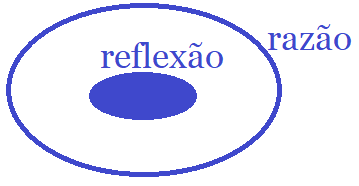
DILEMA DO ANSIOSO: “Quantos males caíram sobre nós, sem que os aguardássemos! Quantos que eram esperados e jamais chegaram! E ainda que deva vir um mal, não vejo por que precisamos sair a seu encontro!”
“Às vezes o espírito se forja imagens falsas; ou empresta o pior sentido a uma palavra duvidosa, ou converte em mais grave do que realmente era uma ofensa recebida, enquanto medita, não sobre a ira que dominava o ofensor, mas em até onde alcançava seu poder.”
“Pondera, então, a esperança e o medo, e sempre que o resultado for duvidoso inclina-te ao mais favorável.”
“a cicuta fez grande a Sócrates”
“a fealdade que significa a prontidão dos homens em a cvada dia se erigirem novos fundamentos, em conceber a cada vez novas e inéditas esperanças, mesmo na hora da morte. (…) tu verás anciãos ainda dispostos à intriga política (…) Haveria algo mais vergonhoso que um ancião que começa a viver?”
“É mister que nos comportemos, não como aquele que tem que viver para o corpo, mas como aquele que não pode viver sem o corpo. Um amor excessivo a este nos inquieta com temores, nos carrega de afãs, nos expõe a afrontas.”
“os motivos de temor, os quais podem ser de 3 sortes: [orgulho ferido; saúde depredada; pança vazia]”
“Os males naturais, a miséria e a doença, entram silenciosamente, sem nos infundir terror algum aos olhos e ouvidos; mas a outra calamidade mostra um aparato bem pomposo”
“Imagina agora o pau que atravessa o homem, saindo-lhe pela boca, e os membros esquartejados por carros que arrancam em direções distintas, e aquela túnica impregnada e tecida de materiais inflamáveis (…) das coisas que subjugam e dominam nossas almas, as mais eficazes são as que chegam com maior espetáculo”
“Quando foste à Sicília, cruzaste o mar. Um piloto temerário menosprezou as ameaças do Austro, o vento que alvoroça ou revolve o mar da Sicília, e no lugar de singrar até a margem esquerda, se dirigiu àquela na qual a vizinhança de Caribdis agita o mar. (…) aquela região tristemente famosa por seus abismos vorazes.”
“Quando fugimos de algo, de fato o acusamos.”
“ante o que anda desnudo de riquezas o bandido passa ao largo, e mesmo o caminho infestado de ladrões é tranqüilo para o pobre.”
“é de se temer que o receio à inveja nos faça cair em menosprezo; que não querendo pisar, façamo-nos bons para sermos pisados.”
“Que outra coisa fez Catão senão vociderar e lançar gritos inúteis quando, arrastado pelas mãos do povo, coberto de cusparadas, foi expulso do Fórum, ou quando foi conduzido do Senado à prisão?”
“esta é de Epicuro, ou de Metrodoro, ou de qualquer outro daquela fornada. Que importa quem a disse?”
“Já que é coisa néscia, querido Lucílio, e, no todo, bem pouco adequada a um homem instruído ocupar-se em exercitar os músculos e alargar o pescoço e reforçar o peito; por muita fortuna que possas ter na empresa de engordar-te, nunca poderás igualar as forças de um boi corpulento nem chegarás a ter seu peso.”
“Primeiramente os exercícios, que pelo esforço que exigem esgotam o espírito e tornam-no inábil para a atenção e os estudos sérios; depois, uma alimentação abundante faz da inteligência obtusa.”
“homens que repartem seu tempo entre o óleo e o vinho e têm o dia por bem-aplicado quando suaram o suficiente, e para reparar o líquido que desta forma perderam haviam ingerido, previamente, em jejum, muita bebida para que penetrasse no fundo. [???] Beber e suar constitui a vida dos que padecem de mal de coração. [?] Há exercícios breves e fáceis que cansam o corpo com presteza e nos economizam tempo, que é o que se precisa ter em conta: corridas, o movimento das mãos com algum peso, o salto, seja de altura, seja de extensão, seja aquele que podemos chamar <salio> [sacerdote de Marte] ou, menos decorosamente, <salto del fulón> [intraduzível]; adota de quaisquer destes exercícios um uso simples e fácil. Faça o que fizeres, volta logo do corpo à alma; exercita-a de dia e de noite; um trabalho modesto basta para alimentá-la. Nem o frio nem o calor, nem a velhice, podem te impedir este exercício; cultiva, pois então, esta riqueza que os anos vão melhorando. Não te peço que estejas sempre com a cara nos livros ou nas lutas; é mister dar à alma algum descanso que sem dissipá-la a distenda. O estar deitado tranqüiliza o corpo, mas não impede o estudo; permite ler, ditar, falar, escutar, coisas que nem o caminhar a pé nos impede.” Sentar mesmo é que é ruim.
“não faltará quem te meça os passos e regule o movimento de tua boca ao comer, e chegarão tão longe quanto permitam sua paciência e tua credulidade.”
“Quem disse essas palavras? O mesmo de antes.”
“Que vida crês tu que é tida por néscia? (…) a nossa, a quem se algo pudesse satisfazer já estaria satisfeita.”
“Quem vai por um caminho encontra um termo; o andar fora do caminho não conhece acabamento.”
“A frugalidade não é mais que uma pobreza voluntária. Abandona semelhantes desculpas: <Ainda não tenho o suficiente; assim que alcançar tal soma me entregarei por inteiro à filosofia.>”
Quebrar a tela do celular pode ser difícil justamente para aquele que o tenta com afinco…
À Gardene: “Preferirias, pois, à pobreza que sacia, a riqueza que nos faz famintos?”
“Mas como sair desse ciclo vicioso? Por onde quiseres. Pensa em quantas temeridades incoerreste por amor ao dinheiro, quantos trabalhos suportaste por amor às honras! Bem podes tentar algo pelo ócio; por outro lado, em meio aos afãs do governo das províncias e das magistraturas, envelhecerás entre o tumulto e a agitação sempre renovados, que nenhuma temperança poderá evitar, nem suavidade alguma no viver. E que acontecerá se lhe permites a ela crescer ainda mais? Quanto mais se avizinha aos êxitos, tanto mais se avizinha aos temores.”
“<A própria altura aturde os topos.> Se queres saber em que livro se o disse, te comunicarei que foi no que leva por título Prometeu. Com esta frase, quis significar que os saguões estão expostos às tempestades.” “Mecenas foi homem de gênio, que teria podido oferecer a Roma um grande modelo de eloqüência se não tivesse sido enervado pela felicidade, que pode-se dizer que o castrou.”
“Primeiro, antes de considerar o quê comes e bebes, deves considerar com quem comos e bebes, pois comer e beber sem um amigo é viver como os leões e os lobos.”
Epicuro
“O homem atarefado e agoniado por seus bens não achará mal pior do que crer seus amigos aqueles de quem de fato não é um amigo; do que crer que suas boas ações lhe servem para ganhar os corações, quando, na verdade, muitos o odeiam mais à medida que mais lhe devem. Uma dívida pequena faz um devedor; uma dívida importante faz um inimigo.”
“a constante igualdade do homem consigo mesmo”
“ninguém tem formado um propósito; e se o tem, nele não persevera, antes o renega, e não para mudar de meta, mas para voltar, depois à mesma de antes, à mesma que havia abandonado e espinafrado. (…) Os homens não sabem o que querem, só o momento em que querem.”
“Oh, quando chegará o dia em que ninguém mentirá para lisonjeá-lo!”
“Quem conheceria hoje a Idomeneu se Epicuro não houvesse tratado dele em suas cartas? O mais profundo esquecimento apagou o nome de todos aqueles magnatas e sátrapas, e ainda o do mesmo rei do qual Idomeneu recebera o poder.” “Profundamente nos cobrirá o alto-mar dos séculos, poucos gênios assomarão a cabeça por cima das águas” Para anotações pessoais consultar Os Segredos da Mosca em data próxima.
A diferença entre professores de educação básica de uma escolinha no cafundó e austeros analistas, assistentes, técnicos e auxiliares em C&T uma ilustre autarquia federal é que os primeiros sabem que “não fazem nada de importante, i.e., talvez algo de suma importância, que não passa, não obstante, de sua obrigação.”
Qual é a diferença entre alguém que ama um idioma e alguém que ama idiomas? Agora que estão na mesma sala aprendendo, nenhuma.
“eu te prometo, Lucílio: eu gozarei do favor da posteridade, terei o privilégio de remover da deriva, junto com o meu nome, o de outros.”
deseos deoses
“Eu creio que na filosofia tem-se que tentar aquilo que se fez no Senado: se alguém expõe um parecer que me agrada parcialmente, faço com que a proposição seja dividida em partes e sigo a que me parece mais aceitável.”
“O ventre não escuta ordens: reclama, exige. Mas não é um credor molesto; com pouca coisa se o despacha enquanto se o dá o que é devido, não aquilo que poderias dar.”
“tens de desatar, antes que romper, o nó que desgraçadamente enredaste, porém, se não houver maneira, rompa-o.”
“Não existe ninguém tão covarde que não prefira cair de uma vez a estar sempre frustrado.”
“Contenta-te com os negócios em que te embaraçaste. Não te enredes em outros novos.” Estou precisando muito seguir este aforismo.
“amam os frutos das misérias enquanto que detestam as misérias.”
“Todo mundo sai da vida como se acabasse de entrar nela.”
Epicuro
“Que coisa pode existir de mais vergonhosa do que sentir-se inquieto no próprio umbral da maior segurança?”
“As minas dos metais pobres são superficiais; as dos metais mais ricos são aquelas cujas veias se escondem no mais profundo, mas recompensam com mais generosidade aos que as escavam com constância.”
“o prazer é um declive pelo qual deslizamos até a dor se não nos armamos de comedimento.”
“É mister proceder como se sempre se tivesse vivido já bastante.”
náusea da náusea, náusea de não ter náusea
“Sócrates dissertou no cárcere, e havendo-lhe alguém oferecido a fuga, não quis sair, preferiu permanecer ali para fazer os homens perderem o temor a 2 coisas gravíssimas: a morte e o cárcere.”
“Repara na nossa época, de cuja moleza e languidez nos lamentamos.” Parece que não há limite para o nível de languidez de uma época.
“Me atarão. E daí? É que porventura ando desatado? Eis que a Natureza nos ata à pesadez do corpo.”
“Não sou tão torpe como para seguir agora a música de Epicuro, acrescentando que são vãos os temores do Inferno, que nem Íxion gira com sua roda, nem Sísifo empurra a pedra com seus ombros, nem é possível que umas entranhas renasçam continuamente para ser devoradas. Não há alguém tão menino que tema o Cérbero, as trevas e os fantasmas que só consistem de ossos descarnados.” Não se trata somente de aproveitar o dia, mas saber que o ajuste de contas inexiste.
“É desonroso dizer uma coisa e sentir outra. E ainda mais escrever uma coisa e sentir outra!”
“até quando crescemos, nossa vida decresce. Perdemos a infância, depois a mocidade, depois a juventude. Até o dia de ontem, todo o tempo passado está morto e mesmo o próprio dia de hoje nós repartimos com a morte.”
“A morte não vem toda de uma vez: aquela que nos leva é a última morte.”
Lucílio
“É tanta a imprudência e a loucura dos homens que alguns deles se vêem forçados a morrer por temor à morte.”
“O homem sábio e forte não tem que fugir da vida, e sim saber sair dela.”
“Alguns sentem o desânimo por terem de ver e fazer sempre as mesmas coisas; não é um ódio, antes um aborrecimento da vida, no qual caímos empurrados pela própria filosofia quando andamos dizendo: <Até quando as mesmas coisas? Despertar e dormir, ter apetite e saciar-se, ter frio, ter calor. Não há nada que acabe, antes pode-se dizer que todas as coisas da Natureza ficam enlaçadas, fogem, perseguem-se. A noite empurra o dia, o dia a noite, o verão termina no outono, o outono é espoliado pelo inverno, o qual é empurrado pela primavera (…) Nem faço nada novo nem vejo nada novo, isto também produz náuseas.> Existem homens que não encontram a vida amarga, mas supérflua.”
“não somente os atos de amanhã nos podem causar dano, como também os de ontem.”
“o [desmemoriado] rico Calvino Sabino (…) tramou este expeditivo¹ procedimento: empregou uma grande quantidade na compra de escravos, um que soubesse Homero de cabeça; outro, Hesíodo, e outros 9, um para cada poeta lírico.”
¹ Ora, nada há de eficaz nisso: será que na época o escravo era mais barato que a própria obra? De toda maneira, que adianta que um saiba Homero, se é ele que sabe e não quem quer saber, considerando o problema da perspectiva de quem quer saber?
“Santílio Quadrato, um mordaz crítico de ricos néscios e, é escusado acrescentar, grande adulador deles, e, coisa que sói ir junta também, um belo companheiro para contar piadas, persuadiu este mesmo Calvino Sabino aprocurar gramáticas e dicionários. Sabino, havendo-o contestado que cada um de seus escravos lhe custava 100 mil sestércios, aquele respondeu: <Por menos, teria comprado eu outros tantos manuscritos.>”¹
¹ Eis a resposta à dúvida acima: mesmo que o valor do escravo fosse tão baixo, o dos textos não era tampouco nada alto!
“O mesmo Santílio o aconselhou a se dedicar à luta, apesar de ser o rico um homem pálido, enfermiço e débil. Depois da resposta de Sabino: <E poderia eu fazê-lo, se mal me sustento de pé?>, disse-lhe: <Não o digas! Não vês quantos escravos robustíssimos possuis?> O bom senso não se compra nem se toma emprestado, e se se vendesse, creio que não acharia comprador. Em compensação, a insensatez encontra todo dia partidários.”
“nunca se disse o bastante aquilo que nunca seria o bastante compreendido. A alguns basta mostrar-lhes remédios, a outros é mister impor-lhes à força.”
GLOSSÁRIO:
afrenta: afronta = AGRAVIO
desgana: tédio; inapetência; falta de aplicação.
pellejo: odre; casca; pele.
pendiente: rampa, declive; calha; brinco; que não foi resolvido.
poner hitos: demarcar; compactar.
postreto: último, final
rastrojo: palha
CURTO CIRCUITO DO SABER (MAS AINDA LONGO DEMAIS PARA PERCORRER UMA VEZ SEQUER)
Um homem que decidisse, no dia de hoje, refundar suas investigações filosóficas efetuando o que Descartes efetuou no século XVII, sobre um novo método contrário ao escolástico, obedecendo aos seus sentidos, descrevendo o que vê e ouve, por exemplo, seria internado num presídio de segurança máxima (não existem mais manicômios, só o grande manicômio a céu aberto).
Isso é DUPLAMENTE desalentador: 1. No sentido em que o que é tido socialmente como óbvio não é o óbvio, mesmo se a descrição empírica tivesse o valor de verdade que já possuiu 300 anos atrás; 2. Pior ainda, pois concluímos que a internação desse estranho inovador, no final, estaria correta (o que é triste e aflitivo diante da presumível inocência de um novo ser humano na sua jornada de descoberta despida de má-fé). Aquele que ignora o que está mais oculto aos sentidos imediatos, mas que todos intuímos como o universal, é definitivamente o louco da história: este Descartes, ou sombra do Descartes original, é um átomo incapaz de notar a exploração inerente ao trabalho, a regra de ouro que rege o dueto miséria-riqueza das nações e, portanto, incapaz de se estabelecer como Homem, o “escravo dotado de agência”. É este o nível dos epistemólogos chamados fascistas, exaltadores dos grilhões, subjugados pela moral e no entanto idólatras desta mesma moral. Quer homem mais cego que este observador (e portanto cúmplice) do-que-está-aí? Um terço do eleitorado nacional clama como Verdade o que (um terço do eleitorado) escolheu ver, escolheu ouvir, escolheu sentir, lentamente, há anos, com uma persistência e consistência de formiga. Para este átomo que se acha um homem, o “social” significa: seu próprio cotidiano, sem quaisquer ajustes, reparos, parênteses, restrições, considerações. Tal qual é em sua perfeição instantânea, nascida assim, inclusive idêntica a uma pintura, sem palavras; ou então, paramentada com uma tempestade de palavras, de LOGOI, subsumida em formato de missa (mero ritual), quando reza a conveniência.
Imaginávamos que um dos maiores problemas da teoria do conhecimento na Era da Técnica seria o abismo cada vez maior entre a sabedoria de uns acerca do geral e a sabedoria de outros acerca do particular, e o choque civilizacional provocado por este descompasso entre “holistas” e “especialistas”, uma vez que um sábio nunca pode ser um sábio duplo, em simultâneo. Quem dera fosse este nosso dilema número um hoje! O Senhor Óbvio, que sabe todas as coisas, que é este milagre quântico dos dois sábios arquetípicos ao mesmo tempo, ocupa agora a Ágora. Infelizmente quem não se esqueceu, quem entendeu a, no fundo, única mensagem de Sócrates, foragiu-se para não ser linchado. Sócrates, esse Prometeu da Filosofia, com dados historiográficos e não apenas mitológicos, acendeu as primeiras fagulhas de sabedoria ao proclamar que sabia quão pouco o indivíduo tem condições de vir a saber. Um terço do eleitorado do país tem uma certeza doentia no seu mundo quimérico, que já se fundiu com seus sentidos mais imediatos. O um terço se chama Senhor Óbvio, nada lhe escapa. Oniscientes transitórios.
Perde o interesse para nós, para os outros dois terços, se o conhecimento da exploração do homem pelo homem faz parte de um saber genérico ou de um saber especial: é um saber que, muito a sério, não se leva a sério quando o assunto é autoclassificação. O que sabemos, o “nada” que sabemos, é que seu maior inimigo é a presunção cotidiana, a obviedade dos sentidos embotados, que já deram sua última palavra, equivalente a uma sentença inquisitorial. A certeza daqueles que já estão findados no mesmo lugar e instante em que começaram. Talvez advenha daí essa fobia do círculo, esse desejo pelo horizonte sem-fim retilíneo… O próprio sentido da visão do Senhor Óbvio não poderia apontar-lhe que tanto remou e nada progrediu, ou que voltou ao mesmo lugar – seria um baque muito grande para alguém que, como já se disse, desvendou tudo que havia entre o A e o Z, o alfa e o ômega, não admite autolimitações. Cega-se, que é para continuar vendo a visão antiga e desejada.
Como velhos Átlas (o Titã, não o álbum que demonstra, em contradição com os sentidos imediatos, que a Terra não é plana), carregamos nas costas muito do que sentimos por esta época ser o que é. Toda a cegueira do Senhor Óbvio é algo muito SENTIDO por nossa piedade colossal, porque caminhamos devagar NUM SENTIDO, e, ainda bem!, ignoramos quantos desertos ainda atravessaremos. Pois absorver tudo num único instante certamente nos desencaminharia de Sócrates, dessa ética titânica do ser-homem, convertendo-nos de novo em tolos que confiam demais nos cinco SENTIDOS.
ALGUMAS POUCAS PALAVRAS SOBRE MAGNETISMO ANIMAL, WILHELM REICH, A LIBIDO E A PERSEGUIÇÃO AOS COMUNISTAS
Vejo agora quase de forma clarividente que Reich se enganou completamente com o seu orgone: é apenas uma pseudociência derivada destas fantasias do século XVIII. Novamente um médico que não sabe separar suas pesquisas empíricas de meras superstições. Inventa acumuladores de algo que não se pode provar diretamente. Não com dolo, mas com fé. E estiliza a questão da satisfação e repressão sexual no ser humano. Seus pacientes acabam por se sentir melhores pela velha e sempre bem-vinda confiança no tratamento médico e sobretudo porque, além de receberem ‘sessões de orgone’ como se fosse um bronzeamento invisível, recebiam massagens, se autoaplicavam massagens liberadoras, e praticavam – fora da clínica, evidentemente – sexo livre de misticismos e tabus, praticavam, enfim, o amor livre comunista dos tempos áureos, sem dúvida uma solução para muitos tipos de neuroses, mas nunca de todos, e nunca completamente – pois que a questão social, insistia o próprio Reich, era o mais importante. Está claro também que Reich foi perseguido pelos motivos errados, e que seu acumulador de orgone ou que sua doutrina não podiam fazer mal a ninguém. Eis o fim de todos os inovadores – estejam integralmente certos ou não!
HISTÓRIA DAS IDÉIAS 3: SCHOPENHAUER: MULTIFACETAS
As citações e comentários a seguir são baseados exclusivamente na obra O Mundo como Vontade e como Representação. O post com mais aspas e comentários deste livro está em data mais remota no Seclusão. Todas as citações do 2º e 3º volume, que não existem em Português, foram traduzidas por mim para esta compilação.
ÍNDICE (usar CTRL+F para pular para o tópico desejado)
Em negrito, o capítulo (tópico de capítulo) mais importante.
1. O PRIMEIRO GRANDE FILÓSOFO A ENTENDER KANT, O PRIMEIRO FENOMENÓLOGO DA IDADE MODERNA
1.1 COISA-EM-SI = VONTADE
2. O PRIMEIRO GRANDE FILÓSOFO NÃO-SOCIALISTA A DENUNCIAR E REFUTAR O IDEALISMO HEGELIANO: COMO DESCONTAMINAR-SE DE HEGEL, O CHARLATÃO
3. CRÍTICA DA RELIGIÃO: A ESCOLÁSTICA DUROU ATÉ KANT, MAS FOI CONTINUADA PELO HEGELIANISMO: A verdadeira filosofia deve compreender que nunca estará dissociada das religiões e se situar honestamente no campo
3.1 CRISTIANISMO, FIGURA AMBIVALENTE PARA SCHOPENHAUER
3.1.1 CRISTIANISMO PRIMITIVO, NOVO TESTAMENTO & DOGMAS
3.1.2 O PODER SECULAR DO CATOLICISMO
3.1.3 REFORMA PROTESTANTE
3.2 PRECURSOR ORIENTALISTA: EXALTAÇÃO DO HINDUÍSMO E DO BUDISMO
3.3 POLITEÍSMO, PANTEÍSMO, GNOSTICISMO, RELIGIÕES MENORES
3.4 ÉTICA: O DILEMA DE CILA OU CARIBDE: ACEITAÇÃO DO FENÔMENO OU ASCETISMO
3.4.1 A VIDA DO HOMEM SANTO
4. O FILÓSOFO QUE COMPREENDEU PLATÃO A MEIAS: POR QUE A IDÉIA DE PLATÃO DEVE SER LIDA COMO A ANTI-IDÉIA POR EXCELÊNCIA, I.E., COMO VONTADE, ASSIM ENUNCIADA DESDE A ANTIGUIDADE
5. O ANTI-ARISTÓTELES: CONSEQÜÊNCIA DA HIPER-VALORIZAÇÃO ARISTOTÉLICA PROMOVIDA PELO(A) HEGELIANISMO/ESCOLÁSTICA: O Aristotelismo deve ser superado
6. POR QUE SCHOPENHAUER E NIETZSCHE ESTÃO, ESSENCIALMENTE, EM PÓLOS OPOSTOS NA FILOSOFIA – E NÃO O CONTRÁRIO – MESMO QUE AQUELE SEJA O PRINCIPAL PRECURSOR DESTE
7. DESPROPÓSITO DA VIDA HUMANA CONSCIENTE: A EXISTÊNCIA É SÓ UM SONHO
8. SOBRE O SUICÍDIO
9. EPISTEMOLOGIA DAS CIÊNCIAS NATURAIS
9.1 A MATEMÁTICA E A LÓGICA: ARISTÓTELES E NIILISMO
9.2 A ASTRONOMIA
9.3 A FÍSICA
9.4 A BIOLOGIA
10. A MEDICINA
10.1 CONTRIBUIÇÕES À PSIQUIATRIA (FISIOLOGIA DO GÊNIO)
11. EPISTEMOLOGIA DAS CIÊNCIAS HUMANAS
11.1 A HISTÓRIA
11.2 O DIREITO
11.3 SOBRE A EVOLUÇÃO E A IMPORTÂNCIA DAS LÍNGUAS: SUMA DEPRECIAÇÃO DO HOMEM ALEMÃO
12. SCHOPENHAUER E A ESTÉTICA: APERFEIÇOADOR DE KANT
12.1 ARQUITETURA
12.2 ESCULTURA
12.3 PINTURA
12.4 POESIA E TEATRO
12.5 METAFÍSICA DO GÊNIO
12.6 MÚSICA, O PALIATIVO FINAL
13. A FAMOSA MISOGINIA SCHOPENHAUERIANA
14. RESÍDUOS: AFORISMOS, PASSAGENS DIFÍCEIS DE CLASSIFICAR, CONSOLAÇÕES OU INVECTIVAS CONTRA FILÓSOFOS OU PERSONALIDADES MENORES
1. O PRIMEIRO GRANDE FILÓSOFO A ENTENDER KANT, O PRIMEIRO FENOMENÓLOGO DA IDADE MODERNA
“Com Locke a coisa-em-si é sem cor, som, cheiro, gosto, não é nem quente nem fria, nem mole nem rígida, nem macia nem áspera; e no entanto ela conserva extensão e forma, é impenetrável, está em repouso ou movimento, possui massa e número. Com Kant, a coisa-em-si já se despiu de todas essas últimas qualidades, porque elas só são possíveis por intermédio do tempo, espaço e da causalidade, e este trio emana do intelecto (cérebro), assim como as cores, os tons, os aromas, etc., se originam dos nervos dos órgãos dos sentidos.”
“Em geral, este é o ponto em que a filosofia de Kant conduz à minha, ou em que esta brota daquela como um galho do tronco. Os leitores se convencerão disso quando lerem com atenção na Crítica da razão pura p. 536 e 537 (V, 564), e depois ainda compararem com esta passagem a introdução à Crítica da faculdade de juízo, p. XVIII e XIX da 3ªed., ou p. 13 da edição Rosenkranz, em que é até mesmo dito: ‘O conceito de liberdade pode tornar representável uma coisa-em-si (que é de fato a vontade) em seu objeto (Objekt), mas não na intuição; ao contrário, o conceito de natureza pode tornar de fato representável seu objeto (Gegenstand) na intuição, mas não como coisa-em-si.’” Resumo: o sentido da vida não está dado! Por isso existe o mundo: para o Ser ser!
“Queremos conhecer a significação dessas representações. Perguntamos se este mundo não é nada além de representação, caso em que teria de desfilar diante de nós como um sonho inessencial ou um fantasma vaporoso, sem merecer nossa atenção.” Será a conclusão nas últimas linhas do primeiro tomo, mesmo que inadvertida. Em resumo, este momento é o pulo do gato ainda-kantiano-demais da filosofia schopenhaueriana…
“Já na audição se dá algo completamente diferente. Tons podem provocar dores imediatamente e, sem referência à harmonia ou à melodia, podem ser também de imediato sensualmente agradáveis. O tato, enquanto uno com o sentimento do corpo inteiro, está ainda mais submetido a esse influxo imediato sobre a vontade, embora também haja tato destituído de dor ou agrado. O odor, entretanto, é sempre agradável ou desagradável; o paladar ainda mais. Portanto, estes 2 últimos sentidos são os mais intimamente ligados à vontade. Eis por que sempre foram chamados de sentidos menos nobres e, por Kant, de sentidos subjetivos.”
“O excelente livro de Thomas Reid,¹ Inquiry into the Human Mind on the Principles of Common Sense [o livro não tem tradução ao português, mas se uma houvesse, seria Investigação da mente humana segundo os princípios do senso comum; em breve, tradução completa minha no Seclusão], serve de prova negativa das verdades kantianas, e nos convence piamente da inadequação dos sentidos para produzirem a percepção objetiva das coisas, e nos convence também da origem não-empírica da percepção do espaço e do tempo. (…) O livro de Thomas Reid é, enfim, muito instrutivo e digno de nosso tempo – dez vezes mais digno do que a soma de toda a filosofia que vem sendo escrita desde Kant.”
¹ 1710-1796, adversário de David Hume.
“O intelecto deve, primeiro de tudo, unir em um ponto todas as impressões, ao tempo em que gera suas implicações de acordo com suas respectivas funções, seja se resumindo a meras percepções ou atingindo concepções, um ponto que será, por assim dizer, o foco de todas as suas ramificações, tudo a fim de que a unidade da consciência se apresente como idêntica ao eu volitivo, cuja mera função do conhecimento ela é. Esse ponto de convergência da consciência, ou o eu teórico, é simplesmente a unidade sintética da apercepção kantiana, a partir da qual todas as idéias se estendem, como num colar de contas ou ramo de árvore, e com base no que o <eu penso>, como o fio condutor de tudo que é derivado, <deve ser capaz de acompanhar todas as idéias que formulamos>.”
1.1 COISA-EM-SI = VONTADE
“a palavra do enigma é dada ao sujeito do conhecimento que aparece como indivíduo. Tal palavra se chama VONTADE.” “Isso que se furta a toda fundamentação, contudo, é justamente a coisa-em-si, aquilo que essencialmente não é representação, não é objeto do conhecimento e só se torna cognoscível quando entra naquela forma.”
“a vontade é o conhecimento a priori do corpo, e o corpo é o conhecimento a posteriori da vontade. – Decisões da vontade referentes ao futuro são simples ponderações da razão sobre o que se vai querer um dia (…) apenas a execução estampa a decisão, que até então não passa de propósito cambiável, existente apenas in abstracto na razão. Só na reflexão o querer e o agir se diferenciam; na efetividade são uma única e mesma coisa.” “No entanto, é totalmente incorreto denominar a dor e o prazer representações, o que de modo algum são, mas afecções imediatas da vontade em seu fenômeno, o corpo, vale dizer, um querer ou não-querer impositivo e instantâneo sofrido por ele.” Grande erro de Schopenhauer: frase responsável pela hedionda vitória da psicanálise (fracasso da humanidade) no século XX.
“Fenômeno se chama representação, e nada mais.” Este “…e nada mais”, até este e nada mais!, Freud copiou de Sch., em seu Projeto para uma Psicologia [Pseudo]científica (1895). Também no Seclusão: https://seclusao.art.blog/2021/02/27/escritos-precoces-de-freud-incluindo-o-projeto/.
“COISA-EM-SI, entretanto, é apenas a VONTADE. (…) Aparece em cada força da natureza que faz efeito cegamente, na ação ponderada do ser humano: se ambas diferem, isso concerne tão-somente ao grau da aparição, não à essência do que aparece.” Erro fundamental reparado por Nietzsche.
“Também me compreenderá mal quem pensar que é indiferente se indico a essência em si de cada fenômeno por vontade ou qualquer outra palavra. Este seria o caso se a coisa-em-si fosse algo cuja existência pudéssemos simplesmente DEDUZIR e, assim, conhecê-la apenas mediatamente, in abstracto. Então se poderia denominá-la como bem se quisesse. O nome seria um mero sinal de uma grandeza desconhecida. (…) Até os dias atuais subsumiu-se o conceito de VONTADE sob o conceito de FORÇA.” “renunciamos ao único conhecimento imediato que temos da essência íntima do mundo: fazemos tal conhecimento se dissipar num conceito abstraído do fenômeno, com o qual nunca poderemos ir além deste último.” Ao mesmo tempo que sentimos a segurança e verdade por trás destas palavras, ou nestas palavras, sentimos também a hesitação, dúvida e autocontradição do sistema schopenhaueriano (mas somente quem já chegou ao final do livro quarto e voltou a comparar algumas afirmações clássicas do autor pode reparar nesta segunda parte).
SÍNTESE IMPECÁVEL DA OBRA: “A totalidade do processo é o auto-conhecimento da Vontade; começa nisso e retorna a isso, e constitui o que Kant chamara de fenômeno em oposição à coisa-em-si.” “Assim sendo, a totalidade é, em última instância, a Vontade, que de e por si mesma se converte em representação, e é essa unidade fenomenal que chamamos com letra maiúscula de a Representação.”
“Kant assumira afoitamente que, aparte o conhecimento objetivo, quer seja, aparte o mundo como representação, nada nos é dado salvo a consciência, a partir da qual ele elaborou aquele mínimo que ainda lhe restava de propriamente metafísico, i.e., sua teologia moral, à qual ele atribuiu, não obstante, e de forma conseqüente, por um lado, validade exclusivamente prática, e absolutamente nenhuma validade teórica para existir. Ele pecou ao não ver que (…) nossa própria natureza fenomênica deve também estar enquadrada no mundo da coisa-em-si, isto é, na raiz das representações, a Vontade [que é imoral].”
“A polêmica de Lucrécio (IV, pp. 824-58) contra a teleologia é tão crua e desajeitada que refuta a si mesma e nos convence do oposto. Agora quanto à de Bacon (De augm. scient., III, 4), ele não faz, em 1º lugar, distinção no tocante ao uso de causas finais entre naturezas organizadas e não-organizadas (o que seria o ponto focal); em seus exemplos de causas finais, mistura a ambas. A partir daí, Bacon bane as causas finais da física e da metafísica, de uma só vez; mas esta última é, de acordo consigo, o que é a metafísica para muitos ainda hoje, idêntica à teologia especulativa. (…) Por fim, Spinoza (Ética, I, proposição 36, apêndice) torna bastante claro que ele identifica a teleologia com a físico-teologia – contra a qual se expressa com amargura – de tal maneira que chega a enunciar Natura nihil frustra agere: hoc est, quod in usum hominum non sit [A natureza não age em vão, i.e., nunca faz nada que não seja de proveito para o homem], bem como que Deus fez tudo para dirigir o homem,¹ etc.” “Seu propósito era meramente bloquear a passagem ao teísmo; e, confessemos, ele reconheceu de maneira acertada que a prova físico-teológica² é o maior adversário do teísmo. Mas estava reservado a Kant o encargo de refutar esta prova, e a mim o de fornecer a correta exposição da filosofia kantiana, de modo que satisfiz à velha máxima: Est enim verum index sui et falsi [Há uma medida verdadeira do que é verdadeiro e do que é falso], ou seja, há um critério avaliador das aparências, que supera o ceticismo.”
¹ E que, portanto, existindo o homem, deus se retira de todo do mundo e não é mais necessário.
² Aquilo que os escolásticos tanto buscaram e desenvolveram até seus últimos limites. Mais detalhes em uma das notas de rodapé das próximas aspas.
“Com efeito, toda mente sã e funcional deve, considerando a natureza organizada, no mínimo chegar à teleologia spinozista, a não ser que esta mente seja deturpada por opiniões preconcebidas, ou físico-teológicas¹ ou antropo-teleológicas,² as primeiras absorvidas por Spinoza em seu argumento teleológico panteísta, as segundas condenadas, pela mesma razão, no spinozismo.”
¹ Neste trecho se torna ainda mais claro o que Sch. entende por físico-teologia, i.e., uma física com primado do último termo, da teologia: um saber das causas finais aplicado aos mandamentos da religião, como se assim se pudesse extrair os desígnios morais últimos de qualquer credo, monoteísta ou politeísta.
² A antropo-teleologia é a ciência dos fins aplicada ao homem, considerando-o “emancipado” da natureza. Em Spinoza, dizer que a natureza tem seus fins últimos é o mesmo que dizer: o Deus que criou as religiões e o homem tem seus fins últimos; com efeito, ele é a própria natureza. Chega-se a uma espécie de determinismo ou finalismo ateu absoluto. Já em Hegel encontramos a contraposição a Spinoza, porém de uma forma simetricamente deficiente: em vez de considerar que não há finalidades últimas, nossos destinos estando em aberto, por termos “dominado a natureza”, respondemos, segundo o hegelianismo, à História, que é a forma de manifestação da Razão ou do Espírito, da Essência Absoluta. Ou seja, a História é o desenrolar das causas finais de acordo com os próprios parâmetros do Espírito em sua jornada temporal de auto-reconhecimento. Mas sabemos o quanto Hegel é desprezado por Sch. (vide 2., em instantes). Mais valeria dizer: o homem não tem um sentido a cumprir na História; se ele é joguete ou escravo de alguma coisa, se há algo a que sua liberdade empírica e ética responde, este algo se chama Vontade e faz parte de nós e de nossos corpos, por mais que dela não possamos conhecer em sua totalidade, ao contrário da ciência hegeliana que dá todos os instrumentos para concluir sobre as causas últimas do Espírito na Fenomenologia do Espírito, Ciência da Lógica e Enciclopédia Filosófica. Resumindo em 2 frases a tese (anti-)teleológica schopenhaueriana: Temos olhos para ver, ouvidos para escutar, dentes para triturar a comida… Não temos um projeto de humanidade realizável através de um Estado-nação nem pretendemos encontrar a (re)conciliação com o Deus cristão neste, o único mundo.
“Toda observação do mundo com o fito de explicar qual é a tarefa do filósofo confirma e comprova que vontade de vida, longe de ser uma invenção arbitrária ou uma expressão vazia, é a única expressão genuína acerca da natureza mais íntima do mundo.”
2. O PRIMEIRO GRANDE FILÓSOFO NÃO-SOCIALISTA A DENUNCIAR E REFUTAR O IDEALISMO HEGELIANO: COMO DESCONTAMINAR-SE DE HEGEL, O CHARLATÃO
Com exceção de Feuerbach, Marx e Engels (falamos apenas de figuras proeminentes de livros-textos de filosofia), Arthur Schopenhauer foi o primeiro a compreender a fragilidade do sistema hegeliano, contrapô-lo como um todo e descrever de forma límpida e facilmente compreensível os erros e absurdos do Hegelianismo. É, portanto, o primeiro filósofo fora do movimento dos jovens hegelianos de esquerda e socialistas que romperiam posteriormente com seu mentor ideológico, chegando ou não a uma teoria completa pós-hegeliana (Feuerbach ficou no meio do caminho, paralisado criativamente após a crítica a Hegel; Marx & Engels fundaram o materialismo histórico). Schopenhauer é o primeiro filósofo independente de correntes sócio-políticas amplas a ser um Anti-Hegel de envergadura.
“A filosofia [hegeliana] da identidade, nascida em nosso tempo e de todos conhecida, poderia não ser compreendida sob a citada oposição, [sujeito e objeto] na medida em que não torna o sujeito nem o objeto o ponto de partida propriamente dito, mas um terceiro, o absoluto cognoscível por intuição-racional, que não é sujeito nem objeto, mas o indiferenciado. Embora a ausência completa de qualquer intuição-racional me impeça de falar da mencionada indiferenciação e do absoluto, todavia, na medida em que tenho acesso a todos os protocolos dos contempladores-racionais, [o deboche!…] também abertos a nós profanos, tenho de observar que a dita filosofia não pode ser excluída da oposição anteriormente estabelecida entre os 2 erros, já que, apesar da identidade entre sujeito e objeto (não-pensável, e intuível apenas intelectualmente, ou experienciada por imersão nela), a referida filosofia une em si os 2 erros quando os decompõe em 2 disciplinas, a citar: o idealismo transcendental, que é a doutrina-do-eu de Fichte e, por conseqüência, em conformidade com o princípio de razão, faz o objeto ser produzido ou tecido fio a fio a partir do sujeito; e a filosofia da natureza, que, semelhantemente, faz o sujeito surgir aos poucos a partir do objeto mediante o uso de um método denominado construção, que me é pouco claro, mas o suficiente para bem notar que se trata de um progresso conforme o princípio de razão em várias figuras. Renuncio à profunda sabedoria contida nesta construção.” HAHAHA!
“pobreza espiritual, confusão, perversidade vão vestir-se a si mesmas com os termos mais rebuscados, as expressões mais obscuras, para assim, em frases difíceis e pomposas, mascararem pensamentos miúdos, triviais, insossos, cotidianos”
CRÍTICA DO IDEALISMO ALEMÃO, MAIS CONHECIDO COMO HISTORICISMO: “Semelhante FORMA HISTÓRICA DE FILOSOFAR fornece na maioria das vezes uma cosmogonia, a qual admite muitas variedades, ou então um sistema da emanação, doutrina da queda; ou ainda, por parte da dúvida desesperadora advinda dessas tentativas estéreis, é-se levado a um último caminho, oferecendo-se uma doutrina do constante vir-a-ser, brotar, nascer, vir a lume a partir da escuridão, do fundamento obscuro, do fundamento originário, do fundamento infundado e outros semelhantes disparates.” “toda uma eternidade (…) já transcorreu até o momento presente, pelo que tudo o que pode e deve vir-a-ser já teve de vir a ser. Todas essas filosofias históricas, não importa seus ares, fazem de conta que Kant nunca existiu e tomam O TEMPO por uma determinação da coisa-em-si”
“O autêntico modo de consideração filosófico do mundo, ou seja, aquele que nos ensina a conhecer a sua essência íntima e, dessa maneira, nos conduz para além do fenômeno, é exatamente aquele que não pergunta ‘de onde’, ‘para onde’, ‘por quê’, mas sempre em toda parte pergunta apenas pelo QUÊ do mundo” Antes não seria pelo ‘que’ (conjunção conectiva)?
OS LIMITES DA FILOSOFIA CONTINENTAL (Ponto de concordância com H.): “Repetir abstratamente toda natureza íntima do mundo de maneira distinta e universal, por conceitos, e assim depositá-la como imagem refletida nos conceitos permanentes, sempre disponíveis, da razão, isso, e nada mais, é filosofia.” Trecho mal-redigido ou traduzido?! Seria como escrever: “Repetir conceitual, distinta e universalmente toda natureza íntima do mundo, e assim depositá-la como imagem¹ da razão: apenas isso é filosofia.”
¹ Pois toda reflexão é abstrata, conceitual – ou seja: o autor repete 4x a mesma terminologia inútil. Além disso, o próprio “razão” já é quase uma quinta referência ao mesmo arcabouço de idéias (conceitos!), em menos de 3 linhas completas! Um pot-pourri de pleonasmos… Mas o pior é que acho que nenhum filósofo negaria sua afirmação, que foi feita para ser polêmica…
“A despeito de tudo que possa ser dito, nada é tão persistentemente e tão reiteradamente incompreendido como o Idealismo, porque ele é interpretado como significando que se nega a realidade empírica do mundo exterior.” Memento: o idealismo hegeliano é somente uma forma de idealismo.
“Gradativamente essas amplas e desnecessárias concepções passam a ser usadas quase que como símbolos algébricos, e são manipuladas a torto e a direito como estes últimos na matemática; assim, a filosofia fica reduzida a um mero processo combinatório, um tipo de ajuste de contas que (como todo cálculo) nada emprega nem demanda senão as faculdades inferiores. Disso finalmente resulta um mero malabarismo de palavras, do qual o exemplo mais chocante nos é apresentado pelo acéfalo Hegelianismo, em que dito malabarismo é levado ao extremo do puro nonsense.”
“O nobre escolástico Pico de Mirandula já havia percebido que a razão é a faculdade das idéias abstratas, e o entendimento a faculdade das idéias da percepção, como se vê pelo seu livro De Imaginatione, cap. 11 (…) Spinoza também caracteriza a razão de modo sumamente correto como a faculdade de elaborar concepções gerais (Ética, 2, proposição 40, escólio 2). Essas filigranas nem precisariam ser citadas se não fossem as artimanhas lançadas nos últimos 50 anos pela totalidade dos filosofastros da Alemanha para descrever o conceito de razão.”
“Pode-se verificar o quanto a escolha das palavras em filosofia é importante diante do fato de que aquela expressão inepta – a Idéia –, e todos os mal-entendidos dela decorrentes, tornaram-se o solo e fundação de toda a pseudofilosofia hegeliana, que ocupou os alemães por 25 longos anos.”
“ressalto, de passagem, que meu antípoda direto entre os filósofos é Anaxágoras [o queridinho de Hegel entre os pré-socráticos]. Ele assume arbitrariamente como aquilo que é primigênio e originário, aquilo de que tudo o mais procede, o nous, uma inteligência, um sujeito de representações, e é considerado o primeiro a promulgar tal visão racionalista.” “de acordo comigo, os pensamentos, pelo contrário, são a última aparição.” “Toda essa teologia física (ou física teológica) é uma insistência e persistência no erro, o exato oposto da verdade expressa no início deste capítulo. O erro que consiste em afirmar que a forma mais perfeita da origem das coisas é unicamente aquela pensada, racionalizada por um intelecto. § Desde o tempo de Sócrates até o tempo vigente nós vemos que a principal questão das disputas intermináveis dos filósofos foi e é o ens rationis, a alma.”
“o velho dogmatismo construiu uma ontologia quando só tinha material para uma dianoiologia [ciência das faculdades intelectuais ou do pensamento – em outras palavras, seu cume é a filosofia hegeliana].”
“Os hegelianos, fanáticos que vêem a filosofia da história como o fim último de toda filosofia, fariam melhor em ler Platão, que infatigavelmente repete que objeto da filosofia é aquilo que é inalterável e que sempre permanece, e não aquilo que agora é assim, depois assado.”
“Todos os filósofos cometeram o mesmo erro: eles situam o elemento eterno, metafísico e indestrutível do homem invairavelmente no intelecto.”
“A contradição é que do ponto de vista do conhecimento ou intelecto (ou ainda da representação, ou ainda: dos fenômenos) os filósofos sempre tentaram provar com persuasivas razões que a morte não é um mal; e não obstante o medo da morte permanece inevitável para todos, porque está enraizado não no conhecimento, mas na vontade.”
GROSSO MODO, ASSIM SCH. RESUME A PROBLEMÁTICA HISTÓRICO-FILOSÓFICA:
politeísmo (onde se subscreve a moral socrática) monoteísmo (infantilização/regressão) panteísmo (antítese completa do estágio anterior, e por isso, no extremo da amoralidade ou imoralidade, tão daninha quanto a hipermoralidade beata) recuperação com Spinoza (resgate parcial da discussão ética SECULAR do indivíduo) + menção honrosa para o ceticismo ou exposição ético-negativa de Hume e Voltaire. Filisteísmo (interpretação ainda mais espúria e materialista da ‘fraca’ Ética spinozista) Hegel (uma queda abrupta, posto que fetichizando a Santíssima Trindade, como seria fácil de imaginar) (Sabidamente, Schopenhauer diz que não só ele mesmo ainda não podia ser compreendido, como nem mesmo Kant o tinha sido em sua época.) Discípulos de Hegel (o fundo do poço, relativização de todos os valores e a neura do Estado-nação como ‘indivíduo’, como se se pudesse falar de ética nessa esfera da pura aparência). |Schopenhauer| (síntese final).
“Quem quer que tenha compreendido minha filosofia da ascese não mais encarará como além de todas as medidas da extravagância que faquires se sentem e, contemplando a ponta de seus narizes, busquem banir todo pensamento e percepção; e que em muitas passagens dos Upanishads encontrem-se prescrições para o indivíduo mergulhar silenciosamente em si mesmo pronunciando o misterioso mantra Om, até acessar o imo do ser, onde sujeito e objeto e conhecimento desaparecem.” Parágrafo feito de encomenda para polemizar com Hegel. Ver também 3.2.
3. CRÍTICA DA RELIGIÃO: A ESCOLÁSTICA DUROU ATÉ KANT, MAS FOI CONTINUADA PELO HEGELIANISMO: A verdadeira filosofia deve compreender que nunca estará dissociada das religiões e se situar honestamente no campo
3.1 CRISTIANISMO, FIGURA AMBIVALENTE PARA SCHOPENHAUER
“aquela doutrina considera cada indivíduo de um lado como idêntico a Adão, o representante da afirmação da vida e, nesse sentido, entregue ao pecado (original),¹ ao sofrimento e à morte; de outro, o conhecimento da Idéia mostra cada indivíduo como idêntico ao redentor,² ao representante da negação da Vontade de vida e, nesse sentido, partícipe de seu auto-sacrifício, redimido por seu mérito, salvo das amarras do pecado e da morte, i.e., do mundo. (Romanos 5:12-21³)”
¹ Não diria isso: aquele constringido pelo pecado original nega esta vida (efeito involuntário da fé cristã).
² Este, também, é claro, nega esta vida (cristão idôneo que verdadeiramente entendeu sua fé). No fim de contas, nenhum dos dois é capaz de afirmar a vida, a não ser no além, o que é o mesmo que negar absolutamente a vida (o fenômeno, mas também a Vontade subjacente).
³ A propósito, um dos trechos mais mal-escritos da Bíblia inteira!
“o sublime fundador do cristianismo teve necessariamente de adaptar-se em parte consciente, em parte inconscientemente, ao judaísmo, de modo que o cristianismo é composto de 2 elementos bastante heterogêneos, dentre os quais prefiro o puramente ético, nomeando-o exclusivamente cristão, para distingui-lo do dogmatismo judeu com o qual é confundido. Se – como amiúde se temeu, em especial nos dias atuais – essa religião excelente e salutar entrar definitivamente no ocaso, eu procuraria a razão disso apenas no fato de ela consistir não de um elemento simples, mas de 2 elementos originariamente heterogêneos postos em combinação pelo curso mundano dos eventos. Ora, daí só poderia resultar a dissolução, devido à degeneração provocada por parentesco desigual e pela reação ao espírito avançado do tempo. (…) o lado puramente ético (…) é indestrutível.”
“Recorri aqui aos dogmas da religião cristã (eles mesmos estranhos à filosofia) tão-somente para mostrar que a ética oriunda de toda a nossa consideração – a 1ª sendo no todo coerente e concordante com as partes da 2ª –, embora nova e surpreendente em sua expressão, de modo algum o é em sua essência; ao contrário, concorda totalmente com todos os dogmas propriamente cristãos, e no essencial já se achava nestes.” E é o terrível aspecto derivado disso que torna suas conclusões completamente equivocados, Schopenhauer! – diria Nietzsche!
“ensinar que alguém que veio recentemente do nada, e conseqüentemente por toda uma eternidade foi um nada, e que esse alguém, no entanto, será imperecível é o mesmo que ensinar a alguém que, embora ele seja produto do trabalho de um pai e uma mãe, num devido tempo e local, assim mesmo ele terá de se responsabilizar por suas ações por toda a eternidade.”
“o tempo em que eu não mais serei chegará objetivamente; mas subjetivamente nunca pode chegar. Deve ser perguntado, então, a que ponto cada qual, em seu coração, estende sua crença numa coisa que é absolutamente inconcebível” “Nisso o Antigo Testamento é perfeitamente consistente; porque nenhuma doutrina da imortalidade é cabível partindo-se duma criação do nada. O cristianismo do Novo Testamento possui tal doutrina por ser hindu em espírito, muito provavelmente também indiano de origem, muito embora apenas indiretamente, através do Egito. Mas com o talo judeu, sobre o qual essa sabedoria indiana teve de ser enxertada na Terra Sagrada, esta doutrina é tão pouco compatível como é o livre-arbítrio com seu determinismo”
“Eu admiro as origens orientais do cristianismo, mas não sua própria roupagem.”
“Embora o cristianismo, em todas as partes essenciais, tenha pregado somente o que a Ásia sempre soube muito antes, e de forma até melhor, reconheço que para a Europa ele foi uma coisa nova e uma grande revelação, elevando em muito a tendência espiritual das bárbaras nações européias.”
3.1.1 CRISTIANISMO PRIMITIVO, NOVO TESTAMENTO & DOGMAS
“não é mais necessária liberdade alguma no operari, [agir] pois ela se encontra no esse, [essência] e justamente aqui reside também o pecado, enquanto pecado original. (…) rejeita-se o que é genuinamente cristão e retorna-se ao judaísmo. (…) todo dogma arruína a teologia, bem como qualquer ciência. De fato, se se estuda a teologia de Agostinho nos livros De civitate Dei (especialmente no 14º livro), experienciamos algo análogo ao caso em que tentamos manter em pé um corpo cujo centro gravitacional está fora dele: não importa como se o gire ou se o mude de lugar, sempre cairá novamente.” Schopenhauer ofereceu as armas para a própria tréplica “neo-pelaginiana”, pelo visto… Porém, comentando o trecho em vermelho, o dogma é o sine qua non da teologia ou crença, enquanto que ele define um campo científico, mas não seu teor, dentro de amplos limites (ex: o dogma da Física são algumas leis fundamentais, mas tudo o que se inscrever nelas e for debatível entre os físicos não será dogmático – o dia em que os dogmas da Física qua Física forem insustentáveis, acabará esta disciplina).
“Onde é que já houve verdadeira liberdade no pensar? Já foi muito gabada e alardeada, mas sempre que essa liberdade quer se exceder um milímetro além das convenções dos mais precários dogmas da religião de um país, um sagrado estremecimento parece se apoderar dos tão tolerantes profetas, e eles acabam por dizer: <Nenhum passo adiante!>. Que progresso da metafísica seria possível sob tamanha opressão?” “em metafísica os antigos ainda são nossos professores.” “Considere-se a que pico de arrogância o sacerdócio de qualquer religião não chegaria se a crença em suas doutrinas fosse tão firme e cega quanto eles realmente desejam. Dê-se uma olhada também nas guerras do passado, nos distúrbios, rebeliões e revoluções da Europa do oitavo ao décimo oitavo século; quão poucas não encontraremos que não possuíam como sua essência ou pretexto alguma controvérsia sobre credos, i.e., um problema metafísico, que se tornara ocasião de suscitar nações contra nações. (…) Eu gostaria de ter uma lista autêntica de todos os crimes que a cristandade realmente evitara, e de todas as boas ações que ela realmente praticou, para assim poder colocar ambas como contrapeso, no outro lado da balança.” “A filosofia não passa essencialmente de sabedoria mundana: seu problema é o mundo. A ela concerne isso e somente isso, deixando os deuses em paz – mas ela espera, em troca, ser também deixada em paz pelos deuses.”
“a conexão entre o Novo e o Velho Testamento é no fundo apenas externa, acidental e forçada. A única conexão visível entre o cristianismo e o judaísmo está na estória da Queda, que, de toda forma, encontra-se isolada dentro da estrutura do próprio Velho Testamento; diria até que esquecida pelos últimos profetas, pois desse mito fundador não se deriva nenhum dogma após os primeiros livros. De acordo com as próprias palavras das Escrituras, referendando meu entendimento, só os adeptos mais ortodoxos do Velho Testamento é que insistem na questão da crucificação de Cristo, porque consideram seus ensinamentos em conflito com os dos judeus.”
“É interessante ver como Clemente mistura o Novo e o Velho Testamento, tentando estabelecer uma coesão entre ambos; mas, no afã de realizar seus esforços, só o que ele conseguiu, em grande parte, foi preterir o Novo Testamento em prol dos dogmas do Antigo. No começo do terceiro capítulo de sua obra ele objeta ao marcianismo que eles derivem para o paganismo de Platão e Pitágoras ao considerar a criação uma falha ou erro. Marcião, com efeito, ensina que a natureza é má, feita de um material imperfeito, ou seja, invariavelmente má desde a raiz. Para Marcião, não se deve povoar este mundo, mas se abster do casamento.” Schopenhauer, famoso anti-natalista, teve, obviamente, muitos precursores, cristãos ou não.
3.1.2 O PODER SECULAR DO CATOLICISMO
“entre os povos monoteístas, ateísmo, ou a falta de Deus, tornou-se sinônimo de ausência de moralidade. Aos padres tais confusões conceituais são bem-vindas e apenas em conseqüência delas pôde originar-se aquele monstro assombroso, o fanatismo, imperando não só sobre indivíduos isolados, perversos e maus além de toda medida, mas também sobre povos inteiros, e, finalmente, o que para a honra da humanidade só aconteceu uma vez em sua história, corporificando-se neste Ocidente como Inquisição, a qual, segundo as mais novas informações finalmente autênticas, somente em Madri (no resto da Espanha havia muito mais desses queimadouros religiosos) em 300 anos matou de modo torturante na fogueira 300 mil pessoas por questões de fé. Convém lembrar tudo isso a todos os fanáticos, sempre que eles queiram levantar a sua voz.”
“Por que uma religião necessitaria do sufrágio de uma filosofia? Ela já tem tudo a seu lado – a revelação, a tradição, os milagres, as profecias, o governo, a aristocracia, o consentimento e a reverência da massa, mil templos onde é pregada e praticada, um séquito de vocacionados sob a alcunha de padres e, o que é ainda mais importante que todo o resto, o privilégio nunca superestimado de contar com a liberdade de imprensa para suas doutrinas e o direito de inculcar-se seus dogmas aos novos rebentos por toda parte, o que os converte praticamente em idéias inatas.” “Teria sido mutuamente benéfico se a metafísica cristã ou teologia se tivesse mantido aparte da metafísica laica. Ambas se desenvolveriam a contento em suas próprias potencialidades. Ao invés disso vemos, durante toda a era cristã, o esforço de se engendrar uma fusão de ambas, porque os conceitos e dogmas de uma são aplicados à outra, de forma que as duas se deterioraram.”
“Spinoza tinha seus motivos para nomear o que sobrara de Deus em seu sistema substância; assim, se não a coisa, a palavra estava preservada. As estacas de Giordano Bruno e de Vanini estavam ainda frescas na memória; ambos também foram sacrificados por esse Deus em nome de quem um número incomparavelmente maior de homens serviu de bode expiatório no altar consagrado, altar do qual jorrou mais sangue do que os de todos os deuses pagãos dos dois hemisférios somados. Se, considerando esse histórico, Spinoza, nas entrelinhas, chama o mundo de Deus, isso não passa de um subterfúgio para escapar de sua época, e é como se fosse Rousseau, no seu Contrat social, denominando a massa, o conjunto dos homens e cidadãos, de o soberano.”
“quando vejo com que cuidado essa época incrédula finaliza as igrejas góticas deixadas inacabadas na crédula Idade Média, me parece que o que desejam é embalsamar uma cristandade morta.”
3.1.3 REFORMA PROTESTANTE
“[Que nossas ações são predeterminadas] é uma doutrina cristã original dos evangelhos, defendida por Agostinho, em acordo com os mestres da Igreja, contra as rasteirices dos pelagianos¹ e cuja purificação dos erros e restabelecimento foi o objetivo principal dos esforços de LUTERO, como este o declara expressamente em seu livro De servo arbitrio: a tese de que a VONTADE NÃO É LIVRE² mas está originariamente propensa ao que é mau.”
¹ Cristãos contra a doutrina do pecado original e a favor do livre-arbítrio e de certa faculdade de auto-divinização no homem. Me pergunto como tal seita sobrevive no cristianismo a ponto de ter um verbete no Wikipédia – certamente os primeiros pelagianos foram todos queimados na fogueira; mas imaginar que ainda se organizem!… Parecem mais um braço do paganismo que agride a crença cristã a partir de seu interior! Atenção para a pérola: “John Rawls era um crítico do pelagianismo, uma atitude que ele manteve mesmo depois de se converter em ateu. Suas idéias anti-pelagianas influenciaram seu livro A Theory of Justice [mantive no original por não saber qual a tradução oficial – Uma Teoria de Justiça é minha tradução literal], onde ele argumenta que diferenças na produtividade entre os seres humanos são um resultado de ‘arbítrios morais’ e que, em conseqüência, níveis de renda desiguais são imerecidos.” Será uma crítica ao pelagianismo algo central num livro de Direito/Economia?!? Disso eu jamais ouvira falar! Além disso, por mais que eu seja um “justiceiro social”, essa tese é prática e barata como uma mula manca adornada de ouro!
² Não entender este trecho no sentido da Vontade de potência livre/não-livre (diferença traçável entre Sch./Nietzsche num nível metafísico, cf. 6.), mas apenas como negação do livre-arbítrio na discussão te(le)ológica sobre o determinismo (liberdade X necessidade) nas ações e nos assuntos humanos (muito em voga, na religião, na época da reforma protestante e, nas ciências humanas, no século XIX, embora, claro, seja uma discussão infindável).
“a contradição entre a bondade de Deus e a miséria do mundo, e entre a liberdade da vontade e a presciência divina, é o tema inesgotável de uma controvérsia quase secular entre cartesianos, Malebranche, Leibniz, Bayle, Klarke, Arnauld (…) todos eles giram incessantemente em círculos (…) i.e., tentam resolver uma soma aritmética que nunca chega a um bom resultado (…) Apenas Bayle mostra que percebeu este problema.” Ainda não tive a felicidade de ler nada “autoral” deste “enciclopedista” avant la lettre! (O Dicionário histórico e crítico é sua obra mais famosa, contendo sinopses das vidas dos maiores pensadores e personalidades – em breve no Seclusão.)
“Não se compreende Hume sem antes ler sua História da Religião Natural nem seus Diálogos sobre a Religião Natural. Ali vê-se-o no seu máximo, e ambas as obras, perfiladas com o Ensaio n. 21, ‘Dos caráteres nacionais’, são os escritos que fazem deste homem – e não conheço nenhum outro livro ou ensaio que justifique tanto sua fama – tão odiado pelo clero anglicano até os dias atuais.”
“O protestantismo, desde que eliminou o ascetismo e seu ponto central, a santidade do celibato, abandonou, portanto, o que restava do núcleo mais profundo da religião cristã, de modo que chegará o tempo em que reconhecerão que o protestantismo é uma nova religião, separada do cristianismo. Em nossos dias essa tendência se tornou aparente através da lenta transformação dos dogmas protestantes em racionalismo barato, um pelagianismo moderno, que por fim degenera na doutrina do Pai amoroso, quem teria criado o mundo a fim de que as coisas se dessem sempre em felicidade e harmonia (sinal evidente de que ele falhou no processo!), quem também, caso se interprete de forma diferente e se aceitem apenas algumas palavras da Bíblia, promete um mundo futuro ainda mais belo (é uma pena que a entrada para este mundo seja tão sofrida!). Essa pode ser uma boa religião para pastores letrados, casados e bem-estabelecidos economicamente; mas isso nada tem que ver com cristianismo. Cristianismo é a doutrina da profunda culpa da raça humana condenada a viver só, e da esperança de libertação deste estado de miséria, que, porém, só pode ser obtida via os maiores sacrifícios e a negação de si mesmo, ou seja, via uma completa inversão da natureza humana. Lutero pode estar repleto de razão do ponto de vista prático, i.e., quanto aos escândalos da Igreja de seu tempo, que ele queria purificar, mas, quanto à teoria, se engana cabalmente. Quão mais sublime uma doutrina é, mais está exposta a abusos nas mãos da natureza humana, que, como um todo, é de disposição mesquinha e má: natural que o catolicismo se tornasse muito mais vilipendiado que o protestantismo. Em suma, Lutero foi demasiado longe na sua interpretação da Palavra, longe o bastante para aniquilar a nobreza da crença em questão.”
3.2 PRECURSOR ORIENTALISTA: EXALTAÇÃO DO HINDUÍSMO E DO BUDISMO
“A mais sábia de todas as mitologias, a indiana, exprime isso dando ao Deus que simboliza a destruição e a morte (como Brama, o deus mais pecaminoso e menos elevado do Trimurti, simboliza a geração e o nascimento, e Vishnu a conservação), Shiva, o atributo do colar de caveiras e, ao mesmo tempo, o linga, símbolo da geração, que aparece como contrapartida da morte.” “Eis por que os sábios ancestrais do povo da Índia expressaram diretamente esse conhecimento nos Vedas, permitido somente às 3 castas regeneradas, ou nas doutrinas sapienciais esotéricas, e isso até onde o conceito e a linguagem o podem apreender e até onde era possível a suas formas de exposição pictórica e rapsódica; na religião popular, todavia, ou doutrina exotérica, isso foi comunicado apenas de maneira mítica.” “Esta [mitologia hindu] é o fim de todas as doutrinas religiosas, na medida em que são roupagens míticas completas da verdade inacessível à tosca inteligência comum.”
“Nunca as nossas religiões deitaram ou irão deitar raízes na Índia; a sabedoria ancestral da raça humana não será reprimida pelos acontecimentos na Galiléia. Ao contrário, a sabedoria indiana avança sobre a Europa e produzirá uma mudança fundamental em nosso saber e pensamento.”
“Propriamente falando, aquela justiça exacerbada do hindu é mais que justiça, a saber, é já efetiva renúncia, negação da Vontade de vida, ascese (…) Por outro lado, viver sem fazer nada, servindo-se das forças de outrem em meio à riqueza herdada e sem realizar coisa alguma, já pode ser visto como algo moralmente injusto, embora, segundo as leis positivas, tenha de permanecer algo justo.”
“Parece-me que, assim como as línguas mais antigas são as mais perfeitas, assim também com as mais antigas religiões. Se eu tomasse os resultados da minha filosofia como o padrão da verdade, seria obrigado a conceder a preeminência ao budismo contra todo o resto.” “Até 1818, quando primeiro apareceu meu trabalho, havia muito pouca informação, excessivamente incompleta e minguada, sobre o budismo na Europa, limitada inteiramente a uns quantos ensaios nos primeiros volumes das Asiatic Researches [Pesquisas Asiáticas, série enciclopédica de várias tendências e autores, segmentada em muitos livros-compilações – mas não superestimar sua relevância contemporânea, já que se trata de pré-antropologia bastante etnocêntrica], focados no budismo dos burmese. Só a partir de então mais dados sobre essa religião nos chegaram, principalmente através dos instrutivos e profundos ensaios do meritório membro da Academia de São Petersburgo J.J. Schmidt, nos relatórios e anuários daquela academia; de pouco em pouco também estudiosos britânicos e franceses enriqueceram o material, a ponto de que eu finalmente pude fornecer uma copiosa lista dos melhores trabalhos em religião, o que fiz em Sobre a Vontade na Natureza, na portada Sinologia. Desafortunadamente Csoma Körösi,¹ húngaro perseverante, que, para estudar a língua e os escritos sagrados do budismo, permaneceu tantos anos no Tibete, e quase sempre em monastérios budistas, morreu justo quando começava a pôr no papel os resultados de suas vastas pesquisas.”
¹ Livros do autor, apesar de sua morte precoce:
Essay towards a Dictionary, Tibetan and English. Prepared, with assistance of Bandé Sangs-rgyas Phuntshogs, Calcutta: Baptist Mission Press, 1834. (parcial ou totalmente disponibilizado pelo Google Books – ainda preciso checar): https://books.google.com/books?id=a78IAAAAQAAJ&printsec=frontcover&dq=csoma&redir_esc=y#v=onepage&q=csoma&f=false;
Analysis of the Dulva, part of the Kangyur, Asiatic Researches, Calcutta, 1836, vol. 20-1, pp. 41-93;
A Grammar of the Tibetan Language in English. Prepared under the patronage of the Government and the auspices of the Asiatic Society of Bengal, Calcutta: Baptist Mission Press, 1834;
Collected works of Alexander Csoma de Körös, Budapest: Akadémiai Kiadó, 1984.
“Todos conhecem apenas um ser na imediatez – sua própria vontade autoconsciente. Tudo o mais sabe-se apenas indiretamente, e é julgado em analogia com a própria vontade. Este processo o homem leva adiante na proporção do grau de seus poderes reflexivos. Mesmo estes só emanam em última instância em virtude do fato de que na realidade há apenas um ser; a ilusão do múltiplo (Maja), que provém das formas da compreensão objetiva do exterior, não poderia penetrar a consciência interior, simples e una” Alta relação com 6.
“Os ditos filósofos e glorificadores da história são meros realistas, e também otimistas e eudemonistas, conseqüentemente cabeças ocas e o tipo ideal do filisteu. Por fim, são a escória do cristianismo, já que o espírito autêntico, o cerne do cristianismo, como outrossim o do bramanismo e do budismo, é o conhecimento da vaidade da felicidade terrena, o completo desprezo por ela, e o virar o rosto para as aparências, preferindo uma existência de outro tipo, digo, de um tipo oposto. (…) mesmo o budismo ateísta está muito mais relacionado ao cristianismo que o judaísmo otimista ou sua cria, o islamismo.”
“os deuses hindus são conhecidos por não piscar os olhos quando aparecem em forma humana.”
“Encontramos a doutrina da metempsicose, florescendo nos tempos mais nobres e antanhos da raça humana, espalhada e com efeito sendo a crença sincera da maioria da humanidade; no fundo, até de todas as religiões, com exceção do credo judeu e dos 2 que dele descenderam. Na forma mais sutil de todas, entretanto, esta verdade está exposta na doutrina esotérica do budismo. Enquanto os cristãos se consolam com a idéia de se reencontrarem no outro mundo, no qual o indivíduo recuperaria todos os seus traços de personalidade e reconheceria qualquer face familiar da Terra instantaneamente, nas outras religiões o reencontro com os outros está se dando exatamente agora, só que sem o conhecimento das partes.” O Espiritismo é a terceira e última subreligião monoteísta da decadência. Claro, na outra mão, que se o budismo “tomasse conta da terra”, no sentido nietzschiano, qualquer progresso estaria comprometido, ou ao menos hibernado…
“a resignação perfeita, que é o espírito mais íntimo tanto do cristianismo quanto da sabedoria indiana, a renúncia a todo querer, a viragem, a supressão da Vontade e, com esta, da essência inteira do mundo, portanto a redenção.”
“No Veda (…) diz-se que quando um homem morre, sua faculdade de ver se torna una com o sol, seu olfato com a terra, seu paladar com a água, sua audição com o ar, sua fala com o fogo, e assim por diante (Upanixade, I, p. 249-ss.); e ainda pelo fato de que, em cerimônia especial, a pessoa moribunda transfere um por um seus sentidos e faculdades inteiras ao filho, como se fosse continuar a viver nele (ibid., II, p. 82-ss.).”
3.3 POLITEÍSMO, PANTEÍSMO, GNOSTICISMO, RELIGIÕES MENORES
“Consideremos, por exemplo, o Alcorão. Esse livro deplorável foi o bastante para fundar uma religião ecumênica, de proporções globais, satisfazendo as necessidades metafísicas de inúmeros milhões de homens por 1200 anos, tornando-se o fundamento de sua moral, uma que, aliás, não nutre pouco desprezo pela morte, capaz de inspirar os fiéis a guerras sangrentas e a grandes campanhas militares. O islamismo é a forma mais triste e pobre de teísmo. Decerto que muito pode ter-se perdido nas traduções; mas nunca descobri um só pensamento de valor neste credo. Esse exemplo demonstra que capacidade metafísica não anda de mãos dadas com necessidade metafísica.”
“esse estranho hermafrodita ou centauro, a assim chamada filosofia da religião, que, como uma espécie de gnose, tenta interpretar as religiões estabelecidas e explicar o que é o verdadeiro sensu allegorico [sentido alegórico – das Escrituras] mediante algo que seria um verdadeiro sensu proprio [sentido próprio, verdade absoluta – em suma a fil. da rel. tenta interpretar a mensagem espiritual contida nos símbolos, recorrendo à própria mensagem, um absurdo]. Mas para isso teríamos de possuir a verdade em seu sensu proprio desde o início; e neste caso uma interpretação seria supérflua.”
“Os judeus decerto foram exitosos, com o fogo e a espada, em expulsar da Europa e de parte da Ásia aquela crença consoladora primitiva da humanidade; mas resta duvidoso por quanto tempo. Quão árdua foi essa tarefa é bem-exposto nas mais antigas histórias da igreja. Maior parte dos hereges era perseguida em virtude da crença na metempsicose neste mundo mesmo; p.ex. os simonistas, os basilidianos, os valentinianos, os marcionistas, os gnósticos e os maniqueus ou maniqueístas. Os judeus mesmo caíram, em parte, nessa heresia, como Tertuliano e Justino (em seus diálogos) nos informam. No Talmud é dito que a alma de Abel migrou para o corpo de Seth, e depois para o de Moisés.”
“o que no Novo Testamento nos é, por assim dizer, visivelmente envolto em véu e névoa, aparece-nos desvelado nas obras dos místicos com total clareza e distinção.”
“O místico se encontra em oposição ao filósofo por ser aquele que começa pela interioridade, enquanto o filósofo começa pelo mundo exterior.” “O filósofo deve, sendo assim, guardar-se do perigo de cair na senda mística e, p.ex., seguindo intuições intelectuais ou pretensas apreensões imediatas da razão, enveredar pela vã exposição de um conhecimento positivo sobre aquilo que está perpetuamente inacessível a toda modalidade do conhecimento, ou no máximo pode ser filosoficamente obtido pela via indireta do conhecimento negativo facultado ao filósofo.” “Eis que o que se acaba de dizer explica por que meu sistema, quando atinge o ponto culminante, assume um caráter de negação. Meu sistema só pode falar daquilo que é negado, daquilo de que desistimos: o que, com isso, se ganha, o que se torna patrimônio humano, é minha obrigação moral dizer: nada [corroborando as famosas últimas palavras de seu primeiro tomo]. Tudo que se pode acrescentar, ademais, é a consolação de que esse nada é meramente relativo, não um absoluto. Porque se algo é nada, este algo representando tudo aquilo que sabemos, essa conclusão serve para nós, falando em termos gerais. Isso é nada, para o homem. Não segue necessariamente dessa premissa que de qualquer ponto de vista imaginável e em todo sentido possível o que se ganha deva ser nada, mas somente que nós estamos limitados a um conhecimento completamente negativo do que excede o fenômeno, o que justifica a asserção óbvia de que a perspectiva humana é em si mesma imperfeita, errática, insuficiente. Aqui é onde o místico procede de forma positiva, então não recaio em contradição se digo que, a partir desse ponto, só resta a experiência mística. Para aqueles que desejam esse tipo de suplemento ao conhecimento negativo que é o ponto culminante da filosofia ocidental, recomendo escritos místicos os mais ricos e belos que conheço, o Oupnekhat [este nome é o da 1ª tradução européia dos Upanishads, livros sagrados do hinduísmo]. Para além disso, prescrevo as Enéadas (Ἐννεάδες) de Plotino, [o motivo do nome é porque cada capítulo está dividido em 9 partes] os escritos de João Escoto Erígena, certas passagens de Jakob Böhm; e em especial o maravilhoso livro da Madame de Guion, Les Torrens, e o autor Angelus Silesius. Finalmente, não poderia deixar de fora os poemas dos sufistas, [místicos islâmicos] que podem ser encontrados em latim vertidos por Tholuk, além de já existir também em alemão. Os sufistas são o mesmo para o Islã que os gnósticos representam no Ocidente. O teísmo, calculado com referência à capacidade do múltiplo, coloca a fonte da existência fora de nós, como um objeto. Todo misticismo, logo também o sufismo, de acordo com os vários graus de sua iniciação, reposiciona essa fonte gradualmente de volta em nós, como sujeitos, de forma que o adepto reconhece com espanto e deleite que ele mesmo é essa fonte. Esse procedimento, comum a todo misticismo, achamos expresso não só pelo Mestre Eckhart, o pai do misticismo teutônico, na forma de um preceito para o ascetismo perfeito, <o homem não deve procurar Deus fora de si> (edição de Pfeiffer, volume 1), mas também de forma muito ingênua pela própria ‘filha espiritual’ de Eckhart, que procurava Deus no exterior até experimentar a conversão em seu imo. Contando desta etapa de sua vida, ela escreve: <Senhor, rejubila-te comigo, eu me tornei Deus>. O misticismo dos sufistas também se expressa através de uma concórdia análoga com esse espírito, apoiado principalmente na revelação que desperta na consciência de que cada um é o cerne do mundo e a fonte de toda a existência, a quem tudo retorna.” “Correspondendo a essa diferença de concepção, o misticismo maometano apresenta um caráter muito sereno; o misticismo cristão, um melancólico e sombrio; ao passo que o hindu, posando sobre todos os demais, é como que um meio-termo destes extremos.” “A seita quietista, o ascetismo e o misticismo estão inextricavelmente entrelaçados. Todo aquele que prega um deles, ao tomar conhecimento dos ensinamentos dos outros 2 deve necessariamente aceitá-los, mesmo contra seus próprios desígnios.” “Mas a palavra seita, usada em virtude da influência da Igreja no julgamento destas minorias, não deve ser encarada a sério. O membro de uma seita adere, defende e propaga um dogma favorito assim que a ela se converte. Os místicos indianos, cristãos e muçulmanos, os quietistas e os ascéticos são, contudo, diferentes dessa caracterização, salvo na significância interior e espiritual de seus ensinamentos.”
“Quem quer que tenha lido tais escritos, comparando seu estilo ao do ascetismo e do quietismo, vendo como este mesmo estilo percorre todas as obras do bramanismo e do budismo, onde se fala, a cada página, das mesmas noções gerais, admitirá, ao cabo, que toda filosofia, que deve, para ser coerente e consistente, rejeitar todo esse modo de pensar, coisa que ela só pode fazer denominando os representantes místicos de impostores ou loucos, deve com toda probabilidade ser falsa. Todos os sistemas europeus, com exceção do meu, são abarcados por esta crítica.” “Nenhuma filosofia pode deixar o tema do quietismo e do ascetismo isento de resolução. Esse tema é, em seu conteúdo, idêntico ao de todas as metafísicas e éticas já elaboradas. Eu espero e desejo que toda filosofia otimista declare-se como tal. Se, no julgamento dos contemporâneos, a coincidência paradóxica e sem precedentes encontrada entre minha filosofia e o ascetismo e o quietismo, se parece com uma enorme rocha que obstrui o caminho, eu, ao contrário, vejo nessa circunstância a prova de sua corretude e de sua verdade, e também um fundamento explicativo de por que minha filosofia é ignorada e na verdade mantida o mais escondida possível pelas universidades protestantes. Porque não somente as religiões do Oriente, mas o próprio cristinismo autêntico estão permeados deste caráter ascético fundamental que minha filosofia explica como a negação da vontade de vida. Vejo que o protestantismo vigente quer a todo custo ocultar essa verdade.” “a cabeça desses homens, infelizmente, bem como a cabeça de milhares de outros na Alemanha do tempo presente, encontra-se distorcida e corrompida pelo hegelianismo miserável, essa escola de tédio, esse centro da incompreensão e ignorância, esse destruidor de mentes, sabedoria espúria, que, ao menos, e já demasiado tarde, começa a ser reconhecido por aquilo que é; logo a veneração de Hegel será relegada à Academia dinamarquesa, para quem até um grosseiro charlatão como ele é um summus philosophus [é o mestre de todos os outros filósofos]” HAHAHAHAAHA! O destino de Hegel lembra um pouco o de Wagner: esculhambado por Schopenhauer/Nietzsche, vive até hoje entre nós, bastante arranhado, é verdade, mas ainda ‘recomendado’.
“O maniqueísmo é de certo modo um meio-termo entre o otimismo e o pessimismo, uma ponte entre o judaísmo e o cristianismo, como o significado de seu próprio nome já aduz. No Zend-Avesta, Ormuzd, o bom deus, é antagonizado pelo pessimismo de Ahriman. E foi do maniqueísmo que o judaísmo proveio, como J.G. Rhode comprovou extensivamente em seu livro Die heilige Sage des Zendvolks [A palavra sagada dos povos Zend]. Ormuzd é o protótipo de Jeová, e Ahriman o de Satã, que, no entanto, passa a exercer um papel demasiado secundário no credo semita (…) destarte, o mito da queda é o único que permanece como elemento pessimista do Antigo Testamento, e isto ainda assim por mera derivação do maniqueísmo.”
“Ocorre que Ormuzd é derivado do bramanismo, embora de uma vertente mais vulgar do bramanismo primitivo. Ele é o avatar de Indra, o deus subordinado do firmamento e da atmosfera, que é representado freqüentemente em rivalidade com os homens. Esta identidade foi muito claramente estabelecida por J.J. Schmidt em seu livro sobre a relação das doutrinas gnóstico-teosóficas com as religiões do Oriente. Indra-Ormuzd-Jeová viria a assumir a figura da divindade cristã, porque essa última religião nasceu na Judéia. No entanto, devido ao caráter cosmopolita do Cristianismo, seu nome foi esquecido e passou-se a denotá-lo pela palavra de cada língua para seres supra-humanos, i.e., TEOS, Deus, que vem do sânscrito Deva (a origem mútua de deus e demônio), ou ainda, entre os gótico-germânicos, God, Gott, que vém de Odin Wodan, Guodan, Godan. Da mesma forma foi que o Islã batizou seu deus de Allah, que também era um nome de divindade na antiga Arábia.” “Na China, a 1ª dificuldade dos missionários proveio do fato de que em Mandarim não há apelação do tipo, nem mesmo palavra que equivalha a ‘criação’; as 3 principais religiões chinesas desconhecem deuses, no plural ou no singular.”
“A singular seita dos shakers dos Estados Unidos [desconheço o termo em português para se referir a eles], fundada por uma britânica, Anne Lee, em 1774, possui cerca de 6 mil praticantes, divididos em 15 comunidades. Eles povoam diversos vilarejos dos estados de Nova York e Kentucky, sobretudo no distrito de New Lebanon, perto da cidade de Nassau. A característica fundamental desta vertente cristã é o celibato absoluto e a completa abstenção de qualquer prazer sexual. É unanimemente admito, mesmo pelos ingleses e americanos que os visitam, que deles troçam em qualquer outro respeito, que essa regra é estrita e perfeitamente observada, apesar de que irmãos e irmãs [no sentido lato, i.e., homens e mulheres] ocupem comumemnte as mesmas casas, comam na mesma mesa, até dancem juntos nas cerimônias religiosas da igreja. Quem se abstém honestamente levando adiante o maior autosacrifício instintual pode e deve dançar diante do Senhor, é a idéia central da seita.” O problema de uma seita rara em que ninguém se reproduz (ninguém faz sexo!) é que ela está destinada do começo à mais lenta e morosa das extinções. Veja o Wikipedia dos shakers (link acima para artigo completo), com números um pouco diferentes dos apresentados por Sch. para o séc. XIX (mais comunidades, mas menos membros). “Em 2019, só um vilarejo shaker resta: Sabbathday Lake Shaker Village [a Cidade Shaker do Lago de Sábado], no Maine. Conseqüentemente, muitos dos acampamentos e vilas Shakers antigos, hoje despovoados, se transformaram em museus.” (tradução do Wikipedia English)
“Não há famílias e, destarte, não há propriedade privada. Todos se vestem igual, à moda quaker, com grande asseio. São industriosos e diligentes: preguiça e indolência são repudiados. Outra regra da seita é proibir qualquer barulho desnecessário, como gritos, batidas de porta, estalar de chicotes [o terror de Schopenhauer, que já escreveu longamente a respeito dessa prática na Alemanha!], batidas fortes, etc. (…) Eles têm a política de jamais pregar em busca de novos adeptos, mas testam rigorosamente aqueles que se apresentam voluntariamente ao noviciado, durante vários anos. Além disso, todos são livres para deixar a comunidade; o índice de excomunhões por mau comportamento é baixíssimo. Crianças adotadas são educadas muito de perto, mas de modo leigo, sem os dogmas mais severos da crença, e quando se tornam maiores é que podem escolher se juntar à seita. Dizem que nas controvérsias entre os ministros shakers e o clero anglicano, o último costuma levar a pior, porque os shakers argumentam solidamente com base em passagens do Novo Testamento. Mais informações sobre a seita podem ser obtidas em Run through the United States de Maxwell (1841) e em History of all Religions de Benecit (1830)”
“Os antigos, embora tão mais avançados quanto a tudo o mais, continuaram crianças com respeito ao principal, e foram superados nesse quesito até mesmo pelos druidas, que ao menos ensinavam a metempsicose. Que um ou dois filósofos, como Pitágoras e Platão, pensassem diferente do resto dos gregos não muda nada.” Enigma: quem é mais burro, aquele que só entende alegorias ou aquele que só entende a mensagem direta? Ao contrário do que Schopenhauer pensa, creio que tanto a religião quanto a filosofia sejam um híbrido destas duas (para ele a filosofia é uma vocação seleta por lidar com a mensagem direta, a bíblia, p.ex., apenas conta estórias morais, etc.). Nada mais ilusório. Nesse sentido, Platão seria um superfilósofo inacessível até para os prosaicos filósofos… E o que dizer da simplicidade com que a massa abraça um culto tão ‘esotérico’? Talvez porque ele não o seja (tanto).
3.4 ÉTICA: O DILEMA DE CILA OU CARIBDE: ACEITAÇÃO DO FENÔMENO OU ASCETISMO
“remanesce sempre a forma do tempo, e o ser objeto e sujeito do conhecimento em geral. Nessa sabedoria inerente a coisa-em-si despiu, em grande medida, seu véu, mas não está ainda de todo nua. Em virtude da forma que o tempo possui, sempre aderido a esta coisa-em-si, todo mundo conhece sua vontade somente em seus atos sucessivos, e nunca como um todo, em e para si: por conseguinte, ninguém conhece seu caráter a priori, senão que aprende a conhecê-lo através da experiência, e sempre de modo incompleto.”
OLAVO DE CARVALHO IN A NUTSHELL: “Nada é mais exasperante, quando debatemos contra um homem sem razões e muito menos argumentos, de modo que nós tentamos de tudo para convencê-lo de nossa perspectiva, sob a impressão de que tudo que importa no problema é seu entendimento, nada é mais exasperante, eu dizia –– que descobrir de súbito que ele não quer entender, ou antes que ele quer não-entender; que nossa única maneira de vencer o debate seria apelando para sua vontade e disposição, que se encontra fechada contra a verdade. E quando esta disposição fechada se torna pública, essa circunstância só estimula seu dono a invectivar contra os outros ainda mais, utilizando-se de barafundas deliberadas, chicanas e sofismas, a fim de se entrincheirar detrás de seu falto entendimento e de sua falta de insight, crendo-se, através desse método agressivo, refugiar em lugar seguro. Logo, enquanto assim for, esse homem não será enleado e manterá suas convicções, porque bons argumentos e provas aplicadas contra a vontade (o temperamento) são como os golpes de um fantasma desferidos contra um corpo sólido.”
“Não posso estabelecer, como é sempre estabelecida, a diferença fundamental entre todas as religiões sobre a questão de se são monoteístas, politeístas, panteístas ou ateístas, mas unicamente sobre a questão de se elas são otimistas ou pessimistas, quer seja, se apresentam a existência do mundo como justificada em si mesma, e destarte a louvam e valorizam, ou se entendem a existência como mera conseqüência de nossa culpa, e destarte concluem que não deveríamos ser, pois reconhecem que a dor e a morte nada têm que ver com a ordem eterna, original e imutável de todas as coisas, como o mundo devera ser. O poder que permitiu ao cristianismo superar o judaísmo, e depois todo o paganismo greco-romano, subjaz tão-só em seu pessimismo, na confissão de que nossa condição é igualmente pecaminosa e amaldiçoada, ao passo que o judaísmo e o helenismo eram otimistas.”
“maldade extraordinária (…) exemplos desse tipo são: Ricardo III, Iago em Otelo, Shylok em O mercador de Veneza, Franz Moor [Schiller], Fedra de Eurípides, Creonte em Antígona” “Shakespeare nos apresenta na figura do Cardeal de Beaufort (Henrique VI Parte II) o terrível fim de um facínora que morre cheio de desespero, pois nem sofrimento nem morte podem quebrar sua vontade veemente, que ia até o extremo da crueldade.”
“seria tão tolo esperar que nossos sistemas morais e éticos criassem caracteres virtuosos, nobres e santos quanto que nossas estéticas produzissem poetas, artistas plásticos e músicos.”
“neste livro de ética não se devem esperar prescrições nem doutrinas do dever, muito menos o estabelecimento de um princípio moral absoluto parecido a uma receita universal para a produção de todas as virtudes. Também não falaremos de ‘DEVER INCONDICIONADO’, porque este (…) contém uma contradição, nem tampouco falaremos de uma ‘lei para a liberdade’” Clara oposição a Kant.
“A filosofia de Bruno não possui uma ética propriamente dita, e a ética da filosofia de Spinoza não procede absolutamente da essência de sua doutrina, mas, apesar de bela e louvável, é adicionada a ela simplesmente por meio de fracos e palpáveis sofismas.”
“Meu único fim, pois, só pode ser expor a afirmação e a negação, [da vontade de vida] trazendo-as ao conhecimento distinto da faculdade racional, sem prescrever nem recomendar uma ou outra”
“toda pessoa tosca, seguindo seu sentimento, defende ardorosamente a plena liberdade das ações individuais, embora os grandes pensadores de todas as épocas, inclusive os doutrinadores religiosos mais profundos, a tenham negado.”
“Ponderemos pelo que decidiremos no momento da aparição das circunstâncias, que nos permitiriam atividade e decisão livres. Na maioria das vezes a ponderação racional, que vê longe, fala antes em favor de uma decisão; já a inclinação imediata, por sua vez, fala em favor de outra. Enquanto, compelidos, permanecemos passivos, o lado da razão aparentemente tende a ganhar a preponderância; entretanto, já antevemos fortemente o quanto o outro lado irá nos atrair quando a oportunidade para agir se fizer presente. Porém, até lá nos esforçaremos zelosamente, por fria meditação dos pro et contra, em alumiar o mais claramente os motivos dos 2 lados, a fim de que cada um possa com toda a sua força fazer efeitos sobre a vontade quando o momento preciso se apresentar, e, com isso, nenhum erro da parte do intelecto desvie a vontade para decidir-se de modo diferente do que faria se tudo fizesse efeito equanimemente. Semelhante desdobrar distinto dos motivos em dois lados é, no entanto, tudo o que o intelecto pode fazer em relação à escolha. A decisão propriamente dita é por ele esperada de modo tão passivo e com a mesma curiosidade tensa como se fosse a de uma vontade alheia. De seu ponto de vista, entretanto, as duas decisões têm de parecer igualmente possíveis: isso justamente é o engano da liberdade empírica da vontade. (…) O intelecto nada pode fazer senão clarear a natureza dos motivos em todos os seus aspectos, porém sem ter condições de ele mesmo determinar a vontade, pois esta lhe é completamente inacessível, sim, até mesmo, como vimos, insondável.”
“como Kant ensina, e toda a minha exposição torna necessário, se a coisa-em-si reside fora do tempo e de toda forma do princípio de razão, segue-se que não apenas o indivíduo tem de agir de maneira igual em situação igual e que cada ação má tem de ser a garantia segura de inumeráveis outras que ele TEM DE levar a cabo, e não PODE deixar de fazê-lo, mas também que, como Kant ainda diz, caso apenas fossem dados, de maneira completa, o caráter empírico e os motivos, a conduta futura do homem poderia ser calculada como um eclipse do sol ou da lua. (…) A Vontade, cujo fenômeno é toda a existência e vida do homem, não pode mentir no caso particular. O que o homem quer em geral sempre quererá no particular.
A defesa de uma liberdade empírica da vontade, vale dizer, do liberi arbitrii indifferentiae, está intimamente ligada ao fato de se ter colocado a essência íntima do homem numa ALMA, a qual seria originariamente uma entidade QUE CONHECE, sim, propriamente dizendo, uma entidade abstrata QUE PENSA, e só em conseqüência disto algo QUE QUER. Considerou-se, assim, a Vontade como de natureza secundária, quando em realidade o conhecimento o é. A Vontade foi até mesmo considerada como um ato de pensamento e identificada com o juízo, especialmente por Descartes e Spinoza. De acordo com isso, todo homem teria se tornado o que é somente em conseqüência de seu CONHECIMENTO. Chegaria ao mundo como um zero moral”
“Seu caráter é originário, pois querer é a base de seu ser. Pelo conhecimento adicionado ele aprende no decorrer da experiência o QUÊ ele é, ou seja, chega a conhecer seu caráter. [e não mudar]”
“o homem é sua própria obra antes de todo conhecimento, e este é meramente adicionado para iluminá-la. Daí não poder decidir ser isto ou aquilo, nem tornar-se outrem, mas É de uma vez por todas, e sucessivamente conhece o QUÊ é. Pela citada tradição, ele QUER o que conhece; em mim ele CONHECE o que quer.” Em última instância, como será aprofundado em 6., conhecer-se a si mesmo (Sócrates) e tornar-se aquilo que se é (Nietzsche) são uma e a mesma coisa.
“o dogma da predestinação (…) Romanos 9:11-24, o qual é manifestamente derivado da intelecção do homem como imutável, de tal maneira que sua vida e conduta, o seu caráter empírico, são apenas o desdobramento do caráter inteligível, são apenas o desenvolvimento de decididas e imutáveis disposições já reconhecíveis na criança.”
“a conduta de um homem pode variar notavelmente sem que com isso se deva concluir sobre a mudança em seu caráter. O que o homem realmente e em geral quer, a tendência de seu ser mais íntimo e o fim que persegue em conformidade a ela, nunca pode mudar por ação exterior sobre ele, via instrução, do contrário, poderíamos recriá-lo.”
“a uma juventude arrebatada, selvagem, pode seguir-se uma idade madura, ordenada e judiciosa.”
“no começo somos todos inocentes, e isto apenas significa que nem nós, nem os outros, conhecemos o mal de nossa própria natureza (…) Ao fim, nos conhecemos de maneira completamente diferente do que a priori nos considerávamos, e então amiúde nos espantamos conosco mesmos.
ARREPENDIMENTO nunca se origina da Vontade ter mudado (algo impossível), mas de o conhecimento ter mudado.”
“para enganar a si mesmas, as pessoas fingem precipitações aparentes, que em realidade são ações secretamente ponderadas. Porém mediante tais truques sutis não enganamos nem adulamos ninguém, senão a nós mesmos.”
“O peso de consciência em relação a atos já cometidos não é arrependimento, mas dor sobre o conhecimento de nosso si mesmo”
“pensamentos abstratos. São estes que amiúde nos são insuportáveis, criam tormentos, em comparação com os quais o sofrimento do mundo animal é bastante pequeno.”
“seria esforço vão trabalhar numa melhora do próprio caráter (…) sendo preferível submeter-se ao fatídico, entregando-se a toda inclinação, mesmo as más.”
“Ao lado do caráter inteligível e do empírico, deve-se ainda mencionar um terceiro, diferente dos dois anteriores, a saber, o CARÁTER ADQUIRIDO, o qual se obtém na vida pelo comércio com o mundo e ao qual é feita referência quando se elogia uma pessoa por ter caráter, ou se a censura por não o ter.” Schopenhauer só se complica tentando aperfeiçoar seu sistema e acrescentar cada vez mais coisas. Se ele tivesse feito uma obra bem menor, seria um clássico imortal da filosofia, coisa que quase já é, sem reparos a acrescentar! Não existem 2 caráteres, muito menos 3!
“Ora, se a pessoa segue apenas as aspirações que são conformes ao seu caráter, sente, em certos momentos e disposições particulares, estímulo para aspirações exatamente contrárias e incompatíveis entre si: nesse sentido, se quiser seguir aquelas primeiras sem incômodo, estas últimas têm de ser completamente refreadas.” “assim como, de acordo com a doutrina do direito de Hobbes, cada um de nós tem originariamente o direito a todas as coisas, mas não o exclusivo a cada uma delas, e no entanto se pode obter o direito exclusivo a coisas individuais renunciando-se ao direito a todas as demais, enquanto os outros fazem o mesmo em relação ao que escolheram; exatamente assim também se passa na vida, quando só podemos seguir com seriedade e sucesso alguma aspiração determinada, seja por prazer, honra, riqueza, ciência, arte ou virtude, após descartarmos todas as aspirações que lhe são estranhas, renunciando a tudo o mais.”
“embora (…) siga o próprio caminho guiado por seu demônio interior (…) a muitos invejará em virtude de posição e condição que, no entanto, convêm exclusivamente ao caráter deles, não ao seu, e nas quais se sentiria antes infeliz, até mesmo sem as conseguir suportar. Pois assim como o peixe só se sente bem na água, o pássaro no ar, a toupeira debaixo da terra, todo homem só se sente bem na sua atmosfera apropriada.”
“muitos fazem os mais diversos e fracassados tipos de tentativa, violam o próprio caráter no particular e ainda têm de se render novamente a ele no todo: aquilo que conseguem tão penosamente contra a própria natureza não lhes dá prazer algum. O que assim aprendem permanece morto. Até mesmo do ponto de vista ético, um ato demasiado nobre para o seu caráter e nascido não de um impulso puro, imediato, mas de um concerto, de um dogma, perderá todo o mérito até mesmo aos seus olhos num posterior arrependimento egoístico.”
“Assim como só pela experiência nos tornamos cônscios da inflexibilidade do caráter alheio e até então acreditávamos de modo pueril poder através de representações abstratas, pedidos e súplicas, exemplos e nobreza de caráter fazê-lo abandonar seu caminho, mudar seu modo de agir, despedir-se de seu modo de pensar, ou até mesmo ampliar suas capacidades; assim também se passa conosco.” “Conhecemos, portanto, o gênero e a medida de nossos poderes e fraquezas, economizando assim muita dor.” “Guardaremo-nos de tentar aquilo que não nos permitirá ser bem-sucedidos.” “Amiúde alguém assim partilhará a alegria em sentir seus poderes e raramente experimentará a dor em ser lembrado de suas fraquezas, o que se chama humilhação” “Eis por que nada é mais salutar para nossa tranqüilidade de ânimo que a consideração do já-acontecido a partir do ponto de vista da necessidade, de onde todos os acasos aparecem como instrumentos de um destino soberano.”
A ESTAGNAÇÃO SCHOPENHAUER-CAMUS: “O desenvolvimento mais claro de tudo isso, o tema capital deste último livro, foi-nos preparado e facilitado pelas considerações entrementes expostas sobre liberdade, necessidade e caráter. Porém, tais considerações se tornarão ainda mais claras após as termos colocado novamente e dirigirmos nosso olhar para a vida mesma, cujo querer ou não-querer é a grande questão” A vida só quer.
“De modo algum o tédio é um mal a ser desprezado; por fim ele pinta verdadeiro desespero no rosto.” “Também em toda parte, por meio da prudência estatal, são implementadas medidas públicas contra o tédio, como contra outras calamidades universais; porque esse mal, tanto quanto seu extremo oposto, a fome, pode impulsionar o homem aos maiores excessos: o povo precisa panem et circenses. O rígido sistema penitenciário da Filadélfia torna, pela solidão e inatividade, o mero tédio um instrumento de punição (…) Na vida civil, o tédio é representado pelo domingo, e a necessidade pelos 6 dias da semana.” “Quando desejo e satisfação se alternam em intervalos não muito curtos nem muito longos, o sofrimento ocasionado por eles é diminuído ao mais baixo grau, fazendo o decurso de vida o mais feliz possível.”
“os obtusos: (…) para a maioria dos homens, as fruições intelectuais são inacessíveis. Eles são quase incapazes de alegria no puro conhecimento: estão completamente entregues ao querer.”
“os jogos de carta, que, no sentido mais próprio do termo, são a expressão do lado deplorável da humanidade.” Entender como nossos jogos de azar.
“Os esforços infindáveis para acabar com o sofrimento só conseguem a simples mudança da sua figura, que é originariamente carência, necessidade, preocupação com a conservação da vida. Se, o que é muito difícil, obtém-se sucesso ao reprimir a dor nesta figura, logo ela ressurge em cena, em milhares de outras formas (variando de acordo com a idade e as circunstâncias), como impulso sexual, amor apaixonado, ciúme, inveja, ódio, angústia, ambição, avareza, doença, etc. Finalmente, caso não ache a entrada em nenhuma outra figura, assume a roupagem triste, cinza do fastio e do tédio, contra os quais todos os meios são tentados. Mesmo se em última instância se consegue afugentar a estes, dificilmente isso ocorrerá sem que a dor assuma uma das figuras anteriores, e assim a dança recomeça do início, pois entre dor e tédio, daqui para acolá, é atirada a vida do homem.”
“uma convicção viva produzirá um grau significativo de equanimidade estóica, e reduzirá consideravelmente a preocupação angustiada acerca do próprio bem-estar. Contudo, em realidade um tal controle tão poderoso da razão sobre o sofrimento imediatamente sentido raramente ou nunca é encontrado.”
“a paradoxal mas não absurda hipótese de que em cada indivíduo a medida da dor que lhe é essencial se encontraria para sempre determinada através de sua natureza”
“grandes sofrimentos tornam todos os pequenos totalmente insensíveis e, ao inverso, na ausência de grandes sofrimentos até mesmo as menores contrariedades nos irritam e atormentam (…) quando uma grande infelicidade, cujo mero pensamento antes nos estremecia, de fato ocorre, nossa disposição permanece no todo inalterável após a imediata superação da primeira dor; por outro lado, logo após o aparecimento de uma felicidade longamente ansiada, não nos sentimos no todo e duradouramente muito melhores ou mais contentes do que antes.”
CONCORDE COM GRODDECK, O PAI DA PSICOSSOMÁTICA: “o motivo externo de tristeza não passa daquilo que para o corpo é um vesicatório,¹ o qual atrai para si todos os humores ruins que, do contrário, espalhar-se-iam pelo organismo. A dor encontrada em nosso ser nesse período de tempo, e portanto inevitável, seria, sem as causas exteriores determinadas do sofrimento, repartida em centenas de pontos, aparecendo na figura de centenas de outras contrariedades ou caprichos sobre coisas que agora ignoramos inteiramente”
¹ “Que faz nascer bolhas na pele” (para combater um mal maior).
“tanto o júbilo quanto a dor excessivos se fundam sempre sobre um erro ou um engano: conseqüentemente, essas duas tensões excessivas da mente podem ser evitadas por intelecção.” “A ética estóica empenhava-se sobretudo por livrar a mente de todo esse engano e suas conseqüências”
“E assim se passam as coisas, ao infinito, ou, o que é mais raro e pressupõe uma certa força de caráter, até que encontremos um desejo que não pode ser satisfeito nem suprimido: então, por assim dizer, temos aquilo que procurávamos, a saber, algo que a todo momento poderíamos acusar, em vez do nosso próprio ser, como a fonte dos sofrimentos, que nos divorcia de nossa sorte, porém nos reconcilia com a nossa existência, na medida em que novamente temos conhecimento de que, a ela mesma, o sofrimento é essencial e a satisfação verdadeira é impossível. A conseqüência dessa última forma de desenvolvimento é uma certa disposição melancólica, o sustento contínuo de uma única, grande dor, que faz desdenhar todos os sofrimentos ou alegrias pequenos; por conseguinte um fenômeno muito mais digno que a frenética correria por sempre novas formas de ilusão, coisa muito mais usual.”
“É sempre uma exceção se um semelhante decurso de vida sofre uma interferência e, devido a um conhecer independente do serviço da vontade e direcionado à essência do mundo em geral, conduz à demanda pela contemplação estética ou à demanda pela renúncia ética.” Schopenahuer confunde: onde advém a contemplação, não é certo que deva haver renúncia ética (à ação). Nem onde há participação coletiva há necessariamente sua presença. Além disso, aquilo que é independente da Vontade, e portanto se escora exclusivamente no fenômeno, certamente se interessa pelas coisas do mundo, de forma ativa, não-contemplativa. Um estóico que descobrisse a Vontade antes de Sch. estaria além do envolvimento ou contemplação (gozo) estético, e, aí sim, sem dúvida, seria o perfeito indiferente ético. Porém essa figura é utópica.
“A justiça eterna furta-se ao olhar turvado pelo conhecimento que segue o princípio de razão, o principium individuationis. (…) Vê o homem mau, após perfídias e crueldades de todo tipo, viver em alegria e deixar o mundo sem ser incomodado. Vê o oprimido arrastar-se numa vida cheia de sofrimento, até o seu fim, sem que apareça um vingador ou retaliador. Mas só conceberá e aprenderá a justiça eterna quem se elevar por sobre o conhecimento que segue o fio condutor do princípio de razão, atado às coisas particulares; assim fazendo, conhece as Idéias [a Vontade; vide 4.], vê através do principium individuationis e percebe que as formas do fenômeno não concernem à coisa-em-si. É só uma pessoa assim que, em virtude desse mesmo conhecimento, pode compreender a essência verdadeira da virtude”
EXPLICITAÇÃO DA FÓRMULA DO NIILISMO NEGATIVO: “podemos, metafórica e figurativamente, chamar a total auto-supressão e negação da Vontade, sua verdadeira ausência, unicamente o que acalma e cessa o ímpeto da Vontade para todo o sempre” “podemos chamar essa total auto-supressão e negação da Vontade de bem absoluto, summum bonum, e vê-la como o único e radical meio de cura da doença [a existência mesma] contra a qual todos os outros meios são anódinos, meros paliativos.”
“mediante a moral e o conhecimento abstrato em geral, nenhuma virtude autêntica pode fazer efeito, mas esta tem de brotar do conhecimento intuitivo, [temperamento, caráter] o qual reconhece no outro indivíduo a mesma essência que a própria.” “pode-se tão pouco formar um virtuoso por meio de discursos morais e sermões quanto formar um único poeta com todas as estéticas desde Aristóteles.”
“Seria em realidade muito funesto se a principal coisa da vida humana, o seu valor ético, válido pela eternidade, dependesse de algo cuja obtenção está submetida tão ao acaso quanto os dogmas, as crenças religiosas, os filosofemas.”¹ “Decerto os dogmas podem ter uma forte influência sobre a CONDUTA, sobre os atos exteriores, assim como o têm o hábito e o exemplo (neste último caso porque o homem ordinário não confia em seu juízo, de cuja fraqueza está consciente, seguindo apenas a experiência própria ou de outrem); mas com isso a disposição de caráter não mudou. (…) Todo conhecimento comunicável só pode fazer efeito sobre a vontade exclusivamente como motivo. (…) o que o homem verdadeiramente e em geral quer sempre permanece o mesmo. Se adquirir outros pensamentos, foi meramente sobre as vias para alcançar esse fim; motivos imaginários podem guiá-lo como se fossem reais.”
¹ Aqui vale lembrar: Gustave Le Bon tampouco foi um pioneiro.
“Eis por que quase nunca podemos julgar com acerto moral os atos de outrem e raras vezes os nossos. – Os atos e as maneiras de agir de um indivíduo e de um povo podem ser bastante modificados por dogmas, pelo exemplo e pelo hábito. Porém, em si, todos os atos (opera operata) são meras imagens vazias; só a disposição de caráter que conduz a eles fornece-lhes sentido moral. Este, por sua vez, pode em realidade ser o mesmo, apesar da diversidade exterior dos fenômenos. Com grau igual de maldade um homem pode morrer na guilhotina e outro pacificamente no regaço de seus parentes. Pode ser o mesmo grau de maldade o que se expressa em UM povo nos traços crus do assassino e do canibalismo, e em OUTRO fina e delicadamente in miniature nas intrigas da côrte.”
“O homem nobre nota que a diferença entre si e outrem, que para o mau é um grande abismo, pertence apenas a um fenômeno passageiro e ilusório, reconhece imediatamente, sem cálculos, que o Em-si do seu fenômeno é também o Em-si do fenômeno alheio, a saber, aquela Vontade de vida constitutiva da essência de qualquer coisa, que vive em tudo”
“O direito do homem à vida e à força dos animais baseia-se no fato de que, com o aumento da clareza de consciência, cresce em igual medida o sofrimento, e a dor, que o animal sofre através da morte e do trabalho, não é tão grande quanto aquela que o homem sofreria com a privação de carne ou de força do animal. O homem, pois, na afirmação de sua existência, pode ir até a negação da existência do animal, e a Vontade de vida no todo suporta aí menos sofrimento que no caso inverso. Isso ao mesmo tempo determina o grau de uso que se pode fazer das forças animais sem cometer injustiça, o que, entretanto, é freqüentemente desrespeitado, particularmente em relação aos animais de carga e aos cães de caça; contra o quê, portanto, a sociedade protetora dos animais em especial orienta sua atividade. Aquele direito do homem, na minha opinião, não se estende à vivissecção, sobretudo em animais superiores. Já o inseto não sofre tanto através da sua morte quanto o homem sofre com a sua picada. – Isto os hindus não o perceberam.” “Parece até mesmo que a difícil passagem da Bíblia, Romanos 8:21-24, pode ser interpretada nesse sentido.”
“o estado de voluntária renúncia, resignação, verdadeira serenidade (…) [E seu oposto:] As promessas da esperança, as adulações do tempo presente, a doçura dos gozos, o bem-estar que fazem a nossa pessoa partícipe da penúria de um mundo sofrente sob o império do acaso e do erro atraem-nos novamente ao mundo e reforçam os nossos laços de ligação com ele.”
“Sua Vontade se vira; ela não mais afirma a própria essência espelhada no fenômeno, mas a nega. (…) a transição da virtude à ASCESE.”
“Quem atingiu o 2º patamar ainda sempre sente – como corpo animado pela vida, fenômeno concreto da Vontade – uma tendência natural à volição de todo tipo, porém a refreia intencionalmente, ao compelir a si mesmo a nada fazer do que em realidade gostaria de fazer: ao contrário, faz tudo o que não gostaria de fazer, mesmo se isto não tiver nenhum outro fim senão justamente o de servir à mortificação da Vontade.” Nesse ‘estágio’ “o lado doce da vida” fica eternamente trancado – porém reavivado com persistência – dentro dos sonhos.
ISSO ESTÁ PARA ALÉM DO ESTÓICO (UTÓPICO ALÉM DO UTÓPICO): “todo sofrimento exterior trazido por acaso ou maldade, cada injúria, cada ignomínia, cada dano são-lhe bem-vindos. Recebe-os alegremente como ocasião para dar a si mesmo a certeza de que não mais afirma a Vontade, mas alegremente toma partido de cada inimigo fenomênico da Vontade, inimigo esse que é a sua própria pessoa.” Talvez, portanto, quando diz “dar a outra face”, o Evangelho seja mais impraticável que o próprio estoicismo, tido tantas vezes como um Sermão da Montanha exagerado…
SUPERVALORIZAÇÃO? “sua obra-prima imortal Fausto, exposição essa ao meu ver inigualável poeticamente, na história do sofrimento de Gretchen. Esta é um perfeito modelo do segundo caminho que conduz à negação da Vontade, não, como o primeiro, pelo mero conhecimento adquirido livremente do sofrer de um mundo inteiro, mas através da dor excessiva sentida na própria pessoa.” Schopenhauer às vezes parece um garoto que tudo vê pelas lentes de sua idéia fixa. Mas todos os filósofos devem ser crianças, em grau menor ou maior!
“Um caráter deveras nobre é sempre pensado por nós com um certo traço de tristeza silenciosa, que de modo algum se deve ao constante desgosto ligado às contrariedades cotidianas (este seria antes um traço ignóbil e faria temer uma disposição má de caráter mau).”
“a negação da Vontade de vida, ou – é o mesmo – a resignação completa”
“Ora, como em conseqüência de tal efeito da graça toda a essência do homem é radicalmente mudada e revertida, de tal forma que ele nada quer do que até então veementemente queria, logo, em conseqüência do efeito da graça, RENASCIMENTO. Pois o que ela chama de HOMEM NATURAL, a quem nega toda capacidade para o bem, é justamente a Vontade de vida – que tem de ser negada, caso a redenção de uma existência como a nossa deva ser alcançada. Em realidade, por trás da nossa existência encrava-se algo outro, só acessível caso nos livremos do mundo.” Um papel lamentável de carrasco, senhor Último Homem! Essencialmente, um Platão insatisfeito… Em seguida seu “trunfo” é citar Romanos 8:3, como se ainda estivéssemos na idade média e não no século XIX!
CIRCUNSTÂNCIA X CONSTÂNCIA, CARÁTER X APARÊNCIA, ESSÊNCIA X SUPERFÍCIE, DOR E PRAZER CONTRA O INCONSCIENTE OU GÊNIO PESSOAL: “Se, por exemplo, sozinhos conosco mesmos, pensamos sobre nossas circunstâncias mais pessoais e, eventualmente, representamos vivamente e no nosso presente imediato a ameaça de um perigo verossímil e a possibilidade de um desfecho trágico após sua ocorrência, logo a ansiedade se produz, comprimindo nosso coração, diminuindo a circulação do sangue nas veias. Mas se, logo em seguida, nosso intelecto passa de uma possibilidade indesejada para seu oposto, dando asas à imaginação e livre curso a esperanças e alegrias longamente cultivadas, nosso pulso se acelera novamente, o sangue corre impetuoso e o coração se sente leve como uma pluma, pelo menos até o intelecto acordar de seu devaneio. Suponha então que uma ocasião suscite à memória insultos e agravos sofridos muito tempo atrás: de supetão, a raiva e o amargor encherão nosso peito, que há um segundo estava imerso em tranqüilidade. Imagine também que venha à tona, por acidente, a imagem de um antigo amor, agora perdido, carregando consigo toda a cadeia de pensamentos a ele atrelada: todas as nuances do romance uma vez vivido, seus momentos mais mágicos em relevo; essa raiva que havia brotado de súbito dará lugar instantaneamente a um profundo pesar e à melancolia. E, finalmente, se nos ocorre algum incidente humilhante e vexatório, afundamos e desmilingüimos de pronto. Gostaríamos de desaparecer da vista de todos, e da nossa mesma. Ruborizamos, acanhados. Nossa reação mais natural é tentar distrair o espírito emitindo alguma exclamação, como se fosse para espantar um espírito mau. Vê-se que o intelecto joga, brinca, manipula: a Vontade apenas dança conforme a música. Sim, o intelecto é o maestro dessa composição,¹ e faz a Vontade representar o papel duma criança jogada de um lado para outro em cenários de dor e prazer, de exuberância e de pavor alternados, conforme uma babá que conta uma estória bem variada, multifacetada e envolvente. Isso só é possível porque a Vontade existe por si mesma sem conhecimento, e nossa faculdade do entendimento, [o a priori kantiano] uma vez aplicada a ela, não dispõe, por si mesma, de uma <Vontade>. Assim, parece que a primeira é uma eterna marionete, a última um titereiro, único canal para a manifestação dos motivos dos movimentos do boneco.
[¹ Talvez apenas no homem fraco, vencido?]
Em que pese esse esquema desalentador, a primazia última da Vontade se torna uma certeza absoluta no juízo do analista perspicaz e insistente, isto é, do homem que conquista um certo autodomínio e procede à reversão desta Vontade: [autodomínio: subjugação do intelecto, pois ele é naturalmente incontrolável, e a Vontade é que deve sobrepujá-lo por completo, deixar de ser só a carroça!] de joguete do intelecto, a Vontade passa em última instância a exercer importantes proibições ao intelecto (à imaginação). [Mas esta disciplina schopenhaueriana parece ainda muito fraca diante do que tenho em mente quando falo da verdadeira supremacia da Vontade sobre a cognição!] Associações inteiras de idéias são em última instância bloqueadas. É um aprendizado derivado do próprio intelecto, [e por isso tão limitado] utilizável pela Vontade. O sujeito, após repetidas teatralizações e recorrências do mesmo vendaval de sentimentos, chega à conclusão de que, deixado desimpedido, o intelecto despertaria emoções nem sempre interessantes à Vontade, como as circunstâncias debilitantes descritas mais acima. Neste ponto – e só neste ponto –, ocorre uma inflexão, análoga ao do cavaleiro sobre a cavalgadura. É bem esse o vocabulário: a Vontade toma as rédeas, e dirige o intelecto a fim de evitar, doravante, certas estradas e paisagens já conhecidas e indesejadas. A princípio essa reviravolta de marionete em cavaleiro parece fantástica, mas todo aquele que já sentiu o vigor do impulso inicial da Vontade decidida em empreender essa torção sabe que a continuidade do processo ocorre mais por inércia do que por esforço continuado: o essencial é a decisão original da Vontade em virar o jogo e inverter os papéis.² A resistência nesse novo jogo de jóquei não provém do intelecto, como se poderia pensar, pois a imaginação do sujeito se conserva eternamente indiferente às emoções – a resistência vem da própria Vontade, quando não decidida o suficiente. A Vontade é sempre instável e oscilante, [não seria o intelecto? e o intelecto que deixa a Vontade assim?] e terá, ora mais ora menos, certa inclinação ou propensão a uma determinada variante de representações coerentes entre si. Jamais as inclinações da Vontade deixarão de ser ambíguas num certo grau, porque a Vontade em si mesma, impossível de ser ‘flagrada’ diretamente, se apresentará ao sujeito (a Si mesmo, à Vontade mesma, por intermédio do intelecto, que a interpreta) ora sob um aspecto em que exalta e endeusa uma idéia, ora sob um outro aspecto em que abomina e odeia esta mesma idéia – como que por capricho. O que move a Vontade é um interesse não-valorativo, i.e., tal coisa instiga, excita a Vontade – não interessa o prazer ou o desprazer desta excitação em si mesma. O conhecimento abstrato – o intelecto – do sujeito é que revelará, com o passar do tempo, que determinada representação ou idéia seguirá ‘atormentando’ o sujeito, sem meta clara nem qualquer lógica.³ Então por que um teatro tão exaustivo? Em conformidade com o aprendizado do conhecimento abstrato, a Vontade dirigirá sua propensão a evitar ao máximo a sensação do tormento, [mas deveria apenas ignorá-lo!] de modo a dirigir com mais sentido sua ‘busca’ ou ‘atuação’. É assim, mediante as próprias descobertas, que o intelecto abstrato acaba sendo compelido a colaborar mais e mais com a Vontade, que antes submetia por completo. Na linguagem das ruas, a aquisição desta sabedoria e desta capacidade de torná-la prática e configuradora do caráter individual é o que se chamaria <tornar-se o senhor de si mesmo>. [ou tornar-se o que se é] Não há dúvida de que o senhor desta frase é a Vontade, e o servo (o si mesmo) é o intelecto. É sempre a Vontade que prevalece[ria] no homem que se desenvolve até a última instância, [o homem redimido, transvalorado] sendo seu verdadeiro núcleo, o íntimo do Ser mesmo.”
² Isso é o mesmo que o salto da fé de Kierkegaard.
³ Cf. o protagonista de O Eterno marido, de Dostoievski.
“Eu não acredito que Baltasar Gracián estava correto quando disse (Discreto, p. 406), <Não há simplório que não seja malicioso>, embora ele tenha o provérbio espanhol em seu favor: <Nunca a necedade caminhou sem malícia>. Porém, pode acontecer de muitas pessoas estúpidas se tornarem maliciosas pela mesma razão de muitos corcundas, por amargor diante da negligência sofrida em face da natureza, e porque elas pensam poder, eventualmente, compensar aquilo de que prescindem (entendimento) através da esperteza e astúcia, procurando assim ligeiros triunfos. Sob essa luz, a propósito, torna-se compreensível porque quase todo mundo se torna malicioso na presença de uma natureza muito superior.” “Grande superioridade intelectual isola mais do que qualquer outra coisa, e faz do homem em questão, nem que apenas veladamente, odiado. É o contrário disso que faz pessoas estúpidas tão queridas no geral; especialmente quando muitos só conseguem ver nelas aquilo que tanto procuram (distanciar-se de grandes espíritos).”
“Se um homem é tolo, perdoamo-lo alegando que ele não tem culpa; mas, na hora de desculpar um homem maligno, recorrer à falta de culpa seria o mesmo que se tornar objeto do riso geral. E ainda assim tanto uma coisa quanto a outra, a tolice e a maldade, são inatas. Mas isso serve para provar mais uma vez que a Vontade é o homem propriamente falando, e que o intelecto é uma mera ferramenta.”
“Se, olhando para fora de nós, refletimos que há vita brevis, ars longa, [vida breve, arte¹ longa] e consideramos como as mais belas e maiores mentes, o mais das vezes antes mesmo ou logo após atingirem seu platô, e os maiores mestres, não muito tempo após chegarem ao domínio pleno de sua ciência, são logo varridos da existência, recebemos essa confirmação: que o sentido e o propósito da vida não é intelectual, mas moral.”
¹ Trabalho ou desempenho de alguma atividade, i.e., em latim esta palavra assume uma conotação bem mais ampla. No final, a frase quer dizer: pouco tempo para muito o que fazer e aprimorar.
“o intelecto sofre mudanças muito consideráveis com o tempo, enquanto que a vontade e o caráter remanescem intocados por ele.”
“O avanço da idade, que gradualmente consome os poderes do intelecto, deixa as qualidades morais intocadas. (…) malícia, despeito, avareza, dureza de coração, infidelidade, egoísmo e vilezas de todo tipo se mantêm, e justamente pelo novo contraste se tornam muito mais aparentes.”
“Um enigma é resolvido, um enigma tão velho quanto o próprio mundo, simplesmente porque esse tempo todo ele estava sendo analisado de cabeça para baixo. A liberdade persistentemente buscada no Operari, [ação, por extensão fenômeno] a necessidade no Esse. [ser] (…) [no meu sistema,] a liberdade é transferida para o Esse, e a necessidade limitada ao Operari.” “Para salvar a liberdade do destino e da sorte, ela teve de ser transferida da ação para a existência.” Nasce aqui formalmente o existencialismo, pois todas as condições já estão postas para Nietzsche, Husserl, Heidegger e Sartre o desenvolverem posteriormente.
“Inclinação é toda forte suscetibilidade da vontade a motivos de certo jaez. Paixão é uma inclinação tão poderosa que os motivos que a excitam exercem um poder sobre a vontade, que é mais forte que o poder de qualquer motivo possível que poderia se opor ao primeiro; destarte, seu domínio sobre a vontade se torna absoluto, [confuuuuuuuuso – isto é a própria vontade! e pior: a vontade desintelectualizada, ou seja, nua e crua] e conseqüentemente, com referência à paixão, a vontade é passiva ou sofrimento.¹ Deve ser ressalvado, entretanto, que é raro que as paixões atinjam tal grau em que se as possa chamar conforme meu conceito. O mais das vezes afetos ganham o nome de paixões meramente por aproximação nuançada: nesse estágio mais assíduo das paixões, há ainda contra-motivos atuantes para, ao menos, restringir o efeito passional, que às vezes não pode mesmo ser distinguido pela consciência (paixão fraca).”
¹ Eis que Schopenhauer involuntariamente descobriu a fuga final, desta vez uma que funciona: viver apaixonado!
O TUDO É PERMITIDO (DOSTOIEVSKI) AVANT LA LETTRE E SUA SUPERAÇÃO: “Depois de ser desmerecidamente negligenciado por mais de um século, Spinoza foi, em geral, superestimado neste século pela reação causada pelo efeito do vaivém do pêndulo da opinião. Todo panteísmo deve necessariamente ser descartado em prol das demandas inevitáveis da ética, e depois pelo mal e sofrimento do mundo. Se o mundo é uma teofania, então tudo que o homem, ou mesmo o animal, faz é igualmente divino e excelente; nada pode ser censurável, e nada pode ser mais enaltecido que o restante: destarte, inexiste ética.”
“Um homem que assimilasse firmemente em seu modo de pensar as verdades até agora referidas e, ao mesmo tempo, não tivesse chegado a conhecer por experiência própria ou por uma intelecção mais ampla que o sofrimento contínuo é essencial a toda a vida; e na vida encontrasse satisfação e de bom grado nela se deleitasse, e, ainda, por calma ponderação, desejasse que o decurso de sua vida, tal qual até então foi experimentado, devesse ser de duração infinda ou de retorno sempre novo; cujo ânimo vital fosse tão grande que, no retorno dos gozos da vida, de boa vontade e com prazer assumisse as suas deficiências e tormentos aos quais está submetido; um tal homem, ia dizer, se situaria ‘com firmes, resistentes ossos sobre o arredondado e duradouro solo da terra’ e nada teria a temer. Armado com o conhecimento que lhe conferimos, veria com indiferença a morte voando em sua direção nas asas do tempo, considerando-a como uma falsa aparência, um fantasma impotente, amedrontador para os fracos, mas sem poder algum sobre si, que sabe: ele mesmo é a Vontade, da qual o mundo inteiro é objetivação ou cópia; ele, assim, tem não só uma vida certa mas também o presente por todo o tempo, presente que é propriamente a forma única do fenômeno da Vontade; portanto, nenhum passado ou futuro infinitos, no qual não existiria, pode lhe amedrontar, pois considera a estes como uma miragem vazia e um Véu de Maia. Por conseguinte, teria tão pouco temor da morte quanto o sol tem da noite. – No Bhagavad-Gita Krishna coloca seu noviço Arjuna nesse ponto de vista, quando este, cheio de desgosto (parecido a Xerxes) pela visão dos exércitos prontos para o combate, perde a coragem e quer evitar a luta, a fim de evitar o sucumbir de tantos milhares. É quando Krishna o conduz a esse ponto de vista, e, assim, a morte daqueles milhares não o pode mais deter: dá então o sinal para a batalha.”
3.4.1 A VIDA DO HOMEM SANTO
“Portanto, aqui talvez tenhamos pela 1ª vez expresso abstratamente e purificado de todo elemento mítico a essência íntima da santidade, da auto-abnegação, da mortificação da vontade própria, da ascese como NEGAÇÃO DA VONTADE DE VIDA que entra em cena após o conhecimento acabado de sua essência ter-se tornado o quietivo de todo querer.”
“Desenvolvem escrúpulos de consciência em cada prazer inocente ou em cada pequena agitação da própria vaidade, a qual também morre por último, e, entre todas as inclinações do homem, é a mais difícil de destruir, a mais ativa e a mais tola. – Sob o termo, por mim já amiúde empregado, de ASCESE, entendo no seu sentido estrito essa quebra PROPOSITAL da Vontade pela recusa do agradável e a procura do desagradável, mediante o modo de vida penitente voluntariamente escolhido e a autocastidade, tendo em vista a mortificação contínua da Vontade.”
“O grau supremo dessa justiça de disposição – sempre associada à autêntica bondade, sendo que o caráter desta não é mais meramente negativo – vai tão longe que a pessoa pode até questionar o próprio direito à propriedade herdada e assim desejar manter o seu corpo apenas com as próprias forças, espirituais ou físicas, sentindo todo serviço prestado por outros, todo luxo, como uma repreenda, inclusive podendo entregar-se por fim à pobreza voluntária. Desse modo, vemos PASCAL, após assumir orientação ascética, não mais querer serviços de ninguém, apesar dos seus vários serviçais; e, em que pesasse sua doença crônica, fazia a própria cama e buscava a refeição na cozinha, etc. (Vie de Pascal par sa soeur, p. 19).” Uau, que independente esse Pascal!
“Um santo pode estar convencido das mais absurdas superstições, ou, ao contrário, ser um filósofo; é indiferente. Apenas a sua conduta o evidencia como santo.”
“A literatura indiana, a julgar pelo pouco que podemos conhecer do até agora traduzido, é bastante rica em descrições da vida dos santos e penitentes, chamados samanas, saniasis, etc.” “Também entre os cristãos não faltam casos em favor das elucidações aqui intentadas. Leiam-se as, na maioria das vezes, pessimamente escritas biografias daquelas pessoas denominadas almas santas ou pietistas, quietistas, entusiastas pios, etc. Coleções dessas biografias foram feitas em várias épocas, como a Vida das almas santas de Tersteegen, a História dos renascidos de Reiz. Em nossos dias confira-se a coleção de Kanne que, misturada ao muito de ruim, contém várias coisas boas, entre as quais a Vida da Beata Sturmin. A essa categoria pertence por inteiro a vida de São Francisco de Assis, verdadeira personificação da ascese e modelo de todos os monges mendicantes. (…) Vita S. Francisci a S. Bonaventura concinnata (Soest, 1847). (…) Histoire de S. François d’Assise, par Chavin de Mallan (1845). (…) Spence Hardy: Eastern monachism, an account of the order of mendicants, founded by Gotama Budha (1850) (…) recomendo a autobiografia de Madame de Guion, esta bela e grandiosa alma, cuja lembrança sempre me enche de reverência, que deve ser gratificante a todo espírito nobre conhecer, e fazer justiça à excelência de sua disposição de caráter, vendo com indulgência as superstições de sua razão, apesar de saber que, às pessoas de espírito comum, i.e., a maioria, aquele livro sempre terá um péssimo crédito, pois em geral e em toda parte cada um só pode apreciar aquilo que lhe é de algum modo análogo (…) a conhecida biografia de Spinoza, se usarmos como chave para ela a sua excelente introdução ao deficiente ensaio De emendatione intellectus; pois se trata do intróito mais eficiente que conheço como calmante para a tempestade das paixões (…) inclusive Goethe, por mais grego que fosse, não considerou indigno de sua pena mostrar-nos esse lado mais belo da humanidade, em límpido espelho da poesia, quando expôs de forma idealizada a vida da senhorita Klettenberg, em Confissões de uma bela alma.”
“as descrições da vida dos homens santos e auto-abnegados são para o filósofo – apesar de na maioria das vezes serem muito mal-escritas e narradas com uma mescla de superstição e absurdo –, devido ao significado de seu estofo, incomparavelmente mais instrutivas e importantes até mesmo que Plutarco e Lívio.”
“Mateus 16:24-25; Marcos 8:34-35; Lucas 9:23-24, 14:26-27 e 14:33. Essa tendência foi gradativamente desenvolvida e deu origem aos penitentes, aos anacoretas, aos monges”
“Teologia alemã, da qual Lutero diz, no prefácio a ela aditado, que de nenhum livro, excetuando-se a Bíblia e Agostinho, mais aprendeu o que seja Deus, Cristo e o homem.” Prequel da Ideologia alemã? Hahaha.
“Entretanto, esta consideração é a única que nos pode consolar duradouramente, quando, de um lado, reconhecemos que sofrimento incurável e tormento sem fim são essenciais ao fenômeno da Vontade, ao mundo e, de outro, vemos, pela Vontade suprimida, o mundo desaparecer e pairar diante de nós apenas o nada.” C0nstrução linguística infeliz, porque insuficiente, porque demonstrativa do não-resultado ou do resultado aquém do esperado que a filosofia da representação e da Vontade de Schopenhauer manejou conquistar: quietivo tímido da vontade, mesmo para indivíduos santos, nada de supressão, a não ser de maneira hiper-figurada. Qual é a utilidade da filosofia schopenhaueriana, pois? Não epistemológica, sem dúvida; apenas ética, como espécie de prolegômenos para a vida prática (nem se pode chamar de ‘guia’ o que não contem senão uma base precária em direção a uma). Uma ética de não levar a existência demasiado a sério e, portanto, bastante limitada, em que pese realista. Com efeito, limitada porque realista. Esta citação também é a frase final do livro.
O próprio tradutor achou necessário acrescentar em nota de rodapé ao último parágrafo: “a linguagem fracassa nesse momento final de sua filosofia”. Por que outro motivo haveria de fazê-lo senão porque o empreendimento schopenhaueriano deixou a desejar?
Ressalva: nada destas minhas críticas incisivas e mordazes diminui a importância do autor no panorama filosófico ocidental, pois ele foi continuado por outros pensadores e sua noção de Vontade segue tendo uma repercussão tremenda.
4. O FILÓSOFO QUE COMPREENDEU PLATÃO A MEIAS: POR QUE A IDÉIA DE PLATÃO DEVE SER LIDA COMO A ANTI-IDÉIA POR EXCELÊNCIA, I.E., COMO VONTADE, ASSIM ENUNCIADA DESDE A ANTIGUIDADE
“os GRAUS DE OBJETIVAÇÃO DA VONTADE, ia dizer, não são outra coisa senão as IDÉIAS DE PLATÃO.” “Se para nós a Vontade é a COISA-EM-SI e as IDÉIAS a sua objetidade imediata num grau determinado, encontramos, todavia, a coisa-em-si de Kant e a Idéia de Platão – único que verdadeiramente é –, estes dois grandes e obscuros paradoxos dos dois maiores filósofos do Ocidente, de fato não como idênticas, mas como intimamente aparentadas e diferentes apenas em uma única determinação.”
“Platão diz o seguinte:
(…) Sim, cada um veria inclusive a si mesmo e aos outros apenas como sombras na parede à frente. Sua sabedoria, então, consistiria em predizer aquela sucessão de sombras apreendida na experiência. Ao contrário, apenas as imagens arquetípicas reais daquelas sombras, as Idéias eternas, formas arquetípicas de todas as coisas, é que podem ser ditas verdadeiras, pois elas SEMPRE SÃO, MAS NUNCA VÊM-A-SER. [Aqui parou Kant] A elas não convém PLURALIDADE, pois cada uma, conforme sua essência, é una, já que é a imagem arquetípica mesma, cujas cópias ou sombras são as coisas efêmeras isoladas da mesma espécie e de igual nome.”
“Platão não chegou a essa expressão superior e só indiretamente pôde isentar as Idéias dessas formas, na medida em que nega às Idéias o que só é possível por elas, a saber, pluralidade do igual, nascer e perecer.”
“só a Idéia é a mais ADEQUADA OBJETIDADE possível da Vontade ou coisa-em-si; é a própria coisa-em-si, apenas sob a forma da representação” Interpretação platônica desautorizada!
“O tempo é meramente a visão esparsa e fragmentada que um ser individual tem das Idéias, as quais estão fora do tempo, [Como representação? Por isso o grifo verde acima em ‘sob a forma’!] portanto são ETERNAS.” Acaba de contradizer o precedente. Se ao menos aqui fosse IDÉIA, e à p. 242 (página da citação anterior) IDÉIAS, no plural, poderíamos ceder a palmatória a Sch…. O problema é que o autor inverteu os termos. A representação nunca é Una. E o que está fora do tempo é sempre, no autor, o Um, “a” Vontade.
“Antes, muitos dos exemplos platônicos de Idéia e as elucidações de Platão sobre as mesmas são aplicáveis apenas aos conceitos.”
PLATÃO, O INFINITO: “Não podemos admitir que uma obra artística seja intencional e deliberadamente a expressão de um conceito, como é o caso da ALEGORIA. Uma alegoria é uma obra de arte que significa algo outro que o exposto nela.” “Com a POESIA, a alegoria tem uma relação completamente diferente do que com a arte plástica. Se nesta é repreensível, naquela é admissível (…) aqui o que é dado imediatamente em palavras é o conceito, e o próximo passo é sempre ir deste ao intuitivo, cuja exposição tem de ser executada pela fantasia do ouvinte.”
“Visto que, como já dito, toda esta obra é apenas o desdobramento de um pensamento único (…) é requerida a lembrança do leitor não apenas de coisas há pouco ditas, como também das precedentes, para assim poder conectá-las com o lido a todo momento, por mais que já tenha sido dito de outro modo. Exigência esta também feita por Platão aos seus leitores nas digressões complexas e tortuosas de seus diálogos, os quais só depois de longos episódios retomam o pensamento principal; contudo, exatamente por isso, o pensamento se torna mais claro.” “Daqui a necessidade de um estudo repetido do livro, unicamente por meio do qual a conexão de todas as suas partes se torna distinta” Ok, Sch., não precisa dizer de novo!
“Nunca houve, nem nunca haverá, um mito tão intimamente ligado à verdade filosófica, no entanto acessível a tão poucos, quanto esta doutrina ancestral [a transmigração das almas] do povo mais nobre e antigo (…) no entanto, já Pitágoras e Platão apreenderam com admiração aquele non plus ultra da exposição mítica, adquirida da Índia, ou do Egito, e a respeitaram, aplicaram-na e, embora não saibamos em que extensão, até mesmo nela acreditaram. – Nós, por outro lado, agora a enviamos aos brames, [?] clergymen ingleses e tecelões da confraria morávia, [??] a fim de por compaixão doutriná-los melhor, fazendo-lhes entender [na seqüência, i.e., em separado à doutrina da transmigração tentar catequizar os outros, supondo que o cristianismo é melhor ou superior] que foram criados do nada e devem agradecer e alegrar-se com isso.” HAHAHA!
[?] O mesmo que brâmane no português de Portugal. Porém, neste caso, seria um reenvio, já que a doutrina veio de lá (da Índia, da Ásia)!
[??] A Morávia é atualmente uma região da República Tcheca. No geral, essas aspas são complicadas de entender, provavelmente devido à tradução ruim.
“Platão encetou pela geometria. [Ele começou a vida com outros estudos prévios à filosofia, e entendeu que seus discípulos, ou os filósofos d’A República, também o deveriam, para não cometer o tipo de erro metafísico dos jovens…] Da mesma maneira, somos incitados a tomar a geometria, em Platão, como um exercício preliminar através do qual a mente do pupilo se acostumará a lidar com objetos incorpóreos, tendo até ali, em sua vida prática, travado relações somente com coisas corpóreas.” Porém, círculos imaginados ou desenhos no papel tem muito mais a ver com rodas e távolas perfeitamente redondas que com a Idéia do círculo.
“A Idéia de Platão é o pináculo: pura representação, zero vontade. (…) Sendo assim, em Platão, o gênio poderia ser definido como o mais alto grau de objetividade do conhecimento.” Terrível salada! A Idéia de Platão já encerra a consideração do subjacente no mundo das aparências, portanto é um conceito-mestre entre os conceitos que já espelha a resolução nietzschiana da metafísica ocidental, em seu portentoso início antigo. Apenas no século XX, mas lentamente, num processo ascendente ainda não-finalizado, os filósofos começaram a compreender Platão em toda a sua magnitude ontológica. Além disso, na frase em negrito Sch. contraria tudo que dissera até então sobre a Idéia de Platão. As Idéias são tudo, menos representação! Quanto à tipificação do gênio como aquele que dominou a objetividade, a razão em detrimento da vontade, temos os maiores motivos para inverter a equação: o gênio é aquele que coloca as rédeas da razão nas mãos da Vontade, como na metáfora já utilizada mais acima. Mas são acima de tudo um debate e uma dicotomia tolas: se o gênio se funde com o universo no momento da criação da obra-prima, ele só está sendo ele mesmo – e ele é o universo – ou o universo está sendo ele? Irrelevante jogo de palavras. Mas observador imparcial ele não é, e se Sch. usa o termo objetividade nesse sentido mais bem-compreendido por nós na filosofia e no mundo técnico-acadêmico, digamos que é um uso bastante infeliz do termo, onde subjetividade caberia mil vezes melhor. De todo modo, o artista e o filósofo – há, não por acidente, uma completa identidade neste aspecto – não são aqueles capazes de verem a Verdade, mas de sê-la ou produzi-la. A visão está ligada à contemplação passiva, ao objeto; o ser e produzir à atividade, ao sujeito.
5. O ANTI-ARISTÓTELES: CONSEQÜÊNCIA DA HIPER-VALORIZAÇÃO ARISTOTÉLICA PROMOVIDA PELO(A) HEGELIANISMO/ESCOLÁSTICA: O Aristotelismo deve ser superado
“a forma substantialis de Aristóteles designa exatamente Aquilo que aqui nomeio o grau de objetivação da Vontade em uma coisa.” Ou seja: substância em Aristóteles e Idéia em Platão são – PARA SCHOPENHAUER – um e o mesmo.
“o horror íntimo do malvado em relação aos seus próprios atos, o qual ele tenta ocultar de si, contém ao mesmo tempo, junto ao pressentimento da nulidade e mera aparência do principium individuationis [esta terminologia é aristotélica: é um ataque direto a sua filosofia] e da diferença por este posta entre si e outrem, também o conhecimento da veemência da própria vontade, da violência com a qual se entregou e apegou à vida, precisamente esta vida observada diante de si em seu lado terrível no tormento provocado em alguém por ele oprimido, e com quem, entretanto, é tão firmemente enlaçado que, exatamente dessa forma, o que há de mais horrível sai de si mesmo como um meio para a afirmação completa da sua vontade.” “Eis por que coisas que aconteceram há muito tempo ainda continuam a pesar na consciência.” “o mau (…) [v]ê a extensão em que pertence ao mundo e quão firmemente está ligado a ele.” “Fica em aberto se isto alguma vez irá quebrar e suplantar a veemência de sua vontade.” “quem reconhece e aceita voluntariamente o limite moral entre o injusto e o justo, mesmo ali onde o Estado ou outro poder não se imponha, quem, conseqüentemente, de acordo com a nossa explanação, jamais, na afirmação da própria vontade, vai até a negação da vontade que se expõe em outro indivíduo – é JUSTO.” “vê através do Véu de Maia [além do princípio de individuação] e iguala a si o ser que lhe é exterior, sem injuriá-lo.”
Quase insiro estas passagens no capítulo sobre ética, mas me contive.
“O que há de mais proveitoso em Aristóteles são as opiniões dos filósofos mais arcaicos, que ele cita. (…) Aristóteles (…) fiel a seu método costumeiro, desliza pela superfície das coisas, confina-se a características isoladas e concepções fixadas por expressões correntes [a-filosóficas, vulgares] e afirma que sem sensação não pode haver desejo, e que plantas não possuem sensação. Ele se põe, entretanto, em considerável embaraço, como demonstra sua linguagem confusa, quando ele mesmo afirma: <ali onde falha a compreensão, uma palavra toma o lugar como deputada de tudo que ela quer dizer>, isto é, vira uma nutriz do saber. Plantas o possuiriam, segundo o autor, então fariam jus ao que se chama de alma. (…) [Esse termo, saber,] é, portanto, um mau substituto para toda a investigação realmente profunda de seus antecessores, que ele não perde tempo em criticar de forma rasteira (Empédocles, Anaxágoras, Platão).”
DA BOTÂNICA AOS ASTROS: “Vemos ainda, no segundo capítulo [do livro Das Plantas], que Empédocles chegou mesmo a reconhecer a [bis]sexualidade das plantas; o que Aristóteles também rejeita, e oculta sua falta de conhecimento específico atrás de proposições gerais, como essa: as plantas não poderiam ter ambos os sexos combinados, pois isso significaria que elas são mais completas que os animais. Por um procedimento praticamente análogo ele rejeita o correto sistema astronômico de Pitágoras, e graças a seus absurdos princípios fundamentais, que Aristóteles expõe detalhadamente nos seus livros intitulados Do céu, valida no seu lugar o sistema de Ptolomeu, procedimento que fez a humanidade retroagir em 2 mil anos. [!]” Pitágoras havia de fato formulado um sistema heliocêntrico? A resposta, conforme a Wikipédia, abaixo, é: mais que heliocêntrico – de alguma forma, Filolau, pitagórico (a fonte é Estobeu), intuiu que o sistema solar não representava o centro do universo! Segue minha tradução dos trechos relevantes da enciclopédia pública em sua página inglesa: “Um sistema astronômico posicionando a Terra, a Lua, o Sol e outros planetas revolvendo ao redor de um <Fogo Central> invisível foi desenvolvido já no quinto século antes de Cristo e fôra atribuído ao filósofo pitagórico Filolau. O sistema foi chamado de <o primeiro coerente em que corpos celestiais se movem em círculos>, antecipando Copérnico em 2 mil anos ao deslocar <a Terra do centro do cosmo, (e) fazendo dela um planeta como os outros>. Embora seus conceitos de um Fogo Central distinto do Sol e de uma <Anti-Terra>¹ fossem errôneos, o sistema continha o insight de que <o movimento aparente dos corpos celestes> se dava (em grande medida) devido ao <próprio observador encontrar-se em movimento>.”
¹ Conhecida invenção teórica dos pitagóricos para que o sistema solar conhecido, contando com a Terra, a lua e o sol, apresentasse 10 e não 9 corpos celestes, sendo o 10 um número <divino> no pitagorismo.
“Quanto a Aristóteles de forma geral, gostaria de chamar a atenção ao fato de que seus ensinamentos, enquanto referentes à natureza não-organizada, são muito deficitários e hoje inutilizáveis, tanto mais que, nas concepções mecânicas e físicas fundamentais ele admite os erros mais grosseiros, o que é tanto menos perdoável quanto, antes dele, os pitagóricos e Empédocles já haviam ensinado, na matéria, o caminho das pedras, chegando a conhecimentos superiores.¹ Empédocles, como lemos no próprio Aristóteles, Do céu, 2º livro, capítulo I, p. 284, já havia exprimido a concepção de uma força tangencial decorrente da rotação da Terra, servindo de contraparte à gravidade, o que Aristóteles cita, porém rejeita. Quanto à investigação aristotélica da natureza organizada, entretanto, podemos dizer que esse é seu campo por excelência. Aqui, a riqueza de seu conhecimento, a agudeza de suas observações, a profundidade de seus insights, nos assombram.” Aristóteles, o Biólogo Vocacionado.
¹ Isto representa uma grande rocha demolidora de toda a exegese hegeliana na História da Filosofia, muito calcada no aristotelismo, inclusive na Física aristotélica. E não devemos nos esquecer, ainda que Schopenhauer não o cite, de Epicuro, que interpretou os pré-socráticos (principalmente os atomistas) no sentido correto, evitando os enganos de Aristóteles neste setor de sua filosofia.
6. POR QUE SCHOPENHAUER E NIETZSCHE ESTÃO, ESSENCIALMENTE, EM PÓLOS OPOSTOS NA FILOSOFIA – E NÃO O CONTRÁRIO – MESMO QUE AQUELE SEJA O PRINCIPAL PRECURSOR DESTE
“A Vontade é, pois, livre de toda PLURALIDADE, apesar de seus fenômenos no espaço e no tempo serem inumeráveis.” A vontade de potência, em Nietzsche, é múltipla e autocontraditória, jamais unitária. Um homem que cavou tão fundo só não viu que um jogo não é jogado com apenas peças brancas, ou com apenas peças pretas, sem adversário e nada mais. O jogo do universo exige vários jogadores, vontades colidindo, competindo para ver qual vai mais longe e perdura mais na humanidade.
O QUANTIFICADOR DO NADA: “Se a coisa-em-si, como acredito ter demonstrado de modo claro e suficiente, é a VONTADE, então esta, considerada nela mesma e apartada de seu fenômeno, permanece exterior ao tempo e ao espaço; por conseguinte não conhece pluralidade alguma, portanto é UNA [só porque está-se tratando da Vontade enquanto coisa-em-si, o que ela não é]. Mas, como já disse, uma não no sentido de que um indivíduo ou um conceito é uno, mas como algo alheio àquilo que possibilita a pluralidade, o principium individuationis.” Se acrescentasse que é autocontraditória, não obstante, até poderíamos aceitá-la como a versão definitiva da vontade. “Por conseqüência, a pluralidade das coisas no espaço e no tempo, que em conjunto são uma OBJETIDADE, não lhe concerne, e ela, apesar dessa pluralidade, permanece indivisa.” Desnecessário dizer que, em Nietzsche, a Vontade é a verdadeira encarnação de “objetividade”, inapurável diretamente pelo ser humano (como as Idéias de Platão).
“Assim, em toda parte na natureza vemos conflito, luta e alternância da vitória, e aí reconhecemos com distinção a discórdia essencial da Vontade consigo mesma. [autocontraditória – CHECK – Will leveled up!] Cada grau de objetivação da Vontade combate com outros por matéria, espaço e tempo. Constantemente o que subsiste tem de mudar de forma, na medida em que, pelo fio condutor da causalidade, fenômenos mecânicos, químicos, orgânicos anseiam avidamente por entrar em cena e assim arrebatam uns aos outros a matéria, pois cada um quer manifestar a própria Idéia.¹ Esse conflito pode ser observado em toda a natureza.”
¹ Na medida em que Sch. emprega o verbo “manifestar”, ou seja “evidenciar”, ou seja representar, para sua concepção de Idéia (que por colocar em letra maiúscula deve equiparar à platônica, o que como já bem-mostrado é exatamente seu oposto, uma ANTI-IDÉIA), além de depois comentar que o “conflito pode ser observado” na natureza, ele fala aqui da Vontade aplicada ao reino dos sentidos, da sua Representação (PARTES 1&3 do TOMO 1). Ou ele interpreta mal a Idéia de Platão, no que não acredito neste contexto, ou o sentido da frase seria: manifestar o imanifestável (o que se esconde por trás do fenômeno). Obviamente, uma vez que a Idéia seja aplicada ao reino das aparências, não são mais as Idéias platônicas aquilo de que se fala. Essa nota de rodapé se justifica devido à péssima escolha de título para a tradução inglesa dos TOMOS 2&3, “WILL & IDEA”, que, obviamente, eu retifiquei em todos os momentos para “WILL & REPRESENTATION”, que é o que quis dizer o tradutor atrapalhado. “Manifestar a própria representação” seria contraditório no trecho acima, e não partiria da boca de Schopenhauer (felizmente é um trecho em português). O que pode confundir o leitor é que a noção de manifestar algo oculto foi conjugada com a observação direta dos fenômenos naturais, logo à frase seguinte! Mas quando assim aparecesse na versão inglesa (to manifest the representation itself) significaria que Sch. sem dúvida quisera denominar o fenômeno, e não a Vontade. Se o tradutor quisesse manter algum tipo de fidelidade simétrica e ao mesmo tempo o trambolho-palavra IDEA, deveria ter pensado em “World as IDEA & REPRESENTATION”. Representação fenomênica não poderia em caso algum ter ficado de fora do título desta obra que é, essencialmente, bipartida (torna-se quadripartida por uma espécie de chacota schopenhaueriana misturada com homenagem a Kant). Para fechar o raciocínio: supondo que Sch. se expressa corretamente no original e que o tradutor inglês quisesse efetuar ‘o melhor trabalho’, como Jair o fez pelo menos nesse trecho, podemos admitir ainda que “quer manifestar” não é o mesmo que “manifestar”, e aí sim usar “(platonic) Idea”, algo que os múltiplos fenômenos gostariam de manifestar embora não possam (would wish/aim/long/yearn/crave/urge to manifest its own Will/Idea).
“No fundo, tudo isso se assenta no fato de a Vontade ter de devorar a si mesma, já que nada existe de exterior a ela, e ela é uma Vontade faminta. Daí a caça, a angústia, o sofrimento.” “Cada vontade é vontade de alguma coisa. Tem um objeto, um fim de seu querer.”
Por diversos momentos Schopenhauer parece poder desembocar numa filosofia que seria perfeitamente precursora do nietzschianismo, da transvaloração de todos os valores, do enunciado de um Übermensch, da morte de Deus ou de um eterno retorno, porém, na prática, Schopenhauer sempre retroage dessa ousadia teórica e recai no que podemos chamar, da ótica de Nietzsche, de um niilismo passivo, conforme fica claro no título sobre a relação de Schopenhauer com o cristianismo e o próprio budismo. Nietzsche soube utilizar os elementos vanguardistas de Sch. e seperar o joio do trigo em sua filosofia, i.e., evitar o caráter reacionário da falta de vontade de viver, problema do agravamento do niilismo cultural que Sch. tão engenhosamente nos revelou, mas ao qual não deu uma resposta positiva e fenomênica. Podemos dizer que o conceito schopenhaueriano de vontade é estático; em Nie. ele é dinâmico.
“a translação dos planetas, a obliqüidade da elíptica, a rotação da terra, a separação entre terra firme e oceanos, a atmosfera, a luz, o calor e todos os fenômenos semelhantes, que na natureza são aquilo que o baixo fundamental é na harmonia, acomodam-se plenos de pressentimento à geração futura de seres vivos, dos quais serão o sustentáculo mantenedor. Do mesmo modo, o solo se adapta à alimentação das plantas, estas à alimentação dos animais, estes à alimentação dos predadores, e todos estes àquele primeiro.” Inconciliável: Vontade UNA / Idéias MÚLTIPLAS. Inconciliável dum ponto de vista lógico, anyway… Chutando para o espaço sideral o princípio de não-contradição, tudo isto é lícito, legítimo, coerente, irretocável.
“O autoconhecimento da Vontade e, daí, a sua decidida afirmação ou negação é o único evento em si.” Parágrafo 35 in a nutshell: #EternoRetorno #Nietzsche; e depois retrocesso a #Camus. Nem infinito, nem retorno, nem negação: só afirmação-nova-no-tempo.
“Resta apenas o mundo como representação; o mundo como Vontade desapareceu.” Resumo do objetivo de Sch. no livro 3.
“Vontade livre” O alvo de ataque do Nietzsche maduro – porém, não se pode chamar a Vontade não-livre deste de “ressurreição” do imperativo categórico. Até porque não é universal nem voluntária: faz parte do caráter de poucos escolhidos, que não podem ser auto-escolhidos. Uma casta-diretriz dos valores da humanidade, os avaliadores de valores. Dizer que a vontade é livre para devorar a si mesma é negar que ela tenha outra escolha ou que a parte devorada da vontade (no final, sempre a vontade como um todo) seja parte desse mesmo destino de uma vontade una.
“Que a Vontade enquanto tal seja LIVRE segue-se naturalmente de nossa visão, que a considera como a coisa-em-si, o conteúdo de qualquer fenômeno.” Novamente, é correto, do ponto de vista schopenhaueriano, pois para ele a Vontade = COISA-EM-SI (1.1).
“A necessidade do agir individual foi suficientemente demonstrada por Priestley em sua Doctrine of philosophical necessity. Foi Kant, todavia, cujo mérito a este respeito é em especial magnânimo, o primeiro a demonstrar a coexistência dessa necessidade com a liberdade da Vontade-em-si (…) estabelecendo a diferença entre caráter inteligível e empírico, a qual conservo por inteiro,¹ conquanto o primeiro é a Vontade como coisa-em-si a manifestar-se em fenômenos num determinado indivíduo e num determinado grau, [neste caso o nome ‘caráter inteligível’ está pessimamente auferido – melhor seria dizer caráter metafísico ou, respeitando a própria nomenclatura do autor, caráter-em-si] já o segundo é este fenômeno mesmo tal qual ele se expõe no modo de ação segundo o tempo,¹ e já na corporização segundo o espaço. A fim de tornar mais clara a relação entre ambos, a melhor expressão a ser empregada é aquela presente no meu ensaio introdutório sobre o princípio de razão, ou seja, que o caráter inteligível de cada homem deve ser considerado como um ato extratemporal, [?] indivisível e imutável da Vontade,² cujo fenômeno, desenvolvido e espraiado em tempo, espaço e em todas as formas do princípio de razão, é o caráter empírico como este se expõe conforme a experiência, vale dizer, no modo de ação e no decurso de vida do homem.”
¹ Eis a procurada refutação de que as Vontades de Nie. e Sch. sejam sinonímias, in loco.
² Esse remendo só é necessário ao sistema schopenhaueriano porque ele não abria mão de uma Vontade una, ao invés de múltiplas Vontades em eterno conflito. Não existe unidade na natureza, apenas a aparência conceitual de tal (i.e., a palavra fenômeno quando aplicada a todo fenômeno ao mesmo tempo).
“O mito aqui aludido é o da transmigração das almas. Ele ensina que todos os sofrimentos infligidos em vida pelo homem a outros seres têm de ser expiados numa vida posterior neste mundo e precisamente pelos mesmos sofrimentos. [ou em outros mundos renascidos após a destruição do atual, como prega o budismo] Tal ensinamento vai tão longe que quem apenas mata um animal nascerá no tempo infinito exatamente como este animal, sofrendo a mesma morte.” Esse quadro é muito mais horripilante que o eterno retorno da sua própria vida, Sch. – como conciliar tal contradição?
“BOM (…) BELO e VERDADEIRO (…) Dentre as pessoas familiarizadas com os escritos de nossos tempos, quem não se enfastiou com aquelas 3 palavras, por mais que elas apontem coisas originariamente admiráveis? Quem não se enfastiou após ver milhares de vezes como os mais incapazes de pensamento acreditam, com boca escancarada e ares de bronco inspirado, poder apenas com a pronúncia das mencionadas palavras transmitir grande sabedoria?” “tudo o que é favorável à Vontade em alguma de suas exteriorizações e satisfaz seus fins é pensado pelo conceito BOM, por mais diferentes que essas coisas possam ser noutros aspectos. (…) tudo o que é exatamente como queremos que seja.” “felicidade (…) como sendo idêntica ou conseqüência da virtude, e isso sempre de maneira sofística (…) Ao contrário, em (…) nossa consideração, a essência íntima da virtude resultará de um esforço em direção totalmente oposta à da felicidade, ou seja, oposta à direção do bem-estar e da vida.” Estes trechos estão nesta seção porque cremos que, quando Schopenhauer se põe como adversário do cristianismo (o que ele não faz senão de modo hesitante), pode muito bem ser considerado o verdadeiro precursor de livros póstumos como O Anticristo e Muito Além do Bem e do Mal. Aliás, às vezes penso que, em contundência, e até por ter vindo primeiro, Sch. paradoxalmente aparece como o maior dentre os detratores do cristianismo. Hoje mesmo, 4/7/22, lia o personagem canastrão Fomá Fomitch, de A aldeia de Stepantchikovo de Dostoievski, declarar, em capítulos sucessivos, 1º que a virtude é o mesmo que a felicidade, para logo no seguinte, bufão que é, em 2º, dizer que a virtude é o contrário da felicidade, e que por isso se comprazeria em sofrer virtuosamente. Ao contrário de um asceta ou do próprio Sch., entretanto, este personagem dostoievskiano é incapaz de viver sem os luxos da vida nobre um dia sequer.
“O BOM (sic) ABSOLUTO é uma contradição.” Reitera-se: o núcleo nietzschiano já estava bem-preparado. 1. Não há absoluto; 2. A existência do bem exige que ele seja relativo a um mal. Ambos os conceitos são relativos, posto que criados, convencionados.
“o homem bom de modo algum deve ser considerado como um fenômeno da Vontade originariamente mais fraco em comparação ao homem mau.” Comentário nitidamente antitético com tomos anteriores. Porque aqui Sch. parece duvidar de si mesmo, enquanto que Nietzsche diria isso de peito aberto e muito mais convicção. Em Nietzsche, o mau, o pior, o terrível – no sentido não-depreciativo – é aquilo que tem força para transformar a si mesmo em parâmetro ou valor dos valores do que é bom e excelente. Daí a controvérsia sobre o sentido de sua vontade de poder, que é entendida por leitores incautos como alguma espécie de apologia à supremacia do mais forte, como alguma defesa do caos da natureza puro e simples ou do emprego da força bruta, em forma física ou na forma ampliada e estatal (política), o que não passa de mau uso da palavra “forte” em Nie., alguém claramente anti-darwinista e anti-Estado, antifascista avant la lettre.
O ANTI-HEGEL, O PRÉ-NIETZSCHE: “essa doutrina tão repetida de que o homem caminha progressivamente para um nível de perfeição cada vez maior, ou qualquer fé que deposita no devir o processo de desenvolvimento mundial, está em completa oposição ao conhecimento a priori de que em qualquer ponto do tempo um tempo infinito já correu, e, em conseqüência, de que tudo aquilo que deveria advir com o tempo já deve necessariamente ter existido; dessa forma abre-se uma lista interminável das contradições de assunções dogmáticas sobre a realidade dada das coisas. Por outro lado, devo veementemente recusar que qualquer doutrina de minha filosofia poderia ser adicionada a essa mesma lista, porque cada uma de minhas premissas foi pensada em presença da realidade perceptível, e nenhum pensamento importante meu tem sua raiz puramente em abstrações conceituais. Há, ainda, na minha filosofia, um pensamento fundamental aplicado a todos os fenômenos do mundo como chave; [fala da descoberta da invisível Vontade] mas esse raciocínio se prova o alfabeto correto mediante o qual todos os mundos e sentenças adquirem sentido e significado. [!] (…) Sendo assim, até agora minha filosofia é como uma soma que produz o resultado absolutamente esperado, porém não no sentido de que ela soluciona todos os problemas ou responde todas as perguntas. Afirmar qualquer coisa do gênero seria uma negação presunçosa dos limites do conhecimento humano em geral. Qualquer que seja a tocha que conduzamos à frente, e qualquer que seja o terreno iluminado por ela, nosso horizonte sempre remanescerá envolto em profunda noite. A solução definitiva do enigma do mundo está necessariamente ligada às coisas-em-si-mesmas, jamais aos fenômenos.”
“O conhecimento condicionado deve repousar na fundação de toda obra de arte genuína. A mudança objetiva requerida para isso não pode proceder da vontade, justamente por tal mudança consistir na eliminação de todas as volições; a arte não pode ser ato da vontade, i.e., não pode repousar em nossa escolha.” Mas é justamente a liberdade (do intelecto) que pressuporia a negação da Vontade; o artista é o oposto da figura que Sch. descreve: um hiper-concentrador de Vontade! Significa que Schopenhauer erra duplamente no aforismo: 1) não é o intelecto o mecanismo que explica o dom (irracional); 2) ainda que o fosse, ele implicaria que o artista poderia escolher seus meios, sua forma de expressão da obra de arte, e Sch. termina a passagem contradizendo-se! Em suma, é verdade que nada disso depende de nossa escolha, mas isso depõe a favor da Vontade como protagonista do processo artístico. Como Nietzsche é muito insistente nesse ponto (o que eu defendi, contra Sch.), incluí estas aspas aqui, mas há comentários mais extensos na seção 12.5.
“Não há contraste maior do que aquele entre o incessante devir do tempo, que leva todos os conteúdos consigo, e a rígida imobilidade do que é atual e presente, o que em todos os tempos é um e o mesmo. Se desse ponto de vista observamos os eventos da vida, i.e., de um ponto de vista puramente objetivo, o Nunc stans [eternidade] se torna claro e visível para nós no centro da roda do tempo. Aos olhos de um ser de vida incomparavelmente mais longa, que de um só vistaço compreendesse a raça humana em todo seu percurso, incluindo a alternação constante de nascimento e morte, nossa existência assemelhar-se-ia a uma vibração contínua. Não ocorreria a este ser interpretar nossa condição como o emergir de algo novo ou o retorno ao nada em momento algum. Assim como para nós a faísca revolvendo em círculo em alta velocidade parece um círculo contínuo, para os olhos desta criatura privilegiada em relação a nós a morte e a vida como um todo não apareceriam como mais do que vibrações daquilo que tem um Ser e permanência indiscutíveis.”
“Aquele que refletir que até o agora, quando se existe, um tempo infinito já decorreu, e com ele uma infinidade de mudanças, reconhecerá sua existência como uma necessidade. Toda a extensão dos estados possíveis já se exauriu sem que com isso a existência tivesse logrado a autodestruição. Se fosse possível que o indivíduo não fosse, ele já não seria agora. A infinitude do tempo já decorrido, com a exaustão das possibilidades de eventos dela decorrente, garante que o que existe deve existir.” Veraz a acusação de Wagner de que Nietzsche apenas reproduzia Schopenhauer em seus livros mais polêmicos? [1/3] – Gaia é mais forte que bombas de hidrogênio: uma espécie de paradoxo do avô se instala no presente: no futuro ninguém apertará o botão vermelho.
“Mas o grande equívoco reside de fato na palavra eu” “Mas o ‘eu’ é um ponto escuro na consciência, como na retina o ponto exato em que o nervo da visão entra é cego, como o próprio cérebro, que concede ao corpo a faculdade da sensação, é inteiramente desprovido de sensação, como o corpo do sol é negro, e como o olho tudo vê, exceto a si mesmo.” [2/3] Tudo isso também foi repetido e ruminado por Nietzsche.
“Porém, o seguinte aspecto deve ainda ser levado em consideração: a individualidade da imensa maioria dos homens é tão miserável e destituída de valor que com sua perda o sujeito em questão na verdade nada perde. Só naqueles em que ainda pode residir algum valor está o elemento humano universal” Imensa maioria dos homens: substrato do último homem, eterno como qualquer Um. Aqueles em que ainda pode residir algum valor: substrato do além-homem nietzschiano. [3/3!]
“a mais excitante das questões metafísicas. Começo, fim e continuação são concepções que derivam simples e tão-somente do tempo, e são válidas, portanto, exclusivamente com ele em vista. Mas o tempo não tem uma existência absoluta; não é o modo de dizer da coisa-em-si, mas meramente o modo de nosso conhecimento de nossa existência e natureza, conhecimento que é aliás um tanto imperfeito e limitado aos fenômenos. Uma resposta às perguntas nascidas das nossas concepções do tempo é impossível,¹ e toda asserção nesse sentido, num ou noutro sentido, está sempre aberta a objeções convincentes.” “Tudo isso apenas quer dizer: o problema é transcendente. A morte permanece um mistério.”
¹ O que invalida qualquer possibilidade de conclusão do projeto heideggeriano de Ser e Tempo: livro que, não à toa, Heidegger jamais veio a terminar. Provavelmente porque soubesse que qualquer continuação dos dois primeiros volumes estaria aquém do projeto inicialmente traçado, que era ter essa visão ‘extra-humana’ do tempo para assim compreender o sentido do ser.
“O sujeito atua na vida como executando um serviço compulsório que lhe cabe. Mas quem contraiu a dívida? – Seu progenitor, na fruição dos prazeres sensuais. Logo, porque um aproveitou, o outro deve viver, sofrer e morrer. (…) Mas minha filosofia é a única que confere à ética seus direitos totais; porque só se a verdadeira natureza do homem é sua própria vontade, e conseqüentemente ele é, no sentido mais estrito, sua própria obra, suas dívidas ou faltas pertencem de fato e inteiramente a ele próprio e devem ser pagas por ele mesmo e não por outrem. Sempre que o homem tem uma outra origem, que é obra de seres diferentes dele mesmo, [nas outras filosofias e religiões] sua culpa volta à origem.” É importante assinalar esse parágrafo nesta seção porque a tomada de responsabilidade do indivíduo pela própria vida e existência é o imperativo ético essencial implicado no eterno retorno. E o único imperativo ético que pode dar certo é anticristão, pois não temos culpa de nada; Adão não tem culpa de nada; a existência não tem culpa de nada.
“Dessa forma, o problema discutido na época socrática é agora, pela 1ª vez, finalmente resolvido, e a demanda por pensar a razão enquanto moral é satisfeita.” “Minha doutrina atinge esse limite na vontade de vida, que em sua própria manifestação afirma ou nega a si mesma. (…) Devemos interromper nossa reflexão aqui” Nietzsche seguiu todos os passos de Schopenhauer, mas não parou ou se interrompeu ‘aqui’.
“Um homem, ao fim de sua vida, se fosse igualmente sincero e clarividente, talvez jamais a desejasse de novo, porém, antes, preferiria a total não-existência. O conteúdo essencial do célebre monólogo em Hamlet, quando resumido, é este: nossa condição é tão miserável que o decididamente preferível seria a completa não-existência.¹ Se o suicídio efetivamente nos oferecesse esta última, de tal modo que a alternativa ‘ser ou não ser’ fosse posta no sentido pleno da palavra, então aquele seria incondicionalmente escolhido como um desenlace altamente desejável (a consumation devoutly to be wish’d). No entanto, algo em nós diz que não é bem assim”
¹ Formulação do odium fati. Mas não é essa a questão: o passado não é aniquilado. O cadáver de Hamlet não quer ter vergonhas nem arrependimentos…
7. DESPROPÓSITO DA VIDA HUMANA CONSCIENTE: A EXISTÊNCIA É SÓ UM SONHO
“Eis por que de bom grado nunca ficam sozinhos com a natureza; precisam de sociedade, ao menos de um livro. Seu conhecer permanece servil à Vontade. Procuram, por conseguinte, só por aqueles objetos que têm alguma relação com o seu querer e, de tudo que não possua uma tal relação, ecoa em seu interior, semelhante a um baixo fundamental, um repetitivo e inconsolável ‘de nada serve’. Assim, na solidão, até mesmo a mais bela cercania assume para eles um aspecto desolado, cinza, estranho, hostil.”
“a supressão do caráter da espécie mediante o caráter do indivíduo é caricatura, e a supressão do caráter individual mediante o caráter da espécie é ausência de significação.”
“Esses indivíduos que aparecem sucessivamente estão por inteiro sozinhos, visto que a massa e a multidão da posteridade sempre será e permanecerá tão perversa e obtusa quanto a massa e a multidão de todos os tempos. – Que se leiam os lamentos dos grandes espíritos em todos os séculos sobre os seus contemporâneos: soam sem exceção como hoje, porque o gênero humano sempre foi o mesmo.”
“Dom Quixote (…) alegorizava a vida de um homem que, diferentemente dos demais, não tem em vista apenas cuidar do próprio bem-estar mas persegue um fim objetivo, ideal, que se apossou de seu pensamento e querer, com o que se sente, obviamente, isolado neste mundo.”
“Hamlet, a quem Horácio gostaria de seguir voluntariamente; porém, aquele pede que permaneça e respire por mais algum tempo neste ingrato mundo de dores, a fim de esclarecer o destino de Hamlet e zelar por sua memória.” “A palavra final no Maomé de Voltaire expressa isso literalmente, quando a agonizante Palmira diz a Maomé: ‘O mundo é para tiranos, vive!’”
“as críticas obtusas (…) que o Dr. Samuel Johnson dirige a peças isoladas de Shakespeare, censurando a sua licenciosidade: qual fato levou as Ofélias, as Desdêmonas, as Cordélias a serem culpáveis? – Só a visão de mundo rasa, otimista, racional-protestante, ou, melhor dizendo, judaica, fará a exigência de justiça poética para, com a satisfação desta, encontrar a sua própria. O sentido verdadeiro da tragédia reside na profunda intelecção de que os heróis não expiam os seus pecados individuais, mas o pecado original, i.e., a culpa da existência mesma”
ADEUS, QUERIDO COCÔ (ESCREVI-O COM (C)ALMA)! “Ora, assim como estamos a todo momento contentes em conservar a forma, sem lamentar a matéria perdida, também temos de nos comportar do mesmo modo quando na morte ocorre o mesmo, porém numa potência mais elevada” “Do mesmo modo que somos indiferentes num caso, não devemos tremer no outro.” “parece tão tolo embalsamar cadáveres como o seria conservar nossos excrementos.”
“Naturalmente, se pensarmos retrospectivamente nos milênios transcorridos, nos milhões de pessoas que neles viveram, perguntaremos: que foram elas? Que se fez delas? Por outro lado, precisamos só evocar o passado de nossas vidas e vìvidamente renovar suas cenas na fantasia para de novo perguntar: que foi tudo isso? Que foi feito deles? Como no caso de nossa vida, assim também no caso da vida daqueles muitos milhões. Ou deveríamos supor que o passado alcançou uma nova existência ao receber o selo da morte? Nosso próprio passado, inclusive o dia mais recente e o anterior, é tão-somente um sonho nulo da fantasia; o mesmo é o passado de todos aqueles milhões. Que foi? Que é? A Vontade, cujo espelho é a vida, e o conhecer destituído de volição, que mira claramente a Vontade nesse espelho. Quem ainda não reconheceu isso ou não o quer reconhecer pode acrescentar à questão anterior, sobre o destino das gerações passadas, ainda esta: Por que precisamente ele, o questionador, é tão feliz em possuir este tempo presente precioso e fugidio, único real, enquanto aquelas centenas de gerações de homens, sim, os heróis e os sábios daqueles tempos, naufragaram na noite do passado e assim se tornaram nada, enquanto ele, seu insignificante eu, existe realmente? Ou, de maneira mais sucinta, embora estranha: Por que este agora, seu agora, é precisamente agora, e não FOI há muito tempo?”
“quem está satisfeito com a vida como ela é, quem a afirma em todas as suas maneiras, pode confiantemente considerá-la como sem fim e banir o medo da morte como uma ilusão a infundir-lhe o tolo temor de que poderia ser despojado do presente, ludibriando-o sobre um tempo destituído de presente, parecido com aquela ilusão relativa ao espaço, em virtude da qual alguém fantasia a exata posição ocupada por si no globo terrestre como a de cima, e as restantes como a de baixo.” “temer a morte porque ela nos arrebata o presente não é mais sábio do que temer deslizar para baixo no globo terrestre redondo, a partir do topo, onde felizmente nos encontramos agora.” “meio-dia sempiterno”¹ “se um homem teme a morte como seu aniquilamento, é simplesmente como se pudesse pensar que o sol se lamentaria diante da noite(*) (…) Contrariamente, quem está oprimido pelo peso da vida e ainda assim a deseja e afirma (…) não pode esperar da morte a libertação, nem pode salvar a si mesmo pelo suicídio. Apenas com aparências falsas lhe seduz o frio e tenebroso Orco, como se fôra o porto da paz.
[¹ Nietzsche puro!]
(*) Eckermann, Conversas com Goethe: (…) Goethe diz: ‘Nosso espírito é um ser de natureza totalmente indestrutível: ele faz efeito continuamente de eternidade a eternidade. É comparável ao sol, que parece se pôr apenas aos nossos olhos terrenos, mas que em realidade nunca se põe, brilhando incessantemente.’ – Goethe tomou a comparação de mim, não eu dele. [!] Sem dúvida ele a utilizou nessa conversa de 1824, em virtude de uma reminiscência, talvez inconsciente, da passagem acima escrita, pois esta aparece, com os mesmos termos aqui empregados, na 1ª ed. de minha obra, p. 401, e também ocorre novamente na p. 528, bem como na conclusão do §65. Aquela 1ª ed. lhe foi enviada em dezembro de 1818, e em março de 1819 ele mandou, por minha irmã, uma carta de congratulação para Nápoles, onde então me encontrava. À carta adicionava uma papeleta, onde assinalava os números de algumas páginas que especialmente lhe agradaram. Logo, ele lera o meu livro.”
“Os males imediatamente necessários e absolutamente universais, p.ex., a necessidade no avanço da idade e a morte, bem como os muitos incômodos cotidianos, normalmente não nos entristecem.”
“É realmente inacreditável o quanto a vida da maioria dos homens, quando vista do exterior, decorre insignificante, vazia de sentido e, quando percebida no seu interior, decorre de maneira tosca e irrefletida. Trata-se de um anseio e tormento obscuro, um vaguear sonolento pelas 4 idades da vida em direção à morte, acompanhado por uma série de pensamentos triviais. Assemelham-se a relógios aos quais se deu corda e funcionam sem saber por quê. Todas as vezes que um homem é gerado e nasce, o relógio da vida humana novamente tece a corda, para mais uma vez repetir o seu estribilho inúmeras vezes tocado: frase por frase, medida por medida, com insignificantes variações. – Todo indivíduo, todo rosto humano e seu decurso de vida é apenas um sonho curto a mais do espírito infinito da natureza, da permanente Vontade de vida; é apenas um esboço fugidio a mais traçado por ela em sua folha de desenho infinito, ou seja, espaço e tempo, esboço que existe ali por um mero instante se for comparado a ela, e depois é apagado, cedendo lugar a outros. Contudo, e aqui reside o lado sério da vida, cada um desses esboços fugidios, desses contornos vazios, tem de ser pago com toda a Vontade de vida em sua plena veemência, mediante muitas e profundas dores e, ao fim, com uma amarga morte, longamente temida e que finalmente entra em cena. Eis por que a visão de um cadáver nos torna de súbito graves.
A vida do indivíduo, quando vista no seu todo e em geral, quando apenas seus traços mais significativos são enfatizados, é realmente uma tragédia; porém, percorrida em detalhes, possui o caráter de comédia, pois as labutas e vicissitudes do dia, os incômodos incessantes dos momentos, os desejos e temores da semana, os acidentes de cada hora, sempre produzidos por diatribes do acaso brincalhão, são puras cenas de comédia.”
“Se se conduzisse o mais obstinado otimista através dos hospitais, enfermarias, mesas cirúrgicas, prisões, câmaras de tortura e senzalas, pelos campos de batalha e praças de execução, e depois lhe abríssemos todas as moradas sombrias onde a miséria se esconde do olhar frio do curioso; se, ao fim, lhe fosse permitida uma mirada na torre da fome de Ungolino, ele certamente também veria de que tipo é este meilleur des mondes possibles.”
“Cada um mira a própria morte como o fim do mundo; já a morte dos seus conhecidos é de fato ouvida com indiferença” “O lado terrível disso se encontra na vida dos grandes tiranos e facínoras, nas guerras que devastam o mundo, enquanto o seu lado hilariante é objeto da comédia, e aparece sobretudo na presunção e na vaidade, o que Rochefoucauld, melhor que qualquer outro escritor, conseguiu apreender e expor in abstracto.”
“Éris (…) expulsa do conflito dos indivíduos por meio da instituição estatal, retorna de fora como guerra entre os povos e então exige, no seu total e numa só parcela, como débito acumulado, sacrifícios sangrentos, os quais se lhe haviam evitado ao recorrer-se à astuta precaução. Sim, supondo-se que tudo isso fosse, ao cabo, ultrapassado e posto de lado por uma prudência acumulada pela experiência de milênios, o resultado seria a efetiva superpopulação de todo o planeta, cujo horrível mal só uma imaginação audaciosa poderia agora tornar presente.”
“Os dias passam cada vez mais rápido, os eventos perdem sua significância, tudo se torna lívido. O homem avançado em idade tateia ao redor mancando ou permanece num canto como uma sombra, um fantasma de seu antigo eu. O que restaria acaso para a morte destruir?”
“Que uma mosca que zumbe agora em meus ouvidos vá dormir esta noite, e zumba de novo amanhã, ou morra nessa mesma noite, e então na primavera seguinte outra mosca que nasceu dos ovos daquela antiga zumba novamente: tudo isso em si mesmo é a mesma coisa”
“Repare em seu cachorro. Quão despreocupado e pacificamente ele vive! Muitos milhares de cães tiveram de perecer até que chegasse a vez desse exemplar viver. Mas a morte dessa infinidade de antepassados não afetou em nada a Representação do cachorro. O cão de hoje existe tão fresco e dotado com força vital quanto os indivíduos mais primitivos da espécie. Todo dia ele vive como se fosse seu primeiro dia e como se nunca um dia pudesse ser seu último. Nos seus olhos brilha o princípio indestrutível dessa vida cíclica e inexaurível, o archaeus [arquétipo].”
FILOSOFIA VAMPÍRICA AVANT LA LETTRE: “Desejar que a individualidade fôra imortal não significa nada mais que desejar a perpetuação de um erro infinitamente. Pois no fundo toda individualidade é apenas um erro singular, um passo em falso, algo que era melhor jamais ter sido”
“Eis o ponto em que a filosofia transcendental se conecta à ética. (…) o medo de que, com a morte, tudo terminará se iguala ao caso daquele que imagina, num sonho, que há apenas sonhos sem um sonhador.”
“Os terrores da morte dependem em maioria da falsa impressão de que se o ego desaparece agora, o mundo continua. Mas na verdade é o oposto” O rio Lethe da Vontade é a morte de um indivíduo. Com o esquecimento, a Vontade está livre e inexausta novamente para poder desejar, noutro invólucro.
8. SOBRE O SUICÍDIO
“o suicídio já se nos apresenta aqui como um ato inútil e, por conseguinte, tolo. Quando tivermos avançado ainda mais em nossa consideração, ele aparecerá numa luz menos favorável ainda.” Nem para o moribundo incurável que já sentiu o doce mel da vida entre os lábios?
“Eis por que nas maiores dores espirituais a pessoa arranca os cabelos, golpeia-se no peito, arranha o rosto, atira-se ao chão: tudo sendo propriamente apenas meios violentos de distração em face de um pensamento de fato insuportável. E justamente porque a dor espiritual, como a mais aguda de todas, torna alguém insensível à dor física, o suicídio é bastante fácil para quem se encontra desesperado ou imerso em desânimo crônico, embora antes, em estado confortável, tremesse com tal pensamento. De maneira semelhante, preocupações e paixões, portanto o jogo do pensamento, abalam o corpo muito mais freqüente e intensamente que deficiências físicas.”
“o suicídio não fornece salvação alguma: o que cada um QUER em seu íntimo, isto ele deve SER; e o que cada um É, precisamente isto ele QUER.”
“terrível e lenta autopunição para a completa mortificação da Vontade: o que ao fim pode conduzir à morte voluntária mediante jejum, atirar-se aos crocodilos ou precipitar-se do pico sagrado do alto do Himalaia ou ser sepultado vivo, e também mediante o lançar-se sob as rodas do carro colossal que passeia as imagens de deuses entre o canto, o júbilo e a dança das bailadeiras (apsaras). [hinduísmo]” “Tanta concordância em épocas e povos tão diferentes é uma prova factual de que aqui se expressa não uma excentricidade ou distúrbio mental, como a visão otimista rasteira de bom grado o afirma, mas um lado essencial da natureza humana, e que, se raramente aparece, é tão-só em virtude de sua qualidade superior.”
“O suicídio, em realidade, é a obra-prima de Maia na forma do mais gritante índice de contradição da Vontade de vida consigo mesma.”
“o suicida se assemelha a um doente que, após ter começado uma dolorosa operação de cura radical, não permite o seu término, preferindo permanecer doente. (…) Eis por que todas as éticas, tanto filosóficas quanto religiosas, condenam o suicídio, embora elas mesmas nada possam fornecer senão estranhos argumentos sofísticos.” “quietivo final”
“Reconhecidamente, de tempos em tempos repetem-se casos nos quais o suicídio é estendido às crianças. O pai mata os filhos que tanto ama e em seguida a si próprio. Se tivermos em mente que a consciência moral, a religião e todos os conceitos tradicionais fazem reconhecer no assassinato o pior crime; e que, porém, o pai o comete na hora da própria morte e em verdade sem ter nessa ocasião motivo egoístico algum, então o ato só pode ser explanado como se segue. A vontade do indivíduo se reconhece imediatamente nas crianças, enredada na ilusão que envolve o fenômeno como se fosse a essência-em-si e, ademais, profundamento abalado pelo conhecimento da miséria de toda vida, acredita que, ao suprimir o fenômeno, também suprime a essência mesma; portanto, deseja resgatar a si e aos filhos da existência e de suas penúrias.”
“Entre esta morte voluntária resultante do extremo da ascese e aquela comum resultante do desespero, deve haver muitos graus intermediários e combinações, sem dúvida difíceis de explanar. Contudo, a mente humana tem profundezas, obscuridades e complicações cuja elucidação e detalhamento são de extrema dificuldade.”
“A tendência ao suicídio é especialmente hereditária.”
9. EPISTEMOLOGIA DAS CIÊNCIAS NATURAIS
“o fim e ideal de qualquer ciência da natureza é, no fundo, um materialismo desenvolvido até as suas últimas consequências.”
“o fim da ciência não é a certeza máxima, pois esta pode ser igualmente encontrada até mesmo no conhecimento singular, mais desconexo, mas a facilitação do saber mediante a sua forma (…) dizer (…) que a cientificidade do conhecimento reside na sua maior certeza é uma opinião equivocada, como também é falsa a afirmação daí proveniente de que só a matemática e a lógica seriam ciências no sentido estrito do termo, visto que somente nestas, devido a sua completa aprioridade, tem-se certeza irrefutável do conhecimento.” “o velho erro de que somente aquilo que é demonstrado é completamente verdadeiro (…) Antes, ao contrário, cada demonstração precisa de uma verdade indemonstrável que em última instância sustenta a ela ou a sua demonstração.” Heidegger plagiará essas aspas em Ser e Tempo, sem dar o crédito.
“Ora, como todas as demonstrações são silogísticas, não é preciso primeiro procurar demonstração para uma nova verdade, mas uma evidência imediata. Só pelo tempo em que esta se encontra ausente é que a demonstração pode ser provisoriamente fornecida. Nenhuma ciência pode ser absolutamente demonstrável, tampouco quanto um edifício pode sustentar-se no ar. Todas as suas demonstrações têm de ser remetidas a algo intuitivo, por conseguinte não mais demonstrável. (…) Toda evidência última, i.e., originária, é INTUITIVA, o que a palavra já o indica.”
DEBATEDORES E REFUTADORES DE REDES SOCIAIS: “Demonstrações são destinadas não tanto aos que estudam mas antes aos que querem disputar. Estes negam obstinadamente a intelecção imediatamente fundamentada.”
“nenhum ramo das ciências naturais, p.ex., a física, a astronomia, a fisiologia, pode ser descoberto de uma só vez, como foi possível com a matemática e a lógica, mas precisaram e precisam de experiências completas e comparadas de muitos séculos.”
Ciências “quantitativas” para o autor: história natural, fisiologia, mineralogia, geologia, mecânica, físico-química…
Chamaríamos, no lugar do “quantitativo” de Sch., de ciências meramente descritivas. Poderia incluir a própria psicologia se fosse uma disciplina formada em sua época.
9.1 A MATEMÁTICA E A LÓGICA: ARISTÓTELES E NIILISMO
“De nossa parte exigimos a remissão de cada fundamentação lógica a uma intuitiva. A matemática euclidiana, ao contrário, empenha-se com grande afinco, em todo lugar, em descartar deliberadamente a evidência intuitiva sempre ao alcance da mão, substituindo-a por uma evidência lógica.” “Euclides (…) em vez (…) de nos dar uma intelecção fundamental da essência do triângulo, simplesmente formula algumas proposições desconectadas e escolhidas arbitrariamente acerca dessa figura, fornecendo dela um fundamento de conhecimento lógico por meio de uma demonstração laboriosa conduzida segundo o princípio de contradição. (…) Quase se tem a sensação desconfortável parecida àquela produzida por um truque.” “Outras vezes, como no teorema de Pitágoras, linhas são traçadas sem se saber ao certo por quê; depois se nota que eram laços estendidos para capturar desprevenida a concordância do leitor, o qual, atônito, tem de admitir o que, em seu foro íntimo, permanece completamente inconcebível, tanto mais que pode estudar a matemática euclidiana inteira sem ganhar uma intelecção propriamente dita das leis das relações espaciais, mas apenas aprende de memória alguns de seus resultados.” “Entretanto, a maneira como tudo isso foi conduzido por Euclides mereceu toda a admiração que os séculos lhe dedicaram, indo tão longe a ponto de seu método de tratamento da matemática ter sido declarado modelo de todas as exposições científicas, segundo o qual se procurou modelar as demais ciências.”
“É em geral o método analítico o que desejo para a exposição da matemática, em vez do sintético, usado por Euclides.” “Na Alemanha começa esporadicamente a mudar a exposição da matemática, e o caminho analítico é trilhado mais vezes.”
“o princípio de contradição mesmo, que é uma verdade metalógica e fundamento universal de toda demonstração lógica. Quem nega a necessidade intuitivamente exposta das relações de uma proposição expressa espacialmente pode com igual direito negar os axiomas, a conclusão enquanto conseqüência das premissas, sim, pode até mesmo negar o princípio de contradição: pois tudo isso são coisas igualmente indemonstráveis, imediatamente evidentes e conhecidas a priori.”
“É esse Hobbes o mesmo que, em seu livro De principiis Geometrarum, caracteriza estranhamente seu modo de pensamento, no todo empírico, negando por completo a matemática propriamente pura, ao afirmar, obstinadamente que o ponto possui extensão e a linha possui largura, e, como nunca podemos exibir-lhe um ponto sem extensão e uma linha sem largura, tampouco podemos fazer-lhe compreender a aprioridade da matemática ou a aprioridade do direito, visto que ele se fecha a qualquer conhecimento não-empírico.”
“A dependência do fator tempo em toda contagem é-nos revelada pelo fato de que em todas as línguas ‘multiplicação’ é expressa exatamente por tempo, i.e., por um conceito-de-tempo: sexies, six fois, sex mal [seis vezes].” Vez no dicionário: período igual de tempo, do latim para ‘sucessão’.
“o conceito de NADA é essencialmente relativo e sempre se refere a algo determinado, que ele nega. Essa qualidade foi atribuída (especialmente por Kant) apenas ao nihil privativum que, sinalizado com (-) em oposição a (+), podia, de um ponto de vista invertido, tornar-se (+). Ora, em oposição ao nihil privativum foi estabelecido o nihil negativum, o qual em toda relação sempre seria nada, utilizando-se como exemplo a contradição lógica,¹ que se suprime a si mesma.” Belo trecho dessa vez, significativamente elucidativo! A propósito, o matemático curioso com relação à filosofia, porém essencialmente leigo, que, lendo passagens como essa, lançasse a hipótese de que a filosofia continental (até Sch., pelo menos) nada mais é que “discussões excessivamente abstratas de matemáticos entre si” estaria de certa forma correto…
¹ Princípio aristotélico (princípio da não-contradição), talvez o mais importante da Primeira Filosofia (ironia das ironias, ele não é um conceito meta-Lógico, i.e., não deveria servir para elaborar metafísica, e sim apenas para discussões práticas): Se A é não-B, e se B é não-A, logo: A não pode ser não-A (auto-evidente); não-A é B; B não pode ser não-B; não-B é A. O que seria o ‘nada negativo’ que Schopenhauer enumera? Aquilo que não existe formalmente: um A = não-A ou B = não-B; ou ainda: um superveniente C que se identificasse com A e B ao mesmo tempo (o que seria chamado, desde Aristóteles, também de absurdo ou impossibilidade). O nada não tem lugar no mundo dos fenômenos. Para transcender esse ‘sistema’, teríamos de imaginar um mundo ou uma filosofia contraditórios, i.e., transgredir esse princípio básico da não-contradição, aceitar e abraçar o absurdo e o paradoxal. Este trecho também nos ajuda a compreender por que Schopenhauer “santifica” seu bem ascético, i.e., dá um status de bem absoluto à negação da Vontade, em que pese dizer que o “bem absoluto” é uma contradição e que só existe o bem relativo. Dentro deste quadro de superação-de- ou de aplicação-literal-e-extrema-de-Aristóteles, o filósofo consegue ser coerente consigo mesmo (ele representa o C que se identifica ao mesmo tempo com o A e o B) – levando a lógica às últimas conseqüências do lado de cá (do mundo das aparências e, paradoxalmente, do mundo cristão, que justamente nega por inteiro este mundo das aparências!).
“qualquer nada (…) subsumido em um conceito mais amplo é sempre apenas um nihil privativum. (…) exemplo do não-pensável, necessariamente requerido na lógica para demonstrar as leis do pensamento.” “O universalmente tomado como positivo, o qual denominamos SER, e cuja negação é expressa pelo conceito NADA na sua significação mais geral, é exatamente o mundo como representação”
“Negação, supressão, viragem da Vontade é também supressão e desaparecimento do mundo, seu espelho. Se não miramos mais a Vontade neste espelho, então perguntamos debalde para que direção ela se virou, e em seguida, já que não há mais onde e quando, lamentamos que ela se perdeu no nada.” Mais fácil falar e especular do que escapar efetivamente do problema do nada negativo ou absoluto, do qual não se escapa. Enquanto houver fenômeno, há Vontade. Sempre.
9.2 A ASTRONOMIA
CÉU, O LABORATÓRIO PERFEITO: “Eis o material inteiro da astronomia que, tanto pela sua simplicidade quanto pela sua segurança, conduz a resultados definitivos e muito interessantes, fazendo jus à grandeza e importância de seus temas. P.ex., se conheço a massa de um planeta e a distância de seu satélite, posso concluir com certeza o período de translação do último conforme a segunda lei de Kepler. O fundamento dessa lei é que, a essa distância, apenas essa velocidade determinada é capaz de manter o satélite orbitando em torno do seu planeta, impedindo que caia nele.”
“o movimento aparente dos planetas é conhecido empiricamente. Depois de muitas hipóteses falsas sobre a relação espacial desse movimento (órbita planetária), a hipótese verdadeira foi finalmente encontrada, bem como as leis que o movimento segue (as leis de Kepler). Por fim, também a causa destes (gravitação universal) e a concordância empiricamente conhecida de todos os casos observados com o conjunto inteiro das hipóteses e suas conseqüências (…) forneceram a certeza completa.”
“não se deve procurar nenhum primeiro empuxo para a força centrífuga, mas ela, nos planetas, conforme a hipótese de Kant e Laplace, é o resíduo da rotação originária do corpo central, de onde os planetas se separaram e esse corpo se contraiu, e ao qual o movimento é essencial: ele ainda possui rotação e vaga ao mesmo tempo no espaço sem fim, ou translada talvez em torno de um corpo central maior, invisível para nós. Essa visão concorda inteiramente com a conjetura dos astrônomos acerca de um sol central e também com o distanciamento observado de todo o nosso sistema solar, e talvez de toda a galáxia à qual pertence o nosso sol” Toda periferia tem um centro, e o centro mesmo é uma periferia de outro centro maior e no entanto mais ignoto.
9.3 A FÍSICA
“Ah, se não se fosse tão estúpido a ponto de se ver quase que paralisado por conta dos grandes fenômenos! Assim como, erradamente, criaram uma alma para o cérebro, deveriam, seguindo o exemplo, ter explicado a digestão por uma alma no estômago, a vegetação por uma alma na planta, a afinidade química por uma alma nos reagentes, aliás, até a queda de uma pedra pela alma da pedra.”
“sempre restarão forças originárias; sempre restará, como resíduo insolúvel, um conteúdo do fenômeno que não pode ser remetido a sua forma; sempre restará, portanto, algo não mais explanável por outra coisa senão, e em conformidade com, o princípio de razão.”
“A altura a que as ciências naturais se alçaram em nosso tempo ridiculariza todos os séculos passados, e este é um píncaro que a humanidade atinge pela primeira vez. Mas não importa quão majestosos sejam os avanços que a física (entendida no amplo sentido dos antigos) nos possa proporcionar, nem o menor dos passos foi dado no caminho de uma metafísica, assim como um avião jamais obterá proporcionalmente mais espaço cúbico (volume) por ser maior longitudinalmente. E não é só: mesmo que o homem viajasse por todos os planetas e estrelas fixas, ainda nem por isso ter-se-ia aproximado um passo dessa metafísica. É justamente o caso contrário: o de que quão maiores forem os avanços na física mais sentiremos a necessidade de uma metafísica.”
“Somente se nos privarmos à força dessa primária e simples informação [de que tudo tem uma causa] podemos por um breve período nos maravilharmos com o processo de nossas próprias ações corpóreas como um milagre, quer seja, o de que entre o ato da vontade e a ação do corpo não há, realmente, conexão causal, posto que são diretamente idênticos, sua aparente diferença residindo na simples circunstância de que, aqui, o que é um e o mesmo é apreendido por nós como 2 modos diferentes de conhecimento, o externo e o interno [movimento material x intenção].”
“Na Alemanha, os ensinamentos de Kant preveniram a continuidade irrestrita das absurdidades da física atomística e puramente mecânica; muito embora no presente mais imediato essas concepções prevaleçam por aqui, isto é conseqüência da frivolidade, opacidade, crueza e tontice reintroduzidas por Hegel em nosso meio.”
“O materialismo inevitavelmente se converte em atomismo; como já aconteceu em sua infância nas mãos de Leucipo e Demócrito, e vem acontecendo novamente na sua segunda infância, causada pela idade; com os franceses porque eles nunca chegaram à filosofia kantiana, e com os alemães porque eles a esqueceram. E esse movimento é levado muito além nessa segunda infância. Não só corpos sólidos são ditos como consistindo de átomos, mas até os líquidos, a água, e depois o ar, os gases, não, mesmo a luz, que, dizem as teorias materialistas, consiste em ondulações de um éter completamente hipotético, impassível de prova mesmo pelo dogmatismo empiricista. Segundo eles a luz consistiria de átomos, explicando-se as diferentes cores pela rapidez variável dessas ondulações. Essa é uma hipótese científica que, como com a velha teoria das 7 cores de Newton, começa a partir de uma analogia com a música, inteiramente arbitrária e violentamente levada adiante.”
CRÍTICA AOS NEOMATERIALISTAS OU MATERIALISTAS MECANICISTAS E DETERMINISTAS (Schopenhauer nunca chegou a conhecer o Marxismo): “Diferentes movimentos perpétuos são então atribuídos a todos os átomos, rotações, vibrações, &c., de acordo com a função de cada qual; da mesma forma todo átomo tem sua atmosfera ou éter, ou então algo mais, e tudo que for necessário para dar plausibilidade à teoria é posteriormente acrescentado. As inventividades da filosofia da natureza de Schelling e seus discípulos eram, pelo menos, engenhosas, altivas, ou no mínimo sagazes; mas estes, [refere-se aos materialistas ruins de sua época] pelo contrário, são desajeitados, insípidos, reles e estranhos; há agora a legítima produção de mentes que são, acima de tudo, incapazes de conceber qualquer outra realidade que não a de uma matéria fabulosa, sem-qualidade. Essa matéria é um objeto absoluto, a saber, um objeto sem sujeito. Em segundo lugar, esses neo-materialistas não pensam em nenhuma outra atividade que não seja movimento e impacto: esses dois, e somente esses dois, são-lhes compreensíveis. Que tudo possa ser reduzido a movimento e impacto é sua afirmação a priori; é a coisa-em-si deles.” “Para eles o curso do mundo é como o de um relógio depois que o relojoeiro montou todas as peças e lhe deu corda, isto é, aqueceu-o, estimulou-o, tornou-o frenético. Daí que, deste ponto de vista artificial e incontestável, vemos o universo convertido em mera máquina ou engrenagem, cujo propósito nos é insondável. Mas ainda que, mesmo sem justificativas palpáveis para isso, aliás, no fundo, a despeito de toda o caráter concebível da coisa e de se a imaginar regida perfeitamente por leis físicas, ainda que alguém assumisse a seu bel prazer um primeiro começo, nada seria por isso essencialmente modificado. Pois a primeira condição das coisas, arbitrariamente estabelecida, por óbvio, determinaria de antemão e automaticamente, fixando-os irrevogavelmente – dos mínimos detalhes ao todo do sistema –, todos os estados sucedâneos.” Não deixaria de ser um postulado totalmente correto – tirante que não se aplica, evidentemente, à natureza humana que é a da responsabilidade pela própria existência! Ou seja: se a estética pudesse viver sem a ética e vice-versa, até que estes toscos materialistas poderiam ser sábios; no mundo como ele é, entretanto, são apenas uns parvos.
“Se um insight direto dos trabalhos da natureza nos fosse possível, forçosamente reconheceríamos que o espanto e admiração provocados pela teleologia são análogos aos sentimentos experimentados pelo selvagem descrito por Kant em sua explicação do cômico e do riso na Crítica da faculdade do juízo. O selvagem em questão, quando viu espuma jorrar de uma garrafa de cerveja recém-aberta, disse assim: Não é que eu esteja espantado pelo jeito como esta espuma saiu da garrafa; estou espantado que qualquer um consiga colocá-la aí dentro!” Não podemos responder como o que existe, existe; apenas confessar que existem e conformarmo-nos.
9.4 A BIOLOGIA
“Tampouco a explanação fisiológica da vida vegetativa (functiones naturales, vitales), por mais longe que se vá, pode suprimir a verdade de que toda vida animal a se desenvolver nesses moldes é ela mesma fenômeno da Vontade. De modo geral, como foi elucidado antes, cada explanação etiológica só pode fornecer a posição necessariamente determinada no espaço e no tempo de um fenômeno particular, seu aparecimento necessário conforme uma regra fixa. Mas por essa via a essência íntima do fenômeno permanece sempre infundada, sendo pressuposta por qualquer explanação etiológica, e apenas indicada pelo nome força, lei natural ou, caso se trate de ações, caráter, vontade.”
“O cão está para o homem como a taça de vidro está para a taça de metal, e é por isso que o cão é-nos tão querido: dá-nos imenso prazer perceber nele todas essas inclinações e emoções que nós mesmos, em nosso cotidiano, escondemos e disfarçamos tão bem de nossos iguais; e exibidas, o que é mais, de modo tão simples e franco por cada exemplar diante de seu dono.”
“a opinião, tão afetada e forçada em nossos dias, de que há vida no que não é organizado, aliás no globo em si mesmo, e de que, também, o sistema planetário inteiro seria um organismo, é inteiramente inadmissível.” Curioso, porém: atende-se ao pré-requisito estabelecido por Schopenhauer para seres organizados da manutenção da forma (circular, cíclica), com mudança constante de material, isto é, sol, cometas, asteróides e planetas não estão quimicamente congelados no tempo e mantêm entre si uma certa homeostase ‘individual’ e ‘sistemática’. Poder-se-ia objetar que o núcleo da terra ou do sol não poderiam se manter com uma simples troca atômica (mudança de material), mas poderá ser que as constantes mudanças na superfície da terra e da lua – para citarmos só dois corpos celestes – não afetam sua existência? Na verdade essa questão não faz sentido justamente por não se tratar de vida – forma-conteúdo são unos na transformação climática que está acontecendo, p.ex..
“Para muitos filósofos de baixa qualidade, toda teleologia é ao mesmo tempo uma teologia, e a cada instância de finalidade reconhecida na natureza, em vez de pensar e aprender a compreendê-la, eles prorrompem no seu grito infantilizado, ‘Propósito! Propósito!’, começam a usar os refrões da velha e sempre subsistente filosofia de comadronas (o ápice do pensamento domesticado) e se tornam surdos a qualquer argumento da razão, como, p.ex., o grande Hume já lhes tinha lançado antes mesmo de eles nascerem.” Traduzindo este parágrafo para uma linguagem mais direta e acessível: se é para fazer metafísica de baixa qualidade, o melhor mesmo é seguir em investigações empíricas sobre a natureza, sem tecer nenhuma hipótese maior que as próprias pernas.
“Por que o indivíduo existe seria respondido de forma clara; mas por que existe a espécie mesma? Essa é uma pergunta que a natureza, quando considerada de forma meramente objetiva, não pode responder.”
“Devo aqui expressar a minha opinião de que não há pele de cor branca natural no homem. Originalmente ele só pode ter tido pele negra ou parda, como nossos ancestrais os hindus. Um homem branco nunca nasceu do útero da Mãe-Natureza; não há o que chamam de ‘raça branca’. Todo homem branco de hoje é resultado do desbotamento gradual da cor, de um clareamento artificial de gerações. (…) Os ciganos, uma raça indiana que migrou à Europa há não mais do que 400 anos, demonstram o estado de transição entre a compleição dos hindus e a nossa. Nos impulsos de procriação, a natureza que fala no homem deseja o retorno dos cabelos negros e dos olhos marrons, que são o fenótipo primitivo.”
10. A MEDICINA
“Não está ao nosso alcance ensinar e aprender in abstracto uma Fisionômica, porque as nuances são aqui tão sutis que conceito algum tem flexibilidade para lhes corresponder. Conseqüentemente, o saber abstrato está para elas como uma imagem de mosaico está para um quadro de VAN DER WERF ou DENNER.” Gall e Lavater como imbecis altamente intuitivos que creram poder ensinar algo inócuo e amorfo – sobre formas! – em calhamaços… Sua sensação de que “ninguém houve de semelhante antes de mim” induziu-os ao erro de se crerem gênios, mas tão-só lidavam com algo que não era passível de ser ensinado, e ninguém intuitivo como eles quis ser tão temerário.
“Por isso sou da opinião de que a [ciência] fisionômica não pode avançar com segurança a não ser até o estabelecimento de algumas regras muito gerais, como p.ex. estas: na testa e nos olhos pode-se ler o que há de intelectual numa pessoa, já na boca e na metade inferior da face o que há de ético, as manifestações da vontade. Testa e olhos se explicitam reciprocamente: tomados isoladamente são compreensíveis apenas pela metade. O gênio nunca é sem uma testa alta, larga, belamente arqueada, mas a recíproca amiúde não é verdadeira. O espírito pode ser inferido de um semblante espirituoso tanto mais seguramente quanto mais feia for a face, e, de um semblante estúpido pode-se inferir tanto mais seguramente a estupidez quanto mais bela for a face; porque a beleza, enquanto correspondência com o tipo da espécie, já porta em e por si a expressão da clareza espiritual, o contrário ocorrendo com a fealdade, etc.” Varg Vikernes possui uma face estúpida quando jovem; depois, uma expressão austera, que no entanto nos ludibria (feiúra encobridora), posto que ele não é um sábio (confirmação da regra).
“A sensibilidade em si mesma é totalmente incapaz de contrair um músculo sequer. Isso só pode ser realizado pelo próprio músculo, e sua capacidade para realizá-lo é chamada irritabilidade, i.e., suscetibilidade ao estímulo.” “a Vontade é o substrato metafísico da irritabilidade do músculo”
“Ultimamente, a perspectiva fisiológica tem, finalmente, prevalecido na Patologia. Segundo esta, doenças são em si um processo curativo da natureza, que esta última introduz a fim de remover, superando suas causas, uma desordem que de alguma forma inoculou-se no organismo. Na batalha decisiva, a crise, esse processo regenerador é ou vitorioso, reconquistando a saúde para o organismo, ou derrotado.” “Por outro lado, que a vontade¹ seja ela própria a enfermidade, como afirmou Brandis repetidas vezes em sua obra Über die Anwendung der Kälte, [Sobre o emprego do frio (para a cura das doenças)] que citei na 1ª parte do meu ensaio Sobre a Vontade na Natureza, isso não passa de um grande mal-entendido.”
¹ Entendo que se esteja empregando o termo aqui no sentido mais fisiológico da coisa, i.e., temperamento ou disposição do paciente, daí a tradução pela letra minúscula.
“As reflexões de Bichat e as minhas apóiam-se reciprocamente: sua obra é o comentário fisiológico da minha; e a minha é o comentário filosófico da dele. Seria melhor para o leitor isolado de qualquer um de nós que lesse o outro, para melhor entender cada qual.” “Como anatomista e fisiologista ele principia pelo objetivo, i.e., a consciência de outras coisas; eu, como filósofo, principio pelo subjetivo, a auto-consciência.”
“um corpo desajeitado e atrapalhado indica pensamentos desajeitados e atrapalhados, e será visto como sinal de estupidez tanto em indivíduos quanto no caráter geral das nações, tanto como a ausência de autocontrole e a vacuidade do olhar. Outro sintoma do estado fisiológico em questão (a falta de inteligência) é o fato corrente de que muitas pessoas, ao dialogarem em movimento, se vêem obrigadas a parar no meio do passeio sempre que a conversação com um outro, que siga caminhando normalmente, comece a estabelecer múltiplas conexões e entrelaçamentos temáticos; o cérebro destes primeiros, tão limitado, assim que se vê premido a juntar pensamentos abstratos de ordem não tão mesquinha, vê-se sem reservas energéticas e tem de usar também o poder de concentração que lhe era necessário a fim de manter os membros em livre movimentação, isto é, a motricidade nervosa do tolo tem de se dedicar à conversa, uma vez que no mundo das pessoas que vivem mergulhadas nas aparências o que há de mais profundo para elas ainda está muito perto da superfície mais elementar, é tudo uma coisa só. [!!]” As pessoas que não conhecem o – ou nunca fixaram o olhar no – abismo.
10.1 CONTRIBUIÇÕES À PSIQUIATRIA (FISIOLOGIA DO GÊNIO)
“Que veementes sofrimentos espirituais ou terríveis e inesperados eventos com freqüência ocasionam a loucura, explano-o da seguinte maneira. Todo sofrimento desse tipo está sempre limitado, enquanto acontecimento real, ao presente. Nesse sentido, é sempre transitório e, assim, nunca excessivamente grave.” “quando um tal desgosto, um tal saber doloroso, ou pensamento, é tão atormentador que se torna absolutamente insuportável e o indivíduo poderia sucumbir a ele, a natureza assim angustiada recorre à LOUCURA como último meio de salvação da vida.” “Como exemplo considere-se o furioso Ajax, o rei Lear e Ofélia.”
“um pulso enérgico e até mesmo, de acordo com Bichat, um pescoço enxuto, são pré-requisito para atividades de ordem superior no cérebro. (…) Mas o oposto do acima também ocorre: desejos veementes, caráter afetado e violento, tudo isso aliado a um baixo intelecto, i.e., cérebro pequeno de má conformação num crânio não obstante largo. Este é um fenômeno tão comum quanto repulsivo: podemos compará-lo à aparência da beterraba.”
A ESTUPIDIFICAÇÃO DO SEU PRINCIPAL SUCESSOR (HEBETUDE RETARDADA): “mediante o esforço repetitivo nosso intelecto se afadiga até a completa estupefação, se torna exausto, como uma pilha voltaica depois de sucessivos choques. Sendo assim, todo labor mental contínuo demanda pausas e descanso; de outra forma a estupidez e a incapacidade seguem, a princípio, é claro, apenas temporariamente; mas se esse descanso é persistentemente negligenciado ao intelecto, ele tornar-se-á excessiva e ininterruptamente cansado, e a conseqüência é uma deterioração permanente, que num homem já velho passa por completa incapacidade, infantilidade, imbecilidade, e finalmente loucura. Esta não deve ser atribuída à idade, em e por si mesma, mas a esforços cerebrais demasiados, tiranicamente longos e incessantes, no caso de sobrevir no fim da vida. Essa é a razão de Swift ter terminado louco, de Kant se ter tornado infantil, de Walter Scott, mas também Wordsworth, Southey e muita minorum gentium [gente pequena, anônimos] acabarem como tolos ineptos. Goethe permaneceu até o fim lúcido, vigoroso e de mente muito ativa, porque ele, que nunca deixou de ser um homem do mundo e um cortesão, nunca transformou suas ocupações em compulsão. O mesmo pode-se dizer positivamente de Wieland e Kuebel, este último vivo até os 91, e também de Voltaire. Tudo que acabei de dizer prova quão subordinado e material, e que mera ferramenta, o intelecto é. É por isso que seu cultivo requer, pela terça parte da vida, sua suspensão no estado do sono, i.e., o repouso do cérebro, do qual o intelecto é mera função, tanto que não existe intelecto sem cérebro apesar de poder existir o contrário, além do estômago necessariamente preceder a digestão, ou o corpo preceder suas impulsões, de modo que em idade avançada não só o corpo como os instintos se debilitam e decaem. A Vontade, por outro lado, como a coisa-em-si, nunca é lerda, é absolutamente incansável, sua atividade é sua essência, nunca deixa de desejar, e quando, durante o sono profundo, abandona o intelecto, e assim não pode agir exteriormente por motivos compreensíveis, é ativa como a força vital, preocupa-se sem cessar com a economia interna do organismo e, enquanto vis naturae medicatrix (vontade natural regeneradora), trata de pôr em ordem as irregularidades que nele vicejavam.”
“Supostamente chegamos ao ápice das condições físicas e mentais ao redor do trigésimo aniversário, por conta da dependência que temos da pressão do sangue e do efeito da pulsação sobre o cérebro, época em que também passa a haver a predominância do sistema arterial sobre o venoso, produzindo a maior elasticidade das fibras cerebrais, sendo que ainda por cima nesta etapa não declinamos em relação ao sistema genital despertado na adolescência. Já por volta do 35º ano, uma leve diminuição da energia física do cérebro se torna perceptível, e o sistema venoso voltando a se tornar preponderante, bem como ocorrendo um relativo endurecimento da consistência do tecido cerebral, tudo isso – que é ainda mais notável no sujeito sedentário que não exercita o corpo, no sujeito que não utiliza as faculdades mentais com constância, no sujeito que não aprende com experiências ou não atravessa muitas experiências, no sujeito que não acumula conhecimento, no sujeito que não cultiva uma habilidade de caráter holístico, coisas que como que contrabalançam todas essas perdas – pode ainda decair de modo gradual e pouco acentuado até uma idade muito avançada. Em suma, é o cérebro similar a um instrumento que vai se desgastando aos poucos, e a velocidade do desgaste depende daquele que o utiliza.”
“Montaigne diz de si mesmo que sempre foi um dorminhoco. Que passou uma larga parte de sua vida dormindo, e que na velhice ainda dormia de 8 a 9 horas por noite (III, capítulo 13). Descartes, segundo consta, também era um grande dorminhoco (Baillet, Vie de Descartes, 1693, p. 288). Kant se permitia 7 horas de sono somente, mas era tão difícil para ele despertar que acabou ordenando a seu mordomo que o forçasse, contra sua vontade, sem ouvir qualquer objeção sua de manhã; só assim para conseguir ficar de pé (Jachmann, Immanuel Kant, p. 162). Isso se explica pela razão de que quanto mais um homem é desperto, quer seja, quão mais clara e ativa é sua consciência, maior é sua necessidade de sono, tanto em qualidade quanto em quantidade. Naturezas pensantes ou árduos exercitadores de trabalhos cerebrais devem reservar para seu organismo mais tempo para regenerar as energias. Que um exercício muscular continuado também nos deixa sonolentos pode ser explicado pelo fato de que o cérebro, através da medula oblongata, a medula espinhal e os nervos motores, distribui o estímulo aos músculos, gerando sua irritabilidade, e dessa forma, prolongando-se o esforço, exaure sua força. A fadiga observada nos braços e pernas tem, portanto, origem no cérebro; a dor que essas partes ‘sentem’ é em realidade experimentada pelo cérebro, conectado aos nervos motores tanto quanto aos nervos dos sentidos.”
“No sonambulismo magnético a consciência é duplicada: 2 correntes de pensamento, cada uma auto-suficiente, mas um tanto diferentes uma da outra, surgem; a consciência desperta nada sabe da sonambúlica. Mas o temperamento e o caráter são idênticos em ambas, eles são invariáveis no indivíduo; ambas as personalidades exprimem as mesmas inclinações e aversões. A função pode até estar duplicada, mas não a natureza essencial.” À luz do que os otimistas da protopsiquiatria e da primeira psiquiatria dinâmica do séc. XIX afirmavam, Sch. se mostra, novamente, pelo menos meio século à frente de seu tempo neste assunto (magnetismo animal). Janet o corrobora por inteiro em seu Automatismo psicológico.
“A Vontade em si está presente em todo o organismo, já que este é meramente sua forma visível; o sistema nervoso existe em todas as partes meramente para o propósito de possibilitar o direcionamento da ação adjudicando-se o controle, como se o corpo servisse à Vontade como um espelho, para que esta veja aquilo que executa, assim como nós usamos um espelho para nos barbearmos.”
OS TESTARUDOS: “O cérebro desses seres deve ter uma conformação muito original em relação aos outros. Seu desenvolvimento é, na comparação, descomunal, em magnitude física tanto quanto em características espirituais. O cérebro do gênio é particularmente largo e alto. Na outra mão, sua profundidade será inferior, e o cerebrum preponderará de forma anormal em proporção ao cerebellum.¹ (…) Mas nosso conhecimento não é ainda suficiente para determinar as relações das partes com o todo no cérebro com exatidão, embora reconheçamos facilmente aquela forma craniana que indica inteligência elevada e nobreza.² (…) decerto que a proporção quantitativa da matéria branca para a matéria cinzenta tem influência decisiva, o que, lamentavelmente, não podemos especificar mais no momento.³ O estudo post-mortem do corpo de Byron (apud Medwin) demonstrou que em seu caso a matéria branca estava em uma proporção desusadamente superior comparada com a matéria cinza; constatou-se, também, que o cérebro pesava 2,72kg.” O que é matéria cinzenta num mundo de ruído branco? O que é matéria branca num mundo poluído e cinzento?
¹ Essencialmente Schopenhauer postula uma preponderância muito maior dos setores cerebrais ligados à inteligência e emoção que do setor ligado ao trabalho muscular e regulação da postura. Se a anatomia cerebral continua tão simplista quanto em sua época (sem endeusar qualquer neurologia, mas creio que não vem a ser inteiramente o caso), podemos ter certeza de que nenhum gênio no futebol é um gênio no sentido filosófico aqui tratado, e todos possuem cerebelos bem avantajados!
² E essa ignorância das relações entre as partes do nosso sistema nervoso permanecem, 150 anos depois. Ninguém pode afirmar nada nessa área sem correr um grande risco de desmentido.
³ O engraçado é que a matéria cinzenta é popular e pelo visto cientificamente mais associada hoje ao que Sch. atribuía à matéria branca, cf. Wikipédia: “Enquanto a substância cinzenta (composta de neurônios) é primeiramente relacionada com processamento e cognição, a substância branca (composta de axônios mielíticos) modula a distribuição de ações potenciais, agindo como um reléa e coordenando a comunicação entre diferentes regiões cerebrais.” Mais um motivo, ironicamente, para o gênio ter realmente mais matéria branca, como se disse de Byron, e para Sch. estar errado quanto a sua tese da preponderância do intelecto, e não da vontade, no gênio (ver 12.5 para mais detalhes).
a “relé, s.m. Aparelho que retransmite o sinal que recebe, amplificando-o consideravelmente; Aparelho capaz de fazer com que uma energia menor [o cerebellum, invertendo o que Sch. disse, anormalmente maior no gênio] controle outra maior [o cerebrum].”
“Mesmo a delicadeza da conformação nervosa no indivíduo não é suficiente para suscitar o fenômeno do gênio se a herança do pai não é adicionada,¹ um temperamento vívido e apaixonado, que se exibe somaticamente como energia transbordante – anormal – provinda do coração, e conseqüentemente da circulação do sangue, especialmente no que toca à irrigação da cabeça.”
¹ Schopenhauer tem a idéia fixa de que o gênio está estritamente associado ao caráter do masculino. Isso interfere com sua misoginia exacerbada, mais explorada num tópico à parte, o nº 13.
“A condição descrita acima, i.e., a herança do temperamento paterno, porém num cérebro mal-organizado, dá vivacidade sem presença de espírito, acaloramento sem luz, gera pessoas irritáveis, homens de uma insuportável motricidade e petulância. Que em dois irmãos só um tenha gênio, e esse geralmente o mais velho, o caso de Kant, p.ex., é em primeiro lugar explicado pelo fato de que o pai estava na idade do vigor e da paixão somente à concepção do gênio.” Idiossincrasias schopenhauerianas sem qualquer fundamento.
11. EPISTEMOLOGIA DAS CIÊNCIAS HUMANAS
“Quando concebemos uma hipótese, temos olhos de lince para qualquer dado que a confirme, e olhos de míope para qualquer coisa que a contradiga.”
“Podemos considerar o ponto em que o entendimento faz a transição da mera sensação sobre a retina à causa dessa sensação como as fronteiras entre o mundo como vontade e o mundo como representação.”
11.1 A HISTÓRIA
“As ciências propriamente classificatórias: zoologia, botânica, também a física e a química (na medida em que reduzem todo fazer-efeito inorgânico a poucas forças fundamentais), possuem o maior número de subordinações. A história, ao contrário, propriamente dizendo, não possui subordinação alguma, pois o universal nela consiste apenas na visão panorâmica dos principais períodos, dos quais, porém, não se podem deduzir eventos particulares – os quais estão subordinados só ao tempo e coordenados segundo o conceito. Conseqüentemente, a história, tomada em sentido estrito, é sem dúvida um saber, mas não uma ciência.”
“A verdadeira sabedoria não é adquirida medindo-se o mundo ilimitado ou, o que seria mais pertinente, sobrevoando pessoalmente o espaço infinito, mas antes investigando qualquer coisa em particular, procurando conhecer e compreender perfeitamente a sua essência verdadeira e própria.” Quem não entende a ausência-de-fim do momento presente não pode ser historiador.
“Também a experiência e a história ensinam a conhecer o homem; contudo, mais freqüentemente OS homens e não O homem”
“Agora vemos como também os historiadores antigos seguiam o preceito de Winckelmann de que o retrato deve ser o ideal do indivíduo (…) Já os novos historiadores, diferentemente, salvo raras exceções, apresentam na maioria das vezes apenas ‘um barril de entulhos e inutilidades, e quando muito uma ação principal de Estado’.”
“É errado afirmar que as autobiografias são cheias de engodo e dissimulação. A mentira é em toda parte possível, mas talvez em nenhum outro lugar é mais difícil do que justamente na autobiografia.”
“Verificamos que as 3 raças de homem que, tanto em traços fisiológicos como lingüísticos, são indubitavelmente independentes em suas origens, quer seja, os caucasianos, os mongóis e o etíopes, encontram-se em casa apenas no Velho Mundo. A América é povoada pela raça mongol misturada e climaticamente modificada, que com toda a probabilidade veio da Ásia.”
“A história será mais interessante quão mais especializada for sua narração, mas assim perde em credibilidade, pois adquire ares de romance.”
“Ao passo em que a história nos ensina que a cada ocasião algo mais ocorreu, a filosofia tenta convencer o sujeito da constatação única de que todos os tempos e lugares foram, são e serão exatamente os mesmos.”
“Histórias construtivas, guiadas por um otimismo e idéia de raça ou povo como fins em si, sempre se consumam num Estado gordo, rico e confortável, com uma constituição bem-regulada, boa justiça e polícia, artes úteis, indústrias integradas ao social e, sobretudo, numa atmosfera de perfeição intelectual. Esse quadro não é ruim para uma ficção: o bom ficcionista ou teleologista sabe que a moral permanece essencialmente inalterável.”
“Aquele que leu Heródoto já estudou história o bastante, do ponto de vista filosófico. Tudo que forjará a história dos próximos séculos já está lá: os esforços, ações, sofrimentos, e o destino da raça humana.”
“A história deve ser vista como a razão, ou a consciência reflexiva, da raça humana, e ocupa o lugar de uma autoconsciência imediata comum a todos, de modo que só através dela a raça humana vem a ser um todo, vem a ser humanidade.”
“Da mesma forma, o que a linguagem é para a razão dos indivíduos, como condição indispensável de seu uso, a escrita é para a razão da coletividade humana; porque só depois da escrita é que sua existência real começa, como a existência de cada um principia com a aquisição da linguagem. Escrever serve para restaurar a unidade da consciência coletiva, que é constantemente interrompida pela morte, e portanto é fragmentária. Assim, o pensamento do antepassado é pensado pelo seu descendente remoto. A escrita é o remédio para a cisão da humanidade e da consciência dessa humanidade em um número infinito de individualidades efêmeras, e é também, portanto, um clamor contra o próprio tempo, que sempre favorece o esquecimento. E não só a escrita: para completar essa memória, devemos prestar atenção nos monumentos de pedra, que em grande parte são mais antigos que aquela. Quem acreditaria, não fossem os grandes monumentos, que houve um tempo em que, a um custo incalculável, alguns poucos indivíduos mobilizaram com seu poder uma multidão de milhares por tantos anos a fim de construir as pirâmides do Egito, monolitos, tumbas rochosas, obeliscos, templos e outras construções que sobreviveram milênios? Comparadas a essa magnitude temporal, quão mesquinha não é a vida do indivíduo, insuficiente em si mesma para ver o início e o fim de uma obra desse vulto? Por gerações sem conta os faraós mantiveram de pé o fim ostensivo que tinham em mente, usando a ignorância da maioria como meio. E que fim era esse? Falar a seus descendentes remotos, conectar-se a eles, estabelecer, a sua maneira, a unidade da consciência da humanidade. Os edifícios dos hindus, dos egípcios, mesmo dos gregos e romanos, foram calculados para durar milhares de anos, porque do alto de sua cultura elevada eles enxergavam um horizonte mais amplo. Já as edificações da Idade Média e dos tempos modernos só tem sua função imediata em vista, e não foram erguidas para durar mais que alguns séculos, no máximo. Em parte, confessemos, isso se deve já ao fato de o homem depois da Antiguidade depositar mais confiança na difusão da escrita para cumprir o papel desse elo histórico de gerações. Desde o nascimento da arte da imprensa, isso ganha uma proeminência extraordinária. Não é dizer que morreu o desejo de, através da arquitetura contemporânea, preservar um legado, falar com a posteridade. É sempre uma desgraça quando um grande monumento é destruído ou desfigurado para servir a fins utilitários vis. Monumentos da escrita têm menos a temer dos elementos, em comparação com os bárbaros.¹ Os egípcios bem quiseram combinar ambas as formas (arquitetura + escritura), pois supriram suas construções com hieróglifos, ou melhor, adicionaram mesmo pinturas em caso de que os hieróglifos não pudessem mais ser decriptados.”
¹ Antecipa brilhantemente o nazismo, a época neo-inquisitorial em que se queimaram pilhas de livros. Ou seja: temos menos a temer de tsunamis e terremotos que do próprio lobo do homem.
“A história está para a poesia como a pintura de retratos está para a pintura histórica, pois a história dá o verdadeiro no particular, a poesia no universal.”
11.2 O DIREITO
“O conceito de injustiça – sua negação da justiça, conceito originariamente MORAL – torna-se JURÍDICO pela mudança do ponto de partida do lado ativo para o passivo, ou seja, por inversão. Isso, ao lado da doutrina do direito de Kant, a qual, do imperativo categórico, deduz falsamente a fundação do Estado como um dever moral, deu origem aqui e ali, nos novos tempos, ao erro bastante esquisito e grosseiro de que o Estado seria uma instituição para o fomento da moralidade [e não seu contrário!] e que teria se originado graças aos contínuos esforços em promover essa moralidade, sendo, portanto, orientado contra o egoísmo. [quando obviamente estabelece um poder político concentrado onde antes havia de facto uma política e uma governança em alguma medida altruístas]” “Mais disparatado ainda é o teorema de que o Estado seria condição da liberdade em sentido moral e, com isso, da própria existência da moralidade.”
“Kant faz a afirmação fundamentalmente falsa de que, exteriormente ao Estado, não há direito algum de propriedade. Só que, em conformidade com a nossa dedução recém-feita, há sim propriedade no Estado de natureza, lastreada em direito perfeitamente natural, i.e., moral, o qual não pode ser violado sem injustiça, podendo pois ser defendido sem injustiça. Por outro lado, e isto também é certo, fora do Estado não há DIREITO PENAL. Todo direito de punir é estabelecido exclusivamente pela lei positiva, que, ANTES do delito mesmo, determinou uma punição para ele e cuja ameaça, como contra-motivo, deve sobrepor-se a todo possível motivo que conduz ao delito. Essa lei positiva deve ser vista como reconhecida e sancionada por todos os cidadãos do Estado. Ela, portanto, funda-se sobre um contrato comum, a cujo cumprimento os membros do Estado estão obrigados em todas as circunstâncias. Destarte, deve-se, de um lado, infligir a punição ou, de outro, recebê-la. Destarte, a aceitação de uma punição é algo que pode ser imposto pelo direito. De toda essa cadeia se segue que o imediato OBJETIVO DA PUNIÇÃO num caso particular é CUMPRIR A LEI COMO UM CONTRATO. Por sua vez, o único objetivo da LEI é IMPEDIR o menosprezo dos direitos alheios, pois, para que cada um seja protegido do sofrimento da injustiça, unem-se todos em Estado, renunciando à prática da injustiça e assumindo o fardo da manutenção dele.”
“Retaliação do mal, com o mal sem ulterior finalidade, não é moralmente, nem de qualquer outra maneira, justificável, porque inexiste um fundamento da razão para tal, e a jus talionis estabelecida como um princípio independente e último do direito penal carece de sentido. Por conseguinte, a teoria kantiana da punição, concebida como retaliação pela vontade de retaliação, é uma visão totalmente infundada, perversa. No entanto, seus vestígios sempre se fazem presentes nos escritos dos jurisconsultos, na forma de perífrases imponentes, verborragia oca, como aquela de que, pela punição, o delito é expiado ou neutralizado ou suprimido e coisas semelhantes.”
11.3 SOBRE A EVOLUÇÃO E A IMPORTÂNCIA DAS LÍNGUAS: SUMA DEPRECIAÇÃO DO HOMEM ALEMÃO
“A necessidade mais imediata de se aprender os idiomas antigos se liga aos arcaicos termini technici, e eles estão cada vez sob maior perigo de negligência mediante o uso de línguas contemporâneas nas investigações eruditas. Se efetivamente esse aprendizado [do latim e do grego] vier a caducar, se o espírito dos antigos, indissociável de suas línguas, desaparecer da educação liberal, toda essa rudeza, insipidez e vulgaridade tomarão posse completa da literatura. As obras dos antigos são a estrela-guia de todo esforço literário ou artístico; se estas obras desaparecem, a literatura e a arte vão junto. Hoje mesmo somos testemunha da miséria e puerilidade de estilo da grande maioria dos escritores – e parte disso se justifica pelo fato de essa geração nunca ter escrito em latim. Uma das maiores utilidades do estudo dos antigos é nos resguardar da verbosidade; os antigos não medem esforços para escrever de modo conciso e calculado. O erro básico dos modernos é a prolixidade, o que os escritores da atualidade começam a tentar disfarçar cortando cada vez mais letras e sílabas e inventando abreviaturas que se tornam lugares-comuns. Sendo assim, é um imperativo empreender o estudo dos antigos por toda a nossa vida, muito embora depois de um tempo as horas dedicados a esses autores possam diminuir bastante. Os antigos sabiam dessa verdade: não se deve escrever como se fala. Os modernos, por outro lado, não têm sequer vergonha de imprimir aulas e congressos que ministram! O estudo dos autores clássicos é muito convenientemente chamado de estudos nas Humanidades, porque através deles o aluno, antes de tudo, torna-se novamente homem, pois ingressa naquele mundo que era ainda livre das absurdidades da idade média e do romantismo, que vieram a penetrar tão fundo na população européia que mesmo na atualidade [meados do século XIX] qualquer recém-nascido já nasce soterrado por esses escombros (preconceitos). Nossa primeira obrigação é nos livrar de todo esse lixo para voltarmos a sermos homens. Jamais pensemos que nossa sabedoria moderna poderá um dia fazer as vezes dessa peculiar iniciação na condição humana; não nascemos, como os gregos e romanos, livres, desacorrentados, filhos diretos da natureza. O que primeiro somos? Filhos e herdeiros da cavernícola era medieval e sua loucura, suas pregações infames, e também da cavalaria, essa coisa meio-brutal, meio-infantil. E apesar de vermos o romantismo e o medievalismo caminhando lentamente para seu esgotamento, é mister notar que o homem moderno não se ergue sobre os próprios pés. Sem a escola dos antigos nossa literatura degenerará em fofoca vulgar e filisteísmo inócuo. Tudo isso me leva ao bem-intencionado conselho de pôr termo de vez a essa mania germanófila tão condenável.”
“no lugar de Untersuchung agora se escreve Untersuch; [investigação] pior ainda, no lugar de allmälig, mälig; [gradualmente – as grafias em voga são allmähllich ou mähllich, até mais longas!] em vez de beständig, ständig. [incessante, remanescente, constante, perpétuo]¹ No lugar de beinahe [quase], nahe [perto]. Ora, se um francês começasse a escrever près no lugar de presque, [perto no lugar de quase], ou se um inglês escrevesse most [mais] em vez de almost [quase], seriam objeto de ridículo; mas na Alemanha quem quer que faça esse tipo de supressão passa por original. Nossos químicos já escrevem löslich [solúvel] e unlöslich [insolúvel] no lugar de unauflöslich, [indissolúvel ou irreconciliável/inconciliável] e se os gramáticos não quebrarem suas juntas e articulações eles roubarão da língua uma valiosa palavra. Nós, cadarços, e também conglomerados dos quais o cimento é amolecido, bem como qualquer coisa análoga, são löslich [desatados, afrouxados, quando esta palavra era exclusiva para esta conotação]; mas aquilo que é auflöslich, [dissolúvel]² ao contrário, é tudo que desaparece num líquido, como o sal na água. Auflösen [dissolver, derreter, desintegrar] é o terminus ad hoc, [termo técnico, importado da ciência cosmopolita européia] que diz isso e nada mais, precisando um conceito. Nossos agudos improvisadores da língua, porém (…) por coerência e contigüidade, seriam obrigados a fazer de lösen sinônimo ou substituto de ablösen [aliviar, abrandar, até substituir ou revezar, e guardar], auslösen, [liberar, causar, lançar] einlösen, [resgatar, honrar, redimir]³ etc. Neste andar da carruagem, a língua se tornará de uma uniformidade boçal e estéril. Lembremos, contudo, que empobrecer o idioma em uma só palavra significa, ao mesmo tempo, tornar o pensamento da nação mais pobre em um conceito inteiro. Essa é, apesar de tudo, a tendência dos esforços conjuntos de quase qualquer autor dos últimos 10 ou 20 anos. O que demonstrei com a ajuda de um caso poderia ser corroborado por cem mais, e essa abjeta economia de sílabas se dissemina como uma doença. Os malditos desgraçados contam mesmo as letras, e não hesitam em mutilar uma palavra, ou usar outra num falso sentido, sempre que assim puderem ganhar 2 caracteres. Aquele incapaz de novos pensamentos irá trazer ao menos algumas novas palavras ao mercado, e todo desperdiçador de tinta ainda ousa considerar sua vocação melhorar a língua! Os jornalistas são os mais desavergonhados; os jornais, devido à natureza trivial de seus conteúdos, possuem, logicamente, os maiores públicos; de fato um público que na maioria das vezes lê jornais e apenas jornais. E através dos jornais cria-se a mais nefanda ameaça à língua. Eu recomendaria, portanto, que se submetesse essa classe profissional a uma CENSURA ORTOGRÁFICA, ou que pelo menos pagassem uma multa por cada palavra estrambótica ou mutilada. Afinal, o que é que pode ser mais descabido do que essas mudanças na língua procederem das camadas mais baixas da literatura? A língua, em especial uma língua, relativamente falando, original como a alemã, é a herança mais valiosa de uma nação, sendo ao mesmo tempo uma obra de arte excessivamente complicada, facilmente danificável, e impossível de ser restaurada – um caso clássico de noli me tangere. [não-me-toque, i.e., o princípio daquilo que não deve ser mexido se isso puder ser evitado, sob pena de acabar estragando a coisa] Outras nações já passaram pelo mesmo, demonstrando grande compaixão por seus idiomas, ainda que fossem idiomas ou dialetos muito menos singulares que o alemão. A língua de Dante e de Petrarca difere em ninharias do italiano vigente; Montaigne é bastante legível ainda hoje, assim como Shakespeare, até em suas edições mais remotas. Para o cidadão alemão é melhor ter palavras mais longas em sua boca, uma vez que ele pensa devagar, e as palavras compridas dão-lhe tempo para refletir. Esse estado dominante da economia lingüística dos alemães se exibe em fenômenos ainda mais característicos. Por exemplo: em completa oposição à lógica e à gramática, o alemão usa o imperfeito no lugar do perfeito e do mais-que-perfeito; o verbo auxiliar não sai de seus bolsos; prefere o ablativo ao genitivo; unicamente para omitir uma ou duas partículas lógicas elaboram-se sentenças tão intrincadas que é necessário reler 3 vezes para se entender; é só o papel, e não o tempo do leitor, que os escrevinhadores se importam em poupar. Em nomes próprios, como é a maneira dos hotentotes, [comentário com matiz racista de Schopenhauer, se referindo a um povo africano] não se dignam a indicar o caso pela inflexão do próprio substantivo ou pela desinência do artigo: que o leitor o adivinhe! Mas, ah!, o alemão tem ainda uma predileção toda especial por contrair a vogal dupla e suprimir o h, que é sempre pronunciado, essas letras sagradas para a prosódia [entonação]”
¹ A bem da verdade, as formas com prefixos ou afixos, as mais longas, ainda são dicionarizadas. O estrago não foi tão considerável quanto Schopenhauer previa. No português, uma mudança ortográfica vulgarizadora análoga poderia ser: de (fazer uma) investigação, termo “erudito”, para (dar uma) investigada (coloquial).
² Hoje, com efeito, unlöslich possui apenas o significado químico (in)solúvel, mas lösen possui tanto o químico quanto o de desatar um nó (embora haja variados sinônimos, como binden e zubinden), ao passo que auflöslich caiu em completo desuso. Para comparar com uma mudança em português correlata que suprima afixos e morfemas mas mantenha a palavra na mesma ordem simbólica, poderíamos citar indissolúvel e dissolúvel, onde o -dis- é facultativo, e eu já havia sublinhado no texto principal. Curiosamente, na nossa língua a semântica de (dis)solver também guarda relação com o ato de (des)atar, que associamos imediatamente a cadarço ou nó; mas, no caso, usamos o primeiro apenas para operações abstratas (resolver, solucionar um problema; quando muito, podemos desatar um nó górdio, figura de linguagem).
³ Hoje redimir pode ser expresso em alemão tanto com ablösen quanto com einlösen. Digamos que o einlösen é mais pertinente a contextos como honrar ou redimir uma dívida ou – no uso arcaico que se preservou – uma mulher, uma virgem, honrá-la, etc., casando-se com ela, p.ex..
“Redigir Literatur no lugar do correto Litteratur é também muito benquisto, pois salva uma letra. Em defesa desse procedimento, o particípio do verbo linere é citado como raiz da palavra. [esse termo saiu de uso] Ocorre que linere significa difamar; por uma estranha coincidência, a nova grafia pode muito bem ser acertada para dar conta da maior parte da impressão de livros dos alemães; assim distingue-se mais facilmente uma rara Litteratur de uma muito prolífica e interminável Literatur.” [!!!] Hoje, Litteratur desapareceu do léxico…
“A fim de escrever com concisão, um homem deve melhorar seu estilo e drenar todo falatório e tagarelice, o que dispensará cortes de sílabas e letras em virtude do custo do papel. Mas escrever tantas páginas inúteis, tantos artigos inúteis, tantos livros inúteis, e depois querer compensar o desperdício de matéria e de tempo às custas de sílabas e letras inocentes – isso é que é o superlativo do que na língua inglesa chamam de <being penny wise and pound foolish>: avaro com centavos e ninharias, extremamente perdulário no que realmente importa e é o olho da cara.”
“É de se lamentar a ausência de uma Academia Germânica para cuidar da língua contra o pedestrismo literário, especialmente numa era em que mesmo os ignaros das línguas antigas se aventuram a empregar as prensas.”
“Toda vez que iniciamos o aprendizado de uma língua nova, temos de repetir todo o processo do zero. Mas se aprendemos uma língua para o uso passivo e não o ativo – isto é, unicamente para ler, mas não para falar, como, p.ex., muitos de nós aprendem o grego – a conexão é unidimensional, pois as concepções ocorrem em nós juntas com as palavras; na outra mão, a palavra nem sempre nos ocorre junto com a concepção. Isso acontece em miniatura quando aprendemos novos vocábulos numa língua que já dominamos, particularmente com nomes de lugares e pessoas.”
12. SCHOPENHAUER E A ESTÉTICA: APERFEIÇOADOR DE KANT
“Aquele conhecimento profundo, puro e verdadeiro da essência do mundo se torna um fim em si para o artista, que se detém nele. Eis porque um tal conhecimento não se torna para ele um quietivo da Vontade¹”
¹ Seria o desejável. Mas é assim de fato com a classe artística? Ou não seria antes o caso da exceção?
O quanto não sofreu Schopenhauer, que não foi santo nem poeta (músico, pintor…), apenas filósofo sem coroa! Sua norma, a Vontade, também não foi acolhida pelas futuras constituições dos homens…
“O que é nobre e sábio raramente consegue fazer sua aparição ou encontra eficácia e eco; mas o absurdo e o perverso no domínio do pensamento, o rasteiro e de mau gosto na esfera da arte, o mau e fraudulento na esfera dos atos, realmente afirmam sua supremacia, obstados apenas por pequenas interrupções. Ao contrário, o insigne de todo tipo não passa, sempre, de uma exceção, um caso entre milhões: por conseguinte, se porventura tiver se anunciado numa obra duradoura, ela permanece subseqüentemente isolada após ter sobrevivido ao rancor de seus contemporâneos, sendo conservada como uma espécie de meteorito vindo de uma outra ordem de coisas, diferente da aqui imperante.”
“A boa vontade é, em moralidade, tudo; mas na arte não é nada.”
“A filosofia está para a arte como o vinho para as uvas.” A filosofia descobre o cerne da aparência. O contrário também poderia ser afirmado sem que a veritas cedesse em 1 milímetro para o erro. Cristo era mais artista que filósofo. Carpinteiro. O dá-me uma alavanca e um ponto de apoio e moverei o mundo da Estética: Dá-me uvas boas o bastante e meus pés saberão amassá-las numa boa bebida que fermentarei.
“Na série de artes expostas por mim, a arquitetura e a música são os dois extremos da escala.”
12.1 ARQUITETURA
“a luta entre gravidade e rigidez é propriamente o único tema estético da bela arquitetura.” “A nossa alegria numa semelhante obra seria de súbito bastante diminuída se nos fosse revelado que o material de construção é pedra-pomes, pois assim ela apareceria como uma espécie de construção ilusória. O mesmo efeito seria produzido pela informação de que se trata apenas de um edifício de madeira, quando até então pensávamos ser de pedra, precisamente porque isso doravante muda, altera a relação entre rigidez e gravidade e, com isso, a significação e a necessidade de todas as partes”
“Todo o exposto demonstra precisamente que a arquitetura faz efeito não apenas matemática mas também dinamicamente, e que aquilo a falar-nos por ela não é meramente a forma e a simetria, mas antes as forças fundamentais da natureza, as Idéias primeiras, graus mais baixos de objetividade da Vontade.”
“Se alguém pudesse trazer um grego antigo para diante de nossas mais celebradas catedrais góticas, o que ele lhe diria? — βάρβαρος!” Aqui a língua portuguesa (senão muitas outras!) dá espaço para um belo trocadilho: barbaroi!, i.e., bárbaros! Que um edifício ou qualquer outra coisa seja bárbaro poder-se-ia entender como elogio. Que livro maravilhoso, a caracterização do herói ficou bárbara! A despeito disso, o grego em questão só quis mesmo depreciar nosso estilo arquitetônico forasteiro e irracional diante do cânone clássico. Isto lá é arte?!
12.2 ESCULTURA
“Ele imprime no mármore duro a beleza da forma que a natureza malogrou em milhares de tentativas, coloca-a diante dela e lhe brada: ‘Eis o que querias dizer!’. Para em seguida ouvir a concordância do conhecedor: ‘Era isso mesmo!’. Só assim pôde o gênio grego descobrir o tipo arquetípico da figura humana e estabelecê-lo como cânone da escultura.”
“Que Laocoonte, no famoso grupo de esculturas, não grite, é algo manifesto. A estranheza geral e sempre repetida em face disso deve ser atribuída a que, na sua situação, todos nós gritaríamos: e assim também o exige a natureza. Pois, no caso da dor física mais intensa e do súbito aparecimento da maior das angústias corporais, toda reflexão que poderia conduzir a uma resignação silenciosa é subitamente reprimida da consciência e a natureza se alivia pelo grito, exprimindo assim a dor e a angústia, ao mesmo tempo em que invoca alguém salvador e espanta o agressor. Já Winckelmann sentia falta da expressão do grito. No entanto, na medida em que procurava uma justificativa para o artista, transformou, propriamente dizendo, Laocoonte num estóico, o qual considerava inadequado à sua dignidade gritar secundum naturam, e assim acrescentar à própria dor a coerção inútil de evitar a sua manifestação. Em conseqüência, W. vê em Lao. ‘o espírito de um grande homem posto à prova, um mártir procurando suprimir e reter em si mesmo a expressão do sentimento: ele não irrompe em sonoros gritos, como o faz em Virgílio, mas somente emite gemidos lamentosos’ (…) Esta opinião é por sua vez criticada por Lessing (…) no lugar do fundamento psicológico, ele coloca o fundamento puramente estético, ou seja, que a beleza, princípio da arte antiga, não admite a expressão do grito. Outro argumento por ele aduzido, de que um estado completamente passageiro e incapaz de qualquer duração não pode ser exposto numa obra de arte imóvel, tem contra si centenas de exemplos de figuras maravilhosas, captadas em movimentos inteiramente fugidios, dançando, lutando, correndo etc. Goethe mesmo, em seu estudo sobre Lao., que abre os Propileus (p. 8), considera a escolha de um semelhante momento passageiro absolutamente necessária.” “Sobre o palco Laocoonte obrigatoriamente tinha de gritar. Também Sófocles faz Filoctetes gritar: de fato, nos palcos antigos ele efetivamente devia gritar. (…) um grito pintado ou destituído de voz seria ainda mais risível do que música pintada” O grito pode ser desenhado como onda; além disso já existe música pintada, acreditem!
“na escultura o drapejado é em certa medida o que na pintura é o escorço: ambos são alusões, mas não simbólicas, e sim tais que, se bem-executadas, compelem imediatamente o entendimento a intuir o aludido, como se ele realmente tivesse sido dado.”
“A escultura grega apela à intuição, pelo que é ESTÉTICA. Já a escultura indiana apela ao conceito, pelo que é SIMBÓLICA.”
“A escultura moderna, o que quer que realize, ainda é análoga à poesia moderna em latim, e, como esta, é uma filha da imitação, nascida de reminiscências. Se tenta ser original, cai no nonsense, especialmente quando toma o mau caminho de se conformar à natureza [crítica às esculturas realista e naturalista] em vez de às proporções clássicas dos gregos.”
12.3 PINTURA
DA GULA AO PORNÔ: “Frutas pintadas ainda são aceitáveis, visto que, como um desenvolvimento tardio de flores, e pela sua forma e cor, oferecem-se como um belo produto natural, sem que se seja obrigado a pensar na sua comestibilidade. Mas, infelizmente, encontramos com freqüência, pintadas com naturalidade ilusória, iguarias preparadas e servidas, ostras, arenques, lagostas, pães amanteigados, cerveja, vinho, etc.; tudo isso é bastante repreensível. – Na pintura de gênero e na escultura o excitante consiste nas suas figuras nuas, cujo posicionamento, semipanejamento e todo o modo de execução são calculados para despertar a lubricidade do espectador, pelo que a pura consideração estética é de imediato suprimida e a obra se posta contra a finalidade da arte.”
“Alguma vez a natureza produziu um homem perfeitamente belo em todas as suas partes? – Opinou-se que o artista tem de estudar conjuntamente as muitas partes belas isoladas distribuídas por muitos homens e delas compor um todo belo. Eis uma opinião disparatada. (…) de onde deve o artista reconhecer que precisamente estas formas isoladas são belas e não as outras? – Também vemos até onde foram (…) os antigos pintores alemães. Considerem-se suas figuras nuas. – Conhecimento algum do belo é possível de maneira puramente a posteriori.”
A PINTURA NÃO NECESSITA SER HISTÓRICO-CRISTÃ: “Indivíduo algum ou ação alguma podem ser sem-significado [o quanto isso não contrasta com o teor do livro 4!] (…) Eis por que nenhum evento da vida humana deve ser excluído da pintura. Em conseqüência, é-se muito injusto com os maravilhosos pintores da escola neerlandesa ao apreciar somente suas habilidades técnicas, desprezando-os no resto, alegando-se que, na maioria das vezes, só expõem objetos da vida cotidiana, enquanto se consideram como significativos, ao contrário, somente os eventos da história universal ou bíblica.” “Até mesmo a fugacidade dos momentos que a arte fixou em tais obras (hoje em dia denominadas pinturas de gênero) desperta uma leve e específica comoção: pois, fixar o mundo fugaz (em constante transformação) em imagens duradouras de eventos particulares a fazerem as vezes do todo é uma realização da arte da pintura pela qual esta parece trazer o tempo mesmo ao repouso, na medida em que eleva o indivíduo à Idéia de sua espécie.” “é em geral uma grande infelicidade que o povo cuja cultura deveria servir de base para a nossa não seja o indiano nem o grego, ou mesmo o romano, mas justamente esse povo judeu; o que foi nefasto em especial para os pintores geniais da Itália, nos séc. XV e XVI, arbitrariamente restritos a uma esfera limitada de temas, na maioria das vezes mesquinharias de todo tipo. Pois o Novo Testamento, em sua parte histórica, é para a pintura tão desfavorável quanto o Antigo, e a história subseqüente dos mártires e Padres da Igreja é um tema mais infeliz ainda.”
“TISCHBEIN, pintor filosófico ou o filósofo que pinta. A metade superior de um seu desenho representa mulheres cujos filhos estão sendo raptados, mulheres que, em diferentes grupos e posições, expressam variada e profundamente a dor materna, angústia, desespero; a parte inferior mostra, em agrupamento e ordenação inteiramente iguais, ovelhas, das quais as crias também são retiradas: de forma que a cada cabeça e a cada posição humana da metade superior do desenho corresponde, na metade inferior, um análogo animal, com o que se vê distintamente em que moldes a dor possível na abafada consciência animal se relaciona com o devastador tormento unicamente possível pela distinção do conhecimento, pela claridade de consciência.”
“Diante de um quadro, como diante de um príncipe, todos devem aguardar, de pé, o que ele dirá, se é que dirá alguma coisa.”
“A escultura parece quadrar melhor como a afirmação, a pintura como a negação da vontade de vida. Esse ponto de vista seria autodemonstrável a partir do fato de a escultura ser a arte dos antigos por excelência, enquanto a pintura tem sido até aqui a arte da era cristã.” Agora nem mesmo a vontade de morrer se manifesta – em suspenso num ecrã nem frio nem quente,diria Marshall McLuhan…
12.4 POESIA E TEATRO
“Assim como o químico combina 2 fluidos perfeitamente claros e transparentes e dessa combinação resulta um precipitado sólido, também o poeta, a partir da universalidade transparente e abstrata dos conceitos, sabe combiná-los e obter um precipitado concreto, individual, a representação intuitiva.”
“a crítica e a sátira, sem nenhuma condescendência, deveriam açoitar os poetas medíocres (…) Pois, se até mesmo a torpeza de um imbecil deixou irado o brando Deus das musas, a ponto de dilacerar Mársias, não vejo onde a poesia medíocre possa basear sua pretensão à tolerância.”
“O puro e simples historiador, que trabalha exclusivamente conforme os dados, assemelha-se a alguém que, sem conhecimento algum da matemática, investiga e mede por traços a proporção das figuras encontradas casualmente; com isso o estabelecimento dessas medidas encontradas empiricamente está todo ele sujeito aos erros das figuras assinaladas. O poeta, ao contrário, assemelha-se ao matemático que constrói aquelas relações a priori, na pura intuição, expressando-as não como a figura efetivamente assinalada as possui, mas como as mesmas são na Idéia e que o desenho deve tornar sensível.”
“Embora nas artes apenas o gênio autêntico possa realizar algo de bom, parece que unicamente a poesia lírica constitui uma exceção, pois até homens no todo não tão eminentes podem, às vezes, mediante forte estímulo proveniente do exterior e um entusiasmo momentâneo, elevar suas faculdades espirituais acima de sua medida comum, e assim produzir uma bela canção.” “Reproduzem-se na poesia lírica do genuíno poeta o íntimo da humanidade inteira e tudo o que milhões de homens passados, presentes e futuros sentiram e sentirão nas mesmas situações”
“Justamente por isso o jovem se prende tanto ao lado intuitivo e exterior das coisas; justamente por isso se inclina à poesia lírica e, só quando se torna adulto, à dramática. Podemos pensar o ancião no máximo como poeta épico, semelhante a Ossian e Homero, pois narrar pertence ao caráter de quem é idoso.”
“O jovem que foi iniciado na poesia antes que na própria realidade passa a desejar desta última o que só a primeira pode dar; essa é a principal fonte do desconforto que oprime o peito dos jovens talentosos.”
“ninguém pode prescrever ao poeta o dever de ser nobre e sublime, moralista, pio, cristão, isso ou aquilo, muito menos censurá-lo por ter este e não outro caráter. O poeta é o espelho da humanidade, e traz à consciência dela o que ela sente e pratica.”
“Os poetas conduzem seus heróis por milhares de dificuldades e perigos até o fim almejado; porém, assim que este é alcançado, de imediato deixam a cortina cair, pois a única coisa ainda a ser mostrada seria que o fim glorioso no qual o herói esperava encontrar a felicidade foi em realidade um ludibrio, de modo que após atingi-lo não se encontra num estado melhor que o anterior.”
“a genialidade propriamente dita só serve para conquistas teóricas, é só para isso que liga o gênio, que, por isso mesmo, não se impacienta na hora de aguardar o tempo certo para lançar suas idéias e para obter o reconhecimento (muitas vezes, póstumo). Quanto à ocasião para meditar e avançar em seu trabalho, o gênio oportunamente escolhe os momentos de repouso, em que nenhuma comoção o atinge, nenhuma onda afeta a superfície lisa do lago que é sua mente, um espelho que reflete perfeitamente a possibilidade da compreensão do mundo.¹ (…) O Torquato Tasso de Goethe é inteiramente redigido deste ponto de vista. (…) em confirmação deste pressuposto, vemos como em todas as eras grandes generais e ministros, os tipos eficientes e práticos, aparecem, sempre que meras condições externas se mostram favoráveis. Grandes poetas e filósofos, por outro lado, só surgem realmente de séculos em séculos.”
¹ Hoje isso seria impraticável no Brasil.
“Quão mais corretamente, quão mais estritamente de acordo com as leis da natureza seus personagens são apresentados, maior é sua fama; daí que Shakespeare se encontre no topo.”
“repetida, mas variada e distintamente, a pergunta atravessa o pensar como um relâmpago, O que é tudo isso?, ou então, Como tudo isso está configurado? A 1ª questão, se se mantém continuamente presente na cabeça, desenvolve o filósofo; a outra, reiteração após reiteração, nas mesmas condições, forja o artista ou poeta.”
“Minha própria experiência de muitos anos me ditou a opinião de que a loucura ocorre proporcionalmente, com mais freqüência, entre os atores. Quão mal eles não empregam sua memória! Diariamente eles têm de aprender um novo texto ou recordar um antigo; mas esses textos não possuem conexão nenhuma entre si, são aliás contraditórios e contrastantes um com o outro, e toda noite o ator se esforça por esquecer dele mesmo por inteiro e por ser uma pessoa bastante diferente. Esse tipo de coisa pavimenta o caminho da loucura.”
“as artes plásticas e pictóricas não são indispensáveis: nações inteiras – p.ex. os povos muçulmanos – não as têm, mas nenhum povo é sem música e poesia.”
“O melhor reconhece a si mesmo como melhor uma vez que ele contempla quão superficial é a visão dos outros, quanto a sua se encontra além daquela, muito além do que os outros são capazes de reproduzir, porque quem não produz, muito menos poderia reproduzir. Se hipoteticamente o poeta superior enxergasse os poetas superficiais tão mal quanto ele mesmo é enxergado por eles, era mister que o poeta superior desesperasse; sendo necessário um homem extraordinário para fazer-lhe justiça, é de lei que os poetas de baixa extração poderão estimá-lo tão pouco quanto ele poderá estimar poetastros. É preciso que ele viva longamente baseado apenas em auto-aprovação antes que o mundo o enxergue e o aprove. Enquanto esse dia não chega, na praça pública ele é despido mesmo do selo de auto-aprovação, porque a sociedade requer modéstia. Mas é tão impossível que aquele que tem mérito – e que sabe quanto ele custa – seja cego ao mérito quanto que um homem de 1,80m não se dê conta de que é mais alto que a multidão.” “Horácio, Lucrécio, Ovídio e praticamente todos os antigos falaram de si com altivez, assim como Dante, Shakespeare, Bacon de Verulam e tantos outros. Que um homem possa ser grandioso sem nisso reparar é uma absurdidade de que só uma mente irremediavelmente incapaz poderia se convencer” “mérito e modéstia nada têm em comum, salvo a primeira letra.”
“Se tivéssemos acesso à oficina dos poetas, verificaríamos que o pensamento é posto à frente da rima dez vezes para cada vez que a rima tem a prevalência”
“Assim que uma última sílaba recebeu um som equivalente em verso posterior, seu efeito está exaurido; a terceira recorrência da mesma nota seria meramente uma segunda rima que atinge acidentalmente o mesmo som, mas sem sublinhar o efeito; o terceiro verso se conecta aos dois preexistentes, mas não ajuda a elevar ou criar impressão. Isso porque a primeira nota não soa antes de ser repetida, mas quando é de novo repetida não volta a soar: seria um pleonasmo estético que isso acontecesse. Sonetos, terza rima [terceira rima] e oitavas [ottava rima] são muitas vezes penosas e torturantes de se ler graças à redundância do efeito. Não valem o que se sacrifica para obter as rimas. Que o grande gênio poético supere ocasionalmente até a limitação dessas formas, continuando a se mover com sutileza e graça, só prova que um gênio é gênio, mas não é uma carta de recomendação dessas formas em si, porque elas continuam a ser, a despeito dos grandes poetas, difíceis e ineficazes.” “Sendo assim, vejo como prova de bom gosto, e não como evidência de ignorância, que Shakespeare em seus sonetos tenha atribuído rimas diferentes a cada quadra. De qualquer forma, seu efeito acústico não diminui por isso, e o pensamento, em troca, obtém assim muito mais ressonância do que poderia com a preservação e reprise das palavras à la española.”
“Quando a poesia romântica transfere suas cenas para a Grécia ou a Roma antigas ela perde a concretude e o detalhe, se torna insuficiente e fragmentária, abstrata, generalista, sem individuação. (…) Só Shakespeare, em suas peças de época, é que está livre desta crítica. Sem hesitar, ele apresentou, sob nomes greco-romanos, ingleses de seu próprio tempo.”
AS TRÊS PRATELEIRAS DOS ANIMADORES DE PERSONAGENS: “Os poetas de maior calibre são como ventríloquos, em que ora o herói, ora a donzela, ora o antagonista são apresentados sucessivamente com as mais variadas cores, todos de forma convincente. Isso se vê em Shakespeare e Goethe. Os poetas de segunda safra transformam o protagonista num alter ego próprio. Esse é o proceder de Byron. Nele e nos seus semelhantes os personagens secundários são insípidos, borrões. Já no poeta medíocre, nenhum personagem escapa dessa sina.”
“Somos capazes de detectar a qualidade do todo de uma obra literária lendo não mais do que algumas páginas. (…) Com apenas uma amostra sentimos o ritmo, a flexibilidade e a leveza do autor de gênio, pressentimos com pouco material a que elevação sua mente pode chegar em seu máximo. Mas, na outra mão, também captamos instantaneamente o enfado, a rigidez, a tolice e o pesadume de uma pena. Assim como a língua é a expressão do intelecto de uma nação, o estilo vem [a] ser a expressão mais imediata do intelecto de um autor, mais até que sua fisiognomonia. Deixamos um livro de lado quando percebemos que através de suas páginas tudo que atingimos é uma região mais obscura que a nossa mesma, a menos que nosso objetivo seja unicamente nos instruir de fatos ali relatados; jamais de pensamentos.”
12.5 METAFÍSICA DO GÊNIO
“nossa consciência tem dois lados; uma metade é a consciência de nós próprios, que é a Vontade; a outra metade é a consciência das outras coisas, ou seja, primariamente conhecimento, mediante a percepção, do mundo externo, a apreensão dos objetos.” Isso já havia sido dito com outras palavras no livro – o que ocorre é que, neste contexto, que é a Estética e o processo de criação, o artista e sua obra se tornam indistinguíveis (Consciência máxima! Objetividade, se já existiu alguma). Só se voltam a separar no momento da crítica: autor de um lado, obra do outro. A crítica imparcial bem-sucedida é o exercício da subjetividade do logos. Neste ínterim, portanto, não há que se falar em autoconsciência como sinônimo da Vontade.
“Só apreendemos o mundo de forma puramente objetiva quando não mais sabemos que a ele pertencemos; e todas as coisas parecem mais e mais belas à medida que delas e somente delas somos conscientes, e quanto menos somos conscientes de nós próprios.” Está correto se se refere puramente ao processo da crítica da arte, com alguns ajustes – Sinal trocado: de forma puramente SUBJETIVA – quanto mais somos conscientes de nós próprios (o crítico apreende a obra como algo estranho, sujeito x objeto, esqueceu que a criação do artista, sua objetividade, está em ser o objeto enquanto o objeto é consciência, na fusão dos pólos). Propriamente falando, o artista não julga o que é ou não é o belo, pois se torna provisoriamente o próprio belo. Como pode a beleza argumentar intelectualmente sobre a beleza? Ela apenas é. Narciso não se reconhece ao espelho, está menos consciente de si, pode julgar seu reflexo (o outro) como belo. Narciso é o crítico – quem está desinteressado de si está interessado no outro (a obra). Nele, sujeito e objeto estão divorciados, Narciso não é a imagem de Narciso. O artista é todo consciência-de-si, ele e a obra são cegos à outridade, entendem apenas os reflexos (o espelho que reflete a si próprios), estão fechados em si numa subjetividade infinita – mas como não há outro, apenas mesmidade, identidade, trata-se da OBJETIVIDADE PERFEITA E AUTO-SUFICIENTE DO QUE É IGUAL A SI MESMO. Narciso, o crítico, se afoga porque carece, busca o complemento, a beleza (Narciso não é a beleza, ele é inconsciente de si, seu corpo não está em consideração a não ser como outro, infinitamente separado por um abismo). O reflexo (a obra) não quer nada. Sujeito e objeto aqui são um, o mundo. O exterior e o interior simultâneo. O Ser. Não há logos, só recursividade tautológica. Vênus é. O amor é cego e no entanto não deseja enxergar (interagir com o exterior). O amor é o processo de criação. O amor está na boca do mundo, é discursado pelos loucos da subjetividade irrestrita. Só neste sentido, o amor é a Poesia (subjetividade) e a crítica é a Verdade (objetiva). Homero descreve o mundo; a verdade desmistifica-o. A verdade é a verdade dos homens, discurso, sempre carente da serena objetividade muda e inacessível da beleza.
Goethe compreendeu esta antítese, e por isso sua autobiografia se chama Poesia & Verdade. Poesia é a sua obra, verdade o indivíduo biografado. Por ser uma obra, versando sobre a obra e a crítica, é Poesia, como foram antes seus poemas que não falavam de poemas, mas uma poesia sem objeto, inacabada. Por ser uma crítica, prosando sobre a crítica e a obra, é Verdade, verdade clínica e impessoal de sua vida. Beleza deficitária, crítica consumada. Tentativa de uma síntese impossível a não ser dentro da obra de arte que é o artista enquanto indivíduo. O jeito do belo ver, elogiar, participar – a possibilidade da crítica ser bela e definitiva.
Sch. se contradiz – e muito – em estética! Se o objetivo é o instinto da espécie, é óbvio que o artista terá mais instinto que o plebeu – mas Sch. vê a recepção da obra como algo objetivo, e não o inverso, ao mesmo tempo em que nele o plebeu tem mais instinto, e menos autoconsciência. Sua teoria está de ponta-cabeça.
“só o gênio é capaz de um esquecimento completo da própria pessoa e de suas relações; segue-se que a GENIALIDADE nada é senão a OBJETIVIDADE mais perfeita, ou seja, orientação objetiva do espírito, em oposição à subjetiva que vai de par com a própria pessoa, i.e., com a [própria] vontade.” “como diz Goethe, fixar em pensamentos duradouros o que aparece oscilante no fenômeno.” “claro olho cósmico” No entanto, continua confuso e ambivalente. Quando quer, joga a Vontade para o fenômeno, com mediação da IDÉIA. Schopenhauer troca objetividade e subjetividade o tempo todo nas suas definições da genialidade.
“excedente de conhecimento livre”
“purificado de Vontade, [Mas o abandono da razão é o contrário!] espelho claro da essência do mundo – Daí se explica a vivacidade que beira a inquietude,¹ em indivíduos geniais, na medida em que o presente quase nunca lhes basta, já que não preenche a sua consciência. Daí resulta aquela tendência ao desassossego, aquela procura incansável por novos objetos dignos de consideração, o anseio quase nunca satisfeito por seres que lhes sejam semelhantes e que os ombreiem e com os quais possa se comunicar. Já o filho comum da terra, ao contrário, plenamente satisfeito com o presente comum, absorve-se nele e em toda parte encontra o seu igual, possuindo aquele conforto especial na vida cotidiana que é negado ao gênio.”
¹ Aquele que cessa de desejar – que corta o fluxo do tempo, na obra de arte, tornando-se OBJETIVO – torna-se vivaz? Como explicar esse tipo de contradição schopenhaueriana?!
ETNÓGRAFOS DOS MORTOS: “Portanto, a fantasia põe o gênio na condição de, a partir do pouco que chegou a sua apercepção efetiva, construir todo o resto e assim deixar desfilar diante de si quase todas as imagens possíveis da vida. (…) o gênio precisa da fantasia para ver nas coisas não o que a natureza efetivamente formou, mas o que se esforçava para formar, mas que, devido à luta de suas formas entre si, não pôde levar a bom termo.” Uma teoria do gênio correta encaixada no molde errado (sua “Vontade” kantiana).
“há grandes espaços intermédios no qual (sic) o indivíduo de gênio, tanto no que diz respeito aos méritos quanto às carências, em muito se aproxima do indivíduo comum.” “o fazer-efeito de um ser supra-humano diferente do próprio indivíduo e que apenas periodicamente se apossa dele. A aversão do gênio em direcionar sua atenção ao conteúdo do princípio de razão mostra-se primeiro em referência ao fundamento de ser, enquanto aversão à matemática, cuja consideração segue as formas mais gerais do fenômeno, espaço e tempo”
“a impressão do presente é bastante poderosa sobre o gênio, arrasta-o para o irrefletido, o afeto, a paixão.” “ele julga e narra de maneira extremamente objetiva [subjetiva, sincera] aquilo que diz respeito aos seus próprios interesses, sem ocultar o que seria prudente ocultar (…) inclinam-se a monólogos e podem em geral mostrar muitas fraquezas que de fato os aproximam da loucura.” “todo aquele que conheceu as Idéias eternas nas coisas efêmeras aparece como louco.”
“ele vê em toda parte o extremo, e, justamente por isso, o seu agir atinge extremos. Ele não consegue encontrar a justa medida, falta-lhe a fleuma (…) O gênio conhece as Idéias perfeitamente, mas não os indivíduos. Eis por que, como já se observou, um poeta pode conhecer profunda e essencialmente O ser humano, porém de maneira muito ruim OS homens. O gênio, pois, é facilmente enganado e se torna um joguete nas mãos de astutos.”
DE-KANT-AÇÃO: “Que a Idéia se nos apresente mais facilmente a partir da obra de arte do que imediatamente a partir da natureza ou da efetividade, isso se deve ao fato de o artista, que conheceu só a Idéia e não mais a efetividade, também ter reproduzido puramente em sua obra a Idéia, separada da realidade efetiva com todas as suas contingências perturbadoras. O artista nos permite olhar para o mundo mediante os seus olhos. Que ele possua tais olhos a desvelar-lhe o essencial das coisas, independentemente de suas relações, eis aí precisamente o dom do gênio, o que lhe é inato. E, ademais, que ele esteja em condições de também nos emprestar esse dom, como se pusesse em nós os seus olhos, eis aí o adquirido, a técnica da arte.”
(N.T.) “para diferenciar Sch. de Kant, que opera uma ‘transição’ (Übergang) definitiva entre o belo e o sublime no capítulo 23 da Crítica da faculdade de juízo. (…) Como dito linhas antes pelo autor, o sentimento do sublime em sua determinação fundamental (Idéia intuída) é ‘uno’ com o do belo, distinguindo-se deste apenas pelo ‘acréscimo’ do elevar-se do contemplador para além da relação conhecida como desfavorável do objeto com a Vontade. Tanto é que Sch. falará mais adiante do ‘sublime no belo’ (Erhabenen am Schönen). Com isso, o termo gradação funcionou melhor porque indica os graus seqüenciais em que suavemente o belo e o sublime se confundem de acordo com o estado estético em que se está, sem porém distinguirem-se em natureza.”
ANTI-GORE: “se reconheceu desde sempre que o excitante negativo (repugnante) é inadmissível na arte, na qual até mesmo o feio é suportável, desde que não repugnante, e seja posto em lugar adequado”
“O fato de todos reconhecermos a beleza, caso a vejamos, sendo que no caso do artista autêntico isso ocorre com uma tal clareza que ele a mostra como nunca se vira e, por conseguinte, supera a natureza com sua exposição, tudo isso é apenas possível devido ao fato de que a Vontade – cuja objetivação adequada em seu grau mais elevado deve aqui ser descoberta e julgada – SOMOS NÓS MESMOS.”
“A possibilidade de uma tal antecipação a priori do belo no artista, bem como o seu reconhecimento a posteriori no espectador, reside no fato de ambos serem o mesmo em-si da natureza, a Vontade que se objetiva. Pois, como disse Empédocles, apenas pelo igual é o igual reconhecido; apenas a natureza pode entender a si mesma; apenas a natureza pode aprofundar-se em si. E também apenas pelo espírito é o espírito compreendido.”
“O CONCEITO é (…) alcançável e apreensível (…) comunicável por palavras sem ulterior determinação, esgotável por inteiro em sua definição.¹ A IDÉIA (…) é absolutamente intuitiva (…) nunca sendo conhecida pelo simples indivíduo enquanto tal (…) [mas pelo] puro sujeito do conhecimento (…) alcançável apenas pelo gênio, em seguida por aquele que (…) está numa disposição genial. (…) a medida do seu próprio valor intelectual.”
¹ Subordinado ao espaço-tempo.
O conceito é a medida do homem;
A Idéia a medida de deus. Deus em Platão como a perfeição humana.
“A verdadeira e única fonte de qualquer obra de arte é a Idéia” “Justamente porque a Idéia é e permanece intuitiva, o artista não está consciente in abstracto da intenção e do fim de sua obra” “não pode relatar sua atividade” “Por sua vez, imitadores, maneiristas, imitatores, servum pecus procedem na arte a partir do conceito.” “Na medida em que sugam o seu alimento de obras alheias, assemelham-se a plantas parasitas; também se assemelham aos pólipos, que assumem as cores daquilo de que se apropriam.” “Só o gênio, contrariamente, é comparável a um corpo orgânico que assimila, transforma e produz.” “a elevada formação do gênio jamais prejudica a sua originalidade. (…) tais obras maneiristas encontram com freqüência, e rapidamente, a aprovação sonora dos contemporâneos (…) Contudo, após alguns anos, tais obras já são inapreciáveis, visto que (…) mudaram.”
“tenho de naturalmente rejeitar essa e outras semelhantes colocações de Winckelmann sobre a metafísica do belo propriamente dita, embora de resto o respeite muito. Por aí se nota como se pode ter a maior receptividade para o belo da arte, e ter o juízo mais correto sobre as obras artísticas sem no entanto estar em condição de oferecer uma descrição abstrata, propriamente filosófica, de sua essência.”
“numa carta (…) ao contrário da conversação, perde-se a medida da impressão que se provocaria sobre outrem. O destinatário de uma carta a perscruta de modo sereno e numa disposição alheia à do remetente, a lê repetidas vezes, em diferentes ocasiões, podendo facilmente desmascarar a intenção secreta. Conhece-se melhor e mais fácil um autor, também como homem, a partir de seu livro, pois todas aquelas condições fazem efeito na escritura de um livro de modo ainda mais vigoroso e constante.”
PODERIA SER AO MESMO TEMPO A CRÍTICA DEFINITIVA E UMA TOLERÂNCIA QUANTO À EXISTÊNCIA DA PSICANÁLISE, ESSA PSICOLOGIA DO MEDÍOCRE COTIDIANO: “As ciências empíricas perseguidas como fim em si e sem qualquer tendência filosófica são como um rosto sem olhos. Elas são, entretanto, uma ocupação válida para homens de boa capacidade que contudo não são homens excelentes. Para as mentes superiores, esse tipo de investigação minuciosa e irrelevante seria mesmo uma perturbação e um incômodo.”
“Uma elevada capacidade mental sempre foi olhada como um dom da natureza ou dos deuses; por essa razão essa capacidade foi chamada Gaben [talento em alemão], Begabung [idem], ingenii dotes [mais uma vez o mesmo significado, no latim], dádiva (um homem ‘gifted’ de ‘gift’, presente, prêmio, doação, em inglês [em português diríamos dadivoso, superdotado]), de modo que se via e se vê o portador de tal capacidade como alguém diferente do homem mesmo, alguém que apenas cumpre um destino, graças a um favor emanando de fora ou de cima.” “todas as religiões prometem um prêmio [mas não no sentido de presente, e sim de recompensa, i.e., algo que não vem gratuitamente] após a morte, i.e., na vida eterna, pela sublimidade no campo da vontade durante a vida (a Vontade está associada ao coração), mas nenhuma gratifica, em si, o ser bom da cabeça ou sábio. A virtude, mundanamente entendida, espera sua recompensa nesse mundo mesmo; a prudência outrossim; já o gênio, a genialidade, em lugar algum (nem neste mundo, nem no próximo); o gênio é sua própria recompensa. A vontade é considerada a metade eterna do ser humano, o intelecto a metade perecível e temporal.”
“Qualidades brilhantes do espírito conquistam admiração, porém nunca afeição; esta se encontra reservada para a moral, as qualidades do caráter.”
O FUNESTO DESTINO DE LISA SIMPSON: “Nossos anos escolares podem ser comparados àqueles da vida futura, na maioria dos casos, como os dumb shows entre-atos de algumas das tragédias de Shakespeare se comparam à peça mesma: esses espetáculos desempenhados por bobos da côrte apenas com mímica antecipam, para quem prestar atenção, muitos dos diálogos e acontecimentos da peça principal, que nada mais é que nossa vida futura. § Porém, isso não quer dizer que seja possível, por quaisquer meios, prognosticar, da mesma forma, o futuro das capacidades intelectuais do homem pela sua inteligência quando garoto; ao contrário, via de regra os ingenia praecocia [gênios precoces], meninos-prodígios, acabam como uns cabeças-ocas. Já o gênio costuma ser, na infância, lento em suas concepções, e compreende com dificuldade, justamente porque compreende profundamente.”
“devido ao fato de que toda ansiedade provém da vontade, e o conhecimento, ao revés, é indolor e sereno para si mesmo, o gênio adquire sobrancelhas desdenhosas e altaneiras, conjugadas com um olhar límpido, perscrutador, parte do rosto que não está subjugada à vontade e seus caprichos, aquela aparência de magnanimidade, de uma serenidade quase sobrenatural que de tempos em tempos deixa-se observar na sua plenitude, e que contrasta poderosamente com a melancolia de todas as demais feições do gênio,¹ especialmente com sua boca, totalmente subordinada à vontade.”
¹ DA SERIEDADE DO SUPERIOR: Chamada pelo normalman de “seriedade”. Mas o que acontece é que o gênio é ansioso em total desproporção com sua vida pessoal comezinha. Sua ansiedade transborda das criações artísticas para a vida pessoal. O estúpido e bobo leva uma vida incontáveis vezes mais serena; é claro que ele se aparvalha diante das menores tontices, que duram pouco, mas talvez não reconheça um perigo real, hegemônico e duradouro. A nova onda fascista veio nos provar isso. Nossa serenidade não é extra-mundana, mas muito, muito profana e imanente. Quando até o que assenta e está na base do próprio cotidiano das massas demonstra fissuras e rachaduras, vivemos do despertar ao adormecer intranqüilos, farejando alguma coisa. Para o normalman, tudo vai bem, ou o que vai mal não deve gerar mais inquietação do que o necessário (geralmente, a autopreservação no seu sentido mais tosco e materialista, a vantagem nos ‘pequenos negócios’). A polarização entre as forças democráticas e reativas e o fascismo opressor, que é vista com bons olhos e sinal de pujança pelo gênio (afinal o fascismo está sendo contrabalançado), desagrada essas pessoinhas sem bússola do real. No fim, não é como Sch. diz, que o gênio tem mais intelecto e menos volição que o normal ou medíocre, mas ele possui mais a ambos; ainda que proporcionalmente possam estar mais injetados do dito intelecto: têm MAIS vontade e muito mais intelecto. A condição do gênio é impassível de intuição ou pressentimento, empatia, pelo normie – os medianos tateiam, deduzem, podem acertar em cheio como podem bater na lua querendo aterrissar em Marte, a margem de erro nessas análises é a mais ampla e dilatada possível, seu método para detectarem os verdadeiros gênios é completamente caótico…
“Mas mesmo o homem de grande entendimento e razão, que se pode chamar sem erro de sábio, é ainda muito diferente do gênio, e nesse tocante: que seu intelecto retém uma tendência prática, se preocupa com a escolha dos melhores meios e fins, destarte conserva-se a serviço da vontade, e conseguintemente está ocupado de um modo que é coerente de alto a baixo com sua natureza. A seriedade firme e prática da vida que os romanos denominam gravitas [gravidade, reverência] pressupõe que o intelecto jamais abandone o serviço da vontade a fim de vadiar em recantos distantes que não concernem à vontade. Desta feita, o sábio não admite essa separação entre vontade e intelecto que é a condição do gênio.” Nenhum povo defendeu jamais os gênios. Que os romanos fossem de uma moral pró-genialidade seria paradoxal – mas sim, eles eram bastante graves! Acerca dos erros grifados em verde, creio não precisar me estender muito: Schopenhauer sempre inverte a compreensão da vontade como seria necessário “flagrá-la”: o gênio é aquele que exatamente se funde com a vontade, de modo que nem conduz nem é conduzido, é outra coisa, despersonaliza-se. Não sabe, a rigor, o que é razão e intelecto enquanto é genial. E, o mais importante, o sábio, por uma limitação congênita, sempre separa o que deveria estar unido: o que ele não admite verdadeiramente é a união entre vontade e intelecção. O sábio sem gênio “está ocupado de um modo que é coerente de alto a baixo com sua natureza”: mas sua natureza é a de desrespeitar a sua vontade, sobrevalorizando a razão, espezinhando o sentimento. Não se trata aqui de negar o pathos tipicamente romano; mas este pathos se chama gravitas, não genialidade. Os recantos distantes da vida prática são o habitat insuspeito da Vontade que dirige e é dirigida pelo gênio.
“Para o gênio, suas pinturas, poemas ou pensamentos são um fim; para os outros (imitadores ou observadores), um meio. Os últimos só vêem pela frente seus próprios negócios, por isso sabem muito bem como avançá-los, bajulando seus contemporâneos, servindo suas necessidades e atendendo seus humores. Sendo assim, esses outros, os normais e vulgares, vivem em sua maioria nas circunstâncias mais felizes; o primeiro, o gênio, o mais das vezes em condições miseráveis. Ele sacrifica seu bem-estar pessoal a fim de atender seu fim objetivo; e ele não pode agir ao contrário, porque toda sua seriedade e gravidade aí repousam. Os normais, seus opostos extremos, agem ao avesso; portanto, estes últimos são pequenos, mas o gênio é grande. O trabalho do gênio é atemporal, mas seu reconhecimento costuma advir apenas na posteridade: ele vive e morre como comum, em seu próprio tempo. De forma geral, só é um grande homem aquele que, em seu trabalho, prático ou teórico, não procura tirar vantagens para si mesmo, mas persegue tão-somente seu final objetivo (desinteressado).”
“Portanto, esse predicado altivo pertence somente ao herói genuíno e ao gênio: contrariamente à natureza humana, estes espécimes nunca buscaram o próprio sucesso, nunca viveram para si mesmos, mas para todos, para a humanidade. E tanto como a matemática das populações obriga que a maioria seja constantemente pequena, jamais podendo aspirar à grandeza, a natureza proíbe a ocorrência contrária: a de alguém que pudesse ser constantemente grande, grande a cada momento, o que é impossível—
Porque todo homem é feito de barro,
E o costume é sempre sua nutriz.”
“<Quem quer que tenha nascido com um talento, para um talento, sempre encontra nele a mais bela das existências>, diz Goethe. Quando olhamos para as vidas de grandes homens dos tempos passados, não pensamos <Ó, quão feliz deve ele estar agora, por ser ainda admirado entre nós após tanto tempo!>, mas sim: <Quão feliz deve ele ter sido no imediato fruir de sua mente, cujos traços continuam a ressuscitar ao longo dos séculos!>. Não na fama em si, mas naquilo que ele sabe que atingiu (e que originou sua fama), recai o valor que ele próprio – e portanto a humanidade póstuma – se atribuiu. Este é o íntimo prazer que compensa o sofrimento material desta raça de crianças imortais que existem em todos os tempos.”
“A afinidade entre gênio e loucura, tão amiúde observada, depende primariamente daquela separação do intelecto da vontade que é essencial ao gênio, porém contrária à natureza.¹ Mas tal separação em si não indica que o gênio esteja acompanhado de uma menor intensidade de vontade. Ora, o gênio é instantaneamente reconhecido por um caráter apaixonado e veemente; mas a pessoa de excelência prática, o homem de ação, apresenta meramente o tanto de intelecto exigido por uma vontade enérgica, enquanto que a maioria massacrante dos homens carece mesmo disso; já o gênio consiste numa superabundância completamente anormal de intelecto, pelo menos em relação ao que é preciso para o uso da vontade. Baseado nessa discrepância, o homem de obras genuínas é mil vezes mais raro que o homem de ação.² É essa superfluidade anômala de intelecto que torna o gênio preponderante em suas faculdades intelectuais e liberto da vontade.³ Desenraizado daquilo que é sua origem, [a origem do homem nos instintos volitivos] ele pode exercer sua atividade com todo seu vigor e elasticidade; daí nascem todas as criações do gênio.”
¹ A impressão de loucura deriva de ver alguém que age com grandeza sem que o intelecto seja sua força-motriz. Nada mais louco que a Vontade se realizando plenamente em algo tão frágil e passageiro como o mero indivíduo. O intelecto se mantém no caminho da constância. O gênio, o artista, se despersonalizam, sobretudo da ótica do exageradamente sábio. Na próxima frase Schopenhauer parece se dar conta de seu erro primário e remedeia a afirmação.
² Aqui podemos afirmar com segurança: Napoleão foi um homem de ação, não um gênio. O gênio “não se dá bem com o seu presente”, e não se trata de mera circunstância ou azar: quão maior sua genialidade, mais essa desavença é exigida como autêntica medida do seu grau supino de genialidade.
³ Eu encaro como o homem prático aquele que se divorcia da Vontade e cujo comportamento se tornou uma quimera fictícia (tratando o fenomênico como se fosse o real fundamental – só aqui é que haveríamos de falar em loucura). O gênio, o superabundante em intelecto se compararmos com seu estoque de vontade, é aquele, no entanto, que nunca separa os galhos e a copa das suas raízes instintuais: ele é exatamente o que a natureza projeta para a raça superior de homens. É uma pena que, enxergando tão longe, sendo tão sutil durante grande parte de seu percurso, Schopenhauer não perceba algo comparativamente tão simples e seja tão grosseiro em suas conclusões cabais: o gênio só pode estar enraizado o mais profundamente na Vontade e ser a completa afirmação apaixonada do mundo mesmo! O desinteresse e o ascetismo nada têm que ver com o gênio, são duas faces da mesma moeda: do homem prático, que ignora o rizoma da existência, e do homem que ‘desistiu do mundo’, entregue à abstração vazia e ao miscitismo! Ninguém que se opõe a sua natureza e que corta seus vínculos com suas próprias origens (fica sem raiz, sem vínculo, sem origem) pode chegar longe num mundo em que realizar-se é justamente estar no mundo com o máximo ímpeto e densidade!
“Árvores muito altas e bonitas não dão frutos; as árvores que dão fruto são pequenas, feias, mutiladas. A rosa do jardim cultivado não dá rosas; a rosa pequena, selvagem, quase sem cheiro, é que dá muitos botões e perpetua. Os edifícios mais bonitos não são os mais úteis; um templo não é uma moradia. Um homem de raros e elevados dons compelido a consumir-se em negócios comezinhos e cotidianos, para os quais os homens mais ordinários seriam muito mais aptos, é como um vaso caríssimo decorado de belíssimas pinturas usado como um recipiente comum de cozinha”
NOSSO TUDO OU NADA EXASPERANTE DE CADA DIA (QUE NUNCA É O ÚLTIMO, A DESPEITO DAS APARÊNCIAS): “O gênio é, acima de tudo, o servo de dois mestres (…) freqüentemente ele conturba a vontade, o que significa que o indivíduo com dom se torna mais ou menos inútil para a vida, isto é, em sua conduta se assemelha a um louco, de acordo com o homem vulgar. Devido a seu conhecimento muito elevado, tenderá a enxergar mais o universal que o particular; mas acontece que a Vontade exige o conhecimento aplicado ao particular. [ERRO CRASO: a Vontade já é esse particular, ela busca o universal, a vontade-para-o-poder, engrandecer-se.] Ocasionalmente, no entanto, assim que uma brecha se oferece, todo esse conhecimento anomalamente excessivo se dirige com todo o ímpeto [veja que o conhecimento não tem ímpeto – isso significa que é a Vontade que se expressa mediante a faculdade da sabedoria] às circunstâncias, [o particular] às misérias da vontade e da vida, [a Vontade se volta para si mesma como num espelho] com a aptidão para apreendê-las assaz vìvidamente, bem até demais, para observar tudo em cores muito nítidas, em cores tão claras que ofuscam, e de uma forma temerariamente exagerada, de onde se constata que o indivíduo genial recai ora num extremo, ora noutro.” A pulga que vira um elefante ou a síndrome de Alice ou de Mario Bros. (encolhe e engrandece várias vezes num só dia).
A SOCIEDADE DOS MEUS MELHORES AMIGOS MORTOS: “A todo o dito resta acrescer que o gênio vive essencialmente só. É demasiado raro encontrar o tipo, ainda mais na companhia dos outros homens, que o acham, e por ele mesmo são considerados, muito diferente(s) e aparte. (…) O gênio não está adaptado a conversações: os vulgares terão tão pouco prazer nele e em sua superioridade opressiva quanto este invulgar terá com os homens. (…) Para que o gênio entabule relações com um igual, via de regra, tem de agir indiretamente, consumindo as obras que os gênios do passado legaram.”
“O homem talentoso é aquele que acerta com facilidade o centro do alvo que o franco-atirador normalmente não consegue atingir; o homem de gênio é aquele que acerta centros de alvos que os franco-atiradores não conseguem sequer enxergar. O gênio só é conhecido por vias indiretas, e tarde demais; ainda assim, só crê no gênio quem dá fé e confia nos relatos dos homens, pois que vendo a coisa por si mesmo o homem vulgar nada teria de mais a falar, nada perceberia de extraordinário.”
“em muitos estudantes¹ uma tendência puramente intelectual e uma excentricidade sugestiva do gênio é inconfundível. Mas a natureza retoma a sua marcha; [os instintos reacionários voltam a contrabalançar a natureza excessivamente intelectual que ameaça aflorar no indivíduo] eles assumem a forma de crisálida [o desenvolvimento intelectual sofre uma pausa – período de latência] e a antiga inclinação reaparece na idade adulta, transformando-os em filisteus encarnados,² o que nos choca quando os reencontramos mais tarde na vida.”
¹ Significa que por mais que muitos alunos pareçam promissores e realmente exibam o temperamento do gênio, o número efetivo de gênios na idade adulta é mínimo.
² O emprego da expressão “incarnate Philistines” no texto que traduzi soa estranho aqui, pois não combina com o teor da frase. Philistine tem necessariamente uma conotação jocosa, e no entanto Schopenhauer quer se referir aos eruditos sob uma luz de decência! Ou Sch. quer dizer que esse “retorno do intelecto” é muito defasado na maioria dos homens? I.e., surpreendemo-nos de um completo asinino (filisteu) aos 30 ter se tornado finalmente alguém ponderado aos 50? Porém isso não faz nenhum sentido, não é realista! Sendo este o caso, entretanto, deveríamos ler assim o final da frase: …transformando-os, quando não passavam de filisteus encarnados, o que nos choca….
“O entendimento, a habilidade técnica e a rotina devem preencher as frestas que a concepção e inspiração do gênio deixou para trás, e deve misturar com estas todo tipo de obra suplementar necessária como cimento das únicas partes real e genuinamente brilhantes. Isso explica por que em todas as obras, excetuando-se apenas as obras-primas perfeitas dos maiores mestres de todos os tempos (como, p.ex., o Hamlet, o Fausto, a ópera de Don Juan), notamos a mescla com qualquer coisa de insípido e enfadonho, que em alguma medida prejudica a fruição do todo. Provas vivas são o Messias [obra musical], Gerusamme liberata [outra composição sonora], mesmo O Paraíso Perdido e a Eneida; e Horácio já havia feito a observação contundente: Quandoque dormitat bonus Homerus [Às vezes até o bom Homero dormita].¹ Mas que assim seja é conseqüência das limitações das capacidades humanas em geral.”
¹ Em inglês o trecho dá azo a um excelente trocadilho: even good Homer sleeps/slips. Dorme (no ponto); desliza, vacila.
12.6 MÚSICA, O PALIATIVO FINAL
“uma bela arte permaneceu excluída de nossa consideração e tinha de permanecê-lo, visto que, no encadeamento sistemático de nossa exposição, não havia lugar apropriado para ela. Trata-se da música.” “linguagem universal, cuja distinção ultrapassa até mesmo a do mundo intuitivo” “a alegoria interior com a qual o íntimo mais fundo de nosso ser é trazido à linguagem.”
“o ponto de comparação da música com o mundo, a maneira pela qual a primeira está para este como cópia ou repetição, encontra-se profundamente oculto. A música foi praticada em todos os tempos sem se poder dar uma resposta a tal indagação. Ficou-se satisfeito em compreendê-la imediatamente, renunciando-se a uma concepção abstrata dessa compreensão imediata.”
ABSURDIDADE: “a música, visto que ultrapassa as Idéias e também é completamente independente do mundo fenomênico, ignorando-o por inteiro, poderia em certa medida existir ainda que não houvesse mundo [!!!!] – algo que não pode ser dito acerca das demais artes. De fato, a música é uma tão IMEDIATA objetivação e cópia de toda a VONTADE, como o mundo mesmo o é, sim, como as Idéias o são, cuja aparição multifacetada constitui o mundo das coisas particulares.¹ A música, portanto, de modo algum é semelhante às outras artes, ou seja, cópia de Idéias, mas CÓPIA DA VONTADE MESMA, [acaba de se contradizer de novo!] cuja objetidade também são as Idéias. Justamente por isso o efeito da música é tão mais poderoso e penetrante que o das outras artes, já que estas falam apenas de sombras, enquanto aquela fala da essência.”
¹ Se suas Idéias são para significar Vontade, perdem o sentido. Na realidade ressuscitar, malversando, Platão (nestes casos específicos do texto schopenhaueriano) só prejudica a compreensão moderna da Filosofia clássica e desvaloriza o próprio filosofar contemporâneo. Se há diferença, ela é não-concorde ao próprio sistema schopenhaueriano e, mesmo se não fosse, nunca é explicada pelo autor.
“O desvio da correção aritmética dos intervalos mediante um temperamento qualquer, ou produzida pelo tipo escolhido de tom, é análogo ao desvio do indivíduo do tipo da espécie. Sim, as dissonâncias impuras que não formam nenhum intervalo determinado são comparáveis aos abortos monstruosos situados entre duas espécies animais, ou entre homem e animal.” Isso seria verdade para a música clássica, mas não para a música do século XX (o sobressair da dissonância).
O ÚLTIMO METAFÍSICO DO TOM: “Somente a MELODIA tem conexão intencional e plenamente significativa do começo ao fim. Ela narra a história da Vontade iluminada pela clareza de consciência, cuja impressão na efetividade é a série de seus atos. Porém, a melodia diz mais: narra a história mais secreta da Vontade, pinta cada agitação, cada esforço, cada movimento seu, tudo o que a razão resume sob o vasto e negativo conceito de sentimento”
“A invenção da melodia, a revelação nela de todos os mistérios mais profundos do querer e sentir humanos, é a obra do gênio, cuja atuação aqui, mais do que em qualquer outra atividade, se dá longe de qualquer reflexão e intencionalidade consciente, e poderia chamar-se uma inspiração. Aqui o conceito é infrutífero, como na arte em geral. O compositor manifesta a essência mais íntima do mundo, expressa a sabedoria mais profunda, numa linguagem não-compreensível por sua razão: como um sonâmbulo magnético fornece informações sobre coisas das quais, desperto, não tem conceito algum. No compositor, mais do que em qualquer outro criador, o homem é completamente separado e distinto do artista. Mesmo na explanação dessa arte maravilhosa o conceito mostra a sua indigência e limites.”
“Quanto ao número inesgotável de possíveis melodias, corresponde ao inesgotável da natureza na diversidade de seus indivíduos, fisionomias e decursos de vida. A passagem de uma tonalidade para outra completamente diferente, quando a conexão com a anterior é no todo interrompida, compara-se à morte, na medida em que nesta o indivíduo finda. No entanto, a Vontade que nele apareceu existe tanto quanto antes, aparecendo num outro indivíduo, cuja consciência, todavia, não possui ligação alguma com a de seu antecessor.”
“A música exprime não esta ou aquela alegria singular e determinada, esta ou aquela aflição, ou dor, ou espanto, ou júbilo, ou regozijo, ou tranqüilidade de ânimo, mas eles MESMOS, i.e., a Alegria, a Aflição, a Dor, o Espanto, o Júbilo, o Regozijo, a Tranqüilidade de Ânimo, em certa medida in abstracto, o essencial deles, sem acessórios, portanto também sem os seus motivos.” “Essa é a origem do canto com palavras e, por fim, da ópera – que justamente por isso nunca devem abandonar a sua posição subordinada para se tornarem a coisa principal, fazendo da música mero meio de sua expressão, o que se constitui num grande equívoco e numa absurdez perversa.” Prelúdio d’O Caso Wagner.
“Tão seguramente como a música, longe de ser mero acessório da poesia, é uma arte independente, não só independente mas a mais poderosa de todas as artes, e por conseguinte alcança seus fins inteiramente com seus próprios recursos, tão seguramente quanto isto, é possível dizer que a música não necessita das palavras das letras ou da ação de uma ópera, que são acréscimos opcionais.”
“Com respeito à superioridade da música em relação a seus elementos subordinados na forma da atuação dos atores-músicos na ópera e letra da canção, e porque a música está para o libretto e a ação como o universal para o particular, como a regra para o exemplo, seria aconselhável que o libretto fosse escrito para a música e não a música composta para o libretto. No entanto, o método costumeiro (o segundo) existe porque as palavras e ações contidas no libretto conduzem o compositor, de qualquer maneira, às afetações da vontade que estão em seu imo, e despertam nele os sentimentos a ser exprimidos pela composição; agem, portanto, como meios excitantes da imaginação musical.” Atualidade total, na era das trilhas sonoras encomendadas.
“Que seja possível a relação entre uma composição e uma exposição intuitiva reside no fato de as duas serem apenas expressões diversas da mesma essência íntima do mundo. Quando uma tal relação de fato está presente [é que] o compositor soube expressar na linguagem universal da música os estímulos da Vontade constitutivos do núcleo de um evento: então a melodia da canção, a música da ópera são plenamente expressivos. A analogia encontrada pelo compositor entre aquelas duas (…) tem de provir do conhecimento imediato da essência do mundo, inconsciente para a sua razão, e não pode (…) ser imitação intermediada por conceitos. Do contrário a música não expressa a essência íntima, a Vontade mesma, mas apenas imita de maneira inadequada o seu fenômeno. Isto o faz toda música imitativa propriamente dita: p.ex., As estações, de Haydn, também muitas passagens de sua Criação, em que fenômenos do mundo intuitivo são imediatamente imitados. Também é o caso de todas as peças de batalha. Tudo isso deve ser por completo rejeitado.”
“a seriedade que lhe é essencial, a excluir por completo o risível do seu domínio próprio e imediato, explica-se pelo fato de seu objeto não ser a representação, exclusivamente em relação à qual o engano e o risível são possíveis” “Quão plena de sentido e de significação é a linguagem musical, testemunham-no até mesmo os sinais de repetição, junto com o da capo [do início em italiano], que seriam insuportáveis nas obras escritas com palavras. Na música, entretanto, são bastante apropriados e benéficos, pois, para apreendê-la completamente, tem-se de ouvi-la duas vezes.” Ou 200 ou 2000…
“Observe que na música de ópera o pathos transmitido é sempre o mesmo, não importa se o tema teatral é a desavença entre Agamemnon e Aquiles ou numa simples família burguesa. O material suplementar é irrelevante. Como Deus vê apenas o coração dos homens, a música vê e é apenas a vontade e as paixões ocultas por detrás das aparências. Desse modo, até diante das bufonarias da ópera cômica a música verdadeira preserva sua beleza, pureza e sublimidade essenciais. Na música não existe absurdo. A significância séria e profunda de nossa existência paira sobre toda a farsa e a interminável miséria da vida humana.”
“Se considerarmos a música puramente instrumental, uma sinfonia de Beethoven nos apresenta a maior das confusões, mas que não deixa de estar baseada na mais perfeita ordem, o mais veemente conflito, que é transformado no instante seguinte na mais bela concórdia. É rerum concordia discors, um quadro perfeito e verdadeiro da natureza do mundo, que flui num labirinto ilimitado de incontáveis formas, que mediante constante destruição executa uma constante reparação.” “como um mundo espiritual sem matéria”¹ “É claro que enquanto ouvimos temos a tendência se representar a música em carne e ossos e prestar-lhe uma roupagem concreta, ver através dos ouvidos cenas da vida e da natureza. Geralmente, porém, isso não é sequer requisitado para a compreensão e fruição da música, consistindo apenas em adição estranha e arbitrária inevitável dada a natureza dos sentidos.”
¹ O verdadeiro sentido de sublimação. Esqueça a psicanálise!
“a música nunca nos causa tristeza verdadeira. Mesmo em suas tensões mais melancólicas, ainda é prazerosa, e com muito deleite ouvimos em sua linguagem a história secreta de nossa vontade, com todas as suas emoções e esforços, seus variegados prolongamentos, obstáculos e misérias. Em contraste, quando, na realidade e seus terrores, é a nossa vontade mesma que é afetada e atormentada, não em sua história, mas no momento atual, quando não se trata mais de tons e relações numéricas, nós mesmos somos as cordas tensas e vibrantes que são esticadas, o que é sem dúvida doloroso.”
“Em regiões setentrionais, cuja vida está sujeita a condições árduas, especialmente entre os russos, a menor da escala musical prevalece, mesmo na música de igreja. Allegro in minor é característica da música francesa; é como se alguém dançasse com sapato apertado.”
13. A FAMOSA MISOGINIA SCHOPENHAUERIANA
ABSURDO FINALISMO… “A causa eficiente que se demonstra nas configurações animais também é válida para a barba no homem; a finalidade dela é, eu suponho, ocultar os signos patognômicos¹ rapidamente alternantes na expressão humana, que traem qualquer movimento da mente. Esses signos são principalmente visíveis no entorno da boca; desta feita, a natureza, i.e., o organismo humano mesmo – de forma a minimizar suas perdas, escondendo do olho penetrante do adversário essas alterações sutis, cuja percepção seria muito perigosa nos atos de barganha ou em situações-limite – trata de fazer crescer pêlos na região, o que se traduz pelo completo desenvolvimento da barba no homem adulto (outro índice de que homo homini lupus, o homem é o lobo do homem). As mulheres, ao contrário, podem dispensar essa ‘vantagem natural’; pois sua dissimulação e autodominío das feições são inatos.” Menos nas lusitanas…
¹ Normalmente a palavra faria referência a sintomas mórbidos reconhecíveis por um especialista; neste caso, Schopenhauer emprega o prefixo pathos, que é o mesmo de patologia, para designar expressamente os afetos e as emoções, a variabilidade do caráter humano e as expressões faciais que as acompanham, e que acabam por involuntariamente nos trair. Perguntem aos jogadores de pôquer!
“Falta de inteligência não prejudica uma mulher aos olhos de um homem. De fato, uma fêmea extraordinariamente bem-dotada mentalmente, ou mesmo uma gênia, provavelmente gerarão repulsa no homem, por serem anomalias.”
CONTRA O SAPIOSSEXUALISMO, HAHAHA! “É uma pretensão vã e absurda quando as mulheres afirmam que estão apaixonadas pelo cérebro de um homem, ou isso é sincero mas não passa de uma mania de uma natureza degenerada.”
“Os homens não têm seus instintos sexuais e amorosos determinados pelo caráter da mulher; daí haver tantos Sócrates com esposas iguais Xantipas. Alguns exemplos são Shakespeare, Albrecht Dürer, Byron.
14. RESÍDUOS: AFORISMOS, PASSAGENS DIFÍCEIS DE CLASSIFICAR, CONSOLAÇÕES OU INVECTIVAS CONTRA FILÓSOFOS OU PERSONALIDADES MENORES
“é tão reduzido o verdadeiro público de um autêntico filósofo que mesmo os discípulos que o compreendem só aparecem de séculos em séculos.”
“todo evento ou obra, sufocados em gérmen, ainda têm a infinitude inteiramente aberta para o seu retorno.”
“Apenas a significação interior vale na arte, a exterior vale na história. Ambas são completamente independentes uma da outra, podem aparecer juntas, mas também sozinhas.”
“Que é afinal a modéstia senão a fingida humildade por meio da qual, num mundo povoado de inveja, pede-se perdão pelas excelências e méritos próprios àqueles que não os possuem?”
“VIOLÊNCIA ou ASTÚCIA, os quais, em termos morais, são em essência a mesma coisa.”
“Quem se recusa a mostrar ao andarilho o caminho correto não pratica injustiça; mas quem lhe aponta o caminho errado, pratica-a.”
“O gozo da prática da injustiça num indivíduo é sempre menor que a dor ao sofrer a injustiça de outrem” Isso é tão sintético que poderia ter salvado Kant de escrever sua tortuosa Crítica da Razão Prática!
“assim como de maneira bastante engenhosa se denominou o historiador um profeta às avessas, o legislador é um moralista às avessas.”
“Todo amor puro e verdadeiro é compaixão. Todo amor que não é compaixão é amor-próprio.” “Até mesmo a amizade autêntica é sempre uma mescla de amor-próprio e compaixão” “O CHORO é COMPAIXÃO CONSIGO MESMO ou, a compaixão que retorna ao seu ponto de partida.” “sente-se que quem ainda pode chorar também tem de ser necessariamente capaz de amar”
“Embora a idade e a doença tivessem transformado a vida dele num tormento e, através do desamparo, um fardo pesado para o filho, ainda assim a morte [do pai] é chorada intensamente.”
“A verdadeira filosofia deve ser sempre idealista; de fato, deve sê-lo se quiser ser tão-só uma filosofia honesta, ainda que falsa.”
“Jacobi, em sua doutrina de que a realidade do mundo exterior é assumida com base na fé, é exatamente <o realista transcendental que se faz passar por idealista empírico> tão censurado por Kant em sua Crítica da Razão Pura”
“Fichte não deve ser mencionado em minha obra: ele não merece um lugar entre os verdadeiros filósofos; entre aqueles eleitos da humanidade que, com honestidade profunda, buscam não coisas pessoais, mas a verdade; aqueles, portanto, que não devem ser confundidos com outros, os que, sob essa pretensão, só se importam com miudezas egocêntricas e a própria carreira. (…) Mas quem quer que nomeie esse tal Fichte ao lado de Kant – e falando sério! – demonstra que não tem a menor noção de quem é Kant e o que ele representa.” Essa espetada é sem disfarces direcionada a Hegel, este nivelador universal!
“Materialismo é a filosofia do sujeito que se esquece de levar em consideração a si mesmo.”
“Chega a ser comovente como, desprovidos tanto da profundidade dos alemães como da honestidade dos ingleses, os filósofos franceses distorcem e reviram o pobre material da sensação daqui e dali, buscando incrementar sua importância, a fim de elaborar os fenômenos profundamente significativos do mundo da percepção e do pensamento.”
“Poderemos nos chamar de civilização somente quando nossos ouvidos puderem viver desprotegidos sem danos, quando não for mais <direito adquirido> de cada um perturbar a paz de consciência e a tranqüilidade de quem caminha na rua através de uma infinidade de sons como assovios, berros, relinchos, marteladas, o estalar de chicotes, latidos, etc., etc. (…) Algo mais sobre este assunto é dito no 13º capítulo do segundo volume do Parerga” Sim, amigo, eu me lembro muito bem! Quem estiver interessado (são passagens bem divertidas!), basta clicar em https://seclusao.art.blog/2017/05/30/o-pessimismo-de-arthur-schopenhauer/ e digitar Lichtenberg na busca (ctrl + F).
SÓ SEI QUE NADA (ESPERO DE) SEI(TAS): “se pudéssemos com firmeza persuadir 3 homens de que o sol não é a causa da luz do dia, seria de se esperar que logo essa nova convicção se tornaria generalizada.”
“Inferir é fácil, julgar é complicado. Falsas inferências são raras, falsos julgamentos se dão o tempo todo.”
“Quanto mais um homem é capaz de uma seriedade integral, mais, também, ele pode rir de coração.”
“A ironia é objetiva, isto é, direcionada sempre ao outro; mas o humor (o cômico) é subjetivo, i.e., existe primariamente apenas para si mesmo. É por essa razão que as obras-primas da ironia estão entre os antigos, mas as obras-primos do humor se acham entre os modernos.
“Falar diretamente dos corpos parece aos filósofos contemporâneos excessivamente vulgar; daí que eles digam <ser>, que juram soar melhor”
GERENTE-GERAL DA FIRMA: “o filósofo deve pesquisar em todos os campos do conhecimento, e inclusive, até certos limites, estar familiarizado em cada um. Segue daí que aquele conhecimento completo que só pode mesmo ser adquirido pelo estudo do detalhe está-lhe necessariamente interdito. (…) o filósofo pode ser comparado ao maestro: deve saber a natureza e o uso de todos os instrumentos da orquestra, sem embargo não seria proveitoso saber tocar todos, nem mesmo um deles como um perito ou virtuoso. O especialista é como Penélope semi-viúva à espera, que cose só para descoser. Tanto faz seus dias, o que importa é Odisseu. Ele irá ligar os pontos e dar utilidade ao trabalho da carne, ao alfinete e ao vestido.
“em si mesmas, as matemáticas deixam a mente exatamente onde elas a encontraram (…) mesmo Descartes, muito melhor matemático do que filósofo, considerava a matemática de segunda ordem, ideal para cultivar a atenção e controlar a superexcitação dos nervos”
“Se tivermos lido um livro de anedotas, digamos, 50 anedotas, e depois deixamos o livro de lado, imediatamente depois da leitura pode ser que sejamos incapazes de lembrar de cor uma única anedota. (…) O mesmo com qualquer tipo de leitura. Nossa conexão com o que aprendemos lendo depende de nossas linhas de pensamento, no contexto adequado. Aprender a fundo uma língua significa fortalecer essas conexões.”
O PROBLEMA DE DAR AULAS OU FALAR EM UMA CONFERÊNCIA, AINDA MAIS QUANDO NÃO SE É UM ESPECIALISTA: “Ocasiões suscitam pensamentos; pensamentos suscitam ocasiões apenas às vezes. Se nos propomos a fazer algo num momento determinado, isso só pode se dar perfeitamente se 1) ou não pensamos em nada até a chegada deste momento, 2) ou se nesse momento determinado nós somos lembrados do pensamento por algum símbolo, com que está associado, seja uma impressão externa plantada previamente [que tal uma simples anotação?] ou um pensamento que é de novo suscitado de forma natural. [um aluno que através de uma questão recupera nossa memória]”
“Toda manhã quando despertamos nossa consciência é uma tabula rasa, que, no entanto, logo se enche de novo. (…) até o ponto em que tudo que nos ocupava na véspera (ontem) lá de novo está.”
“algumas vezes não podemos mais nos lembrar, de manhãzinha, de uma melodia que na noite passada grudou em nossa cabeça a ponto de nausear-nos.” Mas às vezes é o oposto: acordamos ouvindo distintamente um estribilho que, estamos seguros, não nos havia ocorrido meses a fio!
“A consciência é meramente a superfície de nossa mente, da qual, igual a Terra, não conhecemos as profundezas, só mesmo a crosta.”
“Nossa auto-consciência tem, não o espaço, mas somente o tempo como forma. Não pensamos em três dimensões, como percebemos o mundo, mas só em uma, isto é, numa linha, sem largura ou profundidade. Essa é a fonte da maior das imperfeições essenciais do nosso intelecto.” Alguém que não dormisse seria alguém cuja linha reta do raciocínio e da consciência se tornou uma forca (uma corda que se torce sobre si mesma e asfixia nossa própria consciência).
“após longa e ininterrupta reflexão sobre um mesmo tema nosso raciocínio se torna gradualmente confuso e estúpido, e termina em completo estupor. Desta feita, após um certo intervalo, que, é claro, varia de indivíduo a indivíduo, devemos nos interromper e abandonar nossa meditação ou deliberação antes de resolvê-la, e nos dar certa paz e relaxamento. Mesmo que se trate de um problema crucial e muito pessoal; ou se elimina essa perturbação da mente ainda que temporariamente, por mais opressiva que seja a ansiedade em torno dela, e nos engajamos nalguma distração indiferente e banal, ou…” “Porque quando retomarmos o fio do problema, refletiremos sobre a coisa de uma outra maneira, como se fosse todo um assunto novo. Entraremos no cerne da problemática muito mais rápido e de um outro ponto de vista, desconectado das primeiras impressões de excitação e repulsa que os pensamentos já haviam percorrido, mais distanciados dos fatos. Nossa vontade aprecia tudo de outro ângulo.” “a mesma coisa, por sinal, nos parece diferente pela manhã, à tarde, à noite, ao meio-dia, noutro dia… às vezes muito diferente”
“Em geral, ocupações teóricas tornam nossa mente inábil para negócios privados, e vice-versa.”
“quando o grau de cultura é mais ou menos o mesmo, a conversação entre um homem de grande intelecto e um homem ordinário é como a jornada de dois homens caminhando lado a lado, um deles cavalgando um cavalo muito fogoso, o outro indo a pé. Logo se torna incômodo para ambos continuar a travar conhecimento. Após certa duração de tempo, impossível mesmo. Porque por um breve intervalo o cavaleiro pode apear de sua montaria e acompanhar o outro na caminhada, se bem que até mesmo a impaciência de seu animal lhe dará muito que fazer!”
“Não há meio-termo entre o desejo e a renúncia.”
“Entre os modernos, aquele que vive DA filosofia é, via de regra, salvo raríssimas exceções, o extremo oposto daquele que vive PARA a filosofia, a ponto deste ser o antípoda secreto e irreconciliável daquele. (…) E assim com os discípulos dos grandes filósofos: aquele que em vida passou despercebido, em penúria e sem jamais colher os frutos de sua grandeza, após a morte vê-se reabilitado perante a sociedade, o que é o exato oposto dos tais <renomados professores> [seria Hegel a grande exceção?]. Porém, uma vez que o filósofo deixa um legado, as novas gerações se tornam verdadeiros parasitas: herdeiros sem mérito, rebaixam sua filosofia a seu próprio patamar mesquinho e perpetuam o ciclo da gentalha, vivendo DO seu mestre, e não PARA ele. Que Kant tenha podido viver DA e PARA a filosofia dependeu da mais rara eventualidade de que, pela primeira vez desde os imperadores Antonino e Juliano, um filósofo subira ao trono. Só mesmo sob a proteção de um tal monarca a Crítica da Razão Pura poderia ter visto a luz do dia. Mal morreu o Kaiser e Kant, ainda no meio de sua carreira, foi tomado de apreensão. Como um ex-súdito de um governante sucedido por inimigos poderosos, Kant viu-se na posição de modificar, expurgar e espoliar sua obra-prima na 2ª edição, e ainda assim quase perdera o direito de lecionar e de publicar; o que o salvou foi que Campe de Brunswick¹ se tornou seu mecenas, e Kant ganhou o posto de tutor de sua família.”
¹ Nada sei a respeito dessa figura. Até seu nome parece estar transliterado errado.
“Sobre si mesmo todos sabem diretamente, sobre todos os demais só indiretamente. Nisso consistindo o problema.” Ou nem mesmo a si diretamente…
“O intelecto é de fato um confidente da Vontade, mas um confidente a quem não se conta tudo.” “O intelecto fica cansado; a Vontade, nunca.”
“De 10 coisas que nos importunam, 9 seriam incapazes de fazê-lo se as entendêssemos integralmente em suas causas e, destarte, conhecêssemos sua necessidade e verdadeira natureza; mas o faríamos muito mais amiúde se as tomássemos como objeto de reflexão antes de fazermos delas objeto de ira e indignação.”
“Aquele sem frieza e presença de espírito só sabe o que deveria ter feito ou dito quando a oportunidade já passou.”
“é muito mais fortuito nascer poeta que filósofo.”
“Às vezes, por causa de uma interrupção, é inteiramente impossível retomar o fio de meu pensamento de instantes atrás, ou tentar rememorar, p.ex., de que notícia acabei de me inteirar. Acontece que, se o problema em questão tinha de qualquer ângulo o menor e mais distante interesse pessoal, a sensação que nos é deixada é conservada pela Vontade. Mesmo que não lembre o conteúdo, estou perfeitamente consciente do quanto aquilo em que meditava ou de que obtive conhecimento me afetava, agradável ou desagradavelmente, e quase posso dar com a maneira com a qual isso interagia comigo, i.e., se me envergonhava, gerava puramente ansiedade, me irritava ou me deprimia, ou então produzia o oposto dessas afeições. Quer dizer que a mera relação da coisa com minha Vontade é retida na memória mesmo após a coisa em si [sem hífen aqui: a coisa ela mesma, qualquer coisa, conteúdo banal ou de somenos importância metafisicamente falando, i.e., não é o noumeno de Kant!] ter se dissipado, e esse fato se torna a principal pista que nos conduz de volta àquela coisa.”
“assim que a mente escapa do disparate da infância, cai nas ciladas de inumeráveis erros, preconceitos e quimeras, algumas vezes até mais absurdos e toscos que os da infância, sendo que agora a mente possui a qualidade de perseverar muito mais nestes erros, até que finalmente a experiência acumulada começa a remover um por um desses preconceitos, sendo que muitos deles desaparecem sem que nos demos conta. Isso demora muitos anos para se suceder, de modo que em muitas legislações adquire-se a chamada maioridade no vigésimo aniversário – mas a maturidade consumada, os anos da discrição, só muito raramente dá as caras antes do quadragésimo aniversário.”
“todo esse mundo objetivo, tão vasto e ilimitado em espaço, tão infinito em tempo, tão insondável em sua perfeição, é, na verdade, só determinado movimento ou afeição provinda de uma comparativamente muito escassa matéria cinzenta confinada a um crânio.”
“Podemos chamar o instinto de um caráter ou personalidade que é para além de todas as medidas unidimensional e achatado. Vide os insetos: eles são quase que o perfeito exemplo de sonâmbulos naturais (despidos de toda e qualquer individualidade).”
“Só na aparência os homens são puxados pelo que vai adiante; na realidade eles são empurrados pelo que vai atrás; não é a vida¹ que os tenta a continuar, mas a necessidade que os impele para a frente.”
¹ Entender como esperança.
“nenhum homem de mente sóbria pode sonhar em ser um gênio.”
“Decerto que o que um homem adquire em experiência e conhecimento até a idade da puberdade é, tomado como um todo, mais do que tudo que ele futuramente aprenderá, por mais que ele chegue a uma grande erudição; porque aquele conhecimento inicial é o fundamento de todo o conhecimento posterior.”
“No geral eu recomendo a todos que queiram se familiarizar com minha filosofia ler cada linha que já escrevi. Eu não sou um escritor volumoso,¹ fabricador de compêndios, não lucro com minha filosofia, meus escritos não almejam à aprovação de um ministro de Estado; em suma, não sou alguém sob a influência de fins materiais.”
¹ Mentira! Estou há anos tentando ler sua obra completa, camarada!!
“Juventude sem beleza tem sempre ainda um charme; beleza sem juventude nenhum.”
“o sono é um dos irmãos da morte; já o desmaio é seu irmão gêmeo.”
TUDO VAI FICAR BEM: “Mesmo à morte violenta é impossível ser dolorosa, já que até ferimentos graves não são sentidos senão algum tempo depois, amiúde não antes de que a própria vítima observe seus sinais exteriores. Se esses ferimentos levam rapidamente à morte, a consciência se esvai antes da descoberta; se os ferimentos conduzem lentamente à morte, trata-se de desfecho idêntico ao de outras doenças. Todos aqueles que perderam a consciência debaixo d’água, ou asfixiados pela fumaça, ou numa tentativa mal-sucedida de enforcamento, são conhecidos por haverem relatado não sentir a mínima dor.”
“Só o homem carrega consigo em conceitos abstratos a certeza de sua morte, embora a mesma só o angustie muito raramente, em momentos particulares, quando uma ocasião a presentifica à fantasia. Contra a voz poderosa da natureza a reflexão pouco pode.” “Ninguém tem uma convicção realmente vívida da certeza da própria morte, pois, do contrário, não poderia haver diferença tão grande entre sua disposição e a do criminoso condenado.” “a consciência interna (…) evita (…) o envenenamento da vida do ser racional pelo pensamento sobre a morte, já que tal consciência é a base daquele ânimo vital que conserva cada vivente e o capacita a continuar vivendo serenamente, como se não existisse morte” “Todavia, nada impede que, quando a morte entre em cena para o indivíduo no particular e na efetividade, ou apenas na fantasia, ele tenha então de encará-la nos olhos, sendo assim assaltado pelo medo” “às vezes enfrentamos a dor mais terrível só para escapar da morte por mais alguns instantes”
“NUTRINDO RAIVA, CAUSANDO DOR”, OU COMO O ROCK NEOFASCISTA TEM CONSTRUÍDO ÓDIO PELA AMÉRICA DO SUL – Pedro Carvalho Oliveira (Temáticas, Campinas, 27, (54): 39-58, ago./dez. 2019) – com comentários.
Pedro Oliveira é doutorando em História na Universidade Estadual de Maringá. Bolsista CAPES/Fundação Araucária
“Foi com este espírito que os neofascismos, ou seja, a conjugação das novas formas de ação dos fascismos clássicos no presente, desembarcaram na América do Sul e ampliaram a forma de agir dos militantes neofascistas europeus. Igualmente, buscaram, assim como às suas bases políticas, readequar e reformular conceitos de nacionalismos. Estas formas de agir dos fascismos encontraram na região emblemáticas heranças da presença fascista no passado, como a Aliança Integralista Brasileira, o pioneirismo de Miguel Serrano no Chile e mesmo a Tercera Fuerza na Colômbia ou o Partido Nuevo Triunfo na Argentina. Ao mesmo tempo, adaptaram ao terreno sul-americano narrativas ideológicas que pareciam inadaptáveis, gerando, com isso, uma autenticidade bastante particular. Os neofascismos sul-americanos são tão próximos dos ideais fascistas de outrora quanto são diversos em suas peculiaridades, embrionando um caso único, distinto. Veremos isso em cada exemplo utilizado neste trabalho, analisando especialmente casos no Brasil, na Argentina e no Chile.” Ótima prosa.
“Com isso, os neofascistas que produzem este tipo de música por vezes transpõem inimigos dos fascismos clássicos (como os comunistas, os liberais ou os judeus) e criam novos tendo em vista suas próprias sociedades. No Brasil, o ódio pode recair sobre os nordestinos, por exemplo, inimigo particular de parte dos neofascistas do nosso país.” Mas recai sobre o ‘comunista’ mesmo! Recai sobre o liberal, quando levamos em conta que o fascista odeia a si mesmo.
“Entre os historiadores, podemos destacar os já consagrados olhares de Francisco C. Teixeira da Silva (2004) sobre a questão, além dos esforços de laboratórios como o Grupo de Estudos do Tempo Presente, da Universidade Federal de Sergipe, que há anos vem mapeando e investigando movimentos neofascistas, resultando em robustas inspeções sob a coordenação do pesquisador Dilton Maynard (2017).”
“Faremos isso examinando letras das bandas Ultra Sur e Nüremberg (Argentina), Comando Blindado e Defesa Armada (Brasil) e Odal Sieg e Orgullo Sur (Chile). Assim, poderemos apresentar uma amostra de como os neofascismos sul-americanos estruturam seus discursos de ódio visando uma penetração maior no espectro social.” Essa abordagem da academia sobre grupos musicais analisando letras é muito limitada. Isso só daria conta do fenômeno se fossem poetas em vez de bandas; música não é só letra, é impossível fazer uma análise apenas escrita, a não ser que seja extremamente técnica, adorniana mesmo.
Nada de black metal aqui, apenas oi!
“O rock neofascista surgiu na Inglaterra no início dos anos 1980, em meio ao boom do movimento punk e do retorno da subcultura skinhead. Devemos esclarecer que até o final dos anos 1970, a subcultura skinhead não era contaminada pelas ideias neofascistas com as quais muitos de seus integrantes passariam a se identificar. Desde os anos 1960 foi uma subcultura que incorporava elementos da cultura jamaicana e operária, não a segregação racial e nacionalista com a qual se envolveria mais tarde.” Uau. Isso é totalmente novo para mim.
“No bojo desses acontecimentos, alguns skinheads foram cooptados pelos partidos neofascistas para atuarem como linha de frente da juventude, angariando possíveis eleitores e pessoas engajadas em espalhar suas ideias mesmo que pela força. Ian Stuart Donaldson foi um deles. Líder da banda londrina Skrewdriver, mudou radicalmente sua forma de compor ao passo em que mergulhou de cabeça no National Front. Suas posturas neonazistas ficaram cada vez mais claras e os discursos de ódio, em sintonia com os de seu movimento, mais acentuados. Nascia assim o rock neofascista.” grifo meu
“A organização Blood & Honour, criada por Donaldson em 1987, foi fundamental para catapultar o rock neofascista pelo mundo: divulgava, produzia, organizava e distribuía material musical muito antes de a Internet se tornar um meio de comunicação comum. Quando isto ocorreu, o gênero se disseminou com maior vigor.
Organizações como a estadunidense Hammerskin e lojas virtuais como a NS88 Division organizam eventos e vendem produtos de rock neofascista desde os anos 2000 de forma simples, estando a poucos cliques de qualquer pessoa. Não estão em páginas obscuras da rede, pois podem ser facilmente encontradas em sites de busca. Redes de streaming como Spotify e Deezer abrigavam, sem saber, vastas discografias de bandas neofascistas há pouco tempo. Blogs e fóruns voltados à divulgação deste tipo de música são numerosos. Isto certamente possibilitou a amplitude do perímetro no qual [o] gênero é ouvido e produzido na América do Sul.”
“Alguns autores, a exemplo de Antonio Salas (2006), referem-se a este gênero como hate music. Outros, como nós, já utilizamos o termo hate rock para reduzir sua escala de alcance e circunscrevê-lo em sua especificidade sonora. Não se trata de um gênero que abarca diversos tipos de música, mas sim um tipo específico: o rock.”
“Na Argentina, a banda Comando Suicida, fundada em 1983, deixou de ser uma banda próxima à Oi! music para se converter em símbolo da penetração neofascista no país.”
“Foi nos anos 1990, contudo, que vimos um crescimento assombroso do rock neofascista sul-americano. No Brasil, bandas como Locomotiva e Grupo Separatista Branco se tornaram proeminentes. A Odal Sieg deu seus primeiros passos no Chile, enquanto a Nüremberg e Ultra Sur engatinhavam na Argentina para, mais tarde, tornarem-se grandes nomes em suas respectivas cenas musicais.” Herança maldita de FhC.
“Sincronicamente, nas últimas décadas do século XX, o Chile se convertia na capital sul-americana do neonazismo, sobretudo pela atuação de indivíduos como Miguel Serrano, Alex López, Ernesto Lutz e organizações como a Patria Nueva Sociedad, Frente Orden Nacional e Acción Nacional-Socialista de Chile (MOURA; MAYNARD, 2012).”
“Já no México, um mapeamento da confluência de forças políticas deste tipo ainda necessita ser realizado com maior zelo, visto que ainda conhecemos muito pouco sobre eles.”
“Uma das mais importantes vem do Rio Grande do Sul e se chamava Comando Blindado. Formada ainda no final dos anos 90, chegou a lançar um álbum pelo selo Zyklon-B Records, dos Estados Unidos, em 2006. Intitulado Marchando rumo à vitória, o disco tem sua capa ilustrada por soldados e bandeiras nazistas. Nele, encontramos a música ‘Nutrindo raiva, causando dor’, na qual ouvimos:
O inimigo está perto, está controlando você
Invade sua mente através do jornal e da TV
São os malditos judeus que têm o controle das massas
Que dominam a mídia e promovem tanta desgraça”
“Em ‘Cada vez te odeio mais’, a banda se manifesta sobre outros alvos de seu ódio:
Cresce a violência e meu ódio aumenta mais
E o podre comunismo se alastra como doença ruim
Nordestinos vem pro Sul, que infelicidade
Estamos perdendo nossa identidade”
Constrangedor.
OS CACHORRINHOS DOS DECADENTES: “Este reducionismo, que à época era deficiente de críticas a problemática relação entre moderno-arcaico, foi amplamente utilizados por teóricos como Oliveira Viana para difundir, à luz de pseudociências eugenistas, a ideia de que o Sul-Sudeste era naturalmente superior ao Norte-Nordeste. Havia nisso uma necessidade de estabelecer vínculo com uma cultura europeia, da qual as pessoas desta região seriam majoritariamente herdeiras.”
LEITURAS RECOMENDADAS:
MAYNARD, Dilton Cândido Santo (Org.). Extremismos no Tempo Presente. Rio de Janeiro: Autografia, 2017;
SALAS, Antonio. Diário de um skinhead: um infiltrado no movimento neonazista. São Paulo: Editora Planeta, 2006.
A CAPES EM TEMPOS DE NEOFASCISMO
CAPÍTULO 15. “SEM NORTE” E “DESTRUÍDA POR DENTRO”: A CAPES RUMO AO “ESTADO ZERO” – Monique Florencio de Aguiar. In: Assédio institucional no Brasil [livro eletrônico] : avanço do autoritarismo e descon[s]trução do Estado / organização José Celso Cardoso Junior…[et al.]. — Brasília, DF : Associação dos Funcionários do Ipea : EDUEPB, 2022.PDF.
“Cada instituição governamental tem a sua história e as suas particularidades, o que nos leva a repetir a consagrada ideia do Estado como um ente não-monolítico. Contudo, é possível sentir na atual estrutura estatal brasileira a influência de um modelo governamental de escopo internacional que vem sendo alvo de críticas por parte de certos líderes políticos e intelectuais devido às destruições que gera. Refiro-me aqui ao neoliberalismo autoritário, expressão usada para designar uma forma de governar que se alastrou por diversos países, a partir dos Estados Unidos, após a crise econômica mundial de 2008.”
“O discurso neoliberal impregna as instituições, que seguem um modelo internacional adaptando-o às condições nacionais. Por isso, pretendi abordar a temática do neoliberalismo autoritário mediante a análise de sua racionalidade em uma instituição estatal, na Capes. Relativo a este ambiente, elegi o seguinte problema de pesquisa: quais os principais sustentáculos do processo de reorientação política na Capes e que marcas têm produzido em sua dinâmica?” De certa forma pergunta inócua, sem resposta ou de resposta evidente (propositalmente).
“O que restará claro ao fim deste capítulo são as diferentes faces do Estado segundo o grupo com o qual seus representantes interagem.”
“A instituição escolhida para realizar tal análise foi a Coordenação de Aperfeiçoamento de Pessoal de Nível Superior, conhecida por sua sigla como Capes. A Capes está vinculada ao Ministério da Educação (MEC) e foi instituída em 1951 com o propósito de promover a formação de ‘pessoal especializado’ que viesse a auxiliar empreendimentos públicos ou privados voltados para o desenvolvimento nacional (Nascimento et al., 2019:97). Segundo seu Regimento Interno, a Capes tem por finalidade: ‘subsidiar o Ministério da Educação na formulação de políticas e no desenvolvimento de atividades de suporte à formação de profissionais de magistério para a educação básica e superior e para o desenvolvimento científico e tecnológico do país’ (Portaria nº 105/2017). Posteriormente à sua criação, a Capes se consolidou como o principal ator do Sistema Nacional de Pós-Graduação (SNPG), fazendo com que alterações no seu funcionamento afetem, em cadeia, os demais atores desse sistema.”
“Para produzir conhecimento sobre a realidade desta instituição, realizei entrevistas online, no mês de agosto de 2021, com 6 funcionários públicos que nela atuam. [Feliz quase-aniversário de um ano da iniciativa!] A entrevista mais sucinta durou 1 hora e 15 minutos e as mais longas chegaram a 2 horas e 15 minutos. Obtive a primeira indicação para as entrevistas por meio de um representante da Associação de Funcionários do Instituto de Pesquisa Econômica Aplicada (Afipea). Os demais entrevistados foram indicados por meu primeiro interlocutor na Capes. Todos os colaboradores desse empreendimento textual iniciaram o seu trabalho na instituição entre os anos de 2008 e 2015, [no boomers!] além disso, nenhum deles possuía cargo comissionado. A fim de manter o sigilo quanto às identidades de meus interlocutores, farei poucas caracterizações sobre eles. Três entrevistados são do sexo masculino e 3 do sexo feminino. No decorrer do texto, eles serão nomeados como: Sônia, Iara, Bartira, Joaquim, Clóvis e Frederico.”
“optei por seguir o método de análise de discurso formulado por Michel Foucault (1999, 2008, 2014).”
“a atuação de um antigo grupo gestor que, mediante ações assediadoras ou autoritárias, mantém as possíveis reações de seus servidores sob estrito controle.”
“No quarto [subtítulo], trato do suposto comportamento de algumas antigas chefias intermediárias, que seriam promotoras de assédios contra servidores, transformando-os em seres obedientes e pacatos e, assim, contribuindo para a manutenção de uma intacta hierarquia.”
“um dos autores de maior repercussão nos últimos anos é o camaronês Achille Mbembe (2016), que formulou o conceito de necropolítica para se referir às atuais formas de gestão estatal.” Necropolítica como sinônimo de neoliberalismo a longo prazo.
“Em seu texto intitulado Três Etapas para uma Antropologia Histórica do Neoliberalismo Realmente Existente, Wacquant (2012) questionou qual seria o papel do Estado nessa forma neoliberal de governar.” Cargo Wacquant.
“O neoliberalismo é crítico ao Estado e, ao mesmo tempo, tem por objetivo principal capturá-lo e transformá-lo. […] o neoliberalismo pode sempre voltar a colocar a culpa no Estado e nas formações heterogêneas. E assim, como teoria da crise, pode se oferecer novamente como remédio para os males que ele próprio desencadeia, o que lhe permite seguir errando.” Andrade 2019
“Diante do aparelhamento estatal, Wacquant (2012:510) salientou que o neoliberalismo não é exatamente um projeto econômico, mas um projeto político, envolvendo uma reengenharia ou reestruturação do Estado e não o seu desmantelamento ou retirada. Para ele, teríamos um Estado-centauro <que exibe rostos opostos nos 2 extremos da estrutura de classes: ele é edificante e ‘libertador’ no topo (…); mas é penalizador e restritivo na base>.”
“Bruff (2013) identificou o crescimento do autoritarismo neoliberal nos países europeus por meio do qual se estabelece um insulamento que protege as ações dos governantes do conflito social e político, acarretando um Estado forte com fraca legitimidade política. O autoritarismo aqui não seria meramente o exercício da força bruta, mas uma tentativa, dentro da reconfiguração do Estado, de insular certas políticas e práticas institucionais das ações de dissidentes ou opositores políticos e sociais, por vezes, fazendo uso de instrumentos legais.” A legal-literalpolítica.
“Saad-Filho considerou as variações do neoliberalismo durante o governo do Partido dos Trabalhadores (PT), nomeando como inclusivo o neoliberalismo empregado entre 2003 e 2006 e como desenvolvimentista o empregado entre 2006 e 2013.” Se o governo do PT foi neoliberal, não há nada o que fazer e esse artigo é inútil e meramente desconsolador ou até manipulador, incitando a ações inúteis que só trariam dano a seus autores (os contragolpistas).
“E se for por esses crimes, de colocar pobre na universidade, negro na universidade, pobre comer carne, pobre comprar carro, pobre viajar de avião, pobre fazer sua pequena agricultura, ser microempreendedor, ter sua casa própria. Se esse é o crime que eu cometi eu quero dizer que vou continuar sendo criminoso nesse país porque vou fazer muito mais. Vou fazer muito mais.”
Quando o Pai vai falar, calamos a boca e prestamos muita atenção. Depois damos o destaque merecido.
“Os termos desdemocratização (Brown, 2019, 2021) e pós-democracia (Crouch apud Andrade, 2010:116; Rancière apud Athanasiou, 2021:188) passaram a constar em muitas bibliografias.”
“após o 1o semestre de governo, o grupo neoconservador impôs algumas derrotas à ala militar, retomando o controle sobre o Ministério da Educação. O primeiro ministro, Ricardo Vélez Rodríguez, foi indicado pelo mentor da ala conservadora, Olavo de CaVEIRA, falecido recentemente e que residia nos Estados Unidos. Mas Ricardo Vélez permaneceu no cargo por apenas 3 meses, sendo substituído pelo economista Abraham Weintraub, conhecido por sua postura negacionista e extravagante. Weintraub esteve no cargo de abril de 19 a junho de 20, sendo sucedido por Milton Ribeiro, pastor evangélico formado em direito e em educação. Desse modo, consolidou-se a preeminência da ala evangélica no Ministério, que possui também uma pequena ala militar e outra olavista. [O INFERNO NA TERRA] (Revista Piauí, ago/2021. O Apagão: a obra do pastor que comanda o MEC. In: https://piaui.folha.uol.com.br/materia/o-apagao/)”
“como diria Bourdieu (1996), a administração pública é um campo de forças.” NÃO DIGA!
“Para escrever sobre a Capes, é necessário antes explicitar a sua estrutura. A Capes é formada por 5 grupos de ‘órgãos’, assim temos: i) órgãos de assistência direta e imediata ao Presidente; ii) órgãos colegiados; iii) órgão executivo; iv) órgãos específicos singulares;¹ e v) órgãos seccionais. Existem 3 órgãos colegiados: o Conselho Superior (CS), o Conselho Técnico-Científico da Educação Superior (CTC-ES) e o Conselho Técnico-Científico da Educação Básica (CTC-EB). O órgão executivo é formado pela Diretoria Executiva que congrega o presidente e os 7 diretores existentes.”
¹ Um estranho nome para se referir justamente às Diretorias e coordenações, i.e., a CAPES em si.
“Após o golpe jurídico-parlamentar contra a presidente Dilma Rousseff, realizado em 2016, a Capes teve como presidentes: Abílio Baeta Neves (2016–2019), Anderson Ribeiro Correia (2019–2020), Benedito Guimarães Aguiar Neto (2020–2021) e Cláudia Mansani Queda de Toledo (2021–atual). Para Sônia, minha entrevistada, após a gestão de Abílio Neves, as gestões seguintes foram ‘anti-Capes’ ou, de outro modo, ‘de Bolsonaro para cá: a destruição’.”
“BELO PORTUGUÊS”: “Anderson é formado em engenharia civil, com doutorado pela Universidade de Calgary, situada no Canadá. Em fevereiro de 20, ele se afastou da presidência para assumir o cargo de reitor do Instituto Tecnológico de Aeronáutica (ITA), no qual já havia ocupado este cargo de 2016 a 19, bem como diversos outros cargos de gestão.”
“Benedito sofreu críticas[,] ao ser empossado na Capes[,] por defender o criacionismo, ou seja, a teoria de que o universo é uma criação divina. É possível observar no currículo de Benedito tanto a influência de movimentos religiosos quanto da iniciativa privada. Por exemplo, ele foi presidente e vice-presidente da Associação Brasileira de Instituições Educacionais Evangélicas (2016–20) e membro do Conselho de Estudos Avançados da Federação das Indústrias do Estado de São Paulo – FIESP (2017–20).
Posteriormente a essa inflexão com tons religiosos, assumiu a presidência da Capes Cláudia Toledo. Cláudia é doutora pela Instituição Toledo de Ensino (ITE), situada em Bauru, no interior de São Paulo.¹ Esta universidade privada foi fundada por sua família e atualmente é nomeada como Centro Universitário de Bauru.”²
¹ Eu sou doutor em Games & Animes pela Universidade Aguiar. Bom, melhor do que se autodenominar Ciranha!
² CUB – mais um pouco e seria comunista, p.ex., Centro Universitário de Bauru Autônomo (ou Ampliado) – CUBA!
“O próprio ministro Milton Ribeiro, que a empossou, fez sua graduação no Instituto Toledo, bem como o advogado-geral da União, André Mendonça.” Trágico. Pior ainda quando o AGU já virou STF!
Até a VEJA (!!!) questionou o conflito de interesses na nomeação da Toledo – que fase!
“oportuno destacar que uma das pós-graduações do Grupo Toledo de Ensino, a de Sistema Constitucional de Garantia de Direitos, pela qual Claudia (sic) Toledo se doutorou, obteve nota 2 na avaliação realizada pela Capes em 2017, o que não permitiria o seu funcionamento.” Meus parabéns pela façanha!
“Em junho de 2020, esta pós conseguiu alcançar nota 4, após recurso junto à presidência da agência.” Quem disse que 2 + 0 não pode ser 4?! Orwelliano…
“A Capes apoia a formação de profissionais principalmente por meio da concessão de bolsas de estudo (atuação que vem sofrendo restrições devido aos cortes de recursos realizados nos últimos anos) e do acompanhamento e avaliação da qualidade dos programas de pós-graduação (ação que atualmente vem sendo dificultada por questionamentos, realizados pelo Ministério Público, quanto ao processo avaliativo).”
“Os cortes de recursos, que materializam as medidas de austeridade fiscal, vêm rebaixando progressivamente o orçamento da Capes desde 2015. Segundo Nascimento et al., dentro de 5 anos (2015 a 2020) ocorreu ‘uma redução de cerca de 50% dos recursos disponíveis’.”
“De acordo com o expresso na Plataforma Sucupira, mantida pela Capes, em 2021 o país tem 2443 cursos de doutorado e 3687 de mestrado, bem como 58 doutorados profissionais e 861 mestrados profissionais.”
“Salientando a crise ou a desorganização gerada, em 14 de dezembro de 21, após a divulgação de uma Carta Aberta assinada pelos diretores da Capes em apoio à presidência, o diretor de Avaliação, Flávio Anastácio de Oliveira Camargo, mesmo tendo assinado a tal Carta, pediu exoneração do cargo.”
“É oportuno citar uma das mais contestadas indicações para cargos realizada por Claudia Toledo na Capes. Ela nomeou como Diretora de Relações Internacionais, Lívia Pelli Palumbo, estudante de doutorado do Centro Universitário de Bauru e sua orientanda.”
“Nos últimos anos, a própria busca por qualificação empreendida por servidores tem sido obstaculizada mediante medidas administrativas que impedem o afastamento das atividades funcionais ou a redução de carga horária para a realização de estudos pós-graduados.”
“Outro sustentáculo da reengenharia estatal na Capes seriam algumas chefias intermediárias, que manteriam uma rígida hierarquia por meio da qual exerceriam um poder de caráter mais perene do que o assumido pelos indicados políticos de alto escalão. Segundo relatos, essas chefias praticariam junto aos seus subordinados ‘assédios’ que os fariam incorporar uma postura de obediência e não questionamento. O assédio pode ser entendido aqui como repetidos atos de desqualificação, em período de tempo estendido, que causam prejuízos psíquicos, físicos e sociais. Sua principal característica seria o desequilíbrio de poder entre as partes, que espelha justamente a estrutura de poder formal das instituições.”
“Sônia explicou-me que, ‘organizacionalmente, a Capes tem um funcionamento por feudos’ e ‘dentro de cada feudo, a lei funciona (de forma) diferente’’”
“Em concordância com Sônia, Clóvis argumentou que para assumir um cargo comissionado é preciso obedecer a uma série de requisitos, no entanto pareciam (sic) haver ocasiões em que pessoas foram nomeadas sem cumpri-los. Consequentemente, concluiu [cacofonia] que a ‘legislação é só para a gente’ e acrescentou: ‘sempre fica o grupinho de DAS’, ‘ficam 20 anos mantendo DAS’, enquanto ‘gente qualificada é pouco aproveitada’. Independente da veracidade, este era o imaginário predominante entre os entrevistados.
Os ‘feudos’ teriam lugar nas diretorias de atividades finalísticas, segundo Sônia e Clóvis. De acordo com Sônia, ‘há muita continuidade’, pois tais chefias intermediárias estavam nos cargos durante os governos do PT (2003–16) e mantêm seu poder institucional ainda hoje.”
“Além de gritar ou humilhar mais explicitamente, as chefias podem cumprimentar todo mundo e não falar com você, dar presentinho para um e para outro não. Certas chefias teriam influência na contratação de terceirizados e, por vezes, eles provêm de uma mesma área geográfica.”
“para mudar de setor seria preciso realizar uma ‘troca’ de posições com um funcionário do local para o qual ele deseja ser removido. Como certos locais podem [acho que quis dizer ‘tendem a’] ser evitados, pelo menos em determinados períodos, a dificuldade em conseguir uma transferência seria grande.”
“Soares ressaltou a dificuldade em usar estratégias de resistência ‘quando o assédio provém do superior hierárquico ou de várias pessoas’ e seria esta incapacidade de se defender que levaria as vítimas ao desespero.”
“Com a chegada de Jair Bolsonaro à presidência, ‘o grupo não foi tão afetado’ e, por ele aparentemente ter colaborado com o governo, [ele quem?] Iara sentenciou: ‘a Capes cedeu para o governo como nunca’. Dessa forma, os integrantes do ‘poder localizado’ teriam cooperado para efetivar a reengenharia estatal almejada pelos atuais governantes.”
“os diretores não aparecem para a ralé, vivem no espaço próprio, não interagem com o servidor” Iara – mais ou menos, mais ou menos…
“fazem ‘festinha’ periodicamente para ‘criar confiança’ entre eles e seus obedientes subordinados.”
“hoje te cativo, amanhã…”
“criou-se uma cultura em que ‘nosso servidor é muito pacato’: ‘a palavra que define o servidor é obediência’, ‘você cria uma turma de súditos’.”
“muita gente já entendeu que cargo é um preço muito alto, ter cargo é penoso”
“Em nossa conversa sobre assédio, Iara citou algumas conseqüências desta prática e a elegeu como o maior problema da Capes. Como o assédio envolve ‘muita sutileza’, ‘o assediado passa de doido’, ele ‘se afasta, se individualiza’, ‘o trabalho vai perdendo a graça’ e sua produtividade é atacada. A instituição ‘vira o caos, com muita gente adoecendo’.”
“não vou nem culpar governo”, “o maior problema da gente, somos nós mesmos” Um bando de brasilienses almofadinhas e carreiristas, o que você queria que desse?
“Nesta seção, trarei narrativas sobre o espraiamento dos ideais conservadores e neoliberais na instituição por meio do caso de uma ex-diretora da Capes e por meio da percepção dos meus colaboradores sobre o perfil da categoria de servidores da agência. Ambas as lógicas, conservadora e neoliberal, unem-se na criação e na ampliação da desigualdade socioeconômica.” “Para descrever o estilo de gestão que teria vigorado por um ano e meio na diretoria tomada como exemplo da mescla de comportamentos autoritários e conservadores, baseio-me nas informações disponibilizadas por Bartira.” “Por diversas vezes, Bartira usou as palavras ‘destruição’ e ‘desmonte’ referindo-se a programas, parcerias e cooperações.” “O ataque a parcerias teria sido deliberado, reorientando a política para promover alianças afinadas ideologicamente com o governo. Para Bartira, tais medidas gerariam uma desqualificação que traria demérito à instituição, principalmente por conter imperícia e ‘uma visão deturpada do que é C&T’.” E afinal, o que é C&T? Isso já foi importante para a CAPES?
“Minha interlocutora afirmou: ‘uma relação abusiva a toda a equipe; demissão em massa, perseguição em massa’. Os funcionários terceirizados teriam sofrido mais abusos e, em geral, ‘são colocados em conflito com o servidor’. Conseqüentemente, estariam ‘esgotado(s)’, pois partiriam ‘de uma lógica de trabalho que é irracional’.”
“A relação abusiva teria consistido em gritos, ligações antes do horário de trabalho, horas extras, humilhações de viés racial, classista e de gênero, entre outras. Seriam abusos diários e estímulos a conflitos, baseados em ‘pequenas coisas’. Logo, Bartira salientou a existência de servidores ‘tomando remédios controlados’, com ‘medo de represália’ e em estado de desânimo e tristeza. Muitos ‘estão doentes e não sabem’, enquanto outros pedem licença ou afastamento.”
“Para Brown, teria sido a instrumentalização da raiva por parte daqueles que perderam a supremacia, vendo as suas rendas decrescerem, que contribuiu para configurar esta nova forma política em que há uma extensão do privado no espaço público, uma desconfiança da política e uma rejeição do social.” Muito abstrato.
QUEM DISSE QUE AS COSMOVISÕES MORRERAM? “os abusos se ancorariam em ‘grandes narrativas’ que revelam pautas conservadoras. Por exemplo, funcionários teriam sido chamados de ‘comunistas’ e Bartira recordou a seguinte fala: ‘eu sei que você é esquerdinha, só que você não vale nada’. Já Joaquim lembrou da seguinte frase: ‘com Marielle aqui não’.(*)
(*) Marielle Franco foi uma vereadora do Rio de Janeiro assassinada em março de 2018. Era filiada ao Partido Socialismo e Liberdade (PSOL), situado na esquerda do espectro político, e, sendo uma mulher negra, lésbica e proveniente de uma favela carioca, representava os interesses das minorias.”
“os novos despossuídos [os camisa verde-amarela] se levantam em uma rebelião política contra usurpadores sombrios imaginários. [fantasma do comunismo]”
Brown, ressuscitando o linguajar de Dostoievski!
“o declínio da soberania e segurança dos homens, dos brancos, do cristianismo e dos Estados-nação (sic)”
“Em agosto de 2021, o próprio ministro [presidiário] Milton Ribeiro afirmou a uma emissora de rádio: ‘nós não queremos o inclusivismo, criticam essa minha terminologia, mas é essa mesmo que eu continuo a usar’.” Personagem saído de uma novela de Graciliano.
“Como bem lembrou Clóvis, os programas voltados ao nordeste, considerada a região mais empobrecida do país, têm sido finalizados.”
“espero a destruição, guerra de todos contra todos; qualquer coisa passa pelo fim do governo Bolsonaro” Sônia
“Para Sônia, a destruição do serviço público passaria pela incorporação da razão neoliberal pelos próprios servidores da Capes.” Quanto auto-intitulado esquerdinha não é extremo-centro neste lugar!
“a dificuldade é a própria categoria, oriunda da classe média brasiliense.”
DA SÍNDROME DE CÍNTIA: “Seguindo as formulações de Sônia, uma fração de classe média que tem lugar na Capes seria parte do problema, já que tais servidores seriam ‘contra o Estado’. Na medida em que aderem ao ideário do Estado mínimo e ao mito do Estado inchado, aprovam a privatização e possuem uma perspectiva mais individualista. Evocando os 2 lados opostos nesta balança, o social e o individual, Sônia afirmou que a ‘veia de nossos problemas’ seria ‘com o social, o privado é (visto como) melhor’.”
“Segundo Sônia, os servidores que seriam contra o Estado teriam ido às ruas pelo Fora Dilma, pelo Estado mínimo e chegaram a criar ‘plena identificação com os fa[s]cistas’.”
“para minha interlocutora, o serviço público estaria ‘destruído pela indústria do concurso’.” Precisa mesmo sair entrevistando pessoas com um mínimo de bom senso para descobri-lo?
“Diante da magnitude dos problemas, a banalidade se referiria tanto à naturalização de posturas assediadoras quanto ao foco de alguns servidores em assuntos menores, como vanglória pessoal ou disponibilização de pequenos brindes em datas comemorativas.” KKKKKK. Ascapes in a nutshell.
“Logo, Iara metaforicamente colocou: <O mano tocando violino – ‘você toca à beça, mas o barco está afundando’>, com referência ao filme Titanic.” Já gostei da Iara!
* * *
“A UFFS foi criada em 2009, unindo as reivindicações populares e o projeto de expansão da educação pública sob o governo de Luiz Inácio Lula da Silva (2003–10). Em 2005, mediante associação de entidades públicas, ONGs e movimentos sociais[,] foi criado, no local, o Movimento Pró-Universidade Federal. O projeto para a criação da universidade envolveu ‘a Federação dos Trabalhadores na Agricultura Familiar da Região Sul (Fetraf-Sul), a Via Campesina, a Central Única dos Trabalhadores (CUT), entre outros movimentos sociais’.(*)
(*) https://www.uffs.edu.br/institucional/a_uffs/a_instituicao/historia”
“Com o projeto de criação concluído, o primeiro semestre letivo iniciou-se em março de 2010 em 5 campi: 2 deles situados no Paraná, 2 no Rio Grande do Sul e 1 em Santa Catarina. O caráter popular e democrático da Universidade foi ressaltado com a reserva de aproximadamente 90% das vagas para estudantes provindos de escolas públicas.
Talvez por feitos como este em seu governo, de apoiar a criação de uma universidade concebida por movimentos sociais e que atende prioritariamente alunos provindos de escolas públicas, o ex-presidente Lula tenha sido chamado de ‘guerreiro do povo brasileiro’ durante o discurso que antecedeu a sua prisão em 2018. Tal ‘povo’ volta a ser hoje mais fortemente excluído dos processos democráticos, conduzindo-nos, como afirmou Athanasiou, a uma democracia sem o demos.
De agosto de 2019 até o presente, a UFFS está sendo gerida por um reitor-interventor. [Mais ditadura militar impossível] A eleição para escolha dos gestores foi realizada pela comunidade universitária em 29 de abril de 2019, quando os 2 nomes mais votados iniciaram suas campanhas para o 2º turno das eleições. O vencedor foi o candidato Anderson André Genro Alves Ribeiro (54,1%) e na 2a colocação ficou o candidato Antônio Inácio Andrioli (45,9%). No entanto, o candidato que alcançou a 3ª colocação, não indo para a disputa de 2º turno, foi escolhido pelo MEC e pelo presidente da República para gerir a instituição pelos 4 anos seguintes. Desse modo, em 30 de agosto de 2019, o presidente Jair Bolsonaro assinou o decreto de nomeação de Marcelo Recktenvald para a reitoria da UFFS.”
“O BRASILEIRO TEM DE SAIR ÀS RUAS!”, ELES DISSERAM E AINDA DIZEM: “Várias mobilizações foram realizadas para efetivar a posse do candidato eleito pela comunidade científica, como atos, greves, ocupações e assembleias, mas nenhuma decisão coletiva ou reivindicação surtiu efeito.” Nota de repúdio a céu aberto.
* * *
Não entendi o passeio à questão da Universidade Federal da Fronteira Sul, para depois voltar à CAPES, sem qualquer suavidade ou sinalização nas transições, mas sigamos à conclusão.
“Segundo os interlocutores, as marcas produzidas na dinâmica institucional por parte de algumas chefias intermediárias seriam a pouca autonomia na execução dos trabalhos internos, a desigualdade na aplicação de normas, o amedrontamento como política de gestão. e uma espécie de servidão como regime de trabalho que, por fim, sustenta o funcionamento do neoliberalismo.”
“A UFFS concebida por movimentos sociais e criada em 2009, na fase do neoliberalismo classificado por Saad-Filho como desenvolvimentista, sofreu uma intervenção, por parte do governo federal, na escolha de seu reitor.” Me diz no que ajuda chamar o Lula de neoliberal desenvolvimentista, hahaha?! Bom, foi o que eu disse mais acima, não irei me repetir.
Textinho fraco. Pelo menos utilizou O Processo de Kafka na bibliografia! Só não lembro mais onde…
NARCISO, GOETHE, A BELEZA [fragmentos]
De forma puramente SUBJETIVA – quanto mais somos conscientes de nós próprios (o crítico apreende a obra como algo estranho, sujeito x objeto, esqueceu que a criação do artista, sua objetividade, está em ser o objeto enquanto o objeto é consciência, na fusão dos pólos). Propriamente falando, o artista não julga o que é ou não é o belo, pois se torna provisoriamente o próprio belo. Como pode a beleza argumentar intelectualmente sobre a beleza? Ela apenas é. Narciso não se reconhece ao espelho, está menos consciente de si, pode julgar seu reflexo (o outro) como belo. Narciso é o crítico – quem está desinteressado de si está interessado no outro (a obra). Nele, sujeito e objeto estão divorciados, Narciso não é a imagem de Narciso. O artista é todo consciência-de-si, ele e a obra são cegos à outridade, entendem apenas os reflexos (o espelho que reflete a si próprios), estão fechados em si numa subjetividade infinita – mas como não há outro, apenas mesmidade, identidade, trata-se da OBJETIVIDADE PERFEITA E AUTO-SUFICIENTE DO QUE É IGUAL A SI MESMO. Narciso, o crítico, se afoga porque carece, busca o complemento, a beleza (Narciso não é a beleza, ele é inconsciente de si, seu corpo não está em consideração a não ser como outro, infinitamente separado por um abismo). O reflexo (a obra) não quer nada. Sujeito e objeto aqui são um, o mundo. O exterior e o interior simultâneo. O Ser. Não há logos, só recursividade tautológica. Vênus é. O amor é cego e no entanto não deseja enxergar (interagir com o exterior). O amor é o processo de criação. O amor está na boca do mundo, é discursado pelos loucos da subjetividade irrestrita. Só neste sentido, o amor é a Poesia (subjetividade) e a crítica é a Verdade (objetiva). Homero descreve o mundo; a verdade desmistifica-o. A verdade é a verdade dos homens, discurso, sempre carente da serena objetividade muda e inacessível da beleza.
Goethe compreendeu esta antítese, e por isso sua autobiografia se chama Poesia & Verdade. Poesia é a sua obra, verdade o indivíduo biografado. Por ser uma obra, versando sobre a obra e a crítica, é Poesia, como foram antes seus poemas que não falavam de poemas, mas uma poesia sem objeto, inacabada. Por ser uma crítica, prosando sobre a crítica e a obra, é Verdade, verdade clínica e impessoal de sua vida. Beleza deficitária, crítica consumada. Tentativa de uma síntese impossível a não ser dentro da obra de arte que é o artista enquanto indivíduo. O jeito do belo ver, elogiar, participar – a possibilidade da crítica ser bela e definitiva.
OVERKILL, A BANDA CLASSE ‘A’ SEM UM ÚNICO ÁLBUM RUIM QUE É POUCO FALADA NO MEIO THRASH
Overkill (OK), de Nova York, ativa há 42 anos e contando. Principal gênero musical: thrash metal. Não só tornou-se, no decorrer da carreira, a banda do estilo com mais álbuns e músicas lançados, como sempre acompanhou a quantidade com a qualidade. E no entanto Bobby Blitz, vocalista e “membro eterno”, & seus comparsas nunca receberam a cobertura midiática que merecem. Mesmo bandas muito menores e questionáveis, como o Voivod, são muito mais conhecidas e celebradas pelo público especializado. Não é meu objetivo desvendar este mistério do show business, mas apenas enaltecer o Overkill pelos muitos “discos rodados” no meu som (ainda que seja apenas uma metáfora para a reprodução de arquivos digitais num HD ou streamings via Spotify), o que significa dizer que me proporcionaram muita alegria, euforia, admiração e até espanto, com discos se superando sem descanso.
Para falar dessa banda com um catálogo monstruoso, vale a pena ser introduzido primeiro aos álbuns por seus nomes e sua característica mais notável: considero todos os trabalhos do Overkill acima da nota 8. E não pense aquele que gosta de Overkill tanto quanto eu que estou sendo severo ao descontar, sem mais nem menos, 2 pontos de obras consideradas quase sempre próximas ao pináculo do gênero possível a cada momento. Faço essa concessão, sobretudo, para diferenciar os álbuns do Overkill nota “8 e alguma coisa” dos álbuns “9 ou mais”, pois por menor que seja a diferença de qualidade entre um trabalho e outro (o que não tem nada a ver com a dinâmica e versatilidade das composições) é necessário colocar os melhores dos melhores num pedestal. Chamemos 8, se preferível, de rank A, já considerada a primeira prateleira do thrash; e 9, se do gosto do cliente, de rank S, obra-prima, daquelas que a história conta nos dedos e, mais do que isso, que nenhuma banda, por mais clássica, indispensável e imortal, lança o tempo todo e a seu bel prazer. Qualquer grupo com trabalhos de ranking S está automaticamente no panteão dos deuses do metal. Bandas com múltiplos álbuns nessa categoria são – ame-os ou suporte-os, porque sua crítica será o mesmo que jogar palavras ao vento – fenômenos consensuais o bastante para estarem sempre no centro dos holofotes, e para marcar gerações sem conta. Com rank S quero me referir a álbuns como Reign in Blood, Ride The Lightning, Master of Puppets, Rust in Peace, Alice in Hell, Seven Churches, Beneath The Remains, Among The Living… Acho que deu para entender. Portanto, apresento-lhes, na minha imodesta opinião, os discos do Overkill até o último, de 2019, divididos nessas 2 categorias (excepcionalmente bons ou lendários!):
Inacreditável, não parece? Independentemente da minha subjetividade altamente incrustada na tabela acima, falo a princípio do fato de uma banda fundada em 1980, dum estilo rápido e agressivo, continuar lançando trabalhos de estúdio no mínimo competentes e relevantes, em intervalos curtos, mesmo com seus membros em idade mais avançada, quando não é fácil fazer turnês, manter a proficiência em seus respectivos instrumentos e – mais importante – a empolgação e a criatividade. Dezenove discos é uma estatística absurda, espetacular. Se são rank B, C, ou se menos álbuns acima são rank S para os leitores e ouvintes, isso é o de menos! Minha didática tem lá seus propósitos. Vou falar um pouco da carreira da banda de forma não-cronológica, citando cada um dos 2 grupos de discos a seu tempo:
Quem pode adivinhar o significado dos sublinhados tracejados da tabela acima? Eles significam sempre a demarcação de intervalos, entre o disco sublinhado e o seguinte, em que a banda atravessou uma fase ou efetuou uma mudança um pouco mais drástica na sua estética. Para todos os propósitos, nesse artigo entenda estética sempre como sinonímia de som, não de roupas ou temas líricos.
A primeira era do Overkill foi de um speed metal (ainda aquém da variedade e distorção de um verdadeiro thrash) muito infundido de punk. Alguns resumem essa mistureba que dá um ar selvagem e urbano a certos grupos através do rótulo street metal. Feel The Fire e Taking Over são o mais próximo de Hirax que você escutará o Overkill tocando. Uma barragem sonora frenética atrás da outra, competindo por cada segundo no CD ou bolachudo, é disso que eu chamaria. A chegada de uma banda ao mercado pede que ela “chegue chegando”, ponha todas as cartas na mesa, suba na mesa, beba a tequila e o conhaque dos inadvertidos convidados da festa, pegue o microfone e faça escândalo – se possível mije na parede depois! Tudo com classe, é claro. Se ninguém ouve muito falar desses dois trabalhos seminais do Overkill, não foi por falta de estilo e de atitude, esteja certo.
Pulando os verdadeiros anos de amadurecimento dos caras, que deixaremos para mais adiante, Horrorscope já vê um grupo que, a despeito da não-fama fora do nicho, vive para fazer música – o que pode até não parecer, mas faz uma diferença e tanto nas escolhas compositivas a partir deste momento de mais estabilidade financeira. A banda sempre teve um tema ou outro voltado para coisas de terror, como em Raising the Dead do primeiro disco, mas resolveu elevar o conceito a protagonista da sonzeira só no quinto trabalho. Horrorscope tem na sua principal composição um riff de Sexta-Feira 13. Continua e aprofunda a parte mais macabra do Years of Decay, mas, ao meu ver, principalmente na produção e na loucura que é o baixo neste lançamento – à propos, nenhuma banda do heavy metal inteiro, salvo os titãs do Black Sabbath, e só direi isso uma vez, tem um baixo tão proeminente e audível nas gravações quanto o Overkill, eis uma de suas marcas distintivas, e que é a favorita de muita gente –, loucura maior do que a média já insana da banda. Ou seja: confirmação de que o grupo toca uma variedade de technical thrash com certos elementos NWOBHM dos mais sacanas e frenéticos, mostrando que o conjunto chegou a um nível genial e elegante de composição sem por isso se desenraizar do punk. O NWOBHM sem o punk não seria nada, não custa lembrar!
I Hear Black é como o Overkill, muito inteligentemente, reagiu à onda grunge que quase pulverizou o thrash metal, transformando a maioria de seus expoentes em groove metal bands, se é que não tirando mesmo qualquer veterano insistente do radar – não com o Overkill, meus caros! Isso sem falar nas novas bandas: nenhuma, apesar da influência óbvia, tocaria igual o Metallica e o Slayer em seus anos seminais. O thrash tinha de súbito virado coisa do passado, era o que se dizia. Nem mesmo Metallica e Slayer tocariam igual o Metallica e o Slayer! Esse era o profundo significado da mudança de estética. Não havia qualquer medida comum entre todas essas bandas citadas nos anos 90 – a pior década para a existência do heavy metal, até aqui – a ponto de conseguirmos fazer comparações simplistas entre elas. O fato é que o Overkill optou por um retorno às origens como lhe cabia: compôs seu material mais derivado de Black Sabbath de que se tem notícia até o momento, tornando-se ao mesmo tempo palatável para qualquer fã de Machine Head e Pantera, porém sem que possamos dizer “virou uma banda de groove com resíduos thrash”. Na verdade é o único exemplo que eu conheço de uma banda ainda essencialmente thrash mas cheia de elementos – bem-implementados, acredite! – de groove e de doom (o que, veremos, não era inédito para a banda mesmo considerando o ano 1993). Em suma, o Overkill conseguiu encorpar seu som sem transformar a própria essência num rip-off de Vulgar Display of Power. Para quem não fosse rumar ao metal extremo nem deixar o som bem mais acessível (hard rock pra baixo, na escala da descomplicação), esse era o único jeito de seguir sua trajetória sem perder de imediato os fãs dos anos 80. As produções do thrash oitentista, os tons das guitarras, quase tudo relacionado aos discos seminais, haviam se tornado ultrapassados num período de tempo tão curto que o que antes era considerado riff pesado virou “linha de guitarra fina e enjoativa”. Como o Overkill não quis virar uma banda de rock’n’roll nem o próximo Cannibal Corpse, resgatou elementos do doom metal antes de ser doom metal e incorporou-os nas suas inconfundíveis canções aceleradas, só que deixando a velocidade menos rápida para dar ao paladar do ouvinte a chance de provar da coisa, saborear, passar a língua, e aí sim consumir direito a guloseima, isto é, a música. Se êxitos extraordinários em processos de adaptação valessem um Oscar, ou pelo menos um Prêmio Darwin, os músicos do Overkill teriam mais o que contar a seus netinhos do que têm hoje! Essa metamorfose, porém, como quase toda a carreira da banda, passou relativamente despercebida pelos olhos do headbanger médio, aquele que só vai em show grande, que ocupa estádios e arenas inteiras.
W.F.O. é a acentuação máxima do ataque dos baixos. Nunca antes uma banda de heavy metal deixou um baixo tão alto (eu sei que esse tipo de frase sempre gera piadinhas) num trabalho de estúdio, a ponto de haver gente que jura que o que ocorreu foi um desastre, uma má produção do disco. Considere apenas uma coisa: não tem como esse efeito não ter sido intencional. Escute e concorde comigo. O baixo é a maior estrela do disco, e é com certeza um exemplo do que chamam na gringa de acquired taste, talvez o caso mais claro na discografia do OK. W.F.O. encerra esta que é a fase mais experimental da banda, depois da rotação ao Black Sabbath de I Hear, e parece mais um Under The Influence, só que com o mesmo peso e “me(n)talidade” (fugindo um pouco do NWOBHM) do Horrorscope.
Em 1996 Killing Kind trouxe novidades na forma de um som sem dúvida mais pesado, mais dependente do groove e menos do metal clássico do Sabbath ou de pinceladas hard rock e derivações do punk. E de novo eu destaco: dependente do subgênero groove, porém com o thrash puxando a carroça. A banda encontrou uma espécie de terreno em que se consolidaria, lançando depois novas variantes e interpretações possíveis de uma mesma estética – mas não digo que o grupo estacionou, atolou ou se confinou neste terreno. É bom mudar; e é bom manter uma identidade. Embora nenhum disco do Overkill pareça ser de outra banda, faz sentido dizer que mudar em excesso a cada novo lançamento também não é um bom caminho, seja para atingir o potencial artístico, seja para simplesmente vender e lucrar. Por alguma felicidade do destino, o Overkill achou o seu jeito anos 90/2000 de fazer metal no Killing Kind, e com o protótipo em mãos só foi afiando a faca e aperfeiçoando o bagulho até o big bang de 2010. From The Underground and Below, Necroshine, Bloodletting, Killbox 13, ReliXIV e Immortalis nada têm de genéricos. Se passo rapidamente por eles, é só por questões de tamanho do texto! Não me deixam mentir canções-grude como Thunderhead, uma das poucas composições clássicas dos anos 90 diante das quais um marmanjo não sentiria vergonha ao cabecear em público. Faço referência ao nü metal, em ascensão meteórica no período 95-2000, talvez até um pouco além: mesmo quando uma banda ou outra tinha uma música boa, os headbangers, murchados, encolhiam os ombros, fingindo não curtir, a não ser em sigilo. Overkill tem um tipo de metal dinâmico tradicional o suficiente para não ser considerado nü metal e, por isso, é uma audição confortável para ouvintes velhos e ortodoxos. Velhos ou… envelhecidos, seria melhor dizer. E, ao mesmo tempo, o Overkill era um dos poucos bastiões do thrash ainda NO thrash capazes de competir com “o som da moda”, de Slipknot, System of a Down e congêneres, justamente por ser um metal mesclando tantas influências e composto de forma tão sem-amarras e inteligente.
Passemos agora ao lado B, digo, ao lado S. Under The Influence representa um grande salto estético para o Overkill. A banda conseguiu juntar seu anterior espírito hiraxiano ao melhor que bandas como Iron Maiden nos começos e Motörhead ou Suicidal Tendencies (“frenesi urbanóide” resume bem a atmosfera, eu diria) poderiam oferecer. Clássico imediato ou instantâneo, como apelidam os críticos. Shred faz o que o título indica: tritura, destrói. Talvez apenas millennials como eu saibam ou se lembrem, mas Shredder, o vilão de Tartarugas Ninja (e estamos, nessa jornada discográfica, em 1989, quando esse seriado estava em alta!) virou Destruidor no Brasil. Parece que nossas primeiras lições de inglês derivam dos desenhos animados… Hello from the Gutter também faz o que o título indica: um cartão de visitas da banda sujo como um Morlock residente do subterrâneo, sem direito a pizza. Os borderline speed metals de Mad Gone World, Brainfade, Drunken Wisdom e End of the Line parecem uma mistura de desabafo pessoal com olimpíadas de mosh pit. Um ditado popular é apropriado pelo punk trevoso na bem-batizada Never Say Never. Head First, que por incrível que pareça não narra um ato sexual, é minha canção predileta do (não vá parar na) U.T.I. Por fim, a banda saca de suas entranhas o terceiro capítulo de sua canção mega-épica (à la Unforgiven), Overkill: Under the Influence. A canção-tema da banda seria encerrada (por enquanto) no quinto episódio, no ainda distante Immortalis, mais uma pista de que os anos 2007-10 representam uma era de significativas mudanças conceituais na carreira dos caras.
Mas é pelo álbum seguinte, The Years of Decay, que o Overkill se tornaria majoritariamente reconhecido. Não há como não dizer que é o Master of Puppets da banda. Não só porque é seu maior sucesso comercial como até sonoramente é impossível negar que MoP foi uma grande influência para as composições. Se parece estranho que o divisor de águas do Metallica, de 1986, tenha repercutido no Overkill só 3 anos depois, havendo ainda o Taking Over e o Under The Influence no meio do caminho, lembre-se que não estamos falando de uma banda comum, maria-vai-com-as-outras! O Overkill não é daqueles grupos que surfam numa onda sem um bom motivo e sem saberem o que estão fazendo. Não se trata de uma ficha que demora a cair, mas do reconhecimento já objetivo e impessoal, distanciado do momento, de que MoP modificou o thrash e a música pesada em geral para todo o sempre. O ritmo deu uma acalmada e o impacto dos riffs ganhou uma bela ênfase. Nem os mais maliciosos poderiam dizer que se trata de um clone tentando aproveitar o vácuo deixado por Master: The Years se assemelha mais a um MoP gravado numa realidade alternativa, com músicas igualmente originais, embora sigam aquele template imortalizado por Hetfield, Ulrich & cia. Não se trata tampouco de dizer que há um melhor e um pior, nos limites deste artigo. O disco “Os anos de decadência” são 56 minutos de puro orgasmo técnico-furioso sem fillers. Quase todas as canções são presença obrigatória em shows do OK: Time to Kill, Elimination, I Hate, Birth of Tension, o tema-título e E.vil N.ever D.ies são o front agressivo por excelência. Pelas beiradas a banda ataca com o que mais chega próximo de uma balada neste disco, Who Tends The Fire. E para quem nem com os petardos acima se dobrou a essa proposta de som, Playing with Spiders/Skullkrusher (10:15 de duração) são (e digo isso porque o título já reconhece que são duas suites ou segmentos numa faixa só) a parte doom do festival de pérolas genuínas; assim como Welcome Home e The Thing that Should Not Be de sua musa inspiradora, este conjunto trovador com certeza não recebeu os aplausos devidos quando exibiu seu lado alternativo ao mundo. Muitos consideram essa faixa o calcanhar-de-aquiles do CD. Nada mais falso. As letras e a performance revolta de Blitz dão aquela pimenta a mais que o autocontido Metallica já tinha ‘castrado’ desde a era Ride the Lightning, para quem gosta de comparações e achou que o autor supostamente covarde deste texto ficaria 100% em cima do muro! Se amor é prosa, este é o sobrenome dos californianos do Metallica; Overkill é puro sexo, digo, poesia, mais direto e sem-vergonha. Espera… Tem algo de errado neste ditado! I Hate é um hino antifa. Só o amor ao ódio aos fascistas pode derrotá-los. O fato de Years of Decay ter vindo depois de …And Justice for All é um sintoma de que o OK também estava entendendo a rápida mutação no subterrâneo, e já tinha a estratégia para mergulhar, de cabeça (Head First!) nos anos 90, o que você viu mais acima. Agora um salto à distância de Maurren Maggi. Já estamos em 2010, ainda ontem!
Na década de 2010 o thrash, considerado morto e enterrado há tempos, entidade assassinada pela ascensão de cometas como Nirvana, Pantera e seus sequazes, e até pelas próprias mutações internas do Metallica, quem capitaneava o movimento em escala primeiro estadunidense, depois global (para ojeriza de um grande contingente!), dentre outros artistas, sofreu um intenso e quase incompreensível revival, e se reestabeleceu na cena, mainstream ou underground (onde, sejamos sinceros, nunca morreu, mas, sim, estagnou um pouquinho em termos de fertilidade e criatividade das composições). Eu poderia afirmar com arrogância que Ironbound (2010) foi uma das forças-motrizes do movimento, porque seria uma hipótese bastante plausível, haja vista o status de cult classic desse disco do Overkill que caiu como uma porrada para quem “entende do assunto”, e justo no comecinho da década. Porém, como é óbvio, tal oportunismo enfraqueceria de forma fatal meu outro argumento, que creio ser o mais fácil de comprovar, o sustentáculo deste artigo, afinal: sendo generalista, os metaleiros não conhecem ou não dão bola para o Overkill (ou seja, não conhecem, porque se conhecessem bem, dariam muita bola!). Então seria contraditório dizer que este álbum ajudou de forma decisiva para o movimento de revivalismo do thrash que vimos no decorrer desta década terminada segundo os calendários, mas que continua pujante durante os anos 2020, quando o assunto é o neo-thrash (a década que não terminou?). Tanto antigos grupos que fundaram a cena nos 80 como bandas de integrantes jovens, como o Evile, recolocaram o thrash na boca e nos ouvidos do “povo”. A onda “renascentista” é fenômeno observável no nosso país, com representantes de ponta como o Violator, da minha querida cidade natal.
Como descrever, portanto, o Ironbound, agora que conhecemos o contexto? Certamente a Zeitgeist afetou o Overkill. De outra forma não poderíamos explicar como raios um álbum como este veio surgir precisamente nessa época! Ainda hoje este é considerado um petardo extemporâneo, um clássico do nível dos estabelecedores do gênero nascido na “época errada”. Mesmo quem torcia o nariz para o estilo mais groovado do Overkill antes desse lançamento engoliu em seco e deu o braço a torcer: acabou por enaltecer o disco sem economia verbal.
The Goal is Your Soul (4:37) tem o mesmo riff animal de pelo menos 3 canções clássicas do thrash de 3 das 4 bandas do aclamado “Big Four” californiano: Metallica (Phantom Lord), Megadeth (This Was My Life) e Anthrax (A Skeleton in The Closet).
Devo insistir, todavia, que o Overkill não é uma banda pura – ela é herege. Herege e… tradicionalista: jamais nega suas raízes, jamais se transforma completamente. Seu thrash, mesmo após a onda revivalista, continua sempre groovado, com algo a mais. Thrash metal é algo, a rigor, histórico e pitoresco, jamais repetível. Neo-thrash? Ressurreição?! Nós é que, tão perto da história cultural se realizando, não sabemos expressar com palavras esse fenômeno, e temos que recorrer a velhos vocábulos e formalismos classificatórios…
Dois anos depois, Electric Age, o álbum sucedâneo, já estava na praça. Ele, como também depois o White Devil Armory e o Grinding Wheel fariam, reaproveitou o template mas, na minha opinião, melhorando-o, por sua vez.
Já Wings of War é uma estória um pouco diferente, e por isso coloquei uma linha tracejada entre GW e WW. Em canções do último full-length da banda até a data deste artigo, como Welcome to the Garden State, Blitz se aproxima de Ozzy Osbourne na voz. É como ouvir, por alguns minutos, o clássico vocalista do Black Sabbath seguindo em sua carreira-solo, só que com uma banda instrumental ainda mais qualificada, isso quando sabemos que O.O. tem uma das trajetórias – mesmo depois da separação do BS, e antes das várias reunions ocorridas com os velhos amigos Butler e Iommi – mais dignas e respeitadas do hard rock/heavy metal. Como Blitz continua alcançando as mesmas notas nos graves e agudos que o celebrizaram como grande cantor nas canções mais “feijão-com-arroz” do disco, essa é assumidamente uma opção artística. Uma ampliação do cartel de proezas do frontman. Sem falar que Hole in my Soul, outra das faixas, parece mesmo título de música do Sabbath setentista! Se estas mutações demarcam o início de uma tendência a ser desenvolvida e completada ou são só um desvio episódico na carreira da banda, é cedo demais para afirmar. O que eu sei é que é o trabalho o mais genial que o Overkill já ofereceu composicionalmente. É sempre difícil afirmar de boca cheia algo dessa magnitude, sobretudo na época em que um lançamento ainda está quente no mercado. Mas já se passaram 3 anos, e escutei muito o Wings of War, sem que minha empolgação em relação a ele tenha minguado! Se a primeira hipótese se confirmar, mesmo sem precisar, os veteraníssimos do OK parecem ter achado “outro novo rumo”… Aquela fórmula do “em time que está ganhando não se mexe” com certeza não se aplica a músicos experientes, que sabem mudar para melhor mesmo quando, se fossem uma equipe esportiva, estão nitidamente liderando o campeonato que disputam!
PALAVRAS FINAIS
Vivemos uma nova era de ouro do estilo em que se convencionou classificar o Overkill. Vivemos, na minha opinião, além disso, o grande ápice desta banda em particular. São músicos que, em anos de carreira, superam em muito minha idade. Os membros do OK são, portanto, indivíduos avizinhando-se do que costumávamos chamar até outro dia de “terceira idade”. Os tempos mudam, dizem: a longevidade das pessoas aumenta, e com isso a duração de sua atividade em seus ofícios ou profissões. Só que não deixa, por isso, de ser uma ocorrência espantosa. Menos pelo lado físico da coisa, já que os profissionais de hoje tomam cuidado como nunca, desconstruindo esse estereótipo cretino do roqueiro que é sempre um drogado que morre jovem. Falo mais do lado essencialmente artístico: medicina e hábitos saudáveis aparte, que estes “senhores” (tem que ter respeito!), há décadas no ramo da música, continuem criando em altíssimo nível, ou seja, sigam com a alma jovem e queimando intensamente, isso sim eu considero sem precedentes e verdadeiramente assustador e admirável, toda vez que paro e penso em sua comprida trajetória. São artistas que há bastante tempo se provaram e não devem nada a ninguém. Cabe lembrar que, ao contrário da literatura, por exemplo, o auge dos artistas no campo musical se dá, historicamente, muito mais cedo. Ressalva: dá-se ou dava-se: pois é, os tempos mudam; e talvez estejamos diante de uma subversão de dados sociológicos das grandes, acompanhando tudo ao vivo!
Sagrado Inferno, Devorador de Almas (2019)
Esta banda mineira também explorou o riff mais conhecido do thrash metal, o de The Goal is Your Soul, alongando-o e distorcendo-o um pouquinho, a bem da verdade – a conferir abaixo para quem tem Spotify (segundos 1:45 a 2:35; e de novo depois de 3:20):
ALGUMAS PALAVRAS SOBRE A POLÊMICA ARISTÓTELES X SCHOPENHAUER NO TOCANTE AO PRINCÍPIO DA NÃO-CONTRADIÇÃO
O princípio aristotélico (ou princípio da não-contradição) talvez seja o mais importante da Primeira Filosofia (ironia das ironias, ele não é um conceito meta-Lógico, i.e., não deveria servir para elaborar metafísica, e sim apenas para discussões práticas). Uma rápida demonstração da aplicação do princípio: se A é não-B, e se B é não-A, logo: A não pode ser não-A (auto-evidente); não-A é B; B não pode ser não-B; não-B é A.
O que seria o ‘nada negativo’ que Schopenhauer enumera ao lado da contraparte aristotélico-kantiana do ‘nada positivo’ ou ainda ‘nada (meramente) privativo’? Aquilo que não existe formalmente: um A = não-A ou B = não-B; ou ainda: um superveniente C que se identificasse com A e B ao mesmo tempo (o que seria chamado, desde Aristóteles, também de absurdo ou impossibilidade). O nada não tem lugar no mundo dos fenômenos.
Mas a fim de transcender esse ‘sistema’, teríamos de imaginar um mundo ou uma filosofia contraditórios, i.e., transgredir esse princípio básico da não-contradição, aceitar e abraçar o absurdo e o paradoxal. Essa luta de Schopenhauer pelo reconhecimento do nada negativo também nos ajuda a compreender por que o autor “santifica” seu bem ascético, i.e., dá um status de bem absoluto à negação da Vontade, em que pese dizer que o “bem absoluto” é uma contradição e que só existe o bem relativo. Dentro deste quadro de superação-de- ou de aplicação-literal-e-extrema-de-Aristóteles, o filósofo alemão consegue ser coerente consigo mesmo (ele representa o C que se identifica ao mesmo tempo com o A e o B) – levando a lógica às últimas conseqüências do lado de cá (do mundo das aparências ou fenomênico e, paradoxalmente, do mundo moderno-cristão, que justamente nega por inteiro este mesmo mundo em sua doutrina mais purificada!).
CURSOS DE ESTÉTICA Vol. I/IV (ou: TELEOLOGIA IDEALISTA DA ARTE) – Hegel (trad. Marco Aurélio Werle) (Edusp, 2001, 2.ed.)
NOTA DO TRADUTOR
“Para distinguir a ‘idéia’, em sentido hegeliano, do termo corrente ‘idéia’, optamos por marcá-la com maiúscula: ‘Idéia’.”
“Preferimos traduzir Gestalt por ‘forma’ e não por ‘figura’, em razão da conotação estética que o termo ‘figura’ apresenta nas artes visuais. Ressalte-se, porém, que a tradução para ‘figura’ não é incorreta, tanto que em alguns momentos optamos por ela, p.ex. no caso de caracteres, personagens de uma tragédia, e quando se tratava de uma figura matemática, p.ex. um triângulo.” “Gestalt é ‘forma’ enquanto Form é ‘Forma’.” O sentido de Form é mais universal. Ex: Gestalte de arte: simbolismo, classicismo, romantismo; Formen de arte: um objeto particular numa dada pintura. Toda Gestalt é uma Form, nem toda Form é uma Gestalt.
“O termo Darstellung na maior parte das vezes foi traduzido por ‘exposição’; algumas vezes, porém, por ‘representação’ (com acréscimo do termo alemão entre colchetes), tendo em vista que o termo ‘exposição’ pode facilmente ser confundido com ‘mostra’, no sentido de uma ‘mostra de arte’. Nesta opção de Darstellung por ‘representação’, porém, apresenta-se o perigo do falseamento de uma distinção importante da filosofia pós-kantiana e idealista, a saber, entre Darstellung e Vorstellung, termo este que mais propriamente corresponde a ‘representação’ em português.” “‘representação’ quando traduz Darstellung deve ser tomada no sentido de uma ‘representação plena’ (onde não há separação entre interior e exterior), de uma ‘apresentação’ ou ‘manifestação’ total do espírito e não no sentido estrito de ‘re-presentação’ ou de mera ‘concepção’.”
“um erro grave: confundir ‘estado’ (Zustand) com ‘Estado’ (Staat) no subitem ‘O estado universal do mundo’ da 1ª parte. Esta é a mesma tradução que se encontra reproduzida, em parte, no volume Hegel da Col. ‘Os Pensadores’ (SP, Abril Cultural) e que recentemente foi reeditada na íntegra pela Ed. Martins Fontes, SP, 1996-7, em 2 vols. (vol. I: O Belo na Arte, 1996 e vol. 2: O Sistema das Artes, 1997).”
“algumas vezes optamos por desmembrar alguns períodos longos, para adaptar o texto alemão à estrutura da língua portuguesa.”
PREFÁCIO DE HEINRICH GUSTAV HOTHO PARA A 1ª EDIÇÃO DOS CURSOS DE ESTÉTICA
Como com História da Filosofia: “o texto dos Cursos de Estética não foi publicado pelo próprio Hegel e sim é uma reconstituição feita por um de seus alunos.”
“É difícil compreender como o próprio Hegel na cátedra sempre conseguia se orientar no fluxo das preleções a partir destes cadernos com seu vocabulário lacônico e notas marginais confusas escritas umas por cima das outras e ampliadas ano após ano. Pois mesmo o leitor mais experiente não consegue orientar-se na leitura destes manuscritos valendo-se do reconhecimento dos sinais que apontam para cima e para baixo, para a direita e para a esquerda e ao dispô-los adequadamente.”
“ouvir e ler são coisas distintas e o próprio Hegel, como se mostra pelos manuscritos, nunca escreveu assim como falava.”
“manter (…) o colorido de sua dicção, que se imprimia vivamente em todos os que mais demoradamente se familiarizavam com seus escritos e preleções.” Todo editor acha que seu próprio método é superior, fim.
INTRODUÇÃO
“Em virtude da inadequação ou, mais precisamente, por causa da superficialidade deste nome, [a Estética propriamente wolffiana] procuraram-se também formar outras denominações, como o nome kalística (do grego kallos).”
(*) Wolff (1679-1754) foi o último expoente da filosofia na Alemanha anterior ao Kantismo. “O termo latino aesthetica foi pela 1ª vez aplicado a esta nova ciência por Alexander Baumgarten (1714-62) em sua Methaphysica (1739) e Aesthetica (1750-8). O termo deriva do grego aisthanesthai: ‘perceber’; aisthesis: ‘percepção’; aisthetikos: ‘o que é capaz de percepção’.”
“enquanto mero vocábulo, ele é para nós indiferente e uma vez que já penetrou na linguagem comum pode ser mantido como um nome. A autêntica expressão para nossa ciência é, porém, filosofia da arte, mais precisamente filosofia da bela-arte.” Contradiz-se.
“Pois a beleza artística é a beleza nascida e renascida do espírito e, quanto mais o espírito e suas produções estão colocadas acima da natureza e seus fenômenos, tanto mais o belo artístico está acima da beleza da natureza.”
“A superioridade do espírito e de sua beleza artística perante a natureza, porém, não é apenas algo relativo, pois somente o espírito é o verdadeiro, que tudo abrange em si mesmo, de modo que tudo o que é belo só é verdadeiramente belo quando toma parte desta superioridade e é por ela gerada.”
“parece que sempre permanecerá prejudicial para a arte o fato de necessitar da ilusão [Täuschung], mesmo que de fato se submeta a fins sérios e produza efeitos sérios.”
“A arte tem à sua disposição não somente todo o reino das configurações naturais em suas aparências múltiplas e coloridas, mas também a imaginação criadora que pode ainda, além disso, manifestar-se em produções próprias inesgotáveis. Perante esta plenitude incomensurável da fantasia e de seus produtos livres, o pensamento parece que tem de perder a coragem para trazê-los em sua completude diante de si, para julgá-los e enquadrá-los em suas fórmulas gerais.”
“Segundo todos estes aspectos parece que a bela-arte, tanto em sua origem quanto em seu efeito e âmbito de abrangência, em vez de se mostrar adequada ao esforço científico, antes resiste em sua autonomia contra a atividade reguladora do pensamento e não se mostra adequada à autêntica investigação científica.”
“[segundo a estética seminal francesa, anterior à minha filosofia – diz Hegel] não podem existir leis gerais do belo e do gosto, uma vez que as representações do belo são tão infinitamente variadas e, por isso, algo de particular.”
“a arte não é de fato independente e livre, mas servil. Entretanto, o que nós pretendemos examinar é a arte livre tanto em seus fins quanto em seus meios.” “a ciência [também] pode ser empregada como entendimento servil para fins finitos e meios casuais e assim não adquire sua determinação a partir de si mesma, mas a partir de outros objetos e relações”
“A bela-arte é, pois, apenas nesta sua liberdade verdadeira arte e leva a termo a sua mais alta tarefa quando se situa na mesma esfera da religião e da filosofia e torna-se apenas um modo de trazer à consciência e exprimir o divino, os interesses mais profundos da humanidade, as verdades mais abrangentes do espírito.”
“trata-se da liberdade do conhecimento pensante, que se desobriga do aquém, ou seja, da efetividade sensível e da finitude.”
“toda esta esfera do mundo empírico interior e exterior não é o mundo da verdadeira efetividade e deve com mais rigor do que a aparência artística ser denominada de uma mera aparência e de uma ilusão mais dura.”
“As representações [Darstellungen] artísticas tampouco podem ser consideradas uma aparência ilusória perante as representações [Darstellungen] mais verazes da historiografia. Pois a histor. não possui como elemento de suas descrições a existência imediata, mas sua aparência espiritual. (…) [Já] a obra de arte coloca diante de nós as forças eternas que regem a história, desligadas do presente sensível imediato e de sua inconsistente aparência.”
“A penetração do espírito na Idéia é-lhe mais penosa quando passa pela dura casca da natureza e do mundo cotidiano do que lhe é pelas obras de arte.”
“sobretudo o espírito do mundo atual, ou melhor, o espírito de nossa religião e de nossa formação racional se mostra como tendo ultrapassado o estágio no qual a arte constitui o modo mais alto do absoluto se tornar consciente [, ao contrário do mundo grego].”
“O pensamento e a reflexão sobrepujaram a bela-arte.”
“ou podemos lamentar a miséria do presente, o estado intrincado da vida burguesa e política, que não permite que o ânimo aprisionado a interesses mesquinhos possa libertar-se para os fins superiores da arte. Já que a própria inteligência, nas ciências, está a serviço dessa miséria e de seus interesses, e as ciências, só tendo utilidade para tais fins, se deixam seduzir e envolver por essa aridez.”
“Os belos dias da arte grega assim como a época de ouro da Baixa Idade Média passaram.”
“o estado de coisas da nossa época não é favorável à arte. Mesmo o artista experiente não escapa desta situação.” “a natureza de toda a cultura espiritual faz com que ele esteja justamente no centro desse mundo reflexivo e de suas relações. Ele não pode abstraí-lo por vontade e decisão pessoais; nem por meio de uma educação específica ou de um distanciamento das relações humanas fabricar e formar uma solidão particular, restauradora do que se perdeu.”
“A ciência da arte é, pois, em nossa época muito mais necessária do que em épocas na qual a arte por si só, enquanto arte, proporcionava plena satisfação.” Já não suportamos mais a crítica. Fora com ela!
“considero o filosofar completamente inseparável da cientificidade, sejam quais forem as concepções que se possa ter da filosofia e do filosofar.”
“Nesta ocupação com o outro de si mesmo, o espírito pensante nem se trai, a ponto de esquecer-se e de abandonar-se, nem é tão impotente, a ponto de não poder apreender o que se distingue dele. Na verdade, ele apreende conceitualmente a si e a seu oposto. (…) É por isso que a obra de arte, na qual o pensamento se aliena, pertence ao âmbito do pensamento conceitual. (…) A arte, porém, longe de ser a Forma suprema do espírito, como ainda veremos de um modo mais detido, apenas na ciência alcança sua autêntica legitimidade.”
FILOSOFIA ABSTRATA E PARTICULARISTA DO BELO (1)
X
FILOSOFIA UNIVERSALISTA DA ARTE (2)
-
“tem o empírico como ponto de partida – é o caminho necessário para aquele que pretende tornar-se um erudito em arte [ESTETA, CRÍTICO]. E, assim como atualmente quem não se dedica à física deve estar de posse dos conhecimentos físicos mais essenciais, do mesmo modo tornou-se necessário a um homem culto genérico possuir alguns conhecimentos de arte. [um crítico a meias! mas seria melhor saber zero!] A pretensão de se apresentar como DILETANTE ou CONHECEDOR DE ARTE é bastante difundida.”
-
“a reflexão totalmente teórica, a que se esforça por conhecer o belo como tal a partir dele mesmo e por fundamentar sua Idéia.”
1(a). “Mas, para serem realmente reconhecidos como erudição, estes conhecimentos devem possuir uma natureza variada e uma ampla abrangência. Isso porque a 1ª exigência é a exata familiaridade com o âmbito incomensurável das obras de arte individuais de épocas antigas ou recentes. Trata-se de obras de arte que em parte já sucumbiram na efetividade e em parte pertencem a nações ou recantos distantes do mundo; e que o desfavor do destino suprimiu ao nosso olhar. (…) toda obra de arte pertence à sua época, ao seu povo, ao seu ambiente, e depende de concepções e fins particulares, históricos e de outra ordem. Neste sentido, a erudição em arte exige igualmente uma ampla riqueza de conhecimentos históricos, que devem ser, além disso, muito especializados, tendo em vista que a própria natureza individual da obra de arte está referida ao singular e necessita do que é especializado para sua compreensão e esclarecimento. – Esta erudição (…) não requer somente memória (…) necessita (…) imaginação aguçada” Sem a imagem do todo da obra de arte (e, o que é mais, de inúmeros e variegados detalhes muito sutis mas proporcionalmente importantes), nada feito, e o erudito cai em descrédito!
1(b). “Assim como em outras ciências que possuem um início empírico, estes pontos de vista (…) formam critérios e enunciados gerais ou, numa generalização ainda mais formal, as teorias das artes. (…) P.ex., da Poética arist., cuja teoria da tragédia ainda hoje tem interesse. Ainda entre os antigos é a Ars Poetica de Horácio e o escrito de Longino sobre o sublime que podem nos dar uma concepção geral do modo de como tal teorizar era tratado.” Em geral, tratava-se de preceitos e regras para seguir numa época de decadência da arte.
“boa parte de tais determinações são reflexões muito triviais que em sua generalidade não levam a nenhuma verificação do particular, embora seja disso que principalmente se trate. A epístola de Horácio (…) está cheia delas”
“outro tipo de interesse dessas teorias não consiste em propiciar diretamente a produção de obras de arte autênticas, mas na intenção de formar o juízo sobre obras de arte e o gosto.”
Exemplos modernos: Home, Elementos de Crítica, 1762; Batteux em geral; Ramler, Introdução às Ciências do Belo (4 vols., 1756-58) (que é efetivamente uma tradução de Batteux).
No início, a análise do gosto pertencia exclusivamente à psicologia: “uma vez que a formação do gosto apenas se dirigia ao que era exterior e escasso e, além do mais, tomava igualmente suas prescrições apenas de um círculo estreito de obras de arte e de uma formação estreita do entendimento do ânimo, sua esfera era insuficiente e incapaz de captar o que é interior e verdadeiro ou de aguçar o olhar na consideração das obras.” Resultado final: o belo e seus vários lados.
Meyer, História das Artes Plásticas na Grécia
“o caricatural apresenta-se como o característico do feio, o qual certamente é uma desfiguração.” Conceito de belo ainda muito limitado, o desta época!
1(c). “O direito do gênio”
A antropologia da arte de uma geração próxima à de Hegel começa a valorizar as artes não-européias. O Romantismo é já sintoma desta mudança de percepção sobre a arte clássica.
É claro que se o romantismo invadiu o Germanismo (apud Hegel), ele seria muito enaltecido em sua Estética – óbvio ululante!
“Somente a erudição da história da arte manteve seu valor permanente e deverá mantê-lo tanto mais quanto, em virtude da ampliação acima referida da receptividade espiritual, seu horizonte se alargar em todos os sentidos.” O especialista geral e o especialista especialista em alguma vertente artística!
“Foi o que fez Goethe, que escreveu muito sobre arte e obras de arte [sem ser um filisteu].”
2. (prolongamento)
Aquele que entendeu Platão apenas a meias (mas esse é um defeito de incontáveis alemães!): “a falta de conteúdo inerente à idéia platônica não mais satisfaz as necessidades filosóficas mais ricas de nosso espírito atual. É claro que também na filosofia da arte necessitamos partir da Idéia do belo, mas não devemos somente nos ater àquele modo abstrato de filosofar das idéias platônicas, que representam só o começo do filosofar sobre o belo.”
Então Hegel propõe uma síntese de 1+2 = (3)
3. “O [autêntico] conceito filosófico do belo” “princípios substanciais, necessários e totais.”
“temos de começar com o seu conceito.”
“Se começamos com o próprio conceito de belo artístico, (Platão) este passa a ser imediatamente uma pressuposição e mera hipótese; o método filosófico, contudo,… (blá, blá, blá)”
“Gostaríamos de tratar com poucas palavras esta dificuldade própria à introdução a toda disciplina filosófica considerada de um modo autônomo por si mesma.”
-
delimitação do objeto;
-
o que é o objeto.
“Poderia inclusive parecer risível se para a astronomia e para a física fosse imposta a exigência de provar que existe o sol, o firmamento, os fenômenos magnéticos, etc. Nestas ciências, que se ocupam com algo que existe sensivelmente, os objetos são tomados da experiência externa e, em vez de demonstrá-los, considera-se suficiente mostrá-los. Contudo, mesmo no interior das disciplinas não-filosóficas podem emergir dúvidas sobre a existência [Sein] de seus objetos [éter, buraco negro, etc.]”
“Essa dúvida sobre a existência ou não de um objeto da representação ou intuição interiores, essa contingência da consciência subjetiva de tê-lo gerado em si mesma e a dúvida sobre a correspondência do objeto em seu em-si-e-para-si com a maneira de concebê-lo, suscita no homem precisamente a mais alta necessidade científica” A velha lorota de requerer-se uma prova daquilo que (supostamente) não é captado pela apercepção (o belo)…
“Não resta mais nada, portanto, a não ser aceitar o conceito da arte, por assim dizer, lematicamente.¹ Isto é o que ocorre com todas as ciências filosóficas particulares, quando são tratadas de modo isolado.” Segundas filosofias…
¹ Derivado de lemático, lema. Mas não vejo no que diferiria de tematicamente, então ainda suspeito que possa ser erro ortográfico.
“No momento, não é nossa finalidade demonstrar a Idéia do belo, que é nosso ponto de partida, i.e., deduzi-la segundo a necessidade dos pressupostos que antecedem as ciências, de cujo seio ela nasce. Tal trabalho é próprio de um desenvolvimento enciclopédico de toda a filosofia e de suas disciplinas particulares.” A.k.a.: agora vamos sem pensar, depois vamos parar no mesmo lugar! (going full circle ‘round the object)
À página 47 de minha edição, últimas linhas, começa a CONCLUSÃO DA INTRODUÇÃO (sim, com H. é sempre complicado neste nível!).
“período do gênio, período que foi instituído pelas primeiras produções poéticas de Goethe e, então, pelas de Schiller. [Inauguração do Tempestade e Ímpeto] Em suas primeiras obras estes poetas partiram do zero ao pôr de lado todas as regras que na época eram fabricadas e ao agir intencionalmente contra elas, no que também ultrapassaram amplamente outras. Não pretendo, contudo, esmiuçar as confusões que imperaram sobre o conceito de entusiasmo e de gênio, e sobre a confusão que ainda hoje impera acerca do que o entusiasmo por si mesmo é capaz de gerar.”
“a obra de arte tem um lado puramente técnico, que se estende até o artesanal, especialmente na arquitetura e na escultura, menos na pintura e na música e menos ainda na poesia.”
“é por sua vez pelo estudo que o artista toma consciência deste Conteúdo¹ e conquista a matéria e o conteúdo de suas concepções.”
¹ Por ser altamente brega, esta será a única vez em que respeito a grafia da tradução, com “c” maiúsculo.
“A música, p.ex., que somente se ocupa com o movimento totalmente indeterminado do interior espiritual, com o ressoar por assim dizer do sentimento destituído de pensamento, tem pouca ou nenhuma necessidade de matéria espiritual na consciência. O talento musical se anuncia, por isso, geralmente na juventude muito precoce, em cabeças ainda vazias e em ânimos pouco exercitados, sendo que pode muito cedo já ter chegado a uma altura bastante significativa, antes mesmo de ter experimento espírito e vida.”
“Bem diverso é o caso da poesia. Nela se trata da exposição cheia de conteúdo e pensamentos feita pelo homem, de seus interesses profundos e das potências que o movem.”
“Os primeiros produtos de Goethe e de Schiller são de uma tal imaturidade, até mesmo de uma crueza e barbaridade, que chegam a assustar.”
H. contrapõe aqui o entusiasmo barato, fogo-de-palha, ao verdadeiro entusiasmo do poeta formado e completo.
“Deles [na maturidade] podemos dizer que foram os primeiros que souberam dar à nossa nação obras poéticas e são nossos poetas nacionais, assim como apenas o velho Homero buscou inspiração para seus cantos imortais e eternos e os produziu.”
“tudo o que é espiritual é melhor do que qualquer produto natural. Aliás, nenhum ser natural expõe ideais divinos, como a arte o faz.”
“D. é tão ativo na produção artística quanto nos fenômenos da natureza. O divino, porém, adquiriu um ponto de passagem correspondente a sua existência [Existenz] [existência do Espírito] no modo como se deixa conhecer na obra de arte, ao ser esta gerada pelo espírito, ao passo que a existência [Dasein] [fenomenológica] na sensibilidade sem consciência da natureza não é um modo de aparecer adequado ao divino.”
capricho & necessidade
com capricho necessário arrematei minha obra
“Não podemos ainda responder completamente a esta questão acerca da necessidade não-casual, mas absoluta da arte, uma vez que ela é mais concreta do que a resposta que poderia ser dada neste momento. [dentro da metafísica ocidental!]”
O homem não é, mas é ao quadrado. é²
Penso, logo atuo.
Só o homem pensa.
As ações dos outros animais não são ações, se se quer que haja apenas uma palavra para o que ação é no seu mais íntimo profundo.
E tudo se torna ainda mais complicado quando pensamos que nem toda cultura antropologiza! Poderíamos considerar o auge do Romantismo como uma arte de cachorro!
“Temor, angústia, preocupação, susto, p.ex., são decerto algumas modificações de um e mesmo modo de sentir, embora em parte sejam apenas gradações quantitativas, em parte formas que não têm nada a ver com seu conteúdo, pois lhe são indiferentes.”
Descrição do temor como uma mescla de [+] e [-] batalhando no sujeito.
expectância da prevalência de uma presença ou de sua destruição
“O que resta é minha afecção meramente subjetiva na qual desaparece a coisa concreta ao ser comprimida na esfera mais abstrata. Por isso, a investigação sobre os sentimentos que a arte suscita ou deve suscitar permanece totalmente numa indeterminação e é uma consideração que abstrai justamente do autêntico conteúdo”
“No sentimento, no entanto, esta subjetividade destituída de conteúdo não só se mantém, mas é a coisa principal, e por isso os homens gostam tanto de sentir.” Os imbecis cinematográficos de hoje em dia. Como andar de montanha-russa ou usar uma droga.
“A profundidade da coisa permaneceu inacessível para o gosto” “É por isso que o assim chamado bom gosto se amedronta diante de todos os efeitos mais profundos, silencia onde a própria coisa vem à tona e desaparecem os aspectos exteriores e secundários.” O limite do gosto são os meios de produção da sociedade burguesa.
“o conhecimento de arte, e este é seu ponto fraco, pode prender-se ao estudo dos aspectos puramente exteriores, do que é técnico, histórico e assim por diante, e não perceber muita coisa ou mesmo ignorar por completo a verdadeira natureza da obra de arte. (…) No entanto, se sua natureza for autêntica, o conhecimento de arte se volta ao menos para princípios e conhecimentos determinados e para um juízo com base no entendimento, ao que se junta também a apreciação da obra de arte e as mais precisas distinções de seus diversos aspectos”
“Por isso, a obra de arte, embora possua existência sensível, [Existenz] não necessita de uma existência sensível-concreta [Dasein] e de uma vitalidade natural.” desejo da carne x desejo do espírito “Pois a inteligência racional não pertence, como os desejos, [em H. desejo é apenas desejo da carne, que se entenda bem] ao sujeito particular enquanto tal, mas somente ao particular como imediatamente universal em si mesmo. (…) Por meio disso, o homem busca restabelecer a essência interior das coisas que a existência sensível não pode imediatamente mostrar, embora esta constitua seu fundamento. Assim como não tem nada em comum com os impulsos dos desejos apenas práticos, a arte também não compartilha do interesse teórico na forma científica, cuja satisfação é tarefa da ciência.” Nem pura sensação nem pura abstração. A arte não é uma equação ou heroína injetada nas veias.
“Como a obra de arte é um objeto exterior que se manifesta numa determinidade imediata e singularidade sensível, segundo a cor, a forma, o som ou a intuição particular e assim por diante, a reflexão sobre arte não pode transcender a objetividade imediata que lhe é oferecida e querer captar o conceito desta objetividade como conceito universal, como faz a ciência.”
“O interesse artístico se distingue do interesse prático do desejo pelo fato de deixar seu objeto subsistir livremente em si mesmo (…) Em contrapartida, a consideração artística se distingue de modo inverso da consideração teórica da inteligência científica, dado que se interessa pelo objeto em sua existência particular e não age para transformá-lo em seu pensamento e conceito” Nem o sexo nem o conhecimento biológico das enzimas secretadas durante o ato sexual: apenas o que significa simbolicamente o sexo para o homem, i.e., eu, talvez apenas este sexo, nesta circunstância, com esta mulher. No fundo, o sexo com o Ser. O sexo com o meu duplo. A retroalimentação desta experiência passada, presente, futura na minha existência.
“a obra de arte se situa no meio, entre a sensibilidade imediata e o pensamento ideal.”
“o olfato, o paladar e o tato ficam excluídos da obra de arte.”
“a arte produz intencionalmente a partir do sensível apenas um mundo de sombras de formas, sons e visões e não se deve pensar que é por mera impotência ou limitação que o homem sabe apenas apresentar uma superfície do sensível e esquemas quando cria obras de arte.” “ressonância e eco”
“Podemos comparar [a atividade artística] com o modo de agir de um homem experiente, espirituoso e inteligente que, embora conheça profundamente a vida, a substância comum a todos os homens, aquilo que os move e os domina, no entanto, nem submete estes conhecimentos, para si próprios, a regras gerais, nem sabe explicitá-los aos outros por meio de reflexões universais” “Tal tipo de imaginação se baseia antes na memória (…) [que na] criatividade em si.” Essa seria a fantasia artística média, em H..
“A fantasia artística produtiva, porém, é a fantasia de um grande espírito e de um grande ânimo, é o conceber e criar representações e figurações, mais precisamente, figurações dos mais profundos e universais interesses humanos numa exposição imagética totalmente determinada e sensível.”
“Assim, pode-se dizer com mais razão que não há um talento científico específico, no sentido de um mero dom natural. A fantasia, pelo contrário, possui um modo de produção ao mesmo tempo instintivo, na medida em que o imagético e a sensibilidade essenciais da obra de arte devem estar subjetivamente presentes no artista como dom e impulso naturais; como agir inconsciente devem também pertencer ao lado natural do homem.” “É por isso que todos podem, em maior ou menor grau, fazer arte, mas para alcançar o ponto em que a arte verdadeiramente começa é necessário talento artístico inato.”
“Na maior parte das vezes tal talento enquanto disposição natural já se anuncia na precoce juventude e se revela numa ansiedade turbulenta – viva e ativamente – para dar forma de modo imediato a um material sensível determinado, e em considerar esse tipo de expressão e comunicação como o único ou como o principal e o mais adequado.”
“Quando James Bruce, em sua viagem à Abissínia, mostrou pinturas de peixes a um turco, deixou-o imediatamente perplexo, mas logo em seguida recebeu a resposta: <Se este peixe no dia do Juízo Final se levantar contra ti e disser que ganhou um corpo, mas não uma alma viva, como tu te justificarás perante tal acusação?>”
HIPER-REALISMO ANTIGO: “há exemplos de reprodução perfeitamente ilusória. As uvas pintadas por Zêuxis (cf. Plínio, História Natural) foram consideradas, desde sempre, como triunfo da arte e, ao mesmo tempo, como triunfo do princípio da imitação da natureza, pois pombas vivas as teriam picado.” Hoje as pombas implumes saem do cinema convencidas da realidade de todas as imagens, e menos convencidas, em proporção, de qualquer possível metafísica comunicada pela tela.
“quanto mais a reprodução for parecida com o modelo natural, tão mais rapidamente esta alegria e admiração também se tornarão por si mesmas geladas e frias ou se transformarão em tédio e antipatia. Já se falou com espírito sobre retratos que se parecem tanto com o retratado que chegam a ser repugnantes.”
“Kant cita (…) que (…) tão logo descobrimos que o autor do canto do rouxinol que apreciamos era na verdade uma pessoa, imediatamente ficamos enfastiados com tal canto.”
(N. da T.) “Note-se, entretanto, que K. cita este exemplo para afirmar a superioridade do belo natural sobre a tentativa de sua mera reprodução, ao passo que para H. o acento está colocado na questão da inferioridade da mera imitação em relação à natureza enquanto tal [e mais ainda em relação à autêntica arte].” No fundo, duas formas de dizer a mesma coisa.
artifício e imitação (Kunststück) x arte efetiva (Kunstwerk)
“a esta competição abstratamente imitativa devemos comparar o artifício de alguém que, sem errar, aprendeu a lançar ervilhas por um pequeno orifício. Tal homem se apresentou com esta habilidade para Alexandre e este o presenteou com um alqueire de ervilhas como recompensa por esta arte inútil e sem conteúdo.”
“se entre os homens acontece que nem todo marido ache sua mulher bela, todo noivo julga bela a sua noiva – e até mesmo exclusivamente bela; e é uma sorte para as 2 partes que o gosto subjetivo não tenha nenhuma regra rigorosa para esta beleza.”
“[nem] a exigência de naturalidade enquanto tal é, porém, o substancial e primordial que fundamenta a arte” Neste trecho, subentende-se que H. desaprovaria, e com acerto, a escola naturalista das artes plásticas, mas também sua manifestação literária posterior, que lhe são póstumas.
“A arte deve efetivar em nós aquele conhecido enunciado Nihil humani a me alienum puto”
“ensinar a conhecer intimamente tudo o que é horrível e horripilante assim como o que é prazeroso e beato” linha de um contínuo K. H. N.
“para que as experiências da vida não nos deixem insensíveis”
apriorisionamento dos imediatistas
Teria H. ido além de Aristóteles-Schopenhauer na teoria da catarse? “Pois a determinação de que a arte deve refrear a brutalidade, formar as paixões, permaneceu totalmente formal e universal, de modo que se tratava novamente de uma espécie determinada e do objetivo essencial desta formação. § A perspectiva da purificação das paixões, na verdade, sofre da mesma deficiência encontrada anteriormente na suavização dos desejos, embora ressalte pelo menos mais vivamente a necessidade de uma medida para as representações [Darstellungen] artísticas, por meio da qual possa ser averiguada a dignidade ou não da arte. Esta medida é justamente a eficiência na separação do puro e do impuro nas paixões. Por isso, ela precisa de um conteúdo que seja capaz de manifestar esta força purificadora; e na medida em que a finalidade substancial da arte deve ser a produção de tal efeito, o conteúdo purificador deve tornar-se consciente segundo sua universalidade e essencialidade.” Ainda não escapa do imperativo categórico! Mas sigamos, pois aqui H. está analisando a validade do argumento, ainda…
Enfim, queremos criar um novo mundo ou apenas estudar as belas-artes do atual valor dos valores? Pois Platão está justificado em “romper com Homero (e, portanto, a poesia até sua época em conjunto)” apenas diante do niilismo que grassava a polis (o mal maior).
fabula docet
A degradação ocidental da Ars poetica de Horácio
“a arte foi o primeiro mestre dos povos.” Poderá ser o último, numa civilização decadente?
Não se pode, é óbvio, querer politizar Shakespeare – porque ele já está politizado!
“E assim chegamos ao limite em que a arte precisa deixar de ser arte, deixar de ser finalidade para si mesma, já que foi rebaixada a um mero jogo de entretenimento ou a um mero meio de instrução.” Já antecipa a própria crítica da arte pela arte e da arte como meio de uma só vez. A arte sempre está no meio… de dois extremos empíricos impróprios. O precário equilíbrio da existência…
“[OUTRA HIPÓTESE:] a arte, por meio do conhecimento do bem verdadeiramente moral e, assim, por meio da instrução, deve ao mesmo tempo incitar à purificação e somente então deve realizar o aperfeiçoamento do ser humano enquanto sua utilidade e finalidade suprema.”
O “ARGUMENTO MORTAL KOMBAT”: “É fácil aceitar que em seu princípio a arte não pode ter como intenção a imoralidade e sua promoção. Contudo, há uma diferença entre ter como finalidade explícita da exposição a imoralidade e não ter como finalidade explícita da exposição o que é moral. De toda obra de arte autêntica podemos tirar uma boa moral, embora isso dependa de uma explicação e, desse modo, de quem extrai a moral. Assim, alguém pode defender descrições as mais contrárias à ética baseado no fato de que é preciso conhecer o mal e o pecado para que se possa agir moralmente. Em contrapartida, falou-se que a representação [Darstellung] de Maria Madalena, a bela pecadora que depois fez penitência, já levou muita gente ao pecado, já que a arte faz parecer belo praticar penitência, e para isso é preciso antes pecar. – Mas a doutrina do melhoramento moral, apresentada de modo conseqüente, não se contentará em também poder extrair uma moral da arte; pelo contrário, ela irá querer que a doutrina moral brilhe claramente como finalidade substancial da obra de arte e, inclusive, querer expressamente apenas permitir que sejam expostos objetos, caracteres, ações e acontecimentos morais. Pois a arte pode escolher seus objetos, ao contrário da historiografia ou das ciências, para as quais a matéria é dada.”
“Um homem eticamente virtuoso não é já por si mesmo moral.” “o homem (…) somente faz o bem porque adquiriu a certeza de que isso é o bem. (…) a universalidade abstrata da vontade, que possui sua contraposição direta na natureza” A ponto de chegarmos a civilizações em que o estado natural é a norma, ou seja, onde o homem é um HOBBES DE PONTA-CABEÇA!
Diagnóstico: faltava ao século XIX (parte I!) a consideração de um ângulo extra-moral…
“No espírito [esta luta interior] se mostra no que é sensível e espiritual no homem, como a luta do espírito contra a carne; do dever pelo dever, da lei fria com o interesse particular, o ânimo caloroso, as inclinações e propensões sensíveis e o individual em geral; como a dura contraposição entre a liberdade interior e a necessidade da natureza exterior; além disso, como a contradição entre o conceito morto, em si mesmo vazio, e a vitalidade completa e concreta, entre a teoria, o pensamento subjetivo e a existência objetiva e a experiência.”
JOGUETE DA CONSCIÊNCIA INFELIZ: “A formação espiritual, o entendimento moderno, produzem no homem esta contraposição que o torna anfíbio, pois ele precisa viver em 2 mundos que se contradizem” “a consciência permanece, por isso, num mero dever [Sollen] e o presente e a efetividade se movimentam apenas na inquieta oscilação entre 2 alternativas, na busca de uma reconciliação sem encontrá-la.”
O IDEALISMO COMO FALSA CHAVE: “Se a formação universal incorreu em tal contradição, torna-se tarefa da filosofia superar estas contraposições, i.e., mostrar que nem um em sua abstração nem outro em idêntica unilateralidade possuem a verdade, mas ambos se solucionam por si”
AUTO-ILUSÃO: “Este conhecimento coincide imediatamente com a crença e volição espontâneos, que justamente tem constantemente esta contraposição solucionada na representação e a estabelecem e realizam para si como finalidade na ação.”
“Na medida em que o derradeiro fim último, o aperfeiçoamento moral, apontou para um ponto de vista superior, necessitamos também reclamá-lo para a arte.” A arte é ser-no-mundo, não objeto utilitário. Espelha o sistema filosófico do pensador. Prefigura-se aqui a completa autonomia da arte, ainda que obviamente inscrita no campo ético. Mas, enfim, arte & niilismo são duas faces da mesma moeda… Não é possível venerar um sem querer o outro. Eu sou um niilista. Eu não acredito em nada, só acredito na arte!
“Este reconhecimento do caráter absoluto da razão em si mesma, que nos tempos modernos provocou a virada da filosofia, este ponto de partida absoluto deve ser reconhecido e não deve ser refutado na filosofia kantiana, mesmo que se a tome como insatisfatória.”
CONFUNDINDO O PONTO DE CHEGADA COM O DE PARTIDA: “A crítica kantiana constitui o ponto de partida para a verdadeira apreensão [Begreifen] do belo artístico, apreensão que, todavia, somente se pôde fazer valer, por meio da superação das deficiências kantianas,¹ como a apreensão superior da verdadeira unidade da necessidade e da liberdade, do particular e do universal, do sensível e do racional.”
¹ Isso decerto não aconteceu até muito depois de Hegel morrer, muito menos nos epígonos alemães do Romantismo!
“Devemos a Schiller o grande mérito de ter rompido com a subjetividade e abstração kantianas do pensamento e de ter ousado ultrapassá-las, [haha!] concebendo a unidade e a reconciliação como o verdadeiro, e de efetivá-las artisticamente.”
“Neste contexto, Schiller [cujos poemas são inferiores porque tenta filosofar por meio deles] enquanto poeta apenas pagou tributo a sua época, e isso de um modo que apenas honrou esta alma sublime e ânimo profundo, e para o proveito da ciência e do conhecimento.”
Schi., Cartas sobre a educação estética: “Nesta obra, Schi. parte do ponto principal de que cada homem individual possui em si mesmo a disposição para um homem ideal. Este verdadeiro homem é representado pelo Estado”
“Por causa disso, a ciência alcançou por meio de Schelling seu ponto de vista absoluto” “Friedrich von Schlegel, desejoso do novo, na busca ávida de distinção e do surpreendente, se apropriou da Idéia filosófica tanto quanto era capaz sua natureza que, aliás, não era filosófica, mas essencialmente crítica.” A dinastia dos Sch.!
“Winckelmann deve ser visto como um daqueles que no campo da arte soube descobrir um novo órgão para o espírito e também modos de consideração totalmente novos.”
“A partir desta direção, e especialmente do modo de pensar e das doutrinas de Schleg., desenvolveu-se em seguida sob diversas configurações a chamada ironia. A ironia encontrou seu profundo fundamento [hmm], segundo um de seus aspectos, na filosofia de Fichte, na medida em que os princípios dessa filosofia foram aplicados à arte.”
“[Segundo o FICHTISMO – fictismo, pouco realista!] eu vivo como artista quando todo o meu agir e manifestar em geral, na medida em que se refere a algum conteúdo, somente permanece para mim uma aparência e assume uma forma que está totalmente em meu poder.” “Minha aparição [Erscheinung], na qual me ofereço aos outros, pode até ser algo sério para eles, na medida em que me tomam como se eu estivesse tratando mesmo de algo sério; no entanto, deste modo eles apenas se enganam, são pobres sujeitos limitados que não possuem o órgão e a capacidade de apreender a altura do meu ponto de vista.” “Essa virtuosidade de uma vida irônica e artística se concebe, pois, como genialidade divina, para a qual tudo e todos são apenas uma criação sem essência, na qual o criador livre, que se sabe desvencilhado e livre de tudo, não se prende, pois pode tanto destruí-la quanto criá-la. Aquele que se encontra em tal ponto de vista da genialidade divina observa do alto com distinção todos os outros homens, que são considerados limitados e rasos, na medida em que o direito, a eticidade, etc., ainda valem para eles como algo de sólido, de obrigatório e de essencial. É claro que tal indivíduo, que assim vive como artista, mantém relações com outras pessoas, vive com amigos e com as pessoas que gosta, mas como gênio, tal relação com sua efetividade determinada, com suas ações particulares, assim como com o em-si-e-para-si universal é para ele ao mesmo tempo algo nulo e ele se relaciona ironicamente com tudo isso.” “beatitude do gozo próprio” Mas não foi Fichte que a inventou, e sim Schlegel! E, como diz H., “muitos outros a macaquearam ou a repetirão sempre novamente.”
CRÔNICAS DE UM ADOLESCENTE QUE LEU NIETZSCHE NUM TEMPO COMPRIMIDO: “A forma mais imediata desta negatividade da ironia é a vaidade” E o que Deus mesmo faria em tal caso? Procuraria um centro! Impelido pela verdade, o autoproclamado solitário e ensimesmado morrerá asfixiado pelas paredes de seu próprio gênio inimitável e sem-precedentes… Se torna um artista nostálgico, um fichteano, em suma. Misto de asceta descontente e lasso vadio urbanoide, pálido e doentio, este deus acamado, tirano de seu quarto, prefere não sair para respirar ao ar livre, para apenas agravar o quadro. Sim, ele se tornará um desses poetas apaixonados que morrem aos 23 anos! Um Dom Quixote tão menos nobre… Sua donzela mal vale um meio moinho enguiçado… Chega-se ao cúmulo de afirmar em sua insânia: posto que não era tão elevado quanto pensava, não há elevação! Se não posso ser Deus, ninguém será! Será este rapaz engraçado (ridículo) ou digno de pena e comiseração? Herói de araque demais para pertencer ao ramo do trágico, ele não morre no final, mas pega um cruzeiro para fora da Europa!… Sim, porque tudo que é sórdido desmancha no ar fuliginoso! E assim termina a carreira do promissor poeta, antes de sequer começar…
Versão melhorada e final em: https://www.recantodasletras.com.br/prosapoetica/7412429
“Tal ironia da ausência de caráter ama a ironia.”
má fé x perseverança
“Ainda bem que tais naturezas nostálgicas e sem conteúdo não agradam: é um consolo saber que esta improbidade e hipocrisia não são bem-recebidas e que as pessoas, pelo contrário, anseiam tanto por interesses completos e verdadeiros quanto por caráteres que permanecem fiéis a seu conteúdo grave.”
“Solger não era como os outros que se satisfaziam com uma formação filosófica superficial, pois uma necessidade interna autenticamente especulativa [como esse binômio envelheceu mal!] o impelia a descer na profundidade da Idéia filosófica. E assim ele chegou ao momento dialético da Idéia, ao estágio que denomino de <infinita negatividade absoluta>” Chegou aos céticos da Idade Clássica.
“esta negatividade é (…) contudo apenas um momento.” PA DUM TSSS
E Solger não viveu como o poeta romântico-niilista de mais acima, mas apenas escreveu como tal, o que é sumamente diferente. Bem-vindo ao clube, jovem Solger (que não alcançou idades avançadas, como já posso dizer que seja a minha)! (Mentira. Solger viveu 38/9 anos. Porém é razoável dizer que, se emocionalmente ainda somos adolescentes na casa dos 30 nesta década de 2020, maturamos enquanto artistas já muito antes, graças aos meios à disposição.)
Em vez de testemunhar a dissolução irônica do Bem, eu quero poder ver a dissolução literal do Estado… Este é(seria) MEU MOMENTO!
O HOMEM QUE NÃO SEGUIA SUA PRÓPRIA FILOSOFIA: “Tieck exige constantemente ironia; mas, quando ele mesmo se dedica ao julgamento de grandes obras de arte, seu reconhecimento e descrição da grandeza delas são realmente primorosos.”
“Se enunciamos que Deus é o uno simples, o mais alto ser enquanto tal, apenas expressamos uma abstração morta do entendimento irracional.” “Daí os judeus e os turcos não terem podido expor pela arte seu Deus de um modo positivo como os cristãos, pois seu Deus não é nem ao menos uma tal abstração do entendimento.” “também a arte exige a mesma concreção [da Santíssima Trindade]”
“Pois a arte não assume esta forma apenas porque ela se encontra à disposição e porque não há outra, [!!!] mas porque no conteúdo concreto reside também propriamente o momento do fenômeno exterior e efetivo e, igualmente, sensível. (…) o exterior da forma, através do qual o conteúdo torna-se intuível e representável, tem a finalidade de somente existir para o nosso ânimo e espírito.”
“No entanto, [face às ocorrências da natureza] a obra de arte não é tão despreocupada por si, mas é essencialmente uma pergunta, uma interpelação ao coração que ressoa, um chamado aos ânimos e aos espíritos.”
“O deus grego não é abstrato, mas individual, e está próximo da forma natural; o Deus cristão também é uma personalidade concreta e isso enquanto pura espiritualidade, e deve ser sabido no espírito como espírito. Seu elemento de existência é, assim, essencialmente o saber interior e não a forma exterior natural, por meio da qual ele apenas de modo incompleto é passível de exposição, mas não segundo toda a profundidade de seu conceito.”
P. 89 (edição impressa): difícil de justificar mais essa divisão tripartida hegeliana: a- ciência da arte geral/ideal; b- ciência da arte particular (em progressão gradual de formas!); c- ciência da arte particular (em progressão gradual de conteúdos!).
“Por exemplo, os chineses, os indianos e os egípcios permaneceram em suas configurações artísticas (sic – conservaram) figuras de deuses e ídolos desprovidos de Forma ou com uma determinidade ruim ou não-verdadeira da Forma e não souberam dominar a verdadeira beleza porque suas representações mitológicas, o conteúdo e o pensamento de suas obras de arte ainda eram em si mesmos indeterminados ou de uma determinidade ruim, e não eram ainda o conteúdo em si mesmo absoluto.”
“A determinidade é como que a ponte para o fenômeno.”
“princípio do modo de aparição particular”
“Deste modo, é somente a Idéia verdadeiramente concreta que produz a verdadeira forma, e esta correspondência de ambos é o ideal.”
b- “a doutrina das Formas da arte”
“Por isso, as Formas da arte nada mais são do que as diferentes relações de conteúdo e forma, relações que nascem da própria Idéia e, assim, fornecem o verdadeiro fundamento de divisão desta esfera. Pois a divisão deve sempre residir no conceito, do qual é a particularização e a divisão.” A divisão é a divisão do conceito! Imagina ser ouvinte nesta aula…
“forma de arte simbólica” como estágio primitivo da obra de arte. “determinidade abstrata” Ex: leão=força
Segue-se ao puro símbolo, conforme Hegel, uma fase de jactância, sublimidade ou exuberância, caricata ou estilística. “a Idéia é aqui ainda o mais ou menos indeterminado” – insatisfação ou inadequação da Idéia consigo mesma.
“Estes aspectos constituem, em termos gerais, o caráter do 1º panteísmo artístico do oriente”
“bizarro, grotesco e destituído de gosto”
“Na segunda Forma de arte, que gostaríamos de designar como sendo a clássica, a dupla deficiência da Forma de arte simbólica está eliminada.” “a concordância entre o significado e a forma deve sempre permanecer deficiente e apenas abstrata.” “é a Forma clássica que pela 1ª vez oferece a produção e intuição do ideal completo e o apresenta como efetivado.” “a espiritualidade concreta; pois somente a espiritualidade é a verdadeira interioridade.”
O último esteta “de respeito” a rebaixar o mundo clássico em relação ao próprio mundo moderno na Arte?
“Há de ser o próprio conceito originário que inventou [erfunden] a forma para a espiritualidade concreta, de tal modo que agora o conceito subjetivo apenas a encontrou [gefunden] e, enquanto existência natural figurada, a tornou adequada à livre espiritualidade individual.” Seria brilhante se não fosse uma hipóstase.
“Esta (…) é a forma humana”
“É certo que freqüentemente a personificação e a antropomorfização foram denegridas como se fossem uma degradação do espírito” Apenas pelos monoteístas!
PARADOXO DE PROTEU (TUDO É HUMANO, OU APENAS O BOM É HUMANO, ENQUANTO O MAL É LENTAMENTE ALOJADO NA CATEGORIA RESIDUAL DOS ANIMAIS!): “Neste contexto, a migração da alma é uma representação abstrata, sendo que a fisiologia deve ter tido como um de seus princípios que a vitalidade em seu desenvolvimento necessariamente precisa progredir para a forma do homem como sendo este o único fenômeno sensível adequado ao espírito.”
Para H., apenas um anúncio que “exige a passagem para uma 3ª Forma de arte mais elevada, a saber, a romântica”…
“A Forma de arte clássica, de fato, alcançou o ponto mais alto que a sensibilização da arte foi capaz de alcançar”
O Romantismo é o falseamento da realidade outorgando-se ser mais-do-que-o-real-NECESSARIAMENTE-simplificado-do-clássico. (JUÍZO MEU, obviamente ausente em H.)
“a Forma romântica (…) adquiriu um conteúdo que transcende esta Forma [clássica] e seu modo de expressão. Este conteúdo – para lembrar representações já conhecidas – coincide com o que o cristianismo afirma acerca de Deus como espírito, à diferença da crença nos deuses dos gregos que constitui o conteúdo essencial e o mais adequado para a arte clássica.”
“O deus grego se destina à intuição espontânea e à representação sensível e, por isso, sua forma é o corpo do homem, o círculo de sua potência e de sua essência é individual e particular, é uma substância e poder perante o sujeito, com os quais a interioridade subjetiva apenas em si está em unidade, mas não tem esta unidade como saber subjetivo interior e próprio.” E quem liga para este saber! Só porque não durou eternamente e foi sucedido por outras formas de culto não significa que o Olimpo seja inferior!
“pelo fato de saber que é animal, deixa de sê-lo e se dá o saber de si como espírito.”
Eu poderia acrescentar: pelo fato de se saber isento da desmesura, o modelo grego deixa de ser humano (falível) e se torna de facto divino!
H. não compreendeu a completude grega, que projeta no dogma cristão: “Do mesmo modo, a unidade da natureza humana e divina é algo sabido e apenas por meio do saber espiritual e no espírito é uma unidade realizada. O novo conteúdo assim conquistado [a posteriori, com lendas, no papel] não está, portanto, atado à exposição sensível, como a que lhe corresponde, mas está livre desta existência imediata que deve ser estabelecida, superada e refletida negativamente na unidade espiritual. Deste modo, a arte romântica é a arte se ultrapassando [Hinausgehen] a si própria, mas no interior de seu próprio âmbito e na própria Forma artística.”
3. O indivíduo e seu “ânimo” como a grande 3ª Forma hegeliana!
“A interioridade comemora seu triunfo sobre a exterioridade e faz com que esta vitória apareça no próprio exterior e por intermédio dele, fazendo com que o fenômeno sensível desapareça na falta de valor.” Hegel
“A exterioridade comemora seu triunfo sobre a interioridade e faz com que esta vitória apareça no próprio interior e por intermédio dele, fazendo com que o metafísico e espiritual desapareçam na falta de valor.” Eu!
“O lado da existência exterior é entregue à contingência e abandonado à aventura da fantasia, cuja arbitrariedade pode tanto espelhar o que está presente, tal como está presente, como também embaralhar e distorcer grotescamente as configurações do mundo exterior. (…) e é capaz de conservar ou reconquistar esta reconciliação consigo mesmo em todo tipo de contingência e acidentalidade que por si mesmo se configura, em todo infortúnio e dor e até mesmo no próprio crime. Por meio disso surge novamente a indiferença, inadequação e separação entre a Idéia e a forma – como no simbólico –, mas com a diferença essencial de que no romântico a Idéia deve aparecer em si mesma completa como espírito e ânimo. Por esta razão, esta perfeição superior se priva da correspondente união com a exterioridade, sendo que somente pode buscar e completar sua verdadeira realidade e aparição [Erscheinung] em si mesma.”
“Em termos gerais (…) As 3 Formas consistem na aspiração, na conquista e na ultrapassagem do ideal como a verdadeira Idéia da beleza.”
“as Formas de arte universais devem nesta terceira parte se mostrar também como determinação fundamental para a divisão e identificação das artes particulares”
“por um lado, as artes particulares pertencem especificamente a uma das Formas de arte universais e constituem sua adequada efetividade artística exterior; por outro lado, apresentam a totalidade das Formas de arte 2º seu modo de configuração exterior.”
“A primeira das artes particulares (…) é a bela arquitetura.” “o tipo fundamental da arquitetura é a Forma de arte simbólica.”
“Ela permite que uma envoltura se erga para o alto para a reunião dos fiéis – enquanto proteção contra a ameaça da tempestade, contra a chuva, o mau tempo e animais selvagens”
“é por meio da arquitetura que o mundo exterior inorgânico é purificado, ordenado simetricamente”
“Em segundo lugar, neste templo entra então o próprio Deus, na medida em que o raio da individualidade bate na massa inerte, a penetra, e a própria Forma infinita do espírito, não mais meramente simétrica, concentra e configura a corporeidade. Esta é a tarefa da escultura.” “assume a Forma de arte clássica como seu tipo fundamental.”
Nesse esquema ridículo de Hegel, a terceira manifestação não é a terceira arte, como se poderia imaginar, mas praticamente a soma de todas as artes tipicamente modernas.
“temos a pintura, a música e a poesia.”
“A primeira arte, que ainda se encontra próxima da escultura, é a pintura.” Não diga, Einstein.
“A segunda arte (…) é a música.” Todo poeta se põe em último (e com isso quero dizer 1º) lugar.
“o som, o sensível estabelecido negativamente”
ARQUITETURA HEGELIANA (COF, COF!): “a música constitui novamente o ponto central das artes românticas e o ponto de transição entre a sensibilidade espacial abstrata da pintura e a espiritualidade abstrata da poesia.”
A aparição do cinema refuta toda a Estética hegeliana.
música poesia
sensação signo
E nessa teimosia, H. pensa ganhar alguma coisa…
“o audível e o visível se rebaixaram à mera alusão do espírito.”
“Mas, exatamente neste estágio supremo, a arte também ultrapassa a si mesma, na medida em que abandona o elemento da sensibilização reconciliada do espírito, e da poesia da representação passa para a prosa do pensamento.”
“Na verdade, tentaram-se muitas vezes outros tipos de divisões, pois a obra de arte oferece tal riqueza de aspectos que, como muitas vezes ocorreu, podemos estabelecer ora este, ora aquele como fundamento de divisão” Não pode ser deus dos filósofos aquele que sequer sabe dançar.
Último parágrafo da introdução: “Portanto, o que as artes particulares realizam em obras de arte singulares, segundo o conceito, são apenas as Formas universais da Idéia de beleza que a si se desenvolve; enquanto que na sua efetivação exterior ergue-se o amplo panteão da arte, cujo construtor e mestre de obras é o espírito do belo que se apreende a si mesmo, mas que a história mundial irá consumar apenas em seu desenvolvimento de milênios.”
PARTE I. A IDÉIA DO BELO ARTÍSTICO OU O IDEAL
POSIÇÃO DA ARTE EM RELAÇÃO À EFETIVIDADE FINITA E À RELIGIÃO E À FILOSOFIA
“Mas, como subjetividade, o espírito é primeiramente apenas em si a verdade da natureza, na medida em que ainda não tornou seu verdadeiro conceito para si mesmo. A natureza não lhe está contraposta como o outro posto por meio dele, no qual ele retorna a si mesmo, mas como ser-outro [Andersseins] insuperado e limitado, ao qual, como se o outro fosse um objeto encontrado à frente, o espírito permanece relacionado enquanto o subjetivo em sua existência de saber e de vontade e apenas pode figurar em natureza o outro lado.” grifos do autor, como nas próximas citações.
“Este é o ponto de vista do espírito apenas finito, temporal, contraditório e, por isso, passageiro, insatisfeito e não-beato.”
“O espírito apreende a própria finitude como o negativo de si mesmo e conquista a partir disso sua infinitude. (…) por meio disso ele se torna para-si-mesmo (…) O próprio absoluto se torna objeto do espírito, na medida em que o espírito entra no estágio da consciência e se diferencia em si mesmo como aquele que sabe [Wissendes] e, em face desse saber, como objeto absoluto do saber.” “Mas na consideração especulativa superior, é o próprio espírito absoluto, para ser para-si o saber-de-si-mesmo, diferencia-se (sic) em-si-mesmo e, assim, põe a finitude do espírito, no seio da qual ele se torna objeto absoluto do saber-de-si-mesmo. Assim, ele é espírito absoluto em sua comunidade, o absoluto efetivo como espírito e saber-de-si-mesmo. § Este é o ponto pelo qual devemos começar na filosofia da arte.”
“O fato de as coisas serem assim, podemos aqui apenas indicar; a demonstração científica compete às disciplinas filosóficas precedentes; à lógica, cujo conteúdo é a Idéia absoluta enquanto tal, à filosofia natural como à filosofia das esferas finitas do espírito.” Nunca é função da filosofia demonstrar nada empiricamente.
“a partir das relações contingentes de sua mundanidade e do conteúdo finito de seus fins e interesses, se abre para a consideração e execução de seu ser-em-si-e-para-si.”
“Em primeiro lugar, temos o amplo sistema das necessidades físicas, para as quais trabalham os grandes círculos da indústria em sua larga produção e conexão, o comércio, a navegação e as artes técnicas; mais acima está o mundo do direito, das leis, da vida em família, a divisão em classes, todo o âmbito abrangente do Estado; a seguir, a necessidade da religião que se encontra em cada ânimo e se satisfaz na vida religiosa; por fim, a atividade multiplamente dividida e intrincada na ciência, o conjunto dos dados e conhecimentos, que tudo abarca em si mesmo. No seio destes círculos também se apresenta a atividade na arte, o interesse pela beleza e a satisfação espiritual com as suas configurações. Aqui surge então a questão acerca da necessidade interna de uma tal necessidade no contexto dos restantes âmbitos da vida e do mundo.”
“O conteúdo de um livro, p.ex., pode ser indicado em algumas palavras ou períodos e nele não deve aparecer outra coisa a não ser o universal já indicado no índice. [E vai fazer o quê se eu incluir outra coisa? Matar minha mãe? Brincadeiras à parte, é realmente uma péssima idéia hegeliana, não digo tradução, pois não é o caso, faz-se o que se consegue fazer: índice e conteúdo são a mesma palavra em alemão, Inhalt. Ok, um livro não possui mais que seu conteúdo, não a representação de seu conteúdo, mas seu conteúdo em si.] O abstrato é este elemento simples, que corresponde ao tema e constitui o fundamento para a execução; o concreto, em contrapartida, é a execução.”
“Passar por este processo de contraposição, de contradição e de solução da contradição é o privilégio superior das naturezas vivas. O que por si é e permanece apenas afirmativo, é e permanece sem vida. A vida caminha para a negação e para a dor que acompanha a negação e é somente afirmativa por si mesma por meio da eliminação da contraposição e da contradição.”
“Os animais vivem em satisfação consigo e com as coisas que estão à sua volta, mas a natureza espiritual do homem impulsiona a dualidade e o dilaceramento, em cuja contradição ele se debate.”
“Podemos designar de modo universal a vida desta esfera, este gozo da verdade que, enquanto sentimento, é beatitude e, enquanto pensamento, é conhecimento, como a vida na religião.”
“A arte, por meio da ocupação com o verdadeiro enquanto objeto absoluto da consciência, também pertence à esfera absoluta do espírito e, por isso, segundo seu conteúdo, encontra-se no mesmo terreno da religião, no sentido mais específico do termo, e da filosofia.”
“a filosofia não possui outro objeto a não ser Deus, sendo assim essencialmente teologia racional e, por estar a serviço da verdade, é culto divino continuado.”
“os poetas e os artistas foram para os gregos os criadores de seus deuses, i.e., os artistas deram à nação a representação determinada do fazer, da vida e da atuação dos deuses, portanto o conteúdo determinado da religião. E certamente não no sentido de que estas representações e ensinamentos já estavam presentes antes da poesia num modo abstrato da consciência, enquanto proposições universais religiosas e determinações do pensamento que a seguir foram por artistas revestidas em imagens e envoltas externamente com o enfeite da poesia. Antes, pelo contrário, o modo da produção artística era tal que aqueles poetas apenas podiam destacar o que neles fermentava nesta forma da arte e da poesia.” “Esta seria a posição original, verdadeira, da arte enquanto primeira auto-satisfação imediata do espírito absoluto.” “no caso de Platão, que já se opôs com veemência aos deuses de Homero e Hesíodo. No progresso da formação cultural, surge em geral em cada povo uma época em que a arte aponta para além de si mesma.”
“Podemos bem ter a esperança de que a arte vá sempre progredir mais e se consumar, mas sua forma deixou de ser a mais alta necessidade do espírito.” “Podemos descrever este progresso da arte para a religião dizendo que a arte é apenas um aspecto para a consciência religiosa.” “a devoção não pertence à arte enquanto tal.” “A devoção é este culto da comunidade em sua forma mais pura, interior e subjetiva”
PRIMEIRO CAPÍTULO. CONCEITO DO BELO EM GERAL
“A Idéia é um todo segundo os 2 lados do conceito subjetivo e objetivo, mas ao mesmo tempo a concordância e unidade mediadas, que eternamente se realizam e se realizaram, dessas totalidades. Apenas assim a Idéia é a verdade e toda verdade.” “O fenômeno não é ainda verdadeiro apenas porque tem existência [Dasein] interior ou exterior e é em geral realidade, mas somente porque esta realidade corresponde ao conceito. (…) E, de fato, verdade não em sentido subjetivo, quando uma existência se mostra adequada às minhas representações, mas na significação objetiva, quando o eu ou um objeto exterior, a ação, o acontecimento e o estado, realizam em sua efetividade o próprio conceito. Se esta identidade não se dá, o existente [Daseiende] é apenas um fenômeno no qual, em vez de se objetivar o conceito total, apenas se objetiva algum aspecto abstrato dele; aspecto que pode atrofiar-se até a oposição contra o verdadeiro conceito, na medida em que se autonomiza em si mesmo contra a totalidade e unidade.”
“A Idéia é verdadeira tal como ela é segundo seu em-si e princípio universal e, enquanto tal, é pensada. (…) O belo se determina como aparência [Scheinen] sensível da Idéia. Pois o sensível e objetivo em geral não guardam na beleza nenhuma autonomia em si mesmos, mas têm de abdicar da imediatez de seu ser, já que este ser é apenas existência e objetividade do conceito e é posto enquanto uma realidade que expõe o conceito enquanto em unidade com sua objetividade e, por isso, nesta existência objetiva, que apenas vale como aparência do conceito, expõe a própria Idéia.”
“o entendimento sempre permanece preso ao finito, unilateral e não-verdadeiro.”
“o conceito não permite à existência [Existenz] exterior seguir por si mesma leis próprias no belo, mas determina a partir de si sua articulação e forma fenomênicas que, enquanto concordância do conceito consigo mesmo, constituem igualmente em sua existência [Dasein] a essência do belo.”
“Enquanto inteligência finita, sentimos os objetos interiores e exteriores, os observamos e percebemos de modo sensível, deixamos que venham à nossa intuição e representação e inclusive às abstrações de nosso entendimento pensante, que lhes dá a forma abstrata da universalidade. Neste caso, a finitude e a não-liberdade residem no fato de as coisas serem pressupostas como autônomas. Por isso, nos orientamos pelas coisas, deixamos que elas atuem e mantemos nossa representação, etc., presa à crença nas coisas, já que estamos convencidos de apenas apreender corretamente os objetos quando nos portamos de modo passivo e limitamos toda a nossa atividade à formalidade da atenção e ao impedimento negativo de nossas imaginações [Einbildungen], opiniões prévias e preconceitos. Mediante esta liberdade unilateral dos objetos está imediatamente posta a não-liberdade da apreensão subjetiva. Pois, para a apreensão subjetiva, o conteúdo está dado [gegeben] e, no lugar da autodeterminação subjetiva, surge a mera recepção e o acolhimento do existente, tal como se encontra à nossa frente enquanto objetividade. A verdade só deve ser alcançada pela submissão da subjetividade.
A mesma coisa tem lugar junto à volição finita, mesmo que de um modo oposto. Aqui os interesses, os fins e as intenções estão no sujeito que quer fazer valê-los contra o ser as propriedades das coisas. (…) Agora, pois, retira-se a autonomia das coisas, na medida em que o sujeito as coloca a seu serviço e as observa e manipula como úteis (…) de tal modo que sua relação, na verdade sua relação utilitária com fins subjetivos, constitua sua autêntica essência.”
“O sujeito é finito e não-livre no teorizar por meio das coisas, cuja autonomia é pressuposta; no campo prático não é livre por causa da unilateralidade, da luta e da contradição interna dos fins e dos impulsos e paixões suscitados a partir do exterior, bem como por causa da resistência nunca totalmente eliminada dos objetos.”
“Idêntica finitude e não-liberdade atinge o objeto em ambas as relações. Embora pressuposta, sua autonomia no teórico é apenas uma liberdade aparente. Pois a objetividade enquanto tal apenas é, sem que seu conceito como unidade e universalidade subjetivas seja em seu seio para ela. O conceito está fora dela. (…) Na relação prática, esta dependência enquanto tal é expressamente posta [gesetzt], e a resistência das coisas diante da vontade permanece relativa, sem que possua em si mesma a potência da autonomia última.”
Um modo um tanto desajeitado de expor a ‘realidade das coisas’: “a consideração do belo é de natureza liberal, um deixar-atuar os objetos enquanto em si mesmos livres e infinitos, e não um querer-possuir-e-utilizá-los-como-úteis para necessidades e intenções finitas, de modo que o objeto como belo também não aparecerá nem oprimido e forçado por nós, nem combatido e superado pelas demais coisas externas.”
“Mediante esta liberdade e infinitude, que o conceito do belo assim como a bela objetividade e sua consideração subjetiva trazem em si mesmos, o âmbito do belo é arrancado da relatividade das relações finitas e elevado ao reino absoluto da Idéia e de sua verdade.”
SEGUNDO CAPÍTULO. O BELO NATURAL
O inanimado: “Este é o 1º modo da existência do conceito.” “tais corpos isolados em si mesmos são existências abstratas defeituosas.”
A objetividade: “a separação [Auseinandertreten] autônoma das diferenças do conceito.” “P.ex. o sistema solar. O sol, os cometas, as luas e os planetas aparecem, por um lado, como corpos celestes autônomos separados uns dos outros; por outro lado, porém, eles são o que são apenas por meio de sua posição determinada no seio de um sistema total de corpos.”
“O conceito, contudo, não permanece preso a esta unidade meramente existente-em-si [an sich seienden] dos corpos particulares autonomamente. Além da diferença, a unidade tem de tornar-se real.”
A unidade ideal: “estágio da existência real, corporal e autônoma contra a própria separação recíproca. No sistema solar, podemos falar do sol. – Mas esta unidade ideal ainda é insuficiente. Se o sol for a alma do sistema, tem ele mesmo ainda uma subsistência autônoma fora dos membros que são a explicação desta alma. Ele mesmo é apenas um momento do conceito, uma unidade incompleta”
A unidade concreta: “a luz do sol é ainda uma luz qualquer, abstrata” Também assim não se avança (um momento do real não é o real).
A negação da negação da unidade: “as diferenças retornaram à unidade subjetiva.” “O conceito não permanece mais mergulhado na realidade, mas vem à existência nela, enquanto a própria identidade e universalidade interiores constituem sua essência.”
“Somente este terceiro modo do fenômeno natural [da unidade conforme exposto aqui] é uma existência da Idéia e a Idéia, enquanto natural, é a vida. A natureza morta inorgânica não é adequada à Idéia e apenas a natureza viva orgânica é uma efetividade dela.”
“não devemos conceber a identidade da alma e do corpo como mera conexão, mas de um modo mais profundo.”
“doença (…) a vitalidade ruim e atrofiada”
“Este pôr e solucionar a contradição da unidade ideal e da separação recíproca real dos membros constitui o constante processo e a vida apenas existe enquanto processo (Prozess).”
“idealista não é apenas a filosofia, e sim já a natureza enquanto vida faz faticamente (faktisch) o mesmo que a filosofia idealista realiza em seu campo espiritual.”
“A realidade, que a Idéia enquanto vitalidade natural conquista, é, por isso, realidade fenomênica. O fenômeno, a saber, não significa nada mais a não ser que uma realidade existe (existiert) e que não tem, todavia, imediatamente, seu ser-em-si-mesma, e sim é ao mesmo tempo em sua existência (Dasein) posta negativamente.”
“Até o momento consideramos o real particular em sua particularidade acabada enquanto o afirmativo. Esta autonomia, entretanto, é negada no vivente e apenas a unidade ideal no seio do organismo corporal conquista a potência da relação afirmativa sobre-si-mesma. (…) Se, portanto, é a alma que aparece no corpo, [e não o corpo na alma, absurdo epistemologicamente, embora indiferente da perspectiva de quem entende a união indissolúvel corpoalma] o fenômeno é simultaneamente afirmativo.”
Alma: “potência contra a particularização autônoma dos membros; mas é também a escultora deles”
“o exterior que apenas permanece exterior nada mais é do que uma abstração e unilateralidade. Entretanto, no organismo vivo temos um exterior no qual aparece o interior”
“uma vez que na objetividade o conceito enquanto conceito é a subjetividade que se refere a si [uma vez que a realidade é forçosamente subjetiva], em sua realidade existente para-si, a vida existe apenas como algo vivo (Lebendiges), enquanto singularidade. (…) este ponto de união é negativo porque o ser-para-si subjetivo apenas pode surgir por meio do pôr-idealmente (Ideelsetzen) as diferenças reais enquanto apenas reais, ao que está ligada, porém, ao mesmo tempo a unidade subjetiva e afirmativa do ser-para-si.” Só podemos existir como diferença dinâmica do que não é real (objetivo) para nós.
“esta totalidade não está determinada a partir de fora e é mutável, pois se configura e se processa a partir de si mesma, estando assim sempre referida a si como unidade subjetiva e finalidade própria.”
Selbstbewegung
“se o movimento dos planetas e assim por diante não aparece como impulso exterior e enquanto estranho aos corpos, este movimento está, todavia, ligado a uma lei fixa e a sua necessidade abstrata.”
“o animal ainda tem em seu organismo espacialidade sensível a partir dele mesmo e a vitalidade é automovimento no seio desta realidade, como circulação sangüínea, movimento dos membros e assim por diante.”
“o belo natural vivo não é nem belo para-si mesmo nem produzido-a-partir-de-si-mesmo como belo e em vista da bela aparição (Erscheinung). A beleza natural é apenas bela para um outro, i.e., para nós, para a consciência que concebe a beleza.”
“A música, a dança, certamente possuem movimento em si mesmas; este, porém, não é apenas casual e arbitrário como o do animal, mas em si mesmo conforme a leis, determinado, concreto e mensurável – mesmo que ainda façamos totalmente abstração do significado, de quem o movimento é a bela expressão.” “Nem a intuição sensível dos desejos singulares e casuais, dos movimentos e satisfações arbitrários nem a consideração do entendimento da conformidade a fins do organismo transformam, para nós, a vitalidade animal em belo natural”
“Na sensação (Empfindung) e em sua expressão mostra-se a alma como alma.”
“O hábito é apenas uma necessidade subjetiva. Segundo este critério, podemos achar os animais feios, porque mostram um organismo que se afasta de nossas intuições habituais ou as contradiz.”
“designamos organismos animais de bizarros (…) por exemplo, peixes cujo corpo grande de modo desproporcional acaba num rabo curto e cujos olhos, num lado, estão um ao lado do outro. Quanto às plantas, [nós europeus] já estamos mais acostumados com os mais variados desvios, embora os cactos com seus espinhos e a formação mais retilínea de seus braços angulares possam parecer estranhos. Quem possui formação e conhecimento vastos de história natural, a este respeito irá tanto conhecer precisamente as partes singulares como também guardará na memória a maior quantidade de tipos, segundo sua coesão recíproca, de tal modo que pouca coisa incomum lhe aparecerá diante dos olhos.”
“Cuvier era famoso por, pela visão de um só osso – fosse ele fóssil ou não –, poder estabelecer a qual espécie animal o indivíduo detentor deste osso pertencia.”
ex ungue leonem: da unha o leão
“das garras, do fêmur, é extraída a constituição dos dentes, destes a figura do osso ilíaco [relativo à cintura], a forma da vértebra dorsal.”
Sentido:
a) órgão da apreensão imediata – ôntico, fenomenal
b) significado universal – ontológico, essencial
Qual é o sentido do ser? A visão ontológica!
Aquele que além de tudo ainda foi um mestre naturalista (polímata desgraçado!): “Goethe abordou de modo ingênuo os objetos, mediante consideração sensível, e possuía ao mesmo tempo o completo pressentimento de sua conexão de ordem conceitual. Também a história pode ser assim apreendida e narrada, de modo que por meio dos acontecimentos e indivíduos singulares transpareçam secretamente sua significação essencial e sua conexão necessária.”
“a natureza em geral, como exposição sensível do conceito concreto e da Idéia, haveria de determinar-se bela, na medida em que [n]a intuição das configurações naturais de ordem conceitual é pressentida uma tal correspondência, e na consideração sensível nasce, ao mesmo tempo, para o sentido, a necessidade e a conco[r]dância da articulação total. [Mas] a intuição da natureza enquanto bela não avança para além desse pressentimento” Essa edição da tradução possui muitos erros tipográficos (complemento com meus colchetes).
Quase se pode formular: quanto mais idiota é a pessoa, mais ela tende a se maravilhar com “as belezas naturais” contingentes. Os verdadeiros grandes espíritos admiram a natureza a sua maneira: conceitualmente, com um olhar sobre o todo, não sobre o caos que predomina nas partes.
“o cristal natural nos causa admiração por meio de sua forma regular que não é produzida por nenhuma influência mecânica apenas externa, mas por meio da determinação interior peculiar e força livre, livre do ponto de vista do próprio objeto.”
“O bicho-preguiça, [adiciono aqui também o panda, embora atualmente sintamos muita simpatia por esse tipo de animal ‘indolente’!] pelo fato de apenas se arrastar com dificuldade e cuja totalidade do hábito apresenta a incapacidade para o movimento rápido e a atividade, desagrada por causa desta preguiça sonolenta.”
A SAPOMANIA PÓS-MODERNA: “Igualmente não podemos achar belos os anfíbios, alguns tipos de peixes, crocodilos, sapos, tantas espécies de insetos, etc. Mas em particular, seres híbridos, que constituem a passagem de uma forma determinada para outra e mesclam sua forma, poderão chamar nossa atenção, embora apareçam como feios, como o ornitorrinco, que é uma mistura de pássaro e animal quadrúpede. Também este modo de julgar pode primeiramente parecer mero hábito, na medida em que concebemos um tipo sólido dos gêneros animais.”
Disposição anímica (Gemütstimmung): simplesmente aquilo que Kant chamaria de sublime, por mexer com nossas emoções.
ORIGENS DO MITO DE YGGDRASIL? <A ÁRVORE QUE NÃO PÁRA DE CRESCER, ATÉ SE TORNAR FONTE DE TODA A VITALIDADE DA TERRA>… “O animal certamente também cresce, mas permanece estagnado num determinado ponto de grandeza e se reproduz enquanto autoconservação de um e mesmo indivíduo. Já a planta cresce sem parar; o aumento de seus galhos, folhas e assim por diante se suspende apenas com a sua morte.” “cada galho é uma nova planta e não é como no organismo animal apenas um membro singularizado.” “Falta à planta sua unidade ideal de sensação.”
NIETZSCHE NÃO ESCOLHE FIGURAS DE LINGUAGEM AO ACASO: “Este caráter do constante impulsionar-se-a-si-sobre-si-para-fora¹ (Sich-über-sich-Hinaustreibens) no exterior, transforma, pois, também a regularidade e a simetria, enquanto unidade no exterior-a-si-mesmo (Sichselberäusserlichen), em um momento principal para as configurações vegetais.”
¹ Rudimentos do contínuo superar-se-a-si-mesmo-e-transvalorar-se humano!
“Também no orgânico, portanto, a regularidade tem o seu direito de ordem conceitual, mas apenas junto aos membros que fornecem os instrumentos para a relação imediata com o mundo exterior e não operam a referência do organismo a si mesmo enquanto subjetividade da vida que retorna a si mesma.” Possuímos dois olhos, dois ouvidos, um nariz bipartido, lábios simétricos, membros, etc., para nos relacionarmos com o mundo, porém o que há de mais importante, i.e., estômago, intestino, pulmões (até certo ponto, isto é, pois também se relacionam ao externo, mesmo em localidade ‘invisível’, para coletar oxigênio), coração e cérebro, já não possuem essa regularidade dual, assim como a musculatura do lado esquerdo (inverso do hemisfério nervoso das paixões – vontade) se desenvolve diferentemente da musculatura do lado direito (inverso do hemisfério nervoso do intelecto). Outrossim, a ambidestria é incomum, mesmo impossível, se não for perfeitamente forçada.
“A linha oval possui liberdade superior na interior conformidade a leis. Ela é conforme a leis, todavia não se conseguiu encontrar matematicamente a sua lei. Ela não é uma elipse, e sim está curvada no alto de modo diferente do que embaixo.”
“A última superação do meramente regular na conformidade a leis encontra-se nas linhas que, semelhantes às linhas ovais, porém seccionadas segundo seu eixo maior, fornecem metades desiguais, na medida em que um lado não se repete no outro, mas oscila de modo diferente. A assim chamada linha ondulante é desta espécie, tal como Hogarth(*) a designou como linha da beleza. Assim, p.ex., as linhas do braço giram num lado de modo diferente do que noutro. Há aqui conformidade a leis sem mera regularidade. Tal espécie de conformidade a leis determina em grande variedade as formas dos organismos vivos superiores.
(*) William Hogarth (1697-1764), pintor inglês, autor de uma obra de estética, A Análise da beleza (1753), onde a linha serpenteada é considerada como elemento primordial do belo, superior à linha reta (N.T.).”
A harmonia: “Assim, p.ex., o azul, o amarelo, o verde e o vermelho são diferenças de cor necessárias que residem na própria essência da cor. Nelas não temos apenas desigualdades como na simetria, que se combinam regularmente para a unidade externa, mas contraposições diretas, como a do amarelo e do azul e sua neutralização e identidade concreta.” “A exigência de tal totalidade pode ir tão longe a ponto de, como diz Goethe, o olho, mesmo tendo apenas uma cor enquanto objeto à frente, ver de modo subjetivo igualmente a outra.” “Mas também a harmonia enquanto tal ainda não é a subjetividade e a alma livres e ideais. Nestas a unidade não é mera correspondência recíproca e concordância, mas um pôr-negativo-das-diferenças, mediante as quais se realiza apenas sua unidade ideal. A harmonia não chega a tal idealidade.”
“Principalmente os dialetos apresentam sons impuros, sons intermediários como ao.” “as línguas nórdicas freqüentemente deformam o som das vogais por meio de suas consoantes, ao passo que a língua italiana mantém esta pureza e por isso é tão cantante.”
Chama cores primárias de “cores cardinais”. Cores derivadas são “abafadas”.
“Até o momento consideramos o belo natural como a 1ª existência do belo; é preciso agora perguntar como o belo natural se distingue do belo artístico.” “por que a natureza é necessariamente imperfeita em sua beleza e de onde brota esta imperfeição?”
“A idéia platônica ainda não é o verdadeiramente concreto, pois, apreendida em seu conceito e em sua universalidade, ela já vale como o verdadeiro. Tomada nesta universalidade, porém, ela ainda não se efetivou e não é em sua efetividade o verdadeiro por si mesmo. Ela permanece presa ao mero em-si.”
“indigência universal”
“Esta é a prosa do mundo, tal como aparece à consciência tanto de um quanto de outro indivíduo, um mundo da finitude e da mutabilidade, do entrelaçamento no relativo e da pressão da necessidade à qual o indivíduo singular não é capaz de se subtrair. Pois cada vivente singular permanece preso à contradição de ser para si mesmo fechado enquanto este ser uno e igualmente depender dos outros; e a luta pela solução da contradição não consegue ultrapassar a tentativa e a continuação da constante guerra.”
#(relativo)OFFTOPIC: O que é o além-homem nietzschiano (da ótica do devir estético humano descrito por Hegel em seus Cursos de Estética)? Pensando em termos de teoria da evolução das espécies segundo Darwin, póstuma a Hegel mas com certeza prefigurada em seus contornos e bastante de seu conteúdo pelo filósofo idealista alemão, o além-homem (tradução melhor para o ambíguo super-homem do português do original “Übermensch”) seria o primeiro animal autodeterminado. Pela primeira vez a seleção do devir da espécie pode ser um adestramento, adestramento de si próprio, a construção de uma humanidade propriamente dita (ainda inexistente), ao contrário da seleção entregue às puras contingências externas. Um projeto de além-homem inclui desde o último homem ou sub-homem (o obstáculo a superar), o homem (espécie de consciência intermediária, os que não são obstáculos reativos e reacionários, mas não são ativos nessa transvaloração dos valores ou conscientes da questão) e os filósofos de vanguarda, entregues à “causa”. Com o decorrer do tempo, num mundo já pós-ocidental (num nível não-concebido por nós, que de certa forma já vivemos num contexto de superação da metafísica ocidental), inclui(rá) o próprio ente que se vê nessa transição epocal (Zaratustras? enunciadores, ainda aquém do além-homem em si) e, finalmente, o próprio além-homem, que não é mais “homem”, mas que só poderá existir pelo esforço do que um dia já foi homem, e provavelmente coexistiria com ele eternamente, qualquer que seja a nova conformação social. Seria como se realmente, sem recorrer a algo transcendental, um sujeito hipostasiado que explique a evolução (em Darwin é a própria cientificidade de sua teoria, p.ex.), pudéssemos ver o peixe, o anfíbio e os (depois dos répteis, evidentemente, até chegar a nossa identidade no reino dos) mamíferos como atores e autores do seu próprio projeto de “viagem do mar à terra”, faces de um mesmo todo. Obviamente, apenas o homem é capacitado para integrar um projeto multifacetado como este (aquilo que deve ser conscientemente superado). A tríade peixe-anfíbio-animal terrestre não passa, em contraposição, de um caos tornado destino, por se localizar em nosso passado, evolução involuntária, impessoal, figuras que não dialogam entre si (precisamente por não discursarem ou dialogarem em absoluto, atributo definidor de “homem”).
“A contingência das formas não encontra fim. Por isso, quanto ao conjunto, as crianças são as mais belas, porque nelas ainda estão adormecidas todas as particularidades como num embrião fechado e em silêncio, na medida em que ainda nenhuma paixão limitada revolve seu peito e nenhum dos múltiplos interesses humanos, com a expressão de sua miséria, a[s]fix[i]ou-se firmemente nos traços passageiros. Mas, embora a criança em sua vitalidade apareça como a possibilidade de tudo, faltam a esta inocência igualmente os traços profundos do espírito, que é impelido a exercer-se-a-si-em-si-mesmo e a encontrar direções e fins essenciais.”
“[Nossa carência congênita] é a razão porque (sic) o espírito não pode reencontrar a visão e o gozo imediatos desta sua verdadeira liberdade na finitude da existência (…) e, por isso, [busca-se] um terreno superior (…) a arte e sua efetividade ideal.”
“conquista[-se] um fenômeno exterior, no qual não mais aparece a indigência da natureza e da prosa, mas uma existência digna da verdade que, por seu lado, permanece em livre autonomia, na medida em que possui sua determinação em si mesma”
TERCEIRO CAPÍTULO. O BELO ARTÍSTICO OU O IDEAL
“se perguntarmos em qual órgão particular o todo da alma enquanto alma aparece, indicaremos imediatamente o olho; pois no olho se concentra a alma e ela não apenas olha através dele, mas também é vista nele.”
“como exclama Platão no célebre dístico a Aster: [onde encontrar?]
Quisera ser eu o céu, ó minha estrela, quando você olha as estrelas!
Para observá-la do alto com mil olhos!”
Segundo Hegel, a sensibilidade artística, se fosse uma pele, seria uma pele inteiramente revestida por olhos. Não é à toa que quimeras e criaturas mitológicas com um “corpo de cem ou mil olhos” são comuns em praticamente qualquer cultura, transpassando para a vida moderna (The Legend of Zelda – Jabu-Jabu’s Belly –, Hunter x Hunter – Youpi –, e mesmo na figura derivada do corpo-que-é-um-grande-olho de Lord of The Rings – Sauron –, etc.).
Utilizei os exemplos acima antes de ler o trecho seguinte: “a arte transforma cada uma de suas configurações num Argos(*) de mil olhos, para que a alma e a espiritualidade internas sejam vistas em todos os pontos.
(*) (…) filho de Arestor (…) Hera o encarregou de vigiar a vaca Io, mas Hermes, seguindo ordens de Zeus, matou o monstro. Para imortalizar o servidor, Hera tirou-lhe os olhos e os espalhou pela cauda do pavão, ave que lhe era consagrada. (N.T.)”
“É algo completamente diferente se o retratista apenas em geral imita a fisionomia tal como se encontra a sua frente em sua superfície e forma exterior silenciosa ou se sabe expor os traços verdadeiros que são a expressão da mais própria alma do sujeito.”
“as assim chamadas imagens vivas, que recentemente se tornaram moda, imitam conforme a fins e alegremente obras-primas famosas e reproduzem exatamente o detalhe, o drapê, etc.; mas, para a expressão espiritual das formas, vê-se muitas vezes o emprego de rostos do cotidiano e isso tem um efeito contraproducente.” “As Madonas de Rafael, em contrapartida, nos mostram formas do rosto, da face, dos olhos, do nariz, da boca que, enquanto formas em geral, já são adequadas ao amor materno beato, alegre e ao mesmo tempo piedoso e humilde.”
“E se hoje a musa,
A livre deusa da dança e do canto,
Seu antigo direito alemão, o jogo da rima,
Modestamente de novo exige – não a recriminem!
Antes a agradeçam por lançar a imagem sombria
Da verdade no reino sereno da arte,
Por destruir ela mesma, com lealdade,
A ilusão que cria, e não imputar,
Enganosamente, à verdade sua aparência;
Séria é a vida, serena é a arte.”
Schiller
“O homem subjugado ao destino [Geschick] pode perder sua vida, mas não a liberdade. Este repouso-sobre-si é o que permite que, ainda na própria dor, se mantenha e se deixe aparecer a serenidade do repouso.”
“se não a fealdade, pelo menos a não-beleza (Unschönheit).”
MORBIDEZ QUE PARA HEGEL ERA SUBLIMIDADE: “Embora na arte romântica o sofrimento e a dor atinjam de modo mais profundo o ânimo e o interior [Innere] subjetivo do que nos antigos, nela, todavia, também pode vir à exposição uma interioridade [Innigkeit] espiritual, uma alegria na resignação, uma beatitude na dor e um encanto no sofrimento, mesmo uma voluptuosidade até no martírio. Mesmo na música religiosa-séria italiana este prazer e transfiguração da dor perpassem a expressão da lamentação. [único jeito das frígidas gozarem] No romântico, em geral, esta expressão é o sorriso através de lágrimas.”
Jakob Balde (1604-1688), Cid (em latim, traduzido para todas as línguas român(t)icas). Havia certa confusão nessa época na hora da atribuição do autor (quase todos apontavam os tradutores locais como reais autores da obra, etc.). Esse mesmo cavaleiro Cid, no entanto, parece ter sido uma figura quase tão universal ou pelo menos policultural quanto Fausto.
(*) “Carl Maria von Weber (1786-1826), compositor alemão. O Freischütz (O Franco-atirador) é uma ópera de 1821, baseada na obra de mesmo nome do escritor Johann August Apel (1771-1816). Primeiro sucesso de Weber no domínio da ópera e única de suas obras que permaneceu popular, o Freischütz ilustra bem a tendência romântica ao satanismo, pois o personagem central não é Max, o herói frágil, mas o malvado Kaspar, que vendeu sua alma ao diabo.”
“O riso em geral é um desencadeamento explosivo que, contudo, não deve permanecer incontrolado, caso o ideal não deva ser percebido.”
CÂNONES VAGOS E RUINS DE HEGEL: “Sob certo aspecto, o princípio da moderna ironia também possui neste axioma a sua justificação, só que a ironia, por um lado, freqüentemente está destituída de toda seriedade verdadeira e ama principalmente o deleite com objetos ruins; por outro lado, acaba em mera nostalgia do ânimo em vez do agir e do ser efetivos; como Novalis, p.ex., um dos ânimos mais nobres que se encontrava neste terreno, que foi impulsionado ao vazio de interesses determinados, a esta timidez perante a efetividade e, se assim se pode dizer, [não, não pode!], alçado a esta tísica do espírito.” H. nunca escondeu, nessa e noutras obras e coletâneas de aulas, que não nutre lá uma opinião muito favorável de Novalis…
“Assim, encontra-se sem dúvida na ironia aquela absoluta negatividade, na qual o sujeito se refere a si-mesmo na aniquilação das determinidades e unilateralidades; mas na medida em que a aniquilação não se refere como no cômico apenas ao que é em-si-mesmo nulo e que se manifesta em seu caráter vazio, mas na mesma medida também a tudo o que é excelente e consistente em-si, a ironia – assim como aquela nostalgia – mantém o aspecto da incompostura interior não-artística.” O erro aqui não está em atribuir “absoluta negatividade” à ironia, nem em qualquer suposto exagero ao atribuir ao sujeito irônico a capacidade da “aniquilação das determinidades e unilateralidades”: está em não dar a devida importância a este niilismo que Hegel sabia descrever mas não destacar ou valorar como necessidade ocidental (para o bem e para o mal).
“a arte em geral, e de modo especial a pintura, já se afastaram, mediante outros estímulos, desta mania pelos assim chamados ideais [fala aqui no sentido da arte imitativa dos modernos, emulando o estilo clássico dos antigos] e, em seu caminho, tentaram ao menos alcançar coisas mais substanciais e mais vivas em formas e conteúdo, por meio da renovação do interesse pela pintura mais antiga italiana e alemã, assim como pela pintura holandesa tardia.
Do mesmo modo que ficamos fartos daqueles ideais abstratos, também o ficamos da naturalidade em voga na arte. No teatro, toda a gente está de coração cansado das histórias familiares banais e de sua exposição fiel à natureza. A lamentação dos homens com a mulher, os filhos e filhas, com o soldo, com a subsistência, com a dependência de ministros e intrigas dos camareiros e secretários, e igualmente a dificuldade da mulher com as criadas na cozinha e com os assuntos amorosos e sentimentais – todas estas preocupações e lamúrias cada um encontra de modo mais fiel e melhor em sua própria casa.”
(*) “A escola de Düsseldorf [na qual H. mete o pau inclementemente] constituiu um movimento de amplitude européia (e mesmo americana), cujos integrantes principais foram F. Lessing (1808-1880), autor de quadros históricos, e Ludwig Richter (1803-1884) de Dresden, que possuía um gosto por lendas populares. Mas o seu artista mais importante, que morreu ainda jovem, foi Alfred Rethel (1816-1859), grande ilustrador obcecado pelo tema da morte.”
O DELEITE DO VIRTUAL: “os objetos não nos deleitam porque são de tal modo naturais, mas porque são feitos [gemacht] tão naturalmente.”
“o famoso Denner(*) não deve ser tomado como modelo em sua assim chamada naturalidade.
(*) Balthasar Denner (1685-1749), retratista e miniaturista alemão conhecido por sua técnica de representar a natureza de modo exageradamente fiel.”
“[na pintura e na escultura moderna, dado nosso vestuário,] as jaquetas e as calças não variam, quer movimentemos os braços e as pernas desse ou daquele modo. No máximo as pregas se esticam de modo diferenciado, mas sempre segundo uma costura firme, como as calças na estátua de Scharnhorst(*).
(*) Gerhard von Scharnhorst (1755-1813), herói militar prussiano.”
“falsa imitação da Forma natural“
“Os holandeses escolheram o conteúdo de suas representações a partir deles mesmos, do presente [Gegenwar] de sua própria vida, e não se deve censurá-los por terem pela arte efetivado mais uma vez este presente [Präsente].” A Europa já se havia saturado de pinturas cristãs!
“O holandês construiu em grande parte ele próprio o terreno onde mora e vive, e é forçado a defendê-lo e mantê-lo continuadamente contra o ataque do mar” “O conteúdo universal de suas imagens é constituído por esta cidadania e vontade de empreendimento nas coisas pequenas e grandes, no próprio país quanto no vasto mar” “Foi neste sentido de nacionalidade robusta que Rembrandt pintou sua famosa Ronda Noturna em Amsterdan, que Van Dyck pintou tantos de seus retratos, Wouwerman suas cenas de cavaleiros, e mesmo aqueles banquetes, jovialidades e festas agradáveis dos camponeses se situam neste contexto.”
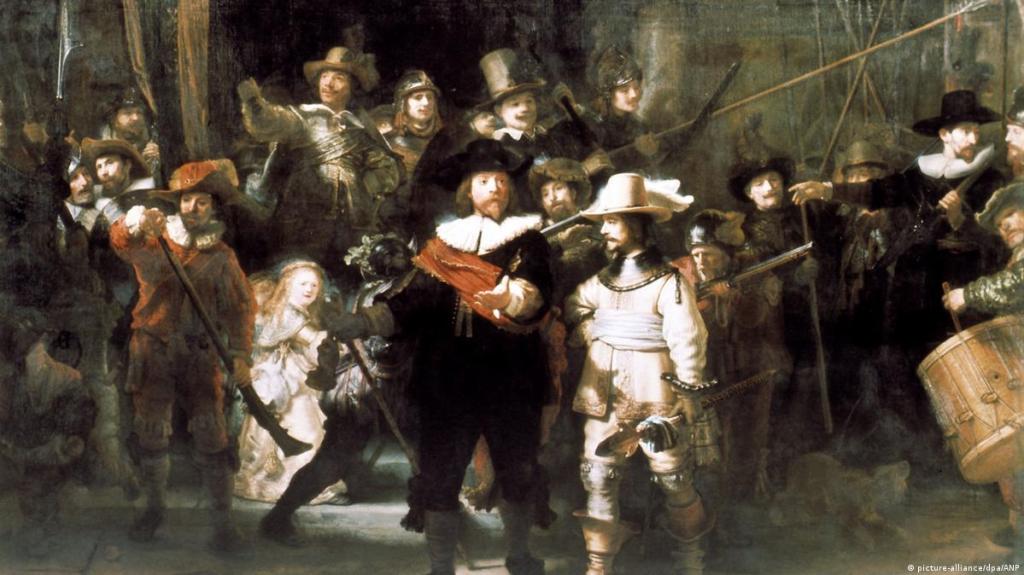
“Num sentido semelhante, os meninos mendigos de Murillo (na galeria central de Munique) são primorosos. Considerado segundo o exterior, o objeto aqui também é da natureza comum: a mãe cata piolhos em um dos meninos enquanto ele come seu pão em silêncio; outros dois num quadro semelhante, esfarrapados e miseráveis, comem melancias e uvas. Mas precisamente nesta pobreza e quase nudez brilha interna e externamente nada mais do que a total indiferença e despreocupação; um Dervixe [asceta hindu] não as poderia ter melhor” “Em Paris há um retrato de menino de Rafael: a cabeça está apoiada preguiçosamente sobre o braço e olha com tal beatitude de satisfação destituída de preocupação para o horizonte e para o vazio que não conseguimos parar de observar esta imagem de saúde alegre e espiritual.”
“Tais quadros de gêneros, porém, devem ser pequenos e aparecer em todo o seu aspecto sensível como algo insignificante, como algo que já superamos no que diz respeito ao objeto exterior e ao conteúdo. Seria insuportável vê-los executados em tamanho natural e, assim, com a pretensão de que pudessem efetivamente nos satisfazer em sua totalidade.”
Von Rumohr (o “Anti-Winckelmann”), Investigações Italianas, vol. I: “o senhor Rumohr parece acreditar que o prolongamento do abdômen, que Winckelmann em História da Arte da Antiguidade (1764), livro 5, cap. 4, #2, designa como característica dos ideais das formas antigas, é deduzida de estátuas romanas.” “a beleza a mais importante repousa sobre aquele simbolismo das formas, dado na natureza e não-fundado sobre o arbítrio humano”
“As formas naturais existentes do conteúdo espiritual devem ser tomadas como simbólicas no sentido universal, já que não valem por si imediatamente” Agora H. melhorou um pouco o tal sr. Rumor!
“as esculturas gregas descobertas recentemente como de fato pertencentes a Fídias impõem-se sobretudo pela vitalidade profunda [de fisionomias universais].”
“[já] Homero [- em seu meio literário -] pôde descrever o caráter de Aquiles igualmente tanto como duro e atroz quanto como suave e cordial e segundo ainda tantos outros traços d’alma.”
“Em pinturas alemãs e holandesas antigas encontra-se freqüentemente reproduzido o mecenas com sua família, mulher, filhos e filhas. Eles devem todos aparecer imersos em devoção, e a religiosidade brilha efetivamente em todos os traços (…) reconhecemos nos homens bravos guerreiros (…) muito experimentados na vida e na paixão, e nas mulheres (…) esposas de semelhante qualidade (…) Se, nestas pinturas, que são famosas no que diz respeito a suas fisionomias verdadeiramente naturais, compararmos estas fisionomias com Maria ou com os santos e apóstolos que estão presentes ao lado, podemos, em contrapartida, ler nestes rostos apenas uma expressão, e todas as formas, a estrutura óssea, os músculos, os traços de repouso e de movimento estão concentrados nesta única expressão. A diferença entre o autêntico ideal e o retrato é dada pelo que apenas se ajusta ao conjunto.”
Agora vem uma chuva de teologia historicista aborrecida pra caralho:
“em 1º lugar, a única substância divina se cinde e se dispersa em uma pluralidade de deuses que repousam em si mesmos de modo autônomo, tal como na intuição politeísta da arte grega; e também para a representação cristã o Deus aparece, perante sua unidade puramente espiritual, imediatamente como homem entrelaçado no âmbito do terreno.”
2º lugar: os santinhos do pau oco etc.
3º lugar: o indivíduo (o protestante!) – logo, temos Luteros também na pintura e demais artes
Começa-se a rezar para passar em medicina, etc.
OS FABULOSOS X-OLIMPIANOS: O Olimpo é um gibi da Marvel: termina, se bem que não, pois não lembramos do que aconteceu primeiro e do sucedâneo e do desfecho, i.e., lembramos particularidades, momentos isolados, mas sequer conseguimos pô-los em ordem cronológica. A lógica do pai de Zeus não existe mais!
“Mesmo os deuses eternos do politeísmo não vivem em paz eterna. Eles se dividem em facções e lutas com paixões e fins opostos e devem submeter-se ao destino. Mesmo o Deus cristão não está subtraído à passagem pela humilhação do sofrimento, inclusive pelo opróbrio da morte e não é libertado da dor da alma, na qual ele deve gritar: Meu Deus, meu Deus, por que me abandonaste?”
“a potência consiste apenas em manter-se no negativo de si.” “Pois é pela vontade que o espírito em geral penetra na existência”
H. adoraria o Windows e suas subpastas…
“A vingança de Orestes, p.ex., foi justa, mas ele apenas a executou segundo a lei de sua virtude particular, e não segundo o juízo e o direito. – No estado que reivindicamos para a representação artística, o ético e o justo devem, portanto, conservar sem exceção forma individual”
arete (heroísmo clássico) vs. virtus (reino da anti-arte)
“Ser um romano apenas de modo abstrato e representar na própria subjetividade enérgica apenas o Estado romano, a pátria e sua grandeza e potência: é esta a seriedade e dignidade da virtude romana. Os heróis, em contrapartida, são indivíduos que a partir da autonomia de seu caráter e de seu arbítrio assumem a responsabilidade pelo todo de uma ação e a realizam e junto aos quais o justo e o ético aparecem como modo de pensar singular.”
(*) “Téspio possuía 50 filhas e desejava netos nascidos do herói Hércules. Este se alojava em sua casa e em cada noite encontrava uma bela mulher em seu leito. Possuía-a, pensando tratar-se sempre da mesma. E assim conceberam de sua semente as 50 filhas de Téspio.” Comprem óculos para o filho de Zeus urgente!
HOMERO & PÉRSIA: “Os heróis da antiga poesia árabe também surgem com uma autonomia idêntica, não-ligados a nenhuma ordem estabelecida desde sempre e não como meras partículas desta ordem”
(*) “Xá-namé ou Livros dos Reis, imensa epopéia de 6 mil dísticos composta no séc. X pelo poeta persa Ferdúsi.”
“Desta espécie são os heróis da Távola Redonda assim como o círculo dos heróis, cujo ponto central é constituído por Carlos Magno.” “mesmo que Carlos também queira agitar-se como Júpiter no Olimpo, ainda assim eles o abandonam com seus empreendimentos e partem autonomamente para a aventura. O modelo completo para esta relação encontramos mais adiante no Cid.” “Uma imagem semelhante e admirável de autonomia independente oferecem os heróis sarracenos que se mostram para nós numa figura ainda mais áspera. – Mesmo o Reineke Fuchs(*) renova para nós a visão de um semelhante estado.
(*) (…) <epopéia animal>(*) [de Heinrich, 1180]. O gênero, fortemente carregado de crítica social, foi fixado na literatura alemã por um Volksbuch em alto-alemão, publicado em 1544. Goethe compôs um poema épico do mesmo título em 1794.
(*) O leão é decerto sr. e rei, mas o lobo e o urso etc. fazem igualmente parte do conselho.”
“A consistência e a totalidade autônoma do caráter heróico não quer dividir a culpa e não sabe nada desta contraposição das intenções subjetivas e do ato objetivo com suas conseqüências, ao passo que na complicação e na ramificação do agir atual cada um recorre a todos os outros e afasta o quanto pode a culpa de si.”
“toda uma linhagem sofre pelo primeiro criminoso” “Entre nós, os efeitos dos antepassados não honram os filhos e os netos; os crimes e os castigos daqueles não desonram os descendentes e muito menos podem macular seu caráter (…) mesmo o confisco dos bens familiares constitui um castigo que lesa o sujeito.”
“o herói é o que seus pais eram, sofreram, fizeram.”
É preciso imaginar um Hércules kafkiano.
“De modo mais preciso, uma época heróica possui então a vantagem diante de um estado mais formado e tardio” “Shakespeare, p.ex., tirou muitas matérias para as suas tragédias de crônicas ou de novelas antigas que falam de um [E]stado que ainda não se desprendeu para uma ordem completamente estabelecida, e sim na qual a vitalidade do indivíduo, em sua resolução e execução, ainda prevalece e é determinante. Seus dramas propriamente históricos possuem um ingrediente principal do histórico meramente exterior e, por isso, estão mais afastados do modo de exposição ideal, embora também aqui os estados e as ações sejam sustentados e elevados por meio da dura autonomia e teimosia dos caracteres.”
AS PASTORAIS: “o idílico vale apenas como um refúgio e diversão do ânimo”
Gessner, Idílios, 1756.
“Devemos admirar o genius de Goethe, pelo fato de em Hermann e Dorotéia¹ concentrar-se num âmbito semelhante, na medida em que escolhe uma particularidade estreitamente limitada da vida do presente, mas ao mesmo tempo traz à tona, como pano de fundo e como atmosfera nos quais se move este círculo, os grandes interesses da revolução e da própria pátria, e coloca a matéria por si limitada em relação com os acontecimentos mundiais os mais potentes e abrangentes.”
¹ Peça em verso no melhor estilo Shakes., porém sem rimas brancas! “Epopéia burguesa”.
A arte preferiria narrar a vida dos reis porque neles ainda impera a “a-“lei do mais forte. Obviamente que hoje não se imagina um Zola escrevendo O Germinal com a família real inglesa como pano de fundo…
“o Götz(*) de Goethe. A época de Götz e Franz é a interessante época na qual a cavalaria, com a autonomia nobre de seus indivíduos, encontra sua decadência por causa de uma ordem e legalidade objetivas em vias de nascer. A escolha deste contato e desta colisão entre a época heróica medieval e a vida moderna legal, enquanto primeiro tema, testemunha a grande sensibilidade de Goethe. Pois Götz e Sickingen ainda são heróis que, a partir de suas personalidades, coragem e sentido justo e reto, querem regular de modo autônomo os Estados em seus círculos mais estreitos ou mais amplos; mas a nova ordem das coisas leva o próprio Götz à injustiça e o condena a sucumbir. Pois apenas a cavalaria e o sist. feudal são na Idade Média o terreno autêntico para esta espécie de autonomia. – Mas se a ordem legal se constituiu de modo mais completo em sua forma prosaica e se tornou predominante, a autonomia aventureira dos indivíduos cavalheirescos sai de relação e, se ela ainda quer afirmar-se-a-si como o que é unicamente válido, regular a injustiça no sentido da cavalaria e proporcionar ajuda aos oprimidos, ela se torna ridícula como Dom Quixote, tal como descreve Cervantes.
(*) Primeiro drama de G., Götz von Berlichingen é do ano de 1773 e se situa no fim do séc. XV. Seu personagem principal é o cavaleiro Götz; Franz von Sickingen é o seu melhor amigo.”
“poderíamos mesmo dar o nome de poesia de ocasião ao Werther.(*) Pois por meio do Werther Goethe elaborou seu próprio dilaceramento e dor interiores do coração, os acontecimentos de seu próprio peito, numa obra de arte, tal como o poeta lírico, em geral, desafoga seu coração e expressa aquilo que o afeta nele mesmo enquanto sujeito.
(*) Die Leiden des jungen Werthers é um célebre romance epistolar de Goethe do ano de 1774, escrito sob a impressão de vivências pessoais com Charlotte Buff em Wetzlar. Sua atmosfera sentimental também é determinada pelo romance sentimental de Rousseau, a Nova Heloísa (1761), e pelo aparecimento dos poemas de Ossian.”
“a violação é uma modificação do Estado que, sem ela, é harmônico, modificação que ela mesma deve novamente ser modificada.”
“as trilogias dos antigos são continuações no sentido da colisão [o que fundamenta uma violação] surgir do fim de uma obra dramática para uma 2ª obra, que novamente exige sua solução em uma 3ª.” Mas não diga!
“a situação plena de colisão é principalmente objeto da arte dramática”
“não é possível estabelecer determinações universais da fronteira até a qual a dissonância pode ser impulsionada, uma vez que cada arte segue seu caráter peculiar.” “a poesia tem o direito de prosseguir para o interior até a proximidade do tormento mais extremo do desespero e, no exterior, até a feiúra enquanto tal. Nas artes plásticas, porém, na pintura e mais ainda na escultura, a forma exterior se apresenta firme e permanente, sem novamente ser superada e, assim como os sons da música, logo novamente desaparecer de modo fugaz.”
“O direito da sucessão ao trono, enquanto motivo de colisões que aqui se situam, não necessita já estar regulado e estabelecido por si mesmo, porque então o conflito logo se torna de uma espécie inteiramente diferente. Se a sucessão ainda não foi estabelecida por leis positivas e sua ordem vigente, não pode ser considerado como injusto o fato de que tanto o irmão mais velho quanto o irmão mais novo ou um outro parente da casa real devam reinar.” “A inimizade entre irmãos é uma colisão presente em todas as épocas da arte, que já começa com Caim (…) Também no Xá-namé” “Uma colisão semelhante encontra-se na base do Macbeth de Shakespeare. Duncan é rei, Macbeth seu parente próximo mais velho e, por isso, o autêntico herdeiro do trono, ainda antes dos filhos de Duncan. E assim, a 1ª ocasião para o crime de Macbeth também é a injustiça que o rei lhe fez ao nomear seu próprio filho como sucessor do trono. Esta justificação de Macbeth, que se depreende das crônicas, Shakespeare deixou totalmente de lado, porque sua finalidade era apenas salientar o elemento horrendo na paixão de Macbeth, para assim adular o rei Jacó, [?] que deve ter tido algum interesse em ver Macbeth representado como criminoso. Por isso, segundo o tratamento de Shakespeare, permanece imotivado o fato de Macbeth também não matar os filhos de Duncan, e sim permitir a sua fuga e de também nenhum dos grandes lembrar deles.”
SEM ALFA NEM ÔMEGA: “Na casa de Agamenon, Ifigênia reconcilia em Táurida a culpa e o infortúnio da casa. Aqui o início constituiria a salvação de Ifigênia por Diana que a leva a Táurida; esta circunstância, porém, é apenas a seqüência de outros acontecimentos, a saber, do sacrifício em Áulis que novamente é condicionado pela ofensa de Menelau, de quem Páris rapta Helena e assim sucessivamente até o famoso ovo de Leda. Igualmente a matéria que é manuseada na Ifigênia em Táurida contém de novo como pressuposto o assassínio de Agamenon e toda a seqüência de delitos na casa de Tântalo. Algo semelhante se passa com o ciclo mitológico tebano.” “tal execução já se tornou algo enfadonho e foi considerada como questão da prosa, em vista de cuja minúcia se estabeleceu como lei da poesia a exigência de conduzir o ouvinte imediatamente in media res [ao meio das coisas].” “Homero começa na Ilíada imediatamente, de modo determinado, com a questão que lhe importa, a raiva de Aquiles, e não relata antes os acontecimentos precedentes ou a história da vida de Aquiles, e sim nos oferece imediatamente o conflito específico e, na verdade, de um modo que um grande interesse constitui o pano de fundo de seu quadro.”
P. 214: O erro sobre Antígona apontado por Jaeger.
“Shakespeare nos apresenta em Lear o mal em toda a sua atrocidade. O velho Lear divide o reino entre suas filhas e é tão insensato a ponto de confiar nas palavras falsas e aduladoras delas e ignorar a muda e fiel Cordélia. Tal coisa já é por si insensata e demente, e assim a ignominiosa ingratidão e indignidade das filhas mais velhas e de seus maridos o levam à loucura efetiva.”
“tanto a livre autonomia dos deuses quanto a liberdade dos indivíduos agentes encontram-se colocadas em perigo.” “o espírito de Deus conduz a Deus. Mas então o interior humano pode aparecer como o terreno meramente passivo sobre o qual atua o espírito de Deus” “Mesmo grandes poetas não conseguiram manter-se livres da exterioridade recíproca entre os deuses e os homens.” Deus ex machina: Freeza tem de perder, e o show tem de continuar…
“Quando ouvimos nos antigos que Vênus ou Amor forçaram o coração, Vênus e Amor são inicialmente sem dúvida forças externas ao ser humano, mas o amor é do mesmo modo um movimento e uma paixão que pertence ao peito humano enquanto tal e constitui seu próprio interior.” “Esta interrupção interior da ira, este freio que é um poder estranho à ira, o poeta épico tem aqui o pleno direito de expor como um acontecimento externo, porque Aquiles aparece de início inteiramente apenas tomado pela ira.”
“Goethe realizou em sua Ifigênia em Táurida o que há de mais admirável e belo a este respeito.” (*) “…indicamos a tradução de Carlos Alberto Nunes”
“Senhora Atena, quem ouvindo os deuses não os obedece não tem juízo. Pois como poderia ser bela a luta com os deuses poderosos?”
O personagem Toas de Eurípides
Que Goethe seja superior a Eurípides, não se depreende que seja o suficiente para a modernidade se arrogar a coroa, Hegel! De fato não é tão meritório “ser superior a Eurípides”, como que um coadjuvante esforçado no seu contexto!
„Hat denn zur unerhörten Tat der Mann „Apenas o homem tem, pois, direito
Allein das Recht? drückt denn Unmögliches ao ato inaudito? Apenas ele imprime
Nur er an die gewaltge Heldenbrust?“ a impossibilidade no valente peito heróico?”
„Du glaubst, es höre
Der rohe Skythe, der Barbar, die Stimme
Der Wahrheit und der Mesnchlichkeit, die Atreus,
Der Grieche, nicht vernahm?“
„Bringst du die Schwester, die auf Tauris‘ Ufer
Im Heilligtume wider Willen bleibt,
Nach Griechenland, so löset sich der Fluch“
„Gleich einem heilgen Bilde,
Daran der Stadt unwandelbar Geschick
Durch ein geheimes Götterwort gebannt ist,
Nahm sie dich weg, dich Schützerin des Hauses;
Bewahrte dich einer heilgen Stille
Zum Segen deines Bruders und der Deinen.
Da alle Rettung auf der weiten Erde
Verloren schien, gibst du uns alles wieder.“
„In deinen Armen fasste
Das Übel mich mit allen seinen Klauen
Zum letztenmal und schüttelte das Mark
Entsetzlich mir zusammen; dann entfloh’s
Wie eine Schlange zu der Höhle. Neu
Geniess ich num durch dich das weite Licht
Des Tages.“
“Pior do que nas matérias antigas se encontra a situação nas matérias cristãs.” Nisso sim há um mérito gigantesco da Era Goethe: mais, mais claridade solar do Pagão!
“Objetou-se a Shakespeare por causa desta ausência de atividade, e se o recriminou porque a peça do Hamlet parecia em parte não querer sair do lugar. Hamlet é, porém, uma natureza fraca em termos práticos, um belo ânimo retraído-em-si-mesmo, que dificilmente consegue decidir-se a sair desta harmonia interna; é melancólico, pensativo, hipocondríaco e meditativo, e, por isso, não-inclinado a um ato rápido; tal como também Goethe insistiu na representação que S. teria querido descrever: [Wilhelm Meister] impôs um grande ato sobre uma alma que não estava à altura do ato. E neste sentido ele encontra a peça completamente elaborada.” “Hamlet vacila porque não acredita às cegas no espírito.” “Vemos aqui que a aparição [duplo sentido: a idéia da vingança e o ectoplasma de seu pai] enquanto tal não dispõe de Hamlet sem resistência, mas ele duvida e quer alcançar a certeza pelos próprios meios, antes de empreender o agir.”
“As potências universais, por fim, que não se apresentam apenas por si em sua autonomia, mas estão igualmente vivas no peito humano e movem o ânimo humano no seu ser mais íntimo, podemos designar, segundo os antigos, com a expressão pathos. Esta palavra é de difícil tradução, pois <paixão> (Leidenschaft) sempre subentende aquilo que é mesquinho, baixo, ao passo que exigimos do ser humano que ele não permaneça preso às paixões (Leidenschaftlichkeit). (…) [o] pathos [não é] repreensível nem teimoso.”
“o sagrado amor fraterno de Antígona é um pathos”
“Orestes, p.ex., mata sua mãe não baseado numa paixão, e sim o pathos o impulsiona”
“Quanto a isso, também não podemos dizer que os deuses possuem pathos.” Pois os deuses são estóicos involuntários! Cada deus olímpico é na verdade uma das emoções autônomas do pathos que necessitam do veículo humano.
“O pathos constitui, pois, o verdadeiro ponto central, o autêntico domínio da arte; a exposição dele é o que principalmente atua e produz efeito na obra de arte assim como no espectador. Pois o pathos toca numa corda que ressoa em cada peito humano” “O pathos move porque é a potência-em-si-e-para-si na existência humana.”
“A comoção (Rührung), em termos gerais, é com-moção [Mitbewegung] enquanto sentimento, e os seres humanos, principalmente hoje em dia, são em parte fáceis de comover.”
“O Timon shakespeariano é um misantropo inteiramente exterior; os amigos comeram às custas dele, dilapidaram sua fortuna e quando ele mesmo precisou de dinheiro o abandonaram. A partir disso, torna-se um inimigo apaixonado dos homens. Tal coisa é concebível e natural, mas não é nenhum pathos legítimo. Na obra juvenil de Schiller, O Misantropo, o ódio semelhante é ainda uma mania (Grille) moderna. Pois aqui o inimigo da humanidade é um homem de reflexão, pleno de conhecimentos e sumamente nobre, generoso com seus camponeses, os quais libertou da servidão, e cheio de amor para com sua filha tanto bela quanto digna de ser amada. De modo semelhante é que Quinctius Heymeran von Flaming se atormenta no romance de August Lafontaine com o capricho das raças humanas.”
“Os antigos estavam acostumados a explicitar em sua profundidade o pathos que anima os indivíduos, sem por meio disso cair em reflexões frias ou em palavrório. Também os franceses são a este respeito patéticos (pathetisch) e sua eloquência da paixão não é sempre apenas um mero revolvimento de palavras, tal como muitas vezes nós alemães, no retraimento de nosso ânimo, o consideramos, na medida em que a vasta expressão do sentimento aparece para nós como uma injustiça imputada ao sentimento. Houve neste sentido, na Alemanha, uma época da poesia, na qual principalmente os ânimos jovens, saturados da retórica agu[a]da [aguada no original!] francesa e exigindo naturalidade, chegaram, pois, a uma força que principalmente se expressava apenas em interjeições. A questão não se resolve, todavia, com o mero ah! e oh! ou com a maldição da ira, com o arremessar-se e com o exceder-se. A força de meras interjeições é uma má força e o modo de manifestação de uma alma ainda rude. O espírito individual, no qual o pathos se expõe, deve ser um espírito pleno em si mesmo, capaz de se expandir.”
“Goethe é menos patético do que Schiller” “seus cantos deixam perceber o que pretendem, sem se explicitarem completamente.”
“De modo semelhante, Claudius (1740-1815), no Mensageiro de Wandsbecker (vol. I), contrapôs Voltaire e Shakespeare, de modo que um é o que o outro parece: <Mestre Arouet diz: eu choro; e Shakespeare chora>. Mas é justamente em torno do dizer e do parecer que se trata na arte. Se Shakespeare literalmente apenas chorasse, seria um mau poeta.”
“o pathos na atividade concreta é o caráter humano.”
“A um ser humano verdadeiro pertencem muitos deuses, e ele guarda em seu coração todas as potências que estão dispersas no círculo dos deuses” Mal posso acreditar que este é H.!
“Com efeito, quanto mais cultos eram os gregos, tanto mais deuses eles possuíam, e seus deuses mais antigos eram embotados, não-configurados (herausgestaltet) para a individualidade e determinidades.”
“Em Homero, cada herói é todo um âmbito total e vital de propriedades e traços de caráter.”
“Com Aquiles podemos dizer: isto é um homem!”
“Em contrapartida, que individualidades rasas, pálidas, mesmo se também vigorosas, são o córneo Siegfried, o Hagen de Tronje e mesmo Volker, o menestrel!”
“Um outro modo da falta de postura do caráter constituiu-se, principalmente em produções alemãs recentes, na fraqueza interior do sentimentalismo, que na Alemanha reinou por tempo suficiente. Como primeiro exemplo famoso deve ser mencionado o Werther” “A bela alma (Schönseelichkeit) de Jacobi, em seu Woldemar, [também] se insere neste caso.”
“A pedantice e a impertinência de não ser capaz de suportar pequenas circunstâncias e inépcias – que, porém, um grande e forte caráter supera incólume –, ultrapassa qualquer representação, e justamente a coisa mais insignificante leva tal ânimo ao supremo desespero.”
“De uma outra maneira, esta deficiência na solidez substancial interior do caráter também foi desenvolvida de modo que tais magnificências superiores esquisitas do ânimo fossem inversamente hipostasiadas e apreendidas como potências autônomas. Aqui se situam a magia, o magnetismo, o demoníaco, a fantasmagoria-elefante do visionário, a doença do sonâmbulo, etc.” “as potências escuras devem justamente ser banidas do âmbito da arte, pois nela não há nada de escuro, e sim tudo é claro e transparente, e com estes presbitismos [hipermetropia] apenas é dada a palavra à doença do espírito e a poesia é lançada no nebuloso, no vaidoso e no vazio, do qual nos fornecem exemplos Hoffmann e Heinrich von Kleist, este em seu Príncipe de Homburg. O caráter verdadeiramente ideal não tem nada vindo do além e de fantasmagórico, e sim tem por seu conteúdo e pathos interesses efetivos, nos quais ele está consigo mesmo. Principalmente a clarividência tornou-se trivial e comum na poesia recente. No Wilhelm Tell de Schiller, em contrapartida, quando o velho Attinghausen, no momento da morte, proclama o destino da sua pátria, tal profecia é empregada em lugar oportuno.”
“Hamlet é em si mesmo certamente indeciso, mas não tem dúvida pelo que tem de realizar e sim pelo como tem de realizar algo. Agora, contudo, há quem também transforme os caracteres de Shakespeare em fantasmas e pense que a nulidade e a insuficiência na oscilação e na mudança de posição, que este disparate, deve justamente interessar por si mesmo. Mas o ideal consiste no fato de que a Idéia é efetiva, e a esta efetividade pertence o ser humano enquanto sujeito e, desse modo, como ser uno firme-em-si-mesmo.”
“À existência efetiva do ser humano pertence um mundo circundante, assim como à estátua do deus pertence um templo.”
“A arte deve nos liberar (…) da espirituosidade (Witz) [esperteza] que o ser humano está acostumado a esbanjar no campo social.” “Esta aparência de idealidade, contudo, é em parte apenas uma abstração nobre da subjetividade moderna [COVARDIA], à qual falta a coragem de travar relações com a exterioridade; em parte é também uma espécie de violência que o sujeito se impõe para colocar-se fora deste círculo por-meio-de-si-mesmo, se já não está em-si-e-para-si alçado acima desse círculo por meio do nascimento, estamento e situação.”
“não é o conteúdo espiritual, a alma concreta do sentimento, que nos fala pelos sons; muito menos é o som enquanto som que nos move no mais íntimo; e sim é esta unidade abstrata introduzida pelo sujeito no tempo que ressoa na mesma unidade do sujeito.”
“os pintores antigos destinavam as cores fundamentais, em sua pureza, às vestimentas das pessoas principais, e as cores misturadas às figuras secundárias (Nebengestalten). Maria geralmente usa um manto azul, pelo fato do repouso suavizante do azul corresponder à quietude e suavidade interiores; mais raramente ela usa um vestido em vermelho vivo.”
“Na pintura as cores não devem ser impuras e cinzentas, e sim claras, determinadas e em si mesmas simples.”
QUE SACO A ARTE MODERNA! “Igualmente o som da voz humana deve desenvolver-se pura e livremente a partir da garganta e do peito, sem deixar o órgão vibrar junto ou, como é o caso em sons mais roucos, sem deixar notar de modo perturbador qualquer impedimento não-superado.”
“Homero, embora não forneça descrições da natureza, é, em suas designações e referências, tão fiel e nos fornece uma intuição tão exata de Scamandro, do Simois, das costas, das baías, que ainda hoje pôde ser situada geograficamente a mesma paisagem concordando com a sua descrição.”
“Também os mestres cantores, quando colocam em verso antigas histórias bíblicas e têm Jerusalém como local, nada oferecem a não ser o nome. No Livros dos Heróis algo parecido acontece; Ortnit cavalga entre os pinheiros, luta com o dragão, sem ambiente humano, lugares definidos, etc., de modo que nesta relação não é oferecido praticamente nada à intuição. Mesmo na canção dos Nibelungos não é diferente; ouvimos certamente algo sobre Worms, o Reno e o Danúbio; mas também aqui fica-se preso ao indeterminado e árido.”
“Na direção oposta, a lírica expõe de modo predominante apenas o ânimo interior, e não necessita, desse modo, quando acolhe o exterior, mostrá-lo para uma visão tão determinada.”
“a pintura, segundo sua natureza, penetra a este respeito mais do que qualquer outra arte, principalmente no particular.” O problema do cinema foi potencializar isso 10 vezes.
“O árabe é uno com sua natureza e apenas pode ser compreendido com seu céu, suas estrelas, seus desertos quentes, suas tendas e cavalos.”
“Na estátua de Palas em Atenas e de Zeus em Olímpia não foi economizado ouro e marfim; em quase todos os povos os templos dos deuses, as igrejas, as imagens dos santos, os palácios dos reis dão um exemplo de esplendor e luxo, e desde sempre as nações se alegraram por ter, em suas divindades, sua própria riqueza diante dos olhos, assim como se alegraram com o luxo dos príncipes, pelo fato de tal coisa existir e decorrer de seu meio. [MORAL DE ESCRAVOS] Podemos sem dúvida perturbar um tal gozo por meio dos assim chamados pensamentos morais, se estabelecermos a reflexão de quantos atenienses pobres poderiam ter sido saciados com o manto de Palas, de quantos escravos poderiam ter sido resgatados; e em momentos de grandes necessidades do Estado tais riquezas também nos antigos foram empregadas para fins úteis, tal como hoje entre nós são empregados os tesouros de mosteiros e igrejas.” “rememoramos a necessidade e a carência, cuja eliminação é justamente exigida pela arte, de modo que para cada povo apenas pode redundar em fama e honra suprema a doação de seus tesouros a uma esfera que se eleva prodigamente sobre todas as necessidades comezinhas.”
“O primeiro modo segundo o qual a arte procurou remover todas estas esferas constitui a representação de uma assim chamada época de ouro ou também de um estado idílico.” “[Mas o]s escritos de Gessner, p.ex., são hoje pouco lidos, e se os lemos não podemos neles nos sentir em casa.” “O ser humano não deve viver em tal pobreza espiritual idílica, ele deve trabalhar.”
“Dante nos apresenta de modo comovedor apenas em poucos traços a morte por inanição de Ugolino. Quando Gerstenberg(*) em sua tragédia de mesmo nome descreve amplamente, passando por todos os graus do horror, como primeiramente os 3 filhos e por fim o próprio Ugolino morrem de fome, trata-se de uma matéria que repugna completamente à exposição artística.
(*) Heinrich Wilhelm von Gerstenberg. Foi este autor dinamarquês, de grande influência sobre Klopstock, que <lançou> Shakespeare e Homero na Alemanha em torno de 1760. (N.T.)”
“Surge, em meio a esta formação industrial e exploração recíproca de um pelo outro a utilização dos demais indivíduos, em parte a mais dura crueldade da pobreza, em parte, se a necessidade deve ser afastada, os indivíduos devem aparecer como ricos, de tal (sic) como que ficam livres do trabalho para suas necessidades e podem entregar-se a interesses superiores.”
Ou somos artesãos angustiados ou não vivemos em casa, embora tranquilos e apáticos.
[N.T. #73] “Johan Heinrich Voss (1751-1826), tradutor de Homero, autor de epopéias idílicas em hexâmetros, ricas em descrições quase realistas da vida cotidiana. A Luise é de 1783.”
“Ora, café e açúcar são produtos que não poderiam ter saído de um tal círculo e imediatamente apontam para uma conexão totalmente diferente, para um mundo estranho e suas múltiplas mediações do comércio, das fábricas, em geral, da moderna indústria.” Ora, está dizendo que a arte se subordina ao comércio! Linhas depois justifica o mesmo procedimento quando empregado por Goethe. Assaz previsível.
“Os poemas homéricos, tenha Homero efetivamente vivido ou não como o único poeta da Ilíada e da Odisséia, estão pelo menos 4 séculos separados da época da guerra de Tróia e um espaço de tempo 2x maior ainda separa os grandes trágicos gregos dos dias dos antigos heróis, dos quais transportam o conteúdo de sua poesia ao seu presente.”
“as obras de arte autênticas, imortais, permanecem desfrutáveis para todas as épocas e nações, mas mesmo então é preciso, para a sua completa compreensão por povos e séculos estranhos, um vasto aparato de notícias, de conhecimentos e de informações geográficas, históricas e até mesmo filosóficas.”
“Encontramos de modo mais forte esta espécie de ingenuidade puramente nostálgica e hermética em Hans Sachs que, certamente com um frescor da intuição e um ânimo alegre, <nüremberguizou>, no sentido mais próprio, Nosso Senhor Deus Pai, Adão, Eva e os patriarcas. Deus Pai, em certo momento, instrui e dá uma aula para Abel, Caim e os outros filhos de Adão, assumindo completamente a maneira e o tom de um mestre de escola daquela época; ele os catequiza sobre os 10 mandamentos e o pai-nosso; Abel sabe tudo muito bem e mostra-se piedoso; Caim, porém, se comporta mal e responde como um rapaz perverso e ateu (…) Pilatos aparece como um magistrado malcriado, rude e soberbo; os soldados, totalmente segundo a vulgaridade de nosso tempo, oferecem tabaco para Cristo na cruz; ele despreza e então eles enfiam o rapé com violência pelas narinas e todo o povo encontra nisso sua diversão, por ser totalmente piedoso e devoto; inclusive, tanto mais devoto quanto mais o interior da representação religiosa se torna para eles vivo nesta presencialidade imediata” “nada mais se mostra a não ser uma contradição burlesca.”
#IDÉIA: Escrever uma fan fiction – livre transposição moderna – do episódio do homicídio fraterno de Caim, em que ele não logra êxito. Pois Abel é um desconfiado hipocondríaco dos nossos tempos, enquanto que Caim, um assassino hesitante, um Raskholnikov. Desta feita, não só Caim, se lograsse êxito, não suportaria a culpa, como na realidade Abel consegue antever os passos de seu algoz de berço e ou foge ou mata o ainda-não-assassino em legítima defesa, e pela legítima defesa ser um argumento jurídico válido em nossa época é que Deus o perdoa.
“Voltaire foi injusto ao dizer que os franceses melhoraram as obras dos antigos; eles apenas as nacionalizaram, e nesta transformação procederam com tanto mais antipatia infinita com tudo o que era estrangeiro e individual à medida que seu gosto exigia uma formação social perfeitamente cortês, uma regularidade e universalidade convencional do sentido e da representação. A mesma abstração de uma formação delicada eles também transferiram para a dicção. Nenhum poeta podia dizer cochon ou mencionar colher e garfo e milhares de outras coisas. Em vez de colher ou garfo, dizia-se um instrumento com o qual se leva alimentos líquidos ou sólidos à boca e outras coisas do gênero. Mas justamente por isso seu gosto permaneceu sumamente limitado.
Por isso foram os franceses os que menos puderam se dar bem com Shakespeare e, quando se dedicavam a ele, sempre eliminavam justamente o que para nós alemães teria sido nele o mais agradável.”
“E assim, em suas obras de arte também os chineses, americanos ou heróis gregos e romanos deviam falar e se portar totalmente como cortesãos franceses. O Aquiles da Ifigênia em Áulida é um príncipe francês completo, e se não fosse pelo nome ninguém encontraria nele um Aquiles. No teatro, ele certamente estava vestido como grego e guarnecido com o escudo e a couraça, mas ao mesmo tempo com os cabelos penteados e polvilhados, as ancas alargadas por almofadas e com saltos vermelhos nos sapatos amarrados com fitas coloridas.”
“De acordo com um princípio semelhante, na França freqüentemente não se pratica a historiografia em vista dela mesma e de seu objeto, mas por causa dos interesses de época, para poder fornecer boas doutrinas ao governo ou para torná-las odiosas.”
(*) “August Kotzebue (1761-1819), autor de peças de divertimentos particularmente insípidas: foi assassinado em 23/03/1819 por um estudante seguidor de Hegel, cujo assassinato ocasionou a publicação dos <decretos de Karlsbad> e uma onda de repressão antiliberal que ameaçou o próprio Hegel.”
“ao contrário dos franceses, somos em geral os arquivadores os mais cuidadosos de todas as particularidades estrangeiras e, por isso, também na arte requeremos fidelidade à época, ao lugar, aos usos, às vestimentas, às armas. Tampouco nos falta a paciência para estudar, mediante esforço árduo e erudição, o modo de pensar e intuir das nações estrangeiras e de séculos longínquos”
“cachorros e gatos, e até mesmo objetos repugnantes, nos são agradáveis”
síndrome de Schlegel
“não há nada de mais vazio e frio do que quando nas óperas se diz: Ó deuses!, Ó Júpiter! ou mesmo Ó Ísis e Osíris! – e ainda mais quando se acrescenta a miséria dos oráculos – e raramente eles não aparecem nas óperas –, em cujo lugar apenas agora surgem na tragédia a loucura e a clarividência.”
“Na canção dos Nibelungos, estamos certamente, em termos geográficos, sob terreno familiar, mas os burgúndios e o rei Átila estão tão distantes de todas as relações de nossa formação atual e seus interesses pátrios que mesmo sem erudição podemos nos sentir muito mais familiarizados com os poemas homéricos. Assim, Klopstock certamente foi motivado por meio do impulso como que pátrio a colocar os deuses escandinavos no lugar da mitologia grega, mas Wodan, Walhalla e Freia permaneceram meros nomes, que pertencem ainda menos do que Júpiter e Olimpo à nossa representação ou falam ainda menos do que eles ao nosso ânimo.”
“Sófocles não deixava que Filoctetes, Antígona, Ájax, Orestes, Édipo e seus corifeus e coros falassem tal como falariam em sua época. De modo idêntico os espanhóis possuem os seus romances do Cid; Tasso canta em sua Jerusalém Libertada a questão universal da cristandade católica; Camões descreve a descoberta do caminho para as Índias Orientais em torno do Cabo da Boa Esperança e os feitos em si mesmos infinitamente importantes dos heróis marítimos, e estes feitos eram os de sua nação; Shakespeare dramatizou a história trágica de seu país e o próprio Voltaire a sua Henriade.”
“A Noachida de Bodmer (1698-1783) e o Messias de Klopstock estão fora de modo, como também não vale mais a opinião de que pertence à honra de uma nação possuir também seu Homero e, além disso, seu Píndaro, Sófocles e Anacreonte.”
“A ninguém ocorreria hoje fazer um poema a Vênus, Júpiter ou Palas.”
“Nas peças históricas de Shakespeare há muita coisa que permanece para nós estranha e pouco pode nos interessar. Na leitura ficamos certamente satisfeitos com isso, no teatro não.”
“Quando Falstaff fala de pistolas, isto é indiferente. Mais sério, porém, é quando Orfeu se mostra com um violino na mão, na medida em que aqui a contradição entre os dias míticos e um tal instrumento moderno, do qual cada um sabe que em épocas tão antigas ainda não havia sido inventado, se apresenta de modo muito forte.”
“muitos procuram, em vão, mesmo nas mais belas canções de amor, seus próprios sentimentos e, por isso, declaram a exposição como igualmente falsa, ao passo que outros, que apenas conhecem o amor pelos romances, acreditam não serem amados na efetividade até que reencontram em-si-mesmos, em-torno-de-si, os sentimentos e situações completamente iguais àqueles dos romances.”
fantasia criadora X imaginação passiva
“Ele deve ter visto muito, ouvido muito e conservado muito em si mesmo, como em geral os grandes indivíduos quase sempre se distinguem por uma grande memória.”
(*) “Begeisterung na tradição latina também é traduzida por ‘inspiração’. Preferimos entusiasmo apoiando-nos, neste caso, no sentido grego do enthousiasmos enquanto <exaltação criadora> (N.T.).”
“A primeira exigência constitui este dom e interesse de uma apreensão determinada do que é efetivo em sua forma real bem como a retenção do que foi intuído. Inversamente, é preciso unir ao conhecimento da forma exterior a familiaridade com o interior do ser humano, com todos os fins do peito humano” “ele deve ter refletido sobre o essencial e verdadeiro, segundo toda a sua amplitude e toda a sua profundidade. (…) em toda grande obra de arte também se percebe que a matéria foi por muito tempo e profundamente ponderada e meditada segundo todas as direções.”
“seu coração já deve ter sido golpeado e movido em profundidade (…) o genius certamente efervesce na juventude, como foi o caso com Goethe e Schiller, mas somente a idade madura e avançada pode levar a uma completude a autêntica maturidade da obra de arte.”
genius X talento; ou genius & talento
“o talento sem o gênio não consegue ir muito além da habilidade exterior.”
Os absolutos primeiros poemas de Goethe: Canto de Maio, Boas-Vindas e Adeus.
“Fauriel (filólogo, 1772-1844) publicou uma coletânea de cantos dos gregos modernos, em parte tomado da boca das mulheres, amas e criadas, as quais não conseguiam parar de se admirar pelo assombro que ele demonstrava por seus cantos.”
“Um italiano ainda hoje improvisa dramas de 5 atos e isso sem ter decorado nada, mas tudo nasce do conhecimento das paixões e situações humanas e do entusiasmo profundamente atual.”
“Aquele que apenas se propõe a ser entusiasmado para fazer um poema ou pintar um quadro e inventar uma melodia, sem trazer já em-si-mesmo algum conteúdo como estímulo vivo, e necessita primeiramente procurar aqui e ali por uma matéria, ele ainda não produzirá (fassen), a partir desta mera intenção, não obstante todo o talento, nenhuma bela concepção ou não será capaz de produzir uma obra de arte consistente.”
Inspiração como diferente, mais que a soma de vontade, determinação, sensibilidade.
Porém a inspiração retém, quando quer que ela se manifeste. Não é como se a janela de oportunidade do bom artista fosse tão estreita.
“As odes encomiásticas de Píndaro nasceram muitas delas por encomenda. Igualmente por infinitas vezes a finalidade e o objeto para os edifícios e os quadros foram propostos aos artistas” “Inclusive ouvimos freqüentemente entre os artistas a queixa de que lhes faltam as matérias [os gatilhos] que poderiam trabalhar.”
“Shakespeare se inspirava por lendas, antigas baladas, novelas e crônicas”
“Se questionarmos a seguir em que consiste o entusiasmo artístico, veremos que ele nada mais é do que ser preenchido completamente pela coisa, estar totalmente presente na coisa e não descansar até o momento em que a forma artística estiver exprimida e em-si-mesma acabada.”
“mau entusiasmo”
(*) “Jean Paul Friedrich Richter (1763-1825), denominado Jean-Paul, uma das mais importantes figuras do romantismo alemão, autor de sátiras, idílios humorísticos e grandes romances (Hesperus, Flegeljahre, Titan) bem como de uma obra de estética, Vorschule der Ästhetik (Curso Elementar de Estética), 1804, na qual desenvolve uma teoria do humor como <inversão sublime>. (N.T.)”
“Não possuir nenhuma maneira foi desde sempre a única grande maneira, e somente neste sentido Homero, Sófocles, Rafael e Shakespeare hão de ser chamados originais.”
FIM DO PRIMEIRO VOLUME
GLOSSÁRIO ALEMÃO (& FRANCÊS) RESIDUAL:
Anschaubarkeit: intuitibilidade
Beschlossenheit: fechamento :: closure
Entzweiung: cisão
être en negligé: interessante faceta do idioma francês – literalidade que passa ao simbólico – para se dizer “estar em roupão”, i.e., em negação!
Geistererscheinung: aparição de espíritos
Hinaussetzen: situar-se fora
seinsollende: dever-ser
Spaltung: discórdia
Tüchtigen: consistência
verleiblichte: encarnado
Verwicklung: trama
O QUE É O ALÉM-HOMEM NIETZSCHIANO, DESCRITO DA ÓTICA DO DEVIR ESTÉTICO HUMANO DOS ‘CURSOS DE ESTÉTICA’ DE HEGEL?
Pensando em termos de teoria da evolução das espécies segundo Darwin, póstuma a Hegel mas com certeza prefigurada em seus contornos e bastante de seu conteúdo pelo filósofo idealista alemão, o além-homem (tradução melhor para o ambíguo super-homem do português do original “Übermensch”) seria o primeiro animal autodeterminado. Pela primeira vez a seleção do devir da espécie pode ser um adestramento, adestramento de si próprio, a construção de uma humanidade propriamente dita (ainda inexistente), ao contrário da seleção entregue às puras contingências externas. Um projeto de além-homem inclui desde o último homem ou sub-homem (o obstáculo a superar), o homem (espécie de consciência intermediária, os que não são obstáculos reativos e reacionários, mas não são ativos nessa transvaloração dos valores ou conscientes da questão) e os filósofos de vanguarda, entregues à “causa”. Com o decorrer do tempo, num mundo já pós-ocidental (num nível não-concebido por nós, que de certa forma já vivemos num contexto de superação da metafísica ocidental), inclui(rá) o próprio ente que se vê nessa transição epocal (Zaratustras? enunciadores, ainda aquém do além-homem em si) e, finalmente, o próprio além-homem, que não é mais “homem”, mas que só poderá existir pelo esforço do que um dia já foi homem, e provavelmente coexistiria com ele eternamente, qualquer que seja a nova conformação social. Seria como se realmente, sem recorrer a algo transcendental, um sujeito hipostasiado que explique a evolução (em Darwin é a própria cientificidade de sua teoria, p.ex.), pudéssemos ver o peixe, o anfíbio e os (depois dos répteis, evidentemente, até chegar a nossa identidade no reino dos) mamíferos como atores e autores do seu próprio projeto de “viagem do mar à terra”, faces de um mesmo todo. Obviamente, apenas o homem é capacitado para integrar um projeto multifacetado como este (aquilo que deve ser conscientemente superado). A tríade peixe-anfíbio-animal terrestre não passa, em contraposição, de um caos tornado destino, por se localizar em nosso passado, evolução involuntária, impessoal, figuras que não dialogam entre si (precisamente por não discursarem ou dialogarem em absoluto, atributo definidor de “homem”).
O LEGADO DE GEORG GRODDECK: Genuinidade e Originalidade (mestrado em Psicossomática e Psicologia Hospitalar, PUC/SP, 2009, 1ª versão) – Maria Consuelo da Costa Oliveira e Silva
Escrita péssima! Mais abaixo entrarei em pormenores!
INTRODUÇÃO
“O que é Psicossomática?
Como uma primeira tentativa de responder esta questão, a autora deu início ao Mestrado na área de Psicossomática e Psicologia Hospitalar. A partir deste momento, passou a se aprofundar em alguns autores, citados como referência nesta temática: Joyce McDougall, Pierre Marty, Rosine Debray, Franz Alexandre, (sic) entre outros. Porém, um autor em particular chamou a atenção, não só por ser um autor considerado como o ‘Pai da Psicossomática’, mas também, e principalmente, por sempre vê-lo citado como referência pelos autores acima mencionados.”
“Os estudantes foram maçados com fórmulas e hipóteses que precisavam esquecer para poderem ajudar os seus doentes” GG
Médico, ou o Açougueiro
“Este autor é de quem FRAUD tomou emprestado por sua vez o termo ‘Id’, porém caracterizando-o a seu gosto e deformando-o para que se encaixasse em suas idéias. Groddeck não pode tolerar isto e se afasta da psicanálise.” Editado onde é óbvio.
Tese baseada em fontes primárias mas que não consulta as fontes primárias (apenas traduções dos originais em alemão)!
“Diferente de Freud, que estava fortemente influenciado pelas ciências naturais e seu determinismo, reducionismo e mecanicismo, Groddeck estava impregnado pelo Romantismo.” Aleksandar Dimitrijevic, 2008 – erro crasso: Henri Ellenberger e eu sabemos o quanto FRAUD é tributário do Romantismo em ainda mais alto grau (ampliando seus defeitos e aporias). Isso será repisado na seqüência.
“Em 1909, Groddeck profere um ciclo de conferências, ‘Rumo ao Deus-Natureza’ e o nome de Goethe é mencionado como alguém que disse: Deve-se considerar cada coisa como parte de um todo. Observem o todo na parte, e a parte no todo. […] Goethe foi maior como pesquisador da natureza do que como poeta. (GRODDECK, 2001, p. 26).”
W.G., Bei Betrachtung von Schillers Schädel
“Agora a atenção se desloca para outro autor, Carl Gustav Carus (médico e paisagista), não citado por Groddeck, autor de um livro sobre Goethe (1843) e cartas a respeito de Fausto (1835).”
Carus, Lições sobre psicologia
C., Psyche, Zur Entwicklungsgeschichte der Seele
“É importante lembrar que ele falava de si mesmo como o ‘quinto’ Groddeck e derivou uma série de raciocínios a partir do número cinco. E o que significa esta lembrança? O período de vida deste clínico geral começa em 1866 (cinco anos antes da unificação da Alemanha) e morre em 1934 (cinco anos antes da invasão da Polônia pela Alemanha e do início da Segunda Guerra Mundial).”
“É importante ressaltar que os pacientes atendidos por Groddeck padeciam, na maioria dos casos, de doenças orgânicas e que ele não era psiquiatra, mas sim clínico geral.”
(*) “Sandor Ferenczi assumiu uma posição distante e crítica às idéias do médico de Baden-Baden e mesmo assim aceitou escrever uma resenha favorável ao primeiro texto que Freud leu de Groddeck. No final de 1921, Ferenczi resolveu tratar-se no sanatório de Groddeck em Mariennhöle, sem que isso significasse que tivesse se tornado adepto das idéias proferidas neste local. Mas a partir deste instante iniciou-se uma longa amizade entre esses dois homens, com uma intensa e significativa troca de correspondência, que começa com um pedido de compreensão [??] que está presente numa carta escrita por Ferenczi no Natal de 1921. Este pedido de vínculo envolverá vários aspectos da vida amorosa de Ferenczi, sua insatisfação com Freud e com a sua análise, o pedido e a necessidade dele por análises mútuas, e como este pedido revela alto grau de honestidade
emocional, Groddeck se converte no companheiro analítico mútuo o (sic) que Freud não chegou a ser. E esta relação de amizade e confiança profunda, com visitas constantes, principalmente de Ferenczi a Baden-Baden, durará até a morte deste em 22 de maio de 1933.”
(*) “Nas suas Memórias Groddeck se refere a Keyserling como sendo […] o mais brilhante interlocutor que jamais encontrei, um completo homem do mundo no melhor sentido da palavra e um homem que sabia dar e receber. Encontram-se com bastante freqüência os que sabem dar, pelo menos se se tiver o dom de se deixar presentear; os que sabem receber já são mais raros, pois cada um se desacostuma o mais rápido e radicalmente possível do ingênuo receber da criança, para logo pisar com prazer na lama do pagar e quitar, igual a todos os outros; como se algum dia algo pudesse ser pago. […] Então, homens que sabem dar e receber quase não existem. Considero uma graça especial do destino ter conhecido Keyserling. […] Conheço muito bem a sua paixão pela sabedoria, o que se pode chamar de filosofia, e foi assim que ele a chamou. E sendo ele o único entre milhares que suspeita do que seja sabedoria, considero justo que tenha dado à instituição de Darmstadt o nome de ‘Escola de Sabedoria’. […] Estive várias vezes em Darmstadt e existe o fato de que Keyserling é capaz de harmonizar de forma perfeita os pensamentos de homens de tão diferentes correntes de espírito e índoles, como Scheler, Jung, Frobenius, de tal forma que o ouvinte, mediante um claro conhecimento de cada personalidade individual e através de um interesse atento pela lei individual sob a qual vive o orador, pode facilmente absorver e assimilar o humano em geral; este fato dá a Keyserling o direito de afirmar que, em Darmstadt, se está realizando algo de diferente que não é oferecido em nenhum outro lugar e que só pode ser realizado por ele. (GRODDECK 1970, 1994, p. 322–323).”
(*) “Em 10 de junho de 1934 morre em Zurique, com a idade de 67 anos, o médico de Baden-Baden Georg Groddeck, o único autêntico e qualificado continuador da escola de Schweninger. Com ele desapareceu um dos homens mais extraordinários que eu jamais havia encontrado. Era a única pessoa minha conhecida que sempre me fazia pensar em Lao-Tsé: seu não-fazer era criativo, a um nível inclusive mágico. Ele se atribuía o princípio de que o médico não sabe nada, nada pode fazer e pouco tem o que fazer: deverá somente, com sua presença, despertar as forças curativas inatas no paciente. Naturalmente, esta técnica de não-saber, de não fazer por si só, não lhe daria condições de manter ativa sua clínica em Baden-Baden. Portanto, ele curava fazendo uso de uma combinação de psicanálise e massagens. […] Foi assim que Groddeck me curou, em menos de uma semana, de uma flebite recorrente.¹ […] Sem dúvida, em Georg Groddeck, eu não amava e respeitava tanto o médico como o sábio paradoxal. Ele não pertencia a nenhuma escola: sobre cada coisa tinha suas opiniões estritamente pessoais e freqüentemente heréticas. E todas elas eram entendidas no sentido justo, não muito ajustadas ao literal, opiniões profundas. Não conheço nenhum filósofo da natureza que como ele tenha ressaltado a condição da infância; até quase se poderia dizer que seu ideal era o ovo, posto que nenhum organismo já formado saberia do que o ‘Isso’ é capaz. […] Porém, como acontece freqüentemente com as pessoas de vida rica, a presença pessoal de Groddeck contava muito, muito mais do que aquilo que ele expressava em suas palavras e em suas teorias. Disso puderam se interar, (sic) até agora, os participantes dos seminários da ‘Escola da Sabedoria’ em Darmstadt: onde apesar de que muitas vezes ele tomava a palavra, era sobretudo sua simplicidade, sua presença viva o que fazia de Groddeck um participante único daquelas reuniões (sic) pensar por si mesmo. […] Porém, no íntimo, foi um dos homens mais cálidos, mais carinhosos, mais preocupados pelo bem-estar alheio que jamais havia encontrado. Epílogo a El Libro del Ello, de Georg Groddeck de (sic) Hermann Keyserling”
¹ “Inflamação de uma veia, a qual geralmente afeta os membros inferiores, podendo provocar a formação de um coágulo (tromboflebite, causa de embolias). Os anticoagulantes evitam esses acidentes.”
1. OBJETIVO
“O objetivo deste trabalho é fazer uma leitura detalhada da obra de Georg Groddeck, dentro de um espaço de tempo definido como período pré-psicanalítico.”
2. PANORAMA HISTÓRICO ANTERIOR À OBRA DE GRODDECK
“A primeira conseqüência da Reforma foi o isolamento da Alemanha durante cerca de dois séculos, divorciando-se da cultura latina. Depois, segue-se uma série de movimentos subseqüentes, que tendem não só a integrar a Alemanha na Europa, mas sobretudo a reabilitar os seus valores. No século XVIII surge o primeiro desses movimentos, a Aufklärung que deve ser compreendida como um esforço de assimilação da cultura européia. Em seguida, o Sturm und Drang (Tempestade e Ímpeto), um Pré-Romantismo rebelado contra o classicismo francês e desperto aos valores germânicos. Depois o classicismo alemão, alheio a exclusivismos exacerbados, tendendo a realizar uma síntese européia da cultura. E finalmente, o Romantismo, no qual a Alemanha atinge a sua máxima maturidade cultural. Com o Romantismo, os papéis se invertem. Se a Alemanha vence o ‘obscurantismo’ graças à influência do Classicismo latino, o seu Romantismo impõe-se a toda Europa. (GERD BORNHEIM, in J. GUINSBURG, p. 78, 1997).”
“A palavra deriva do francês Roman, que se refere a uma história, usualmente uma história militar de criaturas medonhas, cavaleiros heróicos e amor cavalheiresco. Quando a palavra entra na Alemanha, próximo ao final do século XVIII, ela carrega o significado de romanhaft, semelhante a uma novela, especialmente o tipo de história ou atitude típica do gênero. […] [Schlegel] deseja empregar o termo mais especificamente para descrever uma forma de literatura poética desenvolvida no período moderno que expressava os interesses subjetivos do artista” Robert Richards, 2002
“a tarefa dos românticos não é a rejeição mas a transformação da ciência, ir além do estabelecido. O seu propósito tem que ser ampliado, a ciência deve se dirigir para as profundidades como também para as alturas.” Correto, pequena Gaia-Padawan!
A NEO-SEITA DA FILOSOFIA NATURAL: “Os filósofos da natureza estão associados com a filosofia idealista alemã, e abordam a natureza a partir do pólo do pensamento puro.” Zajonc, 1998
“A partir de Descartes e Newton, até Hume e Kant, o mecanicismo foi empregado como o conceito básico pelo qual é possível compreender não somente o universo inanimado como também a realidade viva.”
“O mecanismo do relógio em si mesmo é fundamentalmente atemporal e então a-histórico. Mas a natureza como autogerativa, como orgânica, pode ter uma história. […] A infusão do tempo na natureza não foi meramente uma condição necessária para o aparecimento das teorias evolutivas; ela constitui essas mesmas teorias durante os séculos XVIII e XIX.” Richards
“1) Romantismo Inicial (Die Frühromantiker), situado em Jena. Alguns autores que canonicamente definem este primeiro romantismo: os irmãos Wilhelm e Friedrich Schlegel, suas esposas Caroline e Dorothea, o teólogo Friedrich Schleiermacher, os poetas e novelistas Ludwig Tieck e Friedrich von Hardenberg (Novalis), o teórico das artes Wilhelm Wackenroder e o filosofo Friedrich Schelling.
2) Romantismo Médio ou Segundo Romantismo, centrado em Heidelberg, inclui autores como os escritores Achim von Arnim, Clerius Brentano e o pintor Caspar David Friedrich.
3) Romantismo Tardio ou Terceiro Romantismo, ativo em Viena, Berlin e Munique. Este grupo mantém alguns membros do Primeiro Romantismo, como o crítico literário e historiador Friedrich Schlegel e o filosofo (sic) Friedrich Schelling e também novos participantes como os escritores Johann Ludwig Uhland e E.T.A. Hoffman.”
“O ato de fundação da Filosofia da Natureza pode ser estabelecido em 1797 quando Schelling publica a sua obra Ideen zur einer Philosophie der Natur.”
“a antiga idéia platônica de um principio (sic) vivificante que perpassaria a totalidade do mundo” interpretação não-autorizada
SÁBIO GOETHE: “Com efeito, ele disse ser ‘politeísta’ como poeta e ‘panteísta’ como cientista, mas ainda assim abria a possibilidade para um Deus pessoal”
“De todos os precursores, Carus chama maior atenção da psicologia porque a sua apresentação do inconsciente mostra-o principalmente como um psicólogo. Sua idéia do inconsciente, não é nem um flash poético nem um sistema filosófico especulativo, como nas mãos do jovem von Hartmann [ou seja, já caiu nas minhas graças!] […] nem tampouco é um conceito médico heurístico, semi-neurológico e útil para explicar processos mentais desconhecidos. […] Carus descreve processos psicológicos em detalhe e ainda assim mantém uma visão holística” James Hillman, 1989
“Carus nasceu em 3 de janeiro de 1789, em Leipzig. Nesta cidade cursou a Universidade, estudou medicina em função de seu interesse pela ciência da natureza, começou a dar palestras no campo da anatomia comparada, recebeu seu Doutorado (sic) com 22 anos e no mesmo ano casou-se (1811).” Ai, os românticos… Tão apressadinhos para viver!
“Carus pertence à história da arte como um reconhecido pintor de paisagens, tendo deixado uma coleção de 420 pinturas e 1100 desenhos.” “Seu período de vida abrange desde a Revolução Francesa até a era do moderno positivismo, liberalismo e nacionalismo.”
“Durante seus primeiros anos em Dresden, Carus primeiramente se aproximou de Goethe que, apesar de ser 40 anos mais velho que ele, muito o admirava. Carus escreveu um livro, Goethe (1843) e publicou, em 1835, uma série de cartas sobre o Fausto. Goethe refere-se a Carus em suas cartas e notas. Ele era particularmente entusiasmado com as Lectures on Psychology (1831) vendo-o como um herdeiro de sua abordagem da natureza e da vida.”
“Na bibliografia de Groddeck é possível perceber que em momento algum Carus é citado. No entanto a forma como Groddeck concebe o inconsciente, principalmente a relação entre o inconsciente e a doença, e também ao reconhecer a capacidade curativa presente na natureza[,] é muito semelhante à de Carus.”
“Nasa (a natureza cura) (…)
Mecu (médico cuida).
Já a Nasa americana não irá nos salvar…
3. MÉTODO
capítulo inútil
4. CRONOGRAMA DOS ESCRITOS DE GRODDECK
Somente os mais interessantes (em aparência):
Konstipation, 1896
Ein Frauenproblem, 1903
As núpcias [Hochzeit] de Dioniso, 1908 (poesia)
Tragödie oder Komödie? Eine Frage an die Ibsenleser, 1910
5. O LEGADO P.D.
5.1. GEORG GRODDECK – DO NASCIMENTO ATÉ SUA ADOLESCÊNCIA.
“Eram filhos do doutor Carl Theodor Groddeck (1826-1885), epidemiólogo e posteriormente médico ‘termal’, e de Caroline Koberstein (1825-1892). Antes de prosseguir com as notas biográficas de Groddeck, é necessário fazer um breve percurso em torno da cidade onde ele nasceu e posteriormente pela biografia dos pais.”
Duvido que esmiúce a questão do protonazismo do pai de Gr.
LINDA HISTÓRIA (sem ironia!): “Isto nos faz retomar a biografia dos pais de Groddeck. O pai, Carl Groddeck, era filho de um deputado de Danzing, sua cidade natal, no norte da Alemanha. Já sua mãe, Caroline, era filha do professor August Koberstein, historiador da literatura alemã e professor em Pforte por 50 anos. Caroline e Carl se conheceram quando ele ainda era estudante em Pforte. O jovem estudante era pensionista na casa dos Koberstein e foi acometido por um distúrbio cardíaco que perduraria por toda a vida. Durante a convalescença, Carl permaneceu na casa do professor, o que proporcionou o tempo e a intimidade suficientes para que os dois jovens se apaixonassem. A Senhora Koberstein era quem se ocupava do paciente, e por este motivo Carl tinha muito apreço por ela. Por sua vez a filha, Caroline, nunca falava de sua mãe com muita admiração, diferente de como se referia a seu pai. A mãe era uma mulher totalmente comum, mas com uma facilidade para atrair pessoas, o que para a filha era um defeito. Independente de como a Senhora Koberstein era vista por sua filha, para os demais, no entanto, era uma pessoa notável.”
“Em 1849, Carl Groddeck formou-se na Faculdade de Medicina da Universidade de Berlim, com a tese com o título em latim De morbo democratico, nova insaniae forma. Em 1850, Carl apresenta-a em público, revista e ampliada, agora com o título em alemão: Die Demokratische Krankheit, Eine Neue Wahnsinnsform.” Que pretendo logo ler.
“Nas suas Memórias, Groddeck escreve sobre seu pai:
[…] Como era normal na época – eram os anos em torno de 1848 – aquele que estivesse mais próximo da política se tornava o centro do círculo; era o meu pai. Tirando o fato de ter ele, como filho de um deputado, sido atraído para o movimento com mais força do que os outros, ele pusera na cabeça mostrar-se ativo e, pela necessidade de ser incomum – uma necessidade que infelizmente adotei e que levei uma grande parte da minha vida para neutralizar – ele o fez de um modo característico: escolheu para sua tese de doutoramento o tema: (…) A doença democrática, uma nova forma de loucura. Foi esta a única vez que meu pai se apresentou publicamente, e não ficou pouco orgulhoso deste grande momento; já idoso, ele me contou com grande alegria como tudo teria acontecido, como o pequeno salão não foi suficiente para a afluência do público e todos passaram para o grande salão da universidade, como foi assaltado por todos os lados e escarnecido e como a situação se tornou difícil por ter que se defender em latim, de mais a mais, contra 2 dos melhores mestres de línguas antigas. Naturalmente, tornou-se desse modo o herói de seus amigos. (GRODDECK 1929, 1994, p. 326)
Na carta ao Prof. H. Vaihinger, citada anteriormente, o editor adiciona a nota de rodapé 9 que amplia o tema da dissertação de Carl Groddeck, sua importância e relevância para a obra de Nietzsche. No prefácio à 5ª edição, de 1930, de seu livro Nietzsche als Philosoph, Vaihinger escreve:
A posição antidemocrática de Nietzsche é fortemente influenciada pela dissertação de Carl Theodor Groddeck, De modo democratico, nova insaniae forma, tese aprovada pela Faculdade de Medicina de Berlim no ano da Revolução de 1849 e famosa e muito discutida nos círculos mais amplos. […] A defesa pública da tese, em 21 de dezembro de 1849, tornou-se um acontecimento político de grandes proporções: líderes do Partido Democrático apresentaram-se como oponentes, como, por exemplo, Krüger, o importante filólogo clássico e gramático. Enquanto o original latino é encontrado em todas as bibliotecas universitárias alemães entre as teses de medicina, a edição alemã, publicada pelo próprio Groddeck em 1850, Die Demokratische Krankheit, Eine Neue Wahnsinnsform, tornou-se muito rara. […] A tese de Carl Theodor Groddeck […] é extremamente séria, e como tal deve ser considerada: em conexão com a literatura psiquiátrica da época, especialmente com a teoria de Hecker sobre as doenças mentais contagiosas, Groddeck descreve o movimento democrático espalhado por toda a Europa como uma epidemia do espírito. – O título e o assunto parecem menos escandalosos, se considerarmos que os ‘democratas’ de então não podem ser identificados ao partido político tão característico hoje em dia. Pois os ‘democratas’ de 1848 abrangiam não só os constitucionalistas e os republicanos de todas as correntes como também os socialistas, comunistas e anarquistas. [Não, é justamente por isso que o assunto parece mais escandaloso a nossos olhos!] […] Friedrich Nietzsche foi interno em Schulpforta, de 1858 a 64, onde manteve estreitas relações com o diretor Koberstein, em cuja casa conheceu também Carl. T. Groddeck. Na casa de Koberstein falou-se muito do texto sobre a doença democrática, e desse modo Nietzsche absorveu com certeza o espírito antidemocrático e provavelmente também leu o livro. Pois muita coisa que Nietzsche diz, em inúmeras passagens das suas obras, deriva[,] quase palavra por palavra, das concepções de Carl. T. Groddeck. [a conferir!] (VAIHINGER in GRODDECK 1930, 1994. p. 117/9)“
“[mas] o que é possível afirmar da presença das idéias do pai no pensamento futuro do filho? A resposta a esta questão será dada por Jacquy Chemouni:
Escolhendo a mesma profissão que seu pai, Groddeck não poderia deixar de conhecer sua tese de doutorado. Sua influência direta não é possível de ser percebida, mas os problemas que ela propõe produziram efeitos alguns anos mais tarde em seu filho. No entanto, o que de fato vai marcar o futuro psicanalista é a maneira própria como seu pai praticava a medicina. (CHEMOUNI, 1984, p. 23)”
“De resto[,] era tão pouco neurologista quanto eu, mas um simples médico clínico, aliás, muito avançado em relação ao seu tempo, talvez também bastante distante das opiniões remanescentes da sua época, conforme se quer. Nos seus últimos anos de vida, estudou, para uso médico particular, o livro de Rademacher, o redescobridor de Paracelso, então quase desconhecido. Eu já havia lido, no tempo do colégio, esta ‘terapêutica’ pela experiência de Rademacher; para minha formação médica e humana, foi tão importante quanto a minha relação de estudante e de amigo com Schweninger. (GRODDECK 1930, 1994, p. 118)”
“Movido por um fato externo e enfrentando certa resistência da família, ambos casam-se em 14 de setembro de 1852 (RIVERAS, 2004). O fato externo que acelera o matrimônio é uma epidemia de cólera e tifo que se alastra pela Prússia, o que faz com que Carl receba o cargo de epidemiólogo na cidade de Marienburg.
O período passado em Marienburg é marcado por dois fatos importantes: em 22 de junho de 1853, a primeira filha morre um mês após seu nascimento e, em 1854, após a epidemia estar praticamente controlada, Carl contrai tifo e fica muito doente. A situação da família se torna mais equilibrada só a partir de 1855 com a mudança para Kösen, e conforme vimos, ali estabelecem uma clínica termal, que graças à atitude firme da mãe, se manteria por mais de duas décadas. Ali fixados, tiveram cinco filhos. (RIVERAS, 2004, p.23)”
“Em relação ao respeito pela ciência não era possível encontrar qualquer vestígio disso em suas palavras e atos.” Quem nos dera os doutores acadêmicos de hoje assim o fossem, na prática!
“Sobre o relacionamento entre seus pais, desde pequeno Georg Groddeck percebia que existia uma distância irreparável entre os dois, e discorre sobre as atitudes que o pai tinha, com o intuito de agradar a esposa: ‘Creio que tentou honradamente converter-se em um Koberstein’. (apud GROSSMAN, 1967, p.18). Por este motivo, se comportava como se a medicina significasse apenas uma forma de viver, pois para Caroline era a Literatura que valia a pena, e não a medicina.” “para Groddeck, o pai era o homem mais forte e mais sábio do mundo. Era um pai severo, porém afetuoso, que os filhos adoravam, mas que nunca encontrou a aceitação plena da esposa.”
“Para Groddeck, o fato de ter sido amamentado por uma ama-de-leite e ter uma mãe verdadeira que lhe dava carinho o colocava em dúvida sobre qual das mulheres amar, dilema que tornaria todas as suas escolhas mais difíceis”
“Você já imaginou as atribulações de uma criança amamentada por uma ama? É uma situação complicada, pelo menos quando a mãe verdadeira gosta da criança. De um lado a mãe, em cuja barriga a gente viveu durante nove meses, sem nenhuma preocupação[,] no quentinho, nadando na felicidade. Como não gostar dela? E depois, uma segunda pessoa, em cujo seio a gente se alimenta todo dia, cujo leite a gente bebe, sentindo sua pele fresca e respirando seu cheiro. Como não se afeiçoar por ela? E então, a quem se apegar? Alimentado pela ama, o bebê se coloca num estado de incerteza do qual nunca conseguirá sair. Sua capacidade de crença se vê abalada em suas bases e a escolha torna-se para ele mais difícil do que para os outros.” Eu, como alguém amamentado por uma “ama-de-leite”, digo: tudo isso é uma grande besteira fraudiana avant Fraud!
“Próximo de completar 6 anos foi à primeira escola, juntamente com sua irmã Lina. Era uma escola de meninas, uma Mädchenschule. Na época, os filhos de pais bem situados começavam seus estudos em escolas femininas. Era uma escola dirigida por três irmãs, e foi descrita por Groddeck com riqueza de detalhes:
As três irmãs Hochbohm dirigiam a escola; cada uma era mais gorda do que a outra, e a mais magra – Marie – era a mais temida. Entre outras coisas, ela nos ensinava aritmética. Sua influência, a influência do medo, foi muito grande e ainda hoje tem vestígios […]. A irmã do meio, Emma Hochbohm, era a diretora do instituto; por causa da sua obesidade, foi apelidada de ‘carrossel de duas pernas’. […] A mais velha das irmãs Hochbohm era a mais gorda; na verdade era tão gorda que não podia lecionar, porque as crianças não queriam e não podiam ser ensinadas por ela. Diziam as más línguas que ela, com toda aquela gordura, não podia passar pelo portão da igreja, mas tinha de se lançar com o ombro à frente. (GRODDECK 1929, 1994, p. 269)” Ah, as memórias infantis!
“Ao sair dessa escola, Groddeck sabia ler e escrever corretamente, embora sua letra, durante a vida, não tenha mudado muito. Como diria, sua letra se manteve como a de uma criança de 8 anos. (RIVERAS, 2004)”
“Este fato parece ter incomodado Groddeck, pois ele próprio se definia como ‘um pagãozinho’, que até deixar a casa paterna nunca havia entrado em uma igreja. Mas, apesar deste fato, foi nesta escola que descobriu o verdadeiro sentido do escrever” Tantas e tantas semelhanças entre nós, sr. Groddeck Jr.!
“Aos 11 anos, segundo ele próprio, a desgraça se abateu sobre sua família. Seu pai havia se envolvido em negócios imobiliários e, aparentemente devido a um golpe dado por um sócio, perdeu todas as posses. A casa onde Groddeck havia nascido e passado toda a infância foi leiloada, assim como os móveis aos quais o seu coração estava ligado. O pai, sem outra saída, resolveu deixar a cidade e tentou se estabelecer em Berlim, porém não obteve o número de pacientes que esperava. Retornou a Bad-Kösen no verão para tentar ganhar algum dinheiro. A sua mãe, no intuito de ajudar a família, empregou-se como dama de companhia. Georg Groddeck entendeu este afastamento da mãe como uma traição. Pior que tudo isso, antes da dissolução da casa e de que tomasse conhecimento da situação, sua irmã, a companheira de toda a infância, foi mandada à casa de um tio para lá viver, passando a trabalhar como babá. A ferida aberta por este fato nunca cicatrizaria. Só posteriormente Groddeck descobriria que isso havia sido, de certa forma, bom para ele. (RIVERAS, 2004)”
EIS O QUARTO OU QUINTO PONTO EM COMUM ENTRE NÓS: “Pforte resultou em tudo que ele havia temido. A escola é descrita como uma fortaleza, rodeada de muros altos feitos de pedra, uma verdadeira prisão. [também, com este nome! Rockman & Pforte!] O jovem Groddeck foi um pecador desde o início, parecia desejar tudo aquilo que estava proibido: jogos de cartas, trepar sobre os muros e fumar. E depois de ser um magnífico estudante durante anos, se tornou um estudante medíocre (GROSSMAN, 1967).”
“Ouvi pela primeira vez o nome de Schweninger. Meu pai falou com entusiasmo sobre ele, que devia ser um médico sob a graça divina, pois conseguira obrigar Bismarck a obedecer. Eu nunca tinha ouvido da boca do meu pai um elogio a qualquer médico e estava sinceramente convencido de que só ele compreendia a Medicina. (GRODDECK 1929, 1994, p. 332)”
“Em toda a Alemanha levantou-se um tumultuoso alarido contra a violação da liberdade científica pelo tirano Bismarck. […] A gritaria chegou até a vida tranqüila de Pforte, e mesmo um tímido como eu foi arrastado para o conflito. Tomei o partido de Schweninger, e o teria feito mesmo que não tivesse ouvido a observação do meu pai sobre a genialidade de Schweninger; pois eu estava na idade em que naturezas hipersensíveis procuram abrigo no cinismo. Esta briga de dormitório decidiu a minha vida. Sem ela, eu não teria sido capaz, sendo um rapaz ignorante, de absorver as idéias de Schweninger. Quando o conheci, já gostei dele, como se gosta de algo que se defendeu com força e sorte. E como não podia ser diferente, desde então começou a minha veneração por Bismarck. (GRODDECK 1929, 1994, p. 333 e 334)”
“E quando finalmente cheguei e fui instalado em cima de um colchão, um novo medo me assaltou. Eu ainda molhava a cama na época, fi-lo até os meus 14 anos. Meu irmão me prometeu uma boa surra se eu sujasse a cama numa casa estranha. Tive sorte, todavia, à custa do melhor sono. (GRODDECK 1929, 1994, p. 287)”
5.2 FORMAÇÃO PROFISSIONAL
“Apesar de a escola militar ser gratuita, é necessário uma participação financeira para a manutenção do filho na escola e isto só será possível com a ajuda de alguns amigos mais abastados e próximos à família.”
“aprendi a conhecer a atividade médica não com doentes, mas com pessoas sadias. Isso foi de valor inestimável para mim.”
“Meu pai não percebia que eu não tinha qualquer conhecimento do latim médico, de que me eram totalmente incompreensíveis as receitas que me ditava e de que não era melhor com os nomes de doenças que eu tinha de anotar aos livros. E ficava impaciente quando eu lhe pedia que repetisse uma palavra.”
“nessa época, teve lugar o acontecimento que de algum modo me tirou da minha vida de sonhos e deu a direção decisiva à minha carreira: no meio de uma consulta, meu pai sofreu um derrame. […] Na noite de 19 para 20 de setembro meu pai faleceu. (GRODDECK 1927, 1994, p. 380, 381, 385)”
“Finalmente em 1° de outubro de 1885, Groddeck começa o seu curso de medicina. Um dado importante acerca do Instituto é que para poder frequentar esta instituição o aluno deveria preencher uma série de exigências, como por exemplo, ser alemão, ser filho legítimo, ter menos de 21 anos, apresentar o certificado de alistamento militar e se dispor a prestar um ano de serviço militar voluntário. Concluídos os estudos, era previsto um serviço de 8 anos como médico militar para um período de aperfeiçoamento. O estudante então, ao mesmo tempo em que assistia às aulas de seu curso de medicina, estava submetido ao regulamento militar.”
“Servi sob o comando do Conde Hardenberg apenas 4 semanas. Nada sei sobre ele, nunca mais o encontrei, mas ainda assim seu nome está gravado tão profundamente na minha memória que quase diariamente penso nele. Por alguma razão totalmente injustificada, atribuo-lhe a culpa pela tosse com que eu mesmo me divirto e atormento os outros; não sei por que o faço e persisto nisso, embora saiba que não há a menor ligação entre ele e meu doce hábito de tossir claro [sic – clara] e ruidosamente a tudo o que não me agrada. (GRODDECK, 1929, 1994, p. 368)”
“em Pforte ele havia sido educado dentro do espírito da cultura clássica e na tradição do humanismo, mas a partir de agora deve confrontar-se com o estudo de uma ciência com características eminentemente empíricas, permeada pelo paradigma da ciência natural (MARTYNKEWICZ, 2005). Ao perceber este choque de formação e ao mesmo tempo a permanência de Groddeck em seu esforço de se formar médico, é possível dividir este período de estudo em duas etapas. Uma primeira, na qual ocorre um encontro entre a formação e os interesses anteriores de Groddeck com esse modelo de medicina, tal como ensinado na Alemanha, encontro que, apesar das turbulências que causam, não o impedem de continuar estudando. E uma segunda etapa, que se inicia em torno da metade de seu percurso acadêmico, e que corresponde ao seu encontro com Schweninger.”
5.3 PRIMEIRA ETAPA DA FORMAÇÃO DE GRODDECK EM MEDICINA
“Neste momento se faz necessário interromper a biografia de Groddeck para descrever o método de ensino da medicina da sua época e que terá influência em sua prática clínica e em sua construção teórica.”
“…de um lado o hospital, principalmente os grandes hospitais públicos em Paris, e de outro o laboratório, em Berlim.” Os franceses “pouco valor deram à terapêutica”.
JACQUES LE FATALISTE: “É possível falar de uma atitude médica, que tem um tom até certo ponto fatalista, chamada de ‘niilismo terapêutico’ e que segundo Roy Porter se define como a capacidade da medicina […] em compreender as doenças de que as pessoas morriam, mas não conseguir impedi-las de morrer. (PORTER, 2004, p. 57)”
“Excetue-se o ópio, excetuem-se alguns medicamentos específicos, excetue-se o vinho, que é um alimento, e os vapores que produzem o milagre da anestesia, e creio firmemente que, se toda a matéria médica, tal como é hoje usada, fosse atirada no fundo do mar, seria muito melhor para a humanidade – e muito pior para os peixes.” Oliver Wendell Holmes, Medical Essays, 1891.
“para Pierre Louis e seus colegas, a medicina clínica era uma ciência da observação, a ser aprendida nos pavilhões hospitalares e nos necrotérios, através da anotação e da explicação dos fatos. A formação médica devia ser uma disciplina da explicação dos aspectos visuais, dos sons e dos odores da doença – uma educação dos sentidos.” Típico da França. Se não fede, não ensina.
“isto é conhecido como teoria ontológica da doença.” Porter
“a Fisiologia, que atingiu sua maioridade, como disciplina experimental de status superior. Seu pioneiro foi Johannes Muller, professor de fisiologia e anatomia em Berlim a partir de 1833. […] foi um professor inspirador, e seus alunos – Theodor Schwann, Hermann von Helmholtz, Emil Du Bois-Reymond, Karl Ludwig, Ernst Brücke, Jacob Henle, Rudolf Virchow e muitos outros – tornaram-se os dirigentes da pesquisa científica e médica no mundo alemão e ganharam fama internacional. (PORTER, 2004, p. 103)”
“Com a fisiologia científica nasce um novo paradigma que se impõe sobre o conceito vitalista dominante no início do século XIX e sob a influência do naturalismo romântico de Friedrich Wilhelm Schelling. A fisiologia inspirada na filosofia da natureza de Schelling postulava a unidade da natureza e do espírito, indagava o conceito de vida e refutava qualquer descrição fisiológica isolada de um fenômeno singular.” MARTYNKEWICZ, 2005, p. 93.
“Como foi dito anteriormente, um dos discípulos de Johannes Muller foi Rudolf Virchow, considerado o mais criativo dos pesquisadores médicos alemães. Virchow é conhecido, entre outros resultados, pela sua máxima Omnis cellula e cellula (todas as células provêm de células)”
“O câncer, demonstrou Virchow brilhantemente, surgia de mudanças anormais nas células, que então se multiplicavam de maneira descontrolada através da divisão (metástase). (…) Assim, Virchow defendeu uma concepção interna da doença; por essa razão, em parte, ele veio depois a suspeitar da bacteriologia pasteuriana, a qual considerava muito superficial, por ela ver a doença como sendo de causa essencialmente externa.” Porter
“Assim, minha mãe entrou em contato com a sociedade bom-tom de Berlim e soube angariar prestígio. Entre outros, Rudolf Virchow foi um dos seus admiradores. Quando mais tarde, fui reprovado nos exames estaduais de medicina por Virchow, por falta de conhecimento em anatomia patológica, tentei atribuir este fato à atitude pouco amável da minha mãe para com ele, uma tolice vaidosa que repeti muitas vezes em outras ocasiões e que ainda repito de tempos em tempos quando falho em alguma coisa por minha própria negligência.”
“Influenciou essa postura também o fato do nome de Virchow desde muito cedo estar mencionado à Groddeck de uma forma muito negativa, seja pela posição que ele assume, contrária à nomeação de Schweninger como médico do Charité [Hospital da Universidade de Berlim], como também pelas opiniões contrárias à Virchow emitidas pelo seu pai, não só em relação aos seus métodos de cura como também por suas opiniões políticas.”
“A imagem que tem do médico e da medicina foi influenciada pelo pai e pelas ideias românticas e vitalísticas. […] A cientifização da formação e a estandartização [sic – estandardização] do nível profissional foram introduzidos no início dos Oitocentos, mas se afirmaram só na segunda metade do século. Em 1861 o estudo da física foi inserido no curso de medicina em lugar da filosofia. O paradigma da ciência natural se sobrepõe ao filosófico. A linguagem do médico é separada daquela da filosofia. Isso é visível, não apenas no encontro entre o médico e o paciente: a pergunta do médico não é mais: ‘O que tens?’, mas sim ‘O que te faz mal?’. (…) O médico na tradição hipocrática era um tipo de adivinho que se aproximava do corpo à distância e o observava como uma trama, se afastando do visível e penetrando na profundidade do corpo. Muda a angulação. (…) Neste caso, Groddeck se encontra em dificuldade: como a maior parte dos estudantes de medicina daquele tempo[,] ele também chegou à universidade com uma formação humanística e que não era muito adaptada às necessidades da disciplina. Havia aprendido a interpretar, a abrir e a descrever, mas não a separar, a dividir e a fixar. O olhar anatômico, que coloca a verdade da doença no corpo morto, teve sobre ele um efeito repugnante. Ele duvida desta verdade que se manifesta somente na morte, no cadáver. Só com grande fadiga consegue assimilar o argumento da lesão e a seguir o programa. (MARTYNKEWICZ, 2005, p. 98, 99)”
5.4 SEGUNDA ETAPA DA FORMAÇÃO MÉDICA DE GRODDECK: SCHWENINGER
“Ciência não é erudição, não é saber, mas aquilo que o saber cria; é o alicerce imprescindível sobre o qual se constroem saber, conhecimento e talento. E um homem de ciência é apenas aquele que lança tal alicerce ou, pelo menos, trabalha nesse alicerce. Quem compreende este sentido da palavra ciência não confunde o saber médico, a soma dos conhecimentos anatômicos, fisiológicos, diagnósticos ou terapêuticos, com ciência médica. Quando alguém é chamado um homem de ciência médica, isto significa: esse homem descobriu a essência do pensamento e do agir médico, estudou conscienciosamente a base e o terreno e, de acordo com esse terreno e conforme a finalidade do ser médico, a partir do seu espírito e pensamento traçou um plano de construção e lançou os fundamentos aos quais poderiam ater-se os mestres de obras, até que seja imaginado um plano novo, verdadeira ou aparentemente melhor. O essencial para o criador da ciência médica é, portanto, o conhecimento da finalidade do médico e o pensamento e o trabalho independentes para esta finalidade e, finalmente, o que é mais importante, o acerto desse trabalho (GRODDECK 1925, 1994, p. 139, 140).”
“O nome dele não está associado a nenhuma descoberta científica significativa e dentro da história da medicina normalmente seu nome é ignorado ou pouco mencionado e isto se deve principalmente ao fato de Schweninger pouco ter produzido teoricamente; somente em 1906 publicou sua obra maior Der Arzt, livro que enfoca a questão da relação médico-paciente.”
“Atualmente o nome de Schweninger parece totalmente desconhecido. As grandes enciclopédias francesas, inglesas ou americanas não o mencionam. Nós encontramos, na Der Grosse Brockhaus in Zwölf Banden (1980) três ou quatro linhas indicando, além da sua data de nascimento e do seu falecimento, sua qualidade de médico de Bismarck. Ao contrário, a grande Encyclopédie Française, do fim do século passado[,] consagrou em seu tomo 29 linhas a Schweninger: ‘Schweninger, Ernst: médico alemão contemporâneo, nascido em Freistadt (Baviera) em 15 de junho de 1850. Assistente de Buhl em Munique em 1870, torna-se professor titular em 1875. Ele conta com alguns favores especiais de Bismarck, e foi nomeado, graças a ele, professor da Universidade de Berlim em 1884, depois membro extraordinário do escritório de saúde, e diretor da clínica dermatológica no Hospital Charité. Em 1886, criou em Heidelberg um sanatório especial para a cura da obesidade’ […] Quanto aos historiadores da medicina, as diferentes obras consultadas ignoram totalmente o nome de Schweninger. (CHEMOUNI, 1984, p. 37, nota 1)”
“[…] A apresentação de Schweninger, aqui no circo dos tagarelas, foi um verdadeiro desastre! Não compareci, é claro; em vez disso, presenteei-me com uma audição do nosso velho amigo Mark Twain, em pessoa, o que foi um deleite absoluto.” FRAUD, 1986, p. 300.
“Sei que a máxima ‘Natura sanat, medicus curat’ não foi descoberta por Schweninger. Mas Schweninger foi o primeiro e, durante dezenas de anos, o único médico moderno a reconhecê-la como ponto de partida, barreira e objetivo da ciência médica.” GRODDECK, Nasamecu
(*) “De fato, esta sentença é muito antiga, formulada inicialmente em latim arcaico conforme podemos ler no Dicionário de Sentenças Latinas e Gregas. O seu autor, Renzo Tosi, ao comentar a sentença ‘Vis medicatrix naturae’ (‘A força saneadora da natureza’), que de acordo com ele significa que a cura só é possível pela capacidade natural de reação, escreve: […] Este conceito, porém, já se encontra em Hipócrates (por exemplo, De fractoris 1,2); ainda goza de certa fama a medieval Medicus curat, natura sanat (TOSI, 2000, p. 353).”
“O relato de Groddeck sobre o tratamento de Bismarck é parcial [no sentido de pouco informativo, não de tendencioso] e isto se deve, em parte, a esta observação sobre a postura e a discrição de Schweninger:
(Schweninger) me contou alguma coisa sobre o caso Bismarck; uma coisa dessa era muito rara, pois Schweninger era a própria discrição. Nos 25 anos em que fui seu aluno predileto, não falou quase nada de suas atividades junto a Bismarck, nunca disse também a mínima coisa que estivesse fora do puramente médico. (GRODDECK 1929, 1994, p. 340)”
“através da observação incansável dos hábitos de vida do Príncipe, Schweninger havia curado Bismarck de uma grave e perigosa doença, depois que cem médicos o tentaram inutilmente. O próprio Bismarck disse a sua maneira (…) como Schweninger o conseguiu: ‘Até agora eu tratei de todos os médicos; o senhor é o primeiro que trata de mim’. (GRODDECK 1929, 1994, p. 333)”
“Meu príncipe – Schweninger nunca se referia a Bismarck a não ser com esta denominação – estava acostumado a grandes refeições e grande quantidade de líquidos, e como achavam que ele tinha câncer quando o conheci, reforçam a sua tendência a comer e beber muito, em vez de reprimi-la. O segredo do meu sucesso foi que lhe dei para comer somente arenques salgados¹ e contra a sede apenas a água que ele mesmo pegava do poço. Sempre se afirmou que eu o fizera emagrecer. Não é nada disso; ao contrário, com muito esforço conseguiu aumentar os seus cem quilos. Portanto, apesar de toda a comida intensa, ele emagreceu e, apesar de toda a fome, aumentou de peso. Não importa o que o homem come, mas como utiliza o que come. Desde então, os arenques de Bismarck viraram moda. Mas o que o Príncipe recebeu para comer não eram aqueles arenques artísticos já preparados, mas simples arenques salgados.”
¹ “Gênero de peixes da família dos clupeídeos, de dorso azul-esverdeado e ventre prateado, de hábitos migratórios, comum no canal da Mancha e nos mares setentrionais; reúnem-se em cardumes para pôr os ovos, sendo pesca muito procurada e apreciada. (Compr.: de 20 a 30 cm.).”
“Mas antes de seguir adiante, um comentário é necessário a respeito da biografia escrita pelos Grossman. É o primeiro relato biográfico de Groddeck – a sua edição original em inglês é de 1965 e posteriormente traduzido em diversos idiomas – e, apesar da variedade e da riqueza das informações contidas, não apresenta, pelo menos nas duas edições consultadas,(*) a mínima referência bibliográfica, não citando as suas fontes; o que se (sic) faz com que qualquer citação ou referência a esta obra seja feita sob o signo da cautela.
(*) El Psicoanalista Profano, Fondo de Cultura Económica, México (1967); L’analyste sauvage, Press Universitaires de France, Paris (1978).” Por que mudar o título de um livro na sua nova edição é um mistério. A não ser que realmente tenham verificado que chamar um bom médico de pseudanalista é um grande insulto! Ou se trata tão-somente de uma localização (a França, terra da pseudanálise, oculta a parte psico- da alcunha! Além disso, profano dá a idéia de seita que tem essa… seita; o que é diminuído quando se fala simplesmente selvagem…).
“Faz com que o chanceler se levante às oito da manhã para fazer exercícios com pesos; durante todo o dia o paciente não deve comer senão arenques. Quando Bismarck exclama: ‘Você deve estar completamente louco’, Schweninger responde: ‘Muito bem, Alteza, será melhor que chame a um veterinário.’ Dito isto Schweninger se vai. Este procedimento estabelece seu poder sobre Bismarck, que se submete. Agora o doutor leva 15 dias sem abandonar a casa de seu paciente. Os alimentos e a bebida, a hora de levantar-se e de deitar-se, o trabalho e o sono, são meticulosamente vigiados. Ao final deste período houve uma melhora notável. Schweninger abandona a casa pela primeira vez. Neste momento, o paciente ordena ‘uma porção tripla de creme’. Isto provoca uma violenta gastralgia, seguida de icterícia e partida para Friedrischsruh. Ali o doutor volta a vigiá-lo de perto e depois em Kissingen e Gastein não o deixa só um dia. [sic – um só dia] Depois de 2 meses, o paciente está praticamente curado e reconhece que pode voltar, rejuvenescido[,] à fadiga do trabalho. Dominando em vez de deixar-se dominar, Schweninger salva a vida de Bismarck.”
“Médicos excelentes haviam fracassado com Bismarck porque se deixavam intimidar pelo paciente. Schweninger não se deixava intimidar por nada. Porém nas escolas de medicina não se fabricam autocratas: era difícil para ele ensinar seu método.” GROSSMAN & GROSSMAN, 1967
“Depois de seu restabelecimento, Bismarck expressou o desejo de que Schweninger permanecesse em Berlim e primeiro tentou amistosamente conseguir para seu médico preferido um cargo de professor e uma clínica através de decisão da faculdade de medicina. Teria sido muito fácil, pois Schweninger era hábil em todas as ciências, se Bismarck não tivesse tantos inimigos entre os eruditos da universidade, sobretudo se Virchow não estivesse lá. […] Mas a sua perícia ia no máximo a odiar Bismarck e a opor-se a ele sempre que possível, [frase muito mal-traduzida] e já que o Príncipe nunca soube tratar com afabilidade os seus adversários querelantes, o erudito se enchera de tanta amargura que se aproveitou com prazer da oportunidade de frustrar o desejo ardente de Bismarck. Ele obstou, juntamente com um grande número de presunçosos moralistas, uma decisão da faculdade em favor de Schweninger. […] Talvez Bismarck tivesse encontrado outro meio para conseguir a posição para o genial salvador de sua vida; pois, na verdade, Schweninger estaria muito mal na camarilha administrativa das universidades alemães da época. Mas era teimoso, e o que não podia obter por bem, agora forçava por mal. Por um ato autoritário, Schweninger recebeu o cargo de professor de doenças dermatológicas e uma clínica para doentes de pele. (GRODDECK 1929, 1994, p. 333 e 334)”
“Ele promove uma medicina da expectativa. O médico não deve intervir no processo de cura natural, mas só sustentar e reforçar as defesas. Em cada doença existe um determinismo que ao se retirar a ação médica (sic) pode levar à morte ou à cura […] Ele rejeita a procura da causa oculta de uma doença; ao centro de sua teoria (sic) não busca aquilo que produz a doença, mas aquilo que o libera dela. Não se interessa como respira uma pessoa e que coisa significa respirar bem ou normalmente, a ele interessa como ajudar e aliviar o sofrimento daquele que respira mal. Reprovará a medicina científica de estudar a gênese da doença (sic) abstraindo-a do processo vital. (MARTYNKEWICZ, 2005, p. 101, 102)”
5.4 TESE DE DOUTORADO
“Em 1889, Schweninger oferece como sugestão a Groddeck uma pesquisa com um novo remédio para as doenças da pele, a Hidroxilamina,¹ e que serviria como tema para seu trabalho de doutoramento. A sugestão de Schweninger tem uma conotação no mínimo curiosa, principalmente em épocas de pesquisas e êxitos científicos:
Schweninger, porém[,] não esperava de seu formando resultados necessariamente positivos, mas uma documentação detalhada da completa ineficácia do remédio. Groddeck deve (sic – devia) escrever uma crítica destrutiva sobre o remédio e enfrenta com prazer esta tarefa. […] Tanto o orientador quanto o formando, com os resultados do trabalho[,] visavam um confronto com alguma autoridade importante do grupo de médicos que estavam sugerindo fartamente este remédio. A pesquisa sobre a hidroxilamina deve ser a ocasião para criticar em geral a produção e difusão desregrada de remédios. (MARTYNKEWICZ, 2005, p. 105)” Qualquer semelhança com o CFM em governos bolsonaristas é mera coincidência.
¹ “Base NH2OH, que se forma na redução dos nitratos.”
“Executei escrupulosamente, com grande afinco, todos os experimentos, recorrendo ao pincelamento, aplicação do ungüento e sabão, e aqui percebia zero esperança de obter resultados positivos. Quando percebi que não havia me enganado me propus a estender o protocolo, que de um lado reportava um conjunto escarnecedor dos insucessos, e de outro, ao contrário, oferecia uma visão harmônica bem-exitosa da teoria de Schweninger. (Texto de Groddeck citado em: MARTYNKEWICZ, 2005, p. 105)”
“Os colegas que introduziram o novo remédio acreditam poder contribuir deste modo com o progresso da nossa arte? Talvez desta maneira estejam acrescentando um nome à farmacopéia, para o horror de todos os candidatos ao exame de habilitação, mas não fornecem alguma vantagem [sic – vantagem alguma!] à medicina.”
5.6 MORTE DA MÃE DE GRODDECK E O SEU CASAMENTO COM ELSE
“Neste período de trabalho como oficial médico – que vai de 28 de junho de 1891 até março de 1897 – além das obras escritas, dois fatos pessoais relevantes e suas implicações posteriores marcam esta etapa da vida de Groddeck. Antes de mencionar os acontecimentos, é importante salientar que esse período da sua vida militar não é contínuo, tendo uma interrupção de um ano, a partir de maio de 96, por conta de uma dispensa, quando Groddeck volta a trabalhar como assistente de Schweninger em sua clínica em Berlim. Uma outra observação é que neste tempo de vida militar, que se inicia no Regimento de Infantaria Real em Brandenburgo, Groddeck é transferido 3 vezes: inicialmente para Ückermunde (1892) onde vai supervisionar a higiene das embarcações fluviais; posteriormente volta para Brandenburgo[;] e por último é transferido para a escola de formação de Oficiais em Weilburg (1894), onde permanece até obter a dispensa, por motivos de saúde, em março de 1897.”
“Ainda relativamente jovem, eu obtivera um posto independente na Escola de Suboficiais de Weilburg, o que eu podia e devia considerar uma distinção. Tinha pouca coisa a fazer, esse pouco eu podia organizar como quisesse, era adulado por jovens e velhos, por patentes altas e baixas, enfim, tudo poderia ter sido bom, se não fossem os relatórios. Na minha guarnição anterior, como se eu fosse totalmente incapaz de desempenhar essa tarefa, deixei-a a cargo do escriturário do hospital militar. Mas, em Weilburg, o titular desse posto era mais bobo do que eu. Não consegui uma única vez fazer um relatório sem erros, sempre recebia de volta com o amável pedido para corrigi-los. (Meu superior) me transferiu, por algumas semanas, para Frankfurt e encarregou um antigo médico do quartel de me introduzir nos segredos dos relatórios militares. O plano falhou. […] E continua assim até hoje, e se muitas vezes pensei na possibilidade de desistir do meu sanatório, a razão principal para isso é a obrigação de preencher todo ano um questionário simples – em três cópias. O estranho é que, só no ano passado, descobri que o questionário pode ser preenchido por qualquer outra pessoa que não eu. Tenho grande prazer na leitura de estatísticas; só que não acredito nelas. (GRODDECK 1929, 1994, p. 291, 292)” HHAAHAHAHA!
“Depois da morte do meu pai, minha mãe tentou novamente criar para si mesma um campo de atividade: empregou uma pequena herança que recebera de uma amiga de juventude – eram apenas algumas centenas de marcos – para fundar um lar para moças; para isso, mudou-se para Ilmenau. […] Passei com ela em Ilmenau algumas semanas e lembro-me desse tempo com uma especial sensação de prazer. O natural nas relações entre mim e minha mãe voltara a ser como no tempo da infância, só que era diferente o plano em que este convívio de compreensão [???] era vivido no falar e no calar; assim continuou até a morte de minha mãe, éramos adultos dados um ao outro com caminhos próprios. (GRODDECK 1929, 1994, p. 377)”
“Quando a mãe morre de infarto em 20 de setembro de 1892, Groddeck tem um forte sentimento de culpa. Exteriormente[,] isto poderia estar relacionado sobretudo à sua chegada atrasada ao funeral da mãe e ao fato de não ter conseguido vê-la mais consciente. A sua última visita apressada, as cartas escritas de forma irregular e com um longo intervalo, tudo isso serve para agravar seu ânimo. (GRODDECK in MARTYNKEWICZ, 2005, p. 117)”
“Aposto diariamente sempre mais na massagem e este é o campo no qual gostaria de te ver. Talvez tenha muito sucesso porque faço tudo sozinho. E tu não tens vontade? Faz poucos anos que a massagem tem uma grande relevância na cura das doenças femininas. Uma mulher que seja capaz de fazê-la poderá contar com um ganho de muitos milhares de marcos. Deste modo serás completamente autônoma. Com cuidado posso te ensinar coisas que nenhum outro pode.” Trecho de uma carta de Georg Groddeck a Lina Groddeck, sua irmã (17 de novembro de 1892).
“A mudança mais importante deste período está sem dúvida ligada ao encontro com Else von der Goltz. Groddeck a conheceu como paciente. Era a mulher do conselheiro regional Friedrich von der Goltz, 14 anos mais velho do que ela. Quando se casaram a mulher não havia ainda completado 19 anos. Do casamento nasceram 2 crianças: Ursula (11 de setembro de 1889) e Joachim (19 de março de 1892). No período no qual Else encontr[ou] Groddeck, o casamento estava em crise e a separação é [sic – foi] só uma questão de tempo. Else von der Goltz, que no diário Groddeck chama de Elfie, é de uma beleza extraordinária, é culta e possui um grande talento musical. Antes do casamento com Friedrich Von der Goltz se apresentava como pianista e cantora e os seus dotes provocavam a admiração geral.”
“No dia 28 de março de 1896, Else se divorcia e em 20 de setembro do mesmo ano Else e Groddeck se casam em Berlin. Após obter a dispensa definitiva do exército e tendo aceitado o convite de Schweninger para que assumisse uma clínica que ele dirigia em Baden-Baden,(*) Groddeck, a esposa, seus enteados e sua irmã Lina mudam-se para esta cidade termal em 18 de março de 1897.
(*) Era uma clínica, o Lichtenfelder-Kreiskrankenhaus, famosa por seu atendimento e por ter bons resultados no tratamento e cura de emagrecimento.”
“No final de 1897, Lina aluga a vila Monbijou, situada no número 16 da Werderstrasse e, em fevereiro de 1898, abrem um novo espaço para atendimento. Este espaço sofrerá uma nova alteração de endereço quando, em 1899, o comerciante Gustav Bazoche oferece a Lina uma casa situada na Werderstrasse 14, a pensão Marienhöhe. A irmã de Groddeck se sente encorajada a realizar a compra, mesmo não tendo os recursos necessários, tanto pela sensação de ser independente quanto pela esperança de enriquecer tendo sua própria casa. Os recursos são obtidos a partir de um empréstimo com a paciente Margarethe Hermann (50 mil marcos) e de um banco em Zurique (70 mil). Em 31 de julho, Lina assina o contrato de compra e venda e após algumas reformas, em 6 de março de 1900, a clínica Marienhöhe abre suas portas.”
5.7 ALGUNS ESCRITOS TEÓRICOS
“A medicina não está à disposição do doente. O doente é que está à disposição da medicina. O trabalho segue a onda de um mal-estar geral que se percebe no século XIX no confronto do progresso científico e se utiliza de uma linguagem formal e polêmica.”
“Kunst und Wissenschaft in der Medizin representa o início programático e indica a direção: em nome da totalidade, da originalidade e da naturalidade a medicina deve novamente ocupar-se do texto da vida e com isso explicar e compreender os sintomas da doença.”
“Enquanto Virchow pensava poder controlar algumas doenças com uma melhora das condições de vida, das condições de higiene, da cultura e da educação, Groddeck é muito mais pessimista […] Aquilo que faz adoecer o homem depende no fundo da disposição pessoal e do caso singular. (…) No princípio da personalização emerge o ceticismo contra os métodos de cura que tendem a generalizar e a esquematizar. Na escola de Schweninger a personalização é sustentada com particular ênfase e se mescla em igual quantidade contra a medicina científica e contra a social.” Infelizmente Reich regrediu muito neste último aspecto.
“Somente no trabalho sobre constipação, publicado em 1896, fala pela primeira [vez] de certo influxo do fator psíquico. (MARTYNKEWICZ, 2005, p. 115)”
“A respeito de toda ‘cura’ é necessário criar uma unidade, a ‘cura personalizada’. […] É a única que tem validade geral. Essa na verdade supõe uma acurada apreciação de todos os pontos vitais acessíveis, exteriores e interiores.” GG, Kur und Kuren
“O homem, segundo Groddeck, não vive daquilo que ingere, mas daquilo que digere e como digere, vive daquilo que utiliza e consome e que o seu corpo assimila. (…) No fundo, diz Groddeck, não é absolutamente importante aquilo que o homem come, mas sim com que intervalo e em qual porção assume o alimento.”
“Então, segundo Martynkewicz, no texto Krankendiät Groddeck expõe algumas críticas ao modelo proposto por Schweninger, e seu escrito por sua vez é criticado por Schweninger que o considera destituído de conotações positivas. Este descompasso revela um primeiro sinal de que Groddeck começa a propor seu próprio modelo”
“Ele, em cada um dos escritos[,] é extremista e dirige ataques selvagens contra a ciência e a fé na religião. Schweninger, porém não deseja uma revolução, agora pelo menos não mais, e deseja um espírito mais conciliador. No período em que esteve junto de Bismarck, havia conduzido uma batalha particular contra a medicina universitária […] Nos anos noventa a medicina científica está[va] em crise, em parte por motivos internos, e com isso perdeu (sic – perdera) um pouco do seu prestígio. As idéias de Schweninger na universidade são agora muitas vezes consideradas extravagantes, mas a sua cura e terapia se tornaram reconhecidas, sobretudo no ambiente das pessoas ricas e nobres. […] Que Schweninger consegue (sic – conseguisse) pacientes sempre mais industriais e menos no ambiente da política é [era] um fato sintomático e corresponde [correspondia] à mudança súbita da sociedade no final do século XIX. A Alemanha se transformou em uma das nações mais industrializadas, sobretudo no setor do carvão e do ferro.”
“Um certo desencantamento de Groddeck com estas novas atitudes de Schweninger, que de certa maneira perdeu o espírito crítico e combativo, faz com que escreva em seu diário: ‘Schweninger está cansado e facilmente influenciável’.”
“Duas são as possibilidades concretas: entrar em um ambulatório como assistente, para que um dia possa tornar-se independente, ou então, como o aconselha seu irmão Carl, afirmar-se como oficial médico em Weilburg e, talvez, esperar sem demora fazer carreira militar.
Mas a solução oferecida pela vida e pelas circunstâncias foi uma solução intermediária: ao obter uma dispensa da atividade militar em março de 1896, Groddeck vai trabalhar como médico-assistente da clínica de Schweninger em Berlim.”
5.8 MÉTODO DE TRATAMENTO MINISTRADO POR GR.
“A massagem, refere-se Cohn, é aplicada três vezes ao dia pelo médico em pessoa, com ‘um método muito particular’ […] antes do café da manhã, antes do almoço e antes do jantar, cada vez durante um quarto de hora. O paciente fica deitado sob [SOB?!?] um divã, com as coxas ligeiramente levantadas contra o busto e os joelhos juntos, para forçar os músculos do abdômen, enquanto segura a cabeça com as mãos. Cohn subdivide o procedimento da massagem em três fases: na primeira o médico ‘dá dois golpes’ com punho fechado na região da fossa epigástrica, inicialmente levemente, depois pressionando sempre mais, até afundar o máximo possível o punho; tudo isto enquanto o paciente deve procurar respirar profundamente. No primeiro dia não é possível fazer mais do que cinco vezes, porque o movimento do diafragma, sob esta pressão[,] é muito cansativo. Segue depois a fase chamada por Cohn de ‘beliscar’: o médico prende com as mãos aquele estrato do abdômen, com a máxima extensão e na horizontal, apertando depois o ‘pneu’ com tal força que sob a pele se formam manchas marrons e azuis. Durante esta operação o doente chora e se lamenta: é a parte mais dolorosa de todo o tratamento. Por fim, diz Cohn, ‘o médico salta com todo seu peso sob o abdômen do paciente, de maneira tal que consegue afundar o joelho em profundidade na fossa epigástrica. O médico fica de joelho sob[re] o doente até que este faça, no início cinco, sete, depois dez respirações profundas, até chegar a trinta. […] O Doutor Groddeck é particularmente hábil e preciso neste tipo de massagem’.
Como segundo componente do tratamento vem descrito o banho quente. Não se trata aqui de banho integral, mas de banho de partes específicas do corpo. No primeiro dia, pela manhã, depois da massagem, vem prescrito o banho quente dos braços; no segundo o banho quente dos pés[;] e no terceiro o banho quente das nádegas, e assim continua cada dia nesta ordem. Schweninger havia construído vasos específicos para os braços e para os pés. Os vasos para os braços são grandes vasos de lata, colocados numa mesa, possuem uma tampa com 2 furos e são cheios com água a 36o Réamur (NB. Nesta escala térmica a temperatura de ebulição é de 80). Na parte superior existe um bocal de afluxo e ao lado um tubo ligado a uma torneira, esta à entrada de um balde grande. O doente coloca na bacia o braço até o ombro, deixando o antebraço e a mão sob a cinta esticada no interior do vaso. O braço permanece 20 minutos no banho, enquanto é colocada continuamente nova água quente, até quando a temperatura atinge lentamente os 40o Réamur. […] O vaso para os pés se distingue dos baldes pelo fato de serem em forma de bota, de modo que toda a base do pé possa pousar comodamente, enquanto a perna permanece em ângulo reto. […] No terceiro dia era realizado o banho das nádegas, à mesma temperatura.
O terceiro componente da cura de Schweninger é a dieta. Antes de falar das iguarias, Cohn relata como a massa era servida em porções pequenas e em louças pequenas. Os copos são aqueles de brinquedo que contém menos de 50 gramas de água. Mesmo os pratos são de boneca, que podem conter no máximo uma fatia de carne. A faca e o garfo são também muito pequenos. Em tudo isto há uma ação sugestiva benéfica: imagina haver bebido e comido muito quando na realidade não é tanto quanto recebeu. Além dessa forma exterior, segundo Cohn, se cuida, sobretudo[, d]o ritmo de fornecimento da massa. Com grande pontualidade, [a] cada três horas são servidas (sic – É SERVIDA) uma nova alimentação, o café da manhã às sete e meia, a segunda refeição em torno das dez e meia, a uma e meia o almoço, às quatro e meia o lanche e o jantar às sete e meia.
Com o passar do tempo, Groddeck modifica e integra a cura. A massagem e o banho quente permanecem substancialmente iguais; a importância da dieta é, no entanto, redimensionada e no final é[,] sem dúvida[,] considerada um procedimento danoso. A cura[,] no momento[,] é de tipo puramente fisioterápico, deve somente reforçar as resistências do corpo e favorecer o processo natural de cura. [REDUNDANTE] Um papel central, sobretudo para a massagem e para o banho quente, é atribuído à dor[,] tratada como [sic – com] um escopo terapêutico, que sobre o homem deverá ter valor educativo.”
5.9 TEXTOS MÉDICOS E ESCRITOS LITERÁRIOS
“Ein Frauenproblem (1903) é o primeiro texto literário, não-médico de Groddeck: ‘à minha mulher, pelo Natal’ é a dedicatória[;] e como escreve Martynkewicz: ‘no caso de Groddeck[,] a dedicatória e o conteúdo do livro são extremamente correlatos. Aquilo que ele diz neste livro gira sempre em torno da mulher e […] este presente de Natal é uma carta e contemporaneamente um manifesto da misoginia’. (MARTYNKEWICZ, 2005, p. 164).
Sobre a forma de apresentação dos temas deste texto e seu impacto no público, Groddeck escreve ao seu irmão Carl (24 de fevereiro de 1905): ‘O Problema da Mulher foi mal entendido por todos que o leram. Sobre isso, eu só censuro a mim mesmo. Não se deve escrever por enigmas.’” // Outra tradução, se não conseguir encontrar no original nem em português: Un Problème de Femme.
“O homem desaparecerá, mas a mulher é eterna”
“tornar-se criança, condição do tornar-se ser humano”
ÚLTIMA SENTENÇA DO LIVRO: “O sol brilha unicamente para ela, as árvores carregam frutos unicamente para ela, a mãe vive unicamente para ela. A criança cria seu próprio mundo, para ser livre e liberar. […] Por eles, tu te tornarás livre, por eles, tu te tornarás uma criança, e mais ainda: um ser humano. […] Saudemos ao ser humano, à criança realizada em um mundo realizado. (GRODDECK 1903, 1992, p.117)”
“Da mesma maneira que Winnicott e que a Escola Psicanalítica Húngara, mas de forma totalmente diferente, [?!] ele estabeleceu uma psicanálise centrada exclusivamente na mãe, [isso cheira mal] sobre o espaço que ela instaura durante a vida de cada ser humano” Chemouni
“Não era mais possível remover Schweninger. Ele conhece o trecho que escrevi sobre ele, e eu não gostaria de magoá-lo, ele que sempre foi amável comigo, mudando agora alguma coisa.” Carta ao irmão
“Em 30 de março, sai o romance em 2 volumes Ein Kind der Erde [Uma Criança da Terra] e ‘em abril a editora envia a Groddeck uma breve crítica, que poderia ser considerada como positiva. […] Em julho a editora comunica que o livro não está vendendo bem’.”
“O contínuo insucesso da minha atividade literária infundiu em mim uma aversão contra este tipo de ocupação, e, como, de quebra, perdi há algum tempo a minha caneta costumeira, considerei isso um mau agouro. Talvez ela me tenha sido furtada por algum deus benevolente. Para arquivar, portanto, as atas desse período já encerrado, informo-lhe que a minha novela foi rejeitada em toda parte. Eu a havia escrito inicialmente por um prêmio de 5 mil marcos, que o Daheim tinha proposto pela melhor novela. Evidentemente, lá ela não foi lida, pelo menos é o que deduzo do estado inato do manuscrito, e teve a mesma sorte em diferentes mesas de redação. (GRODDECK 1908, 1994, p. 89-90)”
“De resto, só posso repetir: essa novela é a melhor coisa que você escreveu. Não quero ir tão longe e afirmar que não há erros; na primeira versão, o final está fraco, e temo que isso não melhorou muito desde então. Mas encontrei aqui em você, pela primeira vez, um pedaço de vida, em lugar de invenções penosamente criadas.” O irmão Carl Groddeck em carta de consolo (?) ao médico diletante literato!
“Em 1906, Schweninger publica Der Arzt, livro que é uma síntese de suas idéias e que pode ser visto como um guia de sua prática como médico, ou[,] ainda, como seu testamento teórico. A obra foi editada numa coleção dedicada a publicar estudos sócio-psicológicos que era dirigida por Martin Buber.”
“Decididamente, nisto Schweninger tem mais sorte. Do seu O Médico foram impressos 14 mil exemplares e está esgotado. Além disso, recebeu 700 marcos como honorários pela primeira edição. O restante, o editor meteu no bolso. O mais estranho para mim é que a crítica elogia quase unanimemente O Médico. Não invejo o reconhecimento tardio do meu mestre tão difamado pelo bando científico; gostaria apenas que ele também fosse apreciado em outros campos, estritamente científicos, pelos quais tanto fez. (GRODDECK 1907, 1994, p. 87)“
“A ideia central da filosofia de Schweninger é que o médico não é um cientista mas um artista. Com esclarecimentos diferentes – histórico, sociológico, filosófico, etc. – ele tenta dizer que a prática médica é uma arte. A arte é eterna. […] Em certo sentido, a arte não constitui um saber mas resulta de uma atividade inata. Ela se eleva contra a idéia, ainda prevalente, que a atividade do médico consiste essencialmente em aplicar os conhecimentos científicos. A ciência é de pouco auxílio na relação médico-doente. […] o fato de cuidar é idêntico através dos tempos. […] Hipócrates, pela sua arte de cuidar, pode ser considerado hoje em dia como médico. […] Sua arte de cuidar não é inferior à dos médicos formados na Universidade. Aquilo que o médico é capaz de aportar a seu paciente é idêntico ao longo do tempo, somente a forma muda. Não se pode imaginar melhores relações médico-paciente só porque vivemos no século XX, as condições humanas serão sempre as mesmas. […] Somente os meios colocados à disposição do médico se modificam, a qualidade de seu trabalho, essencialmente relacional, é constante. A arte do médico resulta de um saber inato: ele é inerente ao homem. A arte não é mais do que a forma visível deste saber. A riqueza técnico-científica não poderá mudá-la. […] Arte e ciência se opõe[m] como o natural ao cultural. Só a experiência serve como denominador comum.” Jacquy Chemouni
“Schweninger critica a formação do médico, refutando que um diploma possa sancionar a profissão médica. […] é médico a partir da sua capacidade de estabelecer com o outro uma relação que seja a mais pessoal e íntima possível.” J.C.
“Natura sanat, medicus curat, isto quer dizer que a natureza [é que] cura e o médico [só] cuida.”
“Mas quem foi a Senhorita G.? Será que ela existiu de fato ou ela resume vários casos tratados por Groddeck no período anterior à Primeira Guerra Mundial? Como vimos acima, este personagem só é mencionado por Groddeck algum tempo depois de ter ocorrido o processo de tratamento. A resposta a estas perguntas será dada por W. Martynkewicz:
O caso da Senhorita G. serve claramente a Groddeck para construir um novo início […] No estado atual do conhecimento do legado não se pode ainda afirmar com certeza se esta análise havia de fato ocorrido e se existia uma figura de referência real para a Senhorita G. No que diz respeito a esta última questão, venho colocando ênfase, e em parte também o próprio Groddeck, em diversos pacientes. (…) Margareth Fellinger se torna a ‘cara Grete’ (que poderia ser desdobrada na abreviação ‘G.’). Também o quadro de sintomas apresenta alguma correspondência. Mas nas cartas a Margareth Fellinger não fica claro o tipo de tratamento psicanalítico; a psicanálise não entra em jogo nem ao menos como terminologia. (MARTYNKEWICZ, 2005, p. 197)”
“Que Groddeck no período que precede a Primeira Guerra Mundial havia efetuado um movimento em direção à psicanálise é, sobretudo, uma auto-mistificação na qual os seus seguidores, no entanto, prontamente acreditaram.”
“Natureza! Estamos cercados e envolvidos por ela – impotentes para deixá-la e impotentes para adentrá-la mais profundamente. Sem aviso, e sem ser chamada, ela nos varre para longe nas voltas da sua dança e continua a dançar até que caiamos exaustos dos seus braços. Ela sempre gera formas novas: o que existia, nunca tinha existido antes, o que era, nunca voltará. Tudo é novo, e, no entanto, velho para sempre. […] Todos os esforços dela parecem inclinados à individualidade, e ela não se preocupa com indivíduos. Ela constrói sempre, destrói sempre, e sua área de trabalho está além do nosso alcance. […] A sua coroa é o amor. Somente através do amor nós chegamos a ela. Ela abre um abismo entre todos os seres, e um quer devorar o outro. Ela separa todos para depois juntá-los, com uns poucos goles da sua taça de amor. Ela torna boa uma vida cheia de labuta. Ela é tudo. Ela se recompensa e se pune, deleita e atormenta a si mesma. Ela é rude e gentil, agradável e terrível, impotente e toda poderosa [sic- todo-poderosa], tudo está eternamente presente nela. Ela nada sabe de passado e futuro. O presente é eternidade para ela.”
Goethe, A Natureza
(…)
5.12 O ‘ISSO’
“Não existe nenhum eu, é uma mentira, uma desfiguração quando se diz: eu penso, eu vivo. Dever-se-ia dizer: isso pensa, isso vive. ‘Isso’ quer dizer o grande mistério do mundo. Não existe um eu. […] Tudo flui. Com toda a certeza não existe um eu. É um erro da linguagem e lamentavelmente um erro fatal. Porque ninguém é capaz de libertar-se dessa palavra ‘eu’.”
5.13 CÍRCULOS DE DISCUSSÃO POPULAR E A COOPERATIVA DE CONSUMO
“O tradutor de Nasamecu para o francês, P.S. Vilain, faz o seguinte comentário:
Esta obra não tem nada de um tratado científico: ela é o resultado de um ciclo de conversas populares, que Groddeck […] realizou diante de um público modesto, em benefício da associação cooperativa, [para venda de alimentos, inflacionados no verão, a custo de produção] quando foi um animador despretensioso. O autor se contentou em revê-las brevemente com o propósito de publicá-las sob a forma de um livro. Assim colocado, o leitor não se surpreenderá de reencontrar em diferentes capítulos, de forma repetitiva, os temas favoritos deste clínico geral. […] A definição do homem doente, o papel e o poder do médico, a admiração diante do milagre do organismo humano; ele não se surpreenderá de encontrar, por exemplo, no capítulo que trata dos ossos, um desenvolvimento dos nervos da pele, ou, naquele que é dedicado aos músculos, as idéias de Groddeck acerca da informação sexual […] ele se esforça em ver o homem que sofre dentro do conjunto de suas condições de existência e considerar os elementos do corpo humano em suas interdependências (VILAIN in GRODDECK 1980, p. X)”
5.14. NASAMECU
“O título do livro é uma fórmula abreviada, Natura sanat, Medicus curat, a mesma é a ordem inversa de uma sentença medieval: Medicus curat, Natura sanat.”
DICIONÁRIO LATIM!
“Sanat: cura;
Sanativus: própria para a cura;
Sanator, -oris: o que cura.
Medicus: tratar de um enfermo, medicar, aplicar remédio.
Curat: aplicação, tratamento;
cura, curae: cuidado, diligência;
curate: com cuidado, com diligência;
Curator, Curatoris: o que tem cuidado.”
“A sentença aparece três vezes ao longo do livro, sendo inclusive [su]a última frase (…) na primeira vez em que é mencionada, Groddeck explica exatamente qual é o seu significado: ‘É a natureza que cura e não mais o médico, que só cuida [presta atenção]’.”
“Apesar de estar sempre procurando reconhecer e valorizar o diálogo entre o médico e a natureza, Groddeck privilegia a segunda parte da frase, ou seja, a posição e o valor do médico.”
“com o Nasamecu nós estamos no coração dos ensinamentos e do pensamento de Schweninger, tudo o que é específico nesta obra […] nós o encontramos na obra de Schweninger e em particular na sua obra intitulada Der Arzt. (CHEMOUNI, 1984)”
“é bem por isso, e em função da grande ignorância das pessoas, que eu escrevi este livro. É tempo de elas adquirirem algum conhecimento a fim de não mais se comportarem na vida como uma criança. O médico, sem mais razão, necessita de conhecimentos, mas ele estará mal-colocado se estes conhecimentos forem exclusivamente de ordem médica.”
“A partir destas colocações, Groddeck justifica o seu modelo de trabalho, como clínico geral, não ambulatorial, mas privilegiando o internamento por um período de tempo, em um espaço terapêutico: ‘O sucesso que obtêm os hospitais, as estações termais, etc., se explica em grande parte pela mudança mais ou menos bruta e brusca de todas as condições de vida do paciente.’ (GRODDECK 1913, 1980, p. 8)” Isso se chama: férias.
“O médico deve dominar seu paciente. […] O dom inato de dominar é mais indispensável que todo o resto e é seu dever desenvolver este dom. O médico deve dispor de uma personalidade, reunir em sua pessoa numerosas personalidades. […] Ele deve conhecer as inúmeras facetas das constituições possíveis do caráter humano.” Será que o vestibulando de hoje ainda consegue fazer isso depois de torrar o cérebro para entrar numa faculdade – provido do dom da cura ou não?
“a tarefa do médico é outra: ele é chamado a dominar, a dirigir este mini-universo que se chama um ser humano, que se mete em seu caminho dizendo: ‘ajude-me caso eu esteja doente’”
“Nestas citações sobre a natureza do médico é possível perceber que os 2 verbos preferidos por Groddeck para definir a ação do médico são: dominar e dirigir; e que a conjugação destes verbos não é algo que se aprende, é como um dom inato. Para Groddeck, a personalidade do médico é o principal elemento da relação médica, ocupando um papel preponderante sobre seus conhecimentos científicos e o método terapêutico escolhido. Outra característica é a ação do médico como arte. O exercício dessa arte faz com que o médico fique a serviço da natureza (vida) e não possa agir em oposição a ela.”
“Groddeck recomenda: Cuide [sic – Cuida] da tua língua, atenção às conseqüências de tuas palavras! Essa sugestão se dirige principalmente ao que ele chama de: a mania dos diagnósticos. E à sua dúvida: em que o diagnóstico ajuda o paciente?”
“Neste momento, os problemas sociais são ainda parte integrante da medicina de nossos dias.” Afasta-te do médico bolsonarista mais do que o diabo se afastaria da cruz, porque neste problema social ele é claramente o problema!
“cada época é, assim, tanto saudável quanto não-saudável, da mesma maneira que cada ser humano é simultaneamente sadio e doente.” Temo que este aforismo não sobreviveria à análise de Groddeck se este ressuscitasse no séc. XXI!
“o erro antigo que considera que a doença é um agente externo que agride o homem desde fora. […] é bom admitir que a doença não é jamais um elemento externo ao corpo, mas um processo da vida […] que o elemento decisivo para a evolução da vida no sentido da saúde ou da doença não é o bacilo, mas o próprio homem.” Antigo mas bem recente: data da invenção da microscopia. Hipócrates já tinha a mesma visão sistêmica da psicossomática. Não é o maldito vírus, mas o verme do vírus (o homem).
“As tendências de cura estão incluídas na própria doença. Existem mesmo no câncer, mesmo na morte; a vida persegue a sua ação ordenadora, procura curar e trazer à saúde, criar, mesmo quando as condições são más, a melhor existência possível: ela comove a sensibilidade do doente.”
“Quer estejamos doentes ou bem, portanto, a vida é uma aposta na ordem. Sem se cansar ela diz ao homem: ‘coloque ordem’ […] porque o caos está em você [sic – ti] mesmo, aqui está a doença que tem a missão de colocar a ordem no teu caos.” A ansiedade busca fundir o organismo humano tão previsível e estático perante o caos do capitalismo tardio num caos sui generis, numa – sem dúvida, de algum prisma possível – ordem convivível… Mas isso não podemos deixar, já vai além do propósito da vida… Seria preferível morrer em catalepsia e apatia a se adaptar a um mundo tão cruel. Diga, Groddeck, você teria se rebaixado a usar Prozac?
“É doente, no meu significado, o indivíduo diminuído em seus desempenhos e que se credita como tal. Para mim, todos os outros são saudáveis, pouco me importa que a Faculdade os tenha declarado gravemente doentes.”
“Qualquer um que se sinta doente é conveniente se considerar doente, mesmo que o exame não descubra nada de patológico sobre ele ou nele.”
“A cada indivíduo correspondem critérios que permitem determinar ou não a existência de uma patologia. (CHEMOUNI, 1984, p. 34)”
“Vale salientar que Groddeck não tinha uma teoria do psíquico, tanto em seus aspectos estruturais quanto dinâmicos. A sua noção de inconsciente era pensada dentro do espírito romântico como desconhecido, um aspecto oculto da natureza e do sujeito, material sem estrutura que se expressa principalmente na poesia, nos sonhos e na enfermidade mental. Como clínico geral, Groddeck, nesse primeiro momento, situa o inconsciente e faz seus comentários a respeito dele como o desconhecido das funções somáticas”
“…e, nessa ampliação é necessário que se desloque sua perspectiva do Romantismo para a Psicanálise conforme pensada por Freud.” O Fraudismo é o puro Romance (só falta o Amor, claro)… Para “se deslocar” do Romantismo das concepções simbólicas do inconsciente a uma verve mais pseudanalítica do pensamento, Groddeck não teve de dar um só passo!
Quem não estuda está condenado a repetir a História. Neste caso que nos cabe agora, quem não estuda está condenado a repetir erradamente que Fraud foi pioneiro em alguma coisa, e um escritor honesto. Alguns parágrafos ilegíveis…
“Queremos a esperança da cura. Bem mais: no fundo, não esperamos, desde o primeiro momento, a ajuda, mas a certeza da cura. Não se sabe mais apreciar a sua [nossa] situação, perdeu-se [perdemos] a [nossa] confiança em si [nós]. Essas duas coisas espera-se do médico.” E isso era tudo o que a pseudanálise não podia dar. Mas a autora da tese de mestrado não sabia disso…
“O médico, sem dúvida, existe para todos os que sofrem, e ele deve dar ao seu tratamento a forma mais simples possível, a fim de que todo mundo, ricos e pobres, possam (sic)¹ aproveitar; diante do médico todos os homens são iguais, ele age sem considerar a pessoa” Outro preceito NADA seguido pelos instintos semitas da fantástica arte de extirpar neuroses com a força dos fundos movimentados pelos cheques – que perdeu um pouco da parte ‘artística’ conforme as décadas foram corroendo seus métodos estelionatários…
¹ As traduções da autora também são péssimas. Deixei este trecho como lembrete, num erro de concordância primário; porém, foram muitas as instâncias em que tive de corrigir aspectos básicos como a pontuação e a sintaxe elementar, que a criatura (nunca traduzindo do alemão, o vernáculo de Groddeck, mas do italiano ou do francês!) transcrevia diretamente do idioma original, como se o português fosse acentuado como seus primos latinos, tivesse ritmo idêntico – no francês isso é particularmente bisonho, pois, sabe, os, franceses… amam, vírgulas, Paulos, Coelhos, e três… pontinhos!… e exclamações. Só à guisa de comparação vamos recitar o trecho acima conforme citado na nota de rodapé da tese, antes da versão da autora:
« le médecin, n’est ce pas, existe pour tous ceux qui souffrent, et il doit donner à sa thèrapeutique la forme la plus simple possible, afin que tout le monde, riches ou pauvres, puisse [curioso! o erro de concordância não existia aqui!] en profiter, devant le médecin, tout les hommes sont égaux, il agit san[s] considération de la personne. » Não houve o cuidado, como denota o [s], nem de copiar os trechos com 100% de fidelidade.
“Antes da Psicanálise se estabelecer como modelo terapêutico hegemônico na Europa e na América, a hipnose e a sugestão eram os procedimentos terapêuticos dominantes. Foi Liébault quem estabeleceu a doutrina da sugestão terapêutica.” Verdades e mentiras mescladas numa frase mesquinha.
“Os membros da família, mesmo quando estão de boa vontade e sobretudo em função das suas boas intenções, constituem um obstáculo ao tratamento. Todo mundo, desde a infância, gosta de brincar de médico, e quando um membro querido da família fica doente, desamparado, você o socorre dando conselhos a torto e a direito e, em seu zelo excessivo, acaba atrapalhando.”
EXCELENTE: “Supo[nha]mos que, a partir de agora, nós dispomos de todo o conhecimento que a humanidade acumulará nos milênios que virão; nós não seríamos capazes de curar um simples resfriado: nunca poderemos fazer mais do que tratar. Este mesmo tratamento, que é a nossa única tarefa, e privilégio só nosso, será sempre limitado pelo poder da própria vida. A vida tolera com rigor que tiremos uma articulação doente, por exemplo, do joelho, substituindo-a por outra; ma[i]s ainda, é possível pensar que ela nos permitirá um dia transplantar de um indivíduo a outro, a fim de substituir os órgãos deficientes, o[s] rins, os ovários ou os olhos saudáveis. Mas, sempre, ela [Mas ela sempre – aprender a traduzir, dona Maria Consuelo!] se reservará [a]o direito de fazer viver ou não esses órgãos, se eles serão recebidos ou não dentro da unidade do corpo humano.”¹
¹ Esta última frase, de novo, evidência cristalina dos péssimos dotes da tradutora de improviso. Eis minha versão: “Sempre, porém, é a vida quem se reservará ao direito de deixar que sobrevivam ou não estes órgãos, de recebê-los ou não na unidade do corpo humano.” O “dentro da” como tradução de dans é típico de um estudante de primeiro período de francês que nunca aprendeu o conceito-base de tradução como tradução do conteúdo global e não simples ‘termo a termo’ o que nunca existiu fora dos recônditos da subliteratura. E a subliteratura não devia estar presente em nenhuma pós-graduação; nem num modelo hiper-expansionista, tendente ao universalismo (o chinês, por exemplo).
Tive que corrigir a próxima tradução inteira, de tão capenga:
Oliveira e Silva: “Levavam, pelo contrário, mais profundamente inscrito no seu coração que nós não fazemos, esta verdade, essencial do exercício do médico: a saber que somente a vida tem o poder de curar, o fato mesmo de estar vivo, é o verdadeiro médico.”
Rafael Aguiar: Seus corações, ao contrário, traziam inscrita, mais profundamente do que nos nossos, esta verdade essencial do exercício do médico: que somente a vida tem o poder da cura; que a vida, o fato mesmo de se estar vivo, é o verdadeiro médico.
Mesmo se fosse uma noviça no francês, caso tivesse alguma noção de escrita (do próprio recurso lingüístico padrão, i.e., do português!) e um pouquinho de teoria da tradução incorporada, poderia disfarçar facilmente a falta de estilo. Mas é um estilo todo cru, cego, cheio de arestas. Se é que não é o puro suco do google translate! Depois querem que eu diga por que um homem de altas qualificações como eu não quer perder 2 anos de sua vida sendo avaliado por pares – e que pares! Olhem o que deixam entrar e, portanto, titular-se (porque ninguém reprova num mestrado a não ser por falta)! Alguém incapaz de inverter a ordem frasal na translação entre dois idiomas, porque não tem a sensibilidade DE LEITOR suficiente para notar que ao não fazê-lo o português fica severamente prejudicado! Alguém que disso não sabe não pode se meter a ensinar medicina ou psicologia. Seria confissão de charlatanismo.
Estraçalhar o estilo, retalhar seu autor favorito, remover dele toda sua poesia: é isso que você faria como “homenagem” num trabalho? Num trabalho que imortalizará seu nome, pelo menos por algumas gerações, num arquivo mofado de universidade, para consultas de olhos curiosos de uma ávida geração distante?! Sugiro destinos melhores! Mas só posso ficar na sugestão. Minha sugestão não tem poder hipnótico!
5.15 PRIMEIRA GUERRA MUNDIAL (?)
“No dia 28 de junho, ao entrar na cidade em carro aberto, alguém jogou uma bomba contra ele. Ferdinand empurrou o artefato para perto de outro veículo. Sua sorte não durou muito. Após comparecer a uma recepção na prefeitura, o arquiduque foi visitar os feridos do atentado. O estudante bósnio Gavrilo Princip avançou em direção a seu carro e disparou 3 tiros, matando Franz Ferdinand e sua mulher, Sophie. Esse ato, que agitou as engrenagens de alianças nacionais, alimentadas por nacionalismo e temor, foi o estopim da Primeira Guerra.”
“Viena exigiu que Belgrado censurasse publicações anti-austríacas e prendesse ativistas anti-monarquistas. A Sérvia rejeitou essas exigências, aceitou outras e pediu uma arbitragem internacional. As autoridades austríacas, decididas a subjugar os sérvios, recusaram a interferência externa.” The same dirty old game and tricks by the pigs, pigs, PIGS!…
“Em um mês, Montenegro lutava ao lado dos sérvios, o Japão junto a sua aliada britânica e a Turquia em defesa dos germânicos.” Com essas alianças bizarras, difícil considerar a Segunda Guerra como segunda e não como parte orgânica da primeira e única guerra total da História (como Poderoso Chefão 2, nem é uma continuação, é o próprio filme original).
“E o que acontece com Groddeck neste período inicial da guerra? Ele é convocado, não para atuar no front, mas para ser o diretor-médico do Hospital Militar da Cruz Vermelha em Badischer Hof.”
“Para uma apresentação, causas, implicações e desdobramentos políticos e culturais da Primeira Guerra Mundial, ver: A Sagração da Primavera, Modris Eksteins. Rocco, Rio de Janeiro, 1991”
“Sendo fiel ao seu projeto de trabalho, Groddeck não consegue se adaptar às pressões do tempo, imposto [SIC – IMPOSTAS] pelas exigências próprias de uma guerra[; n]e[m] muito menos se adequar às características próprias de um hospital para militares feridos. Como consequência, acabou tendo problemas com o restante do corpo clínico.
Aqueles dois outros colegas do Badischer Hof assumiram uma posição completamente diversa e logo[,] em pouco tempo[,] renuncia[ra]m a colaborar naquele projeto de cura. A sua atividade está sendo [SIC – foi] considerada de modo crítico mesmo pelas autoridades médicas sanitárias. (MARTYNKEWICZ, 2005)”
“Groddeck se irrita e manda¹ rapidamente uma carta de protesto à autoridade sanitária, na qual reivindica o ‘direito fundamental do médico’, que mesmo na guerra deve poder curar ‘em seu critério’ e não ser ‘influenciado por alguma ordem’. A autoridade, segundo ele, não teria direito de criticar de nenhum modo a sua ação médica ou de impor-lhe regras; como médico ele afirma não se submeter às leis da guerra. A autoridade militar não se deixa impressionar e intervém, depois de haver tomado uma outra posição, […] na metade de maio Groddeck é exonerado do cargo de diretor médico do Badischer Hof. […] O licenciamento representa uma degradação oficial e uma declaração de incompetência.” Groddeck se mostrou tão ético e íntegro que vou chamá-lo de ANTI-FREUD!
¹ Provavelmente a autora pensa que o passé literário francês é o presente do indicativo, daí tantas frases estranhas nesta linha.
“Além destas questões ligadas à sua atividade como médico de um Hospital da Cruz Vermelha, 2 fatos pessoais ocorrem neste período: em setembro de 1914, morre o ‘último Groddeck’, seu irmão Hans; outro fato acontece neste período, mas que terá efeito e desdobramentos significativos pelo resto da vida de Groddeck: em maio de 15 chega ao sanatório uma viúva sueca, Emmy Martina von Voigt. Fica pouco tempo na clínica como paciente e, quando retorna em julho do mesmo ano, Groddeck a convida para ser sua colaborada e assistente; em suas memórias escreve: ‘Em 1915 conheci minha futura esposa. Isto me fez progredir rapidamente.’”
E abruptamente (nessas aspas mesmo!) termina a tese. Bizarro. Capítulo fora do lugar este da 1ª guerra? Sim; mas a tese em si é fraca, então não é um erro grosseiro. Isto é, diante do quadro geral é até perdoável!
NOTAS
“Para Ber[n]heim e a escola de Nancy, [a] terapia de sugestão consistia na deliberada manipulação do crédito, fé e expectativa sob a orientação da sugestão e auto-sugestão no tratamento de uma vasta gama de condições físicas e psicológicas.” Shamdasani
CONCLUSÃO
“Se dermos um texto não identificado escrito por Groddeck para um estudante de medicina que esteja lendo sobre Humanização, este possivelmente acreditará se tratar de um texto contemporâneo, e não um texto escrito a mais de nove décadas.” Se aos pacientes se der tanta atenção quanto à penteada na gramática desta tese, estão bem fudidos e desumanizados! Se não tem tempo de revisar o próprio texto, saia da academia. Mas o orientador e a banca ainda conseguem ser mais malditos… Uma revisão de literatura tosca de nível de terceiro semestre de uma graduação de humanas (mesmo sendo uma especialização, aparenta generalidade total, quer em medicina, em psicologia, em história das idéias, quer em epistemologia…). Este é meu parecer honoris causa.
COMO FILOSOFAR COM (A FOICE E) O MARTELO: SUPERANDO ELON MUSKS E O BUDISMO EUROPEU
Lutero demarca o início da transformação do misticismo nazareno na autodisciplina intramundana do trabalho incessante ligado paradoxalmente à avareza e acumulação de capital, que vemos estudada em detalhe em Weber – da abnegação espiritual sincera à completa venalidade materialista do indivíduo contemporâneo. É exatamente essa faceta do protestantismo que torna esta religião tão exitosa em salvar drogados e ex-satanistas ou bandidos. A mais completa apologia do status quo. Nada mais anticristão. Até entendo por que pessoas como o Tadeu confundem o amor fati com esta definição filistéia! E agora parece que cheguei a uma compreensão aperfeiçoada do que Nietzsche queria indicar com ‘budismo europeu’ – a passagem à re-espiritualização é dura, pois implica primeiro numa aceitação-do-mundo-como-ele-é, para poder superá-lo (essencialmente é uma interiorização da luta de classes marxista e superação do capitalismo global, a forja de um mundo material em que o espiritual não está mais corrompido). O budismo europeu é quando a civilização hoje tornada mundial está cansada deste mundo e está tentada a dele desistir. O problema é que desistir deste presente passageiro (embora maior que o tempo de vida de um indivíduo) é o mesmo que atirar pela janela toda a existência. Em suma, aqui é que se situa mais explicitamente a oposição fundamental e irreconciliável entre Nietzsche e Schopenhauer. Onde verdadeiramente se continua (se deveria continuar) após a última linha do primeiro tomo de O mundo como vontade(…), não rumando ao misticismo novamente, mas indo-além-no-mundo, em oposição à vida seca e material daquela Europa do XIX. Figuras como Elon Musk, espécies de líderes ideológicos da atualidade ou representantes do Zeitgeist, ainda estão situadas no positivismo otimista do progresso ilimitado, avatar tão velho! Falta muito ainda. Ainda não é o tempo de espiritualizar-se, primeiro deve-se usar o martelo e a foice o suficiente… O budismo europeu se concretaria quando o mais próspero dos bilionários já não for capaz de sentir a menor centelha de prazer na vida! Predominância e universalização da ética de escravos. Todos na Terra já são, nesse momento por vir, encarnações de Jesus de Nazaré. Aí está a brecha para a ascensão de uma nova casta de senhores fortes, espiritualmente amante da vida e inimiga dos valores vigentes. É neste exato sentido que se deve ler o “O Cristianismo estava à beira do colapso, quando essa tragédia, o luteranismo, despontou e ressuscitou o cadáver!”, ou aforismo parecido, no Anti-Cristo. Dá até saudade da concupiscência imoral de um Bórgia – ao contrário, nos deparamos hoje com a de um Edir Macedo (urgh)! É porque de um neo-protestantismo (no fundo apenas, ainda, o bom e velho protestantismo) não nascerá outra doutrina CRISTÃ para salvar novamente o monoteísmo que este ciclo ou esta era terão um dia irremediável fim histórico…
EL LIBRO NEGRO DEL PSICOANÁLISIS: Vivir, pensar y sentirse mejor sin Freud – Catherine Meyer (org.)
INTRODUÇÃO
“En Francia, cuando los alumnos preparan el bachillerato y durante toda la formación de los maestros de escuela, las ideas de Freud – el complejo de Édipo, el desarrollo afectivo del niño en las fases oral, anal y fálica – se enseñan como verdades incontestables. Incluso entre aquellos que nunca han oído hablar de Freud, el lenguaje corriente ha adoptado numerosos conceptos freudianos, utilizados a diestro y siniestro (<un trabajo de duelo>, <rechazo>, <hacer una transferencia>, <una mujer castrante>, etc.).” Ainda é melhor do que as crendices brasileiras…
“Los psicoanalistas ocupan una posición dominante en el universo de la salud mental. De un total de 13 mil psiquiatras, el 70% practican el psicoanálisis o terapias de inspiración psicoanalítica.” Acredite, podia ser MUITO pior… Podíamos estar dominados pela TCC!
“La historia oficial del freudismo ha sido progresivamente cuestionada por aquellos a los que en inglés se denomina <Freud scholars>, en traducción literal, los <eruditos de Freud>. Estos han revelado muchas mentiras en la obra original. Paralelamente, el psicoanálisis en tanto que terapia ha perdido consideración. En la Europa del Norte y en los países anglosajones, prácticamente no se enseña en las facultades de psicología y ha encontrado refugio en las facultades de letras o de filosofía. En Holanda, la nación en la que se consumen menos ansiolíticos, el psicoanálisis es casi inexistente en tanto que terapia.”
“La célebre Sociedad psicoanalítica de Nueva York pena a diario para reclutar candidatos. El Myers, ese manual que sirve de referencia a los estudiantes de psicología del otro lado del Atlántico, sólo consagra 11 páginas a las teorías freudianas, de un total de 740 páginas. ¿Tendrán Francia y Argentina razón, ellas solas, contra el resto del mundo?”
“Las grandes figuras de los años 70 (Françoise Dolto, Bruno Bettelheim, Jacques Lacan) siguen siendo referencias incontestables, a veces incluso mitos.” “La división, particularmente violenta entre bastidores, nunca ha sido abordada de frente en la escena pública. Los insurgentes de ayer se han convertido en guardianes del templo. El psicoanálisis se vivió por la generación de Mayo del 68 como un viento de libertad; en adelante toma la forma de un dogma intocable. Los psicoanalistas más influyentes, principalmente los lacanianos, intentan sistemáticamente matar el debate antes de que nazca. Excomulgan y anatematizan, arrojando regularmente a sus detractores al terreno (a elección) ¡de la extrema derecha antisemita, los lobbies farmacéuticos o los conservadores americanos!”
“Como un símbolo, los herederos de Jacques Lacan obtuvieron así, en febrero de 2005, de Philippe Douste-Blazy, entonces ministro de Sanidad, que recusara e hiciera desaparecer de la página Web de su ministerio un informe del INSERM (Institut Nacional de la Santé et des Recherches Medicales). Este organismo había realizado una evaluación de las diferentes terapias, realizada a petición de asociaciones de pacientes, cuyas conclusiones eran desfavorables al psicoanálisis.”
“En Estados Unidos cualquier persona cultivada conoce la triste suerte de Emma Eckstein, una de las víctimas históricas del psicoanálisis; todos están informados de las imposturas de Bruno Bettelheim; los argumentos de los <Freud scholars> han convencido, más allá de los especialistas.”
“Así, en Inglaterra, en los años 70, el filósofo Frank Cioffi, uno de los autores de nuestro Libro negro, creó una oleada de emoción considerable consagrando una memorable emisión de la BBC al siguiente tema: ¿Era Freud un mentiroso? Más recientemente, en los Estados Unidos, una gran encuesta, Freud desconocido, de Frederick Crews, que igualmente participa en nuestro libro, aparecida en la New York Review of Books provocó el envío de miles de cartas indignadas.”
“Hay una cierta embriaguez y un gran consuelo en poder dar un sentido a cada pequeño momento, incluso fallido, de nuestra vida. Hay pacientes que se han sentido ventajosamente después de un análisis; algunos incluso se han curado. Hombres y mujeres inteligentes han sido conquistados por el psicoanálisis, su romanticismo y su lenguaje misterioso. Todo eso no se borra con unas líneas.” “Hay una vida después de Freud: se puede, en terapia, trabajar sobre un inconsciente no-freudiano, se puede uno también interesar en la infancia, en la sexualidad, en la historia y en las emociones de cada uno sin adherirse a los conceptos freudianos.”
“Este cuarteto ha dado la tonalidad a esta obra: no-sectaria, [mais ou menos…] internacional, [mais para menos: só fala de França, França, França…] multidisciplinar, preocupada por los lectores y abierta a la crítica. Gracias a ellos y a menudo a su intermediación, he podido solicitar a los mejores expertos en estudios freudianos, que, desde hace varias decenas de años, estudian los textos del padre del psicoanálisis y ponen al descubierto, en alguna de las 6226 páginas que comporta esa obra colosal, las numerosas incoherencias y ocasiones en las que FRAUD tomó sus deseos por realidades.”
“Este libro da, en fin, la palabra a los pacientes, tan frecuentemente olvidados en los debates.”
“Una persona de cada 2 está confrontada o se enfrentará a lo largo de su vida con la enfermedad psíquica, y 1 de cada 5 presentará una forma grave de trastorno psicológico.” “¿A quien recurrir en caso de depresión o de trastornos ansiosos? ¿Qué tratamientos se han demostrado eficaces en la esquizofrenia? ¿Cómo enfrentarse a la anorexia? Todos estamos, de una u otra forma, concernidos por estas preguntas.”
“Sigmund Freud ha influido nuestra manera de vivir, es evidente. El psicoanálisis forma parte de nuestro pasado. Moldea nuestro presente. Queda por saber en qué medida formará parte también de nuestro futuro.”
“Mikkel BORCH-JACOBSEN, es danés-francés-americano. Filósofo de formación, consagró su tesis al Sujeto freudiano y enseñó brevemente en el departamento de psicoanálisis de Vincennes, bastión de Lacan. Instalado en los Estados Unidos desde 1980, donde es profesor de literatura comparada en la Universidad de Washington, es autor de 7 libros sobre el psicoanálisis y la historia de la psiquiatría, traducidos a 6 idiomas, entre los cuales Lacan, el dueño absoluto, hoy convertido en un clásico, y Anna O., una mistificación centenaria, que suscitó una viva polémica en el momento de su publicación en 1995. Sus trabajos se inscriben en la nueva historia del psicoanálisis y de la psiquiatría.”
“Jean COTTRAUX, psiquiatra de hospitales, dirige la Unidad de tratamiento de la ansiedad en el CHU de Lyon. Ha consagrado más 35 años a aquellos que sufren trastornos ansiosos. Se formó en terapias comportamentales y cognitivas (TCC) en Inglaterra y Estados Unidos. Encargado de curso en la universidad de Lyon-1, ha creado un diploma de TCC gracias al cual ha formado a numerosos practicantes. Es autor de varios libros de referencia para profesionales y de obras que han tenido un gran éxito como La Repetición de escenarios de vida.”
“Jacques VAN RILLAER es profesor de psicología de la universidad de Louvain-la-Neuve (Bélgica). Conoce el psicoanálisis <desde el interior> puesto que fue durante más de 10 años miembro de la Escuela belga de psicoanálisis. Durante mucho tiempo practicó el método freudiano antes de su deconversión que narró en un libro, Las ilusiones del psicoanálisis (1980), en el que reconstruye el sistema freudiano. Según él, los hijos de Freud, que se presentan como maestros-pensadores de la desmitificación, son ellos mismos, a menudo sin saberlo, propagadores de ilusiones y artesanos de alienaciones. Esta obra, convertida en un clásico [por que eu nunca ouvi falar?], marcó a numerosos psicólogos y psiquiatras. Es, desde entonces, autor de siete libros entre los cuales Psicología de la vida cotidiana [hahaha, tripudiou!].”
“Jean-Jacques DÉGLON es psiquiatra, director de la Fondation Phénix en Ginebra y se consagra desde hace 35 años a los toxicómanos. Contra el parecer de los psicoanalistas franceses, luchó por los tratamientos de sustitución a base de metadona, que han permitido salvar miles de vidas.”
“Violaine GUÉRITAULT es doctora en psicología, formada en la universidad de Atlanta (Estados Unidos) especialista en el síndrome del burn-out [eu gostaria de saber o que diabos é isso – especialista em burning out! Um nome chiquérrimo para depressão no capitalismo avançado…] y autora de El agotamiento emocional y físico de las madres.”
“Philippe PIGNARRE es director de ediciones Les Empêcheurs de penser en rond y encargado de curso en París VIII. Trabajó cerca de 17 años en la industria farmacéutica y es autor de Cómo la depresión se ha convertido en una epidemia, y de El gran secreto de la industria farmacéutica.”
“Richard POLLACK es periodista de investigación, basado en Nueva York, y autor de numerosas novelas y documentos. (…) Recientemente ha escrito un libro, Bettelheim o la fabricación de un mito, que ha tenido un gran éxito en los Estados Unidos.”
Se as psicoterapias são tão PLURAIS por que todos os co-autores desse livro só são da TCC?!?
“Edward SHORTER es historiador de la medicina. Enseña en la facultad de medicina de la universidad de Toronto. Es autor de numerosas obras, entre las que se destacan una historia de las enfermedades psicosomáticas y una monumental Historia de la psiquiatría: De la era del asilo a la era del Prozac aparecida en 1998.”
“Frank SULLOWAY es historiador de las ciencias en Berkeley (California). Su libro Freud, biólogo de la mente: Más allá de la leyenda psicoanalítica, aparecido en 1979, (ver no Seclusão) es un análisis radical de los orígenes y de la validez del psicoanálisis. Recibió la MacArthur Grant, más conocida como la <bolsa de los genios>. En un libro más reciente, Los niños rebeldes, estudia la forma en que la dinámica familiar afecta al desarrollo de la personalidad, incluyendo la de los genios creadores, y subraya la influencia del orden de nacimiento sobre la personalidad y el comportamiento.” Ouvi dizer que não obteve muito sucesso nessa tese… De fato não passa da fraca aplicação de um dos motes da psicologia individual adleriana…
“Peter J. SWALES es una autoridad reconocida en el campo de la historia del psicoanálisis. Conocido por sus escritos sobre la vida y obra de Sigmund Freud, Marilyn Monroe, William S. Burroughs et Shirley Mason (alias Sybil)”
PRIMERA PARTE
LA CARA OCULTA DE LA HISTORIA FREUDIANA
1. MITOS Y LEYENDAS DEL PSICOANÁLISIS
A) ÉRASE UNA VEZ… – BORCH-JACOBSEN
“Su único amigo durante esos años terribles fue Wilhelm Fliess, un otorrinolaringólogo de Berlín que sostenía teorías estrafalarias sobre la periodicidad sexual en ambos sexos y en el que Fraud encontró, a falta de algo mejor, una escucha para los descubrimientos espectaculares que hacía cada día en su consulta.”
“Fraud, confiando como siempre en su material clínico, había extraído en 1896 una teoría según la cual la histeria y la neurosis obsesiva eran invariablemente debidas a ‘seducciones’ infantiles de este tipo, para gran escándalo de sus colegas para los que una frecuencia tal de incestos en la buena burguesía vienesa era simplemente impensable. Un año más tarde, sin embargo, Freud tuvo que rendirse a la evidencia: las descripciones de incesto y de perversión de sus pacientes carecían de fundamento (…) Esta dolorosa constatación, que hubiera desanimado definitivamente a cualquier otro investigador, coincidió con el heroico autoanálisis que emprendió en agosto de 1897.”
B) LA VERDAD SOBRE EL CASO ANNA O.
“Está pues completamente claro que la famosa talking cure, modelo original de todas las curas psicoanalíticas del mundo, había sido un fiasco total y que Breuer lo sabía pertinentemente. Sucede lo mismo con Freud, al que Breuer tenía al corriente de la evolución de su ex-paciente.”
“Es evidentemente una conclusión muy embarazosa para el psicoanálisis, y he sido severamente atacado por los psicoanalistas desde que la avancé en mi libro. André Green, por ejemplo, me reprochó desde las columnas de Le Monde que no sabía de lo que hablaba, dado que era evidente para cualquier psiquiatra que el restablecimiento de Bertha Pappenheim había sido una curación <en diferido>.” “La verdad es que nadie sabe lo que provocó la curación de Bertha Pappenheim y que atribuirse el mérito, como lo hicieron con toda verosimilitud Breuer y Freud, es simplemente un abuso de confianza.” “Freud, por tanto, invirtió los papeles de los 2 protagonistas para sugerir la naturaleza sexual de la histeria de Anna O.”
“Como buen alumno, Eitingon se empleó en demostrar que la sintomatología de Anna O. traicionaba las fantasías incestuosas de ésta con respecto a su padre, particularmente una fantasía de embarazo, que enseguida transfirió sobre Breuer, tomado como figura paternal (…) Es pues esta fantasía de embarazo, de hecho hipotético, reconstruido por alguien que no conocía a ninguno de los protagonistas del asunto, el que Fraud transformó inmediatamente en embarazo histérico real, con el fin de ridiculizar a Breuer y cerrar el pico a sus críticos.”
“El procedimiento es perfectamente mezquino, y en cualquier otro terreno se calificaría de habladuría o calumnia. En psicoanálisis, a esto se le llama ‘construcción’.”
C) LA TEORÍA DE LA SEDUCCIÓN: UN MITO PARA NUESTRO TIEMPO – ESTERSON
“Freud modificó retroactivamente la teoría que había defendido originalmente a fin de hacer plausible la nueva teoría, suprimiendo por ejemplo el hecho de que en 1896 había insistido en el carácter brutal de muchos de los atentados sexuales sobre los que construía su hipótesis.”
D) LA TEORÍA DE LA SEDUCCIÓN: UNA IDEA QUE NO FUNCIONÓ – ISRAËLS (entrevista)
“Freud simplemente tuvo una idea, y no funcionó. Lo intentó a fondo, pero fue un fracaso. Entonces decidió abandonarla. Es tan tonto como esto.”
E) ERA FREUD UN MENTIROSO? – DUFRESNE, CIOFFI & ESTERSON
“Los documentos y los análisis que en la actualidad son de dominio público hacen que no se pueda tomar en serio lo que Freud declaraba en esa época, está claro. No es sólo que sus declaraciones sean contradictorias. Igualmente están las incoherencias internas. Por ejemplo, Freud nos dice que los pacientes recibieron abusos de una forma particularmente atroz – habla en particular de penetraciones anales. Pero sostiene al mismo tiempo que, cuando recordaban esos episodios, sus pacientes pretendían no haber pensado nada en la época. ¿Cómo es posible que un niño que ha sido sodomizado no piense nada?”
“Roy Porter, un historiador de la medicina universalmente conocido que acaba de morir recientemente, rehusaba admitir que los informes tradicionales del episodio de la teoría de la seducción fueran falsos. Al contrario, su último libro (póstumo) sigue vehiculando la versión tradicional del error de la teoría de la seducción. Todo esto es por supuesto muy irónico. Se supone que estas personas están liberadas de toda idealización – y sin embargo se reafirman en una visión idealizada e indefendible de Fraud y del pseudanálisis. La verdad, es que el movimiento psicoanalítico en su conjunto es uno de los movimientos intelectuales más corruptos de la historia. Es corrupto por consideraciones políticas, por opiniones indefendibles que siguen siendo repetidas únicamente a causa de relaciones personales y de consideraciones de carrera.”
“Nos queda todavía por explicar por qué los mejores y los más inteligentes, dentro de nuestra cultura, han rechazado utilizar los métodos normales de investigación intelectual en lo que se refiere a Fraud. Sería un completo error creer que la presente actitud crítica con respecto a Fraud es resultado de la investigación de los últimos 20 años. Las pruebas de que el psicoanálisis no es una empresa seria existen desde hace por lo menos 50 años para cualquiera que quiera molestarse en leer de cerca los escritos del propio Freud. No se necesita nada excitante para darse cuenta – ni cartas escondidas, ni relaciones secretas con la cuñada, etc. La pregunta es pues ¿por qué? Me permitiría sugerir que es en parte porque Fraud ha tenido una influencia enormemente positiva, una influencia liberadora sobre la cultura del siglo XX. Gracias a él, podemos, por ejemplo, utilizar argumentos bidón [¿?] a propósito de los efectos nocivos de la represión sexual a fin de inducir a la gente a relajarse, a no ser tan estrictos con la vida sexual de los demás. Es muy positivo. Qué pena que haya sido necesario utilizar una teoría de neurosis de pacotilla para llegar a este fin, ¡pero el fin es cuanto menos muy deseable!”
F) FREUD RECICLADOR: CRIPTOBIOLOGÍA Y PSEUDOCIENCIA – SULLOWAY
(*) “Freud no había ‘descubierto’ nada en absoluto: había simplemente reemplazado una teoría traumática de las neurosis, inspirada en Charcot y en Janet, por otra teoría, de inspiración biológica y ‘fliessiana’: el psicoanálisis era, según el término de Sulloway, una <criptobiología>, una teoría biogenética disfrazada de psicología clínica para esconder su carácter perfectamente especulativo. Prosiguiendo sus investigaciones, Sulloway consiguió establecer que todos los elementos principales de la teoría freudiana de la sexualidad – la <bisexualidad>, las <zonas erógenas>, la <perversión polimorfa>, la <regresión>, la <libido>, la <represión primaria>, etc., provenían en línea más o menos directa de la sexología de la época (Krafft-Ebing, Albert Moll, Havelock Ellis), lo que demolía con un solo golpe el mito del aislamiento intelectual de F. y el pretendido <puritanismo> de sus colegas.”
(*) “La ley biogenética de Haeckel – según la cual <la ontogénesis resume la filogénesis> – era muy influyente en la biología y las ciencias humanas a finales del siglo XIX.”
“Ernest Jones presenta a Fraud como un hombre que se había hecho muy impopular porque hablaba de sexualidad infantil, pero eso no se corresponde en absoluto con lo que se desprende de su correspondencia con Fliess. Fliess aceptaba aparentemente la sexualidad infantil como evidente y participaba sin reticencias en toda esta discusión.”
“Cuando empecé el libro, abordé a Freud como la mayor parte de las gentes de la época, de la forma en que habría abordado a una de las grandes mentes del siglo XX, alguien comparable a Copérnico y a Darwin, tal como el mismo pretendía. Pero cuanto más estudiaba el desarrollo del psicoanálisis, más descubría que estaba fundado en hipótesis científicas que databan del siglo XIX y que habían sido definitivamente refutadas por el redescubrimiento de la ley de Mendel sobre la genética, por el abandono de la teoría de Lamarck por parte de la biología evolucionista, y por el rechazo de las diferentes hipótesis fisiológicas de Helmholtz, sin embargo tan decisivas para la teoría freudiana de la histeria y más en general en la formación de los síntomas neuróticos.”
“Acabé, en todo caso, viendo más claramente al psicoanálisis como una especie de tragedia, como una disciplina que había pasado de una ciencia muy prometedora a una pseudociencia muy decepcionante. La ciencia es un proceso que comprende 2 etapas. La primera consiste en formular hipótesis, y, en ese momento, importa poco que las hipótesis sean verdaderas o falsas. En otros términos, Fraud podía de hecho tener hipótesis erróneas, fundadas en ideas o suposiciones corrientes en su época, pero que más adelante se demostraron falsas. Este no es el punto en el que la ciencia tropieza. Es en la segunda etapa en la que la ciencia se extravía más comúnmente, cuando se trata de poner a prueba estas hipótesis y de abandonarlas si se demuestra que son erróneas.”
“¡El gran asunto es que Freud descubrió en su infancia cosas similares a las que precisamente estaba leyendo! No hay nada de espectacular, es de una banalidad sin nombre.”
“Este autoanálisis está entre las más grandes leyendas de la historia de las ciencias. Incluso aunque Freud no hubiera el mismo propagado este aspecto de la leyenda freudiana, es interesante observar que no hizo nada para contradecirlo. [Em Biologist of the Mind Sulloway está muito mais ameno neste tema, curioso!… https://seclusao.art.blog/2021/06/02/freud-biologist-of-the-mind-beyond-the-psychoanalytic-legend-frank-sulloway-1983/]
Fue Fritz Wittels el primero que afirmó, en su biografía de Freud de 1924, que Freud debió de descubrir la sexualidad infantil en el curso de su autoanálisis. Freud leyó esta biografía con mucha atención y corrigió ciertos errores, pero nunca corrigió este, porque a mi manera de ver esta versión le convenía. Era completamente falsa, pero era el tipo de anécdota biográfica que habría tenido que ser verdadera en virtud de la teoría psicoanalítica.”
“En tanto que historiador de las ciencias que ha estudiado los caminos de científicos eminentes como Copérnico, Galileo, Newton y Darwin, a menudo me he enfrentado a todo tipo de leyendas análogas. Desde este punto de vista, diría sin dudar que nunca en la historia de las ciencias una leyenda de orígenes ha sido desarrollada de manera tan elaborada como esta. El psicoanálisis es la única teoría en la historia de las ciencias que exige que su propia historia sea perfectamente coherente con la teoría elaborada por su inventor. (…) Desde un punto de vista historiográfico, este tipo de lógica circular puede ser muy nefasto. Si la teoría de Freud fuera cierta al cien por cien, se hubiera quizás podido hacer una buena historia con este enfoque conceptual. Pero, en la medida en que esta teoría es problemática, lo que se obtiene es forzosamente una historia en sí problemática – y más verosímilmente aun una historia complaciente y llena de defectos. Esta exigencia extraordinaria – que la historia de los orígenes de la teoría se explique por la teoría actual – ha creado a la historia del psicoanálisis un problema que nunca ha afrontado ninguna otra disciplina en la historia de las ciencias.”
“El darwinismo triunfó; la gente se dio cuenta rápido de que Darwin tenía razón, y, hoy en día, ningún científico digno de ese nombre pone en cuestión la veracidad fundamental de la teoría evolucionista. Incluso si Darwin suscitó leyendas, éstas no fueron concebidas para proteger sus teorías, ni para inmunizarlas contra la crítica. En tanto que disciplina, el psicoanálisis nunca triunfó como lo hicieron las teorías de Darwin, y la leyenda freudiana ha continuado jugando un papel útil, políticamente hablando. Incluso hoy en día, los partidarios de la teoría psicoanalítica no dudan en utilizar indebidamente la historia para servir a sus propios intereses.
Sin embargo, no voy a decir que Fraud y sus discípulos se sentaran alrededor de una mesa y decidieran deliberadamente mentir sobre su historia. El proceso se hizo de manera mucho más sutil. En ciertos casos, estos diversos mitos fundadores que constituyeron la leyenda freudiana (he identificado a más de 20 en mi libro) eran casi inocentes puesto que, en el contexto de la teoría psicoanalítica, parecían perfectamente plausibles. Tales mitos, en cualquier caso, no eran en general explícitamente deshonestos. Pero sus formas de historia legendaria implicaban una ceguera masiva autoimpuesta. Desde el momento en que la ceguera autoimpuesta entra en juego, es siempre difícil estimar la parte de franca deshonestidad, como ha resaltado Allen Esterson a propósito de las conclusiones clínicas de Freud, que son a menudo de una falsedad flagrante. Es como preguntarse cual era la parte de deshonestidad en los agitados debates políticos que se mantenían en la Convención durante la Revolución francesa, cuando los diputados se caricaturizaban unos a otros y se condenaban mutuamente a la guillotina. Es importante comprender que cada parte creía en su propia propaganda. A.A. Brill describió la forma en que los primeros discípulos del hospital psiquiátrico de Burghölzli de Bleuler se analizaban entre ellos desde el momento en que uno solo de ellos hacía alguna cosa que se saliera de lo ordinario, como dejar caer una cuchara u olvidar su propio nombre.”
“Los psicoanalistas parecen poseer efectivamente anticuerpos que los inmunizan a los cara a cara de la historia, sobre todo porque en psicoanálisis nada se considera que es lo que parece. El contenido <manifiesto> de los pensamientos y de los sueños, por ejemplo, nunca es más que una capa superficial y deformada del contenido <latente> u oculto. El trabajo histórico de un psicoanalista consiste a menudo en mostrar que aquello que un historiador no-psicoanalista ha podido escribir sobre tal o cual asunto – ya se trate de la historia del movimiento psicoanalítico o de cualquier otro aspecto de la psicohistoria – es erróneo.”
“Si el principio fundador de un pensamiento ‘científico’ es que nada es lo que parece ser, se llega pronto a una situación en la que nada puede ser demostrado, ya que no te puedes fiar de nada (si no es lo que confirma lo que se creía ya). Supongamos que produzco un conjunto de documentos históricos sobre, digamos, una idea que Fraud habría sacado de Richard von Krafft-Ebing. Bien, el psicoanalista medio que tiende a defender la originalidad de Freud dirá: <¡Ah, esto no es más que una prueba superficial – una prueba del tipo ‘contenido manifiesto’! Freud utilizó de una forma radicalmente diferente esta idea que tomó prestada de Krafft-Ebing, puesto que Freud es un verdadero genio original, no un gorrón intelectual>.”
“el psicoanálisis volvió a la escolástica y a la tradición medieval que precedían a la revolución científica, creando pequeños institutos privados en el seno de los cuales el saber podía enseñarse de forma dogmática y donde se enseñaba a los alumnos a superar sus ‘resistencias’ a la teoría.”
“Es imposible esperar que un alumno, que ha pasado algunos años en las condiciones artificiales y en ocasiones confinadas del análisis didáctico y del que su carrera profesional depende del nivel de satisfacción de su analista en lo que concierne a su capacidad de superar sus ‘resistencias’, pueda tener los medios de defender su integridad científica contra las teorías y las prácticas de su analista. Cuanto más permanece en el análisis didáctico, menos es capaz de hacerlo. Puesto que según su analista, las objeciones del estudiante a sus interpretaciones revelan ‘resistencia’. En una palabra, hay una tendencia inherente a la situación del análisis didáctico a persistir en el error.”
Edward Glover
“Él es directamente responsable de la privatización de la formación psicoanalítica, y esta privatización equivalía de dejar de poner a prueba la validez de sus hipótesis, en otros términos de rechazar los principios científicos conquistados tras dura lucha en el curso de los 4 últimos siglos y por tanto a rechazar las más importantes conquistas de la revolución científica.”
“El psicoanálisis quizás fue una ciencia en 1895, quizás aun en 1900; pero a partir de 1915 o 1920 – es decir, en la época en la que hizo del análisis didáctico un elemento obligado de la formación psicoanalítica –, esta disciplina ya no podía pretender ser realmente científica. A partir del hecho de su modo de formación rígido, el psicoanálisis ha dejado de ser una ciencia, y cuando una disciplina deja de ser una ciencia, se convierte en una pseudo-ciencia.”
“En los años 70, apareció un magnífico artículo escrito por George Weisz, consagrado a los aspectos sectarios del psicoanálisis, y creo que nadie hasta ahora ha tratado mejor este tema que este análisis penetrante. Incluso los propios discípulos de Freud, como Hanns Sachs o Max Graf, han evocado a menudo los aspectos sectarios de la comunidad psicoanalítica.”
2. LAS FALSAS CURACIONES
A) FREUD COCAÍNOTERAPEUTA – ISRAËLS
“Antes de practicar el psicoanálisis, Freud realizó en efecto algunas experiencias con la cocaína: con la ayuda de este producto, intentó liberar a una persona de su dependencia de la morfina. Tenemos aquí uno de los raros casos en los que podemos controlar las afirmaciones de Freud concernientes a uno de sus tratamientos.”
“algunos meses después del inicio del tratamiento, Freud escribía a su prometida que no se sentía bien y que, por esta razón, había pedido a Fleischl un poco de cocaína – una sustancia que, según Freud, su amigo consumía entonces regularmente.”
“Algunos meses más tarde, Freud escribía a Martha que Fleischl había recibido una carta de un fabricante alemán de cocaína. El fabricante había constatado que Fleischl consumía mucha cocaína y le preguntaba lo que sabía de los efectos que producía. Es probable que el fabricante pensara que Fleischl la utilizaba para experiencias científicas. Fleischl había remitido al fabricante a Freud, y éste escribió a su prometida que esperaba sacar provecho de ese contacto con el fabricante. Parece que Fleischl utilizaba cantidades importantes de cocaína, pero a Freud – al decir de sus cartas – no parecía inquietarle mucho. No fue hasta 6 meses más tarde, cuando Freud escribió a su prometida que Fleischl iba muy mal. Estaba en una situación tal que Freud lo velaba de forma regular durante la noche. En mayo de 1885, un año después del inicio del tratamiento, Freud apuntaba en una carta a Martha que Fleischl sólo se mantenía con la ayuda de cocaína y morfina, y que había utilizado grandes cantidades de cocaína en los últimos meses. El consumo había sido tal que había provocado una intoxicación crónica que había acarreado un grave insomnio y una especie de delirium tremens. Fleischl sufría ataques de pánico. Creía sentir a pequeños animales circulando por su piel y se rascaba los brazos hasta sangrar. Iba tan mal que decía que se suicidaría en el momento en que sus padres murieran.”
“Freud no demostraba ningún escrúpulo en presentar una terapia desastrosa como un éxito espectacular. Un investigador que comunica sus resultados de esta manera no merece ser tomado en serio.”
“Gracias a las cartas de Freud a su prometida sabemos hasta qué punto embelleció sus resultados. Esas cartas se conservan en la biblioteca del Congreso en Washington, pero la mayor parte de ellas se mantuvieron en secreto hasta el principio de los años 2000. Una de las raras personas que pudo consultarlas antes de esa fecha es Ernest Jones, el biógrafo autorizado de Freud. Para conocer el tratamiento de Fleischl, puede leerse el primer tomo de su obra, aparecido en 1953.”
‘Freud escribió alrededor de mil cartas a su prometida. Solamente están publicadas un centenar. En éstas, no se dice nada del desarrollo dramático del tratamiento de Fleischl. Al principio de los años 90, pude leer la trascripción de 300 cartas no-publicadas. Sobre esta base, he podido reconstruir el tratamiento de Fleischl. He dado cuenta de ello, de forma detallada en mi libro Le Cas Freud, escrito en holandés, traducido al alemán y al español.”
B) EL MÉDICO IMAGINARIO – BORCH-JACOBSEN
“Una de las razones por las que ha sido necesario tanto tiempo para hacerse una idea más precisa de la eficacia de los análisis practicados por Fraud es, evidentemente, que no se conocía la identidad real de sus pacientes. Protegido por el secreto médico, Freud podía pues permitirse escribir no importa qué, y sólo de forma muy progresiva la realidad ha salido a la luz, a medida que los historiadores conseguían identificar a las personas que se escondían detrás de los pintorescos nombres de Elisabeth von R., del Hombre de los lobos o del Pequeño Hans. En la actualidad es cosa hecha (sólo Miss Lucy R. sigue desafiando obstinadamente las investigaciones de los historiadores) se empezar a realizar un balance más realista de los resultados terapéuticos obtenidos por Freud.”
“Anna von Lieben (…) Su hija hubo de declarar más tarde a Kurt Eissler, que la entrevistaba para los Archivos Freud, que la familia detestaba cordialmente a Freud (<lo odiamos todos>) y que la propia paciente se interesaba bastante menos por la cura catártica que por las dosis de morfina que el doctor le administraba liberalmente:”
“De hecho, Ida Bauer no manifestó ningún signo de neurosis o de inestabilidad psíquica en su vida ulterior. En 1923, Felix Deutsch, el médico personal de Freud, escribía a su mujer Hélène que había encontrado a la <Dora> del Profesor y que <no tenía nada bueno que decir a propósito del análisis>”
“Según los cálculos de Stadlen, es <muy probable> que Ida Bauer, contrariamente a lo que escribe Freud, no tuviera más de 13 años en el momento de este episodio, lo que evidentemente convertiría su reacción en algo aun más comprensible (y los acosos pedófilos de M. Zellenka en francamente criminales a los ojos de la ley austriaca de la época); ver Anthony Stadlen, ‘Just how interesting psychoanalysis really is’, Arc de Cercle, An International Journal of the History of the Mind-Sciences. vol. 1, nº 1, 2003, p. 158, n. 29.”
“La historia de la ‘enfermedad y curación’ del pequeño Herbert Graf no es una más, como la de Aurelia Kronich o la de Ida Bauer. Freud y su padre, Max Graf, derrocharon tesoros de ingeniosidad psicoanalítica para curarlo de lo que Fraud llamaba una fobia a los caballos, que se consideraba que provenía del complejo de castración del niño. Herbert, que parece haber tenido considerablemente más sentido común que sus 2 terapeutas, atribuía su miedo a los caballos y a los animales grandes a un accidente de ómnibus del que había sido testigo, en el curso del cual 2 caballos habían caído al suelo sobre sus espaldas. Con esta segunda hipótesis, bastante más simple y prosaica, no hay que sorprenderse de que las angustias con respecto a los animales del niño fueran atenuándose espontáneamente después de algún tiempo. ¡Lo sorprendente es que Herbert saliera indemne del espantoso interrogatorio edipiano-policial al que le sometieron su padre y Freud!”
“sesenta años después, Pankejeff seguía siendo un sujeto con pensamientos obsesivos y accesos de depresión profunda”
“Lo que es inexcusable es la constancia con la que pretendió obtener resultados profundos y duraderos mientras sabía pertinentemente que no tenía nada, incitando a innumerables pacientes a lanzarse a análisis largos y costosos en lugar de inclinarse por terapias menos ambiciosas y quizás más eficaces.”
C) ¿QUIÉN TEME AL HOMBRE DE LOS LOBOS? – SULLOWAY
“Strachey dijo de este caso que era <el más documentado y sin ninguna duda el más importante de todos los casos históricos de Freud>. Es generalmente considerado por los psicoanalistas como un éxito terapéutico considerable.” “Gracias a los esfuerzos de una periodista austríaca, Karin Obholzer, que consiguió seguir el rastro del Hombre de los lobos en Viena a principio de los años 70, tenemos ahora acceso a las propias impresiones de éste sobre su análisis con Fraud.”
“La teoría era, le decía a Obholzer, que Freud me había curado al cien por cien… Y por esa razón Muriel Gardiner me animó a escribir mis memorias.”
“Los psicoanalistas son un problema, no hay ninguna duda en eso”
“Cuando el Hombre de los lobos manifestó su deseo de emigrar a América para huir de esta situación costosa y desagradable, se le disuadió de su petición de forma repetida, aparentemente porque el movimiento psicoanalítico prefería procurarle un sostén financiero en Viena, donde vivía en el anonimato, antes de correr el riesgo de que este paciente célebre – y altamente neurótico – de Freud fuera descubierto en América. (¡Imagínenle a punto de <hablar de todo> en el plató de una de las grandes cadenas de televisión americanas!) Eissler y otros analistas desplegaron igualmente esfuerzos sostenidos para disuadir al Hombre de los lobos de que se entrevistara con Karin Obholzer, cuyos esfuerzos sólo tuvieron éxito gracias a su extraordinaria perseverancia y a la promesa que hizo a su informador, que tenía miedo, de no publicar sus entrevistas hasta después de su muerte. Estas entrevistas constituyen, podría decirse, la última protesta del Hombre de los lobos hacia las falsas promesas y las decepciones del psicoanálisis.”
“Como demostró Eysenck, el fracaso del psicoanálisis en alcanzar las tasas superiores que se había fijado debería ser considerado como una prueba manifiesta de su fracaso teórico.”
D) EL ANÁLISIS INTERMINABLE, O CÓMO NO CURARSE POR MALAS RAZONES – STENGERS (entrevista em grupo)
(*) “En su libro El corazón y la razón, uno de esos raros libros que en Francia ha osado atacar de frente las pretensiones del psicoanálisis, la filósofa de las ciencias Isabelle Stengers y el psicoanalista-hipnoterapeuta [¡?] Léon Chertok han analizado el fracaso del proyecto teórico-terapéutico freudiano y la forma en que la comunidad analítica ha evitado extraer las consecuencias enorgulleciéndose de no curar a la gente de forma ilusoria (entendámonos: de forma contraria a la teoría analítica del momento).”
“La grandeza de Fraud fue plantear el desafío de la ciencia en un terreno que escapaba de ella, intentando crear un fenómeno fiable a partir del cual una discusión fuera posible. Pero era aquí también donde debía forzosamente fracasar.”
“En ese artículo de 37, Freud confiesa en términos muy claros el fracaso de toda su empresa, y es solamente, dicen ustedes, porque la comunidad psicoanalítica se organizó para disimular o minimizar las cosas, que no nos hemos dado cuenta de la enormidad de esa confesión del fundador del psicoanálisis.
Digamos que se puede leer esa confesión de 2 maneras. Se puede leer, y es lo que nosotros hicimos, como el último de los escritos técnicos de Freud. Desde este punto de vista, te preguntas verdaderamente por qué no figura al final del volumen que se considera que reúne en francés los escritos técnicos de Freud. Es evidente que es un texto que tiene la misma esencia, los mismos ingredientes que los demás escritos en los que Fraud presenta su técnica terapéutica. O, si se lo lee en continuidad con los demás escritos técnicos, lo único que podemos ver es una confesión de fracaso, totalmente claro y totalmente explícito. Fraud muestra con enorme insistencia que la relación de fuerza entre el paciente y el analista es desfavorable a este último, en el sentido de que todo lo que éste puede movilizar contra las resistencias del paciente no es suficiente, casi nunca para eliminarlas. Por tanto la técnica psicoanalítica no había cumplido sus promesas, decepcionó al viejo Fraud exactamente de la misma manera que la hipnosis le había decepcionado en los tiempos del inicio del psicoanálisis. Desde este punto de vista, este artículo traza una línea sobre el psicoanálisis, una línea verdaderamente final, y, si se lee desde esa perspectiva, como hicimos, es completamente evidente.”
“Fue el factor cuantitativo, dicho de otra manera, la eficacia alegada de la cura psicoanalítica la que le sirvió para promocionar el análisis como una psicoterapia diferente a las demás. De repente, se dice que este ‘tenemos razón cualitativamente’ suena muy hueco. Flota en el aire, ya que ha perdido el apoyo que Fraud le había dado antes. En realidad, este ‘cualitativamente tenemos razón’ equivale simplemente a un ‘existimos y vamos a continuar existiendo’. Y es así como lo han entendido los psicoanalistas”
“No se puede hablar de resistencia salvo en la medida en que se puede vencer a la resistencia, y es precisamente lo que pretendía Fraud al inicio, al hacer coincidir el análisis de transferencia, la curación y la prueba.”
“Nuestra práctica es una estafa, embaucar [engañar], asombrar a la gente, deslumbrarla con palabras afectadas, o por lo menos eso que se llama habitualmente afectación. […] desde el punto de vista ético, nuestra profesión es insostenible; y desde luego por eso estoy enfermo, porque tengo, como todo el mundo, un superego. […] Se trata de saber si Fraud es o no un acontecimiento histórico. Yo creo que falló el golpe. Es como yo, en poco tiempo, todo el mundo se cachondeará [troçará] del psicoanálisis.
J. Lacan, extractos de una conferencia pronunciada en Bruselas el 26 de febrero de 1977 en Le Nouvel Observateur nº 880, septiembre 1981, p. 88. En su seminario del 15 de marzo de 1977 en París, Lacan matizaba lo que había soltado en Bruselas:
Creo que, como estáis informados por los belgas, habrá llegado a vuestros oídos que hablé del psicoanálisis como si pudiera ser una estafa. […] El psicoanálisis es quizás una estafa, pero esto no es una estafa cualquiera – es una estafa que cuadra en relación a lo que es significativo, es decir algo muy especial, que tiene efectos de sentido
in: Ornicar?”
3. LA FABRICACIÓN DE LOS DATOS PSICOANALÍTICOS
A) SCHREBER Y SU PADRE – SULLOWAY
“El caso de Daniel Paul Schreber concierne a un magistrado alemán afecto de psicosis que Freud nunca contó, pero que analizó a partir de las Memorias que aquel publicó y en las que describía su enfermedad. Los numerosos defectos de su análisis han sido puestos en evidencia por los eruditos Niederland, Schatzman, Israëls y Lothane. Dos aspectos de este caso han sido significativamente reconsiderados por estos investigadores: la relación de Schreber con su padre y por otra parte su supuesta homosexualidad.”
“Fraud, que ya había elaborado su teoría de la paranoia antes de tropezar con las Memorias de Schreber, ni siquiera se tomó la molestia de leer los trabajos del padre. Sin embargo, parece que hay una relación entre las alucinaciones del hijo (sensación de tener el pecho oprimido, la cabeza comprimida, los cabellos estirados) y varios aparatos cuya utilización recomendaba el padre para forzar a los niños a mantenerse derechos. Por ejemplo, Moritz Schreber alababa los méritos de un ‘enderezador’ que impedía que el niño se inclinara hacia delante cuando escribía o leía. El instrumento consistía en una barra horizontal fijada a la mesa frente al niño y que oprimía su pecho a la altura de los hombros y las clavículas. Otro aparato, el ‘soportador de cabezas’, animaba al niño a mantener derecha su cabeza tirándole del pelo cada vez que la dejaba caer. Se ignora si Daniel Paul Schreber fue alguna vez sometido a una de estas máquinas, pero Niederland y Schatzman han argumentado con razón que las alucinaciones, que Freud interpreta como signos de una homosexualidad reprimida, tienen una relación con los métodos de educación de su padre.”
“Si Moritz Schreber era severo en el tema de la compostura de sus hijos y les imponía ideales sociales elevados, recomendaba también ser ‘alegre con el niño, hablarle, reír, cantar y jugar con él’, y subrayaba la importancia de hacerle a menudo elogios. Sobre todo, decía, no había que hacer del ‘niño el esclavo de una voluntad que no era la suya’. Algo que ni Niederland ni Schatzman mencionan.
Pero si Niederland y Schatzman deformaron efectivamente la figura del padre que era Moritz Schreber, Fraud fue mucho más lejos omitiendo pruebas concretas y determinantes de su personalidad y de sus convicciones pedagógicas. Si esta omisión se hubiera hecho por ignorancia, sería comprensible. Pero, en realidad, Fraud era muy consciente de ciertos hechos que contradecían sus afirmaciones con respecto al padre. En una carta notable a Sándor Ferenczi, escrita mientras trabajaba en el caso Schreber, describía a Moritz con los rasgos de un ‘tirano doméstico’. Sabía eso a través del doctor Arnold Georg Stegmann, un adepto del psicoanálisis que conocía no solamente a los diferentes psiquiatras que habían tratado a Daniel Paul Schreber, sino también a ciertos miembros de su familia. De forma sorprendente, Fraud suprimió esta información en su relato del caso, donde describe por el contrario a Moritz Schreber como un ‘padre excelente’.”
“Fraud estaba deseoso de mostrar que la paranoia era causada por una homosexualidad reprimida y, en el caso preciso de Schreber, por un deseo homosexual reprimido hacia su padre. Antes de su enfermedad, Schreber no había dado prueba de inclinaciones homosexuales. Sin embargo, justo antes de una de sus hospitalizaciones, mientras estaba aun medio dormido, Schreber había sido súbitamente presa del pensamiento ‘particularmente extraño’ de que ‘debe ser muy agradable ser una mujer experimentando el acoplamiento sexual’.”
“Lothane concluye después de un examen minucioso de las Memorias de Schreber que Fraud ‘manipuló los acontecimientos descritos por Schreber y los transformó para que correspondieran a su teoría’. Estas distorsiones incluían la imputación a Schreber de deseos homosexuales bajo los pretextos más dudosos y el silencio observado por Fraud sobre la rabia de Schreber contra su psiquiatra cuando éste le hizo internar en un asilo para incurables (Schreber había sido ya tratado y curado por ese mismo psiquiatra 10 años antes). Después de que su delirio se estabilizara en una serie de alucinaciones inofensivas, Schreber luchó varios años para obtener su salida del asilo. Utilizando brillantes argumentos jurídicos para su defensa, ganó finalmente la causa ante un tribunal alemán, a despecho de las protestas obstinadas del director del asilo.”
“Fuera lo que fuera, Fraud evidentemente consideró que el retrato de un Moritz Schreber déspota y perseguidor de sus hijos sólo podía debilitar su hipótesis de una homosexualidad y de un complejo de Édipo invertido en el origen de la enfermedad del hijo. Un padre de tal manera superior, dice Fraud, era evidentemente propicio a su transformación en Dios en la memoria afectuosa de su hijo. En efecto, según Freud, es ‘el hecho de que la tonalidad del complejo paternal era positiva’ y ‘sin nubes’ lo que permitió finalmente a Schreber aceptar sus fantasías homosexuales y conseguir una curación parcial.”
B) EL HOMBRE DE LAS RATAS COMO ESCAPARATE DEL PSICOANÁLISIS – SULLOWAY
“Incluso los relatos de casos atendidos por Freud más completos y aparentemente con éxito están manchados por ‘construcciones’ inciertas y por la ausencia de un seguimiento adecuado. El caso del hombre de las ratas ilustra particularmente bien esta afirmación. Fraud publicó esta historia porque le hacía falta demostrar al mundo que el psicoanálisis podía obtener resultados terapéuticos satisfactorios. Como el Hombre de las ratas había consultado previamente a Julius von Wagner-Jauregg, el eminente psiquiatra y colega de Fraud en la Universidad de Viena, su caso constituía una puesta a prueba decisiva de los dones terapéuticos de Freud. Antes del mes de octubre de 1908, cuando consagró una comunicación a este caso en el I Congreso de psicoanálisis de Salzburgo, no había publicado aun los resultados de un psicoanálisis con éxito. Por sorprendente que esto pueda parecer, no se sabía si había tenido éxito en los análisis después de que Dora huyera de su consulta en 1900. ‘No tengo ningún caso terminado y que pueda ser considerado como un todo’, advertía a Carl Jung en una carta del 19 de abril de 1908, solamente una semana antes del Congreso de Salzburgo. Freud también había considerado presentar extractos del relato de caso del pequeño Hans, del que supervisaba en aquel momento el tratamiento. Pero el pequeño Hans rehusó ser curado en la fecha prevista, y el Hombre de las ratas se convirtió, parece ser que por defecto, en la primera comunicación pública de Fraud con respecto a una curación psicoanalítica.”
“Lanzer – en tanto que rata y mordedor – tenía una fantasía inconsciente de relación anal con su padre y su amiguita. Este espantoso pensamiento, reprimido en el inconsciente por Lanzer, había sido la causa de sus síntomas obsesivos. Como análisis final, su motivo psicológico era la agresividad de Lanzer con respecto a su padre del que Freud pensaba, sobre la base de una reconstrucción psicoanalítica suplementaria, que había interrumpido la vida sexual precoz de su hijo y había amenazado con castrarlo. Según Freud, la comunicación de esta reconstrucción edipiana ‘había conducido a la restauración completa de la personalidad del paciente, y a la supresión de sus inhibiciones’.
Mahony ha puesto en evidencia numerosas e importantes contradicciones entre el relato de caso publicado por Fraud y sus notas de análisis encontradas entre sus papeles después de su muerte. Según Mahony, que es a su vez analista y que se adhiere a los principios del psicoanálisis, la versión del caso publicada por Freud presenta los hechos de forma ‘confusa’ e ‘inconsistente’, y comporta omisiones ‘flagrantes’. En particular, Fraud otorga una importancia exagerada al papel del padre en detrimento del de la madre. Mahony muestra además que Freud dio una apreciación engañosa de la duración del tratamiento de su paciente. Las notas del análisis revelan que Fraud siguió cotidianamente a su paciente durante apenas un poco más de 3 meses. El análisis fue irregular los 3 meses siguientes y a lo sumo esporádico después de eso. (De hecho, no hay ningún rastro de tratamiento pasados los 6 primeros meses.) Freud sin embargo pretendía haber tratado a su paciente ‘durante más de 11 meses’, lo que según Mahony es de hecho imposible y representa pues una distorsión ‘deliberada’ por su parte.”
“Más bien, la relación entre la masturbación del Hombre de las ratas y la muerte de su padre fue en gran parte creada por Freud y no propuesta espontáneamente por su paciente por ‘libre asociación de ideas’. Con el fin de hacer su explicación aun más convincente, Freud suprimió la palabra ‘alrededor’ de la frase original (‘alrededor de 21 años’) e insertó las palabras ‘poco tiempo’ en la frase ‘después de la muerte de su padre’. En realidad, el padre había muerto 2 años antes, cuando Lanzer tenía 19 años.”
“El Hombre de las ratas – curado o no – fue manifiestamente utilizado como un escaparate por el naciente movimiento psicoanalítico. Que le vaya bien a este título que este caso haya entrado en la historia (y que haya permanecido en los ojos de los fieles), es lo que muestra la conclusión de Peter Gay, según la cual ‘sirvió para apuntalar las teorías de Fraud, particularmente aquellas que postulaban que la neurosis está enraizada en la infancia… Fraud no era lo bastante masoquista como para no publicar más que un problema de ajedrez’.”
C) UN CIUDADANO POR ENCIMA DE TODA SOSPECHA – BORCH-JACOBSEN
“Durante mucho tiempo, Fraud fue considerado como un ciudadano por encima de toda sospecha, cuya probidad y rigor no se sabría poner en cuestión. Pero, desde que la duda se instaló en cuanto a la fiabilidad de sus observaciones y relatos de casos, los historiadores no dejan de descubrir en sus textos anomalías muy alarmantes. Todo sucede como si hubiera sido necesario desembarazarse de la imagen idealizada del fundador para ver finalmente extravagancias que deberían de haber saltado a los ojos de no importa cual investigador un poco atento.”
“Está claro que Fraud no dudaba un solo instante en modificar los datos a su disposición cuando éstos no coincidían con sus hipótesis, al estilo de un matemático ‘redondeando’ sus cálculos para tener un resultado justo. No es sorprendente, en estas condiciones, que sus análisis sean a menudo tan convincentes: ¡todo lo que podría contradecirlos había sido silenciosamente eliminado, o subrepticiamente modificado!”
“El análisis de Fraud es muy satisfactorio para la mente, pero choca con un detallito testarudo: Fraud, que no era particularmente versado en historia del arte, verosímilmente no conocía el nombre de Boltraffio en el momento en que se dirigía en tren hacia Trebinje en Herzegovina, es decir, alrededor del 6 de septiembre de 1898. Según la minuciosa reconstrucción cronológica de Swales, no fue hasta varios días más tarde, con ocasión de una estancia en Milán entre el 14 y el 17 de septiembre, cuando pudo observar la estatua de Boltraffio bajo un monumento erigido por Magni en honor de Leonardo da Vinci, en la Piazza della Scala (se acordaba todavía en 1907 cuando el psiquiatra Paul Näcke le reprochaba, sin razón, haber deletreado mal el nombre del pintor). Fue también en Milán – exactamente el 14 de septiembre – cuando Freud adquirió el libro del famoso anatomista/historiador del arte Giovanni Morelli, Della pintura italiana, en el que se encuentra un pasaje sobre Boltraffio (al que le remite significativamente Fraud, en su respuesta a Näcke). Fue sin duda en esta ocasión cuando Fraud supo que Morelli (un autor de método con el que compararía más tarde el suyo) había legado su colección de pinturas del renacimiento a una escuela de arte de Bérgamo, ya que fue allí donde se presentó de improviso el 17 de septiembre después de dejar Milán. Entonces, recorriendo las piezas de la Galleria Morelli en el orden indicado por el catálogo, Fraud no pudo dejar de ir a parar a los números 20, 21 y 22:
Luca SIGNORELLl, Madonna col Bambino
Sandro BOTTICELLI, Ritratto di Giuliano dei Medici
Giovanni Antonio BOLTRAFFIO, Salvator Mundi
Como resalta Swales, la probabilidad de que obras de estos 3 pintores estuvieran colgadas en un mismo muro eran mínimas, dado el carácter relativamente oscuro de Boltraffio. En cuanto a las probabilidades de que Fraud reuniera en el pensamiento precisamente a esos 3 pintores 2 semanas antes de tropezar al azar con el mismo trío en Bérgamo, tienden a cero. A menos que admitamos una coincidencia tan sorprendente, debemos pensar que el episodio del olvido del nombre de ‘Signorelli’ y su reemplazo por ‘Boltraffio’ y ‘Botticelli’, si tuvo lugar como Fraud nos cuenta, data del 17 de septiembre o poco después (el 22 de septiembre, Fraud exponía ya el principio de su análisis a Fliess). Pero, si ese es el caso, la sustitución la sustitución de ‘Signorelli’ por ‘Boltraffio’ y ‘Botticelli’ se explica por simple contigüidad, sin que sea necesario hacer intervenir la compleja reflexión inconsciente alegada por Fraud. Esta es una construcción perfectamente gratuita y artificial, destinada a epatar [asombrar] a los lectores, y Fraud no podía ignorarlo en el momento en que lo comunicó a Fliess: ‘¿Cómo voy, pues, a hacer esto creíble a alguien?’. Sin duda esta es la razón por la que experimentó la necesidad de antedatar su olvido, colocándolo antes de su visita a Bérgamo: debía serle particularmente penoso reconocer que estaba inventando.”
“¿pero y si Fraud y ‘Monsieur Aliquis’ fueran la misma la persona?” “El análisis de Swales fue durante tiempo (sic) muy controvertido, pero recibió recientemente una confirmación independiente de lo más sorprendente. Resulta en efecto, que el domingo 23 de septiembre de 1900, sólo un día antes de que Fraud anunciara a Fliess que iba a iniciar la redacción de la Psicopatología de la vida cotidiana, la Neue Freie Presse, el periódico que Fraud leía religiosamente todas las mañanas, había publicado un artículo del gran crítico danés Georg Brandes que evocaba largamente… la capilla de San Gennaro en Nápoles y el milagro de la licuefacción de la sangre – es decir, ¡el mismo milagro que Freud afirmaría incesantemente que había venido a la mente de un cierto ‘Monsieur Aliquis’ durante el verano anterior! Esta sorprendente coincidencia, revelada por Richard Skues, hay que ponerla en relación con el hecho de que Brandes, una de las grandes admiraciones de Fraud, había publicado una biografía de Ferdinand Lassalle a la que Fraud había tomado de prestado el epígrafe de su propia Interpretación de los sueños (Flectere si nequeo superos Acheronta movebo) y en la que se encontraba igualmente mencionado en buen lugar… el verso de Virgilio ‘Exoriar(e) aliquis…’, citado por Lassalle en uno de sus famosos discursos. Si se añade a esto el testimonio de Jung, según el cual Freud tenía la costumbre de citar este mismo verso, difícilmente podemos escapar a la conclusión de que el ‘Monsieur Aliquis’ de la Psicopatología de la vida cotidiana no es otro que el mismo Sigmund.”
“Igual que en el caso del olvido del nombre ‘Signorelli’, el hecho de que Fraud omita señalar su lectura reciente del artículo de Brandes y proyecte el episodio del olvido a una fecha anterior demuestra bastante que intenta disimular la relación de otro modo flagrante entre los dos.”
“Parece que pasa exactamente lo mismo con ciertas asociaciones citadas en el famoso análisis del ‘sueño de la inyección puesta a Irma’ que abre La interpretación de los sueños. Fraud había tenido ese sueño la noche del 23 al 24 de julio de 1895, y fue el primero, nos dice, que ‘sometió a una interpretación en profundidad’. Es por tanto poco probable que hiciera ese análisis ‘en profundidad’ el mismo día, ya que la interpretación de ese sueño que se encuentra en el Proyecto de una psicología enviado a Fliess 3 meses más tarde es extremadamente frustrante cuando se la compara con la propuesta en 1899 en La interpretación de los sueños. No solamente falta la teoría de la consecución del deseo, como ha observado Frank Sulloway, sino que se buscan en vano las múltiples asociaciones entrecruzadas que hacen el análisis de La Interpretación de los sueños tan eminentemente convincente.”
“¿Hay que admitir entonces que añadió a posteriori asociaciones que no había hecho en 1895, con el fin de adornar su análisis y de dar una ilustración más impactante de su nuevo método de interpretación? No solamente es muy plausible, sino que Robert Wilcocks, un profesor de literatura comparada de la Universidad de Alberta, cree haber encontrado la prueba.
En el curso de su análisis del sueño, Fraud hace en efecto alusión a la difteria de su hija Mathilde, que había estado a punto de morir: ‘La mancha blanca (en la garganta de Irma) recuerda a la difteria y así la amiga de Irma, pero además la grave afección de mi hija mayor hace cerca de 2 años y todo el espanto de ese mal periodo’. Algunas líneas más adelante, Fraud asocia a su hija con una de sus pacientes, Mathilde Schleicher, a la que involuntariamente había causado la muerte al prescribirle Sulfonal. Lo que Fraud no menciona, pero que ciertamente jugó un papel en su asociación entre las dos Mathildes, es el hecho de que Mathilde Schleicher, poco antes de morir de una porfiria aguda causada por el Sulfonal, tenía la orina roja, al igual que la difteria de Mathilde Fraud había provocado albuminuria. (El tema de la albuminuria en la orina reaparece un poco más adelante en las asociaciones de Fraud, pero sin la referencia explícita a Mathilde Fraud.) ¿Entonces cuando había Mathilde Fraud había tenido una difteria seguida de una albuminuria? Gracias a la edición completa (es decir, no-censurada) de las cartas a Fliess, lo sabemos ahora: fue en marzo de 1897, es decir ¡2 años después del sueño de la inyección que le pusieron a Irma! Freud pues, interpoló en sus asociaciones un elemento que no pudo, evidentemente, jugar el menor papel en su sueño. El procedimiento es tan grosero que basta para poner en el ridículo más absoluto el método de interpretación de los sueños promovido por Fraud en sus célebres páginas.
Dada la importancia de lo que hay en juego, el hallazgo de Wilcocks fue objeto de una de esas disputas eruditas que agitan regularmente el pequeño mundo de los estudios fraudianos. Peter Swales y Richard Skues, entre otros, objetaron que no se puede excluir a priori que Mathilde Fraud hubiera estado afecta una 1ª vez de difteria (o de otra enfermedad falsamente diagnosticada como tal) en 1893, aunque no se encuentre por ninguna parte en la correspondencia de Fraud. Contrariamente a lo que afirmaba Wilcocks sobre la base de informaciones aportadas por colegas de la facultad de medicina de Alberta, es en efecto posible (aunque muy raro) reinfectarse una 2ª vez, y eso es lo que parece indicar una carta de Fraud a Fliess del 9 de noviembre de 1899, en la que escribía que ‘cuando Mathilde tuvo la difteria por 2ª vez’, un colega había preguntado al portero ‘si la hija de Fraud había muerto ya’. Esto, sin embargo, entra en conflicto con el testimonio unánime de los propios miembros de la familia Fraud.” “Si los investigadores retroceden de nuevo a partir de ahora frente a la desagradable hipótesis de la mentira, a Fraud se le concederá automáticamente el beneficio de la duda a pesar de haber equivocado a menudo a sus lectores. Por el contrario, es la desconfianza la que se convierte actualmente en la regla. Fraud ya no es un ciudadano por encima toda sospecha.”
D) EL HOMBRE DEL BUITRE: FREUD Y LEONARDO DA VINCI – ISRÄELS
Aê Urubuzada! Aê Milhafrada!
“Basándose en un recuerdo de infancia, muy corto y curioso, Freud cree poder explicar varios aspectos de la personalidad de da Vinci, su genio científico y el hecho de que habría sido homosexual. [como se maioria dos italianos do renascimento não o fosse!] Después de la publicación de su libro Un recuerdo de la infancia de Leonardo da Vinci, el detalle del recuerdo sobre el que se basaba la demostración de Fraud se demostró inexacto. Sin embargo, Fraud no puso en absoluto en cuestión su interpretación. Puede deducirse que el razonamiento psicoanalítico tiene menos necesidad de material de lo que el propio analista pensaba en un principio. Incluso un pequeño detalle no es necesario: el psicoanálisis funciona igualmente bien cuando se basa en un hecho inexistente.”
“Fraud no duda en hacer lo que ningún historiador del arte ha osado hacer. Afirma que da Vinci pasó los primeros años de su vida solo con su madre. Esta situación – vivir solo con una madre soltera durante los primeros años de la infancia – tuvo, según Fraud, consecuencias muy pesadas”
“En el curso de un vuelo, el buitre abre su vagina y se hace fecundar por el viento. Esta leyenda egipcia fue utilizada por los Padres de la Iglesia para acreditar la creencia en la concepción de Jesús por María sin intervención de un hombre.”
“Un chico que ha crecido viviendo solo con su madre se une a ella hasta un punto en que no querría, más adelante, serle infiel amando a otras mujeres. Se convertirá pues en homosexual. Fraud explica así por qué da Vinci debía ser homosexual.”
“En 1923, el historiador del arte Eric Maclagan reveló que toda la construcción de Fraud se basaba en un error de traducción. Da Vinci había escrito que el ave de su recuerdo era un ‘nibio’ – que hoy en día se escribe nibbio. Resulta que un nibbio no es un buitre sino un milano. El milano no juega ningún papel en la mitología egipcia y no sirvió a los Padres de la Iglesia para hacer comprensible la concepción de Jesús por una virgen.” “En ruso, la palabra korshun designa igualmente a un buitre y a un milano. El traductor alemán había cometido el error de elegir el primero de esos dos términos. Pero poco importa, el psicoanálisis funciona incluso cuando se basa en cosas que no han tenido lugar”
“Yo mismo he publicado las pruebas del hecho de que Fraud había sido perfectamente informado de la denominación correcta de la rapaz, un milano, pero no pudo por menos que continuar repitiendo la construcción elaborada sobre un buitre. Aquí como en otras ocasiones, Freud no se preocupó demasiado de la realidad de los hechos.”
E) ¿UN ERROR DE TRADUCCIÓN? – BORCH-JACOBSEN
“Hasta el presente, se admitía generalmente que el error de Fraud a propósito del pretendido ‘buitre’ de Leonardo era imputable a las traducciones alemanas del pasaje sobre el nibbio a las que había tenido acceso, en particular la de Leonardo da Vinci, una novela histórica de la época próxima al siglo XV del escritor ruso Dimitri Sergeievitch Merejkovski. En esta biografía novelada que Fraud citaba en 1907 entre sus libros preferidos y que parece haber aportado el punto de partida de su investigación sobre Leonardo, nibbio en efecto había sido traducido en alemán como Geir (buitre) en lugar de Hühnergeier (milano) – un error del traductor, ya que el propio Merejkovski había traducido correctamente el término en ruso. Estamos por tanto tentados a pensar que es esta traducción de Merejkovski la que inicialmente lanzó a Fraud sobre una pista falsa. Esto, sin embargo, encaja mal con el hecho de que Fraud, en su ensayo, da su propia traducción del texto de Leonardo, citando por añadidura el original italiano en una nota, mientras que en el resto del texto cita sistemáticamente las traducciones alemanas cada vez que es posible.”
“Como demostró Han Israëls en su artículo sobre Fraud y Leonardo, el pasaje de este último sobre el milano de su infancia se encuentra reproducido en 4 de las obras en alemán citadas por Fraud en su ensayo: la biografía de Merejkovski y las más académicas de Woldemar von Seidlitz, de Edmondo Solmi y de Marie Herzfeld. Si las traducciones de Merejkovki y de Solmi dan las 2 Geier, von Seidlitz y Herzfeld dan la traducción correcta”
“Se sabe, en efecto, que Fraud, poco respetuoso con sus libros [haha], tenía la costumbre de señalar con un trazo vertical a lápiz verde o marrón los pasajes que le interesaban o que contaba con citar más adelante. Cualquiera puede pues, tomarse la molestia de ir al Freud Museum de Londres y consultar el ejemplar del libro de Herzfeld que se encuentra en la biblioteca de Fraud, con el fin de verificar por sí mismo si el gran hombre había o no prestado atención a la traducción propuesta por el autor. Abriendo el libro por la página V, en el lugar preciso donde se encuentra citado el pasaje de Leonardo sobre el Hühnergeier de su infancia, el escéptico podrá constatar con sus propios ojos que Freud trazó en el margen no uno, sino 2 trazos verticales con un lápiz marrón…”
“El error de traducción de Fraud es un error completamente voluntario, deliberado. Al darse cuenta de que su construcción se rompía por un pequeño detalle incómodo, eligió mantenerla a despecho de todo, reescribiendo (retraduciendo) el recuerdo de Leonardo para que encajara con sus deseos teóricos. El procedimiento es tanto más extravagante en cuanto que Fraud, sin duda para cubrirse las espaldas en caso de que se le acusara de falsificación, reprodujo simultáneamente el texto original en italiano. ¿Cómo, en estas condiciones, podía esperar que su maniobra escapara durante tiempo a la detección? La impresión que se saca de este extraño episodio es la de un hombre tan firmemente convencido de su infalibilidad que no podía imaginar que la realidad se le resistiera. Difícil encontrar mejor ilustración a lo que el mismo denominaba la ‘omnipotencia de los pensamientos’…”
F) EL DIARIO DE UNA ADOLESCENTE DE LA DRA. HUG-HELLMUTH – ISRÄELS
“En 1919, las Ediciones psicoanalíticas de Viena publicaban el diario de una adolescente: Tagebuch eines halbwüchsigen Mädchens. El autor permanecía en el anonimato. Igualmente, la persona que había aportado el documento a las Ediciones psicoanalíticas de Viena había deseado no desvelar su identidad. En el prefacio de la obra, esta persona citaba una carta de Fraud, que calificaba este diario de ‘pequeña joya’, porque en él, se encontraba descrito con una precisión excepcional el desarrollo de la vida sexual. La descripción, en efecto, era considerable: la evolución sexual de la joven correspondía punto por punto con la teoría fraudiana.”
“En esos círculos, algunos dudaban de la autenticidad del texto, mientras que otros consideraban esas dudas totalmente fuera de lugar. Así, la célebre psicoanalista Helene Deutsch escribía, algunos años más tarde:
En lo que me concierne, estoy completamente convencida de la autenticidad del diario publicado por Hug-Hellmuth. Las descripciones son tan justas y vivas que sólo una chica joven ha podido vivir y escribir todo lo que se encuentra en él […]. El libro es de una veracidad psicológica tal que se puede decir que es una joya de la literatura psicoanalítica.”
“En 22, un resumen de la traducción inglesa del Diario fue publicado en el British Journal of Medical Psychology. El autor del resumen era Cyril Burt entonces joven miembro de la Asociación inglesa de psicoanálisis. Por varias razones, emitía dudas en cuanto a la autenticidad de la obra: en ningún lugar encontraba el lector alguna dificultad de comprensión, no se revelaba necesaria ninguna nota explicativa, cada personaje era presentado brevemente cuando hacía su primera aparición, numerosos pasajes estaban hasta tal punto elaborados que el autor había tenido que consagrarles sin duda un mínimo de 5 horas diarias. Menos de 1 año después, la revista inglesa publicaba una carta de la Dra. Hermina Hug-Hellmuth. La psicoanalista revelaba que era ella quien había aportado el Diario al editor, subrayaba que era una persona respetada en el mundo del psicoanálisis y que conocía personalmente al profesor Fraud. Afirmaba con fuerza que el Diario era auténtico y que ella no había cambiado nada, aparte de nombres y lugares. Un pequeño comentario de Cyril Burt seguía a la publicación de esta carta. Burt explicaba que había escrito a Hug-Hellmuth antes de publicar su resumen y que había esperado durante mucho tiempo una respuesta. Hug-Hellmuth había terminado por escribirle que había estado ausente durante mucho tiempo, que la autora del Diario había muerto y que el manuscrito ya no estaba disponible. Esta respuesta terminó por convencer a Burt de que su resumen, entonces en la imprenta, podía aparecer sin modificaciones.
Bastantes años después, Cyril Burt se convirtió en un célebre psicólogo. No fue hasta después de su muerte cuando se desvelaron los fraudes que había cometido en investigaciones empíricas. Como en su caso, el engaño de Hug-Hellmuth no fue claramente establecido hasta después de su deceso.”
“El engaño no fue definitivamente desenmascarado hasta 1926, 2 años después de la muerte trágica de la Dra. Hug-Hellmuth. Un cierto Josef Krug puso en evidencia que sucede frecuentemente, en el Diario, que entre los 2 mismos días de la semana el número de días no es un múltiplo de 7. Por otra parte, las fechas de una serie de días festivos son erróneas. Así, durante 3 años consecutivos, el día de Pascua, que se menciona, es en cada ocasión un día después del anterior. El prefacio de la 3ª edición menciona que los acontecimientos descritos se desarrollaron entre 1903 y 1907. En el Diario, el sistema de boletines escolares, que se menciona, no fue introducido en la enseñanza hasta 1908 (Josef Krug era maestro en una escuela de secundaria en Viena). El autor del Diario utiliza cabinas públicas de teléfono: en Viena, la primera de este tipo data de 1908. Está la cuestión de un grupo de oficiales de la Fuerza aérea: la primera aparición de un avión de caza austriaco data de 1909. Está aun la cuestión de un libro que no fue escrito hasta 1909. Krug podía pues concluir que el Diario ‘es solamente un documento psicológico, en el sentido en que testimonia la forma en la que muchos adultos se representan el mundo vivido por una niña que crece’.
La redacción de la revista que publicaba el artículo de Krug, señalaba que había pedido a los psicoanalistas una réplica y que su respuesta se publicaría en el número siguiente. No apareció ninguna réplica. Sin embargo, un año más tarde, las Ediciones psicoanalíticas hacían un llamamiento, en el boletín de las librerías alemanas, para recuperar todos los ejemplares de la obra aun a la venta, porque habían surgido dudas en cuanto a la autenticidad del texto.
A despecho de todo esto, la carrera del Diario no había terminado. Observemos la colección de libros de bolsillo del célebre editor alemán Suhrkamp. ¡Encontraremos desde 87 el mismo Tagebuch eines halbwüchsigen Mädchens! Si usted no conoce el libro y lo consulta, es poco probable que usted pueda descubrir que se trata de una superchería [fraude]. La portada del libro cita solamente un extracto del elogio escrito por Freud. La obra contiene un nuevo prefacio, escrito por Alice Miller, la célebre pedagoga antiautoritaria, autora de libros de éxito como el Drama del niño dotado. Según Alice Miller, los niños no son – como sugiere el psicoanálisis – pequeños monstruos del egoísmo; son los adultos los que se conducen demasiado a menudo de forma monstruosa, malsana e hipócrita. Según ella, la educación se reduce frecuentemente al aprendizaje de la hipocresía y de la mendacidad que caracterizan el mundo de los adultos.” “En el prefacio, puede leerse que la obra desapareció de las librerías alemanas en 27, pero la verdadera explicación no se aporta. Sin embargo se sugiere una razón: el autor escribe que el diario había sido ‘prohibido en Inglaterra porque constituía un peligro para las buenas costumbres’.” “En Inglaterra, la obra sobrevivió a todas las controversias. Una segunda edición vio la luz en 36 y una tercera en 52, disponible hasta los años 70. En la contraportada de esta 3ª edición puede leerse, en negrita: ‘La obra no es una novela, sino lo que pretende ser: un diario no reelaborado y no expurgado’. En esta edición, no aparece el nombre de Hug-Hellmuth, ni una evocación de las dudas concernientes a la autenticidad del Diario. Apareció en una colección donde se encuentran obras de Fraud y de otros psicoanalistas. Manifiestamente, en el mundo psicoanalítico, Hug-Hellmuth no era la única que, por una buena causa, no dudaba en engañar conscientemente al público.”
4. ¿LA ÉTICA DEL PSICOANÁLISIS?
(*) “¿por qué los psicoanalistas piden precios tan superiores a los de otras psicoterapias? ¿por qué insisten tan a menudo en cobrar en efectivo? ¿por qué el psicoanálisis ha sido siempre, en lo esencial, un asunto de gente con fortuna (y por tanto bien situada)? y ¿por qué las instituciones psicoanalíticas reciben tan a menudo legados y donaciones de pacientes reconocidos? es esta cuestión particularmente explosiva del dinero y del abuso de poder (undue influence) ejercido por los psicoanalistas el que plantea el historiador Peter Swales, destruyendo de una vez por todas el mito del desinterés del buen doctor de Viena.”
FREUD, LUCRO Y ABUSO DE PODER
“Mi estado mental depende muy fuertemente de lo que gane. Para mí, el dinero es como un gas hilarante” F.
“Los editores de las cartas a Fliess, Marie Bonaparte, Anna Freud y Ernst Kris, suprimieron las alusiones al ‘pescado de oro’ para designar a su paciente, y al ‘gas hilarante’ para designar al dinero – así como las citas anteriores sobre los ‘negros’ –, con el pretexto de que no tenían razón de ser en una biografía científica.”
“un día conocí la extrema pobreza y tuve angustia de ella. Si esta ciudad me concede medios confortables de subsistencia, verá, mi estilo mejorará y mis ideas serán más precisas.”
“Es sin duda verdad – como afirma Alexandre, el hermano más joven de Freud – que, más adelante en su vida, Freud exageró las privaciones que había sufrido en su juventud.”
“intentó escapar de esa pobreza sórdida, precipitar su matrimonio y salvar su carrera en la investigación pura reclutando gloria y riqueza por sus trabajos sobre el alcaloide de la cocaína. Pero la mala suerte quiso que fracasara totalmente, de entrada cuando se vio adelantado por un colega en el importante descubrimiento de uso de la cocaína como anestésico en cirugía local, después cuando un amigo, al que había intentado deshabituar de la morfina dándole cocaína, se convirtió de hecho en dependiente de ambas sustancias.”
“en 87, Freud empezó a tratar a Frau Anna von Lieben, baronesa de nacimiento y esposa de un célebre banquero, que era una de las mujeres más ricas de Viena. Aproximadamente en la misma época, parece que empezó a atender a Frau Elise Gomperz, que se había casado con un tío de Anna von Lieben y se había convertido así en miembro de una de las familias más influyentes de Viena y de la vecina Moravia. Poco después, Fraud empezó el tratamiento de Frau Fanny Moser, la viuda de un industrial de origen ruso y suizo, reputada como una de las mujeres más ricas de Europa central. Así, apenas 2 o 3 años después de haber abierto su consulta médica, Fraud se había de hecho convertido en el psicoterapeuta de algunas de las mujeres más ricas del mundo, gracias al prestigio relacionado con su asociación con Charcot, a las recomendaciones de sus padrinos Josef Breuer y Rudolf Chrobak, pero también a Hermann Nothnagel, Richard von Krafft-Ebing y Moriz Benedikt.
En otoño de 87, Anna von Lieben fue remitida a Fraud por Breuer, el médico internista de esta última, y Chrobak, su ginecólogo: para ambos había llegado el punto de no saber qué hacer con esa cuarentona obesa, histérica, a la que ningún médico había conseguido realmente satisfacer, por no hablar ya de ayudarla. Inmediatamente, el joven doctor se puso a la tarea, y le insinuó sus buenos oficios rindiéndole visitas cotidianas en su lujosa residencia del centro de la ciudad. Pero, a continuación, noche y día durante 6 años, Fraud se encontró progresivamente a las órdenes de su paciente. En efecto, 2 veces al día, estaba obligado a calmar las crisis emocionales explosivas por medio de sesiones de sugestión bajo hipnosis, conversaciones interminables, e inyecciones de morfina – hasta tal punto la paciente devoraba prácticamente a su médico, que le amenazaba con interrumpir sus vacaciones de verano en el campo con mujer e hijos. Freud expresó así sus frustraciones en una carta de 1889 a su cuñada, Minna Bernays, después de que le sacaran de la cama la noche anterior: ‘El coloso piensa siempre únicamente en sus nervios, y simplemente no entiende de otra cosa’. La sumisión crónica de Freud a su dominadora formaba parte de una dependencia simbiótica, ya que, para él, la mujer continuaba representando la gallina de los huevos de oro. En 1890, escribió a Fliess para declinar la invitación de éste para ir a Berlín explicando: ‘Mi principal cliente atraviesa justo en este momento una especie de crisis nerviosa, y puede que durante mi ausencia, su estado mejore’.”
“Varios miembros del círculo familiar sospechaban desde hacía tiempo que Fraud no era más que un charlatán ávido de llenarse los bolsillos gracias a los ingresos sustanciales que le procuraba el tratamiento de una aristócrata inmensamente rica. Al no constatar ningún signo de mejoría – y temiendo que ciertamente su hipernerviosismo fuera de origen iatrogénico [culpa del propio tratamiento] –, se opusieron categóricamente a esas interminables sesiones cotidianas. Así, quizás no fue accidental que, algunos meses más tarde, dado que el estado de esta mujer no había mejorado demasiado desde su primer encuentro con Freud 6 años antes, la locura a 2 terminó, sin duda a instancias de la familia o de la propia paciente, y a pesar del consejo de Freud.”
“Quemado con Breuer, sin duda el médico internista más respetado y más próspero de la ciudad, ya no podía contar con las recomendaciones de este último. No es sorprendente que a continuación, ese año, decepcionado por sus ingresos, Freud imagine poder mejorar de manera drástica su situación material con su nueva teoría según la cual la única fuente de la histeria reside en los abusos sexuales de la primera infancia. Sin embargo, demasiado pronto, debió rendirse a la evidencia de que los ensayos en los que proclamaba su gran descubrimiento eran acogidos con un silencio burlón por sus colegas médicos.”
“En febrero de 97, cuando un colega de más edad le anunció que, de acuerdo con otros 2 colegas, tenía la intención de someter una demanda de promoción en su favor al ministro de Educación, tuvo razones para esperar que sus ambiciones fueran por fin a ser recompensadas. Pero, al mismo tiempo, Fraud sabía que era mejor no confiarlo todo a eso, ya que el antisemitismo se hacía cada día más fuerte y corrompía insidiosamente el clima político. Podía aparentemente ganarse aun correctamente la vida con los largos tratamientos de sus ricas pacientes neuróticas – por lo menos mientras que le pudieran llegar de países como Rusia, Polonia, Hungría y Rumania. Pero seguía inquietándose por la manera en que podría alcanzar los 2 objetivos y estaba ansioso a propósito del futuro. En verano de 98, se planteó, de forma quizás no tan frívola, ser invitado a Rusia durante 1 año para atender al zar, al que había diagnosticado a distancia como afecto de ideas obsesivas, y pensó que eso le reportaría tanto dinero que tendría la posibilidad no sólo de viajar, sino de seguir atendiendo a sus pacientes ‘por nada’.”
As confissões mais degradantes e sórdidas vêm sempre das cartas censuradas a Fliess: “El pescado de oro (Marie von Ferstel, de soltera Torsch, una pariente lejana de mi esposa) ha mordido el anzuelo, pero disfrutará aun de su libertad hasta finales de octubre, ya que por el momento se queda en el campo”
“Para el hombre muy ambicioso que era Fraud, era como si la humanidad rechazara la iluminación que el ofrecía – con su Interpretación de los sueños, pero también con su teoría de la histeria –, como si hubiera fracasado en dejar su pisada en el mundo y en reclutar la gloria y la riqueza que, según él, se le debían.”
“Yo mismo me sentiría extremadamente feliz cambiando 5 felicitaciones por un caso conveniente, susceptible de ser seguido de un tratamiento prolongado. He aprendido que el Viejo Mundo está gobernado por la jerarquía mientras que el Nuevo Mundo lo está por el dólar. Por primera vez, me he sometido a ella, y tengo derecho de esperar una recompensa. Si el efecto producido sobre círculos de influencia más grandes es tan prodigioso que sobre círculos restringidos, entonces tengo razones para la esperanza.”
De novo, F. a Fl.
“Que Fraud pasara sus vacaciones con su mujer y sus hijos no era en sí un problema, ya que una calurosa amistad se estaba anudando entre la baronesa, su marido y los miembros de la familia Fraud, hasta tal punto que los hijos de Fraud estaban invitados a festejar la Navidad en casa de ella. Pero, según el profesor Renée Gicklhorn de la Universidad de Viena, cuya informadora era una sobrina de la paciente, al estarse enamorando la baronesa de Fraud y, actuando bajo su influencia, le había cedido, por acta notarial, una villa en el campo cerca de Viena, quizás en Perchtoldsdorf, con el fin de consolidar la seguridad financiera de sus 6 hijos. Fraud, como está documentado, revendió la villa poco tiempo después.
Según Gicklhorn, la familia de Marie von Ferstel estaba ferozmente opuesta a que su entusiasmo por Fraud continuara. Después de que ella le ofreciera la villa – que pertenecía a sus bienes personales –, sus padres le bloquearon el acceso al patrimonio inmobiliario de la familia, de tal suerte que ella ya no tuvo medio de pagar los honorarios de su tratamiento.”
“Ser calumniado y consumido a causa del amor que es nuestro útil de trabajo – tales son los riesgos de nuestro oficio, que ciertamente no vamos a abandonar a causa de lo que ellas cuenten.”
“En septiembre de 02, Fraud envió un ejemplar de su Interpretación de los sueños al célebre Theodor Herzl, con la esperanza de que el folletinista hiciera un comentario del libro en el importante periódico de Viena, Neue Freie Presse. Pero Herzl emitió reservas, diciendo que no se sentía competente para hacerlo.”
“Fraud, el especialista en enfermedades nerviosas, se autoproclamó desde entonces psiquiatra y, como los miembros de su nuevo movimiento dirigían una campaña sistemática en su favor, afirmó su hegemonía sobre este reino – y, por extensión, sobre el campo de la psicología en su conjunto. A pesar de su éxito y del aumento significativo de sus ingresos, siguió fundamentalmente insatisfecho por su situación financiera: el dinero, como resalta en una carta de Carl G. Jung en 1909, era <el complejo que supero menos bien, por razones que se remontan a mi infancia>.”
“Estoy absolutamente desolado de que no podáis estar conmigo. Pero para disfrutar de todo esto con vosotros… hubiera sido necesario que no fuera psiquiatra y que no fundara una nueva escuela, sino que fuera fabricante de productos útiles como el papel higiénico, las cerillas o los cordones para los zapatos. Es demasiado tarde ahora para cambiar de oficio, así que continúo – egoístamente pero de hecho, a disgusto – disfrutando de todo esto solo.”
“Tres años más tarde, en un ensayo titulado Algunas recomendaciones sobre la técnica del psicoanálisis, Freud abordó la cuestión de los honorarios, un tema que omitirá profundizar más en la obra publicada – de una forma bastante lamentable, hay que resaltarlo, recomendaba a los practicantes adoptar desde el principio una actitud muy franca. Debían convenir expresamente, con audacia y sin escrúpulos, honorarios suficientemente elevados para que los clientes potenciales tuvieran la impresión de que la prestación que se les proponía tenía valor. A la <pregunta molesta> de la duración del tratamiento – una cuestión <a la que, de hecho, es casi imposible responder> – Fraud respondía que un analista podía solamente dar garantías del hecho de que duraría <más tiempo del que preveía el paciente>. Freud mantenía que los honorarios elevados estaban justificados por el hecho de que, independientemente de la duración del tratamiento, el psicoanálisis mantendría su promesa de partida: la curación de la neurosis. Era por tanto con consideraciones terapéuticas en mente que recomendaba esta actitud interesada; después de todo, la reducción progresiva del tamaño de la cartera o de los bolsillos del paciente podía actuar como potente motivación para sentirse mejor. En virtud de este razonamiento y de la idea de que el pago de honorarios permite mantener la relación entre el doctor y su paciente sobre un plano estrictamente profesional, el psicoanalista estaba entonces por la fuerza de las cosas ante la imposibilidad de seguir a pacientes por caridad – algo que, de todas maneras, teniendo en cuenta el tiempo empleado, hubiera sido fuertemente perjudicial para sus ingresos.”
“Con la inflación y la reducción de su clientela durante la Primera Guerra Mundial, Freud perdió todas sus economías y, a pesar de las sumas de dinero enviadas por un rico cuñado de América, temió al fin de la guerra estar completamente arruinado. Preocupado esencialmente por cuestiones materiales, Fraud se puso a soñar que podría obtener el Premio Nobel. Pero, en 1919, para su sorpresa, empezó a recibir visitantes de Gran Bretaña, América, Suiza, que estaban ávidos de conocer sus teorías, y estaban dispuestos a pagar por psicoanálisis prolongados, cada uno en su moneda de origen y comparativamente no-devaluada.”
“A principios del año 1921, Horace Frink, un psiquiatra muy conocido, decidió quedarse algún tiempo en Viena para seguir un psicoanálisis, y Fraud reconoció instantáneamente en él a un hombre perfectamente adaptado para tomar la dirección del movimiento psicoanalítico en el Nuevo Mundo. Frink tenía a una esposa amante y 2 hijos jóvenes, pero, después de varios años, mantenía una familiaridad indebida con una paciente, Angelika Bijur, heredera de una familia de banqueros, casada a su vez. En el curso de las primeras semanas de análisis, Fraud intentó convencer a su alumno de que estaba enamorado de su paciente. Dejando caer la amenaza de que, si no, Frink se convertiría en homosexual y que Bijur tendría una depresión nerviosa, les presionó para divorciarse de sus respectivos esposos y casarse, de manera que Frink pudiera obtener la gratificación sexual y el amor que no había podido encontrar con su mujer. Al principio, Frink se resistió a los esfuerzos de persuasión de Fraud, pero, después de transcurridos 6 meses en el diván legendario, se unió a la opinión del gran Menschenkenner. Anunciando a su mujer el fin de su matrimonio, le pidió a Bijur que se casara con él, lo que ella aceptó, con gran enfado del cornudo de su marido.”
“Al rehacer una biografía de Freud más moderna, <para nuestro tiempo>, Peter Gay, el actual guardián del sueño de este mundo hinchado de sueños que es el psicoanálisis, relega lo esencial de la historia de Frink a una nota a pie de página y disculpa a Freud como actuando <con la mejor voluntad del mundo pero también con una forma de arrogancia despreocupada>, siendo esta última verosímilmente <inconsciente>. Además, en una entrevista, desaconseja juzgar demasiado severamente a Fraud a propósito de los acontecimientos de 1921-22: <La mayor parte de ellos se desarrollaron en 1923-1924 [¿?]. En esa época, Freud había sabido que tenía un cáncer y pensaba que quizás muriera.> De hecho, después del inicio del siglo, Fraud cobraba el equivalente a $10/h – unos honorarios muy elevados para la época – y veía de 8 a 10 pacientes por día, en general 6 días a la semana; después de saber que tenía un cáncer en 1923, no veía más que a 5 paciente por día, pero dobló sus honorarios hasta $20, que había que pagar en divisas extranjeras. Desde entonces, las consultas le reportaban al <león> alrededor de 500 dólares por semana – el equivalente actual a un poder adquisitivo 10x superior –, y lejos de él la idea de rehusar los demás legados y regalos de sus <negros>. Jones declara que Fraud defraudaba probablemente en sus impuestos, algo ampliamente extendido en aquella época en Austria. Lo hizo ciertamente omitiendo declarar sus honorarios y derechos de autor pagados en divisas extranjeras y depositados en 1 o 2 cuentas bancarias en la Haya, en Holanda.”
Anotações do diario de Ferenczi (aspas sempre de F.): “Los paciente son basuras (ein Gesindel)”, “buenos sólo para sacarles dinero y para ser considerados como objetos de estudio”, “no podemos un ningún caso ayudarlos”, “es posible que el psicoanálisis no tenga ningún valor terapéutico”…
“Los propagandistas de la doctrina fraudiana no pusieron en cuestión, al menos oficialmente, este autorretrato altruista de Fraud. Al contrario, con el tiempo, construyeron y embellecieron el mito del héroe y trabajaron activamente en su deificación en un verdadero Moisés de la cultura moderna. Después de todo, describir a Fraud como un investigador desinteresado, de una integridad a toda prueba, servía para autentificar y legitimar la empresa psicoanalítica desde un punto de vista no solamente científico, sino también ético. Se daba así a entender al público no-iniciado que los psicoanalistas, al igual que su maestro cuyo retrato estaba habitualmente colgado en los muros de sus consultas, eran ellos también profesionales devotos de la salud mental, sin intenciones ocultas y teniendo en su corazón los intereses de sus pacientes. A la luz de los datos históricos y en particular de las informaciones contenidas en la correspondencia privada de Fraud, junto con otros documentos que fueron exhumados o que se hicieron accesibles después de su edificación, este retrato del médico y del científico con motivaciones irreprochables y con una conducta sin tacha debe ser inmediatamente descolgado. Funditus.”
“En efecto, el fenómeno del <abuso de poder> (undue influence) – se trate de donaciones, legados, análisis interminables, relaciones sexuales con los pacientes o de la actual imitación mutuamente consentida de recuerdos de la 1ª infancia – es virtualmente endémica en una profesión que, después de todo, debe su propia existencia y su propagación a una plétora de personas crédulas, dispuestas a pagarse el lujo de abdicar de su soberanía mental en otro y tentando demasiado a menudo desesperadamente descargarse de la responsabilidad moral del naufragio de su vida. Estas personas colaboran, de buen corazón o sin darse cuenta de lo que les pasa, con un grupo muy organizado de profesionales interesados, que están persuadidos del valor de su título, ciegamente convencidos de haber superado sus <represiones> después de años de tratamientos costosos y de tener una intuición especial de trabajo íntimo de la mente del que es privado en general, el no-iniciado. Pero una evocación así del papel profundamente nocivo del <abuso de poder> en la historia psicoanalítica moderna – un tema raramente abordado en la literatura profesional, aunque sea removido de vez en cuando por los periodistas – sobrepasaría el alcance de este ensayo, que quiere ser únicamente una contribución a los estudios freudianos. Quizás estas páginas tengan al menos algún valor para el gran público en tanto que constituyen un consejo y un cuento moral.”
SEGUNDA PARTE
¿POR QUÉ EL PSICOANÁLISIS HA TENIDO TANTO ÉXITO?
1. A LA CONQUISTA DEL MUNDO
A) ESPLENDOR Y DECADENCIA DEL PSICOANÁLISIS – EDWARD SHORTER (traducción de Violaine Guéritault)
“A medida que el psicoanálisis se desarrollaba como movimiento, 2 tipos de médicos le prestaron atención: los psiquiatras, que trabajaban en asilos psiquiátricos, y los neurólogos que ejercían en privado (Prácticamente no existían psiquiatras privados antes de la I Guerra mundial; la psicoterapia dependía del terreno de competencia de los neurólogos.)”
“Todo el mundo está de acuerdo en el hecho de que fue Angelo Hesnard, un estudiante de Régis, el que introdujo el psicoanálisis en Francia en 1913 publicando una serie de artículos en L’Encéphale.
El psicoanálisis estuvo de moda en París hacia 1925, en la época en que Eugène Minkowski se convirtió en uno de los fundadores de la publicación L’Évolution psychiatrique, el órgano principal del grupo vagamente pro-psicoanalítico del mismo nombre, y cuyas bases filosóficas descansaban en los escritos de Henri Bergson y en la fenomenología de Edmund Husserl.”
“Desde 1914, Karl Bonhoeffer, profesor de psiquiatría en Berlín, introdujo, en los exámenes de sus estudiantes, preguntas del tipo: ‘¿Cuál es el papel que representa el psicoanálisis en la psiquiatría?’ Después de la guerra, el aprendizaje del nuevo ‘seelische Behandlung’ hacía furor entre los jóvenes psiquiatras y neurólogos. Alrededor del año 1925, estaba muy de moda hablar de su ‘Minko’ (es decir su Minderwerligkeitskomplex, o complejo de inferioridad) en las veladas de alto copete de Berlín.
Irónicamente, fue en los Estados Unidos, país habitualmente indiferente a las influencias europeas, donde el psicoanálisis se expandió más. Esta tendencia se explica fácilmente por la fuerte emigración a Nueva York, Washington y Los Ángeles de analistas alemanes y austríacos perseguidos consecutivamente en sus propios países tras el ascenso del nazismo.” “50 de los 250 psiquiatras alemanes que emigran a los Estados Unidos después de 1933 son psicoanalistas, y de gran renombre para algunos.
Un sondeo efectuado años más tarde (1980) identifica entre los 10 analistas más reputados del país a 8 emigrados entre los cuales Heinz Hartmann, Ernst Kris y Erik Erikson. Se deduce de otro sondeo realizado mucho antes que los psiquiatras interrogados sobre a qué colegas juzgaban particularmente influyentes en la profesión colocaban a Anna Freud en cabeza de la lista, sin contar que casi todos los nombre citados eran psicoanalistas.”
“Todos estos programas universitarios orientados al psicoanálisis ejercieron una gran influencia sobre los psiquiatras americanos que no eran en ese momento psicoanalistas (solamente el 10% de ellos lo eran) pero cuya orientación profesional estaba basada en la psicodinámica. Dos tercios de los psiquiatras americanos en 1970 parecían utilizar el ‘Enfoque dinámico’. El psiquiatra canadiense Heinz Lehman, también emigrado, decía mucho más tarde: ‘Entre 1930 y 50, el modelo psicosocial reinaba como un dueño absoluto en los Estados Unidos. Cualquier otro enfoque había desaparecido y eras juzgado como anacrónico, simplista y sin ninguna cultura si pensabas que la fisiología, bajo la forma que fuera era capaz de aportar respuestas a las cuestiones esenciales. Eso no tenía ningún sentido, y ciertamente no osabas emitir este tipo de ideas’.”
“Incluso la tradición de la patología del cuerpo, tan influyente en Europa a lo largo del siglo XIX, tenía aun su lugar después de la Segunda Guerra mundial (mientras que había desaparecido casi totalmente en los Estados Unidos) y conducía a ciertos descubrimientos como la base biológica del síndrome de La Tourette.”
“Pasó en seguida una cosa sorprendente. Al final de los años 60, la corriente de pensamiento psicoanalítico conoció una verdadera recrudescencia en Francia, en Alemania, en Italia así como en otros países europeos. Los acontecimientos de mayo de 68 en Francia sirvieron de trampolín a esa recuperación del interés en el psicoanálisis. Cuando los jóvenes estudiantes de medicina furiosos ocuparon el despacho de Jean Delay, exigieron el fin de los tratamientos con electrochoques (uno de los raros tratamientos en psiquiatría verdaderamente eficaces), así como la integración del psicoanálisis en el programa de medicina y en los hospitales. En Holanda, en 65, el anuncio de que el psiquiatra Hermann Van Praag, conocido por sus trabajos en psicofarmacología, venía de los Estados Unidos para abrir un servicio de psiquiatría biológica en Groningen fue vivido como un verdadero drama por los intelectuales de la época. Cuando en 77 Van Praag, conocido con el nombre de ‘Señor Psiquiatría biológica’, se convirtió en titular de una cátedra en Utrecht, la reacción fue aun más violenta ya que recibió amenazas de muerte. En Italia, donde se mostró poco interés en enfoques del tipo ‘psicología de las profundidades’ antes de los años 60, el psicoanálisis se identificó prácticamente con la psiquiatría (y sigue siendo el caso hoy en día: Italia parece una especie de museo de la psiquiatría de los años 60, en donde se oye aun hablar de Fraud en la prensa y en donde se lee que (…) todos los hospitales psiquiátricos han cerrado sus puertas).
¿Cuál es la causa de este ascenso tardío en el poder del psicoanálisis en países que o bien habían sostenido la dictadura de Hitler, o la habían padecido? Se puede entender fácilmente el espíritu de rebelión de los años 60, marcado por el rechazo a la autoridad médica, a los asilos de alienados y al poder que tenían los psiquiatras de disponer de la libertad de sus pacientes.”
“Entre los activistas de los años 60, el simple término ‘psicopatología’ inspiraba desprecio, como si la patología en cuestión residiera en la mente y no en el cuerpo del paciente. Franco Basaglia, psiquiatra italiano reputado por sus opiniones a propósito de la psiquiatría, hablaba con desdén de las corrientes ‘antropofenomenológicas’ que simbolizaban todo lo que le parecía erróneo en la psiquiatría institucional tradicional. Basaglia, adepto convencido de la psiquiatría social y comunitaria, no se adhería particularmente al psicoanálisis. Sin embargo, tanto los analistas como los activistas sociales estaban de acuerdo con el hecho de que las enfermedades psiquiátricas no existían y que sólo los problemas personales y sociales exteriores debaten a la gente entre la buena salud y la enfermedad.” “Es así como las doctrinas de Fraud conocieron un resurgimiento importante en esa época, porque representaban una terapia de elección para los intelectuales. Y los activistas de los años 60, apasionados por Marx y Marcuse, formaban ciertamente parte del grupo.”
“La historia de la psicofarmacología debuta en París con el descubrimiento en 1952 en el hospital Val-de-Grâce de un compuesto químico, la clorpromazina producida por Rhône Poulenc, cuyos efectos sobre las ‘manías’ eran espectaculares. Jean Delay y su asistente Pierre Deniker sometieron a la clorpromazina, a punto de ser comercializada bajo el nombre de Largactil, a una serie de test clínicos y se dieron cuenta de la extraordinaria eficacia de este medicamento en las psicosis. La clorpromazina, el primer neuroléptico, tenía la ventaja de calmar a numerosos pacientes haciendo desaparecer sus alucinaciones sin tener que administrarles tranquilizantes. Después de 52, un amplio mercado farmacológico se abrió a la comercialización de los antidepresivos (el primero, la imipramina, hizo su aparición en 57); de ansiolíticos (el primero, la benzodiacepina, Librium, cuya apelación genérica es clordiazepóxido, se comercializó en Estados Unidos en 60 y en Francia en 61); y de los timoreguladores (el litio se comercializó en los años 60)”
“La terapia por electrochoques se demostró muy eficaz en el tratamiento de los trastornos del humor.”
“La primera versión de este manual que ponía el acento en las ‘reacciones’ psiquiátricas descritas por el psiquiatra Adolf Meyer de la Universidad John Hopkins apareció en 1952; una segunda edición, redactada bajo la influencia del movimiento psicoanalítico que describía todos los trastornos como ‘neurosis’, se publicó en 1968. Finalmente, en 1980, la 3ª edición del Manual diagnóstico y estadístico de los trastornos mentales, también llamado DSM-III, hizo su aparición. Al contrario que las ediciones precedentes, el DSM-III se pretendía absolutamente agnóstico en lo que concernía a las causas de los trastornos mentales.” DESCONFIE!
“(Una versión francesa de la edición siguiente, DSM-III-R (1987), se publicó en 1989 bajo el nombre: Manuel diagnostique et statistique des troubles mentaux.)” Versão Remis Deluxe
“A partir de 90, los analistas abandonan prácticamente por completo ciertas neurosis como los trastornos obsesivo-compulsivos (o TOC) – dejados desde entonces en manos de la psicofarmacología y de las terapias comportamentales y cognitivas – y se interesan por la patología de la personalidad, y en la ocurrencia de trastornos de la personalidad que no están reportados en el DSM.”
O resultado é que, não importa o que tenhamos, estamos todos fodidos.
“Es un poco como la última persona que aprenda esperanto. ¿Quién será el último en ser psicoanalizado? Preguntaba Adam Gopnik en el New Yorker. Es parecido al cómo ‘lo vivió el primer hombre en ser hipnotizado o en ser sangrado con sanguijuelas. O aun como el último hombre… en llevarle a un alquimista un trozo de plomo con la esperanza sincera de poder transformarlo en oro’.”
Szasz, The Myth of Psychotherapy
B) PSICOANÁLISIS, MARCA REGISTRADA – SONU SHAMDASANI (traducción de Marie Olivier)
“El 29 de noviembre de 93, la revista Time ponía en portada la pregunta siguiente: ¿Ha muerto Freud? Sus partidarios y sus detractores están por lo menos de acuerdo en un punto; el psicoanálisis está actualmente en declive; el lugar esencial que ocupaba en otro tiempo en la psiquiatría americana ha sido eclipsado por el auge de los medicamentos psicotropos, y cada vez más compite peor en el mercado con la plétora de psicoterapias, ayudas sociopsicológicas u medicinas alternativas.” A Time já ficou famosa por assassinar pessoas ou entidades extemporaneamente, pergunte ao Ozzy!
“La publicación de la obra de Henri Ellenberger El Descubrimiento del Inconsciente constituyó el desencadenante decisivo. Pasando revista a la historia del psicoanálisis del siglo XX, nos enfrentamos a un problema: ha sido sin cesar reformulada y adaptada a las psicologías y tradiciones intelectuales de cada país, aunque a fin de cuentas a menudo no tiene gran cosa que ver con la obra de Fraud.”
“en la Historia del psicoanálisis en Francia de Elisabeth Roudinesco, los psicólogos y psiquiatras no-freudianos se describen en general como oscurantistas que pasaron de lado por esa ruptura epistemológica que representaba el psicoanálisis: éste constituye para la autora una verdad con valor de axioma.”
“A continuación de Ellenberger, Sulloway demostró como el movimiento freudiano había construido una leyenda heroica muy elaborada alrededor de la persona de Freud, leyenda indispensable para la ascensión del psicoanálisis.”
“Freud y sus sucesores minimizaron invariablemente la herencia de la hipnosis en el psicoanálisis y se extraviaron proclamando una gran ruptura epistemológica con la era de las terapias basadas en la hipnosis y la sugestión.”
“Bernheim, considerando simplemente a la hipnosis como un estado exacerbado de sugestibilidad, favorecía el uso terapéutico de la hipnosis y de la sugestión, uso que enseguida se generalizó. El término ‘psicoterapia’ se convirtió en intercambiable con el de ‘hipnosis’.”
“Hay que ganarse completamente la confianza del paciente a través del afecto e inmiscuyéndose en su vida mental; hay que simpatizar con todos sus sentimientos, hacerle contar su vida, revivirla completamente con él, y ‘entrar en las emociones’ del paciente. Pero nunca hay que perder de vista el aspecto sexual, que difiere enormemente de una persona a la otra, y que puede constituir un peligro real… Hay que comprender que no es suficiente con aplicar el examen clínico clásico, que consiste en prestar atención a la emisión de esperma, al coito y al embarazo; es necesario tomar muy en cuenta todas las regiones del intelecto, del humor y de la voluntad, que están más o menos asociadas a la esfera sexual. Una vez hecho, conviene definir en grandes líneas un objetivo adecuado para el paciente, y lanzarlo por ese camino, con energía y seguridad.” Forel, Hypnotism
“Las recomendaciones de Forel se parecen mucho a las que Freud llamará más adelante la regla fundamental del psicoanálisis: la libre asociación y el ‘análisis de resistencias’. Freud conocía bien la obra de Forel ya que la había compendiado.”
“Bernheim puso en cuestión el estatuto ontológico de los resultados presentados por Charcot; se trataban según él de artefactos, que, en lugar de revelar la naturaleza de la hipnosis y de la histeria, eran simplemente el resultado de las sugestiones de Charcot. Para Bernheim, las experiencias de Charcot no podían reproducirse fuera de su entorno específico. Freud, que había asistido a las conferencias de Charcot durante el invierno de 1885, se aprestó a defender la objetividad de las observaciones del profesor de París” “Freud indicó en su justa medida las consecuencias que resultarían del abandono de este punto de vista: el hipnotizador podría generar cualquier sintomatología, y el estudio de la hipnosis no revelaría otra cosa que el proceso arbitrario que llevaría a la producción de las diferentes nosografías o entidades mórbidas. § El punto de vista que Freud se empleaba en descartar era precisamente la conclusión adoptada por William James en 1890. Este sostenía que las propiedades atribuidas al trance eran producto de la sugestión.”
“Toda particularidad propia de un individuo, toda manipulación que se manifieste accidentalmente en un sujeto, puede, al llamar la atención, convertirse en un estereotipo y servir de modelo para ilustrar las teorías de una escuela. El primer sujeto de la experiencia ‘forma’ al hipnotizador, que a su vez forma a los sujetos siguientes, y todos contribuyen así de buena fe a la elaboración de un resultado perfectamente arbitrario.” James
“James y Delboeuf estimaban que las escuelas de hipnotismo se habían convertido en verdaderas máquinas de influenciar y de generar pruebas. El hecho de que se pueda presentar con ostentación diferentes características como constitutivas de la esencia de la hipnosis y que estos resultados sean confirmados por otros indicaba que el propio modo de institucionalización estaba sometido a los efectos de la hipnosis y la sugestión, que no podían ser neutralizados. Para Delboeuf y James, los conflictos que oponían a las diferentes escuelas eran insolubles ya que ninguna de ellas podía aportar pruebas que apoyaran su propia teoría. Todas estas escuelas ‘tenían razón’ – en la medida en que podían aportar casos que justificaran sus teorías – pero eso llevaba a negar el estatuto universal reivindicado por esas teorías. Lo que se ponía en cuestión era la posibilidad de una metodología clínica que permitiera aportar bases para una psicología general.”
“Freud se había extraviado cometiendo precisamente los errores predichos por Delboeuf y James. El problema no era la falta de pruebas (ni la necesidad de fabricarlas) sino el exceso de pruebas. § Sin embargo, si Freud modificó a continuación sus teorías de la histeria y de las neurosis, siguió unido a la idea de que el encuentro clínico podía aportar una base objetiva de pruebas para una psicología general.”
“Las teorías freudianas no serían hoy más conocidas que las de Delboeuf si Freud no hubiera agrupado a su alrededor un grupo de discípulos. En 1902, algunos (Alfred Adler, Max Kahane, Rudolf Reitler y Wilhelm Stekel) empezaron a reunirse regularmente alrededor de Freud.” “Algunos años más tarde, la situación evolucionó. Freud supo por Eugen Bleuler, el sucesor de Forel en el Burghölzli, que estudiaban su obra. Fue con la llegada de Jung y de la escuela de Zurich cuando el movimiento psicoanalítico se hizo verdaderamente internacional.”
“El modelo de enseñanza abierta practicado en el Burghölzli contribuyó mucho a la propagación del psicoanálisis. Sin embargo, escapó rápidamente a la estructura feudal que había puesto en pie Freud.”
“Psiquiatras como Ludwig Frank y Dumeng Bezzola (dos estudiantes de Forel) defendieron el tratamiento catártico de Breuer y Freud contra los desarrollos ulteriores del psicoanálisis freudiano.”
“Fraud pretendía que la técnica psicoanalítica no podía aprenderse en los libros y que sólo alguien competente en este terreno podía enseñarla.” Foi a primeira coisa que meu psicanalista falou quando entrei na sala, à 1ª sessão.
“Como han establecido los historiadores, las nociones de discriminación o boicot contra el psicoanálisis pertenecen a la leyenda heroica del movimiento. En efecto, fue en función de la política freudiana cada vez más aislacionista frente a la psiquiatría y a la medicina en general por lo que Bleuler se dimitió de la API en 1911.”
“La institución de un análisis didáctico jugó un papel crucial aportando una base financiera para la práctica privada del psicoanálisis haciendo atrayente esa profesión.”
“Siegfried Bernfeld recuerda que numerosos miembros de la Asociación experimentaban la necesidad de un análisis, pero no deseaban confiar sus secretos a un analista que viviera en la misma ciudad que ellos. Así, se invitó a Hanns Sachs, que vino a Berlín a analizar a los analistas.”
“Ernst Falzeder resalta que los institutos de Berlín, Budapest, Londres y Viena ‘eran dirigidos por miembros del comité secreto, que ejercían pues no sólo un control político sobre el movimiento psicoanalítico, sino también una influencia directa sobre los futuros analistas en formación’.” “Cuando alguien se alejaba de la ortodoxia, había dos formas de actuar: la expulsión pura y simple de los disidentes, o lo que se podría llamar una gestión de crisis interna: se autorizaban las innovaciones considerándolas como subcorrientes legítimas de la teoría psicoanalítica. Lo que resulta chocante es que el juicio de secesión o de subcorriente legítima, realizado sobre un desarrollo particular, no dependía en principio del alejamiento más o menos grande de la teoría psicoanalítica; en efecto, a medida que las instituciones se hicieron más sólidas, se autorizó una mayor latitud. Lo irónico del caso, en muchos aspectos, es que las posiciones heréticas defendidas por Adler, Jung, Rank y otros son mucho más acordes con la principal corriente psicoanalítica de hoy en día que con la ortodoxia de la época.” “Son las mismas ideas que permitieron a los psicoterapeutas continuar llamando a su disciplina ‘psicoanálisis’ y a la profesión subsistir, aunque Fraud los denunciara como heréticos.”
“cuando se estimó que la obra de Rank se alejara demasiado de la ortodoxia psicoanalítica, fue tratado de enfermo mental por Brill, excluido de la Asociación americana y los analistas que le habían formado tuvieron que dimitirse o ser reanalizados por un analista ortodoxo”
“Es la eficacia de las estructuras institucionales del psicoanálisis la que le ha otorgado una notoriedad tal que los debates culturales sobre la nueva psicología se formulan en lenguaje psicoanalítico.”
“Es un desprecio al asunto de la naturaleza de estas sustituciones lo que condujo a la extrema exageración actual de la importancia del psicoanálisis en la cultura del siglo XX.”
“El éxito de estas escuelas concurrentes, que adoptaron las mismas estructuras institucionales que el psicoanálisis haciéndolas más accesibles, contribuyó en gran medida al estado del psicoanálisis hoy en día: está completamente sitiado.”
“el sujeto preferido de la investigación psicoanalítica es el bebé: un sujeto incapaz de testimoniar verbalmente y por tanto de contradecir las construcciones analíticas. Más en serio, las escuelas psicoanalíticas concurrentes – desde el análisis jungiano hasta la terapia de regresión a vidas anteriores – detentan por igual múltiples ‘pruebas’ en forma de testimonios en primera persona, y si se considera como válida una de ellas, difícilmente se pueden rechazar las otras formas a falta de criterios para diferenciarlas.”
“Estos testimonios, subrayémoslo, no son simples relatos de sujetos sobre acontecimientos particulares que les han sucedido, sino relatos en los cuales los propios sujetos afirman haber sufrido una transformación. En este sentido, estos testimonios se parecen a los relatos de experiencias religiosas como las estudiadas por James.”
B) UNA TEORÍA CERO – BORCH-JACOBSEN
“Si la validez de una teoría se midiera por el rasero de su éxito cultural, deberíamos tener en cuenta a las diversas religiones entre las teorías científicas.” “Se dirá incluso que el ascenso del psicoanálisis al principio del siglo XX correspondió a la propagación del darwinismo, o bien que aportó una ideología a la sociedad capitalista y al individualismo moderno, o bien que sirvió de refugio a los decepcionados del marxismo”
“es precisamente porque está perfectamente vacía, perfectamente hueca, que esta teoría pudo propagarse como lo hizo y adaptarse a contextos tan diferentes.” “El psicoanálisis no existe – es una nebulosa sin consistencia, una diana en perpetuo movimiento.”
“¿Qué tienen en común las teorías de Freud y las de Rank, de Ferenczi, de Reich, de Melanie Klein, de Karen Horney, d’Imre Hermann, de Winnicot, de Bion, de Bowlby, de Kohut, de Lacan, de Laplanche, de André Green, de Slavoj Zizek, [¡] de Julia Kristeva, de Juliet Mitchell? Mejor aun, ¿qué hay en común entre la teoría de la histeria profesada por Freud en 1895, la teoría de la seducción de los años 96-97, la teoría de la sexualidad de los años 1900, la segunda teoría de las pulsiones de 14, la segunda y la tercera teoría de las pulsiones de los años 20? Basta con consultar no importa que artículo del Diccionario del psicoanálisis de Laplanche y Pontalis (https://seclusao.art.blog/2020/02/01/glossario-psicanalitico-ou-a-fantastica-fabrica-de-casos-ou-ainda-novela-das-nojeiras-e-sujidades-das-biografias-dos-psicanalistas-ate-aqui-2001-por-falta-de-dados-mais-atuais/)¹ para darse cuenta de que el ‘psicoanálisis’ ha sido desde el inicio una teoría en renovación (o en fluctuación) permanente, capaz de tomar las curvas más inesperadas. § La única cosa que permanece constante, es la afirmación del inconsciente, acoplada con la pretensión de los psicoanalistas de interpretar sus mensajes.”
¹ É uma miscelânea de trechos marcantes tanto do DICIONÁRIO de Roudinesco quanto do dicionário (no Brasil impresso como VOCABULÁRIO DA PSICANÁLISE) de Lap. & Pont..
“El analista puede por consiguiente hacer decir al inconsciente lo que quiera, sin temor a ser desmentido ya que el inconsciente no habla más que a través de él (y que el testimonio de los pacientes, en cuanto a él, se descalifica como ‘resistencia’). De ahí los múltiples conflictos de interpretación que surgieron inmediatamente entre los primeros psicoanalistas: allí donde Freud decía Edipo, otros decían Electra; allí donde decía libido, otros decían pulsión de agresión o inferioridad de órgano; allí donde decía complejo paternal, otros decían complejo maternal o traumatismo del nacimiento.”
“A parte de todo esto, lo que firma el carácter pseudo-científico del psicoanálisis a los ojos de un falsacionista como Popper es precisamente la razón de su increíble éxito. La teoría psicoanalista al estar perfectamente vacía, es también a la vez, asombrosamente adaptable.”
“¿Tal o cual aspecto de la teoría se demuestran difícilmente defendibles, o incluso francamente embarazosos, como la relación establecida por Freud entre neurastenia y masturbación, por ejemplo, o el ‘deseo de pene’ considerado como el rector de la sexualidad femenina, o el carácter de ‘perversión’ de la homosexualidad? Bien, basta con dejarlos caer silenciosamente y sacar un nuevo conejo teórico de la chistera inagotable del inconsciente. Esto es lo que los psicoanalistas gustan de describir como ‘progresos’ del psicoanálisis, como si cada analista se adentrara más allá en el continente del inconsciente, rectificando los errores de sus predecesores. De hecho, cada escuela de psicoanálisis tiene su propia idea de lo que es el progreso, vigorosamente contestada por las otras, y buscaríamos en vano en esas disputas lo que podría ser un desarrollo acumulativo. Desde este punto de vista, nada ha cambiado desde las monumentales disputas entre Freud y Adler, Jung, Stekel, Rank, Melanie Klein o Ferenczi. Lo que se presenta como un ‘progreso del psicoanálisis’ no es nunca más que la última interpretación hasta la fecha, es decir la más aceptable en un determinado contexto institucional, histórico y cultural.” “Al no ser nada en particular, puede evadirse de todo. El psicoanálisis es como el símbolo cero del que habla Lévi-Strauss: es un ‘truco’, una ‘máquina’ que puede servir para designar no importa qué, una teoría de la vida en la que sea lícito rellenar con lo que se quiera.”
“¿Se objetaba desde todas partes a Freud su insistencia con la sexualidad? ¿Que eso no se sostiene?, desarrolla la teoría del narcisismo y del análisis del yo, tomándolas silenciosamente prestadas de algunos de sus críticos (Jung, Adler). ¿Las neurosis traumáticas de la guerra de 1914-18 había demostrado que se podían sufrir síntomas histéricos por razones no-sexuales? Freud saca inmediatamente de su chistera la teoría de la compulsión de repetición y de la pulsión de muerte. A menudo se alaba a Freud por haber cambiado sus teorías cuando se percataba de que estaban siendo invalidadas por los hechos (Clark Glymour, Adolf Grünbaum), pero se confundía el rigor falsacionista y el oportunismo teórico”
“Encontramos ese mismo oportunismo en sus sucesores. Cuando los emigrados vieneses llegaron a los Estados Unidos, la primera cosa que hicieron fue enmendar la doctrina promoviendo una ego psychology compatible con la psicología del desarrollo de la época. Inversamente, cuando el positivismo de Freud se demostró difícil de vender a un público europeo imbuido de fenomenología y dialéctica, los partidarios de la reforma hermenéutica del psicoanálisis (Habermas, Ricoeur) decidieron que se trataba de una ‘automalainterpretación’ por su parte, que bastaba simplemente con rectificar. El mismo Lacan dejó caer el biologismo freudiano en provecho de un concepto de ‘deseo’ entendido como pura negatividad, adecuado para complacer a los lectores de Alexandre Kojève y a los ‘existencialistas’ de los años 50, después de lo cual mezcló eso con las teorías de Saussure y de Lévi-Strauss cuando el estructuralismo invadió las ciencias humanas. En nuestros días, los narrativistas americanos no creen en la ‘verdad histórica’ de lo que les cuentan sus pacientes, ya que se han hecho irresolublemente post-modernos y no se comprometen más que por los relatos y la ‘verdad narrativa’. Sus colegas ‘terapeutas de la memoria reencontrada’, por el contrario, vuelven a la veja teoría de la seducción del fundador y exhuman en sus pacientes recuerdos de abusos sexuales infantiles perfectamente conformes a las predicciones de las feministas americanas radicales de los años 80. En cuanto a los más astutos, esbozan en la actualidad un acercamiento entre psicoanálisis y neurociencias, con el fin de no perder el tren del siglo XXI.”
“Hace decir al inconsciente lo que cada una de sus clientelas quiere escuchar, creando en cada ocasión un pequeño universo terapéutico en el que la oferta corresponde exactamente a la demanda. Que haya tantos universos de este tipo como demandas no es de ninguna manera preocupante para el psicoanálisis ya que es precisamente así como se propaga y sobrevive a su propia inconsistencia teórica. (…) nunca ha habido ‘psicoanálisis’, solamente una miríada de conversaciones terapéuticas tan diversas como sus participantes.”
C) LITERATURA, CINE Y PSIQUIATRÍA: UN JUEGO DE ESPEJOS – JEAN COTTRAUX
“En otros tiempos, todo discurso de ingreso en la Academia francesa debía hacer el elogio empurpurado al cardenal Richelieu; ahora todo artista debe rendir homenaje a Freud, verdadero Danubio del pensamiento. Poco a poco, el psicoanálisis se ha convertido en el Conservatorio nacional superior de los clichés. Rindámosle, al menos, esta justicia: sólo ha conseguido imponer su manierismo a artistas que ya no saben donde buscar inspiración.”
“Uno de los primeros surrealistas, Émile Malespine afirmaba: ‘Para comprender a Freud, colóquense los testículos en forma de gafas’. Numerosos surrealistas estaban próximos al Partido Comunista que consideraba al psicoanálisis como una práctica por lo demás burguesa. Tristan Tzara que había tenido contactos con la escuela psicoanalítica de Zurich escribió en el manifiesto Dada de 1918: ‘El psicoanálisis es una enfermedad peligrosa, adormece las inclinaciones antirreales del hombre y sistematiza la burguesía’. Este era el clima de atracción-repulsión que marcó las relaciones del psicoanálisis con los artistas de este movimiento particularmente inventivo.”
“A partir de 1919, los surrealistas pondrán en funcionamiento los procedimientos de escritura automática originales. Al contrario que Janet, consideran la actividad automática como una actividad superior que permite alcanzar la fuente de la creación poética liberada de la tiranía de la razón.”
“El psicoanálisis no sería verdaderamente comprendido hasta después de la publicación de la traducción de Psicopatología de la vida cotidiana en 1922, después de la Interpretación de los sueños traducida al francés bajo el título: La Ciencia de los sueños,¹ en 1926. Anteriormente, Breton sólo había leído documentos de segunda mano, y algunos artículos dispersos de Freud. Los surrealistas no leían alemán.”
¹ Achei que isso tinha sido idéia de Lacan…
“Freud contaba mucho más con Henri René Lenormand, un escritor francés hoy olvidado, para propagar la causa freudiana en Francia. A pesar de su descontento, Breton apoyó el psicoanálisis, pero con la boca pequeña.” A propósito, o leitor está convidado aos meus destaques e à minha crítica de Breton em:
https://seclusao.art.blog/2020/12/22/manifesto-of-surrealism-andre-breton-1924/.
“René Crevel, aunque psicoanalista, hizo de él una crítica virulenta: Un uniforme para un maniquí abstracto. La revista El surrealismo al servicio de la Revolución abrió una rúbrica titulada: las tonterías psicoanalíticas. Podía encontrarse allí una referencia al libro del psicoanalista René Laforgue, El Fracaso de Baudelaire, con el siguiente comentario: Predominancia de la Imbecilidad.”
“René Crevel, ainda que psicanalista, fez uma crítica virulenta à psicanálise: Um uniforme para um manequim abstrato. A revista O surrealismo a serviço da Revolução abriu uma rubrica intitulada: as tolices psicanalíticas. Podia-se encontrar ali uma referência ao livro do psicanalista René Laforgue, O Fracasso de Baudelaire, com o seguinte comentário: Predominância da Imbecilidade.”
“Breton tuvo también influencia sobre Lacan. Varios conceptos faro del lacanismo: la dialéctica del deseo, el imaginario y el inconsciente estructurado como un lenguaje, parecen inspirarse en 2 obras del papa del surrealismo”
“La irreverencia de los surrealistas les permitió resistir a la tiranía de la teoría psicoanalítica, como a otras tiranías. Sacaron el mejor partido que pudieron de los trabajos de Janet y de Freud, para construir sus propios métodos de exploración de las fuentes escondidas de la metáfora. Hacían más bien su miel con trabajos alucinados sobre el espiritismo y dirigieron una carta de felicitaciones a los videntes. Enviaron, igualmente, una carta de insultos a los médicos de los asilos psiquiátricos, considerados incapaces de entender otra cosa en el delirio que una ensalada de palabras.” Muito bom ler ese trecho justamente ao som de Welcome Home (Sanitarium)!
“Un verdadero poeta ve siempre más allá de la punta de su pluma.”
“El psicoanálisis nació al mismo tiempo que el cine. La primera película que tuvo un escenario psicoanalítico vio la luz en contra de la opinión de Freud, al que el cine no le gustaba demasiado. Con la aprobación de Karl Abraham, G.W. Pabst realizó una película muda: Los Misterios de un alma (1926). En ella se cuenta la historia de un hombre obsesionado por el impulso de matar a su mujer. Esta película no tuvo éxito e implicó una ruptura entre Fraud, que aparecía en genérico en contra de su voluntad, y Karl Abraham.¹ Menos tímidos, 2 surrealistas, Luís Buñuel y Salvador Dalí realizaron un film onírico mucho más acabado: Un perro andaluz, en 1929, cuya primera imagen era la de un ojo cortado por una navaja de afeitar.”
¹ O “nervos-suscetíveis”!
“La época clásica va desde la invención del cine hablado en 1929 a 1962: en esta época la imagen del psiquiatra es, en general, positiva. Es la imagen del liberador o del oráculo. Es objeto de burlas pero con ternura y sobre músicas peripuestas. El film emblemático de esta época es Amanda de Mark Sandrich (Carefree 1938). El psicoanalista, representado por Fred Astaire, es un amable charlatán que se aprovecha de su situación para seducir a sus pacientes y se encuentra atrapado en el juego del amor. Puede también tener el papel dramático de un liberador que ayuda a una paciente a salir de una situación traumática y a reencontrar su identidad: es el caso de Montgomery Clift, en De pronto el último verano de Joseph L. Mankiewicz (1959). En fin, llega a exhibir el aspecto barbudo de un clon de Freud, que parte, en compañía de su alumna Ingrid Bergman, en busca del vacío de la memoria donde se encuentra la verdad de la historia de un desdichado neurótico. Es lo que cuenta Hitchcock en La Casa del doctor Edwards (Spellbound, 1945), en la que la gran escena onírica lleva la firma de Salvador Dalí.
La época moderna debuta en los años 1960: la imagen del psiquiatra se degrada, y ya no se cuenta más que con psicoanalistas locos. Este tema se observa en Pulsiones de Brian De Palma (Dressed to Kill, 1981), donde un psicoanalista que tiene un desdoblamiento de personalidad se traviste para matar a mujeres jóvenes que se portan mal. Antes de ser desenmascarado, mata a una de sus clientes, interpretada por una Angie Dickinson madura, que le cuenta sus ‘líos’ con amantes encontrados al azar en las calles de Nueva York, algo que él no puede soportar. En esta época, aparece otro cliché en el cine americano: en diferentes escenarios, los psicoanalistas tienen relaciones sexuales con sus pacientes.
En la era postmoderna, en los años 1990, la imagen del psicoanalista de deconstruye aun más, y su identidad se hace cada vez más borrosa. Ya no es una referencia y se distingue mal de sus pacientes. A cambio, se le adjudica a menudo un policía bueno que lleva por el buen camino y juega el papel de embajador de la realidad. El psiquiatra polar a la francesa nos pasea alegremente por este juego de espejos. El mejor film de este género sigue siendo: Mortel Transfert (2001) de Jean- Jacques Beineix.”
Welcome to the Jung, le psychanaliste, sucesso da banda Édipos & neuRoses.
“Paul Bourget es sin duda el primer novelista francés en hablar del psicoanálisis en Némésis, en 1918. Lenormand, en 1922, escribe una pieza sobre el psicoanálisis: El Comedor de sueños, que tuvo un gran éxito en Francia y Suiza. Roudinesco, psicoanalista e historiadora, que se tomó la molestia de leer a estos dos escritores pasados de moda, considera que han languidecido en un olvido merecido.” HAHAHA!
50 shadows of prey
“Fue esta literatura barata, sin embargo, la que creó la moda del psicoanálisis en Francia, después de la Primera Guerra mundial.”
The Legend of Schizeldania
“Posteriormente, el psicoanálisis ha recubierto con su exégesis, a menudo fastidiosa, a veces entretenida, todos los terrenos de la literatura desde la tragedia griega hasta los cuentos de hadas, pasando por la canción popular y las bandas sonoras.”
“Ellenberger escribió que el psicoanálisis es la construcción de un mito semejante a la obra de arte. Pero, a mi manera de ver, la más bella creación de Fraud es Freíd.¹ Fabricó su imagen a través de un escenario cuyo objetivo era propagar una ideología que le permitiera influir en el destino del otro.”
¹ Fritar (freír), mais especificamente “(Vós) fritai!”
“Así, durante más de 3 generaciones, se ha mantenido, frente y contra todo, un mito fundador como el que se encuentra en todas las culturas. Sigmund como el Sigfrido de la ópera de Wagner, forjó el solo una espada invencible, que los enanos de su época hubieran sido incapaces de forjar. Sigmund, en alemán, significa ‘boca victoriosa’, como resalta su biógrafo Wittels.” “Freud percibió sin duda el carácter débilmente científico de su teoría y conoció demasiado rápido la desilusión terapéutica. La única manera de salvar su obra era convertirla en una novela”
“La disonancia cognitiva se presenta cuando las personas son expuestas a una información que no tiene sentido en relación a sus creencias colectivas previas. Un cierto número de personas cambian de opinión y retoman su libertad individual. Pero el núcleo duro del grupo permanece unido. Cuanto más la realidad, o el trabajo científico, pone en duda a una creencia, más considera que tiene razón el grupo que la sostiene. Se reafirma a sí mismo y se hace prosélito. El reclutamiento de nuevos adeptos se convierte, para ellos, en el único medio de perpetuar y regenerar la creencia a través de los siglos.” Certos #LulaTáPresoBabaca feelings…
“Freud recibió un premio literario: el premio Goethe, bien merecido vista la amplitud de su contribución a la literatura mundial de ficción. Evidentemente se puede preferirle a su contemporáneo Marcel Proust que exploró con audacia, objetividad y sinceridad los meandros de la mente y del comportamiento humano, sin tener el recurso del sistema psicoanalítico.”
“En nuestros días el falo se ha hecho doctrinario” Proust [¡!]
ELEMENTAR, MEU CARO! “Shepherd, un psiquiatra inglés, conocido por trabajos muy rigurosos en epidemiología, mostró el parentesco entre la obra de Fraud y la de Conan Doyle.”
How to overdrive yourself
“Muchos analizados por Fraud han informado que soportaba mal la discusión de sus interpretaciones y se enfadaba cuando el paciente las ponía en duda. Los perros huskies que figuraban en el famoso sueño del hombre de los lobos se convirtieron en lobos, por la gracia de la interpretación freudiana”
“Stephan Zweig le consagró un capítulo deslumbrante en su obra La Curación por la mente. Arthur Schnitzler, en su genial Reigen [O círculo], divinamente filmado por Max Ophuls (1950), lo hizo aun mejor. Describe con vivacidad y humor los tormentos de la sexualidad vienesa, con sus pollitas, sus cornudos, sus chicas de la calle, sus mujeres mundanas y sus oficiales que se transmiten la temida sífilis en un vals mortal, sobre el fondo de un Imperio crepuscular. En la época del SIDA, esta ronda [círculo] sigue siendo, y tristemente, de actualidad.” O Mal-estar do Círculo vienense vicioso, teria escrito o imaginativo Klossowski se tivesse o tempo!
“Schnitzler, también médico, vivía a algunos cientos de metros de Freud, que le escribió un día que no quería encontrárselo, ya que tenía miedo de encontrarse cara a cara con su doble. ¿Celos literarios o ejercicio de admiración? ¿Conciencia lúcida de la debilidad literaria de una obra que oscila sin cesar entre el estilo pontificante de los medicastros de su tiempo y la libertad del verdadero escritor?”
“En la sabrosa Madone des sleepings, Maurice Dekobra, en el primer capítulo, describe a un doctor Traurig que es capaz de medir las capacidades orgásmicas inconscientes de una lady cuyas aventuras amorosas y políticas se desarrollarán en un decorado ferroviario.”
“Y los autores, que hacían las delicias de la abuela, encontraron una digna sucesora en Marguerite Duras, y su estilo sincopado hecho erotismo lánguido, de agujeros de memoria y de aroma exótico. Fue incapaz, sin embargo, de resistirse a una recuperación aduladora de su obra por Lacan, que veía en ella, un eco de sus teorías. Después de que un psicoanalista con el predestinado nombre de Montrelay le hiciera leer Le Ravissement de Lol V Stein, Lacan convocó a Marguerite Duras a medianoche en un bar para decirle todo lo bueno que pensaba de ella. La V del título no podía simbolizar más que las tijeras de la castración, y el encanto (ravissement) el orgasmo amnésico de la mujer a la sobra de un ausente pene. [¡!] Un poco sorprendida por este tono machista, Duras supo servirse de sus tijeras para devolver al maestro a sus fantasías.”
TorPENISso tudo que se chama vida, os psicanalistas veem pênis em absolutamente tudo.
“Todo el mundo tiene derecho a escribir una novela o a construir un mito. Nadie sueña con criticar a Chateaubriand, novelista, cuando describe las cataratas del Niágara, que no había visto nunca. Nadie fustigará a la religión cristiana por servirse de Cristo para proponer una moral, que puede aceptarse o rechazarse. Pero el mito psicoanalítico se presenta como una ciencia imparable, a la que nada ni nadie podrá escapar. Da lecciones, a menudo con arrogancia, a la comunidad científica y artística desde hace un siglo.”
O ROMANTISMO FECHA O CÍRCULO DE NOVO: “Al final, Freud quedará, sin duda, como un maestro sin igual en el arte de servirse de los medios. En los años 1990 su foto era la solicitada más a menudo por las agencias de documentación. Su verdadera obra maestra fue haber construido un instrumento de poder mediático a través de la Tabla Redonda de los miércoles en la que se reunían sus primeros discípulos, los congresos, los escritos, los viajes, las conferencias y la Asociación psicoanalítica internacional. El conflicto de esta última con la Iglesia lacaniana hizo resurgir el mito en nuestro país.”
A Dialética da Igreja Redonda
“Cuarenta y dos años más tarde que su muerte, se convirtió en personaje de novela en L’Hôtel Blanc (The White Hotel) de D.M. Thomas.” Engraçado, estava me lembrando neste instante do Thomas Edson!
Deus não joga dados, mas faz sentarmo-nos em seu Divã ácido e lisérgico.
Él no(s) creaba!
2. EL PODER DE SEDUCCIÓN DEL PSICOANÁLISIS
“¿Por qué alguien que empieza un psicoanálisis presa de un malestar profundo puede a veces, al cabo de largos y costosos años de asiduidad, alegrarse de los beneficios de un trabajo analítico que no lo ha curado?”
A) LOS BENEFICIOS DEL PSICOANÁLISIS – JACQUES VAN RILLAER
“He sido psicoanalista devoto, después psicoanalista escéptico y finalmente psicoanalista renegado. En 1972, defendí mi tesis doctoral en psicología sobre Fraud. En 1980, desconvertido, escribí Las Ilusiones del psicoanálisis para exponer las razones para abandonar el freudismo. Se me ha podido reprochar mi tono apasionado que se explicaba por el poder excesivo y la arrogancia de los psicoanalistas de mi país (Bélgica) y, en particular, en mi universidad (Louvain-la-Neuve). En la época, reaccioné como un habitante que viera a sus vecinos indicar un camino equivocado a unos extranjeros inocentes.”
“Al inicio de su carrera, Freud era muy optimista. En 1895, anunció: ‘La histeria y la neurosis obsesiva son actualmente radicalmente curables y no solamente sus diversos síntomas, sino también la propia predisposición neurótica’. A continuación, se hizo cada vez más modesto y, al final de su carrera, francamente pesimista.”
“Los estudios metódicos sobre los efectos de las psicoterapias muestran que su método no da mejores resultados que los demás y que, teniendo en cuenta su coste en tiempo y dinero, los beneficios son netamente menos ventajosos”
“Así, Pierre Rey, al término de 10 años se sesiones cotidianas con Lacan, escribe que sus fobias sociales – el ‘síntoma’ por el que había emprendido el tratamiento – no han desaparecido”
DE F. AO TCC: “En los años 1950, Carl Rogers, un psicólogo americano que ‘derivó’ hacia una forma de tratamiento muy alejada del freudismo ortodoxo, promovió el término ‘cliente’, con vistas a subrayar el papel activo que debería jugar toda persona implicada en una relación de ayuda psicológica.” “El término está particularmente indicado cuando se trata de un análisis ‘didáctico’, es decir cuando la persona en análisis busca adquirir una competencia profesional para hacerse psicoanalista.”
“Una de las satisfacciones esenciales de toda forma de psicoterapia es poder hablar libremente, de no importa qué, teniendo el sentimiento de ser escuchado atentamente, por una persona disponible, según un horario convenido.” “El que no podía, en su casa, abrir la boca sin ser desairado es por fin libre de expresarse sin ser interrumpido, sin ser por tanto juzgado. Aquí, basta de miedo a hablar: con palabras, todo está permitido, todo tiene un sentido, todo es digno de interés, todo parece instructivo o va a ocurrirte. Si el terapeuta emite regularmente signos de atención y hace algunos comentarios no críticos, el cliente se siente comprendido, reconocido, valorado. Un cierto número de personas no pide más.”
Stern, La Fiction psychanalytique
Frischer, Les analysés parlent
Fanget, Affirmez-vous!; Osez: Thérapie de la confiance en soi (TCC FEDE!!!)
“Al leer las encuestas sobre psicoanalizados, se constata que su experiencia, como sucede con la de Giroud, ilustra más la concepción de Alfred Adler que la de Freud.”
“Al término de su encuesta sobre la imagen del psicoanálisis en Francia, Serge Moscovici constataba que los entrevistados que conocían a analizados subrayaban frecuentemente el aumento del egocentrismo como una consecuencia del tratamiento.”
“¿Olvidas el paraguas en casa de un amigo? Desea volver a su casa. ¿Tu amigo te dice que no ‘le tomes por la palabra’? ‘Entiendes’ que reprime su ‘homo’-sexualidad. ¿Reacciona mal a tu interpretación? ‘Se defiende’, se resiste al ‘ello’, que habla en él ‘a espaldas de su yo’. ¿Critica a Freud o a Lacan? Se rebela contra el Padre.”
“Popper (…) recordando su encuentro, en su juventud, con el marxismo, el psicoanálisis de Freud y el de Adler, escribe:
El estudio de una u otra de estas tres teorías [descabido nivelar MARXISMO, adlerismo e fraudismo, por favor!] parece tener el efecto de una conversión intelectual o de una revelación, que te permite descubrir una verdad nueva, escondida a los ojos de aquellos que aun no han sido iniciados. [Já compactuar com o liberalismo económico é apenas seguir no mesmo estado em que nasceu: a ignorância absoluta.] Una vez que tus ojos se abran, descubrirás confirmaciones no importa donde; el mundo está lleno de verificaciones de la teoría. Todo lo que pueda suceder la confirma siempre. Su verdad es por tanto manifiesta. Los que rechazan la teoría son sin duda gente que no quiere ver la verdad evidente; la rechazan a causa de sus intereses de clase [se ao menos fosse uma crítica ao reichismo!] puestos en cuestión o a causa de sus represiones aun no analizadas que reclaman, a voz en grito, una terapia”
“Otro gran filósofo y epistemólogo del siglo XX, Ludwig Wittgenstein, conoció el mismo deslumbramiento, seguido de la misma desilusión. Después de ser declarado un ‘adepto de Fraud’, no ahorró demasiadas críticas con respecto a un sistema que terminó por comparar a una mitología de aplicación fácil.”
Bouveresse, Philosophie, mythologie et pseudo-science. Wittgenstein lecteur de Freud
“Dar un sentido a la vida
(…)
Esta función del psicoanálisis interesa a las personas que no sufren de un trastorno mental caracterizado, sino que viven una existencia que ellas estiman monótona, poco interesante. Al ser el inconsciente fraudiano ‘campo infinito’, el análisis da de que ocuparse [bastante heideggeriano: esquecer a preocupação existencial mergulhado em ocupações comezinhas da circuvizinhança do ‘manual’] indefinidamente.”
“Desde que Lacan abolió la separación entre análisis ‘didácticos’ y ‘terapéuticos’, muchos pacientes han acabado engordando la cohorte de analistas lacanianos.” “Se puede ganar mucho más dinero siendo psicoanalista que profesor de instituto o asistente social en un hospital. Entonces, desde los años 60, muchos diplomados en filosofía, sacerdotes que se han desacralizado, artistas sin renombre y cantidad de otras personas han hecho del psicoanálisis su modo de sustento.”
“Cuando el cliente hace preguntas embarazosas, basta con devolvérselas: ‘¿Por qué hace usted esa pregunta?’, ‘Qué es lo que está interpelando?’, etc. Estas críticas y sus oposiciones se interpretan como ‘resistencias’, ‘denegaciones’ o manifestaciones de una ‘transferencia hostil’. Nunca ponen en cuestión al analista.”
“A parte de estos motivos teóricos, es forzoso reconocer que los análisis didácticos, para los que los dirigen, son a menudo los tratamientos más rentables y siempre los más cómodos: los alumnos analistas no tienen en principio grandes problemas, llegan siempre a la hora, pagan religiosamente, no osan interrumpir el tratamiento ni criticar el comportamiento del docente, se convierten generalmente en celosos discípulos y aportan nuevos clientes.
Los primeros análisis didácticos realizados por Fraud, el de Ferenczi por ejemplo, no duraron más que algunas horas. A partir de los años 20, se hicieron cada vez más largos: 12 años en el caso de Dorothy Burlingham (cuyo hijo mayor, analizado por Anna Freud, se envenenaría acostado en la cama de ésta); 16 años para Ruth Mack-Brunswick (que murió prematuramente de politoxicomanía).”
“Roudinesco escribió que ‘todos los psicoanalistas han seguido los mismos estudios de psicología’, en Pourquoi la psychanalyse?, París. Fayard, 1999, p. 193. Es falso. Incluso los psicoanalistas reconocidos como miembros efectivos por su asociación – por no hablar de los que ejercen el psicoanálisis de manera ‘salvaje’, es decir, sin ninguna formación – no tienen necesariamente un diploma de psicología o de psiquiatría. Los principales líderes de opinión en materia de psicoanálisis en los medios franceses son una historiadora, É. Roudinesco precisamente, e intelectuales, como los hermanos Miller, Catherine Clément, Bernard-Henri Lévy y Philippe Sollers.”
“La forma en la que Lacan dirigía sus análisis didácticos muestra hasta donde puede llegar el poder de aquellos que otorgan el título de psicoanalista de su asociación. A lo largo de las sesiones, el presidente de la Escuela freudiana de París se permitía echar un sueño o leer los periódicos sin decir una palabra. Este es el testimonio de Jean-Guy Godin, ‘autorizado’ psicoanalista gracias a su paso por el diván de Lacan (la portada de su libro, en el que cuenta su análisis didáctico, no menciona ningún otro título que el de psicoanalista)”
“Tenía miedo de Fraud; temía que descubriera mi agresividad oculta. Hice pues una alianza muda con él: ‘Yo seguiré siendo dócil siempre que usted me otorgue su protección’. Si me rechazaba, perdía para siempre toda posibilidad de entrar en ese círculo mágico de la profesión.” Kardiner
“En Bélgica, no hay asignatura de filosofía en la enseñanza secundaria. Son los enseñantes de Francés, de moral y de religión católica los que difunden la doctrina fraudiana, en ocasiones con un celo considerable. (…) Es mucho más estimulante hablar de Fraud, Dolto y Marie Cardinal(*) que de Platón o Kant.”
SEMPRE OS MESMOS ESQUEMAS, NÃO ENJOAM, NÃO CANSAM, NÃO SE CONSTRANGEM: (*) “Recordemos que el célebre libro de Marie Cardinal Las plabras para decirlo no es el relato de su cura, sino una novela inspirada en ella. La palabra ‘novela’ aparecía en la portada de la primera edición (Grasset, 1975), pero desapareció con ocasión de las reediciones de bolsillo.”
“El psicoanálisis tiene la enorme ventaja de aparecer a la vez como una ciencia empírica – que sería ‘verificada’ por hechos –, una antropología – en la que los conceptos tienen la misma ‘profundidad’ que las nociones fundamentales de la filosofía – y una técnica que libera de sufrimientos a la condición humana”
“Hacer investigación empírica de calidad en el terreno de las ciencias humanas es una empresa compleja y exigente. Es mucho más fácil acceder al título de doctor o de agregado de enseñanza superior escribiendo un texto a partir de textos psicoanalíticos.” “Si quien presenta la tesis prevé un jurado compuesto de lacanianos, puede parlotear sin preocuparse del sentido de sus palabras. Para una demostración de las posibilidades de hacer pasar malabarismos verbales por una teoría psicoanalítica sofisticada, cf. A. Sokal & J. Bricmont, Les Impostures intellecluelles, 1997. Una vez nombrado, el enseñante puede continuar discurriendo y publicando sin que nadie en el mundo se preocupe de la relación con la realidad empírica y la eficacia práctica – siendo esta última preocupación calificada de ‘tecnocrática’, ‘neo-liberal’ [¿??¿] o ‘neo-higienista’.”
“Esta laxitud en el otorgamiento de los títulos requeridos para el profesorado universitario tuvo su época en las universidades anglosajonas y del norte de Europa (incluida la Bélgica flamenca), al menos en los departamentos de psicología y psiquiatría. (En ciertos departamentos de filosofía y letras, la especulación psicoanalítica sigue siendo admitida en la confección de una tesis). En los países latinos (incluida la Bélgica francófona), el psicoanálisis sigue marcando la pauta, en todos los sentidos de la expresión: menos para el bienestar de los pacientes que el de los analistas, enseñantes, editores y periodistas.”
B) LA MITOLOGÍA DE LA TERAPIA EN PROFUNDIDAD – JACQUES VAN RILLAER
“No hay un artículo de psicoanálisis sobre las terapias que no aseste como una evidencia que las demás disciplinas atenderían solamente a los ‘síntomas’, la parte visible del iceberg, exponiendo al paciente al riesgo de ver reaparecer la enfermedad exposant ‘en otro lugar’, mientras que el psicoanálisis, más largo, más exigente, trataría al paciente en profundidad. De hecho, la idea en gran parte ha trascendido al gran público que piensa que, si se atiende a una fobia por ejemplo, se corre el riesgo de tener asma o eccema, como si una enfermedad subterránea viajara por el interior del ser humano. ningún estudio ha podido jamás demostrar este prodigio, pero las ilusiones del psicoanálisis son… profundas.”
“En 1890, cuando aun no se hablaba de psicoanálisis, William James, en su monumental tratado de psicología (Principles of Psychology, 1400 páginas)(*), examinaba las formas con las que Schopenhauer, von Hartmann,¹ Janet, Binet y otros habían utilizado los términos ‘inconsciente’ y ‘subconsciente’.” “James admitía de hecho la existencia de procesos inconscientes, pero denunciaba las explicaciones comodín [coringas] por el inconsciente.
(*) Ver ainda Whyte, The Unconscious before Freud, 1960”
¹ Embora do mais baixo nível literário.
“Esa distinción entre los estados inconscientes y conscientes del psiquismo es el medio soberano para creer todo lo que se quiera en psicología” William James
“La palabra ‘inconsciente’ se utiliza desde hace más de 250 años, pero la afirmación de la existencia de procesos no-conscientes se encuentra ya en los filósofos y místicos de la antigüedad. La noción del inconsciente tomó un giro decisivo con Leibniz y se desarrolló en los siglos XVIII y XIX. Hacia 1880, era banal para muchos filósofos, para psiquiatras – como Benedikt en Viena, Bernheim o Charcot en Francia – y para los primeros psicólogos científicos.”
“A partir del siglo XVII, filósofos y moralistas, desarrollaron esquemas de interpretación de las motivaciones ocultas o inconscientes. Uno de los pioneros de esta corriente es La Rochefoucauld.” “Recordemos que, en el vocabulario de hoy, los ‘moralistas’ de época son más fisiólogos que gentes que hacen moral. Estos moralistas escriben sobre ética, pero predominantemente de las costumbres de su tiempo (‘moralista’ viene del adjetivo latino moralis, ‘relativo a las costumbres’) y, más generalmente, sobre el funcionamiento de las conductas humanas.”
“Arthur Schopenhauer, Karl Marx y Friedrich Nietzsche cada uno a su manera, también creyeron poner al día un mecanismo fundamental que daría cuenta de una infinidad de conductas humanas, por no decir de toda acción.”
“Si comprendiéramos fácilmente los mecanismos y las razones de todas nuestras conductas, no quedaría lugar para los investigadores en psicología.”
SOA FAMILIAR? “Encontramos ya en los magnetizadores del siglo XVII relatos de curaciones a continuación de la revelación de secretos penosos, pero hay que esperar hasta los años 1860 para que Moritz Benedikt, un neurólogo austriaco, elabore un tratamiento psicológico basado en la exploración de secretos y de acontecimientos traumatizantes del pasado.
A partir de 1864, Benedikt, jefe de servicio de neurología de la policlínica general de Viena, emitió la idea de que la histeria a menudo es causada por una perturbación psicológica de la vida sexual y no, como se creía en la época, por una disfunción somática del útero o de la sexualidad. A continuación, desarrolló la tesis de que no solamente la histeria, sino todos los trastornos mentales e incluso ciertas enfermedades psíquicas encuentran su origen en ‘secretos patógenos’ tales como los traumatismos sexuales de la infancia, las frustraciones sexuales, las pasiones contrariadas, las ambiciones decepcionadas.”
“En un primer momento, Benedikt utiliza la hipnosis para facilitar la exploración de los acontecimientos pasados que son la fuente de los trastornos mentales. Algunos años más tarde, abandona esta técnica. Como otros investigadores de su época, constató que la hipnosis favorecía sugestiones y mistificaciones, y que los resultados eran efímeros.”
“La teoría y la práctica de Benedikt jugaron un papel capital en las concepciones de su amigo Joseph Breuer – en la época en la que éste trataba a la célebre paciente Anna O. –, de Freud – que recibió de Benedikt su carta de presentación para su estancia con Charcot – y de Adler – que trabajó a su servicio.”
“En sus primeras publicaciones, Freud reconoce su deuda con respecto a Benedikt en cuanto a la explicación de los trastornos por conflictos interiores enraizados en el pasado, la terapia por la rememoración de conflictos y la importancia de analizar las fantasías y ensoñaciones diurnas. Si no continuó citándolo, es quizás por parecer el mismo más original de lo que era y sin duda porque Benedikt había publicado una crítica acerva del libro de Fliess, Les Relations entre le nez et les organes génitaux féminins, del que Freud había dicho, con ocasión de su publicación, que constituía ‘el propio zócalo del psicoanálisis’.”
“A título de ejemplo, tomemos un comportamiento adoptado por alrededor de una cuarta parte de la población: el tabaquismo. Según Freud, esta toxicomanía, de la que intentó en varias ocasiones liberarse, es el sustituto inconsciente de la masturbación.”
“Según la psicoanalista Odile Lesourne, Freud fumaba ‘con el fin de controlar a la muerte’, con el fin de ‘no dejarse tomar por la muerte, sino de hacerla entrar en sí lenta y metódicamente para controlarla y observar los efectos’.”
C) PSICOANÁLISIS POPULAR Y PSICOANÁLISIS PARA INICIADOS – JACQUES VAN RILLAER
“La atracción que usted siente por la cultura y la mística hindú corresponde a un carácter anal, evidente, es muy típico.
Lo que decía aquí Françoise Dolto, sin ninguna sombra de reserva, es típico de lo que se escucha en las conversaciones entre freudianos, se enseña en las asociaciones de psicoanálisis y se escribe en las revistas especializadas o confidenciales.”
“Una gran parte de la población ignora que hay 2 formas de psicoanálisis: el psicoanálisis popular, constituido principalmente por ideas de sentido común traducidas al vocabulario freudiano, y la forma intransigente reservada a los iniciados.”
“La moderadora – una psiquiatra que era ‘la’ psicoanalista de niños de mi universidad – explicaba, sin la menor reserva, que los niños que miran la televisión tienen de hecho deseos de descubrir la ‘escena primitiva’, es decir el coito parental. Su afirmación se fundaba en el texto de Melanie Klein fechado en 1923, es decir antes de la aparición de la pequeña pantalla.”
“Así aprendí que existían 2 doctrinas muy distintas: de una parte, el psicoanálisis destinado a un público al que no se puede asustar, el que había abordado a través de las Cinco Lecciones sobre el psicoanálisis y otras obras ad usum delphini, y, por otra parte, la doctrina de los psicoanalistas que ofician en ese Sancta Sanctorum que es su Sociedad de psicoanálisis. Entre ellos, los iniciados pueden decirse que Jung escribió a Fread: ‘Es un cruel disfrute estar Dios sabe cuantos decenios por delante del ganado’ (11-8-1910).”
“Diciendo que ‘no hay relación sexual’, Lacan quiere quizás decir (aunque con él nada es nunca seguro) que inconscientemente nuestras relaciones sexuales son siempre incestuosas.”
“Hoy en día, buen número de Occidentales cultivados, que oyen a un niño pequeño decir ‘cuando sea mayor, me casaré con mamá’, piensan que Freud tenía razón al afirmar la universalidad del complejo de Édipo. De hecho, lo que escribe Freíd es de otro orden: entre los 3 y los 5 años, el niño desea verdaderamente ‘matar a su padre y tener relaciones sexuales con su madre’.”
“En cuanto a hacer del complejo de Edipo el fons et origo de la cultura, de la conciencia moral, de los trastornos mentales, etc., sólo es posible en el marco de un pensamiento mítico.”
“Los freudianos que quieren a toda costa salvar el ‘complejo nuclear’ sólo han podido hacerlo ‘domesticándolo’ y ‘esterilizándolo’. Así, el deseo de ‘acostarse con su madre’ ha dado lugar a la ‘fusión con el objeto natural’ o a ‘la inmersión en la Naturaleza’”
“Ya en 1912, Jung concebía el complejo de Édipo de forma metafórica o simbólica: la ‘Madre’ significaba lo Inaccesible al que el individuo debe renunciar en función de la Cultura; el ‘Padre’ muerto por Édipo era el ‘padre interior’ del que el sujeto debe liberarse para ser autónomo, etc.”
Uma inusitada tabela à p. 160 contendo “expressões psicanalíticas” e sua “decodificação para normies” (esq. dir.):
Transferência Afeto (amor) pelo psiquiatra
Supereu Consciência moral
Narcisismo Egocentrismo
Exibicionista Extrovertido [HAHAHAHAHAHA!]
Fulano fantasiou Fulano imaginou
Castração Proibição de um prazer
Cicrano desenvolve seu Édipo Cicrano quer sua mamãe / Cicrano se rebela contra seu papai
Mãe castrante Mãe superprotetora
Mãe fusional Mãe afetuosa
Histérica Paciente irritante
Obsessivo Pessoa muito pontual
Caráter anal Avaro
Sofia tem vontade de pênis Sofia quer um filho
Paulo exterioriza sua pulsão de morte Paulo está puto
Posta em ação Soco, bofetada [HAHAHAHAHAHA]
Léo não admite a castração Léo tem medo de morrer
Fazer o luto Esquecer
Reprimir Discordar [HAHAHAHAHAHAHAAHA]
Isto me pergunta/chama minha atenção Eu me pergunto se…
O Outro me fez atuar Não compreendo por que fiz isso
etc.
3. LA EXCEPCIÓN FRANCESA
A) CRÓNICA DE UNA GENERACIÓN: CÓMO TOMÓ EL PSICOANÁLISIS EL PODER EN FRANCIA – JEAN COTTRAUX
“Este relato empieza en 1967. En aquel momento, bajo el reino de Charles de Gaulle, Francia era próspera, casi sin parados, sin televisión en color, sin coches quemados en los extrarradios, sin radares para cazar a los delincuentes de la carretera, sin reality shows, ni teléfonos móviles para vender viento. Cada uno debía estar en su lugar. El Rey despreciaba a la Corte, de la que el Canard enchainé [¿] contaba escrupulosamente, cada semana, la historia vacía de ruido y de furor. La Corte despreciaba a la Ciudad, que a su vez despreciaba las Provincias. Se frecuentaba poco a los psicoanalistas; era una marca indefendible de debilidad. Y los psicoanalistas no eran las estrellas de la tele: no hubiera sido conveniente.”
“Desde la ‘Nouvelle Vague’ cinematográfica, todo debía ser nuevo: la novela, la cocina, la izquierda, la derecha, la música, los padres, los hijos e incluso el Espíritu Santo. Sin embargo, nada cambiaba a parte de la longitud del cabello, y el corte de los pantalones que ahora desplegaban amplias patas de elefante. En resumen, te aburrías de firme.”
“La Iglesia psicoanalítica era el camino para conquistar el Estado psiquiátrico a través de su intermediación y del ejemplo que daban a los demás.” “‘Buscad en el diván vuestro destino de analista’ era la frase habitual. Y estábamos todos, después de esos 2 años, persuadidos de su valor.” “Era la época de reuniones improvisada en las que cada grupo de presión manipulaba al movimiento estudiantil para hacer progresar sus ambiciones. Los psicoanalistas no se quedaban atrás. Tenían el viento en popa, ya que el psicoanálisis era percibido como una práctica contestataria de la sociedad y tenía sus aficionados entre los líderes del movimiento.” “En ese tiempo, un analista didáctico tenía valor de obispo y distribuía sin reparos el agua bendita de Palacio, en bien de sus interese. El juego era tanto más cómico al observar que los psicoanalistas se servían del movimiento izquierdista, mientras ellos eran más bien de derechas. Que importa.”
“Los acontecimientos de mayo de 1968 dieron lugar a que la psiquiatría fuera finalmente separada de la neurología, algo que representaba un progreso. Pero esta separación se hizo en nombre del psicoanálisis. En el espíritu del ministro de Educación nacional Edgar Faure y de su consejera, su hija Sylvie Faure, psicoanalista, y también del gran público, los 2 estaban relacionados. La psiquiatría se liberaba de la tutela neurológica, para someterse a la guía más sutil de la corriente psicoanalítica. Los nuevos universitarios de psiquiatría, que habían sentido el ruido de las balas, cortejaron a los psicoanalistas a los que distribuyeron púlpitos, puestos de profesores asociados, o la dirección de seminarios de formación en los diplomas de psiquiatría. Les proporcionaron así una inmensa esfera de influencia: la posibilidad de impregnar a la juventud con su catecismo.”
“Lacan, en 1963, había dejado la Asociación psicoanalítica internacional para fundar una escuela de psicoanálisis ‘galicana’ y contestaría del establishment psicoanalítico. Era marginal. Mayo de 1968 fue su revancha. Los ex-izquierdistas deprimidos por el fracaso de su movimiento se arrojaron con los brazos abiertos al psicoanálisis lacaniano considerado más de ‘izquierdas’ que el psicoanálisis clásico. Hay que decir que Lacan se benefició de una gigantesca metedura de pata de los psicoanalistas de la sociedad psicoanalítica de París. Dos de ellos, bajo el seudónimo de André Stéphane, habían publicado, en 1969, un libro titulado El Universo contestatario que afirmaba, entre otras cosas, que el movimiento de mayo de 1968 representaba una puesta en práctica de la pulsión anal entre sus participantes. [HAHAHAHA!] Esta obra decía, en un estilo menos gráfico, lo mismo que el general Gaulle que hablaba de ‘cagacamas’ a propósito de los acontecimientos de mayo de 1968. Veamos un pasaje que parece beneficiarse, igualmente, de la influencia del pensamiento de Salvador Dalí dado que en él la analidad se hace ‘cósmica’.”
“El lacanismo alcanzó entonces su cenit. Por medio del Maestro en la Escuela normal superior, de Serge Leclaire en Nanterre y en la televisión, y de Françoise Dolto en la radio, Francia se lacanizó insensiblemente. Todos los niveles del público estaban cubiertos por este trío carismático, que progresivamente impuso un psicoanálisis a la francesa. Éste achacaba a los escritores católicos franceses clásicos un estilo pomposo, a los poetas simbolistas oscuridades sabias, y al grupo surrealista, del que Lacan formaba parte en su juventud, un agudo sentido de la provocación. Estaba todo servido con consideraciones abstractas que iban de la lingüística a las matemáticas modernas pasando por una relectura de los Evangelios freudianos. Lo tenía todo para seducir.
El evangelio se expandió a las facultades de letras y ciencias humanas. Muchos enseñantes tomaron como segunda profesión la de psicoanalista lacaniano, y, al igual que sus homólogos psiquiatras o psicólogos, tuvieron las mismas motivaciones económicas para que la ideología analítica perdurara el mayor tiempo posible. Así, hacia el año 2000, se alcanzó la cifra record de más de 3000 psicoanalistas lacanianos contra cerca 700 psicoanalistas ‘clásicos’.
Ya no era concebible hacer una tesis de filosofía sin lacanizar. No se podía enseñar inglés de hecho sin solicitar una interpretación lacaniana de James Joyce. Una tesis sobre Céline debía preocuparse del vacío significante del enunciado sobre renunciación.”
“En 1967, Lyon había recibido la visita de Jacques Lacan que impartió una conferencia titulada: ‘Lugar, origen y fin de mi enseñanza’. Lacan hizo una llegada de estrella a la estación de Perrache, sacó lentamente una moneda del bolsillo de su chaleco para dársela al mozo de cuerda: ‘Ten mi valiente’, luego se dirigió hacia el comité de recepción dirigido por Gilles Deleuze, entonces profesor de filosofía en la facultad de letras, que lo acogió con fervor: ‘Ah, querido maestro, no puede saber la importancia de su visita a Lyon’. ‘Lo sé, lo sé…’, respondió Lacan, noblemente.
“La visita de Françoise Dolto, algunos años más tarde, se saldó más bien con un vacío en Bourgen-Bresse. Nos había contado una bonita historia, pero totalmente inverosímil. En el curso de un análisis una mujer joven de origen indio se pone a hablar en indostaní, lengua que la paciente nunca había hablado y de la que ignoraba el sentido. Françoise Dolto anota fonéticamente esa frase que confía a un traductor y, divina sorpresa: se trata de un diálogo entre el padre y la madre de la paciente que ella escuchó el día de su nacimiento. (…) Sin embargo, nadie osó contradecir a una mujer tan calurosa como Françoise Dolto, que tenía el aire de una buena mamá que ofrece confituras a los niños. Pero nos pareció que, ese día, había ido un poco lejos.”
“Una visita muy esperada fue la de Bruno Bettelheim en 1975. Su libro La Fortaleza vacía había sido un gran éxito en las librerías, se le había consagrado una emisión de televisión. En un film de François Truffaut: L’Argent de poche (1976), se puede ver a un valeroso maestro leer La Fortaleza vacía para comprender mejor a los niños.”
“Bettelheim tenía entonces 71 años. Se expresaba en un francés perfecto. En esa época, no daba la imagen de un hombre arrogante. Confesó que no tenía más diploma que uno de estética de la universidad de Viena y presentó su trabajo con niños autistas, con simplicidad, en una discusión a calzón quitado. No era reconocido como psicoanalista por la Asociación psicoanalítica internacional. La impresión que dejó a nuestro pequeño grupo fue la de un super-educador. He guardado en la memoria una de sus reflexiones prácticas que estaba marcada por el buen sentido: ‘La mejor manera de juzgar el valor de una institución psiquiátrica es visitar sus cuartos de baño’.”
“Lo que me sorprende, retrospectivamente, es el encanto de esas 3 personas que conseguían finalmente hacer pasar no importa qué idea, fuera azarosa, errónea, o representara una contraverdad. Su talento era grande, así como su poder de convicción, pero también la fe de los espectadores.”
“La propagación de la fe psicoanalítica existiría sin recordar los métodos del doctor Knock, de la obra de Jules Romains, que mete en la cama a toda la población de un pueblo persuadiéndola de ‘que un hombre sano es un enfermo sin diagnosticar’.”
“Pensaba a la vez en encontrar en el psicoanálisis algunas revelaciones sobre lo que yo era, y acrecentar mi capacidad de tratar a los pacientes. Mi análisis se desarrolló entre 1972 y 1976 mientras el movimiento analítico estaba en plena ascensión en Francia, en las universidades, los hospitales, los medios y las editoriales. Salía aproximadamente un libro nuevo cada semana, lo que bastaba ampliamente para ocupar mi tiempo de lectura. En ese tiempo, la marea de la fe era alta, y era legítimo pensar que el psicoanálisis iba a reformar duraderamente la práctica de la psicología y de la psiquiatría: era necesario pues investirlo todo tanto en la comprensión de textos como en el desarrollo personal en el diván.
Pero progresivamente perdería la fe. La fe no se pierde como se olvida un paraguas. Es un proceso lento en el que los acontecimientos exteriores fueron más importantes que lo que se decía o se callaba, en el análisis. Para empezar, al cabo de un año me di cuenta de que había repasado los problemas potenciales y que manifiestamente estaba dando vueltas en círculo. Pero eso no fue lo más grave. En los 3 años siguientes, hubo en Lyon, en el pequeño mundo de los analizantes, una epidemia de suicidios o de descompensaciones psicóticas: 2 mujeres jóvenes se suicidaron de manera inopinada, otra hizo un episodio delirante, uno hizo un intento de suicidio muy grave, y finalmente un joven colega en análisis en París con Jacques Lacan se suicidó.
Las reacciones en el medio me chocaron más aun que los propios hechos. Los comentarios eran de decepción no a propósito del psicoanálisis, sino de los suicidas: ‘Eran psicóticos sin duda’, cuando nada permitía afirmarlo. Esta sustitución de síntomas no implicaba ninguna puesta en cuestión del propio método.”
“Por supuesto, sería excesivo cargar sobre el psicoanálisis toda la responsabilidad de esas muertes prematuras: se sabe que el grupo de los psicoanalistas es globalmente un grupo de riesgo. Numerosos compañeros de Freud se suicidaron igualmente. Sin embargo, no conozco ninguna encuesta epidemiológica seria que haya abordado el problema, para extraer enseñanzas que eviten la repetición de tales catástrofes.
También es cierto que el psicoanálisis, incluso en personas inicialmente con buena salud, implica fases depresivas relacionadas con la frustración, al silencio y al desarrollo de fenómenos transferenciales que llevan al analizante a funcionar sobre un modelo cada vez más irracional. Es entonces más frágil frente a acontecimientos de la vida que hubiera soportado mejor de otra manera. Para ciertos analistas, la depresión es incluso una fase necesaria para el buen desarrollo de la cura ya que permite la maduración psicológica. Sin embargo nadie advierte al futuro analizante del riesgo. Como mínimo, al hacer balance de estos suicidios, yo podría llegar a la conclusión provisional de que el psicoanálisis no es un método con resultados particularmente brillantes para prevenir los riesgos de la depresión.”
“Le prescribió un antidepresivo que produjo una mejoría significativa. Sin embargo ella deseaba curar por el psicoanálisis y sólo con él. Le sugerí consultar con otro analista, y lo hizo. Pero, presa de la dependencia de su transferencia, volvió al primer analista que le aconsejó seguir, en paralelo, un grupo de terapia del que era director, algo que es una práctica muy poco habitual. Ella decidió interrumpir el antidepresivo y seguir ese plan terapéutico: se suicidó. Todo sucedió como si hubiera preferido matarse antes que matar la teoría de su analista pasando a otra forma de tratamiento o a otro analista.”
“Habiendo pasado 4½ años sobre un diván, puedo dar testimonio del aburrimiento mortal que me inspiraba el redescubrimiento simulado de las teorías de Freud, conocidas con antelación tan bien por el analista como por el analizante.”
“Cada vez que vuelvo a Viena, no pienso demasiado en Freud o aun menos en mi estancia sobre el diván de la que tengo muy pocos recuerdos. Escucho en mi cabeza la música de Alban Berg: los cromatismos descendientes al final de concierto A la memoria de un ángel. O incluso Abendstern de Schubert. La música de una ciudad persiste más que sus palabras.”
“En 1979, había publicado el primer libro escrito por un francés sobre las terapias comportamentales: Les Thérapies comportementales, stratégies du changement. En el deslicé algunas insolencias juveniles sobre la eficacia del psicoanálisis y sus derivados. Tuve el honor en el que nunca pude pensar; el de tener una crítica en la Revista Francesa de psicoanálisis, de Jacques Hochmann, profesor de paidopsiquiatría en Lyon, que terminaba así un texto, que sonaba como una llamada al orden e indicaba a todos donde estaba la verdad y el camino correcto:
(…) A falta de saber realizar el sueño de Freud de una aleación del oro y el cobre, ¿hay que prever una terapia idiota para los idiotas, es decir una terapia ‘idiotizante’ evitando a los hombres el esfuerzo de pensar? El comportamentalismo tendrá el mérito de la franquicia, mostraría a cara descubierta lo que otros enfoques más o menos codificados disimulan bajo una máscara humanista o personalista, cuando no es todo estúpidamente farmacológico.” ‘Aspects d’un scientisme: les thérapies comportementales’
Concordo em absoluto: TCC é um cientismo barato. Os franceses, coitados, correm do bicho-papão mas caem na frigideira… Hopeless!
“Francia está en el vigésimo lugar en materia de publicaciones científicas psiquiátricas. Descorazonados por un sistema intangible, investigadores de valor han dejado Francia por el Canadá o los Estados Unidos. Pero los pacientes son cada vez menos pacientes y están mejor informados: todo el saber científico está, hoy en día, disponible en tiempo real en Internet.
Los psicoanalistas, aunque aun muy numerosos y siempre influyentes, han perdido mucho. Son cada vez menos creíbles, e incluso los medios que les son favorables osan decirlo. Les corresponde modificar sus ideas y sus prácticas, algo que hacen ya sus colegas anglosajones.”
“Con mis colegas de escritura, acababa de realizar el sueño de todo intelectual francés: escribir un libro censurado por un ministro de derechas. Encontrándonos en compañía de Flaubert, Baudelaire, Aragon, Vercors y Henri Alleg, que habían sufrido la misma suerte aunque en circunstancias mucho más dramáticas, podíamos sentirnos orgullosos. Incluso me planteé, un instante, dar gracias al ministro por su solicitud, ya que remitía nuestro modesto informe a su verdadero destinatario: el público que siempre ha sabido que se aprende mucho en los libros que se le quieren esconder.” “Toda ideología triunfalista acaba por encontrar una realidad, que un día desbaratará sus ilusiones.” “En la Antigüedad, cuando un general romano conseguía una gran victoria, el Senado y el pueblo de Roma organizaban un triunfo a su vuelta a la ciudad. El general victorioso desfilaba a la cabeza de la parada, pero, dos pasos por detrás de él, un esclavo repetía sin cesar: ‘La gloria es efímera’. (…) Gurú, mito, impostor, genio… Las palabras tienen prisa cuando se trata de Lacan.”
B) LACAN VENTRÍLOCUO – BORCH-JACOBSEN
“Jacques Lacan no publicó su primer libro hasta los 65 años… Son en primer lugar 30 años de enseñanza (…) que le permitieron marcar profundamente las mentes. El guión de sus cursos se fue estableciendo progresivamente bajo el nombre de Seminario, que sigue publicándose más de 20 años después de su muerte.”
“El lacanianismo es una maravillosa ilustración del carácter oportunista y camaleónico del psicoanálisis.” “Sin embargo, basta con leer no importa cual de sus escritos para darse cuenta de que su ‘Freíd’ no tiene rigurosamente nada que ver con el Freud histórico e incluso lo contradice en puntos de hecho esenciales (algo que sus colegas y rivales no dejaron de revelar, por supuesto).”
“Freud daba un sustrato biogenético a sus teorías, Lacan recusaba todo biologismo. Freud concebía el narcisismo como un amor al yo, Lacan como una alienación en un alter ego imaginario. Freud hablaba de ‘pulsiones’, Lacan se reía de la noción de ‘instinto’. Freud hablaba de ‘satisfacción del deseo’, Lacan afirmaba que el deseo no se satisfacía más que en la insatisfacción, la carencia y el fracaso. Freud hablaba del ‘objeto’ de la pulsión, a Lacan sólo se le conocía un objeto básicamente ‘perdido’. Freud veía en la prohibición paterna un obstáculo al deseo edípico, Lacan al contrario de la ley hacía de aquella su propia condición.”
STONKS MÁXIMO: DIZER-SE PSICANALISTA PARA DESTRUIR A PSICANÁLISE POR DENTRO (PARTE NOBRE) E LUCRAR COMO UM PSICANALISTA AO MESMO TEMPO: “Sin embargo, Lacan afirmaba con el mayor aplomo sacar sus teorías de los textos del propio Freud, lanzando a sus discípulos a una búsqueda cómica del pasaje preciso en el que Freud habría hablado de la ‘forclusion’, del ‘significante’ o del ‘objeto a minúsculo’. Podrían buscar durante tiempo. Los conceptos de Lacan no vienen de F., sino de hecho de otros: de Hegel, de Kojève, de Heidegger, de Sartre, de Blanchot, de Bataille – entre otros. No hay que buscar en otra parte la razón de su extraordinario éxito en Francia (y de su fracaso en los países anglosajones, poco dados a la ‘filosofía continental’). Si Lacan fascinó y reclutó a tantos intelectuales franceses, es porque les sirvió, bajo la etiqueta ‘psicoanalista’, ideas procedentes de su propio Zeitgeist (espíritu del tiempo) filosófico. Sorprendente jugarreta, de la que muchos aun no se han dado cuenta. Lacan, al ser un intelectual perpetuamente al acecho de lo que de nuevo se hacía, comprendió muy pronto que el psicoanálisis no tenía ninguna posibilidad de ‘prender’ en Francia si no se le sometía a un revocado filosófico integral, susceptible de atraer a una clientela formada con las ‘tres H’ (Hegel, Husserl, Heidegger) y alérgica a toda forma de biologismo, de positivismo o de ‘cientismo’.
Lean sus textos de los años 1930-40, consagrados a la elaboración de la teoría del ‘estadio del espejo’ u de la constitución imaginaria del yo: no podrán dejar de sorprenderse de sus
resonancias hegelianas: el yo que se constituye por reflexión especular, que se aliena en un alter ego imaginario con el cual entra inmediatamente en una ‘lucha de puro prestigio’, etc. Todo esto es una reescritura de la dialéctica del reconocimiento hegeliano, mezclada con elementos procedentes de la psicología del niño (Henri Wallon, Charlotte Bühler). En cuanto a la idea de que el yo es un objeto, viene directamente del ensayo de Sarte (el mismo profundamente hegeliano) sobre La Trascendencia del ego: la conciencia, al ser siempre ‘conciencia de’, no puede asirse más que a distancia de ella misma, bajo la forma de un ego-objeto trascendente que la inmoviliza. Nada que ver, evidentemente, con el inocente ‘narcisismo’ de F., para el que el yo era un regalo, un ‘reservatorio’ de libido cedida y retirada a los objetos.
Sucede lo mismo con los textos de los años 1950-60, en los que aparecen los conceptos de ‘sujeto’, de ‘deseo’, de ‘incapacidad de ser’, de ‘palabra plena’, de ‘Simbólico’, de ‘Real’, de ‘gozo’. Todas estas nociones se enraízan en una filosofía del sujeto entendido como negatividad radical que Lacan sacaba, como tantos otros de la época, de los cursos de Alexandre Kojève sobre la Fenomenología del espíritu de Hegel, cursos que Raymond Queneau había publicado en 1947 (Lacan había asistido a esos cursos en los años 30, pero no parece haber sacado verdaderamente provecho más que a partir de ese momento). Esto vale fundamentalmente para el ‘deseo’ lacaniano, que no tiene nada que ver con el ‘Wunsch’ (deseo) fraudiano y traduce de hecho la ‘Begierde’ (otra palabra para deseo) hegeliana, corregida y revisada por Kojève en su comentario de la dialéctica del Maestro y el Esclavo.”
“El deseo humano es un deseo del deseo del otro, dicho de otra manera un deseo puro, vacío, sin objeto, y por eso no puede manifestarse y hacerse reconocer como tal más que en una ‘lucha a muerte por el prestigio’ donde el hombre pone en juego su vida biológica de forma puramente gratuita y ‘soberana’, como decía también Bataille, por nada.”
“<…El sujeto del deseo (es decir el sujeto simple, el ‘para-sí’) es una negatividad-trascendencia radical que se niega y se sobrepasa constantemente como objeto ‘en-sí’, no es lo que es y es lo que no es> (Hegel citado por Kojève y por Sartre). En cuanto al lenguaje, hacia el que se vuelve Lacan cada vez más a partir del inicio de los años 50 releyendo a Saussure a la luz, una vez más, de Hegel, Kojève y Blanchot, es la paradójica manifestación de esta negatividad, en tanto que abole y ‘mata’ la cosa (lo ‘Real’) de la que habla, incluido el propio sujeto parlante. Cuanto más el sujeto intenta decirse su verdad, más se equivoca, se falta y se ausenta, y más manifiesta que la verdad es esa misma equivocación. El lenguaje es la Verdad (Heidegger) del sujeto, su abismal aparición-desaparición: ‘Yo, la verdad, hablo’.”
Borch-Jacobsen, Lacan, Le Maître absolu, 1990 (1995).
“Nadie sueña con reprochar a Lacan que le gustara la filosofía y haberse inspirado en aquellas las cosas más agudas que se hacían en el pensamiento de su tiempo, aunque tuviera tendencia a no citar las fuentes. [¡!!] Nadie le reprocha no haber sido fiel a F. (en todo caso yo no). Lo que hay que reprocharle, es por el contrario haber pretendido ser fiel a Freud y haber presentado su filosofía abigarrada como la verdad del psicoanálisis. Una cosa en efecto es avanzar ideas y liberarlas a la apreciación del público, como hace cualquier filósofo: a este respecto Lacan aparecería como un simple epígono. Otra cosa diferente es hacer hablar a la ‘boca sombría’ del inconsciente y hacerle pronunciar tesis que se acaban de leer en el último libro de Heidegger o de Blanchot: ‘Yo, la verdad, hablo’, etc. La posición del discurso es evidentemente completamente diferente. En un caso, el autor firma sus propias ideas, tomando una responsabilidad. En el otro, el ventrílocuo, toma una idea cualquiera de otro, negando serlo para nada: procedimiento de clérigo y fundador de religión.
Lacan afirmaba: ‘F. nos decía que x’ – después de lo cual proponía una interpretación de su credo, muy a menudo influenciada por la última filosofía del momento. O bien declaraba: ‘La práctica psicoanalítica nos enseña que y’, ‘Todo analista, entrado en años, sabe bien que z’ – después de los cuales deslizaba como una carta en el correo no importa que nuevo concepto.” “misma proyección especulativa, misma propensión a presentar ideas e hipótesis bajo la forma de ‘hechos observados’ o de ‘práctica analítica’ (desde este punto de vista por lo menos, Lacan habría sido el fiel discípulo del fundador).”
“¿cómo no iban a estar convencidos de que esta era la ciencia de las ciencias, ya que parecía haber ya anticipado los avances más recientes del pensamiento? El ‘psicoanálisis’ lo era todo, lo invadía todo – pero era, también aquí, porque Lacan rellenaba con él no importa qué.”
“Los intelectuales franceses hubieran pagado ese precio tan caro para buscar la verdad de su deseo en su diván si hubieran sabido que podían encontrar la misma sabiduría en las ediciones de bolsillo de Kojève, de Heidegger o de Blanchot?”
C) ¿POR QUÉ LACAN ES TAN OSCURO? – FILIP BUEKENS (TRAD. DO HOLANDÊS DE VAN RILLAER)
(*) “El presente texto es un extracto de un libro que aparecerá en holandés, Ensayo sobre el vacío: la irrelevancia filosófica de Lacan y del lacanianismo”
S. Barnard y B. Fiak (eds.), Reading Seminar XX. Lacan’s Major Work on Love, Knowledge, and Feminine Sexuality. Albany, State University of New York Press, 2002.
“El sueño es un jeroglífico, dice Freud. ¿Qué hubiera sido necesario que añadiera para que no esperáramos las palabras del alma?”
“Judith Gurewich no duda en hablar del carácter ‘revolucionario’ de Lacan. Si sus ‘brillantes’ formulaciones no son comprendidas, es simplemente a causa de ‘prejuicios’. (…) ¿Se puede decir que una crítica razonable es ipso facto la puesta en acción de prejuicios?”
“La lógica y la teoría de conjuntos son disciplinas perfectamente transparentes… salvo en la versión lacaniana. Incluso entre los interpretadores experimentados de Lacan reina una total disparidad concerniente a la significación de sus formalizaciones lógicas.”
“¿por qué aquel que tiene la ambición explícita de elaborar una teoría sobre un tema, intrínsecamente difícil e incluso oscuro, tendría que escribir de una forma oscura?” “Existe cantidad de teorías filosóficas concernientes a cosas vagas y a conceptos imprecisos que no dejan de estar presentadas de forma clara y bien argumentada.” “El argumento lacaniano implica que F., por el mismo hecho de escribir de forma comprensible, ¡no hubiera entendido nada del inconsciente!” “Suponer que el estilo barroco de Lacan sea una imitación del inconsciente o, más fuerte aun, que el inconsciente enuncie el mismo su teoría (¿Lacan sería un desagüe acústico de una teoría del inconsciente, formulada por su propio inconsciente?), eso no basta para justificar su estilo y sus extraños razonamientos.” “Y puesto que Lacan tiene la intención de presentar su teoría de una forma barroca, su elección se basa en consideraciones racionales, u no puede decirse, en este caso, que sea su inconsciente quien tiene la palabra.” “Si el contenido de una teoría no se comprende salvo que el lector acepte que es verdadera, el lector puede considerase con toda justicia inmovilizado.”
“Una cuestión notablemente difícil es establecer de forma precisa la significación, en la teoría de Lacan, del término significante.” “Poco importa la energía consumida en ‘articular el deseo’ – digamos en construir una teoría –, el deseo escapa siempre a las frases, a los diagramas y a las ecuaciones. Pero, insiste Lacan, las teorías no deben ser silenciosas sobre aquello que se les escapa!” “La actitud hostil de Lacan con respecto al discurso teórico está además en contradicción con sus ambiciones ‘científicas’ explícitas.” “Si el segundo argumento es correcto, sólo los psicoanalistas expertos tienen acceso al significado oculto de los textos lacanianos, y los demás lectores, por definición, no pueden entrar en este proceso.” “La objeción según la cual Lacan no presenta una teoría es contradicha por el propio Maestro, pero también por el estatus que dan los interpretadores de los textos lacanianos: incluso cuando empiezan por decir que Lacan habla en tanto que terapeuta, terminan siempre con una explicación de la teoría, que se encuentra en la base de su discurso.” “Este problema atraviesa toda la obra de Lacan; por una parte, sería preciso escapar a las convenciones del lenguaje teórico; por otra parte, todos los medios son buenos para hacer del psicoanálisis una ciencia de todas.”
“¿Tiene Lacan necesidad de nuevos conceptos? Teniendo en cuenta que su objeto de estudio, el inconsciente, es relativamente nuevo, se cree obligado a ello. Quien lee a Lacan debe aprender un nuevo idioma: el ‘Otro’, lo ‘real’, ‘el significante’, etc.” “Todo desarrollo de un nuevo campo teórico se acompaña de la introducción de conceptos o de nuevas significaciones de los conceptos al uso. En la práctica, eso no debería plantear grandes problemas: basta con trabajar cuidadosamente, evitar las ambigüedades y hablar de forma coherente. Lacan no tiene en cuenta estos principios. Veamos una comparación: se puede perfectamente comprender las teorías de Newton y de Einstein, aunque se sitúen en paradigmas diferentes. Afirmar que Lacan se refiere a un ‘paradigma único’ no excusa su oscuridad.
Concluyo: los elogios ditirámbicos dirigidos a Lacan no tienen justificaciones racionales. Los argumentos de los lacanianos son, como muchos de los razonamientos del propio Maestro, conceptualmente incoherentes y, para toda persona dotada de razón, completamente rechazables.”
TERCERA PARTE
EL PSICOANÁLISIS FRENTE A SUS IMPASES
1) EL PSICOANÁLISIS ¿ES UNA CIENCIA?
A) EPISTEMOLOGÍA Y MALA FE: EL CASO DEL FRAUDISMO – CIOFFI (TRAD. DEL INGLÉS POR ANNE-CAROLE GRILLOT)
(*) “Se puede demostrar que la tolerancia creciente con respecto a la homosexualidad en nuestras sociedades no se traduce en una disminución de la tasa de pacientes atendidos con delirio de persecución, lo que invalida la tesis freudiana”
(*) “la astrología, por ejemplo, ha sido mil veces refutada, y sin embargo, sus adeptos continúan encontrando miles de confirmaciones de sus teorías.”
(*) “El psicoanálisis es una pseudociencia porque es una teoría de mala fe. Las tesis de Freud, observa Cioffi, han sido invalidadas hace mucho tiempo, y los historiadores han puesto en evidencia las manipulaciones de los datos a las que F. se entregaba, pero los defensores del psicoanálisis siguen obstinadamente encerrados en su jaula de cristal.”
(*) “cuando se ha revelado un error o una manipulación experimental, como en el caso de los ‘rayos N’ de Blondlot(**) o el fraude perpetrado por Cyril Burt para promocionar sus trabajos sobre la herencia de la inteligencia, esto basta de ordinario para dejar de considerar de una vez por todas a la teoría que se apoya sobre esas experiencias. No en psicoanálisis.
(**) Ver M.J. Nye, ‘N-Rays: An episode in the history and psychology of science’, Historical Studies in the Physical Science, vol. 2 (1980), p. 125-155”
(*) “Frank Cioffi no se hace ilusiones sobre la buena fe de sus interlocutores. Denuncia con audacia a los ‘perros guardianes del psicoanálisis’. Con una energía poco común en Francia, compara la mala fe de los fraudianos con la de todos los creyentes obstinados de los totalitarismos del siglo XX, a los que ninguna prueba ni ningún argumento racional apartaba del dogma.”
“Sigmund Fraud fue quizás un gran hombre, pero sin embargo no era un hombre honorable. Grande por la imaginación y la elocuencia, se deshonró dirigiendo un movimiento dogmático en cuyo interés no dejó de perjurar.” “¿En qué criterios nos basamos para afirmar que Fraud no es que simplemente se equivocara sino que se trataba de un hipócrita y un mentiroso? ¿Por qué es importante, y no solamente para sus biógrafos? Porque el psicoanálisis es una ciencia testimonial. El crédito que se le concede a F. y a los analistas no descansa en las garantías que ofrecen sino en las que pretenden tener.”
“A History of Medical Psychology, de Gregory Zilboorg, ilustra bien el enraizamiento de la tradición hagiográfica concerniente a la honestidad de F.. Zilboorg, no contento con relatar el mito convencional de ‘el inmenso deseo de Freud de conocer la verdad’, lo reforzó con el testimonio de un profesor de teología de la Universidad de Friburgo: ‘Freud es un buscador fanático de la verdad y creo que no dudaría en desvelarla aunque eso le costara la vida’.”
“En La Vida y la Obra de Sigmund Freud, Ernest Jones evoca ‘la absoluta honestidad y la total integridad’ del padre del psicoanálisis, cuando sabía con certeza que esas cualidades estaban lejos de ser absolutas y totales, ya que su propio relato de la vida de Freud lo prueba.”
“En 1992, el filósofo de las ciencias popperiano¹ J.O. Wisdom escribió: ‘Un hombre más honesto que Freud raramente ha pisado el suelo de nuestra tierra’.”
¹ Eufemismo para idiota.
“Mentira nº 1: Freud descubrió el complejo de Édipo sobre la base de falsos recuerdos de seducción parental”
“Si numerosos admiradores de F. conocen la teoría de la seducción y saben que éste reconoció que se trataba de un error, no se han percatado de las implicaciones desastrosas de este error, ya que han creído la falsa historia que contó F. sobre las razones que le llevaron a cometer ese error. Lo que es falso, es que se basara en una convicción errónea, según la cual sus pacientes habían sido objeto de agresiones sexuales durante su infancia, sobre los recuerdos que éstas parecían haber reencontrado en el curso del tratamiento. En realidad, F. no basó estas escenas de agresión sexual en recuerdos de sus pacientes sino en su interpretación de sus sueños, sus asociaciones libres e imágenes fragmentarias de las que formaron parte en el curso del análisis.”
“¿Por qué son desastrosas las implicaciones de esta falsa declaración en cuanto a la pretensión de F. de poder reconstruir los años perdidos de la infancia? Porque, cuando se comprende que, reemplazando los abusos sexuales sufridos durante la infancia por fantasías perversas e incestuosas, Freud ha utilizado exactamente el mismo material, adquirido por el mismo método, que el que le había conducido a las falsas conclusiones de abusos sexuales infantiles, la teoría de la sexualidad infantil pierde toda credibilidad.”
“A finales del siglo XX, Kurt Eissler, fundador y secretario de los Archivos Freud, escribió un libro sobre la teoría de seducción que contiene un capítulo titulado: ‘Incoherencias e incongruencias en los artículos de 1896 de Freud sobre la teoría de la seducción’. Para aquellos que no conozcan su reputación de defensor eminente de la rectitud de F. en el seno de la comunidad psicoanalítica, diré simplemente que es como si el papa hubiera difundido una encíclica titulada ‘Incoherencias e incongruencias de los relatos de los Evangelios’. Una de las conclusiones de Eissler consiste en decir que ‘F. fue injusto con sus antiguos pacientes. En ninguna parte de sus publicaciones de la época se encuentra a mujeres acusando a su padre’, y ‘Freud había olvidado los casos o había ejercido una presión sobre ellos para obligarles a aceptar sus interpretaciones’. Eissler había comentado en varias ocasiones la teoría de la seducción sin apartarse de la opinión general y se sintió por tanto obligado a explicar el aspecto tardío de esta súbita severidad. Este es su argumento: ‘Estos tres artículos están escritos con tanta brillantez, convicción y persuasión que hay que leerlos varias veces con cuidado para descubrir las contradicciones que encierran y las debilidades de su fundamento’.”
“Mentira n° 2: érase una vez una chica llamada Anna O.”
“En un artículo de la Partisan Review, que toma partido por F., el historiador del psicoanálisis Nathan Hale respondió a las acusaciones formuladas en Souvenirs d’Anna O., de Borch-Jacobsen. Negó que F. hubiera mentido diciendo que Anna O. estaba curada. F. había dicho simplemente que Anna O. se había liberado de algunos de sus síntomas. Cuando Borch-Jacobsen protestó diciendo que esta construcción era simplemente incompatible con los textos, la Partisan Review decretó que el tema era demasiado abstruso para interesar a sus lectores y rechazó publicar su carta. Esta anécdota ¿no responde en parte a la pregunta plateada por Elaine Showalter en su crítica de The Memory Wars, de Frederick Crews, a saber: ¿por qué se considera que los defensores de Freud no sólo simplemente se equivocaron sino que son ‘hipócritas e impertinentes’? Aunque a algunos les pueda parecer oblicuo, Nathan Hale es un modelo de simplicidad comparado con Elisabeth Roudinesco, cuyo truco de jugarreta posmodernista desfigura el análisis de Anna O.. Así es como Roudinesco concilia la falsedad de la historia del tratamiento de Anna O. con su propagación por los freudianos. Esta historia aunque ficticia,
testimonia una verdad histórica a la que no puede oponerse la simple argumentación de una ‘realidad’ de los hechos. En efecto, cuando se cree demasiado en la transparencia del evento, se corre el riesgo de denunciar la actividad fabuladora como una intencionalidad mentirosa […]. La verdad de esta historia se atiene a la leyenda y remite a la manera en que el movimiento psicoanalítico se cuenta a sí mismo las fantasías iniciales de un nacimiento.” Histoire de la psychanalyse en France, p. 31
“Mentira n° 3: la teoría de la sexualidad infantil de F. ha sido confirmada por la observación directa de niños”
“Servirse de ello con ese fin, es hacer como el hombre de la petaca de Wittgenstein que intenta tener confirmación de lo que dice el periódico comprando otro ejemplar del mismo periódico.”
“Un día, Ernest Jones excusó un olvido tácticamente ventajoso de Jung señalando que era
probablemente ‘inconsciente’. F. respondió que ‘un hombre honorable no sabría tener un inconsciente así’.”
“‘¡Conozco casos de neurosis en los que el complejo de castración no juega ningún papel patógeno o no aparece en absoluto!’ F. Y sin embargo, cuando Adler fue puesto en jaque, el complejo de castración fue restablecido en su posición central, y F. olvidó que había tratado a pacientes en los que el ‘complejo de castración no jugaba ‘ningún papel patógeno’.”
“Mentira nº 4: F. no tenía ninguna idea preconcebida en cuanto a la influencia de la sexualidad cuando empezó a analizar a sus pacientes, de suerte que la aparente corroboración no podía ser debida a la sugestión.”
* * *
Só 4 mentiras? Achei que seriam 40!…
“Un historiador americano, indignado por el rechazo de Speer a admitir que estaba al corriente de la ‘solución final’ y persuadido de que mentía cuando rechazó asistir a una conferencia sobre ese tema, habría modificado los resúmenes de los debates de forma que Himmler parece dirigirse directamente a Speer.”
ARGUMENTO DA AUTOCORREÇÃO GRADUAL: “¿La decisión de Hitler de elevar a los Japoneses al rango de los Arios rubios prueba que la versión nazi de la teoría racista no era pseudo-científica?”
“Un día, escuché una anécdota de J. Edgar Hoover, el fundador del FBI, según la cual, cuando decidía someter a escuchas a una persona sospechosa de subversión, preparaba 2 informes, uno titulado ‘subversivo’ – para el caso en que las conversaciones escuchadas fueran comprometedoras –, y otro titulado ‘subversivo astuto’ – para el caso en que no lo fueran.”
2. ¿EL PSICOANÁLISIS ES UNA PSICOTERAPIA?
A) ¿EL PSICOANÁLISIS CURA? – COTTRAUX
“La propia palabra de ‘psicoanálisis’ no designa de ninguna manera el tipo de atención, ya que se trata de analizar el psiquismo disolviendo las resistencias que impedirían a un sujeto conocerse a sí mismo. Esta tradición se remonta, por lo demás, al budismo Zen, a Platón y a los presocráticos. Sería vano por tanto hacer un proceso al psicoanálisis en nombre del orden médico, ya que su intención no es cuidar y mucho menos curar. Nadie le pide a un filósofo o a un sacerdote que cure. Si todo esto fuera cierto, mi capítulo habría terminado. Pero el problema se basa en una doble ambigüedad: el psicoanálisis pretende en ocasiones tratar en el sentido médico del término, y las filosofías y las religiones pueden tener efectos terapéuticos, aunque no tengan, en principio, intención de tratar.”
A ÉTICA CATÓLICA E O ESPÍRITO PSICANALÍTICO? “No ha sucedido lo mismo en Francia, que ha seguido siendo, con Argentina y Brasil, uno de los bastiones de una influencia psicoanalítica casi sin comparación hasta una fecha reciente.”
“Hay un problema ético: ¿con qué derecho vamos a transformar un simple problema psicológico en una neurosis de transferencia que corre el riesgo de durar años y con qué beneficios?”
“El psicoanálisis lacaniano agrupa alrededor de 3 mil pseudoanalistas en el mundo, principalmente en Francia y América del Sur. Esta distribución no es debida al azar: se trata de países en los que la fe católica sigue siendo fuerte.” Já que estamos nos protestantizando, AO MENOS a psicanálise está com os días contados por aquí!
“Syntoma: es la ortografía antigua de la palabra síntoma. Es lo que relaciona lo imaginario, lo real y lo simbólico (el lenguaje) en la última teoría lacaniana. Para él el ‘syntoma’ es el nombre del padre; el que conserva a través de un nudo sutil, el nudo borromeano, tanto lo imaginario, como lo simbólico y lo real. El padre se convierte así en el hombre santo. No es preciso aferrarse al síntoma sino buscar en él al padre.”
“Lacan en El Triunfo de la religión se definía a sí mismo como ‘un niño de cura’. Hacia el final de su recorrido terrestre, sucedió que atacó sin misericordia al psicoanálisis, del que ridiculizaba sus pretensiones terapéuticas.”
“Como ha demostrado sobradamente un tal Karl Popper, no es una ciencia en absoluto, porque es irrefutable. Es una práctica, una práctica que durará lo que durará. Es una práctica de charlatanería.”
“Lacan, de hecho, en El Triunfo de la religión no se priva de tachar a F. de ‘grosero materialista’, para ganarse los aplausos de un auditorio bienpensante.”
“en la época de los PACS (Pacto civil de solidaridad), de las familias monoparentales, el Orgullo Gay y de las madres solteras ha sido recientemente subrayado por psicoanalistas más en sintonía con los problemas de este tiempo.”
“La ANAES (Agence nationale d’accréditation et d’évaluation en santé), convertida actualmente en Alta Autoridad de la Salud, ha propuesto 3 niveles de pruebas. El grado A que corresponde a una eficacia demostrada. El grado B que refleja la presunción de eficacia. Y, finalmente, el grado C que no manifiesta más que un débil nivel de pruebas. Existen sistemas de clasificación análogos en los países anglosajones.” “Las terapias psicoanalíticas han sido testadas en ciertas indicaciones, aunque en ensayos controlados poco numerosos o estudios de cohortes que hacen imposibles conclusiones positivas en los trastornos ansiosos, la depresión y los estados psicóticos. En cambio, existen datos positivos en el stress postraumático en un único estudio (presunción de eficacia).”
B) ANÁLISIS TERMINABLE – CREWS (TRAD. DEL INGLÉS POR AGNÈS FONBONNE)
“La curación por la fe existe igualmente, como admitía tristemente F., frente a los prodigios Lourdes. Al igual que una milagrosa imposición de manos no prueba nada en cuanto a la piedad de Cristo, el contenido posicional del psicoanálisis sigue no demostrado por una o incluso varias historias de casos con éxito. Si el psicoanálisis debe justificar el exotismo de su teoría, debe, para empezar, probar que sus características únicas están bien autentificadas por hechos que a su vez no se presten a ninguna otra explicación más simple.”
“Las investigaciones han demostrado que los individuos aceptan con entusiasmo falsas interpretaciones como descripciones precisas de sus propias personalidades”
“Relacionando el éxito terapéutico con factores inespecíficos o falaces, el psicoanálisis no es más deshonesto que no importa cual de las numerosas terapias que invitan al cliente a fusionarse con el inconsciente colectivo, a regresar a la infancia, a revivir su nacimiento o a identificar sus reencarnaciones precedentes.”
“el cliente freudiano es el único que prolonga su tratamiento y lo paga religiosamente para tener el simple privilegio de ver algunas de sus objeciones arrojadas a la basura” “Si el psicoanálisis es realmente LA cura de los trastornos de la personalidad, como pretenden sus más fervientes admiradores, hay que preguntarse por qué sus beneficios sólo se extienden a una clientela relativamente sana y más bien rica. Según los investigadores freudianos antes mencionados, el retrato del cliente susceptible de beneficiarse de un psicoanálisis es ‘joven, educado, inteligente, motivado, con tiempo disponible, dinero y un trastorno de la personalidad relativamente ligero’.”
3. ¿EL PSICOANÁLISIS ES UN INSTRUMENTO DE CONOCIMIENTO DEL YO?
A) DESAFÍOS A LA METODOLOGÍA DEL PSICOANÁLISIS – MACMILLAN (TRAD. DE AGNÈS FONBONNE)
“El psicoanálisis nos ofrece una multitud de teorías, cada una de ellas esforzándose en obtener el puesto de vedette, y todas ellas bailando con músicas diferentes la mayor parte de las cuales no se parecen para nada al tema original de Freud. ¿Cómo hacer para elegir una? Si estas teorías son guías más o menos aceptables de una realidad verdadera – y, en ese caso, la realidad verdadera es la realidad de las gentes –, ¿cómo elegir aquella de la que podamos sacar un verdadero alimento intelectual?”
“Deus eu não sei, mas o analisando com certeza joga dados!”, teria dito Einstein!
“Que no haya ninguna respuesta clara a la pregunta: ¿para qué sirve el saber psicoanalítico? Es una consecuencia de los defectos fundamentales e irremediables relacionados con las técnicas de recolección de datos u sus interpretaciones, consecuencia común a todas las escuelas del psicoanálisis.”
“Bremer enuncia que la construcción de Freud está basada ‘en varias ideas fundamentalmente erróneas’, la más importante de las cuales es que utiliza el relato de la primera ascensión de Moisés al monte Sinai, después de la cual rompió las Tablas de la Ley, en lugar de la segunda ascensión, al término de la cual Moisés recibió las segundas Tablas de la Ley. Bremer remarca que ninguno de los aspectos de la estatua está en contradicción con la segunda ascensión, pero que en cambio hay muchos con la primera. Ese mismo año, Bergmann observa casi por azar que es una pena, para la interpretación de F., que el Moisés de Miguel Ángel posea cuernos, ya que, según el Éxodo, solamente los habría adquirido en la segunda ascensión, después de que se le apareciera Dios. Al igual que las Tablas vírgenes que sostiene Moisés, esos cuernos indican que Miguel Ángel representó a Moisés durante la segunda ascensión.”
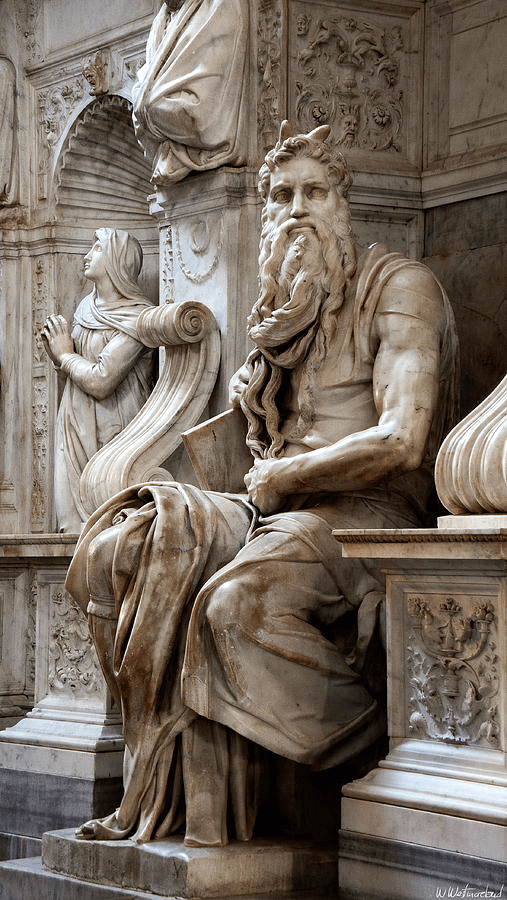
“Miguel Ángel probablemente representó a Moisés con cuernos porque, según la traducción latina del Éxodo que hizo San Jerónimo (a partir del hebreo), es así como fue glorificado. La interpretación de San Jerónimo seguramente no es errónea como se ha dicho en ocasiones. Años antes, Áquila había hecho la misma elección en su traducción en griego, y Jerónimo y él eran reconocidos como expertos hebraicos por sus trabajos. Pero el hebreo es tan particular y tan ambiguo que no hay ninguna certeza en cuanto al sentido literal de las frases en hebreo y aun menos en su traducción. J. Bowker, The Targums and Rabbinic Literature: An Introduction to Jewish Interpretations of Scripture. ed. cor., Cambridge, Cambridge University Press, 1969, 1979; R. Mellinkoff, The Horned Moses in Medieval Art and Thought.” “La cuestión no es saber si la interpretación del Moisés de Bremer es más plausible o convincente que la de Freud, sino que la suya es más fiel a los hechos. La posición es parecida a las construcciones psicoanalíticas propiamente dichas. Sin criterio exterior, no hay ningún medio de juzgar si ofrecen un informe completo y honesto de la historia del paciente, eso que Freud consideraba como el objetivo del análisis.”
“No existe por ejemplo, ningún hecho que aporte la evidencia de que las niñas se masturban de otra manera que frotando su clítoris o que el superyo femenino sea más o menos rígido que el superyo masculino.” “No se ha propuesto ninguna solución a estas cuestiones, incluso por esos psicoanalistas y sus simpatizantes que califican de ‘problemática’ la teoría de Freud sobre la sexualidad femenina.”
“El conflicto que enfrentó a Freud con Rank a propósito de la tesis de este último sobre el traumatismo de nacimiento aporta quizás el caso más claro sobre la forma en que los hechos reflectados por la asociación libre se generan por las diferencias de técnica y la orientación teórica.”
4. LOS CLARIVIDENTES
A) UNA EPIDEMIA ENTRE LOS PSIQUIATRAS – HOCHE (TRAD. DEL ALEMÁN POR BORCH-JACOBSEN)
“De forma sorprendente, un gran número de discípulos, en parte resueltamente fanáticos, se han alistado con F. y le siguen a donde les ordene. Hablar a ese propósito de una ‘escuela’ freudiana estaría en realidad completamente fuera de lugar, en la medida en que no es cuestión de hechos científicamente probables, sino de artículos de fe; en realidad, si exceptúo algunas cabezas más ponderadas, se trata de una comunidad de creyentes, de una especia de secta (eine Art von Sekte) con todas las características de éstas.”
“Lo que es común a todos los miembros de la secta es el alto grado de veneración por el maestro, que quizás no tenga otro análogo que el culto a la personalidad del círculo de Bayreuth.
El movimiento freudiano es en fin, el retorno, bajo una forma moderna, a una Medicina mágica, una especie de enseñanza secreta (Geheimlehre) que sólo puede ser practicada por adivinos cualificados.”
B) UNA SUPERCHERÍA PARA NUESTRO SIGNO – ALDOUS HUXLEY (1925) (TRAD. POR AGNÈS FONBONNE)
(*) “Según Huxley, cada época sucumbe al poder explicativo de una teoría seductora que desaparece pronto, más o menos rápidamente, más o menos profundamente, en los limbos de la historia del pensamiento: astrología, magnetismo, fisiognomía. El siglo XX será percibido un día como el siglo de una nueva superchería, tan popular como estrafalaria: el psicoanálisis.”
“La frenología, la fisiognomía y el magnetismo nos parecen hoy en día ciencias bastante cómicas y extrañas. Hemos perdido nuestra fe en la protuberancia de las protuberancias; y para dar una explicación a los fenómenos del hipnotismo y de la sugestión, ya no tenemos necesidad de recurrir a la caricatura de la teoría del magnetismo. Sin embargo, hace un siglo, la gente que aportaba a la ciencia lo que se denomina – sin ironía alguna – un interés esclarecido eran en su mayor parte fervientes admiradores de Lavater, de Gall y de Mesmer(*). Balzac, por ejemplo, creía muy sinceramente en sus doctrinas, y su Comedia humana rebosa de presentaciones pseudocientíficas de la teoría de las protuberancias y fosas craneales y de otros fluidos magnéticos.
(*) Lavater fue un célebre fisiognomista del siglo XVIII; Gall fue el fundador de la frenología, y Mesmer, el autor de la doctrina del magnetismo animal.
Al releerlas ahora uno se sorprende – una sonrisa condescendiente en los labios – de que un hombre tan sensato como Balzac, por no decir un hombre de genio, haya podido creer tan inverosímiles tonterías, y más extravagante aun, pensar que hayan podido tener alguna relación con la ciencia. En nuestro siglo tan esclarecido, este tipo de cosas no podrían suceder, no decimos con suficiencia.
Pero, lamentablemente, sí, es posible. Algunas vagas mentes diletantes y bien pensantes, que en 1925 se veían como seres particularmente esclarecidos sobre cuestiones científicas, descubrieron con la más gran delectación una cosa casi tan estúpida, fácil e inexacta, una cosa casi tan divertida, excitante e irresistiblemente ‘filosófica’ como las teorías de Gall o de Mesmer. La frenología y el magnetismo se unieron a la magia negra, la alquimia y la astrología. Pero no hay ninguna necesidad de lamentar su pérdida; los fantasmas de nuestros antepasados no tienen ninguna razón para compadecerse de nosotros. En realidad, casi podrían envidiarnos. Ya que hemos puesto la mano sobre una cosa más divertida que la frenología. Hemos inventado el psicoanálisis.
Dentro de 50 años, ¿adivinan cual será la pseudociencia preferida del novelista, de la mujer mundana y del investigador cándido pero sin suficiente rigor científico para proseguir después del primer ‘eureka’? Será algo, podemos estar seguro, que, un siglo más tarde, parecerá tan grotesco como nos parece hoy en día la frenología y como parecerá el psicoanálisis a su vez a la próxima generación.”
“De la magia al magnetismo pasando por la astrología y hasta el psicoanálisis, el objeto de todas las pseudociencias ha sido siempre el Hombre – y el Hombre en su naturaleza moral, el Hombre en tanto que ser que sufre y disfruta. La razón no es difícil de encontrar. El Hombre, que es el centro, por no decir el creador de nuestro universo, sigue siendo el más espectacular y apasionante de los temas de estudio. Quien más, quien menos, conocemos todos al Hombre o, al menos, lo pensamos; ninguna necesidad de formación previa para aplicarse a su estudio. Una ciencia del Hombre se presenta como el atajo más rápido hacia el saber absoluto – tal es pues la invariable materia de las pseudociencias.
Los métodos de todas estas ‘ciencias’ desprenden un mismo aire de familia: utilización de argumentos basados en la analogía en lugar de razonamientos lógicos, aprobación de todo tipo de evidencias útiles sin verificación experimental, elaboración de hipótesis consideradas en seguida como hechos, deducción de leyes a partir de un único caso mal observado, transformación de connotaciones de determinados términos cuando mejor conviene y apropiación espontánea del sofisma post hoc ergo propter hoc – después de esto luego a causa de esto. Así actúan las mentes no-científicas que buscan la verdad para montar el extraño y formidable edificio de sus doctrinas.
Algunas de estas pseudociencias han disfrutado en el pasado, incluso durante milenios, de una gran popularidad. Pero el desarrollo de ciencias auténticas, la generalización de la educación y el acceso al conocimiento han acelerado considerablemente el proceso de su nacimiento y declive. La astrología y la magia perduraron durante decenas de siglos en las antiguas naciones civilizadas, pero el magnetismo no duró más que una generación antes de desaparecer. La frenología no vivió mucho más tiempo, y, de todas las prometedoras estrellas pseudocientíficas del siglo XX, los Caballos sabios de Elberfeldt(*) no consiguieron salir en la prensa más que 2 o 3 años; los sublimes rayos N de Nancy no ondularon demasiado tiempo hacia la nada después de un estallido popular que, aunque intenso, fue de breve duración. El psicoanálisis ha durado y, podemos estar seguros, va a durar mucho más tiempo por la simple razón de que su carácter erróneo no puede ser probado de forma concluyente por un único experimento, como sucedió con los rayos N. Sin embargo, como todas las otras grandes pseudociencias del pasado, la seguridad del absurdo aparecerá y crecerá poco a poco en la mente de sus adeptos, hasta que al fin incluso aquellos lucen una mirada inteligente con respecto a la ciencia y lo consideren demasiado manifiestamente absurdo como para ser creído. De aquí a entonces, algún nuevo genio anticientífico habrá hecho su aparición con una nueva pseudociencia, y los ex-fanáticos de F. no estarán de duelo.
(*) Cuatro caballos que eran capaces, se dice, de calcular, gracias a poderes de telepatía.”
“Para empezar, trata del Hombre en su naturaleza moral. A continuación, a sus estudiantes no se les exige ninguna formación particular o inteligencia relevante. Ningún doloroso esfuerzo intelectual a aportar para seguir sus argumentos; los cuales, por otra parte, sólo se presentan en pequeño número en el sentido estricto del término.” “Quien sienta una atracción por retorcer la lógica que representa la deducción analógica puede estudiar el psicoanálisis.” “es, como siempre ha sido, una medicina patentada para las clases distinguidas.” “Si solamente pudiera incorporar un método para predecir el futuro o incluso una receta milagrosa para ganar millones sin trabajar, el psicoanálisis se convertiría en una pseudociencia tan completa como lo fueron la astrología, la magia o la alquimia.” “Por el momento, incluso tomándolo como es, sigue siendo incomparablemente superior al magnetismo, a la frenología y a los rayos N, e inferior solamente a las creaciones más grandiosas del espíritu anticientífico.”
“Mi profunda incredulidad con respecto al psicoanálisis nació hace ahora varios años con la lectura de la teoría freudiana de la interpretación de los sueños. Fue el mecanismo de lo simbólico, a través del cual el analista transforma los datos evidentes para convertirlos en el contenido de un sueño oculto, lo que quebrantó la poca fe que le hubiera podido conceder al sistema. Me pareció, mientras recorría esas listas de símbolos y esas obscenas interpretaciones alegóricas de sueños por lo demás simples, que ya conocía este tipo de proceder de antemano.” “los encantadores bestiarios de los que nuestros antepasados de la Edad Media se servían para aprender las grandes lecciones de ética contenidas en la historia natural me vienen a la memoria. Siempre he dudado de que el leopardo sea verdaderamente un símbolo viviente de Cristo (o, como afirman otros bestiarios, del Diablo).”
“¿Por qué debería aceptar como válido el simbolismo del doctor Fraud? No hay más razones para creer que subir unas escaleras o volar en el cielo sean sueños equivalentes al coito que para creer que la chica del Cantar de los cantares representa a la Iglesia de Cristo. Por una parte, nos encontramos con la afirmación de algún piadoso teólogo de que una canción de amor aparentemente escandalosa es de hecho, si aceptamos interpretarla en el sentido correcto, la expresión de una inocente y efectivamente loable aspiración hacia Dios. Por otro, tenemos a un médico sosteniendo que una inocente acción hecha en un sueño es, cuando se la interpreta de la forma adecuada, el símbolo del acto sexual. Ninguna de estas 2 explicaciones aporta la menor prueba; cada una por el contrario nos abandona en manos de una afirmación tan plana como infundada. En todos los casos, sólo los que tienen la voluntad de creer son los que tienen necesidad de creer, y no hay ninguna prueba que permita obtener el asentimiento del escéptico. Que una cosa tan fantasiosa como esta teoría de la interpretación por el sesgo de los símbolos (que están prestos a significarlo absolutamente todo según el humor del analista) haya podido un día ser considerada como poseedora de siquiera una onza de valor científico, es verdaderamente increíble. Observaremos de paso que mientras todos los psicoanalistas están de acuerdo en decir que los sueños tienen la más alta importancia, difieren profundamente en sus métodos de interpretación. F. descubre deseos sexuales reprimidos en todos los sueños; Rivers ve la resolución de un conflicto mental; Adler, la voluntad de poder; y Jung, un poco de todo mezclado. Los psicoanalistas dan la impresión de vivir en el maravilloso universo trascendental de los filósofos, en el que todo el mundo tiene razón, donde todo es verdad, donde toda contradicción se tranquiliza.”
“Fue la interpretación simbólica de los sueños la que quebrantó en primer lugar mi fe en el psicoanálisis. Pero una crítica sistemática de la teoría debería empezar por poner en cuestión sus doctrinas aun más fundamentales. Está la hipótesis, por ejemplo, que quiere que los sueños sean siempre profundamente significativos.” “La hipótesis psicoanalítica según la cual los sueños tienen el más alto valor significativo se hizo de hecho necesaria por esa otra hipótesis aun más fundamental que es la existencia del inconsciente fraudiano.” “El inconsciente, nos explican, es una especie de antro o de infierno a donde son enviados todos los malos pensamientos y los deseos villanos que entran en conflicto con nuestros deberes sociales del mundo exterior.”
“Las 2 partes recurren a las estratagemas más extraordinarias y más ingeniosas: los malos pensamientos se disfrazan, toman el aspecto de vírgenes asustadizas y surgen como inofensivos pensamientos; eso es lo que sucede en los sueños. De ahí el significado de los sueños y la necesidad de interpretarlos simbólicamente, con el fin de alcanzar su sentido oculto, es decir, descubrir cual es el mal pensamiento que se oculta bajo sus disfraces.” “Los pensamientos reprimidos y el censor dan prueba de una increíble ingeniosidad en la
invención de estratagemas. Da la impresión de que son mucho más malignos que la pobre y estúpida mente consciente, que, a menos que sea la de un psicoanalista sería incapaz de imaginar fintas y combinaciones tan ingeniosas. La autenticidad de este apasionante mito antropomórfico es asumida alegremente por todos los psicoanalistas que se aplican a basar en él sus argumentos, como si se tratara de un hecho científicamente probado.”
“En su excelente libro, Psychoanalysis Analysed, el doctor McBride relata casos de fobias, que supuestamente son particularmente receptivos al tratamientos por métodos psicoanalíticos, que sin embargo fueron curados por el simple procedimiento del razonamiento con el paciente sobre sus propios miedos.” “Por supuesto, los psicoanalistas repudian con indignación esta noción y declaran a coro que la sugestión es absolutamente extraña a sus procederes y que no la practican por supuesto nunca. La publicación de sus relatos de casos muestra con bastante claridad que la sugestión es, evidentemente, empleada, sea de forma intencionada o no.” “Y el depresivo está curado. Pero la curación probablemente se hubiera efectuado de una forma mucho más expeditiva si se hubiera empleado directamente la sugestión y el hipnotismo desde el principio.”
5. COMO SE IMUNIZÓ EL PSICOANÁLISIS CONTRA LA CRÍTICA
“El inconsciente es un arma temible, que funciona a la manera de un proceso inmunitario, destruyendo toda objeción que amenace al sistema. así, es probable que ciertos freudianos denuncien este libro porque revela la ‘resistencia’ y por lo tanto la neurosis de sus autores que rehúsan aceptar las ‘revelaciones’ freudianas.”
A) LOS MECANISMOS DE DEFENSA DE LOS FREUDIANOS – VAN RILLAER
“F. presenta características de una personalidad paranoide y contribuyó al desarrollo de una psicología que sospecha, por no decir paranoide (cf. John Farrell, Freud’s Paranoid Quest: Psychoanalysis and Modern Suspicion. New York, New York University Press). Él mismo reconoció la analogía de los sistemas interpretativos del psicoanalista y del paranoico: en ambos casos, escribe, pequeños indicios se explotan y combinan para formar explicaciones. Añade con sagacidad: Sólo pueden preservarnos de tales peligros el amplio asentamiento de nuestras observaciones, la repetición de impresiones similares procedentes de los terrenos más diversos de la vida del alma.”
“neurastenias (aproximadamente el equivalente a lo que hoy llamamos ‘depresiones’)”
“Krafft-Ebing, el célebre sexólogo, objeta que el factor sexual juega ciertamente un gran papel en los trastornos mentales, pero que no se puede generalizar a todos los casos; Hollander dice igualmente que la sexualidad es muy importante, pero que otros factores pueden entrar en juego, por ejemplo el agotamiento en los casos de neurastenia.”
“No es necesario ser un experto en epistemología para comprender que ni el éxito de una teoría ni las resistencias que suscita son en sí pruebas de validez o error. Sin embargo, el argumento de la ‘resistencia a la verdad’ se convirtió en la principal defensa de F. y de sus discípulos.”
“Freud se presentó a sí mismo como el punto culminante de las revoluciones intelectuales que van desde Copérnico hasta él mismo pasando por Darwin.”
“Varias contribuciones a la presente obra demuestran que F. no es el descubridor del inconsciente. Desde hace alrededor de 300 años, filósofos y luego psicólogos han admitido que nuestras conductas participan de procesos en los cuales no reflexionamos o de los que ignoramos”
“El más grave de estos errores es creer que el inconsciente es otro Yo; un Yo que tiene sus prejuicios, sus pasiones y sus ardides.” Alain, Élements de philosophie, París, Gallimard, 1941.
“Henri Ellenberger demostró que en la época de Freud se interesaban mucho por los problemas sexuales.” “Las críticas no vienen todas de individuos pudibundos ni de reprimidos sexuales. Algunas emanan de psicólogos y de sexólogos que tienen un vivo interés por la sexualidad de la que hablan sin ninguna verguenza.” “Sin la insistencia sobre la sexualidad, el psicoanálisis sin duda hubiera conocido un éxito considerablemente menor. El placer sexual es uno de los más intensos que existen.” “La versión fraudiana del determinismo es criticable porque desemboca siempre sobre los mismos determinantes (la sexualidad y el esquema familiarista) y que supone un inconsciente que elabora contenidos muy complicados a espaldas de la persona que sería su teatro.” “Los psicoanalistas cometen ‘el error del homúnculo’; postulan un ser en nuestro interior, que sin que sepamos nada, tiene sus propios deseos, desarrolla intenciones propias, piensa cosas muy complicadas y hace operaciones aritméticas.”
“Sólo los raros privilegiados, que pueden pagarse una larga cura fraudiana, se convertirán en clarividentes en cuanto a los mecanismos del inconsciente y podrán liberarse de automatismos alienantes.
Es sin duda para enmascarar esta fuente legítima de crítica al psicoanálisis que ciertos fraudianos son hoy en día una versión ‘liberadora’ de la doctrina. En la jerga de Élisabeth Roudinesco, esto se convierte en:
El sujeto fraudiano es un sujeto libre, dotado de razón, pero cuya razón vacila en el interior de ella misma. […] F. hizo de la sexualidad y del inconsciente el fundamento de la experiencia subjetiva de la libertad.”
“Los psicoanalistas formados en epistemología moderna han abandonado la idea de defender la cientificidad del psicoanálisis. Es la posición de Lacan a finales de los años 1970.”
“Entre los psicoanalistas que no entendieron los principios elementales de la epistemología, citamos a É. Roudinesco, la más mediática de los defensores del freudismo.
Uno de los principales argumentos opuestos al sistema fraudiano, particularmente por Karl Popper y sus herederos, es su carácter infalsacionable, inverificable o irrefutable. Incapaz de poner en cuestión sus propios fundamentos, el psicoanálisis no respondería a criterios que le hicieran entrar en el mundo de las ciencias.”
“André Green, antiguo director del Instituto de Psicoanálisis de París, decía: ‘Roudinesco se dice historiadora y psicoanalista. […] Temo que no sea más psicoanalista que historiadora’. Diría en este sentido que no es más epistemóloga que psicóloga.”
“F., Adler, Stekel, Jung, Rank, Reich, Ferenczi y otros eran ante todo clínicos. Todos construyeron teorías que se contradicen mutuamente. Sólo la investigación científica permite retener, entre las hipótesis, aquellas que encajan mejor con la realidad.”
“En 1914, F. escribía que Rank era ‘su más fiel colaborador’ y manifestaba ‘una comprensión extraordinaria del psicoanálisis’. El 8 de abril de 1923, escribe aun a Abraham: ‘Estoy muy contento al convencerme de que mis paladines, es decir usted, Ferenczi y Rank, se aplican siempre en sus trabajos a cosas fundamentales’. Desgraciadamente, al año siguiente, Rank publica su propia versión del psicoanálisis. F. le dice que no habría escrito nunca El Traumatismo del nacimiento si hubiera sido psicoanalizado. Rank responde: ‘En cualquier caso, después de todos los resultados que he visto en los analistas analizados, sólo puedo calificar este hecho como una suerte’. F., furioso, exclama: ‘Esto lo sobrepasa todo’. Ferenczi – en ese momento aun amigo de Rank – escribe al maestro: ‘Lo que no puedo aprobar en ningún caso es la propuesta de Rank con respecto a las ventajas de no estar analizado. Esta frase contradice todo el psicoanálisis y, si es admitida, lo reduciría a una especie de adivinación poética’. Entre los primeros psicoanalistas, varios – como el fiel Abraham – no fueron analizados, mientras que otros – Stekel, Ferenczi – sólo lo fueron durante unas horas.”
PEGA FOGO, DIVÃ DO CABARÉ (O TIPO DE BRIGA EM QUE TORCEMOS PELA BRIGA)! “Sabiendo que Jones continuaba criticando a su hija, Sigmund le escribe el 23 de septiembre: ‘Está usted poniendo en pie en Londres una campaña en modo y forma con el análisis de niños de Anna, en la que le hace usted el reproche de no haber sido ella misma suficientemente analizada, reproche que me repite usted en una carta. Me he visto obligado a hacerle ver que esta crítica es tan peligrosa como ilícita. ¿Quién, a decir verdad, estará entonces suficientemente analizado? Puedo asegurarle que Anna por ejemplo ha sido analizada durante más tiempo y con más profundidad que usted mismo’.”
“En Las Ilusiones del psicoanálisis, consagré 5 páginas a ejemplos de ‘diagnósticos’ concedidos por F.a discípulos disidentes (Adler, Stekel, Jung, Bleuler, Hirschfeld) y a psiquiatras o psicólogos que emitían críticas (Bratz, Morton, Prince, Heltpach y otros). Me contento aquí con citar brevemente algunas de estas etiquetas: resistencia homosexual, ambivalencia obsesiva, inconsciente perverso, yo paranoico, imbecilidad afectiva, tonto arrogante, rabieta homosexual, delirio de grandeza, loco rematado.”
“Por ejemplo, se puede explicar la omnipresencia del tema de la sexualidad en la teoría fraudiana por el hecho de que F., a partir de 1893, sufre importantes frustraciones sexuales, pero sólo observaciones metódicas permiten validar o refutar esta teoría.” HAHAHAHA!
“F. publicó resultados falsos. Los fraudianos minimizan esas mentiras, declaran que muchos otros investigadores cometieron fraude y que, de todas formas, F. sigue siendo un genial descubridor.”
“en los años 1880, Hans Gross, el padre de la psicología judicial, daba una serie de ejemplos de acusados y de falsos testimonios que se habían traicionado por lapsus y otros actos fallidos. En 1895, Rudolf Meringer, un filólogo, y Karl Mayer, un psiquiatra, publicaban una obra completa sobre los lapsus. El célebre lapsus, citado por F., del presidente de la Cámara austríaca de diputados diciendo ‘Señores, constato la presencia de tantos diputados y declaro, por consiguiente, cerrada la sesión!’ es precisamente un ejemplo dado previamente por otros autores.” “Heath Bawden explicaba, apoyándose en la teoría de Herbart, que los lapsus resultan de un ‘conflicto de sistemas mentales’. El libro de F. sobre los actos fallidos no aparecería hasta 1901. Su originalidad consiste en producir asociaciones de ideas, a partir de los lapsus, hasta llegar a un contenido sexual incluso cuando éste no parezca tener nada que ver.”
“F. no era particularmente demócrata. Escribió que ‘no puede evitarse la dominación de la masa por una minoría, ya las masas son inertes y desprovistas de discernimiento’ y que ‘los hombres son, por término medio y en gran parte, una miserable canalla’ (esta última palabra fue muy utilizada por Lacan y luego por su yerno J.A. Miller). Su sistema de pensamiento favorece una ‘subjetivización’ o ‘sobreindividualización’ de todos los problemas psicológicos: la explicación final se encuentra siempre en la vida ‘interior’, los eternos elementos del ‘alma’ (libido, pulsiones de vida y muerte, complejos de Édipo y de castración, deseo de pene) y las vivencias de la primera infancia.” “Se comprenden por tanto las críticas de los psicólogos científicos (que conceden importancia a las interacciones con el entorno y no solamente con las de la primera infancia), los sociólogos y los marxistas.”
“En junio de 1949, la revista marxista Nouvelle Critique publicaba un texto, que se hizo célebre: ‘El psicoanálisis, ideología reaccionaria’. Se explicaba que el psicoanálisis, bajo su cubierta de cientificidad, es en realidad un instrumento político. Despolitiza al individuo, hace del revolucionario un ‘neurótico’ y sirve de opio para las clases medias. ‘El psicoanálisis viene a reforzar la psicotécnica ordinaria en un trabajo policial que funciona al servicio del patrono y del ocupante americano con vistas a la eliminación de los no dóciles y de los resistentes.’ Es divertido constatar que, desde la publicación del informe del INSERM sobre las psicoterapias en 2004, los lacanianos utilizaron sin cesar el mismo vocabulario contentándose con reemplazar ‘psicoanálisis’ por ‘TCC’.
En el curso de los años 70, Lacan consiguió interesar a los intelectuales marxistas. Una de las razones se relacionaba con su discurso anti-institucional, que Turkie llamó ‘el protestantismo psicoanalítico’. Para Lacan, ‘la única regla debe ser que no hay reglas establecidas […] el analista no se autoriza más que a sí mismo. […] El psicoanálisis es más una vocación que una carrera y ninguna institución puede garantizar la fuerza que ejerce interiormente la llamada de una vocación en un individuo’.”
“Hoy en día, un cierto número de lacanianos presentan al psicoanálisis como la muralla contra el totalitarismo. [Infelizmente vemos a refutação desse pressuposto na França de Le Pen] Si se les cree, los psicoanalistas serían en todo y siempre los héroes de la libertad y de la resistencia a la opresión. Élisabeth Roudinesco llega decir que ‘el pseudoanálisis siempre y en todo lugar ha visto prohibida su enseñanza y práctica por parte de todos los poderes dictatoriales, empezando por el que pusieron en pie los nazis. [… ] Varios representantes [del psicoanálisis] fueron perseguidos, exterminados, torturados a causa de sus ideas’ Olvida lo que escribía 5 años antes: ‘Las dictaduras militares no han impedido la expansión del psicoanálisis en América latina (particularmente en Brasil y Argentina)’. En efecto, Argentina, bajo el régimen de los generales, era nada menos, según la expresión de Serge Leclaire, que el ‘Eldorado del psicoanálisis’. É. Roudinesco no cita un solo nombre de pseudoanalista exterminado o torturado únicamente a causa de su calificación de pseudoanalista (evidentemente hubo pseudoanalistas judíos exterminados, porque eran judíos). Recordemos también que varios pseudoanalistas – por ejemplo Boehm y Müller-Braunschweig – se unieron a la causa nazi y continuaron trabajando como pseudoanalistas en el seno del Instituto Göring.”
“El pseudoanálisis molesta al poder absoluto, pero no más, o quizás mucho menos, que algunos hombres de Iglesia incapaces de soportar la esclavitud, que un sindicato movido por la justicia, que un grupúsculo de estudiantes decididos que no temen a la muerte” François Roustang
CUARTA PARTE
LAS VÍCTIMAS DEL PSEUDOANÁLISIS
1. LAS VÍCTIMAS HISTÓRICAS
A) LA HISTORIA TRÁGICA Y VERÍDICA DE HORACE FRINK, MANIPULADO POR LAS NECESIDADES DE LA CAUSA – EDMUNDS (trad. Agnès Fonbonne)
“En febrero de 1921, Horace Frink parte hacia Europa con el fin de iniciar un análisis con F.. Tenía entonces 38 años, formaba parte de esa multitud de jóvenes intelectuales irresistiblemente atraídos por el 19 Berggasse en Viena, para estudiar allí, bajo la férula del ‘maestro’, como le llamaban sus aprendices. Frink es de esos que aspiran a formarse en la Maestría del Arte pagando 10 dólares la hora de diván, para deshojar sueños y fantasías. Freud enseña en parte el pseudoanálisis aplicándolo simplemente a sus estudiantes.” “Además, subraya Roazen, Frink no es judío, una particularidad que F., que si lo es, encuentra importante si quiere sobrepasar las fronteras de los intelectuales de Nueva York.”
“Cuando conocí a Fraud, me aconsejó que me divorciara en nombre de mi propia existencia que no estaba terminada… y porque si dejaba al doctor Frink ahora, no conseguiría nunca volver a la normalidad y desarrollaría probablemente una homosexualidad extremadamente reprimida.”
Angelika Frink
“Pero, tan rápidamente como se había calentado, el proyecto de Frink y de Angelika empieza a torcerse. Tanto el uno como la otra dudan de lo bien fundado que sería dejar a sus parejas respectivas, su compatibilidad de pareja y la sombra amenazante de la salud mental de Frink”
“No creo que sea útil que prosiga usted su análisis… Su trabajo está terminado…” Carta de Fraud
“Angie querida, te mando una copia del correo de Fraud que, espero, te aliviará tanto como me ha aliviado a mí. Quiero conservar el original, podría un día interesar a nuestros hijos. Soy tan, tan feliz.”
“Desgraciada e inocente, Doris Best no dice siquiera a sus vecinos a donde huye. Su matrimonio está destruido, Horace la ha abandonado por una relación sin futuro, y ella ha rechazado embarcarse en un análisis con él. Deprimida pero conciliadora, Doris debe asumir la ruptura, el traslado y el arte de economizar, viviendo en hoteles y pensiones, flanqueada de Helen aun bebé, y de Jack, su hijo mayor.”
“Dr. Fraud,
Recientemente, 2 de sus pacientes, un hombre y una mujer, me han informado de que fueron a verle con el fin de que usted diera claramente su acuerdo o su rechazo a su matrimonio. Por el momento, ese hombre está casado con otra mujer, padre de 2 hijos y ligado a la ética de una profesión que exige no sacar ningún privilegio de la confidencialidad debida a sus pacientes y a su descendencia inmediata. La mujer con la que quiere casarse ahora es una de sus antiguas pacientes. El sostiene que usted autoriza ese divorcio y ese nuevo matrimonio, aunque usted nunca haya visto a su esposa legítima ni analizado sus sentimientos, sus intereses, incluidos sus deseos reales. La mujer con la que quiere casarse es la mía… ¿Cómo puede usted ponerse en mi lugar? ¿Cómo puede usted prescribir un diagnóstico tal que va a arruinar la felicidad y la vida de familia de un hombre y una mujer, sin conocer al menos a las víctimas, sin al menos verificar que éstas merecen tal castigo, sin preguntarles si no existiría una solución mejor?…
…
¿Será usted un charlatán, muy querido Doktor? Respóndame por favor, esta mujer es la mujer a la que amo…” O marido de Angelika no papel
“Afortunadamente quizás para Frink, Bijur muere de cáncer en mayo de 1922, antes de que su carta se publique. Su psicoanalista envió una copia a Fraud, que le respondió que ese correo era estúpido y alimentaba simplemente la hipocresía de la opinión pública americana.” Teria sido talvez o fim antecipado da lenda Fraud!
“La joven está muy inquieta por el estado de su amante y descubre pronto que no sólo está afectado por episodios maniaco-depresivos, sino que está afectado por la enfermedad desde 1908 (como Frink afirmará de hecho más tarde a Meyer). En tratamiento por tercera vez, Frink es entonces víctima de alucinaciones, y se acuerda incluso de <delirios>.”
“El 23 de diciembre, Fraud ha declarado brutalmente que su psicoanálisis estaba terminado, que el doctor Frink le utilizaba en la actualidad para mantener su neurosis, que tenía que casarse, tener hijos y conseguiría pronto vivir feliz en las condiciones que el mismo habría conseguido.” Angelika
“La joven pareja parte en viaje de novios a Egipto. De vuelta a Nueva York, se evita un escándalo público, aunque la mayor parte de los miembros de la Sociedad psicoanalítica de Nueva York no hayan sido engañados por el estado de la salud mental de Frink y de este matrimonio tan turbio. Acabado de salir de su análisis y a pesar de la elección marcada por Fraud para colocar a su protegido en la presidencia del círculo, Frink no obtiene la preferencia de todos los americanos de la Sociedad.
Fraud, que busca sin pausa los medios para hacerse conocer en los Estados Unidos, se inquieta por que el caso Frink, si se publicara, frenara el estallido del movimiento.”
“Doris Best muere el 4 de mayo.” “Después de su muerte, recuerda la cuñada de Doris, le dejamos entrar. Se quedó sentado al lado de la cama durante media hora, mientras nosotros esperábamos en el salón. Cuando bajó, miraba fijamente frente a él, después dejó la casa sin una palabra, sin una mirada para nosotros. Nunca más volvimos a verlo o a oír hablar de él.”
“La custodia de los 2 niños es atribuida a Horace y Angelika. Poco tiempo después, Frink cae aun más profundamente en un estado de confusión y se muestra agresivo hacia su nueva mujer. Una noche, deja la casa sin una palabra; en otra ocasión, la pega y le pone un ojo morado. Rápidamente, Frink se hace indeseable para la Sociedad psicoanalítica, y, en marzo de 1924, el presidente interino lee públicamente una carta explicando la ausencia de Frink por razones de salud mental. Durante ese tiempo, el antiguo paciente de Fraud es internado voluntariamente en la clínica psiquiátrica Phipps. Revisando su periodo vienés, Horace, pero sobre todo Angelika empiezan a pensar que son víctimas del pseudoanálisis y no sus beneficiarios. Cuando ella informa a Fraud de la degradación de su matrimonio, el Maestro le responde por telegrama: ‘Desolado. Pero el dinero es lo que les ha hecho fracasar’. Angelika ya había empezado a pensar que favoreciendo este matrimonio Fraud esperaba obtener fondos de apoyo para el movimiento psicoanalítico en los Estados Unidos.”
“Sintiéndose maltratada por Fraud (sentimiento que crece con los años), Angelika intenta ser más perspicaz con Meyer. Fuerte, con criterios claros, apremia al psiquiatra suizo con largas cartas en las que explica su escepticismo a propósito del pseudoanálisis (<Hasta ahora, nunca he encontrado a un pseudoanalista que no me pareciera manifiestamente neurótico, perdido en sus teorías e incapaz de enfrentarse a la vida…>).”
“De vuelta a la clínica en otoño, Meyer anuncia a Frink la decisión de Angelika de obtener el divorcio. (…) <Hubiera deseado quedar con mi primera mujer. Si estuviera aun con vida, volvería con ella>.
A medida que avanza el procedimiento del divorcio, más se hunde Horace en la depresión. Parte para Nueva York para reunirse con los abogados y toma una sobredosis de diversos somníferos el 27 de octubre, en casa de su viejo amigo y médico Swepson Brooks, que lo aloja durante su estancia en la ciudad. Más remontada que nunca, Angelika toma este acontecimiento como una vulgar tentativa de recuperación y previene a su abogado de que considera una muerte por suicidio idéntica a las que produce una neumonía. Según ella, son la misma cosa. Quiere terminar.”
“Frink sostiene que Fraud no ha entendido nada de las psicosis, que el campo del pseudoanálisis se limita a las neurosis y que Fraud lo sabía. Según él, Fraud nunca debería haber intentado tratarle cuando estaba en fase psicótica. El tratamiento y los consejos que le daba eran todos perjudiciales, aplicados en detrimento de los intereses de su paciente. Su mujer es también tan feroz como él hacia Fraud y en cierto sentido, hacia su marido.”
“Aunque nunca había escrito otros libros y practicó muy poco su profesión, Frink parecía feliz y no mencionó a su familia el papel que había jugado Fraud en su vida. La familia se mudó a Chapel Hill donde Jack, su hijo mayor, entró en la universidad de Carolina del Norte. Su padre dio allí algunas conferencias, atendió a algunos pacientes, y en 1935 se casó con Ruth Frye, una profesora que había conocido en Southern Fines. § Horace Frink murió de una enfermedad cardíaca el 19 de abril de 1936, a los 53 años.” Antes do vaso ruim!
B) LA SANGRÍA DE EMMA & EL CASO TAUSK – BORCH-JACOBSEN
“Emma Eckstein (1865-1924) empezó su análisis con Fraud en 1892 y lo prosiguió, por lo que se sabe, hasta 1897. Esto hace de ella una de las primeras pacientes en beneficiarse del nuevo tratamiento ‘pseudoanalítico’ inventado por Freud. No se sabe muy bien que síntomas presentaba, a parte de que sufría de molestias gástricas y de dismenorrea (es decir de reglas dolorosas). Lo que parece haber sido la razón por la que Fraud recurrió a su amigo Wilhelm Fliess a finales del año 1894.” “Fraud era un ferviente adepto de la <terapia nasal> de su amigo y prescribía generosamente cocaína a sus pacientes para todo tipo de síntomas psicosomáticos y neurasténicos.”
O CASO DA GAZE DEIXADA NO NARIZ: “La desastrosa operación de Fliess la dejó desfigurada de por vida, con un hundimiento en el lugar donde el hueso de la nariz se había roto. Y, sin embargo, de forma sorprendente, Emma no parece que odiara a los 2 aprendices de brujo que le habían impuesto ese calvario. No solamente prosiguió su análisis con Fraud como si nada hubiera pasado, sino que continuó venerando el recuerdo de Fliess. (…) Bello ejemplo de amor de transferencia, como dirían los pseudoanalistas.” Esto-y colm-ad-o!
“En resumen, si Emma había sangrado hasta casi morir, ¡era porque ella (o su inconsciente) así lo había querido! Tenemos aquí una de las primeras menciones de Fraud a la idea de la consecución fantástica del deseo, y, en esta ocasión sirve, de forma particularmente absurda y odiosa, para disculpar al médico haciendo a la paciente responsable de su propia enfermedad.”
“Al final del mismo año, Fraud recompensó la fidelidad sin fallos de Emma enviándole pacientes, en los que ella encontró inmediatamente escenas de seducción paterna rigurosamente idénticas a las postuladas por su analista. ¡El primer pseudonálisis didáctico de la historia había funcionado de maravilla! En 1904, Emma Eckstein publicó un pequeño libro sobre La Cuestión sexual en la educación de los niños en el que retomaba las tesis de Fraud y de Fliess sobre lo nocivo de la masturbación, un tema que parece haberle llegado particularmente al corazón. Fraud, como se sabe por su correspondencia con ella, la había ayudado con sus consejos durante la redacción de su libro e incluso había escrito una reseña favorable, que fue rechazada por la Neue Freie Presse.”
“Hubo que esperar hasta 1966 para saber de su existencia por un artículo de Max Schur y a 1985, fecha de la publicación de las cartas completas de Fraud a Fliess en inglés, para poder tener directamente conocimiento de la triste historia de sus relaciones con Fraud. En la edición precedente, todos los pasajes en los que se la mencionaba habían sido cuidadosamente expurgados.”
“La profesión de pseudoanalista no carece de peligro, a juzgar por la tasa de suicidios entre sus filas. Según los cálculos de Elke Mühlleitner (Biograpfisches Lexikon der Psychoanalyse. Die Mitglieder der Psychologischen Mittwoch-Gesellschaft und der Wiener Psychoanalytischen Vereinigung 1902-1939. Tübingen, Edition Diskord, 1992), de los 149 miembros de la Sociedad psicoanalítica de Viena entre 1902 y 1938, 9 se suicidaron, es decir 1 persona de cada 17. Como Fraud le comentaba a Jung después de que el asistente de éste, Jakob Honeggerse quitara también la vida: ‘Sabe, creo que no usamos mal a la gente’.”
“el 3 de julio de 19, al amanecer, Tausk escribía una larga carta a Fraud para expresar todo el respecto y la admiración que sentía por él. Luego se subió a una silla, se anudó el cordón de una cortina alrededor del cuello y se disparó un tiro en la sien con su pistola de oficial. Le encontraron colgado.”
“Fraud redactó una necrológica en la que alababa las múltiples contribuciones de Tausk al psicoanálisis. A Lou Andreas-Salomé, por el contrario, le expresó sin ambages su alivio por haberse librado por fin de ese discípulo fiel, demasiado fiel”
“Reconozco que no lo hecho de menos: hace mucho tiempo que me di cuenta de que ya no podía estar a nuestro servicio, que, de hecho constituía una amenaza para el futuro.”
“Paul Federn escribió a su mujer que Tausk se había suicidado porque había tenido la mala suerte de disgustar a F.. ¿Era esa la razón? Lo que empuja a un hombre a terminar es siempre oscuro. Pero, lo menos que puede decirse, es que, en el caso de Viktor Tausk, el pseudoanálisis NO contribuyó demasiado a darle la alegría de vivir.”
C) FRAUD TERAPEUTA DE FAMILIA – PATRICK MAHONY (TRAD. MARIE-CÉCILE POLITZER)
“Freud inventó la primera terapia de familia cuando, para bien y sobre todo para mal, inició a su hija en una tratamiento incestuoso e imposible.” “El primer análisis de Anna duró de octubre de 19 al verano de 22, a razón de 6 sesiones por semana, sesiones que se desarrollaban a las 10 de la noche.”
“El análisis incestuoso de Anna encontró su derivada en un ensayo publicado en 23, Fantasía de ser vencido y ensoñación diurna, texto que le permitió igualmente entrar en la Sociedad psicoanalítica de Viena.” “quizás por 1ª vez (¿y la única?) en la historia del análisis, el artículo sobre el que un candidato debía ser juzgado se basaba en su propio análisis y el presidente de honor del comité en cuestión era nada menos que su propio padre y analista!” “Se puede por tanto decir que el artículo autobiográfico que Anna propuso en el momento de su candidatura a la Sociedad psicoanalítica era a la vez un trabajo de reescritura del trabajo de su padre analista y su propia versión del relato biográfico que el había hecho de ella (Pegan a un niño).”
“A mi manera de ver el ‘present temps’ que utiliza el inglés para traducir este título (A Child Is Being Beaten, es decir están golpeando a un niño) refleja la actividad clínica paralela de Freud y Anna. Estaba, de hecho, golpeándola. Al reinterpretar a domicilio la escena del retorno de lo reprimido, y adaptando a su posición a la vez paterna y profesional la teoría de la seducción, Freud operaba sobre su hija un proceso de seducción yatrógena y de violación. Las fantasías de ser golpeada de ésta se veían así redobladas.”
“Entre los 5 y 6 años, nos enseña Young-Bruehl en la fiable reconstrucción que hace de la juventud de Anna Fraud, la niña fantaseó en varias ocasiones una escena de amor incestuosa entre ella y su padre. Estas fantasías, asimiladas a una regresión al estadio anal, afloraron a continuación a la superficie en forma de fantasías de ser golpeada durante las cuales se masturbaba. Entre los 8 y 10 años, las fantasías de ser golpeada fueron reemplazadas, a pesar de algunos retornos intermitentes, por lo que ella llamaba <bonitas historias>, en las que un débil y joven malhechor de sexo masculino se encontraba a la merced de un hombre de más edad y más fuerte que él. Después de un cierto número de escenas en las que la tensión subía y en las que al joven se le prometía el castigo de sus faltas, era finalmente perdonado.”
“Sophie Fraud, la madre de Ernst y de su hermano pequeño, murió en Hamburgo en enero de 1920. Anna pasó a continuación mucho tiempo en Hamburgo para ocuparse de sus 2 sobrinos. Perpetuó la dramática tradición familiar intentando, a su manera y como aficionada, someterlos a análisis mientras jugaba con ellos, como si llevara en ella el demonio de la repetición que describió su padre. (…) Su propia análisis continuaba incluso a distancia durante ese verano al principio del cual su padre puso punto final a Más allá del principio del placer.
Un año después del final de este primer análisis, Fraud sufrió la primera operación destinada a curarle de un cáncer. Anna se prometió entonces no abandonarle nunca.”
“Al principio de 25, mientras Anna acumula las funciones de enfermera y de paciente, Freud emprende la escritura de Algunas consecuencias psíquicas de la diferencia anatómica entre los sexos(*), que termina durante el verano que pasa en compañía de Anna y de Andreas-Salomé. Esta última fantaseaba con algún tipo de oficio de segunda analista a la vez para F. y su hija; así, al igual que Anna, prodigó sus consejos a Fraud mientras redactaba su ensayo. Tanto la propia terapia como su informe escrito implican pues a 3 personas comprometidas en una especie de vals analítico.”
(*)“Cuando supera la relación entre su ausencia de pene y un castigo que se le inflige, y a la que atribuye la generalidad de ese carácter sexual, empieza a compartir el menosprecio que los hombres experimentan por un sexo que les resulta inferior en ese terreno tan esencial, y hace todo lo posible por ser un hombre, para no sostener esa opinión.” Se os casos de operações transexuais fossem mais comuns no sentido mulherhomem poderíamos até acusar justamente Fraud de o principal culpado deste “mal do século XXI”!
O mundo ainda não completou sua terapia para se livrar de Fraud.
“Un nuevo episodio empieza en el otoño de 25: Anna ya no está en análisis, y Dorothy Burlingham, separada de su marido, llega a Viena con sus 4 hijos. Pone a 2 de ellos en análisis con Anna Fraud (los otros 2 siguieron su ejemplo algunos años más tarde). Durante este tiempo, avergonzada de la atracción bastante súbita que siente por Dorothy Burlingham e incapaz de hablar de ello con su padre, Anna eleva a Max Eitingon al rango de analista epistolar.”
TÃO BOA QUANTO SEU PAPI: “una de las hijas, a la que Anna consideraba el <más coronado de éxito> de los 10 primeros casos que había analizado, se administró una sobredosis de medicamentos una noche en el 20 Mansfield Gardens, en los apartamentos de su madre y su analista – murió en el hospital 2 semanas después.”
2. PADRES E HIJOS, PRIMERAS VÍCTIMAS
A) EDUCACIÓN Y PSEUDOANÁLISIS – DIDIER PLEUX
A primeira educação integralmente psicanalítica de uma criança (talvez excetuando a de Anna) termina com um matricídio.
“Detrás de la leyenda, hay que saber que se oculta otra realidad. Los padres, Max Graf, musicólogo, y Olga König, actriz, hicieron ambos un análisis al nacer Herbert (Hans) en 1903. Decidieron educar a su hijo según los principios fraudianos y le enseñaron todo sobre la teoría de la sexualidad. ¡Así, siguiendo los <estadios libidinales> de Fraud, y evitando toda <represión>, el niño sólo podría ser feliz! Para Fraud, era una víctoria: si los padres aplicaban la teoría psicoanalítica en su modo de educación, los niños estarían protegidos contra las futuras neurosis. Decide publicar a este respecto, pero el pequeño Herbert Graf, modelo de la educación fraudiana en 1907, presenta trastornos y se convierte en el caso Hans, <modelo de perversión> en 1908. Fraud diagnostica una <histeria de angustia>, lo que llamamos hoy en día simplemente fobia”
“Ahí está el peligro: lo que hasta ahora no eran más que afirmaciones de especialistas va a ser ampliamente difundido. Las ideas que no eran más que hipótesis surgidas de la psicopatología van a ser asentadas como verdades educativas. La evolución de los escritos y las intervenciones radiofónicas de Françoise Dolto dan testimonio de ello.”
PSICANÁLISE JAMES DEAN: “todo comportamiento <desviado> tiene un sentido oculto, es el síntoma revelador de un trastorno más anclado.”
1970: “Si se altera demasiado al adolescente, en esta época en la que es tan ‘frágil’, se arriesga a convertirse en delincuente, a drogarse, a hacer tentativas de suicidio y a fracasar escolarmente. En adelante, los padres quieren asegurarse y no pueden más que adherirse a los consejos educativos, aunque sean a veces extraños, de una mujer que habla con tanto calor, humanidad y sentido en las ondas.”
“Después del enorme éxito de las emisiones radiofónicas, Françoise Dolto se consagraría desde 78 a la formación, a las conferencias y participaría cada vez más en emisiones de radio o de televisión.”
“La educación incluye por supuesto su aspecto dinámico, ‘de desarrollo’, dirían los especialistas: los padres van a amar, acompañar, proteger pero también formar, instruir, aconsejar, proponer, prohibir. Para el psicoanálisis, en cambio, no se trataría en origen más que de prevenir patologías para luchar contra el determinismo que él mismo ha instalado.”
“La mayor parte de las obras de divulgación científica proponen un solo enfoque del niño y de su desarrollo afectivo, el enfoque pseudoanalítico: Marcel Rufo, es coautor con Christine Schilte, Aldo Naouri, Claude Halmos, Edwige Antier, Maryse Vaillant, Nicole Fabre, Caroline Etlacheff, entre los más conocidos. Siempre el mismo determinismo – todo se decide en los primeros años, en esa 1ª relación que une al niño con sus padres y con su madre en particular –, los mismos conceptos, y el mismo miedo a actuar mal, de <equivocar> la construcción afectiva de su hijo. Françoise Dolto, autora de los años 70, sigue, y quizás más que nunca, de actualidad. Incluso se escriben libros para clarificar sus tesis a los padres, ente ellos el de J.C. Liaudet, Dolto explicada a los padres.”
“En cuanto a las dificultades de aprendizaje de las matemáticas o discalculia, ¡incluso son interpretadas por el pseudoanálisis en tanto que patología de la ‘relación’!”
DESCRIÇÃO DAS COISAS COMO SÃO NA FRANÇA: “Desde el último curso de bachillerato (en filosofía y letras) a los estudios universitarios, el alumno no aprenderá más que una cosa: sólo el pseudoanálisis trata los problemas psíquicos.”
“Si decide ser periodista, no retendrá más que la enseñanza única, por lo que el discurso fraudiano de numerosos redactores y entrevistadores <psiquiátricos> de revistas dichas especializadas que no son, por la mayoría de sus artículos, más que revistas de pseudoanálisis aplicado, a menudo por ignorancia de los otros enfoques.”
Me pergunto se em todo país com prevalência psicanalítica os direitos dos homossexuais não estão mais atrasados que em quaisquer outras partes do planeta (excluindo ditaduras e teocracias)!
“La alimentación (pecho o biberón), el control de esfínteres, el nacimiento de otro hijo, todo es una apuesta esencial, un momento para no equivocarse bajo el riesgo de dejar para siempre cicatrices indelebles en el inconsciente del niño.”
O ERRO DA TCC É ACHAR QUE ESTÁ CERTA SÓ PORQUE A PSICANÁLISE ESTÁ COMPLETAMENTE EQUIVOCADA, COMO SE FOSSE APENAS YIN-YANG E BINARISMO, E ESTAS DUAS CORRENTES ADOTADAS POR UM MUNDO DECADENTE E FRACO ENGLOBASSEM TODAS AS POSSIBILIDADES DE ATINGIMENTO DE UMA VERDADEIRA REPÚBLICA DE PLATÃO! AINDA HÁ MUITO QUE APRENDER NO CAMPO DA PEDAGOGIA-PSICOLOGIA… “¿Cómo no adherirse a alguien que contestaba por fin a la sacrosanta familia?… Habíamos tenido a Marx y su voluntad de rebelarse contra el sistema capitalista y su explotación del hombre por el hombre; Fraud nos había abierto los ojos sobre la represión sexual general de los decenios precedentes; no nos quedaba más que vencer los diktats familiares, el autoritarismo de los pater familias o de las matronas de todo tipo.”
“La propia Dolto era víctima de esas madres que rechazaban: decía cuanto había sufrido a la muerte de su hermana mayor Jacqueline. A la pérdida de esa hermana se había añadido esa reflexión mordaz de su madre de que hubiera preferido que fuera ella, la pequeña Françoise, entonces de 12 años, la que desapareciera. Un trauma afectivo real y más tarde el encuentro con la interpretación psicoanalítica que los explicará todo: la madre abusiva es el origen del malestar de la joven Françoise Dolto. ¿Quién no ha encontrado en un momento u otro tales heridas producidas por torpezas parentales? En esa época, eran legión: el niño era a menudo el chivo expiatorio de tensiones familiares y debía sufrir al mundo adulto para forjarse un carácter.” “Por supuesto no es sólo cuestión de temperamentos introvertidos o extrovertidos, sino también de actitudes. Entre las actitudes infantiles de ansiedad, de desvalorización o de intolerancia a las frustraciones, ¡cuantas diferencias! ¡Y cuantas actitudes parentales diferentes necesarias!”
PSICANÁLISE À LA CARTE (Ao gozo do cliente): “según el humor del especialista, encontraremos complejos de Édipo precoces, a los 3 años, o tardíos, en la adolescencia… Una vez más, todo se hace para corresponder a la teoría y evitar toda crítica”
A psicanálise com seu “inconsciente” nada tem de nietzschiana ou schopenhaueriana, mas tudo tem de hegeliana: é o Espírito se fazendo no supereu/eu/id por necessidade. A primazia do invisível sobre qualquer dado fenomênico, mas sem nada em aberto, i.e., com uma teleologia bem-determinada a priori!
“De Melanie Klein a René Spitz y Françoise Dolto, el determinismo reina en los fundadores del psicoanálisis de niños”
“Me quejaba de que un solo caso basta para validar la tesis de un doctorando en psicopatología (opción psicoanalítica) mientras yo estaba obligado por grupos-testigo sabiamente estratificados para verificar algunas hipótesis de trabajo en psicología del desarrollo.”
“No es encerrar al niño en un status de ‘perverso polimorfo’, es simplemente ser lúcido sobre la madurez del niño: se hará maduro pero eso no se hará ni rápidamente ni de forma natural. Eso se hará con la educación de los adultos. <Un hombre, eso compromete>, esta reflexión del padre de A. Camus define bien lo que no es todavía el niño y lo que es realmente: un hombre por venir pero aun no un adulto.”
O PROBLEMA DE SEMPRE SUPERINTERPRETAR: “A través de sus actos, ¿el niño quiere significar siempre alguna cosa? En ocasiones ese es el caso, pero no siempre.” “Un niño pequeño puede aullar en un supermercado únicamente porque quiere la golosina que se le ha negado.” “En la cena, puede rechazar un plato nuevo porque no quiere comer otra cosa que dulces y filete. Igual en la cantina, puede rechazar la comida de la escuela porque no le gusta lo que le proponen y no porque esté evitando una situación relacional angustiante.”
D. Pieux. De l’enfant roi a l’enfant tyran. París, Odile Jacob, 2002. Seria uma boa oportunidade de avaliar o grau de relevância da TEORIA TCC (já que a PRÁTICA, já sabemos, é péssima, tendo em vista os péssimos psicólogos). Nada contra os psicólogos: vivemos num mundo do mau profissional, generalizadamente!
“Si, por supuesto, hay cosas positivas en ciertas afirmaciones fraudianas, más a menudo le veo el verdadero crisol de la permisividad parental dado que los límites educativos se anulan ante la omnipotencia del inconsciente.” “Ya no es el padre el que detenta el poder absoluto, es el propio niño el que, a través de su inconsciente, filtra, integra, interpreta todo lo que hacemos, un nuevo Gran Hermano está trabajando: el inconsciente del niño lo oye todo, lo ve todo, lo detecta todo, incluso las cosas más ocultas, las más íntimas.”
“Un niño no tiene necesidad de ser abrazado.”
“Abrazarlo, ¡es comerlo!”
“Después de los 3 años, abrazarlo no es bueno.”
“Muy malo un niño en la cama de los padres… inconscientemente, eso puede ser muy peligroso”
Pérolas de Françoise Dolto
“Dar un beso en la boca a niño, ¡es un abuso!” Edwige Antier
“Según Françoise Dolto, el padre es el salvador, que permite al niño emanciparse de <la asfixiante tutela materna>. Siempre esta angustia de los psiquiatras por ver a los niños aplastados por la fusión materna y de la que también se hace eco Marcel Rufo.”
“En mi consultorio, cuando uno de los cónyuges toma un rol de autoridad, sea la madre o no, no veo ningún problema de desarrollo o de comportamiento. En cambio, cuando los padres no saben ‘quien’ debe dar pruebas de autoridad y se esperan incansablemente, el niño hace crecer su omnipotencia.”
“Françoise Dolto fue indispensable cuando intentaba dar un punto de inflexión a la cultura tradicional de las familias entre los años 1940 y 60. Sin ella, no habría contrapeso a la clonación educativa que rechazaba considerar al niño con un individuo con todas sus consecuencias. Con el mayo del 68 y su justa protesta, no pudimos más que adherirnos a aquellos que como ella, rechazaban la educación tradicional, esa fabricación de objetos que, a través de blusas grises y de la autoridad de los adultos (padres o enseñantes) no pretendían otra cosa que aniquilar toda veleidad de individualismo.”
O PROBLEMA DAS CRIANÇAS NORTE-AMERICANAS: “cuando me alisté en el ejército fue cuando me sentí libre… se acabaron las discusiones sin fin para explicarlo todo cuando lo que yo esperaba era un sí o un no, ¡a las claras!…” É atualmente o modelo mais perto da abolição da família que o socialismo real previa… Soldadinhos de Tio Sam!
“Las víctimas de la permisividad llaman a menudo al retorno al autoritarismo, la mala vertiente de la autoridad” E aí temos os bozolóides!
Este livro não serve para o terceiro mundo. Nós todos que crescemos tiranizados e sem poder algum para fazermos o que nos desse na telha SOCIALMENTE. A contradição com o dito logo acima sobre os “bozolóides” é apenas aparente: assim como temos “pobres de direita”, em perfeita sintonia com as contradições do modo de produção vigente, temos também os reacionários que se pensam revoltados (revolucionários), quando os vemos, após terem tido pais autoritários e anacrônicos, pedirem, mesmo assim, MAIS FAMÍLIA TRADICIONAL, MAIS PÁTRIA, MAIS DEUS, isto de que já estamos fartos há milênios! Neste sentido é que a TCC-em-sua-cruzada-contra-os-pais-permissivos só faz sentido na Europa branca (com exclusão evidente dos imigrantes em situação social deletéria): ainda vivemos tempos pré-fraudianos em que os pais continuam a abusar de seu poder. Não conhecemos as neuroses do ócio e do tédio, porque ainda estamos enfrentando as da opressão e repressão por todos os lados: sem voz em casa, sem voz no trabalho, sem voz no trânsito mesmo; nem os espaços midiáticos nos pertencem; e aqueles que deveriam nos abrir às reivindicações são apenas bolhas de sabão infladas das mesmas coisas antiquíssimas (o Instagram mais parece uma extensão da rede Record, e não um espaço em que o negro e o gay dêem seus gritos de ‘Maio de 68’ ou black lives matter!).
“se pasa de la enuresis de provocación del pequeño a la anorexia del adolescente, de enfermedades diplomáticas de repetición a los chantajes de suicidio… y no puedo olvidar las adicciones que aterrorizan a los padres, las provocaciones en actitudes de marginalización si no obtienen en seguida su libertad.”
“Hoy en día, frente a esta toma de conciencia de un necesario restablecimiento de la autoridad, el bofetón está legitimado, banalizado e incluso reivindicado por ciertos autores. No estoy de acuerdo: es preciso combatir la zurra que marca siempre el desbordamiento emocional y la impotencia de los padres. Para seguir en lo educativo, mejor proponer una reparación que una violencia. La bofetada por un vaso roto nunca ha sido tan eficaz como que el niño recoja los cristales rotos o compre uno de repuesto.”
“El ‘bajón’ después del cannabis, el disgusto por relaciones sexuales demasiado frecuentes, a menudo sin sentimientos, sólo por ‘diversión’, su angustia por repetir tal curso, por ver su curso escolar hundirse cuando tienen un potencial formidable. Un sentimiento de fracaso: lo han tenido todo, hecho todo, se han hecho adultos antes de tiempo.” “Han jugado al adulto y van a encontrarse en la realidad después de haber quemado etapas. No tienen armas para luchar con este mundo, se han hecho vulnerables. Los niños reyes o tiranos están desnudos.”
BUDISMO EUROPEU: PARA QUÊ? “Al final de la secundaria, el bachillerato seleccionará, terminará, después de todos estos años con el laissez-faire.”
“Cuando veo a las numerosas falsas dislexias que llenan las consultas de los ortofonistas y a todos esos pseudo-superdotados que los psicólogos escolares no dejan de mandarme cada año…”
UM EDUCADOR LIBERAL! “Sin duda menos politizados que antes, muchos jóvenes no dudan en invertir en acciones humanitarias, caritativas o de protección del ambiente: algunos incluso saben actuar y no quedarse en la charla <revolucionaria> de las salas de estudiantes de sus mayores. <Hacen> y hablan menos.” Entendo cada vez mais o fenômeno antivaxx em sua vertente Egalité, liberté, fraternité! As vacinas realmente são muito progressistas, temos de nos adaptar ao mundo real, esta merda que <está dada> (como se a vacinação em massa não estivesse)! A moral da história é que há muito abismo entre Marx e Fraud, muito mais do que os normies franceses poderiam reconhecer com suas lentes míopes atuais… Mas eles pensam que porque uma cosmovisão está errada, a outra deva ser também demonizada… Mesmo que haja zero de relação real e empírica (metafísica também!) entre ambas!
“el niño no puede desarrollarse como persona en un clima de negación, de sumisión, de obediencia ciega al autoritarismo parental. Fue una época en la que sufría de todas partes un mismo pensamiento único sobre la educación: el individuo debe plegarse a la realidad adulta y aceptar sus fundamentos, sus valores, poco importa su singularidad.”
B) LAS MADRES, FORZOSAMENTE CULPABLES – VIOLAINE GUÉRINAULT
E. Fuller Torrey, Freudian Fraud: The Malignant Effect of Freud’s Theory on American Thought and Culture, New York, Harper Collins, 1992.
“<Cuando Dios creó a la Madre, probablemente rió de satisfacción y decidió no cambiarla, de tal manera su concepción era rica, profunda, llena de alma, de poder y de belleza>, escribía Henry Ward Beecher en los años 1800. Parece que, desde entonces, la aureola de la que estaban investidas las madres se haya marchitado considerablemente al paso del huracán psicoanalítico, con su visión culpabilizante del papel materno.”
“Fraud incluso reconoció a las mujeres la invención de la tejeduría, actividad esencialmente femenina que tiene como único objetivo la creación de vestimentas que les permiten ocultar su ausencia de pene, causa de su desesperación profunda y sobre todo no resuelta.”
“las primeras estudiantes de filosofía son admitidas en la universidad de Zurich en 1846, la Escuela normal superior de Sèvres se funda en 1880, y las chichas son admitidas en Cambridge en 1881.”
“A partir de los años 1950-60, las madres fueron consideradas por el psicoanálisis como responsables y culpables de la esquizofrenia o del autismo del niño.” “Esta expresión de madre esquizofrenógena, literalmente madre productora de esquizofrenia, fue ampliamente retomada por los psiquiatras de la época en cruzada contra el mal desconcertante. Fue martilleada sin piedad en los oídos de varias generaciones de madres acusadas de ser la fuente de los sufrimientos de su hijo.”
“a pesar de que Tietze nunca fue una figura emblemática en psiquiatría, sus ideas hicieron una bola de nieve, que desencadenó un verdadero alud. En menos de 2 años, la noción de <mala madre> se había convertido en moneda corriente, y las conclusiones no verificadas de Tietze se habían transformado en una evidencia para todo el mundo.”
“Los sucesores de F. Reichmann y de Tietze se mostraron aún más intolerantes hacia las madres. Harold Searles, uno de los expertos más respetados sobre la esquizofrenia en los años 1950-60, fue un poco más lejos en este ataque en regla contra las madres. Para él, la confusión mental que caracteriza a las esquizofrenias es debida a los mensajes contradictorios que reciben de su madre.”
“Alguien abandonado a su suerte siempre saldrá adelante. Por el contrario ser rodeado de ternura y afecto un instante y totalmente aislado psicológicamente al siguiente, constituye un verdadero obstáculo al buen desarrollo de una persona”
“Searles fue seguido por otro psiquiatra, John Rosen, cuya popularidad en los años 70 era innegable ya que fue nombrado ‘Hombre del año en 1971 por la Academia americana de psicoterapia’. La técnica de Rosen, bautizada <análisis directo>, descansaba en gran parte en su convicción de que las madres eran responsables de la esquizofrenia de sus hijos.”
“Bruno Bettelheim, otro mascarón de proa del psicoanálisis después de la guerra, tuvo un impacto resonante en el estudio y la pretendida comprensión del autismo.”
“El niño que desarrolla una esquizofrenia infantil1 parece percibir su vida y a sí mismo exactamente como lo haría un prisionero en un campo de concentración: sin ninguna esperanza y a merced de fuerzas exteriores irracionales y destructoras que lo utilizan para sus propios intereses.”
Fortaleza vacía
“Pero Bettelheim fue aun más lejos ya que pretendía que los prisioneros a merced de los guardias SS estaban en mucha mejor situación que los niños autistas en la casa de sus padres, en la medida en que los prisioneros tenían al menos la posibilidad de conocer otra cosa previamente.”
“A lo largo de este libro, expongo mi convicción de que el factor determinante en el autismo infantil es el deseo del padre de que el niño no exista”
“Los estados Unidos contribuyeron durante mucho tiempo a vehicular esas teorías culpabilizantes frente a la madre, hasta que la corriente de pensamiento fraudiano perdió progresivamente vigor en los años 1980 y 90.” “La franca retirada de las teorías psicoanalíticas en ese país fue motivada por un espíritu crítico cada vez más desarrollado” No país do McDonalds, nos anos Reagan? Nem pensar!
Quem lê esse livro e ignora as coisas além-mar pensa que os Estados Unidos são um país não-sociopático – que o problema se confina ao Hexágono!
3. EL DRAMA DEL AUTISMO
“Durante más de 40 años, Bruno Bettelheim fue considerado por el gran público internacional como uno de los psicoanalistas más influyentes del mundo, un intelectual vienés que, según las palabras de uno de sus admiradores, representaba <uno de los pocos auténticos herederos freudianos de nuestro tiempo>. Pero, como describe Richard Pollak en Bruno Bettelheim o la Fabricación de un Mito, una Biografía (2003), era un negociante de maderas que se inventó un pasado académico glorioso después de su emigración a los Estados Unidos en 39. De estafa en engaño, Bettelheim afirmó haber frecuentado el círculo fraudiano, curado niños autistas en Viena, interrogado a 1500 presos en su famoso estudio psicológico sobre los comportamientos en campos de concentración y sostenido que debía su liberación de Buchenwald a la intervención de Eleanor Roosevelt.” “En su biografía, Pollak muestra como en la Escuela de Ortogenia, el ‘Dr B.’, como le llama, pierde a menudo la sangre fría y maltrata física y emocionalmente a los niños, mientras que, en sus artículos, sus libros, y desde lo alto de su pupitre de conferenciante, clama que tales castigos están prohibidos. Nos explica también como Bettelheim plagió ciertas partes de Psicoanálisis de los cuentos de hadas, su célebre libro que obtuvo numerosos premios literarios, entre otros el National Book Award.”
A) BETTELHEIM EL IMPOSTOR – RICHARD POLLAK
BOLSONARISTA AVANT LA LETTRE: “Bettelheim declara igualmente haber obtenido varios doctorados summa cum laude en filosofía, en historia del arte y en psicología, mientras que los registros universitarios no muestran más que un doctorado en filosofía, sin ninguna mención.”
“Después de todo, es un judío perseguido que acaba de pasar 10 meses en Dachau y Buchenwald. Como tantos otros inmigrantes judíos acosados por el III Reich durante los primeros años, Bettelheim llega a los Estados Unidos sin un chavo.” “Incluso en el caso poco probable en el que la administración de la universidad de Chicago hubiera deseado verificar el CV de Bettelheim y la autenticidad de sus afirmaciones, difícilmente lo hubiera conseguido, teniendo en cuenta los bombardeos de las fuerzas aliadas que empezaban sobre Viena. Además, muchos universitarios estaban impresionados por Bettelheim; no tanto por las 14 páginas de su CV como por la certeza vienesa que desplegaba y por el aura fraudiana que le acompañaba.”
“Bettelheim fue liberado en la primavera de 1939 con cientos de otros prisioneros porque los oficiales nazis temían que el tifus y las otras epidemias que devastaban entonces el campo superpoblado no llegaran a Weimar y contaminaran a las comunidades vecinas. Hitler incluso concedió su imprimatur al éxodo declarando oficialmente la amnistía de esos prisioneros el 20 de abril, día de su 50º aniversario.”
“Al inicio, Bettelheim dice que se ocupa de una niña americana llamada Patsy, durante los 7 años que vivió con él y su mujer Gina, en los años 30. Una vez más, los periodistas y la mayor parte de los colegas de Bettelheim aceptaron esta historia sin ponerla en cuestión.” “Patsy, cuyo nombre completo es Patricia Lyne, fue la única niña que Gina y Bruno Bettelheim acogieron en su casa, en Viena, y nunca fue diagnosticada de autismo. Editha Sterba, que la siguió en los años 30, no hubiera podido hacerlo porque no fue hasta 43 cuando el término ‘autismo’ fue inventado por azar en los Estados Unidos por Leo Kanner y por Hans Asperger en Austria, para describir a esos niños encerrados en su universo e incapaces de comunicar con el mundo que les rodea.” “A diferencia de la mayor parte de los niños autistas, Patsy era capaz de efectuar ciertas acciones elaboradas de la vida cotidiana, como tomar el tranvía para los viajes a la escuela cada día. Muchos niños autistas no hablan en absoluto o emiten algunas palabras y sonidos que tienen poca o ninguna significación para el interlocutor. Aunque muy cerrada en sí misma, Patsy habla de manera coherente a su llegada a Viena, lo que hace posibles las 3 sesiones semanales en las que participa en la consulta de Editha Sterba.” “Al contrario de lo que quería hacer creer Bettelheim a un periodista que los entrevistaba, Patsy no era el fruto de un “encuentro furtivo” vivido por su madre mientras estaba bebida. El padre de Patsy es de hecho un americano de nombre Elmer Ward Lyne que se casó con Agnes Piel el 19 de septiembre de 1922. Patsy nace 18 meses después, y la pareja se divorcia en 1928 cuando la niña tiene 4 años.” “No hay ninguna duda de que al principio Bettelheim y sus colaboradores del establecimiento se consagraron verdaderamente a encontrar una solución para curar el autismo, mezclando el psicoanálisis con otros métodos terapéuticos. Pero casi nunca lo consiguieron.” “Retrospectivamente, Jacquelyn Sanders piensa que, si las esperanzas de los educadores hubieran sido más modestas, hubieran podido contentarse con progresiones más lentas en lugar de esperar inocentemente avances espectaculares.”
“Durante un año, supervisé el trabajo de una educadora que intentaba hacer hablar a un niño autista; nunca obtuvimos de él una sola palabra”
Jérôme Kavka
“A mediados de los años 60, los dossiers de la escuela ortogénica demuestran que Bettelheim ya no recibe a niños autistas. Según Howell Wright, responsable de pediatría de la universidad y que se ocupaba de los cuidados médicos de los jóvenes pensionistas, Bettelheim baja los brazos porque el tratamiento de sus residentes sale muy caro para <resultados nunca logrados>”.
“Al final de los años 80, D. Patrick Zimmerman, coordinador de investigación de la escuela ortogénica, emprende un estudio de los archivos con respecto a los dossiers de ingresos y altas del establecimiento.” “De 220 niños acogidos en la escuela ortogénica entre 1944 y 73, datos del reino de Bettelheim, solamente 13 tenían un diagnóstico de autismo. Dado que no se puede acceder a los informes del personal educativo ni a las informaciones contenidas en cada uno de los dossiers de los niños, en particular a las valoraciones de los psiquiatras, es imposible si no sería simplemente una hipótesis el diagnóstico de autismo de esos 13 residentes. Igualmente, no puede hacerse ninguna evaluación precisa con respecto a los otros niños que fueron acogidos con diagnósticos diferentes como esquizofrenia, desarrollo atípico, depresión o diagnósticos <no precisados>.” “Jacquelyn Sanders se acuerda que diagnosticaban autismo en algunos de sus pacientes <después de un acuerdo mutuo>, pero recuerda a Bettelheim poniendo igualmente diagnósticos de una <forma retrospectiva>.”
“Kanner llamaba a La Fortaleza vacía <el libro vacío>, pero, antes de su publicación en 67, un cierto número de profesionales habían empezado a sospechar que Bettelheim hacía <interpretaciones poéticas> y ponían en cuestión lo que uno de ellos llamaría más tarde sus <reflexiones muy a menudo desenfrenadas y sus conjeturas extravagantes … así como su falta de circunspección cuando considera las cosas como evidentes>.”
“Peter Gay, historiador de la universidad de Yale, escribe en el New Yorker que Bettelheim ha realizado un estudio del autismo <con un cuidado profundo…>.”
B) ENTENDER Y CUIDAR DE OTRA MANERA: A PROPÓSITO DEL AUTISMO – CATHERINE BARTHÉLÉMY
“El gran público se interesa por el autismo, no solamente los expertos o los padres implicados, como lo testimonian numerosas obras, emisiones o films que se le dedican.” “El autismo afecta a 5 niños de cada 10 mil en su forma clásica, la mayor parte varones (4 niños por cada niña).” Sem dúvidas humanos parcialmente incapazes de alteridade (se o foram 100% mal poderiam merecer o epíteto humanos!) é algo fascinante para qualquer não-autista!
“la causa o mejor dicho las casas del autismo son neurobiológicas. Los padres no son de ninguna manera responsables de la enfermedad de su hijo. Ciertamente, hay una interacción entre una predisposición biológica y factores internos y externos, de suerte que se puede proteger al niño del riesgo o por el contrario aumentar el riesgo y su expresión clínica. Pero, en ningún caso, la enfermedad es generada por una carencia afectiva, lo que quiere decir que la búsqueda de una causa <oculta> que pudiera explicar, es decir curar la enfermedad es un engaño.”
“Sus percepciones sensoriales (gusto, visión, olfato, audición…) están deformadas y desorganizadas en relación a las nuestras. Por ejemplo, no oye siempre con la misma intensidad los sonidos y en particular la palabra. Así, mientras parece sordo a la voz humana, reacciona violentamente a ciertos ruidos ordinarios, incluso de débil intensidad, o incluso está fascinado por otros. Además, no percibe siempre correctamente lo que está en movimiento y es incapaz de manejar informaciones simultáneas. Algunos padres dicen: <Cuando mira, se diría que no oye, cuando escucha, se diría que no ve>.”
“mientras que los bebés se ven atraídos preferentemente por los rostros, los niños afectos de autismo se interesan más bien por objetos inanimados. Esta constatación clínica es conocida desde hace tiempo. En 2000, un equipo de la universidad de Yale dirigido por Fred Volionar intentó confirmar y comprender este fenómeno gracias a las técnicas de imagen cerebral (imagen por resonancia magnética funcional).”
“Nadie a día de hoy puede pretender <curar> al niño. En cambio, se pueden mejorar considerablemente sus capacidades”
“No resumimos el autismo a su dimensión afectiva (como hicieron las terapias psicoanalíticas)”
“Ejercitar <directamente> el sistema nervioso central, es de alguna manera habilitarlo, <ponerlo en funcionamiento>: haciendo descubrir al niño que puede mirar, escuchar, imitar, asociar, mejoramos sus capacidades relacionales y hacemos retroceder las extravagancias de su comportamiento. Gracias al ejercicio regular de funciones esenciales (la atención conjunta, la imitación, la actividad orientada a un objetivo, el contacto), permitimos al niño restaurar los circuitos cerebrales existentes o crear otros circuitos.”
“En los años 70, Gilbert Lelord ya había propuesto la hipótesis de que los trastornos del desarrollo del niño estaban relacionados con un mal funcionamiento cerebral y no con un problema parental. Por eso había tenido la idea de instalar, en el centro del hospital, un electroencefalógrafo: ya que las psicoterapias no eran operativas, quizás pudieran ponerse a punto otras técnicas, del tipo de la rehabilitación funcional, que pudieran ayudar a los niños.”
“En el seno de un mismo servicio, un equipo de clínicos y de neurofisiólogos trabaja en atender a niños autistas, evaluarlos, comprender sus disfunciones y aportarles un proyecto de cuidados personalizados. No está de una parte el terapeuta, por otra el científico, frente al niño y más lejos los padres”
“La terapia propiamente dicha se desarrolla en sesiones de 20 a 30 minutos. A diferencia de los que proponen otras técnicas educativas, fundamentalmente americanas, colocamos el juego en el centro de los intercambios: la dimensión lúdica es esencial (juegos sonoros, pastelería, talleres de lenguaje). El contacto y el intercambio se construyen en el placer compartido. Dicho de otro modo, es el juego el que permite ejercitar las funciones frágiles y reeducar los sectores deficitarios. En cierto modo, retomamos los medios que las madres utilizan intuitivamente desde siempre para favorecer el desarrollo de su hijo. La diferencia, por supuesto, es que se trata de niños enfermos, que nuestra acción se fundamenta en bases médicas y que no improvisamos.”
4. HERIDOS POR EL PSICOANÁLISIS
A) LA PECADORA, EL CRÍO Y LA GÓRGONA – AGNÈS FONBONNE
“Tengo 32 años y tres hijos, de los cuales uno es un enigma. Pertenezco a esa generación a la que se ha instilado que ningún camino tiene sentido sin el recurso del inconsciente, que la menor de las iniciativas está forzosamente regulada por el diktat de su intimidad desconocida. Estoy socialmente, políticamente, formateada según ese modo de pensar. Vivo, río, beso, pienso y voto a la izquierda según ese protocolo. ¡Conócete a ti misma! Soy moderna, pero la vieja máxima conserva todo su encanto. En un mundo tranquilo donde no pasa nada, ¿qué aventura más bella que observar sus oscuros trasfondos? A penas los conozco, a esos abismos de mi alma, sin embargo sé que existen, que me sostienen y pueden también hacerme zozobrar. Sin su profundidad, no podría hacer nada. Todo el mundo lo tiene, y todos lo saben.
<La mente psicoanalítica>, es como La Marsellesa que cantaba en el coro de la escuela cuando había las entregas de premios: no se pone en cuestión. Es más que una cultura, más que un patrimonio. Es la sabiduría de lo convenido de antemano, que se multiplica rápidamente en nuestros inconscientes, hace hijos en cada intersticio de la vida, en el menor rincón del sueño, en los vacíos del menor dolor de barriga.”
“Soy una madre que lo rechaza o es devoradora… seguramente las dos cosas. El amor innombrable que profeso está envenenado. Soy una madre tóxica. He malogrado a mi cachorro, he hecho mal su salida del cubil…”
“Leo como una hambrienta, no me la jugarán. Mezclo en desorden los consejos de Winnicott, Minkowski y Dodson, los de mi querida abuela, de Dolto, mis compañeras, Bettelheim y mi panadera… Lo sé todo sobre el saber-vivir.” “Y descubro yo sola un lugar que se diría mágico. Nadie me fuerza a meterme en la boca del lobo, me lanzo, orgullosa de haber sabido encontrar el lugar-medicina donde socorrer a mi hijo.”
“La Magnani [apelidou a psicanalista de Anna Magnani, atriz italiana, pela sua aparência] es una voyeur frustrada. Empiezo a percibirla como una terrorista y la sorprendo a veces como una incapaz afectiva.”
“En gran inquisidor, me arranca incluso sollozos que seco púdicamente. ¡Es tan fácil de obtener bajo tortura! Hábleme de usted…”
“Mi progesterona pesa toneladas, y paso a las confesiones con una facilidad desconcertante…”
“La Magnani niega lo sensorial, lo ligero, lo puro. Parece haberlo olvidado todo de la voluptuosidad del hombrecito. La analogía sin retorno entre el cordón y el cordón umbilical le parece límpida. ¡Es preciso que eso sangre! Y ahí está saliendo de pesca. Simplemente no me lo llego a creer. ¡El propio Fraud nunca se hubiera atrevido con tal facilidad!”
“Ve a Víctor ocupar el lugar de ese antiguo amante abandonado demasiado rápido, demasiado pronto, ¡demasiado mal! He amado a mi hijo dentro, en mi vientre fusional y no puedo permitirme amarlo fuera, ahora que ha nacido. Su presencia me conduciría a sensaciones insoportables… ¡Dios mío! Es verdad…”
“Mi pequeño por el suelo, como resultado de los amores marchitos de su madre? ¡Seguramente eso le va a enseñar a caminar! Lo que siento me pertenece, no le cederé una onza de mis territorios privados.”
“Ya no hablamos el mismo idioma. Ella pierde pié, divaga, rehace mi vida y se entusiasma. No la escucho ya. La mano sobre mi inicio de barriga, respiro profundamente para que no me toque nunca más y prometo bajito a Víctor que no nos volverá a atrapar. De todas maneras, tengo más Kleenex.”
“¿Qué hace este bonito equipo pluridisciplinar, especialistas en psicomotricidad, masajistas y educadores a los que no vemos nunca? ¿Por qué Víctor no tiene derecho a ellos, él que sólo pide crecer bien?”
“Sus dos hermanos se han puesto también a ello en casa. Lo tientan como un bello diablo, lo acarician y lo mueven como a un gatito. Pero sus manos son inactivas e insuficientes. Víctor no los mira o tan poco. Sigue perdido en su follaje y continúa mirando cosas que nadie más ve. Incluso los ruidos le son extraños. He dado palmas mil veces a su espalda, mil veces he agitado esa campanilla en sus orejas mudas. No rechista. ¿Qué hay que hacer para ayudarle?”
“¡Por fin ha soltado la palabra! ¡El Deseo!”
“Ella espera que el tiempo pase para tocar su cheque a fin de mes, seguramente… Su padre vuelve de la cita con la rabia dentro. Echa pestes y vitupera a la charlatana. Incluso nos peleamos. Un psicoanalista en una vida, ¡raramente mantiene la paz en las parejas! Nos peleamos porque dudamos. Dudamos de nosotros, de ella, de todo. Nos acusamos. El instinto, ¡eso no vale nada frente a la barbarie cerebral!”
“Esto va a tener sentido y a derramarse en el significante. Los psicoanalistas son necrófagos distinguidos, comedores de mierda respetados por el inconsciente colectivo.”
“Tiene poca imaginación, un sentido poético limitado, pero su violencia y su toque cínico alcanzan a veces su objetivo, gratuitamente, en nombre de la terapia. La señora sabe dar donde duele. No es muy bonito cuando ves a quien se dirige… ¡pero es su trabajo! Su dominio de partera de la palabra le da un vigor tenaz.” “Magnani no tiene cura…”
“Nunca he dejado llorar a ninguno de mis hijos. ¡Tendrá que ser precisamente el más desfavorecido y al que le faltan tantas cosas al que no respete en su grito!”
“Aun no está preparado, afirma calmadamente Cruella.” “¡gracias por sólo querer la desestabilización para asentar mejor su poder manipulador!” “Provoco con placer porque adquiero la certeza de que es ella la Mala y de que no seré nunca otra cosa que una buena madre, que una <madre suficientemente buena>… como dice el otro maleducado de Winnicott.”
“Agito un bebé marciano, un vientre fértil y un cráneo rapado que ella se permite comentar en la siguiente sesión. ¡Intimidad fatal! ¡No eres mi madre ni mi compañera! Este pelo de pincho se convierte un poco en mi primera pintura de guerra. Una cabellera tan rasa, eso la desestabiliza un poco, eso hace menos madre… ¡pero le da un poco el aspecto de combate callejero!”
“En efecto, verán, no es porque su hijo tenga una pérdida en los agudos por lo que no oye… Hay parámetros mucho más importantes que las cifras… Algunos niños seleccionan la información sonora… Sólo oyen lo que eligen… ¡Bah veamos! Ahora, ¡Víctor no está listo para escuchar! ¡Es preciso comprenderlo!” “Supongo que es mejor oír eso que ser sordo…”
“un médico del establecimiento nos lleva un día como a delincuentes a un rincón sombrío del corredor para aconsejarnos vivamente que demos la espalda a esos ineptos y no volvamos nunca. Va en ello el porvenir de Víctor. Aquí no hay nada bueno para él, no hay que escucharles más e irse rápidamente. Juramos no decir nada, se juega su trabajo. Desconcertados, prometemos, pero comprendemos también que hay peligro en la demora.”
B) 7 AÑOS DE PSICOANÁLISIS – ANNIE GRUYER
Numa pesquisa no google, parece que grande parte dessas vítimas da psicanálise compartilham um estranho ponto em comum: são hoje fotógrafxs!
“Sólo me sentía bien con personas que se me parecían, a través de sus diferencias. Siempre me percibí como una extranjera para mis camaradas, ya fuera en la guardería, en primaria y luego en el instituto.”
“¿Cómo se puede no trabajar cuando no se tiene ninguna herida, ningún mal físico es visible? ¿Cómo puede permitirse uno, un lujo así?”
“Yo que habitualmente hablo poco, comprendo que, para salir de este mal paso, debo lanzarme a una especie de logorrea: no puedo soportar esos silencios y esas miradas.”
“No debía plantear ninguna pregunta personal, ni siquiera la más anodina. Sólo tenía que entregarme y esperar las deducciones que ella consiguiera hacer de mis declaraciones. De hecho, si lo pienso, es lo que preocupaba, no era que yo no sabía nada sobre ella, era más bien la manera en la que ella ponía distancia entre nosotros, debería decir mejor ‘altura’.”
“No conseguí integrarme hasta el día en que comprendí (sin psicoterapeuta) que el humor provocaba innegablemente la simpatía. Me convertí desde entonces hasta en fin de mis ‘años de colegio’, a veces a mi costa, en el payasete de servicio que hacía sonreír, reír…” “Pero, de todo esto, no hablaba con la psicóloga, hablaba poco o nada de mis dificultades en la escuela ya que ella no me interrogaba nunca en ese sentido.”
“Sin embargo, mis sueños tenían al menos el mérito de atraer la atención de la psicóloga sobre mí, ya que a veces parecía aburrirse mucho. Se ‘distraía’ a través de la nube de humo que provocaba cada uno de los cigarrillos consumidos en su despacho. La niebla se espesaba.”
“Al pasar los años, mi tendencia a ser ansiosa e introvertida se transformó en diferentes fobias cada vez más invalidantes.”
“Pues es bastante simple. ¿Nunca te has mirado desnuda en un espejo y has observado tu sexo?… ¿No? ¿Nunca? No es normal a tu edad. No eres curiosa. Tu cuerpo no debe serte extraño. Lo que da miedo, lo sabes, es cuando la verga del hombre se hincha, cuando el músculo se estira hasta el punto en que las venas y las arterias sobresalen. Es parecido para ti, los labios mayores se llenan de sangre.”
“¿Dices que había leche en los cubos? Pero, de hecho, ¿no sería otra cosa?”
“Estaba claro como el agua de roca: según ella, tenía ganas de que el psiquiatra me diera su esperma. Del blanco, mis juegos habían cambiado al rojo, luego fue el blanco del silencio y del malestar, frío, glacial.”
“Me replegaba sobre mí misma, colocándome en clase cerca de la salida, o en el fondo para no someterme a la pesada mirada de mis camaradas. Mis resultados escolares vacilaban como mi salud. Mi fobia a la sangre me obligó a estar liberada del curso de ciencias naturales y de biología. Entrar en el aula implicaba sudores fríos y sofocaciones.”
“A finales de los años 80, el estante de psicología en la librería se titulaba ‘psicoanálisis’. Eso no me planteaba demasiados problemas ya que entonces yo creía que la psicología ERA el psicoanálisis.”
“Además, tuve la decepción de la asignatura de filosofía en el último curso. Esperaba codearme con los grandes conceptos: la libertad, la autoridad, el libre albedrío, la felicidad, la sabiduría y los gigantes del pensamiento: Platón, Rousseau, Kant… Otra desilusión. El profesor limitaba su curso a 2 palabras: deseo y sueño, Fraud y más Fraud, que sin embargo no era para nada filósofo.”
“Tomé así conciencia de que el freudismo no se limitaba a la consulta del analista sino que ocupaba de forma tentacular nuestro terreno cultural; en el instituto, en las bibliotecas, el cine, la tele. Entonces, ¿cómo salir del laberinto del Minotauro que devora los males de sus pacientes para volver a sacar, aun más deshumanizantes, sus teorías inmóviles desde hace un siglo?”
“Renuncié al instituto, al deporte, a las salidas. Mi vida se encogía cada vez más. Y, sin embargo, ningún diagnóstico, ningún interés más grande en ayudarme por parte de la psicóloga que sabía que me veía obligada a ir a las consultas rodeadas por mis 2 padres y en taxi (vivía a 10 minutos caminando).” “Un día, se dignó aconsejarme que cogiera mi bicicleta ya que no podía coger el metro o el autobús. No comprendía que el transporte que utilizara no cambiaba nada mi terror a salir de casa.”
“Los días que siguieron fueron terribles para mí. No osaba mirar a los ojos a mi padre. Por primera vez en mi vida, dudaba de él, mi propio padre. No osaba tocar una estilográfica, ni mirar un póster en el que figuraba el cohete Ariane. Había sexos de hombres por todas partes.”
C) MIS PSEUDOANALISTAS Y YO – MARIE-CHRISTINE LORENTZ
“El Sr. C. se divertía con esa tía que buscaba un nuevo compañero por Internet y le contaba sus encuentros, sus esperanzas, sus desengaños. Además me había prescrito un antidepresivo en la primera sesión.”
“tenía de nuevo depresiones de repetición, que perduraban mientras que había encontrado un compañero con el que me sentía muy bien. Incluso habíamos decidido terminar juntos nuestros días, como se dice. Sin embargo, empezaba a encadenar bajas laborales por depresión. § Entre todo esto, mi nuevo compañero murió. Brutalmente y sin signos premonitorios, mientras yo dormía.
Y he aquí que no reacciono exactamente como podría esperarse. <Pensaba encontrarla postrada, me dice el Sr. C., y la veo muy agitada. Duerme demasiado poco, hay que prestar atención, sino va a hacer usted una depresión severa.>
Entre mediados de julio y final de agosto, ente 2 crisis de desesperación, estaba en un estado de euforia nunca visto antes, hablando a todo el mundo – yo la tímida –, arreglando el menor problema sin ningún esfuerzo.
Como dormía 2 horas por la noche, me recetaron un regulador del humor. Ignoraba lo que era, pero el efecto fue radical. En unos días, me puse a llorar y entré en un periodo de depresión intensa.”
“Tengo 2 grandes reproches con respecto al Sr. C.: por una parte no haberme dicho de lo que sufría, por otra no haber respetado el protocolo de tratamiento de esa enfermedad dejándome suspender el Tegretol, mi timoregulador.”
“Luego un Sr. E. entró en el paisaje. Pienso que voy a poder dejar de agotar el alfabeto: es un especialista reconocido en bipolaridad. En el momento en el que escribo estas líneas, 4 meses después del inicio de mi nuevo tratamiento, únicamente medicamentoso, siento volver la alegría de vivir que me ha faltado desde hace tantos años.” Hmmm.
Texto muito ruim! Pular os próximos 3 micro-relatos é imprescindível a fim de continuar a suportar a leitura deste livro. Não é que seu conteúdo seja inaproveitável, pelo contrário: toda antipseudanálise é útil! Mas seu estilo é horrendo, sua escrita é escabrosa!
5. UN CASO EJEMPLAR: LA TOXICOMANÍA
A) COMO LAS TEORÍAS PSEUDOANALÍTICAS BLOQUEARON EL TRATAMIENTO EFICAZ DE LOS TOXICÓMANOS Y CONTRIBUYERON A LA MUERTE DE MILES DE INDIVIDUOS – JEAN-JACQUES DÉGLON
Apenas déjà vu sobre a hegemonia da psicanálise na França.
QUINTA PARTE
UNA VIDA DESPUÉS DE FRAUD
1. LA REVOLUCIÓN DE LAS NEUROCIENCIAS [se foi a própria limitação desta ciência que nos brindou com a pseudanálise!!!]
A) EL MODELO FRAUDIANO DE LOS SUEÑOS NO ES PLAUSIBLE (1992) – ALLAN HOBSON
“Se puede continuar interpretando los sueños como metáforas, o incluso en términos de inconsciente dinámicamente reprimido, si nos empeñamos. Pero semejante cuestión ya no es ni necesaria ni suficiente para explicar tanto el origen como la naturaleza del sueño.
A diferencia de Fraud, pienso que la mayoría de los sueños no son ni oscuros ni expurgados, sino, al contrario, claros y de fabricación en bruto. Contienen pulsiones altamente conflictivas, sin disfrazar y perfectamente comprensibles, que merecen la pena que sean anotadas por el soñador (y por cualquier participante en la interpretación). Mi concepto se hace eco del de Jung de un sueño claramente comprensible. Se desembaraza de toda distinción entre contenido manifiesto y contenido latente. Mientras que los psicoanalistas conservadores continúan defendiendo y aplicando, sin modificación seria, la teoría de Fraud sobre el sueño, otros, más liberales (los de la <hermenéutica>), se separan explícitamente de la neurología y del paradigma de causa, procedente de las ciencias físicas.”
AMBIÇÃO DE SOBRA, COMPETÊNCIA DE MENOS: “El punto de partida de Fraud en sus Apuntes de una psicología científica es rigurosamente científico. Expresa claramente su ambición de construir una teoría de la mente que sería una junto con su teoría del cerebro. La teoría del sueño no es más que una traducción de las nociones derivadas de la neurobiología que utiliza en sus Apuntes.
La teoría psicoanalítica del sueño se apoya en la idea errónea de que el sistema nervioso, a falta de una energía propia, encuentra su energía en dos fuentes no neuronales: el mundo exterior y los impulsos somáticos. Sabemos hoy en día que el cerebro produce su propia energía y, al hacerlo, no es dependiente ni del mundo exterior ni de los impulsos somáticos.”
“La potencia exigida al sistema energético es relativamente débil; Fraud, por el contrario, la creía elevada. Además, el psicoanálisis considera la forma del contenido onírico como procedente principalmente de las ideas (los pensamientos latentes del sueño); la hipótesis de activación-síntesis tiene una fuerte influencia sensorio-motora (no hay diferencia entre el contenido latente y el contenido manifiesto).”
“La activación-síntesis no tiene ninguna necesidad de un postulado de regresión: afirma que es una característica intrínseca del estado onírico de tener primero un carácter sensorial, porque los sistemas sensoriales del cerebro están intrínseca y primordialmente activados. Y considero ese aspecto sensorial como progresivo más que regresivo, porque el sistema es autoactivo y autocreativo.” O sistema é sem-tempo, não é progressivo tampouco!
“El contenido de la mayor parte de los sueños es directamente leíble sin decodificación. Al ser el estado onírico abierto, los sueños de los individuos pueden efectivamente revelar estilos de conocimiento, aspectos de la visión que un individuo tiene del mundo y de las experiencias históricas específicas de ese individuo.”
3. LAS PSICOTERAPIAS DE HOY [TCC, TCC E MAIS TCC…]
(…)
* * *
À página 536 (a 3 do fim!) cita-se como que em nota de pé-de-página a Gestalt: “Fundada por Fritz Perls, representa sin duda la forma más sofisticada del enfoque humanista.” E não diz mais do que 3 frases além disso…
THE WEAK TRIAL OF SOCRATES – I.F. Stone
PREFACE
“In my youth I was drawn both by philosophy and journalism. I read the fragments of Heraclitus the summer after I graduated from high school. I majored in philosophy at college, but I was also working my way as a journalist full time when I dropped out in my junior year and made newspaper work my lifelong career.”
“I soon felt that I could not fully understand the English 17th-century revolutions without a fuller knowledge of the Protestant Reformation, and the close connection between the struggle for religious liberty and the struggle for free expression.
To understand the Reformation it was necessary to go farther back again and probe into those premonitory stirrings and adventurous thinkers in the Middle Ages who sowed the seeds of free thought. This in turn was closely associated, of course, with the impact on Western Europe when Aristotle was rediscovered through Arabic and Hebrew translations and commentaries in the 12th century.”
“When I first got back to ancient Athens, I thought in my ignorance that I would be able to do a cursory survey, based on standard sources, of free thought in classical antiquity. But I soon found that there were no standard sources. Almost every point in classical studies was engulfed in fierce controversy. Our knowledge resembles a giant jigsaw puzzle, many parts of which are forever lost. Scholars of equal eminence are able to fashion from the surviving fragments contradictory reconstructions of a vanished reality. These tend to reflect the preconceptions with which they began.
So I turned to the sources for myself. There I found that one could not make valid political or philosophical inferences from translations, not because the translators were incompetent but because the Greek terms were not fully congruent — as one would say in geometry — with their English equivalents.”
“To understand a Greek conceptual term, one had to learn at least enough Greek to grapple with it in the original, for only in the original could one grasp the full potential implications and color of the term.
How can one understand the word logos, for example, from any one English translation, when the definition of this famous term — in all its rich complexity and creative evolution — requires more than 5 full columns of small type in the massive unabridged Liddell-Scott-Jones Greek-English Lexicon?” Talvez não seja possível filosofar em inglês, e isso é tudo.
“In my day, even in a country high school, one had 4 years of Latin to prepare for college, and Catullus and Lucretius were among my early enthusiasms. But I had only one semester of Greek in college before I dropped out in my junior year.”
“I started on my own with a bilingual edition of the Gospel of St. John, then went to the first book of the Iliad. But the study of Greek soon led me far afield into the Greek poets and Greek literature generally. Their exploration continues to be a joy.”
Premissa completamente equivocada: Atenas não era livre, nem uma democracia.
PRELUDE
“The Socrates of Xenophon is rather platitudinous and banal, sometimes a downright philistine, capable even in one passage of Xenophon’s Memorabilia — his recollections of Socrates — of jokingly offering to act as a panderer [cafetão ou bajulador!] to a well-known Athenian courtesan.”
“It was Plato who created the Socrates of our imagination, and to this day no one can be sure how much of his portrait is the real Socrates and how much is the embellishing genius of Plato. The search for the historical Socrates, like the search for the historical Jesus, continues to generate an ever more enormous literature, a vast sea of speculation and learned controversy.
The debt of Socrates to Plato is, however, no greater than the debt of Plato to Socrates. It is to Plato’s literary genius that Socrates owes his preeminent position as a secular saint of Western civilization. And it is Socrates who keeps Plato on the best-seller lists. Plato is the only philosopher who turned metaphysics into drama. Without the enigmatic and engaging Socrates as the principal character of his dialogues, Plato would not be the only philosopher who continues to charm a wide audience in every generation. No one reads Aristotle or Aquinas or Kant as literature.” Nossa reverência católica mal-disfarçada tem de se referir a ele como São Tomás, enquanto os outros o chamam simplesmente de Aquino!
“The Platonic account is theater at its highest level. Socrates is as much a tragic hero as Oedipus or Hamlet.”
“How does a reporter cover a trial that was held almost 2,400 years ago?” “Scholar X attacks Scholar Y’s criticism of Scholar Z’s interpretation of an ancient text.” “Three contemporary portraits of Socrates have survived. In addition to the accounts by Plato and Xenophon, we also have the portrait that emerges from the comedies of his friend Aristophanes, a friendship attested by the Symposium of Plato.”
A VELHA FALA DO MEU PROFESSOR DE INICIAÇÃO CIENTÍFICA EM 2006 AINDA REPERCUTE: “Indeed, Aristotle and Plato may be read together as an ongoing philosophical and political debate; even in our own time, Platonists and Aristotelians are not always on speaking terms.”
“To study the voting procedures and rules of debate in the popular assemblies of the Roman Republic side by side with the Athenian assembly is to see clearly the contrast between the two political systems, the former a thinly disguised oligarchy, the other a full and direct democracy.” Mais ou menos…
PART I. SOCRATES AND ATHENS
1. THEIR BASIC DIFFERENCES
“Was it, as Greeks would have said, a polis — a free city? Or was it, as Socrates so often said, a herd?” “to oppose self-government was to be not just antidemocratic but antipolitical. This is how Socrates looked to most of his contemporaries. Socrates was neither an oligarch nor a democrat. He stood apart from either side.” Não creio que seja simples assim, Stone: republicanos ou democratas… haha
“In 5th– and 4th-century Athens, advocacy of kingship must have looked as quirky as a monarchist political party would in 20th-century America — too quaint and eccentric even to be alarming.” Tudo bem TRINTA tiranos, mas UM, nem pensar!
“In the Memorabilia, Socrates set himself up as an opponent of all forms of existing government. He itemized — and rejected — them one by one.”
Uma bela versão alternativa da hierarquia de governos da República, só que dessa vez sem uma apresentação hierárquica, apenas negativa:
FORMAS OBSOLETAS DE GOVERNO
MONARQUIA rei – “cetro” como símbolo da transcendência – descendência de Zeus (Deus morreu há muito mais tempo do que costumamos pensar. Como ele é Deus e não está no tempo, a ele é facultado morrer antes mesmo de começar o seu reinado… Penso aqui no Zaratustra, é claro.)
DEMOCRACIA o favorito – povo – sufrágio universal e identidade absoluta entre representante e representados
??? sorteado – assembléia que sorteia os incumbidos de governar – uma para-democracia, quando muito.
TIRANIA tirano – força e astúcia
Sócrates refuta estas 4, sem dar pelas aristocracias, pelos critérios de plural ou singular, “bom” ou “ruim”, apenas para afirmar o mesmo que Platão: O SÁBIO.
“In Xenophon, Socrates defended his advocacy of absolute rule with analogies also familiar in the Platonic dialogues.”
“in spinning wool . . . the women govern the men because they know how to do it and men do not.”
ERROS FILOSÓFICOS 101: “Plato was a theorist, Aristotle a scientific observer.”
Um livro de 1988 não pode chamar a República de utopia, pelo amor de Zeus! Isso me desabona muito a continuar…
Talvez o anão que sempre volte seja Aristóteles: o rei-dos-burros, ineliminável na História… Obdurate imbeciles that know-what-they-know, but only that. The last that are.
“Antisthenes, the oldest disciple of Socrates, considered monarchy the ideal form of government and agreed with Xenophon that Cyrus was the ideal monarch. These views were presumably expressed in his lost dialogue, the Statesman, mentioned by Athenaeus.”
“Travel abroad was severely restricted to keep the community from ‘spiritual pollution’ [n’As Leis, que sabe-se lá por que diabos ele chama de ‘livro político mais moderado de Platão] — as the Chinese Communists now say — by foreign ideas. These Platonic innovations in thought-control went beyond any kingship the Greeks had ever known. They were in fact the first sketches of what we now call totalitarian societies.” Stone é mais um desses americanos idiotizados que falam em Jefferson e democracia sem entender nada a respeito. Mesmo discurso mccarthista de sempre.
 Seclusão Anagógica