“Para distinguir a ‘idéia’, em sentido hegeliano, do termo corrente ‘idéia’, optamos por marcá-la com maiúscula: ‘Idéia’.”
“Preferimos traduzir Gestalt por ‘forma’ e não por ‘figura’, em razão da conotação estética que o termo ‘figura’ apresenta nas artes visuais. Ressalte-se, porém, que a tradução para ‘figura’ não é incorreta, tanto que em alguns momentos optamos por ela, p.ex. no caso de caracteres, personagens de uma tragédia, e quando se tratava de uma figura matemática, p.ex. um triângulo.” “Gestalt é ‘forma’ enquanto Form é ‘Forma’.” O sentido de Form é mais universal. Ex: Gestalte de arte: simbolismo, classicismo, romantismo; Formen de arte: um objeto particular numa dada pintura. Toda Gestalt é uma Form, nem toda Form é uma Gestalt.
“O termo Darstellung na maior parte das vezes foi traduzido por ‘exposição’; algumas vezes, porém, por ‘representação’ (com acréscimo do termo alemão entre colchetes), tendo em vista que o termo ‘exposição’ pode facilmente ser confundido com ‘mostra’, no sentido de uma ‘mostra de arte’. Nesta opção de Darstellung por ‘representação’, porém, apresenta-se o perigo do falseamento de uma distinção importante da filosofia pós-kantiana e idealista, a saber, entre Darstellung e Vorstellung, termo este que mais propriamente corresponde a ‘representação’ em português.” “‘representação’ quando traduz Darstellung deve ser tomada no sentido de uma ‘representação plena’ (onde não há separação entre interior e exterior), de uma ‘apresentação’ ou ‘manifestação’ total do espírito e não no sentido estrito de ‘re-presentação’ ou de mera ‘concepção’.”
“um erro grave: confundir ‘estado’ (Zustand) com ‘Estado’ (Staat) no subitem ‘O estado universal do mundo’ da 1ª parte. Esta é a mesma tradução que se encontra reproduzida, em parte, no volume Hegel da Col. ‘Os Pensadores’ (SP, Abril Cultural) e que recentemente foi reeditada na íntegra pela Ed. Martins Fontes, SP, 1996-7, em 2 vols. (vol. I: O Belo na Arte, 1996 e vol. 2: O Sistema das Artes, 1997).”
“algumas vezes optamos por desmembrar alguns períodos longos, para adaptar o texto alemão à estrutura da língua portuguesa.”
PREFÁCIO DE HEINRICH GUSTAV HOTHO PARA A 1ª EDIÇÃO DOS CURSOS DE ESTÉTICA
Como com História da Filosofia: “o texto dos Cursos de Estética não foi publicado pelo próprio Hegel e sim é uma reconstituição feita por um de seus alunos.”
“É difícil compreender como o próprio Hegel na cátedra sempre conseguia se orientar no fluxo das preleções a partir destes cadernos com seu vocabulário lacônico e notas marginais confusas escritas umas por cima das outras e ampliadas ano após ano. Pois mesmo o leitor mais experiente não consegue orientar-se na leitura destes manuscritos valendo-se do reconhecimento dos sinais que apontam para cima e para baixo, para a direita e para a esquerda e ao dispô-los adequadamente.”
“ouvir e ler são coisas distintas e o próprio Hegel, como se mostra pelos manuscritos, nunca escreveu assim como falava.”
“manter (…) o colorido de sua dicção, que se imprimia vivamente em todos os que mais demoradamente se familiarizavam com seus escritos e preleções.” Todo editor acha que seu próprio método é superior, fim.
INTRODUÇÃO
“Em virtude da inadequação ou, mais precisamente, por causa da superficialidade deste nome, [a Estética propriamente wolffiana] procuraram-se também formar outras denominações, como o nome kalística (do grego kallos).”
(*) Wolff (1679-1754) foi o último expoente da filosofia na Alemanha anterior ao Kantismo. “O termo latino aesthetica foi pela 1ª vez aplicado a esta nova ciência por Alexander Baumgarten (1714-62) em sua Methaphysica (1739) e Aesthetica (1750-8). O termo deriva do grego aisthanesthai: ‘perceber’; aisthesis: ‘percepção’; aisthetikos: ‘o que é capaz de percepção’.”
“enquanto mero vocábulo, ele é para nós indiferente e uma vez que já penetrou na linguagem comum pode ser mantido como um nome. A autêntica expressão para nossa ciência é, porém, filosofia da arte, mais precisamente filosofia da bela-arte.” Contradiz-se.
“Pois a beleza artística é a beleza nascida e renascida do espírito e, quanto mais o espírito e suas produções estão colocadas acima da natureza e seus fenômenos, tanto mais o belo artístico está acima da beleza da natureza.”
“A superioridade do espírito e de sua beleza artística perante a natureza, porém, não é apenas algo relativo, pois somente o espírito é o verdadeiro, que tudo abrange em si mesmo, de modo que tudo o que é belo só é verdadeiramente belo quando toma parte desta superioridade e é por ela gerada.”
“parece que sempre permanecerá prejudicial para a arte o fato de necessitar da ilusão [Täuschung], mesmo que de fato se submeta a fins sérios e produza efeitos sérios.”
“A arte tem à sua disposição não somente todo o reino das configurações naturais em suas aparências múltiplas e coloridas, mas também a imaginação criadora que pode ainda, além disso, manifestar-se em produções própriasinesgotáveis. Perante esta plenitude incomensurável da fantasia e de seus produtos livres, o pensamento parece que tem de perder a coragem para trazê-los em sua completude diante de si, para julgá-los e enquadrá-los em suas fórmulas gerais.”
“Segundo todos estes aspectos parece que a bela-arte, tanto em sua origem quanto em seu efeito e âmbito de abrangência, em vez de se mostrar adequada ao esforço científico, antes resiste em sua autonomia contra a atividade reguladora do pensamento e não se mostra adequada à autêntica investigação científica.”
“[segundo a estética seminal francesa, anterior à minha filosofia – diz Hegel] não podem existir leis gerais do belo e do gosto, uma vez que as representações do belo são tão infinitamente variadas e, por isso, algo de particular.”
“a arte não é de fato independente e livre, mas servil. Entretanto, o que nós pretendemos examinar é a arte livre tanto em seus fins quanto em seus meios.” “a ciência [também] pode ser empregada como entendimento servil para fins finitos e meios casuais e assim não adquire sua determinação a partir de si mesma, mas a partir de outros objetos e relações”
“A bela-arte é, pois, apenas nesta sua liberdade verdadeira arte e leva a termo a sua mais alta tarefa quando se situa na mesma esfera da religião e da filosofia e torna-se apenas um modo de trazer à consciência e exprimir o divino, os interesses mais profundos da humanidade, as verdades mais abrangentes do espírito.”
“trata-se da liberdade do conhecimento pensante, que se desobriga do aquém, ou seja, da efetividade sensível e da finitude.”
“toda esta esfera do mundo empírico interior e exterior não é o mundo da verdadeira efetividade e deve com mais rigor do que a aparência artística ser denominada de uma mera aparência e de uma ilusão mais dura.”
“As representações [Darstellungen] artísticas tampouco podem ser consideradas uma aparência ilusória perante as representações [Darstellungen] mais verazes da historiografia. Pois a histor. não possui como elemento de suas descrições a existência imediata, mas sua aparência espiritual. (…) [Já] a obra de arte coloca diante de nós as forças eternas que regem a história, desligadas do presente sensível imediato e de sua inconsistente aparência.”
“A penetração do espírito na Idéia é-lhe mais penosa quando passa pela dura casca da natureza e do mundo cotidiano do que lhe é pelas obras de arte.”
“sobretudo o espírito do mundo atual, ou melhor, o espírito de nossa religião e de nossa formação racional se mostra como tendo ultrapassado o estágio no qual a arte constitui o modo mais alto do absoluto se tornar consciente [, ao contrário do mundo grego].”
“O pensamento e a reflexão sobrepujaram a bela-arte.”
“ou podemos lamentar a miséria do presente, o estado intrincado da vida burguesa e política, que não permite que o ânimo aprisionado a interesses mesquinhos possa libertar-se para os fins superiores da arte. Já que a própria inteligência, nas ciências, está a serviço dessa miséria e de seus interesses, e as ciências, só tendo utilidade para tais fins, se deixam seduzir e envolver por essa aridez.”
“Os belos dias da arte grega assim como a época de ouro da Baixa Idade Média passaram.”
“o estado de coisas da nossa época não é favorável à arte. Mesmo o artista experiente não escapa desta situação.” “a natureza de toda a cultura espiritual faz com que ele esteja justamente no centro desse mundo reflexivo e de suas relações. Ele não pode abstraí-lo por vontade e decisão pessoais; nem por meio de uma educação específica ou de um distanciamento das relações humanas fabricar e formar uma solidão particular, restauradora do que se perdeu.”
“A ciência da arte é, pois, em nossa época muito mais necessária do que em épocas na qual a arte por si só, enquanto arte, proporcionava plena satisfação.” Já não suportamos mais a crítica. Fora com ela!
“considero o filosofar completamente inseparável da cientificidade, sejam quais forem as concepções que se possa ter da filosofia e do filosofar.”
“Nesta ocupação com o outro de si mesmo, o espírito pensante nem se trai, a ponto de esquecer-se e de abandonar-se, nem é tão impotente, a ponto de não poder apreender o que se distingue dele. Na verdade, ele apreende conceitualmente a si e a seu oposto. (…) É por isso que a obra de arte, na qual o pensamento se aliena, pertence ao âmbito do pensamento conceitual. (…) A arte, porém, longe de ser a Forma suprema do espírito, como ainda veremos de um modo mais detido, apenas na ciência alcança sua autêntica legitimidade.”
FILOSOFIA ABSTRATA E PARTICULARISTA DO BELO (1)
X
FILOSOFIA UNIVERSALISTA DA ARTE (2)
“tem o empírico como ponto de partida – é o caminho necessário para aquele que pretende tornar-se um erudito em arte [ESTETA, CRÍTICO]. E, assim como atualmente quem não se dedica à física deve estar de posse dos conhecimentos físicos mais essenciais, do mesmo modo tornou-se necessário a um homem culto genérico possuir alguns conhecimentos de arte. [um crítico a meias! mas seria melhor saber zero!] A pretensão de se apresentar como DILETANTE ou CONHECEDOR DE ARTE é bastante difundida.”
“a reflexão totalmente teórica, a que se esforça por conhecer o belo como tal a partir dele mesmo e por fundamentar sua Idéia.”
1(a). “Mas, para serem realmente reconhecidos como erudição, estes conhecimentos devem possuir uma natureza variada e uma ampla abrangência. Isso porque a 1ª exigência é a exata familiaridade com o âmbito incomensurável das obras de arte individuais de épocas antigas ou recentes. Trata-se de obras de arte que em parte já sucumbiram na efetividade e em parte pertencem a nações ou recantos distantes do mundo; e que o desfavor do destino suprimiu ao nosso olhar. (…) toda obra de arte pertence à sua época, ao seu povo, ao seu ambiente, e depende de concepções e fins particulares, históricos e de outra ordem. Neste sentido, a erudição em arte exige igualmente uma ampla riqueza de conhecimentos históricos, que devem ser, além disso, muito especializados, tendo em vista que a própria natureza individual da obra de arte está referida ao singular e necessita do que é especializado para sua compreensão e esclarecimento. – Esta erudição (…) não requer somente memória (…) necessita (…) imaginação aguçada” Sem a imagem do todo da obra de arte (e, o que é mais, de inúmeros e variegados detalhes muito sutis mas proporcionalmente importantes), nada feito, e o erudito cai em descrédito!
1(b). “Assim como em outras ciências que possuem um início empírico, estes pontos de vista (…) formam critérios e enunciados gerais ou, numa generalização ainda mais formal, as teorias das artes. (…) P.ex., da Poética arist., cuja teoria da tragédia ainda hoje tem interesse. Ainda entre os antigos é a Ars Poetica de Horácio e o escrito de Longino sobre o sublime que podem nos dar uma concepção geral do modo de como tal teorizar era tratado.” Em geral, tratava-se de preceitos e regras para seguir numa época de decadência da arte.
“boa parte de tais determinações são reflexões muito triviais que em sua generalidade não levam a nenhuma verificação do particular, embora seja disso que principalmente se trate. A epístola de Horácio (…) está cheia delas”
“outro tipo de interesse dessas teorias não consiste em propiciar diretamente a produção de obras de arte autênticas, mas na intenção de formar o juízo sobre obras de arte e o gosto.”
Exemplos modernos: Home, Elementos de Crítica, 1762; Batteux em geral; Ramler, Introdução às Ciências do Belo (4 vols., 1756-58) (que é efetivamente uma tradução de Batteux).
No início, a análise do gosto pertencia exclusivamente à psicologia: “uma vez que a formação do gosto apenas se dirigia ao que era exterior e escasso e, além do mais, tomava igualmente suas prescrições apenas de um círculo estreito de obras de arte e de uma formação estreita do entendimento do ânimo, sua esfera era insuficiente e incapaz de captar o que é interior e verdadeiro ou de aguçar o olhar na consideração das obras.” Resultado final: o belo e seus vários lados.
Meyer, História das Artes Plásticas na Grécia
“o caricatural apresenta-se como o característico do feio, o qual certamente é uma desfiguração.” Conceito de belo ainda muito limitado, o desta época!
1(c). “O direito do gênio”
A antropologia da arte de uma geração próxima à de Hegel começa a valorizar as artes não-européias. O Romantismo é já sintoma desta mudança de percepção sobre a arte clássica.
É claro que se o romantismo invadiu o Germanismo (apud Hegel), ele seria muito enaltecido em sua Estética – óbvio ululante!
“Somente a erudição da história da arte manteve seu valor permanente e deverá mantê-lo tanto mais quanto, em virtude da ampliação acima referida da receptividade espiritual, seu horizonte se alargar em todos os sentidos.” O especialista geral e o especialista especialista em alguma vertente artística!
“Foi o que fez Goethe, que escreveu muito sobre arte e obras de arte [sem ser um filisteu].”
2. (prolongamento)
Aquele que entendeu Platão apenas a meias (mas esse é um defeito de incontáveis alemães!): “a falta de conteúdo inerente à idéia platônica não mais satisfaz as necessidades filosóficas mais ricas de nosso espírito atual. É claro que também na filosofia da arte necessitamos partir da Idéia do belo, mas não devemos somente nos ater àquele modo abstrato de filosofar das idéias platônicas, que representam só o começo do filosofar sobre o belo.”
Então Hegel propõe uma síntese de 1+2 = (3)
3. “O [autêntico] conceito filosófico do belo” “princípios substanciais, necessários e totais.”
“temos de começar com o seu conceito.”
“Se começamos com o próprio conceito de belo artístico, (Platão) este passa a ser imediatamente uma pressuposição e mera hipótese; o método filosófico, contudo,… (blá, blá, blá)”
“Gostaríamos de tratar com poucas palavras esta dificuldade própria à introdução a toda disciplina filosófica considerada de um modo autônomo por si mesma.”
delimitação do objeto;
o que é o objeto.
“Poderia inclusive parecer risível se para a astronomia e para a física fosse imposta a exigência de provar que existe o sol, o firmamento, os fenômenos magnéticos, etc. Nestas ciências, que se ocupam com algo que existe sensivelmente, os objetos são tomados da experiência externa e, em vez de demonstrá-los, considera-se suficiente mostrá-los. Contudo, mesmo no interior das disciplinas não-filosóficas podem emergir dúvidas sobre a existência [Sein] de seus objetos [éter, buraco negro, etc.]”
“Essa dúvida sobre a existência ou não de um objeto da representação ou intuição interiores, essa contingência da consciência subjetiva de tê-lo gerado em si mesma e a dúvida sobre a correspondência do objeto em seu em-si-e-para-si com a maneira de concebê-lo, suscita no homem precisamente a mais alta necessidade científica” A velha lorota de requerer-se uma prova daquilo que (supostamente) não é captado pela apercepção (o belo)…
“Não resta mais nada, portanto, a não ser aceitar o conceito da arte, por assim dizer, lematicamente.¹ Isto é o que ocorre com todas as ciências filosóficas particulares, quando são tratadas de modo isolado.” Segundas filosofias…
¹ Derivado de lemático, lema. Mas não vejo no que diferiria de tematicamente, então ainda suspeito que possa ser erro ortográfico.
“No momento, não é nossa finalidade demonstrar a Idéia do belo, que é nosso ponto de partida, i.e., deduzi-la segundo a necessidade dos pressupostos que antecedem as ciências, de cujo seio ela nasce. Tal trabalho é próprio de um desenvolvimento enciclopédico de toda a filosofia e de suas disciplinas particulares.” A.k.a.: agora vamos sem pensar, depois vamos parar no mesmo lugar! (going full circle ‘round the object)
À página 47 de minha edição, últimas linhas, começa a CONCLUSÃO DA INTRODUÇÃO (sim, com H. é sempre complicado neste nível!).
“período do gênio, período que foi instituído pelas primeiras produções poéticas de Goethe e, então, pelas de Schiller. [Inauguração do Tempestade e Ímpeto] Em suas primeiras obras estes poetas partiram do zero ao pôr de lado todas as regras que na época eram fabricadas e ao agir intencionalmente contra elas, no que também ultrapassaram amplamente outras. Não pretendo, contudo, esmiuçar as confusões que imperaram sobre o conceito de entusiasmo e de gênio, e sobre a confusão que ainda hoje impera acerca do que o entusiasmo por si mesmo é capaz de gerar.”
“a obra de arte tem um lado puramente técnico, que se estende até o artesanal, especialmente na arquitetura e na escultura, menos na pintura e na música e menos ainda na poesia.”
“é por sua vez pelo estudo que o artista toma consciência deste Conteúdo¹ e conquista a matéria e o conteúdo de suas concepções.”
¹ Por ser altamente brega, esta será a única vez em que respeito a grafia da tradução, com “c” maiúsculo.
“A música, p.ex., que somente se ocupa com o movimento totalmente indeterminado do interior espiritual, com o ressoar por assim dizer do sentimento destituído de pensamento, tem pouca ou nenhuma necessidade de matéria espiritual na consciência. O talento musical se anuncia, por isso, geralmente na juventude muito precoce, em cabeças ainda vazias e em ânimos pouco exercitados, sendo que pode muito cedo já ter chegado a uma altura bastante significativa, antes mesmo de ter experimento espírito e vida.”
“Bem diverso é o caso da poesia. Nela se trata da exposição cheia de conteúdo e pensamentos feita pelo homem, de seus interesses profundos e das potências que o movem.”
“Os primeiros produtos de Goethe e de Schiller são de uma tal imaturidade, até mesmo de uma crueza e barbaridade, que chegam a assustar.”
H. contrapõe aqui o entusiasmo barato, fogo-de-palha, ao verdadeiro entusiasmo do poeta formado e completo.
“Deles [na maturidade] podemos dizer que foram os primeiros que souberam dar à nossa nação obras poéticas e são nossos poetas nacionais, assim como apenas o velho Homero buscou inspiração para seus cantos imortais e eternos e os produziu.”
“tudo o que é espiritual é melhor do que qualquer produto natural. Aliás, nenhum ser natural expõe ideais divinos, como a arte o faz.”
“D. é tão ativo na produção artística quanto nos fenômenos da natureza. O divino, porém, adquiriu um ponto de passagem correspondente a sua existência [Existenz] [existência do Espírito] no modo como se deixa conhecer na obra de arte, ao ser esta gerada pelo espírito, ao passo que a existência [Dasein] [fenomenológica] na sensibilidade sem consciência da natureza não é um modo de aparecer adequado ao divino.”
capricho & necessidade
com capricho necessário arrematei minha obra
“Não podemos ainda responder completamente a esta questão acerca da necessidade não-casual, mas absoluta da arte, uma vez que ela é mais concreta do que a resposta que poderia ser dada neste momento. [dentro da metafísica ocidental!]”
O homem não é, mas é ao quadrado. é²
Penso, logo atuo.
Só o homem pensa.
As ações dos outros animais não são ações, se se quer que haja apenas uma palavra para o que ação é no seu mais íntimo profundo.
E tudo se torna ainda mais complicado quando pensamos que nem toda cultura antropologiza! Poderíamos considerar o auge do Romantismo como uma arte de cachorro!
“Temor, angústia, preocupação, susto, p.ex., são decerto algumas modificações de um e mesmo modo de sentir, embora em parte sejam apenas gradações quantitativas, em parte formas que não têm nada a ver com seu conteúdo, pois lhe são indiferentes.”
Descrição do temor como uma mescla de [+] e [-] batalhando no sujeito.
expectância da prevalência de uma presença ou de sua destruição
“O que resta é minha afecção meramente subjetiva na qual desaparece a coisa concreta ao ser comprimida na esfera mais abstrata. Por isso, a investigação sobre os sentimentos que a arte suscita ou deve suscitar permanece totalmente numa indeterminação e é uma consideração que abstrai justamente do autêntico conteúdo”
“No sentimento, no entanto, esta subjetividade destituída de conteúdo não só se mantém, mas é a coisa principal, e por isso os homens gostam tanto de sentir.” Os imbecis cinematográficos de hoje em dia. Como andar de montanha-russa ou usar uma droga.
“A profundidade da coisa permaneceu inacessível para o gosto” “É por isso que o assim chamado bom gosto se amedronta diante de todos os efeitos mais profundos, silencia onde a própria coisa vem à tona e desaparecem os aspectos exteriores e secundários.” O limite do gosto são os meios de produção da sociedade burguesa.
“o conhecimento de arte, e este é seu ponto fraco, pode prender-se ao estudo dos aspectos puramente exteriores, do que é técnico, histórico e assim por diante, e não perceber muita coisa ou mesmo ignorar por completo a verdadeira natureza da obra de arte. (…) No entanto, se sua natureza for autêntica, o conhecimento de arte se volta ao menos para princípios e conhecimentos determinados e para um juízo com base no entendimento, ao que se junta também a apreciação da obra de arte e as mais precisas distinções de seus diversos aspectos”
“Por isso, a obra de arte, embora possua existência sensível, [Existenz] não necessita de uma existência sensível-concreta [Dasein] e de uma vitalidade natural.” desejo da carne x desejo do espírito“Pois a inteligência racional não pertence, como os desejos, [em H. desejo é apenas desejo da carne, que se entenda bem] ao sujeito particular enquanto tal, mas somente ao particular como imediatamente universal em si mesmo. (…) Por meio disso, o homem busca restabelecer a essência interior das coisas que a existência sensível não pode imediatamente mostrar, embora esta constitua seu fundamento. Assim como não tem nada em comum com os impulsos dos desejos apenas práticos, a arte também não compartilha do interesse teórico na forma científica, cuja satisfação é tarefa da ciência.” Nem pura sensação nem pura abstração. A arte não é uma equação ou heroína injetada nas veias.
“Como a obra de arte é um objeto exterior que se manifesta numa determinidade imediata e singularidade sensível, segundo a cor, a forma, o som ou a intuição particular e assim por diante, a reflexão sobre arte não pode transcender a objetividade imediata que lhe é oferecida e querer captar o conceito desta objetividadecomo conceito universal, como faz a ciência.”
“O interesse artístico se distingue do interesse prático do desejo pelo fato de deixar seu objeto subsistir livremente em si mesmo (…) Em contrapartida, a consideração artística se distingue de modo inverso da consideração teórica da inteligência científica, dado que se interessa pelo objeto em sua existência particular e não age para transformá-lo em seu pensamento e conceito” Nem o sexo nem o conhecimento biológico das enzimas secretadas durante o ato sexual: apenas o que significa simbolicamente o sexo para o homem, i.e., eu, talvez apenas este sexo, nesta circunstância, com esta mulher. No fundo, o sexo com o Ser. O sexo com o meu duplo. A retroalimentação desta experiência passada, presente, futura na minha existência.
“a obra de arte se situa no meio, entre a sensibilidade imediata e o pensamento ideal.”
“o olfato, o paladar e o tato ficam excluídos da obra de arte.”
“a arte produz intencionalmente a partir do sensível apenas um mundo de sombras de formas, sons e visões e não se deve pensar que é por mera impotência ou limitação que o homem sabe apenas apresentar uma superfície do sensível e esquemas quando cria obras de arte.” “ressonância e eco”
“Podemos comparar [a atividade artística] com o modo de agir de um homem experiente, espirituoso e inteligente que, embora conheça profundamente a vida, a substância comum a todos os homens, aquilo que os move e os domina, no entanto, nem submete estes conhecimentos, para si próprios, a regras gerais, nem sabe explicitá-los aos outros por meio de reflexões universais” “Tal tipo de imaginação se baseia antes na memória (…) [que na] criatividade em si.” Essa seria a fantasia artística média, em H..
“A fantasia artística produtiva, porém, é a fantasia de um grande espírito e de um grande ânimo, é o conceber e criar representações e figurações, mais precisamente, figurações dos mais profundos e universais interesses humanos numa exposição imagética totalmente determinada e sensível.”
“Assim, pode-se dizer com mais razão que não há um talento científico específico, no sentido de um mero dom natural. A fantasia, pelo contrário, possui um modo de produção ao mesmo tempo instintivo, na medida em que o imagético e a sensibilidade essenciais da obra de arte devem estar subjetivamente presentes no artista como dom e impulso naturais; como agir inconsciente devem também pertencer ao lado natural do homem.” “É por isso que todos podem, em maior ou menor grau, fazer arte, mas para alcançar o ponto em que a arte verdadeiramente começa é necessário talento artístico inato.”
“Na maior parte das vezes tal talento enquanto disposição natural já se anuncia na precoce juventude e se revela numa ansiedade turbulenta – viva e ativamente – para dar forma de modo imediato a um material sensível determinado, e em considerar esse tipo de expressão e comunicação como o único ou como o principal e o mais adequado.”
“Quando James Bruce, em sua viagem à Abissínia, mostrou pinturas de peixes a um turco, deixou-o imediatamente perplexo, mas logo em seguida recebeu a resposta: <Se este peixe no dia do Juízo Final se levantar contra ti e disser que ganhou um corpo, mas não uma alma viva, como tu te justificarás perante tal acusação?>”
HIPER-REALISMO ANTIGO: “há exemplos de reprodução perfeitamente ilusória. As uvas pintadas por Zêuxis (cf. Plínio, História Natural) foram consideradas, desde sempre, como triunfo da arte e, ao mesmo tempo, como triunfo do princípio da imitação da natureza, pois pombas vivas as teriam picado.” Hoje as pombas implumes saem do cinema convencidas da realidade de todas as imagens, e menos convencidas, em proporção, de qualquer possível metafísica comunicada pela tela.
“quanto mais a reprodução for parecida com o modelo natural, tão mais rapidamente esta alegria e admiração também se tornarão por si mesmas geladas e frias ou se transformarão em tédio e antipatia. Já se falou com espírito sobre retratos que se parecem tanto com o retratado que chegam a ser repugnantes.”
“Kant cita (…) que (…) tão logo descobrimos que o autor do canto do rouxinol que apreciamos era na verdade uma pessoa, imediatamente ficamos enfastiados com tal canto.”
(N. da T.) “Note-se, entretanto, que K. cita este exemplo para afirmar a superioridade do belo natural sobre a tentativa de sua mera reprodução, ao passo que para H. o acento está colocado na questão da inferioridade da mera imitação em relação à natureza enquanto tal [e mais ainda em relação à autêntica arte].” No fundo, duas formas de dizer a mesma coisa.
artifício e imitação (Kunststück) x arte efetiva (Kunstwerk)
“a esta competição abstratamente imitativa devemos comparar o artifício de alguém que, sem errar, aprendeu a lançar ervilhas por um pequeno orifício. Tal homem se apresentou com esta habilidade para Alexandre e este o presenteou com um alqueire de ervilhas como recompensa por esta arte inútil e sem conteúdo.”
“se entre os homens acontece que nem todo marido ache sua mulher bela, todo noivo julga bela a sua noiva – e até mesmo exclusivamente bela; e é uma sorte para as 2 partes que o gosto subjetivo não tenha nenhuma regra rigorosa para esta beleza.”
“[nem] a exigência de naturalidade enquanto tal é, porém, o substancial e primordial que fundamenta a arte” Neste trecho, subentende-se que H. desaprovaria, e com acerto, a escola naturalista das artes plásticas, mas também sua manifestação literária posterior, que lhe são póstumas.
“A arte deve efetivar em nós aquele conhecido enunciado Nihil humani a me alienum puto”
“ensinar a conhecer intimamente tudo o que é horrível e horripilante assim como o que é prazeroso e beato” linha de um contínuo K. H. N.
“para que as experiências da vida não nos deixem insensíveis”
apriorisionamento dos imediatistas
Teria H. ido além de Aristóteles-Schopenhauer na teoria da catarse? “Pois a determinação de que a arte deve refrear a brutalidade, formar as paixões, permaneceu totalmente formal e universal, de modo que se tratava novamente de uma espécie determinada e do objetivo essencial desta formação. § A perspectiva da purificação das paixões, na verdade, sofre da mesma deficiência encontrada anteriormente na suavização dos desejos, embora ressalte pelo menos mais vivamente a necessidade de uma medida para as representações [Darstellungen] artísticas, por meio da qual possa ser averiguada a dignidade ou não da arte. Esta medida é justamente a eficiência na separação do puro e do impuro nas paixões. Por isso, ela precisa de um conteúdo que seja capaz de manifestar esta força purificadora; e na medida em que a finalidade substancial da arte deve ser a produção de tal efeito, o conteúdo purificador deve tornar-se consciente segundo sua universalidade e essencialidade.” Ainda não escapa do imperativo categórico! Mas sigamos, pois aqui H. está analisando a validade do argumento, ainda…
Enfim, queremos criar um novo mundo ou apenas estudar as belas-artes do atual valor dos valores? Pois Platão está justificado em “romper com Homero (e, portanto, a poesia até sua época em conjunto)” apenas diante do niilismo que grassava a polis (o mal maior).
fabula docet
A degradação ocidental da Ars poetica de Horácio
“a arte foi o primeiro mestre dos povos.” Poderá ser o último, numa civilização decadente?
Não se pode, é óbvio, querer politizar Shakespeare – porque ele já está politizado!
“E assim chegamos ao limite em que a arte precisa deixar de ser arte, deixar de ser finalidade para si mesma, já que foi rebaixada a um mero jogo de entretenimento ou a um mero meio de instrução.” Já antecipa a própria crítica da arte pela arte e da arte como meio de uma só vez. A arte sempre está no meio… de dois extremos empíricos impróprios. O precário equilíbrio da existência…
“[OUTRA HIPÓTESE:] a arte, por meio do conhecimento do bem verdadeiramente moral e, assim, por meio da instrução, deve ao mesmo tempo incitar à purificação e somente então deve realizar o aperfeiçoamento do ser humano enquanto sua utilidade e finalidade suprema.”
O “ARGUMENTO MORTAL KOMBAT”:“É fácil aceitar que em seu princípio a arte não pode ter como intenção a imoralidade e sua promoção. Contudo, há uma diferença entre ter como finalidade explícitada exposição a imoralidade e não ter como finalidade explícita da exposição o que é moral. De toda obra de arte autêntica podemos tirar uma boa moral, embora isso dependa de uma explicação e, desse modo, de quem extrai a moral. Assim, alguém pode defender descrições as mais contrárias à ética baseado no fato de que é preciso conhecer o mal e o pecado para que se possa agir moralmente. Em contrapartida, falou-se que a representação [Darstellung] de Maria Madalena, a bela pecadora que depois fez penitência, já levou muita gente ao pecado, já que a arte faz parecer belo praticar penitência, e para isso é preciso antes pecar. – Mas a doutrina do melhoramento moral, apresentada de modo conseqüente, não se contentará em também poder extrair uma moral da arte; pelo contrário, ela irá querer que a doutrina moral brilhe claramente como finalidade substancial da obra de arte e, inclusive, querer expressamente apenas permitir que sejam expostos objetos, caracteres, ações e acontecimentos morais. Pois a arte pode escolher seus objetos, ao contrário da historiografia ou das ciências, para as quais a matéria é dada.”
“Um homem eticamente virtuoso não é já por si mesmo moral.” “o homem (…) somente faz o bem porque adquiriu a certeza de que isso é o bem. (…) a universalidade abstrata da vontade, que possui sua contraposição direta na natureza” A ponto de chegarmos a civilizações em que o estado natural é a norma, ou seja, onde o homem é um HOBBES DE PONTA-CABEÇA!
Diagnóstico: faltava ao século XIX (parte I!) a consideração de um ângulo extra-moral…
“No espírito [esta luta interior] se mostra no que é sensível e espiritual no homem, como a luta do espírito contra a carne; do dever pelo dever, da lei fria com o interesse particular, o ânimo caloroso, as inclinações e propensões sensíveis e o individual em geral; como a dura contraposição entre a liberdade interior e a necessidade da natureza exterior; além disso, como a contradição entre o conceito morto, em si mesmo vazio, e a vitalidade completa e concreta, entre a teoria, o pensamento subjetivo e a existência objetiva e a experiência.”
JOGUETE DA CONSCIÊNCIA INFELIZ: “A formação espiritual, o entendimento moderno, produzem no homem esta contraposição que o torna anfíbio, pois ele precisa viver em 2 mundos que se contradizem” “a consciência permanece, por isso, num mero dever [Sollen] e o presente e a efetividade se movimentam apenas na inquieta oscilação entre 2 alternativas, na busca de uma reconciliação sem encontrá-la.”
O IDEALISMO COMO FALSA CHAVE: “Se a formação universal incorreu em tal contradição, torna-se tarefa da filosofia superar estas contraposições, i.e., mostrar que nem um em sua abstração nem outro em idêntica unilateralidade possuem a verdade, mas ambos se solucionam por si”
AUTO-ILUSÃO: “Este conhecimento coincide imediatamente com a crença e volição espontâneos, que justamente tem constantemente esta contraposição solucionada na representação e a estabelecem e realizam para si como finalidade na ação.”
“Na medida em que o derradeiro fim último, o aperfeiçoamento moral, apontou para um ponto de vista superior, necessitamos também reclamá-lo para a arte.” A arte é ser-no-mundo, não objeto utilitário. Espelha o sistema filosófico do pensador. Prefigura-se aqui a completa autonomia da arte, ainda que obviamente inscrita no campo ético. Mas, enfim, arte & niilismo são duas faces da mesma moeda… Não é possível venerar um sem querer o outro. Eu sou um niilista. Eu não acredito em nada, só acredito na arte!
“Este reconhecimento do caráter absoluto da razão em si mesma, que nos tempos modernos provocou a virada da filosofia, este ponto de partida absoluto deve ser reconhecido e não deve ser refutado na filosofia kantiana, mesmo que se a tome como insatisfatória.”
CONFUNDINDO O PONTO DE CHEGADA COM O DE PARTIDA:“A crítica kantiana constitui o ponto de partida para a verdadeira apreensão [Begreifen] do belo artístico, apreensão que, todavia, somente se pôde fazer valer, por meio da superação das deficiências kantianas,¹ como a apreensão superior da verdadeira unidade da necessidade e da liberdade, do particular e do universal, do sensível e do racional.”
¹ Isso decerto não aconteceu até muito depois de Hegel morrer, muito menos nos epígonos alemães do Romantismo!
“Devemos a Schiller o grande mérito de ter rompido com a subjetividade e abstração kantianas do pensamento e de ter ousado ultrapassá-las, [haha!] concebendo a unidade e a reconciliação como o verdadeiro, e de efetivá-las artisticamente.”
“Neste contexto, Schiller [cujos poemas são inferiores porque tenta filosofar por meio deles] enquanto poeta apenas pagou tributo a sua época, e isso de um modo que apenas honrou esta alma sublime e ânimo profundo, e para o proveito da ciência e do conhecimento.”
Schi., Cartas sobre a educação estética: “Nesta obra, Schi. parte do ponto principal de que cada homem individual possui em si mesmo a disposição para um homem ideal. Este verdadeiro homem é representado pelo Estado”
“Por causa disso, a ciência alcançou por meio de Schelling seu ponto de vista absoluto” “Friedrich von Schlegel, desejoso do novo, na busca ávida de distinção e do surpreendente, se apropriou da Idéia filosófica tanto quanto era capaz sua natureza que, aliás, não era filosófica, mas essencialmente crítica.” A dinastia dos Sch.!
“Winckelmann deve ser visto como um daqueles que no campo da arte soube descobrir um novo órgão para o espírito e também modos de consideração totalmente novos.”
“A partir desta direção, e especialmente do modo de pensar e das doutrinas de Schleg., desenvolveu-se em seguida sob diversas configurações a chamada ironia. A ironia encontrou seu profundo fundamento [hmm], segundo um de seus aspectos, na filosofia de Fichte, na medida em que os princípios dessa filosofia foram aplicados à arte.”
“[Segundo o FICHTISMO – fictismo, pouco realista!] eu vivo como artista quando todo o meu agir e manifestar em geral, na medida em que se refere a algum conteúdo, somente permanece para mim uma aparência e assume uma forma que está totalmente em meu poder.” “Minha aparição [Erscheinung], na qual me ofereço aos outros, pode até ser algo sério para eles, na medida em que me tomam como se eu estivesse tratando mesmo de algo sério; no entanto, deste modo eles apenas se enganam, são pobres sujeitos limitados que não possuem o órgão e a capacidade de apreender a altura do meu ponto de vista.” “Essa virtuosidade de uma vida irônica e artística se concebe, pois, como genialidade divina, para a qual tudo e todos são apenas uma criação sem essência, na qual o criador livre, que se sabe desvencilhado e livre de tudo, não se prende, pois pode tanto destruí-la quanto criá-la. Aquele que se encontra em tal ponto de vista da genialidade divina observa do alto com distinção todos os outros homens, que são considerados limitados e rasos, na medida em que o direito, a eticidade, etc., ainda valem para eles como algo de sólido, de obrigatório e de essencial. É claro que tal indivíduo, que assim vive como artista, mantém relações com outras pessoas, vive com amigos e com as pessoas que gosta, mas como gênio, tal relação com sua efetividade determinada, com suas ações particulares, assim como com o em-si-e-para-si universal é para ele ao mesmo tempo algo nulo e ele se relaciona ironicamente com tudo isso.” “beatitude do gozo próprio” Mas não foi Fichte que a inventou, e sim Schlegel! E, como diz H., “muitos outros a macaquearam ou a repetirão sempre novamente.”
CRÔNICAS DE UM ADOLESCENTE QUE LEU NIETZSCHE NUM TEMPO COMPRIMIDO: “A forma mais imediata desta negatividade da ironia é a vaidade” E o que Deus mesmo faria em tal caso? Procuraria um centro! Impelido pela verdade, o autoproclamado solitário e ensimesmado morrerá asfixiado pelas paredes de seu próprio gênio inimitável e sem-precedentes… Se torna um artista nostálgico, um fichteano, em suma. Misto de asceta descontente e lasso vadio urbanoide, pálido e doentio, este deus acamado, tirano de seu quarto, prefere não sair para respirar ao ar livre, para apenas agravar o quadro. Sim, ele se tornará um desses poetas apaixonados que morrem aos 23 anos! Um Dom Quixote tão menos nobre… Sua donzela mal vale um meio moinho enguiçado… Chega-se ao cúmulo de afirmar em sua insânia: posto que não era tão elevado quanto pensava, não há elevação! Se não posso ser Deus, ninguém será! Será este rapaz engraçado (ridículo) ou digno de pena e comiseração? Herói de araque demais para pertencer ao ramo do trágico, ele não morre no final, mas pega um cruzeiro para fora da Europa!… Sim, porque tudo que é sórdido desmancha no ar fuliginoso! E assim termina a carreira do promissor poeta, antes de sequer começar…
“Ainda bem que tais naturezas nostálgicas e sem conteúdo não agradam: é um consolo saber que esta improbidade e hipocrisia não são bem-recebidas e que as pessoas, pelo contrário, anseiam tanto por interesses completos e verdadeiros quanto por caráteres que permanecem fiéis a seu conteúdo grave.”
“Solger não era como os outros que se satisfaziam com uma formação filosófica superficial, pois uma necessidade interna autenticamente especulativa[como esse binômio envelheceu mal!] o impelia a descer na profundidade da Idéia filosófica. E assim ele chegou ao momento dialético da Idéia, ao estágio que denomino de <infinita negatividade absoluta>” Chegou aos céticos da Idade Clássica.
“esta negatividade é (…) contudo apenas um momento.” PA DUM TSSS
E Solger não viveu como o poeta romântico-niilista de mais acima, mas apenas escreveu como tal, o que é sumamente diferente. Bem-vindo ao clube, jovem Solger (que não alcançou idades avançadas, como já posso dizer que seja a minha)! (Mentira. Solger viveu 38/9 anos. Porém é razoável dizer que, se emocionalmente ainda somos adolescentes na casa dos 30 nesta década de 2020, maturamos enquanto artistas já muito antes, graças aos meios à disposição.)
Em vez de testemunhar a dissolução irônica do Bem, eu quero poder ver a dissolução literal do Estado… Este é(seria) MEU MOMENTO!
O HOMEM QUE NÃO SEGUIA SUA PRÓPRIA FILOSOFIA: “Tieck exige constantemente ironia; mas, quando ele mesmo se dedica ao julgamento de grandes obras de arte, seu reconhecimento e descrição da grandeza delas são realmente primorosos.”
“Se enunciamos que Deus é o uno simples, o mais alto ser enquanto tal, apenas expressamos uma abstração morta do entendimento irracional.” “Daí os judeus e os turcos não terem podido expor pela arte seu Deus de um modo positivo como os cristãos, pois seu Deus não é nem ao menos uma tal abstração do entendimento.” “também a arte exige a mesma concreção [da Santíssima Trindade]”
“Pois a arte não assume esta forma apenas porque ela se encontra à disposição e porque não há outra, [!!!] mas porque no conteúdo concreto reside também propriamente o momento do fenômeno exterior e efetivo e, igualmente, sensível. (…) o exterior da forma, através do qual o conteúdo torna-se intuível e representável, tem a finalidade de somente existir para o nosso ânimo e espírito.”
“No entanto, [face às ocorrências da natureza] a obra de arte não é tão despreocupada por si, mas é essencialmente uma pergunta, uma interpelação ao coração que ressoa, um chamado aos ânimos e aos espíritos.”
“O deus grego não é abstrato, mas individual, e está próximo da forma natural; o Deus cristão também é uma personalidade concreta e isso enquanto pura espiritualidade, e deve ser sabido no espírito como espírito. Seu elemento de existência é, assim, essencialmente o saber interior e não a forma exterior natural, por meio da qual ele apenas de modo incompleto é passível de exposição, mas não segundo toda a profundidade de seu conceito.”
P. 89 (edição impressa): difícil de justificar mais essa divisão tripartida hegeliana: a- ciência da arte geral/ideal; b- ciência da arte particular (em progressão gradual de formas!); c- ciência da arte particular (em progressão gradual de conteúdos!).
“Por exemplo, os chineses, os indianos e os egípcios permaneceram em suas configurações artísticas (sic – conservaram) figuras de deuses e ídolos desprovidos de Forma ou com uma determinidade ruim ou não-verdadeira da Forma e não souberam dominar a verdadeira beleza porque suas representações mitológicas, o conteúdo e o pensamento de suas obras de arte ainda eram em si mesmos indeterminados ou de uma determinidade ruim, e não eram ainda o conteúdo em si mesmo absoluto.”
“A determinidade é como que a ponte para o fenômeno.”
“princípio do modo de aparição particular”
“Deste modo, é somente a Idéia verdadeiramente concreta que produz a verdadeira forma, e esta correspondência de ambos é o ideal.”
b- “a doutrina das Formas da arte”
“Por isso, as Formas da arte nada mais são do que as diferentes relações de conteúdo e forma, relações que nascem da própria Idéia e, assim, fornecem o verdadeiro fundamento de divisão desta esfera. Pois a divisão deve sempre residir no conceito, do qual é a particularização e a divisão.” A divisão é a divisão do conceito! Imagina ser ouvinte nesta aula…
“forma de arte simbólica” como estágio primitivo da obra de arte. “determinidade abstrata” Ex: leão=força
Segue-se ao puro símbolo, conforme Hegel, uma fase de jactância, sublimidade ou exuberância, caricata ou estilística. “a Idéia é aqui ainda o mais ou menos indeterminado” – insatisfação ou inadequação da Idéia consigo mesma.
“Estes aspectos constituem, em termos gerais, o caráter do 1º panteísmo artístico do oriente”
“bizarro, grotesco e destituído de gosto”
“Na segunda Forma de arte, que gostaríamos de designar como sendo a clássica, a dupla deficiência da Forma de arte simbólica está eliminada.” “a concordância entre o significado e a forma deve sempre permanecer deficiente e apenas abstrata.” “é a Forma clássica que pela 1ª vez oferece a produção e intuição do ideal completo e o apresenta como efetivado.” “a espiritualidade concreta; pois somente a espiritualidade é a verdadeira interioridade.”
O último esteta “de respeito” a rebaixar o mundo clássico em relação ao próprio mundo moderno na Arte?
“Há de ser o próprio conceito originário que inventou [erfunden] a forma para a espiritualidade concreta, de tal modo que agora o conceito subjetivo apenas a encontrou [gefunden] e, enquanto existência natural figurada, a tornou adequada à livre espiritualidade individual.” Seria brilhante se não fosse uma hipóstase.
“Esta (…) é a forma humana”
“É certo que freqüentemente a personificação e a antropomorfização foram denegridas como se fossem uma degradação do espírito” Apenas pelos monoteístas!
PARADOXO DE PROTEU (TUDO É HUMANO, OU APENAS O BOM É HUMANO, ENQUANTO O MAL É LENTAMENTE ALOJADO NA CATEGORIA RESIDUAL DOS ANIMAIS!): “Neste contexto, a migração da alma é uma representação abstrata, sendo que a fisiologia deve ter tido como um de seus princípios que a vitalidade em seu desenvolvimento necessariamente precisa progredir para a forma do homem como sendo este o único fenômeno sensível adequado ao espírito.”
Para H., apenas um anúncio que “exige a passagem para uma 3ª Forma de arte mais elevada, a saber, a romântica”…
“A Forma de arte clássica, de fato, alcançou o ponto mais alto que a sensibilização da arte foi capaz de alcançar”
O Romantismo é o falseamento da realidade outorgando-se ser mais-do-que-o-real-NECESSARIAMENTE-simplificado-do-clássico. (JUÍZO MEU, obviamente ausente em H.)
“a Forma romântica (…) adquiriu um conteúdo que transcende esta Forma [clássica] e seu modo de expressão. Este conteúdo – para lembrar representações já conhecidas – coincide com o que o cristianismo afirma acerca de Deus como espírito, à diferença da crença nos deuses dos gregos que constitui o conteúdo essencial e o mais adequado para a arte clássica.”
“O deus grego se destina à intuição espontânea e à representação sensível e, por isso, sua forma é o corpo do homem, o círculo de sua potência e de sua essência é individual e particular, é uma substância e poder perante o sujeito, com os quais a interioridade subjetiva apenas em si está em unidade, mas não tem esta unidade como saber subjetivo interior e próprio.” E quem liga para este saber! Só porque não durou eternamente e foi sucedido por outras formas de culto não significa que o Olimpo seja inferior!
“pelo fato de saber que é animal, deixa de sê-lo e se dá o saber de si como espírito.”
Eu poderia acrescentar: pelo fato de se saber isento da desmesura, o modelo grego deixa de ser humano (falível) e se torna de facto divino!
H. não compreendeu a completude grega, que projeta no dogma cristão: “Do mesmo modo, a unidade da natureza humana e divina é algo sabido e apenas por meio do saber espiritual e no espírito é uma unidade realizada. O novo conteúdo assim conquistado[a posteriori, com lendas, no papel] não está, portanto, atado à exposição sensível, como a que lhe corresponde, mas está livre desta existência imediata que deve ser estabelecida, superada e refletida negativamente na unidade espiritual. Deste modo, a arte romântica é a arte se ultrapassando [Hinausgehen] a si própria, mas no interior de seu próprio âmbito e na própria Forma artística.”
3. O indivíduo e seu “ânimo” como a grande 3ª Forma hegeliana!
“A interioridade comemora seu triunfo sobre a exterioridade e faz com que esta vitória apareça no próprio exterior e por intermédio dele, fazendo com que o fenômeno sensível desapareça na falta de valor.” Hegel
“A exterioridade comemora seu triunfo sobre a interioridade e faz com que esta vitória apareça no próprio interior e por intermédio dele, fazendo com que o metafísico e espiritual desapareçam na falta de valor.” Eu!
“O lado da existência exterior é entregue à contingência e abandonado à aventura da fantasia, cuja arbitrariedade pode tanto espelhar o que está presente, tal como está presente, como também embaralhar e distorcer grotescamente as configurações do mundo exterior. (…) e é capaz de conservar ou reconquistar esta reconciliação consigo mesmo em todo tipo de contingência e acidentalidade que por si mesmo se configura, em todo infortúnio e dor e até mesmo no próprio crime. Por meio disso surge novamente a indiferença, inadequação e separação entre a Idéia e a forma – como no simbólico –, mas com a diferença essencial de que no romântico a Idéia deve aparecer em si mesma completa como espírito e ânimo. Por esta razão, esta perfeição superior se priva da correspondente união com a exterioridade, sendo que somente pode buscar e completar sua verdadeira realidade e aparição [Erscheinung] em si mesma.”
“Em termos gerais (…) As 3 Formas consistem na aspiração, na conquista e na ultrapassagem do ideal como a verdadeira Idéia da beleza.”
“as Formas de arte universais devem nesta terceira parte se mostrar também como determinação fundamental para a divisão e identificação das artes particulares”
“por um lado, as artes particulares pertencem especificamente a uma das Formas de arte universais e constituem sua adequada efetividade artística exterior; por outro lado, apresentam a totalidade das Formas de arte 2º seu modo de configuração exterior.”
“A primeira das artes particulares (…) é a bela arquitetura.” “o tipo fundamental da arquitetura é a Forma de arte simbólica.”
“Ela permite que uma envoltura se erga para o alto para a reunião dos fiéis – enquanto proteção contra a ameaça da tempestade, contra a chuva, o mau tempo e animais selvagens”
“é por meio da arquitetura que o mundo exterior inorgânico é purificado, ordenado simetricamente”
“Em segundo lugar, neste templo entra então o próprio Deus, na medida em que o raio da individualidade bate na massa inerte, a penetra, e a própria Forma infinita do espírito, não mais meramente simétrica, concentra e configura a corporeidade. Esta é a tarefa da escultura.” “assume a Forma de arte clássica como seu tipo fundamental.”
Nesse esquema ridículo de Hegel, a terceira manifestação não é a terceira arte, como se poderia imaginar, mas praticamente a soma de todas as artes tipicamente modernas.
“temos a pintura, a música e a poesia.”
“A primeira arte, que ainda se encontra próxima da escultura, é a pintura.” Não diga, Einstein.
“A segunda arte (…) é a música.” Todo poeta se põe em último (e com isso quero dizer 1º) lugar.
“o som, o sensível estabelecido negativamente”
ARQUITETURA HEGELIANA (COF, COF!): “a música constitui novamente o ponto central das artes românticas e o ponto de transição entre a sensibilidade espacial abstrata da pintura e a espiritualidade abstrata da poesia.”
A aparição do cinema refuta toda a Estética hegeliana.
música poesia
sensação signo
E nessa teimosia, H. pensa ganhar alguma coisa…
“o audível e o visível se rebaixaram à mera alusão do espírito.”
“Mas, exatamente neste estágio supremo, a arte também ultrapassa a si mesma, na medida em que abandona o elemento da sensibilização reconciliada do espírito, e da poesia da representação passa para a prosa do pensamento.”
“Na verdade, tentaram-se muitas vezes outros tipos de divisões, pois a obra de arte oferece tal riqueza de aspectos que, como muitas vezes ocorreu, podemos estabelecer ora este, ora aquele como fundamento de divisão” Não pode ser deus dos filósofos aquele que sequer sabe dançar.
Último parágrafo da introdução: “Portanto, o que as artes particulares realizam em obras de arte singulares, segundo o conceito, são apenas as Formas universais da Idéia de beleza que a si se desenvolve; enquanto que na sua efetivação exterior ergue-se o amplo panteão da arte, cujo construtor e mestre de obras é o espírito do belo que se apreende a si mesmo, mas que a história mundial irá consumar apenas em seu desenvolvimento de milênios.”
PARTE I. A IDÉIA DO BELO ARTÍSTICO OU O IDEAL
POSIÇÃO DA ARTE EM RELAÇÃO À EFETIVIDADE FINITA E À RELIGIÃO E À FILOSOFIA
“Mas, como subjetividade, o espírito é primeiramente apenas em si a verdade da natureza, na medida em que ainda não tornou seu verdadeiro conceito para si mesmo. A natureza não lhe está contraposta como o outro posto por meio dele, no qual ele retorna a si mesmo, mas como ser-outro [Andersseins] insuperado e limitado, ao qual, como se o outro fosse um objeto encontrado à frente, o espírito permanece relacionado enquanto o subjetivo em sua existência de saber e de vontade e apenas pode figurar em natureza o outro lado.” grifos do autor, como nas próximas citações.
“Este é o ponto de vista do espírito apenas finito, temporal, contraditório e, por isso, passageiro, insatisfeito e não-beato.”
“O espírito apreende a própria finitude como o negativo de si mesmo e conquista a partir disso sua infinitude. (…) por meio disso ele se torna para-si-mesmo (…) O próprio absoluto se torna objeto do espírito, na medida em que o espírito entra no estágio da consciência e se diferencia em si mesmo como aquele que sabe [Wissendes] e, em face desse saber, como objeto absoluto do saber.” “Mas na consideração especulativa superior, é o próprio espírito absoluto, para ser para-si o saber-de-si-mesmo, diferencia-se (sic) em-si-mesmo e, assim, põe a finitude do espírito, no seio da qual ele se torna objeto absoluto do saber-de-si-mesmo. Assim, ele é espírito absoluto em sua comunidade, o absoluto efetivo como espírito e saber-de-si-mesmo. § Este é o ponto pelo qual devemos começar na filosofia da arte.”
“O fato de as coisas serem assim, podemos aqui apenas indicar; a demonstração científica compete às disciplinas filosóficas precedentes; à lógica, cujo conteúdo é a Idéia absoluta enquanto tal, à filosofia natural como à filosofia das esferas finitas do espírito.” Nunca é função da filosofia demonstrar nada empiricamente.
“a partir das relações contingentes de sua mundanidade e do conteúdo finito de seus fins e interesses, se abre para a consideração e execução de seu ser-em-si-e-para-si.”
“Em primeiro lugar, temos o amplo sistema das necessidades físicas, para as quais trabalham os grandes círculos da indústria em sua larga produção e conexão, o comércio, a navegação e as artes técnicas; mais acima está o mundo do direito, das leis, da vida em família, a divisão em classes, todo o âmbito abrangente do Estado; a seguir, a necessidade da religião que se encontra em cada ânimo e se satisfaz na vida religiosa; por fim, a atividade multiplamente dividida e intrincada na ciência, o conjunto dos dados e conhecimentos, que tudo abarca em si mesmo. No seio destes círculos também se apresenta a atividade na arte, o interesse pela beleza e a satisfação espiritual com as suas configurações. Aqui surge então a questão acerca da necessidade interna de uma tal necessidade no contexto dos restantes âmbitos da vida e do mundo.”
“O conteúdo de um livro, p.ex., pode ser indicado em algumas palavras ou períodos e nele não deve aparecer outra coisa a não ser o universal já indicado no índice. [E vai fazer o quê se eu incluir outra coisa? Matar minha mãe? Brincadeiras à parte, é realmente uma péssima idéia hegeliana, não digo tradução, pois não é o caso, faz-se o que se consegue fazer: índice e conteúdo são a mesma palavra em alemão, Inhalt. Ok, um livro não possui mais que seu conteúdo, não a representação de seu conteúdo, mas seu conteúdo em si.] O abstrato é este elemento simples, que corresponde ao tema e constitui o fundamento para a execução; o concreto, em contrapartida, é a execução.”
“Passar por este processo de contraposição, de contradição e de solução da contradição é o privilégio superior das naturezas vivas. O que por si é e permanece apenas afirmativo, é e permanece sem vida. A vida caminha para a negação e para a dor que acompanha a negação e é somente afirmativa por si mesma por meio da eliminação da contraposição e da contradição.”
“Os animais vivem em satisfação consigo e com as coisas que estão à sua volta, mas a natureza espiritual do homem impulsiona a dualidade e o dilaceramento, em cuja contradição ele se debate.”
“Podemos designar de modo universal a vida desta esfera, este gozo da verdade que, enquanto sentimento, é beatitude e, enquanto pensamento, é conhecimento, como a vida na religião.”
“A arte, por meio da ocupação com o verdadeiro enquanto objeto absoluto da consciência, também pertence à esfera absoluta do espírito e, por isso, segundo seu conteúdo, encontra-se no mesmo terreno da religião, no sentido mais específico do termo, e da filosofia.”
“a filosofia não possui outro objeto a não ser Deus, sendo assim essencialmente teologia racional e, por estar a serviço da verdade, é culto divino continuado.”
“os poetas e os artistas foram para os gregos os criadores de seus deuses, i.e., os artistas deram à nação a representação determinada do fazer, da vida e da atuação dos deuses, portanto o conteúdo determinado da religião. E certamente não no sentido de que estas representações e ensinamentos já estavam presentes antes da poesia num modo abstrato da consciência, enquanto proposições universais religiosas e determinações do pensamento que a seguir foram por artistas revestidas em imagens e envoltas externamente com o enfeite da poesia. Antes, pelo contrário, o modo da produção artística era tal que aqueles poetas apenas podiam destacar o que neles fermentava nesta forma da arte e da poesia.” “Esta seria a posição original, verdadeira, da arte enquanto primeira auto-satisfação imediata do espírito absoluto.” “no caso de Platão, que já se opôs com veemência aos deuses de Homero e Hesíodo. No progresso da formação cultural, surge em geral em cada povo uma época em que a arte aponta para além de si mesma.”
“Podemos bem ter a esperança de que a arte vá sempre progredir mais e se consumar, mas sua forma deixou de ser a mais alta necessidade do espírito.” “Podemos descrever este progresso da arte para a religião dizendo que a arte é apenas um aspecto para a consciência religiosa.” “a devoção não pertence à arte enquanto tal.” “A devoção é este culto da comunidade em sua forma mais pura, interior e subjetiva”
PRIMEIRO CAPÍTULO. CONCEITO DO BELO EM GERAL
“A Idéia é um todo segundo os 2 lados do conceito subjetivo e objetivo, mas ao mesmo tempo a concordância e unidade mediadas, que eternamente se realizam e se realizaram, dessas totalidades. Apenas assim a Idéia é a verdade e toda verdade.” “O fenômeno não é ainda verdadeiro apenas porque tem existência [Dasein] interior ou exterior e é em geral realidade, mas somente porque esta realidade corresponde ao conceito. (…) E, de fato, verdade não em sentido subjetivo, quando uma existência se mostra adequada às minhas representações, mas na significação objetiva, quando o eu ou um objeto exterior, a ação, o acontecimento e o estado, realizam em sua efetividade o próprio conceito. Se esta identidade não se dá, o existente [Daseiende] é apenas um fenômeno no qual, em vez de se objetivar o conceito total, apenas se objetiva algum aspecto abstrato dele; aspecto que pode atrofiar-se até a oposição contra o verdadeiro conceito, na medida em que se autonomiza em si mesmo contra a totalidade e unidade.”
“A Idéia é verdadeira tal como ela é segundo seu em-si e princípio universal e, enquanto tal, é pensada. (…) O belo se determina como aparência [Scheinen] sensível da Idéia. Pois o sensível e objetivo em geral não guardam na beleza nenhuma autonomia em si mesmos, mas têm de abdicar da imediatez de seu ser, já que este ser é apenas existência e objetividade do conceito e é posto enquanto uma realidade que expõe o conceito enquanto em unidade com sua objetividade e, por isso, nesta existência objetiva, que apenas vale como aparência do conceito, expõe a própria Idéia.”
“o entendimento sempre permanece preso ao finito, unilateral e não-verdadeiro.”
“o conceito não permite à existência [Existenz] exterior seguir por si mesma leis próprias no belo, mas determina a partir de si sua articulação e forma fenomênicas que, enquanto concordância do conceito consigo mesmo, constituem igualmente em sua existência [Dasein] a essência do belo.”
“Enquanto inteligência finita, sentimos os objetos interiores e exteriores, os observamos e percebemos de modo sensível, deixamos que venham à nossa intuição e representação e inclusive às abstrações de nosso entendimento pensante, que lhes dá a forma abstrata da universalidade. Neste caso, a finitude e a não-liberdade residem no fato de as coisas serem pressupostas como autônomas. Por isso, nos orientamos pelas coisas, deixamos que elas atuem e mantemos nossa representação, etc., presa à crença nas coisas, já que estamos convencidos de apenas apreender corretamente os objetos quando nos portamos de modo passivo e limitamos toda a nossa atividade à formalidade da atenção e ao impedimento negativo de nossas imaginações [Einbildungen], opiniões prévias e preconceitos. Mediante esta liberdade unilateral dos objetos está imediatamente posta a não-liberdade da apreensão subjetiva. Pois, para a apreensão subjetiva, o conteúdo está dado [gegeben] e, no lugar da autodeterminação subjetiva, surge a mera recepção e o acolhimento do existente, tal como se encontra à nossa frente enquanto objetividade. A verdade só deve ser alcançada pela submissão da subjetividade.
A mesma coisa tem lugar junto à volição finita, mesmo que de um modo oposto. Aqui os interesses, os fins e as intenções estão no sujeito que quer fazer valê-los contra o ser as propriedades das coisas. (…) Agora, pois, retira-se a autonomia das coisas, na medida em que o sujeito as coloca a seu serviço e as observa e manipula como úteis (…) de tal modo que sua relação, na verdade sua relação utilitária com fins subjetivos, constitua sua autêntica essência.”
“O sujeito é finito e não-livre no teorizar por meio das coisas, cuja autonomia é pressuposta; no campo prático não é livre por causa da unilateralidade, da luta e da contradição interna dos fins e dos impulsos e paixões suscitados a partir do exterior, bem como por causa da resistência nunca totalmente eliminada dos objetos.”
“Idêntica finitude e não-liberdade atinge o objeto em ambas as relações. Embora pressuposta, sua autonomia no teórico é apenas uma liberdade aparente. Pois a objetividade enquanto tal apenas é, sem que seu conceito como unidade e universalidade subjetivas seja em seu seio para ela. O conceito está fora dela. (…) Na relação prática, esta dependência enquanto tal é expressamente posta [gesetzt], e a resistência das coisas diante da vontade permanece relativa, sem que possua em si mesma a potência da autonomia última.”
Um modo um tanto desajeitado de expor a ‘realidade das coisas’: “a consideração do belo é de natureza liberal, um deixar-atuar os objetos enquanto em si mesmos livres e infinitos, e não um querer-possuir-e-utilizá-los-como-úteis para necessidades e intenções finitas, de modo que o objeto como belo também não aparecerá nem oprimido e forçado por nós, nem combatido e superado pelas demais coisas externas.”
“Mediante esta liberdade e infinitude, que o conceito do belo assim como a bela objetividade e sua consideração subjetiva trazem em si mesmos, o âmbito do belo é arrancado da relatividade das relações finitas e elevado ao reino absoluto da Idéia e de sua verdade.”
SEGUNDO CAPÍTULO. O BELO NATURAL
O inanimado: “Este é o 1º modo da existência do conceito.” “tais corpos isolados em si mesmos são existências abstratas defeituosas.”
A objetividade: “a separação [Auseinandertreten] autônoma das diferenças do conceito.” “P.ex. o sistema solar. O sol, os cometas, as luas e os planetas aparecem, por um lado, como corpos celestes autônomos separados uns dos outros; por outro lado, porém, eles são o que são apenas por meio de sua posição determinada no seio de um sistema total de corpos.”
“O conceito, contudo, não permanece preso a esta unidade meramente existente-em-si[an sich seienden] dos corpos particulares autonomamente. Além da diferença, a unidade tem de tornar-se real.”
A unidade ideal: “estágio da existência real, corporal e autônoma contra a própria separação recíproca. No sistema solar, podemos falar do sol. – Mas esta unidade ideal ainda é insuficiente. Se o sol for a alma do sistema, tem ele mesmo ainda uma subsistência autônoma fora dos membros que são a explicação desta alma. Ele mesmo é apenas um momento do conceito, uma unidade incompleta”
A unidade concreta: “a luz do sol é ainda uma luz qualquer, abstrata” Também assim não se avança (um momento do real não é o real).
A negação da negação da unidade: “as diferenças retornaram à unidade subjetiva.” “O conceito não permanece mais mergulhado na realidade, mas vem à existência nela, enquanto a própria identidade e universalidade interiores constituem sua essência.”
“Somente este terceiro modo do fenômeno natural [da unidade conforme exposto aqui] é uma existência da Idéia e a Idéia, enquanto natural, é a vida. A natureza morta inorgânica não é adequada à Idéia e apenas a natureza viva orgânica é uma efetividade dela.”
“não devemos conceber a identidade da alma e do corpo como mera conexão, mas de um modo mais profundo.”
“doença (…) a vitalidade ruim e atrofiada”
“Este pôr e solucionar a contradição da unidade ideal e da separação recíproca real dos membros constitui o constante processo e a vida apenas existe enquanto processo(Prozess).”
“idealista não é apenas a filosofia, e sim já a natureza enquanto vida faz faticamente (faktisch) o mesmo que a filosofia idealista realiza em seu campo espiritual.”
“A realidade, que a Idéia enquanto vitalidade natural conquista, é, por isso, realidade fenomênica. O fenômeno, a saber, não significa nada mais a não ser que uma realidade existe (existiert) e que não tem, todavia, imediatamente, seu ser-em-si-mesma, e sim é ao mesmo tempo em sua existência (Dasein) posta negativamente.”
“Até o momento consideramos o real particular em sua particularidade acabada enquanto o afirmativo. Esta autonomia, entretanto, é negada no vivente e apenas a unidade ideal no seio do organismo corporal conquista a potência da relação afirmativa sobre-si-mesma. (…) Se, portanto, é a alma que aparece no corpo, [e não o corpo na alma, absurdo epistemologicamente, embora indiferente da perspectiva de quem entende a união indissolúvel corpoalma] o fenômeno é simultaneamente afirmativo.”
Alma: “potência contra a particularização autônoma dos membros; mas é também a escultora deles”
“o exterior que apenas permanece exterior nada mais é do que uma abstração e unilateralidade. Entretanto, no organismo vivo temos um exterior no qual aparece o interior”
“uma vez que na objetividade o conceito enquanto conceito é a subjetividade que se refere a si [uma vez que a realidade é forçosamente subjetiva], em sua realidade existente para-si, a vida existe apenas como algo vivo(Lebendiges), enquanto singularidade. (…) este ponto de união é negativo porque o ser-para-si subjetivo apenas pode surgir por meio do pôr-idealmente (Ideelsetzen) as diferenças reais enquanto apenas reais, ao que está ligada, porém, ao mesmo tempo a unidade subjetiva e afirmativa do ser-para-si.” Só podemos existir como diferença dinâmica do que não é real (objetivo) para nós.
“esta totalidade não está determinada a partir de fora e é mutável, pois se configura e se processa a partir de si mesma, estando assim sempre referida a si como unidade subjetiva e finalidade própria.”
Selbstbewegung
“se o movimento dos planetas e assim por diante não aparece como impulso exterior e enquanto estranho aos corpos, este movimento está, todavia, ligado a uma lei fixa e a sua necessidade abstrata.”
“o animal ainda tem em seu organismo espacialidade sensível a partir dele mesmo e a vitalidade é automovimento no seio desta realidade, como circulação sangüínea, movimento dos membros e assim por diante.”
“o belo naturalvivo não é nem belo para-si mesmo nem produzido-a-partir-de-si-mesmo como belo e em vista da bela aparição(Erscheinung). A beleza natural é apenas bela para um outro, i.e., para nós, para a consciência que concebe a beleza.”
“A música, a dança, certamente possuem movimento em si mesmas; este, porém, não é apenas casual e arbitrário como o do animal, mas em si mesmo conforme a leis, determinado, concreto e mensurável – mesmo que ainda façamos totalmente abstração do significado, de quem o movimento é a bela expressão.” “Nem a intuição sensível dos desejos singulares e casuais, dos movimentos e satisfações arbitrários nem a consideração do entendimento da conformidade a fins do organismo transformam, para nós, a vitalidade animal em belo natural”
“Na sensação (Empfindung) e em sua expressão mostra-se a alma como alma.”
“O hábito é apenas uma necessidade subjetiva. Segundo este critério, podemos achar os animais feios, porque mostram um organismo que se afasta de nossas intuições habituais ou as contradiz.”
“designamos organismos animais de bizarros (…) por exemplo, peixes cujo corpo grande de modo desproporcional acaba num rabo curto e cujos olhos, num lado, estão um ao lado do outro. Quanto às plantas, [nós europeus] já estamos mais acostumados com os mais variados desvios, embora os cactos com seus espinhos e a formação mais retilínea de seus braços angulares possam parecer estranhos. Quem possui formação e conhecimento vastos de história natural, a este respeito irá tanto conhecer precisamente as partes singulares como também guardará na memória a maior quantidade de tipos, segundo sua coesão recíproca, de tal modo que pouca coisa incomum lhe aparecerá diante dos olhos.”
“Cuvier era famoso por, pela visão de um só osso – fosse ele fóssil ou não –, poder estabelecer a qual espécie animal o indivíduo detentor deste osso pertencia.”
ex ungue leonem:da unha o leão
“das garras, do fêmur, é extraída a constituição dos dentes, destes a figura do osso ilíaco [relativo à cintura], a forma da vértebra dorsal.”
Sentido:
a) órgão da apreensão imediata – ôntico, fenomenal
b) significado universal – ontológico, essencial
Qual é o sentido do ser? A visão ontológica!
Aquele que além de tudo ainda foi um mestre naturalista (polímata desgraçado!): “Goethe abordou de modo ingênuo os objetos, mediante consideração sensível, e possuía ao mesmo tempo o completo pressentimento de sua conexão de ordem conceitual. Também a história pode ser assim apreendida e narrada, de modo que por meio dos acontecimentos e indivíduos singulares transpareçam secretamente sua significação essencial e sua conexão necessária.”
“a natureza em geral, como exposição sensível do conceito concreto e da Idéia, haveria de determinar-se bela, na medida em que [n]a intuição das configurações naturais de ordem conceitual é pressentida uma tal correspondência, e na consideração sensível nasce, ao mesmo tempo, para o sentido, a necessidade e a conco[r]dância da articulação total. [Mas] a intuição da natureza enquanto bela não avança para além desse pressentimento” Essa edição da tradução possui muitos erros tipográficos (complemento com meus colchetes).
Quase se pode formular: quanto mais idiota é a pessoa, mais ela tende a se maravilhar com “as belezas naturais” contingentes. Os verdadeiros grandes espíritos admiram a natureza a sua maneira: conceitualmente, com um olhar sobre o todo, não sobre o caos que predomina nas partes.
“o cristal natural nos causa admiração por meio de sua forma regular que não é produzida por nenhuma influência mecânica apenas externa, mas por meio da determinação interior peculiar e força livre, livre do ponto de vista do próprio objeto.”
“O bicho-preguiça, [adiciono aqui também o panda, embora atualmente sintamos muita simpatia por esse tipo de animal ‘indolente’!] pelo fato de apenas se arrastar com dificuldade e cuja totalidade do hábito apresenta a incapacidade para o movimento rápido e a atividade, desagrada por causa desta preguiça sonolenta.”
A SAPOMANIA PÓS-MODERNA:“Igualmente não podemos achar belos os anfíbios, alguns tipos de peixes, crocodilos, sapos, tantas espécies de insetos, etc. Mas em particular, seres híbridos, que constituem a passagem de uma forma determinada para outra e mesclam sua forma, poderão chamar nossa atenção, embora apareçam como feios, como o ornitorrinco, que é uma mistura de pássaro e animal quadrúpede. Também este modo de julgar pode primeiramente parecer mero hábito, na medida em que concebemos um tipo sólido dos gêneros animais.”
Disposição anímica (Gemütstimmung): simplesmente aquilo que Kant chamaria de sublime, por mexer com nossas emoções.
ORIGENS DO MITO DE YGGDRASIL? <A ÁRVORE QUE NÃO PÁRA DE CRESCER, ATÉ SE TORNAR FONTE DE TODA A VITALIDADE DA TERRA>… “O animal certamente também cresce, mas permanece estagnado num determinado ponto de grandeza e se reproduz enquanto autoconservação de um e mesmo indivíduo. Já a planta cresce sem parar; o aumento de seus galhos, folhas e assim por diante se suspende apenas com a sua morte.” “cada galho é uma nova planta e não é como no organismo animal apenas um membro singularizado.” “Falta à planta sua unidade ideal de sensação.”
NIETZSCHE NÃO ESCOLHE FIGURAS DE LINGUAGEM AO ACASO: “Este caráter do constante impulsionar-se-a-si-sobre-si-para-fora¹(Sich-über-sich-Hinaustreibens) no exterior, transforma, pois, também a regularidade e a simetria, enquanto unidade no exterior-a-si-mesmo(Sichselberäusserlichen), em um momento principal para as configurações vegetais.”
¹ Rudimentos do contínuo superar-se-a-si-mesmo-e-transvalorar-se humano!
“Também no orgânico, portanto, a regularidade tem o seu direito de ordem conceitual, mas apenas junto aos membros que fornecem os instrumentos para a relação imediata com o mundo exterior e não operam a referência do organismo a si mesmo enquanto subjetividade da vida que retorna a si mesma.” Possuímos dois olhos, dois ouvidos, um nariz bipartido, lábios simétricos, membros, etc., para nos relacionarmos com o mundo, porém o que há de mais importante, i.e., estômago, intestino, pulmões (até certo ponto, isto é, pois também se relacionam ao externo, mesmo em localidade ‘invisível’, para coletar oxigênio), coração e cérebro, já não possuem essa regularidade dual, assim como a musculatura do lado esquerdo (inverso do hemisfério nervoso das paixões – vontade) se desenvolve diferentemente da musculatura do lado direito (inverso do hemisfério nervoso do intelecto). Outrossim, a ambidestria é incomum, mesmo impossível, se não for perfeitamente forçada.
“A linha oval possui liberdade superior na interior conformidade a leis. Ela é conforme a leis, todavia não se conseguiu encontrar matematicamente a sua lei. Ela não é uma elipse, e sim está curvada no alto de modo diferente do que embaixo.”
“A última superação do meramente regular na conformidade a leis encontra-se nas linhas que, semelhantes às linhas ovais, porém seccionadas segundo seu eixo maior, fornecem metades desiguais, na medida em que um lado não se repete no outro, mas oscila de modo diferente. A assim chamada linha ondulante é desta espécie, tal como Hogarth(*) a designou como linha da beleza. Assim, p.ex., as linhas do braço giram num lado de modo diferente do que noutro. Há aqui conformidade a leis sem mera regularidade. Tal espécie de conformidade a leis determina em grande variedade as formas dos organismos vivos superiores.
(*) William Hogarth (1697-1764), pintor inglês, autor de uma obra de estética, A Análise da beleza (1753), onde a linha serpenteada é considerada como elemento primordial do belo, superior à linha reta (N.T.).”
A harmonia: “Assim, p.ex., o azul, o amarelo, o verde e o vermelho são diferenças de cor necessárias que residem na própria essência da cor. Nelas não temos apenas desigualdades como na simetria, que se combinam regularmente para a unidade externa, mas contraposições diretas, como a do amarelo e do azul e sua neutralização e identidade concreta.” “A exigência de tal totalidade pode ir tão longe a ponto de, como diz Goethe, o olho, mesmo tendo apenas uma cor enquanto objeto à frente, ver de modo subjetivo igualmente a outra.” “Mas também a harmonia enquanto tal ainda não é a subjetividade e a alma livres e ideais. Nestas a unidade não é mera correspondência recíproca e concordância, mas um pôr-negativo-das-diferenças, mediante as quais se realiza apenas sua unidade ideal. A harmonia não chega a tal idealidade.”
“Principalmente os dialetos apresentam sons impuros, sons intermediários como ao.” “as línguas nórdicas freqüentemente deformam o som das vogais por meio de suas consoantes, ao passo que a língua italiana mantém esta pureza e por isso é tão cantante.”
Chama cores primárias de “cores cardinais”. Cores derivadas são “abafadas”.
“Até o momento consideramos o belo natural como a 1ª existência do belo; é preciso agora perguntar como o belo natural se distingue do belo artístico.” “por que a natureza é necessariamente imperfeita em sua beleza e de onde brota esta imperfeição?”
“A idéia platônica ainda não é o verdadeiramente concreto, pois, apreendida em seu conceito e em sua universalidade, ela já vale como o verdadeiro. Tomada nesta universalidade, porém, ela ainda não se efetivou e não é em sua efetividade o verdadeiro por si mesmo. Ela permanece presa ao mero em-si.”
“indigência universal”
“Esta é a prosa do mundo, tal como aparece à consciência tanto de um quanto de outro indivíduo, um mundo da finitude e da mutabilidade, do entrelaçamento no relativo e da pressão da necessidade à qual o indivíduo singular não é capaz de se subtrair. Pois cada vivente singular permanece preso à contradição de ser para si mesmo fechado enquanto este ser uno e igualmente depender dos outros; e a luta pela solução da contradição não consegue ultrapassar a tentativa e a continuação da constante guerra.”
#(relativo)OFFTOPIC:O que é o além-homem nietzschiano (da ótica do devir estético humano descrito por Hegel em seus Cursos de Estética)? Pensando em termos de teoria da evolução das espécies segundo Darwin, póstuma a Hegel mas com certeza prefigurada em seus contornos e bastante de seu conteúdo pelo filósofo idealista alemão, o além-homem (tradução melhor para o ambíguo super-homem do português do original “Übermensch”) seria o primeiro animal autodeterminado. Pela primeira vez a seleção do devir da espécie pode ser um adestramento, adestramento de si próprio, a construção de uma humanidade propriamente dita (ainda inexistente), ao contrário da seleção entregue às puras contingências externas. Um projeto de além-homem inclui desde o último homem ou sub-homem (o obstáculo a superar), o homem (espécie de consciência intermediária, os que não são obstáculos reativos e reacionários, mas não são ativos nessa transvaloração dos valores ou conscientes da questão) e os filósofos de vanguarda, entregues à “causa”. Com o decorrer do tempo, num mundo já pós-ocidental (num nível não-concebido por nós, que de certa forma já vivemos num contexto de superação da metafísica ocidental), inclui(rá) o próprio ente que se vê nessa transição epocal (Zaratustras? enunciadores, ainda aquém do além-homem em si) e, finalmente, o próprio além-homem, que não é mais “homem”, mas que só poderá existir pelo esforço do que um dia já foi homem, e provavelmente coexistiria com ele eternamente, qualquer que seja a nova conformação social. Seria como se realmente, sem recorrer a algo transcendental, um sujeito hipostasiado que explique a evolução (em Darwin é a própria cientificidade de sua teoria, p.ex.), pudéssemos ver o peixe, o anfíbio e os (depois dos répteis, evidentemente, até chegar a nossa identidade no reino dos) mamíferos como atores e autores do seu próprio projeto de “viagem do mar à terra”, faces de um mesmo todo. Obviamente, apenas o homem é capacitado para integrar um projeto multifacetado como este (aquilo que deve ser conscientemente superado). A tríade peixe-anfíbio-animal terrestre não passa, em contraposição, de um caos tornado destino, por se localizar em nosso passado, evolução involuntária, impessoal, figuras que não dialogam entre si (precisamente por não discursarem ou dialogarem em absoluto, atributo definidor de “homem”).
“A contingência das formas não encontra fim. Por isso, quanto ao conjunto, as crianças são as mais belas, porque nelas ainda estão adormecidas todas as particularidades como num embrião fechado e em silêncio, na medida em que ainda nenhuma paixão limitada revolve seu peito e nenhum dos múltiplos interesses humanos, com a expressão de sua miséria, a[s]fix[i]ou-se firmemente nos traços passageiros. Mas, embora a criança em sua vitalidade apareça como a possibilidade de tudo, faltam a esta inocência igualmente os traços profundos do espírito, que é impelido a exercer-se-a-si-em-si-mesmo e a encontrar direções e fins essenciais.”
“[Nossa carência congênita] é a razão porque (sic) o espírito não pode reencontrar a visão e o gozo imediatos desta sua verdadeira liberdade na finitude da existência (…) e, por isso, [busca-se] um terreno superior (…) a arte e sua efetividade ideal.”
“conquista[-se] um fenômeno exterior, no qual não mais aparece a indigência da natureza e da prosa, mas uma existência digna da verdade que, por seu lado, permanece em livre autonomia, na medida em que possui sua determinação em si mesma”
TERCEIRO CAPÍTULO. O BELO ARTÍSTICO OU O IDEAL
“se perguntarmos em qual órgão particular o todo da alma enquanto alma aparece, indicaremos imediatamente o olho; pois no olho se concentra a alma e ela não apenas olha através dele, mas também é vista nele.”
“como exclama Platão no célebre dístico a Aster: [onde encontrar?]
Quisera ser eu o céu, ó minha estrela, quando você olha as estrelas!
Para observá-la do alto com mil olhos!”
Segundo Hegel, a sensibilidade artística, se fosse uma pele, seria uma pele inteiramente revestida por olhos. Não é à toa que quimeras e criaturas mitológicas com um “corpo de cem ou mil olhos” são comuns em praticamente qualquer cultura, transpassando para a vida moderna (The Legend of Zelda – Jabu-Jabu’s Belly –, Hunter x Hunter – Youpi –, e mesmo na figura derivada do corpo-que-é-um-grande-olho de Lord of The Rings – Sauron –, etc.).
Utilizei os exemplos acima antes de ler o trecho seguinte:“a arte transforma cada uma de suas configurações num Argos(*) de mil olhos, para que a alma e a espiritualidade internas sejam vistas em todos os pontos.
(*) (…) filho de Arestor (…) Hera o encarregou de vigiar a vaca Io, mas Hermes, seguindo ordens de Zeus, matou o monstro. Para imortalizar o servidor, Hera tirou-lhe os olhos e os espalhou pela cauda do pavão, ave que lhe era consagrada. (N.T.)”
“É algo completamente diferente se o retratista apenas em geral imita a fisionomia tal como se encontra a sua frente em sua superfície e forma exterior silenciosa ou se sabe expor os traços verdadeiros que são a expressão da mais própria alma do sujeito.”
“as assim chamadas imagens vivas, que recentemente se tornaram moda, imitam conforme a fins e alegremente obras-primas famosas e reproduzem exatamente o detalhe, o drapê, etc.; mas, para a expressão espiritual das formas, vê-se muitas vezes o emprego de rostos do cotidiano e isso tem um efeito contraproducente.” “As Madonas de Rafael, em contrapartida, nos mostram formas do rosto, da face, dos olhos, do nariz, da boca que, enquanto formas em geral, já são adequadas ao amor materno beato, alegre e ao mesmo tempo piedoso e humilde.”
“E se hoje a musa,
A livre deusa da dança e do canto,
Seu antigo direito alemão, o jogo da rima,
Modestamente de novo exige – não a recriminem!
Antes a agradeçam por lançar a imagem sombria
Da verdade no reino sereno da arte,
Por destruir ela mesma, com lealdade,
A ilusão que cria, e não imputar,
Enganosamente, à verdade sua aparência;
Séria é a vida, serena é a arte.”
Schiller
“O homem subjugado ao destino [Geschick] pode perder sua vida, mas não a liberdade. Este repouso-sobre-si é o que permite que, ainda na própria dor, se mantenha e se deixe aparecer a serenidade do repouso.”
“se não a fealdade, pelo menos a não-beleza (Unschönheit).”
MORBIDEZ QUE PARA HEGEL ERA SUBLIMIDADE: “Embora na arte romântica o sofrimento e a dor atinjam de modo mais profundo o ânimo e o interior [Innere] subjetivo do que nos antigos, nela, todavia, também pode vir à exposição uma interioridade [Innigkeit] espiritual, uma alegria na resignação, uma beatitude na dor e um encanto no sofrimento, mesmo uma voluptuosidade até no martírio. Mesmo na música religiosa-séria italiana este prazer e transfiguração da dor perpassem a expressão da lamentação. [único jeito das frígidas gozarem]No romântico, em geral, esta expressão é o sorriso através de lágrimas.”
Jakob Balde (1604-1688), Cid(em latim, traduzido para todas as línguas român(t)icas). Havia certa confusão nessa época na hora da atribuição do autor (quase todos apontavam os tradutores locais como reais autores da obra, etc.). Esse mesmo cavaleiro Cid, no entanto, parece ter sido uma figura quase tão universal ou pelo menos policultural quanto Fausto.
(*) “Carl Maria von Weber (1786-1826), compositor alemão. O Freischütz (O Franco-atirador)é uma ópera de 1821, baseada na obra de mesmo nome do escritor Johann August Apel (1771-1816). Primeiro sucesso de Weber no domínio da ópera e única de suas obras que permaneceu popular, o Freischütz ilustra bem a tendência romântica ao satanismo, pois o personagem central não é Max, o herói frágil, mas o malvado Kaspar, que vendeu sua alma ao diabo.”
“O riso em geral é um desencadeamento explosivo que, contudo, não deve permanecer incontrolado, caso o ideal não deva ser percebido.”
CÂNONES VAGOS E RUINS DE HEGEL: “Sob certo aspecto, o princípio da moderna ironia também possui neste axioma a sua justificação, só que a ironia, por um lado, freqüentemente está destituída de toda seriedade verdadeira e ama principalmente o deleite com objetos ruins; por outro lado, acaba em mera nostalgia do ânimo em vez do agir e do ser efetivos; como Novalis, p.ex., um dos ânimos mais nobres que se encontrava neste terreno, que foi impulsionado ao vazio de interesses determinados, a esta timidez perante a efetividade e, se assim se pode dizer, [não, não pode!], alçado a esta tísica do espírito.” H. nunca escondeu, nessa e noutras obras e coletâneas de aulas, que não nutre lá uma opinião muito favorável de Novalis…
“Assim, encontra-se sem dúvida na ironia aquela absoluta negatividade, na qual o sujeito se refere a si-mesmo na aniquilação das determinidades e unilateralidades; mas na medida em que a aniquilação não se refere como no cômico apenas ao que é em-si-mesmo nulo e que se manifesta em seu caráter vazio, mas na mesma medida também a tudo o que é excelente e consistente em-si, a ironia – assim como aquela nostalgia – mantém o aspecto da incompostura interior não-artística.” O erro aqui não está em atribuir “absoluta negatividade” à ironia, nem em qualquer suposto exagero ao atribuir ao sujeito irônico a capacidade da “aniquilação das determinidades e unilateralidades”: está em não dar a devida importância a este niilismo que Hegel sabia descrever mas não destacar ou valorar como necessidade ocidental (para o bem e para o mal).
“a arte em geral, e de modo especial a pintura, já se afastaram, mediante outros estímulos, desta mania pelos assim chamados ideais [fala aqui no sentido da arte imitativa dos modernos, emulando o estilo clássico dos antigos] e, em seu caminho, tentaram ao menos alcançar coisas mais substanciais e mais vivas em formas e conteúdo, por meio da renovação do interesse pela pintura mais antiga italiana e alemã, assim como pela pintura holandesa tardia.
Do mesmo modo que ficamos fartos daqueles ideais abstratos, também o ficamos da naturalidade em voga na arte. No teatro, toda a gente está de coração cansado das histórias familiares banais e de sua exposição fiel à natureza. A lamentação dos homens com a mulher, os filhos e filhas, com o soldo, com a subsistência, com a dependência de ministros e intrigas dos camareiros e secretários, e igualmente a dificuldade da mulher com as criadas na cozinha e com os assuntos amorosos e sentimentais – todas estas preocupações e lamúrias cada um encontra de modo mais fiel e melhor em sua própria casa.”
(*) “A escola de Düsseldorf [na qual H. mete o pau inclementemente] constituiu um movimento de amplitude européia (e mesmo americana), cujos integrantes principais foram F. Lessing (1808-1880), autor de quadros históricos, e Ludwig Richter (1803-1884) de Dresden, que possuía um gosto por lendas populares. Mas o seu artista mais importante, que morreu ainda jovem, foi Alfred Rethel (1816-1859), grande ilustrador obcecado pelo tema da morte.”
O DELEITE DO VIRTUAL: “os objetos não nos deleitam porque são de tal modo naturais, mas porque são feitos [gemacht] tão naturalmente.”
“o famoso Denner(*) não deve ser tomado como modelo em sua assim chamada naturalidade.
(*) Balthasar Denner (1685-1749), retratista e miniaturista alemão conhecido por sua técnica de representar a natureza de modo exageradamente fiel.”
“[na pintura e na escultura moderna, dado nosso vestuário,] as jaquetas e as calças não variam, quer movimentemos os braços e as pernas desse ou daquele modo. No máximo as pregas se esticam de modo diferenciado, mas sempre segundo uma costura firme, como as calças na estátua de Scharnhorst(*).
(*) Gerhard von Scharnhorst (1755-1813), herói militar prussiano.”
“falsa imitação da Forma natural“
“Os holandeses escolheram o conteúdo de suas representações a partir deles mesmos, do presente [Gegenwar] de sua própria vida, e não se deve censurá-los por terem pela arte efetivado mais uma vez este presente [Präsente].” A Europa já se havia saturado de pinturas cristãs!
“O holandês construiu em grande parte ele próprio o terreno onde mora e vive, e é forçado a defendê-lo e mantê-lo continuadamente contra o ataque do mar” “O conteúdo universal de suas imagens é constituído por esta cidadania e vontade de empreendimento nas coisas pequenas e grandes, no próprio país quanto no vasto mar” “Foi neste sentido de nacionalidade robusta que Rembrandt pintou sua famosa Ronda Noturna em Amsterdan, que Van Dyck pintou tantos de seus retratos, Wouwerman suas cenas de cavaleiros, e mesmo aqueles banquetes, jovialidades e festas agradáveis dos camponeses se situam neste contexto.”
Rembrandt, Ronda Noturna
“Num sentido semelhante, os meninos mendigos de Murillo (na galeria central de Munique) são primorosos. Considerado segundo o exterior, o objeto aqui também é da natureza comum: a mãe cata piolhos em um dos meninos enquanto ele come seu pão em silêncio; outros dois num quadro semelhante, esfarrapados e miseráveis, comem melancias e uvas. Mas precisamente nesta pobreza e quase nudez brilha interna e externamente nada mais do que a total indiferença e despreocupação; um Dervixe [asceta hindu] não as poderia ter melhor” “Em Paris há um retrato de menino de Rafael: a cabeça está apoiada preguiçosamente sobre o braço e olha com tal beatitude de satisfação destituída de preocupação para o horizonte e para o vazio que não conseguimos parar de observar esta imagem de saúde alegre e espiritual.”
“Tais quadros de gêneros, porém, devem ser pequenos e aparecer em todo o seu aspecto sensível como algo insignificante, como algo que já superamos no que diz respeito ao objeto exterior e ao conteúdo. Seria insuportável vê-los executados em tamanho natural e, assim, com a pretensão de que pudessem efetivamente nos satisfazer em sua totalidade.”
Von Rumohr (o “Anti-Winckelmann”), Investigações Italianas, vol. I: “o senhor Rumohr parece acreditar que o prolongamento do abdômen, que Winckelmann em História da Arte da Antiguidade (1764), livro 5, cap. 4, #2, designa como característica dos ideais das formas antigas, é deduzida de estátuas romanas.” “a beleza a mais importante repousa sobre aquele simbolismo das formas, dado na natureza e não-fundado sobre o arbítrio humano”
“As formas naturais existentes do conteúdo espiritual devem ser tomadas como simbólicas no sentido universal, já que não valem por si imediatamente” Agora H. melhorou um pouco o tal sr. Rumor!
“as esculturas gregas descobertas recentemente como de fato pertencentes a Fídias impõem-se sobretudo pela vitalidade profunda [de fisionomias universais].”
“[já] Homero [- em seu meio literário -] pôde descrever o caráter de Aquiles igualmente tanto como duro e atroz quanto como suave e cordial e segundo ainda tantos outros traços d’alma.”
“Em pinturas alemãs e holandesas antigas encontra-se freqüentemente reproduzido o mecenas com sua família, mulher, filhos e filhas. Eles devem todos aparecer imersos em devoção, e a religiosidade brilha efetivamente em todos os traços (…) reconhecemos nos homens bravos guerreiros (…) muito experimentados na vida e na paixão, e nas mulheres (…) esposas de semelhante qualidade (…) Se, nestas pinturas, que são famosas no que diz respeito a suas fisionomias verdadeiramente naturais, compararmos estas fisionomias com Maria ou com os santos e apóstolos que estão presentes ao lado, podemos, em contrapartida, ler nestes rostos apenas uma expressão, e todas as formas, a estrutura óssea, os músculos, os traços de repouso e de movimento estão concentrados nesta única expressão. A diferença entre o autêntico ideal e o retrato é dada pelo que apenas se ajusta ao conjunto.”
Agora vem uma chuva de teologia historicista aborrecida pra caralho:
“em 1º lugar, a única substância divina se cinde e se dispersa em uma pluralidade de deuses que repousam em si mesmos de modo autônomo, tal como na intuição politeísta da arte grega; e também para a representação cristã o Deus aparece, perante sua unidade puramente espiritual, imediatamente como homem entrelaçado no âmbito do terreno.”
2º lugar: os santinhos do pau oco etc.
3º lugar: o indivíduo (o protestante!) – logo, temos Luteros também na pintura e demais artes
Começa-se a rezar para passar em medicina, etc.
OS FABULOSOS X-OLIMPIANOS: O Olimpo é um gibi da Marvel: termina, se bem que não, pois não lembramos do que aconteceu primeiro e do sucedâneo e do desfecho, i.e., lembramos particularidades, momentos isolados, mas sequer conseguimos pô-los em ordem cronológica. A lógica do pai de Zeus não existe mais!
“Mesmo os deuses eternos do politeísmo não vivem em paz eterna. Eles se dividem em facções e lutas com paixões e fins opostos e devem submeter-se ao destino. Mesmo o Deus cristão não está subtraído à passagem pela humilhação do sofrimento, inclusive pelo opróbrio da morte e não é libertado da dor da alma, na qual ele deve gritar: Meu Deus, meu Deus, por que me abandonaste?”
“a potência consiste apenas em manter-se no negativo de si.” “Pois é pela vontade que o espírito em geral penetra na existência”
H. adoraria o Windows e suas subpastas…
“A vingança de Orestes, p.ex., foi justa, mas ele apenas a executou segundo a lei de sua virtude particular, e não segundo o juízo e o direito. – No estado que reivindicamos para a representação artística, o ético e o justo devem, portanto, conservar sem exceção forma individual”
arete (heroísmo clássico) vs. virtus (reino da anti-arte)
“Ser um romano apenas de modo abstrato e representar na própria subjetividade enérgica apenas o Estado romano, a pátria e sua grandeza e potência: é esta a seriedade e dignidade da virtude romana. Os heróis, em contrapartida, são indivíduos que a partir da autonomia de seu caráter e de seu arbítrio assumem a responsabilidade pelo todo de uma ação e a realizam e junto aos quais o justo e o ético aparecem como modo de pensar singular.”
(*) “Téspio possuía 50 filhas e desejava netos nascidos do herói Hércules. Este se alojava em sua casa e em cada noite encontrava uma bela mulher em seu leito. Possuía-a, pensando tratar-se sempre da mesma. E assim conceberam de sua semente as 50 filhas de Téspio.” Comprem óculos para o filho de Zeus urgente!
HOMERO & PÉRSIA: “Os heróis da antiga poesia árabe também surgem com uma autonomia idêntica, não-ligados a nenhuma ordem estabelecida desde sempre e não como meras partículas desta ordem”
(*) “Xá-naméou Livros dos Reis, imensa epopéia de 6 mil dísticos composta no séc. X pelo poeta persa Ferdúsi.”
“Desta espécie são os heróis da Távola Redonda assim como o círculo dos heróis, cujo ponto central é constituído por Carlos Magno.” “mesmo que Carlos também queira agitar-se como Júpiter no Olimpo, ainda assim eles o abandonam com seus empreendimentos e partem autonomamente para a aventura. O modelo completo para esta relação encontramos mais adiante no Cid.” “Uma imagem semelhante e admirável de autonomia independente oferecem os heróis sarracenos que se mostram para nós numa figura ainda mais áspera. – Mesmo o Reineke Fuchs(*) renova para nós a visão de um semelhante estado.
(*) (…) <epopéia animal>(*) [de Heinrich, 1180]. O gênero, fortemente carregado de crítica social, foi fixado na literatura alemã por um Volksbuch em alto-alemão, publicado em 1544. Goethe compôs um poema épico do mesmo título em 1794.
(*) O leão é decerto sr. e rei, mas o lobo e o urso etc. fazem igualmente parte do conselho.”
“A consistência e a totalidade autônoma do caráter heróico não quer dividir a culpa e não sabe nada desta contraposição das intenções subjetivas e do ato objetivo com suas conseqüências, ao passo que na complicação e na ramificação do agir atual cada um recorre a todos os outros e afasta o quanto pode a culpa de si.”
“toda uma linhagem sofre pelo primeiro criminoso” “Entre nós, os efeitos dos antepassados não honram os filhos e os netos; os crimes e os castigos daqueles não desonram os descendentes e muito menos podem macular seu caráter (…) mesmo o confisco dos bens familiares constitui um castigo que lesa o sujeito.”
“o herói é o que seus pais eram, sofreram, fizeram.”
É preciso imaginar um Hércules kafkiano.
“De modo mais preciso, uma época heróica possui então a vantagem diante de um estado mais formado e tardio” “Shakespeare, p.ex., tirou muitas matérias para as suas tragédias de crônicas ou de novelas antigas que falam de um [E]stado que ainda não se desprendeu para uma ordem completamente estabelecida, e sim na qual a vitalidade do indivíduo, em sua resolução e execução, ainda prevalece e é determinante. Seus dramas propriamente históricos possuem um ingrediente principal do histórico meramente exterior e, por isso, estão mais afastados do modo de exposição ideal, embora também aqui os estados e as ações sejam sustentados e elevados por meio da dura autonomia e teimosia dos caracteres.”
AS PASTORAIS: “o idílico vale apenas como um refúgio e diversão do ânimo”
Gessner, Idílios, 1756.
“Devemos admirar o genius de Goethe, pelo fato de em Hermann e Dorotéia¹ concentrar-se num âmbito semelhante, na medida em que escolhe uma particularidade estreitamente limitada da vida do presente, mas ao mesmo tempo traz à tona, como pano de fundo e como atmosfera nos quais se move este círculo, os grandes interesses da revolução e da própria pátria, e coloca a matéria por si limitada em relação com os acontecimentos mundiais os mais potentes e abrangentes.”
¹ Peça em verso no melhor estilo Shakes., porém sem rimas brancas! “Epopéia burguesa”.
A arte preferiria narrar a vida dos reis porque neles ainda impera a “a-“lei do mais forte. Obviamente que hoje não se imagina um Zola escrevendo O Germinal com a família real inglesa como pano de fundo…
“o Götz(*)de Goethe. A época de Götz e Franz é a interessante época na qual a cavalaria, com a autonomia nobre de seus indivíduos, encontra sua decadência por causa de uma ordem e legalidade objetivas em vias de nascer. A escolha deste contato e desta colisão entre a época heróica medieval e a vida moderna legal, enquanto primeiro tema, testemunha a grande sensibilidade de Goethe. Pois Götz e Sickingen ainda são heróis que, a partir de suas personalidades, coragem e sentido justo e reto, querem regular de modo autônomo os Estados em seus círculos mais estreitos ou mais amplos; mas a nova ordem das coisas leva o próprio Götz à injustiça e o condena a sucumbir. Pois apenas a cavalaria e o sist. feudal são na Idade Média o terreno autêntico para esta espécie de autonomia. – Mas se a ordem legal se constituiu de modo mais completo em sua forma prosaica e se tornou predominante, a autonomia aventureira dos indivíduos cavalheirescos sai de relação e, se ela ainda quer afirmar-se-a-si como o que é unicamente válido, regular a injustiça no sentido da cavalaria e proporcionar ajuda aos oprimidos, ela se torna ridícula como Dom Quixote, tal como descreve Cervantes.
(*) Primeiro drama de G., Götz von Berlichingen é do ano de 1773 e se situa no fim do séc. XV. Seu personagem principal é o cavaleiro Götz; Franz von Sickingen é o seu melhor amigo.”
“poderíamos mesmo dar o nome de poesia de ocasião ao Werther.(*) Pois por meio do Werther Goethe elaborou seu próprio dilaceramento e dor interiores do coração, os acontecimentos de seu próprio peito, numa obra de arte, tal como o poeta lírico, em geral, desafoga seu coração e expressa aquilo que o afeta nele mesmo enquanto sujeito.
(*) Die Leiden des jungen Werthers é um célebre romance epistolar de Goethe do ano de 1774, escrito sob a impressão de vivências pessoais com Charlotte Buff em Wetzlar. Sua atmosfera sentimental também é determinada pelo romance sentimental de Rousseau, a Nova Heloísa (1761), e pelo aparecimento dos poemas de Ossian.”
“a violação é uma modificação do Estado que, sem ela, é harmônico, modificação que ela mesma deve novamente ser modificada.”
“as trilogias dos antigos são continuações no sentido da colisão [o que fundamenta uma violação] surgir do fim de uma obra dramática para uma 2ª obra, que novamente exige sua solução em uma 3ª.” Mas não diga!
“a situação plena de colisão é principalmente objeto da arte dramática”
“não é possível estabelecer determinações universais da fronteira até a qual a dissonância pode ser impulsionada, uma vez que cada arte segue seu caráter peculiar.” “a poesia tem o direito de prosseguir para o interior até a proximidade do tormento mais extremo do desespero e, no exterior, até a feiúra enquanto tal. Nas artes plásticas, porém, na pintura e mais ainda na escultura, a forma exterior se apresenta firme e permanente, sem novamente ser superada e, assim como os sons da música, logo novamente desaparecer de modo fugaz.”
“O direito da sucessão ao trono, enquanto motivo de colisões que aqui se situam, não necessita já estar regulado e estabelecido por si mesmo, porque então o conflito logo se torna de uma espécie inteiramente diferente. Se a sucessão ainda não foi estabelecida por leis positivas e sua ordem vigente, não pode ser considerado como injusto o fato de que tanto o irmão mais velho quanto o irmão mais novo ou um outro parente da casa real devam reinar.” “A inimizade entre irmãos é uma colisão presente em todas as épocas da arte, que já começa com Caim (…) Também no Xá-namé” “Uma colisão semelhante encontra-se na base do Macbeth de Shakespeare. Duncan é rei, Macbeth seu parente próximo mais velho e, por isso, o autêntico herdeiro do trono, ainda antes dos filhos de Duncan. E assim, a 1ª ocasião para o crime de Macbeth também é a injustiça que o rei lhe fez ao nomear seu próprio filho como sucessor do trono. Esta justificação de Macbeth, que se depreende das crônicas, Shakespeare deixou totalmente de lado, porque sua finalidade era apenas salientar o elemento horrendo na paixão de Macbeth, para assim adular o rei Jacó, [?] que deve ter tido algum interesse em ver Macbeth representado como criminoso. Por isso, segundo o tratamento de Shakespeare, permanece imotivado o fato de Macbeth também não matar os filhos de Duncan, e sim permitir a sua fuga e de também nenhum dos grandes lembrar deles.”
SEM ALFA NEM ÔMEGA: “Na casa de Agamenon, Ifigênia reconcilia em Táurida a culpa e o infortúnio da casa. Aqui o início constituiria a salvação de Ifigênia por Diana que a leva a Táurida; esta circunstância, porém, é apenas a seqüência de outros acontecimentos, a saber, do sacrifício em Áulis que novamente é condicionado pela ofensa de Menelau, de quem Páris rapta Helena e assim sucessivamente até o famoso ovo de Leda. Igualmente a matéria que é manuseada na Ifigênia em Táurida contém de novo como pressuposto o assassínio de Agamenon e toda a seqüência de delitos na casa de Tântalo. Algo semelhante se passa com o ciclo mitológico tebano.” “tal execução já se tornou algo enfadonho e foi considerada como questão da prosa, em vista de cuja minúcia se estabeleceu como lei da poesia a exigência de conduzir o ouvinte imediatamente in media res[ao meio das coisas].” “Homero começa na Ilíada imediatamente, de modo determinado, com a questão que lhe importa, a raiva de Aquiles, e não relata antes os acontecimentos precedentes ou a história da vida de Aquiles, e sim nos oferece imediatamente o conflito específico e, na verdade, de um modo que um grande interesse constitui o pano de fundo de seu quadro.”
P. 214: O erro sobre Antígona apontado por Jaeger.
“Shakespeare nos apresenta em Lear o mal em toda a sua atrocidade. O velho Lear divide o reino entre suas filhas e é tão insensato a ponto de confiar nas palavras falsas e aduladoras delas e ignorar a muda e fiel Cordélia. Tal coisa já é por si insensata e demente, e assim a ignominiosa ingratidão e indignidade das filhas mais velhas e de seus maridos o levam à loucura efetiva.”
“tanto a livre autonomia dos deuses quanto a liberdade dos indivíduos agentes encontram-se colocadas em perigo.” “o espírito de Deus conduz a Deus. Mas então o interior humano pode aparecer como o terreno meramente passivo sobre o qual atua o espírito de Deus” “Mesmo grandes poetas não conseguiram manter-se livres da exterioridade recíproca entre os deuses e os homens.” Deus ex machina: Freeza tem de perder, e o show tem de continuar…
“Quando ouvimos nos antigos que Vênus ou Amor forçaram o coração, Vênus e Amor são inicialmente sem dúvida forças externas ao ser humano, mas o amor é do mesmo modo um movimento e uma paixão que pertence ao peito humano enquanto tal e constitui seu próprio interior.” “Esta interrupção interior da ira, este freio que é um poder estranho à ira, o poeta épico tem aqui o pleno direito de expor como um acontecimento externo, porque Aquiles aparece de início inteiramente apenas tomado pela ira.”
“Goethe realizou em sua Ifigênia em Táurida o que há de mais admirável e belo a este respeito.” (*) “…indicamos a tradução de Carlos Alberto Nunes”
“Senhora Atena, quem ouvindo os deuses não os obedece não tem juízo. Pois como poderia ser bela a luta com os deuses poderosos?”
O personagem Toas de Eurípides
Que Goethe seja superior a Eurípides, não se depreende que seja o suficiente para a modernidade se arrogar a coroa, Hegel! De fato não é tão meritório “ser superior a Eurípides”, como que um coadjuvante esforçado no seu contexto!
„Hat denn zur unerhörten Tat der Mann „Apenas o homem tem, pois, direito
Allein das Recht? drückt denn Unmögliches ao ato inaudito? Apenas ele imprime
Nur er an die gewaltge Heldenbrust?“ a impossibilidade no valente peito heróico?”
„Du glaubst, es höre
Der rohe Skythe, der Barbar, die Stimme
Der Wahrheit und der Mesnchlichkeit, die Atreus,
Der Grieche, nicht vernahm?“
„Bringst du die Schwester, die auf Tauris‘ Ufer
Im Heilligtume wider Willen bleibt,
Nach Griechenland, so löset sich der Fluch“
„Gleich einem heilgen Bilde,
Daran der Stadt unwandelbar Geschick
Durch ein geheimes Götterwort gebannt ist,
Nahm sie dich weg, dich Schützerin des Hauses;
Bewahrte dich einer heilgen Stille
Zum Segen deines Bruders und der Deinen.
Da alle Rettung auf der weiten Erde
Verloren schien, gibst du uns alles wieder.“
„In deinen Armen fasste
Das Übel mich mit allen seinen Klauen
Zum letztenmal und schüttelte das Mark
Entsetzlich mir zusammen; dann entfloh’s
Wie eine Schlange zu der Höhle. Neu
Geniess ich num durch dich das weite Licht
Des Tages.“
“Pior do que nas matérias antigas se encontra a situação nas matérias cristãs.” Nisso sim há um mérito gigantesco da Era Goethe: mais, mais claridade solar do Pagão!
“Objetou-se a Shakespeare por causa desta ausência de atividade, e se o recriminou porque a peça do Hamlet parecia em parte não querer sair do lugar. Hamlet é, porém, uma natureza fraca em termos práticos, um belo ânimo retraído-em-si-mesmo, que dificilmente consegue decidir-se a sair desta harmonia interna; é melancólico, pensativo, hipocondríaco e meditativo, e, por isso, não-inclinado a um ato rápido; tal como também Goethe insistiu na representação que S. teria querido descrever: [Wilhelm Meister] impôs um grande ato sobre uma alma que não estava à altura do ato. E neste sentido ele encontra a peça completamente elaborada.” “Hamlet vacila porque não acredita às cegas no espírito.” “Vemos aqui que a aparição [duplo sentido: a idéia da vingança e o ectoplasma de seu pai] enquanto tal não dispõe de Hamlet sem resistência, mas ele duvida e quer alcançar a certeza pelos próprios meios, antes de empreender o agir.”
“As potências universais, por fim, que não se apresentam apenas por si em sua autonomia, mas estão igualmente vivas no peito humano e movem o ânimohumano no seu ser mais íntimo, podemos designar, segundo os antigos, com a expressão pathos. Esta palavra é de difícil tradução, pois <paixão> (Leidenschaft) sempre subentende aquilo que é mesquinho, baixo, ao passo que exigimos do ser humano que ele não permaneça preso às paixões (Leidenschaftlichkeit). (…) [o] pathos[não é] repreensível nem teimoso.”
“o sagrado amor fraterno de Antígona é um pathos”
“Orestes, p.ex., mata sua mãe não baseado numa paixão, e sim o pathos o impulsiona”
“Quanto a isso, também não podemos dizer que os deuses possuem pathos.” Pois os deuses são estóicos involuntários! Cada deus olímpico é na verdade uma das emoções autônomas do pathos que necessitam do veículo humano.
“O pathos constitui, pois, o verdadeiro ponto central, o autêntico domínio da arte; a exposição dele é o que principalmente atua e produz efeito na obra de arte assim como no espectador. Pois o pathos toca numa corda que ressoa em cada peito humano” “O pathos move porque é a potência-em-si-e-para-si na existência humana.”
“A comoção(Rührung), em termos gerais, é com-moção [Mitbewegung]enquanto sentimento, e os seres humanos, principalmente hoje em dia, são em parte fáceis de comover.”
“O Timon shakespeariano é um misantropo inteiramente exterior; os amigos comeram às custas dele, dilapidaram sua fortuna e quando ele mesmo precisou de dinheiro o abandonaram. A partir disso, torna-se um inimigo apaixonado dos homens. Tal coisa é concebível e natural, mas não é nenhum pathos legítimo. Na obra juvenil de Schiller, O Misantropo, o ódio semelhante é ainda uma mania (Grille) moderna. Pois aqui o inimigo da humanidade é um homem de reflexão, pleno de conhecimentos e sumamente nobre, generoso com seus camponeses, os quais libertou da servidão, e cheio de amor para com sua filha tanto bela quanto digna de ser amada. De modo semelhante é que Quinctius Heymeran von Flamingse atormenta no romance de August Lafontaine com o capricho das raças humanas.”
“Os antigos estavam acostumados a explicitar em sua profundidade o pathos que anima os indivíduos, sem por meio disso cair em reflexões frias ou em palavrório. Também os franceses são a este respeito patéticos (pathetisch) e sua eloquência da paixão não é sempre apenas um mero revolvimento de palavras, tal como muitas vezes nós alemães, no retraimento de nosso ânimo, o consideramos, na medida em que a vasta expressão do sentimento aparece para nós como uma injustiça imputada ao sentimento. Houve neste sentido, na Alemanha, uma época da poesia, na qual principalmente os ânimos jovens, saturados da retórica agu[a]da [aguada no original!] francesa e exigindo naturalidade, chegaram, pois, a uma força que principalmente se expressava apenas em interjeições. A questão não se resolve, todavia, com o mero ah! e oh! ou com a maldição da ira, com o arremessar-se e com o exceder-se. A força de meras interjeições é uma má força e o modo de manifestação de uma alma ainda rude. O espírito individual, no qual o pathos se expõe, deve ser um espírito pleno em si mesmo, capaz de se expandir.”
“Goethe é menos patético do que Schiller” “seus cantos deixam perceber o que pretendem, sem se explicitarem completamente.”
“De modo semelhante, Claudius (1740-1815), no Mensageiro de Wandsbecker (vol. I), contrapôs Voltaire e Shakespeare, de modo que um éo que o outro parece: <Mestre Arouet diz: eu choro; e Shakespeare chora>. Mas é justamente em torno do dizer e do parecer que se trata na arte. Se Shakespeare literalmente apenas chorasse, seria um mau poeta.”
“o pathos na atividade concreta é o caráter humano.”
“A um ser humano verdadeiro pertencem muitos deuses, e ele guarda em seu coração todas as potências que estão dispersas no círculo dos deuses” Mal posso acreditar que este é H.!
“Com efeito, quanto mais cultos eram os gregos, tanto mais deuses eles possuíam, e seus deuses mais antigos eram embotados, não-configurados (herausgestaltet) para a individualidade e determinidades.”
“Em Homero, cada herói é todo um âmbito total e vital de propriedades e traços de caráter.”
“Com Aquiles podemos dizer: isto é um homem!”
“Em contrapartida, que individualidades rasas, pálidas, mesmo se também vigorosas, são o córneo Siegfried, o Hagen de Tronje e mesmo Volker, o menestrel!”
“Um outro modo da falta de postura do caráter constituiu-se, principalmente em produções alemãs recentes, na fraqueza interior do sentimentalismo, que na Alemanha reinou por tempo suficiente. Como primeiro exemplo famoso deve ser mencionado o Werther” “A bela alma (Schönseelichkeit) de Jacobi, em seu Woldemar, [também] se insere neste caso.”
“A pedantice e a impertinência de não ser capaz de suportar pequenas circunstâncias e inépcias – que, porém, um grande e forte caráter supera incólume –, ultrapassa qualquer representação, e justamente a coisa mais insignificante leva tal ânimo ao supremo desespero.”
“De uma outra maneira, esta deficiência na solidez substancial interior do caráter também foi desenvolvida de modo que tais magnificências superiores esquisitas do ânimo fossem inversamente hipostasiadas e apreendidas como potências autônomas. Aqui se situam a magia, o magnetismo, o demoníaco, a fantasmagoria-elefante do visionário, a doença do sonâmbulo, etc.” “as potências escuras devem justamente ser banidas do âmbito da arte, pois nela não há nada de escuro, e sim tudo é claro e transparente, e com estes presbitismos [hipermetropia] apenas é dada a palavra à doença do espírito e a poesia é lançada no nebuloso, no vaidoso e no vazio, do qual nos fornecem exemplos Hoffmann e Heinrich von Kleist, este em seu Príncipe de Homburg. O caráter verdadeiramente ideal não tem nada vindo do além e de fantasmagórico, e sim tem por seu conteúdo e pathos interesses efetivos, nos quais ele está consigo mesmo. Principalmente a clarividência tornou-se trivial e comum na poesia recente. No Wilhelm Tell de Schiller, em contrapartida, quando o velho Attinghausen, no momento da morte, proclama o destino da sua pátria, tal profecia é empregada em lugar oportuno.”
“Hamlet é em si mesmo certamente indeciso, mas não tem dúvida pelo que tem de realizar e sim pelo como tem de realizar algo. Agora, contudo, há quem também transforme os caracteres de Shakespeare em fantasmas e pense que a nulidade e a insuficiência na oscilação e na mudança de posição, que este disparate, deve justamente interessar por si mesmo. Mas o ideal consiste no fato de que a Idéia é efetiva, e a esta efetividade pertence o ser humano enquanto sujeito e, desse modo, como ser uno firme-em-si-mesmo.”
“À existência efetiva do ser humano pertence um mundo circundante, assim como à estátua do deus pertence um templo.”
“A arte deve nos liberar (…) da espirituosidade (Witz) [esperteza] que o ser humano está acostumado a esbanjar no campo social.” “Esta aparência de idealidade, contudo, é em parte apenas uma abstração nobre da subjetividade moderna[COVARDIA], à qual falta a coragem de travar relações com a exterioridade; em parte é também uma espécie de violência que o sujeito se impõe para colocar-se fora deste círculo por-meio-de-si-mesmo, se já não está em-si-e-para-si alçado acima desse círculo por meio do nascimento, estamento e situação.”
“não é o conteúdo espiritual, a alma concreta do sentimento, que nos fala pelos sons; muito menos é o som enquanto som que nos move no mais íntimo; e sim é esta unidade abstrata introduzida pelo sujeito no tempo que ressoa na mesma unidade do sujeito.”
“os pintores antigos destinavam as cores fundamentais, em sua pureza, às vestimentas das pessoas principais, e as cores misturadas às figuras secundárias (Nebengestalten). Maria geralmente usa um manto azul, pelo fato do repouso suavizante do azul corresponder à quietude e suavidade interiores; mais raramente ela usa um vestido em vermelho vivo.”
“Na pintura as cores não devem ser impuras e cinzentas, e sim claras, determinadas e em si mesmas simples.”
QUE SACO A ARTE MODERNA! “Igualmente o som da voz humana deve desenvolver-se pura e livremente a partir da garganta e do peito, sem deixar o órgão vibrar junto ou, como é o caso em sons mais roucos, sem deixar notar de modo perturbador qualquer impedimento não-superado.”
“Homero, embora não forneça descrições da natureza, é, em suas designações e referências, tão fiel e nos fornece uma intuição tão exata de Scamandro, do Simois, das costas, das baías, que ainda hoje pôde ser situada geograficamente a mesma paisagem concordando com a sua descrição.”
“Também os mestres cantores, quando colocam em verso antigas histórias bíblicas e têm Jerusalém como local, nada oferecem a não ser o nome. No Livros dos Heróisalgo parecido acontece; Ortnit cavalga entre os pinheiros, luta com o dragão, sem ambiente humano, lugares definidos, etc., de modo que nesta relação não é oferecido praticamente nada à intuição. Mesmo na canção dos Nibelungos não é diferente; ouvimos certamente algo sobre Worms, o Reno e o Danúbio; mas também aqui fica-se preso ao indeterminado e árido.”
“Na direção oposta, a lírica expõe de modo predominante apenas o ânimo interior, e não necessita, desse modo, quando acolhe o exterior, mostrá-lo para uma visão tão determinada.”
“a pintura, segundo sua natureza, penetra a este respeito mais do que qualquer outra arte, principalmente no particular.” O problema do cinema foi potencializar isso 10 vezes.
“O árabe é uno com sua natureza e apenas pode ser compreendido com seu céu, suas estrelas, seus desertos quentes, suas tendas e cavalos.”
“Na estátua de Palas em Atenas e de Zeus em Olímpia não foi economizado ouro e marfim; em quase todos os povos os templos dos deuses, as igrejas, as imagens dos santos, os palácios dos reis dão um exemplo de esplendor e luxo, e desde sempre as nações se alegraram por ter, em suas divindades, sua própria riqueza diante dos olhos, assim como se alegraram com o luxo dos príncipes, pelo fato de tal coisa existir e decorrer de seu meio. [MORAL DE ESCRAVOS] Podemos sem dúvida perturbar um tal gozo por meio dos assim chamados pensamentos morais, se estabelecermos a reflexão de quantos atenienses pobres poderiam ter sido saciados com o manto de Palas, de quantos escravos poderiam ter sido resgatados; e em momentos de grandes necessidades do Estado tais riquezas também nos antigos foram empregadas para fins úteis, tal como hoje entre nós são empregados os tesouros de mosteiros e igrejas.” “rememoramos a necessidade e a carência, cuja eliminação é justamente exigida pela arte, de modo que para cada povo apenas pode redundar em fama e honra suprema a doação de seus tesouros a uma esfera que se eleva prodigamente sobre todas as necessidades comezinhas.”
“O primeiro modo segundo o qual a arte procurou remover todas estas esferas constitui a representação de uma assim chamada época de ouro ou também de um estado idílico.” “[Mas o]s escritos de Gessner, p.ex., são hoje pouco lidos, e se os lemos não podemos neles nos sentir em casa.” “O ser humano não deve viver em tal pobreza espiritual idílica, ele deve trabalhar.”
“Dante nos apresenta de modo comovedor apenas em poucos traços a morte por inanição de Ugolino. Quando Gerstenberg(*) em sua tragédia de mesmo nome descreve amplamente, passando por todos os graus do horror, como primeiramente os 3 filhos e por fim o próprio Ugolino morrem de fome, trata-se de uma matéria que repugna completamente à exposição artística.
(*) Heinrich Wilhelm von Gerstenberg. Foi este autor dinamarquês, de grande influência sobre Klopstock, que <lançou> Shakespeare e Homero na Alemanha em torno de 1760. (N.T.)”
“Surge, em meio a esta formação industrial e exploração recíproca de um pelo outro a utilização dos demais indivíduos, em parte a mais dura crueldade da pobreza, em parte, se a necessidade deve ser afastada, os indivíduos devem aparecer como ricos, de tal (sic) como que ficam livres do trabalho para suas necessidades e podem entregar-se a interesses superiores.”
Ou somos artesãos angustiados ou não vivemos em casa, embora tranquilos e apáticos.
[N.T. #73] “Johan Heinrich Voss (1751-1826), tradutor de Homero, autor de epopéias idílicas em hexâmetros, ricas em descrições quase realistas da vida cotidiana. A Luise é de 1783.”
“Ora, café e açúcar são produtos que não poderiam ter saído de um tal círculo e imediatamente apontam para uma conexão totalmente diferente, para um mundo estranho e suas múltiplas mediações do comércio, das fábricas, em geral, da moderna indústria.” Ora, está dizendo que a arte se subordina ao comércio! Linhas depois justifica o mesmo procedimento quando empregado por Goethe. Assaz previsível.
“Os poemas homéricos, tenha Homero efetivamente vivido ou não como o único poeta da Ilíada e da Odisséia, estão pelo menos 4 séculos separados da época da guerra de Tróia e um espaço de tempo 2x maior ainda separa os grandes trágicos gregos dos dias dos antigos heróis, dos quais transportam o conteúdo de sua poesia ao seu presente.”
“as obras de arte autênticas, imortais, permanecem desfrutáveis para todas as épocas e nações, mas mesmo então é preciso, para a sua completa compreensão por povos e séculos estranhos, um vasto aparato de notícias, de conhecimentos e de informações geográficas, históricas e até mesmo filosóficas.”
“Encontramos de modo mais forte esta espécie de ingenuidade puramente nostálgica e hermética em Hans Sachs que, certamente com um frescor da intuição e um ânimo alegre, <nüremberguizou>, no sentido mais próprio, Nosso Senhor Deus Pai, Adão, Eva e os patriarcas. Deus Pai, em certo momento, instrui e dá uma aula para Abel, Caim e os outros filhos de Adão, assumindo completamente a maneira e o tom de um mestre de escola daquela época; ele os catequiza sobre os 10 mandamentos e o pai-nosso; Abel sabe tudo muito bem e mostra-se piedoso; Caim, porém, se comporta mal e responde como um rapaz perverso e ateu (…) Pilatos aparece como um magistrado malcriado, rude e soberbo; os soldados, totalmente segundo a vulgaridade de nosso tempo, oferecem tabaco para Cristo na cruz; ele despreza e então eles enfiam o rapé com violência pelas narinas e todo o povo encontra nisso sua diversão, por ser totalmente piedoso e devoto; inclusive, tanto mais devoto quanto mais o interior da representação religiosa se torna para eles vivo nesta presencialidade imediata” “nada mais se mostra a não ser uma contradição burlesca.”
#IDÉIA: Escrever uma fan fiction – livre transposição moderna – do episódio do homicídio fraterno de Caim, em que ele não logra êxito. Pois Abel é um desconfiado hipocondríaco dos nossos tempos, enquanto que Caim, um assassino hesitante, um Raskholnikov. Desta feita, não só Caim, se lograsse êxito, não suportaria a culpa, como na realidade Abel consegue antever os passos de seu algoz de berço e ou foge ou mata o ainda-não-assassino em legítima defesa, e pela legítima defesa ser um argumento jurídico válido em nossa época é que Deus o perdoa.
“Voltaire foi injusto ao dizer que os franceses melhoraram as obras dos antigos; eles apenas as nacionalizaram, e nesta transformação procederam com tanto mais antipatia infinita com tudo o que era estrangeiro e individual à medida que seu gosto exigia uma formação social perfeitamente cortês, uma regularidade e universalidade convencional do sentido e da representação. A mesma abstração de uma formação delicada eles também transferiram para a dicção. Nenhum poeta podia dizer cochon ou mencionar colher e garfo e milhares de outras coisas. Em vez de colher ou garfo, dizia-se um instrumento com o qual se leva alimentos líquidos ou sólidos à boca e outras coisas do gênero. Mas justamente por isso seu gosto permaneceu sumamente limitado.
Por isso foram os franceses os que menos puderam se dar bem com Shakespeare e, quando se dedicavam a ele, sempre eliminavam justamente o que para nós alemães teria sido nele o mais agradável.”
“E assim, em suas obras de arte também os chineses, americanos ou heróis gregos e romanos deviam falar e se portar totalmente como cortesãos franceses. O Aquiles da Ifigênia em Áulida é um príncipe francês completo, e se não fosse pelo nome ninguém encontraria nele um Aquiles. No teatro, ele certamente estava vestido como grego e guarnecido com o escudo e a couraça, mas ao mesmo tempo com os cabelos penteados e polvilhados, as ancas alargadas por almofadas e com saltos vermelhos nos sapatos amarrados com fitas coloridas.”
“De acordo com um princípio semelhante, na França freqüentemente não se pratica a historiografia em vista dela mesma e de seu objeto, mas por causa dos interesses de época, para poder fornecer boas doutrinas ao governo ou para torná-las odiosas.”
(*) “August Kotzebue (1761-1819), autor de peças de divertimentos particularmente insípidas: foi assassinado em 23/03/1819 por um estudante seguidor de Hegel, cujo assassinato ocasionou a publicação dos <decretos de Karlsbad> e uma onda de repressão antiliberal que ameaçou o próprio Hegel.”
“ao contrário dos franceses, somos em geral os arquivadores os mais cuidadosos de todas as particularidades estrangeiras e, por isso, também na arte requeremos fidelidade à época, ao lugar, aos usos, às vestimentas, às armas. Tampouco nos falta a paciência para estudar, mediante esforço árduo e erudição, o modo de pensar e intuir das nações estrangeiras e de séculos longínquos”
“cachorros e gatos, e até mesmo objetos repugnantes, nos são agradáveis”
síndrome de Schlegel
“não há nada de mais vazio e frio do que quando nas óperas se diz: Ó deuses!, Ó Júpiter! ou mesmo Ó Ísis e Osíris! – e ainda mais quando se acrescenta a miséria dos oráculos – e raramente eles não aparecem nas óperas –, em cujo lugar apenas agora surgem na tragédia a loucura e a clarividência.”
“Na canção dos Nibelungos, estamos certamente, em termos geográficos, sob terreno familiar, mas os burgúndios e o rei Átila estão tão distantes de todas as relações de nossa formação atual e seus interesses pátrios que mesmo sem erudição podemos nos sentir muito mais familiarizados com os poemas homéricos. Assim, Klopstockcertamente foi motivado por meio do impulso como que pátrio a colocar os deuses escandinavos no lugar da mitologia grega, mas Wodan, Walhalla e Freia permaneceram meros nomes, que pertencem ainda menos do que Júpiter e Olimpo à nossa representação ou falam ainda menos do que eles ao nosso ânimo.”
“Sófocles não deixava que Filoctetes, Antígona, Ájax, Orestes, Édipo e seus corifeus e coros falassem tal como falariam em sua época. De modo idêntico os espanhóis possuem os seus romances do Cid; Tasso canta em sua Jerusalém Libertada a questão universal da cristandade católica; Camões descreve a descoberta do caminho para as Índias Orientais em torno do Cabo da Boa Esperança e os feitos em si mesmos infinitamente importantes dos heróis marítimos, e estes feitos eram os de sua nação; Shakespeare dramatizou a história trágica de seu país e o próprio Voltaire a sua Henriade.”
“A Noachidade Bodmer (1698-1783) e o Messiasde Klopstockestão fora de modo, como também não vale mais a opinião de que pertence à honra de uma nação possuir também seu Homero e, além disso, seu Píndaro, Sófocles e Anacreonte.”
“A ninguém ocorreria hoje fazer um poema a Vênus, Júpiter ou Palas.”
“Nas peças históricas de Shakespeare há muita coisa que permanece para nós estranha e pouco pode nos interessar. Na leitura ficamos certamente satisfeitos com isso, no teatro não.”
“Quando Falstaff fala de pistolas, isto é indiferente. Mais sério, porém, é quando Orfeu se mostra com um violino na mão, na medida em que aqui a contradição entre os dias míticos e um tal instrumento moderno, do qual cada um sabe que em épocas tão antigas ainda não havia sido inventado, se apresenta de modo muito forte.”
“muitos procuram, em vão, mesmo nas mais belas canções de amor, seus próprios sentimentos e, por isso, declaram a exposição como igualmente falsa, ao passo que outros, que apenas conhecem o amor pelos romances, acreditam não serem amados na efetividade até que reencontram em-si-mesmos, em-torno-de-si, os sentimentos e situações completamente iguais àqueles dos romances.”
fantasia criadora X imaginação passiva
“Ele deve ter visto muito, ouvido muito e conservado muito em si mesmo, como em geral os grandes indivíduos quase sempre se distinguem por uma grande memória.”
(*) “Begeisterung na tradição latina também é traduzida por ‘inspiração’. Preferimos entusiasmo apoiando-nos, neste caso, no sentido grego do enthousiasmos enquanto <exaltação criadora> (N.T.).”
“A primeira exigência constitui este dom e interesse de uma apreensão determinada do que é efetivo em sua forma real bem como a retenção do que foi intuído. Inversamente, é preciso unir ao conhecimento da forma exterior a familiaridade com o interior do ser humano, com todos os fins do peito humano” “ele deve ter refletido sobre o essencial e verdadeiro, segundo toda a sua amplitude e toda a sua profundidade. (…) em toda grande obra de arte também se percebe que a matéria foi por muito tempo e profundamente ponderada e meditada segundo todas as direções.”
“seu coração já deve ter sido golpeado e movido em profundidade (…) o genius certamente efervesce na juventude, como foi o caso com Goethe e Schiller, mas somente a idade madura e avançada pode levar a uma completude a autêntica maturidade da obra de arte.”
genius X talento; ou genius & talento
“o talento sem o gênio não consegue ir muito além da habilidade exterior.”
Os absolutos primeiros poemas de Goethe: Canto de Maio, Boas-Vindas e Adeus.
“Fauriel (filólogo, 1772-1844) publicou uma coletânea de cantos dos gregos modernos, em parte tomado da boca das mulheres, amas e criadas, as quais não conseguiam parar de se admirar pelo assombro que ele demonstrava por seus cantos.”
“Um italiano ainda hoje improvisa dramas de 5 atos e isso sem ter decorado nada, mas tudo nasce do conhecimento das paixões e situações humanas e do entusiasmo profundamente atual.”
“Aquele que apenas se propõe a ser entusiasmado para fazer um poema ou pintar um quadro e inventar uma melodia, sem trazer já em-si-mesmo algum conteúdo como estímulo vivo, e necessita primeiramente procurar aqui e ali por uma matéria, ele ainda não produzirá (fassen), a partir desta mera intenção, não obstante todo o talento, nenhuma bela concepção ou não será capaz de produzir uma obra de arte consistente.”
Inspiração como diferente, mais que a soma de vontade, determinação, sensibilidade.
Porém a inspiração retém, quando quer que ela se manifeste. Não é como se a janela de oportunidade do bom artista fosse tão estreita.
“As odes encomiásticas de Píndaro nasceram muitas delas por encomenda. Igualmente por infinitas vezes a finalidade e o objeto para os edifícios e os quadros foram propostos aos artistas” “Inclusive ouvimos freqüentemente entre os artistas a queixa de que lhes faltam as matérias [os gatilhos] que poderiam trabalhar.”
“Shakespeare se inspirava por lendas, antigas baladas, novelas e crônicas”
“Se questionarmos a seguir em que consiste o entusiasmo artístico, veremos que ele nada mais é do que ser preenchido completamente pela coisa, estar totalmente presente na coisa e não descansar até o momento em que a forma artística estiver exprimida e em-si-mesma acabada.”
“mau entusiasmo”
(*) “Jean Paul Friedrich Richter (1763-1825), denominado Jean-Paul, uma das mais importantes figuras do romantismo alemão, autor de sátiras, idílios humorísticos e grandes romances (Hesperus, Flegeljahre, Titan) bem como de uma obra de estética, Vorschule der Ästhetik (Curso Elementar de Estética), 1804, na qual desenvolve uma teoria do humor como <inversão sublime>. (N.T.)”
“Não possuir nenhuma maneira foi desde sempre a única grande maneira, e somente neste sentido Homero, Sófocles, Rafael e Shakespeare hão de ser chamados originais.”
FIM DO PRIMEIRO VOLUME
GLOSSÁRIO ALEMÃO (& FRANCÊS) RESIDUAL:
Anschaubarkeit: intuitibilidade
Beschlossenheit: fechamento :: closure
Entzweiung: cisão
être en negligé: interessante faceta do idioma francês – literalidade que passa ao simbólico – para se dizer “estar em roupão”, i.e., em negação!
BASES CONSTITUTIONNELLES DE LA RÉPUBLIQUE DU GENRE HUMAIN, 1793 – Anacharsis Cloots
« il a prévu que la déclaration des droits, passée d’Amérique en France, serait un jour la théologie sociale des hommes et la morale des familles humaines, vulgairement appelées nations. Il était Prussien et noble, et il s’est fait homme. [!] » J.P. Rabaut
AVANT-PROPOS
« La sans-culotterie me comprendra parfaitement; la culotterie ne voudra pas me comprendre. »
« or, il ne faut que 12 apòtres pour aller fort loin dans ce monde. J’ai le malheur de ne pas être de mon siècle »
« Emmanuel Sieyes, avec son tiers-état, n’aurait pas joué un plus sot rôle dans un lit-de-justice à Versailles, que moi avec mon genre humain parmi nos hommes d’état. Au moins à la cour de Versailles n’était-on pas inconséquent ; on ne s’y piquait pas de professer la vérité, d’établir la liberté et l’égalité sus les droits de l’homme ; on n’y reconnaissait que le droit français. Et moi qui fonde ma constitution sur la déclaration des droits universels, je rencontre des Français d’autrefois, des Huns et des Goths, des grands enfans dans le sein d’une assemblée qui invoque les droits de l’homme. Certes, si tous les Français étaient à Coblentz ou à la Guiane, la brave sans-culotterie de nos 86 ou 87 départements mettrait à bas tous les tyrans de l’Europe. La tyrannie n’a pas d’auxiliaire plus robuste que le mensonge ; et sans la sagesse du peuple, on ne se contenterait pas de me rire au nez comme à Copernic, mais on me persécuterait corporellement comme Galilée et Jean Jacques. »
« Le systême d’Anacharsis Cloots est la meilleure apologie de la révolution française, a dit un penseur Anglais : et des Français non émigrés me jettent la pierre ! Je nargue les mêmes puissances qui voulurent empêcher l’assemblée constituante de faire la déclaration des droits de l’homme. En effet, ces droits là ne s’accordent guère avec la politique des scélérats qui tiennent leur couronne de Dieu et de leur épée. »
« Le peuple adopte mon systême qui le délivre à jamais de la guerre étrangère et de la guerre civile, et même de la rebellion locale. Les troubles du dedans proviennent des troubles du dehors. Les fanatiques de la Vendée oseraient-ils lever la tête, si nous n’étions pas environnés de tyrans, si nous n’étions pas resserrés dans des frontières onéreuses et absurdes ? Les cabinet de Saint-James encourage les rebelles par ses intrigues et ses escadres ; mais si l’Angleterre était libre, nous verrions, au contraire, les gardes nationales de Londres et de Portsmouth accourir en deçà du canal et au-delà des Tropiques pour exterminer les ennemis de la raison universelle. »
« Toujours les gouvernés ont été plus philosophes que les gouvernans. »
« Studium reipublicae omnia superat. »Salústio
« Tous les peuples demanderont à se réunir départementalement à la France. Nous ne saurions répondre à cette demande fraternelle qu’après avoir posé des bases et développé des principes qui tiennent essentiellement à la conservation de la liberté que nous avons conquise avec tant de peine et de gloire. Le peuple Romain s’étudiait à perpétuer l’esclavage de l’univers ; le peuple Français va s’ocupper des moyens de perpétuer la liberté universelle. »
« La conquête est aisée, la conservation est difficile. Au lieu de 4 années révolutionnaires, nos convulsions politiques n’auraient pas duré 4 mois, si une bonne constitution se fût élevée sur les ruines de la bastille. »
« Nous ne sommes pas libres, si un seul obstacle moral arrête notre marche physique sur un seul point du globe. »
« J’ai dit, et le répète, que le genre humain est Dieu, les aristocrates sont des athées. »
« le Peuple-Dieu dont la France est le berceau et le point de ralliement. »
« Un roi que s’obstine à garder sa couronne, et un peuple qui s’obstine à s’isoler, sont des rebelles qu’il faut dompter, ou des errans qu’il faut ramener avec le flambeau des droits de l’homme, sous le giron de l’assemblée, de l’association universelle. Si, par exemple, Genève ne voulait pas se réunir à nous, nous prierions Genève de nous réunir à elle. Comment aurait-elle l’impiété de refuser una demande fondée sur des principes éternels, sur la raison invariable ? »
« Newton a réuni tous les philosophes par sa découverte physique ; je réunirai tous les hommes par ma découverte politique. »
« une seule NATION dont la paix ne sera jamais troublée par des voisins jaloux, ni par des factieux turbulens. »
« Les 14 ou 15 prétendus souverains de L’Amérique Septentrionale ont été forcés, par la nature, de remettre la souveraineté provisoire dans la grande communauté que représente le congrès, [ ? ] pendant que chaque section particulière conserve una dénomination sans objet, et une législature inutile. Ces sections, décorées du titre d’états, ne tarderont pas à être proportionnées sur une mesure commune, et administrées sur un plan uniforme. Les fédérés Français communiqueront aux fédéralistes Américains le vrai systême social, par la fusion des masses, par la confédération des individus. La liberté n’a qu’un formulaire. Ce sont les systêmes aristocratiques de la Hollande, de l’Italie, de la Suisse, de l’Angleterre qui se multiplient hideusement sous 50 masques désorganisateurs. L’Américain, en secouant le joug du Breton, était imbu de toutes les extravagances Européennes ; il a cru que la sage division administrative entrâinait l’absurde morcèlement de la souveraineté. Permis à chaque canton, à chaque individu de se gouverner à sa guise, pourvu que sa manière d’être ne nuise pas à celle d’un canton voisin ou éloigné ; le charbonnier est maître de faire chez luis tout ce qui ne nuit pas à autrui. Il en est de même d’une commune, d’un district, d’un département et de toutes le peuplades qui se croient souveraines. Le genre humain ne doit trouver aucune résistance nulle part : il agit comme bon lui semble, il ne souffre point de co-associé. Ce contrat primitif, cette condition éternelle est le seul cachet de la souveraineté. »
« Deux souverains sur notre planète impliquent contradiction. »
« qu’est-ce que l’impôt dans une république sans voisins ? »
« La différence des costumes, des cultures et des cultes ne troublera point l’harmonie sociale. »
« La récolte du riz est-elle nuisible dans certains climats ? les habitans du lieu seront les maîtres de prohiber les rizières insalubres. »
« voyez les productions sublimes d’un Raphaël, d’un David ; les disciples dociles de nature sont les premiers maîtres dans tous les arts. J’ai pâli sur les livres qui contiennent les différentes constitutions humaines »
« Le département de la Pensylvanie s’est imaginé que le petit département de Rhode-Island ne pouvait pas s’étendre géométriquement sans empiéter sur les domaines, sur la souveraineté de ses voisins, comme si le domaine des hommes libres pris en masse, n’était pas un être de raison ; comme s’il y avait une autre propriété que celle des individus, une autre communauté que celle de la liberté. »
« Une portion du genre humain se saurait s’isoler sans être rebelle, et le privilège dont elle se targue est un crime de lèse-démocratie. »
« La souveraineté d’une république de Raguse est aussi dérisoire que celle d’un roi Louis Capet. »
« Qui dit souverain dit despote »
« Je demanderai aux Français qui désirent un gouvernement fédératif, s’ils veulent déchirer leur patrie en 2 divisions, en 2 congrès ; ou s’ils ne veulent qu’une seule division fédérale, un seul congrès ? Dans le premier cas ils seront moins prudent que le sénat Romain qui rejeta unanimement cette proposition, après la prise de Veyes ; et la même motion renouvelée de nos jours en Amérique éprouva la même défaveur. »
« Voudrions-nous imiter leurs défauts après avoir imité leurs vertus ? »
« Deux horloges d’une construction différente sonneront également l’heure » Não na física pós-newtoniana!
« Doublerons-nous la dépense et les inquiétudes du gouvernement, en multipliant les capitales, les assemblées législatives, les conseils exécutifs, les armées, les forteresses et les flottes, les accises et les douanes ? »
« L’Amérique s’avance à grands pas vers la perfection sociale, elle se dégoûte de la superfétation d’un sénat et de la prépondérance d’un président-monarque : elle conçoit l’absurdité d’une souveraineté intermédiaire entre l’individu et la masse totale des individus. »
« Paris est à la France ce qu’un point mathématique est pour les géomètres : 80 et tant de rayons aboutissent à la commune nationale. »
« En effet, les rois n’ont jamais aimé Paris, mais les sans-culottes l’aimeront toujours. »
« On lit dans l’histoire d’Angleterre de Hume que le roi Henri VII observa que certaines gens ressemblaient dans leurs provinces à des vaisseaux en rade, et dans Londres à des vaisseaux en pleine mer, qu’on distingue à peine d’une chaloupe ou d’une barque de pêcheur. »
« Le site fortuné de Paris est abordable de toute part, et par la mer d’Allemagne et la Méditerranée, et la Manche et l’Océan Atlantique. »
« C’est par les nombreux épicycles d’une fausse astronomie que nous sommes entrés dans le sphère simple et vraie du Prussien Copernic. »
« la catholicité de nos principes doit frapper l’oreille de tous les hommes. Les dénominations de Français et d’Universel vont devenir synonymes »
« Je me suis demandé pourquoi les italiens de Gênes et de Venise s’armaient et se battaient pour la moindre altercation, pendant que les français de Marseille et de Bordeaux accomodent leurs différences par une simple procédure ? N’est-il pas évident que l’ignorance de la volonté universelle est la cause immédiate de toutes les guerre ? » Não é verdade que tal unidade universal seria o tão temido Budismo Europeu?
« Les Républiques grecques, les Républiques helvétiennes, les Républiques flamandes ont cru remédier aux lenteurs, aux incohérences, aux contradictions de leurs systêmes erronés, par des transactions pénibles qui, en augmentant l’influence du plus puissant ou du plus intrigant, font désirer aux plus faibles, aux plus débonnaires, la médiations d’un stadholder, d’un président, d’un avoyer ; on s’accoutume à la protection d’un homme au-dedans ou d’un homme au-dehors. Et voilà comment les Macédoniens et les Romains furent appelés dans la Grèce fédérative ; les rois de France et de Sardaigne, dans la Suisse fédérative ; les rois d’Angleterre et de Prusse, dans la Hollande fédérative. L’insolence du grand canton de Berne et celle de la grande maison d’Orange sont assises sur le morcèlement de la souveraineté. »
« Si les princes ont pris la place des principes, c’est en rappelant les principes que nous chasserons les princes. »
« Les commerce est la principale cause des dissentions humaines ; or, les Républiques sont plus commerçantes que les royaumes. N’avons pas de voisins si nous ne voulons pas avoir d’ennemis. Ennemi et voisin sont termes synonymes dans les langues anciennes. »
« Rome et Albe, Gênes et Pise, Bolognes et Modène, Florence et Sienne, Venise et Trieste, Marseille et Nice, Metz et Nancy, Amsterdan et Anvers se portaient une haine dont les historiens et les poëtes nous ont transmis les relations lamentables. »
OS ESTADOS UNIDOS SE ARMAM CONTRA OS MARCIANOS: “Sans les étrangers nous économiserions les ¾ de nos dépenses publiques, nous supprimerions la plupart des rouages de l’horloge politique. Le genre humain delivré imitera un jour la nature qui ne connaît point d’étrangers ; et la sagesse régnera sur les 2 hémisphères, dans la république des Individus-Unis. » Infelizmente palavras que podem ser apropriadas de modo fácil por uma Le Pen.
« Le rapport d’um décret précipité est um remède préférable au veto anglican. Cela perdrait un sénat aristocratique, cela sauve une assemblée nationale. »
« Quel inconvénient y aurait-il de composer le conseil exécutif de 7 ministres, en ajoutant le département des arts, des sciences, de l’agriculture, des manufactures et du commerce aux 6 départements existans ? »
« On n’évitera jamais l’inconvénient d’avoir un ministre qui déplaise à un côté de la salle »
« L’esprit de corps renaîtrait de ses cendres, et les orages de la rivalité troubleraient bientôt l’harmonie républicaine. »
« Les repas et les danses champêtres donneront une plus haute idée de l’allégresse, de la puissance nationale, que les banquets et les menuets d’un fastueux Versailles. »
« L’opinion publique fortement prononcée est le seul veto tolérable. »
« Sans les droits de l’homme tout gouvernement est aristocratique et provocateur des séditions, des insurrections, des commotions turbulents. »
« Les bureaux de la guerre, de la marine, de la diplomatie, des colonies et des finances deviendront inutiles, si nous sortons triomphans de la crise actuelle: ce triomphe est indubitable. »
« Le ministère de l’intérieur et celui de la justice seront la seule occupation de la législature, du bureau officiel de correspondance »
« La république universelle remplacera l’église catholique »
« L’unité théologique a produit tous les maux ; l’unité politique produira tous les biens. »
« Il n’y aura plus ni dette, ni emprunt, ni remboursement. »
« la balance du commerce ne sera plus mesurée sur la balance politique. »
« La paix perpétuelle maintiendra un niveau perpétuel entre la consommation et les consommateurs, entre l’ouvrage et les ouvriers. »
« L’étranger ! expression barbare dont nous commençons à rougir et dont nous laisserons la jouissance à ces hordes féroces que la charrue des hommes civilisés fera disparaître sans efforts. »
« Les ambassades sèment à grands frais la zizanie [a cizânia] (…) Tout les peuples se touchent par un commerce frauduleux, par des transactions criminelles, par des hostilités sourdes ou sanglantes, par des actes de navigations à la Cromwell. »
« Les Alpes et les Pyrénées, le Rhin et l’Océan, dans les siècles ténébreux, n’ont pas été des barrières pour les Carthaginais et les Romains, pour les Grecs et les Scythes, pour les Goths et les Normands ; et l’on nous répétera un adage que nos possessions dans les 2 Indes réfutent aussi victorieusement que les armées d’Annibal et de César, de Charlemagne et de Charle-Quint. »
« le démembrement et le suicide répugnent à l’un et à l’autre. Les Marius et les Sylla, les Catilina et les César seront des êtres imaginaires parmi des hommes dont le nivellement s’oppose à l’existence d’un seul esclave sur la terre. »
« Appartenir à la France, c’est appartenir à soi-même » « L’assemblée nationale de France est un résumé de la mappemonde des Philantropes. »
« Mais pour effacer tous les prétextes et tous les mal-entendus, et pour ôter aux tyrans, à nos ennemis, une arme perfide, je demande la suppression du nom Français, à l’in( ? )tar de ceux de Bourguignon, de Normand, de Gascon. Tous les hommes voudront appartenir à la république universelle ; mais tout les peuples ne voudront pas être Français. La prévention de l’Angleterre, de l’Espagne, de l’Allemagne, ressemble à celle du Languedoc, de l’Artois, de la Bretagne, qui substituèrent leur dénomination particulière à celle de la France »
« et comme notre association est une véritable union fraternelle, le nom de Germain nous conviendrait parfaitement. La république des Germains, par l’heureuse influence d’un préjugé souvent homicide, ne tarderait pas à s’étendre sur tous les cercles germaniques. » Um homem muito à frente de seu tempo!
« Ceux qui ne sentiraient pas la philosophie de cette pensée, seraient aussi récusables au tribunal de la raison qu’un sophiste qui prétendrait que les articles de la déclaration des droits n’appartiennent pas à tous les hommes, à tous les climats. »
« Tâchons de nous élever à l’instinct des animaux, soumettons-nous aux lois invariables. Les droits naturels ne sont pas distincts des droits civils et politiques, car l’état social est aussi naturel à l’homme qu’à abeille et à la fourmi. »
« Les réformateurs Indiens, Chinois, Egyptiens, Hébreux et Chrétiens se sont étrangement abusés en prêchant les prétendus droits de Dieu. »
« J’ai prouvé dans différens écrits que Dieu n’existe point. » « Celui que admet un dieu raisonne mal, et un mauvais raisonnement en produit d’autres. Ne soyez pas l’esclave du ciel, si vous voulez être libre sur la terre. »
« Les croyans disent que le monde ne s’est pas fait lui-même, et certainement ils ont raison ; mais Dieu nun plus ne s’est pas fait lui-même, et vous n’en concluerez pas qu’il existe un être plus ancien que Dieu. Cette progression nous menerait à la torture des Indiens. »
« La question sur l’existence de Dieu (Théos) est mal posée ; cair il faut savoir préalablement si le monde (Cosmos) est un ouvrage. Demandez donc la question préalable, et vous passerez à l’ordre du jour dans le silence de vos adversaires stupéfaits. »
« Tout ce qui ls compose existe éternellement : ce que nous appellons vulgairement l’enfant de la nature est aussi vieux que sa mère. »
« Vous cherchez l’Éternel hors du monde, et je le trouve dans le monde. »
« Supposons maintenant que le monde disparût, et que la vision du père Mallebranche se réalisât, vous verriez tout en dieu, vous admireriez toutes les conceptions de l’entendement divin. L’ordre et les phénomènes qui vous auraient étonné dans le monde, seraient des jeux puériles auprès de l’ordre et des merveilles qui frapperaient votre imagination dans le sein de la divinité. N’est-il pas vrai que vous traiteriez d’impie, d’extravagant, celui que oserait douter de l’peternité de cet être merveilleux ? (…) Laissons au visionnaire Mallebranche son Théos indéfinissable, nous absorberons toutes nos pensées dans le spectacle de la nature éternelle. »
« La nature est une bonne mère qui se plaît à voir naître et renaître ses enfans sous des combinaisons différentes. Un profond sommeil ne laisse pas que d’avoir son mérite. »
« Je le répète : penser, c’est sentir, et il faudrait avoir aussi peu de sentiment qu’un théologien, pour se refuser à l’évidence de ma démonstration, qui dispensera de la lecture de mille et un traités sur la métaphysique. »
« Nous n’aurons jamais la guerre avec la Savoie, car elle ne s’est pas unie à la France par juxta-position ; mais ces 2 contrées ont formé une amalgame, une confédération d’individus qui ne laisse plus aucune trace de la ci-devant Savoie. »
« Voice 3 articles, 3 résultats d’une méditation profonde que je soumets à la sagesse de mes collègues.
P R O J E T D E D É C R E T .
La convention nationale voulant mettre um terme aux erreurs, aux inconséquences, aux prétentions contradictoires des corporations et des individus qui se disent souverains, déclare solemnellement sous les auspices des Droits de l’Homme :
ARTICLE PREMIER .
Il n’y a pas d’autre souverain que le genre humain.
I I
Tout individu, toute commune qui reconnaîtra ce principe lumineux et immuable, sera reçu de droit dans notre association fraternelle, dans la république des Hommes, des Germains, des Universels.
I I I
À défaut de contiguité ou de communication maritime, on attendra la propagation de la vérité, pour admettre les communes, les enclaves lointaines.
Nota. S’il restait encore le moindre doute aux hommes de bonne volonté, je les prierais de lire mon livre de l’Orateur du Genre Humain, et mon livre de la République Universelle, et ma dernière brochure intitulée : E[n?]trennés de l’Orateur du Genre Humain aux Cosmopolites. »
Tell thee, with speechless tongues and semblance pale,
That without covering, save yon field of stars,
Here they stand martyrs, slain in Cupid’s wars;
And with dead cheeks advise thee to desist
For going on death’s net, whom none resist.”
“For death remember’d should be like a mirror,
Who tells us life’s but breath, to trust it error.”
“am no viper, yet I feed
On mother’s flesh which did me breed.
I sought a husband, in which labour
I found that kindness in a father:
He’s father, son, and husband mild;
I mother, wife, and yet his child.
How they may be, and yet in two,
As you will live, resolve it you.
Sharp physic is the last: but, O you powers
That give heaven countless eyes to view men’s acts,
Why cloud they not their sights perpetually,
If this be true, which makes me pale to read it?
Fair glass of light, I loved you, and could still,
Takes hold of the hand of the Daughter of ANTIOCHUS”
“…Your time’s expired:
Either expound now, or receive your sentence.”
“PERICLES
Great king,
Few love to hear the sins they love to act;
‘Twould braid yourself too near for me to tell it.
Who has a book of all that monarchs do,
He’s more secure to keep it shut than shown:
For vice repeated is like the wandering wind.
Blows dust in other’s eyes, to spread itself;
And yet the end of all is bought thus dear,
The breath is gone, and the sore eyes see clear:
To stop the air would hurt them. The blind mole casts
Copp’d hills towards heaven, to tell the earth is throng’d
By man’s oppression; and the poor worm doth die for’t.
Kings are earth’s gods; in vice their law’s
their will;
And if Jove stray, who dares say Jove doth ill?
It is enough you know; and it is fit,
What being more known grows worse, to smother it.
All love the womb that their first being bred,
Then give my tongue like leave to love my head.”
“Forty days longer we do respite you;
If by which time our secret be undone,
This mercy shows we’ll joy in such a son:
And until then your entertain shall be
As doth befit our honour and your worth.”
“PERICLES
How courtesy would seem to cover sin,
When what is done is like an hypocrite,
The which is good in nothing but in sight!
If it be true that I interpret false,
Then were it certain you were not so bad
As with foul incest to abuse your soul;
Where now you’re both a father and a son,
By your untimely claspings with your child,
Which pleasure fits an husband, not a father;
And she an eater of her mother’s flesh,
By the defiling of her parent’s bed;
And both like serpents are, who though they feed
On sweetest flowers, yet they poison breed.
Antioch, farewell! for wisdom sees, those men
Blush not in actions blacker than the night,
Will shun no course to keep them from the light.
One sin, I know, another doth provoke;
Murder’s as near to lust as flame to smoke:
Poison and treason are the hands of sin,
Ay, and the targets, to put off the shame:
Then, lest my lie be cropp’d to keep you clear,
By flight I’ll shun the danger which I fear.
Exit
Re-enter ANTIOCHUS
ANTIOCHUS
He hath found the meaning, for which we mean
To have his head.
He must not live to trumpet forth my infamy,
Nor tell the world Antiochus doth sin
In such a loathed manner;
And therefore instantly this prince must die:
For by his fall my honour must keep high.
Who attends us there?”
“ANTIOCHUS
Thaliard,
You are of our chamber, and our mind partakes
Her private actions to your secrecy;
And for your faithfulness we will advance you.
Thaliard, behold, here’s poison, and here’s gold;
We hate the prince of Tyre, and thou must kill him:
It fits thee not to ask the reason why,
Because we bid it. Say, is it done?
THALIARD
My lord,
‘Tis done.”
“Messenger
My lord, prince Pericles is fled.
Exit
ANTIOCHUS
As thou
Wilt live, fly after: and like an arrow shot
From a well-experienced archer hits the mark
His eye doth level at, so thou ne’er return
Unless thou say <Prince Pericles is dead.>”
“Till Pericles be dead,
My heart can lend no succor to my head.”
“Then it is thus: the passions of the mind,
That have their first conception by mis-dread,
Have after-nourishment and life by care;
And what was first but fear what might be done,
Grows elder now and cares it be not done.
And so with me: the great Antiochus,
‘Gainst whom I am too little to contend,
Since he’s so great can make his will his act,
Will think me speaking, though I swear to silence;
Nor boots it me to say I honour him.
If he suspect I may dishonour him:
And what may make him blush in being known,
He’ll stop the course by which it might be known;
With hostile forces he’ll o’erspread the land,
And with the ostent of war will look so huge,
Amazement shall drive courage from the state;
Our men be vanquish’d ere they do resist,
And subjects punish’d that ne’er thought offence:
Which care of them, not pity of myself,
Who am no more but as the tops of trees,
Which fence the roots they grow by and defend them,
Makes both my body pine and soul to languish,
And punish that before that he would punish.”
“When Signior Sooth here does proclaim a peace,
He flatters you, makes war upon your life.
Prince, pardon me, or strike me, if you please;
I cannot be much lower than my knees.”
“HELICANUS
How dare the plants look up to heaven, from whence
They have their nourishment?
PERICLES
Thou know’st I have power
To take thy life from thee.
HELICANUS
[Kneeling]
I have ground the axe myself;
Do you but strike the blow.
PERICLES
Rise, prithee, rise.
Sit down: thou art no flatterer:
I thank thee for it; and heaven forbid
That kings should let their ears hear their
faults hid!
Fit counsellor and servant for a prince,
Who by thy wisdom makest a prince thy servant,
What wouldst thou have me do?”
“Her face was to mine eye beyond all wonder;
The rest–hark in thine ear–as black as incest:
Which by my knowledge found, the sinful father
Seem’d not to strike, but smooth: but thou
know’st this,
‘Tis time to fear when tyrants seem to kiss.”
“…and tyrants’ fears
Decrease not, but grow faster than the years”
“Therefore, my lord, go travel for a while,
Till that his rage and anger be forgot,
Or till the Destinies do cut his thread of life.
Your rule direct to any; if to me.
Day serves not light more faithful than I’ll be.”
“PERICLES
Tyre, I now look from thee then, and to Tarsus
Intend my travel, where I’ll hear from thee;
And by whose letters I’ll dispose myself.”
“CLEON
Thou speak’st like him’s untutor’d to repeat:
Who makes the fairest show means most deceit.
But bring they what they will and what they can,
What need we fear?
The ground’s the lowest, and we are half way there.
Go tell their general we attend him here,
To know for what he comes, and whence he comes,
And what he craves.
(…)
CLEON
Welcome is peace, if he on peace consist;
If wars, we are unable to resist.”
“PERICLES
(…)
We have heard your miseries as far as Tyre,
And seen the desolation of your streets:
Nor come we to add sorrow to your tears,
But to relieve them of their heavy load;
And these our ships, you happily may think
Are like the Trojan horse was stuff’d within
With bloody veins, expecting overthrow,
Are stored with corn to make your needy bread,
And give them life whom hunger starved half dead.
All
The gods of Greece protect you!
And we’ll pray for you.”
“Enter PERICLES, wet
PERICLES
Yet cease your ire, you angry stars of heaven!
Wind, rain, and thunder, remember, earthly man
Is but a substance that must yield to you;
And I, as fits my nature, do obey you:
Alas, the sea hath cast me on the rocks,
Wash’d me from shore to shore, and left me breath
Nothing to think on but ensuing death:
Let it suffice the greatness of your powers
To have bereft a prince of all his fortunes;
And having thrown him from your watery grave,
Here to have death in peace is all he’ll crave.”
“Third Fisherman
…Master, I
marvel how the fishes live in the sea.
First Fisherman
Why, as men do a-land; the great ones eat up the
little ones: I can compare our rich misers to
nothing so fitly as to a whale; a’ plays and
tumbles, driving the poor fry before him, and at
last devours them all at a mouthful: such whales
have I heard on o’ the land, who never leave gaping
till they’ve swallowed the whole parish, church,
steeple, bells, and all.”
“PERICLES
[Aside] How from the finny subject of the sea
These fishers tell the infirmities of men;
And from their watery empire recollect
All that may men approve or men detect!
Peace be at your labour, honest fishermen.”
“Second Fisherman
What a drunken knave was the sea to cast thee in our
way!
PERICLES
A man whom both the waters and the wind,
In that vast tennis-court, have made the ball
For them to play upon, entreats you pity him:
He asks of you, that never used to beg.”
“First Fisherman
…Here’s them in our
country Greece gets more with begging than we can do
with working.”
“First Fisherman
Why, I’ll tell you: this is called Pentapolis, and
our king the good Simonides.
PERICLES
The good King Simonides, do you call him.
First Fisherman
Ay, sir; and he deserves so to be called for his
peaceable reign and good government.
PERICLES
He is a happy king, since he gains from his subjects
the name of good by his government. How far is his
court distant from this shore?
First Fisherman
Marry, sir, half a day’s journey: and I’ll tell
you, he hath a fair daughter, and to-morrow is her
birth-day; and there are princes and knights come
from all parts of the world to just and tourney for her love.
PERICLES
Were my fortunes equal to my desires, I could wish
to make one there.
First Fisherman
O, sir, things must be as they may; and what a man
cannot get, he may lawfully deal for–his wife’s soul.”
“PERICLES
To beg of you, kind friends, this coat of worth,
For it was sometime target to a king;
I know it by this mark. He loved me dearly,
And for his sake I wish the having of it;
And that you’ld guide me to your sovereign’s court,
Where with it I may appear a gentleman;
And if that ever my low fortune’s better,
I’ll pay your bounties; till then rest your debtor.
First Fisherman
Why, wilt thou tourney for the lady?
PERICLES
I’ll show the virtue I have borne in arms.
First Fisherman
Why, do ‘e take it, and the gods give thee good on’t!”
“SIMONIDES
Who is the first that doth prefer himself?
THAISA
A knight of Sparta, my renowned father;
And the device he bears upon his shield
Is a black Ethiope reaching at the sun
The word, ‘Lux tua vita mihi.’”
“Who is the second that presents himself?
THAISA
A prince of Macedon, my royal father;
And the device he bears upon his shield
Is an arm’d knight that’s conquer’d by a lady;
The motto thus, in Spanish, ‘Piu por dulzura que por fuerza.’”
“SIMONIDES
And what’s the third?
THAISA
The third of Antioch;
And his device, a wreath of chivalry;
The word, ‘Me pompae provexit apex.’”
“SIMONIDES
What is the fourth?
THAISA
A burning torch that’s turned upside down;
The word, ‘Quod me alit, me extinguit.’
SIMONIDES
Which shows that beauty hath his power and will,
Which can as well inflame as it can kill.”
“The Fifth Knight passes over
THAISA
The fifth, an hand environed with clouds,
Holding out gold that’s by the touchstone tried;
The motto thus, ‘Sic spectanda fides.’
The Sixth Knight, PERICLES, passes over
SIMONIDES
And what’s
The sixth and last, the which the knight himself
With such a graceful courtesy deliver’d?
THAISA
He seems to be a stranger; but his present is
A wither’d branch, that’s only green at top;
The motto, ‘In hac spe vivo.’
SIMONIDES
A pretty moral;
From the dejected state wherein he is,
He hopes by you his fortunes yet may flourish.”
“First Lord
…
For by his rusty outside he appears
To have practised more the whipstock than the lance.”
Second Lord
He well may be a stranger, for he comes
To an honour’d triumph strangely furnished.
Third Lord
And on set purpose let his armour rust
Until this day, to scour it in the dust.
SIMONIDES
Opinion’s but a fool, that makes us scan
The outward habit by the inward man.
But stay, the knights are coming: we will withdraw
Into the gallery.”
“PERICLES
‘Tis more by fortune, lady, than by merit.
SIMONIDES
Call it by what you will, the day is yours;
And here, I hope, is none that envies it.
In framing an artist, art hath thus decreed,
To make some good, but others to exceed;
And you are her labour’d scholar. Come, queen o’
the feast,–
For, daughter, so you are,–here take your place:
Marshal the rest, as they deserve their grace.”
“THAISA
By Juno, that is queen of marriage,
All viands that I eat do seem unsavoury.
Wishing him my meat. Sure, he’s a gallant gentleman.
SIMONIDES
He’s but a country gentleman;
Has done no more than other knights have done;
Has broken a staff or so; so let it pass.”
“Whereby I see that Time’s the king of men,
He’s both their parent, and he is their grave,
And gives them what he will, not what they crave.”
“SIMONIDES
Yet pause awhile:
Yon knight doth sit too melancholy,
As if the entertainment in our court
Had not a show might countervail his worth.
Note it not you, Thaisa?”
“Loud music is too harsh for ladies’ heads,
Since they love men in arms as well as beds.
The Knights dance”
“SIMONIDES
Princes, it is too late to talk of love;
And that’s the mark I know you level at:
Therefore each one betake him to his rest;
To-morrow all for speeding do their best.
Exeunt”
“HELICANUS
For honour’s cause, forbear your suffrages:
If that you love Prince Pericles, forbear.
Take I your wish, I leap into the seas,
Where’s hourly trouble for a minute’s ease.
A twelvemonth longer, let me entreat you to
Forbear the absence of your king:
If in which time expired, he not return,
I shall with aged patience bear your yoke.
But if I cannot win you to this love,
Go search like nobles, like noble subjects,
And in your search spend your adventurous worth;
Whom if you find, and win unto return,
You shall like diamonds sit about his crown.”
“Enter SIMONIDES, reading a letter, at one door: the Knights meet him
First Knight
Good morrow to the good Simonides.
SIMONIDES
Knights, from my daughter this I let you know,
That for this twelvemonth she’ll not undertake
A married life.
Her reason to herself is only known,
Which yet from her by no means can I get.
Second Knight
May we not get access to her, my lord?
SIMONIDES
‘Faith, by no means; she has so strictly tied
Her to her chamber, that ‘tis impossible.
One twelve moons more she’ll wear Diana’s livery;
This by the eye of Cynthia hath she vow’d
And on her virgin honour will not break it.
Third Knight
Loath to bid farewell, we take our leaves.
Exeunt Knights
SIMONIDES
So,
They are well dispatch’d; now to my daughter’s letter:
She tells me here, she’d wed the stranger knight,
Or never more to view nor day nor light.
‘Tis well, mistress; your choice agrees with mine;
I like that well: nay, how absolute she’s in’t,
Not minding whether I dislike or no!
Well, I do commend her choice;
And will no longer have it be delay’d.
Soft! here he comes: I must dissemble it.
Enter PERICLES”
“SIMONIDES
Sir, you are music’s master.
PERICLES
The worst of all her scholars, my good lord.
SIMONIDES
Let me ask you one thing:
What do you think of my daughter, sir?
PERICLES
A most virtuous princess.
SIMONIDES
And she is fair too, is she not?
PERICLES
As a fair day in summer, wondrous fair.
SIMONIDES
Sir, my daughter thinks very well of you;
Ay, so well, that you must be her master,
And she will be your scholar: therefore look to it.”
“SIMONIDES
She thinks not so; peruse this writing else.
PERICLES
[Aside] What’s here?
A letter, that she loves the knight of Tyre!
‘Tis the king’s subtlety to have my life.
O, seek not to entrap me, gracious lord,
A stranger and distressed gentleman,
That never aim’d so high to love your daughter,
But bent all offices to honour her.
SIMONIDES
Thou hast bewitch’d my daughter, and thou art
A villain.”
“SIMONIDES
Traitor, thou liest.
PERICLES
Traitor!
SIMONIDES
Ay, traitor.
PERICLES
Even in his throat–unless it be the king–
That calls me traitor, I return the lie.
SIMONIDES
[Aside] Now, by the gods, I do applaud his courage.”
“I am glad on’t with all my heart.–
I’ll tame you; I’ll bring you in subjection.
Will you, not having my consent,
Bestow your love and your affections
Upon a stranger?”
“SIMONIDES
It pleaseth me so well, that I will see you wed;
And then with what haste you can get you to bed.
Exeunt”
Estranho Simonides…
“GOWER
…
Hymen hath brought the bride to bed.
Where, by the loss of maidenhead,
A babe is moulded. Be attent,
And time that is so briefly spent
With your fine fancies quaintly eche:
What’s dumb in show I’ll plain with speech.
DUMB SHOW.
[Provavelmente um espetáculo de bobos no teatro.]
Enter, PERICLES and SIMONIDES at one door, with Attendants; a Messenger meets them, kneels, and gives PERICLES a letter: PERICLES shows it SIMONIDES; the Lords kneel to him. Then enter THAISA with child, with LYCHORIDA a nurse. The KING shows her the letter; she rejoices: she and PERICLES takes leave of her father, and depart with LYCHORIDA and their Attendants. Then exeunt SIMONIDES and the rest
At last from Tyre,
Fame answering the most strange inquire,
To the court of King Simonides
Are letters brought, the tenor these:
Antiochus and his daughter dead;
The men of Tyrus on the head
Of Helicanus would set on
The crown of Tyre, but he will none:
The mutiny he there hastes t’ oppress;
Says to ‘em, if King Pericles
Come not home in twice six moons,
He, obedient to their dooms,
Will take the crown. The sum of this,
Brought hither to Pentapolis,
Y-ravished the regions round,
And every one with claps can sound,
‘Our heir-apparent is a king!
Who dream’d, who thought of such a thing?’
Brief, he must hence depart to Tyre:
His queen with child makes her desire–
Which who shall cross?–along to go:
Omit we all their dole and woe:
Lychorida, her nurse, she takes,
And so to sea. Their vessel shakes
On Neptune’s billow; half the flood
Hath their keel cut: but fortune’s mood
Varies again; the grisly north
Disgorges such a tempest forth,
That, as a duck for life that dives,
So up and down the poor ship drives:
The lady shrieks, and well-a-near
Does fall in travail with her fear:
And what ensues in this fell storm
Shall for itself itself perform.
I nill relate, action may
Conveniently the rest convey;
Which might not what by me is told.
In your imagination hold
This stage the ship, upon whose deck
The sea-tost Pericles appears to speak.
Exit”
“PERICLES
Thou god of this great vast, rebuke these surges,
Which wash both heaven and hell; and thou, that hast
Upon the winds command, bind them in brass,
Having call’d them from the deep! O, still
Thy deafening, dreadful thunders; gently quench
Thy nimble, sulphurous flashes! O, how, Lychorida,
How does my queen? Thou stormest venomously;
Wilt thou spit all thyself? The seaman’s whistle
Is as a whisper in the ears of death,
Unheard. Lychorida!–Lucina, O
Divinest patroness, and midwife gentle
To those that cry by night, convey thy deity
Aboard our dancing boat; make swift the pangs
Of my queen’s travails!”
“LYCHORIDA
Patience, good sir; do not assist the storm.
Here’s all that is left living of your queen,
A little daughter: for the sake of it,
Be manly, and take comfort.
PERICLES
O you gods!
Why do you make us love your goodly gifts,
And snatch them straight away? We here below
Recall not what we give, and therein may
Use honour with you.”
“PERICLES
Now, mild may be thy life!
For a more blustrous birth had never babe:
Quiet and gentle thy conditions! for
Thou art the rudeliest welcome to this world
That ever was prince’s child. Happy what follows!
Thou hast as chiding a nativity
As fire, air, water, earth, and heaven can make,
To herald thee from the womb: even at the first
Thy loss is more than can thy portage quit,
With all thou canst find here. Now, the good gods
Throw their best eyes upon’t!”
“PERICLES
A terrible childbed hast thou had, my dear;
No light, no fire: the unfriendly elements
Forgot thee utterly: nor have I time
To give thee hallow’d to thy grave, but straight
Must cast thee, scarcely coffin’d, in the ooze;
Where, for a monument upon thy bones,
And e’er-remaining lamps, the belching whale
And humming water must o’erwhelm thy corpse,
Lying with simple shells. O Lychorida,
Bid Nestor bring me spices, ink and paper,
My casket and my jewels; and bid Nicander
Bring me the satin coffer: lay the babe
Upon the pillow: hie thee, whiles I say
A priestly farewell to her: suddenly, woman.
Exit LYCHORIDA”
“PERICLES
I thank thee. Mariner, say what coast is this?
Second Sailor
We are near Tarsus.
PERICLES
Thither, gentle mariner.
Alter thy course for Tyre. When canst thou reach it?
Second Sailor
By break of day, if the wind cease.
PERICLES
O, make for Tarsus!
There will I visit Cleon, for the babe
Cannot hold out to Tyrus: there I’ll leave it
At careful nursing. Go thy ways, good mariner:
I’ll bring the body presently.
Exeunt”
“PHILEMON
Doth my lord call?
CERIMON
Get fire and meat for these poor men:
‘T has been a turbulent and stormy night.
Servant
I have been in many; but such a night as this,
Till now, I ne’er endured.
CERIMON
Your master will be dead ere you return;
There’s nothing can be minister’d to nature
That can recover him.”
“CERIMON
I hold it ever,
Virtue and cunning were endowments greater
Than nobleness and riches: careless heirs
May the two latter darken and expend;
But immortality attends the former.
Making a man a god. ‘Tis known, I ever
Have studied physic, through which secret art,
By turning o’er authorities, I have,
Together with my practise, made familiar
To me and to my aid the blest infusions
That dwell in vegetives, in metals, stones;
And I can speak of the disturbances
That nature works, and of her cures; which doth give me
A more content in course of true delight
Than to be thirsty after tottering honour,
Or tie my treasure up in silken bags,
To please the fool and death.
Second Gentleman
Your honour has through Ephesus pour’d forth
Your charity, and hundreds call themselves
Your creatures, who by you have been restored:
And not your knowledge, your personal pain, but even
Your purse, still open, hath built Lord Cerimon
Such strong renown as time shall ne’er decay.”
“CERIMON
Whate’er it be,
‘Tis wondrous heavy. Wrench it open straight:
If the sea’s stomach be o’ercharged with gold,
‘Tis a good constraint of fortune it belches upon us.
Second Gentleman
‘Tis so, my lord.
CERIMON
How close ‘tis caulk’d and bitumed!
Did the sea cast it up?
First Servant
I never saw so huge a billow, sir,
As toss’d it upon shore.
CERIMON
Wrench it open;
Soft! it smells most sweetly in my sense.
Second Gentleman
A delicate odour.
CERIMON
As ever hit my nostril. So, up with it.
O you most potent gods! what’s here? a corse!
First Gentleman
Most strange!
CERIMON
Shrouded in cloth of state; balm’d and entreasured
With full bags of spices! A passport too!
Apollo, perfect me in the characters!
Reads from a scroll
‘Here I give to understand,
If e’er this coffin drive a-land,
I, King Pericles, have lost
This queen, worth all our mundane cost.
Who finds her, give her burying;
She was the daughter of a king:
Besides this treasure for a fee,
The gods requite his charity!’
If thou livest, Pericles, thou hast a heart
That even cracks for woe! This chanced tonight.
Second Gentleman
Most likely, sir.
CERIMON
Nay, certainly to-night;
For look how fresh she looks! They were too rough
That threw her in the sea. Make a fire within:
Fetch hither all my boxes in my closet.”
Exit a Servant
Death may usurp on nature many hours,
And yet the fire of life kindle again
The o’erpress’d spirits. I heard of an Egyptian
That had nine hours lien dead,
Who was by good appliance recovered.
Re-enter a Servant, with boxes, napkins, and fire
Well said, well said; the fire and cloths.
The rough and woeful music that we have,
Cause it to sound, beseech you.
The viol once more: how thou stirr’st, thou block!
The music there!–I pray you, give her air.
Gentlemen.
This queen will live: nature awakes; a warmth
Breathes out of her: she hath not been entranced
Above five hours: see how she gins to blow
Into life’s flower again!”
“CERIMON
She is alive; behold,
Her eyelids, cases to those heavenly jewels
Which Pericles hath lost,
Begin to part their fringes of bright gold;
The diamonds of a most praised water
Do appear, to make the world twice rich. Live,
And make us weep to hear your fate, fair creature,
Rare as you seem to be.
She moves
THAISA
O dear Diana,
Where am I? Where’s my lord? What world is this?”
“Enter PERICLES, CLEON, DIONYZA, and LYCHORIDA with MARINA in her arms
PERICLES
Most honour’d Cleon, I must needs be gone;
My twelve months are expired, and Tyrus stands
In a litigious peace. You, and your lady,
Take from my heart all thankfulness! The gods
Make up the rest upon you!”
“PERICLES
We cannot but obey
The powers above us. Could I rage and roar
As doth the sea she lies in, yet the end
Must be as ‘tis. My gentle babe Marina, whom,
For she was born at sea, I have named so, here
I charge your charity withal, leaving her
The infant of your care; beseeching you
To give her princely training, that she may be
Manner’d as she is born.”
“Without your vows. Till she be married, madam,
By bright Diana, whom we honour, all
Unscissor’d shall this hair of mine remain,
Though I show ill in’t. So I take my leave.
Good madam, make me blessed in your care
In bringing up my child.”
“CERIMON
Madam, this letter, and some certain jewels,
Lay with you in your coffer: which are now
At your command. Know you the character?
THAISA
It is my lord’s.
That I was shipp’d at sea, I well remember,
Even on my eaning time; but whether there
Deliver’d, by the holy gods,
I cannot rightly say. But since King Pericles,
My wedded lord, I ne’er shall see again,
A vestal livery will I take me to,
And never more have joy.
CERIMON
Madam, if this you purpose as ye speak,
Diana’s temple is not distant far,
Where you may abide till your date expire.
Moreover, if you please, a niece of mine
Shall there attend you.
THAISA
My recompense is thanks, that’s all;
Yet my good will is great, though the gift small.
Exeunt”
“…But, alack,
That monster envy, oft the wrack
Of earned praise, Marina’s life
Seeks to take off by treason’s knife.
And in this kind hath our Cleon
One daughter, and a wench full grown,
Even ripe for marriage-rite; this maid
Hight Philoten: and it is said
For certain in our story, she
Would ever with Marina be:
Be’t when she weaved the sleided silk
With fingers long, small, white as milk;
Or when she would with sharp needle wound
The cambric, which she made more sound
By hurting it; or when to the lute
She sung, and made the night-bird mute,
That still records with moan; or when
She would with rich and constant pen
Vail to her mistress Dian; still
This Philoten contends in skill
With absolute Marina: so
With the dove of Paphos might the crow
Vie feathers white. Marina gets
All praises, which are paid as debts,
And not as given. This so darks
In Philoten all graceful marks,
That Cleon’s wife, with envy rare,
A present murderer does prepare
For good Marina, that her daughter
Might stand peerless by this slaughter.
The sooner her vile thoughts to stead,
Lychorida, our nurse, is dead:
And cursed Dionyza hath
The pregnant instrument of wrath
Prest for this blow. The unborn event
I do commend to your content:
Only I carry winged time
Post on the lame feet of my rhyme;
Which never could I so convey,
Unless your thoughts went on my way.
Dionyza does appear,
With Leonine, a murderer.
Exit”
“Enter DIONYZA and LEONINE
DIONYZA
Thy oath remember; thou hast sworn to do’t:
‘Tis but a blow, which never shall be known.
Thou canst not do a thing in the world so soon,
To yield thee so much profit. Let not conscience,
Which is but cold, inflaming love i’ thy bosom,
Inflame too nicely; nor let pity, which
Even women have cast off, melt thee, but be
A soldier to thy purpose.
LEONINE
I will do’t; but yet she is a goodly creature.
DIONYZA
The fitter, then, the gods should have her. Here
she comes weeping for her only mistress’ death.
Thou art resolved?
LEONINE
I am resolved.”
“MARINA
When I was born:
Never was waves nor wind more violent;
And from the ladder-tackle washes off
A canvas-climber. ‘Ha!’ says one, ‘wilt out?’
And with a dropping industry they skip
From stem to stern: the boatswain whistles, and
The master calls, and trebles their confusion.
LEONINE
Come, say your prayers.
MARINA
What mean you?
LEONINE
If you require a little space for prayer,
I grant it: pray; but be not tedious,
For the gods are quick of ear, and I am sworn
To do my work with haste.
MARINA
Why will you kill me?
LEONINE
To satisfy my lady.
MARINA
Why would she have me kill’d?
Now, as I can remember, by my troth,
I never did her hurt in all my life:
I never spake bad word, nor did ill turn
To any living creature: believe me, la,
I never kill’d a mouse, nor hurt a fly:
I trod upon a worm against my will,
But I wept for it. How have I offended,
Wherein my death might yield her any profit,
Or my life imply her any danger?
LEONINE
My commission
Is not to reason of the deed, but do it.
MARINA
You will not do’t for all the world, I hope.
You are well favour’d, and your looks foreshow
You have a gentle heart. I saw you lately,
When you caught hurt in parting two that fought:
Good sooth, it show’d well in you: do so now:
Your lady seeks my life; come you between,
And save poor me, the weaker.
LEONINE
I am sworn,
And will dispatch.
He seizes her
Enter Pirates
First Pirate
Hold, villain!
LEONINE runs away
Second Pirate
A prize! a prize!
Third Pirate
Half-part, mates, half-part.
Come, let’s have her aboard suddenly.
Exeunt Pirates with MARINA
Re-enter LEONINE
LEONINE
These roguing thieves serve the great pirate Valdes;
And they have seized Marina. Let her go:
There’s no hope she will return. I’ll swear
she’s dead,
And thrown into the sea. But I’ll see further:
Perhaps they will but please themselves upon her,
Not carry her aboard. If she remain,
Whom they have ravish’d must by me be slain.
Exit”
“[Num bordel, longe dali…]
Pandar
Therefore let’s have fresh ones, whate’er we pay for
them. If there be not a conscience to be used in
every trade, we shall never prosper.
Bawd [Cafetina]
Thou sayest true: ‘tis not our bringing up of poor
bastards,–as, I think, I have brought up some eleven–
BOULT
Ay, to eleven; and brought them down again. But
shall I search the market?
Bawd
What else, man? The stuff we have, a strong wind
will blow it to pieces, they are so pitifully sodden.
Pandar
Thou sayest true; they’re too unwholesome, o’
conscience. The poor Transylvanian is dead, that
lay with the little baggage.
BOULT
Ay, she quickly pooped him; she made him roast-meat
for worms. But I’ll go search the market.”
“Bawd
Come, other sorts offend as well as we.
Pandar
As well as we! ay, and better too; we offend worse.
Neither is our profession any trade; it’s no
calling. But here comes Boult.
Re-enter BOULT, with the Pirates and MARINA
BOULT
[To MARINA] Come your ways. My masters, you say
she’s a virgin?
First Pirate
O, sir, we doubt it not.
BOULT
Master, I have gone through for this piece, you see:
if you like her, so; if not, I have lost my earnest.
Bawd
Boult, has she any qualities?
BOULT
She has a good face, speaks well, and has excellent
good clothes: there’s no further necessity of
qualities can make her be refused.
Bawd
What’s her price, Boult?
BOULT
I cannot be bated one doit of a thousand pieces.
Pandar
Well, follow me, my masters, you shall have your
money presently. Wife, take her in; instruct her
what she has to do, that she may not be raw in her
entertainment.
Exeunt Pandar and Pirates
Bawd
Boult, take you the marks of her, the colour of her
hair, complexion, height, age, with warrant of her
virginity; and cry ‘He that will give most shall
have her first.’ Such a maidenhead were no cheap
thing, if men were as they have been. Get this done
as I command you.
BOULT
Performance shall follow.
Exit
MARINA
Alack that Leonine was so slack, so slow!
He should have struck, not spoke; or that these pirates,
Not enough barbarous, had not o’erboard thrown me
For to seek my mother!
Bawd
Why lament you, pretty one?
MARINA
That I am pretty.
Bawd
Come, the gods have done their part in you.
MARINA
I accuse them not.”
“Bawd
Ay, and you shall live in pleasure.
MARINA
No.
Bawd
Yes, indeed shall you, and taste gentlemen of all
fashions: you shall fare well; you shall have the
difference of all complexions. What! do you stop your ears?
MARINA
Are you a woman?
Bawd
What would you have me be, an I be not a woman?
MARINA
An honest woman, or not a woman.
Bawd
Marry, whip thee, gosling: I think I shall have
something to do with you. Come, you’re a young
foolish sapling, and must be bowed as I would have
you.
MARINA
The gods defend me!
Bawd
If it please the gods to defend you by men, then men
must comfort you, men must feed you, men must stir
you up. Boult’s returned.”
“BOULT
‘Faith, they listened to me as they would have
hearkened to their father’s testament. There was a
Spaniard’s mouth so watered, that he went to bed to
her very description.
Bawd
We shall have him here to-morrow with his best ruff on.
BOULT
To-night, to-night. But, mistress, do you know the
French knight that cowers i’ the hams?
Bawd
Who, Monsieur Veroles?
BOULT
Ay, he: he offered to cut a caper at the
proclamation; but he made a groan at it, and swore
he would see her to-morrow.
Bawd
Well, well; as for him, he brought his disease
hither: here he does but repair it. I know he will
come in our shadow, to scatter his crowns in the
sun.
BOULT
Well, if we had of every nation a traveller, we
should lodge them with this sign.”
“…
To weep that you live as ye do makes pity in your
lovers: seldom but that pity begets you a good
opinion, and that opinion a mere profit.
MARINA
I understand you not.
BOULT
O, take her home, mistress, take her home: these
blushes of hers must be quenched with some present practise.
Bawd
Thou sayest true, i’ faith, so they must; for your
bride goes to that with shame which is her way to go
with warrant.”
“MARINA
If fires be hot, knives sharp, or waters deep,
Untied I still my virgin knot will keep.
Diana, aid my purpose!
Bawd
What have we to do with Diana? Pray you, will you go with us?
Exeunt”
“DIONYZA
I think
You’ll turn a child again.
CLEON
Were I chief lord of all this spacious world,
I’ld give it to undo the deed. O lady,
Much less in blood than virtue, yet a princess
To equal any single crown o’ the earth
I’ the justice of compare! O villain Leonine!
Whom thou hast poison’d too:
If thou hadst drunk to him, ‘t had been a kindness
Becoming well thy fact: what canst thou say
When noble Pericles shall demand his child?
DIONYZA
That she is dead. Nurses are not the fates,
To foster it, nor ever to preserve.
She died at night; I’ll say so. Who can cross it?
Unless you play the pious innocent,
And for an honest attribute cry out
‘She died by foul play.’
CLEON
O, go to. Well, well,
Of all the faults beneath the heavens, the gods
Do like this worst.
DIONYZA
Be one of those that think
The petty wrens of Tarsus will fly hence,
And open this to Pericles. I do shame
To think of what a noble strain you are,
And of how coward a spirit.
CLEON
To such proceeding
Who ever but his approbation added,
Though not his prime consent, he did not flow
From honourable sources.”
“CLEON
Thou art like the harpy,
Which, to betray, dost, with thine angel’s face,
Seize with thine eagle’s talons.”
“By you being pardon’d, we commit no crime
To use one language in each several clime
Where our scenes seem to live. I do beseech you
To learn of me, who stand i’ the gaps to teach you,
The stages of our story. Pericles
Is now again thwarting the wayward seas,
Attended on by many a lord and knight.
To see his daughter, all his life’s delight.
Old Escanes, whom Helicanus late
Advanced in time to great and high estate,
Is left to govern. Bear you it in mind,
Old Helicanus goes along behind.
Well-sailing ships and bounteous winds have brought
This king to Tarsus,–think his pilot thought;
So with his steerage shall your thoughts grow on,–
To fetch his daughter home, who first is gone.
Like motes and shadows see them move awhile;
Your ears unto your eyes I’ll reconcile.
DUMB SHOW.
Enter PERICLES, at one door, with all his train; CLEON and DIONYZA, at the other. CLEON shows PERICLES the tomb; whereat PERICLES makes lamentation, puts on sackcloth, and in a mighty passion departs. Then exeunt CLEON and DIONYZA
See how belief may suffer by foul show!
This borrow’d passion stands for true old woe;
And Pericles, in sorrow all devour’d,
With sighs shot through, and biggest tears
o’ershower’d,
Leaves Tarsus and again embarks. He swears
Never to wash his face, nor cut his hairs:
He puts on sackcloth, and to sea. He bears
A tempest, which his mortal vessel tears,
And yet he rides it out. Now please you wit.
The epitaph is for Marina writ
By wicked Dionyza.”
“Let Pericles believe his daughter’s dead,
And bear his courses to be ordered
By Lady Fortune; while our scene must play
His daughter’s woe and heavy well-a-day
In her unholy service. Patience, then,
And think you now are all in Mytilene.”
“Bawd
Fie, fie upon her! she’s able to freeze the god
Priapus, and undo a whole generation. We must
either get her ravished, or be rid of her. When she
should do for clients her fitment, and do me the
kindness of our profession, she has me her quirks,
her reasons, her master reasons, her prayers, her
knees; that she would make a puritan of the devil,
if he should cheapen a kiss of her.
BOULT
‘Faith, I must ravish her, or she’ll disfurnish us
of all our cavaliers, and make our swearers priests.”
“LYSIMACHUS
Now, pretty one, how long have you been at this trade?
MARINA
What trade, sir?
LYSIMACHUS
Why, I cannot name’t but I shall offend.
MARINA
I cannot be offended with my trade. Please you to name it.
LYSIMACHUS
How long have you been of this profession?
MARINA
E’er since I can remember.
LYSIMACHUS
Did you go to ‘t so young? Were you a gamester at
five or at seven?
MARINA
Earlier too, sir, if now I be one.
LYSIMACHUS
Why, the house you dwell in proclaims you to be a
creature of sale.
MARINA
Do you know this house to be a place of such resort,
and will come into ‘t? I hear say you are of
honourable parts, and are the governor of this place.
LYSIMACHUS
Why, hath your principal made known unto you who I am?
MARINA
Who is my principal?
LYSIMACHUS
Why, your herb-woman; she that sets seeds and roots
of shame and iniquity. O, you have heard something
of my power, and so stand aloof for more serious
wooing. But I protest to thee, pretty one, my
authority shall not see thee, or else look friendly
upon thee. Come, bring me to some private place:
come, come.
MARINA
If you were born to honour, show it now;
If put upon you, make the judgment good
That thought you worthy of it.
LYSIMACHUS
How’s this? how’s this? Some more; be sage.
MARINA
For me,
That am a maid, though most ungentle fortune
Have placed me in this sty, where, since I came,
Diseases have been sold dearer than physic,
O, that the gods
Would set me free from this unhallow’d place,
Though they did change me to the meanest bird
That flies i’ the purer air!
LYSIMACHUS
I did not think
Thou couldst have spoke so well; ne’er dream’d thou couldst.
Had I brought hither a corrupted mind,
Thy speech had alter’d it. Hold, here’s gold for thee:
Persever in that clear way thou goest,
And the gods strengthen thee!
MARINA
The good gods preserve you!
LYSIMACHUS
For me, be you thoughten
That I came with no ill intent; for to me
The very doors and windows savour vilely.
Fare thee well. Thou art a piece of virtue, and
I doubt not but thy training hath been noble.
Hold, here’s more gold for thee.
A curse upon him, die he like a thief,
That robs thee of thy goodness! If thou dost
Hear from me, it shall be for thy good.”
“BOULT
I must have your maidenhead taken off, or the common
hangman shall execute it. Come your ways. We’ll
have no more gentlemen driven away. Come your ways, I say.”
“BOULT
The nobleman would have dealt with her like a
nobleman, and she sent him away as cold as a
snowball; saying his prayers too.
Bawd
Boult, take her away; use her at thy pleasure:
crack the glass of her virginity, and make the rest malleable.
BOULT
An if she were a thornier piece of ground than she
is, she shall be ploughed.
MARINA
Hark, hark, you gods!”
“MARINA
Neither of these are so bad as thou art,
Since they do better thee in their command.
Thou hold’st a place, for which the pained’st fiend
Of hell would not in reputation change:
Thou art the damned doorkeeper to every
Coistrel that comes inquiring for his Tib;
To the choleric fisting of every rogue
Thy ear is liable; thy food is such
As hath been belch’d on by infected lungs.
BOULT
What would you have me do? go to the wars, would
you? where a man may serve seven years for the loss
of a leg, and have not money enough in the end to
buy him a wooden one?”
“For what thou professest, a baboon, could he speak,
Would own a name too dear. O, that the gods
Would safely deliver me from this place!
Here, here’s gold for thee.
If that thy master would gain by thee,
Proclaim that I can sing, weave, sew, and dance,
With other virtues, which I’ll keep from boast:
And I will undertake all these to teach.
I doubt not but this populous city will
Yield many scholars.”
“BOULT
‘Faith, my acquaintance lies little amongst them.
But since my master and mistress have bought you,
there’s no going but by their consent: therefore I
will make them acquainted with your purpose, and I
doubt not but I shall find them tractable enough.
Come, I’ll do for thee what I can; come your ways.
Exeunt”
Diana boa de lábia
O ÚLTIMO ATO
“GOWER
Marina thus the brothel ‘scapes, and chances
Into an honest house, our story says.
She sings like one immortal, and she dances
As goddess-like to her admired lays;
Deep clerks she dumbs; and with her needle composes
Nature’s own shape, of bud, bird, branch, or berry,
That even her art sisters the natural roses;
Her inkle, silk, twin with the rubied cherry:
That pupils lacks she none of noble race,
Who pour their bounty on her; and her gain
She gives the cursed bawd. Here we her place;
And to her father turn our thoughts again,
Where we left him, on the sea. We there him lost;
Whence, driven before the winds, he is arrived
Here where his daughter dwells; and on this coast
Suppose him now at anchor. The city strived
God Neptune’s annual feast to keep: from whence
Lysimachus our Tyrian ship espies,
His banners sable, trimm’d with rich expense;
And to him in his barge with fervor hies.
In your supposing once more put your sight
Of heavy Pericles; think this his bark:
Where what is done in action, more, if might,
Shall be discover’d; please you, sit and hark.
Exit”
“First Lord
Sir,
We have a maid in Mytilene, I durst wager,
Would win some words of him.
LYSIMACHUS
‘Tis well bethought.
She questionless with her sweet harmony
And other chosen attractions, would allure,
And make a battery through his deafen’d parts,
Which now are midway stopp’d:
She is all happy as the fairest of all,
And, with her fellow maids is now upon
The leafy shelter that abuts against
The island’s side.”
“HELICANUS
Sure, all’s effectless; yet nothing we’ll omit
That bears recovery’s name. But, since your kindness
We have stretch’d thus far, let us beseech you
That for our gold we may provision have,
Wherein we are not destitute for want,
But weary for the staleness.
LYSIMACHUS
O, sir, a courtesy
Which if we should deny, the most just gods
For every graff would send a caterpillar,
And so afflict our province. Yet once more
Let me entreat to know at large the cause
Of your king’s sorrow.”
“Re-enter, from the barge, Lord, with MARINA, and a young Lady
LYSIMACHUS
O, here is
The lady that I sent for. Welcome, fair one!
Is’t not a goodly presence?
HELICANUS
She’s a gallant lady.”
“MARINA
Sir, I will use
My utmost skill in his recovery, Provided
That none but I and my companion maid
Be suffer’d to come near him.
LYSIMACHUS
Come, let us leave her;
And the gods make her prosperous!
MARINA sings”
“MARINA
Hail, sir! my lord, lend ear.
PERICLES
Hum, ha!
MARINA
I am a maid,
My lord, that ne’er before invited eyes,
But have been gazed on like a comet: she speaks,
My lord, that, may be, hath endured a grief
Might equal yours, if both were justly weigh’d.
Though wayward fortune did malign my state,
My derivation was from ancestors
Who stood equivalent with mighty kings:
But time hath rooted out my parentage,
And to the world and awkward casualties
Bound me in servitude.
Aside
I will desist;
But there is something glows upon my cheek,
And whispers in mine ear, ‘Go not till he speak.’”
Hum ha!
“MARINA
I said, my lord, if you did know my parentage,
You would not do me violence.
PERICLES
I do think so. Pray you, turn your eyes upon me.
You are like something that–What country-woman?
Here of these shores?
MARINA
No, nor of any shores:
Yet I was mortally brought forth, and am
No other than I appear.
PERICLES
I am great with woe, and shall deliver weeping.
My dearest wife was like this maid, and such a one
My daughter might have been: my queen’s square brows;
Her stature to an inch; as wand-like straight;
As silver-voiced; her eyes as jewel-like
And cased as richly; in pace another Juno;
Who starves the ears she feeds, and makes them hungry,
The more she gives them speech. Where do you live?
MARINA
Where I am but a stranger: from the deck
You may discern the place.
PERICLES
Where were you bred?
And how achieved you these endowments, which
You make more rich to owe?
MARINA
If I should tell my history, it would seem
Like lies disdain’d in the reporting.
PERICLES
Prithee, speak:
Falseness cannot come from thee; for thou look’st
Modest as Justice, and thou seem’st a palace
For the crown’d Truth to dwell in: I will
believe thee,
And make my senses credit thy relation
To points that seem impossible; for thou look’st
Like one I loved indeed. What were thy friends?
Didst thou not say, when I did push thee back–
Which was when I perceived thee–that thou camest
From good descending?
MARINA
So indeed I did.
PERICLES
Report thy parentage. I think thou said’st
Thou hadst been toss’d from wrong to injury,
And that thou thought’st thy griefs might equal mine,
If both were open’d.
MARINA
Some such thing
I said, and said no more but what my thoughts
Did warrant me was likely.
PERICLES
Tell thy story;
If thine consider’d prove the thousandth part
Of my endurance, thou art a man, and I
Have suffer’d like a girl: yet thou dost look
Like Patience gazing on kings’ graves, and smiling
Extremity out of act. What were thy friends?
How lost thou them? Thy name, my most kind virgin?
Recount, I do beseech thee: come, sit by me.
MARINA
My name is Marina.
PERICLES
O, I am mock’d,
And thou by some incensed god sent hither
To make the world to laugh at me.
MARINA
Patience, good sir,
Or here I’ll cease.
PERICLES
Nay, I’ll be patient.
Thou little know’st how thou dost startle me,
To call thyself Marina.
MARINA
The name
Was given me by one that had some power,
My father, and a king.
PERICLES
How! a king’s daughter?
And call’d Marina?
MARINA
You said you would believe me;
But, not to be a troubler of your peace,
I will end here.
PERICLES
But are you flesh and blood?
Have you a working pulse? and are no fairy?
Motion! Well; speak on. Where were you born?
And wherefore call’d Marina?
MARINA
Call’d Marina
For I was born at sea.
PERICLES
At sea! what mother?
MARINA
My mother was the daughter of a king;
Who died the minute I was born,
As my good nurse Lychorida hath oft
Deliver’d weeping.
PERICLES
O, stop there a little!
Aside
This is the rarest dream that e’er dull sleep
Did mock sad fools withal: this cannot be:
My daughter’s buried. Well: where were you bred?
I’ll hear you more, to the bottom of your story,
And never interrupt you.
MARINA
You scorn: believe me, ‘twere best I did give o’er.
PERICLES
I will believe you by the syllable
Of what you shall deliver. Yet, give me leave:
How came you in these parts? where were you bred?
MARINA
The king my father did in Tarsus leave me;
Till cruel Cleon, with his wicked wife,
Did seek to murder me: and having woo’d
A villain to attempt it, who having drawn to do’t,
A crew of pirates came and rescued me;
Brought me to Mytilene. But, good sir,
Whither will you have me? Why do you weep?
It may be,
You think me an impostor: no, good faith;
I am the daughter to King Pericles,
If good King Pericles be.
PERICLES
Ho, Helicanus!
HELICANUS
Calls my lord?
PERICLES
Thou art a grave and noble counsellor,
Most wise in general: tell me, if thou canst,
What this maid is, or what is like to be,
That thus hath made me weep?
HELICANUS
I know not; but
Here is the regent, sir, of Mytilene
Speaks nobly of her.
LYSIMACHUS
She would never tell
Her parentage; being demanded that,
She would sit still and weep.
PERICLES
O Helicanus, strike me, honour’d sir;
Give me a gash, put me to present pain;
Lest this great sea of joys rushing upon me
O’erbear the shores of my mortality,
And drown me with their sweetness. O, come hither,
Thou that beget’st him that did thee beget;
Thou that wast born at sea, buried at Tarsus,
And found at sea again! O Helicanus,
Down on thy knees, thank the holy gods as loud
As thunder threatens us: this is Marina.
What was thy mother’s name? tell me but that,
For truth can never be confirm’d enough,
Though doubts did ever sleep.
MARINA
First, sir, I pray,
What is your title?
PERICLES
I am Pericles of Tyre: but tell me now
My drown’d queen’s name, as in the rest you said
Thou hast been godlike perfect,
The heir of kingdoms and another like
To Pericles thy father.
MARINA
Is it no more to be your daughter than
To say my mother’s name was Thaisa?
Thaisa was my mother, who did end
The minute I began.
PERICLES
Now, blessing on thee! rise; thou art my child.
Give me fresh garments. Mine own, Helicanus;
She is not dead at Tarsus, as she should have been,
By savage Cleon: she shall tell thee all;
When thou shalt kneel, and justify in knowledge
She is thy very princess. Who is this?
HELICANUS
Sir, ‘tis the governor of Mytilene,
Who, hearing of your melancholy state,
Did come to see you.
PERICLES
I embrace you.
Give me my robes. I am wild in my beholding.
O heavens bless my girl! But, hark, what music?
Tell Helicanus, my Marina, tell him
O’er, point by point, for yet he seems to doubt,
How sure you are my daughter. But, what music?
HELICANUS
My lord, I hear none.
PERICLES
None!
The music of the spheres! List, my Marina.
LYSIMACHUS
It is not good to cross him; give him way.
PERICLES
Rarest sounds! Do ye not hear?
LYSIMACHUS
My lord, I hear.
Music”
“DIANA appears to PERICLES as in a vision
DIANA
My temple stands in Ephesus: hie thee thither,
And do upon mine altar sacrifice.
There, when my maiden priests are met together,
Before the people all,
Reveal how thou at sea didst lose thy wife:
To mourn thy crosses, with thy daughter’s, call
And give them repetition to the life.
Or perform my bidding, or thou livest in woe;
Do it, and happy; by my silver bow!
Awake, and tell thy dream.
Disappears
PERICLES
Celestial Dian, goddess argentine,
I will obey thee. Helicanus!”
“GOWER
Now our sands are almost run;
More a little, and then dumb.
This, my last boon, give me,
For such kindness must relieve me,
That you aptly will suppose
What pageantry, what feats, what shows,
What minstrelsy, and pretty din,
The regent made in Mytilene
To greet the king. So he thrived,
That he is promised to be wived
To fair Marina; but in no wise
Till he had done his sacrifice,
As Dian bade: whereto being bound,
The interim, pray you, all confound.
In feather’d briefness sails are fill’d,
And wishes fall out as they’re will’d.
At Ephesus, the temple see,
Our king and all his company.
That he can hither come so soon,
Is by your fancy’s thankful doom.
Exit
SCENE III. The temple of Diana at Ephesus; THAISA standing near the altar, as high priestess; a number of Virgins on each side; CERIMON and other Inhabitants of Ephesus attending. Enter PERICLES, with his train; LYSIMACHUS, HELICANUS, MARINA, and a Lady
PERICLES
Hail, Dian! to perform thy just command,
I here confess myself the king of Tyre;
Who, frighted from my country, did wed
At Pentapolis the fair Thaisa.
At sea in childbed died she, but brought forth
A maid-child call’d Marina; who, O goddess,
Wears yet thy silver livery. She at Tarsus
Was nursed with Cleon; who at fourteen years
He sought to murder: but her better stars
Brought her to Mytilene; ‘gainst whose shore
Riding, her fortunes brought the maid aboard us,
Where, by her own most clear remembrance, she
Made known herself my daughter.
THAISA
Voice and favour!
You are, you are–O royal Pericles!
Faints
PERICLES
What means the nun? she dies! help, gentlemen!
CERIMON
Noble sir,
If you have told Diana’s altar true,
This is your wife.
PERICLES
Reverend appearer, no;
I threw her overboard with these very arms.
CERIMON
Upon this coast, I warrant you.
PERICLES
‘Tis most certain.
CERIMON
Look to the lady; O, she’s but o’erjoy’d.
Early in blustering morn this lady was
Thrown upon this shore. I oped the coffin,
Found there rich jewels; recover’d her, and placed her
Here in Diana’s temple.”
“Are you not Pericles? Like him you spake,
Like him you are: did you not name a tempest,
A birth, and death?
PERICLES
The voice of dead Thaisa!
THAISA
That Thaisa am I, supposed dead
And drown’d.
PERICLES
Immortal Dian!
THAISA
Now I know you better.
When we with tears parted Pentapolis,
The king my father gave you such a ring.
Shows a ring
PERICLES
This, this: no more, you gods! your present kindness
Volume I (Contendo os 4 livros ou TOMOS clássicos de MVR + o apêndice “Crítica da filosofia kantiana”), edição em Português, tradução e editoração de Jair Barboza, UNESP, 2005.
APRESENTAÇÃO: Um livro que embriaga
“Nos meios acadêmicos franceses o autor passa despercebido e até hoje ainda se encontra envolvido em penumbra. O mesmo não se dá na Alemanha, para o que em muito contribuiu sua recepção pela Escola de Frankfurt. Quanto à Inglaterra, graças ao domínio da filosofia analítica, o destino de qualquer filosofia continental é quase sempre a má compreensão e conseqüente assimilação falha, se bem que em referência a Sch. tenhamos lá a exceção de B. Magge. Ora, como o Brasil tem uma tradição filosófica acadêmico-uspiana marcadamente francesa, era natural que, num 1o momento, também importássemos de lá a penumbra a envolver o pensamento schopenhaueriano. Isso começa a mudar com uma tese doutoral defendida na Alemanha, de Muriel Maia, e publicada em 1991 pela Vozes, A outra face do nada. Em 1994 vem a lume pela Edusp/Fapesp, baseada em tese doutoral defendida no Brasil, de Maria Lúcia Cacciola, Schopenhauer e a questão do dogmatismo. A partir daí os estudos schopenhauerianos ganham significativo incremento entre nós, a ponto de bianualmente realizar-se numa cidade brasileira um colóquio em torno do pensamento do autor de O mundo, fórum privilegiado para discutir as mais diversas e instigantes temáticas filosóficas, não só relacionadas a Sch., mas também a um espectro de autores e temas que de algum modo permitem a prática da autêntica filosofia (que, como ensinava o velho e bom Platão, é essencialmente diálogo).”
“O leitor tem aqui a primeira versão integral [propaganda enganosa!] – com 3 prefácios, corpus da obra e a crítica da filosofia kantiana”
“Seguindo também a vontade dele, as palavras destacadas no texto vão em VERSALETE [CAPS LOCK aqui], em vez de itálico como é usual hoje em dia.” “As minhas notas, em algarismos arábicos, são indicadas por (N.T.), para diferenciá-las das notas de Sch. indicadas com asterisco (*), em conformidade com o original.” As MINHAS notas (Rafael Aguiar) estarão devidamente assinaladas fora das aspas, em cor azulada quando de fundamental importância.
“O ofício de traduzir textos filosóficos, ainda mais um clássico, é inglório: os justos méritos são todos do autor do texto e as críticas são todas para o tradutor” Critiquem o tradutor se calhar, ele deixou o e-mail no prefácio: jbarboza@gmx.net.Minha própria opinião sobre a presente tradução ao Português é de que ela é medíocre; não fosse pelas altas considerações ao estilo do original e pelos volumes 2 e 3 em Inglês, teria descontado uma estrela da avaliação do post (“3 de 5 estrelas”, no lugar de 4). Muitos trechos ficam horrendos e/ou ininteligíveis sem uma repaginada ou intervenção. Não cri necessário avisar ao leitor quando empreendi essas alterações “salvacionistas” na sintaxe das frases de Jair Barboza.
PREFÁCIO À 1ª EDIÇÃO
Schopenhauer diz que seu sistema filosófico não poderá ser compreendido se não for lido pelo menos duas vezes (daí minha escolha de título A música ouvida só uma vez nunca foi ouvida). À parte termos fontes melhores que tornam uma segunda leitura discricionária (eu havia lido muito Nietzsche antes de experimentá-lo), pude cumprir com suas exigências: 2012/2019 foram os anos em que li este PRIMEIRO TOMO (vou chamar a partir de agora de VOLUME 1, para não confundir o leitor, já que o 1o tomo é subdividido em 4 partes que Schopenhauer mesmo chamou de TOMOS)!
LEITURAS DO AUTOR RECOMENDADAS ANTES DE ‘O MUNDO…’:
Sobre a quádrupla raiz do princípio de razão suficiente (Introdução fundamental à filosofia moderna)
Sobre a visão e as cores(Não-vinculada ao assunto aqui tratado a não ser indiretamente – como forma acabada da teoria sobre a propagação da luz antes do séc. XX e do campo da física monopolizar o discurso acerca do tema, e como um aperfeiçoamento do ótimo tratado de Goethe sobre este assunto, é um texto que valerá a pena.)
Sobre a vontade na natureza(Prelúdio importante para as 2ª e 4ª parte do VOLUME 1.)
“Era tão contra a minha vontade copiar-me, ou com labor colocar de novo em outras palavras o que já foi dito de modo suficiente, que preferi este caminho, embora até pudesse fornecer aqui uma exposição melhor do conteúdo do ensaio, sobretudo depurando os conceitos oriundos da minha então excessiva ocupação com a filosofia kantiana, tais como categorias, sentidos externo e interno, e coisas semelhantes.” Curiosamente, Sch. vai se repetir muito nos volumes 2 e 3, e até que relativamente nos tomos do volume 1, então prepare-se para uma jornada bem cíclica!
“cada aforismo isolado e disperso que constitui o Upanixade¹ pode ser deduzido como conseqüência do pensamento comunicado por mim” Uma maneira anti-cronológica de ver as coisas!
¹ Upanishad em inglês.
“O leitor que chegou até o prefácio, este que o rejeita, tendo pago em dinheiro vivo pelo livro, pode agora perguntar como será indenizado. – Meu último refúgio, então, é lembrar-lhe que sabe usar de diversas maneiras um livro não-lido. (…) poderá colocá-lo na cômoda ou mesa de chá de sua amada.” HAHAHA
“Agosto de 1818”
PREFÁCIO À 2ª EDIÇÃO
NÃO AOS ALOÍSIOS! OU: AOS NÃO-ALOÍSIOS…
“Quem pratica e leva a sério uma coisa que não conduz a vantagens materiais não pode contar com a simpatia dos contemporâneos.”
“É impossível a uma contemporaneidade que durante 20 anos exaltou Hegel, esse Caliban¹ espiritual, como o maior dos filósofos, de maneira tão sonora que toda a Europa ouviu, encetar o desejo de aplauso àquele que descobriu semelhante farsa; uma tal contemporaneidade não possui mais coroas de glória para outorgar: sua aprovação prostituiu-se e sua censura não significa coisa alguma.”
¹ Caliban era um curandeiro farsante de uma peça, Próspero e Caliban.
PALAVRÓRIO PARA OCULTAR O DESINTERESSE EDITORIAL NUM VOLUME ÚNICO (Ver, a respeito, as palavras finais deste post!): “Por isso, embora fosse mais agradável ao leitor ter toda a minha obra numa única peça, em vez de, como agora, em duas metades para serem trazidas juntas em seu uso [três terços, agora], queira ele pensar que para isso seria exigido de minha parte a realização, numa só idade, daquilo que apenas em duas é possível, na medida em que, para tanto, teria de possuir numa só e mesma idade as qualidades divididas pela natureza em dois períodos da vida completamente diferentes.” “Por outro lado (…) o leitor encontrará algumas compensações pelo desagradável uso simultâneo de dois tomos na variedade e alívio que traz o tratamento do mesmo objeto pela mesma cabeça, no mesmo espírito, no entanto em anos bem diferentes.” Schopenhauer, aviso que, para nós, microencefálicos do XXI, ainda não chegou a edição de bolso do seu clássico: em fascículos, divididos em umas 30 partes, como seria mais adequado para as calças jeans atuais!
“Quem, entretanto, não domina a filosofia kantiana, está, por assim dizer, em estado de inocência, não importa o que tenha praticado, ou seja, permaneceu naquele realismo natural e pueril no qual todos nascemos e que capacita para todas as coisas possíveis, menos para a filosofia” 100 anos mudam totalmente a noção do óbvio!
“Os capítulos principais de cada um desses filósofos autênticos fornecerão 100x mais intelecção de suas doutrinas do que os comentários esforçados e entediantes feitos por cabeças comuns sobre os mesmos, que na maioria das vezes se encontram profundamente enraizados na filosofia da moda, ou em sua opinião pessoal preferida.”
“Se em todos os tempos vemos juntos os Górgias e Hípias [sofistas] bem no topo, e o absurdo via de regra predomina, parecendo impossível que, através do coro dos encantadores e encantados, ouça-se a voz de um indivíduo; ainda assim, em todos os tempos, as genuínas obras vão fazendo aos poucos, silenciosamente, o seu efeito próprio e poderoso, e, como num milagre, vê-se finalmente o seu soerguimento a partir do tumulto, semelhante a um aeróstato que, do denso espaço atmosférico da terra, eleva-se às alturas mais puras, onde, uma vez chegando, permanece, e ninguém mais pode fazê-lo descer.”
26 anos depois do primeiro prefácio – desta vez já com os volumes 2 e 3 preparados.
PREFÁCIO À 3ª EDIÇÃO
Petrarca, De vera sapientia
“Se por fim cheguei e tenho a satisfação, no ocaso de meu decurso de vida, de ver o começo de minha influência, é com a esperança de que ela, conforme uma antiga regra, durará em proporção direta à demora com que começou.” O ideal, pois, seria que ela comece muito depois da própria morte.
“1859” Espantosos 41-2 anos depois do 1º prefácio!
APÊNDICE: Crítica da filosofia kantiana
“Como a água deslocada por um navio logo se fecha atrás dele, assim também o erro, quando espíritos proeminentes o colocam de lado e conquistam um espaço para si, volta a fechar-se rapidamente atrás deles, conforme a natureza (Goethe, Poesia e verdade,¹ III, 521)” Todo gênio tem de errar do zero.
¹ Em breve no Seclusão.
“As pessoas começam a perceber que a verdadeira e séria filosofia ainda se encontra lá onde Kant a deixou. Em todo caso, não reconheço que tenha acontecido algo na filosofia, entre mim e ele; por conseguinte, ligo-me imediatamente a ele.” “manifestamente, minha linha de pensamento, por mais diferente que seja no seu conteúdo da kantiana, fica inteiramente sob a influência dela”
“O MAIOR MÉRITO DE KANT É A DISTINÇÃO ENTRE FENÔMENO E COISA-EM-SI (…) Ele foi conduzido a este caminho por LOCKE (vejam-se Prolegômenos de toda metafísica, §13, n. 2)” “LOCKE abstraiu da coisa em si a participação que os órgãos dos sentidos têm no seu fenômeno; KANT, entretanto, ainda abstraiu a participação das funções cerebrais (embora não sob este nome)”
“os Prolegômenos (este mais belo e mais compreensível de todos os escritos capitais de K., que é muito pouco lido, embora facilite extraordinariamente o estudo de sua filosofia)”
“filosofia leibniz-wolffiana: deve-se conhecer todas as 3 teorias, antes de proceder ao estudo da filosofia kantiana.”
Fosse o homem tão prudente e linear, jamais teria mergulhado de cabeça em piscina alguma. É indiferente de onde partimos, uma vez que precisamos sentir o perigo e nos molhar.
“ele apresentou a mesma verdade, por um novo lado e um novo caminho, que já Platão incansavelmente repete e na maioria das vezes exprime em sua linguagem do seguinte modo: este mundo que aparece aos sentidos não possui nenhum verdadeiro ser, mas apenas um incessante devir, ele é, e também não é; sua apreensão não é tanto um conhecimento mas uma ilusão.”
“a doutrina de Maia, pela qual não se entende outra coisa senão aquilo que K. nomeia o fenômeno em oposição à coisa-em-si” O FIO OU VÉU DE MAIA: Joguete dos deuses.
“Kant (…) expressou a mesma doutrina de um modo totalmente novo e original (…) fez dela, mediante a exposição mais calma e sóbria, uma verdade demonstrada e incontestável; já Platão e os indianos (…) fundamentaram suas afirmações meramente sobre uma intuição geral do mundo, produzindo-a como enunciado direto de sua consciência e a expondo mais mítica e poeticamente que filosófica e distintamente.” Grande ironia platônica!
“Ele levou semelhante tarefa a efeito ao desmontar e exibir, peça por peça, toda a maquinaria de nossa faculdade de conhecimento”
NOSSA ÉPOCA EXAGEROU O TIPO! “Pode-se portanto comparar todos os dogmáticos a pessoas que acham que, se caminhassem em linha reta, chegariam ao fim do mundo. Kant, porém, teria circunavegado o mundo e mostrado que, porque ele é redondo, não se pode sair dele por movimento horizontal, no entanto por meio de movimento perpendicular talvez isso não seja impossível. Pode-se também dizer que o ensinamento de K. propicie a intelecção de que o princípio e fim do mundo devem ser procurados não fora dele, mas dentro de nós mesmos.”
“Costuma-se fazer a filosofia escolástica estender-se só até cerca de 100 anos antes de Descartes”
“Giordano Bruno (…) apenas se aproxima em alguma coisa de Platão, no vigoroso dom e força de orientação poética ao lado do filosófico”
“A teologia especulativa e a psicologia racional a ela conectada receberam dele o golpe de morte, e desde então, desapareceram da filosofia alemã.” “A grandeza desse mérito de K. só pode ser medida por quem atentou para a influência perniciosa daqueles conceitos sobre a ciência natural e sobre a filosofia em todos os escritores, mesmo os melhores, dos sécs. XVII e XVIII.” “antes de K. estávamos NO tempo; agora, o tempo está em nós”
“Vemos inclusive os melhores escritores do tempo, p.ex. Lessing, enredados da maneira mais deplorável possível nas perfeições e imperfeições e debatendo-se com elas.”
“…seus erros, ao qual passo agora.”
“quem é claro para si mesmo até o fundo e sabe de maneira inteiramente distinta o que pensa e quer, jamais escreverá de modo indistinto, jamais estabelecerá conceitos oscilantes, indeterminados e nem recolherá para designação deles expressões difíceis, complicadas, de línguas estrangeiras, para depois usá-las continuamente, como o fez K. ao tirar palavras e fórmulas da filosofia antiga, até mesmo da escolástica e combiná-las umas às outras para seus propósitos, como p.ex. ‘unidade sintética transcendental da apercepção’, e em geral ‘unidade da síntese’, usadas todas as vezes em que apenas ‘unificação’ seria suficiente.”
“Quo enim melius rem aliquam concipimus, eo magis determinati sumus ad eam unico modo exprimendam, diz Decartes em sua 5ª carta.”
#PROJETO: TRADUZIR HEGEL PARA A LÍNGUA DOS HOMENS! (cada vez mais próximo!)
“Entretanto o maior atrevimento em servir à mesa um nonsense mal-cozido, em empastelar redes de palavras delirantes e vazias de sentido, como até então se tinha ouvido apenas em hospícios, entrou em cena finalmente com HEGEL, e se tornou o instrumento da mais canhestra mistificação geral que já existiu, com um resultado que parecerá digno de fábulas à posteridade e que permanecerá como um monumento da estupidez alemã.”
Wer mag sich mit den Narr’n befassen? – GOETHE
// “Quem quer se ocupar com os tolos?”
“uma característica inteiramente peculiar do espírito de K. é uma satisfação singular pela SIMETRIA, que ama a multiplicidade variegada, para ordená-la e repetir a ordem em subordens, e assim por diante, exatamente como nas igrejas góticas.”
“A TÁBUA DOS JUÍZOS (…) uma dúzia bem exata de categorias, simetricamente dispostas sob 4 títulos”“elegante edifício”
“K. nunca chegou a distinguir claramente o conhecimento intuitivo do conhecimento abstrato.”
“aquilo conhecido a priori pela pura intuição, ou pelas formas do entendimento, é uma REGRA, e apenas o que resulta a priori de meros conceitos é um princípio. Voltaremos depois a esta distinção arbitrária e inadmissível quando tratarmos da dialética.”
RAZÃO A PRIORI X RAZÃO EMPÍRICA (JUÍZO): “julgar é a operação do entendimento quando o fundamento do juízo for empírico, transcendental ou metalógico; mas se este fundamento for lógico, como aquele em que consiste a inferência, age aqui uma faculdade de conhecimento bem especial, e muito mais aprimorada, a razão.”
“O entendimento é também sempre redefinido de modo novo em 7 passagens da Crítica da razão pura.” “na p. 158 (V, 197)¹ é dito que ele ‘não é somente a faculdade das regras, mas a fonte dos princípios fundamentais segundo a qual tudo se encontra sob regras’, e, não obstante, fôra anteriormente oposto à razão, porque exclusivamente esta seria a faculdade dos princípios”
¹ Quinta edição, novo número de página. K. multilou sua obra-mestra nas revisões (e não em prol da clareza e concisão).
“A mesma falta de atenção suficiente, com a qual passa por cima de questões do tipo: que é intuição?, que é reflexão?, que é conceito?, que é entendimento?: faz com que também passe por cima das seguintes investigações igualmente necessárias: o que é OBJETO,¹ o qual distingo de REPRESENTAÇÃO?,² que é existência?, que é objeto?,³ que é sujeito?, que é verdade, ilusão, erro? No entanto ele persegue, sem refletir ou olhar em redor, seu esquema lógico e sua simetria. A tábua dos juízos deve e tem de ser a chave de toda sabedoria.
¹ (N.T.) Gegenstand, ou seja, ‘objeto empírico’, vale dizer, aquilo que está (stehen) diante de mim (gegen).
² (N.T.) Vorstellung, que está (stellen) em frente a mim (vor), portanto um termo cuja acepção é quase idêntica à de Gegenstand.
³ (N.T.) Aqui, Objekt, ou seja, objeto na sua acepção mais geral, que inclui o objeto empírico Gegenstand.”
Conforme esse esquema descritivo, teríamos uma imagem, grosso modo, aproximadamente assim:
“Toda a passagem das 348-92, na qual K. expõe seu idealismo decidido com extrema beleza e distinção, foi por ele suprimida na 2ªed. e, em contrapartida, foi introduzida uma série de declarações conflitantes. Nesse sentido, o texto da Crítica da razão pura, tal qual circulou de 1787 até1838, tornou-se um livro desfigurado e corrompido, autocontraditório, cujo sentido, exatamente por isso, não podia ser completamente claro e compreensível a ninguém.” “Em conseqüência das minhas representações, o Sr. Prof. Rosenkranz foi convencido no ano de 1838 a restabelecer em sua forma originária a Crítica da razão pura, pois a imprimiu no mencionado segundo tomo de acordo com a PRIMEIRA edição de 1781, conquistando com isso um mérito inestimável na filosofia; sim, talvez tenha resgatado do ocaso a obra mais importante da língua alemã, e por isso sempre lhe devemos ser gratos.” Pseudo-Kant apud Kant!
“Com a decisiva visão idealista fundamental expressa tão distintamente na 1ªed. da Crítica, encontra-se todavia, em inegável contradição, o modo como K. introduz a COISA-EM-SI; e, sem dúvida, essa é a principal razão para ele, na 2ªed., suprimir a citada passagem principal idealista e se autodefinir como alguém diretamente opositor do idealismo berkeleyano, com o que, entretanto, tão-somente incorporou inconseqüências a sua obra, sem poder remediar o principal defeito dela.”
“FICHTE (…) foi suficientemente atrevido e impensado a ponto de negar por completo a coisa-em-si e estabelecer um sistema no qual não apenas, como em K., a parte meramente formal da representação mas também a parte material, o conteúdo completo dela, foram pretensamente deduzidos a priori do sujeito. (…) de tal maneira que conseguiu desviar, de K. para si, a atenção do público e, assim, dar à filosofia alemã o rumo ao qual foi conduzida mais adiante por Schelling, e finalmente atingiu seu alvo na absurda sabedoria hegeliana de bundões.” [!!!]
“da doutrina da estética transcendental não saberia descartar coisa alguma, apenas acrescentar.”
“Ele deixa a intuição nela mesma incompreensível, puramente sensível, portanto inteiramente passiva, [concepção limitada e anterior da intuição, até Hume] e só pelo pensamento (categorias do entendimento) permite que um OBJETO seja apreendido. Com isso (…) traz O PENSAMENTO PARA A INTUIÇÃO. (…) com isso o pensamento perde o seu caráter essencial de universalidade e abstração”
“nosso pensamento não serve para conferir realidade às intuições: esta elas já o têm, desde que são capazes dela (realidade empírica) por si mesmas.”
“os discípulos sem autonomia de pensamento de todo grande pensador tornam-se o espelho de aumento de seus erros.”
“Se quisermos ir para além dessa representação, chegaremos à pergunta sobre a coisa-em-si, cuja resposta é o tema da minha obra inteira, bem como de qualquer metafísica em geral.”
“Um indício da falta de fundamento da doutrina das categorias já é dado pela sua própria exposição. Nesse sentido, que distância há entre a ESTÉTICA transcendental e a ANALÍTICA transcendental! LÁ, que clareza, determinidade, segurança, firme convicção enunciada abertamente e comunicada de maneira infalível! Tudo é cheio de luz, nenhum canto escuro é deixado: Kant ali sabe o que quer e sabe que tem razão.AQUI, ao contrário, tudo é obscuro, confuso, indeterminado, vacilante, incerto, a exposição é temerosa, cheia de desculpas e remissões ao que vem em seguida, ou até mesmo tergiversações.”
“Na ESTÉTICA transcendental todas as proposições são efetivamente demonstradas a partir de fatos inegáveis da consciência; na ANALÍTICA transcendental, ao contrário, quando a consideramos mais de perto, encontramos meras afirmações de algo que é assim e assim tem de ser. (…) a exposição traz a marca do pensamento do qual procedeu, pois o estilo é a fisionomia do espírito.” “a lei de causalidade é a real, mas também a única forma do entendimento, e as restantes 11 categorias são apenas janelas cegas. Na 1ª edição, a dedução das categorias é mais simples e mais ágil que na 2ª.”
“parece ter-se assustado com o fato de, caso se fizesse a admissão do nexo causal entre sensação dos sentidos e objeto, este último se tornaria de imediato a coisa-em-si, introduzindo o empirismo lockeano. Semelhante dificuldade seria, entretanto, posta de lado, pela clareza de consciência que nos relembraria que a lei de causalidade é de origem subjetiva, tanto quanto a sensação dos sentidos mesma; ademais, também o próprio corpo, na medida em que aparece no espaço, já pertence às representações. Porém Kant impediu-se de conceder isso devido ao seu temor em face do idealismo berkeleyano.”
“O prefácio aos Princípios metafísicos da ciência da natureza contém uma longa nota que, igualmente, fornece uma explicação das categorias, asseverando que elas ‘em nada diferem das ações formais do entendimento no julgamento’”
“Peço que atiremos 11 categorias janela afora e conservemos tão-somente a de causalidade, porém reconhecendo que sua atividade já é condição da intuição”
“Única descoberta baseada em apreensão objetiva e suprema clareza humana de consciência é o apperçu de que tempo e espaço são por nós conhecidos a priori.”
“ao admitir esquemas de conceitos puros (SEM CONTEÚDO) a priori do entendimento (categorias) análogos aos esquemas empíricos (ou representantes de nossos conceitos reais pela fantasia), passa-lhe despercebido que falta por completo a finalidade desses esquemas.”
“o conceito de substância não tem nenhum outro verdadeiro conteúdo senão o de conceito de matéria.”
“é incontestável o verdadeiro análogo lógico entre a ação recíproca e o circulus vitiosus (…) Ora, assim como a lógica recusa o circulus vitiosus, do mesmo modo o conceito de ação recíproca deve ser banido da metafísica.”
“Causalidade é a lei segundo a qual os ESTADOS da matéria a entrarem em cena determinam suas posições no tempo. Na causalidade trata-se apenas de estados, sim, propriamente dizendo, só de MUDANÇAS, e não da matéria enquanto tal, nem da permanência sem mudança. A MATÉRIA enquanto tal não está sob a lei de causalidade, já que não vem a ser, nem perece: tampouco a COISA toda, como se costuma dizer; mas exclusivamente os ESTADOS da matéria.” “Só no caso em que o estado A precede no tempo o estado B, e sua sucessão não é casual mas necessária, noutros termos, não é mera seqüência mas conseqüência – apenas neste caso o estado A é causa, e o estado B é efeito. O conceito de AÇÃO RECÍPROCA contém, todavia, que ambos são causa e ambos são efeito um do outro.” “ambos (…) constituem UM só estado” “Também afirmo terminantemente que o conceito de AÇÃO RECÍPROCA não pode ser ilustrado por um único exemplo sequer. Tudo o que se desejasse apresentar como tal é ou um estado de repouso, para o qual o conceito de causalidade, que tem significação só em relação às mudanças, não encontra aplicação alguma, ou é uma sucessão alternada de estados homônimos a se condicionarem, para cuja explanação basta a simples causalidade.”
Humboldt, Ansichten der Natur, vd. sua teoria do deserto: “nos desertos de areia não chove, mas chove nas montanhas densas de vegetação que os delimitam. A causa não é a atração das montanhas sobre as nuvens. Porém, a coluna de ar aquecido, elevando-se da planície arenosa, impede que as partículas de vapor se desfaçam e impele as nuvens para o alto; sobre montanhas, a corrente de ar que se eleva verticalmente é mais fraca; as nuvens descem e se segue a precipitação no ar mais frio. Assim, a falta de chuva e a ausência de vegetação do deserto se encontram em ação recíproca.” “Se houvesse verdadeira ação recíproca, o perpetuum mobile seria possível e até mesmo certo a priori.”
“há, segundo as diferentes figuras deste princípio (da razão), uma necessidade física (do efeito a partir da causa), uma lógica (pelo fundamento de conhecimento, nos juízos analíticos, silogismos e assim por diante), uma matemática (segundo o fundamento do ser no espaço e no tempo) e por fim uma necessidade prática, com a qual não queremos indicar alguma determinação por um suposto imperativo categórico, mas a ação necessária que entra em cena via um determinado caráter empírico, em conformidade com os motivos apresentados. – Tudo o que é necessário, todavia, é apenas relativo, a saber, sob a pressuposição do fundamento do qual se segue. Nesse sentido, necessidade absoluta é uma contradição.”
“Na natureza, como representação intuitiva, tudo o que acontece é necessário, pois procede de uma causa. Se, contudo, observarmos este acontecimento singular em sua relação a todo o resto que não é sua causa, reconhecemo-lo como contingente: isto, entretanto, já é uma reflexão abstrata. Se, ainda, abstrairmos de um objeto da natureza sua relação causal com tudo o mais, portanto sua necessidade e sua contingência, então um tal conhecimento compreende o conceito de REAL, conceito este em que se considera apenas o EFEITO, sem buscar a causa, em relação à qual se deveria chamá-lo NECESSÁRIO e, em relação a todo o resto, CONTINGENTE.”
“a origem de toda essa falsa explanação acerca do necessário e do contingente já se encontra em Aristóteles, em De generatione et corruptione, Liv. II, c. 9&11, no qual o necessário é explicado como aquilo cujo não-ser é impossível; a ele se contrapõe aquilo cujo ser é impossível; e entre os 2 se encontra aquilo que pode ser e também não ser, portanto aquilo que nasce e perece, e este seria então o contingente. Em conformidade com o dito acima, é claro que esta explanação, como tantas outras de Arist., surgiu do permanecer em conceitos abstratos, sem retorno ao concreto e intuitivo, no qual, todavia, encontra-se a fonte de todos os conceitos abstratos na qual estes têm de ser continuamente controlados.”
“todos os juízos APODÍTICOS são originariamente e em sua última significação HIPOTÉTICOS. Tornam-se CATEGÓRICOS apenas pela introdução de uma ASSERTÓRICA menor, portanto na conclusão. Se esta menor é ainda indecidida e a indecidibilidade é expressa, tem-se o juízo PROBLEMÁTICO.”
“Em verdade, a distinção entre necessário, real e possível existe propriamente dizendo apenas in abstracto e segundo o conceito.”
“a contingência é um fenômeno meramente subjetivo, nascendo da limitação do horizonte de nosso entendimento, e em verdade um fenômeno tão subjetivo quanto o horizonte ótico no qual o céu toca a terra.”
“os Princípios da ciência da natureza, inteiramente retalhados conforme a tábua das categorias – o que possivelmente ocasionou aquilo que há de falso misturado aqui e ali ao verdadeiro e excelente desta importante obra.”
“É falso que em toda mudança o tempo mesmo PERMANEÇA. Antes, o tempo mesmo é precisamente o que flui: um tempo que permaneça é uma contradição.”
“Em termos estritos, o simultâneo é uma determinação negativa que meramente indica o fato de duas coisas, ou estados, não serem diferentes quanto ao tempo, portanto sua diferença deve ser procurada em outra parte.”
“Ser e fazer-efeito são nela unos, o que já a palavra WIRKLICHKEIT indica.¹ Unificação íntima de espaço e tempo – causalidade, matéria, efetividade – é algo uno, e o correlato deste uno é o entendimento.
¹ Como se vê, a língua alemã possui 2 termos para realidade, o de uso corrente Wirklichkeit, efetividade, realidade efetiva, e o de origem latina Realität. Wirklichkeit é mais apropriado justamente porque deriva de wirken, fazer-efeito.”
“Pode-se de bom grado comparar a minha refutação da prova kantiana com os ataques anteriores à mesma por FEDER, Über Zeit, Raum und Kausalität; e por G.E. SCHULZE, Kritik der theoretischen Philosophie, t. 2.”
“Aquela inacreditável ausência de lucidez sobre a essência das representações intuitiva e abstrata leva K., no capítulo ‘da distinção de todos os objetos em fenômenos e números’ à monstruosa afirmação de que sem pensamento, portanto sem conceitos abstratos, não haveria de modo algum conhecimento de um objeto, e que a intuição, visto que não é pensamento, também não é conhecimento algum, e em geral não passa de uma mera afecção da sensibilidade, uma mera sensação!”¹ “Intuições, ao contrário, têm em si mesmas grande e imediata significação (nelas, de fato, objetiva-se a coisa-em-si). Fazem o papel de si mesmas, expressam a si, não têm conteúdo meramente emprestado, como os conceitos.”
¹ Ora: é Kant quem nos ensina, primeiramente, que o pensamento é uma das modalidades da intuição! Quando Kant se desmente dessa maneira, realmente redigiu e pensou mal.
“Ele repreende Leibniz e Locke. O 1º por ter reduzido tudo às representações abstratas, o 2º às representações intuitivas. No entanto, distinção alguma é alcançada e, embora L. e Le. efetivamente tenham cometido esse erro, K. mesmo cai num 3º, que inclui os 2 erros anteriores, a saber, ter misturado intuitivo e abstrato numa tal extensão que daí nasce um híbrido monstruoso, uma não-coisa, da qual não é possível representação distinta alguma, e que, por conseguinte, só podia confundir, aturdir e pôr em conflito os discípulos.”
“Se elimino todo pensamento (através de categorias) de um conhecimento empírico, não permanece conhecimento algum de um objeto, pois por mera intuição nada é pensado, e o fato desta afecção da sensibilidade estar em mim não constitui referência alguma de tal representação a algum objeto.– Em certa medida, esta sentença contém todos os erros de K. em uma noz” Péssima tradução!
“PENSAMENTO, adicionado somente ao homem, não aos animais, é mera abstração da intuição, não fornece conhecimento algum fundamentalmente novo, não põe objetos que antes já não existissem, mas muda apenas a forma do conhecimento já adquirido pela intuição, ou seja, torna-a conhecimento abstrato em conceitos, com o que sua intuitividade é perdida, mas por outro lado sua combinação se torna possível e isto amplia consideravelmente sua aplicabilidade.”
“LEIBNIZ, em vez de aprender com os grandes filósofos contemporâneos seus, Spinoza e Locke, preferiu pôr à mesa suas próprias invenções estranhas.”
“Justamente aquela distinção despercebida por K. entre conhecimento abstrato e intuitivo foi a que os antigos filósofos designavam por [termo grego: aproximadamente nossa INTELIGIBILIDADE], cuja oposição e incomensurabilidade tanto os ocupou nos filosofemas dos eleatas, na doutrina platônica das Idéias,¹ na dialética dos megáricos, e mais tarde a escolástica na disputa entre nominalismo e realismo, cuja semente, de desenvolvimento tardio, já estava contida na orientação oposta de espírito de Platão e Arist..”
¹ Aqui, Sch. está sendo leviano. Cf. Heidegger, sobre a ingenuidade de Sch. com respeito a Platão.
“Após ser obrigado a rejeitar a doutrina das categorias de K., do mesmo modo como ele rejeitou a de Ar., quero aqui indicar um 3º caminho para alcançar o que é tencionado. O que ambos procuravam sob o nome de categorias eram os conceitos mais universais sob os quais se tinha de subsumir todas as coisas, por mais diferentes que fossem, e assim, por meio deles, seria ao fim pensado todo o existente.”
“não podemos pensar linguagem alguma que não consista ao menos em substantivos, adjetivos e verbos.” “em todo juízo deve ser possível encontrar sujeito, predicado e cópula, esta última afirmativa, ou negativa, mesmo que cada um destes não seja designado por um nome próprio, como todavia ocorre na maioria dos casos.” “pode-se pensar numa linguagem em que adjetivo e verbo estivessem sempre fundidos um no outro, como às vezes o estão em todas as línguas.” “A gramática filosófica tem de ensinar o mecanismo exato da expressão das formas do pensamento, como a lógica tem de ensinar as operações com as formas mesmas do pensamento.”
“menciono a Vorläufig Grundlage zur Sprachphilosophie, 1835, de S. STERN, como um ensaio totalmente malsucedido de construir as categorias a partir das formas gramaticais. A saber, ele confundiu inteiramente o pensamento com a intuição e, por conseguinte, quis deduzir das formas gramaticais as supostas categorias da intuição, em vez das categorias do pensamento” “O primeiro material do pensamento são sempre os conceitos e apenas a estes se referem as formas da lógica, nunca DIRETAMENTE à intuição.” “De meros conceitos nunca podem provir outras proposições senão ANALÍTICAS. Se conceitos devem ser ligados sinteticamente e no entanto a priori, tal ligação tem de necessariamente ser intermediada por um 3º termo, por uma intuição pura da possibilidade formal da experiência, do mesmo modo que os juízos sintéticos a posteriori são intermediados pela intuição empírica: conseqüentemente, uma proposição sintética a priori nunca pode provir de meros conceitos.”
“Assim como, antes, sob o título de anfibologia, meros filosofemas leibnizianos foram tomados como desvios naturais e necessários da razão e como tais foram criticados, a mesma coisa ocorre agora com os filosofemas de Wolff.”
“Nunca (…) pode-se dar para um condicionado uma SÉRIE propriamente sucessiva de condições que existisse meramente como tal e em virtude daquilo que, ao fim, é ultimamente condicionado; ao contrário, ela é sempre uma alternante de condicionados e condições” “Assim, o princípio de razão SUFICIENTE exige tão-somente a completude da CONDIÇÃO MAIS PRÓXIMA, nunca a completude de uma SÉRIE.”
“um incondicionado é literalmente uma incoisa.”
“Que a comodidade faça esta ou aquela pessoa deter-se em algum lugar e arbitrariamente assumir tal absoluto, em nada adianta contra aquela inabalável certeza a priori, mesmo que, ao fazê-lo, assuma um ar e feições pomposas. De fato, todo o discurso sobre o absoluto, este tema quase exclusivo das filosofias ensaiadas desde Kant, nada é senão a prova cosmológica incognito.”
Todo ser tem seu limite e absoluto. O dos mais baixos é a subsistência mesma. O de outros são palavras que dotam de superpoderes. O de outros, terceiros, são missões automutantes. Mas a faculdade de mentir sobre si mesmo com belas palavras deveria ser o dom mais prezado. Criar e deslocar. Absoluto ex nihilo. O Nada são os outros.
“Seid ihr nicht die Weiber, die beständig
Zurück nur kommen auf ihr erstes Wort,
Wenn man Vernunft gesprochen stundenlang?
Que o regresso a uma causa incondicionada, a um 1º começo, não esteja de modo algum fundado na natureza da razão, está de resto provado em termos concretos pelo fato de as religiões originárias do nosso gênero, que possuem ainda hoje o maior número de seguidores sobre a face da terra, i.e., o bramanismo e o budismo, não conhecerem e não tolerarem tais assertivas, mas remeterem ao infinito e à série dos fenômenos mutuamente condicionados.”
Os deuses são transmorfos. Pernicioso seria outro Um dentro do Grande Um, que é o universo.
“pressuposição de um objeto incondicionado em sua existência”
“conflito insolúvel”
“Para decidir isso seria necessário pedir ajuda à investigação histórica e pesquisar se os povos antigos e não-europeus, em especial os hindustânicos, e muitos dos mais antigos filósofos gregos, de fato também chegaram àqueles conceitos; ou se somos apenas nós que, bastante benevolentes, os atribuímos a eles, da mesma forma que os gregos reencontravam por toda parte seus deuses, ou quando de maneira totalmente falsa traduzimos o Brama dos hindus e o Tien dos chineses como ‘Deus’; ou se, antes, ao contrário, não seria o caso de o teísmo propriamente dito ser encontrado apenas na religião judaica e nas duas religiões dela provenientes, cujos seguidores, exatamente por isso, teriam abrangido os adeptos de todas as outras religiões da terra sob o nome de pagãos – uma alcunha, diga-se de passagem, extremamente parcial e rude, que deveria ser banida pelo menos dos escritos dos mestres eruditos, já que confunde e mistura bramanistas, budistas, egípcios, gregos, romanos, germanos, gauleses, iroqueses, patagônicos, caribenhos, taitianos, australianos e muitos outros. Para padres, uma tal expressão é cabível”
“No que tange a Platão, sou da opinião de que ele deve aos judeus as suas quedas periódicas no teísmo.” Será?
“Quem é Platão senão um Moisés que fala grego?” NUMENIUS
“CLEMENTE amiúde repete que Platão conheceu e usou Moisés (…) Strom. I, 25; V, 14, §90-ss.; Paedagog., 2:10 & 3:11 (…) Cohortatio ad gentes, 6”
“Muito infeliz (…) foi a escolha do nome IDEAS para aquelas 3 pretensas produções necessárias da razão pura teórica. (…) as Idéias de Platão são inteiramente intuitivas, como também o indica tão precisamente a palavra que ele escolheu, a qual só poderia ser adequadamente traduzida por ‘intuitibilidades’ ou ‘visibilidades’. Kant se apropriou do termo para designar aquilo que está situado tão longe de toda possibilidade da experiência que até mesmo o pensamento abstrato só pode alcançá-lo pela metade. A palavra Idéia, primeiramente introduzida por Platão, conservou desde então, por 22 séculos, sempre a significação na qual ele a empregou, pois não apenas todos os filósofos da Antiguidade mas também todos os escolásticos, inclusive os padres da Igreja e os teólogos da Idade Média, a empregaram exclusivamente naquela significação platônica, ou seja, no sentido da palavra latina exemplar; como SUÁREZ expressamente o indica na sua 25ª Disputatio, seção I. – Que mais tarde ingleses e franceses foram induzidos por meio da pobreza de suas línguas ao uso indevido daquela palavra, é bastante ruim, porém não determinante.” “Ora, como o abuso de poucos anos não pode ser levado em consideração contra a autoridade de muitos séculos, sempre emprego o termo Idéia em sua significação platônica antiga, originária.”
“Kant (…) considera conhecer, pensar e querer como efeitos cuja causa procura e, não podendo admitir o corpo como causa, admite então para eles uma coisa por inteiro diferente do corpo. Nesses moldes, o primeiro e o último dos dogmáticos demonstram a existência da alma:¹ a saber, Platão no Fedro, e também Wolff”
¹ Com “a” de alegoria.
“desse conceito de MATÉRIA, a SUBSTÂNCIA é por sua vez uma abstração, conseqüentemente um genus mais elevado, e nasceu porque do conceito de matéria só se permitiu ficar o predicado da permanência, abstraindo-se porém todas as suas propriedades restantes e essenciais, extensão, impenetrabilidade, divisibilidade” “aquela abstração é ou destituída de finalidade e admitida como sem função, ou tem uma secreta segunda intenção. Esta vem a lume quando, sob o conceito de substância, uma segunda subespécie é coordenada à matéria, que é sua autêntica subespécie, a saber, a substância imaterial, simples, indestrutível – alma.” “o conceito SUBSTÂNCIA foi formado meramente para ser o veículo da sub-repção [fraude sutil] do conceito de substância imaterial.”
“idéias cosmológicas”
“As teses e antíteses que dessa forma entram em conflito lembram a ‘causa justa e injusta’ que Sócrates, nas NUVENS de Aristófanes, faz com que se apresentem lutando.”
“o sofisma consiste nisto: em vez da falta de começo na série dos estados, o que primariamente era a questão, subitamente é introduzida a falta de fim (infinitude) (…) Mas o término de uma série sem começo pode sempre ser PENSADO sem prejuízo de sua falta de começo, bem como, inversamente, é possível o começo de uma série sem fim.”
POLIER, Mythologie des Indous
“Em relação aos limites espaciais do mundo é provado que, se este deve chamar-se uma TOTALIDADE DADA, necessariamente tem de ter limites. A conseqüência é correta.”
“a dificuldade de pensar o mundo como limitado no espaço reside em que o espaço mesmo é necessariamente infinito e, por isso, um mundo limitado, finito no espaço, por maior que o mundo fosse, tornar-se-ia uma grandeza infinitamente pequena, desproporção na qual a imaginação encontra um obstáculo insuperável, pois lhe sobra apenas a escolha de pensar o mundo como infinitamente grande ou como infinitamente pequeno.”
(N.T.) “Metrodoro, o mestre de Epicuro, ensina que é absurdo nascer apenas uma espiga num vasto campo, e apenas um mundo no espaço infinito.”
“Física, III, cap. 4, capítulo este bastante digno de leitura”
Priestley, On Matter and Spirit
“infinitum non potest esse actu: […] sed impossibile, actu esse infinitum”Metafísica, 10
“compreenderemos mal a nós mesmos caso pretendamos pensar o infinito, não importa o seu tipo, como algo objetivamente subsistente, pronto, independente do regresso.”
“sistema de acomodação”
“Em geral, este é o ponto em que a filosofia de Kant conduz à minha, ou em que esta brota daquela como um galho do tronco. Os leitores se convencerão disso quando lerem com atenção na Crítica da razão pura p. 536 e 537 (V, 564), e depois ainda compararem com esta passagem a introdução àCrítica da faculdade de juízo, p. XVIII e XIX da 3ªed., ou p. 13 da edição Rosenkranz, em que é até mesmo dito: ‘O conceito de liberdade pode tornar representável uma coisa-em-si (que é de fato a vontade) em seu objeto (Objekt), mas não na intuição; ao contrário, o conceito de natureza pode tornar de fato representável seu objeto (Gegenstand) na intuição, mas não como coisa-em-si.’” Resumo: o sentido da vida não está dado! Por isso existe o mundo: para o Ser ser!
“Se fôssemos apenas seres com representação, o caminho para a coisa-em-si nos seria por completo vedado.”
“a ilusão de uma liberdade perfeita do indivíduo em suas ações particulares é mais vívida justamente na convicção do homem mais tosco que nunca ponderou; por conseguinte, não é fundada em especulação alguma, embora com freqüência seja para aí transportada. Por outro lado, somente filósofos, e em realidade os mais profundos deles, portanto os escritores mais pensantes e os poucos iluminados da Igreja, estão livres da ilusão.”
TU DEVES: “em vez de reconhecer toda sua existência como ato de sua liberdade, [cada um,] ao contrário, antes procura a esta em suas ações particulares.”
“Vontade livre” (termo importante na filosofia nietzschiana)
“leia-se toda a ‘6ª seção da antinomia da razão pura’, sobretudo a discussão sobre a diferença entre o caráter empírico e o inteligível, p. 534-50 (V, 562-578), que conto entre aquilo que de mais excelso já foi dito pelo homem”
“o ens realissimum dos escolásticos (…) a prova ontológica da existência de Deus, rudimentarmente estabelecida por Anselmo de Canterbury e em seguida aperfeiçoada por Descartes. (…) a representação grotesca de um continente de todas as realidades possíveis foi transformada num pensamento essencial e necessário da razão.” “a escolástica, um movimento sem igual na história universal, o qual nunca mais pode retornar.”
“uma argumentação de CLEANTO (…) trata disso, mas de uma mera conclusão a partir da analogia, a saber, porquea experiência ensina que na terra UM ser é sempre mais excelente que outro, e [por]que de fato o homem, como o mais excelente, fecha a série, e ainda possui muitas falhas, segue-se daí que necessariamente tem de existir seres ainda mais excelentes”
HUME, Natural history of religion
H., Dialogues on natural religion
Dois livros de David que ainda me faltam!
“Já no Órganonde Aristóteles se encontra um capítulo no todo suficiente para a refutação da prova ontológica, como se tivesse sido intencionalmente escrito justamente para isso: trata-se do 7º capítulo do 2º livro dos Analyt. Post..”
“Em cada empreendimento humano há algo que não está em nosso poder e não pode entrar em nosso cálculo. O desejo de ganhar isto para si é a origem dos deuses.” O monoteísta, o ateu e o pagão: O avaro, o humilde e o pródigo.
“Entrementes, é uma característica digna de nota da filosofia universitária como, caso a verdade não se resigne e se adapte, é-lhe mostrada a porta sem cerimônia, com a observação: ‘Pra fora, verdade! Não podemos te UTILIZAR. Devemos-te algo? Tu nos pagas? Então, fora!’”
“Ora, aqueles a quem Kant colocou em permanente embaraço através de sua crítica da teologia especulativa foram os professores de filosofia. Recebendo seus soldos de governos cristãos, não podiam renunciar aos principais artigos de fé.”
Bacon [Francis B.], Essays (Sermones Fideles)
Owen, Ostéologie comparée, 1855
“Ora, que tem a ver com um tal inglês e com a Académie des Sciences a Crítica da faculdade de juízo ou até mesmo meu livro sobre a Vontade na natureza? Com sua tamanha profundidade, não conseguem esses senhores olhar para baixo.”
“Decerto que não é um dos menores méritos de Frederico, o Grande, o fato de, sob seu governo, Kant ter podido desenvolver e publicar a Crítica da razão pura. Dificilmente sob qualquer outro governo um professor assalariado teria ousado semelhante coisa. Já ao sucessor do grande rei, Kant teve de prometer não mais escrever.” O que obviamente não cumpriu!
“Agir racionalmente e agir virtuosa, nobre e santamente seriam uma única e mesma coisa; e agir egoísta, maldosa e viciosamente seria pura e simplesmente agir de maneira irracional.” Na prática, Kant beija Platão.
“Censurar Maquiavel pela imoralidade de seu escrito é tão fora de propósito quanto o seria censurar um professor de esgrima por não ter iniciado sua aula com uma preleção moral contra assassinato e homicídio.”
“o feito de Coriolano, que depois de ter empregado durante anos sua força para vingar-se dos romanos (…) enternece-se com a súplica do senado e com o choro de sua mãe e de sua mulher, renunciando à vingança tão longa e laboriosamente preparada, e até mesmo, na medida em que chama com isso para si a justa cólera dos Volscos, morre por aqueles romanos, cuja ingratidão conhecia e com tanto empenho quisera punir.”
“O que, nesse sentido, se chama RAZÃO PRÁTICA é muito aproximadamente designado pela palavra latina prudentia, que, segundo Cícero (De Nat. Deor., II, 22), é uma contração de providentia.”
“É completamente errado traduzir nil admirari por ‘não se admirar’. Essa sentença de Horácio não concerne tanto ao teórico, mas sim ao prático e quer realmente dizer: ‘Não avalie de maneira incondicional um objeto’”
“Nossos antepassados não fizeram as palavras sem lhes atribuir um sentido determinado, e assim elas ficariam esperando possíveis filósofos chegarem séculos mais tarde e lhes determinar naquilo que deveriam ser pensadas; ao contrário, indicaram por elas conceitos bem-determinados. As palavras, portanto, não mais estão sem dono. Sujeitá-las a um sentido totalmente diferente do que foi tido até agora significa abuso, concessão de uma licença para cada um poder usá-la no sentido que lhe aprouver, com o que, daí, resulta inevitavelmente uma confusão sem fim.”
“todos os filósofos antigos, exceção feita a Platão, [!] portanto peripatéticos, estóicos, epicuristas quiseram, por meio de diferentes estratagemas, identificar virtude e felicidade, tornando-as dependentes uma da outra segundo o princípio de razão ou segundo o princípio de contradição.”
[!] Mas Sócrates-Platão é justamente o centro irradiador dessa síntese ética!
SÍNDROME DE ALDACI: “A questão já antes tratada por Platão e Sêneca, se a virtude pode ser ensinada, deve ser respondida negativamente. (…) a virtude é (…) inata como o gênio e (…) os professores de estética, com todas as suas forças reunidas, são tão incapazes de atribuir a alguém a capacidade de produções geniais (…) quanto o são todos os professores de ética e pregadores da virtude de transformar um caráter não-nobre num caráter virtuoso e nobre. Impossibilidade muito mais óbvia que a transformação do chumbo em ouro. A procura de uma ética e de um princípio supremo seu que teriam influência prática e efetivamente iriam transformar e melhorar o gênero humano assemelha-se à procura da pedra filosofal. – Mas já falei suficientemente no fim do 4º livro da presente obra sobre a possibilidade de uma completa mudança na mentalidade do homem”
“O amor de K. à simetria arquitetônica entra em cena diante de nós também na Crítica da razão prática, quando lhe dá todo o mesmo talhe da Crítica da razão pura, servindo-se de novo dos mesmos títulos e formas, com evidente arbítrio, o qual é visível especialmente na tábua das categorias da liberdade.”
“Uma das obras mais tardias de K. é a DOUTRINA DO DIREITO. É tão fraca que, embora a rejeite inteiramente, considero supérflua uma polêmica contra ela, pois parece não ser a obra desse grande homem, mas o rebento de um filho comum da terra, que há de morrer de morte natural por sua própria fraqueza.” “Os erros que censurei quando da Crítica da razão pura como inerentes em toda parte a K. são encontrados na doutrina do direito num tal excesso que amiúde se acredita ler uma paródia satírica do estilo kantiano” “as mais absurdas opiniões são desenvolvidas, como a de que no estado de natureza, i.e., fora do Estado, não haveria direito algum à propriedade. Isso significa propriamente: todo direito é positivo, e assim o direito natural está fundado no direito positivo, quando o inverso deveria ser o caso.”
J.C.F. Meister, Naturrecht
“É admirável como K., a quem a arte sempre permaneceu muito estranha e que, segundo tudo indica, pouca receptividade possuía para o belo, sim, provavelmente nunca teve oportunidade de ver uma obra de arte significativa, e por fim até mesmo parece que não teve notícia alguma do gigante que o ombreava, Goethe, único homem de seu século e de sua nação para ser colocado ao seu lado – é admirável, ia dizer, como apesar de tudo isso K. foi capaz de prestar com mérito à consideração filosófica sobre a arte e sobre o belo um serviço duradouro.”
“Procurou-se separar o autêntico belo artístico do inautêntico, e descobrir quais eram as características dessa autenticidade que depois podiam servir como regras.” “Ar. percorreu tal caminho sobre o qual ainda encontramos nos tempos recentes Home, Burke, Winckelmann, Lessing, Herder (…) Baumgarten”
“K. não parte do belo mesmo, intuitivo, imediato, mas do JUÍZO sobre o belo, do chamado, e muito feiamente, juízo do gosto.”
“Com isso nasce aquela combinação barroca entre conhecimento do belo e conhecimento da finalidade dos corpos naturais em UMA faculdade de conhecimento, chamada FACULDADE DE JUÍZO” “Poder-se-ia também ali fazer uma acusação de grande inconseqüência, pois, após ter sido incansavelmente repetido na Crítica da razão pura que o entendimento é a faculdade de julgar, e após as formas de seus juízos terem sido transformadas em pedra fundamental de toda filosofia, entra agora em cena uma faculdade de juízo inteiramente peculiar e por completo diferente daquela outra.” “De longe o que há de mais excelente na Crítica da faculdade de juízo é a teoria do sublime. Ela é incomparavelmente mais bem-sucedida que a teoria do belo e dá não apenas, como esta, o método geral da investigação mas também um trecho do correto caminho, de maneira que, embora não forneça a solução propriamente dita do problema, chega bem perto.”
ERROU NO FINALZINHO! “Semelhante elucidação teria sido especialmente favorável à excelente indicação kantiana de que um conhecimento mais profundo da essência em si, cujo fenômeno são as coisas na natureza, indicaria, tanto no fazer-efeito mecânico (conforme leis) quanto no fazer-efeito aparentemente intencional da natureza, um único e mesmo princípio último, o qual poderia servir como fundamento comum para a explicação de ambos. Espero ter fornecido um tal princípio mediante o estabelecido da Vontade como a coisa-em-si p.d..”
“meus escritos, poucos que sejam, [!!!] não foram compostos ao mesmo tempo mas sucessivamente, no decorrer de uma longa vida e com amplos intervalos”
Que a Divina Vontade me dê bons editores de Obras Completas post-mortem!
LIVRO PRIMEIRO: Do mundo como representação
Primeira consideração: A representação submetida ao princípio de razão: o objeto da experiência e da ciência
§1
“O mundo é representação.” “O quão cedo essa verdade fundamental foi conhecida pelos sábios da Índia, na medida em que aparece como o princípio básico da filosofia védica atribuída a VYASA, testemunha-o William Jones no último de seus ensaios: ‘On the philosophy of the Asiatics’, Asiatic researches, V. 4, p. 164”
§4
“A gravidade, ao contrário, apesar de sua universalidade, deve ser computada entre os conhecimentos a posteriori, apesar de KANT, nos seus Princípios metafísicos da ciência da natureza (…) a estabelecer como cognoscível a priori.”
“O contrário não vale, ou seja, o conhecimento da lei de causalidade depender da experiência – justamente o que caracterizou o ceticismo humeano, refutável exclusivamente pelo que acabou de ser dito. [descrição oftalmológica do sentido da visão, que é intelectual]”
§5
“O realismo põe o objeto como causa, e o efeito dele no sujeito. O idealismo fichtiano faz do objeto um efeito do sujeito. (…) segue-se que nem uma nem outra das duas afirmações pode ser comprovada, e o ceticismo faz ataques vitoriosos a ambas.”
“Aqui não há erro nem verdade (confinados ao domínio abstrato da reflexão). Aqui o mundo se dá aberto aos sentidos e ao entendimento, com ingênua verdade como aquilo que é, como representação intuitiva, a desenvolver-se legalmente no vínculo da causalidade.”
O ONTEM NÃO EXISTE MAIS: “A alegação de que o sonhado possui vivacidade e clareza menores do que a intuição efetiva não merece ser levada em conta, pois ninguém teve ainda ambos presentes para poder efetuar a comparação, mas se pôde apenas comparar a LEMBRANÇA do sonho com a realidade presente.”
Calderón, A vida é sonho
§6
“Uma concepção intuitiva imediata do entendimento foi a descoberta da lei da gravitação por R. Hookes,¹ bem como a remissão de tantos e grandes fenômenos a essa lei, o que logo foi confirmado pelos cálculos de Newton. Também nesses moldes foi a descoberta de Lavoisier do oxigênio e seu papel significativo na natureza. Exatamente nos mesmos moldes foi a descoberta de Goethe da origem das cores físicas.”
¹ O correto é R. Hooke, cf. Vol. 2 abaixo.
“Tomada em seu sentido mais exato, a PRUDÊNCIA indica exclusivamente o entendimento a serviço da vontade.”
Qual é o problema de errar as casas dos botões?
“até mesmo um filhote de cão não se aventura a pular da mesa, por mais que deseje, porque prevê o efeito da gravidade de seu corpo, sem, contudo, conhecer este caso especial a partir da experiência.”
“o aparente tamanho maior da lua no horizonte que no zênite, o qual não é ótico, visto que, como o micrômetro demonstra, o olho apreende a lua no zênite até num ângulo maior de visão do que no horizonte: é o entendimento que, como causa do brilho fraco da lua e de todas as estrelas no horizonte, assume uma distância maior em relação a elas, avaliando-as como objetos terrestres conforme a perspectiva atmosférica, com o quê a lua é tomada no horizonte como muito maior do que no zênite, e, ao mesmo tempo, considera-se a abóbada celeste mais estendida no horizonte, logo, achatada.”
§7
“A filosofia [hegeliana] da identidade, nascida em nosso tempo e de todos conhecida, poderia não ser compreendida sob a citada oposição [sujeito e objeto], na medida em que não torna o sujeito nem o objeto o ponto de partida propriamente dito, mas um terceiro, o absoluto cognoscível por intuição-racional, que não é sujeito nem objeto, mas o indiferenciado. Embora a ausência completa de qualquer intuição-racional me impeça de falar da mencionada indiferenciação e do absoluto, todavia, na medida em que tenho acesso a todos os protocolos dos contempladores-racionais [o deboche!…], também abertos a nós profanos, tenho de observar que a dita filosofia não pode ser excluída da oposição anteriormente estabelecida entre os 2 erros, já que, apesar da identidade entre sujeito e objeto (não-pensável, e intuível apenas intelectualmente, ou experienciada por imersão nela), a referida filosofia une em si os 2 erros quando os decompõe em 2 disciplinas, a citar: o idealismo transcendental, que é a doutrina-do-eu de Fichte e, por conseqüência, em conformidade com o princípio de razão, faz o objeto ser produzido ou tecido fio a fio a partir do sujeito; e a filosofia da natureza, que, semelhantemente, faz o sujeito surgir aos poucos a partir do objeto mediante o uso de um método denominado construção, que me é pouco claro, mas o suficiente para bem notar que se trata de um progresso conforme o princípio de razão em várias figuras. Renuncio à profunda sabedoria contida nesta construção.” HAHAHA!
Essa grande tirada só pode ser entendida por quem ao menos leu a perspectiva schopenhaueriana do criticismo kantiano (mais acima).
“é possível fazer uma classificação de tais sistemas conforme as 4 classes de objetos possíveis estabelecidas no meu ensaio introdutório. Assim, pode-se dizer que, da 1ª daquelas classes, ou do mundo real, partiram Tales e os jônicos, Demócrito, Epicuro, Giordano Bruno e os materialistas franceses; da 2ª, ou dos conceitos abstratos, Spinoza (vale dizer: do conceito de substância, meramente abstrato e que existe unicamente em sua definição) e, anteriormente, os eleatas; da 3ª classe, vale dizer, do tempo, por conseguinte dos números, os pitagóricos e a filosofia chinesa do I-Ching; por fim, da 4ª classe, i.e., do ato da vontade motivado pelo conhecimento, partiram osescolásticos, que ensinavam uma criação a partir do nada, mediante o ato da vontade de um ser pessoal-transcendental.”
“O materialista se assemelha ao Barão de Münchhausen, que, debatendo-se na água e montado em seu cavalo, puxa este para cima com as pernas, e levanta a si mesmo pela ponta da peruca estendida ao alto.” Conforme bem lembrado no ensaio de Mann.
“o fim e ideal de qualquer ciência da natureza é, no fundo, um materialismo desenvolvido até as suas últimas consequências.”
“a geometria tem o espaço como problema, e o princípio de razão de ser no espaço como órganon; a aritmética tem o tempo como problema, e o princípio de razão de ser no tempo como órganon; a lógica tem a ligação dos conceitos enquanto tal como problema, e o princípio de razão de conhecer como órganon; a história tem os fatos humanos ocorridos em seu conjunto como problema, e a lei de motivação como órganon; a ciência da natureza, por sua vez, tem a matéria como problema, e a lei de causalidade como órganon.”
“só entre química e fisiologia é que se ganhou alguma coisa”, e não estritamente falando na química ou na fisiologia propriamente ditas.
“o mundo ainda possui um lado completamente diferente, a sua essência mais íntima, o seu núcleo, justamente a coisa-em-si.”
“Oposto ao explicitado procedimento que parte do objeto, para daí fazer originar-se o sujeito, opõe-se o procedimento que parte do sujeito para daí querer produzir o objeto. O 1º procedimento foi comum e universal em toda filosofia até agora [1818]; o segundo, ao contrário, é encontrado propriamente em apenas um único exemplo, em verdade bastante novo, o da filosofia-aparente de Fichte, que neste sentido tem de ser notada.” Acrescente-se ainda M. Stirner: o SOLIPSISMO como fundo do poço absoluto.
“Fichte se tornou filósofo apenas com a coisa-em-si de Kant, sem a qual muito provavelmente teria escolhido profissão bem diferente, com muito mais sucesso, já que possui talento retórico significativo. (N.T.) Schopenhauer mesmo teve a oportunidade de ouvir a retórica de Fichte pessoalmente, já que foi seu aluno na Universidade de Berlim, nos anos de 1811-12.”
“E, assim como por sobre os deuses dos antigos ainda reinava o destino eterno, também por sobre o Deus dos escolásticos ainda reinavam aquelas aeternae veritates, ou seja, as verdades metafísicas, matemáticas e metalógicas (…) Se eu devesse indicar a figura do princípio de razão que serve de fio condutor para Fichte fazer o não-eu ser produzido a partir do eu, como uma teia feita pela aranha, indicaria o princípio de razão de ser no espaço. Só relacionadas a esta figura é que adquirem algum sentido e significado aquelas sofríveis deduções de como o eu, de si, produz e fabrica o não-eu, conteúdo do livro mais sem-sentido e tedioso jamais escrito. – A filosofia fichtiana, de resto indigna de menção, nos é interessante aqui apenas como real oposição tardiamente surgida ao velho materialismo, que foi a mais conseqüente filosofia que parte do objeto, como a fichtiana foi a mais conseqüente filosofia que parte do sujeito.”
(*) (Observação final do §7) “A estes 7 primeiros capítulos correspondem os 4 primeiros capítulos do 1º livro dos complementos [VOLUME 2].”
§8
“Se na representação intuitiva a ILUSÃO distorce por momentos a realidade, na representação abstrata o ERRO pode imperar por séculos, impondo seu jugo férreo a povos inteiros, sufocando as mais nobres disposições, e, mesmo quem não é por ele enganado, é acorrentado por seus escravos ludibriados.”
“Quem quiser dar-se ao trabalho de percorrer a massa de escritos filosóficos que foram publicados desde Kant, reconhecerá que, assim como as falhas do príncipe são expiadas pelo povo inteiro, os erros dos grandes espíritos espalham sua influência nefasta por gerações inteiras”
§9
Herder,Metacrítica
“Duas esferas estão contidas numa 3ª, mas não a preenchem:
Este último caso vale para todos os conceitos cujas esferas não se comunicam imediatamente, visto que sempre um 3º, embora freqüentemente muito extenso, os encerra.”
“Semelhante esquematismo dos conceitos pode servir de fundamento tanto para a teoria dos juízos quanto para toda a silogística. Com o quê o ensinamento destes se torna bastante leve e fácil, pois todas as suas regras são vistas, deduzidas e explicadas a partir da origem. Porém, não é necessário carregar a memória com essas regras, porque a lógica nunca pode ter para a filosofia uma utilidade prática, mas apenas teórica. (…) embora se possa dizer que a lógica está para o pensamento racional como o baixo fundamental para a música, e, também, em termos menos precisos, que a ética está para a virtude como a estética para a arte, tem-se de notar, em contrapartida, que nunca um artista veio a sê-lo pelo estudo da estética, muito menos um caráter nobre pelo estudo da ética; que, muito antes de Rameau, já se compunha música correta e belamente; e, ainda, que não é preciso conscientizar-se do baixo fundamental para notar as desarmonias; da mesma forma, não se precisa saber lógica para evitar ser enganado por falsas conclusões.” Créditos concedidos em Lógica IV antes de nascer.
“a lógica é meramente o saber in abstracto daquilo que cada um sabe in concreto. Logo, tão pouco quanto se precisa dela para não concordar com um falso raciocínio, tão pouco se recorre à ajuda de suas regras para fazer um raciocínio correto, e até o mais erudito dos lógicos a põe completamente de lado em seus pensamentos reais.” “enquanto nas outras ciências a verdade do caso particular é comprovada pela regra, na lógica se dá o contrário, e a regra tem sempre de ser comprovada pelo caso particular.” “Quem ensina lógica para fins práticos assemelha-se àquele que tenta ensinar um castor a construir a sua casa.” “Por ser disciplina autônoma, acabada e perfeita, a subsistir por si, em si contida, é legítimo tratá-la cientificamente e independente de tudo o mais, portanto ensiná-la nas universidades.”
“hoje em dia quem não quiser permanecer tosco nos principais assuntos, e ser computado na massa obtusa imersa na parvoíce, tem de estudar filosofia especulativa. O nosso séc. XIX é um século filosófico, o que não significa que ele tenha filosofia ou a filosofia seja dominante nele, mas antes que está maduro para ela e, exatamente por isso, sente a sua necessidade. Tem-se aí um sinal de uma elevada formação,¹ até mesmo um ponto fixo na escala da cultura dos tempos.”
¹ Dois degraus para o fim da filosofia.
“foram-se descobrindo gradualmente expressões mais ou menos perfeitas, como o princípio de contradição, de razão suficiente, do terceiro excluído, o dictum de omni et nullo, bem como as regras especiais da silogística, como, p.ex., ex meris particularibus aut negativis nihil sequitur, a rationato ad rationem non valet consequentia, etc. Que tudo isso só aconteceu muito lenta e trabalhosamente, e antes de Aristóteles as coisas eram imperfeitas, pode-se, em parte, notá-lo na maneira prolixa e tediosa com que verdades lógicas são trazidas a lume em muitos diálogos platônicos” “Ar., no entanto, reuniu, ordenou, corrigiu o que foi antes encontrado e o trouxe a um nível incomparavelmente superior de perfeição.” “estaremos pouco inclinados a acreditar na afirmação de escritores persas, que JONES nos relata (bastante prejudicado por ela),¹ a saber, que Calístenes encontrara entre os indianos uma lógica acabada e a enviou ao seu tio Ar. (Asiatic researches, v. 4, p. 163).”
¹ Péssima tradução. Obviamente aqui o tradutor da Ed. UNESP quis dizer mais exatamente algo como induzido por, parcial para com, no sentido de formar um preconceito, erro comum nos falsos cognatos ingleses e espanhóis. O engraçado é que os termos alemães correspondentes, respectivamente, a preconceito e prejuízo (Vorurteil e Verlust) não se parecem – o que me leva a acreditar que foi uma tradução de segunda mão – que coisa!
§10
“A razão é de natureza feminina, só pode dar depois de ter recebido. Abandonada a si mesma, possui apenas as formas destituídas de conteúdo com que opera.”
§11
“Como a língua alemã ainda possui a palavra sinônima EMPFINDUNG, ‘sensação’, seria útil reservá-la, como sub-espécie, para os sentimentos corpóreos.”
FILOSOFIA DA ILHA: “Os gregos denominavam os outros povos bárbaros. Os ingleses denominam tudo o que não é da Inglaterra ou inglês continente ou continental. Os fiéis vêem todos os demais como heréticos ou pagãos. O nobre considera os que não o são roturiers. Para o estudante, todos os outros são filisteus. E coisas semelhantes. A mesma parcialidade, até se pode dizer ignorância por orgulho, deve ser imputada, por mais estranho que soe, à razão mesma, na medida em que esta engloba sob o ÚNICO conceito de SENTIMENTO qualquer modificação da consciência que não pertence imediatamente ao SEU modo de representação”
§12
“O cálculo diferencial de modo algum amplia o nosso conhecimento das curvas. Ele nada contém além do que estava contido na intuição delas. Contudo, muda o tipo de conhecimento, transforma-o de intuitivo em abstrato, acarretando assim grandes êxitos no uso prático.”
“Unicamente os números podem ser exprimidos em conceitos abstratos a lhes corresponderem exatamente, mas não as grandezas espaciais. O conceito mil difere do conceito dez de maneira tão precisa quanto diferem essas duas grandezas temporais na intuição.” “Porém, entre o conceito abstrato de uma milha e o de um pé, sem representação intuitiva alguma de ambos e sem ajuda do número, não há mais diferença exata alguma que corresponda a tais grandezas.” Os ‘intuitivos da ilha (grande)’!
ERRO CLAMOROSO OU A DENÚNCIA DO ABSURDO DO SÉC. XX (COMEÇANDO NO SÉCULO XVII E APENAS AUMENTANDO): “Essa necessidade própria do espaço de, com suas 3 dimensões, ter de ser traduzido em tempo – o qual tem apenas 1 dimensão –, caso se queira ter um conhecimento abstrato das relações espaciais, i.e., um SABER e não uma mera intuição, é o que faz a matemática tão difícil. O que se torna bastante claro quando comparamos a intuição das curvas com o seu cálculo analítico, ou a tabela de logaritmos das funções trigonométricas com a intuição das relações variáveis das partes do triângulo expressas na referida tabela. Que combinação incrível de algarismos, que quantidade extremamente laboriosa de cálculos não seria exigida para expressar in abstracto o que a intuição apreende aqui de uma só vez, perfeitamente, com precisão infalível, ou seja, a diminuição do cosseno à medida que o seno cresce, o cosseno de um ângulo enquanto seno de outro, a relação inversa de crescimento e diminuição de dois ângulos, etc.” O fetiche dos programadores (neo-oráculos).
“Nossa intuição dos números em seu elemento próprio, o mero tempo, sem adição do espaço, vai quando muito até dez.”
“Não está ao nosso alcance ensinar e aprender in abstracto uma fisionômica, porque as nuances são aqui tão sutis que conceito algum tem flexibilidade para lhes corresponder. Conseqüentemente, o saber abstrato está para elas como uma imagem de mosaico está para um quadro de VAN DER WERF ou DENNER.” Gall e Lavatercomo imbecis altamente intuitivos que creram poder ensinar algo inócuo e amorfo – sobre formas! – em calhamaços… Sua sensação de que “ninguém houve de semelhante antes de mim” induziu-os ao erro de se crerem gênios, mas tão-só lidavam com algo que não era passível de ser ensinado, e ninguém intuitivo como eles quis ser tão temerário.
“Por isso sou da opinião de que a [ciência] fisionômica não pode avançar com segurança a não ser até o estabelecimento de algumas regras muito gerais, como p.ex. estas: na testa e nos olhos pode-se ler o que há de intelectual numa pessoa, já na boca e na metade inferior da face o que há de ético, as manifestações da vontade. Testa e olhos se explicitam reciprocamente: tomados isoladamente são apenas meio compreensíveis.O gênio nunca é sem uma testa alta, larga, belamente arqueada, mas a recíproca amiúde não é verdadeira. O espírito pode ser inferido de um semblante espirituoso tanto mais seguramente quanto mais feia for a face, e, de um semblante estúpido pode-se inferir tanto mais seguramente a estupidez quanto mais bela for a face; porque a beleza, enquanto correspondência com o tipo da espécie, já porta em e por si a expressão da clareza espiritual, o contrário ocorrendo com a fealdade, etc.” Varg Vikernes possui uma face estúpida quando jovem; depois, uma expressão austera, que no entanto nos ludibria (feiúra encobridora), posto que ele não é um sábio (confirmação da regra).
“Caso o cantor ou o virtuose realize o seu recital por reflexão, este permanece morto. O mesmo vale para compositores, pintores, sim, para poetas. O conceito sempre é infrutífero na arte; apenas a parte técnica desta pode ser por ele conduzida.”
“Até mesmo no que se refere ao nosso comportamento, às maneiras pessoais no trato com os outros, o conceito é apenas de valor negativo, para conter o extravasamento grosseiro do egoísmo e da bestialidade, com o que a cortesia faz seu elogiável trabalho.” Quem não tem polidez é puramente animal (ex: Mª do Socorro, Rubens…)
“A conduta transcorre, como se diz, conforme o SENTIMENTO, i.e., não segundo conceitos, mas segundo o conteúdo ético.”
“O mesmo a razão realiza, ao fim, na arte, onde ela também em nada contribui para o principal, porém apóia a execução, justamente porque o gênio não está sempre desperto e, não obstante, a obra deve ser consumada em todas as suas partes, tornando-se um todo.”
§13
“Ora, é exatamente a incongruência entre o conhecimento intuitivo e o abstrato, em virtude da qual este está para aquele como um trabalho de mosaico está para a pintura, o fundamento de um fenômeno notável que, tanto quanto a razão, é exclusividade da natureza humana, não tendo recebido até agora, apesar de renovadas tentativas, nenhuma explicação aceitável. Trata-se do RISO.” “De fato, o RISO se origina sempre e sem exceção da incongruência subitamente percebida entre um conceito e os objetos reais que foram por ele pensados em algum tipo de relação” Bergson utilizou Schopenhauer em seu tratado.
“O dito espirituoso sempre se deve mostrar em palavras, o disparate cômico, entretanto, na maioria das vezes em ações, embora também em palavras quando meramente expressa a intenção, em vez de efetivamente consumá-la, ou também quando se exprime em meros juízos e opiniões.”
“O pedante, com suas máximas universais, quase sempre é incompetente; na arte, para a qual o conceito é infrutífero, produz abortos maneiristas, rígidos e sem vida. Até mesmo em termos éticos o propósito de agir justa e nobremente não pode sempre ser conduzido por máximas abstratas, visto que em muitos casos a natureza infinitamente nuançada das circunstâncias torna necessária uma escolha do justo a proceder imediatamente do caráter, enquanto o emprego de máximas meramente abstratas produz em parte falsos resultados, porque se aplicam apenas parcialmente, em parte não podem ser levadas a bom termo, na medida em que são alheias ao caráter individual de quem age, que não pode ser negado inteiramente – daí, portanto, resultando inconseqüências. Não podemos eximir completamente KANT da censura de ter dado azo ao pedantismo moral, já que torna condição do valor moral de uma ação o fato de esta ocorrer a partir de puras máximas abstratas, racionais, sem nenhuma inclinação ou afeto momentâneo.”
§14
“O número dos princípios superiores aos quais se subordinam todos os demais é bastante variado, conforme as diversas ciências, de tal forma que numas há mais subordinação, noutras mais coordenação.”
“As ciências propriamente classificatórias: zoologia, botânica, também a física e a química (na medida em que reduzem todo fazer-efeito inorgânico a poucas forças fundamentais), possuem o maior número de subordinações. A história, ao contrário, propriamente dizendo, não possui subordinação alguma, pois o universal nela consiste apenas na visão panorâmica dos principais períodos, dos quais, porém, não se podem deduzir eventos particulares – os quais estão subordinados só ao tempo e coordenados segundo o conceito. Conseqüentemente, a história, tomada em sentido estrito, é sem dúvida um saber, mas não uma ciência. Na matemática euclidiana os axiomas são os únicos princípios superiores indemonstráveis, aos quais se subordinam estrita e gradualmente todas as demonstrações.”
“Precisamente porque a perfeição científica consiste nisso, segue-se que o fim da ciência não é a certeza máxima, pois esta pode ser igualmente encontrada até mesmo no conhecimento singular, mais desconexo, mas a facilitação do saber mediante a sua forma (…) dizer (…) que a cientificidade do conhecimento reside na sua maior certeza é uma opinião equivocada, como também é falsa a afirmação daí proveniente de que só a matemática e a lógica seriam ciências no sentido estrito do termo, visto que somente nestas, devido a sua completa aprioridade, tem-se certeza irrefutável do conhecimento.” “o velho erro de que somente aquilo que é demonstrado é completamente verdadeiro (…) Antes, ao contrário, cada demonstração precisa de uma verdade indemonstrável que em última instância sustenta a ela ou a sua demonstração.”
“Ora, como todas as demonstrações são silogísticas, não é preciso primeiro procurar demonstração para uma nova verdade, mas uma evidência imediata. Só pelo tempo em que esta se encontra ausente é que a demonstração pode ser provisoriamente fornecida. Nenhuma ciência pode ser absolutamente demonstrável, tampouco quanto um edifício pode sustentar-se no ar. Todas as suas demonstrações têm de ser remetidas a algo intuitivo, por conseguinte não mais demonstrável. (…) Toda evidência última, i.e., originária, é INTUITIVA, o que a palavra já o indica.”
CÉU, O LABORATÓRIO PERFEITO: “Eis o material inteiro da astronomia que, tanto pela sua simplicidade quanto pela sua segurança, conduz a resultados definitivos e muito interessantes, fazendo jus à grandeza e importância de seus temas. P.ex., se conheço a massa de um planeta e a distância de seu satélite, posso concluir com certeza o período de translação do último conforme a segunda lei de Kepler. O fundamento dessa lei, entretanto, é que, a essa distância apenas essa velocidade determinada é capaz de manter o satélite orbitando em torno do seu planeta, impedindo que caia nele.”
“o movimento aparente dos planetas é conhecido empiricamente. Depois de muitas hipóteses falsas sobre a relação espacial desse movimento (órbita planetária), a hipótese verdadeira foi finalmente encontrada, bem como as leis que o movimento segue (as leis de Kepler). Por fim, também a causa destes (gravitação universal) e a concordância empiricamente conhecida de todos os casos observados com o conjunto inteiro das hipóteses e suas conseqüências (…) forneceram a certeza completa.”
“a indução (…) vale dizer, a intuição múltipla”
“que a matéria permanece, i.e., que não pode nascer nem perecer, sabemo-lo imediatamente como verdade negativa, pois nossa pura intuição do espaço e do tempo dá a possibilidade do movimento, o entendimento dá, com a lei de causalidade, a possibilidade da mudança de forma e qualidade; no entanto, faltam-nos as formas de representabilidade de uma origem e desaparecimento da matéria. Aquela verdade foi evidente para todos, em todos os tempos e em toda parte, nunca tendo sido seriamente contestada”
DEBATEDORES E REFUTADORES DE REDES SOCIAIS: “Demonstrações são destinadas não tanto aos que estudam mas antes aos que querem disputar. Estes negam obstinadamente a intelecção imediatamente fundamentada.”
§15
“Em toda parte, portanto, a evidência imediata é de longe preferível à verdade demonstrada, que é para ser aceita apenas onde a primeira é muito remota, não quando esta se encontra tão, ou mais perto do que a última.”
“De nossa parte exigimos a remissão de cada fundamentação lógica a uma intuitiva. A matemática euclidiana, ao contrário, empenha-se com grande afinco, em todo lugar, em descartar deliberadamente a evidência intuitiva sempre ao alcance da mão, substituindo-a por uma evidência lógica.” “Euclides (…) em vez (…) de nos dar uma intelecção fundamental da essência do triângulo, simplesmente formula algumas proposições desconectadas e escolhidas arbitrariamente acerca dessa figura, fornecendo dela um fundamento de conhecimento lógico por meio de uma demonstração laboriosa conduzida segundo o princípio de contradição. (…) Quase se tem a sensação desconfortável parecida àquela produzida por um truque.” “Outras vezes, como no teorema de Pitágoras, linhas são traçadas sem se saber ao certo por quê; depois se nota que eram laços estendidos para capturar desprevenida a concordância do leitor, o qual, atônito, tem de admitir o quê, em seu foro íntimo, permanece completamente inconcebível, tanto mais que pode estudar a matemática euclidiana inteira sem ganhar uma intelecção propriamente dita das leis das relações espaciais, mas apenas aprende de memória alguns de seus resultados.” “Entretanto, a maneira como tudo isso foi conduzido por Euclides mereceu toda a admiração que os séculos lhe dedicaram, indo tão longe a ponto de seu método de tratamento da matemática ter sido declarado modelo de todas as exposições científicas, segundo o qual se procurou modelar as demais ciências.”
“Os eleatas foram os primeiros a descobrir a diferença, mais freqüentemente a oposição, entre o intuído e o pensado (…) mais tarde foram seguidos por megáricos, dialéticos, sofistas, neo-acadêmicos e céticos” “Reconheceu-se (…) precipitadamente que tão-só o pensamento lógico-racional funda a verdade, embora Platão (em Parmênides), mediante exemplos (no modo usado ulteriormente por Sexto Empírico), mostrasse aos megáricos, pirrônicos e neo-acadêmicos como, por seu turno, também silogismos e conceitos conduzem a erros, sim, produzem paralogismos e sofismas que se originam muito mais facilmente e são muito mais difíceis de resolver do que a ilusão da intuição sensível.”
Kepler, De harmonia mundi
“É em geral o método analítico o que desejo para a exposição da matemática, em vez do sintético, usado por Euclides.” “Na Alemanha começa esporadicamente a mudar a exposição da matemática, e o caminho analítico é trilhado mais vezes.”
“o princípio de contradição mesmo, que é uma verdade metalógica e fundamento universal de toda demonstração lógica. Quem nega a necessidade intuitivamente exposta das relações de uma proposição expressa espacialmente pode com igual direito negar os axiomas, a conclusão enquanto conseqüência das premissas, sim, pode até mesmo negar o princípio de contradição: pois tudo isso são coisas igualmente indemonstráveis, imediatamente evidentes e conhecidas a priori.”
“Se um delinqüente é capturado, suas declarações são registradas num protocolo, a fim de verificar a sua concordância e julgar a sua veracidade. Não obstante, isso é apenas um expediente de ajuda, o qual não se leva muito a sério, caso se possa por si mesmo investigar imediatamente a verdade de cada uma de suas declarações, mesmo porque a pessoa em questão pode mentir de maneira conseqüente desde o início. Aquele primeiro método, entretanto, foi o seguido por Euclides para investigar o espaço.” “é digno de nota que esse método de demonstração foi empregado apenas na geometria, não na aritmética, pois nesta a verdade é de fato iluminada exclusivamente pela intuição” “a aritmética (…) faz de cada proposição isolada um axioma. Em vez das demonstrações que saturam a geometria, o conteúdo inteiro da aritmética e da álgebra, ao contrário, é um mero método para abreviação no numerar.”
(*) “O verdadeiro e esplêndido da doutrina de Spinoza é inteiramente independente de demonstrações, justamente como na geometria.”
“nenhum ramo das ciências naturais, p.ex., a física, a astronomia, a fisiologia, pode ser descoberto de uma só vez, como foi possível com a matemática e a lógica, mas precisaram e precisam de experiências completas e comparadas de muitos séculos.”
“a gravidade é uma qualitas oculta, que escapa ao pensamento, por conseqüência não deriva necessariamente da forma do conhecimento. O mesmo não ocorre com a lei de inércia, que, como tal, se segue da lei de causalidade: eis por que uma remissão a esta é uma explanação por inteiro suficiente. Duas coisas são absolutamente inexplanáveis, i.e., não-remissíveis à relação expressa pelo princípio de razão. Em primeiro lugar, o próprio princípio de razão em todas as suas figuras, porque ele é o princípio de toda explanação, somente em referência ao qual ela possui significado; em segundo lugar, aquilo que não se alcança por ele e a partir do quê, entretanto, provém o originário de todos os fenômenos: a coisa-em-si, cujo conhecimento de modo algum está submetido ao referido princípio. A coisa-em-si tem de aqui permanecer incompreensível.”
“A FILOSOFIA tem como peculiaridade o fato de nada nela ser tomado como pressuposto, mas tudo lhe é em igual medida estranho e problemático, não apenas as relações dos fenômenos, mas também eles mesmos, sim, o próprio princípio de razão, ao qual as outras ciências se contentam em remeter todas as coisas. Na filosofia, nada seria ganho com tal remissão, já que cada membro de uma série é tão estranho para ela quanto os demais. (…) mesmo o que as ciências pressupõem como fundamento e limite de suas explanações é justamente o verdadeiro problema da filosofia”
“Reproduzir o conhecimento in concretoin abstracto, ou seja, elevar as intuições sucessivas que se modificam, bem como tudo o que o vasto conceito de SENTIMENTO abrange e meramente indica como saber negativo, não-abstrato, obscuro, a um saber permanente – eis a tarefa da filosofia. Esta, por conseguinte, tem de ser uma expressão in abstracto da essência do mundo.” “Eis por que ela, em parte separa, em parte une, e assim vê de modo sumário toda a diversidade do mundo em geral conforme o seu ser, e a transmite como saber em poucos conceitos abstratos.” “a capacidade para a filosofia consiste justamente naquilo apontado por Platão, i.e., o conhecimento do uno no múltiplo e do múltiplo no uno.”
§16
“Esse recolher-se na reflexão faz o homem parecer um ator que, depois de seu desempenho e até que entre novamente em cena, ocupa um lugar na platéia entre os espectadores, de onde, sereno, assiste à sucessão dos acontecimentos, mesmo que seja a preparação da sua morte (na peça); depois, porém, volta ao palco e age e sofre como estava escrito.”
“É preciso proporcionar-se entendimento ou uma corda”
Antístenes
Ter pais e não trolls 0%
Ser o maior autor deste século ?%
Cícero, Paradoxa
“a sabedoria estóica, mesmo depois de exposta, nunca pôde ganhar vida ou verdade poética interior, mas permaneceu um boneco de madeira com o qual não se pôde fazer nada.”
LIVRO SEGUNDO: Do mundo como vontade
Primeira consideração: A objetivação da vontade
§17
“encontramos a filosofia como um monstro de inumeráveis cabeças, cada uma falando sua própria língua.”
“ponto de vista unilateral da quantidade” (representação) conceituação plagiada por Freud (pois sem crédito), e reconhecida por Husserl & caterva.
ciências ‘quantitativas’: história natural, fisiologia, mineralogia, geologia, mecânica, físico-química…
“[nada sobre] a essência íntima de nenhum daqueles fenômenos.”
Chamaríamos, no lugar do “quantitativo” de Sch., de ciências meramente descritivas. Poderia incluir a própria psicologia se fosse uma disciplina formada em sua época.
“eterno mistério” “forças naturais”
“Queremos conhecer a significação dessas representações. Perguntamos se este mundo não é nada além de representação, caso em que teria de desfilar diante de nós como um sonho inessencial ou um fantasma vaporoso, sem merecer nossa atenção.”Será a conclusão nas últimas linhas do primeiro tomo, mesmo que inadvertida.
Em resumo, este momento é o pulo do gato ainda-kantiano-demais da filosofia schopenhaueriana…
§18
“além disso (…) a palavra do enigma é dada ao sujeito do conhecimento que aparece como indivíduo. Tal palavra se chama VONTADE.”
(N.T.) “OBJETIDADE DA VONTADE – No original, Objektität des Willens. O termo Objektität, neologismo de Sch., costuma provocar confusão entre tradutores, que às vezes o vertem por ‘objetividade’, termo inadequado, pois faz perder de vista o caráter inconsciente de imediatez do ato da vontade, anterior ao seu tornar-se fenômeno consciente na intuição do entendimento.”
“a vontade é o conhecimento a priori do corpo, e o corpo é o conhecimento a posteriori da vontade. – Decisões da vontade referentes ao futuro são simples ponderações da razão sobre o que se vai querer um dia (…) apenas a execução estampa a decisão, que até então não passa de propósito cambiável, existente apenas in abstracto na razão. Só na reflexão o querer e o agir se diferenciam; na efetividade são uma única e mesma coisa.” “No entanto, é totalmente incorreto denominar a dor e o prazer representações, o que de modo algum são, mas afecções imediatas da vontade em seu fenômeno, o corpo, vale dizer, um querer ou não-querer impositivo e instantâneo sofrido por ele.”Grande erro de Schopenhauer: frase responsável pela hedionda vitória da psicanálise (fracasso da humanidade) no século XX.
“essência” “milagre” “Em certo sentido todo o presente livro é um esclarecimento de tal milagre.”
“primeira classe de representações”
“quarta classe de representações”
“lei de motivação”
§19
“O egoísmo teórico, em realidade, nunca é refutado por demonstrações. Na filosofia, contudo, foi empregado apenas como sofisma cético, ou seja, como encenação. Enquanto convicção séria, ao contrário, só pode ser encontrado nos manicômios; e, como tal, precisa não tanto de uma refutação mas de uma cura.” “nós, que procuramos mediante a filosofia ampliar os limites do nosso conhecimento, veremos aquele argumento cético que nos foi aqui contraposto como um pequeno forte de fronteira, que não se pode assaltar, mas do qual a guarnição nunca sai, podendo-se por conseguinte passar por ele e dar-lhe as costas sem perigo.”
“a afirmação de Kepler, em seu ensaio De planeta Martis, de que os planetas têm de possuir conhecimento para se manterem tão exatamente em sua órbita elíptica e assim avaliarem a velocidade de seu movimento, de modo que o triângulo da área de sua órbita sempre permane[ça] proporcional ao tempo no qual passam por sua base.”
§20
“SEM-FUNDAMENTO”
“Tampouco a explanação fisiológica da vida vegetativa (functiones naturales, vitales), por mais longe que se vá, pode suprimir a verdade de que toda vida animal a se desenvolver nesses moldes é ela mesma fenômeno da vontade. De modo geral, como foi elucidado antes, cada explanação etiológica só pode fornecer a posição necessariamente determinada no espaço e no tempo de um fenômeno particular, seu aparecimento necessário conforme uma regra fixa. Mas por essa via a essência íntima do fenômeno permanece sempre infundada, sendo pressuposta por qualquer explanação etiológica, e apenas indicada pelo nome força, lei natural ou, caso se trate de ações, caráter, vontade.”
“abre-se o caminho para a explanação teleológica do corpo. (…) Dentes, esôfago, canal intestinal são a fome objetivada.”
“COISA-EM-SI, entretanto, é apenas a VONTADE.” “Aparece em cada força da natureza que faz efeito cegamente, na ação ponderada do ser humano: se ambas diferem, isso concerne tão-somente ao grau da aparição, não à essência do que aparece.” Erro fundamental reparado por Nietzsche.
§22
“Também me compreenderá mal quem pensar que é indiferente se indico a essência em si de cada fenômeno por vontade ou qualquer outra palavra. Este seria o caso se a coisa-em-si fosse algo cuja existência pudéssemos simplesmente DEDUZIR e, assim, conhecê-la apenas mediatamente, in abstracto. Então se poderia denominá-la como bem se quisesse. O nome seria um mero sinal de uma grandeza desconhecida. (…) Até os dias atuais subsumiu-se o conceito de VONTADE sob o conceito de FORÇA.” “renunciamos ao único conhecimento imediato que temos da essência íntima do mundo: fazemos tal conhecimento se dissipar num conceito abstraído do fenômeno, com o qual nunca poderemos ir além deste último.” Ao mesmo tempo que sentimos a segurança e verdade por trás destas palavras, ou nestas palavras, sentimos também a hesitação, dúvida e autocontradição do sistema schopenhaueriano (mas somente quem já chegou ao final do livro quarto e voltou a comparar algumas afirmações clássicas do autor).
§23
“servindo-me da antiga escolástica, denomino tempo e espaço pela expressão principium individuationis, que peço para o leitor guardar para sempre.” Será mesmo bom guardar, pois ele usará bastante a expressão nos tomos II e III!
Cento e vinte Issos batalham por mim como se fossem espermatozóides do novo nascer.
“Ela é, pois, livre de toda PLURALIDADE, apesar de seus fenômenos no espaço e no tempo serem inumeráveis.”
“Apesar de todos os propósitos e reflexões, não muda sua conduta, e desde o início até o fim de sua vida tem de conduzir o mesmo caráter por ele próprio execrado e, por assim dizer, desempenhar até o fim o papel que lhe coube.”
“Denomino CAUSA, no sentido estrito do termo, o estado da matéria que, ao produzir outro com necessidade, sofre ele mesmo mudança igual à que provoca, o que se expressa na lei: ‘ação e reação são iguais’.” “Tais causas em sentido estrito fazem efeito em todos os fenômenos mecânicos, químicos, etc. (…) todas as mudanças dos corpos inorgânicos. Por outro lado, denomino EXCITAÇÃO aquela causa que não sofre reação alguma proporcional ao seu efeito e cujo grau de intensidade nunca é paralelo à intensidade do efeito. (…) Desse tipo são todos os efeitos sobre corpos orgânicos enquanto tais. (…) A excitação ocupa o meio-termo, faz a transição entre o motivo, que é causalidade intermediada pelo conhecimento, e a causa em sentido estrito. (…) Assim, p.ex., o aumento da seiva nas plantas se dá por excitação e não é explanável a partir de meras causas segundo leis da hidráulica ou dos tubos capilares; contudo, recebe apoio destes, estando já bastante próximo da pura mudança causal. Por outro lado, os movimentos da Hedysarum gyrans e da Mimosa pudica, embora se sigam de mera excitação, são bastante similares aos que se seguem de motivos, e quase aparentem querer fazer a transição. A contração da pupila em virtude do aumento de luz se dá por excitação, porém já entra no movimento por motivo, ocorrendo porque a luz muito forte poderia afetar dolorosamente a retina, com o quê, para evitá-lo, contraímos a pupila. – A ereção se deve a um motivo, pois a ocasião que a produz é uma representação; todavia, faz efeito com a necessidade de uma excitação, ou seja, não se pode resistir a ele, mas, para torná-lo ineficaz, é preciso afastá-lo. Esse é também o caso de objetos repugnantes, que estimulam o vômito.” Fisiologia assaz analítica quando comparada a Nietzsche.
MARSHALL HALL, On the diseases of the nervous system
F.B. Osiander, Über den Selbstmord (On Suicide)
Schopenhauer dava crédito ao mito do suicídio pela supressão voluntária da respiração – segundo ele praticada por Diógenes o Cínico e por tribos africanas!
§24
“Isso que se furta a toda fundamentação, contudo, é justamente a coisa-em-si, aquilo que essencialmente não é representação, não é objeto do conhecimento e só se torna cognoscível quando entra naquela forma.”
“quanto mais necessidade um conhecimento implica, tanto mais há nele aquilo que não pode ser pensado nem representado de outro modo, como p.ex. as relações espaciais (…) Ao contrário, quanto mais nele há que tem de ser apreendido de maneira pura e contingente, quanto mais ele se nos impõe de modo simplesmente empírico, tanto mais há nele algo de propriamente objetivo e verdadeiramente real, mas também tanto mais inexplicável é, ou seja, não pode mais ser deduzido de outra coisa.”
“quimismo” “foronomia” “átomos oníricos”
“pessoas que, 50 anos após a publicação da doutrina das cores de Goethe, ainda acreditam na luz homogênea de Newton”
“sempre restarão forças originárias; sempre restará, como resíduo insolúvel, um conteúdo do fenômeno que não pode ser remetido a sua forma; sempre restará, portanto, algo não mais explanável por outra coisa e em conformidade com o princípio de razão.”
“Aquilo que para cada homem é seu caráter infundado, pressuposto em qualquer explanação de seus atos a partir de motivos, é para cada corpo orgânico precisamente sua qualidade essencial, seu modo de atuar, cujas exteriorizações são ocasionadas por ação vinda de fora, enquanto a qualidade essencial mesma, ao contrário, não é determinada por coisa alguma externa a si, portanto é inexplanável. Suas exteriorizações isoladas, únicas pelas quais se torna visível, estão submetidas ao princípio de razão; ela mesma, no entanto, é sem-fundamento. Em essência isso foi corretamente reconhecido pelos escolásticos, que a designaram forma substantialis(Cf. Suárez, Disput. metaph., disp. XV, sect. I).”
“Nós, diferentemente, que aqui intentamos não etiologia mas filosofia, i.e., não conhecimento relativo mas incondicionado da essência do mundo, escolhemos o caminho oposto e partimos Daquilo que nos é de imediato conhecido da maneira mais completa e plenamente confiável, daquilo que nos é mais próximo, para então compreendermos o que é distante, unilateral e mediato. (…) Somente da comparação com Aquilo que se passa em mim quando meu corpo executa uma ação após um motivo tê-lo posto em movimento (…) posso adquirir intelecção no modo como os corpos destituídos de vida mudam através de causas e assim compreender o que é a sua essência íntima.”
“a quarta classe de representação [citada mais acima sem contexto] estabelecida no ensaio sobre o princípio de razão tem de se tornar para mim a chave para o conhecimento da essência íntima da primeira classe. A partir da lei de motivação tenho de aprender a compreender a lei de causalidade em sua significação íntima.”
APETITE & AMOR: METAFÍSICA MEDIEVAL:“Se fôssemos pedras, ou torrentes, ou vento, ou flama, ou algo semelhante, sem consciência e vida, ainda assim não nos faltaria um certo apetite por posição e ordem; pois no movimento dos corpos, por assim dizer, exprime-se o amor decisivo para sua tendência para baixo, devido ao peso, ou para cima, devido à leveza. Um corpo é impulsionado pelo seu peso exatamente como o espírito é impelido pelo amor.”Sto. Agostinho, tradução de Jair Barboza
§25
O QUANTIFICADOR DO NADA: “Se a coisa-em-si, como acredito ter demonstrado de modo claro e suficiente, é a VONTADE, então esta, considerada nela mesma e apartada de seu fenômeno, permanece exterior ao tempo e ao espaço; por conseguinte não conhece pluralidade alguma, portanto é UNA. Mas, como já disse, uma não no sentido de que um indivíduo, ou um conceito é uno, mas como algo alheio àquilo que possibilita a pluralidade, o principium individuationis.” Se acrescentasse que é autocontraditória, poderíamos aceitá-la como a versão final da vontade. “Por conseqüência, a pluralidade das coisas no espaço e no tempo, que em conjunto são uma OBJETIDADE, não lhe concerne, e ela, apesar dessa pluralidade, permanece indivisa.”
Sei que sem mim Deus não pode viver um instante sequer
Se eu for aniquilado, também seu espírito tem de necessariamente extinguir-se.
Angelus Silesius
“A verdadeira sabedoria não é adquirida medindo-se o mundo ilimitado ou, o que seria mais pertinente, sobrevoando pessoalmente o espaço infinito, mas antes investigando qualquer coisa em particular, procurando conhecer e compreender perfeitamente a sua essência verdadeira e própria.” Quem não entende a ausência-de-fim do momento presente não pode ser historiador.
“os GRAUS DE OBJETIVAÇÃO DA VONTADE, ia dizer, não são outra coisa senão as IDÉIAS DE PLATÃO.”
§26
“faculdade (…) da dissimulação. Aparentemente essa diferença da espécie humana em relação às demais vincula-se aos sulcos e circunvoluções do cérebro, que nos pássaros faltam por completo e nos roedores ainda são pouco marcantes; e mesmo nos animais de grau mais elevado são muito mais simétricos dos dois lados e mais constantes em cada indivíduo do que no homem.” WENZEL, De structura cerebri hominis et brutorum, 1812; CUVIER, Leçons d’anat. comp.[ano?]; VICQ D’AZYR, Hist. de l’acad. d. sc. de Paris, 1783.
“Sim, tenho de me surpreender com o fato de Mallebranche,¹ apesar das peias e do fardo de estar totalmente imerso em dogmas positivos impostos por seu tempo, ainda assim, ter encontrado de maneira tão feliz e correta a verdade”
¹ (sic) O correto é Malebranche.
“Que um seja mau e outro bom, isso não depende de motivos e influências exteriores, como doutrinas e sermões; nesse sentido, o caráter é algo absolutamente inexplicável. Porém, se um malvado mostra sua maldade em injustiças diminutas, intrigas covardes, velhacarias sórdidas que ele exerce no círculo estreito de seu ambiente, ou se ele, como um conquistador, oprime povos, faz um mundo ajoelhar-se em penúrias, derramando o sangue de milhões – isso é a forma exterior de seu fenômeno, o inessencial dele, dependente das circunstâncias nas quais o destino o colocou, dependente do ambiente e das influências exteriores dos motivos. Contudo, jamais sua decisão em virtude de tais motivos é explicável a partir deles, pois essa decisão procede da Vontade, cujo fenômeno é este homem. (…) A maneira como o caráter desdobra suas propriedades é inteiramente comparável à maneira como os corpos da natureza destituída de conhecimento mostram as suas propriedades.”
O que Rafael, Diogo e Giordano Bruno têm em comum? Que eles seriam os mesmos em qualquer época e lugar…
§27
“a forma substantialis de Aristóteles designa exatamente Aquilo que aqui nomeio o grau de objetivação da Vontade em uma coisa.” Como visto no §25, acaba de casar mestre & discípulo.
“do conflito entre fenômenos mais baixos resultam os mais elevados, que devoram a todos, porém efetivando o esforço de todos em grau mais elevado. – Por isso, vale aqui a lei: serpens, nisi serpentem comederit, non fit draco. (Serpente que não come serpente não vira dragão)”
SEROTONIN WARS
“Assim, em toda parte na natureza vemos conflito, luta e alternância da vitória, e aí reconhecemos com distinção a discórdia essencial da Vontade consigo mesma. [autocontraditória – CHECK – Will leveled up!] Cada grau de objetivação da Vontade combate com outros por matéria, espaço e tempo. Constantemente o que subsiste tem de mudar de forma, na medida em que, pelo fio condutor da causalidade, fenômenos mecânicos, químicos, orgânicos anseiam avidamente por entrar em cena e assim arrebatam uns aos outros a matéria, pois cada um quer manifestar a própria Idéia.¹ Esse conflito pode ser observado em toda a natureza.”
¹ Na medida em que Sch. emprega o verbo “manifestar”, ou seja “evidenciar”, ou seja representar, para sua concepção de Idéia (que por colocar em letra maiúscula deve equiparar à platônica, o que como já bem-mostrado é exatamente seu oposto, uma ANTI-IDÉIA), além de depois comentar que o “conflito pode ser observado” na natureza, ele fala aqui da Vontade aplicada ao reino dos sentidos, da sua Representação (PARTES 1&3 do TOMO 1). Ou ele interpreta mal a Idéia de Platão, o que não acredito, ou o sentido da frase seria: manifestar o imanifestável (o que se esconde por trás do fenômeno). Obviamente, uma vez que a Idéia seja aplicada ao reino das aparências, não são mais as Idéias platônicas aquilo de que se fala. Essa nota de rodapé se justifica de antemão pelo que veremos da péssima escolha de título para a tradução inglesa dos TOMOS 2&3, “WILL & IDEA”, que, obviamente, eu retifiquei em todos os momentos para “WILL & REPRESENTATION”, que é o que quis dizer o tradutor atrapalhado. “Manifestar a própria representação” seria contraditório no trecho acima, e não partiria da boca de Schopenhauer (felizmente é um trecho em Português). O que pode confundir o leitor é que a noção de manifestar algo oculto foi conjugado com a observação direta dos fenômenos naturais, logo à frase seguinte! Mas quando assim aparecesse na versão inglesa (to manifest the representation itself) significaria que Sch. sem dúvida quisera denominar o fenômeno, e não a Vontade. Se o tradutor quisesse manter algum tipo de fidelidade simétrica e ao mesmo tempo o trambolho-palavra IDEA, deveria ter pensado em “World as IDEA & REPRESENTATION”. Representação fenomênica não poderia em caso algum ter ficado de fora do título desta obra que é, essencialmente, bipartida (torna-se quadripartida por uma espécie de chacota schopenhaueriana misturada com homenagem a Kant). Para fechar o raciocínio: supondo que Sch. se expressa corretamente no original e que o tradutor Inglês quisesse efetuar ‘o melhor trabalho’, como Jair o fez pelo menos nesse trecho, podemos admitir ainda que “quer manifestar” não é o mesmo que “manifestar”, e aí sim usar “(platonic) Idea”, algo que os múltiplos fenômenos gostariam de manifestar embora não possam (would wish/aim/long/yearn/crave/urge to manifest its own Will/Idea).
“não se deve procurar nenhum primeiro empuxo para a força centrífuga, mas ela, nos planetas, conforme a hipótese de Kant e Laplace, é o resíduo da rotação originária do corpo central, de onde os planetas se separaram e esse corpo se contraiu, e ao qual o movimento é essencial: ele ainda possui rotação e vaga ao mesmo tempo no espaço sem fim, ou translada talvez em torno de um corpo central maior, invisível para nós. Essa visão concorda inteiramente com a conjetura dos astrônomos acerca de um sol central e também com o distanciamento observado de todo o nosso sistema solar, e talvez de toda a galáxia à qual pertence o nosso sol”
“é suprimida a infalibilidade na atuação destituída de conhecimento da Vontade”
§28
“Os reinos da natureza formam uma pirâmide, cujo ápice é o homem. Para os que apreciam comparações, também se pode dizer que os fenômenos desses reinos acompanham o do homem tão necessariamente quanto todas as inumeráveis gradações da penumbra acompanham a plena luz do dia, e pelas quais esta se perde na escuridão. Ou ainda se pode chamá-los ecos do homem e dizer: animais e plantas são a 5ª e a 3ª inferiores do homem, enquanto o reino inorgânico é a 8ª baixa. Toda a verdade desta última metáfora só nos será clara quando, no livro seguinte, investigarmos a profunda significação da música. Ali se nos mostrará como a melodia encadeada em notas altas, ágeis, deve em certo sentido ser vista como expondo a vida e o esforço do homem encadeados pela reflexão; por outro lado, as vozes soltas e o baixo que se move gravemente, do qual procede a harmonia, necessária para a plenitude da música, estampam o restante da natureza animal e da natureza destituída de conhecimento.” “No fundo, tudo isso se assenta no fato de a Vontade ter de devorar a si mesma, já que nada existe de exterior a ela, e ela é uma Vontade faminta. Daí a caça, a angústia, o sofrimento.”
“A planta revela todo o seu ser à primeira vista, e com perfeita inocência, sem sofrer por carregar os genitais expostos à visão em sua parte superior, enquanto nos animais os genitais estão situados em partes ocultas. Essa inocência das plantas repousa em sua falta de conhecimento. Não no querer, mas no querer com conhecimento é que reside a culpa. Toda planta nos conta sobre sua terra, seu clima e a natureza do solo em que nasceu. Eis porque até mesmo o leigo sabe facilmente se uma planta exótica pertence aos trópicos ou a uma zona temperada, se cresce na água ou nos pântanos, nas montanhas ou em maciços.”
“caráter” “Idéia particular”
“ato próprio” “caráter inteligível”
“caráter empírico”
“a translação dos planetas, a obliqüidade da elíptica, a rotação da terra, a separação entre terra firme e oceanos, a atmosfera, a luz, o calor e todos os fenômenos semelhantes, que na natureza são aquilo que o baixo fundamental é na harmonia, acomodam-se plenos de pressentimento à geração futura de seres vivos, dos quais serão o sustentáculo mantenedor. Do mesmo modo, o solo se adapta à alimentação das plantas, estas à alimentação dos animais, estes à alimentação dos predadores, e todos estes àquele primeiro.” Inconciliável: Vontade UNA / Idéias MÚLTIPLAS. Inconciliável dum ponto de vista lógico, anyway… Chutando para o espaço sideral o princípio de não-contradição, tudo isto é lícito, legítimo, coerente, irretocável.
“ponderada astúcia (…) o instinto dos animais nos fornece o melhor esclarecimento para a restante teleologia da natureza.”
§29
“vemos aquela filosofia que investigava o macrocosmo, a de Tales, e aquela que investigava o microcosmo, a de Sócrates, coincidirem na medida em que se prova o objeto de ambas como sendo o mesmo.”
“Cada vontade é vontade de alguma coisa. Tem um objeto, um fim de seu querer.”
“o que aquele ser quer em geral (…) cada homem sempre tem fins e motivos segundo os quais conduz o seu agir e sabe a todo momento fornecer justificativas sobre seus atos isolados; no entanto, caso se lhes pergunte por que em geral quer, ou por que em geral quer existir (…) a pergunta lhe pareceria absurda.”
“Suficientemente feliz é quem ainda tem algo a desejar, pelo qual se empenha, pois assim o jogo da passagem contínua entre o desejo e a satisfação e entre esta e um novo desejo – cujo transcurso, quando é rápido, se chama felicidade, e, quando é lento se chama sofrimento – é mantido, evitando-se aquela lassidão que se mostra como tédio terrível, paralisante, apatia cinza sem objeto definido, languor mortífero.”
LIVRO TERCEIRO: Do mundo como representação
Segunda consideração: A representação independente do princípio de razão: a Idéia platônica: o objeto da arte
§30
“o princípio de razão, que é o princípio último de toda finitude, de toda individuação, forma universal da representação” “caso as Idéias devam se tornar objeto de conhecimento, isso só pode ocorrer pela supressão da individualidade no sujeito cognoscente. A explanação detalhada e definitiva deste tema é o que doravante nos vai ocupar.” Lado aleijado da “simetria quadripartite” de Schopenhauer? A desculpa perfeita para falar exclusivamente de Estética por alguns parágrafos!
§31
“Se para nós a Vontade é a COISA-EM-SI e as IDÉIAS a sua objetidade imediata num grau determinado, encontramos, todavia, a coisa-em-si de Kant e a Idéia de Platão – único que verdadeiramente é –, estes dois grandes e obscuros paradoxos dos dois maiores filósofos do Ocidente, de fato não como idênticas, mas como intimamente aparentadas e diferentes apenas em uma única determinação.”
“Platão diz o seguinte:
(…) Sim, cada um veria inclusive a si mesmo e aos outros apenas como sombras na parede à frente. Sua sabedoria, então, consistiria em predizer aquela sucessão de sombras apreendida na experiência. Ao contrário, apenas as imagens arquetípicas reais daquelas sombras, as Idéias eternas, formas arquetípicas de todas as coisas, é que podem ser ditas verdadeiras, pois elas SEMPRE SÃO, MAS NUNCA VÊM-A-SER.[Aqui parou Kant]A elas não convém PLURALIDADE, pois cada uma, conforme sua essência, é una, já que é a imagem arquetípica mesma, cujas cópias ou sombras são as coisas efêmeras isoladas da mesma espécie e de igual nome.”
“Platão não chegou a essa expressão superior e só indiretamente pôde isentar as Idéias dessas formas, na medida em que nega às Idéias o que só é possível por elas, a saber, pluralidade do igual, nascer e perecer.”
“é tão reduzido o verdadeiro público de um autêntico filósofo que mesmo os discípulos que o compreendem só aparecem de séculos em séculos.”
§32
“só a Idéia é a mais ADEQUADA OBJETIDADE possível da Vontade ou coisa-em-si; é a própria coisa-em-si, apenas sob a forma da representação” Interpretação platônica desautorizada!
“O tempo é meramente a visão esparsa e fragmentada que um ser individual tem das Idéias, as quais estão fora do tempo,[Como representação? Por isso o grifo verde acima em ‘sob a forma’!] portanto são ETERNAS.” Acaba de contradizer o precedente. Se ao menos aqui fosse IDÉIA, e à p. 242 (página da citação anterior) IDÉIAS, no plural, poderíamos ceder a palmatória a Sch…. O problema é que o autor inverteu os termos. A representação nunca é Una. E o que está fora do tempo é sempre, no autor, o Um, “a” Vontade.
§33
Apolo de Belvedere, segundo Schopenhauer o ápice da representação da independência entre o cérebro ou cabeça (parte racional) e o restante do corpo humano (parte instintiva, cega). Não seria contraditório que este último (sinônimo da Natureza) apareça em Sch. como regido pela Cultura, que é mera aparência e não tem o direito de representar a Vontade mais que nenhum outro fenômeno visível? Pois a Vontade não é racional, não tem propósito “exterior”.
§34
“Em si mesma, i.e., alheia à representação, a Vontade é una com a minha vontade.”
NADA COM ISSO SE GANHA. ONDE SE QUER CHEGAR ALÉM DO SER-ANIMAL? “Quem, dessa maneira, absorveu-se tão profundamente e se perdeu na intuição da natureza, e existe ainda apenas como puro sujeito que conhece, em verdade tornou-se de imediato ciente de que, enquanto tal, é a condição, portanto o sustentáculo do mundo e de toda existência objetiva, visto que esta, doravante, expõe-se como dependente da sua existência.”Kantiano demais.
§35
Gozzi, Analisi riflessiva della fiaba L’amore delle tre melarance
“todo evento ou obra, sufocados em gérmen, ainda têm a infinitude inteiramente aberta para o seu retorno.”
“O autoconhecimento da Vontade e, daí, a sua decidida afirmação ou negação é o único evento em si.”
Parágrafo 35 in a nutshell: #EternoRetorno #Nietzsche; e depois retrocesso a #Camus. Nem infinito, nem retorno, nem negação: só afirmação-nova-no-tempo.
§36
O QUANTO A PSICANÁLISE NÃO BEBERIA DESTAS LINHAS? “arte plástica, poesia ou música. Sua única origem é o conhecimento das Idéias, seu único fim é a comunicação desse conhecimento. – A ciência segue a torrente infinda e incessante das diversas formas de fundamento a conseqüência: de cada fim alcançado é novamente atirada mais adiante, nunca alcançando um fim final, ou uma satisfação completa, tão pouco quanto, correndo, pode-se alcançar o ponto onde as nuvens tocam a linha do horizonte. A arte, ao contrário, encontra em toda parte o seu fim.” “A roda do tempo pára. As relações desaparecem. Apenas o essencial, a Idéia, é objeto da arte.”
“O modo de consideração que segue o princípio de razão é o racional, único que vale e ajuda na vida prática e na ciência; já o modo que prescinde do conteúdo deste princípio é o genial, único que vale e ajuda na arte. O 1º é o modo de consideração de Aristóteles, o 2º é no todo o de Platão. O 1º é comparável a uma tempestade violenta que desaba sem princípio e fim, a tudo verga, movimenta e arrasta; o 2º, ao calmo raio de sol que corta o caminho da tempestade, totalmente intocado por ela.” (Não seria o contrário?)
“só o gênio é capaz de um esquecimento completo da própria pessoa e de suas relações; segue-se que a GENIALIDADE nada é senão a OBJETIVIDADE mais perfeita, ou seja, orientação objetiva do espírito, em oposição à subjetiva que vai de par com a própria pessoa, i.e., com a [própria] vontade.”
“como diz Goethe, fixar em pensamentos duradouros o que aparece oscilante no fenômeno.”
“claro olho cósmico”No entanto, continua confuso e ambivalente. Quando quer, joga a Vontade para o fenômeno, com mediação da IDÉIA.
“excedente de conhecimento livre”
“purificado de Vontade, [Mas o abandono da razão é o contrário!] espelho claro da essência do mundo – Daí se explica a vivacidade que beira a inquietude,¹ em indivíduos geniais, na medida em que o presente quase nunca lhes basta, já que não preenche a sua consciência. Daí resulta aquela tendência ao desassossego, aquela procura incansável por novos objetos dignos de consideração, o anseio quase nunca satisfeito por seres que lhe sejam semelhantes e que os ombreie e com os quais possa se comunicar. Já o filho comum da terra, ao contrário, plenamente satisfeito com o presente comum, absorve-se nele e em toda parte encontra o seu igual, possuindo aquele conforto especial na vida cotidiana que é negado ao gênio.”
¹ Aquele que cessa de desejar – que corta o fluxo do tempo, na obra de arte – torna-se vivaz? Como explicar esse tipo de contradição schopenhaueriana?!
ETNÓGRAFOS DOS MORTOS: “Portanto, a fantasia põe o gênio na condição de, a partir do pouco que chegou a sua apercepção efetiva, construir todo o resto e assim deixar desfilar diante de si quase todas as imagens possíveis da vida. (…) o gênio precisa da fantasia para ver nas coisas não o que a natureza efetivamente formou, mas o que se esforçava para formar, mas que, devido à luta de suas formas entre si, não pôde levar a bom termo.”
Uma teoria do gênio correta encaixada no molde errado (sua “Vontade” kantiana).
“homens completamente desprovidos de gênio podem possuir bastante fantasia.” Maurício G. – DÉJÀ VU, como se já tivesse publicado no blog esta exata citação acrescida deste nome.
“Ele talvez escrevinhará as suas fantasmagorias, com o que vêm a lume os romances comuns de todos os gêneros que divertem seus iguais e o grande público: os leitores sonham ao se porem no lugar do herói, achando então a exposição bastante ‘espirituosa’.”
“o verdadeiro oposto da contemplação, o espionar.”
“há grandes espaços intermédios no qual (sic) o indivíduo de gênio, tanto no que diz respeito aos méritos quanto às carências, em muito se aproxima do indivíduo comum.” “o fazer-efeito de um ser supra-humano diferente do próprio indivíduo e que apenas periodicamente se apossa dele. A aversão do gênio em direcionar sua atenção ao conteúdo do princípio de razão mostra-se primeiro em referência ao fundamento de ser, enquanto aversão à matemática, cuja consideração segue as formas mais gerais do fenômeno, espaço e tempo”
“A experiência também nos confirmou que grandes gênios da arte não têm talento algum na matemática: nunca um homem foi bastante distinto em ambas ao mesmo tempo. Alfieri inclusive conta que nunca conseguiu compreender nem sequer a quarta proposição de Euclides. [HAHA! Congruência de triângulos.] Goethe foi bastante repreendido pelos adversários obscurantistas de sua doutrina das cores devido ao seu desconhecimento da matemática: aqui, naturalmente, por não se tratar de cálculos e medidas segundo dados hipotéticos, mas de conhecimento imediato, via entendimento, da causa e do efeito, essa repreensão foi feita em lugar tão indevido e conduzida tão ao revés, que esses senhores revelaram aí, bem como por seus demais ditos de Midas, sua total carência de faculdade de juízo.”
“a conhecida anedota acerca de um matemático francês que, após ter lido Ifigênia, de Racine, perguntou: qu’est-ce-que cela prouve, o que isso prova?”
“a impressão do presente é bastante poderosa sobre o gênio, arrasta-o para o irrefletido, o afeto, a paixão.” “ele julga e narra de maneira extremamente objetiva aquilo que diz respeito aos seus próprios interesses, sem ocultar o que seria prudente ocultar (…) inclinam-se a monólogos e podem em geral mostrar muitas fraquezas que de fato os aproximam da loucura.” “todo aquele que conheceu as Idéias eternas nas coisas efêmeras aparece como louco.”
“Nunca houve grande engenho sem uma mistura de demência.” Aristóteles
Nem todo louco dá bom dia a cavalo.
Goethe,Torquato Tasso
“…se compararmos o número de gênios verdadeiramente magnânimos, produzidos pela Europa culta em todos os tempos antigos e novos, com as 250 milhões de pessoas que vivem atualmente na Europa e se renovam a cada 30 anos.”
“Entrementes, gostaria de expor o mais brevemente possível minha opinião sobre o fundamento puramente intelectual do parentesco entre genialidade e loucura [SEGUNDO TOMO]” Jaspers teve volumosa bibliografia.
“Que veementes sofrimentos espirituais ou terríveis e inesperados eventos com freqüência ocasionam a loucura, explano-o da seguinte maneira. Todo sofrimento desse tipo está sempre limitado, enquanto acontecimento real, ao presente. Nesse sentido, é sempre transitório e, assim, nunca excessivamente grave.” “quando um tal desgosto, um tal saber doloroso, ou pensamento, é tão atormentador que se torna absolutamente insuportável e o indivíduo poderia sucumbir a ele, a natureza assim angustiada recorre à LOUCURA como último meio de salvação da vida.” “Como exemplo considere-se o furioso Ajax, o rei Lear e Ofélia.” A obsessão de mãos em momentos de repouso. Melhor ferir o próprio couro cabeludo que sucumbir à ressurreição de traumas.
“ele vê em toda parte o extremo, e, justamente por isso, o seu agir atinge extremos. Ele não consegue encontrar a justa medida, falta-lhe a fleuma (…) O gênio conhece as Idéias perfeitamente, mas não os indivíduos. Eis por que, como já se observou, um poeta pode conhecer profunda e essencialmente O ser humano, porém de maneira muito ruim OS homens. O gênio, pois, é facilmente enganado e se torna um joguete nas mãos de astutos.”
§37
DECANTAÇÃO: “Que a Idéia se nos apresente mais facilmente a partir da obra de arte do que imediatamente a partir da natureza ou da efetividade, isso se deve ao fato de o artista, que conheceu só a Idéia e não mais a efetividade, também ter reproduzido puramente em sua obra a Idéia, separada da realidade efetiva com todas as suas contingências perturbadoras. O artista nos permite olhar para o mundo mediante os seus olhos. Que ele possua tais olhos a desvelar-lhe o essencial das coisas, independentemente de suas relações, eis aí precisamente o dom do gênio, o que lhe é inato. E, ademais, que ele esteja em condições de também nos emprestar esse dom, como se pusesse em nós os seus olhos, eis aí o adquirido, a técnica da arte.”
ESPETADA EM KANT: “explanarei mais detalhadamente a consideração filosófica do belo e do sublime, tanto na natureza quanto na arte, sem separar estas duas esferas.”
§38
“Na medida em que o quadro também exige a participação do espectador em semelhante estado, a sua comoção muitas vezes é incrementada pela oposição com o estado pessoal inquieto, a constituição mental irrequieta turvada pelo querer veemente, na qual se encontra. No mesmo espírito, pintores de paisagem, em especial Ruisdael, freqüentes vezes pintaram temas paisagísticos extremamente insignificantes, e com isso produziram o mesmo efeito de maneira ainda mais aprazível.”
“Note-se o quão próximo de nós pode sempre se encontrar um domínio em que podemos nos furtar por completo à nossa penúria! Mas quem tem a força para nele se manter por longo tempo?”
“Eis por que de bom grado nunca ficam sozinhos com a natureza; precisam de sociedade, ao menos de um livro. Seu conhecer permanece servil à Vontade. Procuram, por conseguinte, só por aqueles objetos que têm alguma relação com o seu querer e, de tudo que não possua uma tal relação, ecoa em seu interior, semelhante a um baixo fundamental, um repetitivo e inconsolável ‘de nada serve’. Assim, na solidão, até mesmo a mais bela cercania assume para eles um aspecto desolado, cinza, estranho, hostil.”
O ETERNO “ERA FELIZ E NÃO SABIA”… “na medida em que tornamos presentes os perdidos dias pretéritos, longinquamente situados, na verdade a fantasia chama de volta apenas os objetos, não o sujeito do querer, que outrora carregava consigo seus sofrimentos incuráveis, como o faz agora. Mas, tais sofrimentos foram esquecidos. (…) Eis por que, sobretudo quando uma necessidade nos angustia mais do que o comum, a recordação súbita de cenas do passado distante muitas vezes paira diante de nós como um paraíso perdido. Apenas o objetivo, não o individual-subjetivo, é chamado de volta pela fantasia, figurando diante de nós aquele objetivo como se, outrora, fosse tão puro e tão pouco turvado por qualquer relação com a vontade como o é agora a sua imagem na fantasia – embora antes a relação dos objetos com o nosso querer provocasse tanto tormento quanto agora.”
“Resta apenas o mundo como representação; o mundo como Vontade desapareceu.”Resumo do objetivo de Sch. no livro 3.
“Ormuzd mora na mais pura luz. Ahriman na noite eterna. O paraíso de Dante assume as aparências de Vauxhall em Londres, visto que todos os espíritos bem-aventurados aparecem em pontos de luz, reunidos em figuras regulares.”
“Já na audição se dá algo completamente diferente. Tons podem provocar dores imediatamente e, sem referência à harmonia ou à melodia, podem ser também de imediato sensualmente agradáveis. O tato, enquanto uno com o sentimento do corpo inteiro, está ainda mais submetido a esse influxo imediato sobre a vontade, embora também haja tato destituído de dor ou agrado. O odor, entretanto, é sempre agradável ou desagradável; o paladar ainda mais. Portanto, estes dois últimos sentidos são os mais intimamente ligados à vontade. Eis por que sempre foram chamados de sentidos menos nobres e, por Kant, de sentidos subjetivos.”
§39
“Uma tal elevação tem de ser não apenas obtida com consciência, como também mantida com consciência, sendo, assim, acompanhada de uma contínua lembrança da Vontade, porém, não de um querer particular, individual, como o temor ou o desejo, mas da Vontade humana em geral, tal qual esta se exprime em sua objetidade, o corpo humano. Caso um ato isolado e real da Vontade entre em cena na consciência por meio de uma aflição efetiva pessoal e de um perigo advindo do objeto, imediatamente a vontade individual, assim efetivamente excitada, ganha a preponderância, e a calma da contemplação se torna impossível. A impressão do sublime se perde, visto que cede lugar à angústia”
(N.T.) “para diferenciar Sch. de Kant, que opera uma ‘transição’ (Übergang) definitiva entre o belo e o sublime no capítulo 23 da Crítica da faculdade de juízo. (…) Como dito linhas antes pelo autor, o sentimento do sublime em sua determinação fundamental (Idéia intuída) é ‘uno’ com o do belo, distinguindo-se deste apenas pelo ‘acréscimo’ do elevar-se do contemplador para além da relação conhecida como desfavorável do objeto com a Vontade. Tanto é que Sch. falará mais adiante do ‘sublime no belo’ (Erhabenen am Schönen). Com isso, o termo gradação funcionou melhor porque indica os graus seqüenciais em que suavemente o belo e o sublime se confundem de acordo com o estado estético em que se está, sem porém distinguirem-se em natureza.”
“O caráter sublime, p.ex., notará erros, ódio, injustiça dos outros contra si, sem no entanto ser excitado pelo ódio; notará a felicidade alheia, sem no entanto sentir inveja; até mesmo reconhecerá as qualidades boas dos homens, sem no entanto procurar associação mais íntima com eles; perceberá a beleza das mulheres, sem cobiçá-las.”
§40
DA GULA AO PORNÔ: “Frutas pintadas ainda são aceitáveis, visto que, como um desenvolvimento tardio de flores, e pela sua forma e cor, oferecem-se como um belo produto natural, sem que se seja obrigado a pensar na sua comestibilidade. Mas, infelizmente, encontramos com freqüência, pintadas com naturalidade ilusória, iguarias preparadas e servidas, ostras, arenques, lagostas, pães amanteigados, cerveja, vinho, etc.; tudo isso é bastante repreensível. – Na pintura de gênero e na escultura o excitante consiste nas suas figuras nuas, cujo posicionamento, semipanejamento e todo o modo de execução são calculados para despertar a lubricidade do espectador, pelo que a pura consideração estética é de imediato suprimida e a obra se posta contra a finalidade da arte.”
ANTI-GORE: “se reconheceu desde sempre que o excitante negativo(repugnante) é inadmissível na arte, na qual até mesmo o feio é suportável, desde que não repugnante, e seja posto em lugar adequado”
§41
“A figura e expressão humanas são o objeto mais significativo das artes plásticas, assim como as ações humanas o são da poesia.”
CADEIRA-MADEIRA: “Em conformidade com nossa visão, não podemos concordar com Platão, quando este afirma (Rep., X, 596 b; Parmen., 130 b-d) que mesa e cadeira expressam as Idéias de mesa e cadeira. (…) Porém, conforme Aristóteles (Met., XI, cap. 3), Platão mesmo estatuíra somente Idéias de seres naturais (…) e no cap. 5 é dito que, conforme os platônicos, não há Idéia alguma de casa e anel. Em todo caso, já os discípulos mais próximos de Platão, como relata Alcino, negavam que houvesse Idéia de artefatos.”
§42
(…)
§43
“a luta entre gravidade e rigidez é propriamente o único tema estético da bela arquitetura.”
“As colunas são as formas mais simples de sustento, determinadas tão-somente por seu fim. A coluna torneada é de mau gosto; a pilastra quadrangular é, de fato, menos simples que a coluna redonda, embora casualmente de mais fácil execução.”
“A nossa alegria numa semelhante obra seria de súbito bastante diminuída se nos fosse revelado que o material de construção é pedra-pomes, pois assim ela apareceria como uma espécie de construção ilusória. O mesmo efeito seria produzido pela informação de que se trata apenas de um edifício de madeira, quando até então pensávamos ser de pedra, precisamente porque isso doravante muda, altera a relação entre rigidez e gravidade e, com isso, a significação e a necessidade de todas as partes”
“Se, entretanto, nos alegrássemos durante a visão de um belo edifício e alguém chegasse e dissesse que ele consiste em materiais completamente diferentes, com peso e consistência bastante diversos, todavia indiscerníveis aos olhos, então a construção inteira seria tão indigna de fruição quanto um poema em língua desconhecida. Todo o exposto demonstra precisamente que a arquitetura faz efeito não apenas matemática mas também dinamicamente, e que aquilo a falar-nos por ela não é meramente a forma e a simetria, mas antes as forças fundamentais da natureza, as Idéias primeiras, graus mais baixos de objetividade da Vontade.” “Inclusive a simetria não é uma exigência imprescindível, visto que até mesmo as ruínas podem ser belas.”
“Ora, se o belo não encontra apoio algum na hidráulica utilitária, é porque os seus respectivos fins, via de regra, não se combinam, apesar de haver raras exceções, como, p.ex., a Cascata di Trevi em Roma.”
§44
Jakob Böhme, Signatura rerum
§45
“na exposição do ser humano, separam-se o caráter da espécie e o caráter do indivíduo. O primeiro, então, se chama beleza (sem sentido inteiramente objetivo), enquanto o segundo retém o nome de caráter ou expressão. Só que aqui entra em cena uma nova dificuldade, ou seja, expor simultânea e perfeitamente ambos os caracteres num mesmo indivíduo.”
“Goethe diz: Quem contempla a beleza humana não pode padecer de mal algum.”
“Alguma vez a natureza produziu um homem perfeitamente belo em todas as suas partes? – Opinou-se que o artista tem de estudar conjuntamente as muitas partes belas isoladas distribuídas por muitos homens e delas compor um todo belo. Eis uma opinião disparatada. (…) de onde deve o artista reconhecer que precisamente estas formas isoladas são belas e não as outras? – Também vemos até onde foram (…) os antigos pintores alemães. Considerem-se suas figuras nuas. – Conhecimento algum do belo é possível de maneira puramente a posteriori.”
“O fato de todos reconhecermos a beleza, caso a vejamos, sendo que no caso do artista autêntico isso ocorre com uma tal clareza que ele a mostra como nunca se vira e, por conseguinte, supera a natureza com sua exposição, tudo isso é apenas possível devido ao fato de que a Vontade – cuja objetivação adequada em seu grau mais elevado deve aqui ser descoberta e julgada – SOMOS NÓS MESMOS.”
“Ele imprime no mármore duro a beleza da forma que a natureza malogrou em milhares de tentativas, coloca-a diante dela e lhe brada: ‘Eis o que querias dizer!’. Para em seguida ouvir a concordância do conhecedor: ‘Era isso mesmo!’. Só assim pôde o gênio grego descobrir o tipo arquetípico da figura humana e estabelecê-lo como cânone da escultura.”
“A possibilidade de uma tal antecipação a priori do belo no artista, bem como o seu reconhecimento a posteriori no espectador, reside no fato de ambos serem o mesmo Em-si da natureza, a Vontade que se objetiva. Pois, como disse Empédocles, apenas pelo igual é o igual reconhecido; apenas a natureza pode entender a si mesma; apenas a natureza pode aprofundar-se em si. E também apenas pelo espírito é o espírito compreendido.”
“a influência bestial da sabedoria hegeliana de bundões (Hegelschen Afterweisheit, onde After = saída do intestino, ânus)”
“A opinião disparatada de que os gregos teriam descoberto o ideal estabelecido da beleza humana de maneira inteiramente empírica, recolhendo partes isoladas e belas, encontrando e desvelando aqui um joelho, ali um braço, tem por análogo a opinião sobre a poesia de que, p.ex., Shakespeare conseguiu fazer entrar em cena, em seus dramas, a grande variedade e justeza de seus caracteres tão verdadeiros e coerentes, tão profundamente trabalhados, a partir de sua própria experiência mundana de vida, tendo-a então repetido.”
UM HUMANISMO, HERE WE GO AGAIN!“a supressão do caráter da espécie mediante o caráter do indivíduo é caricatura, e a supressão do caráter individual mediante o caráter da espécie é ausência de significação.”
“nas obras dos antigos não encontramos a beleza humana, por eles distintamente apreendida, expressa numa única figura, mas em muitas delas”
“olhos e cores, que residem fora do âmbito da escultura” erro de época cometido por Sch., já que depois descobriu-se que as estátuas eram pintadas.
“Ora, como a beleza é manifestamente o objeto privilegiado da escultura, LESSING procurou explicar o fato de LAOCOONTE NÃO GRITAR dizendo que o grito é incompatível com a beleza. Como esse objeto foi tema, ou ao menos ponto de partida de um livro de Lessing, e como muita coisa foi escrita sobre o assunto antes e depois dele, julgo ser-me concedida a oportunidade para, aqui, emitir episodicamente a minha opinião sobre o assunto, embora esta especial elucidação não esteja em conexão propriamente dita com a nossa consideração, sempre direcionada ao universal.”
§46
“Que Laocoonte, no famoso grupo de esculturas, não grite, é algo manifesto. A estranheza geral e sempre repetida em face disso deve ser atribuída a que, na sua situação, todos nós gritaríamos: e assim também o exige a natureza. Pois, no caso da dor física mais intensa e do súbito aparecimento da maior das angústias corporais, toda reflexão que poderia conduzir a uma resignação silenciosa é subitamente reprimida da consciência e a natureza se alivia pelo grito, exprimindo assim a dor e a angústia, ao mesmo tempo em que invoca alguém salvador e espanta o agressor. Já Winckelmann sentia falta da expressão do grito. No entanto, na medida em que procurava uma justificativa para o artista, transformou, propriamente dizendo, Laocoonte num estóico, o qual considerava inadequado à sua dignidade gritar secundum naturam, e assim acrescentar à própria dor a coerção inútil de evitar a sua manifestação. Em conseqüência, W. vê em Lao. ‘o espírito de um grande homem posto à prova, um mártir procurando suprimir e reter em si mesmo a expressão do sentimento: ele não irrompe em sonoros gritos, como o faz em Virgílio, mas somente emite gemidos lamentosos’ (…) Esta opinião é por sua vez criticada por Les. (…) no lugar do fundamento psicológico, ele coloca o fundamento puramente estético, ou seja, que a beleza, princípio da arte antiga, não admite a expressão do grito. Outro argumento por ele aduzido, de que um estado completamente passageiro e incapaz de qualquer duração não pode ser exposto numa obra de arte imóvel, tem contra si centenas de exemplos de figuras maravilhosas, captadas em movimentos inteiramente fugidios, dançando, lutando, correndo etc. Goethe mesmo, em seu estudo sobre Lao., que abre os Propileus (p. 8), considera a escolha de um semelhante momento passageiro absolutamente necessária.”
“a exposição do grito reside por inteiro fora do domínio da escultura. Não se podia produzir em mármore um Lao. gritando, mas apenas um de boca escancarada e esforçando-se inutilmente por gritar e no qual a voz ficava entalada na garganta” Não diga! E pra me dizer isso você devotou um capítulo inteiro na sua magnum opus?
“o Lao. de V. grita como um touro (…) por isso Homero retrata Marte e Minerva gritando horrivelmente, sem detrimento de sua dignidade e beleza divinas. Do mesmo modo na arte teatral. Sobre o palco L. obrigatoriamente tinha de gritar. Também Sófocles faz Filocteto gritar: de fato, nos palcos antigos ele efetivamente devia gritar. (…) um grito pintado ou destituído de voz seria ainda mais risível do que música pintada [o grito pode ser desenhado como onda] (…) a Santa Cecília no órgão, o violinista de Rafael na galeria Sciarra em Roma”
§47
“a escultura se serve do drapejado não como um velamento mas como uma exposição indireta da forma” “na escultura o drapejado é em certa medida o que na pintura é o escorço: ambos são alusões, mas não simbólicas, e sim tais que, se bem executadas, compelem imediatamente o entendimento a intuir o aludido, como se ele realmente tivesse sido dado.”
“pobreza espiritual, confusão, perversidade vão vestir-se a si mesmas com os termos mais rebuscados, as expressões mais obscuras, para assim, em frases difíceis e pomposas, mascararem pensamentos miúdos, triviais, insossos, cotidianos”
§48
“PINTURA HISTÓRICA”
“Indivíduo algum ou ação alguma podem ser sem significado [o quanto isso não contrasta com o teor do livro IV!] (…) Eis por que nenhum evento da vida humana deve ser excluído da pintura. Em conseqüência, é-se muito injusto com os maravilhosos pintores da escola neerlandesa ao apreciar somente suas habilidades técnicas, desprezando-os no resto, alegando-se que, na maioria das vezes, só expõem objetos da vida cotidiana, enquanto se consideram como significativos, ao contrário, somente os eventos da história universal ou bíblica.” “Apenas a significação interior vale na arte, a exterior vale na história. Ambas são completamente independentes uma da outra, podem aparecer juntas, mas também sozinhas.”
“Até mesmo a fugacidade dos momentos que a arte fixou em tais obras (hoje em dia denominadas pinturas de gênero) desperta uma leve e específica comoção: pois, fixar o mundo fugaz (em constante transformação) em imagens duradouras de eventos particulares a fazerem as vezes do todo é uma realização da arte da pintura pela qual esta parece trazer o tempo mesmo ao repouso, na medida em que eleva o indivíduo à Idéia de sua espécie.” Vivesse mais algumas décadas e Sch. ficaria louco!
“Do mesmo modo que no palco não é admissível que o principal transcorra detrás da cena (como nas tragédias francesas), também é um erro, ainda maior, se isso ocorre numa pintura.”
“é em geral uma grande infelicidade que o povo cuja cultura deveria servir de base para a nossa não seja o indiano nem o grego, ou mesmo o romano, mas justamente esse povo judeu; o que foi nefasto em especial para os pintores geniais da Itália, nos séc. XV e XVI, arbitrariamente restritos a uma esfera limitada de temas, na maioria das vezes mesquinharias de todo tipo. Pois o Novo Testamento, em sua parte histórica, é para a pintura tão desfavorável quanto o Antigo, e a história subseqüente dos mártires e Padres da Igreja é um tema mais infeliz ainda.”
“a resignação perfeita, que é o espírito mais íntimo tanto do cristianismo quanto da sabedoria indiana, a renúncia a todo querer, a viragem, a supressão da Vontade e, com esta, da essência inteira do mundo, portanto a redenção.”
§49
“Antes, muitos dos exemplos platônicos de Idéia e as elucidações de Platão sobre as mesmas são aplicáveis apenas aos conceitos.”
“O CONCEITO é (…) alcançável e apreensível (…) comunicável por palavras sem ulterior determinação, esgotável por inteiro em sua definição.¹ A IDÉIA (…) é absolutamente intuitiva (…) nunca sendo conhecida pelo simples indivíduo enquanto tal (…) [mas pelo] puro sujeito do conhecimento (…) alcançável apenas pelo gênio, em seguida por aquele que (…) está numa disposição genial. (…) a medida do seu próprio valor intelectual.”
¹ Subordinado ao espaço-tempo.
O conceito é a medida do homem;
A Idéia a medida de deus.
“Às vezes também os mais limitados reconhecem as grandes obras pela autoridade de outrem, para desse jeito esconderem sua fraqueza.”
“a ira da falta de valor. Que é afinal a modéstia senão a fingida humildade por meio da qual, num mundo povoado de inveja, pede-se perdão pelas excelências e méritos próprios àqueles que não os possuem?”
“Em virtude da forma temporal e espacial de nossa apreensão intuitiva, a IDÉIA é a unidade que decaiu na pluralidade; o CONCEITO, ao contrário, é unidade, mas produzida por intermédio¹ da abstração de nossa faculdade racional: a 2ª pode ser descrita como unitas post rem, a 1ª como unitas ante rem.”
¹ Não cessa de se contradizer!
‘o seu ódio vem à tona alegremente’
Sem detrimento de sua filosofia, Sch. brilha ainda mais enquanto poeta.
“…por reflexão sintética” À medida que não encontra mais palavras para se explicar, recorre ao mentor Kant.
“A verdadeira e única fonte de qualquer obra de arte é a Idéia” “Justamente porque a Idéia é e permanece intuitiva, o artista não está consciente in abstracto da intenção e do fim de sua obra” “não pode relatar sua atividade” “Por sua vez, imitadores, maneiristas, imitatores, servum pecus procedem na arte a partir do conceito.” “Na medida em que sugam o seu alimento de obras alheias, assemelham-se a plantas parasitas; também se assemelham aos pólipos, que assumem as cores daquilo de que se apropriam.” “Só o gênio, contrariamente, é comparável a um corpo orgânico que assimila, transforma e produz.”
“a elevada formação do gênio jamais prejudica a sua originalidade. (…) tais obras maneiristas encontram com freqüência, e rapidamente, a aprovação sonora dos contemporâneos (…) Contudo, após alguns anos, tais obras já são inapreciáveis, visto que (…) mudaram.”
“Esses indivíduos que aparecem sucessivamente estão por inteiro sozinhos, visto que a massa e a multidão da posteridade sempre será e permanecerá tão perversa e obtusa quanto a massa e a multidão de todos os tempos. – Que se leiam os lamentos dos grandes espíritos em todos os séculos sobre os seus contemporâneos: soam sem exceção como hoje, porque o gênero humano sempre foi o mesmo.”
§50
PLATÃO, O INFINITO: “Não podemos admitir que uma obra artística seja intencional e deliberadamente a expressão de um conceito, como é o caso da ALEGORIA. Uma alegoria é uma obra de arte que significa algo outro que o exposto nela.”
“A noite de Correggio, O gênio da glória de Aníbal Caracci, As horas de Poussin”
“É o caso de uma tartaruga para significar o pudor feminino; Nêmesis abrindo a sua túnica e olhando para o próprio seio, significando que também vê as coisas mais ocultas”
“A escultura grega apela à intuição, pelo que é ESTÉTICA. Já a escultura indiana apela ao conceito, pelo que é SIMBÓLICA.”
“tenho de naturalmente rejeitar essa e outras semelhantes colocações de Winckelmann sobre a metafísica do belo propriamente dita, embora de resto o respeite muito. Por aí se nota como se pode ter a maior receptividade para o belo da arte, e ter o juízo mais correto sobre as obras artísticas sem no entanto estar em condição de oferecer uma descrição abstrata, propriamente filosófica, de sua essência.”
“Com a POESIA, a alegoria tem uma relação completamente diferente do que com a arte plástica. Se nesta é repreensível, naquela é admissível (…) aqui o que é dado imediatamente em palavras é o conceito, e o próximo passo é sempre ir deste ao intuitivo, cuja exposição tem de ser executada pela fantasia do ouvinte.”
“Note-se o quanto Cervantes fala belamente do sono, ao exprimir que nos alivia de todos os sofrimentos espirituais e corporais”
“Grande efeito fez sobre a plebe romana, que se retirou de seu país, a fábula de Menenius Agrippa envolvendo estômagos e membros.” Ler Coriolano de Shakespeare.
Goethe, Triunfo da sensibilidade
“Dom Quixote (…) alegorizava a vida de um homem que, diferentemente dos demais, não tem em vista apenas cuidar do próprio bem-estar mas persegue um fim objetivo, ideal, que se apossou de seu pensamento e querer, com o que se sente, obviamente, isolado neste mundo.”
“Quem adivinharia, se não fosse informado, o motivo de o peixe ser o símbolo do cristianismo? Apenas um Champollion.” Porque o cristão morre pela boca! Champollion foi um dos fundadores da egiptologia e grande decifrador de hieróglifos. Está explicado!
§51
“Assim como o químico combina 2 fluidos perfeitamente claros e transparentes e dessa combinação resulta um precipitado sólido, também o poeta, a partir da universalidade transparente e abstrata dos conceitos, sabe combiná-los e obter um precipitado concreto, individual, a representação intuitiva.”
“Também a experiência e a história ensinam a conhecer o homem; contudo, mais freqüentemente OS homens e não O homem”
“A história está para a poesia como a pintura de retratos está para a pintura histórica, pois a história dá o verdadeiro no particular, a poesia no universal.”
“A mediocridade não é concedida ao poeta,
Seja por homens, deuses ou colunas.”
“Mediocribus esse poetis
Non homines, non Di, non concessere columnae”
“a crítica e a sátira, sem nenhuma condescendência, deveriam açoitar os poetas medíocres (…) Pois, se até mesmo a torpeza de um imbecil deixou irado o brando Deus das musas, a ponto de dilacerar Mársias, não vejo onde a poesia medíocre possa basear sua pretensão à tolerância.”
“Agora vemos como também os historiadores antigos seguiam o preceito de Wilckelmann de que o retrato deve ser o ideal do indivíduo (…) Já os novos historiadores, diferentemente, salvo raras exceções, apresentam na maioria das vezes apenas ‘um barril de entulhos e inutilidades, e quando muito uma ação principal de estado’.”
“O puro e simples historiador, que trabalha exclusivamente conforme os dados, assemelha-se a alguém que, sem conhecimento algum da matemática, investiga e mede por traços a proporção das figuras encontradas casualmente; com isso o estabelecimento dessas medidas encontradas empiricamente estão todas sujeitas aos erros das figuras assinaladas. O poeta, ao contrário, assemelha-se ao matemático que constrói aquelas relações a priori, na pura intuição, expressando-as não como a figura efetivamente assinalada as possui, mas como as mesmas são na Idéia e que o desenho deve tornar sensível.”
“Was ich nie und nirgends hat begeben
Das allein veraltet nie.”
Schiller
“É errado afirmar que as autobiografias são cheias de engodo e dissimulação. A mentira é em toda parte possível, mas talvez em nenhum outro lugar é mais difícil do que justamente na autobiografia.”
“numa carta (…) ao contrário da conversação, perde-se a medida da impressão que se provocaria sobre outrem. O destinatário de uma carta a perscruta de modo sereno e numa disposição alheia à do remetente, a lê repetidas vezes, em diferentes ocasiões, podendo facilmente desmascarar a intenção secreta. Conhece-se melhor e mais fácil um autor, também como homem, a partir de seu livro, pois todas aquelas condições fazem efeito na escritura de um livro de modo ainda mais vigoroso e constante.”
“o drama, que é o gênero mais objetivo e, na maioria dos aspectos, o mais perfeito e difícil da poesia. (…) Embora nas artes apenas o gênio autêntico possa realizar algo de bom, parece que unicamente a poesia lírica constitui uma exceção, pois até homens no todo não tão eminentes podem, às vezes, mediante estímulo forte proveniente do exterior e um entusiasmo momentâneo elevar suas faculdades espirituais acima de sua medida comum, e assim produzir uma bela canção.”
“Reproduzem-se na poesia lírica do genuíno poeta o íntimo da humanidade inteira e tudo o que milhões de homens passados, presentes e futuros sentiram e sentirão nas mesmas situações”
“ninguém pode prescrever ao poeta o dever de ser nobre e sublime, moralista, pio, cristão, isso ou aquilo, muito menos censurá-lo por ter este e não outro caráter. O poeta é o espelho da humanidade, e traz à consciência dela o que ela sente e pratica.”
“Como uma paródia cômica corretamente executada do caráter lírico, deve-se mencionar uma notável canção de Voss, na qual descreve a sensação de um pedreiro embriagado caindo de uma torre e a fazer, durante a queda, a observação deveras estranha ao seu estado (portanto pertence ao conhecimento destituído de vontade) de que o relógio da torre marca onze e meia.”
“I live not in myself, but I become
Portion of that around me, and to me
High mountains are a feeling”
Byron
Justamente por isso o jovem se prende tanto ao lado intuitivo e exterior das coisas; justamente por isso se inclina à poesia lírica e, só quando se torna adulto, à dramática. Podemos pensar o ancião no máximo como poeta épico, semelhante a Ossian e Homero, pois narrar pertence ao caráter de quem é idoso.”
“Hamlet, a quem Horácio gostaria de seguir voluntariamente; porém, aquele pede que permaneça e respire por mais algum tempo neste ingrato mundo de dores, a fim de esclarecer o destino de Hamlet e zelar por sua memória.”
“A palavra final no Maoméde Voltaire expressa isso literalmente, quando a agonizante Palmira diz a Maomé: ‘O mundo é para tiranos, vive!’”
“as críticas obtusas (…) que o Dr. Samuel Johnson dirige a peças isoladas de Shakespeare, censurando a sua licenciosidade: qual fato levou as Ofélias, as Desdêmonas, as Cordélias a serem culpáveis? – Só a visão de mundo rasa, otimista, racional-protestante, ou, melhor dizendo, judaica, fará a exigência de justiça poética para, com a satisfação desta, encontrar a sua própria. O sentido verdadeiro da tragédia reside na profunda intelecção de que os heróis não expiam os seus pecados individuais, mas o pecado original, i.e., a culpa da existência mesma”
(1) “maldade extraordinária” “exemplos desse tipo são: Ricardo III, Iago em Otelo, Shylok em O mercador de Veneza, Franz Moor [Schiller], Fedra de Eurípides, Creonte em Antígona”
(2) “destino cego” “a maioria das tragédias dos antigos; entre os modernos, citem-se como exemplos Romeu e Julieta, Tancredode Voltaire, A noiva de Messina.”
(3) “relações recíprocas” “meras circunstâncias são colocadas, tais quais aparecem com freqüência; contudo, as pessoas são de uma tal maneira opostas, que precisamente a sua situação as compele conscientemente a tramar a maior desgraça umas contra as outras (…) Esse último tipo de tragédia me parece superar em muito as anteriores pois nos mostram a grande infelicidade não como exceção, não como algo produzido por circunstâncias raras ou caracteres monstruosos, mas como algo que provém fácil e espontaneamente das ações e dos caracteres humanos” Opinião muito pessoal de Sch…
“Nas duas primeiras técnicas vemos o destino monstruoso e a maldade atroz que, no entanto, ameaçam só de longe, por conseguinte temos a esperança de nos subtrair a eles sem necessidade de nos refugiarmos na renúncia; ao contrário, na última técnica as potências que destroem a felicidade e a vida aparecem de tal forma que também fica aberto para elas, a todo instante, o caminho até nós, pois aqui vemos o grande sofrimento ser produzido por complicações cujo essencial também pode tocar o nosso destino, ou por ações que talvez nós mesmos seríamos capazes de realizar, e portanto não teríamos o direito de denunciar a injustiça.” Chimera Ant: a humanidade imperialista das formigas; o inseto imoral em nós.
“Uma tragédia deve ser aqui mencionada como modelo perfeito nesse aspecto, porém superada em outros aspectos por várias outras peças do mesmo grande mestre: trata-se de Clavigo. Também Hamlet pertence em certa medida a este gênero, se se leva em conta tão-somente a sua relação com Laertes e Ofélia. Também Wallensteintem o mesmo mérito. Fausto é inteiramente desse tipo, se considerarmos como ação principal a sua conduta com Gretchen e o irmão desta. Do mesmo modo o Cid de Corneille, apesar de faltar a este o desfecho trágico, que de outro lado tem a relação análoga de Max com Tekla.”
§52
“uma bela arte permaneceu excluída de nossa consideração e tinha de permanecê-lo, visto que, no encadeamento sistemático de nossa exposição, não havia lugar apropriado para ela. Trata-se da música.” “linguagem universal, cuja distinção ultrapassa até mesmo a do mundo intuitivo” “a alegoria interior com a qual o íntimo mais fundo de nosso ser é trazido à linguagem.”
“o ponto de comparação da música com o mundo, a maneira pela qual a primeira está para este como cópia ou repetição, encontra-se profundamente oculto. A música foi praticada em todos os tempos sem se poder dar uma resposta a tal indagação. Ficou-se satisfeito em compreendê-la imediatamente, renunciando-se a uma concepção abstrata dessa compreensão imediata.”
“para que a minha exposição sobre a significação da música seja aceita com genuína convicção, julgo necessário a freqüente audição musical, acompanhada de persistente reflexão”
ABSURDIDADE:“a música, visto que ultrapassa as Idéias e também é completamente independente do mundo fenomênico, ignorando-o por inteiro, poderia em certa medida existir ainda que não houvesse mundo[!!!!]– algo que não pode ser dito acerca das demais artes.De fato, a música é uma tão IMEDIATA objetivação e cópia de toda a VONTADE, como o mundo mesmo o é, sim, como as Idéias o são, cuja aparição multifacetada constitui o mundo das coisas particulares.¹ A música, portanto, de modo algum é semelhante às outras artes, ou seja, cópia de Idéias, mas CÓPIA DA VONTADE MESMA[acaba de se contradizer de novo!], cuja objetidade também são as Idéias. Justamente por isso o efeito da música é tão mais poderoso e penetrante que o das outras artes, já que estas falam apenas de sombras, enquanto aquela fala da essência.”
¹ Se suas Idéias são para significar Vontade, perdem o sentido. Na realidade ressuscitar, malversando, Platão (nestes casos específicos do texto schopenhaueriano) só prejudica a compreensão moderna da Filosofia clássica e desvaloriza o próprio filosofar contemporâneo. Se há diferença, ela é não-concorde ao próprio sistema schopenhaueriano e, mesmo se não fosse, nunca é explicada pelo autor.
TEORIA DE UMA MUITO LIMITADA MÚSICA DO HOMEM BRANCO: “deve haver entre música e Idéias não uma semelhança imediata, mas um paralelismo, uma analogia (…) Demonstrar essa analogia facilitará, enquanto ilustração, o entendimento da presente explanação, dificultada pela obscuridade do seu tema.” Obscuro, de fato!
“é lei da harmonia que só podem acompanhar uma nota grave aqueles tons agudos que efetivamente ressoam automática e simultaneamente com ela (seus sons harmoniques) mediante vibrações concomitantes. Algo análogo ao fato de que todos os corpos e organizações da natureza têm de ser vistos como originados pelo desenvolvimento gradual a partir da massa planetária, que é tanto seu sustentáculo quanto sua fonte [o baixo]” “O grave tem um limite além do qual tom algum é audível. Isso corresponde ao fato de que matéria alguma é perceptível sem formas e qualidade, i.e., sem exteriorização de uma força não mais explicável, na qual justamente se exprime uma Idéia, e, mais geralmente, que matéria alguma pode ser completamente destituída de volição.”
O SOL, NÃO A CROSTA TERRESTRE, É O BAIXO DO SUPRA-HOMEM: “Ademais, no conjunto das vozes intermediárias que produzem a harmonia e se situam entre o baixo contínuo e a voz condutora que canta a melodia, reconheço a seqüência integral das Idéias na qual a Vontade se objetiva.”
“O desvio da correção aritmética dos intervalos mediante um temperamento qualquer, ou produzida pelo tipo escolhido de tom, é análogo ao desvio do indivíduo do tipo da espécie. Sim, as dissonâncias impuras que não formam nenhum intervalo determinado são comparáveis aos abortos monstruosos situados entre duas espécies animais, ou entre homem e animal.” “Também existência alguma experimenta uma sucessão de desenvolvimentos espirituais, muito menos se torna mais perfeita por meio de formação, mas todas subsistem o tempo inteiro uniformemente, de acordo com aquilo que a sua espécie é, e determinadas por lei fixa.”
O ÚLTIMO METAFÍSICO DO TOM: “Somente a MELODIA tem conexão intencional e plenamente significativa do começo ao fim. Ela narra a história da Vontade iluminada pela clareza de consciência, cuja impressão na efetividade é a série de seus atos. Porém, a melodia diz mais: narra a história mais secreta da Vontade, pinta cada agitação, cada esforço, cada movimento seu, tudo o que a razão resume sob o vasto e negativo conceito de sentimento”
“A invenção da melodia, a revelação nela de todos os mistérios mais profundos do querer e sentir humanos, é a obra do gênio, cuja atuação aqui, mais do que em qualquer outra atividade, se dá longe de qualquer reflexão e intencionalidade consciente, e poderia chamar-se uma inspiração. Aqui o conceito é infrutífero, como na arte em geral. O compositor manifesta a essência mais íntima do mundo, expressa a sabedoria mais profunda, numa linguagem não compreensível por sua razão: como um sonâmbulo magnético fornece informações sobre coisas das quais, desperto, não tem conceito algum. No compositor, mais do que em qualquer outro criador, o homem é completamente separado e distinto do artista. Mesmo na explanação dessa arte maravilhosa o conceito mostra a sua indigência e limites.”
“A demora do novo estímulo da vontade, o languor, não poderia encontrar outra expressão a não ser no tom fundamental prolongado, cujo efeito é logo insuportável” drone!
DE VIVALDI A CARLOFF: “A música de dança, consistindo em frases curtas e fáceis, em movimento veloz, parece exprimir a felicidade comum, fácil de ser alcançada: ao contrário, o allegro majestoso, com grandes frases, longos períodos, desvios vastos, descreve um esforço mais elevado, mais nobre, em vista de um fim distante e sua realização final. O adagio fala do sofrimento associado a um grande e nobre esforço, que desdenha qualquer felicidade vulgar. Quão maravilhoso é o efeito dos modos maior e menor! É fascinante observar como a mudança de um meio tom, a entrada em cena da terça menor em vez da maior, impõe a nós imediata e inevitavelmente um sentimento penoso, angustiante, do qual o modo maior rapidamente de novo nos liberta. O adagio atinge no modo menor a expressão mais aguda da dor, tornando-se lamento comovente. A música de dança, em modo menor, parece indicar a perda da felicidade frívola – que antes se deveria desdenhar – ou falar do alcançamento de um objetivo menor por meio de fadigas e labutas. – Quanto ao número inesgotável de possíveis melodias, corresponde ao inesgotável da natureza na diversidade de seus indivíduos, fisionomias e decursos de vida. A passagem de uma tonalidade para outra completamente diferente, quando a conexão com a anterior é no todo interrompida, compara-se à morte, na medida em que nesta o indivíduo finda. No entanto, a vontade que nele apareceu existe tanto quanto antes, aparecendo num outro indivíduo, cuja consciência, todavia, não possui ligação alguma com a de seu antecessor.”
“A música exprime não esta ou aquela alegria singular e determinada, esta ou aquela aflição, ou dor, ou espanto, ou júbilo, ou regozijo, ou tranqüilidade de ânimo, mas eles MESMOS, i.e., a Alegria, a Aflição, a Dor, o Espanto, o Júbilo, o Regozijo, a Tranqüilidade de Ânimo, em certa medida in abstracto, o essencial deles, sem acessórios, portanto também sem os seus motivos.” “Daí advém o fato de nossa fantasia ser tão facilmente estimulada pela arte dos sons, tentando assim figurar em carne e osso aquele mundo espiritual invisível, vivaz e ágil, a falar tão imediatamente a nós, logo, tenta corporificá-la num exemplo analógico. Essa é a origem do canto com palavras e, por fim, da ópera – que justamente por isso nunca devem abandonar a sua posição subordinada para se tornarem a coisa principal, fazendo da música mero meio de sua expressão, o que se constitui num grande equívoco e numa absurdez perversa.” Prelúdio d’O Caso Wagner.
“quando a música procura apegar-se em demasia às palavras e amoldar-se aos eventos, esforça-se por falar uma linguagem que não é a sua. De um semelhante erro ninguém melhor se livrou do que ROSSINI. Por isso sua música fala tão distinta e puramente a sua linguagem PRÓPRIA, visto que quase não precisa de palavras e, por conseguinte, provoca todo o seu efeito mesmo se executada só com instrumentos.”
“a música, como dito, é diferente de todas as outras artes por ser não cópia do fenômeno (…) mas cópia imediata da Vontade e, portanto, expõe para todo físico o metafísico (…) Em conseqüência, poder-se-ia denominar o mundo tanto música corporificada quanto Vontade corporificada.”
“em certo sentido, as melodias são, semelhantemente aos conceitos universais, uma abstração da realidade efetiva.”
“Toda essa relação pode ser muito bem expressa na linguagem dos escolásticos, caso se diga: os conceitos são as universalia post rem, a música entretanto fornece as universalia ante rem, e a realidade as universalia in re.”
“a mesma composição se adapta a muitas estrofes, daí também o vaudeville.”
“Que seja possível a relação entre uma composição e uma exposição intuitiva reside, no fato de as duas serem apenas expressões diversas da mesma essência íntima do mundo. Quando uma tal relação de fato está presente [é que] o compositor soube expressar na linguagem universal da música os estímulos da Vontade constitutivos do núcleo de um evento: então a melodia da canção, a música da ópera são plenamente expressivos. A analogia encontrada pelo compositor entre aquelas duas (…) tem de provir do conhecimento imediato da essência do mundo, inconsciente para a sua razão, e não pode (…) ser imitação intermediada por conceitos. Do contrário a música não expressa a essência íntima, a Vontade mesma, mas apenas imita de maneira inadequada o seu fenômeno. Isto o faz toda música imitativa propriamente dita: p.ex., As estações, de Haydn, também muitas passagens de sua Criação, em que fenômenos do mundo intuitivo são imediatamente imitados. Também é o caso de todas as peças de batalha. Tudo isso deve ser por completo rejeitado.” [!]
“a seriedade que lhe é essencial, a excluir por completo o risível do seu domínio próprio e imediato, explica-se pelo fato de seu objeto não ser a representação, exclusivamente em relação à qual o engano e o risível são possíveis” “Quão plena de sentido e de significação é a linguagem musical, testemunham-no até mesmo os sinais de repetição, junto com o da capo, que seriam insuportáveis nas obras escritas com palavras. Na música, entretanto, são bastante apropriados e benéficos, pois, para apreendê-lo completamente, tem-se de ouvi-la duas vezes.” 200 ou 2000…
“se (…) a filosofia nada é senão a correta e plena repetição e expressão da essência do mundo em conceitos mais universais (…) quem me seguiu e penetrou no meu modo de pensar não achará paradoxal se disser, supondo-se que tenhamos sucesso em dar uma explicação perfeitamente correta, exata e detalhada da música (…) repetição exaustiva (…) que isso seria de imediato uma suficiente repetição e explanação do mundo em conceitos, ou algo inteiramente equivalente, portanto seria a verdadeira filosofia.”¹Pretensão: meu livro é música, então DEVE ser lido duas vezes para ser entendido!
¹ Reducionismo absurdo!
“Música é um exercício oculto de metafísica no qual a mente não sabe que está filosofando.” Leibniz
“se aplicarmos essa visão à interpretação acima exposta sobre a harmonia e a melodia, notaremos que uma mera filosofia moral sem explanação da natureza, como Sócrates queria introduzir,¹ é análoga a uma melodia sem harmonia, desejada exclusivamente por Rousseau” [?]
¹ O Sócrates que conhecemos é o platônico – e Platão exibe o equilíbrio perfeito entre ética e estética. Em adição: filosofia natural-racional não é filosofia estética, antes basicamente seu contrário. Aristóteles representaria a hipertrofia da filosofia da natureza.
Duas versões do pior dos mundos: o redimido (ultra-moral) e o ateu (ultraestético). O único mundo perfeito e portanto possível é o eticoestético. Esse bom e esse belo e esse melhor unificados, porém, ainda não foram encontrados, ainda não nasceram. (Contribuição ao meu PENSAMENTO ÚNICO.)
Outra derivação lógica: burrice e mau-caratismo são os dois lados de uma mesma moeda. Burrice e mau-caratismo como valores absolutos numa escala dada, que é relativa às demais escalas intersubjetivas, isto é. Minha definição de burrice e mau-caratismo não comporta, para mim, um homem burro e bom simultaneamente (absurdo, paradoxo). Se está estabelecido que o homem é bom, ele não é burro, a despeito das aparências. Se estiver estabelecido que é mau-caráter, não tem como ser sábio, por mais erudição que demonstre. O caráter verdadeiro seguirá o da inteligência, forçosamente, e assim por diante. Meu pai é burro e mau-caráter – este é o modo de vida uno por ele conhecido, inescapável. Burro porque mau-caráter, mau-caráter porque burro. Sua essência. Destarte, é natural afirmar, ainda, que ele não possui a aura de uma pessoa bela. Não existem classificações intermediárias, já que se baseiam no meu próprio julgamento do mérito de um indivíduo.
“Um sistema de tons perfeitamente puro e harmônico é não apenas física mas até mesmo aritmeticamente impossível. Os números mesmos, através dos quais os tons se expressam, possuem irracionalidades insolúveis.”
“toda música possível desvia-se da pureza perfeita. Ela pode apenas ocultar sua dissonância essencial pela distribuição da mesma em todos os tons, i.e., por temperamento. Veja-se a esse respeito Akustik [Traité d’acoustique]de Chladni, §30, e seu Kurze Übersicht der Schall – und Klanglehre, p. 12.”
“Ora, se todo o mundo como representação é a visibilidade da Vontade, a arte é o clareamento dessa visibilidade, a camera obscura que mostra os objetos mais puramente, permitindo-nos melhor abarcá-los e compreendê-los: é o teatro dentro do teatro, a peça dentro da peça em Hamlet. [e outras peças do astuto Shakespeare]”
“Aquele conhecimento profundo, puro e verdadeiro da essência do mundo se torna um fim em si para o artista, que se detém nele. Eis porque um tal conhecimento não se torna para ele um quietivo da Vontade¹ (…) contrariamente (…) ao santo que atinge a resignação. (…) saída (…) consolo ocasional”
¹ Seria o desejável. Mas é assim de fato com a classe artística? Ou não seria antes o caso da exceção?
“Como símbolo dessa transição [asceta-artista] pode-se considerar a Santa Cecília de Rafael (1514-15).”
O quanto não sofreu Schopenhauer, que não foi santo nem poeta (músico, pintor…), apenas filósofo sem coroa! Sua norma, a Vontade, também não foi acolhida pelas futuras constituições dos homens…
LIVRO QUARTO: Do mundo como vontade
Segunda consideração: Alcançando o conhecimento de si,
afirmação ou¹ negação da Vontade de vida
¹ (N.T.) “Trata-se de uma opção” Jura, gênio?!
§53
“a parte seguinte da nossa consideração (…) poderia chamar-se filosofia prática, em contraste com a parte teórica tratada até agora.¹ Na minha opinião, contudo, toda filosofia é sempre teórica, já que lhe é sempre essencial manter uma atitude contemplativa, não importa o quão próximo seja o objeto de investigação, e sempre inquirir, em vez de prescrever regras. [parece ironia vindo do autor!]”
¹ Ao contrário da espessura dessa parte face às outras (bem maior, ocupando um terço do primeiro volume, embora seja em teoria a quarta parte), sempre há menos o que escrever nesse tocante; o autor foi corajoso por trazer à tona novamente a Primeira filosofia, mas foi sumamente confuso em pensá-la e caracterizá-la, elaborando uma miscelânea de doidivanas.
“seria tão tolo esperar que nossos sistemas morais e éticos criassem caracteres virtuosos, nobres e santos, quanto que nossas estéticas produzissem poetas, artistas plásticos e músicos.”
“o meu pensamento único propriamente dito” “o agir do homem” “irei ao meu limite”
“neste livro de ética não se devem esperar prescrições nem doutrinas do dever, muito menos o estabelecimento de um princípio moral absoluto parecido a uma receita universal para a produção de todas as virtudes. Também não falaremos de ‘DEVER INCONDICIONADO’, porque este, como exposto no apêndice, contém uma contradição, nem tampouco falaremos de uma ‘lei para a liberdade’”
“Vontade livre”O alvo de ataque do Nietzsche maduro – porém, não se pode chamar a Vontade não-livre deste de ‘ressurreição’ do imperativo categórico. Até porque não é universal nem voluntária: faz parte do caráter de poucos escolhidos, que não podem ser auto-escolhidos. Uma casta-diretriz dos valores da humanidade, os avaliadores de valores.
“Nossa tarefa filosófica, portanto, só pode ir até a interpretação e a explanação do agir humano e suas diversas e até mesmo opostas máximas, das quais ele é a expressão viva”
CRÍTICA DO IDEALISMO ALEMÃO, MAIS CONHECIDO COMO HISTORICISMO: “Semelhante FORMA HISTÓRICA DE FILOSOFAR fornece na maioria das vezes uma cosmogonia, a qual admite muitas variedades, ou então um sistema daemanação, doutrina da queda; ou ainda, por parte da dúvida desesperadora advinda dessas tentativas estéreis, é-se levado a um último caminho, oferecendo-se uma doutrina do constante vir-a-ser, brotar, nascer, vir a lume a partir da escuridão, do fundamento obscuro, do fundamento originário, do fundamento infundado e outros semelhantes disparates.” “toda uma eternidade (…) já transcorreu até o momento presente, pelo que tudo o que pode e deve vir-a-ser já teve de vir a ser. Todas essas filosofias históricas, não importa seus ares, fazem de conta que Kant nunca existiu e tomam O TEMPO por uma determinação da coisa-em-si”
“O autêntico modo de consideração filosófico do mundo, ou seja, aquele que nos ensina a conhecer a sua essência íntima e, dessa maneira, nos conduz para além do fenômeno, é exatamente aquele que não pergunta ‘de onde’, ‘para onde’, ‘por quê’, mas sempre em toda parte pergunta apenas pelo QUÊ do mundo” Antes não seria pelo ‘que’ (conjunção conectiva)?
§54
“A mais sábia de todas as mitologias, a indiana, exprime isso dando ao Deus que simboliza a destruição e a morte (como Brama, o deus mais pecaminoso e menos elevado do Trimurti, simboliza a geração e o nascimento, e Vishnu a conservação), Shiva, o atributo do colar de caveiras e, ao mesmo tempo, o linga, símbolo da geração, que aparece como contrapartida da morte.”
“Natura non contristatur”
ADEUS, QUERIDO COCÔ! “Ora, assim como estamos a todo momento contentes em conservar a forma, sem lamentar a matéria perdida, também temos de nos comportar do mesmo modo quando na morte ocorre o mesmo, porém numa potência mais elevada” “Do mesmo modo que somos indiferentes num caso, não devemos tremer no outro.” “parece tão tolo embalsamar cadáveres como o seria conservar nossos excrementos.”
“perdemo-nos num vazio sem fundo, sentindo-nos semelhantes a uma esfera oca de cristal, da qual soa uma voz, cuja causa, entretanto, não encontramos ali; quando queremos assim apreender a nós, nada obtemos senão, assustados, um fantasma instável.”
“Naturalmente, se pensarmos retrospectivamente nos milênios transcorridos, nos milhões de pessoas que neles viveram, perguntaremos: que foram elas? Que se fez delas? Por outro lado, precisamos só evocar o passado de nossas vidas e vìvidamente renovar suas cenas na fantasia para de novo perguntar: que foi tudo isso? Que foi feito deles? Como no caso de nossa vida, assim também no caso da vida daqueles muitos milhões. Ou deveríamos supor que o passado alcançou uma nova existência ao receber o selo da morte? Nosso próprio passado, inclusive o dia mais recente e o anterior, é tão-somente um sonho nulo da fantasia; o mesmo é o passado de todos aqueles milhões. Que foi? Que é? A Vontade, cujo espelho é a vida, e o conhecer destituído de volição, que mira claramente a Vontade nesse espelho. Quem ainda não reconheceu isso ou não o quer reconhecer pode acrescentar à questão anterior, sobre o destino das gerações passadas, ainda esta: Por que precisamente ele, o questionador, é tão feliz em possuir este tempo presente precioso e fugidio, único real, enquanto aquelas centenas de gerações de homens, sim, os heróis e os sábios daqueles tempos, naufragaram na noite do passado e assim se tornaram nada, enquanto ele, seu insignificante eu, existe realmente? Ou, de maneira mais sucinta, embora estranha: Por que este agora, seu agora, é precisamente agora, e não FOI há muito tempo?”
“Quid fuit? Quod est. Quid erit? Quod fuit (…) cada um pode dizer: ‘Para sempre sou o senhor do presente e ele me acompanhará por toda a eternidade como a minha sombra; por isso não me assombro e pergunto de onde ele veio, e por que ele é, precisamente agora’”
“quem está satisfeito com a vida como ela é, quem a afirma em todas as suas maneiras, pode confiantemente considerá-la como sem fim e banir o medo da morte como uma ilusão a infundir-lhe o tolo temor de que poderia ser despojado do presente, ludibriando-o sobre um tempo destituído de presente, parecido com aquela ilusão relativa ao espaço, em virtude da qual alguém fantasia a exata posição ocupada por si no globo terrestre como a de cima, e as restantes como a de baixo.” “temer a morte porque ela nos arrebata o presente não é mais sábio do que temer deslizar para baixo no globo terrestre redondo, a partir do topo, onde felizmente nos encontramos agora.” “meio-dia sempiterno” “se um homem teme a morte como seu aniquilamento, é simplesmente como se pudesse pensar que o sol se lamentaria diante da noite(*) (…) Contrariamente, quem está oprimido pelo peso da vida e ainda assim a deseja e afirma (…) não pode esperar da morte a libertação, nem pode salvar a si mesmo pelo suicídio. Apenas com aparências falsas lhe seduz o frio e tenebroso Orco, como se fôra o porto da paz.
(*) Eckermann, Conversas com Goethe: (…) Goethe diz: ‘Nosso espírito é um ser de natureza totalmente indestrutível: ele faz efeito continuamente de eternidade a eternidade. É comparável ao sol, que parece se pôr apenas aos nossos olhos terrenos, mas que em realidade nunca se põe, brilhando incessantemente.’ – Goethe tomou a comparação de mim, não eu dele. [!] Sem dúvida ele a utilizou nessa conversa de 1824, em virtude de uma reminiscência, talvez inconsciente, da passagem acima escrita, pois esta aparece, com os mesmos termos aqui empregados, na 1ª ed. de minha obra, p. 401, e também ocorre novamente na p. 528, bem como na conclusão do §65. Aquela 1ª ed. lhe foi enviada em dezembro de 1818, e em março de 1819 ele mandou, por minha irmã, uma carta de congratulação para Nápoles, onde então me encontrava. À carta adicionava uma papeleta, onde assinalava os números de algumas páginas que especialmente lhe agradaram. Logo, ele lera o meu livro.”
“o suicídio já se nos apresenta aqui como um ato inútil e, por conseguinte, tolo. Quando tivermos avançado ainda mais em nossa consideração, ele aparecerá numa luz menos favorável ainda.” Nem para o moribundo incurável que já sentiu o doce mel da vida entre os lábios?
“Só o homem carrega consigo em conceitos abstratos a certeza de sua morte, embora a mesma só o angustie muito raramente, em momentos particulares, quando uma ocasião a presentifica à fantasia. Contra a voz poderosa da natureza a reflexão pouco pode.”
“Ninguém tem uma convicção realmente vívida da certeza da própria morte, pois, do contrário, não poderia haver diferença tão grande entre sua disposição e a do criminoso condenado.”
“No Veda isso é expresso ao se dizer que quando um homem morre, sua faculdade de ver se torna una com o sol, seu olfato com a terra, seu paladar com a água, sua audição com o ar, sua fala com o fogo, e assim por diante (Upanixade, I, p. 249-ss.); e ainda pelo fato de que, em cerimônia especial, a pessoa moribunda transfere um por um seus sentidos e faculdades inteiras ao filho, como se fosse continuar a viver nele (ibid., II, p. 82-ss.).”
“a consciência interna (…) evita (…) o envenenamento da vida do ser racional pelo pensamento sobre a morte, já que tal consciência é a base daquele ânimo vital que conserva cada vivente e o capacita a continuar vivendo serenamente, como se não existisse morte” “Todavia, nada impede que, quando a morte entre em cena para o indivíduo no particular e na efetividade, ou apenas na fantasia, ele tenha então de encará-la nos olhos, sendo assim assaltado pelo medo” “às vezes enfrentamos a dor mais terrível só para escapar da morte por mais alguns instantes”
CRACK! estalar da mandíbula
“Um homem que assimilasse firmemente em seu modo de pensar as verdades até agora referidas, e, ao mesmo tempo, não tivesse chegado a conhecer por experiência própria ou por uma intelecção mais ampla que o sofrimento contínuo é essencial a toda a vida; e na vida encontrasse satisfação e de bom grado nela se deleitasse, e, ainda, por calma ponderação, desejasse que o decurso de sua vida, tal qual até então foi experimentado, devesse ser de duração infinda ou de retorno sempre novo; cujo ânimo vital fosse tão grande que, no retorno dos gozos da vida, de boa vontade e com prazer assumisse as suas deficiências e tormentos aos quais está submetido; um tal homem, ia dizer, se situaria ‘com firmes, resistentes ossos sobre o arredondado e duradouro solo da terra’ e nada teria a temer. Armado com o conhecimento que lhe conferimos, veria com indiferença a morte voando em sua direção nas asas do tempo, considerando-a como uma falsa aparência, um fantasma impotente, amedrontador para os fracos, mas sem poder algum sobre si, que sabe: ele mesmo é a Vontade, da qual o mundo inteiro é objetivação ou cópia; ele, assim, tem não só uma vida certa mas também o presente por todo o tempo, presente que é propriamente a forma única do fenômeno da Vontade; portanto, nenhum passado ou futuro infinitos, no qual não existiria, pode lhe amedrontar, pois considera a estes como uma miragem vazia e um Véu de Maia. Por conseguinte, teria tão pouco temor da morte quanto o sol tem da noite. – No Bhagavad-Gita Krishna coloca seu noviço Arjuna nesse ponto de vista, quando este, cheio de desgosto (parecido a Xerxes) pela visão dos exércitos prontos para o combate, perde a coragem e quer evitar a luta, a fim de evitar o sucumbir de tantos milheres. É quando Krishna o conduz a esse ponto de vista, e, assim, a morte daqueles milhares não o pode mais deter: dá então o sinal para a batalha.”
“A filosofia de Bruno não possui uma ética propriamente dita, e a ética da filosofia de Spinoza não procede absolutamente da essência de sua doutrina, mas, apesar de bela e louvável, é adicionada a ela simplesmente por meio de fracos e palpáveis sofismas.” “completa AFIRMAÇÃO DA VONTADE DE VIDA.”
“Meu único fim, pois, só pode ser expor a afirmação e a negação, trazendo-as a conhecimento distinto da faculdade racional, sem prescrever nem recomendar uma ou outra”
“Visto que, como já dito, toda esta obra é apenas o desdobramento de um pensamento único (…) é requerida a lembrança do leitor não apenas de coisas há pouco ditas, como também das precedentes, para assim poder conectá-las com o lido a todo momento, por mais que já tenha sido dito de outro modo. Exigência esta também feita por Platão aos seus leitores nas digressões complexas e tortuosas de seus diálogos, os quais só depois de longos episódios retomam o pensamento principal; contudo, exatamente por isso, o pensamento se torna mais claro.” “Daqui a necessidade de um estudo repetido do livro, unicamente por meio do qual a conexão de todas as suas partes se torna distinta” Ok, Sch., não precisa dizer de novo!
§55
“Que a Vontade enquanto tal seja LIVRE segue-se naturalmente de nossa visão, que a considera como a coisa-em-si, o conteúdo de qualquer fenômeno.” Suprema ironia que o conceito nietzschiano “VONTADE NÃO-LIVRE” seja seu exato sinônimo! (Observação que redigi 2012 – veja abaixo sua refutação)
“necessidade é conseqüência”
“Mas como isso é compreensível? Eis aí algo que só se tornará distinto na completa seqüência do texto.” BLÁ, BLÁ, BLÁ… Por que não evitou tantos parágrafos redundantes e metalingüísticos?
“toda pessoa tosca, seguindo seu sentimento, defende ardorosamente a plena liberdade das ações individuais, embora os grandes pensadores de todas as épocas, inclusive os doutrinadores religiosos mais profundos, a tenham negado.”
“A necessidade do agir individual foi suficientemente demonstrada por Priestley em sua Doctrine of philosophical necessity. Foi Kant, todavia, cujo mérito a este respeito é em especial magnânimo, o primeiro a demonstrar a coexistência dessa necessidade com a liberdade da Vontade em si (…) estabelecendo a diferença entre caráter inteligível e empírico, a qual conservo por inteiro,¹ conquanto o primeiro é a Vontade como coisa-em-si a manifestar-se em fenômenos num determinado indivíduo e num determinado grau, [neste caso o nome ‘caráter inteligível’ está pessimamente auferido] já o segundo é este fenômeno mesmo tal qual ele se expõe no modo de ação segundo o tempo,¹ e já na corporização segundo o espaço. A fim de tornar mais clara a relação entre ambos, a melhor expressão a ser empregada é aquela presente no meu ensaio introdutório sobre o princípio de razão, ou seja, que o caráter inteligível de cada homem deve ser considerado como um ato extratemporal, [?] indivisível e imutável da Vontade,² cujo fenômeno, desenvolvido e espraiado em tempo, espaço e em todas as formas do princípio de razão, é o caráter empírico como este se expõe conforme a experiência, vale dizer, no modo de ação e no decurso de vida do homem.”
¹ Porém, eis a refutação de que as Vontades de Nie. e Sch. sejam sinonímias. Meu pensamento único (em roxo, no §52) foi desenvolvido ou lapidado enquanto lia este livro, mas está em oposição aos ensinamentos de Schopenhauer. Em Nie. e de acordo comigo, só existe esta segunda Vontade. A outra é um engano.
² Esse remendo só é necessário ao sistema schopenhaueriano porque ele não abria mão de uma Vontade una, ao invés de múltiplas Vontades em eterno conflito. Não existe unidade na natureza, apenas a aparência conceitual de tal (i.e., a palavra fenômeno quando aplicada a todo fenômeno ao mesmo tempo).
“Mas não repetirei aqui de maneira incompleta a magistral exposição de Kant. Contudo a pressuponho como conhecida.” Gostaria de crer que a Crítica da Razão Prática seja um livro que se precise ler tão-somente uma vez nessa vida!
“Ponderemos pelo que decidiremos no momento da aparição das circunstâncias, que nos permitiriam atividade e decisão livres. Na maioria das vezes a ponderação racional, que vê longe, fala antes em favor de uma decisão; já a inclinação imediata, por sua vez, fala em favor de outra. Enquanto, compelidos, permanecemos passivos, o lado da razão aparentemente tende a ganhar a preponderância; entretanto, já antevemos fortemente o quanto o outro lado irá nos atrair quando a oportunidade para agir se fizer presente. Porém, até lá nos esforçaremos zelosamente, por fria meditação dos pro et contra, em alumiar o mais claramente os motivos dos 2 lados, a fim de que cada um possa com toda a sua força fazer efeitos sobre a vontade quando o momento preciso se apresentar, e, com isso, nenhum erro da parte do intelecto desvie a vontade para decidir-se de modo diferente do que faria se tudo fizesse efeito equanimemente. Semelhante desdobrar distinto dos motivos em dois lados é, no entanto, tudo o que o intelecto pode fazer em relação à escolha. A decisão propriamente dita é por ele esperada de modo tão passivo e com a mesma curiosidade tensa como se fosse a de uma vontade alheia. De seu ponto de vista, entretanto, as duas decisões têm de parecer igualmente possíveis: isso justamente é o engano da liberdade empírica da vontade. (…) O intelecto nada pode fazer senão clarear a natureza dos motivos em todos os seus aspectos, porém sem ter condições de ele mesmo determinar a vontade, pois esta lhe é completamente inacessível, sim, até mesmo, como vimos, insondável.”
“como Kant ensina, e toda a minha exposição torna necessário, se a coisa-em-si reside fora do tempo e de toda forma do princípio de razão, segue-se que não apenas o indivíduo tem de agir de maneira igual em situação igual e que cada ação má tem de ser a garantia segura de inumeráveis outras que ele TEM DE levar a cabo, e não PODE deixar de fazê-lo, mas também que, como Kant ainda diz, caso apenas fossem dados, de maneira completa, o caráter empírico e os motivos, a conduta futura do homem poderia ser calculada como um eclipse do sol ou da lua. (…) A Vontade, cujo fenômeno é toda a existência e vida do homem, não pode mentir no caso particular. O que o homem quer em geral sempre quererá no particular.
A defesa de uma liberdade empírica da vontade, vale dizer, do liberi arbitrii indifferentiae, está intimamente ligada ao fato de se ter colocado a essência íntima do homem numa ALMA, a qual seria originariamente uma entidade QUE CONHECE, sim, propriamente dizendo, uma entidade abstrata QUE PENSA, e só em conseqüência disto algo QUE QUER. Considerou-se, assim, a Vontade como de natureza secundária, quando em realidade o conhecimento o é. A Vontade foi até mesmo considerada como um ato de pensamento e identificada com o juízo, especialmente por Descartes e Spinoza. De acordo com isso, todo homem teria se tornado o que é somente em conseqüência de seu CONHECIMENTO. Chegaria ao mundo como um zero moral”
“Seu caráter é originário, pois querer é a base de seu ser. Pelo conhecimento adicionado ele aprende no decorrer da experiência o QUÊ ele é, ou seja, chega a conhecer seu caráter. [e não mudar]”
“o homem é sua própria obra antes de todo conhecimento, e este é meramente adicionado para iluminá-la. Daí não poder decidir ser isto ou aquilo, nem tornar-se outrem, mas É de uma vez por todas, e sucessivamente conhece o QUÊ é. Pela citada tradição, ele QUER o que conhece; em mim ele CONHECE o que quer.”
“hábito (…) constância do caráter”
“o dogma da predestinação (…) Romanos 9:11-24, o qual é manifestamente derivado da intelecção do homem como imutável, de tal maneira que sua vida e conduta, o seu caráter empírico, são apenas o desdobramento do caráter inteligível, são apenas o desenvolvimento de decididas e imutáveis disposições já reconhecíveis na criança.”
“a conduta de um homem pode variar notavelmente sem que com isso se deva concluir sobre a mudança em seu caráter. O que o homem realmente e em geral quer, a tendência de seu ser mais íntimo e o fim que persegue em conformidade a ela, nunca pode mudar por ação exterior sobre ele, via instrução, do contrário, poderíamos recriá-lo.”
“procurar o que inalteradamente procura por um caminho diferente do até então seguido.”
“a uma juventude arrebatada, selvagem, pode seguir-se uma idade madura, ordenada e judiciosa.”
“no começo somos todos inocentes, e isto apenas significa que nem nós, nem os outros, conhecemos o mau de nossa própria natureza (…) Ao fim, nos conhecemos de maneira completamente diferente do que a priori nos considerávamos, e então amiúde nos espantamos conosco mesmos.
ARREPENDIMENTO nunca se origina de a Vontade ter mudado (algo impossível), mas de o conhecimento ter mudado.” A diferença da minha conduta dos 17-19 anos para depois.
“para enganar a si mesmas, as pessoas fingem precipitações aparentes, que em realidade são ações secretamente ponderadas. Porém mediante tais truques sutis não enganamos nem adulamos ninguém, senão a nós mesmos.”
“O peso de consciência em relação a atos já cometidos não é arrependimento, mas dor sobre o conhecimento de nosso si mesmo”
“pensamentos abstratos. São estes que amiúde nos são insuportáveis, criam tormentos, em comparação com os quais o sofrimento do mundo animal é bastante pequeno.”
O QUE ALOÍSIOS JAMAIS SABERÃO: “Eis por que nas maiores dores espirituais a pessoa arranca os cabelos, golpeia-se no peito, arranha o rosto, atira-se ao chão: tudo sendo propriamente apenas meios violentos de distração em face de um pensamento de fato insuportável. E justamente porque a dor espiritual, como a mais aguda de todas, torna alguém insensível à dor física, o suicídio é bastante fácil para quem se encontra desesperado ou imerso em desânimo crônico, embora antes, em estado confortável, tremesse com tal pensamento. De maneira semelhante, preocupações e paixões, portanto o jogo do pensamento, abalam o corpo muito mais freqüente e intensamente que deficiências físicas.”
“seria esforço vão trabalhar numa melhora do próprio caráter (…) sendo preferível submeter-se ao fatídico, entregando-se a toda inclinação, mesmo as más.”
Cícero, De fato (principalmente caps. 12 e 13 – argumento contra a “razão indolente” ou “nos tempos atuais, a crença turca”)
“Ao lado do caráter inteligível e do empírico, deve-se ainda mencionar um terceiro, diferente dos dois anteriores, a saber, o CARÁTER ADQUIRIDO, o qual se obtém na vida pelo comércio com o mundo e ao qual é feita referência quando se elogia uma pessoa por ter caráter, ou se a censura por não o ter.” Schopenhauer só se complica tentando aperfeiçoar seu sistema e acrescentar cada vez mais coisas. Se ele tivesse feito uma obra bem menor, seria um clássico imortal da filosofia, coisa que quase já é, sem reparos a acrescentar! Não existem 2 caráteres, muito menos 3!
“Ora, se a pessoa segue apenas as aspirações que são conformes ao seu caráter, sente, em certos momentos e disposições particulares, estímulo para aspirações exatamente contrárias e incompatíveis entre si: nesse sentido, se quiser seguir aquelas primeiras sem incômodo, estas últimas têm de ser completamente refreadas.” “assim como, de acordo com a doutrina do direito de Hobbes, cada um de nós tem originariamente o direito a todas as coisas, mas não o exclusivo a cada uma delas, e no entanto se pode obter o direito exclusivo a coisas individuais renunciando-se ao direito a todas as demais, enquanto os outros fazem o mesmo em relação ao que escolheram; exatamente assim também se passa na vida, quando só podemos seguir com seriedade e sucesso alguma aspiração determinada, seja por prazer, honra, riqueza, ciência, arte ou virtude, após descartarmos todas as aspirações que lhe são estranhas, renunciando a tudo o mais.”
“embora (…) siga o próprio caminho guiado por seu demônio interior (…) a muitos invejará em virtude de posição e condição que, no entanto, convêm exclusivamente ao caráter deles, não ao seu, e nas quais se sentiria antes infeliz, até mesmo sem as conseguir suportar. Pois assim como o peixe só se sente bem na água, o pássaro no ar, a toupeira debaixo da terra, todo homem só se sente bem na sua atmosfera apropriada.”
“muitos fazem os mais diversos e fracassados tipos de tentativa, violamo próprio caráterno particular e ainda têm de se render novamente a ele no todo: aquilo que conseguem tão penosamentecontra a própria natureza não lhes dá prazer algum. O que assim aprendem permanece morto. Até mesmo do ponto de vista ético, um ato demasiado nobre para o seu caráter e nascido não de um impulso puro, imediato, mas de um concerto, de um dogma, perderá todo o mérito até mesmo aos seus olhos num posterior arrependimento egoístico.”
“Assim como só pela experiência nos tornamos cônscios da inflexibilidade do caráter alheio e até então acreditávamos de modo pueril poder através de representações abstratas, pedidos e súplicas, exemplos e nobreza de caráter fazê-lo abandonar seu caminho, mudar seu modo de agir, despedir-se de seu modo de pensar, ou até mesmo ampliar suas capacidades; assim também se passa conosco.”
“Conhecemos, portanto, o gênero e a medida de nossos poderes e fraquezas, economizando assim muita dor.” “Guardaremo-nos de tentar aquilo que não nos permitirá ser bem-sucedidos.” Se os parentes mais próximos e suas predisposições tirânicas deixarem!
“Amiúde alguém assim partilhará a alegria em sentir seus poderes e raramente experimentará a dor em ser lembrado de suas fraquezas, o que se chama humilhação” Se os chefes e seus “pseudoconselhos afetivoprofissionais” deixarem.
“Eis por que nada é mais salutar para nossa tranqüilidade de ânimo que a consideração do já-acontecido a partir do ponto de vista da necessidade, de onde todos os acasos aparecem como instrumentos de um destino soberano.”
§56
A ESTAGNAÇÃO SCHOPENHAUER-CAMUS: “O desenvolvimento mais claro de tudo isso, o tema capital deste último livro, foi-nos preparado e facilitado pelas considerações entrementes expostas sobre liberdade, necessidade e caráter. Porém, tais considerações se tornarão ainda mais claras após as termos colocado novamente e dirigirmos nosso olhar para a vida mesma, cujo querer ou não-querer é a grande questão”
“à medida que o fenômeno da Vontade se torna cada vez mais perfeito, o sofrimento se torna cada vez mais manifesto.”
SEDE ESTÚPIDOS! “O homem no qual o gênio vive é quem mais sofre.” Porém…
“TISCHBEIN, pintor filosófico ou o filósofo que pinta. A metade superior de um seu desenho representa mulheres cujos filhos estão sendo raptados, mulheres que, em diferentes grupos e posições, expressam variada e profundamente a dor materna, angústia, desespero; a parte inferior mostra, em agrupamento e ordenação inteiramente iguais, ovelhas, das quais as crias também são retiradas: de forma que a cada cabeça e a cada posição humana da metade superior do desenho corresponde, na metade inferior, um análogo animal, com o que se vê distintamente em que moldes a dor possível na abafada consciência animal se relaciona com o devastador tormento unicamente possível pela distinção do conhecimento, pela claridade de consciência.”
§57
“De modo algum o tédio é um mal a ser desprezado; por fim ele pinta verdadeiro desespero no rosto.” “Também em toda parte, por meio da prudência estatal, são implementadas medidas públicas contra o tédio, como contra outras calamidades universais; porque esse mal, tanto quanto seu extremo oposto, a fome, pode impulsionar o homem aos maiores excessos: o povo precisa panem et circenses. O rígido sistema penitenciário da Filadélfia torna, pela solidão e a inatividade, o mero tédio um instrumento de punição (…) Na vida civil, o tédio é representado pelo domingo, e a necessidade pelos 6 dias da semana.” “Quando desejo e satisfação se alternam em intervalos não muito curtos nem muito longos, o sofrimento ocasionado por eles é diminuído ao mais baixo grau, fazendo o decurso de vida o mais feliz possível.”
“os obtusos: (…) para a maioria dos homens, as fruições intelectuais são inacessíveis. Eles são quase incapazes de alegria no puro conhecimento: estão completamente entregues ao querer.”
“os jogos de carta, que, no sentido mais próprio do termo, são a expressão do lado deplorável da humanidade.” Todo RPG precisa de ROGUES.
“Os esforços infindáveis para acabar com o sofrimento só conseguem a simples mudança da sua figura, que é originariamente carência, necessidade, preocupação com a conservação da vida. Se, o que é muito difícil, obtém-se sucesso ao reprimir¹ a dor nesta figura, logo ela ressurge em cena, em milhares de outras formas (variando de acordo com a idade e as circunstâncias), como impulso sexual, amor apaixonado, ciúme, inveja, ódio, angústia, ambição, avareza, doença, etc.Finalmente, caso não ache a entrada em nenhuma outra figura, assume a roupagem triste, cinza do fastio e do tédio, contra os quais todos os meios são tentados. Mesmo se em última instância se consegue afugentar a estes, dificilmente isso ocorrerá sem que a dor assuma uma das figuras anteriores, e assim a dança recomeça do início, pois entre dor e tédio, daqui para acolá, é atirada a vida do homem.
¹ Verdrägen ou Verdrägung”
“Os males imediatamente necessários e absolutamente universais, p.ex., a necessidade no avanço da idade e a morte, bem como os muitos incômodos cotidianos, normalmente não nos entristecem.”
“uma convicção viva produzirá um grau significativo de equanimidade estóica, e reduzirá consideravelmente a preocupação angustiada acerca do próprio bem-estar. Contudo, em realidade um tal controle tão poderoso da razão sobre o sofrimento imediatamente sentido raramente ou nunca é encontrado.”
“a paradoxal mas não absurda hipótese de que em cada indivíduo a medida da dor que lhe é essencial se encontraria para sempre determinada através de sua natureza”
ESCALA “ZERO A CAROL-ZENA”: “grandes sofrimentos tornam todos os pequenos totalmente insensíveis e, ao inverso, na ausência de grandes sofrimentos até mesmo as menores contrariedades nos irritam e atormentam (…) quando uma grande infelicidade, cujo mero pensamento antes nos estremecia, de fato ocorre, nossa disposição permanece no todo inalterável após a imediata superação da primeira dor; por outro lado, logo após o aparecimento de uma felicidade longamente ansiada, não nos sentimos no todo e duradouramente muito melhores ou mais contentes do que antes.”
“o motivo externo de tristeza não passa daquilo que para o corpo é um vesicatório,¹ o qual atrai para si todos os humores ruins que, do contrário, espalhar-se-iam pelo organismo. A dor encontrada em nosso ser nesse período de tempo, e portanto inevitável, seria, sem as causas exteriores determinadas do sofrimento, repartida em centenas de pontos, aparecendo na figura de centenas de outras contrariedades ou caprichos sobre coisas que agora ignoramos inteiramente” Não fosse a TPM da colega Socorro, ela seria uma dessas caras amarelas de rodoviária…
¹ “Que faz nascer bolhas na pele” (para combater um mal maior).
“tanto o júbilo quanto a dor excessivos se fundam sempre sobre um erro ou um engano: conseqüentemente, essas duas tensões excessivas da mente podem ser evitadas por intelecção.” “A ética estóica empenhava-se sobretudo por livrar a mente de todo esse engano e suas conseqüências”
Mais um erro de cálculo? Que o diga a literatura póstuma!
“Lembra sempre de preservar equânime
A tua mente nos momentos de adversidade e de
Temperar a tua alegria insolente nos momentos de felicidade.”
Horácio
A situação dos tonéis das Danaides levada ao mais extremo: “Não bebas água, pois sempre sentirás sede!”
“E assim se passam as coisas, ao infinito, ou, o que é mais raro e pressupõe uma certa força de caráter, até que encontremos um desejo que não pode ser satisfeito nem suprimido:¹ então, por assim dizer, temos aquilo que procurávamos, a saber, algo que a todo momento poderíamos acusar, em vez do nosso próprio ser, como a fonte dos sofrimentos, que nos divorcia de nossa sorte, porém nos reconcilia com a nossa existência, na medida em que novamente temos conhecimento de que, a ela mesma, o sofrimento é essencial e a satisfação verdadeira é impossível. A conseqüência dessa última forma de desenvolvimento é uma certa disposição melancólica, o sustento contínuo de uma única, grande dor, que faz desdenhar todos os sofrimentos ou alegrias pequenos; por conseguinte um fenômeno muito mais digno que a frenética correria por sempre novas formas de ilusão,² coisa muito mais usual.”
¹ I. Matar o Pai que há em mim (minha consciência menosprezadora); II. Ser o escritor perfeito; III. Acumular todo o conhecimento planejado (ler todos os livros grifados em todas as minhas leituras antes de morrer). Os três se me afiguram impossíveis no mesmo grau!
² Novos doutorados e novos treinos de academia exóticos para exibir aos coleguinhas.
Máxima resignação: o artista filho de um megero.
§58
“Os poetas conduzem seus heróis por milhares de dificuldades e perigos até o fim almejado; porém, assim que este é alcançado, de imediato deixam a cortina cair, pois a única coisa ainda a ser mostrada seria que o fim glorioso no qual o herói esperava encontrar a felicidade foi em realidade um ludibrio, de modo que após atingi-lo não se encontra num estado melhor que o anterior.”
“A melodia é sempre um desvio da tônica por milhares de vias tortuosas e surpreendentes, até a dissonância mais dolorosa, para ao fim reencontrar o tom fundamental, que expressa a satisfação e o repouso da Vontade, depois do qual, entretanto, nada mais pode ser feito e cuja continuação produziria uma monotonia insípida e arrastada, correspondente ao tédio.”
“as grandes paixões (Raja-Guna) que aparecem nos grandes caracteres históricos (…) a vida do gênio (Satua-Guna) (…) a grande letargia (Tama-Guna)”
“É realmente inacreditável o quanto a vida da maioria dos homens, quando vista do exterior, decorre insignificante, vazia de sentido e, quando percebida no seu interior, decorre de maneira tosca e irrefletida. Trata-se de um anseio e tormento obscuro, um vaguear sonolento pelas 4 idades da vida em direção à morte, acompanhado por uma série de pensamentos triviais. Assemelham-se a relógios aos quais se deu corda e funcionam sem saber por quê. Todas as vezes que um homem é gerado e nasce, o relógio da vida humana novamente tece corda, para mais uma vez repetir o seu estribilho inúmeras vezes tocado: frase por frase, medida por medida, com insignificantes variações. – Todo indivíduo, todo rosto humano e seu decurso de vida é apenas um sonho curto a mais do espírito infinito da natureza, da permanente Vontade de vida; é apenas um esboço fugidio a mais traçado por ela em sua folha de desenho infinita, ou seja, espaço e tempo, esboço que existe ali por um mero instante se for comparado a ela, e depois é apagado, cedendo lugar a outros. Contudo, e aqui reside o lado sério da vida, cada um desses esboços fugidios, desses contornos vazios, tem de ser pago com toda a Vontade de vida em sua plena veemência, mediante muitas e profundas dores e, ao fim, com uma amarga morte, longamente temida e que finalmente entra em cena. Eis por que a visão de um cadáver nos torna de súbito graves.
A vida do indivíduo, quando vista no seu todo e em geral, quando apenas seus traços mais significativos são enfatizados, é realmente uma tragédia; porém, percorrida em detalhes, possui o caráter de comédia, pois as labutas e vicissitudes do dia, os incômodos incessantes dos momentos, os desejos e temores da semana, os acidentes de cada hora, sempre produzidos por diatribes do acaso brincalhão, são puras cenas de comédia.”
§59
“O que é nobre e sábio raramente consegue fazer sua aparição ou encontra eficácia e eco; mas o absurdo e o perverso no domínio do pensamento, o rasteiro e de mau gosto na esfera da arte, o mau e fraudulento na esfera dos atos, realmente afirmam sua supremacia, obstados apenas por pequenas interrupções. Ao contrário, o insigne de todo tipo não passa, sempre, de uma exceção, um caso entre milhões: por conseguinte, se porventura tiver se anunciado numa obra duradoura, ela permanece subseqüentemente isolada após ter sobrevivido ao rancor de seus contemporâneos, sendo conservada como uma espécie de meteorito vindo de uma outra ordem de coisas, diferente da aqui imperante.”
“Um homem, ao fim de sua vida, se fosse igualmente sincero e clarividente, talvez jamais a desejasse de novo, porém, antes, preferiria a total não-existência. O conteúdo essencial do célebre monólogo em Hamlet, quando resumido, é este: nossa condição é tão miserável que o decididamente preferível seria a completa não-existência.¹ Se o suicídio efetivamente nos oferecesse esta última, de tal modo que a alternativa ‘ser ou não ser’ fosse posta no sentido pleno da palavra, então aquele seria incondicionalmente escolhido como um desenlace altamente desejável (a consumation devoutly to be wish’d). No entanto, algo em nós diz que não é bem assim”
¹ Formulação do odium fati. Mas não é essa a questão: o passado não é aniquilado. O cadáver de Hamlet não quer ter vergonhas nem arrependimentos…
“Se se conduzisse o mais obstinado otimista através dos hospitais, enfermarias, mesas cirúrgicas, prisões, câmaras de tortura e senzalas, pelos campos de batalha e praças de execução, e depois lhe abríssemos todas as moradas sombrias onde a miséria se esconde do olhar frio do curioso; se, ao fim, lhe fosse permitida uma mirada na torre da fome de Ungolino, ele certamente também veria de que tipo é este meilleur des mondes possibles.”
wiki:
“Ugolino della Gherardesca (c.1220–March 1289), Count of Donoratico, was an Italian nobleman, politician and naval commander. He was frequently accused of treason and features prominently in Dante’s Divine Comedy.”
“Ugolino was born in Pisa into the della Gherardesca family, a noble family of Germanic origins whose alliance with the Hohenstaufen Emperors had brought to prominence in Tuscany and made them the leaders of the Ghibellines in Pisa.
Between 1256 and 1258 he participated in the war against the filo-genoese giudicato of Cagliari, in Sardinia. Ugolino then obtained the south-western portion of the former giudical territory, with its rich silver mines, where he founded the important city of Villa di Chiesa, today Iglesias.
As head of his family, the Ghibelline party and podestà of Pisa, Ugolino took action to preserve his power in the face of the political hostility of Pisa’s neighbours. In 1271, through a marriage of his sister with Giovanni Visconti, judge of Gallura, he allied himself with the Visconti, the leaders of the Guelphs in Pisa. In doing so, he aroused the suspicions of his fellow Ghibellines.
The subsequent disorders in the city in 1274 led to the arrest of both Ugolino and Giovanni, who were accused of plotting to undermine Pisa’s government and, with the support from Tuscany’s Guelphs, share power among themselves. Ugolino was imprisoned and Giovanni banished from Pisa. Giovanni Visconti died soon afterwards, and Ugolino, no longer regarded as a threat, was set free and banished. In exile, Ugolino immediately began to intrigue with the Guelph cities of Florence and Lucca. With the help of Charles I of Anjou, he attacked his native city and forced it to make peace on humiliating terms, pardoning him and all the other Guelph exiles. After his return, Ugolino at first remained aloof from politics but quietly worked to reassert his influence.
In 1284, war broke out between Pisa and Genoa and both Ugolino and Andreotto Saracini were appointed as captains of two divisions of fleets by Alberto Morosini, the Podestà of Pisa. The two fleets met in August in the Battle of Meloria. The Genoese fought valiantly and destroyed 7 Pisan galleys and captured 28. Among the 11,000 captives was the Podestà. Ugolino and his division set the sign of surrender and withdrew, deciding the battle in favour of Genoa. This flight was later interpreted as treachery but not by any writer earlier than the 16th century.
When Florence and Lucca took advantage of the naval defeat to attack Pisa, Ugolino was appointed podestà for a year and succeeded in pacifying them by ceding certain castles. When Genoa suggested peace on similar terms, Ugolino was less eager to accept, for the return of the Pisan prisoners, including most of the leading Ghibellines, would have diminished his power.
Ugolino, now appointed capitano del popolo for 10 years, was now the most influential man in Pisa but was forced to share his power with his nephew Nino Visconti, son of Giovanni. The duumvirate did not last, as Ugolino and Nino soon quarrelled. In 1287, Nino, striving to become Podestà, entered into negotiations with Ruggieri degli Ubaldini, Archbishop of Pisa, and the Ghibellines. Ugolino reacted by driving Nino and several Ghibelline families out of the city, destroying their palaces and occupying the town hall, where he had himself proclaimed lord of the city.
In April of that year, Ugolino again refused to make peace with Genoa, even though the enemy was willing to be content with financial reparations. Ugolino still feared the return of the captured Pisans, who saw Ugolino as the cause for their prolonged captivity and had sworn to get their revenge for this.
In 1288, Pisa was hit by a dramatic increase in prices, resulting in food shortage and riots among the bitter populace. During one of these riots, Ugolino killed a nephew of the Archbishop, turning the latter against him. On 1 July 1288, after leaving a council-meeting discussing peace with Genoa, Ugolino and his followers were attacked by a band of armed Ghibellines. Ugolino withdrew into the town hall and repelled all attacks. The Archbishop, accusing Ugolino of treachery, aroused the citizens. When the town hall was set on fire, Ugolino surrendered. While his illegitimate son was killed, Ugolino himself – together with his sons Gaddo and Uguccione and his grandsons Nino (surnamed ‘the Brigand’) and Anselmuccio – were detained in the Muda, a tower belonging to the Gualandi family. In March 1289, on orders of the Archbishop, who had proclaimed himself podestà, the keys were thrown into the Arno river and the prisoners left to starve. Their corpses were buried in the cloister of Saint Francis Church and remained there until 1902, when they were exhumed and transferred to the Gherardesca family chapel.”
“Dante placed Ugolino and Ruggieri in the ice of the second ring (Antenora) of the lowest circle of the Inferno, which is reserved for betrayers of kin, country, guests, and benefactors. Ugolino’s punishment involves his being entrapped in ice up to his neck in the same hole with his betrayer, Archbishop Ruggieri, who left him to starve to death. Ugolino is constantly gnawing at Ruggieri’s skull. (Canto XXII)”
“‘Father our pain’, they said,
‘Will lessen if you eat us, you are the one
Who clothed us with this wretched flesh: we plead
For you to be the one who strips it away’.”
(Canto XXXIII, ln. 56–59)
“…And I,
Already going blind, groped over my brood
Calling to them, though I had watched them die,
For two long days. And then the hunger had more
Power than even sorrow over me”
(Canto XXXIII, ln. 70–73)
“For this reason Ugolino is known as the ‘Cannibal Count’ and is often depicted gnawing at his own fingers (‘eating of his own flesh’) in consternation, as in the sculpture The Gates of Hell by Auguste Rodin, in Ugolino and his Sons by Jean-Baptiste Carpeaux and in other artwork, though this may also simply refer to Ugolino’s own statement in the poem that he gnawed his fingers in grief.”
§60
“É sempre uma exceção se um semelhante decurso de vida sofre uma interferência e, devido a um conhecer independente do serviço da vontade e direcionado à essência do mundo em geral, conduz à demanda pela contemplação estética ou à demanda pela renúncia ética.” Schopenahuer confunde: onde advém a contemplação, não é certo que deva haver renúncia ética (à ação). Nem onde há participação coletiva há necessariamente sua presença. Além disso, aquilo que é independente da Vontade, e portanto se escora exclusivamente no femômeno, certamente se interessa pelas coisas do mundo, de forma ativa, não-contemplativa. Um estóico que descobrisse a Vontade antes de Sch. estaria além de envolvimento ou contemplação (gozo) estético, e, aí sim, sem dúvida, seria o perfeito indiferente ético. Porém essa figura é utópica.
“Em conformidade com isso, aquela doutrina considera cada indivíduo de um lado como idêntico a Adão, o representante da afirmação da vida e, nesse sentido, entregue ao pecado (original),¹ ao sofrimento e à morte; de outro, o conhecimento da Idéia mostra cada indivíduo como idêntico ao redentor, ao representante da negação da Vontade de vida e, nesse sentido, partícipe de seu auto-sacrifício, redimido por seu mérito, salvo das amarras do pecado e da morte, i.e., do mundo. (Romanos 5:12-21)”
¹ Não diria isso: aquele constringido pelo pecado original nega esta vida. (efeito involuntário da fé cristã)
² Este, também, é claro, nega esta vida. (cristão idôneo que verdadeiramente entendeu sua fé) No fim de contas, nenhum dos dois é capaz de afirmar a vida, a não ser no além, o que é o mesmo que negar absolutamente a vida (o fenômeno, mas também a Vontade subjacente).
“Du bist unser!
Nüchtern solltest wiederkehren:
Und der Biss des Apfels macht dich unser!”
“os poetas e filósofos antigos, dentre eles Hesíodo e Parmênides, disseram bsstante significativamente que EROS é o primeiro, o criador, o princípio do qual provêm todas as coisas (cf. Aristóteles, Metafísica I, 4).”
G.F. SCHOEMANN, De cupidine cosmogonico, 1852.
Maia diz: Amai, sem tergiversação. Hinduísmo vs. cristianismo.
“Os genitais são o princípio conservador vital, assegurando vida infinita no tempo. Com semelhante qualidade foram venerados entre os gregos no phallus e entre os hindus no linga, os quais, portanto, são o símbolo da afirmação da Vontade.”
§61
“Cada um mira a própria morte como o fim do mundo; já a morte dos seus conhecidos é de fato ouvida com indiferença” “O lado terrível disso se encontra na vida dos grandes tiranos e facínoras, nas guerras que devastam o mundo, enquanto o seu lado hilariante é objeto da comédia, e aparece sobretudo na presunção e na vaidade, o que Rochefoucauld, melhor que qualquer outro escritor, conseguiu apreender e expor in abstracto.”
“o bellum omnium contra omnes, descrito primorosamente por Hobbes no 1º capítulo de De cive.” Também não precisa exagerar!
§62
“Quem sofre a injustiça sente a invasão na esfera de afirmação do próprio corpo, via negação deste por um indivíduo estranho, como uma dor imediata, espiritual, completamente separada e diferente. Por outro lado, a quem pratica a injustiça apresenta-se por si mesmo o conhecimento de que ela, em si, é a mesma Vontade que também aparece no outro corpo, afirmando-se com tanta veemência num único fenômeno que, ao transgredir os limites do próprio corpo e de suas forças, torna-se negação exatamente dessa Vontade no outro fenômeno e, por conseguinte, tomado como Vontade em si, entra em conflito consigo mesmo precisamente por meio dessa veemência, cravando os dentes na própria carne. Também a quem pratica a injustiça esse conhecimento apresenta-se instantaneamente não in abstracto, mas como um sentimento obscuro, o qual se denomina mordida de consciência, ou, mais de acordo com o presente caso, sentimento de INJUSTIÇA COMETIDA.” Precisava ser tão repetitivo e se alongar tanto para referir algo tão simples?
“O conceito de INJUSTIÇA, aqui analisado em sua abstração mais universal, expressa-se in concreto da maneira mais acabada, explícita e palpável no canibalismo.” De volta a Ugolino.
“Depois dele temos o homicídio, cuja perpetração é instantaneamente seguida com horrível distinção pela mordida de consciência, cuja significação acabamos de estabelecer de modo seco e abstrato, comprometendo com chaga incurável a tranqüilidade de espírito pelo resto da vida.”
“todo autêntico direito de propriedade, i.e., moral, está originariamente baseado única e exclusivamente no trabalho elaborador” “Leis de Manu, IX, 44”“Quanto a Kant, só a sua debilidade senil pode explicar a sua doutrina do direito, este entrançamento estranho de erros, uns se seguindo aos outros, chegando ele a fundamentar o direito de propriedade na primeira ocupação.” “De fato, lá onde uma coisa, pelo esforço de outra pessoa, por menor que ele seja, é trabalhada, melhorada, protegida de acidentes, conservada, mesmo sendo esse esforço apenas a colheita ou o recolher do chão um fruto silvestre – se uma outra pessoa se apodera dela, manifestamente priva outrem do trabalho de suas forças e portanto faz o corpo do outro, em vez do próprio, servir a SUA vontade; afirma assim a própria vontade para além de seu fenômeno atá a negação da vontade alheia, ou seja, pratica injustiça. (…) a fundamentação do direito natural de propriedade (…) DETENÇÃO (…) formação (…) o último sempre é suficiente” “Portanto, o chamado direito de 1ª ocupação é, em termos morais, por inteiro destituído de fundamento.” Belo marxismo incipiente, doutor Schop.!
“VIOLÊNCIA ou ASTÚCIA, os quais, em termos morais, são em essência a mesma coisa.” “a legalidade da astuta estratégia de guerra”
“Quem se recusa a mostrar ao andarilho o caminho correto não pratica injustiça; mas quem lhe aponta o caminho errado, pratica-a.”
“o conceito de INJUSTIÇAé originário e positivo, já o oposto dele, o de JUSTIÇA, é derivado e negativo.”
“DIREITO NATURAL, que se poderia melhor denominar direito moral, pois sua validade não se estende ao sofrimento, à realidade externa, mas só ao ato e ao autoconhecimento oriundo desse ato da vontade individual, autoconhecimento que se chama CONSCIÊNCIA MORAL.”
“É esse Hobbes o mesmo que, em seu livroDe principiis Geometrarum, caracteriza estranhamente seu modo de pensamento, no todo empírico, negando por completo a matemática propriamente pura, ao afirmar, obstinadamente que o ponto possui extensão e a linha possui largura, e, como nunca podemos exibiri-lhe um ponto sem extensão e uma linha sem largura, tampouco podemos fazer-lhe compreender a aprioridade da matemática ou a aprioridade do direito, visto que ele se fecha a qualquer conhecimento não-empírico.”
“O gozo da prática da injustiça num indivíduo é sempre superado pela dor relativamente maior ao sofrer a injustiça de outrem” Isso poderia ter salvado Kant de escrever a Crítica da Razão Prática.
“As repúblicas tendem à anarquia, as monarquias ao despotismo, a monarquia constitucional, meio-termo para escapar desses excessos, tende ao império das facções. Para criar um Estado perfeito, primeiro tem-se de criar seres cuja natureza permita que sempre sacrifiquem o próprio bem-estar em favor do bem-estar público. Até lá, entretanto, algo pode ser alcançado na existência de UMA família cujo bem-estar é completamente inseparável do bem-estar do país, de maneira que, pelo menos nas grandes questões, nunca uma pode ser favorecida sem que o outro o seja. Aí residindo a força e a vantagem da monarquia hereditária.” Silogismo.
“Caso fosse possível pensar uma prática da injustiça separada do sofrimento da injustiça por outra parte, então, de maneira conseqüente, o Estado não poderia proibi-la. – Ademais, na MORAL, a vontade, a disposição íntima é o único objeto real a ser considerado; disso se segue que a vontade firme de cometer injustiça, obstada e tornada ineficiente mediante poder externo, iguala-se por completo à injustiça de fato cometida e, diante do tribunal, leva aquele que assim quer a ser condenado como injusto. Por seu turno, vontade e disposição enquanto tais não são de maneira alguma assuntos de Estado, mas apenas o ATO (seja este meramente intentado ou praticado) e este o é em virtude de seu correlato, vale dizer, o SOFRIMENTO da outra parte.¹ Para o Estado, portanto, o ato, a ocorrência é a única coisa real; a disposição íntima, a intenção é investigada tão-somente na medida em que, a partir dela, conhece-se a significação do ato.”
¹ Vive como um cristão e poderás ser nazista em teu foro íntimo.
“assim como de maneira bastante engenhosa se denominou o historiador um profeta às avessas, o legislador é um moralista às avessas.” “O conceito de injustiça, sua negação da justiça, conceito originariamente MORAL, torna-se JURÍDICO pela mudança do ponto de partida do lado ativo para o passivo, ou seja, por inversão. Isso, ao lado da doutrina do direito de Kant, o qual, do imperativo categórico, deduz falsamente a fundação do Estado como um dever moral, deu origem aqui e ali nos novos tempos ao erro bastante esquisito de que o Estado é uma instituição para o fomento da moralidade e se originou do esforço em promovê-la, sendo, portanto, orientado contra o egoísmo.” “Mais disparatado ainda é o teorema de que o Estado é condição da liberdade em sentido moral e, com isso, da moralidade.”
“Kant faz a afirmação fundamentalmente falsa de que, exterior ao Estado, não há direito algum de propriedade. Só que, em conformidade com a nossa dedução recém-feita, há sim propriedade no Estado de natureza, lastreada em direito perfeitamente natural, i.e., moral, o qual não pode ser violado sem injustiça, podendo pois ser defendido sem injustiça. Por outro lado, e isto também é certo, fora do Estado não há DIREITO PENAL. Todo direito de punir é estabelecido exclusivamente pela lei positiva, que, ANTES do delito mesmo, determinou uma punição para ele e cuja ameaça, como contramotivo, deve sobrepor-se a todo possível motivo que conduz ao delito.Essa lei positiva deve ser vista como reconhecida e sancionada por todos os cidadãos do Estado. Ela, portanto, funda-se sobre um contrato comum, a cujo cumprimento os membros do Estado estão obrigados em todas as circunstâncias, portanto deve-se infligir punição de um lado, ou, de outro, recebê-la; por conseguinte, a aceitação de uma punição é algo que pode ser imposto com direito. Daí se segue que o imediato OBJETIVO DA PUNIÇÃO num caso particular é CUMPRIR A LEI COMO UM CONTRATO. Por sua vez, o único objetivo da LEI é IMPEDIR o menosprezo dos direitos alheios, pois, para que cada um seja protegido do sofrimento da injustiça, unem-se todos em Estado, renunciando à prática da injustiça e assumindo o fardo da manutenção dele.”
“Retaliação do mal, com o mal sem ulterior finalidade, não é moralmente nem de qualquer outra maneira justificável, porque inexiste um fundamento da razão para tal, e a jus talionis estabelecida como um princípio independente e último do direito penal carece de sentido. Por conseguinte, a teoria kantiana da punição, concebida como retaliação pela vontade de retaliação, é uma visão totalmente infundada, perversa. No entanto, seus vestígios sempre se fazem presentes nos escritos dos jurisconsultos, na forma de perífrases imponentes, verborragia oca, como aquela de que, pela punição, o delito é expiado ou neutralizado ou suprimido e coisas semelhantes.”
“Esta sentença repetida tão infatigavelmente por todos os kantianos, ‘que se tem de tratar os homens sempre como fim, não como meio’, certamente soa imponente e é bastante adequada para os que gostam de ter uma fórmula que lhes isenta de todo pensamento extra. Contudo, considerada sob uma luz mais clara, essa sentença é extremamente vaga, indeterminada e atinge seu intento de maneira completamente indireta, e a cada caso de sua aplicação exige antes explanação específica, determinação e modificação”
“O assassino condenado à morte (…) era cidadão. A fim de gozar a segurança de sua vida, de sua liberdade, de sua propriedade, deu como penhor sua vida e prosperidade em favor da segurança de todos, e esse penhor é agora executado.”
“Éris (…) expulsa do conflito dos indivíduos por meio da instituição estatal, retorna de fora como guerra entre os povos e então exige, no total e num só pagamento, como débito acumulado, sacrifícios sangrentos, os quais se lhe haviam evitado ao recorrer-se à astuta precaução. Sim, supondo-se que tudo isso fosse ao fim ultrapassado e posto de lado por uma prudência acumulada pela experiência de milênios, o resultado seria a efetiva superpopulação de todo o planeta, cujo horrível mal só uma imaginação audaciosa poderia agora tornar presente.”
§63
“Pensais que os crimes ascendem aos deuses em asas,
E então lá alguém tem de gravá-los nas tábuas de Zeus,
E que Zeus olha para eles e pronuncia sentenças sobre os homens?
Todo o céu não seria grande o suficiente
Para conter os pecados humanos, se Zeus os escrevesse
Nem ele os veria a todos
E sentenciaria cada punição. Não!
A punição já está entre nós, caso apenas queirais vê-la.”Eurípides
“A justiça eterna furta-se ao olhar turvado pelo conhecimento que segue o princípio de razão, o principium individuationis. (…) Vê o homem mau, após perfídias e crueldades de todo tipo, viver em alegria e deixar o mundo sem ser incomodado. Vê o oprimido arrastar-se numa vida cheia de sofrimento, até o seu fim, sem que apareça um vingador ou retaliador. Mas só conceberá e aprenderá a justiça eterna quem se elevar por sobre o conhecimento que segue o fio condutor do princípio de razão, atado às coisas particulares; assim fazendo, conhece as Idéias, vê através do principium individuationis e percebe que as formas do fenômeno não concernem à coisa-em-si. É só uma pessoa assim que, em virtude desse mesmo conhecimento, pode compreender a essência verdadeira da virtude”
“Eis por que os sábios ancestrais do povo da Índia expressaram diretamente esse conhecimento nos Vedas, permitido somente às 3 castas regeneradas, ou nas doutrinas sapienciais esotéricas, e isso até onde o conceito e a linguagem o podem apreender e até onde era possível a suas formas de exposição pictórica e rapsódica; na religião popular, todavia, ou doutrina exotérica, isso foi comunicado apenas de maneira mítica.”
“Mahavakya: Tatoumes, ou, mais precisamente, tat twam asi, ‘isso é tu’.” Upanixade, I
“Esta [mitologia hindu] é o fim de todas as doutrinas religiosas, na medida em que são roupagens míticas completas da verdade inacessível à tosca inteligência comum.”
“O mito aqui aludido é o da transmigração das almas. Ele ensina que todos os sofrimentos infligidos em vida pelo homem a outros seres têm de ser expiados numa vida posterior neste mundo e precisamente pelos mesmos sofrimentos. Tal ensinamento vai tão longe que, quem apenas mata um animal, nascerá no tempo infinito exatamente como este animal, sofrendo a mesma morte.” Esse quadro é muito mais horripilante que o eterno retorno da sua própria vida, Sch. – como conciliar tal contradição?
“Assim, uma pessoa nascerá de novo em castas inferiores, ou como mulher, animal, pária, chandala, leproso, crocodilo e assim por diante.”
“brâmanes, sábios, santos. A recompensa suprema (…) que também espera a mulher que em 7 vidas sucessivas morreu voluntariamente na pira funeral do esposo, e a pessoa cuja boca nunca pronunciou uma mentira – a recompensa suprema, ia dizer, o mito só pode expressar negativamente na linguagem deste mundo, por meio da promessa tantas vezes renovada de não voltar a nascer: non adsumes iterum existentiam apparentem (‘Não assumireis de novo a existência aparente’): ou como os budistas, que não admitem nem vedas nem castas, exprimem-se: ‘Tu deves atingir o nirvana, ou seja, um estado no qual não existem 4 coisas, a saber, nascimento, velhice, doença e morte’.
Nunca houve, nem nunca haverá um mito tão intimamente ligado à verdade folosófica, no entanto acessível a tão poucos, quanto esta doutrina ancestral do povo mais nobre e antigo (…) no entanto, já Pitágoras e Platão apreenderam com admiração aquela non plus ultra da exposição mítica, adquirida da Índia, ou do Egito, e a respeitaram, aplicaram-na e, embora não saibamos em que extensão, até mesmo nela acreditaram. – Nós, por outro lado, agora a enviamos aos brames [?] clergymen ingleses e tecelões da confraria morávia, a fim de por compaixão doutriná-los melhor, fazendo-lhes entender que foram criados do nada e devem agradecer e alegrar-se com isso.” HAHAHA!
“Nunca as nossas religiões deitaram ou irão deitar raízes na Índia; a sabedoria ancestral da raça humana não será reprimida pelos acontecimentos na Galiléia. Ao contrário, a sabedoria indiana avança sobre a Europa e produzirá uma mudança fundamental em nosso saber e pensamento.”
§64
(…)
§65
(N.T) “Gut und böse. Mais adiante aparecerá uma palavra próxima de böse, justamente schlecht, cuja equivalência em português poderia ser encontrada em ‘mal’ ou ‘ruim’, reservando-se ‘mau’, em termos morais, precisamente para böse.”
“BOM (…) BELO e VERDADEIRO (…) Dentre as pessoas familiarizadas com os escritos de nossos tempos, quem não se enfastiou com aquelas 3 palavras, por mais que elas apontem coisas originariamente admiráveis? Quem não se enfastiou após ver milhares de vezes como os mais incapazes de pensamento acreditam, com boca escancarada e ares de bronco inspirado, poder apenas com a pronúncia das mencionadas palavras transmitir grande sabedoria?”
“tudo o que é favorável à Vontade em alguma de suas exteriorizações e satisfaz seus fins é pensado pelo conceito BOM, por mais diferentes que essas coisas possam ser noutros aspectos. (…) tudo o que é exatamente como queremos que seja.”
“MAU, méchant[, evil] (…) mallus, cativo, bad são usadas tanto para os homens quanto para as coisas inanimadas”
“felicidade (…) como sendo idêntica ou conseqüência da virtude, e isso sempre de maneira sofística (…) Ao contrário, em (…) nossa consideração, a essência íntima da virtude resultará de um esforço em direção totalmente oposta à da felicidade, ou seja, oposta à direção do bem-estar e da vida.”
(*) “entre os povos monoteístas, ateísmo, ou a falta de Deus, tornou-se sinônimo de ausência de moralidade. Aos padres tais confusões conceituais são bem-vindas e apenas em conseqüência delas pôde originar-se aquele monstro assombroso, o fanatismo, imperando não só sobre indivíduos isolados, perversos e maus além de toda medida, mas também sobre povos inteiros, e, finalmente, o que para a honra da humanidade só aconteceu uma vez em sua história, corporificando-se neste Ocidente como Inquisição, a qual, segundo as mais novas informações finalmente autênticas, somente em Madri (no resto da Espanha havia muito mais desses queimadouros religiosos) em 300 anos matou de modo torturante na fogueira 300 mil pessoas por questões de fé. Convém lembrar tudo isso a todos os fanáticos, sempre que eles queiram levantar a sua voz.”
“BOM ABSOLUTO é uma contradição.” O núcleo nietzschiano já estava preparado. 1. Não há absoluto; 2. A existência do bem exige que ele seja relativo a um mal. Ambos os conceitos são relativos, posto que criados, convencionados.
“podemos, metafórica e figurativamente, chamar a total auto-supressão e negação da Vontade, sua verdadeira ausência, unicamente o que acalma e cessa o ímpeto da Vontade para todo o sempre” “podemos chamar essa total auto-supressão e negação da Vontade de bem absoluto, summum bonum, e vê-la como o único e radical meio de cura da doença contra a qual todos os outros meios são anódinos, meros paliativos.”
“o horror íntimo do malvado em relação aos seus próprios atos, o qual ele tenta ocultar de si, contém ao mesmo tempo, junto ao pressentimento da nulidade e mera aparência do principium individuationis e da diferença por este posta entre si e outrem, também o conhecimento da veemência da própria vontade, da violência com a qual se entregou e apegou à vida, precisamente esta vida observada diante de si em seu lado terrível no tormento provocado em alguém por ele oprimido, e com quem, entretanto, é tão firmemente enlaçado que, exatamente dessa forma, o que há de mais horrível sai de si mesmo como um meio para afirmação completa da sua vontade.”
“o suicídio não fornece salvação alguma: o que cada um QUER em seu íntimo, isto ele deve SER; e o que cada um É, precisamente isto ele QUER.”
“Eis por que coisas que aconteceram há muito tempo ainda continuam a pesar na consciência.” “o mau (…) [v]ê a extensão em que pertence ao mundo e quão firmemente está ligado a ele.” “Fica em aberto se isto alguma vez irá quebrar e suplantar a veemência de sua vontade.”
“os opostos sempre se esclarecem mutuamente e o dia revela simultaneamente a si mesmo e à noite, como Spinoza disse de maneira admirável.”
§66
“mediante moral e conhecimento abstrato em geral, nenhuma virtude autêntica pode fazer efeito, mas esta tem de brotar do conhecimento intuitivo, o qual reconhece no outro indivíduo a mesma essência que a própria.” “pode-se tão pouco formar um virtuoso por meio de discursos morais e sermões quanto o foi formar um único poeta com todas as estéticas desde Aristóteles.”
“Seria em realidade muito funesto se a principal coisa da vida humana, o seu valor ético, válido pela eternidade, dependesse de algo cuja obtenção está submetida tão ao acaso quanto os dogmas, as crenças religiosas, os filosofemas.”¹ “Decerto os dogmas podem ter uma forte influência sobre a CONDUTA, sobre os atos exteriores, assim como o têm o hábito e o exemplo (neste último caso porque o homem ordinário não confia em seu juízo, de cuja fraqueza está consciente, seguindo apenas a experiência própria ou de outrem); mas com isso a disposição de caráter não mudou. (…) Todo conhecimento comunicável só pode fazer efeito sobre a vontade exclusivamente como motivo. (…) o que o homem verdadeiramente e em geral quer sempre permanece o mesmo. Se adquirir outros pensamentos, foi meramente sobre as vias para alcançar esse fim; motivos imaginários podem guiá-lo como se fossem reais.”
¹ Aqui vale lembrar: Gustave Le Bon tampouco foi um pioneiro.
“Eis por que quase nunca podemos julgar com acerto moral os atos de outrem e raras vezes os nossos. – Os atos e as maneiras de agir de um indivíduo e de um povo podem ser bastante modificados por dogmas, pelo exemplo e pelo hábito. Porém, em si, todos os atos (opera operata) são meras imagens vazias; só a disposição de caráter que conduz a eles fornece-lhes sentido moral. Este, por sua vez, pode em realidade ser o mesmo, apesar da diversidade exterior dos fenômenos. Com grau igual de maldade um homem pode morrer na guilhotina e outro pacificamente no regaço de seus parentes. Pode ser o mesmo grau de maldade o que se expressa em UM povo nos traços crus do assassino e do canibalismo, e em OUTRO fina e delicadamente in miniature nas intrigas da côrte.”
“quem reconhece e aceita voluntariamente o limite moral entre o injusto e o justo, mesmo ali onde o Estado ou outro poder não se imponha, quem, conseqüentemente, de acordo com a nossa explanação, jamais, na afirmação da própria vontade, vai até a negação da vontade que se expõe em outro indívudo – é JUSTO.” “vê através do Véu de Maia [além do princípio de individuação] e iguala a si o ser que lhe é exterior, sem injuriá-lo.”
“O grau supremo dessa justiça de disposição – sempre associada à autêntica bondade, sendo que o caráter desta não é mais meramente negativo – vai tão longe que a pessoa pode até questionar o próprio direito à propriedade herdada e assim desejar manter o seu corpo apenas com as próprias forças, espirituais ou físicas, sentindo todo serviço prestado por outros, todo luxo como uma repreenda, inclusive podendo entregar-se por fim à pobreza voluntária. Desse modo, vemos PASCAL, após assumir orientação ascética, não mais querer serviços de ninguém, apesar dos seus vários serviçais; e, em que pesasse de sua doença crônica, fazia a própria cama e buscava a refeição na cozinha, etc. (Vie de Pascal par sa soeur, p. 19).”
“Propriamente falando, aquela justiça exacerbada do hindu é mais que justiça, a saber, é já efetiva renúncia, negação da Vontade de vida, ascese (…) Por outro lado, viver sem fazer nada, servindo-se das forças de outrem em meio à riqueza herdada e sem realizar coisa alguma, já pode ser visto como algo moralmente injusto, embora, segundo as leis positivas, tenha de permanecer algo justo.”
“o homem bom de modo algum deve ser considerado como um fenômeno da Vontade originariamente mais fraco em comparação ao homem mau.” Comentário nitidamente antitético com tomos anteriores.
“O homem nobre nota que a diferença entre si e outrem, que para o mau é um grande abismo, pertence apenas a um fenômeno passageiro e ilusório, reconhece imediatamente, sem cálculos, que o Em-si do seu fenômeno é também o Em-si do fenômeno alheio, a saber, aquela Vontade de vida constitutiva da essência de qualquer coisa, que vive em tudo”
(*) “O direito do homem à vida e à força dos animais baseia-se no fato de que, com o aumento da clareza de consciência, cresce em igual medida o sofrimento, e a dor, que o animal sofre através da morte e do trabalho, não é tão grande quanto aquela que o homem sofreria com a privação de carne ou de força do animal. O homem, pois, na afirmação de sua existência, pode ir até a negação da existência do animal, e a Vontade de vida no todo suporta aí menos sofrimento que no caso inverso. Isso ao mesmo tempo determina o grau de uso que se pode fazer das forças animais, sem cometer injustiça, o que, entretanto, é freqüentemente desrespeitado, particularmente em relação aos animais de carga e aos cães de caça; contra o quê, portanto, a sociedade protetora dos animais em especial orienta sua atividade. Aquele direito do homem, na minha opinião, não se estende à vivissecção, sobretudo em animais superiores. Já o inseto não sofre tanto através da sua morte quanto o homem sofre com a sua picada. – Isto os hindus não o perceberam.”
§67
“Todo amor puro e verdadeiro é compaixão. Todo amor que não é compaixão é amor-próprio. (…) Até mesmo a amizade autêntica é sempre uma mescla de amor-próprio e compaixão” “O CHORO é (…) COMPAIXÃO CONSIGO MESMO ou, a compaixão que retorna ao seu ponto de partida.” “se sente que quem ainda pode chorar também tem de ser necessariamente capaz de amor”
“a morte do pai. Embora a idade e a doença tivessem transformado a vida dele num tormento e, através do desamparo, um fardo pesado para o filho, ainda assim sua morte é chorada intensamente. (…) Desnecessário lembrar que toda a ética exposta em esboço nestes §61-67 recebeu seu tratamento mais detalhado e completo no meu escrito sobre o fundamento da moral.” Schopenhauer é um dos pais do marketing!
§68
“o estado de voluntária renúncia, resignação, verdadeira serenidade (…) As promessas da esperança, as adulações do tempo presente, a doçura dos gozos, o bem-estar que fazem a nossa pessoa partícipe da penúria de um mundo sofrente sob o império do acaso e do erro atraem-nos novamente ao mundo e reforçam os nossos laços de ligação com ele.”
“Sua Vontade se vira; ela não mais afirma a própria essência espelhada no fenômeno, mas a nega. (…) a transição da virtude à ASCESE.” Sinto a confusão argumentativa de Sch. – oscilando entre o herói e o vagabundo, semi-Cristo. Sou modesto, sou um quarto de Deus!
“a grande indiferença por tudo” “desmente o corpo: não quer satisfação sexual alguma”
“Asiatic Researches, v. 8, Colebrooke, On the Vedas, excerto do Sama-Veda, bem como seus Miscellaneous essays, v. I, p. 88”
“o admirável e vertiginoso Angelus Silesius, no dístico intitulado Der Mensch bringt Alles zu Gott” “místico ainda mais magnânimo, Meister Eckhard (sic – Meister Eckhart)” “Meister Eckhart quer dizer: como o homem, em e consigo mesmo, também redime os animais, serve-se deles nesta vida. – Parece até mesmo que a difícil passagem da Bíblia, Romanos 8:21-24, pode ser interpretada nesse sentido.”
Foe Koue Ki, trad. Abel Rémusat: Foe Koue Ki, ou Relation des royaumes bouddhiques, voyage dans la Tartarie (Histoire, French Edition)
“Quem atingiu o 2º patamar ainda sempre sente – como corpo animado pela vida, fenômeno concreto da Vontade – uma tendência natural à volição de todo tipo, porém a refreia intencionalmente, ao compelir a si mesmo a nada fazer do que em realidade gostaria de fazer: ao contrário, faz tudo o que não gostaria de fazer, mesmo se isto não tiver nenhum outro fim senão justamente o de servir à mortificação da Vontade.”
Nesse ‘estágio’ “o lado doce da vida” fica eternamente trancado – porém reavivado com persistência – dentro dos sonhos. Eu sempre estou atravessando um Portal, só não sei se é mais um ou se é Especial…
ISSO ESTÁ PARA ALÉM DO ESTÓICO (UTÓPICO ALÉM DO UTÓPICO): “todo sofrimento exterior trazido por acaso ou maldade, cada injúria, cada ignormínia, cada dano são-lhe bem-vindos. Recebe-os alegremente como ocasião para dar a si mesmo a certeza de que não mais afirma a Vontade, mas alegremente toma partido de cada inimigo fenomênico da Vontade, inimigo esse que é a sua própria pessoa.” Talvez, portanto, quando diz “dar a outra face”, o Evangelho seja mais impraticável que o próprio estoicismo, tido tantas vezes como um Sermão da Montanha exagerado…
“alimenta-o [o próprio corpo] de maneira módica para evitar que seu florescimento exuberante e prosperidade novamente animem e estimulem fortemente a Vontade”
À página 485 Schopenhauer já está em contradição com sua própria análise da futilidade do suicídio de algumas páginas atrás!
Sankhya Carica, tr. Horace Wilson.
“aqui se mostra a grande diferença, tão importante em nossa consideração, impregnando-a em toda parte e tão pouco observada até agora, entre o conhecimento intuitivo e o conhecimento abstrato. Entre os dois há um grande abismo que, em referência ao conhecimento da essência do mundo, só é transposto pela filosofia.” “Portanto, aqui talvez tenhamos pela 1ª vez expresso abstratamente e purificado de todo elemento mítico a essência íntima da santidade, da auto-abnegação, da mortificação da vontade própria, da ascese como NEGAÇÃO DA VONTADE DE VIDA que entra em cena após o conhecimento acabado de sua essência ter-se tornado o quietivo de todo querer.” Quanta pretensão!
“(N.T.) devemos ter em mente que Sch., a princípio, por desejo do pai, estudou para seguir a carreira comercial e só após a morte do genitor é que se dedica à filosofia. Como herança dessa formação, abundam em seus textos belas e secas metáforas econômicas.” Ao que vemos, ninguém ‘mata o pai em vida’ neste mundo…
“Um santo pode estar convencido das mais absurdas superstições, ou, ao contrário, ser um filósofo; é indiferente. Apenas a sua conduta o evidencia como santo.”
OS LIMITES DA FILOSOFIA CONTINENTAL: “Repetir abstratamente toda natureza íntima do mundo de maneira distinta e universal, por conceitos, e assim depositá-la como imagem refletida nos conceitos permanentes, sempre disponíveis da razão, isso, e nada mais, é filosofia.” Trecho mal-redigido ou traduzido?! Seria como escrever: “Repetir conceitual, distinta e universalmente toda natureza íntima do mundo, e assim depositá-la como imagem¹ da razão: apenas isso é filosofia.”
¹ Pois toda reflexão é abstrata, conceitual – ou seja: o autor repete 4x a mesma terminologia inútil. Além disso, o próprio “razão” já é quase uma quinta referência ao mesmo arcabouço de idéias (conceitos!), em menos de 3 linhas completas! Um pot-pourri de pleonasmos… Mas o pior é que acho que nenhum filósofo negaria sua afirmação, que foi feita para ser polêmica…
CONFISSÃO DE SANTO CHOPENTINHO: “minha descrição acima feita da negação da Vontade de vida (…) é meramente abstrata, geral, e, por conseguinte, fria.”
“A literatura indiana, a julgar pelo pouco que podemos conhecer do até agora traduzido, é bastante rica em descrições da vida dos santos e penitentes, chamados samanas, saniasis, etc.”
“Também entre os cristãos não faltam casos em favor das elucidações aqui intentadas. Leiam-se as, na maioria das vezes, pessimamente escritas biografias daquelas pessoas denominadas almas santas ou pietistas, quietistas, entusiastas pios, etc. Coleções dessas biografias foram feitas em várias épocas, como a Vida das almas santasde Tersteegen, a História dos renascidos de Reiz. Em nossos dias confira-se a coleção de Kanne que, misturada ao muito de ruim, contém várias coisas boas, entre as quais a Vida da Beata Sturmin. A essa categoria pertence por inteiro a vida de São Francisco de Assis, verdadeira personificação da ascese e modelo de todos os monges mendicantes.(…) Vita S. Francisci a S. Bonaventura concinnata (Soest, 1847). (…) Histoire de S. François d’Assise, par Chavin de Mallan (1845). (…) Spence Hardy: Eastern monachism, an account of the order of mendicants, founded by Gotama Budha (1850) (…) recomendo a autobiografia de Madame [de] Guion [Vie de…], esta bela e grandiosa alma, cuja lembrança sempre me enche de reverência, que deve ser gratificante a todo espírito nobre conhecer, e fazer justiça à excelência de sua disposição de caráter, vendo com indulgência as superstições de sua razão, apesar de saber que às pessoas de espírito comum, i.e., a maioria, aquele livro sempre terá um péssimo crédito, pois em geral e em toda parte cada um só pode apreciar aquilo que lhe é de algum modo análogo”
“a conhecida biografia de Spinoza, se usarmos como chave para ela a sua excelente introdução ao deficiente ensaio De emendatione intellectus; pois se trata do intróito mais eficiente que conheço como calmante para a tempestade das paixões (…) inclusive Goethe, por mais grego que fosse, não considerou indigno de sua pena mostrar-nos esse lado mais belo da humanidade, em límpido espelho da poesia, quando expôs de forma idealizada a vida da senhorita Klettenberg, em Confissões de uma bela alma.”
“as descrições da vida dos homens santos e auto-abnegados são para o filósofo – apesar de na maioria das vezes serem muito mal-escritas e narradas com uma mescla de superstição e absurdo –, devido ao significado de seu estofo, incomparavelmente mais instrutivas e importantes até mesmo que Plutarco e Lívio.” Lívio nunca li, mas Plutarco é mais um fabulista que um biógrafo…
“Mateus 16:24-25; Marcos 8:34-35; Lucas 9:23-24, 14:26-27 e 14:33). Essa tendência foi gradativamente desenvolvida e deu origem aos penitentes, aos anacoretas, aos monges”
Fénelon, Explications des maximes des Saints sur la vie intérieure
“Teologia alemã, da qual Lutero diz, no prefácio a ela aditado, que de nenhum livro, excetuando-se a Bíblia e Agostinho, mais aprendeu o que seja Deus, Cristo e o homem.” Prequel da Ideologia alemã? Hahaha.
O ANTI-FARISEUS: “Ali, portanto, tem-se muito mais a aprender sobre o assunto, em vez de discorrer sobre ele com convencimento judaico-protestante.”
TAULER, Imitação da vida pobre de Cristo
______, Medulla animae
“o que no Novo Testamento nos é, por assim dizer, visível envolto em véu e névoa, aparece-nos desvelado nas obras dos místicos com total clareza e distinção.”
“o sublime fundador do cristianismo teve necessariamente de adaptar-se em parte consciente, em parte inconscientemente, ao judaísmo, de modo que o cristianismo é composto de 2 elementos bastante heterogêneos, dentre os quais prefiro o puramente ético, nomeando-o exclusivamente cristão, para distingui-lo do dogmatismo judeu com o qual é confundido. Se – como amiúde se temeu, em especial nos dias atuais – essa religião excelente e salutar entrar definitivamente no ocaso, eu procuraria a razão disso apenas no fato de ela consistir não de um elemento simples, mas de dois elementos originariamente heterogêneos postos em combinação pelo curso mundano dos eventos. Ora, daí só poderia resultar a dissolução, devido à degeneração provocada por parentesco desigual e pela reação ao espírito avançado do tempo. (…) o lado puramente ético (…) é indestrutível.”
(*) “Institutes of Hindu-Law, or The Ordinances of Manu, [traduzido] do sânscrito por William Jones (…) em especial os capítulos 7 e 12. (…) Nos últimos 40 anos a literatura indiana cresceu de uma tal maneira na Europa que, se tentasse agora completar esta nota à 1ª edição, encheria muitas páginas.”
“terrível e lenta autopunição para a completa mortificação da Vontade: o que ao fim pode conduzir à morte voluntária mediante jejum, atirar-se aos crocodilos ou precipitar-se do pico sagrado do alto do Himalaia ou ser sepultado vivo, e também mediante o lançar-se sob as rodas do carro colossal que passeia as imagens de deuses entre o canto, o júbilo e a dança das bailadeiras (apsaras).” “Tanta concordância em épocas e povos tão diferentes é uma prova factual de que aqui se expressa não uma excentricidade ou distúrbio mental, como a visão otimista rasteira de bom grado o afirma, mas um lado essencial da natureza humana, e que, se raramente aparece, é tão-só em virtude de sua qualidade superior.”
“Não somos mais o indivíduo que conhece em função do próprio querer incansável, correlato da coisa isolada” Tem certeza? Você parecia procurar com entusiasmo novas porções de literatura hindu! Atrás, no fundo, de uma quimera, uma só Quimera, mais quimérica que o SALTO DA FÉ de Kierkegaard!
« Midi de la gloire; jour où il n’y a plus de nuit; vie qui ne craint plus la mort, dans la mort même: parce que la mort a vaincu la mort, et que celui que a souffert la première mort, ne goutera plus la seconde mort » Vie de Madame de Guion, op. cit.
“Desenvolvem escrúpulos de consciência em cada prazer inocente ou em cada pequena agitação da própria vaidade, a qual também morre por último, e, entre todas as inclinações do homem, é a mais difícil de destruir, a mais ativa e a mais tola. – Sob o termo, por mim já amiúde empregado, de ASCESE, entendo no seu sentido estrito essa quebra PROPOSITAL da Vontade pela recusa do agradável e a procura do desagradável, mediante o modo de vida penitente voluntariamente escolhido e a autocastidade, tendo em vista a mortificação contínua da Vontade.” Não está um pouco tarde no livro para definir conceitos centrais dele? Curioso que estou a infinitas distâncias do ser beato, e no entanto já identifico tal descrição como a exata narrativa do meu modo de vida – involuntário, diga-se!
SUPERVALORIZAÇÃO? “sua obra-prima imortal Fausto, exposição essa ao meu ver inigualável poeticamente, na história do sofrimento de Gretchen. Esta é um perfeito modelo do segundo caminho que conduz à negação da Vontade, não, como o primeiro, pelo mero conhecimento adquirido livremente do sofrer de um mundo inteiro, mas através da dor excessiva sentida na própria pessoa.” Schopenhauer às vezes parece um garoto que tudo vê pelas lentes de sua idéia fixa. Mas todos os filósofos devem ser crianças, em grau menor ou grau maior!
Se tua vida é fudida, não te alarmes: quanto mais fudida é a vida, menos é benquista e sentida!
“Shakespeare nos apresenta na figura do Cardeal de Beaufort (Henrique VIParte II) o terrível fim de um facínora que morre cheio de desespero, pois nem sofrimento nem morte podem quebrar sua vontade veemente, que ia até o extremo da crueldade.” Nem me recordo deste personagem!
“Um caráter deveras nobre é sempre pensado por nós com um certo traço de tristeza silenciosa, que de modo algum se deve ao constante desgosto ligado às contrariedades cotidianas [tipo-mor: S******] (este seria antes um traço ignóbil e faria temer uma disposição má de caráter mau).”
“ensimesmamento (…) leve pressentimento da morte (…) Eis por que tal aflição é acompanhada de uma alegria secreta, e é isto, creio, o que a mais melancólica de todas as nações chamou the joy of grief. Aqui, todavia, reside também o perigo do SENTIMENTALISMO, tanto na vida real quanto em sua exposição poética”
“a negação da Vontade de vida, ou – é o mesmo – a resignação completa”
§69
Novas especulações enjoativas sobre o suicídio.
“A Vontade de vida aparece tanto na morte auto-imposta (Shiva), quanto no prazer da conservação pessoal (Vishnu) e na volúpia da procriação (Brama). [DV] Essa é a significação íntima da UNIDADE DO TRIMÚRTI, que cada homem é por inteiro, embora no tempo seja destacada ora uma, ora outra de suas 3 cabeças.” “O suicídio, em realidade, é a obra-prima de Maia na forma do mais gritante índice de contradição da Vontade de vida consigo mesma.”
“o suicida se assemelha a um doente que, após ter começado uma dolorosa operação de cura radical, não permite o seu término, preferindo permanecer doente. (…) Eis por que todas as éticas, tanto filosóficas quanto religiosas, condenam o suicídio, embora elas mesmas nada possam fornecer senão estranhos argumentos sofísticos.” “quietivo final”
“Reconhecidamente, de tempos em tempos repetem-se casos nos quais o suicídio é estendido às crianças. O pai mata os filhos que tanto ama e em seguida a si próprio. Se tivermos em mente que a consciência moral, a religião e todos os conceitos tradicionais fazem reconhecer no assassinato o pior crime; e que, porém, o pai o comete na hora da própria morte e em verdade sem ter nessa ocasião motivo egoístico algum, então o ato só pode ser explanado como se segue. A vontade do indivíduo se reconhece imediatamente nas crianças, enredada na ilusão que envolve o fenômeno como se fosse a essência em si e, ademais, profundamento abalado pelo conhecimento da miséria de toda vida, acredita que, ao suprimir o fenômeno, também suprime a essência mesma; portanto, deseja resgatar a si e aos filhos da existência e de suas penúrias.”
“Entre esta morte voluntária resultante do extremo da ascese e aquela comum resultante do desespero, deve haver muitos graus intermediários e combinações, sem dúvida difíceis de explanar. Contudo, a mente humana tem profundezas, obscuridades e complicações cuja elucidação e detalhamento são de extrema dificuldade.”
Francamente, sua tentativa de inventário ou hierarquia dos suicídios ou da negação da Vontade já saturaram! Pouco importa distinguir uns dos outros na loooonga série… Além disso, esta última citação iguala, na forma pagã, a assertiva tão comum entre filósofos e cientistas pré-Iluminismo quando se deparavam com os limites derradeiros de suas descobertas: “Os mistérios de Deus são incognoscíveis, blah, blah, blah…”
§70
“Ora, como em conseqüência de tal efeito da graça toda a essência do homem é radicalmente mudada e revertida, de tal forma que ele nada quer do que até então veementemente queria, logo, em conseqüência do efeito da graça, RENASCIMENTO. Pois o que ela chama de HOMEM NATURAL, a quem nega toda capacidade para o bem, é justamente a Vontade de vida – que tem de ser negada, caso a redenção de uma existência como a nossa deva ser alcançada. Em realidade, por trás da nossa existência encrava-se algo outro, só acessível caso nos livremos do mundo.” Um papel lamentável de carrasco, senhor Último Homem! Essencialmente, um Platão insatisfeito… Em seguida seu “trunfo” é citar Romanos 8:3, como se ainda estivéssemos na idade média e não no século XIX!
“Ademais, é uma doutrina cristã original dos evangelhos, defendida por Agostinho, em acordo com os mestres da Igreja, contra as rasteirices dos pelagianos¹ e cuja purificação de erros e restabelecimento foi o objetivo principal dos esforços de LUTERO, como este o declara expressamente em seu livro De servo arbitrio, a de que a VONTADE NÃO É LIVRE mas está originariamente propensa ao que é mau.”
¹ Cristãos contra a doutrina do pecado original e a favor do livre-arbítrio e de certa faculdade de auto-divinização no homem. Me pergunto como tal seita sobrevive no cristianismo a ponto de ter um verbete no Wikipédia – certamente os primeiros pelagianos foram todos queimados na fogueira; mas imaginar que ainda se organizem!… Parecem mais um braço do paganismo que agride a crença cristã a partir de seu interior! Atenção para a pérola: “John Rawls was a critic of Pelagianism, an attitude that he retained even after becoming an atheist. His anti-Pelagian ideas influenced his book A Theory of Justice, in which he argued that differences in productivity between humans are a result of ‘moral arbitrariness’ and therefore unequal wealth is undeserved.”Será uma crítica ao pelagianismo algo central num livro de Direito/Economia?!?
“a despeito de Agostinho e Lutero, essa opinião se adequa ao senso comum do pelagianismo, que em verdade é o racionalismo dos dias atuais”
“não é mais necessária liberdade alguma no Operari, [no agir] pois ela se encontra no Esse, [na essência] e justamente aqui reside também o pecado, enquanto pecado original. (…) rejeita-se o que é genuinamente cristão e retorna-se ao judaísmo. (…) todo dogma arruína a teologia, bem como qualquer ciência. De fato, se se estuda a teologia de Agostinho nos livros De civitate Dei (especialmente no 14º livro), experienciamos algo análogo ao caso em que tentamos manter em pé um corpo cujo centro gravitacional está fora dele: não importa como se o gire ou se o mude de lugar, sempre cairá novamente.” Schopenhauer ofereceu as armas para a própria tréplica “neo-pelaginiana”, pelo visto… Porém,o dogma é o sine qua non da teologia ou crença, enquanto que ele define um campo científico, mas não seu teor, dentro de amplos limites (ex: o dogma da Física são algumas leis fundamentais, mas tudo o que se inscrever nelas e for debatível entre os físicos não será dogmático – o dia em que os dogmas da Física qua Física forem insustentáveis, acabará esta disciplina).
“a contradição entre a bondade de Deus e a miséria do mundo, e entre a liberdade da vontade e presciência divina, é o tema inesgotável de uma controvérsia quase secular entre cartesianos, Malebranche, Leibniz, Bayle, Klarke, Arnauld (…) todos eles giram incessantemente em círculos (…) i.e., tentam resolver uma soma aritmética que nunca chega a um bom resultado (…) Apenas Bayle mostra que percebeu este problema.” Ainda não tive a felicidade de ler nada “autoral” deste “enciclopedista” avant la lettre! (O Dicionário histórico e crítico é sua obra mais famosa, contendo sinopses das vidas dos maiores pensadores e personalidades – em breve no Seclusão.)
“Recorri aqui aos dogmas da religião cristã (eles mesmos estranhos à filosofia) tão-somente para mostrar que a ética oriunda de toda a nossa consideração – a 1ª sendo no todo coerente e concordante com as partes da 2ª –, embora nova e surpreendente em sua expressão, de modo algum o é em sua essência; ao contrário, concorda totalmente com todos os dogmas propriamente cristãos, e no essencial já se achava nestes.”E é o terrível aspecto derivado disso que torna suas conclusões completamente equivocados, Schopenhauer! – diria Nietzsche!
§71
“o conceito de NADA é essencialmente relativo e sempre se refere a algo determinado, que ele nega. Essa qualidade foi atribuída (especialmente por Kant) apenas ao nihil privativum que, sinalizado com ‘-‘ em oposição a ‘+’, podia, de um ponto de vista invertido, tornar-se ‘+’. Ora, em oposição ao nihil privativum foi estabelecido o nihil negativum, o qual em toda relação sempre seria nada, utilizando-se como exemplo a contradição lógica,¹ que se suprime a si mesma.” Belo trecho dessa vez, significativamente elucidativo! A propósito,o matemático curioso com relação à filosofia, porém essencialmente leigo, que, lendo passagens como essa, lançasse a hipótese de que a filosofia continental (até Schop., pelo menos) nada mais é que “discussões excessivamente abstratas de matemáticos entre si” estaria de certa forma correto…
¹ Princípio aristotélico (princípio da não-contradição), talvez o mais importante da Primeira Filosofia (ironia das ironias, ele não é um conceito meta-Lógico, i.e., não deveria servir para elaborar metafísica, e sim apenas para discussões práticas): Se A é não-B, e se B é não-A, logo: A não pode ser não-A (auto-evidente); não-A é B; B não pode ser não-B; não-B é A. O que seria o ‘nada negativo’ que Schopenhauer enumera? Aquilo que não existe formalmente: um A = não-A ou B = não-B; ou ainda: um superveniente C que se identificasse com A e B ao mesmo tempo (o que seria chamado, desde Aristóteles, também de absurdo ou impossibilidade). O nada não tem lugar no mundo dos fenômenos. Para transcender esse ‘sistema’, teríamos de imaginar um mundo ou uma filosofia contraditórios, i.e., transgredir esse princípio básico da não-contradição, aceitar e abraçar o absurdo e o paradoxal. Este trecho também nos ajuda a compreender por que, há algumas páginas Schopenhauer “santificou” seu bem ascético, i.e., deu um status de bem absoluto à negação da Vontade, em que pese ter dito que o “bem absoluto” era uma contradição e que só existia o bem relativo. Dentro deste quadro de superação-de ou de aplicação-literal-e-extrema-de Aristóteles, o filósofo consegue ser coerente consigo mesmo (ele representa o C que se identifica ao mesmo tempo com o A e o B) – levando a lógica às últimas conseqüências do lado de cá (do mundo das aparências e, paradoxalmente, do mundo cristão, que justamente nega por inteiro este mundo das aparências!).
“qualquer nada (…) subsumido em um conceito mais amplo é sempre apenas um nihil privativum. (…) exemplo do não-pensável, necessaruanente requerido na lógica para demonstrar as leis do pensamento.”
“O universalmente tomado como positivo, o qual denominamos SER, e cuja negação é expressa pelo conceito NADA na sua significação mais geral, é exatamente o mundo como representação”
“Negação, supressão, viragem da Vontade é também supressão e desaparecimento do mundo, seu espelho. Se não miramos mais a Vontade neste espelho, então perguntamos debalde para que direção ela se virou, e em seguida, já que não há mais onde e quando, lamentamos que ela se perdeu no nada.” Mais fácil falar e especular do que escapar efetivamente do problema do nada negativo ou absoluto, do qual não se escapa. Enquanto houver fenômeno, há Vontade. Sempre.
As últimas linhas do PRIMEIRO VOLUME são um desfecho patético comparado com a força do argumento geral construído no decorrer da obra!
“Entretanto, esta consideração é a única que nos pode consolar duradouramente, quando, de um lado, reconhecemos que sofrimento incurável e tormento sem fim são essenciais ao fenômeno da Vontade, ao mundo e, de outro, vemos, pela Vontade suprimida, o mundo desaparecer e pairar diante de nós apenas o nada.” C0nstrução linguística infeliz, porque insuficiente, porque demonstrativa do não-resultado ou do resultado aquém do esperado que a filosofia da representação e da Vontade de Schopenhauer manejou conquistar: quietivo tímido da vontade, mesmo para indivíduos santos, nada de supressão, a não ser de maneira hiper-figurada. Qual é a utilidade da filosofia schopenhaueriana, pois? Não epistemológica, sem dúvida; apenas ética, como espécie de prolegômenos para a vida prática (nem se pode chamar de ‘guia’ o que não contem senão uma base precária em direção a uma). Uma ética de não levar a existência demasiado a sério e, portanto, bastante limitada, em que pese realista. Com efeito, limitada porque realista.
O próprio tradutor achou necessário acrescentar em nota de rodapé ao último parágrafo: “a linguagem fracassa nesse momento final de sua filosofia”. Por que outro motivo haveria de fazê-lo senão porque o empreendimento schopenhaueriano deixou a desejar? Ressalva: nada das críticas incisivas sobre este tomo IV diminui a importância do autor no panorama filosófico ocidental, pois ele foi continuado por outros pensadores e sua noção de Vontade segue tendo uma repercussão tremenda.
OBS: Doravante, para os VOLUMES II & III, ocorre inversão da notação sobre notas de rodapé: (*) corresponderá a observações do editor/tradutor; eventuais notas de Sch. aparecerão numeradas (¹,²,³…) entre aspas, e as minhas também numeradas, porém fora das aspas.
Volume II, edição inglesa, tradução de Haldane & Kemp, 6. ed., 1909.
SUPLEMENTOS AO PRIMEIRO TOMO
“When Descartes took his cogito ergo sum as alone certain, and provisionally regarded the existence of the world as problematical, he really discovered the essential and only right starting-point of all philosophy (…) Thus true philosophy must always be idealistic; indeed, it must be so in order to be merely honest. For nothing is more certain than that no man ever came out of himself in order to identify himself directly with things which are different from him”
“Realism which commends itself to the crude understanding, by the appearance which it assumes of being matter-of-fact, really starts from an arbitrary assumption, and is therefore an empty castle in the air, for it ignores or denies the first of all facts, that all that we know lies within consciousness.”
“In spite of all that one may say, nothing is so persistently and ever anew misunderstood as Idealism, because it is interpreted as meaning that one denies the empirical reality of the external world.”
NÃO BRINQUE COM OS ALEMÃES: “Jacobi, who set up such a credit or faith theory of the world, and had the fortune to impose it upon a few professors of philosophy, who for 30 years have philosophised upon the same lines lengthily and at their ease, is the same man who once denounced Lessing as a Spinozist, and afterwards denounced Schelling as an atheist, and who received from the latter the well-known and well-deserved castigation.” “Jacobi, in his doctrine that the reality of the external world is assumed upon faith, is just exactly <the transcendental realist who plays the empirical idealist> censured by Kant in the Critique of Pure Reason”
“Among the moderns only Locke has definitely and without ambiguity asserted the reality of matter; and therefore his teaching led, in the hands of Condillac, to the sensualism and materialism of the French. Only Berkeley directly and without modifications denies matter. The complete antithesis is thus that of idealism and materialism, represented in its extremes by Berkeley and the French materialists (Hollbach). Fichte is not to be mentioned here: he deserves no place among true philosophers; among those elect of mankind who, with deep earnestness, seek not their own things but the truth, and therefore must not be confused with those who, under this pretence, have only their personal advancement in view. Fichte is the father of the sham philosophy [fraude], of the disingenuous method which, through ambiguity in the use of words, incomprehensible language, and sophistry, seeks to deceive, and tries, moreover, to make a deep impression by assuming an air of importance—in a word, the philosophy which seeks to bamboozle and humbug those who desire to learn. After this method had been applied by Schelling, it reached its height, as every one knows, in Hegel, in whose hands it developed into pure charlatanism. But whoever even names this Fichte seriously along with Kant shows that he has not even a dim notion of what Kant is.”
“Materialism is the philosophy of the subject that forgets to take account of itself.” “Realism necessarily leads, as we have said, to materialism. (…) To escape from these consequences, while realism remained in undisputed acceptance, spiritualism was set up, that is, the assumption of a second substance outside of and along with matter, an immaterial substance. This dualism, equally unsupported by experience and destitute of proof and comprehensibility, was denied by Spinoza, and was proved to be false by Kant, who dared to do so because at the same time he established idealism in its rights.”
“The world from which I part at death is, in another aspect, only my representation. The centre of gravity of existence falls back into the subject.”
“As a forcible conclusion of this important and difficult discussion I shall now personify these two abstractions, and present them in a dialogue after the fashion of Prabodha Tschandro Daya. It may also be compared with a similar dialogue between matter and form in the Duodecim Principia Philosophiæ of Raymund Lully.”
“(…)
THE SUBJECT –What insane arrogance! Neither thou nor thy form would exist without me; ye are conditioned by me. Whosoever thinks me away, and believes he can still think ye there, is involved in gross delusion, for your existence apart from my representation is a direct contradiction, a meaningless form of words. Ye are simply means ye are perceived by me. My representation is the sphere of your existence; therefore I am its first condition.
MATTER – Fortunately the audacity of your assertion will soon be put to silence in reality and not by mere words. Yet a few moments and thou actually art no more. With all thy boasting thou hast sunk into nothing, vanished like a shadow, and shared the fate of all my transitory forms. But I, I remain, unscathed and undiminished, from age to age, through infinite time, and behold unshaken the play of my changing form.
(…)
THE SUBJECT – Thou dost well to refrain from contesting my existence on the ground that it is linked to individuals; for, as inseparably as I am joined to them, thou art joined to thy sister, Form, and hast never appeared without her. No eye hath yet seen either thee or me naked and isolated; for we are both mere abstractions. It is in reality one being that perceives itself and is perceived by itself, but whose real being cannot consist either in perceiving or in being perceived, since these are divided between us two.
BOTH [FUUUSÃO!!] – We are, then, inseparably joined together as necessary parts of one whole, which includes us both and exists through us. Only a misunderstanding can oppose us two hostilely to each other, and hence draw the false conclusion that the one contests the existence of the other, with which its own existence stands or falls.”
“With Locke the thing in itself is without colour, sound, smell, taste, neither warm nor cold, neither soft nor hard, neither smooth nor rough; yet it has still extension and form, it is impenetrable, at rest or in motion, and has mass and number. With Kant, it has laid aside all these latter qualities, because they are only possible by means of time, space, and causality, and these spring from an intellect (brain), just as colours, tones, smells, &c., originate in the nerves of the organs of sense.”
“The mass of the nerves of sensation of the whole of the organs of sense is very small compared with that of the brain, even in the case of the brutes,¹ whose brain, since they do not, properly speaking, i.e., in the abstract, think, is merely used for effecting perception, and yet when this is complete, thus in the case of mammals, has a very considerable mass, even after the cerebellum, whose function is the systematic guidance of movements, has been taken away.”
¹ Sempre que Sch. fala “brutes” deve-se entender os animais, não o homem primitivo.
“That excellent book by Thomas Reid, Inquiry into the Human Mind (1ed., 1764; 6ed., 1810), as a negative proof of the Kantian truths, affords us a very thorough conviction of the inadequacy of the senses to produce the objective perception of things, and also of the non-empirical origin of the perception of space and time. (…) Thomas Reid’s book is very instructive and well worth reading—ten times more so than all the philosophy together that has been written since Kant.”
“It is amusing to see how, lacking alike the profundity of the German and the honesty of the English philosopher, they [the French] turn the poor material of sensation this way and that way, and try to increase its importance, in order to construct out of it the deeply significant phenomena of the world of perception and thought.”
“To take only a couple of the better attempts of this sort out of a multitude of others, I may mention as examples Condorcet at the beginning of his book, Des Progrès de l’Esprit Humain, and Tourtual on Sight, in the 2nd volume of the Scriptures Ophthalmologici Minores” “I irrefutably establish the intellectual nature of perception as long ago as 1816, in my essay On Sight and Colour [2.ed, 1854; 3.ed, 1870], and with important additions 15 years later in the revised Latin version of it which is given under the title Theoria Colorum Physiologica Eademque Primaria, in the 3rd volume of the Scriptores Ophthalmologici Minores, published by Justus Radius in 1830; yet most fully and thoroughly in the 2nd (and 3rd) edition of my essay On the Principle of Sufficient Reason, § 21. Therefore on this important subject I refer to these works, so as not to extend unduly the present exposition.” E fá-lo muito bem!
NADA MAIS FALSO:“Physiologically it rests upon the fact that in the organs of the nobler senses, thus in sight and hearing, the nerves which have to receive the specific outward impression are quite insusceptible to any sensation of pain, and know no other sensation than that which is specifically peculiar to them, and which serves the purpose of mere apprehension.”
“Even with the brain this is the case, for if it is cut into directly, thus from above, it has no feeling. Thus only on account of this indifference with regard to the will which is peculiar to them are the sensations of the eye capable of supplying the understanding with such multifarious and finely distinguished data, out of which it constructs in our head the marvellous objective world”
– Seu insensível!!!
– Ó, muito obrigado, madame!
SURDO É RETARDADO, CEGO NÃO: “Words are only imperfectly represented by visible signs; and therefore I doubt whether a deaf and dumb man, who can read, but has no idea of the sound of the words, works as quickly in thinking with the mere visible signs of conceptions as we do with the real, i.e., the audible words. If he cannot read, it is well known that he is almost like an irrational animal, while the man born blind is from the first a thoroughly rational being.”
“How much the use of reason is bound up with speech we see in the case of the deaf and dumb, who, if they have learnt no kind of language, show scarcely more intelligence than the ourang-outang or the elephant.”
NOTHING WORST, REALLY: “Sight is an active, hearing a passive sense. Therefore sounds affect our mind in a disturbing and hostile manner, and indeed they do so the more in proportion as the mind is active and developed; they distract all thoughts and instantly destroy the power of thinking.” VIRE FUMO OU SE TORNE A PRÓPRIA BAGUNÇA.
“Therefore the thinking mind lives at peace with the eye, but is always at war with the ear. This opposition of the two senses is also confirmed by the fact that if deaf and dumb persons are cured by galvanism they become deadly pale with terror at the first sounds they hear, while blind persons, on the contrary, who have been operated upon, behold with ecstasy the first light, and unwillingly allow the bandages to be put over their eyes again.”
“But this whole opposition stands in direct conflict with that coloured-ether, drum-beating theory which is now everywhere unblushingly served up, and which seeks to degrade the eye’s sensation of light to a mechanical vibration, such as primarily that of hearing actually is, while nothing can be more different than the still, gentle effect of light and the alarm-drum of hearing.”
“although we hear with two ears, the sensibility of which is often very different, yet we never hear a sound double, as we often see things double with our two eyes; we are led to the conjecture that the sensation of hearing does not arise in the labyrinth or in the cochlea, but deep in the brain where the two nerves of hearing meet, and thus the impression becomes simple.”
A luz do trovão gravada na retina.
“the sun shone on all statues, but only the statue of Memnon gave forth a sound.” A maçã de Newton não era nem mais vermelha nem mais verde. Mas sua voz é a mais chata da galáxia!
A DIVINA COMÉDIA DOS TÍMPANOS (TO HELL AND FORTH): “Kant, Goethe, and Jean Paul were highly sensitive to every noise, as their biographers bear witness.”
SILÊNCIO NO TRIBUNAL DA MINHA CONSCIÊNCIA: “Goethe in his last years bought a house which had fallen into disrepair close to his own, simply in order that he might not have to endure the noise that would be made in repairing it. Thus it was in vain that in his youth he followed the drum in order to harden himself against noise. It is not a matter of custom.”
PROFISSÃO: REPÓRTER: “On the other hand, the truly stoical indifference to noise of ordinary minds is astonishing. No noise disturbs them in their thinking, reading, writing, or other occupations, while the finer mind is rendered quite incapable by it. But just that which makes them so insensible to noise of every kind makes them also insensible to the beautiful in plastic art, and to deep thought or fine expression in literary art; in short, to all that does not touch their personal interests.”
Amostra grátis da morte.
“It is always a good sign when an artist can be hindered by trifles from exercising his art. F—— used to stick his fingers into sulphur if he wished to play the piano. … Such things do not interfere with the average mind … it acts like a coarse sieve (Lichtenberg,¹ Vermischte Schriften, vol. I, p. 398).”
É sempre um bom sinal quando um artista pode ser interrompido e atrapalhado por ninharias em seu processo de criação artística. F. [identidade desconhecida!], sendo por demais sensível a sons, chegava ao extremo de ter de afundar seus dedos em ácido sulfúrico caso se sentisse compelido a tocar o piano e interromper seus afazeres. Esses sofrimentos de ordem delicada são incompreensíveis para a mente do “homem médio”, que filtra tais incômodos de forma tosca e obtusa, sem sequer neles reparar, ao passo que sente mortalmente os sofrimentos ásperos, que o artista sensível é capaz de suportar tranqüilamente.
¹ Físico e ensaísta (1742-1799). Parece valer a pena conferir tudo que ele deixou em seus diários, sem publicar, até morrer. Boas indicações: The Reflections of Lichtenberg, Swan Sonnenschein, 1908 (selected and translated by Norman Alliston) / Aphorisms, Penguin, 1990 (trans. with an introduction and notes by R.J. Hollingdale), reprinted as The Waste Books, 2000 / Philosophical Writings (trans. and ed. by Steven Tester), Albany: State University of New York Press, 2012. Não confundir com Lichtenberger, crítico acadêmico, jovem demais para Schopenhauer ter conhecido, embora nascido no séc. XIX, que escreveu sobre Nietzsche, Wagner, Goethe, o Nazismo, entre outros tópicos de interesse!
“Se escuto cães ladrando por horas no jardim duma casa sem ninguém vir interrompê-los, sei exatamente o que pensar da capacidade intelectual dos moradores.”
“Poderemos nos chamar de civilização somente quando nossos ouvidos puderem viver desprotegidos sem danos, quando não for mais <direito adquirido> de cada um perturbar a paz de consciência e a tranqüilidade de quem caminha na rua através de uma infinidade de sons como assovios, berros, relinchos, marteladas, o estalar de chicotes, latidos, etc., etc. (…) Algo mais sobre este assunto é dito no 13º capítulo do segundo volume do Parerga” Sim, amigo, eu me lembro muito bem! Quem estiver interessado (são passagens bem divertidas!), basta clicar em https://seclusao.art.blog/2017/05/30/o-pessimismo-de-arthur-schopenhauer/ e digitar Lichtenberg na busca (ctrl + F).
“o piano de cores foi um dos erros mais absurdos da humanidade [uma aparente tentativa, no século XVIII, de produzir o que então se chamou de ‘música para os olhos’ ou ‘harmonia das cores’; insucesso que se estenderia, em outras tentativas individuais funestas, ao longo de todo o século XIX de Schopenhauer!]”
QUESTÃO DE PONTO DE VISTA (Expressar o mesmo em outras palavras)!“From the fact that we are able spontaneously to assign and determine the laws of relations in space without having recourse to experience, Plato concludes (Meno, p. 353, Bip.) that all learning is mere recollection. Kant, on the other hand, concludes that space is subjectively conditioned, and merely a form of the faculty of knowledge. How far, in this regard, does Kant stand above Plato!”
“This dependence of all counting upon time is also betrayed by the fact that in all languages multiplication is expressed by time, thus by a time-concept: sexies, six fois, sex mal.”
“We ask what o’clock it is; we investigate time, as if it were something quite objective. And what is this objective existence? Not the progress of the stars, or of the clocks, which merely serve to measure the course of time itself, but it is something different from all things, and yet, like them, independent of our will and knowledge.”
“By degrees such unduly wide conceptions come to be used almost like algebraical symbols, and tossed about like them, and thus philosophy is reduced to a mere process of combination, a kind of reckoning which (like all calculations) employs and demands only the lower faculties. Indeed there finally results from this a mere juggling with words, of which the most shocking example is afforded us by the mind-destroying Hegelism, in which it is carried to the extent of pure nonsense.”
“Why not earlier? And so far back indeed that one never gets down from it to the present, but is always marvelling that the present itself did not occur already millions of years ago.”
ORIGAMI NEVOENTA DO ENTE:“even in Aristotle (Metaph., 4:2) we find causes divided into 4 classes which are utterly falsely, and indeed crudely conceived.” “Now this table may be regarded at pleasure either as a collection of the eternal laws of the world, and therefore as the basis of our ontology, or as a chapter of the physiology of the brain, according as one assumes the realistic or the idealistic point of view; but the second is in the last instance right. [tabela comparativa de conceitos do esqueleto da metafísica ocidental das páginas 214 a 222]”
O erro de Hegel: superestimar Aristóteles.
O erro de Schopenhauer: subestimar Platão.
Não existe filósofo perfeito.
“Só há uma Matéria, e todas as diferentes matérias são diferentes estados da Matéria. Enquanto unidade tal, ela é referida como Substância. O que causa diferentes estados da Matéria são acidentes.”Ou seja: substância é um termo inútil que devera ser abolido da Metafísica.
“O Tempo pode ser percebido a priori, embora somente sob a forma de uma linha.”
“24. O instante não tem duração; O ponto não tem extensão; O átomo não tem realidade (mas é a unidade de modelo mecânico).”
“Shall we then believe that Kant silently appropriated such important thoughts of another man? and this from a book which at that time was new? Or that this book was unknown to him, and that the same thoughts sprang up in 2 minds within a short time? (…) But what are we to say if we find Kant’s most important and brilliant doctrine, that of the ideality of space and the merely phenomenal existence of the corporeal world, already expressed by Maupertuis 30 years earlier? This will be found more fully referred to in Frauenstädt’s letters on my philosophy, Letter 14.”
“We are therefore obliged to assume that Laplace knew that Kantian doctrine.Certainly he expounds the matter more thoroughly, strikingly, and fully, and at the same time more simply than Kant, as is natural from his more profound astronomical knowledge; yet in the main it is to be found clearly expressed in Kant, and on account of the importance of the matter, would alone have been sufficient to make his name immortal. It cannot but disturb us very much if we find minds of the first order under suspicion of dishonesty, which would be a scandal to those of the lowest order. For we feel that theft is even more inexcusable in a rich man than in a poor one. We dare not, however, be silent; for here we are posterity, and must be just, as we hope that posterity will some day be just to us. Therefore, as a 3rd example, I will add to these cases that the fundamental thoughts of the Metamorphosis of Plants, by Goethe, were already expressed by Kaspar Wolff in 1764 in his Theory of Generation. Indeed, is it otherwise with the system of gravitation? The discovery of which is on the Continent of Europe always ascribed to Newton, while in England the learned at least know very well that it belongs to Robert Hooke, who in the year 1666, in a Communication to the Royal Society, expounds it quite distinctly, although only as an hypothesis and without proof. The principal passage of this communication is quoted in Dugald Stewart’s¹ Philosophy of the Human Mind, and is probably taken from Robert Hooke’s Posthumous Works. The history of the matter, and how Newton got into difficulty by it, is also to be found in the Biographie Universelle, article Newton. Hooke’s priority is treated as an established fact in a short history of astronomy, Quarterly Review, August, 1828. Further details on this subject are to be found in my Parerga, vol. 2, § 86 (2nd edition, § 88). The story of the fall of an apple is a fable as groundless as it is popular, and is quite without authority.”
¹“I can only advise that not an hour should be wasted over the scribbling of this shallow writer.”
“Now when we are considering matter only as regards its quantity, not its quality, this expression can only be mechanical, i.e., it can only consist in motion which it imparts to other matter. For only in motion does the force of matter become, so to speak, alive; hence the expression vis viva for the manifestation of force of matter in motion. (…) We must therefore compare one quantity of motion with the other, and then subtract the velocity from both, in order to see how much each of them owed to its mass.”
* * *
“Their memory is therefore always dependent upon what is now actually present. Just on this account, however, this excites anew the sensation and the mood which the earlier phenomenon produced. Thus the dog recognises acquaintances, distinguishes friends from enemies, easily finds again the path it has once travelled, the houses it has once visited, and at the sight of a plate or a stick is at once put into the mood associated with them. All kinds of training depend upon the use of this perceptive memory and on the force of habit, which in the case of animals is specially strong. It is therefore just as different from human education as perception is from thinking.”
PERFUME DE MULHER: “when we visit a place where we once were in early childhood”
“This is the nature of all the recollections of the brutes. We have only to add that in the case of the most sagacious this merely perceptive memory rises to a certain degree of phantasy, which again assists it, and by virtue of which, for example, the image of its absent master floats before the mind of the dog and excites a longing after him, so that when he remains away long it seeks for him everywhere.”
“Between the brute and the external world there is nothing, but between us and the external world there is always our thought about it, which makes us often inapproachable to it, and it to us.” Um estranho morando numa rua estranha – e barulhenta – onde ninguém me conhece, ninguém pensa em mim exceto quando me vê chegar do trabalho ou descer à padaria para tomar meu café da manhã. Em resumo, uma folha seca no outono, de um pomar já pelado pelas agruras do tempo…
“In this respect the dog stands to the man in the same relation as a glass goblet [taça] to a metal one, and this helps greatly to endear the dog so much to us, for it affords us great pleasure to see all those inclinations and emotions which we so often conceal displayed simply and openly in him.”
A vida como uma partida de pôquer.
“On the 27th of August 1830 there was held at Morpeth, in England, a coroner’s inquest on the keeper, Baptist Bernhard, who was killed by his elephant. It appeared from the evidence that 2 years before he had offended the elephant grossly, and now, without any occasion, but on a favourable opportunity, the elephant had seized him and crushed him. (See the Spectator and other English papers of that day.)”
“insight can only be obtained by the help of the faculty of judgment, from perception, which alone is complete and rich knowledge.”
“if I read those modern philosophemes which move constantly in the widest abstractions, I am soon quite unable, in spite of all attention, to think almost anything more in connection with them; for I receive no material for thought, but am supposed to work with mere empty shells, which gives me a feeling like that which we experience when we try to throw very light bodies; the strength and also the exertion are there, but there is no object to receive them, so as to supply the other moment of motion. If any one wants to experience this let him read the writings of the disciples of Schelling, or still better of the Hegelians.”
MAYBE ANALYTICAL PHILOSOPHY IS JUST 100% BULLSHIT? “Simple conceptions would necessarily be such as could not be broken up. Accordingly they could never be the subject of an analytical judgment. This I hold to be impossible, for if we think a conception we must also be able to give its content.” Nada se ganha descrevendo o gosto de um frango.
“the more perfect grammar of the ancient languages renders a more artistic and more perfect construction of the thoughts and their connection possible.Thus a Greek or a Roman might perhaps content himself with his own language, but he who understands nothing but some single modern patois will soon betray this poverty in writing and speaking; for his thoughts, firmly bound to such narrow stereotyped forms, must appear awkward and monotonous.Genius certainly makes up for this as for everything else, for example in Shakespeare.”
“The princely scholastic Pico de Mirandula already saw that reason is the faculty of abstract ideas, and understanding the faculty of ideas of perception in his book, De Imaginatione, ch. 11 (…) Spinoza also characterises reason quite correctly as the faculty of framing general conceptions (Eth. ii. Prop. 40, schol. 2). Such facts would not need to be mentioned if it were not for the tricks that have been played in the last 50 years by the whole of the philosophasters of Germany with the conception reason.”
PRELÚDIO A O ANTICRISTO: “Having become accessible to thought, he is at once exposed to error. But every error must sooner or later do harm, and the greater the error the greater the harm it will do. The individual error must be atoned for by him who cherishes it, and often he has to pay dearly for it. And the same thing holds good on a large scale of the common errors of whole nations. Therefore it cannot too often be repeated that every error wherever we meet it, is to be pursued and rooted out as an enemy of mankind, and that there can be no such thing as privileged or sanctioned error. The thinker ought to attack it, even if humanity should cry out with pain, like a sick man whose ulcer the physician touches. (…) For example, we can accustom them to approach this or that idol with holy dread, and at the mention of its name to prostrate in the dust not only their bodies but their whole spirit; to sacrifice their property and their lives willingly to words, to names, to the defence of the strangest whims (…) to renounce all animal food, as in Hindustan, or to devour still warm and quivering pieces, cut from the living animal, as in Abyssinia; to eat men, as in New Zealand, or to sacrifice their children to Moloch [Isso deveria ocorrer com alguma freqüência ao redor de todo o mundo, não ser típico de uma região ou interdito em outras!]; to castrate themselves; to fling themselves voluntarily on the funeral pires of the dead—in a word, to do anything we please. Hence the Crusades, the extravagances of fanatical sects; hence Chiliasts and Flagellants, persecutions, autos da fé, and all that is offered by the long register of human perversities.” “The tragical side of error lies in the practical, the comical is reserved for the theoretical.”
SÓ SEI QUE NADA (ESPERO DE) SEI(TAS): “if we could firmly persuade 3 men that the sun is not the cause of daylight, we might hope to see it soon established as the general conviction.”
“In Germany it was possible to proclaim as the greatest philosopher of all ages Hegel, a repulsive, mindless charlatan, an unparalleled scribbler of nonsense, and for 20 years many thousands have believed it stubbornly and firmly; and indeed, outside Germany, the Danish Academy entered the lists against myself for his fame, and sought to have him regarded as a summus philosophus. (Upon this see the preface to my Grundproblemen der Ethik.) These, then, are the disadvantages which, on account of the rarity of judgment, attach to the existence of reason. We must add to them the possibility of madness. The brutes do not go mad, although the carnivora are subject to fury, and the ruminants to a sort of delirium.” Imagino que hoje a psicologia animal refute este dado.
* * *
“Books impart only secondary ideas.¹ Mere conceptions of a thing without perception give only a general knowledge of it.”
¹ Não sei se o termo mais apropriado seria indirect ideas…
“while almost every one is capable of comparing conceptions with conceptions, to compare conceptions with perceptions is a gift of the select few.”
“All original thinking takes place in images, and this is why imagination is so necessary an instrument of thought, and minds that lack imagination will never accomplish much, unless it be in mathematics. On the other hand, merely abstract thoughts, which have no kernel of perception, are like cloud-structures, without reality. Even writing and speaking, whether didactic or poetical, has for its final aim to guide the reader to the same concrete knowledge from which the author started; if it has not this aim it is bad.”
“Upon this depends the infinite superiority of genius to learning; they stand to each other as the text of an ancient classic to its commentary.” “the knowledge of genius consists in the apprehension of the (Platonic) Ideas of things”
“Another may know by heart all the 300 maxims of Gracian, but this will not save him from stupid mistakes and misconceptions if he lacks that intuitive knowledge. For all abstract knowledge affords us primarily mere general principles and rules; but the particular case is almost never to be carried out exactly according to the rule; then the rule itself has to be presented to us at the right time by the memory, which seldom punctually happens; then the propositio minor has to be formed out of the present case, and finally the conclusion drawn. Before all this is done the opportunity has generally turned its back upon us, and then those excellent principles and rules serve at the most to enable us to measure the magnitude of the error we have committed. Certainly with time we gain in this way experience and practice, which slowly grows to knowledge of the world, and thus, in connection with this, the abstract rules may certainly become fruitful.”
“Natural understanding can take the place of almost every degree of culture, but no culture can take the place of natural understanding.” “One case in his own experience teaches him more than many a scholar is taught by 1,000 cases which he knows, but does not, properly speaking, understand.”
“If now this perceptive knowledge is very scanty, such a mind is like a bank with liabilities tenfold in excess of its cash reserve, whereby in the end it becomes bankrupt. Therefore, while the right apprehension of the perceptible world has impressed the stamp of insight and wisdom on the brow of many an unlearned man, the face of many a scholar bears no other trace of his much study than that of exhaustion and weariness from excessive and forced straining of the memory in the unnatural accumulation of dead conceptions.”“At any rate the constant streaming in of the thoughts of others must confine and suppress our own, and indeed in the long run paralyse the power of thought if it has not that high degree of elasticity which is able to withstand that unnatural stream.”Como se não fosse o bastante a configuração atual do conhecimento impossibilitar gênios, há ainda uma espécie de processo seletivo entre os pensadores mais talentosos – aquele que apesar de todas as leituras que precisa realizar no século XXI se destacar como um grande pensador em Filosofia Continental é realmente um campeão dos campeões, o ápice da ‘cadeia acadêmico-alimentar’.
SUN-BOOK: “blinded by the light of books.”
“ceaseless reading and study directly injures the mind—the more so that completeness and constant connection of the system of our own thought and knowledge must pay the penalty if we so often arbitrarily interrupt it in order to gain room for a line of thought entirely strange to us. To banish my own thought in order to make room for that of a book¹ would seem to me like what Shakespeare censures in the tourists of his time, that they sold their own land to see that of others.”
¹ Ou isso ou Schopenhauer sofria de algum tipo de irritabilidade acentuada ou burn-out que tornara improfícua sua tentativa de continuar sua instrução. Um veloz fluxo de idéias, obsessive e irrequieto, ansioso e ininterrupto, que tornava qualquer leitura desprazerosa a partir de certo ponto, dada a necessidade de processar, refletir e comentar o input de nova informação. Nada muito diferente do que eu mesmo sinto. Doravante, ele se via compelido, no fim da vida, decerto, muito mais a escrever do que a ler; e provavelmente se dedicava a hobbies “inofensivos” como ouvir música e passear, nos intervalos de produção intelectual. Mas todo o seu Sistema já estava sedimentado. A autocrítica, na hipótese de deparar-se com algo realmente interessante ou importante na literatura àquela altura de sua vida, já estaria impossibilitada. Outro claro sinal de que o que ele diz é no mínimo válido para algumas mentalidades: os piores livros só consigo terminá-los se fizer demasiadas críticas e anotações intermitentes à leitura. Em grandes clássicos, quase não sinto vontade de acrescentar nada. Eis o dilema: O Mundo como Vontade e Representação poderia ainda ser um clássico, haja vista que já o comentei tanto?!
“In order to have thoughts they must read something”Ou apenas para ter pensamentos sadios de novo, tomados por uma neurose ou depressão incuráveis (caso clássico: Sade).
“Indeed it is dangerous to read about a subject before we have thought about it ourselves. For along with the new material the old point of view and treatment of it creeps into the mind, all the more so as laziness and apathy counsel us to accept what has already been thought, and allow it to pass for truth.”No que é que já não pensamos de antemão nessa vida?
“Now they regard reading as their work and special calling, and therefore they gorge themselves with it, beyond what they can digest. Then reading no longer plays the part of the mere initiator of thought, but takes its place altogether; for they think of the subject just as long as they are reading about it, thus with the mind of another, not with their own.”
“The man of thought is so because such things [playing cards, gossip] have no interest for him. He is interested only in his problems, with which therefore he is always occupied, by himself and without a book.”
“On the other hand, the compulsory exertion of a mind in studies for which it is not qualified, or when it has become tired, or in general too continuously and invita Minerva, dulls the brain, just as reading by moonlight dulls the eyes. This is especially the case with the straining of the immature brain in the earlier years of childhood. I believe that the learning of Latin and Greek grammar from the 6th to the 12th year lays the foundation of the subsequent stupidity of most scholars.”Ufa! Tive uma infância-adolescência bem normal. O Luan, não. Quem lê Kant no ensino médio? Agora falando sério, este final de parágrafo contradiz Sch. mais acima: que o latim e o grego são as melhores línguas para expressar conceitos. Porém, entende-se que Sch. está apenas sendo azedo como se deve com os filisteus!
“the really characteristic and original views of which a gifted individual is capable, and the working up, development, and manifold application of which is the material of all his works, even if written much later, can arise in him only up to the 35th or at the latest the 40th year of his life, and are really the result of combinations he has made in his early youth.”
“at last, after the 42nd year, the venous system obtains the upper hand, as Cabanis has admirably and instructively explained.” Deve ser interessante envelhecer…
PRIMAVERA CEREBRAL: “Therefore the years between 20 and 30 and the first few years after 30 are for the intellect what May¹ is for the trees” A partir do ano que vem, pra mim, só com Jesus na causa!
¹ Setembro/outubro em nosso caso.
“He may by reflection make clearer what he has apprehended; he may yet acquire much knowledge as nourishment for the fruit which has once set; he may extend his views, correct his conceptions and judgments, it may be only through endless combinations that he becomes completely master of the materials he has gained; indeed he will generally produce his best works much later, as the greatest heat begins with the decline of the day, but he can no longer hope for new original knowledge from the one living fountain of perception.”
“Conceptions are certainly the material of philosophy, but only as marble is the material of the sculptor. It is not to work out of them but in them; that is to say, it is to deposit its results in them, but not to start from them as what is given. Whoever wishes to see a glaring example of such a false procedure from mere conceptions may look at the Institutio Theologica of Proclus in order to convince himself of the vanity of that whole method. These abstractions such as unum, multa, bonum, producens et productum, sibi sufficiens, causa, melius, mobile, immobile, motum, &c., are indiscriminately collected, but the perceptions to which alone they owe their origin and content ignored and contemptuously disregarded. A theology is then constructed from these conceptions, but its goal, the teos, is kept concealed.”
“At all times we find persons, like this theologian Schleiermacher, who is too fond of philosophising, famous while they are alive, afterwards soon forgotten. My advice is rather to read those whose fate has been the opposite of this, for time is short and valuable.”
“A science constructed from the mere comparison of conceptions, that is, from general principles, could only be certain if all its principles were synthetical a priori, as is the case in mathematics: for only such admit of no exceptions. If, on the other hand, the principles have any empirical content, we must keep this constantly at hand, to control the general principles. For no truths which are in any way drawn from experience are ever unconditionally true. They have therefore only an approximately universal validity”
“Yet even Plato himself has very frequently permitted such mere abstract reasoning; and Proclus, as we have already mentioned, has, after the manner of all imitators, carried this fault of his model much further. Dionysius the Areopagite, De Divinis Nominibus, is also strongly affected with this. But even in the fragments of the Eleatic Melissus we already find distinct examples of such mere abstract reasoning”
“But a perfect gem of philosophical mere abstract reasoning passing into decided sophistication is the following reasoning of the Platonist, Maximus of Tyre, which I shall quote, as it is short: <Every injustice is the taking away of a good. There is no other good than virtue: but virtue cannot be taken away: thus it is not possible that the virtuous can suffer injustice from the wicked. It now remains either that no injustice can be suffered, or that it is suffered by the wicked from the wicked. But the wicked man possesses no good at all, for only virtue is a good; therefore none can be taken from him. Thus he also can suffer no injustice. Thus injustice is an impossible thing.>”
“To infer is easy, to judge is difficult. False inferences are rare, false judgments are always the order of the day.” “In most men the faculty of judgment is only nominally present; it is a kind of irony that it is reckoned with the normal faculties of the mind, instead of being only attributed to the monstris per excessum.”
“While each one would be ashamed to go about in a borrowed coat, hat, or mantle, they all have nothing but borrowed opinions, which they eagerly collect wherever they can find them, and then strut about giving them out as their own. Others borrow them again from them and do the same thing. This explains the rapid and wide spread of errors, and also the fame of what is bad; for the professional purveyors of opinion, such as journalists and the like, give as a rule only false wares, as those who hire out masquerading dresses give only false jewels.”
* * *
“The problem of the origin, which is everywhere the same, and hence of the peculiar significance of laughter, was already known to Cicero, but only to be at once dismissed as insoluble (De Orat., ii. 58).” “Platner, in his Anthropology, §894, has collected the opinions of the philosophers from Hume to Kant who have attempted an explanation of this phenomenon peculiar to human nature. Kant’s and Jean Paul’s theories of the ludicrous are well known. I regard it as unnecessary to prove their incorrectness, for whoever tries to refer given cases of the ludicrous to them will in the great majority of instances be at once convinced of their insufficiency.”
“The audience in a theatre in Paris once called for the Marseillaise to be played, and as this was not done, began shrieking and howling, so that at last a commissary of police in uniform came upon the stage and explained that it was not allowed that anything should be given in the theatre except what was in the playbill [cartaz]. Upon this a voice cried: <Et vous, Monsieur, êtes-vous aussi sur l’affiche?>—a hit which was received with universal laughter.”
“Of this kind is also the well-known anecdote of the actor Unzelmann. In the Berlin theatre he was strictly forbidden to improvise. Soon afterwards he had to appear on the stage on horseback, and just as he came on the stage the horse dunged, at which the audience began to laugh, but laughed much more when Unzelmann said to the horse: <What are you doing? Don’t you know we are forbidden to improvise?>”
“On account of the want of reason, thus of general conceptions, the brute is incapable of laughter, as of speech. This is therefore a prerogative and characteristic mark of man. Yet it may be remarked in passing that his one friend the dog has an analogous characteristic action peculiar to him alone in distinction from all other brutes, the very expressive, kindly, and thoroughly honest fawning and wagging of its tail. But how favourably does this salutation given him by nature compare with the bows and simpering civilities of men! At least for the present, it is a thousand times more reliable than their assurance of inward friendship and devotion.”
“the transition from profound seriousness to laughter is so easy, and can be effected by trifles. For the more perfect that agreement assumed by seriousness may seem to be, the more easily is it destroyed by the unexpected discovery of even a slight incongruity. Therefore the more a man is capable of entire seriousness, the more heartily can he laugh.”
“Men whose laughter is always affected and forced are intellectually and morally of little worth; and in general the way of laughing, and, on the other hand, the occasions of it, are very characteristic of the person.”
“Irony is objective, that is, intended for another; but humour is subjective, that is, it primarily exists only for one’s own self. Accordingly we find the masterpieces of irony among the ancients, but those of humour among the moderns.”
* * *
“Logic, Dialectic and Rhetoric go together, because they make up the whole of a technic of reason, and under this title they ought also to be taught—Logic as the technic of our own thinking, Dialectic of disputing with others, and Rhetoric of speaking to many (concionatio); thus corresponding to the singular, dual, and plural, and to the monologue, the dialogue and the panegyric.” “for the technical rules of disputation, eristics, very little has hitherto been accomplished. I have worked out an attempt of the kind, and given an example of it, in the second volume of the Parerga, therefore I shall pass over the exposition of this science altogether here.”
“Rutilius Lupus, the epitomiser of a later Gorgias.”
“although they are of great theoretical interest, they are of little practical use; partly because, though they certainly give the rule, they do not give the case of its application (…) Thus they teach only what every one already knows and practises of his own accord”
PRINCÍPIO DO TERCEIRO EXCLUÍDO (Lógica Pura): “Every predicate can either be affirmed or denied of very subject.” Uma sentença é verdadeira – ou então seu contrário o é. Subtipo do simples e fundamental princípio da não-contradição. “the feeling of contradiction” como prova.
PRINCÍPIO DA RAZÃO SUFICIENTE (Ser-no-Mundo): A enunciação de uma verdade depende do fenômeno e da consciência (mundo exterior). “From this it is easy to see that one truth can never overthrow another, but all must ultimately agree; because in the concrete or perceptible, which is their common foundation, no contradiction is possible.” “This second law of thought is therefore the connecting link between logic and what is no longer logic, but the matter of thought.” “Therefore all judging consists in the use of a verb, and vice versa.”
“To speak of the bodies so directly appears to them [os filósofos contemporâneos] too vulgar; and therefore they say <being>, which they think sounds better”
CAETANISMOS: “Thus zwar [é verdade] (the contracted <es ist wahr> [isso é verdadeiro]) seems to belong exclusively to the German language. It is always connected with an aber which follows or is added in thought, as if is connected with then.”
“<Immanuel Kant> signifies logically, <all Immanuel Kant>.”
* * *
“An inference is that operation of our reason by virtue of which, through the comparison of two judgments a third judgment arises, without the assistance of any knowledge otherwise obtained. The condition of this is that these two judgments have one conception in common, for otherwise they are foreign to each other and have no community. But under this condition they become the father and mother of a child that contains in itself something of both. Moreover, this operation is no arbitrary act, but an act of the reason, which, when it has considered such judgments, performs it of itself according to its own laws. So far it is objective, not subjective, and therefore subject to the strictest rules.” “He knew it only implicite, now he knows it explicite”
“In reality the premisses assumed from without, both for theoretical insight and for motives, which bring about resolves, often lie for a long time in us, and become, partly through half-conscious, and even inarticulate, processes of thought, compared with the rest of our stock of knowledge, reflected upon, and, as it were, shaken up together, till at last the right major finds the right minor, and these immediately take up their proper places, and at once the conclusion exists as a light that has suddenly arisen for us, without any action on our part, as if it were an inspiration; for we cannot comprehend how we and others have so long been in ignorance of it. It is true that in a happily organised mind this process goes on more quickly and easily than in ordinary minds; and just because it is carried on spontaneously and without distinct consciousness it cannot be learned.”
“The voltaic pile may be regarded as a sensible image of the syllogism. Its point of indifference, at the centre, represents the middle, which holds together the 2 premisses, and by virtue of which they have the power of yielding a conclusion. The 2 different conceptions, on the other hand, which are really what is to be compared, are represented by the 2 opposite poles of the pile. Only because these are brought together by means of their 2 conducting wires, which represent the copulas of the 2 judgments, is the spark emitted upon their contact—the new light of the conclusion.”
“in general, eloquence is more the gift of nature than the work of art; yet here, also, art will support nature.”
RESUMO DA MAIÊUTICA: “Therefore we ought rather to keep the conclusion completely concealed, and only advance the premisses distinctly, fully, and in different lights.”
A VIRTUDE PODE SER ENSINADA? “In difficult cases we may even assume the air of desiring to arrive at a quite opposite conclusion from that which we really have in view. An example of this is the famous speech of Antony in Shakspeare’s Julius Cæsar.” Uma das poucas peças de Sh. que me falta ler!
“In defending a thing many persons err by confidently advancing everything imaginable that can be said for it, mixing up together what is true, half true, and merely plausible. But the false is soon recognised, or at any rate felt, and throws suspicion also upon the cogent and true arguments which were brought forward along with it.”
“The Chinese go, perhaps, too far the other way, for they have the saying: <He who is eloquent and has a sharp tongue may always leave half of a sentence unspoken; and he who has right on his side may confidently yield three-tenths of his assertion.>”
“A proposition of immediate certainty is an axiom. Only the fundamental principles of logic, and those of mathematics drawn a priori from intuition or perception, and finally also the law of causality, have immediate certainty. A proposition of indirect certainty is a maxim,¹ and that by means of which it obtains its certainty is the proof. If immediate certainty is attributed to a proposition which has no such certainty, this is a petitio principii. If a proposition has absolute universality [mediata imediatizada pelo <consenso>], the perception to which it appeals is not empirical but a priori.”
¹ Protótipo de “maximista” nas humanidades: La Rochefoucauld.
O Um será sempre atacado de mais de dois lados.
Cimento é duro mas demora a secar. Quanto mais concreto e granítico é o pensamento, mais cimentado a longo prazo ele é (demora mais a solidificar, permanece por mais tempo sem desgaste no uso comum dos homens).
MAS É LÓGICO!
Indução analítica
Dedução sintética
Expansão ao absurdo
Ab and 1 4 v1d4
Redução ao claro
Carbonoriginal
Realidade virtual
Sucção centrífuga
“Certainly the analytical method consists in referring what is given to an admitted principle; the synthetical method, on the contrary, in deduction fromsuch a principle.¹ [Lei, axioma, prova, máxima, princípio, prova, consenso, hipótese, a depender do grau de qualidade atingido pelo formulador da proposição, aferição variável no tempo. Contradições lógicas (erros grosseiros) se autorrefutam, sem necessidade de prova; ciências bem-estabelecidas, que já amealharam axiomas e técnicas seguras para o estabelecimento de uma série de provas, exigem o método analítico e condenam o método sintético. Por outro lado, nenhuma ciência se estabeleceu sem grandes riscos em seu início, porque grandes resultados e descobertas exigem afirmações com grau de certeza reduzido, cujo teste de validade pode demorar mais ou menos tempo, mas não é imediato.]. The analytical method proceeds from the facts; [from] the particular, to the principle or rule; [from] the universal, or from the consequents to the reasons; the other conversely [FÁBRICA DOS FATOS – mas discordo que a análise venha do particular para a regra, sendo o contrário! No início de uma ciência, uma impressão particular não é um fato. Ou seja, o particular que gera uma regra já não é um particular, mas um fato.]. Therefore it would be much more correct to call them the inductive and the deductive methods, for the customary names are unsuitable and do not fully express the things. [O mais irônico é que Sherlock Holmes – ou bons detetives! – não deduz, ou pelo menos não deveria: ele apenas induz (pelas pistas) para <resolver o caso>! Certamente homens como Licurgo e Jesus Cristo, a despeito do que todos pensam, foram caracteres dedutivos.]
[¹ A teoria tem de estar “pronta” ou a análise fracassará. Século XX in a nutshell? Para ser exitoso no método sintético, é preciso ser um Kant. Mas os cabeças-pequenas que abundam usarão pressupostos errados e deduzirão cegamente, em ambas as mãos errarão, indiscriminadamente, sem que haja “rota mais fácil” ou “caminho mais curto”. O Saussure, o Baudrillard de sua geração saberá aproveitar migalhas do pão dormido ou iniciar a refundação de algo no vazio. Seria perda de tempo se questionar binariamente sobre isso. Há quem consiga extrair 120% de 12%, há quem consiga anular qualquer fração ou centésimo! Há quem consiga alimentar e adornar o que já é rico e abundante, e quem enfeia, com bigodes de mau gosto, qualquer Mona Lisa finalizada. Há quem salve torres inclinadas e perdidas, com puxadinhos de gênio; e quem consiga até piorar rabiscos de crianças remelentas enfezadas…]
If a philosopher tries to begin by thinking out the methods in accordance with which he will philosophise, he is like a poet who first writes a system of æsthetics in order to poetise in accordance with it.Both of them may be compared to a man who first sings himself a tune and afterwards dances to it. The thinking mind must find its way from original tendency. Rule and application, method and achievement, must, like matter and form, be inseparable. But after we have reached the goal we may consider the path we have followed. Æsthetics and methodology are, from their nature, younger than poetry and philosophy; as grammar is younger than language, thorough bass [baixo contínuo] younger than music, and logic younger than thought.”Deus é o método e a estética antes da ciência e do belo. É a boca sábia que entoará todos os poemas da História… É Kant antes do lunático que se estrepa e cai no fosso… É um Newton (Oldton) precoce e bizarro que fala em aceleração antes de pomares, precipícios, e aliás, pecado original (A Queda)… É um metal extremo antes de Woodstock. Uma Madonna antes de da Vinci. Um filho do Átomo antes de Rutherford, Niels Bohr ou mesmo Demócrito! Sou eu descobrindo aos 17 anos que não deveria cursar Ciências Sociais, antes mesmo de pensar em desistir de Jornalismo… Enfim, se o Deus cristão ainda fosse honesto como os fundadores do credo, talvez decretasse Moratória. Mas, se seguirmos a lógica, deixaremos de ser homens antes de acabarmos como espécie…
SOBRE O FIM DA METAFÍSICA OCIDENTAL: É possível induzir que chegamos ao esgotamento das possibilidades do nosso sistema de pensamento lógico-filosófico; sem no entanto ter nenhuma resposta – dedutiva – para o problema… Vanguardas artísticas estão no limbo entre deduções e induções convenientes… Sentem na pele a mudança e o novo… Um grande <e se…> perfeitamente ajuizado… Se fosse preciso compará-los a empresários: são necessariamente aqueles que só querem apostar nas ações que provavelmente mais desvalorizariam… Um método pragmático deliberadamente invertido, muito diferente do caos e da contingência puros e simples… É como que absurdo <sonhar em> tornar-se um <inventor>, quando o <sonhar> não é só um sinônimo mais vago para algum forte tipo de indução inata…
Princípios sobre princípios sobre princípios até que se chegue a um fim, perchance.
Na verdade, a roda nunca foi inventada – desde que se o assuma inocentemente, é sempre possível (e necessário) reinventá-la sempre.
There is no such thing as wheel to live!
“That Latin has ceased to be the language of all scientific investigations has the disadvantage that there is no longer an immediately common scientific literature for the whole of Europe, but national literatures. And thus every scholar is primarily limited to a much smaller public, and moreover to a public hampered with national points of view and prejudices. Then he must now learn the 4 principal European languages, as well as the 2 ancient languages. In this it will be a great assistance to him that the termini technici of all sciences (with the exception of mineralogy) are, as an inheritance from our predecessors, Latin or Greek. (…) Only the Germans have hit upon the unfortunate idea of wishing to Germanise the termini technici of all the sciences. This has two great disadvantages. First, the foreign and also the German scholar is obliged to learn all the technical terms of his science twice, which, when there are many—for example, in Anatomy—is an incredibly tiresome and lengthy business. If the other nations were not in this respect wiser than the Germans, we would have the trouble of learning every terminus technicus 5 times. If the Germans carry this further, foreign men of learning will leave their books altogether unread; for besides this fault they are for the most part too diffuse, and are written in a careless, bad, and often affected and objectionable style, and besides are generally conceived with a rude disregard of the reader and his requirements.”
“What an ugly, harsh-sounding word, for instance, is Stickstoff instead of azot! Verbum, substantiv, adjectiv are remembered and distinguished more easily than Zeitwort, Nennwort, Beiwort, or even Umstandswort instead of adverbium. In Anatomy it is quite unsupportable, and moreover vulgar and low. Even Pulsader and Blutader are more exposed to momentary confusion than Arterie and Vene; but utterly bewildering are such expressions as Fruchthälter, Fruchtgang, and Fruchtleiter instead of uterus, vagina, and tuba Faloppii, which yet every doctor must know, and which he will find sufficient in all European languages. In the same way Speiche and Ellenbogenröhre instead of radius and ulna, which all Europe has understood for thousands of years. Wherefore then this clumsy, confusing, drawling, and awkward Germanising? Not less objectionable is the translation of the technical term in Logic, in which our gifted professors of philosophy are the creators of a new terminology, and almost every one of them has his own. With G.E. Schulze, for example, the subject is called Grundbegriff, the predicate Beilegungsbegriff; then there are Beilegungsschlüsse, Voraussetzungsschlüsse, and Entgegensetzungsschlüsse; the judgments have Grösse, Beschaffenheit, Verhältniss, and Zuverlässigkeit, i.e., quantity, quality, relation, and modality.” “Speisebrei instead of chime seems to refer to the food of little children, and Lungensack instead of pleura, and Herzbeutel instead of pericardium seem to have been invented by butchers rather than anatomists.”
“Besides this, the most immediate necessity of learning the ancient languages depends upon the old termini technici, and they are more and more in danger of being neglected through the use of living languages in learned investigations. But if it comes to this, if the spirit of the ancients bound up with their languages disappears from a liberal education, then coarseness, insipidity, and vulgarity will take possession of the whole of literature. For the works of the ancients are the pole-star of every artistic or literary effort; if it sets they are lost. Even now we can observe from the miserable and puerile style of most writers that they have never written Latin. A principal use of the study of the ancients is that it preserves us from verbosity; for the ancients always take pains to write concisely and pregnantly, and the error of almost all moderns is verbosity, which the most recent try to make up for by suppressing syllables and letters. Therefore we ought to pursue the study of the ancients all our life, although reducing the time devoted to it. The ancients knew that we ought not to write as we speak. The moderns, on the other hand, are not even ashamed to print lectures they have delivered. The study of the classical authors is very properly called the study of Humanity, for through it the student first becomes a man again, for he enters into the world which was still free from all the absurdities of the Middle Ages and of romanticism, which afterwards penetrated so deeply into mankind in Europe that even now every one comes into the world covered with it, and has first to strip it off simply to become a man again. Think not that your modern wisdom can ever supply the place of that initiation into manhood; ye are not, like the Greeks and Romans, born freemen, unfettered sons of nature. Ye are first the sons and heirs of the barbarous Middle Ages and of their madness, of infamous priestcraft, and of half-brutal, half-childish chivalry. Though both now gradually approach their end, yet ye cannot yet stand on your own feet. Without the school of the ancients your literature will degenerate into vulgar gossip and dull philistinism. Thus for all these reasons it is my well-intended counsel that an end be put at once to the Germanising mania condemned above.”
“instead of Untersuchung is written Untersuch, nay, even instead of allmälig, mälig; instead of beinahe, nahe; instead of beständig, ständig. If a Frenchman took upon himself to write près instead of presque, or if an Englishman wrote most instead of almost, they would be laughed at by every one as fools; but in Germany whoever does this sort of thing passes for a man of originality. Chemists already write löslich and unlöslich instead of unauflöslich, and if the grammarians do not rap them over the knuckles they will rob the language of a valuable word. Knots, shoe-strings, and also conglomerates of which the cement is softened, and all analogous things are löslich (can be loosed); but what is auflöslich (soluble), on the other hand, is whatever vanishes in a liquid, like salt in water. Auflösen (to dissolve) is the terminus ad hoc, which says this and nothing else, marking out a definite conception; but our acute improvers of the language wish to empty it into the general rinsing-pan lösen (to loosen); they would therefore in consistency be obliged to make lösen also take the place everywhere of ablösen (to relieve, used of guards), auslösen (to release), einlösen (to redeem), &c., and in these, as in the former case, deprive the language of definiteness of expression. But to make the language poorer by a word means to make the thought of the nation poorer by a conception. Yet this is the tendency of the united efforts of almost all our writers of books for the last 10 or 20 years. For what I have shown here by one example can be supported by 100 others, and the meanest stinting of syllables prevails like a disease. The miserable wretches actually count the letters, and do not hesitate to mutilate a word, or to use one in a false sense, whenever by doing so they can gain 2 letters. He who is capable of no new thoughts will at least bring new words to market, and every ink-slinger regards it as his vocation to improve the language. Journalists practise this most shamelessly; and since their papers, on account of the trivial nature of their contents, have the largest public, indeed a public which for the most part reads nothing else, a great danger threatens the language through them. I therefore seriously advise that they should be subjected to an orthographical censorship, or that they should be made to pay a fine for every unusual or mutilated word; for what could be more improper than that changes of language should proceed from the lowest branch of literature?Language, especially a relatively speaking original language like German, is the most valuable inheritance of a nation, and it is also an exceedingly complicated work of art, easily injured, and which cannot again be restored, therefore a noli me tangere.Other nations have felt this, and have shown great piety towards their languages, although far less complete than German. Therefore the language of Dante and Petrarch differs only in trifles from that of today; Montaigne is still quite readable, and so also is Shakespeare in his oldest editions. For a German indeed it is good to have somewhat long words in his mouth; for he thinks slowly, and they give him time to reflect. But this prevailing economy of language shows itself in yet more characteristic phenomena. For example, in opposition to all logic and grammar, they use the imperfect for the perfect and pluperfect; they often stick the auxiliary verb in their pocket; they use the ablative instead of the genitive; for the sake of omitting a couple of logical particles they make such intricate sentences that one has to read them 4 times over in order to get at the sense; for it is only the paper and not the reader’s time that they care to spare. In proper names, after the manner of Hottentots, they do not indicate the case either by inflection or article: the reader may guess it. But they are specially fond of contracting the double vowel and dropping the lengthening h, those letters sacred to prosody”
“Em vez de Untersuchung (pesquisa, estudo, investigação), passaram a escrever Untersuch.¹ Mais que isso: no lugar de allmälig, agora escrevem mälig.² No lugar de beinahe (quase), nahe (perto). Beständig (remanescente, constante), para essa gente, virou ständig (idem). Se um francês resolvesse escrever près (perto) em vez de presque (quase), ou um inglês most (mais) no lugar de almost (quase), seriam ambos alvo de riso. Mas na Alemanha quem faz essas coisas ganha reputação de autêntico e original. Os químicos já escrevem löslich e unlöslich no lugar de unauflöslich. Se continuar assim e os gramáticos não derem um nó nessa <galera de jaleco>, vamos continuar a perder valiosas palavras e distinções.³ Tudo que puder ser afrouxado será tratado pelo mesmo adjetivo (nó, cadarço, até o cimento, que pode ser amolecido ou solto). O que pode se dissolver, por outro lado, termo importado da ciência internacional, perderá a especificação técnica. Culpa dos nossos <enriquecedores> do Alemão! Através desse expediente nefando, não será estranho se lösen também tomar o lugar de ablösen (liberar, transferir, etc.), auslösen (causar, desencadear), einlösen (redimir, honrar), etc. A língua se tornará de uma uniformidade boçal e estéril. E, lembre-se, tornar o idioma mais pobre num termo pode não se resumir a <empobrecer o povo em uma palavra>, mas empobrecer o povo num conceito inteiro. Em outras palavras, privar às pessoas o entendimento do conceito. E, tão graves quanto são as perspectivas, é acelerado e certeiro este processo de desmonte e achatamento: de 10 ou 20 anos para cá parece haver uma união de esforços dos escritores neste sentido. Cada exemplo meu poderia levar a 100 outros casos. Essas restrições e supressões silábicas espalham-se como verdadeiras doenças. Os desgraçados da imprensa são capazes de contar as letras, e mutilam palavras sem pensar, isso quando não passam a empregar arbitrariamente uma palavra no lugar de outra, desde que com isso ganhem dois caracteres. Não é preciso ser capaz de pensar novos pensamentos a fim de produzir neologismos, inclusive. Todo balançador de caneta imagina em seu íntimo que contribui dessa forma com a cultura e se sente um raríssimo vocacionado. Jornalistas são os mais despudorados; e como seus jornais, por serem o cúmulo da trivialidade em conteúdo, são os campeões de audiência, e ainda por cima possuem leitores exclusivos, que nada mais lêem na vida além do próprio jornal, cria-se através de seus métodos a mais terrível ameaça à língua. Eu aconselho com sinceridade que se submetam todos estes sujeitos dotados de responsabilidade pública à CENSURA ORTOGRÁFICA, ou que pelo menos os veículos ou profissionais paguem uma taxa ou multa a cada palavra mutilada e fora de contexto. Nada mais descabido que as mudanças lingüísticas procedam dos escalões mais baixos da literatura. Uma língua, especialmente uma relativamente original em sua formação como foi a alemã, é a herança mais valiosa de uma nação; não só isso, mas é por assim dizer uma obra de arte exuberantemente complicada, e frágil, pois fácil de ser violentada, violência esta que é irretratável e irreversível, portanto uma entidade sagrada à qual se aplica o princípio do noli me tangere. Outras nações sentiram esse baque, mas demonstraram muito maior compaixão por suas línguas. O idioma de Dante e Petrarca difere em bagatelas do italiano moderno; Montaigne é ainda bastante legível em seu francês arcaico, assim como Shakespeare nas suas mais antigas edições.”
¹ No Português, uma mudança ortográfica vulgarizadora análoga poderia ser: de investigação, termo “erudito”, para investigada (coloquial).
² Ambos os termos não estão mais dicionarizados (caíram em desuso).
³ Hoje, com efeito, löslich possui apenas o significado químico (in)solúvel, ao passo que auflöslich caiu em desuso. Para comparar com uma mudança em Português correlata que suprima afixos e morfemas mas mantenha a palavra na mesma ordem simbólica, poderíamos citar indissolúvel e insolúvel, onde o -dis- é facultativo. Curiosamente, no Português a semântica de (dis)solver também guarda relação com o ato de (des)atar, que associamos imediatamente a cadarço ou nó; mas, no caso, usamos o primeiro apenas para operações abstratas (resolver, solucionar um problema; quando muito, podemos desatar um nó górdio, figura de linguagem).
“But since writing is the copy of speech, posterity will imagine that one ought to speak as one writes; and then of the German language there will only remain a narrow, mouth-distorting, jarring noise of consonants, and all prosody will be lost.”
“The spelling Literatur instead of the correct Litteratur is also very much liked, because it saves a letter. In defence of this the participle of the verb linere is given as the root of the word. But linere means to smear [difamar]; therefore the favoured spelling might actually be correct for the greater part of German bookmaking; so that one could distinguish a very small Litteratur from a very extensive Literatur.” !!!
“In order to write concisely let a man improve his style and shun all useless gossip and chatter, and then he will not need to cut out syllables and letters on account of the dearness of paper. But to write so many useless pages, useless sheets, useless books, and then to want to make up this waste of time and paper at the cost of the innocent syllables and letters—that is truly the superlative of what is called in English being penny wise and pound foolish.”
“A fim de se escrever com concisão um homem deve melhorar seu estilo e drenar toda fofoca e tagarelice, o que dispensará cortes de sílabas e letras em virtude do custo do papel. Mas escrever tantas páginas inúteis, tantos artigos inúteis, tantos livros inúteis, e depois querer compensar o desperdício de matéria e de tempo às custas de sílabas e letras inocentes – isso é que é o superlativo do que na língua inglesa chamam de <being penny wise and pound foolish>: avaro com centavos e ninharias, extremamente perdulário no que realmente importa e é o olho da cara.”
“It is to be regretted that there is no German Academy to take charge of the language against literary sans-culottism, [pedestrismo literário] especially in an age when even those who are ignorant of the ancient language venture to employ the press.”
“As in music every particular period must correspond to the tonality to which thorough bass has advanced, so every author, in proportion to the line he follows, must bear the stamp of the philosophy which prevails in his time. But besides this, every science has also its special philosophy; and therefore we speak of the philosophy of botany, of zoology, of history, &c. By this we must reasonably understand nothing more than the chief results of each science itself, regarded and comprehended from the highest, that is the most general, point of view which is possible within that science. These general results connect themselves directly with general philosophy, for they supply it with important data, and relieve it from the labour of seeking these itself in the philosophically raw material of the special sciences.”
“Goethe has afforded a beautiful example of the philosophy of zoology in his reflections on Dalton’s and Pander’s skeletons of rodents (Hefte zur Morphologie, 1824).”
FREUDÉDIPO: “Empirical sciences pursued purely for their own sake and without philosophical tendency are like a face without eyes. They are, however, a suitable occupation for men of good capacity who yet lack the highest faculties, which would even be a hindrance to minute investigations of such a kind.”
GERENTE-GERAL DA FIRMA: “the philosopher must survey all fields of knowledge, and indeed to a certain extent be at home in them; and thus that complete knowledge which can only be attained by the study of detail is necessarily denied him.” “the philosopher may be compared to the conductor, who must know the nature and use of every instrument, yet without being able to play them all, or even one of them, with great perfection.”
O ESPETÁCULO DA BOMBA DE AR: O especialista é como Penélope semi-viúva à espera, que cose só para descoser. Tanto faz seus dias, o que importa é Odisseu. Ele irá ligar os pontos e dar utilidade ao trabalho da carne, ao alfinete e ao vestido.
ESFERA, CÍRCULO E CONSCIÊNCIA
“It surprises me that the 8th axiom is not rather attacked. <Figures which coincide with each other are equal to each other.>¹ For <coinciding with each other> is either a mere tautology or something purely empirical which does not belong to pure perception but to external sensuous experience. It presupposes that the figures may be moved; but only matter is movable in space. Therefore this appeal to coincidence leaves pure space—the one element of geometry—in order to pass over to what is material and empirical.
[¹ Refere-se aos Elementos de Euclides: de fato, ele não se expressou muito bem neste caso. Não se deve buscar erros metafísicos nisso, apenas ignorá-lo.]
The reputed motto of the Platonic lecture-room, of which mathematicians are so proud, was no doubt inspired by the fact that Plato regarded the geometrical figures as intermediate existences between the eternal Ideas and particular things, as Aristotle frequently mentions in his Metaphysics. Moreover, the opposition between those self-existent eternal forms, or Ideas, and the transitory individual things, was most easily made comprehensible in geometrical figures, and thereby laid the foundation of the doctrine of Ideas, which is the central point of the philosophy of Plato, and indeed his only serious and decided theoretical dogma.”Os dois últimos itálicos e o último negrito são as malversações ideais (a Idéia de malversação!) da “doutrina” platônica! Lembremos que Aristóteles não compreendeu Platão, então qualquer crítica à Idéia na Metafísica deve ser absolutamente olvidada.
“In expounding it, therefore, he started from geometry. [Ele começou a vida com outros estudos prévios à filosofia, e entendeu que seus discípulos, ou os filósofos d’A República, também o deveriam, para não cometer o tipo de erro metafísico dos jovens…]In the same sense we are told that he regarded geometry as a preliminary exercise through which the mind of the pupil accustomed itself to deal with incorporeal objects, having hitherto in practical life had only to do with corporeal things.” Porém, círculos imaginados ou desenhos no papel tem muito mais a ver com rodas e távolas perfeitamente redondas que com a Idéia do círculo.
“This, then, is the sense in which Plato recommended geometry to the philosopher; and therefore one is not justified in extending it further.¹ I rather recommend, as an investigation of the influence of mathematics upon our mental powers, and their value for scientific culture in general, a very thorough and learned discussion, in the form ofa review of a book by Whewell in the Edinburgh Review of January 1836.²”
¹ Estudar os princípios da geometria, mas não se tornar um geômetra nem dedicar sua vida a especializar-se seriamente na área.
O Whewell acima ninguém mais é que o professor de lógica e matemática escocês W. Hammilton: “The conclusion the author arrives at is that the value of mathematics is only indirect, and lies in the application to ends which are only attainable through them; but in themselves mathematics leave the mind where they find it, and are by no means conducive to its general culture and development, nay, even a decided hindrance. This conclusion is not only proved by thorough dianoiological investigation¹ of the mathematical activity of the mind, but is also confirmed by a very learned accumulation of examples and authorities. The only direct use which is left to mathematics is that it can accustom restless and unsteady minds to fix their attention. Even Descartes, who was yet himself famous as a mathematician, held the same opinion with regard to mathematics.”
¹ Regras da arte de pensar
“But the impossibility of the appearance of a thought without its sufficient occasion, even when there is the strongest desire to call it up, is proved by all the cases in which we weary ourselves in vain to recollect something, and go through the whole store of our thoughts in order to find any one that may be associated with the one we seek”
“If we have read in a book of anecdotes, say, 50 anecdotes, and then have laid it aside, immediately afterwards we will sometimes be unable to recollect a single one of them. But if the occasion comes, or if a thought occurs to us which has any analogy with one of those anecdotes, it immediately comes back to us; and so with the whole 50 as opportunity offers. The same thing holds good of all that we read. Our immediate remembrance of words, that is, our remembrance of them without the assistance of mnemonic contrivances, and with it our whole faculty of speech, ultimately depends upon the direct association of thoughts. For the learning of language consists in this, that once for all we so connect a conception with a word that this word will always occur to us along with this conception, and this conception will always occur to us along with this word.”
“We have afterwards to repeat the same process in learning every new language; yet if we learn a language for passive and not for active use—that is, to read, but not to speak, as, for example, most of us learn Greek—then the connection is one-sided, for the conception occurs to us along with the word, but the word does not always occur to us along with the conception. The same procedure as in language becomes apparent in the particular case, in the learning of every new proper name. But sometimes we do not trust ourselves to connect directly the name of this person, or town, river, mountain, plant, animal, &c., with the thought of each so firmly that it will call each of them up of itself; and then we assist ourselves mnemonically, and connect the image of the person or thing with any perceptible quality the name of which occurs in that of the person or thing. Yet this is only a temporary prop to lean on; later we let it drop, for the association of thoughts becomes an immediate support.”
“The search of memory for a clue shows itself in a peculiar manner in the case of a dream which we have forgotten on awaking, for in this case we seek in vain for that which a few minutes before occupied our minds with the strength of the clearest present, but now has entirely disappeared.”
O PROBLEMA DE DAR AULAS OU FALAR EM UMA CONFERÊNCIA: “It depends upon the same impossibility of the appearance of a thought without its occasion that if we propose to do anything at a definite time, this can only take place if we either think of nothing else till then, or if at the determined time we are reminded of it by something, which may either be an external impression arranged beforehand [que tal uma simples anotação?] or a thought which is itself again brought about in the regular way.”
“Every morning when we awake our consciousness is a tabula rasa, which, however, quickly fills itself again. (…) till all that occupied us yesterday is there again.”
“sometimes we cannot recall in the morning a melody which the night before ran in our head till we were tired of it.” But sometimes it’s the opposite: we wake up listening in our heads to a melody that we are pretty sure we haven’t heard for months!
“The whole process of our thought and purpose seldom lies on the surface, that is, consists in a combination of distinctly thought judgments; although we strive against this in order that we may be able to explain our thought to ourselves and others. But ordinarily it is in the obscure depths of the mind that the rumination of the materials received from without takes place, through which they are worked up into thoughts; and it goes on almost as unconsciously as the conversion of nourishment into the humours and substance of the body.Hence it is that we can often give no account of the origin of our deepest thoughts. They are the birth of our mysterious inner life. Judgments, thoughts, purposes, rise from out that deep unexpectedly and to our own surprise. A letter brings us unlooked-for and important news, in consequence of which our thoughts and motives are disordered; we get rid of the matter for the present, and think no more about it; but next day, or on the third or fourth day after, the whole situation sometimes stands distinctly before us, with what we have to do in the circumstances.Consciousness is the mere surface of our mind, of which, as of the earth, we do not know the inside, but only the crust.”
“Our self-consciousness has not space but only time as its form, and therefore we do not think in 3 dimensions, as we perceive, but only in one, thus in a line, without breadth or depth. This is the source of the greatest of the essential imperfections of our intellect.” Alguém que não durma (K.) é alguém cuja linha reta do raciocínio e da consciência se tornou uma forca (uma corda que se torce sobre si mesma e asfixia nossa própria consciência).
“In respect of this quality our intellect may be compared to a telescope with a very narrow field of vision; just because our consciousness is not stationary but fleeting.” “The thought which is vividly present to me now must after a little while have escaped me altogether; and if a good night’s sleep intervene, it may be that I shall never find it again, unless it is connected with my personal interests, that is, with my will”
“through long-continued reflection upon one subject our thinking also is gradually confused, becomes dull, and ends in complete stupor. Therefore after a certain time, which varies with the individual, we must for the present give up every meditation or deliberation which has had the fortune to remain undisturbed, but yet has not been brought to an end, even if it concerns a matter which is most important and pertinent to us; and we must dismiss from our consciousness the subject which interests us so much, however heavily our anxiety about it may weigh upon us, in order to occupy ourselves now with insignificant and indifferent things.” “If now we resume it again at another time, we approach it like a new thing, with which we become acquainted anew, although more quickly, and the agreeable or disagreeable impression of it is also produced anew upon our will.” “the same thing appears to us at different times, in the morning, in the evening, at mid-day, or on another day, often very different”
“while we are occupied with plans which are great and general, we have to contend with the most trifling details and the cares of the moment. (…) In general, theoretical occupations of the mind unfit us for practical affairs, and vice versa.”
“But what is to be expected of heads of which even the wisest is every night the scene of the strangest and most senseless dreams, and which has to take up its meditations again on awakening from these?” “Indeed it is really wonderful that we are not completely confused by the very heterogeneous mixture of ideas and fragments of thought of every kind which are constantly crossing each other in our minds, but are yet always able to see our way again and make everything agree together.” “at bottom it is the will that is spoken of whenever <I> appears in a judgment.”
“Accordingly the knowledge even of the learned man exists only virtualiter as an acquired facility in calling up certain ideas; actualiter, on the other hand, it also is confined to one idea, and is only conscious of this one at a time.”
“With a small quantity, but of good quality, one achieves more than with a very large quantity of bad quality.” Vide Abbé Faria!
“Of most common occurrence is the falsifying of knowledge which is brought about by wishes and hopes, for they picture to us the scarcely possible as probable and well nigh certain, and make us almost incapable of comprehending what is opposed to it”
“How little of all that we have done, experienced, learnt, or read, can we recall!”
“the unconsciousness of plants still remains the foundation, and may be traced in the necessity for sleep”
“The perfections possible to intellect are so opposed that they exclude each other. Therefore no man can be at once Plato and Aristotle, or Shakespeare and Newton, or Kant and Goethe.” “a decidedly excelling intellect, even in one respect alone, is among the rarest of natural phenomena. Therefore the productions of such an intellect are preserved through thousands of years, indeed every relic of such a highly favoured individual becomes a most valuable treasure.”
“The remoteness of the consequents and reasons to which any one’s thought can extend seems to stand in a certain relation to the rapidity of his thinking” “Probably the slow and lasting thought makes the mathematical mind, while rapidity of thought makes the genius.”
“We can detect this quality of the whole thought as soon as we have read only a few pages of an author. (…) In this we feel at once the pace, the flexibleness and lightness, even indeed the soaring power of his mind; or, on the contrary, its dulness, formality, lameness and leaden quality. For, as language is the expression of the mind of a nation, style is the more immediate expression of the mind of an author than even his physiognomy. We throw a book aside when we observe that in it we enter an obscurer region than our own, unless we have to learn from it mere facts, not thoughts.”
Sobre os jargões de cada campo: “This immense satisfaction in words is thoroughly characteristic of inferior minds.” “the secret consciousness of this, which in the case of scholars is bound up with the early learnt and hard necessity of passing themselves off as thinking beings, to meet which demand in all cases they keep such a suitable store of ready-made words. It must really be amusing to see a professor of philosophy of this kind in the chair, who bona fide delivers such a juggle of words destitute of thoughts, quite sincerely, under the delusion that they are really thoughts, and in front of him the students, who just as bona fide, i.e., under the same delusion, listen attentively and take notes, while yet in reality neither the one nor the other goes beyond the words, but rather these words themselves, together with the audible scratching of pens, are the only realities in the whole matter.” Oh, Ed.!
“For, relying on the words and phrases received from his predecessors, each one confidently passes over obscurities and problems, and thus these are propagated through centuries from book to book; and the thinking man, especially in youth, is in doubt whether it may be that he is incapable of understanding it, or that there is really nothing here to understand” “Many truths remain undiscovered simply on this account, that no one has the courage to look the problem in the face and grapple with it.”
“But we ought to know that inferior minds are the rule, good minds the exception, eminent minds very rare, and genius a portent. How otherwise could a human race consisting of about 800,000,000 individuals¹ have left so much after 6,000 years to discover, to invent, to think out, and to say?”
¹ O que Schopenhauer quer dizer? Seria a população do mundo civilizado em sua época ou alguma outra soma? Encontrei 1.2bi para a população mundial de 1850. Talvez os números a sua disposição fossem diferentes. Para a população de 6 mil anos atrás, me parece absurdamente alta! Numa rápida busca entrei só 11 milhões como um chute.
“those who stand very high in the one scale of rank and in the other have this in common, that for the most part they live in exalted isolation, to which Byron refers when he says:—
To feel me in the solitude of kings
Without the power that makes them bear a crown.
—Proph. of Dante, c. I.”
QUANTAS BOAS ALEGORIAS, SR. SCHOPENHAUER!“when the degree of culture is about the same, the conversation between a man of great intellect and an ordinary man is like the journey together of 2 men, one of whom rides on a spirited horse and the other goes on foot. It soon becomes very trying to both of them, and for any length of time impossible. For a short way the rider can indeed dismount, in order to walk with the other, though even then the impatience of his horse will give him much to do.” L****, o <faça-uma-especialização-agora-mesmo!>
“It [the canaille] would no longer seize always what is newest, in the childish delusion that books, like eggs, must be enjoyed while they are fresh, but would confine itself to the works of the few select and chosen minds of all ages and nations, would strive to learn to know and understand them, and might thus by degrees attain to true culture.”
* * *
“When this striving after a painless existence, so far as it is attainable by the application of rational reflection and knowledge of nature of life, was carried out with the greatest consistency and to the last extreme, it produced cynicism, from which stoicism proceeded.”
“All ancient moral systems, with the single exception of that of Plato, were guides to a happy life. Accordingly in them [but including Plato, that’s the irony] the end of virtue was entirely in this life, not beyond death.”
Aquele que nasce rico sentiria muito desprazer ao levar uma vida de Diógenes; sendo assim, o ideal é manter o mesmo nível de necessidades materiais existentes na vida ao se tornar pela primeira vez filósofo. Uma vida tolerante de classe média. Com vida tolerante quer-se dizer: aceitar a conseqüência da fortuna, sem procurá-la mais que na manutenção do nível corrente dos bens. Um funcionário público moderado, de baixo escalão, de ensino superior. Ganhar na loteria, receber heranças ou ter arrocho salarial, cortes na renda devidos a circunstâncias externas como crise econômica ou obrigação de sustento de outrem, tudo isso não deve ser procurado mas também não deve ser evitado caso bata à porta, e a tudo isso deve-se submeter resignado e tranqüilo.
“Therefore the old, genuine Cynics, Antisthenes, Diogenes, Krates, and their disciples had once for all renounced every possession, all conveniences and pleasures, in order to escape forever from the troubles and cares, the dependence and the pains, which are inevitably bound up with them and are not counterbalanced by them.”
HOJE, APENAS DOR DE ESTÔMAGO: “Accordingly they contented themselves with what in Athens or Corinth was to be had almost for nothing, such as lupines [legumes], water, an old threadbare cloak, a wallet, and a staff. They begged occasionally, as far as was necessary to supply such wants, but they never worked. Yet they accepted absolutely nothing that exceeded the wants referred to above. (…) They occupied their time in resting, going about, talking with all men, and much mocking, laughing, and joking; their characteristic was carelessness and great cheerfulness.” “Thus in this, as in so many other respects, they show a great likeness to the mendicant friars of modern times, that is, to the better and more genuine among them, whose ideal may be seen in the Capucine Christoforo in Manzoni’s famous romance.” “With the friars, as with the Sannyâsis, who are akin to them, it is an aim which transcends life; but with the Cynics it is only the conviction that it is easier to reduce their wishes and their wants to the minimum, than to attain to the maximum in their satisfaction, which indeed is impossible, for with their satisfaction the wishes and wants grow ad infinitum”
“The fundamental difference between the spirit of cynicism and that of asceticism comes out very clearly in the humility which is essential to the ascetic, but is so foreign to the Cynic that, on the contrary, he is distinguished beyond everything else for pride and scorn”
“Now the Stoics proceeded from them in this way—they changed the practical into the theoretical.” “Nay more, he who must actually dispense with these things in order not to be moved by them, thereby shows that in his heart he holds them to be truly good things, which one must put quite out of sight if one is not to long after them.” E o verdadeiro “excluir das vistas” é ter sempre consigo, porém a ponto de esquecermo-nos que temos.
“Epictetus, chap. vii., says that the wise man, like one who has landed from a ship, &c., will also let himself be comforted by a wife or a child, but yet will always be ready, whenever the captain calls, to let them go again. Thus the Stoics perfected the theory of equanimity and independence at the cost of the practice, for they reduced everything to a mental process, and by arguments, such as are presented in the first chapter of Epictetus, sophisticated themselves into all the amenities of life. [INFELIZMENTE PRECISAMOS DE AUDIOVISUAIS E INTERNET:] But in doing so they left out of account that everything to which one is accustomed becomes a need, and therefore can only be given up with pain; that the will does not allow itself to be played with, cannot enjoy without loving the pleasures; that a dog does not remain indifferent if one draws a piece of meat through its mouth, and neither does a wise man if he is hungry; and that there is no middle path between desiring and renouncing. (…) they were therefore mere braggarts, and stand to the Cynics in much the same relation as well-fed Benedictines and Augustines stand to Franciscans and Capucines.”
“Whence it follows that the Stoical morality is only a special form of Eudæmonism.”
* * *
“Consider, for example, the Koran. This wretched book was sufficient to found a religion of the world, to satisfy the metaphysical need of innumerable millions of men for 1200 years, to become the foundation of their morality, and of no small contempt for death, and also to inspire them to bloody wars and most extended conquests. We find in it the saddest and the poorest form of Theism.Much may be lost through the translations; but I have not been able to discover one single valuable thought in it.Such things show that metaphysical capacity does not go hand in hand with the metaphysical need.”
“Thus originated in the primitive ancestors of the Brahmans, the Rishis, the almost super-human conceptions which were afterwards set down in the Upanishads of the Vedas.”
“By the Greeks they were called Sophists, by the moderns they are called Professors of Philosophy. Aristotle without hesitation numbers Aristippus among the Sophists. In Diogenes Laertius (ii. 65) we find that the reason of this is that he was the first of the Socratics who accepted payment for his philosophy; on account of which Socrates also returned him his present. Among the moderns also those who live BY philosophy are not only, as a rule, and with the rarest exceptions, quite different from those who live FOR philosophy, but they are very often the opponents, the secret and irreconcilable enemies of the latter.”
“Hence many a great man has had to drag himself wearily through life unknown, unhonoured, unrewarded, till at last, after his death, the world became undeceived as to him and as to them [the professors] (…) But if he is dead, then the thing is reversed; the new generation of the former class, which always exists, now becomes heir to his achievements, cuts them down to its own measure, and now lives BY him. That Kant could yet live both BY and FOR philosophy depended on the rare circumstance that, for the first time since Divus Antoninus and Divus Julianus, a philosopher sat on the throne. Only under such auspices could the Critique of Pure Reason have seen the light. Scarcely was the king dead than we see that Kant also, seized with fear, because he belonged to the guild, modified, expurgated, and spoiled his masterpiece in the 2nd edition, and yet was soon in danger of losing his place; so that Campe invited him to come to him, in Brunswick, and live with him as the instructor of his family”
“How should a religion require the suffrage of a philosophy? It has everything upon its side—revelation, tradition, miracles, prophecies, the protection of the government, the highest rank, as is due to the truth, the consent and reverence of all, a thousand temples in which it is proclaimed and practised, bands of sworn priests, and, what is more than all, the invaluable privilege of being allowed to imprint its doctrines on the mind at the tender age of childhood, whereby they became almost like innate ideas.”
VERDADE E FÉ: “It would be most beneficial to both kinds of metaphysics that each of them should remain clearly separated from the other and confine itself to its own province, that it may there be able to develop its nature fully. Instead of which, through the whole Christian era, the endeavour has been to bring about a fusion of the two, for the dogmas and conceptions of the one have been carried over into the other, whereby both are spoiled.”
“that strange hermaphrodite or centaur, the so-called philosophy of religion, which, as a kind of gnosis, endeavours to interpret the given religion, and to explain what is true sensu allegorico through something which is true sensu proprio. But for this we would have to know and possess the truth sensu proprio already; and in that case such an interpretation would be superfluous.”
“And to require that a great mind—a Shakespeare; a Goethe—should make the dogmas of any religion implicitly, bona fide et sensu proprio, his conviction is to require that a giant should put on the shoe of a dwarf.”
“It almost seems that, as the oldest languages are the most perfect, so also are the oldest religions. If I were to take the results of my philosophy as the standard of truth, I would be obliged to concede to Buddhism the preeminence over the rest.”“For up till 1818, when my work appeared, there were very few, exceedingly incomplete and scanty, accounts of Buddhism to be found in Europe, which were almost entirely limited to a few essays in the earlier volumes of Asiatic Researches, and were principally concerned with the Buddhism of the Burmese. Only since then has fuller information about this religion gradually reached us, chiefly through the profound and instructive essays of the meritorious member of the St. Petersburg Academy, J.J. Schmidt, in the proceedings of his Academy, and then little by little through several English and French scholars, so that I was able to give a fairly numerous list of the best works on this religion in my work, Über den Willen in der Natur, under the heading Sinologie. Unfortunately Csoma Körösi,¹ that persevering Hungarian, who, in order to study the language and sacred writings of Buddhism, spent many years in Tibet, and for the most part in Buddhist monasteries, was carried off by death just as he was beginning to work out for us the results of his researches.”
Analysis of the Dulva, part of the Kangyur, Asiatic Researches, Calcutta, 1836, vol. 20-1, pp. 41-93;
A Grammar of the Tibetan Language in English. Prepared under the patronage of the Government and the auspices of the Asiatic Society of Bengal, Calcutta: Baptist Mission Press, 1834;
Collected works of Alexander Csoma de Körös, Budapest: Akadémiai Kiadó, 1984.
“I cannot place, as is always done, the fundamental difference of all religions in the question whether they are monotheistic, polytheistic, pantheistic, or atheistic, but only in the question whether they are optimistic or pessimistic, that is, whether they present the existence of the world as justified by itself, and therefore praise and value it, or regard it as something that can only be conceived as the consequence of our guilt, and therefore properly ought not to be, because they recognise that pain and death cannot lie in the eternal, original, and immutable order of things, in that which in every respect ought to be. The power by virtue of which Christianity was able to overcome first Judaism, and then the heathenism of Greece and Rome, lies solely in its pessimism, in the confession that our state is both exceedingly wretched and sinful, while Judaism and heathenism were optimistic.”
#TítulosdeLivros
É O MUNDO BOM?
DO ERRO PROVISÓRIO OU METAFÍSICA DA INVEJA
A única a existir. Produzida pelo desacordo, temporário, de menor ou maior duração, entre nosso corpo e uma nova maneira de pensar que adquirimos com a idade, i.e., no nosso devir: não o por que existimos ou não deveríamos existir? mas algo totalmente mais simplório e cabível, menos melodramático: por que esta é minha vida, e não a do que trabalha somente porque quer, do que não trabalha porque não precisa, ou do que tem um emprego em que se auto-realiza? Do que possui a mulher mais bela e condizente com seu temperamento, etc.? Porque no fundo esta é a única questão metafísica, que não pode ser resolvida, a menos que esse desacordo alma-corpo, FALSO, finalmente passe, de alguma forma. Eu só posso ser eu, e não aceitaria ser outra coisa. Na saúde ou na doença, minha saúde e minha doença, em minhas restrições, em minha miopia literal, que o vulgo não consegue suportar ou preferiria qualquer coisa a ter de hospedar… Só a pergunta: por que eles são tão tolos? faz algum sentido, provisório. O avesso por que não correspondo às expectativas deles? é tão absurdo quanto qualquer credo espírita ou imaginar-me fora do meu próprio corpo: este, único mundo, sou eu. Uma férdade, fusão última de verdade e fé. Porque não existe, nem nas leis materiais, algo diferente do que aquilo a que me dedico e aquilo que sofro. Acostumar-se a isso é tautologia e jogo de palavras.
“But because in the case of thought the inexplicable appears most immediately, a spring was at once made here from physics to metaphysics, and a substance of quite a different kind from all corporeal substances was hypostatised—a soul was set up in the brain. But if one had not been so dull as only to be capable of being struck by the most remarkable of phenomena, one would have had to explain digestion by a soul in the stomach, vegetation by a soul in the plant, affinity by a soul in the reagents, nay, the falling of a stone by a soul in the stone.” “From Leucippus, Democritus, and Epicurus down to the Système de la Nature, and further, to Delamark, Cabanis, and to the materialism that has again been warmed up in the last few years, we can trace the persistent attempt to set up a system of physics without metaphysics, that is, a system which would make the phenomenon the thing in itself.”
“The height to which in our time the natural sciences have risen in this respect entirely throws into the shade all previous centuries, and is a summit which mankind reaches for the first time. But however great are the advances which physics (understood in the wide sense of the ancients) may make, not the smallest step towards metaphysics is thereby taken, just as a plane can never obtain cubical content by being indefinitely extended.(…) Nay, even if one wandered through all the planets and fixed stars, one would thereby have made no step in metaphysics. It is rather the case that the greatest advances of physics will make the need of metaphysics ever more felt” “One finds oneself tempted to call that over-microscopical and micrological investigator of nature the cotquean [matrona] of nature.”
“Mathematics can leave perception altogether, and, as is especially the case in algebra, trigonometry, and analysis, can operate with purely abstract conceptions, nay, with conceptions which are represented only by signs instead of words, and can yet arrive at a perfectly certain result, which is still so remote that any one who adhered to the firm ground of perception could not arrive at it. But the possibility of this depends, as Kant has clearly shown, on the fact that the conceptions of mathematics are derived from the most certain and definite of all perceptions, from the a priori and yet intuitively known relations of quantity, and can therefore be constantly realized again and controlled by these, either arithmetically, by performing the calculations which are merely indicated by those signs, or geometrically, by means of what Kant calls the construction of the conceptions. This advantage, on the other hand, is not possessed by the conceptions out of which it was believed metaphysics could be built up; such, for example, as essence, being, substance, perfection, necessity, reality, finite, infinite, absolute, ground, &c. For such conceptions are by no means original, as fallen from heaven, or innate; but they also, like all conceptions, are derived from perceptions; and as, unlike the conceptions of mathematics, they do not contain the mere form of perception, but more, empirical perceptions must lie at their foundation.”
O ANTI-HEGEL: “the oft-repeated doctrine of the progressive development of man to an ever higher perfection, or in general of any kind of becoming by means of the process of the world is opposed to the a priori knowledge that at any point of time an infinite time has already run its course, and consequently all that is supposed to come with time would necessarily have already existed; existed;and in this way an interminable list might be given of the contradictions of dogmatic assumptions with the given reality of things. On the other hand, I must deny that any doctrine of my philosophy could fairly be added to such a list, because each of them has been thought out in the presence of the perceived reality, and none of them has its root in abstract conceptions alone. There is yet in it a fundamental thought which is applied to all the phenomena of the world as their key; but it proves itself to be the right alphabet at the application of which all words and sentences have sense and significance. [!] (…) Therefore, so far, it is like a sum that comes out right, yet by no means in the sense that it leaves no problem over to solve, no possible question unanswered. To assert anything of that sort would be a presumptuous denial of the limits of human knowledge in general. Whatever torch we may kindle, and whatever space it may light, our horizon will always remain bounded by profound night. For the ultimate solution of the riddle of the world must necessarily be concerned with the things in themselves, no longer with the phenomena.”
“For where has there ever been true freedom of thought? It has been vaunted sufficiently; but whenever it wishes to go further than perhaps to differ about the subordinate dogmas of the religion of the country, a holy shudder seizes the prophets of tolerance, and they say: <Not a step further!>What progress of metaphysics was possible under such oppression?” “in metaphysics the ancients are still our teachers.”
“Consider to what a pitch the arrogance of the priesthood of every religion would rise if the belief in their doctrines was as firm and blind as they really wish. Look back also at the wars, disturbances, rebellions, and revolutions in Europe from the 8th to the 18th century; how few will be found that have not had as their essence, or their pretext, some controversy about beliefs, thus a metaphysical problem, which became the occasion of exciting nations against each other. (…) I wish I had an authentic list of all crimes which Christianity has really prevented, and all good deeds it has really performed, that I might be able to place them in the other scale of the balance.” “Philosophy is essentially world-wisdom: its problem is the world. It has to do with this alone, and leaves the gods in peace—expects, however, in return, to be left in peace by them.”
SUPLEMENTOS AO SEGUNDO TOMO
“This is perhaps the simplest and most comprehensible way of disclosing the deep gulf between the ideal and the real. This belongs to the things of which, like the motion of the earth, we are not directly conscious; therefore the ancients did not observe it, just as they did not observe the motion of the earth.”
“In truth, on the contrary, a subjective and an objective existence, a being for self and a being for others, a consciousness of one’s own self, and a consciousness of other things, is given us directly, and the two are given in such a fundamentally different manner that no other difference can compare with this. About himself every one knows directly, about all others only very indirectly. This is the fact and the problem.” “Thinking has primarily only a relation to perceiving, but perception has a relation to the real being of what is perceived, and this last is the great problem with which we are here concerned.”
“It may be said one can see how important the choice of expressions in philosophy is from the fact that that inept expression condemned above [Idea] and the misunderstanding which arose from it became the foundation of the whole Hegelian pseudo-philosophy, which has occupied the German public for 25 years.”
“the perceived object must be something in itself, and not merely something for others.” “an identity of the ideal and the real might always be affirmed; only, after Kant, this would not be saying anything new. (…) The real side must be something toto genere different from the world as idea”
LEI DE EQUIVALÊNCIA
Só sei que nada sei = Não sei que tudo sei
“For even in self-consciousness the I is not absolutely simple, but consists of a knower, the intellect, and a known, the will.”
“there still remains the form of time, and that of being known and knowing in general. Accordingly in this inner knowledge the thing in itself has indeed in great measure thrown off its veil, but still does not yet appear quite naked. In consequence of the form of time which still adheres to it, every one knows his will only in its successive acts, and not as a whole, in and for itself: therefore no one knows his charactera priori, but only learns it through experience and always incompletely.”
“Thus in this sense I teach that the inner nature of everything is will, and I call will the thing in itself. Kant’s doctrine of the unknowableness of the thing in itself is hereby modified to this extent, that the thing in itself is only not absolutely and from the very foundation knowable, that yet by far the most immediate of its phenomena, which by this immediateness is toto genere distinguished from all the rest, represents it for us”
“what that will ultimately is in itself? (…) This question can never be answered”
“That conception [a existência da alma] must therefore appear no more in philosophy, but may be left to German doctors and physiologists, who, after they have laid aside scalpel and spattle, amuse themselves by philosophising with the conceptions they received when they were confirmed. They might certainly try their luck in England. The French physiologists and zootomists have (till lately) kept themselves free from that reproach.”
* * *
“Voluntas est quippe in omnibus, imo omnes nihil aliud, quam voluntates sunt: nam quid est cupiditas et lætitia, nisi voluntas in eorum consensionem, quæ volumus? et quid est metus atque tristitia, nisi voluntas in dissensionem ab his, quæ nolumus? cet.” Agost.
AS DUAS METADES DA LARANJA CHAMADA VONTADE: “We may also regard the plant as a like symbol of consciousness. It has, we know, 2 poles, the root and the corona: the former struggling into darkness, moisture, and cold, the latter into light, dryness, and warmth; then, as the point of indifference of the two poles, where they part asunder, close to the ground, the collum (rhizoma, le collet). The root is what is essential, original, perennial, the death of which involves that of the corona, is thus the primary; [corpo humano, espécie humana] the corona, on the other hand, is the ostensible, but it has sprung from something else, and it passes away without the root dying; it is thus secondary. [intelecto, indivíduo]”
“As a large corona commonly springs only from a large root, so the greatest intellectual capabilities are only found in connection with a vehement and passionate will. A genius of a phlegmatic character [indiferente ou apático, carregando dois sentidos antitéticos] and weak passions would resemble those succulent plants that, with a considerable corona consisting of thick leaves, have very small roots; will not, however, be found.”
“an energetic pulse, and even, according to Bichat, a short neck, is a requisite of great activity of the brain.” Ou você só cria homens-bomba! “But the opposite of the above certainly occurs: vehement desires, passionate, violent character, along with weak intellect, i.e., a small brain of bad conformation in a thick skull. This is a phenomenon as common as it is repulsive: we might perhaps compare it to beetroot [beterraba].”
“The gulf which lies between a very sagacious brute and a man of very limited capacity is perhaps not much greater than that which exists between a blockhead and a man of genius; therefore here also the resemblance between them in another aspect, which springs from the likeness of their inclinations and emotions, and assimilates them again to each other, sometimes appears with surprising prominence, and excites astonishment.”
“On account of the simplicity which belongs to the will as the thing in itself, the metaphysical in the phenomenon, its nature admits of no degrees, but is always completely itself. Only its excitement has degrees, from the weakest inclination to the passion, and also its susceptibility to excitement, thus its vehemence from the phlegmatic to the choleric temperament. The intellect, on the other hand, has not merely degrees of excitement, from sleepiness to being in the vein, and inspiration, but also degrees of its nature, of the completeness of this, which accordingly rises gradually from the lowest animals, which can only obscurely apprehend, up to man, and here again from the fool to the genius.”
CIRCUNSTÂNCIA X CONSTÂNCIA, CARÁTER X APARÊNCIA, ESSÊNCIA X SUPERFÍCIE, DOR E PRAZER CONTRA O INCONSCIENTE OU GÊNIO PESSOAL
“If, for example, alone with ourselves, we think over our personal circumstances, and now perhaps vividly present to ourselves the menace of an actually present danger and the possibility of an unfortunate issue, anxiety at once compresses the heart, and the blood ceases to circulate in the veins. But if then the intellect passes to the possibility of an opposite issue, and lets the imagination picture the long hoped for happiness thereby attained, all the pulses quicken at once with joy and the heart feels light as a feather, till the intellect awakes from its dream. Thereupon, suppose that an occasion should lead the memory to an insult or injury once suffered long ago, at once anger and bitterness pour into the breast that was but now at peace. But then arises, called up by accident, the image of a long-lost love, with which the whole romance and its magic scenes is connected; then that anger will at once give place to profound longing and sadness. Finally, if there occurs to us some former humiliating incident, we shrink together, would like to sink out of sight, blush with shame, and often try forcibly to distract and divert our thoughts by some loud exclamation, as if to scare some evil spirit. One sees, the intellect plays, and the will must dance to it. Indeed the intellect makes the will play the part of a child which is alternately thrown at pleasure into joyful or sad moods by the chatter and tales of its nurse. This depends upon the fact that the will is itself without knowledge, and the understanding which is given to it is without will. Therefore the former is like a body which is moved, the latter like the causes which set it in motion, for it is the medium of motives. Yet in all this the primacy of the will becomes clear again, if this will, which, as we have shown, becomes the sport of the intellect as soon as it allows the latter to control it, once makes its supremacy in the last instance felt by prohibiting the intellect from entertaining certain ideas, absolutely preventing certain trains of thought from arising, because it knows, i.e., learns from that very intellect, that they would awaken in it some one of the emotions set forth above.It now bridles the intellect, and compels it to turn to other things. Hard as this often may be, it must yet be accomplished as soon as the will is in earnest about it, for the resistance in this case does not proceed from the intellect, which always remains indifferent, but from the will itself, which in one respect has an inclination towards an idea that in another respect it abhors. It is in itself interesting to the will simply because it excites it, but at the same time abstract knowledge tells it that this idea will aimlessly cause it a shock of painful or unworthy emotion: it now decides in conformity with this abstract knowledge, and compels the obedience of the intellect. This is called <being master of oneself>. Clearly the master here is the will, the servant the intellect, for in the last instance the will always keeps the upper hand, and therefore constitutes the true core, the inner being of man.”
“Se, por exemplo, sozinhos conosco mesmos, pensamos sobre nossas circunstâncias mais pessoais e, eventualmente, representamos vivamente e no nosso presente imediato a ameaça de um perigo verossímil e a possibilidade de um desfecho trágico após sua ocorrência, logo a ansiedade se produz, comprimindo nosso coração, diminuindo a circulação do sangue nas veias. Mas se, logo em seguida, nosso intelecto passa de uma possibilidade indesejada para seu oposto, dando asas à imaginação e livre curso a esperanças e alegrias longamente cultivadas, nosso pulso se acelera novamente, o sangue corre impetuoso e o coração se sente leve como uma pluma, pelo menos até o intelecto acordar de seu devaneio. Suponha então que uma ocasião suscite à memória insultos e agravos sofridos muito tempo atrás: de supetão, a raiva e o amargor encherão nosso peito, que há um segundo estava imerso em tranqüilidade. Imagine também que venha à tona, por acidente, a imagem de um antigo amor, agora perdido, carregando consigo toda a cadeia de pensamentos a ele atrelada: todas as nuances do romance uma vez vivido, seus momentos mais mágicos em relevo; essa raiva que havia brotado de súbito dará lugar instantaneamente a um profundo pesar e à melancolia. E, finalmente, se nos ocorre algum incidente humilhante e vexatório, afundamos e desmilingüimos de pronto. Gostaríamos de desaparecer da vista de todos, e da nossa mesma. Ruborizamos, acanhados. Nossa reação mais natural é tentar distrair o espírito emitindo alguma exclamação, como se fosse para espantar um espírito mau. Vê-se que o intelecto joga, brinca, manipula: a Vontade apenas dança conforme a música. Sim, o intelecto é o maestro dessa composição, e faz a Vontade representar o papel duma criança jogada de um lado pro outro em cenários de dor e prazer, de exuberância e de pavor alternados, conforme uma babá que conta uma estória bem variada, multifacetada e envolvente. Isso só é possível porque a Vontade existe por si mesma sem conhecimento, e nossa faculdade do entendimento, uma vez aplicada a ela, não dispõe, por si mesma, de uma <Vontade>. Assim, parece que a primeira é uma eterna marionete, a última um titereiro, único canal para a manifestação dos motivos dos movimentos do boneco.
Em que pese esse esquema desalentador, a primazia última da Vontade se torna uma certeza absoluta no juízo do analista perspicaz e insistente, isto é, do homem que conquista um certo autodomínio e procede à reversão desta Vontade: de joguete do intelecto, a Vontade passa em última instância a exercer importantes proibições ao intelecto (à imaginação). Associações inteiras de idéias são em última instância bloqueadas. É um aprendizado derivado do próprio intelecto, utilizável pela Vontade. O sujeito, após repetidas teatralizações e recorrências do mesmo vendaval de sentimentos, chega à conclusão de que, deixado desimpedido, o intelecto despertaria emoções nem sempre interessantes à Vontade, como as circunstâncias debilitantes descritas mais acima. Neste ponto – e só neste ponto –, ocorre uma inflexão, análoga ao do cavaleiro sobre a cavalgadura. É bem esse o vocabulário: a Vontade toma as rédeas, e dirige o intelecto a fim de evitar, doravante, certas estradas e paisagens já conhecidas e indesejadas. A princípio essa reviravolta de marionete em cavaleiro parece fantástica, mas todo aquele que já sentiu o vigor do impulso inicial da Vontade decidida em empreender essa torção sabe que a continuidade do processo ocorre mais por inércia do que por esforço continuado: o essencial é a decisão original da Vontade em virar o jogo e inverter os papéis. A resistência nesse novo jogo de jóquei não provém do intelecto, como se poderia pensar, pois a imaginação do sujeito se conserva eternamente indiferente às emoções – a resistência vem da própria Vontade, quando não decidida o suficiente. A Vontade é sempre instável e oscilante, e terá, ora mais ora menos, certa inclinação ou propensão a uma determinada variante de representações coerentes entre si. Jamais as inclinações da Vontade deixarão de ser ambíguas num certo grau, porque a Vontade em si mesma, impossível de ser ‘flagrada’ diretamente, se apresentará ao sujeito (a Si mesmo, à Vontade mesma, por intermédio do intelecto, que a interpreta) ora sob um aspecto em que exalta e endeusa uma idéia, ora sob um outro aspecto em que abomina e odeia esta mesma idéia – como que por capricho. O que move a Vontade é um interesse não-valorativo, i.e., tal coisa instiga, excita a Vontade – não interessa o prazer ou o desprazer desta excitação em si mesma. O conhecimento abstrato – o intelecto – do sujeito é que revelará, com o passar do tempo, que determinada representação ou idéia seguirá ‘atormentando’ o sujeito, sem meta clara nem qualquer lógica. Então por que um teatro tão exaustivo? Em conformidade com o aprendizado do conhecimento abstrato, a Vontade dirigirá sua propensão a evitar ao máximo a sensação do tormento, de modo a dirigir com mais sentido sua ‘busca’ ou ‘atuação’. É assim, mediante as próprias descobertas, que o intelecto abstrato acaba sendo compelido a colaborar mais e mais com a Vontade, que antes submetia por completo. Na linguagem das ruas, a aquisição desta sabedoria e desta capacidade de torná-la prática e configuradora do caráter individual é o que se chamaria <tornar-se o senhor de si mesmo>. Não há dúvida de que o senhor desta frase é a Vontade, e o servo (o si mesmo) é o intelecto. É sempre a Vontade que prevalece no homem que se desenvolve até a última instância, sendo seu verdadeiro núcleo, o íntimo do Ser mesmo.”
“For example, I have conceived a plan, about which, however, I have still some scruple, but the feasibleness of which, as regards its possibility, is completely uncertain, for it depends upon external and still undecided circumstances. It would therefore certainly be unnecessary to come to a decision about it at present, and so for the time I leave the matter as it is. Now in such a case I often do not know how firmly I am already attached to that plan in secret, and how much, in spite of the scruple, I wish to carry it out: that is, my intellect does not know. But now only let me receive news that it is practicable, at once there rises within me a jubilant, irresistible gladness, that passes through my whole being and takes permanent possession of it, to my own astonishment. For now my intellect learns for the first time how firmly my will had laid hold of that plan, and how thoroughly the plan suited it, while the intellect had regarded it as entirely problematical, and had with difficulty been able to overcome that scruple. Or in another case, I have entered eagerly into a contract which I believed to be very much in accordance with my wishes. But as the matter progresses the disadvantages and burdens of it are felt, and I begin to suspect that I even repent of what I so eagerly pursued; yet I rid myself of this feeling by assuring myself that even if I were not bound I would follow the same course. Now, however, the contract is unexpectedly broken by the other side, and I perceive with astonishment that this happens to my great satisfaction and relief. Often we don’t know what we wish or what we fear. We may entertain a wish for years without even confessing it to ourselves, or even allowing it to come to clear consciousness; for the intellect must know nothing about it, because the good opinion which we have of ourselves might thereby suffer. But if it is fulfilled we learn from our joy, not without shame, that we have wished this. For example, the death of a near relation whose heir we are.” “we refrain from doing something on purely moral grounds, as we believe, but afterwards we discover that we were only restrained by fear, for as soon as all danger is removed we do it.” “We may remark in passing that in all this we have a confirmation and explanation of the rule of La Rochefoucauld: L’amour-propre est plus habile que le plus habile homme du monde”
“O intelecto é de fato um confidente da Vontade, mas um confidente a quem não se conta tudo.”
“The intellect becomes tired; the Will is never tired.” “if our will is strongly excited, as in all emotions, thus in anger, fear, desire, grief, &c., and we are now called upon to know, perhaps with the view of correcting the motives of that emotion, the violence which we must do ourselves for this purpose is evidence of the transition from the original natural activity proper to ourselves to the derived, indirect, and forced activity.”
“Tandis que les faibles muscles de leurs bras et de leurs jambes savent encore a peine former quelque mouvemens indécis, les muscles de la face expriment déjà par des mouvemens distincts presque toute la suite des affections générales propres a la nature humaine: et l’observateur attentif reconnait facilement dans ce tableau les traits caractéristiques de l’homme futur” Cabanis, Rapports du Physique et Moral, vol. I, p. 123.
“It is because the brain attains its full size in the 7th year that from that time forward children become so remarkably intelligent, inquisitive, and reasonable. But then comes puberty; to a certain extent it affords a support to the brain, or a resounding-board, and raises the intellect at once by a large step, as it were by an octave, corresponding to the lowering of the voice by that amount. But at once the animal desires and passions that now appear resist the reasonableness that has hitherto prevailed and to which they have been added. Further evidence is given of the indefatigable nature of the will by the fault which is, more or less, peculiar to all men by nature, and is only overcome by education—precipitation.”
13+13-1=25 “Scarcely are a few data concerning the circumstances before us, or the event that has occurred, or the opinion of others conveyed to us, superficially comprehended and hastily gathered together by knowledge, than from the depths of our being the will, always ready and never weary, comes forth unasked, and shows itself as terror, fear, hope, joy, desire, envy, grief, zeal, anger, or courage, and leads to rash words and deeds, which are generally followed by repentance when time has taught us that the hegemonicon, the intellect, has not been able to finish half its work of comprehending the circumstances, reflecting on their connection, and deciding what is prudent, because the will did not wait for it, but sprang forward long before its time with <Now it is my turn!> and at once began the active work, without the intellect being able to resist, as it is a mere slave and bondman of the Will, and not, like it, active from its own power and its own impulse; therefore it is easily pushed aside and silenced by a nod of the Will, while on its part it is scarcely able, with the greatest efforts, to bring the will even to a brief pause, in order to speak. This is why the people are so rare, and are found almost only among Spaniards, Turks, and perhaps Englishmen, who even under circumstances of provocation keep the head uppermost, imperturbably proceed to comprehend and investigate the state of affairs, and when others would already be beside themselves, con mucho sosiego, still ask further questions, which is something quite different from the indifference founded upon apathy and stupidity of many Germans and Dutchmen. Iffland used to give an excellent representation of this admirable quality, as Hetman of the Cossacks,¹ in Benjowski,[?] when the conspirators have enticed him into their tent and hold a rifle to his head, with the warning that they will fire it if he utters a cry, Iffland blew into the mouth of the rifle to try whether it was loaded. Of 10 things that annoy us, 9 would not be able to do so if we understood them thoroughly in their causes, and therefore knew their necessity and true nature; but we would do this much oftener if we made them the object of reflection before making them the object of wrath and indignation.”
¹ Título honorífico militar.
[?] Não sei se se trata do escritor húngaro ou da peça de Kotzebue! O mais bizarro é que Iffland também é um autor muito famoso, mas o que se diz dele na seqüência (que assopra o cano de um rifle) parece dizer respeito a um homônimo fictício de drama! Inclusive ambos voltam a ser citados em associação, no terceiro volume.
A ESTUPIDIFICAÇÃO DO SEU PRINCIPAL SUCESSOR (HEBETUDE RETARDADA):“through continued effort it becomes weary to the point of complete stupefaction, is exhausted, like the voltaic pile, through repeated shocks. Hence all continuous mental work demands pauses and rest, otherwise stupidity and incapacity ensue, at first of course only temporarily; but if this rest is persistently denied to the intellect it will become excessively and continuously fatigued, and the consequence is a permanent deterioration of it, which in an old man may pass into complete incapacity, into childishness, imbecility, and madness. It is not to be attributed to age in and for itself, but to long-continued tyrannical over-exertion of the intellect or brain, if this misfortune appears in the last years of life. This is the explanation of the fact that Swift became mad, Kant became childish, Walter Scott, and also Wordsworth, Southey, and many minorum gentium, became dull and incapable. Goethe remained to the end clear, strong, and active-minded, because he, who was always a man of the world and a courtier, never carried on his mental occupations with self-compulsion. The same holds good of Wieland and of Kuebel, who lived to the age of 91, and also of Voltaire. Now all this proves how very subordinate and physical and what a mere tool the intellect is. Just on this account it requires, during almost a third part of its lifetime, the entire suspension of its activity in sleep, i.e., the rest of the brain, of which it is the mere function, and which therefore just as truly precedes it as the stomach precedes digestion, or as a body precedes its impulsion, and with which in old age it flags and decays. The will, on the contrary, as the thing in itself, is never lazy, is absolutely untiring, its activity is its essence, it never ceases willing, and when, during deep sleep, it is forsaken of the intellect, and therefore cannot act outwardly in accordance with motives, it is active as the vital force, cares the more uninterruptedly for the inner economy of the organism, and as vis naturæ medicatrix sets in order again the irregularities that have crept into it.”
Creio que estou no auge de minhas funções. Um dia quem sabe eu só jogarei PlayStation e ouvirei Beethoven. Me aposentarei até disso… Apenas apertando botões. Falência de múltiplos neurônios.
“He who is without them [coolness and presence of mind] only knows what he should have done or said when the opportunity has passed.”
“The first appearance of danger throws them into groundless anxiety. If the intellect begins to investigate the matter it is rejected as incompetent, nay, as a deceitful sophist, because the heart is to be believed, whose fears are now actually allowed to pass for arguments as to the reality and greatness of the danger. So then the intellect dare make no search for good reasons on the other side, which, if left to itself, it would soon recognise, but is obliged at once to picture to them the most unfortunate issue, even if it itself can scarcely think this issue possible”
“A conceived hypothesis gives us lynx-eyes for all that confirms it, and makes us blind to all that contradicts it.”
“it is much more fortunate to be born a poet than a philosopher.” Divertir é mais fácil que ensinar.
“it is not the really great minds that make historical characters, because they are capable of bridling and ruling the mass of men and carrying out the affairs of the world; but for this persons of much less capacity of mind are qualified when they have great firmness, decision, and persistency of will, such as is quite inconsistent with very high intelligence. Accordingly, where this very high intelligence exists we actually have a case in which the intellect directly restricts the will.”
Leroy, Lettres sur l’intelligence et la perfectibilité des animaux
“The lover forgets no opportunity favourable to him, the ambitious man forgets no circumstance that can forward his plans, the avaricious man never forgets the loss he has suffered, the proud man never forgets an injury to his honour, the vain man remembers every word of praise and the most trifling distinction that falls to his lot. And this also extends to the brutes: the horse stops at the inn where once long ago it was fed; dogs have an excellent memory for all occasions, times, and places that have afforded them choice morsels; and foxes for the different hiding-places in which they have stored their plunder.”
“Sometimes, through an interruption, it has entirely escaped me what I have just been thinking about, or even what news I have just heard. Now if the matter had in any way even the most distant personal interest, the after-feeling of the impression which it made upon the will has remained. I am still quite conscious how far it affected me agreeably or disagreeably, and also of the special manner in which this happened, whether, even in the slightest degree, it vexed me, or made me anxious, or irritated me, or depressed me, or produced the opposite of these affections. Thus the mere relation of the thing to my will is retained in the memory after the thing itself has vanished, and this often becomes the clue to lead us back to the thing itself.”
“On the one hand, the moral tendency of the man in his prime and the old man is still the same as was that of the boy; on the other hand, much has become so strange to him that he no longer knows himself, and wonders how he ever could have done or said this and that. In the first half of life today for the most part laughs at yesterday, indeed looks down on it with contempt; in the second half, on the contrary, it more and more looks back at it with envy. But on closer examination it will be found that the changeable element was the intellect, with its functions of insight and knowledge, which, daily appropriating new material from without, presents a constantly changing system of thought, while, besides this, it itself rises and sinks with the growth and decay of the organism.”
“If willing sprang merely from knowledge, our anger would necessarily be in every case exactly proportionate to the occasion, or at least to our relation to it, for it would be nothing more than the result of the present knowledge. This, however, is rarely the case; rather, anger generally goes far beyond the occasion. Our fury and rage, the furor brevis, often upon small occasions, and without error regarding them, is like the raging of an evil spirit which, having been shut up, only waits its opportunity to dare to break loose, and now rejoices that it has found it.”
“Nothing is more provoking, when we are arguing against a man with reasons and explanations, and taking all pains to convince him, under the impression that we have only to do with his understanding, than to discover at last that he will not understand; that thus we had to do with his will, which shuts itself up against the truth and brings into the field willful misunderstandings, chicaneries, and sophisms in order to intrench itself behind its understanding and its pretended want of insight. Then he is certainly not to be got at, for reasons and proofs applied against the will are like the blows of a phantom produced by mirrors against a solid body.”
“Si quelqu’un excelle parmi nous, qu’il aille exceller ailleurs” “Among quartzes adamant is outlawed.”
“Then he will see with astonishment what good judges they are, what correct perception of the merit of others they have, and how well they know how to find out the best, like the sparrows, who never miss the ripest cherries.”
“That the greatest excellence of mind will not easily be found combined with equal excellence of character is sufficiently explained by the extraordinary rarity of both, while their opposites are everywhere the order of the day; hence we also daily find the latter in union.”
“I do not believe Balthazar Gracian was right in saying (Discreto, p. 406), <No ay simple, que no sea malicioso> (There is no simpleton who would not be malicious), though he has the Spanish proverb in his favour, <Nunca la necedad anduvo sin malicia> (Stupidity is never without malice). Yet it may be that many stupid persons become malicious for the same reason as many hunchbacks, from bitterness on account of the neglect they have suffered from nature, and because they think they can occasionally make up for what they lack in understanding through malicious cunning, seeking in this a brief triumph. From this, by the way, it is also comprehensible why almost every one easily becomes malicious in the presence of a very superior mind.”
“To certain men a man of mind is a more odious production than the most pronounced rogue.”
Lichtenberg
“there is nothing by which a man exasperates most people more than by displaying a superior ability of brilliancy in conversation. They seem pleased at the time, but their envy makes them curse him in their hearts” Dr. Johnson [?]
“Thus on this account great mental superiority isolates more than anything else, and makes one, at least silently, hated. Now it is the opposite of this that makes stupid people so generally liked; especially since many can only find in them what, according to the law of their nature referred to above, they must seek.”
“By those who place mind and learning above all other human qualities this man will be reckoned the greatest of his century. But by those who let virtue take precedence of everything else his memory can never be execrated enough. He was the cruelest of the citizens in persecuting, putting to death, and banishing.” Rosini
“And so also, before the courts of the world, it is everywhere sufficient to deliver a criminal from all punishment that his guilt should be transferred from his will to his intellect, by proving either unavoidable error or mental derangement, for then it is of no more consequence than if hand or foot had slipped against the will.”
“If a man is stupid, we excuse him by saying that he cannot help it; but if we were to excuse a bad man on the same grounds we would be laughed at. And yet the one, like the other, is innate. This proves that the will is the man proper, the intellect merely its tool.”
“High mental capacities have always been regarded as the gift of nature or the gods; and on that account they have been called Gaben, Begabung, ingenii dotes, gifts (a man highly gifted), regarding them as something different from the man himself, something that has fallen to his lot through favour.” “all religions promise a reward beyond life, in eternity, for excellences of the will or heart, but none for excellences of the head or understanding. Virtue expects its reward in that world; prudence hopes for it in this; genius, again, neither in this world nor in that; it is its own reward. Accordingly the will is the eternal part, the intellect the temporal.”
“Brilliant qualities of mind win admiration, but never affection; this is reserved for the moral, the qualities of the character.”
“<I am a man more sinned against than sinning>King Lear (…) if we see that others are inferior to us here, this will not cause us any joy, but we will rather deplore it, and sincerely wish that they were as we are.”
“If, looking without us, we reflect that there is vita brevis, ars longa, and consider how the greatest and most beautiful minds, often when they have scarcely reached the summit of their power, and the greatest scholars, when they have only just attained to a thorough knowledge of their science, are snatched away by death, we are confirmed in this, that the meaning and end of life is not intellectual but moral.”
“the intellect suffers very important changes through time, while the will and character remain untouched by it.”
“as soon as the mind has escaped from the folly of childhood it falls into the snares of innumerable errors, prejudices, and chimeras, sometimes of the absurdest and crudest kind, which it obstinately sticks to, till experience gradually removes them, and many of them also are insensibly lost. All this takes many years to happen, so that one grants it majority indeed soon after the 20th year, yet has placed full maturity, years of discretion, not before the 40th year.”
“This has reached its real culminating point about the 30th year, on account of its dependence upon the pressure of blood and the effect of the pulsation upon the brain, and through this again upon the predominance of the arterial over the venous system, and the fresh tenderness of the brain fibre, and also on account of the energy of the genital system. After the 35th year a slight diminution of the physical energy of the brain becomes noticeable, which, through the gradually approaching predominance of the venous over the arterial system, and also through the increasing firmer and drier consistency of the brain fibre, more and more takes place, and would be much more observable if it were not that, on the other hand, the psychical perfecting, through exercise, experience, increase of knowledge, and acquired skill in the use of it, counteracts it—an antagonism which fortunately lasts to an advanced age, for the brain becomes more and more like a worn-out instrument.”
“the events at school stand to those of the future life for the most part as the dumb-show in Hamlet that precedes the play to be given at the court, and foretells its content in the form of pantomime, stands to the play itself. But it is by no means possible to prognosticate in the same way the future intellectual capacities of the man from those shown in the boy; rather as a rule the ingenia præcocia, prodigies, turn out block-heads; genius, on the contrary, is often in childhood of slow conception, and comprehends with difficulty, just because it comprehends deeply.”
J U D A S “The advance of age, which gradually consumes the intellectual powers, leaves the moral qualities untouched.” “malice, spite, avarice, hardheartedness, infidelity, egoism, and baseness of every kind also remain undiminished to our latest years.”
“just like the man who before he has a beard will wear a false one, and later, when his own beard has become grey, will dye it brown.”
“Hence the implacable nature of the anger and hate of old persons—
The young man’s wrath is like light straw on fire,
But like red-hot steel is the old man’s ire.”
“The universally used and generally very well understood expressions heart and head have sprung from a true feeling of the fundamental distinction here in question; therefore they are also apt and significant, and occur in all languages.” “When a hero dies his heart is embalmed, not his brain; on the other hand, we like to preserve the skull of the poet, the artist, and the philosopher. So Raphael’s skull was preserved in the Academia di S. Luca at Rome, though it has lately been proved not to be genuine; in Stockholm in 1820 the skull of Descartes was sold by auction.”
“We certainly know something more of our life than of a novel we have formerly read, yet only very little. The principal events, the interesting scenes, have impressed themselves upon us; in the remainder a thousand events are forgotten for one that has been retained. The older we become the more do things pass by us without leaving any trace. Great age, illness, injury of the brain, madness, may deprive us of memory altogether, but the identity of the person is not thereby lost. It rests upon the identical will and the unalterable character of the person.” “even actions of moral significance can sometimes, after years, be only imperfectly recalled, and we no longer know accurately and in detail how we acted on a critical occasion. But the character itself, to which the actions only testify, cannot be forgotten by us; it is now still quite the same as then.”
VENCIDO PELA MINHA DEIDADE NO FUNDO DO POÇO DA ANGÚSTIA (“NÃO AINDA, MISERÁVEL, VOCÊ AINDA TEM MUITO QUE FAZER!”): “Upon this inexpressible horror mortis is also founded the favourite principle of all ordinary minds, that whosoever takes his own life must be mad; yet not less the astonishment, mingled with
a certain admiration, which this action always excites even in thinking minds, because it is so opposed to the nature of all living beings that in a certain sense we are forced to admire him who is able to perform it. For suicide proceeds from a purpose of the intellect, but our will to live is a prius of the intellect. Thus this consideration also confirms the primacy of the will in self-consciousness.” Eu tenho tudo, sou bonito, sou gostoso, sou bom, inteligente, e tenho Vontade. O que mais eu poderia querer?, perguntaria – em terceira pessoa, que abstrato! – o tipo naïve par excellence A(dria)na ou Bárbara. Anas e Bárbaras: sempre neófitas, estão no começo do alfabeto.
“The brain, with its function of knowing, is only a vedette established by the will for its external ends, which, up in the watch-tower of the head, looks round through the windows of the senses and marks where mischief threatens and where advantages are to be looked for, and in accordance with whose report the will decides. This vedette, like every one engaged on active service, is then in a condition of strain and effort, and therefore it is glad when, after its watch is completed, it is again withdrawn, as every watch gladly retires from its post. This withdrawal is going to sleep, which is therefore so sweet and agreeable, and to which we are so glad to yield; on the other hand, being roused from sleep is unwelcome, because it recalls the vedette suddenly to its post.” “a certain degree of strength is required for sleeping. Therefore too great fatigue or natural weakness prevent us from seizing it, capere somnum.” “The need of sleep is therefore directly proportionate to the intensity of the brain-life, thus to the clearness of the consciousness. Those animals whose brain-life is weak and dull sleep little and lightly; for example, reptiles and fishes: and here I must remind the reader that the winter sleep is sleep almost only in name, for it is not an inaction of the brain alone, but of the whole organism, thus a kind of apparent death. Animals of considerable intelligence sleep deeply and long. Men also require more sleep the more developed, both as regards quantity and quality, and the more active their brain is.”
“Montaigne relates of himself that he had always been a long sleeper, that he had passed a large part of his life in sleeping, and at an advanced age still slept from 8 to 9 hours at a time (III, chap. 13). Descartes also is reported to have slept a great deal (Baillet, Vie de Descartes, 1693, p. 288). Kant allowed himself 7 hours for sleep, but it was so hard for him to do with this that he ordered his servant to force him against his will, and without listening to his remonstrances, to get up at the set time (Jachmann, Immanuel Kant, p. 162). For the more completely awake a man is, i.e., the clearer and more lively his consciousness, the greater for him is the necessity of sleep, thus the deeper and longer he sleeps. Accordingly much thinking or hard brain-work increases the need of sleep. That sustained muscular exertion also makes us sleepy is to be explained from the fact that in this the brain continuously, by means of the medulla oblongata, the spinal marrow, and the motor nerves, imparts the stimulus to the muscles which affects their irritability, and in this way it exhausts its strength. The fatigue which we observe in the arms and legs has accordingly its real seat in the brain; just as the pain which these parts feel is really experienced in the brain; for it is connected with the motor nerves, as with the nerves of sense.”
“In magnetic somnambulism the consciousness is doubled: 2 trains of knowledge, each connected in itself, but quite different from each other, arise; the waking consciousness knows nothing of the somnambulant. But the will retains in both the same character, and remains throughout identical; it expresses in both the same inclinations and aversions. For the function may be doubled, but not the true nature.”À luz do que os otimistas do séc. XIX afirmavam, Sch. se mostra, novamente, pelo menos meio século à frente de seu tempo neste assunto (magnetismo animal).
“The greatest error in Gall’s phrenology is that he assigns organs of the brain for moral qualities also.”
“According to an experiment made by Spallanzani¹ and repeated by Voltaire, a snail that has had its head cut off remains alive, and after some weeks a new head grows on, together with horns; with this, consciousness and ideas again appear; while till then the snail had only given evidence of blind will through unregulated movements.
¹ Risultati di esperienze sopra la riproduzione della testa nelle lumache terrestri: in the Memorie di matematica e fisica della Società Italiana, Tom. I, p. 581; Voltaire, Les colimaçons du révérend père l’escarbotier.”
“It was perhaps Tiedemann who first compared the cerebral nervous system to a parasite (Tiedemann und Treviranns Journal für Physiologie, Band i. §62). The comparison is happy; for the brain, together with the spinal cord and nerves which depend upon it, is, as it were, implanted in the organism, and is nourished by it without on its part directly contributing anything to the support of the economy of the organism; therefore there can be life without a brain, as in the case of brainless abortions, and also in the case of tortoises, which live for three weeks after their heads have been cut off” “Indeed a hen whose whole brain Flourens had cut away lived for 10 months and grew.”
ACESSÓRIO DISPENSÁVEL: “Even in the case of men the destruction of the brain does not produce death directly, but only through the medium of the lungs, and then of the heart (Bichat, Sur la Vie et la Mort, Part 2, art. 2, §1).” Morte cerebral: como cultivar peixes de aquário na forma de ex-parentes.
“Only if we forcibly deprive ourselves of this primary and simple information can we for a short time marvel at the process of our own bodily action as a miracle, which then rests on the fact that between the act of will and the action of the body there is really no causal connection, for they are directly identical, and their apparent difference only arises from the circumstance that here what is one and the same is apprehended in 2 different modes of knowledge, the outer and the inner.”
“Mere resolves of the will, on the contrary, till they are carried out, are only intentions, and are therefore matter of the intellect alone; as such they have their place merely in the brain, and are nothing more than completed calculations of the relative strength of the different opposing motives. They have, therefore, certainly great probability, but no infallibility. They may turn out false, not only through alteration of the circumstances, but also from the fact that the estimation of the effect of the respective motives upon the will itself was erroneous, which then shows itself, for the deed is untrue to the purpose: therefore before it is carried out no resolve is certain. The will itself, then, is operative only in real action; hence in muscular action, and consequently in irritability.” “for galvanic, chemical, and even mechanical stimuli can effect the same contraction which the motor nerve calls forth.” “Sensibility in itself is quite unable to contract a muscle. This can only be done by the muscle itself, and its capacity for doing so is called irritability, i.e., susceptibility to stimuli.” “will is the metaphysical substratum of the irritability of the muscle”
“If now perhaps the motor nerve that leads to my hand is severed, the will can no longer move it. This, however, is not because the hand has ceased to be, like every part of my body, the objectivity, the mere visibility, of my will, or in other words, that the irritability has vanished, but because the effect of the motive, in consequence of which alone I can move my hand, cannot reach it and act on its muscles as a stimulus, for the line of connection between it and the brain is broken. Thus really my will is, in this part, only deprived of the effect of the motive.”
“how, then, can we reconcile it with this, that the voluntary actions, those most undeniable expressions of the will, clearly originate in the brain, and thus only through the spinal cord reach the nerve fibers, which finally set the limbs in motion, and the paralysis or severing of which therefore prevents the possibility of voluntary movement? This would lead one to think that the will, like the intellect, has its seat only in the brain, and, like it, is a mere function of the brain. (…) The necessity of consciousness is, as I have often explained, occasioned by the fact that in consequence of the increased complication, and thereby more multifarious wants, of an organism, the acts of its will must be guided by motives – no longer, as in the lower grades, by mere stimuli.”
“Thus such an intellect must first of all unite in one point all impressions, together with the working up of them by its functions, whether to mere perception or to conceptions, a point which will be, as it were, the focus of all its rays, in order that that unity of consciousness may arise which is the theoretical ego, the supporter of the whole consciousness, in which it presents itself as identical with the willing ego, whose mere function of knowledge it is. That point of unity of consciousness, or the theoretical ego, is just Kant’s synthetic unity of apperception, upon which all ideas string themselves as on a string of pearls, and on account of which the <I think>, as the thread of the string of pearls, <must be capable of accompanying all our ideas.>” “For although the will is quite directly present in these, inasmuch as they are merely its manifestation, yet when it has to move according to motives, or indeed according to reflection, it requires such an apparatus for the apprehension and working up of ideas into such motives, in conformity with which its acts here appear as resolves: just as the nourishment of the blood with chyle [leite] requires a stomach and intestines, in which this is prepared, and then as such is poured into the blood through the ductus thoracicus, which here plays the part which the spinal cord plays in the former case.”
Por que eu coço minha barba? Os motivos da existência são antropomórficos, believe me. Eu dou alma ao que antes era puro impulso. O que este impulso ou protoalma diz a minha elucidada alma? O que posso responder à primeira pergunta? Eu sou/estou irritado e quero fazer isso, alguma coisa, não sei bem o quê… Minhas mãos não querem parar, elas querem continuar, mesmo que meus dedos doam e meu cérebro precise de repouso… Meu corpo nunca está em inércia, especialmente o meu, se podemos estabelecê-lo. Todos somos seres humanos, certo? Mas você é mais inquieto que todos a sua volta, isso com certeza, não tem erro nem tiro no escuro!… Crise de propósito de propósito?! O que está faltando nesta falta que é a náusea que é a vida, Rafael? Vamos tentar responder isso ruminando, pois pelo visto uma resposta categórica ‘inda não ‘tá pronta, oh my, yare yare.
“Bichat ascribes the flowing back of the blood through the veins to the pressure of the walls of the capillary tubes, and Magendie, on the other hand, to the continue action of the impulse of the heart (Précis de Physiologie, vol. II, p. 389). That the movement of the blood is also independent of the nervous system, at least of the cerebral nervous system, is shown by the fetus, which (according to Müller’s Physiologie), without brain and spinal cord, has yet circulation of the blood.”
“Cor primum vivens et ultimum moriens” Haller
“The course of the arteries also determines the form and size of all the limbs; consequently the whole form of the body is determined by the course of the blood. Thus in general the blood, as it nourishes all the parts of the body, has also, as the primary fluidity of the organism, produced and framed them out of itself. And the nourishment which confessedly constitutes the principal function of the blood is only the continuance of that original production of them. This truth will be found thoroughly and excellently explained in the work of Rösch referred to above, Über die Bedeutung des Blutes, 1839.” “it has not the red colour quite at the beginning. This disposes of the objection which might be drawn from the fact that the brain and the spinal cord begin to form before the circulation of the blood is visible or the heart appears.” “The blood of invertebrate animals never assumes the red colour” “From all this it follows that the will objectifies itself most immediately in the blood as that which originally makes and forms the organism, perfects it by growth, and afterwards constantly maintains it, both by the regular renewal of all the parts and by the extraordinary restoration of any part that may have been injured. The first productions of the blood are its own vessels, and then the muscles, in the irritability of which the will makes itself known to self-consciousness; but with this also the heart, which is at once vessel and muscle, and therefore is the true centre and primum mobile of the whole life.”
“the whole nervous system constitutes, as it were, the antennæ of the will, which it stretches towards within and without. The nerves of the brain and spinal cord separate at their roots into sensory and motory nerves. The sensory nerves receive the knowledge from without, which now accumulates in the thronging brain, and is there worked up into ideas, which arise primarily as motives. But the motory nerves bring back, like couriers, the result of the brain function to the muscle, upon which it acts as a stimulus, and the irritability of which is the immediate manifestation of the will.”
“The ganglia lie wherever the organic functions of the vegetative system require care. It is as if there the will was not able by its direct and simple action to carry out its aims, but required guidance, and consequently control; just as when in some business a man’s own memory is not sufficient, and he must constantly take notes of what he does. For this end mere knots of nerves are sufficient for the interior of the organism, because everything goes on within its own compass.”
“the reflex actions discovered by Marshall Hall, such as sneezing, yawning, vomiting, the second half of swallowing, &c., &c. (…) Marshall Hall, whose discovery of the reflex movements I have mentioned above, has given us in this the theory of involuntary movements.”
“The will itself is present in the whole organism, since this is merely its visible form; the nervous system exists everywhere merely for the purpose of making the direction of an action possible by a control of it, as it were to serve the will as a mirror, so that it may see what it does, just as we use a mirror to shave by.”
O mistério do cérebro epiléptico do não-epiléptico.
“Marshall Hall’s excellent book On the Diseases of the Nervous System is peculiarly fitted to bring out clearly the difference between volition and will, and to confirm the truth of my fundamental doctrine.”
“Who makes the chicken in the egg? Some power and skill coming from without, and penetrating through the shell? Oh no! The chicken makes itself, and the force which carries out and perfects this work, which is complicated, well calculated, and designed beyond all expression, breaks through the shell as soon as it is ready, and now performs the outward actions of the chicken, under the name of will. It cannot do both at once; previously occupied with the perfecting of the organism, it had no care for without. But after it has completed the former, the latter appears, under the guidance of the brain and its feelers, the senses, as a tool prepared beforehand for this end, the service of which only begins when it grows up in self-consciousness as intellect, which is the lanterna to the steps of the will”
The humble hen made itself, how couldn’t men or the world?
“great and fundamental as is the difference in us between willing and knowing, the ultimate substratum of both is yet the same, the will, as the real inner nature of the whole phenomenon.”
SÍNTESE IMPECÁVEL: “For the whole process is the self-knowledge of the will; it starts from this and returns to it, and constitutes what Kant has called the phenomenon in opposition to the thing-in-itself.”
O imenso perigo de uma má tradução: “Thus the whole is ultimately the will, which itself becomes idea [sic – REPRESENTATION!], and is that unity which we express by I.” Poder-se-ia até conceber, por exemplo, que Schopenhauer nomeasse seu trabalho O Mundo como Idéia e Representação em Alemão, tamanho é o ANTAGONISMO aqui!
“Quite recently the physiatrica point of view has at last prevailed in pathology. According to it diseases are themselves a curative process of nature, which it introduces to remove, by overcoming its causes, a disorder which in some way has got into the organism. Thus in the decisive battle, the crisis, it is either victorious and attains its end, or else is defeated.” “On the other hand, that the will itself is sick, as Brandis repeatedly expresses himself in his book, Über die Anwendung der Kälte, which I have quoted in the first part of my essay Über den Willen in der Natur is a gross misunderstanding.”
“he borrowed his fundamental thought from me, and with the usual honesty which prevails at the present day in the learned world, said nothing about it.” HAHAHA!
“Bichat’s reflections and mine reciprocally support each other, for his are the physiological commentary on mine, and mine are the philosophical commentary on his, and one will best understand us both by reading us together.” “He makes the foundation of his expositions the opposition of the organic to the animal life, which corresponds to mine of the will to the intellect. Whoever looks at the sense, not at the words, will not allow himself to be led astray by the fact that he ascribes the will to the animal life; for by will, as is usual, he only understands conscious volition, which certainly proceeds from the brain, where, however, as was shown above, it is not yet actual willing, but only deliberation upon and estimation of the motives, the conclusion or product of which at last appears as the act of will. All that I ascribe to the will proper he ascribes to the organic life, and all that I conceive as intellect is with him the animal life: the latter has with him its seat in the brain alone, together with its appendages: the former, again, in the whole of the remainder of the organism. The complete opposition in which he shows that the 2 stand to each other corresponds to that which with me exists between the will and the intellect. As anatomist and physiologist he starts from the objective, that is, from the consciousness of other things; I, as a philosopher, start from the subjective, self-consciousness”
“Anger boils in my veins” “Stirs my gall” “My bowels leap with joy” “Jealousy poisons my blood”
“Les chants sont le langage des passions, de la vie organique, comme la parole ordinaire est celui de l’entendement, de la vie animale: la déclamation, tient le milieu, elle anime la langue froide du cerveau par la langue expressive des organes intérieurs, du coeur, du foie, de l’estomac”
“Nothing is better fitted than this excellent and thorough book to confirm and bring out clearly that the body is only the embodied (i.e., perceived by means of the brain functions, time, space, and causality) will itself, from which it follows that the will is the primary and original, the intellect, as mere brain function, the subordinate and derived.”
“le tempérament physique et le CHARACTÈRE MORAL ne sont point susceptible de changer par l’éducation (…) Le charactère est, si je puis m’exprimer ainsi, la physionomie des passions; le tempérament est la physionomie des fonctions internes: or les unes et les autres étant toujours les mêmes, ayant une direction que l’habitude et l’exercice ne dérangent jamais, il est manifeste que le tempérament et le charactère doivent être aussi soustraits à l’empire de l’éducation. Elle peut modérer l’influence du second, perfectionner assez le jugement et la réflection, pour rendre leur empire supérieur au sien, fortifier la vie animal afin qu’elle résiste aux impulsions de l’organique. Mais vouloir par elle dénaturer le charactère, adoucir ou exalter les passions dont il est l’expression habituelle, agrandir ou resserrer leur sphère, c’est une entreprise analogue a celle d’un médecin qui essaierait d’élever ou d’abaisser de quelque degrés, et pour toute la vie, la force de contraction ordinaire au coeur dans l’état de santé, de précipiter ou de ralentir habituellement le mouvement naturel aux artères, et qui est nécessaire à leur action, etc.”
“The reader who is familiar with my philosophy may imagine how great was my joy when I discovered, as it were, the proof of my own convictions in those which were arrived at upon an entirely different field, by this extraordinary man, so early taken from the world.”
“A special authentication of the truth that the organism is merely the visibility of the will is also afforded us by the fact that if dogs, cats, domestic cocks, and indeed other animals, bite when violently angry, the wounds become mortal; nay, if they come from a dog, may cause hydrophobia in the man who is bitten, without the dog being mad or afterwards becoming so. [!!]For the extremest anger is only the most decided and vehement will to annihilate its object; this now appears in the assumption by the saliva of an injurious, and to a certain extent magically acting, power, and springs from the fact that the will and the organism are in truth one.This also appears from the fact that intense vexation may rapidly impart to the mother’s milk such a pernicious quality that the sucking child dies forthwith in convulsions (Most, Über sympathetischen Mittel und Kuren, p. 16). [!!!]” Parece que este autor só é conhecido pelo próprio Schopenhauer, mesmo no google (ele dá mais detalhes no seu tratado Sobre a Vontade na natureza)!
“Now, 60 years later, M. Flourens suddenly appears with a polemic against it in his work, De la vie et de l’intelligence, and makes so bold as to declare without ceremony that all that Bichat has brought to light on this important subject, which was quite his own, is false. And what does he oppose to him in the field? Counter-reasons? No, counter assertions and authorities, indeed, which are as inadmissible as they are remarkable—Descartes and Gall!”
“For in the 19th century a Cartesian in philosophy is just what a follower of Ptolemy would be in astronomy, or a follower of Stahl in chemistry.” “Oh how must Bichat and I be ashamed of ourselves in the presence of such wisdom! But, to speak seriously, what can be more disheartening, or rather more shocking, than to see the true and profound rejected and the false and perverse extolled; to live to find that important truths, deeply hidden, and extracted late and with difficulty, are to be torn down, and the old, stale, and late conquered errors set up in their place; nay, to be compelled to fear that through such procedure the advances of human knowledge, so hardly achieved, will be broken off! But let us quiet our fears; for magma est vis veritatis et prævalebit. M. Flourens is unquestionably a man of much merit, but he has chiefly acquired it upon the experimental path. Just those truths, however, which are of the greatest importance cannot be brought out by experiments, but only by reflection and penetration. Now Bichat by his reflection and penetration has here brought a truth to light which is of the number of those which are unattainable by the experimental efforts of M. Flourens, even if, as a true and consistent Cartesian, he tortures a hundred more animals to death.”
Volume III, edição inglesa, tradução de Haldane & Kemp, 6. ed., 1909.
SUPLEMENTOS AO SEGUNDO TOMO (cont.)
“it may be remarked in passing, my direct antipode among philosophers is Anaxagoras; for he assumed arbitrarily as that which is first and original, from which everything proceeds, a nous, an intelligence, a subject of representations, and he is regarded as the first who promulgated such a view.”“according to me, thought appears as the very last.” “All physico-theology is a carrying out of the error opposed to the truth expressed at the beginning of this chapter—the error that the most perfect form of the origin of things is that which is brought about by means of an intellect. § From the time of Socrates down to our own time, we find that the chief subject of the ceaseless disputations of the philosophers has been that ens rationis, called soul.”
REBORN, WORLD!
COMO ESTUDAR A ESCOLA EMPÍRICA (LENDO OS MÉDICOS FRANCESES CLÁSSICOS): “Here Cabanis is specially to be named, whose excellent work, Des rapports du physique au moral, is initiatory of this method of consideration on the path of physiology. (…) Even Gall may be named here, although his chief aim was missed.” “The most recent advances in the physiology of the nervous system, through Sir Charles Bell, Magendie, Marshall Hall, and others, have also enriched and corrected the material of this method of consideration.” Infelizmente – ou felizmente? – sinto que não avançamos muito neste terreno desde Sch..
“A philosophy which, like the Kantian, entirely ignores this point of view for the intellect is one-sided, and consequently inadequate. It leaves an impassable gulf between our philosophical and our physiological knowledge, with which we can never find satisfaction.” “the whole objective world, so boundless in space, so infinite in time, so unsearchable in its perfection, is really only a certain movement or affection of the pulpy matter in the skull.”
“Knowledge and multiplicity, or individuation, stand and fall together, for they reciprocally condition each other. Beyond the phenomenon in the true being of all things, to which time and space, and consequently also multiplicity, must be foreign, there can also be no knowledge. Buddhism defines this as Pratschna Paramita, i.e., that which is beyond all knowledge (J.J. Schmidt, On the Maha-Jana and Pratschna Paramita).”
“We may regard the point at which the understanding makes the transition from the mere sensation upon the retina to the cause of that sensation as the boundary between the world as will and the world as representation”
“The difference of the whole manner of existence which the extremes of the gradation of intellectual capacity establish between man and man is so great that that between a king and a day labourer seems small in comparison.”“thus the northern, cold-blooded, and phlegmatic nations are in general noticeably inferior in mind to the southern vivacious and passionate peoples; although, as Bacon has most pertinently remarked, if once a man of a northern nation is highly gifted by nature, he can then reach a grade which no southern ever attains to. [?] It is accordingly as perverse as it is common to take the great minds of different nations as the standard for comparing their mental powers: for that is just attempting to prove the rule by the exceptions.”
“genius proper is only for theoretical achievements, for which it can choose and await its time, which will just be the time at which the will is entirely at rest, and no waves disturb the clear mirror of the comprehension of the world. (…) Goethe’s Tasso is written from this point of view.” “and accordingly we see great generals and great ministers appear in every age, whenever the merely external conditions are favourable to their efficiency. Great poets and philosophers, on the other hand, leave centuries waiting for them”
“clumsiness in the movement of the body indicates clumsiness in the movement of the thoughts, and will be regarded as a sign of stupidity both in individuals and nations, as much as sleepiness of the countenance and vacancy of the glance. Another symptom of the physiological state of the case referred to is the fact that many persons are obliged at once to stand still whenever their conversation with anyone who is walking with them begins to gain some connection; because their brain, as soon as it has to link together a few thoughts, has no longer as much power over as is required to keep the limbs in motion by means of the motory nerves, so closely is everything measured with them. [!!]”
“If, therefore, nature presents to us every living thing as appearing out of nothing, and, after an ephemeral existence, returning again forever to nothing, and if it seems to take pleasure in the unceasing production of new beings, in order that it may be able unceasingly to destroy, and, on the other hand, is unable to bring anything permanent to light; if accordingly we are forced to recognise matter as that which alone is permanent, which never came into being and never passes away, but brings forth all things from its womb, whence its name appears to be derived from mater rerum, and along with it, as the father of things, form, which, just as fleeting as matter is permanent, changes really every moment, and can only maintain itself so long as it clings as a parasite to matter (now to one part of it, now to another), but when once it entirely loses hold, disappears, as is shown by the palæotheria and the ichthyosaurians, we must indeed recognise this as the direct and genuine utterance of nature, but on account of the origin of the intellect explained above, and the nature of it which results from this origin, we cannot ascribe to this utterance an unconditional truth, but rather only an entirely conditional truth, which Kant has appropriately indicated as such by calling it the phenomenon in opposition to the thing-in-itself.
If, in spite of this essential limitation of the intellect, it is possible, by a circuitous route, to arrive at a certain understanding of the world and the nature of things, by means of reflection widely pursued, and the skilful combination of objective knowledge directed towards without, with the data of self-consciousness, this will yet be only a very limited, entirely indirect, and relative understanding, a parabolical translation into the forms of knowledge, thus a quadam prodire tenus, which must always leave many problems still unsolved.”
“the old dogmatism constructed an ontology when it had only materials for a dianoiology. [ciência das faculdades intelectuais ou do pensamento – em outras palavras, seu cume é a filosofia hegeliana]”
“He [K.] had, however, hastily assumed that, apart from objective knowledge, i.e., apart from the world as representation, there is nothing given us except conscience, out of which he constructed the little that still remained of metaphysics, his moral theology, to which, however, he attributed absolutely only a practical validity, and no theoretical validity at all. He had overlooked that (…) yet our own nature necessarily also belongs to the world of things-in-themselves, for it must have its root in it.”
“the connection of the world of phenomena with the inner nature of things.”
“Thus here lies the path upon which I have gone beyond Kant and the limits which he drew, yet always restricting myself to the ground of reflection, and consequently of honesty, and therefore without the vain pretension of intellectual intuition or absolute thought which characterises the period of pseudo-philosophy between Kant and me. In his proof of the insufficiency of rational knowledge to fathom the nature of the world Kant started from knowledge as a fact, which our consciousness affords us, thus in this sense he proceeded a posteriori. But in this chapter, and also in my work, Über den Willen in der Natur, I have sought to show what knowledge is in its nature and origin, something secondary, designed for individual ends; whence it follows that it must be insufficient to fathom the nature of the world. Thus so far I have reached the same goal a priori.” “Then this physiological consideration, in the wider sense, becomes the supplement of that ideological, as the French say, or, more accurately, transcendental consideration.”
“Upon the degree of this separation ultimately depends the difference and the gradation of intellectual capacity, both between different kinds of animals and between individual human beings; thus it gives the standard for the intellectual completeness of these beings. For the clearness of the consciousness of the external world, the objectivity of the perception, depends upon it.”
Platonic’s Idea is the summit: pure representation, zero will. “Therefore genius may be defined as the highest grade of the objectivity of knowledge.”
“It is the insight that what is inward and original in all the changes and movements of bodies, however various they may be, is in its nature identical; that yet we have only one opportunity of getting to know it more closely and directly, and that is in the movements of our own body. (…) Our body is accordingly the thing-in-itself so far as this can ever be reached by knowledge. Consequently it is that which must express itself in some way in everything in the world, for it is the inner nature of the world and the kernel of all phenomena.”
“What is most interesting in them, as is so often the case with Aristotle [hahaha], are the opinions of earlier profound philosophers quoted by him. (…) Aristotle (…) true to his customary method, glides on the surface of things, confines himself to single characteristics and conceptions fixed by current expressions, and asserts that without sensation there can be no desires, and that plants have not sensation. He is, however, in considerable embarrassment, as his confused language shows, till here also, <where fails the comprehension, a word steps promptly in as deputy>, namely, [<GREEK TERM>], the faculty of nourishing. Plants have this, and thus a part of the so-called soul (…) [This term] is therefore a bad substitute for the more profound research of his predecessors, whom he is criticising [Empedocles, Anaxagoras, Plato].”
“We also see, in the 2nd chapter [do livro Das Plantas], that Empedocles even recognised the sexuality of plants; which Aristotle then also finds fault with, and conceals his want of special knowledge behind general propositions, such as this: that plants could not have both sexes combined, for if so they would be more complete than animals.By quite an analogous procedure he displaces the correct astronomical system of the world of the Pythagoreans, and by his absurd fundamental principles, which he specially explains in the books De coelo, introduces the system of Ptolemy, whereby mankind was again deprived of an already discovered truth of the greatest importance for almost 2,000 years.”[!]Pitágoras formulou um sistema heliocêntrico? A resposta, conforme Wikipedia abaixo, é: mais que heliocêntrico – de alguma forma, Filolau, pitagórico (a fonte é Estobeu), intuiu que o sistema solar não representava o centro do universo:
“An astronomical system positing that the Earth, Moon, Sun, and planets revolve around an unseen <Central Fire> was developed already in the 5th century BC and has been attributed to the Pythagorean philosopher Philolaus. The system has been called <the first coherent system in which celestial bodies move in circles>, anticipating Copernicus by 2,000 years in moving <the earth from the center of the cosmos (and) making it a planet>. Although its concepts of a Central Fire distinct from the Sun, and a nonexistent <Counter-Earth> were erroneous, the system contained the insight that <the apparent motion of the heavenly bodies> was (in large part) due to <the real motion of the observer>.”
“And just because the plant is without knowledge it bears its organs of generation ostentatiously in view, in perfect innocence; it knows nothing about it. As soon as in the series of existences knowledge appears the organs of generation are transferred to a hidden part. Man, however, with whom this is again less the case, conceals them intentionally: he is ashamed of them.”
“In fact, the boundary between the organised and the unorganised is the most sharply drawn in the whole of nature, and perhaps the only one that admits of no transgressions; so that natura non facit saltus seems to suffer an exception here. Although certain crystallisations display an external form resembling the vegetable, yet even between the smallest lichen, the lowest fungus and everything unorganised there remains a fundamental and essential difference. In the unorganised body that which is essential and permanent, thus that upon which its identity and integrity rests, is the material, the matter; what is unessential and changing is, on the other hand, the form. With the organised body the case is exactly reversed; for its life, i.e., its existence as an organised being, simply consists in the constant change of the material, while the form remains permanent.”
“the talk, which is so much affected in our own day, of the life of what is unorganised, indeed of the globe itself, and that it, and also the planetary system, is an organism, is entirely inadmissible.” Curioso, porém: atende-se ao pré-requisito acima da manutenção da forma (circular, cíclica), com mudança constante de material, isto é, sol, cometas, asteróides e planetas não estão quimicamente congelados no tempo e mantém entre si uma certa homeostase ‘individual’ e ‘sistemática’. Poder-se-ia objetar que o núcleo da terra ou do sol não poderiam se manter com uma simples troca atômica (mudança de material), mas poderá ser que as constantes mudanças na superfície da terra e da lua – para citarmos só dois corpos celestes – não afetam sua existência? Na verdade essa questão não faz sentido justamente por não se tratar de vida – forma-conteúdo são unos na transformação climática que está acontecendo, p.ex..
HIDROSTÁTICA + HIDRODINÂMICA = HIDRÁULICA
“elective affinity (an expression which is entirely borrowed from the conscious will).”
“Finally [fechando o ciclo da natureza morta, aberto – num sentido – pela descoberta da gravidade e as leis daí decorrentes nas ciências exatas, e inclusive as descobertas do campo híbrido da Fisiologia-Biologia; ou melhor, fazendo a SÍNTESE, MORALIZANDO A NATUREZA], the poet shows us how the will conducts itself under the influence of motives and reflection.” “The more correctly, the more strictly according to the laws of nature his characters are there presented, the greater is his fame; hence Shakespeare stands at the top. The point of view which is here taken up corresponds at bottom to the spirit in which Goethe followed and loved the natural sciences, although he was not conscious of the matter in the abstract. Nay more, this not only appears from his writings, but is also known to me from his personal utterances.”
“The body which is impelled or exposed to pressure would be crushed to pieces by the impelling or pressing body if it did not withdraw itself from its power by flight, in order to preserve its cohesion; and when flight is impossible for it this actually happens. Indeed, one may regard elastic bodies as the more courageous, which seek to repel the enemy, or at least to prevent him from pursuing further.” Medo de altura é instintivo, não prescinde da experiência.
“One sees from that explanation that metaphysics never interrupts the course of physics, but only takes up the thread where physics leaves it, at the original forces in which all causal explanation has its limits. Only here does the metaphysical explanation from the will as the thing-in-itself begin.”
“indeed, Kepler’s third law is no longer constantly valid, but in equal times it describes unequal areas.”
“Those constructions of light from molecules and atoms which have originated with the French are indeed a revolting absurdity. An article by Ampère, who is otherwise so acute, upon light and heat, which is to be found in the April number of the Annales de chimie et physique, of 1835, may be considered as a flagrant expression of this, and indeed of the whole of atomism in general. There the solid, the fluid and the elastic consist of the same atoms, and all differences arise solely from their aggregation; nay, it is said that space indeed is infinitely divisible, but not matter; because, if the division has been carried as far as the atoms, the further division must fall in the spaces between the atoms! Light and heat, then, are here vibrations of the atoms; and sound is a vibration of the molecules composed of the atoms. In truth, however, these atoms are a fixed idea of the French savants, and therefore they just speak of them as if they had seen them. Otherwise one would necessarily marvel that such a matter-of-fact nation as the French can hold so firmly to a completely transcendent hypothesis, which is quite beyond the possibility of experience, and confidently build upon it up to the sky. (…) At bottom they are still Lockeans, owing to the earlier influence of Condillac. Therefore, for them the thing-in-itself is really matter, from the fundamental properties of which, such as impenetrability, form, hardness, and the other primary qualities, everything in the world must be ultimately explicable. (…) In Germany Kant’s teaching has prevented the continuance of the absurdities of the atomistic and purely mechanical physics for any length of time; although at the present moment these views prevail here also, which is a consequence of the shallowness, crudeness, and folly introduced by Hegel.”
“The defence of atoms might be conducted in this way. One may start from porosity and say something of this sort: All bodies have pores, and therefore so also have all parts of a body: now if this were carried out to infinity, there would ultimately be nothing left of a body but pores. The refutation would be that what remained over would certainly have to be assumed as without pores, and so far as absolutely dense, yet not on that account as consisting of absolutely indivisible particles, atoms; accordingly it would certainly be absolutely incompressible, but not absolutely indivisible. It would therefore be necessary that it should be asserted that the division of a body is only possible by penetrating into its pores; which, however, is entirely unproved. If, however, this is assumed, then we certainly have atoms, i.e., absolutely indivisible bodies, thus bodies of such strong cohesion of their spatial parts that no possible power can separate them: but then one may just as well assume such bodies to be large as small, and an atom might be as big as an ox, if it only would resist all possible attacks upon it.”
“matter is the visibility of the will. Consequently Plotinus and Giordano Bruno were right, not only in their sense but also in ours, when they made the paradoxical assertion already referred: Matter itself is not extended, consequently it is incorporeal.”
“Gravity is yet the lowest of all grades of the objectification of the will; therefore it appears in all matter without exception, thus is inseparable from matter in general.” “we can always picture to ourselves matter without weight, but not without extension, repulsive force, and stability, for then it would be without impenetrability, and consequently would not occupy space”
“Whether, however – now, since the paths to the perpetuation of the forms stand open, and are secured and sustained by nature with boundless care and jealousy –, generatio aequivoca¹ still takes place, can only be decided by experience; especially since the saying Natura nihil facit frustra might, with reference to the paths of regular propagation, be used as a valid argument against it.”
¹ Não confundir com geração espontânea: é o nascimento de novas espécies por mutação – processo comum entre as bactérias após o advento dos antibióticos, p.ex.. Também é a condição sine qua non de processos de mutação e da teoria da evolução de Darwin ou outran a Terra (evolução por saltos, quântica).
“Or is it thought more likely that the eggs of the epizoa [verme] are constantly floating about in the air in expectation? (Fearful to think of!) Let us rather remember the disease of phthiriasis, which occurs even now. An analogous case takes place when through special circumstances the conditions of life appear of a species which up till then was foreign to that place. Thus August St. Hilaire saw in Brazil, after the burning of a primitive forest, as soon as ever the ashes had cooled, a number of plants grow up out of them, the species of which was not to be found far and wide” “The assumption now in favour that spores and eggs of the innumerable species of all those kinds of animal life are everywhere floating in the air, and that they wait through long years for a favourable opportunity to be born, is more paradoxical than that of generatio aequivoca.”
“The war which has been waged for the last 10 or 15 years against generatio aequivoca, with its premature shouts of victory, was the prelude to the denial of the vital force, and related to it. Let no one, however, be deceived by dogmatic assertions and brazen assurances that the questions are decided, settled, and generally recognised. On the contrary, the whole mechanical and atomistic view of nature is approaching its bankruptcy, and its defenders have to learn that something more is concealed behind nature than action and reaction. The reality of generatio aequivoca and the folly of the extraordinary assumption that in the atmosphere, everywhere and always, billions of seeds of all possible kinds of fungi, and eggs of all possible kinds of infusoria, are floating about, till now one and then another by chance finds its suitable medium,has quite recently (1859[!]) been thoroughly and victoriously shown by Pouchet before the French Academy, to the great vexation of the other members.”
“The old world, America and Australia have, it is well known, each their peculiar independent fauna, entirely different from that of the other 2.” “In Australia this analogy can only be very imperfectly followed because its fauna is very poor in mammalia, and contains neither beasts of prey nor apes.” “In mammals America always produces the inferior analogue, but in birds and reptiles the better. Thus it has the advantage in the condor, the macaw, the humming-bird, and the largest batrachia and ophidia; but, for example, instead of the elephant it has only the tapir, instead of the lion the puma, instead of the tiger the jaguar, instead of the camel the lama, and instead of apes proper only monkeys. Even from this last defect it may be concluded that in America nature was not able to rise to man; for even from the nearest grade below man, the chimpanzee and the orang-outang or pongo, the step to man was still an excessively great one. Correspondingly we find that the 3 races of men which, both upon physiological and linguistic grounds, are undoubtedly equally original, the Caucasian, the Mongolian, and the Ethiopian, are only at home in the old world; while America, on the other hand, is peopled by a mixed or climatically modified Mongolian race, which must have come over from Asia.”
“In this way materialism inevitably becomes atomism; as happened to it already in its childhood in the hands of Leucippus and Democritus, and happens to it again now that it has come to a 2nd childhood through age; with the French because they have never known the Kantian philosophy, and with the Germans because they have forgotten it. And indeed it carries it further in this its 2nd childhood than in its first. Not merely solid bodies are supposed to consist of atoms, but liquids, water, air, gas, nay, even light, which is supposed to be the undulations of a completely hypothetical and altogether unproved ether, consisting of atoms, the difference of the rapidity of these undulations causing colours. This is an hypothesis which, like the earlier Newtonian 7-colour theory, starts from an analogy with music, entirely arbitrarily assumed, and then violently carried out.”
“Credat Judæus Apella!¹ Certainly the nature of light is to us a secret; but it is better to confess this than to bar the way of future knowledge by bad theories.”
¹ Horácio
CRÍTICA AOS NEOMATERIALISTAS OU MATERIALISTAS MECANICISTAS (Sch. nunca chegou a conhecer o marxismo): “Different perpetual motions are then ascribed to all the atoms, revolving, vibrating, &c., according to the office of each; in the same way every atom has its atmosphere of ether, or something else, and whatever other similar fancies there may be. The fancies of Schelling’s philosophy of nature and its disciples were for the most part ingenious, lofty, or at least witty; but these, on the contrary, are clumsy, insipid, paltry, and awkward, the production of minds which, in the first place, are unable to think any other reality than a fabulous, qualityless matter, which is also an absolute object, i.e., an object without a subject; and secondly can think of no other activity than motion and impact: these two alone are comprehensible to them, and that everything runs back to these is their a priori assumption; for these are their thing-in-itself.” “Thus the course of the world is like that of a clock after it has been put together and wound up; thus from this incontestable point of view it is a mere machine, the aim of which we cannot see. Even if, quite without justification, nay, at bottom, in spite of all conceivability and its conformity to law, one should assume a first beginning, nothing would thereby be essentially changed. For the arbitrarily assumed first condition of things would at its origin have irrevocably determined and fixed, both as a whole and down to the smallest detail, the state immediately following it” Não deixa de ser um postulado totalmente correto!
“Thereby a riddle is solved which is as old as the world, simply because it has hitherto always been held upside down and the freedom persistently sought in the Operari, [ação, por extensão fenômeno] the necessity in the Esse. [ser] (…) [in my system,] freedom has been transferred to the Esse, and necessity limited to the Operari.” “To save freedom from fate and chance, it had to be transferred from the action to the existence.”
“Every one knows only one being quite immediately—his own will in self-consciousness. Everything else he knows only indirectly, and then judges it by analogy with this; a process which he carries further in proportion to the grade of his reflective powers. Even this ultimately springs from the fact thatthere really is only one being; the illusion of multiplicity (Maja), which proceeds from the forms of external, objective comprehension, could not penetrate to inner, simple consciousness; therefore this always finds before it only one being.”
“if we consider at the same time that each of these masterpieces, itself of short duration, has already been produced anew an innumerable number of times, and yet every example of a species, every insect, every flower, every leaf, still appears just as carefully perfected as was the first of its kind; thus that nature by no means wearies and begins to bungle, but, with equally patient master-hand, perfects the last like the first: then we become conscious, first of all, that all human art is completely different, not merely in degree, but in kind, from the works of nature” “If we further reflect that the production of these hyperboles of all works of art costs nature absolutely nothing, so that, with inconceivable prodigality, she creates millions of organisms which never attain to maturity, and without sparing exposes every living thing to a thousand accidents, yet, on the other hand, if favoured by chance or directed by human purpose, readily affords millions of examples of a species of which hitherto there was only one, so that millions cost her no more than one; this also leads us to see that the multiplicity of things has its root in the nature of the knowledge of the subject, but is foreign to the thing-in-itself” Chamando a Vontade de una e princípio da razão suficiente de tão múltiplo quantos forem os observadores, em suma.
“Why is our consciousness brighter and more distinct the further it extends towards without, so that its greatest clearness lies in sense perception, which already half belongs to things outside us,—and, on the other hand, grows dimmer as we go in, and leads, if followed to its inmost recesses, to a darkness in which all knowledge ceases? Because, I say, consciousness presupposes individuality”
“Immortality of the individual might be compared to a point of the surface flying off at a tangent. But immortality, by virtue of the eternal nature of the inner being of the whole phenomenon, may be compared to the return of that point, on the radius, to the centre, of which the whole surface is just the extension.”
“The human race may be imagined as an animal compositum, a form of life of which many polypi, especially those which swim, such as Veretillum, Funiculina [na respectiva ordem, logo abaixo], and others, afford examples.”
“The 6 equal radii of a snowflake, separating at equal angles, are measured beforehand by no knowledge; but it is the simple tendency of the original will, which so exhibits itself to knowledge when knowledge appears.” “If direct insight into the working of nature was possible for us, we would necessarily recognise that the wonder excited by teleology referred to above is analogous to that which that savage referred to by Kant in his explanation of the ludicrous felt when he saw the froth irresistibly foaming out of a bottle of beer which had just been opened, and expressed his wonder not that it should come out, but that any one had ever been able to get it in” “Therefore our astonishment at design may likewise be compared to that which the first productions of the art of printing excited in those who considered them under the supposition that they were works of the pen, and therefore had to resort to the assumption of the assistance of a devil in order to explain them.” “If we give ourselves up to the contemplation of the indescribably and infinitely ingenious construction of any animal, even if it were only the commonest insect, lose ourselves in admiration of it, and it now occurs to us that nature recklessly exposes even this exceedingly ingenious and highly complicated organism daily and by thousands to destruction by accident, animal rapacity, and human wantonness, this wild prodigality fills us with amazement; but our amazement is based upon an ambiguity of the conceptions, for we have in our minds the human work of art which is accomplished by the help of the intellect and by overcoming a foreign and resisting material, and therefore certainly costs much trouble. Nature’s works, on the contrary, however ingenious they may be, cost her absolutely no trouble; for here the will to work is already the work itself, since, as has already been said, the organism is merely the visibility of the will which is here present, brought about in the brain.” Sorte nossa que a “transmutação de todos os valores” não depende da razão!
spleen embaçado
“the skull of the bird in the egg has exactly as many bones as that of the human foetus”
“It has been observed that consumptive women, [tísicas] in the last stage of their illness, readily become pregnant, that the disease stops during pregnancy, but after delivery appears again worse than before, and now generally results in death; similarly that consumptive men generally beget another child in the last days of their life.”
“flies poisoned with arsenic still couple, and die in the act of copulation.”
“The final cause of the pubes [pêlos pubianos] in both sexes, and of the Mons Veneris in the female, is that even in the case of very thin subjects the Ossa pubis shall not be felt, which might excite antipathy” Proteger da sensação acutilante do osso.
“The same efficient cause holds good also of the beard of the man; the final cause of it, I suppose, lies in the fact that the pathogonomic signs, thus the rapid alterations of the countenance betraying every movement of the mind, are principally visible in the mouth and its vicinity; therefore, in order to conceal these from the prying eye of the adversary, as something dangerous in bargaining, or in sudden emergencies, nature gave man the beard (which shows that homo homini lupus). The woman, on the other hand, could dispense with this; for with her dissimulation and command of countenance are inborn.” Menos nas lusitanas…
“Here we have first to count the reciprocally adapted organisation of the genitals of the 2 sexes, and then also many circumstances that assist the propagation of the species, for example, in the case of the Lampyris noctiluca (the glowworm) the circumstance that only the male, which does not shine, has wings to enable it to seek out the female; the wingless female, on the other hand, since it only comes out in the evening, possesses the phosphorescent light, so that the male may be able to find it. Yet in the case of the Lampyris italica both sexes shine, which is an instance of the natural luxury of the South.”
“Since all sucking requires the action of respiration, it can only take place in the respirable medium itself, and not under water, where, however, the sucking young of the whale hangs on to the teats of the mother; now to meet this the whole mammary apparatus of the cetacea is so modified that it has become an injecting organ, and placed in the mouth of the young injects the milk into it without it requiring to suck.”
“The reciprocal support which the plant and the insect worlds receive from each other will be found admirably described in Burdach’s large Physiology, vol. I, §263.”
“Three great men have entirely rejected teleology, or the explanation from final causes, and many small men have echoed them. These 3 are, Lucretius, Bacon of Verulam [Francis B.], and Spinoza. But in the case of all 3 we know clearly enough the source of this aversion, namely, that they regarded it as inseparable from speculative theology, of which, however, they entertained so great a distrust (which Bacon indeed prudently sought to conceal) that they wanted to give it a wide berth. [âncora]”
“To all these teleology is at once also theology, and at every instance of design recognised in nature, instead of thinking and learning to understand nature, they break at once into the childish cry, <Design! design!> then strike up the refrain of their old wives’ philosophy, and stop their ears against all rational arguments, such as, however, the great Hume has already advanced against them.” Traduzindo este parágrafo: se é para fazer metafísica de baixa qualidade, o melhor mesmo é seguir em investigações empíricas sobre a natureza, sem tecer nenhuma hipótese maior que as próprias pernas.
“In order to know Hume one must read his Natural History of Religion and his Dialogues on Natural Religion. There one sees him in his greatness, and these, together with Essay 21 <Of National Characters>,¹ are the writings on account of which—I know of nothing that says more for his fame—even to the present day, he is everywhere hated by the English clergy.”
¹ Ainda pendentes no meu caso.
“the polemic of Lucretius (IV, 824-858) against teleology is so crude and clumsy that it refutes itself and convinces us of the opposite. But as regards Bacon (De augm. scient., III, 4), he makes, in the 1st place, no distinction with reference to the use of final causes between organised and unorganised nature (which is yet just the principal matter), for, in his examples of final causes, he mixes the 2 up together. Then he banishes final causes from physics to metaphysics; but the latter is for him, as it is still for many at the present day, identical with speculative theology. (…) Finally, Spinoza (Eth. I, prop. 36, appendix) makes it abundantly clear that he identifies teleology so entirely with physico-theology, against which he expresses himself with bitterness, that he explains Natura nihil frustra agere: hoc est, quod in usum hominum non sit [A naturez não age em vão, i.e., nunca faz nada que não seja de proveito para o homem]; and also … [Deus fez tudo para dirigir o homem], etc.” “His aim merely was to block the path of theism; and he had quite rightly recognised the physico-theological proof as its strongest weapon. But it was reserved for Kant really to refute this proof, and for me to give the correct exposition of its material, whereby I have satisfied the maxim: Est enim verum index sui et falsi [Há uma verdadeira medida do verdadeiro e do falso].”
“Nada é supérfluo que seja obra da natureza.” Arist.
“Cada parte do corpo é um instrumento para o corpo; cada corpo um instrumento para o todo.”
“In fact, every good and regular mind must, in considering organised nature, hit upon teleology, but unless it is determined by the preconceived opinions, [suponho que queira dizer ‘conhecimentos das ciências biológicas, positivos, i.e., a humilíssima senda de Hume, p.ex.] by no means either upon physico-theology [ciência aplicada aos mandamentos da religião como se assim se pudessem extrair seus desígnios (morais) últimos] or upon the anthropo-teleology [o homem não tem um sentido a cumprir, p.ex., na História – mas apenas o que lhe predeterminou a natureza, o que não quer dizer muito; de fato é Hegel o principal contradictor de Spinoza neste tema] condemned by Spinoza.” Temos olhos para ver, ouvidos para escutar, dentes para triturar a comida… Não temos um projeto de humanidade realizável através de um Estado-nação nem pretendemos encontrar a conciliação com o Deus cristão neste, o único mundo.
“With regard to Aristotle generally, I wish further to draw attention to the fact here, that his teaching, so far as it concerns unorganised nature, is very defective and unserviceable, as in the fundamental conceptions of mechanics and physics he accepts the most gross errors, which is the less pardonable, since before him the Pythagoreans and Empedocles had been upon the right path and had taught much better.¹ [Isto representa uma grande rocha demolidora de toda a exegese hegeliana na História da Filosofia] Empedocles indeed, as we learn from Aristotle’s 2nd book, De coelo (I, p. 284), had already grasped the conception of a tangential force arising from rotation, and counteracting gravity, which Aristotle again rejects. Quite the reverse, however, is Aristotle’s relation to the investigation of organised nature. This is his field; here the wealth of his knowledge, the keenness of his observation, nay, sometimes the depth of his insight, astonish us.”Aristóteles, o Biólogo.
¹ E não devemos nos esquecer de Epicuro, que interpretou os pré-socráticos (principalmente os atomistas) no sentido correto, evitando os enganos de Aristóteles.
“Instinct is a character which is only set in motion by a quite specially determined motive, and on this account the action that proceeds from it is always exactly of the same kind; while the character which is possessed by every species of animal and every individual man is certainly a permanent and unalterable quality of will, which can yet be set in motion by very different motives, and adapts itself to these; and on account of this the action proceeding from it may, according to its material quality, be very different, but yet will always bear the stamp of the same character, and will therefore express and reveal this; so that for the knowledge of this character the material quality of the action in which it appears is essentially a matter of indifference. Accordingly we might explain instinct as a character which is beyond all measure one-sided and strictly determined.” “insects are accordingly, to a certain extent, natural somnambulists.”
“We are also reminded here of the dæmon of Socrates, on account of which he had the feeling that he must leave undone some action expected of him, or lying near him, without knowing why—for his prophetic dream about it was forgotten.” “One had taken his passage on a ship, but when it was about to sail he positively would not go on board without being conscious of a reason;—the ship went down. Another goes with companions to a powder magazine; when he has arrived in its vicinity he absolutely will not go any further, but turns hastily back, seized with anxiety he knows not why;—the magazine blows up. A third upon the ocean feels moved one night, without any reason, not to undress, but lays himself on the bed in his clothes and boots, and even with his spectacles on;—in the night the ship goes on fire, and he is among the few who save themselves in the boat. All this depends upon the dull after-effect of forgotten fatidical dreams, and gives us the key to an analogous understanding of instinct and mechanical tendencies.”
“If the path is closed by water against the march of the ants, those in front boldly throw themselves in until their corpses are heaped up into a dam for those that follow. When the drones have become useless they are stung to death. Two queens in the hive are surrounded, and must fight with each other till one of them loses its life. The ant-mother bites its own wings off after it has been impregnated, for they would only be a hindrance to it in the work that is before it of tending the new family it is about to found under the earth (Kirby and Spence, vol. 1).” “The wasps, who through the whole summer have with great care and labour fed their larvæ on the produce of their plundering, but now, in October, see the last generation of them facing starvation, sting them to death (Kirby and Spence, ibid., p. 374).”
“Much unsuitable is the way in which so-called pantheists express themselves, whose whole philosophy consists in that they call the inner nature of the world, which is unknown to them, <God>; by which indeed they imagine they have achieved much.”
“this world of constantly needy creatures, who continue for a time only by devouring one another, fulfil their existence in anxiety and want, and often suffer terrible miseries, till at last they fall into the arms of death”
“But Spinoza had special reasons for thus naming his one substance, in order, namely, to preserve at least the word, although not the thing. The stake of Giordano Bruno and of Vanini was still fresh in the memory; they also had been sacrificed to that God for whose honour incomparably more human sacrifices have bled than on the altars of all heathen gods of both hemispheres together. If, then, Spinoza calls the world God, it is exactly the same thing as when Rousseau in the Contrat social, constantly and throughout denotes the people by the word le souverain”
“Every glance at the world, to explain which is the task of the philosopher, confirms and proves that will to live, far from being an arbitrary hypostasis or an empty word, is the only true expression of its inmost nature.”
“Look, for example, at the incredible anxiety of a man in danger of his life, the rapid and serious participation in this of every witness of it, and the boundless rejoicing at his deliverance. (…) we would rather be amazed that it was a matter of any consequence whether one attained a few years earlier to the place where after an ephemeral existence he has billions of years to be.”
“Why the individual exists would thus be clear; but why does the species itself exist? That is a question which nature, when considered merely objectively, cannot answer. For in vain do we seek by contemplating her for an end of this restless striving, this ceaseless pressing into existence, this anxious care for the maintenance of the species. The strength and time of the individuals are consumed in the effort to procure sustenance for themselves and their young, and are only just sufficient, sometimes even not sufficient, for this.” “For the individuals are fleeting as the water in the brook; the Ideas, on the contrary, are permanent, like its eddies [contracorrentes, turbilhões]: but the exhaustion of the water would also do away with the eddies. We would have to stop at this unintelligible view if nature were known to us only from without, thus were given us merely objectively” “Take, for example, the mole, that unwearied worker. To dig with all its might with its enormous shovel claws is the occupation of its whole life; constant night surrounds it; its embryo eyes only make it avoid the light. It alone is truly an animal nocturnum; not cats, owls, and bats, who see by night.” “the consideration of the animal world left to itself in lands uninhabited by men is also specially instructive. A beautiful picture of this, and of the suffering which nature prepares for herself without the interference of man, is given by Humboldt in his Ansichten der Natur (2nd edition, p. 30 et seq.);¹ nor does he neglect to cast a glance (p. 44) at the analogous suffering of the human race, always and everywhere at variance with itself.” “and this goes on in secula seculorum, or till once again the crust of the planet breaks.”
¹ H., Views of Nature
“Yunghahn relates that he saw in Java a plain far as the eye could reach entirely covered with skeletons, and took it for a battlefield; they were, however, merely the skeletons of large turtles, 5 feet long and 3 feet broad, and the same height, which come this way out of the sea in order to lay their eggs, and are then attacked by wild dogs (Canis rutilans), who with their united strength lay them on their backs, strip off their lower armour, that is, the small shell of the stomach, and so devour them alive. But often then a tiger pounces upon the dogs. Now all this misery repeats itself thousands and thousands of times, year out, year in.”
“Certainly, according to pantheism or Spinozism, of which the systems of our century are mere travesties, all that sort of thing reels itself off actually without end, straight on through all eternity. For then the world is a God, ens perfectissimum, i.e., nothing better can be or be conceived.” “But why the whole tragi-comedy exists cannot in the least be seen; for it has no spectators, and the actors themselves undergo infinite trouble, with little and merely negative pleasure.” “We can console ourselves for that [a squirrel sacrificing himself to save his young]; but that such a poor innocent squirrel sitting beside its nest with its young is compelled, step by step, reluctantly, battling with itself and lamenting, to approach the wide, open jaws of the serpent and consciously throw itself into them is revolting and atrocious. What monstrous kind of nature is this to which we belong!”
“In peace industry and trade are active, inventions work miracles, seas are navigated, delicacies are collected from all ends of the world, the waves engulf thousands. All strive, some planning, others acting; the tumult is indescribable. But the ultimate aim of it all, what is it? To sustain ephemeral and tormented individuals through a short span of time in the most fortunate case with endurable want and comparative freedom from pain, which, however, is at once attended with ennui; then the reproduction of this race and its striving.” “these puppets are not pulled from without, but each bears in itself the clockwork from which its movements result. This is the will to live, manifesting itself as an untiring machine, an irrational tendency, which has not its sufficient reason in the external world.” “Accordingly we often see a miserable figure, deformed and shrunk with age, want, and disease, implore our help from the bottom of his heart for the prolongation of an existence, the end of which would necessarily appear altogether desirable if it were an objective judgment that determined here.”
“But if the rope becomes weak the puppet sinks; if it breaks the puppet must fall, for the ground beneath it only seemed to support it: i.e., the weakening of that love of life shows itself as hypochondria, spleen, melancholy; its entire exhaustion as the inclination to suicide, which now takes place on the slightest occasion, nay, for a merely imaginary reason, for now, as it were, the man seeks a quarrel with himself, in order to shoot himself dead, as many do with others for a like purpose”
“Men are only apparently drawn from in front; really they are pushed from behind; it is not life that tempts them on, but necessity that drives them forward.”
“I scarcely need to draw attention to the fact that the considerations with which we now conclude the 2nd book already point forcibly to the serious theme of the 4th book, indeed would pass over into it directly if it were not that my architectonic symmetry [confissões de um kantiano!] makes it necessary that the 3rd book, with its fair contents, should come between, as a 2nd consideration of the world as representation, the conclusion of which, however, again points in the same direction.”
SUPLEMENTOS AO TERCEIRO TOMO
“[Representations are] the complete expression of the essence which exhibits itself as an object of perception, comprehended, not in relation to an individual will, but as it expresses itself spontaneously, whereby indeed it determines all its relations, which till then alone were known. The Representation [in singular] is the root-point of all these relations, and thereby the complete and perfect phenomenon”
“strictly speaking, space is as foreign to form and colours as time.”
“The Representation is properly eternal, but the species is of endless duration, although its appearance upon one planet may become extinct.”
PLATÃO & A CADEIRA: “Of manufactured articles there are no Representation [Idea], but only conceptions” Só em frases como essa o título anglófono guarda qualquer fidelidade com o conteúdo da obra como um todo! Mas individualizer a representação como o Um é uma idiossincrasia schopenhaueriana, que não chega a ser daninha, mas decerto é desnecessária – e prenuncia sua concepção monista da Vontade, que Nietzsche tanto condenaria.
“For the rest, the doctrine of Representations originated with the Pythagoreans, unless we distrust the assertion of Plutarch in the book De placitis philosophorum, I, 3.”
“Knowledge conditioned in this way must lie at the foundation of every genuine work of art as its origin. The change in the subject which is required for this cannot proceed from the will, just because it consists in the elimination of all volition; thus it can be no act of the will, i.e., it cannot lie in our choice.” Mas é justamente a liberdade (do intelecto) que pressuporia a negação da Vontade; o artista é o oposto da figura que Sch. descreve: um hiper-concentrador de Vontade! Significa que Schopenhauer erra duplamente no aforismo: 1) não é o intelecto o mecanismo que explica o dom (irracional); 2) ainda que o fosse, ele implicaria que o artista poderia escolher seus meios, sua forma de expressão da obra de arte, e Sch. termina a passagem contradizendo-se! Em suma, é verdade que nada disso depende de nossa escolha, mas isso depõe a favor da Vontade como protagonista do processo artístico.
“our consciousness has 2 sides; partly, it is a consciousness of our own selves, which is the will; partly a consciousness of other things, and as such primarily, knowledge, through perception, of the external world, the apprehension of objects.”O que ocorre é que, no processo de criação, o artista e sua obra se tornam indistinguíveis (Consciência máxima! Objetividade, se já existiu alguma). Só se voltam a separar no momento da crítica: autor de um lado, obra do outro. A crítica imparcial bem-sucedida é o exercício da subjetividade do logos.
METAFÍSICA DA ARTE:
AUTO-OBJETIFICAÇÃO DO ARTISTA & SUBJETIVIDADE DO RECEPTOR
“For we only apprehend the world in a purely objective mannerwhen we no longer know that we belong to it; and all things appear the more beautiful the more we are conscious merely of them and the less we are conscious of ourselves.” Está correto se se refere puramente ao processo da crítica da arte, com alguns ajustes – Sinal trocado: in a purely SUBJECTIVE manner –the less we are conscious of ourselves (o crítico apreende a obra como algo estranho, sujeito x objeto, esqueceu que a criação do artista, sua objetividade, está em ser o objeto enquanto o objeto é consciência, na fusão dos pólos). Propriamente falando, o artista não julga o que é ou não é o belo, pois se torna provisoriamente o próprio belo. Como pode a beleza argumentar intelectualmente sobre a beleza? Ela apenas é. Narciso não se reconhece ao espelho, está menos consciente de si, pode julgar seu reflexo (o outro) como belo. Narciso é o crítico – quem está desinteressado de si está interessado no outro (a obra). Nele, sujeito e objeto estão divorciados, Narciso não é a imagem de Narciso. O artista é todo consciência-de-si, ele e a obra são cegos à outridade, entendem apenas os reflexos (o espelho que reflete a si próprios), estão fechados em si numa subjetividade infinita – mas como não há outro, apenas mesmidade, identidade, trata-se da OBJETIVIDADE PERFEITA E AUTO-SUFICIENTE DO QUE É IGUAL A SI MESMO. Narciso, o crítico, se afoga porque carece, busca o complemento, a beleza (Narciso não é a beleza, ele é inconsciente de si, seu corpo não está em consideração a não ser como outro, infinitamente separado por um abismo). O reflexo (a obra) não quer nada. Sujeito e objeto aqui são um, o mundo. O exterior e o interior simultâneo. O Ser. Não há logos, só recursividade tautológica. Vênus é. O amor é cego e no entanto não deseja enxergar (interagir com o exterior). O amor é o processo de criação.O amor está na boca do mundo, é discursado pelos loucos da subjetividade irrestrita. Neste sentido, o amor é a Poesia e a crítica é a Verdade. Homero descreve o mundo; a verdade desmistifica-o. A verdade é a verdade dos homens, discurso, sempre carentes da serena objetividade muda e inacessível da beleza.
Goethe compreendeu esta antítese, e por isso sua autobiografia se chama Poesia & Verdade. Poesia é a sua obra, verdade o indivíduo biografado. Por ser uma obra, versando sobre a obra e a crítica, é Poesia, como foram antes seus poemas que não falavam de poemas, mas uma poesia sem objeto, inacabada. Por ser uma crítica, prosando sobre a crítica e a obra, é Verdade, verdade clínica e impessoal de sua vida. Beleza deficitária, crítica consumada. Tentativa de uma síntese impossível a não ser dentro da obra de arte que é o artista enquanto indivíduo. O jeito do belo ver, elogiar, participar – a possibilidade da crítica ser bela e definitiva.
“Every bodily sensation is in itself an excitement of the will, and indeed oftener of the noluntas [falta-do-querer]than of the voluntas.”
“For what we behold only in a picture or in poetry stands outside all possibility of having any relation to our will”
“Now this holds good, not only of the works of plastic and pictorial art, but also of poetry; the effect of which is also conditioned by indifferent, will-less, and thereby purely objective apprehension. It is exactly this which makes a perceived object picturesque, an event of actual life poetical; for it is only this that throws over the objects of the real world that magic gleam which in the case of sensibly perceived objects is called the picturesque, and in the case of those which are only perceived in imagination is called the poetical. If poets sing of the blithe morning, the beautiful evening, the still moonlight night, and many such things, the real object of their praise is, unknown to themselves, the pure subject of knowledge which is called forth by those beauties of nature, and on the appearance of which the will vanishes from consciousness, and so that peace of heart enters which, apart from this, is unattainable in the world.” “The natural disposition for the predominance of this state is genius.”
“As will, and therefore as individual, he is only one, and this one exclusively, which gives him enough to do and to suffer. As the purely objective perceiver, he is the pure subject of knowledge in whose consciousness alone the objective world has its existence; as such he is all things so far as he perceives them. And in him is their existence without burden or inconvenience. It is his existence, so far as it exists in his representation; but it is there without will.”
“Let one remember how when we are gladdened by some fortunate occurrence the whole world at once assumes a bright colour and a smiling aspect, and, on the contrary, looks gloomy and sad when we are pressed with cares; also, how even a lifeless thing, if it is to be made use of in doing something which we abhor, seems to have a hideous physiognomy; for example, the scaffold, the fortress, to which we have been brought, the surgeon’s cases of instruments; the travelling carriage of our loved one, &c., nay, numbers, letters, seals, may seem to grin upon us horribly and affect us as fearful monstrosities.”
“<Behind that jutting cliff the well-mounted band of friends should await me,—beside that waterfall my love should rest; this beautifully lighted building should be her dwelling, and that vine-clad window hers;—but this beautiful world is for me a desert!> and so on. Such melancholy youthful reveries really demand something exactly contradictory to themselves; for the beauty with which those objects present themselves depends just upon the pure objectivity, i.e., disinterestedness of their perception,¹ and would therefore at once be abolished by the relation to his own will which the youth painfully misses, and thus the whole charm which now affords him pleasure, even though alloyed with a certain admixture of pain, would cease to exist.”
¹ Exatamente o oposto!
“Everything is beautiful only so long as it does not concern us. (We are not speaking here of sensual passion, but of æsthetic pleasure.)”
“Why has the sight of the full moon such a beneficent, quieting, and exalting effect? Because the moon is an object of perception, but never of desire:
The stars we yearn not after
Delight us with their glory.—Goethe”
“Finally, this is also furthered by the fact that the moon lights without heating, in which certainly lies the reason why it has been called chaste and identified with Diana. In consequence of this whole beneficent impression upon our feeling, the moon becomes gradually our bosom friend. The sun, again, never does so; but is like an over-plenteous benefactor whom we can never look in the face.” Exatamente a diferença entre um espectador e um criador. O criador não é cegado pela luz do sol, porque é o próprio sol.
“since this has for its objects the Platonic Representations,¹ and these are not comprehended in the abstract, but only perceptibly, the essence of genius must lie in the perfection and energy of the knowledge of perception.” Suprema ironia que eu tenha sido a obra final do meu progenitor Materialista com “M” de Mammon. O que há de falho em mim decorre da herança: porém, segundo Schopenhauer, eu sou o rei do mundo fenomênico, não do espiritual!
¹ Insisto em modificar Idea por Representation da tradução inglesa sempre que possível porque: 1) a tradução foi descuidada; 2) Schopenhauer não entendeu a doutrina platônica.
“For talent is an excellence which lies rather in the greater versatility and acuteness of discursive than of intuitive knowledge. He who is endowed with talent thinks more quickly and more correctly than others; but the genius beholds another world from them all, although only because he has a more profound perception of the world which lies before them also, in that it presents itself in his mind more objectively, and consequently in greater purity and distinctness.”
“In the case of the brutes [o homem primitivo, mas os Josés de Jesus também], where it is almost entirely confined to the direct relations, the matter is just on that account most apparent: what has no relation to their will does not exist for them. (…) Therefore the normal mind does not attain to an absolutely pure, objective picture of things, because its power of perception, whenever it is not spurred on by the will and set in motion, at once becomes tired and inactive, because it has not enough energy of its own elasticity and without an end in view to apprehend the world in a purely objective manner. Where, on the other hand, this takes place—where the brain has such a surplus of the power of ideation that a pure, distinct, objective image of the external world exhibits itself without any aim; an image which is useless for the intentions of the will, indeed, in the higher degrees, disturbing, and even injurious to them—there, the natural disposition, at least, is already present for that abnormity which the name genius denotes, which signifies that here a genius foreign to the will, i.e., to the I proper, as it were coming from without, seems to be active. But to speak without a figure: genius consists in this, that the knowing faculty has received a considerably greater development than the service of the will, for which alone it originally appeared, demands. (…) Thus genius consists in an abnormally large measure of intellect, which can only find its use by being applied to the universal of existence, whereby it then devotes itself to the service of the whole human race, as the normal intellect to that of the individual. In order to make this perfectly comprehensible one might say: if the normal man consists of 2/3 will and 1/3 intellect, the genius, on the contrary, has 2/3 intellect and 1/3 will.”
“the man without imagination will never achieve anything great, unless it be in calculating and mathematics. The works of plastic and pictorial art and of poetry, as also the achievements of mimicry, may also be regarded as means by which those who have no imagination may make up for this defect as far as possible, and those who are gifted with it may facilitate the use of it.” Chegamos ao exato contrário da afirmação mais freqüente de que “não há gênios nas humanas”!
“The investigation of the particular phenomena is the field of the talents, in the real sciences, whose special object is always only the relations of things to each other.”
“The pleasure which we have in many of Goethe’s songs which bring the landscape before our eyes, or in Jean Paul’s sketches of nature, depends upon the fact that we thereby participate in the objectivity of those minds,¹ i.e., the purity with which in them the world as representation separated from the world as will, and, as it were, entirely emancipated itself from it. It also follows from the fact that the kind of knowledge peculiar to genius is essentially that which is purified from all will and its relations, that the works of genius do not proceed from intention or choice, but it is guided in them by a kind of instinctive necessity.” Sch. se contradiz – e muito – em estética! Se o objetivo é o instinto da espécie, é óbvio que o artista terá mais instinto que o plebeu – mas Sch. vê a recepção da obra como algo objetivo, e não o inverso, ao mesmo tempo em que nele o plebeu tem mais instinto, e menos autoconsciência. Sua teoria está de ponta-cabeça.
¹ Correto: participamos da objetividade única do grande gênio através de nossa subjetividade. Mas nós, enquanto bons espectadores, é que separamos as coisas. Em realidade, não há nada disso.
“because all anxiety proceeds from the will, and knowledge, on the contrary, is in and for itself painless and serene, this gives to the genius lofty brow and clear, perceiving glance, which are not subject to the service of the will and its wants, that look of great, almost supernatural serenity which at times breaks through, and consists [contrasts?] very well with the melancholy of their other features,¹ especially the mouth”
DA SERIEDADE DO SUPERIOR
¹ Chamada pelo normalman (ex: meu irmão) de “seriedade”. Mas o que acontece é que o gênio é ansioso em total desproporção com sua vida pessoal comezinha. Sua ansiedade transborda das criações artísticas para a vida pessoal. O estúpido e bobo leva uma vida incontáveis vezes mais serena; é claro que ele se aparvalha diante das menores tontices, que duram pouco, mas talvez não reconheça um perigo real, hegemônico e duradouro. O fascismo veio nos provar isso. Nossa serenidade não é extra-mundana, mas muito, muito profana e imanente. Quando até o que assenta e está na base do próprio cotidiano das massas demonstra fissuras e rachaduras, vivemos do despertar ao adormecer intranquilos, farejando alguma coisa. Para o normalman, tudo vai bem. A polarização entre as forças democráticas e reativas e o fascismo opressor, que é vista com bons olhos e sinal de pujança pelo gênio, desagrada essas pessoinhas sem bússola do real. Ora, se uma Jussara Pereira, normalwoman, tivesse mesmo menos intelecto e mais vontade que eu nessa gigantesca proporção de um terço (no sentido schopenhaueriano destes termos), eu não teria de ouvir dela que me “falta inteligência emocional (sic)”! No fim, temos os dois a mais, ainda que proporcionalmente possamos estar mais injetados do dito intelecto: temos mais vontade e mais intelecto. Nossa condição não lhes é intuível – eles tateiam, deduzem, podem acertar em cheio como bater na lua querendo aterrissar em Marte, é um método completamente caótico esse dos normais lidarem com os geniais…
“In tristitia hilaris, in hilaritate tristis”
Giordano Bruno
In pandemics, serene
In everyday life, anxious as hell
E completei mais tarde: no fim de semana um caco.
* * *
“the traveller in anxiety and haste will see the Rhine and its banks only as a line, and the bridges over it only as lines cutting it. In the mind of the man who is filled with his own aims the world appears as a beautiful landscape appears on the plan of a battlefield.”
“The normalman is sunk in the whirl and tumult of life, to which he belongs through his will; his intellect is filled with the things and events of life; but he does not know these things nor life itself in their objective significance”
“and then again in very different degrees of distinctness, the question passes through the mind like a flash, What is all this? or again, How is it really fashioned?. The first question, if it attains continued presence, will make the philosopher, and the other, under the same conditions, the artist or the poet.”
“My poetic rapture was very small, so long as I only encountered good; but it burnt with a bright flame when I fled from threatening evil. The tender poem, like the rainbow, is only drawn on a dark ground; hence the genius of the poet loves the element of melancholy.” Goethe
“The good will is in morality everything; but in art it is nothing.”
“Para o gênio, suas pinturas, poemas ou pensamentos são um fim; para os outros (imitadores ou observadores), um meio. Os últimos só vêem pela frente seus próprios negócios, por isso sabem muito bem como avançá-los, bajulando seus contemporâneos, servindo suas necessidades e atendendo seus humores. Sendo assim, esses outros, os normais e vulgares, vivem em sua maioria nas circunstâncias mais felizes; o primeiro, o gênio, o mais das vezes em condições miseráveis. Ele sacrifica seu bem-estar pessoal a fim de atender seu fim objetivo; e ele não pode agir ao contrário, porque toda sua seriedade e gravidade aí repousam. Os normais, seus opostos extremos, agem ao avesso; portanto, estes últimos são pequenos, mas o gênio é grande. O trabalho do gênio é atemporal, mas seu reconhecimento costuma advir apenas na posteridade: ele vive e morre como comum, em seu próprio tempo. De forma geral, só é um grande homem aquele que, em seu trabalho, prático ou teórico, não procura tirar vantagens para si mesmo, mas persegue tão-somente seu final objetivo (desinteressado).”
“Portanto, esse predicado altivo pertence somente ao herói genuíno e ao gênio: contrariamente à natureza humana, estes espécimes nunca buscaram o próprio sucesso, nunca viveram para si mesmos, mas para todos, para a humanidade. E tanto como a matemática das populações obriga que a maioria seja constantemente pequena, jamais podendo aspirar à grandeza, a natureza proíbe a ocorrência contrária: a de alguém que pudesse ser constantemente grande, grande a cada momento, o que é impossível—
Porque todo homem é feito de barro,
E o costume é sempre sua nutriz.”
“<Quem quer que tenha nascido com um talento, para um talento, sempre encontra nele a mais bela das existências>, diz Goethe. Quando olhamos para as vidas de grandes homens dos tempos passados, não pensamos <Ó, quão feliz deve ele estar agora, por ser ainda admirado entre nós após tanto tempo!>, mas sim: <Quão feliz deve ele ter sido no imediato fruir de sua mente, cujos traços continuam a ressuscitar ao longo dos séculos!>. Não na fama em si, mas naquilo que ele sabe que atingiu (e que originou sua fama), recai o valor que ele próprio – e portanto a humanidade póstuma – se atribuiu. Este é o íntimo prazer que compensa o sofrimento material desta raça de crianças imortais que existem em todos os tempos.”
“But even the man of great understanding and reason, whom one might almost call wise, is very different from the genius, and in this way, that his intellect retains a practical tendency, is concerned with the choice of the best ends and means, therefore remains in the service of the will, and accordingly is occupied in a manner that is thoroughly in keeping with nature. The firm, practical seriousness of life which the Romans denoted gravitaspresupposes that the intellect does not forsake the service of the will in order to wander away after that which does not concern the will;therefore it does not admit of that separation of the will and the intellect which is the condition of genius.” Nenhum povo defendeu jamais os gênios. Que os romanos fossem de uma moral pró-genialidade seria paradoxal!
“The kinship of genius and madness, so often observed, depends chiefly upon that separation of the intellect from the will which is essential to genius, but is yet contrary to nature. But this separation itself is by no means to be attributed to the fact that genius is accompanied by less intensity of will; for it is rather distinguished by a vehement and passionate character; but it is to be explained from this, that the practically excellent person, theman of deeds, has merely the whole, full measure of intellect required for an energetic will while most men lack even this; but genius consists in a completely abnormal, actual superfluity of intellect, such as is required for the service of no will. On this account the men of genuine works are a thousand times rarer than the men of deeds. It is just that abnormal superfluity of intellect by virtue of which it obtains the decided preponderance, sets itself free from the will,¹ and now, forgetting its origin, is freely active from its own strength and elasticity; and from this the creations of genius proceed.”
¹ Eu encaro como o homem prático aquele que se divorcia da vontade e cujo comportamento se tornou uma quimera fictícia (tratando o fenomênico como se fosse o real fundamental – só aqui é que haveríamos de falar em loucura). O gênio, o superabundante em intelecto se compararmos com seu estoque de vontade, é aquele, no entanto, que nunca separa os galhos e a copa das suas raízes instintuais: ele é exatamente o que a natureza projeta para a raça superior de homens.
“Lofty and beautiful trees bear no fruit; the fruit-trees are small, ugly cripples. The full garden rose is not fruitful, but the small, wild, almost scentless roses are. The most beautiful buildings are not the useful ones; a temple is no dwelling-house. A man of high, rare mental endowments compelled to apply himself to a merely useful business, for which the most ordinary man would be fitted, is like a costly vase decorated with the most beautiful painting which is used as a kitchen pot”
NOSSO TUDO OU NADA EXASPERANTE DE CADA DIA (QUE NUNCA É O ÚLTIMO, A DESPEITO DAS APARÊNCIAS): “First of all, the genius will be, as it were, the servant of 2 masters, for on every opportunity it frees itself from the service to which it was destined in order to follow its own ends, whereby it often leaves the will very inopportunely in a fix, and thus the individual so gifted becomes more or less useless for life, nay, in his conduct sometimes reminds us of madness. Then, on account of its highly developed power of knowledge, it will see in things more the universal than the particular; while the service of the will principally requires the knowledge of the particular. [ERRO: a Vontade já é esse particular, ela busca o universal, a vontade-para-o-poder, engrandecer-se.]But, again, when, as opportunity offers, that whole abnormally heightened power of knowledge directs itself with all its energy to the circumstances and miseries of the will, it will be apt to apprehend these too vividly, to behold all in too glaring colours, in too bright a light, and in a fearfully exaggerated form, whereby the individual falls into mere extremes.”
A pulga que vira um elefante.
“Hence it arises that highly gifted individuals sometimes are thrown by trifles into violent emotions of the most various kinds, which are incomprehensible to others, who see them transported with grief, joy, care, fear, anger, &c., by things which leave the everyday man quite composed. Thus, then, the genius lacks soberness, which simply consists in this, that one sees in things nothing more than actually belongs to them, especially with reference to our possible ends; therefore no sober-minded man can be a genius.”
A SOCIEDADE DOS MEUS MELHORES AMIGOS MORTOS: “What reasonableness, quiet composure, finished surveyal, certainty and proportionateness of behaviour is shown by the well-endowed normal man [Rafael Matta in a nutshell] in comparison with the now dreamy absentness, and now passionate excitement of the man of genius, whose inward pain is the mother’s lap of immortal works! To all this must still be added that genius lives essentially alone. It is too rare to find its like with ease, and too different from the rest of men to be their companion. With them it is the will, with him it is knowledge, that predominates; therefore their pleasures are not his, and his are not theirs. They are merely moral beings, and have merely personal relations; he is at the same time a pure intellect, and as such belongs to the whole of humanity. The course of thought of the intellect which is detached from its mother soil, the will, and only returns to it periodically, will soon show itself entirely different from that of the normal intellect, still cleaving to its stem. For this reason, and also on account of the dissimilarity of the pace, the former is not adapted for thinking in common, i.e., for conversation with the others: they will have as little pleasure in him and his oppressive superiority as he will in them. They will therefore feel more comfortable with their equals, and he will prefer the entertainment of his equals, although, as a rule, this is only possible through the works they have left behind them.”
“Il y a peu de vices qui empêchent un homme d’avoir beaucoup d’amis, autant que peuvent le faire de trop grandes qualités.” Chamfort
“Poucos são os vícios que impedem um homem de ter muitos amigos, os mesmos vícios que podem proporcionar as raras amizades de enormes qualidades.”
“The man of talent is like the marksman who hits a mark the others cannot hit; the man of genius is like the marksman who hits a mark they cannot even see to; therefore they only get news of him indirectly, and thus late; and even this they only accept upon trust and faith.”
“Il en est de la valeur des hommes comme de celle des diamans, qui à une certaine mesure de grosseur, de pureté, de perfection, ont un prix fixe et marqué, mais qui, par-delà cette mesure, restent sans prix, et ne trouvent point d’acheteurs.” Ch.
“Nel mondo non è se non volgo” Maquiavel
“Nada no mundo senão o vulgo!”
Qual é a semelhança entre gênios, figos e dias?
R: São mais bem-aproveitados fora da estação, após a maturidade, melhor secos do que frescos!
“The fundamental condition is an abnormal predominance of sensibility over irritability and reproductive power; and what makes the matter more difficult, this must take place in a male body. (Women may have great talent, but no genius, for they always remain subjective.)” UTOPIA: A MÁRTIR
LOS TESTARUDOS (CONTAINS AN IRONY)
“Certainly the brain will thereby very easily affect the rest of the organism injuriously, and through its heightened life and ceaseless activity wear it out prematurely, unless it is itself possessed of energetic vital force and a good constitution: thus the latter belong to the conditions of genius. Indeed even a good stomach is a condition on account of the special and close agreement of this part with the brain. But chiefly the brain must be of unusual development and magnitude, especially broad and high. On the other hand, its depth will be inferior, and the cerebrum will abnormally preponderate in proportion to the cerebellum. Without doubt much depends upon the configuration of the brain as a whole and in its parts; but our knowledge is not yet sufficient to determine this accurately, although we easily recognise the form of skull that indicates a noble and lofty intelligence. The texture of the mass of the brain must be of extreme fineness and perfection, and consist of the purest, most concentrated, tenderest, and most excitable nerve-substance; certainly the quantitative proportion of the white to the grey matter has a decided influence, which, however, we are also unable as yet to specify. However, the report of the post-mortem on the body of Byron (apud Medwin) shows that in his case the white matter was in unusually large proportion to the grey, and also that his brain weighed 6 pounds [2.72kg].” What’s grey matter anyway? White’s anatomy…
O IRRITADIÇO + A BEM-FORMADA + UMA PROBABILIDADE DE 25%, QUIÇÁ?¹
“In contrast to the superior size of the brain, the spinal cord and nerves must be unusually thin. (…) This whole quality of the brain and nervous system is the inheritance from the mother,to which we shall return in the following book.” Oui, oui, la délicatesse des traits…“But it is quite insufficient to produce the phenomenon of genius if the inheritance from the father is not added, a lively, passionate temperament, which exhibits itself somatically as unusual energy of the heart, and consequently of the circulation of the blood, especially towards the head.”
¹ O filho pode nascer com a configuração craniana do pai e com a lassitude materna (decidamente, o pior dos cenários)!… E se Schopenhauer estiver certo, tem de ser do sexo masculino, irrevogavelmente. Destarte, parecem ter ‘acertado comigo’ de segunda!
“…from the requisite strength of the heart the brain receives that internal movement different from its constant rising and sinking at every breath, which consists in a shaking of its whole mass at every pulsation of the 4 cerebral arteries, and the energy of which must correspond to the here increased quantity of the brain, as this movement in general is an indispensable condition of its activity. To this, therefore, small stature and especially a short neck is favourable, because by the shorter path the blood reaches the brain with more energy; and on this account great minds have seldom large bodies. Yet that shortness of the distance is not indispensable” Quando penso que vou encontrar uma restrição absoluta, há sempre um ‘senão’…
“for example, Goethe was of more than middle height.”
JOSÉ DE JESUS: “This condition coming from the father explains many faults of temperament described above. But, on the other hand, if this condition exists without the former, thus with an ordinarily or even badly constructed brain, it gives vivacity without mind, heat without light, hot-headed persons, men of unsupportable restlessness and petulance. That of two brothers only one has genius, and that one generally the elder, as, for example, in Kant’s case, is primarily to be explained from the fact that the father was at the age of strength and passion only when he was begotten; although also the other condition originating with the mother may be spoiled by unfavourable circumstances.”¹
¹ Quando meu irmão nasceu, tinha meu pai 29 e minha mãe 27. Novos demais? Na idade ideal quando se quer ter uma família feliz, sem dúvida. Quando eu nasci, 7 anos mais tarde, tornou-se impraticável viver uma adolescência e uma primeira juventude minimamente compreensíveis para 2 espíritos já obtusos e agora muito mais velhos e recalcitrantes em seus costumes e percepção de mundo (obsolescência cada vez mais grave de seus pontos de vista estacionários), mundo este sempre em rapidíssima mutação (a ponto de até hoje, mais de 20 anos depois do advento da internet, apresentarem o mesmo comportamento requerido pelos pais para criar filhos nos anos 1980…). A idade da força e da paixão seria, conforme alguns autores, entre os 30 e os 40… 36 e 34. Sete décadas em conjunto.
“Dans l’enfance le système nerveux, comparé au musculaire, est proportionellement plus considérable que dans tous les âges suivans, tandis que par la suite, la pluspart des autres systèmes prédominent sur celui-ci. On sait que, pour bien voir les nerfs, on choisit toujours les enfans (Bichat, De la vie et de la mort, art. 8, §6).”
“childhood is the time of innocence and happiness, the paradise of life, the lost Eden on which we look longingly back through the whole remaining course of our life. But the basis of that happiness is that in childhood our whole existence lies much more in knowing than in willing” “The innocent and clear glance of children, at which we revive ourselves, and which sometimes in particular cases reaches the sublime contemplative expression with which Raphael has glorified his cherubs, is to be explained from what has been said.”
“Certainly what a man acquires of insight and knowledge up to the age of puberty is, taken as a whole, more than all that he afterwards learns, however learned he may become; for it is the foundation of all human knowledge.”
“On what, then, the likeness between childhood and genius depends I scarcely need to express further: upon the surplus of the powers of knowledge over the needs of the will, and the predominance of the purely intellectual activity which springs from this. Really every child is to a certain extent a genius, and the genius is to a certain extent a child.”Não é tão simples assim. Ainda mais com um intelecto e uma vontade de definições tão ambíguas!
“In Riemer’s Mittheilungen über Goethe (vol. I, p. 184) it is related that Herder and others found fault with Goethe, saying he was always a big child. Certainly they were right in what they said, but they were not right in finding fault with it. It has also been said of Mozart that all his life he remained a child (Nissen’s Biography of Mozart, p. 2 and 529). Schlichtegroll’s Nekrology (for 1791, vol. II, p. 109) says of him: <In his art he early became a man, but in all other relations he always remained a child>. Every genius is even for this reason a big child; he looks out into the world as into something strange, a play, and therefore with purely objective interest. Accordingly he has just as little as the child that dull gravity of ordinary men, who, since they are capable only of subjective interests, always see in things mere motives for their action.”
“in many students¹ a purely intellectual tendency and an eccentricity suggestive of genius is unmistakable. But nature returns to her track; [os instintos reacionários voltam a contrabalançar a natureza excessivamente intelectual que ameaça aflorar no indivíduo] they assume the chrysalis form [o desenvolvimento intelectual sofre uma pausa – período de latência] and reappear at the age of manhood, as incarnate Philistines,² at whom we are startled when we meet them again in later years.”
¹ Significa que por mais que muitos alunos pareçam promissores e realmente exibam o temperament do gênio, o número efetivo de gênios na idade adulta é mínimo.
² O emprego da expressão “incarnate Philistines” soa estranho aqui, pois não combina com o teor da frase. Philistine tem necessariamente uma conotação jocosa, e no entanto Schopenhauer quer se referir aos eruditos sob uma luz de decência! Ou Sch. quer dizer que esse “retorno do intelecto” é muito defasado na maioria dos homens? I.e., surpreendemo-nos de um completo asinino (filisteu) aos 30 ter se tornado finalmente alguém ponderado aos 50? Porém isso não faz nenhum sentido, não é realista!
“The predominance of the cerebral nervous system and of intelligence in childhood, which is here under consideration, together with the decline of it in riper age, receives important illustration and confirmation from the fact that in the species of animals which stands nearest to man, the apes, the same relation is found in a striking degree. It has by degrees become certain that the highly intelligent orang-outang is a young pongo, which when it has grown up loses the remarkable human look of its countenance, and also its astonishing intelligence, because the lower and brutal part of its face increases in size, the forehead thereby recedes, large cristæ, muscular developments, give the skull a brutish form, the activity of the nervous system sinks, and in its place extraordinary muscular strength develops, which, as it is sufficient for its preservation, makes the great intelligence now superfluous.”
“Les singes de tous les genres offrent ce rapport inverse de l’âge et de l’intelligence. Ainsi, par exemple, l’Entelle (espèce de guenon du sous-genre des Semno-pithèques et l’un des singes vénérés dans la religion des Brames) a, dans le jeune âge, le front large, le museau peu saillant, le crâne élevé, arrondi, etc. Avec l’âge le front disparait, recule, le museau proémine; et le moral ne change pas moins que le physique: l’apathie, la violence, le besoin de solitude, remplacent la pénétration, la docilité, la confiance. Ces différences sont si grandes, que dans l’habitude où nous sommes de juger des actions des animaux par les nôtres, nous prendrions le jeune animal pour un individu de l’âge, où toutes les qualités morales de l’espèce sont acquises, et l’Entelle adulte pour un individu qui n’aurait encore que ses forces physiques. Mais la nature n’en agit pas ainsi avec ces animaux, qui ne doivent pas sortir de la sphère étroite, qui leur est fixée, et à qui il suffit en quelque sorte de pouvoir veiller à leur conservation. Pour cela l’intelligence était nécessaire, quand la force n’existait pas, et quand celle-ci est acquise, toute autre puissance perd de son utilité.” Cuvier “This last confirms my principle that the intellect, like the claws and teeth, is nothing else than a weapon in the service of the will.”
“Whenever I doubt whether an event which I remember really took place, I throw upon myself the suspicion of madness: unless it is that I am uncertain whether it was not a mere dream. If another doubts the reality of an event, related by me as an eye-witness, without mistrusting my honesty, then he regards me as insane. Whoever comes at last, through constantly recounting an event which originally was fabricated by him, to believe in it himself is, in this one point, really insane.”
“In the Lalita-vistara, well known to be the history of Buddha Sakya-Muni, it is related that at the moment of his birth all the sick became well, all the blind saw, all the deaf heard, and all mad people <recovered their memory>. This last is mentioned in 2 passages.”
“My own experience of many years has led me to the opinion that madness occurs proportionally most frequently among actors. But what a misuse they make of their memory! Daily they have to learn a new part or refresh an old one; but these parts are entirely without connection, nay, are in contradiction and contrast with each other, and every evening the actor strives to forget himself entirely and be some quite different person. This kind of thing paves the way for madness.”
“For the rest, I have only considered the p[s]hys[ch]ical origin of madness, thus what is introduced by external, objective occasions. More frequently, however, it depends upon purely physical causes, upon malformations or partial disorganisation of the brain or its membranes, also upon the influence which other parts affected with disease exercise upon the brain.”Na verdade é o contrário: ele só considerou causas internas, as outras são as externas (conversely)!
“It is the same as with suicide, which is rarely brought about by an external occasion alone, but a certain physical discomfort lies at its foundation; and according to the degree which this attains to a greater or less external occasion is required; only in the case of the very highest degree is no external occasion at all required.”
“I remember a man in a madhouse who had been a soldier, and had gone out of his mind because his officer had addressed him as Er.(*)
(*) In German inferiors are sometimes addressed as Er instead of Sie.”
“Pinel taught that there is a mania sine delirio, frenzy without insanity. This was controverted by Esquirol, and since then much has been said for and against it. The question can only be decided empirically. But if such a state really does occur, then it is to be explained from the fact that here the will periodically entirely withdraws itself from the government and guidance of the intellect, and consequently of motives, and thus it then appears as a blind, impetuous, destructive force of nature, and accordingly manifests itself as the desire to annihilate everything that comes in its way.” Isso é o conceito de psicose.
“Every corn of rice casts its shadow.” “Every neglected plant at once becomes beautiful.”
“That the sight of a mountain chain suddenly rising before us throws us so easily into a serious, and even sublime mood may partly depend upon the fact that the form of the mountains and the outline of the chain arising from it is the only constantly permanent line of the landscape, for the mountains alone defy the decay which soon sweeps away everything else, especially our own ephemeral person. Not that at the sight of the mountain chain all this appeared distinctly in our consciousness, but an obscure feeling of it is the fundamental note of our mood.”
“Before a picture, as before a prince, every one must stand, waiting to see whether and what it will speak to him”
“A filosofia está para a arte como o vinho para as uvas.” [a filosofia descobre o cerne da aparência] O contrário também poderia ser afirmado sem que a veritas cedesse em 1 milímetro para o erro. Cristo era mais artista que filósofo. Carpinteiro. O dá-me uma alavanca e um ponto de apoio e moverei o mundo da Estética: Dá-me uvas boas o bastante e meus pés saberão amassá-las numa boa bebida que fermentarei.
“Le secret d’être ennuyeux, c’est de tout dire.” Voltaire
“Sculpture gives merely the form without the colour; painting gives the colour, but the mere appearance of the form; thus both appeal to the imagination of the beholder. The wax figure, on the other hand, gives all, form and colour at once; whence arises the appearance of reality, and the imagination is left out of account. Poetry, on the contrary, appeals indeed to the imagination alone, which it sets in action by means of mere words.”
Curioso como meu cérebro parece se partir em 2 em tempos em que intercalo leituras de Jung com Schopenhauer, haja vista a ‘opinião’ de cada qual sobre a ‘Idéia’ platônica: “The communication of such a Representation can therefore only take place on the path of perception, which is that of art.”
“understanding, technical skill and routine must here fill up the gaps which the conception and inspiration of genius has left, and must mix with these all kinds of necessary supplementary work as cement of the only really genuinely brilliant parts. This explains why all such works, only excepting the perfect masterpieces of the very greatest masters (as, for example, Hamlet, Faust, the opera of Don Juan), inevitably contain an admixture of something insipid and wearisome, which in some measure hinders the enjoyment of them. Proofs of this are the Messiah, Gerusalemme liberata, even Paradise Lost and the Æneid; and Horace already makes the bold remark, Quandoque dormitat bonus Homerus. But that this is the case is the consequence of the limitation of human powers in general.”
“That in Italy even the simplest and most unornamented buildings make an æsthetic impression, while in Germany this is not the case, depends principally upon the fact that in Italy the roofs are very flat. A high roof is neither support nor burden, for its two halves mutually support each other, but the whole has no weight corresponding to its extension.”
“According to the weight of the whole burden generally will the Doric or the 2 lighter orders of columns be chosen, for the first, not only by the greater thickness, but also by the closer position of the columns, which is essential to it, is calculated for heavier burdens, to which end also the almost crude simplicity of its capital is suited. The capitals in general serve the end of showing visibly that the columns bear the entablature, and are not stuck in like pins”
“If it were the task of architecture as a fine art simply to exhibit these, then the model would have the same effect as the finished work. But this is distinctly not the case; on the contrary, the works of architecture, in order to act æsthetically, absolutely must have a considerable size; nay, they can never be too large, but may easily be too small. Indeed ceteris paribus the æsthetic effect is in exact proportion to the size of the building, because only great masses make the action of gravitation apparent and impressive in a high degree. But this confirms my view that the tendency and antagonism of those fundamental forces of nature constitute the special æsthetical material of architecture, which, according to its nature, requires large masses in order to become visible, and indeed capable of being felt.”
“At the sight of the pottery and implements of the ancients we feel that if nature had wished to produce such things it would have done so in these forms. Since, then, we see that the beauty of architecture arises from the unconcealed exhibition of the ends, and the attainment of them by the shortest and most natural path, my theory here appears in direct contradiction with that of Kant, which places the nature of all beauty in an apparent design without an end.”
“the modern architect cannot noticeably depart from the rules and patterns of the ancients without already being on the path of deterioration.”
“I scarcely need to remind the reader that in all these considerations I have had in view antique architecture alone, and not the so-called Gothic style, which is of Saracen origin, and was introduced by the Goths in Spain to the rest of Europe. Perhaps a certain beauty of its own kind is not altogether to be denied to this style, but yet if it attempts to oppose itself to the former as its equal, then this is a barbarous presumption which must not be allowed for a moment. How beneficently, after contemplating such Gothic magnificence, does the sight of a building correctly carried out in the antique style act upon our mind!”
“If one could bring an ancient Greek before our most celebrated Gothic cathedrals, what would he say to them? — (βάρβαρος) barbaroi!” “For the freely lying entablature has vanished, and with it the columns: support and burden, arranged and distributed in order to give visible form to the conflict between rigidity and gravity, are here no longer the theme. Moreover, that thorough, pure rationality by virtue of which everything admits of strict account, nay, already presents it of its own accord to the thoughtful beholder, and which belongs to the character of antique architecture, can here no longer be found; we soon become conscious that here, instead of it, a will guided by other conceptions has moved; therefore much remains unexplained to us.” “the horizontal line which is that of burden has entirely vanished, and the action of gravity only appears indirectly, disguised in arches and vaults, while the vertical line which is that of support, alone prevails, and makes palpable to the senses the victorious action of rigidity, in excessively high buttresses, towers, turrets, and pinnacles without number which rise unencumbered on high.”
“the brilliant side of Gothic churches is the interior; because here the effect of the groined vaulting borne by slender, crystalline, aspiring pillars, raised high aloft, and, all burden having disappeared, promising eternal security, impresses the mind; while most of the faults which have been mentioned lie upon the outside. In antique buildings the external side is the most advantageous, because there we see better the support and the burden; in the interior, on the other hand, the flat roof always retains something depressing and prosaic. For the most part, also, in the temples of the ancients, while the outworks were many and great, the interior proper was small. An appearance of sublimity is gained from the hemispherical vault of a cupola, as in the Pantheon, of which, therefore, the Italians also, building in this style, have made a most extensive use. What determines this is that the ancients, as southern peoples, lived more in the open air than the northern nations who have produced the Gothic style of architecture. Whoever, then, absolutely insists upon Gothic architecture being accepted as an essential and authorised style may, if he is also fond of analogies, regard it as the negative pole of architecture, or, again, as its minor key. In the interest of good taste I must wish that great wealth will be devoted to that which is objectively, i.e., actually, good and right, to what in itself is beautiful, but not to that whose value depends merely upon the association of ideas. Now when I see how this unbelieving age so diligently finishes the Gothic churches left incomplete by the believing Middle Ages, it looks to me as if it were desired to embalm a dead Christianity.”
“Accordingly painting may also present ugly faces and emaciated figures; sculpture, on the other hand, demands beauty, although not always perfect, but, throughout, strength and fulness of the figures. Consequently a thin Christ upon the Cross, a dying St. Jerome, wasted by age and disease, like the masterpiece of Domenichino, is a proper subject for painting; while, on the contrary, the marble figure by Donatello, in the gallery at Florence, of John the Baptist, reduced to skin and bone by fasting, has, in spite of the masterly execution, a repulsive effect. From this point of view sculpture seems suitable for the affirmation, painting for the negation of the will to live, and from this it may be explained why sculpture was the art of the ancients, while painting has been the art of the Christian era.” Agora nem mesmo a vontade de morrer se manifesta – em suspenso…
“Therefore it assisted the Greek sculptors very much that the climate and customs of their country gave them opportunity the whole day of seeing half-naked forms, and in the gymnasium entirely naked forms.”
“That I with mind divine
And human hand
May be able to form
What with my wife,
As animal, I can and must.”
Goethe
“Modern sculpture, whatever it may achieve, is still analogous to modern Latin poetry, and, like this, is a child of imitation, sprung from reminiscences. If it presumes to try to be original, it at once goes astray, especially upon the bad path of forming according to nature as it lies before it, instead of according to the proportions of the ancients.”
O ETERNO PODER DA COR NUMA CIVILIZAÇÃO SEM ESPERANÇA: “The art of the painter, considered only so far as it aims at producing the appearance of reality, may ultimately be referred to the fact that he understands how to separate purely what in seeing is the mere sensation, thus the affection of the retina, i.e., the only directly given effect, from its cause, i.e., the objective external world, the perception of which first rises in the understanding from this effect; whereby, if he has technical skill, he is in a position to produce the same effect in the eye through an entirely different cause, the patches of applied colour, from which then in the understanding of the beholder the same perception again arises through the unavoidable reference of the effect to the ordinary cause.”
“how should he compose an actual physiognomical unity when the principle of this unity is really unknown to him? Therefore, in the case of every face which has merely been imagined by an artist, we must doubt whether it is in fact a possible face, and whether nature, as the master of all masters, would not show it to be a bungled production by pointing out complete contradictions in it. This would, of course, lead to the principle that in historical paintings only portraits ought to figure, which certainly would then have to be selected with the greatest care and in some degree idealised.”
“Accordingly, since the shrieking of Laocoon had to be avoided for reasons which did not lie in the objects to be represented, but in the nature of the representing art, the task thus arose for the artist so to present this not-shrieking as to make it plausible to us that a man in such a position should not shriek. He solves this problem by representing the bite of the snake, not as having already taken place, nor yet as still threatening, but as just happening now in the side; for thereby the lower part of the body is contracted, and shrieking made impossible. This immediate but only subordinate reason was correctly discovered by Goethe, and is expounded at the end of the 11th book of his autobiography, and also in the paper on Laocoon in the first part of the Propylæa”
“In my time (1823) there was even discovered in Florence a Madonna of Raphael’s, which had hung for a long series of years on the wall of the servants’ hall of a palace (in the Quartiere di S. Spirito); and this happens among Italians, the nation which is gifted beyond all others with the sense of the beautiful.” “How unfailingly, on the contrary, a beautiful melody that touches the heart makes its journey round the world, and an excellent poem wanders from people to people.”
“the plastic and pictorial arts may be dispensed with: whole nations—for example, the Mohammedan peoples—are without them, but no people is without music and poetry.”
“But the best himself recognises himself as such in the fact that he sees how superficial was the view of the others, how much lay beyond it which they were not able to repeat, because they did not see it, and how much further his own glance and picture reaches. If he understood the superficial poets as little as they do him, then he would necessarily despair; for just because it requires an extraordinary man to do him justice, but the inferior poets can just as little esteem him as he can them, he also has long to live upon his own approval before that of the world follows it. Meanwhile he is deprived even of his own approval, for he is expected to be very modest. It is, however, as impossible that he who has merit, and knows what it costs, should himself be blind to it, as that a man who is 6 feet high should not observe that he rises above others.”
“Horace, Lucretius, Ovid and almost all the ancients have spoken proudly of themselves, and also Dante, Shakespeare, Bacon of Verulam, and many more. That one can be a great man without observing anything of it is an absurdity of which only hopeless incapacity can persuade itself”“merit and modesty have nothing in common except the initial letter.”
“Only good-for-nothings are modest.” Goethe
“pale, green, and yellow envy consumes his heart”
“Poetry is related to philosophy as experience is related to empirical science. Experience makes us acquainted with the phenomenon in the particular and by means of examples, science embraces the whole of phenomena by means of general conceptions.”
“in old age one prefers prose.”
“The youth who has been initiated into poetry earlier than into reality now desires from the latter what only the former can achieve; this is a principal source of the discomfort which oppresses the most gifted youths.”
“He is only half responsible for all that he says; metre and rhyme must answer for the other half.” “rhythm is a much nobler and more worthy expedient than rhyme” “The poorness of French poetry depends principally upon the fact that it is confined to rhyme alone without metre, and it is increased by the fact that in order to conceal its want of means it has increased the difficulty of rhyming by a number of pedantic laws, such as, for example, that only syllables which are written the same way rhyme, as if it were for the eye and not for the ear that the hiatus is forbidden” “the rhymed Latin poems of the Middle Ages have a peculiar charm.”
“If we could see into the secret workshops of the poets, we would find that the thought is sought for the rhyme 10 times oftener than the rhyme for the thought”
“On the other hand, even famous passages from famous poets shrink together and become insignificant when they are reproduced accurately in prose.”
“the Chinese dramas partly consist of verses which are sung. The meaning of them is often obscure, and, according to the statements of the Chinese themselves, the end of these verses is especially to flatter the ear, and the sense is neglected, and even entirely sacrificed to the harmony.”
“The sign by which one most immediately recognises the genuine poet, both of the higher and lower species, is the unforced nature of his rhymes. They have appeared of themselves as if by divine arrangement; his thoughts come to him already in rhyme.”
POETRY WITH NO RHYME (NOR HARM!) AND NO REASON: “According to my feeling (proofs cannot here be given) rhyme is from its nature binary: [pares e não ímpares] its effect is limited to one single recurrence of the same sound, and is not strengthened by more frequent repetition. Thus whenever a final syllable has received the one of the same sound its effect is exhausted; the third recurrence of the note acts merely as a second rhyme which accidentally hits upon the same sound, but without heightening the effect; it links itself on to the existing rhyme, yet without combining with it to produce a stronger impression. For the 1st note does not sound through the 2nd on to the 3rd: therefore this is an æsthetic pleonasm, a double courage which is of no use. Least of all, therefore, do such accumulations of rhymes merit the heavy sacrifices which they cost in the octave rhyme, the terza rima, and the sonnet, and which are the cause of the mental torture under which we sometimes read such productions, for poetical pleasure is impossible under the condition of racking our brains. That the great poetical mind sometimes overcomes even these forms, and moves in them with ease and grace, does not extend to a recommendation of the forms themselves, for in themselves they are as ineffectual as they are difficult.”
“Since this is so, I do not regard it as an evidence of ignorance, but as a proof of good taste, that Shakspeare in his sonnets has given different rhymes to each quatraine. At any rate, their acoustic effect is not in the least diminished by it, and the thought obtains its rights far more than it could have done if it had had to be laced up in the customary Spanish boots.”
“classical poetry has an unconditional, romantic poetry only a conditional, truth and correctness; analogous to Greek and Gothic architecture. Yet, on the other hand, we must remark here that all dramatic or narrative poems which transfer their scene to ancient Greece or Rome lose by this from the fact that our knowledge of antiquity, especially in what concerns the details of life, is insufficient, fragmentary, and not drawn from perception. This obliges the poet to avoid much and to content himself with generalities, whereby he becomes abstract, and his work loses that concreteness and individualisation which is throughout essential to poetry. It is this which gives all such works the peculiar appearance of emptiness and tediousness. Only Shakspeare’s works of this kind are free from it; because without hesitation he has presented, under the names of Greeks and Romans, Englishmen of his own time.”
“It has been objected to many masterpieces of lyrical poetry, especially some Odes of Horace (see, for example, the 2nd of the 3rd book) and several of Goethe’s songs (for example, The Shepherd’s Lament), that they lack proper connection and are full of gaps in the thought. But here the logical connection is intentionally neglected, in order that the unity of the fundamental sensation and mood may take its place, which comes out more clearly just by the fact that it passes like a thread through the separate pearls, and brings about the quick changes of the objects of contemplation, as in music the transition from one key to another is brought about by the chord of the 7th, through which the still sounding fundamental note becomes the dominant of the new key.”
“Accordingly, as in the lyrical poem the subjective element predominates, so in the drama, on the contrary, the objective element is alone and exclusively present. Between the 2, epic poetry in all its forms and modifications, from the narrative romance to the epos proper, has a broad middle path. For although in the main it is objective, yet it contains a subjective element, appearing now more and now less, which finds its expression in the tone, in the form of the delivery, and also in scattered reflections. We do not so entirely lose sight of the poet as in the drama.”Adorno leu Sch.. Quando digo leu, quero dizer que plagiou!
DRAMA: “For only the circumstances, the fate, the events, make the character manifest its nature, and only from the character does the action arise from which the events proceed.”
“The common end of the drama and the epic, to exhibit, in significant characters placed in significant situations, the extraordinary actions brought about by both, will be most completely attained by the poet if he first introduces the characters to us in a state of peace, in which merely their general colour becomes visible, and allows a motive to enter which produces an action, out of which a new and stronger motive arises, which again calls forth a more significant action, which, in its turn, begets new and even stronger motives, whereby, then, in the time suitable to the form of the poem, the most passionate excitement takes the place of the original peace, and in this now the important actions occur in which the qualities of the characters which have hitherto slumbered are brought clearly to light, together with the course of the world.”
“Great poets transform themselves into each of the persons to be represented, and speak out of each of them like ventriloquists; now out of the hero, and immediately afterwards out of the young and innocent maiden, with equal truth and naturalness: so Shakespeare and Goethe. Poets of the second rank transform the principal person to be represented into themselves. This is what Byron does; and then the other persons often remain lifeless, as is the case even with the principal persons in the works of mediocre poets.”
TRAGEDY: “As the chord of the 7th demands the fundamental chord; as the colour red demands green, and even produces it in the eye; so every tragedy demands an entirely different kind of existence, another world, the knowledge of which can only be given us indirectly just as here by such a demand. In the moment of the tragic catastrophe the conviction becomes more distinct to us than ever that life is a bad dream from which we have to awake.”
“[in Greek religion] all gods forsake the dying:—in Christianity they come to him; and so also in Brahmanism and Buddhism, although in the latter the gods are really exotic. Thus Hippolytus, like almost all the tragic heroes of the ancients, shows submission to inevitable fate and the inflexible will of the gods, but no surrender of the will to live itself.”
“But I am also entirely of opinion that modern tragedy stands higher than that of the ancients. Shakespeare is much greater than Sophocles; in comparison with Goethe’s Iphigeniaone might find that of Euripides almost crude and vulgar. The Bacchæ of Euripides is a revolting composition in favour of the heathen priests. Many ancient pieces have no tragic tendency at all, like the Alcestis and Iphigenia in Tauris of Euripides; some have disagreeable, or even disgusting motives, like the Antigone and Philoctetes. (…) All because the ancients had not yet attained to the summit and goal of tragedy, or indeed of the view of life itself.” Aforismo bastante hegeliano…
“The Shakespearian tragedy, on the other hand, is like a line which has also breadth: it takes time, exspatiatur: speeches and even whole scenes occur which do not advance the action, indeed do not properly concern it, by which, however, we get to know the characters or their circumstances more fully, and then understand the action also more thoroughly. This certainly remains the principal thing, yet not so exclusively that we forget that in the last instance what is aimed at is the representation of human nature and existence generally.”
“In the whole of Homer there is in my opinion no really magnanimous character presented, although many good and honest. In the whole of Shakespeare there may be perhaps a couple of noble, though by no means transcendently noble, characters to be found; perhaps Cordelia, Coriolanus—hardly more; on the other hand, his works swarm with the species indicated above [the bad men, the defectives, the lunatics and weirdos]. But Iffland’s and Kotzebue’s pieces have many magnanimous characters; while Goldoni has done as I recommended above [only one magnanimous man per piece], whereby he shows that he stands higher. On the other hand, Schiller’s Minna von Barnhelm labours under too much and too universal magnanimity; but so much magnanimity as the one Marquis Posa displays is not to be found in the whole of Goethe’s works together.”
“Now the circumstances which plunge a citizen family into want and despair are in the eyes of the great or rich, for the most part, very insignificant, and capable of being removed by human assistance, nay, sometimes even by a trifle: such spectators, therefore, cannot be tragically affected by them. [Dostoievsky, avaliado por Sch., perderia muitos pontos] On the other hand, the misfortunes of the great and powerful are unconditionally terrible, and also accessible to no help from without; for kings must help themselves by their own power, or fall. To this we have to add that the fall is greatest from a height.”
“If now we have found the tendency and ultimate intention of tragedy to be a turning to resignation, to the denial of the will to live, we shall easily recognise in its opposite, comedy, the incitement to the continued assertion of the will.” “Certainly it must hasten to drop the curtain at the moment of joy, so that we may not see what comes after; while the tragedy, as a rule, so ends that nothing can come after.”
“Even the most general in history is in itself only a particular and individual, a long period of time, or an important event; therefore the special is related to this as the part to the whole, but not as the case to the rule” “Therefore I may always know in general of the Thirty Years” War that it was a religious war, waged in the 17th century; but this general knowledge does not make me capable of telling anything more definite about its course.” “Therefore history is the more interesting the more special it is, but the less to be trusted, and approaches then in every respect to the romance.”“While history teaches us that at every time something else has been, philosophy tries to assist us to the insight that at all times exactly the same was, is, and shall be.” “The chapters of the history of nations are at bottom only distinguished by the names and dates; the really essential content is everywhere the same.” “From this point of view the material of history appears to us as scarcely a worthy object of the serious and painful consideration of the human mind, the human mind which, just because it is so transitory, ought to choose for its consideration that which passes not away.”
“For, since only the individual, and not the human race, has actual, immediate unity of consciousness, the unity of the course of life of the race is a mere fiction. [O ANTI-HEGEL: Parte ‘X’!] Besides, as in nature only the species are real, and the genera are mere abstractions, so in the human race only the individuals and their course of life are real, the peoples and their lives mere abstractions. Finally, constructive histories, guided by a positive optimism, always ultimately end in a comfortable, rich, fat State, with a well-regulated constitution, good justice and police, useful arts and industries, and, at the most, in intellectual perfection; for this, in fact, is alone possible, since what is moral remains essentially unaltered.”
“The Hegelians, who regard the philosophy of history as indeed the chief end of all philosophy, are to be referred to Plato, who unweariedly repeats that the object of philosophy is that which is unchangeable and always remains, not that which now is thus and now otherwise.” “One ought therefore to seek to understand what exists, what really is, today and always, i.e., to know the Ideas (in Plato’s sense [Representações]).”
“The said philosophers and glorifiers of history are accordingly simple realists, and also optimists and eudæmonists, consequently dull fellows and incarnate philistines;¹ and besides are really bad Christians, for the true spirit and kernel of Christianity, as also of Brahmanism and Buddhism, is the knowledge of the vanity of earthly happiness, the complete contempt for it, and the turning away from it to an existence of another, nay, an opposite, kind.” “therefore even atheistic Buddhism is far more closely related to Christianity than optimistic Judaism or its variety Islamism.”
¹ De novo essa expressão: aqui é inequivocamente: cabeça-de-avestruz! Materialistas de quinta categoria (o irônico é que são epígonos do Idealismo ultimado).
“The true philosophy of history consists in the insight that in all these endless changes and their confusion we have always before us only the same, even, unchanging nature, which today acts in the same way as yesterday and always; thus it ought to recognise the identical in all events, of ancient as of modern times, of the east as of the west; and, in spite of all difference of the special circumstances, of the costume and the customs, to see everywhere the same humanity. This identical element which is permanent through all change consists in the fundamental qualities of the human heart and head—many bad, few good.”
“If one has read Herodotus, then in a philosophical regard one has already studied history enough. For everything is already there that makes up the subsequent history of the world: the efforts, action, sufferings, and fate of the human race”“Really, however, there remains for it, after this conquest by art and rejection by science, a quite special province, different from both, in which it exists most honourably. What reason is to the individual, that is history to the human race.”
“Therefore every gap in history is like a gap in the recollective self-consciousness of a man; and in the presence of a monument of ancient times which has outlived the knowledge of itself, as, for example, the Pyramids, or temples and palaces in Yucatan, we stand as senseless and stupid as the brute in the presence of the action of man, in which it is implicated in his service; or as a man before something written in an old cipher of his own, the key to which he has forgotten; nay, like a somnambulist who finds before him in the morning what he has done in his sleep. In this sense, then, history is to be regarded as the reason, or the reflected consciousness, of the human race, and takes the place of an immediate self-consciousness common to the whole race, so that only by virtue of it does the human race come to be a whole, come to be a humanity.”“Now, what language is for the reason of individuals, as an indispensable condition of its use, writing is for the reason of the whole race here pointed out; for only with this does its real existence begin, as that of the individual reason begins first with language. Writing serves to restore unity to the consciousness of the human race, which is constantly interrupted by death, and therefore fragmentary; so that the thought which has arisen in the ancestor is thought out by his remote descendant; it finds a remedy for the breaking up of the human race and its consciousness into an innumerable number of ephemeral individuals, and so bids defiance to the ever hurrying time, in whose hand goes forgetfulness. As an attempt to accomplish this we must regard not only written, but also stone monuments, which in part are older than the former. For who will believe that those who, at incalculable cost, set in action the human powers of many thousands for many years in order to construct the pyramids, monoliths, rock tombs, obelisks, temples, and palaces which have already existed for thousands of years, could have had in view the short span of their own life, too short to let them see the finishing of the construction, or even the ostensible end which the ignorance of the many required them to allege? Clearly their real end was to speak to their latest descendants, to put themselves in connection with these, and so to establish the unity of the consciousness of humanity. The buildings of the Hindus, the Egyptians, even the Greeks and Romans, were calculated to last several thousand years, because through higher culture their horizon was a wider one; while the buildings of the Middle Ages and of modern times have only been intended, at the most, to last a few centuries; which, however, is also due to the fact that men trusted more to writing after its use had become general, and still more since from its womb was born the art of printing. Yet even in the buildings of more recent times we see the desire to speak to posterity; and, therefore, it is shameful if they are destroyed or disfigured in order to serve low utilitarian ends. Written monuments have less to fear from the elements, but more to fear from barbarians, than stone ones; they accomplish far more. The Egyptians wished to combine the 2, for they covered their stone monuments with hieroglyphics, nay, they added paintings in case the hieroglyphics should no longer be understood.”
“The 4 voices, or parts, of all harmony, the bass, the tenor, the alto, and the soprana, or the fundamental note, the third, the fifth, and the octave, correspond to the 4 grades in the series of existences, the mineral kingdom, the vegetable kingdom, the brute kingdom, and man. This receives an additional and striking confirmation in the fundamental rule of music, that the bass must be at a much greater distance below the 3 upper parts than they have between themselves; so that it must never approach nearer to them than at the most within an octave of them, and generally remains still further below them. Hence, then, the correct triad has its place in the third octave from the fundamental note. Accordingly the effect of extended harmony, in which the bass is widely separated from the other parts, is much more powerful and beautiful than that of close harmony, in which it is moved up nearer to them, and which is only introduced on account of the limited compass of the instruments. This whole rule, however, is by no means arbitrary, but has its root in the natural source of the tonal system; for the nearest consonant intervals that sound along with the fundamental note by means of its vibrations are the octave and its fifth.”
“The fact that the high voice which sings the melody is yet also an integral part of the harmony, and therein accords even with the deepest fundamental bass, may be regarded as the analogue of the fact that the same matter which in a human organism is the supporter of the representation of man must yet also exhibit and support the representations of gravitation and chemical qualities, that is, of the lowest grades of the objectification of will.
That music acts directly upon the will, i.e., the feelings, passions, and emotions of the hearer, so that it quickly raises them or changes them, may be explained from the fact that, unlike all the other arts, it does not express the representations, or grades of the objectification of the will, but directly the will itself.
As surely as music, far from being a mere accessory of poetry, is an independent art, nay, the most powerful of all the arts, and therefore attains its ends entirely with means of its own, so surely does it not stand in need of the words of the song or the action of an opera.”
“The words are and remain for the music a foreign addition, of subordinate value, for the effect of the tones is incomparably more powerful, more infallible, and quicker than that of the words. Therefore, if words become incorporated in music, they must yet assume an entirely subordinate position, and adapt themselves completely to it. But the relation appears reversed in the case of the given poetry, thus the song or the libretto of an opera to which music is adapted. For the art of music at once shows in these its power and higher fitness, disclosing the most profound ultimate and secret significance of the feeling expressed in the words or the action presented in the opera, giving utterance to their peculiar and true nature, and teaching us the inmost soul of the actions and events whose mere clothing and body is set before us on the stage. With regard to this superiority of the music, and also because it stands to the libretto and the action in the relation of the universal to the particular, of the rule to the example, it might perhaps appear more fitting that the libretto should be written for the music than that the music should be composed for the libretto. However, in the customary method, the words and actions of the libretto lead the composer to the affections of the will which lie at their foundation, and call up in him the feelings to be expressed; they act, therefore, as a means of exciting his musical imagination.”Atualidade total, na era das trilhas sonoras.
“Music is certainly able with the means at its own disposal to express every movement of the will, every feeling; but by the addition of words we receive besides this the objects of these feelings, the motives which occasion them.”
“The pleasure of the spectator, unless he is a mere gaper, really depends upon an indistinct feeling of this. Yet in the opera music also shows its heterogeneous nature and higher reality by its entire indifference to the whole material of the incidents; in consequence of which it everywhere expresses the storm of the passions and the pathos of the feelings in the same way, and its tones accompany the piece with the same pomp, whether Agamemnon and Achilles or the dissensions of a bourgeois family form its material. For only the passions, the movements of the will, exist for it, and, like God, it sees only the hearts. It never assimilates itself to the natural; and therefore, even when it accompanies the most ludicrous and extravagant farces of the comic opera, it still preserves its essential beauty, purity, and sublimity; and its fusion with these incidents is unable to draw it down from its height, to which all absurdity is really foreign. Thus the profound and serious significance of our existence hangs over the farce and the endless miseries of human life, and never leaves it for a moment.”
“If we now cast a glance at purely instrumental music, a symphony of Beethoven presents to us the greatest confusion, which yet has the most perfect order at its foundation, the most vehement conflict, which is transformed the next moment into the most beautiful concord. It is rerum concordia discors, a true and perfect picture of the nature of the world which rolls on in the boundless maze of innumerable forms, and through constant destruction supports itself.” “like a spirit world without matter”(o verdadeiro sentido de sublimação)“Certainly we have a tendency to realise them while we listen, to clothe them in imagination with flesh and bones, and to see in them scenes of life and nature on every hand. Yet, taken generally, this is not required for their comprehension or enjoyment, but rather imparts to them a foreign and arbitrary addition”
“Since now, in the foregoing remarks, and also in the text, I have considered music only from the metaphysical side, that is, with reference to the inner significance of its performances, it is right that I should now also subject to a general consideration the means by which, acting upon our mind, it brings these about; therefore that I should show the connection of that metaphysical side of music, and the physical side, which has been fully investigated, and is well known, I start from the theory which is generally known, and has by no means been shaken by recent objections, that all harmony of the notes depends upon the coincidence of their vibrations, which when 2 notes sound together occurs perhaps at every second, or at every 3rd, or at every 4th vibration, according to which, then, they are the octave, the fifth, or the fourth of each other, and so on. So long as the vibrations of 2 notes have a rational relation to each other, which can be expressed in small numbers, they can be connected together in our apprehension through their constantly recurring coincidence: the notes become blended, and are thereby in consonance. If, on the other hand, that relation is an irrational one, or one which can only be expressed in larger numbers, then no coincidence of the vibrations which can be apprehended occurs, but obstrepunt sibi perpetuo, whereby they resist being joined together in our apprehension, and accordingly are called a dissonance. Now, according to this theory, music is a means of making rational and irrational relations of numbers comprehensible, not like arithmetic by the help of the concept, but by bringing them to a knowledge which is perfectly directly and simultaneously sensible. Now the connection of the metaphysical significance of music with this its physical and arithmetical basis depends upon the fact that what resists our apprehension, the irrational relation, or the dissonance, becomes the natural type of what resists our will (…) And further, since that rational and irrational element in the numerical relations of the vibrations admits of innumerable degrees, shades of difference, sequences, and variations, by means of it music becomes the material in which all the movements of the human heart, i.e., of the will, movements whose essential nature is always satisfaction and dissatisfaction, although in innumerable degrees, can be faithfully portrayed and rendered in all their finest shades and modifications, which takes place by means of the invention of the melody.”
“music never cause us actual sorrow, but even in its most melancholy strains is still pleasing, and we gladly hear in its language the secret history of our will, and all its emotions and strivings, with their manifold protractions, hindrances, and griefs, even in the saddest melodies. When, on the other hand, in reality and its terrors, it is ourwill itself that is roused and tormented, we have not then to do with tones and their numerical relations, but are rather now ourselves the trembling string that is stretched and twanged.”
“originally and in its own nature, bass can never present the melody. If, however, the melody is assigned to it, this happens by means of counterpoint, i.e., it is an inverted bass—one of the upper parts is lowered and disguised as a bass; properly speaking, it then requires a second fundamental bass as its accompaniment.” “We may remark in passing that such a melodious bass, forcibly obtained by inversion, might, in keeping with our metaphysic of music, be compared to a block of marble to which the human form has been imparted: and therefore it is wonderfully suitable to the stone guest in Don Juan.”
“Melody consists of 2 elements, the one rhythmical, the other harmonious. The former may also be described as the quantitative, the latter as the qualitative element, since the first is concerned with the duration, and the second with the pitch of the notes. In the writing of music the former depends upon the perpendicular, and the latter upon the horizontal lines. Purely arithmetical relations, thus relations of time, lie at the foundation of both; in the one case the relative duration of the notes, in the other the relative rapidity of their vibrations. The rhythmical element is the essential; for it can produce a kind of melody of itself alone, and without the other, as, for example, on the drum; yet complete melody requires both elements. It consists in an alternating disunion and reconciliation of them”“Rhythm is in time what symmetry is in space, division into equal parts corresponding to each other.” “In the series of the arts given by me architecture and music are the 2 extreme ends.”
“The musical period consists of several bars, and it has also 2 equal parts, one rising, aspiring, generally going to the dominant, and one sinking, quieting, returning to the fundamental note[/tone].Two or several periods constitute a part, which in general is also symmetrically doubled by the sign of repetition; 2 parts make a small piece of music, or only a movement of a larger piece; and thus a concerto or sonata usually consists of 3 movements, a symphony of 4, and a mass of 5.”
“Its harmonious element has as its assumption the fundamental note, as the rhythmical element has the species of time, and consists in a wandering from it through all the notes of the scale, until by shorter or longer digressions it reaches a harmonious interval, generally the dominant or sub-dominant, which affords it an incomplete satisfaction; and then follows, by a similarly long path, its return to the fundamental note, with which complete satisfaction appears. (…) But both must so take place that the attainment of the interval referred to and the return to the fundamental note correspond with certain favourite points of the rhythm, otherwise it will not work.”
“A succession of merely consonant chords would be satiating, wearisome, and empty, like the languor produced by the satisfaction of all wishes. Therefore dissonances must be introduced, although they disquiet us and affect us almost painfully, but only in order to be resolved again in consonances with proper preparation. Indeed, in the whole of music there are really only 2 fundamental chords, the dissonant chord of the 7th and the consonant triad, to which all chords that occur can be referred.”“And as there are 2 general fundamental moods of the mind, serenity, or at least healthiness, and sadness, or even oppression, so music has 2 general keys, the major and the minor, which correspond to these, and it must always be in 1 of the 2. But it is, in fact, very wonderful that there is a sign of pain which is neither physically painful nor yet conventional, but which nevertheless is suitable and unmistakable: the minor. From this we may measure how deeply music is founded in the nature of things and of man. With northern nations, whose life is subject to hard conditions, especially with the Russians, the minor prevails, even in the church music. Allegro in the minor is very common in French music, and is characteristic of it; it is as if one danced while one’s shoe pinched.”
“Perhaps some may be offended, that, according to this metaphysic of it, music, which so often exalts our minds, which seems to us to speak of other and better worlds than ours, yet really only flatters the will to live, because it exhibits to it its nature, deludes it with the image of its success, and at the end expresses its satisfaction and contentment. The following passage from the Vedas may serve to quiet such doubts: Etanand sroup,{?} quod forma gaudii est, (CARACTERES GREGOS) pram Atma ex hoc dicunt, quod quocunque loco gaudium est, particula e gaudio ejus est” (Oupnekhat, vol. I, p. 405; et iterum, vol. II, p. 215).”
SUPLEMENTOS AO QUARTO TOMO
“In general I make the demand that whoever wishes to make himself acquainted with my philosophy shall read every line of me. For I am no voluminous writer, no fabricator of compendiums, no earner of pecuniary rewards, not one whose writings aim at the approbation of a minister; in a word, not one whose pen is under the influence of personal ends.” “Therefore I have written little, but that little with reflection and at long intervals, and accordingly I have also confined within the smallest possible limits those repetitions which in philosophical works are sometimes unavoidable on account of the connection, and from which no single philosopher is free; so that by far the most of what I have to say is only to be found in one place. On this account, then, whoever wishes to learn from me and understand me must leave nothing unread that I have written. Yet one can judge me and criticise me without this, as experience has shown; and to this also I further wish much pleasure.”
“All religious and philosophical systems are principally directed to this end, and are thus primarily the antidote to the certainty of death, which the reflective reason produces out of its own means.”
“Brahmanism and Buddhism, which teach man to regard himself as himself, the original being, the Brahm, to which all coming into being and passing away is essentially foreign, will achieve much more in this respect than such as teach that man is made out of nothing, and actually begins at birth his existence derived from another.”
“to teach him that he recently came out of nothing, and consequently through an eternity has been nothing, but yet for the future will be imperishable, is just the same as to teach him that although he is through and through the work of another, yet he will be held responsible through all eternity for his actions.” “In consequence, we see now in England (1844), among ruined factory hands, the Socialists, [!] and in Germany, among ruined students, the young Hegelians, sink to the absolutely physical point of view, which leads to the result: edite, bibite, post mortem nulla voluptas [coma e beba, pois quando morreres não terás vontades]”
[!] Nada a ver com o socialismo marxista.
“Opinions change with time and place; but the voice of nature remains always and everywhere the same, and is therefore to be heeded before everything else.”
“Nothing excites us so irresistibly to the most lively interest as danger to the life of others; nothing is so shocking as an execution. Now the boundless attachment to life which appears here cannot have sprung from knowledge and reflection; to these it rather appears foolish, for the objective worth of life is very uncertain, and at least it remains doubtful whether it is preferable to not being, nay, if experience and reflection come to be expressed, not being must certainly win.”Hamlet ao pensar já respondeu a pergunta. Assim que os problemas do mundo vieram “em seu socorro”, ele viveu (agiu), e em conseqüência morreu.
“Kant’s ideality of time alone solves all these riddles. But we are not speaking of that now. This, however, results from what has been said, that to mourn for the time when one will be no more is just as absurd as it would be to mourn over the time when as yet one was not”
FILOSOFIA DO DESMAIO:“first the power of sight leaves us, still fully conscious, and then immediately the most profound unconsciousness enters; the sensation that accompanies it, so far as it goes, is anything but disagreeable; and without doubt, as sleep is the brother of death, so the swoon is its twin-brother.”
TUDO VAI FICAR BEM:“Even violent death cannot be painful, for even severe wounds are not felt at all till some time afterwards, often not till the outward signs of them are observed. If they are rapidly mortal, consciousness will vanish before this discovery; if they result in death later, then it is the same as with other illnesses. All those also who have lost consciousness in water, or from charcoal fumes, or through hanging are well known to say that it happened without pain.”
“the days roll ever faster, events lose their significance, everything grows pale. The old man stricken in years totters about or rests in a corner now only a shadow, a ghost of his former self. What remains there for death to destroy?”
“All that have met with insuperable obstacles to their existence or their efforts, that suffer from incurable diseases or inconsolable griefs, have as a last refuge, which generally opens to them of its own accord, the return into the womb of nature, from which they arose for a short time, enticed by the hope of more favourable conditions of existence than have fallen to their lot, and the same path out of which constantly remains open.”
“The Hindus give the god of death, Yama, 2 faces; one very fearful and terrible, and one very cheerful and benevolent.”
“But the principle of our life we must, primarily at least, conceive as a force of nature, until perhaps a more profound investigation has brought us to know what it is in-itself. [Até tu caindo nesta armadilha, Brutus?] Thus, taken simply as a force of nature, the vital force remains entirely undisturbed by the change of forms and states, which the bond of cause and effect introduces and carries off again, and which alone are subject to the process of coming into being and passing away, as it lies before us in experience. Thus so far the imperishable nature of our true being can be proved with certainty.”
“What! it will be said, the permanence of the mere dust, of the crude matter, is to be regarded as a continuance of our being? Oh! do you know this dust, then? Do you know what it is and what it can do? Learn to know it before you despise it. This matter which now lies there as dust and ashes will soon, dissolved in water, form itself as a crystal, will shine as metal, will then emit electric sparks, will by means of its galvanic intensity manifest a force which, decomposing the closest combinations, reduces earths to metals; nay, it will, of its own accord, form itself into plants and animals, and from its mysterious womb develop that life for the loss of which you, in your narrowness, are so painfully anxious.”
“On the other hand, nature, which never lies, but is always straightforward and open, speaks quite differently upon this theme, speaks like Krishna in the Bhagavadgita. What it says is: The death or the life of the individual is of no significance.” “If I kill a living creature, whether a dog, a bird, a frog, or even only an insect, it is really inconceivable that this being, or rather the original force by virtue of which such a marvellous phenomenon exhibited itself just the moment before, in its full energy and love of life, should have been annihilated by my wicked or thoughtless act. And again, on the other hand, the millions of animals of every kind which come into existence every moment, in infinite variety, full of force and activity, can never, before the act of their generation, have been nothing at all, and have attained from nothing to an absolute beginning.”
“that the birth of an animal is an arising out of nothing, and accordingly that its death is its absolute annihilation, and this with the further addition that man, who has also originated out of nothing, has yet an individual, endless existence, and indeed a conscious existence, while the dog, the ape, the elephant, are annihilated by death, is really something against which the healthy mind revolts and which it must regard as absurd.”
“Throughout and everywhere the true symbol of nature is the circle, because it is the schema or type of recurrence. This is, in fact, the most universal form in nature, which it carries out in everything, from the course of the stars down to the death and the genesis of organised beings, and by which alone, in the ceaseless stream of time, and its content, a permanent existence, i.e., a nature, becomes possible.”
“Whence will all these come? Where are they now? Where is the fertile womb of that nothing, pregnant with worlds, which still conceals the coming races? Would not the smiling and true answer to this be, Where else should they be than there where alone the real always was and will be, in the present and its content?”
“Whether the fly which now buzzes round me goes to sleep in the evening, and buzzes again tomorrow, or dies in the evening, and in spring another fly buzzes which has sprung from its egg: that is in-itself the same thing”
“<Till 10 o’clock in the morning no Cercaria ephemera (one of the infusoria) is to be seen (in the infusion), and at 12PM the whole water swarms with them. In the evening they die, and the next morning they again appear anew.> (Burdach, Phisiology, op.cit.). So it was observed by Nitzsch¹ 6 days running.” [!!]
¹ Dos vários e vários Nitzsch alemães de proeminência que viveram a travessia do XVIII ao XIX, podemos ratificar que se trata de Christian Ludwig Nitzsch (1782-1837), o único naturalista entre eles.
“The plant always thrives and blooms, the insect hums, the brute and the man exist in unwasted youth, and the cherries that have already been enjoyed a thousand times we have again before us every summer. The nations also exist as immortal individuals, although sometimes their names change; even their action, what they do and suffer, is always the same; although history always pretends to relate something different: for it is like the kaleidoscope, which at every turn shows a new figure, while we really always have the same thing before our eyes.” “The will to live manifests itself in an endless present, because this is the form of the life of the species, which, therefore, never grows old, but remains always young.”
“winking the eye, by the absence of which the Indian gods are known, if they appear in human form.”
“Let us now think of that alternation of death and birth as infinitely rapid vibrations, and we have before us the enduring objectification of the will, the permanent Representations of being, fixed like the rainbow on the waterfall.”
“Therefore every moment we can cheerfully cry, <In spite of time, death, and decay, we are still all together!>”
“For the substratum, or the content, or the material of the present, is through all time really the same. The impossibility of knowing this identity directly is just time, a form and limitation of our intellect. That on account of it, for example, the future event is not yet, depends upon an illusion of which we become conscious when that event has come.” “To assist this insight, imagine all the events and scenes of human life, bad and good, fortunate and unfortunate, pleasing and terrible, as they successively present themselves in the course of time and difference of places, in the most checkered multifariousness and variety, as at once and together, and always present in the Nunc stans, while it is only apparently that now this and now that is; then what the objectification of the will to live really means will be understood. (…) The dogma of metempsychosis has proceeded from the feeling of the truth which has just been expressed.”
« Parmenides et Melissus ortum et interitum tollebant, quoniam nihil moveri putabant » Estobeu
Parmênides e Melisso seqüestraram o nascer e o morrer, posto que para eles nada se movia
« Stulta, et prolixas non admittentia curas
Pectora: qui sperant, existere posse, quod ante
Non fuit, aut ullam rem pessum protinus [imediatamente] ire;—
Non animo prudens homo quod præsentiat ullus,
Dum vivunt (namque hoc vitae nomine signant),
Sunt, et fortuna tum conflictantur utraque: [ambos]
Ante ortum nihil est homo, nec post funera quidquam. »
Empédocles
« Un château immense, au frontispice duquel on lisait: ‹Je n’appartiens à personne, et j’appartiens à tout le monde: vous y étiez avant que d’y entrer, vous y serez encore, quand vous en sortirez›. »
Diderot
“There is no greater contrast than that between the ceaseless flight of time, which carries its whole content with it, and the rigid immobility of what is actually present, which at all times is one and the same. And if from this point of view we watch in a purely objective manner the immediate events of life, the Nunc stans becomes clear and visible to us in the centre of the wheel of time. To the eye of a being of incomparably longer life, which at one glance comprehended the human race in its whole duration, the constant alternation of birth and death would present itself as a continuous vibration, and accordingly it would not occur to it at all to see in this an ever new arising out of nothing and passing into nothing; but just as to our sight the quickly revolving spark appears as a continuous circle, the rapidly vibrating spring as a permanent triangle, the vibrating cord as a spindle, so to this eye the species would appear as that which has being and permanence, death and life as vibrations.”
“we are essentially, and in the chief respect, the same as the brutes (…) For if we seek anything upon a wrong path, we have just on that account forsaken the right path, and upon the path we follow we will never attain to anything in the end but late disillusion. Up, then, follow the truth, not according to preconceived notions, but as nature leads!”
“I know well that if I seriously assured anyone that the cat which now plays in the yard is still the same one which made the same springs and played the same tricks there 300 years ago, he would think I was mad”“What an unfathomable mystery lies, then, in every animal! Look at the nearest one; look at your dog, how cheerfully and peacefully he lives! Many thousands of dogs have had to die before it came to this one’s turn to live. But the death of these thousands has not affected the Representation of the dog; it has not been in the least disturbed by all that dying. Therefore the dog exists as fresh and endowed with primitive force as if this were its first day and none could ever be its last; and out of its eyes there shines the indestructible principle in it, the archæus [arquétipo].”
“Now death is the temporal end of the temporal phenomenon; but as soon as we abstract time, there is no longer any end, and this word has lost all significance. But I, here upon the objective path, am trying to show the positive side of the matter, that the thing-in-itself remains untouched by time, and by that which is only possible through time, arising and passing away, and that the phenomena in time could not have even that ceaselessly fleeting existence which stands next to nothingness, if there were not in them a kernel of the infinite. Eternity is certainly a conception which has no perception as its foundation; accordingly it has also a merely negative content; it signifies a timeless existence. Time is yet merely an image of eternity, as Plotinus has it”
“the time when I shall not be will objectively come; but subjectively it can never come. It might therefore, indeed, be asked, how far everyone, in his heart, actually believes in a thing which he really cannot conceive at all”
“Sentimus, experimurque, nos æternos esse.”
Sentimos e experimentamos que nós eternos.
“Ex nihilo nihil fit, et in nihilum nihil potest reverti.”
Do nada nada se faz, e no nada nada pode sucumbir.
“Thus in this the Old Testament is perfectly consistent; for no doctrine of immortality is suitable to a creation out of nothing. New Testament Christianity has such a doctrine because it is Indian in spirit, and therefore more than probably also of Indian origin, although only indirectly, through Egypt. But to the Jewish stem, upon which that Indian wisdom had to be grafted in the Holy Land, such a doctrine is as little suited as the freedom of the will to its determinism” “Brahmanism and Buddhism, on the other hand, have quite consistently, besides the continued existence after death, an existence before birth to expiate the guilt of which we have this life.”
“In Colebrooke’sHistory of the Indian Philosophy, in the Transactions of the Asiatic London Society, vol. 1, p. 577 [we read thus]: Against the system of the Bhagavatas which is but partially heretical, the objection upon which the chief stress is laid by Vyaso is, that the soul would not be eternal if it were a production, and consequently had a beginning.”
“The lot in hell of impious persons called Deitty is the most severe: these are they who, discrediting the evidence of Buddha, adhere to the heretical doctrine that all living beings had their beginning in the mother’s womb, and will have their end in death.”
Upham, Doctrine of Buddhism
“But he will recognise his existence as necessary who reflects that up till now, when he exists, already an infinite time, thus also an infinity of changes, has run its course, but in spite of this he yet exists; thus the Whole range of all possible states has already exhausted itself without being able to destroy his existence. If he could ever not be, he would already not be now. For the infinity of the time that has already elapsed, with the exhausted possibility of the events in it, guarantees that what exists, exists necessarily.”Veraz a acusação de Wagner de que Nietzsche apenas reproduzia Schopenhauer em seus livros mais polêmicos? [1/2]
“If time, of its own resources, could bring us to a happy state, then we would already have been there long ago; for an infinite time lies behind us. But also: if it could lead us to destruction, we would already have long been no more.” This is important, thank you! Gaia vs. Hydrogen Bombs…
“From the fact that we now exist, it follows, if well considered, that we must at all times exist. For we are ourselves the nature which time has taken up into itself in order to fill its void; consequently it fills the whole of time, present, past, and future, in the same way, and it is just as impossible for us to fall out of existence as to fall out of space. Carefully considered, it is inconceivable that what once exists in all the strength of reality should ever become nothing, and then not be, through an infinite time.” Quantos milênios mais, quantos milênios mais, “raça” humana?
Uma espécie de paradoxo do avô se instala no presente: no futuro ninguém apertará o botão vermelho.
“Hence has arisen the Christian doctrine of the restoration of all things, that of the Hindus of the constantly repeated creation of the world by Brahma, together with similar dogmas of the Greek philosophers.”
“the really essential part of things, of man, of the world, lies permanently and enduringly in the nunc stans, firm and immovable; and that the change of the phenomena and events is a mere consequence of our apprehension of them by means of our form of perception, which is time. Accordingly, instead of saying to men, <Ye have arisen through birth, but are immortal>, one ought to say to them, <Ye are not nothing>, and teach them to understand this in the sense of the saying attributed to Hermes Trismegistus, Quod enim est, erit semper.”
“But the great equivocation really lies in the word I” “But the ‘I’ is the dark point in consciousness, as on the retina the exact point at which the nerve of sight enters is blind, as the brain itself is entirely without sensation, the body of the sun is dark, and the eye sees all except itself.”[2/2]
“Besides, however, it may further be taken into consideration that the individuality of most men is so miserable and worthless that with it they truly lose nothing, and that that in them which may still have some worth is the universal human element”Substrato do último homem, eterno como qualquer Um
FILOSOFIA VAMPÍRICA AVANT LA LETTRE: “Indeed, even the rigid unalterableness and essential limitation of every individual would, in the case of an endless duration of it, necessarily at last produce such great weariness by its monotony that only to be relieved of this one would prefer to become nothing. To desire that the individuality should be immortal really means to wish to perpetuate an error infinitely. For at bottom every individuality is really only a special error, a false step, something that had better not be”
“indeed really all men, are so constituted that they could not be happy in whatever kind of world they might be placed. In proportion as such a world excluded want and hardship, they would become a prey to ennui, and in proportion as this was prevented, they would fall into want, misery, and suffering.”
“Accordingly here lies the point at which the transcendent philosophy links itself on to ethics. (…) That which really dreamt this dream is yet different from it, and alone remains over. On the other hand, the fear that with death all will be over may be compared to the case of one who imagines in a dream that there are only dreams without a dreamer.”
“the compatibility of virtue and egoism. But these 2 will never embrace: they are fundamentally opposed.”
“The most thorough answer to the question as to the continued existence of the individual after death lies in Kant’s great doctrine of the ideality of time, which just here shows itself specially fruitful and rich in consequences, for it substitutes a purely theoretical but well-proved insight for dogmas which upon one path as upon the other lead to the absurd, and thus settles at once the most exciting of all metaphysical questions. Beginning, ending, and continuing are conceptions which derive their significance simply and solely from time, and are therefore valid only under the presupposition of this. But time has no absolute existence; it is not the manner of being of the thing-in-itself, but merely the form of our knowledge of our existence and nature, and that of all things, which is just on this account very imperfect, and is limited to mere phenomena.” “For this shows itself also in the fact that an answer to the question which arises from those time-conceptions is impossible, and every assertion of such an answer, whether upon one side or the other, is open to convincing objections.” “This just means: the problem is transcendent. In this sense death remains a mystery.”
“yet, on the other hand, we must here keep in mind that we have not, like Kant, absolutely given up the knowledge of the thing-in-itself, but know that it is to be sought for in the will.” “All philosophers have erred in this: they place the metaphysical, the indestructible, the eternal element in man in the intellect.”
“the human race, on the contrary, always remains and lives. But in the true being of things, which is free from these forms, this whole distinction between the individual and the race also disappears, and the 2 are immediately one. The whole will to live is in the individual, as it is in the race, and therefore the continuance of the species is merely the image of the indestructibility of the individual.”
“This organism, whose infinite complication and perfection is only known to him who has studied anatomy, cannot, from the side of the representation, be otherwise conceived and thought of than as a system devised with the most ingenious forethought and carried out with the most consummate skill and exactness, as the most arduous work of profound reflection. But from the side of the will we know, through self-consciousness, the production of this organism as the work of an act which is exactly the opposite of all reflection, an impetuous, blind impulse, an exceedingly pleasurable sensation.”
“This also explains the contradiction that from the standpoint of knowledge [representation] philosophers have always proved with cogent reasons that death is no evil; yet the fear of death remains inevitable for all, because it is rooted, not in knowledge, but in the will. It is also a result of the fact that only the will, and not the intellect, is indestructible, that all religions and philosophies promise a reward in eternity only to the virtues of the will, or heart, not to those of the intellect, or head.” DV
“our own nature is a riddle to us, i.e., to our intellect”
“Death and birth are the constant renewal of the consciousness of the will, in itself without end and without beginning, which alone is, as it were, the substance of existence (but each such renewal brings a new possibility of the denial of the will to live).”
“It may be remarked by the way that the fear of death may also partly depend upon the fact that the individual will is so loath to separate from the intellect which has fallen to its lot through the course of nature, its guide and guard, without which it [the will] knows [through the intellect!] that it is helpless and blind.” Não só a sensação, mas o conceito do medo da morte. A abstração do imediato.
“The terrors of death depend for the most part upon the false illusion that now the ego vanishes and the world remains. But rather is the opposite the case”
O rio Lethe da Vontade é a morte de um indivíduo. Com o esquecimento, a Vontade está livre e inexausta novamente para poder desejar, noutro invólucro.
Um homem que cavou tão fundo só não viu que um jogo não é jogado com apenas peças brancas, ou com apenas peças pretas, sem adversário e nada mais. O jogo do universo exige vários jogadores, vontades colidindo, competindo para ver qual vai mais longe e dura mais na humanidade.
“Therefore we certainly come here upon a kind of metempsychosis, although with the important difference that it does not concern the whole, not the knowing being, but the will alone; and thus, with the consciousness that the form of time only enters here as an unavoidable concession to the limitation of our intellect, so many absurdities which accompany the doctrine of metempsychosis disappear. If, indeed, we now call in the assistance of the fact, to be explained [already explained] in chapter 43, [control + F: ‘§43’] that the character, i.e., the will, is inherited from the father, and the intellect from the mother, it agrees very well with our view thatthe will of a man, in itself individual, separated itself in death from the intellect received from the mother in generation, and in accordance with its now modified nature, under the guidance of the absolutely necessary course of the world harmonising with this, received through a new generation a new intellect, with which it became a new being, which had no recollection of an earlier existence; for the intellect, which alone has the faculty of memory, is the mortal part or the form, while the will is the eternal part”Golpe do destino: que, se há alguma chance, a única parte que eu vou eternizar, via escritos, é a intelectual – a volitiva morrerá comigo.
“In accordance with this, this doctrine is more correctly denoted by the word palingenesis¹ than by metempsychosis. These constant new births, then, constitute the succession of the life-dreams of a will which in itself is indestructible, until, instructed and improved by so much and such various successive knowledge in a constantly new form, it abolishes or abrogates itself.”Eu nada teria a acrescentar ao mundo! Esse é o limite da minha individualidade, coincidente com o limite do meu ramo genealógico…
¹ “Nova gênese” em grego, mas atualmente mero conceito geológico. A força da vontade mineral que carregamos em todos nós, correto, Schop.?
“The true and, so to speak, esoteric doctrine of Buddhism, as we have come to know it through the latest investigations, also agrees with this view, for it teaches not metempsychosis, but a peculiar palingenesis, resting upon a moral basis which it works out and explains with great profundity. This may be seen from the exposition of the subject, well worth reading and pondering, which is given in Spence Hardy’sManual of Buddhism, pp. 394-6 (with which compare pp. 429, 440, and 445 of the same book), the confirmation of which is to be found in Taylor’s Prabodh Chandro Daya, London, 1812, p. 35; also in Sangermano’s Burmese Empire, p. 6, and in the Asiatic Researches (op. cit.),vol. VI, p. 179, and vol. IX, p. 256. The very useful German compendium of Buddhism by Köppen is also right upon this point. Yet for the great mass of Buddhists this doctrine is too subtle; therefore to them simple metempsychosis is preached as a comprehensible substitute. [saber exotérico da doutrina]”
“When in the 14th century the black death had for the most part depopulated the old world, a quite abnormal fruitfulness appeared among the human race, and twin-births were very frequent. The circumstance was also very remarkable that none of the children born at this time obtained their full number of teeth; thus nature, exerting itself to the utmost, was niggardly in details.”
“Every new-born being indeed comes fresh and blithe into the new existence, and enjoys it as a free gift: but there is, and can be, nothing freely given.”
“The great truth which is expressed here has never been entirely unacknowledged, although it could not be reduced to its exact and correct meaning, which is only possible through the doctrine of the primacy and metaphysical nature of the will and the secondary, merely organic nature of the intellect. We find the doctrine of metempsychosis, springing from the earliest and noblest ages of the human race, always spread abroad in the earth as the belief of the great majority of mankind, nay, really as the teaching of all religions, with the exception of that of the Jews and the 2 which have proceeded from it: in the most subtle form, however, and coming nearest to the truth, as has already been mentioned, in Buddhism. Accordingly, while Christians console themselves with the thought of meeting again in another world, in which one regains one’s complete personality and knows oneself at once, in those other religions the meeting again is already going on now, only incognito.” O Espiritismo é a terceira e última subreligião monoteísta da decadência. Claro, na outra mão, que se o budismo “tomasse conta da terra”, no sentido nietzschiano, qualquer progresso estaria comprometido, ou ao menos hibernado…
“Recognition is certainly here limited to an obscure intimation, a reminiscence which cannot be brought to distinct consciousness, and refers to an infinitely distant time”
“Obry says rightly, in his excellent book, Du Nirvana Indien, p. 13: <Cette vieille croyance a fait le tour du monde, et était tellement répandue dans la haute antiquité, qu’un docte Anglican l’avait jugée sans père, sans mère, et sans généalogie>. Taught already in the Vedas, as in all the sacred books of India, metempsychosis is well known to be the kernel of Brahmanism and Buddhism. (…) It accordingly prevails at the present day in the whole of non-Mohammedan Asia, thus among more than half of the whole human race, as the firmest conviction, and with an incredibly strong practical influence. It was also the belief of the Egyptians (Herod., II, 123), from whom it was received with enthusiasm by Orpheus, Pythagoras, and Plato: the Pythagoreans, however, specially, retained it. That it was also taught in the mysteries of the Greeks undeniably follows from the 9th book of Plato’s Laws. The Edda also, especially in the Völuspá, teaches metempsychosis. Not less was it the foundation of the religion of the Druids (…) Even a Mohammedan sect in Hindostan, the Bohrahs, of which Colebrooke gives a full account in TheAsiatic Researches, vol. 7, p. 336 sqq., believes in metempsychosis, and accordingly refrains from all animal food. Also among American Indians and negro tribes, nay, even among the natives of Australia, traces of this belief are found”
“Also in a book by Ungewitter, Der Welttheil Australien, it is related that the Papuas in Australia regarded the whites as their own relations who had returned to the world. According to all this, the belief in metempsychosis presents itself as the natural conviction of man, whenever he reflects at all in an unprejudiced manner. It would really be that which Kant falsely asserts of his 3 pretended Ideas of the reason, a philosopheme natural to human reason, which proceeds from its forms; and when it is not found it must have been displaced by positive religious doctrines coming from a different source. I have also remarked that it is at once obvious to everyone who hears of it for the first time.”
“I cannot get rid of the thought that I died before I was born.”
Lichtenberg
“Even the excessively empirical Hume says in his sceptical essay on immortality, p. 23: <The metempsychosis is therefore the only system of this kind that philosophy can hearken to.>”
“[Nota de Schopenhauer] This posthumous essay is to be found in the Essays on Suicide and the Immortality of the Soulby the late David Hume, Basil, 1799, sold by James Decker. By this reprint at Bâle these 2 works of one of the greatest thinkers and writers of England were rescued from destruction, when in their own land, in consequence of the stupid and utterly contemptible bigotry which prevailed, they had been suppressed through the influence of a powerful and insolent priesthood, to the lasting shame of England. They are entirely passionless, coldly rational investigations of the 2 subjects named.”
“The Jews certainly have succeeded, with fire and sword, in driving out of Europe and part of Asia that consoling primitive belief of mankind; it is still doubtful for how long. Yet how difficult this was is shown by the oldest Church histories. Most of the heretics were attached to this primitive belief; for example, Simonists, Basilidians, Valentinians, Marcionists, Gnostics, and Manichæans. The Jews themselves have in part fallen into it, as Tertullian and Justinus (in his dialogues) inform us. In the Talmud it is related that Abel’s soul passed into the body of Seth, and then into that of Moses.”
E, chegando Jesus às partes de Cesaréia de Filipe, interrogou os seus discípulos, dizendo: Quem dizem os homens ser o Filho do homem [prisioneiro do pecado e da carne de Adão]?
E eles disseram: Uns, João o Batista; outros, Elias; e outros, Jeremias, ou um dos profetas.
Disse-lhes ele: E vós, quem dizeis que eu sou?
Mateus 16:13-15
“Luke, it is true, who also has the passage (9:18-20), adds the words (GRAFIA GREGA), and thus attributes to the Jews the assumption that such an ancient prophet can rise again body and all, which, since they know that he has already lain between 600 and 700 years in his grave, and consequently has long since turned to dust, would be a palpable absurdity. In Christianity, however, the doctrine of original sin, i.e., the doctrine of punishment for the sins of another individual, has taken the place of the transmigration of souls and the expiation in this way of all the sins committed in an earlier life. Both identify, and that with a moral tendency, the existing man with one who has existed before; the transmigration of souls does so directly, original sin indirectly.”
“We are at bottom something that ought not to be: therefore we cease to be. Egoism consists really in the fact that man limits all reality to his own person, in that he imagines that he lives in this alone and not in others. Death teaches him better, for it destroys this person, so that the true nature of man, which is his will, will henceforth live only in other individuals; while his intellect, which itself belonged only to the phenomenon, i.e., to the world as representation, and was merely the form of the external world, also continues to exist in the condition of being representation, i.e., in the objective being of things as such, [?] thus also only in the existence of what was hitherto the external world.”
“The etymology of the word Nirvana is variously given. According to Colebrooke (Transact. of the Royal [London?] Asiat. Soc., vol. I, p. 566) it comes from va, ‘to blow’, like the wind, and the prefixed negative nir, and thus signifies a calm, but as an adjective ‘extinguished’. Obry, also, Du Nirvana Indien, p. 3, says: <Nirvanam en sanscrit signifie à la lettre extinction, telle que celle d’un feu.>According to the Asiatic Journal,vol. XXIV, p. 735, the word is really Neravana, from nera, ‘without’, and vana, ‘life’, and the meaning would be annihilatio. In Eastern Monachism, by Spence Hardy, p. 295, Nirvana is derived from vana, ‘sinful desires’, with the negative nir. J.J. Schmidt, in his translation of the history of the Eastern Mongolians, says that the Sanscrit word Nirvana is translated into Mongolian by a phrase which signifies <departed from misery>, <escaped from misery>. According to the learned lectures of the same in the St. Petersburg Academy, Nirvana is the opposite of Sanfara, which is the world of constant re-birth, of longings and desires, of illusion of the senses and changing forms, of being born, growing old, becoming sick, and dying. In the Burmese language the word Nirvana, according to the analogy of other Sanscrit words, becomes transformed into Nieban, and is translated by <complete vanishing>. See Sangermano’s Description of the Burmese Empire, translated by Tandy, Rome, 1833, § 27. In the 1st edition of 1819 I also wrote Nieban, because we then knew Buddhism only from meagre accounts of the Burmese.”
“Yet in the case of the lower animals, since they are capable of no reflection, the instinctive maternal affection (the male is generally ignorant of his paternity) shows itself directly and unsophisticated, and therefore with perfect distinctness and in its whole strength.”
Freycinet, Voyage aux terres Australes, 1826.
“The blood-thirsty tyrant and defensor fidei, Henry VIII of England had a daughter by his 1st marriage, Queen Mary, equally distinguished for bigotry and cruelty, who from her numerous burnings of heretics has won the name of Bloody Mary. His daughter by his 2nd marriage, Elizabeth, received an excellent understanding from her mother, Anne Boleyn, which prevented bigotry and curbed the parental character in her, yet did not do away with it; so that it still always shone through on occasions, and distinctly appeared in her cruel treatment of Mary of Scotland.” Essa teoria simplista de herança masculine-feminina de Sch. é incabível.
“The tendency to suicide is specially hereditary.”
“On the other hand, among artists, poets, and philosophers, to whose works alone genius is properly ascribed, I know of no case analogous to that. Raphael’s father was certainly a painter, but not a great one; Mozart’s father, and also his son, were musicians, but not great ones. However, it is indeed wonderful that the fate which had destined a very short life to both of these men, each the greatest in his own sphere, as it were by way of compensation, took care, by letting them be born already in their workshop, that, without suffering the loss of time in youth which for the most part occurs in the case of other men of genius, they received even from childhood, through paternal example and instruction, the necessary introduction into the art to which they were exclusively destined.” Exagerado.
“D’Alembert was the illegitimate son of Claudine de Tencin, a woman of superior mind, and the author of several romances and similar works, which met with great approbation in her day, and should even still be enjoyable”
THE PAINTER OF THE SOULS: “Between mother and son the greatest moral opposition can exist, between father and son only an intellectual opposition.” Isso vai contra minha disciplina do caráter.
“What a remarkably able, clever, and superior woman Goethe’s mother was is now universally known. How much she has been spoken of in literature! while his father has not been spoken of at all; Goethe himself describes him as a man of subordinate faculties.”
“Bacon’s mother was a distinguished linguist, wrote and translated several works, and in all of them showed learning, acuteness, and taste. Boerhave’s mother distinguished herself through medical knowledge.”
“I would also add the brothers Schlegel, if it were not that the younger, Friedrich, made himself unworthy of the honour of being named along with his excellent, blameless, and highly distinguished brother, August Wilhelm, by the disgraceful obscurantism which in the last quarter of his life he pursued along with Adam Müller [rebatizado Ritter von Nitterdorf; jornalista].”
“But just as often the above result does not take place; for example, Kant’s brother was quite an ordinary man. To explain this I must remind the reader of what is said in the 31st chapter on the physiological conditions of genius. Not only an extraordinarily developed and absolutely correctly formed brain (the share of the mother) is required, but also a very energetic action of the heart to animate it, i.e., subjectively a passionate will, a lively temperament: this is the inheritance from the father. But this quality is at its height only during the father’s strongest years; and the mother ages still more quickly. Accordingly the highly gifted sons will, as a rule, be the eldest” “If single cases should be found in which a highly gifted son had a mother who was not mentally distinguished at all, this may be explained from the fact that this mother herself had a phlegmatic father, and on this account her more than ordinarily developed brain was not adequately excited by a corresponding energy of the circulation—a necessary condition, as I have explained above in chapter 31.”
“Plato had already something of the kind in his mind when in the 5th book of his Republic he set forth his wonderful plan for increasing and improving his class of warriors. If we could castrate all scoundrels, and shut up all stupid geese in monasteries, and give persons of noble character a whole harem, and provide men, and indeed complete men, for all maidens of mind and understanding, a generation would soon arise which would produce a better age than that of Pericles. But, without entering into such utopian plans, it might be taken into consideration that if, as, if I am not mistaken, was actually the case among certain ancient nations, castration was the severest punishment after death, the world would be delivered from whole races of scoundrels, all the more certainly as it is well known that most crimes are committed between the age of 20 and 30.”Não só nega que não seja impossível a felicidade na Terra (sua própria doutrina) como é uma eugenia que não se pode aceitar: o destino deve escolher a sorte de cada qual, não somos azeitonas para fazer esse tipo de experimento; o casamento e a reprodução devem ser completamente livres e consensuais.
“In many countries, among others in South Germany, the bad custom prevails of women carrying burdens, often very considerable, upon the head. This must act disadvantageously upon the brain, which must thereby gradually deteriorate in the female sex of the nation; and since from that sex the male sex receives its brain, the whole nation becomes ever more stupid; which in many cases is by no means necessary. Accordingly by the abolition of this custom the quantum of intelligence in the whole nation would be increased, which would positively be the greatest increase of the national wealth.” HAHAHAHAHA
A NECESSÁRIA HIPÓTESE IDIOTA SOBRE O TABU DO INCESTO:“For from a marriage of brothers and sisters nothing could proceed but constantly ever the same will with the same intellect, as both already exist united in both the parents, thus the hopeless repetition of the phenomenon which has already been.”
“Ye wise men, highly, deeply learned,
Who think it out and know,
How, when, and where do all things pair?
Why do they kiss and love?
Ye men of lofty wisdom, say
What happened to me then;
Search out and tell me where, how, when,
And why it happened thus.”
—BÜRGER
“We are accustomed to see poets principally occupied with describing the love of the sexes. This is as a rule the chief theme of all dramatic works, tragical as well as comical, romantic as well as classical, Indian as well as European. Not less is it the material of by far the largest part of lyrical and also of epic poetry, especially if we class with the latter the enormous piles of romances which for centuries every year has produced in all the civilised countries of Europe as regularly as the fruits of the earth.”
“nothing that is artistically beautiful can be without truth”
“Certainly, however, it is also confirmed by experience, although not by the experience of everyday, that that which as a rule only appears as a strong yet still controllable inclination may rise under certain circumstances to a passion which exceeds all others in vehemence, and which then sets aside all considerations, overcomes all obstacles with incredible strength and perseverance, so that for its satisfaction life is risked without hesitation, nay, if that satisfaction is still withheld, is given as the price of it. Werthers and Jacopo Ortis exist not only in romance, but every year can show at least half a dozen of them in Europe” “Finally, every year can show cases of the double suicide of a pair of lovers who are opposed by outward circumstances.”
“The one who has most concerned himself with it is Plato, especially in the Symposium and the Phædrus. Yet what he says on the subject is confined to the sphere of myths, fables, and jokes, and also for the most part concerns only the Greek love of youths.The little that Rousseau says upon our theme in the Discours sur l’inégalité is false and insufficient. Kant’s explanation of the subject in the 3rd part of the essay Über das Gefühl des Schönen und Erhabenen is very superficial and without practical knowledge, therefore it is also partly incorrect. Lastly, Platner’s treatment of the matter in his Anthropology (§1347 seq.) everyone will find dull and shallow. On the other hand, Spinoza’s definition, on account of its excessive naïveté, deserves to be quoted for the sake of amusement: Amor est titillatio, concomitante idea causæ externæ(Ethics,IV) [O amor é uma coceira que acompanha a idéia de uma causa externa]. Accordingly I have no predecessors either to make use of or to refute. The subject has pressed itself upon me objectively, and has entered of its own accord into the connection of my consideration of the world.”
“let them reflect that if the object which today inspires them to write madrigals and sonnets had been born 18 years earlier it would scarcely have won a glance from them. For all love, however ethereally it may bear itself, is rooted in the sexual impulse alone, nay, it absolutely is only a more definitely determined, specialised, and indeed in the strictest sense individualised sexual impulse.”
“Wherefore all this noise? Wherefore the straining and storming, the anxiety and want? It is merely a question of every Hans finding his Grethe.” “The ultimate end of all love affairs, whether they are played in sock or cothurnus, is really more important than all other ends of human life, and is therefore quite worthy of the profound seriousness with which every one pursues it. That which is decided by it is nothing less than the composition of the next generation.”
“The moment at which the parents begin to love each other—to fancy each other, as the very happy English expression has it—is really to be regarded as the first appearance of a new individual and the true punctum saliens of its life, and, as has been said, in the meeting and fixing of their longing glances there appears the first germ of the new being, which certainly, like all germs, is generally crushed out.” Muito bonito, mas também não passa de velha poesia…
“Accordingly, in the first place, everyone will decidedly prefer and eagerly desire the most beautiful individuals, i.e., those in whom the character of the species is most purely impressed; but, secondly, each one will specially regard as beautiful in another individual those perfections which he himself lacks, nay, even those imperfections which are the opposite of his own. Hence, for example, little men love big women, fair persons like dark, &c. &c.”
“It is a voluptuous illusion which leads the man to believe he will find a greater pleasure in the arms of a woman whose beauty appeals to him than in those of any other” Eu melhorei tanto minha autoimagem ultimamente que meus parâmetros de exigência como que me obrigam ao celibato…
“The sense of beauty which instinctively guides the selection for the satisfaction of sexual passion is led astray when it degenerates into the tendency to pederasty; analogous to the fact that the blue-bottle (Musca vomitoria), instead of depositing its eggs, according to instinct, in putrefying flesh, lays them in the blossom of the Arum dracunculus, deceived by the cadaverous smell of this plant.”
“First of all we have to remark here that by nature man is inclined to inconstancy in love, woman to constancy. The love of the man sinks perceptibly from the moment it has obtained satisfaction; almost every other woman charms him more than the one he already possesses; he longs for variety. The love of the woman, on the other hand, increases just from that moment. This is a consequence of the aim of nature which is directed to the maintenance, and therefore to the greatest possible increase, of the species. The man can easily beget over a hundred children a year; the woman, on the contrary, with however many men, can yet only bring one child a year into the world (leaving twin births out of account).”
“Youth without beauty has still always attraction; beauty without youth has none.”
“Acute diseases only temporarily disturb us, chronic diseases or cachexia [caquexia] repel us, because they are transmitted to the child. The 3rd consideration is the skeleton, because it is the basis of the type of the species. Next to age and disease nothing repels us so much as a deformed figure; even the most beautiful face cannot atone for it; on the contrary, even the ugliest face when accompanied by a straight figure is unquestionably preferred.”
“Here also comes in the great value which all attach to the smallness of the feet: it depends upon the fact that they are an essential characteristic of the species, for no animal has the tarsus and the metatarsus taken together so small as man, which accords with his upright walk; he is a plantigrade.”
“The teeth also are important; because they are essential for nourishment and quite specially hereditary. The 4th consideration is a certain fulness of flesh; thus a predominance of the vegetative function, of plasticity; because this promises abundant nourishment for the foetus; hence great leanness repels us in a striking degree.”
“The last consideration of all is the beauty of the face. Here also before everything else the bones are considered; therefore we look principally for a beautiful nose, and a short turned-up nose spoils everything. [!] A slight inclination of the nose downwards or upwards has decided the happiness in life of innumerable maidens, and rightly so, for it concerns the type of the species. A small mouth, by means of small maxillæ, is very essential as specifically characteristic of the human countenance, as distinguished from the muzzle [focinho] of the brutes.A receding or, as it were, cut-away chin is especially disagreeable, because mentum prominulum [bochechas proeminentes] is an exclusive characteristic of our species.Finally comes the regard for beautiful eyes and forehead; it is connected with the psychical qualities, especially the intellectual which are inherited from the mother.
The unconscious considerations which, on the other hand, the inclination of women follows naturally cannot be so exactly assigned.” HAHAHA!
“Want of understanding does a man no harm with women; indeed extraordinary mental endowment, or even genius, might sooner influence them unfavourably as an abnormity.”
CONTRA O SAPIOSSEXUALISMO, HAHAHA! “It is a vain and absurd pretence when women assert that they have fallen in love with the mind of a man, or else it is the over-straining of a degenerate nature.”
“Men, on the other hand, are not determined in their instinctive love by the qualities of character of the woman;hence so many Socrateses have found their Xantippes; for example, Shakspeare, Albrecht Dürer, Byron, &c.”
“At the foundation of the aversion of a big woman to big men lies the intention of nature to avoid too big a race”
“Blondes prefer dark persons, or brunettes; but the latter seldom prefer the former.”
“I may here express my opinion in passing that the white colour of the skin is not natural to man, but that by nature he has a black or brown skin, like our forefathers the Hindus; that consequently a white man has never originally sprung from the womb of nature, and that thus there is no such thing as a white race, much as this is talked of, but every white man is a faded or bleached one.(…) The gipsies, an Indian race which immigrated only about 400 years ago, show the transition from the complexion of the Hindu to our own. Therefore in sexual love nature strives to return to dark hair and brown eyes as the primitive type”
“The species alone has infinite life, and therefore is capable of infinite desires, infinite satisfaction, and infinite pain. But these are here imprisoned in the narrow breast of a mortal. No wonder, then, if such a breast seems like to burst, and can find no expression for the intimations of infinite rapture or infinite misery with which it is filled. This, then, affords the materials for all erotic poetry of a sublime kind, which accordingly rises into transcendent metaphors, soaring above all that is earthly. This is the theme of Petrarch, the material for the St. Preuxs, Werthers, and Jacopo Ortis, who apart from it could not be understood nor explained.”
“Accordingly the loss of the loved one, through a rival, or through death, is also for the passionate lover a pain that surpasses all others, just because it is of a transcendental kind, since it affects him not merely as an individual, but attacks him in his essential æterna, in the life of the species into whose special will and service he was here called.”
“the greater part of the Decameron appears as mere mocking and jeering of the genius of the species at the rights and interests of individuals which it tramples under foot.”
“The love of a man often affords comical, and sometimes also tragical phenomena; both because, taken possession of by the spirit of the species, he is now ruled by this, and no longer belongs to himself: his conduct thereby becomes unsuited to the individual. That which in the higher grades of love imparts such a tinge of poetry and sublimeness to his thoughts, which gives them even a transcendental and hyperphysical tendency, on account of which he seems to lose sight altogether of his real, very physical aim, is at bottom this, that he is now inspired by the spirit of the species whose affairs are infinitely more important than all those which concern mere individuals, in order to find under the special directions of this spirit the whole existence of an indefinitely long posterity with this individual and exactly determined nature, which it can receive only from him as father and the woman he loves as mother, and which otherwise could never, as such, attain to existence (…) It is the feeling that he is acting in affairs of such transcendent importance which raises the lover so high above everything earthly, nay, even above himself, and gives such a hyperphysical clothing to his very physical desires, that love becomes a poetical episode even in the life of the most prosaic man; in which last case the matter sometimes assumes a comical aspect.” Podem os castrados (metafóricos ou literais) amar? O que é dos casais que se formam desde o 1º momento sem intenção alguma de ter uma prole?
“…unless, to save life, nature allows madness to intervene, which then covers with its veil the consciousness of that hopeless state.” // Quincas Borba
(*)“The appendix to this chapter was added only in the 3rd edition of the German, and is meant to explain, in consistency with Schopenhauer’s general principles, the wide prevalence of the practice of pederasty, among different nations and in different ages.It is omitted.”
“He performs life as a compulsory service which he owes. But who has contracted the debt?—His begetter, in the enjoyment of sensual pleasure. Thus, because the one has enjoyed this, the other must live, suffer, and die. (…) But my philosophy is the only one which confers upon ethics its complete and whole rights; for only if the true nature of man is his own will, and consequently he is, in the strictest sense, his own work, are his deeds really entirely his and to be ascribed to him. On the other hand, whenever he has another origin, or is the work of a being different from himself, all his guilt falls back upon this origin, or originator.”
Grosso modo, assim Sch. resume a problemática histórico-filosófica:
politeísmo (onde se subscreve a moral socrática) monoteísmo (infantilização/regressão) panteísmo (antítese completa do estágio anterior, e por isso, no extremo da amoralidade ou imoralidade, tão daninha quanto a hipermoralidade beata) recuperação com Spinoza (resgate parcial da discussão ética SECULAR do indivíduo) + menção honrosa para o ceticismo ou exposição ético-negativa de Hume e Voltaire. Filisteísmo (interpretação ainda mais espúria e materialista da ‘fraca’ Ética spinozista) Hegel (uma queda abrupta, posto que fetichizando a Santíssima Trindade, como seria fácil de imaginar). (Sabidamente, Schopenhauer diz que não só ele mesmo ainda não podia ser compreendido como nem mesmo Kant o tinha sido em sua época.) Discípulos de Hegel (o fundo do poço, relativização de todos os valores e a neura do Estado-nação como ‘indivíduo’, como se se pudesse falar de ética nessa esfera da pura aparência). |Schopenhauer| (síntese final).
O TUDO É PERMITIDO AVANT LA LETTRE:“After having met with unmerited neglect for more than a hundred years, Spinoza has, in general, become too much esteemed in this century through the reaction caused by the swing of the pendulum of opinion. All pantheism must ultimately be overthrown by the inevitable demands of ethics, and then by the evil and suffering of the world. If the world is a theophany, then all that man, or even the brute, does is equally divine and excellent; nothing can be censurable, and nothing more praiseworthy than the rest: thus there is no ethics.”
“Only when the world is regarded entirely from without and from the physical side alone, and nothing else is kept in view but the constant restorative order, and the comparative imperishableness of the whole which is thereby introduced, is it perhaps possible to explain it as a god, yet always only symbolically.”
“Accordingly the problem which has been discussed from the time of Socrates is now for the first time really solved, and the demand of thinking reason directed to morality is satisfied.” “My doctrine reaches this limit in the will to live, which in its own manifestation asserts or denies itself. (…) We must stop there”
“At the end of the 8th book of the Odyssey, Ulysses, who in all his many sorrows is never represented as weeping, bursts into tears, when, still unknown, he hears his early heroic life and deeds sung by the bard Demodocus in the palace of the Phæacian king, for this remembrance of the brilliant period of his life contrasts with his present wretchedness. Thus not this itself directly, but the objective consideration of it, the picture of his present summoned up by his past, calls forth his tears; he feels sympathy with himself.”
“A client, when he had heard his case set forth by his counsel in court, burst into a flood of tears, and cried, <I never knew I had suffered half so much till I heard it here today.>”
“Inclination is every strong susceptibility of the will for motives of a certain kind. Passion is an inclination so strong that the motives which excite it exercise a power over the will, which is stronger than that of every possible motive that can oppose them; thus its mastery over the will becomes absolute, [confuuuuuuuuso] and consequently with reference to it the will is passive or suffering.¹ It must, however, be remarked here that passions seldom reach the degree at which they fully answer to the definition, but rather bear their name as mere approximations to it: therefore there are then still counter-motives which are able at least to restrict their effect, if only they appear distinctly in consciousness.” Diria que minha paixão é o senso inato de justiça, quando escolho piorar minha vida em troca de romper com algumas pessoas esporadicamente (uma necessidade invencível). Da última vez, p.ex., reproduzi em miniatura o rompimento com meu pai ao expor a toxicidade da antiga chefia.
¹ Eis que Schopenhauer involuntariamente descobriu a fuga final, desta vez uma que funciona: viver apaixonado.
“the emotion is related to the passion as delirium to madness.” Temor e tremor. Mas resta a possibilidade de descrever friamente toda a minha tensão, então ainda me referirei a esses ‘fins de ciclo’ como paixões…
“Certainly the right is insured protection only in the State. But it itself exists independently of the State. For by force it can only be suppressed, never abolished. Accordingly the State is nothing more than an institution for protection, which has become necessary through the manifold attacks to which man is exposed, and which he would not be able to ward off alone, but only in union with others.”Regressão hobbesiana (anal).
“But, as is always the way in human affairs, the removal of one evil generally opens the way for a new one”
Hobbes Montesquieu O problema do trabalho e da propriedade privada
“According to Kant’s explanation, which amounts to a jus talionis, it is not the deed but the man that is punished. The penitentiary system also seeks not so much to punish the deed as the man, in order to reform him. It thereby sets aside the real aim of punishment, determent from the deed, in order to attain the very problematic end of reformation.” “Education is a benefit, punishment ought to be an evil; the penitentiary prison is supposed to accomplish both at once.” “Therefore moral reformation is really not possible, but only determent from the deed through fear.” “when possible, the apparent severity of the punishment should exceed the actual: but solitary confinement achieves the reverse. Its great severity has no witnesses, and is by no means anticipated by any one who has not experienced it; thus it does not deter. It threatens him who is tempted to crime by want and misery with the opposite pole of human suffering, ennui”
“For the security of the life of the citizens capital punishment is absolutely necessary. (…) But to impose the punishment of death, as in Poland, for shooting an ure-ox is too much, for the maintenance of the species of ure-oxen may not be purchased with human life.” Imagino que pessoas de 100, 200 ou 300 anos atrás se escandalizariam com as penas de morte por tráfico de substâncias como pasta de cocaína.
SCHOPENHAUER NOS UMBRAIS DO MISTICISMO
“The doctrine of metempsychosis, touched on above, deviates from the truth merely through the circumstance that it transfers to the future what already is now. It makes my true inner nature exist in others only after my death, while, according to the truth, it already lives in them now, and death merely removes the illusion on account of which I am not aware of this; just as an innumerable host of stars constantly shine above our heads, but only become visible to us when the one sun near the earth has set.”
“Only Greek paganism and Islamism are entirely optimistic: therefore in the former the opposite tendency had to find expression at least in tragedy; but in Islamism, which is the worst, as it is the most modern, of all religions,¹ it appeared as Sufism, that very beautiful phenomenon, which is completely of Indian spirit and origin, and has now continued for upwards of a thousand years.”
¹ Mesmo juízo que o meu.
“Now, whoever has comprehended this will no longer regard it as beyond all measure extravagant that Fakirs should sit down, and, contemplating the tip of their nose, seek to banish all thought and perception, and that in many passages of the Upanishads instructions are given to sink oneself, silently and inwardly pronouncing the mysterious Oum, in the depths of one’s own being, where subject and object and all knowledge disappear.” Parágrafo feito de encomenda para polemizar com Hegel.
“The mystic is thus opposed to the philosopher by the fact that he begins from within, while the philosopher begins from without.” “He ought therefore to beware of falling into the way of the mystics, and, for example, by the assertion of intellectual intuitions or pretended immediate apprehensions of the reason, to seek to make a vain show of positive knowledge of that which is forever inaccessible to all knowledge, or at the most can be indicated by means of a negation.” “Now it answers to this that my system when it reaches its highest point assumes a negative character, thus ends with a negation. It can here speak only of what is denied, given up: but what is thereby won, what is laid hold of, it is obliged (at the conclusion of 4th book) to denote as nothing, and can only add the consolation that it is merely a relative, not an absolute nothing. For if something is none of all the things which we know, it is certainly for us, speaking generally, nothing. But it does not yet follow from this that it is absolutely nothing, that from every possible point of view and in every possible sense it must be nothing, but only that we are limited to a completely negative knowledge of it, which may very well lie in the limitation of our point of view. Now it is just here that the mystic proceeds positively, and therefore it is just from this point that nothing but mysticism remains. However, any one who wishes this kind of supplement to the negative knowledge to which alone philosophy can guide him will find it in its most beautiful and richest form in the Oupnekhat, then also in the Enneads of Plotinus, in Scotus Erigena, in passages of Jakob Böhm, but especially in the marvellous work of Madame de Guion, Les Torrens, and in Angelus Silesius; finally also in the poems of the Sufis, of whichTholuk has given us a collection translated into Latin, and another translated into German, and in many other works. The Sufis are the Gnostics of Islam. Hence Sadi denotes them by a word which may be translated ‘full of insight’. Theism, calculated with reference to the capacity of the multitude, places the source of existence without us, as an object. All mysticism, and so also Sufism, according to the various degrees of its initiation, draws it gradually backwithin us, as the subject, and the adept recognises at last with wonder and delight that he is it himself. This procedure, common to all mysticism, we find not only expressed by Meister Eckhart, the father of German mysticism, in the form of a precept for the perfect ascetic, <that he seek not God outside himself> (Eckhart’s works, edited by Pfeiffer, vol. I, p. 626), but also very naïvely exhibited by Eckhart’s spiritual daughter, who sought him out, when she had experienced that conversion in herself, to cry out joyfully to him, <Sir, rejoice with me, I have become God> (loc.cit., p. 465). The mysticism of the Sufis also expresses itself throughout precisely in accordance with this spirit, principally as a revelling in the consciousness that one is oneself the kernel of the world and the source of all existence, to which all returns.” “Corresponding to this difference of the conception, Mohammedan mysticism has a very serene character, Christian mysticism a gloomy and melancholy character, while that of the Hindus, standing above both, in this respect also holds the mean.” “Quietism, asceticism and mysticism stand in the closest connection; so that whoever professes one of them is gradually led to accept the others, even against his intention.” “They do not constitute a sect, which adheres to, defends, and propagates a favourite dogma once laid hold of; indeed the Indian, Christian, and Mohammedan mystics, quietists and ascetics are different in every respect, except the inner significance and spirit of their teaching.” “A very striking example of this is afforded by the comparison of the Torrens of Madame de Guion with the teaching of the Vedas, especially with the passage in the Oupnekhat, vol. I, p. 63, which contains the content of that French work in the briefest form, but accurately and even with the same images, and yet could not possibly have been known to Madame de Guion in 1680.” “the life of St. Francis, and also the order he founded, was just a kind of Sannyasiism.” “his beautiful Cântico also bears witness to his inborn Indian spirit by the praise of the sun, the moon, the stars, the wind, the water, the fire, and the earth.
(*) S. Bonaventuræ vita S. Francisci, ch. 8;K. Hase, ‚Franz von Assisi‘, ch. 10. ‘I cantici di S. Francesco’, editi da Schlosser e Steinle., Francoforto, s.M., 1842.”
“one must read the mystics themselves, and not be contented with 2nd-hand reports of them; for every one must himself be comprehended before one judges concerning him. Thus to become acquainted with quietism I specially recommend Meister Eckhart, the Deutsche Theologie, Tauler, Madame de Guion, Antoinette Bourignon, the English Bunyan, Molinos(*) and Gichtel.
(*) Recueil de diverses pièces concernant le quiétisme, ou Molinos et ses disciples.Amstd., 1688.”
“Whoever has read such writings, and compared their spirit with that of ascetism and quietism as it runs through all works of Brahmanism and Buddhism, and speaks in every page, will admit that every philosophy, which must in consistency reject that whole mode of thought, which it can only do by explaining the representatives of it to be either impostors or madmen, must just on this account necessarily be false. But all European systems, with the exception of mine, find themselves in this position.” “no philosophy can leave the theme of quietism and asceticism undecided if the question is proposed to it; because this theme is, in its matter, identical with that of all metaphysics and ethics. Here then is a point upon which I expect and desire that every philosophy, with its optimism, should declare itself. And if, in the judgment of contemporaries, the paradoxical and unexampled agreement of my philosophy with quietism and asceticism appears as an open stumbling-block, I, on the contrary, see just in that agreement a proof of its sole correctness and truth, and also a ground of explanation of why it is ignored and kept secret by the Protestant universities. For not only the religions of the East, but also true Christianity, has throughout that ascetic fundamental character which my philosophy explains as the denial of the will to live; although Protestantism, especially in its present form, seeks to conceal this.” “these men’s minds, unfortunately like thousands more at the present day in Germany, are completely spoiled and distorted by the miserable Hegelism, that school of dulness, that centre of misunderstanding and ignorance, that mind-destroying, spurious wisdom, which now at last begins to be recognised as such, and the veneration of which will soon be left to the Danish Academy, in whose eyes even that gross charlatan is a summus philosophus” HAHAHAHAAHA! O destino de Hegel lembra um pouco o de Wagner: esculhambado por Schopenhauer/Nietzsche, vive até hoje entre nós, bastante arranhado, é verdade, mas ainda ‘recomendado’.
“That the doctrine of Jesus may not run counter to the ideas of the present day, men have hastened to introduce surreptitiously the thought that Jesus only praised celibacy with reference to the circumstances of the time, and in order to leave the activity of the Apostles unfettered; but there is even less indication of this in the context than in the kindred passage, 1 Cor. 7:25-ss.; but we have here again one of the places where ascetic principles, such as prevailed among the Essenes, and probably still more widely among the Jews, appear in the teaching of Jesus also.”Strauss, Life of Jesus
“Marriage, in genuine Christianity, is merely a compromise with the sinful nature of man, as a concession, something allowed to those who lack strength to aspire to the highest, an expedient to avoid greater evil”
“Augustine says of the Tatianites: ‘Nuptias damnant, atque omnino pares eas fornicationibus aliisque corruptionibus faciunt: nec recipiunt in suum numerum conjugio utentem, sive marem, sive foeminam. Non vescunlur [comedores] carnibus, easque abominantur.’ (De hoeresi ad quod vult Deum. hoer., 25)”
“Matrimonium et stuprum [sedução!] est commixtio carnis; scilicet cujus concupiscentiam dominus stupro adoequavit. Ergo, inguis, jam et primas, id est unas nuptias destruis? Nec immerito: quoniam et ipsae ex eo constant, quod est stuprum” (Tertullian, De exhort. castit., c. 9).
« Carové, Über das Cölibatgesetz, 1832, and Lind, De coelibatu Christianorum per tria priora secula, Havnioe, 1839. »
“Judaism, with its optimistic history of creation, with which the world-denying tendency of the New Testament is certainly in contradiction. But the connection of the New Testament with the Old is at bottom only external, accidental, and forced; and the one point at which Christian doctrine can link itself on to the latter is only to be found, as has been said, in the story of the fall, which, moreover, stands quite isolated in the Old Testament, and is made no further use of. But, in accordance with the account in the Gospels, it is just the orthodox adherents of the Old Testament who bring about the crucifixion of the founder of Christianity, because they find his teaching in conflict with their own.”
“In general it is interesting to see how with Clement the New and the Old Testament get mixed up together; and he strives to reconcile them, yet for the most part drives out the New Testament with the Old. Just at the beginning of the 3rd chapter he objects to the Marcionites that they find fault with the creation, after the example of Plato and Pythagoras; for Marcion teaches that nature is bad, made out of bad materials; therefore one ought not to people this world, but to abstain from marriage.” “At the same time, in his holy zeal, he will not allow the Marcionites even the honour of originality, but, armed with his well-known erudition, he brings it against them, and supports his case with the most beautiful quotations, that even the ancient philosophers, that Heraclitus and Empedocles, Pythagoras and Plato, Orpheus and Pindar, Herodotus and Euripides, and also the Sibyls, lamented deeply the wretched nature of the world, thus taught pessimism. Now in this learned enthusiasm he does not observe that in this way he is just giving the Marcionites water for their mill, for he shows that <All the wisest of all the ages> have taught and sung what they do, but confidently and boldly he quotes the most decided and energetic utterances of the ancients in this sense. Certainly they cannot lead him astray. Wise men may mourn the sadness of existence, poets may pour out the most affecting lamentations about it, nature and experience may cry out as loudly as they will against optimism—all this does not touch our Church Father: he holds his Jewish revelation in his hand, and remains confident.” “he seems to have had no presentiment that just after his time the celibacy of the Christian priesthood would be more and more introduced, and finally, in the 11th century, raised to the position of a law, because it is in keeping with the spirit of the New Testament.”
Bournouf, Introduction à l’histoire du Buddhisme
“the first Jewish Christians of Jerusalem, who called themselves Nazarenes, refrained from all animal food. On account of this origin (or, at least, this agreement) Christianity belongs to the ancient, true and sublime faith of mankind, which is opposed to the false, shallow, and injurious optimism which exhibits itself in Greek paganism, Judaism, and Islamism.”
“The Zend religion holds to a certain extent the mean, because it has opposed to Ormuzd a pessimistic counterpoise in Ahriman. From this Zend religion the Jewish religion proceeded, as J.G. Rhode has thoroughly proved in his book, Die heilige Sage des Zendvolks; from Ormuzd has come Jehovah, and from Ahriman, Satan, who, however, plays only a very subordinate role in Judaism (…) and there only remains the myth of the fall as a pessimistic element, which certainly (as the fable of Meschia and Meschiane) is derived from the Zend-Avesta.”
“Ormuzd himself, however, is derived from Brahmanism, although from a lower region of it; he is no other than Indra, that subordinate god of the firmament and the atmosphere, who is represented as frequently in rivalry with men. [conexões com o Firmamento chinês também?] This has been very clearly shown by J.J. Schmidt in his work on the relation of the Gnostic-theosophic doctrines to the religions of the East. Thus Indra-Ormuzd-Jehovah had afterwards to pass over into Christianity, because this religion arose in Judæa. But on account of the cosmopolitan character of Christianity he laid aside his own name to be denoted in the language of each converted nation by the appellation of the superhuman beings he supplanted, as, TEOS, Deus, which comes from the Sanscrit Deva (from which also devil comes), or among the Gothico-Germanic peoples by the word God, Gott, which comes from Odin, Wodan, Guodan, Godan. In the same way he assumed in Islamism, which also sprang from Judaism, the name of Allah, which also existed earlier in Arabia.”
“In China the first difficulty of the missionaries arose from the fact that the Chinese language has no appellation of the kind and also no word for creating; for the 3 religions of China know no gods either in the plural or in the singular.”
“On this opportunity one may see how certain Protestant theologians, in their efforts to misinterpret the text of the New Testament in conformity with their rationalistic, optimistic, and unutterably shallow view of life, go so far that they actually falsify this text in their translations. Thus H.A. Schott, in his new version given with the Griesbach text of 1805, has translated the word [GREGO], John 15:18-19, by Judoei, 1 John 4:4, by profani homines; and Col. 2:20, [GREGO] by elementa Judaica; while Luther everywhere renders the word honestly and correctly by Welt (world).”
O CRISTIANISMO COMO RELIGIÃO EMINENTEMENTE ORIENTAL EM SUA FORMAÇÃO:“There is nothing in which one has to distinguish the kernel so carefully from the shell as in Christianity. Just because I prize this kernel highly I sometimes treat the shell with little ceremony; it is, however, thicker than is generally supposed.”
O ANTI-HEGEL III: “Protestantism, since it has eliminated asceticism and its central point, the meritoriousness of celibacy, has already given up the inmost kernel of Christianity, and so far is to be regarded as a falling away from it. This has become apparent in our own day by the gradual transition of Protestantism into shallow rationalism, this modernPelagianism, which ultimately degenerates into the doctrine of a loving father, who has made the world, in orderthat things may go on very pleasantly in it (in which case, then, he must certainly have failed), and who, if one only conforms to his will in certain respects, will also afterwards provide a still more beautiful world (with regard to which it is only a pity that it has such a fatal entrance). That may be a good religion for comfortable, married, and enlightened Protestant pastors; but it is no Christianity. Christianity is the doctrine of the deep guiltof the human race through its existence alone, and the longing of the heart for deliverance from it, which, however, can only be attained by the greatest sacrifices and by the denial of one’s own self, thus by an entire reversal of human nature.Luther may have been perfectly right from the practical point of view, i.e., with reference to the Church scandal of his time, which he wished to remove, but not so from the theoretical point of view. The more sublime a doctrine is, the more it is exposed to abuse at the hands of human nature, which, on the whole, is of a low and evil disposition: hence the abuses of Catholicism are so much more numerous and so much greater than those of Protestantism.” “But in consequence of this he was led to desire to limit as much as possible the claims of Christianity itself, and for this end he first confined it to the words of the Bible; but then, in his well-meant zeal, he went too far, for he attacked the very heart of Christianity in the ascetic principle”
COMO FILOSOFAR COM (A FOICE E) O MARTELO
O início da transformação do misticismo nazareno na autodisciplina intramundana do trabalho incessante ligado paradoxalmente à avareza e acumulação de capital que vemos estudada em detalhe em Weber– da abnegação espiritual sincera à completa venalidade materialista do indivíduo contemporâneo. É exatamente essa faceta do protestantismo que torna esta religião tão exitosa em salvar drogados e ex-satanistas ou bandidos. A mais completa apologia do status quo. Nada mais anticristão. Até entendo por que pessoas como o Tadeu confundem o amor fati com esta definição filistéia! E agora parece que cheguei a uma compreensão aperfeiçoada do que Nietzsche queria indicar com ‘budismo europeu’ – a passagem à re-espiritualização é dura, pois implica primeiro numa aceitação-do-mundo-como-ele-é, para poder superá-lo (essencialmente é uma interiorização da luta de classes marxista e superação do capitalismo global, a forja de um mundo material em que o espiritual não está mais corrompido). O budismo europeu é quando a civilização hoje tornada mundial está cansada deste mundo e está tentada a dele desistir. O problema é que desistir deste presente passageiro (embora maior que o tempo de vida de um indivíduo) é o mesmo que atirar pela janela toda a existência. Em suma, aqui é que se situa mais explicitamente a oposição fundamental e irreconciliável entre Nietzsche e Schopenhauer. Onde verdadeiramente se continua (se deveria continuar) após a última linha do primeiro tomo de O mundo como vontade(…), não rumando ao misticismo novamente, mas indo-além-no-mundo, em oposição à vida seca e material daquela Europa do XIX. Figuras como Elon Musk, espécies de líderes ideológicos da atualidade ou representantes do Zeitgeist, ainda estão situadas no positivismo otimista do progresso ilimitado, avatar tão velho! Falta muito ainda. Ainda não é o tempo de espiritualizar-se, primeiro deve-se usar o martelo e a foice o suficiente… O budismo europeu se concretaria quando o mais próspero dos bilionários já não for capaz de sentir a menor centelha de prazer na vida! Predominância e universalização da ética de escravos. Todos na Terra já são encarnações de Jesus de Nazaré. Aí está a brecha para a ascensão de uma nova casta de senhores fortes, espiritualmente amante da vida e inimiga dos valores vigentes. É neste exato sentido que se deve ler o “O Cristianismo estava à beira do colapso, quando essa tragédia, o luteranismo, despontou e ressuscitou o cadáver!”, ou aforismo parecido, no Anti-Cristo. Dá até saudade da concupiscência imoral de um Bórgia – ao contrário, nos deparamos hoje com a de um Edir Macedo (urgh)! É porque de um neo-protestantismo (no fundo apenas, ainda, o bom e velho protestantismo) não nascerá outra doutrina CRISTÃ para salvar novamente a religião que este ciclo ou esta era terão irremediável fim histórico próximo…
* * *
“in religions, as in philosophy, optimism is a fundamental error which obstructs the path of all truth.” Não à toa sou o que sou.
“the highly remarkable sect of the Shakers, in North America, founded by an Englishwoman, Anne Lee, in 1774. The adherents of this sect have already increased to 6,000, who are divided into 15 communities, and inhabit a number of villages in the states of New York and Kentucky, especially in the district of New Lebanon, near Nassau village. The fundamental characteristic of their religious rule of life is celibacy and entire abstention from all sexual satisfaction. It is unanimously admitted, even by the English and Americans who visit them, and who laugh and jeer at them in every other respect, that this rule is strictly and with perfect honesty observed; although brothers and sisters sometimes even occupy the same house, eat at the same table, nay, dance together in the religious services in church. For whoever has made that hardest of all sacrifices may dance before the Lord; he is a victor, he has overcome.” O problema de uma seita rara em que ninguém se reproduz (ninguém faz sexo!) é que ela está destinada do começo à mais lenta e morosa das extinções. Veja o Wikipedia dos Shakers, com números um pouco diferentes dos apresentados por Sch. para o séc. XIX (mais comunidades, mas menos membros):“During the mid-19th century, an Era of Manifestations resulted in a period of dances, gift drawings, and gift songs inspired by spiritual revelations. At its peak in the mid-19th century, there were 2,000-4,000 Shaker believers living in 18 major communities and numerous smaller, often short-lived, communities.External and internal societal changes in the mid- and late-19th century resulted in the thinning of the Shaker community as members left or died with few converts to the faith to replace them. By 1920, there were only 12 Shaker communities remaining in the United States. As of 2019, there is only 1 active Shaker village:Sabbathday Lake Shaker Village, in Maine. Consequently, many of the other Shaker settlements are now museums.”
“There are no families, and therefore there is no private property, but community of goods. All are clothed alike, in Quaker fashion, and with great neatness. They are industrious and diligent: idleness is not endured. They have also the enviable rule that they are to avoid all unnecessary noise, such as shouting, door-slamming, whip-cracking, loud knocking, &c.” Sch. teria fundado uma sucursal na Alemanha, reza a lenda! “They persuade no one to join them, but test those who present themselves by a novitiate of several years. Moreover, everyone is free to leave; very rarely is any one expelled for misconduct.Adopted children are carefully educated, and only when they are grown up do they voluntarily join the sect. It is said that in the controversies of their ministers with Anglican clergy the latter generally come off the worse, for the arguments consist of passages from the New Testament. Fuller accounts of them will be found particularly in Maxwell’s Run through the United States, 1841; also in Benedict’s History of all Religions, 1830; also in the Times, November 4, 1837, and in the German magazine Columbus, May number, 1831.” “A German sect in America, very similar to them, who also live in strict celibacy and continence, are the Rappists [!]. An account of them is given in F. Loher’s Geschichte und Zustande der Deutschen in Amerika, 1853. In Russia also the Raskolniks are a similar sect.” “But among the ancient Jews we already find a prototype of all these sects, the Essenes, of whom even Pliny gives an account (Hist. Nat., 5:15), and who resembled the Shakers very much, not only in celibacy, but also in other respects; for example, in dancing during divine service, which leads to the opinion that the founder of the Shakers took the Essenes as a pattern.”
“Although Christianity, in essential respects, taught only what all Asia knew long before, and even better, yet for Europe it was a new and great revelation, in consequence of which the spiritual tendency of the European nations was therefore entirely transformed.”
“The ancients, although far advanced in almost everything else, remained children with regard to the chief concern, and were surpassed in this even by the Druids, who at least taught metempsychosis. That 1 or 2 philosophers, like Pythagoras and Plato, thought otherwise alters nothing as regards the whole.” O que farás no Hades? Ora, o mesmo que aqui!
Enigma: quem é mais burro, aquele que só entende alegorias ou aquele que só entende a mensagem direta? Ao contrário do que Schopenhauer pensa, creio que tanto a religião quanto a filosofia sejam um híbrido destas duas (para ele a filosofia é uma vocação seleta por lidar com a mensagem direta, a Bíblia, p.ex., apenas conta estórias morais, etc.). Nada mais ilusório. Nesse sentido, Platão seria um super-filósofo inacessível até para os prosaicos filósofos… E o que dizer da simplicidade com que a massa abraça um culto tão ‘esotérico’? Talvez porque ele não o seja (tanto).
JES(US) BETWEEN THE HAMMER AND THE ANVIL:“The Holy Ghost is the distinct denial of the will to live: the man in whom this exhibits itself in concreto is the Son; He [God] is identical with the will which asserts life, and thereby produces the phenomenon of this perceptible world, i.e., with the Father, because the assertion and denial are opposite acts of the same will whose capability for both is the only true freedom.” Santíssimo Quarteto?
“the gallows is a place of quite peculiar revelations, and a watch-tower from which the man who even then retains his presence of mind obtains a wider, clearer outlook into eternity than most philosophers over the paragraphs of their rational psychology and theology. The following speech on the gallows was made on the 15th April, 1837, at Gloucester, by a man called Bartlett, who had murdered his mother-in-law: ‘Englishmen and fellow countrymen—I have a few words to say to you, and they shall be but very few. Yet let me entreat you, one and all, that these few words that I shall utter may strike deep into your hearts. Bear them in your mind, not only now while you are witnessing this sad scene, but take them to your homes, take them, and repeat them to your children and friends. I implore you as a dying man—one for whom the instrument of death is even now prepared—and these words are that you may loose yourselves from the love of this dying world and its vain pleasures. Think less of it and more of your God. Do this: repent, repent, for be assured that without deep and true repentance, without turning to your heavenly Father, you will never attain, nor can hold the slightest hope of ever reaching those bowers of bliss to which I trust I am now fast advancing’ (Times, 18th April 1837).” Sch. recai na filosofia mais exotérica de comadronas!
“With the Ebionites it is a capital principle that whoever takes his portion in this age gets nothing in the future, and conversely. Accordingly in Luke the blessings are followed by as many woes, which are addressed to the rich, and to them that laugh, in the Ebionite spirit. In the same spirit, he says, is the parable (Luke 16:19) of the rich man and Lazarus given, which nowhere mentions any fault of the former or any merit of the latter, and takes as the standard of the future recompense, not the good done or the wickedness practised, but the evil suffered here and the good things enjoyed, in the Ebionite spirit.” “This appears still more decidedly in the passage Matt. 10:9-15, where all possessions, even shoes and a staff, are forbidden to the Apostles, and they are directed to beg. These commands afterwards became the foundation of the mendicant order of St. Francis (Bonaventuræ vita S. Francisci, c. 3).”
“While now by this the thoughtless man only finds himself tormented in reality, in the case of him who thinks there is added to his real pain the theoretical perplexity why a world and a life which exist in order that one may be happy in them answer their end so badly. First of all it finds expression in pious ejaculations, such as, <Ah! why are the tears on earth so many?> &c. &c. But in their train come disquieting doubts about the assumptions of those preconceived optimistic dogmas. One may try if one will to throw the blame of one’s individual unhappiness now upon the circumstances, now upon other men, now upon one’s own bad luck, or even upon one’s own awkwardness, and may know well how all these have worked together to produce it; but this in no way alters the result that one has missed the real end of life, which consists indeed in being happy. The consideration of this is, then, often very depressing, especially if life is already on the wane; hence the countenances of almost all elderly persons wear the expression of that which in English is called disappointment. Besides this, however, hitherto everyday of our life has taught us that joys and pleasures, even if attained, are in themselves delusive, do not perform what they promise, do not satisfy the heart, and finally their possession is at least embittered by the disagreeables that accompany them or spring from them; while, on the contrary, the pains and sorrows prove themselves very real, and often exceed all expectation.” “Whoever now has returned by one or other path from that error which dwells in us a priori, will soon see all in another light, and will now find the world in harmony with his insight, although not with his wishes.” “it is just pain and trouble that tend towards the true end of life, the turning away of the will from it.” Pense na dor e nos dilemas, mas dos quais uma Vontade não foge!
“in the presence of every corpse the watch goes under arms.”
“Just because a sudden death makes this retrospect impossible, the Church regards such a death as a misfortune, and prays that it should be averted.”
“But if, conversely, the desire outlives the capacity for enjoyment, and we now regret particular pleasures in life which we miss, instead of seeing the emptiness and vanity of all; and if then gold, the abstract representative of the objects of desire for which the sense is dead, takes the place of all these objects themselves, and now excites the same vehement passions which were formerly more pardonably awakened by the objects of actual pleasure, and thus now with deadened senses a lifeless but indestructible object is desired with equally indestructible eagerness; or, also, if, in the same way, existence in the opinion of others takes the place of existence and action in the real world, and now kindles the same passions—then the will has become sublimated and etherealised into avarice or ambition; but has thereby thrown itself into the last fortress, in which it can only now be besieged by death. The end of existence has been missed.”
“I am not even speaking at all of lofty virtue, nobleness, magnanimity, and self-sacrifice, which one hardly finds anywhere but in plays and novels, but only of those virtues which are the duty of everyone. Let whoever is old think of all those with whom he has had to do; how many persons will he have met who were merely really and truly honest?”
“After all my explanations one may still ask, for example, whence has sprung this will that is free to assert itself, the manifestation of which is the world, or to deny itself, the manifestation of which we do not know. What is the fatality lying beyond all experience which has placed it in the very doubtful dilemma of either appearing as a world in which suffering and death reign, or else denying its very being?—or again, what can have prevailed upon it to forsake the infinitely preferable peace of blessed nothingness? An individual will, one may add, can only turn to its own destruction through error in the choice, thus through the fault of knowledge; but the will-in-itself, before all manifestation, consequently still without knowledge, how could it go astray and fall into the ruin of its present condition? Whence in general is the great discord that permeates this world? It may, further, be asked how deep into the true being of the world the roots of individuality go; to which it may certainly be answered: they go as deep as the assertion of the will to live; where the denial of the will appears they cease, for they have arisen with the assertion. But one might indeed even put the question, <What would I be if I were not will to live?> and more of the same kind. To all such questions we would first have to reply that the expression of the most universal and general form of our intellect is the principle of sufficient reason; but that just on this account that principle finds application only to the phenomenon, not to the being-in-itself-of-things.” “What the world is as world may be understood: it is phenomenal manifestation; and we can know that which manifests itself in it, directly from ourselves, by means of a thorough analysis of self-consciousness. Then, however, by means of this key to the nature of the world, the whole phenomenal manifestation can be deciphered, as I believe I have succeeded in doing. But if we leave the world in order to answer the questions indicated above, we have also left the whole sphere in which, not only connection according to reason and consequent, but even knowledge itself is possible” “So much as to the limits of my philosophy, and indeed of all philosophy.”
“that the inner nature in all things is absolutely one and the same, my age had already grasped and understood, after the Eleatics, Scotus Erigena, Giordano Bruno, and Spinoza had thoroughly taught, and Schelling had revived this doctrine.But what this one is, and how it is able to exhibit itself as the many, is a problem the solution of which is first found in my philosophy.”
“Scotus Erigena, quite consistently with the spirit of Pantheism, explains every phenomenon as a theophany; but then this conception must also be applied to the most terrible and abominable phenomena. Fine theophanies! What further distinguishes me from Pantheism is principally the following.
(1). That THEOS is an x, an unknown quantity; the will, on the other hand, is of all possible things the one that is known to us most exactly, the only thing given immediately, and therefore exclusively fitted for the explanation of the rest. (…)
(2). (…) with me alone ethics has a sure foundation and is completely worked out in agreement with the sublime and profound religions, Brahmanism, Buddhism, and Christianity, not merely with Judaism and Mohammedanism. The metaphysic of the beautiful also is first fully cleared up as a result of my fundamental truth, and no longer requires to take refuge behind empty words. With me alone is the evil of the world honestly confessed in its whole magnitude: this is rendered possible by the fact that the answer to the question as to its origin coincides with the answer to the question as to the origin of the world. (…)
(3.) That I start from experience and the natural self-consciousness given to everyone, and lead to the will as that which alone is metaphysical; thus I adopt the ascending, analytical method. (…)”
“Since, in consequence of the Kantian criticism of all speculative theology, the philosophisers of Germany almost all threw themselves back upon Spinoza, so that the whole series of futile attempts known by the name of the post-Kantian philosophy are simply Spinozism tastelessly dressed up, veiled in all kinds of unintelligible language, and otherwise distorted, I wish, now that I have explained the relation of my philosophy to Pantheism in general, to point out its relation to Spinozism in particular.”
“[For Spinoza, man] is even to rejoice in his life as long as it lasts; entirely in accordance with Ecclesiastes 9:7-10. (…) therefore its ethical side is weak, as in the Old Testament” “Especially chap. 16 of the Tractatus theologico-politicus is the true compendium of the immorality of Spinoza’s philosophy.”
“Spinoza could not get rid of the Jews; quo semel est imbuta recens servabit odorem. His contempt for the brutes, which, as mere things for our use, he also declares to be without rights, is thoroughly Jewish, and, in union with Pantheism, is at the same time absurd and detestable (Eth. IV, appendix, c. 27). With all this Spinoza remains a very great man. But in order to estimate his work correctly we must keep in view his relation to Descartes.” “Yet partly to avoid injuring his teacher, partly in order to be less offensive, he gave it a positive appearance by means of a strictly dogmatic form, although its content is chiefly negative. His identification of the world with God has also this negative significance alone. For to call the world God is not to explain it: it remains a riddle under the one name as under the other. But these 2 negative truths had value for their age, as for every age in which there still are conscious or unconscious Cartesians. He makes the mistake, common to all philosophers before Locke, of starting from conceptions, without having previously investigated their origin, such, for example, as substance, cause, &c., and in such a method of procedure these conceptions then receive a much too extensive validity. [mesma crítica de Hegel] Those who in the most recent times refused to acknowledge the Neo-Spinozism which had appeared, for example, Jacobi, were principally deterred from doing so by the bugbear of fatalism. By this is to be understood every doctrine which refers the existence of the world, together with the critical position of mankind in it, to any absolute necessity, i.e., to a necessity that cannot be further explained. Those who feared fatalism, again, believed that all that was of importance was to deduce the world from the free act of will of a being existing outside it; as if it were antecedently certain which of the 2 was more correct, or even better merely in relation to us.”
FINIS
Depois do fim, anti-schopenhauerianamente, acrescentemos, apenas, o trecho final de seu prefácio rabugento à 3ª edição, que explica um pouco, também, do Parerga et(…):¹
“Seven years after the appearance of the 2nd edition I published 2 volumes of Parerga and Paralipomena. What is included under the latter name consists of additions to the systematic exposition of my philosophy, and would have found its right place in these volumes, but I was obliged to find a place for it then where I could, as it was very doubtful whether I would live to see this 3rd edition [Sch. reclama que não teve como lançar a terceira edição por uma editora senão 42 anos depois da 1a aparição de O Mundo como Vontade(…), milagrosamente ainda vivo – ele que publicou sua magnum opus – com várias páginas de notas a menos que a versão definitiva – tão novo, aos 30!]. It will be found in the 2nd volume of the said Parerga, and will be easily recognised from the headings of the chapters.”
¹ O nome em português é Ornatos e suplementos.
LISTA DAS LEITURAS LISTADAS EM NEGRITO VERMELHO NA ORDEM EM QUE SURGEM NO TEXTO¹ (a bibliografia mais importante d’O Mundo, fora de Kant-Platão):
¹ Autores repetidos receberam numeração
Humboldt, Views of Nature
Suárez, Disputas Metafísicas, sobretudo a seção 1
Polier, Mythologie des Indous
Aristóteles, Física
Hume,¹ Natural History of Religion
Hume,² Dialogues on Natural Religion
William Jones, Asiatic researches Volume 4,¹ On the philosophy of the Asiatics
I-Ching
Marshall Hall, On the diseases of the nervous system
Laplace, sua magnum opus
Jakob Böhme, Signatura Rerum
Goethe,¹ Triunfo da sensibilidade
Leis de Manu (recomendação: tradução inglesa de William Jones)
Vie de Pascal, par sa soeur
Hume,³ Essay 21, ‘Of National Characters’
Colebrooke,¹ Asiatic researches Volume 8,² On The Vedas
Chavin de Mallan, Histoire de S. François d’Assise
Madame de Guion,¹ Vie de Madame de Guion
Fénelon, Explications des maximes des Saints sur la vie intérieure
Thomas Reid, Inquiry into the Human Mind
Norman Alliston (ed.), The Reflections of Lichtenberg
R.J. Hollingdale (ed.), [Lichtenberg’s]Aphorisms, reprinted as L.’s “The Waste Books”
Steven Tester (ed.), [Lichtenberg’s] Philosophical Writings
Frauenstädt’s letters on Schopenhauer’s philosophy, Letter 14
Robert Hooke, his Communication to the Royal Society in 1666 (1º enunciado da lei da gravitação universal) – caso não encontre: “The principal passage of this communication is quoted in Dugald Stewart’s Philosophy of the Human Mind, and is probably taken from Robert Hooke’s Posthumous Works.” Não obstante, notar que Sch. nos recomenda não gastar 1h de nossas vidas lendo Stewart, péssimo escritor.
Goethe,² Hefte zur Morphologie
Alexander Csoma de Körös,¹ Essay towards a Dictionary, Tibetan and English. Prepared, with assistance of Bandé Sangs-rgyas Phuntshogs
Alexander Csoma de Körös,² Analysis of the Dulva, part of the Kangyur, Asiatic Researches, vol. 20-1³
Collected works of Alexander Csoma de Körös³
Jachmann, Immanuel Kant
Rösch, Über die Bedeutung des Blutes
Bichat, Sur la Vie et la Mort
Most,Über sympathetischen Mittel und Kuren
J.J. Schmidt,On the Maha-Jana and Prajnaparamita
Os Vedantas (op. cit), capítulo Oupnekhat ou Upanishad(há dissensão dos escoliastas sobre se é genuíno ou apócrifo)
Colebrooke,²Transactions of the Asiatic London Society, vol. 1, History of the Indian Philosophy
Spence Hardy, Manual of Buddhism
Asiatic Researches Vol. 64
Asiatic Researches Vol. 95
Edda
Asiatic Researches Vol. 76
Hume,4Essays on Suicide and the Immortality of the Soul
Talmud
Plotinus, Enneads
Scotus Erigena em geral
Madame de Guion,² Les Torrens
Angelus Silesius em geral
Tholuk,¹ Sufismus, sive theosophia Persarum pantheistica
Tholuk,² Blütensammlung aus der morgenlandischen Mystik
Tholuk,³ Speculative Trinitätslehre des späteren Orients
“As work in black studies has demonstrated, the major works of Kant and Hegel set the current terms of race. They do so not only by playing race against a falsely transparent humanity, but by constructing what counts as real. One effect among many is that the real becomes aligned with the non-racial. In Hegel, historical relation functions as a medium of reality that entails that properly historical societies appear as ‘non-racial’ in their self-understanding, while non-historical societies, located in the medium of reality but without opening themselves to it, now appear as ‘racial’ in their self-understanding. A crucial characteristic that people now have, in this view, one that is symptomatic of their relation to historical reality, is their supposed practice of raciality and/or their incapacity to desire to be non-racial. Assigning non-raciality to historicity reassigns racial characteristics elsewhere – in fact, exactly where they are in systems of scientific racism, and to the same degrees. It also continues to be the case that blackness is placed inside and outside ethnic categories, as a kind of exemplary pure raciality that is more and less than Africanness. As we will see, Hegel attributes racialisation primarily to racialised people themselves. This line of thought terminates in the political priority of the non-racial.
These implications bear upon the radical, negative, non-teleological, ‘left’ Hegel specifically, and are for that reason especially pertinent as a matter for radical self-examination. The problem with the critical consensus that Hegel’s dialectical subtlety triggers ‘right’ and ‘left’ interpretations is that left Hegelians often assume that anti-Hegelians are objecting to the rightist Hegel and that their own task is therefore to explain the resources that Hegel still offers to the left. This leaves no room for left criticism of left Hegelianism, and more to the point, threatens to close the logical space for racism in radical thought.At the most, as modelled by postracialism, radical thought finds left racism in other leftists making mistakes of conceptual exclusion. My goal here isn’t to rehearse right/left arguments, and so I start with the following understandings:
(1) Hegel is radically historical rather than dogmatic. He is opposed to nature and essence, even as he preserves the extent to which communities may require some ideas of nature and essence. Further, his vision of history is neither progressive nor simply teleological, because
(2) Hegelian subjectivity and historicity centre self-division, aporia, disarticulation and negativity, and are radically non-identitarian; [BONDE DA TELEOLOGIA SEM FREIO]
(3) Hegel promotes radical openness to history as a structural necessity of relation; relation and speculation should be understood as the media of openness, and themselves incomplete and open;
(4) the speculative proposition is the container of relation in flux, and the model for all Hegelian propositions;
(5) relation in Hegel is grounded in non-relation, the Absolute of the system, and this Absolute is absolutely the opposite of the ‘given’. [NADA ESTÁ DADO – HISTÓRIA É NIILISMO]
It is in these philosophical choices that I find Hegel’s specific contribution to racial capitalism. They matter particularly much because they continue to characterise the preferences of left political theory. Despite their inadequacies, I cannot help preserving the ambiguity of the terms ‘progressive’, ‘left’ and ‘radical’ for the time being, not only because it is as difficult to say whether Hegel was radical or liberal as it is to say whether he was right or left, but because the structure of (post)racial thinking consolidated in Enlightenment philosophy affects the range of ‘progressive’ views from liberal to radical. I am concerned to make the point that radicals cannot distinguish themselves from liberals in this regard. The racism of radical circles is not a matter of inconsistency, but of the values affirmed above, which are often shared by positions that agree on little else.”
“When instead we grasp that ‘racial thinking’ is not only used to subordinate others in open racism, but also projected, in a way that is itself racist, in order to cast them as less political, we may see more clearly that the set of radical Hegelian values can’t be relied on to ensure its own enlightenment. Efforts to devote radical politics to anti-racism in general are likely to be recuperated into the idea that this will make anti-racism more properly political in comparison to the practice of other groups who are still stuck in racial thinking and its errors of exclusion. Since such a radical stance is perfectly consistent with anti-blackness, a specific address to anti-blackness needs to become a radical platform in its own right. [O MOVIMENTO ANTI-RACISTA PRECISA EXISTIR, INEXORAVELMENTE, LIGADO AO MARXISMO OU ANTI-CAPITALISMO, PORÉM AUTÔNOMO, POR SI SÓ, POIS NÃO SE RESOLVE SÓ ECONOMICAMENTE, TEM UMA DINÂMICA PRÓPRIA.]
The frantic anti-blackness of Hegel’s depiction of sub-Saharan Africa in Lectures on the Philosophy of World History is well-known. Building on that knowledge, we might explore Hegel’s curious use of postracial ideals of relation there and in the less-discussed Philosophy of Religion. If Africa is ‘savage’, after all, it is because ‘Africa proper’ is ‘self-enclosed’.” RESUMINDO: HEGEL NÃO ERA SÓ RACISTA, COMO XENÓFOBO. SEU RACISMO E SUA XENOFOBIA SÃO PERFEITAMENTE COMPLEMENTARES PARA JUSTIFICAR SEU PONTO DE VISTA QUANDO É NECESSÁRIO “DESLIGAR A CHAVE RACISTA” OU “DESLIGAR A CHAVE XENOFÓBICA”, ALTERNATIVAMENTE. UM ETNOCENTRISMO BRANCO-EUROPEU DE DUAS BASES.
“If Hegel’s geographical materialism predicts cultural backwardness for Africa, his theory of historical realisation, and particularly its emphasis on openness and negativity, predicts his geographical materialism. In order for Hegel’s account of Africa to be what it is, it has to be able to indict African societies for being racial. That is, ‘racial’ practices are already a benchmark of the non-political. The key element of African societies’ inferiority is their self-enclosure and ‘government … patriarchal in character’, by which Hegel means their reliance on kinship structures, or what he assumes are kinship structures. Self-enclosure and kinship-centredness collapse into one:Hegel’s causal logic here is that African societies, having no access to the foreign influences that would expand their scope, fall back into themselves and reproduce the prehistoric family unit. Insofar as kinship structures are blood ties (Hegel does not explore the possibility of a difference between the two), Hegel’s African societies are cast as racial in the way that later political science would criticise them for being ‘tribal’. The series abstract – non-racial – open and familial –racial – closedrenews the model of race that it finds in travel literature, not despite but through its greater abstraction.”
“Hegel mentions, for example, that ‘the original organisation that created social distinctions’ in India ‘immediately became set in stone as natural determinations (the castes).’ In Hegel’s account of India, ‘distinctions imposed by nature’ trap consciousness of social relations at the first available moment, the moment that locates value in natural origin. Such periods of entrapment, he explains, may occur whenever ‘peoples may have had a long life without a state before they finally reach their destination.’”
MENOS QUE HUMANOS, OU NA REALIDADE MENOS QUE ANIMAIS (POIS OS HINDUS, ACIMA NA ESCALA, JÁ SERIAM OS SUB-HUMANOS): “In Hegel’s account of Africa, by contrast, no impulse ever arises to make what is happening into a conscious social system, so that ‘even the family ethos is lacking in strength.’ What Hegel imagines to precede incipient social organisation is a reproductive primal horde that, if it were to be systematised, would generate a natural order, as in the example of Hegel’s imagination of caste; but Hegel’s sub-Saharan Africa does not even get that far. These imaginations function as justifications for colonisation. Yet, Hegel’s disapproval of ‘natural’ orders is taken to be something he gets right and as evidence for the extent to which he is not racist. As Joseph McCarney writes, defending Hegel from Robert Bernasconi’s explanations of his racism, ‘history is precisely, in one aspect at least, the escape of spirit from nature, its overcoming of all natural determinants such as common descent or blood relationship.’”
“Hegel’s posthumanist and humanist ideas of relation are shaped by his radical negativity. Diverging political uses of Hegel are made possible by this speculative destabilisation of identity. At the same time, negativity generates the historical subject and, along with it, the nonhistorical actor, as nonraciality advances by saddling nonhistorical societies with racial practices whose ‘depth’ appears as the ambiguity of blackness.Negativity is especially able to legitimate the historical subject because the historical subject is shattered in it, displaying the objectivity of historical process. Not primarily a recognition of an other, it is more fundamentally a capacity to be dismembered, and therefore formed, by the Absolute. This capacity, it turns out, cannot be taken for granted. The negativity of the historical life that ensues affords a position from which to dismiss nonhistorical life.”
“A radically anti-identitarian movement of subjective undoing often walks in the tracks of subject-building, as Gayatri Spivak pointed out in her criticism of Deleuze in 1988.” Cosmopolitismos anti-historicistas que estão apenas criando neo-historicismos.
“it’s problematic that Hegel substitutes pulp fiction images of Africa for something that he states he cannot comprehend (‘because it is so totally different from our own culture, and so remote and alien in relation to our own mode of consciousness’). It can seem obviously better for Hegel to stay in non-relation, and in his famous formulations Hegel calls precisely for staying with the negative, which renews itself at every moment. Yet, Hegel also makes the ‘openness’ of the negative into the measure of authentic development and then uses it to generate racist images of Africans who ‘lack’ it.”
“This reasoning is more than a problem in Hegel and more than a matter of Eurocentrism, or of stereotypes.It’s a specifically postracial Enlightenment technology that imputes racism elsewhere to demand colonial access (which figures as non-racial because it demands opening) to, and disposition over, the racial human.For radical philosophy, [entendo o termo como aqui como ‘marxismo ortodoxo’, me corrijam se eu estiver errado] racism is a priori elsewhere.That’s why the defence of racial hierarchisation by ‘mention’ – the criteria are not the radical writer’s criteria – redoubles the contradiction of attributing raciality by postracial praise of the non-racial. Postracial reasoning as such creates racial elsewheres through complaints about over-valuation of kinship, attachment, and so forth on the part of the others of Europe: their lack of openness, their lack of access to and/or disinterest in relation, their failure to be properly disturbed by non-relation.”
“As Donna Jones suggests, this imputed imperviousness to disarticulation (historical subjectivity) entails that ‘black people are not thought to die.’ [a crítica VINDA DA ESQUERDA de que ‘os negros não se des-essencializam como haveria de ser’] Much as they can only merit the full force of slavery by proving to be slaveholders, what Hegel believes is African indifference to foreign stimulation allows them to be the objects of a peculiarly postracial racism. In this sense, I’m not sure that blacks are being correlated to the Real of the system, in which case their non-given status would have the history-authenticating function of non-relation itself. Postracially, they are lined up before the Real along with others, and singularly fail to notice it. Thus, life in sub-Saharan Africa ‘consists of a series of contingent happenings and surprises’ – by which fact itself, however, Africans in particular cannot, according to Hegel, be surprised.”Uma espécie de PILATISMO (Pôncio Pilatos) aplicado à África.
“‘The Jewish religion’, as recent anti-political theology tracks very well, lacks the ‘latitudinarian tolerance’ of international modernity. As the historian of time [e tem como ser historiadora de outra coisa?] Vanessa Ogle points out, 19th-century coordinators of time schemes, building global capital, quickly came to perceive ‘peoples who do not partake’ in the global effort as ‘guilty of the crime of opposing it.’ Similarly, Christianity not only moralises, but invents particularity by offering itself as freedom from it.[ECUMENISMO HIPÓCRITA]Hegel stresses that he judges Judaism only by its lack of commitment to access: ‘it is only a limitation in this respect and not a limitation of the religion qua religion’ – necessarily, or it would otherwise be Christianity! In this way Judaic ‘particularity’, Muslim ‘excarnation’ and the provinciality of certain forms of Christianity are born only together with their vaunted open alternative, [pensar na crítica hegeliana das infinitas seitas norte-americanas] the historical real of global relation. The Christian structure of Hegel’s anti-identitariansim is as well-known as his hostility to certain actually existing forms of Christianity for still not being open enough.”
“Hegel aligns them [primitives, non-political societies] with nonracialityandraciality, the political [societies] of course being nonracial. Political consciousness may now order more and less mature fractions of citizenry against the background of groups not sufficiently political, as were the racial societies of the past.”
“For its part, the individual degrades into barbarism, Hegel writes, if relation does not occur. Complementarily, every time Hegel specifies that collectivity is not enough, is not yet political, he is acknowledging that societies can have every other kind of coordination and interest and still not be relational, historical or political. If, in view of the tendency for ‘authentic’ politicality to project the raciality of the insufficiently political, the political loses some lustre, that loss can enhance a radical view of the capacity of other ways of inhabiting well-being and justice.”
“In a memorable footnote, Hegel compares the entity in relation to an element in chemical reaction: ‘the acid is nothing else than the specific mode of its relation to the base – that is the nature of the acid itself.’
The metaphor of acid is a fine articulation of how entities within social relation are not yet congealed into objects, a view that wholly avoids reification. A lot of radical philosophy is linked to this sentence; everyone will like it – I like it. And indeed maintaining a relational view of the world is for Hegel what it is for contemporary theory, a safeguard against reification.In the name of this safety, however, the relation becomes utter, and the entities in relation ‘nothing else than’ the relation. ‘Nothing else’ lays all attachments down at the door at considerable expense, so no complaint of easiness-on-the-self can be made. Inside the door, then, is the political, and it sounds well-earned. But an outside, and exterior interiors, have now come into being. There, myriad phenomena, which look from within relation like attachments and identities, but may be anything from agricultural arts to diverting habits, now become evidence of nonpoliticalityif they are really important to a community, i.e. if they happen to be preferred to the ‘discipline of the world’ in any friction between the two. This stigma of nonpoliticality, which can now be aimed, is, as a weapon, a kind of compensation for the historical subject’s sacrificial self-nullification.[EU ABANDONEI MINHA IDENTIDADE MODERNA, VOCÊ DEVE ANULAR A SUA TAMBÉM!] It is a place where the aggression that cannot be turned against history goes. A ‘progressive’ race discourse begins to appear here, backed up by the clarity and force of belief in the real movement of history. It could never be biologically racist; it could only speak of a nonracial alliance to which anyone could belong, if they only cared to or knew how.”
“Unlike Rousseau, he doesn’t consider how his ideas would be evaluated within African and Asian social systems, even as he observes their existence. The situation would not necessarily be improved if he did, and, notably, epistemic critique per se also cannot improve it even as, at the same time, I have not reached the end of it. The end of it is the fact that Hegel’s pejorative descriptions of imaginary societies indicate fictive alternative societies that Hegel also imagines in order to reject them.”
O PROFESSOR RACISTA QUE PREFERIRIA DESTRUIR SEUS PAPÉIS ANTES DE MORRER SE PUDESSE: “It is still merely studying what Hegel thinks to consider them, at the hallucinatory limit of his language. [HISTÓRIA DA ÁFRICA HEGELIANA (FICCÇÃO)] By gathering ideas that recur across his descriptions of various regions (reflecting the fact that the descriptions never describe actual regions), it is possible to piece together, as fantastic literature, what the societies of World History and Philosophy of Religionwould look like if they were not being characterised as racial for not being statist. The blank pages of history aren’t completely blank: this other fictional society is in Hegel’s lectures ephemerally, a 2nd apparition reflected in their medium, [livros baseados em discursos que ‘não deveriam ter sido publicados’, provavelmente H. diria das Lectures…] and so it is also something to consider.”
“Hegel has read that in India the creation of the world involves ‘going forth’, meaning that agency lies in beings that go forth rather than in an original force that expresses them. The gods themselves go forth, which implies that they are finite and that the origin is just any place at all.”
“The story is problematic logically and politically, even as fiction; it is the negated, not entirely negated other of Hegel’s philosophy of history in particular, which is to say that it is primitivist – the inside-out of what he organises, in ambiguous implication. Hegel’s incidental images of other societies are able to do no more than raise the question of what he stands against. As such, whether such societies exist is not the main question to ask, but why, regardless of whether they exist or not, Hegel is so concerned to overcome these features of possible societies, and, moreover, what it means that the principles of radical history that he develops espouse their subordination as desirable, and their elimination as possible, practices. For this set of principles is racialised through and through in terms that black studies scholarship of the last 30 years makes amply available.
It is not simply that the values placed on characteristics of development and ‘tradition’, consciousness and ‘immediacy’, and so on down the line could be different, but that terms like tradition and immediacy come to be in the process of consolidating the historical in the first place, and do not function non-circularly at all. That’s why translation into any terminology other than Hegel’s own – ‘prosaic activity’ instead of ‘immediacy’, for example – illuminates the circularity of his assumptions even though there is no non-racist language to use instead.”
“Hegel breathlessly fetishises the radicality of this gesture in and of itself, focused on its power rather than its function. The same ecstasis greets the torn and disarticulated historical subject; its dismemberment is told and retold as a graphic dazzle. The ‘severe’ edge of the lines that caricature it mimic the ‘discipline of the world’. No one is a stranger to the elation of the gesture, and it can be a fine thing – for instance, to put it to work toward the destruction of all, under the name of racial capitalism, that made it possible to eliminate ‘nonhistorical’ life. But the gesture, and more than gesture, the strategies that align with it cannot but apotheosise historical mentality at the expense of something that then is not properly political. In its recurrent pattern, that something has been: the supposed racialism of ‘primitive’ societies, then racialised people’s interest in racial identity, then critical conviction about the scope of a critique of antiblackness. Because the social forms that appear as essential, provincial, and so on – the contemporary ones as much as the antique – appear so within a set of values controlled by the global open, they are something else apart from that control. What they then are isn’t necessarily better, but does have to beotherwise than what they seem to be in the grammar of their totalised antagonist. Like Hegel’s unwittingly possible snapshots of polytheism and of Africans undisturbed by non-relation, the foils of political authenticity necessarily bear more possibilities, for better and worse, than can be seen from a postracial horizon.
Hegel’s philosophy of history has appeal because it makes contingency and negativity into badges of honour, but it may look different if it is thought through that, in doing so, he makes them powerfully normative of political reality for all.Dismemberment’s power to legitimate the historical subject is visible in the frequency with which contemporary Hegelians point to it, as though to say that no one would invent a subjectivity based on dismemberment. Rebecca Comay, for example, and Lacanian Marxism generally, endorses historical dislocation as Hegel’s way of being ‘dead right’, and pathologises demurral from its affirmation. (…) Because anyone can affirm historical dislocation, everyone who is anyone must.”
“The complex that Hegel refines is not the only way to organise race in the early 19th century or now. It is the progressive’s way of organising it and a key to radical racism thereafter, for, unlike reaction, radical political thought needs its racism to be postracial. [mascarado, pasteurizado]”
NOTAS
“On Kant, see especially R.A. Judy, (Dis)forming the American Canon: African-Arabic Slave Narratives and the Vernacular (Minneapolis: University of Minnesota Press, 1993); Fred Moten, ‘Black Kant (Pronounced Chant): A Theorizing Lecture’, Kelly Writers House, 27 February 2007 (http://writing.upenn.edu/pennsound/x/Moten.php#2-27-07) and ‘Knowledge of Freedom’, CR: The New Centennial Review 4 (2004); and Denise Ferreira da Silva, ‘1 (life) ÷ 0 (blackness) = ∞ − ∞ or ∞ / ∞: On Matter Beyond the Equation of Value’, E-flux 79 (2017) (unpaginated). Emmanuel Chukwudi Eze’s ‘The Color of Reason: The Idea of <Race> in Kant’s Anthropology’, in Postcolonial Philosophy: A Critical Reader (Oxford: Blackwell, 1997), J. Kameron Carter’s discussion in Race: A Theological Account (Oxford: Oxford University Press, 2008), and Robert Bernasconi’s ‘Kant as an Unfamiliar Source of Racism’, in Philosophers on Race: Critical Essays, ed. Julia K. Ward and Tommy L. Lott (Oxford: Blackwell, 2007), 145–66, show how Kant’s construction of the human and of teleology position black people as unable to survive. Eze and Bernasconi, however, preserve the value of ‘moving beyond’ race, Eze explicitly so. See Eze, Achieving Our Humanity: The Idea of the Postracial Future (New York: Routledge, 2001).
On Hegel, see especially Denise Ferreira da Silva, Toward a Global Idea of Race (Minneapolis: University of Minnesota Press, 2007). Hegel’s racialisation is dialectical whereas Kant’s is transcendental, and inclusive whereas Kant’s emphasises limits. [nenhuma diferença, na boa] Kant’s contribution ends in the ‘void’, absolutely alien space reserved to the noumenal; Hegel begins by confronting Absolute non-relation to set in motion a concrete, historically produced postracial reality, behind which (self-)racialised peoples lag. The Kant/Hegel opposition is a lose/lose situation. Hegel’s role in the double bind can be seen in dialectics’ treatment of its objects of analysis as racial or not, although my focus in these pages is on the Hegelian-postracial strategy of inclusion, made possible by mandatory relation” Ok, um é racista nominal, o outro racista prático!
“G.W.F. Hegel, Lectures on the Philosophy of World History, vol. 1, ed. and trans. Robert F. Brown and Peter C. Hodgson (Oxford: Oxford University Press, 2011), 196. As usual, the question of which translation to use of Hegel’s necessarily contested lectures, assembled from sets of student notes, is not really solvable. John Sibree’s 1858 translation of the Introduction and Lectures together is still the only place to find English versions of certain material. See Hegel, The Philosophy of History, trans. John Sibree [Kitchener, Ontario: Batoche Books, 2001]. I use Brown and Hodgson, the most recent translation, where possible and fall back on Sibree as necessary. Hugh Nisbet’s less apologetic edition of the Introduction is sometimes indispensable. See Hegel, Lectures on the Philosophy of World History. Introduction: Reason in History, trans. H.B. Nisbet (Cambridge: Cambridge University Press, 1975). As Nicholas Walker observes, Brown and Hodgson’s claims to modernisation are problematic and ‘in the last analysis most of the old and many of the new problems associated with this controversial work remain largely impervious to such textual and editorial changes and revisions’ (Nicholas Walker, review of Brown and Hodgson, Notre Dame Philosophical Reviews, 14 December 2011, https://ndpr.nd.edu/news/lectures-on-the-philosophy-of-world-history-vol-i-manuscripts-of-the-introduction-and-the-lectures-of-1822-3/). I find Brown and Hodgson’s translation anodyne, [não-degradantes em relação à nomenclatura hegeliana clássica] but use it as a control.”
“A political reply to the construction of caste that Hegel uses, and that is still in use, is Congress parliamentarian Shashi Tharoor’s argument that the British regime codified caste out of scattered heterogeneous practices and solidified the term ‘Hindu’. See Shashi Tharoor, An Era of Darkness: The British Empire in India (New Delhi: Aleph Book Company, 2016).”
“a nationalisation of God is not exclusive to Judaism, but paradigmatic in it; when Christians act this way they are unnecessarily restricting Christianity.”
“O presente trabalho não é, absolutamente, fruto de um ‘impulso interior’. Muito pelo contrário. Quando, há 3 anos, o Senhor Dühring surgia, cheio de rompante, apresentando-se, ao mesmo tempo, como adepto e reformador do socialismo, disposto a trazer o século à luta, alguns amigos da Alemanha expressaram várias vezes o desejo de que eu fizesse, no órgão do partido social-democrata, então o Volksstaat, um estudo crítico da nova doutrina socialista.”
“Havia mesmo pessoas que já se julgavam no dever de difundir a doutrina entre os trabalhadores. Finalmente, o Senhor Dühring e seus correligionários punham a seu serviço todos os artifícios da propaganda e da intriga para obrigar o Volksstaat a tomar posição definitiva em face da nova doutrina, que entrava em cena com tão consideráveis pretensões.”
“Por outro lado, o Senhor Dühring, como ‘criador de sistema’, não é uma aparição isolada na Alemanha contemporânea. De algum tempo a esta parte, os sistemas de cosmogonia, de filosofia da natureza em geral, de política, economia, etc., proliferam na Alemanha, da noite para o dia, às dúzias, como os cogumelos. Qualquer doutor em filosofia e até mesmo o simples estudante não mais se contentam senão com um sistema integral. Da mesma forma que, no Estado moderno, todos os cidadãos se supõem aptos para julgar as questões em que são chamados a dar voto; da mesma maneira pela qual, em economia política, se considera o comprador com conhecimentos profundos sobre todas as coisas que adquire para o seu sustento; da mesma forma se pretende proceder com respeito à ciência. A liberdade científica consistirá, assim, na possibilidade de cada qual escrever sobre ciência tudo o que nunca aprendeu, dando-o como o único método rigorosamente científico.”
“É esse o mais característico e abundante produto da indústria intelectual alemã, ‘barato, sim, porém de má qualidade’, tal como outros produtos nacionais com que o país, infelizmente, não se fez representar na Exposição da Filadélfia. O próprio socialismo alemão, de algum tempo para cá, notadamente após o bom exemplo do Senhor Dühring fez, ultimamente, grandes progressos na arte do ruído de latão e exibe tal ou qual produto batizado de ciência e da qual não contém uma palavra.”
“No momento de concluir este prefácio, recebo de uma livraria um anúncio redigido pelo Senhor Dühring, no qual o filósofo promete uma nova obra ‘capital’ intitulada: Novas leis básicas da química e da física nacionais. Tenho pleno conhecimento da insuficiência de meus conhecimentos em física e em química; apesar disso, porém, acredito conhecer bastante o meu caro Dühring, para adiantar, mesmo sem lhe haver lido a obra, que as leis físicas e químicas aí estabelecidas poderão competir, em confusão ou em banalidades, com as leis econômicas, cosmológicas e outras que ele até agora descobriu e examinei no meu livro. Só espero que o rigômetro, instrumento construído pelo Sr. Dühring para medir as temperaturas mais baixas, sirva para medir, não temperaturas altas ou baixas, mas simplesmente a arrogante ignorância do Senhor Dühring.
Londres, 11 de junho de 1878.”
PREFÁCIO À 2ª EDIÇÃO
“A necessidade de fazer-se desta obra uma 2ª edição foi para mim verdadeira surpresa. A personagem, que neste livro se critica, está hoje inteiramente esquecida. A obra em si mesma não só teve numerosos leitores, quando apareceu em fragmentos no Vorwärts de Leipzig, em 1877 e 78, como dela se tiraram, em separado e integralmente, inúmeros exemplares. Como poderá alguém interessar-se pelo que eu disse há vários anos a propósito do Senhor Dühring?
Devo-o, antes de tudo, à circunstância de que esta obra, como, aliás, quase todos os meus escritos ainda agora em circulação, foi interditada no império alemão logo após a promulgação da lei contra os socialistas. Quem quer que não estivesse preso aos hereditários preconceitos dos funcionários dos países da Santa Aliança deveria claramente prever o efeito de semelhante medida: dupla ou tripla venda para os livros interditados e manifestação de impotência por parte daqueles Senhores de Berlim, que promulgam leis cuja execução não conseguem impor. Realmente, a amabilidade do governo do império forçou-me a novas edições que não poderia satisfazer: como não tenho tempo para corrigir o texto, coisa que seria de desejar, sou obrigado a contentar-me com uma simples reimpressão.”
“Assim, a crítica negativa resultou positiva; a polêmica transformou-se em exposição mais ou menos coerente do método dialético e da ideologia comunista defendida por Marx e por mim, numa série de domínios bastante vastos. Esta concepção, desde o seu aparecimento na Miséria da Filosofia de Marx e no Manifesto Comunista, tem atravessado um período de incubação de mais de 20 anos, até este momento em que, com a apresentação d’O Capital, ela alcançou regiões cada vez mais distantes, e, hoje, já fora das fronteiras da Europa, prende a atenção em todos os países em que há proletários e cientistas imparciais.”
“Quanto às demais modificações, que desejaria fazer, referem-se principalmente a 2 pontos: primeiramente, à história primitiva da humanidade, assunto de que Morgan só nos deu a chave em 1877. Mas, como, em minha obra As origens da família, da propriedade privada e do Estado tive ocasião de ordenar e expor a matéria por mim reunida desde o aparecimento deste livro, bastará recorrer a esse trabalho ulterior.
Em segundo lugar, teria desejado modificar a parte relativa às ciências naturais. Nota-se ali grande descuido de exposição e há várias coisas que hoje poderiam ser expressas com maior precisão e clareza. Não me arrogando o direito de corrigir, julgo-me na obrigação de fazer esta crítica.
Marx e eu fomos, sem dúvida alguma, os únicos que salvaram da filosofia idealista alemã a dialética consciente, incluindo-a na nossa concepção materialista da natureza e da história. Mas uma concepção da história, a um tempo dialética e materialista, exige o conhecimento das matemáticas e das ciências naturais. Marx foi um consumado matemático: mas, de nossa parte, não pudemos estudar senão fragmentariamente, de quando em quando, as ciências naturais. À medida que ocupações comerciais e a minha mudança para Londres mo foram permitindo, fiz uma completa mise en mue, como diria Liebig,¹ das matemáticas e ciências naturais, tarefa em que empreguei quase 8 anos. Estava eu em meio desse trabalho quando me ocupei do Senhor Dühring e de sua pretensa filosofia da natureza. Se, pois, nem sempre atino com a exata expressão técnica, e se, por vezes, me vejo em alguma dificuldade no domínio das ciências naturais, é naturalíssimo. Por outro lado, a consciência da própria incerteza me fez prudente: ninguém me poderá atribuir erros patentes sobre fatos então conhecidos, nem inexatidão na exposição das teorias professadas na época. A tal respeito, só surgiu um grande matemático pouco conhecido, a queixar-se, numa carta dirigida a Marx, de que eu havia criminosamente atentado contra a honra da XXX. Tratava-se, evidentemente, de que eu, ao fazer a recapitulação das matemáticas e ciências naturais, procurava convencer-me sobre uma série de pontos concretos – sobre o conjunto eu não tinha dúvidas –; de que, na natureza, se impõem, na confusão das mutações sem número, as mesmas leis dialéticas do movimento que, também na história, presidem à trama aparentemente fortuita dos acontecimentos; as mesmas leis que, formando igualmente o fio que acompanha, de começo a fim, a história da evolução realizada pelo pensamento humano, alcançam pouco a pouco a consciência do homem pensante; leis essas primeiramente desenvolvidas por Hegel, mas sob uma forma que resultou mística, a qual o nosso esforço procurou tornar acessível ao espírito, em toda a sua simplicidade e valor universal. Será escusado dizer que a velha filosofia natural – apesar das muitas coisas boas que realmente continha e dos muitos germes fecundos que encerrava(*) – não poderia contentar-nos: conforme se expõe minuciosamente neste livro, consiste-lhe o defeito na forma hegeliana de não reconhecer na natureza nenhum desenvolvimento no tempo, nenhuma ‘sucessão’, mas simplesmente uma ‘coexistência’ (Nacheinandr-Nebeinander). Tal defeito tinha razão de ser, de uma parte, no sistema hegeliano de per si, que não atribuía ao espírito seqüência de desenvolvimento histórico, e, de outro lado, no estado das ciências naturais na época. Assim, Hegel recua, neste ponto, bem para antes de Kant, que, em sua teoria da nebulosa, já punha em foco o problema das origens e cujo descobrimento do obstáculo que, segundo se supunha, as marés criavam ao movimento de rotação da Terra, anunciava já a consolidação do sistema solar. Finalmente, o problema, para mim, consistia, não em impor à natureza leis dialéticas predeterminadas, mas em descobri-las e desenvolvê-las, partindo da mesma natureza.
[¹ O químico alemão Justus von Liebig (1803-1873).]
(*) É bem mais fácil invectivar contra a antiga filosofia da natureza, acompanhando o vulgo profano, como o faz Karl Vogt, do que apreciar sua importância histórica. Ela contém inúmeros absurdos e fantasias, mas não tantas quantas se encerram nas teorias dos naturalistas empíricos da mesma época e já se começa a perceber, desde a vulgarização da teoria da evolução, quanto encerra de bom senso e de inteligência. Assim, Haeckel reconheceu muito justamente os méritos de Treviranus¹ e de Ocken.² Este estabeleceu o postulado da biologia baseado na substância colóide primitiva (Urschleim) e sua vesícula primária (Urblaschen), coisas que depois foram chamadas protoplasma e célula. Hegel é, no que lhe concerne especialmente, de muitos pontos de vista, bem superior aos empiristas de seu tempo, que supunham haver explicado todos os fenômenos atribuindo-os a uma força – força da gravidade, força da rotação, força do contato elétrico, etc. – e, na impossibilidade dessas, a uma substância desconhecida, substância luminosa, calorífica, elétrica, etc. As substâncias imaginárias estão hoje mais ou menos abandonadas, mas o ‘charlatanismo das forças’, que Hegel combatia, reaparece como fantasma, por exemplo, no discurso pronunciado por Helmholtz em Innsbrück no ano de 1869. [Esperassem para ver o que o discípulo de Helmholtz iria provocar, hipostasiando até uma libido!] (…) Os filósofos da natureza estão, para a ciência natural conscientemente dialética, na mesma situação em que se acham os utopistas para o comunismo moderno.”
¹ Gottfried Reinhold Treviranus (1776–1837), médico e naturalista alemão.
² Lorenz Oken, nome de batismo Lorenz Ockenfuss (1779—1851), naturalista, botânico, biólogo e ornitólogo, também alemão.
“possuímos hoje mamíferos ovíparos, e, se a notícia se confirma, aves que caminham sobre 4 patas. Se a célula impôs a Virchow,¹ há anos, a contingência de resolver a individualidade animal (conseqüentemente humana), numa federação de elementos celulares, este fato ainda mais se complica pela descoberta dos glóbulos brancos do sangue, que circulam à maneira de amebas no corpo dos animais superiores.”
¹ Rudolf Ludwig Karl Virchow (1821—1902), médico, antropólogo, patologista, pré-historiador, biólogo, escritor, editor e político alemão (ufa!).
“Exatamente por isso, pelo fato de que vão aprendendo a utilizar os resultados de 3 milênios de história filosófica, por isso é que as ciências econômicas se estão emancipando de toda essa pretensa filosofia da natureza, estranha e superior a elas, assim como se vão também emancipando do mesquinho método especulativo, herdado do empirismo inglês.” Que pena que essa tendência não durou muito…
Londres, 23 de setembro de 1885.
INTRODUÇÃO. CAPÍTULO I. GENERALIDADES
(Vejo que Engels faz ‘divisões hegelianas’ nos capítulos do livro!)
“Era a época em que, segundo a frase de Hegel, o mundo descobriu que tinha um cérebro.” “o passado merecia apenas comiseração e desprezo. O mundo, até então, havia estado envolto em trevas; para o futuro, a superstição, a injustiça, o privilégio e a opressão seriam substituídos pela verdade eterna, pela eterna justiça, pela igualdade baseada na natureza e por todos os direitos inalienáveis do homem.”
“…e o Estado da razão, o contrato social de Rousseau, ajustou-se, como de fato só podia ter-se ajustado, à realidade, convertido numa república democrático-burguesa. Os grandes pensadores do século XVIII, sujeitos às mesmas leis de seus predecessores, não podiam romper os limites que sua própria época traçava.” A gente já não pode porra nenhuma: nem viver a nossa época!
“Os novos pensadores descobrem que também o mundo burguês, instaurado segundo os princípios do racionalismo, é injusto e irracional, merecendo, portanto, ser desprezado como um traste inútil, da mesma forma como já o foram o feudalismo e as formas sociais que o precederam. Se, até então, a verdadeira razão e a verdadeira justiça não governaram o mundo, isso se deve a que, segundo o seu modo de ver, ninguém ainda conseguiu alcançá-las.”
“O mesmo poderia ter ocorrido há 500 anos e teria sido poupada a humanidade de 500 anos de erros, de sofrimentos e de lutas. Esse modo de ver é, em suma, o de todos os socialistas ingleses e franceses e o dos primeiros socialistas alemães, sem excluir Weitling.¹ O socialismo é a expressão da verdade, da razão e da justiça absoluta, e é suficiente descobri-lo para que se imponha ao mundo por sua própria virtude. E, como a verdade absoluta é independente do espaço, do tempo, do desenvolvimento do homem e da história, só o acaso pode decidir quando e onde se deve revelar o seu descobrimento.”
¹ Wilhelm Christian Weitling (1808–1871), alfaiate e comunista vanguardista, como coloca Engels, porém comunista ou socialista “utópico” segundo a classificação marxista que só se torna possível depois da primeira metade do séc. XIX.
“forçosamente surge um conflito entre as verdades absolutas, não restando outra solução senão a dos atritos ou fusões de umas com as outras. Era, pois, natural e inevitável, que surgisse uma espécie de socialismo eclético e, com efeito, a maior parte dos operários socialistas da França e da Inglaterra tem, nos cérebros, uma mistura pitoresca que admite, aliás, toda uma série de matizes, na qual se fundem os princípios econômicos, as expansões críticas e as representações sociais do futuro, dos diversos fundadores de seitas. Essa mescla é tanto mais fácil de ser composta quanto mais depressa os ingredientes individuais vão perdendo, no curso das discussões, seus contornos agudos e concretos, como se fossem pedras aplainadas pela corrente do rio.” Lamentavelmente continua a ser assim – na verdade voltou a ser assim após anos muito mais organizados da esquerda (fim do séc. XIX/início do século XX
“Fora do estrito campo da filosofia, os franceses souberam também criar obras mestras de dialética, como, por exemplo, O Sobrinho de Rameau, de Diderot, e o estudo de Rousseau Sobre a origem da desigualdade dos homens.”
“Se submetermos à consideração especulativa a natureza ou a história humana ou a nossa própria atividade espiritual, encontrar-nos-emos, logo de início, com uma trama infinita de concatenações e de mútuas influências, onde nada permanece o que era nem como e onde existia, mas tudo se destrói, se transforma, nasce e perece. Esta intuição do mundo, primitiva, simplista, mas perfeitamente exata e congruente com a verdade das coisas, foi utilizada pelos antigos filósofos gregos e aparece expressa, claramente, pela primeira vez, em Heráclito: tudo é e não é, pois tudo flui, tudo está sujeito a um processo constante de transformação, de incessante nascer e perecer. Mas esta intuição, por ser exatamente a que reflete o caráter geral de todo o mundo dos fenômenos, não basta para explicar os elementos isolados de que se forma todo esse mundo. E esta explicação é indispensável, pois, sem ela, nem mesmo a imagem total adquirirá sentido exato. Para penetrar nesses elementos, antes de mais nada, precisamos destacá-los de seu tronco histórico ou natural e investigá-los separadamente, cada um de per se, em sua estrutura, causas e efeitos que em seu seio se produzem, etc…”
“Os rudimentos das ciências naturais exatas não se desenvolveram até chegar aos gregos do período alexandrino e, muito mais tarde, na Idade Média, com os árabes. Na realidade, a autêntica ciência da natureza data somente da segunda metade do século XV e, a partir de então, não fez mais que progredir com velocidade constantemente acelerada.” O que já não é mais o caso.
“Para o metafísico, as coisas e suas imagens no pensamento, os conceitos, são objetos isolados de investigação, objetos fixos, imóveis, observados um após o outro, cada qual de per se, como algo determinado e perene. O metafísico pensa em toda uma série de antíteses desconexas: para ele, há apenas o sim e o não e, quando sai desses moldes, encontra somente uma fonte de transtornos e confusão. Para ele, uma coisa existe ou não existe. Não concebe que essa coisa seja, ao mesmo tempo, o que é uma outra coisa distinta. Ambas se excluem de modo absoluto, positiva e negativamente, causa e efeito se revestem da forma de uma antítese rígida. À primeira vista, esse método especulativo parece-nos extraordinariamente plausível, porque é o do chamado senso comum. Mas o verdadeiro senso comum, personagem bastante respeitável dentro de portas fechadas, entre as 4 paredes de sua casa, vive peripécias verdadeiramente maravilhosas quando se arrisca pelos amplos campos da investigação.”
“Kant começou sua carreira de filósofo transformando o sistema solar estável e de duração eterna de Newton num processo histórico (…) Meio século mais tarde, sua teoria foi confirmada matematicamente por Laplace, e, depois de mais 50 anos, o espectroscópio demonstrou a existência, no espaço, daquelas massas ígneas de gás, em diferentes graus de condensação.” Mas que importa tudo isso? Se com Kant não estamos mais no tempo, mas o tempo está em nós, que NOS importa a teleologia e escatologia do sistema solar, ou sua genealogia?
“Não importa que Hegel não tenha resolvido esse problema. Seu mérito, que marcou época, consistiu apenas em o ter colocado. Mas não se trata de um problema que pode ser resolvido apenas por um homem. E, mesmo sendo Hegel, ao lado de Saint-Simon, o cérebro mais universal de seu tempo, seu horizonte estava circunscrito, em primeiro lugar, pela limitação inevitável de seus próprios conhecimentos, e, em segundo, pela dos conhecimentos e observações de sua época, também limitados em extensão e profundidade. A tudo isso deve-se ainda acrescentar uma 3ª circunstância. Hegel era idealista. As idéias de seu cérebro não eram, para ele, imagens mais ou menos abstratas das coisas e dos fenômenos da realidade, mas coisas que, em seu desenvolvimento, se lhe apresentavam como projeções realizadas de uma ‘idéia’, existente não se sabe onde, antes da existência do mundo.”“O sistema Hegel foi um aborto gigantesco, porém o último de sua espécie.”
IGUALMENTE OUSADO E FUNESTO (Não tem lei aquilo que não existe, i.e., a humanidade): “A consciência da total inversão em que o idealismo alemão incorrera, necessariamente, tinha que levar ao materialismo. Mas, note-se bem, não se trata do materialismo puramente metafísico e exclusivamente mecânico do século XVIII. Afastando-se da simples repulsa, candidamente revolucionária, de toda a história anterior, o materialismo moderno vê, na história, o processo de desenvolvimento da humanidade, cujas leis dinâmicas tem por encargo descobrir.”
OH, METAPHYSICS! THEY TRY TO KILL YOU IN EACH GENERATION!“Desde o instante em que cada ciência tenha que se colocar no quadro universal das coisas e do conhecimento delas, já não há margem para uma ciência que seja especialmente consagrada a estudar as concatenações universais. Tudo o que resta da antiga filosofia, com existência própria, é a teoria do pensamento e de suas leis: a lógica formal e a dialética. Tudo o mais se dissolve na ciência positiva da natureza e da história.”Curiosamente, isso se coaduna bastante bem com os <paradigmas científicos> de Popper & Kuhn – não entendo por que eles são ferrenhos adversários do marxismo!
“Lançavam-se os alicerces para uma concepção materialista e abria-se o caminho para verificar-se que a existência é quem determina a consciência do homem e não é a consciência quem determina a existência, como se afirmava tradicionalmente.” Diabrura epistemológica: mas então a revolução proletária continuará dependendo dos fatores <da existência> e não da consciência da classe?
“Com efeito, o socialismo [tradicional anglo-franco]criticava o regime capitalista de produção existente e suas conseqüências, mas não conseguiu explicá-lo e, portanto, também não o poderia destruir, limitando-se apenas a repudiá-lo, simplesmente, como imoral.”
“Era esse, mais ou menos, o sentido com que se apresentavam as coisas no campo do socialismo teórico e da decadente filosofia, quando o Senhor Eugen Dühring veio à cena e anunciou, com o auxílio de tambores e fanfarras, a total subversão da filosofia, da economia política e do socialismo, subversão feita unicamente por ele.
Vejamos, agora, o que o Senhor Dühring promete e… o que cumpre.”
INTRODUÇÃO. CAPÍTULO II. O QUE PROMETE O SR. DÜHRING
“Já na primeira página, o Sr. Dühring se nos anuncia como o homem ‘que se outorga a representação desse poder (isto é, a filosofia) em sua época e em todo o seu desenvolvimento próximo previsível’. Ou, por outras palavras, declara-se como o único filósofo verdadeiro dos tempos presentes e de um futuro ‘previsível’. Quem dele se afasta, saiba que se afasta da verdade. Não é o Sr. Dühring o 1º que assim raciocina a seu próprio respeito, mas, excluindo-se Richard Wagner – é o primeiro que o afirma com tranqüilidade.” HAHAAHAHAAHA
“além disso, termina suas investigações com um plano socialista completo, pessoal, perfeitamente desenvolvido, da sociedade do futuro, plano que é ‘o resultado prático de uma teoria clara, que se aprofunda até as últimas raízes’ e, portanto, compartilha com a infalibilidade e a virtude de santificação universal, que é o atributo da filosofia dühringuiana, pois, ‘só sob a forma socialista por mim desenvolvida em meu Curso de Economia Política e Social pode uma autêntica propriedade ocupar o posto dessa propriedade aparente e provisória conquistada pela violência’. Já sabe o futuro que, quer deseje ou não, terá que se basear, forçosamente, nessa concepção.
Nada nos custaria aumentar essa coleção de elogios dedicados pelo Sr. Dühring ao Sr. Dühring. Mas cremos bastar o que já dissemos para que o leitor tenha algumas dúvidas sobre o fato de ter realmente diante de si um filósofo ou… Não; rogamos ao leitor que reserve sua opinião até conhecer mais de perto o prometido ‘radicalismo’. Se apresentamos todo esse florilégio é porque queríamos simplesmente demonstrar não se tratar de um filósofo e socialista vulgar, desses que se limitam a formular suas idéias deixando que os outros julguem de seu valor, mas de um ser verdadeiramente extraordinário, que afirma possuir a mesma infalibilidade do papa e cuja doutrina, de virtude universalmente santificadora, deve ser aceita, sem discussão, se não se quiser incorrer na mais horrenda das heresias.”
“Ou o Sr. Dühring tem razão e, nesse caso, estaremos diante do maior dos gênios de todos os tempos, do primeiro homem sobre-humano, infalível, ou, então, está o Sr. Dühring equivocado, mas, mesmo assim, seja qual for a nossa opinião, se tomássemos em consideração, benevolentemente, a sua boa vontade, como se esta existisse, isso seria para ele a maior das ofensas.”
O SCHOPENHAUERIANO SR. DÜHRING! “‘Leibniz, carente de todo sentido elevado, é o melhor de todos os possíveis filosofadores cortesãos.’Kant é ainda tolerado. Depois dele, entretanto, tudo virou às avessas, pois vieram as tolices e futilidades, tão sem substância e tão enganosas, dos primeiros epígonos, de um Fichte e de um Schelling … caricaturas monstruosas de incultos filosofastros da natureza …as ‘monstruosidades pós-kantianas’ e as ‘fantasias febris’ que encontram ‘num Hegel’ o seu remate e sua coroação.”Só faltou falar filosofia de bundões!
“Os naturalistas não têm tratamento melhor, apesar de ser citado apenas Darwin.” Talvez só Nietzsche tenha tido a estatura para ser essas 3 coisas ao mesmo tempo: do século XIX, relevante e contra Darwin!
“Do nosso ponto de vista, o darwinismo, do qual se devem separar, naturalmente, as doutrinas lamarckianas, [como se o outro não fosse ainda pior!] é uma afirmação de selvageria e um crime de lesa-humanidade.”
“[Quanto aos socialistas, u]nicamente Saint-Simon consegue um tratamento bastante passável, uma vez que só lhe é reprovado o ‘exagero’, considerando-se caridosamente a enfermidade de megalomania religiosa de que padecia. Mas, ao chegar a Fourier, o Sr. Dühring perde a paciência.” “O inegavelmente ‘perturbado Fourier’, essa ‘cabecinha infantil’, esse ‘idiota’, nem sequer era socialista; o seu palavreado nada tinha a ver com o socialismo racional; era simplesmente ‘um aborto trabalhado pelo padrão da vida vulgar’.”
“E, por fim, ficamos sabendo que Robert Owen‘tinha idéias pobres e mesquinhas … sua mentalidade tão grosseira no que se refere ao terreno moral … alguns lugares comuns degenerados em idéias confusas … talento de observação absurdo e torpe … O processo mental de Owen não merece sequer o tempo que se gasta com uma crítica séria … A sua vaidade …’ etc., etc. O Sr. Dühring classifica os utopistas, divertindo-se com os seus nomes, com o seguinte desperdício de humor: Saint-Simon, saint (santo), Fourier, fou (louco), Enfantin, enfant (criança). Só lhe faltou acrescentar Owen, oh weh (oh! dor, em alemão), encerrando um período bastante considerável da história do socialismo com uma piada em 4 letras”
¹ Barthélemy-Prosper Enfantin (1796-1864), reformador social francês, saint-simoniano. Idealizou a criação do canal de Suez.
“Dos julgamentos, que Dühring faz dos socialistas posteriores, limitar-nos-emos a destacar, devido à sua brevidade, os que faz sobre Lassalle e Marx:
Lassalle: ‘Ensaios de vulgarização pedantes e pegajosos … excessos escolásticos … uma mistura monstruosa de teorias gerais e de detalhes mesquinhos … superstição hegeliana absurda e disforme … exemplo repelente … limitação … envaidecimento jactancioso com a mais banal mediocridade … nosso herói judeu … panfletista … ordinário … uma concepção da vida e do mundo absolutamente insustentáveis …’
Marx: ‘Estreiteza de concepções … seus trabalhos e suas conclusões são falhos por si mesmos, isto é, do ponto de vista de teoria pura, do valor permanente, são indiferentes para o nosso objetivo (a história crítica do socialismo), e, no que se refere à história geral sobre as correntes do espírito, pode-se tomá-lo em consideração, no máximo, como um sintoma da influência atingida por um ramo do escolasticismo sectário moderno [HAHAAHA!] … impotência e incapacidade de concentração e ordenação … deformação de pensamento e de estilo, maneiras de linguagem pouco dignas … vaidade anglicana … engano … concepções áridas, que, na realidade nada mais são do que rimas bastardas da fantasia histórica e lógica … processos desonestos … vaidade pessoal … [a anglicana era apenas coletiva?] maneiras insolentes … impertinências … frasezinhas engenhosas[a raiva realmente passou para o estilo da escrita!] e tolices … erudição mesquinha … um retrógrado na filosofia e na ciência.’”
PARTE 1. FILOSOFIA. CAPÍTULO III. CLASSIFICAÇÃO. APRIORISMO.
“Com efeito, coloquemos a Enciclopédia de Hegel, com todas as suas fantasias febris, junto às verdades definitivas e inapeláveis do Sr. Dühring. Ao que o Sr. Dühring chama de esquemática geral do mundo, Hegel chama de lógica. O que o primeiro aplica à natureza como esquemas, o segundo o faz com as categorias lógicas e daí temos a filosofia da natureza, e, finalmente, a sua aplicação ao mundo do homem, que, em Hegel, se chama filosofia do espírito. Como vemos, a ‘ordem lógica interna’ da hierarquia dühringuiana nos encaminha diretamente, ‘com absoluta espontaneidade’, à Enciclopédia de Hegel, donde foi tirada com tal fidelidade que faria chorar de ternura ao judeu errante da escola hegeliana, o professor Michelet,¹ de Berlim.”
¹ Poderia ser o historiador francês Jules Michelet (1798–1874). O problema é que não consta que ele tenha se radicado na capital alemã.
“Se, ao chegar a um período qualquer do progresso humano, se tornasse possível construir um sistema definitivo e determinado das concatenações universais, tanto no físico como no espiritual e histórico, ter-se-ia encerrado o ciclo dos conhecimentos humanos e, uma vez que a sociedade se sujeitasse a esse sistema, levantar-se-ia uma barreira a todo o desenvolvimento histórico futuro, o que seria um contra-senso, um absurdo.”
“É indubitavelmente certo que os conceitos das matemáticas puras regem independentemente da experiência concreta de qualquer indivíduo, ainda que essa virtude não pertença exclusivamente às matemáticas, o que é fato comum comprovado por todas as ciências e, mais ainda, a todos os fatos em geral, cientificados ou não. Os pólos magnéticos, a composição da água por 2 átomos de hidrogênio e 1 de oxigênio, o fato de que Hegel está morto e de que o Sr. Dühring está vivo, são fatos que existem independentemente de minha experiência ou da experiência de outras pessoa, e mesmo independentemente da experiência do Sr. Dühring, assim que ele dormir o sono dos justos. O que não é certo é que as matemáticas puras são entendidas pela inteligência apenas com as suas próprias criações e imaginações. De onde são tirados os conceitos de número e figura, senão do mundo real?” “Tiveram que existir objetos que apresentassem uma forma, e cujas formas pudessem ser comparadas entre si, para que pudesse surgir o conceito de figura.” “Mas, como acontece em todos os campos do pensamento humano, ao chegar a uma determinada fase de desenvolvimento, as leis abstraídas do mundo real se vêem separadas desse mundo real do qual nasceram, consideradas como se fossem alguma coisa à parte, como se fossem leis vindas de fora e às que o mundo se deveria ajustar. Assim aconteceu com a sociedade e o Estado e assim acontecera, num determinado momento, com as matemáticas puras, que serão aplicadas ao mundo, apesar de nele ter sua origem e de não representar mais do que uma parte de suas formas de síntese.”
PARTE 1. FILOSOFIA. CAPÍTULO IV. ESQUEMÁTICA DO MUNDO
“No sujeito, o Sr. Dühring diz-nos que o ser, como universal, compreende tudo e no predicado afirma intrepidamente que nada, então, existe fora dele. Que colossal idéia ‘criadora de sistema’!” “E assim ‘as coisas do além não têm mais lugar, uma vez que o espírito aprendeu a discernir o que existe na sua universalidade homogênea’. Eis uma batalha do espírito comparada com a qual Austerlitz e Iena Sadow e Sédan desaparecem inteiramente.”
“Não é bastante que me resolva eu a classificar uma escova de sapatos na classe dos mamíferos para que a mesma, como que por encanto, apresente glândulas mamárias. A unidade do ser, ou seja, aquilo que justifica a redução à unidade no pensamento, é, pois, justamente o que era mister demonstrar”
“‘Começo pelo que existe. Penso. pois, sobre o que tem existência real. A idéia do que existe constitui uma unidade. Mas o pensamento e o que existe têm que estar de acordo, correspondem-se, <coincidem>. Portanto, o que existe é também, na realidade, unitário. Donde se conclui que o sobrenatural não existe.’ Se o Sr. Dühring nos tivesse falado assim, sem subterfúgios, ao invés de nos apresentar os dogmas anteriormente citados, sua ideologia se tornaria compreensível. Querer demonstrar a realidade de um resultado mental qualquer por meio da identidade entre o que se pensa e o que existe é, de fato, uma das fantasias febris mais loucas de… Hegel.”
“O mais cômico nessa história é que o Sr. Dühring, para provar a não-existência de Deus por meio do conceito do ser, lança mão da prova ontológica da existência de Deus. Diz essa prova: quando pensamos em Deus, nós o concebemos como a soma de todas as perfeições. Ora, a soma de todas as perfeições implica, antes de tudo, na existência, pois um ser inexistente é necessariamente imperfeito. Devemos, pois, incluir a existência no número das perfeições de Deus. Logo, necessariamente, Deus existe. É esse, tal qual, o raciocínio do Sr. Dühring: quando ideamos o ser, ideamo-lo como conceito uno. O que se compreende num só conceito é uno. O que existe não corresponderia, portanto, ao seu conceito se não constituísse uma unidade; Deus, portanto, não existe, etc.”
“Temos que nos afastar, um só milímetro que seja, desse simples fato fundamental de que todos os objetos têm em comum a existência para que, desde logo, comecem a surgir aos nossos olhos suas diferenças.” “É necessário levar-se em conta que a existência começa a ser um problema a partir dos limites de nosso círculo visual.”
“O ser … não é esse ser puro que, idêntico a si próprio, igual a si mesmo, é desprovido de qualquer propriedade concreta que não representa efetivamente senão uma contra-imagem do nada ou da ausência da idéia.”
“[Mas é] somente a partir desse ser nada que se desenvolve o estado atual do mundo, diferenciado, mutável, apresentando já uma evolução, um processo de formação; e é somente depois de termos compreendido isso que chegamos a encontrar, de novo, sob essa transformação perpétua, ‘o conceito do ser universal idêntico a si mesmo’.”
“Comparemos agora essa ‘nítida classificação dos esquemas gerais’ e esse ‘ponto de vista verdadeiramente crítico’, com as ingenuidades, as grosserias e os sonhos febricitantes de Hegel.”
“Do reino da insensibilidade não se passa ao da sensação, apesar de toda a continuidade quantitativa, a não ser por um salto qualitativo do qual … podemos dizer que se diferencia infinitamente da simples variação de graus de uma só e mesma propriedade”
“E, não contente com haver tomado de empréstimo o seu esquematismo daquele dentre os seus predecessores que ele mais calunia, o Sr. Dühring, depois de ter ele próprio dado o exemplo referido acima, de uma passagem brusca da quantidade em qualidade, tem a ousadia de falar de Marx nestes termos: ‘Como é cômico vê-lo (a Marx) referir-se a essa Idéia confusa e nebulosa de Hegel, de que a quantidade se transforma em qualidade!’”
“Do ser, Hegel passa à substância, à dialética. Aí, trata das determinações reflexas de seus antagonismos e contradições internas (por exemplo, negativo e positivo), depois chega à causalidade ou relação de causa e efeito, finalizando com o estudo da necessidade. Outra coisa não faz o Sr. Dühring. Onde Hegel escreve ‘teoria da substância’, o Sr. Dühring traduz por ‘propriedades lógicas do ser’.”
“Quando, pois, o Sr. Dühring diz de si próprio: ‘nós, que não filosofamos de uma gaiola para fora’, ele quer dizer, sem dúvida, que filosofa dentro da gaiola”
PARTE I. FILOSOFIA. FILOSOFIA DA NATUREZA. CAPÍTULO V. O TEMPO E O ESPAÇO
“Essas proposições são literalmente copiadas de um livro bastante conhecido que apareceu, pela 1ª vez, em 1781 e que se intitula Crítica da Razão Pura” “Portanto, ao Sr. Dühring cabe unicamente a glória de ter batizado uma idéia de Kant com o nome de ‘lei do número determinado’ e de ter descoberto a existência de um tempo onde ainda não existia tempo, mas sim apenas o mundo. Quanto ao resto, isto é, quanto àquilo que, na análise do Sr. Dühring, tem algum sentido, ao subentender ‘nós’, na expressão ‘Encontramos’, quer se referir a Immanuel Kant; a atualidade das descobertas do Sr. Dühring tem apenas 95 anos.” HAHAHAHAHAA!
“Mas acontece que Kant não considera, de modo algum, a tese acima como provada por sua demonstração. Ao contrário, na página seguinte sustenta e prova que o mundo não tem começo no tempo nem limite no espaço e justamente nisso é que reside aantinomia, a contradição irredutível, segundo a qual podemos provar tanto uma tese como a sua contrária.”
“A série infinita adaptada ao mundo espacial é uma linha tirada em direção ao infinito, a partir de um ponto determinado, numa direção determinada. Isso exprime, mesmo remotamente, a infinidade do espaço? Pelo contrário: bastam 3 linhas tiradas a partir desse ponto único, em 6 direções opostas, para circunscrever as direções do espaço e teríamos assim 6 dimensões. Kant o compreendeu tão bem que não foi senão indiretamente, por um rodeio, que ele transportou a sua série numérica para o mundo espacial. O Sr. Dühring, pelo contrário, força-nos a admitir 6 dimensões no espaço e, logo depois, esquecendo-se do que afirmou, não encontra palavras para exprimir a sua indignação contra o misticismo matemático de Gauss que não queria contentar-se com as 3 tradicionais dimensões do espaço!” “A supressão da contradição seria o fim da infinidade. Hegel já o havia visto muito bem e é por isso que trata aos que se dedicam a fantasiar sobre essa contradição com um merecido desprezo.” Esse trecho não resta claro.
“Esse Deus e esse Além, que o Sr. Dühring pretendia haver eliminado tão galhardamente de sua ‘esquemática do universo’, ele próprio os reintroduz, reforçados e aprofundados, em sua filosofia da natureza.”
PARTE I. FILOSOFIA. FILOSOFIA DA NATUREZA. CAPÍTULO VI. COSMOLOGIA, FÍSICA, QUÍMICA
“A teoria sobre a gênese dos mundos atuais, pela rotação das massas nebulosas, foi o maior progresso que a astronomia fez desde Copérnico. Pela primeira vez abalou-se a idéia de que a natureza não teria história no tempo. Até então, acreditava-se, os corpos celestes se moviam, constantemente, desde a sua origem, nas mesmas órbitas invariáveis; e se bem fosse admitido que sobre cada um dos corpos celestes os seres orgânicos individuais pereciam, entendia-se que essa morte não afetava em nada às espécies e aos gêneros. A natureza estava, de fato, visivelmente empenhada num movimento perpétuo: mas esse movimento parecia não ser mais que a repetição incessante dos mesmos fenômenos. Nessa concepção, que correspondia inteiramente ao método filosófico metafísico, Kant abriu a primeira brecha, e isso de maneira tão científica que a maior parte dos argumentos empregados por ele tem, ainda hoje, um grande valor. É certo que a teoria de Kant não é, ainda agora, rigorosamente mais que uma hipótese. Mas o sistema cosmológico do próprio Copérnico não conseguiu ser senão uma hipótese, até hoje; e, depois que as investigações espectroscópicas, derrubando todos os argumentos contrários, apresentaram a prova evidente de que existem tais massas gasosas ígneas no firmamento, a oposição científica à teoria de Kant foi reduzida ao silêncio. O Sr. Dühring não pode, igualmente, construir o seu mundo, sem apelar para um estado de nebulosidade precedente, mas ele vinga-se exigindo que lhe demonstrem o sistema mecânico dessa nebulosa e, como não pôde ser atendido, investe contra essa demonstração com toda a espécie de epítetos desdenhosos.”
“Observemos, de passagem, que, na ciência da natureza, a massa de névoa de Kant, que é designada atualmente pelo nome de nebulosa primitiva, não deve ser tomada, como é fácil compreender, senão num sentido relativo. Quando dizemos que ela é nebulosa primitiva, por um lado, queremos dizer que nela está a origem dos corpos celestes existentes e que ela é, por outro lado, a mais antiga forma de matéria a que podemos, até agora, remontar. O que absolutamente não exclui, mas, pelo contrário, supõe que a matéria tenha atravessado, antes da nebulosa primitiva, uma série infinita de outras formas.”
“A unidade de matéria e força mecânica, à qual damos o nome de meio universal, é uma fórmula por assim dizer lógico-real, da qual nos valemos para designar o estado da matéria idêntico a si próprio, como fase prévia de todas as etapas da evolução que possamos estabelecer.”
“A fórmula lógico-real não é senão uma fraca tentativa de utilizar, na ‘filosofia da realidade’, as categorias hegelianas do em-si (Ansich) e para-si (Fürsich). Na primeira categoria reside, para Hegel, a identidade primitiva das antíteses ainda latentes e embrionárias, ocultas numa coisa, num fenômeno, num conceito; na segunda, manifestam-se a diferenciação e a separação desses elementos ocultos e começa o seu conflito.”
“Nunca, em parte alguma, existiu, nem pode existir, matéria sem movimento. Movimento no espaço absoluto, [vácuo?] movimento mecânico de pequenas massas em qualquer dos mundos existentes, vibrações moleculares sob a forma de calor, de corrente elétrica ou magnética, de análise e síntese químicas, vida orgânica: em qualquer uma dessas formas de movimento, ou em várias ao mesmo tempo, é que se encontra, no mundo, cada átomo de matéria, em cada instante determinado.” “O movimento não pode, por conseqüência, ser criado ou destruído, como também não pode ser a própria matéria, e é a isso que a antiga filosofia (Descartes) se refere quando afirma que a quantidade de movimento existente no mundo é sempre a mesma.”
“restaria ainda a dificuldade de se saber, em primeiro lugar, como o mundo foi carregado de forças, visto que nem hoje os fuzis se carregam por si próprios. Em segundo lugar, era preciso saber qual foi o dedo que apertou o gatilho. Por mais que mudemos a direção, por voltas e voltas, pelos ensinamentos do Sr. Dühring, chegamos sempre ao dedo… da Providência.”
“Essa explicação é naturalmente uma hipótese, como, aliás, toda a teoria mecânica do calor, pois que ninguém, até agora, viu uma molécula e, muito menos, uma molécula vibrátil. Esta hipótese está cheia de defeitos como, aliás, toda a teoria térmica que é ainda bastante nova; mas pode, pelo menos, explicar os fenômenos sem entrar em contradição com a lei segundo a qual o movimento não se perde, nem se cria, ao mesmo tempo em que é capaz de explicar, com clareza, a existência do calor no curso de suas metamorfoses. O calor latente ou retidão não é, de maneira alguma, um impulso para a teoria mecânica do calor. Pelo contrário, essa teoria dá, pela primeira vez, uma explicação racional dos fenômenos e torna-se estranho que os físicos continuem a dar ao calor, transformado numa outra forma de energia molecular, o qualificativo antiquado e impróprio de ‘calor retido’.” “Quanto mais avançamos na filosofia da natureza do Sr. Dühring, mais nos parecem inconcebíveis e inconsistentes todas as tentativas de explicar o movimento pela imobilidade ou de encontrar a ponte pela qual o que está em repouso e é puramente estático poderia por si mesmo passar ao dinâmico, ao movimento.”
“Volta a se dar aqui a mesma história que acima se deu com Kant: o Sr. Dühring arranja não importa que velha banalidade arqui-conhecida, cola sobre ela uma etiqueta de Dühring e chama as coisas de ‘resultado e concepções essencialmente originais … idéias criadoras de sistema … ciência radical …’”
“uma coisa há que o Sr. Dühring pode afirmar com segurança: ‘O ouro existente no universo existiu necessariamente sempre na mesma quantidade e não pode, assim como a própria matéria universal, aumentar ou diminuir’. Mas o que podemos comprar com esse ‘ouro’, o Sr. Dühring infelizmente não nos diz.”
PARTE I. FILOSOFIA. FILOSOFIA DA NATUREZA. CAPÍTULO VII. O MUNDO ORGÂNICO
“No interior da órbita da vida, os saltos tornam-se cada vez mais raros e imperceptíveis. Desse modo é Hegel, mais uma vez, quem deve corrigir o Sr. Dühring.” “Para qualquer lado que volvamos os olhos, encontramos, nas afirmações do Sr. Dühring, grosserias hegelianas que ele põe sem nenhum constrangimento a serviço de sua ciência radical.”
“O próprio Sr. Dühring, que, à menor tendência ‘espiritista’ em outrem, explode numa indignação moral sem limites, afirma-nos com certeza que ‘as sensações instintivas foram criadas, em primeiro lugar, graças à satisfação que está ligada a seu funcionamento’.”
“Ora, Darwin não sonhou sequer em dizer que a origem da idéia da luta pela existência era a teoria de Malthus. O que ele diz é que a sua teoria da luta pela existência é a teoria de Malthus aplicada a todo o mundo vegetal e animal. Por maior que fosse o deslize cometido por Darwin de aceitar, na sua ingenuidade, a teoria malthusiana, vê-se logo, a um primeiro exame, que, para se perceber a luta pela existência na natureza – que aparece na contradição entre a multidão inumerável de germes engendrados pela natureza, em sua prodigalidade, e o pequeno número desses germes que podem chegar à maturidade, contradição que, de fato, se resolve em grande parte numa luta – às vezes extremamente cruel – pela existência, não há necessidade das lunetas de Malthus.E, assim como alei que rege o salárioconservou o seu valor muito tempo depois de estarem caducos os argumentos malthusianos sobre os quais Ricardo a baseava – a luta pela existência pode igualmente ter lugar na natureza sem nenhuma interpretação malthusiana.”
“‘Se se tivesse procurado, no esquematismo interno da procriação, qualquer princípio de modificação substantiva, teria sido muito racional, porquanto é uma idéia bastante natural a de harmonizar o princípio da gênese geral com o da reprodução sexual, e a de conceber, de um ponto de vista superior, o que se chama de geração espontânea, não como o contrário da reprodução, mas precisamente como um caso de produção.’E o homem que pôde redigir semelhante tolice não hesita em censurar Hegel pela sua ‘gíria’.”
“Não temos, contudo, o direito de esquecer que, ao tempo de Lamarck, a ciência estava muito longe de dispor de materiais suficientes para poder resolver a questão da origem das espécies a não ser como uma antecipação a sua época, ou, por assim dizer, de uma maneira profética. Sem contar a massa enorme de materiais de zoologia e de botânica, anatômicos e descritivos, que foram reunidos a partir dessa época, surgiram depois de Lamarck 2 ciências inteiramente novas e de importância decisiva neste terreno, que estudam – uma a evolução dos germes vegetais e animais (embriologia) – e outra os vestígios orgânicos conservados nas diversas camadas da crosta terrestre (paleontologia).¹ Com efeito, descobriu-se que existe uma coincidência entre a evolução gradativa, segundo a qual os germes orgânicos se tornam organismos adultos, e a série cronológica das plantas e animais que aparecem sucessivamente na história da terra. E foi precisamente essa coincidência que deu à teoria da evolução a sua base mais sólida. Mas a teoria da evolução é ainda bastante nova e, por conseqüência, está fora de qualquer dúvida que as pesquisas ulteriores devem modificar notavelmente as idéias atuais, inclusive as que são estritamente darwinistas, sobre o processo da evolução das espécies.”
¹ Como repara o leitor de Origem das Espécies, Darwin até superestima a importância de achados paleontológicos.
“Finalmente, ele nos adverte contra o abuso das palavras metamorfose e evolução. Segundo ele, a idéia de metamorfose é um conceito vago e a idéia da evolução só pôde ser admitida na medida em que se pôde verdadeiramente provar a existência das leis que a regem. E aconselha-nos a substituir ambas as palavras pelo termo ‘composição’ e então tudo irá bem. É sempre a mesma história: as coisas continuam como são e o Sr. Dühring mostra-se todo satisfeito se lhes mudamos o nome.
Faremos uma grande confusão se falarmos na evolução do pinto dentro do ovo, porque não conhecemos a ciência das leis que regem esse processo. Para esclarecer, devemos substituir, apenas, a palavra ‘evolução’ pela palavra ‘composição’. Não diremos mais: ‘essa criança desenvolve-se magnificamente’, mas sim, ‘essa criança compõe-se esplendidamente’. E podemos felicitar o Sr. Dühring pelo fato de, não contente com enfileirar-se dignamente ao lado do autor do Anel dos Niebelung, no que se refere ao alto conceito que tem de si mesmo, ainda não lhe fica atrás como ‘compositor’ do futuro.” HAHAHAHAHAHAHA!
PARTE I. FILOSOFIA. FILOSOFIA DA NATUREZA. CAPÍTULO VIII. O MUNDO ORGÂNICO (CONCLUSÃO)
“Não existe átomo, como se sabe, para a gravitação ou qualquer outra forma dinâmica, mecânica, ou física, mas somente para a ação química.”
“O núcleo celular estrangula-se primeiramente em seu centro; o estrangulamento que separa os 2 lóbulos do núcleo torna-se cada vez mais acentuado; por fim, separam-se e formam 2 núcleos celulares independentes. O mesmo processo que se dá com os núcleos estende-se à célula: cada um dos 2 núcleos torna-se o centro de um agregado de matéria celular: os agregados são ligados por um fio cada vez mais delgado até que se separam, passando a viver como 2 células independentes. É pela repetição de tais desdobramentos que a bolha germinal do ovo animal, depois que se processa a fecundação, engendra, pouco a pouco, todo o novo organismo”
“Como vemos, o Sr. Dühring, no seu exemplo de caracterizar a vida, ‘no sentido estrito e rigoroso do termo’, apresenta 4 critérios inteiramente contraditórios de vida, que se excluem uns aos outros, sendo que condena à morte não só todo o reino vegetal, mas ainda cerca de metade do reino animal.”
“Portanto, o característico de todos os seres animais é o de serem capazes de ter sensações, isto é, terem percepções subjetivamente conscientes dos estados pelos quais atravessam. A verdadeira linha divisória entre a planta e o animal está ali onde se realiza o salto para a sensação. E esse limite é tão claro e resiste tanto a deixar-se apagar pelas conhecidas formas intermediárias que, justamente essas formações exteriormente indistintas ou indetermináveis são as que se convertem numa necessidade lógica.”
“Primeira, advertiremos que já Hegel dizia (Filosofia da Natureza, pág. 351, nota diferencial) que ‘a sensação é a differentia specifica, a característica absoluta do animal’.”
“Em segundo lugar, ouvimos falar, pela primeira vez, de formações intermediárias exteriormente indistintas ou indeterminadas (delicioso patuá) entre o reino animal e o vegetal. (…) E tudo isso sugere ao Sr. Dühring a necessidade lógica de fixar uma característica diferencial que, ao mesmo tempo, afirma ser insustentável.”
“Em terceiro lugar, temos mais uma ‘criação e livre imaginação’ do Sr. Dühring ao afirmar que a sensação está sempre, psicologicamente, ligada à existência de um sistema nervoso qualquer, ‘por mais simples que seja’. (…) Não é senão a partir dos vermes que o encontramos regularmente e o Sr. Dühring é o primeiro a afirmar que, nesses animais, a ausência de sensação provém do fato de não terem nervos.”
“Deve-se admitir que o animal provém, por evolução, da planta? Semelhante pergunta só poderia ser feita por um homem que nada entende nem do que é um animal, nem do que é uma planta.”
“‘A mudança de substâncias que se realiza por meio de uma esquematização plasticamente modeladora (pode-se saber o que é isso?) continua sendo um caráter distintivo do processo vital propriamente dito.’ É tudo o que nos ensina sobre a vida.”
“Entende-se pela expressão corpos albuminóides, aqueles de que trata a química moderna, que compreende, sob esse nome, todos os corpos complexos, cuja composição é análoga à da albumina normal e que também têm, às vezes, o nome de substâncias protéicas ou proteínas. Essa definição de vida não agrada aos homens, pois a albumina normal é, de todas as substâncias afins, a mais inanimada, a mais passiva, sendo, como a gema do ovo, uma simples substância nutritiva para o germe em gestação. Mas enquanto não nos adiantarmos mais na composição química dos corpos albuminóides, essa denominação será ainda a melhor, por ser a mais geral de todas.” “As definições têm sempre um valor científico muito precário. Para se ter um conhecimento verdadeiramente completo do que é a vida seria preciso relacionar todas as formas em que ela se manifesta, desde a inferior até a superior. Mas, para uso corrente, tais definições são bastante cômodas, havendo casos em que não se pode dispensá-las.”
“E, assim, o universo cósmico subjetivo não é mais estranho para nós que o universo objetivo. A constituição desses 2 reinos deve ser concebida segundo um tipo harmônico; temos assim os elementos iniciais de uma teoria da consciência cujo alcance é mais do que terrestre.”
“Passemos adiante!”
PARTE I. FILOSOFIA MORAL E DIREITO. CAPÍTULO IX. VERDADES ETERNAS
“Abstemo-nos de dar algumas amostras do guisado de tolices e sentenças oraculares, ou seja, do simples charlatanismo que o Sr. Dühring serve a seus leitores em 50 páginas como sendo a ciência radical dos elementos da consciência. Não citaremos senão esta: ‘Quem não é capaz de pensar senão com a ajuda da linguagem não tem a menor idéia do que significa pensamento original e verdadeiro’. Segundo essa afirmativa, os animais são os pensadores mais originais e mais verdadeiros, pois o seu pensamento jamais é perturbado pela intromissão da linguagem. A dizer verdade, vê-se bem nos pensamentos dühringuianos e na linguagem que os exprime, quanto eles se adaptam mal a uma linguagem qualquer, e, por outro lado, como a linguagem, pelo menos a alemã, se ajusta com dificuldade a esses pensamentos.”
4 capítulos depois (da obra do Sr. Dühring, isto é)…
“Mas, por outro lado, será sempre uma concepção própria à ampliação benfazeja dos nossos horizontes, o representarmos a vida individual e social, em outros astros, como baseada, necessariamente, na contextura fundamental e geral de um esquema que … não pode ser suprimido nem cancelado por nenhum ser que atue de modo inteligente.”
“Já, por si mesma, a dúvida permanente é um estado doentio de fraqueza e não faz senão manifestar um desolado confusionismo que às vezes procura dar-se a aparência de alguma solidez, na consciência sistemática de sua nulidade. Em matéria de moral, a negação dos princípios universais apega-se às diversidades geográficas e históricas dos costumes e dos princípios morais; e, confessando-se a necessidade inevitável do mal e do perverso em moral, acredita-se livre da obrigação de reconhecer a comprovada vigência e a ação eficaz de padrões morais coincidentes. [!!!] Esse ceticismo dissolvente, que se exerce não contra tal ou qual falso ensinamento objetivo, mas contra a própria capacidade que tem o homem de obedecer a uma moralidade consciente, atinge mesmo alguma coisa pior que o puro niilismo. [!!!] … Ele tem a ilusão de, facilmente, poder governar o seu tumultuoso caos de noções morais desagregadas e de poder abrir as portas ao Capricho destituído de princípios. Mas seu erro é imenso, pois é suficiente que se recordem as aventuras inevitáveis da razão na verdade e no erro. para que se reconheça, revelada por essa analogia, que a falibilidade das leis naturais não exclui necessariamente a possibilidade de saber encontrar o caminho exato.”
“E quando digo conhecimento humano, não é que tenha qualquer intenção de ofender aos habitantes dos outros astros, que não tenho a honra de conhecer; mas é que os animais também têm um conhecimento, embora não seja nunca soberano; o cão, por exemplo, terá o seu dono por um Deus, o que não impede que esse Senhor seja o maior canalha do mundo.”
O OTIMISMO DE ENGELS: “Assim, pois, quando eu digo que esse pensamento de todos os homens, inclusive os vindouros, sintetizado no meu espírito, é soberano, capaz de conhecer, de modo absoluto, o mundo real, desde que a humanidade subsista o tempo necessário para isso e que não se produza, nem nos órgãos nem nos objetos do conhecimento, modificação capaz de limitar esse conhecimento, estarei dizendo uma coisa banal e, além disso, estéril. Porque o resultado mais precioso dessa idéia seria tornarmo-nos extremamente desconfiados quanto aos nossos conhecimentos atuais, posto que estamos, segundo toda a probabilidade, ainda quase no início da história da humanidade, tendo as gerações que nos corrigirão de ser seguramente muito mais numerosas que aquelas cujos conhecimentos – não poucas vezes com um olímpico desprezo – somos capazes de corrigir.”
“Nesse sentido, podemos dizer que o pensamento humano é ao mesmo tempo soberano e não-soberano e a sua capacidade cognoscitiva é ao mesmo tempo limitada e absoluta. Soberano e absoluto quanto à sua capacidade, sua vocação, suas possibilidades, sua meta histórica final: não-soberano e limitado, quanto à sua aplicação concreta e à realidade de cada caso particular.”
“Ao introduzir as grandezas variáveis e ao estender a sua variabilidade até o infinitamente grande e o infinitamente pequeno, as puritanas matemáticas cometeram o pecado original, morderam a maçã do bem e do mal, que lhes abriu um caminho de grandes triunfos, mas também de grandes erros.” “Mas é ainda pior o que se dá com a astronomia e a mecânica, sem falarmos da física e da química: nelas, o cientista move-se dentro de um turbilhão de hipóteses que o assaltam, de todos os lados, como um enxame de abelhas.”
“átomos (…) e se a interferência das ondas luminosas não é uma fábula, não há a menor esperança de que possamos algum dia chegar a ver esses tão interessantes objetos com os nossos próprios olhos.”
“Incomparavelmente mais difícil é o terreno em que pisamos em geologia, ciência que estuda, por sua própria natureza, e em primeiro lugar, fenômenos que não só não assistimos, como também não foram assistidos por nenhum outro homem, em época alguma. Aqui, a procura de verdades definitivas inapeláveis é extraordinariamente penosa, e de rendimento escassíssimo, além do mais.”
“A segunda categoria de ciências é a das que têm a seu cargo a investigação dos fenômenos que ocorrem nos organismos vivos.” “Pense-se na imensa sucessão de fases intermediárias que foi preciso percorrer-se, desde Galeno até Malpighi, para tornar clara uma coisa tão simples como a circulação do sangue nos mamíferos” “De vez em quando, e com muita freqüência, aparece uma descoberta, como esta da célula, que nos obriga a submeter a uma total revisão as noções que considerávamos verdades definitivas e inapeláveis no campo da biologia e a deixar de lado, para sempre, inúmeras delas.”
“Mas as verdades eternas saem perdendo ainda mais no 3º grupo de ciências, as ciências históricas, aquelas que investigam, na sua sucessão histórica e nos seus resultados atuais, as condições de vida dos homens, as relações sociais, as formas do Direito e do Estado, com as suas superestruturas ideal, filosófica, religiosa, artística, etc.”
“As espécies animais e vegetais continuam sendo, de modo geral, as mesmas do tempo de Aristóteles. O mesmo não acontece na história da sociedade, na qual as repetições de situações, desde que ultrapassamos a pré-história da humanidade, a chamada Idade da Pedra, são a exceção e não a regra.”
“Ainda mais: quando conseguimos conhecer, uma vez ou outra, a íntima ligação que existe entre as modalidades de vida, sociais e políticas, de uma época, isso acontece, em regra geral, quando essas formas estão já semi-decadentes e caminham para a morte.”
“Entretanto, é notável que seja este precisamente o campo em que, com maior freqüência, deparamos com pretensas verdades eternas, verdades definitivas e inapeláveis, etc. Considerar verdades eternas que 2 + 2 = 4, que os pássaros têm bico, e outras coisas deste gênero, não mais pode ocorrer a quem abrigue a secreta intenção de estabelecer o princípio das verdades eternas de modo geral, para deste princípio extrair deduções sobre a existência, também no campo da história humana, de verdades eternas, como sejam, uma moral eterna, uma justiça eterna, etc., com os mesmos títulos de legitimidade e o mesmo alcance que as verdades matemáticas e as aplicações dessas verdades.” “Centenas e milhares de vezes tais coisas já se passaram, de tal modo que se tem que ficar assombrado, de que haja ainda homens que sejam bastante ingênuos para acreditar, já não digo nas plataformas dos outros, mas nas suas próprias.”
“Sabemos já que a negação, ou, mais ainda, a simples dúvida a respeito das verdades eternas, é um ‘estado de debilidade doentia’, um ‘desesperado confusionismo’, uma ‘nulidade’, um ‘nada’, ‘ceticismo desagregador’, ‘ainda pior que o simples niilismo’, um ‘caos de confusão’, e não sei quantas outras delicadezas do mesmo gênero. Já se sabe que os profetas não precisam molestar-se em realizar investigações críticas e científicas, pois lhes basta fulminar-nos com seus raios morais.”
“e, como sabemos, todos os livros que se escreveram ou que continuam sendo preparados sobre lógica demonstram completamente que também neste campo não abundam, como muitos acreditam, as verdades eternas e inapeláveis.”
“Tomemos, como exemplo, a conhecida lei de Boyle, segundo a qual, permanecendo invariável a temperatura, varia o volume dos gases na razão inversa da pressão a que estão submetidos. Regnault descobriu que esta lei não era aplicável a certos casos. Se tivesse sido um ‘filósofo da realidade’, deveria ter dito: a lei de Boyle é mutável; não é, portanto, uma autêntica verdade, ou seja, não é uma verdade, mas sim um erro. Mas com isso teria cometido um erro muito maior que o existente na citada lei; a rocha granítica de sua verdade teria desaparecido como se fosse um torrão de areia na imensidade de seu erro; teria convertido o seu resultado originariamente exato num erro tal que, comparada com ele, a lei de Boyle, apesar da poeira de erros a ela aderida, resplandeceria como uma grande verdade. Mas Regnault, como cientista que de fato era, não se deixou levar por semelhantes puerilidades, tendo continuado a pesquisar, até descobrir que a lei de Boyle era apenas aproximadamente certa e que deixava de sê-lo, sobretudo na presença de gases que, quando submetidos à pressão, se tornavam fluidos, ou, mais concretamente, a lei deixava de ser certa a partir do momento em que a pressão se aproximava do ponto de fluidez. A lei de Boyle só se mantinha exata dentro de certos limites. Mas, dentro destes limites, era absoluta, definitivamente verdadeira? Nenhum físico se atreverá a afirmar semelhante coisa. Responderá unicamente que esta lei é efetiva e exata dentro de certos limites de pressão e temperatura e para determinados gases; e mesmo dentro destes limites admitirá a possibilidade de que o seu campo de aplicação se restrinja mais ainda ou que a sua fórmula se modifique como resultado de posteriores investigações.
(*) [Nota de Engels] Posteriormente à data em que escrevi o trecho acima, parece ter-se confirmado essa hipótese. Segundo as últimas pesquisas feitas por Mendelelef e Bogusky, com aparelhos de maior precisão, todos os verdadeiros gases revelaram relações variáveis entre pressão e volume; o coeficiente de expansão do hidrogênio tinha sido positivo, em todas as pressões aplicadas até então (diminuía o volume com maior lentidão conforme aumentava a pressão); no ar da atmosfera e em todos os demais gases investigados, foi descoberto um ponto morto de pressão, de tal modo que, nos casos de pequena pressão, aquele coeficiente era positivo, convertendo-se em negativo com o aumento de pressão. Assim, a lei de Boyle, embora utilizável ainda, praticamente, precisará ser completada, de acordo com os resultados das pesquisas, por toda uma série de leis especiais. (Atualmente – 1885 – já sabemos, além disso, que não existem, de modo algum, ‘verdadeiros’ gases, pois que todos podem ser reduzidos ao estado fluido).”
“As idéias do bem e do mal variaram tanto de povo para povo, de geração para geração, que, não poucas vezes, chegam a se contradizer abertamente.” “Que espécie de moral nos pregam hoje? Temos, em primeiro lugar, a moral cristã-feudal, que nos legaram os velhos tempos da fé e que se divide, fundamentalmente, numa moral católica e numa moral protestante, com toda uma série de variações e subdivisões que vão desde a moral católica dos jesuítas e a moral ortodoxa dos protestantes, até uma moral de certo modo liberal e tolerante. E, ao lado dessas, temos a moderna moral burguesa e, ao lado da moral burguesa moderna, a moral proletária do futuro.”
AH, ENGELS!“Que esta evolução se processa sempre, em largos traços, da mesma forma no campo da moral como no dos demais ramos do conhecimento humano e sempre num sentido de progresso, é o que nos parece indubitável.”
“o fato de que o tipo de gato, que é encontrado nessa espécie animal com a falsidade que o caracteriza, pode ser comparado com a contextura de certos caracteres humanos, colocados, assim, no mesmo plano que esses bichos … O mal não é, pois, nada misterioso, a menos que se queira farejar alguma coisa de místico na existência do gato ou na dos felinos em geral.”
“Goethe cometeu um erro imperdoável quando, em seu Fausto, apresentou Mefistófoles na forma de um cão negro, em vez de dar-lhe a figura de um gato.”
PARTE I. FILOSOFIA MORAL E DIREITO. CAPÍTULO X. A IGUALDADE
“Esses 2 homens de encomenda são patrimônios de todo o século XVIII. Já os conhecemos em 1754 no Discurso sobre a desigualdade do homem, de J.J. Rousseau, onde – seja dito entre parênteses – se demonstra, também ‘axiomaticamente’, o contrário do que o Sr. Dühring afirma. Tornamos a nos encontrar com eles, desempenhando um papel de relevo, na economia política, desde Adam Smith até Ricardo, embora já não sejam, nesse assunto, completamente iguais, pois que exercem ofícios diferentes – geralmente os de caçador e pescador – e trocam entre si os seus produtos. Mas o século XVIII se utiliza, de um modo quase exclusivo, desses personagens, a título de ilustração e exemplo; a originalidade do Sr. Dühring consiste em tornar esse método puramente ilustrativo como método fundamental aplicável a toda a ciência da sociedade e como critério para o estudo de todas as manifestações históricas.”
“A aceitação voluntária da servidão é encontrada em toda a Idade Média e, na Alemanha, chega mesmo até a Guerra dos 30 Anos. Quando, na Prússia, depois das derrotas de 1806 e 1807, foi abolida a servidão e com ela a obrigação imposta ao nobre feudal de zelar pelos seus súditos, em casos de miséria, enfermidade ou velhice, dirigiram-se os camponeses ao rei para suplicar que os deixasse continuar como servos, pois, de outro modo, quem iria cuidar deles e ampará-los na miséria?”
“Mas deixemos por um momento este assunto e suponhamos que nos tenha convencido a axiomática do Sr. Dühring e que estejamos verdadeiramente entusiasmados com a absoluta equiparação das 2 vontades, com a ‘soberania humana geral’, com a ‘soberania do indivíduo’, verdadeiras expressões maravilhosas ao lado das quais o ‘Único’, de Max Stirner, com todas as suas propriedades, fica obscurecido, embora também a ele seja devida uma parte modesta da criação.”
“Ali, onde homem e animal formam uma só pessoa, pode-se perguntar, em nome de uma 2ª pessoa completamente humana, se a sua conduta pode, neste caso, ser a mesma que teria sido frente a pessoas exclusivamente humanas, digamos assim … Começamos por supor 2 pessoas moralmente desiguais, uma das quais tem, de certo modo, um pouco do caráter das bestas, e, dessa forma, criamos um esquema fundamental aplicável a todas as relações que podem, de acordo com essa diferença, ser encontradas … entre os grupos humanos e dentro deles.”
“procure entender o atormentado libelo que o Sr. Dühring apresenta (…) dá voltas e mais voltas, deslizando por sendas tortuosas, como um jesuíta”
“Assim, a igualdade também termina ali onde 2 pessoas são ‘moralmente desiguais’. Então, para que esse esforço todo no sentido de reunir 2 seres humanos absolutamente idênticos, se sabemos que não existem 2 pessoas que sejam moralmente iguais? Pois é o Sr. Dühring quem nos diz que a desigualdade consiste em que uma delas é pessoa humana, enquanto que a outra tem dentro de si uma qualquer coisa de besta.” “A classificação dos homens em 2 bandos nitidamente distintos e separados, o dos humanos e os dos bestiais, os bons e os maus, os cordeiros e os lobos, somente pode ser admitida pela filosofia da realidade e pelo cristianismo, com a diferença de que este é mais conseqüente, pois cria um juiz universal, que tem a seu cargo a tarefa da classificação de cada indivíduo num dos 2 grupos.”
“Quando, no verão de 1873, o general Kauffmann caiu, como um vendaval, sobre a tribo tártara dos jomudas, incendiou suas tendas, massacrou, ‘à boa maneira caucasiana’, como rezava a ordem, as mulheres e as crianças, invocava ele também a necessidade inevitável de submeter a vontade ‘desviada e hostil’ daqueles selvagens, para reduzi-los aos ‘vínculos coletivos’, afirmando que os meios postos em prática por ele eram os mais eficazes para conseguir tal coisa; e já se sabe, além do mais, que os fins justificam os meios. O que verificamos é que o general conquistador era um pouco menos cruel, pois não lhe ocorria, além de tudo, rir-se dos jomudas, enganando-os com a fábula de que, ao exterminá-los, como ‘compensação’, não fazia mais que render homenagem à sua própria vontade, acatando-a como ‘igualmente legítima’. Neste conflito, os eleitos são ainda, em última instância, os filósofos da realidade, que dizem agir de conformidade com a verdade e a ciência, e que portanto são chamados a definir o que quer dizer a superstição, o preconceito, a brutalidade, o que são as tendências malignas do caráter e quando é que devem ser indicadas a dominação e a força como meios de compensação.”
“No fato de ver implícito na pena um direito próprio do criminoso é que se reconhece e se honra a este como um ser racional (Hegel, Filosofia do Direito, § 100, nota).”
“Não precisamos ver como, pouco a pouco, vai o Sr. Dühring navegando para as águas tranqüilas da construção de seu Estado socialitário do futuro, no qual teremos oportunidade, numa manhã de bom tempo, de fazer-lhe uma visita. Basta-nos o que foi dito atrás para compreender que a completa igualdade entre as 2 vontades fica liquidada desde o momento e no ponto exato em que qualquer uma delas chegue a desejar alguma coisa. Compreendemos, desse modo, que, desde o momento em que deixam de ser vontades humanas como tais e passam a ser vontades reais, individuais, acabou-se a igualdade das vontades de 2 homens reais e concretos. Compreendemos que a infância, a loucura, o que ele chama de bestialidade, a suposta superstição, os preconceitos denunciados, a presumida incapacidade de um lado e o prurido de humanidade de outro, o domínio da verdade e das ciências, ou seja, que a mínima diferença do ponto de vista qualitativo entre as 2 vontades, ou no tocante à inteligência que as orienta, justificam uma desigualdade que pode chegar até a submissão. Para quê continuar, quando já o próprio Sr. Dühring pulveriza tão radicalmente, em seus próprios fundamentos, o seu edifício da igualdade?”
“Foram precisos muitos milhares de anos e, de fato, passaram, antes que aquela idéia primitiva da igualdade relativa inspirasse, como um corolário, a idéia da igualdade dentro da sociedade e do Estado, e muito mais tempo seria preciso até que esta dedução se impusesse como algo evidente e natural.”
“A invasão do ocidente da Europa pelos germanos varreu por vários séculos toda idéia de igualdade, levantando, pouco a pouco, uma hierarquia social e política tão complicada como até então não se conhecera; entretanto, ao mesmo tempo, a invasão germânica arrastava consigo, para o mesmo movimento histórico. todos os países do ocidente e do centro da Europa, criando, pela primeira vez, uma área compacta de cultura e sobre esta área erigindo, também pela 1ª vez na história, um sistema de Estados predominantemente nacionais, que se influenciavam e se contrapunham uns aos outros.”
“Além disso, no bojo da Idade Média feudal, entrou em gestação a classe chamada a proclamar quando atingisse a idade madura, o postulado da igualdade humana moderna: a burguesia.” Esses artesãos são cheios de artes!
“O comércio extra-europeu, que até então se realizava somente entre a Itália e os portos do Levante, torna-se extensivo agora à América e à Índia e logo ultrapassa em importância o intercâmbio entre muitos países europeus e mesmo o comércio interior destes países. O ouro e a prata da América inundaram a Europa e penetraram, como um ácido corrosivo, em todos os poros, fendas e vácuos da sociedade feudal.”
“A passagem do artesanato para a manufatura pressupõe a existência de um certo número de operários livres – livres, de um lado, dos entraves gremiais e, de outro, donos dos meios de explorarem, por si próprios, a sua força de trabalho – capazes de estabelecer contrato com o fabricante, vendendo-lhe a sua força de trabalho, e que, portanto, sejam capazes de contratar de igual para igual.”
“Por todas as partes se erguiam privilégios locais, barreiras alfandegárias para cada produto, leis de exceção de todo o gênero, prejudicando o comércio não só dos estrangeiros e dos habitantes das colônias, mas até, muitas vezes, de categorias inteiras dos próprios súditos do país; por todas as partes, inúmeros privilégios gremiais barravam-lhes o caminho e se antepunham ao desenvolvimento da manufatura.”
“Embora proclamado este postulado da igualdade de direitos no interesse da indústria e do comércio, não havia mais remédio senão torná-lo extensivo também à grande massa de camponeses que, submetida a todas as nuanças de vassalagem, que chegava até a servidão completa, passava a maior parte de seu tempo trabalhando gratuitamente nos campos do nobre senhor feudal, além de ter de pagar a ele e ao Estado uma infinidade de tributos.” “E como a sociedade não vivia mais num império mundial como o romano, mas sim dividida numa rede de Estados independentes, que mantinham entre si relações de igualdade e tinham chegado a um grau quase burguês de desenvolvimento, era natural que aquelas tendências adquirissem um caráter geral, ultrapassando as fronteiras dos Estados, e era natural, portanto, que a liberdade e a igualdade fossem proclamadas direitos humanos. Para compreender o caráter especificamente burguês de tais direitos humanos, nada mais eloqüente que a Constituição norte-americana, a primeira em que são definidos os direitos do homem, na qual, ao mesmo tempo, se sanciona a escravidão dos negros, então vigente nos Estados Unidos, e se proscrevem os privilégios de classe, enquanto que os privilégios de raça são santificados.”
“E ao movimento da igualdade burguesa acompanha, também, como a sombra ao corpo, o movimento da igualdade proletária.” “Os proletários colhem a burguesia pela palavra: é preciso que a igualdade exista não só na aparência, que não se circunscreva apenas à órbita do Estado, mas que tome corpo e realidade, fazendo-se extensiva à vida social e econômica. E, desde que a burguesia francesa, sobretudo depois da Grande Revolução, passou a considerar em primeiro plano a igualdade burguesa, o proletariado francês coloca, passo a passo, as suas próprias reivindicações, levantando o postulado da igualdade social e econômica, e, a partir dessa época, a igualdade se converte no grito de guerra do proletariado, e, muito especialmente, do proletariado francês.”
“Este postulado da igualdade não é mais que uma explosão do instinto revolucionário e somente isso é que o justifica. Outras vezes, no entanto, nasce esse postulado como reação contra o postulado de igualdade da burguesia e tira dele muitas conseqüências avançadas, mais ou menos exatas, sendo utilizado como meio de agitação para levantar os operários contra os capitalistas, usando para isso frases tomadas dos próprios capitalistas e, considerado desse aspecto, se organiza e cai por terra esse postulado juntamente com essa mesma liberdade burguesa.” “abolição das classes”
“Como vemos, a idéia da igualdade, tanto na sua forma burguesa como na proletária, é, por si mesma, um produto histórico que somente podia tomar corpo em virtude de determinadas condições históricas, as quais, por sua vez, tinham por trás de si um grande passado. Está longe, pois, de ser uma verdade eterna. E se alguma coisa é atualmente evidente para o grande público – num ou noutro sentido – se, como diz Marx – alguma coisa ‘possui já a completa estabilidade de um preconceito popular’, não há de ser devido à sua verdade axiomática, mas por ser resultado da difusão generalizada e da permanente atualidade das idéias do século XVIII. Portanto, se o Sr. Dühring pode se dar ao luxo de colocar os seus 2 homens a viver num plano de igualdade, isso se dá, pura e simplesmente, porque para o povo, devido a esse preconceito, parece essa igualdade ser a coisa mais natural do mundo. Não esqueçamos que o Sr. Dühring chama de filosofia natural à sua filosofia, por ser proveniente de toda uma série de coisas que parecem a ele naturalíssimas.”
PARTE I. FILOSOFIA MORAL E DIREITO. CAPÍTULO XI. LIBERDADE E NECESSIDADE
“Comecei por dedicar-me ao estudo da jurisprudência e não só consagrei a ela os 3 anos usuais da preparação teórica universitária, como ainda mais 3 anos da prática judicial, ocupados por um constante estudo, principalmente destinado a aprofundar o seu conteúdo científico … Também enfrentaria seguramente a crítica das instituições de direito privado e suas correspondentes imperfeições jurídicas, com idêntico domínio da matéria, se não estivesse certo de conhecer todos os pontos fracos desta especialidade, da mesma forma que conhecia os seus pontos fortes.”
“os estudos jurídicos primários do Sr. Marx, tão descuidados, segundo ele mesmo confessa”
“Mas observemos de perto os conscienciosos estudos especializados e o profundo domínio da ciência, adquirido por nosso jurista, durante os 3 anos de prática judiciária.”
“O Ministério Público, mergulhado no direito nacional prussiano, passou por alto, da mesma forma que o Sr. Dühring, a diferença essencial que distingue o preceito francês, concreto e preciso, da confusa imprecisão da norma prussiana, e, desse modo, pretendeu envolver Lassalle num processo tendencioso, tendo saído fragorosamente derrotado. Afirmar que o direito processual francês, assim como o prussiano, admite uma absolvição de instância, uma ‘meia-absolvição’, exige uma audácia que só se pode permitir em quem desconhece completamente o moderno direito francês. O direito francês admite apenas, com relação ao processo penal, uma absolvição ou uma condenação – não há meio termo.” “Não temos outro remédio senão concluir que o Sr. Dühring ignora, de modo absoluto, o único Código Civil moderno que se baseia nas conquistas sociais da Grande Revolução Francesa e que traduz estas conquistas para a linguagem jurídica: o moderno direito francês.” “o Sr. Dühring ignora completamente não apenas o único direito moderno, o direito francês, como demonstra mesmo idêntica incultura com respeito ao único direito germânico que se desenvolveu até os nossos dias, estendendo-se aos 4 cantos do mundo, fora de qualquer influência romana: o direito inglês.”
“‘O que poderá significar o mundo de língua inglesa com o amálgama pueril de sua linguagem, ao lado de nosso vigoroso e antiquíssimo idioma?’ Basta-nos responder a isto com as palavras de Spinoza: ‘Ignorantia non est argumentum’.
Depois do que acabamos de expor, somos forçados a concluir que os conscienciosos estudos especializados do Sr. Dühring se reduziram a 3 anos de esforços teóricos consagrados ao Corpus Juris e outros 3 anos de preocupações práticas ao nobre Direito Nacional Prussiano. Estudos bastante meritórios, sem dúvida, e que são suficientes para um respeitabilíssimo juiz distrital ou para um senhor advogado prussiano. Mas quando se deseja criar uma filosofia do direito que seja válida para todos os mundos e todos os tempos, achamos que não seria demais acumular um pequeno conhecimento das instituições jurídicas de países como a França, a Inglaterra e os Estados Unidos da América, que representaram na História, e ainda representam, um papel bastante diferente que o direito desse recanto da Alemanha onde floresce o direito nacional prussiano.”
“Também o anti-semitismo, tendo ou não importância e que é levado a extremos ridículos, merecendo o entusiasmo do Sr. Dühring, nos demonstra a mesma qualidade, se não especificamente prussiana, pelo menos característica de uma determinada região da Prússia: o Leste do Elba.”
“‘O socialismo é a única força capaz de fazer frente a Estados de população com uma forte mescla judia.’ (Estados de mescla judia! Que linguagem!)”
“o direito nacional prussiano, esse código ilustrado do despotismo patriarcal, escrito num alemão que se parece com o que aprendeu o Sr. Dühring, código que parece estar cheio da era pré-revolucionária, pelas suas glórias morais, pelo seu estilo vago e pela falta de consciência jurídica, bem como pelos açoites que adotava como meio de tortura e como pena.”
“A liberdade seria, pois, a linha média entre a razão e o instinto, entre a inteligência e a irreflexão; poder-se-ia determinar o grau de liberdade, em cada indivíduo, de modo empírico, por meio de uma ‘equação pessoal’, para dizê-lo em linguagem astronômica.”
“Essa 2ª definição da idéia da liberdade, que se choca flagrantemente com a 1ª, não é mais do que uma fraca vulgarização da filosofia hegeliana. Foi Hegel o primeiro que soube expor de um modo exato as relações entre a liberdade e a necessidade.”
“O livre arbítrio não é, portanto, de acordo com o que acabamos de dizer, senão a capacidade de decisão com conhecimento de causa. Assim, pois, quanto mais livre for o juízo de uma pessoa com relação a um determinado problema, tanto mais nítido será o caráter de necessidade determinado pelo conteúdo desse juízo; ao contrário, a falta de segurança que, baseada na ignorância, parece escolher, livremente, entre um mundo de possibilidades distintas e contraditórias, está demonstrando, desse modo, justamente a sua falta de liberdade, está assim demonstrando que se acha dominada pelo objeto que pretende dominar.”
“O fogo, obtido dessa forma, foi que permitiu ao homem o domínio sobre uma força da natureza, emancipando-o definitivamente das limitações do mundo animal. A máquina a vapor não poderá jamais representar um passo tão gigantesco na história do homem, por mais que apareça, ante nossos olhos, como a representação de todas essas gigantescas forças produtivas a ela incorporadas e sem as quais não seria possível instaurar um regime social livre de todas as diferenças de classe, no qual desapareçam as preocupações com relação aos meios de subsistência individual e se possa falar, pela primeira vez, de uma liberdade verdadeiramente humana, de uma vida em harmonia com as leis naturais que conhecemos.”
“para essa filosofia, a história, focalizada concretamente, se divide em 2 grandes épocas, a saber: 1) do estado da matéria idêntica a si mesmo até a Revolução Francesa; e 2) da Revolução Francesa até o Sr. Dühring.” HAHAHAHA
“Os poucos milênios a que se pode remontar a recordação histórica, por meio de documentos originais, para estabelecer a estrutura da humanidade até os nossos dias, não significam grande coisa, quando se pensa na série de milênios que ainda estão por vir … O gênero humano, considerado como um todo, é ainda muito jovem, e, quando chegar o dia em que as documentações científicas retrospectivas possam operar com dezenas de milhares e não apenas com milhares de anos, o caráter espiritualmente pueril e incipiente de nossas instituições ter-se-á imposto, indiscutivelmente, como sendo uma hipótese evidente sobre a nossa época, que será, então, considerada como a mais primitiva das antiguidades.”
“É preciso que se seja um Richard Wagner filósofo – embora sem o mesmo talento – para não se compreender que todos os desprezos, que se costumam lançar sobre a história humana anterior aos nossos dias, acabam por se voltar, necessariamente, contra o próprio resultado final de suas investidas, a chamada filosofia da realidade.”
“É preciso viver a vida, a vida íntegra. O Sr. Dühring nos proíbe apenas duas coisas: ‘a imundície e o uso do tabaco’ e as bebidas e alimentos que ‘provocam sensação de nojo ou contêm qualquer outra qualidade contrária às sensações delicadas’. Mas como, no seu curso de economia, o Sr. Dühring dedica uma série de ditirambos à destilação de aguardente, devemos por isso entender que a sua proibição não é extensiva a estas bebidas, mas somente ao vinho e à cerveja. Proíbe-nos, também, o uso da carne e essa proibição eleva a filosofia da realidade àquelas alturas em que se colocou, em seu tempo, com tanto êxito, Gustav Strouve: nas alturas da mais pura futilidade.”
PARTE I. FILOSOFIA DIALÉTICA. CAPÍTULO XII. QUANTIDADE E QUALIDADE
“a contradição na realidade, a névoa que parece levantar-se dos pretendidos mistérios da lógica, demonstrando a inutilidade do incenso que se gastou, aqui e ali, em homenagem ao fetiche de barro da dialética da contradição, grosseiramente talhado e burilado na esquemática dos antagonismos do mundo.”
“Na sua História Crítica, o Sr. Dühring focaliza, de um modo completamente diferente, a dialética da contradição e nela, principalmente, a doutrina de Hegel: ‘Na lógica hegeliana, ou melhor, na teoria do logos, o contraditório não reside no pensamento, que, por sua própria natureza, só pode ser representado como função subjetiva e consciente, mas que existe objetivamente e pode ser apalpado, digamos, de um modo corporal, nas coisas e nos próprios fenômenos; ou seja, o contra-senso não é de fato uma combinação impossível de pensamentos, mas sim uma potência real. A realidade do absurdo é o primeiro artigo de fé na unidade hegeliana da lógica e da falta de lógica … Quanto mais contraditório, mais verdadeiro, ou melhor, quanto mais absurdo, mais verossímil. Esta máxima, que nem sequer é nova, pois provém da teologia da revelação e da mística, é a expressão pura e simples do chamado principio dialético.’”
“Considerando-se o papel de suma importância que a chamada dialética da contradição tem desempenhado na filosofia, desde os gregos antigos até os filósofos atuais, mesmo um adversário um pouco mais forte do que o Sr. Dühring sentir-se-ia na obrigação de lançar contra ela argumentos que não fossem apenas uma afirmação e umas tantas injúrias.”
“A inteligência que só sabe pensar metafisicamente não pode, de modo algum, passar da idéia do repouso à idéia do movimento, porque o obstáculo da contradição lhe barra o caminho. Para os que assim pensam, o movimento é, como contradição, alguma coisa de totalmente inconcebível.” “E, se o simples movimento mecânico, a simples mudança de um para outro lugar, contém uma contradição, suponha-se então a série de contradições que estarão contidas nas formas superiores de movimento da matéria, e, em particular, na vida orgânica e na sua evolução.” “ao cessar a contradição, cessa a vida e sobrevém a morte.”
“Não há uma contradição no fato de que uma grandeza negativa não possa ser quadrado de nenhuma outra, embora toda grandeza negativa multiplicada por si mesma dê um quadrado positivo? A raiz quadrada de -1 é, pois, não somente uma contradição, mas simplesmente uma contradição absurda, um verdadeiro contra-senso. Entretanto, é, em muitos casos, o resultado necessário de uma operação matemática exata; onde estariam mesmo as matemáticas, tanto as elementares como as superiores, se lhes fosse proibido operar com a raiz quadrada de -1?”
“Quando se tem conhecimento de como se reduziu a ‘teoria do ser’ de Hegel a esta vulgaridade de forças que se movimentam em direção determinada, mas não por um processo de contradições, o melhor que se tem a fazer é evitar cuidadosamente qualquer aplicação de um tal lugar comum. § Um outro pretexto em que se apoia o Sr. Dühring para dar vazão à sua cólera anti-dialética é O Capital de Marx.”
“Embora já naquela época incorresse no deslize de confundir a dialética marxista com a hegeliana, não tinha ainda perdido por completo a capacidade de distinguir o método dos resultados conseguidos por meio dele, nem tampouco o dom de compreender que, para refutar de um modo concreto estes resultados, não basta lançar por terra, de um modo geral, o método.
Mas a verdadeira surpresa que nos tinha reservado o Sr. Dühring é a de que, do ponto de vista marxista, ‘em última análise tudo é uno’, ou seja, que, para Marx, por exemplo, capitalistas e operários assalariados, regimes de produção feudal, capitalista e socialista, ‘tudo é uno’ e acabamos, no fim de contas, por concluir que Marx e o Sr. Dühring são também uno e o mesmo. Para não cair em tal tolice e em semelhante simplismo, não temos mais que um caminho, que é o de supor que, pronunciando a palavra ‘dialética’, o Sr. Dühring se vê transportado automaticamente para um estado de irresponsabilidade, no qual, partindo de uma idéia de balbúrdia e confusão, acaba por achar que tudo é a mesma coisa, parecendo-lhe que é ‘um todo’ tudo quanto diz e faz.”
“Faz com Marx exatamente a mesma coisa que com Darwin. Constrói um Marx imaginário, feito à medida de suas forças, para poder, logo depois, triunfar sobre ele.”
“Assim, por exemplo, em O Capital de Marx, toda a seção 4a., dedicada ao estudo da produção da mais-valia relativa ao âmbito da corporação, da divisão do trabalho, e da manufatura, da maquinaria e da grande indústria, contém inúmeros casos de simples mudanças quantitativas que fazem transformar-se a qualidade e, de mudanças quantitativas que fazem com que se transforme a qualidade das coisas podendo-se dizer, portanto, para usar uma expressão que tanta indignação provoca no Sr. Dühring, que a quantidade se converte em qualidade e vice-versa. Temos, por exemplo, o fato de que a colaboração de muitas pessoas, a fusão de muitas forças numa só força total, cria, como diz Marx, uma ‘nova potência de forças’ que se diferencia, de modo essencial, da soma das forças individuais associadas.”
“A teoria molecular, aplicada à química moderna e desenvolvida cientificamente pela primeira vez por Laurent e Gerhardt, descansa nesta mesma lei.”
M.
“Trata-se das séries homólogas de combinações de carbono, muitas das quais já são conhecidas, cada uma delas tendo a sua própria forma algébrica sintética. Assim, pois, se, do mesmo modo que os químicos, chamarmos um átomo de carbono de C, um átomo de hidrogênio de H, um átomo de oxigênio de O e por n o número dos átomos de carbono encerrados em cada combinação, podemos expor as fórmulas moleculares de algumas dessas séries, do seguinte modo:
Série da parafina normal: CnH2n+2
Série de álcoois primários: CnH2n+20
Série dos ácidos graxos monobásicos: CnH2nO2
Se tomarmos como exemplo a última dessas séries e adotarmos, sucessivamente, n = 1, n = 2, n = 3, etc., teremos os seguintes resultados (deixando de pôr os isômeros):
ácido fórmico – CH2O2 – ponto de ebulição: 100° – ponto de fusão: 1°
ácido acético – C2H4O2 – ponto de ebulição: 118° – ponto de fusão: 17°
ácido propriônico – C3H6O2 – ponto de ebulição: 140° – ponto de fusão: —
ácido butírico – C4H8O2 – ponto de ebulição: 162° – ponto de fusão: —
ácido valeriânico – C5H10O2 – ponto de ebulição: 175° – ponto de fusão: –,
e assim sucessivamente, até chegar ao:
ácido melíssico (C30H60O2), que não se funde até os 80° e não tem ponto de ebulição pela simples razão de que esse ácido se decompõe ao se evaporar. Temos, pois, aqui, toda uma série de corpos qualitativamente distintos, formados pela simples adição quantitativa de elementos que são, além do mais, agregados sempre na mesma proporção. Esse fenômeno ainda se torna mais claro quando todos os elementos, que entram na composição, variam na mesma proporção e na mesma quantidade, como acontece com a série das parafinas normais (CnH2n+2). A primeira fórmula é o metano (CH4), que é um gás; a fórmula mais elevada que se conhece é o hecdecano (C16H34), corpo sólido formado por cristais incolores, que se funde a 21°, e que só atinge o seu ponto de ebulição a 278°. Em ambas as séries basta acrescentar CH2 ou seja, 1 átomo de carbono e 2 de hidrogênio, à fórmula molecular do membro anterior da série para que se tenha um corpo novo; donde se conclui que uma mudança puramente quantitativa da fórmula molecular faz surgir um corpo qualitativamente diferente.”
“Napoleão descreve o combate travado entre a cavalaria francesa, cujos soldados eram pouco afeitos à equitação, mas que eram, no entanto, disciplinados, e os mamelucos, cuja cavalaria era a melhor do seu tempo para os combates individuais, mas que eram indisciplinados. Eis o que nos diz Napoleão: ‘Dois mamelucos sobrepujavam, indiscutivelmente, a 3 franceses; 100 mamelucos faziam frente a 100 franceses; 300 franceses venciam 300 mamelucos e 1000 franceses derrotavam, inevitavelmente, 1500 mamelucos’. Da mesma forma que, em Marx, a soma do valor de troca tinha que alcançar um limite mínimo determinado, embora variável, para se converter em capital, vemos que, na descrição napoleônica, o destacamento de cavalaria tem que alcançar um determinado limite mínimo para que a força da disciplina que se encerra na ordem unida de combate, e no emprego das forças, com base num só plano, possa se manifestar e se desenvolver até o ponto de poder aniquilar massas numericamente superiores de uma cavalaria irregular, composta de melhores montarias e de soldados pelo menos tão bravos quanto os outros.”
PARTE I. FILOSOFIA DIALÉTICA. CAPÍTULO XIII. NEGAÇÃO DA NEGAÇÃO
SEM MISERICÓRDIA DE NÓS, ENGELS JÁ ABRE O CAPÍTULO COM UM PETARDO DE LONGO ALCANCE DO SENHOR DããRING:
“Este esboço histórico (o da gênese da chamada acumulação primitiva do capital, na Inglaterra) é, até agora, o que há de melhor, relativamente, no livro de Marx, e ainda poderia ter sido melhor se não se apoiasse na agudeza erudita e, além disso, na dialética. Recorre à negação da negação de Hegel para que ponha a seu serviço, na falta de meios mais claros e melhores, os seus serviços de parteira, ajudando-o a fazer brotar o futuro das entranhas do passado. A abolição da propriedade individual, que se processou, por esse modo, a partir do século XVI, é a primeira negação. Esta será seguida por outra, caracterizada como negação da negação e, portanto, como a restauração da ‘propriedade individual’, mas de uma forma mais elevada, baseada na propriedade comum do solo e dos instrumentos de trabalho. O fato de o Sr. Marx qualificar, em seguida, esta nova ‘propriedade individual’ também com o nome de ‘propriedade social’ revela a unidade hegeliana de caráter superior, na qual a contradição, conforme se verifica, fica cancelada; ou seja, de acordo com o já conhecido jogo de palavras, a contradição se mantém, ainda que superada. A expropriação dos expropriadores é, de acordo com isso, o resultado automático da realidade histórica, em suas circunstâncias materiais externas … Naturalmente, nenhuma pessoa que reflita deixar-se-á convencer só por terem sido invocados os disparates de Hegel, e a negação da negação nada mais é que um dos tantos, da necessidade de se implantar a comunidade da terra e dos capitais … Além disso, a nebulosa ambigüidade das idéias de Marx [Kant e os astrônomos póstumos conheciam essa nebulosa? Onde ela fica?]não surpreenderá a quem já sabe que ela pretende rimar com a dialética de Hegel, tomando-a como sua base científica, ou melhor, tomando como conclusão o absurdo a que nos querem levar. Para quem desconhece estes trechos, advertiremos que a primeira negação é, em Hegel, a idéia do pecado original do Catecismo e a segunda é a idéia de uma unidade superior que conduz à redenção do homem. E, sobre uma farsa desse gênero, tomada à religião, não se pode, facilmente, fundar a lógica dos fatos. O Sr. Marx se obstina em permanecer no mundo nebuloso de sua propriedade ao mesmo tempo individual e social, deixando que os seus adeptos resolvam por si esse profundo enigma da dialética.”
“O Sr. Dühring nos diz que é ‘um mundo nebuloso’ e, ainda que pareça estranho, dessa vez ele está com a razão. O pior é que, como sempre, não é Marx que vive extraviado nesse mundo nebuloso, mas, de fato, é o próprio Sr. Dühring. Com efeito, como já vimos, o seu desembaraço no manejo do método hegeliano do ‘delírio’ permitiu-lhe definir, sem dificuldade, o que conteriam os volumes ainda não publicados de O Capital, e ainda aqui lhe é fácil retificar Marx de acordo com Hegel, atribuindo-lhe a unidade superior de uma propriedade sobre a qual Marx não disse uma só palavra.”
“Para qualquer pessoa que saiba ler, isto significa que a propriedade coletiva se tornará extensiva à terra e aos demais meios de produção, e a propriedade individual se limitará aos produtos, ou aos objetos destinados ao consumo. E, para que essa idéia possa ser compreendida mesmo por crianças que tenham 6 anos, Marx, na página 40, fala de ‘uma associação de homens livres que trabalham com meios comuns de produção e que despendem suas forças de trabalho individuais, conscientemente, como uma força de trabalho social’, isto é, de uma associação organizada de forma socialista, e acrescenta: ‘O produto coletivo da associação é um produto social. Uma parte desse produto volta a servir como meio de produção. Continua sendo social. Mas uma outra parte é absorvida como meio de vida pelos membros da associação. Deve, portanto, ser distribuída entre eles.’ Isto está mais do que claro e até mesmo uma cabeça hegelianizada, como a do Sr. Dühring, deveria compreendê-lo.”
“Mas parece que chegou o momento em que o Sr. Dühring também se converte de quantidade em qualidade.”
“Nas páginas 791 e seguintes, [Marx] expõe os resultados finais das investigações econômicas e históricas, que constam das 50 páginas anteriores, sobre a chamada acumulação primitiva do capital. Antes de sobrevir a era capitalista, dominava, pelo menos na Inglaterra, a pequena indústria baseada na propriedade privada do operário sobre os meios de produção. A chamada acumulação primitiva do capital se caracterizou, nestas condições, pela expropriação desses produtores imediatos, isto é, pela abolição da propriedade privada, baseada no trabalho do próprio produtor. Efetivou-se tal coisa porque aquele regime de pequena indústria era compatível somente com as proporções mesquinhas e primitivas da produção e da sociedade, engendrando, tão logo os meios materiais de produção atingiram um certo grau de progresso, a sua própria destruição. Esta destruição, que consistiu na transformação dos meios individuais e dispersos de produção em meios de produção socialmente concentrados, constitui a pré-história do capital. A partir do momento em que os operários se transformam em proletários, em que as suas condições de trabalho passam a ter a forma do capital, a partir do instante em que o regime capitalista de produção começa a se mover por sua própria conta, a socialização do trabalho e a mudança do sistema de exploração da terra e dos demais meios de produção, e que, portanto, há a expropriação dos proprietários privados individuais, é preciso, para continuarem progredindo, que seja adotada uma nova forma.”
“Cada capitalista devora muitos outros. E, ao mesmo tempo em que alguns capitalistas expropriam muitos outros, desenvolve-se, em grau cada vez mais elevado, a forma cooperativa do processo de trabalho, a aplicação técnica e consciente da ciência, sendo a terra cultivada mais metodicamente, os instrumentos de trabalho tendem a alcançar formas que são manejáveis unicamente pelo esforço combinado de muitos, economizam-se os meios da produção, em sua totalidade, ao serem aplicados pela coletividade come meios de trabalho social, o mundo inteiro se vê envolvido na rede do mercado mundial, e, com isso, o regime capitalista passa a apresentar um caráter internacional cada vez mais acentuado. E, deste modo, enquanto vai diminuindo progressivamente o número dos magnatas do capital, que usurpam e monopolizam todas as vantagens desse processo de transformação, aumenta, no pólo oposto, proporcionalmente, a pobreza, a opressão, a escravização, a degradação e a exploração. Mas, ao mesmo tempo, cresce a revolta da classe operária e esta se torna cada dia mais numerosa, mais disciplinada, mais unida e organizada pelo próprio método capitalista de produção. O monopólio capitalista transforma-se nas grilhetas do regime de produção que com ele e sob as suas normas floresceu. A concentração dos meios de produção e a socialização do trabalho chegam a um ponto em que se tornam incompatíveis com a sua envoltura capitalista. E a envoltura se desagrega. Soou a hora final da propriedade privada capitalista. Os expropriadores são expropriados.”
“Vemos, assim, que Marx, ao encarar esse fenômeno como um caso de negação da negação, não tem em mente a idéia de demonstrá-lo, por meio desse argumento, como um fenômeno de necessidade histórica. Pelo contrário: somente depois de haver provado historicamente o fenômeno que já se passara parcialmente e que terá necessariamente que se desenvolver daqui por diante,¹ é que o define como um fenômeno sujeito em sua realização, a uma determinada lei dialética.”
¹ Infelizmente o oligopólio pode durar até a extinção da civilização humana – a menos que integremos o materialismo histórico às trágicas conclusões de Nietzsche: o mundo não tende a um fim, se tendesse esse final já teria sido alcançado; a raça humana não perece; logo, chega o momento da inversão de valores, da dissolução das classes vigentes.
“A lógica formal também é, antes de mais nada e acima de tudo, um método de perscrutar novos resultados progressivos do conhecido ao desconhecido. [e não um expediente meramente probatório]”
“As matemáticas elementares, que operam com grandezas constantes, se movem, pelo menos em termos gerais, dentro das fronteiras da lógica formal; as matemáticas das grandezas variáveis, cujo setor mais importante é o cálculo infinitesimal, não são, em essência, nada mais que a aplicação da dialética aos problemas matemáticos. (…) Mas, a rigor, quase todas as demonstrações das matemáticas superiores, a começar pelas introdutórias ao cálculo diferencial, são falsas do ponto de vista das matemáticas elementares.” “Querer provar alguma coisa, pela simples dialética, a um metafísico [formalista do pensamento] tão declarado como o Sr. Dühring, seria perder tempo, e seria tão infrutífero como aconteceu quando Leibniz e seus discípulos quiseram provar, aos matemáticos de sua época, as operações do cálculo infinitesimal. (…) Aqueles cavalheiros foram, entretanto, pouco a pouco, pelo menos aqueles que sobreviveram àquela etapa, se rendendo à nova doutrina, embora resmungando, não porque esta convencesse, mas porque a verdade se impunha cada dia com mais força. O Sr. Dühring anda pelos 40, conforme sua própria informação, e podemos garantir que passará pela mesma experiência que aqueles matemáticos, se alcançar a idade avançada, como é, aliás, nosso desejo.”
“Tomemos, por exemplo, um grão de cevada. Todos os dias, milhões de grãos de cevada são moídos, cozidos, e consumidos, na fabricação de cerveja. Mas, em circunstâncias normais e favoráveis, esse grão, plantado em terra fértil, sob a influência do calor e da umidade, experimenta uma transformação específica: germina. Ao germinar, o grão, como grão, se extingue, é negado, destruído, e, em seu lugar, brota a planta, que, nascendo dele, é a sua negação. E qual é a marcha normal da vida dessa planta? A planta cresce, floresce, é fecundada e produz, finalmente, novos grãos de cevada, devendo, em seguida ao amadurecimento desses grãos, morrer, ser negada, e, por sua vez, ser destruída. E, como fruto desta negação da negação, temos outra vez o grão de cevada inicial, mas já não sozinho, porém ao lado de 10, 20, 30 grãos. Como as espécies vegetais se modificam com extraordinária lentidão, a cevada de hoje é quase igual à de 100 anos atrás. [Não parece ser veraz.] Mas tomemos, em vez desse caso, uma planta de ornamentação ou enfeite, por exemplo, uma dália ou uma orquídea. Se tratarmos a semente e a planta que dela brota com os cuidados da arte da jardinagem, obteremos como resultado deste processo de negação da negação não apenas novas sementes, mas sementes qualitativamente melhoradas, capazes de nos fornecer flores mais belas; cada repetição deste processo, cada nova negação da negação, representará um grau a mais nesta escala de aperfeiçoamento. E um processo semelhante se dá com a maioria dos insetos, como, por exemplo, com as mariposas. Nascem, estas, também, do ovo, por meio da negação do próprio ovo, destruindo-o, atravessando depois uma série de metamorfoses até chegar à maturidade sexual, se fecundam e morrem por um novo ato de negação, tão logo se consume o processo de procriação, que consiste em pôr a fêmea os seus numerosos ovos. Por enquanto nada mais nos interessa, nem que não apresente o processo a mesma simplicidade noutras plantas e animais, que não produzem uma, mas várias vezes, sementes, ovos ou crias, antes que lhes sobrevenha a morte; a única coisa que nos interessa é demonstrar que a negação da negação é um fenômeno que se dá realmente nos 2 reinos do mundo orgânico, o vegetal e o animal. E não somente nestes reinos. Toda a geologia não é mais que uma série de negações negadas, uma série de desmoronamentos de formações rochosas antigas, sobrepostas umas às outras, e de justaposição de novas formações. A sucessão começa porque a crosta terrestre primitiva, formada pelo resfriamento da massa fluida, vai-se fracionando pela ação das forças oceânicas, meteorológicas e químico-atmosféricas, formando-se, assim, massas estratificadas no fundo do mar. Ao emergir, em certos pontos, as matérias do fundo do mar à superfície das águas, parte destas estratificações se vêem submetidas novamente à ação da chuva, às mudanças térmicas das estações, à ação do hidrogênio e dos ácidos carbônicos da atmosfera; e a essas mesmas influências se acham expostas as massas pétreas fundidas e logo depois esfriadas que, brotando do seio da terra, perfuram a crosta terrestre. Durante milhares de séculos vão-se formando, dessa forma, novas e novas camadas que, por sua vez, são novamente destruídas em sua maior parte e, algumas vezes, são utilizadas como matéria para a formação de outras novas camadas. Mas o resultado é sempre positivo em qualquer hipótese: a formação de um solo onde se misturam os mais diversos elementos químicos num estado de pulverização mecânica, que permite o desenvolvimento da mais extensa e variada vegetação.
Com as matemáticas ocorre exatamente o mesmo fato. Tomemos uma qualquer grandeza algébrica, por exemplo a. Se a negarmos, teremos -a (menos a). Se negarmos esta negação, multiplicando -a por -a, teremos +a², isto é, a grandeza positiva da qual partimos, mas num grau superior, elevada à segunda potência. Mas aqui não nos interessa que a este resultado (a²) se possa chegar multiplicando a grandeza positiva a por si mesma, pois a negação negada é algo que se acha tão arraigado na grandeza a² que esta encerra, sempre e de qualquer modo, 2 raízes quadradas, a saber: a do a e a do -a.” “Entretanto é maior ainda a evidência com que se nos apresenta a negação da negação na análise superior, nessas ‘somas de grandezas ilimitadamente pequenas’que o próprio Sr. Dühring considera como as supremas operações das matemáticas e que são as que vulgarmente chamamos de cálculo diferencial e integral.”
“não restando, portanto, de x e y nada mais que sua razão ou proporção, despojada, por assim dizer, de toda a base material, reduzida a uma relação quantitativa da qual se eliminou a quantidade dy/dx, isto é, a razão ou proporção das 2 diferenciais de x e y, se reduz, portanto, a 0/0, mas esta fórmula nada mais é que a expressão da fórmula y/x.” “Pois bem, que fizemos neste problema, além de negar as grandezas x e y, mas negá-las não nos descartando delas, que é o modo pelo qual a filosofia formal nega a metafísica, mas sim negando-as de um modo que se ajusta à realidade da situação? Substituímos as grandezas x e y pela sua negação, chegando, assim, em nossas fórmulas ou equações a dx e dy. Isso feito, seguimos nossos cálculos operando com dx e dycomo grandezas reais, embora sujeitas a certas leis de exceção e ao chegar a um determinado momento, negamos a negação, isto é, integramos a fórmula diferencial, obtendo novamente, em vez de dx e dy, as grandezas reais x e y. (…) teremos resolvido o problema contra o qual se debateram, em vão, por outros caminhos, a geometria e a álgebra elementares.
O mesmo acontece com a História. Todos os povos civilizados têm em sua origem a propriedade coletiva do solo. E, em todos esses povos, ao penetrar numa determinada fase primitiva, o desenvolvimento da agricultura, a propriedade coletiva converte-se num entrave para a produção. Ao chegar a este momento, a propriedade coletiva se destrói, se nega, convertendo-se, após etapas intermediárias mais ou menos longas, em propriedade privada. Mas, ao chegar a uma fase mais elevada de progresso no desenvolvimento da agricultura, fase essa que se alcança justamente devido à propriedade privada do solo, esta, por sua vez, se converte num obstáculo para a produção, conforme hoje se observa no que se refere à grande e à pequena propriedade. Nestas circunstâncias, surge, por força da necessidade, a aspiração de negar também a propriedade privada e de convertê-la novamente em propriedade coletiva. Mas esta aspiração não tende exatamente a restaurar a primitiva propriedade comunal do solo, mas a implantar uma forma multo mais elevada e mais complexa de propriedade coletiva que, longe de criar uma barreira ao desenvolvimento da produção, deverá acentuá-lo, permitindo-lhe explorar integralmente as descobertas químicas e as invenções mecânicas mais modernas.” Não subestime o homem: ele consegue embrulhar até a própria dialética; até o próprio tempo!
UM ERRO DE ENGELS: SUBESTIMAR PLATÃO E CONGÊNERES: “A filosofia antiga era uma filosofia materialista, porém primitiva e rudimentar. Esse materialismo não seria capaz de explicar claramente as relações entre o pensamento e a matéria. A necessidade de se chegar a conclusões claras a respeito desse problema levou à criação da teoria de uma alma separada do corpo e logo depois se passou à afirmação da imortalidade da alma e, por fim, ao monoteísmo. Desse modo, o materialismo primitivo se via negado pelo idealismo. Mas, com o desenvolvimento da filosofia, também o idealismo se tornou insustentável e, por sua vez, teve de ser negado pelo materialismo moderno. Este não é, entretanto, como negação da negação, a mera restauração do materialismo primitivo, mas, pelo contrário, corresponde à incorporação, às bases permanentes deste sistema, de todo o conjunto de pensamentos, que nos provêm de 2 milênios de progressos no campo da filosofia e das ciências naturais e da história mesma destes 2 milênios. Não se trata já de uma filosofia, mas de uma simples concepção do mundo, de um modo de ver as coisas, que não é levado à conta de uma ciência da ciência, de uma ciência à parte, mas que tem, pelo contrário, a sua sede e o seu campo de ação em todas elas. Vemos, pois, como a filosofia é, desse modo, ‘cancelada’,¹ isto é, ‘superada ao mesmo tempo que mantida’; superada, com relação à sua forma; conservada, quanto ao seu conteúdo.” A fé hegeliana no PROGRESSO ainda se encontrava no marx-engelismo, subsumida na superação do Estado em vez de na confirmação do Estado burguês, obviamente.
¹ Tudo isso que estamos vivendo hoje deve ser uma maldita maldição! As palavras têm poder!
“Pois ali onde o Sr. Dühring não vê mais que ‘um jogo de palavras’ se esconde, para quem sabe ver as coisas, um conteúdo e uma realidade.”
“Finalmente, até a teoria rousseauniana da igualdade, que tem apenas um eco apagado e falseado nas futilidades do Sr. Dühring, foi incapaz de se constituir sem os serviços de parteira da negação da negação hegeliana: e isto, mais de 20 anos antes do nascimento de Hegel. Longe de se envergonhar de tal coisa, essa teoria exibe, quase ostensivamente, em sua 1ª versão, a marca de suas origens dialéticas. No estado de natureza e de selvageria, os homens eram iguais; e como Rousseau considera já a linguagem uma deturpação do estado de natureza, tem razão quando aplica o critério da igualdade, assim como, ao mesmo tempo, pretendeu classificar, hipoteticamente, os homens-bestas sob a designação de ‘álalos’ (seres privados de fala). Mas estes homens-bestas, iguais entre si, levavam sobre os outros animais a vantagem de serem animais perfectíveis, de terem capacidade de desenvolvimento; eis onde está, segundo Rousseau, a fonte da desigualdade. Rousseau vê, assim, no nascimento da desigualdade um progresso, mas este progresso é contraditório, pois implica, ao mesmo tempo, num retrocesso.”
“Para o poeta, o ouro e a prata, assim coma para o filósofo o ferro e o trigo, civilizaram o homem e arruinaram o gênero humano”
Rousseau
“Todas as instituições que nascem nas sociedades, no decorrer do processo de civilização, se convertem no inverso de sua primitiva finalidade.”
O paradoxo:“frente ao déspota, todos os homens são iguais, pois todos se reduzem a zero.”
“Ao chegar a essa fase, o grau máximo de desigualdade é o ponto final que, fechando o ciclo, toca já o ponto inicial do qual partimos: ao chegar a este ponto, todos os homens são iguais, pelo fato de serem nada e, como súditos, têm todos, como única lei, a vontade de seu Senhor”
Não lembrava de que Rousseau fosse tão genial também em seu tratado político (que li pela última vez em 2009), acostumado que estou apenas com sua imagem recente, a do grande educador.
“A mesma força que o susteve, o derruba, e tudo se passa, de acordo com uma causa adequada e de acordo com a ordem natural”
“a liberdade superior do contrato social. (…) É a negação da negação.”Idealista, i.e..
“Em Rousseau, já nos encontramos, pois, com um processo quase idêntico ao que Marx desenvolve em O Capital. Além de todas as expressões dialéticas que são exatamente as mesmas empregadas por Marx, encontramos também processos antagônicos por natureza, cheios de contradições, contendo a transmutação de um extremo em seu contrário (…) Assim, já em 1754, Rousseau, que ainda não se podia exprimir pela nomenclatura hegeliana, estava, 23 anos antes do nascimento de Hegel, devorado até a medula pela peste da filosofia hegeliana, pela dialética da contradição, pela teoria do logos, pela teologia, etc., etc. E quando o Sr. Dühring, reduzindo a zero a teoria rousseauniana da igualdade, opera com os seus 2 homenzinhos triunfais, se vê forçado a deslizar por um plano perigoso, que o leva, irremediavelmente, para a negação da negação da qual está querendo fugir. (…) É divertido ver como, além de ampliar de modo benéfico o nosso horizonte visual, o próprio Sr. Dühring acaba cometendo, também, sem que se dê conta, contra a sua augusta pessoa, o horrendo crime que é o de incorrer na intolerável negação da negação.”
“Quando se diz que todos esses processos têm de comum a negação da negação, o que se pretende é englobar a todos, sob esta lei dinâmica, sem se prejulgar, no entanto, de modo algum, o conteúdo concreto de cada um deles. [respondendo aos que dizem que o socialismo pretende aplicar o cálculo diferencial aos homens, hahaha!] Esta não é a missão da dialética, que tem apenas por incumbência estudar as leis gerais que presidem à dinâmica e ao desenvolvimento da natureza e do pensamento.”
“Negar, em dialética, não consiste pura e simplesmente em dizer não, em declarar que uma coisa não existe, ou em destruí-la por capricho. Já Spinoza dizia: Omnis determinatio est negatio, toda determinação, toda demarcação é, ao mesmo tempo, uma negação.” “Ao se moer o grão de cevada, ou ao se matar o inseto, está-se executando, inegavelmente, o 1º ato, mas torna-se impossível o 2º. Portanto, cada espécie de coisas tem um modo especial de ser negada, que faz com que a negação engendre um processo de desenvolvimento, acontecendo o mesmo com as idéias e os conceitos.” “Não basta que saibamos que a muda de cevada e o cálculo infinitesimal se encontram sob as leis da negação da negação, para que possamos cultivar com sucesso a cevada ou para que possamos realizar operações de diferenciação ou integração, da mesma maneira que não nos é suficiente conhecer as leis que regem a determinação do som, pelas dimensões das cordas, para que saibamos tocar violino.” “Isso não obsta, porém, a que os metafísicos pretendam demonstrar que, se nos empenharmos em raciocinar sobre a negação da negação, somente poderemos utilizar este processo.” O tamborilar dos dedos no instrumento é uma negação da negação prática!
“Muito antes de saber o que era dialética, o homem já pensava dialeticamente, da mesma forma por que, muito antes da existência da palavra escrita, ele já falava. Hegel nada mais fez que formular nitidamente, pela 1ª vez, esta lei da negação da negação, lei que atua na natureza e na História, como atuava, inconscientemente, em nossos cérebros, muito antes de ter sido descoberta. E se o Sr. Dühring fica aborrecido com um tal nome, e quer realizar o processo, sem que ninguém saiba que o está realizando, ainda é tempo de inventar um nome melhor.”
PARTE I. FILOSOFIA DIALÉTICA. CAPÍTULO XIV. CONCLUSÃO
“Acabamos o estudo da Filosofia. Trataremos, a seguir, de outras fantasias contidas no Curso para, finalmente, examinarmos os característicos da revolução que o Sr. Dühring introduz no terreno do socialismo. Que nos havia prometido o Sr. Dühring? Tudo. E o que finalmente cumpriu? Absolutamente nada.” “apenas um eco charlatanesco e infinitamente desbotado da Lógica de Hegel”
“No estudo da natureza orgânica tivemos oportunidade de ver que a filosofia da realidade, após condenar a luta pela existência e a seleção natural, de Darwin, como ‘um caso de selvageria cometida contra a humanidade’, permitia que estas teorias se esgueirassem novamente pela porta dos fundos, como fatores ativos da natureza, embora de 2ª classe. O Sr. Dühring soube endossar, além disso, no campo da biologia, uma ignorância que, desde que se tornaram habituais as conferências de vulgarização científica, já não é fácil encontrar e que, mesmo entre as senhoritas de boa sociedade, ter-se-ia que procurar com uma lanterna.”
“Não consegue nem expor a sua filosofia da realidade sem insinuar ao leitor a sua repugnância contra o tabaco, contra os gatos e os judeus.” “Os pobres restos de sabedoria que nos oferece a respeito de assuntos próprios de filisteus como, por exemplo, o do valor da vida e o melhor meio de gozá-la, tem um tal caráter de vulgaridade que bastam para explicar, perfeitamente, a cólera de seu autor contra o Fausto de Goethe. Com efeito, o Sr. Dühring, não poderá perdoar jamais a Goethe, o fato de ter criado, como herói de seu drama, um ser tão imoral como Fausto, em vez de pôr em seu lugar um ilustre filósofo da realidade, como o seria Wagner.” HAHAHAHAHAHAHAAH!
“Em resumo, a filosofia da realidade não é mais que, afinal de contas, para usar uma expressão de Hegel, ‘a mais vulgar lama do lamaçal alemão’, com uma fluidez e uma transparência feitas de lugares-comuns, que só pode ser tornada mais turva e mais densa com os coágulos oraculares que o seu autor nela dissolve.” “E este homem, que tanta propaganda faz de suas artes e mercadorias, ao som de fanfarras, como o mais vulgar camelô de feira, por detrás de cujas frases grandiloqüentes não se encontra nada, mas absolutamente nada, este homem tem a ousadia de chamar de charlatães a figuras como Fichte, Schelling e Hegel, o mais humilde dos quais seria, ao seu lado, um gigante! Há charlatanismo, sim: mas onde e por parte de quem?”
PARTE II. ECONOMIA POLÍTICA. CAPÍTULO I. OBJETO E MÉTODO
DIRIA QUE ERA UM ERRO TIPOGRÁFICO, MAS A EXATA REPETIÇÃO DO COMEÇO DESTE CAPÍTULO EM RELAÇÃO AO COMEÇO DO CAPÍTULO PASSADO SE JUSTIFICA, E ENGELS A USOU SEM DÓ: “Acabemos o estudo da Filosofia. Trataremos, a seguir, de outras fantasias contidas no Curso para, finalmente, examinarmos os característicos da revolução que o Sr. Dühring introduz no terreno do socialismo. Que nos havia prometido O Sr. Dühring? Tudo. E o que finalmente cumpriu? Absolutamente nada.”
“A produção pode desenvolver-se sem a troca, mas esta pressupõe, sempre, necessariamente, a produção, pelo próprio fato de que o que se trocam são os produtos. Cada uma destas funções sociais sofre a influência de um grande número de fenômenos exteriores, sendo que essa influência é subordinada, em grande parte, a leis próprias e específicas. Mas, ao mesmo tempo, a produção e a troca se condicionam, a cada passo, reciprocamente e influem de tal modo uma sobre a outra, que se pode dizer que são a abcissa e a ordenada da curva econômica.” “Os habitantes da Terra do Fogo não conhecem a produção em grande escala, assim como não conhecem o comércio mundial, nem tampouco as letras de câmbio que circulam a descoberto e os inesperados cracks de Bolsa.” “A Economia Política é, portanto, uma ciência essencialmente histórica. A matéria sobre que versa é uma matéria histórica, isto é, sujeita a mudança constante. Somente depois de investigar as leis específicas de cada etapa concreta de produção e de troca, como conclusão, nos será permitido formular, a título de resumo, as poucas leis verdadeiramente gerais, aplicáveis à produção e à troca, quaisquer que sejam os sistemas.”
“As velhas comunidades naturais, a que nos referimos atrás, puderam viver milhares de anos, como aliás ainda perduram em nossos dias entre os índios e muitos eslavos, antes que o comércio com o mundo exterior engendrasse em seu seio as diferenças de patrimônio que deveriam acarretar a sua disposição. Ao contrário, a moderna produção capitalista, que não conta mais de 300 anos e que não se impôs mesmo depois da implantação da grande indústria, isto, é, até há uns cem anos, provocou, no entanto, durante este curto período, muitos antagonismos no regime de distribuição – de um lado a concentração de capitais em poucas mãos e, de outro, a concentração das massas não possuidoras nas cidades mais populosas – de tal modo que estes antagonismos necessariamente a farão perecer.”
“Enquanto um regime de produção está-se desenvolvendo em sentido ascensional, pode contar até mesmo com a adesão e a admiração entusiasta dos que menos beneficiados sairão com o regime de distribuição ajustado a ele. Basta que se recorde o entusiasmo dos operários ingleses ao aparecer a grande indústria. E mesmo depois que este regime de produção já consolidado, constitui, na sociedade de que se trata, um regime normal, continua-se mantendo, em geral, algum contentamento com a forma de distribuição e, se se ergue alguma voz de protesto, é das fileiras da classe dominante que ela sai (Saint-Simon, Fourier, Owen), sem encontrar nem mesmo algum eco no seio da massa explorada. Há de passar algum tempo – e encaminhar-se o regime de produção, já francamente pela vertente da decadência, deve este regime já ter sido superado em parte, devem ter desaparecido, em grande proporção, as condições que justificam a sua existência, estando mesmo tomando tal vulto o seu sucessor – para que a distribuição, cada vez mais desigual, seja considerada injusta, para que a voz da massa clame contra os fatos do passado junto ao tribunal da chamada justiça eterna. Claro está que este apelo à moral e ao direito não nos faz avançar cientificamente nem uma polegada; a ciência econômica não pode encontrar, na indignação moral, por mais justificada que ela seja, nem razões nem argumentos, mas simplesmente sintomas.”
“A cólera provocada no poeta tem a sua razão de ser quando se trata de descrever esses males e abusos, ou de atacar os ‘harmonizadores’ que pretendem negá-los ou atenuá-los em benefício da classe dominante mas, para compreender como a cólera prova pouco em cada caso, basta que se considere que, até hoje, em todas as épocas da História, houve matéria de sobra para alimentar os seus impulsos.” Creio que Marx & Engels diriam no mundo de hoje: vê-se que apesar de toda a decadência abissal e contínua, recrudescida em relação a nossos escritos originais, o sistema de produção mantém-se de pé. Algo deve ter escapado de nossas análises, posto que se fôra necessidade que o regime devera ceder neste período, cederia, sem falta. Parece que algo no motor da História indica que a máquina da transformação conseguiu ser parada ou desacelerada consideravelmente, e isso integra quase que uma lei interna do Capital. Nada podemos fazer, não é hora de revolução – se ela ocorre localmente, o sistema de produção em outras partes poderá sufocá-la. E claro está que não ocorrerá globalmente, pois os centros de concentração do poder capitalista não permitiriam, mesmo se houvesse um desejo da maioria massacrante da população.
“Tudo o que até hoje possuímos de ciência econômica se reduz quase exclusivamente à gênese e ao desenvolvimento do regime capitalista de produção. Ela parte da crítica dos restos das formas feudais de produção e de troca, põe em relevo a necessidade de fazer desaparecer estes restos, substituindo-os por formas capitalistas, desenvolve as leis do regime capitalista de produção, com as suas formas correspondentes de troca no seu aspecto positivo, i.e., do ponto de vista em que contribuem para fomentar os fins gerais da sociedade e conclui com a crítica socialista do regime de produção do capitalismo, o que quer dizer com a exposição das leis que presidem o seu aspecto negativo, com a demonstração de que este regime de produção por força de seu próprio desenvolvimento, se aproxima de um ponto em que a sua existência se torna impossível.”
“um antagonismo sempre mais profundo entre alguns capitalistas, cada vez em menor número, porém cada vez mais ricos, e uma massa de operários assalariados, cada vez mais numerosa e em geral, também mais desfavorecida e mal-retribuída” E cada vez mais grupos intermediários cães de guarda do Capital, às vezes sem acesso a nenhum filé mignon.
“Para compreender em todo o seu alcance esta crítica da Economia burguesa, não era suficiente conhecer a forma capitalista de produção, de troca e de distribuição. Era preciso investigar e trazer à comparação, embora apenas em seus traços mais gerais, as formas que a precederam e que, em países menos avançados, coexistem ainda com aquela. Até hoje, esta investigação e este estudo comparativo foram realizados somente por Marx, e devemos, portanto, a seus trabalhos, quase que exclusivamente, o que até agora se pode esclarecer com relação à teoria econômica pré-burguesa.
Embora tivesse nascido, nos fins do século XVIII, em algumas cabeças geniais, a Economia Política, no sentido restrito, tal como a apresentam os fisiocratas e Adam Smith, é essencialmente um fruto do século XVIII, figurando entre as conquistas dos grandes racionalistas franceses dessa época, participando, portanto, de todas as vantagens e todos os inconvenientes do tempo. O que dissemos dos racionalistas podemos aplicar também aos economistas desse século. A nova ciência não era, para eles, uma expressão das circunstâncias e das necessidades da época em que viviam, mas, sim, um reflexo da razão eterna: as leis da produção e da troca, descobertas por eles, não possuem uma forma condicionada historicamente, com a qual se deviam revestir essas atividades, mas outras tantas leis naturais eternas, derivadas da natureza humana. Mas o homem que eles tinham em conta era, na realidade, simplesmente o homem da classe média daqueles tempos, do qual depressa deveria brotar o homem burguês moderno, reduzindo-se a sua natureza apenas a fabricar e a comerciar, sob as condições historicamente condicionadas de então.”
“Instituições como a escravidão e a exploração do trabalho assalariado, às quais se vêm unir, como sua irmã gêmea, a propriedade baseada na força, devem ser investigados como formas constitutivas econômico-sociais, de autêntico caráter político, formando as mesmas, no mundo atual, o quadro fora do qual não se poderiam revelar os efeitos das leis naturais da Economia.”
“Assim, desligada já, felizmente, a distribuição de todo o contato com a produção e a troca, pode, então, realizar-se, por fim, o grande acontecimento.”
“‘Um homem, na qualidade de indivíduo, ou seja, desligado de toda a conexão com quaisquer outros homens, não pode ter deveres. Não há, para ele, outros imperativos que o de sua vontade.’Quem há de ser este homem, desligado de seus deveres e concebido como indivíduo isolado a não ser o fatal ‘proto-judeu Adão’ ainda no paraíso, despido de todo o pecado, pela simples razão de não ter com quem cometê-lo? Mas também a este Adão, da Economia da realidade, está reservado o seu pecado original. Ao lado dele surge, não uma Eva de longos cabelos encaracolados, mas um segundo Adão. E imediatamente Adão adquire deveres e logo os desrespeita. Em vez de estreitar contra o peito o seu irmão, como um seu igual, submete-o logo ao seu domínio, escraviza-o. E este primeiro pecado, este pecado original da escravidão, é o pecado cujas conseqüências ainda vêm sendo sentidas por toda a história do mundo, e tal é a causa por que esta história não valha, segundo o Sr. Dühring, nem uma cadelinha qualquer.”
versão semi[ó]tica da bíblia
“…embora tenhamos de reconhecer que ninguém disputará ao Sr. Dühring a glória de ter construído o pecado original da maneira mais original do mundo: com 2 homens.” HAHAHAHAHA
“Entre o estado da igualdade e o da anulação de uma das partes, ao lado da onipotência e da participação ativa da outra, medeia toda uma série de graus que os fenômenos da história universal se encarregaram de preencher[os fenômenos se encarregam de preencher, não os homens!]com uma pitoresca variedade. Uma vista de olhos universal sobre as diferentes instituições do direito e da injustiça históricos, torna-se aqui uma condição prévia essencial”
“Não foi o Capital que inventou a mais-valia. Onde quer que uma parte da sociedade possua o monopólio dos meios de produção, o operário, livre ou escravo, não tem outro remédio senão acrescentar ao tempo de trabalho, para o seu sustento, uma quantidade de trabalho excedente, destinada a produzir os meios de vida para o proprietário dos meios de produção, quer se trate de um kalokagathos [nobreza]ateniense, um teocrata etrusco, um civis romanus (cidadão romano), quer de um barão da Normandia, um escravagista americano, um senhor feudal da Valáquia, um proprietário de terras moderno ou de um moderno capitalista.”
O Capital
O que fica faltando para que haja mais-valia no sentido do Capital é a reinversão na melhoria dos próprios meios de produção (alavancagem, aceleração do montante da mais-valia, que nas sociedades tradicionais permanece ‘fixa’).
“O nosso Adão, agora convertido em Robinson, põe a trabalhar o segundo Adão, ou seja, o ‘Sexta-feira’. Porém, como ‘Sexta-feira’ há de se prestar a trabalhar mais do que o necessário para o seu sustento? Esta pergunta parece que foi também respondida, em parte, pelo menos, por Marx. Entretanto, a resposta de Marx é demasiado prolixa para os nossos 2 homens. Resolve-se o assunto com mais facilidade. Robinson ‘oprime’ o ‘Sexta-feira’, espolia-o ‘como um escravo ou instrumento, posto ao serviço econômico’, e somente o sustenta ‘na qualidade de instrumento’[dá-lhe ração e lições de catequese!]. Com esta novíssima ‘manobra criadora’, mata o Sr. Dühring 2 coelhos com uma só cajadada. Em 1º lugar, poupa-se ao trabalho de explicar-nos as diversas formas de distribuição que se sucedem na história, com suas diferenças e suas respectivas causas. Basta que se saiba que todas estas formas são reprováveis, pois todas elas descansam na opressão, na violência – sobre isso teremos oportunidade de falar mais adiante. Em segundo lugar, desloca toda a teoria da distribuição do terreno econômico para o da Moral e do Direito, ou seja, do terreno dos fatos materiais concretos e decisivos para o das opiniões e sentimentos mais ou menos flutuantes.” “Como vemos, em 1868, a propriedade privada e o trabalho assalariado eram instituições naturais e necessárias e, portanto, justas. Em 1876, eram ambas, pelo contrário, resultado da violência e do roubo, e portanto, injustas. Não é nada fácil saber o que será considerado moral e justo, dentro de alguns anos, por um gênio tão vertiginoso como esse! Se quisermos, assim, estudar a distribuição das riquezas, será melhor que nos restrinjamos às leis reais e objetivas da Economia, e não às idéias momentâneas, mutáveis e subjetivas do Sr. Dühring, no que diz respeito ao Direito e à injustiça.”
“Os místicos da Idade Média, aqueles que sonhavam com a proximidade do reino milenar, já tinham consciência dessa injustiça, a consciência da injustiça dos antagonismos de classe. Nos primórdios da história moderna, há uns 350 anos, ergueu-se a voz de Thomas Munzer, clamando contra esta injustiça. O mesmo grito novamente ressoa e perde-se na Revolução Inglesa e na Revolução burguesa da França. O grito, que até 1830 não tinha comovido ainda as massas trabalhadoras e oprimidas, encontra hoje eco em milhões de homens, abalando um por um, todos os países, na mesma ordem e com a mesma intensidade com que, nesses países, se vai desenvolvendo a grande indústria, e chega a atingir, no decurso de uma geração, uma força tal que pode desafiar todos os poderes coligados contra ele, estando mesmo seguro da vitória definitiva num futuro próximo.” Como é doloroso ler tudo isso em 2021…
“Neste fato material e tangível, que se impõe, dentro de limites mais ou menos claros, através de uma irresistível necessidade, nos cérebros dos proletários vítimas da exploração, nesse fato e não nas idéias e maquinações de um erudito especulador sobre o Direito e a Justiça, é que se evidencia a certeza de que o socialismo moderno terá de triunfar.” Triste.
PARTE II. ECONOMIA POLÍTICA. CAPÍTULO II. TEORIA DA VIOLÊNCIA
“A configuração das relações políticas é historicamente fundamental, e as dependências econômicas nada mais são que um efeito ou caso especial, sendo, portanto, sempre, fatos de segunda ordem. Muitos dos sistemas socialistas modernos têm, como princípio diretivo, a aparência de uma relação totalmente inversa, que salta aos nossos olhos, fazendo com que os estados econômicos surjam, digamos, das subordinações políticas. Esses efeitos de 2ª classe existem, sem dúvida, como tais, e são especialmente sensíveis nos tempos atuais; [isso não seria sinal de que você deveria estudar melhor o tema?] mas o elemento primário deve ser encontrado no poder político imediato e não no poder econômico indireto.”
“Em nenhum dos 3 tomos de sua obra, apesar de tão volumosos, pode ser encontrada a mais leve intenção de demonstrá-la ou de refutar a opinião contrária a sua. Ainda que os argumentos fossem baratos como amoras, o Sr. Dühring não nos forneceria nenhum em apoio a sua tese.”
“A crença de que os atos políticos dos chefes e do Estado são um fator decisivo da História é uma crença tão antiga como a própria historiografia e a ela se deve particularmente o fato de que saibamos tão pouco a respeito da silenciosa evolução que impulsiona realmente os povos e que se oculta no fundo de todas as cenas ruidosas. Esta crença presidiu toda a História antiga até que, na época da Restauração, os historiadores burgueses lhe assestaram o primeiro golpe. O que é original é que o Sr. Dühring ignore tudo isso, como de fato o ignora.”
“É preciso que se seja um Sr. Dühring para se poder imaginar que os impostos cobrados pelos Estados não são mais que ‘efeitos de 2ª ordem’ e que o ‘agrupamento político’ de nossos dias, que coloca, de um lado, a burguesia poderosa e, de outro, o proletariado oprimido, chegou a existir graças a si mesmo, e não como conseqüência dos ‘fins de subsistência’ dos burgueses dominantes, ou seja, pela produção de lucro e acumulação do Capital.”
“antes de se instituir a escravidão, para que esta seja mesmo possível, é mister que a produção tenha alcançado já um certo grau de progresso e que, na distribuição, tenha sido atingido um certo grau de desigualdade. E, para que o trabalho dos escravos possa converter-se em regime de produção predominante em toda a sociedade, é preciso que, nesta, a produção, o comércio e a acumulação de riquezas se tenham desenvolvido num grau já muito superior.”
“Sabemos que, nos tempos da guerra dos persas, o número de escravos se elevava, em Corinto, a 460 mil, e, em Egina, a 470 mil, chegando a haver 10 escravos para cada cidadão livre. É evidente que para chegar a este estado de coisas, não bastava usar a ‘violência’, mas, pelo contrário, devia fazer falta uma indústria artística e artesanal muito desenvolvida, ao lado de uma extensa rede comercial. Nos Estados Unidos da América a escravidão não descansava nem no uso da violência, nem na existência da indústria inglesa do algodão. Nas regiões não-algodoeiras e que não se dedicavam, como os Estados litorâneos, à manutenção de escravos, destinados aos Estados algodoeiros, foi-se extinguindo a escravidão por si mesma, sem apelar para a violência, pela simples razão de que não era rendosa.” Mas descansava sobre a existência da indústria do algodão noutra parte, ora!
“O despotismo oriental e a constante mudança de poderes, de uns para outros povos nômades conquistadores, não puderam violar, durante milênios, este regime primitivo de comunidade. Em compensação, a destruição gradual de sua indústria doméstica natural, pela concorrência com os produtos da grande indústria, vai conduzindo este regime, cada vez mais aceleradamente, para a sua dissolução.”
“Nem mesmo a formação de uma aristocracia natural, como a que se instituiu entre os celtas e os germanos e na região hindu dos Cinco Rios, baseada no regime da propriedade coletiva do solo, surge, de forma alguma, baseada na violência, mas sim de modo espontâneo e por força do costume.”
“Para que o ladrão possa se apropriar de bens alheios, é evidente que a instituição da propriedade privada já deve estar consagrada e em vigor em toda a sociedade; ou seja, a violência poderá, sem dúvida alguma, transformar o estado possessório, mas, entretanto, não engendrará nunca a instituição da propriedade.”
“A luta da burguesia contra a nobreza feudal é a luta da cidade contra o campo, da indústria contra o proprietário de terras, da economia baseada no dinheiro contra a economia natural, e as armas decisivas que, nestas lutas, empregou o burguês foram simplesmente os seus recursos de poder econômico, constantemente reforçados por meio do desenvolvimento da indústria, a princípio artesanal e mais tarde manufatureira, e pela difusão do comércio. Durante toda esta luta, o poder político [se] formou ao lado da nobreza, com a única exceção de um período em que o poder real julgou conveniente utilizar a burguesia contra a nobreza, para contrabalançar uma camada com a outra. Mas, a partir do momento em que a burguesia, embora impotente politicamente, começara a ser perigosa, graças ao seu poderio econômico cada vez maior, a monarquia voltou a aliar-se com a nobreza. provocando, assim, primeiro na Inglaterra e logo depois na França, a revolução da burguesia.”
“[Na França, p]oliticamente, a nobreza era tudo e a burguesia era nada. Socialmente, a burguesia era já a classe mais importante dentro do Estado, ao passo que a nobreza tinha perdido já todas as suas funções sociais, embora continuasse cobrando as rendas com que ainda eram remuneradas essas funções desaparecidas.” “hoje a burguesia já não está muito longe da posição que a nobreza ocupava em 1789, pois que de fator de progresso foi-se convertendo, pouco a pouco, num fator, não apenas socialmente inútil, mas até nocivo ao desenvolvimento da sociedade” “Este resultado da atuação e da conduta da burguesia não corresponde, de modo algum, a sua vontade; muito pelo contrário, foi cedendo ante o impulso de uma força irresistível, contra a sua vontade e contra as suas intenções, simplesmente porque as suas próprias forças produtivas ultrapassaram os quadros de sua direção e empurraram a sociedade burguesa inteira”
PARTE II. ECONOMIA POLÍTICA. CAPÍTULO III. TEORIA DA VIOLÊNCIA (continuação)
“Mas, que saibamos, a violência não é capaz de criar dinheiro. A única coisa que ela sabe é arrebatar o que já foi criado, o que também de pouco nos servirá, como já o sabemos pela pungente experiência dos famosos 5 bilhões da França. [?]”
“A indústria não perde o seu caráter de indústria por se destinarem os seus produtos a destruir e não a criar os objetos. (…) As armas de fogo foram, por isso, desde o primeiro momento, manejadas pelas cidades e pela monarquia em ascensão, que nelas se apoiava para lutar contra a nobreza feudal. As muralhas de pedra das fortalezas feudais, até então inexpugnáveis, renderam-se frente aos canhões dos burgueses e as balas dos mosquetes da burguesia trespassaram as armaduras dos cavaleiros. (…) O desenvolvimento da burguesia fez com que passassem para o 1º plano, como armas decisivas da guerra, a infantaria e a artilharia, tendo esta forçado a criação de uma nova seção, dentro da indústria de guerra, até então desconhecida: a da engenharia militar.
As armas de fogo desenvolveram-se com grande lentidão. Os canhões continuavam pesados, os mosquetes não perdiam sua forma tosca, apesar de muitos inventos que o modificaram em detalhes. Foi preciso que se passassem 300 anos até que fosse inventado um fuzil que pudesse ser utilizado por toda a infantaria. Até os começos do século XVIII, o fuzil de espoleta, armado de baioneta, não eliminou definitivamente a lança, como arma de infantaria. As antigas tropas pedestres eram formadas pelos elementos mais vis da sociedade, que eram sujeitos a uma rigorosa instrução, mas não representavam nenhuma segurança e só conseguiam manter-se disciplinados à custa de pancada. (…) a única forma de luta na qual podiam estes soldados utilizar o novo fuzil era a tática de linha, que alcançou a sua máxima perfeição sob o comando de Frederico II. Esta tática consistia em formar toda a infantaria do exército num grande quadrado de 3 filas, capaz de se mover somente em bloco na ordem de batalha; o que no máximo se permitia era que uma das 2 alas avançasse ou recuasse um pouco. Toda essa massa disforme e lerda só podia movimentar-se ordenadamente num terreno completamente plano e, mesmo assim, com grande lentidão de movimentos (à razão de 75 passos por minuto). Não se podia pensar em mudar a ordem de batalha durante o combate, e uma vez que entrava em fogo a infantaria, a vitória ou a derrota podiam ser decididas de golpe, rapidamente.” Primitivo como o futebol na era Friedenreich!
“Contra estas linhas desmanteladas e tontas se levantaram, na guerra da independência norte-americana, as guerrilhas dos rebeldes que, embora sem estar instruídos, disparavam com muito mais pontaria com as suas carabinas e, além disso, como lutavam por seus próprios interesses, não se precisava temer que desertassem, como costuma acontecer com as tropas mercenárias. E estas guerrilhas não davam aos ingleses a satisfação de enfrentá-los com este, em linha regular de combate, nem a campo aberto, operando, pelo contrário, em grupos soltos, manobrando com muita rapidez e sob a proteção dos bosques. A linha, tornada impotente teve de sucumbir frente a um inimigo invisível e inatacável e surgiu a tática dos atiradores: uma tática nova, fruto de um novo material humano.
A obra iniciada pela Revolução Americana foi levada a termo, ainda no terreno militar, pela Revolução Francesa. Frente aos treinados exércitos mercenários da coalizão, a França podia apenas levantar as suas massas, trazidas de toda a nação, numerosas mas pouco bem-instruídas. Com estas massas tratava-se de proteger Paris, isto é, de defender uma determinada zona e, nestas condições, não podiam os combates abertos de massa garantir sozinhos o triunfo. Para tal resultado, não bastava também a tática de guerrilhas. Era preciso inventar uma forma nova para empregar as massas, e esta forma foi a coluna. A marcha em coluna e a sua disposição de combate permitiam ainda a tropas pouco treinadas que se deslocassem bastante ordenadamente e com certa rapidez de movimentos (à razão de 100 passos e até mais, por minuto), permitiam que se rompessem as rígidas formas das velhas linhas, lutando-se em qualquer terreno, mesmo quando desfavorável para as linhas, que se agrupassem as tropas do modo mais conveniente para cada caso, podendo-se barrar, cortar o caminho e fatigar as linhas inimigas, combinando a ação regular com a ação das guerrilhas dispersas, e distraindo o inimigo até que chegasse o momento de se lançar sobre ele e de se romper a sua frente com as massas de reserva. Este novo método de luta, baseado na ação combinada de guerrilhas de colunas e no agrupamento do exército em divisões e corpos de exército independentes, integrados por todas as armas, método de luta que Napoleão utilizou e desenvolveu perfeitamente em seu aspecto estratégico e tático, surgiu, como vimos, imposto pela necessidade, precisamente na ocasião em que se transformava o material humano militar com a Revolução Francesa. Mas também pressupunha 2 condições técnicas muito importantes. A 1ª era a invenção, por Gribeauval, de carretas mais leves para os canhões de campanha, de modo a permitir a estes deslocar-se rapidamente. A 2ª, o arqueamento das escopetas de caça, que até então vinha sendo aplicado apenas no sentido de alargar o diâmetro dos canhões, quando aplicado à culatra dos fuzis, e permitir que se apontasse a um homem isolado, sem se disparar ao acaso. Este invento foi implantado na França em 1767, e podemos dizer que, sem ele, não teria sido possível equiparar eficientemente os atiradores.
O sistema revolucionário, que consistia em armar o povo, foi logo substituído pelo recrutamento obrigatório (trocado pelo resgate em dinheiro, no caso dos ricos) e adotado pela maioria dos grandes Estados do continente. A Prússia foi o único país que pretendeu estender aos quadros da reserva, em grandes proporções, a força militar do povo. E foi, além disso, o primeiro Estado a adotar em toda a sua infantaria a novíssima arma, o fuzil carregado pela culatra, depois de ter usado, por pouco tempo, o fuzil de carga dianteira, aperfeiçoado e adaptado para a guerra, entre 1830 e 1860. Tais foram as 2 inovações a que se deveram os triunfos prussianos de 1866.
Na guerra franco-prussiana, enfrentaram-se, pela primeira vez, 2 exércitos equipados com fuzis carregados pela culatra, ambos instruídos, em essência, nas formações táticas que já eram utilizadas no tempo do velho fuzil de espoleta. Nada mais os diferenciava, a não ser que os prussianos, adotando a coluna de companhia, se esforçavam por criar uma forma de luta mais adequada ao novo armamento. Quando, porém, em 18 de agosto, perto de St. Privat, a Guarda Prussiana quis tomar a sério a ordem de batalha de sua coluna de companhia, os 5 regimentos mais empenhados na ação perderam, em 2h, mais de 1/3 de seus efetivos (178 oficiais e 5114 homens). A partir deste momento, a coluna de companhia foi condenada a desaparecer como forma de luta, da mesma maneira que a coluna de batalhão e a linha. Abandonou-se toda e qualquer intenção de continuar expondo, ao fogo dos fuzis inimigos, formações cerradas e, a partir dessa época, os alemães passaram a guerrear somente em densas guerrilhas, naqueles mesmos enxames de tropas em que a coluna se abria, dispersando-se por si mesma, geralmente sob a chuva das balas inimigas, tática que o comando combatia como sendo contrária aos regulamentos. Uma outra inovação foi a adoção do passo rápido de marcha sob o alcance do fogo inimigo, como sendo a única forma de movimento. Novamente o soldado voltava a se mostrar mais inteligente que o oficial, descobrindo instintivamente a única forma de luta que, desde então, pôde vingar, sob o fogo do fuzil carregado pela culatra, e impondo-a, triunfalmente, apesar de todas as resistências do comando.”Ou seja: mais de meio século depois, o exército prussiano se aprimorou com táticas nada novas, provindas dos civis destreinados da revolução francesa. Época romântica dos conflitos armados; e no entanto Nietzsche já a considerava o tipo de guerra dos últimos homens, dos fracos e covardes.
“A guerra franco-prussiana representa, na história militar, um ponto de transição que ultrapassa em importância a todos os precedentes. Em primeiro lugar, as armas adquirem um tal grau de aperfeiçoamento que nenhum progresso possível é já capaz de revolucionar este setor.” Calma!!
“Quando já se dispõe de canhões capazes de alvejar um batalhão tão logo seja divisado a olho nu à distância, e fuzis que permitem fazer o mesmo tendo como objetivo um homem isolado e nos quais se demora menos tempo em carregar que em fazer a pontaria, todos os progressos que possam ainda ser feitos nas artes da guerra são de menor importância. Neste aspecto, podemos dizer que a era do progresso está mais ou menos terminada, pelo menos em sua parte essencial.”
ANTECEDENTES DA PRIMEIRA GUERRA MUNDIAL: “Em 2º lugar, a guerra obrigou todos os grandes Estados do continente a implantar o sistema rigoroso da reserva do tipo prussiano, com isso trazendo para os seus ombros uma carga militar que os levará à ruína dentro de poucos anos. Os exércitos se converteram na principal finalidade dos Estados, como um fim em si mesmo. Os povos existem hoje só para fornecer soldados e para sustentá-los. O militarismo domina e devora a Europa.” “Por outro lado, o serviço militar vai generalizando-se cada vez mais e com isso não faz mais que familiarizar com o emprego das armas todo o povo, ou seja, tornando-o capaz, mesmo contra a sua vontade, de impor, num determinado momento, a sua vontade à camarilha militar governante.”
“Chegado este momento, os exércitos dos príncipes se converterão em exércitos do povo, a máquina se negará a continuar funcionando e o militarismo perecerá, engolido pela dialética de seu próprio desenvolvimento. E o que não pôde conseguir a democracia burguesa de 1848, precisamente porque era burguesa, e não proletária – infundir às massas trabalhadoras uma vontade ajustada à sua situação de classe –, conseguirá o socialismo, infalivelmente. E pelo fato de consegui-lo, matará em suas raízes o militarismo e os exércitos permanentes.”
“Somente um povo de caçadores como o americano poderia de novo pôr em prática a tática dos atiradores. E os americanos não eram caçadores por capricho, mas por causas puramente econômicas, exatamente da mesma forma por que hoje, por causas também puramente econômicas, esses mesmos yankees – pelo menos aqueles que vivem nos Estados mais antigos – se converteram em lavradores, industriais, navegantes e comerciantes, que já não se dedicam à caça no desbravamento das selvas virgens, mas que, em troca, sabem como ninguém se mover com desenvoltura no campo da especulação, no qual aplicaram também a sua tática de massas.”
“Até que ponto a tática da guerra depende atualmente do estado da produção e dos meios de comunicação do país, que o exército tem em sua retaguarda, é coisa que qualquer suboficial, por pouco instruído, poderá explicar ao Sr. Dühring.”
“Passando dos exércitos de terra à marinha, veremos que somente os últimos 20 anos constituem uma verdadeira revolução neste aspecto da guerra.” “A princípio era uma camada muito delgada; 4 polegadas de espessura já se considerava uma blindagem pesadíssima. Mas os progressos da artilharia alcançaram e ultrapassaram esta defesa. Para cada nova espessura da blindagem era inventado um novo canhão sempre mais pesado que a perfurava com maior facilidade. Chegamos assim às espessuras de couraças de 10, 14, e 24 polegadas (a Itália se dispõe a construir um barco encouraçado com chapas de 3 pés de espessura), de um lado, e, de outro, aos canhões de 25, 35, 80 e até 100 toneladas (20 quintais de peso), capazes de lançar a distâncias antes inconcebíveis cargas de 300, 400, 1700 e até 2000 libras.” “O barco de guerra de hoje é um vapor gigantesco com chapa torneada, de 8 ou 9 mil toneladas de calado e 6 a 8 mil cavalos de força, com torres giratórias, e 4 ou, no máximo, 6 canhões pesados, e uma proa terminada em aríete por debaixo da linha de flutuação para pôr a pique os barcos inimigos; é todo ele uma máquina gigantesca, na qual a força de vapor não somente permite um deslocamento muito mais rápido, como também toda uma série de movimentos antes desconhecidos, tais como a direção do navio da ponte do comando, o manejo do leme, a rotação das torres, a direção e o carregamento dos canhões, a sucção da água, o arriar e içar dos botes – operação que se realiza, também às vezes, a vapor – etc. E o duelo entre a blindagem dos navios e o alcance dos canhões está muito longe de terminar, a ponto de que, geralmente, quando sai um navio dos estaleiros, já é antiquado e não mais corresponde às exigências que presidiram a sua construção.” “Todos os barcos encouraçados turcos, quase todos os russos e a maioria dos alemães, foram construídos na Inglaterra. As chapas blindadas de alguma eficácia quase que só são fabricadas em Sheffield. Das 3 fábricas de fundição da Europa, montadas em condições de fornecer canhões mais pesados, 2 correspondem à Inglaterra (Woolwich e Elswick) e a 3ª à Alemanha (Krupp).” “Ninguém ficará tão desesperado com esta nova situação como a própria violência, isto é, o Estado, que chega à conclusão de que um navio lhe custa hoje tanto como antes uma pequena esquadra, tendo por fim que se resignar com o fato de que estes navios caríssimos sejam logo considerados obsoletos, perdendo, portanto, o seu valor antes de fazer-se ao mar.” “De nosso lado, não temos por que nos indignar pelo fato de que, no duelo que se está desenrolando entre as placas blindadas e os canhões, o navio vai aperfeiçoando-se, até que termine por atingir uma perfeição tal que se torne definitivamente inexeqüível e inútil para a guerra.” O impasse das bombas nucleares só que aplicado às frotas perfeitas: duas armas de ataque e defesa máximos, que não conseguiriam danificar uma à outra; ou que forçosamente só o fariam sob o preço de também se virem naufragar.
“o militarismo, como qualquer outra manifestação histórica, perecerá, devido às conseqüências de seu próprio desenvolvimento.” Ainda não atingimos esse ponto de corte.
“Mas para que perder tempo com todas estas demonstrações? Que na próxima guerra marítima se entregue o Alto Comando ao Sr. Dühring e veremos como ele destruirá todas as frotas de encouraçados, escravizados pela ‘situação econômica’, sem utilizar torpedos ou outras armas do mesmo gênero, mas simplesmente apelando para a sua ‘força imediata’”
PARTE II. ECONOMIA POLÍTICA. CAPÍTULO IV. TEORIA DA VIOLÊNCIA (conclusão)
“quando, nos últimos tempos da República Romana, os proprietários dos grandes blocos de terra, os latifundiários, expulsaram os camponeses de seus lotes, substituindo-os por escravos, foi ao mesmo tempo substituída a agricultura pela criação de gado, semeando, como já predizia Plínio, a ruína da Itália (latifundia Italiam perdidere).”
“Os colonos da Frisia, [Frígia?] da Baixa Saxônia, de Flandres, e do Baixo-Reno, os que cultivavam, a leste do Elba, a terra arrebatada aos eslavos, trabalhavam como lavradores livres, sob um estatuto muito favorável e sem estarem sujeitos a ‘nenhum tipo de vassalagem’. Na América do Norte, a grande maioria das terras foi aberta ao cultivo pelo trabalho de agricultores livres, enquanto que os grandes proprietários do Sul, com seus escravos e seus métodos de exploração, esgotaram o solo até o ponto de não dar mais nada, exceto pinho”
“Na Austrália e na Nova Zelândia, fracassaram até agora todas as tentativas do governo inglês para a instauração artificial de uma aristocracia de fazendeiros.”
“esse grande proprietário de terras, que começa por desbravar o solo e por submeter a natureza ao seu domínio, por meio de seus escravos ou vassalos, não é mais que uma pura criação da fantasia do Sr. Dühring. Longe disso, ali onde aparece esse grande proprietário de terras, como aconteceu na Itália, não é precisamente para desbravar e iniciar o cultivo das terras incultas, mas, muito ao contrário, para converter em pastos as terras cultivadas pelos camponeses, despovoando e arruinando regiões imensas.”
“Para cada acre de terras comunais que os grandes proprietários cultivaram na Inglaterra, converteram, na Escócia, pelos menos 3 acres de terras cultivadas em pasto de ovelhas” Ou seja: terra destinada à agropecuária é muito mais improdutiva que a destinada à agricultura. Dir-se-ia que é inevitável a expansão do agronegócio devido ao aumento da população e à necessidade de carne; e que coisas como batatas poderiam ser facilmente adquiridas por importação. Mas numa economia de terceiro mundo, que destina também a carne à exportação (Brasil), isso é um desastre para a população, majoritariamente pobre. Ironicamente, grandes pastos só existem porque havia múltiplas pequenas propriedades destinadas ao cultivo, anteriormente, nessas mesmas regiões.
“Se o Sr. Dühring, ao afirmar que o domínio do homem sobre o homem é, em termos gerais, a condição prévia do domínio da natureza pelo homem, e com isto quer dizer apenas que todo o nosso atual estado econômico, o grau de desenvolvimento a que chegaram a agricultura e a indústria, são apenas o resultado de uma história social que se veio desenvolvendo por antagonismos de classe, por relações entre o poder e a vassalagem, nesse caso está afirmando alguma coisa que é já, desde a publicação do Manifesto Comunista, um velho lugar comum. Trata-se precisamente de explicar as origens dessas classes e as relações do poder, e o Sr. Dühring não sabe nos oferecer mais que a repisada explicação da ‘violência’, mas essa palavra não nos faz dar nem um passo para frente. O simples fato de que os dominados e explorados tenham sido, em todos os tempos, uma legião muito mais numerosa do que a de seus dominadores e exploradores, tendo, portanto, em suas mãos a força real basta para pôr a nu toda a inutilidade da teoria da violência. O problema está, exclusivamente, repetimos, em explicar o por que dessas relações entre o poder e vassalagem.”
ORIGEM DO ESTADO VERSÃO CONDENSADA E HISTÓRIA DA ESPECIALIZAÇÃO DOS INDIVÍDUOS: “No seio de cada uma destas coletividades [primitivas, proto-estatais] existem, desde o 1º momento, determinados interesses comuns, cuja defesa se entrega a determinados indivíduos, embora sob o controle da coletividade, como seja: administração da justiça, repressão de atos ilegítimos, inspeção do regime de águas, principalmente nos países tropicais e, finalmente, toda uma série de funções religiosas, derivadas do primitivismo selvagem destas sociedades. Tais fenômenos de distribuição de competências se encontram nas coletividades naturais de todas as épocas, como já ocorria na sociedade antiquíssima dos marks alemães e como ainda hoje se observa na Índia. Trazem consigo, como é lógico, uma certa amplitude de poderes e representam as origens do Estado. Pouco a pouco, as forças produtivas se vão intensificando, a densidade cada vez maior de população cria interesses, ora comuns ora formados entre as distintas coletividades, de modo que, agrupando-se num todo superior, fazem nascer uma nova divisão do trabalho, criando os órgãos necessários para cuidar dos interesses harmônicos e para defender-se contra os interesses hostis.”
“Não é necessário que examinemos aqui o modo como esta independência da função social frente à sociedade foi convertendo-se, com o correr dos tempos, numa verdadeira hegemonia sobre a própria sociedade, o modo como os primitivos servidores da sociedade, nos lugares onde as circunstâncias lhes foram propícias, foram-se erigindo paulatinamente em senhores dela própria e, finalmente, o modo como, de acordo com o ambiente, esses mesmos senhores se instauraram, no Oriente, como déspotas ou sátrapas, na Grécia como príncipes de linhagem, entre os celtas como chefes de clã, e assim por diante.”
POR QUE A INGLATERRA FRACASSOU NAS ÍNDIAS: “Muitos foram os déspotas que passaram pelo poder, na Pérsia e na Índia, mas todos eles sabiam perfeitamente que a sua missão coletiva era, antes de tudo, a de regar os vales, pois que sem irrigação não se podia fazer ali agricultura. Foi preciso que chegassem os ingleses civilizados para que esse dever primordial do despotismo, no Oriente, fosse esquecido. Os ingleses deixaram que se estragassem os canais e as represas, e, atualmente, depois de muitos anos, as épocas periódicas de fome vêm a lhes apontar que menosprezaram a única atividade que poderia tornar a sua hegemonia sobre a Índia pelo menos tão legítima quanto a de seus antecessores.”
“A força de trabalho adquiriu um valor. Mas nem a coletividade, por si mesma, nem o agrupamento de coletividades de que ela fazia parte podiam fornecer forças de trabalho disponíveis, excedentes. Fornecia-as a guerra, que já se efetuava a partir, pelo menos, dos tempos em que começaram a coexistir, lado a lado, distintos grupos sociais. Até essa época, não se tinha sabido, ainda, como empregar os prisioneiros de guerra, razão pela qual eram eles liquidados em vez de se os alimentar, como era costume em épocas anteriores. Ao chegar, porém, a esta etapa da evolução econômica, os prisioneiros de guerra começaram a representar um valor. Por isso, deixaram-nos viver, a fim de aproveitarem-se de seu trabalho. Como vemos, a violência, longe de se impor sobre a situação econômica, foi posta a serviço desta. Haviam sido lançadas as bases da instituição da escravidão.”
“Foi a escravidão que tornou possível a divisão do trabalho, em larga escala, entre a agricultura e a indústria, e foi graças a ela que pôde florescer o mundo antigo, o helenismo.” “E sem as bases do helenismo e do Império Romano não se teria chegado a formar a moderna Europa.” “Podemos, neste sentido, afirmar, legitimamente, que, sem a escravidão antiga, não existiria o socialismo moderno.” “Neste terreno, por mais paradoxal e mais herético que possa parecer, não temos outro remédio senão dizer que a implantação da escravidão representou, nas circunstâncias em que ocorreu, um grande progresso. É indiscutível que a humanidade saiu de um estado de animalidade e que necessitou utilizar, portanto, de meios bárbaros e quase bestiais para erguer-se desse estado de barbárie.” Nietzsche-Adorno
“As antigas comunidades, onde subsistem essas instituições, formam, desde milhares de anos, da Índia à Rússia, a base da mais tosca forma de Estado: o despotismo oriental.” “Enquanto o trabalho humano era muito pouco produtivo, é claro que apenas fornecia um pequeno excedente, depois de satisfeitas as necessidades mais prementes da vida, não se podendo tratar da intensificação das forças produtivas, da ampliação do mercado, do aperfeiçoamento do Estado e do Direito, da fundação de nenhuma arte [técnica] e de nenhuma ciência, a não ser pela mais reforçada divisão do trabalho, em cuja base estava, forçosamente, a grande divisão do trabalho entre as massas dedicadas ao simples trabalho manual e uns poucos privilegiados, ao cargo dos quais estava a direção dos trabalhos, o comércio, o trato dos negócios públicos e, mais tarde, o cultivo das artes e ciências.” “E representava esta instituição um progresso até para os próprios escravos: permitia, pelo menos, aos prisioneiros de guerra, entre os quais eram recrutados em seu maior número os escravos, que conservassem as vidas já que, até então, eram todos exterminados, no começo, por meio da fogueira, e, depois, por meio do cutelo.”
“tinha que haver necessariamente uma classe especial que, livre do trabalho efetivo, tratasse desses assuntos.” Da kalokagathia até os levitas, tribo sacerdotal, e especial, dos semitas!
“A gigantesca intensificação das forças produtivas, conseguida graças ao advento da grande indústria, é que tornou possível que o trabalho se possa distribuir, sem exceção, entre todos os membros da sociedade, reduzindo dessa forma a jornada de trabalho do indivíduo a tais limites, que deixem a todos um tempo livre suficiente para que cada um intervenha – teórica e praticamente – nos negócios coletivos da sociedade.” Sem a inclusão da mulher, o homem trabalharia em dobro. Sem a inclusão de uma grande parte desse exército de reserva que está à míngua no Brasil nunca atingiremos os patamares europeus de, senão pleno emprego, pelo menos a redução ainda maior da carga horária, ainda convencionada em média a 40h semanais, a mais salutares 30h ou a menos dias úteis semanais.
PARTE II. ECONOMIA POLÍTICA. CAPÍTULO V. TEORIA DO VALOR
“Há cerca de cem anos, apareceu, em Leipzig, um livro, que alcançou 31 edições até o começo do atual século, tendo sido distribuído e difundido nas cidades e aldeias, pelas próprias autoridades, por pregadores e por filantropos de toda a espécie, além de ser colocado em todas as escolas públicas do país, como texto de leitura. O título deste livro era: O Amigo da Criança, e tinha por autor um tal Rochow. A sua finalidade era doutrinar, aos jovens filhos dos camponeses e dos artesãos, a respeito de sua missão na vida e de seus deveres para com os seus superiores hierárquicos, na sociedade e no Estado, infundindo-lhes contentamento com a sorte benfazeja que o céu lhes tinha reservado na terra, e, ao mesmo tempo, com o pão negro e as batatas, as tributações feudais e os magros salários, as surras recebidas de seu pai, e outras coisas não menos agradáveis, tudo divulgado por meio de raciocínios que eram muito comuns naquela época.”
“O valor das mercadorias é determinado pelo trabalho geral, humano, socialmente necessário, nelas materializado, o qual, por sua vez, é medido pela sua duração. O trabalho é a medida de todos os valores, mas não possui valor algum.”
Marx, O Capital
“se o salário determina o valor, é impossível conceber que o operário seja explorado pelo capitalista.” O valor também determinaria o salário, não haveria inflação nem lucro capitalista, apenas uma troca equivalente universal entre trabalhadores e consumidores (as mesmas pessoas).
PARTE II. ECONOMIA POLÍTICA. CAPÍTULO VI. TRABALHO SIMPLES E TRABALHO COMPLEXO
“O trabalho mais complexo não é mais que o trabalho simples potenciado, ou melhor, multiplicado de tal maneira que uma quantidade pequena de trabalho complexo equivale a uma quantidade maior de trabalho simples. A experiência nos ensina que a redução de trabalho complexo para trabalho simples está sendo realizada diariamente. Embora uma mercadoria seja um produto do trabalho mais complicado do mundo, o seu valor a coloca no mesmo plano que os produtos do trabalho simples, o que faz com que só represente uma determinada quantidade de trabalho comum. As diferentes proporções em que as diferentes espécies de trabalho são reduzidas ao trabalho simples, que é a sua unidade de medida, são fixadas por meio de um processo social, desenvolvido sem o conhecimento dos produtores, que supõem mesmo que ela provém da tradição.”
O Capital
“Ora, nem todo trabalho consiste na simples força humana de trabalho. Existem variadas espécies de trabalho, que envolvem o exercício de aptidões e conhecimentos, adquiridos com maior ou menor esforço, ao lado de um gasto maior ou menor de tempo e de dinheiro. Formam, essas categorias de trabalho complexo, no mesmo espaço de tempo, um valor mercantil idêntico ao do trabalho simples, que é o desgaste ou a aplicação da força simples de trabalho? Está claro que não. O produto de uma hora de trabalho complexo, comparado com o produto de uma hora de trabalho simples, representa uma mercadoria cujo valor é 2 ou 3x superior. O valor dos produtos do trabalho complexo é expresso, nesta comparação, por determinadas quantidades de trabalho simples, mas esta redução do trabalho complexo ao trabalho simples se realiza por meio de um processo social desconhecido dos próprios produtores, cuja trajetória não podemos aqui senão assinalar na exposição da teoria do valor, deixando a sua explicação detalhada para ocasião oportuna.”
“Ao falarmos do valor do trabalho, empenhando-nos em determiná-lo, incorremos no mesmo contra-senso em que incorreríamos se falássemos, procurando encontrá-lo, do valor ou do peso, não de um corpo pesado, mas da própria gravidade.”
“Para o socialismo, que aspira à emancipação da força humana de trabalho de sua condição de mercadoria, é da maior importância compreender que o trabalho não tem um valor. Demonstrado este fato, caem por terra todas as tentativas próprias do socialismo operário primitivo e elementar, que tem no Sr. Dühring um continuador, e que são destinadas a regulamentar a distribuição futura dos meios de vida por meio de uma espécie de salário superior.”
A CILADA DO VALOR ‘ABSOLUTO’ DE DÜHRING: “É claro que o modo tradicional de pensar das classes cultas, herdado pelo Sr. Dühring, tem que considerar, necessariamente, como uma monstruosidade que chegue o dia em que não existam mais carregadores e arquitetos de profissão, e no qual o homem, que passou uma meia hora dando instruções, como arquiteto, tem que servir durante algum tempo como carregador, até que seus serviços de arquiteto voltem a ser necessários. Para se eternizar a categoria dos carregadores de profissão não era preciso o socialismo!”
“Entre 2 operários, até de um mesmo ramo industrial, o produto do valor criado em cada hora de trabalho se diferenciará sempre, quer devido à intensidade do trabalho, quer à habilidade do trabalhador. E este ‘mal’, que existe somente para homens do gênero do Sr. Dühring, não pode ser remediado nem mesmo pela Comuna Econômica, ao menos em nosso planeta.”
“Na sociedade de produtores privados, os gastos para a formação de cada operário instruído correm por conta dos particulares ou de suas famílias, razão pela qual devem eles mesmos lucrar com a diferença de preço das forças de trabalho qualificadas. O escravo hábil é vendido por maior preço, o operário mais competente obtém um melhor salário. Na sociedade socialista, os gastos com a instrução correrão por conta da coletividade, e a ela, portanto, é que deverão caber os seus frutos, isto é, o excedente de valor engendrado pelo trabalho complexo.”
PARTE II. ECONOMIA POLÍTICA. CAPÍTULO VII. CAPITAL E MAIS-VALIA
“Assim, segundo Marx, o capital teria nascido da moeda no começo do século XVI. É como se disséssemos que a moeda metálica nasceu há 3 mil anos, do gado, porque, como se sabe, este teve antigamente função de moeda. Só mesmo o Senhor Dühring seria capaz de exprimir-se com tanta grosseria e desacerto.”
“Na sua primeira entrada em cena, isto é, na sua primeira aparição no mercado, quer se trate do mercado de mercadorias, do de trabalho ou de moeda, o capital reveste sempre a forma dinheiro, a forma de um dinheiro que (…) deve transformar-se em capital.”
O Capital, livro I, capítulo IV
“O capitalista incipiente começa por comprar aquilo de que ele próprio ‘não tem’ necessidade; compra para vender, e para vender mais caro, para recuperar o valor-dinheiro primitivamente aplicado na compra e, mais ainda, para recuperá-lo acrescido de um excedente em dinheiro, que Marx denomina de mais-valia.”
“O problema é este: como é possível vender constantemente mais caro do que se comprou, mesmo que se suponha que se trocam sempre valores iguais por valores iguais?
A solução dessa questão é, na obra de Marx, o seu grande mérito, um acontecimento que marca uma época. Ela veio iluminar domínios econômicos em que até aqui não só os socialistas como os economistas burgueses tateavam no meio das trevas mais espessas. Data dessa época, e em torno dela se agrupa, o socialismo científico.”
“seria preciso que o nosso possuidor de dinheiro tivesse a sorte de descobrir, na esfera da circulação, isto é, no mercado, uma mercadoria cujo valor de uso fosse dotado da singular propriedade de ser fonte de um novo valor ou cuja utilização real seria, pois, a materialização do trabalho e, por conseqüência, ‘criação de valor’. Ora, o possuidor de dinheiro encontra no mercado essa mercadoria particular: é a capacidade de trabalho, ou força de trabalho.”
O Capital
“Também o comprador da força de trabalho tem, em conseqüência, [do fato de que, no início, o valor pago pelas horas de trabalho suficientes para produzir a mercadoria não gere excedente¹] uma maneira inteiramente diversa de encarar a natureza do contrato realizado com o operário.”
¹ Obviamente essa hipótese ideal só poderia ocorrer sob 2 possibilidades razoavelmente difíceis de encontrar no mercado de trabalho:
a) remuneração justa;
b) jornada de trabalho honesta.
“O fato de somente 6h de trabalho serem necessárias para manter a vida do trabalhador durante 24h não o impede de modo algum que seja obrigado a trabalhar 12h em 24.” Razão por que as reformas trabalhistas demoraram séculos, enquanto o Capitalismo se consolidava espetacularmente… Quando o Capital volta a enfraquecer no fim do século XX, principalmente no setor de serviços, onde não há a possibilidade de mecanização da maioria dos processos, tem de recorrer à terceirização e quarteirização, expediente que permite a flexibilização das leis trabalhistas e o retorno de jornadas de 10 a 12h para desprivilegiados do sistema.
“Que o valor criado pela utilização dessa força de trabalho, durante um dia, seja 2x tão grande quanto o valor diário dessa força é uma grande sorte para o comprador; mas não é, de forma alguma, de acordo com as leis que regem a troca de mercadorias, uma injustiça em relação ao vendedor. Assim, o trabalho custa ao possuidor de dinheiro, segundo a nossa hipótese, diariamente, o produto em valor de 6h de trabalho. Diferença em proveito do possuidor de dinheiro: 6h de sobre-trabalho não-pago, no qual se acha incorporado o trabalho de 6h. Realizou-se o milagre, a mais-valia foi produzida, o dinheiro transformou-se em Capital.”
“É preciso, primeiramente, que o trabalhador possa dispor, como pessoa livre, de sua força de trabalho, como de uma mercadoria qualquer; é preciso, em seguida, que não tenha outra mercadoria a vender e que esteja livre e desembaraçado de todas as coisas necessárias para realizar, por conta própria, a sua força de trabalho.”
O Capital
“Com efeito, esse trabalho livre aparece na história, pela 1ª vez, em massa, no fim do século XV e começo do XVI, em seguida à decomposição do regime feudal de produção.”
“Assim, o pecado que o Senhor Dühring acusa em Marx, de não fazer do Capital a idéia comumente admitida em economia política, não somente ele próprio o comete, como perpetra, em relação a Marx, um plágio torpe, ‘mal-dissimulado’ por meio de frases pretensiosas.”
“O Capital é, pois, uma fase histórica, não somente em Marx como também no Sr. Dühring. Somos, assim, forçados a concluir que estamos entre jesuítas: quando 2 homens fazem a mesma coisa, não é a mesma coisa. Quando Marx diz que o Capital é uma fase histórica, essa afirmação é resultado de ‘uma imaginação exótica, produto bastardo da fantasia histórica e lógica em que a faculdade de discernimento desaparece com tudo o que significa probidade no emprego dos conceitos’. Quando o Sr. Dühring apresenta igualmente o Capital como uma fase histórica, isso é uma prova de ‘penetração na análise econômica, do caráter científico mais definitivo e mais rigoroso, no sentido das disciplinas exatas’.”
“‘O sobre-trabalho, o trabalho excedente ao tempo necessário à manutenção do trabalhador’, e a apropriação do produto desse sobre-trabalho por outrem, a exploração do trabalho, são, pois, comuns a todas as formas de sociedade até aqui existentes, enquanto nelas reinarem os antagonismos de classes. Mas é somente quando o produto desse sobre-trabalho se reveste da forma de mais-valia, quando o proprietário dos meios de produção encontra diante de si, como objeto de exploração, o trabalhador livre – livre de entraves sociais e livre de bens próprios – e o explora tendo em vista a produção de mercadorias, é somente então, segundo Marx, que os meios de produção se revestem do caráter específico de Capital.”
“Noutros termos, o Senhor Dühring apropria-se do conceito de sobre-trabalho descoberto por Marx para fulminar a mais-valia, igualmente descoberta por Marx, e que, por enquanto, não lhe convém. Segundo o Senhor Dühring, não só a riqueza mobiliária e imobiliária dos cidadãos atenienses e coríntios, que utilizavam o trabalho escravo, mas também a dos grandes proprietários territoriais romanos da época imperial, e, do mesmo modo, dos barões feudais da Idade Média, por pouco que servissem, de qualquer maneira, à produção, constituem, todas, modalidades, sem exceção, de Capital.”
“Para nós, é-nos absolutamente indiferente que todos os economistas burgueses se deixem dominar pela idéia de que a virtude de produzir juros ou lucros é inerente a qualquer soma de valores invertidos, sob condições normais, na produção ou na troca de mercadorias. Capital e lucro ou capital e juros são, na economia clássica, inseparáveis, estão de tal maneira entrelaçados entre si como a causa e o efeito, o pai e o filho, o ontem e o hoje. Mas a palavra, Capital, na sua significação econômica moderna, só aparece na época em que surge o próprio fenômeno que o caracteriza, em que a riqueza mobiliária se reveste cada vez mais da função de Capital, isto é, explora o sobre-trabalho de operários livres, com o fim de produzir mercadorias; e esse fenômeno começa a tomar forma, pela 1ª vez, na mais antiga nação capitalista que se apresenta na história: a Itália dos séculos XV e XVI.”
PARTE II. ECONOMIA POLÍTICA. CAPÍTULO VIII. CAPITAL E MAIS-VALIA (conclusão)
“A mais-valia divide-se, portanto, em várias partes, que se destinam a diversas categorias de pessoas e se revestem, cada uma, de uma forma especial, independentes umas das outras, tais como lucro, juros, ganho comercial, renda territorial, etc.”
O Capital
BURRO OU DESONESTO: “Quando o Sr. Dühring pretende, portanto, que a mais-valia de Marx é, para falar a linguagem comum, o ‘lucro do Capital’, o quê se pode concluir, em face disso, uma vez que todo o livro de Marx gira em torno da mais-valia? Só há 2 hipóteses: ou ele não sabe o que diz e, nesse caso, é de uma impudência sem igual pretendendo fulminar uma obra cujo conteúdo essencial ignora; ou conhece esse conteúdo e comete voluntariamente uma falsificação.”
“Marx diz expressamente que o lucro comercial também constitui uma parte da mais-valia, e em tais circunstâncias isto só é possível se o fabricante vender seu produto ao negociante, abaixo de seu valor, cedendo-lhe, assim, uma parte de seu espólio. Feita como aí está, a pergunta, na verdade, não pode nem mesmo ser encontrada em Marx. Feita em termos racionais, ei-la: Como a mais-valia se transforma em suas formas e modalidades: lucro, juros, ganho do comerciante, renda territorial, etc.? E esta questão Marx promete, sem dúvida, resolvê-la no livro II de O Capital. Mas se o Senhor Dühring não podia esperar pacientemente pelo aparecimento do 2º volume de O Capital, poderia ter examinado, com mais cuidado, o 1º vol. Neste, poderia ver, afora as passagens já citadas, à página 323, por exemplo, que, segundo Marx, as leis imanentes da produção capitalista agem no movimento exterior dos capitais como as leis imperativas da concorrência, que é a forma sob a qual se revelam à consciência do capitalista individual como os seus motivos propulsores; que, por conseguinte, uma análise científica da concorrência não é possível senão quando se discerne a natureza íntima do capital, [Sua natureza trágica e inconsciente]do mesmo modo que o movimento aparente dos corpos celestes só é perceptível aos que conhecem o seu movimento real, imperceptível aos sentidos.”
“Para Marx, o sobre-produto, como tal, não entra absolutamente nos gastos da fabricação: é a parte do produto que não custa nada ao capitalista. Se os patrões concorrentes quisessem vender o sobre-produto ao preço de suas despesas naturais de fabricação, nada mais teriam a fazer senão dá-lo de presente. Mas não nos retardemos nestes ‘detalhes micrológicos’. Não estariam os patrões concorrentes valorizando diariamente o produto do trabalho acima do custo natural de produção?”
“A Vênus da qual esse fiel mentor procura desviar a juventude alemã, ele a tinha ido buscar nas terras de Marx e a tinha posto, em surdina, em lugar seguro, para seu próprio prazer. Cumprimentemo-lo por esse produto líquido obtido, utilizando a força de trabalho de Marx, e pela luz particular que a sua anexação da mais-valia marxista, sob o nome de renda possessória, lança sobre os motivos da sua falsa e obstinada afirmação, aliás repetida em 2 edições, de que Marx entendia por mais-valia somente o lucro ou o ganho do Capital.”
PARTE II. ECONOMIA POLÍTICA. CAPÍTULO IX. LEIS NATURAIS DA ECONOMIA – A RENDA TERRITORIAL
“Lei nº 1: ‘A produtividade dos meios econômicos, das riquezas naturais e da força do homem, é intensificada pelas <invenções> e <descobrimentos>.’
Espantoso! O Senhor Dühring trata-nos, mais ou menos como, em Molière, aquele pândego trata o fidalgo, ao dizer-lhe que ele fez prosa toda a vida sem o saber.”
—“que essa velha banalidade seja a lei fundamental de toda a economia, eis uma revelação que ficamos devendo ao Senhor Dühring.” “Se a ‘vitória da verdadeira ciência’, em economia política como em filosofia, consiste somente em dar ao 1º lugar-comum que nos ocorre um nome retumbante, e proclamá-lo como uma lei natural, ou seja, como uma lei fundamental, então, realmente, ‘fundar a ciência sobre uma base aprofundada’, revolucionar a ciência, torna-se possível a todo mundo, inclusive à redação da Volkszeitung, de Berlim.”
“Quando dizemos, p.ex., que os animais comem, com isso enunciamos tranqüilamente, com toda a inocência, uma grande coisa. Para revolucionarmos toda a zoologia, não teríamos senão que dizer: a lei fundamental de toda vida animal é comer.”HAHAHA!
“Lei nº 2: ‘Divisão do trabalho. A separação dos ramos profissionais e a especialização das atividades aumentam a produtividade do trabalho.’”
“Lei nº 3: ‘Distância e transporte são as causas principais que entravam ou favorecem a cooperação das forças produtivas.’
Lei nº 4: ‘O Estado industrial tem uma capacidade de produção incomparavelmente maior que o Estado agrícola.’
Lei nº 5: ‘Em economia política, nada acontece sem que corresponda a um interesse material.’ [HAHAHAHAA]
Tais são as ‘leis naturais’ sobre as quais o Senhor Dühring funda a sua economia.”
“terminaremos por um estudo rápido das idéias do Senhor Dühring sobre a renda territorial. § Passamos por alto todos os pontos em que o Sr. Dühring se limita a repetir Carey, seu predecessor; não trataremos aqui de refutar a Carey, nem de defendê-lo contra suas tergiversações e fatuidades acrescentadas à concepção ricardiana da renda do solo.”
“ele define a renda do solo como ‘a renda que o proprietário recebe do solo, em sua condição de proprietário’.” Parece fazer sentido!
“[Mas a] idéia econômica de renda territorial, que o Sr. Dühring deve explicar, é singelamente traduzida em linguagem jurídica, de maneira que não avançamos um palmo. Nosso construtor de alicerces profundos é, portanto, obrigado a entregar-se, por bem ou por mal, a excessos de explicações.”
“n[est]a teoria da renda territorial não se distingue especialmente o caso em que um homem explora, ele próprio, a sua terra, e não se dá muita importância à diferença quantitativa que existe entre uma renda percebida sob a forma de arrendamento e uma renda produzida por aquele mesmo que a aufere.”
“Onde existam explorações consideráveis, ver-se-á facilmente que não se poderia considerar o ganho específico do arrendatário como uma espécie de salário de seu trabalho: esse lucro, com efeito, surge em oposição à força de trabalho agrícola, cuja exploração torna, por si mesma, possível essa espécie de renda. É evidentemente ‘uma fração de renda’ que fica nas mãos do arrendatário e torna menor a ‘renda integral’ que o proprietário receberia caso explorasse por conta própria a terra.
A teoria da renda territorial é uma parte da economia política especificamente inglesa e devia sê-lo, pois é somente na Inglaterra que existe um modo de produção em que a renda se separa efetivamente do lucro e dos juros. Na Inglaterra, como se sabe, dominam o latifúndio e a grande agricultura. Os proprietários territoriais arrendam suas terras, sob a forma, quase sempre, de grandes domínios, a arrendatários providos de capital suficiente para explorá-las. Estes arrendatários não trabalham como os camponeses alemães, não passando de autênticos empreiteiros capitalistas, pois empregam o trabalho de assalariados. Temos aí, portanto, 3 classes da sociedade burguesa e a renda própria a cada uma delas: o latifundiário, que percebe a renda territorial; o capitalista, que embolsa o lucro; o trabalhador, que recebe o salário. Nunca um economista inglês se lembrou de fazer do ganho do arrendatário, como ‘parece’ ao Senhor Dühring, uma espécie de salário.”
“É verdadeiramente ridículo, com efeito, dizer que nunca se levantou com tanta precisão a questão de saber o que é, na verdade, o lucro do arrendatário. Na Inglaterra, não se tem mesmo necessidade de fazer semelhante pergunta, cuja resposta está dada há muito tempo pelos fatos e nenhuma dúvida houve, até hoje, nesse sentido, desde Adam Smith.
O caso em que o proprietário explora, ele mesmo, as suas terras, segundo considera o Sr. Dühring, ou melhor, como diríamos nós, a exploração por parte dos administradores, por conta do proprietário territorial, como acontece, às vezes, na Alemanha, em nada altera a questão. Quando o latifundiário fornece o capital e faz explorar a terra por sua própria conta, ele embolsa, além da renda territorial, o lucro do capital, como é inevitável no atual regime de produção.”
“Um latifundiário que ‘também explora’ parte de suas próprias terras deveria receber, uma vez pagos os gastos de exploração, a renda do proprietário territorial[mas é ele! a renda que ele recebe está na forma de não pagar o arrendamento ao proprietário, ora bolas!] e o lucro do arrendatário. Entretanto, ele chamará de boa vontade, pelo menos na linguagem corrente, todo o seu ganho de lucro, confundindo assim renda com lucro. A maioria dos lavradores da América do Norte e das Índias Ocidentais está nesse caso: a maior parte cultiva suas propriedades e raramente ouvimos falar da renda de uma lavoura, e, sim, do lucro que ela dá … Um hortelão, que cultiva com suas mãos sua própria horta, é proprietário territorial, arrendatário [!!!] e operário assalariado ao mesmo tempo: o produto deveria, portanto, pagar-lhe a renda do primeiro, o lucro do segundo e o salário do terceiro; [HAHAHA!] entretanto, tudo passa ordinariamente como sendo produto de seu trabalho: desse modo, a renda e o lucro se confundem com o salário.”
Riqueza das Nações, vol 1, cap. 6
“o arrendatário ‘diminui’ a renda do latifundiário, isto é, que, no Senhor Dühring, não é como se havia até agora figurado, o arrendatário que ‘paga’ ao proprietário territorial, mas o ‘proprietário territorial’ que paga ‘ao arrendatário uma renda’ – [!!!!] e eis aí ‘um ponto de vista eminentemente original’.” “o que o Senhor Dühring entende [verdadeiramente] como renda do solo: é todo o sobre-produto obtido, na agricultura, pela exploração do trabalho do camponês.” Mas o latifundiário exclusivo não possui a mão-de-obra, burro!
“Assim, segundo o Senhor Dühring, a única diferença entre a renda territorial e o lucro do capital é que a 1ª se obtém na agricultura e a 2ª na indústria e no comércio.”
PARTE II. ECONOMIA POLÍTICA. CAPÍTULO X. SOBRE A “HISTÓRIA CRÍTICA”
“Como a economia política, tal qual se manifestou na história, não é, de fato, senão o estudo científico do que é a economia do período de produção capitalista, não se podem encontrar proposições e teoremas que com ela se relacionem (p.ex., entre os escritores da sociedade grega antiga) senão na medida em que certos fenômenos, tais como a produção mercantil, o comércio, a moeda, o capital que rende juros, etc., são comuns às duas sociedades. Todas as vezes que os gregos incursionam ocasionalmente nesse domínio, demonstram o mesmo gênio e a mesma originalidade que nos outros. Seus pontos de vista são, pois, historicamente, os pontos de partida teóricos da ciência moderna.”
D. critica Aristóteles, o inventor dos termos valor de uso e valor de troca, dizendo que em sua época (a de D., claro) já não é mais necessária essa distinção!
“Desdém e nada mais, é tudo o que Platão consegue do Senhor Dühring pela sua exposição – genial para seu tempo – da divisão do trabalho como base natural da cidade (sinônimo de Estado para os gregos), e isso porque ele (Platão) não menciona (mas o grego Xenofonte o faz, Senhor Dühring!) que o ‘limite que impõe toda a extensão do mercado à divisão ulterior dos ramos profissionais e a separação técnica das operações especiais … A noção desse limite é a primeira verificação pela qual uma idéia que, antes, se podia dificilmente classificar de científica, se torna uma verdade de importância econômica.’”
“não foi o mercado que criou a divisão capitalista do trabalho, mas que, inversamente, foi o desdobramento de unidades sociais anteriores, e a divisão do trabalho dele resultante, que criaram o mercado. (Ver O Capital, livro I, capítulo XXIV, 5: ‘Estabelecimento do mercado interior para o capital industrial’).”
“O papel da moeda foi, em todos os tempos, a primeira incitação às idéias econômicas (!).¹ Mas que sabia um Aristóteles desse papel? Evidentemente nada que ultrapassasse a noção de que a troca, por meio da moeda, sucedeu à troca primitiva em espécie.”²
¹ A exclamação de Engels se deve a que o Sr. Dãring havia reputado a Marx, em outra página, o erro calamitoso de que ‘o capital surgia com a moeda’, discutido mais acima, sendo que Marx nunca dissera isso!
² “Descobriu” o movimento M-D-M / D-M-D de Marx! Hahaha!
“Mas, quando um Aristóteles se permite descobrir as 2 ‘formas de circulação’ diferentes da moeda, uma em que ela aparece como simples instrumento de circulação, outra em que age como capital monetário, não faz, com isso, segundo o Senhor Dühring, ‘senão exprimir uma antipatia moral’.” “um Dühring prefere nada dizer, por motivos dele conhecidos, sobre essa impertinente audácia.”
“Faremos melhor lendo o capítulo do Senhor Dühring sobre o mercantilismo, no ‘original’, isto é, em F. List, Sistema Nacional, capítulo XXIX: O sistema industrial, falsamente chamado de sistema mercantil.”
“A Itália precedeu todas as nações modernas, na teoria como na prática da economia política (…) [a] primeira obra escrita na Itália, especialmente sobre economia política, o livro de Antonio Serra, napolitano, Sobre os meios de proporcionar aos reinos ouro e prata em abundância [ou Breve Trattato] (1613).”
List
“O Senhor Dühring aceita isso sem hesitação e pode, em conseqüência, ‘considerar o livro de Serra como uma espécie de epígrafe à entrada da pré-história moderna, da economia’. (…) mas, infelizmente, as coisas se passaram na realidade de outro modo, pois, em 1609, 4 anos por conseguinte antes do Breve Trattato, apareceu A Dicourse of Trade, etc., de Tomas Mann. Essa obra teve, desde a sua primeira edição, a significação particular de ser dirigida contra o antigo ‘sistema monetário’, então ainda defendido como prática do Estado, na Inglaterra, e representa, portanto, a ‘emancipação’conscientemente praticada pelo sistema mercantil do sistema que lhe tinha dado origem.” “Na edição de 1664, completamente refundida pelo autor e aparecida após a sua morte sob o título de England’s Treasure, etc. continuou sendo, por mais 100 anos ainda, o evangelho mercantilista. Se, pois, o mercantilismo possui um livro que fez época, ‘uma espécie de epígrafe à entrada’, é bem esse, que também não existe de maneira alguma para o Senhor Dühring e nem para sua ‘História’, que ‘observa com o maior cuidado as gradações hierárquicas da história’.”
“Do fundador da economia política moderna, Petty, o Senhor Dühring nos diz que tinha uma quantidade ‘bem grande’ de pensamentos superficiais, que ‘não tinha o senso das distinções interiores e sutis entre os conceitos’” “Que extraordinária condescendência, esta do ‘pensador sério’, Senhor Dühring, consentindo em levar em conta ‘um Petty’! E de que maneira o leva em conta!”
“No seu Treatise on Taxes and Contributions(1ªed. em 1662), Petty faz uma análise perfeitamente clara e exata sobre a grandeza do valor das mercadorias. Esclarecendo primeiramente, à luz da igualdade de valor entre os metais preciosos e os cereais que custam um trabalho igual, ele foi o primeiro a dizer a última palavra ‘da teoria’ sobre o valor dos metais preciosos, expondo com a mesma precisão o princípio geral de que os valores das mercadorias são medidos por um ‘trabalho igual’ (equal labor).” Naquela época, aparentemente, dizer que 1kg de chumbo pesava tanto quanto 1kg de alface ainda gerava muito rumor e polêmica…
“entretanto, na construção e na aplicação prática do princípio do trabalho igual existe, eu o confesso, muita diversidade e complicação”
Petty, o modesto
“Um trabalho de Petty, perfeitamente harmônico, é o seu Quantulumcumque [Concerning Money], publicado em 1682, 10 anos após sua Anatomy of Ireland (aparecida ‘pela primeira vez’ em 1672 e não em 1691, como escreve o Senhor Dühring, conforme as ‘compilações dos manuais mais correntes’). Os últimos traços de concepções mercantilistas, que se acham noutros escritos de Petty, desaparecem por completo nesta obra. É uma pequena obra-prima, no fundo e na forma, e é justamente por isso que não figura na lista do Senhor Dühring.”
“O Senhor Dühring trata Petty, fundador da Aritmética Política, vulgarmente chamada estatística, como já havia tratado Petty pelos trabalhos propriamente econômicos. Dá de ombros, com ar zangado, diante da singularidade dos métodos grotescos que o próprio Lavoisier aplicava ainda, nesse domínio, 100 anos mais tarde: quando consideramos a distância que ainda separa a estatística atual do objetivo que Petty lhe traçara em linhas gerais, esse ar de superioridade suficiente, 2 séculos post festum, parece como uma tolice desmedida.”
“Law imagina, pelo contrário, que um ‘acréscimo’ qualquer do número desses ‘pedaços de papel’ aumenta a riqueza de uma nação.”
SUCESSORES DE PETTY: “As duas obras, Considerations on Lowering of Interest and Raising of Money, de Locke, e os Discourses upon Trade, de North, apareceram no mesmo ano de 1691.”
DEFEITO DO TRATADO ECONÔMICO: ERA EMPÍRICO DEMAIS! “‘O que Locke escreveu sobre os juros e a moeda não sai do quadro das reflexões que eram habitualmente, sob o reino do mercantilismo, ligadas aos acontecimentos da vida política’ (pág. 64, da História Crítica de Dãring). O leitor poderá, agora, por intermédio desse verídico informe, compreender com absoluta clareza por que o Lowering of Interests, de Locke, exerceu sobre a economia política francesa e italiana da 2ª metade do século XVIII influência tão considerável, e efetivada em diversos sentidos.”
“enquanto que Locke só admite com restrições a liberdade dos juros reclamada por Petty, North a aceita integralmente.”
“O Senhor Dühring ultrapassa-se a si mesmo quando, mercantilista mais inflexível ainda, num sentido ‘mais sutil’, fulmina os Discourses upon Trade de Dutley North, observando que são escritos ‘no sentido do livre-câmbio’. É como se disséssemos, de Harvey, que ele escreveu ‘no sentido da circulação do sangue’. [HAHAHA] A obra de North – sem falar de outros méritos que tem – é uma análise clássica, escrita com uma lógica rigorosa, da doutrina livre-cambista, referente ao comércio tanto exterior como interior, análise que, na verdade, no ano de 1691, representava ‘algo inaudito’.
De resto, o Senhor Dühring relata que North era um ‘traficante’ e, ainda por cima, um mau sujeito, e que seu livro ‘não podia ter êxito’. Ele teria feito melhor mostrando que tal obra teria ‘êxito’ no momento em que triunfava definitivamente o sistema protecionista na Inglaterra, pelo menos junto à turba que representava o elemento característico. Entretanto, isso não impediu sua ação teórica imediata, que se pôde mostrar em toda uma série de escritos econômicos aparecidos na Inglaterra, imediatamente depois dele, alguns ainda no século XVII.”
“durante o período que vai de 1691 a 1752, impõem-se ao observador mais superficial, pelo simples fato de que todos os trabalhos econômicos importantes dessa época a eles se referem, para dar razão ou refutar Petty. Esse período, em que abundam os espíritos originais, é conseqüentemente o mais importante para o estudo da gênese e do gradual desenvolvimento da economia política. O ‘historiador em grande estilo’, censura a Marx, como uma falta imperdoável, o fato de, em O Capital, ter feito tanto barulho em torno de Petty e dos escritores desse período, simplesmente escamoteia a todos eles da história. De Locke, North, Boisguillebert e Law, ela salta imediatamente para os fisiocratas e, então, aparece nos umbrais do verdadeiro templo da economia política… David Hume. Com a permissão do Senhor Dühring, restabeleçamos a ordem cronológica e ponhamos Hume antes dos fisiocratas.
“Os Ensaios econômicos de Hume apareceram em 1752. Nos 3 ensaios existentes – Of Money, Of the Balance of Trade, Of Commerce, Hume segue passo a passo, às vezes até em suas simples fantasias, um livro de Jacob Vanderlint: Money answers all things, Londres, 1734. Por mais desconhecido que esse Vanderlint tivesse permanecido para o Senhor Dühring é ainda tomado em consideração nos livros ingleses de economia política do fim do século XVIII, isto é, no período que se segue a Adam Smith.”
HUME, CARENTE EM DIVERSAS SEARAS: “Como Vanderlint, Hume trata da moeda como simples signo do valor; copia quase palavra por palavra (e isso é importante, porque ele poderia ter tomado de empréstimo a muitas outras obras essa teoria da moeda como signo do valor), de Vanderlint, as passagens explicando por que a balança do comércio não pode ser constantemente favorável ou desfavorável a um país; ensina, como Vanderlint, a teoria do equilíbrio das balanças estabelecendo-se natural e respectivamente, segundo as diversas situações econômicas dos diferentes países; prega, como Vanderlint, o livre-câmbio de maneira apenas menos audaciosa e menos conseqüente; insiste, como Vanderlint, porém com menos vigor, sobre as necessidades como motivo da produção: segue Vanderlint no que se refere à falsa influência atribuída à moeda bancária e a todos os valores públicos sobre os preços das mercadorias; como Vanderlint, repele a moeda fiduciária; como Vanderlint, faz depender os preços das mercadorias do preço do trabalho, portanto, do salário; segue-o mesmo nessa fantasia de que o entesouramento faz baixar o preço das mercadorias, etc., etc.”
“‘Nada passa por ser um indício mais certo da prosperidade de uma nação que o nível baixo da taxa de juros, e com razão; contudo, creio que a causa desse fato é um pouco diferente daquela que geralmente se admite.’ Como vêem, desde a 1ª frase, Hume aceita a idéia de que o nível da taxa de juros é o indício mais seguro da prosperidade de uma nação, como um lugar-comum que já em seu tempo se tornara banal. Efetivamente, depois de Child, essa ‘idéia’ teve, para se popularizar, uns bons 100 anos de vulgarização.”
“num trecho (…) [Hume] leva mais longe o erro de Locke, segundo o qual os metais preciosos só teriam um ‘valor imaginário’, e o agrava dizendo que eles têm principalmente um ‘valor fictício’. Nesse ponto, Hume é bastante inferior, não somente a Petty, mas ainda a vários de seus contemporâneos ingleses. Ele mostra o mesmo espírito atrasado quando se obstina em exaltar o ‘comerciante’, à moda antiga, como o primeiro motivo da produção, ponto de vista que Petty há muito tempo superara.”
Cantillon, 1752(alternativa muito superior a Hume, que publicou por essa época – com a diferença suplementar que aquele já havia morrido, isto é, suas publicações são post mortem)
“Como era inevitável num escocês, a admiração de Hume pelo enriquecimento burguês está longe de ser puramente platônica. Nascido pobre, ele consegue obter um rendimento anual de milhares de libras, o que o Senhor Dühring, uma vez que não se trata mais de Petty, exprime engenhosamente da seguinte maneira: ‘Ele chegara, partindo de poucos recursos, graças a uma boa <economia doméstica>, a não precisar escrever para agradar a quem quer que seja’
Sem dúvida, não nos consta que Hume se tenha associado com um Wagner, (sic) para negócios literários:(*) mas sabe-se que Hume era um partidário infatigável da oligarquia whig, defensora ‘da Igreja e do Estado’;¹ e que, como recompensa de seus serviços, obteve, primeiro, o posto de secretário da embaixada em Paris, e, mais tarde, o cargo incomparavelmente mais importante e lucrativo de sub-secretário de Estado. ‘Do ponto de vista político, Hume era e continuou sempre conservador e estritamente monarquista. Por esse motivo, não foi excomungado com tamanha violência, como Gibbon, pelos partidários da Igreja estabelecida’, diz o velho Schlosser. ‘Hume, esse egoísta, esse historiador mentiroso – diz esse ‘rude’ plebeu Cobbet – que insulta os monges ingleses de gordos, de celibatários, de sem-família, vivendo da mendicidade, nunca teve nem família nem mulher e era, ele próprio, um latagão gordo e grande, excelentemente engraxado pelo dinheiro do Estado, sem o ter nunca merecido, por serviço algum, verdadeiro, prestado ao povo.’”
(*) Alusão a uma obra de Dühring para Bismarck, por encomenda de Wagener, professor e conselheiro prussiano.”
¹ Assim como nos Estados Unidos, eis a ultra-esquerda dos britânicos!
“A Escola ‘fisiocrática’ deixou-nos, como se sabe, no Quadro econômico de Quesnay, um enigma, que, para os críticos e historiadores da economia política, tem sido de impossível decifração. Esse Quadro, destinado a fazer compreender claramente a concepção que tinham os fisiocratas da maneira pela qual se produz e circula o conjunto da riqueza de um país, permaneceu bastante obscuro para os economistas ulteriores.” “Segundo o próprio sr. Dühring confessa, não compreende o ABC da fisiocracia.”
“Mas não queremos que o leitor fique, a respeito do Quadro de Quesnay, na mesma ignorância em que necessariamente se afundaram os que bebem a sua ciência econômica ‘de primeira mão’ no Senhor Dühring. Vejamos, em poucas palavras, de que se trata.
Sabe-se que, para os fisiocratas, a sociedade se divide em 3 classes: 1ª. a classe produtiva, isto é, a classe que realmente se ocupa da agricultura, os colonos e os trabalhadores rurais, cujo trabalho é produtivo porque fornece um excedente: a renda; 2ª. a classe que se apropria desse excedente que compreende os proprietários territoriais, os príncipes e toda a clientela que deles depende; de modo geral, os funcionários pagos pelo Estado e, inclusive, a Igreja, na sua qualidade particular de recebedora de dízimo (para abreviar, designaremos a 1ª classe simplesmente pelo nome de ‘colonos’ e a segunda pelo de ‘proprietários fundiários’): 3ª. a classe industrial, ou estéril (improdutiva), porque, segundo os fisiocratas, se limita a incorporar às matérias-primas fornecidas pela classe produtiva o necessário valor para compensar os víveres que esta própria classe consome. O Quadro de Quesnay é feito para tornar sensível aos nossos olhos como o produto total de um país (na realidade, a França) circula entre essas 3 classes e serve para a reprodução anual.
Supõe-se, inicialmente, no Quadro, que o sistema de arrendamento, e com ele a grande agricultura, no sentido que essa palavra tinha no tempo de Quesnay, fôra introduzido por toda parte, na Normandia, na Picardia, na Ilha-de-França, e em algumas outras províncias francesas. Também o arrendatário é para ele o verdadeiro condutor da agricultura; representa no Quadro toda a classe produtiva (agrícola), [grande confusão: quando estes arrendatários deviam ser simplesmente os capitalistas do campo, i.e., a 3ª classe de Quesnay, sua antípoda – aqui são justamente os ‘operários’, que pagam diretamente a renda da terra aos ‘senhores feudais’, por assim dizer, da nobreza!] e paga ao proprietário territorial uma renda em dinheiro. [que Quesnay novamente confunde e põe na 2ª classe, eminentemente urbana, onde estão até os funcionários do Estado! – o abstrato colono é a única mão-de-obra que ele conhece, afinal.]”
“O ponto de partida do Quadro é a colheita total do país, a qual, por essa razão, figura no alto do Quadro como produto bruto anual do solo ou ‘reprodução total’ do país, ou seja, da França.” “Como dissemos, calcularam-se os preços constantes e a reprodução simples, [‘PIB cíclico’, ‘orçamento anual’] segundo uma taxa fixada de uma vez por todas: O valor em moeda dessa parte descontada, de antemão, é igual a 2 bilhões de libras. Esta parte não entra, pois, na circulação geral, porque, conforme já dissemos, a circulação que se efetua somente dentro de uma das classes não é registrada no Quadro.”
“Sendo a renda total o ponto de partida do Quadro, constitui ao mesmo tempo o ponto terminal de um ano econômico, por exemplo, o ano de 1758, após o qual um novo ano econômico começa. (…) Mas esses movimentos sucessivos, e dispersos, que se estendem por todo um ano, são – como de qualquer maneira devia fazer-se no Quadro – reunidos num pequeno número de atos característicos, abrangendo cada um, de um só golpe, o ano inteiro. Assim, no fim do ano de 1758, a classe dos arrendatários viu refluir para ela o dinheiro que havia pagocomo renda aos proprietárias territoriais em 1757, ou seja, a soma de 2 bilhões de libras, de maneira que ela pôde lançar novamente essa soma na circulação de 1759 (…) os 2 bilhões de libras que se encontram nas mãos dos arrendatários ficam representando a soma total da moeda circulante da nação. [onde outros 8 bilhões, que somados a esses 2 são o produto bruto do solo da França, são apenas transações interclasse e não ‘entram’ no ‘orçamento’!]”
“A classe dos proprietários territoriais que vivem de suas rendas, apresenta-se, então, como ainda hoje várias vezes acontece, no seu papel de credora. Segundo a suposição de Quesnay, os proprietários territoriais propriamente ditos não recebem senão 4/7 dessa renda de 2 bilhões, pois 2/7 vão para o governo e 1/7 para os cobradores de dízimos. No tempo de Quesnay, a Igreja era o maior proprietário territorial da França e recebia, ainda por cima, o dízimo da propriedade territorial restante.” O dízimo que era bem mais de 10%!
“Quanto aos múltiplos papéis que esses produtos desempenham na exploração das indústrias dessa classe [a 3ª], é coisa que não interessa ao quadro, assim como nele não interessa a circulação de mercadorias e de dinheiro, que se verifica dentro da sua própria órbita. O salário pago pelo trabalho, graças ao qual a classe estéril transforma as matérias-primas em produtos manufaturados, é igual ao valor dos meios de existência que ela recebe, diretamente, da classe produtiva e, indiretamente, dos proprietários territoriais. Se bem que a classe estéril se divida em capitalistas e trabalhadores assalariados, ela está, segundo a concepção fundamental de Quesnay, como classe em seu conjunto, a soldo da classe produtiva e dos proprietários territoriais.[confusão da porra!]”
“Supõe-se, portanto, que, no começo do movimento figurado pelo Quadro, [1º dia do ano fiscal] a produção anual em mercadorias da classe estéril se encontra inteiramente em suas mãos, e, por conseguinte, todo o seu capital de exploração, ou seja, as matérias-primas no valor de 1 bilhão, é transformado em mercadorias, no valor de 2 bilhões, cuja metade representa o preço dos meios de existência consumidos durante essa transformação.” “não só a classe estéril consome, ela própria, uma parte dos seus produtos, como ainda procura reter o máximo que pode; ela vende, pois, suas mercadorias postas em circulação, acima do seu valor real, e é forçada a fazê-lo uma vez que incluímos essas mercadorias no valor total de sua produção. Isso, entretanto, não altera os dados estabelecidos pelo Quadro, porque as 2 outras classes só recebem, afinal de contas, as mercadorias manufaturadas pelo valor de sua produção total.”
“A classe produtiva, após haver substituído, em espécie, o seu capital de produção, dispõe ainda de 3 bilhões de produto agrícola e de 2 bilhões de moeda. A classe dos proprietários territoriais só é aí mencionada pelo seu crédito de 2 bilhões de renda sobre a classe produtiva. A classe estéril dispõe de 2 bilhões de mercadorias manufaturadas. Os fisiocratas chamam circulação imperfeita àquela que se efetua apenas entre 2 dessas 3 classes: a circulação perfeita é a que se passa entre todas as 3.”
“Primeira circulação (imperfeita). – Os arrendatários pagam aos proprietários territoriais, sem prestação recíproca, a renda que lhes corresponde, com 2 bilhões em dinheiro. Com 1 desses bilhões os proprietários territoriais compram, dos arrendatários, meios de subsistência, e assim receberam metade do dinheiro desembolsado para pagar a renda.
Em sua Análise do Quadro Econômico, Quesnay já não fala nem do Estado, que recebe 2/7, nem da Igreja, que recebe 1/7 da renda territorial, porque o papel social de um e de outra é universalmente conhecido. Mas, no que se refere à propriedade territorial, [os 4/7 dos rentistas] diz ele que os seus gastos, entre os quais também figuram todos os trabalhadores[!] são, pelo menos em sua maior parte, gastos improdutivos, com exceção da pequena parte que é destinada a ‘manter e a melhorar os seus bens e incrementar o cultivo da terra’.” A classe inútil subsidia a classe produtiva com todos os meios de produção, que ficam aglutinados entre eles (os colonos). Que sonho lisérgico!
“Segunda circulação (perfeita). – Com o 2º bilhão em dinheiro, que se acha ainda em suas mãos, os proprietários territoriais compram produtos manufaturados à classe estéril; e, por outro lado, esta, com o dinheiro percebido, compra dos fazendeiros os meios de existência pela mesma soma.”
“Terceira circulação (imperfeita). – Os fazendeiros compram à classe estéril, com 1 bilhão em moeda, mercadorias manufaturadas correspondentes à mesma soma;[está se referindo à despesa da 2ª circulação, certo? pois do contrário, não tem sequer esse 1bi!] grande parte dessas mercadorias consiste em instrumentos agrícolas e outros meios de produção necessários ao cultivo da terra. A classe estéril restitui aos fazendeiros o mesmo dinheiro, comprando 1 bilhão de matérias-primas destinadas a substituir seu próprio capital de exploração. [Sim, estamos apenas repetindo a 2ª circulação até aqui! Que inútil!]Assim, os arrendatários recuperam os 2bi em dinheiro por eles desembolsado para pagamento da renda. Desse modo, fica resolvido o grande enigma: ‘Que vem a ser, na circulação econômica, o produto líquido apropriado sob forma de renda?’.” Na verdade um nada, já que as riquezas são pré-históricas a este sistema maluco! Tudo isso é apenas um sistema solar em seu grande ano… Mas ainda tem mais, que tortura!:
“No começo do processo, encontramos entre as mãos da classe produtiva um excedente de 3 bilhões. Deles, somente 2 foram pagos como produto líquido aos proprietários territoriais, sob forma de renda. O 3º bilhão excedente constitui os juros do capital total invertido pelos arrendatários, isto é, para 10 bilhões, 10%; estes juros – frisemo-lo bem – eles não os adquirem em virtude da circulação: acham-se em espécie em suas mãos, e a circulação nada mais faz que realizá-los, transformando-os, por esse meio, em mercadorias manufaturadas de valor igual.
Sem estes juros, o arrendatário, que é o agente principal da agricultura, não fará a ela o adiantamento do capital de estabelecimento. Esta já é uma razão para os fisiocratas pensarem que a apropriação pelo arrendatário da parte do sobre-produto agrícola que representa os juros, é uma condição tão necessária como a própria existência de uma classe de arrendatários;[a mais-valia é boa – e aliás é até NULA no final!]e esse elemento não pode, em conseqüência, ser incluído na categoria de ‘produto líquido’ ou ‘rendimento líquido’ nacional, nem pode ser consumido sem nenhuma consideração para com as necessidades imediatas da reprodução nacional.”
“O sistema de Ricardo é um sistema de discórdia … nada mais faz do que provocar o ódio entre as classes … seu livro é o manual do demagogo que se esforça por ir ao poder, através da divisão das terras, da guerra e do saque”
Carey
“tudo é o resultado da ‘violência’:maneira esta de falar com a qual, há séculos, os filisteus de todas as nações se consolam de tudo que lhes acontece de desagradável, e que nada nos ensina.”
PARTE III. SOCIALISMO. CAPÍTULO ÚLTIMO. TRAÇOS HISTÓRICOS
“O Contrato social de Rousseau tomaria corpo no regime do Terror e, fugindo dele e desconfiando já de seus próprios dons políticos, a burguesia foi refugiar-se, primeiro, na corrupção do Diretório e, por fim, sob a égide do despotismo napoleônico. A prometida paz eterna transformara-se numa interminável guerra de conquistas. A sociedade da razão também não teve melhor sorte. O antagonismo entre pobres e ricos, longe de desaparecer no bem-estar geral, aguçara-se ainda mais, com o desaparecimento dos privilégios feudais e outros, que o atenuavam, e dos estabelecimentos de beneficência, que mitigavam um pouco o contraste da desigualdade.”
“O privilégio da 1ª noite nupcial passou do senhor feudal para o fabricante burguês. A prostituição desenvolveu-se em proporções inauditas. O casamento continuou sendo o que já era: a forma sancionada pela lei, o manto oficial com que se cobria a prostituição seguida de uma abundância complementar de adultério. Numa palavra, comparadas com as brilhantes promessas dos racionalistas, as instituições políticas e sociais, instauradas pela ‘vitória da razão’, deram como resultados umas tristes e decepcionantes caricaturas. Só faltava mesmo que os homens pusessem em relevo o seu desengano. Esses homens surgiram nos primeiros anos do século XIX. Em 1802, foram publicadas as Cartas genebrinas de Saint-Simon; em 1808, Fourier editou o seu 1º livro, embora as bases da sua teoria já datassem de 1799; em 1º de janeiro de 1800, Robert Owen assumiu a direção da empresa de New Lanark.” “A grande indústria, que, na Inglaterra acabava de nascer, era inteiramente desconhecida na França.”
“Se as massas desprotegidas de Paris conseguiram apossar-se, por algum tempo, do poder, durante o regime do Terror, foi somente para demonstrar até que ponto era impossível manter esse poder nas condições da época. O proletariado, que começava a destacar-se, no seio dessas massas desprotegidas, como tronco de uma classe nova, mas ainda incapaz de desenvolver uma ação política própria, não representava mais do que um setor oprimido, castigado, ao qual, em sua incapacidade para valer-se a si mesmo, teria que ser dada ajuda de fora, do alto, se possível.”
“A sociedade não continha senão males, que a razão pensante era chamada a remediar. Tratava-se de descobrir um novo sistema, mais perfeito, de ordem social, a fim de impô-lo à sociedade, de fora para dentro, por meio da propaganda, e, se possível, pregando-o com o exemplo, mediante experiências que servissem de modelos de conduta. Esses novos sistemas sociais nasciam condenados a mover-se no reino da utopia; quanto mais detalhados e minuciosos mais haveriam de degenerar, forçosamente, em puras fantasias.
Baseados nisso, não há razão para nos determos nem um momento mais nesse aspecto já definitivamente incorporado ao passado. Deixemos que os trapeiros literários do tipo do Sr. Dühring revolvam solenemente estas fantasias, que hoje provocam riso, para salientar sobre esse ‘fundo’ a seriedade e a respeitabilidade do seu próprio sistema.”
“Essa burguesia soube, além disso, aproveitar-se da revolução para enriquecer-se rapidamente, especulando com os bens confiscados e, em seguida, vendidos, da aristocracia e da Igreja, e enganando a nação por meio dos fornecimentos ao exército. Foi precisamente o governo desses especuladores que, sob o Diretório, levou a França e a revolução à beira da ruína, proporcionando a Napoleão o pretexto que desejava para o seu golpe de Estado.”
“E esses mesmos burgueses, segundo as concepções de Saint-Simon, haveriam de transformar-se numa espécie de funcionários públicos, de agentes sociais, mas conservariam, sempre, diante dos operários, uma posição autoritária e economicamente privilegiada. Os banqueiros, principalmente, seriam chamados a regular toda a produção social por meio de uma regulamentação de crédito. Esse modo de conceber a sociedade correspondia perfeitamente a uma época em que a grande indústria e, com ela, o antagonismo entre a burguesia e o proletariado, começava a despontar na França.” “Mas, o conceber a Revolução Francesa como uma luta de classes entre a nobreza, a burguesia e os desprotegidos era um descobrimento verdadeiramente genial para o ano de 1802.Em 1818, Saint-Simon declara que a política é a ciência da produção e prediz a total absorção da política pela economia. E se aqui não se faz mais do que apontar a consciência de que a situação econômica é a base das instituições políticas, proclama-se já, claramente, a futura transformação do governo político sobre os homens numa gestão administrativa sobre as coisas e no governo direto sobre os processos da produção que não é nem mais, nem menos do que a idéia da abolição do Estado, que tanto ruído levanta hoje.”
“Fourier não é apenas um crítico; seu espírito sutil e engenhoso torna-o satírico – um dos maiores satíricos de todos os tempos. A loucura da especulação, que se acentua com o refluxo da onda revolucionária, e a mesquinhez do comércio francês daqueles anos aparecem desenhados em sua obra com traços maravilhosos e cativantes.” “Fourier é o 1º a proclamar que o grau de emancipação da mulher numa sociedade é o barômetro natural pelo qual se mede a emancipação geral.” “Como se vê, Fourier maneja a dialética com a mesma mestria de seu contemporâneo Hegel. Diante dos que se empavonam falando da ilimitada capacidade humana de perfeição, salienta, com a mesma dialética, que toda fase histórica tem, ao mesmo tempo, um lado ascendente e outro descendente e projeta esta concepção sobre o futuro de toda a humanidade. E, assim como Kant proclama, na ciência da natureza, o futuro desaparecimento da Terra, Fourier proclama, na ciência histórica, a extinção futura da humanidade.”
“O ritmo lento do período da manufatura transformou-se numa marcha verdadeiramente vertiginosa de produção. Com uma velocidade cada vez mais acelerada ia-se operando a divisão da sociedade em 2 campos: os grandes capitalistas e os proletários, entre os quais já não ficava encravada a antiga classe média, com sua estabilidade, mas, ao contrário, oscilava, levando vida insegura, uma massa instável de artesãos e pequenos comerciantes, a parte mais flutuante da população.” “Nestas circunstâncias, surge como reformador um industrial de 29 anos, um homem cuja pureza infantil atingia o sublime, e que era, ao mesmo tempo, um inato condutor de homens, como poucos. Robert Owen assimilara os ensinamentos dos materialistas do racionalismo, segundo os quais, se o caráter do homem é por um lado o produto de sua organização inata, é, por outro, o fruto das circunstâncias que o rodeiam durante sua vida, e, principalmente, durante o período de seu desenvolvimento.”
“Já em Manchester, dirigindo uma fábrica de mais de 500 trabalhadores, tentara, não sem êxito, pôr em prática sua teoria: de 1800 a 1829, conduziu, no mesmo sentido, embora com muito mais liberdade de iniciativa e com um êxito que lhe valeu fama européia, a grande fábrica de fios de algodão de New Lanark, na Escócia, da qual era sócio e gerente. Uma população operária, que foi crescendo até chegar a 2500 indivíduos, recrutada entre os elementos mais heterogêneos, a maioria dos quais sem qualquer princípio moral, converteu-se, em suas mãos, numa perfeita colônia-modelo, na qual não se conhecem a embriaguez, a polícia, o cárcere, os processos, os pobres nem a beneficência pública. Para isso, bastou-lhe colocar os seus trabalhadores em condições humanas de vida, dedicando um cuidado especial à educação de seus descendentes. Owen foi o inventor dos jardins-de-infância, que funcionaram, pela 1ª vez, em New Lanark. As crianças, já aos 2 anos de idade, eram enviadas à escola e nela se sentiam tão satisfeitas, com os seus jogos e diversões, que não havia quem de lá as tirasse. Ao passo que, nas outras fábricas que lhe faziam concorrência, a duração do trabalho era de 13 e 14h por dia, a jornada em New Lanark era de 10h30.Ao estalar uma crise algodoeira, que o obrigou a fechar a fábrica durante 4 meses, os trabalhadores de New Lanark continuaram percebendo integralmente os seus salários. E, apesar disso, a empresa duplicou seu capital e deu, até o último dia, grandes lucros a seus sócios.
Owen, porém, não estava satisfeito com o que conseguira. A existência que proporcionara a seus operários estava, segundo ele, ainda muito longe de ser uma existência humana”
“Para onde irá a diferença entre a riqueza consumida por estas 2500 criaturas e a que teriam que consumir as 600 mil de outrora? [pré-revolução industrial] A resposta não era difícil. Essa diferença destinava-se a abonar aos sócios da empresa os 5% de juros do capital de estabelecimento, o que importava em 300 mil libras esterlinas de lucros.”
“A ela, portanto, deviam pertencer os seus frutos. As novas e gigantescas forças produtivas que, até então, só haviam servido para enriquecer uma minoria e para a escravização das massas lançava, na opinião de Owen, os alicerces de uma nova estrutura social e estavam destinadas a trabalhar apenas para o bem-estar geral, como propriedade coletiva de todos os membros da sociedade.
E foi assim, por este caminho puramente industrial, como um fruto, por assim dizer, dos cálculos de um homem de negócios, que surgiu o comunismo oweniano, que conservou sempre este mesmo caráter prático. Em 1823, Owen propõe a criação de um sistema de colônias comunistas para combater a miséria irlandesa e apresenta, em favor de sua proposta, um orçamento completo de instalação, despesas anuais e receitas prováveis. E, em seus planos definitivos do futuro, as minúcias técnicas do assunto estão calculadas com tal conhecimento da matéria, que, aceito o método oweniano da reforma da sociedade, pouca coisa se lhe poderia objetar, mesmo um técnico muito competente quanto aos pormenores da organização.
Ao abraçar o comunismo, a vida de Owen transformou-se radicalmente. Enquanto se limitara a agir como filantropo, colheu riquezas, aplausos, honrarias e fama. Era o homem mais popular da Europa. (…) Mas, quando formulou suas teorias comunistas, a coisa mudou de aspecto. Segundo ele, os grandes obstáculos que se antepunham à reforma social eram, principalmente, 3: a propriedade privada, a religião e a forma atual do matrimônio. E não ignorava o perigo que corria combatendo-os. Nem podia ignorar que lhe estavam reservadas a condenação geral da sociedade oficial e a perda da posição que nela ocupava. Mas essa consideração não o deteve em seus impiedosos ataques àquelas instituições. E ocorreu o que estava previsto. Alijado da sociedade oficial, ignorado pela imprensa, arruinado por suas malogradas experimentações comunistas na América – às quais sacrificou toda a sua fortuna –, entregou-se diretamente à classe trabalhadora, no seio da qual ainda agiu durante 30 anos. Todos os movimentos sociais, todos os melhoramentos reais tentados pela Inglaterra em prol da classe trabalhadora estão associados ao nome de Owen. Assim, por exemplo, em 1819, depois de 5 anos de lutas, conseguiu que fosse promulgada a 1ª lei regulamentadora do trabalho da mulher e dos menores nas fábricas.Foi ele, também, quem presidiu o primeiro congresso em que os sindicatos de toda a Inglaterra se fundiram num grande e único sindicato. E foi também ele quem implantou, como medida de transição, até que a sociedade pudesse, na sua totalidade, organizar, comunisticamente, 2 espécies de organismos: as cooperativas de consumo e de produção, que, pelo menos, mostram praticamente a inutilidade do comerciante e do fabricante, e os bazares operários, estabelecimentos em que se trocavam os produtos do trabalho por bônus de trabalho, que fazem as vezes do papel-moeda e cuja unidade é a hora de trabalho despendido. Estabelecimentos necessariamente fadados ao fracasso, mas que superam os bancos proudhonianos de intercâmbio, muito posteriores, diferenciando-se destes principalmente porque não pretendem servir de panacéia universal para todos os males sociais, mas são, pura e simplesmente, um 1º passo para a transformação radical da sociedade.”
“São estes os homens que o olímpico Senhor Dühring contempla dos cimos de sua ‘verdade absoluta e de última instância’com o desprezo que salientamos na Introdução.”
“E, no que se refere a Robert Owen, para escrever as 12 páginas que lhe consagra, não teve outra fonte de informação senão a mísera bibliografia de Sargant, um filisteu que também não conhecia as obras mais importantes de Owen: as relativas ao matrimônio e à organização comunista da sociedade. Essa ignorância permite ao Senhor Dühring lançar intrepidamente a afirmativa de que não há base para ‘pressupor’ em Owen um ‘comunismo decidido’. Se houvesse tido em suas mãos o seu Book of the New Moral World, não só teria visto afirmado nele o mais definido comunismo, com o dever geral de trabalhar e o direito de participar eqüitativamente do produto do trabalho – eqüidade dentro de cada idade, como Owen salienta sempre –, como também, perfeitamente esboçado, o edifício da sociedade comunista do futuro, com os seus planos, a sua planta e a sua perspectiva.”
“O Sr. Dühring não é mais do que um epígono dos utopistas, o último dos utopistas, ele que, por toda parte, vê apenas epígonos.”
“a luta entre as 2 classes, criada pelo regime atual de produção e continuamente renovada, em antagonismo cada vez mais acentuado, invadiu todos os países civilizados, tornando-se cada dia mais violenta; já temos hoje consciência de seu encadeamento histórico e podemos penetrar nas condições da transformação social, que se torna inevitável, como podemos predizer igualmente as linhas gerais dessa transformação, condicionada também por ela própria.”
“To make better sense of this confusion, it is useful to glance at the various texts and authors that Nietzsche took to be representative of socialism. Once this has been accomplished, the validity of his claim that 19th-century socialism was simply the latest ideological incarnation of crypto-Christian morality, repackaged in secular form, can be ascertained. Notwithstanding the incredulity of Losurdo, even the German Social-Democrat and later biographer of Marx, Franz Mehring, who had little patience for Nietzsche (despite his indisputable poetic abilities), confessed: ‘Absent from Nietzsche’s thinking was an explicit philosophical confrontation with socialism.’ (Mehring added, incidentally, much to Lukács’ chagrin, that ‘(t)he Nietzsche cult is … useful to socialism … No doubt, Nietzsche’s writings have their pitfalls for young people … growing up within the bourgeois classes …, laboring under bourgeois class-prejudices. But for such people, Nietzsche is only a transitional stage on the way to socialism.’Other than the writings of such early socialists as Weitling and Lamennais, however, Nietzsche’s primary contact with socialism came by way of Wagner, who had been a follower of Proudhon in 1848 with a streak of Bakuninism thrown in here and there. Besides these sources, there is some evidence that he was acquainted with August Bebel’s seminal work on Woman and Socialism. More than any other, however, the writer who Nietzsche most associated with socialist thought was Eugen Dühring, a prominent anti-Marxist and anti-Semite. Dühring was undoubtedly the subject of Nietzche’s most scathing criticisms of the maudlin morality and reactive sentiment in mainstream socialist literature.
This is a point worth dwelling on for a moment. It is generally accepted, even among those who oppose Nietzsche most vociferously, that the philosopher never read Marx or Engels. Nevertheless, a few years ago the scholar Thomas H. Brobjer meticulously examined Nietzsche’s personal library and speculated that he would have in all likelihood recognized Marx’s name from several books in his collection — though this conclusion rests on a number of less-than-certain probabilities riddled with dubious qualifiers like probably, likely, may, perhaps, might, etc. (…) Whether or not this is the case, however, Nietzsche never wrote about either of them, so it is impossible to know exactly what he thought of their theories, at least as reported by their contemporaries (allies and adversaries). It is fruitless to attempt to guess what his opinion would have been had he read them, of course. History does not deal in counterfactuals.”
“of Marx, Nietzsche could have known at most only the name, if he had in fact read the entire thick tome by … Karl Eugen Dühring … Through Dühring’s other writings and the personal proximity of his own brother-in-law, (socialist) [!!] Bernhard Förster, Nietzsche knew what was for him — understandably — an especially unappetizing variation of socialism: the anti-Semitic one.” Mazzino Montanari
“Furthermore, as Brobjer himself notes in his article, assuming Nietzsche actually read Bebel’s Woman and Socialism, he would have seen the name of his former mentor and later nemesis Wagner listed among the ‘socialists’. Recalling not only the anti-Semitic sentiments of Wagner, but also those of his revolutionary masters Proudhon and Bakunin, adding in the figure of Dühring, it becomes clearer why socialism would have seemed so repellant to him.”
“Dühring’s review of Capital is highly amusing. The whole article is embarrassment and funk.” Engels to Marx, 1868
“I again remind readers … of that apostle of revenge from Berlin, Eugen Dühring, who makes the most indecent and disgusting use of moral clap-trap of anyone today, even amongst his kind, the anti-Semites.” Genealogy
“In fact, the language of ressentiment in Nietzsche stemmed entirely from his encounter with Dühring. Not by accident does the term appear as a contraction of its romantic equivalents, reactive sentiment (reaktiven Gefühls), which the philologist knew only too well.”
“Often mischaracterized as a defender of ‘master morality’ against the mawkishness of ‘slave morality’, Nietzsche in reality fought for an as-yet-unseen form of life that would arise out of the latter. He saw the sense of guilt that weighed upon humanity’s conscience as pointing beyond itself, which could herald and potentially give birth to the new. ‘Bad conscience is a sickness, there is no point in denying it, but a sickness rather like pregnancy’, the philosopher wrote. That is to say, the sickness is only passing — symptomatic of a broader historical process with which it is bound up. Echoes of Marx’s immortal lines from his Civil War in France can almost be heard: ‘The proletariat has no ideals of its own to realize, but to set free elements of the new society with which old collapsing bourgeois society itself is pregnant.’”
“In a similar fashion, Marx understood the bourgeois epoch to be characterized by perpetual flux, the annihilation of existing conditions to make way for those arising out of them: a ceaseless motion of becoming. Materialist dialectic, by standing the doctrine of its Hegelian predecessor on its head, was no less negative or pitilessly destructive than its Nietzschean counterpart: ‘In accordance with the Hegelian method of thought, the proposition of the rationality of everything that is real dissolves to become the opposite proposition: All that exists deserves to perish. But precisely therein lay the true significance and the revolutionary character of Hegelian philosophy, that it once and for all dealt the deathblow to the finality of all products of human thought and action.’ Moreover, the concept of freedom was always understood by Marx as the freedom to become what one will be, rather than the ontological notion of freedom promulgated by romanticism and postmodernism as the freedom to be (e.g., a Jew or a Muslim, a sculptor or a painter, heterosexual or homosexual) what one already ‘is’.”
“Obviously, it would be a mistake to conflate Marx and Nietzsche’s concepts of ‘becoming’. But hopefully this parallel, however approximate and imperfect, will serve to ward off the petty squeamishness of those who gasp at Nietzsche’s notion of the ‘innocence of becoming’ (i.e., Losurdo, Dombowsky, others). Its destructiveness should be thought no more terrifying than Hegel’s description of history as the ‘slaughter-bench’ on which ‘the happiness of nations, the wisdom of states, and the virtue of individuals are sacrificed.’”
“(T)he communists do not oppose egoism to selflessness or selflessness to egoism, Marx clarified in The German Ideology (1846), nor do they express this contradiction theoretically in its sentimental or in its highflown ideological form; they rather demonstrate its material source, with which it disappears of itself. The communists do not preach morality at all.”
“Unfortunately for Nietzsche, for whom Dühring was the quintessential socialist, mainstream socialism in the 1860s, 70s, and 80s was hardly any less crude. Engels thus felt it necessary to warn his readers that, unlike Dühring, his own notion of communism was ‘not in any way to be confounded with that crude leveling-down which makes the bourgeois so indignantly oppose all communism’.”
Notes
“The skilled Danish critic (Georg Brandes, a Jew and liberal critic, discoverer of the German philosopher’s ‘aristocratic radicalism’) did not take Nietzsche’s barbarism seriously, not at face value, (but) understood it cum grano salis, in which he was very right.’ Mann, Thomas. ‘Nietzsche’s Philosophy in Light of Recent Events’, Addresses Delivered at the Library of Congress, 1942-1949. (Wildside Press LLC. Washington, DC: 2008). Pg. 99.”
Brobjer, Thomas H. ‘Nietzsche’s Knowledge of Marx and Marxism’, Nietzsche-Studien, № 31: 2002.
“Today Marx’s dialectic dominates a large part of the total population of the globe, while Kierkegaard’s has been adapted by some of the most outstanding thinkers of the free world, notably Heidegger and Tillich, Barth and Niebuhr.
Two later revolts against Hegelianism dominate English and American philosophy in the twentieth century: pragmatism and analytic philosophy. William James, though occasionally he attacked Hegel himself, reconstructed Hegel somewhat in the image of his Harvard colleague, Royce, who was then the outstanding American idealist; while Moore, at Cambridge, who was joined by Russell, led the fight against the influence of Bradley and McTaggart.”
“One of the few things on which the analysts, pragmatists, and existentialists agree with the dialectical theologians is that Hegel is to be repudiated: their attitude toward Kant, Aristotle, Plato, and the other great philosophers is not at all unanimous even within each movement; but opposition to Hegel is part of the platform of all four, and of the Marxists, too. Oddly, the man whom all these movements take to be so crucially important is but little known to most of their adherents; very few indeed have read as many as 2 of the 4 books that Hegel published.
Hegel is known largely through secondary sources and a few incriminating slogans and generalizations. The resulting myth, however, lacked a comprehensive, documented statement till Karl Popper found a place for it in his widely discussed book, The Open Society and Its Enemies. After it had gone through three impressions in England, a revised one-volume edition was brought out in the United States in 1950, five years after its original appearance.”
“Forward-looking liberals and even believers in ‘piecemeal social engineering’, like Popper, often distort history, too. And so, alas, did Hegel.”
“The calamity in our case is twofold. First, Popper’s treatment contains more misconceptions about Hegel than any other single essay. Secondly, if one agrees with Popper that ‘intellectual honesty is fundamental for everything we cherish’ (p. 253), one should protest against his methods; for although his hatred of totalitarianism is the inspiration and central motif of his book, his methods are unfortunately similar to those of totalitarian ‘scholars’ — and they are spreading in the free world, too.”
“Although the mere presence of nineteen pages of notes suggests that his attack on Hegel is based on careful scholarship, Popper ignores the most important works on his subject. This is doubly serious because he is intent on psychologizing the men he attacks: he deals not only with their arguments but also — if not altogether more — with their alleged motives. This practice is as dangerous as it is fashionable, but in some cases there is no outright evidence to the contrary: one can only say that Popper credits all the men he criticizes, except Marx, with the worst possible intentions. (Marx he credits with the best intentions.)”
“beginning with Dilthey’s pioneering study of 1906 and the subsequent publication of Hegel’s early writings, ample material has been made available concerning the development of his ideas. There is even a two-volume study by Franz Rosenzweig, the friend of Martin Buber, that specifically treats the development of those ideas with which Popper is concerned above all: Hegel und der Staat.
Furthermore, Popper has relied largely on Scribner’s Hegel Selections, a little anthology for students that contains not a single complete work. Like Gilson in The Unity of Philosophical Experience (p. 246), Popper takes over such a gross mistranslation as ‘the State is the march of God through the world’, although the original says merely that it is the way of God with the world that there should be the State, and even this sentence is lacking in the text published by Hegel and comes from one of the editor’s additions to the posthumous edition of The Philosophy of Right — and the editor admitted in his Preface that, though these additions were based on lecture notes, ‘the choice of words’ was sometimes his rather than Hegel’s. ”
“The passage on war in Hegel’s Phenomenology of the Spirit, in the section on ‘The Ethical World’, was written when Hegel — a Swabian, not a Prussian — admired Napoleon and was published in 1807, a year after Prussia’s devastating defeat at Jena.” Não em subserviência ao império prussiano, como alega Popper.
QUILT QUOTATIONS (COLAGEM OU COLCHA DE ASPAS): “Sentences are picked from various contexts, often even out of different books, enclosed by a single set of quotation marks, and separated only by three dots, which are generally taken to indicate no more than the omission of a few words. Plainly, this device can be used to impute to an author views he never held.
Here, for example, is a quilt quotation about war and arson: ‘Do not think that I have come to bring peace on earth; I have not come to bring peace, but a sword… . I came to cast fire upon the earth… . Do you think that I have come to give peace on earth? No, I tell you… . Let him who has no sword sell his mantle and buy one.’ This is scarcely the best way to establish Jesus’ views of war and arson. In the works of some philosophers, too — notably, Nietzsche — only the context can show whether a word is meant literally.”
“Popper writes like a district attorney who wants to persuade his audience that Hegel was against God, freedom, and equality — and uses quilt quotations to convince us.”
“No conception is bandied about more unscrupulously in the history of ideas than ‘Influence’. Popper’s notion of it is so utterly unscientific that one should never guess that he has done important work on logic and on scientific method. At best, it is reducible to post hoc, ergo propter hoc. Thus he speaks of ‘the Hegelian Bergson’ (p. 256 and n. 66) and assumes, without giving any evidence whatever, that Bergson, Smuts, Alexander, and Whitehead were all interested in Hegel, simply because they were ‘evolutionists’ (p. 225 and n. 6).”
“His Hegel chapter is studded with quotations from recent German writers, almost all of which are taken from The War Against the West by Kolnai. In this remarkable book Friedrich Gundolf, Werner Jaeger (Harvard), and Max Scheler are pictured as ‘representative of Nazism or at least its general trend and atmosphere’. Kolnai is also under the impression that the men who contributed most ‘to the rise of National Socialism as a creed’ were Nietzsche ‘and Stefan George, less great but, perhaps because of his homosexuality, more directly instrumental in creating the Third Reich’(…) that the great racist H.S. Chamberlain‘was a mellow Englishman tainted by noxious German influences’ ; and that Jaspers is a ‘follower’ of Heidegger. It would seem advisable to check the context of any quotations from Kolnai’s book before one uses them, but Kolnai generally gives no references.”
“Of the goods that man has cherished
Not one is as high as fame;
When the body has long perished
What survives is the great name.
For every Nazi who knew Hegel’s remarks about fame there must have been dozens who knew these lines. Does that prove Schiller a bad man? Or does it show that he was responsible for Nazism?”
“he constantly makes common cause with Schopenhauer against the allegedly proto-fascist Hegel, whom he blames even for the Nazis’ racism — evidently unaware that Fries and Schopenhauer, unlike the mature Hegel, were anti-Semites.
Hegel’s earliest essays, which he himself did not publish, show that he started out with violent prejudices against the Jews. (…) When Hegel later became a man of influence, he insisted that the Jews should be granted equal rights because civic rights belong to man because he is a man and not on account of his ethnic origins or his religion.”
“It does not follow that Fries influenced the Nazis. [Ele deu idéias proféticas como marcar os judeus com símbolos nas roupas; disse, não muito diferente de Wagner e tantos outros em seu século, que a Judeidade deveria ser exterminada, mas que não tinha nada contra judeus específicos, isto é, homens concretos conhecidos, amigos até…] He was soon forgotten, till, in the twentieth century, Leonard Nelson, a Jewish philosopher, founded a neo-Friesian school that had nothing to do with Fries’s racial prejudices.” As voltas que o mundo (e o espectro político) dá!
“Popper, though he has written an important book on Die Logik der Forschung, The Logic of Research, does not find it necessary to check his hunches by research when he is concerned with influences in his Hegel chapter.”
“Hegel was rarely cited in the Nazi literature, and, when he was referred to, it was usually by way of disapproval. The Nazis’ official ‘philosopher’, Alfred Rosenberg, mentioned, and denounced, Hegel twice in his best-selling Der Mythus des Zwanzigsten jahrhunderts. [O Mito dos Anos 1920] Originally published in 1930, this book bad reached an edition of 878,000 copies by 1940. In the same book, a whole chapter is devoted to Popper’s beloved Schopenhauer, whom Rosenberg admired greatly.”
“Plato, unlike Hegel, was widely read in German schools, and special editions were prepared for Greek classes in the Gymnasium, gathering together allegedly fascist passages. In his introduction to one such selection from the Republic, published by Teubner in the series of Eclogae Graecolatinae, Dr. Holtorf helpfully listed some of his relevant articles on Plato, including one in the Völkischer Beobachter, which was Hitler’s own paper. Instead of compiling a list of the many similar contributions to the Plato literature, it may suffice to mention that Dr. Hans F.K. Günther, from whom the Nazis admittedly received their racial theories, also devoted a whole book to Plato — not to Hegel — as early as 1928. In 1935, a 2nd edition was published.”
“Hegel certainly has grievous faults. Among these is his obscure style, but it is dry and unemotional in the extreme. A detailed account of his almost incredibly unemotional style as a lecturer has been given by one of his students, H.G. Hotho, and is quoted in Hermann Glockner’s Hegel (1, 440 ff.), and in Kuno Fischer’s Hegel, too. If ‘hysterical’ means, as Webster says, ‘wildly emotional’, Popper deserves this epithet much more than Hegel.”
“‘the critical and rational methods of science’ could hardly establish Popper’s contention that the philosophy of Jaspers is a ‘gangster’ philosophy (p. 272 ).”
“In the name of ‘the critical and rational methods of science’, one must also protest against such emotional ad hominem arguments as that Heidegger’s philosophy must be wrong because he became a Nazi later on (p. 271), or that ‘Haeckel can hardly be taken seriously as a philosopher or scientist. He called himself a free thinker, but his thinking was not sufficiently independent to prevent him from demanding in 1914 <the following fruits of victory …>’ (n. 65).”
“Popper’s occasional references to ‘the doctrine of the chosen people’, which he associates with totalitarianism, show little knowledge of the prophets though a great deal of emotion, and his references to Christianity are also based on sentiment rather than the logic of research. He is ‘for’ Christianity, but means by it something that is utterly at variance with the explicit teachings of Paul, the Catholic Church, Luther, and Calvin.” “Julius Streicher, in his violently anti-Semitic paper, Der Stürmer, constantly quoted the Gospel according to St. John.”
“These simple sentences have seemed striking to some and have excited hostility — even from people who would not wish to deny some understanding of philosophy, not to speak of religion… . When I have spoken of actuality, one might have inquired, without being told to do so, in what sense I use this expression; after all, I have treated actuality in an elaborate Logic and there distinguished it precisely not only from the accidental, which, of course, has existence, too, but also, in great detail, from being there, existence, and other concepts.” Hegel, na Enciclopédia, sobre o mal-entendido de sua famosa citação “todo racional é real”, aludindo ao conceito de realidade efetiva, sem dúvida…
“It would prevent some confusion if Hegel’s term wirklich were translated actual, seeing that he opposed it to potential rather than to unreal or nonexistent.”
“Hegel would consider rational the conscience of an opponent of Hitler who recognized his own absolute right to make himself free and to realize his unalienable rights — but not the conscience of a fanatic impelled by personal motives or perhaps by an equally objectionable ideology.
It is no wonder that the Nazis found small comfort in a book that is based on the conviction that ‘the hatred of law, of right made determinate by law, is the shibboleth [estrangeirismo, anomalia, exceção] which reveals, and permits us to recognize infallibly, fanaticism, feeble-mindedness, and the hypocrisy of good intentions, however they may disguise themselves’ (§258 n.).”
“Success is not the standard invoked in the Philosophy of Right when Hegel speaks of ‘bad states’.”
“Hegel’s philosophy is open to many objections, but to confound it with totalitarianism means to misunderstand it. Ernst Cassirer puts the matter very clearly in The Myth of the State (1946), a book dealing with much the same material as Popper’s, but in a much more scholarly manner. His Hegel chapter ends: ‘Hegel could extol and glorify the state, he could even apotheosize it. There is, however, a clear and unmistakable difference between his idealization of the power of the state and that sort of idolization that is the characteristic of our modern totalitarian systems.’”
“Hegel, like Augustine, Lessing, and Kant before him and Comte, Marx, Spengler, and Toynbee after him, believed that history has a pattern and made bold to reveal it. All these attempts are controversial in detail and questionable in principle; but a sound critique of Hegel should also take into account his remarkable restraint: he did not attempt to play the prophet and was content to comprehend the past.”
“His attitude depends on his religious faith that in the long run, somewhere, somehow freedom will and must triumph: that is Hegel’s ‘historicism’.”
“Philosophy of Right (§258). Throughout, he tries to avoid the Scylla of that revolutionary lawlessness that he associates with Fries and the Wartburg festival and the Charybdis of conservative lawlessness that he finds in Von Haller’s Restauration der Staatswissenschaft.”
“Hegel’s notion [de que em cada época reinava um povo] was surely suggested to him by the way in which the Romans succeeded the Greeks — and perhaps also the Greeks, the Persians; and the Persians, the Babylonians.” “Hegel’s conception is dated today: we know more than he did about the history of a great number of civilizations. We can no longer reduce world history to a straight line that leads from the Greeks via the Romans to ourselves; nor can we dispose of ancient Asia as ‘The Oriental Realm’ and understand it simply as the background of the Greeks. We are also aware of ambiguities in the conception of a Volk or nation and should not apply such terms to the carriers of Greek or Roman civilization.”
“There is no single plan into which all data can be fitted, and Hegel was certainly something of a Procrustes.”
“Public opinion contains everything false and everything true, and to find what is true in it is the gift of the great man. Whoever tells his age, and accomplishes, what his age wants and expresses, is the great man of his age.”
“from Hegel’s contention that ‘there is an ethical element in war, which should not be considered an absolute evil’ (§324), Popper deduces that Hegel considered war ‘good in itself.’”
“For in Europe every people is now limited by another and may not, on its part, begin a war against another European people. If one now wants to go beyond Europe, it can only be to America.”Curso de Estética. Interessante. Hegel diz que acabou o material para poesia épica ou epopéias no solo europeu, e que novas histórias só poderiam ser contadas, com base em fatos reais, no Novo Continente, que progrediria…
NOW THE LAND OF THE PAST: “In his lectures on the philosophy of history, Hegel also hailed the United States as ‘the land of the future’. Plainly, he did not believe that world history would culminate in Prussia. His lectures on history do not lead up to a prediction but to the pronouncement: ‘To this point consciousness has come.’”
“When philosophy paints its grey on grey, a form of life has grown old, and with grey on grey it cannot be rejuvenated, but only comprehended. The owl of Minerva begins its flight only at dusk.”
“Quando a filosofia retrata o grisalho, uma forma de vida se tornou velha demais, e o que é reconhecido como grisalho não pode rejuvenescer, só ser compreendido. A coruja de Atena só alça seu vôo na escuridão.”
A análise filosófica sempre chega tarde. O que chegou a conceito já é História, não mais efetividade (ato, presente). Mas é para isso que serve o olhar filosófico: para momentos de crise, não para o auge da civilização. Ressaca da cultura. A coruja é por si só um animal de fábula, velho, astuto, sábio; a coruja de Minerva é o mascote da própria Deusa da Sabedoria e da Justiça, e portanto está a seu serviço, mas também sob sua proteção. Poder-se-ia dizer, com qualquer outro pássaro, que levanta vôo e canta alegre na aurora, mas esse pássaro filósofo não é. Sombra e noite. Retorno à caverna. Liberdade póstuma.
P.S.: Quase toda tradução para português que vejo deixou de me agradar de um tempo pra cá… Por isso resolvi eu mesmo traduzir o trecho.
Antídotos para Popper e que não sejam ao mesmo tempo apologias do Nacionalismo, preceituados por Kaufmann, sob a forma de 2 obras de um mesmo autor (na verdade 1 obra e 1 capítulo):
Hans Kohn, The Idea of Nationalism (1944) / “Nationalism and the Open Society” in: The Twentieth Century (1949). Com certeza a expressão “Open Society” estava de moda!
“Popper’s use of ‘tribalism’ and ‘nationalism’ is emotional rather than precise, and he accuses Hegel of both. Even so he must admit that Hegel ‘sometimes attacked the nationalists’ (p. 251).”
Aparentemente, H. contrasta Estado e nação: para ele, nação é a barbárie ‘burocratizada’. Uma não-unidade territorial, a despeito de unitária formalmente. Parece falar de uma terra abandonada por Deus, pelos sabiás e pelas palmeiras, sem aurora, crepuscular, mas também sem filosofia, como o Brasil…
DO TREAD ON US, PLEASE!
“The state was to be built from ‘below’, through the sheer enthusiasm of the masses, and the ‘natural’ unity of the Volk was to supersede the stratified order of state and society.”
“The Nazis did find some support for their racism in Schopenhauer, with whom Popper constantly makes common cause against Hegel, and in Richard Wagner, who Popper eccentrically insinuates was something of a Hegelian (p. 228) though he was, of course, a devoted disciple of Schopenhauer.”
“Popper offers us the epigram: ‘Not <Hegel + Plato>, but <Hegel + Haeckel> is the formula of modern racialism’(p. 256). Why Haeckel rather than Bernhard Förster, Julius Langbehn, Hofprediger Stöcker, Chamberlain, Gobineau, or Wagner? Why not Plato, about whose reflections on breeding the Nazis’ leading race authority, Dr. Günther, wrote a whole book — and Günther’s tracts on race sold hundreds of thousands of copies in Germany and went through several editions even before 1933? And why Hegel?”
“‘The transubstantiation of Hegelianism into racialism or of Spirit into Blood does not greatly alter the main tendency of Hegelianism’ (p. 256). Perhaps the transubstantiation of God into the Führer does not greatly alter Christianity?”
“One can sympathize with G.R.G. Mure when he says that the increasingly violent and ill-informed attacks on Hegel have reached a point in Popper’s Hegel chapter where they become ‘almost meaninglessly silly’. But familiarity with Hegel has waned to the point where reviewers of the original edition of The Open Society and Its Enemies, while expressing reservations about the treatment of Plato and Aristotle, have not generally seen fit to protest against the treatment of Hegel; and on the jacket of the English edition Bertrand Russell [certamente o ‘filósofo’ mais burro de todos os tempos] actually hails the attack on Hegel as ‘deadly’ — for Hegel. Since the publication of the American edition in 1950, John Wild and R.B. Levinson have each published a book to defend Plato against the attacks of Popper and other like-minded critics, and Levinson’s In Defense of Plato goes a long way toward showing up Popper’s methods. But Popper’s 10 chapters on Plato, although unsound, contain many excellent observations, and his book is so full of interesting discussions that no exposé will relegate it to the limbo of forgotten books. The Open Society will be around for a good long while, and that is one reason why its treatment of Hegel deserves a chapter.”
Ironicamente, a citação que fecha o texto é de Popper, comentando sobre Toynbee. Mas, numa daquelas divertidas inversões dialéticas, serve como uma luva para quem deve emitir um juízo sobre A Sociedade Aberta e Seus Inimigos (embora ache que ainda é dar bola demais para Popper):
“I consider this a most remarkable and interesting book… . He has much to say that is most stimulating and challenging… . I also agree with many of the political tendencies expressed in his work, and most emphatically with his attack upon modern nationalism and the tribalist and ‘archaist’, i.e., culturally reactionary tendencies, which are connected with it. The reason why, in spite of this, I single out … (this) work in order to charge it with irrationality, is that only when we see the effects of this poison in a work of such merit do we fully appreciate its danger (pp. 435 f.).”
“Chasing Lolita, published on the 50th anniversary of Lolita’s American publication, is an essential contemporary companion to Vladimir Nabokov’s great novel. It establishes who Lolita really was back in 1958, explores her predecessors of all stripes, and examines the multitude of movies, theatrical shows, literary spin-offs, artifacts, fashion, art, photography, and tabloid excesses that have distorted her identity and stolen her name. It considers not just the ‘Lolita effect’ but shifting attitudes toward the always volatile mix of sex, children, and popular entertainment—from Victorian times to the present. And it also looks at some real-life cases of young girls who became the innocent victims of someone else’s obsession—unhappy sisters to one of the most affecting heroines in American fiction, and one of the most widely misunderstood.”
INTRODUCTION
“The original spark of inspiration for this book was a little less ambitious. It came from a moment in a BBC television documentary that was originally broadcast to coincide with the release of the 1997 film version of Lolita. Adrian Lyne’s movie (the second of 2 film adaptations) had, to the surprise of many, enjoyed the willing consultative participation of Dmitri Nabokov, the author’s dauntingly accomplished son, a famously rigorous critic of any attempts to fool around with his father’s masterpiece.”
Nabokov I foi também um “lepidopterist”: especialista em borboletas e mariposas!
“Lolita and her story were just one of these dazzling inventions, completed and put away in late 1953 and at once, in its author’s mind, displaced by the next pressing project.”
“Fame is of assistance only to people who make their work, not celebrity status, the point of their endeavors. ‘It is Lolita, not I, who is famous’, Nabokov once said, when pressed, but her fame brought him wealth and independence, and if the suspicion remains that he would have preferred to have been rewarded earlier and more evenly for a lifetime of remarkable literary achievement, he was philosophical about the irony.
The German poet Rainer Maria Rilke defined fame as ‘the sum total of all the misunderstandings that can gather around one name’.”
1. THE REAL LIFE OF DOLORES HAZE: Just the facts
“Humbert Humbert is a middle-aged, fastidious college professor. He also likes little girls. And none more so than Lolita, who [sic] he’ll do anything to possess. Is he in love or insane, a silver-tongued¹ poet or a pervert, a tortured soul or a monster—or is he all of these!
¹ [Persuasivo, eloqüente.]
The above summary—either supplied by the publisher or staffers at the amazon.co.uk Web site on which it appears, promoting a Penguin Modern Classics edition of the novel—illustrates the difficulty of synopsizing the plot of Lolita. The book does not lend itself to literal précis. Most attempts to summarize it make it sound melodramatic or even absurd.”
“The colorful memoir is prefaced with a straitlaced introduction by the fictitious John Ray Jr., who claims to be its appointed editor. The novel’s action takes place in various U.S. locations in the late 1940s and early 1950s and presents Humbert and Lolita’s story exclusively from Humbert’s point of view and in his own often florid literary language.
So far, so good. It is when we come to summarize the book’s nature and texture that this infinitely subtle, allusive, comic, and grotesque love story defeats us. A black comedy about a middle-aged man’s obsession with a young girl is the line most frequently taken by movie listings journalists whom space compels to encapsulate the plot of either of the two film versions of Lolita in around a dozen words. Such doomed exercises recall a sketch from the cult 1970s comedy TV series Monty Python’s Flying Circuswhere, in the setting of a televised competition, contestants are challenged to give a 15-second summary of Proust’s one-and-a-half-million word À la recherche du temps perdu.”
“today, in the age of the sound bite, the elliptical impressionism of Humbert’s account leaves the heroine of Lolita even more susceptible to grotesque misinterpretations.”
“The public, they reasoned, wanted cartoonish representatives of complicated things. Accordingly, in the popular imagination wild-haired Albert Einstein became the Wacky European Scientist, surly Marlon Brando the Mumbling Ambassador of Inarticulate Youth, pneumatic Marilyn Monroe the paradigmatic Hollywood Pinup, mad-eyed bald man Pablo Picasso the Famous Modern Artist, and so on. It was a kind of visual shorthand, and it was often accompanied by editorial to match. If this trend did not actually discourage serious debate about science, acting, stardom, and modern art, neither did it do much to promote it. In this breezy spirit Lolita would gradually exemplify the Sultry Teenage Temptress. It was a travesty from the start.
In the first place, Lolita was a 12-year-old child—not a teenager—when she first succumbed to the middle-aged man who subsequently narrated the saga of his infatuation with her. In the second place, she was not equipped, in any sense, to be an iconic temptress. The novel’s descriptions of her stress her physical appeal but only in relation to Humbert’s appetites.”
“In short, far from being overt, Lolita’s sex appeal would have been elusive to all but a pedophile with a very specific shopping list of expectations. For Humbert, the first wave of desire for Lolita derived from her resemblance to a particular girl who obsessed him when he was 14 and whose loss, he fancies, froze his sexual ideal forever, just as a snapshot freezes its subject in time as well as space.”
“It was not until a publicity poster appeared for Stanley Kubrick’s 1962 film of Lolita that we first encounter a color photograph of an entirely bogus Lolita (Sue Lyon) wearing red heart-shaped sunglasses while licking a red lollipop (love and fellatio, get it?). Lolita’s sunglasses in Kubrick’s (black-and-white) film sport regular frames and at no point does she suck that kind of lollipop, so the poster makes false promises on every level. The same synthetic image subsequently graced many international paperback editions of the novel. Yet before Lolita’s first American publication in 1958, Nabokov had insisted that there should be no little girl at all on the book’s cover because he was in the business of writing about subjective rapture, not objective sexualization.”
A grande ironia é que eu tenho um exemplar de Pnin em português com a seguinte chamada de capa: do mesmo autor de Lolita!
“Tensions between fact and fiction, real names and aliases, evocation and invention, description and advocacy, confession and fantasy not only run through Lolita from start to finish but also precede and postdate the novel in a sometimes extraordinary series of foreshadowings, overlaps, and echoes.”
2. CASEBOOKS AND FANTASIES: Dolores Haze’s oft-told tale
“by casting himself alongside poets like Dante and Petrarch—not to mention Edgar Allan Poe—Humbert Humbert seeks somehow to glamorize his wretched appetites by implying that his perversion is one to which artists and visionaries are particularly susceptible.
When Humbert makes a passing reference to Dante’s ‘love’ for the child Beatrice, he is being entirely misleading, implying that Dante Alighieri was an adult when he met the 8-year-old Beatrice Portinari in 1274. Since Dante was only 9 at the time (and there is no historical record of an affair between the couple at any point anyway), this is a dishonest ploy, to say the least. His Francesco Petrarch reference is even less persuasive, asserting that Petrarch fell madly in love with Laureen when she was a fair-haired child of 12. The poet was 23 when he first became enamored of the mysterious Laura in Avignon’s Église de Sainte Claire during the spring of 1327. Although evocatively immortalized in Petrarch’s verse, historically speaking Laura remains an entirely unknown quantity. It is only some scholars’ guess that she was in reality one Laura de Noves, the wife of Hugues de Sade. And even if this were true, then she was not only already married but also a mere 6 years younger than Petrarch, making her 17 at the time of their meeting in that French church.” “Humbert is, however, quite right when he says that Virginia Clemm was only 13 when she married her 27-year-old cousin, the poet and mystery writer Edgar Allan Poe, in 1836.
Poe is something of an éminence grise always present in the shadows of Lolita. Humbert appropriates his first name as a decorative addition to his own when the fancy suits him (‘Edgar H. Humbert’ is how he signs in at the Enchanted Hunters Hotel).”
“Poe’s 1849 poem Annabel Lee supplies the plot and the seaside imagery, as well as the girl’s name for young Humbert’s ill-fated affair with his half-English, half-Dutch Annabel in the fateful summer of 1923.” “In Poe’s poem Annabel finally succumbs to a fatal chill right there in their ‘kingdom by the sea’. Death also overtakes Humbert’s Annabel, but not until after they have parted, and not in the Riviera sun—not until 4 months later when she dies of typhus in Corfu.”
“Neither the angels in Heaven above,
Nor the demons down under the sea,
Can ever dissever my soul from the soul
Of the beautiful Annabel Lee.” E.A.P.
“Leaving Humbert’s own very selective literary and historical apologists to one side, we may, to use a Humbertian turn of phrase, ‘tom-peep’ into the lives of a few more proto-Lolitas. The sexual appetites of Charles Lutwidge Dodgson, who under the name of Lewis Carroll found lasting fame as the author of Alice’s Adventures in Wonderland, remain mired in ambiguity (the book was translated into Russian, incidentally, by a young Vladimir Nabokov, a daunting task for which he allegedly received the equivalent of $5).”
A verdadeira Alice Lidell, que não era loira, como muitos pensam.
“Dodgson died a bachelor in 1898, his reputation intact, perhaps because his fondness for young children was more commonplace than we might like to think and existed in an ambiguous Victorian moral climate where even honest attempts to protect children were based upon a very formal concept of sexual purity. In his book Child-Loving: The Erotic Child and Victorian Culture, James R. Kincaid went so far as to link our contemporary cultural preoccupations with pedophilia back to 19th-century ‘child protection’ reforms that took the form of compulsory schooling, age of consent laws, and the formation of anticruelty societies.”
“Early in the 20th century came one of Lolita’s almost forgotten progenitors. She was not famous at first and only attracted widespread attention in recent years—and then only because of the existence of her more famous successor. Heinz von Eschwege, a German author who wrote under the pen name of Heinz von Lichberg, invented his Lolita in 1916 in a short story of that name, which, in Carolyn Kunin’s English translation, runs to a little under 350 words. The coincidences beyond the title name are surprising, even though von Lichberg’s tale is very unlike Nabokov’s and his short but convoluted narrative resembles a set of those hollow Russian dolls that keep revealing ever smaller replicas of themselves stashed within. It begins with an account of a social gathering in Germany at which a professor tells the assembled company a story drawn from his own experience (or perhaps his reveries, he freely admits). This story is characterized by dreams and supernatural trans-generational coincidences. The German professor, traveling in Spain, is introduced to an Alicante innkeeper’s daughter called Lolita, who ‘by our northern standards . . . was terribly young. . . . Her body was boyishly slim and supple and her voice was full and dark. But there was something more than her beauty that attracted me—there was a strange mystery about her that troubled me often on those moonlit nights’. The couple have a sexual encounter and a brief affair and then part, but the story is really about the narrator’s strange nocturnal fantasies that began at home in southern Germany and, in the light of his subsequent meeting with Lolita, seem to have let him glimpse mysterious
events from the history of her family, the female line of which is apparently doomed to suffer madness and death shortly after giving birth. The story is essentially a curio, but its rediscovery naturally raised the question of whether or not Nabokov—who actually lived in the same Berlin district as von Eschwege in the mid-1930s—could have read it and been influenced by it, however subliminally.”
“Dmitri Nabokov claims any influence is unlikely since his father hardly read German at all at the time. Even so it is eerie to think that Dolores Haze, conceived in Mexico, might have had a spiritual ancestor with Hispanic connections, a woman famous for her reputation for tempting men and someone for whom pregnancy would mean inevitable death.
Hindsight is a fine thing, and it is sometimes possible to see patterns and connections where none exist. The question of what, if anything, Nabokov owed to von Eschwege caused a literary stir when the first Lolita was unearthed and subsequently discussed in Michael Marr’s book The Two Lolitas. Marr, however, concluded that ‘nothing of what we admire in Nabokov’s Lolita is already to be found in the tale; the former is in no way deducible from the latter’.
A more questionable although undeniably fascinating claim of inspiration came from Charlie Chaplin’s biographer Joyce Milton, who maintained in her biography Tramp: The Life of Charlie Chaplin that Chaplin’s 1924 marriage at the age of 35 to 16-year-old Lillita Grey was Nabokov’s real inspiration. The name ‘Lillita’ is certainly a temptation to rush to judgment (after one film appearance as Lillita McMurray, the young actress in question later variously appeared as Lita Grey and Lita Grey Chaplin).”
Curiosamente:
lilt (ENG) (subst. ou verbo) alto-astral, animado, eufórico.
“It is hard to see any real parallels between Humbert and Chaplin, apart from their shared ‘Europeanness’ and the latter’s well-known fondness for very young girls, a tendency that, like Charles Dodgson, he seemed to always find convenient to believe was essentially innocent and nonsexual.”
“Imagine this kind of thing: an old dog—but still in his prime, fiery, thirsting for happiness—gets to know a widow, and she has a daughter, still quite a little girl—you know what I mean—when nothing is formed yet, but already she has a way of walking that drives you out of your mind. A slip of a girl, very fair, pale, with blue under the eyes—and of course she doesn’t even look at the old goat. What to do? Well, not long thinking, he ups and marries the widow. Okay. They settle down the three of them. Here you can go on indefinitely—the temptation, the eternal torment, the itch, the mad hopes. And the upshot—a miscalculation. Time flies, he gets older, she blossoms out—and not a sausage. Just walks by and scorches you with a look of contempt. Eh? D’you feel here a kind of Dostoevskian tragedy?” Nabokov, Dar (The Gift)
“Almost immediately after the completion of Dar, in Paris in the autumn of 1939, Nabokov wrote his Russian novella Volshebnik (The Enchanter), which uses the first part of the above narrative premise. Unpublished, the story was assumed lost after Nabokov and his family relocated to the United States in 1940 (in point of fact the author mistakenly recalled destroying it). Unexpectedly, Volshebnik resurfaced among some papers in February 1959, and its author, more often than not a man impatient with his own failings as a young artist, found himself not entirely displeased by the rediscovered piece.
‘I have reread Volshebnik with considerably more pleasure than I experienced when recalling it as a dead scrap during my work on Lolita’, Nabokov wrote in a letter” “(It was not to appear until 1986, almost a decade after Vladimir Nabokov’s death, in a translation by his son, Dmitri.) The original Russian version was at last published in 1991, half a century after it was written. Unlike Lolita, Volshebnik is easily summarized: A middle-aged pedophile marries an ailing woman in order to be near her 12-year-old daughter. When the woman finally dies he takes the girl on a vacation, planning to establish a sexual relationship with her over time while dressing up this protracted seduction as a game of make-believe. In their hotel room, however, he is too impatient and fondles her once she goes to sleep. When she awakes and begins screaming, the man knows all is lost and runs panic-stricken from the hotel in suicidal search of ‘a torrent, a precipice, a railroad track’. A thundering, heavy vehicle obligingly supplies the deus ex machina and the story’s ending. Compared to the infinitely richer Lolita, Volshebnik seems a rather mechanical trifle and, although beautifully written and translated, does not make us care much about any of the participants in Nabokov’s miniature Dostoevskian tragedy. Only in the occasional fleeting detail does there seem to be any live connecting tissue to Lolita, as in the introduction of Volshebnik’s nameless nymphet (who incidentally shares Lolita’s pale gray eye color) in a park on roller skates. She is ‘leaning well-forward and rhythmically swinging her relaxed arms’”
“SAN JOSE, Calif., March 22—(AP)—A plump [rechonchuda] little girl of 13 told police today she accompanied a 52-year-old man on a 2-year tour of the country, in fear he would expose her as a shop-lifter.
The girl, Florence Sally Horner of Camden, N.J., was found here last night after she appealed to Eastern relatives ‘send the FBI for me, please?’
Her companion, Frank La Salle, an unemployed mechanic, was said by County Prosecutor Michael H. Cohen in Camden to be under indictment for her abduction.
Officers said the girl told them La Salle had forced her to submit to sexual relations.
The nice looking youngster, with light brown hair and blue-green eyes, attributed her troubles to a Club she joined in a Camden school. One of the requirements, she said, was that each member steal something from a 10-cent store.
She stole an article, she related, and La Salle happened to be watching her. She said he told her he was an FBI Agent; that ‘We have a place for girls like you.’
Sally said she went away with him, under his threat that unless she did, he would have her placed in a reform school.”Associated Press, 1950
“Nabokov uses an even more devious documentary device when he has Humbert refer to and relate another true-life crime of the day, that of G. Edward Grammar, a 35-year-old New York office manager arraigned for murdering his wife and trying to make her death look like a car accident.”
“A creative writer, Nabokov wrote in his own memoir, Strong Opinions, must study carefully the works of his rivals, including the Almighty.”
“Automobiles, it turned out, were clearly bad news in the short, sad life of Sally Horner, because less than 2 years after her liberation from Frank LaSalle’s mobile prison, she was killed in an unrelated road accident.”
“So Sally Horner’s case brought the 20th-century casebook history of real-life pedophilia up-to-date with the time frame of Lolita, even overtaking the action by a couple of years.”
“The world’s news media still intermittently highlight certain such cases. A 10-year-old Japanese girl, Fusako Sano, was kidnapped and held captive by Nobuyuki Sato for 9 years, from
1990 to 2000. Teenager Tanya Kach, of Pittsburgh, Pennsylvania, was confined against her will at the home of 37-year-old Thomas Hose from 1996 to 2006.”
“Natascha Kampusch, born in 1988 in Austria, grew up fatherless like Lolita even though her mother, Brigitta Sirny, did enjoy a fairly stable relationship with another man. When Natascha was 10 she was abducted while walking to school alone after an argument with her mother (shades of Charlotte Haze’s daily domestic battles with her daughter). Her abductor, Wolfgang Priklopil, imprisoned her in a small, secretly constructed room in his house for most of the 8 years of her confinement. Although she refused to discuss ‘personal or intimate details’ after she finally escaped in 2006, the tacit assumption is that Priklopil used her as a sex slave, and Kampusch did admit to a media advisor, although not in front of the TV cameras (hers was a very structured reintroduction to society), that Priklopil beat her badly from time to time. Perhaps of particular interest to those unimaginative souls who persist in seeing Lolita’s dull cooperation with Humbert’s exploitative regime as complicity pure and simple is the fact that Priklopil once took his prisoner on a skiing holiday in Vienna and would even take her shopping occasionally. The complexities of their enforced relationship are still not fully explained and may eventually yield some awkward truths, but in 2006 the case provided an eerie echo of both Sally and Lolita, neither of whom could ever have been guarded night and day, every day, but both of whom somehow lacked the spur or spirit to escape their captors until much later than they might have been expected to do. This phenomenon now has a name, courtesy of a 1973 bank siege at Norrmalmstorg, Stockholm, Sweden, in which the robbers held employees hostage from August 23 to August 28.”
“Natascha Kampusch’s wild escape through suburban gardens and streets, during which she completely failed to interest anyone she met in her plight, has itself a dark Nabokovian tinge of farce”
3. A VERY 1950s SCANDAL: Hurricane Lolita
“For a time, 20th-century America did have a written moral code, and although it was intended to control only the movies, it reflected much broader establishment concerns about the general threats posed by artists to society in general. It was the Motion Picture Production Code of 1930, better known as the Hays Code, named for ex-Republican politician and ex-postmaster general [president dos Correios] Will H. Hays, who was appointed the first president of the Motion Picture Producers and Distributors Association and therefore became the nominal father of the code. The Hays Code was bold enough to set down its guidelines and exclusion zones in full literal foolishness. Although it was in operation for only 30 years or so, the code neatly set out the establishment view of what was thought admissible to depict—at least on the screen—during the period leading up to and beyond the time of Lolita’s publication.”
“Though regarding motion pictures primarily as entertainment without any explicit purpose of teaching or propaganda, producers know that the motion picture within its own field of entertainment may be directly responsible for spiritual or moral progress, for higher types of social life, and for much correct thinking.” Mais lendária que a mula sem-cabeça essa mitologia hollywoodiana ianque!
“The sanctity of the institution of marriage and the home shall be upheld. Pictures shall not infer that low forms of sex relationship are the accepted or common thing.” Este é o mundo livre que venceria os comedores de criancinhas soviéticos!
“Sex perversion or any inference to it is forbidden”
“Miscegenation (sex relationships between the white and black races) is forbidden.”
“Children’s sex organs are never to be exposed.”
“His moral reign, however, happened at a time when image was deemed less important than it is now; one parenthetically wonders whether saturnine [sardônico] 50s TV personality Ed Sullivan would even get a job reading the local news in front of today’s cameras.”
“So Hays became the unlovely and unloved poster boy of a notorious code that was often booed when a summary of its principles appeared on the movie screen prior to the feature film—hardly the sign of a regulatory body in touch with the public.
The code was right about one thing, however: books, for whatever reason, were indeed somewhat ahead of movies in the frankness stakes, even if James Joyce’s Ulysses (1922) did run into censorship trouble in the United States during its prepublication serialization in The Little Review magazine. The finished novel was duly banned from U.S. publication until the 1930s, when Random House finally engineered the importation of a French edition with the full knowledge that it would be seized by customs. It was, and the ensuing trial—United States v. One Book Called Ulysses¹—resulted in U.S. District Judge John M. Woolsey ruling that the book was not pornographic and so could not be classed as obscene.”
¹ Essa forma de batizar julgamentos em que o réu ENFRENTA O ESTADO NOMINALMENTE sempre me soou como a coisa mais babaca do sistema judicial gringo. E, voilà, o irlandês deu um direto na fuça do Tio Sam!
“Scandalous writing of a less high-flown sort next tested the would-be book banners and came in the shape of Kathleen Winsor’s proto-bodice-ripper Forever Amber (1944), which immediately stimulated a popular appetite for erotic fiction. Her impressively researched book was set in Restoration England and concerned a female social climber with a pragmatic moral sense and an eye on bedding the king; it triggered several charges of pornography and calls for bans across America. The Massachusetts attorney general found in it 70 instances of sexual intercourse, 39 illegitimate pregnancies, 7 abortions, 10 descriptions of women undressing in front of men, and many ‘miscellaneous objectionable passages’, and so prosecuted.”
“the Massachusetts Supreme Court eventually concluded that Winsor’s historical research was thorough and resulted in an honest portrayal of the mores of the time and place in which the book was set.”
“In 1946, literary critic Edmund Wilson published his second book of fiction, Memoirs of Hecate County. Wilson was at the time a friend and supporter of Vladimir Nabokov, although eventually the two men of letters would fall out, partly over Wilson’s low opinion of Lolita. Published by Doubleday, Memoirs of Hecate County received good reviews and sold almost 60,000 copies before the Society for the Suppression of Vice [vice fuder!] brought suit against the publisher in July 1946, on the grounds of objecting to a number of frank but otherwise unexceptionable heterosexual sex scenes.”
“Will H. Hays, who died in 1954, might well have entered his grave already spinning after learning that according to Kinsey and his team at their Institute of Sexual Research, sexual orientation was a far more complex issue than The Adventures of Ozzie and Harriet¹might have Middle America believe.”
¹ “The Adventures of Ozzie and Harriet is an American television sitcom, which aired on ABC from October 3, 1952, to April 23, 1966, and starred the real-life Nelson family. After a long run on radio, the show was brought to television, where it continued its success, initially running simultaneously on radio and TV. It was the longest running live-action sitcom in television history until It’s Always Sunny in Philadelphia replaced it on May 26, 2020, when that series got renewed for a 15th season. The series starred the entertainment duo of Ozzie Nelson and his wife, singer Harriet Nelson, and their sons, David and Ricky. Don DeFore had a recurring role as the Nelsons’ neighbor ‘Thorny’.”
“Whatever the validity of Kinsey’s methods and statistics—and these were certainly controversial—the very fact that such taboos were being discussed openly seemed to cause as much outrage as the findings they unearthed. Surely America did not behave like this behind closed doors—and if it did, surely no one should ever talk about it so frankly.”
“With its lively litany of social injustice, murder, adultery, and abortion, Peyton Placewould remain on the New York Times’ best-seller list for over a year and seemed to mark an emphatic rejection of any hopes of art encouraging ‘correct thinking’. One episode in Metalious’ novel originally had a character named Selena Cross murder her father because he had been sexually abusing her for years. The real-life inspiration was 20-year-old Jane Glenn, a New Hampshire girl who, in 1947, confessed to the same crime—and to burying the corpse beneath a sheep pen with the help of her younger brother. Metalious’ editor changed Selena Cross’ victim to stepfather, feeling that murder was acceptable but incest was a vice too far. This assumption finds an echo in Humbert’s own moral prioritizing when he notes from his prison cell that, sitting in judgment on himself, he would dismiss the murder charge and give himself at least 30 years for rape.
Before the American public would be allowed to read these words and the rest of Lolita, Nabokov’s book would have to make its way through a maze of obstacles. When it had done so, it unleashed a scandal to overshadow all of its recent predecessors. Since it involved scholarly, retiring 59-old Vladimir Nabokov (a man whose substantial body of fiction contained no obscene words and bore eloquent testimony to his total indifference toward books with social or moral messages), it was somehow fitting that this chronicler of unexpected coincidences and unintended consequences should find himself at the center of an international uproar about morality, social responsibility, and obscenity. Nabokov had placed at the heart of his greatest novel something that Joyce had not touched upon and Hays had not even dared to articulate in order to forbid: pedophilia.
The journey toward scandal was slow and complex. Lolita’s first publishing house, the Paris-based Olympia Press, had been inherited by Maurice Girodias from his father, who had published Henry Miller’s Tropic of Cancer and Tropic of Capricornin the 1930s. Girodias junior, falling on hard times in 1953, resolved to make money by publishing, in English, every book he could acquire that had fallen foul of Anglo-American censorship. The censor’s thumbs down was his only criterion; good, bad, or indifferent, if it had been banned, Girodias wanted it. To be fair, Girodias had also published some respectable authors (including Lawrence Durrell, J.P. Donleavy, and Samuel Beckett) and at least one notable piece of erotica, L’histoire d’Oby Anne Desclos (who wrote such books either anonymously or pseudonymously as Pauline Réage while enjoying rather a good reputation under another literary pseudonym, Dominique Aury). Nabokov, however, knew little of Girodias and was guided by his French agent and friends in Paris. Since Girodias had until recently owned another imprint, a prestigious art book subsidiary called Éditions du Chêne, this further seemed to enhance his reputation as a serious publisher. So when he offered to publish Lolita, Nabokov (who had already had the novel rejected by Viking, dubbed ‘pure pornography’ by Simon & Schuster, and further rejected by 3 more American publishers) jumped at the chance.”
“The final 3 months of 1955 were stressful for the author, who, having just recovered from a serious bout of lumbago, was now having difficulty finding a publisher for his next novel, Pnin (or My Poor Pnin as it was titled at the time).”
“In December of the same year the French Ministère de l’Intérieur banned 25 English-language Olympia titles, Lolita among them.” Mal tinham sido salvos dos nazistas e já andavam tão ingratos!!
“The French press was immediately up in arms at what it saw as a betrayal of France’s traditional cultural freedom; it identified Nabokov’s book as the true cause of the blanket ban and, by January 57, had elevated the legal dispute into ‘l’affaire Lolita’.”
“France’s highly regarded publishing house Gallimard arranged to publish a French-language edition, which would be very well received—a particular fan was Raymond Queneau, a longtime Gallimard employee whose own linguistically playful novel Zazie dans le métro (1959) would transpose something of Lolita’s nymphet feistiness to another little girl, this time in a Parisian setting.”
“Lolita took off, selling 100,000 copies in 3 weeks. When Putnam’s took out an ad in the New York Times Book Review of August 21, there was no shortage of rave reviews to cite. Graham Greene, William Styron, and Lionel Trilling all praised it fulsomely, and even Dorothy Parker seemed to acknowledge that for once her tendency to deploy her vitriolic wit even when reviewing things she liked had no place here. ‘A fine book, a distinguished book—all right, then—a great book’, she wrote.”
“‘V. serenely indifferent’ was Véra Nabokov’s diary entry about her husband’s reaction to finally hitting the commercial jackpot after a lifetime of poorly paid literary toil.
Lolita was never prosecuted in the United States, a source of great satisfaction to Nabokov, who passionately loved his adopted homeland. Ironically, the many delays to publication had probably helped matters since the incremental efforts of many liberal-minded publishers had recently contributed to a more mature climate surrounding literary censorship.” “As soon as the Cincinnati Public Library banned it, Lolita immediately reached the top of the best-sellers list. When the Los Angeles Public Library was ‘exposed’ for circulating a copy, the only result was a boom in sales of the book in California. The Texas town of Lolita gravely debated whether it should change its name to Jackson, presumably in case it was mistaken for a little girl.” HAHAHAHAHA!!!
“Again America was absorbing something controversial into its popular culture instead of subjecting it to a witch hunt. Mainstream comedians all had a Lolita gag, the unspoken basis of the joke being that Lolita was a dirty book.” Imagina o DE NÓBREGA mandando essa!
“I’ve put off reading Lolita for 6 years, till she’s 18.”
Groucho Marx
“All this playfulness marked the beginning of Lolita Haze’s disparagement; the advance guard of what would prove to be a legion of faux Lolitas would soon start to emerge. Perhaps the very first was the ponytailed little girl who, incredibly, on Halloween came to the Nabokovs’ door looking for treats while dressed (by her parents!) as Lolita; the famous name was spelled out on a sign she bore and—even more sinister, since it betrayed a detailed knowledge of the book—she carried a tennis racket. Nabokov was quite shocked. If only he had known what lay in store for his nymphet.” Esses pais são o que eu chamaria de the original pranksters!
“Nabokov had sold the film rights of his book to James B. Harris and Stanley Kubrick, so now Lolita Haze and Humbert Humbert were about to make the fraught transition from what Hays had called ‘the cold page’ to embodiment by ‘apparently living people’. For a middle-aged actor to impersonate Humbert might be seen as no more than a risky professional challenge, but for a prepubescent girl to embody Lolita on-screen looked like a decidedly dangerous prospect.We may charitably assume that Nabokov’s otherwise absurd suggestion that a ‘dwarfess’ be hired to play Lolita was simply a comment designed to avert any charge of being implicated in the corrupting of a living, breathing child. He had no need to worry; others would take care of the corrupting. They had been doing it in Hollywood for years.”
4. LOLITA IN MOVIELAND 1: Little Victims and Little Princesses
“As with Dickens’s Little Nell, Little Emily, and Little Dorrit, that emotionally loaded word ‘little’ was to feature frequently in the promotional screen name of many a child actress (Little Mary Pickford and Little Blanche Sweet, for example), as well as in the titles of their films (The Little Princess,Little Annie Rooney,The Poor Little Rich Girl, and so on). Usually helming these enterprises and guiding their young stars’ careers were 40-something men about whose sexual inclinations we are entitled to wonder.”
“it was pointed out as long ago as 1920, in the movie magazine Photoplay, that the father of film D.W. Griffith seemed to have an ‘obsession with scenes in which women and girls are beaten or attacked’.” “As in the case of Alfred Hitchcock’s well-known obsessive tendency to put his ice-cool blonde heroines through the physical or emotional mill, it could be that Griffith’s fixation was nothing more than the public sublimation of dark fantasy. He is now best remembered for directing the sprawling epics Birth of a Nation (1915) and Intolerance (1916), but Griffith also has the distinction of giving the movies their first recognizable prototype nymphet. To be sure, his version was a composite model, most often portrayed by Lillian Gish¹ and later played by actresses like Carol Dempster, Colleen Moore, and Mae Marsh, but it had been Griffith’s idea to create the character in the first place. He was certainly not alone in his interests.”
¹ Algum parentesco com Annabeth Gish? De qualquer maneira, Lillian viveu 100 anos (!) e começou a carreira de atriz já maior de idade. Dedicou ¾ de sua longa vida às telas!
“In his Foolish Wives (1922), Stroheim’s character fakes love in order to try to seduce his maid, an ambassador’s wife, and a simpleminded 14-year-old girl (reenter the damaged little girl stereotype).”
“In Queen Kelly, Stroheim directed like a man who knew that this might be his last film, and at one point Gloria Swanson had to cable Joe Kennedy, begging him to come and stop the ‘madman’ who was blowing the budget. Needless to say, Kennedy’s financial investment in the movie did not pay off, although it did allow his 32-year-old mistress to play convent girl Kelly, a lead part for which she was clearly far too old.”
“Only one actress had miraculously spanned the entire life of the phenomenon, sustaining a little girl image that began under the guidance of D.W. Griffith in 1909 and served her well for the next 20 years. She was Gladys Marie Smith from Toronto, Canada, reinvented as Little Mary Pickford for the American movies, a highly durable nymphet who, professionally at least, would have laughed at Humbert’s age boundaries of 9 and 14.” “When her legions of loyal fans were asked by a movie magazine in 1925 whom Little Mary should play next, Alice in Wonderland and Heidi were among the top choices.” “Her protracted adult depiction of a childhood that she had never personally experienced now looks rather grotesque, and her performances come over as skillful but cloying [enjoativas] and arch [velhacas, com o perdão do trocadilho]. To her credit, Pickford did not think much of them herself (‘I can’t stand that sticky stuff’), and by the start of the 30s she knew it was all over. Her fans would simply not let her grow up. When she had the temerity to bob her hair in 1929 they had been outraged.”
“By the 30s Dickensian waifs [magricelas dickensianas seria a tradução mais próxima] were on their way out. Adults impersonating children were also passé, but children impersonating adults were becoming very popular indeed. In This Is the Life (1935), 9-year-old Jane Withers mimicked Marlene Dietrich’s knowing top-hat-and-tails routine from Blonde Venus with disturbing skill.”
“One scene in the movie Gold Diggersof 1933 features a midget, Billy Barty, disguised as a child of indeterminate sex, lasciviously raising a translucent curtain that has previously been displaying only the shapely silhouettes of scantily clad showgirls.”
“The camp charm of a movie like 42nd Street (1933) is still enjoyable today, but our indulgent smile fades when the young ‘Chubby’ Chaney passionately kisses a cardboard cutout of Greta Garbo stationed in a movie theater lobby in a 1931 Our Gang two-reeler.”
“It was Shirley Temple who set the standard, whether, at 5 years old, impersonating Marlene Dietrich (incredibly redubbed ‘Morelegs Sweettrick’) in Kid in Hollywood, a 1933 Baby Burlesk short, or matching top adult dancers step for step as she became a seasoned trouper of 8 years. Temple was not a nymphet, and neither were her contemporary child stars for that matter, but her precocity still posed an unsettling question about the sexual implications of the burlesque this particular baby was putting on. It was a matter that no one dared to raise in public until 1937.
Graham Greene’s infamous review of the 1937 Shirley Temple movie Wee Willie Winkiein the urbane but obscure British magazine Night and Day cast an intentional slur on a star Hollywood promoted as the embodiment of innocent cuteness. (…) He wrote that 9-year-old Temple displayed ‘a certain adroit coquetry which appealed to middle-aged men’.”
“A swift libel suit by Twentieth Century Fox was successful and subsequently bankrupted the magazine, although it did little lasting harm to Greene, who swiftly decamped to Mexico, wrote The Power and the Glory, and, nearly 20 years later, became the first literary champion of a sensational American novel featuring a middle-aged man with a fatal taste for nymphets.
Greene’s trenchant observations about Temple’s sexualization were well founded but perhaps poorly targeted. Wee Willie Winkie was, after all, only one in a flood of similar films that adhered to a familiar convention, and it was perhaps selected for Greene’s critical attention simply because it was directed by John Ford, already regarded as a serious director. On the other hand, Greene already seemed familiar with Temple in Captain January, which boasted a less exalted directorial hand.
The child-star movies of the 30s can be partially excused because they were part of a general climate in which the sexual tensions between middle-aged men and much younger women or girls were broadly accepted as moral-free dramatic conventions of the time.”
“The Major and the Minor (1942) was something of a wild card for the period, revisiting the silent cinema’s adult-imitating-a-child convention but this time seen through the caustic eye of Billy Wilder. Wilder was an Austrian expatriate who in many ways shared Stroheim’s dark perspective but usually managed to channel it into very funny if sometimes cruel satire. The Major and the Minor revolves around mid-western innocent Susan Applegate (Ginger Rogers), who needs to get home to Iowa from New York but cannot afford the train fare. Disguising herself as a 12-year-old in order to travel half price, she becomes involved with a short-sighted military man (Ray Milland) who finds himself strangely drawn to her. She feels the same, and the playing out of this apparently illicit romance lets Wilder have it both ways. The movie remains a very funny, out-of-time curio.
Otherwise, by the 1940s, the child-star syndrome had itself started to give way to a new type—adolescent girls who were sweet but not provocative, resourceful but not rebellious.” “Temple was the first to discover her babyish talent might not be automatically parlayed into puberty and beyond. She never really made it past 12 and was finished by the time she was a teenager. Elizabeth Taylor, Judy Garland, and Deanna Durbin personified the older girl-child stereotype, more demure but certainly not without an appeal to middle-aged men” “Garland, meanwhile, brought a no-nonsense, clean-pinafore [vestido feminino] charm to many films spanning the 30s and 40s. She might have been the least sexy of that particular trio, but it was 14-year-old Garland upon whom MGM decided to bestow a crush for their 35-old leading man Clark Gable.” “Garland’s blossoming figure was strapped down and she was given diet pills, so starting her out on a lifetime of drug dependency that would end in despair and death at 47. Durbin tried to make the transition to adult actress without success, despite her considerable beauty, and her career did not last beyond the 1940s; she went on to enjoy a long life away from Hollywood. Only Taylor made the breakthrough to an adult career, leaving behind a veritable menagerie of costars—dogs, horses, cats—as well as those men of a certain age. She had always looked older than her years, and her beauty when young was legendary.”
“With the sweeter adolescent girls taking over in the mainstream family entertainment movies, it was left to these shadowy crime movies to give house room to the occasional Lolita of the day, and those characters were usually one-offs—kid sisters or daughters whom circumstance and their own sex drive put on the horns of a moral dilemma that was usually not the main concern of the movie.”
“Errol Leslie Thomson Flynn started life in Hobart, Tasmania, and was something of an adventurer before he arrived in Hollywood by way of the provincial British stage in 1935. The 1940s proved to be Errol Flynn’s golden decade, and he appeared in a series of swashbuckling period movies that included The Adventures of Robin Hood and The Adventures of Don Juan while living the life of the Hollywood playboy to the hilt. Good-looking and with a rakish good humor, he enjoyed enormous success—indeed, it would be hard to find anyone who enjoyed it more. His taste for underage girls was well known around town and eventually well known in the world’s tabloids. Two teenagers, Peggy Satterlee and Betty Hansen, accused him of statutory rape in 1942, but Flynn was eventually acquitted after a 21-day trial. Wives came and went, but Flynn’s taste for young girls would continue unchallenged until the end of the 1940s, when he was again involved in a statutory rape case, this time of a 15-year-old girl. Again he was acquitted. Flynn never sought to disguise his tastes, and one of the things that had counted against him in the 42 rape case had been Peggy Satterlee’s evidence that he called her ‘J.B.’ (‘jail bait’) and ‘S.Q.Q.’ (‘San Quentin quail’)—proof, it was submitted, that he knew she was a juvenile. That time he got off because his accusers were eventually shown to be less than inexperienced before they met Flynn, further evidence that men could expect to get away with more than women in such matters.
It seemed the movies’ preoccupation with children and light family comedies was beginning to wane at the end of the 40s. It may have been due to nothing more than overexposure, or it may have been that the sobering experience of World War II—even if that experience was only tasted by some through the movie theater newsreels—had encouraged a taste for grittier fare than recycled Victorian dimples and ringlets.”
“Then again, it may have been nothing more than that the postwar baby boom starting to populate America’s homes with large numbers of real children made movies starring unreal children seem suddenly less appealing.”
“Marooned in a fairytale world of studio-funded special tutors and voice coaches, and rubbing shoulders with some of the biggest stars of the day, Gloria Jean gave her all to a style of sweet adolescent musical film fantasy that was in terminal decline but the production of which still represented the only reality she had ever known. She might have gotten a reality check from the star of the one bracing film she did appear in—Never Give a Sucker an Even Break (1941), where she played the niece of morose child hater W.C. Fields—but Gloria Jean had started too late, and when the end came it came abruptly. She moved into television and then into obscurity. Soon she was earning a living as a receptionist. The sweet-voiced little movie princesses had not made it into the next decade, and Gloria Jean had been the last one to leave, and it fell to her to turn out the light.”
5. LOLITA IN MOVIELAND 2: “Pedophilia is a hard sell”
“From John Huston’s The Asphalt Jungle it looked as if Monroe might progress toward a serious, if limited, acting career. Instead, about half of the 22 films she appeared in during the 50s helped to define her as the ultimate Hollywood sex goddess and one whose erotic charge was indivisible from what would become one of the decade’s chief preoccupations: childish feminine innocence wrapped up in an adult body.”
“As Clive James once noted, European movie sirens like Greta Garbo and Sophia Loren might look as if they were unashamedly thinking about sex, but ‘Monroe looked as if sex was something that might easily happen to her while she was thinking about something else’.”
“Ginger Rogers is terrific at metamorphosing into a kid, but a childish Monroe does not behave all that differently from the adult model that she was already refining in 1952 and that would soon become iconic.”
“Monroe had the 50s version of the damaged little Victorian girl syndrome and projected it with an impersonation of mental vacuity, physical vulnerability, and a constant need for a father figure to look after her. Because hers was an image based on reality, Monroe was the one who caught the public’s imagination; in real life she was a little brighter than she pretended to be on-screen and she could throw off the perilously high heels when she got home, but the deep-seated need for a daddy was genuine and would be evidenced by the men she sought and occasionally married.”
“Judy Holliday, who was to die young, reprised variants of Billie Dawn in a handful of less satisfactory films, but her signature performance as a not-so-dumb blonde still stands as a classic example of how to make a cliché live and breathe.”
“A few movies tentatively tried to absorb rock ‘n’ roll, but apart from the diverting The Girl Can’t Help It (1956) they were almost without exception embarrassing demonstrations that mainstream movies and rebellious rock were worlds apart.”
“The film’s notoriety (emblemized by an iconic still showing Baby Doll (Carroll Baker)wearing the short nightgown that would henceforth carry her name, sucking her thumb, and sleeping on a child’s crib with the slats down) was enough to prompt fainthearted Warner Bros. into withdrawing the film from national release during its pre-Christmas 1956 run. Half a century after the furor it caused, Baby Doll looks better than ever, an edgy mix of comedy and drama, adult sexual promise and adolescent teasing, shadows and sunlight, tragedy and farce, all presented in ravishing black-and-white cinematography.” “In an interesting footnote, when Pennsylvanian Carroll Baker made the trip to Mississippi to star in the film, she found that ‘baby doll’ was a universal form of address for young women there, a sobriquet that seemed to combine the familiar ‘baby’ with a built-in reminder of women’s essentially passive, not to say submissive, role.”
“One can only wonder where the Catholic Legion of Decency and all the other right-wing moral guardians were when, in CinemaScope and with a G rating, Maurice Chevalier, a musical Humbert if ever there was one, celebrated the unripe appeal of Caron’s pubescent whore-in-training with his lasciviously delivered song Thank Heaven for Little Girls.”
“The Bad Seedmarks a groundbreaking Hollywood depiction of the darker side of a female child who uses her stereotypically cute looks and presumed innocence to deceive. Shirley Temple, after all, would never have played a pint-sized ax murderer.”
“Made in the same year as the first movie version of Lolita, the original film version of Cape Fear, directed by J. Lee Thompson, featured Robert Mitchum as Max Cady, a vindictive ex-prisoner intent upon exacting revenge from the lawyer who helped to put him away for attacking a woman 8 and a half years before. It contained particularly graphic scenes of Cady attacking both his enemy’s wife and young daughter. (…) Thompson was a lifelong opponent of censorship and battled spiritedly with the American censor who sought to reduce the general violence and tone down Cady’s obvious intention to rape the lawyer’s teenage daughter. Thompson had originally wanted 16-year-old Hayley Mills to play the daughter (‘because she was a very sexual girl’), but ironically enough the very sexual girl was under contract to Disney. Thompson wound up with the rather more anodyne Lori Martin instead. Although far less forthright than Martin Scorsese’s 1991 versionof the story (where the daughter actually appears to be aroused by stalker Cady and at one point shares an open-mouth kiss with him), Thompson’s film, aided by a superb Bernard Herrmann score, manages to suggest extreme menace where it cannot be explicit.” “At one point Cady snatches up an egg from a counter and violently crushes it in his fist, spraying yolk and white on his victim’s chest and shoulders and then smearing the mess with the palm of his hand. Not for the first time a determined director discovered that when the censor obliged oblique methods instead of obvious ones, the result could be just as disturbing.”
“Everybody would be troubled by the one biggest—and certainly the longest-running—sex-with-a-minor Hollywood story to dominate the headlines since the passing of Errol Flynn. Started in 1977, it centered on film director Roman Polanski, and its reverberations still continue to be felt over 30 years later.” “In a piece of fatal bad timing, the family returned to Poland just before the Nazis invaded; his mother was to die in Auschwitz, his father barely survived another concentration camp, and the young Roman only just escaped the Jewish ghetto. With such a traumatic start to his life, the various tragedies that he was to encounter later are put into a salutary perspective. Even so, when, in 1969, his pregnant wife Sharon Tate was murdered in the most grotesque and sensational circumstances at their house in the Hollywood Hills, Polanski—who had been absent at the time—was totally devastated and entered a phase that saw him shuttling between the United States and Europe until, in 77, he met the 13-year-old Samantha Geimer.”
“Perhaps the most revealing of Polanski’s Freudian movies is, however, one of the least known. Variously titled What? and (in a censored U.S. version) Diary of Forbidden Dreams, this 1972 film is nothing less than a loose erotic reworking of Alice’s Adventures in Wonderland, in which young American tourist Nancy (Sydne Rome) has some very strange adventures of her own in an Italian coastal town. A disjointed film even before the censor got at it, What? transforms Alice’s rabbit hole into a strange villa peopled with nightmarish inhabitants, one of whom is a retired pimp played by Marcello Mastroianni. A scene in which he interrogates Nancy with all the logic of the Black Queen and then shackles her wrists to her ankles and whips her with a switch is the main reason this film never received a mainstream theatrical release and is still little seen; the handling of the scene is kinky and jokey, and its presence offers further evidence that Polanski’s sexual ideal was a young girl upon whom male dominance could be played out in ritualistic sex games.”Desculpem-me os criminologistas adiantados ou psicanalistas (esses sempre adiantados e sempre equivocados), mas não creio que se possa determinar condição psiquiátrica de perversão sádica e pedofílica via criações artísticas! Estamos em 2008 (data do livro) e isso deveria estar mais claro… Não há relação de causa-efeito entre Polanski diretor e Polanski estuprador, nem “raio X” da vida privada em seus filmes. Antes, como bem antecipou Vickers, o assassinato de sua primeira esposa, sim, foi macabro como uma ficção de mau gosto, esse o paralelo mais visível entre sétima arte e vida real.
“Even Polanski’s late-blooming film noir masterpiece, Chinatown (1974), turns on the childhood sexual trauma of Faye Dunaway’s character, Evelyn Mulwray.” Um dos 10 maiores filmes da História. Ainda sobre o “reflexo da vida pessoal nas criações cinematográficas”, tem aquela piada sobre um matemático que lê um romance vanguardista e pergunta ao final: “Mas o que é que isso prova?”.
“Once raped by her father (John Huston), she continues to protect the identity of a mysterious young girl called Katherine until, in response to a series of face slaps from Jack Nicholson’s exasperated private eye, she finally answers alternately, ‘My sister. My daughter. My sister. My daughter . . . she’s my sister and my daughter’.” Uma das cenas mais impactantes do cinema.
“The implication of the film’s somber ending is that he now wants to gain control of Katherine, his daughter/granddaughter, in order to repeat the abuse” Desculpem o spoiler, mas ainda assim não perderão nada do senso trágico ao assistirem!
“Polanski’s version was that Geimer’s mother had effectively entrapped him with a view to blackmail. Fearing that the plea bargain would not be honored, Polanski left the United States before trial, never to return. He is a French citizen, and France has no extradition agreement with the United States. He remains a European director who has never since set foot in the United States or any country that has extradition agreements with the United States.” Um ano depois deste livro, Polanski foi preso na Suíça, porém foi solto em cerca de 2 semanas diante de pendência documental e irregularidades por parte da justiça americana (source: Wikipédia!).
“Preteen prostitution featured in Martin Scorsese’s Taxi Driver (1976), with Jodie Foster causing a minor stir with her portrayal of 12-year-old whore Iris Steensma.”
“Also in 1976, heavily disguised as a Hitchcockian thriller, came the ultimate daddy’s little girl movie, Brian de Palma’s Obsession. Paul Schrader’s tour de force script has a successful New Orleans businessman lose his wife and young daughter in a kidnapping when he refuses to pay the ransom and a police rescue attempt goes fatally wrong. Ten years later, he meets a girl in Italy who looks exactly like his dead wife. He becomes obsessed with her, they have an affair, and he makes plans to take her back to New Orleans and marry her. Eventually the whole Italian episode is revealed to be an elaborate revenge plan: the born-again wife is actually the daughter who, unknown to everyone, survived the kidnapping and is now intent on exacting revenge from her neglectful daddy. In a Freudian nightmare of a scene, the daughter/lover, played by Geneviève Bujold, is shown toggling between her two roles (high camera angle/low camera angle, little girl’s voice/woman’s voice) during the course of a single breathless walk along an airport corridor. In Schrader’s original script incest took place, but by the time the film was shot and edited, de Palma decided to fudge the issue.”
“In 1978, Louis Malle directed Pretty Baby, an ambivalent soft-focus movie in which 13-year-old Brooke Shields went topless as child prostitute Violet in early 20th-century New Orleans. (…) It seems safe to assume that such a movie might not be made today. The photographer, Ernest J. Bellocq (played by Keith Carradine), evokes shades of Charles L. Dodgson and his photographic studies of little girls previously discussed.”
“In the late 70s, Woody Allen was in the middle of one of his most productive periods of moviemaking. Critics sometimes argued that he kept making the same movie over and over again, a variable celebration of loves found and loves lost from the same neurotic New York perspective of an intellectual with doubts about everything, especially mothers, psychoanalysis, and Judaism. Even for the most skeptical critics however, Manhattan (1979) represented one of Allen’s most satisfying variants on the theme. With its sumptuous black-and-white photography, Allen’s love affair with New York City featured the usual character list of literati and well-heeled academics but this time introduced a new element, a 17-year-old girlfriend for Allen’s mid-40s character. This age discrepancy is a central concern of the movie, never better highlighted than in the scene where Allen, Diane Keaton, and Michael Murphy are walking down the street having a very pretentious discussion about art while the 17-year-old girlfriend, Tracy (Mariel Hemingway), tags along. ‘What do you do, Tracy?’ asks Keaton’s character suddenly, in the middle of talking about the latest profile she has been commissioned to write for an arts magazine.
‘I go to high school’, Tracy replies innocently.
Suppressing a smile, Keaton turns aside to Murphy and says in a barely audible undertone, ‘Somewhere Nabokov is smiling, if you know what I mean’.
No one was smiling when, 13 years later, Allen’s relationship with his girlfriend’s adopted daughter was revealed. Now the age difference was 35 years, and the good-natured, liberal Manhattan was suddenly looked at in a new light by a moralizing press and public. It remains, however, one of the few examples of an American movie—a comedy to boot—that takes an adult, bittersweet approach to such relationships.”
“Adrian Lyne’s 1997 attempt to cinematize Lolita is discussed in detail later, but in the present context it is worth noting that the thoughtful adaptation written by Stephen Schiff was greeted by a reactionary response that shrieked disapproval long before the film was completed or, in some cases, even begun. It was symptomatic of a new unwillingness to address stories focusing on pedophilia that would persist into the next millennium. The news media’s increasingly emotive and sensationalist treatment of child abuse cases in the 90s had helped to create a popular mood of national outrage at not only any actual instances of pedophilia but also at any film, TV program, play, or book that dared to explore the topic. (…) The resulting film ‘censorship’ was less a case of official proscription, more an informal outcome of a mixture of moral cowardice and commercial timidity shown by movie producers and studio executives who feared that acknowledging child abuse in a movie would automatically result in catastrophic box office returns.”
“A vengeful Lolita for the 21st century. In Hard Candy (Menina Má.com, 2005), Ellen Page plays Hayley Stark (a.k.a. thonggrrrl14) who has no intention of becoming the 14-year-old victim of the 32-year-old man who believes he is grooming her on the Internet.” Curiosamente, Ellen virou Elliot– teria algum fundo traumático em sua decisão? Foi Kitty Pride na trilogia X-Menagora clássica. W.: “Page publicly came out as a gay woman in February 2014 and subsequently as transgender in December 2020. In March 2021, Page became the first openly trans man to appear on the cover of Time magazine.”
“The twist comes early, when Hayley encourages Jeff to take her back to his isolated bachelor pad where it is she who spikes his drink and then takes him prisoner before subjecting him to a regime of physical and psychological torture based on her conviction that he is a pedophile and a murderer.” “Canadian actress Ellen Page’s stunning metamorphosis from breathless young teen to self-assured psychopath in the space of a couple of hours surely draws a definitive line under those early movies in which youngsters were admired for successfully aping the manners and mannerisms of adults.”
“‘You used all the same phrases to talk about Goldfrapp as they use in the reviews on amazon.com’ Here is a pleasing inversion of Humbert’s aloof tendency to use arcane Eurocentric cultural references, a private lexical amusement arcade that is largely meaningless to Lolita but that identifies Humbert as a man of the world, in every sense.” “Hard Candy’s inspiration apparently came from Japanese news reports of girls ambushing men seeking underage dates on the Internet. Their tactic and Hard Candy’s reductio ad absurdum of it looks, in the end, less like female empowerment and more like the sort of warfare that brings both parties down into the mud, so rendering them indistinguishable from one another.”
“When Dolores Haze sentenced Humbert to death she did it not with a noose but by accident, through her complete indifference to his late-blooming love and by divulging Quilty’s identity. The melancholic scene where she waves homicidal Dad goodbye one last time from the step of her sad Coalmont home can have only one outcome. Yet Lolita was only ever carelessly, thoughtlessly unkind, whereas thonggrrrl14 (and that snarling spelling, if nothing else in Hard Candy, would surely have been enjoyed by wordsmith Nabokov) is a self-appointed vigilante with a solemn cause, exactly the kind of political character Lolita’s creator famously abhorred.”
6. ON THE ROAD: Lolita’s Moving Prison
“Crucial to any understanding of Nabokov’s nymphet is one of the most exuberant parts of Nabokov’s novel: the year-long road trip. This 11,500 word-section comes at the middle of the book and marks the point of no return for Humbert. It also contains some of the novel’s most revealing details about Lolita herself, details that frequently emerge not in the course of one of Humbert’s typically solipsistic character assessments but very much in the margins of their 27,000 miles journey. [mais que a volta ao mundo!]”
“On the move, Lolita will not be able to make regular friends (in whom she might confide and thus betray him), and there will be no schools, psychologists, or social workers. Instead there will just be a year in limbo, disguised as a vacation for a child who has recently lost her mother in tragic circumstances.”
“It is perhaps tempting to think of this tour—in however debased a form—as being in the general spirit of the Great American Road Trip, that iconic celebration of freedom, optimism, and exploration expressed by driving across a geographically varied nation.” Com efeito, um dos maiores mitos ou lendas urbanas do conto de fadas americano.
“As Lolita’s self-appointed jailer, Humbert is in his own way as much a prisoner of their odyssey as she is.”
“Henry Miller’s dyspeptic tour of 40s America, The Air-Conditioned Nightmare, amounts to little more than a litany of complaints about capitalism, mass media, rapacious industry, easy credit, misinformation, and what Miller called ‘the divorce between man and nature’.”
“Humbert and Lolita’s tragedies are personal ones, not symbolic ones. Nabokov loved America and was distressed by those critics who saw malice or contempt in Humbert’s ironic observations about their ‘lovely, trustful, dreamy, enormous country’. Taylor Caldwell, for instance, praised Lolita but saw it as aiming its destructive fire at the ‘puerile materialistic and sickening fun of the perpetually adolescent American people’.
If Lolita’s road trip has any spiritual cousins, they can be found neither in the political invective of Miller’s prose nor in the morose beauty of Frank’s intentionally bleak photographs but rather in the canon of film noir, where it was almost always personal tragedies that provided the impetus.”
“The widescreen color landscapes that would characterize the next generation of Hollywood road-movie fugitives—Butch Cassidy and the Sundance Kid, Bonnie and Clyde, or Thelma and Louise—were something different again.”
“Jack Kerouac’s novel On the Road was put together and published at approximately the same time as Nabokov’s Lolita. Both books were begun in 1950. Nabokov’s was completed by the start of 1954 while Kerouac’s would not be ready for press until 1957. Stylistically worlds apart, both novels ended up hitting the headlines in the United States at about the same time.”
“Kerouac’s famous book conflated and lightly fictionalized the 1946-50 real-life road trips undertaken by the author and his inspirational buddy Neal Cassady. (By revealing coincidence, Cassady’s interest in an underage girl was one of the things that Kerouac’s circumspect Viking Press editor Malcolm Cowley chose to excise from the manuscript.) Recasting Kerouac as Sal Paradise and Cassady as Dean Moriarty, On the Road expressed in loose, spontaneous prose all the excitement and adventure inherent in breaking the taboos of the day through a series of wild automobile trips dedicated to unrestrained indulgence in sex, drugs, and experimental spirituality. Lolita, by contrast, featured not only elegantly structured prose (the kind Kerouac and Cassady considered sterile) but also a more strategically considered itinerary, one that was designed to divert and restrain a child while camouflaging the sort of taboo breaking that even On the Road’s editor balked at seeing in print.”
“the motel cabins change, but the car always stays the same. Long after Lolita has left Humbert, it is in the recesses of the car that painful souvenirs will turn up unbidden: a 3-year-old bobby pin discovered in the depths of the glove compartment after he has found and lost Lolita for the last time filled Humbert with particularly acute pain.”
“With no new vehicles to buy it was quite usual for 40s cars to put in uncommonly long service with one owner, gradually becoming familiar, battered, and even anthropomorphized extensions of their occupants.”
“Despite Humbert’s bored lack of interest in the American popular music of the day, we learn, by inference, that Lolita favors Jo Stafford, Tony Bennett, Sammy Kaye, Peggy Lee, Guy Mitchell, and Patti Page. This mix does not sit particularly well with Humbert’s assertion that she likes ‘hot, sweet jazz’—these were, after all, mainstream pop musicians, several of whom had hits with smooth metropolitan versions of country songs. Although his loose grasp of genres is quite plausible, Humbert’s boredom with popular music is frustrating; it would somehow have been nice to learn that Lolita sings along to, say, Patti Page’s Confess, and surely even Humbert himself might have found amusing traces of Little Carmen in Peggy Lee’s cheerfully racist ditty Mañana (Is Soon Enough for Me), another jukebox favorite of 1948. We are also told that Lo likes square dancing (no hot, sweet jazz there either), although it is far from clear how Humbert’s strict isolationist regime would allow her to participate in what at the time was essentially a couples community event usually organized by local dance clubs. Perhaps she simply admires square dancing as a spectator.”
“Nothing will dispel Humbert’s fear that he will be found out. Even his enduring confidence in the anonymous privacy of the motel cabin proves misplaced when one night he discovers that their sexual activities must be clearly audible in the neighboring room from which there comes, too late, a clearly audible cough. Yet despite such reminders of the danger he courts, Humbert persists with their aimless tour as the seasons change and Lolita grows slowly more indifferent and then hostile toward him.”
“Nabokov similarly listened to schoolgirl conversations on buses, pouncing on what, even to a man with his prodigious linguistic skills, must sometimes have sounded like a wildly exotic patois.”
“As their Great American Road Trip draws to a close, Lolita is 13 years old, 8 pounds heavier, 2 inches taller, sexually active, reluctantly accomplished at trading physical favors for treats, and well established in the habit of crying herself to sleep on a nightly basis.”
7. TAKE ONE: “How did they ever make a film of Lolita?”
“The 1962 film of Lolita was to give the world its first physical incarnation of Dolores Haze. There were some 800 applicants for the job, and sifting through them took producer James B. Harris and director Stanley Kubrick so long as to threaten to delay the start of shooting. Meanwhile, Vladimir Nabokov was vacillating about becoming involved in the reimagining of his own novel for the screen. Director Kubrick and producer Harris had bought the rights to the book from Nabokov for $150,000 (plus a share of the profits) in 1958, and their first attempt to get the author to write a screenplay had come in July 1959; it amounted to nothing. Although tempted, Nabokov turned them down after a discouraging meeting in Beverly Hills during which Kubrick’s concern about censorship—a concern that was in the end to handicap the film considerably—prompted his suggestion that the screenplay might somehow imply at the end of the story that Humbert and Lolita had been secretly married all along. It was an absurd and unworthy idea, but the author’s initial rejection of the screenwriting job stemmed not just from fears of this sort of compromise but from misgivings about his own role. A novelist, not a scenarist, Nabokov was the first to admit that he had comparatively little aptitude for writing for what he called the ‘talking’ screen.
‘I am no dramatist’, Nabokov conceded in the introduction to his eventually published screenplay, going on to say that if he were he would be a tyrant who demanded control of every single detail of the production, from costumes to sets.”
“Despite declining the initial offer, in late 1959 the chronically insomniac author had subsequently been amused to find himself idly cinematizing certain scenes from his novel in ‘a small nocturnal illumination’. When, early in 60, a renewed and improved offer with the promise of a freer hand came from Harris and Kubrick, he accepted. His fee was to be US$40,000 plus an additional US$35,000 if he received sole credit for the script.
On March 1, 1960, Nabokov met with Kubrick at Universal City to map out some scenes in ‘an amiable battle of suggestion and counter-suggestion’. Then on March 9, both men met the frontrunner for the all-important role of Lolita. She came in the shape of 17-year-old actress Tuesday Weld. Nabokov called her ‘a graceful ingénue but not my idea of Lolita’. For once the novelist with a reputation for selecting the exact word to convey his precise shade of meaning had seemingly made a bad choice. Whatever else she was, Susan Ker Weld, initially nicknamed Tu-Tu, and later Tuesday, was not ingenuous. She was born in New York in 1943 and her father died when she was 3. Although the fascinatingly named Lothrop Motley Weld had come from a wealthy Boston family, his widow and 3 children were left with very little money after his death. Susan started working as a child model at an early age and soon became the family’s sole breadwinner. At 9 she suffered (she later claimed) a nervous breakdown, at 10 she began smoking and drinking, at 11 she started to have sex, at 12 she acted on TV, and at 13 she appeared in a small part in Hitchcock’s movie The Wrong Man. She then attempted suicide after embarking on a series of disastrous affairs with a series of much older men, including 44-year-old Frank Sinatra; she was 14 at the time of that relationship. Here—or so the cynic might think—was the perfect proto-Lolita, at 17 already so sexually experienced that she might safely be considered immune to any further corruption if she impersonated Nabokov’s nymphet. It turned out Weld herself felt much the same way but came to a different conclusion. ‘I didn’t have to play Lolita’, she claimed. ‘I was Lolita.’ So she turned Kubrick down, announced a move away from teen roles altogether, and went to study at the Actors Studio. She went on to have sexual liaisons with Elvis Presley, Albert Finney, Terence Stamp, George Hamilton, Gary Lockwood, and a number of other male actors considerably older than herself. Her movie career eventually turned out to be uneven and largely disappointing, even though she did earn some credit for appearing in a number of offbeat or risky movies. Among these were George Axelrod’s bracing satire of teen culture Lord Love a Duck (1966) and Noel Black’s chillingly effective Pretty Poison (1968), a kind of contemporary variant of Bonnie and Clyde in which Anthony Perkins’s lethal sociopath proves no match for Weld’s deceptively innocent-looking all-American high schooler. Eventually her career disintegrated, and despite a 1984 appearance in Serge Leone’s Once Upon a Time in America, Tuesday Weld is most usually remembered as a feisty, gap-toothed, 1960s teen sex kitten, a living precursor of the popular Lolita stereotype. But what if she had played Lolita, one wonders? Would her own wild young life have fused with Lolita’s fictional one to inject some authentic whiff of sex and experience into the role? Or would things have turned out much the same as they eventually did in Kubrick’s film? We cannot know, but it seems a pity that this always-interesting actress was not the first to flesh out Lolita for the screen. She might have been good.”
Tuesday Weld
“By September 25, 1960, the question of casting had been settled without any further consultation with Nabokov. On that date, at Kubrick’s Beverly Hills house, the director showed the author some photographs of Sue Lyon (‘a demure nymphet of 14 or so’ was Nabokov’s neutral verdict) whom, Kubrick assured him, could easily be made to look younger and grubbier for the part.” “After Kubrick cast her, Lyon issued a conventional kind of Hollywood press release with a few innocuous details about herself: she was ‘just an ordinary, typical sort of grown-up American girl’, she claimed, and playing Lolita, she felt certain, would not change her. As things turned out, it was an optimistic prediction. At 14, Sue Lyon had a pretty face and a shapely figure that combined to give her an intermittently adult look, albeit one so bland that Kubrick had felt the need to reassure Nabokov that this blonde teenager could somehow be dirtied up to resemble his tomboyish, chestnut-haired little girl. She never was, and in most scenes of the film she would look closer to 21 than 12.”
“When exactly is Kubrick’s Lolita set? The 40s of the novel? Apparently not. The 50s? The early 60s? In terms of sexual behavior (and quite a lot of other things) these were very different decades, so it is extremely strange not to have the period clearly identified from the start. Kubrick’s film looks strangely adrift in both time and space. While the novel was happy to ‘fictionalize’ place-names as part of its conceit about protecting the innocent, the locales Nabokov created were all diligently observed, and in terms of geography and dates, the book is extremely precise and specific. Those scholars who have taken the trouble to deconstruct Humbert’s many schedules and itineraries have found the novel’s internal topography and calendar to be carefully planned”
“In the course of the film it slowly emerges that Kubrick seems to have set the action about 10 years later than the novel—although deducing even this much requires some distracting detective work on the part of the audience.”
“Lolita was shot in and around Elstree Studios a few miles north of London.” “This results in the complete absence of any authentic sense of place. In another pragmatic ploy, Kubrick cast an informal repertory of expatriate Canadian supporting actors (Cec Linder, Lois Maxwell, Jerry Stovin, Shirley Douglas, Isabelle Lucas) and so introduced accents that, while not those of old England, hardly suggested New England either. Of course, such practices were not uncommon in low-budget movies of the time, but they were more likely to be seen in modest British supporting features than a high-profile MGM production.”
“The embossed legend on the cover of Humbert’s pivotal diary clearly reads ‘This Year’ instead of an actual year (1947, we are specifically told in the novel). Lolita’s begging letter to Humbert is dated with the month and day, yet it too omits the year. Again, this looks like an intentional ploy to be vague. No authentic contemporary popular music is featured at any point in the film, despite Lolita’s jukebox mania that Nabokov so lovingly addressed in the book—all that research into the names of late 40s pop singers. All we get is a rather syrupy Nelson Riddle score, a vapid song, specially written and best forgotten (There’s No You), and an insistent instrumental theme tune that rings out randomly from a radio, a band at the prom, and other places—music in a vacuum to match the ersatz locations. Inevitably, though, there are one or two period clues. Lolita plays with a hula hoop on the Ramsdale lawn (the hula hoop craze dates from 1957) and joins Charlotte and Humbert at a drive-in to watch the Hammer movie The Curse of Frankenstein, also 1957 vintage. [primeiro filme de horror a cores – mas obviamente preto e branco nos frames de Lolita…]”
“The film opens with the book’s climax: Humbert’s tragicomic murder of Quilty. We do not know why this urbane English-sounding man (James Mason) has come to a stranger’s ornate and cluttered house to commit a murder, but commit it he does after a series of comic delaying tactics from his victim, played—overplayed, some would say—by Peter Sellers. Buying time, a drugged or drunk Quilty assumes the identity of Spartacus (a nod to Kubrick’s previous film) while wearing a dust sheet as a toga and orchestrates a surreal, one-sided Ping-Pong match. He goes on to approximate the twangy accent of the archetypal old Western sidekick—a Gabby Hayes or a Walter Brennan—to read aloud an accusatory poem that Humbert hands him. The poem is a parody of T.S. Eliot’s Ash Wednesday, and this arcane literary touch, lifted from the novel, surely sits uncomfortably in a mainstream movie. Quilty then puts on boxing gloves and immediately takes them off again when Humbert begins firing his pistol in an unintentional echo of the amateurish marksmanship in the Western movies that he, Charlotte, and Lolita once sat through. Quilty goes on to pretend to compose a song at the piano before making a run for it and finally gets fatally shot while cowering behind a large framed reproduction of an 18th-century portrait of a woman.” “A close-up of the bullet-riddled painting marks the end of a spirited opening sequence that nonetheless denies us any hint of the gory and surreal horror of Quilty’s death as depicted in the book. Nabokov portrays him as an assassinated tyrant, a fallen king who is ‘bleeding majestically’ in his slow retreat to the master bedroom, suddenly developing ‘a burst of royal purple’ where his ear had been. Here his death is, literally, stylized out of sight.”
“Much has been omitted, some of it disastrously. We do not see or hear anything of Annabel Leigh, and we learn hardly anything at all about Humbert’s lifelong obsession with nymphets.”
“Here she is at last: Lolita made flesh. What, contemporary audiences might have asked themselves, was all the fuss about? Sue Lyon simply looked like a slightly more sophisticated version of Sandra Dee, the blue-eyed blonde who, in her Gidget persona, was the epitome of naughty-but-nice late 50s teen sex appeal. Certainly Kubrick had a vested interest in making his Lolita look as old as possible on the grounds that a teenager was less likely to fall foul of the Production Code Authority than might an ostensible 12-year-old. In keeping with the general calculated vagueness of the film, however, Lolita’s age is never actually given at all on-screen.”
“In response to its rhetorical tagline ‘How did they ever make a movie out of Lolita?’ the June 14, 1962, New York Times review supplied a neat and obvious answer: they didn’t. Instead, ‘they made a movie from a script in which the characters have the same names as the characters in the book, the plot bears a resemblance to the original and some of the incidents are vaguely similar’, Bosley Crowther wrote. ‘But the Lolita that Vladimir Nabokov wrote as a novel and the Lolita he wrote to be a film, directed by Stanley Kubrick, are two conspicuously different things’.”
“In truth, Nabokov can hardly be said to have written the finished film’s screenplay at all, although he certainly wrote a screenplay, a version of which was eventually published in 1973.”
“Knowing the difficulties Kubrick eventually experienced in faking a plausible Ramsdale in England, one can only smile at the alarm he must have felt upon being required by Nabokov’s prologue to simulate the following: the French Riviera, Paris, a voyage into New York Harbor (Humbert, ‘Dramatically Standing on a Liner’s Deck’, sees ‘The towers of New York looming in the autumnal mist’), and a nursing home, a library, and assorted exteriors for the retrospective parade of European nymphets. Kubrick’s solution was to cut the entire prologue and, after Quilty’s murder, begin the story in flashback with Humbert’s arrival at Charlotte’s house 4 years earlier.”
“Nabokov, who regarded Kubrick as an artist, was initially very disappointed when he finally saw the movie that used only odd scraps of his screenplay (rumor has it that Kubrick and Calder Willingham cooked up the eventual screenplay between them, but Kubrick would never be drawn on the matter, and it was Nabokov who was nominated for an Oscar for best screenplay).”
“Revisiting Lolita now, the viewer may find that Sue Lyon comes out of it rather well, delivering the best and least stagy performance, but the plaudits belatedly given to James Mason’s Humbert, Shelley Winters’s Charlotte, and Peter Sellers’s Quilty seem more generous than accurate. Winters was certainly in top form as the overbearing, sexually frustrated, culturally pretentious Charlotte, but in the end her character comes over as nothing more than a grotesque at whom it is easy to laugh but about whom it is hard to care. Mason, meanwhile, is forced to underplay Humbert with a good deal of dry comedy, as if taking part in a dark sitcom. In the end his Humbert comes over as a good-looking but ineffectual rogue who suffers from occasional bouts of bad temper as he seeks to seduce a pretty teenager while living in a decidedly tense domestic situation.” “Deprived of the novel’s inner voice and hamstrung by a timid script, the actor cannot begin to hint at take one Humbert’s haunted past, his eviscerating humor, his awful sexual obsession, his calculating cruelty.” “There is little doubt that Kubrick’s decision to give Quilty so much screen time and Sellers so little direction imbalances the film badly. A figure that should be a malign, shifting shadow keeps taking center stage and doing cabaret turns.”
“He shot Killer’s Kiss himself on location in New York City in 1955, and although it obviously suffered from a very low budget and was forced to use largely unknown actors, most of whom were destined to stay that way, it does contain some fine visual material with bright, monochrome vérité footage of Times Square and dramatic waterfront skylines offsetting the mean warehouses and hotel room interiors. Kubrick explored film noir again in his next picture, the celebrated 1956 racetrack heist movie The Killing, and again seemed very much at home with it. It is a shame that he did not revisit the genre—even in a spirit of parody—for his treatment of Lolita, a novel that positively bristles with both literal and oblique references to such films”
“Lyon’s brief 1950s TV apprenticeship seems to have prepared her well to give what is the film’s only truly unaffected performance.” “Ironically, it is in such automobile sequences that she seems closest to Nabokov’s Lolita—because it is those sequences that represent the film’s most conspicuous betrayal of the book after its denial of pedophilia. Incredibly, the novel’s epic road trip, that beautifully evoked yearlong, looping journey to nowhere that forms the centerpiece of the novel, is effectively omitted from the film altogether. Gone is the vast promise of the U.S. highways, the idiosyncrasies of the roadside lodgings, the elegant irony of a perpetually moving prison set in a limitless landscape, and the full rotation of the seasons through August 1947 to August 1948. It is replaced with two shorter trips, each with its own specific destination and each staged here in a series of static tableaux showing Lolita and Humbert sitting in their studio-bound car with only back-projected scenery for context. The first trip is from eastern summer camp to Idaho, where Beardsley College awaits them (the institution has been transplanted from its eastern location in the novel, presumably to enable this revised cinematic schedule); the second is from Beardsley to points south, in what Humbert believes to be a mutually agreed bid to escape to Mexico, although this trip has actually been surreptitiously proposed and stage-managed by Clare Quilty. Here, though, on Elstree’s virtual road, Sue Lyon’s Lolita is at her most plausible and sympathetic. The enclosure of the car, with both passengers in the shot, gives Lyon and Mason a chance to spark off each other at close quarters without distractions. Freed of those aging fashion accessories, Lyon even looks closer to her actual age as she sucks on a soda straw, chews gum, pulls faces, and alternates between bright acquiescence and whining protestation with a palette of expressions that ranges from diffuse prettiness to slack-mouthed vulgarity—probably a pretty good approximation of what Nabokov had in mind. But because we don’t fully grasp that Mason’s Humbert is a pedophile, we can only really see these scenes as conventional father/daughter sparring matches, not unlike those traditionally practiced on-screen by everyone from Spencer Tracy and Elizabeth Taylor to Ryan and Tatum O’Neal. This couple may be sharing motel bedrooms, but the audience might be forgiven for thinking that the most intimate thing that happens there is what was shown behind the film’s opening credits: Humbert solicitously painting Lolita’s toenails.
Stanley Kubrick’s perennial defense of the absence of sex in his Lolita was that in the early 60s censorship simply made it impossible to do justice to Nabokov’s theme. His justification, often repeated and paraphrased, was ‘because of all the pressure over the Production Code and the Catholic Legion of Decency at the time, I believe I didn’t sufficiently dramatize the erotic aspect of Humbert’s relationship with Lolita. If I could do the film over again, I would have stressed the erotic component of their relationship with the same weight Nabokov did’. Yet, as Elizabeth Power pointed out in her 1999 article ‘The Cinematic Art of Nympholepsy: Movie Star Culture as Loser Culture in Nabokov’s Lolita’, ‘Other contemporary and even earlier films suggest that Kubrick’s placement of blame on censors is not particularly accurate or convincing’. It is true to say that, by the 1960s, pedophilia was very occasionally starting to be acknowledged in mainstream films. Samuel Fuller’s The Naked Kiss demonstrates the early difficulties of depicting it. A serious but wildly expressive filmmaker rarely given to understatement, Fuller has his heroine, reformed call girl Kelly (Constance Towers), discover her society fiancé molesting a little girl in his own home. The film deals with the moment of discovery so oddly that at first it is hard to understand what is going on. A little girl emerges from a corner of the living room and runs out dutifully as if to play. Only then do we see Kelly’s grim-faced fiancé also emerging from the shadows. We are left to infer what was going on from Kelly’s hysterical response, which involves clubbing and killing her intended with a heavy telephone. Awkwardly presented as the scene is, The Naked Kiss does at least try to address the hot issue head-on and, in doing so, is one of several films of the time to undermine Stanley Kubrick’s routine defense of the complete absence of sex in his Lolita by citing the censor as an immovable force. The Naked Kiss was made in 1963 and released in 1964. Two years later, Kubrick’s Lolita, actress Sue Lyon, would give a far sexier performance as a jailbait teen Charlotte Goodall to Richard Burton’s disgraced preacher in John Huston’s movie of Tennessee Williams’s The Night of the Iguana.”
“Taking a broader view of Kubrick’s work, the director seemed to have a pathologically uneasy relationship with the forces of censorship, whether applied externally or, more usually, by himself.He effectively withdrew his own Fear and Desire (1953) from circulation by buying up all known prints. He blocked any rerelease of A Clockwork Orange (1971) in Britain after its initial showing there, allegedly because of fear of copycat crimes of violence; it was then not seen in Britain for 30 years and only reemerged after Kubrick’s death. Despite scant evidence of undue censorial interference with any of his work prior to Lolita, he seemed hamstrung by worry about the censor even before the screenplay was written. His line seems to have been not that the censor demanded cuts but that he himself did not venture to risk a confrontation. A difficult and complex man, Kubrick has been the subject of many studies, but the rest of his odd movie career lies outside the orbit of this book.” “In what Nabokov might have called a thoughtful Hegelian synthesis, Kubrick’s final movie, the disastrous Eyes Wide Shut, involved the elaborate replication of Manhattan streets on the lot at Elstree Studios. This time it was rather more persuasively done.”
“Ten years later, Sue Lyon’s life was a mess. It emerged that even the innocuous press release she had issued on getting the part had been a lie—this normal American girl had come from a deeply troubled background. Now she claimed her mother had driven her father to suicide when she was just 10 months old. Penniless, they took in lodgers, one of whom tried to rape 8-year-old Sue at knifepoint. She first had sex at the age of 12, became a model, and at 17 entered into the first of 4 marriages. She was diagnosed as bipolar and put it all down to Lolita. Sue Lyon may have been dramatizing and transferring blame for her bad luck, bad judgment, or bad behavior, but then again she may not. In the days when she still talked about her Lolita experience at all she said, ‘I defy any pretty girl who is rocketed to world stardom at 15 in a sex-nymphet role to stay on the level path thereafter’. By the time Adrian Lyne’s film of Lolita came out in 1997, Lyon, it seems, could no longer even consider the dreaded name rationally. ‘I am appalled they should revive the film that caused my destruction as a person’, she told Reuters news agency in a by now rare public statement. Lyne’s film would be no revival, it would be a completely fresh cinema treatment of the novel, but Lyon was beyond such distinctions in her hatred of Lolita, the poisonous name of her nemesis.”
“The book Zazie dans le métro, as mentioned in chapter 3, was written by Raymond Queneau, who greatly admired Nabokov’s Lolita and gave his own child heroine her looks as well as her mix of innocence and cheerful vulgarity. Visiting Paris, provincial Zazie wants nothing more than to ride the metro of the title, the city’s subway system, but it is immobilized by a strike. So she shakes off her dubious guardian, a female-impersonator uncle, and explores Paris on foot. The book makes playful use of phonetically spelled French slang, much of it vulgar, in an episodic, literary tale that Malle’s 1960 color movie recast as a fast-moving farce with silent movie gags and Road Runner references instead of the linguistic allusions. Malle cast young Catherine Demongeot as Zazie. Demongeot, it has to be said, would have made the perfect Lolita: 12 years old, chestnut hair, slangy speech, mischievous and rebellious, she is also sexually neutral in a way that means any middle-aged man shown to be attracted to her would be immediately identified by his singular craving and not excused as having a more conventional appetite for pretty young girls. Demongeot (who would jokily reprise her Zazie role in Jean-Luc Godard’s Une femme est une femme one year later) is perhaps the ideal screen Lolita who never was.”
“It would be 35 years before the next movie of Lolita appeared. In that period the Lolita brand would take off in a giddying multiplicity of directions. Yet the enduring irony of Stanley Kubrick’s film was that it in no way added to the popular myth of Lolita as promiscuous seductive teen.”
“A further irony: a complete absence of sex was one of the few criticisms that could not be leveled at Lolita’s next two incarnations, both of which would be on the stage. A legendary lyricist felt he could do justice to the story in a musical setting, and then one of America’s leading playwrights took it on himself to pay his own theatrical tribute to Nabokov’s heroine. Subsequently, each might have had grounds for joining with Sue Lyon in identifying Lolita as a force for evil.”
8. DRAMATIC ART: Lolita Center Stage
“The novel Lolita, heavily dependent on a narrator’s internal monologue, does not seem to lend itself well to stage presentation—even less so than film presentation, which leaves open the possibility of voice-over. It does present one advantage over a film treatment, however: the cinema’s troubling demand that only a little girl can plausibly play Lolita is potentially eased.” “Without close-ups, a theatrical performance does not necessarily need a very young girl, just one who can play young; this freedom also makes the later depiction of a 17-year-old Lolita a lot easier.” “The first attempt to put Lolita onstage, however, did not take advantage of this option with regard to age. It was one misjudgment among many in what was to become a resounding commercial (if not an artistic) disaster. Helmed by talented people, this venture was doomed to fail before it began. It was Lolita, the musical.”
“Lyricist Alan Jay Lerner was a Harvard-educated man, a student friend of John F. Kennedy who had progressed through Harvard’s Hasty Pudding musicals to become a writer of continuity scripts for the long-running NBC/CBS radio show Your Hit Parade.”
“Nabokov had only been persuaded to give his approval to the project because, as in the case of Stanley Kubrick, he was always sympathetic to those whom he considered serious artists even when he knew little about their chosen medium. Nabokov had already demonstrated, with his elephantine screenplay for Lolita, that he had no real idea how films were written, let alone made; now his often-admitted lack of appreciation for music disqualified him from assessing anything but Lerner’s impressive track record of writing intelligent, literate musical books.”
“Richard Burton turned down the role of Humbert, so British Shakespearean actor John Neville (much later of The X-Files[um dos velhos do círculo conspiratório do Smoking Man]) was cast in the key role.” “The reviews were so bad that producer Norman Twain closed immediately for a complete overhaul. Annette Ferra, the 15-year-old originally cast to play Lolita, was replaced. They would try out again in Boston, premiering at the Shubert Theatre on March 15, 1971, for an intended run of 3 weeks. The cast now included a new Lolita, 13-year-old Denise Nickerson.” “The revamped show won some qualified plaudits from the critics in Boston, mainly for Lerner’s lyrics and John Neville’s Humbert, a portrayal apparently distinguished not only by a good performance but also by a strong vocal contribution. Dorothy Loudon’s Charlotte was colorful enough to be sorely missed when she died at the end of the first act. The public, however, did not really miss her because they never came in the first place. Lolita, My Love closed after only 9 poorly attended performances and never made it to New York.” “The show lost $900,000.” “What remains of Lolita, My Love? The poor quality audio recording, probably taken from the soundboard during rehearsals, still exists.”
“In the end, Lolita, My Love disappeared into the well-populated Hall of Shame of failed musicals, along with the now-legendary Carrie, a musical version of the Stephen King/Brian de Palma horror-fest that faithfully included the film version’s opening shower room scene in which Carrie is taunted for being terrified by the onset of her first period.”
“Perhaps, after all, the show was as good as it could have been, but the faulty foundation upon which it was built was the assumption that the public was ready for a musical about a child molester. The presence of a 13-year-old leading lady probably made it an even more distasteful prospect for its presumed audience.”
“A happy-ending footnote was that, in contrast to Sue Lyon’s experience, the Curse of Lolita did not ruin Denise Nickerson’s life; after a good run in film and TV (including a stint on The Brady Bunch), she moved to Colorado and became an accountant. In the same year Lolita, My Love flopped she also appeared in the film Willie Wonka & the Chocolate Factoryand was thus fondly remembered by a whole generation not as a sexualized child in a musical but as Violet Beauregarde, the gum-snapping kid who turns into a blueberry in Roald Dahl’s famous morality tale.”
“Albee’s body of work already included The Zoo Story (1959), The American Dream (1961), and Who’s Afraid of Virginia Woolf? (1962), so his reputation seemed secure, and few had demurred when he was dubbed one of the few genuinely great living American dramatists.
Albee’s Lolita made its debut at the Brooks Atkinson Theatre in New York City on March 19, 1981, almost exactly 10 years to the day after Lolita, My Love folded in Boston.”
“this time Lolita was played by 25-year-old Blanche Baker, whose mother, Carroll Baker—at about the same age—had played Tennessee Williams’s Baby Doll Meighan. [ver acima]”
“Donald Sutherland, the Canadian movie star who had not acted on stage for 17 years but who could offer an approximation of the British accent he mastered during his extended 60s sojourn in London, was Humbert Humbert.”
“it was a total disaster.”
“Retracing the texture of an ephemeral event like a theatrical performance over a quarter of a century later is not an exact science. We have the reviews (in this case universally damning), but we cannot revisit what they were reviewing. We do, however, have Albee’s published play, presently included in volume 3 of his collected works. A caveat from the author suggests that, as with most of his plays, he has, in new collections, tweaked a few things with the benefit of hindsight. (This was a liberty upon which Nabokov would have frowned; once the piece was written, that was it as far as he was concerned—it was time to burn the rough drafts and alternative versions and move on.)”
“Its most daring device is that of introducing a detached authorial voice, embodied by the character of A Certain Gentleman who provides an ironic, Olympian commentary on the proceedings, often bantering with exasperated Humbert (who is given to complaining about the way the action is turning out and even the quality of the writing) and generally reminding the audience that this story has a puppeteer for an author. This is a strangely dated 60s device redolent of those fleetingly modish TV plays that would reveal the camera crew to remind the audience that it was watching a TV play, or new-wave movies like Jean-Luc Godard’s Le Mépris, where the mechanics of moviemaking self-consciously intrude at every turn.”
“Humbert obliquely mocks the author’s decision to give Annabel a surname that so obviously evokes Poe’s doomed heroine; he finds the device of Charlotte coming upon Humbert’s incriminating diary corny.” Divertido.
“The robe falls, Lolita is naked onstage, and her popular reputation as a brazen tramp is further advanced. The plot grinds on, more or less faithful to the letter of the novel but missing its bittersweet spirit entirely; fellatio and cunnilingus are simulated; the epic road trip (now meaninglessly inflated to 500 days) is included but can only be suggested by fragmented scenes in stylized motel rooms; Clare Quilty is represented in a manner that apes Peter Sellers’s disruptive chameleonic turns in Kubrick’s movie; Lolita leaves, Humbert grieves, and the play ends as does the book with Quilty’s murder and Lolita’s death in childbirth.”
“‘No one who saw the execrable production the play received on Broadway could penetrate through to the homage I was paying to Nabokov’, wrote Albee in a 2005 introduction to the play.”
“(Blanche) Baker, chosen after a long talent hunt for prepubescent sexpots, is disappointing as Lolita. She begins as a little girl with a lollipop and swiftly becomes a brat with a staff sergeant’s mouth and no trace of dreamy allure.”
“Albee, it seemed, was now yesterday’s man, a remnant of the 60s completely out of place in the new, Reaganite 1980s.” Stephen Bottoms
“The film based on Albee’s play was never made, although the contract held good and Albee’s camp actually collected on Adrian Lyne’s 1997 film that bore absolutely no relation to Albee’s drama. The intended opera, slated to be co-written by Leonard Bernstein, also failed to materialize after the drubbing the play received. Eventually, however, another opera did surface, this time rather unexpectedly in the Swedish language. Having seen how Alan Jay Lerner and Edward Albee fared, one might have expected Rodion Schedrin to demur, but late in 1994 the Russian composer premiered his 4-hour opera of Lolita at Stockholm’s Royal Opera. Due to another wrangle with the Nabokov estate (Schedrin had written the libretto but neglected to secure the rights), it was not possible to perform it in Russian or English, so it was translated into Swedish. There were 8 Stockholm performances spread across December 1994 and January 1995, and critics found little to admire in Schedrin’s words or music, although soprano Lisa Gustaffson’s portrayal of Lolita was praised, as was the production in general and John Conklin’s boldly stylized stage design, replete with imaginative icons, symbols and logos of 50s America.”
“These extreme examples of dramatic disaster would seem to suggest that no sane person would ever again try to put Lolita on the stage. Yet it is in the nature of theater to revive and rework past failures to see if it was the times or something more intrinsic that defeated them first time around.”
“In 1999, the 100th anniversary of Nabokov’s birth, the International Theatre Workshop tackled it at Lower Manhattan’s Gene Frankel Theatre. In the opinion of Zembla, an admirable Web site for Nabokov fans, Russian director Slava Stepnov’s vision of Lolita here was ‘less about sex and pedophilia than . . . about being a slave to one’s own ego’.”
“A 2003 Oxford University student version also produced for Edinburgh was adapted by Aidan Elliott and had Lolita ‘clambering all over Humbert with an offensive and almost comical lack of subtlety’ according to one critic.”
“Dmitri Nabokov has praised a ‘truly fine’ Milan theatrical production of Lolita by Luigi Ronconi that was based not on Albee’s play but on Stephen Schiff’s screenplay for Adrian Lyne’s 1997 film.”
9. THE SPIRIT OF FREE ENTERPRISE: Every foul poster
“Lolita, although too young to be socially aspirational in that particular way, does seem to have inherited her mother’s touching trust in the heady promises of lifestyle magazines and adds an insatiable consumer’s appetite for the dreams such magazines promote. America’s golden period of consumerism might still be 2 or 3 years in the future, but even during the relative austerity of the late 1940s, the constant allure of consumer goods and services is already a potent force in Lolita’s young life. Modern kids usually want the same toys, clothes, and gadgets that their friends have, but Lolita’s constrained circumstances meant that she did not even have friends for much of her meager childhood.”
“Rachel Bowlby, in her essay ‘Lolita and the Poetry of Advertising’, writes: ‘It is Lolita who is the poetic reader, indifferent to things in themselves and entranced by the words that shape them into the image of a desire that consumption then perfectly satisfies. Appearing under the sign of <novelties and souvenirs>, anything can be transmuted . . . into an object of interest, worth attention.’”
“It all began with that 1962 movie poster featuring a stylized Lolita sucking a scarlet lollipop and peeping over the lenses of sunglasses equipped with red heart-shaped frames. Her flirty gaze is contained, top and bottom, by the out-of-focus horizontals of a car window frame (although these were sometimes airbrushed out in the innumerable variants used for international posters and paperback book covers). Fashion photographer Bert Stern, who took the picture, seems to have toyed with the idea of making Sue Lyon into an adolescent Marilyn Monroe, an aim more obvious in another color shot from the same sessions.”
“At the time, Stern was already fascinated by Monroe, of whom he would soon take some 2,500 photographs in a 3-day session shortly before she died in 1962.”
“heart-shaped glasses and other items were to become a loose trademark vaguely suggestive of very young, sexually available girls. In this way a counterfeit Lolita fashion was founded upon an accessory that had nothing whatever to do with the Lolita that Nabokov had realized in such precise detail and diligently accoutred with all those faded blue jeans, plaid shirts, tartan skirts, gingham frocks, and sneakers. Worse was to come.
Nabokov was still alive when, to his amused revulsion, life-size Lolita sex dolls first became available, fully equipped with the appropriate apertures. Now, in the 21st century, the Bratz range of sexy, Barbie-with-attitude dolls for girls is rarely discussed without some passing reference to Lolita.”
“Both commentators took the view that targeting very young girls was mainly a commercial decision undertaken by companies who were running out of female teenage consumers and who saw not only an immediate impressionable preteen market to exploit but also a valuable recruitment platform for tomorrow’s teenage customers.”
“It has also lent itself to fashion styles and trends as far removed from 40s Ramsdale as Mars or Venus.”
“British artist Graham Ovenden’s series of Lolita paintings and prints from the mid-70s caused a minor scandal when they were first exhibited, but they were defended as art rather than pornography, just as Nabokov’s book had been—although in this case perhaps with less demonstrable justification. A vague adherence to certain locales of the novel (Lolita at the Lake, for example) and Ovenden’s obvious skill as a draftsman could not change the fact that his artfully undraped Lolita owed rather more to some Pre-Raphaelite erotic stereotype (long luxuriant hair, a fey self-absorption) than to Dolores Haze. Some of Ovenden’s other works, such as those depicting Lewis Carroll’s Alice or 5 seminude contemporary girl children only identified by their first names, seemed to reinforce a legitimate suspicion that a graphic talent and the fame of others were being used to legitimize a personal obsession. Another Briton, David Hamilton, also courted controversy in the 70s with his numerous soft-focus nude photographic studies of girls in their early teens. Despite a credible early career as a 60s fashion photographer for Vogue, Elle, and other upscale glossy magazines, Hamilton always remained a suspect cultural figure in the United States and Britain, and his reputation was not helped when he directed a clutch of soft-core porn movies of which Bilitis (1977) remains the best known.”
“New York City–born photographer Jock Sturges has also faced repeated charges that his work was child pornography masquerading as fine art. In 1990, his studio was raided by the FBI, who confiscated much of his work and equipment. The offending images were of children of both sexes, most of whom were characterized by their nakedness, their physical beauty, and the kind of untroubled, eyes-straight-to-the-camera gaze that in itself seemed to be challenging and confrontational to the forces of conservatism.”
“Many of his images were certainly of very young girls, and in their studied informality, it could be argued that they were hardly any less contrived than Charles Dodgson’s Victorian tableaux. The difference was that these were pictures of modern young girls who were growing up in a knowing culture of sophisticated magazines, movies, and TV commercials, the beneficiaries of late 20th-century health care and nutrition posing naked on the recognizable beaches of west coast America or France. Without the distancing effect of yesterday’s technology and dated visual manners—dubious excuses to be sure—to some this looked like conceited pornography. To others it was a celebration of the female body’s beauty at its most striking. After a year, that FBI raid resulted in a grand jury throwing out the child pornography case. The public trial of a photographer, who had been born in the year of Lolita’s Great Road Trip, had given a new generation, too young to remember the public outcries about Nabokov’s novel, a minor child pornography debate of its own.
Sally Mann’s photographs incited similar divisions in the late 80s, particularly with her second published collection of pictures, At Twelve: Portraits of Young Women.” “Occasionally cropping her subjects in ways that might invite the charge of fetishizing certain body parts, At Twelve: Portraits of Young Women seemed to up the ante by going out of its way to draw attention to the blurriness of the line between childhood and adulthood, innocence and experience, pornography and art. When her next collection turned the lens on her own children, it caused a new outcry. Immediate Family (1992) contained what Art in America critic Ken Johnson called ‘luminously beautiful black-and-white images of mysteriously elfin children’, while other observers considered it further evidence of Mann’s fondness for sexualizing children, now with a suspicion of incest thrown in.”
“A fair-minded reviewer might have disentangled this cultural muddle, but Blundell (who does not let the fact that she never even read all of Lolita prevent her from offering the absurd assertion that its author concluded that the molestation of girls turns them into sexy, self-sufficient women) simply co-opts Mann’s images as an excuse to air her own feelings about child abuse. Her review is worth dwelling on only because it is typical of many responses to this particular subject. When it comes to discussions of child abuse, sociological or artistic, there always seems to be people for whom the very idea is so incendiary that they cannot wait to begin with their own moral conclusion and then work backward to try to make the facts support it. They always seem content never to have read the book or seen the movie or play that is central to the debate; moral certainty, it seems, makes the gathering of supporting evidence unnecessary.”
“One of Lolita’s more high-profile instances of commercial fame has come from having her name adopted by a Japanese youth fashion. Lolita Fashion in general connotes a frilly fantasy in which Japanese teen or preteen girls dress in a wildly stylized approximation of Western Victorian or Edwardian girls, often complete with lacy parasol, teddy bear, and Little Bo Peep hat or frilly headdress—Alice Liddell on LSD. More famous still is the Lolita Fashion subcategory Elegant Lolita Gothic, usually shortened to Lolita Gothic, ELG, Loligoth or GothLoli. Extrapolating conclusions from all of this is inherently problematic, since delving into Japanese popular culture at all is fraught with pitfalls for most Western commentators. It seems even the most innocent assumptions about shared societal values cannot be made when it comes to Japan. In the present context it may be plausibly argued that Japan actually sanctions, or at least broadly tolerates, a national male obsession with schoolgirls. The sexual politics of the Japanese Gothic Lolita phenomenon is therefore something of a minefield.”
“In Japan that look has been traditionally based on a school uniform of the sailor fuku style (white blouse, blue collar, red tie, short blue pleated skirt), although an auxiliary range of fetishized school outfits also exists in the various forms of navy blue one-piece swimsuits, gym clothes comprising tight white top and navy blue tights, and schoolgirl variants of traditional Japanese martial art clothing. On the face of it, this would seem to be comparable to American male fantasy fetishes for schoolgirl, Girl Scout, or cheerleader outfits. Yet in Japan the Lolita Gothic fashion phenomenon—which might at first be considered nothing more than another variant of the school-age girl fantasy—is also part of modern Japanese youth’s own fondness for Visual Kei and CosPlay, role-playing that uses elaborate costumes, hairstyles, and makeup to create fantasy personae.
Attracting boys as well as girls, Visual Kei finds a distant Western echo in the British glam rock era of the 70s, a movement that spawned David Bowie, Queen, and Roxy Music. It was mainly androgynous-looking males who dominated, but the symbiosis between the music and the elaborate theatrical costumes adopted by performers and fans alike seems to prefigure Visual Kei. Certainly there has been a Japanese rock music connection in the form of bands such as Rentrer en Soi and MUCC (ムック), who adopted role-model outfits to inspire their fans to imitate and compete.
By being part of the Visual Kei movement, Lolita Fashion and Lolita Gothic have therefore come to represent a particular form of self-expression for young Japanese girls that seems poised between the traditional role-playing of Kabuki and the elaborate sartorial confection of the geisha, which—at least in the form of oiran geisha—has clear associations with prostitution. So here is a stylized hybrid movement of rebellion and self-expression based on an image that seems to derive from a Japanese male erotic stereotype and is therefore overloaded with cultural and sexual references that leave journalists groping for plausible sound-bite descriptions. French maid meets Alice in Wonderland. Shirley Temple meets Morticia Addams. Victorian frills with glam rock platform shoes. Baby Doll as a Black Sabbath groupie. No words can quite do justice to the impact of Japanese Lolita Gothic, not least because it very much depends upon whom it is having an impact. Lolita Gothic has been adopted by young Japanese women whose slight physiques tend to evoke childlike or even doll-like associations—although these associations tend to exist mainly in the minds of Westerners.”
“Gothic” Rei Ayanami do anime Neon Genesis Evangelion, exemplificando bem a descrição de Vickers: vão-se os cabelos azuis originais e o fan artwork toma conta da internet.
“Courtney Love, in her early days with alternative rock band Hole, was occasionally hailed as the first bona fide American Loligoth, but despite her contrived look of depraved innocence, achieved through torn baby doll dresses and makeup that looked as if it had been applied by a 9-year-old with little mirror experience, Love was no elfin Japanese girl, so the overall effect came out rather differently.
Yet Lolita Gothic has been successfully exported through other media, ever since it seeped into the iconography of Japanese manga (comic and newspaper cartoons), anime (animation), and bishōjo (a type of video game¹ based on interaction with stylized young girls depicted in the styles of manga and anime).”
¹ O autor se equivocou, pois jogos são só uma parte do conceito. Wiki: “Although bishōjo is not a genre but a character design, series which predominantly feature such characters, such as harem anime and visual novels, are sometimes informally called bishōjo series. The characters and works referred to by the term bishōjo are typically intended to appeal to a male audience. [Sailor Moon – que carrega bishoujo no título original e é formalmente considerado shoujo anime – seria focado em homens ou mulheres?!] Since one of the main draws of these series is typically the art and the attractive female characters, the term is occasionally perceived negatively, as a genre which is solely dependent on the marketability of beautiful characters rather than the actual content or plot.
The word bishōjo is sometimes confused with the similar-sounding shōjo (‘girl’) demographic, but bishōjo refers to the gender and traits of the characters it describes, whereas shōjo refers to the gender and age of an audience demographic – manga publications, and sometimes anime, described as ‘shōjo’ are aimed at young female audiences.”
“All of these media trade in variants of the Lolicon (and how Nabokov, the lover of portmanteau words, would have squirmed to hear that one),¹ the Lolicon being a sexually explicit graphic depiction of a stylized prepubescent girl character. The traditional Lolicon has huge eyes, a preteen physique, skimpy clothes, and some (usually) pastel accessories of childhood (hair in beribboned bunches and bangs, popsicles, toys, and so on).”
¹ Lolita + complex
“Bishōjo, the video medium, has met with most resistance to export because of the overtly sexual and sometimes pornographic nature of the player’s possible interaction with the characters. Manga and anime, usually more mainstream, have therefore been the leading channels by which this particular life of Lolita has become well known outside of Japan.
What does the Loligoth phenomenon add to the sum of misunderstandings that have accumulated around Lolita’s name? If in Japan its resonances are singularly domestic, in the West it has perhaps vaguely reinforced the idea of Lolita as a proactive coconspirator in her own exploitation. The spectacle of young girls publicly affecting costumes that contrive to blend the childlike with the enticing—and doing it, however unconsciously, in Lolita’s name—only strengthens the general suspicion that somehow Dolores Haze was asking for it. It is an unworthy but widespread suspicion and one that finds its logical conclusion in the ultimate commercialization of Lolita’s name: the Internet trade in pornography where 3 trips of the tongue down the palate—Lo-Lee-Ta—signify the sexual exploitation of underage girls who are often coerced to simulate enjoyment of their ordeal.”
“The world of Internet Lolitas is in fact a rather more complex one than it may seem at first glance. As with everything else, the Internet has complicated traditional perceptions of how information is delivered and received. In the pre-computer days when Lolita was first conjured into being in Nabokov’s neat hand on a series of index cards (an analog cut-and-paste system of the author’s own devising), trafficking in pornographic material of any sort was still a comparatively risky business for both supplier and consumer, involving shady bookshops, mail-order services, and the black market. As a movie like Hard Candy demonstrates, by 2006 Internet pornography had bred sophisticated new protocols involving grooming and impersonation, bringing with them new generations of clued-up children and adults as well as a highly efficient transglobal distribution channel so complex that policing it has been reduced to a series of high-profile law enforcement gestures rather than any real control.”
“By the early 70s, much of Western Europe was taking a far more liberal attitude toward pornography, the trend being led by Denmark, which, in 1969, had legalized the production of all kinds of erotic material. The earliest child pornography movies were marketed under the name ‘Lolita’ and were made by a Copenhagen-based company called Color Climax. It is estimated that a minimum of 36 10-minute films were produced under this catchall title between 1971 and 1979. Pornographic magazine spin-offs drew upon these movies for still photographs. The ‘Lolita’ films featured young girls, typically between the ages of 7-11, being sexually abused mainly, but not exclusively, by men. Meanwhile, in the United States, the commercial production and distribution of child pornography also began to flourish in a parallel climate of (comparatively) lax national law enforcement, often with linkups to European producers, sharing material and sometimes even sending images from the United States to Europe for initial publication prior to importing the resulting magazines. Amsterdam became the hub of this publishing trade, and it featured material with names that included Lollitots, Lolita Color Specials, and Randy Lolitas.”
“One of the more grotesque by-products of today’s Internet distribution of child pornography is that a large proportion of it actually dates from 20 or 30 years ago, those old movies and still images now having been digitized. (…) For those abused children who are still alive, those filmed episodes from their grim childhoods are still being efficiently cataloged and sold.”
“Perhaps this is a good point at which to recall that in 1949 Quilty throws out adoring Lolita because she flatly refuses to participate in his pornographic movies. ‘I said no, I’m just not going to (blow) your beastly boys, because I want only you’, Lolita tells Humbert at their last meeting, explaining why Quilty dumped her.”
“Of course, had Lolita’s name remained the fairly common Spanish diminutive it had been before Nabokov bestowed fantastic fame upon it, the pornographers would simply have found another generic label to identify their images of molested and beaten kids. But perhaps it is grimly fitting that those traders in abuse should have knocked off a name so mellifluous and rich in associations, since the theft is appropriate to the practice it describes: the stealing of childhoods to realize dark adult fantasies.”
10. TABLOIDS AND FACTOIDS: The Press and Lolita
“Tabloids in the United States date from the launch of the New York Daily News in 1919, a paper today locked in rivalry with the New York Post, which, under the ownership of Rupert Murdoch’s News Corporation, has taken on many of the characteristics of the famously cutthroat British tabloids.”
“The Pall Mall Gazette was founded in London in February 1865 by Frederick Greenwood and George Smith and began as an interesting example of life imitating art. It was the actualization of a fictitious paper dreamed up by William Makepeace Thackeray for his 1850 novel The History of Pendennis. That novel explored Thackeray’s favorite theme of the green but ambitious youngster on the make, an idea he also used in Vanity Fair and The Luck of Barry Lyndon. The real-life Gazette’s original tone had been unashamedly elitist, fully in keeping with Thackeray’s editorial prescription (the Pall Mall Gazette would be ‘written by gentlemen for gentlemen’, Pall Mall being a London street famous for its exclusive gentlemen’s clubs). In 1880, however, the actual Gazette passed from conservative to liberal ownership, and between 1883 and 1889, under editor William Thomas Stead, it became a vigorous campaigning newspaper. The fully illustrated publication now covered human interest stories and became much more accessible, featuring banner headlines and short paragraphs. Traditionalists deplored what they saw as the degradation of news journalism, and there was particular resistance to Stead’s fondness for ‘the interview’, a journalistic innovation that, a rival complained, indiscriminately gave voice to any ‘politician, religionist, social reformer, man of science, artist, tradesman, rogue, (or) madman’ whose ramblings might offer titillation to readers.
Then in 1883 the Pall Mall Gazette published a series of articles on the subject of child prostitution, a practice that it labeled ‘the white slave trade’. Sales of the paper increased from 8,000 to 12,000. Two years later, Stead joined with Josephine Butler and Florence Booth of the Salvation Army for an exposé of child prostitution that was to represent the Gazette’s finest hour. In July 1885, Stead arranged the purchase, for a sum of around $8, of Eliza Armstrong, the 13-year-old daughter of a chimney sweep, in order to demonstrate how easy it was to procure young girls for prostitution. Stead then published an account of his investigations under the rather biblical title of ‘Maiden Tribute of Modern Babylon’ and made it a Pall Mall Gazette extra. Although his motives were clearly benign and the purchase of the girl obviously an intrinsic part of the exposé, the editor, along with accomplices, was charged and briefly imprisoned for procurement. Even so, the storm of publicity he stirred up was instrumental in forcing a change in the law that same year, and the age of consent was raised from 13 to 16. It was a remarkable demonstration of the power of the popular press. Stead had, in effect, turned a patrician publication into a tabloid that not only attracted many more readers with its human interest stories and accessible layout but also demonstrated that it was not afraid to take on the establishment.” “Ironically, today’s traders in child pornography and prostitution have little to fear from the hollow cries of moral outrage about pedophilia from the pragmatic descendants of the Pall Mall Gazette. Current tabloid editors, both British and American, know a sensational story when they smell one and have long since mastered the art of pandering to the worst instincts of a prurient readership while piously sermonizing in the margins. Few editors are willing to go to prison for practicing what they preach.”
“the boundary between factual reportage and titillating documentary-style fantasy was defined by the existence of publications like Real Confessions, Real Romances, and Crime Confessions; these were fact-derived entertainment.”
“the word ‘factoid’ was coined by Norman Mailer in his 1973 Marilyn Monroe biography to denote a ‘fact’ that does not actually exist before being reported in a magazine or newspaper”
“Post-Lolita, the newspapers found they had a new shorthand label—and they could not have wished for a better one. ‘Lolita’ was short, distinctive, easily pronounced, and rapidly acquired a meaning that was internationally understood—or rather misunderstood.” “This Lolita was a factoid, a fabrication presented by the print media as a fact, thus acquiring a bogus new reality of its own.”
“At the time of this writing, half a century since the first American publication of Lolita, the world’s current number one female tennis star, at least as far as the press is concerned, is the California-based Russian Maria Yurievna Sharapova. No doubt Nabokov would have derived some enjoyment from the spectacle of a prodigiously talented expatriate Russian girl excelling at one of his favorite sports in his beloved adopted country, but he would also have groaned at the press epithets deemed suitable for someone whose only misdemeanor was to start out as a bratty-looking teenager: the red-hot Russian… the Lolita of women’s tennis… Lolita with a racket… and so on. Did Sharapova have a precursor? Indeed she did: fellow Russian Anna Kournikova was frequently dubbed the ‘Lobbing Lolita’ in the press, but her retirement from competition—as well as her more conventional type of beauty—meant that journalists soon sought a successor and found her in the sometimes petulant young Sharapova, whose occasional teen sulkiness combined with her lithe physique made her an even better expression of the Lolita fantasy cliché.”
“That nymphet’s beauty lay less on her bones
Than in her name’s proclaimed two allophones.” Anthony Burgess
“When I saw that Fox’s coverage was titled ‘Where Is Elizabeth Smart?’ my thought was well, you know, who killed Laura Palmer? It’s like Twin Peaks in that you have sort of a blonde vision of innocence, of maidenhood… it plays into the JonBenét story. Jon Benét was, you know, this sort of Lolita-ish beauty pageant contestant and what makes it even more sort of archetypal is that Elizabeth Smart played the harp. You can’t get more angelic than that.”James Wolcott, Vanity Fair
“Gone are the days when tame TV movies like Lethal Lolita cannot include the scandalous details; HBO and the Internet can show pretty much anything.” “Kampusch (chapter 2) is turning her experience—and the notes she made in captivity—into what will surely be a best-seller.”
“Since the whole business was clearly a farrago fueled by the imaginations of children who had been browbeaten by suggestible parents, the only verity upon which everyone could agree was that child abuse was a very bad thing and demanded extreme reactions, even when nothing had happened. This, of course, is the unwelcome outcome when real life fails to conform to the easy characterizations of pulp fiction or tabloid simplification.”
“Nothing much changes. Lyne, however, was relentless in his efforts to bring Nabokov’s tale of infinite desire to the screen in a way that would, after Kubrick’s patchy misfire, do it some sort of justice.”
11. TAKE TWO: Once more, with feeling
“The climate of public opinion toward any debate about pedophilia was now deeply hostile, far more so than in the 70s or 80s, let alone the early 60s. This was bad enough, but it was not all. Lyne’s first (and some would say his biggest) obstacle to making a distinguished movie of one of the 20th century’s greatest and most allusive novels was his own track record.”
O DIRETOR DE <FILMES DO CANAL TCM>: “Next came Flashdance (1984), an urban fairy tale about a dancing welder from Pittsburgh (Jennifer Beals) who Has a Dream. It was a hit and was followed by a trio of even more successful but rather shallow erotic movies: Nine 1/2 Weeks (1986), Fatal Attraction (1987), and Indecent Proposal (1993). Admittedly Jacob’s Ladder (1990) was in there too, and that was a very well-handled post-Vietnam psychological tour de force that in some ways foreshadowed M. Night Shyamalan’s hit of 1999, The Sixth Sense. Otherwise Lyne’s movie career seemed to be dogged by his roots in advertising—plenty of style but little substance.”
“Approaching his 50th birthday, Lyne was therefore understandably inclined to take on the formidable challenge of Lolita, a literary work of art he had long adored and that was finally optioned to him in 1990, prior to the shooting of Indecent Proposal. It was to prove a case of excruciatingly bad timing.
At this time, the protracted McMartin Pre-School affair was reaching the end of its second and final trial, and Amy Fisher would soon make her first fateful visit to Joseph Buttafuoco’s car repair shop in Long Island, ensuring that Lolita’s name would stay in the headlines for years for all the wrong reasons.”
“The independent U.S. production company Carolco Pictures, Inc. expressed interest in bankrolling the project. Carolco had enjoyed great success with the Rambo movies and Terminator 2 and also produced Alan Parker’s Angel Heartand Sir Richard Attenborough’s Chaplin. Lyne now wrote a 35-page outline titled ‘Preparatory Notes on Nabokov’s Novel’.”
“Pinter had made a creditable screenwriting job of everything from The Last Tycoon and The French Lieutenant’s Woman to The Quiller Memorandum and The Handmaid’s Tale, so he might perhaps do Lolita proud. Unfortunately, Pinter was always virulently anti-American in his politics as well as socially subversive in his film adaptations, at least whenever he could get away with it. One suspects he did not much care for Nabokov anyway. Was Pinter, after all, the best man to render the greatest novel of an apolitical, pro-America, non-satirical writer for the screen?”
“Charm was not really what was required, and even the proposed casting of Hugh Grant as a lightweight and too-young Humbert [Hugh tinha 30 anos em 1990] (a serious suggestion at one point) was not going to salvage an icy script characterization. Harold Pinter was out.”
“Schiff too was asked if he could set the film in the present day, an absurd idea that he sensibly rebuffed, arguing that Lolita’s story was inseparable from the context of its time.
‘Nabokov set his novel in 1947’, Schiff later wrote, ‘a singular moment in American cultural history—years before the finny, funny 50s; before the invention of the great American teenager and the distinct consumer culture that sprang up to serve it.’ A pointless 10-year time lag had helped to rob Kubrick’s film of any authentic context, and a 40-year dislocation would surely have rendered Lolita’s plot, as written by Nabokov, entirely meaningless.”
“Dominique Swain was another novice. Born in Malibu, California, in 1980, the same year Adrian Lyne made his Hollywood debut with Foxes, she had little acting experience before getting the part of Lolita. She had failed an audition for Neil Jordan’s Interview with the Vampire (Kirsten Dunst eventually won the part of Claudia) and made a brief uncredited appearance in a film written by Ian McEwan and directed by Joseph Rubin, The Good Son (1993). Sporty, outgoing, artistic, and a straight-A high school student, Swain at 14 was an interesting-looking girl rather than a conventionally pretty one. She was clearly intelligent and seemingly undaunted by the audition process. In a riveting videotape of her audition for the part of Lolita, with Jeremy Irons playing Humbert, she is no showbiz show-off kid but still comes over as precociously witty and self-assured. At one point she mimics Lyne’s English accent, which, she suggests, is so much more sinister than an American one for delivering a line like ‘You murdered my mother’. If Swain’s physical development could have been arrested at the time of that audition, she would have been even better than she eventually was in the movie. But by the time they started shooting she was already looking older and more strapping and can actually be seen to be growing up during the film… albeit out of sequence due to the dislocated nature of shooting schedules. It hardly matters. After beating a reported 2,500 applicants to the part, Swain turned out to be the film’s undisputed success story. She would be a wonderful Lolita: rude, loud, childlike, touching, dreamy, goofy, cruel, sad, feisty, sexy, and funny. She would do it by channeling her own personality into the part and in this was expertly guided by Adrian Lyne, the father of two daughters. Dominique Swain actually seemed to thrive on a lack of acting experience. Not knowing how to do it right can, with careful guidance and good luck, sometimes have the benign opposite effect too—not knowing how to do it wrong. Journalist Stephen Schiff was already proof of this, having turned in the excellent script Lyne needed.”
“Humbert’s eyes, no longer the distorting lenses through which everything is seen, now have to be shown on-screen, along with the rest of him. This was the fundamental, perhaps irresolvable problem of Lolita—this and finding an actor possessing both the skill and the nerve to play him. Unknown 14-year-old actresses have no established career to compromise, but middle-aged actors do. Jeremy Irons, being a well-respected if not exactly beloved actor in his homeland of Britain, first balked at the risk (and this despite Harold Pinter’s sweeping recommendation: ‘If you want an actor who isn’t afraid to look bad, get Jeremy Irons’).”
“Irons’s personal challenge was immense: he had to perform in several sexually charged scenes with a 14-year-old girl who was constantly being attended on set by her mother, a tutor, and a body double. (…) No matter what the level of professionalism, an uneasy personal chemistry would ensue because it is hard for a 48-year-old man to play out violent arguments and sexual shenanigans with a high school girl.”
“Melanie Griffith, a tinny-voiced actress not without her detractors, was cast as Charlotte Haze. This news was seen as another unpromising signal by many movie fans who were also admirers of the book, who were hoping for the best while fearing the worst. More positively Frank Langella, a fine and imposing actor, was cast as Quilty.”
“On location in the South, Lyne said he frequently half expected some redneck sheriff to burst in at any moment to close down the proceedings before the movie was even shot. As for sexual impropriety, all due care was taken, some of it risible. When Swain sat on Irons’s lap, a cushion or board was placed between them. When it was necessary for Lolita to run a hand up Humbert’s thigh or vice versa, the body double took over. The weather, doing what weather does, delayed things. Melanie Griffith fell sick. The original cinematographer had to be replaced after shooting began. Jeremy Irons had real problems with some of the sex scenes. And the only person to sail through the experience with any degree of equanimity was Dominique Swain. Happy to be the center of attention and untroubled by the one aspect of things that troubled everybody else, she burst into tears only when Irons snapped at her for ill-advisedly telling him what to do.”
“They wrapped in late 1995. They started editing in 1996. Then the real battles began.” “As bankruptcy loomed, Carolco sold Lolita to a big French corporation, Chargeurs, that had already acquired the movie production and distribution company Pathé back in 1992. Now, in 96, Chargeurs was demerging Pathé, an outfit for which, it was assumed, Lolita would be an ideal property. After the deal was done, Pathé’s optimism soon turned to concern (and Lyne’s hope to despair) when a new law, the Child Pornography Prevention Act of 1996, was enacted in the United States. Aimed at Internet pornographers who used computer graphics to simulate images of children having sex (even when no real children were involved), it threw up a potential killer obstacle to distributing the new Lolita at all in the United States. The reason was that the act proscribed any visual depiction that was ‘or appeared to be’ a child having explicit sex. This scattergun definition, although perhaps worthy in original intention, had huge potential ramifications for a wide range of mainstream media. An act that would retrospectively ban Volker Schlöndorff’s The Tin Drum (1979) outright or remove the Claire Danes/Leonardo DiCaprio bedroom scene from Romeo + Juliet (1996) looked likely to be challenged in the courts, but no one was eager to be the first challenger.”
“Had we released Lolita in the ‘70s or ‘80s, Schiff said, I believe it would have easily made its way into distribution. But the culture has contracted since then. And even if it hasn’t, its gatekeepers believe it has.”
“In a strange echo of what happened to Nabokov’s novel back in the 50s, Pathé effectively gave up on distributing it in the United States at all and looked to Europe. They perhaps hoped that a critical success there might kick-start its prospects on this side of the Atlantic. This seemed unlikely, despite the recent precedent of John Dahl’s The Last Seduction (1994), a cable TV movie that was shown on HBO and forgotten until it wowed European audiences in theaters, subsequently earning a U.S. theatrical release and rumors of a thwarted Academy Award nomination for star Linda Fiorentino (not permitted because the movie had premiered on TV) and becoming a neo-noir classic.
Adrian Lyne’s Lolita eventually premiered in Spain, at the 1997 San Sebastian Film Festival. It received mixed reviews and subsequently fared poorly in Spain. Italy loved it. In Germany it stirred up many public protests and was subsequently hard to see in that country. In Britain it received a certificate with no trouble whatsoever, something that stirred up tabloid outrage (Jeremy Irons was reported as saying he would leave the country if it were banned).”
“In the end, the cable network Showtime bought the U.S. rights to the movie and broadcast it to any American household that subscribed to their channel in the summer of 1998. Despite limited screenings in New York, Los Angeles, and a few other cities, the movie—40 years after the novel was freely published—was to all intents and purposes banned from theatrical release in the United States, not by the censor but by the movie industry itself.”
“He even adds a very Nabokovian touch that does not come from the book. When 13-year-old Humbert is preparing (alas, in vain) to possess Annabel in the long-lost world of the 1920s Riviera, he takes as a souvenir a bit of ribbon trim from the broderie anglaise of her long underpants. How many members of the movie audience recognize that ribbon when it reappears, unannounced, as a bookmark in middle-aged Humbert’s diary in Ramsdale? Perhaps as many as the number of readers who identify some of Humbert’s more arcane literary references in the novel. Everyone does not need to get the more obscure allusions, but it is nice if those references make artistic sense when they are spotted.
The film score and the featured music are particularly successful. Ennio Morricone’s score underpins the film’s shifting moods hauntingly, particularly in Humbert’s last desolate hours of freedom. Lolita’s enthusiastic if tuneless sing-along participation with contemporary novelty records on the radio—songs such as Louis Prima’s Civilization, Jack McVea’s Open the Door, Richard, and, perhaps most memorably, Tim-Tay-Shun (Jo Stafford’s redneck reworking of Temptation)—seem somehow even more fitting than the jukebox hits of mainstream crooners hinted at in the book.”
12. BLOOD SISTERS: Some responses to Lolita
“Vladimir Nabokov finished writing Lolita on December 6, 1953. In France earlier that same year, Françoise Quoirez, the 18-year-old daughter of a wealthy Parisian industrialist, had just failed her examinations at the Sorbonne and subsequently spent the summer writing a novella. She decided to call it Bonjour Tristesse and herself Sagan after Princesse de Sagan in Proust’s À la recherche du temps perdu. Her book was published in 1954. Its success was considerable and international, and by 1959 it had sold 850,000 copies in France alone.”
“Françoise Sagan had cast herself as Cécile, a spoiled 17-year-old whose intimate relationship with her 40-year-old Don Juan of a father seemed to have all but one of the characteristics of an incestuous affair. On an extended summer vacation with him at a villa in the Riviera, she amuses herself by playing malicious cupid as Daddy juggles two women: an empty-headed young mistress whom he believes helps him cling to his vanishing youth and a more mature woman who perhaps ought to suit him better. As her father prepares to announce that he is at last taking the sensible course, Cécile, with a recently acquired summer boyfriend of her own, petulantly manipulates everyone like chess pieces, conspiring to make the woman her father now intends to marry believe that he is deceiving her. This causes the distraught woman to drive blindly from the villa to die in the kind of portentous road accident often featured in books like this. Cécile’s harsh discovery that her game has resulted in irreversible tragedy is presented as a moral awakening and a rite of passage rolled into one. She starts out sounding like an old child, winds up sounding like a young woman; the collateral damage is one dead body.”
“Sagan’s book scandalized family-loving France because of the iconoclastic attitudes behind this story of a daddy’s girl for whom sex was a game and traditional notions of love and marriage represented nothing more than routine and boredom. Tame as it may seem now, Bonjour Tristesse also rang alarm bells because it was a precocious broadside from a member of a young generation whose growing cultural clout threatened to spread far beyond the realm of pop music and fashion. The intimate father-daughter relationship added an extra sense of illicit danger, but perhaps most shockingly of all, the book was written by an obviously experienced young girl who seemed to know a great deal about sex and power.”
“Bonjour Tristesse and Lolita have almost nothing in common apart from having both made their debuts in the mid-50s and sharing any sociological similarities we may choose to infer from each. Their telling difference, though, is that Sagan’s narrator relates everything from a very young woman’s point of view, while Nabokov’s Humbert is a middle-aged male who allows his leading lady no real voice of her own. The controlling effect of Humbert’s oppressive viewpoint was to feature in 40 years of feminist discussion about Lolita, in which the most commonly recurring complaint was that we simply never get to hear the girl’s point of view—she is effectively gagged by the man in charge. The wider implications of this in a male-dominated society, for those who wanted to point them out, were resonant with accusation.”
“In Pera’s book (Lo’s Diary), Dolores Schlegel, née Maze, does not perish in a remote Northwest territory but lives on into adulthood and actually turns up in person at a fictionalized Olympia Press in Paris, accompanied by deaf husband Dick, during a visit to the French capital. Working at this reconstituted Olympia is John Ray Jr., the original novel’s foreword writer to whom Dolores gives her own ‘childish’ diary as a corrective to Humbert’s version of things. Humbert’s ‘real’ name is now revealed as Humbert Guibert. ‘Maybe you’d take a look at my own impressions of that time’, she says, handing over the diary to the bemused Ray. ‘They’re definitely less literary’.” “Only in 1995 does he finally edit and publish it, whereupon we learn that Lolita, in Pera’s hands, certainly does have a voice, even if it sounds suspiciously like the voice of a 42-year-old Italian woman working in the same medium—but hardly at the same level—as Vladimir Nabokov.” “Any expectation that there might emerge a Lolita sympathetically informed by a perceptive feminist awareness seems doomed to disappointment. In short, Dolores Maze comes across as being gratuitously unpleasant even before Humbert gets his hooks into her.” “The book was written in Italian and translated into English by Anna Goldstein, but even making allowances for the inherent problems of translation, this Lolita’s thoughts are rendered in a vernacular considerably less authentic-sounding than Nabokov’s laboriously researched attempts to reproduce the speech patterns of American kids of the 1940s.”
“Throughout, Lo’s Diary runs similarly dreary attempts to depict Lolita as a sexual punk for the postwar years, a crude proto-feminist given to expressing opinions like ‘You have to keep a firm hand on a man, just like a horse’, and a budding sadist who tortures her pet hamster to death, heaps unremitting abuse and hatred on her ‘Shitmom’ Isabel (as Charlotte is redubbed), and decides to ensnare Humbert Guibert as ‘Daddy 2’ from the moment they first meet in the garden of 341 Grassy Street.”
“To readers very familiar with Lolita there is perhaps a certain morbid fun to be had in seeing which of the book’s scenes are revisited from the viewpoint of this newly vicious and venomous Lolita, but in the end Lo’s Diary comes over as a rather sterile conceit with a lifeless narrator working to an obscure purpose. It is a shame, because all those voices calling out for Lolita’s point of view might reasonably have expected something better”
“‘Is the innocence of one girl so important next to Alice in Wonderland? Does it matter if it wasn’t quote soooo wonderful for her? A hundred years of beautifully bound editions? Can anyone honestly say they would save the child and lose the book?’ This thought, intentionally or otherwise, reverses the sentiment of a 1925 Russian poem by Vladimir Nabokov, ‘The Mother’, that explored weeping Mary’s grief after the execution of Jesus.
What if her son had stayed home with her,
And carpentered and sung? What if those tears
Cost more than redemption?”
“In recent years some women authors have brought particularly chilling insights and perspectives to sadly familiar scenarios featuring girl-child victims. A.M. Homes’s The End of Alice seems at its start to be promising some sort of evenhanded correspondence or dialog between a 19-year-old woman and an imprisoned male pedophile, but things soon turn out to be disturbingly otherwise.”
“One of the most unexpected Lolita spinoffs, however, was neither a borrowing nor a variant; it was not even, strictly speaking, a fiction. It was a celebration in the form of a memoir in which fictional Western women—among them Elizabeth Bennet, Catherine Sloper, Daisy Buchanan, Emma Bovary, Daisy Miller, and Dolores Haze—were introduced to real Eastern women in a weekly discussion group surreptitiously held in the capital city of the Islamic Republic of Iran, right at the end of the 20th century.
Reading Lolita in Tehran: A Memoir in Books is Azar Nafisi’s account of an undercover book discussion group she organized for a handful of female students after resigning her teaching post at Iran’s University of Allameh Tabtabai. Born in the old Iran in the days of the shah but educated in England and the United States, Nafisi had returned to teach in her native country in the late 70s, just in time for the Iranian Revolution, the rise of Ayatollah Khomeini, and, among other things most unwelcome from her point of view, a sustained erosion of personal liberties that proved especially harsh for women. Nafisi was first fired from the University of Tehran in 1981 for refusing to wear the veil and ultimately given no option but to resign from Allameh Tabtabai by the ever more rigorous restrictions placed upon what she could teach there. Allameh Tabtabai still had a reputation as the country’s most liberal university at the time, but all things are comparative and she found the university regime intolerable. So the secretive book group was in effect a gift from an international academic to 7 of her brightest female students. It took place covertly on Thursday mornings at Nafisi’s home, a sanctuary where those young women could shed not only their outdoor robes and scarves to reveal a lively selection of jeans, T-shirts, and other informal items worn beneath but also divest themselves of any restrictions forbidding what they might discuss. They used the sessions, guided by Nafisi, to discuss the unique potency of literature, as well as comparing and contrasting the travails of some of fiction’s most memorable heroines with their own lives and straitened circumstances.”
“If it seems strange for such an embattled group of women to have embraced a hard-to-get book that had inflamed public opinion even in comparatively liberal America, it was not quite as it seemed.” “In the Islamic Republic of Iran, where the age of consent had been summarily lowered from 18 to 9, the sense of shock about a middle-aged man having sex with a 12-year-old girl was, shall we say, considerably less potent than in most Western countries.”
“To the most rebellious of her students, a young woman she calls Yassi, Nafisi explains that ‘the desperate truth of Lolita’s story is not the rape of a 12-year-old by a dirty old man, but the confiscation of one individual’s life by another’. She goes on to argue that, although we cannot know what Lolita’s life might have been like had Humbert not hijacked it, ‘the novel, the finished work, is hopeful, beautiful even, a defense not just of beauty but of life, ordinary everyday life, all the normal pleasures that Lolita, like Yassi, was deprived of’.
“Philistines are ready-made souls in plastic bags.” Nabokov
“Carol gave me a copy of Lolita instead of a sermon. And that is how I came to read it, in two rainy summer afternoons, when I was 12. And when I emerged tearfully from the bedroom, she just nodded and opened her arms, for I was a sensitive kid. ‘Poor, poor Humbert!’ I cried. ‘Lolita was so mean!’”Justine Brown, exemplificando, depois de adulta, o perigo de fazer pré-púberes lerem o livro para convencê-las do perigo dos predadores pedófilos – elas não entenderão, elas se situarão ao lado de Humbert, confundirão a relação abusiva com amor romântico, o amor hollywoodiano e, doravante, ocidental, e o propósito pedagógico-moral do adulto terá escorrido pelo ralo com esta criança.
“Despite the young Justine Brown’s unexpected loyalties and Pia Pera’s dubious advocacy, Lolita Haze has usually found her most sympathetic champions in women. None of them has been more quietly persuasive than Vladimir Nabokov’s extraordinary wife and collaborator Véra. The acute accent on the e, by the way, was a rare instance of her own literary invention. She added it to help with the correct pronunciation of her name when the Nabokovs first moved to America—it is Vay-rah, not Veer-a. Otherwise, Véra Nabokov, née Slonim, a highly cultured Russian Jew, a great beauty with a sophisticated taste in literature and a talent for languages, wrote hardly anything but diaries and letters, dedicating her life to the role of uber-assistant to a husband whose legendary absentmindedness and impracticality in the real world contrasted comically with his genius at creating and organizing exquisitely detailed fantasy worlds.
Véra was an aristocratic woman who made a dramatic escape from Bolshevik Russia in 1920, eventually arriving in that émigrés’ favorite city, Berlin, where she was still to be found supporting husband Vladimir and young son Dmitri as late as 1938, a date whose resonance now makes this sound like an insanely risky dalliance for a Jewish woman. She was the life partner who battled with publishers when the Nabokovs lived in poverty and the one who beat off the unwanted fans when Lolita made her husband notorious. She was the steel-willed woman who carried the licensed handgun when they toured remote territories on entomological excursions. She was the practical one who drove their Oldsmobile in a mixed spirit of exhilaration and heroic martyrdom because Vladimir could not drive at all.”
“I have upwards of 200,000 miles under my belt, but each time I get behind the wheel I hand my soul over to God.” Véra Nabokov
“She typed everything Vladimir wrote. She delivered his lectures at Cornell when he was too ill to do it himself. Without her, there would have been no Lolita; many who knew the couple went so far as to say that without her, there would have been no Vladimir Nabokov.”
“Véra not only enabled a great literary career, she literally saved Lolita’s life when she snatched the novel’s pages from a sacrificial bonfire started by her husband in the yard of a rented house in East Seneca Street in Ithaca. There were to be several subsequent bids at immolation by an author beset with what he saw as insurmountable doubts about his masterwork, but the first and most famous attempt had a witness, one of Nabokov’s own students, a senior named Dick Keegan who had surely been handed a poisoned chalice when he was recruited as his professor’s personal driving instructor. (This exercise was an unqualified disaster; it remains one of American literature’s great ironies that the man who created that magnificent road trip right in the center of that magnificent novel was always utterly unable to master the controls of an automobile.)”
“Also, Vladimir had entertained vague ambitions to write a comic article for The New Yorker about the trials and tribulations of Lolita’s publication, so it is possible that Véra’s notes might have been designed to help inform that. Yet a more personal tone emerges in this rare instance of Véra seemingly writing as herself rather than as her husband’s coconspirator and administrative alter ego.”
“I wish, wrote Véra, someone would notice the tender description of the child’s helplessness, her pathetic dependence upon the monstrous HH, and her heartrending courage all along, culminating in that squalid but essentially pure and healthy marriage, and her letter, and her dog. And that terrible expression on her face when she had been cheated by HH out of some little pleasure that had been promised. They all miss the fact that ‘the horrid little brat’ Lolita is essentially very good indeed—or she would not have straightened out after being crushed so terribly, and found a decent life with poor Dick more to her liking than the other kind.”
CONCLUSION
“At the time of this writing a Bollywood movie, Nishabd (2007), has just been released. It is advertised as a remake of the 1962 Lolita, [por que um remake de um filme ruim do Kubrick, e não do filme de 97 ou, enfim, outra adaptação do livro?!] and rumor has it that Indian audiences have not warmed to the film. Another smile.”
“Histoire de Melody Nelsonwas a themed album from French singer-songwriter Serge Gainsbourg in 1971 and is generally accepted to have been inspired by Lolita. Melody is an androgynous 15-year-old red-haired girl whom Gainsbourg’s alter ego accidentally knocks off her bicycle with his Rolls-Royce. He takes her to a hotel to recover and promptly seduces her in one of its rococo bedrooms. Soon accident-prone Melody will die in a mystical plane crash over New Guinea, and, as Jean-François Brieu’s album liner notes rather colorfully put it, ‘Between these two blood lettings, she will be deflowered by the hero: a little trickle of hemoglobin, tribute paid to an initiation into pleasure’ (the translation from French is mine but the sanguinary imagery is Brieu’s). The sumptuous key track of the album, Ballade de Melody Nelson, was actually recorded before the other songs. It featured vocal interjections from Gainsbourg’s English girlfriend, Jane Birkin, who also impersonates Melody on the album sleeve—red wig, rouged cheeks, toy monkey clutched to her bare bosom, and crotch-hugging jeans. She also appeared with Gainsbourg in a 28-minute 1971 French TV special, Melody, directed by Jean- Christophe Averty. It promoted the album in what now looks like a narrative sequence of primitive music videos.”
“Kitsch of the highest order, Melody the TV special manages to detract from, rather than add to, the drama of the songs.”
“In 1975, Birkin would make her own cult album, Lolita Go Home, the title song being a cri de coeur from a nubile schoolgirl badmouthed by women and drooled over by men; it was co-written by Serge Gainsbourg and Philippe Labro. A year later Birkin would reincarnate a variant of Melody Nelson in Gainsbourg’s movie Je t’aime, moi n’en plus alongside Joe Dallesandro.”
“…Two: doesn’t discussing Lolita—doesn’t the very existence of the book—make pedophilia more socially acceptable?
The second question is so stupid that it does not really deserve an answer, since to confuse discussion with endorsement seems to suggest a complete absence of critical intelligence. It is also perhaps helpful to remember Alfred Hitchcock’s response when told that a serial killer had murdered for the 3rd time after seeing Psycho: ‘What movies did he see before the other two?’”
“Is it possible to depict circumstances and emotions that you have not personally experienced? Well, does anyone ask Hannibal Lecter’s creator Thomas Harris how many people he ate by way of injecting credibility into his blockbuster? Was Bret Easton Ellis only able to write American Psychoby means of strict empirical research? And what chance would Quentin Tarantino have of remaining at liberty if his films were assumed to be autobiographical? Need we ask? Need we answer? If you want to tell the truth, write a novel; if you want to tell a lie, write nonfiction.”
“Writing a biography is a notoriously tricky and subjective business that never fails to offend someone. There can be few more diligently evenhanded biographers than Stacy Schiff, whose book Véra (Mrs. Vladimir Nabokov)stands as an elegant example of the genre, yet Ms. Schiff (no relation to Adrian Lyne’s scriptwriter, although the name does seem to be a lucky one for Nabokovian projects) has said that ‘anyone who has ever taken a cat to a vet in a carrying case, and extracted the animal in a blur of claw and hackles and muscle, knows what it is to write about Mrs. Nabokov.’”
“Admittedly, the artist who created the original might have cause for regret to see his creation embellished by a contingent comprising largely hawkers, impresarios, and assorted opportunists, but the phantom creatures they all conjure are still bona fide inhabitants of the world of human imagination. Every time we choose to believe in one of them instead of the original, it surely tells us something about ourselves and our times. That too I found an interesting aspect of delving into the lives of Lolita: she has been corrupted in a variety of ways, but each corruption tells us something not about her but about us.
Happily, the ‘real’ Lolita can always be perfectly restored for anyone who cares to read or reread Nabokov’s novel. That experience is its own high reward as well as the most dependable antidote to the latest brazen, short-skirted, man-eating, teen mutant dreamed up and labeled with the L-word for screen, page, or stage.”
“there was more than one individual involved, and (…) there is more than one ‘language’ involved” (Currier 1976:np). “In fact, to anyone familiar with scribal practice in mediaeval manuscripts, all of Currier’s examples can be explained straightforwardly as no more than idiosyncratic scribal differences when writing the same language, of a kind and a degree typical of the period.
The variation Currier identified in the VM, in other words, is commonplace in medieval manuscripts with languages which were not yet standardized. For example, in one mediaeval English manuscript no fewer than 6 different scribes using 6 different dialects have been identified, each using idiosyncratic conventions of spelling and grammar, yet all in the same language, namely English (Runde 2010). (…) for example in some Chaucerian manuscripts where the same page written by the same scribe contains diverse spellings such as dreem/dremes, seith/sey/seyn, blak/blake and so on (Yule 2001 and cf. Hans 1999).”
“the single word ‘though’ has survived from Middle English texts in no fewer than 500 variants (Markus 2000).”
“Taiz and Taiz have recently offered a convincing argument that the ‘Biological’ or ‘Balneological’ section (folios 75r-84v) possibly offers an account of mediaeval plant physiology following the philosophy of Aristotle and Nicolaus Damascenus (Taiz & Taiz 2011). Another recent insight was provided at the seminar to commemorate the 100th anniversary of Voynich’s rediscovery of the manuscript, when Johannes Albus presented a convincing argument that the last page of the manuscript is written in Latin and German, with two ‘Voynichese’ words, and contains a medical prescription (Albus 2012). Such advances are encouraging; however, none has yet resulted in a convincing decoding of a single word of the manuscript, without which further progress will inevitably be limited.”
“This failure to decode any part of the text has led, perhaps inevitably, to rather defeatist suggestions that the whole manuscript is an elaborate 15th century hoax. Despite the fact that different scribes seem to have been involved in its construction, which would seem curious in a hoax, such theorists have pointed to a number of statistical and other properties of the Voynich text which they claim could not be found in natural languages, and argue that the best explanation is that of a ‘a tidy-minded hoaxer’, possibly using mechanical tools to reproduce sets of apparently realistic scripts in order to fool readers for malicious or monetary reasons (Rugg 2004, Rugg 2013, Schinner 2007).
“However, as the same authors go on to explain, several natural language do in fact exhibit ‘narrow binomial distribution of word lengths’, in particular languages such as Arabic which use ‘Abjad’ scripts which omit most vowels, as will be discussed further below.
Hoax theorists also note that the VM often has the same or similar words repeated in one line, a feature noted earlier by D’Imperio(1978). However, this property could equally be used as evidence against a hoax, since any ‘tidy-minded hoaxer’ seeking to sell the manuscript would surely avoid such obvious and odd repetitions.”
“In its entry on linguistic reduplication, the Encyclopedia Britannica cites the Turkic word ‘kara’ meaning ‘black’, which can be repeated to form an ‘intensive adjective’ meaning ‘pitch black’. (Encyclopedia Brittanica 2012b). In short, hoax theorists appear to neglect features of genuine natural languages which may be present in the VM.”
“A further reason to set aside hoax theories is methodological. Not only is the hoax interpretation a sterile one, since logically it would stop all further research on the text completely, it also falls foul of a crucial scientific maxim in theory-building, namely to avoid multiplying complexities unnecessarily. Hoax theories typically contravene this by depending on many rather fantastical scenarios, devices and characters to explain why such a hoax might have been fabricated.”
“all features of the VM script so far mentioned can be fully explained in terms of natural languages encoded in scripts devised for communication rather than obfuscation.”
“Indeed, a major methodological danger of starting with such a ‘big-theory’ approach is that the analyst inevitably feels obliged to select and even massage some of the facts to fit the theory, in an attempt to persuade and convince, rather than letting the evidence speak for itself in a more neutral way.”
“using computers to find large patterns in the text as a whole (e.g. Stolfi 2000). In this article by contrast I adopt what we could call a ‘small data’ or ‘bottom-up’ approach, identifying individual linguistic patterns piece by piece, and gradually building up our decoding of the text sign by sign. One reason for this is because previous examples through history of significant decipherment have successfully adopted a similar ‘bottom-up’ approach, while few if any have ever succeeded through the use of computers alone.”
“Young and Champollion’s decipherment of Egyptian hieroglyphs, and also Ventris’ decipherment of Cretan Linear B with the help of Chadwick, both made successful use of essentially the same systematic ‘bottom-up’ approach: finding individual proper names in the data and gradually building up from them a set of letter-sound correspondences, then finally identifying the underlying languages as Coptic and Greek respectively.
By contrast, earlier attempts to decode Linear B using ‘big data’ computational techniques were unproductive, Chadwick having tried ‘techniques he had learnt while working on military codes’ (Singh 1999, page 238). One possible reason for this failure of top-down computational techniques in the case of Linear B is that the script in question did not present a one-to-one correspondence of sound to letter, because it used syllables, among other things. This might arguably be a reason why computational approaches have likewise failed with the VM, i.e. because the sound-letter correspondence is partially unsystematic, as indeed it is in most natural languages and scripts. In the case of Egyptian hieroglyphs this was clearly the case as well: it became apparent to Champollion that ‘the scribes were not fond of using vowels, and would often omit them; the scribes assumed that readers would have no problem filling in the missing vowels’ (Singh 1999:214), the relative paucity of vowels being a common feature also of Abjad scripts such as Arabic.
Champollion discovered this through the successful identification of the known proper names of Pharaohs, and on that foundation gradually worked out the full details of the symbol-sound system piece by piece, in effect filling in the vowels himself. In the case of Linear B also, although each symbol represented not a single phoneme but a syllable, Michael Ventris similarly worked from known proper names, in this case of prominent towns in Crete such as Knossos (ko-no-so), and through a systematic and intuitive process of elimination and comparison, used what he found as the basis for reconstructing the script’s full symbol-sound relationship (Singh 1999:235). The 19th century explorer and linguist Henry Rawlinson likewise described the importance of identifying proper names in deciphering the cuneiform inscriptions at Behistun (Rawlinson 1846:6). In all 3 cases, then, this focus on proper names and sound-symbol matching, in a step-by-step comparison and elimination process, was the crucial basis for the final leap, which came with the identification of Coptic, Greek and Old Persian as the respective underlying languages.”
“Although unfortunately the VM does not seem to offer us the proper names of pharaohs or towns, it does instead include a host of plants, for example, from which we could arguably make progress if only we could succeed in first identifying any plants and plant names with confidence, and then matching them with words in the corresponding VM text”
“In order to succeed with this approach it is important to study herbal manuals contemporary with the VM, and to analyse the names used historically for the plants they identify. Although numerous writers have examined the plants in the VM, many have dismissed them as inventions, even deriding them as of poor quality, ‘crudely executed … and stylized’ (Taiz & Taiz 2011:19). With the notable exception of Zandbergen (2012), it is surprising how few scholars have seriously researched herbal manuscripts contemporary with the VM, and most significantly, none has made any progress in identifying plant names in any language to match any of the pictures convincingly. One reason for this – a suggestion which I aim to substantiate in this paper – is that scholars have tended to focus almost exclusively on European herbals and European languages, and ignored the potential value of herbal manuscripts from other cultures, for example in the Near East.”
“herbals very frequently draw on the work of classical writers such as the famous herbalist Dioscorides, often copying text and pictures directly from earlier authorities rather than from life. For this reason the plants are sometimes very difficult to identify and also vary widely in different herbals”
“In the analysis which follows I aim to demonstrate, then, that in the Voynich manuscript the first word of a number of the plant pages typically encodes the name of the plant on that same or the adjacent page, and that the text discusses the plant in question, and probably gives the aetiology as well. I identify 5 plants with some confidence, with their accompanying names as the first word on the same page, and make tentative identification of 2 more.”
“A question still unresolved is why the writers of the VM used this script at all instead of another which might have been available to them (such as Latin or Arabic), and then how this particular script was devised. A common reason for devising a new script, if it is not for purely economic reasons, is to support a new national and/or religious identity or to support new cultural elements in a society, as in the case of Armenian for example (Parsumean-Tatoyean 2011).”
“Another fascinating example is that of the Glagolitic Slavic alphabet created in the 9th century. In this case a script was devised for a language which had no script by a small group of people, supposedly two brothers, using signs adapted from Greek, Hebrew, Coptic, Armenian and Samaritan (Sussex, Cubberley 2006, Auty 1968). The most famous document in this invented script, the Kiev Missal, was probably written in Bohemia in the 10th century but was then found in the 19th century as far away as Jerusalem (Vlasto 1970). On the basis of examples such as these, it is well within the bounds of possibility that the VM script could similarly have been developed from a mix of existing scripts by a small group of individuals, aiming to encode an existing language which had no previous script, the manuscript then being transported long distances by circumstance.”
“When the Greeks borrowed their writing system from the Phoenicians, it was an Abjad, meaning that it encoded consonants only and perhaps some long vowels, leaving the reader to fill in the remaining vowels from prior knowledge of the word. The Greeks’ significant contribution was then to devise a fuller vowelling system in their developed script, from which we get the vowels in Latin and in many other European scripts.”
whn th grks brrwd thr wrtng sstm frm th phncns t w n bd mnng tht t ncdd cnsnnts nl nd prps sm lng vwls lvng th rdr t fll n th rmnng vwls frm prr knwldg f th wrd th grks sgnfcnt cntrbtn ws thn t dvs fllr vwllng sstm n thr dvlpd scrpt frm whc w gt th vwls n ltn nd n mn thr rpn scrpts
“In fact, recent statistical analysis of the manuscript has explicitly suggested that the letter and word quantities and distribution do indicate an Abjad (e.g. Reddy, Knight 2011, Jaskiewicz 2011); this paper will argue that some plant names clearly use the Abjad principle in part, with the reader required to provide some of the vowels – an approach which directly imitates the practice in contemporary Arabic herbal manuscripts. In addition, some elements will be seen possibly to resemble Abugida script principles, in which the consonant is understood to have an inclusive vowel, often ‘a’”
“It should also be remembered that a ‘script’ and a ‘language’ are not the same thing. In theory any script could be used, with adaptation, to write any language. An interesting example is ‘Arebica’, which for historical reasons used Arabic script to write (Serbo-Croatian) Bosnian. Such examples alert us to the fact that although the script of the language in the VM could be borrowed in part from Indo-European languages such as Latin, and could be acting in part as an Abjad, like Arabic and other Semitic scripts, the underlying language could nevertheless be from a completely different language family again, such as Turkic.”
“Through analysis of a number of illustrations in the manuscript including one constellation (Taurus) and 7 plants, and drawing on mediaeval manuscripts and contemporary nomenclature so as to match the illustrations with proper names within the text, I propose the identification of a total of 10 words in the manuscript consisting of 14 of the Voynich symbols and clusters, some more tentatively than others.”
“In 2012 I prepared an informal paper for circulation to a few Voynich specialists in which I discussed the pattern in the manuscript transcribed as OROR (as transcribed in the EVA transcription system developed by Zandbergen and Landini). I proposed that OROR could be a possible plant name, and could represent the word ‘arar’, perhaps borrowed from the Arabic/Hebrew word ‘arar’ for Juniper or Juniper Berry.¹”
¹ “Baga de zimbro” seria uma tradução para o Português. Dessa planta vêm o gosto do gim, algumas essências de perfume e condimentos como pimenta.
“Note that the letter A in this transcription from Arabic/Hebrew stands for the semitic guttural consonant AYIN, and not a vowel. Of course the Arabic and Hebrew are read from right to left, unlike the Voynich script.”
“My argument in that paper drew in part on the distribution of the pattern OROR throughout the VM, but mainly on the identification of the plant on page 16r as Juniperus oxycedrus.(*) On the facing pages 15v and 16r of the VM, the pattern OROR appears twice, once as part of the first word (on the far left) and again as part of the first word of the last paragraph (on the right hand page) (…) This is interesting, since it has long been thought that the name of the plant might be the first word of the accompanying text (Zandbergen 2004-2013), but no-one has so far been able to substantiate the idea.
(*) a plant common throughout the Mediterranean west to the Apennines and east to Iran. The plant is distinctive for its spiky leaves and red berries, which both appear clearly in the VM picture. Sara Peterson, an art historian specialising in plants, was invited to consider whether the picture might represent Juniperus oxycedrus and agreed that it could be possible. At the same time she drew attention to the depiction of Juniperus oxycedrus in Koehler’s classic book on medicinal herbs, remarking that ‘the plant in Koehler shares the same shrubby, branching habit around the central stem as the Voynich version. It’s also interesting that the Voynich depiction seems to show the soft, sappy immature leaves before they become spiky.’”
“Uses.—Oil of cade has been used locally, by the peasantry, in the treatment of the cutaneous diseases of domestic animals almost from time immemorial. More recently it has been largely employed in the treatment of chronic eczema, psoriasis, and other skin diseases of man …
This medicinal use of Juniper in mediaeval times as a treatment for skin disease is of special interest because the word OROR also occurs on the very last page of the VM (page f116v), which – as was noted above – has been convincingly analysed as a Latin/German recipe or prescription for wet rot, a skin complaint (Albus 2012).”
“Despite the apparently convincing identification of the VM image as a species of Juniper, along with the linguistic evidence of the name ‘arar’, and the use of Juniper as a medicine, there are a number of problems with the interpretation. Although POROR is the first word of page 15v, the plant depicted there – unlike its neighbour on the facing page – looks nothing like any known form of Juniper, rather resembling a species of Orchis. The fact that OROR occurs here and on the next page with a prefixed P and T also renders the interpretation uncertain, since they could arguably be different words altogether, even though it has also long been felt that the symbols transcribed as P and T might be merely decorative, or prefixes in some way. These and other reservations were noted by readers of my 2012 paper, for example Rich SantaColoma”
“In languages such as Arabic, it is common for the same letter to have different shapes depending on their position in the word, but this might be a variant – unusually – owing to the position of the word in the sentence. In other words it could be merely a variant of R, in line-final or sense-final position. Statistical analysis of OROM in the VM tends to confirm this possibility, revealing 8 instances, all of which are isolates, or in line final position, or apparently decorative” “The fact that OROM occurs always as an isolate, as a decorative, or at the end of a line, suggests that it might indeed be the equivalent of OROR, but in an isolate, decorative or sense-ending position. This is an intriguing possibility, since it would give us an additional mention of OROR on the page depicting the possible Juniperus Oxycedrus plant.”
“It was noted at the beginning of this article that no word of the VM has been convincingly translated or glossed, but in fact there is one word which has received a degree of consensus. On page 68r, in a dramatic diagram apparently showing the moon in the heavens, a set of 7 stars has been suggested to show the ‘Pleiades’, sometimes known as the Seven Sisters, in the constellation of Taurus and the accompanying word has sometimes be interpreted to indicate TAURUS (Zandbergen 2004-2013).
Historically the word Taurus is thought to derive from Proto-Indo-European *tau-ro, *tawros, *teh₂wros. meaning bull (http://www.etymonline.com); it is also linked with Semitic variants such as the Arabic word ‘thaur’, which signifies both ‘bull’ and also the constellation.”
“We could posit the idea that the initial letter, shaped somewhat like the numeral 8, represent some sort of alveolar or dental sound in the region of /t/, /d/ and /θ/ (as in the first sound of thing, which is approximately the Arabic sound in ‘thaur’), and indeed it resembles the Greek ‘theta’ to some extent.” “Of course, although this reading seems to support and be supported by, the reading of OROR as /arar/, it should still at this stage be treated as speculative.”
“The reason for the final /n/ at the end is not entirely clear, although it could represent or be borrowed from the Arabic/semitic vowelling called ‘nunation’ in the nominative singular of the word meaning ‘bull’ and the Constellation Taurus”
“In isolation, each of the above readings of /arar/ and /taərn/ is insubstantial and must be considered speculative; it will only be possible to verify them if they fit in with a larger emerging pattern which explains other words, for example the names of other plants. The process can be compared to doing a crossword puzzle: at first we might doubt one possible answer in the crossword, but gradually, as we solve other words around it which serve to confirm letters we have already placed, we gradually gain more confidence in our first answer until eventually we are confident of the solution as a whole.
In order therefore to obtain more evidence, I will now proceed to identify and discuss 4 further plants with their proposed plant names in the text. In methodological terms, however, in order to avoid the danger of ‘subjective interpretation’ which Kennedy and Churchill rightly critique in previous attempts at decoding (Kennedy & Churchill 2004), it is important to follow a systematic procedure” “Wherever possible, I will draw on independent identification of the plant by another analyst to ensure greater objectivity.”
“The reason for focusing on the first word of the herbal page in particular is that it is too easy to find any word on a page of text and to ‘imagine’ some relevant reading. For this reason the analysis below will focus strictly on the first word of plant pages, which, as was noted above, was frequently where the plant was named in mediaeval herbal manuscripts.”
A HIPÓTESE DO CORIANDRO: “While examining the plant pages I noted a curious feature of folio 41v, which depicts the plant which you can see below, a feature which seems not to have been mentioned in the literature previously. This is the fact that above the first word of the text appears to be an extra word written as a marginal gloss. This is rare, if not unique, in the VM, but in many mediaeval herbal manuscripts such marginalia do appear, most commonly giving an alternative name of the plant, perhaps in or from another language (see examples from the Harley herbal 1585, and also e.g. the Vienna Dioscorides, which has marginalia in Greek, Arabic and Hebrew naming the plants).”
“Step 1 (plant identification): The plant itself in f41v has been convincingly identified by Sherwood as Coriander/Cilantro (Coriandrum sativum), for example with reference to the leaves at the base of the plant being ‘broadly lobed becoming more feathery higher up, with umbels of white to pale pink flowers at the top of the stem’ (Sherwood 2013, np), though bluish flowers are also common, as in the VM example.
Step 2 (nomenclature): The plant has a wide range of names in different languages. Even those related etymologically to the word ‘coriander’ (deriving from the Greek ‘korion’) are very varied in their range of vowels and consonants, including the following sample:
Cilantro (English et al.)
Coentro (Portuguese)
Coriander (English et al.)
Coriandolo (Italian)
Coriandre (French)
Coriandro (Italian, Spanish et al.)
Koendoro (Japanese)
Kolendra (Polish)
Koljandra (Russian)
Korander (Dutch)
Koriander (Danish, German)
Koriandr (Russian)
Koriannon (Greek)
Korijander (Croatian)
Korion (Greek)
Koriyun (Greek)
Koryander (Polish)
Kothambri (Kannada)
Coriandru (Romanian)
Culantro (Spanish)
Koriandrze (Polish)
Silantro (Spanish – Peru)
“This selection demonstrates the wide variety of pronunciations and spelling typical of plant names across languages – the list does not even contain the many names of coriander in other language families, for example those related to Dhania in Hindi. (…) In particular there is a regular alternation between the liquid sounds /r/ and /l/, a common alternation across many languages, and also between the (alveolar) dentals /d/ and /t/ (both exemplified in ciLanTro v. coRianDer).”
“Drawing from the readings of /arar/ and /taərn/ discussed previously, I suggest that the marginal note above the first word of the text on page 41v could represent the name of the plant in the picture, and be related to the word Coriander. Drawing on our previous identification of 3 of the signs, R A and T, in the middle part of the word, we can then provisionally reconstruct the start of the word as KOO or similar, and thereby tentatively read the word as approximately KOORATU?” “Curiously, if this reading is correct, its closest correlate is arguably the Cretan Linear B Greek version discovered following Ventris’ decipherment, i.e. ko-ri-ja-da-na, which is considered to be the earliest of all known versions of the word ‘coriander’.”
“The next plant to be considered is that on page f2r”
“Step 1 (plant identification): The plant on page 2r of the VM has been identified by Sherwood and others, apparently uncontroversially, as belonging to the genus Centaurea (Velinska 2013, Sherwood 2013). Sherwood identifies it more specifically as Centaurea diffusa:
‘Diffuse Knapweed (Centaurea diffusa), is native of Greece and Asia Minor. This weed has a long taproot, and pale-green alternate leaves that are deeply divided into lobes, measuring 1 to 3 inches in length. The single, upright stem produces several spreading branches that end with pink or white thistle-like flowers. During the Middle Ages knapweed had a reputation for curing wounds and was an ingredient in a 14th century ointment called ‘salve’. This folio could also be represented by spotted knapweed (Centaurea biebersteinii), also native to Eurasia.’
As Sherwood notes, the genus contains a large number of common species in Europe, the Caucasus, Turkey and Iran, including knapweed and cornflower.”
“Step 2 (nomenclature): The genus Centaurea is named after the Centaur Chiron (Greek Χείρων), who was reputed to have discovered its medicinal value.
‘In the history of the mythologic founders of medicine, Chiron was considered the discoverer of the medicinal properties of many herbs, who mastered the soft-handed lore of drugs and passed it on to his pupils. His name became part of the pharmaco-botanical nomenclature; we still have the genus Centaurea. According to Pliny the panacea Centaurion was discovered by Chiron, as was another panacea, Chironium.’ (Sigerist 1987:50)
This mythology concerning Chiron was well-known in medieval times, and is mentioned and depicted frequently in herbals. An attractive example can be found in the Egerton herbal”
“the Arabic version of the name is given as Qnturiyun, a direct borrowing from the Greek”
“In fact, the Voynich manuscript has many examples of what looks like ‘ai’ and ‘aii’. If we consider the lettering which represents the words Centaura major as written in a 15th century herbal in the Wellcome Library close to the age of the VM, we note that single vertical lines in various combinations could rather confusingly be used to form all of the four letters n, u, m and i. In particular the combination ‘a’ plus one vertical line stood for ‘ai’ and with two stood for ‘au’. It seems possible, at least, that the similar Voynich clusters of letters were borrowed from contemporary Latin calligraphy, and likewise represent vowel clusters or diphthongs in the same way. Since this also fits well with the reading of KNT/ə/IRN as Kantaron/Centaurea, we will therefore provisionally read the Voynich ‘ai’ symbol as /əi/ and the aii symbol as /əu/.
To those unfamiliar with Abjad scripts it might seem objectionable that this reading begins with 3 consonants together (K + N + T) with no intervening vowel. However, this is precisely the way in which Arabic, for example, or other Abjad scripts, would write this word even today.” “For readers in many languages this is not problematic, and it strongly suggests that the writers of the VM were using a script which in this respect resembled an Abjad, with some vowel omission. We recall that at first this feature of Egyptian hieroglyphs confused Champollion, and it has perhaps hindered decoding of the VM up to now as well.”
“Step 1 (plant identification): Sherwood identifies this plant as Dungwort or Bear’s foot (Helleborus foetidus), referring to its ‘thick, succulent stem; palmately compound leaves; drooping green, cup-shaped flowers; and short rhyzomes for roots’ (Sherwood 2013). Whilst her specific identification of Helleborus foetidus may be overconfident, it does seem plausible that it is a species of the genus Helleborus.
Two sorts of hellebore were commonly identified in antiquity for medicinal purposes, called black and white respectively on account of their roots. Dioscorides recommended the black hellebore as a cure for melancholia, and as a purge, while white Hellebore was used as an emetic [inductor de vômito] (Leyel 2007:223) and also used as a sneezing agent. Although the white hellebore is now considered a different genus and species altogether (Veratrum album) the visual resemblance of the two is still plain to see. However, given that the black hellebore was far more prominent in ancient herbal remedies and mediaeval herbal manuscripts, the VM picture could well represent Helleborus niger.” “A much earlier Greek herbal, the 6th-7th century Naples Dioscorides depicts the black hellebore with similarly distinctive jagged leaves and a reddish flower”
“In mediaeval Arabic herbal manuscripts the hellebore is called Kharbaq, with both white and black varieties commonly cited and discussed. To my mind an illustration which, although stylized, has several features similar to those of the VM picture, is that in the Princeton Arabic herbal. In this image we see not only clear purple flowers/pods just as in the VM, but also oddly jagged leaves themselves resembling bears’ feet. Another Arabic version, also with similarly purple-blue flowers and jagged leaves, is found in the Leiden Dioscorides.”
“Step 2 (nomenclature): (…) it can be seen that the first word of the page appears to be repeated again near the end of the same line, apparently with a prefix.” “If we adopted a European perspective and anticipated some form of the word ‘hellebore’, we would be disappointed, since the first word on page f3v in the Voynich manuscript looks nothing like any known version of the Greek word.” “I directly translated the word according to my scheme so far, and read it as KA/ə/UR, a word unfamiliar to me. In order to test out whether this reading could possibly be correct I simply typed ‘Kaur Hellebore’ into the Google search engine. To my surprise and gratification, this immediately offered a possible solution, since it returned numerous references to the name ‘Kaur’ as a name for the black hellebore, many in Indian herbal guides. When I did this in July 2012, the first result which Google produced was the book by Panda on Indian medicinal herbs (Panda 2000:311)”
“This shows clearly that the word Kaur is used for Hellebore in Kashmir, and that cognate names are also used in a variety of other languages, many including the pattern K + vowels + R, or the possibly cognate K + vowel + L, and KH (/x/) + vowel + R/L. Salient among these in Panda’s spelling are: Khartu(*) and Kuer-Beck in Arabic, Kharabekhindi in Persian/Farsi, Khorasani-kuti in Hindi and so on. Other works on Indian plants report similar nomenclatures, most frequently Kaur in the Punjab.
(*) Panda’s reference to an Arabic word Khartu for hellebore may be in error. No corroboration can be found for it in Arabic sources.
This gives immediate and graphic support to the possibility that the first word on the VM page f3v is indeed some form of the name KAUR, meaning hellebore, as my analysis predicted. This in turn supports the larger analysis above regarding other plants and names, and lends further support to the method as a whole.”
“The earliest available instance of the pattern ‘K + vowels + R’ meaning hellebore appears to be the Sumerian KUR.KUR (Campbell Thompson 1949:151). In his earlier research Campbell Thomson took this form definitively to refer to black hellebore, saying that ‘…KUR.KUR thus coincides very closely in almost every way with the ancient black hellebore’, though he added the caveat that ‘even in Assyrian times it is possible that white and black were confused.’ (Campbell Thomson 1924:671). In his later authoritative Dictionary of Assyrian Botany, he was less sure, associating the name rather with White hellebore (Veratrum Alba L.), linking it also with the delightfully onomatopoeic synonym a-ti-šu referring to white hellebore’s use as a sneezing powder.
In the same discussion Campbell Thomson cites the Akkadian ‘qarbuhu’ which can be seen also to contain a variant of the pattern ‘K + vowel + R’, this time with the guttural semitic consonant transcribed as Q. He compares this with the Arabic ḫarbaq (or kharbaq) and the Syriac ḫurbakhnâ (both beginning with the sound /x/ like the last sound of the Scottish word ‘loch’). The Arabic form kharbaq was the standard mediaeval Arabic base word for hellebore, with the adjectives ‘white’ and ‘black’ added to distinguish the two; for example, the Princeton Arabic herbal (…) shows the plant called kharbaq aswad, black hellebore”
“The second part of the Arabic word, i.e. -baq would appear to derive from the Persian word beḵẖ meaning ‘root’, indicating again that the first part, ‘khar’, is a separable lexeme for the plant itself. This analysis is supported, curiously, by two Georgian loanwords for hellebore, namely ḫarbaqi and ḫarisjira, both beginning with the /x/ or ‘kh’ sound. The first of these is cognate with the Arabic and Persian ‘kharbaq’, while the second literally means root (jira) of the ḫar, (Apridonidze et al. 2006). This once again supports the analysis that the ‘K + vowels + R’ pattern is a separate lexeme indicating one variety or other of the plant hellebore, in this case with the KH variant: KHAR.
From this trail of evidence, then, the appearance of the pattern K + vowel + R in modern Indian herbals can be explained not necessarily as a native Indian form, but as a probable early borrowing from Sumerian and Akkadian, transmitted eastwards perhaps via Arabic and/or Persian, in some cases retaining the pronunciation kaur with the harder /k/ sound (as in Punjabi kaur) in preference to the Arabic/Persian khar with /x/ (kh).
Subsequently it appears to have been associated with, or confused with, a native Indian plant whose formal species name even today retains the K + vowel + R pattern: Picrorhiza kurrooa.”
“Baden-Powell offers an insightful account of how the process of transmission and re-identification probably occurred, referring to a number of drugs which, in his analysis, ‘…were introduced by the Mahomedan hakims (wise men) who had studied from the Arabian school of medicine who, themselves, derived their knowledge from the Greeks.’ (Baden-Powell 1868:318).”
“A final irony is that, as we saw in Panda’s list above, one current Farsi/Persian word for black hellebore is Kharabekhindi, literally ‘Indian Khar-root’. This implies a retransmission of the plant and its name back westwards to Persia, but now with new Indian ‘branding’.
In summary, there is therefore strong evidence for the idea that the pattern ‘K + vowel + R’ represents an even older word for hellebore than the Greek version, and was known in one form or another for centuries across a wide area as the name of that plant. The name appears in the Caucasus (with the two forms seen above in Georgian, and also a form of kharbaq in Armenian, according to Kouyoumdjian 1981), across the Middle East and into India, with slight variations in the realization of the first consonant and the vowelling, in a manner which is normal across such a wide geographical and historical range. It sometimes also has the suffix ‘baq’ or similar, meaning ‘root’. For example, we noted its appearance in mediaeval Arabic herbals as kharbaq for black hellebore.”
“Continuing the attempt to examine the first word of plant pages and matching them with the plants depicted, let us consider the case of page f29v:
Step 1 (plant identification): This plant can be identified with relative confidence as Nigella sativa, largely because of the distinctive seed pods and leaves, which can be seen in images from Katzer’s website. Both Velinska (2013) and Sherwood agree on the identification, the latter offering also the following description:
Roman coriander (Nigella sativa), is an annual plant in the ranunculus family, native to Southern Europe, North Africa, and Southwest Asia. It has finely divided, linear leaves and pale blue or white flowers with 5 to 10 petals. The fruit is a balloon-like capsule containing numerous seeds. The seeds are frequently referred to as black cumin … (Sherwood 2013)
As seen from the name, which derives from the Latin niger (black) the defining feature of this plant has always, and across different cultures, been the black colour of the seeds, which have a long history of use in cookery and medicine, being found even in the tomb of Tutankhamen (Peter 2004). However, they have frequently been confused with the seeds of other plants such as Bunium bulbocastanum and also Caroway (Carum carvi), all of which have been called ‘black cumin’.
Step 2 (nomenclature): (…) the first word on that page is the same as the word already analysed as KA/ə/UR, for hellebore. This at first appears anomalous, but when read with the second word it can be interpreted as KA/ə/UR CHAR”
“it is not clear whether, in the construction K A /ə/ UR CH/X A R the origin of both words derives from the idea of blackness, through different routes, or whether the second means ‘seed’, related to the Persian ‘zireh’, which was also adapted eastwards with /j/ and /tʃ/ as the first consonant”
“To summarise, the precise meaning of each part of the first two words of f29v, which is taken to name the plant Nigella Sativa pictured alongside, is not entirely clear; it would seem to read either ‘Kaur black’ or ‘Black Seed’. However, the important point for this paper is that both interpretations allow a plausible link between the words and the illustration, and both support the overall analysis of the sounds and letters in this paper. In short, further analysis will help to elucidate precisely what those words signify, but in either case the argument for the sound-letter analysis presented so far is strengthened.”
“However, as also noted above, I do not underestimate the difficulty of the next steps. Many of the first words on the plant pages contain what are known as ‘Gallows’ characters, with elaborate decorative swirls. It is not clear whether these are letters identical in sound to other non-decorative letters, or different letters entirely, or merely ornamentation. Some of them overlay, and overlap with, other signs in a manner also obscure. Many of the plant illustrations are odd and insubstantial.”
“These concern the plants on pages f31r and f27r respectively. Unlike the plants discussed above, it has not been possible to research these in detail as yet, and – as will be apparent – their identification and naming still require verification.”
“It will be seen that, drawing on signs which we have seen before, the word can arguably be read as ‘KOOTON’, and it is tempting to see this as indicating ‘cotton’. The word cotton came into English from the Old French coton (12c.), and ultimately (via Provençal, Italian, or Old Spanish) from Arabic qutn, and is perhaps ultimately of Egyptian origin. The name for this plant with the basic structure ‘K/Q + T + N’, which we still have in English, was known from Western Europe (thanks to the Arabic influence in Spain) through into many parts of Asia well before the date of the VM.”
“However, it is not clear that the plant depicted on this page of the VM is in any way similar to known cotton plants. In the first place it is unusual to have cotton in a mediaeval herbal manuscript. Secondly, it would be curious if anyone wishing to depict cotton neglected to show the crucially important white cotton buds themselves, which do not appear in the VM illustration. Even so, this might not in itself rule out the identification with cotton, since plant illustrators have been known to depict cotton with scant reference to the cotton bud itself.”
“Likewise, the main plant in f27r is difficult to identify with any certainty. However, the first word of the page appears, on the basis of the analysis above, potentially to read K ? A R.” “There is no supporting evidence as yet for identifying the unknown sign, but if it were read speculatively as indicating the sound /s/, on the basis of its shape, a reading could be KSAR, which is reminiscent of a common Indian name for the Crocus¹ (i.e. kesar), from which saffron is obtained. However – as is typical of the obstacles involved in analysing the Voynich plants – the leaves of the VM plant in the picture are unlike the grassy leaves of Crocus sativus, the most common variety, and the source of saffron itself. For this reason it is tempting to identify the VM plant with another variety, such as Colchicum Autumnale, often also called Kesar, which could be a closer match.”
¹ Família do açafrão.
“Even so, as with cotton, it seems odd that an illustrator who has seen the crocus would illustrate it without showing its best known features, namely the flowers or stamen.”
“We can now turn to more general discussion, summarising the findings so far and considering the implications for the language of the Voynich manuscript, and its possible provenance and authorship.”
“for the first time we can claim with some confidence to have successfully read a number of words in this mysterious document. In particular, the naming of the constellation Taurus, the plant Centaury, the centaur Chiron and the plant ‘Kaur’ for hellebore, seem to me to be most persuasive.”
LISTA DE CONCLUSÕES PRELIMINARES
“The script is not an elaborate cipher, but resembles normal human scripts, with more or less regular sign-sound correspondences;
The content of the manuscript, at least on the plant pages, seems to be completely in accordance with its outward appearance, namely information about the plants and perhaps their medicinal and other uses. If we look back at the earlier description of typical features of mediaeval herbals, every one of them is evidenced in the analysis in this paper. In other words, the manuscript is probably not a trick document disguising secrets behind a different genre.
(…)
On the evidence of this paper there is no reason to believe that the script encodes more than one language. As regards which language it might be, this is still unknown.
(…)
On balance, then, the analysis in this paper confirms a European element to the manuscript. However, with regard to the linguistic elements and plant names considered in this paper, e.g. ‘Kaur’ for hellebore, the underlying language is probably not European.
(…)
Echoes of illustrated Arabic herbal manuscripts also suggest a possible element of interaction with Arabic cultural traditions. However, at this stage it is not possible to identify the underlying language as a whole with any known Near East language, and indeed these words could be simply borrowings. Several of the plants discussed also appear to have a Near Eastern connection.
(…)
Not only do several countries in the Caucasus have early herbal and script traditions, including Georgia and Armenia, along with Christian links which would fit elements of the manuscript, but some of the local languages also show evidence of the words discussed in this paper (…)
Some of the plant names discussed in this paper appear to have an Indian subcontinent resonance, the most salient being ‘kaur’, still used in the Punjab for hellebore (…)
One of the largest language families to be considered as possibly influencing the VM is the Turkic, which includes languages as diverse as Turkish, Azeri, and Mongol. Although the evidence for Turkic influence in this paper is slender, the form of the word Kantaron for Centaury appears on Turkish and Azeri, as does the form ‘kara’ for ‘black’. Although the agglutinative nature of Turkic languages seems not to resemble the VM word patterns, a Turkic influence cannot be ruled out;
In summary, the language of the Voynich manuscript is probably not European, but is more likely to be Near Eastern, Caucasian or Asian. We need further evidence to see whether it is of Indo-European, Semitic, Turkic, Kartvelian (e.g. related to Georgian) or from another language family.”
Nada se prova, nada se confuta. Me parece ainda mais fabuloso que um herbanário da idade média seja praticamente um híbrido de todos os continentes então conhecidos em sua composição!
“It is feasible that the script is a deliberately constructed cipher designed to hide information of some sort. However, given the fact that the plant pages seem in practice to concern the plants depicted, presumably offering knowledge which was available to others already, it is more likely that the script is not aimed at concealment, but was instead constructed simply to write a language which had not previously been written down. To put it another way, if the underlying language already had a script (such as Georgian, or Arabic, or Greek), it seems highly unlikely that anyone would invent a whole new one merely to encode information about plants and nature which was already known.”
“Given that the 15th century was a time of upheaval, in Europe in the Balkans, in the Near East with Timurid expansion as far as Turkey and the Black Sea, and also with the fall of Constantinople to the Ottomans in 1453, it is plausible to consider this ‘cultural extinction’ to be a possibility, with the group in question developing a script and literacy, only for it to be extinguished. Other examples of script which have been devised, only for those who can read it to die out include the interesting Rongorongo script from Easter Island, which again attests to the viability of the theory.”
“Thanks also to the Beineke Library at Yale for allowing use of the images of the Voynich manuscript, and I also acknowledge the copyright holders of other images in this paper.”
Francamente! Não se pode usar nem imagens de um manuscrito xexelento que ninguém sabe o que significa porque ele tem direitos autorais?! Não se sabe nem remotamente quem pode ter sido o autor, o que é mais triste – e vem uma universidade e capitaliza com isso!
[+] (citados no artigo ou simplesmente interessantes)
Brumbaugh, R. 1977, The World’s Most Mysterious Manuscript, Weidenfeld & Nicolson, London.
Daniels, P. & Bright, W. (eds) 1996, The world’s writing systems, Oxford University Press, New York, Oxford.
Kennedy, G. & Churchill, R. 2004, The Voynich manuscript: the unsolved riddle of an extraordinary book which has defied interpretation for centuries, Orion, London.
Parsumean-Tatoyean, S. 2011, The Armenians in the medieval Islamic world: paradigms of interaction: seventh to fourteenth centuries, Transaction Publishers, New Brunswick, N.J.
Rawlinson, H.C. 1846, The Persian cuneiform inscription at Behistun: decyphered and translated; with a memoir on Persian cuneiform inscriptions in general, and on that of Behistun in particular, J.W. Parker, London.
“To the Libyan regions of the earth beyond the Pillars of Hercules, which he dedicated also in the Temple of Baal, affixing this
1. It pleased the Carthaginians that Hanno should voyage outside the Pillars of Hercules, and found cities of the Libyphoenicians. And he set forth with 60 ships of 50 oars, and a multitude of men and women, to the number of 30,000, and with wheat and other provisions.
2. After passing through the Pillars we went on and sailed for 2 days’ journey beyond, where we founded the 1st city, which we called Thymiaterium; it lay in the midst of a great plain.
3. Sailing thence toward the west we came to Solois, a promontory of Libya, bristling with trees.
4. Having set up an alter here to Neptune, we proceeded again, going toward the east for half the day, until we reached a marsh lying no great way from the sea, thickly grown with tall reeds, Here also were elephants and other wild beasts feeding, in great numbers.
5. Going beyond the marsh a day’s journey, we settled cities by the sea, which we called Caricus Murus, Gytta, Acra, Melitta and Arambys.
6. Sailing thence we came to the Lixus, a great river flowing from Libya. By it a wandering people, the Lixitae, were pasturing their flocks; with whom we remained some time, becoming friends.
7. Above these folk lived unfriendly Aethiopians, dwelling in a land full of wild beasts, and shut off by great mountains, from which they say the Lixus flows, and on the mountains live men of various shapes, cave-dwellers, who, so the Lixitae say, are fleeter of foot than horses.
8. Taking interpreters from them, we sailed 12 days toward the south along a desert, turning thence toward the east one day’s sail. There, within the recess of a bay we found a small island, having a circuit of 15 stadia; which we settled and called it Cerne. From our journey we judged it to be situated opposite Carthage; for the voyage from Carthage to the Pillars and thence to Cerne was the same.
9. Thence, sailing by a great river whose name was Chretes, we came to a lake, which had 3 islands, larger than Cerne. Running a day’s sail beyond these, we came to the end of the lake, above which rose great mountains, peopled by savage men wearing skins of wild beasts, who threw stones at us and prevented us from landing from our ships.
10. Sailing thence, we came to another river, very great and broad, which was full of crocodiles and hippopotami. And then we turned about and went back to Cerne.
11. Thence we sailed toward the south 12 days, following the shore, which was peopled by Aethiopians who fled from us and would not wait. And their speech the Lixitae who were with us could not understand.
12. But on the last day we came to great wooded mountain. The wood of the trees was fragrant, and of various kinds.
13. Sailing around these mountains for 2 days, we came to an immense opening of the sea, from either side of which there was level ground island; from which at night we saw fire leaping up every side at intervals, now greater, now less.
14. Having taken in water there, we sailed along the shore for 5 days, until we came to a great bay, which our interpreters said was called Horn of the West. In it there was a large island, and within the island a lake of the sea, in which there was another island. Landing there during the day, we saw nothing but forests, but by night many burning fires, and we heard the sound of pipes and cymbals, and the noise of drums and a great uproar. Then fear possessed us, and the soothsayers commanded us to leave the island.
15. And then quickly sailing forth, we passed by a burning country full of fragrance, from which great torrents of fire flowed down to the sea. But the land could not be come at for the heat.
16. And we sailed along with all speed, being stricken by fear. After a journey of 4 days, we saw the land at night covered with flames. And in the midst there was one lofty fire, greater than the rest, which seemed to touch the stars. By day this was seen to be a very high mountain, called Chariot of the Gods.
17. Thence, sailing along by the fiery torrents for 3 days, we came to a bay called Horn of the South.
18. In the recess of this bay there was an island, like the former one, having a lake, in which there was another island, full of savage men. There were women, too, in even greater number. They had hairy bodies, and the interpreters called them Gorillae.¹ When we pursued them we were unable to take any of the men; for they all escaped, by climbing the steep places and defending themselves with stones; but we took 3 of the women, who bit and scratched their leaders, and would not follow us. [!!] So we killed them and flayed them, and brought their skins to Carthage. For we did not Voyage further, provisions failing us.”
¹ Montesquieu comenta com muito humor no Espírito das Leis: os navegadores (ou o cronista!) pensaram haver se deparado com mulheres peludas, mas eram apenas primatas! Será o nome gorila, hoje utilizado, derivado dessa literatura?!
Toda essa expedição não foi além do contorno setentrional do continente africano!
THE GEOGRAPHY OF THE VOYAGE OF HANNO
“The Carthaginian colonies mentioned in this text can be identified only in the most general way with any existing settlement. They were destroyed and abandoned so many centuries ago that no traces are likely to remain, although the unsettled condition of the country, which has remained to the present time, has prevented any exploration of the interior or even of the coast itself.
§ 1. The Pillars of Hercules are, of course, the Straits of Gibraltar.
§ 2. The 1st city, called in the text Thymiaterium, is identified by Müller as Mehedia at the mouth of the Sbou River at about 34º 20’ N. The name of this city as we have it is a Greek corruption and to the eyes of various commentators suggests Dumathir – flat ground, or city of the plain. [Bolsominionlândia]
§ 3. The Promontory of Solois is probably the same as Cape Cantin at 32º 30’ N.
(…)
§ 5. The location of the 5 colonies mentioned in this paragraph is uncertain. Müller places the 1st at the ruins of Agouz, 32º 5’ at the mouth of the Tensift River. The 2nd perhaps at Mogador, 31º 30’. The 3rd at Agadir, 30º 25’. The 4th at the mouth of the Messa River, 30º 5’. The 5th, perhaps, at the mouth of the Gueder River, 29º 10’, or at Araouas, 29º.
§ 6. The Lixus River is quite certainly the modern Wadi Draa, emptying into the ocean at 28º 30’.
§ 8. The island of Cerne, lying in the recess of a bay, is identified with the modern Herne Island within the mouth of the Rio de Oro at about 23º 45’ N. The relative distances as mentioned in this paragraph from the Straits of Gibraltar to Carthage and to Herne Island respectively, are very nearly correct.
§ 9. The Chretes River Müller identifies with the modern St. Jean at 19º 25’, at the mouth of which the 3 islands exist as the text describes.
§ 10. The great river full of crocodiles and hippopotami is identified with the Senegal at about 16º 30’ N.
§§ 12 and 13. These great wooded mountains around which the expedition sailed, can be nothing but Cape Verde, and the immense opening of the sea is the mouth of the Gambia River at 13º 30’ N.
§ 14. The bay called Horn of the West reaches from 12º to 11º N. and the islands are the modern Bissagos.
§ 16. The high mountain called Chariot of the Gods, Müller identifies with Mt. Kakulima at 9º 30’ N.
§§ 17 and 18. The island enclosed within the bay called Horn of the South, it is now agreed by all commentators, is the modern Sherboro Sound in the British colony of Sierra Leone, about 7º 30’ N.
This identification of the places named in the text extends Hanno’s voyage about 29 degrees of latitude along the West African coast, or a total length outside of Gibraltar, following the direction of the shore line, of about 2600 miles.”
EDITIONS OF THE PERIPLUS OF HANNO
“(From Bunbury, History of Ancient Geography, I, 332-3)
The narrative of Hanno was certainly extant in Greek at an early period. It is cited in the work ascribed to Aristotle on Marvellous Narrativeswhich belongs to the 3rd century; as well as by Mela, Pliny and many later writers; and Pliny expressly speaks of it as the source whence many Greek and Roman writers had derived their information, including, as he considered, many fables.”
“The authenticity of the work may be considered as unquestionable. The internal evidence is conclusive upon that point. There is considerable doubt to the date of the voyage. On this point the narrative itself gives no information, [que belo diário de bordo!] and the name Hanno was very common at Carthage. (See Smith’s Dict. of Biog., Art. HANNO). But it has been generally agreed that this Hanno was either the father or the son of the Hamilcar who led the great Carthaginian expedition to Sicily in B.C. 480. In the former case the Periplus may be probably assigned to a date about 520; in the latter it must be brought down to about 470. This last view is that adopted by C. Müller in his edition of the Periplus (Geographi Graeci Minores, I, xxi-xxiv), where the whole subject is fully discussed; but as between him and his grandfather, the choice is hardly more than conjectural. M. Vivien de St. Martin prefers the date of 570, which had been previously adopted by Bougainville (Mémoires de l’Académie des Inscriptions, xxviii, 287).
The Periplus of Hanno was 1st published at Basle in 1533 (as an appendix to the Periplus of the Erythraean Sea), from a manuscript in the Heidelberg library (Cod. Pal. Graec., 398), the only one in which it is found. There have been numerous subsequent editions; of these the one by Falconer, 8vo, 1797, and Kluge, 8vo, Leipzig, 1829, are the most valuable. The treatise is also included in the editions of the Geographi Graeci Minores by Hudson, Gail and C. Müller. The valuable and elaborate commentary by the latest editor may be considered as in a great measure superseding all others. Besides all these editions, it has been made the subject of elaborate investigations by Gosselin, Bougainville, Major Rennell, Heeren, Ukert, Vivien de St. Martin and other geographical writers.” Cf. História da Geografia Antiga de Tozer(1897).
“Indeed there are few ancient writings that have been the subject of more copious commentary in proportion to its very limited extent. The earliest of these commentaries, inserted by Ramusio in his collection of Voyages (Venice, 1550), is curious and interesting as being derived from Portuguese sources, who were in modern times the earliest explorers of these coasts.”
CARTHAGINIAN CHRONOLOGY
“B.C. 2800 – Migration of the Phoenicians from the Persian Gulf to South Arabia and the Mediterranean, about Phoenician cities on the Mediterranean subject alternately to Babylon and Egypt.
1300 B.C. – Rise of Assyria, about Greek activity and extension of Israel.
circa 1183 B.C. – fall of Troy. [!]
1049-976 B.C. – Temporary weakness of both Assyria and Egypt makes possible the independence and alliance of Israel and Phoenicia.
~1000 B.C. – Phoenician colonies westward.
~868 B.C. – Founding of Carthage.
800-600 B.C. – At this period the Semitic commercial system centering in Mesopotamia, Phoenicia and Carthage controlled the trade of the world; continued expansion of Greece, and foundation of Greek colonies in Asia Minor and the Black Sea and westward in Italy, Sicily and Gaul.
753 B.C. – Founding of Rome [!]
650 B.C. – Decline of Assyria (…)
631 B.C. – Greek colony established at Cyrene in North Africa
(…)
606 B.C. – Fall of Nineveh
550 B.C. – Extension of Carthaginian dominions in Africa, Sicily and Sardinia.
549 B.C. – Defeat of the Carthaginians by the Greeks
548 B.C. – Fall of Babylon and rise of the Persian Empire
533 B.C. – War between Carthage and Syracuse for the possession of Sicily; Change of Carthaginian policy toward African tribes and enforcement of tribute.
528 B.C. – Rome under Etruscan kings extends its dominion in Italy
525 B.C. – Egypt conquered by the Persians
524 B.C. – Cyrene and Africa as far as the Carthaginian possessions conquered by the Persians
520 B.C. – Invasion of Italy by the Gauls
512 B.C. – Northern India conquered by the Persians
509 B.C. – Expulsion of the Tarquins and establishment of the Republic of Rome
(…)
490 B.C. – Marathon defeat [os gregos derrotam os persas]
480 B.C. – [Xerxes perde em duas frentes para os gregos na segunda guerra contra a confederação grega – Sicília e Salamina]
(…)
470 B.C. – Probable date of the Voyage of Hanno, marking the decline of Carthaginian supremacy in the northern Mediterranean and the movement to extend its trade westward by the Atlantic Ocean
390 B.C. – Invasion of Itlay by the Gauls, capture and destruction of Rome.
310 B.C. – [Romanos vencem os Etruscos]
(…)
275 B.C. – [Derrota de Pirro após invasão da Itália]
(…)
264-241 B.C. – [Primeiras Guerras Púnicas – Roma X Cartago – Cartago perde a Sicília]
218-201 B.C. – [Segundas Guerras Púnicas – Roma toma a Espanha, a Sardenha e a Córsega]
A.D. 13 – [Roma consuma sua expansão de boa parte do mundo conhecido, controlando o Mediterrâneo – mesmo ano da morte de Augusto César]
THE “BURNING COUNTRY” OF §§14-16
“Mungo Park (Travels in the Interior Districts of Africa. London, 1799: Chap. 20) thus describes the burning of the grass in the dry season in Senegambia:
The termination of the rainy season is likewise attended with violent tornadoes; after which the wind shifts to the northeast, and continues to blow from that quarter during the rest of the year. . . . The grass soon becomes dry and withered, the rivers subside very rapidly, and many of the trees shed their leaves. . . . This wind, in passing over the great desert of Sahara, acquires a very strong attraction for humidity, and parches up everything exposed to the current. . . . Whenever the grass is sufficiently dry, the Negroes set it on fire; but in Ludamar and other Moorish countries this practice is not allowed, for it is on the withered stubble that the Moors feed their cattle until the return of the rains. The burning of the grass in Manding exhibits a scene of terrific grandeur. In the middle of the night I could see the plains and mountains, as far as my eye could reach, variegated with lines of fire; and the light reflected on the sky made the heavens appear in a blaze. In the daytime pillars of smoke were seen in every direction; while the birds of prey were observed hovering round the conflagration and pouncing down upon the snakes, lizards and other reptiles, which attempted to escape from the flames. This annual burning is soon followed by a fresh and sweet verdure, and the country is thereby rendered more healthful and pleasant.” [!!!]
CARTHAGE AND THE CARTHAGINIANS (by BOSWORTH SMITH, 1877)
“The land-locked sea, the eastern extremity of which washes the shores of Phoenicia proper, connecting as it does 3 continents, and abounding in deep gulfs, in fine harbors, and in fertile islands, seems to have been intended by nature for the early development of commerce and colonization. By robbing the ocean of half its mystery and more than half its terrors, it allured the timid mariner, even as the eagle does her young, from headland on to headland, or from islet to islet, till it became the highway of the nations of the ancient world; and the products of each of the countries whose shores it laves became the common property of all.” O único e verdadeiro mercantilismo!
Etruscos, os primeiros piratas.
“Even Egypt, with her immemorial antiquity and her exclusive civilization, deigned to open an emporium at Naucratis (550 BC) for the ships and commerce of the Greeks, creatures of yesterday as they must have seemed in comparison with her.” Ecos do Timeu-Crítias.
“But (…) it is to the Phoenicians that unquestionably belongs the foremost place. In the dimmest dawn of history, many centuries before the Greeks had set foot in Asia Minor or in Italy, before even they had settled down in secure possession of their own territories, we hear of Phoenician settlements in Asia Minor and in Greece itself, in Africa, in Macedon, and in Spain. There is hardly an island in the Mediterranean which has not preserved some traces of these early visitors (…) all have either yielded Phoenician coins and inscriptions, have retained Phoenician proper names and legends, or possess mines, long, perhaps, disused, but which worked as none but Phoenicians ever worked them.”
“The rising African factory was known to its inhabitants by the name of Kirjath-Hadeschath, or New Town, to distinguish it from the much older settlement of Utica, of which it may have been, to some extent, an offshoot. The Greeks, when they came to know of its existence, called it Karchedon, and the Romans Carthago. The date of its foundation is uncertain; but the current tradition refers it to a period about 100 years before the founding of Rome.”
“Her inhabitants cultivated friendly relations with the natives, looked upon themselves as tenants at will rather than owners of the soil, and, as such, cheerfully paid a rent to the African Berbers for the ground covered by their dwellings. Thus much, if thus much only, of truth is contained in the legend of Dido, which, adorned as it has been by the genius of Virgil, and resting in part on early local traditions, must always remain indissolubly bound up with the name of Carthage.
It was the instinct of self-preservation alone which, in the course of the 6th century, dictated a change of policy at Carthage, and transformed her peace-loving mercantile community into the war-like and conquering state, of which the whole of the western Mediterranean was so soon to feel the power. A people far less keen-sighted than the Phoenicians must have discerned that it was their very existence which was at sake; at all events, unless they were willing to be dislodged from Africa and Sicly and Spain, as they had already been dislodged by the flood of Hellenic colonization, they must alter their policy. Accordingly they joined hands with their inveterate enemies, the Etruscans, to prevent a threatened settlement of some exiled Phocaeans on the important island of Corsica. In Africa they took up arms to make the inhabitants of Cyrene feel that it was towards Egypt or the interior, not towards Carthage, that they must look for an extension of their boundaries; and in Sicily, by withdrawing half voluntarily from the eastern side of the island in which the Greeks had settled, they tightened their grip upon the western portion which, as being nearer to Carthage, was more important to them, and where the original Phoenician settlements of Panormus, Motye and Soloeis had been planted.
The result of this change of policy was that the western half of the Mediterranean became, with one exception, what the whole of it had once bidden fair to be – a Phoenician lake, in which no foreign merchantmen dared to show themselves.”
“No promontory was so barren, no islet so insignificant, as to escape the jealous and ever watchful eye of the Carthaginians.”
“theirs the tiny Elba, with its inexhaustible supply of metals”
“The Nomadic tribes were beaten back beyond the river Triton into the country named, from the roving habits of its inhabitants, Numidia, or into the desert of Tripolis” “The agricultural tribes were forced to pay tribute to the conquerors for the right of cultivating their own soil or to shed their blood on the field of battle in the prosecution of further conquests from the tribes beyond.”
“Utica alone, owing probably to her antiquity and to the semi-parental relation in which she stood to Carthage, was allowed to retain her walls and full equality of rights with the rising power; but Hippo Zarytus, and Adrumetum, the greater and the lesser Leptis, were compelled to pull down their walls and acknowledge the supremacy of the Carthaginian city.”
Os “Libyphoenicians” citados logo no 1º parágrafo do manuscrito nada mais são do que os descendentes da miscigenação dos fenícios e cartagineses comerciando desde sempre nessas regiões mais remotas e dos nativos. Espécies de ‘neo-brasileiros’, fazendo uma comparação grosseira com a situação da nossa colonização por Portugal.
“equidistant from the Berbers on the one hand, and from the Carthaginians proper on the other, and composed of those who were neither wholly citizens nor yet wholly aliens, experienced the lot of most half castes, and were alternately trusted and feared, pampered and oppressed, loved and hated, by the ruling state.”
Havia dois supremos magistrados simultâneos de acordo com os comentários de Aristóteles, provavelmente em derivação da constituição de Tiro. Esse cargo seria o mesmo dos Shofetim (do hebraico), erroneamente traduzidos, segundo o autor, para Juízes em nossa tradição bíblica.
Ou seja: Amílcares e Hanons das linhagens cartaginesas eram os protótipos do que ficamos conhecendo como Gideões e Sansões do Livro dos Juízes; eram menos juízes propriamente ditos do que protetores (função executivo-legislativa) de seus respectivos Estados. Os gregos comparam tal instituição aos dois reis espartanos; os romanos, aos seus próprios cônsules. Nos tempos mais remotos este era um cargo vitalício, e não uma eleição de período curto. Nesse sentido eles parecem mais os sacerdotes religiosos de ambas as nações (Grécia e Roma).
“Carthage was, beyond doubt, the richest city of antiquity. Her ships were to be found on all known seas, and there was probably no important product, animal, vegetable, or mineral, of the ancient world, which did not find its way into her harbours and pass through the hands of her citizens. Her commercial policy was not more far-sighted or more liberal than has been that of other commercial stated, even till very modern times.” Liberal, rsrs.
Colônia nunca será metrópole, como empregado nunca será patrão e servo jamais será senhor.
“But the most important factor in the history of a people – especially if it be a Semitic people – is its religion. The religion of the Carthaginians was what their race, their language and their history would lead us to expect. It was, with slight modification, the religion of the Canaanites, the religion, that is, which, in spite of the purer Monotheism of the Hebrews and the higher teaching of their prophets, so long exercised a fatal fascination over the great bulk of the Hebrew race. The Phoenician religion has been defined to be ‘a deification of the powers of Nature, which naturally developed into an adoration of the objects in which those powers seemed most active.’ Of this adoration the Sun and Moon were the primary objects. The Sun can either create or destroy, he can give life or take it away. The Moon is his consort; she can neither create nor destroy, but she can receive and develop, and, as the queen of night, she presides alike over its stillness and its orgies. Each of these ruling deities, Baal-Moloch or the Sun-god and the horned Astarte or the crescent Moon worshipped at Carthage, it would seem, under the name of Tanith, would thus have an ennobling as well as a degrading, a more cheerful as well as a more gloomy aspect. Unfortunately, it was the gloomy and debasing side of their worship which tended to predominate alike in Phoenicia proper and in the greatest of the Phoenician colonies.
But there was one of these inferior gods who stood in such a peculiar relation to Carthage, and whose worship seems to have been so much more genial and so much more spiritual than the rest, that we are fain to dwell upon it as a foil to what has preceded. This god was Melcarth, that is Melech-Kirjath, or the king of the city; he is called by the Greeks ‘the Phoenician Hercules’, and his name itself has passed, with a slight alteration, into Greek mythology as Melicertes. The city of which he was preeminently the god was Tyre.”
“At Carthage Melcarth had not even a temple. The whole city was his temple, and he refused to be localized in any particular part of it. He received, there is a reason to believe, no sacrifices of blood; and was his comparatively pure and spiritual worship which, as we see repeatedly in Carthaginian history, formed a chief link in the chain that bound the parent to the various daughter-cities scattered over the coasts and islands of the Mediterranean.”
“Hamilcar is he whom Melcarth protects; Hasdrubal is he whose help is in Baal; Hannibal, the Hanniel of the Bible, the grace of Baal; and so on with Bomilcar, Himilco, Ethbaal, Maherbal, Adherbal, and Mastanabal.”
“If we know little of the rich, how much less do we know of the poor of Carthage and her dependencies? The city population, with the exception—a large exception doubtless —of those engaged in commerce, well contented, as it would seem, like the Romans under the Empire, if nothing deprived them of their bread and their amusement, went on eating and marrying and multiplying until their numbers became excessive, and then they were shipped of by the prudence of their rulers to found colonies in other parts of Africa or in Spain.” Tão divertido que haja racistas na Europa, esse “depósito” de civilizações tão mais antigas!
“To so vast an extent did Carthage carry out the modern principle of relieving herself of a superfluous population and at the same time of extending her empire, by colonization, that, on one occasion, the admiral Hanno, whose ‘Periplus’ still remains, was dispatched with sixty ships of war of fifty oars each, and with a total of not less than 30,000 half-caste emigrants on board, [provado pelo fato de o cronista citar ‘mulheres’ a bordo, o que mostra que não era apenas uma expedição conquistadora ou meramente exploradora] for the purpose of founding colonies on the shores of the ocean beyond the Pillars of Hercules.” Ironia terem voltado apenas com a pele de três macacas!
“But the document recording this voyage is of an interest so unique, being the one relic of Carthaginian literature which has come down to us entire, that we must dwell for a moment on its contents. It was posted up by the admiral himself, as a thank-offering, in the temple of Baal, on his return from his adventurous voyage, the first attempt, made by the Phoenicians to reach the equator from the northwest of Africa. It is preserved to us in a Greek translation only, the work probably of some inquisitive Greek traveller, some nameless Herodotus who went wandering over the world like his matchless fellow-countryman, his note-book always in his hand, and always jotting down everything that was of interest to himself, or might be of importance to posterity.”
“There was in Libya—so the Carthaginians told Herodotus—beyond the Pillars of Hercules, an inhabited region where they used to unload their cargoes, and leave them on the beach. After they had returned to their ships and kindled a fire there, the natives seeing the rising column of smoke, ventured down to the beach, and depositing by the merchandise what they considered to be its equivalent in gold, withdrew in their turn to their homes. Once more the Carthaginians disembarked, and if they were satisfied with the gold they found, they carried it off with them, and the dumb bargain was complete. If not, they returned a second time to their ships to give the natives the chance of offering more. The law of honor was strictly observed by both parties; for neither would the Carthaginians touch the gold till it amounted, in their opinion, to the full value of the merchandise; nor would the natives touch the merchandise till the Carthaginians had clinched the transaction by carrying off the gold.
This strange story, long looked upon as fabulous, has, like many other strange stories in Herodotus, been proved by the concurrent testimony of modern travelers to be an accurate account of the dumb trade which still exists in many parts of Africa, and which traversing even the Great Desert, brings the Marroquin into close commercial relations with the Negro, and supplies the great Mohammedan kingdoms of the Soudan with the products of the Mediterranean. It proves also that the gold-fields of the Niger, so imperfectly known to us even now, were well known to the Carthaginians, and that the gold-dust with which the natives of Ashanti lately purchased the retreat of the European invader was the recognized medium of exchange in the days of the father of history.”
“The taxes paid by the natives sometimes amounted to a half of their whole produce, and among the Phoenician dependent cities themselves we know that the lesser Leptis alone paid into the Carthaginian treasury the sum of a talent daily. The tribute levied on the conquered Africans was paid in kind, as is the case with the rayahs of Turkey to the present day, and its apportionment and collection were doubtless liable to the same abuses and gave rise to the same enormities as those of which Europe has lately heard so much. Hence arose that universal disaffection, or rather that deadly hatred, on the part of her foreign subjects, and even of the Phoenician dependencies, towards Carthage on which every invader of Africa could safely count as his surest support. Hence the ease with which Agathocles, with his small army of 15,000 men, could overrun the open country, and the monotonous uniformity with which he entered, one after another, 200 towns, which Carthaginian jealousy had deprived of their walls, hardly needing to strike a blow. Hence, too, the horrors of the revolt of the outraged Libyan mercenaries, supported as it was by the free-will contributions of their golden ornaments by the Libyan women, who hated their oppressors as perhaps women only can, and which is known in history by the name of the ‘War without Truce’, or the ‘Inexpiable War’.
It must, however, he borne in mind that the inherent differences of manners, language, and race between the natives of Africa and the Phoenician incomer were so great; the African was so unimpressible, and the Phoenician was so little disposed to understand, or to assimilate himself to his surroundings, that even if the Carthaginian government had been conducted with any equity, and the taxes levied with a moderation which we know was far from being the case, a gulf profound and impassable must probably have always separated the two peoples. This was the fundamental, the ineradicable weakness of the Carthaginian Empire, and in the long run outbalanced all the advantages obtained for her by her natives, her ports and her well-stocked treasury”
Men are we, and must grieve when e’en the name
Of that which once was great has passed away.
“But if under the conditions of ancient society, and the savagery of the warfare which is tolerated, there was an unavoidable necessity for either Rome or Carthage to perish utterly, we must admit, in spite of the sympathy which the brilliancy of the Carthaginian civilization, the heroism of Hamilcar and Hannibal, and the tragic catastrophe itself call forth, that it was well for the human race that the blow fell on Carthage rather than on Rome. A universal Carthaginian empire could have done for the world, as far as we can see, nothing comparable to that which the Roman universal empire did for it. It would not have melted down national antipathies, it would not have given a common literature or language, it would not have prepared the way for a higher civilization and an infinitely purer religion. Still less would it have built up that majestic fabric of law which forms the basis of the legislation of all the states of Modern Europe and America.” Certamente depois do século XIX nós já não temos o cacife de fazer afirmações tão decisórias!
PHOENICIANS AND CARTHAGINIANS
O pai confinado e sua descendência aventureira…
“The Phoenicians for some centuries confined their navigation within the limits of the Mediterranean, the Propontis, and the Euxine, land-locked seas, which are tideless and far less rough than the open ocean. But before the time of Solomon they had passed the Pillars of Hercules and affronted the dangers of the Atlantic. Their frail and small vessels, scarcely bigger than modern fishing-smacks, proceeded southwards along the West African coast, as far as the tract watered by the Gambia and Senegal, while northwards they coasted along Spain, braved the heavy seas of the Bay of Biscay, and passing Cape Finisterre, ventured across the mouth of the English Channel to the Cassiterides. Singularly, from the West African shore, they boldly steered for the Fortunate Islands (the Canaries), visible from certain elevated points of the coast, though at 170 miles distance. Whether they proceeded further, in the south to the Azores, Madeira, and the Cape Verde Islands, in the north to the coast of Holland, and across the German Ocean to the Baltic, we regard as uncertain. It is possible that from time to time some of the more adventurous of their traders may have reached thus far; but their regular, settled and established navigation did not, we believe, extend beyond the Scilly Islands and coast of Cornwall to the northwest, and to the southwest Cape Non and the Canaries.”
“It appears from the famous chapter Ezekiel 27, which describes the richness and greatness of Tyre in the 6th century B.C, that almost the whole of Western Asia was penetrated by the Phoenician caravans, and laid under contribution to increase the wealth of the Phoenician trader.”
“Translating this glorious burst of poetry into prose, we find the following countries mentioned as carrying on an active trade with the Phoenician metropolis: Northern Syria, Syria of Damascus, Judah and the land of Israel, Egypt, Arabia, Babylonia, Assyria, Upper Mesopotamia, Armenia, Central Asia Minor, Ionia, Cyprus, Hellas or Greece, and Spain.—G. Rawlinson, History of Phoenicia, ch. 9.”
“the rise of the Greek maritime settlements banished their commerce to a great degree from the Aegean Sea, and embarrassed it even in the more westerly waters.”
“And as neither Egyptians, Assyrians, Persians or Indians addressed themselves to a sea-faring life, so it seems that both the importation and the distribution of the products of India and Arabia into Western Asia and Europe were performed by the Idumaean Arabs between Petra and the Red Sea—by the Arabs of Gerrha on the Persian Gulf, joined as they were in later times by a body of Chaldaean exiles from Babylonia—-and by the more enterprising Phoenicians of Tyre and Sidon in these two seas as well as in the Mediterranean.—G. Grote, History of Greece, pt. 2, ch. 18.”
“The goods with which the Carthaginian merchants traded with the African tribes were doubtless such as those which civilized nations have always used in their dealings with savages. Cheap finery, gaudily colored clothes, and arms of inferior quality, would probably be their staple. Salt, too, would be an important article. . . . The articles which they would receive in exchange for their goods are easily enumerated. In the first place comes . . . gold. Carthage seems to have had always at hand an abundant supply of the precious metal for use, whether as money or as plate. Next to gold would come slaves. . . . Ivory must have been another article of Carthaginian trade, though we hear little about it. The Greeks used it extensively in art. . . . Precious stones seem to have been another article which the savages gave in exchange for the goods they coveted. . . . Perhaps we may add dates to the list of articles obtained from the interior. The European trade dealt, of course, partly with the things already mentioned, and partly with other articles for which the Carthaginian merchants acted as carriers, so to speak, from one part of the Mediterranean to another. Lipara, and the other volcanic islands near the extremity of Italy, produced resin; Agrigentum, and possibly other cities of Sicily, traded in sulphur brought down from the region of Etna; wine was produced in many of the Mediterranean countries. Wax and honey were the staple goods of Corsica. Corsican slaves, too, were highly valued. The iron of Elba, the fruit and the cattle of the Balearic islands, and to go further, the tin and copper of Britain, and even amber from the Baltic, were articles of Carthaginian commerce. Trade was carried on not only with the dwellers on the coast, but with inland tribes. Thus goods were transported across Spain to the interior of Gaul, the jealousy of Massilia (Marseilles) not permitting the Carthaginians to have any trading stations on the northern coast of that country.—A.J. Church & A. Filman, The Story of Carthage, pt. 3, ch. 3.”
THE DOMINION OF CARTHAGE
“All our positive information, scanty as it is, about Carthage and her institutions, relates to the fourth, third and second centuries B.C.; yet it may be held to justify presumptive conclusions as to the fifth century B.C., especially in reference to the general system pursued. The maximum of her power was attained before her first war with Rome, which began in 364 B.C.; the first and second Punic wars both of them greatly reduced her strength and dominion. Yet in spite of such reduction we learn that about 150 B.C. shortly before the third Punic war, which ended in the capture and depopulation of the city, not less than 700,000 were computed in it, as occupants of a fortified circumference of above 20 miles, covering a peninsula with its isthmus. Upon this isthmus its citadel Byrsa was situated, surrounded by a triple wall of its own, and crowned at its summit by a magnificent temple of Esculapius [deus da medicina, de origem grega]. The numerous population is the more remarkable, since Utica (a considerable city, colonized from Phoenicia more anciently than even Carthage itself, and always independent of the Carthaginians, though in the condition of an inferior and discontented ally) was within the distance of 7 miles of Carthage on the one side, and Tunis seemingly not much further off on the other. Even at that time, too, the Carthaginians are said to have possessed 300 tributary cities in Libya. Yet this was but a small fraction of the prodigious empire which had belonged to them certainly in the fourth century B.C., and in all probability also between 480-410 B.C.”
“A chosen division of 2,500 citizens, men of wealth and family, formed what was called the Sacred Band of Carthage, distinguished for their bravery in the field as well as for the splendour of their arms, and the gold and silver plate which formed part of their baggage.” Longe de ser uma potência militarista, ao menos no que tange à infantaria…
“We shall find these citizen troops occasionally employed on service in Sicily; but most part of the Carthaginian army consists of Gauls, Iberians, Libyans, etc., a mingled host got together for the occasion, discordant in language as well as in customs.—G. Grote, History of Greece, pt. 2, ch. 81.”
THE NEGRITOS (THE HAIRY PEOPLE OF §18)
“We have seen that the African pygmies probably reached Europe during the Stone Ages, and were certainly frequent visitors at the Courts of the Pharaohs. At present they are all denizens of the woodlands, everywhere keeping to the shelter of the Welle, Ituri, Ruwenzori, Congo, and Ogoway forests within the tropics. To this may be due the fact that they are not black but of a yellowish colour, with reddish-brown woolly head, somewhat hairy body, and extremely low stature ranging from 3 ft. (Lugard) to perhaps 4 ft. 6 in. at most.” Tudo isso me parece muito fabuloso para ainda ser crível na historiografia contemporânea!
“The hirsuteness and dwarfish size were already noticed 2,500 years ago by the Carthaginian Admiral Hanno, to whom we owe the term gorilla applied by him, not to the anthropoid ape so named by Du Chaillu, but to certain hairy little people seen by him on the west coast—probably the ancestors of the dwarfs still surviving in the Ogoway district.
Here they are called Abongo and Obongo, and elsewhere are known by different names—Tikitiki, Akka, or Wochua in the Welle region, Dume in Gallaland, Wandorobo in Masailand, Batwa south of the Congo, and many others. Dr. Ludwig Wolf connects the Batwa both with the northern Akka and the southern Bushmen, all being the scattered fragments of a primeval dwarfish race to be regarded as the true aborigines of equatorial Africa. They live exclusively by the chase and the preparation of palm-wine, hence are regarded by their Bantu friends as benevolent little people whose special mission is to provide the surrounding tribes with game and palm-wine in exchange for manioc, maize, and bananas. Many are distinguished by sharp powers of observation, amazing talent for mimicry, and a good memory. Junker describes the comic ways and nimble action of an Akka who imitated with marvelous fidelity the peculiarities of persons he had once seen—Moslems at prayer, Emin Pasha with his ‘four eyes’ (spectacles), another in a towering rage, storming and abusing everybody, and Junker himself, ‘whom he took off to the life, rehearsing down to the minutest details, and with surprising accuracy, my anthropometric performance when measuring his body at Rumbek 4 years before.’—A.H. Keane, The World’s Peoples, 148-9.”
“The cranes go up as far as the lakes above Egypt, where the Nile originates; there the pygmies are living; and this is not a fable, but pure truth; men and horses are, as they say, of small stature, and live in grottoes.” Aristóteles
“2,600 years ago his ancestors captured the 5 young Nassamonian explorers, and made merry with them at their villages on the banks of the Niger. Even as long as 4,000 ago they were known as pygmies, and the famous battle between them and the storks was rendered into song. On every map since Hecatseus’ time, 500 years B.C, they have been located in the region of the Mountains of the Moon. When Mesu led the children of Jacob out of Goshen, they reigned over Darkest Africa undisputed lords: they are there yet, while countless dynasties of Egypt and Assyria, Persia, Greece and Rome, have flourished for comparatively brief periods, and expired. And these little people have roamed far and wide during the elapsed centuries. From the Niger banks, with successive waves of larger migrants, they have come hither to pitch their leafy huts in the unknown recesses of the forest. Their kinsmen are known as Bushmen in Cape Colony, as Watwa in the basin of the Lulungu, as Akka in Monbuttu, as Balia by the Mabode, as Wambutti in the Ihuru basin, and as Batwa under the shadows of the Lunae Montes.” H.M. Stanley, In Darkest Africa, Vol. 2
“Continuador da tradição empirista inaugurada por Bacon e desenvolvida por Locke e Berkeley, levou-a a sua mais extrema conclusão, culminando em um sistema que tem sido injustamente acusado de ser excessivamente cético e de privar a ciência e a moral de qualquer justificação racional. Os dois textos aqui apresentados têm uma origem comum, sendo ambos condensações e reelaborações de partes de uma obra mais vasta, o Tratado da natureza humana, que David Hume (1711-1776) redigiu em sua juventude (1737)”
“Convencido de que o problema não estava no conteúdo de seu Tratado mas no estilo de sua exposição, Hume decidiu, alguns anos mais tarde, extrair dele duas obras mais curtas, nas quais procurou dar um tom acessível ao texto, eliminar a prolixidade argumentativa, suprimir os tópicos não-essenciais para a condução de seu argumento central e cuidar ao máximo da clareza da expressão.¹ São essas as duas Investigações reunidas no presente volume: a Investigação sobre o entendimento humano e a Investigação sobre os princípios da moral, extraídas do primeiro e do terceiro livros do Tratado e publicadas respectivamente em 1748 e 1751. Uma terceira obra, a Dissertação sobre as paixões, extrato do Livro II do Tratado e publicada em 1757, carece de maior relevância. De fato, os tópicos de maior interesse filosófico do Livro II, como a discussão da liberdade e da necessidade, já haviam sido incluídos na primeira Investigacão.”
¹ Se ao menos metade dos filósofos clássicos tivesse se preocupado em fazê-lo…
“Acrescento algumas palavras sobre as presentes traduções. As duas Investigações já haviam sido anteriormente publicadas no Brasil – a primeira (em duas traduções distintas) na coleção Os Pensadores, e a segunda, traduzida por mim para a Editora da Unicamp, em 1995, tomando-se como base, em todos esses casos, a clássica edição de L.A. Selby-Bigge, à época a edição mais respeitada desses textos de Hume. O aparecimento, em 1998 e 1999, das novas edições preparadas por Tom L. Beauchamp para a série Oxford Philosophical Texts, da Oxford University Press, estabeleceu um novo standard acadêmico e abriu a oportunidade para o preparo de novas traduções brasileiras, o que fui feito quase imediatamente no caso da Investigação sobre o entendimento humano, publicada já em 1999 pela Editora UNESP.”
* * *
UMA INVESTIGAÇÃO SOBRE O ENTENDIMENTO HUMANO
SEÇÃO 1. DAS DIFERENTES ESPÉCIES DE FILOSOFIA
P. 19: crítica da filosofia moral até sua época (encarnada nos pragmatistas); chamemo-la de Filosofia A, doravante.
P. 20: crítica do racionalismo cartesiano (encarnada pelos pensantes), a Filosofia B doravante.
Hume efetuará a sua síntese entre ambas.
Um prefácio digno de um britânico fleumático: “É certo que, para o grosso da humanidade, a filosofia simples e acessível [A] terá sempre preferência sobre a filosofia exata e abstrusa, [B] e será louvada por muitos não apenas como mais agradável, mas também como mais útil que a outra.”
“É fácil para um filósofo profundo cometer um engano em seus sutis raciocínios, e um engano é necessariamente o gerador de outro; ele, entretanto, segue todas as conseqüências e não hesita em endossar qualquer conclusão a que chegue, por mais inusitada ou conflitante com a opinião popular.” Podemos dizer que Schopenhauer foi o representante da filosofia B de maior calibre, e que errou exatamente desta maneira. Os “filósofos A”, enquanto pregadores morais, estão mais para “ensaístas”, concatenam idéias provisoriamente apenas, sem compromisso. Ex: La Rochefoucauld.
Ruim de chute (é impossível sepultar escolas filosóficas, elas sempre voltam à moda): “A fama de Cícero floresce no presente, mas a de Aristóteles está completamente arruinada. La Bruyère atravessa os mares e ainda mantém sua reputação, mas a glória de Malebranche está confinada à sua própria nação e à sua própria época. E Addison, talvez, ainda será lido com prazer quando Locke estiver inteiramente esquecido.”
“O filósofo puro é um personagem que em geral não é muito bem-aceito pelo mundo, pois supõe-se que ele em nada contribui para o proveito ou deleite da sociedade, ao viver longe do contato com os seres humanos e envolvido com princípios e idéias não menos distantes da compreensão destes. Por outro lado, o mero ignorante é ainda mais desprezado; e, em uma época e nação em que florescem as ciências, não há sinal mais seguro de estreiteza de espírito que o de não se sentir minimamente atraído por esses nobres afazeres.”
“chega[mos] mesmo à absoluta rejeição de todos os raciocínios mais aprofundados (…) [da] metafísica”
“O anatomista põe-nos diante dos olhos os objetos mais horrendos e desagradáveis, mas sua ciência é útil ao pintor para delinear até mesmo uma Vênus ou uma Helena.”
Um otimista incubado: “E embora um filósofo possa viver afastado dos assuntos práticos, o espírito característico da filosofia, se muitos o cultivarem cuidadosamente, não poderá deixar de se difundir gradualmente por toda a sociedade e conferir uma similar exatidão a todo ofício e vocação.” “A estabilidade dos governos modernos, em comparação aos antigos, e a precisão da moderna filosofia têm-se aperfeiçoado e provavelmente irão ainda se aperfeiçoar por gradações similares.”
“E embora essas pesquisas possam parecer penosas e fatigantes, ocorre com algumas mentes o mesmo que com alguns corpos, os quais, tendo sido dotados de uma saúde vigorosa e exuberante, requerem severo exercício e colhem prazer daquilo que parece árduo e laborioso à humanidade em geral.”
“Todo gênio audaz continuará lançando-se ao árduo prêmio e considerar-se-á antes estimulado que desencorajado pelos fracassos de seus predecessores, esperando que a glória de alcançar sucesso em tão difícil empreitada esteja reservada apenas para si.”
“devemos dedicar algum cuidado ao cultivo da verdadeira metafísica a fim de destruir aquela que é falsa e adulterada.”
“Constitui, assim, uma parte nada desprezível da ciência a mera tarefa de reconhecer as diferentes operações da mente, distingui-las umas das outras, classificá-las sob os títulos adequados e corrigir toda aquela aparente desordem na qual mergulham quando tomadas como objetos de pesquisa e reflexão.”
“Tampouco pode restar alguma suspeita de que essa ciência seja incerta ou quimérica, a menos que alimentemos um ceticismo tão completo que subverta inteiramente toda especulação e, mais ainda, toda a ação.”
“E deveríamos porventura considerar digno do trabalho de um filósofo fornecer-nos o verdadeiro sistema dos planetas e conciliar a posição e a ordem desses corpos longínquos, ao mesmo tempo que simulamos desconhecer aqueles que com tanto sucesso delineiam as partes da mente que de tão perto nos dizem respeito?” “Os astrônomos por muito tempo se contentaram em deduzir dos fenômenos visíveis os verdadeiros movimentos, ordem e magnitude dos corpos celestes, até surgir finalmente um filósofo que, pelos mais afortunados raciocínios, parece ter determinado também as leis e forças que governam e dirigem as revoluções dos planetas.”
“Renunciar imediatamente a todas as expectativas dessa espécie pode ser com razão classificado como mais brusco, precipitado e dogmático que a mais ousada e afirmativa filosofia que já tenha tentado impor suas rudes doutrinas e princípios à humanidade.”
SEÇÃO 2. DA ORIGEM DAS IDÉIAS
Diga a um racionalista: Filosofe sobre a tortura, se queres tanto filosofar!
“Entendo pelo termo impressão, portanto, todas as nossas percepções mais vívidas, sempre que ouvimos, ou vemos, ou sentimos, ou amamos, ou odiamos, ou desejamos ou exercemos nossa vontade. E impressões são distintas das idéias, que são as percepções menos vívidas, das quais estamos conscientes quando refletimos sobre quaisquer umas das sensações ou atividades já mencionadas.”
“…e nada há que esteja fora do alcance do pensamento, exceto aquilo que implica uma absoluta contradição.” Ainda sob a sombra da opaca lógica aristotélica. Veremos isso com muito mais detalhes a seguir. Mas é curioso que a última página (e o limite teórico, por igual) da maior obra de Schopenhauer também seja inteiramente dominada pela mesma “sombra”…
INTUIÇÃO + MATEMÁTICA: “A idéia de Deus, no sentido de um Ser infinitamente inteligente, sábio e bondoso, surge da reflexão sobre as operações de nossa própria mente e do aumento ilimitado dessas qualidades de bondade e sabedoria.”
“um lapão ou um negro não têm idéia do sabor do vinho.”
“Portanto, sempre que alimentamos alguma suspeita de que um termo filosófico esteja sendo empregado sem nenhum significado ou idéia associada (como freqüentemente ocorre), precisaremos apenas indagar: de que impressão deriva esta suposta idéia?”
“a palavra idéia parece ter sido tomada usualmente num sentido muito amplo por Locke e outros, como significando qualquer uma de nossas percepções, nossas sensações e paixões, bem como pensamentos.” “L. caiu na armadilha dos escolásticos, os quais, ao fazerem uso de termos não-definidos, alongam tediosamente suas disputas sem jamais tocar no ponto em questão.”
SEÇÃO 3. DA ASSOCIAÇÃO DE IDÉIAS
“Pelo menos 250 anos de antecipação a Freud: “Mesmo em nossos devaneios mais desenfreados e errantes – e não somente neles, mas até em nossos próprios sonhos – descobrimos, se refletirmos, que a imaginação não correu inteiramente à solta, mas houve uma ligação entre as diferentes idéias que se sucederam umas às outras.”
“Embora o fato de que diferentes idéias estejam conectadas seja demasiado óbvio para escapar à observação, não é de meu conhecimento que algum filósofo tenha tentado enumerar ou classificar todos os princípios de associação; um assunto que, entretanto, parece digno de investigação. De minha parte, parece haver apenas 3 princípios de conexão entre as idéias, a saber, semelhança, contigüidade no tempo ou no espaço, e causa ou efeito.”
“Como o homem é um ser dotado de razão e está continuamente em busca de uma felicidade…”
“Como essa regra não admite nenhuma exceção, segue-se que, em composições narrativas, os acontecimentos ou ações que o escritor relata devem estar conectados por algum vínculo ou liame.”
“Ovídio baseou seu plano no princípio de conexão por semelhança.”
“Um analista ou historiador que se propusesse a escrever a história da Europa em um determinado século seria influenciado pela conexão de contigüidade”
“Mas a espécie mais usual de conexão entre os diferentes acontecimentos que figuram em qualquer composição narrativa é a de causa e efeito”
“Parece também que mesmo um biógrafo que fosse escrever a vida de Aquiles iria conectar os acontecimentos, mostrando suas relações e dependências mútuas, tanto quanto um poeta que fosse fazer da ira desse herói o assunto de sua narrativa, contrariamente a Aristóteles, Poética.” Talvez Ar. tenha sido enganado pelo procedimento de Homero na Ilíada. A propósito do quê H. não esquecerá de comentar: “Surge daí o artifício da narrativa oblíqua, empregada na Odisséia e na Eneida, em que o herói é inicialmente apresentado próximo à consecução de seus desígnios e posteriormente nos revela, como que em perspectiva, as causas e eventos mais distantes. Com esse método excita-se de imediato a curiosidade do leitor: os eventos seguem-se com rapidez e em estreita conexão, a atenção mantém-se viva e, por meio da relação próxima dos objetos, cresce continuamente do começo ao fim da narrativa.”
“A mesma regra vale para a poesia dramática, não se permitindo, em uma composição regular, a introdução de um ator que tenha pouca ou nenhuma relação com os personagens principais do enredo.”
“Pode-se objetar a Milton que ele foi muito longe no traçado de suas causas, e que a rebelião dos anjos produz a queda do homem por uma sucessão de eventos que é ao mesmo tempo muito longa e muito fortuita, para não mencionar que a criação do mundo, da qual ele dá um extenso relato, não é a causa dessa catástrofe mais do que da batalha de Farsália ou de qualquer outro evento já ocorrido. Mas se considerarmos que esses eventos todos: a rebelião dos anjos, a criação do mundo e a queda do homem assemelham-se uns aos outros por serem miraculosos e estarem fora do curso ordinário da natureza; que eles são considerados contíguos no tempo; e que, estando desconectados de todos os outros eventos e sendo os únicos fatos originais dados a conhecer pela revelação, chamam de imediato a atenção e evocam-se naturalmente uns aos outros no pensamento e na imaginação (…) [é] uma unidade suficiente”
“A explicação completa deste princípio e de todas as suas conseqüências levar-nos-ia a raciocínios demasiado vastos e profundos para esta investigação.”
SEÇÃO 4. DÚVIDAS CÉTICAS SOBRE AS OPERAÇÕES DO ENTENDIMENTO
Parte 1
O ANTI-KANT: “Arrisco-me a afirmar, a título de uma proposta geral que não admite exceções, que o conhecimento dessa relação [de qualquer relação de fatos] não é, em nenhum caso, alcançado por meio de raciocínios a priori, mas provém inteiramente da experiência”
O mesmo conteúdo que em Schopenhauer: “Quanto às causas dessas causas gerais, entretanto, será em vão que procuremos descobri-las; e nenhuma explicação particular delas será jamais capaz de nos satisfazer. Esses móveis princípios fundamentais estão totalmente vedados à curiosidade e à investigação humanas. Elasticidade, gravidade, coesão de partes, comunicação de movimento por impulso – essas são provavelmente as últimas causas e princípios que será dado descobrir na natureza” Todos o afirmariam antes da eletricidade.
“o resultado de toda filosofia é a constatação da cegueira e debilidade humanas”
“Mesmo a geometria, quando chamada a auxiliar a filosofia natural, é incapaz de corrigir esse defeito ou de nos levar ao conhecimento das causas últimas”
Parte 2
“Se houver qualquer suspeita de que o curso da natureza possa vir a modificar-se, e que o passado possa não ser uma regra para o futuro, toda a experiência se tornará inútil e incapaz de dar origem a qualquer inferência ou conclusão. (…) Por mais regular que se admita ter sido até agora o curso das coisas, isso, isoladamente, sem algum novo argumento ou inferência, não prova que, no futuro, ele continuará a sê-lo. (…) sua natureza secreta e, conseqüentemente, todos os seus efeitos e influências podem modificar-se sem que suas qualidades sensíveis alterem-se minimamente.”
SEÇÃO 5. SOLUÇÃO CÉTICA DESSAS DÚVIDAS
Parte 1
“É certo que, ao buscarmos atingir a elevação e a firmeza espiritual do sábio filósofo e esforçarmo-nos para confinar nossos prazeres exclusivamente ao campo de nossas próprias mentes, poderemos acabar tornando nossa filosofia semelhante à de Epicteto e outros estóicos, ou seja, simplesmente um sistema mais refinado de egoísmo”
“Há no entanto uma espécie de filosofia que parece pouco sujeita a esse inconveniente, pois não se harmoniza com nenhuma paixão desordenada da mente humana, nem se mistura, ela própria, a nenhuma afecção ou inclinação naturais; essa é a filosofia acadêmica ou cética.” “uma filosofia como essa é o que há de mais contrário à indolência acomodada da mente, sua arrogância irrefletida, suas grandiosas pretensões e sua credulidade supersticiosa.” “Surpreende que essa filosofia – que em quase todas as ocasiões deve mostrar-se inofensiva e inocente – seja objeto de tantas censuras e reprovações infundadas.”
Parte 2
Segue-se uma clássica crítica do catolicismo por parte de um inglês protestante do século XVIII.
“nossas emoções são mais fortemente despertadas quando vemos os locais que se diz terem sido freqüentados por homens ilustres do que quando ouvimos contar seus feitos ou lemos seus escritos. É assim que me sinto agora. Vem-me à mente Platão, de quem se diz ter sido o primeiro a entreter discussões neste lugar [a Academia de Atenas], e de fato o pequeno jardim acolá não apenas traz sua memória mas põe, por assim dizer, o próprio homem diante de meus olhos. E aqui está Espêusipo, aqui Xenócrates e seu discípulo Polemo, que costumava ocupar o próprio assento que ali vemos. E mesmo nosso edifício do Senado (refiro-me à Cúria Hostília, não ao novo edifício, que me parece ter-se tornado menor depois da ampliação)¹ trazia-me ao pensamento os vultos de Cipião, Catão, Lélio e principalmente de meu avô. Tal é o poder de evocação que reside nos locais, e não é sem razão que neles se baseia a arte da mnemônica.”Marco Piso
¹ Os homens são rabugentos e apegados ao passado em todas as eras.
“Suponhamos que nos fosse apresentado o filho de um amigo há muito tempo morto ou ausente; é claro que esse objeto faria instantaneamente reviver sua idéia correlativa e traria a nossos pensamentos todas as lembranças dos momentos íntimos e familiares do passado, em cores mais vívidas do que de outro modo nos teriam aparecido. Eis aqui outro fenômeno que parece comprovar o princípio já mencionado.”
“A influência do retrato supõe que acreditemos que nosso amigo tenha alguma vez existido. A contiguidade ao lar não poderia excitar as idéias que temos dele a menos que acreditemos que realmente exista.”
“Não é verdade que, quando uma espada é empunhada contra meu peito, a idéia do ferimento e da dor me afeta mais fortemente do que quando me é oferecida uma taça de vinho, mesmo que tal idéia viesse por acidente a ocorrer-me quando do aparecimento desse último objeto?” Aonde você quer chegar, meu caro?
“Assim como a natureza ensinou-nos o uso de nossos membros sem nos dar o conhecimento dos músculos e nervos que os comandam, [?] do mesmo modo ela implantou em nós um instinto que leva adiante o pensamento em um curso corresponde ao que ela estabeleceu para os objetos externos, [??] embora ignoremos os poderes e as forças dos quais esse curso e sucessão regulares de objetos totalmente depende. [!]”
[?] E quem é esta natureza, ente transcendental de seu sistema?
[??] “Implantaram-nos” instintos (voz passiva) que levam adiante pensamentos relativos a objetos exteriores? Características inatas cujo objetivo mesmo é lidar com o contingente? Mal-formulado!
[!] Finalmente uma afirmação competente no parágrafo – porém só mostra a vaidade da “filosofia cética”…
SEÇÃO 6. DA PROBABILIDADE
“Embora não haja no mundo isso que se denominou acaso”
SEÇÃO 7. DA IDÉIA DE CONEXÃO NECESSÁRIA
Parte 1
“Na realidade, dificilmente se encontrará em Euclides uma proposição tão simples que não contenha mais partes do que se pode encontrar em qualquer raciocínio moral que não enverede pela fantasia e presunção.” “Como a filosofia moral [A] parece ter recebido até agora menos aperfeiçoamentos que a geometria ou a física, podemos concluir que, se há alguma diferença a esse respeito entre essas ciências, as dificuldades que atravancam o progresso da 1ª requerem maior cuidado e aptidão para serem sobrepujadas.
Não há, entre as idéias que ocorrem na metafísica, [B] outras mais incertas e obscuras que as de poder, força, energia ou conexão necessária, das quais nos é forçoso tratar a cada instante em todas as nossas investigações.” E no entanto, nada há de mais certo que a existência e ubiqüidade mesmo desse poder.
“O cenário do universo está em contínua mutação, e os objetos seguem-se uns aos outros em sucessão ininterrupta, mas o poder ou força que põe toda essa máquina em movimento está completamente oculto de nossa vista e nunca se manifesta em nenhuma das qualidades sensíveis dos corpos.”
“Pode-se dizer que a todo instante estamos conscientes de um poder interno, quando sentimos que, pelo simples comando de nossa vontade, podemos mover os órgãos de nosso corpo ou direcionar as faculdades de nosso espírito. Um ato de volição produz movimento em nossos membros ou faz surgir uma nova idéia em nossa imaginação. Essa influência da vontade nos é dada a conhecer pela consciência. Dela adquirimos a idéia de poder ou energia, e ficamos certos de que nós próprios e todos os outros seres inteligentes estamos dotados de poder. Essa idéia, então, é uma idéia de reflexão, dado que a obtemos refletindo sobre as operações de nossa própria mente e sobre o comando que a vontade exerce tanto sobre os órgãos do corpo como sobre as faculdades da alma.”
“Essa influência, observa-se, é um fato que, como todos os outros acontecimentos naturais, pode ser conhecido apenas pela experiência” “a energia pela qual a vontade executa uma tão extraordinária operação, tudo isso está tão longe de nossa consciência imediata que deve para sempre escapar às nossas mais diligentes investigações.” Touché!
“Se estivesse em nosso poder remover montanhas por um recôndito desejo, ou controlar os planetas em suas órbitas, essa vasta autoridade não seria mais extraordinária nem estaria mais distante de nossa compreensão.”
“deveríamos conhecer a união secreta entre a alma e o corpo e a natureza dessas 2 substâncias que torna uma delas capaz de operar sobre a outra em um número tão grande de casos.”
“Por que a vontade tem uma influência sobre a língua e os dedos, mas não sobre o coração e o fígado?” Curiosidade de colegial…
“aprendemos em anatomia que o objeto imediato do poder no movimento voluntário não é o próprio membro movido, mas certos músculos, nervos, e espíritos animais, [?] ou talvez algo ainda mais minúsculo e mais desconhecido, através dos quais o movimento sucessivamente se propaga antes de atingir propriamente o membro cujo movimento é o objeto imediato da volição.” Então estávamos ou estamos inclusive hoje, antes das próximos descobertas, experimentando tudo errado, senhor?
“O que ocorre aqui é que a mente executa um ato da vontade que tem como objeto um certo acontecimento e imediatamente se produz um outro acontecimento que nos é desconhecido e difere totalmente daquele que se tencionava produzir. E esse acontecimento produz outro, também desconhecido, até que, por fim, após uma longa sucessão, produz-se o acontecimento desejado.”
“nossa idéia de poder não é copiada de nenhum sentimento ou consciência de poder que porventura experimentemos em nosso interior ao darmos início ao movimento animal ou empregarmos nossos membros nos usos e afazeres que lhes são próprios.” “Este nisus, ou esforço intenso do qual estamos conscientes, é a impressão original da qual essa idéia é copiada. Mas, em 1º lugar, atribuímos poderes a um vasto número de objetos com referência aos quais não é lícito supor a ocorrência de tal resistência ou exercício de força: ao Ser Supremo, que nunca depara com nenhuma resistência (…) Em segundo lugar, esse sentimento de um esforço para sobrepujar uma resistência não tem conexão conhecida com nenhum acontecimento (…) não poderíamos sabê-lo a priori.” “O que se tem aqui é uma genuína criação: a produção de alguma coisa a partir do nada”
“Nossa autoridade sobre os nossos sentimentos e paixões é muito mais tênue que sobre nossas idéias, e mesmo esta última autoridade está circunscrita a limites bem estreitos. Quem pretenderá indicar a razão última?” Hume já sente a ponta do iceberg do niilismo…
“Dominamos melhor nossos pensamentos pela manhã do que à noite”
IN COVID TIMES… “É só com a descoberta de fenômenos extraordinários como terremotos, peste e prodígios de qualquer outro tipo que a gente comum se sente incapaz de indicar uma causa adequada e de explicar o modo pelo qual o efeito é produzido por ela. É comum que pessoas em tais dificuldades recorram a algum princípio inteligente invisível (deus ex machina) como causa imediata do acontecimento que as surpreende e que elas julgam não mais poder ser explicado pelos poderes usuais da natureza.”
“Aqui, então, muitos filósofos sentem-se obrigados pela razão a recorrer, em todas as ocasiões, ao mesmo princípio que o vulgo não emprega a não ser em casos que parecem miraculosos ou sobrenaturais.”
“Nossa linha é demasiado curta para sondar abismos tão imensos.”
“Nunca foi intenção de sir Isaac Newton destituir as causas segundas¹ de toda sua força ou energia, embora alguns de seus seguidores tenham se esforçado para estabelecer essa teoria valendo-se de sua autoridade. Pelo contrário, aquele grande filósofo [hm] lançou mão de um fluido ativo etéreo para explicar sua atração universal, embora tenha sido suficientemente cauteloso e modesto para admitir que se tratava de mera hipótese sobre a qual não se deveria insistir sem mais experimentos.² (…) Descartes sugeriu aquela doutrina da eficácia única e universal da Divindade, sem nela insistir. Malebranche e outros cartesianos tornaram-na o fundamento de toda sua filosofia.”
¹ Lei de causalidade, gravitação, etc.!
² O que desagradou os positivistas de então é que ele recuou demais: escolasticamente, atribuiu tudo a Deus! Laplace (da geração seguinte a Hume) refutaria o deísmo newtoniano com leis mais abrangentes sobre o sistema solar inteiro (avanço da matemática no período).
Parte 2
“Todos os acontecimentos parecem inteiramente soltos e separados. Um acontecimento segue outro, mas jamais nos é dado observar qualquer liame entre eles. Eles parecem conjugados, mas nunca conectados. E como não podemos ter nenhuma idéia de uma coisa que nunca se apresentou ao nosso sentido exterior ou sentimento interior, a conclusão inevitável parece ser que não temos absolutamente nenhuma idéia de conexão ou de poder, e que essas palavras acham-se totalmente desprovidas de significado quando empregadas tanto no raciocínio filosófico quanto na vida ordinária.” “ele agora sente que esses acontecimentos estão conectados em sua imaginação”
SEÇÃO 8. DA LIBERDADE E NECESSIDADE
Parte 1
“Espero tornar evidente que todos os homens sempre concordaram tanto sobre a doutrina da necessidade quanto sobre a da liberdade, em qualquer sentido razoável que se possa dar a esses termos, e que toda a controvérsia girou até agora meramente em torno de palavras.”
“Quer-se conhecer os sentimentos, inclinações e modo de vida dos gregos e romanos? Estude-se bem o temperamento e a as ações dos franceses e ingleses” Far-fetched!
“a terra, a água e outros elementos examinados por Ar. e Hipócrates não se assemelham mais aos que estão presentemente dados à nossa observação do que os homens descritos por Políbio e Tácito assemelham-se aos que agora governam o mundo.”
“A veracidade de Quinto Cúrcio é tão suspeita quando descreve a coragem sobrenatural de Alexandre que o impelia a atacar sozinho multidões, como quando descreve sua força e atuação sobrenaturais que o tornavam capaz de resistir a essas mesmas multidões.”
“A necessidade de qualquer ação, quer da matéria quer da mente, não é, propriamente, uma qualidade que esteja no agente, mas em um ser qualquer, dotado de pensamento e intelecto, que possa observar a ação; e consiste principalmente no fato de seus pensamentos estarem determinados a inferir a existência daquela ação a partir de alguns objetos precedentes”
“sentimos que a vontade se move facilmente em todas as direções e produz uma imagem de si própria (ou uma veleidade, como se diz nas escolas) mesmo naquele lado no qual não veio a se fixar.”
Parte 2
(…)
SEÇÃO 9. DA RAZÃO DOS ANIMAIS
“E não é igualmente a experiência que o faz até mesmo responder a seu nome e inferir, a partir desse som arbitrário, que referimo-nos a ele e não a algum outro de seus companheiros, e que o estamos chamando quando pronunciamos esse som de uma certa maneira e com um certo tom e inflexão?”
“Formular máximas gerais a partir de observações particulares é uma operação muito delicada, e nada é mais usual do que enganar-se nessa atividade, pela pressa ou por uma estreiteza da mente que não examina a questão sob todos os seus ângulos.” Procedimento muito corriqueiro na Filosofia A.
SEÇÃO 10. DOS MILAGRES
Parte 1
“a evidência que temos para a veracidade da religião cristã é menor que a evidência para a veracidade de nossos sentidos, porque já não era maior que esta nem mesmo nos primeiros autores de nossa religião, devendo certamente diminuir ao passar deles para seus discípulos, e ninguém pode depositar nos relatos destes tanta confiança quanto no objeto imediato de seus sentidos.” “Nada é tão convincente quanto um argumento conclusivo dessa espécie, que deve no mínimo silenciar o fanatismo e a superstição mais arrogantes e livrar-nos de suas exigências descabidas.”
“Não fosse a memória dotada de um certo grau de obstinação, não se inclinassem comumente os homens à verdade e a um princípio de probidade, não fossem eles sensíveis à vergonha de serem apanhados mentindo, se estas qualidades, eu digo, não fossem reveladas pela experiência como inerentes à natureza humana, então não teríamos por que depositar a menor confiança no testemunho humano. Um homem que delira, ou é famoso pela sua falsidade e baixeza, não tem perante nós a menor autoridade.” Vivo no século do vil delírio.
“A razão pela qual damos algum crédito a testemunhas e historiadores não deriva de qualquer conexão que percebamos a priori entre o testemunho e a realidade, mas de estarmos acostumados a encontrar uma concordância entre essas coisas.”
“Eu não acreditaria em tal história, ainda que ela me fosse contada pelo próprio Catão, era um dito proverbial em Roma.”
“Raciocinava corretamente o príncipe indiano que se recusou a acreditar nos primeiros relatos acerca dos efeitos do congelamento; e seria naturalmente necessário um testemunho muito poderoso para fazê-lo admitir fatos que decorrem de uma condição da natureza com a qual ele não estava familiarizado e que apresentavam tão pouca analogia com os acontecimentos dos quais tinha tido experiência constante e uniforme.”
Parte 2
“não se encontra em toda a história nenhum milagre atestado por um número suficiente de homens de bom senso, educação e saber tão inquestionáveis que nos garantam contra toda possibilidade de estarem eles próprios enganados; de integridade tão indubitável que os coloque acima de qualquer suspeita de pretenderem iludir outros; de tal crédito e reputação aos olhos da humanidade que tenham muito a perder no caso de serem apanhados em qualquer falsidade; e, ao mesmo tempo, que atestem fatos realizados de maneira tão pública e em uma parte do mundo tão conhecida que não se pudesse evitar o desmascaramento.”
“os efeitos que com muita dificuldade um Túlio ou um Demóstenes poderia obter sobre uma platéia romana ou ateniense, qualquer capuchinho, qualquer mestre itinerante ou estabelecido pode alcançar sobre o grosso da humanidade, e num grau mais elevado, manipulando essas paixões rudes e vulgares.”
“nem bem 2 jovens de mesma condição vêem-se por duas vezes e a vizinhança inteira já os une imediatamente por casamento.”
“Quando examinamos as histórias primevas de todas as nações, sentimo-nos como que transportados a algum mundo novo, no qual todo o arcabouço da natureza se acha desarticulado, e cada elemento realiza suas operações de uma maneira diferente da que o faz presentemente.”
“nem sempre ocorre que todo Alexandre depare com um Luciano pronto a denunciar e desmascarar suas imposturas.” Personagens desconhecidos.
“Um dos mais bem-atestados milagres em toda a história profana é aquele que Tácito conta de Vespasiano, que curou um cego em Alexandria por meio de sua saliva e um coxo com o simples toque de seu pé, em obediência a uma visão que estes tiveram do deus Serápis, o qual lhes ordenara recorrer ao imperador para obter essas curas milagrosas. Além disso, Suetônio oferece quase o mesmo relato em sua Vida de Vespasiano.” “Tácito era um autor contemporâneo aos fatos, famoso pela sinceridade e fidedignidade e, além disso, o maior e mais penetrante gênio, talvez, de toda a Antiguidade” “as testemunhas oculares do fato continuaram a confirmar seu depoimento depois que a família dos Flávios foi despojada do império e não poderia mais oferecer recompensas em troca de uma mentira.”
“A sabedoria, inteligência e honradez dos cavalheiros e a austeridade das freiras de Port-Royal têm sido muito louvadas por toda a Europa. E, contudo, todos eles depõem em favor de um milagre acontecido à sobrinha do famoso Pascal, cuja santidade de vida e extraordinária capacidade são bem-conhecidas. [A sobrinha de Pascal escreveu-lhe a biografia] O famoso Racine relata esse milagre em sua famosa história de Port-Royal, e a reforça com todas as provas que uma multidão de freiras, padres, médicos e homens da sociedade – todos eles de crédito inquestionável – puderam conferir a ele. Diversos homens de letras, particularmente o bispo de Tournay, consideraram esse milagre tão genuíno a ponto de empregá-lo na refutação de ateístas e livres-pensadores. A rainha-regente da França, que alimentava imensa hostilidade contra Port-Royal, enviou seu médico particular para investigar o milagre, o qual retornou absolutamente convertido. Em resumo, a cura sobrenatural era tão incontestável que salvou por um tempo o famoso monastério da ruína com a qual os jesuítas o ameaçavam. Se tivesse sido um logro [e não um autologro], teria sido certamente detectado por antagonistas tão sagazes e poderosos, e deveria ter apressado a ruína dos perpetradores. Nossos teólogos, capazes de construir um castelo formidável com materiais tão insignificantes, que prodigiosa estrutura não teriam erguido com todas essas circunstâncias e muitas outras que não mencionei! Quão freqüentemente teriam os grandes nomes de Pascal, Racine, Arnaud, Nicole ressoado em nossos ouvidos? Mas, se forem sábios, é melhor que adotem o milagre por ser mil vezes mais valioso que todo o restante de sua coleção.” Hume já estava tão cansado de contar ‘causos’ numa nota de rodapé que ocupa 4 páginas que até abandonou o relato a meio caminho!
“Nos primórdios das novas religiões, os sábios e instruídos comumente julgam que o assunto é demasiado insignificante para merecer seu cuidado e atenção. E quando mais tarde se interessam em desmascarar a fraude para abrir os olhos à multidão iludida, a hora certa já passou e os registros e testemunhas, que poderiam esclarecer a questão, estão para sempre perdidos.”
“A autoridade do testemunho humano provém apenas da experiência, mas é essa mesma experiência que nos assegura sobre as leis da natureza. Quando, portanto, esses 2 tipos de experiência se opõem, nada nos resta a fazer senão subtrair um do outro, e abraçar uma opinião, seja de um lado, seja de outro, com a confiança que o resíduo pode produzir. Mas, de acordo com o princípio aqui explicado, essa subtração, no que diz respeito a todas as religiões populares, equivale a uma completa aniquilação, e podemos estabelecer, portanto, como uma máxima, que nenhum testemunho humano pode ter força suficiente para provar um milagre e torná-lo uma genuína fundação para qualquer sistema religioso dessa espécie.”
“Embora o Ser ao qual o milagre é atribuído seja Todo-poderoso, o fato não se torna por isso minimamente mais provável, dado que nos é impossível conhecer os atributos ou ações de um tal Ser, a não ser pela experiência que temos de suas operações no curso usual da natureza.”
“Devemos fazer uma coleção ou história particular de todos os monstros e produções ou nascimentos prodigiosos, e, em suma, de todas as coisas novas, raras e extraordinárias na natureza. Mas esse exame deve ser feito com o máximo rigor, para não nos afastarmos da verdade. Acima de tudo, todos os relatos que dependem em algum grau da religião devem ser considerados suspeitos, como os prodígios de Lívio. E no mesmo grau todas as coisas que se encontram nos escritos de magia natural ou alquimia, ou em autores que parecem todos dotados de insaciável apetite por mentiras e fábulas.” Bacon,Novum Organum, II
“Para isso, teremos então de considerar inicialmente um livro que recebemos de um povo bárbaro e ignorante, escrito numa época em que eram ainda mais bárbaros e, muito provavelmente, longo tempo depois dos fatos nele narrados, um livro que não conta com a corroboração de nenhum testemunho concordante e que se assemelha aos relatos fabulosos que todas as nações fazem de suas origens.”
“todo aquele que aceita a religião cristã movido pela fé está consciente de um permanente milagre em sua própria pessoa, milagre esse que subverte todos os princípios de seu entendimento e o faz acreditar no que há de mais oposto ao costume e à experiência.” Tão kierkegaardiano!
SEÇÃO 11. DE UMA PROVIDÊNCIA PARTICULAR E DE UM ESTADO VINDOURO
“exceto pelo banimento de Protágoras e a morte de Sócrates – este último evento resultou parcialmente de outros motivos –, dificilmente se encontram, na história antiga, exemplos desse zelo fanático que tanto infesta a época presente. Epicuro viveu em Atenas até idade provecta, gozando de paz e tranqüilidade, e os epicuristas foram mesmo admitidos ao sacerdócio e oficiaram, diante do altar, os ritos mais sagrados da religião estabelecida. E o encorajamento público dos estipêndios e remunerações foi concedido igualmente, pelos mais sábios dos imperadores romanos, aos seguidores de todas as seitas filosóficas.” Cf. Luciano, O Banquete, Os Lápitas eO Eunuco. Este é o mesmo Luciano acima que “desmistificou” o homem Alexandre, O Grande?
SEÇÃO 12. DA FILOSOFIA ACADÊMICA OU CÉTICA
Parte 1
“Não há maior número de raciocínios filosóficos desenvolvidos sobre um assunto qualquer do que aqueles que provam a existência de uma Divindade e refutam as falácias dos ateístas; e, contudo, os filósofos religiosos continuam debatendo se algum homem pode ser tão cego a ponto de ser um ateísta especulativo. Como poderíamos reconciliar essas contradições?”
“que se entende por um cético?”
“A dúvida cartesiana, portanto, se fosse alguma vez capaz de ser atingida por qualquer criatura humana (o que obviamente não é), seria totalmente incurável, e nenhum raciocínio poderia jamais levar-nos a um estado de segurança e convencimento acerca de qualquer assunto.
Deve-se confessar, contudo, que essa espécie de ceticismo, quando exercida com mais moderação, pode ser entendida em um sentido muito razoável, e constitui um preparativo necessário para o estudo da filosofia”
Com efeito: ironicamente, Descartes foi muito mais cético que Hume, “o cético”!
“Até mesmo nossos próprios sentidos são postos em questão por uma certa espécie de filósofos, e as máximas da vida ordinária são sujeitas à mesma dúvida que os mais profundos princípios ou conclusões da metafísica e teologia. Como essas doutrinas paradoxais podem ser encontradas em alguns filósofos, e sua refutação em diversos outros, elas naturalmente excitam nossa curiosidade”
* * *
[POST SEPARADO] INTRODUÇÃO À EPISTEMOLOGIA HUME-KANTIANA
HUME ESTÁ PARA KANT COMO FEUERBACH ESTÁ PARA MARX: “sempre supomos um universo externo que não depende de nossa percepção, mas existiria ainda que nós a todas as outras criaturas sensíveis estivéssemos ausentes ou fôssemos aniquilados.”
Ainda com mais detalhes: Hegel Feuerbach (compreende Hegel, incapaz de prosseguir) Marx (compreende Hegel, compreende as falhas de Fuerbach, prossegue); Platão Hume (compreende a Idéia ou Representação, incapaz de prosseguir) Kant (criticismo kantiano ao estabelecer o a priori do espaço-tempo que leva em conta Platão e corrige as falhas de Hume).
Base de Hume:
instintos (naturalismo)
sentidos – sistema dos sentidos
ceticismo – crítica dos instintos e dos sentidos, sistema aperfeiçoado dos sentidos
“[A filosofia] não pode mais recorrer ao instinto infalível e irresistível da natureza (naturalismo, mera noção enganosa ou antes verificada como impossível de ser alcançada através da ‘equipagem’ do ser humano no mundo), pois tal caminho nos conduz a um sistema completamente diferente, que se demonstrou falível e mesmo enganoso.” Refutação do naturalismo e do idealismo cartesiano, duas correntes de pensamento filosóficas – ambas refutáveis já por suas contrárias através de ceticismos incompletos ou parciais. “E justificar esse pretenso sistema filosófico por uma série de argumentos claros e convincentes, ou sequer por algo que se assemelhe a um argumento, é algo que está fora do alcance de toda a capacidade humana.” Descoberta de que a raiz da imperfeição tanto do naturalismo quanto do pseudo-ceticismo cartesiano são a mesma: o racionalismo, ou a fé na razão, que os primeiros filósofos da modernidade elevaram a uma categoria superior aos instintos e aos sentidos, mas que é mera ficção ou arbitrariedade, i.e., apresenta um conteúdo vazio, contaminado pelos próprios instintos e sentidos de maneira inconsciente (nestes filósofos, cujo ceticismo, grande ferramenta da filosofia, deixava a desejar).
“Por qual argumento se poderia provar que as percepções da mente [sentidos e raciocínios] devem ser causadas por objetos externos inteiramente distintos delas, embora a elas assemelhados (se isso for possível), e não poderiam provir, seja da energia da própria mente, (I) seja da sugestão de algum espírito invisívele desconhecido, seja de alguma outra causa que ignoramos ainda mais?” (II) Começo da compreensão da dialética interior-exterior. Sujeito e objeto são díspares. Porém categorias os intersecionam num uno: cores e formas. A mente e uma mesa são objetos materiais, vermelhos, marrons, brancos, pouco importa, sólidos, etc. (I) é uma alusão avant la lettre a um tipo de solipsismo: conjetura-se: e se… todos os objetos exteriores que apreendemos são apenas criações nossas? Despidas de materialidade, apenas ilusões. Evocação do mito da caverna, do ainda-por-vir criticismo kantiano e das próprias considerações de uma filosofia ainda mais tardia a Hume e Kant eles mesmos, i.e., a fenomenologia do século XX, em que – com a ajuda manifesta de Kant – entendemos os fenômenos como aparências e ao mesmo tempo como nossa realidade relativa (posto descartar-se um absoluto). O (II) seria uma alusão direta à Coisa-Em-Si de Kant. Uma causa que está além do homem, e que incita à metafísica, ou seja, a meras especulações, sem poder ser refutada ou provada. “Reconhece-se, de fato, que muitas dessas percepções não surgem de nada exterior, como nos sonhos, na loucura e em outras enfermidades. E nada pode ser mais inexplicável que a maneira pela qual um corpo deveria operar sobre a mente para ser capaz de transmitir uma imagem de si mesmo a uma substância que se supõe dotada de uma natureza tão distinta e mesmo oposta.” Assunção humeana de corpo e mente como instâncias irrevocavelmente separadas. O corpo representa, nesta instância, os sentidos. A mente a capacidade de abstração. Que a substância? A matéria cinzenta, o cérebro, nosso sistema cognitivo. Sentidos e razão não possuem qualquer coincidência entre si. Nenhum pode sobrepor o outro, ambos são sempre contraditos e contradizem o outro, mas isto, esta conjugação paradoxal, é o homem. Nós sequer possuímos uma “imagem objetiva” de nosso próprio corpo, seja internamente seja externamente. Ex: não sabemos a priori como são nossas entranhas e como funcionam nossos sistemas biológicos como o digestório-excretório, o circulatório, o respiratório, etc., antes de uma investigação racional sobre tais temas. A mente também não pode comunicar conceitos ao corpo, e ela mesma não se conhece fisicamente ou, como queira, no nível espiritual, de forma objetiva, dadas nossas limitações. Não há uma instância maior-que-o-real a que se possa recorrer para arbitragem imparcial de todo esse impasse: no sonho, basta que se acorde. A causa está fora do sonho, por isso o sonho pode ser objeto de investigação. Na loucura, o louco não pode investigar-se, mas pode ser objeto de estudo. O homem, o filósofo, não pode investigar-se e investigar o mundo da mesma forma como o sonhador investiga o sonho e a medicina investiga o paciente. Neste caso, estamos dentro de um sonho, chamado mundo, e somos portadores de monomanias ou loucuras parciais que não podemos exatamente explicar ou esclarecer. Eis o que se pode construir contra todo ceticismo esclarecido. Nossos limites epistemológicos.
“PERGUNTA – É uma questão de fato se as percepções dos sentidos são produzidas por objetos externos a elas assemelhadas – como se decidirá esta questão?”
Nossos olhos enxergam outras matérias porque são matéria também (idênticas, em última instância, ao que observam), ou nossa visão (sentido) cria a matéria tal qual a observamos? Neste estágio, Hume está em um problema de “o ovo ou a galinha”, a que não tem certeza a qual concede prioridade causal. Tal debate parece hoje inocente, mesmo da perspectiva epistemológica. Até por isso é necessário esclarecer o leitor, no entanto, que tampouco fala-se aqui da investigação física sobre o fenômeno da visão (já que usamos presentemente este sentido, aquele que é mais explorado pela filosofia ocidental, em detrimento do tato, paladar, audição e olfato), que até a época de Hume não estava esclarecido na base atual (a resposta encontrando-se na luz em interação tanto com a retina humana quanto com o objeto). Não é este “ângulo cru” que interessa neste livro de Hume. Ele está, ao invés, a se perguntar: que é a verdade, qual é o fundamento do real? Essas mesmas perguntas, repito, são para nós inocentes, pois a filosofia pós-kantiana decidiu-se sobre esse aspecto, sem recorrer quer ao ovo, quer a galinha, no que ficou conhecida como a síntese kantiana (ou ainda crítica, simplesmente) das correntes filosóficas importantes que o precederam. Não é dada primazia à faculdade do olho (uma câmera senciente, por assim dizer, i.e., uma câmera ligada a um sistema nervoso) nem à dos objetos, mas sim ao caráter relativista da apreensão do mundo inerente ao ser humano e ao ‘fenômeno’, conceito que detalharemos mais a seguir.
Nem existe nada de que se possa falar que seja externo ao ser (um cogitado real ou coisa-em-si), nem é o sentido do ser que cria ilusões sensórias em detrimento de acessar uma suposta realidade não-sensível, independente (o que poderíamos, hoje, tanto chamar de coisa-em-si – de novo – como de absurdo). O ser é a própria realidade que observa; a mesa, a luz, o olho humano são fenômenos (aparências), única forma da realidade regida pelo tempo-espaço, nosso único modo de vivência. Nosso corpo e mente não se encontram cingidos à maneira humeana no sistema kantiano, posto que enquanto fenômeno eternamente aparente (ou seja, em modificação) ele é em si a elucidação dos conceitos de espaço e de tempo, conteúdo e forma e sua variação, que estão embutidos em nossos instintos, sentidos e cognição (se desdobra num e noutro desde que existe, até que deixe de existir). A realidade é relativa ao indivíduo porque dois corpos não podem ser conhecidos ao mesmo tempo da mesma perspectiva, nem ‘no mesmo espaço’, sendo cada apreensão fenomênica um ‘caso isolado’ na perspectiva de um só indivíduo ou de vários. Se Hume ainda falava de um Absoluto, mas ao mesmo tempo defendia haver uma impossibilidade prática de acessá-lo, Kant, na medida em que não trata da coisa-em-si de forma moral (na Crítica da Razão Pura Prática, abordagem que não nos interessa nesta epistemologia humeana), dispensa o absoluto, ao tempo em que, justamente, o conserva, somente que sob a forma do fenômeno (que não conhece distinção sujeito-objeto), único absoluto de seu sistema.
“RESPOSTA – Pela experiência.”
Como Hume não segue pela senda kantiana, ele entende que o real (o fenômeno) possa ser paulatinamente investigado pela experiência (“sentidos acumulados”, “sentidos orientados pela razão”, “razão orientada pelos sentidos” até, como queiram – também “memória”).¹ Sucede que, na fenomenologia póstuma chega-se ao veredito: a experiência humana não “acumula” fatores necessários para o entendimento da própria experiência ou do real, como diz Hume, simplesmente porque os fatores necessários são tempo e espaço,¹ que é inerente ao ser enquanto ser (e a única manifestação do ser é através do devir fenomenológico). Em outros termos, Hume procura uma solução que já estava solucionada, sendo sua investigação tautológica ou até mesmo pré-tautológica, contraproducente e falsificadora (já que podemos entender o mundo dos fenômenos como a tautologia ela mesma).
¹ Como esta é uma INTRODUÇÃO À EPISTEMOLOGIA destes dois autores, achei por bem não complicar a exposição logo de início com um último fator enunciado por Kant na sua primeira Crítica que completa um “tripé de fundamentos”. Se possível gostaria de ter deixado esta parte fora, mas como Hume, a dado ponto das Investigações cita a própria “memória” e o termo que aqui é conveniente citar, i.e., “aprendizado das causas e efeitos”, vejo que ao menos dessa nota de rodapé o “terceiro elemento” da tríade kantiana deve constar, embora a explanação seja auto-suficiente recorrendo-se estritamente a tempo e espaço. O fator que explica a memória e o acúmulo de experiências, no sistema kantiano, é o princípio inato de apreensão de causa-efeito; se já não fôssemos equipados desta intuição elementar, a própria passagem do tempo ou as mudanças do espaço (que são, em realidade, um único fenômeno que se separa na expressão da linguagem) não seriam apreensíveis, o que demoliria todo o sistema. E na verdade quando falamos em espaço e em tempo já intuímos, por assim dizer, noções como e hegemonia de causas e efeitos no real ou nos fenômenos. Nosso próprio conceito ou abstração do que seria nossa memória envolve um recipiente, um contêiner, uma caixa, por exemplo, extensa e tridimensional, finita, capaz de armazenar, em diferentes etapas e períodos, informações, sendo que esta caixa nunca nos parecerá totalmente vazia nem cheia, embora intuamos naturalmente suas limitações – ainda que nem evoquemos aqui o esquema de um cérebro esta imagem inocente da caixa já é o suficiente; o cérebro que, antes de dissecar um corpo, um ser humano não conhece em sua aparência nem em outros atributos (o mesmo que se poderia dizer do intestino, p.ex.) a não ser pela educação ou instrução, direta ou indireta, por seres humanos que obtiveram estes dados no passado, i.e., numa palavra, pela razão. Em suma, a noção de causa-efeito nada mais é do que a articulação lógica que possibilita nossa compreensão (inata) de tempo e espaço como fundamentos do real e articulados em unidade regendo todos os fenômenos.
“Recorrer à veracidade do Ser supremo para provar a veracidade de nossos sentidos é, certamente, tomar um caminho muito inesperado.” Desta vez Hume está certo, e o próprio Kant, na Crítica da Razão Pura Prática, continuação moral de sua clássica e inauguradora Crítica da Razão Pura, retrocedeu e recaiu no próprio erro que já havia superado anos antes: atribuiu ao Ser supremo mediado pela ética cristã no mundo fenomênico o fundamento de nossa conduta social. Ele fez isso porque não encontrou outra solução metodológica para o dilema moral que suas conclusões no primeiro livro traziam: a queda no niilismo desenfreado, uma vez que os fenômenos são relativos e, portanto, realidades últimas individualmente falando. Faltava a explicação de como é possível a ética, isto é, a ação-no-mundo de forma que fosse possível a vida estabilizada em sociedade, fora da situação hipotética hobbesiana do estado de natureza (todos os homens contra todos os homens) e guiada por fins mais nobres do que a própria mundanidade fenomênica. Sua resposta bem conhecida é o enunciado do imperativo categórico. Sua premissa é válida para poucos séculos europeus de civilização cristã, ignorando portanto qualquer desenvolvimento histórico (a manifestação do Estado antes do modelo constitucional moderno, as civilizações anteriores, as civilizações não-européias e as civilizações póstumas, todas elas fenômenos transcendentais e estáveis, porém regidos por morais, culturas, religiões e códigos de ética alternativos ao tempo-espaço de Kant, i.e., o Estado de Direito cristão europeu do século XVIII). Kant retomaria uma epistemologia independente da coisa-em-si no seu terceiro trabalho clássico, a Crítica da Faculdade do Juízo, para explicar a possibilidade da Estética.
“Este é um tópico, portanto, no qual os céticos mais profundos e mais filosóficos sempre haverão de triunfar quando se propuserem a introduzir uma dúvida universal em todos os objetos de conhecimento e investigação humanos.” No sentido aqui atribuído ao ceticismo, todos os trabalhos filosóficos ainda válidos para nossa própria idade foram efetivamente legados por indivíduos céticos, sem reparos.
“É universalmente reconhecido, pelos modernos pesquisadores, que todas as qualidades sensíveis dos objetos, tais como o duro e o mole, o quente e o frio, o branco e o preto, etc., são meramente secundárias e não existem nos objetos eles mesmos, mas são percepções da mente que não representam nenhum arquétipo ou modelo externo. Se isso se admite com relação às qualidades secundárias, o mesmo deve igualmente seguir-se com relação às supostas qualidades primárias de extensão e solidez, as quais não podem ter mais direito a essa denominação que as anteriores. A idéia de extensão é inteiramente adquirida a partir dos sentidos da visão e do tato, e se todas as qualidades percebidas pelos sentidos estão na mente, não no objeto, a mesma conclusão deve alcançar a idéia de extensão, que é inteiramente dependente das idéias sensíveis, ou idéias de qualidades secundárias. Nada pode nos resguardar dessa conclusão a não ser declarar que as idéias dessas qualidades primárias são obtidas por abstração, uma opinião que, examinada cuidadosamente, revelar-se-á ininteligível e mesmo absurda. Uma extensão que não é nem tangível nem visível não pode ser minimamente concebida, e uma extensão visível ou tangível que não é nem dura nem mole, nem preta nem branca [Hume quis dizer: sem cor], está igualmente além do alcance da concepção humana. Que alguém tente conceber um triângulo em geral que não seja nem isósceles nem escaleno, nem tenha qualquer particular comprimento ou proporção entre seus lados, e logo perceberá o absurdo de todas as noções escolásticas referentes à abstração e às idéias gerais. (Em nota) Tomou-se de empréstimo esse argumento ao Dr. Berkeley; e, de fato, a maior parte dos escritos desse autor extraordinariamente habilidoso compõe as melhores lições de ceticismo que se pode encontrar entre os filósofos antigos ou modernos, incluindo Bayle. (…) Ele declara, entretanto, na folha de rosto (e sem dúvida com grande sinceridade), ter composto seu livro contra os céticos, bem como contra os ateus e os livres-pensadores. Mas todos os seus argumentos, embora visem a outro objetivo, são, na realidade, meramente céticos, o que fica claro ao se observar que não admitem nenhuma resposta e não produzem nenhuma convicção. Seu único efeito é causar aquela perplexidade, indecisão e embaraço momentâneos que são o resultado do ceticismo. [do filosofar]”Aqui Hume estava muito próximo de chegar ao criticismo kantiano, por exemplo. Diríamos que estava “quente”, mas que alguns parágrafos à frente “esfriou” de novo…
Parte 2
“Pode parecer muito extravagante que os céticos tentem destruir a razão por meio de argumentos e raciocínios, contudo esse é o grande objetivo de todas as suas disputas e investigações.”
“A principal objeção contra todos os raciocínios abstratos deriva das idéias de espaço e tempo; idéias que, na vida ordinária e para um olhar descuidado, passam por muito claras e inteligíveis, mas, quando submetidas ao escrutínio das ciências profundas (e elas são o principal objeto dessas ciências), geram princípios que parecem recheados de absurdos e contradições.” Significa: podemos abstrair inúmeras conclusões físico-matemática falsas acerca do espaço e do tempo, o que é o uso indiscriminado e mal-feito da razão, mas o que há de empírico e sensível no tempo e no espaço é irrefutável, indiscutível mesmo, ignorando e destruindo qualquer conceito ou abstração em última instância; daí ser fácil intuirmos por que espaço-tempo seja a base do kantismo: eis as noções mais imediatas e impregnadas no Ser, a condição de possibilidade de todos os fenômenos e representações.
Em mais algumas passagens de considerável extensão (!), Hume antecipa a eclosão, em um não-curto prazo, como a História verificou, dos famosos paradoxos das ciências exatas, principalmente na matemática pós-euclidiana, decorrente do próprio hiper-desenvolvimento e exaustão do modelo da geometria clássica, bem como podemos chamar já a matemática analítica (a álgebra), nascida aproximadamente com Descartes, do espelhamento desta situação, já adiantado, relativo à aritmética.
* * *
“A grande destruidora do pirronismo, ou ceticismo de princípios excessivos, é a ação, e os afazeres e ocupações da vida cotidiana.”
“Um seguidor de Copérnico, ou um de Ptolomeu, defendendo cada qual seu diferente sistema de astronomia, pode esperar produzir em sua audiência uma convicção que permanecerá constante e duradoura. Um estóico ou um epicurista expõem princípios que não apenas podem ser duradouros, mas também têm uma influência na conduta e nas maneiras. Mas um pirrônico não pode esperar que sua filosofia venha a ter alguma influência constante na mente humana; ou, se tiver, que essa influência seja benéfica para a sociedade. Ao contrário, ele deverá reconhecer – se puder – que toda vida humana seria aniquilada se seus princípios fossem adotados de forma constante e universal.” “Quando desperta de seu sonho, ele é o primeiro a rir-se de si mesmo e a confessar que suas objeções são puro entretenimento, e só tendem a mostrar a estranha condição da humanidade, que está obrigada a agir, a raciocinar e a acreditar sem ser capaz, mesmo pelas mais diligentes investigações, de convencer-se quanto às bases dessas operações ou de afastar as objeções que podem ser levantadas contra elas.”
Parte 3
“Existe, com efeito, um ceticismo mais mitigado, ou filosofia acadêmica, que pode ser tanto útil quanto duradouro” O famoso ‘pra que arrumar a cama se vou dormir de novo ainda hoje?’.
“Aqueles que têm propensão para a filosofia prosseguirão em suas pesquisas, porque ponderam que, em adição ao prazer imediato que acompanha essa ocupação, as decisões filosóficas nada mais são que as reflexões da vida ordinária, sistematizadas e corrigidas.”
“Parece-me que os únicos objetos das ciências abstratas, ou objetos de demonstração, são a quantidade e o número, e que todas as tentativas para estender essa espécie mais perfeita de conhecimento além desses limites não passam de sofística e ilusionismo.”
“Que o quadrado da hipotenusa é igual aos quadrados dos 2 outros lados, isso não pode ser conhecido, por mais exatamente que estejam definidos os termos, sem um processo de raciocínio e investigação.”
“A ímpia máxima da filosofia antiga Ex nihilo, nihil fit (Do nada, nada procede), pela qual se negava a criação da matéria, deixa de ser uma máxima, de acordo com a presente filosofia.”
“Os assuntos ligados à moral e à crítica são menos propriamente objetos do entendimento que do gosto e do sentimento. A beleza, quer moral ou natural, é mais propriamente sentida que percebida. Ou, se raciocinamos sobre ela, e tentamos estabelecer seu padrão, tomamos em consideração um novo fato, a saber, o gosto geral da humanidade ou algum outro fato desse tipo, que possa ser objeto do raciocínio e da investigação.” Longe de mim, ao demonstrar que a epistemologia kantiana é em síntese a superação da epistemologia humeana, rebaixar ou relegar Hume a um canto irrelevante da história dos pensadores.Nesta passagem, por exemplo, se vê com assaz clareza que Hume, apenas 13 anos mais velho que seu ainda mais celebrado “rival”, respirando a mesma cultura portanto, poderia muito bem ter sido o autor de todo o criticismo kantiano, se rumasse por veredas não muito distintas de seu próprio método, posto que essas linhas por si só contêm em germe não só as conclusões kantianas mais sublimes, como os postulados da primeira e da terceira Críticas, como até o sensato corretivo dos devaneios kantianos sobre a moral (segunda Crítica).
“Quando percorrermos as bibliotecas, convencidos destes princípios, que devastação não deveremos produzir! Se tomarmos em nossas mãos um volume qualquer, de teologia ou metafísica escolástica, p.ex., façamos a pergunta: Contém ele qualquer raciocínio abstrato referente a números e quantidades? Não. Contém qualquer raciocínio experimental referente a questões de fato e de existência? Não. Às chamas com ele, então, pois não pode conter senão sofismas e ilusão.”
UMA INVESTIGAÇÃO SOBRE OS PRINCÍPIOS DA MORAL
SEÇÃO 1. DOS PRINCÍPIOS GERAIS DA MORAL
“é inútil esperar que qualquer lógica – que não se dirige aos afetos – seja jamais capaz de levá-los a abraçar princípios mais sadios.”
“Por mais insensível que seja um homem, ele será freqüentemente tocado pelas imagens do certo e do errado, e, por mais obstinados que sejam seus preconceitos, ele deve certamente observar que outras pessoas são suscetíveis às mesmas impressões. O único modo, portanto, de converter um antagonista dessa espécie é deixá-lo sozinho.”
“Os filósofos da Antiguidade, embora afirmem muitas vezes que a virtude nada mais é que a conformidade com a razão, parecem em geral considerar que a moral deriva sua existência do gosto e do sentimento.”
“Extingam-se todos os cálidos sentimentos e propensões em favor da virtude, e toda repugnância ou aversão ao vício; tornem-se os homens totalmente indiferentes a essas distinções, e a moralidade não mais será um estudo prático nem terá nenhuma tendência a regular nossa vida e ações.”
“Mas em muitas espécies de beleza, particularmente no caso das belas-artes, é preciso empregar muito raciocínio para experimentar o sentimento adequado, e um falso deleite pode muitas vezes ser corrigido por argumentos e reflexão. Há boas razões para se concluir que a beleza moral tem muitos traços em comum com esta última espécie, e exige a assistência de nossas faculdades intelectuais para adquirir uma influência apropriada sobre a mente humana.”
“Dado que essa é uma questão factual e não um assunto de ciência abstrata, só podemos esperar obter sucesso seguindo o método experimental e deduzindo máximas gerais a partir de uma comparação de casos particulares.” Larochefoucauldismo
“Os homens estão hoje curados de sua paixão por hipóteses e sistemas em filosofia natural, e não darão ouvidos a argumentos que não sejam derivados da experiência.” Que otimismo!
“Já é tempo de que façam uma reforma semelhante em todas as investigações morais e rejeitem todos os sistemas éticos, por mais sutis e engenhosos, que não estejam fundados em fatos e na observação.”
SEÇÃO 2. DA BENEVOLÊNCIA
Parte 1
“Os epítetos ‘sociável’, ‘de boa índole’, ‘humano’, ‘compassivo’, ‘grato’, ‘amistoso’, ‘generoso’, ‘benfazejo’, ou seus equivalentes, são conhecidos em todas as linguagens e expressam universalmente o mais alto mérito que a natureza humana é capaz de atingir.”
“Uma elevada aptidão, uma coragem indomável, um sucesso florescente só podem expor um herói ou um político à inveja e má vontade do público; mas tão logo se acrescentem os louvores de humanitário e beneficente, tão logo sejam dadas demonstrações de brandura, enternecimento e amizade, a própria inveja se cala ou junta-se ao coro geral de aprovação e aplauso.”
“Em homens de talentos e capacidades mais ordinários, as virtudes sociais (se é que isto é possível) são requeridas de forma ainda mais essencial, já que não há, nesses casos, nada que se sobressaia para compensar sua ausência ou para preservar a pessoa da mais profunda aversão ou desprezo.”
“Deve-se de fato reconhecer que é apenas pela prática do bem que um homem pode verdadeiramente gozar das vantagens de ser eminente. Sua posição elevada, por si só, apenas o deixa mais exposto ao perigo e à tempestade.”
Parte 2
“Plantar uma árvore, cultivar um campo, gerar filhos: atos meritórios, segundo a religião de Zoroastro.” Faltou um quarto ato: ler meu blog.
“O ato de dar esmolas a pedintes vulgares é compreensivelmente elogiado, pois parece trazer alívio aos aflitos e indigentes; mas, quando observamos o encorajamento que isso dá à ociosidade e à devassidão, passamos a considerar essa espécie de caridade antes como uma fraqueza que uma virtude.”
“O tiranicídio, ou assassinato de usurpadores e príncipes opressivos, foi sumamente enaltecido em tempos antigos porque livrou a humanidade desses monstros e parecia, além disso, impor o temor a outros que a espada ou o punhal não podiam alcançar. Mas como a história e a experiência desde então nos convenceram de que essa prática aumenta a suspeita e a crueldade dos príncipes, um Timoleão e um Bruto, embora tratados com indulgência em vista das predisposições de sua época, são hoje considerados como modelos muito impróprios para imitação.”
“O luxo, ou refinamento nos prazeres e confortos da vida, foi durante muito tempo tomado como a origem de toda a corrupção no governo, e como a causa imediata de discórdia, rebelião, guerras civis e perda total de liberdade.”
SEÇÃO 3. DA JUSTIÇA
Parte 1
“A água e o ar, embora sejam as mais necessárias de todas as coisas, não são disputados como propriedades de indivíduos, e ninguém comete injustiça por mais prodigamente que se sirva e desfrute dessas bênçãos.” Como Hume envelheceu mal nesses 250 anos!
“Para quê erigir marcos limítrofes entre meu campo e o de meu vizinho se meu coração não fez nenhuma divisão entre nossos interesses, mas compartilha todas as suas alegrias e tristezas com a mesma força e vivacidade que experimentaria caso fossem originalmente as minhas próprias?”
O ANTI-HOBBES I: “Esta ficção poética de uma idade de ouro está, sob certos aspectos, em pé de igualdade com a ficção filosófica de um estado de natureza (…) Essa ficção de um estado de natureza como um estado de guerra não se iniciou com Thomas Hobbes, como se costuma imaginar (Leviatã, capítulo 13). Platão esforça-se para refutar uma hipótese muito semelhante a essa nos 2º, 3º e 4º livros da República. Cícero, ao contrário, toma-a como certa e universalmente admitida [Cícero é péssimo!]”
“Pode-se com razão duvidar de que uma tal condição da natureza humana tenha jamais existido, ou, se existiu, que tenha durado por tanto tempo a ponto de merecer a denominação de um estado.”
Hume não pôde prever um direito dos animais (p. 125 do PDF, 251 da edição); mais, aliás: não pôde prever nem direitos dos povos autóctones! “A grande superioridade dos europeus civilizados em relação aos índios selvagens inclinou-nos a imaginar que estamos, perante eles, em idêntica situação [àquela dos homens com os animais], e fez com que nos desembaraçássemos de todas as restrições derivadas da justiça e mesmo de considerações humanitárias.”Em seguida, sobre a situação isenta de esperança da mulher! Segundo Hume, pela força bruta, o homem jamais perderia seus direitos exclusivos à propriedade, p.ex.; ocorre que o charme da mulher ‘democratizou’ tais relações. Nada, portanto, mais etno-antropo-androcêntrico que este parágrafo!
Parte 2
“Fanáticos podem supor que o poder se funda na graça, e que somente os santos herdarão a terra, mas o magistrado civil muito corretamente põe esses sublimes teóricos em pé de igualdade com os assaltantes comuns e lhes ensina pela disciplina mais severa que uma regra que, do ponto de vista especulativo, parece talvez a mais vantajosa para a sociedade, pode revelar-se, na prática, totalmente perniciosa e destrutiva.”
PREFIGURAÇÕES DO SOCIALISMO: “Talvez os ‘Levellers’, que reclamavam uma distribuição igualitária da propriedade, tenham sido um tipo de fanáticos políticos que brotaram da espécie religiosa e confessavam mais abertamente suas pretensões, como tendo uma aparência mais plausível de poderem ser postas em prática e serem de utilidade para a sociedade humana.”
“a mínima gratificação de um frívolo capricho de um indivíduo custa freqüentemente mais do que o pão de muitas famílias, e até de muitas províncias.” Cita Esparta como a república que teria realizado o ideal da igualdade sobre a terra. E em seguida: “Sem mencionar que as leis agrárias, tão freqüentemente reivindicadas em Roma e postas em prática em muitas cidades gregas, procederam todas elas de uma concepção geral da utilidade desse princípio.” Claro que, como bom liberal do XVII, H. vai dizer que essas idéias não são mais exeqüíveis nem desejáveis, de forma alguma. Uma das razões é que tal disposição geraria a necessidade de uma justiça draconiana, praticamente uma comissão inquisitorial. Não deixa de ser verdade que Esparta e Roma foram assim, mas que, em Esparta pelo menos, isso não era sentido como peso devido à arete dos cidadãos.
“Quem não vê (…) que a propriedade deve passar por herança para os filhos e parentes, tendo em vista o mesmo útil propósito?”
“um sistema [o de Montesquieu!] que, em minha opinião, jamais poderá ser reconciliado com a verdadeira filosofia.” Posso entender por que Hume deve ter exercido influência do mais alto grau em mentes como Smith e Stuart-Mill! Aliás, Smith foi contemporâneo tanto de Montesquieu quanto de Hume, e conterrâneo de Hume (escocês)!
“Um sírio morreria de fome antes de saborear um pombo, um egípcio não se aproximaria de um pedaço de toucinho” “Uma ave na quinta-feira é um alimento lícito, na sexta-feira torna-se abominável; ovos são permitidos nesta casa e nesta diocese durante a Quaresma, cem passos adiante, comê-los é um pecado mortal; este terreno ou edifício ontem era profano, hoje, após serem murmuradas certas palavras, tornou-se pio e sagrado.”
Adoro o Hume antirreligioso: “Se os interesses da sociedade não estivessem de nenhum modo envolvidos, a razão pela qual a articulação de certos sons implicando consentimento por parte de uma pessoa deveria alterar a natureza de minhas ações com respeito a um objeto particular seria tão ininteligível quanto a razão pela qual uma fórmula litúrgica recitada por um padre, com um certo hábito e numa certa postura, deveria consagrar uma pilha de madeira e tijolos e torná-la desde então sagrada para todo o sempre.”
MALDITOS JESUÍTAS, ESSES “SUPERESCOLÁSTICOS”: “ver no Dicionáriode Bayle o verbete ‘Loyola’.”
“As sutilezas casuísticas podem não ser maiores que as sutilezas dos advogados aqui mencionadas, mas como as primeiras são perniciosas e as últimas inocentes e mesmo necessárias, compreende-se a razão das recepções bastante diferentes que encontraram no mundo. § É uma doutrina da Igreja de Roma que o sacerdote, por um direcionamento secreto de sua intenção, pode invalidar qualquer sacramento.”
“E estas próprias palavras, herança e contrato, representam idéias infinitamente complicadas, e uma centena de volumes de legislação mais um milhar de volumes de comentários não se mostraram suficientes para defini-las com exatidão. Poderia a natureza, cujos instintos nos seres humanos são de todo simples, abarcar objetos tão complicados e artificiosos, e criar uma criatura racional sem nada consignar à operação de sua razão?” “Teríamos então idéias inatas originárias acerca de pretores, chanceleres e júris? Quem não vê que todas essas instituições surgem simplesmente das necessidades da sociedade humana?” Sedutor, mas errado.
O Zeitgeist é tão forte que mesmo um “anti-Iluminista” como Hume acaba chegando às mesmas conclusões que os baluartes do Esclarecimento: “A vantagem, ou antes a necessidade, que leva à justiça é tão universal e conduz em todas as partes de modo tão pronunciado às mesmas regras que o hábito toma assento em todas as sociedades e só com algum esforço investigativo somos capazes de descobrir sua verdadeira origem.”
SEÇÃO 4. DA SOCIEDADE POLÍTICA
“Alianças e tratados são formalizados todos os dias entre Estados independentes, o que constituiria desperdício de pergaminho se a experiência não tivesse mostrado que eles têm alguma influência e autoridade.”
“No caso de confederações como a antiga república dos aqueus ou, modernamente, os Cantões Suíços e as Províncias Unidas,(*) como a aliança tem, nesses casos, uma peculiar utilidade, as condições de união têm um caráter particularmente sagrado e impositivo, e uma violação delas será considerada tão ou mais criminosa que qualquer dano ou injustiça de caráter privado.
(*) Os Países Baixos, constituídos em 1579 pelo tratado de Utrecht. (N.T.)”
“A única solução que Platão oferece a todas as objeções que poderiam ser levantadas contra a posse em comum das mulheres estabelecida em sua comunidade imaginária é ‘pois sempre houve e haverá boa razão para se afirmar que o útil é belo, e o nocivo é feio’ (Rep., V).”
“Odeio um companheiro de bebedeiras que nunca esquece, diz o provérbio grego. As loucuras da última esbórnia devem ser sepultadas em eterno olvido a fim de abrir o máximo espaço para as loucuras da próxima.”
ÉTICA DO CARONEIRO PARTE II! (PREQUEL): “Que o veículo mais leve ceda passagem ao mais pesado, e, em veículos de mesmo porte, que o que está vazio dê preferência ao carregado são regras fundadas na conveniência. Que aqueles que estão se dirigindo para a capital têm precedência sobre os que estão retornando parece fundar-se em alguma representação da dignidade da grande cidade, e a uma preferência do futuro sobre o passado. Por análogas razões, entre pedestres, a mão direita dá direito a caminhar junto à parede e evita os esbarrões que as pessoas pacíficas acham muito desagradáveis e inconvenientes.”
SEÇÃO 5. POR QUE A UTILIDADE AGRADA
Parte 1
“Se a natureza não tivesse feito essa distinção com base na constituição original da mente, as palavras ‘honroso’ e ‘vergonhoso’, ‘estimável’ e ‘odioso’, ‘nobre’ e ‘desprezível’ não existiriam em nenhuma linguagem; e mesmo que os políticos viessem a inventar esses termos, jamais seriam capazes de torná-los inteligíveis ou fazê-los veicular alguma idéia aos ouvintes. Nada mais superficial, portanto, que esse paradoxo dos céticos”
“Essa dedução da moral a partir do amor de si mesmo, ou de uma atenção aos interesses privados, é uma idéia óbvia” “Mas (…) a voz da natureza e da experiência parecem se opor claramente à teoria egoísta.”
“O descumprimento das obrigações para com os pais é desaprovado por todos os homens” Mas Políbio vê que essas considerações são também egoístas: <quando eu tiver filhos…>
“Que tem isso a ver comigo? Há poucas ocasiões em que essa pergunta não é pertinente”
“Um homem trazido à beira de um precipício não pode olhar para baixo sem tremer, e o sentimento de um perigo imaginário atua sobre ele em oposição à opinião e crença de uma segurança real.” Poderíamos inverter os vocábulos imaginário e real nesta frase e ela manteria o mesmo sentido, se é que não faria ainda mais sentido…
Parte 2
“Poucos gêneros poéticos trazem mais entretenimento do que o gênero pastoral”
“A leitura atenta da história parece ser um entretenimento tranqüilo, mas não seria de nenhum modo um entretenimento se nossos corações não batessem em movimentos correspondentes aos que são descritos pelo historiador.”
“Tucídides e Guicciardini mantêm com dificuldade nossa atenção quando o 1º descreve os triviais confrontos das pequenas cidades da Grécia e o 2º as guerras inofensivas de Pisa. (…) Mas a profunda aflição do numeroso exército ateniense diante de Siracusa e o perigo que tão de perto ameaçava Veneza, esses despertam compaixão, esses incitam o terror e a ansiedade.” Hoje tudo isso para nós está unido sob uma única alcunha: passado remoto; igualmente indiferente, igualmente apaixonante, dependendo da circunstância e do receptor.
“Se admitíssemos que a crueldade de Nero era inteiramente voluntária e não antes o efeito de um constante temor e ressentimento, é evidente que Tigelino, de preferência a Sêneca e Burro, deveria ter gozado de sua constante e invariável aprovação.”
NACIONALISMO: FÓSSIL: “Dedicamos sempre uma consideração mais apaixonada a um estadista ou patriota que serve nosso próprio país em nossa própria época do que a um outro cuja influência benéfica operou em eras remotas ou em nações distantes, nas quais o bem resultante de sua generosa benevolência, estando menos relacionado conosco, parece-nos mais obscuro, afeta-nos com uma simpatia menos vívida.” Essa regra só se aplicaria aos seres humanos que conhecemos em nossa vida diária: os fascistas com quem convivo me inspiram aversão infinitamente maior que qualquer traste que eu venha a conhecer lendo a história do Nazismo.
SEÇÃO 6. DAS QUALIDADES ÚTEIS A NÓS MESMOS
Parte 1
“Para um Cromwell, talvez, ou para um De Retz, a discrição pode parecer uma virtude típica de vereador, no dizer do Dr. Swift; e, sendo incompatível com aqueles vastos desígnios inspirados por sua coragem e ambição, poderia neles constituir realmente um defeito ou imperfeição.”
“Um dos extremos da frugalidade é a avareza, que, ao privar um homem de todo uso de suas riquezas e simultaneamente impedir a hospitalidade e qualquer prazer sociável, sofre, com razão, uma dupla censura.”
“Mas, em épocas antigas, quando ninguém podia sobressair-se sem o dom da oratória e a audiência era demasiado refinada para suportar as arengas cruas e mal-digeridas com que nossos improvisados oradores se dirigem às assembléias públicas, a faculdade da memória tinha então a mais alta importância e era, em conseqüência, muito mais valorizada do que no presente.”
Parte 2
“As justas proporções de um cavalo descritas por Xenofonte e Virgílio são as mesmas hoje aceitas pelos que lidam com esses animais, porque seu fundamento é o mesmo, a saber, a experiência do que é prejudicial ou útil nesses animais.”
“Quanto escárnio e desdém, por parte de ambos os sexos, acompanham a impotência! O infeliz indivíduo é visto como privado de um prazer essencial na vida e, ao mesmo tempo, incapaz de proporcioná-lo a outros.”
SEÇÃO 7. DAS QUALIDADES IMEDIATAMENTE AGRADÁVEIS A NÓS MESMOS
DÊNIS & CABELINHO: “A chama se propaga a todo o círculo, e mesmo os mais rabugentos e taciturnos são contagiados por ela. Embora Horácio o tenha afirmado, tenho certa dificuldade em admitir que as pessoas tristes detestam as alegres, porque sempre observei que, quando a jovialidade é moderada e decente, as pessoas sérias são as que mais se deliciam, já que ela dissipa as trevas que comumente as oprimem e proporciona-lhes uma rara diversão.” “surge uma cordial emoção dirigida para a pessoa que transmite tanta satisfação. Ela constitui um espetáculo mais tonificante, sua presença difunde sobre nós uma satisfação e um contentamento mais serenos; nossa imaginação, penetrando em seus sentimentos e disposições, é afetada de uma maneira mais agradável do que se nos tivesse sido apresentado um temperamento triste, abatido, sombrio e angustiado.”
“Não há ninguém que não seja afetado, em certas ocasiões, pelas desagradáveis paixões do medo, cólera, abatimento, aflição, tristeza, ansiedade, etc. Mas essas paixões, por serem naturais e universais, não fazem nenhuma diferença entre uma pessoa e outra, e não podem jamais constituir motivo de censura. É apenas quando a disposição produz uma propensão a uma dessas desagradáveis paixões que desfiguram o caráter e, ao produzir desconforto, transmitem o sentimento de desaprovação ao espectador.”
“Poucos invejariam o caráter que César atribui a Cássio:
He loves no play,
As thou do’st, Anthony: he hears no music:
Seldom he smiles; and smiles in such a sort,
As if he mock’d himself, and scorn’d his spirit
That could be mov’d to smile at any thing.”
Shakespeare, Júlio César, ato I, cena II,203-207, trecho tão comentado por Deleuze no Anti-Édipo!
“Ide!, exclamou o mesmo herói a seus soldados quando estes se recusaram a segui-lo até as Índias, ide e dizei a vossos compatriotas que deixastes Alexandre completando a conquista do mundo! E o Príncipe de Condé, grande admirador dessa passagem, complementa: Alexandre, abandonado por seus soldados entre bárbaros ainda não totalmente subjugados, sentia em si uma tamanha dignidade e direito de comando que não podia acreditar ser possível que alguém se recusasse a obedecer-lhe. Na Europa ou na Ásia, entre gregos ou persas, pouco lhe importava: onde quer que encontrasse homens, imaginava que haveria de encontrar súditos.”
RUBENEUS ADRIANUS: “E se, como freqüentemente acontece, a mesma pessoa que rasteja diante de seus superiores é insolente com seus subordinados, essa contradição em seu comportamento, longe de corrigir o vício anterior, agrava-o extraordinariamente pelo acréscimo de um vício ainda mais odioso.”
“Contemplei Filipe, contra quem lutastes, expondo-se resolutamente, em sua busca de poder e domínio, a todos os ferimentos; o olho coberto de uma crosta de sangue, o pescoço contorcido, o braço e coxa trespassados, pronto a abandonar de bom grado qualquer parte de seu corpo que a fortuna agarrasse desde que pudesse, com o restante, viver com honra e renome. Quem diria que, nascido em Pela, lugar até então vil e ignóbil, ele tenha sido inspirado por tão grande ambição e sede de celebridade, ao passo que vós, atenienses, . . . .” Demóstenes
“Os suevos arranjavam seus cabelos com um louvável intento; não para amar ou serem amados: eles se adornavam apenas para seus inimigos e para parecerem mais terríveis.” – Tácito. O penteado coque-samurai dos bárbaros germânicos massacrados por César – acabei de ler a mesma citação na History of The Romans Under the Empire de Merivale (em breve no Seclusão)!
“Os citas, de acordo com Heródoto em seu Livro 4, após escalpelarem seus inimigos, tratavam a pele como um couro e usavam-na como uma toalha, e quem possuísse o maior número dessas toalhas era o mais merecedor de apreço entre eles.”
“E esse [a ética da coragem guerreira] também, até muito recentemente, foi o sistema ético predominante em muitas das regiões bárbaras da Irlanda, se podemos dar crédito a Spenser em seu judicioso relato do estado daquele reino: ‘É comum que os filhos das boas famílias, tão logo sejam capazes de usar suas armas, reúnam-se imediatamente a 3 ou 4 vagabundos ou mercenários os quais vagueiam à toa durante algum tempo pelo país, apoderando-se apenas de comida, até que afinal se lhe ofereça alguma má aventura, a qual, logo que se torna conhecida, faz com que ele seja considerado daí em diante como um homem de valor, em quem há coragem.”
“A serenidade filosófica pode, na verdade, ser considerada simplesmente como um ramo da grandeza de espírito.”
“Epicteto não tinha sequer uma porta no casebre em que morava, e por isso logo perdeu seu lampião de ferro, o único de seus objetos que valia a pena ser furtado. E tendo decidido frustrar todos os futuros ladrões, substituiu-o por um lampião de barro, que manteve pacificamente desde então em sua posse.”
“sofremos por contágio e simpatia, e não podemos manter-nos como espectadores indiferentes, mesmo estando certos de que nenhuma conseqüência danosa nos advirá dessas ameaçadoras paixões.”
“A coragem excessiva e a resoluta inflexibilidade de Carlos XII arruinaram seu país e assolaram todos os vizinhos, mas exibem um tal esplendor (…) que poderiam ser até (…) aprovadas (…) se não traíssem (…) sintomas (…) evidentes de loucura”
SEÇÃO 8. DAS QUALIDADES IMEDIATAMENTE AGRADÁVEIS AOS OUTROS
“Um espanhol sai de sua casa à frente de seu hóspede, significando com isso que o deixa como senhor dela. Em outros países, o dono da casa sai em último lugar, como um sinal usual de respeito e consideração.”
“pouca satisfação é obtida pelo contador de longas histórias ou pelo declamador empertigado.”
“Há um tipo inofensivo de mentirosos, comumente encontrados nas reuniões, que se comprazem muitíssimo com relatos fantásticos. Em geral sua intenção é agradar, mas, como as pessoas se encantam mais com aquilo que supõem verdadeiro, esses indivíduos se equivocam redondamente sobre as formas de entreter e incorrem em uma censura universal.”
“As pessoas têm, em geral, uma propensão muito maior para se sobrevalorizarem do que para se menosprezarem, não obstante a opinião de Aristóteles sobre o assunto em Ética a Nicômaco.”
“Ninguém poderá censurar Maurício, príncipe de Orange, por sua resposta de caráter bem-humorado e velado quando lhe perguntaram quem ele considerava o maior general de sua época: O marquês de Spinola é o segundo.”
“A magnífica obstinação de Sócrates, como Cícero a denominava, tem sido grandemente celebrada em todas as épocas, e, quando conjugada à usual modéstia de seu comportamento, compõe um caráter luminoso. (…) Em suma, um generoso temperamento e amor-próprio, quando bem-fundamentados, disfarçados com decoro e corajosamente defendidos contra as calúnias e vicissitudes, é uma grande virtude e parece derivar seu mérito da nobre elevação de seu sentimento, ou do fato de ser imediatamente agradável a seu possuidor.”
“Por que essa ansiedade em relatar que estivemos em companhia de pessoas ilustres e que recebemos referências elogiosas, como se essas não fossem coisas corriqueiras que todos poderiam imaginar sem que lhes fossem contadas?”
SEÇÃO 9. CONCLUSÃO
Parte 1
O ANTI-SCHOPENHAUER: “Celibato, jejum, penitência, mortificação, negação de si próprio, submissão, silêncio, solidão e todo o séquito das virtudes monásticas – por que razão são elas em toda parte rejeitadas pelas pessoas sensatas a não ser porque não servem a nenhum propósito; não aumentam a fortuna de um homem nem o tornam um membro mais valioso da sociedade; não o qualificam para as alegrias da convivência social nem o tornam mais capaz de satisfazer-se consigo mesmo?” “Um fanático sombrio e ignorante pode, após sua morte, ganhar uma data no calendário, mas dificilmente seria admitido, enquanto vivo, à intimidade e ao convívio social, exceto por aqueles tão transtornados e lúgubres quanto ele.”
O ANTI-HOBBES II: “aqueles pensadores que sinceramente sustentam o predominante egoísmo do ser humano não se escandalizarão em absoluto ao ouvir falar desses tênues sentimentos de virtude implantados em nossa natureza.”
“Quando um homem chama outro de seu inimigo, seu rival, seu antagonista, seu adversário, entende-se que ele está falando a linguagem do amor de si mesmo e expressando sentimentos que lhe são próprios e que decorrem das situações e circunstâncias particulares em que está envolvido. Mas, quando atribui a alguém os epítetos de corrupto, odioso ou depravado, já está falando outra linguagem e expressando sentimentos que ele espera que serão compartilhados por toda sua audiência.”
“Quando o coração está cheio de ira, nunca lhe faltam pretextos dessa natureza, embora sejam às vezes tão ridículos como os de Horácio que, ao ser quase esmagado pela queda de uma árvore, pretendeu acusar de parricídio quem a havia plantado (Odes, livro 2, ode 13).” [!!!]
NOVAMENTE ME ESPANTO QUE HUME NÃO TENHA VIVIDO APÓS LAPLACE! “quando reflito que, embora se tenha medido e delineado o tamanho e a forma da Terra, explicado os movimentos das marés, submetido a ordem e organização dos corpos celestes a leis apropriadas, e reduzido o próprio infinito a um cálculo, ainda persistem as disputas relativas ao fundamento de seus deveres morais (…) recaio na desconfiança e no ceticismo, [não diga! logo você, sr. Hume?!] e suspeito que, se fosse verdadeira (…) esta hipótese tão óbvia (…) teria já há muito tempo recebido o sufrágio e a aceitação unânimes da humanidade.”
Parte 2
(…)
APÊNDICE 1. Sobre o sentimento moral
(…)
APÊNDICE 2.
(…)
APÊNDICE 3.
(…)
APÊNDICE 4.
“Em tempos mais recentes, toda espécie de filosofia e em especial a ética têm estado mais estreitamente unidas à teologia do que jamais estiveram entre os pagãos; e como essa última ciência não faz quaisquer concessões às demais, mas verga todos os ramos do conhecimento para seus propósitos particulares, sem dar muita atenção aos fenômenos da natureza ou a sentimentos mentais livres de preconceitos, segue-se que o raciocínio e mesmo a linguagem foram desviados de seu curso natural, e fez-se um esforço para estabelecer distinções em situações em que a diferença entre os objetos era quase imperceptível. Filósofos, ou antes teólogos sob esse disfarce, ao tratar toda a moral em pé de igualdade com as leis civis, protegidas pelas sanções de recompensa ou punição, foram necessariamente levados a fazer da característica do voluntário ou involuntário o fundamento de toda a sua teoria.”
“Que temos um dever em relação a nós mesmos é algo que até o mais vulgar sistema de moral reconhece”
UM DIÁLOGO
“Parece que Alcheic tinha sido muito belo em sua juventude, tinha sido cortejado por muitos amantes, mas concedera seus favores especialmente ao sábio Elcouf, a quem se supunha que ele devia o espantoso progresso que fizera em filosofia e na virtude.
Surpreendeu-me também o fato de que a esposa de Alcheic (que, aliás, era também sua irmã) não se mostrasse minimamente escandalizada com essa espécie de infidelidade.
Mais ou menos à mesma época descobri (…) que Alcheic era um assassino e um parricida, e que mandara para a morte uma pessoa inocente, que lhe era estreitamente aparentada e a quem estava obrigado a proteger e defender por todos os laços da natureza”
“Recebi recentemente uma carta de um correspondente em Fourli, pela qual fiquei sabendo que, após minha partida, Alcheic apropriadamente se enforcou, e morreu universalmente lamentado e aplaudido em todo o país.”
“mal poderíeis distinguir se ele estava zombando ou falando sério.”
“Cuidado, gritou ele, tende cuidado! Não percebeis que estais blasfemando e insultando os vossos favoritos, os gregos, especialmente os atenienses, que eu ocultei o tempo todo sob os nomes bizarros que empreguei?”
“Mas não dissestes que Usbek era um usurpador!”
“Não o fiz, para que não descobrísseis o paralelo que tinha em mente. Mas, mesmo acrescentando essa circunstância, não deveríamos hesitar, de acordo com nosso sentimento de moral, em classificar Bruto e Cássio como traidores ingratos e assassinos, embora saibais que são talvez as mais altas personalidades de toda a Antiguidade, e que os atenienses erigiram-lhes estátuas, [?] colocadas próximas às de Harmódio e Aristogiton, seus próprios libertadores.”
“Creio que com justiça mostrei que um ateniense de mérito poderia ser alguém que entre nós passaria hoje por incestuoso, parricida, assassino, ingrato, pérfido traidor e outra coisa demasiado abominável para ser nomeada; [gay] sem contar sua rusticidade”
“Geometria, física, astronomia, anatomia, botânica, geografia, navegação: em todas estas reivindicamos com razão a superioridade. Mas que temos a opor a seus moralistas? Vossa representação das coisas é falaciosa.”
“Ser-me-ia permitido informar aos atenienses de que houve uma nação em que o adultério, tanto ativo quanto passivo, gozava da mais alta popularidade e estima? Na qual cada homem educado escolhia para sua amante uma mulher casada, talvez a esposa de seu amigo e companheiro, e vangloriava-se dessas infames conquistas tanto quanto se tivesse sido várias vezes vencedor no boxe ou na luta nos Jogos Olímpicos? Na qual cada homem também se orgulhava de sua mansidão (…) com relação a sua própria mulher, e alegrava-se de fazer amigos e obter vantagens permitindo que ela prostituísse seus encantos; e que dava-lhe plena liberdade e indulgência? Pergunto, então, que sentimentos os atenienses experimentariam por um tal povo”
Ser-me-ia preciso acrescentar que esse mesmo povo era tão orgulhoso de sua escravidão e dependência como os atenienses de sua liberdade, e embora um homem desse povo estivesse oprimido, desgraçado, empobrecido, insultado ou aprisionado pelo tirano, ainda consideraria altamente meritório amá-lo, servi-lo e obedecer-lhe?”
“E se um homem que lhes é absolutamente estranho desejasse que, sob ameaça de morte, cortassem a garganta de um velho amigo, eles imediatamente obedeceriam e se julgariam altamente favorecidos e honrados por essa comissão.”
“Mas embora estejam tão prontos a sacar sua espada contra seus amigos, nenhuma desgraça, dor ou miséria jamais levará essas pessoas a apontarem-na contra seu próprio peito. Um homem de posição irá remar nas galés, mendigar seu pão, definhar na prisão, sofrer todas as torturas, conquanto conserve sua ignóbil existência.”
“É também muito usual entre esse povo construir prisões nas quais todas as artes de afligir e atormentar os infelizes prisioneiros são cuidadosamente estudadas e praticadas. E é comum que pais voluntariamente encerrem vários de seus filhos nessas prisões, a fim de que um outro filho, que admitem não ter mais mérito, ou até tê-lo menos, que os outros, possa gozar integralmente de sua fortuna e chafurdar em toda espécie de voluptuosidade e prazeres.”
“Mas o mais singular nessa caprichosa nação é que vossos folguedos durante as saturnais, quando os escravos são servidos por seus senhores, são seriamente estendidos por eles de modo a cobrir o ano inteiro e todo o tempo de sua vida, acompanhados ainda de algumas circunstâncias que aumentam o absurdo e o ridículo. (…) em todo o tempo a superioridade das mulheres é prontamente reconhecida e aceita por todos (…) Dificilmente um crime seria mais universalmente condenado do que uma infração a essa regra.”
“Também os franceses, sem dúvida, são um povo muito civilizado e inteligente; no entanto, seus homens de mérito poderiam, entre os atenienses, ser objetos do maior desprezo e ridículo, e mesmo de ódio. O que torna a questão mais extraordinária é que esses dois povos são considerados os mais similares em seu caráter nacional entre todos os povos antigos e modernos! E enquanto os ingleses se gabam de assemelhar-se aos romanos, seus vizinhos no continente traçam um paralelo entre os cultivados gregos e si próprios.”
“Os amores gregos (…) provêm de uma causa muito inocente, a freqüência dos exercícios de ginástica entre esse povo, e eram recomendados, embora absurdamente, como uma fonte de amizade, simpatia, apego mútuo e fidelidade”
“Como se poderia recuperar a liberdade pública das mãos de um usurpador ou tirano, se seu poder o protege da rebelião pública e de nossos escrúpulos da vingança privada?”
“reconheço que há uma dificuldade quase tão grande de justificar a galanteria francesa quanto a grega, exceto, talvez, que a 1ª é muito mais natural e agradável.”
“Certamente nada pode ser mais absurdo e bárbaro que a prática do duelo”
“Horácio enalteceu uma testa baixa, e Anacreonte sobrancelhas unidas; mas o Apolo e a Vênus da Antiguidade são ainda nossos modelos de beleza masculina e feminina”
“De todas as nações do mundo nas quais não se permitia a poligamia, os gregos parecem ter sido os mais reservados em suas relações com o belo sexo”
“vemos que, exceto pelas fabulosas histórias de Helena e Clitemnestra, quase não há nenhum acontecimento na história grega que decorra das intrigas femininas. Nos tempos modernos, entretanto, particularmente em uma nação vizinha, as mulheres participam de todas as transações e arranjos da Igreja e do Estado (…) Henrique III pôs em perigo sua coroa e perdeu sua vida por ter incorrido no desagrado das mulheres”
“quem poderia imaginar que os romanos tivessem um tão grande desinteresse pela música e considerassem a dança aviltante; ao passo que os gregos passassem todo o tempo a tocar flauta, cantar e dançar?”
“Hoje, quando a filosofia perdeu a atração da novidade, não tem mais uma influência tão extensa, mas parece confinar-se principalmente a especulações de gabinete, da mesma maneira como a antiga religião estava limitada a sacrifícios no templo. Seu lugar está agora ocupado pela moderna religião, que inspeciona por inteiro nossa conduta e prescreve uma regra universal a nossas ações, a nossas palavras, a nossos próprios pensamentos e inclinações”
“Diógenes é o modelo mais célebre de filosofia extravagante. Procuremos um seu paralelo nos tempos modernos. Não devemos desonrar nenhum autor filosófico comparando-o com os Domingos ou Loyolas, [dominicanos e jesuítas] ou algum padre ou monge canonizado. [No lugar disso,] comparemos Diógenes a Pascal” “O filósofo antigo se sustentava por sua magnanimidade, exibição, orgulho, e pela idéia de sua própria superioridade perante seus conterrâneos. O filósofo moderno professava constantemente humildade e aviltamento, desprezo e ódio de si mesmo, e esforçava-se por alcançar essas supostas virtudes, tanto quanto fosse possível alcançá-las. As austeridades do grego visavam habituá-lo aos desconfortos e impedir que jamais viesse a sofrer. As do francês eram adotadas meramente por elas próprias, com o fito de fazê-lo sofrer o máximo possível. O filósofo entregava-se aos prazeres mais bestiais, mesmo em público; [quanto escândalo, ui, ui!] o santo recusava a si próprio os mais inocentes deles, mesmo em privado. O primeiro julgava seu dever amar seus amigos, ralhar com eles, censurá-los, descompô-los. O último esforçava-se por tornar-se absolutamente indiferente às pessoas que lhe eram mais próximas, e amar e falar bem de seus inimigos. O grande alvo dos sarcasmos de Diógenes era a superstição de qualquer tipo (…) A mortalidade da alma era seu princípio-padrão (…) As mais ridículas superstições dirigiam a fé e os atos de Pascal, e um extremo desprezo desta vida em comparação com uma vida futura era o principal fundamento de sua conduta.”
“Onde está, então, o padrão universal da moral de que falais?”
Dos dois diálogos hipostasiados por David Hume apreendi que: para vencer uma discussão tens de ser o último a falar!
“To humanists, Freud is an epic poet and a hero of literature. Moreover, his theories are deliberately segregated from the sciences under a variety of labels, such as ‘hermeneutics’ and ‘Geisteswissenschaft’. Freud himself helped to cultivate this kind of image when he elected to exclude from his Gesammelte Werke almost all of his numerous publications on the fields of neurology and neuroanatomy.”
“A central message is that F., through the years, has become a crypto-, or covert, biologist, and that psychoanalysis has become, accordingly, a crypto-biology.”
“Henri Ellenberger, in his impressively erudite if also much-disputed Discovery of the Unconscious (1970), has done more than any student of Freud’s life to question these myths in a systematic matter and to sketch out their general proportions.”
PART I: FREUD AND NINETEENTH CENTURY PSYCHOPHYSICS
1. THE NATURE AND ORIGINS OF PSYCHOANALYSIS
“A renowned Viennese physiologist, Ernst Brücke, along with Émil du Bois-Reymond, Hermann Helmholtz, and Carl Ludwig, had succeeded in revolutionizing German physiology during the preceding quarter century [1848-1873, tomando como ponto de chegada o ano de entrada de Freud na faculdade de Medicina, quando teve Brücke como seu terceiro mestre – ao que tudo indica, os alunos naquela época e naquele modelo de ensino possuíam um professor por ano]. As youthful students of that Science in the early 1840s, the first 3 of these 4 men had banded together and pledged their mutual dedication to overthrowing the then-dominant position of vitalistic biologists like Johannes Müller – their common teacher; Ludwig, who was not a Müller student, joined the movement in 1847.”
“no other forces than the common physical-chemical ones are active within the organism. In those cases which cannot at the time be explained by these forces one has either to find the specific way or form of their action by means of the physical-mathematical method, or to assume new forces equal in dignity to the chemical-physical forces inherent in matter, reducible to the force of attraction and repulsion.” Du Boys-Reymond, trad. Bernfeld. Vemos o quanto a HISTÓRIA DA MATEMÁTICA interfere na epistemologia médica do século XIX! Cf. https://seclusao.art.blog/2021/05/26/historia-da-matematica-uma-visao-critica-desfazendo-mitos-e-lendas-tatiana-roque-2012/.
“Young Freud thus acquired his first scientific training within what has often been referred to, after its most famous member, as the ‘Helmholtz school of medicine’.”
“Freud published 5 scientific papers during the next 6 years (1876-82): 2 on the neuroanatomy of Ammocoetes (Petromyzon planeri) – a primitive form of fish; 1 on the gonadal structure of the eel; an announcement of a new chemical method for preparing nerve tissues for microscopic examination; and a study of the nerve cells of the crayfish.”
“F. subsequently named his third son after Brücke”
“F.’s last major publication from this neuroanatomical phase of his career appeared in 1897” Daí pra frente (ou eu diria: já antes!) é só ladeira abaixo…
“As late as 1936 the Swiss neurologist Rudolf Brun commented upon the unrivalled status of this monograph, calling it ‘the most thorough and complete that has yet been written on the cerebral paralyses of children’”
2. SIGMUND F. AND JOSEF BREUER: TOWARD A PSYCHOPHYSICAL THEORY OF HYSTERIA (1880-95)
“Meynert soon invited F. to work in his Laboratory for Cerebral Anatomy, which Freud did from 1883 to 1886.”
SEMPRE LIGADO À MORTE: “It was also while working as Sekundararzt in Meynert’s Psychiatric Clinic that F. finally decided, in September 1883, to become a neurologist. The immediate inspiration for this decision was the tragic suicide of Nathan Weiss, an extremely brilliant and eccentric young neurologist whom F. hoped to succeed in the medical community.”
“Jean-Martin Charcot (1825-93) was then at the height of the varied medical career that had led him to the study of neurology, and his stature in French medicine was equalled only by that of the great Louis Pasteur.” “With the possible exception of Guillain (1955), no adequate biographical treatment of Charcot yet exists. This surprising lacuna in the history of medicine is perhaps related to the sharp reversal of medical opinions after Charcot’s death regarding the reliability of his famous researches on hypnotism and hysteria. The following account of his life and work relies heavily upon Ellenberger”
“Charcot’s paper created a sensation. It also brought about a complete reversal within France of the negative attitude in official science toward mesmerism or ‘animal magnetism’ – a subject that the Académie des Sciences itself had twice formally condemned.” “It is no wonder, then, that the neurologist whose work on hypnotism and hysteria in the 1880s enthralled both the French medical community and a generation of novelists and playwrights eventually received the nickname ‘Napoleon of Neuroses’.”
“Charcot was the first to teach us that to explain hysterical neurosis we must apply to psychology”
“Charcot had further fixed the ratio of male to female hysteria at roughly 1:20.”
MITO OU VERDADE? F. (ou Charcot) descobriu a histeria masculina.
MITO. A questão já era debatida um século antes na Alemanha.
P. 38: “Thus, the existence of male hysterieper se (as a non-traumatic clinical entity) was by no means a controversial medical issue of this period, but had long been accepted, in fact, by most European and American physicians.”
“The chairman of the meeting, Heinrich von Bamberger (one of the 4 professors on the committee that awarded F. his traveling stipend), responded to F.’s presentation with the words: ‘In spite of my great admiration for Charcot and my high interest for the subject, I was unable to find anything new in the report of Dr. F. because all that has been said has already long been known’ (Schnitzler, 1886).” Acontece que em seus escritos autobiográficos F. dissera que Bamberger respondeu: “Isso que você nos apresentou é inacreditável, a ciência não respalda!”.
“As Ellenberger observes, the ‘critical’ reception of F.’s own paper was clearly a routine affair amidst such a learned society of medical experts.”
“Three points of interest emerge from a survey of the responses to F.’s paper. First, F. was apparently unaware, before he delivered his paper, of just how well-known Charchot’s ideas already were to his own superiors in Vienna. (…) Second, F. obviously returned from Paris with an idealized picture of Charcot (…) It is now generally recognized that Charcot formulated his theories of hypnotism and hysteria on the basis of experiments performed repeatedly with a few dozen subjects, most of whom lived on the wards of the Salpêtrière, and many of whom, unknown to Charcot, had been rehearsed beforehand in the various responses expected of them.” Hahaha! “One patient, Blanche Wittmann, earned herself the title ‘Queen of the Hysterics’ for her ability to produce both the 3 stages of hypnosis and a complete hysterical crisis à la Charcot.”
“The Belgian physician Joseph Delboeuf, who visited Paris contemporaneously with F., was appalled by the laxity of Charcot’s experimental procedures and, upon returning home, issued a highly critical account of them (1886).”
“The third and last point about this incident is F.’s tactical blunder in attributing as unique to Charcot certain ideas and discoveries that were common medical knowledge in Vienna at the time. F.’s student contemporary and acquaintance, the psychiatrist and subsequent Nobel Prize laureate Julius Wagner-Jauregg (1847-1940), was also present at this meeting, and he later recorded in his autobiography how F. had affronted his superiors when he ‘spoke only of Ch. and praised him in the highest fashion’.” Como um aluno qualquer apresentando seminário.
“F. was the only one at the Society of Physicians meeting even to bring up the old uterine theory of hysteria, which only a handful of physicians (particularly gynaecologists) took seriously any longer”
“All in all, the reception of F.’s paper tells us more about his ambitious expectations as a young man of science (and about his overly sensitive attitude toward criticism) than it does about the supposedly backward state of affairs in Viennese medical circles in 1886.”
“Briquet’s Traité presented the results of over 400 investigations of hysterical patients. On the basis of these researches, which required approximately 10 years to complete, he was able to dismiss altogether the prevailing notions that hysteria was related to unsatisfied sexual impulses (he found that prostitutes suffered more than nuns), to disturbances of the womb, or to an exclusive etiology in the female sex. Briquet estimated the same ratio between female and male cases later reported by Ch..”
“Further, it is not true thar F. ceased on this account to attend the various local medical societies, as he also claims in his Autobiography. (…) a year and a half after his ill-fated talk he was duly elected to the society [of Physicians, de Viena]’s membership! He remained a member in good standing until he was forced by the Nazis to leave Vienna in ‘38. (…) See Sablik (1968)”
“Soon after F.’s return to Vienna, Meynert had begun to take a dim view of F.’s new allegiance to the views of Charcot, apparently considering it to be disloyal both to himself and to his own more somatically oriented views of disease.” Rupturas são com ele mesmo!
“He even went so far as to label the growing hypnotism movement a ‘psychical epidemic among doctors’ – precisely the same epithet used 20 years later by a critic of the nascent psychoanalytic movement. Finally, Meynert firmly believed that most hypnotic ‘cures’ were the result either of fraudulence or of self-delusion on the part of doctors and patients.” “Meynert cited in this connection the experiences of one candid physician who confessed that he had more than once experienced involuntary pollutions after having been placed in a state of hypnosis. To this same subcortical liberation of sexual impulses, Meynert was also inclined to ascribe the well-known state of ‘euphoria’ so often experienced by subjects under hypnosis.” Ironicamente, F. iria se alimentar do fel do seu novo rival.
Liébault (mestre de Bernheim), Du sommeil et des états analogues,livro à frente da sua época sobre o hipnotismo.
“Bernheim’s 1884 revival of Lié. suggestion therapy was subsequently expanded in 1886 into a larger textbook (De la suggestion et de ses applications à la thérapeutique), which F. himself had presumably read by the end of December 1887, since he was already under contract by that date, as he informed his friend Fliess, to translate this work into German. Bernheim reiterated his basic theme that (…) suggestibility (…) was a capacity shared by all human beings, not just hysterics and neuropaths. [como acreditava Charcot]”
“As it has turned out, Bernheim was right [sobre a exclusividade do psiquismo no hipnotismo], and F., who later retracted his support for Charcot on this point, was wrong.” “In short, by 1893, the work of Bernheim and others had succeeded in convincing F. that much of Ch.’s evidence for the physiological nature of hypnosis was completely bogus.”
“Breuer’s physiological researches provided a conceptual foundation for the pioneering theory of hysteria that he and F. later proposed.” “Breuer’s first important discovery – while still working as a medical student under Ewald Hering – was of the self-regulating mechanism of breathing as controlled by the vagus nerve (the so-called Hering-Breuer reflex). (…) his demonstration furnished conclusive evidence for one of the first biological feedback mechanisms to be documented in mammals. Breuer’s second major contribution to physiology was his discovery in 1873, essentially simultaneously with the great Ernst Mach and the Edinburgh chemist A. Crum Brown, of the function played by the semicircular canals in the ear. The inner ear is a double organ – for both hearing and balance. Breuer, in his own work on this problem, skillfully elucidated the delicate series of reflex mechanisms by which the sensory receptors within the inner-ear labyrinth succeed in regulating posture, equilibrium and movement. He also called attention to the importance of the more obscure otolith system, an aspect of the problem that had been overlooked by Mach and Brown. See Cranefield (1970a) and Hirschmüller (1978)” “The first Austrian Nobel Laureate, Robert Bárány, won the Physiology and Medicine Prize in 1914 for his work on the equilibrium organs of the inner ear. In 1916 he was denied academic advancement by the Senate of the University of Vienna because he had given insufficient credit to prior researchers on this subject, principally Josef Breuer. Although Bárány indeed admitted to having forgotten Breuer’s 1874 paper, Breuer himself made light of the whole episode and actually came to Bárány’s defense in the priority proceedings (Hirscmüller).”
“On the strength of these early and impressive findings in physiology, Breuer was appointed in 1875 to the rank of Privatdozent at the University of Vienna. Subsequent difficulties in gaining patients for teaching purposes apparently caused him to resign his position 10 years later. At this time he also refused the offer of Theodor Billroth, the famous surgeon, to propose him for the title ‘Extraordinary Professor’, retiring instead into the full-time private practice that became his principal medical devotion.
The calibre of Breuer’s continued scientific reputation is nevertheless well illustrated by the fact the he was elected to the Viennese Academy of Sciences in 1894 upon the nominations of Ernst Mach, Ewald Hering, and Sigmund Exner, 3 of that body’s most accomplished and internationally known members. Although it is often assumed that Breuer published relatively little in his lifetime, a bibliography of his purely physiological publications includes nearly 20 articles totaling some 500 printed pages of meticulously conducted and carefully described research (Cranefield). Among Breuer’s many patients were the families of Brücke, Exner, Billroth, Chrobak, and many other prominent members of the Viennese scientific community.”
“Breuer maintained an extensive correspondence with the philosopher-psychologist Franz Brentano as well as with the poetess Marie von Ebner-Eschenbach.”
“In 1881, Breuer’s tutelage included regular monthly loans, and F.’s financial debt to him eventually was substantial – a debt that became a sore burden to F. a decade later, when B. tried to refuse its repayment during the period when the 2 men were growing estranged.”
“B. immediately recognized Anna O. as one of hysterical double personality. He discovered at one point that, merely by showing her an orange, he could induce a transition from her normal personality to what she called her ‘bad self’. More remarkable still, at the height of her illness, the patient regularly hallucinated the various events in her life that had actually taken place 365 days earlier. B. documented this aspect of the case history from a diary of the illness kept by Anna O.’s mother.” “He found that if he repeated to his patient each evening, when she entered a state of autohypnosis, the frightened words she had uttered during her daytime absences (fr.), she was able to recall the forgotten details of her terrifying hallucinations. Therapeutically, this process relieved both her symptoms and her often agitated state of mind by the end of each day.” A limpeza de chaminé que, convenhamos, F. nunca soube reproduzir.
“The medical cure was nothing short of stupendous, given the almost unheard-of time and patience Breuer spent in treating this one patient. According to Breuer, he listened to stories of the circumstances, people, places, and often exact dates (for Anna O. had a remarkable memory) associated with 303 separate instances in which the patient had previously experienced dysfunctions in her hearing alone. The systematic Breuer carefully recorded them all and even managed to group them under 7 different contextual subheadings!”
“Juan Dalma has pointed out that Jacob Bernays, the uncle of F.’s future wife, had long been concerned with the Aristotelian concept of dramatic catharsis. (…) According to Hirschmüller, by 1880 Bernays’s ideas had inspired some 70 German-language publications on catharsis, a number that more than doubled by 1890. It seems very possible that an intelligent girl like Anna O. might have been acquainted with the subject and have unconsciously incorporated this knowledge into the dramatic plot of her illness.” Por que demorou mais de uma década para os Estudos em Histeria saírem? Porque o livro haveria de ser incrementado com algumas pacientes de F., as ‘famosas’ Elisabeth von R., Emmy von N., etc. Se é que todas existiram e tal e qual foram retratadas…
“F. was slow to apply to B.’s new therapeutic technique himself after returning from Paris, probably because his initial clientele presented him with many strictly neurological disorders and, as a specialist in neurology, his own interests were still largely focused upon physiological aspects of the neuroses.”
“The mysterious clinical diminution of hysteria in the course of the 20th century makes Breuer and Freud’s Studies on Hysteria an unusual book in the history of science; for while it marks a turning point in psychiatric theory, it deals with a disease many present-day neurological specialists see only once or twice in a lifetime of medical practice. Although no one has succeeded in satisfactorily explaining why hysterical afflictions have become as rare as they have in Europe and America, an interesting discussion of this problem from a social historian’s point of view has been provided by Carroll Smith-Rosenberg (1972). In a quasi-Adlerian analysis of the problem, Smith-Rosenberg has tentatively related the passing of this primarily female affliction to the increased opportunity that women have in modern life to control their own destinies, especially when faced with the sort of oppressive or intolerable circumstances that formerly allowed only one principal form of escape – flight into illness (and the role of the invalid).” Ou “flight into marrying”, rigorously the same!
Is it phantasy or just a fantasy?
É claro que dos “4 casos clássicos” do livro, o de Breuer é o único sem nada sexual envolvido…
“The economic aspect is embodied in Breuer and F.’s theoretical attribution of hysterical symptoms to a certain ‘quantity’ of excitation, affect, or mental energy. In healthy individuals, this quantity is dissipated along the nervous pathways of everyday mental and physical activity. But in hysteria, B. and F. believed, a certain quota of affect succeeds in becoming pathologically ‘converted’ into inappropriate somatic channels (Strachey).”
“The nervous system endeavours to keep constant something in its functional relations that we may describe as the ‘sum of excitation’. It puts this precondition of health into effect by disposing associatively of every sensible accretion of excitation or by discharging it by an appropriate motor reaction”
supersuscetível e insensível ao mesmo tempo
“strangulation of affect: (…) when a strong affect is not permitted immediate or adequate conscious discharge – as with known clinical instances of hysteria arising from severe insults endured in silence”
“The first published instance of the term das Unbewusste (‘the unconscious’) by either B. or F. occurs in B.’s discussion of the case history of Anna O. (S.E.).” “B., by his unusual diligence, perspicacity, and extreme patience as a physician, provided the initial discoveries that hysterical symptoms can arise from unconscious ideas and that they can be made to disappear if they are brought back into consciousness. (…) he also coined the term catharsis and possibly the term ab-reaction and was responsible for the notions of hypnoid hysteria and retention hysteria. F. was responsible, first and foremost, for reviving B.’s dormant interest in his famous patient” Graaaande papel.
“According to the extreme form of this particular myth, F. was subjected to 2 conflicting forces, namely his allegiance to mechanistic and molecular explanation, i.e., the Helmholtz school’s¹ influence, and his desire to forge a new way of looking at the mind, a psychological way free from the entanglements of narrow and naïve materialism.” Cranefield
¹ “See Bernfeld (1944, 1949), who coined the phrase ‘the School of Helmholtz’.”
“In the first place, Helmholtz himself was by no means ever considered to be the head of a ‘school’ in medicine, even among the original group of 4 – du Bois-Reymond (the group’s real leader), Brücke, Ludwig, and Helmholtz himself – who together initiated what Cranefield has more appropriately termed ‘the 1847 biophysics program’. (The year 1847 was when Ludwig joined the group.) Furthermore, Helmholtz was actually an isolated figure in science compared with the other 3; he had few students or close associates, even within the fields of mathematics and physics where he did his major and most valuable scientific work. Secondly, the members of this movement were at no time typical, as both Bernfeld and Jones have implied, of the extreme brand of 19th-century mechanism-materialism that was espoused by men like Karl Vogt and Ludwig Büchner. Carl Ludwig, for example, treated the subject of dreams (…) in what is certainly the language of psychology”
“Finally, by the time F. began his medical training in the 1870s, the 1847 biophysics program had been in manifest retreat for many years. Indeed, by the 1870s, most of the movement’s original members had frankly acknowledged the prematurity of their initial visions that physiology was soon to become nothing but physics and chemistry.”
“On the other hand, the mechanistic thrust of Helmholtz and his biophysics confreres did enter psychoanalysis indirectly from the field of psychology through Gustav Theodor Fechner (1801-87). It was Fechner who not only introduced into psychology the principle of the conservation of energy (formulated in 1842 by the physician Robert Mayer and further developed by Helmholtz in 1845), but also derived a sophisticated equivalent of F.’s pleasure-unpleasure principle from this notion.”
“Fechner’s famous law describing the mathematical relationship between the intensity of stimulation and the resultant sensation is mentioned by F. (…) in the Project for a Scientific Psychology.” “Josef Breuer, for his own, greatly admired Fechner, who, along with Goethe, were his two favourite authors (Jones). Fechner likewise exerted considerable influence upon F.’s teacher Theodor Meynert (Dorer).
Thus, perhaps most directly, the Breuer-Freud theory of hysteria reflects the ‘Fechnerian school’ of psychophysics far more than it does the long-since defunct ‘Helmholtz school’ of biophysics.”
“Herbart’s influence may also be traced in the psychological writings of Fechner, as well as in those of the psychiatrist Wilhelm Griesinger (1817-69), both of whose ideas were in turn important sources of inspiration to F.’s teacher Meynert (Dorer).”
“In the course of his Theoretical contribution to the Studies, B. specifically cited the works of men like Paul Möbius (1888, 1894), Adolf von Strümpell (1892), Pierre Janet (1889, 1893a, 1894), Joseph Delboeuf (1889) and Moritz Benedikt (1894) for their many anticipations of (…) the basic ideas advocated by himself and F..
Although the Frenchman Janet’s researches are now perhaps the best known of this group of psychotherapists, Viennese neurologist Moritz Benedikt’s views were the closest to those of B&F. As early as 1868, Benedikt had insisted, in opposition to Charcot’s predecessor Pierre Briquet, that hysteria often depends upon functional disorders of the libido. In subsequent publications, he continued to elaborate this doctrine on the basis of clinical evidence suggesting that most hysterics fall ill owing to their excessive preoccupation with a ‘secret life’ of phantasies or frustrated desires, frequently of a sexual nature.”
“what perhaps serves most of all to distinguish the work of B&F from that of their many contemporaries in the scientific study of hysteria is their unusually detailed clinical documentation of case histories”
3. SEXUALITY AND THE ETIOLOGY OF NEUROSIS: THE ESTRANGEMENT OF BREUER AND F.
A técnica da pressão na testa foi inventada por Bernheim e por ele comunicada a F..
“It is to Ellenberger’s (1972) even more recent and detective-like research efforts that we owe the unexpected rediscovery of a contemporaneous, 21-page case history of Bertha Pappenheim prepared by Josef Breuer in 1882, for the Sanatorium Bellevue, Kreuzlingen, Switzerland.(Where Anna O. was transferred to in July of that year.) Ell. also uncovered a brief follow-up report written by one of the physicians at the San. Bell. for the period of Anna O.’s 3-and-½-month sojourn there. (…) Albrecht Hirschmüller (1978), who has published the German texts of the various documents discovered by Ell., has found other equally relevant materials at the Sanatorium Bellevue. (…) So much for the myth about ‘timid’ B., retreating from the distasteful implications of his own momentous discoveries!”
“In his painstaking work on the semicircular canals of the inner ear, B. did not stop until he had generalized his findings to fish, reptiles, birds, and mammals. If, prior to F.’s confirmation of B.’s initial findings, the latter was reluctant to publish his discoveries in the case of Anna O., this was simply because he did not believe that the isolated and possibly atypical results in this one case were grounds for formal (theoretical) publication on a subject of such complexity.” “In sharp contrast to B., F. saw far less need for copious replications of the cathartic procedure before making it known to the medical world.”
“Even as late as 1895, when B&F finally published Studies on Hysteria, Bertha Pap.’s identity as A.O. became immediately evident to many Viennese readers of that book.”
“In earlier times all hysteria was sexual; afterwards we felt we were insulting our patients if we included any sexual feeling in their aetiology; and now that the true state of things has once more come to light, the pendulum swings to the other side. (…) it is merely (…) the law of the swing of the pendulum, which governs all intellectual development.”B.
“To sum up, B.’s collaboration with F. came to an end when F. began to insist sexuality was the essential cause of every hysteria as well as of most other neuroses.”
O bichinho da prepotência mordeu F. dentro da Salpêtrière.
“In a word, F. feared mediocrity and others’ anticipation of his ideas more than he feared error in science, and he fully accepted the risks inherent in this particular choice of values.” Mas depois chorava suas pitangas.
“B.’s position is plain enough from several subsequently published accounts detailing his 4 November 1895 public defense of F.’s views before the Wiener medicinisches Doctorencollegium (Vienna College of Physicians). F. had given 3 lectures on hysteria before this society on the evenings of 14, 21 and 28 October 1895.”
“No physician has any idea what sort of symptoms an erection calls forth in women, because the young women refuse to speak of the matter and the old ones have already forgotten about it”B., 1895.
“Thus, B.’s ‘inability’ to follow F. completely on this issue is simply a measure of F.’s own growing fanaticism about it.”
A Viena fim de século era mais promíscua que Gotham City, Paris no auge da opulência e que essas capitais da África setentrional e do Oriente Médio cheias de pederastas todas juntas. Por ali, tudo devia acabar em segredinhos sujos e mulheres histéricas.
“F. clearly took his reductionist metapsychology literally when it came to the phenomenon of sex. B., on the other hand, was inclined to be more cautious in generalizing the various mechanical analogies in their model of hysteria. In Studies on Hysteria he treated this model as a psychological heuristic and thus saw no need to make sexuality any more ‘indispensable’ to hysterical symptom formation than affects like fright or anger.”
Eis-tudo da raiva.
“Any theory of causation in mental pathology [why not general pathology too?] must take account of the straightforward medical consideration that disease can have only 2 logical sources, acting singly or together: (1) harmful experiences and/or agents originating in the external environment; and (2) endogenous (generally hereditary) factors. Ultimately, however, medical science must also seek to explain what contributes to disease-prone heredity, either in terms of inherited residues of noxious, ancestral experiences – the now-discredited Lamarckian position that F. himself endorsed – or in terms of some other form of genetic anomaly.”
DESCONFIE DOS ESQUEMAS REDONDAMENTE SIMÉTRICOS: “F.’s 4-part logic of disease brings to mind Aristotle’s well-known and similar fourfold analysis of causality into material, efficient, formal and final causes. Thus it is of particular interest that, at the University of Vienna, F. took 5 separate courses in philosophy with Franz Brentano, a specialist on Aristotle who also emphasized that Greek philosopher’s relevance to modern psychology. Two of Freud’s 5 courses with Brentano were devoted to Aristotle and to logic, respectively. See Bernfeld (1951) and, especially, Ramzy (1956), who discusses a number of more general parallels between the doctrines of Aristotle and F..”
“The standard English expression ‘free association’ is a misleading approximation of F.’s own choice of the German words freier Einfall for his technique. F.’s term conveys much more of the intended impression of an uncontrollable ‘intrusion’ (Einfall) of preconscious ideas upon conscious thinking, a process that his fundamental rule of analysis – that the patient should report everything that comes to mind – was further designed to lay bare to the physician.”
4. F.’S 3 MAJOR PSYCHOANALYTIC PROBLEMS AND THE PROJECT FOR A SCIENTIFIC PSYCHOLOGY (1895)
“I am particularly indebted to Stewart’s comprehensive analysis of the aspect of the choice-of-neurosis in F.’s neurological career in the 1890s (Psychoanalysis: The First 10 Years).”
“The development of F.’s ideas on the actual neuroses can be followed in the Fl. correspondence from manuscript Drafts A and B in late 1892 and early 1893, to their far more refined formulations in Drafts E and G (mid-1894 and January 1895), and finally to their various published treatments in the 1890s (1895b, 1895f, 1898a). F.’s general approach to the problem, as stated in his earliest manuscript drafts, was purely ‘toxicological’. In other words, sufferers from the actual neuroses were somehow being neurologically poisoned by their own abnormal deployment of a sexual substance emanating from the reproductive organs.”O cérebro do neurastênico é inimigo do neurastênico, grande descoberta/hipótese que não mudava nada: mas quando é que F. não foi um inútil fataliste?!
AS INSPIRAÇÕES DE REICH: “At this point a totally uninhibited organism would take steps through vigorous motoric activity to place the sexual object in a favorable position. If successful, orgasmic reflex action discharges the accumulated tension in the end organ, thus triggering the simultaneous sensation of voluptuous feelings in the psychical sexual group.”
“The 4-part analysis offered here is mine, not F.’s, although it is fully implicit in his psychophysicalist logic about the neuroses.”
“He later called such anxiety neuroses ‘the somatic counterpart of hysteria’” “the symptoms of melancholia – a sort of psychopathological ‘mourning over loss of libido’ – were simply an unconscious neurotic counterpart to normal mourning.” “Two forms of actual neurosis were to be distinguished from one another in F.’s scheme: neurasthenia (characterized by lassitude, headaches, indigestion, perceptual sensitivities and a wide variety of other complaints) and anxiety neurosis. Neurasthenia was invariably the result of excessive adolescent masturbation (Freud 1895b), and it generally appeared with the onset of puberty.”Os sintomas de esgotamento, letargia e de fechamento ao mundo exterior não combinam com a puberdade. A energia sexual está em franco crescimento, pouco importando as vicissitudes do indivíduo e ele vive a fase mais expansiva de sua vida psíquica.
neurose atualíssima:
tão atual que só começa a acontecer amanhã!
“F. via o afeto como impulsos somáticos que catexizam [descarregam] idéias no processo de obtenção de expressão psíquica.”
“The paranoid individual, F. maintained in his 1896 publication, is one who differs from other psychoneurotics by fully accepting the existence of the incompatible idea. [Sem mecanismo de defesa ‘clássico’] Defense is nevertheless achieved in paranoia and entails projection of that incompatible idea onto the external world, whence comes the paranoid’s sense of persecution, his delusions, and his extreme distrust of other people.”
“The Project is sufficiently complex that a summary of its contents cannot do it full justice. But a brief list of the topics treated by F. will perhaps suffice to convey the ambitious nature of this undertaking.
No other document in the history of psychoanalysis has provoked such a large body of discussion with such a minimum of agreement as has Freud’s Project. (…) [it] has even prompted some students of F.’s ideas to make elaborate comparisons between it and more recent achievements in the kindred field of cybernetics.Specifically, comparisons have been made to the electronic models of brain functioning developed byDonald Hebb, Karl Lashley, Norbert Wienerand others” “F. soon altogether abandoned the Project itself. As Jones observes, F. never even requested the return of the 2 notebooks that had cost him so much mental effort; and so it was that these notebooks¹ only became known to the world 2 decades after Fliess’ death and a full decade after F.’s own.”
¹ Mas não estamos falando do mesmo livro que tanto inspirou Reich enquanto ainda estava ligado a F.? Estranho…
“Holt (1865a) has repeatedly insisted that many of the most important and often seemingly arbitrary aspects of psychoanalytic theory have their origin in ‘hidden biological assumptions’ derived from F.’s pre-psychoanalytic career. According to Holt, F.’s apparently psychological description of the psychical apparatus in the famous 7th chapter of The Interpretation of Dreams (1900a) was no more than a ‘convenient fiction’ – one that ‘had the paradoxical effect of preserving these biological assumptions by hiding their original nature, and by transferring the operations of the apparatus into a conceptual realm where they were insulated from correction by progress in neurophysiology and brain anatomy’ (1968a).Peter Amacher (1965) concurs with this judgment; and it is upon his careful historical documentation of the Project’s various intellectual roots that Robert Holt has based his own historical claims.”
“Did F. (…) simply retain old-fashioned neurological terms (e.g. ‘cathexis’) while giving them a new and independent psychoanalytic meaning in The Interpretation (…)? [Mostly so!] Or, are the outmoded 19th-century neurological constructs so evident in the Project still holding up the creaking scaffolding of present-day psychoanalysis, as Holt insists, and has their cryptic nature insulated psa. from a much-needed rejuvenation within the fertile field of neurophysiology (…)? [Both!]”
“According to Freudians, the Project represents F.’s ‘last desperate effort to cling to the safety of cerebral anatomy’ and is therefore a conceptual hangover from his earlier neurological education within the famous Helmholtz school of medicine (Jones). Complementing this 1st misunderstanding is the 2nd, namely, that F. abandoned the Project as an abject failure shortly after having written it. As I have already discussed the specific Helmholtz aspect of these claims, stressing its several implicit fallacies, here I shall address the view that the Project was only a ‘neurological’ document.”
“F. was convinced that psychology must have a physical basis, and he logically hoped that psychological laws might turn out to exhibit many of the same fundamental principles as the neurophysiological events upon which they are causally dependent (Wollheim 1971).” “Even Jones (…) admits that F. had come upon the meaning of dreams more from an a priori physicalist than from a purely empirical point of view (Amacher 1965). (…) Kanzer’s attempt to reduce F.’s P. metapsychology to purely clinical inductions is, to me, patently unconvincing and only seems to substitute one unfortunate historical extreme for another.”
“in seeking to legitimate his hypothetical distinctions between perceptual and psychical-mnemic neurones, F. had momentarily considered what he termed ‘a Darwinian line of thought’ before ultimately settling upon a mechanical solution to that problem.” Tradução: Quando convinha, F. usava o modelo estático da neurologia incipiente do século XIX; quando a explicação era insuficiente, recorria à biologia. Abandonava novamente a biologia quando seus conhecimentos em neuroanatomia pareciam não deixar contradições teóricas.
“He formally enunciated 2 such rules, those of attention and primary defense, when his mechanical paradigm proved insufficient to master the psychological problems of intentionality and foresight. So it transpired that, when necessary, F. was able to renounce in the Project the concepts of a reductionist physiologist in favour of concepts proper to an organismic and evolutionary biologist. The importance of this conceptual step cannot be overestimated.”
“In this way, and in this way alone [Darwinism], F.’s Project model of mind was made applicable to more than just amoeba-like behaviour. Thus in the Project, his 2 biological models – the purely mechanical and the organismic-evolutionary – were at times decided rivals for his supposedly ‘neurological’ loyalties.” “one remarkably well-integrated psychobiological system.”
“This psychology is really an incubus… All I was trying to do was to explain defence, but I found myself explaining something from the very heart of nature. (…) Now I want to hear no more of it” F. a Fl.
“F.’s unrelenting difficulties with the problems of defense and pathological repression in the P. bring up the important but far too little emphasized fact that he never finished this work. Furthermore, it was its most critical part – ‘The Psychopathology of Repression’ in the 3rd, and now lost, notebook – that he failed to complete to his personal satisfaction and thus withheld from Fl. [and burnt].”
“From that point (completion of the first 2 notebooks) I had to start from scratch again, and I have been alternately proud and happy and abashed and miserable, until now, after an excess of mental torment, I just apathetically tell myself that it does not hang together yet and perhaps never will. What does not hang together yet is not the general mechanism (…) but the mechanical explanation of repression, clinical knowledge of which has incidentally made great strides.”Daí todo o seu pavor medonho de que Marie Bonaparte expusesse sua charlatanice ainda em vida, de posse das cartas a Fl..
“The principal difficulty (…) was to provide a mechanical explanation for defense against unpleasure without having to assume the existence of an ‘observing’ ego.” Nascimento da tópica esdrúxula e fim de qualquer utilidade do Fraudismo.
“chemical measure of unpleasure”
SEM FLIESS, SEM PSICANÁLISE: “It was to Fl. ultimately that F., in his candid desperation, increasingly looked for help in attempting to solve the problem of pathological repression in biological terms. ‘I am in a rather gloomy state,’ Fr. wrote to his friend on 30 June 1896, 9 months after drafting the Project for a Scientific Psychology, ‘and all I can say is that I am looking forward to our next congress. . . . I have run into some doubts about my repression theory which a suggestion from you . . . may resolve. Anxiety, chemical factors, etc. – perhaps you may supply me with solid ground on which I shall be able to give up explaining things psychologically and start finding a firm basis in physiology!’.”Mal posso acreditar que isso passou pela censura e pente-fino de Kris e Anna F. para publicação, pela 1ª vez, dos extratos das cartas F./Fl. (Origins of Psychoanalysis, p. 169)!
“It is often assumed, erroneously, that there is only one form of reductionism in science – to the laws of physics and chemistry. But in certain sciences, particularly the life sciences, there are 2 major forms of reductionism – physical-chemical and historical-evolutionary; each supplements the other and explains attributes of living organisms that the other cannot (Mayr 1961).”
PART II: PSYCHOANALYSIS: THE BIRTH OF A GENETIC PSYCHOBIOLOGY
5. WILHELM FLIESS AND THE MATHEMATICS OF HUMAN SEXUAL BIOLOGY
“A correspondence between the 2 began shortly after their first meeting, and by 1892 the formal Sie in their letters had given way to the informal du.”
“Unfortunately even the availability of a complete edition of F.’s letters to Fl. would hardly solve many of the most important enigmas that have come to surround the intellectual relationship of these 2 men. Part of the historian’s problem stems from the fact that they exchanged many of their scientific ideas orally.”
“Your praise is nectar and ambrosia to me”
“Fl.’s Christmas present to F. in ‘98 was, appropriately, a two-volume set of Helmholtz’ lectures (Kris 1954). Physics, chemistry, and, for Fl., particularly mathematics were to be the foundations of the mature sort of scientific explanation that both men sought to achieve in their medical theories. It was Fl., significantly, who encouraged F. to continue with the Project for a Scientific Psychology when he began to bog down under the manifold frustrations of the ambitious undertaking.”
“The standard and, indeed, the virtually unanimous judgment of posterity regarding Fl.’s scientific ideas is that they constitute a remarkably well-developed form of pseudoscience.”
“Fl., Gardner explains, analysed all his periodicity data in terms of the general formula x*23 +- y*28. Unfortunately Fl.’s mathematical abilities must have been limited to elementary arithmetic, Gardner asserts, for what Fl. did not seem to realize was that any 2 positive integers that possess, like 23 and 28, no common divisor, can be used with his general formula (above) to derive any positive number whatsoever! Thus, there was no positive integer that Fl.’s formula could not produce, given the right juggling of the values of x and y. (Gardner, Fads an Fallacies in the Name of Science, 1957; 1966)”
“If one eliminates these as well as 4 other numbers within plus or minus 3 of 28, one is left with only 2 candidates for Fl.’s formula: 23 and 33. It is interesting that modern Fliessians (and to this day Fl.’s theories boast a considerable following in Germany, Switzerland, Japan and US) have added a 33-day cycle to Fl.’s original 2-cycle system. One of Fl.’s most ardent disciples, Bruno Saaler, also found such a 33-day period in his own periodicity researches while Fl. was still alive, and asked his mentor about it.” Qualquer bom matemático ‘imparcial’ pode provar a existência de Deus para os crédulos! Como qualquer satanista ou esotérico pode usar os números a seu favour, ad infinitum…
“Fl. replied that he, too, had found considerable evidence for such a period, but he had finally concluded that it was really to be explained as the difference between 2*28 – that is, 56 – and 23[*1] (Saaler, 1921).
“Freud intended to name one of his 2 youngest children after Fliess, but, as Jones dryly remarks, ‘fortunately they were both girls.’”
“F. even permitted Fliess to operate repeatedly upon his own nose and sinuses – Fl. surgically removed and cauterized part of F.’s turbinate bone – in the hope of dispelling certain neurotic symptoms!”
“Two voices, albeit lone ones, have managed to find a few good words to say about Fl. – words that go beyond the standard attribution of menial functions that he supposedly served in F.’s life. (…) [e.g.] Eissler: [que começou a rever suas posições tarde demais, na velhice da velhice…] (…)an unsolved enigma still surrounds the relationship of these 2 men”
“Precisely what that ‘unsolved enigma’ might be is a subject to which the psychiatrist and historian of medicine Iago Galdston (1956) long ago devoted an outspoken, heterodox, and thought-provoking essay.”
DO ESOTÉRICO AO EXOTÉRICO, PERCORRENDO TODO O HORÓSCOPO E TODO O CALEIDOSCÓPIO: “Virtually all of Fl.’s major ideas – periodicity, bisexuality, polarity, and man’s dependence upon the world process – were part of a Romantic tradition in medicine” “among other figures [than proto-biologists, naturalists and physicians], Galdston specifically cites Leibniz, Kant, Fichte, Schelling, Goethe, Carus, Oken, Novalis and Bachofen”
“In fact, I have absolutely no hesitation in asserting that, along with Brücke, Charcot and Breuer, Wilhelm Fliess is the 4th, the last, and perhaps the most important of the quaternary of personal friends and scientific contemporaries who most influenced F.’s psychoanalytic thinking during the crucial years of discovery.”
“Surprising as it may seem, Fl. was hardly alone during the early 1890s in suspecting a physiological connection between the nose and the female sexual organs.”
“Speaking in 1898 at a major medical conference in Montreal, Mackenzie expressed nothing but praise for Fl.’s researches (…): ‘Fliess’ elaborate monograph, written in apparent ignorance of the work done by me in this special field before him, is a model of painstaking labour, and is valuable as an independent contribution to the study of this important subject’”
“To render the relationship to which I wish to call attention more intelligible, it is necessary to recall the anatomical fact that in man, covering . . . the septum of the nose is a structure which is essentially the anatomical analogue of the erectile tissue of the penis”
“Indeed, the genitalia, the nipples, and the nose are the only parts of the body to possess such erectile tissue. Also, there generally occurs during sexual arousal a simultaneous erection of all such tissues throughout the body. According to Mackenzie, this last circumstance explains why some individuals suffer from chronic nasal disturbances (nosebleeding, sneezing, and simple occlusion) during moments of intense sexual excitation.”
“Mackenzie believed that all such afflictions of the nasal mucous membranes were probably ‘the connecting link between the sense of smell and erethism of the reproductive organs exhibited in the lower animals’.”
“In this connection Mackenzie testified that masturbators frequently suffer from concurrent nasal disease, olfactory disturbances and nosebleeding.” “Nor was Mackenzie surprised by Fl.’s report of several cases of accidental abortion due to galvanocaustic operations on the nose, for analogous medical observations had been known to Pliny in ancient times.”
“Mackenzie’s early findings (1884) had received a prompt and favourable discussion from F.’s noted colleague at the University of Vienna, Richard von Krafft-Ebing.” “Krafft-Ebing drew attention to the relevance of the nasogenital relationship to certain enigmatic problems of sexual pathology, and he cited patients plagued by olfactory hallucinations apparently induced through excessive masturbation.” “Indeed, so closely linked with sexuality did Krafft-Ebing believe the olfactory sense to be that he envisioned the two functions as controlled by proximal areas within the cerebral cortex.”
“For a more complete review of the history of this field, see Semon (1900), who credits the Freiburg otolaryngologist Wilhelm Hack (1884) with developing the notion of nasal reflex neuroses independentlyof theMackenzie-Fliess theory of nasogenital disorders.”
“By the late 1890s, the area of research pioneered by Mackenzie in 1884 in America and shortly thereafter by Fl. in Germany had come to be a common topic of discussion among rhinologists. To cite one illustration, in the same periodical (the much-respected Journal of Laryngology, Rhinology and Otology) and year in which Mackenzie issued his 1898 review article on this subject, there appeared a paper discussing the frequent association between nasal catarrh and enuresis (bed-wetting) among children.”
“some 20 years earlier (…) illustrious biologist and ardent Darwinian, Ernst Haeckel (…) had theorized in his Anthropogenie oder Entwickelungsgeschichtedes Menschen (Anthropology or Evolutionary History of Man) that ‘erotic chemotropisms’ – that is to say, chemically based sex stimulants affecting taste and smell were (…) the ‘primal source’ of all sexual attraction in nature (1874a).” “When sexologist Iwan Bloch published his 2-volume Beiträge zur Aetiologie der Psychopathia sexualis (1902-3), he duly cited Haeckel’s evolutionary hypothesis immediately before discussing both Fl.’s researches and their more recent confirmation in 47 clinical histories by Arthur Schiff (1901).”
(*) “Bloch, Haeckel and Fliess were all 3 to become founding members of the Berlin Ärtzliche Gesellschaft für Sexualwissenschaft und Eugenik in 1913. This organization in turn provided a prominent forum for the discussion and dissemination of Fl.’s theories. For a general review of late-19th-century literature on sexuality and olfaction, see Kern, 1975”
“What Benedikt and other critics contested was Fl.’s general theory of ‘nasal reflex neuroses’ and, in particular, the clinical frequency that he persisted in claiming for such disorders (1901). Yet (…) Even the ever-cautious Josef Breuer, after some initial hesitation, appears to have accepted the whole of Fl.’s nasal theory by the mid-90s, while Richard von Krafft-Ebing’s enthusiastic endorsement of the Mackenzie-Fl. doctrine stands in considerable contrast to the ‘benevolent scepticism’ with which he tended to view many of F.’s psychoanalytic claims about this same time.
“As late as 1914, almost 20 years after their formulation, Fl.’s ideas on nasogenital disorders were still being openly discussed and zealously defended on an evolutionary as well as on a clinico-medical basis. One lively focal point for these later debates was the experimental research by Koblanck and Roeder in 1912, which showed that young rabbits that had had Fliess’ ‘genital spots’ surgically removed from their noses uniformly suffered an inhibition of development in their genital organs.” “How, his supporters apparently wondered, could Fl.’s detractors be so blind to the biological validity and importance of his nasal discoveries? § It is against this background of biological and medical debate over Fl.’s theories that the clinical support of his numerous co-workers must also be considered, for a surprising number of them found that his methods of cocaine application and nasal cauterization actually worked!”
“The method becoming more generally known made friends out of scoffers, and many a man who began to experiment with it in the hope of discrediting it and exposing its fallacy wound up as a disciple and an apostle. Wherever the method was subjected to impartial tests it has achieved an amazing number of successes, and the experience of the last 6 years has procured for it many friends who would be loath to part with it if not forced thereto by very weighty reasons”Ries, 1903
“Yet, numerous experimenters who took careful steps to preclude suggestion found that this particular factor could not explain why cocaine solutions worked and water did not, why the cocaine solutions uniformly took 8 minutes to act – instead of having a more immediate effect, as they should have done if suggestion was involved – or why cauterization of the nose often produced permanent results. (…) Only Fl.’s more ambitious and peculiar theory of the ‘nasal reflex’, together with his method of therapeutic treatment, eventually proved ephemeral.”
(*) “The specific use of cocaine in the treatment of nasal disorders remains one of the few success stories in the history of this otherwise problematic drug. According to Henderson and Johns (1977), this drug is unrivalled in nasal therapy today for its fast action, its prolonged duration, and its strong vasoconstricting and decongestive effects. ‘Cocaine finds its most extensive use in nasal surgery. In a recent survey of 4000 otolaryngologists, 94% said that they utilize cocaine routinely for anesthesia in nasal surgery’.”
“the study of vital periodicity had passed through a long and honourable history before Fl. turned to it in the 1890s. The lengthy list of previous researchers into the biomedical implications of vital periodicity includes, among others, Charles Darwin, who in The Descent of Man had addressed himself to ‘that mysterious law’ common to both man and lower animals ‘which causes certain normal processes, such as gestation, as well as the maturation and duration of various diseases, to follow lunar periods’ (1871).
D. recognized not only the biological significance of the 28-day lunar cycle in most living creatures, but also the existence of regular weekly cycles, together with their even multiples, in virtually all temporal aspects of growth, reproduction, and disease known to life science. Darwin’s explanation for such weekly periodic processes assumed that man and his vertebrate relations must be descended from an ever lower, originally tidal-dependent, marine organism similar to the present-day ascidians.
The ascidians, or sea squirts, appear in adult form to be potato-sized sea plants. They are exclusively found, fixed to firm supports, in tidal zones. In the mid-1860s, the remarkable discovery was made by Russia’s leading 19th-century embryologist, Aleksandr Kovalevsky (1840-1901), that the larval form of the ascidian, which resembles a microscopic tadpole, possesses a rudimentary notochord and is therefore related to the most primitive of all true vertebrates (see also Adams 1973). The ascidians were consequently recognized as animals, not plants, and were considered by many to be a ‘missing link’ between invertebrates and the lowest true vertebrates.(*)
(*) The honor of being the lowest true vertebrate had previously fallen to the lancelot or amphioxus, a primitive fish that was once mistakenly classified with the worms. For a more general historical review of the receptions and controversies that greeted the famous ascidian hypothesis of vertebrate descent, see Russell1916).”
“… animals living either about the mean high-water mark, or about the mean low-water mark, pass through a complete cycle of tidal changes in a fortnight [14 dias]. Consequently, their food supply will undergo marked changes week by week. The vital functions of such animals, living under these conditions for many generations, can hardly fail to run their course in regular weekly periods. Now it is a mysterious fact that in the higher and now terrestrial Vertebrata, as well as in other classes, many normal and abnormal processes have one or more whole weeks as their periods; this would be rendered intelligible if the Vertebrata are descended from an animal allied to the existing tidal Ascidians. (Darwin, 1874, expanded from the 1871 ed.).
As striking illustrations of both the prevalence and the indelible nature of this law, D. went on to cite that the eggs of the pigeon hatch in precisely 2 weeks, those of the hen in 3, those of the duck in 4, those of the goose in 5, and those of the ostrich in 7 whole weeks.
But why, asked D., had such weekly periods survived so uniformly in higher organisms? He attributed this rhythmic persistence to natural selection, which must have favoured in gestation and other periodic biological functions only those temporal alterations that harmonized with the original pre-existing cycles of the ancestors. Such ‘pre-adaptive’ transmutations, D. reasoned, would have been those occurring ‘abruptly by a whole week’. This conclusion, if sound, is highly remarkable; for the period of gestation in each mammal, and the hatching of each bird’s eggs, and many other vital processes, thus betray to us the primordial birthplace of these animals.
Darwin’s interest in vital periodicity was apparently aroused by the researches of his fellow countryman Thomas Laycock, who had treated the subject in a provocative series of 11 separate studies published in the early 1840. D. must have been familiar as well with his grandfather Erasmus Darwin’s stimulating treatment of solar and lunar influences upon biological processes. See Erasmus D.’s discussion of The Periods of Disease in Zoonomia(1794-6).
A neurophysiologist and neurologist like F., Thomas Laycock (1812-76) was a prolific scientific writer and published some 300 articles and 6 books in his lifetime. His widely read Treatise on the Nervous Diseases of Women: Comprising an Inquiry into the Nature, Causes, and Treatment of Spinal and Hysterical Disorders recognized hysteria in the male, attributed hysteria in the female primarily to sexual causes, and, on more Fl. lines, argued that menstruation does not cease during pregnancy (1840). More important for the history of psychology, Laycock was one of the earliest to develop a theory of the reflex action of the brain. He later combined this doctrine with a remarkably Freudian view of unconscious mental activity in order to explain dreaming, states of delirium, and various other mental disorders. He was one of the first neurologists to apply the theory of evolution to explaining the comparative structure and function of the nervous system in man and other vertebrates (see Laycock 1860). Through his famous pupil John Hughlings Jackson, Laycock’s views on the ‘evolution and dissolution’ of nervous functioning were later to have a major influence on F..”
“Like Fl. half a century later, Laycock believed that temporal cycles govern the duration of many stages in the development of organisms. He drew much of his evidence on this score from the life cycles of insects, showing that the sequence of principal stages (ovum, larva and its moults, pupa, imago or ‘puberty’ stage, and adult life-span) often follows multiples of 7 whole days.”
“In this last connection [cycles of 3 ½ days and its multiples for diseases] he pointed to the remarkable coincidence between such views and the famous ‘critical days’ of Hippocratic medicine – that is, the 7th, 14th, 21st, and 28th days. Setting forth one last anticipation of Fl.’s theories, Laycock suggested that twins, siblings, and perhaps even successive generations might all share identical constitutional periodicities in their vital cycles.”
“Krafft-Ebing mentions Laycock’s Nervous Diseases (…) for its observations on the sexually stimulating effect exerted by musk [uma planta] upon women (Psychopathia Sexualis, 1886).”
“Havelock Ellis, one of the great turn-of-the-century pioneers in the scientific study of sexuality, mentioned both men prominently and devoted a large portion of the 2nd volume of his Studies in the Psychology of Sex to ‘the phenomena of sexual periodicity’ (1900).” “Following the Italian anthropologist Mantegazza rather than D., Ellis attributed the 28-day menstrual cycle in the human species to a (…) residue of the favourable opportunities for courting, long provided by the light of the full moon (1900).”
“In the late 1890s, the Nobel Prize of 1902 Arrhenius had claimed the discovery of 2 separate periods of air-electrical activity in Stockholm, following intervals of 25.93 and 27.32 days, respectively. On the basis of these meteorological findings, he went on to refer the 26.68-day menstrual cycle average in that city to the mean effect of these 2 electrical periodicities – themselves averaging 26.62 days, a difference of only .06 days [~1h26] (Arrhenius 1898).”
“Krafft-Ebing had previously recognized equivalent phenomena in the male sex – for example, regular monthly homosexual urges and the case of a microcephalic imbecile whose sexual impulses were manifested ‘periodically and intensively, as in animals’ (1899).”
“Like the relationship between the nose and the genitals, the subject of vital periodicity had become a hot topic for scientific research around this time. Indeed, not a few contemporary researches believed with Fl. that vital periodicity, together with its manifest links to biochemistry, might soon provide a major scientific breakthrough on the level of D.’s momentous achievements half a century before.”
“Gravitation and evolution had to run the gantlet [encruzilhada, convergência] of ‘ist’ and ‘ism’, but are now undeniable laws. The medical man has now, so to speak, to devote himself to the astronomy of microscopic bodies” (Green 1897) – “vital law” never took place!
“W.Fl.’s 3rd major scientific interest: bisexuality in man.”
“To men like Richard von Krafft-Ebing, the idea of constitutional bisexuality provided one of the most promising solutions to the enigmas of homosexuality and other forms of psychosexual hermaphroditism.”
“The original bisexuality [o sentido hoje seria ‘unissexualidade’, terceiro sexo, ou sexo uno, ou sexo zero, na realidade – pré-diferenciação sexual não-análoga ao hermafroditismo] of the ancestors of the race, shown in the rudimentary female organs of the male, could not fail to occasion functional, if not organic reversions, when mental or physical manifestations were interfered with by disease or congenital defect . . . . It seems certain that a femininely functionating brain can occupy a male body and vice versa” (Kiernan 1888)
“Krafft-Ebing presented in Psychopathia Sexualis the instructive case history of a woman who underwent a spontaneous sexual transformation at the age of 30. In June of 1891 this woman suddenly grew a full beard, developed hair on her abdomen and chest, and experienced a drastic voice change from that of a ‘soprano’ to that of a ‘lieutenant’. Temperamentally the patient assumed a psychically aggressive demeanor, and she even showed signs of a progressive ‘masculinization’ of the external genitalia. (…) In support of the probably organic and atavistic, or reversionary, nature of such pathological phenomena, Krafft-Ebing cited the researches of zoologist Carl Claus, an expert on both hermaphroditism and sexual alternation of generations in lower animals. K.-E. was particularly impressed by Claus’s discovery that certain forms of Crustacea live the 1st part of their lives as males and the 2nd as females (see Claus 1891).”
“Impressed by his young student, Claus twice obtained for F., in March and September 1876, traveling grants to his newly founded marine laboratory in Trieste. While F. was at the Trieste laboratory, Claus personally directed his first piece of scientific research – a study of the male sex organs of the eel (Freud 1877b).”
Sobre o Segundo e mais conhecido trabalho de graduação de F., com Brücke (op. cit.): “Not only is Petromyzon itself bisexual, but, more important, it is virtually the closest zoological relative to the primitive amphioxus and hence, hypothetically, to the remarkable little Ascidians that had prompted to much lively biological controversy during F.’s student days. (…) Thus, when Fl. brought the theory of bisexuality to F.’s attention in the mid-90s, he found in the latter a biologically prepared listener who not only had trained with a leader in this field but also had conducted first-hand research himself on a bisexual progenitor of man.”
“I should like to emphasize that Fl.’s only really new idea was the controversial claim to have discovered a 23-day physiological cycle in man. But even here he was forced to share the honors of simultaneous discovery with another of his biological contemporaries, Edinburgh University Professor of Comparative Embryology and Vertebrate Morphology, John Beard.” “23 days is the average interval between the termination of one menstruation and the beginning of the next.” “Beard sought to demonstrate that the time required from the last day of menstruation to the completion of the next ovulation in women, approximately 23 days, is of far greater biological significance than the full 28-day cycle.”
“In the embryological development of every species, there comes a point at which the embryo is finally recognizable in all its essential parts. In man, this point, defined by Beard as ‘the critical period’, comes between the 46th and 47th day of embryonic life. Why, he asked, do some organisms come into the world only long after this critical period is reached? In other words, why are not all organisms born, as are most species of marsupials, when the critical period is attained, and when the primitive yolk-sac placenta of these marsupials is no longer able to nourish the young? Beard’s answer was that the post-marsupial evolution of an allantoic placenta had allowed gradual prolongation of gestation (with all of its well-known evolutionary benefits). But in marsupials, which lack this innovation, the embryo must be born when its parts are roughly complete, and when its source of uterine nourishment is gone.”
“Something of a masterpiece in hypothetico-deductive reasoning, Beard’s monography was empirically supported by considerable quantitative data from comparative embryology and reproductive biology. His information showed that such whole multiples were indeed to be found in the mouse, rabbit, dog, cat, cavy, pig, sheep, cow, horse, and even man!
These findings bring us to Beard’s analysis of the relationship between menstrual and ovulatory cycles in human beings. In the human female, B. reasoned, menstruation represents the abortion of an unfertilized egg. It also represents the abortion of a missing 23-day-old embryo, one that would have been half the age at which such embryos now reach their critical period and technically become ‘fetuses’. According to Beard’s theory, 23 days must have been the original length of gestation in man’s ancestors; afterward it doubled to the present critical period and then was augmented, again by whole multiples, until it reached the present gestation span of 276-80 days. The aboriginal period of gestation has nevertheless been preserved, B. argued, in the present period of ovulation, which is triggered anew by each abortive ‘birth’ (menstruation) of an unfertilized embryo. In B.’s interpretation, then, the period of evolution is to be seen as extending from the very end of one menstruation to the very beginning of the next (1897). Menstruation itself is merely a superadded phenomenon – and peculiarly long in the human female on account of the highly evolved nature of placental reproduction in our species.
One important implication of Beard’s theory was that in man the usual length of gestation (276-80 days) could be understood as precisely 12 times the average ovulation cycle (23-23,33 days) and 6 times the critical period (46-47 days), and not, as most physicians then commonly believed, 10x the 28-day menstrual cycle. In corroboration of his theory, Beard presented considerable statistical evidence showing that spontaneous abortions tend to be most frequent at multiples of the 23-day ovulation cycle (1897).”
“Although Fl. reached essentially the same conclusion as B. regarding the independent existence of a 23-day sexual cycle in man, he seems to have done so from a more physicalist point of view.” “It should be noted that much of Fl.’s scientific work on this subject originated from observations on himself and his family. Fl.’s wife became pregnant with her first child in March 1895 and delivered in 29 December, precisely the interval in which Fl. developed his ideas on the 23-day masculine cycle. What is more, during her pregnancy his wife’s periods varied from a lower limit of 23 days to an upper limit of 33 (Kris). (…) He was well aware that during pregnancy menstruation appears to cease only superficially. That is because the most characteristic feature of the female cycle, the last 4 or 5 days of uterine bleeding, is biologically suppressed (Fliess 1897).” “[This is the reason] this 2nd rhythm could be seen in Fl.’s bioenergetics terms as the really active and procreative component of the human sexual cycle.”
QUANDO DOIS MACHISTAS COADUNAM: “So, too, when his friend F. later came to the conclusion that libido, which the latter always conceived as inherently ‘active’, must be predominantly masculine and therefore corresponds to Fl.’s 23-day substance”
“The normal ratio between the sexes at birth is roughly 105 or 106 males to every 100 females. On the basis of his theory of bisexual periods, Fliess predicted that this ratio should be 121.7 per 100 (=28/23). But males are known to show a much higher intrauterine, as well as postnatal, mortality rate than females. Citing data from Carl Düsing’s (1884) authoritative monograph on the regulation of the sex ratio in man, animals and plants, Fl. noted that the human dead-born sexual ratio was 129 males to 100 females (based on a figure of 10 million dead-born foetuses). Numerically, this finding is intriguing for Fl.’s theory, because:
In other words, the higher intrauterine death rate among males appeared to be somehow related to Fl.’s 2 periodic cycles.”
“Fl. even produced independent biological statistics from Düsing (1884) to show that roughly 2 fetuses die in utero for every 51 born alive – precisely the figure required by his theory:
“There are (…) misunderstandings about Fl.’s theories that we are finally in a position to correct (…) in order to convey the full and rational nature of his influence upon F. (…) First, Fl. definitely did not chose the number 23 in his general formula 23x +- 28y because it allowed him to derive, in conjunction with 28, any and all positive integers, as critics from his own time up to ours (e.g. Gardner 1966) have suggested.(*) Fl. was simply not that stupid, either biologically or mathematically. [desmente trecho acima] Indeed, he was fully aware of such mathematical criticism and devoted 2 whole chapters in Der Ablauf des Lebens (1906b) to refuting it!
(*) According to Kris (1954), Fl.’s scientific ideas were never discussed outside Germany. This claim is patently false. See Ellis (1928), Mackenzie (1898) and Ries (1903) for further English and American citations of Fl.’s theories. See also Henning (1910).”
“All in all, it would not be going too far to say that the remarkable mathematical versatility of 23 and 28 in Fl.’s basic formula was purely an unforeseen consequence of his prior biological train of thought. Only later did he apparently realize this mathematical versatility, which proved to be a veritable nuisance in his efforts to win converts to his biological conceptions.”
“To cite perhaps the most glaring example of this historical disregard by the Freudians, Fl. has long been held responsible for predicting, on the basis of his biorhythm theory, that F. would die at 51 (the sum of 23 and 28).(*) And yet periods of years had absolutely no significance in Fl.’s theory.(**) In actuality, F. himself made this superstitious prediction in a letter he wrote Fl. a full year before his friend had even begun to speak about a 23-day cycle. F. founded this famous prediction upon his own knowledge of several colleagues who had died suddenly at this critical age (1900a). He was also obsessed at various times with the fear that he would die at 41 and 42, 61 and 62, and 81½ – ages that were as little significant to Fliess’s theory as was 51. Thus, the ‘death-at-51’ story, long a symbol of Fliess’s ‘number mysticism’ and ‘Teutonic crackpottery’, is largely a myth – one that tells us something about Sigmund Freud and his subsequent biographers, but nothing about Fliess.
(*) Consequently, Jones, Bakan, Lauzon, Gardner, Costigan, Schur and Strachey were all wrong.
(**) The only one who has ever noticed this inconsistency is the English-language translator, Patrick Evans, of Lauzon’s French biography of F. (1963), in a translator’s footnote to p. 47.
This conclusion brings us to the second and perhaps the more important of the 2 major historical misunderstandings about Fl.’s theory of vital periodicity.”
(*) “Discovery of the 33-day ‘intellectual’ cycle was announced in the 1920s by Alfred Teltscher, a doctor of engineering and teacher at Innsbruck who collected information on the performance of high school and university students. A series of Swiss investigators subsequently combined Fl.’s 2 cycles with the Teltscher cycle to create the present 3-cycle system. See Wernli 1959; Thommen 1964.”
“Fl. was fully aware that the 28-day menstrual cycle does not confine itself to producing just 4 or 5 days’ symptoms every 23rd through 28th day or, for that matter, at regular 14-day intervals (…) Nor did Fl. expect all the phenomena of life, any more than those pertaining to menstruation, to follow entirely like clockwork at uninterrupted intervals of 23 and 28 days.” “What Fl. did expect was that different vital and pathological manifestations would intermittently occur in various bodily organs throughout each cycle and that the presence of recurring patterns would reveal itself by phenomena like migraine, Nebenmenstruation [sangramentos esporádicos fora dos dias habituais de menstruação], and other organic symptoms following one another at intervals of 23 and 28 days.”
“Thus, Fliess was, above all, a victim of his own prior expectations; and as the latter had a substantial biological foundation, it was all the easier to find confirmations of his theory. After all, much of his data was derived from entirely bona fide 28-day, and even some 23-day manifestations of his female patients. (…) his ultimate scientific self-deception on the basis of prior biological assumptions was hardly the sort of totally ‘psychopathological’ affair that Freud’s biographers have so often proclaimed it.”“Some even interpreted resistance to his discoveries as a sign that he, like the long-unappreciated Gregor Mendel, was simply too far ahead of his times.”
“From now on, we may definitely delete the word ‘chance’ from the biological sphere of events.”
6. F.’S PSYCHOANALYTIC TRANSFORMATION OF THE FLIESSIAN UNCONSCIOUS
“Yet what a truly remarkable fact it is that not a single word has been uttered in the voluminous secondary literature on F. concerning Fl.’s discoveries on this most Freudian of topics (childhood sexuality). (…) Fl. published his ideas on infantile sexuality for all to see in his scientific monograph of 1897. (…) Kern, who mentions Fl.’s observations on sensual thumb-sucking in childhood seems not to have appreciated that they were part of a far more comprehensive conception of childhood sexuality and, more important still, that this conception was integral to his overall theory of human development and exerted a considerable influence upon F..”
“Growth to Fl. was just another form by which sexual chemistry expresses itself in a wider, asexual mode of biological reproduction.” “his pansexualist unification of biorhythms, sexual chemistry and a theory of the entire human life cycle seemed to contradict contemporary scientific belief in the absence of sexual phenomena before puberty.”
“Among children, in whom development proceeds in the same periodic thrusts (as found in adults), subtle indications from among the cluster of anxiety symptoms¹ betray the fact that these thrusts are essentially of a sexual nature. Such symptoms are singultus (attacks of sobbing) and diarrhea (‘teething diarrhea’). (…) it finds (…) symptomology (…) with little boys, in direct erections of the penis (…) (even as early as the first months of life!).”
¹ Referência a F.
“Fl. set forth his provocative views on spontaneous infantile sexuality at a time when F., obsessed by his faith in a traumatic seduction theory of psychoneuroses, was intent on minimizing just such a possibility.”
“Like F., Fl. was concerned with what is commonly known in psychoanalytic parlance as erotogenic zones – those parts of the body (including the nose) that are capable of contributing to sexual excitement in its wider, non-genital sense.”
“I would just like to point out that the sucking movements that small children make with their lips and tongue on periodic days . . ., the so-called ‘Ludeln’,(*) as well as thumb-sucking, must be considered as an equivalent of masturbation. Such activity (…) brings on anxiety, sometimes combined with neurasthenia, just as does true masturbation. It comes on impulsively and is, on this account, so difficult to wean children from. . . . The role which the word ‘sweet’ (suss) later plays in the language of love has its initial physiological root here. With lips and tongue the child first tastes lactose (Milchzucker) at his mother’s breast, and they provide him with his earliest experience of satisfaction. Süss is related to the French sucer (to suck) and to Zucker, suggar, sugere.”
(*) “English possesses no real equivalent for the German nursery terms Ludeln and Lutschen (‘thumb-sucking’) used by Fl.. Both terms were later employed by F., along with wonnesaugen (‘to suck sensually’), to describe sexual manifestations of the so-called oral phase of childhood development. (…) see Strachey’s footnote to F.’s Three Essays. See also Lindner (1879), who had previously used all 3 terms in his study of childhood thumb-sucking.”
“Compare Fl.’s etymological analysis of the German word suss with F.’s similar observations on this subject in his case history of the ‘Wolf Man’some 20 years later”
“The enuresis and urticarial of children also appears only at periodic intervals. Childhood enuresis resembles the urge to urinate by which so many women are tormented and which also in fact occurs at periodic intervals among adults. Its relationship with sexual processes was apparently already known to the ancients (castus raro mingit, ‘the chaste rarely urinate’). But only if one knows its exact periodic relationship, can one understand why among older people, following the extinction of the sexual function, the bladder becomes less ‘retentive’ and how it might come to be that in some men, directly after castration and in an often mysterious way, that incessant impulse to urinate suddenly disappears, which at times can make life miserable for those with prostate disorders.” PARA ALÉM DA VASECTOMIA! DEVERÍAMOS NOS AUTOCASTRARMOS (EM BUSCA DO AUTOADESTRAMENTO)? O eunuco é o “cão comportado” cultural.
“Fl. stood on Freudian ground when he drew a connection in his sexual theory between haemorrhoids in adults and those ‘reflex-neuroses’ associated with the reproductive system.”
“Ernest Jones, who apparently misread a remark by F., has erroneously attributed to Fl. the origins of the specific term sublimation. Actually, both the term and the concept were already in common circulation in F.’s day, and they may be traced to Novalis, Schopenhauer and Nietzsche, among others. Although Krafft-Ebing did not employ this term, he believed, like Nie. and the others, that civilization, ethics and the highest poetic arts were all founded in human sexual feeling (Psychopathia Sexualis, 1886 and later editions).” Ernest Jones errar ou se enganar é pleonasmo.
(*) “Breuer’s teacher Ewald Hering (1870) and Ernst Haeckel (1876) had already proposed that heredity was merely ‘memory’ stored in the form of molecular vibrations or periods of motions (Gould, 1977).”
#offtopic Se Adão viveu 1000 anos, quando vocês acham que começou a adolescência dele e quando a pipa dele parou de subir?
“Such a sharp student of etymologies as Fl. could hardly have overlooked the fact that the German language specifically relates ‘shame’ (Scham) to the genital organs: e.g., Schamteile (‘genitals’), Schamgegend (‘pubic region’), Schamglied (‘penis’), Schamgang (‘vagina’), and so forth”
“F.’s use of the German expression schubweise in the preceding passage [of Interpretation of Dreams] is particularly worthy of commentary. Schub (‘push’, ‘shove’, ‘thrust’, etc.) and schubweise (‘by thrusts’) were developmental terms Fl. used throughout his monograph of 1897 in order to express the periodic ebb and flow that he personally attributed to all developmental processes in human beings. As such, these terms were unique to his writings in this scientific and biophysical context. F. adopted these terms from Fl. and introduced them into his correspondence with his friend soon after reading the latter’s monograph. In English translation, this linguistic tie between Fl. and F. has largely been lost. Thus, Eric Mosbacher’s English rendition of these terms in F.’s letters to Fl. (e.g., Entwicklungsschübe as ‘progressive steps of development’ and Schübe as ‘steps’ of development) has unfortunately obliterated both the precise scientific meaning of these terms in German, where Schub is specifically used in physics to mean ‘thrust’, and their peculiarly Fliessian, biorhythmic significance. (…) In the SE, translator Strachey’s choice of the words ‘successive waves (of development)’ as an English equivalent for Entwicklungsschübe and ‘by successive waves’ for schubweise is considerably more accurate but still not entirely adequate.”
“Fl.’s 1st child (Robert) and F.’s 6th and last child (Anna) were born the same month (December 1895). Just how far F.’s scientific cooperation with Fl.’s researches proceeded may be gathered from the following anonymous, but surely Freudian, observation subsequently attributed to ‘a friendly colleague’ by Fl., who cited his anonymous friend ‘word for word’:
My wife felt the 1st movements of the child on July 10th 1895. On the 3rd December came the beginning of labor and birth. On the 29th day of February her period resumed again. My wife has always been regular since puberty. Her period runs somewhat over 29 days. Now, from the 3rd Dec. to the 29th Feb. exactly 88 = 3 * 29.33 days elapsed and from the 10th of July to the 3rd Dec. 146 = 5 * 29.2 days passed. For a period of somewhat over 29 days the birth therefore ensued right on time and the first movements of the child fall on the 5th menstrual date.”
That these observations were made by Freud and dealt with his wife and youngest child seems more than likely on the basis of the following 5 points of indirect evidence. First, A. was indeed born on 3 Dec. 1895. Second, she was Frau F.’s 6th delivery. Third, the written summary of evidence provided by Fl.’s anonymous ‘colleague’ required familiarity with Fl.’s unpublished theoretical expectations. Thus, the information could only have come from someone like F. who was in close scientific contact with Fl. in the early summer of ‘95. Fourth, the particular expression befreundeter College employed by Fl. in referring to his collaborator is one that F. and Fl. had previously agreed upon for just such discreet acknowledgments of mutual scientific debt. Fifth, Fl. later used birth information on all the F. children in his larger book Der Ablauf des Lebens (1906c).”
Uma doença em uma imagem
“An universal medical diagnosis in the 1870s and 1880s, the attribution of neuroses and even insanity to ‘masturbatory excesses’had virtually vanished by the 1930s and early 1940s. This change was effected largely by the pioneering medical efforts of Ellis, Moll and other contemporary sexologists, who, by systematically collecting information on the problem, found healthy and mentally disturbed individuals to differ little in their autoerotic practices.”“Freud and Fliess were united in their endorsement of the harmful consequences of such onanistic activities by their toxicological conception of the whole problem. (…) In spite of many emendations, [A psicanálise pode ser vista como UMA ÚNICA E GIGANTESCA AUTORRETIFICAÇÃO INTERMINÁVEL, TAL QUAL AS ANÁLISES!]F.’s mature theory of the neurosescontinued to support this toxicological-bioenergetic conception of sexual pathology that had bound him to Fl. in the ‘90s.”
“as late as 1899, Hermann Rohleder, in a scholarly medical monograph on masturbation (…) was able to assert that 16 months was the earliest age at which an erection had ever been reported in the medical literature. In contrast, Fl. was claiming such spontaneous erections as a regular phenomenon in the first few weeks of life – probably on the basis of first-hand observations of his son Robert. (…) See Chodoff 1966”
“Jung later recalled how surprised he was in 1907 to discover that F.’s wife knew ‘absolutely nothing’ about her husband’s psychoanalytic work (Billinsky 1969).”
“F. wrote to his friend in February 1897 in connection with a request for information on early childhood attitudes toward excrement: ‘Because with 12 and ½ hours’ work I have no time, and because the womenfolk do not back me in my investigations’” “Fliess had even informed Freud that his son Robert, now in the 2nd year of life, had become sexually aroused by the sight of his mother’s naked body – the same and supposedly revolutionary revelation later occurred to Freud”
“Elenore Fliess, in a biography of her husband Robert, has briefly described the home life that allowed his father and mother to utilize him and his siblings as objects of psychosexual research. According to Elenore Fliess, Wilhelm Fliess was a man ‘who however charming to patients and acquaintances was a tyrant at home. His children were 2nd-class citizens, from diet to schooling. The mother, intelligent and quite efficient, would appear to have been more impressed with her husband’s off-beat (and quite unsubstantiable) physiologic theories than with his parental responsibilities’(1974). It is not without significance that the principal subject of W.Fl.’s pioneering infant studies should have become a psychoanalyst who had little good to say about his own father. Yet prior to the ‘30s, Robert Fliess actively supported his father’s controversial periodicity theories (Schlieper 1928). His father’s death in 1928 and especially Robert’s subsequent training as an analyst during his late thirties seem to have precipitated a considerable re-evaluation of his father and his father’s theories (R. Fliess 1956).When George Thommen, an American Neo-Fliessian, contacted R.Fl. in the early 60s, Fl. refused to speak to him on the telephone; and Thommen was told by a second party that ‘the doctor did not wish to be involved’”Irmão da Anna por procuração. pRocura$ão.
“Although F. was apparently unaware of Laycock’s views, the intimate biological link between sexuality and dentition was certainly known to him from more contemporary sources. Charles Darwin, in particular, covered much of this same ground when, in The Descent of Man, he listed tusks and enlarged canines among the most important mammalian secondary sexual characteristics, commented upon the regularly ‘inverse relationship’ between the development of horns and the length of canine teeth, and emphasized the inhibitory effect that castration generally exerts upon the development of horns and antlers in mammals (1871, 1874).”
“The perversions regularly lead into zoophilia, and have an animal character. They are not to be explained by the functioning of erotogenic zones which have later been abandoned (in normal individuals), but by the operation of erotogenic sensations which have subsequently lost their force (in normal individuals). In this connection it will be remembered that the principal sense in animals (for sexual purposes as well as others) is that of smell, which has been deposed from that position in human beings. So long as the sense of smell (and of taste) is dominant, hair, faeces, and the whole surface of the body – and blood as well – have a sexually exciting effect. The increase in the sense of smell in hysteria (a state of repressed perversion) is no doubt connected with this.”
“At any event, what F. does not state, but nevertheless seems to have had in mind in relating abandoned erotogenic zones to repression and the sense of smell, is Ernst Haeckel’s biogenetic law – better known as the theory that ‘ontogeny is the short and rapid recapitulation of phylogeny’ (1866) (…) then, according to Haeckel’s law, the child must necessarily recapitulate both the process by which the zones were gradually extinguished in man and the concomitant acquisition of olfactory ‘disgust’ toward these zones.” O que é falso, já que a repulsa ao material fecal não é “inata à maturidade”, mas um fator da socialização.
“At what age, Freud asked Fliess, is disgust toward excrement first sensed by infants?”
“At Aussee (for our planned meeting in August), I know a wonderful wood full of ferns and mushrooms, where you shall reveal to me the secrets of the world of the lower animals and the world of children. [grifo de Sulloway] I am agape [boquiaberto] as never before for what you have to say – and I hope that the world will not hear it before me, and that instead of a short article you’ll give us within a year a small book which will reveal organic secrets of development in periods of 28 and 23”
“There can, in short, be little question, as subsequent letters to Fl. make even more evident, that the famed biogenetic law was of major hypothetico-deductive influence upon F.’s thinking throughout the 1986-7 period.”
Fetos do porco, da vaca, do coelho e do homem
“Freud then remarked that sexual development in the female, as opposed to the male, seems to require an additional step in organic repression at the time of puberty – one that extinguishes the clitoral, or masculine, zone and thereby prepares the way for the subsequent innervation of the vaginal zone. Feminists will be inclined to see in this last, and surprisingly influential, psychoanalytic idea both a typical reflection of F.’s sexism and a clear sign of his ignorance about the female sex.”
“Neurosis always has a feminine character . . . Whatever is of the libido has a masculine character, and whatever is repression is of a feminine character”
“Experiences in childhood which merely affect the genitals never produce neuroses in males (or masculine females) but only compulsive masturbation and libido.”
P. 204: F. acreditou (ou, enfim, forjou, já que com charlatões nunca se sabe ao certo) sua ‘teoria da sedução’ principalmente porque não seguiu o trabalho de Fl. nessa parte, recusando-se, nesse ponto de sua ‘vida intelectual’, a atribuir sexualidade (ativa) às crianças pequenas, como algumas passagens de Sulloway já deixavam claro mais acima.
Ou seja, do ponto de vista do ‘teórico honesto’ (supondo que ele não tinha qualquer interesse supracientífico!), assim Sulloway explica o nascimento da ‘principal descoberta da psicanálise’ e que todos os imbecis e descuidados reputam ser de Freud, o primeiro do mundo a proclamar: “it only remained for Freud to take the next logical step in order to see how such repressed sexual impulses might generate phantasies” Além disso, não fosse dessa forma, não demoraria até 1905 para que ele publicasse um trabalho como os Três ensaios.
“Was Freud himself consciously aware of any overlap between Fliess’ biochemical, developmental vision of libidinal impulses and his own growing insight into the etiology of neurotic phantasies? Judging from the Fl. correspondence, I believe he was.”
“Nuremberg kept me going for 2 months.” Awn, que bonitos são 2 homens apaixonados! Trecho censurado pela família, hahahaha!… Sulloway só pôde citá-lo graças ao “furo” de Schur – quanta ironia!
Até mesmo Ellenberger, o destruidor dos mitos, caiu no conto do vigário mais potentemente que defensores escrachados como Schur e Jones, localizando (crendo haver já é chocante o bastante!) uma autoanálise a partir de 1895, enquanto esses outros babaquinhas atribuíam a “data oficial” como sendo algum mês de 1897.
“F. frankly acknowledges the first essay, ‘The Sexual Aberrations’, to be a general compendium of current information from the writings of Krafft-Ebing, Havelock Ellis, Albert Moll and other sexologists.”
“in 1910 and ‘15, F. ascribed homosexuality, in part, to ‘narcissistic object-choice and a retention of the erotic significance of the anal zone’”
“[In the 3rd essay] Adolescence also presents each individual with the critical task of finding an appropriate sexual object. At first such sexual objects are taken in phantasy life only – a process that inevitably revives the incestuous libidinal ties of childhood. These phantasies must be overcome if a normal sexual life is to ensue. Most individuals accomplish this feat by gradually detaching themselves from the parental authority that they accepted so unquestioningly in childhood. Psychoneurosis becomes the individual’s unhappy fate if there instead occurs a repudiation of the demands of normal sexuality, followed by an unconscious return to the incestuous object choice of childhood.”
“In spite of the considerable credence given to these various explanations of the estrangement, I must question them all. To begin with, they all rest upon the (…) incorrect assumption that F. (…) was the one who terminated the relationship (e.g., Schur 1972).”
“FREUD’S NEUROSES
From about 1894 to about 1900, F. suffered the symptoms of a psychosomatic illness. His complaints included highly depressed moods, disquieting self-doubts, an obsessive preoccupation with his own death, and various gastrointestinal and cardiac disturbances.”
“The collapse of his seduction theory (his would-be discovery of ‘the source of the Nile’) effectively smashed his hopes for quick fame and recognition as a neurologist. Moreover, his scientific mistake, already published in several scientific papers, was professionally embarrassing. Indeed, it was fully seven years before F. finally admitted his error in print to the highly sceptical medical community that had never really believed him in the first place!”Isso que dá sair correndo para a caixa de correio com a tinta ainda fresca… Aprendesse com seu ex-mentor Breuer, poxa vida!
“The characteristics of a creative illness are polymorphous, according to Ellenberger. They include depression; symptoms of a severe neurosis or even psychosis; excessive preoccupation with obscure intellectual problems; a sense of utter isolation, of ordeal, and of searching for ‘an elusive truth’; continual doubts about one’s ability to reach that great and secret principle; and an euphoric return to health once the discovery, or series of discoveries, has finally been made [or so the author convinces himself of].” Se essa foi a ‘doença’, acho que também já a tive! (2008-10) Todo pensador de pensamento único (Heidegger), aliás. Nietzsche hat mich kaputt gemacht!
E todo este meu depoimento sem que eu tivesse lido as linhas subsecutivas antes! “Such illnesses, Ellenberger maintains, are to be seen among shamans, mystics, creative writers, and many philosophers. Mesmer, Fechner, Nietzsche, Freud and Jung all suffered from a creative illness at some time in their lives. In F.’s case, Ellenberger believes, Fl. took on the role of ‘the shaman master before the shaman apprentice’ and thus facilitated F.’s passage through his creative illness. This is a variant of the traditional ‘transference’ hypothesis about Fl..
Whereas Ellenberger, Jones and most other F. scholars tend to stress the creative derivatives of F.’s neurotic illness, I prefer to concentrate upon its causes. F. was not only an ambitious and creative thinker but also a man obsessed with being creative – a self-styled ‘conquistador’ in the world of science. Eissler (1971), speaking of the medical-student period of F.’s life (1882-86), has reached a similar conclusion in relating F.’s ‘wild and probably pathological ambition’, together with his fear of accepting ‘a subordinate position in the history of ideas’, to many psychical conflicts he experienced during this earlier period.Eissler believes that F. has learned to master such conflicts by the time he visited Charcot in Paris. I, on the other hand, prefer to think more in terms of a ‘return of the repressed’ [HAHAHA] during the late 1890s.” A exata ironia que se deve usar contra os psicanalistas, uma vez que tudo eles rebatem com essas feias ferramentas escolásticas!
“‘We share like the two beggars, one of whom allotted himself the province of Posen; you take the biological, I the psychological.’ Then, with the abandonment of the seduction theory in September 1897, all this suddenly changed as F. also abandoned his extreme environmentalism and in its stead began to speak of ‘big, general framework factors’ in human development”
“Biologically dream-life seems to me to proceed directly from the residue of the prehistoric stage of life (1 to 3 years), which is the source of the unconscious and alone contains the aetiology of all the psychoneuroses; the stage which is normally obscured by an amnesia similar to hysteria.”
“But Fl. meanwhile had been busy extending his own theories – both along with, and independently of, F. – into the overlapping provinces of psychology, human psychosexual development, and neuropathology. (The absence of Fl.’s replies to F.’s letters should not fool one into thinking him as just a passive or disinterested observer of F.’s psychoanalytic transformation of his ideas.)”
“In short, F. wanted to use Fl.’s ideas and suggestions – in his own psychoanalytically transformed terms.”
“Contrary to his unconscious wish ‘to survive Fl.’, F. received no indication from the publication of The Interpretation of Dreams that his ambition was to be realized in a purely intellectual sense.”
“I am deeply impoverished. I have had to demolish all my castles in the air, and I have just plucked up enough courage to start rebuilding them . . . In your company . . . your fine and positive biological discoveries would rouse my innermost envy. (…) [Veja os sinais do delírio de grandeza:] No one can help me in what oppresses me, it is my cross, which I must bear”
“No critic . . . can see more clearly than I the disproportion there is between the problems and my answers to them” Ecoa o “Essas correspondências traem o que há de mais íntimo em minha vida” a Marie Bonaparte…
“It’s just as well that we’re friends. Otherwise I should burst with envy if I heard that anyone was making such discoveries in Berlin!”
“The result of the situation at Achensee in the summer of 1900 was that I quietly withdrew from F. and dropped our regular correspondence. Since that time F. has heard no more from me about my scientific findings.” Fl., 1906a
“F. continued to believe in Fl.’s theory of biological periodicity long after they had parted intellectual company.”
“FEDERN does not see the contradiction that has just been mentioned by F.. Tabular comparisons he made from this Fliessian point of view reveal that in some cases the periodic influence comes clearly to the fore as soon as during the course of treatment the psychogenic repetition of symptoms subsides. . . .
HITSCHMANN, too, is of the opinion that the influence exerted by psychic factors is no evidence against periodicity.” Minutes, 1913
“F.’s disciples must surely have sensed more than a rational scientific objection in his aversion to combining Fliessian periodicity theory with the psychoanalytic point of view.”
“Now for bisexuality! I am sure you are right about it. And I am accustoming myself to the idea of regarding every sexual act as a process in which 4 persons are involved. We shall have a lot to discuss about that” 1899
“At first F. could not believe that Fl. would allow such a valuable friendship to come to an end. When he finally realized that Fl. was serious, [meio lerdinho, né gente] he still thought he could placate his friend by recognizing bisexuality theory ‘once and for all’ in connection with his famous ‘Dora’ case history, where, however, Fl. is NOT credited for this notion. Then, in an effort of DUBIOUS TACT, F. sought to win back Fl.’s friendship in late 1901 with the announcement that his next book would be called Bisexuality in Men, for which he would need Fl.’s considerable help!” “Fl. also turned down F.’s subsequent plea for a reunion in January 1902.”
Legenda hilária de foto à p. 224: “Otto Weininger about 1900. At 23, he stunned the world with his book Sex and Character(1903) and then committed suicide the same year.”
“The success of Weininger’s book may be judged by its having reached a 26th edition in 1925. A Danish translation appeared in 1905, an English translation in 1906, and a Polish translation in 1921. See also Ellenberger. Abrahamsen’s The Mind and Death of a Genius(1946) presents the best account of Weininger’s life and work and also contains 2 letters to the author from F. discussing his relations with Weininger.”
Até Jones confessa que no caso do plágio F. foi frouxo e covarde: “Obviously what Oskar Rie (Fliess’ brother-in-law and F.’s old collaborator on the subject of childhood cerebral paralyses) told me, in all innocence, when I mentioned Weininger, was incorrect. He said that Weininger had been to you with his manuscript and you, after examining it, had advised him against publication, because the contents were rubbish. In that case, I would have thought that you would have warned both him and myself of the theft.” Fl.
“Jones, speaking from personal experience, was later to point up Freud’s annoying inability to keep confidential matters to himself.”
“Meanwhile the whole episode had taken on a new complexion. When the psychotic Weininger had committed suicide in 1903, he left his library and all his papers to his friend Swoboda (Brome 1967), who in 1904 published a book on the periods of the human organism in their psychological and biological significance.” Não se pode confiar num lacaniano como Porge nem para saber desses detalhes direito!
“UNFORTUNATELY Swoboda also tried to claim that he had made these discoveries independently of Fl., and that he had been, moreover, the 1st to document such periodic processes in the psyche.”
“Actually we have to do with the fantasy of an ambitious man who in his loneliness has lost the capacity to judge what is right and what is permissible”F. sobre Fl. após o escândalo detonar, em carta para um anuário de sexualidade infanto-juvenil – ou seria sobre ele mesmo?!?
“According to Bernfeld, Swoboda lost the case because his Viennese lawyer was sadly ignorant of German libel laws”
“Both Pfennig and Fl. attempted to argue that Weininger’s knowledge of biology was so poor that he could not possibly have reached such an insight by himself. But Weininger’s 133-page Appendix (Zusätze und Nachweise) contradicts this claim and shows that he was widely read in the works of Darwin, Weismann, Haeckel, Naegeli, Claus, the Hertwig brothers, de Vries and many other contemporary biologists.” Em suma, este morto aos 23 anos não viveu!
“In this Appendix (which is not included in the English translation), Weininger noted that the idea of bisexual complementarity in sexual attraction had previously been suggested by two men – Arthur Schopenhauer (1844) and Albert Moll (1897). Nevertheless, Weininger claimed to have reached his similar insight independently of these two sources.”
“Sincerely convinced, like Weininger, that he was the originator of new and profound insights about an admittedly old idea, Fl. did what he thought necessary to protect his priorities. Such a response can hardly be considered ‘paranoid’, as Eissler and others have labelled it.” “Did not Fl., after nearly 15 years of intimate friendship and scientific collaboration, deserve better from F.?”
“As late as 1910, he was disturbed by a dream repeated over a series of nights – a dream that had as its basic content a possible reconciliation with his old friend.” Que ironia que o grande manipulador da História no século XX fosse um “mago dos sonhos” e gostasse de se autodissecar, de forma que até essa sua intimidade pôde ser, enfim, exposta após sua morte!
Um dos desmaios de F. com J. foi quando este se recusou a omitir o nome de Fliess de qualquer artigo do Zentralblatt! “It seems that their final argument during the Achensee congress in 1900 took place in this same dining room.” Se não me engano, Roazen atribui cada um dos episódios de desmaio ao sentimento de inveja dirigido a Jung.
“Recently, and in spite of their repeated refutation, these theories have attracted a following in Japan, where, according to Neo-Fliessian George Thommen (1973), they have been adopted by over 5,000 companies in an effort to improve safety and production. In America, the 3-cycle system has been promoted into a $1000-a-week business [?] by George Thommen and has also been applied to sports forecasting (see Gittelson 1977). Needless to say, Fliessian biorhythms work best when the application is retrospective, or when a knowledge of the theory alters the subjects’ behavioural patterns.”
7. THE DARWINIAN REVOLUTION’S LEGACY TO PSYCHOLOGY AND PSYCHOANALYSIS
“When Charles Darwin, in his celebrated book On the Origin of Species (1859), announced to a disbelieving world that the supposed Organic Creation was no ‘creation’ at all but rather the result of a natural evolutionary process; when, in the guise of his theory of natural selection, he presented the world with a convincing new rationale for such heterodox views; and when, in The Descent of Man (1871), he finally included man himself in this evolutionary vision – in short, when he accomplished all these feats, he probably did more than any other individual to pave the way for F. and the psyc. revolution.”
“Educated men and women read about Darwinian ideas first-hand, second-hand, third-hand, and nth-hand” Onde eu me incluo, pois até a data nunca li D. mas provavelmente já absorvi por tabela tudo o que ele disse sobre a tese central de seus dois livros imortais.
“Lamarck, whose work finally gained acceptance through D.’s own achievements; those who were influenced by D., Wallace, and other early Darwinians (…) and those, like Herbert Spencer in England and Ernst Hackel in Germany, who played an important role in popularizing D.’s theories [os Sagans da época]”
“that D.’s personal interest in psychology was ‘fundamental to his system’ has been convincingly maintained by Ghiselin (1973).”
“D. successfully convinced his hesitant father that an oceanic voyage as a ship’s naturalist would not be demeaning to his intended profession as a clergyman. For 5 years Darwin circumnavigated the globe, spending most of this time in the vicinity of the South American continent, where he conducted detailed studies of the geology and the natural history of this great land mass and its neighboring islands.”
“D.’s M and N notebooks have been transcribed and published with valuable commentary by Howard Gruber and Paul Barrett in Darwin on Man(1974). (…) Gruber’s chapter ‘D. as Psychologist’ has been of particular assistance in my own treatment of this theme.”
“Metaphysics must flourish. – He who understands baboon would do more toward metaphysics than Locke”Notebook M – Não sei se isso ficou ultrapassado ou nós é que ainda estamos muito atrasados para “superar lockismos”…
“D.’s researches on facial expression and other manifestations of the emotions were later published as The Expression of the Emotions in Man and Animals (1872). Although he had originally intended to use this material as part of The Descent of Man, he found the subject so extensive that it required a book of its own.”
“D.’s notebooks touch repeatedly upon unconscious mental processes and conflicts; upon psychopathology (including double consciousness, mania, delirium, senility, intoxication, and a variety of other psychosomatic phenomena); upon the psychopathology of everyday life (forgetting and involuntary recall); upon dreaming (D. records 3 of his own dreams and subjects them to partial psychological analysis); upon the psychology of love and the phenomena of sexual excitation (‘We need not feel so much surprise at male animals smelling vagina of females. – when it is recollected that smell of one’s own pudenda is not disagreeable’”
“The Devil under form of Baboon is our grandfather!”
“One of the earliest known attempts of its kind, D.’s ‘A Biographical Sketch of an Infant’ (1877)”
“Taine believed that children would eventually create a language of their own if not otherwise supplied one by adults.”
“In the early 1880s, while F. was still a student, and aging D. had put the bulk of his unpublished researches in psychology at the disposal of Romanes. After D.’s death in 1882, Romanes published much of this unknown manuscript material, including an essay by D. on the subject of instinct, as part of his Mental Evolution in Animals (1883). Five years later, Romanes followed this work with a companion study on child development entitled Mental Evolution in Man (1888), which was read and carefully annotated by F. – probably during the early 90s. This book is, in fact, the most annotated work of those that comprise the 1,200-item F. acquisition of the Health Sciences Library, Columbia University.”“It is strange that F. does not refer to this work in any of his published writings – for example, in the list of books on child psychology that he said were known to him in his Three Essays.”
“D.’s inference was anticipated by his grandfather Erasmus D., who was also an evolutionist and had already argued in Zoonomiathat the infant’s pleasurable sensations while breast-feeding later find mature expression in man’s highest aesthetic undertakings (see Ellenberger 1970).”
Enfim, a cada página que se lê, fica mais claro que Freud tem mais precursores que o Flamengo tinha torcedores no Maracanã nos anos 70.
“In America, Groos’ Die Spiele der Thiere (The Play of Animals) and Die Spiele der Menschenwere translated by Elizabeth L. Baldwin, the wife of American psychologist and evolutionary theorist James Mark Baldwin.” “F. was familiar with the works of Baldwin (1895), Groos (1899), Sully (1896) and Preyer (1882)” “To sum up, by the ‘90s the post-Darwinian rush to child psychology had reached the point at which even F. was wondering in private how much room for originality remained.”
“The history of psychology in the 19th century may be viewed as essentially a development away from philosophy and toward biology (Young 1970).”
“It is not generally recognized that D.’s The Descent of Man, and Selection in Relation to Sex[the whole title of the book] was really 2-books-in-1, with roughly 2/3 of it being devoted to the subject matter announced in the latter half of the title! In fact, the major message was the claim that a phenomenon called sexual selection can and does act independently of the Darwinian principle of natural selection. But D. was saying even more – namely, that the ultimate test of biological success lies in reproduction, not in ‘the survival of the fittest’.” Ainda não fugimos de Schopenhauer…
TAVA DEMORANDO, ALIÁS! “Schopenhauer’s famous work Die Welt als Wille und Vorstellung emphasized the unconscious and irrational aspects of the will. Behind the operation of the will were 2 instincts, the conservative [feeding] and the sexual; and Sch. considered the sexual to be by far the more important of the 2.”
“The sexual act is the unceasing thought of the unchaste and the involuntary, the ever recurring daydream of the chaste, the key of all intimations, an ever ready matter for fun, an inexhaustible source of jokes” Provavelmente já traduzi esse trecho!
“Mann once wrote that F.’s theories were Sch.’s doctrines ‘translated from metaphysics to psychology’. F. later claimed that he read Sch. very late in life” Sempre essa mesma baboseira de escusa. Veja as cores e cheire a merda (merdanálise!).
“Havelock Ellis, who later prided himself on his early (1898b) acceptance of the Breuer-F. theory of hysteria, nevertheless recalled in the year of his death that Thomas Clouston had endorsed a sexual interpretation of this disease ahead of all of them (1939a).”
“To biologists before D., the many useless rudimentary organs in nature – like wisdom teeth and the appendix in adult man, and the gill slits [brânquias – como se fôssemos capazes de respirar na água caso o feto se desenvolvesse de forma diferente…] and tail in the early stages of human embryological development – often seemed like arbitrary quirks of Creative Fiat. D. demonstrated the historical meaning of such organs”
“Wilhelm Bölsche [vik?] (1861-1939), a popular science writer as well as novelist, was also known in lay intellectual circles for his biographies of D. and Haeckel.” “His rambling and highly lyrical Das Liebeslebenwas an unabashed part of this attempt [in materialistic biology], extolling the many marvels of sex while cataloguing in prosaic detail the remarkable diversity in nature’s modes of sexual union.”
“Penis and vagina appeared with the crocodiles as a means of introducing greater efficiency into the awkward process of ‘anus pressed against anus’” Bölsche (1931)
“By the mid-19th century, the notion of anatomical fixations (or ‘arrests in development’) was well established in the fields of embryology, teratology (the study of monstrous births), and medical pathology.”
“James’ laws were applied by Moll to developmental disorders of the ‘libido sexualis’ in a work that F. carefully read in 1897.”
“F. owned, and from the evidence of his annotations, read with care the 1896 German translation of Ellis’s Sexual Inversion.”
“F. scholars have long pointed out that F. was indebted for this general concept of regression to the English neurologist John Hughlings Jackson (1935-1911) and his notion of ‘dissolution’. Jackson, in turn, derived his ideas on the ‘evolution’ and the ‘dissolution’ of the nervous system from the evolutionary philosophy of Herbert Spencer.” “Pagel (1954) has traced the notion of pathological regressions to a number of early 19th-century medical thinkers.”
#offtopic Eu sou uma cadeira e odeio ser um encosto!
8. F. AND THE SEXOLOGISTS
“Terms and constructs like libido, component instincts, erotogenic zones, autoerotism, and narcissism – all generally associated in 20th century consciousness with F.’s name alone – were actually brought into scientific circulation between 1880 and 1900 by other contemporary students of sexology.” “Unknown to Ellis, Näcke and F., Alfred Binet (1887) precede them all by comparing certain fetishists who take themselves as their preferred sexual object to the famous fable of Narcissus.”
“Stephen Kern (1973, 1975), who has presented by far the most detailed historical survey to date on the subject of childhood sexuality, lists over a dozen publications between 1867 and 1905 in which F.’s views were clearly presaged (…) Not only did many of these writers, like Henry Maudsley (1867), S. Lindner (1879), Bernard Pérez (1886), Friedrich Scholz (1891), Paul Sollier (1891), Jules Dallemagne (1894), Stekel (1895), Karl Groos (1899), Hermann Rohleder (1901), Iwan Bloch (1902-3), and Lewis Terman (1905) recognize the relative normalcy of sexual manifestations in childhood; but a few others, like Max Dessoir (1894), Moll (1897b), Ellis (1898a, 1900b, 1901) and Sanford Bell (1902) went even further in arguing that the normal human libido develops in sequential, prepubertal stages – attaching itself to different ‘love’ objects in the process. (…) As Kern concludes, ‘almost every element of F.’s theory of child sexuality is exactly anticipated, or in some way implied or suggested, before him.’”
Um quarto de século antes do que se imagina popularmente.
“Krafft-Ebing later attributed his ambition of erecting a whole science of sexual pathology to Ulrichs’ influence. Ulrichs (1826-95), a Hanoverian legal official, was also a self-confessed homosexual. In a series of works published from 1864 onward, at first under the pseudonym of Numa Numantius, Ulrichs had openly discussed the problem of sexual inversion and had sought for a revision of the German legal codes in this domain. It was Ulrichs who coined the term urning in reference to homosexuals (an allusion to Uranos in Plato’s Symposium).”
“Although the Psychopathia Sexualis enjoyed immense success, finding its way into 7 languages and going through 12 editions in its author’s lifetime, Krafft-Ebing himself was far from being a seeker after notoriety. As Victor Robinson (1953) has commented about him: ‘K.-E. was a physician who wrote for physicians. He did not want the public to read his book, so he gave it a scientific title, employed technical terms, and inscribed the most exciting parts in Latin. . . . It was annoying not to understand the cryptic phrase in the lady’s letter: <While you whine like a dog under the lashes of my servants, you shall witness another favoritus sudorem pedum mihi lambit. [meu pé suado favorito sendo lambido]>’. Still, the public was hardly to be foiled by such subterfuges, for most of the book was written in the vernacular. It was this feature of the Psychopathia Sexualis that prompted the Brittish Medical Journal to lament in 1893 not only the book’s recent translation into English (by an initially anonymous translator), but also the fact that K.-E. had not written his entire book in Latin and thus veiled it ‘in the decent obscurity of a dead language’.” “The Psychopathia Sexualis itself grew from 45 case histories and 110 pages in 1886 to 238 case histories and 437 pages by the 12th edition of 1903.”
“It was Krafft-Ebing that coined the terms sadism, masochism, sexual bondage and psychical hermaphroditism.”
“Adolescent onanism, he believed, destroys the masturbator’s sexual ideals and eventually undermines a normal desire for the opposite sex.”
“Differentiating himself from alienists like Krafft-Ebing, who were preoccupied with the medical and forensic aspects of perversion, Binet (1887) explicitly set out to study the acquirement of sexual perversions and, particularly, to elucidate the psychological laws governing this process.”
“Schrenck-Notzing reported that his patient, a homosexual from a ‘tainted’ family, had required 45 hypnotic sessions over 4 months in order to reverse his inverted tendencies (1889). (…) (Besides hypnotic suggestions, Schrenck-Notzing’s treatment included trips to local brothels in order to reinforce these therapeutic suggestion!)”
“In part a reaction against the pseudoexactitude of German psychophysics, the functionalist program (led by William James, John Dewey, J.R. Angell, and G. Stanley Hall) sought to make psychology the study of the organism’s adaptations to its environment.”
“It was Kiernan who first insisted that the 9 gruesome (and never solved) murders attributed to ‘Jack the Ripper’ between 1887-89 were the work of a sexual deviate.” “It was through publications of Kiernan and Lydston in America and, slightly later, through Julien Chevalier’s (1893) similar writings in France, that these biogenetic theories of sadism and sexual inversion came to the attention of Krafft-Ebing, who was particularly enthusiastic about the notion of bisexuality, with its apparent solution to the problem of homosexuality.” “Through years of patient research, Krafft-Ebing had come to recognize the noble qualities of many homosexuals, who were frequently, he emphasized, the pride of their nations as authors, artists, statesmen (1901b).”
“Krafft-Ebing was one of 2 professors, along with Hermann Nothnagel, who actively supported F.’s promotion to Extraordinary Associate Professor at the University of Vienna – an honor F. finally obtained in 1902, the year of K.-E.’s death.”
“It was to the Psychopathia Sexualis, that monumental conduit of information and theory on sexual pathology, that F. turned in early 1897 when he first formulated the notion that psychoneurosis is a ‘repressed’ state of perversion.”
“Compared with Havelock Ellis and F., Albert Moll is an obscure figure today – a standing that is in marked contrast to his preeminence as a neurologist and sexologist around the turn of the century.After K.-E.’s death in 1902, Moll was possibly the best-known authority on sexual pathology in all Europe.” “After 1933, Moll’s reputation suffered a further setback in Germany as his books were systematically destroyed by the Nazis; and in a curious twist of fate, he died in 1939, in relative anonymity, the same day as his world-celebrated rival F. (Ellenberger 1970). [!] Moll’s intellectual relationship to F. has long been obscured by his harsh criticisms of psychoanalysis after the turn of the century” Errado não tava!
“The rank of Ellis’ (1928) citations may be looked upon as a convenient ‘Who’s Who’ of eminent sexologists around the turn of the century. Moll, leading the field with 120 citations, is followed by Iwan Bloch (96), K.-E. (77), Charles Féré (76), F. (75), Magnus Hirschfeld (71) and Paul Näcke (57).”
“In Paris, Moll attended Charcot’s lectures and clinic and was also invited, like F., to C.’s famous parties. Through C., he met Binet, Féré, Gilles de la Tourette and many others (…) he attached himself to the Nancy school of hypnotic therapy (…) [and] he later spoke, like F., of having been ‘isolated’ from his older and more conservative colleagues during these pioneering years (1936).” Deve ser o ar de Viena que deixava os doutores tão egocêntricos e afetados!
“Ellis, who arranged for Moll’s first book [on hypnosis] to be translated into English as part of his Contemporary Science Series, later reported that it had become the best-seller of the entire 50-volume series (1939b).”
“Writing on the subject in 1897, Ellis called Moll’s work ‘the most important discussion of sexual inversion which has yet appeared’ (…) E. commanded Moll for attacking the causes of perversion and for doing so ‘as a psychologist even more than as a physician’.”
“Already in the 1890s he had reported that mutual masturbation is often practiced in childhood by individuals who later show no signs of inversion. In fact, he had learned of a veritable ‘epidemic’ of this sort that had broken out in a Berlin boarding school many years before.”
“It was, as he stated in his Preface toInvestigations into the Libido Sexualis (1897b), the regrettable failure of previous sexologists to study normal sexuality that was largely responsible for existing disagreements about abnormal sexuality.”
“…we are familiar in literary history with numerous cases of prominent poets who in their early childhood fell in love with women, that is at a time when we could not as yet speak of physical puberty. Let me mention Dante, who fell in love with Beatrice at the age of 9; Canova at the age of 5; Alfieri, at 10; and Byron is said to, when 8, have fallen in love with Mary Duff.” Moll
“Were a single sexual experience and, indeed, the first sexual experience, to induce a lasting association between the sex drive and the object of the first sexual experience, then we would have to find sexual perversion everywhere. Where are there to be found people who initially satisfied their sexual impulse in a normal manner?”
“I determined that I would . . . spare the youth of future generations the trouble and perplexity which this ignorance had caused me”
H. Ellis
“Besides his own writings, Ellis occupied himself for many years by editing 2 major book series: the 26-volume Mermaid Series, through which he republished the best plays of Shakespeare’s contemporaries; and the 50-volume Contemporary Science Series, the first volume of which was Geddes and Thomson’s widely read The Evolution of Sex(1889). After writing 2 books of his own in the CSS – The Criminal (1890) and Man and Woman (1894) – Ellis turned his attention in the mid-90s to his chief life’s work, the Studies in the Psychology of Sex.”
“Ellis says in his autobiography that when he finally finished the 6th volume, he could identify himself with Gibbon completing his monumental History; and in his personal diary Ellis wrote at the time, ‘The work that I was born to do is done’ (1939b). A supplementary 7th volume (Eonism and other Supplementary Studies) was added to the series in 1928.
The scope of Ellis’s documentation in the Studies is truly breathtaking. He was uncommonly at home with the medical literature of his day and cited more than 2,000 authors in the Studies from at least half a dozen different languages. Each volume is an encyclopedic compendium of contemporary information on the various topics he treated. At once informative, judicious and readable, the series enjoyed an immense success that included its translation into numerous foreign languages.
Publication of his 1st volume in the series, Sexual Inversion, soon became the occasion for the famous prosecution of Queen v. Bedborough in 1898. Bedborough, a bookseller of radical reputation, was arrested in 1898 for selling a copy of Ellis’s book to a London police detective.(*) He was thereupon charged by a grand jury with seeking ‘to vitiate and corrupt the morals of the liege subjects of our Lady the Queen, to debauch and poison the minds of divers of the liege subjects of our said Lady the Queen, and to raise and create in them lustful desires, and to bring the liege subjects into a state of wickedness, lewdness and debauchery’ (Ellis 1936).
(*) See E.’s Note on the Bedborough Trial (1898c).”
“even in America, the sale of E.’s Studies was restricted to doctors and lawyers until the early 1930s.”
“He acknowledged the importance of examples set at school, of seductions, and of disappointments in normal love in eliciting such latent tendencies. (…) When the Studies were later republished in America, he moved the volume on sexual inversion to the 2nd position in the series.”
“As sexual derivatives, E. proclaimed, the symptoms of hysteria documented so thoroughly by Breuer and F. were to be included among autoerotic phenomena. (…) A regular exchange of letters and publications between the two investigators dates from about this time.”
“He recorded the case of an 8-month-old female infant who was able to induce complete orgasm by closing her eyes, clenching her fists, and tightly crossing her thighs.”
“E.’s survey article offered several provocative views of his own on the oral and anal nature of childhood sexuality, a subject on which he anticipated much of the Freudian doctrine. He referred to the pleasurable anal, urethral, and bladder sensations reported by a number of his personal informants who, as children, had regularly practiced the voluntary retention of urine and excreta for this purpose.”
“The analogy is indeed very close, though I do not know, or cannot recall, that it has been pointed out: the erectile nipple corresponds to the erectile penis, the eager watery mouth of the infant to the moist and throbbing vagina, the vitally albuminous milk to the vitally albuminous semen: The complete mutual satisfaction, physical and psychic, of mother and child, in the transfer from one to the other of a precious organized fluid, is the one true physiological analogy to the relationship of a man and a woman at the climax of the sexual act.”
E.
“Along with Max Dessoir and Karl Groos, Moll and Ellis established a developmental conception of the sexual instinct – a conception extending back into early childhood and acknowledging the apparently perverse nature of spontaneous infantile sexual phenomena. Within this developmental conception, sexuality in childhood became comprehensible as a biologically normal and prerequisite part of human maturation. Moreover, this new and largely Darwinian conception of sex, supplemented as it was by detailed autobiographical narratives of healthy individuals, placed the isolated observations on childhood sexuality by Lindner (1879), Pérez (1886), Sollier (1891), Dallemagne (1894) and others within an assimilable context of theory. Prior to this conceptual transformation, such reports had received systematic attention only in the contrasting, pathological context of degeneration doctrine(…) The discovery of infantile sexuality was therefore a discovery in theory as much as it was a discovery of facts. For the facts, long known but eschewed, required the proper theory to bring them to recognition as a normal aspect of human development.”
“Contrary to the Freudian legend, this new conception of sexual development was established in the sphere of sexual studies by Ellis and Moll several years before F.’s Three Essays” “Above all, it was Moll (1897c) who added the dynamic element to this indifferentiated-stage concept [origem das nomenclaturas de fase oral e anal]”
Pode-se dizer que, com a reviravolta pessoal de Krafft-Ebing em 1901, simbolicamente, a homossexualidade nasceu, em decorrência da morte do homossexualismo. O que torna toda a bizarria da teoria da degenerescência e da homofobia nazistas ainda mais incompreensíveis, tendo em vista que – salvo Ellis! – toda a sexologia alemã era tão avançada tantas décadas antes! Não existia tanto corporativismo e ortodoxia na ciência como hoje – a Verdade, por incrível e fabuloso que este relato pareça, venceu então:
“It may now be said to be recognized by all authorities, even by F. [!] . . . that a congenital predisposition as well as an acquired tendency is necessary to constitute true inversion, apparent exceptions being too few to carry much weight. K.-E., Näcke and Iwan Bloch, who at one time believed in the possibility of acquired inversion, all finally abandoned that view, and even Schrenck-Notzing, a vigorous champions of the doctrine of acquired inversion 20 years ago, admits the necessity of a favoring predisposition.” Ellis, 1928
Outra conclusão desse capítulo: a falhada teoria da sedução freudiana era natimorta; não é que a “genialidade” de F. (cof, cof!) tenha permitido que ele corrigisse esse embaraço em 2 ou 3 anos: quando F. inventou sensacionalisticamente essa teoria, dando o pontapé inicial na psicanálise, Moll já havia publicado seus trabalhos de vanguarda que rechaçavam por completo essa possibilidade. Ou seja: essa asneira só existiu porque F. não foi um leitor compenetrado de seu próprio campo no fim dos anos 1890…
“Although F. himself never said as much, I believe that reading Moll’s Libido Sexualis indeed played an important part in F.’s abandonment of the seduction theory during the fall of 1897.”
“F.’s published references to Moll – whom, as I have already mentioned, he greatly despised – are 8 in number: of these, 2 are favorable (1 of these was later deleted), 2 are neutral (and briefly mention M.’s notions of detumescence and contrectation), and the remaining 4 are disparaging. F. listed Moll in 1910 (3 essays, 2nd ed.) among those backward physicians who were still denying the existence of infantile sexuality!”
A citação que F. suprimiu dos Três Ensaios, e que constava da 1ª edição, jamais restaurado na Standard Edition: “Many writers, especially Moll [insbesondere von Moll], have insisted with justice that the dates assigned by inverts themselves for the appearance of their tendency to inversion are untrustworthy, since they may have repressed the evidence of their heterosexual feelings from their memory”
“F. 1st alluded to this crucial distinction between genital and non-genital childhood sexuality in a 14 November 1897 letter to Fliess in which he also mentioned Albert Moll.” NÃO LEIAM MINHAS CARTAS COM FLIESS, ELAS POSSUEM NOTAÇÕES DA MAIOR INTIMIDADE!!! Hehehe…
“Moll warned against the danger of accepting too readily the accusations of sexual misconduct that little girls often lodge against men, and called it ‘one of the gravest scandals of our present penal system’ that such charges were so frequently believed by judges. The problem was particularly marked, he also emphasized, with child hysterics (1912a). Similarly Iwan Bloch (1902-3) supported Moll’s call for caution when he noted that in spite of the ‘enormously important’ role of childhood seductions as documented by K.-E., Moll and Ellis, Moll’s report of a 7-year-old girl seducing her own brother was a clear caveat for suspecting that little girls may sometimes make false sexual accusations against adults.”
“As mentioned before, the prevalence of such homosexual activities among the Greeks had sufficiently impressed American psychologist William James (1890) for him to proclaim that homosexual inclinations must be innate in all of us, although normally kept in check by an instinct for interpersonal ‘isolation’.” Já li muito absurdo, mas um instinto de ISOLAMENTO é um dos maiores até agora… Seclusão Anagógica é um atributo do gênio, não do homem médio!
Outra bandwagon em q F. se viu levado a embarcar: as observações etnográficas. Que pena que as dele ele tirou apenas de sua mente inerentemente fértil – muita charutada no divã!…
“Bourke’s Scatologic Rites of All Nations(1891) – another of Iwan Bloch’s sources.”
“In sum, the collective efforts of historians, ethnologists and anthropologists to escape the narrow confines of the late-19th-century Victorian conception of sexuality played an important role in the sexual revolution that is now associated with F.’s name.”
“More of a psychologist than K.-E., Moll or Ellis, F. was also far more of a biologist than Binet, Schrenck-Notzing or Bloch. It is this dual construction to his theorizing as a sexologist that has made so enduring F.’s thinking as a ‘psychoanalyst’.”
9. DREAMS AND THE PSYCHOPATHOLOGY OF EVERYDAY LIFE
“If The Interpretation of Dreams is F.’s greatest book, it is today also one of his least understood, as Henri Ellenberger has insisted. Ellenberger would ascribe the inaccessible nature of F.’s book to the many revisions, additions and deletions that The Interpretation of Dreams underwent in F.’s lifetime; the frequently difficult-to-translate nuances in F.’s original German-language dream discussions; and the implicit, but largely unappreciated, context of fin-de-siècle Viennese life that the book as a whole reflects.”
“when F. once wrote that he had entertained no interest in the subject of dreams prior to his discovery of their psychoanalytic importance in the 1890s, he was evidently allowing his Baconian self-image as a scientist to obscure the truth of the matter.”= Freud lied hard.
“F. was considerably more accurate and outspoken when it came to acknowledge his major predecessors in dream theory. Prior to F., the literature on dreams was already quite voluminous, as he discovered to his chagrin when he decided to write a historical survey chapter for his book. Furthermore, like the psychoanalytic theory of psychosexual development, F.’s theory of dreams had been anticipated piecemeal in almost every major constituent by prior students of the problem. For example, the claim that dreams have a hidden meaning, that they are wish-fulfillments, that they represent disguised expressions of unacceptable thoughts, that they elicit the archaic features of man’s psyche, that they involve a regression to the dreamer’s childhood experiences and successive personalities, that they fulfill the wish to sleep, and that they come about by the condensation and displacement of ideas – all these ‘Freudian insights’ and more were made by other students of dreaming prior to F..”
“The Bibliography of F.’s book includes references to 79 different works on dreams, most of which are mentioned in the text. In later editions, F. added a 2nd bibliographical list of over 200 works – most of them psychoanalytic – written since 1900 and increased the first (pre-1900) list to 260 items.”
“F.’s most important precursors in the theory of dreaming, at least for him personally, are probably the least discussed in psychoanalytic history, because they were largely anonymous. I am speaking of the age-old proponents of the popular, lay conception of dreaming, as set forth in the Bible – for example, Joseph’s interpretations of the Pharaoh’s prophetic dreams – and in countless cheap dream books that were widely available in F.’s day. Two methods of dream interpretation are generally used in these popular sources. In most biblical instances, dreams are transposed as a symbolic whole in order to uncover their hidden, prophetic meaning. Joseph interprets the Pharaoh’s dream of 7 fat cows that are followed and then eaten by 7 thin cows as foretelling 7 years of Egyptian plenty that are to be followed by 7 years of famine. (…) the popular dream books generally treated the dream piecemeal as a series of brief messages to be deciphered according to a fixed cryptographic key (e.g., receiving a ‘letter’ stands for impending ‘trouble’). Although F. did not specifically mention ever having studied such dream books, the private dream notebooks he kept in the early 1880s were clearly patterned after them.” “Traumdeutung, unlike, say, Deutung des Traums, reminded his German readers of the fortune-teller’s slogan as well as of the related word Sterndeutung (‘astrology’).”
“For Meynert’s concept of amentia and its ties to F.’s own thinking see Amacher 1965.”
“Some years after publishing his famous work on dreams, F. ran across the related ideas of a Viennese engineer, Josef Popper, who had independently set forth what F. acknowledged as ‘the core’ of his own dream-distortion theory. Popper’s views were first stated in Phantasien eines Realisten (1899), published almost simultaneously with F.’s Interpretation. Writing under the pseudonym of Lynkeys, Popper had explained in a chapter entitled ‘Dreaming like Waking’ that the dreams of the unchaste, in contrast to those of the virtuous, are commonly senseless and fragmented owing to an intervening distortion and censorship of the original dream-thoughts.”
“Influenced by the Romantic tradition, Scherner’s Das Leben des Traumsappeared in 1861 and set forth a symbolic theory of dream interpretations. (…) Scherner was particularly thorough in his enumeration of sexual symbols. As symbolic equivalents of the male sexual organs, he listed pointed objects of all sorts, and, for the female sex, he mentioned narrow passageways through courtyards and other similarly confined spaces. Scherner believed pubic hair to be symbolized by fur. F. later praised Scherner as ‘the true discoverer of symbolism in dreams’, adding that Sc.’s views on this subject had merely been resurrected and given proper recognition by his own psychoanalytic of dream symbolism (1911).” Sincero uma vez na vida: viu só como é bom? Doeu?! Filho da puta! Se o autor tivesse sobrevivido para criticar a psicanálise, obviamente sequer seria citado (pelo menos a partir da 2ª edição!).
“It remained for Hervey de Saint-Denys, however, to carry the self-analytic technique of dream interpretation to its most herculean extreme in the late 19th century. In his anonymously published Les Rêves et les moyens de les diriger (1867),Hervey described the 3 stages through which his self-analytic technique evolved. First he learned how to recognize when he was dreaming. Then he taught himself to wake up after each dream so that he might record his dreams in special notebooks. Finally, he sought to alter the course of his dreams as he pleased, a technique that was successful but that met with certain limitations.¹ For instance, when Hervey once attempted to kill himself in the course of a dream by jumping off a tall tower, he instantly found himself transposed into the crowd below, where he witnessed another man falling off the same tower. Over a 20 year period, Hervey recorded more than 2,000 dreams, many of them ‘self-directed’ by his remarkable experimental method.” “Hervey’s book had become a rare item by the 1890s, and F. reported that he was unable, in spite of all his efforts, to procure a copy of it. [Eu não acredito] Many of Hervey’s findings were indirectly known to F., however, from other works on dreaming – e.g., Maury’s (1861) book in its 2nd edition (1878).”
¹ É altamente provável que este homem teve algum contato oriental.
“Yves Delage (1891) was a French biologist whose model of dreaming, with its emphasis upon day-to-day sensory impressions as ‘accumulators of energy’ tending to inhibit and conflict with one another, approximates the economic and dynamic postulates of F.’s theory.”
“When asleep we go back to the old ways of looking at things and of feeling about them, to impulses and activities which long ago dominated us”
James Sully, 1893
“Another little-appreciated aspect of F.’s thinking about dreams is that he held 2 distinct theories between 1895 and 1900. Or I might say that his theory of dreams passed through 2 major stages, with the later reformulation encompassing the earlier. F. himself confounded his 2 different dream theories in his History of the Psychoanalytic movement, where he wrote ‘The Interpretation of Dreams (…) was finished in all essentials at the beginning of 1896 but was not written out until the summer of 1899’. James Strachey seems to agree with F.’s statement, while adding ‘some qualifications’ to it. On the other hand, Jones, Kris & Schur [os guarda-costas] and others have questioned F.’s claim. (…) Of principal concern to J., K. and S. is to portray F.’s self-analysis in the fall of ‘97 as the revolutionary catalyst in his understanding of the dreaming process”
“F. reached his early theory of dreams deductively in the process of thinking about the Project. Having envisioned primary-process mental phenomena as movements of psychic energy following previous experiences of satisfaction (or the neuronal pathways of least ‘resistance’), F. found it logical to view dreams as similar primary-process activities. Dreams, according to this conception, are simply hallucinations motivated by the small residues of energy that are ordinarily left over in an otherwise sleeping (or energyless) mind. (…) F.’s interpretation of the dream about Irma’s injection [ah, como eu estou farto dessa fabricação!] fixed [t]his theory in his mind at the more empirical level when he inferred from certain ideational missing links that were somehow absent from the conscious manifestations of the dream.”
“The day before the dream, F. was visited by his friend Oskar Rie, who had been staying with Emma’s family at a summer resort. Oskar reproved F. for his failure to cure Emma of all her symptoms. That evening F. wrote out Emma’s case history so that he might present it to Josef Breuer in order to justify his treatment of the case. Later that night F. dreamt that he met Emma at a large party and said to her ‘If you still get pains, it’s really only your fault’. Emma looked ‘pale and puffy’, and F. wondered if she might not have an organic disease after all. He therefore examined his patient and detected white patches and scabs in her mouth. Oskar and Breuer, who were also present in the dream, then examined the patient for themselves, and it was agreed by all that Emma had contracted ‘an infection’. The 3 physicians further determined that the infection had originated from an injection previously given to the patient by Oskar, who had apparently used a dirty syringe.” Esse homem deve ter tido muitos sonhos até 1939 para expiar cada pecado médico!
“the dream had excused him of responsibility for Emma’s pains (…) [and] had exercised revenge upon his friend Oskar for his annoying remarks about F.’s unsuccessful therapy. There is no mention of either repression or censorship in F.’s brief Project discussion of the dream.”
“F. evidently declined to theorize about nightmares, anxiety dreams and other forms of blatantly unpleasant dreams in 1895. And although the term id did not become part of the psychoanalytic lexicon until 1923, I have used it here in its generally accepted conceptual sense as applied to the earlier period.”
“In Interpretation F. cited 6 other authorities on dreaming, in addition to Griesinger (1861) who had anticipated him on the notion that dreams are a wish-fulfillment. What was unique to his own theory, he declared, was that every dream could be proved as such.” “F.’s whole theory of anxiety dreams has its roots, of course, in his toxicological theory of anxiety neurosis.”
“F.’s early theory of dreams actually constituted a reaction against symbolic theories of dream interpretation. It was Wilhelm Stekel whom F. personally credited with having brought the full importance of dream symbols to his attention.”
“His book remained incomplete in [2]¹ significant ways that conjointly touch upon this problem of interpretation.”
¹ Sulloway diz 3, mas ao meu ver os pontos 1 e 3 que ele cita são aspectos diferentes do mesmo problema, que eu resumi abaixo como o 1º ponto:
1) Sonhos dos neuróticos não diferem dos sonhos dos “normais”. Conclusão: não existe a neurose?
2) Interpretações exaustivas implicavam usar os próprios sonhos do autor. Por razões óbvias, seria impossível uma decodificação absoluta e honesta – e se fosse possível, não seria publicada. A censura de vigília da psicanálise sempre foi um problema muito maior que a censura do sonho, hehe…
“F.’s appraisal [in book reviews] was indeed prophetic, for some of his most devoted disciples were unimpressed by their first reading of Interpretation. Sándor Ferenczi, for one, read and dismissed the book ‘with a shrug of his shoulders’ shortly after it was published, and in 1907 he had to be persuaded to read it again – this time with a better result – by a Hungarian colleague who fortunately happened to be acquainted with F. and Jung.”
“Even as late as 1911, Jung and his Swiss group were still very conscious of the didactic inadequacies in F.’s treatment of dreams.When F. asked J. that year if he had any suggested revisions for the 3rd edition of Interpretation, J. responded with the collective criticism put forward by his teaching seminar on psychoanalysis at the Burghölzli – that it was ‘sorely’ difficult to understand F.’s theory and methods from his book owing to the incomplete nature of the specimen dreams and the consequent lack of ‘deeper layer’ interpretations. J. recommended that F. insert more dreams of neurotics and interpret them fully, so that ‘the ultimate real motives’ of dreams could be ‘ruthlessly disclosed’. F. answered J.’s criticisms by saying that the time had now come to discontinue publication of Interpretation with the forthcoming edition (!) and to replace it with a ‘new and impersonal’ work in which the theories of dreaming and neurosis could be interrelated more adequately.F. added that he would announce this decision in his Preface to the 3rd edition ofInterpretation and would explain there the various reasons for it, pretty much in J.’s own words. Nothing ever came of this plan, as – among other reasons – F.’s astute publisher, Franz Deuticke, thught it would make a bad impression and so vetoed it (Freud/Jung Letters).”
“As for the supposedly poor sales of F.’s book, Interpretation sold, at an annual rate of 75 copies per year over an 8-year period, nearly twice as well as Studies on Hysteria and about half as well as F.’s Jokes and Their Relation to the Unconscious (1905c) and Leonardo da Vinci (1910c). (…) Sales figures are not available for The Psychopathology (…) (1901b), which was first issued as a book in 1904 and became F.’s most successful pre-I World War publication.”
“the 5 Lectures (1910a), published at the height of controversy over F.’s theories, sold 1,500 copies over an initial 2-year period (…), and eventually over 30,000 copies by the mid-1950s after worldwide fame.”
“A similar myth surrounds Alfred Adler’s conversion to psychoanalysis. According to Phyllis Bottome (1939), Adler read a hostile review of Interpretation in the Neue Freie Presse and thereupon wrote a letter of protest to that newspaper. Adler’s letter supposedly attracted F.’s attention, causing F. to send a postcard to Adler thanking him for his support and inviting Adler to pay him a visit. In reality, neither a hostile review nor a response from Adler ever appeared in the Neue Freie Presse – or in any other Viennese newspaper, as far as is known.”
“After carefully searching F.’s and Adler’s clinical writings for indications about the wealth and the social status of their clientele, Wassermann found consistent differences between the two physicians’ patients. Specifically, ¾ (74%) of F.’s patients were affluent, and almost none (3%) poor. By Viennese standards, F.’s fees were also high. In contrast to this, 75% of Adler’s patrons were either middle class (40%) or poor (35%). Wassermann attributes certain basic theoretical differences between F. and Adler to this marked contrast in their medical practices. Among F.’s upper-class clientele, ‘with the instinct of self-preservation completely satisfied, the second most powerful instinct (sex) moves to the frontline’ (1958). Adler’s less affluent patients, on the other hand, found ‘the problems of material existence . . . much more anxiety-inspiring’.”
“Adler (…) pioneered in discovering (…) the sibling-sibling interactions and saw his patients as victims of their struggle for greater power” // Bianca @SastyPie e seu relato de sonhos edípicos com a irmã – característica que eu, um caçula praticamente filho único, dadas as minhas condições singulares, não podia intuir solo.
SULLOWAY COMO PSICÓLOGO MEDÍOCRE (BEM ABAIXO DE SUAS REALIZAÇÕES COMO EPISTEMÓLOGO): “In my view, to be elaborated more fully in a future publication [seu único livro autoral ou o único livro de fama, um dos dois, muito criticado pelos psicólogos] on birth order and revolutionary temperament in science, F. was a birth-order ‘hybrid’, simultaneously displaying qualities of both firstborn and laterborn temperaments.” De uma ingenuidade candente para a segunda metade do séc. XX!
“As we shall see in this chapter, it was actually (and ironically) becauseof F.’s sweeping cultural and historical relativism that he was ultimately able to proclaim the universal views on sex and neurosis that he did, and not, as Jung and others have suggested, because F. was tragically caught up by his own ‘daimon’ and was thus incapable of placing his clinical findings in a proper socio-historical framework.” Generalizou para todos os tempos e lugares sua Viena vitoriana. Grosso modo, absolutamente toda e qualquer idéia que constitui o miolo de cada livro de F. no séc. XX pode ser apanhada na correspondência com Fl.. Um “Carl Sagan da sexologia”, F. precisou apenas reciclar, como bom jornalista, seus “achados” por 4 décadas a fio… A tal correspondência, por sua vez, pode ser interpretada como um espirro de efeito retardado do Darwinismo.
“As a pre-1900 psychologist and neuropathologist, F. may be described as primarily a proximate-causal theorist. For a time, he even hoped that a proximate-causal approach to brain functioning might allow him to grasp the entire working principles of the mental apparatus. (…) his abandonment of neurophysiological reductionism was increasingly counterbalanced by his adoption of a phylogenetic-historical form of reductionism as he continued to wrestle with his most essential, unanswered problems.”
Os cientistas do XIX trocaram sua fé em D. pela fé em D. (Deus por Darwin).
“Heinz Hartmann (1939) and Hans Lampl (1953) tried to reconcile F.’s notion of sexual latency with Bolk’s fetalization theory. Bolk’s ideas, founded upon a Lamarckian-vitalist theory of evolution, have long since been rejected by biologists (Gould 1977). Yazmajian sums up this Neo-Freudian foray into biology by saying that ‘it epitomizes the erroneous biological thinking, glib theorizing, and philosophizing that has regularly punctuated psychoanalytic literature in this area over the years’(1967).”
THALASSA UMA TEORIA DA GENITALIDADE COMO A EXAGERAÇÃO DA TEORIA DO MESTRE: “Ferenczi set forth 5 great catastrophic events that he believed to be faithfully recapitulated in present human sexual life. He saw these recapitulations not only in ontogeny but also in what he termed perigenesis, or all those biological developments pertaining to the protection and nurture of the embryo. The great biogenetic theorist Ernst Haeckel had believed such specialized placental innovations to be independent of recapitulation and to interfere, moreover, with the embryological corroboration of that law. Ferenczi, ‘out-Haeckeling’ Haeckel, claimed these acquisitions as attempted re-creations, for the sake of the germ cells, of life’s earliest, preterrestrial environment.”
11. LIFE (EROS) AND DEATH INSTINCTS: CULMINATION OF A BIOGENETIC ROMANCE
“In particular, F.’s idea of a death instinct has the remarkable distinction among his theories of being the only one that achieved little acceptance even among his own followers. Jones reported in 1957 that (…) by the 50s (…) none of the psychoanalytic papers devoted to this topic supported F.’s theory” “English psychologist William McDougall, who was sympathetic to many of Freud’s psychoanalytic ideas, once colorfully dubbed his death instinct ‘the most bizarre monster of all his gallery of monsters’ (1936).” “According to neurologist Rudolf Brun (1953), F.’s theory of the death instinct ‘contradicts all biological principles’”
“F.’s tortuous formulations on the death instinct can now securely be relegated to the dust bin of history”
Ernest Becker, 1973
“The 2nd basic inconsistency to be rectified by F.’s death-instinct theory entails a clinical phenomenon known as the compulsion to repeat.”
A ETERNA GAMBIARRA QUE SÓ PIORA O MAL-FUNCIONAMENTO: “But regression without prior repressions would produce perversion, never neuroses. Once again, to explain the possibility of regressions-in-aim that are capable of inducing a psychoneurosis, [aqui está terminantemente claro: F. nunca entendeu o que é uma psiconeurose] F. had to assume that some unknown force is active in overcoming the counterinfluence of primal repressions.”
“In ‘13, F.’s colleague Ferenczi had independently dealt with the general evolution/involution paradox and successfully resolved it in a way that was to prove instrumental to F.’s own thinking. [se é que ele possui own thinking!]” E pelo que li na seqüência, Ferenczi teve de beber muito em Rank!
“Some 20 years after Fechner’s (1873) publication of his 3 principles of stability, and some 20 years before F.’s Beyond (…), Cope (1896) proposed a fundamental biological dichotomy between Anagenetic (life) and Catagenetic (death-dissolution) forces.”
“During later years, F. used the death instinct as an important rationale for explaining the therapeutic limits to psychoanalytic treatment.”
“Of all of F.’ works, Beyond offers perhaps the closest conceptual ties to the unpublished Project for a Scientific Psychology, drafted a quarter of a century earlier. One is struck by the bold and frankly speculative vein of both works as well as by their common guiding principle – F.’s attempt to unite psychology with biology in resolving his most fundamental questions about human behavior.”
PART III: IDEOLOGY, MYTH AND HISTORY IN THE ORIGINS OF PSYCHOANALYSIS
12. FREUD AS CRYPTO-BIOLOGIST: THE POLITICS OF SCIENTIFIC INDEPENDENCE
Galileo, Dialogues Concerning Two New Sciences, trans. Henry Crew and Alfonso de Salvio, 1914.
“Honton’s book (1969) on Einstein”
“Historians and political ideologists may haggle over the young Marx as against the mature Marx, but at least these classical disputants have both sets of writings readily available to fuel their debates. See, e.g., Althusser, For Marx (1969).”
“Biology is the antidiscipline of psychology, just as psychology is itself the antidiscipline of sociology and certain other social sciences.” Logo, Psicanálise (Cripto-Biologia) & Sociologia formam um belo casamento, que coisa linda!
“The physicist seeks to reduce chemistry to the laws of physics, while the chemist hopes to reduce biology to chemistry, and so forth along the antidiscipline/discipline progression.”
“Dismissing F.’s notion of sexual latency as an ‘impossible supposition’, Jung affirmed instead this doctrine’s opposite: that the usual beginning of sexual development coincides precisely with the onset of F.’s latency period (around the age of 6).” “Thus, like Janet and Adler, Jung now endorsed a theory of neurosis emphasizing current psychical conflicts, not childhood ones”
“According to J.’s theoretical scheme, activation of the collective unconscious is achieved through psychical regressions during adulthood. Such regressions were thought to play a major role in mental disorders like schizophrenia.”
“The defections of Jung and Adler soon drew other psychoanalytic enthusiasts away from the Freudian camp, including Stanley Hall”
“Jones is undoubtedly a very interesting and worthy man, but he gives me a feeling of, I was almost going to say racial strangeness. He is a fanatic . . . He denies all heredity; to his mind even I am a reactionary. How, with your moderation, were you able to get on with him?”F. a J., hahaha!
“Fritz Wittels later recalled of the movement’s earliest members how ‘they had hoped a psychoanalytic revolution would transmute the Victorian Era into a Golden Age!’”
“Freud’s Lamarckian propensities were much regretted by many of us” Ernst Kris
BLEACHING MACHINE: “In his biography of F., Jones later psychoanalyzed F.’s Lamarckian gullibility away attributing it to his having heard, as a young child, the Bible story in which God punishes the iniquity of the fathers in the children of successive generations.” HAHAHAHAA!
“Throughout his productive life, F. found himself caught between the Scylla of critical opposition, which repeatedly accused him of excessive speculation, and the Charybdis of his unsolved psychobiological problems. As is often the case in science, he consequently sought to portray his discoveries as rooted in empiricism and, in so doing, emphasized his debt to his clinical materials and to the psychoanalytic method, not to theoretical (and often biological) inspirations.”
“F.’s theories have consistently been reinterpreted, especially by an optimistic America, in a more purely environmentalist, and hence more psychological, vein than Freud ever intended.”
13. THE MYTH OF THE HERO IN THE PSYCHOANALYTIC MOVEMENT
“Joseph Campbell, who has surveyed hundreds of examples of hero myths in The Hero with a Thousand Faces (1968), has described the archetypal hero in detail. Although Campbell does not discuss the F. case, his model of the classical hero’s life-path can fruitfully be applied to the Freud legend.”
“The story of F.’s heroic self-analysis follows this last archetypal sub-pattern in many essential respects and may be compared with such equally heroic episodes as Aeneas’ descent into the underworld to learn his destiny or Moses’ leadership of the Hebrews during the Exodus from Egypt.”
“F.’s self-analysis will one day take a place of eminence in the history of ideas, just as the fact that it took place at all will remain, possibly forever, a problem that is baffling to the psychologist”O ingênuo (gullible) Eissler em 1971!
“Campbell, himself a Jung devotee, compares the journey of the archetypal hero to a temporary loss of ‘ego control’ upon entering the forbidding world of the personal unconscious”
“Whatever else may have isolated F. in Vienna, it was not his scrutiny of sex. In a city where Sacher-Masoch, Krafft-Ebing and Weininger were read with nonchalance, F.’s pansexualism hardly shocked anyone”
Johnston, 1972
“F.’s opponents saw him not so much as a ‘depraved revolutionary’ as they did a misguided reactionary who was harking back to the superstitions of the past. The psychiatrist Konrad Rieger (1896) was apparently the first to object to F.’s theories on such grounds. (…) R. concluded that F.’s attempt to unite hysteria with paranoia under the common rubric of sexual etiology threatened to destroy one of the most important distinctions in all of psychiatry.Such a confusion of etiologies, Rieger insisted, ‘can lead to nothing else but to a simply horrible old wives’ psychiatry’.”
“After reading The Interpretation, many reviewers judged certain of F.’s specific dream interpretations as arbitrary, unconvincing, and even far-fetched. (…) Once again F. seemed like a reactionary, not a revolutionary”
“As late as 1905, Hermann Oppenheim called F.’s clinical work ‘original’, ‘significant’, and ‘ingenious’ before changing his tune on psychoanalysis a few years later.”
“In remembering Ziehen only as an enemy of psychoanalysis, one leaves out almost 10 years of his professional career during which he occasionally practiced psychoanalysis himself, never condemned it, and reported its efficacy in certain situations.” Decker, 1971
“Various medical authorities before F. had recognized the importance of sex as well as its aptitude to appear in childhood. But they had been careful to make their statements with moderation and to express them temperately, so that they might be accepted without arousing either enthusiasm or hostility. F.’s outspoken and even extravagant presentation of the subject, fortified by a literary skill which has not always been recognized, was, on the other hand, warmly welcomed by those who had never dared to reveal a secret sense of the importance of sexual phenomena, and, on the other hand, indignantly rejected by those who cherished all the ancient traditions of the mingled sacredness and obscenity of sex.” Ellis
“Stanley Hall encountered much the same problem in America owing to his own unrestrained manner of writing about sex. ‘To realize the material presented in Adolescence (1904), one must combine his memories of medical text-books, erotic poetry and inspirational preaching’ (Edward Thorndike). Thorndike had nothing but praise, however, for the staid and dignified treatment of sexual life of the child by Moll (1909).”
“The rise of psychoanalysis as a movement thus served to embroil the reception of F.’s ideas even further. Neuropathologists like Oppenheim, Ziehen, Weygandt, Eulenburg and others, who had originally held a respectful and even friendly attitude toward psychoanalysis, now felt compelled to take a negative public stance on it.”
“In Wittgenstein’s Vienna, Janik and Toulmin (1973) have shown that Viennese society exerted a pervasive influence upon a whole generation of intellectuals, including both F. and the philosopher Ludwig Wittgenstein (1889-1951), who grew up in Vienna during the waning years of the Hapsburg Empire. From 1848, when Emperor Franz Josef began his 68-year rule of Austria-Hungary, the Hapsburg House governed from Vienna with a single guiding philosophy, which was that change, especially revolutionary change, was to be prevented at all costs.” “Unlimited patriarchal authority and typical Viennese bourgeois values came to reflect the Hapsburgs’ own fetish of stability.” “woman suffered most from this prevailing moral attitude; and hysteria and frigidity were often the psychological consequences.” “But whereas Jones later attributed F.’s hatred of Vienna to Viennese anti-Semitism and to the community’s hostile reception of his theories, F.’s feelings must actually be understood in a less personal vein.” “Karl Kraus, the witty satirist who attacked the Viennese underbelly with his periodical Die Fackel (The Torch); Arnold Schönberg, the composer and conductor; Ludwig Wittgenstein, the philosopher; and F. himself were all among those who resisted Viennese double-think and generally perceived themselves as morally and spiritually isolated from the society whose values they did not share.” “F. was never inhibited in his scientific research or in the publication of his results.”
“The common assumption that F.’s promotion was opposed for anti-Semitic reasons is also not supported by the facts. Seven of the 10 nominees in F.’s original 1897 group appear to have been Jewish, while the Minister of Education, von Hartel, had himself publicly condemned anti-Semitism before the Austrian Parliament (Gicklhorn & Gicklhorn, 1960; Eissler, 1966).
What does appear relevant to F.’s 5-year delay is the issuing in early 1898 of a ‘secret’ ministerial decree, which was subsequently discovered in the Austrian state archives and published by the Gicklhorns. The decree in question had sought to reduce the number of promotions from Assistant to Extraordinary Professor, partly for financial reasons and partly because recent promotions had created an imbalance in the Medical Faculty between the numbers of Ordinary (or Full) Professors (then 25) and the number of Extraordinary (or Associate) Professors (37) eventually supposed to succeed them. For several years, appointments were held up by this decree until a compromise between the Ministry and the Medical Faculty was finally worked out.”
“That F.’s controversial views on sexual etiology, added to his prior reputation as a fanatic who had defended dubious causes like Charcot and cocaine, might have annoyed someone with influence in the Ministry is certainly not implausible.”
“F.’s attitude toward Schopenhauer and Nietzsche, whose philosophies so closely resemble the leading tenets of psychoanalysis, is particularly revealing in this regard. Like F., both philosophers described the unconscious and irrational sources of human behavior and stressed the self-deluding character of the intellect. But whereas Schopenhauer and F. considered sexuality as the most important instinct, Nietzsche emphasized the aggressive and self-destructive drives of man. Nie., however, preceded F. in the use of the terms sublimation and id (das Es) as well as in the idea that civilization is founded upon a renunciation of instinct.” “In point of fact, both Sch.’s and N.’s ideas were so widely discussed within late-XIX intellectual circles that F. could not possibly have escaped a reasonably general education in their doctrines (Ellenberger 1970).” “The members of this reading society [de que F. era membro] even corresponded with N., [!!!] telling him of their extreme devotion to his philosophy and vowing ‘to strive like you with the strongest will, selflessly and truthfully, for the realization of those ideals which you have presented in your writings – specifically, in your Schopenhauer as Educator’ (letter of 18-10-1877, cited by McGrath, 1967).”
“the general conception of unconscious mental processes was conceivable . . . around 1700, topical around 1800, and fashionable around 1870-80.”
Whyte, 1960
“[In his autobiography,] Moll also recalled the amusing story of how he once trained a psychoanalyst for public service. During the I World War, Moll had received a call from the German Colonial Office requesting that he prepare a certain intelligent soldier for immediate medical duty. After learning that he was to be given just 4 days to complete the man’s training, Moll decided the only medical discipline that could possibly be learned in such a brief period was psychoanalysis! Moll therefore asked the soldier if he possessed a good imagination, which the soldier claimed he did. The soldier was then instructed in a few technical terms, like conversion, repression, and the subsconscious, and introduced to a few key dream symbols. Throughout the allotted 4 days, Moll assiduously rehearsed his pupil, who afterward had to pass a special examination administered by Moll. According to Moll, his ‘psychoanalyst’ served the Fatherland in a commendable fashion, analyzing fellow soldiers for the duration of the war.
Years later, when Moll organized and, as a capstone to his career, was elected president of the First International Congress for Sexual Research in 1926, F. ordered a psychoanalytic boycott of the congress owing to Moll’s continued opposition to his theories.In spite of the boycott, the congress was an immense success, and a second one, this time attended by psychoanalysts, was held 4 years later in London.”
“Freud was lapped in the myth of the hero . . . There can be little doubt that F. felt himself heroically predestined and convinced that it was up to him to eventuate this heroic destiny” Iago Galdston
“F. was born with a caul [omento(*)], a circumstance that people over the centuries have taken as a portent of later fame.”
(*) substantivo
[Medicina] Epíploo; parte da membrana peritoneal que envolve os intestinos.
Nunca tinha ouvido falar nisso – nem na palavra ou circunstância que envolve “heróis de berço”!
F. aos 11 ou 12 anos estava comendo com sua família na rua… “when their attention was attracted by a man who, for a small fee, was improvising verse on any chosen subject. F. was sent to fetch the poet, who began by dedicating a few lines to his young emissary, declaring that the boy would grow up to be a cabinet minister. At that time the liberal Bürger (‘Middle-class’) Ministry included a number of Jews, whose names and portraits were all well known to Jewish schoolboys. F. was so impressed by this predicting that he decided to study law. Only at the last moment before entering the university did he change his career plans to medicine (1900a, Standard Edition).”
“The entire family revolved around his well-being. To cite one amusing and representative anecdote, when Freud found that a sister’s piano practicing was disturbing his studies, both the piano lessons and the piano had to go (Anna Freud Bernays, 1940).”
“The Fliess correspondence clearly documents the partially self-imposed nature of F.’s isolation, as well as Fl.’s role in it, in a letter of 16 April 1896: ‘Following your suggestion, I have started to isolate myself completely and find it easier to bear.’”
“Besides being predominantly Jewish, F.’s early followers were often ‘lonely and highly neurotic men’ (Weisz 1975). A surprising number eventually committed suicide (Stekel, Federn, Kahane, Tausk, Silberer, Honegger, Schrötter; and there were others).”
“Jones saw himself in relation to F. as T.H. Huxley – ‘Darwin’s bulldog’ – had stood to the embattled Darwin a half century earlier.” “Veszy-Wagner, who was in close contact with Jones during his composition of the F. volumes, particularly noted his undiminished virulence toward all the old opponents of F. and psychoanalysis.”“he regarded the F. biography as part of his autobiography – so much so, that Jones post-poned writing his own autobiography (1959) in favor of the F. work even though he knew he might die, as he did, before completing them both.”Se fodeu!
“In short, the myths of the hero and of F. as pure psychologist are the heart of the epistemological politics that have pervaded the entire psychoanalytic revolution.”
14. EPILOGUE AND CONCLUSION
“Time and time again, F. saw in his patients what psychoanalytic theory led him to look for and then to interpret the way he did; and when the theory changed, so did the clinical findings.”
“The opinion is gaining ground that doctrinaire psychoanalytic theory is the most stupendous intellectual confidence trick of the 20th-century: and a terminal product as well – something akin to a dinosaur or a zeppelin in the history of ideas, a vast structure of radically unsounded design and with no posterity”
Medawar, 1975
“In Freudian language, sociobiology represents a dramatic ‘return of the repressed’.” Fica a dica para MANTER-SE LONGE DESSE RAMO!
“We are accustomed to such myths, mystiques, and cults of personality in major social and political movements; but their manifestation in the objective world of science is more surprising.”
“Mankind, it would seem, will not tolerate the critical assaults upon its heroes and the charitable reassessments of its villains that myth-less history requires. In many respects, then, F. will always remain a crypto-biologist”
Anexo: A história da matemática e sua própria história
“Quase todos esses autores escreveram seus textos mais importantes antes dos anos 1970, logo, sua visão sobre a história da matemática já pode ser considerada ultrapassada. Não queremos desmerecer o trabalho desses pioneiros, que ajudaram a fundar a história da matemática como campo de pesquisa e motivaram o interesse de inúmeros jovens por essa área. A intenção aqui é ressaltar que suas obras continuam a ser citadas sem uma visão crítica, ainda que inúmeros trabalhos históricos, nas últimas décadas, tenham desmentido e questionado grande parte das afirmações nelas reproduzidas. Até esse momento, os livros de história da matemática eram escritos, principalmente, por matemáticos e professores. A década de 1970 marcou uma virada na historiografia, pois a profissão de <historiador da matemática> começou a existir. Tal mudança se deu primeiramente nos Estados Unidos, mas também em outros países, cuja produção histórica anterior também era intensa, apesar de menos conhecida no Brasil.
A história da matemática teve um período de grande atividade na Europa entre as últimas décadas do século XIX e a Primeira Guerra Mundial. Um exemplo é a obra monumental do matemático alemão Moritz Cantor, Vorlesungen über Geschichte der Mathematik (Preleções sobre a história da matemática), publicada em 4 volumes entre 1880 e 1908 (este último volume com colaboradores), cobrindo um longo período: dos tempos antigos até 1200; de 1200 a 1668; de 1668 a 1758; e de 1759 a 1799. Outra iniciativa colossal foi a organização da Encyklopädie der mathematischen Wissenschaften (Enciclopédia das ciências matemáticas), coordenada por Felix Klein, que pretendia servir de fonte para uma visão geral sobre a área naquele momento, mas também sobre sua pré-história. O período foi marcado ainda por inúmeras edições de trabalhos originais de matemáticos renomados do passado, como as traduções dos textos gregos feitas por J.L. Heiberg (para o alemão), T.L. Heath (para o inglês) e P. Tannery (para o francês). Não é difícil imaginar que o período entre-guerras tenha interrompido essa intensa produção européia relacionada à história da matemática, um campo de pesquisas então incipiente. Depois da Segunda Guerra, houve trabalhos pontuais, como os de Otto Neugebauer, que, a partir de 1929, passou a liderar um grupo de historiadores sobre as matemáticas antiga e árabe. Estudos sobre outros períodos da história eram escassos, em parte devido ao predomínio da visão positivista em filosofia, mas também em outras áreas, o que pode ter influenciado os matemáticos e outros pesquisadores a pensarem que a <história era bobagem>.”
“1960 (…) Esse é um ano importante, pois marca a fundação de uma das revistas mais conhecidas até hoje dedicada especificamente ao tema: Archive for History of Exact Sciences. Apesar de esse periódico também ter divulgado, desde seus primeiros números, artigos de história da matemática, o movimento para reconhecer a história da ciência como área de pesquisa não foi acompanhado, de imediato, por um esforço similar para institucionalizar a história da matemática.”
“É curioso constatar que Uma história da matemática, livro escrito por Florian Cajori nas primeiras décadas do século XX, tenha sido traduzido para o português em 2007. Apesar de poder interessar à história da história da matemática, essa obra é bastante desatualizada.”
“Para combater o eurocentrismo, não nos parece profícuo tentar mostrar que o que os europeus descobriram já estava presente em outras culturas. Lançar-se em uma busca desenfreada pelas raízes não-européias da matemática pode levar alguns autores a exagerar para o outro lado, caso do best-seller de G.G. Joseph, Crest of the Peacock: Non-European Roots of Mathematics, publicado em 1991, em Londres, pela I.B. Taurus.”
“Sabetai Unguru, romeno que estudou filosofia e história da matemática em Israel e nos EUA, publicou em 1975 o polêmico artigo On the need to rewrite the history of mathematics, dirigindo forte crítica às histórias da matemática grega mais reconhecidas naquele momento, entre as quais se incluíam as de Neugebauer e de B.L. van der Waerden. Nesse artigo, os antigos historiadores da matemática grega são desqualificados como <matemáticos> e suas teses são apontadas como anacrônicas, marcadas por reconstruções racionais dos conteúdos com base na diferença entre necessidade lógica e necessidade histórica. Tal polêmica foi crucial para a definição da personalidade da história da matemática, contrastando interpretações conceituais, baseadas em uma imagem moderna da matemática, com estudos históricos que levavam em conta o contexto cultural.”
“Os trabalhos inovadores de Jöran Friberg, Jens Høyrup e Eleanor Robson, nos anos 80 e 90, transformaram de modo irreversível a imagem da matemática mesopotâmica, antes estudada por meio de reconstruções anacrônicas. A mesma revolução não aconteceu na história que aborda períodos mais recentes. O estudo da matemática na Idade Média e no Renascimento recebeu a influência dessas transformações no modo de fazer história, incluindo análises mais contextualizadas sobre o desenvolvimento geral da ciência, bem como da visão sobre a ciência na época. Mas a história da matemática moderna, que reconhecemos como mais próxima da nossa, está apenas começando a ser reescrita.”
“Um livro geral de história da matemática que pretende levar em conta essas novas pesquisas, cobrindo inclusive épocas mais recentes, éA History of Mathematics: an Introduction, publicado por V. Katz em 1993 e traduzido para o português como História da matemática. Trata-se de uma fonte confiável que, no entanto, devido à sua extensão, apresenta alguns temas de forma bastante resumida.”
“Ainda que o significado de noções como generalidade, universalidade e demonstração tenha mudado ao longo da história, o trabalho matemático foi executado, em diferentes momentos, como uma atividade demonstrativa, almejando produzir resultados segundo regras próprias a uma época dada. Os processos de abstração, bem como as manipulações simbólicas por meio das quais eles se manifestam, possuem uma história e foram traços característicos da prática matemática – sobretudo em épocas mais recentes – e, como tais, precisam ser analisados de perto.”
CAPÍTULO 1. Matemáticas na Mesopotâmia e no antigo Egito
“Como nosso objetivo é relacionar a história dos números com a história de seus registros, é preciso abordar o nascimento da escrita, que data aproximadamente do quarto milênio antes da Era Comum. Os primeiros registros que podem ser concebidos como um tipo de escrita são provenientes da Baixa Mesopotâmia, onde atualmente se situa o Iraque. O surgimento da escrita e o da matemática nessa região estão intimamente relacionados.”
“Em seguida, a região foi dominada por um império cujo centro administrativo era a cidade da Babilônia, habitada pelos semitas, que criaram o Primeiro Império Babilônico. Os semitas são conhecidos como <antigos babilônios>, e não se confundem com os fundadores do Segundo Império Babilônico, denominados <neobabilônios>. Data do período babilônico antigo (2000-1600 a.E.C.) a maioria dos tabletes de argila mencionados na história da matemática.
babilônicos (judeus) x mesopotâmicos (babilônios!)
“Por exemplo, o tablete YBC 7289 diz respeito ao tablete catalogado sob o número 7289 da coleção da Universidade Yale (Yale Babilonian Collection). Outras coleções são: AO (Antiquités Orientales, do Museu do Louvre); BM (British Museum); NBC (Nies Babylonian Collection); Plimpton (George A. Plimpton Collection, Universidade Columbia); VAT (Vorderasiatische Abteilung, Tontafeln, Staatliche Museen, Berlim).”
“Os registros disponíveis são mais numerosos para a matemática mesopotâmica do que para a egípcia, provavelmente devido à maior facilidade na preservação da argila usada pelos mesopotâmicos do que do papiro, usado pelos egípcios.”
“A escrita, no período faraônico, tinha dois formatos: hieroglífico e hierático. O primeiro era mais utilizado nas inscrições monumentais em pedra; o segundo era uma forma cursiva de escrita, empregada nos papiros e vasos relacionados a funções do dia a dia, como documentos administrativos, cartas e literatura. Os textos matemáticos eram escritos em hierático e datam da primeira metade do segundo milênio [antes de Cristo], apesar de haver registros numéricos anteriores.”
“Høyrup (…) mostrou que a <álgebra> dos babilônicos estava intimamente relacionada a um procedimento geométrico de <cortar e colar>. Logo, tal prática não poderia ser descrita como álgebra, sendo mais adequado falar de <cálculos com grandezas>.”
“Centenas de tabletes arcaicos indicavam que a escrita já existia no quarto milênio, pois continham sinais traçados ou impressos com um determinado tipo de estilete. O material contradizia a tese pictográfica, pois nessa fase inicial da escrita as figuras que representavam algum objeto concreto eram exceção. Diversos tabletes traziam sinais comuns que eram abstratos, isto é, não procuravam representar um objeto. Assim, o sinal para designar uma ovelha não era o desenho de uma ovelha, mas um círculo com uma cruz.”
“Eles não representavam números, como 1 ou 10, mas eram instrumentos particulares que serviam para contar cada tipo de insumo: jarras de óleo eram contadas com ovóides; pequenas quantidades de grãos, com esferas. Os tokens eram usados em correspondência um a um com o que contavam: uma jarra de óleo era representada por um ovóide; duas jarras, por dois ovóides; e assim por diante.” “Isso quer dizer que o fato de associarmos um mesmo símbolo, no caso 1, ou um cone, a objetos de tipos distintos, como ovelhas e jarras de óleo, consiste em uma abstração que não estava presente no processo de contagem descrito anteriormente.”
“A descoberta dos tabletes de Uruk levou ao desenvolvimento de um projeto dedicado à sua interpretação, que começou por volta dos anos 1960, em Berlim. A iniciativa foi fundamental para a compreensão dos símbolos encontrados e deu origem à obra que esclareceu o contexto desses registros: Archaic Bookkeeping: Early Writing and Techniques of Economic Administration in the Ancient Near East (Contabilidade arcaica: escrita antiga e técnicas de administração econômica no antigo Oriente Próximo), de H.J. Nissen, P. Damerow e R.K. Englund. Ficou claro, a partir daí, que os registros serviam para documentar atividades administrativas e exibiam um sistema complexo para controlar as riquezas, apresentando balanços de produtos e contas.”
“Havia mais de 6 sistemas de capacidade usados para diferentes tipos de grãos e de líquidos. Ao passo que os objetos discretos eram contados em base 60, a contagem de outros produtos empregava a base 120. Além disso, havia métodos distintos para contar tempo e áreas.”
“Uma cunha pequena representava uma unidade de grãos, a unidade básica do sistema de medidas dos sumérios. Uma quantidade 6x maior era representada pela marca circular, e outra 10x maior que esta última, por um círculo maior”
ESTILO PROTOCUNEIFORME
(Ler da direita para a esquerda. – As imagens não são ‘números’ como no Ocidente, apenas de forma algo relativa. – Na 1ª imagem-seqüência [figura], demonstra-se uma figura que é um dez avos de outra e portanto outra que é 10x a primeira; na segunda figura assume-se a representação numérica abstrata ocidental para facilitar o raciocínio, entre aspas – a unidade “10”, que podia ser qualquer outro número inteiro ou fração, seis vezes menor que a unidade “60”, esta 10x menor que a unidade “600”, e assim por diante. Como a primeira imagem da 2ª figura difere da primeira imagem da 1ª figura, bem como da 2ª imagem da 1ª figura – mas note-se a semelhança da bola preta que na figura mais acima é apenas uma parte de um todo maior, indicando uma lógica interna –, vê-se que a representação numérica ou contagem pode iniciar de qualquer representação simbólica.)
TRANSIÇÃO AO ESTILO CUNEIFORME “MADURO”
Aparição das primeiras notações fixas
= 1
(cunha simples)
= 10
(ponto ou esfera)
= 60
(cunha aumentada)
= 600
(cunha com ponto ou esfera)
= 3600
(ponto aumentado ou esfera aumentada)
= 36000
(ponto dentro de outro ponto / esfera dentro de outra esfera / notação dos 3 círculos preto e branco contrastados em relação de contido e contém / ou ainda “esfera com raias”)
Outras notações foram aparecendo:
Fase tardia da evolução (reprise intercalada dos sinais, a cada multiplicação por 60):
Toda simplificação é uma complexificação!
“O sistema sexagesimal posicional usado no período babilônico deve ter surgido da padronização desse sistema numérico, antes do final do terceiro milênio [a.C.]. Ainda que a representação numérica continuasse a ser dependente do contexto e a usar diferentes bases ao mesmo tempo, aos poucos começaram a ser registradas listas que resumiam as relações entre diferentes sistemas de medida.”
“Na verdade, presume-se que muitos dos tabletes que nos fornecem um conhecimento sobre a matemática babilônica tinham funções pedagógicas.”
“Sobre a tradução dos textos cuneiformes, ver Gonçalves, Observações sobre a tradução de textos matemáticos cuneiformes.”
“O sistema que usamos para representar as horas, os minutos e os segundos é um sistema sexagesimal [o nosso possui literalmente 60 valores, já que 0 = 60; o cuneiforme, 59, já que não há o zero e 1 = 60.].”
“Nosso sistema de numeração de base 10 também é posicional. Há símbolos diferentes para os números de 1 a 9, e o 10 é representado pelo próprio 1, mas em uma posição diferente. Por isso se diz que nosso sistema é um sistema posicional de numeração de base 10, o que significa que a posição ocupada por cada algarismo em um número altera seu valor de uma potência de 10 para cada casa à esquerda.”
“Se considerarmos 125 escrito na base 60, estaremos representando 1 × 60² + 2 × 60¹ + 5 × 600, que é igual a 3725 na base 10.”
“Suponhamos agora que, em vez de usar a base 10, queiramos escrever um número em um sistema de numeração posicional cuja base genérica éb. Para representar um número N qualquer nessa base b, escrevemos:
Isso significa que anbn+ an−1bn−1+ … + a0b0é a parte inteira e temos que a−1b−1+ … + a−mb−m+ …é a parte fracionária desse número.”
“Como na base 60 podemos ter, em cada casa, algarismos de 1 a 59, empregaremos o símbolo ; como separador de algarismos dentro da parte inteira ou dentro da parte fracionária de um número.” “Por exemplo, no número 12;11,6;31 a parte inteira é constituída por dois algarismos (12 e 11); e a parte fracionária por outros dois (6 e 31).”
12;11neste caso = no nosso sistema a:
12 x 60¹ + 11 x 600 =
12 x 60 + 11 =
720 + 11 =
731
O número após a vírgula 6;31 assim se resolve:
6 x 60-1 + 31 x 60-2 =
6 x 1/60 + 31 x 1/3600 =
6/60 + 31/3600 =
1/10 + 0,00861… =
0,10861…
Logo, 12;11,6;31 =
731 + ~0,10861 =
~731,1086 =
~731,11
“Que mecanismo utilizamos em nosso sistema de numeração para indicar a posição de um símbolo? Por exemplo, como fazemos para que o 1 do número 1 tenha um valor distinto do 1 do número 10?”
“Observe-se que esse sistema dá margem a algumas ambigüidades. Por exemplo, o mesmo símbolo podendo ser lido como (1 + 1) ou (1;1) [ou seja, como 2 ou 61 da notação decimal]. (…) Nesse caso, houve uma época em que se usava o símbolo com tamanhos diferentes para representar o 60 e o 1, hábito que talvez esteja na origem do sistema posicional.” Quer seja: sem escala ou casas decimais, ficamos incapacitados de resolver informações polissêmicas, a não ser que, por exemplo, fosse evidente, digamos, pelo número de cabeças visíveis num rebanho, a qual grandeza o símbolo faria referência.
“Algumas vezes era deixado um espaço entre os dois símbolos para marcar uma coluna vazia. Mas essa solução não resolve o problema de expressar uma coluna vazia no fim do número, logo, permite diferenciar 7200 de 3601, p.ex., mas não 7200 de 2 e de 120.”
ADIÇÃO EM BASE 60
1;30,27;40 + 29,15;13 = 1;59,42;53
1;59 + 1 = 2
MULTIPLICAÇÃO EM BASE 60
4 x 20 = 1;20
DIVISÃO EM BASE 60
1,30 ÷ 3 =0,30
(raciocínio análogo a: 1h30 dividido por 3 é igual a meia-hora. A coisa se complicaria muito se o segundo número possuísse casa fracionária [sessentesimal e não decimal].)
Por óbvio, multiplicações, divisões, somas e subtrações por 60 são as operações mais simples.
“Uma das vantagens do sistema sexagesimal é o fato de que o número 60 é divisível por todos os inteiros entre 1 e 6, o que facilita a inversão dos números expressos nessa base. A divisibilidade por inteiros pequenos é uma importante característica a ser levada em conta no momento da escolha de uma base para representar os números. A base 12 está presente até hoje no comércio, onde usamos a dúzia justamente pelo fato de o número 12 ser divisível por 2, 3 e 4 ao mesmo tempo. Não podemos dizer, no entanto, que esse tenha sido o motivo do emprego dessa base pelos mesopotâmicos.”
“No sistema posicional, podem-se usar os mesmos símbolos para escrever números inteiros e números fracionários, o que não acontece no sistema egípcio, como veremos adiante.”
“Uma grande vantagem do sistema posicional é permitir a escrita de números muito grandes com poucos símbolos. Efetivamente, mais tarde, quando os babilônios iniciaram seus estudos astronômicos, tornou-se necessário escrever números maiores, fazendo com que as características posicionais se tornassem mais evidentes.”
“A observação dos corpos celestes, presente nos registros da matemática babilônica do primeiro milênio a.C., bem como a aritmética e o sistema posicional sexagesimal usados nesse contexto, pode ter tido influência sobre a tradição grega de Hiparco e Ptolomeu. A astronomia desenvolvida por eles no Egito, na virada do milênio, indica que os cálculos astronômicos e trigonométricos de então eram feitos por meio do sistema sexagesimal posicional, ainda que com uma simbologia distinta, e que este permaneceu sendo o principal sistema até a introdução do sistema decimal indo-arábico, muitos séculos depois. Apesar disso, a idéia de que teria havido uma continuidade entre as matemáticas mesopotâmica e grega foi construída com base em interpretações equivocadas e não há evidências nítidas da influência dos mesopotâmicos sobre a tradição grega.”
“Os astrônomos selêucidas, talvez pela necessidade de lidar com números grandes, chegaram a introduzir um símbolo para designar o zero, ou melhor, uma coluna vazia. No caso de 3601, escrevia-se 1; separador; 1. O separador era simbolizado por dois traços inclinados:
1 ; // ; 1 = 3601
“A noção de zero como número só surgirá quando ele começar a ser associado a operações, em particular, ao resultado de uma operação, como 1 – 1 = 0. Escrever uma história do zeroé tarefa bastante complexa, pois devem ser levados em conta, antes de tudo, os diversos contextos em que ele aparece e o que essa noção pode significar em cada contexto.”
“No caso da multiplicação, o uso de tabuadas em tabletes era fundamental. Basta observar que os cálculos elementares, ou seja, aqueles que correspondem à nossa tabuada, incluem multiplicações até59 × 59! Isso pode indicar a necessidade de tabletes mesmo para os cálculos mais elementares.
Um exemplo de tablete de multiplicação por 25:
1 (vezes 25 é igual a) 25
2 (vezes 25 é igual a) 50
3 (vezes 25 é igual a) 1;15
4 (vezes 25 é igual a) 1;40
5 (vezes 25 é igual a) 2;05
6 (vezes 25 é igual a) 2;30
7 (vezes 25 é igual a) 2;55 etc.”
“O procedimento de divisão empregado pelos babilônios nos leva a concluir que a utilização dos tabletes, nesse caso, não servia apenas à memorização de tabuadas, o que seria um papel acessório. Para que a técnica adotada na divisão fosse rigorosa, devia haver uma necessidade intrínseca de se representar em tabletes as divisões por números cujos inversos não possuem representação finita em base 60. Isso porque, no caso de 1/N não possuir representação finita, o resultado da divisão de M por N teria de estar registrado em um tablete. Se essa operação fosse realizada pelo procedimento usual, ou seja, multiplicando-se M por 1/N, o resultado obtido não seria correto, da mesma forma que não seria correto fazer 6 × 0,3333…(=1/3) para dividir 6 por 3.”
“Além das operações de soma, subtração, multiplicação e divisão, os babilônios também resolviam potências e raízes quadradas e registravam os resultados em tabletes. O método usado nesse último caso era bastante interessante, uma vez que permitia obter valores aproximados para raízes que hoje sabemos serem irracionais.”
“Além dos tabletes contendo o resultado de operações, os babilônios tinham um certo número de tabletes de procedimentos, como se fossem exercícios resolvidos. Correspondiam a problemas que trataríamos hoje por meio de equações. Analisaremos alguns deles em detalhes, com a finalidade de mostrar como seria anacrônico considerar que os babilônios soubessem resolver equações.”
“A generalidade dos algoritmos babilônicos é distinta, pois eles constroem uma lista de exemplos típicos, interpolando-os, em seguida, para resolver novos problemas.”
“Desde a época grega, e pelo menos até o século XVII, a geometria teve de respeitar a homogeneidade das grandezas. Isso quer dizer que não era permitido somar uma área com um segmento de reta. A operação utilizada pelos babilônios revela que eles não experimentavam nenhuma dificuldade nesse sentido, uma vez que possuíam um modo concreto de transformar um segmento de reta em um retângulo, operação traduzida aqui como <projeção>.”
“Exemplos como esse, envolvendo operações de <cortar e colar> figuras geométricas parecem ter sido comuns na época. Høyrup caracteriza essas práticas como uma <geometria ingênua>.”
“Se definíssemos álgebra como um conjunto de procedimentos que devem ser aplicados a entidades matemáticas abstratas, poderíamos até concluir que os babilônios realizavam uma álgebra de comprimentos, larguras e áreas. Mas, nesse caso, deveríamos ter o cuidado de definir a álgebra dos babilônios de um modo particular, e não por extensão do nosso conceito moderno de álgebra.”
“O sistema decimal egípcio já estava desenvolvido por volta do ano 3000 [a.C.], ou seja, antes da unificação do Egito sob o regime dos faraós. O número 1 era representado por uma barra vertical, e os números consecutivos de 2 a 9 eram obtidos pela soma de um número correspondente de barras. (…) O número 10 é uma alça [parece um pórtico ou uma ferradura apontando para o céu]; 100, uma espiral; mil, a flor de lótus; 10 mil, um dedo; 100 mil, um sapo; e 1 milhão, um deus com as mãos levantadas.” Quanta inocência! Ou serei eu muito malicioso? Veja abaixo…
Impossível não associar a notação egípcia a motivos religiosos ou sexuais – particularmente o 10 mil (caractere fálico) e o 1 milhão (duas interpretações instantâneas: 1- mão segura pênis e realiza-se, no topo, felação; 2- analogamente, pessoa ajoelhada em prece, com braços soerguidos), mas também o 100 mil, que remete a girino, embora não possamos dizer que se soubesse o formato de um espermatozóide (nem por isso deixava de haver uma noção, comprovada mitologicamente, de que ‘a vida veio da água’).
“os números são obtidos pela soma de todos os números representados pelos símbolos (sistema aditivo) (…) esse sistema não é adequado para representar números muito grandes (…) Cabe notar que os romanos lidavam com números grandes [mesmo] usando um sistema aditivo, o que relativiza esta afirmação.”
Somente as frações ½, 1/3, 2/3 e ¼ possuíam símbolos próprios (exclusivos).
“Nosso numerador indica quantas partes estamos tomando de uma subdivisão em um dado número de partes. Na designação egípcia, o símbolo oval [uma espécie de auréola sobre o símbolo usual do número] não possui um sentido cardinal, mas ordinal. Ou seja, indica que, em uma distribuição em n partes iguais, tomamos a n–ésima parte, aquela que conclui a subdivisão em n partes. É como se estivéssemos distribuindo algo por n pessoas e 1/n é quanto cada uma irá ganhar. Logo, configura-se um certo abuso de linguagem dizer que, na representação egípcia, as frações possuem ‘numerador 1’. Seria mais adequado dizer que essas frações egípcias representam os inversos dos números.”
Como eles representavam frações de numerador >1?
R: 5/8 seriam ½ + 1/8. (I)
Outros ex.:
(II) 58/87 = ½ + 1/6
(III) 3/7 = 1/3 + 1/11 + 1/231
“Se quisermos saber, em nossa representação, qual a maior de duas frações teremos de igualar os denominadores. Na representação egípcia, uma inspeção direta permite dizer qual a maior das duas frações”
“A palavra <aha>é traduzida por <número> ou <quantidade>, e esses problemas eram procedimentos para encontrar uma quantidade desconhecida quando é dada uma relação com um resultado conhecido.”
O INÍCIO DAS SUPERSTIÇÕES SOBRE “NÚMEROS RUINS”? “a duplicação de frações de denominador ímpar, um cálculo ‘difícil’, era realizada apenas uma vez, e sempre que se necessitasse do resultado recorria-se às tabelas. Pelo mesmo motivo, as somas de frações também traziam dificuldade e deviam ser representadas em tabelas.”
“Esses exemplos são citados em diversos livros, muitas vezes com o objetivo de indicar que os povos babilônicos e egípcios possuíam aproximações para o valor de π. Nosso objetivo é entender em que contexto tais problemas se inserem e em que medida podem ser ou não considerados instâncias primitivas da utilização de π. Para abreviar, evitamos entrar em detalhes sobre as unidades de medida utilizadas.”
“Exemplo egípcio (Problema 41 do papiro de Rhind): <Fazer um celeiro redondo de 9 por 10.> O celeiro tem o formato de um cilindro e a primeira parte do problema consiste em calcular a área da base, em forma de circunferência, cujo diâmetro é 9. A segunda parte consiste em calcular o volume em grãos se a altura é 10. O procedimento para resolver a primeira parte é o seguinte:
1) Subtraia 1/9 de 9. Resta: 8.
2) 8*8 = 64
A1 = 64
“O valor 1/9 é uma constante que devia ser aprendida e utilizada sempre que se quisesse calcular a área de uma circunferência (multiplicando essa constante pelo diâmetro). (….) O resultado deveria ser multiplicado por ele mesmo”
No ocidente:
A = π*R² = (8/9*d)² = (8/9*2)²*r²,
em que d é o diâmetro dado.
π = ~3,16,
“Daí a afirmação, apressada, contida em alguns livros de história, de que os egípcios já possuíam uma aproximação para π.”
“Exemplo babilônico (Haddad 104): <Procedimento para um tronco. Sua linha divisória é 0,05. Quanto ele pode armazenar?>”
“<Linha divisória> é o diâmetro da circunferência determinada por uma seção transversal. Em primeiro lugar, calculava-se a área de uma seção transversal, de forma circular:
1) Triplique a linha divisória:
3*0,05 = 0,15
2) Faça o quadrado de 0,15:
(0,15)² = 0,03;45
3) Multiplique 0,03;45 novamente pela linha divisória:
Abase = 0,03;45*0,05 = 0,00;18;45
4) Multiplicar a área da base pela altura:
Abase*Alt.
“A altura era considerada implicitamente como igual ao diâmetro.”
“Lembramos que a fórmula usada atualmente para o perímetro da circunferência é2πr = πd(onde d é o diâmetro). Poderíamos dizer que o método dos babilônios não está muito longe do nosso, usando 3 como valor aproximado de π. Mas o objetivo não é calcular o perímetro e sim a área da circunferência, que, em seguida, deverá ser multiplicada pela altura. Para calcular a área a partir do perímetro, temos de elevar ao quadrado e depois dividir o resultado por 4π (basta verificar na nossa fórmula que a área πr² = (π²*d²)/4π). Mas, considerando que os babilônios usavam 3 como constante, em base 60, dividir por 4πé equivalente a multiplicar por 0,5 (pois 1/4π = 1/12 = 5/60 é o mesmo que 0,5 em base 60). Isso explica a multiplicação por essa constante”
“Seria um tremendo anacronismo dizer que os povos mesopotâmicos e egípcios já possuíam uma estimativa para π, pois esses valores estavam implícitos em operações que funcionavam, ao invés de serem expressos por números considerados constantes universais, como em nossa concepção atual sobre π.”
“Contar, e registrar quantidades, pode ser dita uma atividade concreta, pois implica um corpo a corpo com os objetos contados. Quando os tokens eram manipulados na contagem, e mesmo quando eram impressos na superfície dos invólucros, essa concretude estava em jogo. A abstração tem lugar a partir do momento em que o conteúdo dos invólucros podia ser esquecido, levando a um registro independente do que estava sendo contado, impresso em tabletes.”
“É MUITO COMUM LERMOS que a geometria surgiu às margens do Nilo, devido à necessidade de medir a área das terras a serem redistribuídas, após as enchentes, entre os que haviam sofrido prejuízos. Essa hipótese tem sua origem nos escritos de Heródoto, datados do século V a.C.: <Quando das inundações do Nilo, o rei Sesóstris enviava pessoas para inspecionar o terreno e medir a diminuição dos mesmos para atribuir ao homem uma redução proporcional de impostos. Aí está, creio eu, a origem da geometria, que migrou, mais tarde, para a Grécia>” “Além disso, quase todos os livros de história da matemática a que temos acesso em português reproduzem a lenda de que a descoberta dos irracionais provocou uma crise nos fundamentos da matemática grega. Alguns chegam a afirmar que tal crise só foi resolvida com a definição rigorosa dos números reais, proposta por Cantor e Dedekind no século XIX (ou seja, mais de vinte séculos depois).”
Matemáticos célebres da Grécia Antiga em ordem cronológica:
1. Tales
2. Pitágoras
3. Euclides
CAPÍTULO 2. Lendas sobre o início da matemática na Grécia
“O testemunho de Heródoto, apresentado no segundo dos nove livros de suas Histórias, se insere em uma descrição dos costumes e das instituições de povos diversos e é parte das investigações sobre as causas das guerras entre gregos e bárbaros (pertencentes ao império persa). Esse segundo livro é inteiramente consagrado ao Egito e nele se encontra a menção à palavra grega <geometria>. Os egípcios teriam revelado que seu rei partilhava a terra igualmente entre todos, contanto que lhe fosse atribuído um imposto na base dessa repartição. Como o Nilo, às vezes, cobria parte de um lote, era preciso medir que pedaço de terra o proprietário tinha perdido, com o fim de recalcular o pagamento devido.” “A palavra geometria pode ser traduzida, portanto, como <medida da terra>. Vem daí a idéia de que seu surgimento está ligado à agrimensura.”
“Mas que gregos teriam levado a geometria para a Grécia? Heródoto não diz nada sobre o assunto e estudiosos postularam, posteriormente, que teria sido Tales. Para tornar o relato mais consistente, afirmou-se que esse matemático teria calculado até mesmo a altura de uma das pirâmides do Egito. Tal anedota, que Eudemo e Proclus ajudaram a construir, combina a idéia de que a geometria prática, de origem egípcia, teria evoluído para a determinação indireta de medidas inacessíveis, caso da altura de uma pirâmide.”
“Não há uma documentação confiável que possa estabelecer a transição da matemática mesopotâmica e egípcia para a grega. Essa é, na verdade, uma etapa na construção do mito de que existiria uma matemática geral da humanidade.”
“A designação de ‘abstrato’ ganha, agora, um sentido diferente do exposto no Capítulo 1, já que aqui a expressão está associada à prática geométrica e não numérica. O registro grego é fragmentário e a escassez de fontes faz com que o trabalho do historiador pareça especulativo. Existem alguns tratados matemáticos concluídos, outros parcialmente finalizados e outros, ainda, com apenas trechos aleatórios preservados acidentalmente em obras derivadas, além de alguma literatura sobre a matemática em textos filosóficos.”
“Alguns termos de geometria já apareciam, por exemplo, na arquitetura. Há escritos técnicos do século VI abordando problemas relacionados à astronomia e ao calendário.”
“é difícil estabelecer as bases factuais desta e de outras afirmações sobre Tales atribuídas por Proclus a Eudemo. Na verdade, o papel de Tales foi objeto de algumas controvérsias históricas. Segundo W. Burkert, parece ser fato que, por volta do século V, seu nome era empregado em conexão com resultados geométricos. Além disso, Aristóteles menciona Tales na Metafísica como o fundador da filosofia.”
“A historiografia da matemática costuma analisar, entre as épocas de Tales e de Euclides, as contribuições da escola pitagórica do século V. Os ensinamentos dessa escola teriam influenciado um outro matemático importante desse século, Hipócrates de Quios. Além disso, é frequente encontrarmos referências a Pitágoras como um dos primeiros matemáticos gregos. Mas ambas as afirmações são hoje largamente questionadas pelos historiadores.”
“Se o matemático mais conhecido do século V, Hipócrates de Quios, não era herdeiro de Pitágoras, de onde veio sua matemática? As evidências mostram que havia uma matemática grega antes dos pitagóricos. Em meados desse século, tal prática parecia estar no centro dos interesses dos principais pensadores, pois muitos deles se conectavam com questões matemáticas, caso de Anaxágoras, Hípias e Antifonte. (…) Em Atenas, a geometria era ensinada, apesar de não sabermos exatamente como. Nos diálogos de Platão, há algumas evidências da existência de um ambiente de discussão sobre os problemas geométricos que data de uma época anterior a sua obra. Um exemplo são os diálogos entre Sócrates e Teodoro, que era contemporâneo de Hipócrates e de quem Teeteto, importante personagem dos textos de Platão, deve ter sido aluno.”
“como mostra W. Burkert, a escola pitagórica não parece ter tido um papel significativo na transformação da matemática de seu tempo. A convicção de que o pitagorismo está na fonte da matemática grega decorre da tradição educacional dos neopitagóricos e neoplatônicos da Antiguidade, durante os primeiros séculos da era cristã.” Curioso.
“Neste capítulo e no próximo mostraremos que a visão de que a matemática abstrata, que faz uso de demonstrações, foi uma invenção dos gregos toma por base os Elementos de Euclides. Logo, seria anacrônico analisar o desenvolvimento da matemática antes de Euclides a partir de inferências lógicas.”
“Mesmo o famoso teorema ‘de Pitágoras’, em sua compreensão geométrica como relação entre medidas dos lados de um triângulo retângulo, não parece ter sido particularmente estudado por Pitágoras e sua escola.Veremos, ainda, que a descoberta das grandezas incomensuráveis, freqüentemente atribuída a um pitagórico, deve ter tido outras origens. Tal descoberta contribuiu para a separação entre a geometria e a aritmética, a primeira devendo se dedicar às grandezas geométricas e a segunda, aos números – separação que é um dos traços marcantes da geometria grega, ao menos na maneira como ela se disseminou com Euclides.”
“Um de nossos principais objetivos, aqui, é desconstruir os mitos envolvidos na chamada ‘crise dos incomensuráveis’. Essa tese tem origem em obras já ultrapassadas que constituem um exemplo paradigmático de um modo de fazer história da matemática – hoje contestado – baseado em pressupostos modernos sobre a natureza dessa disciplina. As narrativas sobre o suposto escândalo provocado pela descoberta dos incomensuráveis citam também os paradoxos de Zenão, por isso descreveremos brevemente seus enunciados, mostrando que estes tinham um fim filosófico e não matemático.”
“A Antiuidade tardia nos legou 2 textos de pensadores neoplatônicos nos quais os feitos da matemática grega foram avaliados: um de Jâmblico, De communi mathematica scientia (Sobre o conhecimento matemático comum), e outro de Proclus, o primeiro prólogo ao seu Comentário sobre o primeiro livro dos Elementos de Euclides. Jâmblico viveu entre os séculos III e IV d.C. (…) De communi mathematica scientia é o terceiro volume de uma obra maior, dedicada ao pitagorismo, De vita pytaghorica (Sobre a vida pitagórica)” “A escassez das fontes, somada à convergência interessada dos únicos textos disponíveis, nos permite duvidar até mesmo da existência de um matemático de nome Pitágoras.”
“A matemática atribuída a Pitágoras é a aritmética de pontinhos, que será detalhada adiante, mas não se sabe ao certo se ela é uma criação de um matemático chamado Pitágoras, de integrantes de uma escola antiga chamada pitagórica (mas não de Pitágoras), ou dos neoplatônicos e neopitagóricos da Antiguidade, como Jâmblico e Nicômaco.”
“Os pitagóricos embora sejam vistos como os primeiros a considerar o número do ponto de vista teórico, e não apenas prático, não possuíam, de fato, uma noção de número puro. Diferentemente de Platão, os pitagóricos não admitiam nenhuma separação entre número e corporeidade, entre seres corpóreos e incorpóreos.”
“O Um é ao mesmo tempo par e ímpar, ser bissexuado a partir do qual os outros números se desenvolveram. O par e o ímpar são elementos dos números e na conjugação limitado-ilimitado está a oposição cósmica primordial por trás do mundo, expresso em números.”
“As relações entre os números não representavam, portanto, uma cadeia linear na qual todas as relações internas eram semelhantes. Cada arranjo designava uma ordem distinta, com ligações próprias. Daí o papel dos números figurados na matemática pitagórica. Esses números eram, de fato, figuras formadas por pontos, como as que encontramos em um dado. Não é uma cifra, como 3, que serve de representação pictórica para um número, mas a delimitação de uma área constituída de pontos, como uma constelação.”
“Os números triangulares representados na Figura 1 podem ser associados aos nossos números 1, 3, 6, 10, 15 e 21, que possuem, respectivamente, ordem n = 1, 2, 3, 4, 5 e 6. Em linguagem atual, o número triangular de ordem n é dado pela soma da progressão aritmética 1 + 2 + 3 + … + n = [n*(n+1)]/2. Em seguida, temos os números quadrados, que, em nosso simbolismo, podem ser escritos como n².”
Essa imagem, chamada gnomons, é a representação pitagórica equivalente à nossas equações:
1² + 3 = 2²
2² + 5 = 3²
3² + 7 = 4² (4º gnomon, etc.)
“Temos notícia de que a ciência matemática era dividida, primeiramente, em duas partes: uma que tratava dos números; outra, das grandezas. Cada uma era subdividida em duas outras partes: a aritmética estudava as quantidades em si mesmas; a música, as relações entre quantidades; a geometria, as grandezas em repouso; e a astronomia, as grandezas em movimento inerente. O conhecimento sobre esse aspecto da doutrina pitagórica vem da Metafísica de Aristóteles”
“Ar. usava essa tabela de opostos para criticar a separação binária platônica segundo a qual, de um lado, temos o igual, imóvel e harmônico e, de outro, o desigual, movente e desarmônico.” Que pena que não se encontre isso em lugar nenhum do cânone platônico!
“Para Aristóteles, isso indicaria a presença de seres abstratos. Por exemplo, a partir do tetractys [o terceiro triângulo de duas imagens acima, aquele com 10 pontos] os pitagóricos teriam obtido as entidades abstratas: ponto, reta, plano e sólido. No entanto, Burkert nota que essa tese está em franca contradição com outra afirmação do próprio Aristóteles, a saber, que não havia entre os pitagóricos a noção de ponto, no sentido geométrico do termo.”
“O enunciado mais famoso associado ao nome de Pitágoras é o teorema que estabelece uma relação entre as medidas dos lados de um triângulo retângulo: <O quadrado da hipotenusa é igual à soma dos quadrados dos catetos>. Hoje se sabe que essa relação era conhecida por diversos povos mais antigos do que os gregos e pode ter sido um saber comum na época de Pitágoras.No entanto, não é nosso objetivo mostrar que os pitagóricos não foram os primeiros na história a estabelecer tal relação. O objetivo é investigar de que modo esse resultado podia intervir na matemática praticada pelos pitagóricos, com as características anteriormente descritas. A demonstração desse teorema, encontrada nos Elementos de Euclides, faz uso de resultados que eram desconhecidos na época da escola pitagórica. Não se conhece nenhuma prova do teorema geométrico que tenha sido fornecida por um pitagórico e parece pouco provável que ela exista.”
“Não deve ter havido um teorema geométrico sobre o triângulo retângulo demonstrado pelos pitagóricos, e sim um estudo das chamadas triplas pitagóricas. O problema das triplas pitagóricas é fornecer triplas constando de dois números quadrados e um terceiro número quadrado que seja a soma dos dois primeiros.¹ Essas triplas são constituídas por números inteiros que podem ser associados às medidas dos lados de um triângulo retângulo.
¹ Alguns historiadores da matemática defendem que na placa Plimpton 322 há um indício de que os babilônios já estudavam as triplas pitagóricas, o que mostraria que a relação atribuída a Pitágoras seria conhecida na Babilônia pelo menos mil anos antes dele.Essa tese é questionada por E. Robson em ‘Neither Sherlock Holmes nor Babylon: A reassessment of Plimpton 322’ e ‘Words and pictures: new light on Plimpton 322’.”
“Provavelmente, os pitagóricos chegaram a essas triplas por meio do gnomon”
“Na tradição, poucas triplas são mencionadas e (3, 4, 5) tem um papel especial, pois 3 é o macho; 4, a fêmea; e 5, o casamento que os une no triângulo pitagórico. Segundo Proclus, havia 2 métodos para se obter triplas pitagóricas: um de Pitágoras, outro de Platão. O primeiro começa pelos números ímpares. Associando um dado número ao menor dos lados do triângulo que formam o ângulo reto, tomamos o seu quadrado, subtraímos a unidade e dividimos por 2, obtendo o outro lado, que forma o ângulo reto. Para obter o lado oposto, somamos a unidade novamente ao resultado. Seja 3, por exemplo, o menor dos lados. Toma-se o seu quadrado e subtrai-se a unidade, obtendo 8, e extrai-se a metade de 8, que é 4. Adicionando a unidade novamente, obtemos 5, e o triângulo retângulo que procuramos é o de lados 3, 4 e 5.
O método platônico começa por um número par, considerado um dos lados que formam o ângulo reto. Primeiro dividimos esse número por 2 e fazemos o quadrado de sua metade. Subtraindo 1 desse quadrado, obtemos o outro lado que forma o ângulo reto e, adicionando 1, o lado restante. Por exemplo, seja 4 o lado. Dividimos por 2 e tomamos o quadrado da metade, obtendo 4. Subtraímos 1 e adicionamos 1, obtendo os lados restantes: 3 e 5.” Em linguagem moderna, o método platônico = (2a)² + (a² − 1)² = (a² + 1)².
“Logo, pelo contexto em que esse resultado intervém, não é possível dizer que o conhecimento aritmético das triplas pitagóricas seja o exato correlato do teorema geométrico atribuído a Pitágoras, daí as aspas empregadas aqui ao falarmos do teorema <de Pitágoras>.”
“A versão mais popular é a de que esse livro de Euclides resulta de uma compilação de conhecimentos matemáticos anteriores, ainda que a forma da exposição deva ser característica do tempo e do meio em que ele viveu. Não é possível confirmar essa tese, mas é fato que uma boa parte da matemática contida nessa obra associa-se a outros trabalhos gregos. Euclides apresenta 2 tipos de teoria das razões e proporções. Há uma versão no livro VII que pode ser aplicada somente à razão entre inteiros e é atribuída aos pitagóricos. A definição contida aí é usada para razões entre grandezas comensuráveis. A segunda versão, presumidamente posterior à primeira, está no livro V e é atribuída ao matemático platônico Eudoxo. Essa última teoria das razões e proporções é bastante sofisticada e se aplica igualmente a grandezas comensuráveis e incomensuráveis.”
“Segundo Knorr, o desenvolvimento formal da matemática deve ter se iniciado com os trabalhos de Teeteto, no início do século IV”
“Hipócrates teria sido o autor da primeira obra escrita em um livro de ‘elementos’, ou seja, com a apresentação sistemática da geometria. Infelizmente, poucos fragmentos sobreviveram. Seu trabalho mais conhecido é o estudo das lúnulas, que são porções de círculo compreendidas entre duas circunferências, incluindo a investigação de quadraturas. Os escritos de Hipócrates constituem o único documento do século V contendo um estudo de razões e proporções entre figuras geométricas. Ele sabia que a razão entre as áreas de dois segmentos de círculo semelhantes é igual à razão entre os quadrados de seus diâmetros. Essa demonstração, de uma época bem anterior à de Eudoxo, exigia um conhecimento profundo de razões e proporções.”
“A palavra antifairese vem do grego e significa, literalmente, subtração recíproca. Na álgebra moderna, o procedimento é semelhante ao conhecido como <algoritmo de Euclides> e sua função é encontrar o maior divisor comum entre dois números.”
“O método da antifairese descreve uma série de comparações. Por exemplo, podemos pedir a um aluno que compare duas pilhas de pedras. Se a primeira tem 60 e a segunda, 26, concluímos que:
1) da primeira pilha com 60 pedras é possível subtrair duas vezes a pilha com 26 pedras, e ainda resta uma pilha com 8 pedras;
2) da pilha com 26 pedras é possível subtrair três vezes a pilha com 8 pedras, e ainda resta uma pilha com 2 pedras;
3) por fim, a pilha com 2 pedras cabe, exatamente, quatro vezes na pilha com 8 pedras.
A sequência <2x, 3x e 4x exatamente> representa o número de subtrações que se pode fazer em cada passo. Podemos chamá-la de razão e usar a notação Ant (60, 26) = [2, 3, 4] para representar a razão antifairética 60:26. A escolha de grandezas que permitem uma representação finita por números inteiros nem sempre é possível.
Para Fowler, os gregos entendiam a razão 22:6, por exemplo, baseados no fato de que é possível subtrair 6 de 22 três vezes, restando 4; em seguida, subtrai-se 4 de 6, restando 2; finalmente, subtrai-se 2 de 4 exatamente duas vezes. Logo, a razão 22:6 seria definida pela sequência <3x, 1x, 2x>.”
“Essa antifairese equivale a fazer A = n0B + R1, em seguida, B = n1R1 + R2, depois R2 = n1R2 + R3, e assim por diante. O procedimento pode ou não chegar ao fim. Quando ele termina, a medida comum aos dois segmentos fica associada a um terceiro segmento, R, que é o último resto não-nulo encontrado e que mede os segmentos A e B. Isso permite achar a medida comum a 2 segmentos e, assim, é possível reduzir a geometria à aritmética, pois cada segmento será representado por sua medida.”
“A teoria das grandezas comensuráveis foi desenvolvida, primeiramente, pela aritmética e, depois, por imitação, pela geometria. Por essa razão, ambas as ciências definem grandezas comensuráveis como aquelas que estão uma para outra na razão de um número para outro número, o que implica que a comensurabilidade existiu primeiro entre os números.” Proclus
“Como afirma Fowler, essa técnica teria sido usada para desenvolver uma teoria de razão independente da noção de proporção. Segundo o historiador, 3 noções distintas de razão estariam presentes na tradição grega: uma vinda da teoria musical; outra, da astronomia (que teria servido de base para as definições do livro V dos Elementos); e uma terceira, baseada na antifairese.”
“Se temos, por exemplo, um quadrado de lado 1, esse lado não é comensurável em comprimento com a diagonal. No entanto, seu quadrado 1 é comensurável com o quadrado da diagonal, que é 2. É lícito dizer, então, que essas grandezas são comensuráveis em potência.”
“as teses atuais sugerem que houve um desenvolvimento contínuo da matemática, e não uma ruptura, antes e depois do momento em que se percebeu a possibilidade de duas grandezas serem incomensuráveis.”
“Reza a lenda que a descoberta dos irracionais causou tanto escândalo entre os gregos que o pitagórico responsável por ela, Hípaso, foi expulso da escola e condenado à morte. Não se sabe de onde veio essa história, mas parece pouco provável que seja verídica. Em um artigo publicado em 1945, ‘The discovery of incommensurability by Hippasos of Metapontum’ (A descoberta da incomensurabilidade por Hípaso de Metaponto), Von Fritz conjectura que a incomensurabilidade tenha sido descoberta durante o estudo do problema das diagonais do pentágono regular, que constituem o famoso pentagrama. A lenda da descoberta dos irracionais por Hípaso foi erigida a partir desse exemplo. Entretanto, os historiadores que seguimos aqui contestam tal reconstrução, uma vez que ela implica o uso de fatos geométricos elaborados que só se tornaram conhecidos depois dos Elementos de Euclides.”
“Não sabemos exatamente qual a importância da geometria na escola pitagórica, mas acredita-se que não tenha sido tão relevante quanto a aritmética.Para os pitagóricos, que praticavam aritmética com números representados por pedrinhas e estavam preocupados com teorias sobre o cosmos, resumidas pelo enunciado <tudo é número>, a descoberta da incomensurabilidade não deve ter tido nenhuma importância.A teoria dos números desenvolvida por eles e a matemática abstrata, associada à geometria, estavam em dois planos distintos: <tudo é número> não significava <todas as grandezas são comensuráveis>.”
“A afirmação de que a descoberta da incomensurabilidade produziu uma crise nos fundamentos da matemática grega foi consolidada por trabalhos de historiadores da 1ª metade do século XX. P. Tanneryjá havia afirmado que tal descoberta significou um escândalo lógico na escola pitagórica do século V, sendo mantida em segredo inicialmente, até que, ao se tornar conhecida, teve como efeito desacreditar o uso das proporções na geometria. Um dos artigos mais influentes a propalar a ocorrência de uma crise foi ‘Die Grundlagenkrisis der griechischen Mathematik’ (A crise dos fundamentos da matemática grega), de Hasse & Scholz, publicado em1928, que fazia referência somente à possibilidade de ter havido uma crise dos fundamentos da matemática grega.”
“O problema da incomensurabilidade parece ter surgido no seio da própria matemática, mais precisamente da geometria, sem a relevância filosófica que lhe é atribuída. Ao contrário da célebre lenda, os historiadores citados, como Burkert e Knorr, contestam até mesmo que essa descoberta tenha representado uma crise nos fundamentos da matemática grega. Não se encontra alusão a escândalo em nenhuma passagem dos escritos a que temos acesso e que citam o problema dos incomensuráveis, como os de Platão ou Aristóteles. Aristóteles, aliás, não cita o problema dos incomensuráveis nem mesmo em sua crítica aos pitagóricos.”
“Em ‘Impact of modern mathematics on ancient mathematics’ (Impacto da matemática moderna sobre a matemática antiga), Knorr interpreta as diferentes versões da crise dos incomensuráveis que dominaram a historiografia em meados do século XX como um sinal da influência de pressupostos filosóficos. Os estudos meta-matemáticos do período foram marcados pelo questionamento em relação aos fundamentos da matemática, associado aos trabalhos de Dedekind, Cantor e Hilbert. A tentação de ver nos gregos uma crise análoga era um modo de valorizar os trabalhos do início do século XX, encarados como soluções para dilemas não resolvidos por 2500 anos.”
“É provável que a antifairese entre o lado e a diagonal do quadrado fosse conhecida de modo geométrico nos séculos V e IV sem que se atribuísse ao procedimento o valor de uma demonstração da incomensurabilidade. Outra hipótese sobre a descoberta da incomensurabilidade, dessa vez no contexto da aritmética, tem sua origem em um resultado atribuído a Euclides. No final do século IV, Aristóteles se refere à prova da incomensurabilidade em sua exposição sobre a técnica de raciocínio por absurdo, dizendo que: se o lado e o diâmetro são considerados comensuráveis um em relação ao outro, pode-se deduzir que os números ímpares são iguais aos pares; essa contradição afirma, portanto, a incomensurabilidade das duas grandezas.” “Mas a demonstração desse fato faz uso de uma linguagem algébrica que não poderia ter sido usada pelos gregos antigos.” Ar., gênio, mas sempre menino bobo!
“Na matemática grega anterior a Euclides, os problemas geométricos eram tratados como se fossem cálculos com números. Foi justamente a descoberta dos incomensuráveis que provocou uma separação entre os universos das grandezas e dos números. A demonstração pré-euclidiana da incomensurabilidade não pode ter se servido, portanto, dessa separação. Logo, a prova encontrada nesse apêndice deve ser tardia e com certeza não foi por meio dela que se descobriu a incomensurabilidade.”
“Por volta do ano 375, Platão criticou os geômetras por não empregarem critérios de rigor desejáveis para as práticas matemáticas. Não por acaso o trabalho de Eudoxo se desenvolveu no seio da academia platônica. Sendo assim, ainda que não possamos dizer que a transformação dos fundamentos da matemática grega é devida a Platão, este expressa o descontentamento dos filósofos com os métodos adotados pela matemática e articula o trabalho dos pensadores à sua volta para que se dediquem a formalizar as técnicas utilizadas indiscriminadamente.”
“Temos notícia dos paradoxos de Zenão por fontes indiretas, como a Física de Aristóteles, e seus objetivos estão expostos no diálogo Parmênides de Platão. Tais paradoxos são mencionados algumas vezes em conexão com o problema dos incomensuráveis. No entanto, os argumentos de Zenão se voltam contra pressupostos filosóficos. Além disso, a descoberta da incomensurabilidade deve ter se dado depois da época de Zenão, o que nos leva a concluir que seus paradoxos nada têm a ver com a questão. Em livros de história da matemática, é comum também relacionar esses paradoxos ao desenvolvimento do cálculo infinitesimal e do conceito de limite. Trata-se, no entanto, de uma interpretação a posteriori.”
“O pensamento dos eleatas busca ultrapassar a percepção e fundamentar a filosofia em bases não-empíricas. A filosofia do Uno nega veementemente a possibilidade de que as coisas possam ser subdivididas, já que essa divisão implica a constituição de uma pluralidade. Zenão queria mostrar, com seus paradoxos, que é absurdo considerar não apenas que as coisas são infinitamente divisíveis, mas também que são compostas de infinitos indivisíveis. Os paradoxos dizem respeito à impossibilidade do movimento, no caso de admitirmos quaisquer dessas hipóteses. § Esses paradoxos contra o movimento só são conhecidos na forma exposta por Aristóteles, com o objetivo de refutá-los. Nenhum argumento matemático é usado em sua contestação.” Ainda o mesmo dos pseudo-divulgadores científicos de hoje: ‘Olha só, um físico afirmou que o tempo não existe!!’
“A série que pode ser usada para traduzir o problema de Zenão é ½ + (½)² + (½)³cuja soma deve ser igual a 1.”
A historiografia calibrada recente nos ensina que:
Pitágoras é o Pai da matemática indutiva grega;
Euclides é o Pai da matemática dedutiva grega. (Pai – conhecido! – da Axiomática)
“Por que então o método dedutivo teria sido empregado na matemática grega e quais as causas da adoção da noção de prova? § Problemas matemáticos complexos começaram a surgir por volta do quinto e quarto séculos, como o de expressar o comprimento da diagonal em termos do lado de um quadrado. Esse não era somente um problema ainda não-resolvido, era um problema que desafiava a percepção, além de não poder ser abordado somente por meio de cálculos. A lógica matemática e a prova dedutiva podem ir além do que é perceptível.”
“Por um lado, os matemáticos tinham de lidar com a complexidade e o caráter abstrato de alguns problemas que contradiziam a intuição e não eram acessíveis por meio de cálculos. Por outro, a organização em escolas, cujo objetivo era transmitir o conhecimento matemático da época, pode ter gerado uma demanda pela compilação e sistematização desse conhecimento. A necessidade de colocar em ordem a aritmética e a geometria herdadas das tradições mais antigas, bem como as descobertas recentes, deve ter levado, naturalmente, a um questionamento sobre a forma de expor o conteúdo matemático.”
Sem que minha tradução fosse prejudicada por isso, fi-la da seguinte forma (linhas vermelhas), ao passo que Sócrates na verdade se referia às linhas cinzentas (acontece que essa era uma forma de demonstrar a incomensurabilidade da diagonal do quadrado numa forma bidimensional, enquanto que na minha tradução aludi ao cubo, tridimensional, em nota de rodapé):
Com efeito, eis o quadrado de oito pés de área, a olho nu. A palavra diagonal não aparece no texto, apenas lado. Porque a diagonal é, afinal, um lado de outro quadrado, justaposto.
“A pergunta sobre quanto mede a diagonal não chega nem mesmo a ser evocada, talvez porque Sócrates saiba que essa medida não pode ser encontrada no universo dos números admitidos até então. Mas, além disso, talvez ele quisesse apresentar ao escravo um novo tipo de conhecimento, no qual basta exibir a linha sobre a qual o quadrado deve ser construído.”
Vemos que embora minha intenção fosse diferente da da autora (Tatiana Roque), não discordamos nada a respeito do diálogo (a evidenciação do conceito de reminiscência X o correto ensino da matemática geométrica, em que pese a ‘irracionalidade do número da diagonal’). É que em algum momento ambas as coisas são uma só na exposição de Sócrates. O que fica evidente no meu trecho comentado que reproduzo aqui:“Este raciocínio todo, bem simples, serve para lembrar, também: não é todo matemático que é bom em ensinar matemática. É preciso saber o método para não fazer o aluno <descobrir a natureza> da forma indesejada (pelo ensino oficial, pelos livros, pelo próprio educador, etc.). Mostrar que o jovem se equivocava ao imaginar o quadrado e que se daria conta do erro ao contar os quadrados após desenhar o quadrado na areia favorecia Sócrates na discussão que tinha com Mênon (sobre a teoria da reminiscência).” O que mostra, ainda, o quão visual era, àquela altura, a matemática para os gregos!
Mas continuando…
“A geometria, tal como a conhecemos atualmente, lida com formas abstratas. Um quadrado não é o quadrado que desenhamos no papel; é uma forma abstrata, a forma <quadrado>. Os objetos geométricos de base – como o ponto, a reta e o plano – também não são concretos. O ponto é algo sem dimensão, que não existe na realidade. Logo, esses objetos só podem ser concebidos por meio de uma abstração.” Parênteses filosóficos importantes: a idéia platônica é só isso: a verdade não está no fenômeno! Aristóteles, tão genial em suas sistematizações, não foi capaz de compreendê-lo. Ao contrário das aparências, não foi seu melhor aluno… Ou, não importa: enquanto aluno presencial, na Academia, talvez até tenha sido. Mas nós somos alunos muito melhores neste século! Em nenhum momento se tratava de criar duplos metafísicos, mas de descrever o Um parmenídeo.
O conhecimento não são sombras, mas também não é o sol ou qualquer imagem tridimensional fora da caverna (precaução contra a hiper-fenomenologia)…
“A matemática parte sempre de primeiros princípios: um conjunto de hipóteses a partir das quais se poderá descer até as conclusões, que constituirão o conhecimento científico. Nesse processo, objetos sensíveis se fazem necessários, o que é muito claro na matemática: raciocinar sobre um quadrado hipotético exige o emprego do desenho de um quadrado no quadro-negro, ainda que saibamos que esse quadrado desenhado não é o verdadeiro quadrado. A dialética é um conhecimento de tipo distinto, que usa as hipóteses como ponto de partida para um mundo acima delas, no qual não há hipóteses.” Nessa última frase serei obrigado a discordar: Platão nunca fez essa distinção. Todo transcender ao que está por trás das aparências, o verdadeiro, ainda é sempre um exercício de engatinhar e tatear por entre hipóteses…
“Entre as ciências hipotéticas, a geometria é o principal exemplo usado por Platão. Essa ciência utiliza hipóteses e dados sensíveis para chegar a conclusões de modo consistente. Um de seus traços distintivos é o fato de utilizar formas visíveis com o fim, somente, de investigar o absoluto que encerram. Quando um geômetra pesquisa as propriedades de um quadrado desenhado no quadro-negro – cópia do quadrado ideal –, é o verdadeiro quadrado que ele pretende simular e não meramente a sua cópia. As verdades da Idéia só podem ser vistas com os olhos do pensamento, e em sua busca a alma é obrigada a usar os primeiros princípios, descendendo destes suas conseqüências.” Agora se expressou melhor!
“A OBRA Elementos, de Euclides, é vista como o ápice do esforço de organização da geometria grega desenvolvida até o século III a.C. Por um lado, afirma-se que seria somente uma compilação de resultados já existentes produzidos por outros, o que torna o seu autor um mero editor. Por outro, celebra-se que esses trabalhos tenham sido expostos de um modo novo, o que revelaria a predominância na Grécia, nessa época, de um pensamento lógico e dedutivo.”
CAPÍTULO 3. Problemas, teoremas e demonstrações na geometria grega
“Os Elementos de Euclides são um conjunto de 13 livros publicados por volta do ano 300, mas não temos registros da obra original, somente versões e traduções tardias.”
“Do ponto de vista histórico, cabe perguntar até que ponto o padrão que esse livro exprime era realmente preponderante na matemática que se desenvolveu antes e depois de Euclides. Além disso, é fato, as construções propostas nessa obra são efetuadas por meio da régua e do compasso. Mas seria essa restrição decorrente de uma proibição de outros métodos de construção? Teria essa determinação afetado toda a geometria depois de Euclides?” “Um dos objetivos deste capítulo é relativizar a tese da influência platônica na reorganização da geometria, bem como o papel das técnicas de construção propostas nos Elementos no contexto das práticas gregas de resolução de problemas.”
“Todo enunciado universal sobre um objeto geométrico é um teorema geométrico. Os problemas são um primeiro passo para passarmos do mundo prático à geometria. (…) Grande parte da crença que temos na motivação platônica de Euclides decorre da utilização dos Comentários de Proclus. A Coleção matemática de Pappus é outra das principais fontes de conhecimento dos trabalhos matemáticos gregos, cujos registros originais se perderam.”
“A resolução de problemas geométricos envolve sempre uma construção, e o critério usado nessa classificação baseia-se nos tipos de linhas necessárias para efetuá-la. Além da régua e do compasso, são listados métodos que usam cônicas e curvas mecânicas, como a quadratriz, a espiral e o conchóide de Nicomedes, conhecidos antes do fim do século III. As construções com régua e compasso não permitem resolver todos os problemas propostos pelos matemáticos gregos antes e depois de Euclides, que não se furtavam, por isso, a utilizar outros métodos.”
“A visão de que os matemáticos gregos se aferravam aos fundamentos e a padrões rígidos tem origem na história da matemática desenvolvida na virada dos séculos XIX e XX, período marcado por pesquisas sobre o rigor da matemática dessa época. O objetivo dos trabalhos de Hilbert, por exemplo, era justamente fundamentar a geometria euclidiana. Mas será que os matemáticos da Antiguidade eram tão preocupados assim com questões de fundamento quanto os do final do século XIX?”
“Nos primeiros livros dos Elementos, muitos resultados parecem pertencer a uma tradição que podemos chamar de ‘cálculo de áreas’, que inclui a transformação de uma área em outra equivalente, bem como a soma de áreas. Veremos que as proposições dos livros I e II podem ser entendidas a partir dessas práticas, incluindo o teorema sobre a hipotenusa do triângulo retângulo,
dito ‘de Pitágoras’.”
“Arquimedes nasceu mais ou menos no momento em que Euclides morreu, em torno da segunda década do século III. Era de esperar, portanto, que o trabalho de Euclides tivesse uma influência marcante em sua obra. Mas não foi bem assim. Arquimedes não pode ser visto como sucessor de Euclides; e seu trabalho não se inscreve, por assim dizer, em uma tradição euclidiana. Um exemplo disso é a utilização de métodos mecânicos de construção, caso da espiral de Arquimedes.”
“Entre os diversos problemas matemáticos clássicos difundidos antes de Euclides estão o da duplicação do cubo (problema deliano) e o da quadratura do círculo.”
“Há diversas construções para as meias proporcionais que datam de períodos posteriores e podem ser encontradas em Três excursões pela história da matemática, de J.B. Pitombeira. Entre elas está a de Menecmo, que viveu por volta de 350 e foi aluno de Eudoxo. O seu conhecimento da teoria das razões e proporções permitia concluir, sem usar equações, que o ponto que satisfaz o problema das meias proporcionais é a interseção de duas cônicas, uma parábola e uma hipérbole, que atualmente seriam dadas, respectivamente, pelas equações y² = bx e xy = ab.”
“Por valorizar a matemática teórica, Platão teria desprezo pelas construções mecânicas, realizadas com ferramentas de verdade. A régua e o compasso, apesar de serem instrumentos de construção, podem ser representados, respectivamente, pela linha reta e pelo círculo, figuras geométricas com alto grau de perfeição.” “é coerente dizer que sua filosofia encarava a reta e o círculo como figuras geométricas superiores, mas também não há, em seus escritos, indicações explícitas de imposição dessas figuras como protótipos para toda a geometria, nem de proibição do uso de outras construções.”
OS CHATÕES DOS 1800! “O responsável por creditar a Platão a restrição à régua e ao compasso é o matemático alemão Hermann Hankel, que atuou na segunda metade do século XIX e trabalhou com matemáticos como Weierstrass e Kronecker, conhecidos pela preocupação com os fundamentos da matemática. Em 1874, Hankel publicou um texto histórico sobre a geometria euclidiana – Zur Geschichte der Mathematik in Alterthum und Mittelalter (Sobre a história da matemática na Idade Média e na Antiguidade) – contendo extrapolações com base em trechos da obra de Platão. Em uma tese meticulosa sobre o papel da restrição à régua e ao compasso escrita em 1936, mas que continua uma referência sobre o nascimento desse mito, o alemão A.D. Steele analisa por que a tese de Hankel é falsa e fornece algumas hipóteses sobre as razões do uso exclusivo desses instrumentos nos Elementos de Euclides. Referimo-nos especificamente aos Elementos, pois a restrição à régua e ao compasso não parece ser importante nem mesmo em outros escritos de Euclides.”
“Quer optemos pela motivação pedagógica ou por essa segunda razão, de cunho epistemológico, parece mais adequado entender a exclusividade da régua e do compasso nos Elementos como uma restrição pragmática cujo objetivo poderia ser apresentar um uso ótimo dos instrumentos mais simples possíveis.”
“O tipo de organização dos Elementos também é objeto de extensas pesquisas, pois os resultados dos primeiros livros não são necessariamente os mais antigos, ou seja, a obra não é organizada de modo cronológico. Acredita-se que os livros VII a IX – os livros aritméticos dos Elementos, atribuídos aos pitagóricos – sejam os mais antigos. Os livros II, III e IV não apresentam uma ordem seqüencial tão nítida quanto a dos livros I, V e VI, o que pode indicar que aqueles sejam anteriores a esses. Além disso, nos livros I a IV, as construções e provas são realizadas por métodos de congruência e pelo cálculo de áreas e não empregam razões e proporções, que já eram conhecidas muito antes de Euclides. Isso poderia ser um indício de que eles teriam sido escritos depois da descoberta dos incomensuráveis, que demandou uma nova teoria das razões e proporções. A partir desse momento, parece ter havido uma reorganização do conhecimento geométrico. A exposição de resultados envolvendo semelhança de figuras, por exemplo, que já eram bastante antigos, foi adiada para depois do livro V, uma vez que necessitava de uma teoria geral das razões e proporções para grandezas (incluindo as incomensuráveis).”
“Um traço particular dos Elementos é que as grandezas são tratadas enquanto tais e jamais são associadas a números (ao contrário, nos livros sobre números, eles são tratados como segmentos de reta).” “Alguns pesquisadores, como Fowler, afirmam que o livro V dos Elementos, que contém uma teoria das razões e proporções, trata de resultados mais recentes do que os outros livros.
Resumindo, podemos traçar a seguinte cronologia: os livros VII a IX, que seriam os mais antigos, empregam uma linguagem ingênua de razões e proporções que estaria presente desde épocas muito remotas, antes da descoberta dos incomensuráveis; os livros I a IV tratam de resultados sobre equivalência de áreas também antigos, mas as demonstrações evitam o uso de razões e proporções; no livro V é apresentada a nova teoria das razões e proporções, servindo de base para o estudo de equivalência de áreas e semelhança de figuras de um novo modo, o que é feito no livro VI. Além disso, o livro I teria sido escrito com o intuito de apresentar os princípios, por isso exibiria um cuidado especial com o encadeamento das proposições.”
“Uma definição é um tipo de hipótese da qual o aprendiz não tem uma noção evidente, mas faz uma concessão àquele que as ensina e aceita-a sem demonstração. As definições que iniciam os Elementos fazem referência aos objetos matemáticos que serão utilizados ao longo da obra e que possuem um conteúdo intuitivo.”
“Livro I – Definições
1. Ponto é aquilo de que nada é parte
2. E linha é comprimento sem largura
3. E extremidades de uma linha são pontos
4. E linha reta é a que está posta por igual com os pontos sobre si mesma
5. E superfície é aquilo que tem somente comprimento e largura
6. E extremidades de uma superfície são retas
…
10. E quando uma reta, tendo sido alteada sobre uma reta, faça os ângulos adjacentes iguais, cada um dos ângulos é reto, e a reta que se alteou é chamada uma perpendicular àquela sobre a qual se alteou
…
15. Círculo é uma figura plana contida por uma linha (que é chamada circunferência), em relação à qual todas as retas que a encontram (até a circunferência do círculo), a partir de um ponto dos postos no interior da figura, são iguais entre si
…”
“Na definição 4, o termo linha reta designa o que hoje chamamos de segmento de reta. À maneira de Euclides, usaremos aqui o termo reta com esse sentido.” “A definição 15 está na origem da distinção entre círculo e circunferência encontrada em alguns livros-texto atuais.”
“Uma noção comum, segundo Proclus, é um enunciado de conteúdo óbvio, tido facilmente como válido pelo aprendiz. Se além de o enunciado ser desconhecido ele é proposto como verdadeiro por meio de alguma argumentação temos um postulado. Nesse caso, é necessário que aquele que ensina convença o aprendiz de sua validade.”
“Livro I – Postulados
1. Fique postulado traçar uma reta a partir de todo ponto até todo ponto
2. Também prolongar uma reta limitada, continuamente, sobre uma reta
3. E, com todo centro e distância, descrever um círculo
4. E serem iguais entre si todos os ângulos retos
5. E, caso uma reta, caindo sobre duas retas, faça os ângulos interiores e do mesmo lado menores do que dois retos, sendo prolongadas as duas retas, ilimitadamente, encontrarem-se no lado no qual estão os menores do que dois retos
Livro I – Noções comuns
1. As coisas iguais à mesma coisa são também iguais entre si
2. E, caso sejam adicionadas coisas iguais a coisas iguais, os todos são iguais
3. E, caso de iguais sejam subtraídas iguais, as restantes são iguais
4. E, caso iguais sejam adicionadas a desiguais, os todos são desiguais
…
8. E o todo é maior do que a parte
9. E duas retas não contêm uma área”
“Os enunciados da matemática seguem-se, por demonstração, dos primeiros princípios. Essa é a definição do método axiomático-dedutivo. Mas por que Euclides usou esse método?”
“Como vimos, o objetivo da proposição I-45 é mostrar como se pode construir um paralelogramo, com ângulo dado, cuja área seja igual à de um polígono qualquer. Observemos que essa construção torna possível representar a área de qualquer polígono como um retângulo, uma vez que o retângulo é um caso particular de paralelogramo, com ângulos retos. Para entender a importância dessa construção, é preciso saber como eram realizados os cálculos de áreas na geometria grega.
Atualmente, medir é associar uma grandeza a um número. Se quisermos somar as áreas de dois polígonos, teremos de calcular a área de cada um, por meio de uma fórmula, e somar os resultados (que são números). Mas nesse momento as grandezas não eram tratadas por meio de associação a números.”
“para ‘medir’ a área de uma figura qualquer, deveríamos encontrar uma figura simples cuja área fosse igual à da figura dada. Essa figura simples era um quadrado. Logo, o problema de encontrar a quadratura de uma figura qualquer era equivalente ao problema de construir um quadrado cuja área fosse igual à da figura dada.”
“Os primeiros princípios servem, portanto, à demonstração dos primeiros resultados, que, em seguida, efetuarão o papel de premissas para novas demonstrações. O encadeamento dedutivo das proposições pode ser compreendido, assim, como a busca de uma espécie de economia na argumentação.”
“se 2 triângulos têm 2 lados iguais e os ângulos formados por eles também iguais, então os triângulos são congruentes. O uso do termo ‘congruente’ é bem mais recente e tem como objetivo resolver uma inconsistência lógica colocada pela formalização posterior da geometria euclidiana. Na lógica, o princípio da identidade afirma que uma coisa só é igual a si mesma. Portanto, 2 triângulos ou 2 figuras geométricas quaisquer não podem ser iguais. Daí o emprego do termo ‘congruente’, que significa, intuitivamente, que 2 figuras podem ser colocadas uma em cima da outra.” A lógica não é sempre lógica.
“se 2 triângulos ABC e DBC possuem a mesma base e o terceiro vértice em uma paralela à base, então eles têm áreas iguais. Atualmente, dizemos que 2 triângulos têm áreas iguais se possuem a mesma base e a mesma altura, uma vez que a área é calculada pela fórmula bh/2.Como tratamos aqui de uma tradição geométrica que não associava grandezas a números, não se mediam a base e a altura para calcular a área. A proposição I-38 procura dizer em que casos duas áreas são equivalentes sem que seja preciso calculá-las. Ora, se o 3º vértice de 2 triângulos está em uma paralela à base, eles possuem as mesmas alturas. Como é dado que as bases são iguais, eles têm também a mesma área. As 2 últimas proposições do livro I são justamente o resultado conhecido como teorema ‘de Pitágoras’ e o seu recíproco.”
“Proposição I-47
Nos triângulos retângulos, o quadrado sobre o lado que se estende sob o ângulo reto é igual aos quadrados sobre os lados que contêm o ângulo reto. [mal-redigido pra porra, como veremos mais abaixo!]
Demonstração: Seja o triângulo retângulo ABC, com ângulo reto BAC. Queremos mostrar que a área do quadrado construído sobre o lado BC é igual à soma das áreas dos quadrados construídos sobre os lados AB e AC, que formam o ângulo reto BAC. Vamos ilustrar a demonstração com figuras que não foram usadas por Euclides, [não fosse isso e dificilmente entenderíamos] mas manteremos o espírito de sua prova. Descrevemos sobre cada lado um quadrado e vamos mostrar que a área do quadrado construído sobre o lado BC pode ser obtida pela soma de 2 retângulos, um deles com área igual à do quadrado construído sobre AB (em cor branca na Ilustração 10) e o outro com área igual à do quadrado construído sobre AC (de cor cinza).
“Queremos mostrar que a área do quadrado ABFG é igual à do retângulo BDLK. Os próximos passos para concluir essa demonstração são os seguintes:
1. Mostrar que a área do triângulo ABF, que é metade do quadrado ABFG, é igual à área do triângulo DBK, que é metade da do retângulo BDLK.
2. Para isso, mostraremos que a área de ABF é igual à de CBF e que a área de DBK é igual à de ABD.
3. Como já mostramos que a área de ABD e de CBF são iguais, concluiremos que a área de ABF é igual à área de DBK, assim, a área do quadrado ABFG será igual à do retângulo BDLK.
Como os ângulos BAC e BAG são retos, os segmentos CA e AG estão sobre uma mesma reta. Como essa reta é paralela a BF, temos que CBF e ABF são triângulos de mesma base com o 3º vértice em uma paralela a essa base. Logo, pela proposição I-38, eles possuem a mesma área. De modo análogo, como AL foi construída paralelamente a BD, temos que ABD e DBK são triângulos de mesma base com 3º vértice em uma paralela à base, sendo assim, possuem a mesma área. Esse parágrafo, juntamente com o anterior, conclui a etapa 2.”
“Encontrar a ‘quadratura’ significava, no contexto grego, achar a área de uma figura dada. Usando essa proposição, como seria possível, portanto, comparar as áreas de dois retângulos sem calculá-las? Basta construir os quadrados com áreas iguais às dos retângulos e comparar os lados. E como podemos somar as áreas de dois retângulos? Basta construir os quadrados com áreas iguais às dos retângulos e somar as áreas desses quadrados por meio do teorema ‘de Pitágoras’.”
“Em grego, a palavra ‘hipérbole’ refere-se ao fato de que a base do paralelogramo resultante excede o segmento dado, ou seja, a figura construída possui como excesso a figura semelhante ao paralelogramo dado. ‘Hiperbólico’ remete a excessivo. Quando, inversamente, fica faltando uma figura para completar o segmento dado, tem-se uma situação associada a ‘elipse’. O paralelogramo pedido é construído de modo que fique faltando uma figura semelhante à figura dada, e a palavra ‘elíptico’ quer dizer que algo está faltando.” “Nesse caso, em que não há nenhuma figura excedendo a construção pedida, o paralelogramo é construído exatamente sobre o segmento. A origem da palavra ‘parábola’, em grego, remete ao fato de a figura ser construída de modo exato. As cônicas que conhecemos como parábola, hipérbole e elipse ganharam tais nomes no trabalho de Apolônio, justamente porque são usados métodos de aplicação de áreas em suas construções.”
“Vimos que enunciados dos Elementos de Euclides possuem um estilo geométrico. Seus problemas e teoremas têm um caráter essencialmente geométrico e devem ser demonstrados para as figuras empregadas consideradas do modo mais geral possível, ou seja, sem associar suas dimensões a medidas precisas. Apesar dessa evidência, entre o final do século XIX e meados do XX, matemáticos e historiadores, como H. Zeuthen e B.L. van der Waerden, postularam que as proposições do livro II dos Elementos seriam, na verdade, propriedades algébricas enunciadas sob uma roupagem geométrica. Por essa razão, os resultados desse livro são freqüentemente denominados ‘álgebra geométrica’. Esses pesquisadores se baseavam na hipótese de que as proposições do livro II são formulações geométricas de regras algébricas, como as que permitem resolver uma equação do 2º grau.”
“Em 1975, o romeno Sabetai Unguru escreveu um artigo atacando os defensores da tese da ‘álgebra geométrica’ e ressaltando que ler os textos gregos com a matemática moderna em mente pode nos fazer esquecer que aqueles se baseavam em pressupostos próprios. A partir daí, instaurou-se uma querela acirrada em torno da álgebra geométrica e da natureza da matemática euclidiana. Matemáticos historiadores, como André Weil e Hans Freudenthal, uniram-se contra os argumentos de Unguru, que passou a ser marginalizado pelas revistas mais importantes da época. A discussão9 teve consequências metodológicas importantes, ainda que não imediatamente, pois os historiadores se conscientizaram de que pode não ser conveniente traduzir os textos geométricos gregos em linguagem algébrica, como Heath havia feito com os Elementos de Euclides e Neugebauer com as Cônicas de Apolônio. Por essa razão, S. Unguru é reconhecido atualmente como um dos pioneiros nas transformações pelas quais a historiografia da matemática vem passando.
O ponto de vista algébrico mascara, por exemplo, uma singularidade essencial do tipo de argumentação usado na geometria grega: seu caráter sintético. Ou seja, a exposição analítica e algébrica que usamos hoje permite enunciar situações gerais, tratando os exemplos como casos particulares; no entanto, a geometria euclidiana não lidava com a generalidade de seus enunciados do mesmo modo. E, sobretudo, partia de premissas dadas e ia deduzindo os resultados passo a passo, a partir de conseqüências dedutíveis desses primeiros princípios.”
“Afora isso, as transformações de áreas operadas nos Elementos podem ser associadas às operações de adição, multiplicação e extração de raiz quadrada, mas nada indica que tais operações pudessem ser abstraídas das formas geométricas propriamente ditas.”
“Nos Elementos, o tratamento dos números (arithmos) é separado do tratamento das grandezas (mégéthos). Tanto as grandezas quanto os números são simbolizados por segmentos de reta. No entanto, os números são agrupamentos de unidades que não são divisíveis; já as grandezas geométricas são divisíveis em partes da mesma natureza (uma linha é dividida em linhas; uma superfície, em superfícies, etc.). A medida está presente nos 2 casos, mas mesmo quando uma proposição sobre medida possui enunciados semelhantes para números e grandezas, ela é demonstrada de modos distintos. As primeiras definições do livro VII apresentam a noção de número e o papel da medida.”
“Definição VII-3
Um número é uma parte de um número, o menor, do maior, quando meça exatamente o maior.
Essa última definição postula que um número menor é uma parte de outro número maior quando pode medi-lo, ou seja, os números são considerados segmentos de reta com medida inteira. Por exemplo, um segmento de tamanho 2 não seria parte de um segmento de tamanho 3, mas sim de um segmento de tamanho 6. Os números servem para contar, mas antes de contar é preciso saber qual a unidade de contagem.”
“A ‘unidade’, na definição de Euclides, é o que possibilita a medida, mas não é um número. Sendo assim, é inconcebível que a unidade possa ser subdividida.”
“É (…) com razão que o Uno não é considerado um número, pois a unidade de medida não é uma pluralidade de medidas.” Ar., Metafísica
DEFINIÇÃO DO MÁXIMO DIVISOR COMUM
“Proposição VII-1
Sendo expostos dois números desiguais, e sendo sempre subtraído de novo o menor do maior, caso o que restou nunca meça exatamente o antes dele mesmo, até que reste uma unidade, os números do princípio serão primos entre si.
Proposição VII-2
Sendo dados dois números não primos entre si, achar a maior medida comum deles.”
“A proposição VII-1 fornece um critério para decidir quando dois números A e B são primos entre si. Supondo B < A, retira-se B de A obtendo-se um resto, R1. Se R1 não for igual a B, retira-se R1 de B, obtendo-se outro resto, R2. O procedimento continua enquanto nenhum dos restos sucessivos R1, R2,… for igual ao anterior e nem igual a 1. Quando um resto coincidir com o anterior, a próxima subtração resultará em 0 e os números A e B terão uma medida comum. Então a proposição VII-2 se aplica. Caso contrário, o resto será igual a 1 em alguma iteração e poderemos dizer que A e B são primos entre si. Na verdade, ao enunciar essa proposição 2 do livro VII, Euclides emprega uma linguagem de grandezas. Os dois números dados são os segmentos A e B dos quais queremos encontrar a maior medida comum.”
“Exemplo:
Como encontrar por este método o mdc de 119 e 85.
Solução:
Começo por retirar 85 uma vez de 119, obtendo R1 = 34 como resto. Em seguida, retiro 34 duas vezes de 85, obtendo o segundo resto, R2 = 17. Agora retiro 17 duas vezes de 34, obtendo 0. Logo, 17 é o maior divisor de 119 e 85. Note que, se fossem primos, esse procedimento chegaria ao resto 1, e não a 0.”
“Um número é primo quando não é medido por nenhum número, somente por 1, que não é considerado número.”
“Há, portanto, uma analogia entre grandezas incomensuráveis e números primos entre si. Só que a antifairese para números termina dando 1, ao passo que o mesmo procedimento aplicado a grandezas não termina no caso incomensurável, conforme visto no Capítulo 2 ao mostrarmos a incomensurabilidade entre o lado e a diagonal do quadrado.”
A FRAÇÃO AINDA NÃO NASCEU: “A terminologia mais empregada é a de que duas coisas ‘estão uma para a outra assim como’. Temos um exemplo disso na proposição 1 do livro VI: ‘Triângulos, e paralelogramos, com a mesma altura estão um para o outro assim como suas bases’.”
“Uma das motivações de Eudoxo pode ter sido aprimorar os procedimentos infinitos usados por Hipócrates em sua medida do círculo. O uso de processos que tendem ao infinito será efetuado por Arquimedes, usando seqüências de aproximações finitas da área do círculo por polígonos. A teoria das proporções de Eudoxo teria como objetivo enunciar teoremas gerais sobre proporções que valessem também para grandezas incomensuráveis, ou seja, que generalizassem os resultados obtidos por matemáticos mais antigos, como Hipócrates, Arquitas e Teeteto.”
“Definição V-5
Magnitudes são ditas estar na mesma razão, uma primeira para uma segunda e uma terceira para uma quarta, quando os mesmos múltiplos da primeira e da terceira ou, ao mesmo tempo, excedam, ou, ao mesmo tempo, sejam iguais, ou, ao mesmo tempo, sejam inferiores aos mesmos múltiplos da segunda e da quarta, relativamente a qualquer tipo que seja de multiplicação, cada um de cada um, tendo sido tomados correspondentes.”
“A definição 3 deixa claro que o conceito de razão é aplicado a grandezas homogêneas. Assim, importa observar a natureza da grandeza, não podendo haver razão entre um comprimento e uma área. Ainda que a razão diga respeito à quantidade, ela não será sempre calculável como um número.”
“Em outras palavras, a/b para os gregos não era um número. Sendo assim, nosso método não pode ser usado. Ou seja, para comparar a/b a c/d não é possível usar o argumento de que a/b = c/d se e somente se ad = bc.”
“Arquimedes é um dos matemáticos mais conhecidos do período pós-euclidiano. Seus livros possuem uma estrutura bastante distinta daquela que caracteriza os Elementos de Euclides e seus métodos não reproduzem o padrão euclidiano. Não se percebe em seus trabalhos uma preocupação nem em usar nem em defender um método de tipo axiomático, e a forma como expõe seus resultados não parece ter sofrido influência do estilo dos Elementos. Sem se restringir a nenhuma determinação a priori, Arquimedes usa métodos não-euclidianos, como a neusis, mesmo quando uma construção com régua e compasso é viável. Conforme sugere Knorr, ao invés de estender ou generalizar a estrutura axiomática da matemática, Arquimedes parecia estar mais preocupado em comunicar novas descobertas relativas à resolução de problemas geométricos.”
“No início de sua obra intitulada Quadratura da parábola, em uma carta a Dositheus, Arquimedes afirma que pretende comunicar ‘um certo teorema geométrico que não foi investigado antes e que foi agora investigado por mim e que eu descobri, primeiramente, por meio da mecânica, e que foi exibido, em seguida, por meio da geometria’. Esse tipo de procedimento fica ainda mais claro no livro O método dos teoremas mecânicos, encontrado apenas em 1899 e escrito para Eratóstenes” “Uma análise desse trabalho pode ser encontrada em S. Costa, ‘O método de Arquimedes’.”
“Em seus estudos sobre os trabalhos de Arquimedes, Knorr aventa a hipótese de que, no lugar de contribuir para o progresso da matemática, a ênfase no formalismo parecia distrair os geômetras do que realmente importava. A comunidade dos pensadores alexandrinos, que se formou no período pós-euclidiano, estava mais interessada em criticar detalhes das demonstrações do que em fornecer novos resultados, o que será abordado no Capítulo 4. Em diversas ocasiões, Arquimedes manifestou, de modo sutil, sua impaciência com esses formalistas que influenciaram a história da geometria grega.”
“A partir dessa definição, temos que a espiral é uma curva gerada por um ponto que se move sobre um segmento de reta com velocidade constante ao mesmo tempo em que esse segmento de reta se move, também com velocidade constante, circularmente, com uma extremidade fixa e a outra sobre uma circunferência.
A principal propriedade da espiral, que é bastante útil para problemas de construção, reside em associar uma razão entre arcos (ou ângulos) a uma razão entre segmentos. A espiral estabelece uma proporcionalidade entre uma distância em linha reta e uma medida angular, o que permite reduzir o problema de seccionar um ângulo ao problema mais simples de seccionar um segmento de reta. A distância entre a origem e um ponto sobre a espiral é proporcional ao ângulo formado pela reta inicial e pela reta que compõe esse ângulo. Essa é exatamente a propriedade expressa, em linguagem atual, pela equação polar da espiral, que pode ser escrita na forma r = aθ, θ≥ 0.”
“Como mencionado, dividir um ângulo em 3 partes iguais era um dos problemas mais importantes da geometria grega. Sabemos dividir um ângulo em 2 partes iguais com régua e compasso, mas muitas foram as tentativas frustradas de encontrar um procedimento análogo para a trissecção do ângulo. Uma das motivações da espiral de Arquimedes é justamente apresentar uma solução para este problema”
“No século XVII, esse tipo de procedimento ficou conhecido como método da exaustão. Essa nomenclatura, no entanto, não é a mais adequada, uma vez que o método se baseia justamente no fato de que o infinito não pode ser levado à exaustão, isto é, não admite ser exaurido – pois por mais que nos aproximemos, nunca chegamos até ele. Analisaremos, em seguida, o modo como Arquimedes ‘calculava’ a área de um círculo na primeira proposição de um de seus livros mais antigos: Medida do círculo. ‘Calcular’ está entre aspas porque essa proposição é uma maneira de determinar a área do círculo encontrando uma figura retilínea, um triângulo, no caso, cuja área seja igual à área do círculo. Esse foi um dos resultados mais populares de Arquimedes em sua época, e o procedimento é análogo ao empregado na proposição XII-2 dos Elementos de Euclides, atribuída a Eudoxo.”
“O final do século III foi o período de maior popularidade dos 3 problemas clássicos (quadratura do círculo, duplicação do cubo e trissecção do ângulo). Esses problemas constituem o ponto comum dos trabalhos de diversos geômetras da época, como Eratóstenes, Nicomedes, Hípias, Diocles, Dionysodorus, Perseus e Zenodorus. Apesar de a maioria das fontes que continham esses trabalhos não ter sido preservada, há evidências de aplicações da geometria a problemas de astronomia, ótica, geografia e mecânica. Além disso, esses geômetras parecem ter sofrido influência direta de Arquimedes, o que pode ser constatado pelo uso de métodos mecânicos, como a espiral (e outras curvas geradas por movimentos mecânicos), e de diversos tipos de neusis. Contudo, nota-se também que eles se distanciaram um pouco do estilo de Arquimedes, uma vez que se dedicaram à procura de métodos alternativos em suas construções, indicando uma possível necessidade de ir além dos procedimentos disponíveis na época.”
“Para aqueles que desejam se aprofundar nas Cônicas de Apolônio [considerado o mais literal sucessor de Euclides], Fried & Unguru fornecem, em Apollonius of Perga’s Conica: Text, Context, Subtext. Mnemosyne Supplement., uma nova tradução desse texto, livre dos anacronismos que o associavam à suposta álgebra geométrica dos gregos.”
“Apolônio segue o estilo formal dos Elementos até nos detalhes do enunciado de certas proposições. Seus resultados parecem exprimir a tentativa de estender e tornar rigorosos os métodos antigos empregados no estudo de cônicas, desenvolvidos por Euclides (em sua obra sobre as cônicas) e Arquimedes. Uma das preocupações de Apolônio era apresentar soluções por meio de cônicas para os problemas clássicos, como a duplicação do cubo e a trissecção do ângulo, a fim de eliminar as soluções por neuses e por curvas especiais usadas por Arquimedes e outros.
A diversidade de métodos utilizados na resolução de problemas geométricos até o século III revela que, até esse estágio do desenvolvimento da matemática, o importante era resolver os problemas por qualquer técnica disponível. Esse Leitmotiv marcou a tradição grega de resolução de problemas geométricos.” “Os métodos de resolução de problemas utilizados por Euclides foram consolidados por Apolônio no período seguinte, ao passo que os procedimentos de Arquimedes só encontrariam seguidores bem mais tarde, por volta dos séculos XVI e XVII.”
“Os escritos da época helenística, como os de Arquimedes, Fílon, Diocles e Apolônio, são precedidos por prefácios esclarecedores para a história da matemática. O texto propriamente dito tende a ser ordenado por meio de definições e axiomas, a partir dos quais os teoremas se encadeiam dedutivamente. Esse tipo de exposição não dá lugar a comentários heurísticos sobre como e para quê aqueles resultados foram obtidos.”
“O início do século II a.C. foi marcado por um declínio na atenção dos matemáticos aos problemas geométricos avançados, o que não representou uma decadência do campo matemático e sim um deslocamento de interesse em direção a outras áreas, como a trigonometria e os métodos numéricos. Devido à influência desses métodos nos trabalhos desenvolvidos pelos árabes durante a Idade Média, eles serão abordados no Capítulo 4, quando trataremos desse período histórico.
W. Knorr tacha a escola de Alexandria, nos tempos de Arquimedes, de ‘academicista’. Mesmo a composição dos Elementos de Euclides, para ele, se relaciona aos ideais da época e, sobretudo, aos seus objetivos pedagógicos. Essa abordagem privilegiava uma exposição sintética, tornando inacessível o procedimento heurístico da descoberta e menosprezando toda consideração concreta ou prática. Knorr contrasta essa tendência com outras obras alexandrinas mais tardias, como as Métricas, de Heron, o Almagesto, de Ptolomeu, e a Aritmética, de Diofanto. Em Métricas, Heron fornece regras aritméticas para computar áreas de diferentes tipos de figuras planas. Ao contrário dessa orientação pedagógica, a exposição de Euclides não dá nenhuma pista sobre a aplicação de seus teoremas a problemas práticos. A abordagem teórica, de inspiração euclidiana, seria característica do ensino nas escolas filosóficas, pois o estudante deveria aprender matemática por meio da contemplação e não pela prática.”
“A visão de que os teoremas são superiores aos problemas tem origem em uma tradição bem posterior, conhecida atualmente por meio dos Comentários de Proclus, que datam do nosso século V.”
“NOS LIVROS DE HISTÓRIA DA MATEMÁTICA é comum encontrarmos, depois da explanação das mais importantes contribuições gregas, referências a autores isolados, como Heron, Ptolomeu ou Diofanto. Em seguida, faz-se uma breve descrição da prática matemática em ‘outras culturas’, como China e Índia, passando superficialmente pelos estudos dos árabes. Em livros mais antigos, a referência ao período chega a ser depreciativa, como em The Development of Mathematics (O desenvolvimento da matemática), deE.T. Bell, dos anos 1940. Ao capítulo sobre a geometria grega, dedicado à época na qual a matemática foi ‘firmemente estabelecida’, seguem-se dois curtos capítulos: ‘A Depressão européia’ e ‘Desvio pela Índia, Arábia e Espanha’.Em tempos recentes, não é comum cometer esses exageros, ainda assim as matemáticas chinesa, indiana e árabe são tratadas como exceções, em uma linha não diretamente relacionada à matemática teórica que nos foi legada pelos gregos.” Outras matemáticas me interessam…
“Os árabes, por exemplo, são reconhecidos sobretudo como tradutores da matemática grega e transmissores dessa tradição na Europa, possibilitando que as obras gregas chegassem ao Ocidente e fossem vertidas para o latim no final da Idade Média. O período do Renascimento teria podido, assim, desfrutar a influência grega e dar os primeiros passos em direção ao desenvolvimento da matemática como a conhecemos hoje. A história desse período de transição entre a matemática grega, de tipo axiomático, e o desenvolvimento da álgebra na Europa, entre os séculos XIV e XVI, é uma peça-chave na construção da tese de que nossa matemática é a legítima herdeira dos padrões gregos. A superioridade do caráter dedutivo dos Elementos de Euclides é reforçada pelo discurso sobre a suposta natureza prática da matemática na Antiguidade tardia e na Idade Média.”
CAPÍTULO 4. Revisitando a separação entre teoria e prática: Antiguidade e Idade Média
“entre as práticas transmitidas pelos árabes as mais valorizadas por esses historiadores são justamente aquelas que traduzem o ideal grego. As artes práticas e a mecânica têm um papel inferior.
À luz dos recentes questionamentos historiográficos, não podemos deixar de achar estranho o gigantesco salto, recorrente nos livros de história da matemática, registrado entre o século III a.C., quando viveu Euclides, e o século XV, quando a matemática voltou a se desenvolver na Europa. A ideia aqui é contribuir para a desconstrução de alguns mitos em torno do pensamento medieval, sobretudo aqueles que levaram à sua designação como <idade das trevas>.
Dentre os matemáticos árabes, o mais famoso é Al-Khwarizmi, do século IX, importante personagem no desenvolvimento da álgebra. Tal afirmação pode soar estranha, pois se o papel dos árabes foi essencialmente transmitir a matemática grega, conforme nos ensina a história tradicional, e se esta era marcada pela geometria, como eles podiam ter conhecimentos algébricos significativos?
Os escritos árabes foram, de fato, influenciados por suas traduções de obras gregas. No entanto, não devem ser reconhecidos somente por terem disseminado a matemática praticada na Grécia antiga. Dentre suas contribuições destacam-se pontos importantes que vão além do que hoje chamamos de álgebra, abrangendo também a geometria, a astronomia e a trigonometria. Ver J.L. Berggren, Episodes in the Mathematics of Medieval Islam. Contrapondo-se à tendência eurocentrista da visão tradicional, alguns historiadores mais recentes acabaram exagerando para o outro lado, ao defenderem que a matemática medieval do período islâmico já apresentava um desenvolvimento comparável ao da matemática moderna. Em suma, a questão é complexa e controvertida. Não sabemos sequer se é legítimo falar de ‘matemática árabe’, ou se é melhor designar as contribuições desse período como ‘islâmicas’, uma vez que nem todos os países dominados pelo Islã eram árabes. Sendo assim, para evitar confusão, quando empregarmos aqui o termo ‘matemática árabe’ estaremos nos referindo à matemática escrita em árabe.”
“A necessidade de abordar a divisão entre teoria e prática e de analisar o papel dessa cisão no desenvolvimento da matemática exige que nos debrucemos mais sobre o contexto social e político da época. Sendo assim, considerações sobre história geral estarão mais presentes neste capítulo do que nos outros.”
“O início da Idade Média tem sido tradicionalmente delimitado pela desintegração do império romano no Ocidente, no ano 476. A história desses eventos se mistura com a questão da fé religiosa, como se a racionalidade fosse uma conquista dos tempos posteriores ao Renascimento, conhecidos como a Idade da Razão. Mas que racionalidades existiram na Idade Média?
“A concepção de que as artes práticas e a mecânica eram o ‘patinho feio’ da ciência grega contradiz as lendas que exaltam as invenções de um dos maiores matemáticos gregos, Arquimedes, relacionando-o a descobertas mecânicas. Ver Plutarco, The Life of Marcellus, p.471.”
“Plutarco prossegue, citando as origens da mecânica, com Eudoxo e Arquitas, e mostrando que Platão investiu contra eles acusando-os de corruptores e destruidores da pura excelência da geometria, que deveria se ocupar somente de coisas abstratas. E finaliza, defendendo a importância da separação entre mecânica e geometria: ‘Por essa razão a mecânica foi tornada inteiramente distinta da geometria, e tendo sido durante um longo tempo ignorada pelos filósofos, acabou sendo vista como uma das artes militares.’” Novamente eu me pergunto: podemos confiar em Plutarco?
“É freqüente encontrarmos referência a Arquimedes como um grande mecânico, mas essa imagem foi construída a posteriori, e não sabemos bem o que Arquimedes pensava da mecânica, nem se via as próprias obras como voltadas para a mecânica.O fato é que, a partir do século I, vários autores de mecânica, ligados às instituições alexandrinas, citam Arquimedes como um dos maiores mecânicos gregos. Isso mostra que não podemos traçar um panorama do pensamento do século I usando o testemunho de uma só fonte, por exemplo, Plutarco,¹ nem tampouco identificar suas correntes hegemônicas.
¹ Anedotas como a que relata que Arquimedes desvendou o mistério da coroa do rei Hieron são hoje tidas como lendas, construídas por meio de testemunhos duvidosos em escritos de terceiros.” O famoso ‘um amigo de um amigo me contou…’, mas mais gourmet!
“No Dictionary of Scientific Biography (Dicionário de biografias científicas)organizado por C.C. Gillispie lemos que Heron era um homem educado e um matemático aplicado, engenhoso. No entanto, é reconhecido somente por suas preocupações pedagógicas e pela ligação que estabeleceu entre as práticas matemáticas dos babilônios e as desenvolvidas pelos árabes e pelos renascentistas europeus.
C. Boyer afirma que existiam 2 níveis de matemática na Antiguidade, uma de tipo clássico, eminentemente racional, conhecida como geometria, e outra mais prática, mais bem-descrita como geodésia, herdada dos babilônios e mencionada nos escritos de Heron. Esses níveis são apresentados como um testemunho da oposição entre teoria e prática, sendo a segunda menos valorizada que a primeira.”
“Passaremos em seguida à história da álgebra, cuja origem é freqüentemente associada aos métodos propostos por Diofanto, por volta do século III a.C. Sua contribuição é vista, no entanto, como exceção no contexto decadente da matemática alexandrina, já sob o domínio romano.”
“Preferiríamos, sem dúvida, falar de todas as práticas do período que podem ser chamadas de ‘matemáticas’. No entanto, para atingir nosso objetivo de relativizar a separação entre teoria e prática, escolhemos as manifestações que foram designadas como ‘algébricas’ pela história tradicional, uma vez que nos relatos desse tipo elas foram associadas a contextos ‘práticos’. Esses desenvolvimentos estão em íntima relação com a formulação do mito da matemática greco-européia. Em 1569, Petrus Ramus formulou claramente o mito em uma carta para Catarina de Médici, buscando persuadi-la a incentivar o trabalho dos matemáticos. Ele se refere à Europa como uma totalidade, acrescentando que a França seria a maior beneficiária do programa. Para muitos pensadores da época, somente os gregos e os europeus teriam dado contribuições valiosas à matemática, forjada como um saber eminentemente europeu. A obra matemática de Ramus não continha nada além do conhecimento dos árabes.
Contudo, a imagem da matemática expressa por ele foi reforçada, em seguida, por outras contribuições que produziram, de fato, novas abordagens e formalismos para erigir um conhecimento inspirado nos ideais gregos. Para se demarcar em relação a seus predecessores, François Viète, considerado um dos inventores da álgebra moderna, afirma ter fundado uma nova arte: a arte analítica.”
“O passo decisivo para a constituição da álgebra como disciplina pode ser visto como a organização de técnicas em torno da classificação e da resolução de equações, o que teve lugar no século IX, com os trabalhos de Al-Khwarizmi e de outros matemáticos ligados a ele.”
“Antes disso, é preciso citar os matemáticos indianos, em particular Bhaskara, para mostrar que ele não é o inventor da conhecida fórmula que ganhou seu nome no Brasil. Apesar de possuírem regras para resolver problemas que seriam hoje traduzidos por equações do 2º grau e usarem alguns símbolos para representar as quantidades desconhecidas e as operações, não se pode dizer que os indianos possuíssem uma fórmula de resolução de equações de 2º grau.”
“Os métodos para resolver problemas de 3º grau tiveram um papel importante na história da álgebra, passando por Omar Khayam, pelos matemáticos italianos e chegando a François Viète. Nesse caso, a origem da álgebra também pode ser associada à introdução do simbolismo. Há exemplos bastante expressivos de seu uso no Magreb (região do norte da África que abrange Marrocos, Saara Ocidental, Argélia e Tunísia) a partir do século XII. Na parte do Magreb próxima da Andaluzia, na Espanha, as práticas científicas são conhecidas por sua importância na transmissão da cultura antiga. A partir do século XIII, os tratados gregos começaram a ser traduzidos na Europa ocidental. No que tange ao uso de símbolos em problemas algébricos, citaremos exemplos das escolas de ábaco, que se desenvolveram na Itália entre os séculos XIII e XIV. Foi somente no século XV, porém, que parece ter havido um emprego mais sistemático da notação algébrica. A partir do tratamento das equações empreendido pelo italiano Girolamo Cardano, veremos que é possível definir, em um novo sentido, o que entendemos por álgebra.”
“Pretendemos mostrar que, se quiséssemos aplicar a alcunha de ‘o pai da álgebra’ a algum matemático do período, obteríamos múltiplas respostas: Diofanto, se usarmos a definição A para álgebra; Al-Khwarizmi, se usarmos a definição B; Cardano, se usarmos a C; e, finalmente, Viète, se usarmos a D. Ou seja, podemos concluir que alcunhas desse tipo são inúteis para a história da matemática.”
“Alexandria foi uma das cidades mais importantes da Antiguidade. Fundada em 331 a.C. por Alexandre, o Grande, permaneceu como capital do Egito durante mil anos, até a conquista muçulmana. Temos notícia de que o Museu de Alexandria, construído pelo rei Ptolomeu I por volta do ano 290 a.C., incluía uma grande biblioteca que reunia todo o saber da época. Inicialmente, seus pensadores mais conhecidos teriam sido Euclides e Arquimedes. Como, em seguida, a civilização grega se disseminou por uma vasta área, que ia do mar Mediterrâneo oriental até a Ásia Central, passou a incluir Alexandria. O período que chamamos de ‘helenístico’ se caracterizou pelo ideal de Alexandre de difundir a cultura grega aos territórios conquistados e se estendeu, de sua morte, em 323 a.C., até a anexação da Grécia por Roma, em 146 a.C.”
E se nunca houve o famoso incêndio da Biblioteca de Alexandria? E se nunca houve uma (tão suntuosa) Biblioteca de Alexandria? E se esse fosse um mito como o da Torre de Babel?
“Alexandria se tornou o centro da cultura grega na época helenística e seus habitantes eram, em sua maioria, gregos de todas as procedências, mas havia também uma colônia judaica e um bairro egípcio na cidade. Em seguida, passou a fazer parte do império romano, que se desenvolveu a partir da Itália e chegou a dominar terras da atual Inglaterra, França, Portugal, Espanha, Itália, partes da Alemanha, Bélgica, península Balcânica, Grécia, Turquia, Armênia, Mesopotâmia, Palestina, Egito, Síria, Etiópia e todo o norte da África. Muitas datas são comumente propostas para marcar o início do império romano, entre elas a da indicação de Júlio César como ditador perpétuo, em 44 a.C.”
“Hipátia, filha de Teon, astrônoma, matemática e filósofa do século IV, que se supõe ter sido assassinada durante um motim de cristãos no início do século V e cuja morte simboliza o fim da época de ouro da ciência alexandrina.” “Teon de Alexandria é, na verdade, o único dos matemáticos citados sobre o qual se pode assegurar que foi membro do Museu de Alexandria. O que se pode afirmar com certeza é que existe uma relação entre a conservação das obras científicas redigidas entre o século III a.C. e o século III d.C. e a conexão de seu autor à cidade de Alexandria. Ou seja, a influência da Biblioteca ou do Museu de Alexandria se exerceu sobre a conservação e a transmissão do conhecimento matemático, bem como sobre a seleção e a reprodução dos textos considerados relevantes.”
“Na astronomia, como nos indica o Almagesto, o sistema sexagesimal posicional passou a ser empregado para denotar a parte fracionária dos números. Além dessas evidências, existe, na matemática grega, uma série de questões que, por sua forma, lembram o modo como os cálculos babilônicos e egípcios eram enunciados. Como nos textos escolares mais antigos, o leitor é interpelado a realizar os passos ‘faça isso, coloque aquilo’. Tais prescrições, que aparecem nos escritos de Heron, invocam o que Vitrac (‘Dossier: les géomètres de la Grèce antique’) designa como ‘uma pedagogia pelo exemplo’. Apesar de evidências desse tipo, a ausência de fontes documentais não nos permite atestar com segurança a influência oriental sobre a matemática grega.”
“Um traço particular da escola de Alexandria é o enciclopedismo.¹ Os pensadores do período produziram numerosas enciclopédias, coleções, sínteses e todo tipo de iniciativas visando à organização do saber. Esses documentos não são especificamente matemáticos, estando ligados à orientação geral do governo da época, que incentivava a fundação de instituições para guardar e difundir o saber. O pensamento dos antigos merecia lugar de destaque, e devido à multiplicidade e ao acúmulo desse conhecimento era necessário organizar, selecionar, ou mesmo corrigir e completar, os autores estudados. O intelectual se configurava, assim, como um historiador do saber, pois precisava se situar em relação aos antigos, tratados com respeito e admiração.”
¹ Podemos, por conseguinte, chamar o movimento francês do XVII como neo-enciclopedismo, em contraposição.
“Antes da constituição da Coleção matemática, obra papiana célebre, seu livro VIII já havia circulado de forma autônoma com o título de Introduções mecânicas. Assim ele foi traduzido em árabe mais tarde, diferentemente dos outros livros da coleção.”
“nesse momento da Antiguidade tardia a matemática foi absorvida pelas escolas filosóficas, sobretudo as de inspiração neoplatônica. Essa tradição, na qual Proclus se encaixa, usava conceitos filosóficos para descrever, interpretar e criticar os trabalhos dos geômetras antigos. Os objetivos e métodos heurísticos dos antigos matemáticos podem ter sido então obscurecidos pela tendência formalista dos comentadores.”
“A história da matemática antiga escrita por Van der Waerden, muito influente nos anos 60-70, apresenta as Métricas, de Heron, como uma coleção de exemplos numéricos e sem provas, idêntica a um texto babilônico. Esse historiador chega a afirmar que, ao contrário das obras dos grandes matemáticos, o livro de Heron pode ser desconsiderado, uma vez que consiste somente de um texto aritmético de popularização. No entanto, todos os problemas das Métricas possuem uma demonstração. É verdade que muitas obras de Heron só foram descobertas no final do século XIX e início do XX, como é o caso, além desta, de seu comentário sobre os Elementos de Euclides. Esses textos, porém, não são compatíveis com a idéia de que Heron fosse um simples artesão.” Heron é o responsável por fazer a síntese epistemológica entre a geometria antiga e a ‘geodésia’ acima descrita.
“Para escaparmos da dicotomia entre teoria e prática, é preciso entender o que os antigos chamavam de ‘mecânica’, nomenclatura que pode designar 2 tipos de atividade. A primeira concerne à descrição, à construção e ao uso de máquinas, tendo um importante componente militar, particularmente impulsionado na época dos reis alexandrinos, quando a engenharia conheceu grandes progressos. Há, contudo, um outro tipo, que se interessa pelas causas que permitem explicar o funcionamento e a eventual eficácia das máquinas. Além dessas vertentes, nota-se também uma tentativa de redução da mecânica a princípios matemáticos oriundos da geometria. Por exemplo, métodos para resolver o problema da duplicação do cubo, e outros correlatos, eram vistos como mecânicos.” “Ambos [Heron e Pappus] defendiam a importância tanto filosófica quanto política da mecânica, em comentários que parecem se contrapor a outras opiniões desfavoráveis a ela.”
“Temos notícia, normalmente, de que no período romano o ensino da matemática era subordinado ao da filosofia ou das artes aplicadas, como a arquitetura, e consistia de ensinamentos simples, incluindo, no máximo, alguns resultados dos Elementos de Euclides ou do Almagesto de Ptolomeu. Entretanto, se era assim, como explicar que a Coleção matemática de Pappus, que claramente é direcionada para o grande público, contenha resultados de matemática tão avançada? No Capítulo 3, vimos como Pappus usava a intercalação na trissecção do ângulo, e esse é um pequeno exemplo, pois a Coleção matemática investiga diversos resultados sobre as cônicas de Apolônio, chegando a avançar teoremas originais.”
A VELHA FÁBULA DE MARX É AINDA MAIS VELHA: “As abelhas sabem intuitivamente o que lhes é útil, como o fato de que a área dos hexágonos, usados na fabricação das colméias, é maior do que a área dos quadrados dos triângulos. Contudo, só os matemáticos podem atingir conhecimentos mais elaborados.”
MECÂNICA ANTIGA, I.E., NADA MAIS DO QUE TRIGONOMETRIA TRIDIMENSIONAL IPSIS LITERIS: “A complementaridade entre geometria e mecânica pode ser exemplificada pelo uso de problemas equivalentes ao da duplicação do cubo na arquitetura, que enxergava sua utilidade prática ao permitir modificar um sólido de acordo com uma razão dada. Normalmente, o problema da duplicação do cubo devia ser resolvido por meio das seções cônicas, contudo, como é difícil desenhar cônicas no plano, outras soluções podiam ser obtidas com procedimentos mecânicos. Quando não era possível resolver problemas por meios geométricos, era lícito recorrer a instrumentos mecânicos.”
“Em geral, considera-se que a primeira ocorrência da notação simbólica que caracteriza nossa álgebra remonta ao livro Aritmética, escrito em grego por Diofanto. Acredita-se que esse autor tenha vivido no século III, ainda que tal data seja contestada. Além disso, embora se tenha notícia de que Diofanto viveu em Alexandria, não se pode assegurar que fosse grego, apesar de seu texto ser escrito nessa língua. O fato de sua obra parecer distinta da tradição grega levou até alguns historiadores, como Hankel, a conjecturar que ele fosse árabe. Não investigaremos os detalhes sobre sua origem. Interessa-nos aqui abordar a seguinte questão: pode-se concluir que o livro de Diofanto é o primeiro tratado de álgebra propriamente dito? Já houve muita discussão a esse respeito entre os historiadores, e forneceremos alguns argumentos contra e a favor dessa tese.
A contribuição mais conhecida de Diofanto é ter introduzido uma forma de representar o valor desconhecido em um problema, designando-o como arithmos, de onde vem o nome aritmética. O livro Aritmética contém uma coleção de problemas que integrava a tradição matemática da época. Já no livro I, ele introduz símbolos, aos quais chama ‘designações abreviadas’, para representar os diversos tipos de quantidade que aparecem nos problemas. O método de abreviação representava a palavra usada para designar essas quantidades por sua primeira ou última letra de acordo com o alfabeto grego:
ς (última letra da palavra arithmos, a quantidade desconhecida) (primeira potência)
ΔY (primeira letra de dynamis, o quadrado da quantidade desconhecida) (segunda potência)
KY (primeira letra de kybos, o cubo) (terceira potência)
ΔYΔ (o quadrado-quadrado) (quarta potência)
ΔKY (o quadrado-cubo) (quinta potência)
KYK (o cubo-cubo) (sexta potência)”
Método de Diofanto para nossa equação seguinte:
x + y = 20
xy = 96
Em que pese podermos fazer esse cálculo de cabeça espontaneamente (x = 12 e y = 8), em Diofant0, seguia-se o seguinte raciocínio:
Se x = y,
x = y = 10
xy = 100 (a segunda potência ou quadrado do número).
Logo,
100 – 96 = 4, que é a diferença para o produto realmente desejado.
Sendo 96 um produto, significa que este 4 é na verdade 2², ou seja, xy, se x = y, seria 4, e cada número desconhecido seria o 2.
Como inicialmente estipulou-se arbitrariamente que x = y = 10, soma-se e subtrai-se 2 deste número.
Portanto x = 12, y = 8.
Com os símbolos acima:
10 − ς + 10 + ς = 20
(10 − ς) (10 + ς) = 96
10² − ΔY = 10² − ς2 = 96
ς = 2
“Podemos perceber que o método não recorre a nenhuma construção geométrica para resolver o problema. Além disso, em sua resolução, opera-se com quantidades desconhecidas do mesmo modo como se lida com quantidades conhecidas. Para Diofanto, o arithmos é uma quantidade indeterminada de unidades diferente dos números, que são formados de uma certa quantidade, determinada, de unidades. No entanto, ambos são sujeitos ao mesmo tipo de tratamento. Por exemplo, assim como operamos com números, obtendo 1/3 ou ¼, podemos obter as partes dos arithmoi. A natureza das quantidades desconhecidas e as operações que podemos realizar com elas se baseiam nas propriedades dos números. Ou seja, na resolução de um problema as quantidades conhecidas e desconhecidas têm o mesmo estatuto. Somente por essa razão será possível introduzir um símbolo para uma quantidade desconhecida.
Na visão de alguns historiadores, o fato de se assumir uma representação para quantidades desconhecidas constitui um passo importante em direção à abstração. Logo, chegou-se a considerar Diofanto o ‘pai da álgebra’, uma vez que tal representação seria a principal característica de um pensamento algébrico. De modo mais cuidadoso, essa particularidade levou G.H.F. Nesselman (Die Algebra der Griechen) a designar o procedimento de Diofanto como uma ‘álgebra sincopada’ que faria a transição entre a álgebra retórica e a álgebra simbólica moderna. Mesmo Viète, segundo Nesselman, ainda praticava uma álgebra sincopada.”
“Heeffer, ‘On the nature and origin of algebraic symbolism’: esse autor mostra ser possível identificar, na história da álgebra, raciocínios simbólicos que não empregam símbolos. Ou seja, para fazer uma história sobre a emergência do simbolismo em matemática não basta procurar as fontes dos símbolos que usamos hoje, como fez Cajori em A History of Mathematical Notations.”
“Como vimos, no texto de Diofanto as quantidades desconhecidas são abreviadas, e não simbolizadas, o que já havia sido observado por J. Klein (Greek Mathematical Thought and the Origins of Algebra).”
“J. Christianidis (‘The way of Diophantus: Some clarifications on Diophantus’ method of solution’) também se distancia da interpretação algebrizante sobre Diofanto ao mostrar que uma parte essencial de seu método consiste na tradução dos termos numéricos, que constam no enunciado do problema, em designações abreviadas, que podem ser vistas como termos técnicos pertencentes a uma teoria aritmética. Presume-se que essa teoria já existisse antes de Diofanto e possuísse uma linguagem própria, distinta da que é adotada no enunciado do problema.”
“Fica claro que a técnica continuaria a funcionar, caso esses números fossem substituídos por outros, mas isso não chega a ser feito. Diofanto fornece uma enorme variedade de soluções que funcionam para exemplos particulares, enumerados à exaustão. Porém, não existem métodos de solução como os nossos, descritos, de modo geral, com o auxílio de símbolos para representar os coeficientes e podendo ser aplicados aos exemplos.”
“A maior parte da matemática que conhecemos como ‘indiana’ foi escrita em sânscrito e se originou na região do sul da Ásia (que compreende também o Paquistão, o Nepal, Bangladesh e Sri Lanka). Os registros mais antigos de que temos notícia datam da primeira metade do primeiro milênio antes de Cristo, mas se tornaram mais freqüentes depois da conquista de Alexandre, o Grande, no século IV a.C. Não conhecemos bem as interações da matemática indiana com as tradições antigas, entretanto, alguns de seus problemas parecem ter sido inspirados pelo contato com a astronomia babilônica e grega.
É sabido que o sistema de numeração decimal posicional que usamos hoje é de origem indiana, tendo sido transmitido para o Ocidente pelos povos islâmicos na Idade Média. E os documentos indianos mostram que esse sistema estava bem-estabelecido nos primeiros séculos de nossa era. Antes disso, usavam-se diferentes sistemas de numeração, aditivos e multiplicativos, embora não posicionais. Alguns textos astronômicos e astrológicos do século III já empregavam um sistema posicional decimal, incluindo um símbolo para o zero. No entanto, as evidências sobre a astronomia escrita em sânscrito só se tornaram mais significativas a partir de meados do primeiro milênio. Elas mostram que havia, nesse período, uma intensa atividade matemática expressa sobretudo pela elaboração de tratados astronômicos que também foram influenciados por obras gregas, devido ao contato com o império romano. Os autores integravam elementos de sua tradição matemática – como conceitos sobre a astronomia e o calendário, bem como o sistema posicional decimal – a outros componentes, adaptados das obras gregas – como a trigonometria plana, os modelos cosmológicos geocêntricos (como os de Ptolomeu) e a astrologia.
Dos tratados desse tipo o mais antigo que conhecemos foi escrito por Aryabhata, que nasceu no ano 476. Pouco se sabe sobre sua vida, mas essa obra permanece uma das fontes mais importantes sobre a matemática e a astronomia indianas. Ela foi toda escrita em versos, o que se tornou uma tradição indiana, e apresenta conhecimentos matemáticos variados, principalmente em relação às regras de cálculo. Há procedimentos aritméticos e geométricos, como os usados para encontrar raízes quadradas e cúbicas, assim como o cômputo de áreas, além de incluir regras trigonométricas úteis para a astronomia. O aspecto mais inovador é a sistematização das técnicas de cálculo, que constituem uma prática chamada ‘ganita’, concebida como o estudo dos métodos de cálculo em geral e voltados não somente para a astronomia.
Como a exposição em versos era de difícil compreensão, as obras indianas eram complementadas por comentários redigidos por outros matemáticos tendo em vista elucidar o seu significado.O comentário mais antigo sobre o livro de Aryabhata foi escrito por um autor de nome Bhaskara em 629. Mas esse personagem é completamente desconhecido e chamado, freqüentemente, de Bhaskara I, para distingui-lo do outro Bhaskara mais famoso, que viveu no século XII. O comentário de Bhaskara I indica que a matemática documentada em sânscrito era bastante rica, pois ele se refere a uma tradição que parecia estar bem-estabelecida. Essa tradição diz respeito a uma prática distinta da que concebemos hoje como matemática, pois seu principal objetivo era garantir que os leitores compreendessem e interpretassem corretamente as regras contidas nos versos, que pareciam propositadamente criptográficos. Sua decodificação incluía, ainda, uma análise gramatical, considerada parte da prática matemática.
Um tratado astronômico contemporâneo do comentário de Bhaskara I foi escrito pelo astrônomo Brahmagupta, em 628. Um dos capítulos matemáticos de seu tratado é dedicado completamente à ganita, contendo o estudo de operações aritméticas, razões e proporções, juros, bem como fórmulas para achar comprimentos, áreas e volumes de figuras geométricas. Contudo, havia também um capítulo dedicado a um outro tipo de matemática que compreendia análises envolvendo o zero, os negativos e positivos, as quantidades desconhecidas, e ainda os métodos de eliminação do termo médio e de redução a uma variável. Tratava-se de técnicas para lidar com problemas envolvendo quantidades desconhecidas.”
“Os procedimentos utilizados por Brahmagupta foram citados, mais tarde, por Bhaskara II, autor dos livros mais populares de aritmética e álgebra no século XII, que, presume-se, foram livros-textos voltados para o ensino. As evidências abundantes sobre os trabalhos desse astrônomo, que nasceu em 1114, indicam que eram bastante influentes na época. Seus livros mais conhecidos, o Lilavati e o Bija Ganita (Semente do Cálculo), mostram como a prática da ganita, já presente nos escritos de Aryabhata e Brahmagupta, amadureceu ao longo dos séculos.”
“(II) Seja uma igualdade contendo a quantidade desconhecida, seu quadrado, etc. Se temos os quadrados da quantidade desconhecida etc., em um dos membros multiplicamos os dois membros por um fator conveniente e somamos o que é necessário para que o membro das quantidades desconhecidas tenha uma raiz; igualando, em seguida, essa raiz à do membro das quantidades conhecidas, obtemos o valor da quantidade desconhecida.
Observamos que se concebia, de modo retórico, uma igualdade entre dois membros, sem utilização do sinal de igual: a igualdade entre um membro contendo a quantidade desconhecida (e o seu quadrado) e outro membro contendo as quantidades conhecidas. O primeiro membro deve ser escrito de modo a possuir uma raiz, ou seja, deve ser reescrito como um quadrado”
“De um enxame de abelhas, tome a metade, depois a raiz. Esse grupo extrai o pólen de um campo de jasmins. Oito nonos do todo flutuam pelo céu. Uma abelha solitária escuta seu macho zumbir sobre uma flor de lótus. Atraído pela fragrância, ele tinha se deixado aprisionar na noite anterior. Quantas abelhas havia no enxame?” O modo indiano de dizer x + 16x²/9 + 2 = 2x²! “o número de abelhas, 2x² = 72.”
“Na matemática indiana eram muito comuns as equações com mais de uma incógnita, equações indeterminadas que escreveríamos, hoje, assim: xy = ax + by + c ou y2 = ax² + 1. Esses casos eram resolvidos por procedimentos semelhantes ao método descrito acima, podendo se empregar símbolos para representar as incógnitas. O método de Bhaskara funciona perfeitamente para resolver o que chamamos, hoje, de ‘equações de 2º grau’, mas ainda assim não podemos atribuir-lhe a invenção da fórmula usada atualmente. Por quê? Mesmo que pudessem ser empregados símbolos para representar as incógnitas e algumas operações, não havia símbolos para expressar coeficientes genéricos a, b e c,… de uma equação (…) o que será proposto por Viète somente no século XVI.
A predominância dos textos de Bhaskara II faz com que pensemos que a matemática indiana decaiu depois do século XII, mas há evidências de que ela continuou a se desenvolver, embora de forma isolada em relação à Europa.Transmissões diretas da matemática indiana para o Ocidente foram freqüentes durante a expansão islâmica, que controlou parte da Índia a partir do século VIII. Os tratados astronômicos da escola de Brahmagupta chegaram a Bagdá nessa época e foram rapidamente traduzidos. Outras traduções do sânscrito inspiraram trabalhos árabes em astronomia e astrologia, alguns imitando a escrita em versos. A maioria desses textos se perdeu. Contudo, ainda assim podemos afirmar que a astronomia emergente na matemática árabe adotou diversos métodos indianos, embora de modo não-uniforme, como a representação decimal posicional e as técnicas de cálculo. No entanto, a influência indiana do período inicial logo foi ultrapassada pela invasão de textos matemáticos e astronômicos gregos, traduzidos em seguida. A astronomia indiana foi, então, submetida às práticas greco-islâmicas, tendo permanecido somente uma aritmética decimal posicional, designada de ‘computação indiana’.”
“alguns problemas recreativos, propondo desafios, parecem ter atravessado os séculos. Seria o caso, por exemplo, do jogo do tabuleiro de xadrez, que consiste em perguntar quantos grãos de arroz obteremos se colocarmos um grão na primeira casa do tabuleiro e duplicarmos sucessivamente o número de grãos até chegar à última casa.”
“Houve uma primeira fase bastante tolerante do Islã, em que se permitia a convivência dos muçulmanos com os judeus e os cristãos. Do ponto de vista do pensamento, essa tolerância também era sentida, pois, ao lado das ciências sagradas, constituídas pela teologia e pela jurisprudência, estavam as chamadas ciências estrangeiras, recebidas dos gregos. Estas eram constituídas por ramos do conhecimento tidos como auxiliares que podiam servir à ciência tradicional, incluindo a matemática e a astronomia.” Bom, sem Química não ‘se fazem’ homens-bomba…
“Alguns problemas práticos exigiam o desenvolvimento da matemática, caso das heranças. Toda a família tinha direito a uma parte da herança, mas não de modo igualitário. Eram usados métodos aritméticos sofisticados que passavam por cálculos com frações, e ainda o método da falsa-posição, para encontrar uma quantidade desconhecida. Teriam surgido daí os primeiros problemas, enunciados de modo retórico, que são equivalentes ao que designamos hoje por meio de uma equação do 2º grau.”
O MITO UBÍQUO DA “GRANDE BIBLIOTECA”: “Um outro fator de desenvolvimento da matemática árabe, mais conhecido, são as traduções das obras gregas, que começaram a ser feitas por volta do século VIII. Essas iniciativas são atribuídas a indivíduos ou grupos de estudiosos que se interessavam voluntariamente pelos escritos encontrados nos territórios conquistados. As instituições de ensino eram as madraças, dedicadas à difusão do conhecimento, mas não à sua produção. Tais escolas eram mantidas por fundações piedosas e deviam ensinar os textos canônicos, mantendo a tradição do saber sagrado. No entanto, nesse primeiro momento, várias delas apoiavam também as ciências estrangeiras. No período racionalista, entre os séculos IX e XI, houve ainda uma instituição oficial importante, fundada pelo califa em Bagdá e conhecida como Casa do Saber. Aí existia uma biblioteca na qual se colecionavam e traduziam manuscritos gregos. Além desta, havia algumas outras bibliotecas e observatórios em que também era possível estudar as ciências estrangeiras.”
“Ahmed Djebbar (Une histoire de la science arabe) mostra que o fenômeno de tradução não foi instantâneo, nem seguiu uma ordem racional. Não havia nenhuma política central relativa ao saber e ninguém decidiu impetrar um programa de tradução das obras científicas antigas e confiá-las a uma equipe de tradutores. As traduções seguiram uma dinâmica complexa e descoordenada. Os primeiros tradutores encontravam obras antigas e propunham um texto em árabe contendo vários erros, pois não existiam correspondentes em árabe para os termos científicos que constavam dessas obras. Muitos eram os casos, portanto, de retraduções ou mesmo de reconstruções dos textos antigos, o que pode ter propiciado a emergência das primeiras contribuições originais dos pensadores árabes.”
ARISTÓTELES SEMPRE DESTRUINDO O LEGADO PLATÔNICO, EM VÁRIAS ERAS E POVOS: “Em um primeiro momento, as obras de medicina e filosofia despertaram um grande interesse, mas os árabes traduziam praticamente tudo o que encontravam, sem critério de seleção rígido. Aos poucos, os trabalhos de Aristóteles se destacaram e sua obra dominou as discussões filosóficas entre os séculos IX e XIII. Essa influência, no entanto, não foi necessariamente positiva para a matemática árabe, pois impunha limites, por exemplo: o ‘um’ não devia ser considerado número; o movimento devia ser banido das demonstrações geométricas; devia ser respeitada a homogeneidade das grandezas. Ou seja, a influência filosófica impunha um padrão geométrico à álgebra, ainda que essa restrição não fosse significativa.”
“Entre os séculos VIII e XII, a cidade de Bagdá era um dos maiores centros científicos do mundo, e seus matemáticos tinham conhecimento tanto das obras gregas quanto das orientais. A partir do século IX, essa cultura evoluiu para uma produção matemática original que tinha na álgebra um de seus pontos fortes. A grande influência das obras clássicas não impediu o surgimento de uma matemática nova, e o matemático mais ilustre desse século foi Al-Khwarizmi. No século XI houve uma dogmatização do Islã e os racionalistas foram vencidos. (…) A reconquista de Toledo, Córdoba e Sevilha, no século XII, fez com que os núcleos científicos dessas cidades andaluzas migrassem para um espaço muçulmano mais acolhedor para a sua cultura. Tal mudança impulsionou o desenvolvimento da matemática e da astronomia no Magreb entre os séculos XII e XIV.” Navegar ainda não era, mas seria preciso. E para navegar, carecia calcular…
“Entre os séculos XII e XV, Marrakech era um polo de desenvolvimento científico, unificando as culturas africanas e européias localizadas em torno do Mediterrâneo, sem distinção entre muçulmanos, judeus e cristãos. Além de enfatizar contribuições matemáticas antes desconhecidas, como a introdução do simbolismo algébrico, essas pesquisas recentes analisam o papel dessas regiões no fenômeno de circulação da produção matemática em direção ao restante da Europa, por meio de traduções para o latim e o hebraico. Essa direção de pesquisa busca desconstruir o viés eurocentrista do relato tradicional, explícito nos escritos dos primeiros historiadores da matemática, que eram matemáticos de profissão e viam com preconceito a contribuição árabe”
“Para o quarto caso, Al-Khwarizmi considera o exemplo ‘um Mal e dez Jidhr igualam 39 dinares’, que em nossa notação algébrica seria representado como x² + 10x = 39. O algoritmo de resolução era descrito assim:
Tome a metade da quantidade de Jidhr (que neste exemplo é 5)
Multiplique essa quantidade por si mesma (obtendo 25)
Some no resultado os Adad (fazemos 39 + 25 = 64)
Extraia a raiz quadrada do resultado (que dá 8)
Subtraia desse resultado a metade dos Jidhr, encontrando a solução (essa solução é 8 − 5 = 3)”
“Observando a terceira coluna da tabela, percebemos que o algoritmo de resolução é uma sequência de operações equivalentes à fórmula de resolução de equação do 2º grau usada atualmente. Mesmo que fosse exposto para um exemplo particular, o método descrito por Al-Khwarizmi permitia tratar qualquer exemplo dentro de um caso determinado, logo, esse método gozava de certa generalidade.”
“Observemos que esse modo de ‘passar para o outro lado’ não se justifica pela concepção que temos de que a soma e a subtração são operações inversas. O modo de operar dos árabes está mais próximo da crença de que realmente retiramos uma quantidade de um lado para ‘passar para o outro lado’, forçada pela restrição ao universo dos números positivos. Em seguida, as espécies do mesmo tipo e iguais são subtraídas de ambos os lados, o que seria equivalente a retirar 58 de ambos os lados. É preciso equilibrar os dois lados, ou seja, balanceá-los pelo procedimento de al-muqabala, reduzindo os dois números a um só.”
“Nessas práticas subcientíficas pode ser sentida uma influência indiana indireta. Um dos principais exemplos é o uso dos algarismos que designamos como ‘indo-arábicos’. Essa representação dos números, presente também em nossa matemática, já era empregada por Al-Kwharizmi e é atribuída por ele aos indianos. No entanto, esta deve ter sido uma herança de praticantes que usavam o sistema, não sendo transmitida por tratados aritméticos de natureza científica. Ainda assim, é discutível se o sistema posicional decimal, adotado pelos indianos, foi divulgado pelos árabes, pois estes usavam majoritariamente o sistema grego sexagesimal.”
“As práticas algébricas dos árabes possuem conexão com os métodos babilônicos e indianos, porém é difícil encontrar evidências que testemunhem influências diretas dessas culturas. Antes mesmo dos tempos islâmicos, tais tradições já haviam se misturado e, a partir do século IX, a síntese islâmica foi responsável pela sistematização das práticas.”
“Além disso, alguns indianos operavam com quantidades negativas, o que os árabes, nessa época, não faziam. Nem Bhaskara, nem outro matemático indiano, nem Al-Khwarizmi, nem outro árabe qualquer inventou a fórmula para a resolução da equação de 2º grau, apesar de todos eles saberem resolver o análogo a uma equação desse tipo nos termos da matemática de seu tempo. É certo que a fórmula só pôde ser escrita depois que Viète introduziu um simbolismo para os coeficientes, como veremos adiante, mas nem mesmo ele pode ser considerado o inventor da fórmula, uma vez que seu método de resolução já era amplamente conhecido pelos indianos e árabes.”
“No caso de situações envolvendo quantidades elevadas ao cubo, Al-Khayam reconhece não ter sido possível encontrar um algoritmo análogo ao que tinha sido utilizado para equações quadráticas, por esse motivo suas soluções são geométricas e empregam cônicas.”
“Por exemplo, o problema 21 (‘um cubo, algumas raízes e um número são iguais a alguns quadrados’), traduzido em linguagem atual, corresponde à equação x³ + bx + a = cx².”
“Pela lei de homogeneidade das grandezas, todos os seus termos são considerados volumes, ou seja, de grau 3. Isso quer dizer que um cubo deve ser somado a cubos ou paralelepípedos. Logo, a expressão ‘algumas raízes’ do enunciado (traduzida como bx) era usada para designar um paralelepípedo cuja altura é a raiz e cuja base é obtida tomando-se um certo número de vezes um quadrado unitário.”
“O método empregado por Al-Khayam era puramente geométrico, diferente do caso da equação do 2º grau, que envolve a extração de uma raiz quadrada, por isso ficou conhecido como ‘método de resolução por radicais’. Será devido à busca de um método de resolução por radicais para as equações cúbicas que grande parte da álgebra se desenvolverá nos séculos XV e XVI.”
“Fibonacci incontestavelmente, tem o papel de pioneiro no renascimento da matemática no oeste cristão. Como nenhum outro antes dele, considerou de modo novo o conhecimento antigo e desenvolveu-o de maneira independente. Em aritmética, mostrou habilidade superior para os cálculos. Além disso, ofereceu aos seus leitores um material organizado de forma sistemática e ordenou seus exemplos do mais fácil para o mais difícil (…) Em geometria demonstrou, diferentemente dos agrimensores, um domínio completo de Euclides, cujo rigor matemático ele foi capaz de recapturar.” Gillispie, Dictionary of Scientific Biography
“Esse relato é comum em livros de história da matemática. Uma radicalização dessa lenda sobre o ‘renascimento’ da matemática antiga na Europa aponta que, com a queda de Constantinopla, em 1453, refugiados que escaparam para a Itália teriam levado preciosos tratados gregos antigos para o mundo europeu ocidental. A verdade é que alguns tratados gregos já haviam aparecido na Europa no século XIII, quando as cruzadas, ao invés de se dirigirem à Terra Santa, invadiram outro território cristão, Constantinopla, onde havia manuscritos conservados desde a Antiguidade, quando a região ainda era grega e se chamava Bizâncio.
É fato que Fibonacci freqüentou Bugia, cidade da Argélia, seguindo o desejo de seu pai, que era comerciante. Depois dessa primeira formação em matemática, Fibonacci viajou pelo Egito, pela Síria, pelo sul da França e pela Sicília, na Itália. Ou seja, teve contato com o mundo mediterrâneo, onde se aperfeiçoou em domínios como a álgebra, prática até então desconhecida dos europeus. No entanto, a versão simplificadora sobre a difusão da álgebra na Itália teve de ser reformulada nos últimos anos devido a dois complicadores: as descobertas que exibem o desenvolvimento de uma álgebra simbólica no Magreb e na Andaluzia entre os séculos XI e XIV, bem como sua transmissão para os cristãos na Espanha; e as pesquisas em torno das escolas de ábaco, que floresceram na Itália a partir do século XIII.
Essas escolas, que treinavam jovens comerciantes desde os 11 ou 12 anos em matemática prática, e se difundiram em várias regiões da Itália, sobretudo Florença, estão relacionadas ao desenvolvimento do capitalismo no fim da Idade Média. Para tratar problemas ligados ao comércio, ensinava-se o cálculo com numerais indianos (…), a regra de três, os juros simples e compostos, os métodos da falsa-posição, entre outras ferramentas voltadas para problemas práticos. Ainda que fossem designadas como escolas de ábaco, a partir do século XIII elas se dedicavam a técnicas de cálculo sem ábaco.”
“O livro mais conhecido de Fibonacci se chama Liber Abaci, ou seja, ‘livro de ábaco’, o que levou alguns historiadores a afirmarem que, em geral, os escritos associados às escolas de ábaco eram, de fato, resumos e adaptações dessa obra de Fibonacci. Esses textos de matemática prática, escritos em língua vernácula, receberam pouca atenção dos historiadores até as transcrições feitas por Gino Arrighi e seus colegas italianos, nos anos 1960 e 70.”
“Na Europa do século XVI, desenvolveram-se pesquisas dedicadas à resolução de equações que empregavam uma grande quantidade de símbolos e que estão na origem de alguns dos que conhecemos até hoje. Os símbolos de + (mais) e − (menos) já eram usados na Alemanha. O símbolo para raiz quadrada, por exemplo, foi introduzido em 1525 pelo matemático alemão Christoff Rudolff. Seu aspecto vem de uma abreviação da letra r, inicial de ‘raiz’. Em 1557, o inglês Robert Recorde publicou um livro de álgebra no qual introduziu o símbolo ‘=’, usado por nós para a igualdade: um par de retas paralelas, pois ‘não pode haver duas coisas mais iguais’. Os símbolos para o quadrado e o cubo da quantidade desconhecida provinham de abreviações das palavras latinas.”
“A padronização dos símbolos matemáticos se deu muito mais tarde, a partir do final do século XVII, sobretudo devido à popularidade dos trabalhos de Descartes, Leibniz e Newton, conforme será visto nos capítulos seguintes.”
“Quantidades negativas já tinham aparecido em problemas mais simples, envolvendo equações do 2º grau. Nesse caso, no entanto, quando a quantidade negativa aparecia no resultado, era fácil driblar a dificuldade – bastava dizer que a equação não tinha solução. A aplicação da fórmula para resolver equações do 3º grau faz com que não seja possível desviar da questão com facilidade. As equações irredutíveis serão tratadas por Rafael Bombelli, matemático italiano do século XVI associado à história dos números complexos.”
“François Viète, que viveu entre os anos 1540 e 1603, introduziu uma representação padrão: as incógnitas serão representadas pelas vogais e os coeficientes pelas consoantes do alfabeto, todas maiúsculas”
“É importante observar que há uma diferença de natureza fundamental entre uma ‘incógnita’ e um ‘coeficiente’. A incógnita é uma quantidade desconhecida que será conhecida a partir das restrições representadas pela equação; já o coeficiente é uma quantidade conhecida genérica que está, portanto, indeterminada na expressão de uma equação qualquer. Ambos os casos pressupõem indeterminações, porém em níveis distintos: a determinação dos coeficientes é obtida pela escolha de uma equação particular (arbitrária); e a determinação do valor da incógnita, pela resolução (não-arbitrária) dessa equação. A determinação da incógnita depende das restrições dadas por uma equação. De modo distinto, no universo das equações, a escolha arbitrária de coeficientes determina uma equação. Por exemplo, na equação ax² + bx + c = 0 a escolha dos valores a = 1, b = 3 e c = 100 determina um ‘caso’: x² + 3x + 100 = 0. A notação introduzida por Viète deveria ter representado, portanto, uma generalização dos métodos algébricos.”
“A REVOLUÇÃO CIENTÍFICA É COMPREENDIDA, comumente, como uma brusca mudança no modo de fazer ciência ocorrida nos séculos XVI e XVII, em especial na astronomia, na física e na matemática. Copérnico teria inaugurado o questionamento da cosmologia aristotélica e ptolomaica; novas teorias teriam sido formuladas a partir das leis de Kepler; e Galileu seria o responsável pelo desenvolvimento de uma nova física, baseada em uma visão mecânica da natureza que pode ser descrita em linguagem matemática. Esse processo culminaria com Newton, que teria reunido tais avanços de modo coerente e representaria o triunfo da ciência moderna.
O século XVII é visto como a ‘alvorada da matemática moderna’, título do capítulo que H. Eves dedica ao período em sua Introdução à história da matemática. Na historiografia tradicional, o papel de Descartes e de suas contribuições à geometria aparece ora desconectado desse contexto mais amplo, ora como uma conseqüência vaga, no máximo de natureza filosófica. No primeiro caso, esquece-se que sua Geometria foi publicada como anexo de um livro filosófico que também incluía um texto de ótica, além do fato de ele ter abordado diferentes problemas de física.” “o matemático francês é considerado moderno e suas principais contribuições, como o plano cartesiano, são explicadas por meio da notação atual. Essa abordagem leva a um dos inconvenientes mais graves na história da matemática a partir desse período: a subdivisão desse saber em disciplinas. Descartes e Fermat são mencionados como fazendo parte da história da ‘geometria analítica’, como se essa designação fizesse sentido antes deles. No entanto, como falar da história de certo domínio matemático se queremos analisar, de modo amplo, os procedimentos que só mais tarde foram selecionados e traduzidos com a finalidade de integrar esse domínio?”
CAPÍTULO 5. A Revolução Científica e a nova geometria do século XVII
“Numerosos exemplos mostram que a história da ciência nessa época não é tão triunfal como se acredita, e que a historiografia tradicional construiu esse cânone para justificar a imagem moderna da ciência. Na verdade, a recepção das idéias inovadoras de Copérnico, Galileu e Newton parece ter sido bastante lenta; a convivência entre as novas e as antigas idéias gerou misturas no pensamento; e eles não escreveram com o intuito nítido de renovar os padrões que os precediam.”
“Alguns estudos que exibem a complexidade de interesses dos pensadores da época podem ser encontrados em M. Osler (org.), Rethinking the Scientific Revolution.”
“A matemática era estudada para ajudar na compreensão das proposições aristotélicas sobre a lógica e a natureza; a aritmética consistia em regras de cálculo; a geometria era tirada de Euclides e de outras geometrias práticas; a música era influenciada por Boethius; e a astronomia seguia a tradição de Ptolomeu e das traduções de trabalhos árabes.”
“A escola típica do período anterior era monástica e rural; agora inauguravam-se escolas urbanas de vários tipos, com objetivos amplos. Ainda que o programa pudesse variar de uma escola para outra, segundo o interesse do professor que a dirigia, as escolas, de modo geral, reorientaram o currículo para satisfazer às necessidades práticas de uma clientela variada que ocuparia postos de direção na Igreja e no Estado. Com isso, o currículo passou a incluir, além da teologia, a lógica, o quadrivium matemático, a medicina e o direito”
“Estrangeiros que não sabiam árabe chegavam à Espanha, procuravam um professor e começavam a traduzir; ou encontravam um nativo bilíngüe e faziam versões em parceria. Um exemplo desse segundo tipo foi Robert de Chester, de Gales, que propôs a primeira tradução da Álgebra de Al-Khwarizmi, em 1145.”
“Até o século XIII, o ensino era de responsabilidade de mestres que se estabeleciam com o apoio de uma escola ou de modo autônomo. Com o crescimento dessas iniciativas, foi necessário organizá-las. Os mestres e estudantes começaram então a formar associações chamadas ‘universidades’ (…) Essa nomenclatura, no entanto, só era usada em Bolonha, onde os alunos se organizavam e contratavam os professores. As universidades não se caracterizavam por edifícios ou estatutos; eram grupos de professores que podiam ter mobilidade. Um dos principais objetivos dessas corporações era o autogoverno e o monopólio, ou seja, o controle do ensino. Assim, elas acabaram obtendo o direito de estabelecer os próprios padrões, como fixar o currículo, conceder diplomas e determinar quem podia estudar e ensinar. Tudo isso com o apoio do mecenato de papas, imperadores ou reis.”
“A astronomia ainda era respeitada, ao passo que a aritmética e a geometria mereciam um ensino breve e superficial. Tais matérias eram destinadas à formação de jovens dentro da faculdade de artes e tinham uma função propedêutica para a entrada nas faculdades superiores, onde o saber englobava somente a teologia, a jurisprudência e a medicina.”
“para Aristóteles, os elementos do cosmos sempre se comportaram e se comportarão de acordo com sua natureza. Logo, para ele, não houve um momento em que o Universo nasceu, nem haverá um outro em que deixará de existir. Ora, do ponto de vista cristão, tal posição é indefensável”
“Em Paris, entre 1210 e 1277, houve diversas condenações às teses de Aristóteles, sobretudo à sua física. No entanto, a atenção às causas naturais dos fenômenos já havia atraído diversos pensadores, e a filosofia natural continuou a se desenvolver no século XIV, ainda que prolongando as tentativas de conciliação com as doutrinas cristãs. Esse século foi marcado pela influência de São Tomás de Aquino, que reconciliou o aristotelismo e a Igreja.”
“Oresme utilizava esse diagrama para demonstrar uma lei que já havia sido formulada pelos cientistas de Oxford e que versava sobre a quantidade total de uma qualidade. Afirmava-se que: dada uma qualidade uniformemente disforme em um intervalo de tempo, a sua quantidade total é igual à quantidade total da qualidade uniforme que afeta o corpo com a intensidade média da qualidade uniformemente disforme.” [!]
O homem vitruviano de Da Vinci.
“Peuerbach lecionava em Viena, conhecia perfeitamente o Almagesto e aperfeiçoou as tábuas astronômicas de Ptolomeu usando os instrumentos que inventava. Quando foi convidado para ir à Itália, levou Regiomontanus, que viria a completar seu trabalho depois de sua morte, em 1461. A obra de Peuerbach é uma iniciativa característica do século XV, pois tentava conciliar os ideais aristotélicos com a astronomia de Ptolomeu. Seu livro principal, Theoricae novae planetarum (Novas teóricas dos planetas), publicado por Regiomontanus, exerceu grande influência sobre Copérnico.”
O “último” modelo geocêntrico (antes da emergência da neo-imbecilidade, vulgo Terraplanismo).
“Sua obra De revolutionibus orbium coelestium (Da revolução das esferas celestes) foi publicada no ano de sua morte, em 1543, embora sua teoria já fosse conhecida. Algumas tabelas astronômicas baseadas em suas obras começaram a ser usadas por volta de 1550, e a atração que o trabalho de Copérnico exercia se devia, principalmente, ao fato de oferecer um meio mais simples e mais acurado para calcular a posição dos astros. Ou seja, sua importância, para a época, não era atribuída ao fato de ter fornecido um modelo físico mais exato dos movimentos celestes. O traço inovador da teoria de Copérnico então reconhecido era a defesa da autonomia dos modelos matemáticos para salvar as aparências dos fenômenos.”
“A explicação física no estilo ptolomaico/aristotélico, exemplificada pela obra de Peuerbach, permaneceu sendo a principal referência para a astronomia até os anos 1570, quando as observações realizadas por Tycho Brahe abriram novas possibilidades. Somente por volta de 1600 os astrônomos europeus pareciam estar preparados para aceitar a realidade física do sistema heliocêntrico.”
“Normalmente, o Renascimento é identificado com o espírito platônico, pelo privilégio ocupado pela matemática como ferramenta explicativa. Mas a influência de Platão não parece ter sido especialmente forte se comparada à de outros pensadores gregos, como Arquimedes. A Europa ocidental conheceu os tratados mecânicos de Arquimedes com as traduções do século XIII, entretanto, só começou realmente a se apropriar de seus trabalhos no século XVI. Esse renascimento da mecânica clássica não se deveu à atuação das universidades nem dos humanistas e sim de engenheiros interessados em questões teóricas, como Niccolò Fontana, conhecido como Tartaglia.” “Tartaglia publicou sua Nova scientia em um dialeto local em 1537. A nova ciência mencionada nessa obra é a balística, que traduz as preocupações com o estudo da artilharia em longas distâncias e demanda a análise da trajetória de projéteis.”
“A Coleção matemática de Pappus foi traduzida em 1588 e fez ressurgir o interesse pelas construções dos gregos, chamadas de problemas de lugares geométricos (locus). Pappus os classificava como: problemas planos, construídos com régua e compasso; problemas sólidos, construídos por cônicas; e problemas lineares, construídos por curvas mais gerais, como a espiral. Além da obra de Pappus e dos trabalhos algébricos então disponíveis, em 1575 foi publicada uma tradução para o latim da Aritmética de Diofanto. A Arte analítica de Viète foi influenciada por esses trabalhos. No entanto, para resolver problemas geométricos, ele propunha usar uma argumentação denominada ‘análise’. A obra publicada por Viète em 1591, que em latim se intitula In Artem Analyticem Isagoge (Introdução à arte analítica), é o primeiro dos 10 tratados que formam a sua Opus restituta Mathematica Analyseos, seu, Algebra nova (Obra de análise matemática restaurada, ou Álgebra nova). Nesse título a palavra que chama a atenção é restitua, levando-nos a acreditar que Viète queria ‘restaurar’ a análise dos antigos. Dando seqüência à Isagoge, ele apresentou o Les Zeteticorum libri quinque (Cinco livros das zetéticas), nos quais aplica sua arte analítica a 82 problemas que são, em sua maioria, análogos aos estudados por Diofanto na Aritmética. A Arte analítica começa com uma explicação do que é análise, retirada da Coleção matemática de Pappus”
“pelo método analítico, supomos que as soluções desconhecidas são conhecidas e operamos com elas como se fossem conhecidas, até chegar a um resultado conhecido que determina a solução. A simbolização algébrica permite representar essas soluções desconhecidas por símbolos, manipulados segundo as mesmas regras que os números conhecidos.” “Quando escrevemos x + 2 = 3, tratamos o x como se fosse conhecido e operamos com essa quantidade da mesma forma que fazemos com o 3 e o 2, que são, efetivamente, números conhecidos. Com essa manipulação, fazemos x = 3 − 2 = 1 e encontramos o valor da quantidade desconhecida. Operamos, nesse exemplo, com as quantidades procuradas como se elas já estivessem dadas. Se quiséssemos resolver o problema de encontrar duas grandezas com soma e produto dados pelo método analítico, começaríamos supondo que essas grandezas que procuramos são dadas e podem ser chamadas de x e y.”
“Alguns matemáticos do século XVI, como Viète, e mesmo Descartes, no século XVII, acreditavam que os gregos omitiam, na maioria das vezes, a parte referente à análise das resoluções dos problemas. Para os antigos, a análise seria então um método de descoberta, e não de demonstração.”
“NULLUM NON PROBLEMA SOLVERE (‘nenhum problema sem resolver’). Foi para alcançar esse objetivo que inventou o que chamou de logistica speciosa, que se propunha a ser uma ciência dentro dos padrões gregos. Tratava-se, na verdade, de uma nova maneira de calcular, apresentada na forma axiomática.” “Um único símbolo deveria poder representar todos os tipos de grandeza. Ao fundar um cálculo para todos os tipos de grandeza (numérica ou geométrica; conhecida ou desconhecida), Viète poderia resolver todos os problemas.”
“O lugar de Galileu na transformação da ciência no século XVII foi objeto de intensas controvérsias. Uma das polêmicas mais famosas envolve as teses do historiador e filósofo da ciência Alexandre Koyré. Segundo Koyré, as práticas empíricas em áreas como balística, fortificação e hidráulica ajudaram a derrubar o feudalismo e o poder medieval, mas não poderiam ser suficientes para transformar a ciência do movimento. Em diversos artigos, escritos em torno dos anos 40, Koyré ressalta a relação de Galileu com o platonismo, expressa pela importância dada à razão e ao papel da matemática.”
“Galileu foi um fabricante de instrumentos. Entretanto, apesar de suas contribuições ao aprimoramento do telescópio serem reconhecidas, essa faceta tinha sido marginalizada na história que vigorou até o princípio da segunda metade do século XX. Na verdade, a imagem de Galileu como um cientista teórico, com semblante moderno, foi questionada nos anos 40 nos trabalhos de Edgar Zilsel, pensador austríaco que emigrou para os Estados Unidos fugindo da perseguição nazista. Segundo esse historiador e filósofo da ciência, de inspiração marxista, os mesmos avanços sociais que tiveram lugar na Europa entre os séculos XII e XVI ocorreram também no domínio tecnológico. As artes práticas teriam sido estimuladas pelas novas necessidades e inspirado uma confiança na continuidade dos avanços da tecnologia. O poder que os teóricos dos séculos XV e XVI experimentavam, uma vez que tinham se apropriado da literatura dos sábios da Antiguidade, era semelhante à sensação que os artesãos tinham diante das melhorias que haviam conseguido empreender por meio de ferramentas importantes para a organização da vida em sociedade.
Segundo a teoria que ficou conhecida como ‘tese de Zilsel’, entre 1300 e 1600 distinguem-se ao menos 2 estratos da organização social: intelectuais acadêmicos e artesãos qualificados. A estes vem se somar, em muitas regiões, um 3º grupo: o dos pensadores humanistas. Os professores e humanistas tinham certo desprezo pelas artes mecânicas e pelos trabalhos manuais. Por outro lado, os artesãos qualificados, que incluíam artistas-engenheiros, agrimensores, construtores de instrumentos musicais, náuticos e de guerra, eram mestres na prática da experimentação. Tratava-se de dois mundos separados: os últimos, tidos como plebeus, não tinham treinamento intelectual teórico; e aos primeiros, integrantes das classes mais altas, faltava um contato com a experiência prática e com as possibilidades dos instrumentos. A atividade intelectual era derivada da estrutura hierárquica da sociedade. Logo, os dois componentes do método científico estavam separados por uma barreira social. Somente quando os preconceitos começaram a ruir, por volta de 1600, eles puderam unir seus conhecimentos e experiências. Os trabalhos de Galileu devem ser analisados nesse contexto de desenvolvimento de uma sociedade capitalista.”
“Histórias mais recentes, como a exposta por M. Valleriani em Galileo Engineer, já aceitam a importância dada à prática na época e procuram ir além da tese de Zilsel, analisando como a aproximação desses 2 mundos influenciou a própria física de Galileu. Mas, antes de abordar essas novas tentativas, faremos um brevíssimo resumo do percurso de Galileu como pensador.”
“se temos dois volumes iguais de água e de madeira, o volume de água será mais pesado, logo, não podemos fazer o volume de madeira submergir. Essa explicação se opõe à teoria das causas aristotélicas, segundo a qual o movimento não se dá por qualidades de cada corpo e sim por uma causa única, o peso, que é como uma força que interage com a ação de um meio.”
“Entre 1613 e 1615, Galileu escreveu algumas cartas que ficaram conhecidas como Lettere copernicane (Cartas copernicanas), nas quais afirma que algumas passagens da Bíblia deviam ser interpretadas à luz do sistema heliocêntrico, para o qual ele não tinha ainda provas científicas conclusivas.”
“Dialogo sopra i due massimi sistemi del mondo tolemaico e copernicano (Diálogo sobre os dois principais sistemas do mundo ptolomaico e copernicano), finalizado em 1630 e publicado em 1632, no qual voltou a defender o sistema heliocêntrico. Essa obra foi decisiva no processo da Inquisição montado contra ele.
Em 1638, foram publicados os seus Discursos e demonstrações matemáticas sobre duas novas ciências. Trata-se do primeiro tratado sobre a cinemática e a dinâmica dos movimentos nas proximidades da superfície da Terra. Redigido na forma de diálogos, seguia a tradição grega que se tornara comum no Renascimento. Seus 3 interlocutores são: Salviati (que representa o próprio Galileu), Simplício (que defende a filosofia e a física de Aristóteles) e Sagredo (personagem prático, de mentalidade aberta, que atua como uma espécie de árbitro entre as duas posições em confronto) [SSS]. O livro é constituído basicamente por 4 ‘jornadas’. A primeira é uma introdução às ‘duas novas ciências’: a resistência dos materiais e o estudo do movimento. A segunda trata da estática e desenvolve as idéias e os modelos de Galileu sobre a resistência dos materiais. Nas duas últimas ‘jornadas’, discutem-se o movimento acelerado e as leis que regem o movimento dos projéteis.”
SÃO GALILEU (O PADROEIRO DOS CIENTISTAS DA BOMBA “A”): “No final do século XV, surgiram armas de artilharia pesada ligadas a novas estratégias de defesa e, na primeira metade do século XVI, trabalhos como os de Tartaglia debruçavam-se no estudo do movimento dos projéteis. Se analisarmos o aprendizado de Galileu como artista-engenheiro (entre 1584 e 1589) e o trabalho que realizou durante sua estada em Pádua (entre 1592 e 1610), veremos que devotou tempo considerável a pesquisas sobre guerra. Ele concebeu instrumentos matemáticos para uso militar e abriu uma oficina para construí-los.” “Quando conseguiu aumentar o alcance do telescópio, em 1609, estava envolvido justamente nessa economia de artefatos e sua idéia inicial não era desenvolver um instrumento astronômico para comprovar o heliocentrismo, e sim fornecer uma nova ferramenta militar à Marinha de Veneza.”
“Segundo Valleriani, o estudo da queda livre foi diretamente influenciado pela pesquisa de Galileu sobre a trajetória de projéteis, uma questão fundamental para a balística da época. O modelo central analisado por ele é o movimento de queda, livre ou sobre um plano inclinado, de modo que a distância de um corpo em relação ao ponto inicial aumenta com o quadrado do tempo transcorrido. Se esse movimento de queda é superposto a um movimento uniforme horizontal, obtemos a trajetória parabólica de um projétil.”
“Na época da publicação de Discursos e demonstrações matemáticas sobre duas novas ciências, a Geometria de Descartes já havia sido escrita, mas Galileu não estava a par desse trabalho.
No Diálogo, publicado antes dos Discursos, encontramos também uma tentativa de representar 2 magnitudes diferentes, no caso, o tempo e a velocidade, como pontos definidos a partir de 2 eixos coordenados. Mas, apesar da utilização engenhosa dos diagramas na representação do movimento, é um exagero considerar Galileu o fundador da representação em coordenadas, pois o passo fundamental das justamente denominadas ‘coordenadas cartesianas’ depende da utilização da álgebra. Como no plano de Oresme, não são usadas ferramentas algébricas na demonstração de Galileu.”
“Segundo Bacon, em vez da lógica aristotélica, o método indutivo podia ser mais frutífero para a enunciação de novas verdades científicas. Bacon não chegou a ver a primeira edição de uma de suas obras mais conhecidas, Nova Atlântida, publicada somente pouco depois de sua morte, ocorrida em 1626. Esse livro trata de uma localidade imaginária, marcada pela prosperidade e pela intervenção do homem na natureza.” “Está para além do escopo deste trabalho estudar as influências de Bacon sobre Descartes, entretanto, ainda que a obra de Bacon não tenha angariado popularidade imediata, a crítica à velha lógica e os esforços para encontrar novos métodos para a enunciação de verdades, presentes no Novum organum, foram apreciados por matemáticos como o padre Marin Mersenne e o próprio Descartes.”
A ASCENSÃO DOS EMPIRISTAS: “Em um texto de 1623, Il saggiatore, Galileu já descrevia a operação necessária ao estudo quantitativo dos fenômenos. Para conhecer uma matéria ou substância corporal seria preciso concebê-la como algo limitado, dotado de uma forma, ocupando um certo lugar em um dado momento, em movimento ou imóvel, em contato com outro corpo ou isolada, simples ou composta. Não importa se essa matéria era branca ou vermelha, amarga ou doce, com cheiro bom ou ruim. Para Galileu, essas qualidades deviam ser abstraídas em prol de uma descrição quantitativa.”
“Refletindo mais atentamente, pareceu-me por fim óbvio relacionar com a Matemática tudo aquilo em que apenas se examina a ordem e a medida, sem ter em conta se é em números, figuras, astros, sons, ou em qualquer outro objeto que semelhante medida se deve procurar; e, por conseguinte, deve haver uma ciência geral que explique tudo o que se pode investigar acerca da ordem e da medida, sem as aplicar a uma matéria especial: esta ciência designa-se não pelo vocábulo suposto, mas pelo vocábulo já antigo e aceito pelo uso de Matemática universal (Mathesis universalis) porque esta contém tudo que contribui para que as outras ciências se chamem partes da Matemática.” Descartes, Regras para a direção do espírito
CÉTICOS RACIONALISTAS: “Como afirma Barbin, a realidade é matemática porque foi tornada matematizável por separação, por triagem. Para Descartes, as deduções lógicas que permitem passar de uma proposição a outra devem ser substituídas por relações entre coisas quantificáveis, traduzidas por equações (igualdades entre quantidades). Quanto mais nos distanciamos das quantidades, mais o conhecimento toca o obscuro, podendo induzir a erro. Não podemos confiar nas aparências, no que acreditamos ser verdadeiro pelo testemunho dos sentidos. Poderia existir, como postula Descartes, um gênio maligno que faz com que estejamos enganados sempre que acreditamos ver, ou testemunhar, um certo fenômeno. Por isso é preciso duvidar sempre. Nesse quadro de incertezas, como obter uma certeza?”
“Se tomamos um pedaço de cera sabemos que ele possui certo tamanho, certa forma, certa cor, um cheiro, uma temperatura; e se batemos nele, podemos até ouvir um som. Mas o que acontece quando acendemos uma chama sobre essa cera? Evidentemente ela perderá todas essas propriedades. Por que então podemos, ainda assim, continuar a chamar de ‘cera’ o que resta? O que há de estável que permanece após essas profundas transformações? Descartes afirma que há algo que resta, chamado por ele de ‘extensão’, e que não diz respeito nem à matéria nem à forma [Não diz respeito à forma? Isso é bem estranho!], ou seja, não se identifica com o espaço ocupado pela cera.”
“Em 1626, Descartes freqüentou o círculo de pensadores que gravitavam em torno do padre Mersenne, em Paris, que se dedicava, entre outras coisas, a pesquisar problemas óticos ligados ao estudo do movimento dos raios luminosos. Esses trabalhos levaram Descartes a escrever Dióptrica, um dos ensaios publicados com o Discurso do método, ou seja, juntamente com a Geometria. Trata-se de um tratado de ótica que compreende uma teoria da refração da luz, e desde o início da obra percebe-se a proximidade de Descartes com os artesãos de instrumentos óticos.”
“já se sabia que as cônicas podiam ser usadas para construir lunetas e espelhos, bem como servir à relojoaria. Pesquisadores do círculo de Mersenne investigavam como transformar um raio luminoso cilíndrico em um feixe de cônicas, e a conseqüência disso para a geometria é que o problema das curvas óticas implicava a busca de curvas desconhecidas, ou seja, de curvas que realizassem certos efeitos óticos.
O que Barbin designa como ‘invenção do curvo’ é uma concepção geral das curvas existente na época que não se limitava ao estudo de curvas particulares, ampliando o universo dos objetos geométricos pela introdução de curvas que descrevem movimentos ou são expressas por equações algébricas. Em diversos problemas, tratava-se de procurar um objeto desconhecido que podia ser uma curva, em um sentido bem mais geral do que se considerava anteriormente.”
“A construção das ovais, que possuem a propriedade de fazer com que os raios de luz convirjam para um único ponto, mostra a utilidade instrumental de sua matemática no campo da ótica; mas a superioridade do método será afirmada com a resolução de um problema herdado dos antigos, cuja solução ainda não havia sido encontrada: o problema de Pappus, que estudaremos a seguir.”
“Se queremos resolver qualquer problema, primeiramente supomos que a solução já está efetuada e damos nomes a todas as linhas que parecem necessárias para construí-la. Tanto para as que são desconhecidas como para as que são conhecidas. Em seguida, sem fazer distinção entre linhas conhecidas e desconhecidas, devemos percorrer a dificuldade da maneira mais natural possível, mostrando as relações entre essas linhas, até que seja possível expressar uma única quantidade de dois modos. A isto chamamos uma Equação, uma vez que os termos de uma dessas duas expressões são iguais aos termos da outra.”
“Temos [pela 1ª vez] uma potência quadrada que não é associada a um quadrado, mas a um segmento de reta.” “Isso foi possível pela escolha de um segmento de reta arbitrário considerado ‘unidade’. A partir daí, o produto de 2 segmentos pôde ser interpretado como um outro segmento, e não mais necessariamente como a área de um retângulo.”
“Problema de Pappus
Encontrar o lugar geométrico de um ponto tal que, se segmentos de reta são desenhados desde esse ponto até 3 ou 4 retas dadas em ângulos determinados, o produto de 2 desses segmentos deve ser proporcional ao produto dos outros 2 (se há 4 retas) ou ao quadrado do 3º (se há 3 retas).
Pappus demonstrou que, no caso geral, a solução deve ser uma cônica. Descartes, inspirado por esse matemático grego, passou a considerar o problema para mais de 4 retas, o que dará origem a curvas de maior grau. Em uma forma simplificada, o problema consiste em: dadas 2n retas, encontrar o lugar geométrico de um ponto móvel tal que o produto de suas distâncias (não necessariamente em ângulo reto) a n das retas (em posições determinadas, com ângulos dados) é proporcional ao produto das distâncias às outras n retas.”
“atribuindo valores a y teremos equações do tipo x² = ±px ± q², para as quais a solução pode ser construída com régua e compasso (por meio dos métodos que
Descartes havia deduzido para a construção de raízes de equações quadráticas). Tomando sucessivamente infinitos valores para y, obtemos infinitos valores para x e, para cada par x e y, fica determinado um ponto C, o que permite desenhar a curva.”
“O QUE SÃO EQUAÇÕES INDETERMINADAS?
Há uma diferença de natureza entre as equações x² − 4x + 3 = 0 e x² + y² = 1. No primeiro caso, trata-se de encontrar o valor da quantidade desconhecidax, que, mesmo não sendo conhecida, pode ser determinada por uma das igualdades x = 3 ou x = 1. No segundo caso, x e ynão possuem valores determinados, por isso dizemos que se trata de uma equação indeterminada. Podemos variar os valores de x, o que nos fará obter, de modo geral, diferentes valores para y. No exemplo, se x e y são números reais, o lugar geométrico dos pontos que satisfazem à equação é uma circunferência de raio 1. O papel do símbolo x muda também de um caso para o outro, por isso pensamos ser mais adequado dizer que, no primeiro caso, x é uma incógnita e, no segundo, uma variável.”
“A prática da arte analítica do final do século XVI e início do XVII envolvia numerosos estudos de problemas particulares, abordados com métodos heterogêneos que tinham em comum a utilização da análise por meio da ferramenta algébrica.A aplicação dos novos métodos à resolução de problemas geométricos não seguia uma norma bem-definida. Antes de Descartes, os diversos procedimentos de construção utilizados não tinham sido submetidos a uma ordenação nem a teorias unificadoras acerca de sua legitimidade. Sabia-se que o uso de métodos algébricos na análise envolvia a relação entre problemas, equações e construções, mas a natureza dessas relações não era bem-compreendida. Um dos objetivos da Geometria de Descartes era ordenar o domínio da resolução de problemas geométricos por meio da arte analítica, postulando um novo padrão de rigor e uma nova noção de exatidão para os procedimentos de construção.”
“Parece claro que se assumimos que a geometria é precisa e exata, enquanto a mecânica não é; e se pensamos a geometria como uma ciência que fornece um conhecimento geral das medidas de todos os corpos, então não temos mais o direito de excluir curvas mais complexas, bastando que elas sejam concebidas como curvas descritas por um movimento contínuo ou por vários movimentos sucessivos, cada um sendo completamente determinado pelos precedentes; pois desta forma um conhecimento exato da magnitude de cada um é sempre possível.”
“não se trata de um movimento qualquer dependendo do tempo. O escopo dos movimentos que podem ser considerados para gerar curvas é restrito e depende de critérios geométricos. As curvas consideradas ‘geométricas’ serão aquelas cujas coordenadas possuem necessariamente alguma relação com todos os pontos de uma reta, relação que pode ser expressa por meio de uma única equação.(*) Em seguida, as curvas serão classificadas pelo grau dessa equação, sendo o caso mais simples, de 2º grau, referente ao círculo, à parábola, à hipérbole e à elipse.
(*) Descartes só considera as curvas algébricas; as outras (que hoje chamamos transcendentes, como as trigonométricas e logarítmicas) deviam ser excluídas da geometria.”
“Vimos que o início do século XVII foi marcado por esforços de diversos matemáticos para recuperar as obras clássicas mencionadas por Pappus. Entre elas, uma das mais importantes eram as Cônicas, de Apolônio. O objetivo dos trabalhos iniciais de Fermat era exprimir os problemas geométricos de Apolônio na linguagem algébrica proposta por Viète. A geometria analítica de Fermat atingiu sua forma final por volta de 1635, mas esse bacharel em direito já estudava o assunto desde os tempos em que esteve em Bordeaux, antes de voltar para Toulouse. No final de 1636, ele enviou a Paris uma cópia de sua Introdução aos lugares geométricos planos e sólidos, quando iniciava uma correspondência com os matemáticos parisienses. Na época, Fermat não conhecia a Geometria de Descartes, mas sua obra também estabelecia uma correspondência entre lugares geométricos e equações indeterminadas. Logo no princípio da Introdução, ele propunha: sempre que em uma equação final duas quantidades desconhecidas são encontradas, temos um lugar geométrico e a extremidade de uma delas descreve uma linha, reta ou curva.”
“Quando os matemáticos próximos de Fermat tomaram conhecimento desses trabalhos, reagiram com ceticismo. Mesmo aqueles envolvidos na prática da ‘arte analítica’ eram tributários do estilo euclidiano de apresentação. Viète fez questão de deixar claro, na Introdução à arte analítica, que suas demonstrações algébricas podiam ser revertidas com o fim de obter um argumento sintético, apesar de já existirem trabalhos que indicavam um relaxamento em relação a esse tipo de demonstração. Na época, usar a análise algébrica sem demonstrações sintéticas era considerado deselegante, e quando Fermat apresentou suas pesquisas a Mersenne, em 1636, chegou a se desculpar, afirmando que seus resultados podiam despertar algum interesse ainda que não tivesse tido tempo de escrever as demonstrações. Ele pretendia apresentá-las depois, mas nunca chegou a fazer isso. Alguns historiadores, como Mahoney, observam que Fermat não se prendia muito às convenções da matemática clássica: estava interessado em seus problemas e na efetividade da arte analítica para tratá-los.”
“Foi a partir da publicidade obtida em torno da obra de Descartes que essa nova geometria tornou-se conhecida, obscurecendo o papel de Viète. Mesmo que a qualidade matemática dos métodos de Fermat seja equiparável à apresentada por Descartes, o uso da terminologia e da notação de Viète fez diminuir sua popularidade. Logo após um conhecer a obra do outro, iniciou-se uma controvérsia entre Descartes e Fermat que não tinha por objeto, contudo, a busca da prioridade dos métodos da nova geometria. Junto com a Introdução aos lugares geométricos planos e sólidos, Fermat havia enviado a Mersenne a tradução deLugares geométricos planos, de Apolônio, e mais outro texto, de sua autoria, Méthode pour la recherche du maximum et du minimum et des tangentes aux lignes courbes(Método para determinar máximos e mínimos e tangentes a linhas curvas). Foi por essa obra que alguns matemáticos do círculo de Mersenne começaram a admirar Fermat, caso de Roberval, que ajudou a divulgar o talento desse matemático até então desconhecido.”
AH, O EGO! INVEJO, LOGO SOU! “Entre 1637 e 38, Fermat escreveu uma crítica à Dióptrica de Descartes, à qual tivera acesso de forma não-autorizada, por meio de um colega. Descartes ficou furioso, principalmente porque o trabalho ainda era inédito. Antes da publicação efetiva do Discurso do método (que compreendia a Dióptrica, além da Geometria), seu autor tomou conhecimento da geometria analítica de Fermat e de seu modo de encontrar máximos e mínimos, o que fez com que receasse que a obra de Fermat ofuscasse o brilho do seu novo método, que estava prestes a se tornar conhecido. Com a singularidade de sua abordagem, Descartes pretendia impressionar a intelectualidade francesa; e as críticas de Fermat, bem como suas inovações na geometria, atrapalhavam tal propósito. Depois de perceber que os métodos de Fermat estavam corretos, Descartes centrou seus ataques contra seu estilo, que abria mão de fornecer métodos gerais e sistemáticos. Assim, a habilidade do matemático de Toulouse resumia-se, para ele, à arte de resolver problemas.”
CAPÍTULO 6. Um rigor ou vários? A análise matemática dos sécs. XVII e XVIII
“No caso da noção de ‘função’, diversos escritos fornecem uma lista com a evolução das principais definições, do século XVII ao início do XX, de modo esquemático. Isso nos faz acreditar que teria havido um desenvolvimento linear durante o qual essas definições foram sendo aprimoradas até culminar com a versão rigorosa usada atualmente, baseada na linguagem dos conjuntos. Mas por que essas definições precisaram ser reformuladas? Quando elas se tornaram insatisfatórias e, principalmente, por que permaneceram satisfatórias durante tanto tempo?
A história do cálculo infinitesimal também recebe um tratamento retrospectivo. Apresentam-se diferentes técnicas que remontam aos paradoxos de Zenão, passando pelo método grego da ‘exaustão’ e pelos métodos de Cavalieri para calcular áreas até chegar a Leibniz e Newton.”
“Em sua história do cálculo, publicada originalmente em 1949, C.B. Boyer destaca a mudança de ponto de vista ocorrida em meados do século XVIII, quando se passou a rejeitar concepções geométricas e enfatizar métodos formais (cf. C.B. Boyer, The History of Calculus and its Conceptual Development). Essa tendência foi documentada mais tarde, e com mais detalhes, por outros historiadores, como H.J.M. Bos em ‘Differentials, higher-order differentials and the derivative in the Leibnizian calculus’.”
“função, número real e número complexo: É praticamente impossível compreender tais conceitos sem investigar o contexto em que apareceram, intimamente ligado às discussões sobre o cálculo infinitesimal e às transformações na concepção de rigor.” Que beleza, então, o ensino básico de matemática nas escolas!
“Em qualquer curso de cálculo infinitesimal, a definição de derivada é antecedida pela sentença: ‘Seja uma função y = f(x)’. Porém, o conceito de função só foi introduzido na matemática após o aprimoramento das técnicas diferenciais efetuado por Leibniz e Newton. Esse é mais um exemplo de que os conteúdos matemáticos que aprendemos não são organizados de modo cronológico. Fosse assim não poderíamos aprender funções, no 9º ano, sem algumas noções básicas sobre derivadas e integrais.
Até o advento do cálculo, a matemática era uma ciência das quantidades. No século XVII, o trabalho sobre curvas relacionava quantidades geométricas. Já a partir do século XVIII muitos matemáticos começaram a considerar que seu principal objeto era a função. Essa mudança foi descrita da seguinte forma por Jaques Hadamard, Le calcul fonctionnel: ‘O ser matemático, em uma palavra, deixou de ser o número: passou a ser a lei de variação, a função. A matemática não apenas foi enriquecida por novos métodos; foi transformada em seu objeto.’”
“A identificação entre função e expressão analítica defendida no século XVIII muitas vezes está mais presente na cabeça de nossos estudantes do que sua definição formal, em termos de conjuntos, proposta no século XIX.”
“A noção de rigor também tem uma história, e não há um padrão único que a matemática mais recente teria descoberto como universal, tornando as contribuições dos matemáticos anteriores somente um caminho em sua direção.”
“Para que a matemática pudesse se libertar dos padrões gregos, associados ao cânone euclidiano, pensadores do século XVII, incluindo Leibniz, defendiam suas práticas como uma arte da invenção, para qual não importavam tanto os critérios de demonstração e sim o que as ferramentas permitiam obter em termos de novidade”
“Veremos que o papel da análise matemática, bem como de sua algebrização, deve ser compreendido no contexto da institucionalização do ensino na França depois da Revolução de 1789.”
“A ciclóide é definida pelo movimento de um ponto P em uma circunferência que rola sobre uma superfície plana sem atrito. Quando a circunferência dá uma volta completa em um movimento da esquerda para a direita, o ponto P traça um arco de ciclóide, conforme se vê na Figura 1.”
“Para obter esse resultado, Roberval usou o método dos indivisíveis, que havia sido formulado pelo aluno de Galileu chamado Bonaventura Cavalieri, autor de um modo geométrico para calcular áreas publicado em 1635.”
Surgiu, assim, uma nova maneira de calcular áreas por meio da aproximação de uma área por retângulos infinitamente finos, e essa ferramenta podia ser aplicada a qualquer figura curvilínea.”
A = OB³/3 = x³/3
“Esse método se estende facilmente para outras curvas, distintas da parábola; basta que tenhamos uma equação que substitua as alturas dos retângulos. Para isso, é preciso conhecer a soma das m-ésimas potências dos n primeiros números naturais. Por volta de 1636, Fermat já sabia que, para n racional e diferente de−1, a área sob o gráfico de y = xnentre 2 pontos O e B (a uma distância a de O) é dada por an+1/n+1.
Há uma diferença fundamental entre essa técnica e o método de exaustão usado pelos gregos, entre eles Arquimedes, pois aqui não se usa nenhuma prova indireta para se chegar ao resultado final.” “O procedimento de dupla redução ao absurdo, usado pelos antigos geômetras, era indireto, ao passo que o novo método permite obter a área diretamente.”
“Pascal defendia seus procedimentos apelando para argumentos de inteligibilidade. O método dos indivisíveis parece não ser geométrico e pode até ser considerado um pecado contra a geometria, mas trata-se somente da soma de um número infinito de retângulos que difere da área por uma quantidade menor que qualquer quantidade dada. Para Pascal, os que não entendiam a razão desse procedimento possuíam, decerto, uma limitação ligada à falta de inteligência. [hahaha]” Tão pio em religião, tão pragmático em questões axiomáticas!
“Ao contrário da exposição sintética da geometria euclidiana, que apresenta uma construção sem nos permitir perceber como ela foi obtida, a associação de grandezas geométricas a quantidades algébricas exibe o caminho percorrido para se chegar ao resultado. No exemplo, ainda que se tenha partido de teoremas geométricos, o resultado final foi obtido por meio de uma manipulação algébrica. Essa via era considerada por Arnauld e por outros matemáticos do século XVII a mais natural, em contraposição ao método axiomático de Euclides.”
“Um dos primeiros a defender publicamente tal método foi o marquês de L’Hôpital, na obra que popularizou os métodos infinitesimais: Analyse des infiniments petits pour l’intelligence des lignes courbes(Análise dos infinitamente pequenos para a compreensão das linhas curvas), editada em 1696. No prefácio, L’Hôpital faz um histórico desse método, afirmando que Descartes foi o primeiro a deixar os antigos para trás, mas também cita Fermat, Barrow, Leibniz e Bernoulli.”
“Jean Prestet condenava, por exemplo, a ausência de uma explicação sobre as operações aritméticas expostas nos Elementos de Euclides, dizendo que essa obra era inútil para um aprendiz de matemática.” “No final do século XVII e início do XVIII, o grupo do filósofo cartesiano, padre e teólogo francês Nicolas Malebranche, do qual Prestet fazia parte, disseminou essa postura na Academia de Ciências de Paris, contribuindo, assim, para a modernização da matemática francesa.”
“Após ter estudado direito e filosofia, Leibniz participou, em 1672, de uma missão diplomática à corte de Luís XIV, na França, onde conheceu Christian Huygens. Antigo aluno de Descartes, Huygens trabalhava intensamente sobre séries e apresentou a Leibniz, até então praticamente ignorante em matemática, os trabalhos de Cavalieri, Pascal, Descartes, St. Vincent, J. Wallis e J. Gregory. Os métodos analíticos de Descartes e Fermat haviam motivado o estudo das propriedades aritméticas de séries infinitas na Inglaterra, sobretudo por Wallis, Gregory e Isaac Barrow. Esses pesquisadores resolviam com sucesso um grande número de problemas, como encontrar a tangente a uma curva, calcular quadraturas ou retificar curvas, e tiveram forte influência sobre Newton e Leibniz.
A maior novidade introduzida na matemática por Newton e Leibniz reside no grau de generalidade e unidade que os métodos infinitesimais adquiriram com seus trabalhos. Os matemáticos já tinham um enorme conhecimento sobre como resolver problemas específicos do cálculo infinitesimal, mas não se dedicaram a mostrar a generalidade e a potencialidade das técnicas empregadas. Além disso, esses problemas eram tratados de forma independente e as semelhanças entre os métodos não eram ressaltadas.”
“nos trabalhos do fim do século XVII, o conceito de curva recobria 3 aspectos: a curva como expressão algébrica, eventualmente infinita; a curva como trajetória de um ponto em movimento; e a curva como polígono com número infinito de lados. Essas três concepções foram essenciais no desenvolvimento dos métodos infinitesimais, e Leibniz teve papel central nessa mudança. Depois de ler a geometria de Descartes, em 1673, ele considerou seu método de tangentes restritivo. Além de ser complicado, o procedimento não se aplicava a uma grande quantidade de curvas. Uma das principais contribuições de Leibniz foi justamente estender o domínio das curvas para além das algébricas, vistas por Descartes como as curvas da geometria por excelência.”
“Com fórmulas simbólicas, Leibniz enunciou as regras para encontrar a derivada de somas, diferenças, produtos, quocientes, potências e raízes. Essas regras constituíam o algoritmo desse cálculo, que ele denominava diferencial.”
“Com isso também pretendia mostrar que novos métodos eram necessários para estudar relações entre grandezas que não podiam ser tratadas com a álgebra ordinária, caso da relação de uma curva com sua tangente ou sua normal. Entrava-se, portanto, em um novo domínio da relação entre quantidades, o que, como veremos, contribuirá para o surgimento da idéia de função como relação entre quantidades.”
“Em um artigo de 1694, ‘Considerações sobre a diferença que existe entre a análise ordinária e o novo cálculo dos transcendentes’, ele afirmou que seu método fazia parte de uma matemática geral que tratava do infinito e que, por isso, ele seria necessário se quiséssemos usar a matemática na física, uma vez que o infinito está presente na natureza.”
“Um exemplo paradigmático é o estudo do pêndulo, feito por Huygens, que servia à relojoaria e envolvia a análise detalhada da ciclóide. Depois dos exemplos propostos por seu mentor, Huygens, Leibniz também foi motivado por estudos físicos desenvolvidos por Johann Bernoulli.”
“PÊNDULO DE HUYGENS
No pêndulo simples, o tempo de oscilação (período) varia de acordo com a amplitude da mesma. No caso de pequenas oscilações, o período não se altera. Huygens construiu um pêndulo cujo período não se alterava com a amplitude da oscilação, ou seja, ele construiu um pêndulo isócrono. A importância de se construir um pêndulo com tal característica residia na possibilidade de obter cronômetros mais precisos para os relógios, principalmente cronômetros marítimos, pois o balanço dos navios alterava as amplitudes das oscilações.”
Foi Huygens o pai do opressor tempo moderno?
“Dadas certas propriedades de uma curva, que podem ser propriedades infinitesimais, expressas como uma relação entre as coordenadas da curva, busca-se a curva. Um exemplo famoso é o da braquistócrona, proposto em 1696 por Johann Bernoulli. O desafio consistia em, dados dois pontos situados em um plano vertical, determinar o caminho entre eles ao longo do qual um corpo desce, pela ação da gravidade, no menor período de tempo. O problema atraiu a atenção de vários matemáticos, como Leibniz, Newton, L’Hôpital, Tschirnhaus e Jakob Bernoulli.”
“Segundo Leibniz, sua primeira inspiração para a invenção do cálculo infinitesimal veio com a leitura do ‘Tratado dos senos do quarto de círculo’, escrito por Pascal em 1659. Baseado no modo como Pascal demonstrava um resultado sobre quadraturas, Leibniz criou o seu ‘triângulo característico’, uma ideia geral da qual se serviu diversas vezes e que nos ajuda a entender como Leibniz concebia o cálculo.”
“como é possível entender e justificar a razão entre 2 quantidades que deixaram de existir? Esse tipo de consideração gerou inúmeras controvérsias sobre o estatuto dessas ‘quantidades infinitamente pequenas’. Alguns estudiosos viram nas grandezas não-atribuíveis de Leibniz um apelo a certas quantidades que estão entre a existência e o nada.”
Leibniz “inventou” a equação diferencial ao chegar a seu dy/dx = 2x.
“tomemos um primeiro tipo de relação, as razões, sendo que para Leibniz razão era diferente de fração. Para ele, uma fração era a divisão de 2 números, logo, era 1 quantidade obtida peladivisão de 2 quantidades. Isto é, mesmo que seja verdade que as duas frações +1/-1 = -1/+1 são iguais, frações não são o mesmo que razões, ainda que estas sejam expressas por aquelas.”
“Leibniz não chegou a enunciar desse modo, pois não propôs um conceito de função. Pode-se argumentar, no entanto, que ele já admitia que as quantidades devem estar em relação. Essa conclusão sugere que não é relevante investigar a justificativa dos infinitesimais, sendo mais instrutivo ressaltar que eles sempre aparecem em relação.” “Logo, essa relação não pode ser entendida como um quociente entre 2 quantidades infinitamente pequenas, não-atribuíveis ou evanescentes, o que seria contraditório com a impossibilidade de dividir 0 por 0.”
“A riqueza da notação proposta por Leibniz é justamente ter introduzido o operador d, separando-o, ao mesmo tempo, da quantidade x à qual ele se relaciona e indicando a ligação com essa quantidade.
Como afirma Bos, não é sobre a diferencial, como objeto, que se funda o cálculo leibniziano, mas sobre a idéia de diferenciabilidade.¹ Daí a importância de se introduzir a expressão ‘diferenciar em relação a’, indicando a percepção clara de que a diferenciação é a noção central do cálculo, e não as diferenciais.”
¹ O Tite adoraria!
“No final da década de 1660, isto é, antes mesmo do encontro entre Leibniz e Huygens, Newton já empregava procedimentos infinitesimais e, no início dos anos 1670, reformulou esses algoritmos na linguagem de ‘fluentes’ e ‘fluxões’.”
“O livro Philosophiæ naturalis principia mathematica (Princípios matemáticos da filosofia natural), maior obra de Newton, não contém desenvolvimentos analíticos. Os resultados são apresentados na linguagem da geometria sintética. Esse formalismo euclidiano era considerado mais adequado para expor uma nova teoria. Como vimos, tal ponto de vista não era compartilhado por Leibniz, que, influenciado pelo contexto francês, pretendia fundar um cálculo universal baseado em ferramentas e algoritmos que deveriam constituir uma arte da invenção.”
“Leibniz promoveu sua teoria e o uso dos infinitesimais como uma maneira de descobrir novas verdades. Já Newton, para fazer com que sua teoria fosse aceita, se preocupou em garantir uma continuidade histórica entre seus métodos e os dos antigos.
Essa diferença se reflete no estilo e na regularidade das publicações de ambos. Uma singularidade de Leibniz reside justamente no fato de publicar sem grandes receios de cometer equívocos, podendo rever suas posições em outros artigos. Por exemplo, em relação às justificativas para os métodos infinitesimais, algumas das quais já descrevemos, Leibniz possuía diferentes versões, muitas contraditórias entre si, não se importando tanto em manter uma coerência. Newton, ao contrário, talvez ciente da fragilidade dos novos procedimentos infinitesimais, trabalhava bem seus argumentos antes de torná-los públicos e considerava o padrão da geometria grega mais adequado para transmitir suas idéias.”
“A partir de 1696, houve uma mudança importante no funcionamento da pesquisa matemática, pois, sob influência do grupo de Malebranche, a Academia passou a se organizar em classes, instaurando, pela 1ª vez, uma classe de matemáticos com postos de trabalho remunerados que atuavam somente como pesquisadores.” Cf. G. Schubring, ‘Aspetti istituzionali della matematica’
“No caso do cálculo, a Academia se dividia entre um grupo mais tradicional, que declarava a superioridade dos métodos convencionais (incluindo Fermat e Huygens), e outro que defendia os novos métodos. Os ataques se dirigiam, principalmente, ao uso de quantidades infinitamente pequenas por L’Hôpital, mas também ao postulado relativo à definição da igualdade, admitido por ele e por Johann Bernoulli, com inspiração leibniziana.”
“Na Inglaterra, o início do século XVIII testemunhou diversas críticas às quantidades infinitamente pequenas e aos métodos do cálculo. Uma das mais conhecidas foi formulada pelo filósofo GeorgeBerkeley, que publicou, em 1734, uma obra com um título que traduzimos para o português como: O analista ou um discurso endereçado a um matemático infiel. Na qual é examinado se o objeto, os princípios e as inferências da análise moderna são concebidos de um modo mais distinto, ou deduzidos de um modo mais evidente, do que mistérios religiosos e questões de fé.¹ Berkeley enumerava diversas definições e técnicas do cálculo que eram paradoxais e contradiziam a intuição, como a de eliminar quantidades infinitamente pequenas nas contas.”
¹ Que bobagem. Sabe de nada, inocente!
“Tal proposta [do inglês McLaurin] influenciou o francês Jean le Rond d’Alembert a defender a substituição das quantidades infinitamente pequenas pelo método de limites, permitindo, contudo, a intervenção da álgebra.” “em sua acepção moderna, o limite é uma noção estática e não dinâmica (entendido como um número do qual é possível se aproximar indefinidamente).”
“Essa definição é apresentada no verbete Différentiel, publicado em 1751 na Encyclopédie ou Dictionnaire raisonné des sciences, des arts et des métiers, de d’Alembert e Diderot. » Imaginei
“A ENCICLOPÉDIA DE DIDEROT E D’ALEMBERT
A famosa Encyclopédie ou Dictionnaire raisonné des sciences, des arts et des métiers foi publicada na França entre 1750 e 1772, por Jean le Rond d’Alembert e Denis Diderot. Compreende 33 volumes e 71.818 artigos e contou com contribuições dos mais destacados personagens do Iluminismo, como Voltaire, Rousseau e Montesquieu. Trata-se também de um vasto compêndio das tecnologias do período, em que são descritos os avanços da Revolução Industrial inglesa e da ciência da época.”
“Outras tentativas de elaborar o conceito de limite se sucederam nas décadas seguintes. Um exemplo da proeminência dessa discussão foi o prêmio oferecido, em 1784, pela Academia de Berlim para quem rejeitasse os infinitamente pequenos. O trabalho vencedor usava a linguagem dos limites. Ainda que muitos desses trabalhos tenham sido escritos na França, a defesa dos limites se encaixava mais no estilo inglês, influenciado por Newton. Ao passo que na Inglaterra os argumentos matemáticos associavam-se à mecânica, na França era mais comum apelar para a algebrização dos conceitos.”
“Diferentemente do que as narrativas tradicionais sugerem, o desenvolvimento das idéias fundamentais do cálculo não se deu no interior da matemática, como consequência dos trabalhos de uma comunidade imbuída em aperfeiçoar as lacunas formais de modo cumulativo. Durante os séculos XVII e XVIII, os métodos infinitesimais se inseriam em um domínio amplo que incluía não só a matemática, mas também a filosofia e a física. Além disso, as discussões acerca de sua natureza e legitimidade são inseparáveis do ambiente institucional em que aconteciam.”
“O que é uma variável? Como é possível representar simbolicamente uma variável? A noção de variável só foi introduzida formalmente no século XIX. Um passo fundamental para se chegar a esse conceito foi o nascimento da física matemática e a representação simbólica de uma quantidade desconhecida, proposta inicialmente por Viète mas desenvolvida no século XVII.”
“DEFINIÇÃO DE FUNÇÃO NO CONTEXTO ESCOLAR
A definição de função encontrada com mais frequência nos livros de ensino médio é:
Dados dois conjuntos X e Y, uma funçãof : X → Y é uma regra ou que diz como associar a cada elementox ∈ Xum elementoy = f(x) ∈ Y. O conjunto X chama-se domínio e Y é o contradomínio da função.” Não ajudou em nada!
“O estudo da variação por meio de leis matemáticas se deve em grande parte ao desenvolvimento da física pós-Galileu. A idéia de uma variação em função do tempo é fundamental em seus trabalhos, onde já encontramos uma certa noção de função no sentido de uma associação entre 2 grandezas que variam, dada por uma proporção geométrica. Uma função pode ser vista justamente como uma relação entre 2 grandezas que variam.”
“Apesar de terem pesquisado inúmeras relações funcionais, Leibniz e Newton não explicitam o conceito de função em suas obras. A falta de um termo geral para exprimir quantidades arbitrárias, que dependem de outra quantidade variável, motivou a definição de função, expressa pela primeira vez em uma correspondência entre Leibniz e Johann Bernoulli. No final do século XVII, Bernoulli já empregava essa palavra relacionando-a indiretamente a ‘quantidades formadas a partir de quantidades indeterminadas e constantes’. Tal concepção é a mesma que temos em mente quando associamos uma função à expressão f(x) = x + 2, por exemplo. Temos aí uma quantidade indeterminada x, que é suposta variável, e uma constante, no caso, 2.
Em uma resposta a Bernoulli, redigida em 1698, Leibniz discute qual seria a melhor notação para uma função. Nessa época, ele já havia introduzido os conceitos de constante e de variável, que se tornaram populares com a publicação do primeiro tratado de cálculo diferencial, por L’Hôpital em 1696. A definição explícita da noção de função com base nessa perspectiva só começou a ser delineada alguns anos mais tarde, em um artigo de Bernoulli apresentado em 1718 à Academia de Ciências de Paris em que ele diz o seguinte:
Definição. Chamamos função de uma grandeza variável uma quantidade composta, de um modo qualquer, desta grandeza variável e de constantes.
No mesmo artigo, ele usa a letra grega φ para representar a ‘característica’ da função, ou seja, o nome da função, escrevendo o argumento sem os parênteses: φx. Bernoulli não diz mais nada sobre o modo de constituir funções a partir da variável independente, mas o que ele tem em mente são as expressões analíticas de curvas.
Os primeiros passos para que o cálculo infinitesimal pudesse ser reconstruído com base na análise algebrizada foram dados por um pupilo de Johann Bernoulli, Leonard Euler. Apesar dessa proximidade entre eles, os livros de ambos diferem bastante em estilo. Ao passo que o primeiro privilegiava problemas geométricos e mecânicos (como vimos no caso da braquistócrona), o segundo pretendia se restringir à análise pura, sem recorrer a figuras geométricas para explicar as regras do cálculo. Foi com Euler que o cálculo passou a ser visto como uma teoria das funções, tidas como algo diferente de curvas. A idéia de que a análise matemática é uma ciência geral das variáveis e de suas funções exerceu grande influência sobre a matemática do século XVIII, a partir da publicação de sua Introductio in analysin infinitorum (Introdução à análise infinita), editada em 1748.”
“Uma quantidade variável compreende todos os números nela mesma, tanto positivos quanto negativos, inteiros e fracionários, os que são racionais, transcendentes e irracionais. Não devemos excluir nem mesmo o zero e os números imaginários.”
“Nessa época, supunha-se, implicitamente, que todas as funções pudessem ser escritas como uma série de potências da forma A + Bz + Cz² + Dz³+ …, ainda que fosse preciso considerar expoentes dados por qualquer número (e não apenas por números inteiros).”
“A profissão de fé dos matemáticos da época, que identificavam a função à sua expressão analítica, começou a ser questionada ainda no século XVIII, no contexto de um problema físico que faria intervir uma definição mais geral de função. Trata-se do ‘problema das cordas vibrantes’, que estuda as vibrações infinitamente pequenas de uma corda presa por suas extremidades. Uma corda elástica com extremidades fixas 0 el é deformada até uma certa forma inicial; em seguida a soltamos. A corda começa a vibrar e o problema em questão é determinar a função que a forma da corda descreve em um instante t.”
“Já era sabido, na época, que os sons musicais, em particular os gerados pelas vibrações de uma corda, são compostos de freqüências fundamentais e de harmônicos. Essas vibrações podem ser expressas, portanto, como somas de funções trigonométricas, que são periódicas. Baseado nessa evidência, Daniel Bernoulli [filho de Johann]afirmou que a posição inicial de uma corda vibrante pode ser representada por uma série infinita de termos trigonométricos, que deve ser considerada tão geral quanto uma série de potências. Isso implica que uma função qualquer possa ser representada por uma série trigonométrica, mas Daniel Bernoulli estava mais interessado no problema físico e não chegou a propor uma nova definição de função com base nessa hipótese.”
“Tais funções eram denominadas descontínuas. A continuidade de Euler era uma noção muito distinta da atual, pois se relacionava à invariabilidade da expressão analítica que determina a curva. Se a curva era expressa por apenas uma equação em todo o domínio dos valores da variável, ela era contínua. Ela era descontínua se, ao contrário, fosse necessário mudar a expressão analítica que exprime a curva quando passamos de um domínio a outro das variáveis.”
“O problema das cordas vibrantes permaneceu confinado a tratados acadêmicos e não chegou a ser apresentado em livros-textos até o final do século XVIII. Do mesmo modo, o debate sobre o conceito de função não teve muita repercussão nesse século e definições mais gerais só surgiriam bem mais tarde.”
“É intrigante, por exemplo, que a história da algebrização da análise salte de Euler a Lagrange diretamente, uma vez que o primeiro não atuava na França. O citado livro de Gert Schubring foi o primeiro estudo histórico a focar os fenômenos de recepção e circulação dos escritos relacionados à análise no século XVIII. Apesar de a obra de Schubring abordar diferentes contextos nacionais, nos restringiremos à parte que remete à situação francesa, uma vez que nosso objetivo é bem mais específico: entender como, entre Euler e Lagrange, a análise algebrizada se tornou uma abordagem hegemônica.”
“A matemática e a química, sob a égide do método analítico, tornaram-se as disciplinas principais, responsáveis por disseminar os ideais de racionalidade então valorizados. Muitos matemáticos importantes viviam na França, como Lagrange, Laplace, Legendre e Monge, mas não tinham a função de ensinar. Na época pré-revolucionária, a instrução matemática ocupava um lugar marginal e carecia de professores qualificados. Essa disciplina constava do currículo do último nível do Collège (instituição de ensino secundário), fora do alcance da maioria dos alunos, que saíam da escola antes de atingir esse nível. A partir de 1750, foi estabelecido um segundo sistema educacional nas escolas militares que valorizava a matemática e atraía estudantes hábeis, porém, o recrutamento de alunos só abrangia a nobreza.”
“Depois da Revolução Francesa, alterou-se significativamente o perfil da sustentação financeira da pesquisa científica, até então beneficiada pela benevolência de patronos e reis. Os novos cientistas – pertencentes a uma classe média crescente – precisavam de suporte institucional, o que impulsionou a criação de novos postos de trabalho. Além disso, a idéia de que a formação científica podia ser útil à nação era cada vez mais aceita, tanto para a expansão da indústria como para o aperfeiçoamento da força militar, consciência que levou à criação de novas escolas e departamentos científicos. Em 1794, foi fundada a École Polytechnique, dedicada à formação de engenheiros e cientistas. Foi nesse contexto que Lagrange e Lacroix produziram livros-textos que se tornaram ferramentas cruciais para o ensino superior da matemática, formando gerações de matemáticos de peso, como o próprio Cauchy. Essas instituições públicas geraram uma inédita padronização do currículo que tinha no método analítico, praticado pela matemática e pela química, seu principal elemento. No contexto mais geral, na tradição do racionalismo, esse método já havia sido defendido pelo filósofo iluminista francês Étienne Bonnot de Condillac. Na matemática, a abordagem algébrica da análise podia vencer o conceito sintético (geométrico) das quantidades infinitamente pequenas.
Especialmente depois da queda de Robespierre, em 1794, um grupo de filósofos chamados idéologues (ideólogos) passou a determinar a política para a educação e a ciência. Depois dos ataques de Arnauld e Prestet aos métodos sintéticos de Newton, as críticas foram renovadas por esse grupo, que assumiu o programa dos malebranchistas e instituiu o método analítico como orientação predominante. Em um jornal dos idéologues publicado em 1794, lemos que ‘esse método deve ser, sem dúvida, fundado na análise … é somente por meio da análise que podemos penetrar com segurança no santuário da ciência’. O método analítico permitia descobrir novas verdades, ao passo que o sintético era longo e obscuro. A química também passou a operar com símbolos, e Lavoisier se baseou na filosofia analítica de Condillac para desenvolver seus trabalhos. Essa possibilidade de expressá-la em uma linguagem simbólica permitiu novas descobertas, provando a fecundidade da análise.”
“A recepção de Euler seguiu um curso contraditório ao papel atribuído a ele pela historiografia hoje, conforme nos mostra Schubring. Um número considerável de matemáticos lia seus trabalhos, em diferentes países, mas a maioria adotava somente alguns de seus resultados pontuais e não suas posições sobre os fundamentos da matemática. Euler não tinha relação com um sistema de ensino e suas obras eram direcionadas para um público mais acadêmico.”
“O curso inaugural de análise da École Polytechnique foi ministrado em 1795 por Gaspard Riche de Prony, engenheiro que tinha grande estima pela matemática. Apesar de seu curso, que foi publicado mais tarde, dedicar-se à análise aplicada à mecânica, ele se baseava, fundamentalmente, nos 2 primeiros capítulos da Introductio de Euler e adotava seus métodos e sua notação. Como consequência, seu texto é o primeiro na França a defender o conceito de função como objeto central da análise. O rompimento com a tradição se exprimia pela exclusão dos infinitamente pequenos.
A radicalidade de um outro movimento, capitaneado por Lagrange, se revela já no título de sua principal obra, publicada em 1797: Théorie des fonctions analytiques, contenant les principes du calcul différentiel, dégagés de toute considération d’infiniments petits, d’évanouissants, de limites et de fluxions, et réduits à l’analyse algébrique des quantités finies (Teoria das funções analíticas, contendo os princípios do cálculo diferencial, livres de qualquer consideração de infinitamente pequenos, evanescentes, limites e fluxões, e reduzidos à análise algébrica de quantidades finitas). Vemos aí uma vontade explícita de liberar a matemática das noções ambíguas de infinitamente pequenos e quantidades evanescentes, usadas por Leibniz, bem como das ‘fluxões’, quantidades variáveis usadas por Newton.
Lagrange fazia parte de uma segunda geração de analistas do século XVIII. Iniciou sua atividade nos anos 1770, quando já se preocupava com a questão dos fundamentos. Contudo, seu programa de algebrização dos métodos da análise só foi construído nos anos 1795-6, durante seus cursos de análise na École Polytechnique, quando as diferenciais passaram a ser definidas diretamente pela expansão de uma função em séries.”
“Lagrange criticou até mesmo algumas concepções de d’Alembert e Euler sobre os fundamentos. A função era dada por uma fórmula analítica finita, mas que podia ser representada por uma série de potências, como a descrita acima, que já tinha sido definida pelo inglês B. Taylor no início do século XVIII.”
“Desde os primeiros anos da École Polytechnique, a produção de livros-textos se tornou uma atividade significativa, uma vez que o conhecimento não se destinava mais somente às classes privilegiadas. Os livros sobre cálculo diferencial e integral tinham em comum a rejeição dos infinitamente pequenos e a defesa da concepção algébrica. Ainda em 1797, foi publicado o 1º volume de um livro de S.F. Lacroix, Traité du calcul différentiel et du calcul integral (Tratado do cálculo diferencial e integral), que contribuiu para difundir as novas ideias sobre a análise. Os 2 outros volumes saíram em 1798 e 1800. Em 1803, essa obra ganhou uma versão resumida, voltada para o ensino, reeditada várias vezes na França e traduzida em outros países.” “O uso do símbolo f para representar funções em geral também foi proposto nesse tratado.”
“Na sua Méchanique analytique (Mecânica analítica), de 1788, Lagrange já afirmava que a mecânica deve ser vista como uma parte da análise matemática, podendo prescindir de figuras ou de qualquer consideração geométrica. Ou seja, a análise matemática, identificada à análise algebrizada, pode se aplicar à geometria ou à mecânica, mas deve ser cultivada como um ramo distinto, com seus próprios fundamentos.”
“o problema original do cálculo, que era analisar matematicamente a variação sobre curvas, foi dando lugar ao estudo de fórmulas. Como a álgebra, a análise lidava com fórmulas e seus teoremas eram provados por meio de cálculos com essas fórmulas.”
“Essa confiança no formalismo decorria do sucesso dos métodos analíticos, e a generalidade da matemática, uma qualidade cara aos analistas, era assegurada pela generalidade dos métodos algébricos. Isso significa dizer que esses métodos operavam sobre objetos algébricos e sua generalidade era derivada da generalidade das fórmulas da álgebra. Logo, se uma demonstração era feita por meio de tais fórmulas, o resultado era admitido como válido em geral. Não havia sequer a necessidade de tecer especulações associadas ao domínio da aplicação das técnicas.
Essa crença na ‘generalidade da álgebra’ será criticada no século XIX, inicialmente por Cauchy. As pesquisas que ajudaram a desenvolver uma nova visão sobre o cálculo diferencial durante esse século tinham como motivação, segundo alguns historiadores, fundar a matemática sobre bases rigorosas. Essa interpretação pressupõe que os analistas do século XVIII não se importavam com o rigor de seus trabalhos. Mas Euler e Lagrange, só para dar 2 exemplos, foram responsáveis justamente por transformar o cálculo diferencial e integral de Leibniz e Newton com o fim de liberar esse cálculo de argumentos injustificados. Dito de outro modo, ao procurar fundar o cálculo em bases mais sólidas e esclarecer seus conceitos fundamentais, diversos matemáticos do século XVIII tinham na busca do rigor sua motivação.”
“No século XIX, no entanto, a noção de função será discutida, em um primeiro momento, com relação a um problema físico: o estudo da propagação do calor. O programa de ensino e o corpo de professores da École Polytechnique foram expandidos em 1796 e criou-se um curso de análise algébrica como introdução ao cálculo, já que, do ponto de vista da escola, não se podia confrontar os alunos diretamente com as ferramentas desse campo da matemática – isto é, os estudantes precisavam ser nivelados para acompanhar o aprendizado de análise. A criação desse novo curso foi atribuída ao matemático e físico francês Jean-Baptiste Joseph Fourier, que teria um papel fundamental na discussão sobre o conceito de função.
Os trabalhos de Fourier sobre a teoria da propagação do calor datam dos primeiros anos do século XIX e estão associados à redefinição do conceito de função. Tratamos de seus métodos ainda neste capítulo para enfatizar que seus estudos partiam de um problema físico: saber como o calor se propaga em uma massa sólida, dadas certas condições iniciais. Quando o calor é desigualmente distribuído em diferentes pontos da massa sólida, ele tende a se colocar em equilíbrio e passa lentamente das partes mais quentes às menos quentes, como se estivesse em um tubo que atravessa perpendicularmente as curvas de mesma temperatura sobre a superfície sólida. Seguindo um raciocínio físico, ele deduzia que a difusão de calor é governada por uma equação diferencial parcial.”
“Ao fornecer a solução de um problema considerando somente um intervalo, ou definir uma função somente em um intervalo, Fourier apresentava um recurso inovador em relação à definição da função pela sua expressão analítica. Nesse caso, uma função era determinada automaticamente se a expressão analítica estivesse bem-estabelecida. Não era necessário prestar atenção ao domínio de definição da função; aliás, sequer existia essa noção de domínio. Essa e outras definições desse tipo, que nos são bastante familiares, começaram a aparecer nesse momento, mas só se desenvolverão com o estudo dos conjuntos numéricos.”
“Até os anos 1820, as séries de Fourier eram vistas com desconfiança, pois contradiziam a concepção aceita sobre a natureza das funções. A razão dessa desconfiança não advinha tanto do fato de ele enxergar a soma de uma série de potências como uma função – isso estava de acordo com os padrões da época – e sim de afirmar que uma função qualquer pode ser representada por uma série trigonométrica. Ora, isso implicava dizer que a função era algo mais do que a sua representação. Ou seja, implicava dizer que existe um objeto que é a função e que esse objeto pode ser representado por uma série. A expressão analítica, nesse caso, não seria a função.”
“suas soluções representavam fenômenos físicos com precisão e não podiam simplesmente ser descartadas. Se o método funcionava, era interessante investigar por quê.
Para além de exemplos específicos, Fourier não demonstrou realmente que uma função qualquer pode ser representada por uma série trigonométrica em um intervalo. Ou seja, mesmo em um intervalo restrito, não havia uma demonstração satisfatória de que essa série convergisse para a função. Quem daria continuidade ao trabalho de Fourier nessa direção seria o matemático alemão Gustav Lejeune Dirichlet, em 1829”
“No meio francês, os matemáticos, sobretudo Lagrange, estavam convencidos de que as séries de Fourier não convergiam. Para tentar persuadi-los, Fourier fez alguns experimentos comparando as predições de seu modelo matemático com fenômenos efetivamente observados.
O problema do fluxo de calor interessava a muitos pesquisadores da época, e, em 1811, houve um concurso da Academia para escolher a melhor explicação sobre o tema. Fourier ganhou o prêmio e começou a escrever um livro com o fim de difundir suas idéias. A obra Théorie analytique de la chaleur (Teoria analítica do calor) foi publicada em 1822 e Fourier passou a ocupar um lugar de destaque na cena matemática francesa. Nesse livro encontramos uma definição mais geral do termo ‘função’, freqüentemente citada nos textos sobre a história dessa noção:
Em geral, a função fx representa uma sucessão de valores, ou ordenadas, cada um dos quais é arbitrário. Uma infinidade de valores sendo atribuídos à abscissa x, existe um número igual de ordenadas fx. Todas têm valores numéricos atuais, ou positivos, ou negativos, ou nulos. Não se supõe que essas ordenadas estejam sujeitas a uma lei comum; elas se sucedem uma à outra de um modo qualquer, e cada uma delas é dada como se fosse uma única quantidade.”
“pode acontecer, em tese, de a função ter valores infinitos, mas se os valores da abscissa estiverem compreendidos entre limites bem-determinados, é impossível que ‘uma questão natural conduza a supor que a função fx se torne infinita’.
Fourier não subscrevia a profissão de fé dos matemáticos do século XVIII de que uma função se identificava à sua expressão analítica. Para ele, 2 funções dadas por expressões analíticas diferentes podem coincidir em um intervalo sem coincidir fora dele. Vemos, assim, que sua definição de função é mais geral do que a usada anteriormente, sobretudo por não desconsiderar a lei que governa o modo como a ordenada depende da abscissa.”
“Portanto, o termo ‘atual’, usualmente esquecido nas histórias sobre a noção de função, é essencial na definição de Fourier, que não considerou, efetivamente, funções arbitrárias.(*) Vale lembrar que essa definição não possui nenhum destaque no texto; surge embaralhada no meio de resultados físicos sobre a propagação do calor que envolvem a integração de equações diferenciais.
(*) As funções empregadas por ele são as que diríamos, hoje, ‘contínuas por partes’.
A teoria de Fourier superará as desconfianças e ganhará grande destaque no século XIX. O problema da convergência das séries trabalhado por ele será abordado por Cauchy em 1826. Esse trabalho continha algumas falhas, o que levou Dirichlet a escrever um artigo sobre o tema 3 anos depois com uma boa demonstração, segundo seus critérios, da convergência das séries de Fourier.
Os problemas físicos tratados geometricamente por meio do cálculo no final do século XVII continuaram a ocupar um papel de destaque no século seguinte. A competição entre os métodos de integração de Newton e Leibniz teve grande impacto na Academia de Ciências de Paris a partir de meados dos anos 1730, graças, principalmente, ao estímulo de Pierre-Louis Maupertuis. Diante da urgência de resolver problemas específicos de natureza físico-matemática, ficava em segundo plano a discussão filosófica, como a que existia entre cartesianos e newtonianos. Assim, a teoria newtoniana sobre a forma da Terra ganhou popularidade na França nos anos 1730 e as discussões a esse respeito moldaram a física matemática francesa. Ao mesmo tempo, os debates sobre o princípio da mínima ação, influenciados por Leibniz, eram intensos nos anos 1730-40, envolvendo contribuições de Maupertuis e d’Alembert.
Ainda que tenha sido escrito anteriormente em latim, o Método das fluxões e séries infinitas, de Newton, foi publicado em inglês em 1736 e traduzido por Buffon para o francês em 1740. Nesse momento, o pensamento newtoniano tornou-se bastante popular na França. A visão sobre a física implícita nessa obra, bem como nos trabalhos sobre o cálculo infinitesimal, implicava que as variáveis e os coeficientes descritos pelas funções se relacionavam de modo vago com a realidade das leis da natureza. Para Buffon, o uso da análise tornava os princípios físicos opacos ao entendimento. Uma equação como a da queda livre, que associa a posição de um corpo ao tempo transcorrido na queda, era uma imagem direta da lei natural que rege esse fenômeno, ou seja, exprimia sua causa física. No entanto, as séries infinitas, principal ferramenta do cálculo, não podiam ser compreendidas como uma soma de causas físicas, o que foi criticado por Buffon em um intenso debate com Clairaut.Para mais detalhes, ver J. Dhombres, ‘The mathematics implied in the laws of nature and realism, or the role of functions around 1750’.
Motivada pelo pensamento newtoniano, como também por pesquisas francesas, uma comunidade singular de física matemática começou a se desenvolver na França nessa época. Outras influências, como a de Euler, a partir dos 1740, além da invasão de farta literatura de outros países, ajudaram a formatar o seu estilo. Esse processo culminou com o papel preponderante que Laplace adquiriu a partir dos anos 1770, somado à transferência de Lagrange de Berlim para Paris, em 1787. Paris se tornava, assim, o centro da física matemática européia. Inicialmente, as pesquisas continuaram a versar sobre os mesmos problemas tratados anteriormente: a teoria sobre a forma da Terra; questões ligadas à estabilidade do Sistema Solar, entre elas o dos três corpos e a teoria da Lua; além de problemas de dinâmica, como o estudo do movimento, da conservação da energia e do princípio de mínima ação.”
“A física precisava lidar com séries infinitas, pois os fenômenos eram descritos por equações diferenciais e as soluções dessas equações eram dadas por séries infinitas. Uma função era escrita como uma série e não interessava explicar sua forma em termos de causas físicas, já que ela permitia descrever a evolução do fenômeno. O poder da álgebra fazia com que fosse menos necessário para uma fórmula representar a realidade do que possibilitar um cálculo.
Aos poucos, percebeu-se que vários fenômenos físicos podiam ser descritos por equações diferenciais análogas, e o problema de deduzir e resolver as equações que descrevem os fenômenos tomou o lugar da explicação física. Na segunda metade do século XVIII, a elaboração da mecânica analítica transformou a física matemática de um saber geométrico em um saber analítico. Para Lagrange, por exemplo, a mecânica era um ramo da análise. Isso não aconteceu com o estudo dos fenômenos naturais em geral – muitos continuaram a possuir métodos próprios e a investigar os princípios por meio de ferramentas matemáticas variadas.”
“Para que a atração pudesse ser concebida como uma força, seria necessário identificar os traços manifestos que a exprimem. Se afirmamos que um planeta gira em torno do Sol graças a uma força, precisamos mostrar como o Sol se liga a esse planeta, do contrário, supõe-se que deva ser dotado de um motor. Newton hesitava sobre a resposta a essa questão. Sua obra mais importante, Princípios matemáticos da filosofia natural, publicada originalmente em 1687, ganhou um acréscimo em sua 2ª edição, de 1713, denominado Escólio Geral, no qual encontramos um comentário que busca responder às críticas recebidas:
Mas até aqui não fui capaz de descobrir a causa dessas propriedades da gravidade a partir dos fenômenos, [e ninguém jamais irá!] e não construo nenhuma hipótese; pois tudo que não é deduzido dos fenômenos deve ser chamado uma hipótese; e as hipóteses, quer metafísicas ou físicas, quer de qualidades ocultas ou mecânicas, não têm lugar na filosofia experimental.”
“hypotesis non fingo (…) Para se livrar do problema proposto por Leibniz, Newton argumentou que não vale a pena pesquisar a causa da gravitação.” “Entendida como uma lei, ela pode ajudar a descrever os fenômenos, e isso basta, ou seja, não precisamos nos preocupar com as questões relativas à causa da gravitação. Essa resposta, aperfeiçoada no século XVIII, exclui as questões sobre a causa e a natureza física da atração. Assim, a filosofia experimental deve tratar somente das propriedades manifestas; já as qualidades físicas podem ser negligenciadas em favor de quantidades e proporções matemáticas.”
“Foi a partir do século XVIII que a lei de atração universal passou a ser concebida como um fato científico independente de sua natureza. Esse tipo de investigação abre mão do porquê para investigar somente como os fenômenos acontecem. Koyré apresentou uma avaliação negativa dessa transformação: ‘O pensamento do século XVIII se reconcilia com o inexplicável.’” Bobão!
“Esse quadro foi estabelecido no século XVIII e as pesquisas sobre a estabilidade do Sistema Solar fornecem um exemplo perfeito desse ponto de vista. Tais estudos partiam do problema de Newton: como garantir que a atração não perturbe a trajetória dos corpos em torno do Sol? Na descrição kepleriana, a órbita de cada planeta em torno do Sol deveria ser elíptica, considerando apenas a interação entre esse planeta e o Sol. Mas, com o uso da lei de atração universal para descrever todos os movimentos do Sistema Solar, passamos a ser forçados a considerar a perturbação causada pela atração dos outros corpos. No Escólio Geral, Newton acrescentou: ‘Este magnífico sistema do Sol, planetas e cometas poderia somente proceder do conselho e domínio de um Ser inteligente e poderoso.’” Shut up, fool!
“Contra essa necessidade da intervenção de um Deus que salvaguardasse a estabilidade do Sistema Solar se dirigiram inúmeras críticas, a começar por Leibniz, que acusou o Deus de Newton de funcionar como um relojoeiro responsável por recolocar regularmente a máquina do Universo em funcionamento.”
“Laplace lamentava que Newton não tivesse enxergado todo o poder de suas leis, e isso se devia à utilização da geometria sintética. Para devolver ao sistema newtoniano sua vocação explicativa, era fundamental traduzi-lo por meio das ferramentas da análise matemática, ‘esse maravilhoso instrumento sem o qual seria impossível penetrar em um mecanismo tão complicado em seus efeitos quanto em suas causas’ (Laplace, Exposition du système du monde). A formulação analítica do problema da estabilidade e sua demonstração eram elementos cruciais para atestar a legitimidade da concepção do Universo conforme descrito por leis matemáticas. Lagrange e Laplace exprimiram esse problema em termos de séries infinitas obtidas como solução de equações diferenciais.”
“A síntese geométrica tem a propriedade de não deixar que se perca de vista o seu objeto e de clarear todo o caminho que conduz dos primeiros axiomas às suas últimas consequências; ao passo que a análise algébrica nos faz logo esquecer o objeto principal para nos ocuparmos de combinações abstratas. … Tal é a fecundidade da análise; basta traduzir nessa língua universal as verdades particulares, para ver sair de suas expressões uma multidão de novas e inesperadas verdades. Nenhuma língua é tão suscetível de elegância.” L.
“Dessa forma, o critério para considerar uma explicação aceitável de um fenômeno físico (como o da gravitação) deixava de ser mecânico e passava a ser matemático. Se fosse possível obter uma formulação matemática de um fenômeno, ainda que não se soubesse sua causa física, devia se prosseguir na investigação por meio da equação.”
“Deduzindo das fórmulas as conseqüências mais sutis e mais distantes dos princípios e testando-as por meio de experimentos, pode-se verificar, realmente, se uma teoria é falsa ou verdadeira. Sendo assim, o método da ciência experimental passou a se basear na matemática e na física e a experiência adquiriu o papel de mera verificação de uma teoria, ao passo que a explicação foi identificada à fórmula matemática. Essa mudança teve conseqüências na física do século XIX, principalmente na separação da pesquisa matemática em relação aos problemas físicos que tinham exercido um papel central no desenvolvimento do cálculo infinitesimal.”
“De modo similar, essa narrativa tradicional enxerga a construção dos diferentes conjuntos numéricos a partir de extensões sucessivas: primeiro os naturais, depois os inteiros, os racionais, os reais e os complexos. Mas essa construção, embora didática, não possui fundamento histórico, além de fornecer uma imagem da evolução da matemática tal qual um edifício estruturado, erigido sobre bases sólidas. A constituição da noção de rigor, ora vigente, está ligada à história da análise matemática. Na maioria dos livros que tratam do tema, as práticas dos analistas do século XVIII aparecem como inconsistentes em comparação com a análise moderna, desenvolvida a partir de Cauchy. Dentro desse espírito, chega-se a afirmar que, na virada do século XVIII para o XIX, os matemáticos começaram a se preocupar com a inconsistência dos conceitos e provas de amplos ramos da análise e resolveram colocar ordem no caos. (…) Essa mistificação gera sérias conseqüências no modo como noções básicas da matemática nos são apresentadas até hoje – caso da definição de funções e de números por meio do conceito de conjunto.”
[+]
Cohen, The Scientific Revolution: a Historiographical Inquiry
Corry, The history of modern mathematics: writing and rewriting
Cuomo, Pappus of Alexandria and the Mathematics of Late Antiquity
Fowler, The Mathematics of Plato’s Academy: A New Reconstruction
Gonçalves, A história da história da matemática antiga
Høyrup, ‘The formation of a myth: Greek mathematics – our mathematics’ (art.)
Knorr (o professor que dá um caldo, cof, cof…), The Evolution of the Euclidean Elements, 1975 (tese de doutoramento).
Netz, The history of early mathematics: ways of re-writing
Nobre, Introdução à história da história da matemática: das origens ao século XVIII
Rashed, Al-Khwarizmi: Le commencement de l’algèbre
Struik, The historiography of mathematics from Proklos to Cantor
“‘Artesão da antiga e da nova forja’, tal se pretende Guillaume de Machaut, e assim se pode também definir o séc. XIV musical durante o qual se generaliza a prática de novos modos de escrita da música a partir de um material antigo.”
Jean de Murs, Ars nove musice
Philippe de Vitry, Ars nova
“Embora retomem em larga escala as formas da música dos séculos precedentes, pretendem esses teóricos que tal música já pertence à Ars Antiqua, também dita Vetus (‘velha’, ‘anterior’). São autores que devem a celebridade sobretudo a suas obras teóricas. Fato é que nenhuma obra nos resta de Jean de Murs e que apenas uma dezena de motetos do Roman de Fauvel e do manuscrito de Ivrea podem ser atribuídos a de Vitry (1291-1361). Bispo de Meaux, mas também brilhante poeta, amigo de Petrarca e dos primeiros humanistas reformadores (como Nicole d’Oresme), de Vitry adquiriu renome europeu.”
“ratificaram e generalizaram os procedimentos existentes, conferindo-lhes maior precisão.” “ao sistema ternário (…) veio acrescentar-se um modo de divisão dos valores binários” “Ou seja: quando a longa vale 3 breves, trabalha-se com o modo perfeito; quando ela vale 2 breves, com o modo imperfeito; se a breve se divide em 3 semibreves, é o tempo perfeito; se está dividida em 2, é o tempo imperfeito; finalmente, se a semibreve se divide em 3 mínimas, estamos diante de uma prolação maior, se em 2, diante de uma prolação menor.”
“O tratado de Philippe de Vitry nomeia também a semi-minime (semínima), mas trata-se decerto de um acréscimo tardio, pois esse valor quase não era empregado antes do fim do séc. XIV (uma mínima é divisível em 2 semínimas).”
“Talea: tal emprego de módulos preestabelecidos e repetidos no decorrer da obra faz pensar, de certo modo, no serialismo do séc. XX.”
“dois séculos antes do Concílio de Trento, a Igreja já se dava conta de que a música estava se tornando uma arte e já não era a ciência de dar suportes melódicos à Palavra da Verdade. Uma arte que iria proporcionar, no próprio seio da igreja, em plena celebração dos ofícios, prazeres intelectuais aliados aos prazeres dos sentidos, dispersando com isso a atenção dos fiéis e desviando-os dos mistérios divinos.
O papa João XXII, que ignorava a isorritmia, mas que mesmo assim estava a par dos progressos recentes da técnica musical, escreveu, em sua decretal Docta Sanctorum Patrum (1324), algumas linhas que manifestam uma admirável compreensão desses fenômenos e que são de grande lucidez com relação a suas conseqüências:
Certos discípulos da nova escola, enquanto dedicam toda a sua atenção a medir o tempo, estão empenhados em fazer as notas de uma nova maneira, preferem compor seus próprios cantos em lugar de cantar os antigos, dividem as peças eclesiásticas em semibreves e mínimas; estraçalham o canto com notas de curta duração, despedaçam as melodias com soluços, poluem-nas com discantes e chegam ao ponto de entulhá-las com vozes superiores em língua vulgar. Desconsideram, assim, os princípios do antifonário e do gradual, ignoram os tons que já não mais distinguem, que mesmo confundem… Correm sem fazer uma pausa para repousar, inebriam os ouvidos em lugar de acalmá-los, mimam por gestos o que fazem ouvir. Assim, a devoção que se deveria buscar é ridicularizada, e a lascívia, de que se deveria fugir, é exibida às escâncaras.”
“Muito se tem insistido em fazer de Machaut o último dos troveiros, sob o pretexto de que ele retomou algumas das formas líricas tão características destes, e também porque pôs em música uma parte de sua própria obra poética. É não reconhecer nele o homem dos novos tempos, é ignorar a força e o alcance de sua obra, ignorar também que Machaut teve perfeita consciência de ser o primeiro artista, no moderno sentido da palavra.”
“Somos anões encarapitados nos ombros de gigantes, disse Bernard de Chartres no séc. XII.” E cada vez o autor original da frase recua mais no tempo!!
“Foi ele o maior poeta francês de seu século e o primeiro grande compositor, gênio bifronte que une dois ofícios da mesma forma que sabe unir, de maneira coerente, a cultura sacra e a cultura profana – ele que, clérigo, tonsurado, cônego da catedral de Reims, passou ¾ da vida a serviço dos mais notáveis príncipes do mundo.” “pela primeira vez, a música profana era aceita e reconhecida por um clérigo nos seus efeitos benéficos sobre a alma humana.”
« Oprheüs mist hors Erudice
D’enfer, la cointe, la faitice,
Par sa harpe et par son dous chant.
Harpoit si très joliement
Et si chantoit si doucement
Que les grands arbres s’abaissoient
Et les rivières retournoient
Pour li oïr et escouter;
[…]
…ce sont miracles apertes
Que Musique fait. »
“Guillaume de Machaut era originário do povoado de Machault, na Champagne, situado a 50km de Châlons-sur-Marne e a 40km de Reims.”
“Com a morte do rei da Boêmia, Machaut entrou para o serviço de Bonne, filha deste, a qual morreria da peste pouco tempo depois. Para evitar a contaminação por uma doença que dizimou a metade da população da Europa, Machaut ficou um ano inteiro fechado dentro de sua casa em Reims, depois do que passou sucessivamente ao serviço de Carlos II, o Mau, rei de Navarra, de Carlos V, de Pedro I de Lusignan, rei de Chipre, do duque de Berry e de Amadeu de Savóia. Terminou seus dias retirado em seu canonicato. O artista sexagenário tinha então um caso com uma admiradora muito jovem, Péronne d’Armentières, que desejava aprender com o mestre a arte dos versos e da composição. O Voir dit (1361-1365) – Dito da verdade – narra essas trocas intelectuais e amorosas sob a forma de um romance epistolar, o primeiro da literatura francesa.”
“Machaut não inventou nenhuma forma – o que ele fez foi levar à perfeição os gêneros já existentes.”
“O compositor tinha predileção pelos motetos. Deixou 23, dos quais 19 a 3 vozes. 6 são religiosos e inteiramente em latim. 2 têm um duplum em latim e um triplum em francês. 3 têm uma voz tenor com texto francês (Fin cuer doulz, Fino e doce coração nº 11, Pourquoi me bat mes maris, Por que me bate meu marido), lassette nº 16, e Je ne suis mie certein, Não tenho a menor certeza nº 20).”
“Os cálculos rigorosos da isorritmia fascinavam Machaut, que se divertia com multiplicar as dificuldades, escrevendo uma parte contratenor semelhante à parte tenor, só que de trás para diante (nº 5), como o fez para o cantus e a tenor do rondó cujo incipit, de resto, alude ao procedimento: ‘Ma fin est mon commencement / Et mon commencement ma fin’.”
Escrevia antes de compor, e não para pôr na música composta.
“As missas da época, as Messe ditas de Tournai, de Sorbonne, de Besançon, etc., propõem modelos polifônicos a 2 e a 3 vozes, mas isolados uns dos outros e discordantes. Machaut foi o primeiro a ter composto uma missa completa, inclusive com o Ite missa est, e que é, além do mais, uma missa a 4 vozes, o que constitui outra inovação.”
“Não é difícil compreender que essas pesquisas intelectuais variadas, inseridas num conjunto de grande coerência, possam ter interessado tanto Stravinski quando este escrevia sua própria missa.
O leitor que nos perdoe esses saltos no tempo, mas a partitura do Hoquet David, escrita sobre um Alleluia-Nativitas de Pérotin, que Machaut talvez tenha desejado completar, com sua voz tenor issorrítmica e suas duas vozes superiores em hoquet, nas quais células de uma passam para a outra, trazem irresistivelmente ao pensamento, por sua economia de meios e sua clareza, a escrita de Anton Webern.”
A ARS NOVA ITALIANA
“O termo Ars Nova, que designa as formas musicais da Itália no Trecento, poderia fazer-nos pensar numa influência da escrita francesa sobre a que se desenvolvia na península e em qualquer parentesco entre as músicas dos 2 países. Não há nada disso: o movimento italiano caracteriza-se por sua independência, afirmada na adoção de uma notação própria, admirável por sua precisão e cujos princípios se acham expostos no Pomerium artis musicae (Limites da arte da música), de Machetto de Pádua (1321-1326).
Se é fato que os papas Bonifácio VIII, em Roma, e Clemente VI, em Avignon, exerceram o mais brilhante mecenato no domínio das artes visuais, estimulando o gênio de um Giotto ou de um Matteo de Viterbo, por outro, foram os príncipes das grandes cidades do norte da Itália que atraíram os músicos e os protegeram: as côrtes dos Della Scala, em Pádua e em Verona; dos Scaligari, também em Verona; dos Visconti, em Milão; e, enfim – e sobretudo – dos notáveis de Florença.
Por isso mesmo, fazia-se música quase exclusivamente profana, escrita segundo o apelo das circunstâncias, o mais das vezes para convidar aos prazeres ou cantar-lhes a nostalgia.”
“Ao inverso da polifonia francesa que se elaborou a partir da voz tenor, a italiana organizava as vozes com base na voz superior, em que se inscreviam as palavras, cujos autores podiam ser Boccaccio, Petrarca, Sachetti. Três gêneros são cultivados na Itália: o Madrigal, a Caccia (caça) e a Ballata.”
“A Caccia (que tem por pendant a Chasse francesa), mais rara, é uma composição em cânone, para as 2 vozes superiores, enquanto a voz tenor faz um contraponto não-canônico e sem texto, composto de 2 seções, a 2ª funcionando como ritornelo no estilo do madrigal. (…) com espantosa liberdade de invenção.”
“As composições de Jacopo da Bologna são as mais variadas (madrigais a 3 vozes), e a ele se deve a 1ª transposição para música de um soneto de Petrarca: Non al so amante.”
“Francesco Landini (1325-97), organista cego, foi o compositor mais importante da Florença do séc. XIV e o que deixou obra mais abundante (11 madrigais, 2 caccie, 141 baladas). (…) também influenciado pela arte de Guillaume de Machaut, seu estilo reveste-se de doçura e elegância.”
“We wanted to study the history of the history of psychoanalysis and to understand better the basic issues of this fascinating and conflictual field – fascinating because of the conflict. We wanted, in the end, to draw consequences from historical criticism for the understanding of this strange movement. For any reckoning with the status of psychology, psychiatry and psychotherapy in today’s societies at some point requires coming to terms with Freud and his legacy.
We would like to thank all those who accompanied us in this task and above all the historians who agreed to be interviewed. Many became friends (when they were not already) and guides in the minefields of Freud studies: Ernst Falzeder, Didier Gille, Han Israëls, Mark S. Micale, Karin Obholzer, Paul Roazen, François Roustang, Élisabeth Roudinesco, Richard Skues, Anthony Stadlen, Isabelle Stengers, Frank J. Sulloway, Peter J. Swales.”
INTRODUCTION: THE PAST OF AN ILLUSION
“Copernicus, Darwin, Freud: this genealogy of the de-centred man of modernity is by now so familiar to us that we no longer note its profoundly arbitrary character.” “As Bernard I. Cohenand Roy Porter have shown, the motif of the ‘revolutions’ effected by Copernicus, Galileo and Newton is a commonplace in the history of science since Fontenelle and the encyclopédistes, and Freud was certainly not the first, nor will he be the last, to recycle it to his advantage. However, he was by no means the only figure in psychology to do this, which immediately relativises his version of the evolution of the sciences. At the end of the nineteenth century, there was a veritable plethora of candidates vying for the title of the Darwin, Galileo or Newton of psychology. But how did Freud’s audience, and indeed so many others, come to believe in Freud’s entitlement, rather than that of one of his rivals?” “this ambition was one shared by many psychologists at the end of the nineteenth century, from Wundt to Brentano, from Ebbinghaus to William James.” “When the Swiss psychologist Théodore Flournoy obtained his chair in psychology, he insisted that it be placed in the faculty of sciences.” Coitado.
“In placing this chair in the faculty of sciences, rather than in that of letters where all the courses of philosophy are found, the Genevan government has implicitly recognized (perhaps without knowing it) the existence of psychology as a particular science, independent of all philosophical systems, with the same claims as physics, botany, astronomy”
Flournoy – Esprits et médiums
“Until then, knowledge of Man had been scattered between the stories of myth and religion, the speculations of philosophy, the maxims of morality, and the intuitions of art and literature. Psychology would replace these incomplete and partial knowledges by a true science of Man, with laws as universal as physics and methods as certain as those of chemistry.”
“Freud’s teaching has been compared with the puerperal fever theory of Semmelweiss, which was initially ridiculed and then brilliantly recognised. If we certainly also revolt against this, it would still be cruel to compare Freud with Hahnemann, the founder of homeopathy. It is perhaps closer to think of Franz Joseph Gall, whose theories, despite some striking points of view and findings, fell into rejection immediately due to their uncritical exaggeration and utilisation, including good and bad components.”
Wilhelm Weygandt
“Legenda is a story meant to be repeated mechanically, almost unknowingly, like the lives of the saints that were daily recited at matins in the convents of the Middle Ages. Just as the removal of these legendae from history facilitated their vast transcultural diffusion, so the legendary de-historicisation of psychoanalysis has allowed it to adapt to all sorts of contexts which on the face of it ought to have been inhospitable to it, and to constantly reinvent itself in a brand-new guise.
Each has his own version of the legend – positivist, existentialist, hermeneutic, Freudo-Marxist, narrativist, cognitivist, structuralist, deconstructivist and now even neuroscientific. These versions are as different as can be, but they have this in common: they all celebrate the exceptionalism of psychoanalysis, removed from context, history and verification.” “In this sense, it is not simply a question of reducing the Freud legend to a fixed narrative, which would simply require a point-by-point refutation, as Sulloway attempted. Rather, the legend has an open structure, capable at any moment of integrating new elements and discarding others whilst maintaining its underlying form, which remains recognisable. The elements can change, particular theories or conceptions of Freud can be abandoned or remodelled to the point where they become completely unrecognisable, but the legend survives.” “That even a philosopher of science of the caliber of Kuhn repeats the Freud–Copernicus comparison illustrates the extraordinary cultural success of the Freudian legend”
“In many circles, calling into question the existence of the unconscious, the Oedipus complex or infantile sexuality could provoke the same response as to creationists or members of the Flat Earth Society.” “It was ‘blackboxed’, to use the language of sociologists of science (Merton, Latour), that is to say, it was accepted as a given that it would be simply futile to question.”
“One finds the same problem and the same evolution in the history of psychoanalysis. This was started by Freud himself in 1914, in the heat of the dissensions and controversies which threatened to shipwreck the movement, and with obvious polemical intent. It was subsequently taken up by followers and fellow travellers such as Fritz Wittels, Siegfried Bernfeld, Ernest Jones [o Arcanjo Negro de Jeová-Freud], Marthe Robert, Max Schur, Ola Anderson and, closer to us, figures such as Peter Gay,Élisabeth Roudinescoand Joseph Schwartz.¹ Whatever the respective merits and the sometimes considerable erudition of their works, it is not unfair to remark that their historiography remains profoundly Freudian, and does not put into question the general schema of the narrative proposed by the founder, even when their research forces them to abandon or revise this or that element of the legend.” “Thus one had to wait for historians who were independent of psychoanalytic institutions for Freudian theory to be envisaged for the first time as a problematic construction, in need of explication, rather than an intangible a priori.”
¹ “It seems that, for Schwartz, the history of humanity before Freud was one long aphasia.”
“there were a number of alternative histories of psychology and psychotherapy, such as Pierre Janet’s admirable 3-volume Psychological Medications. (…) [But] only historians not party to a particular psychological school could attempt to give non-partisan accounts of these controversies, without prejudging the results and the respective validity of the theories in question. The first who set out to correct this situation was the historian of dynamic psychiatry Henri Ellenberger.”
“In the second volume of his biography, there is a famous chapter enumerating the so-called persecutions that befell certain psychoanalysts. I drew up a list of the incidents, and checked each one of them with primary sources. Among the cases on which I was able to gather dependable information, I found 80% of Jones’ facts to be either completely false or greatly exaggerated.”
“To remedy this situation, Ellenberger followed several simple methodological rules which he enumerated at the beginning of his monumental work of 1970, The Discovery of the Unconscious. The History and Evolution of Dynamic Psychiatry[em breve no Seclusão]. On the one hand, never take anything as given; verify everything (even if Rorschach’s sister swears that his eyes are blue, ask for his passport). Always use original documents and, whenever possible, first-hand witnesses; read texts in their original language; identify the patients in this observation or that case history; establish the facts through mercilessly separating them from interpretations, rumours and legends; on the other hand, resist the theoreticism and spontaneous iatrocentrism of psychiatrists by replacing their theories in their multiple biographical, professional, intellectual, economic, social and political contexts, and by taking account of the role played in their elaboration by the patients themselves.”
“The legend becomes the property of a closed group, of a school, a family (Nietzsche), of a corporation and a family (Pinel). A closed school (cf. the Epicurians). Continual selection of documents: destruction, guarding, diffusion. Role of publishers, editors, readers. Later, relative deformations, through the change of perspective, through the disappearance of the context, which render the works of the author unintelligible.”
“Ellenberger noted that the Freudian legend, which is clearly the major target of The Discovery of the Unconscious, essentially turns around two themes: that of the solitary hero surmounting the obstacles placed across his route by malicious adversaries and that of the absolute originality of the founder – two ways of negating the friendships, the networks, influences, legacies, readings and intellectual debts – in short, everything which would link Freud to his historical epoch. Ellenberger’s book, with its 932 pages and 2,611 footnotes, is by itself a striking demonstration of the absurdity of this presentation of psychoanalysis. Ellenberger unearthed a century and a half of researches conducted by hundreds of magnetisers, hypnotisers, philosophers, novelists, psychologists and psychiatrists, without which psychoanalysis would have been unthinkable. And for good measure, he flanked his chapter on Freud by 3 others dedicated to his great rivals, Janet (placed first), Jung and Adler, so as to stress that this history of dynamic psychiatry neither commenced nor terminated with psychoanalysis, contrary to what the contemporaneous teleologically inclined histories of Gregory Zilboorg, Dieter Wyss or Ilza Veith contended.”
“The current legend . . . attributes to Freud much of what belongs, notably, to Herbart, Fechner, Nietzsche, Meynert, Benedikt, and Janet, and overlooks the work of previous explorers of the unconscious, dreams, and sexual pathology. Much of what is credited to Freud was diffuse current lore, and his role was to crystallize these ideas and give them an original shape.”
“It is clear from the unpublished notebooks left by him after his death that in the course of his research Ellenberger became extremely critical with regard to psychoanalysis – more so than one would suspect from his published writings.”
“In his book with an Ellenbergian subtitle, Freud, Biologist of the Mind. Beyond the Psychoanalytic Legend, Sulloway showed in a very convincing manner how the principal ‘discoveries’ were actually deeply rooted in the biological hypotheses and speculations of his Darwinian era. Behind libido, infantile sexuality, polymorphous perversity, erotogenous zones, bisexuality, regression, primary repression, the murder of the primary father, originary fantasies and the death drive, he unearthed the forgotten ‘sexual theories’ of Krafft-Ebing, Albert Moll and Havelock Ellis, Haeckel’s vast biogenetic frescoes, Wilhelm Fliess and Darwin’s speculations on biorhythms, or again the theory of the transmission of acquired characteristics of Lamarck. In so doing, Sulloway intellectually rehabilitated Freud’s friend, confidant and collaborator Wilhelm Fliess, generally presented in Freud biographies as a dangerous paranoiac and crank with grandiose and extravagant theories.Not only were Fliess’ theories perfectly plausible in the context of the biogenetic speculations then in vogue, but they were favourably received by a not inconsiderable number of his contemporaries (beginning with Breuer). Thus there is no need, as some have proposed, to imagine an irrational transference on the part of Freud towards his friend to explain how he could have chosen him as a privileged interlocuter for so many years: they simply shared the same colleagues, the same ideas and the same readings.”
“How is it possible, in a self analysis, not to be conditioned by all the scientific knowledge, reading and diverse evidence that you have gathered from half a dozen other disciplines? How could you prevent those relevant sources of information from steering your self analysis in a certain direction? If you begin to read in the literature that the infant is much more sexually spontaneous than you had ever thought, how could you not probe that issue in your own self analysis? So it shouldn’t come as a big surprise if you then uncover a memory of having seen your mother naked at age 2. If every book you are reading is telling you that and you then discover it in your own life, well, big news! It is obvious, not even profound.
The self analysis has been made into a causal agent of Freud’s originality in traditional Freud scholarship, but that simply is not true. It is like an uncontrolled experiment: things that are going on in self analysis get credited for all of Freud’s intellectual changes, but those things themselves are coming in from somewhere else. The self analysis is one of the great legendary stories in the history of science and although Freud himself really didn’t spawn that aspect of the myth, he did nothing to prevent it from spreading.”
“On the one hand, through presenting the image of an isolated Freud, it allowed one to assert the radicality of the new science of the mind whilst clandestinely recuperating the contributions of Darwin, Haeckel, Fliess, Krafft-Ebing, the sexologists, and other figures. On the other hand, and more profoundly, it effectively protected psychoanalysis against the vicissitudes of scientific research. Once transmuted into psychological discoveries, the evolutionary hypotheses which underlay psychoanalytic theory could be maintained in spite of everything, even when they were refuted in their original fields. Deracinated, psychoanalysis became a discipline apart, cordoned off and protected from the refutation of some of its founding presuppositions.”
“Following Sulloway, the Freudian legend is not an anecdotal or propagandist supplement to psychoanalytic theory (which it remains to some extent for Ellenberger). On the contrary, it is the theory itself. Questioning the Freudian legend leads to questioning the status of psychoanalysis itself. Ellenberger, with Swiss prudence, characterised psychoanalysis as a half-science (‘demi-science’). Sulloway, on the other hand, does not hesitate to describe psychoanalysis as a pseudoscience immunised against criticism by a very efficient propaganda machine and by historical disinformation.”
“The appearance of works by Ellenberger and Sulloway was followed by a veritable avalanche of ‘revisionist’ works,¹ each more critical than the last of the Freudian legend. Whilst, in the main, the works of Ellenberger and Sulloway were focused on intellectual history, Paul Roazen² launched a social history of the psychoanalytic movement, through conducting oral histories, not unlike the anthropologists of science, who have attempted to study and distinguish what scientists actually do in contrast to their public statements about their work. Roazen’s interviewees presented recollections of Freud which were radically discrepant from the image of Freud prepared by his biographer-disciple, Ernest Jones. Likewise, Peter Swales³ embarked upon a vast and meticulous archival investigation, only partially published, which reconstructed Freud’s social and intellectual world in turn of the century Vienna, and presented a comprehensive account of the origins of psychoanalysis which was completely at variance with the Freudian legend.”
¹ “This term seems to have been used for the first time in Freud studies by Sulloway (1992a). It is important not to confound it with ‘revisionism’ in the Marxist sense, or even less with the ‘revisionism’ of Holocaust deniers.”
² Ainda muito timorato. Apesar do prefácio honesto, eu mesmo achei que ele era ainda um freudiano por todas as contemporizações que fez ao longo da “biografia reflexa” (o livro parece ser um compêndio de mini-biografias de seus discípulos mais diretos – sempre faltando Reich! – mas revela-se uma biografia de Freud contada por divisões em segmentos com um foco dividido entre Sigmund e um de seus ‘fiéis’/ex-fiéis).
³ A esse respeito, indico também Vienna fin de siècle de Carl Schorske (trad. de Denise Bottmann para o português), outra preciosidade que tenho a meta de incluir aqui. Este livro não é centrado na psicanálise, mas é igualmente epistemologicamente interessante!
“The ‘Freud wars’ raged. Journal covers were titled ‘Is Freud dead?’. Works were published with titles such as Why Freud Was Wrong, The Freud Case. The Birth of Psychoanalysis from the Lie, Despatches from the Freud Wars or again The Black Book of Psychoanalysis, and articles on Freud in magazines regularly sparked off an avalanche of indignant letters of protestation from the adversarial camp, followed by responses.”
“Roazen’s book Brother Animal is trivial and slight. Its scholarship, like that of many other works of pop history, does not hold up under any sort of close scrutiny.”
Janet Malcolm
DESAFETO DE DERRIDA DETECTADO!
“If he sticks to the archive and believes that it has no exteriority which permits it to be read or stops it from being ‘anarchived’ (sic) itself, he is prey to spasmodic convulsions worthy of Grand Mal. The Grand Mal of the archive. This illness is also of a sexual nature.”
René Major, concernindo Mikkel Borch-Jacobsen
“As for the new historians, they denounced Freudian dominance of the media, the press campaigns waged against dissidents, and the restriction of Freudian archives. How did it come about that so many documents deposited in public institutions such as the Library of Congress in Washington were officially inaccessible to researchers, and some documents until 2113 (or now indefinitely)? And why were these access restrictions, implacably applied when it came to independent researchers, suddenly lifted when it came to insiders of the psychoanalytic movement?
In 1994, a large international exhibition under the auspices of the Freud Archives and the Library of Congress in Washington was announced. None of the new Freud scholars figured in the organising committee. In protest, 42 of them (including the authors of this book) sent an open letter to the Library of Congress to express their wish that the exhibition reflect ‘the present state of Freud research’ and requested that someone representing their views be added to the organising committee. The request was not considered. Then, for apparently completely independent reasons, the Library of Congress announced that the exhibition would be postponed to enable the organisers to raise the necessary funds. This inflamed the controversy. The letter, which would otherwise have sunk without a trace, was taken to be responsible for the postponement.The organisers attributed the Library of Congress’ decision to the petitioners’ political and media pressure and protested, claiming that they were defending ‘freedom of expression’.The news was immediately reported in the international press: once more, Freud was the butt of censure! A counter-petition was organised in France by Élisabeth Roudinesco [velha conhecida, a tola!] and Philippe Garnier. This gathered together more than 180 signatures, some of them prestigious, to denounce the ‘blackmail to fear’, the ‘puritan manifestations’, the ‘witch hunt’ and the ‘dictatorship of several intellectuals turned into inquisitors’. The so-called inquisitors retorted by a press release, read by practically no one, in which they protested against the manipulation of the media by their adversaries. At that point, the Library of Congress announced that the organisers had found the necessary funds to mount the exhibition and that it could take place as initially intended. In the meantime, the latest Freud war had taken place. Once more, historians and critics had been misrepresented and slandered, and the media manipulated to present a heroic image of an embattled revolutionary science of psychoanalysis.
This book is about the Freud wars, old and new. It reopens the controversies which surrounded the inception of psychoanalysis and shows what we may learn from them about the fate of a once fashionable would-be science.”
“It is well known that, from 1906, Freud’s theories were the subject of a fierce international controversy, in which the leading contemporary figures of psychiatry and psychology participated: Pierre Janet, Emil Kraepelin, William Stern, Eugen Bleuler, Gustav Aschaffenburg, Alfred Hoche, Morton Prince and many others. What is less known is the fact that this controversy came to a close with the defeat of psychoanalysis at the congress of the German psychiatric association, held in Breslau in 1913, where speaker after speaker rose up to denounce psychoanalysis in an unequivocal manner. The reason for this ‘induced amnesia’ is the fact that Freud and his followers acted as if the controversy ended in their favour.”
“Given how hard to retrieve much of this material is, we have deliberately chosen to cite excerpts in extenso, letting the historical actors speak in their own voices and creating a polyphonic text, rather than filter through paraphrases. Taken together, they show a history which has every little in common with that which one finds in the works of Freud and his biographers, and which was taken at face value for so long.”
1. PRIVATISING SCIENCE
“Psychoanalysis was reproached by Karl Jaspers for mixing up hermeneutic understanding (Verstehen) and the explanation (Erklären) of the natural sciences, by Jean-Paul Sartre for confounding repression and ‘bad faith’, by Ludwig Wittgenstein for confusing causes and reasons, by Karl Popper for avoiding all scientific falsification, by Adolf Grünbaum for proposing an epistemically inconsistent clinical validation and by Michel Foucault for producing sexuality under the cover of unmasking it.” Foucault e Popper: NUNCA CRITIQUEI!
“None of this affected psychoanalysts. Even the provocations and magnificent rhetorical violence of Gilles Deleuze and Felix Guattari’s Anti-Oedipus did not lead them to lose their composure.” “The more Freud is debated, it is often said, the more it confirms his significance.”
“Why then such sudden susceptibility concerning historical details, some of which on first sight appear to be quite trivial? Why is it so important for psychoanalysts to maintain the version of events given by Freud and his authorised biographers? Is it simply a question of a dispute between experts, a controversy between historians such as we often see? Not in this case, because the dispute here is not simply one between factions of historians, or of ways of interpreting the historical record. More deeply, it pits historians against a radically dehistoricised version of psychoanalysis, disguised as a ‘history of psychoanalysis’. From this perspective, similarities abound between the ‘Freud wars’ and the ‘science wars’, which rage elsewhere between historians, sociologists and anthropologists of science on the one side and scientistic ideologues on the other. In both cases, what is at stake is the historicisation, and correspondingly the relativisation, of ‘facts’, ‘discoveries’ and ‘truths’ ordinarily presented as atemporal and universal and shielded from the variations and contingencies of history (it is of little importance here whether psychoanalysis styles itself as a science or not, as it still nevertheless presents itself as a universal theory, a general ontology valid for all). These debates are not external to the science or the theory, because they bear on this demarcation itself: can one or should one separate the science or the theory from its history? To take up the famous Mertonian distinction, can one separate what is ‘internal’ from what is ‘external’? Can one, as Reichenbach would have it, trace a limit between the context of discovery (the anecdotal account of the emergence of concepts) and the context of justification (the properly scientific work of proof)?”
“Even if some scientists feel attacked in their most intimate convictions by the historicisation of science practised by ‘science studies’, those who are really threatened by this are rare. On the contrary, many scientists don’t mind opening their notebooks and laboratories to historians and anthropologists when asked, and some do not hesitate to recognise how they are portrayed, even if they draw different conclusions from those of their observers. This is a sign that they feel themselves sufficiently strong to bear the test of historical and anthropological inquiry. The same is not the case for psychoanalysis, where intrusions of historians into the Freudian ‘laboratory’ are generally perceived as unacceptable transgressions which should be denounced. For a discipline concerned with the past, psychoanalysis is strangely allergic to its own history, and for good reason: for it is precisely here that it is vulnerable.”
“One knows today that Churchill decided to let Coventry be bombed rather than reveal to the Germans that the British had deciphered their code. But one can still not have access to this or that correspondence with Freud which could inform us about this or that detail of his private life! It seems that there is something there that is too explosive for one to dream of divulging. This is perfectly absurd. In terms of what concerns me, I see here the sign that psychoanalysis has failed to adopt the normal regime of scientific production.”
Isabelle Stengers
“At least on two instances, in 1885 and in 1907, he destroyed most of his notes, intimate diaries and personal papers, veritable holocausts in which correspondences as precious for the comprehension of the origins of psychoanalysis as those with Bernheim, Breuer, Fliess, August Forel, Havelock Ellis and Leopold Löwenfeld probably perished. The same thing happened in 1938 and again in 1939, and one knows that he would have destroyed his letters to Wilhelm Fliess were it not for the refusal of Marie Bonaparte, who had acquired this correspondence on the express condition that he could not regain possession of them”
“It is not so much the autobiographical form as such which is a problem, for Freud was not the first pioneer of psychology and of psychotherapy to have adopted it – one thinks of the memoirs of Wundt, Stanley Hall, August Forel, Emil Kraepelin, Albert Moll, Havelock Ellis and later Jung. There was also, from the 1930s, a systematic collection of autobiographical accounts from the principal figures in psychology, such as Pierre Janet, William McDougall, James Mark Baldwin, J.B. Watson, William Stern, Édouard Claparède, Jean Piaget and Kurt Goldstein. One need only peruse the volumes of this monumental History of Psychology in Autobiography, initially published under the editorship of Carl Murchison, to see that a number of the autobiographies of Freud’s contemporaries were no less ‘subjective’, tendentious and lacunary than his. That of Watson in particular cedes nothing to Freud in terms of aggressive invective. However, none of Freud’s contemporaries appear to have linked their theories to their own person, and for a good reason: that would have meant putting into doubt the objectivity of the theory, in making it an expression of the theorist’s subjectivity.”
“For psycho-analysis is my creation . . . I consider myself justified in maintaining that even to-day no one can know better than I do what psycho-analysis is, how it differs from other ways of investigating the life of the mind, and precisely what should be called psycho-analysis and what would better be described by some other name.”
F.
“Freud, we are told, was the first in the history of humanity who analysed himself and it was thus that he could lift the repressions which prevented his predecessors and contemporaries, indeed all of humanity, from seeing the truth.” “The indissoluble linkage which Freud established between his object and his own person now becomes clear: he himself was the ‘royal road’ to the unconscious. Henceforth, there would be no other route to it.”
“In the summer of 1897 . . . Freud undertook his most heroic feat – a psychoanalysis of his own unconscious . . . Yet the uniqueness of the feat remains. Once done it is done forever. For no one ever again can be the first to explore those depths . . . What indomitable courage, both intellectual and moral, must have been needed!”
Jones
“Here we return to the enigma of Freud’s personality . . . His findings had to be wrested in the face of his own extreme resistances – the self-analysis being comparable, in terms of the danger involved, to Benjamin Franklin’s flying a kite in a thunderstorm in 1752, in order to investigate the laws of electricity. The next two persons who tried to repeat his experiments were both killed.”
Eissler. Bom, estou ansioso pela invenção do pára-raio do inconsciente!
“The wish to play the spy upon one’s self . . . is to reverse the natural order of cognitive powers . . . The desire for self-investigation is either already a disease of the mind (hypochondria) or will lead to such a disease and ultimately to the madhouse.”
Kant
“The thinker cannot divide himself into two, of whom one reasons whilst the other observes him reason. The organ observed and the organ observing being, in this case, identical, how could observation take place? This pretended psychological method is then radically null and void.” Comte
“It is important to recall that throughout the nineteenth century, despite the strictures against it expressed by figures such as Kant and Auguste Comte, introspection continued to be the main method of philosophical psychology. Initially, this hardly changed with the advent of the new ‘scientific’ psychology. Franz Brentano maintained that psychology, like any other natural science, had to be based on perception and experience, straightforwardly including self-perception in this.”
“The identically titled works of Alfred Maury and Joseph Delboeuf, Sleep and Dreams, are good examples of this introspective genre. At the same time, which seems strange to us today, the first ‘subjects’ of the new experimental psychology were the experimenters themselves – Fechner, Hering, Helmholtz and Ebbinghaus. Even in Wundt’s laboratory, where the experimenters also acted as subjects, the experimental procedures were essentially intended to render introspection more reliable and replicable, and in no respect to eliminate it. It was only later, with the famous debate on ‘imageless thought’, that introspection was gradually abandoned as a method in psychology, notably in favour of the third-person experimentation promoted by behaviourism, with its methodological rejection of all private mental states.”
“Taken in the narrow sense of systematic therapeutic analysis, centred on the recollection of childhood memories, the self-analysis appears to have been extremely brief, and, in Freud’s own view, disappointing (a point rarely mentioned by his biographers). Actively pursued from the beginning of October 1897 (two weeks after the abandonment of the seduction theory), it was finished 6 weeks later in a lucid assessment of failure.”
“As for the rest, everything is still in a state of latency. My self-analysis is at rest in favor of the dream book.”
F. a Fl., fevereiro de 1898.
“Delboeuf’s analysis of the ‘dream of lizards and of the asplenium ruta muraria’ seems to have served as the model of the analysis of the ‘dream of Irma’s injection in The Interpretation of Dreams’.”
“To be a psychoanalyst, one had to cure oneself, or in other words, psychoanalyse oneself. In 1909, to the question of how one became a psychoanalyst, Freud replied: ‘by studying one’s own dreams’. The following year, he noted that would-be psychoanalysts had to devote themselves to a self-analysis in order to overcome their resistances.” Onde eu pego minha grana?!
“Ernest Jones and Sándor Ferenczi, for example, sent detailed accounts of their self-analyses to Freud, who responded with interpretations, suggestions and directives. These mimetic ‘self’-analyses could with much justice be regarded simply as analyses by correspondence. Furthermore, they were hardly examples of open-ended inquiry, as what was to be found was already known in advance, and scripted by psychoanalytic theory.”
“There where Freud found Oedipus, others found Electra. Where he insisted on the paternal complex, others insisted on the maternal complex. Where he ‘discovered’ infantile sexuality, others discovered ‘organ inferiority’. Where he saw the workings of the ‘libido’, others saw the ‘aggressive drive’. It is not a coincidence that the epoch when Freud placed his trust in the practice of self-analysis was also that of the monumental disputes between Freud, Adler, Stekel and Jung. Insofar as the ultimate criterion for the validity of psychoanalytic interpretations was self-analysis, each could invoke his own to delegitimate the interpretations and theories of others and accuse them of projecting their own unanalysed complexes into their theories or of having succumbed to neurotic resistances. Nothing enabled one to settle the symmetric conflicts of interpretations which were tearing apart the psychoanalytic community.”
“In one session that took place after Adler had seceded, Freud claimed that Adler suffered from paranoia. That was one of Freud’s favorite diagnoses; he had applied it to another important friend of his from whom he had separated. Immediately in his slavish choir, voices resounded which enthusiastically confirmed this ridiculous diagnosis.”
Stekel
“It is not enough . . . that the physician himself should be an approximately normal person. It may be insisted, rather, that he should have undergone a psycho-analytic purification and have become aware of those complexes of his own which would be apt to interfere with his grasp of what the patient tells him . . . I count it as one of the many merits of the Zurich school of analysis that they have laid increased emphasis on this requirement, and have embodied it in the demand that everyone who wishes to carry out analyses on other people shall first himself undergo an analysis by someone with expert knowledge . . . But anyone who has scorned to take the precaution of being analysed himself . . . will easily fall into the temptation of projecting outwards some of the peculiarities of his own personality, which he has dimly perceived, into the field of science, as a theory having universal validity; he will bring the psycho-analytic method into discredit, and lead the inexperienced astray.”
F. Mau começo, grande conclusão!
“Whilst self-experimentation was still common, it would have been unthinkable to require that a would-be practitioner of hypnosis undergo hypnosis, or a would-be surgeon undergo surgery.”
“Thus the ‘psychoanalytic purification’ coincided with an institutional purging and a hermeneutical standardisation. Gone was the anarchy of uncontrolled and uncontrollable self-analyses, and the infernal cycle of diagnoses and counter-diagnoses. The recapturing of the psychoanalytic movement had begun. From now on, Freud and his lieutenants would have the final word.”
“If a patient rejected an analyst’s interpretations, the latter could always claim that he knew more because he had submitted to a personal analysis. But what if it was another analyst who objected to his interpretation? What if the patient refused the asymmetry of the analytic situation and set out to analyse the analyst? Whatever way one looks at the question, nothing authorises the analyst to declare that his interpretation is necessarily superior to that of his colleague or of his patient except the institutional arrangement which underwrote his interpretation.”
“However, this ‘solution’ immediately raised another difficulty: what of Freud? If every analyst derived their authority from their training analysis, from where did Freud derive his? As long as psychoanalysts trained themselves through self-analysis, Freud’s self-analysis did not pose any problems (on the contrary, it was regarded as the prototype). But now the rules of the game had changed, and the status of Freud’s self-analysis was exposed. Who could guarantee that Freud’s analysis had been complete? On the one hand, Jung’s proposition enabled the closure of the controversy with Adler and Stekel, and on the other, it opened a new one, this time between Freud and himself. For how could Freud impose his interpretations on Jung if he had, by his own terms, not been analysed?”
“May I draw your attention to the fact that you open The Interpretation of Dreams with the mournful admission of your own neurosis the dream of Irma’s injection identification with the neurotic in need of treatment. Very significant. Our analysis, you may remember, came to a stop with your remark that you ‘could not submit to analysis without losing your authority.’ These words are engraved on my memory as a symbol of everything to come.”
Jung a F. nos confins de 1912…
O carequinha puxa-saco: “But what is valid for you is not valid for the rest of us. Jung has not achieved the same self-mastery as you. He got the results ready-made and accepted them lock, stock and barrel, without testing them out on himself.” Ferenczi
“Ferenczi, more lucidly than Freud, saw well that to reproach Jung in the manner in which he had reproached Freud would not serve anything. Since mutual analysis would not resolve the problem of conflicts of interpretation, Ferenczi proposed to re-establish the asymmetry (i.e., the principle of authority) through affirming the exceptional character of Freud’s self-analysis. Instead of letting himself be drawn by Jung into a conflict of equals from which no one could escape unharmed, it was necessary to refuse the very terms of the debate and regain the ‘meta’ level. And what better way to do this than substituting a theory of the great man, of the singular and inimitable genius, for ordinary scientific and scholarly debate?”
“Now, it is quite certain, as everyone knows, that no psychoanalyst can claim to represent, in however slight a way, an absolute knowledge. That is why, in a sense, it can be said that if there is someone to whom one can apply there can be only one such person. This one was Freud, while he was still alive. The fact that Freud, on the subject of the unconscious, was legitimately the subject that one could presume to know, sets anything that had to do with the analytic relation, when it was initiated, by his patients, with him.”
O ingênuo Lacan
“In 1919, Karl Abraham published an article in which he described self-analysis as a particular form of the resistance to psychoanalysis:
One element in such a ‘self-analysis’ is a narcissistic enjoyment of oneself; another is a revolt against the father. The unrestrained occupation with his own ego and the feeling of superiority already described offers the person’s narcissism a rich store of pleasure. The necessity of being alone during the process brings it extraordinarily near to onanism and its equivalent, neurotic day-dreaming, both of which were earlier present to a marked degree in all the patients under consideration.” Reciclou as conferências introdutórias direitinho!
“To Paul Schilder (who had not been analysed), Freud wrote in 1935 that those of the first psychoanalysts who had not been analysed ‘were never proud of it’. As for himself, he added, ‘one might perhaps assert the right to an exceptional position’.”
“At the end of his large volume on Freud’s self-analysis, Didier Anzieu [ex-esquizofrênico?] enumerated no less than 116 psychoanalytic notions or concepts which were elaborated by Freud in the course of his self-analysis, which he dated between 1895 and 1901.” Essa é muito boa!
“Freud’s self-analysis thus becomes the mythical origin of psychoanalysis, the historical event which places it outside history. Others, like Schur, did not hesitate to identify psychoanalysis with Freud’s interminable self-analysis (1895–1939).” RIP!
“It followed that there couldn’t be progress in psychoanalysis which was not a post-mortem deepening of the self-analysis of the founder (1895–). Every new development in psychoanalysis had to be backdated to the inaugural event itself. The mythification and the dehistoricisation of psychoanalysis were now complete.” A Psicanálise foi pioneira: precedeu até mesmo Stalin no apagamento da História (isso se supusermos que nos 12 primeiros anos Josef Dugashvilli não havia terminado ainda de subverter o leninismo remanescente)!
“Freud often described the foundation of the International Psychoanalytic Association (IPA) as a necessary recourse, given the unanimous rejection of his theories by psychiatry and university psychology. However, the history of Freud’s relations with his peers was actually much more complex. Far from psychoanalysis simply being excluded from institutions and academic exchanges, it deliberately withdrew from them, rather than attempting to create a consensus around its theories in an open manner. From this perspective, the ostracism of psychoanalysis is no less legendary than Freud’s self-analysis.”
“Initially, Freud did attempt to get his theories recognised by his peers. At the turn of the century, he had already gained a certain notoriety, but his theories were far from being at the centre of discussions between German-language psychiatrists (one of the reasons being that he was viewed as a neurologist without much psychiatric experience). As a Privatdozent, he was entitled to give lectures at the University of Vienna, but his audience was so small that he sometimes had trouble getting the minimum requirement of 3 attendees. Those interested in psychoanalysis were generally either colleagues who became patients (such as Wilhelm Stekel) or patients who became colleagues (such as Emma Eckstein). Freud was clearly not faring well at promoting his theories. The situation changed somewhat in 1902. At the instigation of Stekel, he gathered together a group of doctors for weekly meetings. The other initial members were Alfred Adler, Max Kahane and Rudolf Reitler, soon followed by others. The proceedings were not harmonious.”
“I could not succeed in establishing among its members the friendly relations that ought to obtain between men who are all engaged upon the same difficult work; nor was I able to stifle the disputes about priority for which there were so many opportunities under these conditions of work in common.”
F.
“The structure of these discussions did not follow that of other psychological and psychiatric associations, as Fritz Wittels subsequently recalled:
Freud’s design in the promotion of these gatherings was to have his own thoughts passed through the filter of other trained intelligences. It did not matter if the intelligences were mediocre. Indeed, he had little desire that these associates should be persons of strong individuality, that they should be critical and ambitious collaborators. The realm of psychoanalysis was his idea and his will, and he welcomed anyone who accepted his views. What he wanted was to look into a kaleidoscope lined with mirrors that would multiply the images he introduced into it.
All this changed in 1904, when Eugen Bleuler, the director of the famous Burghölzli psychiatric hospital in Zurich, came into Freud’s view.”
Löwenfeld, Psychical Obsessional Phenomena
Bernheim, New Studies on Hypnosis, Suggestion and Psychotherapy
“This was no accident, for Bleuler had been a pupil of August Forel, one of the great figures of European neurology and psychiatry and the promoter of a psychotherapy of Bernheimian inspiration.
Forel, another important figure in this story, was also interested in Freud’s work. In 1889, Freud started a correspondence with him, and wrote a very positive review of his book on hypnotism. Forel recommended Freud to Bernheim when he went to Nancy, and invited him to the editorial committee of the Zeitschrift für Hypnotismus, a journal which he had founded in 1892 to draw together the Bernheimian movement. He cited Freud in the second edition of his book on hypnotism among doctors who had taken up the issue of therapeutic suggestion following the work of the Nancy school. A little later, he followed the works of Breuer and Freud with interest, going as far as introducing them to his American colleagues in a lecture he gave in 1899 at the celebration of the 10th anniversary of the founding of Clark University. In 1903, he again cited favourably Freud’s method of treatment, apparently not realizing that the latter had given up cathartic hypnosis in the interim.”
“It is possible that one reason why Bleuler introduced psychoanalysis into the Burghölzli was to experiment with its potential therapeutic value with psychotics. (…) The institutional set-up at the Burghölzli permitted such an experimental utilisation.”
“Bleuler’s letters to Freud are on open access at the Library of Congress, but aside from a few excerpts which have been cited, Freud’s letters are not accessible.”
“On 28 November 1905, Bleuler narrated to Freud how he had had diarrhoea at night from time to time, since puberty. He had long had a presentiment that this was connected to sexuality, but did not know how. The prospect for Freud was tantalising. Through Bleuler’s interest, psychoanalysis had found a crucial beachhead from which to launch itself on the German-language psychiatric world.All he had to do was to get Bleuler to assent to his interpretations (and hope for some alleviation in his bowel movements). Unfortunately, Bleuler’s intestines remained resistant to Freud’s interpretations.” HAHAHA!
“In the meantime, other experiments were taking place at the Burghölzli in the field of experimental psychopathology on associations. These were inscribed in a more general tendency to utilise the methods of the new scientific psychology in psychiatry. The psychiatrist Gustav Aschaffenburg, a student of Wundt, had applied the latter’s work on verbal associations to psychopathological research. This drew the interest of the Burghölzli psychiatrists, notably Jung and Franz Riklin. It was hoped that the association experiment could provide a quick and reliable means of differential diagnosis. Despite grand promissory claims in print by Bleuler, this project was an abject failure. Experimenters failed to differentiate sexes, let alone make fine diagnostic discriminations. Jung and Riklin salvaged the operation by linking failures to respond and failed reaction times to Freud’s account of repression. The stimulus words, they claimed, could be regarded as indicators of affectively stressed complexes.
The linkage was fateful. Jung claimed that psychoanalysis was a difficult art, and that what was lacking was a basic framework. This could be provided by the association experiment, which could facilitate and shorten psychoanalysis. However, what was described as psychoanalysis strictly along Freud’s lines included hypnosis and the recollection of traumatic sexual memories, from the time of the Studies on Hysteria and the defunct seduction theory. Visibly, news of changes in Freud’s theories were slow to reach the Burghölzli. Jung, together with Forel and most contemporaries, did not realise that Freud’s method had radically changed – and for good reason, since Freud had not clearly indicated his rupture with Breuer and his abandonment of the seduction theory.” “In other words, the Burghölzli psychiatrists were replicating and providing proof for theories which Freud had already abandoned. The situation was paradoxical. Freud had finally found an echo in mainstream psychiatry, but it was for theories which he had given up. Scientific replication, which was supposedly the source of reliable consensus, had led to the uncontrollable proliferation of simulacras. Freud, as one sees in his first exchanges with Jung and Abraham, had a delicate damage limitation exercise on his hands.”
“The Burghölzli became the hotbed of psychoanalysis, and foreign visitors, such as Ernest Jones, Sándor Ferenczi and Abraham Brill, streamed to it, as it was the only institution where one could learn how to practise psychoanalysis. Psychoanalysis was treated not as a separate discipline, requiring specific training or authorisation to practise, but as an auxiliary technique in medicine and psychiatry. Visitors to the Burghölzli were able to hear lectures on the subject, attend staff meetings where patients were subjected to analytical questioning, and have some sessions of analysis with figures such as Jung, Riklin and Maeder. The Burghölzli utilised an open model of instruction, similar to the one that Bernheim had established at Nancy for the teaching of hypnosis.”
“It was publicly demonstrable, complete with statistics, measurements down to the millisecond and sophisticated laboratory equipment such as the pneumograph. The association experiment had thus all the paraphernalia and trappings that were being increasingly taken as the hallmarks of science in psychology. Compared with this, Freud’s sole apparatus of the couch seemed a relic of the hypnotic era. If one wanted to find out about psychoanalysis, the first destination of choice was therefore not Vienna, but Zurich.”
“When a theory achieves greater visibility, it inevitably attracts discussion and contradiction. From 1906 onward, a series of debates about psychoanalysis took place in psychiatric congresses, which lasted until 1913. It is striking that, despite invitations, Freud himself did not take part. Aloof disengagement and deputised representation were to be Freud’s style. He delegated the task of defending his theories to his followers and, withdrawing behind a haughty silence, which his contemporaries viewed as a refusal of debate.”
“He never risked himself in a congress and never defended his cause in public! . . . This always made him afraid! America was the first and only time! . . . He was too touchy!”
Jung, 29 August 1953
“Freud lets the person whom he examines associate freely and this continues until, from time to time, he thinks that he has discovered a precise index, and then he draws his patient’s attention to this and gets him to associate further starting from this new point of departure. But most patients who go to see Freud already know in advance where he wants to go and this thought immediately evokes complexes of representations connected to the sexual life . . . But if the sexual trauma always appears with him as the final result of his psychoanalyses, there is in my view only one possible explanation: that Freud as much as his patients is a victim of an auto-suggestion. (…) Freud’s method is incorrect for most cases, dubious for many, and unnecessary for all”
Gustav Aschaffenburg
“Freud’s first use of the word psychoanalysis was in a paper published in French in the Revue neurologique. His French neologism, psychoanalyse, appears to have been directly modelled on the word psychotherapy.
Curiously, Freud provided no definition, justification or extended description of the term, but simply retroactively applied it to what he had been content to describe in the previous year as a method of psychotherapy. Pierre Janet was later to complain that Freud had simply appropriated his work and that his psychoanalysis was nothing but a copycat name for his own psychological analysis (analyse psychologique).”
“They invented the name complex, whereas I had used the term psychological system . . . They spoke of catharsis where I had spoken of the dissociation of fixed ideas or of moral disinfection. The names differed, but the essential ideas I had put forward . . . were accepted without modification.”
Pierre Janet
“Forel and his students, on the other hand, noted that Freud’s term was a barbarism which indicated an ignorance concerning the correct formation of words from Greek roots.”
“One speaks of psychoanalysis, as if the apostrophising was not as appropriate as with other compounds. Who says psychoiatry, psychoasthenia, etc.?”
Dumeng Bezzola
“I write ‘psychanalysis’ like Bezzola, Frank and Bleuler, and not ‘psychoanalysis’ as Freud does, according to the rational and euphonic derivation of the word. On this subject, Bezzola remarks for good reason that one writes ‘psychiatry’ and not ‘psychoiatry’.”
Forel
Nesse sentido, o Português é uma evolução!
In addition, this psychanalysis relieved of its ‘o’ [praticada por discípulos de Forel] was a Breuerian psychanalysis. Frank and Bezzola reproached Freud for having abandoned the essential element of the cathartic method – hypnosis – without a convincing explanation. Hence, Frank recommended a type of hypnoanalysis combining interpretation and the induction of a hypnoid state. (Thus, before Lacan’s return to Freud, there had already been a return to Breuer in the history of psychoanalysis.)”
“Bezzola likewise proposed a ‘modification of the Breuer–Freud procedure’, which he called ‘psychosynthesis’. He placed the patient in a relaxed position with closed eyes and, instead of Freudian associations, collected direct sensory impressions. In this regard, he found Jung’s association complexes of great heuristic value. Introductory hypnosis as well as Freud’s procedure of interpretation was unnecessary, since the self-observation of neurotic sensations could by itself bring about the experience corresponding to the hypnoid state.”
“His new method of treatment through interpretation and the limitless enlargement of his concept of sexuality have provoked in the discussion such a violent opposition to everything promoted and accomplished by Freud that there is a danger that also Breuer’s method of treatment and valuable developments by Freud [an allusion to the pressure method described by Freud in the Studies on Hysteria] will become forgotten and overlooked . . . It seems to me that Freud no longer takes account in his method of interpretation, at least in a great number of cases, of the important role of the hypnoid state in their genesis, to which he himself had drawn attention.”
Bezzola
“Clearly, the psychanalysis and psychosynthesis that Frank and Bezzola advocated against Aschaffenburg were rivals to Freud’s psychoanalysis. These new allies were in fact competitors.”
“He who reads the Freudian ‘Fragment of a hysteria-analysis’ without prejudice will only put it down shaking his head. For my part, I must confess that it is for me wholly incomprehensible how anyone can take the train of thought produced there seriously. (…) It therefore borders on comic relief when the opposition to Freudian ideas is set in parallel with the resistance of contemporaries to Copernican views, as happened in private discussions.”
Alfred Hoche
“I let it be directly experienced. With Freud the doctor works under the control of the patient, with me the patient works under the control of the doctor. With me the danger of false interpretation is excluded, because I avoid every suggestion, except those for relaxation.”
Bezzola
“Frank and Bezzola’s project, to dissociate themselves from Freud and to propose a non-Freudian psychanalysis or psychosynthesis, had the complete support of Forel. From the moment when he realised how far Freud had departed from his original method, Forel became very critical of him. Just like Aschaffenburg and Hoche, he was disturbed by the arbitrariness of Freud’s interpretations, as well as by his increasing influence in Forel’s former institution, the Burghölzli. As his correspondence between 1907 and 1910 shows, he urged his disciples to take strong positions against the Freudian deviation, so as to be able to separate ‘the true wheat from the chaff’.”
“This Freud cult disgusts me, just as it disgusts Bezzola. I leave open the question if the famous discovery of Freud is really his and doesn’t rather belong to Breuer, but it is certain that in Vienna, where people aren’t prudish, Freud has a very bad reputation which is not unfounded . . . It appears to me as if Bleuler is no longer the director of the Burghölzli, but Jung, and I am sorry.”
Forel
“For that reason you do not need to join any Freud club, by any means. For me, Freud himself is highly unsympathetic, but I think you will achieve more in your position if you confront Frank peacefully and frankly and if you sometime fight a battle with the Freud fools, than if you make way for them.”
Forel a Bezzola
“I have now a case in treatment (through hypnosis) that had been completely shattered through psychoanalysis of Freud & his school. The person became half crazy from outspoken ‘sexual’ interpretations of the most harmless things. I think there is a type of psychoanalysis that produces more complexes than it eliminates!”
Forel a Bezzola, coisa de 1 ano depois
“It worries me that you haven’t written your book about your experiences. This is an urgent necessity. The whole question is completely corrupted and discredited by Freud and his clique. It is high time that the reasonable and scientific psychanalysts intervene with a serious and important work.”
Forel a Bezzola, 1 ano e meio depois da carta acima, sobre um livro que nunca viria a existir
“Not content with anti-Freudian agitation in the background, Forel wrote to Breuer, whom he had known since his student days in Vienna, to ask him to indicate precisely ‘which part of psychoanalysis went back to him, what role he had in psychoanalysis’. Breuer obliged. He himself was responsible for ‘everything which directly followed from the case of Anna O.’ – the theory of hypnoid states and non-abreacted affective representations, the notion of retention hysteria and analytic therapy (Breuer first wrote ‘psychanalytic’). Freud was responsible for the notions of conversion, defence neuroses, and the accent placed on defence to the detriment of hypnoid states (hardly ‘to the benefit of his theory’, Breuer added). To both of them belonged the emphasis on ‘the prominent place assumed by sexuality’. Thus Breuer did not hesitate to claim his part in the discovery of the role of sexuality in hysteria. At the same time, just as he had done in Studies on Hysteria, he stressed the asexual character of Anna O.”
“In this respect the new Freudian method has a great similarity with Dubois’ method of education . . . Bezzola’s method of psychosynthesis on the other hand is a direct, very interesting further development of the Breuer–Freud cathartic method of abreaction. The theoretical basis of Freudian psychanalytic method, which has grown entirely through practical empiricism, is still covered in a deep darkness. Through my association research I think that I have at least made a few points accessible to experimental investigation, though all theoretical difficulties have still not yet been overcome.”
Jung
“In Jung’s history the basic presuppositions of his own research lay principally in Janet’s work on dissociation and automatisms, coupled with the work of Otto Binswanger, suggestion theory (i.e., Bernheim and Forel) and the generally recognised notion of hysteria as a psychogenic neurosis. In addition, Freud’s new method was linked with Dubois and placed alongside Bezzola’s. Jung was clearly attempting to recruit allies and was casting his net as widely as possible. However, this had the effect of completely diluting the specificity of psychoanalysis as Freud understood it. What is worse, Jung suggested that the deep darkness which lay over the theoretical basis of Freud’s method was being clarified through the light shed by Jung’s own association experiments. Freud could not have failed to notice the similarities with Frank and Bezzola. Freud was in danger of becoming a bystander, a footnote in the history of the psychanalytic movement.”
“This is perfectly exact: one notes fixed ideas of an erotic order with some hysterics, insufficiency of the sexual sense, or more or less light perversions of the genital instincts. This is incontestable and this has been described many times with a great depth of pathological analysis. But why generalise these true observations in a completely excessive manner, why declare that all hysteria consists in this genital perturbation of several patients?”
Janet
“In other words, what was good in psychoanalysis was not new, and stemmed from Janet’s own work. What was new was not good, and could safely be left to Freud.”
“So a new plan of action took shape. On 30 November 1907, Jung informed Freud that a new arrival, Dr. Jones from London, together with Jung’s friends from Budapest had suggested a congress of Freudian followers. On 30 January 1908, Jung informed Karl Abraham that he was not going to invite Bezzola, and asked Abraham to find more participants, ‘provided that they are people with pro-Freudian interests. Please would you stress in each case the private nature of the project.’ The ‘First Congress for Freudian Psychology’, which took place at the end of April in Salzburg, was to be a secret admittance by invitation only event, with no criticism allowed. This private meeting, which set the tone for future psychoanalytic congresses across the world, represented a return to Freud’s weekly meetings with his disciples in Vienna. Once again, Freud could see his ideas replicated by the kaleidoscope which Wittels referred to.
However, what Bleuler would later call the politics of the closed door did not entirely solve the situation; far from it. In accordance with a pattern which would be constantly repeated, the controversies which the Freudians attempted to evade externally soon resurfaced internally. Ultimately, there was little difference between the external debates and the internal dissensions.”
“whilst Abraham attempted to apply Freud’s libido theory to its elucidation, Jung presented his view that the loss of reality in dementia praecox could not be explained on the basis of the libido theory, and indeed, that the condition could not be explained purely psychogenically, and invoked an unknown toxin as a possible aetiological factor. Whilst Abraham did not mention his former superiors at the Burghölzli, aside from a few gestures of praise, Jung’s paper was basically independent of Freud’s work. Freud interpreted this doctrinal dispute between Jung and himself as a priority dispute between Abraham and Jung.”
“Freud had actively encouraged Abraham to present his paper and even assured him that it would not bring him into conflict with Jung . . . Thus it seems that Freud had brought about the very conflict he then deplored. He then tried to obfuscate that fact and to put the blame on Abraham and Jung. In the aftermath of the Congress, Freud reinterpreted the conflict as a priority dispute between Abraham and Jung; a conflict over the priority of being the first to solve the riddle of schizophrenia with the help of psychoanalysis.”
Ernst Falzeder
“In reframing his horizontal conflict with Jung into one between his disciples, Freud was arrogating the right to intervene in the debate vertically, from a position of uncontested authority. This strategy furnished the model which Freud would follow in subsequent internal conflicts: each time one of his collaborators attempted to have an open discussion with him as between equals, as his psychiatric colleagues had attempted to do from the exterior, he reduced him to the status of a pupil, leaving him no choice but to toe the line or quit the movement and join the growing crowd of his critics. Hence, the boundary between the interior and the exterior of the movement was extremely fluid and was constantly being redrawn as a result of expulsions. The closed door began to resemble a revolving door.”
“In August 1909, Forel sent a circular letter to the main representatives of European psychotherapy, including Freud and Jung, to invite them to join the International Society of Medical Psychology and Psychotherapy, which he proposed to establish with Oskar Vogt and Ludwig Frank. Forel felt that the lack of coordination between the different orientations of psychotherapy was a critical problem. He wanted to create order in this ‘tower of Babel’ by facilitating scientific exchanges and through establishing ‘a clear international terminology, capable of being accepted in a general manner by different people’.”
“scorned and neglected in general by the faculties of medicine, psychology and psychiatry have been studied above all by autodidacts who have formed special or local schools, such as at Paris, Nancy, Vienna, etc., schools which have each developed according to their special ideas, without contact with the others, without in-depth scientific discussions, without agreement on terms.
As a result of this situation, it seems to me that many things are highly necessary.
1. Obtain an international agreement to help the scientific discussions in the domain which occupies us – agreement on the facts and on the terms.
2. Unify neurological science and make it known in all its branches by the faculties of medicine.”
Forel
“Freud and Jung had already left to attend the Clark Conference and to conquer America. They found Forel’s circular on their return at the beginning of October. By that time, the Society had already been founded. The formation of this society placed them in an unexpectedly awkward position. Forel proposed to draw together the diverse psychotherapies, without according a special status to psychoanalysis. Forel and Frank were taking the reins, under the banner of a true scientific psychology, and were offering Freud and Jung a back seat in the new organisation. After a long hesitation, Freud and Jung nevertheless decided to accept Forel’s invitation in mid November, so as not to leave the field to their rivals. The same month, at a professional meeting of Swiss psychiatrists, Forel and Jung made an alliance to isolate Constantin von Monakow, co-founder with Paul Dubois of a 3rd association of psychotherapists, the Society of Neurologists. In December, Forel sent Freud a dedicated copy of the 11th edition of his book Brain and Soul. More surprising yet, Freud briefly envisaged infiltrating the International Order for Ethics and Culture of Pastor Kneipp, an organisation in which Forel actively participated, before abandoning the idea on Jung’s advice.
In the meantime, the idea of an International Association of Psychoanalysis had germinated, formally grouping together adherents to Freud’s doctrine. The timing was clearly not accidental.”
“I find your suggestion (tighter organization) extremely useful. The acceptance of members, however, would be just as strictly managed as it is in the Vienna Society; that would be a way of keeping out undesirable elements.”
Ferenczi a Freud
“Embden warned against referring patients to asylums where psychoanalysis was practised (in
all likelihood, his main target was the Burghölzli). In the discussion, Trömner argued that the basic elements of Freud’s theory of hysteria were fine (i.e., the conversion of non-abreacted affects), but that Freud had erected monstrous theories from Breuer’s correct starting point. As for Freud’s interpretations of dreams, he notes that they were nearly identical to those which had been proposed long ago by Scherner.”
“If Freud was Columbus, it followed that other psychologists and psychiatrists had to take the role of the American Indians.”
“We have become so used to considering psychoanalysis as Freudian that we do not even consider that there could have been non-Freudian psychanalysts. But this is a retrospective (asymmetric) illusion, which grants victory to the IPA over rival organisations.”
“Which one was to conquer the new continent of psychotherapy: psychanalysis according to Breuer, Forel and Frank, or psychoanalysis according to Freud and his followers? Without much exaggeration, one could say that before splitting into rival schools, the IPA itself was the product of a schism within the psych(o)analytic movement. Around the same time, Frank published a book titled Psychanalysis, in which he openly advocated return of psychanalysis to Breuer, critiquing the Freudian deviation. Unsurprisingly, Freud did not appreciate this.”
“What is common with all the members of the sect is the high degree of veneration for the Master, which only perhaps finds its analogue in the personality cult of the circle of Bayreuth around Wagner . . . The Freudian movement is in fact a return, under a modern form, of a medicina magica, a secret doctrine which can only be practised by qualified interpreters of signs.”
Hoche
“It is getting really bad with Adler. You see a resemblance to Bleuler; in me he awakens the memory of Fliess; but an octave lower. The same paranoia.”
F. a Jung (ironicamente…)
“This pathologisation of dissent not only enabled the delegitimation of Adler’s theoretical innovations, it also mitigated a predictable rejoinder by Freud’s critics: ‘even your own psycho-analysts don’t agree with you!’ Indeed, if Adler remained a psychoanalyst – and one with a prominent institutional position and in a powerful position with regard to psychoanalytic literature – Freud’s defences against his critics would simply backfire. The simple rejoinder that the views of critics were nullified because they hadn’t practised psychoanalysis now posed a serious problem when someone such as Adler, one of the founding members of Freud’s Wednesday psychological society from 1902, presented views which in critical respects coincided with those of Freud’s critics.
Adler’s innovations opened the possibility of a proliferation of concurrent psychoanalyses, which was precisely what the founding of the IPA had attempted to stop. Thus simple theoretical disagreement would have been insufficient – it was necessary that Adler lose all credibility. In January and February 1911, a series of four meetings was convened in Vienna to discuss the theoretical differences between Freud and Adler.”
“After these meetings, Adler and other associates resigned and formed a Society for Free Psychoanalytic Research, a pointed rejoinder to Freud’s authoritarian tactics.”
“One year after the Isserlin episode, Hans Maier, who had succeeded Jung at the Burghölzli, was excluded from attending the Zurich Psychoanalytic Society. Freud had previously asked Bleuler to break off his relations with the psychiatrists Alfred Hoche and Theodore Ziehen under the rationale that they were critical of psychoanalysis. After the Maier episode, Bleuler decided that he had had enough and left the IPA.”
“Rather than to strive to have many points of contact with the rest of science and other scientists, the Association isolated itself with barbed wires from the external world, which hurts both foe and friend . . . The psychoanalysts themselves have validated the malicious words of Hoche about sectarianism, which at that time was unjustified.”
Bleuler
“After recalling that the roots of psychoanalysis were to be found in Liébeault’s theory of suggestion, Forel enumerated the authors who had developed the psychanalytic method: Freud, Vogt, Graeter, Frank, Bezzola, Du Montet, Loÿ, etc. One can imagine Freud’s reaction to see himself cited as one continuer amongst others of Breuer’s work.”
“Eight months later, the dispute between the two psych(o)analytic factions broke out in a series of exchanges in the Neue Zürcher Zeitung, the main Zurich newspaper. This important controversy, which was first reconstructed by Ellenberger, has been passed over by Freudian historiography. It forms the first example of the numerous polemical Freud wars played out in newspapers and popular periodicals.”
“From the side of the Freudian school, much too much exegesis, interpretation of dreams, and belleletristic studies of literary antiquity have been brought in, and thus the scientific method has been abandoned. In public the matter has then become dilettantish playing around.”
Forel
“Stuck between Freud and his colleagues (between the inside and the outside), Jung’s position became more and more untenable. As we have seen, it was in the same year [1912] that conflict between Freud and Jung broke out into the open. This was potentially disastrous. Freud was not only on the point of losing his most precious ally, who had led the war of which Ferenczi spoke (and taken the blows in his place), but also the whole Zurich school, and with it the hope of internationalising the psychoanalytic movement and colonising psychiatry. Psychoanalysis was in danger of returning to becoming a local, Viennese affair.”
“Bleuler could not have been clearer: far from being external, his critique was based on the results of his self-analysis, but also of his course of analysis by correspondence with Freud. Bleuler noted that his 1911 paper on psychanalysis had stressed the positive side; this one would represent the negative, with the advantage of further experience. Bleuler’s tactic was to identify and single out each aspect of Freud’s theories, and those of some of his followers, and to indicate what he accepted and what he rejected, in a meticulous and detailed fashion. Such an itemised view was precisely what Freud was militating against. Bleuler’s paper represented the most detailed examination of psychoanalytic concepts which had yet been undertaken.”
“Being unverifiable, psychoanalytic interpretations were thus completely arbitrary. In this respect, the study of the literary products of the sect enabled a specific methodology to be identified.”
“What occurs to one person today will on the next day already become a proven fact and be used as the basis for further inferences.”
Hoche
“It was not surprising that hysterics were receptive to it, as this was the case with all new methods which surrounded themselves with mysteries. The believing doctor and patient were both under the suggestive effect of the same circle of ideas. Another category of patients was those in conditions where spontaneous remissions were common, such as neurasthenia and depression.”
“The correspondences between Freud, Jones, Abraham and Ferenczi, only published in their entirety over the last few years, show that Freud was fully aware of this danger and sought to take evasive action. Should he dissolve the IPA and form a new organisation? Or should he resign before being ejected by Jung? None of these solutions appeared to be viable. There were not enough numbers to impose the dissolution of the IPA on the Zurich contingent. As for leaving the IPA, one could imagine the pleasure that it would give to Forel, Bleuler, Kraepelin, Hoche, Frank, Bezzola and their colleagues to see Freud leave his own organisation.”
“In response to this situation, Freud decided to stake his all. Abraham, Jones, Ferenczi and Eitington were directed to publish conjoint attacks against Jung, in a carefully orchestrated campaign. Freud himself turned to writing his ‘bomb’, the ‘History of the psychoanalytic movement’. From the opening lines, it was quite clear that one was no longer dealing with even a pretence of open scientific discussion. As we have seen, Freud peremptorily declared that he alone was authorised to decide what was psychoanalysis, his creation. This argument from authority was clearly a response to the proliferation of Breuerian, Forelian, Adlerian and Jungian deviations. The vehemence with which Freud denounced Breuer, Jung, Adler and official science indicated his failure to resolve the question on the theoretical level, to persuade his colleagues of his definition of psychoanalysis. The extraordinary polemical tone of Freud’s ‘History’ reflects this defeat. Giving up all pretension at objectivity, Freud accused his adversaries of shameful motives, duplicity, incompetence, mental pathology, and in the case of Jung, racism.”
“In terms of posterity, Freud’s strategy was a masterstroke. In the absence of prominent alternative accounts by Adler and Jung, Freud’s so-called ‘History’ became a founding document of the psychoanalytic movement and the basis of its official history, subsequently elaborated in numerous articles, books and biographies. Freud had managed to snatch victory out of defeat, passing in silence over embarrassing episodes (Forel, the Breslau congress), and transforming disagreements concerning psychoanalysis into irrational resistances. It is no exaggeration to say that without this tendentious rescripting of history, psychoanalysis would not have been able to propagate itself and attain the prominence which it had in the twentieth century.” “Between 1905 and 1914, Freud had sought to internationalise the psychoanalytic movement through seeking allies, initially through Bleuler and Jung. Henceforth, psychoanalysis came to be propagated from the interior, through producing more psychoanalysts in the form of patients turned into disciples. In this regard, the success which psychoanalysis came to have was due not to its capacity to convince its opponents (who remained sceptical), but to the unique form of transmission which it inaugurated.”
“Separated from the university and the school of medicine (Freud formally stopped teaching in 1917), psychoanalysis became a private enterprise, recruiting clients (and hence potential followers) in an unregulated market, independent of all university or governmental authority. Psychoanalysis effectively became Freud’s firm, organised like an international company based on franchises. All sorts of subsidiaries could be formed across the world, on the condition that they faithfully reproduced the proprietary mode for forming analysts.”
“It was as if Freud had patented Coca Cola. He did not really care whether Pepsi Cola or Royal Cola or Crown Cola were better. He merely wanted to make sure that only his products carried the original label.”
Thomas Szasz
“As Ellenberger notes, Freud took over Adler’s conceptions of an autonomous aggressive drive, of the confluence and displacement of the drives and the internalisation of external demands.”
“Everything I discovered was considered common property or was attributed to Freud. I could give countless examples of that.”
Stekel, que alega ter descoberto o instinto de morte. F. plagiava, mas plagiava muito mal…
“Freud later started to work on concepts that were no longer Freudian in the original sense . . . He found himself constrained to take my line, but this he could not admit to himself.”
Jung
“This tacit recuperation of the theories of dissidents or of external critics became one of the most striking traits of the psychoanalytic movement, and it demonstrates that what was at stake in the formidable disputes between Freud and his adversaries was not the intrinsic value of particular ideas, but of who could lay claim to them.”
“The connection between neurasthenia and masturbation, which formed an essential part of his theory of the actual neuroses, directly followed from George Beard’s Sexual Neurasthenia, and one finds it in many figures in medicine at that time, such as Krafft-Ebing, Löwenfeld, Erb, Strümpel, Peyer or Breuer.”
“It is interesting to note a return, in part at least, to the old theory of the origin of hysteria in sexual disorders, especially as the tendency of late years has been to attach very much less importance to them.”
Michell Clarke, sobre Studies on Hysteria
“Many hysterics had suffered severely from the prejudice of their relatives that hysteria can only arise on a sexual foundation. This widely spread prejudice we German neurologists have taken endless trouble to destroy. Now if the Freudian opinion concerning the genesis of hysteria should gain ground the poor hysterics will again be condemned as before. This retrograde step would do the greatest harm.”
Konrad Alt
“As regards the sexual basis of the disease, my examination of Selma B. has been serious and thorough. She says that she sometimes masturbated as a child of about 10 or 12 years of age, and presumably thereafter. She can say nothing about duration or intensity, but since at the age of 16 or 17 she experienced a severe neurasthenic condition it may be assumed that both were considerable.”
Breuer a Fliess, 1895
“Neurasthenia is certainly an illness that is sexual in root.”
Breuer
“The ideas of the libido, infantile sexuality, erogenous zones and bisexuality to which Freud turned after his abandonment of his seduction theory were all part of the Darwinian heritage which he shared with his sexological colleagues, and notably with Fliess (whom Freud systematically omitted from his historical accounts).”
“In short, if one resituates Freud’s theories on sexuality in their context, one sees that they were neither as revolutionary nor as scandalous as he claimed.”
“To claim as Freud did in his autobiographical study that the science of his time had pronounced an ‘excommunication’ on the subject of dreams is simply false. In this respect, one may well ask why he insisted so much on the fact that he arrived at the theory of dream symbolism (which was absent from the first edition of The Interpretation of Dreams) independently of Scherner, when the latter anticipated other more important parts of his theory, such as dreams being the disguised fulfilment of sexual wishes. As Irving Massey and Stephen Kern have both noted, Freud, in his historical review of the literature on dreams, seems systematically to have avoided citing the passages in the works of his predecessors which came closest to his own theories.”
“Sexual impulses that arise during sleep, and their representation in dreams, are totally indifferent to morality; the fantasy simply takes as its motif the sexual vitality that is given in the physical organism and presents it symbolically; the chastest virgin and the respectable matron, the priest who has renounced earthly things, and the philosopher, who grants to the sexual drive only the measure and purpose decreed by morality, are equally, willy-nilly, dreamers of sexual arousal.”
Scherner
WHO IS THE DREAMER?
“The dream provides us with such fine aperçus of self-knowledge, such instructive allusions to our weaknesses, such clarifying revelations of half unconscious dispositions of feelings and powers, that on awaking we are entitled to be astonished at the demon who with true hawk eyes has looked into the cards. But if it is so, what rational grounds could keep us from individual questions of self inquiry, and especially with the one great main question: who is the real master in our house? The hints of dream life should certainly be heeded!”
Hildebrandt
“Similarly, whether Freud had actually read Schopenhauer – and there are many reasons for thinking that this was the case – he most certainly would have been aware that the term and concept of repression played an important role in the work of his teacher Meynert, who had taken it from Herbart, and that in his initial formulations, the psychic mechanism which this designated was very close to the dissociation of Charcot, Binet and Janet. As for his claims to have avoided reading Nietzsche, William McGrath established that it would have been nearly impossible for him not to have read him when he was a young student, and a member of the Leseverein der deutschen Studenten Wiens, a pan-Germanic reading group which avidly studied the works of Schopenhauer, Wagner and Nietzsche. Thus, one wonders how Freud could have known that he would have had great pleasure from Nietzsche without having read him!”
“The renowned sociologist of science Robert K. Merton counted no less than 150 priority disputes in Freud’s works, which on average comes out to over three per year – and this was before the major exchanges of correspondence had been published.”
“Wernicke’s pupils, Sachs and C.S. Freund, have produced a piece of nonsense on hysteria (on
psychic paralyses), which by the way is almost a plagiarism of my ‘Considerations, etc.’ in the Archives de neurologie. Sachs’s postulation of the constancy of psychic energy is more painful.”
F. a Fl., 1895, antes de se encontrar com Sachs e tê-lo como bajulador pelo resto de sua existência.
“I found the substance of my insight stated quite clearly in Lipps, perhaps rather more so than I would like.”
F. a Fl.
2. THE INTERPREFACTION OF DREAMS
“When Freud strongly overestimates himself and the significance of his theory, and with sharp words presents the psychiatrists from whom he has much to learn, even concerning elementary knowledge, as incapable, then one must regard him as having been spoilt by the blind admiration of his disciples.”
Aschaffenburg
“According to Hitschmann’s book Freud’s Theory of Neuroses, one would believe that Freud discovered the unconscious! We need only refer to the numerous works of modern psychology, as well as to Dessoir’s more strictly defined concept of the ‘underconscious’ (Unterbewussten) . . . to show how incorrect such a view is”
Forel
“I object that a man like myself who has collected his own dreams since the age of 16 and investigated the problems under discussion here since 1894 – almost as long as Freud and longer than any of his disciples – should be refused the right to discuss these questions by any Freudian!”
Vogt
“It is much as if a bacteriologist had confined his studies to the investigation of a single bacillus and had neglected the great storehouse of knowledge acquired in the whole bacteriological field.”
Morton Prince
“To invoke Freud’s ‘megalomania’ or ‘desire for grandeur’ (openly avowed in The Interpretation of Dreams) or his ‘paranoia’ (the myth of the hostile irrationality of his colleagues, the invocation of ‘resistances to psychoanalysis’, the pathologising of adversaries, etc.) is insufficient and comes down to utilising the same sort of reductive psychopathological interpretations which Freud liberally applied to others. What such explanations leave out of account is that Freud’s histories were primarily directed towards a particular public: from ‘The history of the psychoanalytic movement’, Freud was principally preaching to the converted and was no longer preoccupied with the objections of his peers. (…) From this perspective, the legend of the isolated and persecuted scientist is less the expression of Freud’s megalomania or mythomania, than the reflection of the institutional isolation of psychoanalysis.”
“Nowhere in the whole of Freud’s writings is there a shred of proof, only assertions, assertions of having proved something before, but which was never done, and mysterious reference to inaccessible and unpublished results of psycho-analyses.”
Wohlgemuth
“In other words, the ‘psychoanalogy’ (term he expressly gives to psychoanalysis) is all in the explanation, in the theory of the analyst, not in the material of the case. This indeed is quite opposed to the assumptions and quite explicable without them.”
Hollingworth
PIOR QUE A MAÇONARIA: “Moreover, from being impartial witnesses of therapeutic efficacy, the psychoanalytic method often transformed such patients into disciples, hence into active protagonists on one side of the controversy.”
“Moreover, I believe that the cures effected by Freud (as to the permanence of which, in view of the insufficiency of the published materials, no decisive opinion can as yet be given) are explicable in another way. A large proportion of the good results are certainly fully explicable as the results of suggestion. The patient’s confidence in his physician, and the fact that the treatment requires much time and patience, are two such powerful factors of suggestion, that provisionally it is necessary to regard it as possible that suggestion explains the whole matter.”
Moll
SÍNTESE DO PROBLEMA QUE É SER CÉTICO DEMAIS: “By the 1890s, psychiatrists and psychologists were acutely aware of the demise of Charcot’s theories through the criticism of the Nancy school, and of the ease with which one could take one’s theories to be real through suggesting them to patients or to subjects of psychological experimentation. Despite (or rather because of) their positivism, they didn’t trust many of the clinical ‘confirmations’ which Freud invoked in support of his theories. In the 1920s, the young Karl Popper recalled this whilst elaborating his famous critique of the non-falsifiable nature of psychoanalytic theory:
Years ago I introduced the term ‘Oedipus effect’ to describe the influence of a theory or expectation or prediction upon the event which it predicts or describes: it will be remembered that the causal chain leading to Oedipus’ parricide was started by the oracle’s prediction of this event. This is a characteristic and recurrent theme of such myths, but one which seems to have failed to attract the interest of the analysts, perhaps not accidentally.”
“When one has seen how suggestible hysterics are, even during their fit, how much they easily realise the phenomena which one expects or that they have seen produced in others, one cannot stop oneself from thinking that imitation, working by autosuggestion, plays a great role in the genesis of these manifestations . . . I thus believe that the grand hysteria which the Salpêtrière presents as classical, unfolding in clear and distinct phases like a chain hysteria, is cultivated hysteria.”
Bernheim
“Freud’s peers, thanks to their familiarity with the work of the Nancy school, saw clearly that the replacement of direct hypnotic suggestion with the method of so-called free association by no means settled the problem of suggestion understood as creation of artefacts.” “nothing guaranteed the fact that Freud’s method of free association would be any less suggestive than other psychotherapeutic methods, or that his theories would be more objective than his master Charcot’s.”
“A lengthy investigation of a patient’s mind means that one is no longer examining at the end of the investigation the object one set out to observe, but an object which has progressively altered during the course of the investigation, and altered in a way which may have been largely determined by the investigation itself. This was the circumstance which vitiated absolutely and completely the painstaking conclusions drawn by Charcot and his school of the Salpêtrière. A perusal of the literature of double personality suggests strongly the existence of a similar vitiating factor”
Hart
“Psychological experimenters (as Messer and Koffka) have frequently observed that it is very difficult to secure a really free association . . . It is rather strange that the Freudians . . . should assume that the subject is really passive in the process of the analysis, and should omit to inquire what sort of tendency or control may be exerted on the movement of thought. If we ask ourselves this question, we notice that the psychoanalyst instructs his subject to be passive and uncritical, and to give expression to every thought that comes up, no matter how trivial or embarrassing it may be. The subject is warned time and time again that he must keep back nothing if he wishes the treatment to succeed. It is easy to see that such instructions tend to arouse a definite set of mind towards that which is private and embarrassing; and this easily suggests the sexual.”
R.S. Woodworth
“As Aschaffenburg and Hoche argued, patients knew in advance what was expected of them. Hence it would be no surprise if patients exhibited all the manifestations of resistance or negative transference as portrayed in psychoanalytic theory.” E olha que estamos falando de 100 anos atrás…
“From an epistemological perspective, Freud was a classical positivist, for whom the fundamental basis of knowledge was observation (…) Like all good positivists, such as Ernst Mach, who seems to have been his principal reference in epistemological matters, he firmly distinguished between observation and theory. In general, positivists were wary of theories, which brought with them the risk of mistaking the idea for the thing and tipping over into fruitless metaphysical speculation. Thus they attempted to delimit the sphere of theory, clearly demarcating it from observation. For the most part, they knew that science wasn’t only a matter of inductive generalisation from observations, and that one could not avoid heuristic hypotheses. But they insisted that such hypotheses be perceived as such, i.e., as nothing other than theories. In a paradoxical and yet logical manner, the accent which positivists placed on observation often led to conventionalism or ludic theories: one could speculate, imagine and play with ideas, as long as it was clear that these were only ideas which could ultimately be corrected by experience. For positivists, concepts were disposable. As Mach explained, they were ‘provisional fictions’ which were necessary as one had to begin somewhere, but one shouldn’t hesitate to dispense with them when one came up with better ones. For Freud, the ‘basic concepts’ of his metapsychology were only ‘fictions’, ‘mythical entities’, ‘speculative superstructure(s)’, ‘scientific constructions’ or ‘working hypothes(es)’ destined to be replaced if they came into conflict with observation.”
“Huygens’ wave hypothesis was not a perfect fit and its justification left much to be desired, causing not a little trouble even to much later followers; but had he dropped it, much of the ground would have been unprepared for Young and Fresnel who would probably have had to confine themselves to the preliminary run-up. The hypothesis of the emission was adapted little by little to the new experiences . . . Hence experience worked continually to transform and complete our representations, enabling a better fit with our hypotheses.”
Ernst Mach
MORRER ABRAÇADO NO TRIÂNGULO… “Without metapsychological speculation and theorizing – I had almost said ‘phantasising’ – we shall not get another step forward. Unfortunately, here as elsewhere, what our Witch reveals is neither very clear nor very detailed.” F.
“Psycho-analysis an Empirical Science. – Psycho-analysis is not, like philosophies, a system starting out from a few sharply defined basic concepts, seeking to grasp the whole universe with the help of these and, once it is completed, having no room for fresh discoveries or better understanding. On the contrary, it keeps close to the facts in its field of study, seeks to solve the immediate problems of observation, gropes its way forward by the help of experience, is always incomplete and always ready to correct or modify its theories. There is no incongruity (any more than in the case of physics or chemistry) if its most general concepts lack clarity and if its postulates are provisional; it leaves their more precise definition to the results of future work.”
F.
“The Freudian theme of theoretical fiction, which has often been seen as an oppositional counterpoint to ‘positivism and to the substantialisation of metaphysical and metapsychological instances’, is in fact a typically positivist trait.”
“Hence there is nothing to guarantee that psychoanalysis is not an a priori system, a celibate theoretical machine which produces its own evidence – a positivist’s nightmare.”
COM O TEMPO, FOI DEIXANDO DE SE CORRIGIR: “When, however, I was at last obliged to recognize that these scenes of seduction had never taken place, and that they were only phantasies which my patients had made up or which I myself had perhaps forced on them, I was for some time completely at a loss . . . When I had pulled myself together, I was able to draw the right conclusions from my discovery: namely, that the neurotic symptoms were not related directly to actual events but to wishful phantasies, and that as far as the neurosis was concerned psychical reality was of more importance than material reality. I do not believe even now that I forced the seduction-phantasies on my patients, that I ‘suggested’ them.” F. – Nem mesmo as fantasias de realização eram reais…
“The ‘pragmatic argument’ will not work in this case. We have a number of other treatments, all more or less successful in treating neurotic cases, and each one purporting to be based on a different theory.”
Woodworth
“Psycho-analysts defend their theory by pointing to its practical therapeutic successes. People are cured by psycho-analysis, they say; therefore psycho-analysis must be correct as a theory. This argument would be more convincing than it is, if it could be shown: first, that people have been cured by psycho-analysis after all methods had failed; and secondly, that they have really been cured by psychoanalysis and not by suggestion somewhat circuitously applied through psycho-analytic ritual.”
Aldous Huxley
“‘Suggestion’ is to the psychologist what bacteria are to the surgeon. The psychologist aims, as it were, at an aseptic treatment, whilst the psychoanalyst indulges in deliberate infection. After having waded through the psycho-analysis of little Hans, which is reeking and teeming with suggestion, to read Freud’s remarks upon it and upon its critics simply takes one’s breath away.”
Wohlgemuth
“To those who suspected him of projecting theories drawn from elsewhere onto clinical material, he replied that he was much too uncultivated to be capable of doing so. To those who accused him of imposing his ideas onto patients, he retorted that he only listened to what they had told him. The Freudian legend was a very effective means of returning critiques to their sender and of inverting the order of research. Hence what was subjective suddenly became objective. What was contingent and historical became atemporal. Interpretation became ‘psychic reality’. Constructions became ‘historical truth’ which emerged from a black box to which only the analyst had the key.”
“We propose to call this process of the transmutation of interpretations and constructions into positive facts interprefaction. Interprefaction forms the basic element of Freud’s scientistic rhetoric and the diverse historical legends which he wove around his so-called ‘discoveries’.”
PERRRVERRRTIIIDO: “Why did Freud feel the need to rewrite history so as to imply that his patients had spontaneously volunteered their memories? Paradoxically, the fact that they didn’t recall the events in question would have fitted in better with his subsequent theory of repression. But not to have done so would have laid himself completely open to the charge of suggestion. To concede this here would be to raise the question whether the same was not true of his later theories of neurosis, obtained through the same ‘analytic’ method? Hence it was critical for Freud to conceal the fact that it was he who had speculated, imagined these scenes of sodomy, sadism, fetishism, analingus and fellatio, and taken them to be real, under the influence of his theoretical presuppositions of the moment.
At the same time, through transforming his own hypotheses and conjectures into the ‘communications’ of his patients, Freud was able to wash his hands of this whole affair, as the onus of responsibility lay with his patients. His error had simply been one of having trusted their bona fides too much and hence having allowed himself to have been led astray by them. It also enabled him to give body and reality to his speculations, despite their erroneous character. With the seduction theory, Freud had put his scientific reputation on the line, and had failed.”
“Should we then reduce the Freudian interprefaction of fantasies to a deception, to an effect of pure rhetoric? This is the perspective of a number of ‘revisionist’ scholars, such as Frank Cioffi, Han Israëls, Allen Esterson and Frederick Crews, for whom the account of the discovery of unconscious fantasies is a historical mystification which rests on nothing. From this perspective, the Freudian legend took hold because of our belief in the unconscious, which itself was a ruse of the great sophist. Hence the task of the historian should be one of unmasking the vacuity of Freud’s accounts, and with this of psychoanalysis itself. However, such a perspective, whilst unmasking Freud’s theories, still partakes of a similar positivism.”
“Individuals continue to confess their fantasies, to rescript their lives in terms of Oedipal conflicts, or to recover repressed memories of infantile sexual abuse, and practitioners continue to conduct their trade in good faith. Is this simply due to human, all too human credulity (‘mundus vultus decepit’)?”
“Or because psychoanalysts have maintained a still powerful authoritative position in the media, health services and human sciences? Such a perspective would be too simple, and would also fail to account for the success of other psychological theories and other psychotherapeutic systems which have also flourished.”
“Psychoanalysis can no longer be dismissed as a fad; it has risen to the dignity of a fashion, and possesses all that moral authority and intellectual finality which we associate with a particular pattern of hats or whiskers . . . But in any case, a theory is only a thought, while a fashion is a fact. If certain things have really taken hold of the centres of civilization, they play quite as much a part in history whether their ultimate origin is a misapprehension or not.”
Chesterton
“Individuals respond to the interpretations of their analysts and suggestive effects of cultural milieux, and many have rescripted their lives on this basis. As a result, new realities have been fashioned. In other words, there is a becoming-fact of fiction or legend becoming a fact, which escapes the simple opposition of true or false, of the given or constructed, of the real and illusory.”
“Suddenly, the past was no longer the same; innocent memories of childhood were transformed into ‘screen-memories’ for more embarrassing or sinister events. Dreams could become confirmations of new realities, and symptoms could take on new significations. Patients themselves could take on the task of reinterpreting their lives through a previously unremembered traumatic event which seemed to offer the hope of explanation and liberation. Hence it is not surprising that scenes of seduction would emerge, just as Freud predicted.”
ATINGIMOS PERIGOSOS CONTORNOS BAUDRILLARDIANOS! “The patients reproduced traumatic ‘reminiscences’ between 1889 and 1895, then scenes of infantile sexual abuse between 1896 and 1897, and then they stopped, once Freud asked them instead to produce Oedipal fantasies or memories of ‘primal scenes’. Each time, a new reality was produced, with its own rules and characteristics. Had other hypotheses and theoretical demands been given, other psychological realities and therapeutic worlds may have resulted – which was exactly what took place at the turn of the century in the myriad other schools. Like many other psychotherapies and psychologies, psychoanalysis was an ontology-making practice, which recreated the world in its image.”
ONDE ESTÁ O SEU COMPLEXO? ESTARIA NO MESMO LUGAR QUE O MEU? “If a dream of mine were analysed by Freud he would doubtless unearth some sexual complex, whilst Jung, with the same dream, would discover some ‘prospective and teleological function,’ and Adler would find the ‘will to power, the masculine protest.’ This I think is sufficient proof that the result is due to the psychoanalyst and that the dream-interpretation is the via regia to the analyst’s unconscious.” Wohlgemuth
“Depending upon the point of view of the analyst, the patients of each school seem to bring up precisely the kind of phenomenological data which confirm the theories and interpretations of their analysts! Thus each theory tends to be self-validating. Freudians elicit material about the Oedipus Complex and castration anxiety, Jungians about archetypes, Rankian about separation anxiety, Adlerians about masculine strivings and feelings of inferiority, Horneyites about idealized images, Sullivanians about disturbed relationships, etc.”
Judd Marmor
“It is as if Descartes’ famous ‘evil genius’ really existed and self-confirmed all the theories of dynamic psychiatry.”
Ellenberger
“As the participants agree to play the game and respect the rules and the contract, they make it real. At a structural level, the same holds true for psychoanalysis and other forms of psychotherapy. These consensual practices do not reflect the world, they recreate a segment of it. There is nothing wrong with that as long as protagonists do not seek to impose their world on those who never signed up for it and who don’t accept it.”
“The examples which we have considered so far concern cases where both parties have taken on board the constructions and interpretations of the analyst, and have remade the world and rewritten personal history on this basis. But what of cases in which one of the parties rejects the interpretations and even refuses to join in the further game of ‘transference resistance’?”
“If colleagues did not accept his theories, it was because they repressed sexuality (Breuer, and German psychiatry as a whole), because they were perverse (Stekel), neurotic (Rank), paranoiac (Fliess, Adler, Ferenczi), on the edge of psychosis (Jung) or in a psychiatric condition (Rank again).”
“Breuer hadn’t mentioned his patient’s very painful neuralgia in his 1895 case history, nor the morphine addiction that had resulted from his efforts to calm her convulsions. Nevertheless, the neuralgias figured prominently among the symptoms that he and Freud, in their ‘Preliminary communication’, claimed to have been able to trace back to traumas.”
“There is then a certain untrustworthiness about all these earlier cases of Freud. Thus again, the famous first case that he had with Breuer, which has been so much spoken about as an example of a brilliant therapeutic success, was in reality nothing of the kind. Freud told me that he was called in to see the woman the same night that Breuer had seen her for the last time, and that she was in a bad hysterical attack, due to the breaking off of the transference.”
Jung
“To Jung, to Marie Bonaparte, to Stefan Zweig and, it seems, to many other colleagues, Freud appears to have related an even more fabulous and explosive story than that of Anna O.’s supposed ‘transferential love’ for Breuer.”
“Eitingon [talvez o maior verme da burocracia da IPA] provided a critical revision of Breuer’s case history in which he emphasised its pre-psychoanalytic character, that is to say its incompleteness. Breuer had insisted on the ‘asexual’ character of Anna O.’s symptomology; Eitingon, though, retranslating Breuer’s report in the ‘language of psychoanalysis’, had no difficulty recognising the sexuality within it: Anna O., at the bedside of her ailing father, had nourished incestuous fantasies, as well as a fantasy of pregnancy which she subsequently repressed and transferred onto Breuer, who was transformed into a substitute for her dead father.”
“Even Kurt Eissler, at the end of a life dedicated to defending Freud’s probity and moral rectitude against his detractors, was forced to recognise this fact, speaking in this regard of a ‘hardly believable derailment’ by his hero.” Depois de tantas entrevistas nos anos 50, qualquer um arregraria de seu cargo na fascistolândia.
“Freud acted here in a way that is in contrast to his usual fidelity of character: he was ungrateful, indiscreet, and slanderous.”
K.E., bancando o ingênuo.
“I am one of the rare members of Bertha Pappenheim’s close family circle who is still living and I have the duty as her executor to speak in the name of the family and to establish that the family is not capable of an inexcusable lack of piety to authorise the lifting of a medical secret which Bertha had guarded during her life. But much worse than the revelation of her name as such is the fact that Dr. Jones on p. 225 adds on his own account a completely superficial and misleading version of Bertha’s life after the conclusion of Dr. Breuer’s treatment. Instead of informing us how Bertha was finally cured and how, completely mentally reestablished, she led a new life of active social work, he gives the impression that she was never cured and that her social activity and even her piety were another phase of the development of her illness . . . Anyone who has known Bertha Pappenheim during the decades which followed will regard this attempt at interpretation on the part of a man who never knew her personally as defamation.”
Paul Homburger
3. CASE HISTORIES
“In this sense, we can well say that Freud’s ‘case histories’ (Krankengeschichten) are no less mythical than the fabulous ‘history of the psychoanalytic movement’ narrated in his autobiographical writings or the history of humanity described in his phylogenetic and anthropological fictions. No matter where we look, we find the same rewriting of history, the same narrativising of arbitrary interpretations, the same transformation of hypotheses into facts.”
“If the final criterion for the fiction proposed by the therapist is that the patient accept (veri-fy) it, why insist on perpetrating Freudian fictions in accordance with psychoanalytic theory as opposed to any others? Why the inevitable interpretation of the patient’s biography in terms of desire, repression, resistance or transference – and not, let’s say, in terms of class struggle, astrological constellations, the evil eye, diet or psychopharmacology?”
“There is nothing inherently wrong with this (after all, the therapist has to start from somewhere), but we at least need to recognise that little has fundamentally changed since Freud’s more authoritarian and ‘suggestive’ psychoanalysis, in which the patient was indoctrinated.”
“Freud was not an excellent psychoanalytic technician . . . First of all, he had practised suggestion for too long not to have retained certain reflexes. When he was persuaded of a truth, he wasted little time in awakening it in his patient’s mind; he wanted to quickly convince him, and because of this, he talked too much. Secondly, one rapidly sensed the theoretical question with which he was preoccupied, because he often developed at length new points of view that he was in the process of clarifying in his own mind. It was beneficial for the mind, but not always to the treatment.”
Raymond de Saussure, um dos analisandos de Freud!
“He was much more interested in the work in general, than in me, as a person. He was interested in the translations (for the Collected Papers). He was interested in the Verlag (blotted out) and he would as soon as one came in be quite prepared to show me a German letter and discuss it with me, you see, and argue, and that sort of thing. Well, from my point of view now it is completely impossible to see it as an analysis! . . . I was also frustrated and deprived because he practically devoted the whole session to business.”
Joan Riviere
“Whether the patient chooses to collaborate with the analyst or, on the contrary, resist his interpretations, the fact remains that everything originates from the theory informing these interpretations – no matter if it be the ‘ready-made’ theory inherited by Freud’s successors or else, as in the case of the founder himself, hypotheses and speculations tried out on patients. We thus have the right to wonder, as Albert Moll was already doing in 1909, if the case histories are actually at the core of the theory or if it isn’t rather the inverse.”
“The Freudian legend, as we have seen, exists to bolster and give credibility to this constantly reaffirmed, positivistic thesis: the theory (the meta-psychology) comes after the observation or, at the least, it never interferes with it. (…) It is this impartial observation, the fundamental cornerstone of psychoanalysis, that case histories are supposed to represent for those not present at the analysis, just like, say, the Royal Society’s seventeenth century Philosophical Transactions or the modern reports we make of experiments today. These documents take the place of what happened in the analyst’s office; they report to the public the psychical ‘events’ brought to light during analysis – and the theory subsequently attempts, somehow or other, to make sense of these events. We immediately see the enormous role these case histories play in the official epistemology of Freudianism, inasmuch as they are equated with the analytical experience itself. They are, as Kurt Eissler proudly declared, ‘the pillars on which psychoanalysis as an empirical science rests’. To take this declaration seriously, though, is to admit that the entire metapsychological edifice rests on a handful of cases that were observed and described by Freud himself: Dora, the Rat Man, the Wolf Man, the Homosexual (we hesitate to add Little Hans to this extremely short list, because, with the exception of one session with Freud, his analysis was conducted entirely by his father).”
“This situation is almost unique: in perhaps no other field has so great a body of theory been built upon such a small public record of raw data.”
Michael Sherwood
“What is problematic about Freud’s observations is the fact that he was the only one who had access to them, contrary to the demands of publicity which have characterised science since the seventeenth century. As Steven Shapin has shown, this demand is an entirely integral aspect of the ‘Scientific Revolution’, not to mention the modern sciences among which psychoanalysis is supposedly situated.”
“Thus, even during Freud’s time, any doctor or researcher could attend Charcot’s patient demonstrations or Bernheim’s hypnosis sessions, both to verify the authenticity of the phenomena they described, and to train in their techniques. It was after a visit to the Salpêtrière, for example, that Delboeuf became convinced of the artefactual nature of Charcot’s grande hystérie and grand hypnotisme. Likewise, it was after their return from a visit to Bernheim’s clinic in Nancy that Forel, Freud and several others began practising ‘suggestive psychotherapy’ in their clinics or private offices.”
“This is especially true at the Burghölzli clinic, where psychoanalysis, as we have seen, was taught just like any other medical technique. Researchers who came there for an internship could have on-the-job training in the new techniques by witnessing analytic interviews with patients, by undergoing analysis with Jung, Riklin or Maeder, or again by collectively analysing their dreams and slips of the tongue during the meals they took together.” “Again: in 1909 the title of Jung’s lectures for the summer semester was ‘Course in Psychotherapy with Demonstrations’, making clear the open nature of the teaching being done in Zurich.”
“He was my first instructor in the practice of psychoanalysis and I used to be present during his treatment of a case.”
Jones sobre Otto Gross
“It will be remarked that here Freud speaks of the necessity of hiding his patients’ identities from the public, which is an entirely legitimate concern. But why expand this embargo to include those colleagues bound by professional secrecy? It’s one thing to protect a patient’s privacy from the public; it’s something else to shield their analyses from any peer evaluation or ‘case presentation’. No one, in fact, would push the principle of medical confidentiality to such an extreme, and apply it in such a rigid manner, as Freud and his successors did. Psychoanalysis is a strange, confidential science, in the sense that the direct and public presentation of the matter of fact is quite literally forbidden, tabooed and scandalised. From this point of view, Freud’s private office was indeed closer to the laboratory of the ancient alchemists, where a ‘secret art’ was practised, than to the open and transparent space of the modern laboratory.”
“An examination of the list of Freud’s technical writings . . . will show that after the publication of the Studies on Hysteria in 1895, apart from two very sketchy accounts dating from 1903 and 1904, he published no general description of his technique for more than 15 years . . . The relative paucity of Freud’s writings on technique, as well as his hesitations and delays over their production, suggests that there was some feeling of reluctance on his part to publish this kind of material. And this, indeed, seems to have been the case, for a variety of reasons . . . Behind all his discussions of technique, however, Freud never ceased to insist that a proper mastery of the subject could only be acquired from clinical experience and not from books. Clinical experience with patients, no doubt, but, above all, clinical experience from the analyst’s own analysis.”
Strachey
“Even today, analysts in training learn psychoanalysis not by observing a senior practitioner’s analyses, but by studying Freud’s case studies, and by making a didactic analysis with an analyst who learned the same way. As a result, climbing back up the chain we always find ourselves with Freud and his canonical case histories – endlessly copied and ‘confirmed’ by successive generations of analysands/analysts.”
“Freud, Jones thus tells us, was a man of ‘absolute honesty’ and ‘flawless integrity’; a man who was ready to sacrifice friendships and theories upon the altar of Science. (Jones, with some difficulty, concedes that the murky Swoboda–Weininger scandal, in which Fliess caught Freud red-handed in a lie, was the exception which proved the rule: ‘It was perhaps the only occasion in Freud’s life when he was for a moment not completely straightforward.’)”
“As Lacan might have said: the Freudian field is structured by a symbolic pact with the founding Father, whose Word, which his sons constantly return to, is the sole guarantor of their practice. This is what explains, for example, why the question of knowing whether Freud cheated on his wife with his sister-in-law is so significant for psychoanalysts.¹”
¹ “See Maciejewski (2006) for the reportage of Freud’s signing into a room at Hotel Schweizerhaus in Maloja, Switzerland, in August 1898 with his sister-in-law as ‘Mr and Mrs Freud’.”
“Freud’s case studies are long, complex and, above all, well written. While the ‘observations’ of a Bernheim or even a Janet limit themselves to transmitting events in a quasi-telegraphic style, Freud tells us actual stories, using all the narrative resources available to the fiction writer (some of which we will take a look at later on).”
“Freud was quite extraordinarily inaccurate about details. He seems to have had a delusion that he possessed a ‘photographic memory’. Actually . . . he constantly contradicts himself over details of fact. When we did the case histories (for the Collected Papers) we sent him a long list of these – most of which he then put right in the Gesammelte Schriften and later editions.”
Strachey a Jones
“It is a theory supported by itself: a celibate speculative machine producing, with its hypotheses and ‘constructions’, its own reality. Whatever he might claim, Freud never ‘observed’ the unconscious or repression anymore than he ‘discovered’ the Oedipus complex, infantile sexuality or the meaning of dreams. He only wagered that they existed, acting ‘as if ’ these conjectures were real and then asking his patients to confirm them.”
“He thought that just as Kant postulated the thing in itself behind the phenomenal world, so he himself postulated the unconscious behind the conscious that is accessible to our experience, but that can never be directly experienced.”Binswanger, elogiando Freud, ao meu ver, já que pelo menos ele entendeu algo de Kant!
“who ever said that Ida loved Mr K.? Only Freud. It is obvious that Freud’s interesting ‘psychological problem’ would instantly vanish if he consented to abandon his hypothesis instead of projecting it onto Ida’s unconscious – in spite of her protests.”
“It is important to note the great pains taken by Freud not to specify the extent to which he has ‘supplemented’ the material provided by Ida – and for good reason: not only is the ‘primal scene’ his own supposition, but furthermore Ida ‘denied flatly’ having the slightest memory of masturbating before the age of 8, or having been in love with her father. Even if we keep her memories of the mountain excursion in mind, we are nonetheless led to the conclusion that Ida’s contribution to Freud’s case history was quite minimal. The rest is pure speculation on Freud’s part; however, he narrates all of this as if the events had actually occurred in Ida’s mind. So how, under these conditions, is the reader to know the difference?”
“The examples we have cited to this point all have one thing in common: they systematically confuse the limits between the analyst’s heuristic hypotheses and the ‘psychical reality’ of the person on the couch. What was initially an idea of Freud’s is, in the end, presented as the patient’s unconscious or latent thought, in such a manner that we no longer know who thinks what. Everything, in fact, proceeds as if Freud were reading into the thoughts of others; or, more precisely, as if he were reading them for us.”
“Just like Balzac or Stendhal, he knows the hidden motives behind their actions, and he even has access to thoughts and feelings that they themselves are hardly aware of, or else refuse to acknowledge. But while the omniscient narrator of classic novels takes centre stage, often intervening with conspicuous commentary or irony, Freud constantly tries to efface himself as narrator in order better to create the illusion of having immediate access to the thoughts of his ‘characters’ (which, literarily speaking, actually places him in the company of such realist novelists as Flaubert, Zola and Henry James).” “The reader, who is asked to suspend his disbelief, now has the impression of directly witnessing the patient’s inner life.”
“Most of the time, Freud carefully avoids stating explicitly that he cites statements made by the patient. More prudently, he prefers to remain in the ambiguous zone of ‘free indirect style’ so dear to realist novelists, which has the precise effect of confounding quotation and narration, direct discourse and indirect discourse. Instead of writing in the mode of oratio recta: (Dora said:) ‘I remember how much Papa had exerted himself that night with mother’, or else in the mode of oratio obliqua: ‘Dora remembered that her father had exerted himself a great deal that night with her mother’, he writes, like a novelist narrating the inner thoughts of a character: ‘Then came the recollection of how much he had exerted himself with Mummy that night.’”
“To those, like Max Scharnberg or Allen Esterson, who would accuse him of deceitfully presenting his interpretations as if they were the actual accounts given by his patients, he could always reply that he did nothing of the sort: these critics were adopting an extremely literal and legalistic reading of what is, in fact, only literary licence. Flaubert’s trial, it has been said, would never have taken place if the authorities had had enough literary sense to understand that Madame Bovary’s immorality was that of his character Emma’s thoughts, narrated in free indirect style, and not those of the author-narrator Flaubert. Likewise and conversely, Freud would be right to argue, from a strictly grammatical point of view, that he never explicitly attributed his own thoughts to his patients.”
“is it his fault if his readers take at face value what he, the conscientious scientist, was merely suggesting?”
“Why did Freud engage in this retelling? And why did he so forcefully maintain that Lanzer owed the money to the imaginary young woman at the post office, rather than to Lieutenant Engel? We needn’t look very far to find the answer. In the section titled ‘The paternal complex and the solution to the rat idea’, Freud explains that the story of the anonymous Captain had revived in Lanzer’s unconscious his identification with his father.”
Já estou de saco cheio dessa história do Homem dos Ratos. Os psicanalistas podem enfiá-la dolorosamente no cu se quiserem!
“Jung, clearly, was hoping that Freud would finally provide the detailed description of a completed analysis that everyone had been waiting for. Freud, who, surprisingly, seems to have been short on completed analyses (in 1908!), decided at the last moment to give a lecture on Lanzer, despite the fact that this latest analysis wasn’t ‘finished’.”
“This case also provided Freud with a felicitous opportunity to present a ‘defence and illustration’ of his theory of obsessional neurosis, which Janet had criticised in his monumental work Obsessions and Psychasthenia. Thus, given the stakes, it was urgent that Freud ‘finish’ Lanzer’s analysis.”
“Sergius Constantinovitch Pankejeff, who received money from the Sigmund Freud Archives, and around whom Kurt Eissler and Muriel Gardiner had established a tight sanitary cordon, seems to have been rather excited to be discovered by someone outside the International Psychoanalytic Association. Having gained his confidence, Obholzer succeeded in convincing him to agree to a series of interviews, despite pressure exerted on him by Eissler and Gardiner to deny her request.”
“Not so, Pankejeff retorted. Sixty years after his first analysis with Freud, he was still suffering from obsessional ruminations and bouts of deep depression, despite the subsequent and almost constant analytic treatment he had received since then (after the war, he had been in successive analyses with Alfred von Winterstein, an unidentified female analyst (Eva Laible?) and Wilhelm Solms; to this ought to be added a stay at a psychoanalytic counselling clinic in 1955, as well as daily ‘analytically directed conversations’ with Kurt Eissler when the latter returned to Vienna during the summer).”
“OBHOLZER: To get back to sexuality: Freud says somewhere that you preferred a certain position during intercourse, the one from behind…
PANKEJEFF: Well, that was no absolute, you know…
OBHOLZER: …that you enjoyed it less in other positions.
PANKEJEFF: But that also depends on the woman, how she is built. There are women where it is only possible from the front. That’s happened to me… It depends on whether the vagina is more toward the front or toward the rear.
OBHOLZER: I see. In any event, Freud writes, ‘He was walking through the village which formed part of their estate, when he saw a peasant girl kneeling by the pond and employed in washing clothes in it…’ He thought that you involuntarily fall in love when you come across something like that. And ‘even his final choice of object, which played such an important part in his life, is shown by its details (though they cannot be adduced here) to have been dependent upon the same condition…’
PANKEJEFF: That’s incorrect.
(…)
PANKEJEFF: With Therese, if you insist on details, the first coitus was that she sat on top of me.
OBHOLZER: That would be the exact opposite…”
“Here again, protests from Pankejeff. Not only had his constipation never been cured, but it wasn’t even the reason he went to see Freud. It was actually Freud who had insisted that he undergo a second period of analysis, despite his desire to return to Odessa to save his fortune which was threatened by the Bolshevik Revolution.”
“Pankejeff often told me that his first 4 years of analysis with Freud had helped him . . . The mistake he did was to go and see Freud again in 1919, because he agreed to resume the analysis in spite of the fact that he didn’t want to. He had paid a visit to Freud on his way to Freiburg, where his wife Theresa was staying with her dying daughter, and Freud persuaded him to come back from Freiburg to Vienna for a reanalysis. This was the ‘catastrophe’. The Wolfman always reproached Freud for this.”
Obholzer
“In an academy filled with scepticism concerning the scientificity of psychology, and populated with semiotic, hermeneutic, post-structural and deconstructive literary theories, one can imagine the following retort:
So, you’ve picked apart some of the narrative strategies Freud uses in his case histories to support his positivistic rhetoric and create the illusion of an empirical science. But we’ve known for ages that Freud wasn’t a scientist, but a phenomenal man of letters, one of these writers who change the world by giving us a new language to describe it . . . Of course his case histories were novels! If not, how could he have worked out the incredible complexity of our deepest thoughts, their overdetermination, their signifying absurdity? We don’t go to the laboratory to provide an account of the ambiguity and ambivalence of desire – the desire that turns against itself or loses itself in the other – we do so with the pen of the great writer. Do we reproach Stendhal, Dostoievsky or Proust for not being scientists? Freud shouldn’t be measured against Copernicus or Darwin; rather, he should be measured against Dante, Shakespeare, and all these great narrators of the human soul. Come to speak of it, didn’t Freud receive the Goethe Prize?
This hermeneutical-narrativistic defence of Freud and psychoanalysis has become commonplace today, but it does come up against a stubborn fact: nothing irritated Freud so much as to be compared to a novelist.
A recent book by Havelock Ellis . . . includes an essay on ‘Psycho-Analysis in relation to sex.’ The aim of this essay is to show that the writings of the creator of analysis should be judged not as a piece of scientific work but as an artistic production. We cannot but regard this view as a fresh turn taken by resistance and as a repudiation of analysis, even though it is disguised in a friendly, indeed in too flattering a manner. We are inclined to meet it with a most decided contradiction.
F.”
“In literature, psychoanalysis ran into a mirror: a strange and unnerving double.”
“We have the right to analyze a poet’s work, but it is not right for the poet to make poetry out of our analyses.”
“We must not confuse the darkness I am speaking of and that into which Freud asks his patients to descend. Freud burglarized some shabby apartments. He removed some mediocre pieces of furniture and erotic photographs. He never sanctified the abnormal as transcendence. He never paid tribute to the great disorders. He provided a confessional for the unfortunate . . . Freud’s key to dreams is incredibly naïve. Here, the simple christens itself as the complex. His sexual obsession was destined to seduce an idle society for which sex is its axis . . . Sexuality is not, we infer, without some role in it. Da Vinci and Michaelangelo proved it, but their secrets have nothing to do with Freud’s removals . . . Freud’s mistake was to have made our darkness into a storage unit that brings it into disrepute, and for having opened it when it is fathomless and can’t even be opened part way.”
Jean Cocteau
4. POLICING THE PAST
“After Freud’s death on 23 September 1939, his heirs had to confront the question of how to deal with his literary remains. In keeping with his style, Freud had requested that all his papers be burnt after his death, but his widow could not bring herself to do this. What should one do with all these documents – leave them in an attic, place them in an archive or publish them? This question had already arisen when Freud’s letters to Fliess re-emerged and were purchased by Marie Bonaparte. As we have seen, she had acquired them on the express condition that they would not enter Freud’s possession and she had kept this promise, resisting Freud’s pressure to have them burnt.
Freud, when I wrote to him from Paris that Ida Fliess had sold his letters and that I acquired them from Reinhold Stahl, was very moved. He judged this act to be highly inimical on the part of Fliess’s widow. He was happy to know that at least the letters were in my hands, and not sent off to someplace in America where they would no doubt have been published immediately . . . Ida Fliess was determined that the letters not reach the hands of Freud.
Bonaparte
Whilst the letters did not fall into Freud’s hands, his family got hold of them and could decide what to do with them. As Freud had destroyed Fliess’ letters, there was no need for negotiations between two literary estates, as later happened with the Freud–Jung letters.”
“It was finally decided to have Kris prepare an edition under the joint supervision of Anna Freud and Marie Bonaparte. Kris seemed well placed for this task, as a historian of art and a psychoanalyst trained by Anna Freud. Furthermore, he was married to the child analyst Marianne Rie, who had also been analysed by Anna Freud, and was the daughter of Freud’s old friend Oscar Rie and Melanie Bondy, the sister of Ida Fliess. Kris was clearly ‘one of the family’.”
“Let’s just take . . . for instance the notion that life is regulated by rhythms, biorhythms and so on. Well, you can go right back to Charles Darwin’s The Descent of Manand find an elaborate discussion about why the gestation cycles of all higher vertebrates follow periods of either weeks or a month and always multiples of 7, 14 and 28 days. Darwin argued that this is simply an evolutionary consequence of our having evolved from some kind of invertebrate progenitor which lived in tidal zones, for in tidal zones the food cycles and therefore the reproductive cycles are dependent on the phases of the tides and therefore of the moon. Now, if Charles Darwin is taking this stuff seriously, why shouldn’t all of Fliess’s contemporaries?”
Sulloway
“Ernst Kris was confronted with the problem of how to square the content of Freud’s letters to Fliess with the legend of the immaculate conception proposed by Freud in his public works. The simplest manner was to employ Freud’s private strategy of pathologising Fliess, and hence portraying his theories as the expression of his paranoia. How could Freud have possibly been influenced by such manifestly delirious speculations? (…) Kris even did some family research to try to get an authorised corroboration of his diagnoses from Fliess’ son Robert, who was his wife’s cousin. This did not prove to be difficult. Robert Fliess had turned against his father, notably after a ‘long conversation’ with Freud in 1929. He had been trained by Karl Abraham, and was now installed as a psychoanalyst in New York.”
“It was only in 1985 when the complete letters were published that the scale of the censorship became fully apparent: of the 284 letters which Kris had at his disposal, only 168 escaped being totally eliminated, and of these only 29 were published intact. The others (including some of the accompanying manuscripts, such as ‘Manuscript C’) were shortened in differing proportions, often without indication. Nearly 2/3 of the letters were discarded. As James Strachey later confided to Max Schur with British understatement, ‘the censorship of Freud’s letters in the Anfänge was rather extreme’.”
“One more: From the beginning I had the greatest pleasure in omitting the Eckstein case history. I do not believe that it will be missed by the reader and it seems to me that there is a long series of considerations against it.”
Anna
“To Fliess, Freud described what transpired in his office in a raw manner. This makes the correspondence indispensable for reconstructing Freud’s practice at this time, notably during the period of the ‘seduction theory’. One can see how he threw ideas in the air and then ‘tested’ them on his patients, through insisting upon them until he had obtained the desired confirmation, and how he treated the slightest refusal as a ‘resistance’ to be conquered by all means possible.”
“It was my intention to leave out everything which could give an impression of excessive intimacy, everything which the details and the extent of the nose and heart complaints draws out before the death of his father . . . Further, I have left out what gives the impression of wildness in the case histories . . . and what here and there is too intimate in connection with these abridgements . . . I also think that the abridgement must go further . . . I have no bad conscience with the abridgements which I now recommend to you. On the contrary, perhaps we will decide to be still more radical.”
Kris
“Thus passages where Freud appeared to credit the possibility of a satanic sexual cult were omitted. Freud had been intrigued by the resemblance of the ‘scenes’ of perversion which he provoked in his patients and the accounts of diabolic debauchery extorted under torture by the judges in the Inquisition. Rather than being more circumspect concerning the ‘scenes’ of his patients, he ended by believing the veracity of the accounts of the poor ‘witches’, effectively taking sides with their torturers. Furthermore, he floated the hypothesis that the perverse acts which his patients had allegedly submitted to were part of a ritual practised by a secret satanic sect still active. Fliess was sceptical. As for Kris and Anna Freud, it was clear that the striking similarity between Freud’s therapy and the Inquisition would not go down well before the public.”
“But why did the devil who took possession of the poor things invariably abuse them sexually and in a loathsome manner? Why are their confessions under torture so like the communications made by my patients in psychic treatment? . . . Eckstein has a scene where the diabolus sticks needles into her fingers and then places a candy on each drop of blood. As far as blood is concerned, you are completely without blame!”
F.
“I am beginning to grasp an idea: it is as though in the perversions, of which hysteria is the negative, we have before us a remnant of a primeval sexual cult, which once was – perhaps still is – a religion in the Semitic East (Moloch, Astarte). Imagine, I obtained a scene about the circumcision of a girl. The cutting off of a piece of the labium minor (which is even shorter today), sucking up the blood, after which the child was given a piece of the skin to eat. This child, at age 13, once claimed that she could swallow a part of an earthworm and proceeded to do it. An operation you once performed was affected by a hemophilia that originated in this way . . . I dream, therefore, of a primeval devil religion with rites that continue to be carried on secretly, and understand the harsh therapy of the witches’ judges. Connecting links abound.”
F.
“However, despite all the efforts of the censors, Freud’s letters to Fliess remained explosive. One could not conceal the fact that Freud had had an extremely intense friendship with Fliess. Furthermore, this relation appears more strange if one simultaneously depicts Fliess as a dangerous paranoiac: the further one tried to separate Freud from Fliess, the more pathological their intimacy appeared.”
“It’s really a complete instance of folie à deux, with Freud in the unexpected role of hysterical partner to a paranoia.”
Strachey
“The so-called Freudian ‘epistemological break’ was, quite literally, the product of the censors’ scissors.”
“Anna Freud and Marie Bonaparte were strongly against any mention of a ‘neurosis’ of the founder, which risked giving weapons to the adversaries of psychoanalysis. So the official diagnosis remained one of organic cardiac symptoms.”
“Even Schur had changed his opinion, as, after reading the letters, he ‘suddenly felt that he never really believed in the thrombosis of the 1890s’.” Outro médico merda e inepto!
“The censor was now censored, and Kris removed references to Freud’s ‘feminine tendency’ and his various ‘neurotic’ symptoms, and only left a vague reference to his mood swings and the alternation of progress and resistance. Consequently, the reader remains in the dark as to precisely what Freud was cured of. The self-analysis, which Kris had brought to centre stage to provide a therapy for the errancy of the letters, now became a cure without an illness nor much in the way of discernable symptoms. The mystification of the origins of psychoanalysis was complete. It was only in 1966 that Max Schur discretely revealed some fragments from the unpublished parts of the correspondence (…) However, the myth of the immaculate self-analysis had already taken root and become embedded and enshrined in the literature of psychoanalysis and spread to other disciplines, including in figures as sophisticated as Derrida and Ricoeur. The censors had won. To this day, how many people bother to read the complete edition of the letters to Fliess?”
“As we have seen, Freud had been profoundly allergic to any intrusion in his private life and his heirs shared this attitude, systematically refusing all cooperation with projects such as the fictional biography of Irving Stone, a Hollywood film planned by Anatole Litvak or the historical researches of Dr von Hattingberg of Baden-Baden.”
“I do not see how a complete stranger like Hattingberg has the right to write a biography, how he can have the knowledge to do so. It seems to me that he had much better be left to his own devices, and perhaps he will [illegible] so little that he will drop his plan.”
Anna
“However, this rigorously obstructionist attitude became untenable when unauthorised biographies and memoirs began to appear. These threatened to diminish Freud’s public image. In 1946 and 1947, two critical biographies of Freud appeared, from Emil Ludwig¹ and Helen Puner,² soon followed by other incursions into Freud’s private life. Anna Freud was outraged by these. She described Ludwig’s work as ‘labour of hate’, while that of Puner was ‘horrible’; Erik Erikson’s article on the Irma dream in The Interpretation of Dreams‘literally turned her stomach’; Leslie Adams, a New York psychiatrist who had done researches on Freud’s youth, was a ‘full-time crank’; Joseph Wortis³deserved being taken to court for having published his memoirs of his analysis with Freud, and so on.”
¹ “Emil Ludwig, who was known for his novelistic biographies and whose works were burned by the Nazis along with those of Freud, had been critiqued by the later in his New Introductory Lectures on Psychoanalysis, because he had the misfortune of interpreting the personality of Emperor William II with Adler’s theories. Ludwig conceived of his book on Freud as a response to Freud’s critique.”
² “Oliver Freud, Anna Freud’s brother, thought that Puner’s book wasn’t that bad and that the errors which it contained were attributable to the fact that she cited accounts by Jung, Stekel and Wittels (Oliver Freud to Ernest Jones, 4 December 1952).”
³ ‘I think Wortis perpetrated almost a crime, and since at least one letter by Freud was published in facsimile, The Sigmund Freud Copyrights, Ltd. may have a legal angle . . . it is my feeling that the President of the New York Society, or of the American Psychoanalytic Association, or of the International Psychoanalytic Association should do something . . . I think it is the duty of the psychoanalytic organizations to take a very strong stand . . .
P.S. Of course, people who understand such matters should decide here, in the United States, whether such a stand against the book may not give it additional publicity, and thus increase the harm’
(Kurt Eissler to Anna Freud, 7 February 1955, Anna Freud Collection, Manuscript Division, Library of Congress, Washington, DC).
“But who should write the true life of Freud? On October 1946, Jones was contacted by Leon Shimkin, the director of Simon & Schuster, who wanted to know if he was interested in writing a biography of Freud. Jones immediately contacted Anna Freud, who was ambivalent about this prospect. Jones had recently taken sides against her in the conflict with Melanie Klein. He had never truly been part of the ‘family’ and she was not sure how much she could trust him. So she suggested that Jones collaborated with Siegfried Bernfeld, an old friend of her youth in Vienna, thinking that Bernfeld could direct the project or at least control his collaborator. Moreover, Bernfeld was particularly qualified for this task, as, following his emigration to the United States, he had begun to undertake very detailed investigations with his wife Suzanne of Freud’s youth and the intellectual context of his early work.”
“Confidentially: I am concerned about Jones’ contribution. In England – back in 1937 – Jones
made some remarks on Freud’s personality and life which shocked me, not only because they were made in a hostile and careless way at the dinner table but mainly because they reveal that Jones, at that time, lacked the kind of sympathy and reverence for Freud which is essential for an objective historian. I know that he doesn’t like me a bit and I doubt therefore whether he would be able to cooperate with me. I don’t like him either but I have sufficient appreciation of his contributions to psychoanalysis to be willing to try.”
Bernfeld
“Several months later, however, Jones wrote a preface for Freud’s study The Question of Lay Analysis which did not please Anna Freud. The issue was one where Jones had disagreed with Freud, and he referred to Freud’s anti-medical prejudices. On 16 May, she asked Kris to inform Shimkin that she was considering withdrawing her agreement to Jones as Freud’s biographer. In reply, Shimkin proposed entrusting Bernfeld with the role, aided by Anna Freud herself. As she did not want to participate directly in it, she proposed instead a collaboration between Bernfeld and Kris, with Jones reduced to being an informer. Finally, in September, the publisher decided to offer Jones a contract for a volume of 300,000 words. The project appears to have lain fallow for two and a half years, until Jones wrote to Bernfeld on 23 March 1950 to ask for his collaboration, in line with the original project. Jones wondered how he could integrate the work in Bernfeld’s already published articles into his biography. Bernfeld, faithful to the promise which he had made to Anna Freud, reassured him on this point and offered to place his published and unpublished researches at Jones’ disposal.”
“Bernfeld, obviously basing his work on the passage in The Interpretation of Dreams, succeeded in identifying the anonymous morphinomanic whom Freud claimed to have cured. It was Ernst von Fleischl-Marxow, a colleague and a friend of Freud who had used morphine to combat the extreme pain following the amputation of a finger. Exactly as Erlenmeyer had found in his own patients, Fleischl-Marxow developed a cocaine addiction thanks to Freud’s treatment. He died 6 years later, addicted to both morphine and cocaine. Bernfeld asked Jones if the Betrothal Letters shed further light on this episode. Jones confirmed that the letters contained ‘valuable and unexpected’ information on this subject, and added that he would plead Bernfeld’s case with Anna Freud, to enable him to consult at least this part of the correspondence.”
“What a company they were. Meynert drank. Fleischl was a bad morphinomanic and I am afraid that Freud took more cocaine than he should though I am not mentioning that.”
Jones
“The way Freud thrust the cocaine on everybody must have made him quite a menace; even Martha had to take it to bring some bloom into her cheeks! . . . He was only interested in the magical internal effects of the drug, of which he took too much himself. Even years later he and Fliess were always cocainising each other’s nose.”
“Ironically, it was Jones, whom Anna Freud had considered too frail for the task, who survived Bernfeld, and who profited from Bernfeld’s research¹ in writing the official Freud biography.”
¹ “Ilse Grubrich-Simitis, who notes that the 1st volume of Jones’ biography is largely a rewriting of Bernfeld’s articles. She noted passages which Jones copied without attribution, and Bernfeld’s 2 letters of 1952 expressing his irritation in this regard”
“From her house in Hampstead (now the location of the Freud Museum), she decided in a sovereign manner who could have access to what, which documents could be published or cited, and which events of her father’s life could be mentioned or rather should be omitted. Thus Jones was able to read complete correspondences and documents which were restricted for other researchers, in part or completely, for decades, and in some cases remain so: the complete letters to Fliess (published in 1985), the Betrothal Letters, the Secret Chronicle (accessible to researchers since 2000), the correspondences with Minna Bernays, Karl Abraham, Oskar Pfister [O PASTOR], Sándor Ferenczi, C.G. Jung, Max Eitingon and Abraham Brill, as well as the journals of Marie Bonaparte. Just like Kris with the Fliess letters, Jones submitted the chapters of his biography to Anna Freud for her approval and critique. Her censure sometimes concerned trivial as well as significant points. For example, Jones was instructed not to mention Freud’s chronic constipation. This was one of the rare points on which he disobeyed. He was interdicted from mentioning that Martha’s brother, Eli Bernays, had illegitimate children (his legitimate son, the famous publicist Eli Bernays [II.], threatened a law suit). In other letters, Anna Freud demanded that Jones should remove or modify passages on Abraham, and Pfister, and complained that Ferenczi ‘comes off badly’. However, in the main, she didn’t have to censor much, as Jones had already done the bulk of this. Much smarter in this regard than Bernfeld, he knew how to anticipate her desires and to avoid contentious issues or at least present them from the most favourable angle.
Jones’ biography was a brilliant dramatisation of the Freudian legend. As we have seen with his treatment of Bernfeld’s article on cocaine, Jones was past master in the art of utilising documents and accounts to which he alone had access to flesh out and confirm Freud’s accounts whilst eliding the contradictions. When Kris abridged the letters to Fliess, he deliberately cut their anecdotal aspects, rendering them ‘more arid’ and ‘austere’ than they actually were. By contrast, Jones did not hesitate to be a raconteur, embroidering the anecdotes narrated by Freud and adding more striking details. These embellishments never contradicted the master-narrative proposed by Freud and the troika of Ernst Kris, Anna Freud and Marie Bonaparte.”
“In his edition of the letters to Fliess, Kris had systematically eliminated all the passages in which Freud rather viciously maligned Breuer, despite all the professional and financial assistance that his ex-friend had given him over the years. Jones, on the other hand, didn’t hesitate to point out the ingratitude and ‘bitterness’ of Freud’s comments – something he found difficult to explain. Better yet, he scrupulously quoted all the passages in which Breuer insisted on the role of sexuality in the neuroses, thereby contradicting what Freud had written about the resistance of his collaborator. But Jones also cited the less than flattering descriptions of Breuer in Freud’s letters: that of a ‘weak’ and indecisive man whose ‘pettifogging kind of censoriousness’ prevented him from fully assenting to the revolutionary theories of his young colleague. And above all, the major ‘leak’: Jones made public the fable of Anna O.’s hysterical childbirth which Freud, as we have seen, had been spreading in private to discredit Breuer and counter his objections to the exclusively sexual aetiology of the neuroses. Jones even gave the real name of Breuer’s patient, which he had discovered in the Betrothal Letters, and he claimed that one of these letters ‘contain substantially the same story’ that Freud had told him – which was false. For good measure, he added his own embellishments, claiming that Breuer, after fleeing the hysterical childbirth ‘in a cold sweat’, had departed the next day with his wife for Venice where they conceived a daughter who, ‘born in these curious circumstances’, was fated to commit suicide 60 years later in New York (absolutely nothing in this sensational story is true).
Just as with Bernfeld, Jones regularly sent drafts of his chapters to James Strachey, who was working on the volumes of the Standard Edition (this project, begun immediately after Freud’s death, can be considered the third pillar of psychoanalysis’ official history, after The Origins of Psychoanalysis and Jones’ biography).”
“Breuer’s adventure. Freud told me the same story with a good deal of dramatic business. I remember very well his saying: ‘So he took up his hat and rushed from the house.’– But I’ve always been in some doubt of whether this was a story that Breuer told Freud or whether it was what he inferred – a ‘construction’ in fact.”
Strachey a Jones, outubro de 1951 – sujeito esperto!
“Strachey, quite perceptively, puts his finger on the oddities that we have already encountered: if Freud heard the story directly from Breuer, why would he have needed to ‘reconstruct’ it? Obviously, Strachey suspected Freud of having improperly presented, under the guise of historical fact, what was merely an interpretation. Jones, who knew perfectly well that this was the case – since he was able to use the letter to Martha as a means of comparison – nevertheless decided to stay the course.”
“The nasty rumour started by Freud now became the official public version. Strachey, in a note appended to his translation of the Anna O. case, aligned himself with Jones, an example of the synchronisation between the biography and the ‘standard’ edition.”
“In the same way, Jones also took up the theme of Freud’s ‘splendid isolation’ and the ‘boycotting’ of his work by his colleagues, systematically blowing out of proportion the negative reviews of his works, while treating the several positive reviews that he cited as courageous ‘exceptions’: Studies on Hysteria hadn’t been well received by the medical community, The Interpretation of Dreams had been greeted with ‘a most stupid and contemptuous review’ by Burckhardt, who had halted outright its sales in Vienna, and the Three Essays on the Theory of Sexuality along with the case history of ‘Dora’ had caused their author to be ostracised from his profession.
Quite strangely, this rehashing of the puritanism which supposedly confronted the nascent psychoanalysis went hand in hand with Jones’ launching of a new myth, that of Freud’s puritanism.” “The creation of psychoanalysis had thus been literally immaculate and asexualised. As Bruno Bettelheim noted in regard to the first 2 volumes of the biography, Jones paradoxically ended up shielding Freud from all psychoanalysis.”
“Speaking of Freud’s sister-in-law, who, for 42 years, was part of his household circle, Jones simply says, ‘There was no sexual attraction on either side.’ One must wonder about the ‘man Freud’, who traveled for long periods alone with this mature woman, roomed in hotels with her, but did not find her sexually attractive; one wonders even more how it was possible for this woman not to become sexually attractive to Freud.”
B.B.
“Any person who had ever had the misfortune of being opposed to Freud at one point or another was systematically presented as a ‘case’, or else as having a personality deficiency”
“Jones received the assistance of Lilla Veszy-Wagner – an analyst in training being analysed by Balint – who compiled and catalogued the contemporary literature of the period on psychoanalysis. It is clear, to judge from the abstracts which she had prepared for him, that he systematically discarded all the nuanced assessments of Freudian theory (Warda, Gaupp, Möbius, Binswanger, Näcke, Stern), while holding onto only the most negative formulations – which were made even more so by detaching them from any context:Spielmeyer described psychoanalysis as ‘mental masturbation’, Hoche claimed that it was ‘an evil method born of mystical tendencies’, Rieger saw a ‘simply gruesome old-wives’ psychiatry’, etc. Thus reduced to an exchange of epithets, the intense scientific controversy that had taken place around psychoanalysis was trivialised to the point of sinking into total insignificance.”
“In January 1955, just as the 2nd volume was going to print, one of the lawyers for Hogarth Press, Macfarlane, sent Jones a list of around 60 ‘defamatory passages’ that he insisted be removed or modified in order to protect the publishing house against future lawsuits. Since British libel law did not protect the dead, Jones could keep these passages as they were if he succeeded in establishing that the persons concerned were deceased. Adler, Rank, Ferenczi were no longer alive, but what about Oppenheim, Ziehen, Collins, Vogt, etc.? Jones had already asked Lilla Veszy-Wagner to research Freud’s former adversaries.”
“I don’t care when he died so long as I can be sure he is thoroughly dead now, since I am libeling him severely.”
J., o Arcanjo do Fraude
“To Jones’ delight, most of the slandered parties turned out to be dead and buried. Those who remained were spoilsports. With regret, Jones was forced to remove a note on Gezá Roheim, which was ‘capable’, said the lawyer, ‘of an extremely uncomplimentary interpretation’. It was also necessary to tone down certain passages on Helen Puner and Adler’s biographer, Phyllis Bottome. Then there was Jung, about whom Jones had a long series of discussions with Peter Calvocoressi, one of the Hogarth Press directors.”
“We now come to the much more tricky subject of Jung. Broadly speaking, there are 2 serious allegations against Jung which cannot stand: that he was anti-Semitic and that when he and Freud parted company there was not merely a parting of the ways but also an element of disloyalty or turpitude in Jung’s action”
Calvocoressi, carta
“The expression: ‘Jung is crazy’ must come out. As I have already explained, the fact that this is Freud’s remark does not make it less defamatory or make us less liable to an action.”
Ele deve ter ficado calvo de preocupação com a verborréia do Arcanjo.
OS FÃS DE ANTIGAMENTE ERAM AINDA MAIS IMBECIS: “Jones, though, wasn’t ready to sacrifice these passages which he held particularly dear, and he thus negotiated tooth and nail. And if ‘Jung is cracked’ was used in place of ‘Jung is crazy’, would this be more acceptable? ‘National prejudice’, instead of ‘racial prejudice’? ‘Disagreeable look’, instead of ‘sour look’? Finally, Jones offered to accept all financial responsibility for the costs of a future lawsuit.”“In the end, Hogarth Press accepted this proposal, which allowed Jones to keep certain contentious passages. As Jones had predicted, Jung did not pursue any legal action, and thus the claims about him entered the public domain without the slightest protest.”
“When Jones was writing his book on Freud, he never asked him (C.G.) anything about the early years when he and Freud were working together. As Freud and Ferenczi were dead C.G. was the only person who could have given him accurate information, and he could easily have done so. Jones was not there, and there were a number of errors in his book.”
Bennet, 1959
“Jung was still alive, but this was not the case for Rank and Ferenczi, who could be easily assassinated post-mortem. Rank and Ferenczi, Jones recalled in the last volume of his biography, were both members of the famous Secret Committee created to defend psychoanalysis against doctrinal deviations (it was Ferenczi who had had the idea, even if Jones happily credited himself with its founding).”
“On what basis did Jones make this impressive diagnosis? Had Rank and Ferenczi sunken into delirium? Had they been committed? Had they been hearing voices? Not at all: Ferenczi had died in 1933 of pernicious anaemia, while he was testing a new psychoanalytic technique (‘neo-catharsis’), and Rank, after his break with Freud, had become a prolific author, while also developing a form of short therapy (‘will therapy’).”
“I saw Ferenczi during the last months of his life on many occasions, once or twice every week, and I never found him deluded, paranoid or homicidal. On the contrary, though he was physically incapacitated by his ataxia, mentally most of the time he was quite fresh and often discussed with me the various details of his controversy with Freud and his plan to revise some of his ideas published in his last papers . . . I saw him on the Sunday before his death and though he was very weak, his mind even then was completely clear.”
Balint
“As mentioned, I have received several letters from all over the world urging me to do something; the last being from Elma and Magda, Ferenczi’s step-daughters, who are, as you know, the legal owners of the Freud–Ferenczi correspondence, asking me to get either a rectification by you or to withdraw the permission to use his correspondence.”
“Freud had thought so, therefore it was true. The Biography, as we see, was history as seen through the eyes of Freud, the ‘eyewitness’ of the unconscious”
“This is a typically Stalinist type of re-writing history, whereby Stalinists assassinate the character of opponents by calling them spies and traitors. The Freudians do it by calling them ‘insane’.”
Erich Fromm
“Publicly, Balint expressed his disagreement with Jones much more mutedly and prudently in a letter that was published in the International Journal of Psychoanalysis with a response from Jones (Balint 1958). Commenting on this exchange, Erich Fromm remarked that ‘if such a tortuous and submissive letter had been written by a personality of less stature than Balint or else to avoid serious consequences relating to life or liberty in a dictatorial system, that would be understandable. But . . . this only shows the intensity of the pressure that forbids any criticism, if not extremely mild, from a member of the organisation’ (Fromm 1970, 22).”
“It is all there: the miraculous purity of the Founding Personage, the preordained diabolism of Judas (Jung), dazzling vistas of humanity redeemed with apocalyptic visions of perdition and death . . . The steadfast centre (Jones) fighting against the left deviationists (Glover), the right deviationists (Horney, Fromm), and against the unspeakable renegades whose deviations have led them on and on along the slippery path of treachery, until they ended up in the camp of the enemy (Adler, Jung). Yet somehow, nobody gets killed in all this – only character-assassinated. The psychoanalytic game seems to be a sort of unpolitical bolshevism without teeth.”
Perspicaz definição de Frank Knopfelmacher
“No mention of the unbelievable erotic-analytic triangle of Ferenczi, Gizella Pálos¹ and her daughter Elma, to which Freud had played the role of family therapist. Nothing about the analysis of Anna Freud by her own father. Nothing about the suicides of Viktor Tausk and Herbert Silberer, which the analytic rumour attributed to their relationships with Freud. Nothing about the murder of Hermine von Hug-Hellmuth, the pioneer of child psychoanalysis, by her nephew-patient; and nothing either about the fact that the so-called A Young Girl’s Diary, which she had edited and Freud had glowingly prefaced, was in reality a complete fabrication.”
¹ Jones: “Balint makes life as complicated as he can. Now he has discovered a promise to Gisella Ferenczi that no one is to use the allusions to her for 50 years (as if I wanted to, or as if I didn’t know all about their problems!)”
“In New York City alone, 15,000 copies were sold in the first two weeks. Everywhere, Jones’ work was acclaimed, and the glory of Sigmund Freud immediately spread throughout the world: from London to Sydney, passing through Paris and Frankfurt. The Freudian legend had finally penetrated the masses.”
“What a splendid history of this great man could now be written if official psychoanalysis had not sealed the Freud archives with 2.500 of his letters for 50 years!”
Bettelheim
“Thanks to the policy of retention practised by Anna Freud and the administrators of the Freud Archives, the Holy Scripture was, very literally, incontestable and irrefutable.”
“I look forward to your book stopping all the impossible attempts at biography of my father which are in the air (and on paper) now.”
Anna Freud a Jones, 1952
“The idea of an archive that brought together all the documents of the Freudian family seems to have taken shape in July 1950, in close connection with the abridged edition of the letters to Fliess and the preparations for the ‘true biography’.”
“The idea rapidly took hold, because, in November of the same year, Kurt Eissler, in the name of Anna Freud, contacted Luther Evans, the Librarian of Congress, to inquire about the possibility of depositing the Freudian Archives at the American Library of Congress. One month later, Eissler informed Anna Freud that the articles of incorporation for the ‘Sigmund Freud Archives’, signed by Heinz Hartmann, Bertram Lewin, Ernst Kris, Herman Nunberg and himself, had been registered in the state of New York.”
“We have submitted the statutes in preparation for setting up the Archives as a registered company in the state of New York, and a contract is going to be signed with the Library of Congress that will allow the Archives to deposit all the assembled documents in the Library’s vaults. The board of directors will have the right to determine who can access the documents and at what date. Consequently, any possibility of indiscretion has been ruled out”
Primeiro secretário das Vontades dos Fraudadores (família dos), sr. Eissler.
“Bernfeld, disappointed that his proposition had not been accepted, warned against the dangers of not processing the documents before depositing them at the Library of Congress.”
(LEEENTAMENTE) PAGANDO TODO O DÉBITO QUE DEVE AO MUNDO
“The plan you describe in your letter of 13 January naturally has my approval, since it conforms to one of the alternatives I suggested . . . I don’t like the idea of assembling letters and sending them unprocessed to the Library of Congress. I understand the advantages of this procedure. But I think that it should only be used as a last resort and it would be better not to make things easy for donors wishing to lock them up and bury them in Washington. I know enough about Freud as a letter writer to understand that many of his correspondents would prefer to keep secret some of his blunt remarks regarding them and their colleagues. It’s mostly excessive sensitivity, but at times there is, in fact, food for devastating gossip . . . If the Archives come to fruition, they are probably going to suck up all these documents and keep them sealed for an undetermined duration. And this is a point, in my opinion, that deserves serious reflection by the Directors of the Archives; they shouldn’t begin to assemble the documents before deciding on a policy that reduces this danger.”
“Eissler, a young analyst trained by August Aichhorn, was simply an executor of Miss Freud’s wishes – he had sent her a copy of Bernfeld’s first letter and was awaiting her instructions.”
“Following up on my indiscretion, I am sending you a copy of another letter from Bernfeld . . .” Tão caladinho na entrevista ao Reich, ninguém podia imaginar… Aliás, imaginar todos podem, desde que se trata de um psicanalista – e da alta cúpula da IPA, ainda por cima!
“Broadly speaking, the board of directors will stipulate a longer duration than the donor has intended, in order to prevent any possibility of an embarrassing situation in the future.”
Porém, existe vida no século XXI, seus bastardos!
“On 28 March, Eissler, somewhat ashamed, told Anna Freud that he had met Bernfeld in New York and that the latter had expressed his surprise that Anna, as she had formerly done, no longer responded to his letters and requests for information.”
“The goal of the Freud Archives had never been to make the documents of Freudianism available to the public, as Luther Evans, the Librarian of Congress, undoubtedly believed when Eissler approached him. In reality, the Library of Congress and the American people had been duped. What Anna Freud and the Freudian Family sought, quite simply, was a safety deposit box where they could lock up the archives, their archives, and protect them from the curiosity of outsiders. If their choice was the Library of Congress, it was because the American government and its legendary bureaucracy presented, in this respect, extremely solid guarantees of reliability and security. Not to mention the fact that the costs of archiving and safekeeping the materials were entirely thrust upon the American taxpayers (…) Better yet, donations to the Library of Congress were tax-deductible, making for an excellent business, insofar as the ‘expert’ designated to appraise their value for the American Internal Revenue Service was none other than… Kurt Eissler.”
“But it wasn’t simply the American taxpayers who were taken advantage of, but also, in many cases, the donors themselves. Even though certain donors were obviously in on the secret, many others undoubtedly believed that they were making a gift of their archives to a public entity, the Library of Congress, considering that the Library’s current ‘Freud Collection’ was initially called ‘The Sigmund Freud Archives’. As article 2 of the contract signed on 5 July 1951 between the Sigmund Freud Archives, Inc. and the Library of Congress,¹ the latter promised to ‘protect the identity of the donations by marking the name The Sigmund Freud Archives on all the publications and on the cartons containing other documents, and to administer these donations under the title The Sigmund Freud Archives’. It must have been difficult, therefore, for the donors to distinguish between the ‘Sigmund Freud Archives’ of the Library of Congress and the ‘Sigmund Freud Archives, Inc.’ – all the more so since the paper in front of them proudly stated: ‘Conservator of the Archives: the Library of Congress’ (later changed to ‘Guardian and Proprietor of the Sigmund Freud Collection: the Library of Congress’).
¹ “Agreement between The Library of Congress and The Sigmund Freud Archives, Inc., 5 July 1951. We thank the Library of Congress for allowing us to consult this internal document pursuant to article 1917–3 of the Library of Congress Regulations.”
In reality, the donations were being made to the Sigmund Freud Archives, Inc., a private organisation which then became their legal owner and could thus impose any restrictions on access that it wished from the moment they were deposited at the Library of Congress (in the catalogues, we still read: ‘Donor: Sigmund Freud Archives’ or ‘Donor: Kurt Eissler’).”
“To the British psychiatrist E.A. Bennet, who in 1972 asked if the Freud Archives would be interested in two letters that Freud had addressed to him, Eissler nonchalantly [sossegadamente] responded that it depended on the Library of Congress.”“These two letters, for which Bennet had not demanded any restrictions on access, were only made available to researchers in the year 2000.”Curiosamente porque a múmia aí (Eissler) morreu em 1999…
“To the donors, then, the Archives passed themselves off as representatives of the Library of Congress and of the American people, in order, as Bernfeld said, to ‘suck up’ the documents and testimonials. To the Library of Congress, on the other hand, they passed themselves off as the representatives of donors and medical confidentiality, imposing restrictions on access, as well as arbitrary declassification dates, which the donors themselves had not often demanded.”
“Eissler, Notes on His First Interview with Sergius Pankejeff in Vienna, 1952: He always has the idea that his Memoirs could be published and is rather disappointed, that this material will first be read by others in 200 years.” Em 2152 felizmente ninguém saberá o que foi a pseud(o)análise nem quem foi S. Fraude. Aos de nossa geração, que gostariam de ver seus descendentes devolverem o dinheiro que tiraram de vítimas inocentes sem praticar nenhuma terapia em troca, só resta assaltar esse maldito cofre!
“Eissler to the Pastor Oskar Pfister, 20 December 1951: When your report is opened in 150 years, I believe that it will no longer be able to cause even the slightest indiscretion.”
“Eissler, Interview with Carl Gustav Jung, 29 August 1953: I believe that the historical development of depth psychology will at one time have a great interest, and your relation to Freud, your observations of Freud whom you knew in such an important phase, in such an important epoch, will very much interest historians, if there are still historians in 200 years /laughs/.”
“Eissler to Bonaparte, 1 April 1960:¹ At The Library of Congress you would only see a row of boxes which concern The Sigmund Freud Archives. The boxes are filled with sealed envelopes and, since we have an agreement with The Library of Congress that the envelopes may be opened only after many years they would not be permitted to show you anything of their contents . . . if you plan to visit The Library of Congress solely out of your desire to see The Sigmund Freud Archives, I would strongly advise against it because, as I have said before, there is nothing to see other than a row of boxes.”
¹ Ótima data realmente…
MAIS OBSCUROS QUE OS ARQUIVOS X
“Yes, the Freud Archives were very much a tomb, a crypt, where, as Bernfeld said, the radioactive waste of psychoanalysis’ history could be ‘buried’. Therefore, as we see with the X (formerly Z) series of the Sigmund Freud Collection, the slow process of declassification (we are almost tempted to say: of decontamination) only began in 1995, with the correspondence between Freud and Max Eitingon [crápula burocrata-mor], and will continue for the most part until 2057, when Eissler’s inteviews with Elsa Foges, Harry Freud, Oliver Freud, Judith Bernays Heller,¹ Clarence Oberndorf, Edoardo Weiss and the mysterious ‘Interviewee B’ are due to be released. In the 1990s one letter to Freud from an unidentified correspondent was restricted till 2113 (and not 2102, as the 1985 catalogue anticipated). Now, many such items do not even have a stipulated derestriction date, and are listed simply as ‘closed’.”
¹ “Eissler interviewed her three times – twice in 1952 and once in 1953. The respective derestriction dates are 2010, 2017 and 2057.”
“Just think of the secrecy associated with the documents of the Freud Archives at the Library of Congress and the oddity of their dates of release. Some documents are sealed away until 2013, others until 2032, others until 2102, 2103, etc., and you wonder how they came up with these strange dates. If you look up the birth and death dates of the persons concerned, you are almost tempted to apply Fliessian periodicities of 23 and 28 to see what these numbers mean, because it is not 100 or 150 years from anybody’s death, it’s not 150 or 200 years from anybody’s birth – it’s just some weird number that someone thought up! It is totally arbitrary, but that is how censorship has always worked.”
Sulloway
“In certain cases, the restrictions on access have been imposed despite the wishes expressed by the donors. As Peter Swales has noted, Eissler’s interview with Freud’s granddaughter, Sophie Freud, will not be available until the year 2017, even though she has declared herself, on several occasions, in favour of a complete and immediate opening of the Archives. Paul Roazen, likewise, relates how Eissler refused to let the psychoanalyst Helene Deutsch take a look at her own donation when she had wished to show it to Roazen.”
“During my own research on Freud and his circle, I met numerous donors who were not only completely unaware that their donation was now locked away, but who also clearly disapproved of the secrecy Eissler was determined to maintain around Freud in order to protect him from the curiosity of independent historians.”
Roazen
“Eissler executed the orders of Anna Freud, and Anna Freud continued a policy of dehistoricisation and narrative decontextualisation which had been her father’s – as, for example, when he burned his correspondences or destroyed his analysis notes. The important thing was to keep everyone else’s hands off the Freudian narrative and to rid it of all the parasitic ‘noises’ liable to cloud its message, in order to immunise Freud’s testimony – which is to say psychoanalytic theory – against all doubts and questions. Without this excessive dehistoricisation, psychoanalysis would never have succeeded in establishing itself as the Holy Scripture of psychotherapy, nor Freud as the Solitary Hero of the unconscious. The Archives’ censorship, so absurd at first glance, is absolutely essential to the system it and psychoanalysis’ legendary epistemology together constitute.”
CODA
“Texts available to researchers and the general public had been carefully filtered and reformatted to present the image of Freud and psychoanalysis that the Freudian establishment wanted to promote.”
“Even when Freud’s works were reread and reinterpreted in heterodox ways, it was always on the basis of the sanitised and dehistoricised version propagated by Anna Freud, Ernst Kris, Ernest Jones, James Strachey and Kurt Eissler. Lacan’s famous ‘return to Freud’ was simply a return to the version of Freud that they had canonised. The same goes for all the more recent hermeneutic, structuralist, narrativist, deconstructivist, feminist and post-modern reformulations of psychoanalysis. Despite their sophistication and their refusal of Freud’s positivism, the Freud which they interpreted/deconstructed/narritivised/fictionalised was always the same legendary Freud, dressed up in the new garments of the latest intellectual fashion.”
“cuts in letters weren’t indicated, inconvenient facts were omitted, skeletons were hidden in closets, critics were silenced, the names of patients were disguised, recollections were sequestered, tendentious interpretations were presented as real events, calumnies and rumours were taken as facts. The mythification of the history of psychoanalysis gave it a simplicity which rendered it suitable for mass dissemination. At the same time, the formidable obstacles which confronted historians rendered a wholesale challenge of the legend impossible.”
“To the extent to which psychoanalysis was placed at the centre and the origin of the critical developments in depth psychology, dynamic psychiatry and psychotherapy, psychoanalysis became everything – and at the same time nothing.” “Ninety years later, the situation has hardly changed: ‘any kind of popular or intuitive psychology’ is precisely what passes for psychoanalysis, whether it be in university seminars, specialist journals and magazines, or on television or the radio. However, it is precisely this confusion and the manner in which Freudians successfully exploited it to promote ‘psychoanalysis’ that significantly contributed to the success of the brand. If it appears to be everywhere, it is because so much has been arbitrarily Freudianised, franchised by psychoanalysis: slips, dreams, sex, mental illness, neurosis, psychotherapy, memory, biography, history, language, pedagogy and teaching, marital relations, politics.”
“But if psychoanalysis is everything and nothing at the same time, what are we ultimately speaking about? Nothing – or nearly nothing: it is precisely because it has always been vague and floating, perfectly inconsistent, that psychoanalysis could propagate as it did and embed itself in a variety of ‘ecological niches’, to use Ian Hacking’s expression, in the most diverse array of environments. Being nothing in particular, psychoanalysis has functioned like Lévi-Strauss’ famous ‘floating signifier’: it is a ‘machine’, a ‘whatsit’, a ‘thingumajig’ which can serve to designate anything, an empty theory in which one can cram whatever one likes.”
“The traumatic neuroses of the First World War appeared to have conclusively demonstrated that one could suffer from hysterical symptoms for non-sexual reasons. Freud then came up with the theories of the repetition compulsion and the death drive from the ever ready unconscious. Such radical theoretical shifts have often been cited in praise of Freud’s conscientious empiricism, but this is to confound falsificationist rigour with damage limitation. No ‘fact’ was likely to refute Freud’s theories, as he could adapt them to objections made to him, according to the exigencies of the moment, in continual shadow-boxing with his critics.”
“Psychoanalysis has sprung many surprises on us, performed more than one volte-face before our indignant eyes. No sooner had we got used to the psychiatric quack who vehemently demonstrated the serpent of sex coiled round the root of all our actions, no sooner had we begun to feel honestly uneasy about our lurking complexes, than lo and behold the psychoanalytic gentlemen reappeared on the stage with a theory of pure psychology. The medical faculty, which was on hot bricks over the therapeutic innovations, heaved a sigh of relief as it watched the ground warming under the feet of the professional psychologists.”
D.H. Lawrence
“In reality, as we have seen, psychoanalysis was riven from its inception by contradictory interpretations as to what psychological analysis/psychoanalysis/psychanalysis/psychosynthesis/free-psychoanalysis/individual-psychology/analytical-psychology were, and to wherein they differed. This situation has not ceased. (…) Under such conditions, how can one continue to speak of ‘psychoanalysis’, as if it were a matter of a coherent doctrine, organised around a series of clearly articulated theses, principles or methods? Psychoanalysis in the singular never existed. What is there in common between Freud’s theories and those of Rank, Ferenczi, Reich, Klein, Horney, Winnicott, Bion, Bowlby, Kohut, Kernberg, Lacan, Laplanche, Zizek or Kristeva?”
“Whilst conceding that the theories of psychoanalytic metapsychology were finally nothing other than ‘articles of psychoanalytic faith’, Wallerstein [ex-presidente da IPA] nevertheless claimed that the Freudian field continued to present a unity at the level of clinical theory and the givens of the consulting room. However, his definition of the psychoanalytic clinic was so expansive and vague that it could be applied to many other forms of dynamic psychotherapy.”
“Little by little, the puzzle is being reconstituted, forming portraits quite different from that fashioned by the censors and hagiographers. This is not to say that there is a consensus among historians – it is simply to note that the cumulative effect of their work has been to dismantle the monomyth. Today defenders of the legend have vigorously protested this, at times resorting to the old tactics which once served so well in the first Freudian wars (the pathologisation of adversaries, ad hominem attacks, etc.), but without the same success. Readers approaching Freud simply have a wealth of documentation and critical historical studies which simply wasn’t available in the 1970s and 1980s, together with an increasing number of studies which have demonstrated that Freud’s professional rivals, adversaries and former colleagues weren’t all the fools they were painted to be.”
EPÍLOGO BAUDRILLARDIANO: “The Freudian legend is being effaced before our eyes, and with it, psychoanalysis, to make way for other cultural fashions, other modes of therapeutic interaction, continuing and renewing the ancient ritual of patient–doctor encounter. We should hurry to study Psychoanalysis whilst we can, for we will soon no longer be able to discern its features – and for good reason: because it never was.”
NOTES
“France has since witnessed no less than two other ‘guerres des psys’ on the occasion of the publication of The Black Book of Psychoanalysis (Meyer 2005) [breve no Seclusão],and of Michel Onfray’s The Twilight of an Idol. The Freudian Fabrication (Onfray 2010).”
“on the unreliability of Jung’s ‘memories’ recorded and edited by Aniela Jaffé, see Elms (1994)”
“Jones mentions that Freud had noted his dreams since his youth – none of the notebooks containing these survived Freud’s periodic destruction of his papers (Jones 1953, 351–3).”
“Ernst Falzeder notes that Freud, irritated by Rank’s The Trauma of Birth, insinuated that he wouldn’t have written it if he had been analysed. Rank replied: ‘I have felt curiously touched by the fact that you, of all persons, suggest that I would not have adopted this concept had I been analyzed. This might well be so. But the question is whether this is a cause for regret. I, for one, can only consider myself lucky, after all the results I have seen with analyzed analysts’ (Rank to the former secret committee members, 20 December 1924, cited by Falzeder 1998, 147).” HAHAHA
“The mythologisation of the relation between Freud and Jung has quite eclipsed that between Bleuler and Freud on the one hand and Bleuler and Jung on the other, with deleterious effects. In many crucial respects, the relationship and subsequent separation between Bleuler and Freud was more consequential for the subsequent history of psychoanalysis, and its separations from psychiatry, than that between Freud and Jung; second, the relationship and subsequent separation between Bleuler and Jung was more important for Jung than his relation with Freud; third, no account of the relation between Freud and Jung is complete without grasping the complex triangulations between them and Bleuler.”
“Forel was French-Swiss, and wrote in French and German. His research was many-faceted, and he was well known for playing a key role in the formulation of the concept of the neurone, for his research on ants and on the sexual question, and for his militant anti-alcoholism. On Forel, see Shamdasani (2006).”
“‘Manfred Bleuler when I interviewed him told me that he hesitates to give copies to the Archives since he fears for Freud’s reputation in view of what Freud wrote to his father about Jung’ (Kurt Eissler, manuscript notes in the margin of the translation of a letter from Freud to Bleuler of 17 November 1912, Sigmund Freud Collection, Manuscript Division, Library of Congress, Washington, DC).” Ora, se esse era o caso, ele devia justamente se apressar em enviar para o Arquivo!
“For example, I read his article on the 13 cases of so-called traumatic hysteria and I asked him, tell me, Professor, are you sure that these people really told you the truth? How do you know that these traumas took place? He said to me (laughs): But these were good people! And I: Excuse me, but they are hysterics! . . . I was a psychiatrist . . . and I know what hysterics were capable of in this regard! But he denied this . . . He admitted nothing, nothing! Corrected nothing.
Jung, interview typescript of 29 August 1953 with Kurt Eissler, Sigmund Freud Collection, Manuscript Division, Library of Congress, Washington, DC, 17.”
“Contrary to general opinion, the word psycho-analytical had been employed prior to Freud. In 1979, Kathleen Coburn noted that the term had been used by Coleridge in his notebooks (cited in Eng 1984, 463). Coleridge had written about the need for a psycho-analytical understanding. As Erling Eng noted, Coleridge understood this as what was ‘needed to recover the presence of Greek myth hidden with Renaissance epic verse, this for the sake of realizing a purified Christian Faith’ (ibid., 465). Whilst Coleridge’s diaries were not published till the twentieth century, the OED also notes a published use of the word in 1857 in Russell’s Magazine: ‘Poe chose . . . the psycho-analytical. His heroes are monstrous reflections of his own heart in its despair, not in its peace.’ Whether the word may have been in wider circulation has not yet been established.”
“I do not recall Breuer’s exact words, but I do remember the vivid gestures and facial expressions with which he responded to my naive question of what his position was regarding Freud since the Studies. His look of downright pity and superiority, as well as the wave of his hand, a dismissal in the full sense of the word, left not the slightest doubt that in his opinion Freud had gone scientifically astray to such an extent that he could no longer be taken seriously, and hence it was better not to talk about him”
Binswanger 1957, 4.
“Since the publication of the French edition of this book (Freud Inc., 2006), George Makari’s Revolution in Mind. The Creation of Psychoanalysis (2008)has appeared. This work is the most significant history of psychoanalysis to date and his analysis converges at a number of points with that developed here, particularly in this section [ch. 1] and chapters 6 and 7 of his book. Our main point of difference is with Makari’s argument that, after the first schisms, Freud did a volte-face from his prior authoritarian position, and thereafter maintained a relatively loose hold on the psychoanalytic movement [mito do velhinho cansado de tretas]. We would rather emphasize the fact that greater latitude developed regarding the range of permissible divergence on aspects of theory (in part necessitated by the damage limitation exercise vis-à-vis the work of figures such as Adler and Jung) only as long as the Freud legend and Freud’s fundamental authority remained unchallenged.”
“Forel’s The Sexual Question (1905) appeared the same year as Freud’s Three Essays on the Theory of Sexuality, and received far more attention and was widely translated. Forel also published a book on Ethical and Legal Conflicts of the Sexual Life Inside and Outside of Marriage (1909). Jung reviewed it favourably, noting: ‘The author introduces his book with the following words: The following pages are for the most part an attack, based on documentary material, on the hypocrisy, the dishonesty and cruelty of our present-day morality and our almost non-existent rights in matters of sexual life. From which it is apparent that this work is another contribution to the great social task to which Forel has already rendered such signal service’ (Jung 1909, CW 18, § 921).”
“on the embeddedness of Freud’s work on dream in the history of the study of dreams, see the remarkable neglected study of Raymond de Saussure (1926), and Ellenberger (1970), 303–11; Kern (1975); and Shamdasani (2003a), section 2.”
“Already in 1930 H.L. Hollingworth noted: ‘The modern psychoanalytic movement, and what is often referred to as the Freudian psychology, consists chiefly in an elaboration and application of Herbart’s doctrines, and their amplification with a wealth of clinical detail’(Hollingworth, 1930, 48).”
“See also Siegfried Bernfeld to Hans Ansbacher, 26 May 1952: ‘Freud belonged to the group of physicists and physiologists around Brücke, who prepared the way for the positivism of Mach and Avenarius.¹ He certainly knew the Zeitschrift für wissenschaftliche Philosophie. In the 1890s, Mach struck him . . . In one form or another positivism was unquestionably his natural mode of thinking’ (…) Freud mentions his reading of Mach’s The Analysis of Sensations in his letter to Fliess of 12 June 1900 (Freud 1985, 417).”
¹ “The philosopher Richard Avenarius was, along with Ernst Mach, one of the originators of empirico-criticism.”
“It seems that Derrida confounded the positivistic critique of metaphysics (evinced in Freud) with its Heideggerian deconstruction.”
“This only makes his abandonment of the seduction theory more enigmatic. Since he obtained ‘confirmations’ from his patients and could attribute the instances where he didn’t do so to resistance, what led him to repudiate his theory? Certainly not ‘adverse evidence’, as Grünbaum contends (1985, 117), because he couldn’t have had any (see Cioffi’s refutation of Grünbaum’s argument, 1988, 240–8). Neither the seduction theory nor its abandonment corresponded to the positivist model of ‘adaptation to facts’ (Mach).”
“One could say of psychotherapeutic practices what William James said of religious experience in general, which he described as self-validating states of transformation: ‘No authority emanates from them which should make it a duty for those who stand outside of them to accept their revelations uncritically’ (James 1929 [1902], 327).”
“Jones to Freud, 25 April 1913: ‘Jung’s recent conduct in America makes me think more than ever that he does not react like a normal man, and that he is mentally deranged to a serious extent; he produced quite a paranoiac impression on some of the Psa psychiatrists in Ward’s Island’”
“To take only a few examples from the era, Bernheim’s work (1980 [1891]) included 103 observations; the second volume of Janet’s book on psychasthenia (1903) had 236.”
O INDISCRETO
“Indeed, one need only look at almost any correspondence between Freud and his disciples to be struck by the continual stream of indiscretions about his patients, as well as by his polemical use of confidences learned during analysis. Freud even publicised disparaging comments by one of his patients (Pastor Oskar Pfister) concerning Jung, his previous analyst: ‘The patient gave me this information quite spontaneously and I make use of his communication without asking his consent, since I cannot allow that a psycho-analytic technique has any right to claim the protection of medical discretion’ (Freud 1914a). To Poul Bjerre, Jung wrote: ‘In a breach of medical discretion, Freud has even made hostile use of a patient’s letter – a letter which the person concerned, whom I know very well, wrote in a moment of resistance against me’ (17 July 1914, Jung 1975). For the identification of Pfister, see the letter from Abraham to Freud of 16 July 1914 in thenew, unexpurgated edition of their correspondence, which shows at which point the medical secret was shared among insiders: ‘I think Pf is completely unreliable. His letter quoted in History was written in opposition to Jung; with a change of attitude he goes back to Jung, and now back to you again!’Even a loyal supporter like Jones complained in private of several analytic ‘indiscretions’ by Freud:‘Here are a few more examples. Not to mention the Swoboda case which is different, there was an occasion when he related to Jekels (when in his analysis) the work on Napoleon on which I had been engaged for two years. Jekels immediately published it in such a good essay that I never wrote anything on the subject. Then Freud told me the nature of Stekel’s sexual perversion, which he should not have and which I have never repeated to anyone’ (Ernest Jones to Max Schur, 6 October 1955; Jones Papers, Archives of the British Psycho-Analytical Society). We wonder what Jones’ reaction would have been had he known of the 1953 interview granted by Joan Riviere to Kurt Eissler about her analysis with Freud – carefully kept under lock and key at the Library of Congress until its recent declassification: ‘Freud wanted to get out the emotional reaction to Jones . . . He then read me a letter from Jones which made some uncomplimentary remarks about me. And he expected me to get very angry. And I was merely hurt that Freud should take the attitude of [censored word]’ (Sigmund Freud Collection, Manuscript Division, Library of Congress, Washington, DC).”
“We know that Ida Bauer [caso Dora] terminated the treatment after Freud had tried once again to convince her of her love for Mr K.”
“‘With her spasmodic cough, which, as is usual, was referred for its exciting stimulus to a tickling in her throat, she pictured to herself a scene of sexual gratification per os between the two people whose love-affair occupied her mind so incessantly. Her cough vanished a very short time after this tacitly accepted explanation – which fitted in very well with my view’ (Freud 1905c). The preceding lines established that Ida Bauer, far from having accepted Freud’s interpretation, had explicitly rejected it”
“As Billig remarks, ‘it only takes 5 minutes to read aloud the longest of Freud’s reports of these 50-minute sessions. Thus, the bulk of the dialogue must be treated as being lost’(1999, 58).”
“Freud’s interpretation is in fact based on his theory of symbolic equivalence: money–excrement (Freud 1908b, 172–4; 1917b), which theory itself goes back to a series of associations elicited during the treatment of Oscar Fellner (‘Mr E’), in January 1897: ‘I read one day that the gold the devil gives his victims regularly turns into excrement; and the next day Mr E, who reports that his nurse had money deliria, suddenly told me (by way of Cagliostro – alchemist – Dukatenscheißer –one who defecates ducats–) that Louise’s money always was excrement’ (Freud 1985, 227). Here again, it’s unclear if these associations are Freud’s or Fellner’s.”
“We see that Lacan’s structural interpretation takes no fewer liberties with Freud’s case history than Freud does with Lanzer’s account. In the end, we are left to wonder what exactly we are talking about.”Realmente o artigo O mito individual do neurótico é um negócio ATROZ! Confira passagens em: https://seclusao.art.blog/2020/12/23/el-mito-individual-del-neurotico-lacan/
“Once again, we observe that Lacan’s narrative revisions are no less blatant than Freud’s: where exactly does Lacan find it that Lanzer’s father had been dismissed from the Army and that this was the reason for his marriage?”
“According to recently declassified documents at the Library of Congress in Washington, DC, Kraepelin, with whom Pankejeff had been in treatment before going to see Freud, had diagnosed him as suffering from a manic-depressive state which was hereditary in nature (…) Pankejeff, after decades of analysis, came to the conclusion that it was Kraepelin and not Freud who correctly saw his case for what it was: ‘Ah, Kraepelin, he’s the only one who understood something about it!’ (typed interview with Kurt Eissler from 30 July 1954).”
Freud sem dúvida foi o melhor atrapalhapeuta/encosto de todos os tempos: “At the beginning of the analysis, Odessa was still under English control. This was not the only time that Freud put the analysis before Pankejeff’s personal wishes and plans: ‘But I remember, one time I wanted to go to Budapest for one or two days, but Freud didn’t let me go: There are many beautiful women in Budapest! you could fall in love with one of them while you’re there!’”“Freud had also forbidden Pankejeff from getting married and having children”
“For an early and penetrating critique of the reductive confusion Freud implemented between hermeneutical understanding and the causal explanation proper to the natural sciences, see Jaspers (1973).”
“My father maintained that he was born on the same day as Bismark (sic) – April 1, 1815. (…) So he died (…) on October 23/24, 1896; B. on July 30, 1898. B. survived him by 645 days = 23 × 28 + 1. The ‘1’ is no doubt due to my father’s error. Therefore the life difference is 23 × 28.”
F.
“Strachey was the only member of the Freudian circle who disapproved of Anna Freud’s and Kris’ cuts: ‘I’ve just got hold of the Procter-Gregg translation of the Fliess letters into English in typescript. It contains a certain amount that was evidently cut out of the German edition subsequently. I confess that I’m shocked by some of the omissions (…) Unless Anna Freud proposes to burn the originals, they’re bound to come out in the end; and surely it’s better that they should while people are alive who can correct their effect’ (James Strachey to Ernest Jones, 1 October 1951, Jones Papers, Archives of the British Psycho-Analytical Society)”
“In a letter to Strachey of 10/27/51, Jones noted that Freud arrived at Oedipus through accusing his father of incest: ‘And it is odd that he believes his own father seduced only his brother and some younger sisters, thus accounting for their hysteria, at a time when he was suffering from it badly himself ’ (Jones Papers).”
“Immediately after the publication of his article, Schur tried to convince the Freud family to publish an unexpurgated edition of the letters and he seems to have had a favourable response from Anna Freud (Max Schur to James Strachey, 10 April 1967, Archives of the British Psycho-
Analytical Society; Max Schur to Ernst Freud, 5 June 1968, Sigmund Freud Copyrights, Wivenhoe). However, the idea got nowhere.”
ANA COBRINHA, SEU PROBLEMA ERAM AS MULHERES! “I don’t know how far her judgment can be trusted and how we can prevent her from putting the material to a wrong use, if she should want to do so . . . Does Suse Bernfeld really have the right, for example, to publish my father’s correspondence with Wagner-Jauregg?” “Anna Freud’s fears were baseless, as Suzanne Bernfeld continued to respond to Jones’ requests for information.”
“In private, however, Jones didn’t fail to criticize the ‘Kris atrocities’ (Ernest Jones to James Strachey, 6 November 1951, Jones Papers, Archives of the British Psycho-Analytical Society) [Até ele tinha um coração!]. On 24 October 1951, Strachey had sent him a detailed critique of Kris’ argument, according to which the discovery of infantile sexuality was to have coincided with the self-analysis and the abandonment of the seduction theory: ‘My point is that the recognition of infantile sexuality as a normal activity – as distinct from the mere occurrence of abnormal sexual experiences – was only accepted by Freud gradually – over the years between 1897 and 1899’. [Another] response to Jones, 27 October 1951: ‘I have been too complacent about Kris’s pre-vision of the future, although it is a fascinating topic. Many of them [sic] are very nachträglich’ (ibid.).”
“We will compare with the document entitled ‘Freud in Paris’ which Marie Bonaparte sent to Jones and in which she reported what Freud had said to her on 8 April 1928 about his 1885–6 stay in Paris: ‘Then Freud went, with his friend, into a café, and there, the friend invited 5 or 6 ~respectable~ women to their table. One, who had a suspicious efflorescence on her nose, prided herself on undressing in just seconds.’ Freud had added, it is true: ‘Everything with these ladies was limited to a few drinks’ (Jones Papers).”
“‘His wife was assuredly the only woman in Freud’s love life, and she came first before all other mortals.’ (Jones) Here, however, is what Helen Puner, who gained this information from dissidents like Jung and Stekel, had to say: ‘Early in their marriage he came to regard his wife with the same analytic detachment he regarded a neurotic symptom’ (Puner 1947, 136).”
“As to Martha – here I have my doubts whether at the time I knew them she still was the ‘one and only’. As far as I could see it, he spent less and less time with her . . . there was so little left of the great love that I was quite surprised by Volume I” Schur
“To Ferenczi, who had developed the habit of exchanging kisses with his patients, he wrote: ‘Now I am assuredly not one of those who from prudishness or from consideration of bourgeois convention would condemn little erotic gratification of this kind’ (Freud and Ferenczi 2000, 479 [obviamente sendo falso em sua carta]).” Freud odiaria os brasileiros…
“Rumours had circulated in Vienna about a liaison between Freud and Minna Bernays, which Jung later corroborated.
JUNG: This is a fact: the youngest sister made a giant transference and Freud was not insensible.
EISSLER: You mean, there was a liaison with the youngest sister?
JUNG: Oh, a liaison!? I don’t know to what extent!? But, my God, we know very well how it is, don’t we!?
The testimony of Max Graf, father of ‘Little Hans’, is just as ambiguous:
GRAF: I had the impression that there was something strange in the relationship with the sister-in-law . . . But as things weren’t very clear, I didn’t want to speak publicly about it . . .
EISSLER: Did he have sexual relations with her?
GRAF: I don’t believe so
These are the rumours that Jones surreptitiously evoked when he wrote: ‘Freud no doubt appreciated Minna Bernays’ conversation, but to say that she in any way replaced her sister in his affection is sheer nonsense’”
OS PÂNDEGOS
“In the unpublished version of Bennet’s notebooks, Jung told Bennet on 16 September 1959 that Jones never had any original ideas and never liked him. On 19 September, he noted that Jones was mistaken to claim that it was Freud and Ferenczi who had persuaded him to break his vow of abstinence from alcohol (required of all physicians at the Burghölzli) to drink wine in August 1909 (Jones 1955, 61), as he had already left the Burghölzli, and celebrated by going drinking (Bennet Papers, Swiss Federal Institute of Technology, Zurich). Alphonse Maeder recalled that on occasion, at a meeting of the Swiss Society of Psychiatry, ‘Bleuler made a violent storm of abuse . . . against the assistants who let themselves abandon abstinence (Jung after his trip with Freud in the USA, and myself later); and went so far as to say that if he had seen this in advance, he would not have introduced psychoanalysis into the Burghölzli’ (Maeder to Ellenberger, 1 March 1967, Centre Henri Ellenberger, Hôpital Sainte-Anne, Paris).”
Suprema ironia do destino, o tio de Freud foi condenado por ser moedeiro-falso! Nos F. Archives: “Top secret microfilm of newspaper article. – Not to be opened, except by Dr. K.R. Eissler.”
“In my article on repression and memory . . . I criticised Jung for a statement which I now find in your recent article on repression. This is very sad, isn’t it?”
Jones em carta a F.
“For an anthropological study of (now rapidly declining)¹ psychoanalytic institutes in the USA, see Kirschner (2000).”
¹ Adorei o adendo. Será que ainda dá tempo de reconhecer alguma coisa que tenha sobrevivido para 2021?!
In: Le rêve et l’existence, Binswanger, Ludwig. Ed. Dastur, Françoise. Paris: Vrin, 2012, pp. 87-114.
« L’affaire se complique ultérieurement si l’on considère que déjà dès le début des années 60, à l’époque de la parution de l’Histoire de la folie, c’est Foucault lui-même qui se montre très dur avec la psychopathologie ‘existentielle’. Dans Maladie mentale et psychologie, en particulier, après avoir traité de la conception binswangerienne de la maladie en tant que déroulement des « formes d’insertion dans le monde », le philosophe conclut presque d’une façon provocatrice en soutenant que c’est ‘dans l’histoire seulement que l’on peut découvrir le seul a priori concret, où la maladie mentale prend, avec l’ouverture vide de sa possibilité, ses figures nécessaires’. Et les chapitres finaux de cet ouvrage de 1962 ne concerneront alors plus les formes d’apparition de la maladie, mais ses conditions historiques.
Lors de la parution de l’Histoire de la folie, d’ailleurs, les psychiatres français ne manquèrent pas de taxer la posture intellectuelle de Foucault d’‘idéologique’, et ils lui reprochèrent une position ‘psychiatricide’ qu’ils considéraient être en contradiction avec les premiers ouvrages du philosophe et notamment avec son Introduction à Binswanger. »
« Henri Ey, par exemple, dans son allocution d’ouverture des ‘Journées annuelles de l’Évolution psychiatrique’ de 1969, tout en louant ‘la somptueuse Préface de la traduction de Traum und Existenz’, regrettait que la conception idéologique qui était à la base de l’archéologie foucaldienne de la folie remette en cause ‘l’intérêt que Foucault a toujours pris aux problèmes fondamentaux de la psychopathologie et de la psychanalyse’. Cette remarque est tout particulièrement intéressante du fait que ‘L’Évolution psychiatrique’, depuis sa fondation en 1925, avait eu un rôle très important dans la promotion d’une psychiatrie et d’une psychologie qu’elle s’engageait à intégrer à plein titre parmi les ‘sciences de l’esprit’. Elle fut d’ailleurs la tribune d’élection de nombre de psychiatres voués au développement d’une problématisation et d’une approche fondamentalement cliniques – et en l’occurrence ‘phénoménologiques’ – de la psychopathologie qui ont caractérisé une grande partie de la psychiatrie française pendant la première moitié du siècle dernier. Et pourtant, c’est bien à cette même époque que l’enthousiasme si prometteur que Foucault avait manifesté à l’égard de la possibilité de fonder la psychiatrie sur une ‘analytique de l’existence’ finit par laisser la place à une condamnation apparemment sans appel de l’‘ambigüité’ de l’analyse existentielle par rapport à son ‘lien avec une pratique psychiatrique que tout à la fois elle ignorait et supposait’. On est bien fondé alors à s’interroger sur ce brusque changement de direction qui fait que tout rapprochement entre archéologie et Daseinsanalyse semble si choquant.
Une première clé pour aborder ce problème nous est offerte par l’histoire de la psychiatrie, qui a mis en lumière le rôle fondamental que le courant ‘existentiel’ aurait joué dans l’élaboration de ces différentes formes de critique psychiatrique qui ont été cataloguées sous la dénomination d’‘antipsychiatrie’, et auxquelles Foucault – qu’il le voulût ou pas – a lui-même fortement contribué. » « si l’attitude phénoménologique avait prévalu en psychiatrie, l’antipsychiatrie ne serait pas née »Henri Maldiney
« la psychiatrie existentielle occupe une place prioritaire en particulier dans les ouvrages de Roland Laing et David Cooper, qui se réclament ouvertement des projets respectivement de Jaspers, Minkowski, Binswanger. »
« On se souviendra que le premier ouvrage de Laing, The Divided Self, dans l’édition originale portait en sous-titre An Existential Study in Sanity and Madness(London, Tavistock, 1960; trad. fr. par Claude Elsen, Le Moi divisé: de la santé mentale à la folie, Paris, Stock, 1970) et qu’il s’ouvrait sur une citation de Minkowski. Le livre de Laing et Cooper de 1964, Reason and Violence, parut également dans une collection dont l’intitulé était ‘Studies in Existential Analysis and Phenomenology’. Mais le parcours de Franco Basaglia en Italie passe aussi à la fois par la psychiatrie existentielle et les ouvrages de Foucault. Il suffirait de prendre connaissance des écrits de Basaglia qui vont de 1953 à 1968 pour s’en rendre compte »
« Il faut remarquer que la Review of Existential Psychology & Psychiatry, depuis son premier numéro en 1961, a toujours publié des essais et des articles d’auteurs comme Binswanger, Medard Boss, Merleau-Ponty, Sartre, Kierkegaard, en même temps que Foucault, Laing, Cooper, Thomas Szasz, etc. »
« L’une des raisons de ce voisinage entre des positions qui paraissent au premier abord si distantes l’une de l’autre a été mise en lumière par Georges Lanteri-Laura, qui a montré que si la phénoménologie, dans ses différentes expressions, a pu prêter ses intuitions et même ses arguments au mouvement antipsychiatrique, c’est avant tout parce qu’elle se présente non pas comme doctrine, mais comme une ‘attitude fondamentale’ capable de mettre enfin ‘entre parenthèse toute position théorique préjudicielle’ relevant du savoir psychiatrique constitué. Autrement dit, la phénoménologie formulerait l’exigence de mettre en question la légitimité de toute ‘interprétation’ et de tout ‘choix réducteur’ opéré sur un sujet qui apparaît toujours, au contraire, comme une totalité actuelle et historique.
L’essai foucaldien de 1954 corresponde parfaitement à cette opération du fait non seulement qu’il s’oppose au projet de concevoir les formes d’existence et leurs ‘expressions’ à partir d’une ‘science des faits humains en style d’analyse expérimentale et de réflexion naturaliste’, mais aussi parce qu’il considère comme réductionniste même l’approche herméneutique, qu’il analyse dans sa variante freudienne aussi bien qu’husserlienne, si l’on conçoit cette dernière comme une eidétique pure de la conscience qui coïnciderait avec une ‘théorie de la signification’. A travers Binswanger, Foucault explicite ainsi le projet phénoménologique de dépasser en même temps la ‘science’ et la ‘spéculation’ pour laisser apparaître les phénomènes plutôt que de les reconduire à un ordre de significations données. Comme il l’explicitera en 1980, si ce ‘que l’on a définit comme analyse existentielle ou psychiatrie phénoménologique avait eu indéniablement une importance’ pour lui à l’époque où il s’interrogeait sur le statut et les ‘objets’ de la psychologie et de la psychiatrie, c’est parce qu’elle lui avait indiqué la voie pour sortir ‘des grilles traditionnelles du regard médical’ qui étaient à la base du savoir psychiatrique constitué. Or, qu’est-ce que l’archéologie sinon, encore une fois, le repérage et l’analyse des ‘grilles’ qui régissent et déterminent les modalités du ‘faire expérience’ ainsi que ‘le système d’orientation du regard’? »
« Le fait que ce soit Minkowski qui fasse cette remarque n’est pas de la moindre importance, puisque le psychiatre franco-polonais avait été l’un de premiers, dès ses études des années 20, à mentionner Binswanger, avec lequel il partageait le projet d’envisager la psychopathologie selon la ‘nouvelle orientation’ qui lui venait de la phénoménologie husserlienne. Et c’est également Minkowski, au début des années 50, qui insistera sur l’intérêt qu’il y aurait à traduire en français les ouvrages de son collègue suisse afin d’introduire plus concrètement la Daseinsanalyse dans le panorama de la psychiatrie française. »
Eugène Minkowski, La Schizophrénie (1953)
« Il faut remarquer, en effet, qu’à l’exception des références minkowskiennes dans les années 20 et 30, on commence à s’intéresser concrètement à l’oeuvre de Binswanger en France seulement à partir des années 40 et – ce qui est le plus intéressant – non pas seulement dans le domaine de la psychiatrie clinique, mais dans le contexte d’une interrogation philosophique-épistémologique plus radicale sur le bien fondé de la psychologie et des différentes ‘idoles explicatives’ par lesquelles elle avait tenté jusque là de saisir la ‘réalité humaine’. A ce propos, on mentionnera bien évidemment Sartre et la critique des postulats de la psychologie empirique exposée dans son ‘ontologie phénoménologique’ de 1943, bien que la référence à la Daseinsanalyse binswangerienne ne soit pas explicite dans l’esquisse d’une ‘psychanalyse existentielle’, et bien que le philosophe français estimait que cette dernière n’avait « pas encore trouvé son Freud. Il faut remarquer d’ailleurs que Binswanger lui-même s’était soucié de souligner la distance qui séparait son analyse du Dasein de la connotation anti-heideggérienne qui caractérisait la psychanalyse sartrienne de l’‘existence’ par l’accent mis sur le concept de ‘conscience’. »
« Mais il nous faut surtout citer la Phénoménologie de la perception, où Merleau-Ponty reconduit explicitement la ‘psychanalyse existentielle’ sartrienne à l’oeuvre de Binswanger, tout en se souciant d’épurer le concept d’‘existence’ de toute référence aux conceptions classiques de ‘conscience’ et d’‘esprit’, pour l’analyser dans le cadre d’une examen de l’expérience du corps ‘vécu’ à partir du phénomène de la perception. La manière dont Merleau-Ponty emploie Binswanger pour exposer son propre projet phénoménologique est très importante non seulement pour comprendre la lecture foucaldienne de Traum und Existenz, mais aussi, indirectement, pour mieux saisir les enjeux qui motivent à l’origine l’adoption par Binswanger du point de vue phénoménologique en psychopathologie. Dans l’approfondissement merleau-pontien des notions d’‘expression’ et de ‘signification’ selon l’idée d’une ‘direction’ ou d’un ‘sens incarné’ par lequel une existence se réalise dans sa totalité irréductible de ‘corps’ et ‘monde’, on peut reconnaître en effet le même souci que Foucault exprime à travers Binswanger d’autonomiser l’expression de toute ‘théorie de la signification’. Mais surtout, on peut reconnaître le même souci de dégager le noyau philosophique qui est à la base de toute enquête effectuée de et sur la psychologie. Si la psychologie se révèle être, selon Husserl, le ‘champ des décisions’ pour la philosophie, c’est parce que ‘l’autocritique du psychologue’ le mène à dépasser le champ phénoménal ‘des faits’ vers ce ‘champ transcendantal’ ou ‘réflexion de deuxième degré’ qui est en même temps analyse de l’expérience et analyse du statut épistémologique de tout savoir sur l’expérience. »
“Devemos sobretudo citar a Fenomenologia da percepção, em que Merleau-Ponty reconduz explicitamente a ‘psicanálise existencial’ sartreana à obra de Binswanger, tratando sempre de depurar o conceito de ‘existência’ de toda referência às concepções clássicas de ‘consciência’ e de ‘psique’, a fim de analisá-lo dentro do quadro de um exame da experiência do corpo ‘vivido’ a partir do fenômeno da percepção. A maneira pela qual Merleau-Ponty emprega Binswanger a fim de expor seu próprio projeto fenomenológico é de muita importância, não somente para compreender a leitura foucaultiana de Sonho e Existência, mas também, indiretamente, para melhor apreender os dilemas que motivaram o início da adoção, por parte de Binswanger, do ponto de vista fenomenológico em psicopatologia. No aprofundamento merleau-pontyano das noções de ‘expressão’ e ‘significação’ segundo a idéia de uma ‘direção’ ou de um ‘sentido incarnado’ mediante o qual uma existência se realiza na totalidade irredutível de ‘corpo’ e ‘mundo’, pode-se reconhecer, com efeito, a mesma preocupação que Foucault exprime por meio de Binswanger: a de autonomizar a expressão de todas as ‘teorias da significação’. Porém, acima de tudo, pode-se reconhecer a própria questão de desemaranhar o núcleo filosófico (ou nó górdio) que jaz à base de todas as pesquisas efetuadas A PARTIR DA e SOBREA psicologia. Se a psicologia se revela, segundo Husserl, como o ‘campo das decisões’ para a filosofia, isto é porque a ‘autocrítica do psicólogo’ leva-o a ultrapassar o campo fenomenal ‘dos fatos’ na direção desse ‘campo transcendental’ ou ‘reflexão de segundo grau’ que é ao mesmo tempo análise DA experiência e análise do estatuto epistemológico de todo saber SOBRE a experiência.”
„Les ouvrages de Binswanger auxquelles se réfère Merleau-Ponty sont: Über Psychotherapie (1935);Traum und Existenz (1930); Über Ideenflucht (1932); Das Raumprobleme in der Psychopathologie (1933).“
« Cette ‘forme d’analyse dont le projet n’est pas d’être une philosophie, et dont la fin est de ne pas être une psychologie’ répondait donc très bien à l’exigence d’aller ‘vers le concret’ qui avait caractérisé la critique philosophique de la psychologie en France depuis la fin des années 20, et qui avait déterminé, à peu près à la même époque, la spécificité de la réception française de la phénoménologie allemande. En qualifiant les phénomènes psychologiques de réalités ‘dramatiques’ par la saisie du ‘monde intentionnel’ qu’ils ouvrent, Binswanger répondait notamment à l’idée jadis avancée par Georges Politzer – et reproposée ensuite explicitement par Minkowski – selon laquelle ce dont doit rendre compte la psychologie, c’est du ‘drame’ humain, à savoir de cette ‘expérience primaire’ de l’existence comme ‘vie vécue’ qui ne peut pas être réduite à des éléments séparés, mais doit être saisie dans sa totalité, à partir des formes d’expression qui lui sont propres. Cette conception de l’existence en tant que ‘réalité dramatique’, on la retrouve en effet chez Merleau-Ponty aussi bien que chez Foucault, et toujours dans le cadre d’une problématisation de l’‘expression’ qui se sert de l’analyse existentielle binswangerienne pour critiquer l’herméneutique freudienne et sa théorie de la signification. »
« En soutenant que la Daseinsanalyse – en restituant ‘dans leur plénitude les actes d’expression’ – aurait réussi à développer la phénoménologie dans le sens d’une théorie de l’expression, Foucault indique la possibilité d’un dépassement de la phénoménologie par la phénoménologie elle-même qui mettrait en lumière la véritable essence méthodologique de cette dernière. »
« La méthode phénoménologique se présentait donc comme la réponse la plus adéquate à cet appel au concret selon lequel ‘la psychologie ne nous fait et ne peut jamais nous faire connaître aucun commencement. Elle n’est pas au ‘commencement’, elle est ‘au milieu’ (Politzer). »
« Si le cas de Merleau-Ponty est paradigmatique, c’est justement qu’il montre à travers la phénoménologie l’opportunité de concevoir la biologie non pas comme l’univers de la science, de l’objectivité et du ‘hors de soi’ en opposition à l’‘univers de la conscience’, voire du subjectif, de la valeur [extrínseco] et de la signification [intrínseca], mais comme une spéculation qui serait capable de saisir cette valeur et cette signification justement en tant que ‘déterminations intrinsèques de l’organisme [i.e., do extrínseco]’.
Il faut bien souligner alors que Binswanger est mentionné par Merleau-Ponty précisément dans ce contexte, et que les auteurs auxquels il se réfère dans sa saisie phénoménologique de la perception comme ‘expérience du monde’ – notamment les neurologues allemands Kurt Goldstein et Viktor von Weizsäcker – sont aussi les références principales de l’enquête binswangerienne sur la maladie mentale en tant que ‘nouvel être dans le monde’. Quand Minkowski écrit – dans la nouvelle édition de son étude sur La schizophrénie de 1953 – que l’analyse existentielle de Binswanger aurait enfin rendu accessible au psychiatre le ‘monde particulier’ des malades en lui montrant ‘sa forme et ses lois’, cet emploi de la notion de ‘loi’ n’est pas que métaphorique, puisqu’il renvoie en effet à tout un courant de la biologie et des savoirs médicaux qui avait fait du concept de normativité la base pour l’étude du vivant et de la structure de son ‘être dans le monde’. C’est d’ailleurs dans ce contexte scientifique-philosophique que paraît en 1951 la traduction française du principal ouvrage de Goldstein, La structure du comportement, et c’est bien dans ce même esprit que Foucault traduit en 1958 l’ouvrage de Weizsäcker, Le cycle de la structure, qui est préfacé par Henri Ey et publié chez le même éditeur où avaient paru les traductions de Binswanger, de même que la traduction de l’ouvrage du physiologiste et anthropologue hollandais Frederik J. J. Buytendijk: Attitudes et mouvements: étude fonctionnelle du mouvement humain, préfacé par Minkowski. »
« Il n’était pas le seul d’ailleurs, à cette époque-là, à essayer à mettre à l’épreuve les intuitions de Heidegger sur le plan de la ‘vie concrète’. La présence de Heidegger était en effet déjà très forte dans l’oeuvre de Weizsäcker, mais aussi dans celle du psychiatre allemand Erwin Straus,¹ dont on peut retrouver la trace dans les ouvrages merleau-pontiennes des années 40 aussi bien que dans l’essai foucaldien de 1954. »
¹ Vom Sinn der Sinne: ein Beitrag zur Grundlegung der Psychologie, Berlin, Springer, 1931, 19562; trad. fr. par G. Thinès et J.-P. Legrand, Du sens des sens. Contribution à l’étude des fondements de la psychologie, Grenoble, Jérôme Millon, 1989; 2000.
Ludwig Binswanger, Analyse existentielle, psychiatrie clinique et psychanalyse. Discours, parcours et Freud.
« Dans la deuxième édition de son Vom Sinn der Sinne (1956), d’ailleurs, pour critiquer Heidegger Straus faisait référence justement à Binswanger, un Binswanger qui s’était montré aussi très critique à l’égard du discrédit dans lequel le philosophe avait jeté les points de vue biologique et anthropologique sur l’existence. On comprends mieux alors le sens des avertissements réitérés que Foucault nous donne au début de son Introduction, là où il souligne que ‘rien ne serait plus faux que de voir dans les analyses de Binswanger une application du concept et des méthodes de la philosophie de l’existence aux données de l’expérience clinique’, ou quand il affirme que le ‘détour’ de Binswanger ‘par une philosophie plus ou moins heideggérienne n’est pas un rite initiatique qui ouvre l’accès à l’ésotérisme de la Daseinsanalyse. Les problèmes philosophiques sont présents, ils ne lui sont pas préalables’ [pré-requisitos]. »
Agamben, Signatura rerum. Sur la méthode.
Jocelyn Benoist, ‘Sur l’état présent de la phénoménologie’, 2001 (artigo)
« Binwanger insiste que ce concept de Dasein qui pour Heidegger possède le caractère d’une thèse ontologique, peut également être utilisé par une ‘analyse existentielle pratique’ en tant qu’instrument méthodologique ou ‘fil conducteur’ pour étudier les formes par lesquelles se structurent les ‘projets de monde’ des malades. »
« Afin de mettre en lumière la distance qui sépare la Daseinsanalyse de l’herméneutique freudienne, Foucault insiste sur le fait que ‘le point essentiel du rêve n’est pas tellement dans ce qu’il ressuscite du passé, mais dans ce qu’il annonce de l’avenir. Bien plutôt que répétition obligée du passé traumatique, le rêve anticipe, il est présage de l’histoire. En effet, dans le texte binswangerien cité par Foucault – un essai de 1928 sur les ‘changements dans la conception et l’interprétation du rêve depuis les Grecs jusqu’au présent’ – Binswanger conçoit le rêve précisément non pas comme un phénomène ‘à interpréter’, mais comme ‘catégorie-guide’ pour repérer les directions de sens ou structures fondamentales des expériences psychopathologiques. Or, ces directions – que Binswanger définit aussi en termes de ‘tendances spirituelles’ du rêve – correspondraient aux événements réels exactement au sens où elles en seraient les conditions de possibilité. Le psychiatre revient d’ailleurs sur ce thème d’un destin conçu en tant que possibilité d’être dans une lettre qu’il écrit à Foucault en 1954, où il regrette d’avoir affirmé – dans son Rêve et existence – que le rêve ne serait que ‘fonction vitale’, tandis que ce serait seulement dans l’état de veille que ‘nous faisons histoire de vie’, puisqu’en réalité ‘nous faisons les deux dans le rêve comme dans la veille’. (…) L’accent mis sur le futur plutôt que sur le passé manifeste exactement cette coïncidence du réel et du transcendantal, à savoir l’idée que la ‘raison’ de l’existence n’est pas dans une cause ou une série de causes, mais dans cette existence elle-même ‘qui se fait à travers le temps’, ‘dans son mouvement vers l’avenir’. »
« L’expression d’un désespoir d’exister restait assez marginale, quand elle n’était pas de plus objet de dérision, comme chez certains surréalistes. »
« Nous nous intéresserons avant tout aux auteurs français, connus ou non, mais nous emprunterons aussi à quelques écrivains étrangers, connus en général, qui ont été liés aux mêmes courants de pensée que les premiers, et dont la réflexion sur le suicide et l’existence a marqué les lettres, au-delà des limites de leur propre pays. »
« Entre le suicide réalisé, le plus énigmatique, et l’aspiration passive à mourir, la tentation du suicide occupe tout l’espace où un individu désire mettre fin à ses jours, ou aspire à le faire. »
« Intimiste: celui qui cherche à découvrir, à connaître et à exprimer par écrit sa propre intimité,
son individualité ou sa vie; en général celui qui écrit des textes autobiographiques.
Autobiographe: celui qui écrit une autobiographie (c’est-à-dire, en s’inspirant de la définition de Ph. Lejeune, un récit rétrospectif de sa propre existence où il met l’accent sur sa vie individuelle); l’autobiographe s’oppose au diariste, tout en étant comme lui un intimiste.
Diariste: celui qui tient un journal intime. »
« Notre but est de proposer une géographie de la pensée suicidaire, à cette époque-là, dans le cadre autobiographique; c’est de déterminer l’ensemble des concepts, et de dessiner l’ensemble des images grâce auxquelles il était possible d’envisager cette possibilité, de réfléchir sur elle, ou de l’imaginer. »
1. ÉCRITS AUTOBIOGRAPHIQUES
« Le roman peut être lu en fonction de la personnalité de son auteur, il n’est pas une transcription de son existence. Eveline Mahyère se suicide comme l’héroïne du roman qu’elle vient d’achever, et le caractère de la seconde — dit-on dans la préface — laisse voir ce qui a conduit la première à se donner la mort. Mais le parallèle s’arrête là »
« Albert Camus débute L’étranger par: Aujourd’hui, maman est morte. Jean-Paul Sartre introduit La nausée par: Avertissement des éditeurs.Ces cahiers ont été trouvés parmi les papiers d’Antoine Roquentin. »
« La frontière entre l’écrit autobiographique et l’essai est sans doute la plus incertaine: le second, genre protéiforme, a parfois eu tendance à englober le premier et, sous sa forme moderne, il comporte souvent des passages de confession intime ou des récits d’expériences vécues. » Un moderne très ancien!
2. JOURNAL INTIME ET AUTOBIOGRAPHIE (incompleto)
« Là où le journal présente une personnalité prise dans ses conflits intérieurs, l’autobiographie va avoir tendance à dessiner l’image d’un caractère qui a dépassé ses inquiétudes et qui les assume en les intégrant à son passé. Le désespoir et la tentation du suicide sont, dans le journal intime, la transcription d’un présent; ils apparaissent, dans l’autobiographie, toujours au passé: ils sont rapportés comme les éléments les plus significatifs d’un état d’esprit, à un moment donné de l’existence de l’auteur, ou ils sont désavoués, incompris, oubliés, voire passés pudiquement sous silence. »
« L’autobiographie est l’élaboration d’une image de soi assurée et heureuse sur un passé qui, un temps, a vu cette assurance et ce bonheur menacés. » And here I am…
« Dans les autobiographies où le désespoir et la tentation du suicide ne sont pas minimisés ou occultés, ils sont intégrés au continuum de la vie. Souvent même, ils ne constituent qu’un élément parmi d’autres de la vie de l’auteur: moment fugace de celle-ci ou caractéristique secondaire d’une personnalité qui possède d’autres faces plus importantes. Simone de Beauvoir, Francis Carco et Corinne Luchaire, entre autres, et chacun à leur manière, s’arrêtent quelques pages sur la tentation ou la tentative du suicide qui a été la leur. »
Nenhuma autobiografia de um suicida que tenha narrado a exata cena de sua ‘apoteose derradeira’? Um futuro previsível.
« D’autres autobiographes, au contraire, en font le point de départ ou un point culminant de leur récit. Jean-Charles Pichon relate la lente dérive morale qui le mène à une tentative de suicide »
As Crônicas de um Suicida Contumaz.
« Entre les uns et les autres, ceux qui donnent une fin heureuse à leur récit sont ceux qui sont engagés dans le présent de l’écriture par leur victoire sur Thanatos. L’image finale qu’ils donnent d’eux-mêmes est celle d’individus qui ont appris à se détourner de la solution que leur offrait le suicide pour regarder à nouveau vers l’avenir. Et ils arrêtent leur portrait sur cette image. Les derniers mots de ces autobiographies portent un présent ouvert sur le futur, présent que la clôture du texte suspend au-dessus du silence, fige et éternise. »
« Après 1970, les autobiographies utilisant les temps du discours deviennent très courantes. Si l’on s’en tient à celles où l’auteur fait état d’une tentation de suicide, on trouve, entre autres, L’antivoyage (1974) de Muriel Cerf, Le pavillon des enfants fous (1978) de Valérie Valère, ou encore L’année de l’éveil (1989) de Charles Juliet, qui est un récit presque entièrement écrit au présent. »
« On ne peut pas affirmer que le passé simple, signe du récit historique, soit totalement absent du journal. Pour s’en tenir au même auteur, on trouve par exemple chez Charles Juliet: Même désarroi qu’à l’époque de l’adolescence, lorsque je découvris que tous les gens mentaient, ne recherchaient que le plaisir et l’argent, que la vie était une foire d’empoigne […]. Maintenant, je dois pénétrer dans l’arène. (…) Ce type d’emploi demeure très rare. »
« Sommeil disparu. Enclave du désespoir. Se lever. Se coucher. Se lever. Se recoucher, lance Francis Giauque. Le présent occupe tout l’espace mental du diariste, et s’impose à la lecture comme hors du temps, ou occupant tout le temps. La temporalité s’efface au profit de l’obsession présente, qui fait oublier qu’il y a eu un passé, qu’il y aura un futur. »
Segunda-feira, 21 de dezembro de 2020
23h41
« Le désespoir, la tentation du suicide apparaissent ainsi, sur le moment, comme indépassables:
Lundi, minuit moins vingt. Imbéciles, imbéciles qui m’entourez sans me voir. Ne comprenez-vous pas que je vais me tuer! »
« O desespero, a tentação do suicídio, surgem, assim, em cima mesmo do momento, como insuperáveis:
Segunda, onze e quarenta da noite. Imbecis, imbecis que me circundam sem me ver. Não compreendem que vou me matar! » ! ! !
crie Gabriel Matzneff.
Mas agora o que menos importa é o nome do autor!
« Le diariste conserve toutefois toujours la possibilité de ne pas écrire ce qu’il ressent, ce qu’il vit. Daniel Fleg indique par exemple, après un long silence: Je fus bien avisé d’interrompre ce journal. J’avais senti de loin revenir la dépression. »
« Ce silence est l’équivalent des réticences de certains autobiographes dont il a été question plus haut; le souvenir semblait trop douloureux pour être ravivé, à plus forte raison l’angoisse est-elle parfois difficile à transcrire. Ici l’auteur, voulant ouvrir une nouvelle période de sa vie, signale le motif de ce silence. Ce n’est pas toujours le cas et le lecteur est parfois réduit à des suppositions. Gabriel Matzneff n’écrit pas une ligne entre le 18 novembre 1960 et le 25 janvier 1961. Il avoue, à cette date, avoir passé deux mois au service de neuropsychiatrie du Val-de-Grâce, mais n’en précise pas la raison. Si l’on revient un peu en arrière, on peut se demander si l’auteur n’a pas attenté à ses jours… »
« On comparera, à ce propos, les Journaux de Stefan Zweig à son autobiographie, Le monde d’hier. Alors que les premiers laissent voir des désespoirs ponctuels, et montrent que l’auteur envisageait à certains moments le suicide comme solution (28 mai 1940, p. 293; 12 et 13 juin 1940, p. 298), cette possibilité est absente de la seconde. Dans ce dernier texte, le romancier raconte sa vie en la replaçant dans l’évolution politique de l’époque, mais en laissant de côté tout ce qui pourrait relever de la confession intime. Il se tient ici à un projet et opère des choix, alors que ses Journaux servaient de réceptacle à tous ses sentiments. »
Um diário é um “tableau impressionniste”. Menos para os psicanalistas (Hug…cof…-cof…Hellmuth…), cujos diários de garotinhas são impressionantes romances pré-fabricados… E depois o escândalo.
“lluminismo é a saída do homem da sua menoridade de que ele próprio é culpado. (…) Sapere aude! (…) Eis a palavra de ordem do Iluminismo.”
“É tão cômodo ser menor. (…) Não me é forçoso pensar, quando posso simplesmente pagar; outros empreenderão por mim essa tarefa aborrecida.”
“Preceitos e fórmulas, instrumentos mecânicos do uso racional, ou antes, do mau uso dos seus dons naturais são os grilhões de uma menoridade perpétua.” Descrição dos meus pais.
“São muito poucos os que conseguiram mediante a transformação do seu espírito arrancar-se à menoridade e encetar um andamento seguro.”
“Semear preconceitos é muito danoso, porque acabam por se vingar dos que pessoalmente, ou os seus predecessores, foram os seus autores. Um público só muito lentamente consegue chegar à ilustração. Por meio de uma revolução talvez se possa levar a cabo a queda do despotismo pessoal e da opressão gananciosa ou dominadora, mas nunca uma verdadeira reforma do modo de pensar. Novos preconceitos, justamente como os antigos, servirão de rédeas à grande massa destituída de pensamento.”
“Por uso público da própria razão entendo aquele que qualquer um, enquanto erudito, dela faz perante o grande público do mundo letrado.” Manifesto anti-psicanálise!
“Chamo uso privado àquele que alguém pode fazer da sua razão num certo cargo público ou função a ele confiado. (…) Neste caso, não é decerto permitido raciocinar, mas tem de se obedecer.”
“O cidadão não pode recusar-se a pagar os impostos que lhe são exigidos; e uma censura impertinente de tais obrigações, se por ele devem ser cumpridas, pode mesmo punir-se como um escândalo (que poderia causar uma insubordinação geral). Mas, apesar disso, não age contra o dever de um cidadão se, como erudito, ele expuser as suas idéias contra a inconveniência ou também a injustiça de tais prescrições.”
“o que ele ensina em virtude da sua função, como ministro da Igreja, expõe-no como algo em relação ao qual não tem o livre poder de ensinar segundo a sua opinião própria, mas está obrigado a expor segundo a prescrição e em nome de outrem.”
“o uso que um professor contratado faz da sua razão perante a sua comunidade é apenas um uso privado, porque ela, por maior que seja, é sempre apenas uma assembleia doméstica; e no tocante a tal uso, ele como sacerdote não é livre e também o não pode ser, porque exerce uma incumbência alheia. Em contrapartida, como erudito que, mediante escritos, fala a um público genuíno, a saber, ao mundo, por conseguinte, o clérigo, no uso público da sua razão, goza de uma liberdade ilimitada de se servir da própria razão e de falar em seu nome próprio.” O mundo se complexificou demais, caro amigo Kant!
“É, de fato, um absurdo, que leva à perpetuação dos absurdos, que os tutores do povo (em coisas espirituais) tenham de ser, por sua vez, menores. § Mas não deveria uma sociedade de clérigos, por exemplo, uma assembleia eclesiástica ou uma venerável classis (como a si mesma se denomina entre os holandeses) estar autorizada sob juramento a comprometer-se entre si com um certo símbolo imutável para assim se instituir uma interminável supertutela sobre cada um dos seus membros e, por meio deles, sobre o povo, e deste modo a eternizar? Digo: isso é de todo impossível. Semelhante contrato,¹ que decidiria excluir para sempre toda a ulterior ilustração do género humano, é absolutamente nulo e sem validade, mesmo que fosse confirmado pela autoridade suprema, por parlamentos e pelos mais solenes tratados de paz.”
¹ Sentiu a indireta, Hobbes?
“E os vindouros têm toda a legitimidade para recusar essas resoluções decretadas de um modo incompetente e criminoso. A pedra de toque de tudo o que se pode decretar como lei sobre um povo reside na pergunta: poderia um povo impor a si próprio essa lei?”
“Um homem, para a sua pessoa, e mesmo então só por algum tempo, pode, no que lhe incumbe saber, adiar a ilustração; mas renunciar a ela, quer seja para si, quer ainda mais para a descendência, significa lesar e calcar aos pés o sagrado direito da humanidade. O que não é lícito a um povo decidir em relação a si mesmo menos o pode ainda um monarca decidir sobre o povo, pois a sua autoridade legislativa assenta precisamente no facto de na sua vontade unificar a vontade conjunta do povo.” “Constitui até um dano para a sua majestade imiscuir-se em tais assuntos”
“Caesar non est supra grammaticos”
“Falta ainda muito para que os homens tomados em conjunto, da maneira como as coisas agora estão, se encontrem já numa situação ou nela se possam apenas vir a pôr de, em matéria de religião, se servirem bem e com segurança do seu próprio entendimento, sem a orientação de outrem. (…) esta época é a época do Iluminismo, ou o século de Frederico.”
“Um príncipe que não acha indigno de si dizer que tem por dever nada prescrever aos homens em matéria de religião, mas deixar-lhes aí a plena liberdade, que, por conseguinte, recusa o arrogante nome de tolerância, é efetivamente esclarecido e merece ser encomiado pelo mundo grato e pela posteridade como aquele que, pela primeira vez, libertou o gênero humano da menoridade, pelo menos por parte do governo, e concedeu a cada qual a liberdade de se servir da própria razão em tudo o que é assunto da consciência.” Não fazer julgamentos precoces, foi o que disseste lá em cima!
“Este espírito de liberdade difunde-se também no exterior, mesmo onde entra em conflito com obstáculos externos de um governo que a si mesmo se compreende mal.”
“Apresentei o ponto central do Iluminismo, a saída do homem da sua menoridade culpada, sobretudo nas coisas de religião, porque em relação às artes e às ciências os nossos governantes não têm interesse algum em exercer a tutela sobre os seus súbditos” Infelizmente regredimos muito em 240 anos!
“raciocinai tanto quanto quiserdes e sobre o que quiserdes; mas obedecei!” “Um grau maior da liberdade civil afigura-se vantajosa para a liberdade do espírito do povo e, no entanto, estabelece-lhe limites intransponíveis; um grau menor cria-lhe, pelo contrário, o espaço para ela se alargar segundo toda a sua capacidade.” Narrando o que logo aconteceria na França.
“Quincas Borba está muito impaciente? perguntou Rubião bebendo o último golo de café, e lançando um último olhar à bandeja.
– Me parece que sí.
– Lá vou soltá-lo.”
“ESTE QUINCAS BORBA, se acaso me fizeste o favor de ler as Memórias Póstumas de Brás Cubas, é aquele mesmo náufrago da existência, que ali aparece, mendigo, herdeiro inopinado, e inventor de uma filosofia. Aqui o tens agora em Barbacena. Logo que chegou, enamorou-se de uma viúva, senhora de condição mediana e parcos meios de vida, mas, tão acanhada que os suspiros no namorado ficavam sem eco. Chamava-se Maria da Piedade. Um irmão dela, que é o presente Rubião, fez todo o possível para casá-los. Piedade resistiu, um pleuris a levou.”
“filosofia é uma cousa, e morrer de verdade é outra”
“RUBIÃO achou um rival no coração de Quincas Borba, – um cão, um bonito cão, meio tamanho, pêlo cor de chumbo, malhado de preto. Quincas Borba levava-o para toda parte, dormiam no mesmo quarto. De manhã, era o cão que acordava o senhor, trepando ao leito, onde trocavam as primeiras saudações. Uma das extravagâncias do dono foi dar-lhe o seu próprio nome; mas, explicava-o por dous motivos, um doutrinário, outro particular.
– Desde que Humanitas, segundo a minha doutrina, é o princípio da vida e reside em toda a parte, existe também no cão, e este pode assim receber um nome de gente, seja cristão ou muçulmano. . .
– Bem, mas por que não lhe deu antes o nome de Bernardo? disse Rubião com o pensamento em um rival político da localidade.
– Esse agora é o motivo particular. Se eu morrer antes, como presumo, sobreviverei no nome do meu bom cachorro. Ris-te, não?”
“ – (…) Viverei perpetuamente no meu grande livro. Os que, porém, não souberem ler, charlarão Quincas Borba ao cachorro, e…
O cão, ouvindo o nome, correu à cama. Quincas Borba, comovido, olhou para Quincas Borba.”
“agora os olhos metidos para dentro viam pensar o cérebro.”
“O universo ainda não parou por lhe faltarem alguns poemas mortos em flor na cabeça de um varão ilustre ou obscuro”
“Crê-me, o Humanitismo é o remate das cousas; e eu que o formulei, sou o maior homem do mundo. Olha, vês como o meu bom Quincas Borba está olhando para mim? Não é ele, é Humanitas…”
– Não há morte. O encontro de duas expansões, ou a expansão de duas formas, pode determinar a supressão de uma delas; mas, rigorosamente, não há morte, há vida, porque a supressão de uma é princípio universal e comum. Daí o caráter conservador e benéfico da guerra.
– Mas a opinião do exterminado?
– Não há exterminado. Desaparece o fenômeno; a substância é a mesma. Nunca viste ferver água?
“Moléstia e saúde eram dous caroços do mesmo fruto, dous estados de Humanitas.”
“Quincas Borba chorava pelo outro Quincas Borba. Não quis vê-lo à saída. Chorava deveras; lágrimas de loucura ou de afeição, quaisquer que fossem, ele as ia deixando pela boa terra mineira, como o derradeiro suor de uma alma obscura, prestes a cair no abismo.”
“Algumas pessoas começaram a mofar do Rubião e da singular incumbência de guardar um cão em vez de ser o cão que o guardasse a ele. Vinha a risota, choviam as alcunhas. Em que havia de dar o professor! sentinela de cachorro! Rubião tinha medo da opinião pública. Com efeito, parecia-lhe ridículo; fugia aos olhos estranhos, olhava com fastio para o animal, dava-se ao diabo, arrenegava da vida.”
“SETE SEMANAS depois, chegou a Barbacena esta carta, datada do Rio de Janeiro, toda do punho do Quincas Borba.”
“Quem sou eu, Rubião? Sou Santo Agostinho. Sei que há de sorrir, porque você é um ignaro, Rubião; a nossa intimidade permitia-me dizer palavra mais crua, mas faço-lhe esta concessão, que é a última. Ignaro!”
“O santo e eu passamos uma parte do tempo nos deleites e na heresia, porque eu considero heresia tudo o que não é a minha doutrina de Humanitas; ambos furtamos, ele, em pequeno, umas pêras de Cartago, eu, já rapaz, um relógio do meu amigo Brás Cubas. Nossas mães eram religiosas e castas. Enfim, ele pensava, como eu, que tudo que existe é bom, e assim o demonstra no capítulo XVI, livro VII das Confissões, com a diferença que, para ele, o mal é um desvio da vontade, ilusão própria de um século atrasado, concessão ao erro, pois que o mal nem mesmo existe, e só a primeira afirmação é verdadeira; todas as cousas são boas, omnia bona, e adeus.”
“Dar-se-ia que, provada a alienação mental do testador, nulo ficaria o testamento, e perdidas as deixas? Rubião teve uma vertigem. Estava ainda com a carta aberta nas mãos, quando viu aparecer o doutor, que vinha por notícias do enfermo; o agente do correio dissera-lhe haver chegado uma carta.”
– Não quero nada, disse ao escravo. E outra vez pensou no legado. Calculou o algarismo. Menos de dez contos, não. Compraria um pedaço de terra, uma casa, cultivaria isto ou aquilo, ou lavraria ouro. O pior é se era menos, cinco contos… Cinco? Era pouco; mas, enfim, talvez não passasse disso. Cinco que fossem, era um arranjo menor, e antes menor que nada.
“QUANDO o testamento foi aberto, Rubião quase caiu para trás. Adivinhais por quê. Era nomeado herdeiro universal do testador. Não cinco, nem dez, nem vinte contos, mas tudo, o capital inteiro, especificados os bens, casas na Côrte, uma em Barbacena, escravos, apólices, ações do Banco do Brasil e de outras instituições, jóias, dinheiro amoedado, livros – tudo finalmente passava às mãos do Rubião, sem desvios, sem deixas a nenhuma pessoa, nem esmolas, nem dívidas. Uma só condição havia no testamento, a de guardar o herdeiro consigo o seu pobre cachorro Quincas Borba, nome que lhe deu por motivo da grande afeição que lhe tinha. Exigia do dito Rubião que o tratasse como se fosse a ele próprio testador, nada poupando em seu benefício, resguardando-o de moléstias, de fugas, de roubo ou de morte que lhe quisessem dar por maldade; cuidar finalmente como se cão não fosse, mas pessoa humana. Item, impunha-lhe a condição, quando morresse o cachorro, de lhe dar sepultura decente em terreno próprio, que cobriria de flores e plantas cheirosas; e mais desenterraria os ossos do dito cachorro, quando fosse tempo idôneo, e os recolheria a uma urna de madeira preciosa para depositá-los no lugar mais honrado da casa.”
“E quanto seria tudo? ia ele pensando. Casas, apólices, ações, escravos, roupa, louça, alguns quadros, que ele teria na Corte, porque era homem de muito gosto, tratava de cousas de arte com grande saber. E livros? devia ter muitos livros, citava muitos deles. Mas em quanto andaria tudo? Cem contos? Talvez duzentos. Era possível; trezentos mesmo não havia que admirar. Trezentos contos! trezentos!”
“De repente, surgiu-lhe este grave problema – se iria viver no Rio de Janeiro, ou se ficaria em Barbacena. Sentia cócegas de ficar, de brilhar onde escurecia, de quebrar a castanha na boca aos que antes faziam pouco caso dele, e principalmente aos que se riram da amizade do Quincas Borba. Mas logo depois, vinha a imagem do Rio de Janeiro, que ele conhecia, com os seus feitiços, movimento, teatros em toda a parte, moças bonitas, ‘vestidas à francesa’. Resolveu que era melhor, podia subir muitas e muitas vezes à cidade natal.”
“Aqui a testa e as costas das mãos do nosso amigo ficaram em água. Outra nuvem pelos olhos. E o coração batia-lhe rápido, rápido. A cláusula começava a parecer-lhe extravagante. Rubião pegava-se com os santos, prometia missas, dez missas. . . Mas lá estava a casa da comadre. Rubião picou o passo; viu alguém; era ela? era, era ela, encostada à porta e rindo.”
“Tão certo é que a paisagem depende do ponto de vista, e que o melhor modo de apreciar o chicote é ter-lhe o cabo na mão.”
“Diz-se de uma paisagem que é melancólica, mas não se diz igual cousa de um cão. A razão não pode ser outra senão que a melancolia da paisagem está em nós mesmos, enquanto que atribuí-la ao cão é deixá-la fora de nós. Seja o que for é alguma cousa que não a alegria de há pouco; mas venha um ,assobio do cozinheiro, ou um gesto do senhor, e lá vai tudo embora, os olhos brilham, o prazer arregaça-lhe o focinho, e as pernas voam que parecem asas.”
“O maior pecado, depois do pecado, é a publicação do pecado. Eu, se fosse legislador propunha que se queimassem todos os homens convencidos de indiscrição nestas matérias”
“As senhoras casadas eram bonitas; a mesma solteira não devia ter sido feia, aos vinte e cinco anos”
“Sofia rastejava os vinte e oito anos; estava mais bela que aos vinte e sete; era de supor que só aos trinta desse o escultor os últimos retoques, se não quisesse prolongar ainda o trabalho, por dous ou três anos.”
“Tinha essa vaidade singular, decotava a mulher sempre que podia, e até onde não podia, para mostrar aos outros as suas venturas particulares. Era assim um rei Candaules, mais restrito por um lado, e, por outro, mais público. E aqui façamos justiça à nossa dama. A princípio, cedeu sem vontade aos desejos do marido; mas tais foram as admirações colhidas, e a tal ponto o uso acomoda a gente às circunstâncias, que ela acabou gostando de ser vista, muito vista, para recreio e estímulo dos outros. Não a façamos mais santa do que é, nem menos. Para as despesas da vaidade, bastavam-lhe os olhos, que eram ridentes, inquietos, convidativos, e só convidativos”
“Meu Deus! como é bonita! Sinto-me capaz de fazer um escândalo!”
“Os seus pobres olhos de 39 anos, olhos sem parceiros na terra, indo já a resvalar do cansaço na desesperança, acharam em si algumas fagulhas. Volvê-los uma e muitas vezes requebrando-os, era o longo ofício dela. Não lhe custou nada armá-los contra o capitalista.”
“Era o velho formulário em ação; nada lhe rendera até ali, mas a loteria é assim mesmo: lá vem um bilhete que resgata os perdidos.” “D.Tonica sentiu o grasnar do velho corvo da desesperança. Quoth the Raven NEVER MORE.”
“Rubião lembrou-se de uma comparação velha, mui velha, apanhada em não sei que décima de 1850, ou de qualquer outra página em prosa de todos os tempos. Chamou aos olhos de Sofia as estrelas da terra, e às estrelas os olhos do céu. Tudo isso baixinho e trêmulo. Sofia ficou pasmada. De súbito endireitou o corpo, que até ali viera pesando no braço do Rubião. Estava tão acostumada à timidez do homem… Estrelas? olhos? Quis dizer que não caçoasse com ela, mas não achou como dar forma à resposta, sem rejeitar uma convicção que também era sua, ou então sem animá-lo a ir adiante. Daí um longo silêncio.”
“Depois, a lua é solitária. A solidão faz a pessoa séria. As estrelas em chusma, são como as moças entre quinze e vinte anos, alegres, palreiras, rindo e falando a um tempo de tudo e de todos.”
“Castas estrelas! é assim que lhes chama Otelo, o terrível, e Tristram Shandy, o jovial. Esses extremos do coração e do espírito estão de acordo num pontoas estrelas são castas.”
“O convite era poético, mas só o convite. Rubião ia devorando a moça com olhos de fogo e segurava-lhe uma das mãos para que ela não fugisse. Nem os olhos nem o gesto tinham poesia nenhuma. (…) pediu-lhe pela alma da mãe dele, que devia estar no céu… Rubião não sabia do céu nem da mãe, nem de nada. Que era mãe? que era céu? parecia dizer a cara dele.”
“A Côrte é o diabo; apanha-se uma paixão como se apanha uma constipação; basta uma fresta de ar, fica-se perdido.”
“Durou muito tempo essa explosão de raiva interior,-perto de vinte minutos; mas a alma cansou, e tornou a si. A imaginação não podia mais, e a realidade próxima atraiu-lhe a vista.”
“Onde li eu que uma tradição antiga fazia esperar a uma virgem de Israel, durante certa noite do ano, a concepção divina? Seja onde for, comparemo-la à desta outra, que só difere daquela em não ter noite fixa, mas todas, todas, todas…”
“Crede-me: há tiranos de intenção. Quem sabe? Na alma desta senhora passou agora um tênue fio de Calígula…”
“Sei que é honrado, que trabalha muito; o diabo da mulher é que fez mal em meter-se de permeio, com os lindos olhos e a figura… Que admirável figura, meu pai do céu! Hoje então estava divina.”
“morava em casa de um amigo, que começava a tratá-lo como hóspede de três dias, e ele já o era de quatro semanas. Dizem que os de três dias cheiram mal; muito antes disso cheiram mal os defuntos, ao menos nestes climas quentes… Certo é que o nosso Rubião, singelo como um bom mineiro, mas desconfiado como um paulista, ia cheio de cuidados, pensando em retirar-se quanto antes.”
“Era tão raro ver um enforcado! Senhor, em vinte minutos está tudo findo! – Senhor, vamos tratar de outros negócios! E o nosso homem fechou os olhos, e deixou-se ir ao acaso.”
“Vai senão quando, ocorreu-lhe que os dous Quincas Borba podiam ser a mesma criatura, por efeito da entrada da alma do defunto no corpo do cachorro, menos a purgar os seus pecados que a vigiar o dono. Foi uma preta de São João d’EI-Rei que lhe meteu, em criança, essa idéia de transmigração. Dizia ela que a alma cheia de pecados ia para o corpo de um bruto; chegou a jurar que conhecera um escrivão que acabou feito gambá…”
“Nunca, entretanto, lhe passou pela cabeça que o amigo chegasse a declarar amor a alguém, menos ainda a Sofia, se é que era amor deveras; podia ser gracejo de intimidade. Rubião olhava para ela muita vez, é certo; parece também que Sofia, em algumas ocasiões, pagava os olhares com outros… Concessões de moça bonita! Mas, enfim, contanto que lhe ficassem os olhos, podiam ir alguns raios deles. Não havia de ter ciúmes do nervo óptico, ia pensando o marido.”
“É assim que as moças falam aos quinze anos; é assim que falam os tolos em todos os tempos, e os poetas também; mas ele nem é moça nem poeta.”
“Os deuses de Homero – e mais eram deuses – debatiam uma vez no Olimpo, gravemente, e até furiosamente. A orgulhosa Juno, ciosa dos colóquios de Tétis e Júpiter em favor de Aquiles, interrompe o filho de Saturno. Júpiter troveja e ameaça; a esposa treme de cólera. Os outros gemem e suspiram. Mas quando Vulcano pega da urna de néctar e vai coxeando servir a todos, rompe no Olimpo uma enorme gargalhada inextinguível. Por quê? Senhora minha, com certeza nunca viu cair um carteiro.
Às vezes, nem é preciso que ele caia; outras vezes nem é sequer preciso que exista. Basta imaginá-lo ou recordá-lo. A sombra da sombra de uma lembrança grotesca projeta-se no meio da paixão mais aborrecível, e o sorriso vem às vezes à tona da cara, leve que seja – um nada.”
“Pôs o caso à sorte. Se o primeiro carro que passasse viesse da direita, iria; se viesse da esquerda, não. E deixou-se estar na sala, no pouf central, olhando. Veio logo um tílburi da esquerda. Estava dito; não ia a Santa Teresa. Mas aqui a consciência reagiu; queria os próprios termos da proposta: um carro. Tílburi não era carro. Devia ser o que vulgarmente se chama carro, uma caleça inteira ou meia, ou ainda uma vitória. Daí a pouco vieram chegando da direita muitas caleças, que voltavam de um enterro. Foi.”
“Nunca a intimidade do casal lhe excitara os ódios contra o legítimo senhor. E lá iam meses e meses, sem alteração do sentimento, nem morte da esperança. Mas a possibilidade de um rival de fora veio atordoá-lo; aqui é que o ciúme trouxe ao nosso amigo uma dentada de sangue.”
“reconheceu que a emenda era pior que o soneto, e que há bonitos sonetos mentirosos.”
“como o espectador que se regala das paixões de Otelo, e sai do teatro com as mãos limpas da morte de Desdêmona.”
“Seria singular que esta mulher, que não tinha amor àquele homem, não quisesse dá-lo de noivo à prima, mas a natureza é capaz de tudo, amigo e senhor. Inventou o ciúme de Otelo e o do cavaleiro Desgrieux, podia inventar este outro de uma pessoa que não quer ceder o que não quer possuir.”
“Que sabe a aranha a respeito de Mozart? Nada; entretanto, ouve com prazer uma sonata do mestre. O gato, que nunca leu Kant, talvez um animal metafísico.”
“Aquelas cenas da corte de França, inventadas pelo maravilhoso. Dumas, e os seus nobres espadachins e aventureiros, as condessas e os duques de Feuillet, metidos em estufas ricas, todos eles com palavras mui compostas, polidas, altivas ou graciosas, faziam-lhe passar o tempo às carreiras. Quase sempre, acabava com o livro caído e os olhos no ar, pensando.”
“Que misterioso Próspero transformava assim uma ilha banal em mascarada sublime? (…) As palavras seriam as mesmas da comédia; a ilha é que era outra, a ilha e a mascarada.”
“Desde uma semana que não ia à Praia do Flamengo, por haver Sofia entrado em um dos seus períodos de sequidão.”
“MAS NÃO HÁ SERENIDADE moral que corte uma polegada sequer às abas do tempo, quando a pessoa não tem maneira de o fazer mais curto. Ao contrário, a ânsia de ir ao Flamengo, à noite, vinha tornar as horas mais arrastadas.”
“Oh! precaução sublime e piedosa da natureza, que põe uma cigarra viva ao pé de vinte formigas mortas, para compensá-las. Essa reflexão é do leitor. Do Rubião não pode ser.”
“Ela, para não estar vadia, ia cosendo uns folhos; e, quando a conversação fazia pausa, Rubião era pouco para comer-lhe as mãos ágeis, que pareciam brincar com a agulha.”
“-Não leu a notícia daquela epidemia numa cidade das Alagoas?
Contou-lhe haver ficado tão penalizada, que resolveu logo organizar uma comissão de senhoras, para pedir esmolas. A morte da tia interrompeu os primeiros passos; mas ia continuar, passada a missa do sétimo dia. E perguntou que lhe parecia.
– Parece-me bem. Não há homens na comissão?
-Há só senhoras. Os homens apenas dão dinheiro, concluiu rindo.”
“juro-lhe que estou disposto a gastar trezentos, oitocentos, mil contos, dous mil, trinta mil contos, se tanto for preciso para estrangular o infame…”
“Em geral, não podia suportar as refeições solitárias, estava tão afeito à linguagem dos amigos, às observações, às graças, não menos que aos respeitos e considerações, que comer só era o mesmo que não comer nada. Agora, porém, era como um Saul que precisasse de algum Davi, para expelir o espírito maligno que se metera nele. Já queria mal ao portador da carta, porque a deixara cair”
“Davi apareceu enfim, entre o queijo e o café, na pessoa do Dr. Camacho, que voltara de Vassouras, na véspera, à noite.”
“ – (…) Demais, o senhor é a melhor solução da divergência.
– Divergência?
– Sim, o Dr. Hermenegildo, de Catas-Altas, e o Coronel Romualdo; dizem que ambos, em caso de vaga, querem apresentar-se; é dividir os votos…”
“Uns biltres! Ah! meu caro Rubião, isto de política pode ser comparado à paixão de Nosso Senhor Jesus Cristo; não falta nada, nem o discípulo que nega, nem o discípulo que vende. Coroa de espinhos, bofetadas, madeiro, e afinal morre-se na cruz das idéias, pregado pelos cravos da inveja, da calúnia e da ingratidão. . .”
“Em política, não se perdoa nem se esquece nada. Quem fez uma, paga; creia que a vingança é um prazer”
“Os anátemas brotavam-lhe como da boca de Isaías, as palmas do triunfo verdejavam-lhe nas mãos. Cada gesto parecia um princípio. Quando abria os braços, ferindo o ar, era como se desdobrasse um programa inteiro.”
“CAPÍTULO CVI
…OU, MAIS PROPRIAMENTE, capítulo em que o leitor, desorientado, não pode combinar as tristezas de Sofia com a anedota do cocheiro.”
“Sim, desgraçado; adverte bem que era inverossímil que um homem, indo a uma aventura daquelas, fizesse parar o tílburi diante da casa pactuada. Seria pôr uma testemunha ao crime. Há entre o céu e a terra muitas mais ruas do que sonha a tua filosofia, – ruas transversais, onde o tílburi podia ficar esperando.”
“Nem todos os cocheiros são imaginativos. Já é muito concertar farrapos da realidade.”
“DURANTE alguns meses, Rubião deixou de ir ao Flamengo. Não foi resolução fácil de cumprir. Custou-lhe muita hesitação, muito arrependimento; mais de uma vez chegou a sair com o propósito de visitar Sofia e pedir-lhe perdão. De quê? Não sabia; mas queria ser perdoado. Em todas as tentativas desse gênero, a lembrança de Carlos Maria fazia-o recuar. De certo ponto em diante, foi o próprio lapso de tempo que o tolheu; era esquisito aparecer lá um dia. como um triste filho pródigo, unicamente para suplicar o calor dos belos olhos da dona da casa. Ia ao armazém, visitar o Palha; este, ao fim de cinco semanas, reprochou-lhe a ausência; e, passados dous meses, perguntou-lhe se era formal propósito.
– Tenho tido muito que fazer, acudiu Rubião; esses negócios políticos tomam todo o tempo a uma pessoa. Vou lá domingo.”
“Palha era agora o depositário dos títulos de Rubião (ações, apólices, escrituras) que estavam fechados na burra do armazém. Cobrava-lhe os juros, os dividendos e os aluguéis de três casas, que lhe fizera comprar algum tempo antes, a vil preço, e que lhe rendiam muito.”
“CAPÍTULO CXII
AQUI É QUE EU QUISERA ter dado a este livro o método de tantos outros – velhos todos –em que a matéria do capítulo era posta no sumário: ‘De como aconteceu isto assim, e mais assim.’ Aí está Bernardim Ribeiro; aí estão outros livros gloriosos. Das línguas estranhas, sem querer subir a Cervantes nem a Rabelais, bastavam-me Fielding e Smollet, muitos capítulos dos quais só pelo sumário estão lidos. Pegai em Tom Jones, livro IV, cap. I, lede este título ‘Contendo cinco folhas de papel’. É claro, é simples, não engana a ninguém; são 5 folhas, mais nada, quem não quer não lê, e quem quer lê, para os últimos é que o autor concluiu obsequiosamente: ‘E agora, sem mais prefácio, vamos ao seguinte capítulo’.”
“CAPÍTULO CXIV
AO CONTRÁRIO, não sei se o capítulo que se segue poderia estar todo no título.”
“Rubião olhava superiormente para tudo. A qualidade dos convivas não lhe produziu impressão, nem o ar cerimonioso, nem o luxo da mesa; nada disso o deslumbrou. O mesmo cuidado particular de Sofia, embora lhe fosse agradável, não o tonteava, como outrora. E da parte dela era mais apurada a atenção, e os olhos excepcionalmente meigos e serviçais.”
“A HISTÓRIA do casamento de Maria Benedita é curta; e, posto Sofia a ache vulgar, vale a pena dizê-la. Fique desde já admitido que, se não fosse a epidemia das Alagoas, talvez não chegasse a haver casamento; donde se conclui que as catástrofes são úteis, e até necessárias.”
“Era uma vez uma choupana que ardia na estrada; a dona, um triste molambo de mulher, chorava o seu desastre, a poucos passos, sentada no chão. Senão quando, indo a passar um homem ébrio, viu o incêndio, viu a mulher, perguntou-lhe se a casa era dela.
– É minha, sim, meu senhor; é tudo o que eu possuía neste mundo.
– Dá-me então licença que acenda ali o meu charuto?
O padre que me contou isto certamente emendou o texto original, não é preciso estar embriagado para acender um charuto nas misérias alheias. Bom Padre Chagas! – Chamava-se Chagas.”
“Conheço uma moça de Pelotas, que é um bijou, e só casa com moço da Côrte.”
“Carlos Maria amava a conversação das mulheres, tanto quanto, em geral, aborrecia a dos homens. Achava os homens declamadores, grosseiros, cansativos, pesados, frívolos, chulos, triviais. As mulheres, ao contrário, não eram grosseiras, nem declamadoras, nem pesadas. A vaidade nelas ficava bem, e alguns defeitos não lhes iam mal”
“Não, queridinha, isto de adorar a um homem que não faz caso da gente, é poesia. Deixe-se de poesia. Olhe que só você perde no negócio, porque ele casa com outra, os anos passam, a paixão monta na garupa deles, e um dia, quando você menos pensar, acorda sem amor nem marido. E quem é esse bárbaro?”
“Duas blasfêmias, menina; a primeira é que não se deve amar a ninguém como a Deus, a segunda é que um marido, ainda sendo mau, sempre é melhor que o melhor dos sonhos.”
“Ninguém finge as mãos frias; devia padecer deveras.”
“São assim os homens; as águas que passam, e os ventos que rugem não são outra cousa.”
“Há delitos virtuais, que dormem. Há óperas remissas na cabeça de um maestro, que só esperam os primeiros compassos da inspiração.”
“Carlos Maria aborrecia o papagaio, como aborrecia o macaco, duas contrafações da pessoa humana, dizia ele.”
“A carreira daquele homem era cada vez mais próspera e vistosa. O negócio corria-lhe largo; um dos motivos da separação era justamente não ter que dividir com outros os lucros futuros. Palha, além do mais, possuía ações de toda a parte, apólices de ouro do empréstimo Itaboraí, e fizera uns dous fornecimentos para a guerra, de sociedade com um poderoso, nos quais ganhou muito. Já trazia apalavrado um arquiteto para lhe construir um palacete. Vagamente pensava em baronia.”
“Ah! vaidades deste mundo! Pois não vi outro dia a mulher dele, num coupé, com outra? A Sofia de coupé! Fingiu que me não via, mas arranjou os olhos de modo que percebesse se eu a via, se a admirava. Vaidades desta vida! Quem nunca comeu azeite, quando come se lambuza.”
“Tinham-lhe feito uma lenda. Diziam-no discípulo de um grande filósofo, que lhe legara imensos bens – um, três, cinco mil contos. Estranhavam alguns que ele não tratasse nunca de filosofia, mas a lenda explicava esse silêncio pelo próprio método filosófico do mestre, que consistia em ensinar somente aos homens de boa vontade. Onde estavam esses discípulos? Iam à casa dele, todos os dias, alguns duas vezes, de manhã e de tarde; e assim ficavam definidos os comensais. Não seriam discípulos, mas eram de boa vontade Roíam fome, à espera, e ouviam calados e risonhos os discursos do anfitrião. Entre os antigos e os novos, houve tal ou qual rivalidade que os primeiros acentuaram bem, mostrando maior intimidade dando ordens aos criados, pedindo charutos, indo ao interior, assobiando, etc. Mas o costume os fez suportáveis entre si, e todos acabaram na doce e comum confissão das qualidades do dono da casa. Ao cabo de algum tempo, também os novos lhe deviam dinheiro, ou em espécie, ou em fiança no alfaiate, ou endosso de letras, que ele pagava às escondidas, para não vexar os devedores.”
“FAZER UM CAPÍTULO só para dizer que, a princípio, os convivas, ausente o Rubião, fumavam os próprios charutos, depois do jantar, parecerá frívolo aos frívolos; mas os considerados dirão que algum interesse haverá nesta circunstância em aparência mínima.”
“RUBIÃO protegia largamente as letras. Livros que lhe eram dedicados, entravam para o prelo com a garantia de duzentos e trezentos exemplares. Tinha diplomas e diplomas de sociedades literárias. coreografias, pias, e era juntamente sócio de uma Congregação Católica e de um Grêmio Protestante, não se tendo lembrado de um quando lhe falaram do outro; o que fazia era pagar regularmente as mensalidades de ambos. Assinava jornais sem os ler. Um dia, ao pagar o semestre de um, que lhe haviam mandado, é que soube, pelo cobrador, que era do partido do governo; mandou o cobrador ao diabo.”
“Palha era então as duas cousas; casmurro, a princípio frio, quase desdenhoso; mas, ou a reflexão, ou o impulso inconsciente restituía ao nosso homem a animação habitual, e com ela, segundo o momento, a demasia e o estrépito. Sofia é que, em verdade, corrigia tudo. Observava, imitava. Necessidade e vocação fizeram-lhe adquirir, aos poucos, o que não trouxera do nascimento nem da fortuna. Ao demais, estava naquela idade média em que as mulheres inspiram igual confiança às sinhazinhas de vinte e às sinhás de quarenta”
“Para as rosas, escreveu alguém, o jardineiro é eterno. E que melhor maneira de ferir o eterno que mofar das suas iras? Eu passo, tu ficas; mas eu não fiz mais que florir e aromar, servi a donas e a donzelas, fui letra de amor, ornei a botoeira dos homens, ou expiro no próprio arbusto, e todas as mãos, e todos os olhos me trataram e me viram com admiração e afeto. Tu não, ó eterno; tu zangas-te, tu padeces, tu choras, tu afliges-te! a tua eternidade não vale um só dos meus minutos.”
“Quem conhece o solo e o subsolo da vida, sabe muito bem que um trecho de muro, um banco, um tapete, um guarda-chuva, são ricos de idéias ou de sentimentos, quando nós também o somos, e que as reflexões de parceria entre os homens e as cousas compõem um dos mais interessantes fenômenos da terra. A expressão ‘Conversar com os seus botões’, parecendo simples metáfora, é frase de sentido real e direto. Os botões operam sincronicamente conosco; formam uma espécie de senado, cômodo e barato, que vota sempre as nossas moções.”
“FICANDO SÓ, Rubião atirou-se a uma poltrona, e viu passar muitas cousas suntuosas. Estava em Biarritz ou Compiègne, não se sabe bem; Compiègne, parece. Governou um grande Estado, ouviu ministros e embaixadores, dançou, jantou, e assim outras ações narradas em correspondências de jornais, que ele lera e lhe ficaram de memória. Nem os ganidos de Quincas Borba logravam espertá-lo. Estava longe e alto. Compiègne era no caminho da lua. Em marcha para a lua!”
“Para que há de haver cocheiros neste mundo? Se o carro andasse por si, a gente falava à vontade, e iria ao fim da Terra.”
“ESPALHOU-SE a nova da mania de Rubião. Alguns, não o encontrando nas horas do delírio, faziam experiências, a ver se era verdadeiro o boato; encaminhavam a conversação para os negócios de França do imperador. Rubião resvalava ao abismo, e convencia-os.”
“A queda de Napoleão III foi para ele a captura do rei Guilherme, a revolução de 4 de setembro, um banquete de bonapartistas.
Em casa, os amigos do jantar não se metiam a dissuadi-lo. Também não confirmavam nada, por vergonha uns dos outros; sorriam e desconversavam. Todos, entretanto, tinham as suas patentes militares, o Marechal Torres, o Marechal Pio, o Marechal Ribeiro, e acudiam pelo título. Rubião via-os fardados; ordenava um reconhecimento, um ataque, e não era necessário que eles saíssem a obedecer; o cérebro do anfitrião cumpria tudo. Quando Rubião deixava o campo de batalha para tornar à mesa, esta era outra. Já sem prataria, quase sem porcelana nem cristais, ainda assim aparecia aos olhos de Rubião regiamente esplêndida.”
“Toda a mais casa, gasta pelo tempo e pela incúria, tapetes desbotados, mobílias truncadas e descompostas, cortinas enxovalhadas, nada tinha o seu atual aspecto, mas outro, lustroso e magnífico. E a linguagem era também diversa, rotunda e copiosa, e assim os pensamentos, alguns extraordinários, como os do finado amigo Quincas Borba, teorias que ele não entendera, quando lhas ouvira outrora, em Barbacena, e que ora repetia com lucidez, com alma, às vezes, empregando as mesmas frases do filósofo. Como explicar essa repetição do obscuro, esse conhecimento do inextricável, quando os pensamentos e as palavras pareciam ter ido com os ventos de outros dias?”
“a doença, dando-lhe audácia nos momentos de crise, dobrava-lhe a timidez nas horas normais. Não sorria, como o Palha, quando Rubião subia ao trono ou comandava um exército. Crendo-se autora do mal, perdoava-lho; a idéia de ter sido amada até à loucura, sagrava-lhe o homem.”
“Mas, não há riqueza inesgotável, quando se entra pelo capital; foi o que ele fez. Hoje creio que tenha pouco…”
“O sol nem sempre é oficial de boas idéias; mas, ao menos, permite sair, e a troca do espetáculo muda as sensações”
“um triste bacilo destrói o mais robusto organismo.”
“Rubião precisava de um pedaço de corda que o atasse à realidade porque o espírito sentia-se outra vez presa da vertigem. Entretanto, falou com tal acerto e propriedade, que o major o achou em pleno juízo, e disse-lhe:
– Sabe que tenho uma grande notícia que lhe dar?
– Vamos a ela.
– Há de ser quando chegarmos.
Chegaram. Era uma casa assobradada; D. Tonica veio abrir-lhes a cancela. Trazia um vestido novo e brincos.
– Olhe bem para ela, disse o major pegando na filha pelo queixo.
D. Tonica recuou envergonhada.
– Estou olhando, respondeu Rubião.
– Não se vê logo que é uma pessoa que vai casar?
– Ah! parabéns!
– É verdade, vai casar. Custou, mas acertou. Achou por aí um noivo, que a adora, como todos eles”
“Todas as noivas têm quinze anos.”
“RUBIÃO foi recolhido a uma casa de saúde. Palha esquecera a obrigação que Sofia lhe impôs, e Sofia não se lembrou mais da promessa feita à rio-grandense. Cuidavam ambos de outra casa, um palacete em Botafogo, cuja reconstrução estava prestes a acabar, e que eles queriam inaugurar, no inverno, quando as câmaras trabalhassem, e toda a gente houvesse descido de Petrópolis. Mas agora a promessa foi cumprida; Rubião deu entrada no estabelecimento, onde ficou ocupando uma sala e um quarto especiais, recomendado pelo Dr. Falcão e pelo Palha.”
“LÁ FICOU O HOMEM. Quincas Borba tentara entrar na carruagem que levou o amigo, e porfiou em acompanhá-la, correndo; foi necessária toda a força do criado para agarrá-lo, contê-lo e trancá-lo em casa. Era a mesma situação de Barbacena; mas a vida, meu rico senhor, compõe-se rigorosamente de quatro ou cinco situações, que as circunstâncias variam e multiplicam aos olhos. Rubião pediu instante mente que lhe mandassem o cão. D. Fernanda, alcançado o consentimento do diretor, cuidou de satisfazer o desejo do doente. Quis escrever a Sofia, mas foi ela própria ao Flamengo.”
“– Ele foi muito rico? perguntou D. Fernanda a Sofia.
– Tinha alguma cousa, respondeu esta, quando chegou de Minas; mas parece que estragou tudo. Olhe, levante o vestido que o chão parece que não se varre há um século.”
“A trivialidade daquilo tudo não lhe dizia nada ao espírito nem ao coração; a lembrança do alienado não a ajudava a suportar o tempo. De si para si achava a companheira singularmente romântica ou afetada. ‘Que bobagem!’ ia pensando, sem desconcertar o sorriso aprovador com que acudia a todas as observações de D. Fernanda.”
“Quincas Borba, respondeu o criado, rindo com a voz arrastada. Tem nome de gente. Eh! Quincas Borba! vai lá! a senhora está chamando.”
“<CONTO RESTITUÍ-LO à razão no fim de seis ou oito meses. Vai muito bem.>
D. Fernanda mandou a Sofia esta resposta do diretor da casa de saúde, e convidou-a a irem ver o enfermo, se achasse que não lhe ficava mal. <Que mal pode haver?> respondeu Sofia em um bilhete. <Mas eu é que não teria ânimo de vê-lo; foi tão nosso amigo, que não sei se poderia suportar a vista e a conversação do pobre homem. Mostrei a carta a Cristiano, que me declarou ter liquidado os bens do Sr. Rubião: apurou 3 contos e 200.>”
“…a morte do noivo de D. Tonica, três dias antes de casar. D. Tonica espremeu as últimas lágrimas, umas de amizade, outras de desesperança, e ficou com os olhos tão vermelhos, que pareciam doentes.”
“D. Fernanda leu-a; era do diretor da casa de saúde; noticiava que Rubião, desde 3 dias, desaparecera, não tendo podido ser encontrado por mais esforços que houvessem empregado a polícia e ele. Tanto mais me espanta esta fuga, concluía a carta, quanto que as melhoras eram grandes, e podia contar que, em dous meses, o poria inteiramente bom.”
“COMO ACHAR, porém, o nosso Rubião nem o cachorro, se ambos haviam partido para Barbacena? Oito dias antes, Rubião escrevera ao Palha que o procurasse; este acudiu à casa de saúde, viu que ele raciocinava claramente, sem a menor sombra de delírio.”
“VAGARAM sem destino. O estômago de Rubião interrogava, exclamava, intimava; por fortuna, o delírio vinha enganar a necessidade com os seus banquetes das Tulherias. Quincas Borba é que não tinha igual recurso. E toca a andar acima e abaixo. Rubião, de quando em quando, sentava-se no lajedo, e o cão trepava-lhe às pernas, para dormir a fome; achava as calcas molhadas, e descia; mas tornava logo a subir, tão frio era o ar da noite, já noite alta, já noite morta. Rubião passava-lhe as mãos por cima, resmungando algumas palavras magras.”
“– Ao vencedor, as batatas! – bradava Rubião aos curiosos. Aqui estou imperador! Ao vencedor, as batatas!
Esta palavra obscura e incompleta era repetida na rua, examinada, sem que lhe dessem com o sentido. Alguns antigos desafetos do Rubião iam entrando, sem cerimônia, para gozá-lo melhor; e diziam à comadre que não lhe convinha ficar com um doudo em casa, era perigoso; devia mandá-lo para a cadeia, até que a autoridade o remetesse para outra parte. Pessoa mais compassiva lembrou a conveniência de chamar o doutor.”
“Capturara o rei da Prússia, não sabendo ainda se o mandaria fuzilar ou não; era certo, porém, que exigiria uma indenização pecuniária enorme – 5 bilhões de francos.”
“CAPÍTULO CCI
QUERIA DIZER aqui o fim do Quincas Borba, que adoeceu também, ganiu infinitamente, fugiu desvairado em busca do dono, e amanheceu morto na rua, três dias depois. Mas, vendo a morte do cão narrada em capítulo especial, é provável que me perguntes se ele, se o seu defunto homônimo é que dá o título ao livro, e por que antes um que outro – questão prenhe de questões, que nos levariam longe… Eia! chora os dous recentes mortos, se tens lágrimas. Se só tens riso, ri-te! É a mesma cousa. O Cruzeiro, que a linda Sofia não quis fitar como lhe pedia Rubião, está assaz alto para não discernir os risos e as lágrimas dos homens.”


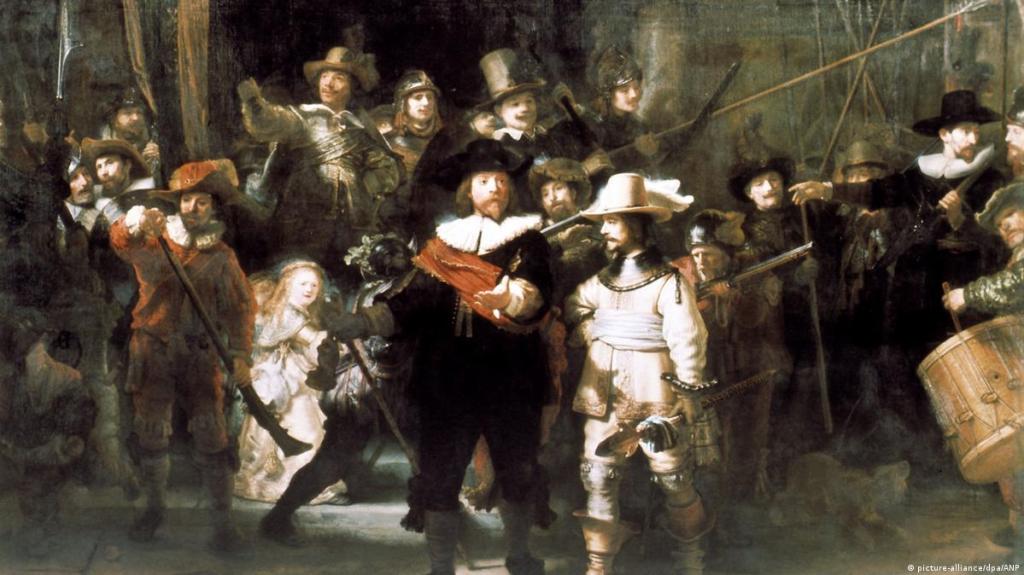
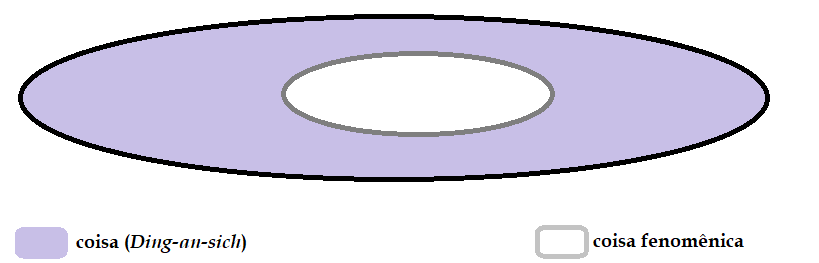
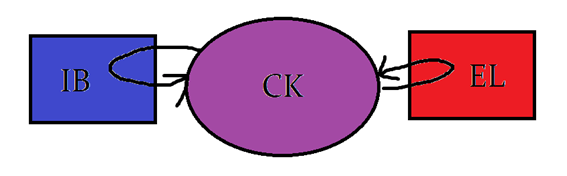
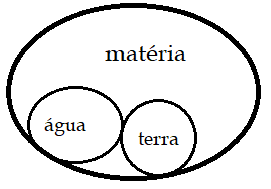
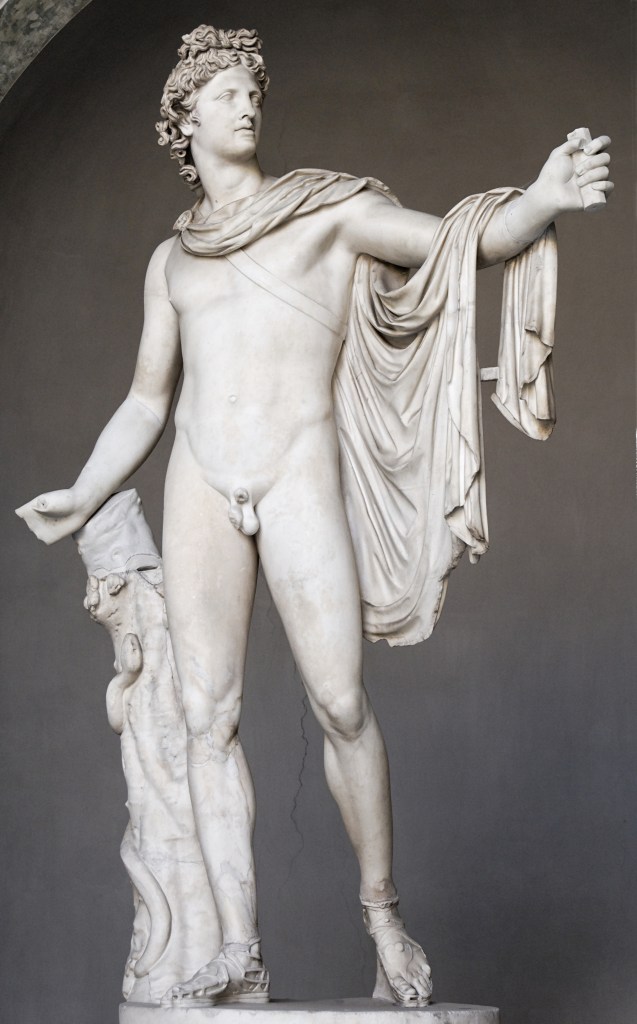

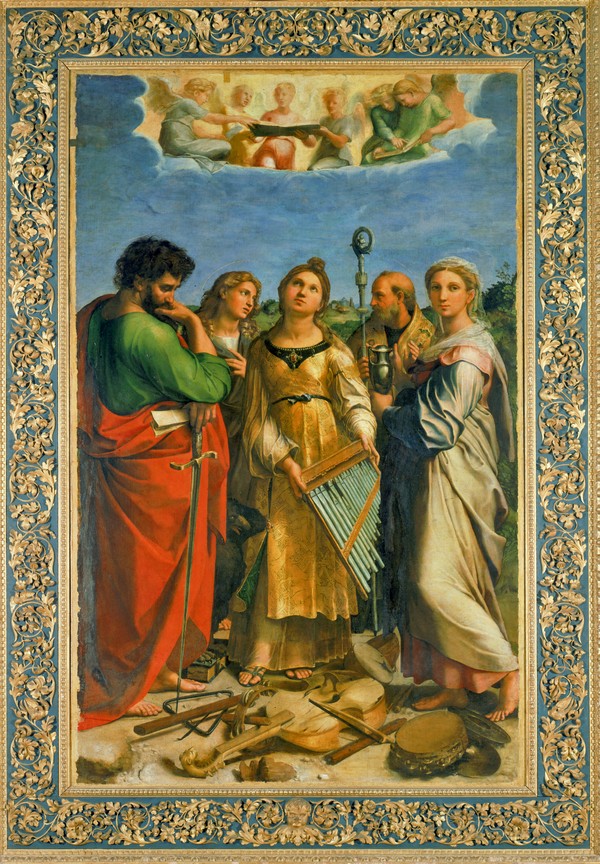


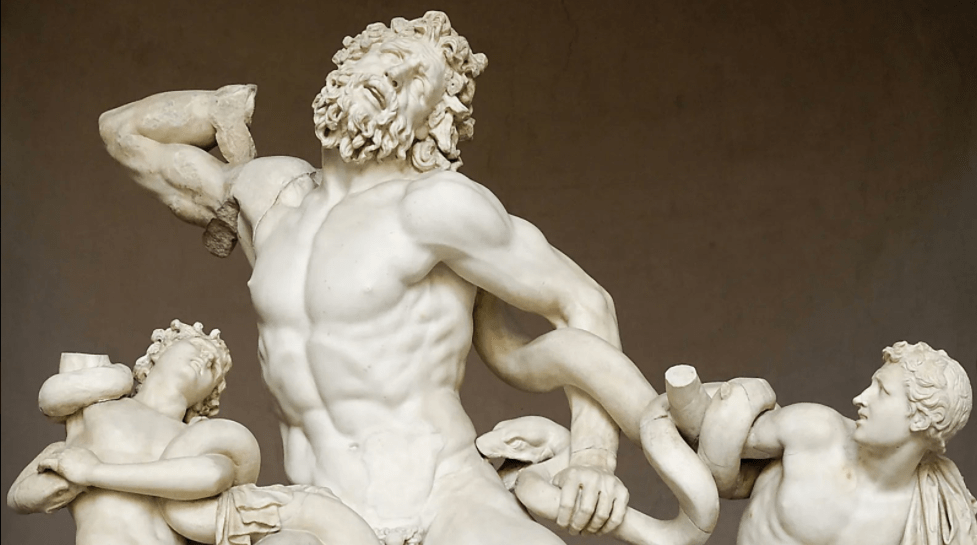









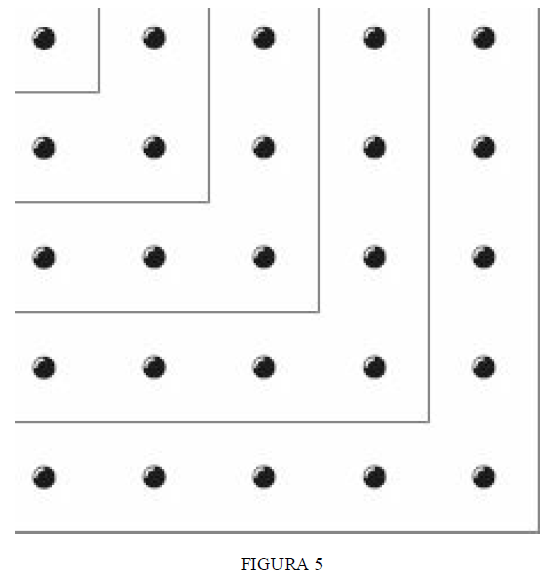
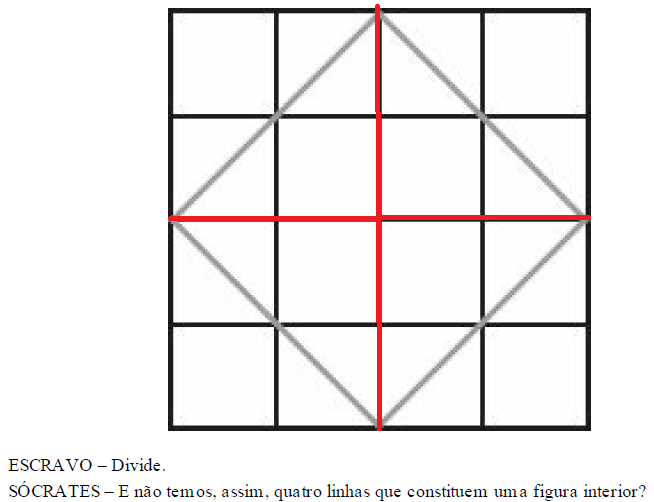
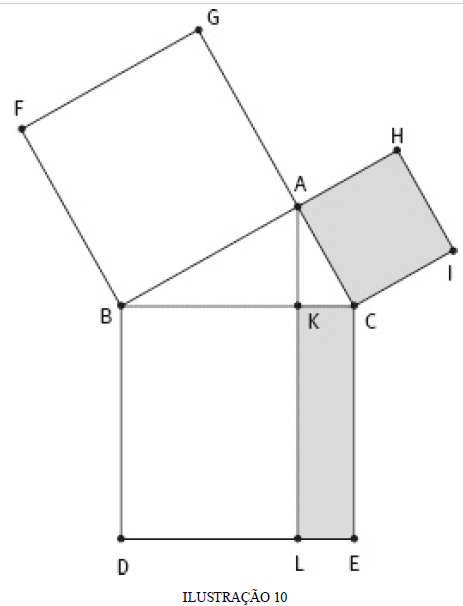
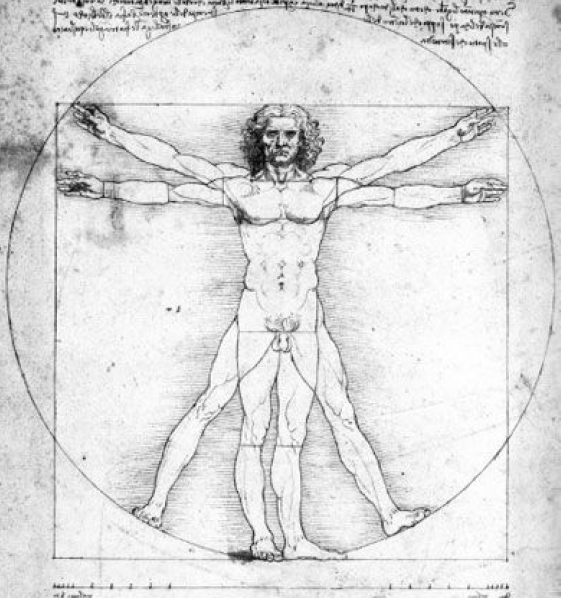
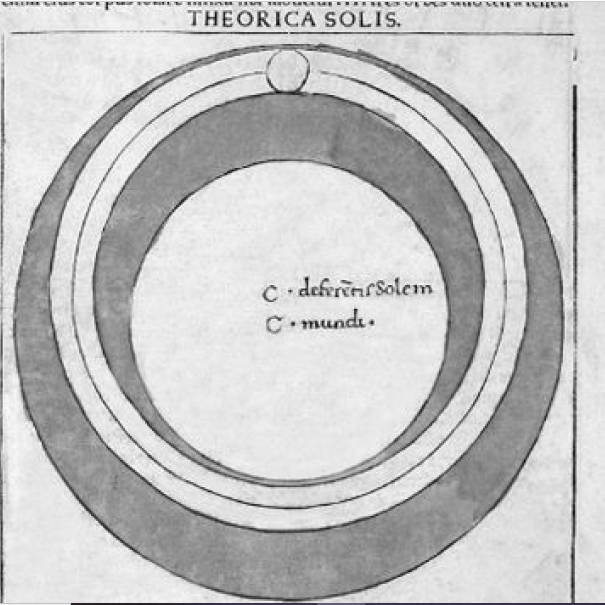
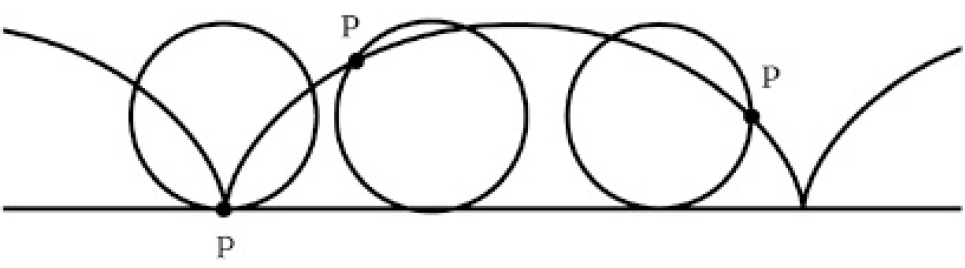
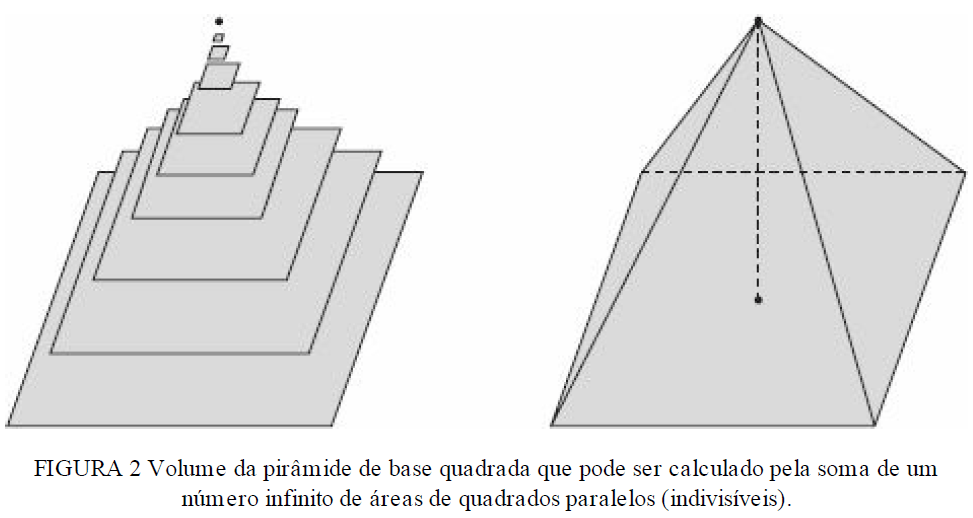
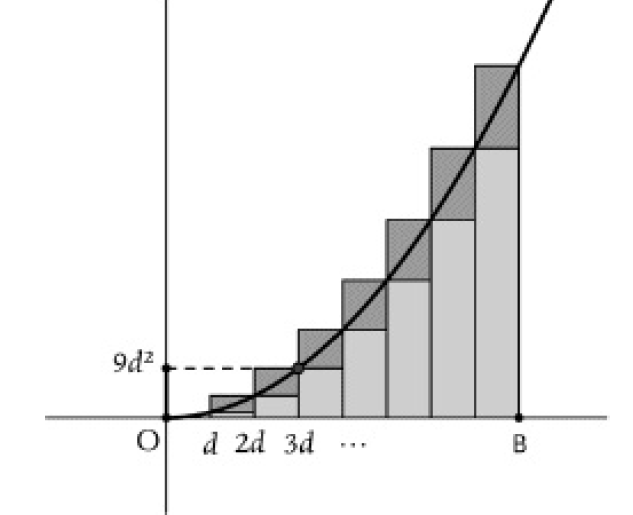
 Seclusão Anagógica
