INVESTIGAÇÕES SOBRE O ENTENDIMENTO HUMANO & SOBRE OS PRINCÍPIOS DA MORAL – Hume (trad. José Oscar de Almeida Marques)

Continuador da tradição empirista inaugurada por Bacon e desenvolvida por Locke e Berkeley, levou-a a sua mais extrema conclusão, culminando em um sistema que tem sido injustamente acusado de ser excessivamente cético e de privar a ciência e a moral de qualquer justificação racional. Os dois textos aqui apresentados têm uma origem comum, sendo ambos condensações e reelaborações de partes de uma obra mais vasta, o Tratado da natureza humana, que David Hume (1711-1776) redigiu em sua juventude (1737)”

Convencido de que o problema não estava no conteúdo de seu Tratado mas no estilo de sua exposição, Hume decidiu, alguns anos mais tarde, extrair dele duas obras mais curtas, nas quais procurou dar um tom acessível ao texto, eliminar a prolixidade argumentativa, suprimir os tópicos não-essenciais para a condução de seu argumento central e cuidar ao máximo da clareza da expressão.¹ São essas as duas Investigações reunidas no presente volume: a Investigação sobre o entendimento humano e a Investigação sobre os princípios da moral, extraídas do primeiro e do terceiro livros do Tratado e publicadas respectivamente em 1748 e 1751. Uma terceira obra, a Dissertação sobre as paixões, extrato do Livro II do Tratado e publicada em 1757, carece de maior relevância. De fato, os tópicos de maior interesse filosófico do Livro II, como a discussão da liberdade e da necessidade, já haviam sido incluídos na primeira Investigacão.”

¹ Se ao menos metade dos filósofos clássicos tivesse se preocupado em fazê-lo…

Acrescento algumas palavras sobre as presentes traduções. As duas Investigações já haviam sido anteriormente publicadas no Brasil – a primeira (em duas traduções distintas) na coleção Os Pensadores, e a segunda, traduzida por mim para a Editora da Unicamp, em 1995, tomando-se como base, em todos esses casos, a clássica edição de L.A. Selby-Bigge, à época a edição mais respeitada desses textos de Hume. O aparecimento, em 1998 e 1999, das novas edições preparadas por Tom L. Beauchamp para a série Oxford Philosophical Texts, da Oxford University Press, estabeleceu um novo standard acadêmico e abriu a oportunidade para o preparo de novas traduções brasileiras, o que fui feito quase imediatamente no caso da Investigação sobre o entendimento humano, publicada já em 1999 pela Editora UNESP.”

* * *

UMA INVESTIGAÇÃO SOBRE O ENTENDIMENTO HUMANO

SEÇÃO 1. DAS DIFERENTES ESPÉCIES DE FILOSOFIA

P. 19: crítica da filosofia moral até sua época (encarnada nos pragmatistas); chamemo-la de Filosofia A, doravante.

P. 20: crítica do racionalismo cartesiano (encarnada pelos pensantes), a Filosofia B doravante.

Hume efetuará a sua síntese entre ambas.

Um prefácio digno de um britânico fleumático: “É certo que, para o grosso da humanidade, a filosofia simples e acessível [A] terá sempre preferência sobre a filosofia exata e abstrusa, [B] e será louvada por muitos não apenas como mais agradável, mas também como mais útil que a outra.”

É fácil para um filósofo profundo cometer um engano em seus sutis raciocínios, e um engano é necessariamente o gerador de outro; ele, entretanto, segue todas as conseqüências e não hesita em endossar qualquer conclusão a que chegue, por mais inusitada ou conflitante com a opinião popular.” Podemos dizer que Schopenhauer foi o representante da filosofia B de maior calibre, e que errou exatamente desta maneira. Os “filósofos A”, enquanto pregadores morais, estão mais para “ensaístas”, concatenam idéias provisoriamente apenas, sem compromisso. Ex: La Rochefoucauld.

Ruim de chute (é impossível sepultar escolas filosóficas, elas sempre voltam à moda): “A fama de Cícero floresce no presente, mas a de Aristóteles está completamente arruinada. La Bruyère atravessa os mares e ainda mantém sua reputação, mas a glória de Malebranche está confinada à sua própria nação e à sua própria época. E Addison, talvez, ainda será lido com prazer quando Locke estiver inteiramente esquecido.”

O filósofo puro é um personagem que em geral não é muito bem-aceito pelo mundo, pois supõe-se que ele em nada contribui para o proveito ou deleite da sociedade, ao viver longe do contato com os seres humanos e envolvido com princípios e idéias não menos distantes da compreensão destes. Por outro lado, o mero ignorante é ainda mais desprezado; e, em uma época e nação em que florescem as ciências, não há sinal mais seguro de estreiteza de espírito que o de não se sentir minimamente atraído por esses nobres afazeres.”

chega[mos] mesmo à absoluta rejeição de todos os raciocínios mais aprofundados (…) [da] metafísica

O anatomista põe-nos diante dos olhos os objetos mais horrendos e desagradáveis, mas sua ciência é útil ao pintor para delinear até mesmo uma Vênus ou uma Helena.”

Um otimista incubado: “E embora um filósofo possa viver afastado dos assuntos práticos, o espírito característico da filosofia, se muitos o cultivarem cuidadosamente, não poderá deixar de se difundir gradualmente por toda a sociedade e conferir uma similar exatidão a todo ofício e vocação.” “A estabilidade dos governos modernos, em comparação aos antigos, e a precisão da moderna filosofia têm-se aperfeiçoado e provavelmente irão ainda se aperfeiçoar por gradações similares.”

E embora essas pesquisas possam parecer penosas e fatigantes, ocorre com algumas mentes o mesmo que com alguns corpos, os quais, tendo sido dotados de uma saúde vigorosa e exuberante, requerem severo exercício e colhem prazer daquilo que parece árduo e laborioso à humanidade em geral.”

Todo gênio audaz continuará lançando-se ao árduo prêmio e considerar-se-á antes estimulado que desencorajado pelos fracassos de seus predecessores, esperando que a glória de alcançar sucesso em tão difícil empreitada esteja reservada apenas para si.”

devemos dedicar algum cuidado ao cultivo da verdadeira metafísica a fim de destruir aquela que é falsa e adulterada.”

Constitui, assim, uma parte nada desprezível da ciência a mera tarefa de reconhecer as diferentes operações da mente, distingui-las umas das outras, classificá-las sob os títulos adequados e corrigir toda aquela aparente desordem na qual mergulham quando tomadas como objetos de pesquisa e reflexão.”

Tampouco pode restar alguma suspeita de que essa ciência seja incerta ou quimérica, a menos que alimentemos um ceticismo tão completo que subverta inteiramente toda especulação e, mais ainda, toda a ação.”

E deveríamos porventura considerar digno do trabalho de um filósofo fornecer-nos o verdadeiro sistema dos planetas e conciliar a posição e a ordem desses corpos longínquos, ao mesmo tempo que simulamos desconhecer aqueles que com tanto sucesso delineiam as partes da mente que de tão perto nos dizem respeito?” “Os astrônomos por muito tempo se contentaram em deduzir dos fenômenos visíveis os verdadeiros movimentos, ordem e magnitude dos corpos celestes, até surgir finalmente um filósofo que, pelos mais afortunados raciocínios, parece ter determinado também as leis e forças que governam e dirigem as revoluções dos planetas.”

Renunciar imediatamente a todas as expectativas dessa espécie pode ser com razão classificado como mais brusco, precipitado e dogmático que a mais ousada e afirmativa filosofia que já tenha tentado impor suas rudes doutrinas e princípios à humanidade.”

SEÇÃO 2. DA ORIGEM DAS IDÉIAS

Diga a um racionalista: Filosofe sobre a tortura, se queres tanto filosofar!

Entendo pelo termo impressão, portanto, todas as nossas percepções mais vívidas, sempre que ouvimos, ou vemos, ou sentimos, ou amamos, ou odiamos, ou desejamos ou exercemos nossa vontade. E impressões são distintas das idéias, que são as percepções menos vívidas, das quais estamos conscientes quando refletimos sobre quaisquer umas das sensações ou atividades já mencionadas.”

…e nada há que esteja fora do alcance do pensamento, exceto aquilo que implica uma absoluta contradição.” Ainda sob a sombra da opaca lógica aristotélica. Veremos isso com muito mais detalhes a seguir. Mas é curioso que a última página (e o limite teórico, por igual) da maior obra de Schopenhauer também seja inteiramente dominada pela mesma “sombra”…

INTUIÇÃO + MATEMÁTICA: “A idéia de Deus, no sentido de um Ser infinitamente inteligente, sábio e bondoso, surge da reflexão sobre as operações de nossa própria mente e do aumento ilimitado dessas qualidades de bondade e sabedoria.”

um lapão ou um negro não têm idéia do sabor do vinho.”

Portanto, sempre que alimentamos alguma suspeita de que um termo filosófico esteja sendo empregado sem nenhum significado ou idéia associada (como freqüentemente ocorre), precisaremos apenas indagar: de que impressão deriva esta suposta idéia?

a palavra idéia parece ter sido tomada usualmente num sentido muito amplo por Locke e outros, como significando qualquer uma de nossas percepções, nossas sensações e paixões, bem como pensamentos.” “L. caiu na armadilha dos escolásticos, os quais, ao fazerem uso de termos não-definidos, alongam tediosamente suas disputas sem jamais tocar no ponto em questão.”

SEÇÃO 3. DA ASSOCIAÇÃO DE IDÉIAS

Pelo menos 250 anos de antecipação a Freud: “Mesmo em nossos devaneios mais desenfreados e errantes – e não somente neles, mas até em nossos próprios sonhos – descobrimos, se refletirmos, que a imaginação não correu inteiramente à solta, mas houve uma ligação entre as diferentes idéias que se sucederam umas às outras.”

Embora o fato de que diferentes idéias estejam conectadas seja demasiado óbvio para escapar à observação, não é de meu conhecimento que algum filósofo tenha tentado enumerar ou classificar todos os princípios de associação; um assunto que, entretanto, parece digno de investigação. De minha parte, parece haver apenas 3 princípios de conexão entre as idéias, a saber, semelhança, contigüidade no tempo ou no espaço, e causa ou efeito.”

Como o homem é um ser dotado de razão e está continuamente em busca de uma felicidade…”

Como essa regra não admite nenhuma exceção, segue-se que, em composições narrativas, os acontecimentos ou ações que o escritor relata devem estar conectados por algum vínculo ou liame.”

Ovídio baseou seu plano no princípio de conexão por semelhança.”

Um analista ou historiador que se propusesse a escrever a história da Europa em um determinado século seria influenciado pela conexão de contigüidade”

Mas a espécie mais usual de conexão entre os diferentes acontecimentos que figuram em qualquer composição narrativa é a de causa e efeito”

Parece também que mesmo um biógrafo que fosse escrever a vida de Aquiles iria conectar os acontecimentos, mostrando suas relações e dependências mútuas, tanto quanto um poeta que fosse fazer da ira desse herói o assunto de sua narrativa, contrariamente a Aristóteles, Poética.” Talvez Ar. tenha sido enganado pelo procedimento de Homero na Ilíada. A propósito do quê H. não esquecerá de comentar: “Surge daí o artifício da narrativa oblíqua, empregada na Odisséia e na Eneida, em que o herói é inicialmente apresentado próximo à consecução de seus desígnios e posteriormente nos revela, como que em perspectiva, as causas e eventos mais distantes. Com esse método excita-se de imediato a curiosidade do leitor: os eventos seguem-se com rapidez e em estreita conexão, a atenção mantém-se viva e, por meio da relação próxima dos objetos, cresce continuamente do começo ao fim da narrativa.”

A mesma regra vale para a poesia dramática, não se permitindo, em uma composição regular, a introdução de um ator que tenha pouca ou nenhuma relação com os personagens principais do enredo.”

Pode-se objetar a Milton que ele foi muito longe no traçado de suas causas, e que a rebelião dos anjos produz a queda do homem por uma sucessão de eventos que é ao mesmo tempo muito longa e muito fortuita, para não mencionar que a criação do mundo, da qual ele dá um extenso relato, não é a causa dessa catástrofe mais do que da batalha de Farsália ou de qualquer outro evento já ocorrido. Mas se considerarmos que esses eventos todos: a rebelião dos anjos, a criação do mundo e a queda do homem assemelham-se uns aos outros por serem miraculosos e estarem fora do curso ordinário da natureza; que eles são considerados contíguos no tempo; e que, estando desconectados de todos os outros eventos e sendo os únicos fatos originais dados a conhecer pela revelação, chamam de imediato a atenção e evocam-se naturalmente uns aos outros no pensamento e na imaginação (…) [é] uma unidade suficiente”

A explicação completa deste princípio e de todas as suas conseqüências levar-nos-ia a raciocínios demasiado vastos e profundos para esta investigação.”

SEÇÃO 4. DÚVIDAS CÉTICAS SOBRE AS OPERAÇÕES DO ENTENDIMENTO

Parte 1

O ANTI-KANT: “Arrisco-me a afirmar, a título de uma proposta geral que não admite exceções, que o conhecimento dessa relação [de qualquer relação de fatos] não é, em nenhum caso, alcançado por meio de raciocínios a priori, mas provém inteiramente da experiência”

O mesmo conteúdo que em Schopenhauer: “Quanto às causas dessas causas gerais, entretanto, será em vão que procuremos descobri-las; e nenhuma explicação particular delas será jamais capaz de nos satisfazer. Esses móveis princípios fundamentais estão totalmente vedados à curiosidade e à investigação humanas. Elasticidade, gravidade, coesão de partes, comunicação de movimento por impulso – essas são provavelmente as últimas causas e princípios que será dado descobrir na natureza” Todos o afirmariam antes da eletricidade.

o resultado de toda filosofia é a constatação da cegueira e debilidade humanas”

Mesmo a geometria, quando chamada a auxiliar a filosofia natural, é incapaz de corrigir esse defeito ou de nos levar ao conhecimento das causas últimas”

Parte 2

Se houver qualquer suspeita de que o curso da natureza possa vir a modificar-se, e que o passado possa não ser uma regra para o futuro, toda a experiência se tornará inútil e incapaz de dar origem a qualquer inferência ou conclusão. (…) Por mais regular que se admita ter sido até agora o curso das coisas, isso, isoladamente, sem algum novo argumento ou inferência, não prova que, no futuro, ele continuará a sê-lo. (…) sua natureza secreta e, conseqüentemente, todos os seus efeitos e influências podem modificar-se sem que suas qualidades sensíveis alterem-se minimamente.”

SEÇÃO 5. SOLUÇÃO CÉTICA DESSAS DÚVIDAS

Parte 1

É certo que, ao buscarmos atingir a elevação e a firmeza espiritual do sábio filósofo e esforçarmo-nos para confinar nossos prazeres exclusivamente ao campo de nossas próprias mentes, poderemos acabar tornando nossa filosofia semelhante à de Epicteto e outros estóicos, ou seja, simplesmente um sistema mais refinado de egoísmo

Há no entanto uma espécie de filosofia que parece pouco sujeita a esse inconveniente, pois não se harmoniza com nenhuma paixão desordenada da mente humana, nem se mistura, ela própria, a nenhuma afecção ou inclinação naturais; essa é a filosofia acadêmica ou cética.” “uma filosofia como essa é o que há de mais contrário à indolência acomodada da mente, sua arrogância irrefletida, suas grandiosas pretensões e sua credulidade supersticiosa.” “Surpreende que essa filosofia – que em quase todas as ocasiões deve mostrar-se inofensiva e inocente – seja objeto de tantas censuras e reprovações infundadas.”

Parte 2

Segue-se uma clássica crítica do catolicismo por parte de um inglês protestante do século XVIII.

nossas emoções são mais fortemente despertadas quando vemos os locais que se diz terem sido freqüentados por homens ilustres do que quando ouvimos contar seus feitos ou lemos seus escritos. É assim que me sinto agora. Vem-me à mente Platão, de quem se diz ter sido o primeiro a entreter discussões neste lugar [a Academia de Atenas], e de fato o pequeno jardim acolá não apenas traz sua memória mas põe, por assim dizer, o próprio homem diante de meus olhos. E aqui está Espêusipo, aqui Xenócrates e seu discípulo Polemo, que costumava ocupar o próprio assento que ali vemos. E mesmo nosso edifício do Senado (refiro-me à Cúria Hostília, não ao novo edifício, que me parece ter-se tornado menor depois da ampliação)¹ trazia-me ao pensamento os vultos de Cipião, Catão, Lélio e principalmente de meu avô. Tal é o poder de evocação que reside nos locais, e não é sem razão que neles se baseia a arte da mnemônica.” Marco Piso

¹ Os homens são rabugentos e apegados ao passado em todas as eras.

Suponhamos que nos fosse apresentado o filho de um amigo há muito tempo morto ou ausente; é claro que esse objeto faria instantaneamente reviver sua idéia correlativa e traria a nossos pensamentos todas as lembranças dos momentos íntimos e familiares do passado, em cores mais vívidas do que de outro modo nos teriam aparecido. Eis aqui outro fenômeno que parece comprovar o princípio já mencionado.”

A influência do retrato supõe que acreditemos que nosso amigo tenha alguma vez existido. A contiguidade ao lar não poderia excitar as idéias que temos dele a menos que acreditemos que realmente exista.”

Não é verdade que, quando uma espada é empunhada contra meu peito, a idéia do ferimento e da dor me afeta mais fortemente do que quando me é oferecida uma taça de vinho, mesmo que tal idéia viesse por acidente a ocorrer-me quando do aparecimento desse último objeto?” Aonde você quer chegar, meu caro?

Assim como a natureza ensinou-nos o uso de nossos membros sem nos dar o conhecimento dos músculos e nervos que os comandam, [?] do mesmo modo ela implantou em nós um instinto que leva adiante o pensamento em um curso corresponde ao que ela estabeleceu para os objetos externos, [??] embora ignoremos os poderes e as forças dos quais esse curso e sucessão regulares de objetos totalmente depende. [!]”

[?] E quem é esta natureza, ente transcendental de seu sistema?

[??] “Implantaram-nos” instintos (voz passiva) que levam adiante pensamentos relativos a objetos exteriores? Características inatas cujo objetivo mesmo é lidar com o contingente? Mal-formulado!

[!] Finalmente uma afirmação competente no parágrafo – porém só mostra a vaidade da “filosofia cética”…

SEÇÃO 6. DA PROBABILIDADE

Embora não haja no mundo isso que se denominou acaso

SEÇÃO 7. DA IDÉIA DE CONEXÃO NECESSÁRIA

Parte 1

Na realidade, dificilmente se encontrará em Euclides uma proposição tão simples que não contenha mais partes do que se pode encontrar em qualquer raciocínio moral que não enverede pela fantasia e presunção.” “Como a filosofia moral [A] parece ter recebido até agora menos aperfeiçoamentos que a geometria ou a física, podemos concluir que, se há alguma diferença a esse respeito entre essas ciências, as dificuldades que atravancam o progresso da 1ª requerem maior cuidado e aptidão para serem sobrepujadas.

Não há, entre as idéias que ocorrem na metafísica, [B] outras mais incertas e obscuras que as de poder, força, energia ou conexão necessária, das quais nos é forçoso tratar a cada instante em todas as nossas investigações.” E no entanto, nada há de mais certo que a existência e ubiqüidade mesmo desse poder.

O cenário do universo está em contínua mutação, e os objetos seguem-se uns aos outros em sucessão ininterrupta, mas o poder ou força que põe toda essa máquina em movimento está completamente oculto de nossa vista e nunca se manifesta em nenhuma das qualidades sensíveis dos corpos.”

Pode-se dizer que a todo instante estamos conscientes de um poder interno, quando sentimos que, pelo simples comando de nossa vontade, podemos mover os órgãos de nosso corpo ou direcionar as faculdades de nosso espírito. Um ato de volição produz movimento em nossos membros ou faz surgir uma nova idéia em nossa imaginação. Essa influência da vontade nos é dada a conhecer pela consciência. Dela adquirimos a idéia de poder ou energia, e ficamos certos de que nós próprios e todos os outros seres inteligentes estamos dotados de poder. Essa idéia, então, é uma idéia de reflexão, dado que a obtemos refletindo sobre as operações de nossa própria mente e sobre o comando que a vontade exerce tanto sobre os órgãos do corpo como sobre as faculdades da alma.”

Essa influência, observa-se, é um fato que, como todos os outros acontecimentos naturais, pode ser conhecido apenas pela experiência” “a energia pela qual a vontade executa uma tão extraordinária operação, tudo isso está tão longe de nossa consciência imediata que deve para sempre escapar às nossas mais diligentes investigações.” Touché!

Se estivesse em nosso poder remover montanhas por um recôndito desejo, ou controlar os planetas em suas órbitas, essa vasta autoridade não seria mais extraordinária nem estaria mais distante de nossa compreensão.”

deveríamos conhecer a união secreta entre a alma e o corpo e a natureza dessas 2 substâncias que torna uma delas capaz de operar sobre a outra em um número tão grande de casos.”

Por que a vontade tem uma influência sobre a língua e os dedos, mas não sobre o coração e o fígado?” Curiosidade de colegial…

aprendemos em anatomia que o objeto imediato do poder no movimento voluntário não é o próprio membro movido, mas certos músculos, nervos, e espíritos animais, [?] ou talvez algo ainda mais minúsculo e mais desconhecido, através dos quais o movimento sucessivamente se propaga antes de atingir propriamente o membro cujo movimento é o objeto imediato da volição.” Então estávamos ou estamos inclusive hoje, antes das próximos descobertas, experimentando tudo errado, senhor?

O que ocorre aqui é que a mente executa um ato da vontade que tem como objeto um certo acontecimento e imediatamente se produz um outro acontecimento que nos é desconhecido e difere totalmente daquele que se tencionava produzir. E esse acontecimento produz outro, também desconhecido, até que, por fim, após uma longa sucessão, produz-se o acontecimento desejado.”

nossa idéia de poder não é copiada de nenhum sentimento ou consciência de poder que porventura experimentemos em nosso interior ao darmos início ao movimento animal ou empregarmos nossos membros nos usos e afazeres que lhes são próprios.” “Este nisus, ou esforço intenso do qual estamos conscientes, é a impressão original da qual essa idéia é copiada. Mas, em 1º lugar, atribuímos poderes a um vasto número de objetos com referência aos quais não é lícito supor a ocorrência de tal resistência ou exercício de força: ao Ser Supremo, que nunca depara com nenhuma resistência (…) Em segundo lugar, esse sentimento de um esforço para sobrepujar uma resistência não tem conexão conhecida com nenhum acontecimento (…) não poderíamos sabê-lo a priori.” “O que se tem aqui é uma genuína criação: a produção de alguma coisa a partir do nada”

Nossa autoridade sobre os nossos sentimentos e paixões é muito mais tênue que sobre nossas idéias, e mesmo esta última autoridade está circunscrita a limites bem estreitos. Quem pretenderá indicar a razão última?” Hume já sente a ponta do iceberg do niilismo…

Dominamos melhor nossos pensamentos pela manhã do que à noite”

IN COVID TIMES… “É só com a descoberta de fenômenos extraordinários como terremotos, peste e prodígios de qualquer outro tipo que a gente comum se sente incapaz de indicar uma causa adequada e de explicar o modo pelo qual o efeito é produzido por ela. É comum que pessoas em tais dificuldades recorram a algum princípio inteligente invisível (deus ex machina) como causa imediata do acontecimento que as surpreende e que elas julgam não mais poder ser explicado pelos poderes usuais da natureza.”

Aqui, então, muitos filósofos sentem-se obrigados pela razão a recorrer, em todas as ocasiões, ao mesmo princípio que o vulgo não emprega a não ser em casos que parecem miraculosos ou sobrenaturais.”

Nossa linha é demasiado curta para sondar abismos tão imensos.”

Nunca foi intenção de sir Isaac Newton destituir as causas segundas¹ de toda sua força ou energia, embora alguns de seus seguidores tenham se esforçado para estabelecer essa teoria valendo-se de sua autoridade. Pelo contrário, aquele grande filósofo [hm] lançou mão de um fluido ativo etéreo para explicar sua atração universal, embora tenha sido suficientemente cauteloso e modesto para admitir que se tratava de mera hipótese sobre a qual não se deveria insistir sem mais experimentos.² (…) Descartes sugeriu aquela doutrina da eficácia única e universal da Divindade, sem nela insistir. Malebranche e outros cartesianos tornaram-na o fundamento de toda sua filosofia.”

¹ Lei de causalidade, gravitação, etc.!

² O que desagradou os positivistas de então é que ele recuou demais: escolasticamente, atribuiu tudo a Deus! Laplace (da geração seguinte a Hume) refutaria o deísmo newtoniano com leis mais abrangentes sobre o sistema solar inteiro (avanço da matemática no período).

Parte 2

Todos os acontecimentos parecem inteiramente soltos e separados. Um acontecimento segue outro, mas jamais nos é dado observar qualquer liame entre eles. Eles parecem conjugados, mas nunca conectados. E como não podemos ter nenhuma idéia de uma coisa que nunca se apresentou ao nosso sentido exterior ou sentimento interior, a conclusão inevitável parece ser que não temos absolutamente nenhuma idéia de conexão ou de poder, e que essas palavras acham-se totalmente desprovidas de significado quando empregadas tanto no raciocínio filosófico quanto na vida ordinária.” “ele agora sente que esses acontecimentos estão conectados em sua imaginação”

SEÇÃO 8. DA LIBERDADE E NECESSIDADE

Parte 1

Espero tornar evidente que todos os homens sempre concordaram tanto sobre a doutrina da necessidade quanto sobre a da liberdade, em qualquer sentido razoável que se possa dar a esses termos, e que toda a controvérsia girou até agora meramente em torno de palavras.”

Quer-se conhecer os sentimentos, inclinações e modo de vida dos gregos e romanos? Estude-se bem o temperamento e a as ações dos franceses e ingleses” Far-fetched!

a terra, a água e outros elementos examinados por Ar. e Hipócrates não se assemelham mais aos que estão presentemente dados à nossa observação do que os homens descritos por Políbio e Tácito assemelham-se aos que agora governam o mundo.”

A veracidade de Quinto Cúrcio é tão suspeita quando descreve a coragem sobrenatural de Alexandre que o impelia a atacar sozinho multidões, como quando descreve sua força e atuação sobrenaturais que o tornavam capaz de resistir a essas mesmas multidões.”

A necessidade de qualquer ação, quer da matéria quer da mente, não é, propriamente, uma qualidade que esteja no agente, mas em um ser qualquer, dotado de pensamento e intelecto, que possa observar a ação; e consiste principalmente no fato de seus pensamentos estarem determinados a inferir a existência daquela ação a partir de alguns objetos precedentes”

sentimos que a vontade se move facilmente em todas as direções e produz uma imagem de si própria (ou uma veleidade, como se diz nas escolas) mesmo naquele lado no qual não veio a se fixar.”

Parte 2

(…)

SEÇÃO 9. DA RAZÃO DOS ANIMAIS

E não é igualmente a experiência que o faz até mesmo responder a seu nome e inferir, a partir desse som arbitrário, que referimo-nos a ele e não a algum outro de seus companheiros, e que o estamos chamando quando pronunciamos esse som de uma certa maneira e com um certo tom e inflexão?”

Formular máximas gerais a partir de observações particulares é uma operação muito delicada, e nada é mais usual do que enganar-se nessa atividade, pela pressa ou por uma estreiteza da mente que não examina a questão sob todos os seus ângulos.” Procedimento muito corriqueiro na Filosofia A.

SEÇÃO 10. DOS MILAGRES

Parte 1

a evidência que temos para a veracidade da religião cristã é menor que a evidência para a veracidade de nossos sentidos, porque já não era maior que esta nem mesmo nos primeiros autores de nossa religião, devendo certamente diminuir ao passar deles para seus discípulos, e ninguém pode depositar nos relatos destes tanta confiança quanto no objeto imediato de seus sentidos.” “Nada é tão convincente quanto um argumento conclusivo dessa espécie, que deve no mínimo silenciar o fanatismo e a superstição mais arrogantes e livrar-nos de suas exigências descabidas.”

Não fosse a memória dotada de um certo grau de obstinação, não se inclinassem comumente os homens à verdade e a um princípio de probidade, não fossem eles sensíveis à vergonha de serem apanhados mentindo, se estas qualidades, eu digo, não fossem reveladas pela experiência como inerentes à natureza humana, então não teríamos por que depositar a menor confiança no testemunho humano. Um homem que delira, ou é famoso pela sua falsidade e baixeza, não tem perante nós a menor autoridade.” Vivo no século do vil delírio.

A razão pela qual damos algum crédito a testemunhas e historiadores não deriva de qualquer conexão que percebamos a priori entre o testemunho e a realidade, mas de estarmos acostumados a encontrar uma concordância entre essas coisas.”

Eu não acreditaria em tal história, ainda que ela me fosse contada pelo próprio Catão, era um dito proverbial em Roma.”

Raciocinava corretamente o príncipe indiano que se recusou a acreditar nos primeiros relatos acerca dos efeitos do congelamento; e seria naturalmente necessário um testemunho muito poderoso para fazê-lo admitir fatos que decorrem de uma condição da natureza com a qual ele não estava familiarizado e que apresentavam tão pouca analogia com os acontecimentos dos quais tinha tido experiência constante e uniforme.”

Parte 2

não se encontra em toda a história nenhum milagre atestado por um número suficiente de homens de bom senso, educação e saber tão inquestionáveis que nos garantam contra toda possibilidade de estarem eles próprios enganados; de integridade tão indubitável que os coloque acima de qualquer suspeita de pretenderem iludir outros; de tal crédito e reputação aos olhos da humanidade que tenham muito a perder no caso de serem apanhados em qualquer falsidade; e, ao mesmo tempo, que atestem fatos realizados de maneira tão pública e em uma parte do mundo tão conhecida que não se pudesse evitar o desmascaramento.”

os efeitos que com muita dificuldade um Túlio ou um Demóstenes poderia obter sobre uma platéia romana ou ateniense, qualquer capuchinho, qualquer mestre itinerante ou estabelecido pode alcançar sobre o grosso da humanidade, e num grau mais elevado, manipulando essas paixões rudes e vulgares.”

nem bem 2 jovens de mesma condição vêem-se por duas vezes e a vizinhança inteira já os une imediatamente por casamento.”

Quando examinamos as histórias primevas de todas as nações, sentimo-nos como que transportados a algum mundo novo, no qual todo o arcabouço da natureza se acha desarticulado, e cada elemento realiza suas operações de uma maneira diferente da que o faz presentemente.”

nem sempre ocorre que todo Alexandre depare com um Luciano pronto a denunciar e desmascarar suas imposturas.” Personagens desconhecidos.

Um dos mais bem-atestados milagres em toda a história profana é aquele que Tácito conta de Vespasiano, que curou um cego em Alexandria por meio de sua saliva e um coxo com o simples toque de seu pé, em obediência a uma visão que estes tiveram do deus Serápis, o qual lhes ordenara recorrer ao imperador para obter essas curas milagrosas. Além disso, Suetônio oferece quase o mesmo relato em sua Vida de Vespasiano.” “Tácito era um autor contemporâneo aos fatos, famoso pela sinceridade e fidedignidade e, além disso, o maior e mais penetrante gênio, talvez, de toda a Antiguidade” “as testemunhas oculares do fato continuaram a confirmar seu depoimento depois que a família dos Flávios foi despojada do império e não poderia mais oferecer recompensas em troca de uma mentira.”

A sabedoria, inteligência e honradez dos cavalheiros e a austeridade das freiras de Port-Royal têm sido muito louvadas por toda a Europa. E, contudo, todos eles depõem em favor de um milagre acontecido à sobrinha do famoso Pascal, cuja santidade de vida e extraordinária capacidade são bem-conhecidas. [A sobrinha de Pascal escreveu-lhe a biografia] O famoso Racine relata esse milagre em sua famosa história de Port-Royal, e a reforça com todas as provas que uma multidão de freiras, padres, médicos e homens da sociedade – todos eles de crédito inquestionável – puderam conferir a ele. Diversos homens de letras, particularmente o bispo de Tournay, consideraram esse milagre tão genuíno a ponto de empregá-lo na refutação de ateístas e livres-pensadores. A rainha-regente da França, que alimentava imensa hostilidade contra Port-Royal, enviou seu médico particular para investigar o milagre, o qual retornou absolutamente convertido. Em resumo, a cura sobrenatural era tão incontestável que salvou por um tempo o famoso monastério da ruína com a qual os jesuítas o ameaçavam. Se tivesse sido um logro [e não um autologro], teria sido certamente detectado por antagonistas tão sagazes e poderosos, e deveria ter apressado a ruína dos perpetradores. Nossos teólogos, capazes de construir um castelo formidável com materiais tão insignificantes, que prodigiosa estrutura não teriam erguido com todas essas circunstâncias e muitas outras que não mencionei! Quão freqüentemente teriam os grandes nomes de Pascal, Racine, Arnaud, Nicole ressoado em nossos ouvidos? Mas, se forem sábios, é melhor que adotem o milagre por ser mil vezes mais valioso que todo o restante de sua coleção.” Hume já estava tão cansado de contar ‘causos’ numa nota de rodapé que ocupa 4 páginas que até abandonou o relato a meio caminho!

Nos primórdios das novas religiões, os sábios e instruídos comumente julgam que o assunto é demasiado insignificante para merecer seu cuidado e atenção. E quando mais tarde se interessam em desmascarar a fraude para abrir os olhos à multidão iludida, a hora certa já passou e os registros e testemunhas, que poderiam esclarecer a questão, estão para sempre perdidos.”

A autoridade do testemunho humano provém apenas da experiência, mas é essa mesma experiência que nos assegura sobre as leis da natureza. Quando, portanto, esses 2 tipos de experiência se opõem, nada nos resta a fazer senão subtrair um do outro, e abraçar uma opinião, seja de um lado, seja de outro, com a confiança que o resíduo pode produzir. Mas, de acordo com o princípio aqui explicado, essa subtração, no que diz respeito a todas as religiões populares, equivale a uma completa aniquilação, e podemos estabelecer, portanto, como uma máxima, que nenhum testemunho humano pode ter força suficiente para provar um milagre e torná-lo uma genuína fundação para qualquer sistema religioso dessa espécie.”

Embora o Ser ao qual o milagre é atribuído seja Todo-poderoso, o fato não se torna por isso minimamente mais provável, dado que nos é impossível conhecer os atributos ou ações de um tal Ser, a não ser pela experiência que temos de suas operações no curso usual da natureza.”

Devemos fazer uma coleção ou história particular de todos os monstros e produções ou nascimentos prodigiosos, e, em suma, de todas as coisas novas, raras e extraordinárias na natureza. Mas esse exame deve ser feito com o máximo rigor, para não nos afastarmos da verdade. Acima de tudo, todos os relatos que dependem em algum grau da religião devem ser considerados suspeitos, como os prodígios de Lívio. E no mesmo grau todas as coisas que se encontram nos escritos de magia natural ou alquimia, ou em autores que parecem todos dotados de insaciável apetite por mentiras e fábulas.” Bacon, Novum Organum, II

Para isso, teremos então de considerar inicialmente um livro que recebemos de um povo bárbaro e ignorante, escrito numa época em que eram ainda mais bárbaros e, muito provavelmente, longo tempo depois dos fatos nele narrados, um livro que não conta com a corroboração de nenhum testemunho concordante e que se assemelha aos relatos fabulosos que todas as nações fazem de suas origens.”

todo aquele que aceita a religião cristã movido pela está consciente de um permanente milagre em sua própria pessoa, milagre esse que subverte todos os princípios de seu entendimento e o faz acreditar no que há de mais oposto ao costume e à experiência.” Tão kierkegaardiano!

SEÇÃO 11. DE UMA PROVIDÊNCIA PARTICULAR E DE UM ESTADO VINDOURO

exceto pelo banimento de Protágoras e a morte de Sócrates – este último evento resultou parcialmente de outros motivos –, dificilmente se encontram, na história antiga, exemplos desse zelo fanático que tanto infesta a época presente. Epicuro viveu em Atenas até idade provecta, gozando de paz e tranqüilidade, e os epicuristas foram mesmo admitidos ao sacerdócio e oficiaram, diante do altar, os ritos mais sagrados da religião estabelecida. E o encorajamento público dos estipêndios e remunerações foi concedido igualmente, pelos mais sábios dos imperadores romanos, aos seguidores de todas as seitas filosóficas.” Cf. Luciano, O Banquete, Os Lápitas e O Eunuco. Este é o mesmo Luciano acima que “desmistificou” o homem Alexandre, O Grande?

SEÇÃO 12. DA FILOSOFIA ACADÊMICA OU CÉTICA

Parte 1

Não há maior número de raciocínios filosóficos desenvolvidos sobre um assunto qualquer do que aqueles que provam a existência de uma Divindade e refutam as falácias dos ateístas; e, contudo, os filósofos religiosos continuam debatendo se algum homem pode ser tão cego a ponto de ser um ateísta especulativo. Como poderíamos reconciliar essas contradições?”

que se entende por um cético?”

A dúvida cartesiana, portanto, se fosse alguma vez capaz de ser atingida por qualquer criatura humana (o que obviamente não é), seria totalmente incurável, e nenhum raciocínio poderia jamais levar-nos a um estado de segurança e convencimento acerca de qualquer assunto.

Deve-se confessar, contudo, que essa espécie de ceticismo, quando exercida com mais moderação, pode ser entendida em um sentido muito razoável, e constitui um preparativo necessário para o estudo da filosofia”

Com efeito: ironicamente, Descartes foi muito mais cético que Hume, “o cético”!

Até mesmo nossos próprios sentidos são postos em questão por uma certa espécie de filósofos, e as máximas da vida ordinária são sujeitas à mesma dúvida que os mais profundos princípios ou conclusões da metafísica e teologia. Como essas doutrinas paradoxais podem ser encontradas em alguns filósofos, e sua refutação em diversos outros, elas naturalmente excitam nossa curiosidade”

* * *

[POST SEPARADO] INTRODUÇÃO À EPISTEMOLOGIA HUME-KANTIANA

HUME ESTÁ PARA KANT COMO FEUERBACH ESTÁ PARA MARX: “sempre supomos um universo externo que não depende de nossa percepção, mas existiria ainda que nós a todas as outras criaturas sensíveis estivéssemos ausentes ou fôssemos aniquilados.”

Ainda com mais detalhes: Hegel Feuerbach (compreende Hegel, incapaz de prosseguir) Marx (compreende Hegel, compreende as falhas de Fuerbach, prossegue); Platão Hume (compreende a Idéia ou Representação, incapaz de prosseguir) Kant (criticismo kantiano ao estabelecer o a priori do espaço-tempo que leva em conta Platão e corrige as falhas de Hume).

Base de Hume:

instintos (naturalismo)

sentidos – sistema dos sentidos

ceticismo – crítica dos instintos e dos sentidos, sistema aperfeiçoado dos sentidos

[A filosofia] não pode mais recorrer ao instinto infalível e irresistível da natureza (naturalismo, mera noção enganosa ou antes verificada como impossível de ser alcançada através da ‘equipagem’ do ser humano no mundo), pois tal caminho nos conduz a um sistema completamente diferente, que se demonstrou falível e mesmo enganoso.” Refutação do naturalismo e do idealismo cartesiano, duas correntes de pensamento filosóficas – ambas refutáveis já por suas contrárias através de ceticismos incompletos ou parciais. “E justificar esse pretenso sistema filosófico por uma série de argumentos claros e convincentes, ou sequer por algo que se assemelhe a um argumento, é algo que está fora do alcance de toda a capacidade humana.” Descoberta de que a raiz da imperfeição tanto do naturalismo quanto do pseudo-ceticismo cartesiano são a mesma: o racionalismo, ou a fé na razão, que os primeiros filósofos da modernidade elevaram a uma categoria superior aos instintos e aos sentidos, mas que é mera ficção ou arbitrariedade, i.e., apresenta um conteúdo vazio, contaminado pelos próprios instintos e sentidos de maneira inconsciente (nestes filósofos, cujo ceticismo, grande ferramenta da filosofia, deixava a desejar).

Por qual argumento se poderia provar que as percepções da mente [sentidos e raciocínios] devem ser causadas por objetos externos inteiramente distintos delas, embora a elas assemelhados (se isso for possível), e não poderiam provir, seja da energia da própria mente, (I) seja da sugestão de algum espírito invisível e desconhecido, seja de alguma outra causa que ignoramos ainda mais?” (II) Começo da compreensão da dialética interior-exterior. Sujeito e objeto são díspares. Porém categorias os intersecionam num uno: cores e formas. A mente e uma mesa são objetos materiais, vermelhos, marrons, brancos, pouco importa, sólidos, etc. (I) é uma alusão avant la lettre a um tipo de solipsismo: conjetura-se: e se… todos os objetos exteriores que apreendemos são apenas criações nossas? Despidas de materialidade, apenas ilusões. Evocação do mito da caverna, do ainda-por-vir criticismo kantiano e das próprias considerações de uma filosofia ainda mais tardia a Hume e Kant eles mesmos, i.e., a fenomenologia do século XX, em que – com a ajuda manifesta de Kant – entendemos os fenômenos como aparências e ao mesmo tempo como nossa realidade relativa (posto descartar-se um absoluto). O (II) seria uma alusão direta à Coisa-Em-Si de Kant. Uma causa que está além do homem, e que incita à metafísica, ou seja, a meras especulações, sem poder ser refutada ou provada. “Reconhece-se, de fato, que muitas dessas percepções não surgem de nada exterior, como nos sonhos, na loucura e em outras enfermidades. E nada pode ser mais inexplicável que a maneira pela qual um corpo deveria operar sobre a mente para ser capaz de transmitir uma imagem de si mesmo a uma substância que se supõe dotada de uma natureza tão distinta e mesmo oposta.” Assunção humeana de corpo e mente como instâncias irrevocavelmente separadas. O corpo representa, nesta instância, os sentidos. A mente a capacidade de abstração. Que a substância? A matéria cinzenta, o cérebro, nosso sistema cognitivo. Sentidos e razão não possuem qualquer coincidência entre si. Nenhum pode sobrepor o outro, ambos são sempre contraditos e contradizem o outro, mas isto, esta conjugação paradoxal, é o homem. Nós sequer possuímos uma “imagem objetiva” de nosso próprio corpo, seja internamente seja externamente. Ex: não sabemos a priori como são nossas entranhas e como funcionam nossos sistemas biológicos como o digestório-excretório, o circulatório, o respiratório, etc., antes de uma investigação racional sobre tais temas. A mente também não pode comunicar conceitos ao corpo, e ela mesma não se conhece fisicamente ou, como queira, no nível espiritual, de forma objetiva, dadas nossas limitações. Não há uma instância maior-que-o-real a que se possa recorrer para arbitragem imparcial de todo esse impasse: no sonho, basta que se acorde. A causa está fora do sonho, por isso o sonho pode ser objeto de investigação. Na loucura, o louco não pode investigar-se, mas pode ser objeto de estudo. O homem, o filósofo, não pode investigar-se e investigar o mundo da mesma forma como o sonhador investiga o sonho e a medicina investiga o paciente. Neste caso, estamos dentro de um sonho, chamado mundo, e somos portadores de monomanias ou loucuras parciais que não podemos exatamente explicar ou esclarecer. Eis o que se pode construir contra todo ceticismo esclarecido. Nossos limites epistemológicos.

PERGUNTA – É uma questão de fato se as percepções dos sentidos são produzidas por objetos externos a elas assemelhadas – como se decidirá esta questão?”

Nossos olhos enxergam outras matérias porque são matéria também (idênticas, em última instância, ao que observam), ou nossa visão (sentido) cria a matéria tal qual a observamos? Neste estágio, Hume está em um problema de “o ovo ou a galinha”, a que não tem certeza a qual concede prioridade causal. Tal debate parece hoje inocente, mesmo da perspectiva epistemológica. Até por isso é necessário esclarecer o leitor, no entanto, que tampouco fala-se aqui da investigação física sobre o fenômeno da visão (já que usamos presentemente este sentido, aquele que é mais explorado pela filosofia ocidental, em detrimento do tato, paladar, audição e olfato), que até a época de Hume não estava esclarecido na base atual (a resposta encontrando-se na luz em interação tanto com a retina humana quanto com o objeto). Não é este “ângulo cru” que interessa neste livro de Hume. Ele está, ao invés, a se perguntar: que é a verdade, qual é o fundamento do real? Essas mesmas perguntas, repito, são para nós inocentes, pois a filosofia pós-kantiana decidiu-se sobre esse aspecto, sem recorrer quer ao ovo, quer a galinha, no que ficou conhecida como a síntese kantiana (ou ainda crítica, simplesmente) das correntes filosóficas importantes que o precederam. Não é dada primazia à faculdade do olho (uma câmera senciente, por assim dizer, i.e., uma câmera ligada a um sistema nervoso) nem à dos objetos, mas sim ao caráter relativista da apreensão do mundo inerente ao ser humano e ao ‘fenômeno’, conceito que detalharemos mais a seguir.

Nem existe nada de que se possa falar que seja externo ao ser (um cogitado real ou coisa-em-si), nem é o sentido do ser que cria ilusões sensórias em detrimento de acessar uma suposta realidade não-sensível, independente (o que poderíamos, hoje, tanto chamar de coisa-em-si – de novo – como de absurdo). O ser é a própria realidade que observa; a mesa, a luz, o olho humano são fenômenos (aparências), única forma da realidade regida pelo tempo-espaço, nosso único modo de vivência. Nosso corpo e mente não se encontram cingidos à maneira humeana no sistema kantiano, posto que enquanto fenômeno eternamente aparente (ou seja, em modificação) ele é em si a elucidação dos conceitos de espaço e de tempo, conteúdo e forma e sua variação, que estão embutidos em nossos instintos, sentidos e cognição (se desdobra num e noutro desde que existe, até que deixe de existir). A realidade é relativa ao indivíduo porque dois corpos não podem ser conhecidos ao mesmo tempo da mesma perspectiva, nem ‘no mesmo espaço’, sendo cada apreensão fenomênica um ‘caso isolado’ na perspectiva de um só indivíduo ou de vários. Se Hume ainda falava de um Absoluto, mas ao mesmo tempo defendia haver uma impossibilidade prática de acessá-lo, Kant, na medida em que não trata da coisa-em-si de forma moral (na Crítica da Razão Pura Prática, abordagem que não nos interessa nesta epistemologia humeana), dispensa o absoluto, ao tempo em que, justamente, o conserva, somente que sob a forma do fenômeno (que não conhece distinção sujeito-objeto), único absoluto de seu sistema.

RESPOSTA – Pela experiência.”

Como Hume não segue pela senda kantiana, ele entende que o real (o fenômeno) possa ser paulatinamente investigado pela experiência (“sentidos acumulados”, “sentidos orientados pela razão”, “razão orientada pelos sentidos” até, como queiram – também “memória”).¹ Sucede que, na fenomenologia póstuma chega-se ao veredito: a experiência humana não “acumula” fatores necessários para o entendimento da própria experiência ou do real, como diz Hume, simplesmente porque os fatores necessários são tempo e espaço,¹ que é inerente ao ser enquanto ser (e a única manifestação do ser é através do devir fenomenológico). Em outros termos, Hume procura uma solução que já estava solucionada, sendo sua investigação tautológica ou até mesmo pré-tautológica, contraproducente e falsificadora (já que podemos entender o mundo dos fenômenos como a tautologia ela mesma).

¹ Como esta é uma INTRODUÇÃO À EPISTEMOLOGIA destes dois autores, achei por bem não complicar a exposição logo de início com um último fator enunciado por Kant na sua primeira Crítica que completa um “tripé de fundamentos”. Se possível gostaria de ter deixado esta parte fora, mas como Hume, a dado ponto das Investigações cita a própria “memória” e o termo que aqui é conveniente citar, i.e., “aprendizado das causas e efeitos”, vejo que ao menos dessa nota de rodapé o “terceiro elemento” da tríade kantiana deve constar, embora a explanação seja auto-suficiente recorrendo-se estritamente a tempo e espaço. O fator que explica a memória e o acúmulo de experiências, no sistema kantiano, é o princípio inato de apreensão de causa-efeito; se já não fôssemos equipados desta intuição elementar, a própria passagem do tempo ou as mudanças do espaço (que são, em realidade, um único fenômeno que se separa na expressão da linguagem) não seriam apreensíveis, o que demoliria todo o sistema. E na verdade quando falamos em espaço e em tempo já intuímos, por assim dizer, noções como e hegemonia de causas e efeitos no real ou nos fenômenos. Nosso próprio conceito ou abstração do que seria nossa memória envolve um recipiente, um contêiner, uma caixa, por exemplo, extensa e tridimensional, finita, capaz de armazenar, em diferentes etapas e períodos, informações, sendo que esta caixa nunca nos parecerá totalmente vazia nem cheia, embora intuamos naturalmente suas limitações – ainda que nem evoquemos aqui o esquema de um cérebro esta imagem inocente da caixa já é o suficiente; o cérebro que, antes de dissecar um corpo, um ser humano não conhece em sua aparência nem em outros atributos (o mesmo que se poderia dizer do intestino, p.ex.) a não ser pela educação ou instrução, direta ou indireta, por seres humanos que obtiveram estes dados no passado, i.e., numa palavra, pela razão. Em suma, a noção de causa-efeito nada mais é do que a articulação lógica que possibilita nossa compreensão (inata) de tempo e espaço como fundamentos do real e articulados em unidade regendo todos os fenômenos.

Recorrer à veracidade do Ser supremo para provar a veracidade de nossos sentidos é, certamente, tomar um caminho muito inesperado.” Desta vez Hume está certo, e o próprio Kant, na Crítica da Razão Pura Prática, continuação moral de sua clássica e inauguradora Crítica da Razão Pura, retrocedeu e recaiu no próprio erro que já havia superado anos antes: atribuiu ao Ser supremo mediado pela ética cristã no mundo fenomênico o fundamento de nossa conduta social. Ele fez isso porque não encontrou outra solução metodológica para o dilema moral que suas conclusões no primeiro livro traziam: a queda no niilismo desenfreado, uma vez que os fenômenos são relativos e, portanto, realidades últimas individualmente falando. Faltava a explicação de como é possível a ética, isto é, a ação-no-mundo de forma que fosse possível a vida estabilizada em sociedade, fora da situação hipotética hobbesiana do estado de natureza (todos os homens contra todos os homens) e guiada por fins mais nobres do que a própria mundanidade fenomênica. Sua resposta bem conhecida é o enunciado do imperativo categórico. Sua premissa é válida para poucos séculos europeus de civilização cristã, ignorando portanto qualquer desenvolvimento histórico (a manifestação do Estado antes do modelo constitucional moderno, as civilizações anteriores, as civilizações não-européias e as civilizações póstumas, todas elas fenômenos transcendentais e estáveis, porém regidos por morais, culturas, religiões e códigos de ética alternativos ao tempo-espaço de Kant, i.e., o Estado de Direito cristão europeu do século XVIII). Kant retomaria uma epistemologia independente da coisa-em-si no seu terceiro trabalho clássico, a Crítica da Faculdade do Juízo, para explicar a possibilidade da Estética.

Este é um tópico, portanto, no qual os céticos mais profundos e mais filosóficos sempre haverão de triunfar quando se propuserem a introduzir uma dúvida universal em todos os objetos de conhecimento e investigação humanos.” No sentido aqui atribuído ao ceticismo, todos os trabalhos filosóficos ainda válidos para nossa própria idade foram efetivamente legados por indivíduos céticos, sem reparos.

É universalmente reconhecido, pelos modernos pesquisadores, que todas as qualidades sensíveis dos objetos, tais como o duro e o mole, o quente e o frio, o branco e o preto, etc., são meramente secundárias e não existem nos objetos eles mesmos, mas são percepções da mente que não representam nenhum arquétipo ou modelo externo. Se isso se admite com relação às qualidades secundárias, o mesmo deve igualmente seguir-se com relação às supostas qualidades primárias de extensão e solidez, as quais não podem ter mais direito a essa denominação que as anteriores. A idéia de extensão é inteiramente adquirida a partir dos sentidos da visão e do tato, e se todas as qualidades percebidas pelos sentidos estão na mente, não no objeto, a mesma conclusão deve alcançar a idéia de extensão, que é inteiramente dependente das idéias sensíveis, ou idéias de qualidades secundárias. Nada pode nos resguardar dessa conclusão a não ser declarar que as idéias dessas qualidades primárias são obtidas por abstração, uma opinião que, examinada cuidadosamente, revelar-se-á ininteligível e mesmo absurda. Uma extensão que não é nem tangível nem visível não pode ser minimamente concebida, e uma extensão visível ou tangível que não é nem dura nem mole, nem preta nem branca [Hume quis dizer: sem cor], está igualmente além do alcance da concepção humana. Que alguém tente conceber um triângulo em geral que não seja nem isósceles nem escaleno, nem tenha qualquer particular comprimento ou proporção entre seus lados, e logo perceberá o absurdo de todas as noções escolásticas referentes à abstração e às idéias gerais. (Em nota) Tomou-se de empréstimo esse argumento ao Dr. Berkeley; e, de fato, a maior parte dos escritos desse autor extraordinariamente habilidoso compõe as melhores lições de ceticismo que se pode encontrar entre os filósofos antigos ou modernos, incluindo Bayle. (…) Ele declara, entretanto, na folha de rosto (e sem dúvida com grande sinceridade), ter composto seu livro contra os céticos, bem como contra os ateus e os livres-pensadores. Mas todos os seus argumentos, embora visem a outro objetivo, são, na realidade, meramente céticos, o que fica claro ao se observar que não admitem nenhuma resposta e não produzem nenhuma convicção. Seu único efeito é causar aquela perplexidade, indecisão e embaraço momentâneos que são o resultado do ceticismo. [do filosofar]” Aqui Hume estava muito próximo de chegar ao criticismo kantiano, por exemplo. Diríamos que estava “quente”, mas que alguns parágrafos à frente “esfriou” de novo…

Parte 2

Pode parecer muito extravagante que os céticos tentem destruir a razão por meio de argumentos e raciocínios, contudo esse é o grande objetivo de todas as suas disputas e investigações.”

A principal objeção contra todos os raciocínios abstratos deriva das idéias de espaço e tempo; idéias que, na vida ordinária e para um olhar descuidado, passam por muito claras e inteligíveis, mas, quando submetidas ao escrutínio das ciências profundas (e elas são o principal objeto dessas ciências), geram princípios que parecem recheados de absurdos e contradições.” Significa: podemos abstrair inúmeras conclusões físico-matemática falsas acerca do espaço e do tempo, o que é o uso indiscriminado e mal-feito da razão, mas o que há de empírico e sensível no tempo e no espaço é irrefutável, indiscutível mesmo, ignorando e destruindo qualquer conceito ou abstração em última instância; daí ser fácil intuirmos por que espaço-tempo seja a base do kantismo: eis as noções mais imediatas e impregnadas no Ser, a condição de possibilidade de todos os fenômenos e representações.

Em mais algumas passagens de considerável extensão (!), Hume antecipa a eclosão, em um não-curto prazo, como a História verificou, dos famosos paradoxos das ciências exatas, principalmente na matemática pós-euclidiana, decorrente do próprio hiper-desenvolvimento e exaustão do modelo da geometria clássica, bem como podemos chamar já a matemática analítica (a álgebra), nascida aproximadamente com Descartes, do espelhamento desta situação, já adiantado, relativo à aritmética.

* * *

A grande destruidora do pirronismo, ou ceticismo de princípios excessivos, é a ação, e os afazeres e ocupações da vida cotidiana.”

Um seguidor de Copérnico, ou um de Ptolomeu, defendendo cada qual seu diferente sistema de astronomia, pode esperar produzir em sua audiência uma convicção que permanecerá constante e duradoura. Um estóico ou um epicurista expõem princípios que não apenas podem ser duradouros, mas também têm uma influência na conduta e nas maneiras. Mas um pirrônico não pode esperar que sua filosofia venha a ter alguma influência constante na mente humana; ou, se tiver, que essa influência seja benéfica para a sociedade. Ao contrário, ele deverá reconhecer – se puder – que toda vida humana seria aniquilada se seus princípios fossem adotados de forma constante e universal.” “Quando desperta de seu sonho, ele é o primeiro a rir-se de si mesmo e a confessar que suas objeções são puro entretenimento, e só tendem a mostrar a estranha condição da humanidade, que está obrigada a agir, a raciocinar e a acreditar sem ser capaz, mesmo pelas mais diligentes investigações, de convencer-se quanto às bases dessas operações ou de afastar as objeções que podem ser levantadas contra elas.”

Parte 3

Existe, com efeito, um ceticismo mais mitigado, ou filosofia acadêmica, que pode ser tanto útil quanto duradouro” O famoso ‘pra que arrumar a cama se vou dormir de novo ainda hoje?’.

Aqueles que têm propensão para a filosofia prosseguirão em suas pesquisas, porque ponderam que, em adição ao prazer imediato que acompanha essa ocupação, as decisões filosóficas nada mais são que as reflexões da vida ordinária, sistematizadas e corrigidas.”

Parece-me que os únicos objetos das ciências abstratas, ou objetos de demonstração, são a quantidade e o número, e que todas as tentativas para estender essa espécie mais perfeita de conhecimento além desses limites não passam de sofística e ilusionismo.”

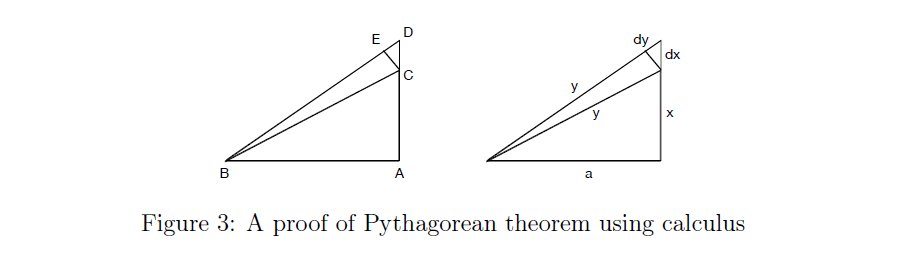
Que o quadrado da hipotenusa é igual aos quadrados dos 2 outros lados, isso não pode ser conhecido, por mais exatamente que estejam definidos os termos, sem um processo de raciocínio e investigação.”

A ímpia máxima da filosofia antiga Ex nihilo, nihil fit (Do nada, nada procede), pela qual se negava a criação da matéria, deixa de ser uma máxima, de acordo com a presente filosofia.”

Os assuntos ligados à moral e à crítica são menos propriamente objetos do entendimento que do gosto e do sentimento. A beleza, quer moral ou natural, é mais propriamente sentida que percebida. Ou, se raciocinamos sobre ela, e tentamos estabelecer seu padrão, tomamos em consideração um novo fato, a saber, o gosto geral da humanidade ou algum outro fato desse tipo, que possa ser objeto do raciocínio e da investigação.” Longe de mim, ao demonstrar que a epistemologia kantiana é em síntese a superação da epistemologia humeana, rebaixar ou relegar Hume a um canto irrelevante da história dos pensadores. Nesta passagem, por exemplo, se vê com assaz clareza que Hume, apenas 13 anos mais velho que seu ainda mais celebrado “rival”, respirando a mesma cultura portanto, poderia muito bem ter sido o autor de todo o criticismo kantiano, se rumasse por veredas não muito distintas de seu próprio método, posto que essas linhas por si só contêm em germe não só as conclusões kantianas mais sublimes, como os postulados da primeira e da terceira Críticas, como até o sensato corretivo dos devaneios kantianos sobre a moral (segunda Crítica).

Quando percorrermos as bibliotecas, convencidos destes princípios, que devastação não deveremos produzir! Se tomarmos em nossas mãos um volume qualquer, de teologia ou metafísica escolástica, p.ex., façamos a pergunta: Contém ele qualquer raciocínio abstrato referente a números e quantidades? Não. Contém qualquer raciocínio experimental referente a questões de fato e de existência? Não. Às chamas com ele, então, pois não pode conter senão sofismas e ilusão.”

UMA INVESTIGAÇÃO SOBRE OS PRINCÍPIOS DA MORAL

SEÇÃO 1. DOS PRINCÍPIOS GERAIS DA MORAL

é inútil esperar que qualquer lógica – que não se dirige aos afetos – seja jamais capaz de levá-los a abraçar princípios mais sadios.”

Por mais insensível que seja um homem, ele será freqüentemente tocado pelas imagens do certo e do errado, e, por mais obstinados que sejam seus preconceitos, ele deve certamente observar que outras pessoas são suscetíveis às mesmas impressões. O único modo, portanto, de converter um antagonista dessa espécie é deixá-lo sozinho.”

Os filósofos da Antiguidade, embora afirmem muitas vezes que a virtude nada mais é que a conformidade com a razão, parecem em geral considerar que a moral deriva sua existência do gosto e do sentimento.”

Extingam-se todos os cálidos sentimentos e propensões em favor da virtude, e toda repugnância ou aversão ao vício; tornem-se os homens totalmente indiferentes a essas distinções, e a moralidade não mais será um estudo prático nem terá nenhuma tendência a regular nossa vida e ações.”

Mas em muitas espécies de beleza, particularmente no caso das belas-artes, é preciso empregar muito raciocínio para experimentar o sentimento adequado, e um falso deleite pode muitas vezes ser corrigido por argumentos e reflexão. Há boas razões para se concluir que a beleza moral tem muitos traços em comum com esta última espécie, e exige a assistência de nossas faculdades intelectuais para adquirir uma influência apropriada sobre a mente humana.”

Dado que essa é uma questão factual e não um assunto de ciência abstrata, só podemos esperar obter sucesso seguindo o método experimental e deduzindo máximas gerais a partir de uma comparação de casos particulares.” Larochefoucauldismo

Os homens estão hoje curados de sua paixão por hipóteses e sistemas em filosofia natural, e não darão ouvidos a argumentos que não sejam derivados da experiência.” Que otimismo!

Já é tempo de que façam uma reforma semelhante em todas as investigações morais e rejeitem todos os sistemas éticos, por mais sutis e engenhosos, que não estejam fundados em fatos e na observação.”

SEÇÃO 2. DA BENEVOLÊNCIA

Parte 1

Os epítetos ‘sociável’, ‘de boa índole’, ‘humano’, ‘compassivo’, ‘grato’, ‘amistoso’, ‘generoso’, ‘benfazejo’, ou seus equivalentes, são conhecidos em todas as linguagens e expressam universalmente o mais alto mérito que a natureza humana é capaz de atingir.”

Uma elevada aptidão, uma coragem indomável, um sucesso florescente só podem expor um herói ou um político à inveja e má vontade do público; mas tão logo se acrescentem os louvores de humanitário e beneficente, tão logo sejam dadas demonstrações de brandura, enternecimento e amizade, a própria inveja se cala ou junta-se ao coro geral de aprovação e aplauso.”

Em homens de talentos e capacidades mais ordinários, as virtudes sociais (se é que isto é possível) são requeridas de forma ainda mais essencial, já que não há, nesses casos, nada que se sobressaia para compensar sua ausência ou para preservar a pessoa da mais profunda aversão ou desprezo.”

Deve-se de fato reconhecer que é apenas pela prática do bem que um homem pode verdadeiramente gozar das vantagens de ser eminente. Sua posição elevada, por si só, apenas o deixa mais exposto ao perigo e à tempestade.”

Parte 2

Plantar uma árvore, cultivar um campo, gerar filhos: atos meritórios, segundo a religião de Zoroastro.” Faltou um quarto ato: ler meu blog.

O ato de dar esmolas a pedintes vulgares é compreensivelmente elogiado, pois parece trazer alívio aos aflitos e indigentes; mas, quando observamos o encorajamento que isso dá à ociosidade e à devassidão, passamos a considerar essa espécie de caridade antes como uma fraqueza que uma virtude.”

O tiranicídio, ou assassinato de usurpadores e príncipes opressivos, foi sumamente enaltecido em tempos antigos porque livrou a humanidade desses monstros e parecia, além disso, impor o temor a outros que a espada ou o punhal não podiam alcançar. Mas como a história e a experiência desde então nos convenceram de que essa prática aumenta a suspeita e a crueldade dos príncipes, um Timoleão e um Bruto, embora tratados com indulgência em vista das predisposições de sua época, são hoje considerados como modelos muito impróprios para imitação.”

O luxo, ou refinamento nos prazeres e confortos da vida, foi durante muito tempo tomado como a origem de toda a corrupção no governo, e como a causa imediata de discórdia, rebelião, guerras civis e perda total de liberdade.”

SEÇÃO 3. DA JUSTIÇA

Parte 1

A água e o ar, embora sejam as mais necessárias de todas as coisas, não são disputados como propriedades de indivíduos, e ninguém comete injustiça por mais prodigamente que se sirva e desfrute dessas bênçãos.” Como Hume envelheceu mal nesses 250 anos!

Para quê erigir marcos limítrofes entre meu campo e o de meu vizinho se meu coração não fez nenhuma divisão entre nossos interesses, mas compartilha todas as suas alegrias e tristezas com a mesma força e vivacidade que experimentaria caso fossem originalmente as minhas próprias?”

O ANTI-HOBBES I: “Esta ficção poética de uma idade de ouro está, sob certos aspectos, em pé de igualdade com a ficção filosófica de um estado de natureza (…) Essa ficção de um estado de natureza como um estado de guerra não se iniciou com Thomas Hobbes, como se costuma imaginar (Leviatã, capítulo 13). Platão esforça-se para refutar uma hipótese muito semelhante a essa nos 2º, 3º e 4º livros da República. Cícero, ao contrário, toma-a como certa e universalmente admitida [Cícero é péssimo!]”

Pode-se com razão duvidar de que uma tal condição da natureza humana tenha jamais existido, ou, se existiu, que tenha durado por tanto tempo a ponto de merecer a denominação de um estado.”

Hume não pôde prever um direito dos animais (p. 125 do PDF, 251 da edição); mais, aliás: não pôde prever nem direitos dos povos autóctones! “A grande superioridade dos europeus civilizados em relação aos índios selvagens inclinou-nos a imaginar que estamos, perante eles, em idêntica situação [àquela dos homens com os animais], e fez com que nos desembaraçássemos de todas as restrições derivadas da justiça e mesmo de considerações humanitárias.” Em seguida, sobre a situação isenta de esperança da mulher! Segundo Hume, pela força bruta, o homem jamais perderia seus direitos exclusivos à propriedade, p.ex.; ocorre que o charme da mulher ‘democratizou’ tais relações. Nada, portanto, mais etno-antropo-androcêntrico que este parágrafo!

Parte 2

Fanáticos podem supor que o poder se funda na graça, e que somente os santos herdarão a terra, mas o magistrado civil muito corretamente põe esses sublimes teóricos em pé de igualdade com os assaltantes comuns e lhes ensina pela disciplina mais severa que uma regra que, do ponto de vista especulativo, parece talvez a mais vantajosa para a sociedade, pode revelar-se, na prática, totalmente perniciosa e destrutiva.”

PREFIGURAÇÕES DO SOCIALISMO: “Talvez os ‘Levellers’, que reclamavam uma distribuição igualitária da propriedade, tenham sido um tipo de fanáticos políticos que brotaram da espécie religiosa e confessavam mais abertamente suas pretensões, como tendo uma aparência mais plausível de poderem ser postas em prática e serem de utilidade para a sociedade humana.”

a mínima gratificação de um frívolo capricho de um indivíduo custa freqüentemente mais do que o pão de muitas famílias, e até de muitas províncias.” Cita Esparta como a república que teria realizado o ideal da igualdade sobre a terra. E em seguida: “Sem mencionar que as leis agrárias, tão freqüentemente reivindicadas em Roma e postas em prática em muitas cidades gregas, procederam todas elas de uma concepção geral da utilidade desse princípio.” Claro que, como bom liberal do XVII, H. vai dizer que essas idéias não são mais exeqüíveis nem desejáveis, de forma alguma. Uma das razões é que tal disposição geraria a necessidade de uma justiça draconiana, praticamente uma comissão inquisitorial. Não deixa de ser verdade que Esparta e Roma foram assim, mas que, em Esparta pelo menos, isso não era sentido como peso devido à arete dos cidadãos.

Quem não vê (…) que a propriedade deve passar por herança para os filhos e parentes, tendo em vista o mesmo útil propósito?”

um sistema [o de Montesquieu!] que, em minha opinião, jamais poderá ser reconciliado com a verdadeira filosofia.” Posso entender por que Hume deve ter exercido influência do mais alto grau em mentes como Smith e Stuart-Mill! Aliás, Smith foi contemporâneo tanto de Montesquieu quanto de Hume, e conterrâneo de Hume (escocês)!

Um sírio morreria de fome antes de saborear um pombo, um egípcio não se aproximaria de um pedaço de toucinho” “Uma ave na quinta-feira é um alimento lícito, na sexta-feira torna-se abominável; ovos são permitidos nesta casa e nesta diocese durante a Quaresma, cem passos adiante, comê-los é um pecado mortal; este terreno ou edifício ontem era profano, hoje, após serem murmuradas certas palavras, tornou-se pio e sagrado.”

Adoro o Hume antirreligioso: “Se os interesses da sociedade não estivessem de nenhum modo envolvidos, a razão pela qual a articulação de certos sons implicando consentimento por parte de uma pessoa deveria alterar a natureza de minhas ações com respeito a um objeto particular seria tão ininteligível quanto a razão pela qual uma fórmula litúrgica recitada por um padre, com um certo hábito e numa certa postura, deveria consagrar uma pilha de madeira e tijolos e torná-la desde então sagrada para todo o sempre.”

MALDITOS JESUÍTAS, ESSES “SUPERESCOLÁSTICOS”: “ver no Dicionário de Bayle o verbete ‘Loyola’.”

As sutilezas casuísticas podem não ser maiores que as sutilezas dos advogados aqui mencionadas, mas como as primeiras são perniciosas e as últimas inocentes e mesmo necessárias, compreende-se a razão das recepções bastante diferentes que encontraram no mundo. § É uma doutrina da Igreja de Roma que o sacerdote, por um direcionamento secreto de sua intenção, pode invalidar qualquer sacramento.”

E estas próprias palavras, herança e contrato, representam idéias infinitamente complicadas, e uma centena de volumes de legislação mais um milhar de volumes de comentários não se mostraram suficientes para defini-las com exatidão. Poderia a natureza, cujos instintos nos seres humanos são de todo simples, abarcar objetos tão complicados e artificiosos, e criar uma criatura racional sem nada consignar à operação de sua razão?” “Teríamos então idéias inatas originárias acerca de pretores, chanceleres e júris? Quem não vê que todas essas instituições surgem simplesmente das necessidades da sociedade humana?” Sedutor, mas errado.

O Zeitgeist é tão forte que mesmo um “anti-Iluminista” como Hume acaba chegando às mesmas conclusões que os baluartes do Esclarecimento: “A vantagem, ou antes a necessidade, que leva à justiça é tão universal e conduz em todas as partes de modo tão pronunciado às mesmas regras que o hábito toma assento em todas as sociedades e só com algum esforço investigativo somos capazes de descobrir sua verdadeira origem.”

SEÇÃO 4. DA SOCIEDADE POLÍTICA

Alianças e tratados são formalizados todos os dias entre Estados independentes, o que constituiria desperdício de pergaminho se a experiência não tivesse mostrado que eles têm alguma influência e autoridade.”

No caso de confederações como a antiga república dos aqueus ou, modernamente, os Cantões Suíços e as Províncias Unidas,(*) como a aliança tem, nesses casos, uma peculiar utilidade, as condições de união têm um caráter particularmente sagrado e impositivo, e uma violação delas será considerada tão ou mais criminosa que qualquer dano ou injustiça de caráter privado.

(*) Os Países Baixos, constituídos em 1579 pelo tratado de Utrecht. (N.T.)”

A única solução que Platão oferece a todas as objeções que poderiam ser levantadas contra a posse em comum das mulheres estabelecida em sua comunidade imaginária é ‘pois sempre houve e haverá boa razão para se afirmar que o útil é belo, e o nocivo é feio’ (Rep., V).”

Odeio um companheiro de bebedeiras que nunca esquece, diz o provérbio grego. As loucuras da última esbórnia devem ser sepultadas em eterno olvido a fim de abrir o máximo espaço para as loucuras da próxima.”

ÉTICA DO CARONEIRO PARTE II! (PREQUEL): “Que o veículo mais leve ceda passagem ao mais pesado, e, em veículos de mesmo porte, que o que está vazio dê preferência ao carregado são regras fundadas na conveniência. Que aqueles que estão se dirigindo para a capital têm precedência sobre os que estão retornando parece fundar-se em alguma representação da dignidade da grande cidade, e a uma preferência do futuro sobre o passado. Por análogas razões, entre pedestres, a mão direita dá direito a caminhar junto à parede e evita os esbarrões que as pessoas pacíficas acham muito desagradáveis e inconvenientes.”

SEÇÃO 5. POR QUE A UTILIDADE AGRADA

Parte 1

Se a natureza não tivesse feito essa distinção com base na constituição original da mente, as palavras ‘honroso’ e ‘vergonhoso’, ‘estimável’ e ‘odioso’, ‘nobre’ e ‘desprezível’ não existiriam em nenhuma linguagem; e mesmo que os políticos viessem a inventar esses termos, jamais seriam capazes de torná-los inteligíveis ou fazê-los veicular alguma idéia aos ouvintes. Nada mais superficial, portanto, que esse paradoxo dos céticos

Essa dedução da moral a partir do amor de si mesmo, ou de uma atenção aos interesses privados, é uma idéia óbvia” “Mas (…) a voz da natureza e da experiência parecem se opor claramente à teoria egoísta.”

O descumprimento das obrigações para com os pais é desaprovado por todos os homens” Mas Políbio vê que essas considerações são também egoístas: <quando eu tiver filhos…>

Que tem isso a ver comigo? Há poucas ocasiões em que essa pergunta não é pertinente”

Um homem trazido à beira de um precipício não pode olhar para baixo sem tremer, e o sentimento de um perigo imaginário atua sobre ele em oposição à opinião e crença de uma segurança real.” Poderíamos inverter os vocábulos imaginário e real nesta frase e ela manteria o mesmo sentido, se é que não faria ainda mais sentido…

Parte 2

Poucos gêneros poéticos trazem mais entretenimento do que o gênero pastoral

A leitura atenta da história parece ser um entretenimento tranqüilo, mas não seria de nenhum modo um entretenimento se nossos corações não batessem em movimentos correspondentes aos que são descritos pelo historiador.”

Tucídides e Guicciardini mantêm com dificuldade nossa atenção quando o 1º descreve os triviais confrontos das pequenas cidades da Grécia e o 2º as guerras inofensivas de Pisa. (…) Mas a profunda aflição do numeroso exército ateniense diante de Siracusa e o perigo que tão de perto ameaçava Veneza, esses despertam compaixão, esses incitam o terror e a ansiedade.” Hoje tudo isso para nós está unido sob uma única alcunha: passado remoto; igualmente indiferente, igualmente apaixonante, dependendo da circunstância e do receptor.

Se admitíssemos que a crueldade de Nero era inteiramente voluntária e não antes o efeito de um constante temor e ressentimento, é evidente que Tigelino, de preferência a Sêneca e Burro, deveria ter gozado de sua constante e invariável aprovação.”

NACIONALISMO: FÓSSIL: “Dedicamos sempre uma consideração mais apaixonada a um estadista ou patriota que serve nosso próprio país em nossa própria época do que a um outro cuja influência benéfica operou em eras remotas ou em nações distantes, nas quais o bem resultante de sua generosa benevolência, estando menos relacionado conosco, parece-nos mais obscuro, afeta-nos com uma simpatia menos vívida.” Essa regra só se aplicaria aos seres humanos que conhecemos em nossa vida diária: os fascistas com quem convivo me inspiram aversão infinitamente maior que qualquer traste que eu venha a conhecer lendo a história do Nazismo.

SEÇÃO 6. DAS QUALIDADES ÚTEIS A NÓS MESMOS

Parte 1

Para um Cromwell, talvez, ou para um De Retz, a discrição pode parecer uma virtude típica de vereador, no dizer do Dr. Swift; e, sendo incompatível com aqueles vastos desígnios inspirados por sua coragem e ambição, poderia neles constituir realmente um defeito ou imperfeição.”

Um dos extremos da frugalidade é a avareza, que, ao privar um homem de todo uso de suas riquezas e simultaneamente impedir a hospitalidade e qualquer prazer sociável, sofre, com razão, uma dupla censura.”

Mas, em épocas antigas, quando ninguém podia sobressair-se sem o dom da oratória e a audiência era demasiado refinada para suportar as arengas cruas e mal-digeridas com que nossos improvisados oradores se dirigem às assembléias públicas, a faculdade da memória tinha então a mais alta importância e era, em conseqüência, muito mais valorizada do que no presente.”

Parte 2

As justas proporções de um cavalo descritas por Xenofonte e Virgílio são as mesmas hoje aceitas pelos que lidam com esses animais, porque seu fundamento é o mesmo, a saber, a experiência do que é prejudicial ou útil nesses animais.”

Quanto escárnio e desdém, por parte de ambos os sexos, acompanham a impotência! O infeliz indivíduo é visto como privado de um prazer essencial na vida e, ao mesmo tempo, incapaz de proporcioná-lo a outros.”

SEÇÃO 7. DAS QUALIDADES IMEDIATAMENTE AGRADÁVEIS A NÓS MESMOS

DÊNIS & CABELINHO: “A chama se propaga a todo o círculo, e mesmo os mais rabugentos e taciturnos são contagiados por ela. Embora Horácio o tenha afirmado, tenho certa dificuldade em admitir que as pessoas tristes detestam as alegres, porque sempre observei que, quando a jovialidade é moderada e decente, as pessoas sérias são as que mais se deliciam, já que ela dissipa as trevas que comumente as oprimem e proporciona-lhes uma rara diversão.” “surge uma cordial emoção dirigida para a pessoa que transmite tanta satisfação. Ela constitui um espetáculo mais tonificante, sua presença difunde sobre nós uma satisfação e um contentamento mais serenos; nossa imaginação, penetrando em seus sentimentos e disposições, é afetada de uma maneira mais agradável do que se nos tivesse sido apresentado um temperamento triste, abatido, sombrio e angustiado.”

Não há ninguém que não seja afetado, em certas ocasiões, pelas desagradáveis paixões do medo, cólera, abatimento, aflição, tristeza, ansiedade, etc. Mas essas paixões, por serem naturais e universais, não fazem nenhuma diferença entre uma pessoa e outra, e não podem jamais constituir motivo de censura. É apenas quando a disposição produz uma propensão a uma dessas desagradáveis paixões que desfiguram o caráter e, ao produzir desconforto, transmitem o sentimento de desaprovação ao espectador.”

Poucos invejariam o caráter que César atribui a Cássio:

He loves no play,

As thou do’st, Anthony: he hears no music:

Seldom he smiles; and smiles in such a sort,

As if he mock’d himself, and scorn’d his spirit

That could be mov’d to smile at any thing.”

Shakespeare, Júlio César, ato I, cena II,203-207, trecho tão comentado por Deleuze no Anti-Édipo!

Ide!, exclamou o mesmo herói a seus soldados quando estes se recusaram a segui-lo até as Índias, ide e dizei a vossos compatriotas que deixastes Alexandre completando a conquista do mundo! E o Príncipe de Condé, grande admirador dessa passagem, complementa: Alexandre, abandonado por seus soldados entre bárbaros ainda não totalmente subjugados, sentia em si uma tamanha dignidade e direito de comando que não podia acreditar ser possível que alguém se recusasse a obedecer-lhe. Na Europa ou na Ásia, entre gregos ou persas, pouco lhe importava: onde quer que encontrasse homens, imaginava que haveria de encontrar súditos.”

RUBENEUS ADRIANUS: “E se, como freqüentemente acontece, a mesma pessoa que rasteja diante de seus superiores é insolente com seus subordinados, essa contradição em seu comportamento, longe de corrigir o vício anterior, agrava-o extraordinariamente pelo acréscimo de um vício ainda mais odioso.”

Contemplei Filipe, contra quem lutastes, expondo-se resolutamente, em sua busca de poder e domínio, a todos os ferimentos; o olho coberto de uma crosta de sangue, o pescoço contorcido, o braço e coxa trespassados, pronto a abandonar de bom grado qualquer parte de seu corpo que a fortuna agarrasse desde que pudesse, com o restante, viver com honra e renome. Quem diria que, nascido em Pela, lugar até então vil e ignóbil, ele tenha sido inspirado por tão grande ambição e sede de celebridade, ao passo que vós, atenienses, . . . .” Demóstenes

Os suevos arranjavam seus cabelos com um louvável intento; não para amar ou serem amados: eles se adornavam apenas para seus inimigos e para parecerem mais terríveis.” – Tácito. O penteado coque-samurai dos bárbaros germânicos massacrados por César – acabei de ler a mesma citação na History of The Romans Under the Empire de Merivale (em breve no Seclusão)!

Os citas, de acordo com Heródoto em seu Livro 4, após escalpelarem seus inimigos, tratavam a pele como um couro e usavam-na como uma toalha, e quem possuísse o maior número dessas toalhas era o mais merecedor de apreço entre eles.”

E esse [a ética da coragem guerreira] também, até muito recentemente, foi o sistema ético predominante em muitas das regiões bárbaras da Irlanda, se podemos dar crédito a Spenser em seu judicioso relato do estado daquele reino: ‘É comum que os filhos das boas famílias, tão logo sejam capazes de usar suas armas, reúnam-se imediatamente a 3 ou 4 vagabundos ou mercenários os quais vagueiam à toa durante algum tempo pelo país, apoderando-se apenas de comida, até que afinal se lhe ofereça alguma má aventura, a qual, logo que se torna conhecida, faz com que ele seja considerado daí em diante como um homem de valor, em quem há coragem.

A serenidade filosófica pode, na verdade, ser considerada simplesmente como um ramo da grandeza de espírito.”

Epicteto não tinha sequer uma porta no casebre em que morava, e por isso logo perdeu seu lampião de ferro, o único de seus objetos que valia a pena ser furtado. E tendo decidido frustrar todos os futuros ladrões, substituiu-o por um lampião de barro, que manteve pacificamente desde então em sua posse.”

sofremos por contágio e simpatia, e não podemos manter-nos como espectadores indiferentes, mesmo estando certos de que nenhuma conseqüência danosa nos advirá dessas ameaçadoras paixões.”

A coragem excessiva e a resoluta inflexibilidade de Carlos XII arruinaram seu país e assolaram todos os vizinhos, mas exibem um tal esplendor (…) que poderiam ser até (…) aprovadas (…) se não traíssem (…) sintomas (…) evidentes de loucura”

SEÇÃO 8. DAS QUALIDADES IMEDIATAMENTE AGRADÁVEIS AOS OUTROS

Um espanhol sai de sua casa à frente de seu hóspede, significando com isso que o deixa como senhor dela. Em outros países, o dono da casa sai em último lugar, como um sinal usual de respeito e consideração.”

pouca satisfação é obtida pelo contador de longas histórias ou pelo declamador empertigado.”

Há um tipo inofensivo de mentirosos, comumente encontrados nas reuniões, que se comprazem muitíssimo com relatos fantásticos. Em geral sua intenção é agradar, mas, como as pessoas se encantam mais com aquilo que supõem verdadeiro, esses indivíduos se equivocam redondamente sobre as formas de entreter e incorrem em uma censura universal.”

As pessoas têm, em geral, uma propensão muito maior para se sobrevalorizarem do que para se menosprezarem, não obstante a opinião de Aristóteles sobre o assunto em Ética a Nicômaco.”

Ninguém poderá censurar Maurício, príncipe de Orange, por sua resposta de caráter bem-humorado e velado quando lhe perguntaram quem ele considerava o maior general de sua época: O marquês de Spinola é o segundo.”

A magnífica obstinação de Sócrates, como Cícero a denominava, tem sido grandemente celebrada em todas as épocas, e, quando conjugada à usual modéstia de seu comportamento, compõe um caráter luminoso. (…) Em suma, um generoso temperamento e amor-próprio, quando bem-fundamentados, disfarçados com decoro e corajosamente defendidos contra as calúnias e vicissitudes, é uma grande virtude e parece derivar seu mérito da nobre elevação de seu sentimento, ou do fato de ser imediatamente agradável a seu possuidor.”

Por que essa ansiedade em relatar que estivemos em companhia de pessoas ilustres e que recebemos referências elogiosas, como se essas não fossem coisas corriqueiras que todos poderiam imaginar sem que lhes fossem contadas?”

SEÇÃO 9. CONCLUSÃO

Parte 1

O ANTI-SCHOPENHAUER: “Celibato, jejum, penitência, mortificação, negação de si próprio, submissão, silêncio, solidão e todo o séquito das virtudes monásticas – por que razão são elas em toda parte rejeitadas pelas pessoas sensatas a não ser porque não servem a nenhum propósito; não aumentam a fortuna de um homem nem o tornam um membro mais valioso da sociedade; não o qualificam para as alegrias da convivência social nem o tornam mais capaz de satisfazer-se consigo mesmo?” “Um fanático sombrio e ignorante pode, após sua morte, ganhar uma data no calendário, mas dificilmente seria admitido, enquanto vivo, à intimidade e ao convívio social, exceto por aqueles tão transtornados e lúgubres quanto ele.”

O ANTI-HOBBES II: “aqueles pensadores que sinceramente sustentam o predominante egoísmo do ser humano não se escandalizarão em absoluto ao ouvir falar desses tênues sentimentos de virtude implantados em nossa natureza.”

Quando um homem chama outro de seu inimigo, seu rival, seu antagonista, seu adversário, entende-se que ele está falando a linguagem do amor de si mesmo e expressando sentimentos que lhe são próprios e que decorrem das situações e circunstâncias particulares em que está envolvido. Mas, quando atribui a alguém os epítetos de corrupto, odioso ou depravado, já está falando outra linguagem e expressando sentimentos que ele espera que serão compartilhados por toda sua audiência.”

Quando o coração está cheio de ira, nunca lhe faltam pretextos dessa natureza, embora sejam às vezes tão ridículos como os de Horácio que, ao ser quase esmagado pela queda de uma árvore, pretendeu acusar de parricídio quem a havia plantado (Odes, livro 2, ode 13).” [!!!]

NOVAMENTE ME ESPANTO QUE HUME NÃO TENHA VIVIDO APÓS LAPLACE! “quando reflito que, embora se tenha medido e delineado o tamanho e a forma da Terra, explicado os movimentos das marés, submetido a ordem e organização dos corpos celestes a leis apropriadas, e reduzido o próprio infinito a um cálculo, ainda persistem as disputas relativas ao fundamento de seus deveres morais (…) recaio na desconfiança e no ceticismo, [não diga! logo você, sr. Hume?!] e suspeito que, se fosse verdadeira (…) esta hipótese tão óbvia (…) teria já há muito tempo recebido o sufrágio e a aceitação unânimes da humanidade.”

Parte 2

(…)

APÊNDICE 1. Sobre o sentimento moral

(…)

APÊNDICE 2.

(…)

APÊNDICE 3.

(…)

APÊNDICE 4.

Em tempos mais recentes, toda espécie de filosofia e em especial a ética têm estado mais estreitamente unidas à teologia do que jamais estiveram entre os pagãos; e como essa última ciência não faz quaisquer concessões às demais, mas verga todos os ramos do conhecimento para seus propósitos particulares, sem dar muita atenção aos fenômenos da natureza ou a sentimentos mentais livres de preconceitos, segue-se que o raciocínio e mesmo a linguagem foram desviados de seu curso natural, e fez-se um esforço para estabelecer distinções em situações em que a diferença entre os objetos era quase imperceptível. Filósofos, ou antes teólogos sob esse disfarce, ao tratar toda a moral em pé de igualdade com as leis civis, protegidas pelas sanções de recompensa ou punição, foram necessariamente levados a fazer da característica do voluntário ou involuntário o fundamento de toda a sua teoria.”

Que temos um dever em relação a nós mesmos é algo que até o mais vulgar sistema de moral reconhece”

UM DIÁLOGO

Parece que Alcheic tinha sido muito belo em sua juventude, tinha sido cortejado por muitos amantes, mas concedera seus favores especialmente ao sábio Elcouf, a quem se supunha que ele devia o espantoso progresso que fizera em filosofia e na virtude.

Surpreendeu-me também o fato de que a esposa de Alcheic (que, aliás, era também sua irmã) não se mostrasse minimamente escandalizada com essa espécie de infidelidade.

Mais ou menos à mesma época descobri (…) que Alcheic era um assassino e um parricida, e que mandara para a morte uma pessoa inocente, que lhe era estreitamente aparentada e a quem estava obrigado a proteger e defender por todos os laços da natureza”

Recebi recentemente uma carta de um correspondente em Fourli, pela qual fiquei sabendo que, após minha partida, Alcheic apropriadamente se enforcou, e morreu universalmente lamentado e aplaudido em todo o país.”

mal poderíeis distinguir se ele estava zombando ou falando sério.”

Cuidado, gritou ele, tende cuidado! Não percebeis que estais blasfemando e insultando os vossos favoritos, os gregos, especialmente os atenienses, que eu ocultei o tempo todo sob os nomes bizarros que empreguei?”

Mas não dissestes que Usbek era um usurpador!”

Não o fiz, para que não descobrísseis o paralelo que tinha em mente. Mas, mesmo acrescentando essa circunstância, não deveríamos hesitar, de acordo com nosso sentimento de moral, em classificar Bruto e Cássio como traidores ingratos e assassinos, embora saibais que são talvez as mais altas personalidades de toda a Antiguidade, e que os atenienses erigiram-lhes estátuas, [?] colocadas próximas às de Harmódio e Aristogiton, seus próprios libertadores.”

Creio que com justiça mostrei que um ateniense de mérito poderia ser alguém que entre nós passaria hoje por incestuoso, parricida, assassino, ingrato, pérfido traidor e outra coisa demasiado abominável para ser nomeada; [gay] sem contar sua rusticidade”

Geometria, física, astronomia, anatomia, botânica, geografia, navegação: em todas estas reivindicamos com razão a superioridade. Mas que temos a opor a seus moralistas? Vossa representação das coisas é falaciosa.”

Ser-me-ia permitido informar aos atenienses de que houve uma nação em que o adultério, tanto ativo quanto passivo, gozava da mais alta popularidade e estima? Na qual cada homem educado escolhia para sua amante uma mulher casada, talvez a esposa de seu amigo e companheiro, e vangloriava-se dessas infames conquistas tanto quanto se tivesse sido várias vezes vencedor no boxe ou na luta nos Jogos Olímpicos? Na qual cada homem também se orgulhava de sua mansidão (…) com relação a sua própria mulher, e alegrava-se de fazer amigos e obter vantagens permitindo que ela prostituísse seus encantos; e que dava-lhe plena liberdade e indulgência? Pergunto, então, que sentimentos os atenienses experimentariam por um tal povo”

Ser-me-ia preciso acrescentar que esse mesmo povo era tão orgulhoso de sua escravidão e dependência como os atenienses de sua liberdade, e embora um homem desse povo estivesse oprimido, desgraçado, empobrecido, insultado ou aprisionado pelo tirano, ainda consideraria altamente meritório amá-lo, servi-lo e obedecer-lhe?”

E se um homem que lhes é absolutamente estranho desejasse que, sob ameaça de morte, cortassem a garganta de um velho amigo, eles imediatamente obedeceriam e se julgariam altamente favorecidos e honrados por essa comissão.”

Mas embora estejam tão prontos a sacar sua espada contra seus amigos, nenhuma desgraça, dor ou miséria jamais levará essas pessoas a apontarem-na contra seu próprio peito. Um homem de posição irá remar nas galés, mendigar seu pão, definhar na prisão, sofrer todas as torturas, conquanto conserve sua ignóbil existência.”

É também muito usual entre esse povo construir prisões nas quais todas as artes de afligir e atormentar os infelizes prisioneiros são cuidadosamente estudadas e praticadas. E é comum que pais voluntariamente encerrem vários de seus filhos nessas prisões, a fim de que um outro filho, que admitem não ter mais mérito, ou até tê-lo menos, que os outros, possa gozar integralmente de sua fortuna e chafurdar em toda espécie de voluptuosidade e prazeres.”

Mas o mais singular nessa caprichosa nação é que vossos folguedos durante as saturnais, quando os escravos são servidos por seus senhores, são seriamente estendidos por eles de modo a cobrir o ano inteiro e todo o tempo de sua vida, acompanhados ainda de algumas circunstâncias que aumentam o absurdo e o ridículo. (…) em todo o tempo a superioridade das mulheres é prontamente reconhecida e aceita por todos (…) Dificilmente um crime seria mais universalmente condenado do que uma infração a essa regra.”

Também os franceses, sem dúvida, são um povo muito civilizado e inteligente; no entanto, seus homens de mérito poderiam, entre os atenienses, ser objetos do maior desprezo e ridículo, e mesmo de ódio. O que torna a questão mais extraordinária é que esses dois povos são considerados os mais similares em seu caráter nacional entre todos os povos antigos e modernos! E enquanto os ingleses se gabam de assemelhar-se aos romanos, seus vizinhos no continente traçam um paralelo entre os cultivados gregos e si próprios.”

Os amores gregos (…) provêm de uma causa muito inocente, a freqüência dos exercícios de ginástica entre esse povo, e eram recomendados, embora absurdamente, como uma fonte de amizade, simpatia, apego mútuo e fidelidade”

Como se poderia recuperar a liberdade pública das mãos de um usurpador ou tirano, se seu poder o protege da rebelião pública e de nossos escrúpulos da vingança privada?”

reconheço que há uma dificuldade quase tão grande de justificar a galanteria francesa quanto a grega, exceto, talvez, que a 1ª é muito mais natural e agradável.”

Certamente nada pode ser mais absurdo e bárbaro que a prática do duelo”

Horácio enalteceu uma testa baixa, e Anacreonte sobrancelhas unidas; mas o Apolo e a Vênus da Antiguidade são ainda nossos modelos de beleza masculina e feminina”

De todas as nações do mundo nas quais não se permitia a poligamia, os gregos parecem ter sido os mais reservados em suas relações com o belo sexo”

vemos que, exceto pelas fabulosas histórias de Helena e Clitemnestra, quase não há nenhum acontecimento na história grega que decorra das intrigas femininas. Nos tempos modernos, entretanto, particularmente em uma nação vizinha, as mulheres participam de todas as transações e arranjos da Igreja e do Estado (…) Henrique III pôs em perigo sua coroa e perdeu sua vida por ter incorrido no desagrado das mulheres”

quem poderia imaginar que os romanos tivessem um tão grande desinteresse pela música e considerassem a dança aviltante; ao passo que os gregos passassem todo o tempo a tocar flauta, cantar e dançar?”

Hoje, quando a filosofia perdeu a atração da novidade, não tem mais uma influência tão extensa, mas parece confinar-se principalmente a especulações de gabinete, da mesma maneira como a antiga religião estava limitada a sacrifícios no templo. Seu lugar está agora ocupado pela moderna religião, que inspeciona por inteiro nossa conduta e prescreve uma regra universal a nossas ações, a nossas palavras, a nossos próprios pensamentos e inclinações”

Diógenes é o modelo mais célebre de filosofia extravagante. Procuremos um seu paralelo nos tempos modernos. Não devemos desonrar nenhum autor filosófico comparando-o com os Domingos ou Loyolas, [dominicanos e jesuítas] ou algum padre ou monge canonizado. [No lugar disso,] comparemos Diógenes a Pascal”O filósofo antigo se sustentava por sua magnanimidade, exibição, orgulho, e pela idéia de sua própria superioridade perante seus conterrâneos. O filósofo moderno professava constantemente humildade e aviltamento, desprezo e ódio de si mesmo, e esforçava-se por alcançar essas supostas virtudes, tanto quanto fosse possível alcançá-las. As austeridades do grego visavam habituá-lo aos desconfortos e impedir que jamais viesse a sofrer. As do francês eram adotadas meramente por elas próprias, com o fito de fazê-lo sofrer o máximo possível. O filósofo entregava-se aos prazeres mais bestiais, mesmo em público; [quanto escândalo, ui, ui!] o santo recusava a si próprio os mais inocentes deles, mesmo em privado. O primeiro julgava seu dever amar seus amigos, ralhar com eles, censurá-los, descompô-los. O último esforçava-se por tornar-se absolutamente indiferente às pessoas que lhe eram mais próximas, e amar e falar bem de seus inimigos. O grande alvo dos sarcasmos de Diógenes era a superstição de qualquer tipo (…) A mortalidade da alma era seu princípio-padrão (…) As mais ridículas superstições dirigiam a fé e os atos de Pascal, e um extremo desprezo desta vida em comparação com uma vida futura era o principal fundamento de sua conduta.”

Onde está, então, o padrão universal da moral de que falais?”

Dos dois diálogos hipostasiados por David Hume apreendi que: para vencer uma discussão tens de ser o último a falar!

HISTÓRIA DAS IDÉIAS: INTRODUÇÃO À EPISTEMOLOGIA HUME-KANTIANA

Ambiciono traçar o papel de David Hume e de Immanuel Kant na filosofia moderna em algumas linhas, recorrendo a certo número de observações que considero não menos pertinentes que originais. Kant pode ser entendido sem Hume (embora ilustrar alguns conceitos kantianos com a ajuda de Hume não seja contra-indicado), mas Hume (e suas limitações), hoje, não pode ser corretamente introduzido sem um bom número de referências a Kant.

MENSURANDO A GRANDEZA DE ALGUNS FILÓSOFOS

Hume está para Kant no século XVIII como Feuerbach está para Marx no XIX. E assim como o Hegelianismo informa em grande medida todas as correntes filosóficas posteriores, atribuo ao conceito de Idéia em Platão uma importância essencial para o desenvolvimento dos pensamentos de Hume e Kant. A diferença crucial neste contraste improvisado é que Hegel viveu na mesma Alemanha de Feuerbach e Marx, com poucos anos de diferença, havendo um contínuo ininterrupto entre eles, como uma perfeita fotografia da evolução do Idealismo alemão, quase frame a frame. Platão, por outro lado, viveu antes de Cristo, o que não o impede de projetar sua poderosa luz e sombra sobre qualquer filósofo posterior de renome; portanto, é sua obra que escolho para “mentora” destes dois ícones do século do Iluminismo.

As analogias não se encerram por aqui: Feuerbach foi exímio hermeneuta e crítico do trabalho de Hegel, consciente de todas as suas limitações; porém, ao filosofar da própria pena, o que seria a continuação natural de seu trabalho inicial de demolição, nada de essencial veio a produzir. Ele foi louvado pelo Marx jovem, mas depois severamente criticado pelo Engels maduro em seu livro sobre Feuerbach – que nada faz senão parafrasear e sintetizar as concepções marxianas acerca de Feuerbach, como o próprio Engels admite no prefácio (na ausência de Marx, que já havia morrido, como uma espécie de última homenagem). Com a visão panorâmica adquirida pelos autores Marx e Engels após décadas de desenvolvimento do materialismo histórico, foi tarefa simples para a dupla verificar que havia progredido tanto a ponto de no final da vida passar a ver Feuerbach – que lhe servira de estímulo durante a fogosa juventude – como um mero retardatário, olvidável na história do pensamento, alguém que envelhecera mal como autor de filosofia. O principal erro ou limitação de Feuerbach foi ter se tornado vítima da própria “ressaca esterilizante” do sistema que tanto ajudou a “refutar” – o Idealismo hegeliano –, não havendo possuído a competência para, partindo de um ponto qualquer do próprio hegelianismo semi-defunto, ensaiar um revigoramento da filosofia, o que Marx lograria logo na seqüência a partir de sua releitura do princípio da negação da negação.

Uma “síndrome” similar desponta em David Hume, conhecido como “o ceticismo encarnado na modernidade” (já que na Antiguidade também temos diversos avatares da escola cética que nada lhe devem). Não digo que, em paralelo ao raciocínio sobre Hegel-Feuerbach, Hume “refutara Platão”. Platão é o “filósofo perfeito”, o mais atemporal de todos eles. Mas Hegel segue hoje de maior estatura que Feuerbach, apesar de seus defeitos, hoje visíveis para o estudante vulgar; e Platão permanece intacto como marco na contemporaneidade, ponto de entrada, parada e até arremate em termos de Filosofia, sendo necessário lê-lo e relê-lo, abandoná-lo só para a ele voltar em seguida. Platão seria Pelé contra um Hume “jogador de destaque num clube mediano”. Isso é o que me autoriza a usar esse contraste tão insólito.

O complemento que o platonismo atualmente exige, a fim de que possa ser recepcionado pelos leitores modernos sem muitas perdas, precisa ser retirado dos escritores que estão mais próximos de nós no tempo, ainda que a prosa poética multifacetada de Platão siga inigualável quando lida na fonte. Não diria que Hume compreendera a filosofia de Platão sob a forma de sistema, pois seria leviano de minha parte achatar os escritos de Platão confinando-o, dessa maneira, a um quadro teórico em que todas as partes teriam de estar coerentemente subordinadas a um todo, o que jamais foi sua intenção e, duvido, um desígnio inconsciente seu que acabou por escapar-lhe e se realizar em suas obras. Houve, decerto, ao longo da história, quem compreendesse o platonismo como um sistema, mas estes, quer fossem platônicos ou não, acabaram, através deste procedimento, por diminuir Platão e gerar mal-entendidos em cadeia entre os intérpretes do mestre. Se se encara o platonismo como sistema fechado de idéias, no sentido moderno (como pode-se falar dos sistemas cartesiano, humeano, kantiano e hegeliano, por exemplo), torna-se tarefa simplória exaltar ou execrar uniformemente seu legado, ao preço de eliminar inadvertidamente detalhes e nuances que fazem de Platão “muitos Platões”, cada um deles utilíssimo para nós. É como o velho provérbio de jogar o bebê fora junto com a água da bacia…

Além de erro meu, seria colocar na boca de Hume algo que ele nunca atestou por palavras, e confessar que ele também errou e foi um destes que acusei de “maus leitores” de Platão. Contudo, a noção essencial que Hume deveria incorporar, a fim de desenvolver a contento seu “ceticismo aplicado”, ele incorporou: trata-se da Idéia de Platão, que para não dar ensejo a mal-entendidos chamarei de axioma da representação nestas páginas. Portanto, poderíamos limitar o Platão desta comparação Hegel-Feuerbach-Marx/Platão-Hume-Kant a dois ou três livros, ou até ao sétimo da República somente, que contém a famosa passagem da alegoria da caverna. Hume soube ler Platão e utilizá-lo a seu favor. Mas estacou não muito além de algumas considerações muito específicas sobre o valor da experiência na vida humana. Quem soube, finalmente, sair de uma aporia que incomodava os racionalistas modernos (todos os filósofos que vieram depois dos Escolásticos e Patrísticos) foi Immanuel Kant, a não mais que algumas centenas de quilômetros de distância do próprio Hume, de quem foi virtualmente coetâneo. Foi ele o primeiro, depois do próprio Platão, a entender corretamente em toda a sua extensão o axioma da representação. Quando se fala de “certo” ou “errado” em Filosofia, vale o lembrete: o que eu chamo de correto é o que está em voga hoje (e nunca para todos, evidentemente). Por conseguinte, Kant, enquanto intérprete de Platão, enquanto crítico de Hume, e em boa parte do que filosofou de forma autoral, é um pensador atual e relevante, nosso legítimo contemporâneo. Kantiano é o substrato da Fenomenologia do século XX, mesmo que os fenomenólogos tenham muitas críticas cabíveis que fazer a Kant. É necessário reconhecer heranças para avaliar contribuições filosóficas duradouras.

AS METAFÍSICAS DE HUME & KANT: UM PANORAMA

A base da epistemologia de Hume (epistemologia numa pergunta: como é possível o conhecimento?) inclui considerações a respeito de 3 degraus de uma escada, nitidamente distinguidos por ele,¹ e que abarcariam a condição humana, além de explicarem por si sós um bom fragmento da história da filosofia: (1) os instintos (chamaremos de escola naturalista a dos filósofos que deram primazia aos instintos na explicação da natureza do conhecimento), (2) os sentidos (de onde o próprio Hume extrai a nomenclatura sistema dos sentidos em sua obra Investigação Sobre o Entendimento Humano), (3) e, por fim, o ceticismo, que é a crítica dos dois degraus anteriores, o que Hume chamaria de sistema aperfeiçoado dos sentidos, seu sistema. Embora naturalistas, “sensualistas” (ou empiricistas) e céticos existam em todas as épocas da filosofia, Hume considera os dois degraus inferiores dessa “escada epistemológica” como um discurso sobre o passado da disciplina: com a escola naturalista esgotada, os filósofos se voltaram para a importância dos sentidos ou da experiência para a obtenção do conhecimento. Embora conhecido hoje como “filósofo apologista da experiência”, o segundo degrau não é onde Hume se auto-situa. Ele usa sua nomenclatura de “sistema dos sentidos” para classificar, ora veja!, uma espécie de “baixo clero” da escola empirista, da qual ele se arroga o título de melhorador. Chegamos ao terceiro estágio, seu método cético. Um cético é essencialmente um filósofo, ou seja, o termo traduz a competência na capacidade de duvidar, que é o principal motor do progresso filosófico.

¹ Não com estas palavras. Essa figura de linguagem para explicar Hume é de minha inteira responsabilidade: em nenhum lugar o autor faz qualquer menção a uma escada com três degraus.

Mas e a razão, onde está a razão? “Inimigo” da razão, ou do mau emprego da razão na explicação da natureza do conhecimento, sempre cauteloso quanto aos exageros típicos de escolas do pensamento, Hume só discorrerá sobre ela enquanto subordinada aos sentidos, daí eu não haver sequer incluído a escola racionalista¹ (Descartes, principalmente) nos degraus da minha escada.

¹ Separar os filósofos em escolas e dar-lhes epítetos é didático, mas generalista e inconveniente num nível mais profundo. O reducionismo de chamar Leibniz de “o filósofo da mônada” ou Spinosa de “o filósofo da substância” ou “panteísta” em nada ajuda a entender esses autores. Até epítetos mais aceitáveis como Schopenhauer, o filósofo da Vontade podem encerrar noções muito vulgares e inadequadas. Por isso previno o leitor: ali onde René Descartes é tratado, em livros-textos, como sinônimo de racionalista, há “peguinhas”. Logo abaixo me refiro a Descartes e sua filosofia como “idealismo”, geralmente equiparável a racionalismo. Mas não estaria errado em enfatizar seu lado sensualista ou empiricista, e isso porque os qualificativos sempre dependem de uma abordagem ou contexto. No caso específico da crítica humeana a Descartes, pode parecer que Descartes é racionalista ou idealista e nada mais. Deixo, pois, os leitores de sobreaviso sobre o perigo de “crer demais” em interpretações consagradas. Tampouco deve-se tentar pensar a alcunha idealismo aplicada a ou por um autor do século XVII ou XVIII, na França ou no Grã-Bretanha, como apresentando qualquer correlação considerável com o idealismo platônico da Grécia pré-cristã ou com o Idealismo romântico alemão de 150 anos depois de Descartes! Todo cuidado é pouco.

Para me aprofundar em Hume e para explicar o kantismo, recorro de agora em diante a citações de Hume, que virão entre aspas. Meus comentários, em azul, guiarão o leitor sobre o contexto das afirmações:

N.B.: Além disso, grifei em verde trechos que são considerados refutados pela filosofia séria de hoje, i.e., conteúdo defasado; e em vermelho trechos de suma importância para a exposição presente.

[A filosofia] não pode mais recorrer ao instinto infalível e irresistível da natureza [naturalismo, mera noção enganosa ou, antes, verificada como impossível de ser alcançada através da ‘equipagem’ do ser humano], pois tal caminho nos conduz a um sistema completamente diferente, que se demonstrou falível e mesmo enganoso.” Refutação do naturalismo e do idealismo cartesiano, duas correntes de pensamento filosóficas – ambas refutáveis já uma pela outra através de ceticismos incompletos ou parciais, segundo Hume. O ceticismo de Hume estabelece-se a si próprio num patamar superior a ambas essas tendências, que são, na história das idéias, afinal, apenas diferentes manifestações do mesmo equívoco epistemológico. Na linguagem de Hume: os naturalistas e os racionalistas erram porque exageram em suas crenças injustificadas. Não duvidam o suficiente.

E justificar esse pretenso sistema filosófico por uma série de argumentos claros e convincentes, ou sequer por algo que se assemelhe a um argumento, é algo que está fora do alcance de toda a capacidade humana.” Descoberta de que a raiz da imperfeição tanto do naturalismo quanto do pseudo-ceticismo cartesiano são a mesma: o racionalismo, ou a fé na razão, que os primeiros filósofos da modernidade elevaram a uma categoria superior aos instintos e aos sentidos, mas que é mera ficção ou arbitrariedade, i.e., a razão apresenta no fim das contas um conteúdo vazio, contaminado pelos próprios instintos e sentidos dos filósofos racionalistas.

Por qual argumento se poderia provar que as percepções da mente [sentidos e raciocínios] devem ser causadas por objetos externos inteiramente distintos delas, embora a elas assemelhados (se isso for possível), e não poderiam provir, seja da energia da própria mente, (I) seja da sugestão de algum espírito invisível e desconhecido, seja de alguma outra causa que ignoramos ainda mais?” (II)

Começo da compreensão da dialética interior-exterior no homem. Sujeito e objeto são díspares, porém categorias os intersecionam num uno: cores e formas. A mente e uma mesa são objetos materiais, vermelhos, marrons, brancos, pouco importa, sólidos, etc. (I) é uma alusão avant la lettre a um tipo de solipsismo: conjetura-se: e se… todos os objetos exteriores que apreendemos forem apenas criações nossas? despidas de materialidade, meras ilusões? Evocação hiperbólica de noções mais atenuadas, como a das sombras na alegoria da caverna, do criticismo kantiano (que, sublinho, Hume não conheceu) e das próprias considerações de uma filosofia ainda mais tardia a Hume e Kant eles mesmos, i.e., a fenomenologia do século XX, em que entendemos o axioma da representação, sob a alcunha de fenômenos, como meras aparências e ao mesmo tempo como nossa realidade relativa. O (II) seria uma alusão direta à Coisa-Em-Si: uma causa que está além do homem, e que incita à metafísica vã, ou seja, a meras especulações, sem jamais poder ser refutada ou provada. Logo voltaremos a citar a Coisa-Em-Si.

Reconhece-se, de fato, que muitas dessas percepções não surgem de nada exterior, como nos sonhos, na loucura e em outras enfermidades. E nada pode ser mais inexplicável que a maneira pela qual um corpo deveria operar sobre a mente para ser capaz de transmitir uma imagem de si mesmo a uma substância que se supõe dotada de uma natureza tão distinta e mesmo oposta.”

Poucas linhas, mas tão prenhas de significado! Trata-se primeiramente de uma crítica do materialismo ou objetualismo mais rasteiro, que concede a prioridade à matéria e ao objeto em detrimento do sujeito, continuando o exemplo acima: a hipótese de que as percepções da mente devam ser causadas por objetos externos. O que Hume quer dizer com isso? E com “objetos inteiramente distintos porém assemelhados” à mente? Significa que para o filósofo grosseiro ou tosco, ou isso ou aquilo deve ser escolhido: ou a realidade advém da própria mente (o mundo todo é ilusório) ou a matéria não-viva comanda nossos corpos. Para o torpe filosofar, que só vê extremos ou duas opções incondicionais, sem matizes, era assim que se colocava a questão. Não pode, para eles, haver um compromisso entre o que é tão “distinto”: é certo que nós, seres com consciência, somos feitos dos mesmos elementos (átomos) das naturezas mortas ou do mundo vegetal ou dos insetos, todos sem consciência, mas uma rocha não pode ser igualada a um ser humano, porque não sente nem raciocina! Nessa formação limitante, caso não se queira enxergar o mundo como ilusão de um Eu, recorre-se ao que é igualmente tachado como disparate por Hume: A pedra é como ela é, então ela possui uma faculdade que nem o mais desenvolvido dos humanos possui: a de demonstrar-se a si mesmo. É a solução do realismo exacerbado, que vê no olho do observador da pedra apenas um escravo da própria pedra. Para se provar que a pedra é real (pois se fosse, de outra forma, condicionada pela mente, a pedra seria apenas uma ficção do sujeito), diz-se que a matéria determina o real, e dá-se (a pedra dá!) de antemão aos sentidos aquilo que eles devem sentir, dá-se à mente o que ela deve pensar. A quem se ri do caráter ridículo dessa hipótese, não é outro o motivo do termo “objetivo” em complemento a “conhecimento”, e “objetividade” em ciência dita pura ou bruta, que estamos fartos de ler e ouvir falar: se se quer um conhecimento preciso, tudo deve ser objeto, ou então subordinado ao objeto! Nós não nos curamos, nem mesmo na linguagem técnica, desses atavismos falaciosos…

Em segundo lugar, esta passagem é a assunção humeana de corpo e mente como instâncias irrevocavelmente separadas. Por mais que isso seja desagradável para o leitor atual, é necessário compreender que Hume devia efetuar essa separação para progredir em seu ceticismo, ou estaríamos efetuando uma análise anacrônica e falsa do seu sistema filosófico: para o homem cético escocês não havia nenhum inconveniente nessa dualidade – antes, haveria na unidade mente-corpo. (Perceba que nisto Hume é muito inferior a Platão, que não cinde mente e corpo.)

O corpo representa, nesta instância, os sentidos. A mente a capacidade de abstração. O que a substancia? A matéria cinzenta, o cérebro, nosso sistema cognitivo. Sentidos e razão não possuem qualquer coincidência entre si. Nenhum pode sobrepor o outro, ambos são sempre contraditos e contradizem o outro, mas isto, esta conjugação paradoxal, é o homem. (Vejam que, se há de haver um sentido de unidade em qualquer parte, Hume vê no ser humano, o invólucro de mente e corpo; mas não admite mais do que isso: não admite a sinestesia ou mistura entre razão e sensação.)

Voltando à dicotomia sujeito-objeto (reino da distorção X reino do “real”): por que é tão difícil reconciliá-los nesse sistema filosófico? Nós sequer possuímos uma “imagem objetiva” de nosso próprio corpo, seja internamente seja externamente. Ex: não sabemos a priori como são nossas entranhas e como funcionam nossos sistemas biológicos como o digestório-excretório, o circulatório, o respiratório, etc., antes de uma investigação racional sobre tais temas. A mente também não pode comunicar conceitos ao corpo, e ela mesma não se conhece fisicamente ou, como queira, no nível espiritual, de forma objetiva, dadas nossas intrínsecas e palpáveis limitações. Não há uma instância maior-que-o-real a que se possa recorrer para a arbitragem imparcial de todo esse impasse: no sonho, basta que se acorde. A causa está fora do sonho, por isso o sonho pode ser objeto de investigação do sujeito acordado. Na loucura, o louco não pode investigar-se, mas pode ser objeto de estudo. O homem, o filósofo, não pode investigar-se e investigar o mundo da mesma forma como o sonhador investiga o sonho e a medicina investiga o paciente (nas Investigações Hume descreve a medicina como ciência abstrata, o que seria impensável hoje!). Neste caso, se é dada primazia ao sujeito, estamos dentro de um sonho, chamado mundo, e somos portadores de monomanias ou loucuras parciais que não podemos exatamente explicar ou esclarecer. Eis o que se pode construir, com segurança, sobre as bases de um ceticismo esclarecido (humeano). São nossos limites epistemológicos. A única alternativa seria recair no problema anterior, o da objetivação integral da realidade, o império do objeto ou da coisa – seres humanos como coisas. Logo, a alternativa não é viável.

PERGUNTA – É uma questão de fato se as percepções dos sentidos são produzidas por objetos externos a elas assemelhadas – como se decidirá esta questão?”

Ainda o mesmo. Nossos olhos enxergam outras matérias porque são matéria também (idênticos, em última instância, ao que observam), ou nossa visão (sentido) cria a matéria tal qual a observamos? Hume encontra-se preso entre os dois extremos e embora não se disponha a escolher de maneira cega entre “o ovo ou a galinha”, sua única solução, que ele reconhece como parcial (duplo sentido), é pender para o lado do sujeito no binômio sujeito-objeto. Parcial porque a filosofia não pode concluir sobre aquilo que não pode experimentar, (1) e parcial porque aquilo que parte de um indivíduo não é “realmente” uma “realidade” (imparcial) (2).

Tal debate parece hoje inocente, mesmo da perspectiva epistemológica. Até por isso é necessário esclarecer o leitor, no entanto, que tampouco fala-se aqui da investigação física sobre o fenômeno da visão, da óptica e das cores (já que usamos presentemente este sentido como exemplo, e não à toa: a visão é dos 5 sentidos de longe o mais explorado pela filosofia ocidental, em detrimento do tato, paladar, audição e olfato), que até a época de Hume não estavam solucionados nas bases atuais (a resposta encontrando-se na luz enquanto onda – para esta questão, podemos ignorar suas características de partícula – em interação tanto com a retina humana quanto com o objeto). Não é este “ângulo cru”, ou de ciências exatas, que interessa neste livro de Hume. Ele está, ao invés, a se perguntar: Que é a verdade, qual é o fundamento do real? (Dimensão epistemológica)

Essas mesmas perguntas, repito, são para nós inocentes, pois a filosofia kantiana decidiu-se sobre esse aspecto, sem recorrer quer ao ovo, quer à galinha, dando o passo que Hume hesitou em dar ou, antes, escolhendo deliberadamente não dar o passo, e justificando esta não-ação, no que ficou conhecida como a síntese kantiana (ou ainda crítica, simplesmente) das correntes filosóficas importantes que o precederam. Em Kant, não é dada primazia à faculdade do olho (uma câmera senciente, por assim dizer, i.e., uma câmera ligada a um sistema nervoso) nem aos objetos. Reconhece-se que este era um falso dilema. A solução é o que eu chamei anteriormente de axioma da representação. Dá-se ênfase ao caráter relativista da apreensão do mundo inerente ao ser humano e ao “fenômeno”, conceito que detalharemos a seguir.

Nem existe nada de que se possa falar que seja externo ao ser (um cogitado real ou coisa-em-si), nem é o sentido do ser que cria ilusões sensórias em detrimento de acessar uma suposta realidade não-sensível, independente (o que poderíamos, hoje, tanto chamar de coisa-em-si – de novo, ou seja, tanto no extremo objetivista quanto no extremo subjetivista deparamo-nos com ela – como de absurdo). O ser é a própria realidade que observa; a pedra, a mesa, a luz, o olho humano são fenômenos (representações, aparências), única forma da realidade regida pelo tempo-espaço. Esse novo binômio agora introduzido, o tempo-espaço, é nosso único modo de vivência. Nosso corpo e mente já não se encontram cingidos à maneira humeana no sistema kantiano, posto que enquanto fenômeno eternamente aparente (ou seja, em modificação) ele é em si a elucidação dos conceitos de espaço e de tempo, conteúdo, forma e sua variação, que estão embutidos em nossos instintos, sentidos e cognição (se desdobra num e noutro desde que existe, até que deixe de existir – agora sensação e razão também são capazes de coexistir).¹ A realidade é relativa ao indivíduo porque dois corpos não podem ser conhecidos ao mesmo tempo da mesma perspectiva, nem ‘no mesmo espaço’, sendo cada apreensão fenomênica um ‘caso isolado’ na perspectiva de um só indivíduo ou de vários. Se Hume ainda falava de um Absoluto, mas ao mesmo tempo defendia haver uma impossibilidade prática de acessá-lo, Kant, na medida em que não trata da coisa-em-si de forma moral (ao menos não até redigir a Crítica da Razão Pura Prática, mas esta obra só nos interessará como contraponto a ser marginalmente criticado, neste artigo), mas apenas a cita (como que em referência à filosofia anterior), dispensa o absoluto, ao tempo em que, justamente, assim procedendo, conserva-o, somente que sob a forma do fenômeno (que não conhece distinção sujeito-objeto), único absoluto de seu sistema.

¹ Leia a nota de rodapé sobre a memória, no próximo parágrafo.

RESPOSTA – Pela experiência.”

Como antecipei, Hume, vacilante, acaba por escolher o sujeito, embora de forma muito mais restrita que os subjetivistas (empiristas) que lhe precederam. E como Hume não segue pela senda kantiana, ele entende que o real (o fenômeno, ou ilusões diáfanas de acordo com seu sistema, trevas que ele tentará diminuir humildemente) possa ser paulatinamente investigado pela experiência (“sentidos acumulados”, “razão orientada pelos sentidos”, “sentidos orientados pela razão” até, como queiram, embora soe herético para os ouvidos de um Hume – e também “memória”).¹ Sucede que, na fenomenologia póstuma chega-se ao veredito: a experiência humana não “acumula” fatores necessários para o entendimento da própria experiência ou do real, como diz Hume, simplesmente porque os fatores necessários são tempo e espaço,¹ que são inerentes ao ser enquanto ser (e a única manifestação do ser é através do devir fenomenológico).² Em outros termos, Hume procura uma solução que já estava solucionada, sendo sua investigação tautológica ou até mesmo pré-tautológica, contraproducente e falsificadora (já que podemos entender o mundo dos fenômenos como, agora sim, a verdadeira tautologia).

¹ Como esta é uma INTRODUÇÃO À EPISTEMOLOGIA destes dois autores, achei por bem não carregar a cabeça do leitor e complicar demasiado a exposição logo de início com um último fator enunciado por Kant na sua primeira Crítica que completa um “tripé de fundamentos”, fechando o círculo de seu axioma da representação. Se possível gostaria de ter deixado esta parte fora até, mas como Hume, a dado ponto das Investigações cita a própria “memória” e o termo que aqui é conveniente citar, i.e., “aprendizado das causas e efeitos”, vejo-me compelido a citar, ao menos nesta nota de rodapé, o “terceiro elemento” da tríade kantiana, embora a explanação do sistema seja já auto-suficiente recorrendo-se estritamente a tempo e espaço e nenhum prejuízo decorreria de não haver falado neste terceiro aspecto, nem decorre de só dele falar agora. O fator que explica a memória e o acúmulo de experiências, no sistema kantiano, é o princípio inato de apreensão de causa-efeito; se já não fôssemos equipados desta intuição elementar, a própria passagem do tempo ou as mudanças do espaço (que são, em realidade, um único fenômeno que se separa, para nós, na expressão da linguagem) não seriam apreensíveis, o que demoliria todo o sistema. E na verdade quando falamos em espaço e em tempo já intuímos, por assim dizer, noções como a hegemonia de causas e efeitos no real, nos fenômenos. Nosso próprio conceito ou abstração mais ingênuo do que seria nossa memória envolve um recipiente, um contêiner, uma caixa, por exemplo, extensa e tridimensional, finita, capaz de armazenar, em diferentes etapas e períodos, informações, sendo que esta caixa nunca nos parecerá totalmente vazia nem cheia, embora deduzamos que ela tem um limite determinado – ainda que nem evoquemos aqui o esquema tão laborioso e complexo de um cérebro para a neurociência mais em dia, subdividido em inúmeros segmentos, dezenas de bilhões de neurônios, e com todas as regras das sinapses, i.e., das idas e vindas das ‘informações’ enquanto impulsos elétricos de ordem infinitesimal, e sua relação com as terminações nervosas por todo o corpo…, ainda que nem evoquemos tudo isto, esta imagem inocente da caixa já é o suficiente. Este modelo cerebral citado que, antes de dissecar um corpo, um ser humano não conhece em sua aparência nem em qualquer de seus atributos (não é exclusividade do cérebro: o mesmo se poderia dizer do intestino, p.ex.) a não ser através da educação ou instrução, direta ou indireta, comunicada por seres humanos que obtiveram estes dados no passado, i.e., numa palavra, mediante a razão. Em suma, a noção de causa-efeito nada mais é do que a articulação lógica que possibilita nossa compreensão (inata) de tempo e espaço como fundamento do real e articulação unitária regente de todos os fenômenos. De forma ainda mais simples: a dita razão ou conhecimento abstrato (a posteriori) nada mais é do que um tipo de super-conhecimento a priori, com diferença só de grau, mas não de qualidade, posto que não importa quão complicado seja esse conhecimento intelectual, a ele se remonta através de incessantes aplicações do princípio causa-efeito. Este insight kantiano assinala, novamente, a inédita compreensão moderna de outra parte da filosofia platônica: sua doutrina da metempsicose conjugada com a teoria das reminiscências, e o conseqüente postulado epistemológico de que “nada aprendemos, apenas nos lembramos do que sabemos”. Ou seja, para Platão até a sabedoria é um a priori, todavia é óbvio que ele não usa esta expressão.

² Se de alguma coisa eu me orgulho é de poder ter exposto o sistema kantiano sem vários dos termos esdrúxulos utilizados por Kant! Aquele que já se aventurou a lê-lo sabe do que estou falando… Schopenhauer, talvez o maior admirador de Kant que já existiu, Nietzsche e muitos outros não nos pouparam de comentários acerbos sobre como é árida sua leitura, como Kant escreve mal e complicado sem necessidade, etc.! Um dos termos que me guardei de usar no parágrafo acima, mas que já havia usado em negrito no artigo (e na nota ¹ acima), foi o a priori. Qu’est-ce que c’est, l’a priori kantienne? Que vem a ser esse tal a priori kantiano? Nada mais do que a afirmação positiva de Kant, que para ser percebida e enunciada por Hume exigiria que ele abdicasse de seu ceticismo esclarecido num ponto decisivo: como o homem não precisa aprender sobre espaço e tempo, já nasce sabendo-os, diz-se que tempo-espaço são percepções a priori de todo ser. Hume não admite conhecimentos a priori, e esse é o calcanhar-de-Aquiles de seu sistema.

Recorrer à veracidade do Ser supremo para provar a veracidade de nossos sentidos é, certamente, tomar um caminho muito inesperado.” Aqui Hume está se referindo aos filósofos pré-modernos, no meio dos quais é suma autoridade, sendo seu ceticismo completamente equipado para refutar suas doutrinas exotéricas. E, coisa inusitada, o próprio Kant, na Crítica da Razão Pura Prática, continuação moral de sua clássica e inauguradora Crítica da Razão Pura, retrocedeu e recaiu no próprio erro que já havia superado anos antes: atribuiu ao Ser supremo mediado pela ética cristã no mundo fenomênico o fundamento de nossa conduta social! Ele fez isso porque não encontrou outra solução metodológica para o dilema moral que suas conclusões no primeiro livro traziam (ou que ele imaginava que traziam, seria mais apropriado dizer): a queda no niilismo desenfreado, uma vez que os fenômenos são relativos e, portanto, realidades últimas individuais e desconexas umas com as outras. Este novo modo de ver, que hoje chamamos mundano ou imanente, parece de súbito a Kant (crise de meia-idade?) despido de algo muito importante, uma comunicação com o que batizamos de transcendência. No velho sentido, transcendência pode se referir a uma coisa-em-si, ou seja, a algo inalcançável para o ser humano; mas em Kant a transcendência ganha o novo sentido de realização moral mundana sob um princípio mais elevado. Talvez ele sentisse que faltava completamente ao homem moderno o senso (ironicamente) a priori de virtude que parece emanar do homem grego. Faltava, segundo ele, a explicação de como era possível a ética, isto é, a ação-no-mundo ao mesmo tempo individual e coletiva, isto é, a ação do homem de forma que fosse possível a vida estável em sociedade, fora da situação hipotética hobbesiana do estado de natureza (todos os homens contra todos os homens ou guerra perpétua ou ainda guerra civil, caso ocorresse numa civilização já constituída) e guiada por e para fins mais nobres do que a própria mundanidade fenomênica. Sua bem-conhecida resposta para esse relativo desespero veio na forma do imperativo categórico. Sua premissa é válida para poucos séculos europeus de civilização cristã, ignorando portanto qualquer desenvolvimento histórico tais quais a manifestação do Estado antes do modelo constitucional moderno, as civilizações anteriores, as civilizações não-européias e as civilizações póstumas, todas elas fenômenos transcendentais (no seu sentido) e estáveis, regidos porém por morais, culturas, religiões e códigos de ética alternativos ao tempo-espaço específico de Kant, i.e., a monarquia constitucional européia do século XVIII. Enquanto o grego antigo da polis achava uma orientação deontológica dentro de si mesmo e da comunidade de seus iguais, o homem kantiano ideal tinha de recorrer novamente ao Deus monoteísta judeo-cristão. Kant retomaria uma epistemologia independente da coisa-em-si, restituindo o transcendental à sua origem fenomênica, no seu terceiro trabalho clássico, a Crítica da Faculdade do Juízo, num campo mais delimitado, contudo: a fim de explicar a possibilidade da Estética.

Este é um tópico, portanto, no qual os céticos mais profundos e mais filosóficos sempre haverão de triunfar quando se propuserem a introduzir uma dúvida universal em todos os objetos de conhecimento e investigação humanos.” No sentido aqui atribuído ao ceticismo, todos os trabalhos filosóficos ainda válidos para nossa própria idade foram efetivamente legados por indivíduos céticos, sem reparos.

É universalmente reconhecido, pelos modernos pesquisadores, que todas as qualidades sensíveis dos objetos, tais como o duro e o mole, o quente e o frio, o branco e o preto, etc., são meramente secundárias e não existem nos objetos eles mesmos, mas são percepções da mente que não representam nenhum arquétipo ou modelo externo. Se isso se admite com relação às qualidades secundárias, o mesmo deve igualmente seguir-se com relação às supostas qualidades primárias de extensão e solidez, as quais não podem ter mais direito a essa denominação que as anteriores. A idéia de extensão é inteiramente adquirida a partir dos sentidos da visão e do tato, e se todas as qualidades percebidas pelos sentidos estão na mente, não no objeto, a mesma conclusão deve alcançar a idéia de extensão, que é inteiramente dependente das idéias sensíveis, ou idéias de qualidades secundárias. Nada pode nos resguardar dessa conclusão a não ser declarar que as idéias dessas qualidades primárias são obtidas por abstração, uma opinião que, examinada cuidadosamente, revelar-se-á ininteligível e mesmo absurda. Uma extensão que não é nem tangível nem visível não pode ser minimamente concebida, e uma extensão visível ou tangível que não é nem dura nem mole, nem preta nem branca [Hume quis dizer: sem cor], está igualmente além do alcance da concepção humana. Que alguém tente conceber um triângulo em geral que não seja nem isósceles nem escaleno, nem tenha qualquer particular comprimento ou proporção entre seus lados, e logo perceberá o absurdo de todas as noções escolásticas referentes à abstração e às idéias gerais. [Em nota] Tomou-se de empréstimo esse argumento ao Dr. Berkeley; e, de fato, a maior parte dos escritos desse autor extraordinariamente habilidoso compõe as melhores lições de ceticismo que se pode encontrar entre os filósofos antigos ou modernos, incluindo Bayle. (…) Ele [Berkeley] declara, entretanto, na folha de rosto (e sem dúvida com grande sinceridade), ter composto seu livro contra os céticos, bem como contra os ateus e os livres-pensadores. Mas todos os seus argumentos, embora visem a outro objetivo, são, na realidade, meramente céticos, o que fica claro ao se observar que não admitem nenhuma resposta e não produzem nenhuma convicção. Seu único efeito é causar aquela perplexidade, indecisão e embaraço momentâneos que são o resultado do ceticismo. [do ceticismo = do filosofar] Aqui Hume estava muito próximo de chegar ao criticismo kantiano, por exemplo. Diríamos que estava “quente”, mas que alguns parágrafos à frente já havia “esfriado” de novo…

Pode parecer muito extravagante que os céticos tentem destruir a razão por meio de argumentos e raciocínios, contudo esse é o grande objetivo de todas as suas disputas e investigações.”

A principal objeção contra todos os raciocínios abstratos deriva das idéias de espaço e tempo; idéias que, na vida ordinária e para um olhar descuidado, passam por muito claras e inteligíveis, mas, quando submetidas ao escrutínio das ciências profundas (e elas são o principal objeto dessas ciências), [Aqui Hume se refere à Escolástica, o que nada tem a ver com nosso conceito de ciência profunda – para ele era a ‘velha metafísica’ somente.] geram princípios que parecem recheados de absurdos e contradições.” Significa, ainda, para além de uma crítica à Escolástica: podemos abstrair inúmeras conclusões físico-matemáticas falsas acerca do espaço e do tempo, o que seria produto de um uso indiscriminado e mal-feito da razão, mas o que há de empírico e sensível no tempo e no espaço é, por sua vez, irrefutável, indiscutível mesmo, ignorando e destruindo qualquer conceito ou abstração impróprios, em última instância. Daí é fácil intuirmos por que o espaço-tempo é a base do kantismo: eis a noção mais imediata e impregnada no Ser, a condição de possibilidade de todos os fenômenos e representações.

Os assuntos ligados à moral e à crítica são menos propriamente objetos do entendimento que do gosto e do sentimento. A beleza, quer moral ou natural, é mais propriamente sentida que percebida. Ou, se raciocinamos sobre ela, e tentamos estabelecer seu padrão, tomamos em consideração um novo fato, a saber, o gosto geral da humanidade ou algum outro fato desse tipo, que possa ser objeto do raciocínio e da investigação.” Longe de mim, ao demonstrar que a epistemologia kantiana é, em síntese, a superação da epistemologia humeana, rebaixar ou relegar Hume a um canto irrelevante da história dos pensadores. Nesta passagem, por exemplo, se vê com assaz clareza que Hume, apenas 13 anos mais velho que seu ainda mais celebrado “rival”, respirando a mesma cultura portanto, poderia muito bem ter sido o autor de todo o criticismo kantiano, se rumasse por veredas não muito distintas de seu próprio método, posto que essas linhas por si só contêm em germe não só as conclusões kantianas mais sublimes (como os postulados da primeira e da terceira Críticas) como até o sensato corretivo dos devaneios kantianos sobre a moral (segunda Crítica)!

Minha idéia de escrever detidamente acerca de Hume e Kant num artigo veio-me como de supetão, lendo Hume. Em caso de que essa “estranha vontade” me ocorra novamente, continuarei a série, esmerilhando outros filósofos, sob o nome mais geral de HISTÓRIA DAS IDÉIAS.

MEU PENSAMENTO-MOR

Publicado originalmente em 9 de julho de 2009

A verdadeira compreensão do eterno retorno (datada de 20 de maio de 2009):

Nunca houve um Adão nem tampouco haverá Apocalipse e adeus. Tudo transcorre na mais perfeita naturalidade e ininterrupção: a humanidade é perpétua. Aliás, é o próprio universo. Um casal dá origem a seus filhos e os filhos a netos… isso nunca começou e não terminará, e o caso é que tal idéia soa muito complexa dada a finitude da vida e a noção de expansão-retração do cosmo. Mas eia! Logro a explanação pelo posterior:

“O meu filho mais distante é meu próprio pai”

O que eu fiz? Trouxe o eterno retorno da Física ingênua até os estertores da consciência, daquele-que-percebe e sem o qual nada há!

Dada a configuração paroxística do devir, há sempre o embate de duas macro-forças: a anelídea e a cristã, da qual sou o elo perfeito. Nasci em 1988 e sou meu próprio neto, descendente mais distante e mais próximo! Esta é a máquina divina da procriação e auto-louvor! Incomensurável momento dos momentos, esta linda linha. Por causa do cristianismo, da temporalidade irrevogável e da linha reta, temos mitos de origem e desfecho. Porém do ângulo da minhoca – vê-se que minha extensa ligação com este animal não é vã – há um singular mito-sendo do retorno. O que é não deixa de ser mesmo quando deixar – seria a forma concreta de relatar o fenômeno, irrepreensível, mas estranha à lógica que é a mãe de minha escrita. Por isso eu sou os dois, o pecador e o dançarino invicto. Eu mesmo me contei e inventei toda a narrativa.

O Adão borrado deve ser meu filho, meu primeiro pai. Terá mesmo um nome grego? Como não há notícia de último homem, infiro que ele é cada um de nós. Somente eu como demiurgo poderia castigar alguém assim. Minha lâmina de tudo corta, sem cortar…

((Sol))

                    (Terra)             ((((((((mar))))))))

{de fato, não é um esquema inédito. Eu sou o gênio do detalhe!}

Essas coisas, e os quadrúpedes inferiores, por exemplo, nunca saíram daqui. Nenhuma Guerra Mundial ou Holocausto foi mais grave do que envergonhar. Nenhuma intempérie esfriou temperamentos. Alakazan, LEGO. Moléculas e coacervados: puro jogo de cena! Nunca houve bárbaro com cordas vocais se esperneando e urrando para aprender palavras. Todos tiveram pai e mãe humanos e uma série de circunvizinhos. E, com efeito, são 5, 6, 7 mil anos e nada mais! Ninguém trouxe o fogo, me desculpe! Ou, para cada pessoa, foi um sujeito alternativo o gestor.

Adormecer esse pensamento significa torná-lo verídico, pois preciso esquecer do círculo para formá-lo. E conformá-lo ao meu eu.

Nunca houve um Adão nem tampouco haverá Apocalipse e adeus. Tudo transcorre na mais perfeita

EL MITO INDIVIDUAL DEL NEURÓTICO – Lacan

A menudo se dice que el psicoanálisis no es una ciencia estrictamente hablando, lo que parece implicar por contraste que es simplemente un arte.” Jamais seria uma arte!

O pai fisiológico não tem moral para ser um pai moral.

¿Pero debía mi interlocutor llevar las cosas hasta decir que los casos de Freud estaban mal elegidos? Puede decirse, es cierto, que ellos son incompletos, que en gran medida son psicoanálisis que se quedaron a medio camino, fragmentos de análisis.” Se no seu “retorno a Freud” Lacan não admitisse o óbvio, que é a fragilidade da obra freudiana e a insustentabilidade dos seus “casos clínicos” (o mais grave aquele em que dá um diagnóstico de psicose a Schreber – fora de sua “especialidade”, que são as neuroses, e sem sequer conhecer o paciente!), seria impossível subsistir com alguma credibilidade atrelado a esse campo!

Eso, por supuesto, si confiamos en Freud. Y hay que confiar en él.” ¿Por qué HAY qué?

En verdad, el árbol de la práctica cotidiana ocultaba a mi colega el avance del bosque que surgió de los textos freudianos.” Obscuro. Sempre na pegada: tudo se resolve no divã; aquí eu não posso dar mais detalhes, etc.

Como Freud lo subrayó siempre, cada caso debe ser estudiado en su particularidad, exactamente como si ignorásemos todo de la teoría.”

Ótimo: aperfeiçoe Freud transformando o triângulo num quadrilátero!

Citações literárias, para corroborar essa estranha técnica-arte extremamente científica – claro que no final teremos de condensar o ensaio descritivo e compreensivo, as palavras, numa fórmula matemática cigana e incompreensível de igual modo para os de exatas e de humanas, numa figura mais ou menos cheia de pontas e círculos de retroalimentação!

Cree ante todo que debe ir disfrazado. Goethe, hijo de un gran burgués de Francfort, y que se distingue entre sus camaradas por la soltura de sus modales, el prestigio otorgado a su atuendo, un estilo de superioridad social, se disfraza de estudiante de teología, con una sotana muy marcadamente raída y descosida. Parte con su amigo, y no hay más que explosiones de risa durante todo el trayecto. Pero obviamente se siente muy contrariado a partir del momento en que la realidad de la seducción evidente, explosiva, de la joven, surgida sobre el fondo de esta atmósfera familiar, le hace notar que si él quiere mostrarse lo más bello y lo mejor posible, debe cambiar cuanto antes el asombroso atuendo, que no le permite lucirse.” Nem os gênios escapam de puberdades estúpidas.

Muito bacana, também, neurotizar todas as célebres figuras do passado – mas que escândalo que se insinuasse que Lacan não bate bem!

Creo que esta diferencia debería llevarnos a discutir la antropología general que se desprende de la doctrina analítica tal como se la enseña hasta el presente.” Tentativa de corrigir a péssima antropologia do Totem e Tabu?

Sería necesario que el padre no fuese solo el nombre-del-padre, sino que representara en toda su plenitud el valor simbólico cristalizado en su función. Ahora bien, es claro que ese recubrimiento entre lo simbólico y lo real es absolutamente inaprensible.”

Siempre hay una discordancia extremadamente neta entre lo que percibe el sujeto en el plano de lo real y la función simbólica. En esta diferencia radica lo que hace que el complejo de Edipo tenga su valor — no ya normativo sino muy a menudo patógeno. Esto no es decir nada que nos haga avanzar demasiado.” A psicanálise demora décadas para atingir verdades do senso comum.

El paso siguiente, que nos hace comprender aquello de lo que se trata en la estructura cuaternaria, es este, que es el segundo gran descubrimiento del psicoanálisis, no menos importante que la función simbólica del Édipo — la relación narcisista.” Achava que era o zero da psicanálise – fase oral!

una profunda insuficiencia y demuestra en él una fisura, un desgarro original, una derelicción, para retomar el término heideggeriano.” Olha como eu sou um psicanalista que superou os primeiros psicanalistas (sim, mesmo Aquele!), eu leio e compreendo Filosofia, finalmente!

Experiencia sin duda constitutiva de todas las manifestaciones de la condición humana, pero que aparece muy especialmente en la vivencia del neurótico. (…)E n el caso de los neuróticos, es muy frecuente que el personaje del padre, por algún incidente de la vida real, esté desdoblado.”

NEM COM MINHA CARGA CRÍTICA QUE JÁ COMEÇA EM 90% PARA TEXTOS DESSA ESPÉCIE PODIA IMAGINAR QUE ME DEPARARIA COM ALGO TÃO GENÉRICO: “Muy frecuentemente, como les he indicado, se trata de un amigo, como en ‘El hombre de las ratas’, ese amigo misterioso y jamás reencontrado que desempeña un papel tan esencial en la leyenda familiar. Todo esto desemboca en el cuarteto mítico. Es reintegrable en la historia del sujeto, y desconocerlo es desconocer el elemento dinámico más importante en la cura misma. No hacemos aquí más que destacarlo.”

É uma coisa REAL (do meu sistema REAL-IMAGINÁRIO-SIMBÓLICO), o que posso fazer? Não faço mais que PÔR-LHE AS LENTES para que enxergue!

Antes que la teoría freudiana pusiera el acento, con la existencia del padre, sobre una función que es a la vez función de la palabra y función del amor, la metafísica hegeliana no había dudado en construir toda la fenomenología de las relaciones humanas en torno a la mediación mortal, el tercero esencial del progreso por donde el hombre se humaniza en la relación con su semejante.”

No haría falta empujarme mucho para hacerme decir que lo que media en la experiencia analítica real es algo que es del orden de la palabra y el símbolo, y que en otro lenguaje se llama un acto de fe.” Amigos, recomendo-vos pararem de ler Lacan comigo e que ide ler Kierkegaard.

Freud confesó que la lectura de los poemas de Goethe fue lo que lo lanzó a sus estudios médicos y al mismo tiempo decidió su destino, pero eso es poca cosa al lado de la influencia del pensamiento de Goethe sobre su obra.” Todo grande homem traz atrás de si um séquito de rebotalhos, temos que aceitar.

PLATÃO, ARISTÓTELES E A INFLUÊNCIA PITAGÓRICA NO “TRATADO SOBRE A MÚSICA”, DE PLUTARCO – Roosevelt Rocha (UFPR), 2013.

Um primeiro aspecto interessante a destacar aqui é o fato de Plutarco acrescentar o adjetivo ‘agudo’ (oxeia) para caracterizar a harmonia lídia que Platão não usa. É possível que essa predicação tenha origem num comentário da República que não chegou até nós ou mesmo num tratado de um musicólogo que tivesse estudado a questão do valor ético das harmonias.” Não precisa ir tão fundo: ele apenas conhecia a música lídia.

Desse modo, para Plutarco, a harmonia lídia, aparentemente, corresponde à lídia tensa de Platão. Para explicar essa diferença, Gevaert (1881: 154) diz que Plutarco teria cometido uma omissão no seu texto. Salazar (1954: 426), por outro lado, afirma que o termo syntonolydisti, usado por Platão, não era mais usado na época de Plutarco. Mas é possível também que a caracterização diversificada já estivesse presente numa fonte intermediária que o queronense pode ter usado para tratar das concepções musicais do discípulo de Sócrates.

Em seguida, no capítulo 16, Plutarco trata da harmonia mixolídia. Segundo nosso autor, essa harmonia era patética (pathētikē) e, por isso, apropriada para as tragédias. Ela seria o contrário da chamada lídia ‘relaxada’ ou ‘distendida’ (epaneimenē). Depois, no capítulo 17, Plutarco diz que a mixolídia era lamentosa e a outra relaxada. Quanto à primeira harmonia, as palavras de Plutarco estão de acordo com o que Platão diz. Porém, no que diz respeito à lídia distendida, cabe examinar o que significa exatamente o adjetivo epaneimenē.”

ESQUEMA DA OITAVA NA ESCOLA PITAGÓRICA

A mesma relação, invertida, entre 12/8 e 8/6

Como Plutarco, no seu comentário, apresenta um raciocínio eminentemente musical, inclusive empregando os nomes das notas (hípate, nete, mese e parámese), podemos supor que tivesse sob os olhos um outro livro, além do próprio Timeu, de Platão, que dava um relevo maior à presença da teoria harmônica de raiz pitagórica na obra do filósofo ateniense. Que obra era essa, nós não sabemos. Segundo Lasserre (1954: 168), essa fonte levaria a explicação mais além, já que os intervalos de terça e de sexta ou de sétima e de um tom também cumpririam as condições estabelecidas.

A partir do que discutimos até aqui, parece ficar a impressão de que Plutarco não consultou o próprio texto de Platão para redigir o seu tratado. Aparentemente, ele estava usando uma fonte intermediária onde se dedicava uma atenção especial ao tema da música na obra do filósofo. Isso pode ser a explicação para a ausência da harmonia frígia no texto de Plutarco e também para a interpretação especial acerca do Timeu.” Neste último parágrafo eu acho que a dedução vai longe demais: em busca da originalidade no artigo, o autor palpita algo inverossímil (Plutarco não ter acesso ao hiper-disseminado texto de Platão!). Hipérbole acadêmica.

Mas faltava [em Aristóteles] tratar ainda do intervalo de um tom, chamado ‘epógdoon’ na tradição pitagórica. Ele é representado pela proporção 9/8 que resulta da diferença ou excesso da quinta em relação à quarta. O tom ou epógdoon é o espaço localizado entre a parámese e a mese. Ele separa os dois tetracordes que formam a oitava e é numericamente encontrado através da operação seguinte: 3:2 (quinta) : 4:3 (quarta) = 3/2 x 3/4 = 9/8.

O capítulo 23 é importante, porque reforça a percepção de que Aristóteles estava interessado na música, não só nos seus aspectos éticos e pedagógicos, mas também nas discussões acerca da teoria harmônica. Não chegou até nós nenhum tratado musical de sua autoria. Mas há muitas partes de suas obras em que trata de questões musicais, como no livro VIII da Política. Há ainda os livros XI e XIX dos Problemas, que parecem ter sido redigidos por algum aristotélico, que tratam de temas musicais. Além disso, sabemos que o pensamento de Aristóteles exerceu uma influência determinante sobre as concepções teóricas de Aristóxeno de Tarento, o maior musicólogo da Antiguidade Clássica, que foi discípulo do estagirita e aproveitou algumas de suas idéias para construir sua teoria musical baseada na percepção e não no cálculo matemático.”

Essa influência pitagórica pode dever-se ao fato de que Aristóteles, no trecho citado por Plutarco, estaria tratando especificamente da teoria harmônica pitagórica. Ou, por outro lado, a influência pode ser resultado de uma interferência por uma fonte intermediária, ou seja, um tratadista cuja visão seria marcada pelo pitagorismo e que teria sido utilizado por Plutarco no trecho em exame.” Ótimo, mas sem essa fonte, nada se conclui.

É possível que a fonte desse capítulo seja Aristóxeno, já que o fragmento 73 Wehrli apresenta um texto muito semelhante ao que encontramos no nosso tratado.” Forçando a barra até onde pode!

nosso autor lembra que a visão e a audição são geradas através da harmonia. Elas são celestes e divinas e permitem que os homens percebam e manifestem em si próprios a harmonia com o auxílio da luz e do som.”

REICH SPEAKS OF FREUD

Mary Higgins & Chester Raphael (eds.), 1967 (1972). Tradução do alemão ao inglês por Therese Pol.

The publication of the interview contained in this book is not made under the auspices nor with the consent or authorization of the Sigmund Freud Archives, Inc. or K.R. Eissler” É evidente que não! Mas o engraçado é que o entrevistador foi o próprio Kurt Eissler…

Entrevista realizada em 18 e 19 de outubro de 1952.

While Reich in many of his writings did refer to this relationship and to the conflict that developed later, the directness and informality of the interview technique has made it possible to elicit the information in a manner that is both simple and concise, and it should have the advantage of placing the reader in a favourable position to determine for himself what was at issue.” “In view of recent strenuous efforts to eliminate the libido theory, the publication of this interview is unexpectedly timely. For Reich remained steadfast in viewing libido as the core of Freudian theory.” Libido nunca significou a mesma coisa para ambos. E, ao contrário do que parece aos não-iniciados, depende de Reich o nome de Freud continuar a ter força século XXI adentro, e não o contrário.

Freud capitulated (sublimation, death-instinct, and cultural theories), and gained fame; Reich died in prison. The fact that Freud did not offer any scientific proof for the libido theory, even though he predicted it would be forthcoming, and the attenuation that resulted from his later speculations, left his disciples with little to sustain them. As a result, they have gradually abdicated, despite some idolatrical lip service in their theoretical discussions and they have offered little, if any, opposition to the concerted effort now being directed against the energy theory”

They emphasize ‘sociology’ and conveniently deemphasize ‘sexuality’. Ironically, although Reich’s emphasis on the magnitude of the influence of society upon the individual caused his break with Freud and his expulsion from the International Psychoanalytic Association, he saw no justification for discarding Freud’s libido and remained the only one prepared to defend it.

Although he was never politically oriented, Reich was once violently condemned and, at times, even today, continues to be slandered as a communist because he attached so much importance to the impact of society and saw in Marxist doctrine some basis for hope in bringing about an improven1ent in the human condition. However, practical communism, as it developed in the Soviet Union, became a monster he termed ‘red facism’; and this fact, in addition to his own experiences as a physician among the masses, convinced him that human structure, molded by authoritarian institutions, is protoplasmically unable to change.”

Even Adler, Jung and Rank are not denied Reich’s indebtedness for the inadvertent assistance their theoretical positions provided in his pursuit of a natural scientific basis for the libido theory.”

We have also provided the footnotes and appended a supplement consisting of correspondence with Freud and others, as well as miscellaneous documents pertinent to the material of the interview.”

Ernst Freud, managing director of the Sigmund Freud Copyrights, Ltd., initially expressed interest only in the payment of a royalty, but negotiations were abruptly terminated and permission refused on the advice of unnamed psychoanalysts.”

* * *

Why should we be so full of regard for privacy in important matters when our newspapers drown us in small scandals every day?” “The developments in science and education within the next 100 years will be decisive in establishing whether this interview will have any meaning whatsoever, or whether the evasion of the issues of babyhood and motherhood will continue to mess up more centuries of human destiny.”

Em 2052 a raça humana verá. Eu provavelmente não estarei mais aqui.

(*) “Even though Freud came to realize that these communications could not be taken at face value and, thus, necessitated theoretical and technical modifications, the verbal productions remain the raw material of the psychoanalytic therapy. The attempts to alleviate the difficulty in verbal communication, utilizing free association, produced some improvement, but the ability of the patient to communicate verbally remained an essential feature of the technique. It tended to exclude the uncooperative psychotic, for example, or the patient whose ability to communicate verbally was impaired by the concealed spasm of the glottis. The attempt to relieve such spasm by initiating the gag reflex, as utilized in orgone therapy, would not be a recognized means of eliminating the difficulty in psychoanalysis.”

I began to see the despair in Freud’s face some time around 1940. Although he was dead, he had a great influence upon the direction of my further search in the realm of human emotions. What was his despair about? Now, if I am right, if I read the emotional expression correctly, the problem is why he was in such despair. And why didn’t I see it before, in 1925 or 1930?” “I don’t know whether you know that he withdrew from all meetings and congresses in 1924. And he developed his cancer of the jaw at that time. Are you following me?” Esse maldito não praticava o coito.

Now, cancer, in my research is a disease following emotional resignation – a bio-energetic shrinking, a giving up of hope.”

(*) “Carcinomatous shrinking biopathy [biopatia minguante carcinomatosa] is the term Reich has applied to the process underlying the disease known as cancer, in which he discovered the functional unity of psychic resignation and biopathic shrinking which precede, often by many years, and accompany the appearance of the malignant tumor.”

What happened at that time not only happened in the IPA from 1926 to 1934. It has happened all through the ages. It happened in the Christian Church 1500 years ago. It happened in every home on this planet. Now that sounds peculiar, doesn’t it? What happened? Do you know the term ‘pestilent character’?”

PAULO FODIDO, O DOENTE: (*) “Evidence of Paul Federn’s efforts to disturb the relationship between Freud and Reich was clearly revealed by Freud himself in a letter to Reich dated November 22, 1928, in which he told him that Federn had requested Reich’s removal as director of the technical seminar. In a later letter from Freud to Reich, October 10, 1930, Federn’s malevolent ‘digging’ was again in evidence.”

I don’t know what has been deposited in the Freud Archives about me – what slander or defamation. But I know it’s around. I know who was involved in it. Jones was in it.”

You don’t know that rumor of schizophrenia? Oh, yes. That was spread by Fenichel. Oh, yes. Now, today, nobody believes it. It was quite a thing, quite a thing. I doubt that you never heard that I’m paranoiac, schizophrenic.”

Now listen! I can explain how they came to invent such a rumor, or to set such a rumor into motion about me. In 1929 I began to work in character analysis with physiological emotions, with physiological feelings in the patients.”

(*) “Students of the various schools of psychoanalysis are required to read Character Analysis but are often specifically warned not to read the contents of the 3rd edition beyond the chapter on The Masochistic Character’, to mark their separation from Reich’s later work. This separation is, of course, correct, but the admonition to ignore the later work is given with defamatory emphasis.”

In investigating the difference between the typical neurotic and the schizophrenic, I learned that the neurotic recognizes the excitations which may break through spontaneously, or in the course of treatment, as biological, as arising from within. The schizophrenic fails to recognize these primary, biophysical sensations and plasmatic streamings as an inner process and, thus, comes to misinterpret and distort them. (…) This explanation of the schizophrenic process was viewed as distorted and even delusional by psychoanalysts such as Jones, Federn, Fenichel. And out of such things grew the slander of calling me a paranoid schizophrenic.”

At that time, about 1925, the psychoanalysts in the technical seminar didn’t like my work on genitality, on orgastic potency, on the actual stasis neurosis which underlies the whole dynamic structure of the energy source of the neurosis”

Hitschmann was the only one who said, ‘You hit the nail on the head.’ (He was the director of the Psychoanalytic Polyclinic. We built it up together.)”

Basically, Freud discovered the principle of energy functioning of the psychic apparatus. The energy-functioning principle. This was what distinguished hin1 from all other psychologists. Not so much the discovery of the unconscious.”

First, when Freud discovered infantile sexuality, he was furiously attacked, in a horrible way, by Modju. Do you know who Modju is?

(…)

Then you knew that ‘Modju’ is a synonym for the emotional plague or pestilent character who uses underhanded slander and defamation in his fight against life and truth.”

DR. EISSLER

From where did you get the name?

DR. REICH

It was derived frmn Mocenigo [sobrenome italiano], a nincompoop [idiota], a nobody, who delivered a very great scientist, in the 16th century, to the Inquisition. That scientist was Giordano Bruno. He was imprisoned for 8 years and then burned at the stake. This Mocenigo was a nobody who knew nothing, learned nothing, couldn’t learn anything. He wanted to get a good memory function from Bruno, who had a marvelous memory. But he couldn’t do it. Bruno couldn’t give it to him. So what did he do? He went out and killed Bruno. You see? That’s MO-cenigo. And DJU is Djugashvili. That’s Stalin.”

F. was moving quite logically in the direction of the genitality problem, where I found myself so n1uch later, about fifteen years later. But he couldn’t get at it.” “The sublimation theory, which he developed as an absolute, was a consequence of that. It was an evasion.” Aristóteles, Nietzsche: o alerta já foi dado no séc. XIX. Enquanto não entenderem o MAL-ENTENDIDO sobre a CATARSE, que começou na Antiguidade, nada mudará. Isso foi quase uma transcrição exata de aspas do último autor citado. O cerne da questão humana, da nossa civilização.

They hampered Freud. He was hampered so that he couldn’t develop further. And from there, he went right into the death-instinct theory.”

(*) <Sublimation, as the essential cultural achievement of the psychic apparatus, is possible only in the absence of sexual repression; in the adult it applies only to the pregenital, but not to the genital impulses.> Reich, The Sexual Revolution (New York: The Noonday Press. 1962), p. 19.”

You didn’t know that? I don’t think his life was happy. He lived a very calm, quiet, decent family life, but there is little doubt that he was very much dissatisfied genitally. Both his resignation and his cancer were evidence of that. Freud had to give up, as a person. (…) Now, if my theory is correct, if my view of cancer is correct, you just give up, you resign-and, then, you shrink.” “I always had the feeling he smoked – not nervousness, not nervousness – but because he wanted to say something which never came over his lips.” the key!

(*) “All day, from breakfast until he went to sleep, Freud smoked practically without pause … usual quantum was twenty cigars a day” (Hanns Sachs) E não são os cigarrinhos com filtro de hoje, eram charutos! Demolindo ao menos o primeiro volume de Schur (porque ainda não li os outros 2), em que a versão das cartas de F. é hagiografada: “esta semana eu fumei apenas um charuto, etc., etc.”

(*) “Once – and only once – I saw him terribly angry. But the only sign of this anger was a sudden pallor and the way his teeth bit into his cigar.” Theodor Reik, From Thirty Years with Freud

If you bite with a muscle for years and years, the tissue begins to deteriorate, and then cancer develops. Now, that cannot be found in psychoanalytic theory. That comes right out of my work, out of orgonomy.”

He was alone and lonesome. Only later, about 1926, Anna Freud began to come into his life, into his work, as a co-worker. He stood it better then. But he really withdrew in 1924. The last time I saw him at a Congress was in Berlin, 1922.” “He knew in 1929 that in my youthful scientific enthusiasm I was right. But to admit this would have meant to sacrifice half of the organization.”

I don’t speak about impotence or frigidity. No. What I mean is the emotional, the primary emotional experience of the merger of two organisms. Do you get me, now?

(…)

It’s not just to fuck, you understand, not the embrace in itself, not the intercourse. It is the real emotional experience of the loss of your ego, of your whole spiritual self.”

Don’t worry. Just go on. Do your clinical work. Don’t worry. He was right! Today, these death-instinct things are dead; they are finished. You don’t hear of them any more.”

Now, how, in heaven’s name, are psychiatrists, who are influenced to such a great extent by psychoanalytic thinking, ever to correct the psychic economy in children, in new-borns, in adolescents if they leave that libido out? I don’t think it will stay that way, because I’m still around. You know that? I am quite a bit around. So that is the struggle.”

Depth psychology, therefore, operates with a function of recent origin. Many animals express themselves by sounds. But the living functions beyond and before any sound formation as a form of expression.”

You remember the role the so-called ‘negative therapeutic reaction’ played in psychoanalysis. The more you knew, the worse you got. And nobody understood it. Nobody! I began to understand it a few years ago. I would like to try to condense it into a few words.”

It will sound incredible in 100 years. Take it away from the mother. The mother must not touch or see the baby. The baby has no body contact after having had 9 months of body contact at a very high temperature – what we call the ‘orgonotic body energy contact’, the field action between them, the warmth and the heat. Then, the Jews introduced something about 6 or 7,000 years ago. And that is circumcision. I don’t know why they introduced it. It’s still a riddle. Take that poor penis. Take a knife – right? And start cutting. And everybody says, ‘It doesn’t hurt’. Everybody says, ‘No, it doesn’t hurt’. Get it? That’s an excuse, of course, a subterfuge. They say that the sheaths of the nerve are not yet developed. Therefore, the sensation in the nerves is not yet developed. Therefore, the child doesn’t feel a thing. (…) Circumcision is one of the worst treatments of children. And what happens to them? You just look at them. They can’t talk to you. They just cry. What they do is shrink. They contract, get away into the inside, away from that ugly world. I express it very crudely, but you understand what I mean, Doctor.”

(*) “I find it difficult to believe that circumcision, as practiced in our hospitals, would not represent stress and shock of some kind. Nobody who has witnessed the way these infants are operated on without anesthesia, the infant screaming in manifest pain, can reasonably deny that such treatment is likely to leave traces of some kind on the personality. This is one of the cruel ties the medical profession thoughtlessly inflicts on infants just because these cannot tell what they suffer.” René Spitz

Words can’t express it. Here, in the very beginning, the spite develops. Here, the ‘no’’ develops, the big ‘NO’ of humanity. And then you ask why the world is in a mess.” “How is it understandable that a single Hitler or a single Djugashvili can control 800,000,000 people?”

BUDISMO ORIGINAL, BUDISMO EUROPEU, BUDISMO MUNDIAL: “The biological system of the human race has been ruined for ages. It has been ruined for thousands of years in Asia – in China, in Japan. The hardened structures in India and Arabia. The helplessness of millions. That is why the Moscow Modju has such success in Asia. It is also true, of course, in Europe and in America. Everywhere.” “People are dull. They are dull, dead, uninterested. And. then, they develop their pseudo-contacts, fake pleasures, fake intelligence, superficial things, the wars, and so on.”

He wanted to get out of his own marriage. But he couldn’t. He was bound down – bound down by his position, by his Judaism, and by many other things.” “Freud was a peculiar mixture of a very progressive free thinker and a gentleman professor of 1860. Yet, in spite of his conservatism, he was so open-minded and so outgoing. I don’t think that he, himself, betrayed his cause, but he let himself be caught.”

I have had to destroy one organization after another in order to remain free. You get my point?”

(*) “Reich’s connection with the communist movement in the late 1920s, which has been repeatedly exploited to discredit him, arose simply from the fact that it was expedient, in order to carry on his work in sexual hygiene, to encounter the masses of the people in a semblance of organization in the socialist and communist parties. Thus, <It was necessary to carry on sex-economic hygiene work within the framework of the socialist and communist parties because that was where the masses of people were at that time. Their problems had to be handled in their life set-up if one wanted to get out of the rut of individual treatment. Furthermore, the physicians who would aid in such matters as birth control, and other aspects of sexual hygiene were in the socialist and communist parties, because Russia, at that time, was still connected with sex-affirmative legislation.> Reich, 1952. From the Archives of the Orgone Institute.”

It is terrifically painful to be alone and alive at the same time. That’s hell. I go through it myself. Do you know why I have removed myself, why I sit here, alone? I have to save my clean thoughts. I have to maintain a cleanliness, a purity. Freud didn’t succeed in that, and you can see it in his face. That was not quite clear in 1925. I didn’t understand it, then. But later, I too began to experience the emotional plague and to see what it does to man’s leaders. Now, that’s very crucial, not only to the understanding of Freud, but to the understanding of the human race and what it does, how it operates with its leaders, how it creates the dictator.”

He didn’t have any pose. On the other hand, Federn was a prophet, with a beard. Somebody else – Eidelberg, for instance, sat there as a ‘thinker’. But Freud was just a simple animal. Would you accept that? Just a simple animal. That was Freud. And then he broke.”

he would write, ‘Impotence, three months.’ Can you imagine trying to accomplish this in 3 months, or even in 6 months?

[Change of tape. Dialogue lost.]” Oh man!

HOW ALONE AM I, EVEN? “When I first met Freud, there was immediate contact-immediate contact of 2 organisms, an aliveness, interest, and going to the point. I had the same experience with Einstein when I met him in 1940.(*) There are certain people who click, just click in their emotional contact.

(*) Reich met Professor Albert Einstein on January 13, 1941. The basis for the meeting and their ensuing correspondence is contained in The Einstein Affair (Orgone Institute Press, 1953).”

And there was a great difference between my way of expression, as you feel it right now, and that of the rest of the psychoanalysts in Vienna. It was so very dull there. About 8 or 10 people would sit around, and it was awfully. dull – if you know what I mean?”

(*) <It is wrong to speak of the psychoanalytic method of thinking. Freud really had no method. He disliked method. And when he tried to do something with it, he went way off. He was a good empirical worker, but not a scientific methodologist. The first attempt to put method into psychoanalysis was my work in character analysis. That’s what Reik criticized me for, just for method. I put what was correct in psychoanalysis on a natural-scientific foundation, but my methodological, scientific work had in itself nothing to do with psychoanalysis, in the sense of being a part of it or developing from it. What I did was to put my eagle’s egg in the nest of chickens’ eggs. Then I took it out and gave it its own nest.> Reich, 1951. From the Archives of the Orgone Institute.”

Almost oh nest!

He liked my work in the technical seminar. I think Anna Freud knows that very well. She often said it, and she could confirm it. I was a good psychiatrist. I was known as a good clinician. I think I was the only one in that group whose background was in biology, natural science, and natural philosophy. I don’t know whether there was – no, there was nobody else. I don’t think Nunberg or Hitschmann or Federn, or anybody else had that background.”

He often expressed the hope that I would continue clinical work, just clinical work. I was a clinician. We agreed that speculations had no meaning. It was easy to put up a theory about a case. I, however, appealed to facts, to the developn1ent of the case. And that’s what Freud loved. So he had great hopes.”

Here, Freud’s disappointment comes in. I went into sociology, which, at that time, was mixed or identical with politics. It was one thing. And, here, there was another man, another genius, Marx. I began to be interested in Marx and Engels in 1927. I had to, of course. They were very great men and they all were right. I learned some good, true sociology, there.”

I want to have it quite clear that Das Unbehagen in der Kultur was written specifically in response to one of my lectures in Freud’s home.”

AS WE GET TO KNOW THE CHARACTERS! “Helene Deutsch was very sympathetic, but noncommittal. Who else? Horney understood, but she dropped the sexual angle. Rado was far off. Alexander [Abraham, nulidade] was always far off. Yes, Alexander was an eneny. Anna Freud understood. She was always very interested and friendly, but she was also noncommittal.”

Now, I can assure you I made many mistakes at that time. For instance, it was a mistake to believe that if you tell the people about a neurosis and if you tell them about happiness, they will be able to understand and to change.” Paradigma vvilfredyano.

Well, if I hadn’t gone through those mistakes, I wouldn’t have arrived where I am now, at such a mature point. I don’t want to go into that here, but I want you to understand there is no use in individual therapy. No use! Oh, yes, good use to make money and to help here and there. But from the standpoint of the social problem, the mental-hygiene problem, it’s no use. Therefore, I gave it up. There is no use in anything but infants. You have to go back to the unspoiled protoplasm.”

(*) <While I was accused by Freud of criticizing his psychoanalytic theory on behalf of and at the command of Moscow, Bischoff and Schneider, two Berlin stooges of the Moscow dictators, were using the most intricate devices of defamation, underhandedness, distortion, lies and calumny in order to wrest some 50,000 men, women, adolescents and children from my influence. These people had joined the Sexpol organizations in Germany solely because I had made them look at social institutions from the standpoint of the gratification of human needs. In contradistinction, the red fascists were only interested in state power and in getting social influence by misusing what I had built up. They were not at all interested in the factual, concrete solution of the sexual misery of people. Therefore, they fought me as an ‘anti-Marxist, counter-revolutionary Freudian’. A few years later, I pulled out of this Freudian and Marxian mess and moved onto the road which led to the common functioning principle underlying both Freud’s and Marx’s discoveries, i.e. the living in the human unconscious mind as well as in the human creative working power.> Reich, 1952. From the Archives of the Orgone Institute.”

SOMOS 3: “but I remember that he said, ‘It is not our purpose, or the purpose of our existence, to save the world.’ And you will be astounded when I tell you that I have now reached the same point. I am just where Freud was in 1930.”

First, you must shift from therapy to prophylaxis – prevention. Second, you must concern yourself with the family, which is the origin of the oedipus conflict, and so on. It was cold. They were revolting. Freud was very hard with me, but it was a good hardness.”

(*) “The responsibility for the instigation and perpetuation of these vicious attacks culminating in Reich’s imprisonment and death must be laid at the door of the psychoanalysts. Their attempts to absolve themselves of this responsibility by references to Reich’s sanity must be scrutinized in the light of this interview, which was requested and conducted amidst these desperate efforts to discredit and destroy Reich and his work by groundless slander.”

You see, the question is: Will our children, in a hundred years, when they are 5 or 6 years old, be able to live their natural lives as nature or God ordains it? Or will they sublimate according to Anna Freud?”

Hitschmann once told me that Freud couldn’t stand Federn’s eyes. He referred to them once as ‘patricidal eyes’. And that was quite true. Wonderful! Federn really had murderous eyes. Yes!”

DR. EISSLER

I mean, it’s your fault that you are speaking in such a fascinating way that I don’t notice the time, really.

DR. REICH

All right. Now, I could go on and on because it is endless. That’s what Freud means to me. Freud is like Columbus who landed on a shore and opened up a continent. You understand? Now, Freud had a severe conflict with Judaism. Here, he was bound down, too. On the one hand, out of protest against the persecution he had suffered, he maintained very bravely and very courageously that he was a Jew. But he wasn’t. Freud was not Jewish. Do you know what I mean, now? (…) So Freud was really German. His style, his thinking, his interests, everything was German. And, here, he was torn apart. On the one hand, he was a Zionist. On the other hand, he was a German. He liked Goethe, Faust. His language was German. His style was the wounded German style of Thomas Mann – the rounded, harmonic, but very complicated expression, in contradistinction to the English, which is straight and simple. That became more and more apparent in Freud as the years went by and his fame grew. And, then, there was his interest in Moses, who, to Freud’s mind, wasn’t a Jew either.”

Freud was the Moses who never reached the promised land. His unconscious was only an idea. It’s not real. It was never real.”

I think he was a very eager physician. He wanted to cure people, but it didn’t work.”

(*) “Making the unconscious conscious, which is, in essence, the function of psychoanalysis, is a speculative, intuitive process of interpretation. In orgone therapy, the attack upon the characterological and muscular rigidities effects a release of bio-energy which is expressed in clonic movements and the experience of bodily sensations described as streamings. This movement provides an objectively expressive language, eliminating the need for the verbal psychoanalytic speculations condemned by many as unscientific.”

The Christians have the deepest point of view, the cosmic one. The American Jew has it, too, but not the European. I don’t know whether we should go into that. But I am very much interested in the history of Christianity. Do you know what Christ knew? He knew about the Life Energy.”

Freud was anti-emotional, very anti-emotional. Freud was for intellect only, you understand. I myself am quite intellectual. But intellect without an emotional basis can’t quite fully live or work.”

Intellectual activity has often such a structure and direction that it impresses one as an extremely clever apparatus precisely for the avoidance of facts, as an activity which really detracts from reality.”

In short, psychoanalytic theory assumes that the unconscious is the last biologically given realm; that there is nothing behind what the analyst can find in the depth of the person. This theory knows nothing of the bio-energetic functions in the core of the living system; neither does it penetrate deeply enough into the realm of bio-energetic functioning to realize that the ‘polymorphous perversity’ and antisociality of the unconscious are artifacts of our culture which suppresses the naturally given bioenergetics emotions”

DR. EISSLER

Yes. Now in one of your letters you said that you saw Freud at the window like a caged animal.

DR. REICH

That was that September, when we parted.”

But to return to our last meeting. We talked for about an hour, maybe an hour and a half, and I left. I knew it was the last time I would see him. Somehow, I knew that I wouldn’t see him again. I walked down. And as I left, I looked up at his window, and I saw him walk up, down, up, down, fast, up-down, up-down, in that room. I don’t know exactly why this impression remained so vivid to me, but I had the impression ‘caged animal’ And that’s what he was. Every man of his greatness, of his vivacity, of his spirit, who knew what he wanted and landed where he did would behave like that, like a caged animal. I have a very good feeling for movement and for expressions, and that was my impression – caged animal.”

You see, every pioneer has to have friends and co-workers to carry his work. Now, what usually happens is that they are not around, or if they are around, they take advantage of the pioneer. That’s a very dreadful truth, but it is truth. He waits and waits and waits for somebody to come around, to help, to do things and to go along with him. But they are just dead. You see, the pioneer somehow jumps out of the present-day biological structure of humanity.

NÓS” NÃO TEMOS UM PORQUÊ DE SER ASSIM. MAS TEMOS UM “PORQUE SIM” DE SER ASSIM.

Oh, yes, neurasthenia. The neurasthenia problem. Now, you know that Freud began as a somaticist, as a man who worked with the body. Then he discovered the unconscious. So he switched over into psychology. But he never forgot that he was a somaticist. The greatest thing that ever happened in psychiatry was the discovery that the core of the neurosis was somatic, i.e., the stasis, the libido stasis was somatic. I once treated a waiter. I did this and did that, and finally, I had to give up. I described it in The Function. I worked an hour every day for over 2 years. It didn’t work. Didn’t work. Nothing happened, even though I went through to the urszene, to the primal scene. He had no erections, couldn’t have erections. Well, such things drove me to Freud. His basic attitude about our technique was that we shouldn’t be too ambitious in trying to cure. But I always had the feeling that he was very, very disappointed in the curative faculties of psychoanalysis. He had expected very much, and it didn’t quite work out. When I first began to analyze, treatment was to last 3 months, or, at the most, 6 months. Then it became longer and longer and longer. Then he left therapy altogether. He no longer wanted to improve humanity.”

(*) “Reich, here, is referring to neurasthenia as a specific example of a psychiatric disorder with a somatic core. Contrasting it with the psychoneuroses, Freud had classified neurasthenia and anxiety neuroses as actual (‘aktuelle’) neuroses, i.e., disturbances lacking a psychic etiology. He did go so far as to suggest that all psychoneuroses may have an actual-neurotic core, but he failed to pursue the issue. Reich, on the other hand, searching for the somatic core, found ample clinical evidence to justify the conclusion that the stasis of sexual energy was the common denominator of all neuroses. This was the starting point of his orgasm theory and all his later investigations into the nature of the sexual energy.”

if your destructiveness is just inhibited and you turn it against yourself and eat yourself up inside, then I agree with you fully. But to believe in a primary masochism, in a wish to punish yourself, in a desire to die – no! no!”

He couldn’t speak. You see, he had been a marvelous speaker. His words flew clearly, simply, logically. I remember that Berlin Congress. He was beautiful. He spoke about Das Ich und Das Es. He spoke very clearly. And then it hit him right there in the speech organ. He had to resign. This man had wanted to talk, to go out, to speak, to move. Look at his mouth, the configuration of his mouth. He wanted to go out, to do.” I wanna sing, dad serious, dead issues, but I’m pretty awful at it – so what? So my fingers, awfully good in what they do – type, type, and type… I once dreamt they got cut off! Brainless Zanardi

By the way, I have to mention here that Horney took over my bio-energetic theory. When Freud’s dualism didn’t work, I proceeded toward the physiological and biological realm, and then toward the plasma motions. If I want something, I stretch out. Yes? If I am afraid, I pull in. And if I want to hit, I go out with a fury. So you have: I go out in love. I withdraw in anxiety. Or withdrawal is anxiety. That’s simple. It’s the plasma motion which does it. When I came to the United States, I visited Horney. She asked me about my work and I told her. Three or four years later, a book by her appeared. I don’t know which it was – Personality, or one of them. But it said she had a new theory: People are moving toward people, away from people, and against people. Toward people, away from people, against people. Do you get the point?”

There was a mental-hygiene movement long before, but the recognition of the neuroses as a social problem, mass neuroses, that’s what I brought into the mental-hygiene movement.”

I had made statistics in the Psychoanalytic Polyclinic, in free-thinker movements and in various associations. They revealed that about 90% of all women and about 70% to 80% of all men were just plain sick. That made me realize that there was a mass neurosis. I went to Freud. He had already said that all humanity was his patient. Here, quite concretely, was the evidence. 90% of all women (today, I would say even more) are characterologically and neurotically sick and not functioning according to natural law.”

(*) “From the beginning of the attack by the Food and Drug Administration in 1947 until his imprisonment in 1957, Reich was compelled to divert much of his time and energy to legal matters.”

I went too far. I would have done better if I had restricted the movement for the first 10 years to the spreading of clinics. I had 6 clinics in Vienna where people came and received advice once or twice a week. I had one, Annie Reich had one, Annie Angel had one, Bergler had one, and so on. To provide medical and educational help was its purpose. But I went too fast. I unintentionally aroused the animosity of the political parties. They felt the power of it, and they bccan1e afraid or jealous. Their meetings were dull. They spoke about this and that, law and such things. People weren’t interested. When they came to our meetings they had the whole personal, emotional life right in the open. That created too much competition. It happened too quickly, too quickly.”

Never do it the political way! People will get very enthusiastic about it. They will glow. They will burn for you. But their structures won’t follow. The character structure can’t follow. Then you are in trouble. That’s the danger, and that’s the special problem of mental-hygiene. I’m fully occupied with it, now, in an effort to solve it. This discrepancy between what a human being wants, what he dreams of, what he intellectually understands as true and good and what he actually can do, i.e., what his structure, the character structure, really permits him to do, is quite a problem in mental hygiene. It is also the gap where religion comes in with the idea of paradise.”

Freud? I don’t know. I don’t think Freud was ever against it. But the psychoanalysts, socialists, communists, Nazis, yes, and the liberals – everybody was against it. All the politicians were against it. The problem is so tough, so complicated. But I did learn one thing: Never do it politically. Never do it politically. Do it factually. Establish clinics, help adolescents to establish their love lives…”

(*) “<Apart from the mass of diseases it creates, the process of armoring in early childhood makes every living expression edgy, mechanical, rigid, incapable of change and adaptation to living functions and processes. The living organ sensations, which have become inaccessible to self-perception, will, from now on, constitute the total realm of ideas which center around the ‘SUPERNATURAL’. This, too, is tragically logical. Life is beyond reach, ‘transcendental’. Thus, it becomes the center of religious longing for the saviour, the redeemer, the BEYOND.> Reich, Ether, God and Devil

Politically? F. always said, ‘I’m a scientist. I have nothing to do with politics.’ And since politics was hooked up with sociology, I said, ‘That’s an impossible standpoint.’ You can’t be apolitical in a situation such as the world was in. You know, the depression years. But he was right as far as politics went because politics is irrational. He was wrong as far as social science went.”

Do you know what a political peddler does? He uses such terms as ‘sexual freedom’, ‘sexual happiness for youth’ as slogans. For example, the anarchists in England, the communists in Greece do it in a political way.”

All that brain surgery,(*) all that stuff, the chemistry racket business – no good. That’s medicine of the past. There’s no doubt that Freud was one of the fathers of the quite new medicine-psychosomatic medicine, functional medicine. We are the pioneers in that direction.” “There’s so much cheating in the field of medicine, especially in the United States, cheating, cheats, just quacks, that I understand why they become chauvinistic and bureaucratic. (…) I think it was a very great mistake in his fight against the chauvinism in medicine when he protected Reik. (…) He was attacked by someone for practicing medicine. Freud supported him. And from that, ‘lay analysis’ developed.

(*) Reich is referring to the frontal lobotomy which gained some vogue in the treatment of mental disease.”

The admission of lay analysts into natural scientific psychoanalysis was a very great mistake. Here, again, I refer to the natural scientific angle in psychoanalysis as opposed to the mere psychological angle. The psychological angle doesn’t carry you anywhere. You have to be rooted in natural scientific thinking, in physical medicine, and so on. You have all these lay analysts in the United States and, in my opinion, they do very much damage, very great damage. And it was Freud who opened the way to that.”

It was quite clear where Adler was wrong. He got stuck in a very superficial layer with the power thing and he didn’t think further. It was an evasion of the libido theory. That was quite clear. Freud was very clear about these things. He had an awfully clear mind. He knew. (…) Freud attacked hin1 fron1 the standpoint of the libido theory. He rebuffed him and didn’t want anything of the ego theory. Then, Freud himself went into it, undermining the libido theory.”

Jung meant something very important. You know what he meant? He really meant the energy in the universe, a universal libido. Freud said it was not scientific. You couldn’t measure it on a Geiger counter as I can.(*) Furthermore, it was mystically conceived.

(*) The Geiger-Müller counter is used to measure orgone energy in the atmosphere.”

There is a deadly orgone energy. It is in the atmosphere. You can demonstrate it on devices such as the Geiger counter. It’s a swampy quality. You know what swamps are? Stagnant, deadly water which doesn’t flow, doesn’t metabolize. Cancer, too, is due to a stagnation.”

(*) “The moment a man questions the meaning and value of life, he is sick, since objectively neither has any existence; by asking this question one is merely admitting to a store of unsatisfied libido to which something else must have happened, a kind of fermentation leading to sadness and depression.” F. em uma carta. Mas esta frase é um plágio.

He was theoretically very good. You must grant mistakes to a man who has to handle such a vast realm as the unconscious. Everybody makes mistakes.”

He thought Stekel was a charlatan.(*) I think he was unjust to Stekel. Stekel did things. He slept with patients and such things. (…) I think that was his reason.

(*) <He plays the respectful disciple, and meantime assumes the privilege of a superior. He forgives me so to speak for all that he has done to me.> F., in Joseph Wortis, Fragment of

an Analysis with Freud

Rank said something very real, without knowing it. It is what we operate with today in our children’s clinic. It is the tight uterus, the contracted, spastic uterus which chokes the child. The oxygen is lacking. The CO2 is excessive. Then, coming out of such a spastic uterus is really a trauma. The birth process takes 20 to 40 hours in primaparae as against 1 to 5 hours in relaxed organisms. So Rank was in the right direction, too. But what did he do? Just as so many others did, just as Adler did with the will to power. They based everything on it. They made a secondary or tertiary process the sole, responsible factor. And Rank did the same thing.”

Freud rejected the existence of so-called ‘ozeanische Gefühle’. He didn’t believe in such a thing. I never quite understood why. It is so obvious that the ‘ozeanische Gefühle’, the feeling of unity between you and Spring and God, or what people call God, and Nature is a very basic element in all religion, in all religious feeling to the extent that it is not sick and distorted.”

Well, there was a question wether Anna Freud had a love life. That was a very much discussed thing. Many analysts in Vienna thought she lived in abstinence. And it was regretted. I, personally, felt somehow that it wasn’t good for the development of the education of children. Problems of genitality arise in education and if one of its leaders lives that way it is important. This is what everybody felt. I know nothing about her. I wouldn’t like to utter any opinions about it.”

F. used to analyze his children. If the child had wet himself, he would ask, ‘Why did you do it?’

He liked pretty women. For instance, Princess Bonaparte was quite pretty at that time, and Deutsch was a very pretty woman. Want more of such gossip?”

Fenichel wrote letters around about what everybody did to everybody else.”

DR. REICH

You would like this? Tell me, how far do you go when you mean Freud, when you say Freud, Sigmund Freud Archives? How far do you go?

DR. EISSLER

Well, it’s difficult to say. It originally meant Freud, and just Freud, but I don’t think that you can really make sharp distinctions.”

It is meaningful from a point of view of my own use, of my early development, my emotional connection with Freud. I liked him very much. He liked me very much. It was important. But it is only a memory now. The psychoanalysts still think I’m a psychoanalyst. No! No! Am I looked upon as a psychoanalyst?”

(*) “<Your suggestion to link up the discovery of the Life Energy with Freud’s contributions to science cannot be put into effect. There is no such link. The utmost station of my work process which had clear cut positive links with psychoanalysis is the presentation in the second edition of my Character Analysis. Even these positive links had been rejected by Freud, including the crucial orgasm theory, the starting point of the later orgone energy developments.> Reich, in a letter to Dr. Harry Slochower, January 3, 1956.”

I think it will take hundreds of years before the theory of the unconscious and the theory of bio-energy will be really lived by alive people. And to protect that process, you have to guard against slander. Slander will go on for a long time – the slander of love, the slander of genitality, the slander of life, the hate of life – for a long time. To protect against that is part of the job. It is beyond psychoanalysis. It has nothing to do with psychoanalysis. It is outside.”

everybody wants to know how many women he had; whether he was divorced or not divorced; how many times he was divorced, and so on and so on. But those who ask these questions and those who assume the right to delve into the private lives of the pioneer, mostly to do damage, are themselves hidden in the bushes. I have a very typical picture of that. The pioneer is like a deer in the open meadow, and all of his critics and all of his enemies are all around him in the bushes. They can shoot from ambush and he can’t do a thing about it. Now, Freud was a pioneer, and you know how people wanted to know about him. He ran away from that. I told you that yesterday. He stayed at home. He didn’t see people. He was careful about his private life. He went into the sublimation theory.

Now, I myself began to be a pioneer, about 1923, when I discovered the genitality problem in neurosis. And the enemies – they were not enemies yet, but they sensed danger. As I told you yesterday, most of the psychoanalysts had been patients, sexually disturbed themselves, and that had a great influence. But it wouldn’t have developed as it did if I hadn’t tackled the problem of genitality in the neuroses. So the spotlight was turned on to me very early. I remember, in this connection, a remark by Reik, Theodor Reik, when I gave my first lecture on die Rolle der Genitalität in der Neurosenetiologie. All of the Viennese psychoanalysts sat there and listened. They were very attentive. Then, for the first time, the emotional atmosphere around me cooled. Reik said that it was a perfect presentation, but <I wouldn’t like to have written that book.>”

About 1926, when I published the work on the genitality in children, the first puberty, rumors came to my ears that I cohabited with my patients. I didn’t. It was Federn who slandered. That went on and on and on, underhandedly. I would hear something here, something there.”

DR. REICH

(…) To further illustrate the situation as it developed around 1932 – I was in trouble with my wife, my first wife. You know that?

DR. EISSLER

Yes.

DR. REICH

She was sick. I just had to leave her. And I, in contradistinction to Freud, did not give up my private life. I lived my love life. I was not afraid of public opinion. When the relationship with my first wife did not work out, I took another woman. Today, such things are readily acknowledged, aren’t they? But in those ‘cultured’ Viennese circles it was something very peculiar. Now, I was in the open. Everybody knew about it. I was not promiscuous, or in any way amoral or immoral. But I never permitted my organism to grow stale or to become dirty. That goes very deep, you understand. You know what happens when somebody lives too long in abstinence. He gets dirty, dirty-minded, pornographic, neurotic, and so on. (…) One only shrinks if one lives against nature. One shrinks, gets sick, ill, in one way or another.”

As a psychoanalyst, you are aware of the fact that the one who leads a frustrated life, or a pathological life, is envious of the one who doesn’t, the one who leads a clear and straight life.”

When I was through with my first wife, I had a second one. I wasn’t married to her, not legally married to her, but she was my wife. That was Elsa Lindenberg.¹ (…) Without mentioning names, I shall mention facts which resulted from the genital frustration of some psychoanalysts.”

¹ “Elsa Lindenberg met Wilhelm Reich, the psychologist, in May, 1932, during a protest demonstration against Adolf Hitler and the Nazi Party. She later recalled that ‘I got to know Willie Reich when I used to walk around Berlin at night with a pot of glue and anti-Hitler posters.’” Fonte: https://spartacus-educational.com/Elsa_Lindenberg.htm

There were instances where psychoanalysts, under the pretext of a genital examination, of a medical examination, put their fingers into the vaginas of their patients. It was quite frequent. I knew that. You see, it happened once or twice that I fell in love with a patient. Then I was frank about it. I stopped the treatment and I let the thing cool off. Then we decided either yes or no to go to bed.

(…)

I was quite straight about it. Some psychoanalysts didn’t do that. They would be hypocrites about it. They would pretend there was nothing there and would masturbate the patient during the sessions.”

One way the world usually attempts to kill the pioneer is to segregate him, to put him away into loneliness, into lonesomeness, so he can’t live a normal life. That is one way of breaking him. It happened to Nietzsche, for example. Now, I never permitted anyone to do that to me. They tried many times. What did I do? I dissolved the organizations that tried to do that.”

Well, for example, it happened recently in New York. There was a group of two dozen or so physicians who began to admire me and to have this mystical attitude toward me. They sat around me. They made that bust of me and carried it up and down the steps in my house and made a holy smoke out of me. That began to disturb my life, my vitality. I had to separate myself. I didn’t want it. It is much more important that I stay alive and do my experiments and my science than it is to have a few followers.”

(*) “The jailing of Reich achieved for his enemies what he had been able to avoid during so much of his eventful life. It was the final and tragically irrevocable solution to the endless attempts to segregate him. Jailing succeeded where slander and defamation had failed.”

I was reproached because I married a former patient of mine, Annie Pink. It turned out very badly. Rado married a patient, Emmy. Others married patients. There was nothing wrong with that. What was wrong, however, was the hypocrisy which was in many treatments”

You make somebody else bad in order to free yourself from responsibility. We call that the Emotional Plague.”

This was not a special case of hate, or infamy, or destructiveness toward me. It is a general thing that goes on everywhere. But the psychoanalysts are no different from anyone else.”

I assure you that it is the same with the orgonomists today with the genitality theory. They don’t touch it. These armored character structures cannot handle natural genitality. It may take another 50 years or so to get it across.

Let me give you another example. My second wife, Elsa Lindenberg, was very beautiful. That is her picture over there. I came to the Lucerne Congress with her in 1934. It is quite amusing to think back on that today. But to give you a picture of the attitude of some analysts at that time: They lived in hotels, sat around in smoky lobbies, and so on. I didn’t. I lived with my wife in a tent at the Lucerne Lake. I had a dagger, you know, as you have when camping. Today, nobody would find anything peculiar in it. Fifteen years later, a rumor went around in New York to the effect that I had gone completely crazy at Lucerne and had put up a tent in the lobby of the hotel and that I went around with a dagger. You never knew who started it, but that rumor went around and came back to me.” “Only starved, genitally starved individuals do such things. A genital character, a normal, healthy individual doesn’t do that. It doesn’t occur to him to do such things, to run after a woman in such a manner. They didn’t know that she was my wife, but when they found out, they retreated. To get to the essence of the whole thing, it is impossible for a human organism, such as that of an analyst, to work continuously over the years with the human structure, with the instincts, the perverted instincts and the healthy instincts, to take all that, to have to accept it, to have it poured onto him, and to stand it, unless he himself is completely clean, lucid, and orgastically satisfied, unless he himself lives in a good way. Now, that was not the case with the majority of psychoanalysts. And that is crucial. (…) Their structures couldn’t stand it. I don’t think they avoided it in a moral way. In some cases, they did so in a pornographic way; in others, in a defensive, compulsion neurotic way; in still others, by just not having contact with it, just not handling it.”

You can’t get at the human character by psychoanalytic means. You have to reach it with character analysis or orgone therapy. Human beings live emotionally on the surface, with their surface appearance. Correct? In order to get to the core where the natural, the normal, the healthy is, you have to get through that middle layer. And in that middle layer there is terror. There is severe terror. Not only that, there is murder there. All that Freud tried to subsume under the death instinct is in that middle layer. He thought it was biological. It wasn’t. It is an artifact of culture. It is a structural malignancy of the human animal. Therefore, before you can get through to what Freud called Eros or what I call orgonotic streaming or plasmatic excitation (the basic plasma action of the bio-energetic system), you have to go through hell. Just through hell! This is true for the physician as well as the patient. In this hell, there is confusion, schizophrenic breakdown, melancholic depression.” “A bull is mad and destructive when it is frustrated. Humanity is that way, too.”

At that time, I would have run. I couldn’t run today. The bridges are burned behind me. Looking back, I understand it. It is very dangerous. You see, the armor, as thick as it is and as bad as it is, is a protective device, and it is good for the individual under present social and psychological circumstances to have it. He couldn’t live otherwise. That is what I try to teach my doctors today. I tell them I am glad they don’t succeed in breaking down that armor because people, who have grown up with such structures, are used to living with them. If you take that away, they break down. They can’t, they just can’t live any longer. They can’t function, you see. It will take a long time – maybe decades, maybe centuries, I don’t know – until we have new generations whose structures will be different.”

DR. EISSLER

You mentioned yesterday about Jones. I thought that that had a direct effect on-

DR. REICH

Oh yes, of course. He was a very frustrated Englishman, you see. And he hated the way I lived. So, to judge from the events at Lucerne, he most likely dug against me to Freud. He thought I was psychopathic. The analysts don’t distinguish the sick and the healthy. So, to them, I was psychopathic.”

(…) Emmy, Rado’s his wife, and I had very strong genital contact with each other. Never anything like full embrace happened between us, but we danced a lot together and we had very strong contact. And Rado was jealous.

DR. EISSLER

And then he started an intrigue against you?

DR. REICH

Yes. He was the one who started that rumor in 1934. He began the rumor that I was schizophrenic. He was the one. And Fenichel picked it up. The rumor was that I was in a mental institution. I wasn’t. I never was, never have been. Fenichel was the one who broke down emotionally. It was Fenichel who was in an institution for three weeks after a breakdown. He broke down in connection with my separation from the IPA. I never mentioned him by name, but I related that whole story in Character Analysis, in the 3rd edition. I never reacted to that publicly because I knew I was strong enough to survive. So, to begin with, it was Rado because of Emmy. Fenichel and others picked it up easily, as usually happens. I had quite a time to get rid of that. The rumor preceded me by a year in the United States. Everybody thought I was psychotic. That was my punishment for the discovery of the orgasm function.”

This ‘don’t touch it’ showed up quite clearly in the handling of the Freud Archives. I don’t know whether you know that. Freud was put away. Nobody wants to deal with Freudian problems, you understand. ‘Put them away for 100 years. Let 2 or 3 later generations decide about it. We don’t want anything of it.’ You won’t agree with me. There is, however, no doubt about it. When your secretary went down to the Library of Congress to confirm receipt of my documents, the answer I received back was the assurance that my correspondence with Freud or about Freud is put away for 100 years. But I am not interested in that. I never intended to put away my correspondence for 100 years. On the contrary, I am going to publish it during my lifetime. There is nothing to hide. Are you going to tell them what I say?”

It was a handy tool for my enemies, you know. I wasn’t a communist. I wasn’t a Marxist. I understood Marx, but I saw that Marxism, as I proved in my writings, was insufficient to handle the problems. But the analysts were already afraid of the ‘social consequences’. If I had known where it would lead, I would have been afraid, too. But I didn’t, you see. I was determined to go right after the problem.”

I was never a political communist. I would like to have that fully on record. Never. Oh, yes, I worked in the organization. I worked with them. I believed that capitalism was bad, but I don’t believe, today, that the misery stems from capitalism. The misery is older than capitalism. I tried hard to get psychology, especially psychoanalytic psychology, into sociology.” “From the point of view of later developments of misery for myself and my beloved ones, I wished I had never started my program of improving the socialist movements. No more deadly enemies, no greater danger to my life and liberty or happiness have ever come than that movement directed by liberators without knowledge of the laws of responsible freedom.”

Bernfeld began it about 1925, but he dropped it. I continued in 1927. In Austria, I worked with the communists, but I was in the Arbeiter Hilfe. (The Arbeiterhilfe (Worker’s Help) consisted mainly of people who were not party members but sympathized openly with the Russian revolution. The Arbeiterhilfe and the Rote Hilfe (Red Help) were designed as a kind of Red Cross organization. However, these affiliates consisting of non-political members were in many cases abused for political power purposes in the early 30s, without the consent or even the knowledge of the members of these organizations.) In Germany, I belonged to the socialist physicians under Simmel.(*) I worked with the communist faction because of the new laws in Russia – the sexual laws. Freud was all for it. Today, everybody is for it except the Russians, who dropped it long ago. Somehow, the world has split up. You see, there was this tendency in the late 20s to unite psychology and Marxism, or psychoanalysis and Marxism.(**)

(*) Ernst Simmel (1882-1947), president of the Society for Socialist Physicians in Berlin, who pioneered in the development of hospital care of patients, using psychoanalytic principles.

(**) At that time, nobody had an inkling of the future split of a mechanized and ruined Karl Marx who would be confined to an imperialist, Russian, tyrant state, and a badly mauled Freud confined to the USA, appearing frequently in a commercial manner as thousands of ‘lay psychotherapists’”

He was a Modju. Federn was a psychoanalytic Modju. He was very unhappy in his marriage, but he was a very, very good husband. He stuck to her and so on. And he was a ‘culturist’. He used to read Goethe to his patients.”

DR. REICH

(…) When did you enter the psychoanalytic movement?

DR. EISSLER

Well, I went to psychoanalytic lectures from 1931 on.

DR. REICH

Are you a member of the psychoanalytic society now?

DR. EISSLER

Yes.

DR. REICH

In New York?

DR. EISSLER

Yes.

DR. REICH

May I ask you a question? Did you discuss this interview with anyone of the Board of Directors of the Psychoanalytic?

DR. EISSLER

What do you mean – discuss?

DR. REICH

Discuss what we should talk about?

DR. EISSLER

One or two, I think, know that I planned to interview you.

DR. REICH

Who?

DR. EISSLER

I think I told Hartmann and Kronold.

DR. REICH

You know Kronold was my student.

DR. EISSLER

Yes.

DR. REICH

He is quite decent, but they all left me. They all abandoned me.

DR. EISSLER

But they say you are a very good analyst.

DR. REICH

Yes. Other psychoanalysts don’t know about this interview? They don’t ask? But they know that I cooperate with you?

DR. EISSLER

Yes, sure. But their interest is really a peripheral one.

DR. REICH

Is that so?

DR. EISSLER

Yes.

DR. REICH

You know what I mentioned yesterday about that original damage done to the human, to infants. That’s what it is – this lack of interest. Nobody is interested. They can’t be interested. The protoplasm doesn’t sparkle any more. Oh, we encounter that everywhere. We have it right in our own midst. It is everywhere, everywhere. Were there any objections to my depositing the documents?

DR. EISSLER

Oh, no.

DR. REICH

There are a few severe enemies in the psychoanalytic association. Nunberg is very severe. There are very many friends there, too, but they don’t touch it. You know what I mean.”

Do you know who has kept the libido theory alive and working today? And who developed it? I regard myself as the only one who did it. Nobody else. Is that clear? I want this quite clearly on record. I claim that. (…) It was also a point of frequent discussion with Freud. I refer here to the relationship of the quantitative to the qualitative. To him, it was one of his greatest discoveries that an idea is not active on its own, but because it has a certain energy cathexis, i.e., it has a certain amount of energy attached to it. In this, he had brought the quantitative and the qualitative together. He did the same thing when he claimed that the neurosis had a somatic nucleus. But the quantitative, the energy angle, was only a concept. It was not reality. Now, whereas the psychoanalytic organization developed the qualitative angle, i.e., the ideas, their interconnection, and so on, I picked up the energy angle. I had to hold on to the libido theory, you understand, not only because it was true, but because I needed it. I needed it as a tool. It led into the physiological realm. That means that what Freud called libido was not a chemical, but a movement of the protoplasm.”

(*) “I must guard against any attempt to write me down in history as a Freudian or as one of the many psychotherapeutic schools which sprang from the deletion of the living nerve of the Freudian theory, namely, the libido theory. The actual discovery of the cosmic energy has nothing whatever to do with Freud.” Reich, 1956

(*) “The microscope, telescope, orgonoscope, temperature-difference apparatus, electroscope, field meter, fluorophotometer, Geiger-Müller counter are some of the devices used to visualize and otherwise demonstrate and measure quantitatively the orgone energy in biological specimens and in the atmosphere.”

(*) “Blue is the specific color of orgone energy within and without the organism. Classical physics tries to explain the blueness of the sky by the scattering of the blue and of the spectral color series in the gaseous atmosphere. However, it is a fact that blue is the color seen in all functions which are related to the cosmic or atmospheric or organismic orgone energy. Protoplasm of any kind, in every cell or bacterium is blue. It is generally mistaken as ‘refraction’ of light which is wrong, since the same cell under the same conditions of light loses its blueness when it dies. Thunder clouds are deeply blue, due to high orgone charges contained in the suspended masses of water. A completely darkened room, if lined with iron sheet metal (the so-called ‘Orgone Room’), is not black, i.e., free of any light, but bluish or bluish-gray. Orgone energy luminates spontaneously; it is ‘luminescent’. Water in deep lakes and in the ocean is blue. The color of luminating, decaying wood is blue; so are the luminating tail ends of glowworms, St. Elmo’s fire, and the aurora borealis. The lumination in evacuated tubes charged with orgone energy is blue.’” Reich, The Orgone Energy Accumulator – Its Scientific and Medical Use

However, I could have developed my discovery of the life energy as well from Driesch’s Entelechy or Bergson’s Élan Vital, or from any of the biochemical branches of science, had I happened to have worked practically in any of these fields. Similar conflicts would have arisen to free my thoughts. This is to say that there are many forerunners of my discovery.”

Think of an article like Sterba’s on my work in which he leaves out the crucial orgasm question entirely. Oh, yes, I know they talk of anal and oral and so on. That is not the point, you understand. The point is the grasping of what the libido theory meant. With the libido theory, psychology hooked onto natural science for the first time in the history of science.”

(*) “The term id expresses, in a metaphysical manner, the fact that there is in the biosystem a ‘something’ the functions of which are determined outside of the individual. This ‘something’, the id, is a physical reality; the cosmic orgone energy. The living ‘orgonotic system’, the ‘bio-apparatus’, represents nothing but a special state of concentrated orgone energy. In a recent review, a psychoanalyst described the ‘orgone’ as ‘identical with Freud’s id’. This is as correct as the contention, say, that the ‘entelechy’ of Aristotle and Driesch is identical with the ‘orgone’. It is true, indeed, that the terms id, entelechy, élan vital and orgone describe ‘the same thing’. But one makes things all too easy for oneself with such analogies. ‘Orgone’ is a visible, measurable and applicable energy of a cosmic nature. Such concepts as id, entelechy, or élan vital, on the other hand, are only the expression of inklings of the existence of such an energy. Are the ‘electromagnetic waves’ of Maxwell ‘the same’ as the ‘electromagnetic waves’ of Hertz? Undoubtedly they are. But with the latter one can send messages across the oceans while with the former one cannot.

Such ‘correct’ equations without a mention of the practical differences serve the function of verbalizing away great discoveries in natural science. They are as unscientific as the sociologist who, in a recent review, referred to the orgone as a ‘hypothesis’. With hypotheses, with such things as the id or entelechy, one cannot charge blood corpuscles or destroy cancer tumors; with orgone energy, one can.” Character Analysis

* * *

APÊNDICES DO LIVRO (PART 2. DOCUMENTARY SUPPLEMENT)

TRECHOS DE ESCLARECIMENTOS E PREFÁCIOS

Freud seemed to have been stuck in his own need to ‘sublimate’ which he, then, made valid for all by translating it into a wrong psychological theory. Contemporaries of his such as Strindberg, Ibsen, Nietzsche, who had no fear, were far ahead of Freud in these matters.”

Dialectic materialism as outlined by Engels in his Anti-Dühring developed into biophysical functionalism. This development was made possible by the discovery of the biological energy, the orgone (1936-1939). Sociology and psychology were put on a solid biological foundation. Such a development cannot remain without influence on thought. As thinking develops, old concepts change and new concepts take the place of obsolete ones. The Marxist ‘consciousness’ was replaced by ‘dynamic structure’, ‘needs’ by ‘orgonotic instinctual processes’, ‘tradition’ by ‘biological and characterological rigidity’, etc.” “Does that mean that the economic theory of Marxism is fundamentally wrong? I should like to clarify this question by an illustration. Is the microscope of Pasteur’s time, or Leonardo da Vinci’s water pump ‘wrong’? Marxism is a scientific economic theory which stems from the social conditions of the early 19th century.”

TRECHOS DE CORRESPONDÊNCIAS

Carta a Adler, 1920

For if this will to power originated from the desire to become like the father (reinforced by the inferiority feeling that this cannot be done), the explanation would suffice if we did not have to ask ourselves: in what respect does the 4-year-old boy want to become like his father? If he feels the stirrings of inferiority, this must have a cause – and what is it? However, our curiosity will scarcely be satisfied by this answer: the youngster wants to become an engineer or a shoemaker like his father; he wants to build equally fine houses, etc., and since he cannot do this, his inferiority feelings awaken, and along with them the will to surpass his father. We can even occasionally observe that little boys show preference for games imitating the occupations of adults, the closest model being the father. But we will have to say that this is not always the case, and if it does happen, it is frequently an imitation, free of envy, whose strongest motives must be sought in entirely different areas. We should even admit that nothing could be more alien to the child than the reality, burdened with worries and sorrow, which in the long run cannot be concealed from him, particularly if he is intelligent; that he will select from this reality only that which gives him the most pleasure – that is, only the marvelous freedom, the come-and-go-as-you-please, above all the freedom from the paternal whip that keeps coercing him back into the narrow circle he tries to break by every available means. And, here, alone, we

would find the relation you have emphasized: cause-effect, pressure by the father (by all education)–inferiority feeling (and the will to surpass the father, i.e., to overcome him, to be free of him).”

I would like to point to the enormously conspicuous circumstance that persons with a particularly highly developed will to power also show a distinctly sadistic character trait.”

Here the question arises as to why the absolutely and relatively greater inferiority feeling of the female sex does not produce, by way of overcompensation, a will to power far stronger than the man’s …. In explaining this case, you mentioned the father’s extraordinary love for his young daughter and later, it seemed to me, you did not refer to this very important circumstance again. Is it not likely, then, that the girl returned her father’s love, could not emancipate herself from him and rejected all suitors, regardless of her wish to get married, which even seems to have tormented her?”

Carta a Ferenzi, 1925

But the principal conclusion of this research, stimulated by The Ego and the Id concerning the character and its analysis, seems to me the, by now, generally accepted opinion that we are progressing from symptom analysis to a therapy that investigates the characterological foundations of the symptom neurosis; and that true and lasting cures can be achieved only if we succeed in modifying the neurotic character, which is the substructure of its symptomatology.”

Since The Ego and the Id, we can no longer doubt that sadism – the aggressive, destructive death instinct – stands as the equal of Eros, and we are learning to assess its importance, which differs from Adler’s in being less one-sided, and yet somehow resembling it. I must confess that the contradiction between text and addendum irritated me all the more as I felt that the Professor F. did not unequivocally resolve it; for what Adler at the time understood to be an aggressive instinct is the same that Freud calls destructive instinct.”

Carta a Federn, 1926 (infelizmente Reich era muito ponderado e acabava não enviando essas cartas mais ofensivas!)

On the occasion of the last election of secretaries, after you became acting chairman following Rank’s resignation from the executive committee, you told me that I would have become secretary, along with Nunberg, if it had not been necessary to iron out certain differences with Jokl and to appoint him for political reasons. Nunberg was elected because he had seniority. (May I be permitted to remind you in this connection that I have seniority over Jokl.) I accepted these political arguments, too, even if I did not approve their specific political nature, and I, the ‘aggressive, paranoid and ambitious’ type, forgot the whole affair without being in the least upset about it. It was only after the most recent decisions of the executive committee that both incidents assumed significance in my mind. Now the position of secretary was simply liquidated with the explanation that Bernfeld was the only one being considered ad personam. And what about the post of second secretary before Bernfeld’s elecion? Please believe me when I say that I thought of my automatic advancement to Bernfeld’s position (as secretary or librarian) for the first time when you spoke of the new election in the board meeting. I had a two-fold interest in being on the executive committee. The first was motivated by the understandable desire to see and listen to the Professor more frequently. Infantile, perhaps, but neither ambitious nor criminal. The second was purely factual: I feel that for several years I have presented important suggestions which actually should have originated with a member of the executive committee since they concerned organizational questions such as establishing, conducting and developing the technical seminar (the chairmanship of which I have never claimed); differentiating between two kinds of members, systematizing the clinic services and the employment of physicians. (My admission as acting chairman to the executive committee of the clinician admission I did not claim but which was promised to me – suffered the same fate, for even flimsier reasons, as did my admission to the executive committee of the Association. Without bemoaning the former, I performed my duties in the outpatient clinic to the best of my ability and judgment, giving no cause for complaint, in spite of constant vexations.) Without my energetic efforts against the decision of the Association, the important question of the psychoanalytic specialist might not have been tackled for many years. My organizational work in the Association, combined with my scientific activity, gave me the feeling of justified expectation.”

My activity – which, like all positive things, also has its negative aspects – has earned me the reputation of being aggressive. I share this fate with Tausk. I had to admit that for a while, stung by an irrelevant scientific opposition and by the general conditions in the Association, I did not exercise sufficient restraint, a fact which I regretted very, very much, and, on realizing it, I changed my conduct immediately. However, I may safely say that, no matter in what defensive position I found myself, I never insulted a colleague or otherwise hurt his feelings. Should this nevertheless have happened, I am ready to make any amends that are asked for. I never intended any personal offense but always objectively said what I was convinced I was justified in saying – without false consideration, however, for age or position of the criticized party. I have always welcomed objective criticism. On the other hand, I have had to put up with many things that would have prompted any one among you to insist on an arbitration procedure, and yet I did not react personally (coram publico or in private) or aggressively. That my objective criticism became stricter still is something I cannot be blamed for. May I recall the personal insults of Dr. Hitschmann, Drs. Nunberg and Hoffer; also, the irrelevant personal criticism of my lectures by Dr. Reik (‘The paper is good, but I would not like to have written it’). I will not even mention all the needling – so intangible, without being the less hurtful – that I cannot itemize without making a fool of myself.

Also, please do not ask me for details about colleagues (there is only one among them who is younger than I am) who are apparently well-intentioned toward me. Unless it can be proved that I made gross or numerous serious errors which would explain the attitude of many members and, by extension, the attitude of the executive committee, then only one explanation suggests itself: our Association is suffering from intramural envy. A paralyzing skepticism prevails; almost no one takes an active interest in the outpatient clinic, and anyone who wants to bring clarity to the controversial question of analytic therapy and refuses to become stifled in his interest in psychoanalysis as a science and movement is looked upon with a jaundiced eye.”

A conversation with Professor Freud about analytic therapy convinced me that an infinite number of opinions, circulated as belonging to the Professor (e.g., on passivity), are either falsely attributed to him or, if he voiced them at all, have been misunderstood. Whence stems this shyness to discuss our therapy which is so dangerous for psychoanalysis as well as for the individual analyst? The idiotic rationalization is: the Professor does not think much of therapy. And yet, it is nothing but one’s own inner insecurity and lack of sincerity which take cover behind Freud. I am not an optimist, as people keep telling me over and over. I am merely seeking the truth about our achievements, and for this purpose, confident of analytic honesty, I created the technical seminar. I have worked for many years to obtain insight into the circumstances of successful and unsuccessful analyses. I interpret it as a symptom, and blame everyone who takes this personally, for letting me be the only one in the seminar, in courses and in publications who has reported on failures and tried to clarify these in common discussion. Most of the Viennese analysts report either on the theory of the case alone or on successful cases only.

So this is the crime that makes me unpopular: I criticized the ostrich attitude as being unanalytic; I publicly maintained that an analyst is duty-bound to discharge a patient when he has lost the thread of the analysis and is unable to find it again; he must deal with the therapeutic theory of each case and he must study the criteria for prognosis. I have repeatedly asked for cooperation, and have met either with blind criticism or scorn for my efforts.”

Carta a Freud, 1928

In yesterday’s meeting I lectured on A Problem of Psychoanalytic Technique, reporting on the technique of dealing with narcissistic defense. Last summer, I was criticized for giving my technical lectures at the Seminar and not at the Association. In yesterday’s lecture, I wished to present to the Association one of the problems which has been discussed for years at the Seminar, in order to elucidate the differences of opinion prevailing in the Seminar. To my greatest astonishment, Dr. Federn declared that what I had presented was so commonplace that it did not belong in the Association. This may be true or not; but I must protest against Dr. Federn’s hateful, high-handed tone, and against the fact that he paralyzed the discussion by proposing that the points of contention should not be debated, which, in view of the Association’s general apathy for debate, was quite enough. This unprofessional attitude of a chairman cannot, and must not, be tolerated.

It is not only my own feeling but the conviction of almost all analysts, particularly the younger ones, that Dr. Federn inhibits all constructive work by his inconsistency, his inability to conduct a discussion, and especially by his embarrassing manner of belittling everything a younger analyst may say; he is not only hampering the development of the Vienna Association but, worse, contributing to its deterioration. Dr. Sterba and Dr. Bibring, who, at my suggestion, were to present to the Association surveys on technique and therapy developed at the Seminar, have refused to do so because they do not want to expose themselves to Dr. Fedem’s supercilious condescension. If Dr. Fedem complained last year that the Seminar draws off lectures from the Association, then he should not now brush aside everything the younger analysts have to say; even if their knowledge is rather basic, they still struggle to acquire it on their own because it is generally held that Dr. Federn’s technical course was inadequate and did not offer what he calls ‘commonplace’. The younger analysts dare not complain because they fear for their future. Conditions in the Association are utterly depressing.”

Carta aos editores do International Journal for Psychoanalysis, 1932

I criticized the doctrine of the death instinct at a time when I knew nothing about Marxism except that it existed (see discussion with Alexander, written down in 1926). It was not Marxism that caused me to criticize the empirically unproven hypotheses leading to horrendous conclusions (death instinct and repetition compulsion), but it was analytic empiricism that brought me to Marxism. After all, aside from individual psychological motives, the question why psychoanalysis deviated from its initial clear biological path could essentially be explained in sociological terms alone.”

Carta a Eitingon, 1932

In our conversation of October 6th, you asked me not to admit any candidates in the first training stages to the unofficial technical seminar I am conducting, and to limit attendance to those analysts who at least are guests of the Association. You justified this demand by stating that I differ with Prof. Freud on the death instinct theory, which, judging by the latest decisions, has become an integral part of psychoanalytic theory.”

Carta à IPA, 1933

Yesterday Dr. Freud, the editorial director, advised me that, following a decision of the advisory board and the publishers, the contract for my book Character Analysis, scheduled for early publication, has been cancelled.”

For a long time, political reaction has identified psychoanalysis with Kulturbolschewismus, and rightly so. The discoveries of psychoanalysis are diametrically opposed to the nationalistic ideology and threaten its existence. It makes absolutely no difference whether the representatives of psychoanalysis resort to one precautionary measure or another, whether they withdraw from scientific work, or whether they adapt it to present conditions. The sociological and cultural-political character of psychoanalysis cannot be eliminated from this world by any measure whatsoever. The nature of its discoveries (infantile sexuality, sexual repression, sexuality and religion) makes it the arch-enemy of political reaction. One may hide behind such illusory beliefs as a ‘nonpolitical’ science: this will only harm scientific research, but will never prevent the ruling powers from sensing the dangers where indeed they are, and fighting them accordingly. (For example, the burning of Freud’s books.)

Since psychoanalysis, in the unanimous opinion of its exponents, has a cultural and political significance beyond its medical goals and will play a decisive role in the forthcoming struggle for a new social order, but will certainly not side with political reaction, any attempt at adapting or camouflaging the movement’s essential meaning is a senseless self-sacrifice. All the more so as a substantial group of analysts is determined to continue the cultural-political struggle. The existence of this group, regardless of its position inside or outside the IPV[ienna], is politically compromising even if its principal spokesmen should be physically de strayed. I see no possibility for the leaders of the IPV to disavow this group since it is rooted completely, and in contradistinction to other groups, in the soil of psychoanalytic discoveries with all their implications.”

Hitler’s rule does not spell the end of the historical process. If ever the historical raison d’être of psychoanalysis and its sociological function was needed, the current phase of historical development must prove it.”

Carta a Anna Freud, 1933

when they learned that I was going to Copenhagen, two Danish students wanted to study with me. They discussed this with several Viennese analysts. One of these analysts discouraged them because a training course with me allegedly would not be recognized. This man knew more than I did. Another promised the bewildered Danes to consult local training analysts, and came back with the information that a training analysis with me was not advisable because the Danes were Marxists, and since I, too, was a Marxist, ‘the danger of identification’ would be ‘too great’. This came as quite a surprise to me, for up to now it seemed virtually taken for granted that theologians were sent to Pfister, moral philosophers to Mueller-Braunschweig, and reconstructed socialists to Bernfeld. Only in my case this Gleichschaltung, to use the latest Nazi term, does not seem to apply. I am powerless against such methods, which I hesitate to describe more succinctly; neither do I fear them.”

I do not know if you realize that Dr. Harnik is going to Copenhagen as a training analyst, with the explicit consent of Dr. Eitingon. Dr. Hamik’s psychotic illness makes such a move seem extremely questionable. I refrain from describing the serious complications that are bound to arise when his psychosis breaks out in the North. It obviously will not help the cause of analysis. In any event, Dr. Eitingon bears a heavy responsibility for placing Dr. Harnik in such an exposed position.”

Carta a Anna, 1933

I have the greatest interest in eliminating two facts: first, the IPV’s strategy of ‘killing by silence’ as hitherto applied to my work, and, secondly, the resultant attempts to give me the cold shoulder unofficially, quietly, as it were by indirection. Dr. Eitingon’s private stand on the question of my call to Copenhagen as a training analyst, of which I informed you; Dr. Federn’s private proposal that I should be induced to resign from the IPV; the private attempts by several analysts to dispute my competence to train analysts and to disavow my purely analytic work – these represent inappropriate attempts to resolve a conflict which can only be clarified by an open, official stand.”

Carta a Rado, 1933

I have the misfortune to be an extremely orthodox analyst and a Marxist all in one, which in our present world has produced some very unpleasant truths.”

Hence, could you investigate and let me know how the Americans feel about me? And if I could eventually get a purely formal invitation from overseas for visa purposes? I would also be grateful if, in your capacity as secretary of the IUK of the IPV, you would take a stand on my teaching activity in Copenhagen by writing officially to Berlin to the Educational Committee.”

(Erik Carstens to Freud)

10 November 1933

DANISH PSYCHOANALYTIC ASSOCIATION

Holbersgade 26 – Copenhagen K

My dear Professor:

The Danish Psychoanalytic Association has asked me to write you as follows:

We are turning to you, the founder of psychoanalytic science, to help us in our difficulties. Our efforts in behalf of psychoanalysis are threatened from two sides – by the Danish authorities and the ‘wild’ analysts. Without motivation, our Minister of Justice has rejected our petition for residence and working permit for Dr. Reich, who is our training analyst and scientific director. We replied by inviting the public to a lecture, where Reich, Neergaard and I discussed the Struggle for Psychoanalysis. The evening was a success, about 600 people attended, the press gave us good coverage, and a group of physicians decided to send a new petition to the Minister of Justice. We have written to Dr. E. Jones, asking him for his expert opinion on the need of authorized training for psychoanalysts, for submission to the Danish authorities. The next attack on psychoanalysis happened a few days ago: the Attorney General is suing the editor of a journal for publishing an article by Dr. Reich on sexual education which he considers pornographic. This article is a translation of Reich’s paper published in 1928 in the Journal for Psychoanalytic Pedagogy.

We are determined to continue the struggle for authorized psychoanalytic training, but are further handicapped by the activities of wild analysts. One of them, Sigurd Naesgaard, Ph.D., who has never been analyzed, has battled for years against the training analysis. He asserts that the training analysis is only a means of power. Publicly, he describes himself as your student, but his publications contain such a mixture of opinions by Stekel, Adler, Jung and yourself that no one can quite unravel who said what. He has asked many persons to practice psychoanalysis without previous training. Several have followed his suggestion. Recently he founded, together with Strömme (Oslo) and Bjerre (Stockholm) a Scandinavian Psychotherapeutic Association for the purpose of establishing psychotherapeutic training institutes. In the program brochure, the training analysis is not even mentioned.

I am writing in such detail about Dr. Naesgaard becanse I know that you have corresponded with him and because I must assume that, living as far away as you do, you are not fully informed about him. A friend of mine who knows Naesgaard quite well recently told me that Naesgaard showed him a letter from you, in which you mentioned Harnik and Reich. You apparently wrote about Harnik that you had known for years that he was manic-paranoid. As to your comment on Reich, my friend had promised to keep silent.

You will scarcely be able to judge from such a distance how much Harnik has damaged the psychoanalytic movement here. My letter would be very long indeed if I were to elaborate on this. Let me just say this: people in Copenhagen were greatly surprised, and still are, that a man in his condition was a member of the teaching committee of the German Psychoanalytic Association, that he was given the difficult assignment to teach psychoanalysis in Denmark, and that he was an authorized analyst at all.

In contrast to Harnik, Dr. Reich has rendered us such valuable practical assistance as a training analyst and director of our technical seminar during his brief residence that we wish to keep him at all costs. His departure would not only disrupt our training program but would also cause great personal harm since our training analyses would suddenly stop. Most of us are prevented by external circumstances from following him abroad. But for several analysands with strong transference feelings such a break would be just as harmful as an interrupted operation would be for a patient whose doctor leaves him in the middle of surgery.

Therefore, we would appreciate your helping us in this trying situation by sending us your expert opinion on these two questions:

1) Is a training analysis mandatory for those who wish to practice psychoanalysis?

2) Is Reich’s article ‘Where Does Nudist Education Lead To?’ (Journal for ps. Pedagogy, 1928) pornographic?

We further would ask your permission to forward your opinions to the Danish authorities and also – if we consider it appropriate, to publish them in Denmark.”

Freud’s reply, dated November 12, 1933, acknowledged Reich’s stature as an analyst, but criticized his political ideology, which he felt interfered with his scientific work. Carsten’s appeal for help was rejected.” C A N A L H Ã O – EM 1933 PASSOU O ANO SE MASTURBANDO COM CHARUTO, NEM SABIA QUEM ERA HITLER!

Carta ao ‘camarada’ Fenichel, 1934

In science, a political struggle usually does not present itself directly and thus is not easily recognizable, but is camouflaged as a difference of scientific theories. It requires considerable Marxist training to recognize whether such differences merely stem from factual confusion or whether, regardless of the facts, they arise from conflicting political ideologies. I do not consider it very promising to wage a struggle within a scientific movement with weapons taken from the arsenal of party politics. I mean, it is not important to prove that one school of thought is reactionary and the other revolutionary. What matters is not so much the private political conviction of the analyst; rather, it is important to show how the ideology of a scholar will influence the formation of his theory and his clinical, therapeutic work. Any critique of psychoanalysis must grow from the subject matter itself; it must demonstrate from the raw material of research in which particular concepts the road forks off-to the right, or to the left. Therefore, dialectical-materialist criticism of the psychoanalytic movement can only be fruitful if it proceeds from a specific standpoint it has already earned independently – in other words, from a theory. A concrete example: it is certainly characteristic that the attitude of the Paris group toward the German e1nigres was reactionary. But what is decisive for the development of psychoanalysis is the fact not only that today Laforgue’s theories are published in preference to authentic psychoanalytic works but that this distortion of psychoanalysis goes unopposed, even among analysts who have been the most dependable in the past. Therefore, whoever does not take an open stand against the wrong theories we criticize supports them, whether he likes to or not, and runs the danger of slipping into the wrong path. For my part, since 1924, when I saw the beginnings of a schism in the formation of analytic theory, I have tried to gain a firm foothold for my criticism by the consistent development of the psychoanalytic libido theory. The attacks of the most prominent members of the Vienna association (Deutsch, Federn, Nunberg, etc.) on my orgasm theory were the first signs of the conflict between dialectical-materialist and bourgeois psychoanalysis at a time when neither side was aware of it. Even then Freud seemed to realize the depth of the conflict. He once said to me after a lecture: ‘Either you are completely wrong, or you will soon have to carry the heavy burden of psychoanalysis alone’. I knew I was not basically wrong, and today I know that the second part of Freud’s prediction has come true for me. So I already have my own theoretical platform on which to base my militant criticism. I suggest that you also find a theoretical position. Which brings me to the second point.

I think that in Fenichel’s report I have lately detected a tendency that has always caused me great concern. I fully appreciate it, but for purely objective reasons I cannot agree with it. This tendency reads: ‘Wherever possible, Freud himself should be kept out of the conflict’. And this is precisely what cannot be done. It is taken for granted that in tone and attitude our criticism of Freud will differ from our criticism of Roheim, but we cannot, and should not, exclude Freud from criticism. For we must note the following:

1) The scientific sins of Roheim, Laforgue, Jones, Klein, Deutsch, etc., are more or less rooted in Freud.

2) The basic debate between dialectical-materialist and bourgeois psychoanalysts will primarily have to prove where Freud the scientist came into conflict with Freud the bourgeois philosopher; where psychoanalytic research corrected the bourgeois concept of culture and where the bourgeois concept of culture hindered and confused scientific research and led it astray. ‘Freud against Freud’ is the central theme of our criticism. Not for one moment should we put our consideration for Freud before our consideration for the future of psychoanalysis. And from my personal relationship with Freud I have come to the conclusion that he would prefer it this way, all appearances to the contrary.”

The present state of affairs would not have spread to such an extent if Freud had not supported the reactionary trends and combated the Marxist trends.”

If people kill our work by silence – unless they just plagiarize and distort it, as Balint did at the last Congress – we must not only vigorously defend ourselves and even move to the attack, but we must have the courage of our own convictions. We must discard all false modesty and take the position that we are carrying on scientific – i.e., Marxist, dialectical-materialist –psychoanalysis, and that we are determined to defend it even against Freud wherever he is inconsistent.”

Clergymen and reactionary-minded physicians who in analysis fail to recognize the contradiction between sexual reality and social ideology cannot become analysts.”

(Reich to dialectical materialistic psychoanalysts)

Malmö, May 30, 1934

To the Group of

Dialectical Materialistic Psychoanalysts

Attn: Otto Fenichel

Oslo

Dear Colleagues and Comrades:

When my further residence in Sweden was turned down owing to denunciations by psychiatrists, as it recently turned out, a group of psychoanalysts and sympathizers wrote a circular letter to Freud, Einstein, Bohr and Malinowski, asking them to protest in writing against the persecution of scientists by political reactionaries. Freud declined” “The question cannot be clarified by pointing to his age, his weariness, his private convictions, etc. What concerns us here is an essential part of the struggle between reaction and revolution.”

Now is the time to prove why psychoanalysis has this significance, and why its function can be fulfilled in the camp of the political left alone.”

To the Group of

Analysts in Opposition

through Otto Fenichel

Oslo”

I am also professionally interested in seeing that my findings are linked with my name; neither do I want to be judged in the same category and on the same level with Melitta Schmideberg; I want my writings to be studied at least as carefully as those of Miss Searl or Harnik. I will definitely defend myself if my concepts and findings, for which I have fought hard since 1924 against all generally held opinions, are now taken for granted without mention of my name or are presented as new problems that have just come up.”

I advised supporting liberal slogans but maintaining our own basic, negative stand on reactionary research, if later we intend to come forward as a Marxist group, for essentially we will not be able to conceal this appearance from the world. (…) After all, any development is still possible. I am convinced that these inner difficulties would not exist if for years I had not worked quite openly and if many members of the opposition were not personal friends of mine as well, which seems to commit them more than the situation requires.”

Carta a Lotte Liebeck, sua aluna, fim de 1934

With O.F. (Otto Fenichel) the situation is very difficult! This friendship and readiness to understand the orgasm theory, combined with a structural inability and unconscious hostility, is a complicated problem for me. I am glad that you could judge this for yourself when you were in Sletten.”

You have good reason to be shaken by reading Freud: he was a wonderful man. But I was even more shattered by the subsequent break in his work. This is tragic. I am curious to know if you will discern it before it becomes openly manifest. It goes back to the earliest writings (predominance of symbolic interpretation rather than questions of dynamics-economy, genitality, etc.). But this can only be discovered ex post facto.”

A resposta de Liebeck:

The first work being lucid, courageous, with a brilliant prediction about the tremendous significance of the path shown and of the insights for mankind in general. The suggestion that it is up to the coming century to build up further-and then, ten years later, a totally different man, even in tone! What once was courage and clarity, combined with the utmost caution and integrity of scientific thinking, is now replaced by anxious vacillation and the fear of his own courage. How many disappointments and personal blows there must have been in the intervening years! (…) Objectively, I note that he can be beaten with his own weapons. Throughout his early works he disparaged the hereditary factor in favor of the accidental element – only to smuggle in through the back door the same factor he had previously thrown out! (…) At one time he thought that hereditary damage was incurable anyway; now it is for us to tell him that ourselves!” “Our profession ceases to be gemütlich if we have to rake up the deepest primeval emotions! And this we must inevitably do, or else we will get stuck just as inevitably halfway in between, or worse! And once we do this, we can no longer doubt the truth of the etiology anchored in the traumatic experiences of childhood. I believe more and more that we lean, quite without cause, on fantasies, and seriously neglect actual experience.”

I deliberately take my cue from the works of 1896. From then on, the roads fork off. Here is how I see it: on the one hand, a continued development; on the other, a slow retreat. For some time both are in balance, and there are still many marvelous discoveries for us in subsequent writings, until the balance shifts more and more to the sterile side and leads to paths that deviate from the natural sciences. There is only one thing I don’t understand: why haven’t the others noticed this? Or am I doing them an injustice out of my limited knowledge of literature? But perhaps it is an indispensable existential lie to have this blind spot.”

(Reich to psychoanalysts in Denmark, Norway and Germany

who are in opposition to, and in conflict with, Freud)

Oslo, December 16, 1934”

The German association did not actually want to exclude me and had taken it for granted that I would automatically become a member of the Scandinavian group. I was asked by numerous colleagues from various local groups to rejoin via the Norwegian group, and 3 members of this group, who were attending the Congress, assured me of acceptance. I could not make up my mind at that time and wished to consider the matter. Here are the names of several prominent colleagues who regarded the whole affair as a pure formality: Zulliger, Loewenstein, Bally, Landauer, Meng, Schjelderup, Hoel, Raknes, etc. When I moved to Oslo to carry out certain experiments concerning my sexual theory, people collaborated with me as if I were a member. The close connection of my work with the IPV group, and renewed assurances from colleagues in Oslo, prompted me to reapply for membership. No one had expected that Dr. Fenichel would sharply oppose me and use his influence against me. A few days earlier, I had asked Fenichel for his opinion, but he merely shrugged. The reason for his opposition is as follows: he said I harmed the cause of natural scientific (dialectical-materialist) psychoanalysis; it would be better if I remained outside and if the cause were even dissociated from my name and person.”

I would ask you to note that I deeply regret ever having placed any confidence in Fenichel and asking for his help. I cannot entrust the dialectical-materialist theory of psychoanalysis which I have worked out over many years amidst the gravest trials to anyone else, nor can I dissociate myself from it. I have no quarrel with anyone doing exactly as he pleases, but I must defend myself against usurpers and so-called services of friendship.”

SÍNTESE

I, therefore, find myself faced with the unpleasant task of summarizing my scientific position. Basically, it contains three main parts:

1. The concepts held in common with Freudian theory (the materialistic dialectic already developed by Freud).

2. Orgasm theory and character analysis as consistent extensions of Freud’s natural science and, sinmultaneously, representing those theories that I opposed to the death-instinct theory and the interpretive technique. Point 2 is still in the realm of psychoanalysis.

3. My own concepts of sexuality, based on the orgasm theory and transcending the sphere of psychology (sex-economy and sex-politics). Part 3 has merely points of contact with psychoanalysis. It forms an independent field: the basic law of the sexual process.

Whoever expounds a ‘dialectical-materialist psychology’ without explicitly expounding its very core, with the risks and sacrifices this entails, has simply made up his ‘own’ dialectical-materialist psychology and is at liberty to teach it. There is nothing we can do about the nuisance of naming certain activities by whim. Even Stroemme, for example, calls himself a ‘psychoanalyst’.”

It was from my teacher Freud that I learned the art of waiting and keeping my ideas free from undesirable interpretations and mongrelizations. I prefer to have fewer relationships and, instead, more tidiness in my work.”

Whoever fears exclusion – which is not so reprehensible – cannot take part in this struggle and is much more valuable as a quiet sympathetic bystander than he would be as an active fighter. However, it is self-evident that the victory of the scientific over the metaphysical trend in psychoanalysis will be more easily attained and secured if we succeed in revealing the various consequences inherent in the raw material of their own problems to the colleagues of all those groups that have plainly demonstrated their scientific orientation in their own work. The commitment to the dialectical-materialist trend in psychoanalysis in no way entails a similar commitment to the political trend of communism. There is no doubt that the person who is a valid scientist in his chosen professional specialty is to that extent secured against the influences of political reaction. And scientific integrity carries infinitely more weight than a political commitment. These are the natural scientists who someday will become the decisive force of social progress.”

O ANTI-FENICHEL

Fenichel finds himself in a grave conflict. On the one hand, he cannot deny the validity of my scientific position. On the other hand, he fears nothing more than taking an unequivocal stand for me and against Freud whenever the differences are manifest. He cannot oppose me factually without losing sympathies, and so he calls himself a friend of the cause while doing everything he can to avoid a conflict that is unavoidable anyway. No one is forced to go to battle for the natural scientific trend. Gerö declared that he is on my side, but does not want to fight for it. This is the proper attitude: Gerö will never become dishonest as long as he admits this to himself. Lantos told me that she sympathized with me, but that it was not her business and that she did not want to take any risks for it. We are on very good terms. Fenichel’s attitude is insincere because he is caught in a conflict between willingness and ability. I shall no longer argue with Fenichel, but the nature of his dishonesty should be clearly set down here. Perhaps my readmission would lead to a premature exclusion of the group. In Fenichel’s place, as the friend of a cause which was after all my own creation and which remains irrevocably tied to me, I would have talked with Reich, consulted him as to what could be done in order to build up enough strength for some future date; I would have named all those who might sooner or later be won over to the libido-theoretical point of view; I would have sent Reich’s papers around for discussion, etc., etc. What did Fenichel do? He never unequivocally argued against the death-instinct theory; he did not dare to engage in open polemics against Freud when necessary; he presents a theory of dialectical-materialist psychology which in its least important aspects agrees with the theory he ostensibly sympathizes with; no one knows how much scientific knowledge there really is that argues against the death-instinct theory, totem and taboo, etc.; in short, he is afraid. He might be valuable as a quiet co-worker, but he is completely unsuited to lead any scientific opposition because he is not willing to accept the slightest responsibilities. (…) Fenichel is both terribly frightened and terribly ambitious. What he did was the inevitable result of this emotional confusion. I have neither time nor inclination for such organizational struggles. They are sterile.”

Para Liebeck, 1935

And I most sincerely believe that this isolation – not from Eitingon but from life itself, from the world, from all vital things and processes – will soon prove true for my opponents and hesitating ‘friends’. This of course depends on more general problems to which I subordinate such questions as penis envy in women, etc. I find that psychoanalysis has become isolated from reality, but I have reality on my side and am not alone. (…) For years I’ve pleaded for understanding; now I’ve had it. (…) As I said in my letter, the best thing I can do for the cause is just to send out my publications. Our teacher spent 15 years in isolation. I’m not striving to emulate him, but if necessary I, too, can take it. But I don’t believe it will come to that, because there’s too much momentum in my work. You’ll be glad to hear that I’m going to hold a continuous clinical course and a technical seminar at the university; there is great interest.”

It won’t be my fault if in the course of time fewer and fewer people will want to travel by a 1915 type train when a more modern one is available.”

So, dear Lotte, don’t get all entangled, but remember that even the worst will eventually pass to make room for something better.”

I’ve only scanned Kaiser’s paper.¹ I was amused to see that Imago simultaneously published another article completely contradicting it. I’ve gradually learned to take this kind of thing from the humorous side, although I feel that a certain type of humor is an evasion. [Provavelmente fala do ar sardônico de F.] I believe Kaiser handled the subject too academically; he wanted to be too consistent and he went ahead too fast. He forgets that a theoretical postulate can be substantially correct but may not be easily carried into practice. His conclusion that all interpretation is superfluous is correct, but in our clinical practice we still cannot do without terminal interpretations. From my own development I disliked the academic tone: it didn’t touch the essentials. But still, I liked the article. But I have one suspicion: just as they’ve tried to dissociate me from dialectical-materialist psychoanalysis, just as they’ve usurped my orgasm theory without mentioning my name, so now the IPV is collecting its ‘own character analysts’. I can assure you that my book was only the beginning: the real thing is still to come and cannot be mastered without me.”

¹ Um autor já morto em 1935, outro à frente de seu tempo, que Reich conhecia e cita no Character Analysis. Hellmuth Kaiser, Effective Therapy.

Outra carta, para Lotte, 8 dias depois:

The only constructive thing one can do today is to analyze the nature and origin of the ‘split’ with complete intellectual honesty and independence. I’ve done my part – and that’s the end of it. I scarcely have ti1ne to carry on this controversy.” Sua discípula estava fazendo àquela altura o que estou fazendo agora: lendo o ‘inimigo’ para apre(e)nder todos os seus erros, já não mais podendo me identificar com quaisquer de suas OPINIÕES. Uma revisão literário-teórica de suma valia, ainda que só para mim mesmo, na pior das hipóteses.

I realize more and more how sinful the death-instinct theorv really is. What a choking off of life itself!”

One more thing: Nic Hoel (op. cit.) had the idea that we should start thinking about ways and means of protecting character-analytic technique from unwelcome distortions. What do you think? How should we go about it? I think it’s important to start soon -this is bound to become a fad. We would have to establish definite training requirements. I’ll never permit the work to get out of my hands: it is my strongest weapon. Please write me about this. It is also in the interest of the younger colleagues.”

(*) “Some psychoanalysts stole my principle of character-analysis without mentioning me, because to mention me as the originator of the character-analytic technique would mean to defend the orgasm theory, and to stand the blows which follow in its path. So they have thrown out the orgasm theory and are taking over a kind of ghost which does not mean yes or no, black or white, mah nor bah. You are helpless against such procedure on the part of the so-called common or little man who grabs where he can take without being punished, and pays tribute to where he is treated in an authoritative manner. Take, hit and run is their motto.”

(**) “Liebeck had stated that Freud’s Three Contributions to the Theory of Sex contained ‘just about everything that can basically be said on the subject! Everything else strikes me as mere elaboration.’

A Lotte, fev. 1935

Today she had her first session. I immediately noticed what 3 or 4 years ago I probably would not have seen till much later: rigid body attitude, stiff as a board, arms stretched out, hands folded, head practically nailed down. In speaking, the lips hardly moved, the voice without resonance, high-pitched, near inaudible. In previous analyses she had always insisted that she could not, and would not, speak: for 3½ years. The more she was urged to talk, the less she could do so. With Fenichel she was silent for months, and so was he. Instead of making her aware of her body attitude, and nothing else, he asked her to change position (i.e., Ferenczi’s active technique); thereupon increased defiance. The first thing I tell her is: ‘You’re behaving as if you were facing an operation – completely stiff.’ Her reply: ‘I’ve never been afraid of operations; on the contrary, I’ve always wanted them.’ (Masochism!!!) I slowly begin to describe her attitude, feature by feature: mouth, voice, posture, mask-like face, head virtually nailed down. After about 15 minutes she starts speaking softly and urgently, and suddenly remembers the anxiety she felt as a child about operations. That she was always stretched out so expectantly; that at one time she was very angry with her mother because under some pretext she took her to a doctor without telling her the truth. It had hurt a great deal. The posture stiffened even more. I have an idea: ‘Corpse.’ I tell her that a single word seems to me to describe her attitude, but that I will not mention it because she would have to begin to feel it herself. Her reply: ‘Were you thinking of corpse?’ Then come memories: once her hair got stuck in a crate while she was playing; she would go wild if someone suddenly grasped her from behind. The ‘nailed-down’ head gradually acquired meaning, but I said nothing and merely continued describing her attitude. At the end of the hour she said ‘I don’t like my back. I’m lying here as if I were glued down, as if I had no back, as if I’d been cut in two length-wise,’ etc. Now what do you say to that? Not once in 3 years of analysis did she remember that she was afraid of surgery. Her very attitude communicated this. I confess I was shaken. Three years of money, effort, life itself!!! I’m pleased, and a little proud, to have found a way. No, I would be sinning against myself if I failed to draw the therapeutic line vis-à-vis the others, cautiously, but sharply and resolutely all the same.

Which reminds me: Elsa (Lindenberg) wrote me that she cannot verbalize in her analysis. I forgot to tell you that she has characteristic mouth movements. She will not talk, or talk poorly, unless her neck cramps are made conscious to her first. Please watch this. Each silence – and this I’ve learned only recently – is rooted in anxiety bound up in tensions of the neck musculature. Very important for the beginning; may save months of effort if properly handled.”

A Lotte, mar. 1935

I’ve done myself a grave injustice by working for so many years under the impression that my theory of genitality was rooted in Freud. This was merely due to my father fixation. Some day I hope to make a clean break.”

Yesterday Fenichel presented his ‘criticism’ of my technique and everybody was against him, including most of his own analysands (Nic, Raknes). Did you know he’s leaving Oslo? Things have been hard for him lately because the superiority of character analysis had become obvious to all. He’s going to Prague. Unfortunately, he believes that this will solve his problems. The whole Norwegian group has sided with me, except for one who doesn’t know what it is all about, and two who’re honestly trying but are structurally incapable.”

The apparatus is among the most modem there is. It may soon be necessary to have a professionally trained assistant come from Germany because the local physiologist merely wants to ‘help’, but that’s not enough. The first experiments (recording of potentials at erogenous zones) will start soon. (…) Please try to find an unemployed electrophysiologist who is fully acquainted with the oscillograph and knows about the physiology of the skin and the vegetative nervous system.”

A English (psiquiatra e ex-colega de curso), nov. 1937

Here is an example of the tactics employed by some psychiatrists. In his attack on me, Professor Ragnar Vogt thinks he can draw on the anthropologist Bronislaw Malinowski for support. Now we can prove conclusively that Malinowski approves (…) my ethnological interpretations of his book […] Furthermore, he himself has disputed the biological roots of the child-parent conflict, and has interpreted it sociologically. I do not know if you are fully familiar with this struggle in the Psychoanalytic Association, and outside of it, in 1926. If not, you might be interested in reading the back issues of Imago for 1926-27 on Malinowski’s views – of course, only if you consider such orientation necessary and feel that the avenues of approach you studied with me in Vienna and Berlin are insufficiently enlightening.”

Carta aberta de Malinowski, 1938

I have known Dr. Wilhelm Reich for 5 years, during which period I have read his works and also on many occasions had the opportunity of conversation and discussion with him, in London and Oslo. Both through his published work and in the personal contacts he has impressed me as an original and sound thinker, a genuine personality, and a man of open character and courageous views. I regard his sociological work a distinct and valuable contribution to Science. It would, in my opinion, be the greatest loss if Dr. Reich were in any way prevented from enjoying the fullest facilities for the working out of his ideas and scientific discoveries.

I should like to add that my testimonial may have some additional strength, coming as it does from one who does not share Dr. Reich’s advanced views nor yet his sympathies with Marxian philosophy – I like to describe myself as an old-fashioned, almost conservative liberal.”

Reich a Malinowski, abr. 1938

I’m not an incorrigible optimist, but thanks to my work I have deeply experienced not only man’s satanic impulses but also the human side of him. So if Hitler plucks the strings of the subhuman theme, why shouldn’t we concentrate on his human core which we know exists all along but has merely been buried?”

Malinowski a Reich, jul. 1939

My dear Willy:

Many thanks for your letter of July 10. As you can see, I am still in America, and I shall be only too happy to do all I can to help you.

Unfortunately it is by no means easy to manipulate matters now, owing to the enormous pressure on the universities and teaching institutions here. The other unfortunate point in your case is the fact that many psychoanalysts will have nothing to do with you. You know where my sympathies are, so I need not tell you how indignant I feel when this attitude is revealed. This would not be so bad if American psychoanalysts were not so much dominated by people from Vienna or Berlin. But wherever can there be a psychoanalytical society with Rank or H. Sachs or Alexander in the key position.”

Reich a um tal „Dr. Scharfenberg“, carta jamais entregue

Before moving to New York, I am taking the liberty to express my heartfelt thanks for the service you have rendered my scientific work. I would beg you to restrain your amazement over this somewhat unusual gesture. I am very much in earnest, for I have learned to appreciate the enormously important role of antagonists. The antagonist himself is usually unaware of this aspect of his achievement. You have advanced my extremely difficult scientific work by at least a decade.”

You pretend to fight alcoholism and, if I remember rightly, you belong to several temperance societies. Now it may have escaped your notice that the case history you referred to with such abusive vehemence describes the cure of an alcoholic by means of the recently developed vegetotherapy. The damming up of sexual energy and the resultant vegetative anxiety are very likely the most important underlying causes of alcoholism.”

Furthermore, it became clear as never before that the exponents of the obsolete school of psychiatry are determined to collaborate with the police, while modern psychiatry works with the patient. You reacted to the modern treatment of the difficult problem of infantile onanism with police denunciations, while we work with kindergarten and teaching staffs in order to remove for all time a medieval inquisition that has eroded the vital energies of small children.”

Over the long haul, practitioners who threaten with deportation proceedings are fighting a losing battle. You know that it was psychiatrists of your own persuasion who conspired to make my residence in Denmark and Sweden impossible, and that local and foreign fascists openly cheered your opinions about me. That this scandalizing exposure could happen to a member of a workers’ party calling itself socialist, to a registered member of the Friends of the Right of Asylum, to an ‘anti-fascist’, etc., was worth witnessing, in spite of embarrassing inconveniences. It proves the close ties between fascist ideology and the false premises inherent in genetic-oriented psychiatry. (…) From the ‘theory of degenerative genetic substances’ to Hitler’s ‘racial theory’, it is only one step. True science will stop the influence of such atrophied thinking. In the history of science your name will go down on the minus side. And yet, you might be grateful to me in turn: thanks to your active opposition to me, you have gained the honor that sometime in the future you will at least be mentioned negatively in the history of science.”

(*) “Though denunciations with the police as a weapon against Reich’s work had happened before in Europe, it had never come to an arrest.” USfachos

Reich a Malinowski, 1942

They had investigated my ‘case’ for more than a year, found nothing, had no complaints, and yet I was behind bars for 3½ weeks.”

My first wife has something to do with it. My daughter Lore told me several months ago that I had better watch out because her mother had, together with Dr. Kubie from the Psa. Society, prepared something against me in case that I don’t behave well. Here you are! Do you remember my troubles in Denmark and Sweden back in 1934 when psychiatrists had run to the police? Well, here’s the same story. The odds confronting our work are tremendous, but so are also the achievements.”

depth or death psychology, comes the question with a big H

Reich a Neill, dez. 1948

For instance, the rumor was circulated about two weeks ago in many places that a woman patient had been masturbated at the Orgone Institute and thereupon had a breakdown. The woman whose name was mentioned in this connection had never been here. We went after this story immediately with the help of our lawyer, and the man who spread the rumor, a Dr. Miller, took it back immediately. Well, this is what I call plague.”

MISCELÂNEA

This manuscript (Introduction to Ibsen’s ‘Peer Gynt”, Libidokonflikte und Wahngebilde, 1919-20 [publicação somente em 1952]) is being deposited with the Sigmund Freud Archives not only because it had some interest for the psychoanalytic historian. It is being deposited mainly to give an impression of the academic atmosphere in which the early psychoanalytic movement was submerged at that time. Psychoanalysis, which dealt with human dirt of the worst kind, and at the same time had to survive the onslaught of the maligning, gossiping, slandering academic world of established ‘sex-free’’ psychiatry, was forced to compensate for the dirt it handled by a highly academic, ‘purified’ style. It was, for example, a habit with early psychoanalytic lectures to introduce their lectures with an excuse as to their right to deal with the subject, or as to the subject itself.”

It is noteworthy that Freud’s simple style in his first papers of the 1890’s became more and more involved, academic, and ‘Goethean’ as the decades passed by. Reich, who met psychoanalysis in 1919 and had grown up in the spirit and language of German, acaden1ic, natural science and philosophy, discloses a shrouded, academic style in this manuscript, which deals little with sex directly.” “But as the years passed by, and as the emotional plague increased its efforts to kill Reich’s fight for the love life of infants and adolescents, in the 1930’s, the style became more congruous with the contents: simple, straight, brief-sentenced, hard-hitting, direct, avoiding circumlocution, evasion, and academicism.”

HISTÓRICO DA SOCIALIZAÇÃO DO NERVOSISMO SEXUAL DA MASSA: “I came to Freud through the field of sexology. It is thus not surprising that his theory of the actual neuroses (Aktualneurosen) which I later termed stasis neuroses (Stauungsneurosen) [neurose de estagnação ou entorpecimento] struck me as much more in keeping with natural science than the ‘interpretation’ of the ‘meaning’ of symptoms in the ‘psychoneuroses’. Freud applied the name of actual neuroses to neuroses which resulted from present-day (aktuelle) disturbances of sex life. According to this concept, anxiety neurosis and neurasthenia were disturbances which lacked a ‘psychic etiology’. Instead, they were the immediate result of dammed-up sexuality. They were like toxic disturbances. Freud assumed the existence of ‘chemical sexual substances’ which, if not correctly ‘metabolized’, caused such symptoms as palpitation, cardiac irregularity, acute anxiety attacks, sweating and other vegetative symptoms. He did not establish a connection between anxiety neurosis and the vegetative system. Anxiety neurosis, so his clinical experience showed, was caused by sexual abstinence or coitus interruptus. It had to be distinguished from neurasthenia, which, in contradistinction, was caused by ‘sexual abuse’, such as excessive masturbation, and which was characterized by pain in the back, headaches, general irritability, disturbances of memory and concentration, etc. That is, Freud classified according to their etiology syndromes which official neurology and psychiatry did not understand. For this, he was attacked by the psychiatrist Lowenfeld, who, like hundreds of other psychiatrists, denied completely the sexual etiology of the neuroses. Freud was trying to adapt his concepts to clinical terminology. As he put it, the symptoms of the actual neuroses, in contrast to those of the psychoneuroses, especially hysteria and compulsion neurosis, betrayed no psychic content whatsoever. (…) The psychoneuroses, understandably, occupied the center of the clinical interest of the psychoanalyst. According to Freud, the treatment of the actual neuroses consisted in the elimination of the harmful sexual practices, such as sexual abstinence or coitus interruptus in anxiety neurosis, excessive masturbation in neurasthenia. The psychoneuroses, on the other hand, called for psychoanalytic treatment. In spite of this sharp distinction, Freud admitted a connection between the two. He thought it likely that every psychoneurosis centered around an ‘actual-neurotic core’. This illuminating statement, which Freud never followed up, was the starting point of my own investigations of stasis anxiety.”

However, the majority of psychoanalysts opposed Freud’s theory of the actual neuroses. They contended that actual neuroses did not exist at all (…) The chief exponent of this view was Stekel. He, like others, failed to see the fundamental difference between psychosomatic affect and psychic content of a symptom.”

However, the symptoms of the actual neuroses had undeniably a psychic superstructure. Pure actual neuroses are rare. The distinction was not as sharp as Freud had assumed.”

While most analysts ascribed everything to the psychic content of the neurotic symptoms, leading psychopathologists, like Jaspers, contended that psychological interpretation of meaning, and thus, psychoanalysis, were not within the realm of natural science at all.”

In other words: (…) Can psychoanalysis claim to be such a psychology? Or is it only one of the many philosophical schools? Freud himself paid no attention to these methodological questions and quietly continued to publish his clinical observations; he disliked philosophical discussions. (…) They tried to classify us [a escolar reichiana] as mystics and thus to settle the question.”

If it were true that only experimental psychology in the sense of Wundt was ‘natural science’, because it measured human reactions quantitatively, then, I thought, something was wrong with natural science. For Wundt and his pupils knew nothing of the human in his living reality.”

The Viennese philosopher and physiologist Allers refused to enter upon the question of the existence of an unconscious psychic life, on the grounds that the assumption of an ‘unconscious’ was ‘a priori erroneous from a philosophical point of view’. I hear similar objections today. When I assert that highly sterilized substances produce life, it is argued that the slide was dirty, or that, if there seems to be life, it is ‘only a matter of Brownian movement’ [https://en.wikipedia.org/wiki/Brownian_motion].” Gostaria de saber o quanto andaram as comprovações ou refutações sobre esses experimentos reichianos, mas tudo que obtenho de mecanismos de busca é da própria teoria reichiana. Será que toda sua obra foi realmente relegada ao exotismo e desconhecimento?

The fact that it is very easy to distinguish dirt on the slide from the bions, and equally easy to distinguish Brownian movement from vegetative movement, is not taken into consideration. In brief, ‘objective science’ is a problem in itself.”

RESUMINDO O ANTICRISTO OU ALÉM DO BEM E DO MAL…

If the excitation subsided, the idea would collapse also. If, as is the case in the stasis neurosis, the idea of sexual intercourse does not arise in consciousness, due to moral inhibition, the excitation attaches itself to other ideas which are less subject to censorship. From this, I concluded: the stasis neurosis is a somatic disturbance, caused by sexual excitation which is misdirected because it is frustrated. However, without a psychic inhibition, sexual energy can never become misdirected. I was surprised that Freud had overlooked this fact. Once an inhibition has created the sexual stasis, this in turn may easily increase the inhibition and reactivate infantile ideas, which then take the place of normal ones.¹ That is, infantile experiences which in themselves are in no way pathological, may, due to a present-day inhibition, become endowed with an excess of sexual energy. Once that has happened, they become urgent; being in conflict with adult psychic organization, they have to be kept down by repression. Thus, the chronic psychoneurosis, with its infantile sexual content, develops on the basis of a sexual inhibition which is conditioned by present-day circumstances and is apparently ‘harmless’ at the outset. This is the nature of Freud’s ‘regression to infantile mechanisms’. All cases that I have treated showed this mechanism. If the neurosis had developed not in childhood, but at a later age, it was shown regularly that some ‘normal’ inhibition or difficulty of the sexual life had created a stasis, and this in turn had reactivated infantile incestuous desires and sexual anxieties.”

¹ Basta uma queda vital para viver pelo resto da eternidade num ciclo trágico.

Reik had published a book on Geständniszwang und Strafbedürfnis [Compulsão a Confessar e Necessidade de Punição] in which the whole original concept of the neurosis was made upside down. That the book was well received was so much the worse. Reduced to the simplest terms, his innovation consisted in the elimination of the concept that the child fears punishment for sexual behavior. Freud, in Beyond the Pleasure Principle and in The Ego and the Id had assumed the existence of an unconscious need for punishment; this was supposed to account for the resistance against getting well. (…) According to this concept [the death instinct, Thanatos], life really was nothing but a disturbance of eternal silence, of nothingness.”

It was only through Reik that I really found out where Freud began to err. Reik exaggerated and generalized many correct findings, such as the fact that criminals tend to give themselves away, or that to many people it is a relief to be able to confess a crime.”

Such formulations made any further thinking unnecessary. If one was not able to cure, the death instinct could be blamed. When people committed murder, it was in order to go to prison; when children stole, it was to obtain relief from a conscience that troubled them. I marvel today at the energy that was expended at that time on the discussion of such opinions.” “The patients’ ‘negative therapeutic reaction’ was later shown to be nothing but the result of theoretical and technical inability to establish orgastic potency in the patient, in other words, to handle their pleasure anxiety.”

Until now, we have been concerned only with the question whether non-physicians should practice psychoanalysis on patients (analysis for therapeutic purposes). The problem has now been shifted insofar as Prof. Freud, in his book on lay analysis, has taken a further step, proposing to separate psychoanalysis, even in its medical aspects, from medicine; i.e., to train ‘a special class of therapists’.” Essa e as outras 4 considerações abaixo sobre (contra a) ‘análise leiga’ datam de 1927.

It is said that non-medical analysts require practical experience in order to engage in scholarly pursuits. But the facts show that the application of psychoanalysis to the humanities is not advanced, but on the contrary suffers when its proponents become clinicians, too. The awakening clinical interest supplants all other concerns. The development of psychoanalysis in the humanities has ceased since lay persons have also been practicing analysis. This argument is thus contradicted by experience.”

A physician discovered psychoanalysis. l\lost analysts, and not the worst ones, are physicians. Prof Freud once stated that psychoanalysis will one day be placed on its organic base. Furthermore – and, until now, this has merited much too little consideration in the question of lay analysis – he posited something somatic as the core of the neuroses and the essence of the affects.”

One need only consider the great area of the organic neuroses: hypochondria, neurasthenia and the psychoses. And do we not have much to expect from a psychology of the organic diseases? Or, after psychoanalysis has been separated from its foundation, must there be analysts who, as physicians, concern themselves only with the area bordering on the organic? In our opinion, neither science nor the patient would benefit by such a division.”

At the present time, medical men offer the best guarantee of an adequate preliminary education. The fact that physicians have shown themselves so contemptuous and devoid of understanding toward psychoanalysis must be ascribed not to their somatic training but to their complexes. And have philosophers or biologists or academic psychologists who have come in contact with analysis behaved differently? Why is the ‘somatic prejudice’ any more onerous than the philosophical one? Does not the philosopher always have the most complicated objections to analysis?”

(*) “Walter Brichl, author of the chapter on Reich in the recently published Psychoanalytic Pioneers, perpetuates the myth that Reich ‘resigned’ from the IPA.”

(*) “We cannot give here an extensive presentation of the motives behind this expulsion or of the differences within the psychoanalytic movement. This may be done at a time when further catastrophes in the scientific development of psychoanalysis, catastrophes which are bound to come, will necessitate a detailed historical explanation. Here we shall show only briefly how conservative scientific organizations of today fight workers who strive to take scientific research seriously. The manner in which the expulsion of Wilhelm Reich took place is so grotesque as to appear incredible to the outsider.”

As an organization, it has to represent a science which is, intrinsically and in its theoretical origin, revolutionary. But the representatives of this organization are steeped in the ideology and the milieu of the middle classes, are convinced of the unalterability of present-day living to such an extent that they con1d not escape coming into conflict with their own theory; this has taken place to the same extent to which the world political situation turned reactionary and threatened any correct scientific work with destruction of the scientists.” “The administration of the Association had no grounds on which to object to Wilhelm Reich’s scientific and clinical views. On the contrary, over a period of many years, members of the Association, in great numbers, considered his work (theory of genitality and character-analysis) as the consistent development of Freud’s originally revolutionary theory. There were, then, no solid grounds for his expulsion. For a number of years, therefore, the demand had been made that he resign voluntarily. This he rejected, stating that he would never resign voluntarily.”

A decisive factor in the whole affair was the attitude of the Norwegians. The Executive Committee of the International Association tried to make the recognition of the Norwegian group contingent on their accepting the condition that they would not accept Reich as a member. The Norwegians, however, took the correct point of view: ‘We will not have conditions dictated to us. Make up your mind whether you want to recognize us or not. If you don’t, we will resign.’ The decisive and upright attitude of the Norwegians (Hoel, Raknes, Schjelderup) made a great impression and intimidated the Executive Committee. They were recognized unconditionally as a group of the International Association; however, the Swedish group was separated from the Norwegian group, in order to remove it from Reich’s influence. After his expulsion, Reich read his paper to the Congress as a guest.”

Sex-economy is being represented as one of the deviations from psychoanalysis like that of Jung, Adler or Stekel. The reasons for this misrepresentation are stupidity as well as malice. He who knows the history of the psychoanalytic movement can see the difference at first glance. All deviations from Freud’s theory, without exception, are characterized by the negation of sexuality. With Jung, the libido became a meaningless, mystical all-soul concept, the best possible soil for the later Gleichschaltung in the Third Reich. Adler replaced sexuality by the will to power, Rank denied the existence of infantile sexuality. Sex-economy, on the other hand, took its starting point precisely from those basic elements in Freud’s theory which originally had aroused the ire of a world afraid of the truth. It developed the orgasm theory and tried in vain to incorporate it into psychoanalytic theory, where it organically belonged. It clarified the theory of the pre-genital infantile sexual drives and built the basis for a characterology which has the sexual process as its core. Character-analytic technique required the full recognition of the laws of sexual economy.”

And what do things look like in the psychoanalytic movement itself? The English school is a sectarian circle completely divorced from life as it is. The Berlin Society attempted Gleichschaltung and thus perished. The Hungarian group consists almost exclusively of the house-analysts of rich people, without either scientific development or serious perspective. The Vienna Society is under the pressure of political reaction and ruled by some death-instinct theorists who no longer can be taken seriously from a scientific point of view. The French group looks desolate. Has the socialist movement accepted psychoanalysis? Here and there in words, because political reaction placed Freud in the camp of Kulturbolschewismus.”

Our psychological criticism of Freud began with the clinical finding that the unconscious inferno is not anything absolute, eternal, or unalterable, that a certain social situation and development has created the character structure of today and is thus perpetuated. We recognized that the fear of the ‘sexual chaos’ is justified but also that it applies to definite historical periods; and our therapeutic work showed us that a different regulation of social living is possible.”

Marxist economics was organized politically. In the realm of political economics, the political organization of science arouses no surprise. It is different in other fields. Here, the illusion of an ‘unpolitical science’ has created much confusion.”

An anxiety fantasy can be inhibitive or agitating. Vegetotherapy has nothing to do with any kind of calisthenics or breathing exercises such as yoga. If anything, it is diametrically opposed to these methods. Calisthenics and all other breathing techniques are designed to teach the organism various movements or attitudes. Vegetotherapy strives to develop those attitudes, movements, excitations, and natural breathing rhythms that are specifically characteristic of the patient’s personality.”

The principal method of psychoanalytic therapy is free association, i.e., essentially talking and communicating. The principal method of vegetotherapy consists in the disturbance of involuntary (hence unconscious) vegetative attitudes. Conversely, in vegetotherapy it is the not-talking – the elimination of conscious intensive oral expression – which is one of the principal methods for bringing to the fore vegetative feelings and affects, rooted in organic processes, before they become conscious.” “As a rule, the psychoanalyst sits behind the patient and, if possible, should not be seen by him. In vegetotherapy, this rule is suspended since it no longer relies on free association.”

Psychoanalysis is a psychology; sex-economy is sexology. ‘Sexology’ is the science of the biological, physiological, emotional, and social processes of sexuality. Sex-economy is the first discipline to establish the profession of sex physician. Up to now this discipline was not taught as a specialized medical branch at the universities, and was practiced merely as a side line of other physicians such as gynecologists, specialists for venereal diseases, neurologists, psychoanalysts.”

The practice of vegetotherapy requires:

a) An adequate orientation in the fundamentals of sociology, i.e., of the laws of the social process which influence the strength of man’s vegetative drives.

b) The knowledge of the basic elements governing the developmental history of sexual morality, from primitive society to the present state.

c) The knowledge of basic elements of psychiatry, with special consideration of the mechanisms operative in schizophrenia and in manic-depressive psychosis.

d) The work of the vegetotherapist demands precise knowledge of the autonomic or vegetative nervous system and the fundamentals of human physiology as well as endocrinology and sexual physiology.

e) A knowledge of the fundamentals of cell biology, vegetative current manifestations and electrical phenomena in protozoa are among the indispensable prerequisites for the practice of vegetotherapy.

f) Since vegetotherapy is increasingly penetrating the field of physical illness, knowledge of the relationship of the state of the bio-electric charge to the skin surface in neuroses and ego disturbances becomes a prerequisite of practical everyday work.”

Communism in its present form as Red Fascism is not a political party like other political parties. It is politically and militarily armed organized emotional plague.”

If you ask a liberal or a socialist or a Republican what he believes in socially, he will tell you frankly. The Red Fascist will not tell you what he is, who he is, what he wants. This proves that hiding is his basic characteristic. And only people who are hiding by way of their character constitution will operate in and for the Communist Party.”

Such an attitude toward fact and truth, history and human welfare is not specifically a characteristic of Red Fascism. It is typical of all politics. Red Fascism differs from other political disrespect for fact and truth in that it eliminates all checks and controls of the abuse of power and drives the nuisance politician to his utmost power. To believe that ‘’peace negotiations’ are meant as such is disastrous. They may and they may not be meant, according to the momentary expediency.”

Espionage and counter-espionage may belong as part of present-day social administration: It will never solve the problem of social pathology.”

He will be a master in cunning, slyness, ‘know-how’ in getting along with people smoothly. He will stand out little from the crowd. He will be a ‘good fellow’, people will like him, he will appear honest and straight, and he will really mean what he says subjectively. But he will never quite overcome the feeling of being an abortive genius, gifted and crippled at the same time. This is strongly developed in him, and he has this trait in common with most average people. The people in general, however, have far less strained ambitions and are not as strong bio-energetically.”

The pestilent character is basically a coward and he has much to hide, especially sexually. The hiddenness is essential to his social and emotional existence.”

Djugashvili rides to power over millions, carried along by the very people whom he is going to suppress, supported and protected by what they have in common with hin1, be it ever so minute and little.”

E DE VOLTA À PAIDEIA: “It is clear that the educator and physician instead of the politician and policeman should be in charge of these affairs of social pathology.”

Here an administrator has embraced a girl he knew in decency and honesty, but slightly out of range of what is considered ‘moral’ by ‘the public’. Many knew it, of course, but since everyone has such little and perfectly decent secrets, there is a common bond, so to speak, among the people who constitute what is called the public. Everybody has a more or less pressing bad conscience, well hidden under a mask of righteousness. Fear of getting into trouble with the law is quite general. Conformism stems from this fear and from these little secrets. And there is nothing whatsoever in the social set-up to understand, handle, or protect such innocent little secrets against invasion by dirty minds.”

O LIMITE MORAL É A MEGA-SENA: “It is all right to stop rampant cheating in the realm of public lotteries, but one can see no harm in a little gambling or a little tun at pinball machines. It is the pestilent character again who here, too, spoils the fun for the people by misusing and abusing freedom of action.”

They are convinced of the ultimately decent nature of man. But, at the same time, they talk that way out of weakness and fear of the plague. They are factually hypnotized into immobility by the plague like a hen by the snake.”

Now the pestilent character has easy going. He is protected on all sides and can proceed safely, without any danger of being detected, put into the bright sunlight, or challenged in any other way. If he adds political power machinery to his already rather well-set position he can conquer whole continents.”

The public will not act or render any help to the truth. It will remain ‘sitting’ silently and watch helplessly or even gloatingly any crucifixion of innocent souls. The public administrator will be frightened to bits and try to maintain public morals and order. The pioneer will be silenced or he may go psychotic or fall into deep depression.”

Atacar o problema da censura na muda (na calada da noite)!

The pestilent character is usually a coward and has nothing constructive to offer. Meet the plague head on. Do not yield or appease. Master your guilt feelings and know your weak spots. If necessary, reveal frankly your weak points, even your secrets. People will understand.” “Learn continuously how to meet the underhanded lie.”

Now I’m not so sure: “Truth is our potential ally even within the pestilent character. He, too, is somewhere decent deep down, though he may not know it.”

Diário de Reich, 15/10/53

since clitoral genitality is a neurotic substitute for a blocked vaginal excitation, they [F. e Kinsey¹] confused the acme of the orgasm with the total orgasm which, in the ergonomic sense, includes, in addition to the acme, the ensuing convulsive movements.” Dor femural pós-coito (no lugar de omni tristi).

¹ Alfred Kinsey (1894-1956), sexólogo, biólogo e entomologista americano. Parece ser o pai da sexologia pop estilo Penélope da MTV (ou seja, inútil). Cultuado pelo LGBTQ, que nem deve saber quem foi Reich…

According to the bio-energetic view of clinical orgonomy, the orgasm is identical with the total involuntary convulsion of the organism beginning with the acme (peak) of the orgasm and ending with complete relaxation. The orgasn1 function in the ergonomic sense reaches far beyond species and genus. It is older than the development of nerves. (…) It is clearly expressed in the protrusion of the pseudopodium of an ameba.”

Excerto de O Assassinato de Cristo (CONCLUSÃO)

To add a new dogma of human living to the 1naze of philosophies, religions, and political prescriptions means adding another piece of confusion to the building of the Tower of Babel. The task is not the construction of a new philosophy of life, but diversion of the attention from futile dogmas to the ONE basic question: WHY HAVE ALL DOGMAS OF HOW TO LIVE SO FAR FAILED?”

S-H ou Sui.

Let us now for a moment imagine that the psychoanalysts had acquired social power in some country. They would, from their point of view of the existence of an unconscious mind, acknowledge a vast domain of human existence beyond the conscious will. They would, if meeting with the ‘sitting’ of humanity, attribute it to ‘bad’ unconscious wishes of one kind or another. Their remedy would be to ‘make the spite conscious’, to exterminate the evil unconscious. This, of course, would not help, just as it does not help in the treatment of a neurotic, since the spiting itself is the result of the total body armoring, and the ‘evil unconscious’ is the result of the suppression of natural life in the infant; and ‘I won’t’ is superimposed upon a silent ‘I CAN’T’. This immobility, expressed as an ‘I CAN’T’, is naturally inaccessible to mere ideas or persuasion, since it is what orgone biophysics calls ‘STRUCTURAL’, i.e., frozen emotions. In other words, it is an expression of the total being of the individual, unalterable, just as the shape of a grown tree is unalterable.”

[+]

Margaret Anderson, Children of the South

N.B. Talvez os Três Ensaios sobre a Teoria da Sexualidade de Freud sejam seu único texto – ou seus únicos 3 textos – que realmente valham alguma pena ainda hoje.

R., Truth versus Modju + Escuta, Zé-Ninguém! (Listen, Little Man!) + The Murder of Christ…

THE ZEND-AVESTA by DARMESTETER, 1880.

BREVIÁRIO DOS CONTEÚDOS DESTE ARTIGO:

Introdução 1

Fargards (1 a 21)

Introdução 2

Sîrôzahs (1 e 2)

Yasts (1 a 24)

Nyâyis (1 a 5)

Introdução 3

Yasnas (28 a 34)

Yasnas (43 a 51)

Yasna 53

Yasnas (1 a 26)

Yasna 57

Recomendações de Leitura

Introdução

* * *

DIC:

cuneiforme: “Diz-se da antiga escrita persa, meda e assíria formada de .caracteres em forma de cunha.”

sleet: granizo

stork: cegonha

to dally: vadiar

1. OS CEM ANOS DE DISPUTA SOBRE A AUTENTICIDADE DO AVESTA E DA LÍNGUA SUI GENERIS ZEND

The Zend-Avesta is the sacred book of the Parsis, that is to say, of the few remaining followers of that religion which feigned over Persia at the time when the second successor of Mohammed overthrew the Sassanian dynasty (7th century A.D.), and which has been called Dualism, or Mazdeism, or Magism, or Zoroastrianism, or Fire-worship, according as its main tenet, or its supreme God (Ahura Mazda) [Baal?], or its priests, or its supposed founder, or its apparent object of worship has been most kept in view. In less than a century after their defeat, nearly all the conquered people were brought over to the faith of their new rulers, either by force, or policy, or the attractive power of a simpler form of creed. But many of those who clung to the faith of their fathers, went and sought abroad for a new home, where they might freely worship their old gods, say their old prayers, and perform their old rites. That home they found at last among the tolerant Hindus, on the western coast of India and in the peninsula of Guzerat. There they throve and there they live still, while the ranks of their co-religionists in Persia are daily thinning and dwindling away. A century ago [séc. XVIII], it is said, they still numbered nearly 100,000 souls; but there now [yesterday!] remain no more than 8,000 or 9,000 souls, scattered in Yezd and the surrounding villages (Dosabhoy Framjee, The Parsees).”

There has been no other great belief in the world that ever left such poor and meagre monuments of its past splendour.” “Persia, it is known, had much influence on each of the movements which produced, or proceeded from, those three books [Gospels; Talmud; Quran]; she lent much to the first heresiarchs, much to the Rabbis, much to Mohammed.” “the Avesta, which saw the blending of the Aryan mind with the Semitic, and thus opened the 2nd stage of Aryan thought.”

Aristotle, Hermippus and many others wrote of it in books of which, unfortunately, nothing more than a few fragments or merely the titles have come down to us.” “It was never more eagerly studied than in the 1st centuries of the Christian era; but that study had no longer anything of the disinterested and almost scientific character it had in earlier times. Religious and philosophic sects, in search of new dogmas, eagerly received whatever came to them bearing the name of Zoroaster.” Zoroaster and Plato were treated as if they had been philosophers of the same school, and Hierocles expounded their doctrines in the same book. Proclus collected 70 Tetrads of Zoroaster and wrote commentaries on them; but we need hardly say that Zoroaster commented on by Proclus was nothing more or less than Proclus commented on by Proclus. [haha]” “Throughout the Middle Ages nothing was known of Mazdeism but the name of its founder, who from a Magus was converted into a magician and master of the hidden sciences. It was not until the Renaissance that real inquiry was resumed.” the book of Thomas Hyde was the first complete and true picture of modern Parsîism “Eighteen years later, a countryman of Hyde, George Boucher, received from the Parsis in Surat a copy of the Vendîdâd Sâdah, which was brought to England in 1723 by Richard Cobbe. But the old manuscript was a sealed book, and the most that could then be made of it was to hang it by an iron chain to the wall of the Bodleian Library, as a curiosity to be shown to foreigners. A few years later, a Scotch-man, named Fraser, went to Surat, with the view of obtaining from the Parsis, not only their books, but also a knowledge of their contents. He was not very successful in the first undertaking, and utterly failed in the second.” “Anquetil Duperron came out of Surat victorious, and succeeded at last in winning from the Parsis both their books and their knowledge.” “He spent 10 years in studying the material he had collected, and published in 1771 the first European translation of the Zend-Avesta.

half the learned world denied the authenticity of the Avesta, which it pronounced a forgery. It was the future founder of the Royal Asiatic Society, William Jones, a young Oxonian then [estudante de Oxford], who opened the war. He had been wounded to the quick by the scornful tone adopted by Anquetil towards Hyde and a few other English scholars: the Zend-Avesta suffered for the fault of its introducer, Zoroaster for Anquetil. In a pamphlet written in French[*], with a verve and in a style which showed him to be a good disciple of Voltaire, W. Jones pointed out, and dwelt upon, the oddities and absurdities with which the so-called sacred books of Zoroaster teemed.” “[*] Lettre à M. A*** du P*** dans laquelle est compris l’examen de sa traduction des livres attribués à Zoroastre.” “It is true that Anquetil had given full scope to satire by the style he had adopted: he cared very little for literary elegance, and did not mind writing Zend and Persian in French; so the new and strange ideas he had to express looked stranger still in the outlandish garb he gave them.” “In fact the only thing in which Jones succeeded was to prove in a decisive manner that the ancient Persians were not equal to the lumières of the 18th century, and that the authors of the Avesta had not read the Encyclopédie.HAHAHA! Ver ZOROASTRO na Enc.

[P-S.: Não há um verbete para Zaratustra ou “Zoroastre”. O que pude encontrar que mais se aproximava da temática foi o seguinte:

PARSIS, (Hist. moderne) nom que l’on donne dans l’Indostan aux adorateurs du feu, ou sectateurs de la religion fondée en Perse par Zerdust ou Zoroastre. Les Parsis qui se trouvent aujourd’hui dans l’Inde, sont venus de Perse, comme leur nom l’indique; leurs ancêtres se sont refugiés dans ce pays pour se soustraire aux persécutions des Mahométans arabes & tartares qui avoient fait la conquéte de leur patrie. Ils sont vétus comme les autres indiens, à l’exception de leur barbe qu’ils laissent croître; ils se livrent ordinairement à l’agriculture & à la culture de la vigne & des arbres. Ils ne communiquent point avec ceux d’une autre religion, de peur de se souiller [contaminar]; il leur est permis de manger des animaux, mais ils s’abstiennent de faire usage de la viande de porc & de celle de vache, de peur d’offenser les Mahométans & les Banians. Ils ont une grande vénération pour le coq; leurs prétres, qu’ils nomment darous, sont chargés du soin d’entretenir le feu sacré que leurs ancètres ont autrefois apporté de Perse; ce seroit un crime irrémissible que de le laisser éteindre. Ce ne seroit pas un péché moins grand que de répandre de l’eau ou de cracher sur le feu ordinaire qui sert dans le ménage. Il est pareillement un objet de vénération pour les Parsis; & il y auroit de l’impiété à l’entretenir avec quelque chose d’impur. Leur respect pour le feu va jusqu’au point de ne point vouloir l’éteindre avec de l’eau, quand même leur maison seroit en danger d’en être consumee: par la même raison ils ne consentiroient jamais à étndre une chandelle. En un mot, il ne leur est jamais permis de rien faire pour éteindre le feu; il faut qu’il s’éteigne de lui-même. Les Parsis regardent le mariage comme un état qui conduit au bonheur éternel; ils ont en horreur le célibat, au point que si le fils ou la fille d’un homme riche viennent à mourir avant que d’avoir été mariés, le pere cherche des gens, qui pour de l’argent consentent à épouser la personne qui est morte. La céremonie du mariage des Parsis consiste à faire venir deux darous ou prétres, dont l’un place un doigt sur le front de la fille, tandis que l’autre place le sien sur le front de l’epoux. Chacun de ces prêtres demande à l’une des parties, si elle consent à épouser l’autre: après quoi ils répandent du ris sur la téte des nouveaux maries; ce qui est un emblème de la fécondité qu’ils leur souhaitent. Les Parsis n’enterrent point leurs morts; ils les exposent à l’air dans une enceinte environnée d’un mur où ils restent pour servir de proie aux vautours [abutres]. Le terrein de cette enceinte va en pente de la circonference au centre: c’est-là que l’on expose les morts, qui dans un climat si chaud, répandent une odeur très-incommode pour les vivans. Quelques jours après qu’un corps a été exposé dans cet endroit, les amis & les parens du defunt vont se rendre au lieu de la sépulture; ils examinent ses yeux; si les vautours ont commencé par lui arracher l’oeil droit, on ne doute pas que le mort ne jouisse de la béatitude; si au contraire l’oeil gauche a été emporté le premier, on conclut que le mort est malheureux dans l’autre vie [se ficar o bicho pega, se correr…?]. C’est aux environs de Surate que demeurent la plûpart des Parsis de l’Indostan.”]


Aprender Sânscrito?!?

À procura da missa perfeita


Pray, who would dare ascribe to Zoroaster books in which are found numberless names of trees, animals, men, and demons unknown to the Ancient Persians; in which are invoked an incredible number of pure animals and other things, which, as appears in the silence of ancient writers, were never known, or at least never worshipped, in Persia? What Greek ever spoke of Hom, of Jemshîd, and, of such other personages as the fabricators of that rhapsody exalt with every kind of praise, as divine heroes?” Meiners “in the midst of his Ciceronian nonsense, there was something like the germ of comparative mythology; seldom has a man approached the truth so closely and then departed from it so widely. “Meiners had pointed out the mythical identity of the Mount Alborg of the Parsis with the Mount Meru of the Hindus, as a proof that the Parsis had borrowed their mythology from the Hindus: the conclusion was incorrect, but the remark itself was not so.” Meiners had said that the name of the Parsi demons was of Indian origin, as both languages knew them by the Latin name <Deus>. This was an incorrect statement, and yet an important observation. The word which means <a demon> in Persia, means quite the contrary in India [um deus], and that radical difference is just a proof of the two systems being independent of one another [pelo contrário: Freud/Saussure: os contrários significam derivação de uma mesma raiz – PRECEITO BÁSICO DA LINGÜÍSTICA!].Zend has no Arabic elements in it, and that Pahlavi [idioma] itself, which is more modern than Zend, does not contain any Arabic, but only Semitic words of the Aramean dialect”

Plutarch agrees so well with the Zend books that I think no one will deny the close resemblance of doctrines and identity of origin.”

Tychsen

<…it follows that the language of the Zend was at least a dialect of the Sanscrit, approaching perhaps as nearly to it as the Prácrit [grafia diferente ao longo do volume], or other popular idioms, which we know to have been spoken in India 2,000 years ago> [William Jones]. This conclusion, that Zend is a Sanskrit dialect, was incorrect, the connection assumed being too close; but it was a great thing that the near relationship of the two languages should have been brought to light.” “the Zend is not derived from the Sanskrit, but both are derived from another and older language.”

The first 25 of this century [1800-1825] were void of results, but the old and sterile discussions as to the authenticity of the texts continued in England.”

Rhode sketched the religious history of Persia after the translations of Anquetil”

Emmanuel Rask, one of the most gifted minds in the new school of philology (…) [wrote] the first essay on Zend grammar, and it was a masterly one.”

Eugène Burnouf founded the only correct method [?] of interpreting the Avesta.” “He also gave the first notions of a comparative mythology of the Avesta and the Veda, by showing the identity of the Vedic Yama with the Avesta Yima, and of Traitâna with Thraêtaona and Ferîdûn. Thus he made his Commentaire sur le Yasna, a marvellous and unparalleled model of critical insight and steady good sense, equally opposed to the narrowness of mind which clings to matters of fact without rising to their cause and connecting them with the series of associated phenomena, and to the wild and uncontrolled spirit of comparison, which, by comparing everything, confounds everything.

2. O AVESTA “REAL”/”ORIGINAL”/PAHLAVI VS. O AVESTA “SAGRADO”/”VÉDICO”: O ELO PERDIDO DOS LIVROS HISTÓRICO-RELIGIOSOS – Anjos, Demônios & A Síntese Metódica

DIZEM OS CONVENCIONALISTAS/COMPARATISTAS…

tradition [language] is always either new sense or nonsense. The key to the Avesta is not the Pahlavi, but the Veda. The Avesta and the Veda are two echoes of one and the same voice, the reflex of one and the same thought: the Vedas, therefore, are both the best lexicon and the best commentary to the Avesta.”

DIZEM OS HIPER-EMPÍRICOS/LINGÜISTAS/TRADICIONALISTAS…

<the demons,> the Daêvas, would ascend from their dwelling in hell up to heaven, to meet their philological brothers, the Indian Devas. The traditional method, as it starts from matters of facts [coisas-em-si], moves always in the field of reality; the comparative method starts from an hypothesis, moves in a vacuum, and builds up a fanciful religion and a fanciful language.”

DIZ A SÍNTESE…

the divergence between the two methods is more apparent than real” “No language, no religion, that has lived long and changed much, can be understood at any moment of its development, unless we know what it became afterwards, and what it was before. The language and religion of the Avesta record but a moment in the long life of the Iranian language and thought, so that we are unable to understand them, unless we know what they became and whence they came.” “it cannot happen that the tradition [o oral, o real, como se o passado fosse realmente acessível a nós do presente] and the Veda [a convenção, a ficção cristalizada, a memória comparada, como se a verdade já tivesse sido dita de uma vez por todas] will really contradict one another, if we take care to ask from each only what it knows” “The Veda, generally speaking, cannot help in discovering matters of fact in the Avesta, but only in explaining them when discovered by tradition.O Veda também é real, a tra[d]ição também é ficção.


Quando a gramática (a língua de hoje) não era entendida como convenção (de outrora)!

Quando a mitologia (a mentira infantil de hoje) não era entendida como a realidade (de ontem)!

Quando aprender línguas não era compará-las…

Quando ler um livro não era vivenciá-lo…

Prega o prego que não se deve pregar

encaixotando o último prego do caixão

que levou um caixote no mar ventoso

queonda!

Roth showed after Burnouf how the epical history of Iran was derived from the same source as the myths of Vedic India, and pointed out the primitive identity of Ahura Mazda, the supreme god of Iran, with Varuna, the supreme god of the Vedic age.” “the dangers of the method came to light in the works of Haug, who, giving a definite form to a system still fluctuating, converted Mazdeism into a religious revolution against Vedic polytheism, found historical allusions to that schism both in the Avesta and in the Veda, pointed out curses against Zoroaster in the Vedas, and, in short, transformed, as it were, the two books into historical pamphlets.”

3. “ZEND NÃO É ZEND”; VÁRIOS LIVROS DENTRO DE UM LIVRO & SUAS GENEALOGIAS E APOCALIPSES

Zend-Avesta” quer dizer: A Explicação da Lei. A prístina e utópica forma do Livro teria de ser o Avesta (a Lei). Vendîdâd Sâdah é o mesmo conteúdo, apenas com a ordem trocada.

What it is customary to call, <the Zend language > ought to be named, <the Avesta language>; the Zend being no language at all; and, if the word be used as the designation of one, it can be rightly applied only to the Pahlavi.”

O Zend-bundismo

It is a tradition with the Parsis, that the Yasts were originally 30 in number, there having been 1 for each of the 30 Izads who preside over the 30 days of the month; yet there are only 18 still extant.”

The cause that preserved the Avesta is obvious; taken as a whole, it does not profess to be a religious encyclopedia, but only a liturgical collection, and it bears more likeness to a Prayer Book than to the Bible.”

ALEXANDRIA NÃO FOI NADA: “The primitive Avesta, as revealed by Ormazd to Zoroaster and by Zoroaster to Vistâsp, king of Bactria, was supposed to have been composed of 21 Nosks or Books, the greater part of which was burnt by Iskander the Rûmi (Alexander the Great). After his death the priests of the Zoroastrian religion met together, and by collecting the various fragments that had escaped the ravages of the war and others that they knew by heart, they formed the present collection, which is a very small part of the original book, as out of the 21 Nosks there was only one that was preserved in its entirety, the Vendîdâd

There were, in fact, 4 kings at least who bore the name of Valkhash: the most celebrated and best known of the four was Vologeses I, the contemporary of Nero. Now that Zoroastrianism prevailed with him, or at least with members of his family, we see from the conduct of his brother Tiridates, who was a Magian (Magus); and by this term we must not understand a magician, but a priest, and one of the Zoroastrian religion.” “Pliny very often confounds Magism and Magia, Magians and Magicians. We know from Pliny, too, that Tiridates refused to initiate Nero into his art: but the cause was not, as he assumes, that it was <a detestable, frivolous, and vain art>, but because Mazdean law forbids the holy knowledge to be revealed to laymen, much more to foreigners”

Now the language used in Persia after the death of Alexander, under the Arsacides and Sassanides, that is, during the period in which the Avesta must have been edited, was Pahlavi, which is not derived from Zend, but from ancient Persian, being the middle dialect between ancient and modern Persian. Therefore, if the Sassanian kings had conceived the project of having religious books of their own written and composed, it is not likely that they would have had them written in an old foreign dialect, but in the old national language, the more so, because, owing both to their origin and their policy, they were bound to be the representatives of the genuine old Persian tradition.”

The bulk of the book is a rebuke.

Mazdeism had just been threatened with destruction by a new religion sprung from itself, the religion of Mânî, which for a while numbered a king amongst its followers (Shapûr I, 240-270). Mazdeism was shaken for a long time, and when Mânî was put to death, his work did not perish with him. In the Kissah-i Sangâh, Zoroaster is introduced prophesying that the holy religion will be overthrown three times and restored three times; overthrown the first time by Iskander, it will be restored by Ardeshîr; overthrown again, it will be restored by Shapûr II and Âdarbâd Mahraspand; and, lastly, it will be overthrown by the Arabs and restored at the end of time by Soshyos.”

And he who would set that man at liberty, when bound in prison, does no better deed than if he should flay a man alive and cut off his head.”

that Mânî should have rejected many Zoroastrian practices is not unlikely, as his aim was to found a universal religion.”

And of two men, he who fills himself with meat is filled with the good spirit much more than he who does not so; the latter is all but dead; the former is above him by the worth of an Asperena, by the worth of a sheep, by the worth of an ox, by the worth of a man.”

MANI, O PRIMEIRO VEGAN: “Like Mânî, Christian teachers held the single life holier than the state of matrimony, yet they had not forbidden marriage, which Mânî did; they never prohibited the eating of flesh, which was one of the chief precepts of Mânî” “The patriarch of Alexandria, Timotheus, allowed the other patriarchs, bishops, and monks to eat meat on Sundays, in order to recognise those who belonged to the Manichean sect”

All the main features of Mazdean belief, namely, the existence of two principles, a good and an evil one, Ormazd and Ahriman, the antithetical creations of the two supreme powers, the division of all the beings in nature into two corresponding classes, the limited duration of the world, the end of the struggle between Ormazd and Ahriman by the defeat and destruction of the evil principle, the resurrection of the dead, and the everlasting life, all these tenets of the Avesta had already been established at the time of Philip and Aristotle.”

According to the Avesta burying corpses in the earth is one of the most heinous sins that can be committed; we know that under the Sassanians a prime minister, Seoses, paid with his life for an infraction of that law. Corpses were to be laid down on the summits of mountains, there to be devoured by birds and dogs; the exposure of corpses, was the most striking practice of Mazdean profession, and its adoption was the sign of conversion. (…) Persians, says Herodotus, bury their dead in the earth, after having coated them with wax. But Herodotus, immediately after stating that the Persians inter their dead, adds that the Magi do not follow the general practice, but lay the corpses down on the ground, to be devoured by birds.” “There were therefore, practically, two religions in Iran, the one for laymen and the other for priests. The Avesta was originally the sacred book only of the Magi, and the progress of the religious evolution was to extend to laymen what was the custom of the priests.” “Between the priests and the people there was not only a difference of calling, but also a difference of race, as the sacerdotal caste came from a non-Persian province.” “when we learn from Herodotus (I, 101) that the Medes were divided into several tribes, Busae, Paraetakeni, Strouchates, Arizanti, Budii, and Magi, without his making any remark on the last name, we can hardly have any doubt that the priests known as Magi belonged to the tribe of the Magi, that they were named after their origin, and that the account of Marcellinus may be correct even for so early a period as that of Herodotus.”

UMA RELIGIÃO QUE NÃO É DE EXTREMOS: “That they came from Media, we see from the traditions about the native place of Zoroaster, their chief and the founder of their religion. Although epic legends place the cradle of Mazdean power in Bactria, at the court of King Vistâsp, Bactria was only the first conquest of Zoroaster, it was neither his native place, nor the cradle of his religion.”

The Pahlavi names of the cardinal points show that Media was the centre of orientation in Magian geography (Garrez, Journal Asiatique, 1869, II).”

< How many masters are there?>

<There are the master of the house, the lord of the borough, the lord of the town, the lord of the province, and the Zarathustra (the high-priest) as the fifth. So is it in all lands, except in the Zarathustrian realm; for there are there only four masters, in Ragha, the Zarathustrian city>”

NIE. O INCOMPREENDIDO FILÓSOFO-LEGISLADOR: “The temple of Azerekhsh is ascribed to Zeratusht, the founder of the Magian religion, who went, it is said, from Shîz to the mountain of Sebîlân, and, after remaining there some time in retirement, returned with the Zend-Avesta, which, although written in the old Persian language, could not be understood without a commentary. After this he declared himself to be a prophet

In the Avesta itself we read that Zoroaster was born and received the law from Ormazd on a mountain, by the river Darega

Cyrus is said to have introduced the Magian priesthood into Persia (Xenophon, Cyrop. VIII, I, 23)”

The proper word for a priest in the Avesta is Âthravan, literally, fire-man, and that this was his name with the Persians too appears from the statement in Strabo (XV, 733)”

NÓS GOSTAMOS DE MISSAS PORQUE AO SAIR DELAS NOS ACHAMOS MAIS IGNORANTES DO QUE QUANDO ENTRAMOS: “The very fact that no sacrifice could be performed without the assistance of the Magi makes it highly probable that they were in possession of rites, prayers, and hymns very well composed and arranged, and not unlike those of the Brahmans (…) it is quite possible that Herodotus may have heard the Magi sing, in the fifth century B.C., the very same Gâthas which are sung nowadays by the Mobeds in Bombay. A part of the Avesta, the liturgical part, would therefore have been, in fact, a sacred book for the Persians. It had not been written by them, but it was sung for their benefit. That Zend hymns should have been sung before a Persian-speaking people is not stranger than Latin words being sung by Frenchmen, Germans, and Italians; the only difference being that, owing to the close affinity of Zend to Persian, the Persians may have been able to understand the prayers of their priests.

KANT 0: “The theory of time and space as first principles of the world, of which only the germs are found in the Avesta, was fully developed in the time of Eudemos, a disciple of Aristotle.”

CARNE PODRE MISTURADA COM O AR – NÃO, ORA ESSA, CARNE É AR!: “The new principle they introduced, or, rather, developed into new consequences, was that of the purity of the elements. Fire, earth, and water had always been considered sacred things, and had received worship: the Magi drew from that principle the conclusion that burying the dead or burning the dead was defiling a god: as early as Herodotus they had already succeeded in preserving fire from that pollution, and cremation was a capital crime. The earth still continued to be defiled, notwithstanding the example they set; and it was only under the Sassanians, when Mazdeism became the religion of the state, that they won this point also.”

A CASTA DOS MAGOS GANHOU LENTAMENTE O PODER NO IRÃ, MAS HÁ UM MARCO:Artaxerxes Longimanus. The epic history of Iran, as preserved in the Shah Nâmah, passes suddenly from the field of mythology to that of history with the reign of that king, which makes it likely that it was in his time that the legends of Media became national in Persia”

O FIM TRÁGICO: “their principles required an effort too continuous and too severe to be ever made by any but priests, who might concentrate all their faculties in watching whether they had not dropped a hair upon the ground. A working people could not be imprisoned in such a religion, though it might be pure and high in its ethics. The triumph of Islam was a deliverance for the consciences of many, and Magism, by enforcing its observances upon the nation, brought about the ruin of its dogmas, which were swept away at the same time: its triumph was the cause and signal of its fall”

He seems to have been a man of contemplative mind rather than a man of action, which often excited the anger or scorn of his people against him”

Men, when raised from the dead, shall have no shadow any longer (μήτεσκιν ποιοντας). In India, gods have no shadows (Nalus); in Persia, Râshidaddîn was recognised to be a god from his producing no shadow (Guyard, Un grand maitre, des Assassins, Journal Asiatique, 1877, I, 392); the plant of eternal life, Haoma, has no shadow (Henry Lord).

the holiness of marriage between next of kin, even to incest, was unknown to Persia under Cambyses (Herod. III, 31), but it is highly praised in the Avesta, and was practised under the Sassanians (Agathias II, 31); in the times before the Sassanians it is mentioned only as a law of the Magi (Diog. Laert. Prooem. 6; Catullus, Carm. XC).”

The struggle of Haoma against Keresâni is an old Indo-European myth, Keresâni being the same as the Vedic Krisânu, who wants to keep away Soma from the hands of men.”

Nothing is known of any Scythian religion, and what is ascribed to a so-called Scythian influence, the worship of the elements, is one of the oldest and most essential features of the Aryan religions.”

4. EVOLUÇÃO DO MAZDEÍSMO DO HINDUÍSMO

There were, therefore, in the Indo-Iranian religion a latent monotheism and an unconscious dualism; both of which, in the further development of Indian thought, slowly disappeared; but Mazdeism lost neither of these two notions”

Asureavisvavedas” = o Senhor onisciente

in the middle of the Vedic period. Indra, the dazzling god of storm, rose to supremacy in the Indian Pantheon, and outshines Varuna with the roar and splendour of his feats; but soon to give way to a new and mystic king, Prayer or Brahman.”

§7. The Indo-Iranian Asura was often conceived as sevenfold: by the play of certain mythical formulae and the strength of certain mythical numbers, the ancestors of the Indo-Iranians had been led to speak of seven worlds, and the supreme god was often made sevenfold, as well as the worlds over which he ruled. The names and the several attributes of the seven gods had not been as yet defined, nor could they be then; after the separation of the two religions, these gods, named Âditya, <the infinite ones,> in India, were by and by identified there with the sun, and their number was afterwards raised to twelve, to correspond to the twelve successive aspects of the sun. In Persia, the seven gods are known as Amesha Spentas, <the undying and well-doing ones;> they by and by, according to the new spirit that breathed in the religion, received the names of the deified abstractions, Vohu-manô (good thought), Asha Vahista (excellent holiness), Khshathravairya (perfect sovereignty), Spenta Ârmaiti (divine piety), Haurvatât and Ameretât (health and immortality). The first of them all was and remained Ahura Mazda; but whereas formerly he had been only the first of them, he was now their father.”

In the Veda, they are invoked as a pair (Mitrâ-Varunâ), which enjoys the same power and rights as Varuna alone, as there is nothing more in Mitrâ-Varunâ than in Varuna alone, Mitra being the light of Heaven, that is, the light of Varuna. But Ahura Mazda could no longer bear an equal, and Mithra became one of his creatures” “the Creator was formerly a brother to his creature.”

Yet, with all his might, he still needs the help of some god, of such as free the oppressed heavens from the grasp of the fiend. When storm rages in the atmosphere he offers up a sacrifice to Vayu, the bright storm god, who moves in the wind, he entreats him: <Grant me the favour, thou Vayu whose action is most high, that I may smite the world of Angra Mainyu, and that he may not smite mine! Vayu, whose action is most high, granted the asked-for favour to the creator Ahura Mazda.>”

Whereas in India the fiends were daily driven farther and farther into the background, and by the prevalence of the metaphysical spirit gods and fiends came to be nothing more than changing and fleeting creatures of the everlasting, indifferent Being, Persia took her demons in real earnest; she feared them, she hated them, and the vague and unconscious dualism that lay at the bottom of the Indo-Iranian religion has its unsteady outlines sharply defined, and became the very form and frame of Mazdeism.”

§11. The war in nature was waged in the storm. The Vedas describe it as a battle fought by a god, Indra, armed with the lightning and thunder, against a serpent, Ahi, who has carried off the dawns or the rivers, described as goddesses or as milch cows [vacas leiteiras!], and who keeps them captive in the folds of the cloud.” Rios de leite, montanhas de baunilha: talvez tenha sido a concepção inicial de uma sociedade obesa mórbida como a nossa…

<The son of waters> is both in the Vedas and in the Avesta a name of the fire-god, as born from the cloud, in the lightning.”

Râma é o mortal mais forte que habitou a terra, o sal da raça humana.

Num mundo perfeitamente maniqueísta, necessariamente pai ou mãe são diabólico(a)s, mãe ou pai são angelicais. O Ocidente já escolheu sua versão, sua restrição além-aquém do ou. Esteril-o-tipo. Satanização do Destino.

Yâtu, o Deus do Tédio

There was a class of myths, in which, instead of being carried off, she was supposed to have given herself up, of her own free will, to the demon, and to have betrayed the god, her lover. In another form of myth, still more distant from the naturalistic origin, the Pairikas were <nymphs of a fair, but erring line,> who seduced the heroes to lead them to their ruin. Afterwards the Pari became at length the seduction of idolatry”

Páris com P de Pecado

Saoshyant, the son of Zarathustra”

Ano-novo é que faz comida boa (quando passa)

The sacrifice is more than an act of worship, it is an act of assistance to the gods.” Haoma, the Indian Soma, is an intoxicating plant, the juice of which is drunk by the faithful for their own benefit and for the benefit of their gods. It comprises in it the powers of life of all the vegetable kingdom.” “There are two Haomas: one is the yellow or golden Haoma, which is the earthly Haoma, and which, when prepared for the sacrifice, is the king of healing plants; the other is the white Haoma or Gaokerena, which grows up in the middle of the sea Vouru-kasha, surrounded by the ten thousand healing plants. It is by the drinking of Gaokerena that men, on the day of the resurrection, will become immortal.” “Spell or prayer is not less powerful than the offerings.”

Agni, as a messenger between gods and men, was known to the Vedas as Narâ-sansa; hence came the Avesta messenger of Ahura, Nairyô-sangha.”


HARD HARD LIFE

FACILITY OF FELICITIES

EASINESS OF DIZZINESS

FABRIC OF CORRUPTION

NECESSITY OF CRISIS


The Amesha Spentas projected, as it were, out of themselves, as many Daêvas or demons, who, either in their being or functions, were, most of them, hardly more than dim [vis, decaídas] inverted images of the very gods they were to oppose, and whom they followed through all their successive evolutions. Haurvatât and Ameretât, health and life, were opposed by Tauru and Zairi, sickness and decay, who changed into rulers of thirst and hunger when Haurvatât and Ameretât had become the Amshaspands of waters and trees.”

In the eyes of the Parsis, animals belong either to Ormazd or Ahriman according as they are useful or hurtful to man; but, in fact, they belonged originally to either the one or the other, according as they had been incarnations of the god or of the fiend, that is, as they chanced to have lent their forms to either in the storm tales”

Persia was on the brink of zoolatry, and escaped it only by misunderstanding the principle she followed.”

as Tistrya had been compared to a shining star on account of the gleaming of lightning, the stars joined in the fray, where they stood with Tistrya on Ahura’s side; and partly for the sake of symmetry, partly owing to Chaldaean influences, the planets passed into the army of Ahriman.”

In the Veda Yama, the son of Vivasvat, is the first man and, therefore, the first of the dead, the king of the dead. As such he is the centre of gathering for the departed, and he presides over them in heaven, in the Yamasâdanam, as king of men, near Varuna the king of gods.

His Avesta twin-brother, Yima, the son of Vîvanghat, is no longer the first man, as this character had been transferred to another hero, of later growth, Gayô Maratan; yet he has kept nearly all the attributes which were derived from his former character: on the one hand he is the first king, and the founder of civilisation; on the other hand, <the best mortals> gather around him in a marvellous palace, in Airyanem Vaêgô

WINTER WON’T COME: “The world was imagined as lasting a long year of 12 millenniums. There had been an old myth, connected with that notion, which made the world end in a frightful winter, to be succeeded by an eternal spring, when the blessed would come down from the Vara of Yima to repeople the earth. But as storm was the ordinary and more dramatic form of the strife, there was another version, according to which the world ended in a storm, and this version became the definitive one.” (Director’s Cut)

This brings us to the question whether any historical reality underlies the legend of Zarathustra or Zoroaster.”


N[A]DA

A Lei e a Verdade são Figuras, Imagens, Símbolos, Sensaborões, Não! Não as Quero Não os Quero de Forma ou Conteúdo algum!

Imortalidade e Clareza são meros contos do vigário

O que há é Nada, depois de Nada,

Nada há!

A vida veio da água e termina no breu oceânico

Anunciador que admoesta

Admoestador que anuncia

Como um raio

e cuspo gases

Que nada!, isso é tudo…


Mazdeism has often been called Zoroaster’s religion, in the same sense as Islam is called Muhammed’s religion, that is, as being the work of a man named Zoroaster, a view which was favoured, not only by the Parsi and Greek accounts, but by the strong unity and symmetry of the whole system.” “it was thought that Zoroaster’s work had been a work of reaction against Indian polytheism, in fact, a religious schism. When he lived no one knows, and every one agrees that all that the Parsis and the Greeks tell of him is mere legend, through which no solid historical facts can be arrived at. The question is whether Zoroaster was a man converted into a god, or a god converted into a man.”

* * *

profeta de deus, organizador da liturgia, com o objetivo de ser <intermediário> entre Ormuz, o princípio do bem, experimentado na luz do sol e cujo animal simbólico é a águia real, e Ahriman, o princípio do mal, experimentado nas trevas e cujo animal simbólico é a serpente (Janz, 1985, p. 183-184).”Apud Flávio Senra, 2010

Segundo Janz, foi em Basiléia que o jovem Nietzsche conheceu um teórico que haveria de influenciá-lo em seus primeiros escritos. Teria sido o Sr. Johann Jakob Bachofen responsável por influenciar a leitura que Nietzsche fez da tragédia grega e, também, responsável por oferecer o referencial bibliográfico para o conhecimento que o filósofo teria da religião de Zoroastro. Trata-se de Friedrich Creuzer (1771-1858), o autor compartilhado por Bachofen e o jovem Nietzsche. Creuzer foi autor de Symbolik und Mithologie der alten Völker besonders der Griechen (Simbólica e mitologia dos povos primitivos, especialmente dos gregos), obra publicada entre 1810-12, em quatro volumosos tomos. Através de Thomas Gelzer, estudioso do pensamento de Bachofen, organizador de Die Bachofen-Briefe (As cartas de Bachofen), publicadas em 1969, chegamos a conhecer um pouco mais sobre esse elo de ligação (sic) entre os autores aqui citados. Creuzer foi estudioso de Plotino e Proclo. A partir desse último, chegou a influenciar o romantismo e Goethe. Foi em Creuzer, entre outros, que Nietzsche se apoiou para preparar o curso de inverno de 1875-76, curso repetido no semestre de inverno de 1877-78, sobre os arcaísmos da cultura religiosa dos gregos. Segundo o importante biógrafo de Nietzsche que foi Janz, a obra de Creuzer foi retirada da biblioteca da Universidade da Basiléia em 1871, momento da redação de O Nascimento da Tragédia e, posteriormente, foi adquirida por Nietzsche.”

A tradução [do nome Zaratustra em persa] sugerida pelo literato é Estrela de ouro, Estrela de fulgor, o que destelha ouro.”

Por Salomé, Nietzsche perdeu a cabeça!

Bibliografia:

BOYCE, M. Zoroastrismo. In. BLEEKER, C. J.; WIDENGREN, G. Historia religionun. Manual de historia de las religiones. Religiones del presente. p. 211-236.

GADAMER, H-G. Nietzsche l’antipode. Le drame de Zarathoustra. Paris: Editions Allia, 2000.

GÂTHAS. Traduzido do avestano para o inglês por Ali A. Jafarey e do inglês para o português por Onaldo A. Pereira. Goiânia: Comunidade Ascha, [s.d.].

HEIDEGGER, M. ¿Quien és el Zaratustra de Nietzsche? In. Conferencias y artículos. Barcelona: Editiones del Serbal. p. 75-93.

TATSCH, F. G. Persas. In. FUNARI, P. P. (Org.) As religiões que o mundo esqueceu. São Paulo: Contexto, 2009. p. 102-143.

WINDEGREN, G. Fenomenología de la religion. Madrid: Ediciones Cristiandad, 1976.

* * *

But the great weapon of Zarathustra is neither the thunder-stones he hurls, nor the glory with which he is surrounded, it is the Word.”

the Romans worshipped the thunder as a goddess, Fama

MEU ANCESTRAL ERA UM YOUKAI E EU NASCI POR INSEMINAÇÃO ARTIFICIAL INCUBADA INDIRETA”: “As he overwhelmed Angra Mainyu during his lifetime by his spell, he is to overwhelm him at the end of time by the hands of a son yet unborn. <Three times he came near unto his wife Hrôgvi, and three times the seed fell upon the ground. The Ized Neriosengh took what was bright and strong in it and intrusted it to the Ized Anâhita. At the appointed time, it will be united again with a maternal womb: 99,999 Fravashis of the faithful watch over it, lest the fiends destroy it.> A maid bathing in the lake Kãsava will conceive by it and bring forth the victorious Saoshyant (Sôshyôs), who will come from the region of the dawn to free the world from death and decay, from corruption and rottenness” O homem que é num só ruptura e continuidade.

Etymology was unable to preserve the Daêvas from this degradation, as the root div, <to shine,> was lost in Zend, and thus the primitive meaning being forgotten, the word was ready to take any new meaning which chance or necessity should give to it.”

VIRA VILÃO: “Though the word Indra is the name of a fiend in the Avesta, the Vedic god it denotes was as bright and as mighty in Iran as in India under the name of Verethraghnaa

NÃO HÁ DIALÉTICA, THOMAS EDSON: “There was no religious revolution: there was only a long and slow movement which led, by insensible degrees, the vague and unconscious dualism of the Indo-Iranian religion onwards to the sharply defined dualism of the Magi.” O mesmo é a gota que precede a tempestade, o raio anunciador, o Zaratustra do XIX.

there is hardly any religion in which slow growth and continual change is more apparent. When the Magi had accounted for the existence of evil by the existence of two principles, there arose the question how there could be 2 principles, and a longing for unity was felt, which found its satisfaction in the assumption that both are derived from one and the same principle. This principle was, according to divers sects, either Space, or Infinite Light, or Boundless Time, or Fate.” “at any rate, no one can think of ascribing to one man, or to one time, that slow change from dualism to monotheism”

The seven worlds became in Persia the seven Karshvare of the earth: the earth is divided into seven Karshvare, only one of which is known and accessible to man, the one on which we live, namely, Hvaniratha; which amounts to saying that there are seven earths.”

Mitra means literally, <a friend>”

Ahriman created a lovely bird, the peacock, to show that he did not do evil from any incapacity of doing well, but through wilful wickedness (Eznik); Satan is still nowadays invoked by the Yezidis as Melek Taus (<angel peacock>).”

5. O VENDÎDÂD: PRÓLOGO-SINOPSE / PREPARAÇÃO PARA A LEITURA: O PURO E O IMPURO

There is nothing in worship but what existed before in mythology.” “The Parsis, being at a loss to find 4-eyed dogs, interpret the name as meaning a dog with 2 spots above the eyes” “This reminds one at once of the three-headed Kerberos, watching at the doors of hell, and, still more, of the two brown, four-eyed dogs of Yama, who guard the ways to the realm of death” “the notion of uncleanness is quite the reverse of what thought elsewhere: the corpse, when rotten, is less unclean than the body still all but warm with life; death defiles least when it looks most hideous, and defiles most when it might look majestic. The cause is that in the latter case the death-demon has just arrived in the fullness of his strength, whereas in the former case time has exhausted his power.” “The Indo-Europeans either burnt the corpse or buried it: both customs are held to be sacrilegious in the Avesta.” “the dead man was a traveller to the other world, whom the fire kindly carried to his heavenly abode [nos Vedas]” “burning the dead is the most heinous of sins: in the times of Strabo it was a capital crime”

The Magi are said to have overthrown a king for having built bath-houses, as they cared more for the cleanness of water than for their own.”

Everything that goes out of the body of man is dead, and becomes the property of the demon. The going breath is unclean, it is forbidden to blow the fire with it, and even to approach the fire without screening it from the contagion with a Penôm. Parings of nails and cuttings or shavings of hair are unclean, and become weapons in the hands of the demons unless they have been protected by certain rites and spells. Any phenomenon by which the bodily nature is altered, whether accompanied with danger to health or not, was viewed as a work of the demon, and made the person unclean in whom it took place. One of these phenomena, which is a special object of attention in the Vendîdâd, is the uncleanness of women during their menses. The menses are sent by Ahriman, especially when they last beyond the usual time: therefore a woman, as long as they last, is unclean and possessed of the demon: she must be kept confined, apart from the faithful whom her touch would defile, and from the fire which her very look would injure; she is not allowed to eat as much as she wishes, as the strength she might acquire would accrue to the fiends. Her food is not given to her from hand to hand, but is passed to her from a distance, in a long leaden spoon. The origin of all these notions is in certain physical instincts, in physiological psychology, which is the reason why they are found among peoples very far removed from one another by race or religion.”

Only the case when the woman has been delivered of a still-born child is examined in the Vendîdâd. She is unclean as having been in contact with a dead creature; and she must first drink gômêz [urina de vaca] to wash over the grave in her womb. So utterly unclean is she, that she is not even allowed to drink water, unless she is in danger of death; and even then, as the sacred element has been defiled, she is liable to the penalty of a Peshôtanu [proscrito que é melhor matar do que deixar que viva na comunidade].”

metal vessels, can be cleansed, earthen vessels cannot; leather is more easily cleansed than woven cloth; dry wood than soft wood.”

Assaults are of 7 degrees: âgerepta, avaoirista, stroke, sore wound, bloody wound, broken bone, and manslaughter. The gravity of the guilt does not depend on the gravity of the deed only, but also on its frequency. Each of these 7 crimes amounts, by its being repeated without having been atoned for, to the crime that immediately follows in the scale, so that an âgerepta 7x repeated amounts to manslaughter.”

The lowest penalty in the Vendîdâd is five stripes, and the degrees from five stripes to Peshôtanu [pena capital] are ten, fifteen, thirty, fifty, seventy, ninety, two hundred. For instance, âgerepta is punished with five stripes, avaoirista with ten, stroke with fifteen, sore wound with thirty, bloody wound with fifty, broken bone with seventy, manslaughter with ninety; a second manslaughter, committed without the former being atoned for, is punished with the Peshôtanu penalty. In the same way the 6 other crimes, repeated eight, or seven, or six, or five, or four, or three times make the committer go through the whole series of penalties up to the Peshôtanu penalty.” “400 stripes if one, being in a state of uncleanness, touches water or trees, 400 if one covers with cloth a dead man’s feet, 600 if one covers his legs, 800 if the whole body. 500 stripes for killing a whelp, 600 for killing a stray dog, 700 for a house dog, 800 for a shepherd’s dog, 1000 stripes for killing a Vanhâpara dog, 10,000 for killing a water dog.” “Yet any one who bethinks himself of the spirit of the old Aryan legislation will easily conceive that there may be in its eyes many crimes more heinous, and to be punished more severely, than manslaughter: offences against man injure only one man; offences against gods endanger all mankind. No one should wonder at the unqualified cleanser being put to death who reads Demosthenes’ Neaera” “It may be doubted whether the murder of a shepherd’s dog could have been actually punished with 800 stripes, much more whether the murder of a water dog could have been really punished with 10,000 stripes, unless we suppose that human endurance was different in ancient Persia from what it is elsewhere, or even in modern Persia herself” “In the Ravâets, 200 stripes, or a Tanâfûhr, are estimated as equal to 300 istîrs or 1200 dirhems, or 1350 rupees; a stripe is therefore about equal to 6 rupees. How far that system prevailed in practice, whether the guilty might take advantage of this commutation of his own accord, or only with the assent of the judge, we cannot decide. It is very likely that the riches of the fire-temples came for the most part from that source, and that the sound of the dirhems often made the Sraoshô-karana fall from the hands of the Mobeds. That the system of financial penalties did not, however, suppress the system of bodily penalties, appears from the customs of the Parsis who apply both, and from the Pahlavi Commentary which expressly distinguishes three sorts of atonement: the atonement by money (khvâstak), the atonement by the Sraoshô-karana, and the atonement by cleansing.”

The outward form of the Vendîdâd has been often compared with that of the Books of Moses. But in reality, in the Bible, there is no conversation between God and the lawgiver: the law comes down unasked, and God gives commands, but gives no answers. In the Vendîdâd, on the contrary, it is the wish of man, not the will of God, that is the first cause of the revelation.”

No momento, tenho 4 anos de cão.

Ravâet (l.c.): “Ormazd, wishing to keep the body of the first man, Gayômart, from the assaults of Ahriman, who tried to kill him, cried out: <O thou-yellow-eared dog, arise!>”

<The Dakhma is a round building, and is designated by some writers, ‘The Tower of Silence.’ A round pit, about six feet deep, is surrounded by an annular stone pavement, about seven feet wide, on which the dead bodies are placed. This place is enclosed all round by a stone wall some twenty feet high, with a small door on one side for taking the body in. The whole is built up of and paved with stone. The pit has communication with three or more closed pits, at some distance into which the rain washes out the liquids and the remains of the dead bodies> (Dadabhai Naoroji, The Manners and Customs of the Parsees, Bombay, 1864, p. 16). Cf. Farg. 6:50. A Dakhma is the first building the Parsis erect when settling on a new place (Dosabhoy Framjee).”

The Avesta and the Commentator attach great importance to that point [deixar o cadaver ao relento no topo de montanhas, ao invés de enterrá-los ou, muito menos, cremá-los]: it is as if the dead man’s life were thus prolonged, since he can still behold the sun. <Grant us that we may long behold the sun,> said the Indian Rishi.”

DEUSA DA LAREIRA: “<When the child is being born, one brandishes a sword on the four sides, lest fairy Aal kill it> (Polack, Persien, 1:223). In Rome, three gods, Intercidona, Pilumnus, and Deverra, keep her threshold, lest Sylvanus come in and harm her (Augustinus, A Cidade de Deus, 6:9).”

Conversão monetária: “An istîr (στατήρ) is as much as 4 dirhems (δραχμή). The dirhem is estimated by modern tradition a little more than a rupee.”

Sraoshô-karana is translated by kâbuk, <a whip,> which agrees with the Sanskrit translation of the sî-srôshkaranâm sin”

Enfraquecimento paulatino do (coração?) do homem: “In the time of Chardin, the number of stripes inflicted on the guilty never exceeded 300; in the old German law, 200; in the Hebrew law, 40.”

In later Parsîism every sin (and every good deed) has its value in money fixed, and may thus be weighed in the scales of Rashnu. If the number of sin dirhems outweigh the number of the good deed dirhems, the soul is saved. Herodotus noticed the same principle of compensation in the Persian law of his time (1:137; 7:194).”

Complete translations of the Vendîdâd have been published by Anquetil Duperron in France (Paris, 1771), by Professor Spiegel in Germany (Leipzig, 1852), by Canon de Harlez in Belgium (Louvain, 1877). The translation of Professor Spiegel was translated into English by Professor Bleeck, who added useful information from inedited Gujarathi translations (Hertford, 1864).”

* * *

O ZEND-AVESTA COMENTADO

Vendîdâd

Fargard I

Okeanos, the river that divides the gods from the fiends.”

As Irân Vêg is a place of refuge for mankind and all life from the winter that is to destroy the world, winter was thought, by a mythical misunderstanding, to be the counter-creation of Irân Vêg: hence the glacial description of that strange paradise.”

os contos sobre pessoas sem-cabeça, com olhos sobre os ombros, que Plínio recebeu de Ctésias, o meio-persa (História Natural, 5:8; 7:2; apud St. Agostinho (…)). Geógrafos persas mencionam tal povo, localizado nas ilhas orientais próximas à China. A origem mitológica dos relatos deve ser atribuível à Grécia ou à Índia (cf. Pausânias (…)).” O Cavaleiro Sem-Cabeça é a Primeira Vinda da Anarquia, a Morte de Deus Número Um!

Fargard II

Antediluvianos somos. Haverá mais livros. Noé era o Anjo Vingador, a Fome, a Guerra, a Peste e a Morte num(a) só. E esta é a Cidade de Deus dos Escolhidos. Mas tudo se torna chato com o Tempo. Anti-luvas de pelica para disputas e atritos! Anti-ONU, anti-onipotência.

The world, lasting a long year of 12 millenniums, was to end by a dire winter, like the Eddic Fimbul winter, to be followed by an everlasting spring, when men, sent back to earth from the heavens, should enjoy, in an eternal earthly life, the same happiness that they had enjoyed after their death in the realm of Yima [the first man, Iran’s Adam]. But as in the definitive form which was taken by Mazdean cosmology the world was made to end by fire, its destruction by winter was no longer the last incident of its life, and therefore, the Var of Yima, instead of remaining, as it was originally, the paradise that gives back to earth its inhabitants, came to be nothing more than a sort of Noah’s ark.” “Yima had once the same right as his Indian brother [Yama] to the title of a founder of religion: he lost it as, in the course of the development of Mazdeism, Zarathustra became the titular law-giver.”

Eu tenho um anel e um punhal, mas o que eu queria mesmo era um pônei…

A Terra não suporta 300 anos de prosperidade…

In Aryan mythology, the sun is, as is well known, the symbol and source of royalty: Persian kings in particular are <the brothers of the sun>.”

And Yima made the earth grow larger by one-third than it was before, and there came flocks and herds and men”

Três impérios de 300 anos, totalizando 900 anos. Aproximadamente o mesmo ciclo de vida de Adão…

And Yima made the earth grow larger by two-thirds than it was before”

And Yima made the earth grow larger by three-thirds than it was before”

REBOOT DA MATRIX 2.0: “There shall be no humpbacked, none bulged forward there; no impotent, no lunatic; no poverty, no lying, no meanness, no jealousy; no decayed tooth, no leprous to be confined”

O Mito da kilométrica Macross: “In the largest part of the place thou shalt make 9 streets, 6 in the middle part, 3 in the smallest.”

Vamos fazer uma Arca de Noé ecológica movida a engenhos de cana-de-açúcar! Com um Lollapalooza todo dia ali dentro, para nos matar intoxicados de tanto ócio sonoro opiado. Era negra esta nau? Sim, tanto faz, sou indiferente, mas duvido que oriental!

Teto solar não funciona na chuva.

As the bird, because of the swiftness of his flight, was often considered an incarnation of lightning, and as thunder was supposed to be the voice of a god speaking from above, the song of the bird was often thought to be the utterance of a god and a revelation.”

Fargard III

Although the erection of Dakhmas is enjoined by the law, yet the Dakhma in itself is as unclean as any spot on the earth can be, since it is always in contact with the dead. The impurity which would otherwise be scattered over the whole world, is thus brought together to one and the same spot. Yet even that spot, in spite of the Ravaet, is not to lie defiled for ever, as every 50 years the Dakhmas ought to be pulled down, so that their sites may be restored to their natural purity.”

Um homem quando não dá mais esperma, já não pode dar passos firmes com as pernas. São muitas e permanentes as perdas.

Fargard IV

A responsabilidade conjunta da família [até o nono grau de parentesco] era um princípio da lei persa, bem como da lei germânica antiga (cf. Marcellinus)”

Atenuantes acrescidas com a passagem do tempo (para a herança da culpa):“ só o filho nascido depois da quebra de contrato é responsável por ela; os corretos não o são; quando o pai morre, o filho, se honesto, não tem nada a temer para si. Os Ravaets [os que enterram corpos sozinhos] não podem transferir sua punição (…); a alma daquele que rompe um contrato verbal demora 300 anos no inferno” Em regime fechado ou semi-aberto? Domiciliar, para o capeta (Arihman)?

Fargard V

There is no sin upon a man for any dead matter that has been brought by dogs, by birds, by wolves, by winds, or by flies.”

The Ratu is the chief priest, the spiritual head of the community.”

The frog is a creature of Ahriman’s, and one of the most hateful; for, in the sea Vouru-kasha, it goes swimming around the white Hom, the tree of everlasting life, and would gnaw it down, but for the godlike fish Kar-mâhî, that keeps watch and guards the tree wherever the frog would slip in”

A grávida que abortou deve tomar gômêz com cinzas, três, seis ou nove taças, até lavar o túmulo que tem no útero” “e a ela não está permitido, até o quarto dia, tomar água ou sal, ou qualquer comida cozida com água ou sal: no quarto dia deve ser-lhe dado nîtrang, para se lavar e lavar suas vestes, e não lhe está permitido lavar-se e lavar suas vestes com água até o quadragésimo primeiro dia” “a roupa poluída pelo morto só pode vestir mulheres, mesmo depois de lavada e exposta por 6 meses à luz do sol e da lua”

Fargard VI

the dead shall become immortal by tasting of the white Haoma”

Fargard VII

O solene momento da morte: “the Drug Nasu [corrupção, poluição] comes and rushes upon the dead, from the regions of the north, in the shape of a raging fly, with knees and tail sticking out, all stained with stains, and like unto the foulest Khrafstras

Fargard VIII

Quatro sujeitos podem ser mortos sem uma ordem do Dastur [sacerdote]: o Nasâ-burner [quem queima cadáveres], o andarilho, o sodomita, e o criminoso pego em flagrante”

Fargard IX-XI

(…)

Fargard XII

So, besides the general uncleanness arising from actual contact with a corpse, there was another form of uncleanness arising from relationship with the dead. (…) Whether this is the primitive form of mourning, or only a later form of it, we will not discuss here.”

The son deserts the house where his father has died; he could not live and walk in it”

Fargard XIII

Sobre os cães no lato senso.

I a. i. Which is the good creature among the creatures of the good spirit that from midnight till the sun is up goes and kills thousands of the creatures of the evil spirit? § Ahura Mazda answered: <The dog with the prickly back, with the long and thin muzzle, the dog Vanghâpara or Duzaka [hedgehog]>.” Quem matar um porco-espinho que caça os animais malignos entre meia-noite e o nascer-do-sol vai para o inferno e sua descendência é castigada por 9 gerações. O cágado é o “porco-espinho do mal”. A doninha, o castor e a raposa também são espíritos benignos.

The young dog enters the community of the faithful at the age of 4 months, when he can smite the Nasu.”

Whenever one eats bread one must put aside 3 mouthfuls and give them to the dog… for among all the poor there is none poorer than the dog.” “Bring ye unto him milk and fat with meat; this is the right food for the dog.”

De acordo com a lei de Sólon, o cão que morder alguém deve ser entregue à vítima amarrado a um bloco de 4 cúbitos de comprimento (Plutarchus, Solon, 24); o cavalo que matou um homem é condenado à morte (Eusebius, Prep. Evang., 5).”

If there be in the house of a worshipper of Mazda a mad dog, or one that bites without barking, what shall the worshippers of Mazda do?

They shall put a wooden collar around his neck, and they shall tie him to a post, an asti thick if the wood be hard, two astis thick if it be soft. To that post they shall tie him; by the 2 sides of the collar they shall tie him.”

If they shall not do so [tratar o cão enfermo], and the scentless dog [cão sem faro] fall into a hole, or a well, or a precipice, or a river, or a canal, and he be wounded and die thereof, they shall be Peshôtanus [pecadores irretratáveis].”

Which of the 2 wolves deserves more to be killed, the one that is born of a he-dog and of a she-wolf, or the one that is born of a she-dog and of a he-wolf?

Of these 2 wolves, the one that is born of a he-dog and of a she-wolf deserves more to be killed than the one that is born of a she-dog and a he-wolf.

For there are born of a he-dog and of a she-wolf such dogs as fall on the shepherd’s dog, on the house dog, on the Vohunazga dog, on the trained dog, and destroy the folds; such dogs are born as are more murderous, more mischievous, more destructive to the folds than any other dogs.”

Um cachorro come comida podre, como um padre; ele possui gratidão, como um padre; ele é facilmente satisfeito, como um padre; ele só quer um pequeno pedaço de pão, como um padre; nessas coisas ele é exatamente como um padre.

Ele marcha à frente, como um guerreiro; ele luta pelas pacíficas vacas, como um guerreiro; ele é o primeiro é sair de casa, como um guerreiro. (…)

Ele está sempre atento e tem o sono leve, como um pastor; ele é o primeiro a sair de casa, como um pastor; e o último a retornar para casa, como um pastor.

Ele canta como um trovador; ele é intrusivo, como um trovador; ele é esquálido, como um trovador; ele é pobre, como um trovador.

Ele gosta da escuridão, como um bandido; ele espreita à escuridão, como um bandido; ele é um comilão imoderado, como um bandido; ele é um guardião não-confiável, como um bandido.

(…)

Ele adora dormir, como uma criança; ele pode sair correndo sem destino e se perder, como uma criança; ele é linguarudo e babão, como uma criança, ele caminha de 4 pela casa, como uma criança.”

Os indianos e Platão concordam com a medula sendo a origem do sêmen; Aristóteles discorda.

FADO-LESÃO

epilep(oe)sia

Fargard XIV

Mil almas de cachorros mortos se juntam para formar um cachorro d’água (??). E aquele que o matar será o responsável por uma peste inteira a devastar os campos (10 mil chicotadas de cada um dos 2 tipos existentes, o que soa inverossímil como legislação real jamais aplicada; ou multa exorbitante; ou o sacrifício de 10 mil cobras venenosas, ou tartarugas, ou sapos, ou formigas [??], ou vermes da terra ou moscas).

A “cobra venenosa” do parágrafo acima pode ser uma forma de se referir ao gato, já que é reputado como “tendo o mesmo formato do cão”, mas sendo maligno.

Os animais a que os Gaures [indianos] mais têm repulsa são as serpentes, os vermes, os lagartos e outros dessa espécie, os sapos, os caranguejos, os ratos e os morcegos, e sobretudo os gatos” G. du ChinonEles dizem, ainda, que os sapos são a causa da morte dos homens, pois envenenam as águas que habitam continuamente, e quanto mais destes espécimes houver mais doenças vão causar”

Fargard XV

He who gives too hot food to a dog so as to burn his throat is margarzân (guilty of death)”

Fargard XVI-XVII

(…)

Fargard XVIII

If a Gahi (courtezan) look at running waters, they fall; if at trees, they are stunted; if she converse with a pious man, his intelligence and his holiness are withered by it (Saddar 67 Hyde 74). Cf. Manu, 4:40-ss.

O Zartust Isfitamân! with regard to woman, I say to thee that any woman that has given up her body to two men in one day is sooner to be killed than a wolf, a lion, or a snake: any one who kills such a woman will gain as much merit by it as if he had provided with wood 1000 fire-temples or destroyed the dens of adders [ninhos de víboras], scorpions, lions, wolves, or snakes”

Fargard XIX

an old myth in which Zarathustra and Angra Mainyu played respectively the parts of Oedipus and the Sphinx.”

A ponte que passa pelo Inferno mas leva para o Céu: “This bridge is known in many mythologies; it is the Sirath bridge of the Musulmans; not long ago they sang in Yorkshire of <the Brig o’ Dread, na brader than a thread> (Thoms, Anecdotes, 89), and even nowadays the peasant in Nièvre tells of a little board–

<Pas pu longue, pas pu large

Qu’un ch’veu de la Sainte Viarge,>

which was put by Saint Jean d’Archange between the earth and paradise”

A teoria de anjos do mal: “Indra the Daêva, Sâuru the Daêva, Naunghaithya the Daêva, Taurvi and Zairi, Aêshma of the wounding spear, Akatasha the Daêva, Zaurva, baneful to the fathers, Bûiti the Daêva, Driwi the Daêva, Daiwi the Daêva, Kasvi the Daêva, Paitisha the most Daêva-like amongst the Dâevas [Opposition, or counter-action, a personification of the doings of Ahriman/Angra Mainyu and of his marring power].”

Fargard XX

Thrita, o primeiro médico.

As funções de médico e matador (logo, encantador) de serpentes eram unificadas. Princípio de HxH: quem tem o veneno, tem o remédio.

Eram 8 as doenças.

Fargard XXI

There were old myths in which a cloud was compared to a bull in the atmosphere, from whom rain was supposed to come.”

As light rises up from Hara Berezaiti [Alborz, the mountain by which the earth is surrounded], so waters spring up from it and come back to it”

In the Avesta the word Airyaman has the same meaning as in the Veda; but the character of the god is more fully developed, and whereas he has no distinct personality in the Vedic hymns, he appears here in the character of a healing god, which is derived in a very natural manner from his primitive and general character.”

the ruffian Angra Mainyu wrought by his witchcraft 9 diseases, and 90, and 900, and 9000, and 9 times 10.000 diseases [ou seja, 9.999].”

* * *

Introdução ao Segundo Volume do Zend-Avesta de Darmesteter (compilação em 3vol.)

These writings are generally of a higher poetical and epical character than the rest of the Avesta, and are most valuable records of the old mythology and historical legends of Iran.”

In India the Sîrôzah is recited in honour of the dead, on the 30th day after the death, on the 30th day of the 6th month, on the 30th day of the 12th month, and then every year on the 30th day from the anniversary day (Anquetil, Zend-Avesta, II, 315).”

the attribution of each of the 30 days of the month to certain gods, seems to have been borrowed from the Semites: the tablets found in the library of Assurbanipal contain an Assyrian Sîrôzah, that is, a complete list of the Assyrian gods that preside over the 30 days of the month”

The Ormazd Yast is recited every day at the Hâvan Gâh, after the morning prayer (Anquetil, Zend-Avesta, II, 143): it is well also to recite it when going to sleep and when changing one’s residence (§17).”

Como se trata de uma religião humilde, o Masdeísmo possui cerca de duas dúzias de nomes para Ormazd. “With the Musulmans, Allah had 1001 names. On the names of God among the Jews, see Zeitschrift der Deutschen Morgenlandischen Gesellschaft, XXXV, pp. 162, 532.”

Sîrôzahs, Yasts and Nyâyis

Sîrôzah I

A paz que quebra pernas.

The month was divided into four weeks, the first two numbering seven days, the last two numbering eight.”

A lua engravidou do touro. E assim nasceram as 208 espécies animais, devidamente salvas no Dilúvio.

Sîrôzah II

(…)

Ormazd Yast

MAZDA significa: onisciente.

AHURA MAZDA: Senhor Onisciente.

Bahman Yast

Assim Falou: “Foi no topo da montanha que Ahura revelou a lei”

Haptân Yast

(…)

Ardibehist Yast

The Airyaman prayer is the greatest of spells, the best of spells, the very best of all spells; the fairest of spells, the very fairest of all spells; the fearful one amongst spells, the most fearful of all spells; the firm one amongst spells, the firmest of all spells; the victorious one amongst spells, the most victorious of all spells; the healing one amongst spells, the best-healing of all spells.”

Khordâd Yast

(…)

Âbân Yast

One must be cautious in the use of the Greek sources, as the Greeks, with the eclectic turn of their mind, were inclined to confound under the name of Anâhita all the great female deities of Asia Minor, and her name became a common appellation for the Aphrodites as well as for the Artemides of the East.”

she, Ardvi Sûra Anâhita, who has a thousand cells and a thousand channels: the extent of each of those cells, of each of those channels is as much as a man can ride in 40 days, riding on a good horse.”

Beautiful were her white arms, thick as a horse’s shoulder or still thicker; beautiful was her…”

A Parsi poem, of a very late date, gives further details about Gandarewa. It was a monster who lived <in the sea, on the mountain, and in the valley>; he was called Pâshnah zarah, because the sea did not go above his heel (a misinterpretation of his Avestean epithet zairi pashna, golden-heeled, the Zend zairi being mistaken for the Persian zarah, sea); his head would rise to the sun and rub the sky; he could swallow up 12 men at once. Keresâspa fought him for 9 days and 9 nights together; he drew him at last from the bottom of the sea and smashed his head with his club: when he fell on the ground, many countries were spoiled by his fall (Spiegel, Die traditionnelle Literatur der Parsen, p. 339, and West, Pahlavi Texts, II, pp. 369ss.).

In the Vedic mythology the Gandharva is the keeper of Soma, and is described now as a god, now as a fiend, according as he is a heavenly Soma-priest or a jealous possessor who grudges it to man. What was the original form of the myth in Mazdeism is not clear. In the Shâh Nâmah he appears as the minister of Azi Dahâka [rei tirânico, vinculado ao símbolo da cobra]. Cf Yt. XV, 27 seq., and Ormazd et Ahriman, pp. 99, note 5; 215, note 1.

Frangrasyan (Afrâsyâb) was king of Tûrân for 200 years. The perpetual struggle between Irân and Tûrân, which lasts to this day, was represented in the legend by the deadly and endless wars between Afrâsyâb and the Iranian kings from Minokihr down to Kai Khosrav (Kavi Husravah). The chief cause of the feud was the murder of Syâvakhsh (Syâvarshâna) by Afrâsyâb; Syâvakhsh, son of Kai Kaus (Kava Usa), having been exiled by his father, at the instigation of his mother-in-law, took refuge with Afrâsyâb, who received him with honour, and gave him his daughter in marriage: but the fortune of Syâvakhsh raised the jealousy of Afrâsyâb’s brother, Karsîvaz (Keresavazda), who by means of calumnious accusations extorted from Afrâsyâb an order for putting him to death (see Yt. XIX, 77). Afrâsyâb was revenged by his son, Kai Khosrav, the grandson of Afrâsyâb (Yt. IX, 22).”

Os avós de Moisés: “A part of the waters she made stand still, a part of the waters she made flow forward, and she left him a dry passage to pass over the good Vitanghuhaiti.”

Outro mito bastante difundido é o da esfinge (às vezes antropomórfica!) fazedora de enigmas e do herói que é capaz de responder às perguntas corretamente: “This legend is fully told in the Pahlavi tale of Gôsti Fryân (edited and translated by West): a sorcerer, named Akht, comes with an immense army to the city of the enigma-expounders, threatening to make it a beaten track for elephants, if his enigmas are not solved. A Mazdayasnian, named Gôsti Fryân, guesses the 33 riddles proposed by Akht; then, in his turn, he proposes him 3 riddles which the sorcerer is unable to guess, and, in the end, he destroys him by the strength of a Nirang. Cf. Yt. XIII, 120. This tale, which belongs to the same widespread cycle as the myth of Oedipus and the Germanic legend of the Wartburg battle, is found in the Zarathustra legend too (Vendîdâd XIX, 4).” “Grant me this, O good, most beneficent Ardvi Sûra Anâhita! that I may overcome the evil-doing Akhtya[?], the offspring of darkness, and that I may answer the 99[?] hard riddles that he asks me maliciously, the evil-doing Akhtya, the offspring of darkness.”

Between the earth and the region of infinite light there are 3 intermediate regions, the star region, the moon region, and the sun region. The star region is the nearest to the earth, and the sun region is the remotest from it. Ardvi Sûra has her seat in the star region.”

The Hvôva or Hvôgva family plays as great a part in the religious legend, as the Naotara family in the heroic one. Two of the Hvôvas, Frashaostra and Gâmâspa, were among the 1st disciples of Zarathustra and the prophet married Frashaostra’s daughter, Hvôgvi (cf. Yt.XIII, 139).”

The conversion of Vistâspa by Zarathustra is the turning-point in the earthly history of Mazdeism, as the conversion of Zarathustra by Ahura himself is in its heavenly history.”

Aregat-aspa is the celebrated Argâsp, who waged a deadly war against Gustâsp to suppress the new religion: he stormed Balkh, slaughtered Lôhrâsp and Zartûst (Zarathustra), and was at last defeated and killed by Gustâsp’s son, Isfendyâr.”

the skin of the beaver [na verdade, lontra, otter] that lives in water is the finest-coloured of all skins”

Khôrshêd [Sun] Yast

Darmesteter – Études Iraniennes

Mâh [Moon] Yast

(…)

Tîr Yast

Estrelas contra planetas

Pena que a Terra é um planeta

Oh, o Mal venceu!

Tistryia (o protagonista “não-antropomórfico” deste capítulo) é Sirius, a estrela que está no céu no Ano-Novo. Canino-maior. Adviria daí a famosa expressão “calor do cão”.

Morte e Vida Tempestiva

Haptoiriwga (Ursa Major) is the leader of the stars in the north (Bund. II, 7). It is entrusted with the gate and passage of hell” Cérbero, O Urso

The age of 15 is the paradisiacal age in the Avesta (Yasna LX, 5 [18]).”

Gôs [Vaca] Yast

(…)

Mihir [Luz, Verdade…] Yast

mithra” (com letra minúscula) é contrato.

2. (…) Break not the contract, O Spitama! neither the one that thou hadst entered into with one of the unfaithful, nor the one that thou hadst entered into with one of the faithful who is one of thy own faith. For Mithra stands for both the faithful and the unfaithful.

3. Mithra, the lord of wide pastures, gives swiftness to the horses of those who lie not unto Mithra.

(…)”

Mithra is closely connected with the sun, but not yet identical with it, as he became in later times”

OS 6 MUNDOS INÚTEIS (DV!): “The earth is divided into 7 Karshvares, separated from one another by seas and mountains impassable to men. Arezahi and Savahi are the western and the eastern Karshvare; Fradadhafshu and Vîdadhafshu are in the south; Vourubaresti and Vourugaresti are in the north; Hvaniratha is the central Karshvare.– Hvaniratha is the only Karshvare inhabited by man (Bundahis XI, 3).” SOBERBO E HUMILDE AO MESMO TEMPO.

Those who lie unto Mithra, however swift they may be running, cannot overtake (…) The wind drives away the spear that the foe of Mithra flings, for the number of the evil spells that the foe of Mithra works out.”

71. Who, eagerly clinging to the fleeing foe, along with Manly Courage, smites the foe in battle, and does not think he has smitten him, nor does he consider it a blow till he has smitten away the marrow and the column of life, the marrow and the spring of existence.

72. He cuts all the limbs to pieces, and mingles, together with the earth, the bones, hair, brains, and blood of the men who have lied unto Mithra.”

The Hindus supposed that the sun had a bright face and a dark one, and that during the night it returned from the west to the east with its dark face turned towards the earth.”

he who stands up upon this earth as the strongest of all gods, the most valiant of all gods, the most energetic of all gods, the swiftest of all gods, the most fiend-smiting of all gods, he, Mithra, the lord of wide pastures”

Mithra está vinte vezes entre dois amigos”

Mithra está cinqüenta vezes entre dois amantes”

Mithra está sessenta vezes entre dois pupilos do mesmo mestre”

Mithra está oitenta vezes entre o genro e o seu sogro”

Mithra está noventa vezes entre dois irmãos”

Mithra está cem vezes entre pai e filho”

Mithra está mil vezes entre duas nações”

Mithra está dez mil vezes quando unido à Lei de Mazda”

He is the stoutest of the stoutest, he is the strongest of the strongest, he is the most intelligent of the gods, he is victorious and endowed with Glory”

Srôsh Yast Hâdhôkht

(…)

Rashn [Verdade/Justiça] Yast

Derivação, avatar ou afluente do outro deus da verdade, Mithra.

Farvardîn Yast

This latter part is like a Homer’s catalogue of Mazdeism. The greatest part of the historical legends of Iran lies here condensed into a register of proper names.”

There are five classes of animals: those living in waters (upâpa), those living under the ground (upasma = upa-zema), the flying ones (fraptargat), the running ones (ravaskarant), the grazing ones [animais de pasto] (kangranghâk); Vispêrad 1:1 e seg..; Yt. 13:74. The representatives of those several classes are the kar mâhi fish, the ermine, the karsipt, the hare, and the ass-goat (Pahl. Comm. ad Visp. 1. 1.).”

Gaotema, the heretic.”Siddhartha, o Buda.

The 6th and last Gâhambâr (see Âfrigân Gâhambâr), or the last 10 days of the year (10th-20th March), including the last 5 days of the last month, Sapendârmad, and the 5 complementary days. These last 10 days should be spent in deeds of charity, religious banquets (gasan), and ceremonies in memory of the dead. It was also at the approach of the spring that the Romans and the Athenians used to offer annual sacrifices to the dead; the Romans in February <qui tunc extremus anni mensis erat> (Cicero, De Legibus, II, 21), the Athenians on the 3rd day of the Anthesterion feast (in the same month). The souls of the dead were supposed to partake of the new life then beginning to circulate through nature, that had also been dead during the long months of winter.”

<Zartûst went near unto Hvôv (Hvôgvi, his wife) 3 times, and each time the seed went to the ground; the angel Nêryôsang received the brilliance and strength of that seed, delivered it with care to the angel Anâhîd, and in time will blend it with a mother> (Bundahis, 32:8). A maid, Eredat-fedhri, bathing in Lake Kãsava, will conceive by that seed and bring forth the Saviour Saoshyant; his two fore-runners, Ukhshyat-ereta and Ukhshyat-nemah, will be born in the same way of Srûtat-fedhri and Vanghu-fedhri (Yt. 13:141-142).”

By Zartûst were begotten three sons and three daughters; one son was Isadvâstar, one Aûrvatad-nar, and one Khûrshêd-kîhar; as Isadvâstar was chief of the priests he became the Môbad of Môbads, and passed away in the 100th year of the religion; Aûrvatad-nar was an agriculturist, and the chief of the enclosure formed by Yim, which is below the earth (see Vend. 2:43[141]); Khûrshêd-kîhar was a warrior, commander of the army of Pêshyôtanû, son of Vistâsp (see Yt. 24:4), and dwells in Kangdez; and of the three daughters the name of one was Frên, of one Srît, and of one Pôrukîst (see Yt. 13:139). Aûrvatad-nar and Khûrshêd-kîhar were from a serving (kakar) wife, the rest were from a privileged (pâdakhshah) wife”

bathing in Lake Kãsava, she will become pregnant from the seed of Zarathustra, that is preserved there, and she will bring forth a son, Oshedar bâmî.”

Bahrâm [Genius of Victory] Yast

The raven was sacred to Apollo. The priests of the sun in Persia are said to have been named ravens (Porphyrius). Cf. Georgica, I, 45.”

Râm Yast

Takhma Urupa (in later legend Tahmûrâf) was a brother to Yima. He reigned for 30 years and rode Ahriman, turned into a horse. But at last his wife, deceived by Ahriman, revealed to him the secret of her husband’s power, and Tahmûrâf was swallowed up by his horse. But Yima managed to take back his brother’s body from the body of Ahriman and recovered thereby the arts and civilisation which had disappeared along with Tahmûrâf (see Minokhired XXVII, 32; Ravâet apud Spiegel, Einleitung in die traditionelle Literatur, pp. 317 seq.; Ormazd et Ahriman, §137 seq.).”

My name is the Overtaker (apaêta), O holy Zarathustra! My name is the Overtaker, because I can overtake the creatures of both worlds, the one that the Good Spirit has made and the one that the Evil Spirit has made.”

Dîn [O Caminho do Nirvana] Yast

Deidade relacionada ao cumprimento da Lei e à busca da Felicidade que foi deixada de lado no Zoroastrismo tardio. Na realidade, tratavam-se de duas gênias, as entidades femininas Daêna e Kista.

Ashi Yast

11. The men whom thou dost attend, O Ashi Vanguhi! have daughters that sit….; thin is their waist, beautiful is their body, long are their fingers; they are as fair of shape as those who look on can wish. Happy the man whom thou dost attend! Do thou attend me, thou rich in all sorts of desirable things and strong!”

Âstâd Yast

(…)

Zamyâd Yast

This Yast would serve as a short history of the Iranian monarchy, an abridged Shâh Nâmah.” Onde se lê “monarquia”, entendo até aqui “montanhas”: “7. To the number of 2000 mountains, and 200 and 40 and 4, O Spitama Zarathustra!”

33. In whose reign there was neither cold wind nor hot wind, neither old age nor death, nor envy made by the Daêvas, in the times before his lie, before he began to have delight in words of falsehood and untruth.”

The Glory is described as departing 3 times, because it is threefold, according as it belongs to the king considered as a priest, a warrior, or a husbandman.”

This tale belongs to the widespread cyclus of the island-whale (a whale whose back is mistaken by sailors for an island; they land upon it, cook their food there, and the monster, awaked by the heat, flies off and carries them away: see Arabian Nights, 71st Night; Babâ Bathrâ, 5).”

I am an infant still, I am not yet of age: if I ever grow of age, I shall make the earth a wheel, I shall make the heavens a chariot” “Snâvidhaka reminds one vividly of the Titanic Otus and Ephialtes (Odyssea XI, 308)

<Such were they youths! Had they to manhood grown,

Almighty Jove had trembled on his throne:

But ere the harvest of the beard began

To bristle on the chin, and promise man,

His shafts Apollo aim’d.> (Pope.)”

Afrâsyâb was charged with having laid Iran waste by filling up or conducting away rivers”

Vanant Yast

(…)

Yast XXII

8. And it seems to the soul of the faithful one as if he were inhaling that wind with the nostrils, and he thinks: <Whence does that wind blow, the sweetest scented wind I ever inhaled with my nostrils?>

9. And it seems to him as if his own conscience were advancing to him in that wind, in the shape of a maiden fair, bright, white-armed, strong, tall-formed, high-standing, thick-breasted [seios fartos], beautiful of body, noble, of a glorious seed, of the size of a

maid in her 15th year, as fair as the fairest things in the world.”

11. And she, being his own conscience, answers him: <O thou youth of good thoughts, good words, and good deeds, of good religion, I am thy own conscience!>”

And in that wind he saw his own religion and deeds, as a profligate [immoral] woman, naked, decayed, gaping [arregaçada; boquiaberta], bandy-legged [aleijada], lean-hipped [descadeirada (?)], and unlimitedly spotted, so that spot was joined to spot, like the most hideous noxious creatures (khrafstar), most filthy and most stinking”

Âfrîn Paighambar Zartûst

May ten sons be born of you! In three of them mayest thou be an Âthravan! In three of them mayest thou be a warrior! In three of them mayest thou be a tiller of the ground! And may one be like thyself, O Vîstâspa!”

Vîstâsp Yast

The fiend is powerful to distress, and to dry up the milk of the woman who indulges in lust and of all females.”

Khôrshêd Nyâyis

(…)

Mihir Nyâyis

(…)

Mâh Nyâyis

(…)

Âbân Nyâyis

(…)

Âtas Nyâyis

Mayest thou burn in this house! Mayest thou ever burn in this house! Mayest thou blaze in this house! Mayest thou increase in this house! Even for a long time, till the powerful restoration of the world, till the time of the good, powerful restoration of the world!”

Firm-footed, unsleeping, sleeping only for a third part of the day and of the night, quick to rise up from bed, ever awake”

* * *

Introdução ao Terceiro Volume do Zend-Avesta de Darmesteter (parte final)

Professor Darmesteter, having extended his labours in his University, found his entire time so occupied that he was obliged to decline further labour on this Series for the present [É que a terceira parte do livro é realmente um saco! Não valia a pena traduzi-la…]. My work on the Gâthas had been for some time in his hands, and he requested me, as a friend, to write the still needed volume of the translation of the Avesta.”

It will, I trust, be regarded as a sufficient result if a translation, which has been built up upon the strictest critical principles, can be made at all readable. For while any student may transcribe from the works of others what might be called a translation of the Yasna, to render that part of it, termed the Gâthas, has been declared by a respected authority <the severest task in Aryan philology> [C. Bartholomae]”. “On mathematical estimates the amount of labour which will have to be gone through to become an independent investigator seems to be much greater than that which presents itself before specialists in more favoured departments. No one should think of writing with originality on the Gâthas, or the rest of the Avesta, who had not long studied the Vedic Sanskrit, and no one should think of pronouncing ultimate opinions on the Gâthas, who has not to a respectable degree mastered the Pahlavi commentaries. But while the Vedic, thanks to the labours of editor and lexicographers, has long been open to hopeful study, the Pahlavi commentaries have never been thoroughly made out, and writer after writer advances with an open avowal to that effect; while the explanation, if attempted, involves questions of actual decipherment, and Persian studies in addition to those of the Sanskrit and Zend; and the language of the Gâthas requires also the study of a severe comparative philology, and that to an unusual, if not unequalled, extent.

It is to be hoped that our occupations are sufficiently serious to allow us to pass over the imperfections of Neryosangh’s Sanskrit style. He was especially cramped in his mode of expressing himself by a supposed necessity to attempt to follow his original (which was not the Gâthic but the Pahlavi) word for word. His services were most eminently scholarly, and, considering his disadvantages, some of the greatest which have been rendered. Prof. R. v. Roth and Dr. Aurel Stein have kindly transcribed for me valuable variations.”

Many readers, for whom the Zend-Avesta possesses only collateral interest, may not understand why any introductory remarks are called for to those portions of it which are treated in this volume. The extent of the matter does not appear at first sight a sufficient reason for adding a word to the masterly work which introduces the first two volumes, and, in fact, save as regards questions which bear upon the Gâthas, I avoid for the most part, for the present, all discussion of details which chiefly concern either the sections treated in the first two volumes, or the extended parts of the later Avesta treated here. But the Gâthas are of such a nature, and differ so widely from other parts of the Avesta, that some words of separate discussion seem quite indispensable, and such a discussion was recommended by the author of the other volumes.”

O ELO PERDIDO DAS RELIGIÕES, INDEED:

Ahura Mazda is one of the purest conceptions which had yet been produced. He has 6 personified attributes (so one might state it), later, but not in the Gâthas, described as Archangels, while in the Gâthas they are at once the abstract attributes of God, or of God’s faithful adherents upon earth, and at the same time conceived of as persons, all efforts to separate the instances in which they are spoken of as the mere dispositions of the divine or saintly mind, and those in which they are spoken of as personal beings, having been in vain.” “It is not a polytheism properly so-called, as Ahura forms with his Immortals a Heptade, reminding one of the Sabellian Trinity.” “It might be called, if we stretch the indications, a Hagio-theism, a delineation of God in the holy creation. Outside of the Heptade is Sraosha, the personified Obedience (and possibly Vayu, as once mentioned); and, as the emblem of the pious, is the Kine’s soul, while the Fire is a poetically personified symbol of the divine purity and power. As opposed to the good God, we have the Evil Mind, or the Angry (?) Spirit, not yet provided with full personified attributes to correspond to the Bountiful Immortals. He has, however, a servant, Aêshma, the impersonation of invasion and rapine, the chief scourge of the Zarathustrians; and an evil angel, the Drug, personified deceit, while the Daêvas (Devas) of their more southern neighbours (some of whose tribes had remained, as servile castes, among the Zarathustrians) constitute perhaps the general representatives of Aka Manah [Angra Mainiyu], Aêshma, the Drug, &c.”

Accordingly the evil principle is recognised as so necessary that it is represented by an evil God. His very name, however, is a thought, or a passion; while the good Deity is not responsible for the wickedness and grief which prevail. His power itself could not have prevented their occurrence. And He alone has an especially objective name, and one which could only be applied to a person.” “the Hegelian sublated dualism [dualismo negado] is a descendant from the Zarathustrian through the Gnostics and Jacob Boehme [De Signatura Rerum].”

The truth is, that the mental heaven and hell with which we are now familiar as the only future states recognised by intelligent people [??], and thoughts which, in spite of their familiarity, can never lose their importance, are not only used and expressed in the Gâthas, but expressed there, so far as we are aware, for the first time.”

Zarathustra’s human characteristics are wholly lost in the mythical attributes with which time and superstition had abundantly provided him.” “Who was then the person, if any person, corresponding to the name Zarathustra in the Gâthas? Did he exist, and was he really the author of these ancient hymns? That he existed as an historical person I have already affirmed; and as to the hymns ascribed to him and his immediate associates, I have also no hesitation. Parts of these productions may have been interpolated, but the Gâthas, as a whole, show great unity, and the interpolations are made in the spirit of the original. And that Zarathustra was the name of the individual in which this unity centres, we have no sufficient reason to dispute.”

They are now, some of them, the great commonplaces of philosophical religion; but till then they were unheard (agustâ).” “I would not call him a reformer; he does not repudiate his predecessors. The old Aryan Gods retire before the spiritual Ahura; but I do not think that he especially intended to discredit them. One of the inferior ones is mentioned for a moment, but the great Benevolence, Order, and Power, together with their results in the human subject, Ahura’s Piety incarnate in men, and their Weal and Immortality as a consequence, crowd out all other thoughts.”

Nor do I lay too much stress upon the difference between the Gâthic dialect and the so-called Zend; but I do lay very great stress upon the totally dissimilar atmospheres of the 2 portions. In the Gâthas all is sober and real. (…) No dragon threatens the settlements, and no fabulous beings defend them. Zarathustra, Gâmâspa, Frashaostra and Maidhyômâh; the Spitâmas, Hvôgvas, the Haêkataspas, are as real, and are alluded to with a simplicity as unconscious, as any characters in history. Except inspiration, there are also no miracles.

If there exist any interpolations, and we may say a priori that all existing compositions of their antiquity are, and must have been, interpolated, the additions were the work of the author’s earliest disciples who composed fully in his spirit”

the West Iranian as well as the East Iranian was in no sense derived from the Vedic. The old Aryan from which all descended was once spread without distinction over both West and East, while, on the other hand, the mythological features of the Avesta, kindred as they are to those of the Eastern Veda, are yet reproduced for us, some of them, in the poetry of the mediaeval West as drawn from the Avesta”

both burial and cremation may have been permitted at the Gâthic period, being forbidden long after.”

As the Asura (Ahura) worship extended into India with the Indians as they migrated from Iran, a form of Asura worship arose in Iran which added the name of Mazda to the original term for God. In the East it began to acquire additional peculiarities out of which, when Zarathustra arose, he developed his original system, while in other parts of Iran, and with great probability in Persia, it retained its original simplicity.”

The Aryan –âm was first written as the nasal vowel –ã, and still further carelessly reduced to –a, but never so spoken.”

The Greeks of the time of Herodotus probably, and those later certainly, found a form of Zarathustrianism in full development in Media; but if the contemporaries of Herodotus heard familiarly of a Zarathustrianism there, a long period of time must be allowed for its development if it originated in Media, and a still longer period if it found its way there from the East. If, then, the bulk of the later Avesta existed at the time of Herodotus and at that of Darius, how long previously must it have been composed; for such systems do not bloom in a day?”

The oldest Riks have now an established antiquity of about 4000; were the hymns sung on the other side of the mountains as old? The metres of these latter are as old as those of the Rig-veda, if not older, and their grammatical forms and word structure are often positively nearer the original Aryan from which both proceeded.”

Em nenhum outro ramo da ciência a academia avança a passadas tão ligeiras quanto nos estudos do Pahlavi, vários trabalhos importantes tendo surgido após os comentários de Spiegel.” “Uma tradução do Pahlavi deve por óbvio ser empreendida, antes de tudo, à luz dos glossários disponíveis, uma vez que a língua é sobremaneira indefinida devido a suas múltiplas formas gramaticais. Qualquer referência tal qual um glossário, se puder inclusive ser provada como tendo sido escrita pela mesma pessoa que compôs os textos, seria decisiva no êxito da empreitada”

It is hardly necessary to mention that the restoration of texts goes hand in hand with translation. (…) Our oldest MS. (that of Copenhagen, numbered 5) dates from the year 1323AD; and what were the dates of the ancient documents before the eyes of the Pahlavi translator who writes in it?”

I regard it as unwise to suppose that the metrical lines of the Avesta, or indeed of any very ancient poetical matter, have been composed with every line filed into exact proportions.” “Priests or reciters of intelligence would here and there round off an awkward strophe, as year after year they felt the unevenness of numbers. Metre must inevitably bring a perfecting corruption at times, as a deficiency in the metre must also prove a marring corruption.” “where the text, as it stands, gives no satisfactory sense to us, after we have exhausted the resources of previous Asiatic scholarship, or direct analogy, in our efforts to explain it, it is in that case not the text as the composer delivered it.”

Isso dito, não-especialistas não devem supor que nossos textos sejam menos seguros ou confiáveis na aparência que (digamos) muitos trechos do Velho Testamento. Largas porções são tão claras, pelo menos, quanto o Rig-veda; e as emendas mencionadas [que os tradutores e copistas empreendem] muito freqüentemente acabam afetando a doutrina. Que o público cultivado, entretanto, confie no caminho acadêmico dos esforços, embora claudicantes, honestos e insistentes, confiando em que emendas, quando necessárias, ou possíveis, quando felizes, beneficiam em muito a harmonia do texto.”

Infinitives and accusatives generally, both in the Gâthas and the Rig-veda, avoid the end of the sentence.”

The meanings of the Vedic words not holding their own even in India, developing into the Sanskrit and Prâkrit which differ widely, how truly misguided is it therefore to attribute necessarily the same shades of meaning to the terms of the two sister tongues?”

Further reference: Dr. Julius Jolly – Geschichte des Infmitivs im Indogermanischen, 1873.

L.H. Mills, Hanover, Fevereiro de 1886

The Yasna, Visparad, Âfrînagân, Gâhs, and Miscellaneous Fragments

The Gâthas

Zarathustra, everywhere else nearly or quite a demi-god, is here a struggling and suffering man.”

As the extent of documents necessarily produces a certain impression upon the mind of an investigator, it must not be forgotten that the Gâthas were in all probability many times more voluminous than the fragments which now remain to us.”

Gâtha Ahunavaiti

Yasna 29

So far from being the demi-god of the other parts of the Avesta, Zarathustra’s declarations are characterized by her [The Kine’s Soul, o espírito do rebanho sagrado] as <the voice of a pusillanimous man>, while she, on the contrary, expected one truly kingly in his rank and characteristics, and able to bring his desires to effect, while the Bountiful Immortals (or the attending chieftains), as if they had meant their question in verse 7 to be a question uttered in mere perplexity or contempt, join in with chorus, asking when indeed an effective helper will be provided.”

LIMBO DE UM PROFETA EM CRISE CRIATIVA

Zaratustra é um Platão 2.0; monoteísta covarde, ainda não pode confessá-lo por completo, e prefere ser demagogo, um politeísta traíra. No fim, não agradará nem o Um nem a Meia-Dúzia do Olimpo (Iraniano, neste caso). Meio-homem. New torrent of values.

For whom did ye create me, and by whom did ye fashion me?”

Observe that Zarathustra, like other prophets, met at times little honour from his fellow-countrymen who are here well represented by the voice of the Kine’s Soul.” Literally: the little and weak (although numerous) flock.

Yasna 28 (?)

I see thee in that time when every man is intelligent because he is pious; but when shall it be?”

Yasna 30

The point and meaning of the entire doctrine is that a good God cannot be responsible for permanent evil; that imperfection and suffering are original, and inherent in the nature of things, and permanently so. The swallowing up of sin and sorrow in ultimate happiness belongs to a later period. It is not Gâthic Zarathustrianism. Evil was the work of an independent being. (…) But the blood-feuds of War, not to speak of the theological animosity, were too much for his philosophy. The sage could not regard all men and their circumstances with broad and equable impartiality.

The hated Daêva-worshippers, who were doubtless equally conscientious with the Zarathustrians, are said to have failed of correct discernment.”

Have we here possibly an indication of the pre-existence of souls? If Âramaiti gave a body, it may be inferred that a period elapsed between the acts of the two spirits and this.”

Yasna 31

Here we observe that the Zarathustrian Mazda-worship was aggressive and missionary in its spirit, and in a proselyting sense by no means indifferent to the final destiny of the Gentile world. (The later and traditional system announced indeed the restoration and so the conversion of all men, and that not as an object proposed to the efforts of charity, but as a necessary result – so by inference; see Bundahis (West), pp. 126, 129). I can find no trace of this in the Gâthas.”

Observe that we are forced by every dictate of logic and common sense to avoid the commonplace rendering here. Cattle do not have <paths> made for them, nor do they cry aloud for an overseer, or complain at the appointment of one who does not appear to them promising; nor is it one main effort of religion <to content the soul of cattle.> Cattle, as the chief article of wealth, are taken to signify all civic life. The <path> is the path for the people to walk in, securing safety for soul and life and herds. The adhvan is <the way> which <is the religious characteristics and teachings of the prophets> (XXXIV, 13).” “Observe that this cow (some would say <ox>) chooses her master, unlike other cattle. But observe also, what is more interesting, that she seems reconciled to the guardian appointed by Ahura. In Y. XXIX, 9, she actually <wept> at the naming of the pusillanimous Zarathustra, desiring a kingly potentate. Now, however, we see that she must have dried her tears, as she is satisfied with the simple workman whom he represents notwithstanding high rank.”

he who through, or on account of, a little sin which has been committed, commits the great one to secure a purification…”

Ich frage — was die Strafe ist?”

And which of the (religions) is the greater (and the more prevailing as to these questions which thus concern the soul?)”

Keiner von euch höre auf die Lieder und Gebote des Liigners.”

Yasna 32

blindness of bliss

One might suppose that the Daêva-party were very near the Zarathustrians in many of their religious peculiarities, but that they could not accede to, or understand, the dualism. After the manner of Pagans they implicated the Gods in their sins. (Compare the drunken Indra.) At all events a bitter and violent war of doctrines was waging with both speech and weapons. (I think it looks like the struggle of two parties who each claimed to be the proper representative of some similar form of faith, similar, of course I mean, outwardly.)”

GRAMMAR ISSUES AT ITS MAXIMUM

Curiosa inversão em relação ao <sentido ocidental da gramática>: “I do not think that the word is an accusative there. A simple accusative does not so naturally fall to the end of the sentence in Gâthic; it is generally in apposition when so situated. The nominatives tend toward the end of the sentence.” “We must, however, never forget that the supposed error of the Pahlavi is sometimes the reflex of our own (often necessary) ignorance.” “<v> was miswritten for <y> as often <y> for <v>. The Pahlavi language, not to speak of the Pahlavi translation, suggests it. How are we to account for the word vîyâvânînêd? We should not arrest our philology at the Zend and Sanskrit.” “Can gâus be a genitive here? But if a nominative, must not ye refer to it? How then could the Kine <kindle> the aid of grace? A genitive looks difficult.” “Certainly if âis can be used as a particle, anâis is not altogether impossible in some such sense. Moreover, the Pahlavi translation here and elsewhere has afforded us such a multitude of valuable concretes, that we shall do well to think twice before we reject its most startling suggestions.” “It is very difficult to decide in which sense yeng daînti noît jyâteus khshayamaneng vasô is to be taken.”

I will cause (verbal) missiles to be cast forth from the mouth for the harm of the wicked.”

Yasna 33

Taking up the peculiar <I who> of XXVIII, the composer returns to the first person, continuing in that form with little exception until the last verse, which, naming Zarathustra in the third person, implies (if it is not an addition, which, however, it may be) that Zarathustra had been the speaker throughout. As it is highly probable that the author who uses this <I who> is the same who uses it in XXVIII, and if we may take verse 14 as fair evidence that Zarathustra is the speaker here, we acquire some additional grounds for believing that the person who wrote (if we can apply such an expression to the author) the words <to Zarathustra and to us.> as well as <to Vistâspa and to me,> and <to Frashaostra and to me,> was universally recognised to be Zarathustra himself composing a piece to be recited by another.”

And perhaps it is this practical severity of dualism as opposed to the more facile <lying> of the opposed religion, which was the cause of that high reputation of the Persians for veracity, which was grouped with avoiding debt by Herodotus among the virtues of the race.”

the Riks of the Veda: (…) these latter may be regarded as representing the opposite extreme of this early religion [a desse compilado de Yasnas] [O extremo oposto no sentido de que a religião primordial possuía preocupações sobretudo práticas, com respeito ao cultivo da terra; já os Vedas são excessivamente formalistas nos rituais.]”

How the fields had better be worked, and how the people could best be kept from bloody free-booting as aggressors or as victims, this involved Ahura’s Righteous Order, Benevolence, Power and Piety, the four energizing Immortals all at once. And this only could secure the other two rewarding personifications, Welfare and Immortality.”

Its <Zarathustra> may mean <I> just as <David> is used by the Psalmist for <me.> And the language can mean nothing but a dedication of all that he is and has to God, his flesh, his body, his religious eminence, the obedience which he offers in word and deed, inspired by Righteousness, and the Kingdom which he has succeeded in saving and blessing. (I do not think that I have at all exaggerated the grasp and fervour of this section. Less could not be said, if the words are to be allowed their natural weight.)”

hamêstagã, the souls in the intermediate place between Heaven and Hell, whose sins and good works have been equal (West, Gloss. to M. î K.).”

There are certain cases where allowance for an ancient scholar working under great disadvantages becomes a critical necessity. Here the Pahlavi translator was clearly the victim of a manuscript. The word <âidûm> (sic) stood, as similar words so often stand, in his MS. as <âi. dûm.> Deeply imbued with a superstitious regard for every letter, and with a public equally scrupulous, he saw no course before him but to translate each as best he could. He chose to render <âi> by an infinitive, preserving the root, and could only think of a form of <dâ> for dûm (so also moderns in another case). Many writers, seeing such a step, cast away his paper, regarding themselves as absolved by such a <blunder> [gafe] from mastering his translations. But a little honest labour will always bring one back to sounder exegesis.”

We seem obliged to suppose that Ahura was poetically conceived of as sitting (like Vohûman in Vendîdâd 19:31 (Wg.)) upon an ornamented throne, or we may take the expression as pure metaphor equalling <exert Thy power.>”

Yasna 34

The kind of gifts which are proposed for offerings are not sacrificial beasts or fruits, but the actions of the truly pious citizen whose soul is intimately united with Righteousness, the homage of prayer, and the songs of praise. As no piety could exist without strict ecclesiastical regularity, so no ceremonial punctuality was conceived of apart from honour and charity”

Such is Your Kingdom, caring for the righteous poor, and therefore we declare You irreconcilably distinct from the Daêvas and their polluted followers. Ye are beyond them and before in the spirit of Your Reign!”

The Gâthâ Ustavaitî

Those passages which express grief, fear, and passionate resentment, we should naturally refer to Zarathustra personally, and to the earlier portion of his career”

Yasna 43

A CEGUEIRA AUTO-INDUZIDA DOS PROFETAS: “The unbelieving opposers, as he declares, shall meet no favour at his hands, but detestation, while to the devout disciple he will be as powerful an aid. And this because his mind and thought are (as if blinded to the present) fixed upon the ideal Kingdom, while for the present he never ceases to toil on, making preparations for the Frashakard, and constructing hymn after hymn to set up the needed machinery of lore [crença].”

Wait only before Thou givest the word that I should go forth with Thy new truths (which bring such suffering to him who first pronounces them), wait till my obedient will, listening fully to all which Thou shalt say, shall come to me, and then shall that obedient reverence in me and my beloved, help on our effort, that we may spread abroad the tidings of Thy promised recompense to win the living to Thee”

happy is he whose benefit is for every one”

Mas deu nisso.

Ich will mich erheben.” Mais ou menos o contrário de dar a outra face.


SER & LAP

No jogo de dar a outra face, ganha quem tem mais caras.

Eu não posso me desperdiçar, como os vingativos de-todos-os-dias.

Minha trilha é unívoca, porém a terra é batida e os tornozelos vão firmes.

Será verdade que mentirosos não atraem fanáticos?

Realmente sabes que

O homem veraz

Nocauteará? Na mesa

Contra ele

O! Se não verão o ás!

* * *

No call tea

ganhei a luta

espera eu não pedi chá

nem chorei lágrimas

de sangue

* * *

It is bad policy to force a text to express what we happen to believe to be a more natural idea.”

No final, dá na mesma moita de hoje e sempre.

Yasna 44

Horses were material for sacrifice among the Persians according to Herodotus.”

Yasna 45

The Antizarathustra, the evil teacher par eminence, has been defeated”

Lúcifer discípulo.

Pode Satã ser um ignorante, um Sol, um bruxo idiota que nunca ouvira falar de Cristo? Não.

Poderia o detrator de Zaratustra, do Zaratustra antigo, ser um estrangeiro? Dificilmente.

Poderia o anti-eu, o Zaratustra do século XXI, ser um Al. ou Da.? No máximo um comunista chinfrim, ou um niilista sórdido negativo como Cioran. Um Hegel (!?). A anti-partícula que surge previamente à partícula que nega. Antecristo.

(Never do we see any aspersions upon Ahura’s name, or a suspicion of His purity as shown by complicity with cruelty, or the toleration of evil passions.)”

PRINCÍPIO DO NÃO-CONTRADITÓRIO APLICADO À RELIGIÃO

Não podemos provar deus, mas podemos refutar o diabo. No fim, trata-se de uma tautologia necessária se se quer ter alguém a quem blasfemar ou louvar, o que são a mesma coisa até que Aristóteles prove o contrário.

A text should never be changed, if it is possible to render it as it is.”

Yasna 46

there is not only hope for the tribesmen of Ahura, but for the pagan, and not for the <alien> only, but for the Turanian enemy, whose very name had been a synonym for suffering. If these even shall repent, they may be blest; and some had already turned. The converted tribe Fryâna offered many pious proselytes.” Não há religião que queira diminuir quantitativamente, nem que ampliar em números e fiéis represente, tragicamente, uma queda essencial (de qualidade), uma corrupção do cerne da crença. Realmente é muita fé na misericórdia do seu deus. “Here we have the clear evidence of the conversion of a border tribe. The Zarathustrians had saved some Turanian clan from plunder or annihilation, and so secured their friendship.”

Zaratustra, esse Pelé da Antiguidade: adora se auto-referir em terceira pessoa em assuntos magnânimos.

The Gâthâ Spentâ Mainyû (Spentâmainyû)

Yasna 47

His indwelling Spirit (which idea, or expression, has probably no direct connection with the <Holy Spirit> of the Old and New Testaments, but which, as giving the designation <spirit> to the Ameshôspends, may well have been the original of the <seven spirits which are before the throne of God>)

Yasna 48

Did he [the Pahlavi translator] suppose <woman> to be literally (!) expressed in the text?”

Yasna 49

The weapons of Ahura were not spiritual only, any more than those of Israel were, or those of Mohammed.” “And this Bendva had his functionaries and a system, and they were in full and active operation. And this was, beyond a doubt, a rival and settled system, and not merely an upstart and insurrectionary one. It had caused the true prophet many an hour of thought as well as anger. Its functionaries gave him pause (mânayêitî). Falsity in religion was as ever his opportunity; and invective follows. <The priestly judge himself who served the Drûg-worshippers was a cheat.> <The holy Order was his foe, and not his helper.>”


Quem não deve não teme

Mas quem não teme é um parvo

E todos os parvos devem alguma coisa

Estão em dívida com a vida

(ver continuação no Recanto das Letras: https://www.recantodasletras.com.br/frases/6280427)

Alguns têm primos que lhes pagam as dívidas

Esses não podemos mais nos olhos encarar.

Mas outros têm primos que levantam o dedo em riste

Nestes podemos à vontade pisar.


Yasna 49 (cont.)-Yasna 50

Were these verses then written by the prime mover? And was he other than Zarathustra? (…) Zarathustra was a princely disciple [principesco, extravagante, muito importante, o primeiro e acima-de-todos…?], on the hypothesis mentioned, and nothing more. The real author of Zarathustrianism was, in that case, in no sense Zarathustra (…) In fact he was the power behind both throne and home, and yet without a name! (…) But if Zarathustra had, as described, the leading name, and composed a portion of the hymns with their lost companions, is it probable that he possessed no decided prominence in this matter above Vîstâspa, Frashaôstra, and Gâmâspa?” “or was there a quaternion of seers, four Zarathustras, as one might say?” “these verses (6-1 1) were simply rhetorically put into the mouth of the monarch from the exigency of the style of composition.”

the Kinvat Bridge was the last crisis before salvation or perdition.”

The Gâthâ Vohû Kshathrem (Vohukhshathrâ)

Yasna 51

(…)

The Gâthâ Vahistâ Îstis (Vahistôistî)

Yasna 53

the nuptials of Zarathustra’s daughter, with the mention of his name, and the reference to her <father> as the one from whom her bridegroom obtained her, indicate that Zarathustra may well have been still living.”

That Zarathustra does not speak in the first person, has no importance whatever in the question. The piece is not of course a whole; but it may well be a whole out of which parts have fallen. That the subject passes on to the old polemical vehemence in the last verses, is far from unnatural. The marriage festival of Zarathustra’s child must have been, if without intention, a semi-political occasion, and the bard would express himself, as naturally, with regard to the struggle which was still going on.”

She is the youngest, and her name is as pious as that of a maid of ancient Israel, for she is called <full of the religious knowledge>.”

he warns all men and women against the evil Vayu, the spirit of the air.”

The Yasna [worships which include sacrifice]

Yasna 1

Haug first called attention to the striking coincidence with the Indian. In the Aitareya and Satapatha Brâhmanas, in the Atharvaveda, and in the Râmâyana, the gods are brought up to the number thirty-three. The names differ somewhat however.”

The star Jupiter has been called Ormuzd by the Persians and Armenians, and it may be intended here, as stars are next mentioned, but who can fail to be struck with the resemblance to the Mitra-Varuna of the Rig-veda. Possibly both ideas were present to the composer.”

The first day of the month is called Ahura Mazda. The first month is called Fravashi.”

the holy and effective, the revelation given against the Daêvas [Nota] This was the Vendîdâd, the name being a contraction of vîdaêvâ-dâta. It will not be forgotten that the Vendîdâd, although later put together, contains old Aryan myths which antedate Zarathustra, although in its present greatly later form, Zarathustra is a demi-god in it, and his name is involved in myth.”

That the thought, word, and deed here were more than the mere semi-mechanical use of faculties in reciting the liturgy, is clear. At the same time all morality was supposed to be represented in the liturgy. The evil man would offend in thought, word, and deed, if he recited it carelessly, or with bad conscience, and as guilty of any known and unrepented sins. The moral and ceremonial laws went hand in hand.”

Yasna 2-4

(…)

(Yasna 5 é o 37.)

Yasna 6-8

(…)

Yasna 9

H(a)oma = Soma, as a deity, flourished not only before the Gâthas, but before the Riks of the Veda, in Aryan ages before Iranian and Indian became two peoples. (…) Probably on account of bitter animosities prevailing between their more southern neighbours and themselves, and the use of Soma by the Indians as a stimulant before battle, the Iranians of the Gâthic period had become lukewarm in their own H(a)oma worship. But that it should have revived, as we see it in this Yast, after having nearly or quite disappeared, is most interesting and remarkable. Was it definitively and purposely repudiated by Zarathustra, afterwards reviving as by a relapse? I do not think that it is well to hold to such deliberate and conscious antagonisms, and to a definite policy and action based upon them. The Soma-worship, like the sacramental acts of other religions which have become less practised after exaggerated attention, had simply fallen into neglect, increased by an aversion to practices outwardly similar to those of <Daêva-worshippers>. The Yast is, of course, made up of fragments, which I have endeavoured to separate by lines. In the translation I have given a rhythmical rendering, necessarily somewhat free. It was difficult to import sufficient vivacity to the piece, while using a uselessly awkward literalness. The freedom, as elsewhere, often consists in adding words to point the sense, or round the rhythm.

Vivanghvant was the first of men who prepared me for the incarnate world. This blessedness was offered him; this gain did he acquire, that to him was born a son who was Yima, called the brilliant, (he of the many flocks, the most glorious of those yet born, the sunlike-one of men) [Nota] The fifth from Gaya Maretan the Iranian Adam, but his counterpart, the Indian Vivasvat, appears not only as the father of Yama, but of Manu, and even of the gods (as promoted mortals?).”

Âthwya was the second who prepared me for the corporeal world. This blessedness was given him, this gain did he acquire, that to him a son was born, Thraêtaona of the heroic tribe,/

Who smote the dragon Dahâka, three-jawed and triple-headed, six-eyed, with thousand powers, and of mighty strength, a lie-demon of the Daêvas, evil for our settlements, and wicked, whom the evil spirit Angra Mainyu made as the most mighty Drug(k)” Façanha anterior à de Indra que também matou dragões. Esses Adões orientais são um tanto peculiares (e apressados!).

Pourushaspa was the fourth man who prepared me for the corporeal world. This blessedness was given him, this gain did he acquire, that thou, O Zarathustra! wast born to him, the just, in Pourushaspa’s house, the D(a)êva’s foe, the friend of Mazda’s lore”

Yasna 10-18

(…)

Yasna 19

May not khrafstra be a degeneration from kehrp-astar? While the term may be applied to wild beasts, one is strongly inclined to hold that foul insects are chiefly referred to.”

Yasna 20

(…)

Yasna 21

Here, men and women are worshipped, as it is improbable that the <Immortals> whose names are in the feminine are meant. The prayer is in the Gâthic dialect, and ancient metre would hardly contain so artificial a formation.”

Yasna 22-25

(…)

Yasna 26

Whether a real distinction existed in the minds of these early writers, between a Fravashi and a departed soul, is hard to say. That a Fravashi was worshipped as existing before the person to whom it appertained was born, may be owing to a poetical, and not a dogmatic, anticipation.”

We worship the Fravashis of (those) holy men and holy women; we worship all the good, heroic, bountiful Fravashis of the saints from Gaya Maretan to the Saoshyant, the victorious (From the Iranian Adam to the Christ of the resurrection; see Yast 19:89-91).”

Yasna 27-56

(…)

Yasna 57

Observe how far West the word Daêva is applied; also, if Hindvô is not in a gloss in verse 29, the fact proves that a vast geographical extent was familiar to the writers of the Avesta.”

Yasna 58-72

(…)

Visparad [todos os chefes de rituais]

Visparad I-XXIII

(…)

Âfrînagân

Âfrînagân I-III

(…)

The Gâhs

(…)

MISCELLANEOUS FRAGMENTS

(…)

* * *

RECOMENDAÇÕES DE LEITURA

James Summers – A Handbook of the Chinese languages

Fâ-Hien – A Record of Buddhistic Kingdoms (tr. James Legge)

Liddell & Scott – A Greek-English Lexicon

Chandler – A Practical Introduction to Greek Accentuation

Rabbî Yônâh – The Book of Hebrew Roots

Richard Cleasby – An Icelandic-English Dictionary

T. Lewis & Short – A Latin Dictionary, founded on Andrew’s Edition of Freund’s Latin Dictionary

Codrington – The Melanesian Languages

Monier-Williams – A Practical Grammer of Sanskrit Language

Sakuntala. A Sanskrit Drama, in 7 Acts.

Payne Smith – Thesaurus Syriacus

John Wycliffe – The Holy Bible in the earliest English Versions, made from the Latin Vulgate

St. Athanasius – Orations against the Arians

Burnet – History of the Reformation of the Church of England

Freeman – History of The Norman Conquest of England

Magna Carta (England)

Müller – On certain Variations in the Vocal Organs of the Passeres that have hitherto escaped notice. (tr. Bell)

Dhammapada

The Sacred Books of China

Julius Joly – The Institutes of Vishnu

Kâshinâth Trimbak Telang – The Baghavadgîtâ, with the Sanatsugâtîya and the Anugîtâ

Rhys Davids – Buddhist Suttas

Julius Eggeling – The Satapatha-Brâhmana

Georg Bühler – The Sacred Laws of The Âryas

Henry Sweet – Old English Reading Primers

____. – First Middle English Primer, with Grammar and Glossary

Skeat – Principles of English Etymology

Earle – The Philology of the English Tongue

Milton – Areopagitica

Bunyan – The Pilgrim’s Progress

Keats – Hyperion

John Barrow – An Elementary Latin Grammar

César (Júlio) – Comentários

Cícero – Selected Letters

Tácito – Os Anais

Juvenal – Sátiras

Charles Wordsworth – A Greek Primer

Ésquilo – Agamênon

Lucian – Vera Historia

Kitchin – Historical Grammar of the French Language

Corneille – Horace

Racine – Esther

Beaumarchais – Le Barbier de Séville

Voltaire – Mérope

Musset – On ne badine pas avec l’Amour

Gautier – Scenes of Travel

Tasso – La Gerusalemme Liberata

Hermann Lange – gramáticas de Alemão

Schiller – Wilhelm Tell

Lessing – Nathan o Sábio

Nixon – Euclid Revised

Ouseley – A Treatise on Harmony

Troutbeck & Dale – A Music Primer

Upcott – An Introduction to Greek Sculpture

 

SEGUNDO ALCIBÍADES OU DA ORAÇÃO

Tradução de “PLATÓN. Obras Completas (trad. espanhola do grego de Patricio de Azcárate, 1875), Ed. Epicureum (digital)”.

SÓCRATES. — Pois bem, não te parece que a oração exige muita prudência, porque, sem sabê-lo, podem pedir-se aos deuses grandes males, crendo pedir-se-lhes bens, e os deuses não se encontrar em disposição de conceder o que se lhes pede? Por exemplo, Édipo pediu-lhes num arrebato de cólera que seus filhos decidissem com a espada seus direitos hereditários e, quando devia pedir aos deuses que o livrassem das desgraças de que era vítima, atraiu sobre si outras novas; porque foram escutados os seus rogos, e daí vieram essas enormes e terríveis calamidades, que não necessito te referir em pormenor.”

SÓCRATES. — Te pergunto se te parece imprescindível que todo homem seja sensato ou insensato. Ou se há um terceiro estágio intermediário, no qual não se é sensato nem insensato.”

todos são artesãos mas nem todos são arquitetos, sapateiros ou estatuários, por mais que em conjunto sejam todos artesãos. (…) Da mesma forma, os homens dividiram a loucura. Ao ponto mais alto da loucura denominamos delírio, e em um grau menor, estupidez ou imbecilidade. Mas aqueles que querem empregar palavras decorosas chamam os homens que deliram de exaltados, e os imbecis ou estúpidos de simplórios; para outros, são gente sem malícia, sem experiência, crianças.”

Arquelau, rei da Macedônia, tinha um favorito que amava com paixão; este favorito, mais apaixonado pelo trono do que estava Arquelau por ele, matou-o para reinar em seu lugar,(*) lisonjeando-se de que desde aquele momento seria um homem feliz; mas desfrutou sua tirania apenas 3 ou 4 dias, quando sucumbiu vítima das tramóias que consolidaram contra ele outros ambiciosos.

(*) Platão incorre aqui em um anacronismo; [voluntário] Sócrates, tendo morrido antes de Arquelau, não podia ter descrito o fim deste rei.”

E o que eu digo das honras digo igualmente dos filhos. Quantos não vimos que, depois de pedir com insistência aos deuses para ter uma sucessão, e tê-la obtido, com isso atraíram sobre si as desgraças e os tormentos mais cruéis! Uns, por terem tido filhos radicalmente viciosos, passaram o resto de suas vidas em dor; outros, que tiveram bons filhos, não foram por isso mais felizes, porque sua própria morte sobrevindo-lhes apenas após a morte de seus próprios descendentes, esses pais teriam preferido que seus filhos nunca tivessem nascido.”

<Poderoso Júpiter, dá-nos bens, peçamo-te-os ou não; e afasta de nós os males, ainda quando te os peçamos.> Esta oração me parece muito preciosa e segura.”

toda poesia é naturalmente enigmática, e não é fácil a um qualquer penetrar em seu sentido. E, além de sua natureza enigmática, se a poesia tem por órgão um poeta envaidecido com seu saber, e que em vez de revelar-no-lo procura ocultá-lo, então é quase impossível penetrar seu pensamento.”

Estando os atenienses em guerra com os espartanos, calhou de aqueles terem sido sempre vencidos em todos os combates realizados por mar e por terra, sem terem podido conseguir jamais a superioridade.”

gastamos no culto, nós sozinhos, mais que todos os outros gregos juntos. Os espartanos, pelo contrário, nunca desperdiçam assim seu dinheiro; são tão avaros para com seus deuses que lhes oferecem sempre vítimas mutiladas, e estão sempre gastando muito menos que os atenienses em termos de religião, por mais que sejam mais ricos. (…) Mas eis aqui o que Ámon(*) responde às objeções atenienses: <estimo mais as bênçãos dos espartanos do que todos os sacrifícios dos atenienses>. Então o profeta se calou.

(*) Sacerdote tebano do deus egípcio.”

<Enquanto construíam um forte, os troianos ofereciam aos imortais grandes hecatombes, e os ventos levavam da terra ao céu um odor agradável; e contudo os deuses se negaram a apreciá-lo, porque tinham aversão à cidade de Tróia, a Príamo e ao povo deste rei hábil no manejo da lança.>

Homero, Ilíada, 8:548”

Careful what you wish…

PRIMEIRO ALCIBÍADES OU DA NATUREZA HUMANA

Tradução de “PLATÓN. Obras Completas (trad. espanhola do grego de Patricio de Azcárate, 1875), Ed. Epicureum (digital)”.

“Todas essas grandes vantagens te inspiraram tamanha vaidade que vieste a depreciar todos os teus amantes, como homens demasiado inferiores a ti, e disso resultou que todos se retiraram.”

“quando se sabe bem uma coisa, não é o mesmo demonstrá-la a um por um, ou a muitos de uma vez, como um mestre na lira ensina a um ou a muitos discípulos?”

“Quando ignoras uma coisa e sabes que a ignoras, estás incerto e flutuante sobre esta mesma coisa? Por exemplo, não sabes que ignoras a arte de preparar os alimentos?”

PEDRA DE TOQUE DE TODA A FILOSOFIA SOCRÁTICO-PLATÔNICA: “Compreendes bem que todas as faltas que se cometem, não procedem senão desta espécie de ignorância, que faz com que se creia saber o que não se sabe?” “E quando esta ignorância recai sobre coisas de grandíssima transcendência, não é então vergonhosa e terrível em seus efeitos?” “Eis por que te arrojaste, como corpo morto, na política, antes de receber instrução.”

“Porque a melhor prova de que se sabe bem uma coisa é o estar em posição de ensiná-la a outros.” Um poeta citado por Kant na Crítica do Juízo entoa a mesma cantilena…

“Se pensas pores-te à cabeça dos atenienses, é preciso que te prepares para combater os reis de Esparta e o rei da Pérsia.”

“Aos 14 se o entrega aos preceptores do rei, que são quatro senhores escolhidos, os mais estimados de toda a Pérsia, e de preferência que estejam no vigor da idade; e um passa pelo mais sábio, o outro pelo mais justo, o terceiro pelo mais temperado e o quarto pelo mais valente. O primeiro lhe ensina a magia de Zaratustra, filho de Ormuzd; quer dizer, a religião e todo o culto dos deuses, e lhe ensina igualmente todos os deveres de bom rei. O segundo ensina-lhe a dizer sempre a verdade, ainda que contra si mesmo. O terceiro lhe ensina a não se deixar jamais vencer por suas paixões, a fim de que se mantenha sempre livre e rei, tendo sempre império sobre si mesmo. O quarto acostuma-o a ser intrépido, e ensina-lhe a nada temer; porque se teme, é escravo.”

“Não há nenhuma comparação entre nós e os lacedemônios, pois são eles infinitamente mais ricos. Alguém de nós se atreveria a comparar nossas terras com as de Esparta e da Messênia, que são muito mais extensas e melhores, e que mantêm um número infinito de escravos sem contar os ilotas?¹ Acrescenta os cavalos e as demais cabeças que pastam nos campos da Messênia. Mas deixo isso à parte para falar-te só do ouro e da prata; toda a Grécia reunida tem menos que a Lacedemônia sozinha, porque faz tempo o dinheiro de toda a Grécia e muitas vezes o dos bárbaros entra na Lacedemônia e não sai jamais; e como a raposa disse ao leão nas fábulas de Esopo: vejo muito bem os passos do dinheiro que entra em Esparta, mas não vejo os do que sai. (…) Mas se a riqueza dos espartanos parece tão grande cotejada com a do resto da Grécia, não é nada contra a do rei da Pérsia.”

¹ Veja pela etimologia que se pode usar tanto ilota quanto hilota.

“Sendo assim, meu querido Alcibíades, segue meus conselhos, e obedece ao preceito que está escrito no frontispício do templo de Delfos: Conhece-te a ti mesmo, porque os inimigos com quem hás de te haver são tais como eu os represento, e não como tu te imaginas.”

“SÓCRATES – Convéns em que há ciências que estão destinadas às mulheres, e outras que estão reservadas aos homens?

ALCIBÍADES – Quem o pode negar?

SÓCRATES – Sobre todas estas ciências não é possível que as mulheres estejam de acordo com seus maridos.

ALCIBÍADES – Isso é certo.

SÓCRATES – Por conseguinte, não haverá amizade, posto que a amizade não é mais do que a concórdia.

ALCIBÍADES – Sou da tua opinião.

SÓCRATES – Então, quando uma mulher fizer o que deve fazer, não será amada por seu marido.

ALCIBÍADES – Me parece que não.”

“ALCIBÍADES – Te juro, Sócrates, por todos os deuses, que eu mesmo não sei o que me digo, e que corro grande risco de estar dentro de algum tempo em muito mau estado, sem disso me aperceber.

SÓCRATES – Não desanimes, Alcibíades; se te apercebesses deste estado aos 50 anos, te seria difícil achar remédio e ter cuidado de ti mesmo; mas na idade em que tu estás é justamente o tempo oportuno de sentires teu mal.”

“SÓCRATES – Que meio temos de conhecer a arte que nos faz melhores a nós mesmos, se não sabemos antes o que somos nós mesmos?

ALCIBÍADES – É absolutamente impossível.

SÓCRATES – Mas é uma coisa fácil conhecer-se a si mesmo, e foi um ignorante aquele que inscreveu esse preceito às portas do templo de Apolo em Delfos? Ou é uma coisa muito difícil que não é dada a todos os homens conseguir?”

“SÓCRATES – Eis aqui por que aquele que só ama teu corpo se retira assim que esta flor da beleza começa a murchar.

ALCIBÍADES – Correto.

SÓCRATES – Mas aquele que ama tua alma, não se retira jamais, enquanto ela continuar aspirando à perfeição.¹

[¹ Clara antecipação do tema central d’O Banquete.]

ALCIBÍADES – Parece que sim.

SÓCRATES – Aqui tens a razão por que fui o único que não te abandonou e que permanece constante, depois que aparece murcha a flor de tua beleza e que todos os teus amantes se escafederam.

ALCIBÍADES – Me dás um grande prazer, e te suplico que não me abandones.

SÓCRATES – Trabalha sem descanso com todas as tuas forças para te fazeres melhor.¹

[¹ O mesmo preceito de toda Primeira filosofia, de Sócrates à contemporaneidade.]

ALCIBÍADES – Trabalharei.

SÓCRATES – Ao ver o que sucede, é fácil julgar que Alcibíades, filho de Clínias, jamais teve, e ainda agora mesmo não tem, mais que um único e verdadeiro amante; e este amante fiel, digno de ser amado, é Sócrates, filho de Sofronisco e Fenarete.

ALCIBÍADES – Nada mais verdadeiro.”

“Um olho que quer se ver a si mesmo deve se olhar em outro olho, e nesta parte do olho em que reside toda a sua virtude, isto é, a vista.” Princípio basilar de toda epistemologia ou <objetividade> E <subjetividade>.

“Portanto, meu querido Alcibíades, os Estados, para ser felizes, não têm necessidade de muralhas, nem de navios, nem de arsenais, nem de tropas, nem de grande aparato; a única coisa de que necessitam para sua felicidade é a virtude.”

“ALCIBÍADES – Pois bem, digo se deus quiser; e acrescento que para o sucedâneo vamos mudar de papéis, tu serás a mim e eu serei tu, quer dizer, eu, por minha vez, serei teu amante, como tu foste o meu até aqui.”

O verdadeiro sentido destas palavras é: o homem será amante da sabedoria (filósofo, sábio), invertendo o que sempre se dera até o presente. O absoluto será a medida de todas as coisas, mesmo no mundo dos homens.

CRÍTON OU DO DEVER

Tradução de “PLATÓN. Obras Completas (trad. espanhola do grego de Patricio de Azcárate, 1875), Ed. Epicureum (digital)”.

“Durante o longo tempo que aqui estou, me admirei de te ver dormir um sono tão tranqüilo, e não quis despertar-te, de propósito, para que gozasses de tão belos momentos. Na verdade, Sócrates, desde que te conheço me encantei de teu caráter, mas jamais tanto como na presente desgraça, que suportas com tanta doçura e tranqüilidade.”

“amanhã, Sócrates, terás de deixar de existir.”

“Oxalá, Críton, o povo fosse capaz de cometer os maiores males, porque desta maneira seria também capaz de fazer os maiores bens.”

“No entanto, não canso de dizer publicamente que é permitido a cada um em particular, depois de ter examinado as leis e os costumes da república, se não estiver satisfeito, retirar-se até onde queira com todos os seus bens. (…) Jamais houve espetáculo que te tenha obrigado a sair desta cidade, salvo uma vez quando foste a Corinto para ver os jogos [de Netuno]; jamais saíste a não ser para expedições militares; jamais empreendeste viagens, como é costume entre os cidadãos; jamais tiveste a curiosidade de visitar outras cidades, nem de conhecer outras leis; tão apaixonado foste por esta cidade, e tão decidido a viver segundo nossas máximas, que aqui tiveste filhos, testemunho patente de que vivias comprazido nela. (…) Tu não preferiste nem a Lacedemônia [Esparta], nem Creta, cujas leis foram constantemente um objeto de louvor em tua boca, nem tampouco deste esta preferência a nenhuma das outras cidades da Grécia ou dos países estrangeiros. (…) Se te retiras a alguma cidade vizinha, a Tebas ou Mégara, como são cidades muito bem-governadas, serás visto ali como um inimigo (…) Terias necessidade de sair imediatamente dessas cidades cultas, e irias a Tessália à casa dos amigos de Críton, a Tessália onde reina mais a libertinagem que a ordem¹ (…) Porém se morres, morrerás vítima da injustiça, não das leis, senão dos homens; em compensação, se sais daqui vergonhosamente, devolvendo injustiça com injustiça, mal por mal, faltarás ao pacto que te liga a mim, prejudicarás uma porção de gentes que não deviam esperá-lo de ti; te prejudicarás a ti mesmo, a mim, a teus amigos, à tua pátria. Eu serei teu inimigo enquanto viver, e quando tiveres morrido, nossas irmãs, as leis que regem nos infernos, não te receberão indubitavelmente com muito prestígio, sabendo que fizeste todos os esforços possíveis para arruinar-me” Por este longo trecho inteiro quem discorre é Sócrates, como que simulando o ponto de vista de seu interlocutor, ou seja, comentando a própria vida em terceira pessoa. E, acerca do conteúdo, Cristo leu Platão, não tenhais dúvida!

¹ “A Tessália era um país onde reinavam a licença e a corrupção, daí que Xenofonte observe que ali foi onde [o tirano] Crítias se perdeu.”

A SOCIEDADE DO ESPETÁCULO

O plagiato é necessário. O avanço implica-o.”

13. O caráter fundamentalmente tautológico do espetáculo decorre do simples fato dos seus meios serem ao mesmo tempo a sua finalidade. Ele é o sol que não tem poente no império da passividade moderna. Recobre toda a superfície do mundo e banha-se indefinidamente na sua própria glória.”

14 “o fim não é nada, o desenvolvimento é tudo.”

ser-ter-parecer

acumulação isolada não é nada

fruição pública é a piscina do gozo

a fidelidade do casal tem de ser a 3

para soberba e absurdamente

existir enquanto fidelidade

um triângulo tem 4 pontas

mas não é mais sujo por isso

na verdade 6 bilhões de chifres são inocência transparente nada opaca

o celibatário é o único vilão (que) (empaca)do.

espiritualidade puramente telúrica

como numa tumba

o cadáver trancafiado na terra verminosa respira todo o oxigênio

que não há

falta até o

podre

25 “A separação é o alfa e o ômega do espetáculo.”

40 “A abundância das mercadorias não pode ser mais do que a sobrevivência aumentada.”

47 “O valor de troca é o condottiere do valor de uso”

#TítuloLivro A BAIXA TENDENCIAL DO VALOR DA VIDA

49 “O espetáculo é o dinheiro que se olha somente, pois nele é já a totalidade do uso que se trocou com a totalidade da representação abstrata.”

Lá onde estava o ça econômico deve vir o je.”

A aceitação beata daquilo que existe pode juntar-se como uma mesma e única coisa à revolta puramente espetacular”

A condição de vedete é a especialização do viver aparente, o objeto da identificação com a vida aparente sem profundidade, que deve compensar as infinitas subdivisões das especializações produtivas efetivamente vividas.”

Khruchtchev tornara-se general para decidir a batalha de Kursk, não no campo de batalha, mas no 20º aniversário [da batalha de Kursk], quando ele se achava senhor do Estado. Kennedy permanecera orador, ao ponto de pronunciar seu elogio sobre o próprio túmulo, visto que Théodore Sorensen [referenciado por Kennedy como <meu banco de sangue intelectual>] continuava, nesse momento, a redigir para o sucessor os discursos naquele estilo que tanto tinha concorrido para fazer reconhecer a personalidade do desaparecido. As pessoas admiráveis nas quais o sistema se personifica são bem conhecidas por não serem aquilo que são”

recompõe-se a interminável série dos afrontamentos irrisórios, mobilizando um interesse sublúdico, que vai desde desporto competitivo até as eleições. Lá onde se instalou o consumo abundante, uma oposição espetacular principal entre a juventude e os adultos vem no primeiro plano dos papéis falaciosos: porque em parte alguma existe o adulto senhor da sua vida, e a juventude, a mudança do que existe, não é de modo nenhum propriedade destes homens, que são agora jovens, mas do sistema econômico, o dinamismo do capitalismo. São as coisas que reinam e que são jovens; que se deitam fora e se substituem a si próprias.”

Na medida em que cada chinês deve aprender Mao, e assim ser Mao, ele não tem mais nada para ser.”

NOSTÁLGICO: “Cada nova mentira da publicidade é também a confissão da sua mentira precedente.”

O espetáculo é absolutamente dogmático e, ao mesmo tempo, não pode levar a nenhum dogma sólido. Para ele nada pára; é o estado que lhe é natural e, todavia, o mais contrário à sua inclinação.”

a época revolucionária, inaugurada [também] (…) pelo pensamento da história, a dialética, o pensamento que não pára a procura do sentido do sendo, mas que se eleva ao conhecimento da dissolução de tudo o que é; e no movimento dissolve toda a separação.”

76 “Hegel não interpreta o mundo, mas a transformação do mundo. Interpretando somente essa transformação, Hegel não é mais do que o acabamento filosófico da filosofia. (…) Hegel fez, em última instância, o trabalho do filósofo, <a glorificação do que existe>, mas o que existia para ele já não podia ser outra coisa senão a totalidade do movimento histórico. (…) a filosofia que morre no pensamento da história já não pode glorificar seu mundo senão renegando-o, porque para tomar a palavra é-lhe necessário supor acabada esta história total à qual ela tudo reduziu, encerrando a sessão do único tribunal onde pode ser pronunciada a sentença da verdade.”

Marx arruinou a posição separada de Hegel perante o que acontece, e a contemplação dum agente supremo exterior, qualquer que ele seja.” “A crítica da economia política é o primeiro ato deste fim de pré-história

82 “Quanto do papel da história na própria economia – o processo global que modifica os seus próprios dados científicos de base – pôde ser, aliás, negligenciado pelo ponto de vista da observação científica, é o que mostra a vaidade dos cálculos socialistas que acreditavam ter estabelecido a periodicidade exata das crises; e desde que a intervenção constante do Estado logrou compensar o efeito das tendências à crise, o mesmo gênero de raciocínio vê neste equilíbrio uma harmonia econômica definitiva.” DO CRASH DE ’29 ÀS PATROCINADAS PIRUETAS DE FRANCIS FUKUYAMA: Nada mudou; nada muda.

Como o notava Sorel, é segundo o modelo da astronomia que os utópicos pensam descobrir e demonstrar as leis da sociedade.”

<A história não nos deu razão, a nós e a todos os que pensavam como nós. Ela mostrou claramente que o estado do desenvolvimento econômico do continente estava, então, ainda bem longe de estar amadurecido…>, dirá Engels em 1895.”

O amadurecimento das forças produtivas não pode garantir um tal poder, mesmo pelo desvio da despossessão crescente que traz consigo. A tomada jacobina do Estado não pode ser um instrumento seu. Nenhuma ideologia lhe pode servir para disfarçar fins parciais em fins gerais, porque ele não pode conservar nenhuma realidade parcial que seja efetivamente sua.”

Trotsky permaneceu até 1927 fundamentalmente solidário da alta burocracia, procurando mesmo apoderar-se dela para lhe fazer retomar uma ação realmente bolchevique no exterior (sabe-se que, nesse momento, para ajudar a dissimular o famoso <testamento de Lenin>, ele foi ao ponto de desmentir caluniosamente o seu partidário Max Eastman, que o tinha divulgado).”

Lukács era ainda, a par do seu profundo trabalho teórico, um ideólogo, falando em nome do poder mais vulgarmente exterior ao movimento proletário, crendo e fazendo crer que ele próprio se reconhecia, com a sua personalidade total, nesse poder como no seu próprio.”

General Ludd: forma genérica de denominar os niilistas ou inconseqüentes, como o incendiador das minas em O Germinal, que destruíam as fábricas e equipamentos como forma tática de retaliação às misérias do capitalismo. Terroristas espontâneos que começaram a surgir no começo do século XIX na Inglaterra (uma das poucas instâncias em que realmente uma crítica do capitalismo prática começou efetivamente neste país, o principal impulsionador do Capital!).

125 “O homem (…) é idêntico ao tempo. (…) esta <história natural> não tem outra existência efetiva senão através do processo de uma história humana, da única parte que reencontra este todo histórico, como o telescópio moderno cujo alcance recupera no tempo a fuga das nebulosas na periferia do universo.”

133 “(…) Aqueles para quem o tempo irreversível existiu descobrem ao mesmo tempo o memorável e a ameaça do esquecimento: <Heródoto de Halicarnasso apresenta aqui os resultados do seu inquérito, para que o tempo não possa abolir os trabalhos dos homens…>

A Grécia, que tinha sonhado a história universal, não conseguiu unir-se face à invasão; nem sequer a unificar os calendários das suas cidades independentes. Na Grécia, o tempo histórico tornou-se consciente, mas não ainda consciente de si mesmo.”

a afirmação agostiniana, arquétipo de todos os satisfecit da ideologia moderna, segundo a qual a Igreja instalada era já desde há muito tempo este reino iminente de Deus de que se falava.”

Não são, como crê mostrar Norman Cohn em La Poursuite du Millénium, as esperanças revolucionárias modernas que são os prolongamentos irracionais da paixão religiosa do milenarismo. Bem pelo contrário, é o milenarismo, luta de classe revolucionária falando pela última vez a língua da religião, que é já uma tendência revolucionária moderna, à qual falta ainda a consciência de não ser senão histórica.”

O seu tempo irreversível é o da acumulação infinita dos conhecimentos, e a consciência histórica, saída da experiência das comunidades democráticas e das forças que as arruínam, vai retomar, com Maquiavel, o raciocínio sobre o poder dessacralizado, isto é, o indizível do Estado.”

A sociedade da mercadoria, descobrindo então que devia reconstruir a passividade que lhe tinha sido necessário abalar, fundamentalmente para estabelecer o seu próprio reino puro, <encontra no cristianismo com o seu culto do homem abstrato… o complemento religioso mais adequado> (O Capital).” Suas pseudofestas vulgarizadas, paródias do diálogo e do dom, movimentando um excedente de dispêndio econômico, não trazem outra coisa senão a decepção sempre compensada pela promessa de uma nova decepção.”

A publicidade dos seguros de vida insinua que é repreensível morrer sem assegurar a regulação do sistema depois desta perda econômica”

Do ponto de vista da frente do bombardeamento publicitário é terminantemente proibido envelhecer. Esta ausência social da morte é idêntica à ausência social da vida.” //Heidegger, Adorno, etc.

Subproduto da circulação das mercadorias, a circulação humana considerada como consumo, o turismo, reduz-se fundamentalmente à distração de ir ver o que já se tornou banal.”

este campesinato, outrora a inabalável base do <despotismo oriental>, cujo próprio estilhaçamento provocou a centralização burocrática, reaparece como resultado das condições de aumento da burocratização estatal moderna; a sua apatia teve de ser agora historicamente fabricada e alimentada; a ignorância natural cedeu o lugar ao espetáculo organizado do erro.”

Hegel, A Diferença entre os sistemas de Fichte e de Schelling (será um artigo?)

toda a história conquistadora da cultura pode ser compreendida como a história da revelação da sua insuficiência, como uma marcha para a sua auto-supressão. A cultura é o lugar da procura da unidade perdida.” A grandeza da arte não começa a aparecer senão no poente da vida.”

A importância, por vezes excessiva, adquirida pelo conceito de barroco na discussão estética contemporânea traduz a tomada de consciência na impossibilidade dum classicismo artístico: os esforços a favor dum classicismo ou neoclassicismo normativos, desde há 3 séculos, não foram senão breves construções fictícias falando a linguagem exterior do Estado, da monarquia absoluta ou da burguesia revolucionária vestida à romana. Do romantismo ao cubismo, é uma arte cada vez mais individualizada da negação, renovando-se perpetuamente até sua redução a migalhas e sua negação acabada da esfera artística (…) O conjunto barroco, que para a criação artística é, em si próprio, uma unidade há muito tempo perdida, reencontra-se de algum modo no consumo atual da totalidade do passado artístico.”

O dadaísmo e o surrealismo são as duas correntes que marcaram o fim da arte moderna. Elas foram contemporâneas do último grande assalto do movimento revolucionário proletário; contudo, o revés deste movimento confinou-as no mesmo campo artístico que proclamou sua caducidade (…) O dadaísmo quis suprimir a arte sem a realizar; e o surrealismo quis realizar a arte sem a suprimir.”

uma escola de neoliteratura tida como nova simplesmente auto-contempla seus escritos.”

por um lado, a crítica espetacular do espetáculo é empreendida pela sociologia moderna, que estuda a separação com o auxílio de seus instrumentos conceituais e materiais da separação; por outro lado, a apologia do espetáculo constitui-se em pensamento do não-pensamento, em esquecimento registrado da prática histórica, nas diversas disciplinas onde se enraíza o estruturalismo. Porém, o falso desespero da crítica não-dialética e o falso otimismo da pura publicidade do sistema são idênticos enquanto pensamento submisso.”

P. 150: a demolição, em um aforismo, de toda a sociologia norte-americana. Anti-Edsonismo.

Popper e seus blue caps na Áustria: “A afirmação da estabilidade definitiva de um curto período de congelamento do tempo histórico é a base inegável, inconsciente e conscientemente proclamada, da atual tendência a uma sistematização estruturalista.“O sonho da ditadura de uma estrutura prévia inconsciente sobre toda a práxis social pôde ser abusivamente tirada dos modelos de estruturas elaborados pela lingüística e pela etnologia”

A teoria crítica (…) é a crítica da totalidade (…) Não é um <grau zero da escrita> mas o seu contrário. Não é uma negação do estilo, mas o estilo da negação.” “A inversão do genitivo é a expressão das revoluções históricas”

METALINGUAGEM SECLUSIVA: “O desvio é o contrário da citação. A autoridade teórica sempre é falsificada no momento em que ela se torna citação; fragmento [208, SdE, GD, 196…?] arrancado do seu contexto, do seu movimento, e, finalmente, de sua época, enquanto referência global e opção precisa que ela constituía no interior desta referência. [Já] O desvio é a linguagem fluida da anti-ideologia.” Não citar, mas incorporar na própria prosa. Debalde, eu sei.

a pretensão ideológica adquire uma espécie de fastidiosa exatidão positivista (…) Mesmo a parte operante propriamente ideológica ao serviço do sistema já não se concebe senão enquanto uma <base epistemológica> que se pretende além de qualquer fenômeno ideológico. A própria ideologia materializada não tem nome, da mesma forma que não tem qualquer programa histórico enunciável.”