HÍPIAS MENOR ou DA MENTIRA

Tradução comentada de trechos de “PLATÓN. Obras Completas (trad. espanhola do grego por Patricio de Azcárate, 1875), Ed. Epicureum (digital)”


Além da tradução ao Português, providenciei notas de rodapé, numeradas, onde achei oportuno abordar pontos polêmicos ou obscuros. Quando a nota for de Azcárate (tradutor) ou de Ana Pérez Vega (editora), um (*) antecederá as aspas.


(*) MOTE DO DIÁLOGO: “qual dos dois personagens célebres da mitologia, Aquiles ou Ulisses, é superior?” – A.P.V.

(*) “Como sói acontecer nos diálogos desta fase de Platão, a conversa culmina numa aporia: os personagens chegam a um fim sem apresentar soluções ao problema e encerram a obra reconhecendo sua ignorância.” – A.P.V.

“SÓCRATES – Muito bem, Eudico. Com muito prazer é que perguntaria a Hípias sobre algumas das coisas que ele afirmara com respeito a Homero. Ouvi dizer, da parte de teu pai Apemantes, que a Ilíada de Homero era um poema melhor que a Odisséia, sendo aquele mais belo que este, tanto quanto é Aquiles superior a Ulisses. (…) Desejaria, pois, saber de Hípias, se não se aborrece, claro, o que pensa destes heróis e qual dos dois prefere, levando em conta que já discursara sobre tantas matérias e acerca de tantos poetas, particularmente o Pai de todos, Homero.

EUDICO – Esteja certo de que qualquer pergunta que fizeres a Hípias será respondida sem demora. Não é isso mesmo, Hípias?

HÍPIAS – Incorreria eu em grave falta se, acostumado como estou em ir da Élide, minha pátria, a Olímpia, participar das assembleias gerais do povo grego durante os jogos, aberto a todo tipo de questão e debate, me negasse agora a fazer o mesmo com Sócrates!

SÓCRATES – Ó Hípias! Ditoso de ti se a cada Olimpíada te apresentas no templo com a alma tão confiante em tua sabedoria! Muito me espantaria deparar com um atleta que exibisse tua mesma segurança, que confiasse nas próprias forças do corpo tanto quanto tu confias no poder de teu espírito.

HÍPIAS – Se penso bem de mim mesmo, não é em vão, Sócrates; desde que comecei a freqüentar os jogos olímpicos nunca encontrei adversário a minha altura.

SÓCRATES – Decerto, Hípias, teu renome é um monumento reluzente de sabedoria para teus concidadãos da Élide, e ainda mais para os que te geraram!”

“HÍPIAS – (…) Homero fez de Aquiles o mais valente de quantos guerrearam em Tróia; de Nestor, o mais prudente; e de Ulisses o mais astuto.

SÓCRATES – Pelos deuses, Hípias! Concordarias em conceder-me um desejo? Não é difícil: é não troçar de mim, quando verificar que eu compreendo apenas com bastante esforço o que tu dizes, e se me mostro tão importuno ao perguntar aquilo que ignoro. Por favor, te peço que respondas com doçura e complacência a minhas dúvidas!

HÍPIAS – Seria indelicado de minha parte, Sócrates, agir desta maneira, sendo eu um professor. Seria ilícito que eu que recebo a paga por ensinar tantas pessoas e estou acostumado ao ofício e tenho tato para a coisa não te oferecesse a indulgência e a polidez que são de ordem.”

“SÓCRATES – (…) Não é Aquiles representado igualmente como astuto?

HÍPIAS – De jeito nenhum, Sócrates. Ele é representado como o homem mais sincero. Quando o poeta escreve o diálogo de ambas as figuras, assim se expressa Aquiles:

– Ó nobre filho de Laerte, o sagaz Ulisses, é preciso que te diga sem rodeios o que penso e o que estou disposto a fazer, porque me é adverso tanto quanto são as portas do Hades o ver gente que dissimula e esconde suas reais intenções. Por conseguinte, dir-te-ei sem delongas tudo que tenciono fazer.

            Percebeste o quanto este trecho demonstra a sinceridade de Aquiles e o caráter astuto e dissimulador de Ulisses?”

“Por astuto me parece que subentendes <mentiroso>.”

“SÓCRATES – Homero cria que o homem veraz e o mentiroso são dois homens, nunca o mesmo.

HÍPIAS – E como haveria de ser de outra maneira, Sócrates?

SÓCRATES – Logo, tu pensas igual.

HÍPIAS – Decerto que sim, e seria bem estranho discordar neste tocante! Esta era o título, entre os antigos, do nono livro da Ilíada.

SÓCRATES – Procedamos assim: abandonemos por ora a Homero, tanto mais quanto não nos é permitido consultar a opinião oculta de alguém que já morreu. Sem embargo, já que comungas com ele no essencial, responde-me a um só tempo por ele e por ti.”

“SÓCRATES – Crês que os homens mentirosos são homens incapazes de fazer alguma coisa, como por exemplo os doentes, ou consideras que os mentirosos são capazes de fazer algo?

HÍPIAS – Tenho-os por bastante capazes; e dentre suas capacidades está a de enganar os demais.

SÓCRATES – Segundo o que dizes, os astutos são igualmente capazes; não é isso mesmo?

HÍPIAS – Não erras.

SÓCRATES – Os astutos e os mentirosos são tais por imbecilidade e defeito natural, ou por malícia guiada pela inteligência?

HÍPIAS – Por malícia.

SÓCRATES – Logo, são inteligentes, conforme todos os indícios?

HÍPIAS – Por Zeus, Sócrates! E muito!

SÓCRATES – Sendo inteligentes, sabem ou não sabem o que fazem?

HÍPIAS – Sabem-no perfeitamente bem, e porque o sabem fazem mal.

SÓCRATES – Sabendo o que sabem, são ignorantes ou instruídos?

HÍPIAS – Instruídos, na arte de enganar.

(…)

SÓCRATES – Os homens sinceros e os mentirosos diferem entre si, e são ao mesmo tempo o oposto um do outro.

HÍPIAS – Ora, evidente.”

“Portanto, o homem incapaz e ignorante neste gênero não é mentiroso.”

“Se se te perguntasse quanto é 3×700, não responderias querendo, com maior certeza e maior ânsia que qualquer um, a verdade?

HÍPIAS – Com certeza.

SÓCRATES – E isto fá-lo-ias, posto que és sábio e muito competente em matemática.

HÍPIAS – Decerto.”

“Agora responde-me, com firmeza: se te perguntassem quanto é 3×700, não serias tu capaz de mentir como ninguém mais o é, e não serias igualmente capaz de dar uma resposta falsa contanto que fizesse parte de tua intenção mentir e eludir a verdade? Poderia o ignorante em cálculos mentir melhor do que tu, ainda que quisesse mentir?”

“SÓCRATES – O mentiroso é mentiroso em outras coisas e não nos números, e não poderá mentir ao contar?

HÍPIAS – Por Zeus! O mentiroso pode mentir nos números ou em qualquer outra coisa, Sócrates.”

“SÓCRATES – Estou vendo que o mesmo homem é capaz tanto de mentir quanto de ser veraz sobre o cálculo, e este homem é o que é melhor no seu tipo de arte, isto é, o melhor calculador.

HÍPIAS – Concedo-te.”

“SÓCRATES – Ânimo, Hípias! Vê todas as ciências em panorama, e me testifica se em alguma delas ocorre algo diferente do que relatei. És sem paralelo o mais instruído dos homens na maioria das artes, o que já ouvi da tua boca mesmo, numa ocasião em que o afirmaste com jactância. Foi na praça pública onde te ouvi enumerar teus conhecimentos. (…) Relataste saber forjar anéis, alegando seres o fabricador do anel que vestias. O mesmo disseste com referência a um selo, uma esponja de banho e um recipiente de azeite. Tudo era obra tua. Acrescentavas, inclusive, que havias feito tu mesmo o calçado que calçavas e os trajes que trajava. (…) Ademais, contavas que levava contigo poemas, versos heróicos, tragédias, ditirambos e muitos outros gêneros de textos em prosa sobre uma variedade de temas (…) e também és mestre na ciência do ritmo, da harmonia e da gramática, sem contar muitas outras, que me seria penoso lembrar. E no entanto omiti ou só agora me veio à mente tua excelente memória, que é aquilo de que mais te vanglorias. Mas isto seria sem fim, Hípias, porque sempre um ou outro talento seu ficaria de fora de minha lista, nunca exaustiva…”

“HÍPIAS – Sócrates, confesso que não adivinho aonde queres chegar…

SÓCRATES – Se é verdade o que dizes, deve ser porque neste instante não estás empregando tua portentosa memória artificial, crendo que ela não seria necessária para o caso. Pôr-te-ei, portanto, no caminho sem demora: Lembras-te de haver dito que Aquiles era sincero e de que Ulisses era um embusteiro e mentiroso?

HÍPIAS – Claro que sim.

SÓCRATES – (…) Donde se segue que se Ulisses é mentiroso é ao mesmo tempo veraz; e que se Aquiles é veraz é igualmente mentiroso; logo, não são dois homens distintos, nem opostos entre si, mas bastante semelhantes.

HÍPIAS – Sócrates, tu tens sempre o talento de embaraçar uma discussão. Te apoderas do mais espinhoso que há no discurso, e te apegas a ele, perscrutando e examinando parte por parte; qualquer que seja o assunto, jamais em tuas impugnações tu observa o todo, o conjunto. Eu demonstrarei com provas e testemunhas cabais que Homero compôs Aquiles como o protótipo da franqueza e nesse tocante superior a Ulisses, e Ulisses como um embusteiro em mil ocasiões, e neste aspecto inferior a Aquiles. Se continuas a discordar, dá-me tuas razões a fim de provar que Ulisses tem mais valor do que penso que tem. (…)

SÓCRATES – Hípias, mui distante estou de negar que tu sejas mais sábio que eu. Mas quando alguém fala tenho sempre o costume de me pôr atento, crendo eu que quem fala é homem bastante hábil; e como anseio deveras por compreender tudo o que diz o sábio, examino ponto por ponto, e cotejo suas palavras umas com as outras, a fim de aperfeiçoar meu juízo. Já, ao contrário, se converso com um espírito vulgar nada lhe pergunto, pois o que ele dirá não me interessa!

“Com efeito, depois de haver começado pelos versos que tu referiste, …me é adverso tanto quanto são as portas do Hades o ver gente que dissimula e esconde suas reais intenções, acrescenta Aquiles um pouco depois a seu discurso que nem Ulisses nem Agamêmnon fá-lo-ão dobrar nunca os joelhos, e que abandonará com certeza o cerco de Tróia.”

“Depois de ter falado desta maneira, tanto diante do exército como em particular com os de sua confiança, nunca na Ilíada ficamos sabendo de Aquiles reunindo sua bagagem para fazer a viagem, nem que tenha desancorado algum navio do porto. Muito pelo contrário: durante toda a saga nunca dá nenhum passo rumo a sua pátria, e fica patente que ele também é, por isso, um dissimulador.”

“HÍPIAS – Tudo consiste em que não examinas bem as coisas, Sócrates. Nas circunstâncias em que Aquiles mente, não há desígnio premeditado de fazê-lo, senão que a derrota do exército forçou-o a isso, pois a despeito da sua intenção original ele se viu premido a regressar ao campo de batalha para salvar seus companheiros. Mas Ulisses mente desde o início deliberadamente, com insídia.

SÓCRATES – Tu enganas muito bem teus contendores, querido Hípias: imitas perfeitamente a Ulisses!

HÍPIAS – Nada disso, Sócrates. Em que foi que eu te enganei? Que queres dizer?

SÓCRATES – Quando supões que Aquiles não mente com deliberação; um homem tão charlatão, tão insidioso, que além de ser falso em suas palavras, se é que nos ateremos ao que está em Homero, demonstra ainda dominar a arte da dissimulação e do engodo, de uma maneira ainda não pressentida sequer por Ulisses! Mesmo diante do próprio Ulisses atreveu-se ele a listar as vantagens e desvantagens de cada atitude a tomar (continuar ou não a guerra), e nem Ulisses, o maroto, se apercebeu de que estava bancando o joguete do herói. Ou Ulisses cai de propósito, se assim for, e não emite sinais de que tenha compreendido que Aquiles enganava-o.

HÍPIAS – Em que trecho da Ilíada?

SÓCRATES – Não tomarei parte nos combates sangrentos enquanto Heitor, filho de Príamo, não houver chegado às tendas e às naves dos Mirmidões, após empreender uma carnificina entre os Argivos e queimado toda a sua frota! Quando este dia chegar, saiba que porei Heitor em seu devido lugar. Crês tu, Hípias, que o filho de Tétis, o discípulo do sapientíssimo Quíron, tinha memória de peixe, para, assim, depois de despejar terríveis torrentes de palavras sobre seus próprios companheiros de armas, dizer a Ulisses, por um lado, que iria partir, e a Ájax, por outro, que permaneceria no campo de batalha?

HÍPIAS – Não preciso crer que fosse defeito ou limitação de memória, Sócrates. Mas a razão que Aquiles teve para dizer isso a Ájax foi pela bondade inata de seu caráter, que o fez mudar rapidamente de resolução. Quanto a Ulisses, entretanto, pouco importa que ele minta ou seja honesto, pois é sempre frio e calculista.”

“SÓCRATES – Mas Hípias, considera! Não acabamos de concordar que os que mentem voluntariamente são superiores aos que mentem sem querer?!?

HÍPIAS – Como seria possível, Sócrates, que os que cometem uma injustiça, tramam teias e nós cegos, e que causam o mal premeditadamente, justo eles, são melhores que outros, que incorrem em tais faltas contra sua própria vontade, sendo por isso mesmo dignos de compaixão? Porque aquele que comete um crime culposo é absolvido; mas a lei diz outra coisa sobre quem comete um crime com dolo!”

“sempre que dialogo com algum de vós, tão creditados por sua sabedoria e em quem todos os gregos depositam sua fé, descubro que nada sei!”

“sou como sou, para não dizer coisa pior.”

“vejo que quem fere outrem, comete ação injusta, mente, engana e incorre em falta voluntária, mas não involuntária, é melhor que quem age com inocência…”

(A Hípias) Por favor, suplico: não te negues a curar minh’alma! Far-me-ias um grande serviço, livrando-me assim da ignorância, como farias também a meu corpo, livrando-o duma doença. Se tens a intenção de pronunciar um longo discurso, declaro-te desde já que assim não me curarás, porque não poderei acompanhar-te! Mas se desejas me responder como o fizeste até agora, ser-me-ás de enorme auxílio, e creio que disso nenhum mal a ti derivaria.

(A Eudico) Tenho o direito de pedir este socorro a ti, ó filho de Apemantes, posto que tu me comprometeste a ter este diálogo com Hípias! Se este se nega a me responder, faz-me o favor de suplicar-lhe em meu lugar.”

“HÍPIAS – (…) Esse Sócrates tudo engabela, distorce e desvirtua numa discussão! Tudo me leva a crer que ele não almeja outra coisa senão criar discórdia…

SÓCRATES – Meu querido Hípias, se eu o faço, é a despeito meu! Porque se fôra eu capaz de engabelar, distorcer e desvirtuar de propósito, significa que seria eu, segundo tu mesmo, sábio e hábil; coisa que não sou. Faço essas coisas por acidente, podes ter certeza. Escuta: exerce agora teu próprio ditado. Tu me disseste que é preciso ser indulgente com os que fazem o mal sem querer.”

“SÓCRATES – O bom corredor não é o que corre bem e o mau corredor o que corre mal?

HÍPIAS – Correto.

SÓCRATES – E não corre mal aquele que corre lentamente, ao passo que corre bem aquele que corre ligeiro?

(…)

SÓCRATES – (…) A velocidade é um bem e a lentidão um mal?

HÍPIAS – Sem dúvida.

SÓCRATES – De 2 homens que correm lentamente, um com intenção e fingimento e o outro porque é apenas devagar, qual é o melhor corredor?

HÍPIAS – O que corre lentamente porque quer.

SÓCRATES – Correr não é agir?

HÍPIAS – Claro que sim.

SÓCRATES – Se é agir, não é fazer alguma coisa?

HÍPIAS – Concedo.

SÓCRATES – Logo, aquele que corre mal faz uma coisa má e feia quando o assunto é a corrida.

HÍPIAS – Exato, exato.

SÓCRATES – Aquele que corre devagar, não corre mal?

HÍPIAS – Sim.

SÓCRATES – O bom corredor faz esta coisa má e feia porque quer; e o mau fá-la porque é só o que sabe fazer.

HÍPIAS – Assim parece.

SÓCRATES – Na corrida, por conseguinte, o que faz o mal sem querer é mais mau.

HÍPIAS – Sim, Sócrates, é pior na corrida.

SÓCRATES – Na luta: de 2 lutadores que perdem, um deliberadamente, outro porque foi realmente derrotado, qual deles é o melhor?

HÍPIAS – O primeiro, ao que parece.

(…)

SÓCRATES – Destarte, aquele que faz uma coisa má e feia por vontade própria é melhor lutador que o outro.

HÍPIAS – Sim, Sócrates, perfeitamente.”

“HÍPIAS – Seria assaz estranho, Sócrates, se o homem voluntariamente injusto fôra melhor que o que o é involuntariamente.

SÓCRATES – E no entanto parece ser a conclusão de nosso raciocínio. Não acho que seja realmente assim! Pelo menos para mim, fica um sabor amargo ao dizer essas palavras… Mas responde-me de novo: a justiça é exclusivamente uma capacidade ou uma ciência? Ou uma ou outra, sem poder ser ambas ou nenhuma das duas?

HÍPIAS – É uma necessidade que seja apenas uma das duas, Sócrates.”

ENCYCLOPEDIA OF HOMOSEXUALITY

PREFACE

Biographies of gay men and lesbian women discuss their orientation only when unavoidable, as with Oscar Wilde. There have been several encyclopedias and dictionaries of sexuality (beginning with a German one of 1922, the Handbuch der Sexualwissenschaft), but this work is the first to treat homosexuality in all its complexity and variety.

all the efforts of church and state over the centuries to obliterate homosexual behavior and its expression in literature, tradition, and subculture have come to naught, if only because the capacity for homoerotic response and homosexual activity is embedded in human nature, and cannot be eradicated by any amount of suffering inflicted upon hapless individuals.”

The editors are persuaded that the phenomenology of lesbianism and that of male homosexuality have much in common, especially when viewed in the cultural and social context, where massive homophobia has provided a shared setting, if not necessarily an equal duress.”

Perhaps the most difficult obstacle to a simple focus on <homosexuality> is the growing realization that what has been lumped together under that term since its coinage in 1869 is not a simple, unitary phenomenon. The more one works with data from times and cultures other than contemporary middle-class American and northern European ones, the more one tends to see a multiplicity of homosexualities.”

The Greeks who institutionalized pederasty and used it for educational ends take a prominent role, as does the Judeo-Christian tradition of sexual restriction and homophobia that prevailed under the church Fathers, Scholasticism, and the Reformers, and – in altered form – during the 20th century under Hitler and Mussolini, Stalin and Castro.

ACHILLES

He is a tragic hero, being aware of the shortness of his life, and his devoted friendship for Patroclus is one of the major themes of the epic. Later Greek speculation made the two lovers, and also gave Achilles a passion for Troilus. The homoerotic elements in the figure of Achilles are characteristically Hellenic. He is supremely beautiful, kalos as the later vase inscriptions have it; he is ever youthful as well as short-lived, yet he foresees and mourns his own death as he anticipates the grief that it will bring to others. His attachment to Patroclus is an archetypal male bond that occurs elsewhere in Greek culture: Damon and Pythias, Orestes and Pylades, Harmodius and Aristogiton are pairs of comrades who gladly face danger and death for and beside each other. From the Semitic world stem Gilgamesh and Enkidu, as well as David and Jonathan. The friendship of Achilles and Patroclus is mentioned explicitly only once in the Iliad, and then in a context of military excellence; it is the comradeship of warriors who fight always in each other’s ken: <From then on the son of Thetis urged that never in the moil of Ares [nas confusões da guerra] should Patroclus be stationed apart from his own man-slaughtering spear.>”

The friendship with Patroclus blossomed into overt homosexual love in the fifth and fourth centuries, in the works of Aeschylus, Plato, and Aeschines, and as such seems to have inspired the enigmatic verses in Lycophron’s third-century Alexandra that make unrequited love Achilles’ motive for killing Troilus. By the IV century of our era this story had been elaborated into a sadomasochistic version in which Achilles causes the death of his beloved by crushing him in a lover’s embrace. As a rule, the post-classical tradition shows Achilles as heterosexual and having an exemplary asexual friendship with Patroclus. The figure of Achilles remained polyvalent. The classical Greek pederastic tradition only sporadically assimilated him, new variations appeared in pagan writings after the Golden Age of Hellenic civilization, and medieval Christian writers deliberately suppressed the homoerotic nuances of the figure.”

W. M. Clarke, Achilles and Patroclus in Love (1978)

AESCHINES

Athenian orator. His exchanges with Demosthenes in the courts in 343 and 330 reflect the relations between Athens and Macedon in the era of Alexander the Great. Aeschines and Demosthenes were both members of the Athenian boule (assembly) in the year 347-46, and their disagreements led to 16 years of bitter enmity. Demosthenes opposed Aeschines and the efforts to reach an accord with Philip of Macedon, while Aeschines supported the negotiations and wanted to extend them into a peace that would provide for joint action against aggressors and make it possible to do without Macedonian help. In 346-45 Demosthenes began a prosecution of Aeschines for his part in the peace negotiations – Aeschines replied with a charge that Timarchus, Demosthenes’ ally, had prostituted himself with other males and thereby incurred atimia, <civic dishonor>, which disqualified him from addressing the assembly. Aeschines’ stratagem was successful, and Timarchus was defeated and disenfranchised. The oration is often discussed because of the texts of the Athenian laws that it cites, as well as such accusations that Timarchus had gone down to Piraeus, ostensibly to learn the barber’s trade.

AESCHYLUS

QUEM DISSE, JAEGER, QUE NÃO SE PODE SER SOLDADO E POETA AO MESMO TEMPO? First of the great Attic tragedians. Aeschylus fought against the Persians at Marathon and probably Salamis. Profoundly religious and patriotic, he produced, according to one catalogue, 72 titles, but 10 others are mentioned elsewhere. He was the one who first added a second actor to speak against the chorus. Of his 7 surviving tragedies, none is pederastic. His lost Myrmidons, however, described in lascivious terms the physical love of Achilles for Patroclus’ thighs, altering the age relationship given in Homer’s Iliad – where Patroclus is a few years the older, but as they grew up together, they were essentially agemates – to suggest that Achilles was the lover (erastes) of Patroclus.

Plato had Phaedrus point out the confusion, and argue that Patroclus must have been the older and therefore the lover, while the beautiful Achilles was his beloved (Symposium, 180a). Among Attic tragedians Aeschylus was followed by Sophocles, Euripides, and Agathon.

Sophocles (496-406 B.C.), who first bested Aeschylus in 468 and added a third actor, wrote 123 tragedies of which 7 survive, all from later than 440. At least 4 of his tragedies were pederastic. Euripides (480-406 B.C.) wrote 75 tragedies of which 19 survive, and the lost Chrysippus, and probably some others as well, were pederastic. Euripides loved the beautiful but effeminate tragedian Agathon until Agathon was 40. The latter, who won his first victory in 416, was the first to reduce the chorus to a mere interlude, but none of his works survive.

All four of the greatest tragedians wrote pederastic plays but none survive, possibly because of Christian homophobia. The tragedians seem to have shared the pederastic enthusiasm of the lyric poets and of Pindar, though many of their mythical and historical source-themes antedated the formal institutionalization of paiderasteia in Greece toward the beginning of the sixth century before our era.”

(o artigo de William Percy foi transcrito na íntegra)

AFRICA, NORTH

Pederasty was virtually pandemic in North Africa during the periods of Arab and Turkish rule. Islam as a whole was tolerant of pederasty, and in North Africa particularly so. (The Islamic high-water points in this respect may tentatively be marked out as Baghdad of The Thousand and One Nights, Cairo of the Mamluks, Moorish Granada, and Algiers of the 16th and 17th centuries.) The era of Arabic rule in North Africa did, however, witness occasional puritan movements and rulers, such as the Almohads and a Shiite puritanism centered in Fez (Morocco). This puritanism continues with the current King Hassan II of Morocco, who is, however, hampered by an openly homosexual brother.”

400 Franciscan friars left the Spain of Isabel the Catholic and embraced Islam rather than <mend their ways>, as she had commanded them to do.”

Universal throughout pre-colonial North Africa was the singing and dancing boy, widely preferred over the female in café entertainments and suburban pleasure gardens. A prime cultural rationale was to protect the chastity of the females, who would instantly assume the status of a prostitute in presenting such a performance. The result was several centuries of erotic performances by boys, who were the preferred entertainers even when female prostitutes were available, and who did not limit their acts to arousing the lust of the patrons. A North African merchant could stop at the café for a cup of tea and a hookah [narguilé], provided by a young lad, listen to the singing, and then proceed to have sex with the boy right on the premises, before returning to his shop.

The present writer has spoken with a Tunisian supervisor of schools who firmly believes in the death penalty for all homosexuals. Thus, in their rush to modernism, Third World leaders often adopt the sexual standards of medieval Christendom, even as Europe and America are moving toward legalization and tolerance of same-sex activity. Such, at least in part, is also the plight of modern North Africa.”

Tunisia. A small and impoverished country of some 4 million, Tunisia’s high birthrate keeps the country very young – about half the people are under 18. Although it is common to see men walking hand-in-hand (as in all Islamic countries), it would not be wise for a foreigner to adopt the practice with a male lover. Tunisians can easily tell the difference between two friends of approximately equal status (where hand-holding is expected) and a sexual relation (which is <officially> disapproved of and therefore not to be made public).” “In the days of Carthage, the city was known for its perfumed male prostitutes and courtesans. After Carthage was destroyed in the Punic wars, Tunisia became a Roman colony. The country did not regain its independence until modern times. The Romans were supplanted by the Vandals, who in turn surrendered the country to the Byzantine Empire. The rise of the followers of Muhammad swept Tunisia out of Christendom forever, and the country eventually passed into the Turkish Empire, where it remained until the French protectorate.”

Marxist societies abominate homosexuality, and this influence has had a chilling effect on Algeria. The passing tourist will see nothing of such activity, although residents may have a different experience. Another fact is that Algerians do not like the French (because of the war) and this dislike is frequently extended to all people who look like Frenchmen, though they may be Canadian or Polish. It is a strange country, where you can spot signs saying <Parking Reserved for the National Liberation Front> (the stalls are filled with Mercedes Benzes), and also the only place in all of North Africa where the present writer has even seen a large graffito proclaiming <Nous voulons vivre français!> (We want to live as Frenchmen!).

The adventures of Oscar Wilde and André Gide in Tunisia and Algeria before the war are good evidence that this modern difference between the two countries was in fact caused by the trauma of the war. There is better evidence in the history of Algiers long before. During the 16th and 17th centuries, Algiers was possibly the leading homosexual city in the world. It was the leading Ottoman naval and administrative center in the western Mediterranean, and was key to Turkey’s foreign trade with every country but Italy. Of the major North African cities, it was the furthest from the enemy – Europe. It was the most Turkish city in North Africa, in fact the most Turkish city outside Turkey.”

The bath-houses (hammams) of Fez were the object of scandalous comments around 1500. Two factors assume a bolder relief in Morocco, although they are typical of North Africa as a whole. One is a horror of masturbation. This dislike, combined with the seclusion of good women and the diseases of prostitutes, leads many a Maghrebi [africano setentrional] to regard anal copulation with a friend as the only alternative open to him, and clearly superior to masturbation. It also leads

to such behavior being regarded as a mere peccadillo. The other, more peculiarly Moroccan tradition is that of baraka, a sort of <religious good luck>. It is believed that a saintly man can transmit some of this baraka to other men by the mechanism of anal intercourse. (Fellatio has traditionally been regarded with disgust in the region, although the 20th century has been changing attitudes.)”

Malek Chebel, L’Esprit de sérail: Perversions et marginalités sexuelles au

Magreb, Paris: Lieu Commun, 1988.

ALCIBIADES

Reared in the household of his guardian and uncle Pericles, he became the eromenos and later intimate friend of Socrates, who saved his life in battle. His, brilliance enabled him in 420 to become leader of the extreme democratic faction, and his imperialistic designs led Athens into an alliance with Argos and other foes of Sparta, a policy largely discredited by the Spartan victory at Mantinea. He sponsored the plan for a Sicilian expedition to outflank Sparta, which ended after his recall in the capture of thousands of Athenians, most of whom died in the salt mines where they were confined, but soon after the fleet reached Sicily his enemies recalled him on the pretext of his complicity in the mutilation of the Hermae, the phallic pillars marking boundaries between lots of land. He escaped, however, to Sparta and became the adviser of the Spartan high command. Losing the confidence of the Spartans and accused of impregnating the wife of one of Sparta’s two kings, he fled to Persia, then tried to win reinstatement at Athens by winning Persian support for the city and promoting an oligarchic revolution, but without success. Then being appointed commander by the Athenian fleet at Samos, he displayed his military skills for several years and won a brilliant victory at Cyzicus in 410, but reverses in battle and political intrigue at home led to his downfall, and he was finally murdered in Phrygia in 404 [Sócrates, mais velho, foi condenado apenas em 399]. Though an outstanding politician and military leader, Alcibiades compromised himself by the excesses of his sexual life, which was not confined to his own sex, but was uninhibitedly bisexual, as was typical of a member of the Athenian aristocracy. The Attic comedians scolded him for his adventures; Aristophanes wrote a play (now lost) entitled Triphales (The man with three phalli), in which Alcibiades’ erotic exploits were satirized. In his youth, admired by the whole of Athens for his beauty, he bore on his coat of arms an Eros hurling a lightning bolt. Diogenes Laertius said of him that <when a young man, he separated men from their wives, and later, wives from their husbands,> while the comedian Pherecrates declared that <Alcibiades, who once was no man, is now the man of all women>. He gained a bad reputation for introducing luxurious practices into Athenian life, and even his dress was reproached for extravagance. He combined the ambitious political careerist and the bisexual dandy, a synthesis possible only in a society that tolerated homosexual expression and even a certain amount of heterosexual licence in its public figures. His physical beauty alone impressed his contemporaries enough to remain an inseparable part of his historical image.”

Walter Ellis, Alcibiades, New York: Routledge, 1989;

Jean Hatzfeld, Alcibiade: Étude sur l’histoire d’Athènes à la fin du Ve siècle, Paris: Presses Universitaires de France, 1951.

ANARCHISM

Étienne de la Boétie (1530-1563) and William Godwin (1756-1836) wrote two proto-anarchist classics. Boétie’s Discours de la servitude voluntaire (1552-53) (translated as The Politics of Obedience and as The Will to Bondage) is still read by anarchists.” Ver excertos em Português em http://xtudotudo6.zip.net/arch2012-11-01_2012-11-30.html.

Pederasty comes not so much from lack of marriage bed as from a hazy yearning for masculine beauty.” Proudhon

The boy-lover John Henry Mackay (1864-1933), who wrote widely on both pederastic (under the pseudonym Sagitta) and anarchist topics, prepared the first (and only) biography of Stirner in 1898.”

Karl Marx & Frederick Engels had a personal disgust for homosexuality (Engels told Marx to be grateful that they were too old to attract homosexuals). Marx published full-length diatribes against Proudhon, Stirner, and Bakunin. He used Bakunin’s relationship to Nechaev as an excuse for expelling the anarchists from the International in 1872. Lenin later denounced anarchists as politically <infantile>, just as Freudians argued that homosexuality was an arrested infantile (or adolescent) development.”

Thomas Bell, a gay secretary of Frank Harris and a trick[?] of Wilde’s, has written a book on Wilde’s anarchism, available only in Portuguese.[!]”

In Spain during the Civil War (1936-39), anarchists fought against both the fascists and the communists, and for a time dominated large areas of the country. Many gay men and lesbians volunteered to fight in the war, while others worked as ambulance drivers and medics.”

Emma Goldman (1869-1940) is unquestionably the first person to lecture publicly in the United States on homosexual emancipation”

Whether from choice or necessity, anarchists have written extensively against prisons and in favor of prisoners, many of whom either from choice or necessity have experienced prison homosexuality. William Godwin opposed punishment of any kind and all anarchists have opposed any enforced sexuality.”

Both anarchists and gays can be found in the Punk Rock movement. Since many anarchists do not really believe in organizations, they can often be as hard to identify as homosexuals once were. During the early 80s at the New York Gay Pride marches, gay anarchists, S/M groups, gay atheists, NAMBLA, Pag Rag and others all marched together with banners as individual members drifted back and forth between all the groups.”

A major question is whether homosexuals are inherently attracted to anarchism or whether homosexuals have been equally attracted to democracy, communism, fascism, monarchy, nationalism or capitalism. Because of the secrecy, no one can ever figure what percentage of homosexuals are anarchists and what percentage of anarchists are homosexual. But only among anarchists has there been a consistent commitment, rooted in basic principles of the philosophy, to build a society in which every person is free to express him- or herself sexually in every way.”

ANDERSEN, HANS CHRISTIAN

His fame rests upon the 168 fairy tales and stories which he wrote between 1835 and 1872. Some of the very first became children’s classics from the moment of their appearance; the tales have since been translated into more than 100 languages. Some are almost child-like in their simplicity; others are so subtle and sophisticated that they can be properly appreciated only by adults.”

It has been speculated that the fairy tale The Little Mermaid, completed in January 1837, is based on Andersen’s self-identification with a sexless creature with a fish’s tail who tragically loves a handsome prince, but instead of saving her own future as a mermaid by killing the prince and his bride sacrifices herself and commits suicide – another theme of early homosexual apologetic literature.”

ANDROGYNY

There is a tendency to consider androgyny primarily psychic and constitutional, while hermaphroditism is anatomical.”

with reference to male human beings <androgynous> implies effeminacy. Logically, it should then mean <viraginous, masculinized> when applied to women, but this parallel is rarely drawn. Thus there is an unanalyzed tendency to regard androgynization as essentially a process of softening or mitigating maleness. Stereotypically, the androgyne is a half-man or incomplete male. In addition to these relatively specific usages there is a kind of semantic halo effect, whereby androgyny is taken to refer to a more all-encompassing realm. Significantly, in this broader, almost mystical sense the negative connotations fall away, and androgyny may even be a prized quality. For example the figures in the Renaissance paintings of Botticelli and Leonardo are sometimes admired for their androgynous beauty. It comes as no surprise that these aspects of the artists were first emphasized by homosexual art critics of the 19th century.”

In Hinduism and some African religions there are male gods who have female manifestations or avatars. A strand of Jewish medieval interpretation of Genesis holds that Adam and Eve were androgynous before the Fall. If this be the case, God himself must be androgynous since he made man <in his own image>. Working from different premises, medieval Christian mystics found that the compassion of Christ required that he be conceived of as a mother. Jakob Böhme (1575-1624), the German seer, held that all perfect beings, Christ as well as the angels, were androgynous. He foresaw that ultimately Christ’s sacrifice would make possible a restoration of the primal androgyny.”

androgyny points the way to a return to the Golden Age, an era of harmony unmarred by the conflict and dissension of today which are rooted in an unnatural polarization.”

Mircea Eliade, Mephistopheles and the Androgyne, New York: Harper and Row, 1965.

ANIMAL HOMOSEXUALITY

In the 1970s the well-publicized reports of the German ethologist Konrad Lorenz drew attention to male-male pair bonds in greylag geese. Controlled reports of <lesbian> behavior among birds, in which two females share the responsibilities of a single nest, have existed since 1885. Mounting behavior has been observed among male lizards, monkeys, and mountain goats. In some cases one male bests the other in combat, and then mounts his fellow, engaging in penile thrusts – though rarely with intromission. In other instances, a submissive male will <present> to a dominant one, by exhibiting his buttocks in a receptive manner. Mutual masturbation and fellatio have been observed among male stump-tailed macaques. During oestrus female rhesus monkeys engage in mutual full-body rubbing. Those who have observed these same-sex patterns in various species have noted, explicitly or implicitly, similarities with human behavior. It is vital, however, not to elide differences. Mounting behavior may not be sexual, but an expression of social hierarchy: the dominant partner reaffirms his superiority over the presenting one. In most cases where a sexual pairing does occur, one partner adopts the characteristic behavior of the other sex. While this behavioral inversion sometimes occurs in human homosexual conduct, it is by no means universal. Thus while (say) Roman homosexuality, which often involved slaves submitting to their masters, may find its analogue among animals, modern American androphilia largely does not. This difference suggests that the cultural matrix is important.” “In the light of this complexity, a simple identification of human homosexual behavior with same-sex interactions among animals is reductive, and may block or misdirect the search for an understanding of the remaining mysteries of human sexuality. Still, for those aspects to which they have relevance, animal patterns of homosexual behavior help to place human ones in a phylogenetic perspective – in somewhat the same way as animal cries and calls have a relation to human language, and the structures built by birds and beavers anticipate the feats of human architecture.

ARISTOCRATIC VICE

In the 17th century Sir Edward Coke attributed the origin of sodomy to <pride, excess of diet, idleness and contempt of the poor>. The noted English jurist was in fact offering a variation on the prophet Ezekiel (16:49). This accusation reflects the perennial truism that wealth, idleness, and lust tend to go together – a cluster summed up in the Latin term luxuria.

The stereotype of aristocratic vice has a sequel in the early 20th-century Marxist notion that the purported increase of homosexuality in modem industrial states stems from the decadence of capitalism; in this view the workers fortunately remain psychologically healthy and thus untainted by the debilitating proclivity. In the Krupp and von Moltke-Eulenburg scandals in Germany in 1903-08, journalists of the socialist press did their best to inflame their readership against the unnatural vices of the aristocracy, which were bringing the nation to the brink of ruin.”

ARISTOTLE

As a thinker Aristotle is outstanding for the breadth of his interests, which encompassed the entire panorama of the ancient sciences, and for his efforts to make sense of the world through applying an organic and developmental approach. In this way he departed from the essentialist, deductive emphasis of Plato. Unfortunately, Aristotle’s polished essays, which were noted for their style, are lost, and the massive corpus of surviving works derives largely from lecture notes. In these the wording of the Greek presents many uncertainties”

Although Aristotle is known to have had several male lovers, in his writings he tended to follow Plato’s lead in favoring restraints on overt expression of homoerotic feelings. He differs, however, from Plato’s ethical and idealizing approach to male same-sex love by his stress on biological factors. In a brief but important treatment in the Nicomachean Ethics (7:5) he was the first to distinguish clearly between innate and acquired homosexuality. This dichotomy corresponds to a standard Greek distinction between processes which are determined by nature (physis) and those which are conditioned by culture or custom (nomos). The approach set forth in this text was to be echoed a millennium and a half later in the Christian Scholastic treatments of Albertus Magnus and Thomas Aquinas (Summa Theologiae, 31:7). In The History of Animals (9:8), Aristotle anticipates modem ethology by showing that homosexual behavior among birds is linked to patterns of domination and submission. In various passages he speaks of homosexual relations among noted Athenian men and boys as a matter of course. His treatment of friendship (Nicomachean Ethics, books 8 and 9) emphasizes its mutual character, based on the equality of the parties, which requires time for full consolidation. He takes it as given that true friendship can occur only between two free males of equal status, excluding slaves and women. Aristotle’s ideas on friendship were to be echoed by Cicero, Erasmus, Michel de Montaigne, and Francis Bacon.

The Problems (4:26), a work attributed to Aristotle but probably compiled by a follower, attributes desire for anal intercourse in men to the accumulation of semen in the fundament. This notion derives from the common Greek medical view that semen is produced in the region of the brain and then transferred by a series of conduits to the lower body.

In England and America a spurious compilation of sexual and generative knowledge, Aristotle’s Masterpiece, enjoyed a long run of popularity. Compiled from a variety of sources, including the Hippocratic and Galenic medical traditions, the medieval writings of Albertus Magnus, and folklore of all kinds, this farrago was apparently first published in English in 1684. A predecessor of later sex manuals, the book contains such lore as the determination of the size of the penis from that of the nose.

ART, VISUAL

Before the 16th century, we find only representations of friendship between women; then in the Venetian school there begins an imagery of lesbian dalliance – but only for male entertainment. Only in recent decades has there been a substantial production of lesbian art by lesbians and for lesbians.”

pe(re)nial tradition

In antiquity the Greeks were noted for their national peculiarity of exercising in the nude. Out of this custom grew the monumental nude statue, a genre that Greece bequeathed to the world. The tradition began a little before 600 B.C. with the sequence of nude youths known as kowoi. (Monumental female nudes did not appear until ca. 350 B.C.) Although archeologists have maintained a deafening silence on the matter, it seems clear that the radiance of these figures can only be explained in the light of the Greek homoerotic appreciation of the male form. Whatever else they may have been, the kowoi were the finest pin-ups ever created.

The Romans did not share the Greek fondness for nude exercise and their attitude toward homosexual behavior was more ambiguous. Perhaps it is not surprising that they favored the old religious subject of the hermaphrodite, the double-sexed being, but now reduced largely to a subject of titillation [erotização – vulgarização]. They also were capable of depicting scenes of peeping toms [machos, provavelmente felinos] that recall the atmosphere of Petronius’s Satyricon.”

After the reign of Hadrian, who died in 138, the great age of ancient homoerotic art was over. Consequently, the adoption of Christianity cannot be said to have killed off a vibrant tradition, but it certainly did not encourage its revival.”

Since Freud’s essay of 1910 the enigmatic figure of Leonardo has offered a special appeal.”

By the turn of the century magazines began to appear in Germany presenting, by means of photographic reproduction, works appealing exclusively to male homosexual taste; lesbian magazines were only to emerge after World War I. Exceptionally, the American George Piatt Lynes (1907-1955) pursued a career in both mainstream and gay media (the latter in his extensive work for the Swiss magazine, Dei Kreis).”

Although the Surrealists sought to explore sexuality, the homophobia of their leader André Breton placed a ban on gay subjects – or at least male ones. Two related figures did explore in this realm however, the writer Jean Cocteau (1889-1963), with his drawings of sailors, and the Argentine-born painter Leonor Fini (b. 1908), with enigmatic scenes of women. The ambitious Russian-born Pavel Tchelitchev (1898-1957), connected with several avant-garde circles in Europe and America, also belongs in this company.”

It may be doubted that the long-standing premises of the modernist aesthetic – its sense of discontinuity, irony, and high seriousness – have been definitively overcome, but there is no doubt that the boundaries of the acceptable have been broadened. This enlargement creates opportunities for gay and lesbian artists. At the same time, however, the tyranny of the market and of critical stereotypes is as great as ever, so that artists are under great pressure to settle into niches that have been prepared for them. It should be remembered that many painters, sculptors, and photographers whose personal orientation is homosexual are as reluctant to be styled <gay artists> as they are to be called neo-expressionist, neo-mannerist, or some other label.”

BALZAC

Vautrin’s secret is that he does not love women, but when and how does he love men? He does so only in the rents of the fabric of the narrative, because the technique of the novelist lies exactly in not speaking openly, but letting the reader know indirectly the erotic background of the events of his story. The physical union of Vautrin with Lucien he presents with stylistic subtlety as a predestined coupling of two halves of one being, as submission to a law of nature. The homosexual aspect of the discourse must always be masked, must hide behind a euphemism, a taunting ambiguity that nevertheless tells all to the knowing reader. The pact struck between Vautrin and Lucien is a Faustian one. Vautrin dreams of owning a plantation in the American South (sic) where on a 100,000 acres he can have absolute power over his slaves – including their bodies. Balzac refers explicitly to examples of the pederasty of antiquity as a creative, civilization-building force by analogy with the Promethean influence of Vautrin upon his beloved Lucien. Vautrin is almost diabolical as a figure of exuberant masculinity, while Lucien embodies the gentleness and meekness of the feminine. The unconscious dimension of their relationship Balzac underlines with magnificent symbolism. He characterizes Vautrin as a monster, <but attached by love to humanity>. Homosexual love is not relegated to the margin of society, as in the dark underworld of the prison, but expresses the fullness of affection with all its physical demands and its spiritual powers.”

Having revealed to the hero and heroine an ideal love, Séraphitus-Séraphita departs for a heaven free of the earthly misery that human beings must endure.”

BARTHES, ROLAND

Barthes introduced into the discussion of literature an original interpretation of semiotics based on the work of the Swiss linguist Ferdinand de Saussure. His work was associated with the structuralist trend as represented by Claude Lévi-Strauss, Julia Kristeva, Tzvetan Todorov, and others. Attacked by the academic establishment for subjectivism, he formulated a concept of criticism as a creative process on an equal plane with fiction and poetry. Even those favorable to his work conceded that this could amount to a <sensuous manhandling> of the text. The turning point in his criticism is probably the tour de force S/Z (Paris, 1970), analyzing Balzac’s novella about an aging castrato, Sarrasine. Here Barthes turns away from the linear, goal-oriented procedures of traditional criticism in favor of a new mode that is dispersed, deliberately marginal, and <masturbatory>. In literature, he emphasized the factor of jouissance, a word which means both <bliss> and <sexual ejaculation>. Whether these procedures constitute models for a new feminist/gay critical practice that will erode the power of patriarchy, as some of his admirers have asserted, remains unclear.

Barthes, who never married, was actively homosexual during most of his life. Although his books are often personal, in his writing he excluded this major aspect of his experience, even when writing about love. Because of the attacks launched against him for his critical innovations, he was apparently reluctant to give his enemies an additional stick with which to beat him. Barthes’ posthumously published Incidents (Paris, 1987) does contain some revealing diary entries. The first group stems from visits he made, evidently in part for sexual purposes, to North Africa in 1968-69. The second group of entries records restless evenings in Paris in the autumn of 1979 just before his death. These jottings reveal that, despite his great fame, he frequently experienced rejection and loneliness. Whatever his personal sorrows, Barthes’ books remain to attest a remarkable human being whose activity coincided with an ebullient phase of Western culture.”

Sanford Freedman, Roland Barthes: A Bibliographical Reader’s Guide, New York: Garland, 1983.

BEAT GENERATION

The origins of this trend in American culture can be traced to the friendship of three key figures in New York City at the beginning of the 1940s. Allen Ginsberg (1926-[1997]) and Jack Kerouac (1922-1969) met as students at Columbia University, where both were working at becoming writers. In 1944 Ginsberg encountered the somewhat older William Burroughs (1914-[1997]), who was not connected with the University, but whose acquaintance with avant-garde literature supplied an essential intellectual complement to college study. Both Ginsberg and Burroughs were homosexual; Kerouac bisexual. At first the ideas and accomplishments of the three were known only to a small circle. But toward the end of the 1950s, as their works began to be published and widely read, large numbers of young people, <beatniks> and <hippies>, took up elements of their life-style.”

The word beat was sometimes traced to <beatific>, and sometimes to <beat out> and similar expressions, suggesting a pleasant exhaustion that derives from intensity of experience. Its appeal also reflects the beat and improvisation of jazz music, one of the principal influences on the trend. Some beat poets tried to match their writings with jazz in ballroom recitals, prefiguring the more effective melding of words and music in folk and rock. The ideal of spontaneity was one of the essential elements of the beat aesthetic. These writers sought to capture the immediacy of speech and lived experience, which were, if possible, to be transcribed directly as they occurred. This and related ideals reflect a new version of American folk pragmatism, preferring life to theory, immediacy to reflection, and feeling to reason. Contrary to what one might expect, however, the beat generation was not anti-intellectual, but chose to seek new sources of inspiration in neglected aspects of the European avant-garde and in Eastern thought and religion.”

First published in Paris in 1959, his novel Naked Lunch became available in the United States only after a series of landmark obscenity decisions. With its phantasmagoric and sometimes sexually explicit subject matter, together with its quasi-surrealist techniques of narrative and syntactic disjunction, this novel presented a striking new vision. This novel was followed by The Soft Machine and The Ticket That Exploded to form a trilogy. Nova Express (1964) makes extensive use of the <cut-up> techniques, which Burroughs had developed with his friend Brion Gysin. A keen observer of contemporary reality in several countries, Burroughs has sought to present a kind of <world upside down> in order to sharpen the reader’s consciousness. One of his major themes has been his anarchist-based protest against what he sees as increasingly repressive social control through such institutions as medicine and the police. Involved with

drugs for some years, he managed to kick the habit, but there is no doubt that such experiences shaped his viewpoint. His works have been compared to pop art in painting and science fiction in literature. Sometimes taxed for misogyny, his world tends to be a masculine one, sometimes exploiting fantasies of regression to a hedonistic world of juvenile freedom. Burroughs’s hedonism is acerbic and ironic, and his mixture of qualities yields a distorting mirror of reality which some have found, because perhaps of the many contradictions of later 20th-century civilization itself, to be a compelling representation.”

Ted Morgan, Literary Outlaw: The Life and Times of William Burroughs, New York: Henry Holt, 1988.

BEATS AND HIPPIES

The journalistic word <beatnik> is a pseudo-Slavic coinage of a type popular in the 1960s, the core element deriving from <beat> (generation), the suffix -nik being the formative of the noun of agent in Slavic languages. The term <hippie> was originally a slightly pejorative diminutive of the beat <hipster>, which in turn seems to derive from 1940s jivetalk adjective <hep>, meaning <with it, in step with current fashions>. The original hippies were a younger group with more spending money and more flamboyant dress. Their music was rock instead of the jazz of the beats. Despite differences that seemed important at the time, beats and hippies are probably best regarded as successive phases of a single phenomenon.

Attracted by the prestige of the beat writers, many beats/hippies cultivated claims to be poets and philosophers. In reality, once the tendency became modish only a few of the beat recruits were certifiably creative in literature and the arts; these individuals were surrounded by masses of people attracted by the atmosphere of revolt and experiment, or just seeking temporary separation – a moratorium as it was then called – from the banalities of ordinary American life. At its height the phenomenon supported scores of underground newspapers, which were read avidly by curious outsiders as well.”

Significantly, the street term for the Other, <straight>, could refer either to non-drug users or heterosexuals.”

Mysticism exerted a potent influence among beats and hippies, and some steeped themselves in Asian religions, especially Buddhism, Taoism, and Sufism. This fascination was not new, inasmuch as ever since the foundation of Theosophy as an official movement in 1875, American and other western societies had been permeated by Eastern religious elements. Impelled by a search for wisdom and cheap living conditions, many hippies and beatniks set out for prolonged sojourns in India, Nepal, and North Africa. Stay-at-homes professed their deep respect for American Indian culture.”

Most hippies were heterosexual, but their long hair exposed them to jibes of effeminacy. In this way they could experience something of the rejection that had always been the lot of homosexuals.”

With its adoption of a variant of jive talk, largely derived from black urban speech, the movement has left a lasting impression on the English vernacular, as seen in such expressions as <cool>, <spaced out>, and <rip off>.”

Marco Vassi, The Stoned Apocalypse, New York: Trident, 1972.

BENTHAM, JEREMY (1748-1832)

English philosopher and law reformer. Bentham was the founder of the Utilitarian school of social philosophy, which held that legislation should promote the greatest happiness of the greatest number. (…) His Principles of Morals and Legislation (1789) was eventually extremely influential in England, France, Spain, and Latin America where several new republics adopted constitutions and penal codes drawn up by him or inspired by his writings.

Bentham’s utilitarian ethics led him to favor abolition of laws prohibiting homosexual behavior. English law in his day (and until 1861) prescribed hanging for sodomy and during the early 19th century was enforced with, on the average, 2 or 3 hangings a year. Bentham held that relations between men were a source of sexual pleasure that did not lead to unwanted pregnancies and hence a social good rather than a social evil. He wrote extensive notes favoring law reform about 1774 and a 50-page manuscript essay in 1785. In 1791, the French National Assembly repealed France’s sodomy law but in England the period of reaction that followed the outbreak of the French Revolution made reforms impossible. In 1814 and 1816 Bentham returned to the subject and wrote lengthy critiques of traditional homophobia which he regarded as an irrational prejudice leading to <cruelty and intolerance>. In 1817-18 he wrote over 300 pages of notes on homosexuality and the Bible. Homophobic sentiment was, however, so intense in England, both in the popular press and in learned circles, that Bentham did not dare to publish any of his writings on this subject. They remained in manuscript until 1931 when C.K. Ogden included brief excerpts in an appendix to his edition of Bentham’s Theory of Legislation. Bentham’s manuscript writings on this subject are excerpted and described in detail in Louis Crompton’s 1985 monograph on Byron. Bentham’s views on homosexuality are sufficiently positive that he might be described as a precursor of the modern gay liberation movement. Bentham not only treats legal, literary, and religious aspects of the subject in his notes, but also finds support for his opinions in ancient history and comparative anthropology.”

BIBLIOGRAPHY

The emergence of systematic bibliographical control had to await the birth of the first homosexual emancipation movement in Berlin in 1897. This movement firmly held that progress toward homosexual rights must go hand in hand with intellectual enlightenment. Accordingly, each year’s production was noted in the annual volumes of the Jahrbuch fur sexuelle Zwischenstufen (1899-1923); by the end of the first ten years of monitoring over 1,000 new titles had been recorded. Although surveys were made of earlier literature, up to the time of the extinction of the movement by National-Socialism in 1933, no attempt had been made to organize this material into a single comprehensive bibliography of homosexual studies. Nonetheless, much valuable material was noted in the vast work of Magnus Hirschfeld, Die Homosexualität des Mannes und des Weisses (Berlin, 1914).”

Athenaeus (fl. ca. A.D. 200), Deipnosophists, Book 13;

Félix Buffiére, Eros adolescent: la pederastie dans la Grece antique (Paris, 1980);

Vern Bullough et al., Annotated Bibliography of Homosexuality (2 vols., New York, 1976);

Wayne R. Dynes, Homosexuality: A Research Guide (New York, 1987).

BRAZIL [HOMOPHOBIA NEWLAND] & PORTUGAL

The Colonial Era. When the Portuguese reached Brazil in 1500, they were horrified to discover so many Indians who practiced the <unspeakable sin of sodomy>. In the Indian language they were called tivira, and André Thevet, chaplain to Catherine de Medici, described them in 1575 with the word bardache, perhaps the first occasion on which this term was used to describe Amerindian homosexuals. The native women also had relations with one another: according to the chroniclers they were completely <inverted> in appearance, work, and leisure, preferring to die rather than accept the name of women. Perhaps these cacoaimbeguire contributed to the rise of the New World Amazon myth.

In their turn the blacks – more than 5 million were imported during almost 4 centuries of slavery – made a major contribution to the spread of homosexuality in the <Land of the Parrots>. The first transvestite in Brazilian history was a black named Francisco, of the Mani-Congo tribe, who was denounced in 1591 by the Inquisition visitors, but refused to discard women’s clothing. Francisco was a member of the brotherhood of the quimbanba, homosexual fetishists who were well known and respected in the old kingdom of Congo-Angola. Less well established than among the Amerindians and Africans, the Portuguese component (despite the menace of the Tribunal of the Holy Office, 1536-62) continued unabated during the whole history of the kingdom, involving 3 rulers and innumerable notables, and earning sodomy the sobriquet of the <vice of the clergy>. If we compare Portugal with the other European countries of the Renaissance – not excluding England and the Netherlands – our documentation (abundant in the archives of the Inquisition) requires the conclusion that Lisbon and the principal cities of the realm, including the overseas metropolises of Bahia and Rio de Janeiro, boasted a gay subculture that was stronger, more vital, and more stratified than those of other lands, reflecting the fact that Luso-Brazilian gays were accorded more tolerance and social acceptance. Thirty sodomites were burned by the Inquisition during 3 centuries of repression, but none in Brazil, despite the more than 300 who were denounced for practicing the <evil sin>. They were referred to as sodomitas and fanchonos.

Independence. With Brazilian independence and the promulgation of the first constitution (1823) under the influence of the Napoleonic Code, homosexual behavior ceased to be criminal, and from this date forward there has been no Brazilian law restricting homosexuality [Bolsonaro e seu séquito se encontram quase 200 anos enterrados na História; me admira que não tenham morrido asfixiados em seu ideal de mundo até agora!] – apart from the prohibition with persons less than 18 years of age, the same as for heterosexuals. Lesbianism, outlawed by the Inquisition since 1646, had always been less visible than male homosexuality in Brazil, and there is no record of any mulher-macho (<male woman>) burned by the Portuguese Inquisition. In the course of Brazilian history various persons of note were publicly defamed for practicing homosexuality: in the 17th century 2 Bahia governors, Diogo Botelho and Câmara Coutinho, both contemporaries of the major satirical poet, Gregorio de Matos, author of the oldest known poem about a lesbian in the Americas, Nise. He himself was brought before the Inquisition for blasphemy in saying that <Jesus Christ was a sodomite>. [HAHAHA!] In the 19th century the revolutionary leader Sabino was accused of homosexual practices. A considerable surviving correspondence between Empress Leopoldina, consort of the Brazil’s first sovereign, Dom Pedro, with her English lady in waiting, Maria Graham, attests that they had both a homosexual relationship and an intense homoemotional reciprocity. Such famous poets and writers as Álvares de Azevedo (1831-1852), Olavo Bilac (1865-1918), and Mário de Andrade (1893-1945) rank among the votaries of Ganymede. The list also includes the pioneer of Brazilian aeronautics, Alberto Santos-Dumont (1873-1932), after whose airship the pommes Santos-Dumont were named. At the end of the 19th century homosexuality appears as a literary theme. In 1890 Aluizio Azevedo included a realistic lesbian scene in O Cortiço, and in 1895 Adolfo Caminha devoted the entire novel O Bom Crioulo (which has been translated into English) to a love affair between a cabin boy and his black protector. In the faculties of medicine of Rio de Janeiro and Bahia various theses addressed the homosexual question, beginning with O Androfilismo of Domingos Firmínio Ribeiro (1898) and O Homosexualismo: A Libertinagem no Rio de Janeiro (1906) by Pires de Almeida – both strongly influenced by the European psychiatrists Moll, Krafft-Ebing, and Tardieu. From 1930 comes the first and most outspoken Brazilian novel on lesbianism, O Terceiro Sexo, by Odilon Azevedo, where lesbian workers founded an association intended to displace men from power, thus setting forth a radical feminist discourse.

In 1976 appeared the main gay journal of Brazilian history, O Lampião (The Lantern)[!], which had a great positive effect on the rise of the Brazilian homosexual movement.” “One of the chief battles of gay activists is to denounce the repeated murders of homosexuals – about every 10 days the newspapers report a homophobic crime.”

Recently the transvestite Roberta Close appeared on the cover of the main national magazines, receiving the accolade of <the model of the beauty of the Brazilian woman>. In the mid-1980s more than 400 Brazilian transvestites could be counted in the Bois de Boulogne in Paris; many also offer themselves in Rome. When they hear the statistics of the Kinsey Report, Brazilian gays smile, suggesting through experience and <participant observation> that in Brazil the proportion of predominantly homosexual men is as high as 30%.

Brazil, once the paradise of gays, has entered a difficult path.” Premonitório. Mas falava apenas da AIDS.

BUDDHISM

Among world religions, Buddhism has been notable for the absence of condemnation of homosexuality as such.”

For an account of the earliest form of Buddhism, scholars look to the canonical texts of the Tipitaka preserved in the Pali language and transmitted orally until committed to writing in the 2nd century B.C. These scriptures remain authoritative for the Theravada or Hinayana school of Buddhism, now dominant in Southeast Asia and Sri Lanka. The Pali Canon draws a sharp distinction between the path of the lay-person and that of the bhikkhu (mendicant monk, an ordained member of the Buddhist Sangha or Order). The former is expected primarily to support the Sangha and to improve his karmic standing through the performance of meritorious deeds so that his future lives will be more fortunate than his present one. The bhikkhu, in contrast, is expected to devote all his energies to self-liberation, the struggle to cast off the attachments which prevent him from attaining the goal of nirvana in the present lifetime.”

all acts involving the intentional emission of his semen are prohibited for the monk; the insertion of the penis into a female or male is grounds for automatic expulsion from the Sangha, while even masturbation is a (lesser) offense.” “there is no law against a monk receiving a penis into his own body.”

The full rules of the vinaya are not applied to the samanera or novice monk, who may be taken into the Sangha as early as 7 years old and who is generally expected though not obligated to take the Higher Ordination by the age of 21. In this way the more intense sexual drive of the male teenager is tacitly allowed for. A samanera may masturbate without committing an offense. Interestingly, while a novice commits a grave offense if he engages in coitus with a female, requiring him to leave the Sangha, should he instead have sex with a male he is only guilty of a lesser offense requiring that he reaffirms his samanera vows and perform such penance as is directed by his teacher. This may be the only instance of a world religion treating homosexual acts more favorably than heterosexual ones.”

it has been speculated that homosexual orientation may arise from the residual karma of a previous life spent in the opposite gender from that of the body currently occupied by the life-continuum. This explanation contains no element of negativity but rather posits homosexuality as a <natural> result of the rebirth cycle.”

The form of Buddhism which spread northward into Tibet, China, Japan, Korea, and Mongolia from its Indian heartland came to be known as the Mahayana. It de-emphasized the dichotomy between monk and lay-person and relaxed the strict vinaya codes, even permitting monks to marry (in Japan). The Mahayana doctrinally sought to obliterate categorical thinking in general and resolutely fought against conceptual dualism. These tendencies favored the development of positive attitudes toward homosexual practices, most notably in Japan.”

When Father Francis Xavier arrived in Japan in the mid-16th century with the hope of converting the Japanese to Christianity, he was horrified upon encountering many Buddhist monks involved in same-sex relationships; indeed, he soon began referring to homoeroticism as the <Japanese vice>. Although some Buddhist monks condemned such relationships, notably the monk Genshin, many others either accepted or participated in same-sex relationships. Among Japanese Buddhist sects in which such relationships have been documented are the Jishu, Hokkeshu, Shingon, and Zen.”

Zen, that form of Buddhism perhaps most familiar to Westerners, emerged during the 9th century. In the Zen monasteries of medieval Japan, same-sex relations, both between monks and between monks and novices (known as kasshiki and shami), appear to have been so commonplace that the shogun Hojo Sadatoki (whom we might now refer to as <homophobic>) initiated an unsuccessful campaign in 1303 to rid the monasteries of same-sex love. Homoerotic relationships occurring within a Zen Buddhist context have been documented in such literary works as the Gozan Bungaku, Iwatsutsuji, and Comrade Loves of the Samurai [1972]. The blending of Buddhism and homoeroticism has continued to figure prominently in the works of contemporary Japanese writers, notably Yukio Mishima and Mutsuo Takahashi.”

the Gelugpas [seita tibetana dos Lamas que se sucedem] condemned heterosexual intercourse for monks, believing that the mere odor resulting from heterosexual copulation could provoke the rage of certain deities. Such misogynistic and anti-heterosexual notions may have encouraged same-sex bonding.”

Among those who may be credited with introducing the West to Buddhism are Walt Whitman and Henry David Thoreau, both of whom are thought to have loved members of the same sex and both of whom blended elements of Buddhism with elements of other spiritual traditions in their work. In the latter half of the 20th century, many American gays are practitioners of Buddhism, and the blending of homoeroticism and Buddhism may be found in the work of a number of gay American writers and musicians including Allen Ginsberg, Harold Norse, Richard Ronan, Franklin Abbott, and Lou Harrison.”

BYRON

The most influential poet of his day, with a world-wide reputation, Byron became famous with the publication of Childe Harold’s Pilgrimage (1812-

18), an account of his early travels in Portugal, Spain, Albania, and Greece. The proud, gloomy, guilt-ridden, alienated Harold defined the <Byronic hero> who was to reappear in various guises in Byron’s later poems, notably in Manfred, The Corsair, and Lara. The type became a defining image for European and American romanticism. Forced into exile in 1816 because of the scandal caused by his wife’s leaving him, Byron settled in Italy, principally in Venice. There he wrote his sparkling satire on cant and hypocrisy, Don Juan. He spent the last months of his life in Greece, trying to help the Greeks in their struggle to gain independence from the Turks.”

Because of the intense homophobia of English society these poems were ostensibly addressed to a woman, as the name Thyrza and Byron’s use of feminine pronouns implied.”

publicity about his love affair with his half-sister, Augusta Leigh, compounded the scandal [of his homosexuality].”

Byron’s last three poems, On This Day I Complete My 36th Year, Last Words on Greece, and Love and Death, poignantly describe his love for Loukas, which was not reciprocated.”

A surreptitiously published erotic poem, Don Leon, purporting to be Byron’s lost autobiography, probably written in 1833, had set forth many of the facts about Byron’s homosexuality but was dismissed as an unwarranted libel. An edition appeared in 1866 but it remained unknown to all but a few specialists. When the Fortune Press reprinted it in 1934, the publication was confiscated by the British police.”

CAESAR

In addition to his three wives and several mistresses, Julius Caesar had a number of homosexual affairs.”

Arthur D. Kahn, The Education of Julius Caesar: A Biography, a Reconstruction, New York: Schocken, 1986;

Caesar, Gallic Wars (uma prosa bélica comemorativa cortante)

CAPOTE

American novelist and journalist. Capote became famous at the age of 24 with his elegant, evocative book Other Voices, Other Rooms, which concerns the growing consciousness of a boy seeking to comprehend the ambivalent inhabitants of a remote Mississippi house. Dubbed <swamp baroque>, this short novel was easily assimilated into then-current notions of Southern decadence. (…) In 1966 he published In Cold Blood, a <non-fiction novel> about the seemingly senseless murder of a Kansas farm family by two drifters. In preparing for the book, Capote gained the confidence of the murderers, and was thus able to make vivid their sleazy mental universe.”

Capote became the confidant of rich and famous people, especially women, and he gathered their stories for incorporation in a major work which was intended to rival Marcel Proust. Yet when excerpts from this work-in-progress were published in magazines, not only were they found to be vulgar and lacking in insight, but Capote began to be dropped by the socialites he had so unsubtly satirized. Dismayed, the writer sank more and more into a miasma of alcohol, cocaine, and valium – his only consolation the devoted love, or so he claimed, of a succession of straight, proletarian young men whom he prized because of their very ordinariness.”

CARAVAGGIO

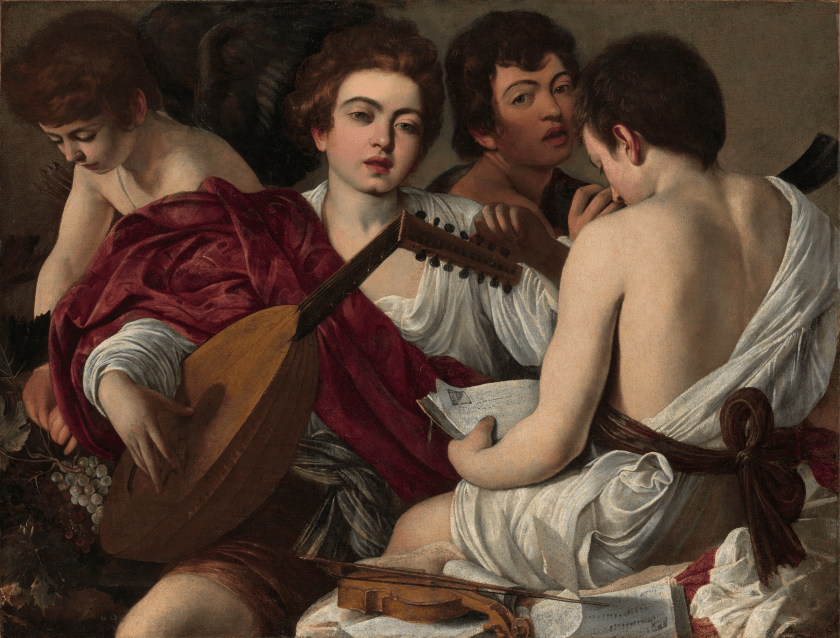
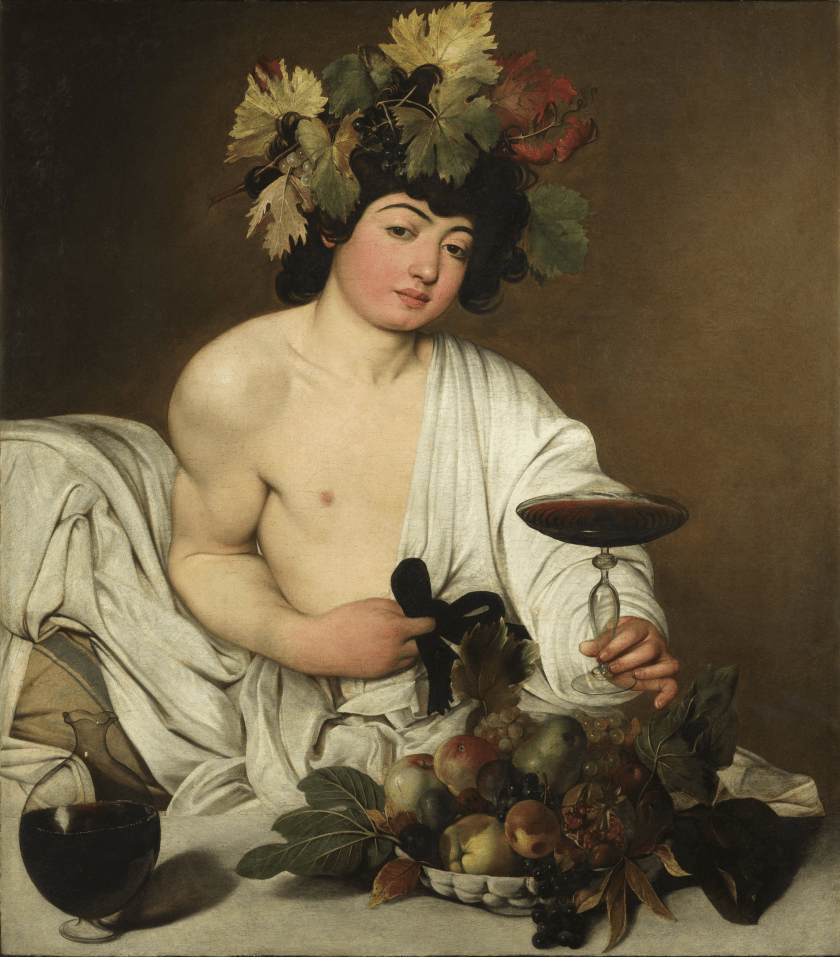
Caravaggio came under the protection of Cardinal Francesco Maria del Monte, a homosexual prelate. During this period he painted several works showing ambiguous or androgynous young men, including The Musicians (New York, Metropolitan Museum). Efforts have been made to deny the homoerotic implications of these works, but they seem feeble.”

caravaggio1

Only after World War II did his reputation begin to climb, attaining remarkable heights in the 1980s, when even the abstract artist Frank Stella praised him. In 1986 Derek Jarman’s stylish film Caravaggio was released, presenting the artist as bisexual, but emphasizing the homosexual side.”

caravaggio2
Baco/Dionísio pelas mãos do pintor bissexual italiano.

CASTRATI

The castrati were male singers emasculated in boyhood to preserve the soprano or contralto range of their voices, who from the 16th century to the 19th played roles in Italian opera.” “Boys are commonly mischievous, unruly, and troublesome, and by the time they have really been trained their voices are usually on the edge of breaking; falsettists do not share these drawbacks, but their voices have a peculiar, unpleasant quality, and as a rule cannot attain as high a range as the soprano.”

The elaborate a cappella style, which began to flourish about the middle of the 15th century, required a much wider range of voices and a higher degree of virtuosity than anything that had gone before, and for this task the existing singers were inadequate. The first response took the form of Spanish falsettists of a special kind, but by the end of the 16th century these had yielded to the castrati, who also dominated the new baroque art form – the opera, which was the principal musical activity of the Italian nation in the next two centuries. Opera was unlike legitimate theatre in that it traveled well; it was the first form of musical entertainment that was both popular and to a certain degree international, so that a star system transcending national borders arose. Leading singers were discussed, criticized, and compared in fashionable drawing rooms from Lisbon to St. Petersburg. (…) If other nations had some form of native opera, this ranked lower on the cultural scale and was indifferently sung, while the Italian version enjoyed the highest standard of singing that had ever been known, and will in all likelihood never again be attained. France alone refused admission to Italian singers, and virtually banned the castrati; but Frenchmen, like other Europeans, were full of praise for the opera of Italy.

Since no recording devices existed in the heyday of the castrati, the modern critic has no way of judging the quality of their performance, yet 6 generations of music-lovers preferred the voices of these <half-men> to those of women themselves and of whole men.

In this economic stratum, however, it was accepted that any male child who betrayed the slightest aptitude for music should be sold into servitude, just as in modern Thailand children are sold by their parents to labor in factories or serve in brothels. The successful castrato naturally tried to conceal his humble origins and pose as the scion of an honorable family. The singing-masters of that era were responsible for the perfection of the art of the castrati; no one since has rivaled them in perseverance and thoroughness, and in their perfect command of the capabilities and shortcomings of the human vocal organs. They usually worked in a conservatorio, though sometimes they had their own singing schools or tutored pupils on the side.

Since canon law condemned castration and threatened anyone involved in it with excommunication, which could be reinforced by civil penalties, the business had to be carried on more or less clandestinely, and everywhere prying questions brought only misleading and deceitful answers. The town of Lecce in Apulia, and Norcia, a small town in the Papal States about 20 miles east of Spoleto, are mentioned as notorious for the practice, though the castrati themselves came from all parts of the peninsula. The doctors most esteemed for their skill in the operation were those of Bologna, and their services were in demand not just in Italy but abroad as well.

The curriculum entailed much hard work, and was thorough and comprehensive; as much attention was given to the theory of singing as to its actual practice. Between the ages of 15 and 20, a castrato who had retained and embellished his voice, and passed the various tests with greater or lesser distinction, was considered ready for his debut. On contract to some opera house, he would often first be seen in a female part, for which his youth and fresh complexion would particularly suit him. His looks and unfamiliarity would perhaps gain him greater success than his art would have merited, to the rage and envy of his senior colleagues. Once his name was made, he would have his clique of admirers who attended en masse his every performance and extolled him as their idol; aristocratic ladies and gentlemen would fancy themselves in love with him and manipulate a piquant interview. Backstage, the rivalry with other singers could rage with intense virulence; and a castrato who was too vain and insolent might be assassinated by the hirelings of a rival’s protector. If, however, the performer did not please his audience, he would be doomed to touring small provincial opera houses, or to performing in a church choir. Dissatisfied with his situation, he could set off for Bologna, the marketplace for the musical profession in Italy, to better his fortunes. The castrati came in for a great amount of scurrilous and unkind abuse, and as their fame increased, so did the hatred of them. They were often castigated as malign creatures who lured men into homosexuality, and there were admittedly homosexual castrati, as Casanova’s accounts of XVIII century Italy bear witness. He mentions meeting an abbé whom he

took for a girl in disguise, but was later told that it was a famous castrate. In Rome in 1762, he attended a performance at which the prima donna was a castrato, the minion of Cardinal Borghese, who supped every evening with his protector. From his behavior on stage, <it was obvious that he hoped to inspire the love of those who liked him as a man, and probably would not have done so as a woman.> He concludes by saying that the holy city of Rome forces every man to become a pederast, even if it does not believe in the effect of the illusion which the castrati provoke.”

Opponents of castration have claimed that the practice caused its victims an early loss of voice and an untimely death, while others have affirmed that castration prolonged the life of the vocal cords, and even that of their owner. There is no solid evidence for either contention: the castrati had approximately the same life span as their contemporaries, and retired at roughly the same age as other singers. The operation appears to have had surprisingly little effect on the general health and well-being of the subject, any more than on his sexual impulses. The trauma was largely a psychological one, in an age when virility was deemed a sovereign virtue.A castração tardia não elimina a libido, ao contrário da crença vulgar. Não há solução fácil para o dilema da energia! Eu-nuco El-niño or neverminds

Toward the end of the XVIII century castrati went out of fashion, and new styles in musical composition led to the disappearance of these singers. Meyerbeer was the last composer of importance to write for the male soprano voice; his Il Crociato in Egitto, produced at Venice in 1824, was designed especially for a castrato star. Succeeding generations regarded their memory with derision and disgust, and were happy to live in an age when such products of barbarism were no longer possible. A few castrati performed in the Vatican chapel and some other Roman churches until late in the XIX century, but their vogue on the operatic stage had long passed.”

Angus Heriot, The Castrati in Opera

CATAMITE

The Latin common noun, catamitus, designating a minion or kept boy, is usually derived from the Greek proper name Ganymede(s), the favorite of Zeus. Another possible source is Kadmilos, the companion of the Theban god Kabeiros. The word entered English in 16th century as part of the Renaissance revival of classical literature, and has always retained a learned, quasi-exotic aura. The term could also be used as a verbal adjective, as <a catamited boy>.” “In modern English the termination -ite tends to be perceived as pejorative, as in Trotskyite (vs. Trotskyist) and sodomite.”

CATULLUS

Born at Verona, he spent most of his life in Rome, but kept a villa near his birthplace at Smirno on Lake Garda. Often considered the best Republican poet, he imitated Sappho as well as other archaic, classical, and Hellenistic models, upon which he often improved, and which he combined with native Latin traditions to create stunning, original pieces. He wrote poems, 250 of which survive, of happiness and bitter disappointment. Some are addressed to his mistress Clodia, 10 years his senior, whom he addressed as Lesbia (though with no insinuation of what we now call lesbianism), and who was unfaithful to him with other men. Homophobic Christians and modern schoolmasters have, however, greatly exaggerated the importance of the poems to Lesbia, which amount to no more than 1/8 of the Catullan corpus.”

Sophisticated and fastidious, he set the standard for the Augustan poets of love Ovid, Horace, Vergil, and Propertius. In the Silver Age even Martial acknowledged his debt to Catullus’ epigrams. Like those poets, and most specifically Tibullus, he showed little inhibition and equal attraction to boys and women, but also shared the traditional attitude that the active, full-grown male partner degraded the passive one, and that the threat to penetrate another male symbolized one’s superior virility and power. On the other hand, the accusation of having been raped by another male has a largely negative force”

CENSORSHIP AND OBSCENITY

The practice of tolerating certain hand-produced materials clearly shows that censorship is concerned not simply with the prohibition of materials, but with the size of the audience. It is for this reason that medical and other books dealing with sexual matters formerly had the crucial details in Latin.”

The urge to censor is probably ultimately rooted in fear of blasphemy, the apprehension that if utterances offensive to the gods are tolerated their wrath will fall on the whole society. It was impiety toward the gods for which Socrates was tried and condemned in 399 B.C. The Roman erotic poet Ovid was banished by the puritanical emperor Augustus in A.D. 8.”

Since the monasteries had a monopoly on producing manuscripts, it was assumed that such oversight was not necessary. In fact the abbey scriptoria not only copied erotic materials from Greco-Roman times, but created their own new genres of this type. In any event, the medieval authorities were concerned more with doctrinal deviation than with obscenity.” “The centralization of printing in the hands of a relatively few firms made it possible to scrutinize their intended productions before publication; only those that had passed the test and bore the imprimatur [seal] could be printed. It was then only necessary to make sure that heretical materials were not smuggled in from abroad. In Catholic countries this system was put in place by the establishment, under the Inquisition, with the Index of Prohibited Books in 1557. In countries where the Reformation took hold the control of books was generally assumed by the government. In England the requirement that books should be licenced for printing by the privy council or other agents of the crown was introduced in 1538. These origins explain why the activity of censors was for long chiefly concerned with the printed word. Revealingly, this system is still in force in Communist countries today [1990].”

The French author Nicolas Chorier contrived an even more ambitious ruse for his pansexual dialogues of Aloisia Sigea (1658(?)), which purported to be a translation into Latin by a Dutch author (Jan de Meurs) working from a Spanish original by a learned woman.” Entendeu? Uma tradução para o latim (língua culta) de um escrito erudito (mas vulgar) de uma espanhola, feito por um holandês, para circular na França!

Many French books, unwelcome to throne and altar, were published in Geneva, in Amsterdam, and in Germany. With the coming of the French revolution, however, all restraints were off. Thus the large works which the Marquis de Sade had composed in prison were published, as well as two fascinating homosexual pamphlets, Les enfans de Sodome and Les petits bougres au manège. Although controls were eventually tightened again, Paris gained the reputation (which lasted until about 1960) among English and American travelers as the place where <dirty books> could be obtained.

Through his prudish editions of Shakespeare, Thomas Bowdler (1754-1825) gave rise to the term <bowdlerize>. At the ports, an efficient customs service kept all but a trickle of works deemed to be obscene from coming in. In the United States, the morals crusader Anthony Comstock (1844-1915) not only fought successfully for stringent new legislation, but as head of the New York Society for the Suppression of Vice [haha] he claimed responsibility for the destruction of 160 tons of literature and pictures. The restrictions on malleability proved to be particularly hard on publishers of homosexual material, and this problem was not overcome until the ONE, Inc. case in 1954. A landmark in freedom to read books in the United States was the 1931 Ulysses case. Shortly thereafter, however, Hollywood instituted a system of self-censorship known as the Hays Office. This device effectively prevented any direct representation of homosexual love on the silver screen for decades, the only exceptions being a very few foreign films shown at art houses. During this period book publishers practiced their own form of self-censorship by insisting that novels featuring homosexual characters must doom them to an unhappy end.

Only after World War II did the walls begin to come tumbling down in English-speaking countries. In Britain the publishers of Lady Chatterley’s Lover by D.H. Lawrence were acquitted after a spectacular trial in 1960. In America Grove Press had obtained a favorable court decision on the availability of Lady Chatterley in 1959; three years later the firm went on to publish Henry Miller’s Tropic of Cancer without difficulty. The travails of a book containing explicit homosexual passages, William Burroughs’ Naked Lunch, were more extended. In 1958 authorities at the University of Chicago refused to permit publication of excerpts in a campus literary review. This led to the founding of a new journal, largely to publish the Burroughs text; once this had been done, a lengthy court battle ensued. Only in 1964 was the way clear for the whole novel to be issued by Grove Press. (The book had been published in Paris in 1959.)

Subsequently, a series of United States Supreme Court decisions made censorship impractical, and for all intents and purposes it has ceased nationally, though local option is sometimes exercised. This cessation permitted the appearance and sale of a mass of sexually explicit

books, films, and magazines. The only restriction that is ubiquitously enforced is the ban on <kiddy porn>, photographs and films of children engaging in sexual acts. In an unlikely de facto alliance, two groups emerged at the end of the 1970s in America to reestablish some form of censorship: one consisting of fundamentalists and other religious conservatives; the other of feminist groups [haha].

Michael Barry Goodman, Contemporary Literary Censorship: The Case of Burroughs’ Naked Lunch, Metuchen, NJ: Scarecrow, 1981;

Rocco, Alcibiades The Schoolboy (1652) (diálogo êmulo de Platão apólogo da pederastia)

CERVANTES

For 5 years he was a captive in Algiers, where he was on surprisingly good terms with a homosexual convert to Islam; he refers several times in his writings to the pederasty that flourished in the Ottoman empire – on his return from Algiers he was accused of unspecified filthy acts. His marriage was unhappy, and women in his works are treated distantly. Like Manuel Azaña, he put a very high value on freedom.

While Cervantes presented the male-female relationship as the theoretical ideal and goal for most people, the use of pairs of male friends is characteristic of his fiction, and questions of gender are often close to the surface. In his masterpiece Don Quixote (1605-15), which includes cross-dressing by both sexes, the middle-aged protagonist has never had, and has no interest in, sexual intercourse with a woman. A boy servant who appears fleetingly at the outset is replaced by the unhappily-married companion Sancho Panza. The two men come to love each other, although the love is not sexual.”

Verbete por Daniel Eisenberg

Louis Combet, Cervantes ou les incertitudes du désir, Lyon: Presses Universitaires, 1982 (review in MLN, 97 [1982], 422-27);

Rosa Rossi, Ascoltare Cervantes, Milan: Riuniti, 1987 (Spanish translation: Escuchar a Cervantes, Valladolid: Ámbito, 1988);

Luis Rosales, Cervantes y la libertad, 2ed., Madrid: Cultura Hispánica, 1985;

Ruth El Saffar, Cervantes and the Androgyne, Cervantes, III (1983);

______. Beyond Fiction: The Recovery of the Feminine in the Novels of Cervantes, Berkeley: University of California Press, 1984.

CHINA

The civilization of China emerged from pre-history during the first half of the 2nd millennium B.C. in the valley of the Huang-He (Yellow River), spreading gradually southwards. Over the centuries China has exercised extensive influence on Korea, Japan, and southeast Asia. Inasmuch as Chinese society has traditionally viewed male homosexuality and lesbianism as altogether different, their histories are separate and are consequently treated in sequence in this article.

During the latter part of the Zhou, homosexuality appears as a part of the sex lives of the rulers of many states of that era. Ancient records include homosexual relationships as unexceptional in nature and not needing justification or explanation. This tone of prosaic acceptance indicates that these authors considered homosexuality among the social elite to be fairly common and unremarkable. However, the political, ritual and social importance of the family unit made procreation a necessity. Bisexuality therefore became more accepted than exclusive homosexuality, a predominance continuing throughout Chinese history.

The Eastern Zhou produced several figures who became so associated with homosexuality that later generations invoked their names as symbols of homosexual love, much in the same way that Europeans looked to Ganymede, Socrates, and Hadrian. These famous men included Mizi Xia, who offered his royal lover a half-eaten peach, and Long Yang, who compared the fickle [volúvel] lover to a fisherman who tosses back a small fish when he catches a larger one. Rather than adopt scientific terminology, with associations of sexual pathology, Chinese litterateurs preferred the aesthetic appeal of these literary tropes [figures of speech].”

One incident in the life of Dong Xian became a timeless metaphor for homosexuality. A tersely worded account [relato oral sucinto] relates how Emperor Ai [last Han] was sleeping with Dong Xian one afternoon when he was called to court. Rather than wake up his beloved, who was reclining across the emperor’s sleeve [manga, sobra de tecido], Ai took out a dagger and cut off the end of his garment. When courtiers inquired after the missing fabric, Emperor Ai told them what had happened. This example of love moved his courtiers to cut off the ends of their own sleeves in imitation, beginning a new fashion trend.

The Jin dynasty (265-420) poet Zhang Hanbian wrote a glowing tribute to the 15-year-old boy prostitute Zhou Xiaoshi. In it he presents the boy’s life as happy and care-free, <inclined toward extravagance and festiveness, gazing around at the leisurely and beautiful>. A later poet, the Liang dynasty (502-557) figure Liu Zun, tried to present a more balanced view in a poem entitled Many Blossoms. In this piece he shows the dangers and uncertainty associated with a boy prostitute’s life. His Zhou Xiaoshi

<knows both wounds and frivolity

Withholding words, ashamed of communicating.>

Although these poems take opposite perspectives on homosexual prostitution, the appearance of this theme as an inspiration for poetry points to the presence of a significant homosexual world complete with male prostitutes catering [sendo ofertados] to the wealthy.”

The high profile of male prostitution led the Song rulers to take limited action against it. Many Confucian moralists objected to male prostitution because they saw the sexual passivity of a prostitute as extremely feminizing. In the early 12th century, a law was codified which declared that male prostitutes would receive 100 strokes of a bamboo rod and pay a fine of 50,000 cash. Considering the harsh legal penalties of the period, which included mutilation and death by slicing, this punishment was actually quite lenient. And it appears that the law was rarely if ever enforced, so it soon became a dead letter.”

Legal intervention peaked in the Qing dynasty (1644-1911) when the Kang Xi Emperor (r. 1662-1723) took steps against the sexual procurement of young boys, homosexual rape, and even consensual homosexual acts.” “it seems that the traditional government laissez-faire attitude toward male sexuality prevented enforcement of the law against consensual homosexual acts.”

A thirst for knowledge of homosexual history led to the compilation of the anonymous Ming collection Records of the Cut Sleeve (Duan xiu pian) which contains vignettes of homosexual encounters culled from nearly two millennia of sources. This anthology is the first history of Chinese homosexuality, perhaps the first comprehensive homosexual history in any culture, and still serves as our primary guide to China’s male homosexual past.”

In Fujian province on the South China coast, a form of male marriage developed during the Ming. Two men were united, the older referred to as an <adoptive older brother> (qixiong) and the younger as <adoptive younger brother> (qidi). The younger qidi would move into the qixiong’s household, where he would be treated as a son-in-law by his husband’s parents. Throughout the marriage, which often lasted for 20 years, the qixiong was completely responsible for his younger husband’s upkeep. Wealthy qixiong even adopted young boys who were raised as sons by the couple. At the end of each marriage, which was usually terminated because of the familial responsibilities of procreation, the older husband paid the necessary price to acquire a suitable bride for his beloved qidi.” [!!!]

The famous 17th century author Li Yu wrote several works featuring male homosexuality and lesbianism. The greatest Chinese work of prose fiction, Dream of the Red Chamber (Honglou meng), features a bisexual protagonist and many homosexual interludes. And the mid-19th century saw the creation of A Mirror Ranking Precious Flowers (Pinhua baojian), a literary masterpiece detailing the romances of male actors and their scholar patrons.”

Within a few generations, China shifted from a relative tolerance of homosexuality to open hostility. The reasons for this change are complex and not yet completely understood. First, the creation of colloquial baihua literary language removed many potential readers from the difficult classical Chinese works which contained the native homosexual tradition. Also, the Chinese reformers early in the century began to see any divergence between their own society and that of the West as a sign of backwardness. This led to a restructuring of Chinese marriage and sexuality along more Western lines. The uncritical acceptance of Western science, which regarded homosexuality as pathological, added to the Chinese rejection of same-sex love. The end result is a contemporary China in which the native homosexual tradition has been virtually forgotten and homosexuality is ironically seen as a recent importation from the decadent West.

Communist China. In the People’s Republic of China, homosexuality is taken as a sign of bourgeois immorality and punished by <reeducation> in labor camps. Officially the incidence of homosexuality is quite low. Western psychologists, however, have noted that the official reporting of impotence is much higher in mainland China than in the West. It seems that many Chinese men, unfamiliar with homosexual role models, interpret their sexuality solely according to their attraction to women. Nevertheless, a small gay subculture has begun to develop in the major cities since the end of the Maoist era [?]. Fear of discovery and lack of privacy tend to limit the quality and duration of homosexual relationships. And for the vast majority of Chinese living in the conservative country-side, homosexual contacts are much more difficult to come by.” “With the 1997 return of Hong Kong to China approaching, British liberals have supported a last minute repeal of the sodomy law.”

Traditionally, Chinese people have viewed male homosexuality and lesbianism as unrelated. Consequently, much of the information we have on male homosexuality in China does not apply to the female experience. Piecing together the Chinese lesbian past is frustrated by the relative lack of source material. Since literature and scholarship were usually written by men and for men, aspects of female sexuality unrelated to male concerns were almost always ignored.” “Sex manuals of the period Ming include instructions integrating lesbian acts with heterosexual intercourse as a way of varying the sex lives of men with multiple concubines.”

Li Yu’s first play, Pitying the Fragrant Companion (Lianxiangban), describes a young married woman’s love for a younger unmarried woman. The married woman convinces her husband to take her talented beloved as a concubine. The 3 then live as a happy ménage-à-trois free from jealousy. A more conventional lesbian love affair is detailed in Dream of the Red Chamber, in which a former actress regularly offers incense to the memory of her deceased beloved.”

The most highly developed form of female relationship was the lesbian marriages formed by the exclusively female membership of Golden Orchid Associations. A lesbian couple within this group could choose to undergo a marriage ceremony in which one partner was designated <husband> and the other <wife>. After an exchange of ritual gifts, a wedding feast attended by female friends served to witness the marriage. These married lesbian couples could even adopt young girls, who in turn could inherit family property from the couple’s parents. This ritual was not uncommon in 19th-century Guangzhou province. Prior to this, the only other honorable way for a woman to remain unmarried was to enter a Buddhist nunnery.” “The existence of Golden Orchid Associations became possible only by the rise of a textile industry in south China which enabled women to become economically independent. The traditional social and economic attachment of women to the home has so far prevented the emergence in modem China of a lesbian community on even so limited a scale as that of male homosexuals.”

Lanling Xiaoxiao Sheng, Golden Lotus ou The Plum [Ameixa] in The Golden Vase (2013) (título original: Jin ping mei) (novela de costumes, considerada o “Lolita” oriental), s/ data precisa (~séc. XVI; ed. por Zhang Zhupo no século seguinte). trad. francesa: La merveilleuse histoire de Hsi Men avec ses six femmes (1), Fleur en fiole d’or (2);

Pai Hsien-yung, The Outsiders (Niezi) (inspirou um filme homônimo, de 1986)

CHRISTIANITY

ORÍGENES” DO MAL II: “By about A.D. 200, the church had come to recognize the texts making up the New Testament as a single canon. After some hesitation, the Hebrew Bible, known to Christians as the Old Testament, was taken from Judaism and also accepted as divinely inspired. From this point onwards, Christian doctrines were elaborated by a group of intellectuals, known as the Fathers of the Church or the Patristic writers, beginning with such figures as Origen, Clement of Alexandria and Tertullian.” “Though they based their exegesis upon the Bible, they were inevitably influenced by philosophical and religious currents of their own time, especially Greek Stoicism and Neo-Platonism and by rival mystery cults such as Manichaeanism and Gnosticism.” “Still today there are differences on such sexually related topics as divorce, celibacy, and so forth between Roman Catholics and members of various eastern branches of Christianity which date from the foundations of Christianity, including Coptic, Nestorian, and various Orthodox Churches. In practice, most of these churches have been more tolerant of homosexuality than the Roman Catholic Church and its Protestant off-shoots.”

RESUMO DAS CONFISSÕES DE UM HOMEM POUCO SANTO

St. Augustine (d. 430), one of the great scholars of the ancient world, had converted to the austere faith of Manichaeanism after receiving a classical education. It seemed to his mind more suited to his Neo-Platonic and Stoic ideals than the Christianity of his mother. In Manichaean belief, which drew heavily from Zoroastrianism, intercourse leading to procreation was particularly evil because it caused other souls to be imprisoned in bodies, thus continuing the cycle of good versus evil.

Augustine was a member of the Manichaean religion for some 11 years but never reached the stage of the Elect in part because of his inability to control his sexual appetites. He kept a mistress, fathered a child, and according to his own statement, struggled to overcome his lustful appetites everyday by praying: <Give me chastity, and continence, but do not give it yet>. Recognizing his own inability to give up sexual intercourse, Augustine finally arrived at the conclusion that the only way to control his venereal desire was through marriage. He expelled his mistress and his son from his house, became engaged to a young girl not yet of age for wedlock (probably under 12 years of age), and planned a marriage. Unable to abstain from sex, he turned to prostitutes, went through a religious crisis, and in the process became converted to Christianity.

HA-HA: “All other sex was sinful including coitus within marriage not performed in the proper position (the female on her back and facing the male) and using the proper appendages and orifices (penis in vagina). St. Augustine’s views became the views of the western church centered in Rome.” “In general there was no extensive discussion of homosexuality by any of the early Church Fathers, and most of the references are incidental.”

The Augustinian views were modified in the 13th century [o que houve nestes 7 séculos além de monges devassos e burros?] by St. Thomas Aquinas, who held that homosexual activities, though similar to other sins of lust, were more sinful because they were also sins against nature. The sins against nature in descending order were (I) masturbation, (2) intercourse in an unnatural position, (3) copulation with the same sex (homosexuality and lesbianism), and (4) sex with non-humans (bestiality).

One of the key sources in the early medieval Church is the penitential literature. Originally penance had been a way of reconciling the sinner with God and had taken place through open confession. The earliest penitentials put sexual purity at a high premium, and failure to observe the sexual regulations was classified as equal to idolatry (reversion to paganism) and homicide. Ultimately public penance was replaced by private penance and confession which was regulated by the manuals or penitentials designed to guide those who were hearing them. Most of the early penitentials classified homosexual and lesbian activities as equivalent to fornication. Later ones classified such activities as equivalent to adultery although some writers distinguished between interfemoral intercourse and anal intercourse and between fellatio or oral-genital contacts. Anal intercourse was regarded as being the most serious sin.“Sodomy came to be regarded as the most heinous of sexual offenses, even worse than incest, and as civil law began to take over from canon law, it could be punished as a capital crime.”

Antes só dormia, hoje sodomia.

Só dormia, ou será que prazer também? No lato sensucht

Calvin & Child Harolde: “Catholics denounced Calvin for his supposed pederasty, a charge that was completely unfounded.”

NADA COMO COMER O BRIOCO DUMA INDIAZINHA: “In 1730-31 the great Dutch persecution of sodomites occurred, and in the accompanying propaganda the old charges against Roman Catholicism were revived. In Catholic countries themselves, the dissolution of the Jesuit order in 1773 was preceded by accusations of sodomy.”

Graciano, A Harmony of Discordant Canons (1140)

St. Peter Damián (1007-1072), Liber Gomorrhianus

CHURCHES, GAY

The emergence of Christian churches with predominantly gay and lesbian congregations, as well as interest groups within or allied to existing denominations, is a recent phenomenon, centered in the English-speaking world. There are records of homosexual monks, nuns, and priests, especially in the later Middle Ages and in early modern times, but no indication that they even thought of organizing on the basis of their sexual preference. Christian homosexuals drawn to particular parishes, where cliques [panelinhas] occasionally even became a visible segment of the congregation, would not openly avow this shift in the church’s character: they remained closeted gay Christians, so to speak.”

Some maintain that Jesus – an unmarried man in a Jewish milieu where marriage and procreation were de rigueur even for the religious elite – had a passionate relationship with John, the beloved disciple. Liturgically and sociologically the UFMCC tends to be of a <low church> character, with notable exceptions in some congregations. The evangelical fundamentalist domination of the UFMCC may be regarded as a response to the homophobic vehemence of the mainstream fundamentalist churches, which drives gay Christians out of their fold with a vengeance and forces them into an external redoubt, in contrast to the relatively more tolerant atmosphere, hospitable to internal gay caucuses [panelinhas, partidos], of the more liberal churches.”

CICERO

Roman politician, orator, and writer, who left behind a corpus of Latin prose (speeches, treatises, letters) that make him one of the great authors of classical antiquity. Unsuccessful in politics, he was overestimated as a philosopher by the Middle Ages and the Renaissance and underestimated in modern times, but was and is ranked as one of the greatest masters of Latin style. His career as an orator began in 81 B.C., and from the very beginning his speeches revealed his rhetorical gifts. His denunciation of Verres, the proconsul who had plundered the province of Sicily, opened the way to his election as aedile, praetor, and then consul, but subsequently the intrigues of his enemies led to his banishment from Rome (58/57), followed by his triumphal return. In the civil war he took the side of Pompey and so failed again, but was pardoned by the victorious Caesar, after whose death he launched a rhetorical attack on Mark Antony. The formation of the triumvirate meant that Cicero was to be proscribed by his opponent and murdered by his henchmen.”

In the last turbulent century of the Roman republic in which he lived, a contrast between the austere virtue of earlier times and the luxury and vice of the present had become commonplace. Also, as we know from the slightly later genre of satirical poetry, a taste for salacious gossip had taken root in the metropolis. In his orations Cicero remorselessly flays the homosexual acts of his enemies, contrasting homosexual love with the passion inspired by women which is <far more of natural inspiration>.”

Something of the Roman antipathy to Greek paiderasteia transpires from Cicero’s condemnation of the nudity which the Greeks flaunted in their public baths and gymnasia, and from his assertion that the Greeks were inconsistent in their notion of friendship. He pointedly noted: <Why is it that no one falls in love with an ugly youth or a handsome old man?> Effeminacy and passive homosexuality are unnatural and blameworthy in a free man, though Cicero remained enough under the influence of Greek mores to express no negative judgment on the practice of keeping handsome young slaves as minions of their master.” “The Judaic condemnation of homosexuality per se had not yet reached Rome, but the

distinction that had existed in Hellenic law and custom between acts worthy and unworthy of a citizen was adopted and even heightened by the com[cu]bination of appeal to Roman civic virtue and his own rhetorical flair.”

The term patientia used with reference to Verres implies the passivity in sexual relations that is degrading and unworthy of a free man, just as in the case of Mark Antony, charged with having <prostituted himself to all>, much like the Timarchus whom Aeschines had denounced centuries earlier in Athens for a like failing [op. cit. – para mais detalhes, vide seção OBRAS RECOMENDADAS em https://seclusao.art.blog/2019/09/28/do-espirito-das-leis-de-montesquieu-abreviado-na-traducao-de-jean-melville-com-comentarios-e-aprofundamentos-de-rafael-aguiar-indicacoes-de-leituras-durante-o-tratado-e-ao-final/].”

SMEAR CAMPAIGN: “Cicero’s rhetoric thus had two sides: the attempt to discredit opponents by inflammatory imputations of homosexual conduct and of sexual immorality in general – a type of smear to be followed in political life down to modern times”

CIRCUMCISION

GENEALOGIA DA PROFILAXIA: “Male circumcision, or the cutting away of the foreskin [prepúcio] of the penis, has been practiced by numerous peoples from remotest antiquity as a religious custom, while to some modern homosexuals it has an aesthetic and erotic significance. It has been speculated that the custom originated somewhere in Africa where water was scarce and the ability to wash was limited. Thus the Western Semites (Israelites, Canaanites, Phoenicians, Arabs, Edomites, Syrians), who lived in an area where water was never really plentiful, also observed the custom, while the Eastem Semites (Assyrians and Babylonians), in an area where water was more abundant, did not circumcise. This is true also of the Greeks and other Aegean peoples who always lived near the water.”

Jesus never mentioned circumcision, though the Jewish rite was (Luke 2:21) performed upon him on his 8th day as it was with all other males of his community of faith – hence the designation of the calendar in which the first day of the year is January 1 as <circumcision style>. In the early church the party of Paul of Tarsus which opposed circumcision was victorious, and uncircumcised Greeks and Romans poured into the new faith, so that to this day the majority of European men have retained their foreskins. With the coming of the faith of Islam, however, in the VII century the Middle East and North Africa became a stronghold of the practice of circumcision. Hindus and Buddhists avoid it, hence East Asians – and Amerindians – retain their foreskins.”

In the late 20th century the trend is being reversed in America as more and more medical articles – and some books – have argued that the operation in most cases is needless.”

There are even groups of men who have retained their foreskins (and others who admire them); these individuals with generous or pronounced <curtains> are in demand.”

Bud Berkeley & Joe Tiffenbach, Circumcision: Its Past, Its Present, and Its Future, San Francisco: Bud Berkeley, 1983-84;

Rosemary Romberg, Circumcision: The Painful Dilemma, South Hadley, MA: Bergin & Garvey, 1985;

Edward Wallerstein, Circumcision: An American Health Fallacy, New York: Springer Publishing Co., 1980.

CLASS

When there are no children to raise there is more discretionary income, so that adopting a homosexual lifestyle provides a margin for class enhancement.” “An established gay man or lesbian may put resources which parents would use for raising the status of their children into helping a lover-protegé. The mentor may also provide private lessons in manners and business acumen.” “Curiously, some parents seem to tolerate same-sex alliances by their offspring more easily than those that cross class or racial lines. § Internalizing the folk belief that homosexuals are more <artistic>, some gay men cultivate musical, theatrical, and culinary tastes that are above their <station> – and above their income. Acquisition of these refined preferences, together with <corrected> speech patterns, hinders easy communication with former peers, though there are many factors that work for geographical and psychological distance between homosexuals, on the one hand, and their families and original peer groups, on the other. Given their relative freedom, some individuals may be inclined to experiment with <class bending>, [sinuosidade de classe] sometimes with paradoxical results.”

There is class, and there is class fantasy.”

CLEMENT OF ALEXANDRIA

Greek church father. Born in Athens, probably of pagan and peasant ancestry, he is not to be confused with Clement, bishop of Rome, author of the New Testament epistle. After his conversion, Clement of Alexandria traveled widely to study under Christians, finally under the learned Pantaenus in Alexandria. Of the early Fathers, he had the most thorough knowledge of Greek literature. He quoted Homer, Hesiod, the dramatists, and (most of all) Platonic and Stoic philosophers. Sometime before 200 he succeeded Pantaenus, whom he praised for his orthodoxy, as head of the catechetical school at Alexandria, but in 202 he had to flee the persecution unleashed by the emperor Septimius Severus and perhaps died in Asia Minor.”

Although Clement’s christianity has been criticized as being too Hellenized, his serene hope and classical learning helped convert the upper classes. His pseudo-Platonic doctrine that homosexuality was particularly noxious because it was <against nature> served to combine that strand of classical philosophy with Hellenistic Jewish homophobia, most trenchantly exemplified by the Alexandrian philosopher Philo Judaeus (20 B.C.-A.D. 45), to justify persecution of sodomites. He thus preceded and stimulated the homophobia of the Christian emperors, from Constantine’s sons to Justinian, and of the two most influential Fathers, John Chrysostom and Augustine of Hippo.

CLERGY, GAY

that there is a psychological affinity between religious ministry and hemophilia” Edward Carpenter

The patrician John XII (938-964) went so far as to model himself on the scandalous Roman emperor Heliogabalus, holding homosexual orgies in the papal palace – a practice imitated by Benedict IX (1021-ca. 1052).” “paradoxically the enforcement of celibacy on priests and even attempts to impose it on those in lesser orders increased the danger of homosexuality.”

Friars, who unlike the monks were free to wander among the laity without much supervision, became notorious as seducers of boys as well as women, whose confessions they often heard to the disgruntlement [desabono] of parish priests. Many homosexual clergy, then as now, confessed to one another and were formally absolved. Indeed, the confessional at times became the locus of seduction.

Philip IV of France charged Boniface VIII not only with heresy, usury, and simony, but with sodomy and masturbation as well.”

The Renaissance in Italy, with its revival of classical antiquity and love of art, saw a number of popes who were interested in their own sex. Among them were the anti-pope John XXIII (d. 1419), who began his career as a pirate. Entering the clergy he quickly acquired the reputation of an unblushing libertine. The humanist pope Pius II (1405-1464) watched boys run naked in a race at Pienza, noting a boy <with fair hair and a beautiful body, though disfigured with mud>. The vain Venetian Paul II (1417-1471) toyed with adopting the name Formosus. Affecting the most lavish costumes, he was attacked by his enemies as <Our Lady of Pity>. His successor, Sixtus IV (1414-1482), made his mark as an art patron, erecting the Sistine chapel. He also elevated to the cardinalate a number of handsome young men. Julius II (1443-1513), another art-loving pope, provoked such scandal that he was arraigned under various charges, including that of sodomy, but he managed to survive the attempt to depose him. His successor, the extravagant Medici Leo X (1475-1521), became embroiled in intrigues to advance favorite nephews, a hobby that strained the treasury to the utmost. Julius III (1487-1555), who had presided over the Council of Trent before his pontificate, was nonetheless sometimes seen at official functions with catamites [<coroinhas>], one of whom he made a cardinal.”

The anticlerical literature of the last decades of that century delighted in exposing cases in which a clergyman had committed a sexual offense, to the point where in 1911 the Pope had to issue the motu proprio decree Quamvis diligenter forbidding the Catholic laity to bring charges against the clergy before secular courts. This step unilaterally abolished the principle of the equality of all citizens before the law established by the French Revolution, reinstating the <benefit of clergy> of the Middle Ages. The anticlerical literature of that period still needs study for the light that it can shed on the homosexual subculture of the clerical milieux.”

The Bible for Believers and Unbelievers (1922) (clássico anticlerical russo)

The Rule of St. Benedict, chapter 22.

Transcrição completa do capítulo 22 das regras de São Benedito (regulamento dos monges na alta idade média):

CHAPTER XXII: HOW THE MONKS ARE TO SLEEP

Let them sleep singly in separate beds. Let them receive bedding suitable to their manner of life, at the discretion of the abbot. If it can be done, let all sleep in one room: but if their number does not allow of this, let them repose by tens or by twenties with their seniors who have charge of them. Let a candle burn continually in the dormitory until morning. Let them sleep clothed and girded with girdles or cords, but let them not have knives at their sides while they sleep, lest by chance while dreaming they wound a sleeper; and let them be monks always ready; and upon the signal being given let them rise without delay and hasten one after the other, yet with all gravity and decorum, to be ready in good time for the Work of God. Let not the younger brethren have their beds by themselves, but among those of the seniors: and let them be allowed gently to encourage one another as they rise for the Work of God, because some may feel drowsy and listless.”

COCTEAU, JEAN

The Infernal Machine (peça)

COLETTE

A happy childhood is a bad preparation for contact with human beings.”

COLOR SYMBOLISM

A current Russian term for a gay man is golubchik, from goluboy, <blue>, evidently through association with the <blue blood> of the aristocracy of the Old Régime.”

According to Havelock Ellis, one could not safely walk down the streets of late 19th century New York wearing a red tie without being accosted, since this garment was then the universal mark of the male prostitute.” “Because of the <scarlet woman>, the great Whore of Babylon of the book of Revelation, that color has acquired a strong association with prostitution and adultery”

In American culture the word lavender – a blend of red and blue (as in <lavender lover>, The Lavender Lexicon, etc.) – almost speaks for itself.”

The mid-1980s saw public display at rallies and marches of a rainbow Gay Pride Flag, consisting of six parallel stripes ranging from bright red to deep purple. The juxtaposition of colors stands for the diversity of the gay/lesbian community with regard to ethnicity, gender, and class – perhaps also connoting, in the minds of some, the coalition politics of the Rainbow Alliance headed by Jesse Jackson.”

COMICS

The first true comic strips were introduced in 1897 as a circulation-building device in the Sunday supplements of the Hearst newspapers. The now-familiar pulp comic book was a creation of the Depression: the first commercial example is Famous Funnies of 1934. Although these strips generally affirmed middle-class values, and certainly contained not the slightest overt indication of sex, they were regularly denounced by pundits as a pernicious influence on the young.”

Batman, appearing in 1939, featured the adventures of a playboy detective and his teenage ward, Robin. Although the relationship is portrayed as a simple mentor-protegé one, some teenage male readers were able to project something stronger into it. This aspect was certainly flirted with in the campy television off-shoot beginning in 1966, though this series reflects a much changed cultural climate. In 1941 there appeared Wonder-woman, featuring an Amazon with special powers living on an all-woman island. This strip – contrary to the expressed wishes of its creators – served as a focus for lesbian aspirations. In the 1970s it was rediscovered by the women’s movement as a proto-feminist statement.

In the late 1940s Blade drew several illustrated stories, including The Barn and Truck Hiker, that can be considered predecessors of the gay comics. Circulated underground, they have been officially published only in recent years. Somewhat later the wordless strips of supermacho types created by Tom of Finland began to circulate in Europe.

It was the American counterculture of the 1960s, however, which first made possible the exploration of taboo subjects in a context of crumbling censorship restrictions. In 1964 a Philadelphia gay monthly, Drum, began serializing Harry Chess by Al Shapiro (A. Jay). Modeled on a popular television series, Harry Chess was both macho and campy, though explicit sex scenes were veiled. In the 1970s no-holds-barred examples appeared drawn by such artists as Bill Ward, Sean, and Stephen (Meatman).”

COMING OUT

A few gays and lesbians report no memory of a coming out process; they always considered themselves homosexual and were never <in the closet>. Others have reported a sudden revelation of their own homosexuality which does not fit into any theory of stages but has brought them from apparently heterosexual to comfortably homosexual virtually overnight.”

The self-help literature for gay and lesbian youth is quite explicit in designating parents as the crucial factor in the youth’s coming out process. Those who do not come out to their family, according to G.B. MacDonald, become <half-members of the family unit: afraid and alienated, unable ever to be totally open and spontaneous, to trust or be trusted… This sad stunting of human potential breeds stress for gay people and their families alike – stress characterized by secrecy, ignorance, helplessness, and distance.> The scientific literature, however, has largely ignored the role of parents, having centered on gay and lesbian adults.”

CONTEST LITERATURE

Diálogos.

Achilles Tatius, Leucippe and Clitophon

Pseudo-Lucian, Affairs of the Heart

CONTRARY SEXUAL FEELING

the linguistic remnant of the first, uncertain psychiatric attempt to grapple with the problem of homosexuality.”

COUNTERCULTURE

Apparently the term counterculture is an adaptation of the slightly earlier <adversary culture>, an expression coined by the literary critic Lionel Trilling (1905-1975). In many respects the counterculture constituted a mass diffusion – fostered by diligent media exploitation – of the prefigurative beat/hippie phenomenon. As American involvement in the Vietnam War increased, in the wake of opposition to it the counterculture shifted from the gentle <flower-child> phase to a more aggressive posture, making common cause with the New Left, which was not, like the radicalism of the 30s, forced by economic crisis to focus on issues of unemployment and poverty. Of course radical political leaders were accustomed to decry the self-indulgence of the hippies, but their followers, as often as not, readily succumbed to the lure of psychedelic drugs and the happy times of group togetherness accompanied by ever present rock music.”

MESSIANISMO EPIDÊMICO: “The counterculture shamelessly embraced ageism: <Don’t trust anyone over thirty.> Observing this precept cut young people off from the accumulated experience and wisdom of sympathetic elders. Moreover, it meant that the adherents of the movement themselves quickly became back numbers as they crossed over the 30-year line. In regard to gay adherents, the distrust of older people tended to reinforce the ageism already present in their own subculture. To be sure, the full force of such problematic effects has become evident only in retrospect. Although outsiders, and some insiders as well, exaggerated the fusion of the counterculture and the New Left, still the convergence of massive cultural innovation with hopes for fundamental political change gave the young generation a heady sense of imminent revolution.”

The psychiatrist Thomas Szasz and others correctly perceived the link between the campaign to decriminalize marijuana and the efforts to reform sex laws.” “many assumed that homosexuals were essentially counterculturist, leftist, and opposed root and branch to the established order. Subsequent observation has shown, not surprisingly perhaps, that a majority of gay men and lesbians were (and are) liberal-reformist and even conservative, rather than revolutionary in then-overall political and social outlook.”

CROWLEY, ALEISTER

After the turn of the century Crowley’s public career began, and he was regularly attacked in the press as <The Great Beast> and <The Wickedest Man in the World>.”

Raulseixismo: <There is no law beyond Do what thou wilt.>

In a 1910 memoir Aleister Crowley proclaimed, <I shall fight openly for that which no Englishman dare defend, even in secret – sodomy! At school I was taught to admire Plato and Aristotle, who recommend sodomy to youths – I am not so rebellious as to oppose their dictum; and in truth there seems to be no better way to avoid the contamination of woman and the morose pleasures of solitary vice.>

he advanced beyond the grade of Magus to the supreme status of Ipsissimus.” E o Quico?

Scarcely known today outside occult circles, Crowley is an extravagant instance of the concern with heterodox religion that has flourished among some male homosexuals who could find no peace within established Christianity, and more recently among female adherents of <the craft>. Through his voluminous writings Crowley foreshadowed the emergence of the <Age of Aquarius>.”

Israel Regardie, The Eye in the Triangle: An Interpretation of Aleister Crowley, St. Paul: Llewellen Publications, 1970.

CRUISING

Nicole Ariana, How to Pick up Men, New York: Bantam, 1972;

Mark Freedman & Harvey Mayes, Loving Man, New York: Hark, 1976, chapter 2;

John A. Lee, Getting Sex, Toronto: General, 1978 [Tinder on paper for human beings as archaic as those from a century ago];

Publius Ovid, Art of Love [~1A.D., obra seminal do “flerte” e “sondagens de sexo casual”, homo e heteronormativas!]

CUBA

The largest island of the Antilles chain, home to 10 million Spanish-speaking people” Para 2017, o censo ainda não aponta população superior a 11.5 milhões.

The British, French, and Dutch seized islands from the Spanish or colonized vacant ones as naval bases or sugar plantations; like the pirates they seldom brought women along. All 3 European powers were involved in the notorious triangular trade, shipping molasses or rum to Europe, guns and trinkets from there to Africa, and slaves back to the West Indies.”

Cuba began to excel in sugar production after 1762. Havana became a glittering metropolis, rivaling New York and Rio de Janeiro, by 1800. The slave population, including huge numbers of males imported for work in the cane fields or molasses manufacturing, grew from fewer than 40,000 in 1770 to over 430,000 seventy years later. The census of 1841 reported that more than half the population was non-white (black and mixed blood) and that 43% were slaves. Males outnumbered females by 2 to 1 in the center and west and were just equal in the east. Other islands in the Caribbean had even greater sexual imbalances. Documentation for the homosexuality that must have abounded is scarce but the earlier prevalence can be assumed from attitudes and customs that still survive.”

With Spain’s adoption of the Napoleonic Code in 1889, homosexuality was decriminalized 3 years after the abolition of slavery.”

During World War I, Europe was closed to North Americans and Cuba, especially Havana, became a resort for the more adventurous. Prosperity increased with a rise in commodity prices. Also, the Prohibition in the United States after 1920 left Cuba as an oasis where liquor still flowed freely. Casino gambling and prostitution were also legal. A favorite port of call of cruise ships [pun intended!], Havana flourished as a mecca for pleasure-seekers.”

The post-war collapse of commodity prices was to some extent offset by tourism. Everything was for sale in Havana under the dictator Fulgencio Batista, whose 1952 coup ousted an outwardly democratic but venal and nepotistic predecessor.

Old Havana had gay bars. Moral laxity, characteristic of the slave-rooted Caribbean economy, the Napoleonic Code, and the weakness of the Catholic Church (which was mainly Spanish, urban and upper class) produced an environment where gays were only mildly persecuted and could buy protection from corrupt officials. Drugs, especially marijuana, which flourished throughout the Caribbean, were available in Cuba long before they won popularity in the United States.”

Exploiting popular revulsion against continuing political corruption as well as resentment of the diminishing but still important American domination, Fidel Castro led an ill-assorted group of liberals, patriots, and Marxists, including some gays, to victory over Batista in 1959. Only after he came to power did the United States realize that Castro was an avowed Communist. The American Central Intelligence Agency then tried and failed to assassinate him. His triumph was sealed by the missile crisis of 1962 when Khrushchev agreed to withdraw the missiles in return for Kennedy’s promise never to try to invade Cuba.”

Soviet hostility toward homosexuality since 1934, when Stalin restored the penal laws against male homosexuals, combined with traditional Latin American machismo and Catholic homophobia, made the existence of Cuban homosexuals wretched and oppressive. To prevent their <contamination> of youth, thousands of gays in the 1960s were placed in work camps known as Military Units to Increase Production (UMAP). Although the camps were abolished by the end of the decade, other forms of discrimination continued. Article 359 of the Cuban penal code prohibits public homosexuality. Violations are punished with a minimum of 5 and a maximum of 20 years. Parents must discourage their children from homosexuality or report their failure to officials as Articles 355-58 mandate. Articles 76-94 punish with 4 years imprisonment sexual deviation regarded by the government as contrary to the spirit of Socialism.”

The gifted playwright and fiction writer Virgilio Piñera (1912-1967) returned from Argentina in 1957 and after Castro’s triumph worked for several of the newspapers of the regime. On October 11, 1961, he was arrested and jailed for homosexuality. Che Guevara personally denounced him.”

Allen Young, Gays under the Cuban Revolution

DANDYISM

The dandy has been since antiquity the man who prides himself on being the incarnation of elegance and of male fashion. The word itself stems from the Romantic period in the 19th century, when the character type reached its apogee; England and France were the principal countries in which it flourished. Charles Baudelaire (1821-1867) was one of the first to perceive that the type was not limited to the age just preceding his own, but had emerged across the centuries in some celebrated historical figures. Jules Barbey d’Aurevilly (1808-1889) wrote an Essay on Dandyism and George Brummel (1845), dealing with Beau Brummell (1778-1840), the most famous English representative of the dandy in the London of George IV.

History of the Type. Ancient Greece saw two classical specimens of the dandy: Agathon and Alcibiades. In Plato’s Symposium Agathon is a poet and tragedian, not merely handsome, but obsessed with the most trivial details of his wardrobe. Aristophanes shows him using a razor to keep his cheeks as smooth and glistening as marble, wearing sumptuous clothing in the latest Ionian fashion. Later in the same dialogue Alcibiades also enters the stage, the most dazzling figure of the jeunesse dorée of Athens, richer and more influential than Agathon, and never sparing any expenditure that would enhance his renown.”

Another aesthete of this era, Oscar Wilde, affected a particularly striking costume when he made a lecture tour of the United States, capitalizing on a character featured in the Gilbert and Sullivan opera Patience (1881).”

Rationale. The relation of the dandy to male homosexuality is complicated. As a rule the homosexual – more than the male who is attracted to women – feels the need to distinguish his person in some way, is more conscious of the world of male fashion and more likely to be narcissistically preoccupied with his image. Naturally not all the dandies of the past were homosexual or bisexual, and an element of leisure class self-demarcation and snobbery enters into the picture. Since it is usually the male of the species whom nature makes physically more noteworthy, the male-female antithesis in style of dress that has prevailed in Western culture since the French Revolution reverses the immemorial state of affairs. The notion that only a woman may be preoccupied with her wardrobe and that a man should dress simply and even unobtrusively is of recent date.”

DANTE ALIGHIERI

As a youth he had a profound spiritual experience in an encounter with the young Beatrice Portinari; after her death he submerged himself in the study of philosophy and poetry. In 1302 Dante was banished from Florence, pursuing his literary career in various other cities of Italy.”

The presence in both the Inferno and the Purgatorio of groups of <sodomites> has given rise to a series of debates over the centuries. These passages must be interpreted in the larger context of the great poem’s situations and personnel.” “The sodomites of the Inferno (cantos 15 and 16) are seen running under a rain of fire, condemned never to stop if they wish to avoid the fate of being nailed to the ground for a hundred years with no chance of shielding themselves against the flames. Having recognized Dante, Brunetto Latini (ca. 1212-1294) called him to speak with him, voicing an important prophecy of Dante’s future. In describing his fellow sufferers, Latini mentioned a number of famous intellectuals, politicians, and soldiers.

In the Purgatorio (canto 26) the sodomites appear in a different context – together with lustful heterosexuals. The two categories travel in opposite directions, yelling out the reason for their punishment.

How can one account for the striking deference and sympathy that Dante shows for the sodomites? This matter began to puzzle commentators only a few years after the poet’s death.

Dante’s education took place in the 13th century when Italy was beginning to change its attitudes toward homosexual behavior. Conduct which had been a transgression condemned by religion but viewed with indulgence by everyday morality assumed increasing seriousness in the eyes of the laity. For Dante it was still possible – as it had commonly been through the first half of the 13th century – to separate human and divine judgment with respect to sodomy.”

IDADE DAS LUZES E O BURACO ESCURO: “For Dante’s commentators sodomy was a sin of such gravity that it was inconceivable for them to treat with respect men seared with such <infamy>.”

That Dante had spoken of Brunetto Latini and the sodomites with too much sympathy because he too shared their feelings was the conclusion of one anonymous commentator of the 14th century. Another wild suggestion is that the shameless Latini had made an attempt on Dante’s own virtue, and that hence Dante’s gentle words are in reality sarcasm that must be understood <in the opposite sense> (Guiniforto dei Bargigi; 1406-ca. 1460). Then, foreshadowing a thesis that would be favored by medical opinion in the 12th century, it was suggested that there were two types of sodomites, those by <choice> and those who are such by <necessity>.”

The debate on Dante’s motives has continued until our own day. In 1950 Andre Pezard devoted a whole book, Dante sous la pluie de feu, to an effort to show that the sin for which Brunetto and his companions were being punished was sodomy not in the usual sense, but in an allegorical one: sodomie spirituelle, which in Brunetto’s case meant having used the French language as a medium for one of his works.

The authoritative Encyclopedia Dantesca has sought to bring the conflict to an end, taking adequate account of Dante’s indulgent judgment as the correct key for solving the supposed <enigma> of the band of sodomites. As regards the reason for Brunetto Latini’s presence among the sodomites, Avalle D’Arco’s recent confirmation of the attribution to him of a long love poem directed to a man, S’eo son distretto inamoramente, shows that it was probably on the basis of facts that were publicly known in Dante’s time that he was consigned to Hell.” Aposto o cu que você já deu o cu.

DICKINSON, EMILY (1830-1886)

American poet. After brief periods at Amherst Academy and Holyoke Female Seminary, she settled into an outwardly uneventful life keeping house for her family. Dickinson never married. The real events in her life are her writings, which have assumed classic status in American literature.

These homoerotic poems are never joyous, but that is to be expected in a society where heterosexual marriage was virtually believed inevitable and there was little possibility of two unrelated women establishing a life together if they were not wealthy through independent inheritance.”

DIONYSUS

Greek god associated with wine and emotional exuberance. Although the name occurs in linear B tablets [?] from the end of the second millennium B.C., his figure absorbed additional elements from Thrace and the East in the following centuries. Dionysus, called Bacchus in Latin, was the son of Zeus and a mortal, Semele. When his mother unwisely besought Zeus to reveal himself in his true form, she was incinerated, but the embryo of her son escaped destruction. Zeus then inserted it into his own thigh and carried the child to term. This quality of being <twice born>, once from a woman and once from a man, points to the ambiguity of the god, who though male had effeminate traits. In literary and artistic representations, he sometimes served as a vehicle for questioning sex roles, otherwise strongly polarized in ancient Greece.

According to the late-antique writer Nonnus, Dionysus fell in love with a Phrygian boy, Ampelos, who became his inseparable companion. When the boy was killed in a bull-riding accident, the grief-stricken Dionysus turned him into a vine. As a result, the practices of vine cultivating and grape harvesting, of wine making and drinking, commemorate this deeply felt pederastic relationship: in honoring the vine (ampelos in Greek), one honors the god through his beloved.

In historic times Dionysus attracted a cult following consisting largely of women, the Bacchae or maenads. During the ritual followers abandoned their houses and work to roam about in the mountains, hair and clothing in disarray, and liberally imbibing wine, normally forbidden to women. At the height of their ecstasy they would seize upon an animal or even a child, tear it to pieces, and devour the uncooked flesh, by ingesting which they sought to incorporate the god and his powers within themselves. From a sociological point of view, the Bacchic cult is a <religion of the oppressed>, affording an ecstatic relief to women, whose status was low. Occurring only once during the year, or once every two years, these Dionysiac rites were bracketed off from the normal life of the Greek polis, suggesting comparison with such later European customs as the feast of fools, the carnival, the charivari, and mardi gras.

The maenads assume a major role in Euripides’ tragedy, The Bacchae (406 BC). Accompanied by his female followers, Dionysus appears in Thebes as a missionary. Unwisely, King Pentheus insults and arrests the divine visitor; after he has been rendered mad and humiliated, the transgressor is dismembered by the maenads. Interpretations of the play differ: a warning of the consequences of emotional excess versus a reaffirmation of the enduring presence of humanity’s irrational side. The subject probably attracted Euripides as a phenomenon of individual and group psychology in its own right, but it is unlikely that he intended it as a forecast of modern gay liberation in the <faery spirituality> mode, as Arthur Evans has argued. Inasmuch as the sexuality of The Bacchae was not pederastic, the Greek audience would not have seen the play as homosexual (a concept foreign to their mentality), but rather as challenging gender-role assumptions about men and women, whatever their sexual orientation. That the parts of the maenads were taken by men was not exceptional: women never appeared on the Greek stage.

Bacchanalian rites were introduced into Rome during the Republic. Men joined women in the frenzied gatherings, and (according to the historian Livy) there was more debauchery among the men with each other than with the women. Apart from their orgiastic aspects, the rites caused concern because they crossed class lines, welcoming citizens, freed men and slaves alike. Condemned as a subversive foreign import, the Senate suppressed the Bacchanalia in 186 BC, but they evidently were soon revived. Roman sarcophagi of the 2nd and 3rd century of our era show Bacchic scenes, projecting hopes for an afterlife spent in Dionysic bliss. In its last phases the cult of Dionysus emerged as an other-worldly mystery religion, showing affinities with Mithraism, the religion of Isis, and Christianity. Meeting now behind closed doors, members of the sect recognized one another by passwords and signs.

Although the early Christians regarded all pagan worship as demonic, they were not averse to purloining the Bacchic wine harvest imagery for their own sarcophagi and mosaics. Some Bacchic reminiscences recur in drinking songs of medieval goliardic poets, notably the Carmina Burana.”

At the end of the 16th century the flamboyant bisexual painter Caravaggio created a notably provocative image of Bacchus-Dionysus (Florence, Uffizi Gallery).” Veja pintura no verbete do pintor mais acima.

The most influential latter-day evocation of the god occurs in The Birth of Tragedy (1872) of Friedrich Nietzsche, who exalted the category of the Dionysiac as an antidote for excessive rationality in the interpretation of ancient Greece and, by implication, in modern life as well.

Nietzsche’s ideas were modernized and correlated with anthropology and psychoanalysis by the classical scholar E.R. Dodds, who in turn influenced the poet W.H. Auden. Together with his lover, Chester Kallman, Auden turned Euripides’ play into an opera libretto entitled The Bassarids.”

Karl Kerenyi, Dionysus: Archetypal Image of Indestructible Life, London: Routledge, 1976.

DREAMS

When a dream has homosexual content, the hermeneutic process is complicated by the ethical assumptions of the dreamer and the interpreter, which reflect the attitudes of society toward same-sex experience.

To understand their dream experiences human beings have formulated a lore to which the ancients gave the name oneirocritical. Because the ancient world accepted homosexual interest and activity as part of human sexuality, the dream interpreters of the eastern Mediterranean cultures could calmly explain the homoerotic episodes in dreams in terms of their overall system of signs and meanings and without anxiety. Such was the work of Artemidorus of Daldis (middle of the 2nd century), which alludes to pédérastie and homosexual dream sequences and assigns them a specific, often prophetic meaning. Not so the Christian Middle Ages; the literature of dreams became exclusively heterosexual because the taboo with which theology had tainted sexual attraction to one’s own sex imposed a censorship that is only now being lifted.”

DRUGS

It should be noted that there has never been a country or society in which unrestricted use of all psychoactive drugs has been permitted over any period of time.”

In some users hallucinogens cause terrifying experiences; psychological problems can be exacerbated, and brain damage caused. The action of stimulants is often followed by a compensatory negative experience through which the body restores its equilibrium.”

Society can tolerate drug use if it is encapsulated within an artistic, recreational, religious, or therapeutic context; while some are able to so control their usagé, for many that is a daunting or impossible condition, at least in our present culture”

education is more effective than prohibition. Exaggeration of drugs’ harmful effects reduces respect for law, overwhelms the courts and prisons, inhibits research on any therapeutic use of drugs, makes drugs of controlled strength and purity unavailable, gives drugs the glamour of the forbidden, and encourages progression to ever more dangerous yet legally equal substances. As with alcohol during America’s Prohibition (1920-33), the supply of illegal drugs has become a very profitable industry, and not a passive or benign one. Foreigners who supply drugs sometimes justify their actions to themselves and their countrymen as a means of striking back at the political and economic power of the United States.”

during the 1960s, there were a considerable number of reports of people becoming aware of homoeroticism for the first time while under the influence of LSD especially. Drugs have also been used by musicians, artists, and writers who claim that the substances help them create, although this claim is controversial, perhaps because if substantiated it would be a powerful argument for drug use.”

The use of hashish (cannabis), eaten in sweets rather than smoked, is found in the Bible (Song of Songs 5:1; I Samuel 14:25-45), and there is evidence of psychic use of hemp (marijuana), from which hashish is made, from pre-historic times. Herodotus, for example, reports its popularity among the Scythians. However, widespread use of hashish begins in Islam in the 12th and 13th centuries. While the Koran prohibited wine, which because of distribution costs was somewhat more expensive than today, it was silent on hashish, which was also much less expensive. There was debate about whether the Koran’s silence was to be taken as approval, or whether prohibition was to be inferred from the treatment of wine; still, as long as it remained a minority indulgence it was tolerated, as wine usually was. Hashish users became a subculture; in particular it is linked to the mystical Sufis, who made a cult and ritual of its use. However, almost every Islamic poet from the 13th to the 16th centuries produced at least some playful poems on hashish, although wine poetry is much more abundant.”

Hashish was thought to cause effeminacy, a preference for the passive sexual role, and a loss of interest in sex. However, it was also prized as the drug of scholars and lovers of young men, and an aid in seduction of the latter. Turkish soldiers frequently ate hashish together before going into battle.

Coffee was introduced to Europe in the 17th century from the Turkish empire. Both within Islam and in Europe coffee was at first a similarly controversial drug, subject to occasional legal restriction or suppression. Its use in coffee-houses, later cafés, was typical of intellectuals and dissidents.”

The first half of the 20th century was characterized by a wave of reaction against drugs and the establishment of legal controls throughout Westem Europe and North America. However, the tensions of the 1960s, against a backdrop of the Holocaust and the invention and use of the atomic bomb, brought on a new wave of drug use. The hedonistic use of cannabis increased greatly; its enthusiasts promoted it as an aid to sensual and sexual enjoyment. The Beat generation, especially William Burroughs and Allen Ginsberg, had already turned to potent psychedelics as a means of self-improvement; they became part of the short-lived counterculture of the late 1960s. The discovery of psychedelics was in part due to progress in anthropology and archeology. The use by native peoples of mescaline (peyote), psilocybin (mushrooms), and other psychedelics became known, and the possible role of such substances in visions and oracles of the ancient Mediterranean world was proposed by scholars. The hallucinogenic properties of the most potent psychedelic yet known, lysergic acid diethylamine-25 (LSD), were discovered in 1943” “until it became too controversial, it was manufactured by a pharmaceutical company for research in psychotherapeutic treatment.”

The gay bar remains the only gay institution in many American communities, as it was almost everywhere until the 1970s.”

Poppers are a vasodilator of transitory effect, and cause a <high> from a drop in blood pressure; users say that the intensity and/or duration of orgasm is increased, that muscles (such as throat and anal sphincters) and gag reflexes are relaxed, and that feelings of increased union or <melting> with the sex partner result. Many users report that continued use (a single inhalation produces effects only for a few minutes) inhibits erections, while other users seem unaffected. Likewise, some users say the poppers encourage passivity and complete relaxation, while others report no such effect. Headaches and dizziness are sometimes reported as side effects.” “In the early 1980s poppers were accused of being a co-factor in the development of AIDS, and they were made illegal in some areas, although the accusation remains unproven.”

EFFEMINACY, HISTORICAL SEMANTICS OF

In reading older texts it is important to bear these differences in mind, for the term effeminate can be used slightingly of a womanizer [mulherengo] as well as of a <womanish> man.

The ancient Greeks and Romans sharply differentiated the active male homosexual, the paiderastes (in the New Testament arsenokoites, literally <man-layer>), from the passive partner, the cinaedus or pathicus (New Testament Greek malakos; Hebrew, rakha). The Greeks also sometimes used the term androgynos, <man-woman>, to stigmatize the passive homosexual. Beginning with the Old Attic comedies of Aristophanes, the passive is a stock figure of derision and contempt, the active partner far less so. Because of the military ideals on which ancient societies were founded, passivity and softness in the male were equated with cowardice and want of virility. A seeming exception is the god Dionysus – whose effeminate characteristics are, however, probably an import from the non-Greek East.

In ancient Rome the terms mollis (soft) and effeminatus acquired special connotations of decadence and enervating luxury. By contrast the word virtus meant manliness. The Roman satirists took sardonic delight in flagellating the vices of luxury that were rampant among the upper classes of a nation that, once rude and war-like, had succumbed to the temptations that followed its successful conquest and plunder of the entire ancient world. The classical notion of effeminacy as the result of luxury, idleness, and pampered self-indulgence is thus far removed from the claim of some gay liberationists today to kinship with the exploited and down-trodden.

The old Icelandic literature stemming from medieval Scandinavia documents the condemnation of the argr, the cowardly, unwar-like effeminate (compare Modern German arg, <bad>). The Latin term mollities (softness) entered early Christian and medieval writings, but often with reference to masturbation. It may be that the 18th-century English term molly for an effeminate homosexual is a reminiscence of Latin mollis.”

In the 16th century the French monarch Henri III assembled an entourage of favorites whose name mignon connotes effeminacy and delicacy. In French also the original meaning of bardache was the passive partner of the active bougre. English writings of the 17th and 18th century frequently denounced foppery [dandismo], sometimes homosexual but more often heterosexual.”

Restoration times also witnessed the popularity of the self-referencing habit of male homosexuals adopting women’s names: Mary, Mary-Anne, Molly, Nance or Nancy, and Nelly. The habit occurs in other languages as well – Janet in Flemish; Checca (from Francesca) in Italian; Maricón (from Maria) in Spanish; and Adelaida in Portuguese.”

19th-century English witnessed a semantic shift of a number of terms originally applied to women to provide opprobrious designations of male homosexuals. Thus gay had the meaning of a loose woman, prostitute; faggot, a slatternly woman –, and queen (or quean), a trollop. Even today the popular mind tends to the view that gay men seek to imitate women, or even become women –, the considerable number of unstereotypical, masculine homosexuals are not taken into account.”

Termagant and virago, though pejorative, do not suggest variance of sexual orientation. The girl who is a tomboy has always been treated more indulgently than the boy who is a sissy.”

Men who cross-dress as women are of two kinds. Some go to great lengths to make the simulation credible, an effort that may be a prelude to transsexualism. In other instances the simulation is imperfect, a kind of send-up. Although some feminists have interpreted such cross-dressing exercises as mockery of women, it is more likely that they signify a questioning of gender categories. In any event, transvestism is not normally held to lie within the province of effeminacy, which is thought to be the adjunction of feminine traits in a person otherwise fully recognizable as masculine.”

Hans Herter, Reallexikon fur Antike und Christentum, 4 (1959).

EGYPT

Traditionally the pharaohs married their half-sisters, a custom that other peoples considered curious. Self-confident in their cherished habits and customs, the Egyptians nonetheless cherished a distinct sense of privacy, which restricted discussion of erotic themes in the documents that have come down to modern times. Most of our evidence stems from temples and tombs, where a full record of everyday life could scarcely be expected. Unfortunately, Egypt had no law codes comparable to those known from ancient Mesopotamia.”

The realm of mythology provides several instances of homosexual behavior. In order to subordinate him, the god Seth attempted to sodomize his brother Horus, but the latter foiled him, and tricked Seth into ingesting some of his (Horus’s) own semen. Seth then became pregnant. In another myth the ithyphallic god Min anally assaulted an enemy, who later gave birth to the god Thoth. Both these stories present involuntary receptive homosexuality as a humiliation, but the act itself is not condemned; in the latter incident the god of wisdom is born as a result. (In another myth the high god engenders offspring parthenogenetically by masturbation.) While it is sometimes claimed that the ancient Egyptians were accustomed to sodomize enemies after their defeat on the battlefield, the evidence is equivocal.”

In what is surely history’s first homosexual short story, King Pepy II Neferkare (2355-2261) makes nocturnal visits to have sex with his general Sisinne. This episode is significant as an instance of androphilia – sex between two adult men – rather than the pederasty that was dominant in the ancient world. From a slightly earlier period comes the Tomb of the Two Brothers at Thebes, which the excavators have explained as the joint sepulcher of two men, Niankhnum and Khnumhotep, who were lovers. Bas reliefs on the tomb walls show the owners embracing affectionately.”

Queen Hatshepsut (reigned 1503-1482 BC) adopted male dress and even wore a false beard; these male attributes probably stem from her decision to reign alone, rather than from lesbianism.

A figure of particular interest is the pharaoh Akhenaten (Amenhotep IV; reigned ca. 1372-1354 BC), who was a religious and artistic reformer. Although this king begat several daughters with his wife, the famous Nefertiti, in art he is often shown as eunuch-like, with swollen hips and feminine breasts. According to some interpreters these somatic features reflect a glandular disorder. Other scholars believe that they are a deliberate artistic stylization, so that the appearance of androgyny may convey a universal concept of the office of kingship, uniting the male and the female so as to constitute an appropriate counterpart of the universal god Aten he introduced. Scenes of Akhenaten caressing his son-in-law Smenkhkare have been interpreted, doubtfully, as indicating a homosexual relation between the two.”

ELLIS, HAVELOCK

Pioneering British writer on sexual psychology. Descended from a family with many generations of seafarers, Henry Havelock Ellis was named after a distinguished soldier who was the hero of the Indian Mutiny. Early in life he sailed twice around the world and spent some years in Australia. In boarding school he had some unpleasant experiences suggesting a passive element in his character, and his attachments to women were often more friendships than erotic liaisons. At the age of 32 he married Edith Lees, a lesbian; after the first year of their marriage all sexual relations ceased, and both went on to a series of affairs with women. By nature an autodidact, Ellis obtained in 1889 only a licentiate in Medicine, Surgery, and Midwifery from the Society of Apothecaries – a somewhat inferior degree that always embarrassed him. More interested in his literary studies than in the practice of medicine, he nevertheless collected case histories mainly by correspondence, as his autobiography makes no mention of clinical practice.

ERA DE AQUARIUS: “In the atmosphere that prevailed after the disgrace of Oscar Wilde (May 1895), publication in England was problematic, but under doubtful auspices the English edition was released in November 1897.”

Sexual Inversion was the first book in English to treat homosexuality as neither disease nor crime, and if he dismissed the current notion that it was a species of <degeneracy> (in the biological sense), he also maintained that it was inborn and unmodifiable – a view that he never renounced. His book, couched in simple language, urged public toleration for what was then regarded as unnatural and criminal to the highest degree. To a readership conditioned from childhood to regard homosexual behavior with disgust and abhorrence, the book was beyond the limits of comprehension, and a radical publisher and bookseller named George Bedborough was duly prosecuted for issuing <a certain lewd wicked bawdy scandalous and obscene libel>” “The book was to appear in two later editions as the second volume of Ellis’ Studies in the Psychology of Sex, which in its final format extended to 7 volumes covering the whole of sexual science as it existed in the first three decades of the 20th century.” “Ellis never endorsed the explanations offered by Freud and the psychoanalytic school, so that the third edition of Sexual Inversion (1915), which was supplemented by material drawn from Magnus Hirschfeld’s Die Homosexualität des Mannes und des Weibes, published a year earlier, presented essentially the standpoint of 1904. The next in radical character was the measured discussion of masturbation, which Victorian society had been taught to regard with virtual paranoia as the cause of numberless ills.

EPHEBOPHILIA

The term ephebophilia seems to have been coined by Magnus Hirschfeld in his Wesen der Liebe (1906)

ANTI-AQUILINO (BANQUETE): “those with bearded faces who had outgrown the stage at which they were appropriate as the younger partners in pederasty, but not yet old enough to marry: the prime age for military service. The ancient Greek age of puberty was likely in the mid-teens rather than the younger ages typical of contemporary Western society.”

In other societies, ephebes are legally on a par with younger children, but in practice sexual activities with them are not as harshly repressed as with the younger group.”

The combination of heightened sexual energy with a lack of heterosexual outlets (owing to marriage ages in the twenties and restrictions on pre-marital opportunities) and low incomes (characteristic of males still in school, military service, or just beginning to acquire work experience) has in many societies made heterosexual ephebes more available for trade (one-sided) relationships with homosexuals than any other group of heterosexual males.

For many ephebophiles, the naïveté of ephebes is a source of attraction, their enthusiasm for new experiences (including sexual and romantic involvements) contrasted with what is perceived to be the more jaded and skeptical attitudes of other adults.”

The ancient Greeks acknowledged this trait with the term philephebos (fond of young men) and philoboupais (one who is fond of over-matured boys, <bull-boys> or <husky young men>), but generally slighted it in favor of the pederastic preference. Nevertheless, the athletic games of which the Greeks were so fond featured nude ephebes, the size of whose members received public acclaim, and the victors basked in adulation; Pindar wrote odes to them.”

In the 20th century, the dominance of the androphile model of male homosexuality has tended to subsume, appropriate, and obscure the ephebophile current, and to consider it as a mode of adult-adult relationships rather than as a distinctive type of preference.”

EPICUREANISM

Knowledge of Epicureanism, the classical rival of Stoicism, is fragmentary because Christians, disliking its atheistic materialism, belief in the accidental existence of the cosmos, and ethical libertarianism, either failed to copy or actually destroyed the detested works. Of all the numerous works composed in antiquity, only Lucretius’ philosophical poem De rerum natura survives intact. Diogenes Laertius reported that Epicurus wrote more than anyone else, including 37 books On Nature. A typical maxim: <We see that pleasure is the beginning and end of living happily>.

Epicurus (341-270 BC), the founder of the school, served as an ephebe in Athens at 18 and then studied at the Academy, a fellow classmate of Menander, when Aristotle was absent in Chalcis. Having taught abroad, where he combatted the atomist philosophy of Democritus, he returned to Athens and bought his house with a garden in 307-6. There he taught until his death, allowing women and slaves to participate in his lessons – to the shock of traditionalists. Only a few lines of his works survive. Apparently he likened sexual object choice, whether of women or boys, to food preferences – a parallel that often recurred in later times. His beloved Metrodorus predeceased him.

[O LEITMOTIF INCONSCIENTE DO BLOG] The Epicurean school, consisting of scholars who secluded themselves from society in Epicurus’ garden, lived modestly or even austerely. Stoics, however, libeled the secretive Epicureans because of their professed hedonism, accusing them of profligacy of every kind despite the fact that Epicurus felt that pleasure could be attained only in restraint of some pursuits that in the long run bring more pain than the temporary pleasure they seem to offer. Natural pleasures are easily satisfied, others being unnecessary. The ideal was freedom from destiny by satisfying desire and avoiding the pain of desires too difficult or impossible to satisfy. By freeing man from fear of gods and an afterlife and by teaching him to avoid competition in politics and business it liberates him from emotional turmoil. Friendship was extremely important to Epicureans.”

Lucretius (ca. 94-55 BC) seems not to have added any ideas to those taught by Epicurus himself. But others, like the fabulously rich general Lucullus, whose banquets became proverbial, excused their gross sensuality by references to Epicurus’ maxims. Julius Caesar proclaimed himself an Epicurean. Under the Empire Stoicism vanquished its rival and vied with Christianity, which when triumphant anathematized Epicureanism.”

the Soviet Communists, who naturally ranked Epicurus above Plato as the greatest philosopher of antiquity.” ???

Gassendi (1592-1655) [neo-epicurean] exerted enormous influence on both Newton and Leibniz.”

FAGGOT

One of the most persistent myths that have gained a foot-hold in the gay movement is the belief that faggot derives from the basic meaning of <bundle of sticks used to light a fire>, with the historical commentary that when witches were burned at the stake, <only presumed male homosexuals were considered low enough to help kindle the fires>.

The English word has in fact three forms: faggot, attested by the Oxford English Dictionary from circa 1300; fadge, attested from 1588; and faggald, which the Dictionary of the Older Scottish Tongue first records from 1375. The first and second forms have the additional meaning <fat, slovenly woman> which according to the English Dialect Dictionary survived into the 19th century in the folk speech of England.

The homosexual sense of the term, unknown in England itself, appears for the first time in America in a vocabulary of criminal slang printed in Portland, Oregon in 1914, with the example <All the fagots (sissies) will be dressed in drag at the ball tonight>. The apocopated (clipped) form fag then arose by virtue of the tendency of American colloquial speech to create words of one syllable; the first quotation is from the book by Neis Anderson, The Hobo (1923): <Fairies or Fags are men or boys who exploit sex for profit.> The short form thus also has no connection with British fag as attested from the 19th century (for example, in the novel Tom Brown’s Schooldays) in the sense of <public school boy who performs menial tasks for an upper-classman>.

In American slang faggot/fag usurped the semantic role of bugger in British usage, with its connotations of extreme hostility and contempt bordering on death wishes. In more recent decades it has become the term of abuse par excellence in the mouths of heterosexuals, often just as an insult aimed at another male’s alleged want of masculinity or courage, rather than implying a sexual role or orientation.

The ultimate origin of the word is a Germanic term represented by the Norwegian dialect words fagg, <bundle, heap>, alongside bagge, <obese, clumsy creature> (chiefly of animals). From the latter are derived such Romance words as French bagasse and ltalian bagascia, <prostitute>, whence the parallel derivative bagascione whose meaning matches that of American English faggot/fag, while Catalan bagassejar signifies to faggot, <to frequent the company of loose women>.

The final proof that faggot cannot have originated in the burning of witches at the stake is that in English law both witchcraft and buggery were punishable by hanging, and that in the reign of the homosexual monarch James I the execution of heretics came to an end, so that by the time American English gave the word its new meaning there cannot have been in the popular mind even the faintest remnant of the complex of ideas credited to the term in the contemporary myth. It is purely and simply an Americanism of the 20th century.

Given the fact that the term faggot cannot refer to burning at the stake, why does the myth continue to enjoy popularity in the gay movement? On the conscious level it serves as a device with which to attack the medieval church, by extension Christianity in toto, and finally all authority. On another level, it may linger as a <myth of origins>, a kind of collective masochistic ritual that willingly identifies the homosexual as victim.

FASCISM

The term fascism derives from fasces, the bundles of rods carried by the lictors of ancient Rome to symbolize the unity of classes in the Republic. Fascism is the authoritarian movement that arose in Italy in the wake of World War I. Although Hitler admired its founder Mussolini and imitated him at first – the term Führer is modeled on Duce – one cannot simply equate his more radical National Socialist movement with the Italian phenomenon, as writers of the left are prone to do.”

Not essentially racist like Nazism or anti-bourgeois like Marxism, Italian fascism, with its corporative binding of workers and employers, has been less consistently hostile to homosexuals.”

Mussolini also argued in a discussion of a draft penal code in 1930 that because Italians, being virile, were not homosexuals, Italy needed no law banning homosexual acts, which he believed only degenerate foreigners to practice. A ban would only frighten such tourists away, and Italy needed the money they spent to improve its balance of payments and shore up its sagging economy. Napoléon had promulgated his code, which did not penalize homosexual acts between consenting adults, in northern Italy in 1810, and thus decriminalized sodomy. It had already been decriminalized in Tuscany by Grand Duke Leopold, the enlightened brother of Joseph II. The Albertine Code of 1837 for Piedmont-Sardinia was extended to all its dominions after the House of Savoy created a united Kingdom of Italy, a task completed in 1870. Pervasive was the influence of the jurist Marquis Cesare Beccaria, who argued against cruel and unusual punishments and against all offenses motivated by religious superstition and fanaticism.

Thus Italy with its age-old <Mediterranean homosexuality> in which women were protected, almost secluded – upper-class girls at least in the South being accompanied in public by dueñas –, had like other Latin countries allowed female prostitution and closed its eyes to homosexuality. As such it had became the playground par excellence during the grand tour of the English milords, and also the refuge of exiles and émigrés from the criminal sanctions of the Anglo-American common law and the Prussian code. The Prussian Code was extended in 1871-72 to the North and then South German territories incorporated in the Reich, including ones where the Code Napoleon had prevailed in the early part of the century. Byron and John Addington Symonds took refuge in Italy, as William Beckford did in Portugal and Oscar Wilde in Paris. Friedrich Alfred Krupp’s playground was in Capri, Thomas Mann’s in Venice, and Count Adelswárd Fersen’s also in Capri.”

Personally, Mussolini was somewhat of a sexual acrobat, in that he had a succession of mistresses and often took time out in the office to have sex with one or another of his secretaries.”

Believing in military strength through numbers, Mussolini did more than Hitler to subsidize parents of numerous progeny, thus hoping to increase Italy’s population from 40 to 60 million.”

However, after he formed the Rome-Berlin Axis with Hitler in 1936, Mussolini began, under Nazi influence, to persecute homosexuals and to promulgate anti-Semitic decrees in 1938 and 1939, though these were laxly enforced, and permitted exceptions, such as veterans of World War I.”

Oppressing homosexuals more than Jews, Mussolini’s regime rounded up and imprisoned a substantial number, a procedure poignantly depicted in Ettore Scola’s excellent film A Special Day (1977).” “Even exclusive homosexuals, if they were not unlucky, survived fascism unscathed.”

Admiral Horthy seized control of Hungary from the communist Bela Kun in 1920 and as Regent unleashed a <White Terror> largely directed against Jews, two years before Mussolini marched on Rome with his black-shirts.”

Fascists were less consistent and more divided among themselves than even communists or Nazis. After all, they had no sacred text like Das Kapital or Mein Kampf, and further were not ruling only a single powerful country.” “Czechoslovakia, the only democracy in Central Europe to survive this period, simply continued the Austrian penal code of 1852 that penalized both male and female homosexuality.”

The great homosexual poet Federico García Lorca was shot by a death squad near Granada in 1936; it is said that they fired the bullets through his backside to <make the punishment fit the crime>.” “More than Mussolini, Franco resisted the theories and pressures of Hitler, whom he regarded as a despicable (and perhaps deranged) upstart. It has been argued that Franco was not a fascist at all and that he actually maintained a pro-Jewish policy, granting asylum to refugees from Nazi-occupied Europe and attempting to protect Sephardic Jews in the Balkan countries. In his last years he in fact liberalized Spain to a certain extent, allowing among other things a resurgence of gay bars, baths, and culture even before the accession of King Juan Carlos upon his death in 1975. Today Spain is one of the freest countries in Europe.”

Naturally Latins, like Slavs, being considered inferior peoples by Hitler, did not in general espouse racism (Hitler had to make the Japanese honorary Aryans to ally with them in the Tripartite Pact of 1937), so they had no reason to think of homosexuals in his terms.”

FASCIST PERVERSION, BELIEF IN

Fascism and National Socialism (Nazism) were originally distinct political systems, but their eventual international ties (the <Rome-Berlin axis>) led to the use of <fascist> as an umbrella term¹ by Communist writers anxious to avoid the implication that <National Socialism> was a type of socialism. Neither in Italy nor in Spain did the right-authoritarian political movements have a homosexual component. Rather it was in Weimar Germany that the right-wing paramilitary groups which constituted the nucleus of the later National Socialist German Workers Party (NSDAP) attracted a considerable number of homosexuals whose erotic leanings overlapped with the male bonding of the party. This strong male bonding, in the later judgment of their own leaders, gave the Nazis a crucial advantage in their victory over the rival Social Democratic and communist formations in the early 1930s.

The most celebrated of the homosexuals in the Nazi Party of the 1920s was Ernst Rohm, whose sexual proclivities were openly denounced by left-wing propagandists, but this did not deprive him of Hitler’s confidence until the putsch of June 30, 1934, in which he and many of his homosexual comrades in arms were massacred.”

¹ Discordo, mas segue o jogo.

theorists such as Wilhelm Reich who were opposed to homosexuality [?] could claim that the right-wing youth were <becoming more homosexual>. The victory of National Socialism at the beginning of 1933 then reinforced Communist and émigré propagandists in their resort to <fascist perversion> as a rhetorical device with which they could abuse and vilify the regime that had defeated and exiled them – and which they hoped would be transient and unstable.

In particular, the statute by which Stalin restored the criminal sanctions against homosexuality that had been omitted from the penal codes of 1922 and 1926 was officially titled the <Law of March 7, 1934> – a pointed allusion to the anniversary of the National Socialist consolidation of power one year earlier.”

In the United States Maoists charged that the gay liberation movement of 1969 and the years following was an example of <bourgeois décadance> that would vanish once the triumph of socialism was achieved. “

Samuel Igra, Germany’s National Vice, London: Quality Press, 1945.

FILM

Adolescent alienation was the theme of Rebel without a Cause (1955), in which, however, the delicate Sal Mineo character dies so that James Dean can be united with Natalie Wood.”

In the book Midnight Express the hero admitted to a gay love affair in prison, but in the movie version (1978) he rejects a handsome fellow inmate’s advances.”

Screen biographies of gay people have had similar fates. Michelangelo and Cole Porter appear as joyful heterosexuals; Oscar Wilde could not be sanitized, to be sure, but he was presented in a <tasteful> manner (3 British versions, 2 in 1960, one in 1984). Recent screen biographies have been better; the documentary on the painter Paul Cadmus (1980) is open without being sensational; Prick Up Your Ears, on the life of Joe Orton, is as frank as one can wish, though it somehow misses the core of his personality.”

In The Third Sex (West Germany, 1959) a sophisticated older man has an entourage of teenage boys. Although this film purveys dated ideas of homosexuality, it went farther in explicitness than anything that Hollywood was able to do for over a decade. Federico Fellini’s celebrated La Dolce Vita (1960) is a multifaceted portrait of eternal decadence in chic circles in Rome.”

One breakthrough came in 1967 when the legendary Marlon Brando portrayed a closeted homosexual army officer in John Huston’s Reflections in a Golden Eye, a film which drew a <Condemned> rating from the Catholic Church.” Who gives a fuck (literally)!

Sunday Bloody Sunday: this film was notable for the shock experienced by straight audiences at a kissing scene between Peter Finch and Murray Head. Perhaps the most notorious of the gay directors was Rainer Werner Fassbinder, whose Fox and His Friends (1975) deals with homosexuality and class struggle. Fassbinder’s last film was his controversial version of a Genet novel, Querelle (1982). The death of Franco created the possibility of a new openness in Spanish culture, including a number of gay films. Influenced by Luis Buñuel, Law of Desire (1986) by Pedro Almodóvar is surely a masterpiece of comic surrealism.”

Already in the 1920s some major directors were known to be gay, including the German Friedrich W. Murnau and the Russian Sergei Eisenstein.”

During their lifetimes Charles Laughton and Montgomery Clift had to suffer fag-baiting taunts from colleagues, while Rock Hudson remained largely untouched by public scandal until his death from AIDS in 1985. Tyrone Power and Cary Grant were decloseted after their deaths. The sexuality of others, such as Errol Flynn and James Dean, remains the subject of argument. In Germany the stage actor and film director Gustav Grundgens managed to work through the Nazi period, even though his homosexuality was known to the regime.”

In 1969, however, hardcore porno arrived, apparently to stay. Some 50 theatres across the United States specialized in the genre, and where the authorities were willing to turn a blind eye, sexual acts took place there, stimulated by the films.”

Much of the early production was forgettable, but in 1971, in Boys in the Sand starring Casey Donovan (Cal Culver), the director-producer Wakefield Poole achieved a rare blend of sexual explicitness and cinematographic values.”

In the later 80s AIDS began to devastate porno-industry workers, gay and straight, and safe sex procedures became more rigorous on the set (it should be noted, however, that long before AIDS, by strict convention, pornographic film ejaculations were always conducted outside the body, so as to be graphically visible; hence film sex was always basically <safe sex>).”

PROVAVELMENTE ULTRAPASSADO: “Lesbian porno exists only as scenes within films addressed to heterosexual males, their being, thus far, no market for full-length lesbian films of this nature. A number of independent lesbian film-makers have made candid motion pictures about lesbian life, but they are not pornographic.”

Carel Rowe, The Baudelairean Cinema: A Trend Within the American Avant-Garde, Ann Arbor, MI: UMI Research Press, 1982.

FLAUBERT

From his early years at the lycée onward, he preferred the pen to his father’s scalpel, and single-handedly edited a minor journal, the Colibri, that clumsily but clearly foretold his future talent. In Paris he read Law but never took the degree for reasons of health, and there met Maxime Du Camp, with whom he formed a close friendship. Together they traveled through Brittany and Normandy in 1847, bringing back a volume of reminiscences that was to be published only after Flaubert’s death (Par les champs et par les grèves, 1885). Between October of 1849 and May of 1851 the two traveled in Egypt and Turkey, and there Flaubert had a number of pédérastie experiences which he related in his letters to Louis Bouilhet.”

BORING FASHION: “On his return to France Flaubert shut himself up in his country house at Croisset, near Rouen. Instead of aspiring to self-discovery in the manner of the Romanticists, Flaubert sought to bury his own personality by striving for the goal of art in itself, and he devoted his entire life to the quest for its secrets. His ferocious will to be in his works <like God>, everywhere and nowhere, explains the nerve-wracking effort that went into each of his novels, in which nothing is left to the free flow of inspiration, nothing is asserted without being verified, nothing is described that has not been seen.” “This explains the multiple versions that are periodically uncovered of almost every one of his works, with the sole exception of Madame Bovary (1857), which led to his being tried for offending public decency.”

In 1857 he traveled to Tunisia to collect material for a historical novel set in Carthage after the First Punic War. Salammbô (1862), abundantly documented, is so rich in sadistic scenes, including one of a mass child-sacrifice, that it horrified some contemporary readers.”

In 1874 he published La tentation de saint Antoine, a prose poem of great power and imagination. His last work, Bouvard et Pécuchet (issued posthumously in 1881), is an unfinished study in male bonding.”

Sodomy is a subject of conversation at table. You can deny it at times, but everyone starts ribbing you and you end up spilling the beans. Traveling for our own information and entrusted with a mission by the government, we regarded it as our duty to abandon ourselves to this manner of ejaculation. The occasion has not yet presented itself, but we are looking for one. The Turkish baths are where it is practiced. One rents the bath for 5 fr., including the masseurs, pipe, coffee, and linen, and takes one’s urchin into one of the rooms. – You should know that all the bath attendants are bardaches [homossexuais passivos].”

FOUCAULT

at the end of his life he surprised the world with 2 successor volumes with a different subject matter: the management of sexuality in ancient Greece and Rome. While completing these books he was already gravely ill, a fact that may account for their turgid, sometimes repetitive presentation. In June 1984 Michel Foucault died in Paris of complications resulting from AIDS.”

O CONTINENTE SE ESMIGALHA: “Discontent with the systems of Marx and Freud and their contentious followers had nonetheless left an appetite for new <mega-theories>, which the Anglo-Saxon pragmatic tradition was unable to satisfy.”

This concept of discontinuity was all the more welcome as the ground had been prepared by an influential American philosopher of science, Thomas Kuhn, whose concept of radical shifts in paradigm had been widely adopted. In vain did Foucault protest toward the end of his life that he was not the philosopher of discontinuity; he is now generally taken to be such.”

Not since Jean-Paul Sartre had France given the world a thinker of such resonance. Yet Foucault’s work shows a number of key weaknesses. Not gifted with the patience for accumulating detail that since Aristotle has been taken to be a hallmark of the historian’s craft, he often spun elaborate theories from scanty empirical evidence. He also showed a predilection for scatter-gun concepts such as episteme, discourse, difference, and power; in seeking to explain much, these talismans make for fuzziness. Foucauldian language has had a seductive appeal for his followers, but repetition dulls the magic and banalization looms.”

FOURIER

French Utopian philosopher and sexual radical. Fourier spent much of his life in Lyon, trapped in a business world which he hated with a passion. Disillusioned in childhood by the dishonesty and hypocrisy of the people around him, he gradually formulated an elaborate theory of how totally to transform society in a Utopian world of the future known as Harmony, in which mankind would live in large communes called Phalansteries.

Fourier hid his sexual beliefs from his contemporaries, and it was more than a century after his death before his main erotic work, Le nouveau monde amoureux, was first published. (…) Fourier did not believe that anyone under 16 had any sexual feelings, nor did he understand the psychology of sadism, pedophilia, or rape, so that his sexual theories are not entirely suitable for modem experimentation. (…) He recognized male homosexuals and lesbians as biological categories long before Krafft-Ebing created the modern concept of immutable sexual <perversions>.” “He wrote some fictional episodes in the vein of William Beckford, one of which describes the seduction of a beautiful youth by an older man.”

FRANCE

French politics and literature have exercised an incalculable influence on other countries, from England to Quebec, from Senegal to Vietnam. Whether justified or not, a reputation for libertine hedonism clings to the country, and especially to its capital, Paris – by far the largest city of northern Europe from the 12th to the 18th centuries (when London surpassed it), making France a barometer of changing sexual mores.”

The heavy-drinking later Merovingians, descendants of the Frankish king Merovech and his grandson Clovis, who conquered all Gaul, were barbarians who indulged their sensual appetites freely. Lack of control allowed considerable sexual license to continue into the more Christianized Carolingian period (late 8th-9th centuries), and probably to increase during the feudal anarchy that followed the Viking invasions of the 9th and 10th, but in the 11th century the church moved to regulate private conduct according to its own strict canons.”

The term sodomia, which appears in the last decades of the 12th century [?], covered bestiality, homosexual practices, and <unnatural> heterosexual relations of all kinds.” “Popes organized the Inquisition against them and invoked the bloody Albigensian Crusade which devastated much of Languedoc, homeland of a sensual culture tinged by Moslem influences from the south. The word bougre itself survives to this day as English bugger, which in Great Britain, apart from legal usage, remains a coarse and virtually obscene expression.”

The guilt of the Templars remains moot to this day; while some may have been involved in homosexual liaisons, the political atmosphere surrounding the investigation and the later controversy made impartial judgment impossible. A persistent fear of sexuality and a pathetic inability to stamp out its proscribed manifestations, even with periodic burning of offenders at the stake and strict regulations within the cloister, plagued medieval society to the end.”

Henri III was celebrated for his mignons, the favorites drawn from the ranks of the petty nobility – handsome, gorgeously attired and adorned adolescents and magnificent swordsmen ready to sacrifice their lives for their sovereign. Although the king had exhibited homosexual tendencies earlier in life, these became more marked after a stay in Venice in 1574. Yet neither he nor the mignons scorned the opposite sex in their pursuit of pleasure, and there is no absolute proof that any of this circle expressed their desires genitally. Yet a whole literature of pamphlets and lampoons by Protestants and by Catholic extremists, both of whom disapproved of the king’s moderate policy, was inspired by the life of the court of Henri III until his assassination in 1589.”

Even the entourage of Cardinal Richelieu included the Abbé Boisrobert, patron of the theatre and the arts, and founder of the French Academy, the summit of French intellectual life. His proclivities were so well known that he was nicknamed <the mayor of Sodom>, while the king who occupied the throne, Louis XIII, was surnamed <the chaste> because of his absolute indifference to the fair sex and to his wife Marie de Medici.”

In his posthumously published novel La religieuse, Denis Diderot indicted convents as hot-houses of lesbianism.”

The Revolution secured the release (though only for a time) of the imprisoned pansexual writer and thinker, the Marquis D.A.F. de Sade, who carried the transgressive strain in the Enlightenment to the ultimate limits of the imagination.”

The novels of Jean Genet, a former professional thief, treated male homosexuality with a pornographic frankness and style rich in imagery unparalleled in world literature. Genet enjoyed the patronage of the dominant intellectual of the time, the heterosexual Jean-Paul Sartre, who also wrote about homosexuality in other contexts.”

Innovations such as a computerized gay bulletin board – the Minitel – reached France, but also the tragic incursion of AIDS (in French, SIDA), spread in no small part from Haiti and the United States.”

FREE-MASONRY

The fraternal order of Free and Accepted Masons is a male secret society having adherents throughout the world. The order is claimed to have arisen from the English and Scottish fraternities of stone-masons and cathedral builders in the late Middle Ages. The formation of a grand lodge in London in 1717 marked the beginning of the spread of free-masonry on the continent as far east as Poland and Russia. From its obscure origins free-masonry gradually evolved into a political and benevolent society that vigorously promoted the ideology of the Enlightenment, and thus came into sharp and lasting antagonism with the defenders of the Old Régime.”

The slogan Liberty, Equality, Fraternity immortalized by the French Revolution is said to have begun in the lodges of the Martinist affiliate.”

FREUDIAN CONCEPTS

Five aspects of Freud’s psychoanalytic work are relevant to homosexuality, though by no means have all of them been fully appreciated in the discussion of the legal and social aspects of the subject. These include: (1) the psychology of sex; (2) the etiology of paranoia; (3) psychoanalytic anthropology; (4) the psychology of religion; and (5) the origins of Judaism and Christianity. In regard to the last two the psychoanalytic profession in the United States has notably shied away from the implications of the founder’s ideas, in no small part because of its accommodation to the norms of American culture, including popular Protestant religiosity.”

Freud pointed out that the pederast is attracted only to the male youth who has not yet lost his androgynous quality, so that it is the blend of masculine and feminine traits in the boy that arouses and attracts the adult male” “with a narcissistic starting point they seek youthful sexual partners resembling themselves, whom they then love as the mother loved them. He also determined that alleged inverts were not indifferent to female stimuli, but transferred their arousal to male objects.”

Recent investigations have sought to confirm this insight for paranoia in male subjects only, and in all likelihood it is related not just to the phenomenon of homosexual panic but to the generally higher level of societal anxiety and legal intolerance in regard to male as opposed to female homosexuality. This would also explain why lesbianism is invisible to the unconscious: the collective male psyche experiences no threat from female homosexuality.”

The outcome of Freud’s explorations in this direction [anthropology] was Totem and Taboo (1913), which despite the break with his Swiss colleague in that year is the most Jungian of all his works.” “While Hellenic civilization could distinguish between father-son and erastes-eromenos relationships, Biblical Judaism could not, and expanded its earlier prohibition of homosexual acts with a father or uncle to a generalized taboo. It is perhaps pertinent that pedophilia (sex with pre-pubertal children), as distinct from pederasty, usually involves members of the same family, not total strangers. Also, extending this mode of thinking, the fascination which some homosexual men have for partners of other races may be owing to the unconscious guilt that still adheres to a sexual relationship with anyone who could be even remotely related to them, which is to say a member of the same ethnic or racial group.” “Totemism and exogamy are the two halves of the familiar Oedipus complex, the attraction to the mother and the death wishes against the rival father.” “Freud then appealed to Robertson Smith’s writings on sacrifice and sacrificial feasts in which the totem is ceremonially slain and eaten, thus reenacting the original deed. The rite is followed by mourning and then by triumphant rejoicing and wild excesses –, the events serve to perpetuate the community and its identity with the ancestor. After thousands of years of religious evolution the totem became a god, and the complicated story of the various religions begins. This work of Freud’s has been condemned by anthropologists and other specialists, yet it may throw considerable light on aspects of Judeo-Christian myth and legend that cluster around the rivalry of the father and his adolescent son – in which the homosexual aggressor is, ostensibly, seeking to destroy the masculinity of his rival by <using him as a woman>.

Obsessional neurosis is a pathological counterpart of religion, while religion may be styled a collective obsessional neurosis.”

From the secondary sources that he had read, Freud surmised that the lawgiver Moses was an Egyptian who had opted for exile after religious counter-revolution had undone the reforms of the first monotheist, Akhenaten. His Egyptian retinue became the Levites, the elite of the new religious community which received its law code, not from him, but from the Midianite priest of a volcanic deity, Jahweh, at the shrine of Kadesh Barnea. This last site, amusingly enough, presumably took its name from the bevy of male and female cult prostitutes who ministered at its shrine. The Biblical Moses is a fusion of the two historic figures.

Freud also, on the basis of a book published by the German Semiticist Ernst Sellin, posited the death of Moses in an uprising caused by his autocratic rule and apodictic pronouncements. The whole notion was based upon a reinterpretation of some passages in the book of Hosea, which because of its early and poetic character, not to speak of the problems of textual transmission, poses enormous difficulties even for the expert.” “Judaism is a religion of the father, Christianity a religion of the son, whose death on the cross and the institution of the eucharist are the last stage in the evolution that began with the slaying and eating of the totem animal by the primal horde.”

The particular emphasis with which Freud contradicted Magnus Hirschfeld’s notion that homosexuals were a biological third sex led – together with a tendency (not confined to psychoanalysis) to deny the constitutional bases of behavior – to the assertion that homosexuality was purely the result of <fixation> in an infantile stage of sexual development provoked by the action or inaction of the parents. (…) Thus in the popular mind the belief that homosexuality is somehow a failure of psychological development has its underpinning in the Freudian concepts.”

his legacy has quietly worked in favor of toleration”

FRIENDSHIP, FEMALE ROMANTIC

When Sarah’s family discovered that she had run off with a woman instead of a man, they were relieved – her reputation would not suffer any irreparable harm (as it would have had her accomplice been male). Her relative Mrs. Tighe observed, <Sarah’s conduct, though it has an appearance of imprudence, is I am sure void of serious impropriety. There were no gentlemen concerned, nor does it appear to be anything more than a scheme of Romantic Friendship.> The English, during the second half of the 18th century, prized sensibility, faithfulness, and devotion in a woman, but forbade her significant contact with the opposite sex before she was betrothed. It was reasoned, apparently, that young women could practice these sentiments on each other so that when they were ready for marriage they would have perfected themselves in those areas. It is doubtful that women viewed their own romantic friendships in such a way, but – if we can place any credence in 18th century English fiction as a true reflection of that society – men did. Because romantic friendship between women served men’s self-interest in their view, it was permitted and even socially encouraged. The attitude of Charlotte Lennox’s hero in Euphemia (1790) is typical. Maria Harley’s uncle chides her for her great love for Euphemia and her obstinate grief when Euphemia leaves for America, and he points out that her fiancé <has reason to be jealous of a friendship that leaves him but second place in Maria’s affection>; but the fiancé responds, <Miss Harley’s sensibility on this occasion is the foundation of all my hopes. From a heart so capable of a sincere attachment, the man who is so happy as to be her choice may expect all the refinements of a delicate passion, with all the permanence of a generous friendship.>

The most complete fictional blueprint for conducting a romantic friendship is Sarah Scott’s A Description of Millennium Hall (1762), a novel which went through four editions by 1778.”

Mrs. Delany’s description of her own first love (in The Autobiography and Correspondence of Mrs. Delany, ed. Sara L. Woolsey) is typical of what numerous autobiographies, diaries, letters, and novels of the period contained. As a young woman, she formed a passionate attachment to a clergyman’s daughter, whom she admired for her <uncommon genius … intrepid spirit … extraordinary understanding, lively imagination, and humane disposition.> They shared <secret talk> and <whispers> together –, they wrote to one another every day, and met in the fields between their fathers’ houses at every opportunity. <We thought that day tedious,> Mrs. Delany wrote years later, <that we did not meet, and had many stolen interviews>. Typical of many youthful romantic friendships, it did not last long (at the age of 17, Mrs. Delany was given in marriage to an old man), but it provided fuel for the imagination which idealized the possibilities of what such a relationship might be like without the impingement of cold marital reality. Because of such girlhood intimacies (which were often cut off in an untimely manner), most women would have understood when those attachments were compared with heterosexual love by the female characters in 18th century novels, and were considered, as Lucy says in William Hayley’s The Young Widow, <infinitely more valuable>. They would have had their own frame of reference when in those novels, women adopted the David and Jonathan story for themselves and swore that they felt for each other (again as Lucy says) <a love passing the Love of Men>, or proclaimed as does Anne Hughes, the author of Henry and Isabella (1788), that such friendships are <more sweet, interesting, and to complete all, lasting, than any other which we can ever hope to possess; and were a just account of anxiety and satisfaction to be made out, would, it is possible, in the eye of rational estimation, far exceed the so-much boasted pleasure of love.>

Saint Mery, who recorded his observations of his 1793-1798 journey, was shocked by the <unlimited liberty> which American young ladies seemed to enjoy, and by their ostensible lack of passion toward men. The combination of their independence, heterosexual passionlessness, and intimacy with each other could have meant only one thing to a Frenchman

in the 1790s: that <they are not at all strangers to being willing to seek unnatural pleasures with persons of their own sex>. It is as doubtful that great masses of middle and upper-class young ladies gave themselves up to homosexuality as it is that they gave themselves up to heterosexual intercourse before marriage. But the fiction of the period corroborates that St. Mery saw American women behaving openly as though they were in love with each other. Charles Brockden Brown’s Ormand, for example, suggests that American romantic friends were very much like their English counterparts.”

But love between women, at least as it was lived in women’s fantasies, was far more consuming than the likes of Casanova could believe. Women dreamed not of erotic escapades but of a blissful life together. In such a life a woman would have choices; she would be in command of her own destiny; she would be an adult relating to another adult in a way that a heterosexual relationship with a virtual stranger (often an old or at least a much older man), arranged by a parent for consideration totally divorced from affection, would not allow her to be. Samuel Richardson permitted Miss Howe to express the yearnings of many a frustrated romantic friend when she remarked to Clarissa, <How charmingly might you and I live together and despise them all>.”

FRIENDSHIP, MALE

For Plato, friendship is rather part of the philosopher’s quest: a link between the world of the senses in which we live and the eternal world.”

How could the masculinity of a youth be preserved in a homosexual relationship with an older man? That was the kernel of the problem for the Greeks. For the Romans it was the perennial anxiety that a free citizen might take a passive role in a sexual relationship with a slave. Homosexuality in itself was not the problem for either: it was in the forms that homosexuality might take that the difficulty lay.”

Homosexuality and friendship: they may well appear at first as two discrete histories, one of society and the other of sexuality. But if one tries to follow their subterranean currents in the Europe of the Middle Ages and the Renaissance, one will end by finding oneself drawn into writing about something larger. One will find oneself writing about power and the power not only of judges but of words.”

Marriage itself was redefined, with implicit consequences for friendship. A society that had observed the tradition of arranged marriages between unequal partners was confronted with a need for change. Under the influence of the middle-class ideology of the 18th century, society now accepted the principle of a marriage founded upon the affinity of equals, upon love rather than family interest. In this sense husband and wife could now be friends, and friendship was no longer invested with an exclusively homo-social character. The decisive shift in this direction occurred in England, where the Industrial Revolution and the ideology of classical liberalism went hand in hand.”

So Romanticism revived the classical model of friendship for which Hellenic antecedents could always be held up as an ideal by such homosexual admirers of antiquity as Johann Joachim Winckelmann, a thinker who in Goethe’s words <felt himself born for a friendship of this kind> and <became conscious of his true self only under this form of friendship>.”

While Ernst Röhm could boast, late in 1933, that the homoerotic component in the SA and SS had given the Nazis the crucial edge in their struggle against the Weimar system, homophobic writers could call for the suppression of all forms of overt male homosexuality and the enactment of even more punitive laws – which were in fact adopted in 1935.”

Certain women feel more comfortable in their dealings with gay men, just because they know that they do not have to be constantly on guard against sexual aggression, but can have close relationships, both social and professional, that attain high levels of creativity and imagination.”

The use of friend or friendship as an euphemism for the homosexual partner (lover) and the liaison itself persists. Recently the compilers of newspaper obituary columns have taken to describing the lifelong companion of a deceased homosexual as <his friend>, in contexts where a heterosexual would be survived by the spouse and children.” Haha

Edward Carpenter, Ioläus: An Anthology of Friendship (1902)

GAMES, GAY

Anyone was allowed to compete regardless of race, sex, age, nationality, sexual orientation, religion, or athletic ability. In keeping with the Masters Movement in sports, athletes competed with others in their own age group. The track and field and swimming events were officially sanctioned by their respective national masters programs. Athletes participated, not as representatives of their respective countries, but as individuals on behalf of cities and towns. There were no minimum qualifying standards in any events.”

The organizers of the Gay Games have experienced considerable legal difficulties. Before the 1982 Gay Games, the United States Olympic Committee (USOC) filed a court action against the organizers of the Gay Games, which were going to be called the Gay Olympic Games. In 1978, the United States Congress passed the Amateur Sports Act which, among other things, granted the USOC exclusive use of the word Olympic. Although the USOC had allowed the Rat Olympics, Police Olympics, and Dog Olympics, it took exception to the term Gay Olympic Games. Two years later, the USOC continued its harassment of the Gay Games and filed suit to recover legal fees in the amount of $96,600.”

GAY

The word gay (though not its 3 later slang meanings) stems from the Old Provençal gai, <high spirited, mirthful>. A derivation of this term in turn from the Old High German gahi, <impetuous> (cf. modem German jah, <sudden>), though attractive at first sight, seems unlikely. Gai was a favorite expression among the troubadours, who came to speak of their intricate art of poetry as gai saber, <gay knowledge>. Despite assertions to the contrary, none of these uses reveals any particular sexual content. In so far as the word gay or gai has acquired a sexual meaning in Romance languages, as it has very recently, this connotation is entirely owing to the influence of the American homosexual liberation movement as a component of the American popular culture that has swamped the non-Communist world.

Beginning in the 17th century, the English word gay began to connote the conduct of a playboy or dashing man about town, whose behavior was not always strictly moral but not totally depraved either; hence the popularity of such expressions as <gay lothario>, <gay deceiver>, and <gay blade>. Applied to women in the 19th century (or perhaps somewhat before), it came to mean <of loose morals; a prostitute>: <As soon as a woman has ostensibly lost her reputation we, with grim inappositeness, call her gay> (Sunday Times, London, 1868).”

The expansion of the term to mean homosexual man constitutes a tertiary stage of modification, the sequence being lothario, then female prostitute, then homosexual man.”

The word (and its equivalents in other European languages) is attested in the sense of <belonging to the demimonde> or <given to illicit sexual pleasures>, even specifically to prostitution, but nowhere with the special homosexual sense that is reinforced by the antonym straight, which in the sense of heterosexual was known exclusively in the gay subculture until quite recently.”

Although it has not been found in print before 1933 (when it appears in Noel Ersine’s Dictionary of Underworld Slang as gay cat, <a homosexual boy>), it is safe to assume that the usage must have been circulating orally in the United States for a decade or more. (As Jack London explains in The Road of 1907, gay cat originally meant – or so he thought – an apprentice hobo, without reference to sexual orientation.) In 1955 the English journalist Peter Wildblood defined gay as <an American euphemism for homosexual>, at the same time conceding that it had made inroads in Britain. Grammatically, the word is an adjective, and there has been some resistance to the use of gay, gays as nouns, but this opposition seems to be fading.”

Many lesbian organizations now reject the term gay, restricting it to men, hence the spread of such binary phrases as <gay and lesbian> and <lesbian and gay people>.”

GAY STUDIES

Karl Heinrich Ulrichs (1825-1895), whose Forschungen zur mannmännhchen Liebe (Researches on Love between Males), published from 1864 to 1870, ranged in an encyclopedic manner over the history, literature, and ethnography of past and present.”

In England John Addington Symonds may be considered the first gay scholar, since he composed two privately printed works, A Problem in Greek Ethics and A Problem in Modern Ethics, the latter of which introduced to the English-speaking world the recent findings of continental psychiatrists and the new vision of Ulrichs and Walt Whitman. Symonds was also a major contributor to the first edition of Havelock Ellis’ Sexual Inversion (German 1896, English 1897). At the same time the American university president Andrew Dickson White quietly inserted into his 2-volume History of the Warfare of Science with Theology in Christendom (1896) a comprehensive analysis and demolition of the Sodom legend. In the same year Marc-André Raffalovich published his Uranisme et unisexualité (Uranism and unisexuality), with copious bibliographical and literary material, some from German authors of the 19th century, which he supplemented at intervals in a series of articles in the Archives d’anthropologie criminelle down to World War I.”

psychoanalytic biographies of famous homosexuals, a genre initiated by Freud’s philologically rather weak Eine Kindheitserinnerung des Leonardo da Vinci (A Childhood Reminiscence of Leonardo da Vinci; 1910).”

The interest of geneticists in twin studies led to some papers on the sexual orientation of monozygotic and dizygotic twins, a field pioneered by Franz Kallmann. While certain issues continue to be disputed, the study of monozygotic twin pairs has revealed concordances as marked as those for intelligence and other character traits, albeit with a complexity in the developmental aspect of the personality that earlier thinkers had not fully appreciated.”

black studies and women’s studies are by their very nature interdisciplinary. In 1976, for example, ONE Institute, the independent Los Angeles homophile education foundation, articulated the subject in the following fields: anthropology, history, psychology, sociology, education, medicine and biology, psychiatry, law and its enforcement, military, religion and ethics, biography and autobiography, literature and the arts, the homophile movement, and transvestism and transsexualism (An Annotated Bibliography of Homosexuality, New York, 1976).”

In anthropology there is a continuing temptation to ethno-romanticism, that is over-idealizing the exotic culture one is studying, viewing it as natural, non-repressive, organic, and so forth.”

GENET, JEAN

The homosexuality of Genet’s characters is explicit, and the scenes of love-making attain the limit of physical and psychological detail, recounted in the argot of the French criminal underworld (which largely defies English translation) and in a style once possible only in pornographic novels sold <under the counter>. If the homosexuality of the heroes of Genet’s novels has a strong sado-masochistic component, their love is depicted with honesty and tenderness. The plot construction borders on free association, while the sordid and brutal aspects of male love are not suppressed or denied.” “Since French writing shapes literary trends throughout the world, the influence of Genet on future depictions of homosexual experience is likely to mount.”

GERMANY

In the Passion of Saint Pelagius composed in Latin by Roswitha (Hrotswith) of Gandersheim, there is the story of the son of the king of Galicia in Spain who, captured by the Moslem invaders, was approached by Abderrahman with offers of the highest honors if he would submit to his pederastic advances but violently refused – at the cost of his life. The Latin poem on Lantfrid and Cobbo relates the love of two men, one homosexual, the other bisexual. A High German version of Solomon and Mololf composed about 1190 makes an allusion to sodomy, while the Eneid of Heinrich von Veldeke has the mother of Lavinia, the daughter of King Latinus of Italy accuse Aeneas of being a notorious sodomite to dissuade her from marrying him. Moriz von Craun, a verse narrative of ca. 1200, makes the emperor Nero the archetype of the mad sodomite, who even wishes to give birth to a child. In his rhymed Flauenbuch (1257), Ulrich von Lichtenstein presents a debate between a knight and a lady, in which the latter accuses men of preferring hunting, drinking, and boy-love to the service of women. About the same time the Austrian poet Der Strieker used references to Sodom and Gomorrah in his negative condemnation.”

Prussia was the first German state that in 1794 abolished the death penalty for sodomy and replaced it with imprisonment and flogging. After 1810 many states (including Bavaria, Württemberg, and Hannover) followed the model of the Code Napoleon in France and introduced complete impunity for homosexual acts, a policy reversed in 1871 in favor of the anti-homosexual Paragraph 175 of the uniform Imperial Penal Code.”

In German poetry, however, the homosexual theme was rare before the 19th century. Friendship between men is, to be sure, a frequent subject of poetry (especially in Friedrich Gottlieb Klopstock, Johann Wilhelm Ludwig Gleim, Wilhelm Heinse, even in Hans Jakob Christoffel von Grimmelshausen and others), but the amicable feelings depicted in them are clearly demarcated from the longing of pederasts and sodomites, and the boundary between friendship and sexuality is seldom if ever crossed (though possibly in F.W.B. von Ramdohr, Venus Urania, 1798, Part 2, pp. 103ff.)”

The flowering of a gay movement in the first third of the 20th century was the outstanding feature that set the homosexuals in Germany apart from those in other countries.”

The campaign for the abolition of Paragraph 175 provoked an enormous literature of books, pamphlets, and articles pro and con, so extensive that by 1914 the criminologist Hans Gross could write that everything that anyone could ever have to say on the subject had by then appeared in print. There was also a profusion of gay and lesbian poetry, short stories, and novels. Such mainstream authors as Hans Henny Jahnn, Klaus Mann, Thomas Mann, Anna Elisabet Weihrauch, and Christa Winsloe also discussed the theme. This cultural efflorescence lent substance to the claim of Weimar Germany to be a land of cultural innovation, though to be sure the Republic had its dark side as well.”

If until then Germany was probably unique and unparalleled in the world in terms of governmental liberalism and of opportunities for homosexual life, then the same was true in reverse for the Nazi era from 1933 to 1945: at least 10,000 homosexual men, stigmatized with the pink triangle, were confined in German concentration camps under the Holocaust during those 12 years, and many of them were killed.”

In West Germany after about 1948 conditions returned to what they had been before 1933. Although the Nazi version of Paragraph 175 remained on the books, homosexual organizations, bars, and gay magazines were tolerated in many West German cities and in West Berlin. In East Germany, to be sure, only the milder pre-1933 version of paragraph 175 was in force, but homosexual life was subject to restrictions on the part of the state and the police, so that gay men and lesbians had scarcely any opportunity to organize and express their views freely.”

Richard Plant, The Pink Triangle, New York: Henry Holt, 1986.

GIDE, ANDRÉ

In 1891 Gide met Oscar Wilde, the flamboyant aesthete, who set about ridding him of his inhibitions – with seductive grace. Gide’s first really striking work of moral <subversion> was Les Nourritures terrestres (The Fruits of the Earth, 1897), a set of lyrical exhortations to a fictional youth, Nathanaël, who is urged to free himself of the Christian sense of sin and cultivate the life of the senses with sincerity and independence. During the political turmoil of the 1930s Gide returned to the same themes and stylistic manners in Les nouvelles nourritures (1935).”

In 1895 he married his cousin, Madeleine Rondeaux, and suffered an acute conflict between her strict Christian values and his own yearning for self-liberation, together with his awakening homosexual drives. The never-ending battle within himself between the puritan and the pagan, the Biblical and the Nietzschean, caused his intellect to oscillate between two poles that are reflected in his succeeding books. In Les Caves du Vatican (The Vatican Cellars, 1914), the hero, Lafcadio, <lives dangerously> according to the Gidean formula and commits a seemingly senseless murder as a psychologically liberating <gratuitous act>. A further series of short novels have an ironic structure dominated by the viewpoint of a single character, while his major novel, Les Fauxmonnayeurs (The Counterfeiters, 1926) has a Chinese-box like structure meant to reflect the disorder and complexity of real life.”

Limited in scope as they were, Gide’s four dialogues constituted a remarkable achievement for their time by blending personal experience, the French literary mode of detached presentation of abnormal behavior, the traditional appeal to ancient Greece, and the then quite young science of ethology – the comparative study of the behavior of species lower on the evolutionary scale.”

Gide, Retour de l’U.R.S.S. (Back from the USSR, 1936)

GILGAMESH

This Mesopotamian figure ranks as the first tragic hero in world literature. The Epic of Gilgamesh has survived in Sumerian, Akkadian, and Hittite versions that go back to the 3rd millennium before our era. Lost from sight until the decipherment of the cuneiform script retrieved the literatures of early Mesopotamia, the epic is a blend of pure adventure, morality, and tragedy. Only the final version, that of Assurbanipal’s library in Nineveh, has survived in virtually complete form, but all the episodes in the cycle existed as separate poems in Sumerian. The setting of the story is the 3rd millennium, and the original language was Sumerian, the Paleoeurasian speech of the first literate civilization of Mesopotamia, which continued like Latin to be copied as a dead language of past culture even after it was displaced by the Eastern Semitic Akkadian.”

Gilgamesh is announced at the outset as a hero: two-thirds god and one-third man, endowed by the gods with strength, with beauty, with wisdom. His sexual demands upon the people of Uruk are insatiable: <No son is left with his father, for Gilgamesh takes them all . . . His lust leaves no virgin to her lover, neither the warrior’s daughter nor the wife of the noble.> In reply to their complaints Aruru, the goddess of creation, forms Enkidu out of clay. <His body was rough, he had long hair like a woman’s. He was innocent of mankind; he knew not the cultivated land.> To tame the wild man a harlot offers her services, <she made herself naked and welcomed his eagerness, she incited the savage to love and taught him the woman’s art.> At the conclusion, the transforming power of eros has humanized him; the wild animals flee from him, sensing that as a civilized man he is no longer one of them. The metamorphosis from the subhuman and savage to his new self proves strikingly how love is the force behind civilization.”

Gilgamesh has two dreams with symbolism which presages the homoerotic relationship which the gods have planned for him and the challenger Enkidu. In the Akkadian text there are puns on the words lusru, <ball (of fire), meteorite>, andiezru, <male with curled hair>, the counterpart of the harlot, and on hassinu, <axe>, and assinu, <male prostitute>. Gilgamesh’s superior energy and wisdom set him apart from others and make him lonely; he needs a male companion who can be his intimate and his equal at the same time, while their male bond stimulates and inspires them to action. After a wrestling match between Enkidu and Gilgamesh in which the latter triumphs, the two become comrades. Their erotic drive is not lost, but rather transformed and directed to higher objects; it leads to a homoerotic relationship that entails the rejection of Ishtar, the goddess of love. A liaison of this kind is not contingent on the physical beauty of the lover, it endures until death. Gilgamesh himself abandons his earlier oppressive conduct toward Uruk and comes to behave like a virtuous ruler who pursues the noble goals of fame and immortality through great deeds. But a dream warns Gilgamesh: <The father of the gods has given you kingship (but) everlasting life is not your destiny … Do not abuse this power, deal justly with your servants in the palace.>

To obtain the secret of everlasting life he journeys far across the sea to Utnapishtim, who tells him the Babylonian version of the story of the Deluge. On his return he carries with him a flower that has the power of conferring eternal youth, but loses it to a serpent lying beside a pool and so reaches Uruk empty-handed, yet still able to engrave the tale of his journey in stone. Gilgamesh has been transformed by a love that makes him seek not the pleasures of the moment, but virtue, wisdom, and immortality, hence the motif of the epic is that male bonding is a positive ingredient of civilization itself.

George F. Held, “Parallels between The Gilgamesh Epic and Plato’s Symposium”, Journal of Near Eastern Studies, 42 (1983) (artigo)

GOETHE

BIOGRAFIAS PARTE II & III: “Settling at Weimar under the patronage of the ducal heir and elected to the Privy Council, he became leader in that intellectual center, associating with Wieland, Herder, and later Schiller. His visit to Italy recorded in Italienische Reise and probably involving pederastic adventures inspired him anew as did his intimate friendship with Schiller. Even after he married in 1806 he continued his frequent love affairs with women. His autobiographical Wilhelm Meister, a Bildungsroman or novel of character formation [probably boring…], and the second part of Faust (in 1832), exalted his reputation further, although he was already first in German literature. The non-exhaustive Weimar edition of his works extends to over 130 volumes.

Knaben hebt ich wohl auch, doch

lieber sind mir die Mädchen,

Hab ich als Mädchen sie sätt, dient

sie als Knabe mir noch.

If I have had enough of one as a girl, she still serves me as a boy.”

In the play Egmont (1788) the hero’s enemy Alba is embarrassed by his son’s intense emotional bonding with Egmont. The figure of Mignon, the waif girl in Wilhelm Meister, could be androgynous. In his Travels in Switzerland [DV] he waxed rapturous over the sight of a nude comrade bathing in the lake, and in the West Eastern Divan (1819, enlarged edition, 1827), he used the pretext of being inspired by Persian poetry to allude to the <pure> love which a handsome cupbearer evokes from his master (sec. 9).”

GREECE, ANCIENT

Paiderasteia, or the love of an adult male for an adolescent boy, was invested with a particular aura of idealism and integrated firmly into the social fabric. The erastes or lover was a free male citizen, often a member of the upper social strata, and the eromenos or beloved was a youth between 12 and 17, occasionally somewhat older. Pedophilia, in the sense of erotic interest in young children, was unknown to the Greeks and the practice never approved by them. An interesting question, however, is what was the average age of puberty for ancient Greek boys? For some men (the philobupais type), the boy remained attractive after the growth of the first beard, for most he was not – exactly as with the modern pederast.”

It formed part of the process of initiation of the adolescent into the society of adult males, of his apprenticeship in the arts of the hunter and warrior. The attachment of the lover to his boy eroticized the process of learning, making it less arduous and more pleasurable, while reinforcing the bond between the mentor and his pupil.”

a biological universal – the physical beauty and grace of the adolescent that invest him with an androgynous quality soon lost when he reaches adulthood.”

The achievements of their own history necessarily rested upon the legacy of 3,000 years of cultural evolution in the Semitic and Hamitic nations. In technology and material culture they – and their successor peoples – never went far beyond the accomplishments of the non-Indo-European civilizations of the East. It was in the realm of theory and philosophy that the Greeks innovated – and created a new model of the state and society, a new conception of truth and justice that were the foundations of Western civilization.”

Sir Francis Galton calculated in the late 19th century that in the space of 200 years the population of Athens – a mere 45,000 adult male citizens [número controverso] – had produced 14 of the 100 greatest men of all time. This legacy – the <Greek miracle> – owed no small part of its splendor to the pederastic ethos that underlay its educational system and its civic ideal.”

Marriage and fatherhood were part of the life cycle of duties for which the initiation and training prepared the eromenos. Needless to say, family life did not hinder a male from pursuing boys or frequenting the geisha-like hetairai. Down to the 4th century BC, however, the really intense and reciprocal passion that the modern world calls romantic love was reserved for relationships between males. Only in the Hellenistic period (after 323 BC) was the additional possibility of love between man and wife recognized.”

A INSÂNIA E O RANCOR DO MESTRE: “The misinterpretations have been reinforced by the strictures of the elderly Plato in the Laws, where an element of resentment toward the young and of embitterment at his own failures and disappointments as a teacher seems to have been at work. This text, however it may anticipate later judeo-Christian attitudes and practices, was never typical of Greek thought on the subject. The evidence of the classical authors shows that as late as the early 3rd century of our era the Greeks accepted pederasty non-chalantly as part of the sexual order, without condemnation or apprehension.”

The Greeks knew nothing of the Book of Leviticus, cared nothing for the injunctions it contained, and scarcely even heard of the religious community for which it was meant down to the beginning of the Hellenistic era, when Judea was incorporated into the empire of Alexander the Great. On the other hand, there is evidence that in the Zoroastrian religion pederasty was ascribed to a demonic inventor and regarded as an inexpiable sin, as a vice of the Georgians, the Caucasian neighbors of the Persians – just as the Israelites identified homosexual practices with the religion of the heathen Canaanites whose land they coveted and invaded. However, the antagonism between the Greeks and the Persians precluded any adoption of the beliefs and customs of the <evil empire> – against which they won their legendary victories. The Greek spirit – of which pederasty was a vital component – stood guard over the cradle of Western civilization against the encroachments of Persian despotism. Only on the eastern periphery of the Hellenic world – where Greeks lived as subject peoples under Persian rule – could the Zoroastrian beliefs gain a foothold.

Oral-genital sexuality seems not to have been popular, but this was probably for hygienic reasons specific to the ancient world.”

The career of Sappho suggests that lesbian relations in ancient Greece took the same pattern, that is to say, they were corophile – between adult women and adolescent girls who were receiving their own initiation into the arts of womanhood. But the paucity of evidence makes it difficult to assay the incidence of the phenomenon, especially as Greek sexual mores were entirely androcentric – everything was seen from the standpoint of the adult male and free citizen. The subordinate status of women and children was taken for granted, and the effeminate man was the object of ridicule if not contempt, as can be seen in the plays of Aristophanes and his older contemporary Cratinus.”

It is true that the more abstract thinking of the Greeks ultimately recognized the parallel between male and female homosexuality, beginning with a passage in Plato’s Laws (636bc) in which both are stigmatized as <against nature> – a concept which the Semitic mind, incidentally, lacked until it was adopted from the Greek authors translated in the Middle Ages.”

Toward the end of the 2nd millennium the Mycenean era closed with a series of disasters, both natural catastrophes and wars – of which the Trojan war sung by Homer was an episode. During this period the Dorians invaded Greece, blending with the older stocks. One landmark paper on Greek pederasty, Erich Bethe’s article of 1907, ascribed pederasty to the military culture of the Dorian conquerors, an innovation ostensibly reflected in the greater prominence of the institution among the Dorian city-states of history.”

The sexual lives of the Greeks were free of ritualistic taboos, but enacted in a context of comrade simplified in the devotion of Achilles and Patroclus, which foreshadowed the pederastic ideal of the Golden Age. The lyric poetry composed in the dawn of Greek literature was rich in allusions to male love, between gods and between mortals.”

In a mere 4 centuries Greek civilization had matured into a force that intellectually and militarily dominated the world – and laid the foundations not just for Western culture, but for the entire global meta-system of today. What followed was the Hellenistic era, in which Greek thought confronted the traditions of the peoples of the east with whom the colonists in the new cities founded in Egypt and Syria mingled. The emergence of huge bureaucratic monarchies effectively crushed the independence of the city-states, eroding the base of the pederastic institution with its emphasis on civic initiative. The outcome of this period, once Rome had begun its eastward expansion, was Roman civilization as a derivative culture that blended Greek and indigenous elements. Even under Roman rule the position of the Greek language was maintained, and the literary heritage of previous centuries was codified in the form in which, by and large, it has been transmitted to modern scholars and admirers.”

For nearly 200 years scholars have argued the Homeric question: Did one, two, or many authors create the two great epic poems known as the Illiad and the Odyssey? What were the sources and techniques of composition of the author (or authors)? The current consensus favors a single author utilizing a traditional stock of legends and myths – the final redaction may have taken place as late as 640 BC. A second question arises in connection with these epic poems: Did they recognize homoerotic passion as a theme, or was this an accretion of later times?” “Homer may not have judged the details of their intimacy suitable for epic recitation, but he was not oblivious to a form of affection common to all the warrior societies of the Eastern Mediterranean in antiquity. The peculiar resonance of the Achilles-Patroclus bond probably is rooted in far older Near Eastern epic traditions, such as the liaison between Gilgamesh and Enkidu in the Mesopotamian texts.

PLATÃO CHATEADÍSSIMO: “The famous Athenian lawgiver Solon was also a poet, and in two surviving fragments (13 and 14) he speaks of pederasty as absolutely normal.”

Despite the mutilated and fragmentary state in which Sappho’s poetry has been transmitted, she was hailed in antiquity as the <tenth Muse>, and her poetry remains one of the high points of lyric intensity in world literature. In the 19th century philologists tried to reconcile her with the Judeo-Christian tradition by dismissing the lesbian interpretation of her poems as libelous, and misinterpreting or misusing bits of biographical data to make her nothing but the strait-laced mistress of a girls’ finishing school.”

Anacreon of Teos [Ceos?], who flourished in the mid-6th century, owes his fame to his drinking songs, texts composed for performance at the symposia, which inspired an entire genre of poetry: anacreontic.”

Herodotus, the <Father of History>, used the data that he gathered on his

extensive travels to point up the relativism of moral norms. Among the phenomena that he reported was the Scythian institution of the Enarees, a shift in gender that puzzled the Greeks, who called it the nousos theleia or <feminine disease>, but can now be identified as akin to the shaman and the berdache/bardache of the sub-Arctic and New World cultures. Profiting from the insights of the pre-Socratic thinkers, Herodotus anticipated the findings of modern anthropology in regard to the role of culture in shaping social norms. The consequence of his relativistic standpoint was to discredit absolutist concepts of <revealed> or <natural> morality and to allow for a pluralist approach to sexual ethics.”

Thanks to a surviving oration of Aeschines, the Contra Timarchum of 346 BC, we know of the restrictions that Athenian law placed on the homosexual activity of male citizens: the male who put his body in the power of another by prostituting himself incurred atimia or infamy, the gymnasia anathose who had authority over youth were subject to legal control, and a slave could not be the lover of a free youth. There is no evidence for parallel statutes elsewhere, and certainly no indication that homosexual behavior per se was ever the object of legal prohibition, or more stringently regulated than heterosexual, which had its own juridical norms.”

In the writings of Plato and Xenophon, Socrates basks in a strongly homophile ambiance, as his auditors are exclusively male, even if he was no stranger to heterosexuality and had a wife named Xanthippe who has come down in history as the type of the shrewish wife. His chief disciple, Plato (ca. 429-347 BC), whose thought cannot easily be disentangled from that of his teacher, never married, and left a record of ambivalence toward sexuality and homosexuality in particular that is one of the problematic sides of his thinking. His influence on Western civilization has been incalculable. One of the ironies of history is that the atypical hostility to pederasty in the elderly Plato, probably reflecting both personal resentment and envy and the decline of the institution in the 4th century (while anticipating later <puritan> attitudes), was often received with enthusiasm in later centuries, becoming a Hellenic source of Christian homophobia.“he inculcated the notion of sexual activity as ignoble and demeaning, which was integrated with the absolute <purity> of biblical Judaic ascetic ideal of complete asexuality which was to have fateful consequences for homosexuals in later centuries. A completely negative approach to pederasty emerges in one of his last works, the Laws, the product of the pessimism of old age disappointed by Athenian democracy and the failure of his ambitions at statecraft in Sicily. In the 1st book Plato calls homosexual acts <against nature> (para physin) because they do not lead to procreation, and in the 8th book (836b-839a) he proposes that homosexual activity can be repressed by law and by constant and unrelenting defamation, likening this procedure to the incest taboo. The designation of homosexual acts as <contrary to nature> found its way into the New Testament in a text that intertwined Judaic myth with Hellenic reasoning, Romans 1:18-32. This passage argues that <the wrath of God is revealed from heaven> in the form of the rain of water that drowned the Watchers and their human paramours and the rain of fire that obliterated the homosexual denizens of Sodom and Gomorrah. Later Christian thinkers were to insist that the morality of sexual acts was coterminous with procreation, and that any non-procreative gratification was <contrary to nature>, but this view never held sway in pagan antiquity, so that Plato himself cannot be charged with the tragic aftermath of this belief and the attempt to impose it upon the entire population by penal sanctions and by ostracism. The attempt of modern Christian historians to prove that Plato’s idiosyncratic later attitude corresponded to the mores of Athenian society, or of Greece as a whole, is unfounded.

Plato was succeeded by the almost equally influential Aristotle (384-322 BC), who sought to correct some of the imbalances in his teacher’s work and bring it more in line with experience.” “In the Nicomachean Ethics (1148b) he undertook to differentiate two types of homosexual inclination, one innate or constitutionally determined (<by nature>) and one acquired from having been sexually abused (<by habit>). He stated categorically that no fault attached to behavior that flowed from the nature of the subject (thereby contradicting Plato’s assertion that homosexuality per se was unnatural), while in the second type some moral fault could be imputed. In the 13th century Thomas Aquinas utilized this passage in arguing that sodomy was unnatural in general, but connatural in some human beings; yet in quoting Aristotle he suppressed the mention of homosexual urges as determined <by nature>, so that Christian theology has never been able to accept the claims of gay activists that their behavior had innate causes. At all events, Aristotle can be cited in favor of the belief that in some forms, at least, homosexuality is inborn and unmodifiable.

The successors of Plato and Aristotle, the Stoics, are sometimes regarded as condemnatory of pederasty, but a closer examination of their texts shows that they approved of boy-love and engaged in it, but counseled their followers to practice it in moderation and with ethical concern for the interests of the younger partner [= Epicureans].”

the pseudo-Aristotelian Problemata (IV, 26) claims that the propensity to take the passive role in anal intercourse is caused by an accumulation of semen in the rectum that stimulates activity to relieve the tension.”

pangenesis – the belief that the semen incorporated major parts of the body in microscopic form; yet the belief that the male seed alone determines the formation of the embryo (only in the 19th century was the actual process of fertilization of the ovum observed and analyzed).”

The Hippocratic treatise On Airs, Waters, and Places touched upon the effeminacy of the Scythians, the so-called nasos theleia, which it ascribed to climate – a view that was to recur in later centuries. The Greek adaptation of late Babylonian astrology created the individual horoscope – which included the factors determining sexual characterology. Such authors as Teucer of Babylon and Claudius Ptolemy of Alexandria named the planets whose conjunctions foretold that an individual would prefer his or her own sex or would be effeminate or viraginous. Because Greek religion and law did not condemn homosexual behavior, it fell into the category of an idiosyncrasy of temperament which the heavenly bodies had ordained, not of a pathological condition that entitled the bearer to reprieve from the severity of the law. Ptolemy taught, for example, that if the influence of Venus is joined to that of Mercury, the individuals affected <become restrained in their relations with women but more passionate for boys> (Tetrabiblos, III, 13). The astrological texts make it abundantly clear that the ancients were familiar with the whole range of sexual preferences – a knowledge that psychiatry was to recoup only in modern times.”

GREECE, MODERN

The modern Greeks derived their sexual mores, like their music, cuisine, and dress, from their overlords the Turks rather than from ancient Greece. During the long Ottoman domination from the fall of Byzantium in 1453 to 1821 and in Macedonia and Crete until 1911, and in Anatolia and Cyprus even today, the descendants of the Byzantines who did not convert to Islam preserved their language and religion. Orthodox bishops were given wide political authority over their flocks whom they helped the Turks fleece. The black (monastic) clergy were forbidden to marry, and they were often inclined to homosexuality. Greeks, like Armenians, often rose in the hierarchy at the Sublime Porte, sometimes as eunuchs. Also they served as Janissaries in the Ottoman regiments which were taught to revere the Sultan as their father, the regiment as their family, and the barracks as their home. Forbidden to marry, they engaged in sodomy, particularly pederasty, and in such Ottoman vices as opium and bribery. Along with the Armenians, Greeks became the chief merchants of the Empire, especially dominating the relatively backward Balkan provinces where they congregated in the cities and towns as Jews did in the Polish-Lithuanian commonwealth.”

Winckelmann e Byron morreram durante a guerra de independência da Grécia.

GREEK ANTHOLOGY

The Greek Anthology is another name for the Palatine Anthology preserved in a unique manuscript belonging to the Palatine Library in Heidelberg. It was assembled in the 10th century by the Byzantine scholar Constantine Cephalas on the basis of 3 older collections: (1) the Garland of Meleager, edited at the beginning of the 1st century BC; (2) the Garland of Philippus, which probably dates from the reign of Augustus; and (3) the Cycle of Agathias, collected in the reign of Justinian (527-535) and including only contemporary works. But in addition Cephalas incorporated in his anthology the Musa Puerilis or <Boy-love Muse> of Strato of Sardis, who probably flourished under Hadrian (second quarter of the 2nd century). It is probable that the segregation of the poems on boy-love from the rest of the anthology (with the mistaken inclusion of some heterosexual pieces) reflects the Byzantine attitude, quite different from that of the pagan Meleager who indifferently set the two themes side by side. These poems, assembled in the 12th book of the Anthology (with others scattered elsewhere in the collection), are monuments of the passion of an adult male for an adolescent boy (never another adult, as some modern scholars have suggested; XII, 4 is the most explicit testimony on this matter) that was an integral part of Greek civilization. The verses frankly reveal the mores and values of Greek pederasty, exalting the beauty and charm of the beloved youth, sounding the intensity of the lover’s attachment, and no less skillfully describing the physical practices to which these liaisons led, so that it is not surprising that the complete set of these poems was not published until 1764.

HANDBALLING

This sexual practice involves the insertion of one partner’s hand – and sometimes much of the arm – into the rectum of the other. Before attempting such insertion the nails are pared and the hand lubricated. Sometimes alcohol and drags are used by the receptive partner as relaxants. This practice acquired a certain popularity – and notoriety under the name of fistfucking – in a sector of the gay male leather/S&M community in the 1970s. A few lesbians have also reported engaging in it. A medical term, apparently uncommon, has been proposed for handballing: brachiproctic eroticism.

It need scarcely be stressed that handballing is dangerous in all its variations, as puncturing of the rectal lining may lead to infection and even death. Although handballing does not directly expose the passive partner to AIDS or to sexually transmitted diseases, by scratching or scarring the rectal wall it may create tiny portals for the invasion of microbes during a subsequent penetration. With the new emphasis on safe sex in the 1980s, handballing has greatly declined, and it will probably be relegated to history as one of the temporary excesses of the sexual revolution.”

It may be conjectured that the recent resort to the practice is due to medical knowledge of operations in which the anus is dilated, since the ordinary individual scarcely credits that such enlargement is possible or desirable. In a late Iranian version of the binding and riding of the god of darkness Ahriman by the hero Taxmoruw, the demonic figure breaks loose by means of a trick and swallows the hero; by pretending to be interested in anal intercourse the brother of Taxmoruw manages to insert his arm into Ahriman’s anus and retrieve the body from his belly. The brother’s arm – the one that entered the demon’s anus – becomes silvery white and stinking, and the brother has to exile himself voluntarily so that others will not become polluted. The myth is interesting as linking the forbidden sexual activity with stigmatization and outlawry of the perpetrator. There seems to have been no term for handballing in the Greek language, though siphniazein (from the island of Siphnos) has been defined as to <insert a finger in the anus>. This harmless practice has long been known, and it may have served as a kind of modest precedent.”

HELIOGABALUS / ELAGABALUS

O imperador teria vivido apenas 18 anos – como regente, 4!

he reigned in a style of luxury and effeminacy unprecedented even in the history of Rome. He sent out agents to comb the city for particularly well-hung partners for his couch, whom he made his advisers and ministers. His life was an endless search for pleasure of every kind, and he had his body depilated so that he could arouse the lusts of the greatest number. His extant portraits on coins suggest a sensual, even African type evolving through late adolescence. The refinements which he innovated in the spheres of culinary pleasure and of sumptuous interior decoration and household furnishing are mentioned by the historians of his reign as having survived him and found emulators among the Roman aristocracy of later times. For what Veblen called <conspicuous consumption> he set a standard probably unequaled until the Islamic middle ages.

His sexual personality cannot be reduced to a mere formula of passive-effeminate homosexuality, although this aspect of his erotic pleasure-seeking is the one stressed by his ancient biographers. He loved the role of Venus at the theatre and the passive role in his encounters with other men, yet he was married several times and even violated a Vestal virgin, but remained childless.”

As high priest of the Syrian deity Elagabal he sought to elevate the cult of the latter to the sole religion of the Empire, yet he did not persecute the Christians. Family intrigues ultimately cost him the favor of the soldiers who murdered him and his mother on March 11, 222. Unique as he was in the history of eroticism and of luxury, he has inspired writers from the 3rd century biographer Aelius Lampridius in the Scriptores Historiae Augustas through the later treatments of Jean Lombard, Louis Couperus, and Stefan George to Antonin Artaud and Alberto Arbasino.

HOLOCAUST, GAY

The genocide of Jews and Gypsies in Nazi-occupied Europe has overshadowed the persecution and murder of male homosexuals, which is only now beginning to be recognized and analyzed from the few surviving documents and memoirs. Regrettably, in the immediate post-war period most of those who wrote about the concentration and extermination camps, and even courts which dealt with the staffs and inmates of the camps, treated those sent there for violating the laws against homosexual offenses as common criminals deserving the punishment meted out to them by the Third Reich. The final insult to the victims of Nazi intolerance was the decision of the Bundesverfassungsgericht (Federal Constitutional Court) in Karlsruhe on May 10, 1957, which not only upheld the constitutionality of the more punitive 1935 version of Paragraph 175 of the Penal Code because it <contained nothing specifically National-Socialist> and homosexual acts <unquestionably offended the moral feelings of the German people>, but even recommended doubling the maximum penalty – from 5 to 10 years. If any other victims of National-Socialism had been rebuffed in this manner by a West German court, there would have been outraged demonstrations around the globe; but this one went unprotested and ignored – above all by the psychiatrists who until recently never missed an opportunity to assert that <homosexuality is a serious disease> – for which ostracism and punishment were the best if not the only therapy. Until the late 1980s homosexuals, along with Gypsies, were denied compensation by the West German authorities for their suffering and losses under the Nazis.

Günther (1891-1968), professor of rural sociology and racial science first at Berlin and then at Freiburg im Breisgau, the chief authority on such matters in the Third Reich, held that the genetically inferior elements of the population should be given complete freedom to gratify their sexual urges in any manner that did not lead to reproduction because they would painlessly eliminate themselves from the breeding pool.”

National-Socialism in Germany, like Marxism-Leninism in Russia, was a conspiracy of the 17th and the 19th centuries against the 18th-century Enlightenment” OK

Among all modern states for which figures can be compiled, Nazi Germany offers the horrible example of suicides increasing rather than decreasing in wartime.”

HOMER

Although dramatically dated to Mycenean times, the late 2nd millennium BC, the epics sometimes refer to things that cannot predate 650 or even 570, because interpolations existed in one form or another when 7th century poets cited the epics.”

It is difficult to detect all interpolations and changes, especially additions of Attic terms as high culture became increasingly centered in Athens, where the Peisistratids in the mid-6th century had the epics recited annually at a festival, and many believe the first texts written well over a century after the latest possible date for Homer’s death. A definitive text resulted only from the efforts of 2nd century editors in Alexandria. These texts became almost sacred to the Greeks, whose education was based on them even until the fall of Constantinople to the Turks in 1453.

Homer failed to depict institutionalized pederasty, to which almost all subsequent writers referred, many making it central. Though poets and artists around 600 BC make the earliest unmistakable references to institutionalized pederasty, Homer mentioned Ganymede twice, <the loveliest born of the race of mortals, and therefore the gods caught him away to themselves, to be Zeus’ wine-pourer, for the sake of his beauty, so he might be among the immortals> (Iliad, 20, 233-35) and Zeus’ giving Tros, Ganymede’s father, <the finest of all horses beneath the sun and the daybreak> (Iliad, 5, 265ff.) as compensation for his son. Sir Moses Finley concluded that <the text of the poems offers no directly affirmative evidence at any point; even the two references to the elevation of Ganymede to Olympus speak only of his becoming cup-bearer to Zeus.> Sir Kenneth Dover denied that these passages implied pederasty: <It should not be impossible for us … to imagine that the gods on Olympus, like the souls of men in the Muslim paradise … simply rejoiced in the beauty of their servants as one ingredient of felicity.> However, the Abrahamic religions’ taboo on homosexuality did not exist in Hellenic and Etruscan antiquity. Societies that had the formula <eat, drink, and be merry> held that banquets should fittingly issue in sexual revelry. Anachronisms such as those of Finley and Dover should therefore be dismissed, even though Homer’s allusions to Ganymede may be pederastic interpolations like those ordered by the Peisistratids – successors of Solon, who introduced institutionalized pederasty into Athens – to antedate the cultural prominence of Athens.

HUMBOLDT

MAGNUM OPUS: Voyage aux regions equinoxiales du nouveau continent (30 vols.!)

Mas não só: Cosmos: Outline of a Physical Description of the World (5 vols.!) (1862)

O FIM DE UMA ERA: “It was the last attempt by a single individual to collect within the pages of a work of his own the totality of human knowledge of the universe; after his time the increasing specialization of the sciences and the sheer accumulation of data made such a venture impossible.” Embora Le Bon seja um respeitável polímata, outrossim.

Through the accounts of his findings – models for all subsequent undertakings – he made significant contributions to oceanography, meteorology, climatology, and geography, and furthered virtually all the natural sciences of his time; but above all else he was responsible for major advances in the geographical and geological sciences.”

HYDRAULIC METAPHOR

The idea that sexual energy accumulates in the body until sufficient pressure is generated to require an outlet has over the centuries had considerable appeal. The notion acquires plausibility through observation of the wet dream, which eventually occurs in males if the semen is not evacuated through intercourse or masturbation.”

The first statement of the doctrine is probably owing to the Roman philosopher-poet Lucretius who says that the semen gradually builds up in the body until it is discharged in any available body (On the Nature of Things, IV, 1.065).”

As a device for relieving erotic tension, a homosexual outlet stands on the same plane as a heterosexual one. A curious attestation of the hydraulic concept comes from colonial America. In his reflections on an outbreak of <sodomy and buggery> in the Bay Colony, William Bradford (1590-1637) noted: <It may be in this case as it is with water when their streams are stopped or dammed up; when they get passage they flow with more violence and make more noise and disturbance, than when they are suffered to run quietly in their own channels.>

Some Victorians defended prostitution as a necessary evil. Without this safety valve, they held, the pent-up desires of men would be inflicted on decent women, whose security depends, ironically, on their <fallen> sisters. The Nazi leader Heinrich Himmler even extended this belief by analogy to hustlers and male homosexuals.”

Despite its appeal, the metaphor is not unproblematic. The hydraulic idea rests upon materialist reductionism, identifying the accumulation of semen with the strengthening of sexual desire. Yet the two do not necessarily act in concert, as anyone knows who has visited some sexual resort such as a sauna and felt sexual desire far more frequently than the body is able to replenish its supply of semen.”

INCARCERATION MOTIF

This term refers not to literal incarceration or confinement but to an aspect of gender dysphoria – the idea that a human body can contain, locked within itself, a soul of the other gender. In their adhesion to this self-concept, many pre and post-operative transsexuals unknowingly echo a theme that has an age old, though recondite history.”

Foreign as this idea is to the rationalistic Jew of the 20th century, and to the Biblical and Talmudic periods of Judaism as well, it is first mentioned by Saadiah Gaon (882-942), the spiritual leader of Babylonian Jewry, who rejected it as an alien doctrine that had found its way into Judaism from the Islamic cultural milieu.”

The transmigration of a man’s soul into the body of a woman was considered by some Kabbalists a punishment for the commission of heinous sins, such as man’s refusing to give alms or to communicate his own wisdom to others.”

In the Hollywood film Dog Day Afternoon (1975), which was based upon a real incident in Brooklyn a few years earlier, the character Leon asserts that <My psychiatrist told me I have a female soul trapped in a male body> (…) So a doctrine of medieval Jewish mysticism has entered the folklore of the gay subculture, and thence passed into the mainstream of American popular culture as a metaphor for a profound state of alienation.”

JUNG

The two thinkers increasingly diverged, particularly after Jung published his own ideas in a book entitled The Psychology of the Unconscious (1912), later renamed Symbols of Transformation. At the first meeting of the International Psychoanalytic Association in Munich in 1913, the rift between Jung and Freud turned to open hostility, and the two never met again. In April 1914 Jung resigned as President of the Association. Between 1913 and 1917 Jung went through a period of deep and intensive self-analysis; he now asserted that he had never been a Freudian, and set about creating his own school, which he dubbed analytical psychology in contrast to psychoanalysis.” Diferentão…

his Collected Works amount to eighteen volumes.” “He treated not only psychology and psychotherapy, but also religion, mythology, social issues, art and literature, and such occult and mystical themes as alchemy, astrology, telepathy and clairvoyance, yoga, and spiritualism.”

KEYNES

A polymath [raça resiliente!], Keynes cultivated many interests, from book collecting to probability theory. His real importance, however, stems from the epistemic break he achieved with the classical theory of economics, changing the landscape of that discipline for all time. Keynes was no ivory-tower theorist, and the 30-year boom in Western industrial countries (1945-75) has been called the Age of Keynes.”

In the Apostles he met his lifelong friends Lytton Strachey and Leonard Woolf. Believing himself ugly, Keynes tended to be shy in the presence of the undergraduates he admired. In 1908, however, he began a serious affair with the painter Duncan Grant, whom he later said to be the only person in whom he found a truly satisfying combination of beauty and intelligence.”

In 1908, however, he obtained a lecturer-ship in economics at King’s College, and the courses he gave there were the foundation of his later writings in the field. As editor of the Economic Journal he actively promoted new trends in the discipline outside of Cambridge. Yet he did not turn immediately to the core of the subject, as he spent a number of years writing a challenging Treatise on Probability, which was published in 1921.”

ESCASSEZ DE RECURSOS (GAYS) & SEMENTES DO NAZISMO: “Keynes elected to enter the Treasury where, despite the chronic disapproval of the Prime Minister, David Lloyd George, he worked wonders in managing the wartime economy. During this period the homosexual members of Bloomsbury (Keynes included) found their supply of eligible young men cut off, and began to engage in flirtations and even liaisons with women. After the end of the war Keynes spent a frustrating period as an adviser at the Paris peace conference [for British to see!], trying to limit voracious Allied demands for reparations from defeated Germany. Returning to London, he set down his pungent reflections on the event in what became his most widely read book, The Economic Consequences of the Peace (1919), which eroded the resolve of the Allies to enforce the Treaty of Versailles, at least in its financial provisions.

In 1925 Keynes, now famous, married the noted ballerina Lydia Lopokova. He became an adviser to government and business, consolidating his practical knowledge of economic affairs. These experiences contributed to his great book, General Theory of Employment, Interest and Money (1936).”

[PET-ROYAL]TIES: “Economic difficulties after 1975 subjected Keynesian views, which had become orthodoxy, to contemporary reassessment.”

Surprisingly, in the decades after the conviction of Oscar Wilde, his numerous affairs with young men never caused the slightest legal or even social trouble. This charmed life can be explained only by his combination of extreme personal brilliance, family and professional connections, and remarkable self-confidence.”

KLEIST HEINRICH VON (1777-1811)

German playwright and short story writer, whose The Broken Pitcher is esteemed as possibly the greatest of (and among the few) German comedies. Overshadowed by his contemporary, Johann Wolfgang von Goethe, Kleist’s significance came to light only after his suicide at age 34, a secretive joint pact made with a terminally ill female friend.

Kleist’s slim literary production (8 plays and 8 short stories) vividly and violently captures the historical break between Enlightenment rationalism and Romantic mysticism, often framed as either a psychological conflict (Das Käthchen von Heilbronn, Penthesilea) or a political one (Prinz Friedrich von Homburg, Die Hermannsschlacht). A profound sense of the irrational and absurd permeates Kleist’s works. In stories such as Michael Kohlhaas or Earthquake in Chile, individuals stand powerless before arbitrary circumstances. Kleist’s remarkable heroines, who bear uncanny resemblance to Kleist psychologically, act from the unconscious, for example when The Marquise of O. places a newspaper ad in hopes of discovering the gentleman responsible for her pregnant condition, or when Penthesilea’s confusion between love and war leads her, while intending to kiss her lover Achilles, instead to tear him from limb to limb with her bare hands and teeth.”

LAUTRÉAMONT, o Conde que faltava ao Marquês

Ducasse [nome de batismo] certainly shows more strongly the influence of Baudelaire and Sade than does any other writer. Like Sade, he is rarely studied in universities.”

LAWRENCE, DAVID HERBERT (1885-1930)

Born in a mining area of Nottinghamshire, Lawrence derived much of the problematic of his work from the tension between his coal-miner father, representing for him the physical and the elemental, and his mother, a former school-teacher, who stood for the world of higher culture, politeness, and civilization. Having attended a 2-year teacher training course in Nottingham (his only higher education), Lawrence wrote two early novels, The White Peacock (1911) and The Ties-passer (1912), while teaching at Croydon. In 1912 he eloped with the German-born Frieda von Richthofen Weekley, and the two led a bohemian life of wandering on the continent until the outbreak of World War I. During this period he wrote and published his first masterpiece, Sons and Lovers (1913), an intensely autobiographical novel [more so?].

Women in Love (1921) [currently reading!] has, despite the title, an extraordinary emphasis on the male love affair (though it is non-genitally expressed [forçação de barra, i.m.o.]) between the wealthy Gerald Crich and the school-teacher Rupert Birkin. These aspects were further explored in the Prologue to the book [!], which Lawrence withheld from publication.”

LORCA

In the famous Residencia de Estudiantes, he met and collaborated with such future celebrities as Luis Buñuel and Salvador Dalí, with the latter of whom he had an amorous relationship of several years’ duration.”

An extensive literature exists concerning the mechanics of and motives for his death, which immediately became an international incident and a symbol of fascist stupidity and anti-intellectualism. Lorca’s leftist sympathies, friends, and relatives would be sufficient to explain his execution, but much evidence suggests that his sexual orientation, activities, and writings were at least as important.”

A CANALHA (ESPERO QUE NÃO CUIDEM DO MEU ESPÓLIO!): “The House of Bernarda Alba, suppressed by his family, in 1945.”

MCCARTHYISM (BOECHATISMO NO BRASIL CONTEMPORÂNEO)

The political tactics of the United States Senator from Wisconsin Joseph R. McCarthy (1908-1957)(*) have since the 50s been labeled McCarthyism. They consisted in poorly founded but sensationally publicized charges against individuals in government service or public life whom McCarthy accused on the Senate floor of being Communists, security risks, or otherwise disloyal or untrustworthy. Senator McCarthy’s campaign did not spare <sex perverts in government>, and so it made homosexuality an issue in American political life for the first time since the founding of the republic.Homossexualidade restrita ao Triângulo das Bermudas.

(*) Oxalá nosso expoente morresse tão jovem! (P.S.: Escrito antes de sua inesperada – hoho, que clichê – morte!)

It is also noteworthy that the danger of blackmail which Magnus Hirschfeld and his Berlin Scientific-Humanitarian Committee had used as an argument for the repeal of Paragraph 175 was now turned against homosexuals to deny them employment in the name of <national security>. This factor and others worked so strongly in McCarthy’s favor that despite bitter opposition he was reelected in 1952 in the Eisenhower landslide that brought the Republican Party back to the White House after 20 years of Democratic rule.

Once the Republicans had become the majority party for a brief time, McCarthy’s tactics became a source of embarrassment to them [huhu, quantas semelhanças…], and in 1954 a campaign was launched against him in the Senate which included the (true) accusation that a young University of Wisconsin graduate employed in his office in 1947 to handle veterans’ affairs had been arrested as a homosexual and then promptly fired, and the (probably false) accusation that McCarthy himself was a homosexual, which Senator Ralph Flanders of Vermont included in his denunciation. However, it was alleged that McCarthy’s marriage in 1953 at the age of 45 was motivated by his need to squelch the rumors of his own sexual deviation; the marriage remained childless, though the couple did adopt a little girl. What is significant in retrospect is that Roy Cohn, a young attorney who was one of McCarthy’s chief aidés [sponsored by him] during his heyday, was a lifelong homosexual who died of AIDS in 1986 [meme Cazuza de direita]. Censured by the Senate in 1954, McCarthy thereafter faded in political importance, and when he died in 1957 no great wave of emotion went through the ranks of either his friends or his enemies.”

The policy of denying employment to homosexuals on moral grounds and as security risks, however, remained long after McCarthy himself.”

In France, after André Gide published his negative reflections on his trip to the Soviet Union in 1936-37, he was attacked by his former Communist associates as a pédé (faggot).”

The sexual aspect of McCarthyism has an ancestry going as far back as Aeschines, Cicero, and the Byzantine Emperor Justinian (r. 527-565), whose laws against sodomites forged the <crime of those to whom no crime could be imputed>, a weapon for political intimidation and blackmail that even the enlightened 20th century has not deprived of its cutting edge.”

PEDOPHILIA

the term <p(a)edophilia> was first used in English only as recently as 1906, by Havelock Ellis. It had previously appeared as a specific form of sexual pathology in a German article of 1896 by Richard von Krafft-Ebing. Because the term <pedophilia> originated in a medical context and today connotes disease, efforts have been made to replace it. Pederasty is sometimes used as a synonym, or as a term restricted to post-pubescent adolescents, but in the present writers’ view, it should properly be restricted to the Greek custom it originally designated, which, though a form of pedophilia as we understand it, is not congruent with it.” “The earlier average age for puberty within the last century also means that classical texts (and even more recent ones) which speak of relations with mid-teenage boys were not necessarily referring to sexually mature individuals. (The term ephebophile has been used to describe erotic attraction to boys in their late teens, who are considered adults in many if not all cultures.)” “woman/girl (korophile)” “<Child molestation> or <abuse>, terms current in the media, and in psychological and legal discourse, are neither descriptive of the phenomenon, nor value-free, as academic discourse requires.

That variant of pedophilia occurring between men and boys – male homosexual pedophilia – will be the chief focus of this article. This choice is dictated by several considerations, including the context of the article, the dearth [escassez] of research on korophile relationships, and the fact that until very recently man/boy relationships were accepted as a part, and indeed were a major part, of male homosexuality.”

pedophilia might be considered a remnant, more evident in some persons than others, of the instinct to nurture and protect the young of the species, which in human development has come to serve an educational (including sex-educational) or initiatory purpose in some societies. The attempt to root pedophilia in man’s biological inheritance is controversial, but a cross-cultural survey of man/boy pedophilia at least suggests that it is a universal phenomenon, which, when accepted by a society, generally carries a socially constructed meaning related to the acculturation process for boys.”

Several of these societies (as the Melanesians) believe that without receiving the man’s semen through fellatio the boy cannot physically mature.”

TRANSIÇÃO GRÉCIA-ROMA: “As the function of same-sex relationships increasingly became hedonistic, the age limits broke down: we find increasing references to homosexuality between men (particularly in the satiric poets, who make it clear that this was still scorned) and, to a lesser extent, to the sexual use of very young children.”

That Ganymede was more than an artistic convention is shown by the number of artists who were charged with sodomy with boys, especially their studio assistants. Histories of the Renaissance record similar charges involving popes, poets, and nobles.”

Incarcerated pedophiles continue to be subject to coercive procedures to alter their sexual interest or reduce its level. Although surgical castration is no longer employed, chemical dosages and aversion therapy may be used without the subject’s consent.”

Much of the <research> that exists on pedophilia today reflects a predetermination that adult-child sexual contacts are evil or pathological, and merely documents the point of view with which the authors began. There has been no lack of evidence by which such negative pre-suppositions could be supported, because in the same way that studies of homosexuality until quite recently were limited by the source of their research subjects, resulting in a portrayal of homosexuals as criminal, troubled, and unhappy, most studies of pedophilia examine only cases which have come before either courts or psychiatrists, precisely those where the subjects are most under stress or disturbed. In many countries, research into pedophile relationships under other circumstances is legally

impossible: if a researcher should find a healthy, quietly functioning relationship he or she would be required to report it for prosecution under <child protection> laws. These factors, plus the sensationalism surrounding the topic, assure that much of what is written on the subject is, and will continue to be, worthless.”

Pedophile organizations have linked their arguments to support of the rights of children. While emphasizing that these rights most certainly include the power to say ‘no’ to any unwanted sexual contact as well as the opportunity to say ‘yes’ to contacts children desire, some groups go further than others in espousing a broad range of children’s liberation issues. Related to the question of legal rights for children is the issue of the child’s consent in pedophile relationships. Those speaking for the protection of children frequently assert that children are incapable of consenting to such sexual relationships, sometimes justifying this assertion by the child’s lack of experience or knowledge of long-range consequences of an act. It has been answered that children can and do consent, or at least are quite capable of rejecting experiences they find distasteful, and that the proper response is to empower children to be able to say ‘no’ effectively. This impasse raises the issue of what consent means – freedom to refuse, simple assent, or an <informed> consent that is probably not realized in most human relationships? Closely related to this is the issue of power, and the assertion that the power imbalance between the adult and the younger partner in a pedophile relationship is so great that it inevitably leads to coercion and exploitation. Various responses have been made: either that the power imbalance is not so clear-cut as the critics state, particularly citing the power of the child to terminate the relationship; or that while power imbalances are inherent in all human relationships, they do not necessarily lead to exploitation, but can be used for benevolent ends, and the real issue is not the power imbalance but the use of power.

Child pornography is the sharpest point of attack on pedophilia and pedophiles. Included in this attack are the imputation that children are always abused in the production of such images, and the fear that such images will stimulate the abuse of children. It has been shown that this issue has been exploited for political purposes, and the statistics on the amount of such material exaggerated beyond proportion. Despite rhetoric, it has not been demonstrated that any more connection exists between pedophilia and child pornography than between any other sexuality and its pornography: either to show that pedophiles are more likely to create or use pornography than other persons, or that child pornography encourages sexual contacts with children. Indeed, the Kutschinsky study of the Danish experience with pornography, which has never been refuted, demonstrated that sexual assaults on children declined with the availability of pornography. Pedophiles who have responded to this issue have noted that there is no reason that depictions of children nude or even engaged in sexual actions should be any more or less objectionable than such depictions of adults, and argue that the true issue, as with all pornography, is whether coercion actually is employed in making it. The issues of child prostitution and the sexual exploitation of children in Third World countries have also been used to attack pedophiles and, by implication, pedophilia. Once it is acknowledged that pedophiles are by no means the only persons who engage in <sex tourism> or patronize prostitutes, the debate again seems to resolve itself into issues of power and consent. A defense has been offered that the right of self-determination in sexual behavior for the individual choosing prostitution should apply here. Poverty, however, may diminish the individual freedom of choice in these situations.”

???, Men and Boys [“America’s first anthology of homosexual poetry”];

Bleibtreu-Ehrenberg, Tabu Homosexualität: Die Geschichte eines Vorurteils (The taboo of homosexuality: The history of a prejudice), 1978;

______., Mannbarkeitsriten: Zur institutionellen Päderastie bei Papuas und Melanesiern (Rites of passage into manhood: On institutional paederasty in Papuas and Melanesians), 1980;

______., Der Weibmann: Kultischer Geschlechtswechsel im Schamanismus, eine Studie zur Transvestition und Transsexualität bei Naturvölkern (Androgynous: Cultic sex change in shamanism, a study on transvestism and transsexualism in primitives), 1984;

______., Paidika 1/3 (The Journal of Paedophilia): Der pädophile Impuls: Wie lernt ein junger Mensch Sexualität? (The paedophile impulse: Toward the Development of an Aetiology of Child-Adult Sexual Contacts from an Ethological and Ethnological Viewpoint), 1988;

Cook & Howells, Adult Sexual Interest in Children, 1981;

Fraser, Death of Narcissus, 1976;

Mackay, Books of the Nameless Love, 1913 (sécs. XIX-XX; o pai do “associacionismo pedofílico”);

Theo Sandfort, The sexual aspect of paedosexual relations: The experiences of 25 boys with men, 2000.

SCHOPENHAUER

Through a large inheritance from his father the celebrated misanthrope enjoyed financial independence so that he could devote his life completely to philosophy. Even today Schopenhauer’s ethic of compassion possesses great philosophical significance.”

Schopenhauer’s teleologically oriented conception of nature therefore had to assume in male homosexual behavior – the only form he discussed – a <stratagem of nature> (in the words of Oskar Eichler). Referring to Aristotle he hypothesized that young men (supposedly boys just past puberty) and likewise men who are too old (the magic boundary is here the age of 54) are not capable of begetting healthy and strong offspring, because their semen is too inferior. As nature is interested in perfecting every species, in men older than 54 <a pédérastie tendency gradually and imperceptibly makes its appearance>. When he formulated this argument Schopenhauer himself was 71 years old, so that he could have harbored a homosexual tendency for some years.”

Schopenhauer was himself the father of at least two illegitimate children and had many unhappy affairs with women. He passionately admired Lord Byron and like him came to the conclusion that women could be considered beautiful only by <the male intellect clouded by the sexual instinct>. In intellectual and aesthetic respects Schopenhauer had homosexual preferences. In a letter to his admirer Julius Frauenstadt he stressed that <even women’s faces are nothing alongside those of handsome boys>. Bryan Magee hypothesizes that the philosopher systematically suppressed his gay tendencies, a view shared by Oskar Eichler and others. Thirty years after the publication of the third edition of The World as Will and Representation Oswald Oskar Hartmann adopted Schopenhauer’s teleological explanation of homosexuality, suggesting that the first champions of homosexual rights voluntarily followed Schopenhauer’s arguments.”

SEPARATISM, LESBIAN

In its strongest form, lesbian separatism means social, cultural, and physical separation from all who are not lesbians. As society is now constituted this option is possible only for a very few. Many lesbians who regard themselves as separatists seek to live and work in circumstances that are as far as possible <women’s space>, without insisting on the absolute exclusion of men.”

Aristophanes’ play Lysistrata (411 BC) shows Athenian women seceding from their city in a <sex strike>, but only temporarily – until the men agree to make peace. Charlotte Perkins Gilman (1860-1935), a pioneering American socialist and feminist, wrote a novel, Herland (1915; reprinted 1979), depicting a Utopia in Africa populated only by women.”

Outsiders tend to label lesbian separatists as <women who hate men>. In their defense, separatists often say that what they are opposed to are the domineering, aggressive aspects of male behavior, rather than men themselves. They wish to make a clear statement that will set them apart from the ambivalent stance of heterosexual women, even those who profess feminism. Separatists believe that such straight women enter too readily into complicity with the power structure of patriarchy; by continuing to meet the sexual and emotional needs of men, these women give aid and comfort to the enemy.

Some women choose to form communes on <women’s land>, setting themselves apart from all males, including male children and animals. In so doing they hold that they are creating liberated zones in which their natures can grow unhampered by the dictates of patriarchy.”

Some women have entered lesbian separatism for a number of years as part of a process of personal growth, only to emerge later with a more complex position. This seems to have been the experience of a principal theorist of the movement, Charlotte Bunch, who remains a radical lesbian feminist.”

SHAKESPEARE

Of tenant farmer stock and the son of a glover, Shakespeare was born in the provincial town of Stratford-upon-Avon in England; however, the very few facts known about his life are derived from various legal documents. In 1582, he married Anne Hathaway, with whom he had 3 children within the next 3 years; the following 5 years are unaccounted for, but by 1594 he was involved in the theatre world in London as both an actor and a playwright. He enjoyed an increasingly successful theatrical career until his retirement in 1612 and his return to Stratford.”

Shakespeare’s prolonged separation from his wife and the stipulation in his will that she inherit his <second best bed> has sparked much debate about his sexuality.”

Historically, theatrical companies of Shakespeare’s time did not employ women; instead, their roles were played by boys, apprentices to the companies. In adherence to the laws and sympathies of the times, the plays were, therefore, unable to display any overtly sexual behavior, but one of Shakespeare’s most frequent plot devices was to have his heroines disguise themselves as boys, particularly in the comedies. Thus, what in reality was a boy pretending to be a woman pretending to be a boy leads to some psychologically acute and complex scenes with homoerotic suggestions, such as the encounters between Rosalind (as Ganymede, a name rich in suggestiveness) and Orlando in As You Like It and Viola (as Caesario) and Orsino in Twelfth Night.

For more substantive evidence, one must turn instead to Shakespeare’s sequence of 154 poems in the form of sonnets, published surreptitiously in 1609 and immediately protested by their author. Probably intended as a personal exercise for private circulation, the sonnets may be the works that reveal something of the man himself; in them, Shakespeare names the persona Will, an obviously personal and intimate diminution of William, and, as in most of the Renaissance sonnet sequences, their subject is erotic love. Dedicated to Mr. W.H., who has been variously identified as the Earl of Southampton, a boy actor named Willy Hewes, Shakespeare himself (in a misprint of his initials), someone unknown to history, or someone invented, the first 126 are clearly homoerotic, while most of the others concern a woman conventionally called <the Dark Lady>. Historically, those scholars who begrudgingly admit to their subject matter try to discount their message. Most claim that the attraction the persona feels for the fair young man is either platonic or unconsummated; others assert that the poems are only examples of the Renaissance male friendship tradition. Still others insist on the fallacy of equating the persona with the poet and confusing literature with autobiography.”

Joseph Pequigney, Such Is My Love: A Study of Shakespeare’s Sonnets, Chicago: University of Chicago Press, 1985.

SOCRATES

In early life he was interested in the scientific philosophy of his time and is said to have associated with Archelaus the physicist, but in the period best known to posterity he had abandoned these interests and was concerned solely with the right conduct of life, a quest which he conducted by the so-called <Socratic> method of cross-examining the individuals whom he encountered. While serving in the army he gained a great reputation for bravery, and as one of the presidents of the Athenian Assembly at the trial of the generals after the battle of Arginusae, he courageously refused to put an illegal motion to the vote despite the fury of the multitude.”

There has been considerable dispute over the precise meaning of the indictment, but the first part seems not to have been serious, while the second amounted to a charge that he had a <subversive> influence on the minds of the young, which was based on his known friendship with some of those who had been most prominent in their attacks on democracy in Athens. He made no attempt to placate the jury and was found guilty and sentenced to die by drinking a cup of hemlock.”

He probably rejected the conventional Greek religious beliefs of his time, yet professed or created no heterodox religious doctrines. From time to time he had paranormal experiences, signs, or warnings which he interpreted as guideposts to his own conduct.

His sexual life, apart from the unhappy marriage, reflected the Greek custom of paiderasteia to the fullest. He was both the teacher of the young men who frequented his circle and the lover of at least some of them. As a boy of 17 he had been the favorite of Archelaus, because he was in the bloom of youthful sensuality, which later gave place to serious intellectual concerns.”

he was never given to a coarse and purely sensual pederasty; if the beauty of the young Alcibiades made an intense and lasting impression on him, he never forgot his duty as a teacher to guide his youthful pupils toward perfection.” “As a bisexual Hellene, Socrates was always responsive to the beauty of the male adolescent and craved the companionship of young men; as a philosopher he practiced and taught the virtues of moderation and self-control. He endures as one of the outstanding examples in antiquity of a teacher for whom eros was an inspiration and a guide.

Because Socrates is a major figure in Western tradition, his sexual nature posed a continual problem. From Ficino to Johann Matthias Gesner (1691-1761) scholars sought to address the question discreetly. The Marquis de Sade was bolder, using socratiser as a verb meaning to sodomize. Even today, however, many classicists choose to evade the problem.”

SODOM AND GOMORRAH

These legendary cities have been traditionally located in the vicinity of the Dead Sea, where they constituted two members of a pentapolis, the Cities of the Plain. According to the Old Testament account in Genesis 14, 18, and 19, God overthrew 4 of the 5 cities in a rain of brimstone and fire. The names of Sodom and Gomorrah, especially the former, have become proverbial. Echoes of the episode recur in the Bible and in the Koran, as well as in Jewish, Christian, and Islamic exegetical and homiletic writings. From the first city, Jewish Hellenistic Greek formed the derivative sodomites, from which medieval Latin obtained the noun of agent sodomita – as a result, the connection with male homosexuality is for many axiomatic. However the matter is more complex.”

The ancient world’s rudimentary science of geology correctly related this barrenness to the circumstance that the water level of the Dead Sea had in prehistoric times been far higher; the sinking of the water level had exposed the previously inundated, now strikingly arid and sterile region to the gaze of the traveler.”

to the Bedouin living east and south of the Dead Sea it suggested the etiological inference that at one time the area surrounding this salinized body of water had been a fruitful garden belt. Yet the inhabitants of the cities of the plain had even in the midst of their abundance and prosperity denied hospitality to the poverty-stricken and the wayfarer, while the luxury in which they wallowed led them inevitably into effeminacy and vice (the parallel in the Hellenistic world was the city of Sybaris, whose proverbial self-indulgence gave the English language the word sybaritic). For this reason they were punished by the destruction of their cities and the conversion of the whole area into a lifeless desert.”

In Genesis 14:12 Lot is taken captive when Sodom is conquered by the 4 kings who have allied themselves against the Cities of the Plain; Abraham saves him by military intervention in the manner of a tribal sheikh with his retinue of 318 warriors. In 19:4-9 the Sodomites threaten Lot’s guests with gang rape, but are miraculously blinded and repelled, and in 19:13, 15 the angelic visitors warn Lot of the imminent destruction of the city so that he and his family can leave just in time to escape the rain of brimstone and fire. This underlying motif explains why Lot later <feared to dwell in Zoar> (19:30), even though God has spared the place as a reward for his model hospitality toward the 2 visitors. Over the centuries Sodom and Gomorrah, along with the Babylon of the Book of Revelation, came to symbolize the corruption and depravity of the big city as contrasted with the virtue and innocence of the countryside, a notion cherished by those who idealized rural life and is still present, though fading in 20th century America.”

These volcanic eruptions, which have left traces still to be seen at the present day, inspired the <rain of brimstone and fire> (burning sulfur) of Genesis 19:24, which supplemented the notion that the 4 cities had been <overthrown> (destroyed by an earthquake) that figures in Genesis 19:25.” Sempre o nº 4!

+ Judges 19; Romans 1:18

the currency in antiquity of world destruction legends, in which the earth is annihilated either by water (kataklysmos) or by fire (ekvyrosis). The story of Noah and the deluge is the rendering of the first in the book of Genesis, while the destruction of Sodom and Gomorrah is a localization of the second, in which the catastrophe is limited to 4 cities in the vicinity of the Dead Sea (Sodom, Gomorrah, Admah, and Zeboiim) even though the epilogue involving Lot and his daughters clearly derives from a universal conflagration myth.”

If the human race were annihilated with the exception of a single family, the earth could be repeopled only by means of sexual unions ordinarily condemned as incestuous.”

World destruction fantasies [are] associated in modern clinical experience with the early stages of schizophrenia.”

Astrological literature supplied the ancients with an entire list of calamities that betokened divine wrath, as in Luke 21:11, all of which were later ascribed to retribution for <sodomy>. Fear of homosexual aggression plays a role in these paranoid fantasies, of the sort analyzed by Freud in the classic Schreber case.”

The notion of sodomy is an innovation of Latin Christianity toward the end of the 12th century; it is not found in Jewish or Byzantine writings.” “In the late Middle Ages the tendency of the allegorizing mind to parallelism led to the notion that Gomorrah, the twin city of Sodom, had been a hotbed of lesbianism, even though there was nothing in either Testament that would suggest such a construction.”

TURING, ALAN (1912-1954)

He seems to have been a brilliant, awkward boy whose latent genius went unnoticed by all his teachers; he also had no friends until his very last years at Sherborne. Then he fell in love with a fellow science enthusiast, Christopher Morcom: the Platonic friendship was returned, and Alan Turing was for the first time in his life a happy young man. He had dreams of joining Christopher at Trinity, to pursue science together – unfortunately, Christopher Morcom suddenly died (from a much earlier infection with bovine tuberculosis).”

Turing spent two years in America, at Princeton University, and, on his return to Britain, was drafted into British cryptanalysis for the war effort. Turing was already unusual among mathematicians for his interest in machinery; it was not an interest in applied mathematics so much as something which did not really have a name yet – applied logic. His contribution to the design of code-breaking machines during the war led him deeper and deeper into the field of what would now be called computer programming, except that neither concept existed at the time. He and a colleague named Welshman designed the Bombe machines which were to prove decisive in breaking the main German Enigma ciphers. For his contribution to the Allied victory in World War II Turing was named an Officer of the British Empire (O.B.E.) in 1946. (…) He was elected as a Fellow of the Royal Society in 1951.”

The earliest inventor of such a device was the eccentric 19th century Charles Babbage, who could not obtain the necessary hardware to implement his ideas.”

He was brought to trial and sentenced to a year’s probation under the care of a psychiatrist, who proceeded to administer doses of female hormone to his patient, this being the current <wonder-therapy> which replaced castration as an attempt to kill the sexual instinct. For the entire year, Turing underwent the humiliation of femininization (<I’m growing breasts!>, he confided to a friend), but emerged seemingly intact from the public ordeal. He committed suicide in 1954, by eating an apple he had laced with cyanide.”

WHITMAN, WALT

A VIDA TEM DESSAS: “Often acclaimed as America’s greatest poet, Whitman, of working-class background, was self-taught, but as a printer, school teacher, journalist, and editor he contributed fiction and verse in the worst modes of the day to the best literary journals. There is no evidence of his genius until he suddenly began to write scraps of what was to become Leaves of Grass in his notebooks.”

It has in fact been argued that Leaves is an inverted mystical experience. This work, which encompassed his complete poetic opus, was first published in 1855 with 12 poems (Song of Myself being rather lengthy); the second edition (1857) had 32, the third (1860) 156, and so on through various printings and editions until 1881. Beginning in 1860, Whitman not only added poems (including the homoerotic Calamus collection), but dropped them, changed them, and rearranged the order. He has often been criticized for making changes, but he clearly did not do so for purposes of concealment.”

In his more programmatic poems, Whitman was always careful to say he and she, him and her. Women are permitted to have sexual lives, and he sympathizes with a prostitute, but they are generally thought of and idealized as perfect mothers for the new race of Americans.”

It was his explicitness about male-female sex that shocked his early readers. Only a few homosexuals in England and some readers in Germany caught what is now obvious to any reader who can admit what he sees on the page. The 2nd and 3rd sections of Song of Myself are homosexual in their imagery, as is the subsequent discussion of the body and soul, which climaxes in the intercourse between body and soul in the 5th section. One might also cite the tremendous sweep of eroticism from section 24 to the climax of fulfillment in male intercourse in section 29.”

He was not merely the poet of an idealized Jacksonian democracy nor of a new political structure, but of a culture bound together by love and religious faith in which each person could fulfill his or her own sexual nature.”

Whitman, who was disappointed at his contemporary reception, would have been gratified by his reputation in the 20th century, which is too widespread to more than mention. He is the democratic poet and a progenitor of the development of poetry beyond traditional metrical practice in the United States and foreign countries. A remarkable number of modern poets have paid him tribute in prose or verse, among the most notable being Ezra Pound, Pablo Neruda, Federico García Lorca, Fernando Pessoa, and Allen Ginsberg.”

WOOLF, VIRGINIA

Virginia Woolf was educated largely through reading books in the family library. Unlike her brothers, she did not go to university, and this perceived slight was later to sustain her feminist critique of discrimination against women. In 1912 she married Leonard Woolf, a brilliant Cambridge graduate who had served as a judge in Ceylon, and her sister Vanessa married the art critic Clive Bell. The two couples were major figures in the Bloomsbury group, which also included such male homosexual writers as E.M. Forster, John Maynard Keynes, and Lytton Strachey. Through much of her life Virginia suffered from severe spells of mental depression, and it was partly to provide work therapy that she and Leonard founded the Hogarth Press in 1917.”

Virginia Woolf remained a virgin until her marriage, and found the idea of sex with a man repellent. At the time of their engagement she warned Leonard of this aversion, and their sexual relations seem to have been rare. Before marriage Virginia Stephen was closely attached to her sister Vanessa – loving her almost to the point of <thought-incest> –, and was deeply involved platonically with Madge Vaughan, a daughter of John Addington Symonds, and Violet Dickinson, to whom she wrote an enormous number of letters. Throughout her life, Woolf was to draw emotional sustenance from her intense relations with other women.

Her first novel, The Voyage Out (1915), concerns the trip of a young Englishwoman to South America, followed by her engagement and death there. While this novel was conventional in form, Jacob’s Room (1922) joined the mainstream of innovative modernism through its poetic impressionism and indirection of narrative development. After this work, which marks her real beginning as a literary artist, Woolf secured her place in modernism by a series of carefully wrought books. Mrs. Dalloway (1925) blends interior monologue with the sights and sounds of a single day in central London. To the Lighthouse (1927) explores the tensions of the male-female dyad in the form of a holiday trip of Mr. and Mrs. Ramsey. Its fantastic form notwithstanding, Orlando (1928) is of great personal significance, tracing the biography of the hero-heroine through 4 centuries of male and female existence. This book is a tribute to, and portrait of, her lover Vita Sackville-West, whom she had met in 1922. Woolf’s most ambitious novel is probably The Waves (1931) which presents the contrasting personalities of 6 characters through a series of <recitatives> in which their inner consciousness is revealed.

Shortly after completing her last book, Between the Acts (1941), she suffered a final bout of mental illness and drowned herself in a river near her country home. The posthumous publication of Virginia Woolf’s Letters and Diaries have revealed some unattractive aspects of her personality: she was xenophobic and snobbish, sometimes given to expressions of personal malice, as well as anti-Semitic and homophobic sides. Yet she participated wholeheartedly in the Bloomsbury ethic of individual fulfillment and social enlightenment. Her use of stream-of-consciousness techniques, and other sophisticated literary devices, places her very near the front rank – if not within it – of modernist writers in English.

With the general decline of the Bloomsbury ethos in the middle decades of the century, Woolf’s reputation seemed to fade. In the 1970s, however, feminist critics hailed her as a major champion of then-cause. There is no doubt that A Room of One’s Own (1929), and its sequel, Three Guineas (1938), are powerful pleas for women’s creative independence. Yet her own feminism was fluid and variable, and thus not easily accommodated to present-minded uses. Throughout her life she struggled valiantly against mental illness, succeeding in building up an imposing corpus of writings while expressing her own emotional feelings in her deep relationships with women.”

WORKING CLASS, EROTICIZATION OF

One of the reasons why Walt Whitman had such an impact on English homosexuals of this period was that his praise of democracy was (mis)understood in large part as a veiled plea for such prince-and-pauper liaisons.

L’ENCYCLOPÉDIE – AL – Alexandre(s) & Derivados

Houve muitas Cleópatras e Ptolomeus importantes na história do Egito. Obviamente, não se trata de “coincidência histórica”, mas de casamentos endogâmicos. Uma das Cleópatras mais célebres da linhagem, ancestral da que ficou mais famosa, a esposa do imperador Marco Antônio, foi continuamente rainha síria, em que pese o rei estar sempre trocando. Seu pai a casava com um novo imperador toda vez que se tornava viúva, e o “azar da guerra” a acompanhava, estendendo sua lista de matrimônios… Cléopatras e Ptolomeus costumavam ser sucessivas gerações de irmãos que se casavam para manter o poder. A família era sanguinária, conforme ilustração:

A tia-bisavó de Cleópatra VII era esposa e sobrinha de Ptolomeu VIII. Ele a estuprara quando ela era adolescente. Cleópatra perdeu a irmã mais velha, Berenice, morta pelo pai. Ela mesma foi responsável direta pela morte de dois irmãos.” Fonte externa: guiadoestudante.abril.com.br

Além de “belle-mère”, os franceses também têm o designativo que mais se aproxima ao nosso, com duplo sentido: marâtre, mãe não-biológica ou ruim ou má.

Alexandre I, o caçula amado pela sua mãe, a mata. Antes, seu irmão mais velho, intitulado Ptolomeu quando ascende ao trono, perseguido e desprezado por ela, respeita a vontade da genitora após algum tempo lutando por debelar os movimentos conspiratórios de sua nação, dos quais ela era a principal entusiasta, e abdica do poder, resignando-se ao seu destino de primogênito proscrito. Ironias do destino. Amar não dói, o que dói é a punhalada nas costas do amado! O povo tem os governantes que merece: “Os Egípcios creram dever vingar a morte de uma mulher que eles haviam abominado toda a vida”. E assim obtiveram sua milenar absolvição de consciência, após assassinarem-no (Alexandre I).

alexander_the_great_1

Alexandre, o Grande, ou III. “Jamais roi ne le surpassa en magnanimité; jamais général ne remporta de victoires plus éclatantes” “Avant de partir pour cette guerre importante [contra os persas, que queriam há muito tempo dominar os gregos e lhes impor pesados tributos], il donna audience aux principaux officiers des villes libres, et à tous les philosophes qui venaient le féliciter sur les glorieux desseins. Etonné de ne pas voir Diogene, il daigna le prévenir par une visite; et après lui avoir fait les complimens qu’il eût dû eu recevoir, il lui demanda s’il ne pouvait rien faire pour l’obliger. Ce fut à cette occasion que ce cynique lui répondit qu’il ne lui demandait autre chose, que de ne pas se placer devant son soleil. On dit qu’Alexandre admira cette réponse, qui prouve que l’ame d’un philosophe sait résister aux promesses de la fortune.” “Alexandre avait des graces naturelles, mais il était d’une petite taille, et son extérieur était négligé.” “Suivant Plutarque, Alexandre ne se permit pas même de voir la femme de Darius. Ce prince avait coutume d’appeller les dames Perses le mal des yeux.” “Plusieurs rois vinrent lui jurer obéissance, et lui remettre l’isle de Chypre et la Phénicie, à l’exception de Tyr, qui fiere de sa situation au milieu de la mer, forma la résolution de se défendre. Alexandre employa 7 mois entiers au siége de cette vile, dont la prise forme une époque remarquable dans la vie de ce conquérant.” “Dans toutes ses expéditions, il eut la même sagesse, la même intrépidité et la même fortune.” “Cette pluie fut regardée comme un miracle opéré par Jupiter Ammon, en faveur du prince qui venait visiter son oracle. Ce premier bienfait fut suivi d’un second vraiment merveilleux. Les vents avaient couvert de sable les bornes qui servaient de guides aux voyageurs, et les Macédoniens erraient sans tenir de route certaine, lorsqu’un essaim de corbeaux [enxame de corvos] se présenta devant leurs enseignes, s’arrêtant de distance en distance pour les attendre, et les appellant par leurs croassemens pendant la nuit. Alexandre, qui avait regardé comme faux les premiers miracles, adopta ceux-ci, qu’il prétendait donner pour marque de son origine céleste qui commençait à flatter son ambition.” Fundou Alexandria logo que retornou de sua consulta com o oráculo no templo de Ammon. “Alexandre communiqua cette lettre à ses officiers. Parménion ouvrant le premier son avis: J’accepterais ces offres, dit-il, si j’étais Alexandre. Et moi aussi, repartit Alexandre avec une fierté dédaigneuse, si j’étais Parménion.”

J’ai la teinte d’ma tante dans sa tente.

Son ame était si calme, qu’il dormait encore à l’heure qu’il avait marquée, pour ranger son armée en bataille. Ses officiers, surpris de ne le point voir, se rendirent à la tente, et le trouverent plongé dans un profond sommeil.”

Les roues du char, embarrassées par les cadavres et les blessés, ne peuvent se mouvoir. Ses chevaux percés, couverts de sang, n’obéissent plus à la main qui les guide. Sur le point d’être pris, Darius se précipite de son char, il se met sur un cheval, et s’éloigne de cette scene de carnage.”

Toutes les villes de la Grece, que son pere et lui avoient détruites, furent rebâties par ses ordres.”

Une seul heure mit au pouvoir d’un étranger des richesses, que l’avarice des rois exacteurs avait accumulées pour leur postérité. Le monarque conquérant eut la vanité de se faire voir sur le trône des Perses; et ce fut dans cette occasion qu’il donna un nouveau témoignage de la bonté compatissante. Le trône se trouvant trop élevé, un page lui apporta une table pour lui servir de marchepié: un eunuque de Darius, touché de ce spectacle, fondit en larmes. On l’interrogea sur la cause de sa douleur: c’était sur cette table, répondit l’être dégradé, que mon maître prenait ses repas. Alexandre loua beaucoup sa sensibilité, et il aurait fait ôter cette table, sans Philotas, qui lui fit craindre qu’on ne tirât de sinistres présages d’un sentiment si généreux.”

alexander_the_great_2

Ce héros sobre et tempérant, qui aspirait à égaler les dieux par ses vertus, et qui se disait dieu lui-même, sembla se rapprocher du vulgaire des hommes, en se livrant aux plus sales excès de l’intempérance.Un jour qu’il était plongé dans une ivresse brutale, il s’abandonna aux conseils d’une courtisanne qui avait partagé sa débauche, et qui lui demanda, comme un gage de son amour, de réduire en cendres la demeure des anciens rois. Alexandre, follement complaisant, quitte la salle du festin, et accompagné de son amante insensée, qui, comme lui porte une torche enflammée, il met le feu au palais de Persépolis, qui presque tout bâti de cedre passait pour la merveille du monde. Les soldats transportés d’une ivresse aussi furieuse, se répandent en un instant dans toute la ville, qui bientôt ne fut plus qu’un amas de cendres et de débris [j’aime le ce[n]dre[s]]. Tel fut, dit Quinte-Curce, le destin de Persépolis, où autre-fois tant de nations venaient pour y perfectionner leurs loix et leurs usages.” Os aduladores da bem-aventurança desse herói trataram de adoçar o horror dessa ação, alegando que a política não permitia que se deixasse subsistir uma vila que recordava aos Persas seu eclipsado passado de grandeza. É assim que os adoradores dos caprichos dos reis erigem em virtude os excessos da intemperança.” E, não obstante, Alexandre sofria de terríveis remorsos.

Plutarque prétend qu’il fit 132 lieues en moi[n]s d’11 jours [11*12=132!], ce qui est difficile à croire, dans un pays aride, et où il fallait traverser d’immenses solitudes qui ne produisent rien”

Alexandre ne put voir en cet état [morto pelo sátrapa Bessus, mais conhecido como Artaxerxes V; humilhante e ironicamente amarrado, debaixo do sol escaldante, em correntes de ouro] le monarque de toute l’Asie [Dario III], que les peuples, quelque temps auparavant, avaient révéré comme un dieu; et qui s’était vu à la tête d’un million d’hommes dévoués à le défendre. Il détacha cette riche cotte d’armes, dont les Rhodiens lui avaient fait présent, et en couvrit le cadavre.” Quem matava o rei era considerado um parricida. Posteriormente, Alexandre se casaria com a filha mais velha deste Dario.

alexander_the_great_3

Outra ajudinha do Wikipédia para melhor compreender o verbete: “Alexander ordered that Bessus’s nose and earlobes be cut off, which was a Persian custom for those involved in rebellion and regicide; the Behistun inscription relates that Darius the Great punished the usurper Phraortes of Media in a similar manner. (…) Quintus Curtius Rufus, the historian, says he was crucified in the place where Darius had been killed, Arrian states that he was tortured and then decapitated in Ecbatana, and Plutarch suggests that he was torn apart in Bactria by recoiling trees after a Macedonian trial, a style which was according to Persian custom: two trees would have been forcibly bent towards each other, the victim tied to both, and then the trees released, causing an agonizing and drawn-out death in which the ligaments, tendons, muscles and organs would slowly come apart as the trees straightened themselves.

Il se fit faire un habit moitié Mede et moitié Perse” “Ce prince, plus ambitieux du titre de protecteur des hommes que de celui de leur conquérant, fonda des écoles pour 30 mille enfans Perses, qui devaient être formés dans tous les exercices de la Grece.”

Enfin cédant aux prieres et aux larmes des Macédoniens, fatigués de leurs longs travaux, et jaloux de revoir leur patrie, il ne passa pas le Gange. Ce fleuve, un des plus considérables de l’Inde, fut le terme de ses courses.”

Après y avoir navigué quelques stades, il se fit mettre à terre pour examiner la nature de la côte; il offrit plusieurs sacrifices aux dieux, les conjurant qu’après lui aucun mortel ne portât plus loin ses armes.” Nessa expedição, perde 15 mil dos 20 mil cavalos que levava, e ainda assim não desanima e não perde o domínio de nenhum músculo de seu corpo nem de qualquer homem de suas tropas.

Dès qu’il fut rentré dans la Perse, il s’assujettit à l’usage des anciens rois, qui au retour de leurs voyages, distribuaient une piece d’or à chaque femme.”

Alexandre fut plus qu’un homme, ou du moins il fut tout ce qu’un homme peut être.”

Le plus beau de ses éloges, c’est que Sisygambis, mère de Darius, avait survécu aux malheurs de sa maison, et qu’elle ne put survivre à la mort d’Alexandre. Ce héros, dans l’espace de 10 ans, fonda un empire aussi vaste que celui que les Romains éleverent en 10 siècles.

Tant qu’il vécut, ses généraux resterent dans l’obscurité, parce qu’ils ne furent que les exécuteurs de ses ordres; et dès qu’il ne fut plus, ils éclipserent la gloire des plus grands rois de la terre; ce qui prouve son discernement dans le choix de ses agens.”

Nem um pouco eurocêntrico: “Les siecles d’Alexandre, d’Auguste, de Cosme de Médicis & de Louis XIV sont des époques intéressantes dans l’histoire des arts & du génie.”

alexander_the_great_4

Alexandre de Paphlagonie. “Les peuples de Macédoine avaient l’art d’apprivoiser les serpens, et on en voyait de si privés qu’ils tetaient les femmes et jouaient avec les enfans sans leur faire aucun mal.” Trata-se dum farsante, oráculo e encantador de serpentes macedônico da época do Império Romano. Simulava transes para os crédulos na praça, misturando latim com grego. “ses contorsions étaient effrayantes, sa bouche vomissait une écume par le moyen d’une racine qui provoquait les humeurs.” Golpe mais velho que a própria espuma do mar!

Ses connaissances dans les méchaniques favorisèrent encore les impostures, il fabriqua la tête d’un dragon dont il ouvrait et fermait la gueule à son gré, par le moyen d’un crin de cheval: ce fut avec cette tête et son serpent apprivoisé qu’il séduisit plusieurs provinces: il n’y a pas beaucoup de mérite à tromper les hommes.”

fritar ovos de serpente?

vão te cobrar o olho da cara

língua ferina de açougueiro

mercante sibilador

Pour dix fous de notre monnoie, un imbécile achetoit de ce fripon la connoiffance de tout ce qui devoit lui arriver.”

les remedes qu’il prescrivait aux malades accréditèrent ses impostures, parce qu’il avait fait une étude sérieuse de l’art de guérir. Sa réputation s’étendit jusqu’à Rome, oú il fut appellé par Marc-Aurele en 174. L’accueil que lui fit ce philosophe couronné, lui acquit la confiance des courtisans et du peuple”

Il prédit qu’il vivrait 150 ans, et qu’alors il serait frappé d’un coup de foudre (…) Ses prédictions furent démenties par l’événement; il mourut d’un ulcère à la jambe à l’âge de 70 ans.” mission 46% completed – désolé, monsieur!

Le nom d’Alexandre a souvent été dèshonoré par des imposteurs. (…) Alexandre qui n’avait aucune des qualités guerrières du prince dont il se disaît le fils, essuya de fréquens revers. (…) Cet Alexandre ambitionnait les trônes, le Paphlagonien ne voulait que s’enrichir.” “L’ambition et la cupidité sont deux passions, dont l’une fait ses victimes de ceux qui en sont dévourés; l’autre, plus sourde et plus cachée, arrive plus souvent à son but.”

Alexandre da Polônia (1). “C’était un prince mélancolique et taciturne; il lutta, mais en vain, avec le secours de la musique contre le noir chagrin que le rongeait. (…) Il régna 14 ans en Lithuanie et 5 en Pologne.” Décédé le 19-août-1506.

Alexandrie (de paille, cidade italiana). “o papa Alexandre III, grande inimigo do imperador Frederico Barba-ruiva.”

Alexandrie (d’o Grande). O que poucos sabem é que Alexandre fundou várias Alexandrias em seu breve reinado mundial. Só nas Índias foram múltiplas homônimas da mais famosa de todas.

Alexandrin (verso). “Dans le vers alexandrin masculin, le second hémistiche n’a non plus que 6 syllabes qui se comptent, dont la dernière ne peut être une syllabe muette. Dans le vers alexandrin féminin, le second hémistiche a 7 syllabes, dont la derniere est toujours une syllabe muette.” “On dit que notre vers alexandrin a été ainsi nommé, ou d’un poème français de la vie d’Alexandre, composé dans cette mesure par Alexandre de Paris, Lambert Licor, Jean le Nivelais, et autres anciens poètes, ou d’un poème latin intitulé l’Alexandriade, & traduit par les deux premiers de ces poètes, en grands vers, en vers alexandrins, en vers héroïques; car toutes ces dénominations sont synonymes, & désignent indistinctement la sorte de vers que nous venons de définir.” “dans nos poèmes héroïques les vers sont rimés 2 à 2; et rien de plus fatiguant pour l’oreille que ce retour périodique de 2 finales consonnantes, répété mille et mille fois.”

* * *

Quantos “o Grande” neste mundo sem fim nem fidelidade!

PAIDEIA

Por que será que nos outonos tropicais sempre me sinto em primaveras e nas primaveras pareço estar em pleno e solene outono europeu? Vosso verão seria meu inverno, meu retiro gelado o vosso calor e fastio existencial? Rafael O Europeu. Será que o índio e o negro, falando sério, homericamente falando, e não como eugenista, têm mesmo algum valor e pesam nessa balança? Em poucas palavras, o meu destino é o mesmo do homem branco autêntico? Então por que eu só nasci depois que ele já havia morrido há alguns séculos? Arianismos não passam de circos turbulentos e charlatães a invadirem a cidade que, languescente, implora por qualquer horror ou alvoroço.

Ah, sinceramente!… O que é o Homem, sr. Drácula? Que são Reis, um Rei pode responder? Não, porque não és homem, és pálido demais para isso. O homem só entra para a História se se torna rei. Para tanto, não pode nascer coroado. O rei não está nu, pois nu adveio o homem. Um homem, um homem, não dois, é um amontoado, não dois, de educação. Sheroísmo, Xintoísmo… Pílula de encolher. Botão para crescer. Tudo começa no enxame de abelhas. Com operários e zangões, zero Ziegfrieds… Até despontarem os primeiros HérculesAquiles escolhidos… Se eles se vão – e eles se vão – a humanidade também (es)vai…

Aqui salta. Onde é Ítaca?

Por que me ludibriaste e me fascinaste esse tempo todo?

Tu és drone para meus ouvidos, eu, porém, reafirmo: embora alguém me tenha por filho, sou originariamente o Ser-sem-Pai.

Vai com Férias, meu amigo pederasta, pois temos muitos verões-invernos e trabalhos de cigarra pela frente!

TRANSLATION STUDIES – Susan Bassnett (3ª ed., 2002)

0. FUNDAMENTAÇÃO DA DISCIPLINA

In 1978, in a brief Appendix to the collected papers of the 1976 Louvain Colloquium on Literature and Translation, André Lefevere proposed that the name Translation Studies should be adopted for the discipline that concerns itself with <the problems raised by the production and description of translations>.”

The art of translation is a subsidiary art and derivative. On this account it has never been granted the dignity of original work, and has suffered too much in the general judgement of letters.” Belloc

studies purporting to discuss translation <scientifically> are often little more than idiosyncratic value judgements of randomly selected translations of the work of major writers such as Homer, Rilke, Baudelaire or Shakespeare. What is analysed in such studies is the product only, the end result of the translation process and not the process itself.”

1791 had seen the publication of the first theoretical essay on translation in English, Alexander Tytler’s Essay on the Principles of Translation

Hence Dante Gabriel Rossetti could declare in 1861 that the work of the translator involved self-denial and repression of his own creative impulses” “At the opposite extreme Edward Fitzgerald, writing about Persian poetry in 1851, could state <It is an amusement to me to take what liberties I like with these Persians, who, (as I think) are not Poets enough to frighten one from such excursions, and who really do want a little Art to shape them.>” “These two positions are both quite consistent with the growth of colonial imperialism in the nineteenth century. From these positions derives the ambiguity with which translations have come to be regarded in the twentieth century.” “Hence a growing number of British or North American students read Greek and Latin authors in translation or study major nineteenth-century prose works or twentieth-century theatre texts whilst treating the translated text as if it were originally written in their own language.”

Some scholars, such as Theodore Savory, define translation as an <art>; others, such as Eric Jacobsen, define it as a <craft>; whilst others, perhaps more sensibly, borrow from the German and describe it as a <science>. Horst Frenz even goes so far as to opt for <art> but with qualifications, claiming that <translation is neither a creative art nor an imitative art, but stands somewhere between the two.>”

The most important advances in Translation Studies in the twentieth century derive from the ground-work done by groups in Russia in the 1920s and subsequently by the Prague Linguistic Circle and its disciples. Vološinov’s work on Marxism and philosophy, Mukařovský’s on the semiotics of art, Jakobson, Prochazka and Levý on translation have all established new criteria for the founding of a theory of translation and have showed that, far from being a dilettante pursuit accessible to anyone with a minimal knowledge of another language, translation is, as Randolph Quirk puts it, <one of the most difficult tasks that a writer can take upon himself.>” “To divorce the theory from the practice, to set the scholar against the practitioner as has happened in other disciplines, would be tragic indeed.”

The fourth category, loosely called Translation and Poetics, includes the whole area of literary translation, in theory and practice. Studies may be general or genre-specific, including investigation of the particular problems of translating poetry, theatre texts or libretti and the affiliated problem of translation for the cinema, whether dubbing or sub-titling. Under this category also come studies of the poetics of individual, translators and comparisons between them, studies of the problems of formulating a poetics, and studies of the interrelationship between SL [Source Language] and TL [Target Language] texts and author—translator—reader.” “It is important for the student of translation to be mindful of the four general categories, even while investigating one specific area of interest, in order to avoid fragmentation.”

All too often, in discussing their work, translators avoid analysis of their own methods and concentrate on exposing the frailties of other translators. Critics, on the other hand, frequently evaluate a translation from one or other of two limited standpoints: from the narrow view of the closeness of the translation to the SL text (an evaluation that can only be made if the critic has access to both languages) or from the treatment of the TL text as a work in their own language. And whilst this latter position clearly has some validity—it is, after all, important that a play should be playable and a poem should be readable—the arrogant way in which critics will define a translation as good or bad from a purely monolingual position again indicates the peculiar position occupied by translation vis-à-vis another type of metatext (a work derived from, or containing another existing text), literary criticism itself.

In his famous reply to Matthew Arnold’s attack on his translation of Homer, Francis Newman declared that

Scholars are the tribunal of Erudition, but of Taste the educated but unlearned public is the only rightful judge; and to it I wish to appeal. Even scholars collectively have no right, and much less have single scholars, to pronounce a final sentence on questions of taste in their court.

A TRADUÇÃO DEFINITIVA DO CLÁSSICO DEFINITIVO DO ESCRITOR DEFINITIVO

A BÍBLIA DA LITERATURA OU A LITERATURA DA BÍBLIA?

In his useful book Translating Poetry, Seven Strategies and a Blueprint, André Lefevere compares translations of Catullus’ Poem 64 with a view not to comparative evaluation but in order to show the difficulties and at times advantages of a particular method. For there is no universal canon according to which texts may be assessed. There are whole sets of canons that shift and change and each text is involved in a continuing dialectical relationship with those sets. There can no more be the ultimate translation than there can be the ultimate poem or the ultimate novel

The nineteenth-century English concern with reproducing <period flavour> by the use of archaisms in translated texts, often caused the TL text to be more inaccessible to the reader than the SL text itself. In contrast, the seventeenth-century French propensity to gallicize the Greeks even down to details of furniture and clothing was a tendency that German translators reacted to with violent opposition. Chapman’s energetic Renaissance Homer is far removed from Pope’s controlled, masterly eighteenth-century version.”

if there are criteria to be established for the evaluation of a translation, those criteria will be established from within the discipline and not from without.”

1. LINGUAGEM E CULTURA

The first step towards an examination of the processes of translation must be to accept that although translation has a central core of linguistic activity, it belongs most properly to semiotics, the science that studies sign systems or structures, sign processes and sign functions (Hawkes, Structuralism and Semiotics, London 1977).”

Language, then, is the heart within the body of culture, and it is the interaction between the two that results in the continuation of life-energy. In the same way that the surgeon, operating on the heart, cannot neglect the body that surrounds it, so the translator treats the text in isolation from the culture at his peril.”

Jakobson declares that all poetic art is therefore technically untranslatable” “Jakobson gives the example of the Russian word syr (a food made of fermented pressed curds [tecnicamente, coalhada, tofu ou queijo coalho]) which translates roughly into English as cottage cheese. In this case, Jakobson claims, the translation is only an adequate interpretation of an alien code unit and equivalence is impossible.”

consider the question of translating yes and hello into French, German and Italian. This task would seem, at first glance, to be straightforward, since all are Indo-European languages, closely related lexically and syntactically, and terms of greeting and assent are common to all three. For yes standard dictionaries give:

French: oui, si

German: ja

Italian: si

It is immediately obvious that the existence of two terms in French involves a usage that does not exist in the other languages. Further investigation shows that whilst oui is the generally used term, si is used specifically in cases of contradiction, contention and dissent. The English translator, therefore, must be mindful of this rule when translating the English word that remains the same in all contexts.” “French, German and Italian all frequently double or <string> affirmatives in a way that is outside standard English procedures (e.g. si, si, si; ja, ja, etc). Hence the Italian or German translation of yes by a single word can, at times, appear excessively brusque, whilst the stringing together of affirmatives in English is so hyperbolic that it often creates a comic effect.”

Whilst English does not distinguish between the word used when greeting someone face to face and that used when answering the telephone, French, German and Italian all do make that distinction. The Italian pronto can only be used as a telephonic greeting, like the German hallo. Moreover, French and German use as forms of greeting brief rhetorical questions, whereas the same question in English How are you? or How do you do? is only used in more formal situations. The Italian ciao, by far the most common form of greeting in all sections of Italian society, is used equally on arrival and departure, being a word of greeting linked to a moment of contact between individuals either coming or going and not to the specific context of arrival or initial encounter.” “Jakobson would describe this as interlingual transposition, while Ludskanov would call it a semiotic transformation

butter in British English carries with it a set of associations of whole-someness, purity and high status (in comparison to margarine, once perceived only as second-rate butter though now marketed also as practical because it does not set hard under refrigeration).

When translating butter into Italian there is a straightforward word-for-word substitution: butter—burro. Both butter and burro describe the product made from milk and marketed as a creamy-coloured slab of edible grease for human consumption. And yet within their separate cultural contexts butter and burro cannot be considered as signifying the same. In Italy, burro, normally light coloured and unsalted, is used primarily for cooking, and carries no associations of high status, whilst in Britain butter, most often bright yellow and salted, is used for spreading on bread and less frequently in cooking. Because of the high status of butter, the phrase bread and butter is the accepted usage even where the product used is actually margarine.” “The butter—burro translation, whilst perfectly adequate on one level, also serves as a reminder of the validity of Sapir’s statement that each language represents a separate reality.” “Good appetite in English used outside a structured sentence is meaningless. Nor is there any English phrase in general use that fulfills the same function as the French.”

The translator, Levý believed, had the responsibility of finding a solution to the most daunting of problems, and he declared that the functional view must be adopted with regard not only to meaning but also to style and form. The wealth of studies on Bible translation and the documentation of the way in which individual translators of the Bible attempt to solve their problems through ingenious solutions is a particularly rich source of examples of semiotic transformation.

Hence Albrecht Neubert’s view that Shakespeare’s Sonnet <Shall I compare thee to a summer’s day?> cannot be semantically translated into a language where summers are unpleasant is perfectly proper”

Giovanni sta menando il can per I’aia.

becomes

John is leading his dog around the threshing floor.

The image conjured up by this sentence is somewhat startling and, unless the context referred quite specifically to such a location, the sentence would seem obscure and virtually meaningless. The English idiom that most closely corresponds to the Italian is to beat about the bush, also obscure unless used idiomatically, and hence the sentence correctly translated becomes

John is beating about the bush.

Não é que seja tradução livre. É que estamos condenados a ir além da liberdade!

OS NÓS DA TRANSLITERAÇÃO

#TítulodeLivro

“o <elo perdido> entre os componentes de uma teoria completa das traduções parece ser a teoria das relações de equivalência que possam ser estabelecidas tanto para o modelo dinâmico quanto para o modelo estático.”

E que valência têm seus vãos louros?

E.V.Rieu’s deliberate decision to translate Homer into English prose because the significance of the epic form in Ancient Greece could be considered equivalent to the significance of prose in modern Europe, is a case of dynamic equivalence applied to the formal properties of a text which shows that Nida’s categories can actually be in conflict with each other.”

Formules are for mules

Hence a woman writing to a friend in 1812 would no more have signed her letters with love or in sisterhood as a contemporary Englishwoman might, any more than an Italian would conclude letters without a series of formal greetings to the recipient of the letter and his relations.”

stress that you are stressed

It is again an indication of the low status of translation that so much time should have been spent on discussing what is lost in the transfer of a text from SL to TL whilst ignoring what can also be gained, for the translator can at times enrich or clarify the SL text as a direct result of the translation process.”

Nida cites the case of Guaica, a language of southern Venezuela, where there is little trouble in finding satisfactory terms for the English murder, stealing, lying, etc., but where the terms for good, bad, ugly and beautiful cover a very different area of meaning. As an example, he points out that Guaica does not follow a dichotomous classification of good and bad, but a trichotomous one as follows:

(1) Good includes desirable food, killing enemies, chewing dope in moderation, putting fire to one’s wife to teach her to obey, and stealing from anyone not belonging to the same band.

(2) Bad includes rotten fruit, any object with a blemish, murdering a person of the same band, stealing from a member of the extended family and lying to anyone.

(3) Violating taboo includes incest, being too close to one’s mother-in-law, a married woman’s eating tapir before the birth of the first child, and a child’s eating rodents.”

“Nida cita o caso do Guaica, uma língua do sul da Venezuela, em que não é complicado encontrar termos satisfatórios para os vocábulos do Inglês assassinato, furto, mentir, etc., mas em que os termos bom, ruim, feio e bonito se estendem a uma zona de significados muito distinta. Por exemplo, ele assinala que o Guaica não segue uma classificação dicotômica de bom e ruim, mas uma classificação tricotômica, como segue:

(1) Bom inclui a comida desejável, matar inimigos, mastigar maconha com moderação, provocar queimaduras nas esposas como repreensão pela insubordinação ao marido, roubar alguém desde que não seja do seu clã.

(2) Ruim inclui frutas podres, qualquer objeto maculado, matar alguém do próprio clã, roubar de um membro da própria linhagem familiar e mentir sob quaisquer circunstâncias.

(3) Violar o tabu inclui incesto, ser muito íntimo da sogra, se uma mulher casada come carne de anta antes de dar a luz ao primeiro filho, uma criança comer roedores.”

Nor is it necessary to look so far beyond Europe for examples of this kind of differentiation. The large number of terms in Finnish for variations of snow, in Arabic for aspects of camel behaviour, in English for light and water, in French for types of bread, all present the translator with, on one level, an untranslatable problem. Bible translators have documented the additional difficulties involved in, for example, the concept of the Trinity or the social significance of the parables in certain cultures [eu não sabia o tamanho de um grão de mostarda!]. In addition to the lexical problems, there are of course languages that do not have tense systems or concepts of time that in any way correspond to Indo-European systems. Whorf’s comparison (which may not be reliable, but is cited here as a theoretical example) between a <temporal language> (English) and a <timeless language> (Hopi) serves to illustrate this aspect.”

If I’m going home is translated as Je vais chez moi, the content meaning of the SL sentence (i.e. self-assertive statement of intention to proceed to place of residence and/or origin) is only loosely reproduced. And if, for example, the phrase is spoken by an American resident temporarily in London, it could either imply a return to the immediate <home> or a return across the Atlantic, depending on the context in which it is used, a distinction that would have to be spelled out in French. Moreover the English term home, like the French foyer, has a range of associative meanings that are not translated by the more restricted phrase chez moi. Home, therefore, would appear to present exactly the same range of problems as the Finnish or Japanese bathroom.”

POLISSEMIA: A MISSÃO (IMAGINA SE INCLUÍSSEM O MUNDO ANTIGO)

the American Democratic Party

the German Democratic Republic

the democratic wing of the British Conservative Party.”

Against Catford, in so far as language is the primary modelling system within a culture, cultural untranslatability must be de facto implied in any process of translation.”

A slightly more difficult example is the case of the Italian tomponamento in the sentence C’è stato un tamponamento.

There has been/there was a slight accident (involving a vehicle).

Because of the differences in tense-usage, the TL sentence may take one of two forms depending on the context of the sentence, and because of the length of the noun phrase, this can also be cut down, provided the nature of the accident can be determined outside the sentence by the receiver. But when the significance of tomponamento is considered vis-à-vis Italian society as a whole, the term cannot be fully understood without some knowledge of Italian driving habits, the frequency with which <slight accidents> occur and the weighting and relevance of such incidents when they do occur. In short, tomponamento is a sign that has a culture-bound or context meaning, which cannot be translated even by an explanatory phrase. The relation between the creative subject and its linguistic expression cannot therefore be adequately replaced in the translation. [Barbeiragem?]”

SUPERESTIMANDO A ALTURA DAS MONTANHAS: “Boguslav Lawendowski, in an article in which he attempts to sum up the state of translation studies and semiotics, feels that Catford is <divorced from reality>, while Georges Mounin feels that too much attention has been given to the problem of untranslatability at the expense of solving some of the actual problems that the translator has to deal with.”

Mounin acknowledges the great benefits that advances in linguistics have brought to Translation Studies; the development of structural linguistics, the work of Saussure, of Hjelmslev, of the Moscow and Prague Linguistic Circles has been of great value, and the work of Chomsky and the transformational linguists has also had its impact, particularly with regard to the study of semantics. Mounin feels that it is thanks to developments in contemporary linguistics that we can (and must) accept that:

(1) Personal experience in its uniqueness is untranslatable.

(2) In theory the base units of any two languages (e.g. phonemes, monemes, etc.) are not always comparable.

(3) Communication is possible when account is taken of the respective situations of speaker and hearer, or author and translator.”

Translation theory tends to be normative, to instruct translators on the OPTIMAL solution; actual translation work, however, is pragmatic; the translator resolves for that one of the possible solutions which promises a maximum of effect with a minimum of effort. That is to say, he intuitively resolves for the so-called MINIMAX STRATEGY.” Levý

literary criticism does not seek to provide a set of instructions for producing the ultimate poem or novel, but rather to understand the internal and external structures operating within and around a work of art.”

it would seem quite clear that any debate about the existence of a science of translation is out of date: there already exists, with Translation Studies, a serious discipline investigating the process of translation, attempting to clarify the question of equivalence and to examine what constitutes meaning within that process. But nowhere is there a theory that pretends to be normative, and although Lefevere’s statement about the goal of the discipline suggests that a comprehensive theory might also be used as a guideline for producing translations, this is a long way from suggesting that the purpose of translation theory is to be proscriptive.”

2. HISTÓRIA DA TEORIA DA TRADUÇÃO

The persecution of Bible translators during the centuries when scholars were avidly translating and retranslating Classical Greek and Roman authors is an important link in the chain of the development of capitalism and the decline of feudalism. In the same way, the hermeneutic approach of the great English and German Romantic translators connects with changing concepts of the role of the individual in the social context. It cannot be emphasized too strongly that the study of translation, especially in its diachronic aspect, is a vital part of literary and cultural history.”

George Steiner, in After Babel, divides the literature on the theory, practice and history of translation into 4 periods. The first, he claims, extends from the statements of Cicero and Horace on translation up to the publication of Alexander Fraser Tytler’s Essay on the Principles of Translation in 1791. (…) Steiner’s second period, which runs up to the publication of Larbaud’s Sous I’invocation de Saint Jérome in 1946 is characterized as a period of theory and hermeneutic enquiry with the development of a vocabulary and methodology of approaching translation. The third period begins with the publication of the first papers on machine translation in the 1940s, and is characterized by the introduction of structural linguistics and communication theory into the study of translation. Steiner’s fourth period, coexisting with the third has its origins in the early 1960s and is characterized by <a reversion to hermeneutic, almost metaphysical inquiries into translation and interpretation>” “his first period covers a span of some 1700 years while his last two periods cover a mere thirty years.” “His quadripartite division is, to say the least, highly idiosyncratic, but it does manage to avoid one great pitfall: periodization, or compartmentalization of literary history. It is virtually impossible to divide periods according to dates for, as Lotman points out, human culture is a dynamic system.”

Classical philology and comparative literature, lexical statistics and ethnography, the sociology of class-speech, formal rhetoric, poetics, and the study of grammar are combined in an attempt to clarify the act of translation and the process of <life between languages>.” Ge.St.

There is a large body of literature that attempts to decide whether Petrarch and Chaucer were medieval or Renaissance writers, whether Rabelais was a medieval mind post hoc, or whether Dante was a Renaissance mind two centuries too soon.”

André Lefevere has compiled a collection of statements and documents on translation that traces the establishment of a German tradition of translation, starting with Luther and moving on via Gottsched and Goethe to the Schlegels [?] and Schleiermacher and ultimately to Rosenzweig.”

BRANCHES FOR #TCC:

All too often, however, studies of past translators and translations have focused more on the question of influence; on the effect of the TL product in a given cultural context, rather than on the processes involved in the creation of that product and on the theory behind the creation. So, for example, in spite of a number of critical statements about the significance of translation in the development of the Roman literary canon, there has yet to be a systematic study of Roman translation theory in English. The claims summed up by Matthiesson when he declared that <a study of Elizabethan translations is a study of the means by which the Renaissance came to England> are not backed by any scientific investigation of the same.”

Eric Jacobsen claims rather sweepingly that translation is a Roman invention, and although this may be considered as a piece of critical hyperbole, it does serve as a starting point from which to focus attention on the role and status of translation for the Romans. The views of both Cicero and Horace on translation were to have great influence on successive generations of translators, and both discuss translation within the wider context of the two main functions of the poet: the universal human duty of acquiring and disseminating wisdom and the special art of making and shaping a poem.

The significance of translation in Roman literature has often been used to accuse the Romans of being unable to create imaginative literature in their own right, at least until the first century BC. Stress has been laid on the creative imagination of the Greeks as opposed to the more practical Roman mind, and the Roman exaltation of their Greek models has been seen as evidence of their lack of originality. But the implied value judgement in such a generalization is quite wrong. The Romans perceived themselves as a continuation of their Greek models and Roman literary critics discussed Greek texts without seeing the language of those texts as being in any way an inhibiting factor. The Roman literary system sets up a hierarchy of texts and authors that overrides linguistic boundaries and that system in turn reflects the Roman ideal of the hierarchical yet caring central state based on the true law of Reason. Cicero points out that mind dominates the body as a king rules over his subjects or a father controls his children, but warns that where Reason dominates as a master ruling his slaves, <it keeps them down and crushes them>. With translation, the ideal SL text is there to be imitated and not to be crushed by the too rigid application of Reason. Cicero nicely expresses this distinction: <If I render word for word, the result will sound uncouth, and if compelled by necessity I alter anything in the order or wording, I shall seem to have departed from the function of a translator.>

Horace, whilst advising the would-be writer to avoid the pitfalls that beset <the slavish translator> [o imitador barato], also advised the sparing use of new words. He compared the process of the addition of new words and the decline of other words to the changing of the leaves in spring and autumn, seeing this process of enrichment through translation as both natural and desirable, provided the writer exercised moderation. The art of the translator, for Horace and Cicero, then, consisted in judicious interpretation of the SL text so as to produce a TL version based on the principle non verbum de verbo, sed sensum exprimere de sensu (of expressing not word for word, but sense for sense), and his responsibility was to the TL readers.

But there is also an additional dimension to the Roman concept of enrichment through translation, i.e. the pre-eminence of Greek as the language of culture and the ability of educated Romans to read texts in the SL. When these factors are taken into account, then the position both of translator and reader alters. The Roman reader was generally able to consider the translation as a metatext in relation to the original. The translated text was read through the source text, in contrast to the way in which a monolingual reader can only approach the SL text through the TL version.”

Ser compilador não era algo degradante per se.

The good translator, therefore, presupposed the reader’s acquaintance with the SL text and was bound by that knowledge, for any assessment of his skill as translator would be based on the creative use he was able to make of his model.”

Bien que…: “Longinus, in his Essay On the Sublime, cites <imitation and emulation of the great historians and poets of the past> as one of the paths towards the sublime and translation is one aspect of imitation in the Roman concept of literary production.”

Moreover, it should not be forgotten that with the extension of the Roman Empire, bilingualism and trilingualism became increasingly commonplace, and the gulf between oral and literary Latin widened. The apparent licence of Roman translators, much quoted in the seventeenth and eighteenth centuries, must therefore be seen in the context of the overall system in which that approach to translation was applied.

With the spread of Christianity, translation came to acquire another role, that of disseminating the word of God. A religion as text-based as Christianity presented the translator with a mission that encompassed both aesthetic and evangelistic criteria. The history of Bible translation is accordingly a history of western culture in microcosm. Translations of the New Testament were made very early, and St Jerome’s famous contentious version that was to have such influence on succeeding generations of translators was commissioned by Pope Damasus in AD 384.” “but the problem of the fine line between what constituted stylistic licence and what constituted heretical interpretation was to remain a major stumbling block for centuries. § Bible translation remained a key issue well into the seventeenth century, and the problems intensified with the growth of concepts of national cultures and with the coming of the Reformation. Translation came to be used as a weapon in both dogmatic and political conflicts as nation states began to emerge and the centralization of the church started to weaken, evidenced in linguistic terms by the decline of Latin as a universal language. § The first translation of the complete Bible into English was the Wycliffite Bible produced between 1380 and 1384, which marked the start of a great flowering of English Bible translations linked to changing attitudes to the role of the written text in the church, that formed part of the developing Reformation. John Wycliffe (c. 1330–84), the noted Oxford theologian, put forward the theory of <dominion by grace> according to which man was immediately responsible to God and God’s law (by which Wycliffe intended not canon law but the guidance of the Bible). Since Wycliffe’s theory meant that the Bible was applicable to all human life it followed that each man should be granted access to that crucial text in a language that he could understand, i.e. in the vernacular.” “his disciple John Purvey revised the first edition some time before 1408 (the first dated manuscript).”

WIKIPÉDIA NOS TEMPOS DO RONCA

(1) a collaborative effort of collecting old Bibles and glosses and establishing an authentic Latin source text;

(2) a comparison of the versions;

(3) counselling <with old grammarians and old divines> about hard words and complex meanings; and

(4) translating as clearly as possible the <sentence> (i.e. meaning), with the translation corrected by a group of collaborators.”

After the Wycliffite versions, the next great English translation was William Tyndale’s (1494–1536) New Testament printed in 1525. Tyndale’s proclaimed intention in translating was also to offer as clear a version as possible to the layman, and by the time he was burned at the stake in 1536 he had translated the New Testament from the Greek and parts of the Old Testament from the Hebrew.”

In 1482, the Hebrew Pentateuch had been printed at Bologna and the complete Hebrew Bible appeared in 1488, whilst Erasmus, the Dutch Humanist, published the first Greek New Testament in Basle in 1516. This version was to serve as the basis for Martin Luther’s 1522 German version. Translations of the New Testament appeared in Danish in 1529 and again in 1550, in Swedish in 1526–41, and the Czech Bible appeared between 1579–93. Translations and revised versions of existing translations continued to appear in English, Dutch, German and French.”

I would desire that all women should reade the gospell and Paules episteles and I wold to God they were translated in to the tonges of all men so that they might not only be read and knowne of the scotes and yrishmen/

But also of the Turkes and the Sarracenes…. I wold to God the plowman wold singe a texte of the scripture at his plow-beme. And that the wever at his lowme with this wold drive away the tediousnes of tyme. I wold the wayfaringeman with this pastyme wold expelle the weriness of his iorney. And to be shorte I wold that all the communication of the christen shuld be of the scripture for in a manner such are we oure selves as our daylye tales are.” Erasmus

Coverdale’s Bible (1535) was also banned but the tide of Bible translation could not be stemmed, and each successive version drew on the work of previous translators, borrowing, amending, revising and correcting.”

(1) To clarify errors arising from previous versions, due to inadequate SL manuscripts or to linguistic incompetence;

(2) To produce an accessible and aesthetically satisfying vernacular style;

(3) To clarify points of dogma and reduce the extent to which the scriptures were interpreted and re-presented to the laypeople as a metatext.

In his Circular Letter on Translation of 1530 Martin Luther lays such emphasis on the significance of (2) that he uses the verbs übersetzen (to translate) and verdeutschen (to Germanize) almost indiscriminately.”

In an age when the choice of a pronoun could mean the difference between life or condemnation to death as a heretic, precision was of central importance.”

In the Preface to the King James Bible of 1611, entitled The Translators to the Reader, the question is asked <is the kingdom of God words or syllables?>”

With regard to English, for example, the Lindisfarne Gospels (copied out c. AD 700), had a literal rendering of the Latin original inserted between the lines in the tenth century in Northumbrian dialect. These glosses subordinated notions of stylistic excellence to the word-for-word method, but may still be fairly described as translations, since they involved a process of interlingual transfer. However, the system of glossing was only one aspect of translation in the centuries that saw the emergence of distinct European languages in a written form. In the ninth century King Alfred (reign 871–99), who had translated (or caused to be translated) a number of Latin texts, declared that the purpose of translating was to help the English people to recover from the devastation of the Danish invasions that had laid waste the old monastic centres of learning and had demoralized and divided the kingdom. In his Preface to his translation of the Cura Pastoralis (a handbook for parish priests) Alfred urges a revival of learning through greater accessibility of texts as a direct result of translations into the vernacular, and at the same time he asserts the claims of English as a literary language in its own right. Discussing the way in which the Romans translated texts for their own purposes, as did <all other Christian nations>, Alfred states that <I think it better, if you agree, that we also translate some of the books that all men should know into the language that we can all understand.> In translating the Cura Pastoralis, Alfred claims to have followed the teachings of his bishop and priests and to have rendered the text hwilum word be worde, hwilum andgiet of andgiete (sometimes word by word, sometimes sense by sense), an interesting point in that it implies that the function of the finished product was the determining factor in the translation process rather than any established canon of procedure. Translation is perceived as having a moral and didactic purpose with a clear political role to play, far removed from its purely instrumental role in the study of rhetoric that coexisted at the same time.

The concept of translation as a writing exercise and as a means of improving oratorical style was an important component in the medieval educational system based on the study of the Seven Liberal Arts. This system, as passed down from such Roman theoreticians as Quintilian (first century AD) whose Institutio Oratoria was a seminal text, established two areas of study, the Trivium (grammar, rhetoric and dialectic) and the Quadrivium (arithmetic, geometry, music and astronomy), with the Trivium as the basis for philosophical knowledge.” “Quintilian recommends translating from Greek into Latin as a variation on paraphrasing original Latin texts in order to extend and develop the student’s imaginative powers.”

In his useful article on vulgarization and translation, Gianfranco Folena suggests that medieval translation might be described either as vertical, by which he intends translation into the vernacular from a SL that has a special prestige or value (e.g. Latin), or as horizontal, where both SL and TL have a similar value (e.g. Provençal into Italian, Norman-French into English).” “And whilst the vertical approach splits into two distinct types, the interlinear gloss, or word-for-word technique, as opposed to the Ciceronian sense-for-sense method, elaborated by Quintilian’s concept of para-phrase, the horizontal approach involves complex questions of imitatio and borrowing.”

Within the opus of a single writer, such as Chaucer (c. 1340–1400) there is a range of texts that include acknowledged translations, free adaptations, conscious borrowings, reworkings and close correspondences.”

One of the first writers to formulate a theory of translation was the French humanist Étienne Dolet (1509–46) who was tried and executed for heresy after <mistranslating> one of Plato’s dialogues in such a way as to imply disbelief in immortality. In 1540 Dolet published a short outline of translation principles, entitled La manière de bien traduire d’une langue en aultre (How to Translate Well from one Language into Another)

the frequent replacement of indirect discourse by direct discourse in North’s translation of Plutarch (1579), a device that adds immediacy and vitality to the text”

Translation was by no means a secondary activity, but a primary one, exerting a shaping force on the intellectual life of the age, and at times the figure of the translator appears almost as a revolutionary activist rather than the servant of an original author or text.”

O DEMORADO ECO ITALIANO: “Translation of the classics increased considerably in France between 1625 and 1660, the great age of French classicism and of the flowering of French theatre based on the Aristotelian unities. French writers and theorists were in turn enthusiastically translated into English.”

for it is not his business alone to translate Language into Language, but Poesie into Poesie; and Poesie is of so subtile a spirit, that in pouring out of one Language into another, it will all evaporate; and if a new spirit be not added in the transfusion, there will remain nothing but a Caput mortuum.” John Denham

“o prefácio de Cowley foi tomado como o manifesto dos <tradutores libertinos dos fins do século XVII>.”

PINTOR AB EXTRATO

I have endeavoured to make Virgil speak such English as he would himself have spoken, if he had been born in England, and in this present age.” Dryden

NÓS OS JURAMENTADOS HÁ 200 ANOS ÉRAMOS MAIS DESIMPEDIDOS: “The impulse to clarify and make plain the essential spirit of a text led to large-scale rewritings of earlier texts to fit them to contemporary standards of language and taste. Hence the famous re-structuring of Shakespearian texts, and the translations/reworkings of Racine. Dr. [nem existia doutorado nessa época, fala sério] Johnson (1709–84), in his Life of Pope [que não era o Papa] (1779–80), discussing the question of additions to a text through translation, comments that if elegance is gained, surely it is desirable, provided nothing is taken away [mais é mais], and goes on to state that <the purpose of a writer is to be read> [diria que acertou em cheio, mas não é muito difícil…], claiming that Pope wrote for his own time and his own nation. The right of the individual to be addressed in his own terms, on his own ground is an important element in eighteenth-century translation and is linked to changing concepts of <originality>.”

Pope’s Andromache [Ilíada] suffers and despairs, whilst Chapman’s Andromache comes across as a warrior in her own right. Chapman’s use of direct verbs gives a dramatic quality to the scene, whilst Pope’s Latinate structures emphasize the agony of expectation leading up to the moment when the horror is plain to see. And even that horror is quite differently presented—Pope’s <god-like Hector> contrasts with Chapman’s longer description of the hero’s degradation:

(…)

Too soon her Eyes the killing Object found,

The god-like Hector dragg’d along the ground.

A sudden Darkness shades her swimming Eyes:

She faints, she falls; her Breath, her colour flies. (Pope)

(…)

Round she cast her greedy eye, and saw her Hector slain, and bound

T’Achilles chariot, manlessly dragg’d to the Grecian fleet,

Black night strook through her, under her trance took away her feet. (Chapman)

Goethe (1749–1832) argued that every literature must pass through three phases of translation, although as the phases are recurrent all may be found taking place within the same language system at the same time. The first epoch <acquaints us with foreign countries on our own terms>, and Goethe cites Luther’s German Bible as an example of this tendency. The second mode is that of appropriation through substitution and reproduction, where the translator absorbs the sense of a foreign work but reproduces it in his own terms, and here Goethe cites Wieland and the French tradition of translating (a tradition much disparaged by German theorists). The third mode, which he considers the highest, is one which aims for perfect identity between the SL text and the TL text, and the achieving of this mode must be through the creation of a new <manner> which fuses the uniqueness of the original with a new form and structure. Goethe cites the work of Voss, who translated Homer, as an example of a translator who had achieved this prized third level. Goethe is arguing for both a new concept of <originality> in translation, together with a vision of universal deep structures that the translator should strive to meet. The problem with such an approach is that it is moving dangerously close to a theory of untranslatability.”

the translator cannot use the same colours as the original, but is nevertheless required to give his picture <the same force and effect>.”

With the affirmation of individualism came the notion of the freedom of the creative force, making the poet into a quasi-mystical creator, whose function was to produce the poetry that would create anew the universe, as Shelley argued in The Defence of Poesy (1820).”

In England, Coleridge (1772–1834) in his Biographia Literaria (1817) outlined his theory of the distinction between Fancy and Imagination, asserting that Imagination is the supreme creative and organic power, as opposed to the lifeless mechanism of Fancy. This theory has affinities with the theory of the opposition of mechanical and organic form outlined by the German theorist and translator, August Wilhelm Schlegel (1767–1845) in his Vorlesungen über dramatische Kunst und Literatur (1809), translated into English in 1813.” “A.W. Schlegel, asserting that all acts of speaking and writing are acts of translation because the nature of communication is to decode and interpret messages received, also insisted that the form of the original should be retained (for example, he retained Dante’s terza rima in his own translations). Meanwhile, Friedrich Schlegel (1772–1829) conceived of translation as a category of thought rather than as an activity connected only with language or literature.”

The idea of writers at all times being involved in a process of repeating what Blake called <the Divine Body in Every Man> resulted in a vast number of translations, such as the Schlegel-Tieck translations of Shakespeare (1797–1833), Schlegel’s version and Cary’s version of the Divina Commedia (1805–14) and the large intertraffic of translations of critical works and of contemporary writings across the European languages. Indeed, so many texts were translated at this time that were to have a seminal effect on the TL (e.g. German authors into English and vice versa, Scott and Byron into French and Italian, etc.) that critics have found it difficult to distinguish between influence study and translation study proper. Stress on the impact of the translation in the target culture in fact resulted in a shift of interest away from the actual processes of translation.”

If poetry is perceived as a separate entity from language, how can it be translated unless it is assumed that the translator is able to read between the words of the original and hence reproduce the text-behind-the-text; what Mallarmé would later elaborate as the text of silence and spaces?” “with the shift of emphasis away from the formal processes of translation, the notion of untranslatability would lead on to the exaggerated emphasis on technical accuracy and resulting pedantry of later nineteenth-century translating.”

an explanation of the function of peculiarity can be found in G.A. Simcox’s review of Morris’ translation of The Story of the Volsungs and Niblungs (1870) when he declared that the <quaint archaic English of the translation with just the right outlandish flavour> did much to <disguise the inequalities and incompletenesses of the original>”

What emerges from the Schleiermacher—Carlyle—Pre-Raphaelite concept of translation, therefore, is an interesting paradox. On the one hand there is an immense respect, verging on adulation, for the original, but that respect is based on the individual writer’s sureness of its worth. In other words, the translator invites the intellectual, cultivated reader to share what he deems to be an enriching experience, either on moral or aesthetic grounds. Moreover, the original text is perceived as property, as an item of beauty to be added to a collection, with no concessions to the taste or expectations of contemporary life. On the other hand, by producing consciously archaic translations designed to be read by a minority, the translators implicitly reject the ideal of universal literacy. The intellectual reader represented a very small minority in the increasingly diffuse reading public that expanded throughout the century, and hence the foundations were laid for the notion of translation as a minority interest.”

Let not the translator, then, trust to his notions of what the ancient Greeks would have thought of him; he will lose himself in the vague. Let him not trust to what the ordinary English reader thinks of him; he will be taking the blind for his guide. Let him not trust to his own judgement of his own work; he may be misled by individual caprices. Let him ask how his work affects those who both know Greek and can appreciate poetry.” Matthew Arnold [vide polêmica elencada acima]

But although archaizing [afetação, hermetismo] has gone out of fashion, it is important to remember that there were sound theoretical principles for its adoption by translators. George Steiner raises important issues when he discusses the practice, with particular reference to Émile Littré’s theory and his L’Enfer mis en vieux longage François (1879) and to Rudolf Borchardt and his Dante Deutsch:

<The proposition ‘the foreign poet would have produced such and such a text had he been writing in my language’ is a projective fabrication. It underwrites the autonomy, more exactly, the ‘meta-autonomy’ of the translation. But it does much more: it introduces an alternate existence, a ‘might have been’ or ‘is yet to come’ into the substance and historical condition of one’s own language, literature and legacy of sensibility.>

The archaizing principle, then, in an age of social change on an unprecedented scale, can be compared to an attempt to <colonize> the past. (…) The distance between this version of translation and the vision of Cicero and Horace, also the products of an expanding state, could hardly be greater.”

IANQUES, VANGUARDA DO ATRASO: “The increased isolationism of British and American intellectual life, combined with the anti-theoretical developments in literary criticism did not help to further the scientific examination of translation in English. Indeed, it is hard to believe, when considering some of the studies in English, that they were written in the same age that saw the rise of Czech Structuralism and the New Critics, the development of communication theory, the application of linguistics to the study of translation: in short, to the establishment of the bases from which recent work in translation theory has been able to proceed.”

The work of Ezra Pound [Literary Essays] is of immense importance in the history of translation, and Pound’s skill as a translator was matched by his perceptiveness as critic and theorist.”

George Steiner, taking a rather idiosyncratic view of translation history, feels that although there is a profusion of pragmatic accounts by individuals the range of theoretic ideas remains small:

[OS TREZE CAVALEIROS] <List Saint Jerome, Luther, Dryden, Hölderlin, Novalis, Schleiermacher, Nietzsche, Ezra Pound, Valéry, MacKenna, Franz Rosenzweig, Walter Benjamin, Quine—and you have very nearly the sum total of those who have said anything fundamental or new about translation.>

3. PROBLEMAS ESPECÍFICOS

Anne Cluysenaar goes on to analyse C.Day Lewis’ translation of Valéry’s poem, Les pas and comes to the conclusion that the translation does not work because the translator <was working without an adequate theory of literary translation>.” “what is needed is a description of the dominant structure of every individual work to be translated.”

Every literary unit from the individual sentence to the whole order of words can be seen in relation to the concept of system. In particular, we can look at individual works, literary genres, and the whole of literature as related systems, and at literature as a system within the larger system of human culture.” Robert Scholes

Entram num bar: um conteudista, um contextualista, um interesseiro (ou pragmatista) e um deviacionista (selecionador de citações). Qual deles sou eu?

devil acionista

Um concurseiro, um leitor dinâmico, um diletante, um político e um filho de escritor numa roda intelectual-boêmia. Todos falam, mas só o próprio falante se escuta.

The translator is, after all, first a reader and then a writer and in the process of reading he or she must take a position.”

CHOICER”: “The twentieth-century reader’s dislike of the Patient Griselda motif is an example of just such a shift in perception, whilst the disappearance of the epic poem in western European literatures has inevitably led to a change in reading such works.”

suco de palavras

(brincadeira de adultocriança)

the reader/translator will be unable to avoid finding himself in Lotman’s fourth position [aquele que seleciona conteúdos conforme seu interesse humanista-cultural, eu no Seclusão: menos um nazista que cita Nietzsche com propósitos escusos do que alguém que busca simplesmente tirar proveito de algo que possa ainda repercutir num mar de coisas que perderam a referência e o sentido para o homem contemporâneo…] without detailed etymological research. So when Gloucester, in King Lear, Act III sc. vii, bound, tormented and about to have his eyes gouged out, attacks Regan with the phrase <Naughty lady>, it ought to be clear that there has been considerable shift in the weight of the adjective, now used to admonish children or to describe some slightly comic (often sexual) peccadillo.” Danadinha… Perniciosa, insidiosa. Erva daninha!

PIRE(PYRE) COM MODERAÇÃO(FOGO BAIXO): “Quite clearly, the idea of the reader as translator and the enormous freedom this vision bestows must be handled responsibly. The reader/translator who does not acknowledge the dialectical materialist basis of Brecht’s plays or who misses the irony in Shakespeare’s sonnets or who ignores the way in which the doctrine of the transubstantiation is used as a masking device for the production of Vittorini’s anti-Fascist statement in Conversazioni in Sicilia is upsetting the balance of power by treating the original as his own property.”

4. TRADUZINDO POESIA

Catullus, after all, was an aristocrat, whose language, although flexible, is elegant, and Copley’s speaker is a caricature of a teenager from the Johnny [sic – Johnnie] Ray generation. Copley’s choice of register makes the reader respond in a way that downgrades the material itself. The poem is no longer a rather suave and sophisticated mingling of several elements, it is located very precisely in a specific time and context. And, of course, in the relatively short time since the translation appeared, its language and tone have become almost as remote as that of the original!” “The great difference between a text and a metatext is that the one is fixed in time and place, the other is variable. There is only one Divina Commedia but there are innumerable readings and in theory innumerable translations.”

Both English versions appear to stress the I pronoun, because Italian sentence structure is able to dispense with pronouns in verbal phrases. Both opt for the translation make out for distinguo, which alters the English register. The final line of the poem, deliberately longer in the SL version, is rendered longer also in both English versions, but here there is substantial deviation between the two. Version B keeps closely to the original in that it retains the Latinate abandoned as opposed to the Anglo-Saxon adrift in version A. Version B retains the single word infinite, that is spelled out in more detail in version A with infinite space, a device that also adds an element of rhyme to the poem.

The apparent simplicity of the Italian poem, with its clear images and simple structure conceals a deliberate recourse to that process defined by the Russian Formalists as ostranenie, i.e. making strange, or consciously thickening language within the system of the individual work to heighten perception (see Tony Bennet, Formalism and Marxism, London 1979). Seen in this light, version A, whilst pursuing the ‘normalcy’ of Ungaretti’s linguistic structures, loses much of the power of what Ungaretti described as the ‘word-image’. Version B, on the other hand, opts for a higher tone or register, with rhetorical devices of inverted sentence structure and the long, Latinate final line in an attempt to arrive at a ‘thickened’ language by another route.”

The most striking aspect of any comparison of these three sonnets is the range of variation between them. Petrarch’s sonnet splits into octet and sestet and follows the rhyme scheme a b b a/a b b a/c d c/c d c. Wyatt’s poem is similarly divided, but here the rhyme scheme is a b b a/a b b a/c d c/c d d which serves to set the final two lines apart. Surrey’s poem varies much more: a b a b/c d c d/e c e c/f f and consists of three four-line sections building to the final couplet. The significance of these variations in form becomes clear once each sonnet is read closely.”

What can I do, he asks, since my Lord Amor is afeared (and I fear him), except to stay with him to the final hour? and adds, in the last line, that he who dies loving well makes a good end.” “He does not act but is acted upon, and the structure of the poem, with the first person singular verbal form only used at the end, and then only in a question that stresses his helplessness, reinforces this picture.” “But it is not enough to consider this poem in isolation, it must be seen as part of Petrarch’s Canzoniere and linked therefore through language structures, imagery and a central shaping concept, to the other poems in the collection.”

Wyatt creates the image of ‘the hertes forrest’, and by using nouns ‘with payne and cry’, instead of verbs lessens the picture of total, abject humiliation painted by Petrarch.” “The Lover in Wyatt’s poem asks a question that does not so much stress his helplessness as his good intentions and bravery. The Italian temendo il mio signore carries with it an ambiguity (either the Lord fears or the Lover fears the Lord, or, most probably, both) whilst Wyatt has stated very plainly that ‘my master fereth’. The final line, ‘For goode is the liff, ending faithfully’ strengthens the vision of the Lover as noble. Whereas the Petrarchan lover seems to be describing the beauty of death through constant love, Wyatt’s lover stresses the virtues of a good life and a faithful end.” “Love shows his colours and is repulsed and the Lover sets up the alternative ideal of a good life. We are in the world of politics, of the individual geared towards ensuring his survival, a long way from the pre-Reformation world of Petrarch.”

It is in Surrey’s version that the military language prevails, whilst Wyatt reduces the terminology of battle to a terminology of pageantry.” “The Lover is ‘captyve’, and he and Love have often fought. Moreover, the Lady is not in an unreachable position, angered by the display of Love. She is already won and is merely angered by what appears to be excessive ardour.” “Moreover, in the final line of the third quartet, the Lover states plainly that he is ‘fawtless’ and suffers because of ‘my lordes gylt’. The device of splitting the poem into three four-line stanzas can be seen as a way of reshaping the material content. The poem does not build to a question and a final line on the virtues of dying, loving well. It builds instead to a couplet in which the Lover states his determination not to abandon his guilty lord even in the face of death. The voice of the poem and the voice of the Lover are indistinguishable, and the stress on the I, apparent in Wyatt’s poem already, is strengthened by those points in the poem where there is a clear identification with the Lover’s position against the bad behaviour of the false lord Love.

But Wyatt and Surrey’s translations, like Jonson’s Catullus translation, would have been read by their contemporaries through prior knowledge of the original, and those shifts that have been condemned by subsequent generations as taking something away from Petrarch, would have had a very different function in the circles of Wyatt and Surrey’s cultured intellectual readership.” Now nobody reads Petrarch!

5. TRADUZINDO PROSA

“although analysis of narrative has had enormous influence since Shlovsky’s early theory of prose, there are obviously many readers who still adhere to the principle that a novel consists primarily of paraphrasable material content that can be translated straight-forwardly. And whereas there seems to be a common consensus that a prose paraphrase of a poem is judged to be inadequate, there is no such consensus regarding the prose text.”

Belloc points out that the French historic present must be translated into the English narrative tense, which is past, and the French system of defining a proposition by putting it into the form of a rhetorical question cannot be transposed into English where the same system does not apply.”

Let us consider as an example the problem of translating proper names in Russian prose texts, a problem that has bedevilled generations of translators. Cathy Porter’s translation of Alexandra Kollontai’s Love of Worker Bees contains the following note:

Russians have a first (‘Christian’) name, a patronymic and a surname. The customary mode of address is first name plus patronymic, thus, Vasilisa Dementevna, Maria Semenovna. There are more intimate abbreviations of first names which have subtly affectionate, patronizing or friendly overtones. So for instance Vasilisa becomes Vasya, Vasyuk, and Vladimir becomes Volodya, Volodka, Volodechka, Volya.

So in discussing The Brothers Karamazov Uspensky shows how the naming system can indicate multiple points of view, as a character is perceived both by other characters in the novel and from within the narrative. In the translation process, therefore, it is essential for the translator to consider the function of the naming system, rather than the system itself. It is of little use for the English reader to be given multiple variants of a name if he is not made aware of the function of those variants, and since the English naming system is completely different the translator must take this into account and follow Belloc’s dictum to render ‘idiom by idiom’.”

6. TRADUZINDO PEÇAS

Arguably, the volume of ‘complete plays’ has been produced primarily for a reading public where literalness and linguistic fidelity have been principal criteria. But in trying to formulate any theory of theatre translation, Bogatyrev’s description of linguistic expression must be taken into account, and the linguistic element must be translated bearing in mind its function in theatre discourse as a whole.” Platão seria Teatro?

The leaden pedantry of many English versions of Racine, for example, is apt testimony to the fault of excessive literalness, but the problem of defining ‘freedom’ in a theatre translation is less easy to discern.”

* * *

7. (MAIS) APROFUNDAMENTO

André Lefevere, Translating Literature: The German Tradition. From Luther to Rosenzweig (Assen and Amsterdam: Van Gorcum, 1977)

Anton Popovič, Dictionary for the Analysis of Literary Translation (Dept. of Comparative Literature, University of Alberta, 1976)

De Beaugrande, Robert, Shunnaq, Abdulla and Heliel, Mohamed H., (eds.), Language, Discourse and Translation in the West and Middle East (Amsterdam: John Bejamins, 1994)

Benjamin Lee Whorf, Language, Thought and Reality (Selected Writings) ed. J.B.Carroll (Cambridge, Mass.: The MIT Press, 1956)

Chan, Sin-Wai, and Pollard, David, (eds), An Encyclopaedia of Translation. Chinese/English, English/Chinese (Hong Kong: Chinese University Press, 1994)

Cicero, ‘Right and Wrong’, in Latin Literature, ed. M.Grant (Harmondsworth: Penguin Books, 1978)

Dante Gabriel Rossetti, Preface to his translations of Early Italian Poets, Poems and Translations, 1850–1870 (London: Oxford University Press, 1968)

Erasmus, Novum Instrumentum (Basle: Froben, 1516). 1529, tr. W. Tindale.

Francis Newman, ‘Homeric Translation in Theory and Practice’ in Essays by Matthew Arnold (London: Oxford University Press, 1914)

Hilaire Belloc, On Translation (Oxford: The Clarendon Press, 1931)

Horace, On the Art of Poetry, in Classical Literary Criticism (Harmondsworth: Penguin Books, 1965)

Jacobsen, Eric, Translation: A Traditional Craft (Copenhagen: Nordisk Forlag, 1958) “This book contains much interesting information about the function of translation within the terms of medieval rhetorical tradition, but, as the author states in the introduction, avoids as far as possible discussion of the general theory and principles of translation.”

Joachim du Bellay – Défense et lllustration de la Langue française

Josephine Balmer, Classical Women Poets (Newcastle upon Tyne: Bloodaxe Books 1997)

Keir Elam, Semiotics of Theatre and Drama (London: Methuen, 1980)

Levý, Jiří, ‘The Translation of Verbal Art’, in L.Matejka and I.R.Titunik (eds), Semiotics of Art (Cambridge, Mass.: MIT Press, 1976)

Liu, Lydia H., Translingual Practice: Literature, National Culture and Translated Modernity in China 1900–7937 (Stanford: Stanford University Press, 1995)

Luis, William and Rodriguez-Luis, Julio, (eds), Translating Latin America. Culture as Text (Binghamton: Centre for Research in Translation: State University of New York at Binghamton, 1991)

Mukherjee, Sujit, Translation as Discovery and Other Essays on Indian Literature in English Translation (New Delhi: Allied Publishers/London: Sangam Books, 1981), 2nd ed. (New Delhi: Orient Longman, 1994)

Nirenburg, S. (ed.), Machine Translation: Theoretical and Methodological Issues (Cambridge: Cambridge University Press, 1987)

Oittinen, Riita, I am Me—I am Other: On the Dialogics of Translating for Children (Tampere: University of Tampere, 1993)

Rafael, Vicente, Contracting Colonialism: Translation and Christian Conversion in Tagalog Society under Early Spanish Rule (Ithaca: Cornell University Press, 1988)

Simon, Sherry, Gender in Translation. Cultural Identity and the Politics of Transmission (London: Routledge, 1996)

Somekh, Sasson, ‘The Emergence of two sets of Stylistic Norms in the early Literary Translation into Modern Arabic Prose’, Poetics Today, 2, 4, 1981, pp. 193–200.

Vanderauwera, Ria, Dutch Novels Translated into English: The Transformation of a ‘Minority’ Literature (Amsterdam: Rodolpi, 1985)

Wollin, Hans and Lindquist Hans, (eds), Translation Studies in Scandinavia (Lund: CWK Gleerup, 1986)

THE COUNT OF MONTE CRISTO

Dumas [pai]

25/01/16-24/09/16

GLOSSÁRIO

Frascati: vinho branco italiano, procedente da região de mesmo nome

mazzolata: também mazzatello. Punição capital extremamente cruel empregada pela Igreja no século XVIII. A arma usada pelo carrasco era um enorme martelo ou um machado. O executor, no caso da 1ª arma, embalava a arma para pegar impulso no único golpe que desferia e acertava na cabeça do condenado, que se não morria caía desmaiado no chão e depois tinha a garganta cortada. Reservado a crimes hediondos.

singlestick: foi modalidade olímpica em 1904

I have a partner, and you know the Italian proverb – Chi ha compagno ha padrone – <He who has a partner has a master.>”

<but you were right to return as soon as possible, my boy.>

<And why?>

<Because Mercedes is a very fine girl, and fine girls never lack followers; she particularly has them by dozens.>

<Really?> answered Edmond, with a smile which had in it traces of slight uneasiness.”

Believe me, to seek a quarrel with a man is a bad method of pleasing the woman who loves that man.”

Why, when a man has friends, they are not only to offer him a glass of wine, but moreover, to prevent his suwallowing 3 or 4 pints [2 litros] of water unnecessarily!”

<Well, Fernand, I must say,> said Caderousse, beginning the conversation, with that brutality of the common people in which curiosity destroys all diplomacy, <you look uncommonly like a rejected lover;> and he burst into a hoarse laugh”

<they told me the Catalans were not men to allow themselves to be supplanted by a rival. It was even told me that Fernand, especially, was terrible in his vengeance.>

Fernand smiled piteously. <A lover is never terrible,> he said.”

pricked by Danglars, as the bull is pricked by the bandilleros”

<Unquestionably, Edmond’s star is in the ascendant, and he will marry the splendid girl – he will be captain, too, and laugh at us all unless.> – a sinister smile passed over Danglars’ lips – <unless I take a hand in the affair,> he added.”

happiness blinds, I think, more than pride.”

That is not my name, and in my country it bodes ill fortune, they say, to call a young girl by the name of her betrothed, before he becomes her husband. So call me Mercedes if you please.”

We are always in a hurry to be happy, Mr. Danglars; for when we have suffered a long time, we have great difficulty in believing in good fortune.”

<I would stab the man, but the woman told me that if any misfortune happened to her betrothed, she would kill herself>

<Pooh! Women say those things, but never do them.>”

<you are 3 parts drunk; finish the bottle, and you will be completely so. Drink then, and do not meddle with what we are discussing, for that requires all one’s wit and cool judgement.>

<I – drunk!> said Caderousse; <well that’s a good one! I could drink four more such bottles; they are no bigger than cologne flanks. Pere Pamphile, more wine!>”

and Caderousse rattled his glass upon the table.”

Drunk, if you like; so much the worse for those who fear wine, for it is because they have bad thoughts which they are afraid the liquor will extract from their hears;”

Tous les mechants sont beuveurs d’eau; C’est bien prouvé par le deluge.”

Say there is no need why Dantes should die; it would, indeed, be a pity he should. Dantes is a good fellow; I like Dantes. Dantes, your health.”

<Absence severs as well as death, and if the walls of a prison were between Edmond and Mercedes they would be as effectually separated as if he lay under a tombstone.>

<Yes; but one gets out of prison,> said Caderousse, who, with what sense was left him, listened eagerly to the conversation, <and when one gets out and one’s name is Edmond Dantes, one seeks revenge>-“

<I say I want to know why they should put Dantes in prison; I like Dantes; Dantes, our health!>

and he swallowed another glass of wine.”

the French have the superiority over the Spaniards, that the Spaniards ruminate, while the French invent.”

Yes; I am supercargo; pen, ink, and paper are my tools, and whitout my tools I am fit for nothing.” “I have always had more dread of a pen, a bottle of ink, and a sheet of paper, than of a sword or pistol.”

<Ah,> sighed Caderousse, <a man cannot always feel happy because he is about to be married.>”

Joy takes a strange effect at times, it seems to oppress us almost the same as sorrow.”

<Surely,> answered Danglars, <one cannot be held responsible for every chance arrow shot into the air>

<You can, indeed, when the arrow lights point downward on somebody’s head.>”

<That I believe!> answered Morrel; <but still he is charged>-

<With what?> inquired the elder Dantes.

<With being an agent of the Bonapartist faction!>

Many of our readers may be able to recollect how formidable such and accusation became in the period at which our story is dated.”

the man whom 5 years of exile would convert into a martyr, and 15 of restoration elevate to the rank of a god.”

glasses were elevated in the air à l’Anglais, and the ladies, snatching their bouquets from their fair bossoms, strewed the table with their floral treasures.”

yes, yes, they could not help admitting that the king, for whom we sacrificed rank, wealth and station was truly our <Louis the well-beloved,> while their wretched usurper has been, and ever wil be, to them their evil genius, their <Napoleon the accursed.>”

Napoleon is the Mahomet of the West and is worshipped as the personification of equality.”

one is the quality that elevantes [Napoleon], the other is the equality that degrades [Robespierre]; one brings a king within reach of the guillotine, the other elevates the people to a level with the throne.”

9 Termidor: degolação de Robespierre, num 27/7

4/4/14 – Queda de Napoleão

<Oh, M. de Villefort,>, cried a beautiful young creature, daughter to the Comte de Salvieux, and the cherished friend of Mademoiselle de Saint-Meran, <do try and get up some famous trial while we are at Marseilles. I never was in a law-cout; I am told it is so very amusing!>

<Amusing, certainly,> replied the young man, <inasmuch as, instead of shedding tears as at a theatre, you behold in a law-court a case of real and genuine distress – a drama of life. The prisoner whom you there see pale, agitated, and alarmed, instead of – as is the case when a curtain falls on a tragedy – going home to sup peacefully with his family, and then retiring to rest, that he may recommence his mimic woes on the morrow, – is reconducted to his prison and delivered up to the executioner. I leave you to judge how far your nerves are calculated to bear you through such a scene. Of this, however, be assured, that sould any favorable apportunity present itself, I will not fail to offer you the choice of being present.>

I would not choose to see the man against whom I pleaded smile, as though in mockery of my words. No; my pride is to see the accused pale, agitated and as though beaten out of all composure by the fire of my eloquence.”

Why, that is the very worst offence they could possibly commit, for, don’t you see, Renée, the king is the father of his people, and he who shall plot or contrive aught against the life and safety of the parent of 32 millions of souls, is a parricide upon a fearfully great scale.>”

It was, as we have said, the 1st of March, and the prisoner was soon buried in darkness.” 01/03/16

But remorse is not thus banished; like Virgil’s wounded hero, he carried the arrow in his wound, and, arrived at the salon, Villefort uttered a sigh that was almost a sob, and sank into a chair.”

Danglars was one of those men born with a pen behind the ear, and an inkstand in place of a heart. Everything with him was multiplication or subtraction. The life of a man was to him of far less value than a numeral, especially when, by taking it away, he could increase the sum total of his own desires. He went to bed at his usual hour, and slept in peace.”

A BARCA DO INFERNO QUE ARCA COM AS CONSEQÜÊNCIAS DO PE(S)CADO

desejos desejados no mar infinito

despojos desejosos de ser entregues aos derrotados

de consolo

que nojo

dessa raça

em desgraça

perpétua

que a maré a leve

para o fundo

do abismo

pesadâncora

pesadume

pesado cardume

proa perdeu o lume

popa nasceu sem gume

mastro adubado de petróleo

fóssil agora

apagado e insolente

eu sou experiente, experimente!

um louco que está sempre no lucro

das questões eu chego ao fulcro

por mais que não seja inteligente,

seja só uma compulsão demente

ser verdadeiro

se ver como herdeiro

de uma civilização

legada ao esquecimento

divino

o trem metafísico e seu lote de vagãos pagãos

levando à conclusão

de que o choque é elétrico

e anafilático

nada de milagre nada de intangível

só cobramos e debitamos o crível

(02/03/16)

said Louis XVIII, laughing; <the greatest captains of antiquity amused themselves by casting pebbles [seixos] into the ocean – see Plutarch’s Scipio Africanus.>”

<So then,> he exclaimed, turning pale with anger, <seven conjoined and allied armies overthrew that man. A miracle of heaven replaced me on the throne of my fathers after five-and-twenty years of exile. I have, during those 5-&-20 years, spared no pains to understand the people of France and the interests which were confided to me; and now when I see the fruition of my wishes almost within reach, the power I hold in my hands bursts, and shatters me to atoms!>”

Really impossible for a minister who has an office, agents, spies, and fifteen hundred thousand [1,5 million] francs for secret service money, to know what is going on at 60 leagues from the coast of France!”

Why, my dear boy, when a man has been proscribed by the mountaineers, has escaped from Paris in a hay-cart, been hunted over the plains of Bordeaux by Robespierre’s bloodhounds, he becomes accustomed to most things.”

<Come, come,> said he, <will the Restoration adopt imperial methods so promptly? Shot, my dear boy? What an idea! Where is the letter you speak of? I know you too well to suppose you would allow such a thing to pass you.>”

Quando a polícia está em débito, ela declara que está na pista; e o governo pacientemente aguarda o dia em que ela vem para dizer, com um ar fugitivo, que perdeu a pista.”

The king! I thought he was philosopher enough to allow that there was no murder in politics. In politics, my dear fellow, you know, as well as I do, there are no men, but ideas – no feelings, but interests; in politics we do not kill a man, we only remove an obstacle, that is all. Would you like to know how matters have progressed? Well, I will tell you. It was thought reliance might be placed in General Quesnel; he was recommended to us from the Island of Elba; one of us went to him, and visited him to the Rue Saint-Jacques, where he would find some friends. He came there, and the plan was unfolded to him for leaving Elba, the projected landing, etc. When he had heard and comprehended all to the fullest extent, he replied that he was a royalist. Then all looked at each other, – he was made to take an oath, and did so, but with such an ill grace that it was really tempting Providence to swear him, and yet, in spite of that, the general allowed to depart free – perfectly free. Yet he did not return home. What could that mean? why, my dear fellow, that on leaving us he lost his way, that’s all. A murder? really, Villefort, you surprise me.”

<The people will rise.>

<Yes, to go and meet him.>

Ring, then, if you please, for a second knife, fork, and plate, and we will dine together.”

<Eh? the thing is simple enough. You who are in power have only the means that money produces – we who are in expectation, have those which devotion prompts.>

<Devotion!> said Villefort, with a sneer.

<Yes, devotion; for that is, I believe, the phrase for hopeful ambition.>

And Villefort’s father extended his hand to the bell-rope to summon the servant whom his son had not called.”

Say this to him: <Sire, you are deceived as to the feeling in France, as to the opinions of the towns, and the prejudices of the army; he whom in Paris you call the Corsican ogre, who at Nevers is styled the usurper, is already saluted as Bonaparte at Lyons, and emperor at Grenoble. You think he is tracked, pursued, captured; he is advancing as rapidly as his own eagles. The soldiers you believe to be dying with hunger, worn out with fatigue, ready to desert, gather like atoms of snow about the rolling ball as it hastens onward. Sire, go, leave France to its real master, to him who acquired it, not by purchase, but by right of conquest; go, sire, not that you incur any risk, for your adversary is powerful enough to show you mercy, but because it would be humiliating for a grandson of Saint Louis to owe his life to the man of Arcola Marengo, Austerlitz.> Tell him this, Gerard; or, rather, tell him nothing. Keep your journey a secret; do not boast of what you have come to Paris to do, or have done; return with all speed; enter Marseilles at night, and your house by the back-door, and there remain quiet, submissive, secret, and, above all, inoffensive”

Every one knows the history of the famous return from Elba, a return which was unprecedented in the past, and will probably remain without a counterpart in the future.”

Napoleon would, doubtless, have deprived Villefort of his office had it not been for Noirtier, who was all powerful at court, and thus the Girondin of ‘93 and the Senator of 1806 protected him who so lately had been his protector.” “Villefort retained his place, but his marriage was put off until a more favorable opportunity.” “He made Morrel wait in the antechamber, although he had no one with him, for the simple sreason that the king’s procureur always makes every one wait, and after passing a quarter of an hour in reading the papers, he ordered M. Morrel to be admitted.”

<Edmond Dantes.>

Villefort would probably have rather stood opposite the muzzle of a pistol at five-and-twenty paces than have heard this name spoken; but he did not blanch.”

<Monsieur,> returned Villefort, <I was then a royalist, because I believed the Bourbons not only the heirs to the throne, but the chosen of the nation. The miraculous return of Napoleon has conquered me, the legitimate monarch is he who is loved by his people.>”

<There has been no arrest.>

<How?>

<It is sometimes essential to government to cause a man’s disappearance without leaving any traces, so that no written forms or documents may defeat their wishes.>

<It might be so under the Bourbons, but at present>-

<It has always been so, my dear Morrel, since the reign of Louis XIV. The emperor is more strict in prison discipline than even Louis himself>”

As for Villefort, instead of sending to Paris, he carefully preserved the petition that so fearfully compromised Dantes, in the hopes of an event that seemed not unlikely, – that is, a 2nd restoration. Dantes remained a prisoner, and heard not the noise of the fall of Louis XVIII’s throne, or the still more tragic destruction of the empire.” “At last there was Waterloo, and Morrel came no more; he had done all that was in his power, and any fresh attempt would only compromise himself uselessly.”

But Fernand was mistaken; a man of his disposition never kills himself, for he constantly hopes.”

Old Dantes, who was only sustained by hope, lost all hope at Napoleon’s downfall. Five months after he had been separated from his son, and almost at the hour of his arrest, he breathed his last in Mercedes’ arms.”

The inspector listened attentively; then, turning to the governor, observed, <He will become religious – he is already more gentle; he is afraid, and retreated before the bayonets – madmen are not afraid of anything; I made some curious observations on this at Charenton.> Then, turning to the prisoner, <What is it you want?> said he.”

<My information dates from the day on which I was arrested,> returned the Abbé Faria; <and as the emperor had created the kingdom of Rome for his infant son, I presume that he has realized the dream of Machiavelli and Caesar Borgia, which was to make Italy a united kingdom.>

<Monsieur,> returned the inspector, <providence has changed this gigantic plan you advocate so warmly.>

<It is the only means of rendering Italy strong, happy, and independent.>

<Very possibly; only I am not come to discuss politics, but to inquire if you have anything to ask or to complain of.>

<The food is the same as in other prisons, – that is, very bad, the lodging is very unhealthful, but, on the whole, passable for a dungeon; but it is not that which I wish to speak of, but a secret I have to reveal of the greatest importance.>

<It is for that reason I am delighted to see you,> continued the abbé, <although you have disturbed me in a most important calculation, which, if it succeded, would possibly change Newton’s system. Could you allow me a few words in private.>”

<On my word,> said the inspector in a low tone, <had I not been told beforehand that this man was mad, I should believe what he says.>”

A new governor arrived; it would have been too tedious to acquire the names of the prisoners; he learned their numbers instead. This horrible place contained 50 cells; their inhabitants were designated by the numbers of their cell, and the unhappy young man was no longer called Edmond Dantes – he was now number 34.”

Prisioneiros de segurança máxima não devem adoecer – que bactéria ou vírus cosmopolita os visitaria? Que mudança que fosse mais forte e sensível que o supertédio?

he addressed his supplications, not to God, but to man. God is always the last resource. Unfortunates, who ought to begin with God, do not have any hope in him till they have exhausted all other means of deliverance.”

Dantes spoke for the sake of hearing his own voice; he had tried to speak when alone, but the sound of his voice terrified him.”

in prosperity prayers seem but a mere medley of words, until misfortune comes and the unhappy sufferer first understands the meaning of the sublime language in which he invokes the pity of heaven!”

<Yes, yes,> continued he, <’Twill be the same as it was in England. After Charles I, Cromwell; after Cromwell, Charles II, and then James II, and then some son-in-law or relation, some Prince of Orange, a stadtholder¹ who becomes a king. Then new concessions to the people, then a constitution, then liberty. Ah, my friend!> said the abbé, turning towards Dantes, and surveying him with the kindling gaze of a prophet, <you are young, you will see all this come to pass.>”

¹ Magistrado de província holandesa

<But wherefore are you here?>

<Because in 1807 I dreamed of the very plan Napoleon tried to realize in 1811; because, like Napoleon, I desired to alter the political face of Italy, and instead of allowing it to be split up into a quantity of petty principalities, each held by some weak or tyrannical ruler, I sought to form one large, compact and powerful empire; and lastly, because I fancied I had found Caesar Borgia in a crowned simpleton, who feigned to enter into my views only to betray me. It was the plan of Alexander VI, but it will never succeed now, for they attempted it fruitlessly, and Napoleon was unable to complete his work. Italy seems fated to misfortune.> And the old man bowed his head.

Dantes could not understand a man risking his life for such matters. Napoleon certainly he knew something of, inasmuch as he had seen and spoken with him; but of Clement VII and Alexander VI he knew nothing.

<Are you not,> he asked, <the priest who here in the Chateau d’If is generally thought to be – ill?>

<Mad, you mean, don’t you?>

<I did not like to say so,> answered D., smiling.”

In the 1st place, I was 4 years making the tools I possess, and have been 2 years scraping and digging out earth, hard as granite itself; then what toil and fatigue has it not been to remove huge stones I should once have deemed impossible to loosen.”

Another, other and less stronger than he, had attempted what he had not had sufficient resolution to undertake, and had failed only because of an error in calculation.”

<When you pay me a visit in my cell, my young friend,> said he, <I will show you an entire work, the fruits of the thoughts and reflections of my whole life; many of them meditated over in the Colosseum at Rome, at the foot of St. Mark’s columm at Venice, little imagining at the time that they would be arranged in order within the walls of the Chateau d’If. The work I speak is called ‘A Treatise on the Possibility of a General Monarchy in Italy,’ and will make one large quarto volume.>”

I had nearly 5.000 volumes in my library at Rome; but after reading them over many times, I found out that with 150 well-chosen books a man possesses if not a complete summary of all human knowledge, at least all that a man need really know. I devoted 3 years of my life to reading and studying these 150 volumes, till I knew them nearly by heart; so that since I have been in prison, a very slight effort of memory has enabled me to recall their contents as readily as though the pages were open before me. I could recite you the whole of Thucidides, Xenophon, Plutarch, Titus Livius, Tacitus, Strada, Jornandes [Jordanes], Dante, Montaigne, Shakespeare, Spinoza, Machiavelli, and Bossuet.”

Yes, I speak 5 of the modern tongues – that is to say, German, French, Italian, English and Spanish; by the aid of ancient Greek I learned modern Greek – I don’t speak so well asI could wish, but I am still trying to improve myself.” “Improve yourself!” repeated Dantes; “why, how can you manage to do so?”

This last explanation was wholly lost upon Dantes, who had always imagined, from seeing the sun rise from behind the mountains and set in the Mediterranean, that it moved, and not the earth. A double movement of the globo he inhabited, and of which he could feel nothing, appeared to him perfectly impossible.”

Should I ever get out of prison and find in all Italy a printer courageous enough to publish what I have composed, my literary reputation is forever secured.”

What would you not have accomplished if you had been free?”

Possibly nothing at all; the overflow of my brain would probably, in a state of freedom, have evaporated in a 1,000 follies; misfortune is needed to bring to light the treasure of the human intellect. Compression is needed to explode gunpowder. Captivity has brought my mental faculties to a focus”

<if you visit to discover the author of any bad action, seek first to discover the person to whom the perpetration of that bad action could be in any way advantageous. Now, to apply it in your case, – to whom could your disappearance have been serviceable?>

<To no one, by heaven! I was a very insignificant person.>

<Do not speak thus, for your reply evinces neither logic nor philosophy; everything is relative, my dear young friend, from the king who stands in the way of his successor, to the employee who keeps his rival out of a place. Now, in the event of the king’s death, his successor inherits a crown, – when the employee dies, the supernumerary steps into his shoes, and receives his salary of 12.000 livres. Well, these 12.000 livres are his civil list, and are as essential to him as 12.000.000 of a king. Every one, from the highest to the lowest degree, has his place on the social ladder, and is beset by stormy passions and conflicting interests, as in Descartes’ theory of pressure and impulsion.” efeito borboleta parte I “But these forces increase as we go higher, so that we have a spiral which in defiance of reason rests upon the apex and not on the base.”

<Simply because that accusation had been written with the left hand, and I have noticed that> –

<What?>

<That while the writing of different persons done with the right hand varies, that performed with the left hand is invariably uniform.>”

That is in strict accordance with the Spanish character; an assassination they will unhesitatingly commit, but an act of cowardice never.”

Pray ask me whatever questions you please; for, in good truth, you see more clearly into my life than I do myself.”

<About six or seven and twenty years of age, I should say.>

<So,> anwered the abbé. <Old enough to be ambitious, but too young to be corrupt. And how did he treat you?>”

<That alters the case. Tis man might, after all, be a greater scoundrel than you have thought possible>

<Upon my word,> said Dantes, <you make me shudder. Is the world filled with tigers and crocodiles?>

<Yes; and remember that two-legged tigers and crocodiles are more dangerous than the others.>

Had a thunderbolt fallen at the feet of D., or hell opened its yawining gulf before him, he could not have been more completely transfixed with horror than he was at the sound of these unexpected words. Starting up he clasped his hands around his head as though to prevent his very brain from bursting, and exclaimed, <His father! his father!>”

D. was at lenght roused from his revery by the voice of Faria, who, having also been visited by his jailer, had come to invite his fellow-sufferer to share his supper. The reputation of being out of his mind though harmlessly and even amusingly so, had procured for the abbé unusual privileges. He was supplied with bread of a finer whiter quality than the usual prison fare, and even regaled each Sunday with a small quantity of wine.”

The elder prisoner was one of those persons whose conversation, like that of all who have experienced many trials, contained many usefel and important hints as well as sound information; but it was never egotistical, for the unfortunate man never alluded to his own sorrows. D. listened with admiring attention to all he said; some of his remarks corresponded with what he already knew, or applied to the sort of knowledge his nautical life had enabled him to acquire.”

I can well believe that so learned a person as yourself would prefer absolute solitude to being tormented with the company of one as ignorant and uninformed as myself.”

The abbé smiled: <Alas, my boy,> said he, <human knowledge is confined within very narrow limits; and when I have taught you mathematics, physics, history, and the 3 or 4 modern languages with which I am acquainted, you will know as much as I do myself. Now, it will scarcely require 2 years for me to communicate to you the stock of learnings I possess.>”

<Not their application, certainly, but their principles you may; to learn is not to know; there are the learners and the learned. Memory makes the one, philosophy the other.>

<But cannot one learn philosophy?>

<Philosophy cannot be taught; it is the application of the sciences to truth; it is like the golden cloud in which the Messiah went up into heaven.>”

An that very evening the prisoners sketched a plan of education, to be entered upon the following day. D. possessed a prodigious memory, combined with an astonishing quickness and readiness of conception; the mathematicla turn of his mind rendered him apt at al all kinds of calculation, while his naturally poetical feelings threw a light and pleasing veil over the dry reality of arithmetical computation, or the rigid severity of geometry. He already knew Italian, and had also picked up a little of the Romaic dialect during voyages to the East; and by the aid of these 2 languages he easily comprehended the construction of all the others, so that at the end of 6 months he began to speak Spanish, English, and German. In strict accordance with the promise made to the abbé, D. spoke no more of escape. Perhaps the delight his studies afforded him left no room for such thoughts; perhaps the recollection that he had pledged his word (on which his sense of honor was keen) kept him from referring in any way to the possibilities of flight. Days, even months, passed by unheeded in one rapid and instructive course. At the end of a year D. was a new man. D. observed, however, that Faria, in spite of the relief his society afforded, daily grew sadder; one thought seemed incessantly to harass and distract his mind. Sometimes he would fall into long reveries, sigh heavily and involuntarily, then suddenly rise, and, with folded arms, begin pacing the confined space of his dungeon. One day he stopped all at once, and exclaimed, <Ah, if there were no sentinel!>”

Esse tesouro, que deve corresponder a dois… de coroas romanas no mais afastado a… da segunda abertura co… declara pertencer a ele som… herdeiro. <25 de Abril, 149-”

Eu ouvi freqüentemente a frase <Tão rico como um Spada.>” “Ali, no 20º capítulo de a Vida do Papa Alexandre VI, constavam as seguintes linhas, que jamais poderei esquecer: – <As grandes guerras da Romagna terminaram; César Bórgia, que completou suas conquistas, precisava de dinheiro para adquirir a Itália inteira. O papa também precisava de dinheiro para liquidar seus problemas com Luís XII, Rei da França, que ainda era formidável a despeito de seus recentes reveses; e era necessário, portanto, recorrer a algum esquema rentável, o que era um problema de grande dificuldade nas condições de pauperização de uma exausta Itália. Sua santidade teve uma idéia. Ele resolveu fazer dois cardeais.

Ao escolher duas das maiores personagens de Roma, homens especialmente ricos – esse era o retorno pelo qual o pai santíssimo esperava. Primeiramente, ele poderia vender as grandes posições e esplêndidos ofícios que os cardeais já possuíam; e depois ele teria ainda dois chapéus para vender. Havia um terceiro ponto em vista, que logo aparecerá na narrativa. O papa e César Bórgia primeiro acharam os dois futuros cardeais; eles eram Giovanni Rospigliosi, que portava 4 das mais altas dignidades da Santa Sé; e César Spada, um dos mais nobres e ricos da nobreza romana; ambos sentiram a alta honraria de tal favor do papa. Eles eram ambiciosos, e César Bórgia logo encontrou compradores para suas posições. O resultado foi que Rospigliosi e Spada pagaram para ser cardeais, e 8 outras pessoas pagaram pelos ofícios que os cardeais tinham ante sua elevação; destarte 800.000 coroas entraram nos cofres dos especuladores.

É tempo agora de proceder à última parte da especulação. O papa encheu Rospigliosi e Spada de atenções, conferiu-lhes a insígnia do cardinalato, e os induziu a organizar seus negócios de forma a se mudarem para Roma. É aí que o papa e César Bórgia convidam os dois cardeais para jantar. Esse era um problema de disputa entre o santo pai e seu filho. César pensava que eles poderiam se utilizar de um dos meios que ele sempre tinha preparado para os amigos, i.e., em primeiro lugar, a famosa chave que era dada a certas pessoas com o pedido de que fossem e abrissem o armário equivalente. Essa chave era dotada de uma pequena ponta de ferro, – uma negligência da parte do chaveiro. Quando ela era pressionada a fim de abrir-se o armário, do qual a fechadura era complicada, a pessoa era picada por essa pontinha, e morria no dia seguinte. Havia também o anel com a cabeça de leão, que César usava quando queria cumprimentar seus amigos com um aperto de mão. O leão mordia a mão do assim favorecido, e ao cabo de 24h, a mordida se mostrava mortal. César propôs ao seu pai, que ou eles deveriam pedir aos cardeais para abrir o armário, ou apertar suas mãos; mas Alexandre VI respondeu: <Quanto aos valongos cardeais, Spada e Rospigliosi, convidemo-los para jantar, algo me diz que conseguiremos esse dinheiro de volta. Além disso, esquece-te, ó César, que uma indigestão se declara imediatamente, enquanto uma picada ou uma mordida ocasionam um atraso de um dia ou dois.> César recuou de tão convincente raciocínio, e os cardeais foram conseqüentemente chamados para jantar.

A mesa foi servida num vinhedo pertencente ao papa, perto de San Pierdarena, um retiro encantador que os cardeais conheciam de ouvir falar. Rospigliosi, bem disposto graças a suas novas dignidades, chegou com um bom apetite e suas maneiras mais obsequiosas. Spada, um homem prudente, e muito apegado a seu único sobrinho, um jovem capitão da mais alta promessa, pegou papel e caneta, e redigiu seu testamento. E depois mandou avisar o seu sobrinho para esperá-lo próximo ao vinhedo; mas aparentemente o servo não foi capaz de encontrá-lo.

Spada sabia o que esses convites significavam; desde a Cristandade, tão eminentemente civilizada, se alastrou por toda Roma, não era mais um centurião que vinha da parte do tirano com uma mensagem, <César quer que você morra.> mas era um núncio apostólico a latere, que vinha com um sorriso nos lábios para dizer, pelo papa, que <Sua santidade solicita sua presença num jantar.>

Spada se dirigiu lá pelas 2 a San Pierdarena. O papa o esperava. A primeira imagem a atrair a atenção de Spada foi a do seu sobrinho, todo paramentado, e César Bórgia cativando-o com as atenções mais marcadas. Spada empalideceu quando César o fitou com ar irônico, o que provava que ele havia antecipado tudo, e que a armadilha já estava em funcionamento.

Eles começaram a jantar e Spada foi capaz de indagar, somente, de seu sobrinho se ele tinha recebido sua mensagem. O sobrinho respondeu que não; compreendendo perfeitamente o significado da pergunta. Era tarde demais, já que ele já tinha tomado um copo de um excelente vinho, selecionado para ele expressamente pelo copeiro do papa. Spada testemunhou ao mesmo tempo outra garrafa, vindo a si, que ele foi premido a provar. Uma hora depois um médico declarou que ambos estavam envenenados por comer cogumelos. Spada morreu no limiar do vinhedo; o sobrinho expirou na sua própria porta, fazendo sinais que sua mulher não pôde compreender.

A seguir César e o papa se apressaram para botar as mãos na herança, sob o disfarce de estarem à procura de papéis do homem morto. Mas a herança consistia disso somente, um pedaço de papel em que Spada escreveu: -<Eu lego a meu amado sobrinho meus cofres, meus livros, e, entre outros, meu breviário com orelhas de ouro, que eu espero que ele preserve em consideração de seu querido tio.>

Os herdeiros procuraram em todo lugar, admiraram o breviário, se apropriaram dos móveis, e se espantaram grandemente de que Spada, o homem rico, era de fato o mais miserável dos tios – nenhum tesouro – e não ser que fossem os da ciência, contidos na biblioteca e laboratórios. Isso era tudo. César e seu pai procuraram, examinaram, escrutinaram, mas nada acharam, ou pelo menos muito pouco; nada que excedesse alguns milhares de coroas em prata, e aproximadamente o mesmo em dinheiro corrente; mas o sobrinho teve tempo de dizer a sua esposa, antes de morrer: <Procure direito entre os papéis do meu tio; há um testamento.>

Eles procuraram até mais meticulosamente do que os augustos herdeiros o fizeram, mas foi infrutífero. Havia dois palácios e um vinhedo atrás da Colina Palatina; mas nesses dias a propriedade da terra não tinha assim tanto valor, e os 2 palácios e o vinhedo continuaram com a família já que estavam abaixo da rapacidade do papa e seu filho. Meses e anos se passaram. Alexandre VI morreu, envenenado, – você sabe por qual erro. César, envenenado também, escapou desfolhando sua pele como a de uma cobra; mas a pele de baixo ficou marcada pelo veneno até se parecer com a de um tigre. Então, compelido a deixar Roma, ele acabou morto obscuramente numa escaramuça noturna; quase sem registros históricos. Depois da morte do papa e do exílio de seu filho, supôs-se que a família Spada voltaria ao esplendor dos tempos anteriores aos do cardeal; mas não foi o caso. Os Spada permaneceram em um conforto duvidoso, um mistério seguiu pairando sobre esse tema escuso, e o rumor público era que César, um político mais talentoso que seu pai, havia retirado do papa a fortuna dos 2 cardeais. Eu digo dos 2, porque o Cardeal Rospigliosi, que não tomara nenhuma precaução, foi completamente espoliado.”

Eu estava então quase certo de que a herança não ficara nem para os Bórgias nem para a família, mas se mantivera sem dono como os tesouros das 1001 Noites, que dormiam no seio da terra sob os olhos do gênio.”

esses caracteres foram traçados numa tinta misteriosa e simpática, que só aparecia ao ser exposta ao fogo; aproximadamente 1/3 do papel foi consumido pelas chamas.”

<2 milhões de coroas romanas; quase 13 milhões, no nosso dinheiro.” [*]

[*] $2.600.000 em 1894.”

Then an invincible and extreme terror seized upon him, and he dared not again press the hand that hung out of bed, he dared no longer to gaze on those fixed and vacant eyes, which he tried many times to close, but in vain – they opened again as soon as shut.”

<They say every year adds half a pound to the weight of the bones,> said another, lifting the feet.”

The sea is the cemetery of the Chateau d’If.”

It was 14 years day for day since Dantes’ arrest.”

At this period it was not the fashion to wear so large a beard and hair so long; now a barber would only be surprised if a man gifted with such advantages should consent voluntarily to deprive himself of them.”

The oval face was lengthened, his smiling mouth had assumed the firm and marked lines which betoken resolution; his eyebrows were arched beneath a brow furrowed with thought; his eyes were full of melancholy, and from their depths ocasionally sparkled gloomy fires of misanthropy and hatred; his complexion, so long kept from the sun, had now that pale color which produces, when the features are encircled with black hair, the aristocratic beauty of the man of the north; the profound learning he had acquired had besided diffused over his features a refined intellectual expression; and he had also acquired, being naturally of a goodly stature, that vigor which a frame possesses which has so long concentrated all its force within himself.”

Moreover, from being so long in twilight or darkness, his eyes had acquired the faculty of distinguishing objects in the night, common to the hyena and the wolf.”

it was impossible that his best friend – if, indeed, he had any friend left – could recognize him; he could not recognize himself.”

Fortunately, D. had learned how to wait; he had waited 14 years for his liberty, and now he was free he could wait at least 6 months or a year for wealth. Would he not have accepted liberty without riches if it had been offered him? Besides, were not those riches chimerical? – offspring of the brain of the poor Abbé Faria, had they not died with him?”

The patron of The Young Amelia proposed as a place of landing the Island of Monte Cristo, which being completely deserted, and having neither soldiers nor revenue officers, seemed to have been placed in the midst of the ocean since the time of the heathen Olympus by Mercury, the god of merchants and robbers, classes of mankind which we in modern times have separated if not made distinct, but which antiquity appears to have included in the same category” Tal pai, tal filho: vejo que um Dumas citou o outro, cf. o destino me comandou saber, por estar lendo A Dama das Camélias em simultaneidade – Jr. dissera a dado ponto, também inicial, de sua narrativa que era bom e inteligente que ladrões e comerciantes possuíssem antigamente o mesmo Deus, e que isso não era simples contingência histórica… Até aí, pensava tratar-se de Mammon, comentando o espúrio estilo de vida judio.

e qual solidão é mais completa, ou mais poética, que a de um navio flutuando isolado sobre as águas do mar enquanto reina a obscuridade da noite, no silêncio da imensidão, e sob o olhar dos Céus?”

Nunca um viciado em jogo, cuja fortuna esteja em jogo num lance de dados, chegou a experimentar a angústia que sentiu Edmundo em meio a seus paroxismos de esperança.”

<Em 2h,> ele disse, <essas pessoas vão partir mais ricas em 50 piastres cada, dispostas a arriscar novamente suas vidas só para conseguir outros 50; então retornarão com uma fortuna de 600 francos e desperdiçarão esse tesouro nalgum vilarejo, com aquele orgulho dos sultões e a insolência dos nababos.”

a providência, que, ao limitar os poderes do homem, gratifica-o ao mesmo tempo com desejos insaciáveis.”

<E agora,> ele exclamou, relembrando o conto do pescador árabe, que Faria relatou, <agora, abre-te sésamo!>”

o pavor – aquele pavor da luz do dia que mesmo no deserto nos faz temer estarmos sendo vigiados e observados.”

dentes brancos como os de um animal carnívoro”

seu marido mantinha sua tocaia diária na porta – uma obrigação que ele executava com tanta mais vontade, já que o salvava de ter de escutar os murmúrios e lamentos da companheira, que nunca o viu sem dirigir amargas invectivas contra o destino”

<And you followed the business of a tailor?>

<True, I was a tailor, till the trade fell off. It is so hot at Marseilles, that really I believe that the respectable inhabitants will in time go without any clothing whatever. But talking of heat, is there nothing I can offer you by way of refreshment?>”

<Too true, too true!> ejaculated Caderousse, almost suffocated by the contending passions which assailed him, <the poor old man did die.>”

Os próprios cães que perambulam sem abrigo e sem casa pelas ruas encontram mãos piedosas que oferecem uma mancheia de pão; e esse homem, um cristão, deviam permitir perecer de fome no meio de outros homens que se autodenominam cristãos? é terrível demais para acreditar. Ah, é impossível – definitivamente impossível!”

Eu não consigo evitar ter mais medo da maldição dos mortos que do ódio dos vivos.”

Hold your tongue, woman; it is the will of God.”

Happiness or unhappiness is the secret known but to one’s self and the walls – walls have ears but no tongue”

<Com isso então,> disse o abade, com um sorriso amargo, <isso então dá 18 meses no total. O que mais o mais devoto dos amantes poderia desejar?> Então ele murmurou as palavras do poeta inglês, <Volubilidade, seu nome é mulher.>

<no doubt fortune and honors have comforted her; she is rich, a countess, and yet–> Caderousse paused.”

Maneiras, maneiras de dizer asneiras…

Memorial de Buenos Aires

O aras à beira…

Bonaire de mademoiselle

Gastão amável que me acende o fogo!

ENCICLOPÉDIA DE UM FUTURO REMOTO


(…)


V


(…)


VANIGRACISMO [s.m., origem desconhecida; suspeita-se que guarde relação com vanitas, do latim <vaidade>]: espécie de atavismo do mal; inclinação ou tendência à reprise na crença de dogmas ultrapassados, como a pregação extremada do amor de Cristo ou o apego a regimes e práticas totalitários de forma geral. Duas faces do mesmo fenômeno. Nostalgia do Líder Supremo ou de coletivismos tornados impossíveis ou inexistentes nas democracias de massa, capitalismo avançado ou fase agônica do Ocidente.

        Adeptos são identificados sob a alcunha de vanigra.

Ex:

        Os vanigras brasileiros da década de 10 desejavam a conclamação de Bolsonaro como o Pai Nacional.

        O vanigra praguejou seu semelhante com a condenação ao Inferno no seu pós-vida, graças a suas condutas imorais.


vanigger – Corruptela de vanigra, utilizada para designar negros conservadores que insultavam a memória e o passado histórico de seus ancestrais escravos, ao professarem  credos como os supracitados (cristianismo, fascismo, etc.), invenções do homem branco europeu.

* * *

In business, sir, said he, one has no friends, only correspondents”

the tenacity peculiar to prophets of bad news”

It was said at this moment that Danglars was worth from 6 to 8 millions of francs, and had unlimited credit.”

Her innocence had kept her in ignorance of the dangers that might assail a young girl of her age.”

And now, said the unknown, farewell kindness, humanity and gratitude! Farewell to all the feelings that expand the heart! I have been heaven’s substitute to recompense the good – now the god of vengeance yields me his power to punish the wicked!”

in 5 minutes nothing but the eye of God can see the vessel where she lies at the bottom of the sea.”

He was one of those men who do not rashly court danger, but if danger presents itself, combat it with the most unalterable coolness.”

The Italian s’accommodi is untranslatable; it means at once <Como, enter, you are welcome; make yourself at home; you are the master.>”

he was condemned by the by to have his tongue cut out, and his hand and head cut off; the tongue the 1st day, the hand the 2nd, and the head the 3rd. I always had a desire to have a mute in my service, so learning the day his tongue was cut out, I went to the bey [governador otomano], and proposed to give him for Ali a splendid double-barreled gun which I knew he was very desirous of having.”

I? – I live the happiest life possible, the real life of a pasha. I am king of all creation. I am pleased with one place, and stay there; I get tired of it, and leave it; I am free as a bird and have wings like one; my attendants obey my slightest wish.”

What these happy persons took for reality was but a dream; but it was a dream so soft, so voluptuous, so enthralling, that they sold themselves body and soul to him who have it to them, and obedient to his orders as to those of a deity, struck down the designated victim, died in torture without a murmur, believing that the death they underwent was but a quick transtion to that life of delights of which the holy herb, now before you, had given them a slight foretaste.”

<Then,> cried Franz, <it is hashish! I know that – by name at least.>

<That it is precisely, Signor Aladdin; it is hashish – the purest and most unadulterated hashish of Alexandria, – the hashish of Abou-Gor, the celebrated maker, the only man, the man to whom there should be built a palace, inscribed with these words, <A grateful world to the dealer in happiness.>

Nature subdued must yield in the combat, the dream must succeed [suck-seed] to reality, and then the dream reigns supreme, then the dream becomes life, and life becomes the dream.”

When you return to this mundane sphere from your visionary world, you would seem to leave a Neapolitan spring for a Lapland winter – to quit paradise for earth – heaven for hell! Taste the hashish, guest of mine – taste the hashish.”

Tell me, the 1st time you tasted oysters, tea, porter, truffles, and sundry other dainties which you now adore, did you like them? Could you comprehend how the Romans stuffed their pheasants [faisões] with assafoetida (sic – asafoetida) [planta fétida, mas saborosa], and the Chinese eat swallow’s nests? [ninhos de andorinhas] Eh? no! Well, it is the same with hashish; only eat for a week, and nothing in the world will seem to you equal the delicacy of its flavor, which now appears to you flat and distasteful.”

there was no need to smoke the same pipe twice.”

that mute revery, into which we always sink when smoking excellent tobacco, which seems to remove with its fume all the troubles of the mind, and to give the smoker in exchange all the visions of the soul. Ali brought in the coffee. <How do you take it?> inquired the unknown; <in the French or Turkish style, strong or weak, sugar or none, coal or boiling? As you please; it is ready in all ways.>”

it shows you have a tendency for an Oriental life. Ah, those Orientals; they are the only men who know how to live. As for me, he added, with one of those singular smiles which did not escape the young man, when I have completed my affairs in Paris, I shall go and die in the East; and should you wish to see me again, you must seek me at Cairo, Bagdad, or Ispahan.”

Well, unfurl your wings, and fly into superhuman regions; fear nothing, there is a watch over you; and if your wings, like those of Icarus, melt before the sun, we are here to ease your fall.”

o tempo é testemunha

1001 Noites

The Count of Sinbad Cristo

Oh, ele não teme nem Deus nem Satã, dizem, e percorreria 50 ligas fora de seu curso só para prestar um favor a qualquer pobre diabo.”

em Roma há 4 grandes eventos todos os anos, – o Carnaval, a Semana Santa, Corpus Christi, o Festival de São Pedro. Durante todo o resto do ano a idade está naquele estado de apatia profunda, entre a vida e a morte, que a deixa parecida com uma estação entre esse mundo e o próximo”

<Para São Pedro primeiro, e depois o Coliseu,> retorquiu Albert. Mas Albrto não sabia que leva um dia para ver [a Basílica de] S. Pedro, e um mês para estudá-la. O dia foi todo passado lá.”

Quando mostramos a um amigo uma cidade que já visitamos, sentimos o mesmo orgulho de quando apontamos na rua uma mulher da qual fomos o amante.”

mulher amantizada”, aliás (livro de Dumas Filho) é o melhor eufemismo de todos os tempos!

<em Roma as coisas podem ou não podem ser feitas; quando se diz que algo não pode ser feito, acaba ali>

<É muito mais conveniente em Paris, – quando qualquer coisa não pode ser feita, você paga o dobro, e logo ela está feita.>

<É o que todo francês fala,> devolveu o Signor Pastrini, que acusou o golpe; <por essa razão, não entendo por que eles viajam.> (…)

<Homens em seu juízo perfeito não deixam seu hotel na Rue du Helder, suas caminhadas no Boulevard de Grand, e Café de Paris.>”

<Mas se vossa excelência contesta minha veracidade> – <Signor Pastrini,> atalhou Franz, <você é mais suscetível que Cassandra, que era uma profetisa, e ainda assim ninguém acreditava nela; enquanto que você, pelo menos, está seguro do crédito de metade de sua audiência [a metade de 2 é 1]. Venha, sente-se, e conte-nos tudo que sabe sobre esse Signor Vampa.>”

<O que acha disso, Albert? – aos 2-e-20 ser tão famoso?>

<Pois é, e olha que nessa idade Alexandre, César e Napoleão, que, todos, fizeram algum barulho no mundo, estavam bem detrás dele.>”

Em todo país em que a independência tomou o lugar da liberdade, o primeiro desejo dum coração varonil é possuir uma arma, que de uma só vez torna seu dono capaz de se defender e atacar, e, transformando-o em alguém terrível, com freqüência o torna temido.”

O homem de habilidades superiores sempre acha admiradores, vá onde for.”

MÁFIA: SEQÜESTRO, ESTUPRO, MORTE & A SUCESSÃO DO CLÃ

As leis dos bandidos [dos fora-da-lei] são positivas; uma jovem donzela pertence ao primeiro que levá-la, então o restante do bando deve tirar a sorte, no que ela é abandonada a sua brutalidade até a morte encerrar seus sofrimentos. Quando seus pais são suficientemente ricos para pagar um resgate, um mensageiro é enviado para negociar; o prisioneiro é refém pela segurança do mensageiro; se o resgate for recusado, o refém está irrevogavelmente perdido.”

Os mensageiros naturais dos bandidos são os pastores que habitam entre a cidade e as montanhas, entre a vida civilizada e a selvagem.”

<Tiremos a sorte! Tiremos a sorte!> berraram todos os criminosos ao verem o chefe. Sua demanda era justa e o chefe reclinou a cabeça em sinal de aprovação. Os olhos de todos brilharam terrivelmente, e a luz vermelha da fogueira só os fazia parecer uns demônios. O nome de cada um incluído o de Carlini, foi colocado num chapéu, e o mais jovem do bando retirou um papel; e ele trazia o nome de Diovolaccio¹. Foi ele quem propôs a Carlini o brinde ao chefe, e a quem Carlini reagiu quebrando o copo na sua cara. Uma ferida enorme, da testa à boca, sangrava em profusão. Diovolaccio, sentindo-se favorecido pela fortuna, explodiu em uma gargalhada. <Capitão,> disse, <ainda agora Carlini não quis beber à vossa saúde quando eu propus; proponha a minha a ele, e veremos se ele será mais condescendente consigo que comigo.> Todos aguardavam uma explosão da parte de Carlini; mas para a surpresa de todos ele pegou um copo numa mão e o frasco na outra e, enchendo o primeiro, – <A sua saúde, Diavolaccio²,> pronunciou calmamente, e ele entornou tudo, sem que sua mão sequer tremesse. (…) Carlini comeu e bebeu como se nada tivesse acontecido. (…) Uma faca foi plantada até o cabo no peito esquerdo de Rita. Todos olharam para Carlini; a bainha em seu cinto estava vazia. <Ah, ah,> disse o chefe, <agora entendo por que Carlini ficou para trás.> Todas as naturezas selvagens apreciam uma ação desesperada. Nenhum outro dos bandidos, talvez, fizesse o mesmo; mas todos entenderam o que Carlini fez. <Agora, então,> berrou Carlini, levantando-se por sua vez, aproximando-se do cadáver, sua mão na coronha de uma de suas pistolas, <alguém disputa a posse dessa mulher comigo?> – <Não,> respondeu o chefe, <ela é tua.>”

¹ Corruptela de demônio em Italiano

² Aqui o interlocutor, seu inimigo desde o sorteio, pronuncia o nome como o substantivo correto: diabo, demônio.

<Cucumetto violentou sua filha,> disse o bandido; <eu a amava, destarte matei-a; pois ela serviria para entreter a quadrilha inteira.> O velho não disse nada mas empalideceu como a morte. <Então,> continuou, <se fiz mal, vingue-a;>”

Mas Carlini não deixou a floresta sem saber o paradeiro do pai de Rita. Foi até o lugar onde o deixara na noite anterior. E encontrou o homem suspenso por um dos galhos, do mesmo carvalho que ensombreava o túmulo de sua filha. Então ele fez um amargo juramento de vingança sobre o corpo morto de uma e debaixo do corpo do outro. No entanto, Carlini não pôde cumprir sua promessa, porque 2 dias depois, num encontro com carabineiros romanos, Carlini foi assassinado. (…) Na manhã da partida da floresta de Frosinone Cucumetto seguiu Carlini na escuridão, escutou o juramento cheio de ódio, e, como um homem sábio, se antecipou a ele. A gente contou outras dez histórias desse líder de bando, cada uma mais singular que a anterior. Assim, de Fondi a Perusia, todo mundo treme ao ouvir o nome de Cucumetto.”

Cucumetto era um canalha inveterado, que assumiu a forma de um bandido ao invés de uma cobra nesta vida terrana. Como tal, ele adivinhou no olhar de Teresa o signo de uma autêntica filha de Eva, retornando à floresta, interrompendo-se inúmeras vezes sob pretexto de saudar seus protetores. Vários dias se passaram e nenhum sinal de Cucumetto. Chegava a época do Carnaval.”

4 jovens das mais ricas e nobres famílias de Roma acompanhavam as 3 damas com aquela liberdade italiana que não tem paralelo em nenhum outro país.”

Luigi sentia ciúmes! Ele sentiu que, influenciada pela sua disposição ambiciosa e coquete, Teresa poderia escapar-lhe.”

Por que, ela não sabia, mas ela não sentia minimamente que as censuras de seu amado fossem merecidas.”

<Teresa, o que você estava pensando enquanto dançava de frente para a jovem Condessa de San-Felice?> – <Eu estava pensando,> redargüiu a jovem, com toda a franqueza que lhe era natural, <que daria metade da minha vida por um vestido como o dela.>

<Luigi Vampa,> respondeu o pastor, com o mesmo ar daquele que se apresentasse Alexandre, Rei da Macedônia.

<E o seu?> – <Eu,> disse o viajante, <sou chamado Sinbad, o Marinheiro.>

Franz d’Espinay fitou surpreso.”

Sim, mas eu vim pedir mais do que ser vosso companheiro.> – <E o que poderia ser isso?> inquiriram os bandidos, estupefatos. – <Venho solicitar ser vosso capitão,> disse o jovem. Os bandidos fizeram uma arruaça de risadas. <E o que você fez para aspirar a essa honra?> perguntou o tenente. – <Matei seu chefe, Cucumetto, cujo traje agora visto; e queimei a fazenda San-Felice para pegar o vestido-de-noiva da minha prometida.> Uma hora depois Luigi Vampa era escolhido capitão, vice o finado Cucumetto.”

* * *

Minha casa não seria tão boa se o mundo lá fora não fosse tão ruim.

A vingança tem de começar nalgum lugar: a minha começa no cyberrealm, aqui.

nem é possível, em Roma, evitar essa abundante disposição de guias; além do ordinário cicerone, que cola em você assim que pisa no hotel, e jamais o deixa enquanto permanecer na cidade, há ainda o cicerone especial pertencente a cada monumento – não, praticamente a cada parte de um monumento.”

só os guias estão autorizados a visitar esses monumentos com tochas nas mãos.”

Eu disse, meu bom companheiro, que eu faria mais com um punhado de ouro numa das mãos que você e toda sua tropa poderiam produzir com suas adagas, pistolas, carabinas e canhões incluídos.”

E o que tem isso? Não está um dia dividido em 24h, cada hora em 60 minutos, e todo minuto em 60 segundos? Em 86.400 segundos muita coisa pode acontecer.”

Albert nunca foi capaz de suportar os teatros italianos, com suas orquestras, de onde é impossível ver, e a ausência de balcões, ou camarotes abertos; todos esses defeitos pesavam para um homem que tinha tido sua cabine nos Bouffes, e usufruído de um camarote baixo na Opera.”

Albert deixou Paris com plena convicção de que ele teria apenas de se mostrar na Itáia para ter todos a seus pés, e que em seu retorno ele espantaria o mundo parisiano com a recitação de seus numerosos casos. Ai dele, pobre Albert!”

e tudo que ele ganhou foi a convicção dolorosa de que as madames da Itália têm essa vantagem sobre as da França, a de que são fiéis até em sua infidelidade.”

mas hoje em dia ão é preciso ir tão longe quanto a Noé ao traçar uma linhagem, e uma árvore genealógica é igualmente estimada, date ela de 1399 ou apenas 1815”

A verdade era que os tão aguardados prazeres do Carnaval, com a <semana santa> que o sucederia, enchia cada peito de tal forma que impedia que se prestasse a menor atenção aos negócios no palco. Os atores entravam e saíam despercebidos e ignorados; em determinados momentos convencionais, os expectadores paravam repentinamente suas conversas, ou interrompiam seus divertimentos, para ouvir alguma performance brilhante de Moriani, um recitativo bem-executado por Coselli, ou para aplaudir em efusão os maravilhosos talentos de La Specchia”

<Oh, she is perfectly lovely – what a complexion! And such magnificent hair! Is she French?>

<No, Venetian.>

<And her name is–>

<Countess G——.>

<Ah, I know her by name!> exclaimed Albert; <she is said to possess as much wit and cleverness as beauty. I was to have been presented to her when I met her at Madame Villefort’s ball.>”

believe me, nothing is more fallacious than to form any estimate of the degree of intimacy you may suppose existing among persons by the familiar terms they seem upon”

Por mais que o balé pudesse atrair sua atenção, Franz estava profundamente ocupado com a bela grega para se permitir distrações”

Graças ao judicioso plano de dividir os dois atos da ópera com um balé, a pausa entre as performances é muito curta, tendo os cantores tempo de repousar e trocar de figurino, quando necessário, enquanto os dançarinos executam suas piruetas e exibem seus passos graciosos.”

Maioria dos leitores está ciente [!] de que o 2º ato de <Parisina> abre com um celebrado e efetivo dueto em que Parisina, enquanto dorme, se trai e confessa a Azzo o segredo de seu amor por Ugo. O marido injuriado passa por todos os paroxismos do ciúme, até a firmeza prevalecer em sua mente, e então, num rompante de fúria e indignação, ele acordar sua esposa culpada para contar-lhe que ele sabe de seus sentimentos, e assim infligir-lhe sua vingança. Esse dueto é um dos mais lindos, expressivos e terríveis de que jamais se ouviu emanar da pena de Donizetti. Franz ouvia-o agora pela 3ª vez.”

<Talvez você jamais tenha prestado atenção nele?>

<Que pergunta – tão francesa! Não sabe você que nós italianas só temos olhos para o homem que amamos?>

<É verdade,> respondeu Franz.”

<he looks more like a corpse permitted by some friendly grave-digger to quit his tomb for a while, and revisit this earth of ours, than anything human. How ghastly pale he is!>

<Oh, he is always as colorless as you now see him,> said Franz.

<Then you know him?> almost screamed the countess. <Oh, pray do, for heaven’s sake, tell us all about – is he a vampire, or a ressuscitated corpse, or what?>

<I fancy I have seen him before, and I even think he recognizes me.>”

Vou dizer-lhe, respondeu a condessa. Byron tinha a mais sincera crença na existência de vampiros, e até assegurou a mim que os tinha visto. A descrição que ele me fez corresponde perfeitamente com a aparência e a personalidade daquele homem na nossa frente. Oh, ele é a exata personificação do que eu poderia esperar. O cabelo cor-de-carvão, olhos grandes, claros e faiscantes, em que fogo selvagem, extraterreno parece queimar, — a mesma palidez fantasmal. Observe ainda que a mulher consigo é diferente de qualquer uma do seu sexo. Ela é uma estrangeira – uma estranha. Ninguém sabe quem é, ou de onde ela vem. Sem dúvida ela pertence à mesma raça que ele, e é, como ele, uma praticante das artes mágicas.”

Pela minha alma, essas mulheres confundiriam o próprio Diabo que quisesse desvendá-las. Porque, aqui – elas lhe dão sua mão – elas apertam a sua em correspondência – elas mantêm conversas em sussurros – permitem que você as acompanhe até em casa. Ora, se uma parisiense condescendesse com ¼ dessas coqueterias, sua reputação estaria para sempre perdida.”

Ele era talvez bem pálido, decerto; mas, você sabe, palidez é sempre vista como uma forte prova de descendência aristocrática e casamentos distintos.”

e, a não ser que seu vizinho de porta e quase-amigo, o Conde de Monte Cristo, tivesse o anel de Gyges, e pelo seu poder pudesse ficar invisível, agora era certo que ele não poderia escapar dessa vez.”

O Conde de Monte Cristo é sempre um levantado cedo da cama; e eu posso assegurar que ele já está de pé há duas horas.”

You are thus deprived of seeing a man guillotined; but the mazzuola still remains, which is a very curious punishment when seen for the 1st time, and even the 2nd, while the other, as your must know, is very simple.” [Ver glossário acima.]

do not tell me of European punishments, they are in the infancy, or rather the old age, of cruelty.”

As for myself, I can assure you of one thing, — the more men you see die, the easier it becomes to die yourself” opinion opium onion

do you think the reparation that society gives you is sufficient when it interposes the knife of the guillotine between the base of the occiput and the trapezal muscles of the murderer, and allows him who has caused us years of moral sufferings to escape with a few moments of physical pain?”

Dr. Guillotin got the idea of his famous machine from witnessing an execution in Italy.”

We ought to die together. I was promissed he should die with me. You have no right to put me to death alone. I will not die alone – I will not!”

Oh, man – race of crocodiles, cried the count, extending his clinched hands towards the crowd, how well do I recognize you there, and that at all times you are worthy of yourselves! Lead two sheep to the butcher’s, 2 oxen to the slaughterhouse, and make one of them understand that his companion will not die; the sheep will bleat for pleasure, the ox will bellow with joy. But man – man, whom God has laid his first, his sole commandment, to love his neighbor – man, to whom God has given a voice to express his thoughts – what is his first cry when he hears his fellowman is saved? A blasphemy. Honor to man, this masterpiece of nature, this king of creation! And the count burst into a laugh; a terrible laugh, that showed he must have suffered horribly to be able thus to laugh.”

The bell of Monte Citorio, which only sounds on the pope’s decease and the opening of the Carnival, was ringing a joyous peal.”

On my word, said Franz, you are wise as Nestor and prudent as Ulysses, and your fair Circe must be very skilful or very powerful if she succeed in changing you into a beast of any kind.”

Come, observed the countess, smiling, I see my vampire is only some millionaire, who has taken the appearance of Lara in order to avoid being confounded with M. de Rothschild; and you have seen her?”

without a single accident, a single dispute, or a single fight. The fêtes are veritable pleasure days to the Italians. The author of this history, who has resided 5 or 6 years in Italy, does not recollect to have ever seen a ceremony interrupted by one of those events so common in other countries.”

Se alle sei della mattina le quattro mile piastre non sono nelle mie mani, alla sette il conte Alberto avra cessato di vivere.

Luigi Vampa.

There were in all 6.000 piastres, but of these 6.000 Albert had already expended 3.000. As to Franz, he had no better of credit, as he lived at Florence, and had only come to Rome to pass 7 or 8 days; he had brought but a 100 louis, and of these he had not more than 50 left.”

Well, what good wind blows you hither at this hour?”

I did, indeed.”

Be it so. It is a lovely night, and a walk without Rome will do us both good.”

<Excellency, the Frenchman’s carriage passed several times the one in which was Teresa.>

<The chief’s mistress?>

<Yes. The Frenchman threw her a bouquet; Teresa returned it – all this with the consent of the chief, who was in the carriage.>

<What?> cried Franz, <was Luigi Vampa in the carriage with the Roman peasants?>”

Well, then, the Frenchman took off his mask; Teresa, with the chief’s consent, did the same. The Frenchman asked for a rendez-vous; Teresa gave him one – only, instead of Teresa, it was Beppo who was on the steps of the church of San Giacomo.”

<do you know the catacombs of St. Sebastian?>

<I was never in them; but I have often resolved to visit them.>

<Well, here is an opportunity made to your hand, and it would be difficult to contrive a better.>”

remember, for the future, Napoleon’s maxim, <Never awaken me but for bad news;> if you had let me sleep on, I should have finished my galop [dança de salão], and have been grateful to you all my life.”

<Has your excellency anything to ask me?> said Vampa with a smile.

<Yes, I have,> replied Franz; <I am curious to know what work you were perusing with so much attention as we entered.>

<Caesar’s ‘Commentaries,’> said the bandit, <it is my favorite work.>”

não há nação como a francesa que possa sorrir mesmo na cara da terrível Morte em pessoa.”

Apenas pergunte a si mesmo, meu bom amigo, se não acontece com muitas pessoas de nosso estrato que assumam nomes de terras e propriedades em que nunca foram senhores?”

a vista do que está acontecendo é necessária aos homens jovens, que sempre estão dispostos a ver o mundo atravessar seus horizontes, mesmo se esse horizonte é só uma via pública.”

foils, boxing-gloves, broadswords, and single-sticks – for following the example of the fashionable young men of the time, Albert de Morcerf cultivated, with far more perseverance than music and drawing, the 3 arts that complete a dandy’s education, i.e., fencing [esgrima], boxing, and single-stick”

In the centre of the room was a Roller and Blanchet <baby grand> piano in rosewood, but holding the potentialities of an orchestra in its narrow and sonorous cavity, and groaning beneath the weight of the chefs-d’oeuvre of Beethoven, Weber, Mozart, Haydn, Gretry, and Porpora.”

There on a table, surrounded at some distance by a large and luxurious divan, every species of tobacco known, – from the yellow tobacco of Petersburg to the black of Sinai, and so on along the scale from Maryland and Porto-Rico, to Latakia, – was exposed in pots of crackled earthenware [cerâmica] of which the Dutch are so fond; beside them, in boxes of fragrant wood, were ranged, according to their size and quality, pueros, regalias, havanas, and manillas; and, in an open cabinet, a collection of German pipes, of chibouques [cachimbo turco], with their amber mouth-pieces ornamented with coral, and of narghilés, with their long tubes of morocco, awaiting the caprice of the sympathy of the smokers.”

after coffee, the guests at a breakfast of modern days love to contemplate through the vapor that escapes from their mouths, and ascends in long and fanficul wreaths to the ceiling.”

A única diferença entre Jesus Cristo e eu é que uma cruz o carregava – eu é que carrego a minha cruz.

<Are you hungry?>

<Humiliating as such a confession is, I am. But I dined at M. de Villefort’s, and lawyers always give you very bad dinners. You would think they felt some remorse; did you ever remark that?>

<Ah, depreciate other persons’ dinners; you ministers give such splendid ones.>”

<Willingly. Your Spanish wine is excellent. You see we were quite right to pacify that country.>

<Yes, but Don Carlos?>

<Well, Don Carlos will drink Bordeaux, and in years we will marry his son to the little queen.>”

Recollect that Parisian gossip has spoken of a marriage between myself and Mlle. Eugenie Danglars”

<The king has made him a baron, and can make him a peer [cavalheiro], but he cannot make him a gentleman, and the Count of Morcerf is too aristocratic to consent, for the paltry sum of 2 million francs to a mesalliance [‘desaliança’, casamento com um malnascido]. The Viscount of Morcerf can only wed a marchioness.>

<But 2 million francs make a nice little sum,> replied Morcerf.”

<Nevermind what he says, Morcerf,> said Debray, <do you marry her. You marry a money-bag label, it is true; well but what does that matter? It is better to have a blazon less and a figure more on it. You have seven martlets on your arms; give 3 to your wife, and you will still have 4; that is 1 more than M. de Guise had, who so nearly became King of France, and whose cousin was emperor of Germany.>”

além do mais, todo milionário é tão nobre quanto um bastardo – i.e., ele pode ser.”

<M. de Chateau-Renaud – M. Maximilian Morrel,> said the servant, announcing 2 fresh guests.”

a vida não merece ser falada! – isso é um pouco filosófico demais, minha palavra, Morrel. Fica bem para você, que arrisca sua vida todo dia, mas para mim, que só o fez uma vez—“

<No, his horse; of which we each of us ate a slice with a hearty appetite. It was very hard.>

<The horse?> said Morcerf, laughing.

<No, the sacrifice,> returned Chateau-Renaud; <ask Debray if he would sacrifice his English steed for a stranger?>

<Not for a stranger,> said Debray, <but for a friend I might, perhaps.>”

hoje vamos encher nossos estômagos, e não nossas memórias.”

<Ah, this gentleman is a Hercules killing Cacus, a Perseus freeing Andromeda.>

<No, he is a man about my own size.>

<Armed to the teeth?>

<He had not even a knitting-needle [agulha de tricô].>”

He comes possibly from the Holy Land, and one of his ancestors possessed Calvary, as the Mortemarts(*) did the Dead Sea.”

(*) Wiki: “Anne de Rochechouart de Mortemart (1847-1933), duchess of Uzès, held one of the biggest fortunes in Europe, spending a large part of it on financing general Boulanger’s political career in 1890. A great lady of the world, she wrote a dozen novels and was the 1st French woman to possess a driving licence.”

Motto: “Avant que la mer fût au monde, Rochechouart portait les ondes”

<he has purchased the title of count somewhere in Tuscany?>

<He is rich, then?>

<Have you read the ‘Arabian Nights’?>

<What a question!>”

he calls himself Sinbad the Sailor, and has a cave filled with gold.”

<Pardieu, every one exists.>

<Doubtless, but in the same way; every one has not black salves, a princely retinue, an arsenal of weapons that would do credit to an Arabian fortress, horses that cost 6.000 francs apiece, and Greek mistresses.>”

<Did he not conduct you to the ruins of the Colosseum and suck your blood?> asked Beauchamp.

<Or, having delivered you, make you sign a flaming parchment, surrendering your soul to him as Esau did his birth-right?>”

The count appeared, dressed with the greatest simplicity, but the most fastidious dandy could have found nothing to cavil [escarnecer] at in his toilet. Every article of dress – hat, coat, gloves, and boots – was from the 1st makers. He seemed scarcely five-and-thirty. But what struck everybody was his extreme resemblance to the portrait Debray had drawn.”

Punctuality,> said M. Cristo, <is the politeness of kings, according to one of your sovereings, I think; but it is not the same with travellers. However, I hope you will excuse the 2 or 3 seconds I am behindhand; 500 leagues are not to be accomplished without some trouble, and especially in France, where, it seems, it is forbidden to beat the postilions [cocheiros].”

a traveller like myself, who has successively lived on maccaroni at Naples, polenta at Milan, olla podrida¹ at Valencia, pilau at Constantinople, karrick in India, and swallow’s nests in China. I eat everywhere, and of everything, only I eat but little”

¹ olla podrida: cozido com presunto, aves e embutidos.a

a embutido: carne de tripa

<But you can sleep when you please, monsieur?> said Morrel.

<Yes>

<You have a recipe for it?>

<An infallible one.>

(…)

<Oh, yes, returned M.C.; I make no secret of it. It is a mixture of excellent opium, which I fetched myself from Canton in order to have it pure, and the best hashish which grows in the East – that is, between the Tigris and the Euphrates.>”

he spoke with so much simplicity that it was evident he spoke the truth, or that he was mad.”

<Perhaps what I am about to say may seem strange to you, who are socialists, and vaunt humanity and your duty to your neighbor, but I never seek to protect a society which does not protect me, and which I will even say, generally occupies itself about me only to injure me; and thus by giving them a low place in my steem, and preserving a neutrality towards them, it is society and my neighbor who are indebted to me.>

(…) <you are the 1st man I ever met sufficiently courageous to preach egotism. Bravo, count, bravo!>” “vocês assumem os vícios que não têm, e escondem as virtudes que possuem.”

France is so prosaic, and Paris so civilized a city, that you will not find in its 85 departments – I say 85, because I do not include Corsica – you will not find, then, in these 85 departments a single hill on which there is not a telegraph, or a grotto in which the comissary of polie has not put up a gaslamp.”

<But how could you charge a Nubian to purchase a house, and a mute to furnish it? – he will do everything wrong.>

<Undeceive yourself, monsieur,> replied M.C.; <I am quite sure, that o the contrary, he will choose everything as I wish. He knows my tastes, my caprices, my wants. He has been here a week, with the instinct of a hound, hunting by himself. He will arrange everything for me. He knew, that I should arrive to-day at 10 o’clock; he was waiting for me at 9 at the Barrière de Fontainebleau. He gave me this paper; it contains the number of my new abode; read it yourself,> and M.C. passed a paper to Albert. <Ah, that is really original.> said Beauchamp.”

The young men looked at each other; they did not know if it was a comedy M.C. was playing, but every word he uttered had such an air of simplicity, that it was impossible to suppose what he said was false – besides, why whould he tell a falsehood?”

<Eu, em minha qualidade de jornalista, abro-lhe todos os teatros.>

<Obrigado, senhor,> respondeu M.C., <meu mordomo tem ordens para comprar um camarote em cada teatro.>

<O seu mordomo é também um núbio?> perguntou Debray.

<Não, ele é um homem do campo europeu, se um córsico for considerado europeu. Mas você o conhece, M. de Morcerf.>

<Seria aquele excepcional Sr. Bertuccio, que entende de reservar janelas tão bem?>

<Sim, você o viu o dia que eu tive a honra de recebê-lo; ele tem sido soldado, bandido – de fato, tudo. Eu não teria tanta certeza de que nesse meio-tempo ele não teve problemas com a polícia por alguma briguinha qualquer – uma punhalada com uma faca, p.ex.>”

Eu tenho algo melhor que isso; tenho uma escrava. Vocês procuram suas mulheres em óperas, o Vaudeville, ou as Variedades; eu comprei a minha em Constantinopla; me custa mais, mas não tenho do que reclamar.”

It was the portrait of a young woman of 5-or-6-and-20, with a dark complexion, and light and lustrous eyes, veiled beneath long lashes. She wore the picturesque costume of the Catalan fisher-women, a red and black bodice and golden pins in her hair. She was looking at the sea, and her form was outlined on the blue ocean and sky. The light was so faint in the room that Albert did not perceive the pallor that spread itself over the count’s visage, or the nervous heaving of his chest and shoulders. Silence prevailed for an instant, during which M.C. gazed intently on the picture. § <You have there a most charming mistress, viscount,> said the count in a perfectly calm tone”

Ah, monsieur, returned Albert, You do not know my mother; she it is whom you see here. She had her portrait painted thus 6 or 8 years ago. This costume is a fancy one, it appears, and the resemblance is so great that I think I still see my mother the same as she was in 1830. The countess had this portrait painted during the count’s absence.”

The picture seems to have a malign influence, for my mother rarely comes here without looking at it, weeping. This disagreement is the only one that has ever taken place between the count and countess, who are still as much united, although married more than 20 years, as on the 1st day of their wedding.”

Your are somewhat blasé. I know, and family scenes have not much effect on Sinbad the Sailor, who has seen so much many others.”

These are our arms, that is, those of my father, but they are, as you see, joined to another shield, which has gules, a silver tower, which are my mother’s. By her side I am Spanish, but the family of Morcerf is French, and, I have heard, one of the oldest of the south of France.”

<Yes, you are at once from Provence and Spain; that explains, if the portrait you showed me be like, the dark hue I so much admired on the visage of the noble Catalan.> It would have required the penetration of Oedipus or the Sphinx to have divined the irony the count concealed beneath these words, apparently uttered with the greatest politeness.”

A gentleman of high birth, possessor of an ample fortune, you have consented to gain your promotion as an obscure soldier, step by step – this is uncommon; then become general, peer of France, commander of the Legion of Honor, you consent to again commence a 2nd apprenticeship, without any other hope or any other desire than that of one day becoming useful to your fellow-creatures”

Precisely, monsieur, replied M.C. with ne of those smiles that a painter could never represent or a physiologist analyze.”

He was even paler than Mercedes.”

<And what do you suppose is the coun’s age?> inquired Mercedes, evidently attaching great importance to this question.

<35 or 36, mother.>

<So young, – it is impossible>”

The young man, standing up before her, gazed upon her with that filial affection which is so tender and endearing with children whose mothers are still young and handsome.”

I confess, I am not very desirous of a visit from the commisary of police, for, in Italy, justice is only paid when silent – in France she is paid only when she speaks.”

he has smitten with the sword, and he has perished by the sword”

while he stamped with his feet to remove all traces of his occupation, I rushed on him and plunged my knife into his breast, exclaiming, – <I am Giovanni Bertuccio; thy death for my brother’s; thy treasure for his widow; thou seest that my vengeance is more complete than I had hoped.> I know not if he heard these words; I think he did not for he fell without a cry.”

that relaxation of the laws which always follows a revolution.”

he who is about to commit an assassination fancies that he hears low cries perpetually ringing in his ears. 2 hours passed thus, during which I imagined I heard moans repeatedly.”

too great care we take of our bodies is the only obstacle to the success of those projects which require rapid decision, and vigorous and determined execution.”

No, no; but philosophy at half-past ten at night is somewhat late; yet I have no other observation to make, for what you say is correct, which is more than can be said for all philosophy.”

<heaven will bless you.>

<This, said M.C., is less correct than your philosophy, – it is only faith.>”

red is either altogether good or altogether bad.”

I do not like open doors when it thunders.”

the ocean called eterny”

For all evils there are 2 remedies – time and silence.”

Eu não tenho medo de fantasmas, e nunca ouvi falar de mortos terem causado tanto dano em 6 mil anos quanto os vivos num só dia.”

<It seems, sir steward,> said he <that you have yet to learn that all things are to be sold to such as care to pay the price.>

<His excellency is not, perhaps, aware that M. Danglars gave 16.000 francs for his horses?>

<Very well. Then offer him double that sum; a banker never loses an opportunity of doubling his capital.>”

you have been in my service 1 year, the time I generally give myself to judge of the merits or demerits of those about me.”

I am rich enough to know whatever I desire to know, and I can promise you I am not wanting in curiosity.”

<I assure your excellency,> said he, <that at least it shall be my study to merit your approbation in all things, and I will take M. Ali as my model.>

<By no means,> replied the count in the most frigid tones; <Ali has many faults mixed with most excellent qualities. He cannot possibly serve you as a pattern for your conduct, not being, as you are, a paid servant, but a mere slave – a dog, who, should he fail in his duty towards me, I should not discharge from my service, but kill.> Baptistin opened his eyes with astonishment.”

<Does the sum you have for them make the animals less beautiful,> inquired the count, shrugging his shoulders.”

I see; to your domestics you are <my lord,> the journalists style you <monsieur,> while your constituents call you <citizen>. These are distinctions very suitable under a constitutional government. I understand perfectly.”

I have acquired the bad habit of calling peorsons by their titles from living in a country where barons are still barons by right of birth.”

<My dear sir, if a trifle [ninharia] like that could suffice me, I should never have given myself the trouble of opening an account. A million? Excuse my smiling when you speak of a sum I am in the habit of carrying in my pocket-book or dressing-case.> And with these words M.C. took from his pocket a small case cantaining his visiting-cards and drew forth 2 orders on the treasury for 500.000 francs each, payable at sight to the bearer.”

I must confess to you, count, said Danglars, that I have hitherto imagined myself acquainted with the degree of all the great fortunes of Europe, and still wealth such as yours has been wholly unknown t me. May I presume to ask whether you have long possessed it?”

I have passed a considerable part of my life in the East, madame, and you are doubtless aware that the Orientals value only two things – the fine breeding of their horses and the beauty of their women.”

a woman will often, from mere wilfulness, prefer that which is dangerous to that which is safe. Therefore, in my opinion, my dear baron, the best and easiest way is to leave them to their fancies, and allow them to act as they please, and then, if any mischief follows, why, at least, they have no one to blame but themselves.”


“Debray, who perceived the gathering clouds, and felt no desire to witness the explosion of Madame Danglars’ rage, suddenly recollected an appointment, which compelled him to take his leave”

How grateful will M. de Villefort be for all your goodness; how thanfully will he acknowledge that to you alone he owes the existence of his wife and child!”

hated by many, but warmly supported by others, without being really liked by anybody, M. de Villefort held a high position in the magistracy, and maintened his eminence like a Harley or a Mole.” “A freezing politeness, a strict fidelity to government principles, a profound comtempt for theories and theorists, a deep-seated hatred of ideality, – these were the elements of private and public life displayed by M. de Villefort.”

<Finja pensar bem de si mesmo, e o mundo pensará bem de você,> um axioma 100x mais útil na sociedade hoje que aquele dos gregos, <Conhece-te a ti mesmo,> uma sabedoria que, em nosso dias, nós substituímos pela ciência menos complicada e mais vantajosa de conhecer os outros.”

4 revoluções sucessivas construíram e cimentaram o pedestal sobre o qual sua fortuna se baseia”

Ele deu bailes todos os anos, nos quais não aparecia por mais que ¼ de hora, – ou seja, 45min a menos do que o rei é visível em seus bailes. Nunca fôra visto em teatros, em concertos ou em qualquer lugar público de divertimento. Ocasionalmente, aliás raramente, chegava a jogar Whist, e ainda assim cuidado era tomado para selecionar os jogadores corretos – certas vezes se tratavam de embaixadores, outras, arcebispos; ou quem sabe um príncipe, ou um presidente, talvez alguma duquesa pensionista.”

From being slender he had now become meagre; once pale he was now yellow; his deep-set eyes were hollow, and the gold spectacles shielding his eyes seemed to be an integral portion of his face.”

<well sir, really, if, like you, I had nothing else to do, I should seek a more amusing occupation.>

<man is but an ugly caterpillar for him who studies him through a solar microscope; but you said, I think, that I had nothing else to do. Now, really, let me ask, sir, have you? – do you believe you have anything to do? or to speak in plain terms, do you really think that what you do deserves being called anything?>

It was a long time since the magisrate had heard a paradox so strong, or rather, to say the truth more exactly, it was the 1st time he had ever heard of it.”

it is with the justice of all countries especially that I have occupied myself – it is with the criminal procedure of all nations that I have compared natural justice, and I must say, sir, that it is the law of primitive nations, that is, the law of retaliation, that I have most frequently found to be according to the law of God.” “The English, Turkish, Japanese, Hindu laws, are as familiar to me as the French laws, and thus I was right, when I said to you, that relatively (you know that everything is relative, sir) – that relatively to what I have done, you have very little to do; but that relatively to all I have learned, you have yet a great deal to learn.”

I see that in spite of the reputation which you have acquired as a superior man, you look at everything from the material and vulgar view of society, beginning with man, and ending with man – that is to say, in the most restricted, most narrow view which it is possible for human understanding to embrace.”

Tobias took the angel who restored him to light for an ordinary young man. The nations took Attila, who was doomed to destroy them, for a conqueror similar to other conquerors, and it was necessary for both to reveal their missions, that they might be known and acknowledged”

It is not usual with us corrupted wretches of civilization to find gentlemen like yourself, possessors, as you are, of immense fortune – at least, so it is said – and I beg you to observe that I do not inquire, I merely repeat; – it is not usual, I say, for such privileged and wealthy beings to waste their time in speculations on the state of society, in philosophical reveries, intended at best to console those whom fate has disinherited from the goods of this world.”

The domination of kings are limited either by mountains or rivers, or a change of manners, or an alteration of language. My kingdom is bounded only by the world, for I am not an Italian, or a Frenchman, or a Hindu, or an American, or a Spaniard – I am a cosmopolite. No country can say it saw my birth. God alone knows what country will see me die. I adopt all customs, speak all languages. You believe me to be a Frenchman, for I speak French with the same facility and purity as yourself. Well, Ali, my Nubian, believes me to be an Arab; Bertuccio, my steward, takes me for a Roman; Haidée, my slave, thinks me a Greek. You may, therefore, comprehend, that being of no country, asking no protection from any government, acknowledging no man as my brother, not one of the scruples that arrest the powerful, or the obstacles which paralyze the weak, paralyzes or arrests me. I have only 2 adversaries – I will not say 2 conquerors, for with perseverance I subdue even them, – they are time and distance. There is a 3rd, and the most terrible – that is my condition asa mortal being, this alone can stop me in my onward career, before I have attained the goal at which I aim, for all the rest I have reduced to mathematical terms. What men call the chances of fate – namey, ruin, change, circumstances – I have fully anticipated, and if any of these should overtake me, yet it will not overwhelm me. Unless I die, I shall always be what I am, and therefore it is that I utter the things you have never heard, even from the mouths of kings – for kings have need, and oher persons have fear of you. For who is there who does not say to himself, in a society as incongruously organized as ours, <Perhaps some day I shall have to do with the king’s attorney>?”

we no longer talk, we rise to dissertation.” Engraçada inversão de sentido em relação ao Prefácio da Enciclopédia francesa, que vê nisso o fato de um monólogo cego, nada nobre.

Eu desejo ser a Providência eu mesmo, porque eu sinto que a coisa mais bela, nobre, mais sublime de todas no mundo, é recompensar e punir.”

o filho de Deus é tão invisível quanto o pai.”

<(…) Tudo o que eu posso fazer por você é torná-lo um dos agentes dessa Providência.> A barganha estava concluída. Devo sacrificar minh’alma, mas que importa afinal? Se fosse para fazer tudo de novo, faria de novo.” Villefort olhou o Conde de Monte Cristo admiradíssimo. “Conde, você tem parentes?”

Não, senhor, estou só no mundo.”

Oh, tanto pior.”

há algo que temer além da morte, da velhice e da loucura. P.ex., existe a apoplexia – aquele raio que atinge-o mas sem destruir, mas que de certo modo leva tudo a um fim.” “a ruptura de uma veia no lobo cerebral destruiu tudo isso, não num dia, não numa hora, mas num segundo. Noirtier, que, na noite anterior, era o velho jacobino, o velho senador, o velho Carbonaro, gargalhando à guilhotina, ao canhão, e à adaga – este Noirtier, jogando com revoluções – Monsieur Noirtier, para quem a França era um vasto tabuleiro de xadrez, de onde peões, bispos, cavaleiros e rainhas eram contìnuamente varridos, até o xeque-mate do rei – M.N., o formidável, era, na manhã seguinte, <o pobre N.,> o velho frágil, sob os ternos cuidados da mais fraca das criaturas da casa, i.e., sua neta, Valentina” Nunca chame uma mulher de fraca antes d’a vingança estar completada!

Cem escriores desde Sócrates, Sêneca, St. Agostinho,e Gall, fizeram, em verso e prosa, a comparação que você fez, e ainda assim eu posso mui bem deduzir que os sofrimentos paternos devem causar grandes transformações na mente de um filho.”

Valentina, a filha do meu primeiro casamento – com senhorita Renée de St.-Meran – e Eduardo, o garoto que você hoje salvou.”

<Meu palpite é,> respondeu V., <que meu pai, conduzido por suas paixões; cometeu algumas faltas desconhecidas para a justiça humana, mas marcadas na justiça de Deus. Esse Deus, desejoso em sua misericórdia de punir uma pessoa e mais ninguém, fez justiça nele tão-somente.> O Conde de Monte Cristo, com um sorriso nos lábios, emitiu, das profundezas de sua alma, um grunhido que teria feito V. voar se ao menos tivesse escutado.”

Sua atitude, embora natural para uma mulher oriental, seria, numa européia, confundida com algo emanando luxúria demais.” “E, para completar o quadro, Haidée se encontrava em plena primavera e no auge dos charmes da juventude – ela ainda não tinha ultrapassado os 20 verões.”

Nunca vi ninguém que eu preferisse a você, e nunca amei qualquer um, exceto você e meu pai.”

não é a árvore que abandona a flor – é a flor que cai da árvore.”

Meu pai tinha uma grande barba branca, mas eu o amava; ele tinha 60, mas para mim era mais bonito que qualquer jovem que já tivesse contemplado.”

Acredite: quando 3 grandes paixões, tristeza, amor e gratidão, preenchem o coração, ennui não tem lugar.”

Juventude é a flor da qual amor é o fruto; feliz é aquele que, depois de assistir seu silencioso crescimento, é o felizardo a pegar o fruto e chamá-lo seu.” Píndaro

Havia um estúdio para Emmanuel, que nunca estudava, e uma sala de concertos para Júlia, que nunca tocava.”

Morrel, ao morrer, deixou 500 mil francos, que foram partilhados entre mim e minha irmã, seus únicos descendentes.”

Oh, it was touching superstition, monsieur, and although I did not myself believe it, I would not for the world have destroyed my father’s faith. How often did he muse over it and pronounce the name of a dear friend – a friend lost to him forever; and on his death-bed, when the near approach of eternity seemed to have illumined his mind with supernatural light, this thought, which had until then been but a doubt, became a conviction and his last words were, <Maximilian, it was Edmond Dantes!> At these words the count’s paleness, which had for some time been increasing, became alarming; he could not speak”

M. Franz is not expected to return home for a year to come, I am told; in that time many favorable and unforeseen chances may befriend us.”

Valentine, while reproaching me with selfishness, think a little what you have been to me – the beautiful but cold resemblance of a marble Venus. What promise of future reward have you made me for all the submission and obedience I have evinced? – none whatever.”

The general remark is, <Oh, it cannot be excepcted that one of so stern a character as M. Villefort could lavish the tenderness some fathers do on their daughters. What though she has lost her own mother at a tender age, she has had tha happiness to find a 2nd mother in Madame de Ville.” “my father abandons me from utter indifference, while my mother-in-law detests me with a hatred so much the more terrible because it is veiled beneath a continual smile.”

I do not know; but, though unwilling to introduce money matters into our present conversation, I will just say this much – that her extreme dislike to me has its origin there; and I much fear she envies me the fortime I enjoy in right of my mother, and wich will be more than doubled at the death of M. and Mme. de Saint-Meran, whose sole heiress I am.”

no one could oppose him; he is all-powerful even with the king; he would crush you at a word.”

I am, for many reasons, not altogether so much beneath your alliance. The days when such distinctions were so nicely weighed and considered no longer exist in France, and the 1st families of the monarchy have intermarried with those of the empire. The aristocracy of the lance has allied itself with the nobility of the cannon.”

Don’t speak of Marseilles, I beg of your, Maximilian; that one word brings back my mother to my recollection – my angel mother, who died too soon for myself, and all who knew her.”

<Tell me truly, Maximilian, wether in former days, when our fathers dwelt at Marseilles, there was ever any misunderstanding between them?>

<Not that I am aware of,> replied the young man, <unless; indeed, any ill-feeling might have arisen from their being of opposite parties – your father was, as you know, a zealous partisan of the Bourbons, while mine was wholly devoted to the emperor>”

How singular, murmured Maximilian; your father hates me, while your grandfather, on the contrary – What strange feelings are aroused by politics.”

<And Monsieur de Monte Cristo, King of China, Emperor of Cochin-China,> said the young im[p][ertinent]”

And that is the case, observed Count of Monte Cristo. I have seen Russians devour, without being visibly inconvenienced, vegetable substances which would infallibly have killed a Neapolitan or an Arab.”

Well, supose that this poison was brucine, and you were to take a milligramme the 1st day, 2mg the 2nd, and so on. Well, at the end of 10 days you would have taken a centigramme [+40mg, cumulativamente], at the end of 20 days, increasing another mg, you would have taken 300 centigrammes [?]; that is to say, a dose which you would support without inconvenience, and which would be very dangerous for any other person who had not taken the same precautions as yourself. Well, then, at the end of a month, when drinking water from the same carafe, you would kill the person who drank with you, without your perceiving, otherwise than from slight inconvenience, that there was any poisonous substance mingles with this water.”

<I have often read, and read again, the history of Mithridates,> said Mme. de Villefort in a tone of reflection, <and had always considered it a fable.>

<No, madame, contrary to most history, it is true (…)>

<True, sir. The 2 favorite studies of my youth were botany and mineralogy, and subsequently when I learned the use of simple frequency explained the whole history of a people, and the entire life of individuals in the East, as flowers betoken and symbolize a love affair, I have regretted, that I was not a man, that I might have been a Flamel¹, a Fontana², or a Cabanis³.>

<And the more, madame,> said Counf of Monte Cristo, <as the Orientals do not confine themselves, as did Mithridates, to make a cuirass [escudo; proteção; couraça] of the poisons, but they also made them a dagger.>”

¹ Alquimista dos séc. XIV-XV.

² Médico italiano do séc. XVIII, autor, nas décadas 60, 70 e 80, de tratados pioneiros em toxicologia, como Ricerche fisiche sopra il veleno della vipera.

³ Médico e filósofo francês, contemporâneo de Fontana. De saúde frágil, era um médico que pesquisava muito e não clinicava, sendo portanto quase um metafísico da fisiologia. Suas idéias podem ser consideradas de uma amplitude tal que é, ainda, um psicólogo pré-Psicologia. Seu conceito de Vontade vital influenciaria fortemente Schopenhauer. Magnum opus: Lettre sur les causes premières (1824).

With opium, belladonna, brucaea, snake-wood¹, and the cherry-laurel², they put to sleep all who stand in their way. There is not one of those women, Egyptian, Turkish, or Greek, whom here you call <good women>, who do not know how, by means of chemistry, to stupefy a doctor, and in psychology to amaze a confessor.”

¹ Planta do gênero acácia comum em desertos do Oriente Médio e Austrália.

² Planta originária da vegetação costeira do Mar Morto.

the secret dramas of the East begin with a love philtre and end with a death potion – begin with paradise and end with – hell. There are as many elixirs of every kind as there are caprices and peculiarities in the physical and moral nature of humanity”

A man can easily be put out of the way there, then; it is, indeed, The Bagdad and Bassora of the <Thousand and One Nights>.”

at your theatres, by what at least I could judge by reading the pieces they play, they see persons swallow the contents of a phial, or suck the button of a ring, and fall dead instantly. 5 minutes afterwards the curtain falls, and the spectators depart. They are ignorant of the consequences of the murder; they see neither the police commissary with his badge of office, nor the corporal with his 4 men; and so the poor fools believe that the whole thing is as easy as lying. But go a little way from France – go either to Aleppo or Cairo, or only to Naples or Rome, and you will see people passing by you in the streets – people erect, smiling, and fresh-colored, of whom Asmodeus, if you were holding on by the skirt of his mantle, would say, <That man was poisoned 3 weeks ago; he will be a dead man in a month.>”

Ah, but madame, does mankind ever lose anything? The arts change about and make a tour of the world; things take a different name, and the vulgar do not follow them (…) Poisons at particularly on some organ or another – one on the stomach, another on the brain, another on the intestines. Well, the poison brings on a cough, the cough an inflammation of the lungs, or some other complaint catalogued in the book of science, which, however, by no means precludes it from being decidedly mortal; and if it were not, would be sure to become so, thanks to the remedies applied by foolish doctors, who are generally bad chemists, and which will act in favor of or against the malady, as you please; and then there is a human being killed according to all the rules of art and skill, and of whom justice learns nothing, as was said by a terrible chemist of my acquaintance, the worthy Abbé Adelmonte of Taormina, in Sicily, who has studied these national phenomena very profoundly.”

I thought, I must confess, that these tales, were inventions of the Middle Ages.”

What procureur has ever ventured to draw up an accusation against M. Magendie or M. Flourens², in consequence of the rabbits, cats, and guinea-pigs they have killed? – not one. So, then, the rabbit dies, and justice takes no notice. This rabbit dead, the Abbé Adelmonte has its entrails taken out by his cook and thrown on the dunghill; on this dunghill is a hen, who, pecking these intestines, is in her turn taken ill, and dies next day. At the moment when she is struggling in the convulsions of death, a vulture [espécie de urubu ou abutre] is flying by (there are a good many vultures in Adelmonte’s country); this bird darts on the dead fowl, and carries it away to a rock, where it dines off its prey. Three days afterwards, this poor vulture, which has been very much indisposed since that dinner, suddenly feels very giddly while flying aloft in the clouds, and falls heavily into a fish-pond. The pike, eels, and carp eat greedily always, as everybody knows – well, they feast on the vulture. Now suppose that next day, one of these eels, or pike, or carp, poisoned the fourth remove, is served up at your table. Well, then, your guest will be poisoned at fifth remove, and die, at the end of 8 or 10 days, of pains in the intestines, sickness, or abscess of the pylorus [piloro; músculo entre o estômago e o duodeno]. The doctors open the body and say with an air of profound learning, <The subject has died of a tumor on the liver, or of typhoid fever!>”

¹ Médico do XIX, vivisseccionista célebre pela radicalidade de seus experimentos, que chocaram até mesmo a comunidade científica de um período ainda não tão eticamente regulamentado quanto hoje.

² Médico do XIX especialista em anestesia; diferente de Gall, seu precursor em frenologia, utilizou animais como cobaias para fazer detalhadas comprovações.

But, she exclaimed, suddenly, arsenic is indelible, indestructible; in whatsoever way it is absorbed it will be found again in the body of the victim from the moment when it has been taken in sufficient quantity to cause death.”

<The fowl has not been poisoned – she had died of apoplexy. Apoplexy is a rare disease among fowls, I believe, but very commong among men.> Madame de Villefort appeared more and more thoughtful.

<It is very fortunate,> she observed, <that such substances could only be prepared by chemists; otherwise, all the world would be poisoning each other.>

<By chemists and persons who have a taste for chemistry,> said the Count of Monte Cristo caressly.”

The Orientals are stronger than we are in cases of conscience, and, very prudently, have no hell – that is the point.”

O lado ruim do pensamento humano vai ser sempre definido pelo paradoxo de Jean Jacques Rousseau – você deve saber, – o mandarim que é morto a 200km de distância por erguer a ponta do dedo. A vida inteira o homem passa fazendo essas coisas, e seu intelecto se exaure refletindo sobre elas. Você achará pouquíssimas pessoas que irão e enfiarão uma faca brutalmente no coração de seu companheiro ou irmão, ou que administrariam nele, para fazê-lo sumir da face da terra tão animada de vida, essa quantidade de arsênico de que falamos agora há pouco. Uma coisa dessas está realmente fora do normal – é excêntrico ou estúpido. Para chegar a esse ponto, o sangue deve ferver a 36º, o pulso deve estar, pelo menos, a 90, e os sentimentos, excitados além do limite ordinário.”

Thus Richard III, for instance, was marvellously served by his conscience after the putting away of the 2 children of Edward IV; in fact, he could say, <These 2 children of a cruel and persecuting king, who have inherited the vices of their father, which I alone could perceive in their juvenile propensities – these 2 children are impediments in my way of promoting the happiness of the English people, whose unhappiness they (the children) would infallibly have caused.> Thus was Lady Macbeth served by her conscience, when she sought to give her son, and not her husband (whatever Shakespeare may say), a throne. Ah, maternal love is a great virtue, a powerful motive – so powerful that it excuses a multitude of things, even if, after Duncan’s death, Lady Macbeth had been at all pricked by her conscience.”

Madame de Villefort listened with avidity to these appaling maxims and horrible paradoxes, delivered by the count with that ironical simplicity which was peculiar to him.”

As for me, so nervous, and so subject to fainting fits, I should require a Dr. Adelmonte to invent for me some means of breathing freely and tranquilizing my mind, in the fear I have of dying some fine day of suffocation.”

Only remember 1 thing – a small dose is a remedy, a large one is poison. 1 drop will restore life, as you have seen; 5 or 6 will inevitably kill, and in a way the more terrible inasmuch as, poured into a glass of wine, it would not in the slightest degree affect its flavor.”

He is a very strange man, and in my opinion is himself the Adelmonte he talks about.”

* * *

To no class of persons is the presentation of a gratuitous opera-box more acceptable than to the wealthy millionaire, who still hugs economy while boasting of carrying a king’s ransom in his waistcoat pocket.”

No, for that very ressemblance affrights me; I should have liked something more in the manner of the Venus of Milo or Capua; but this chase-loving Diana continually surrounded by her nymphs gives me a sort of alarm lest she should some day bring on me the fate of Acteon.” “she was beautiful, but her beauty was of too marked and decided a character to please a fastidious taste; her hair was raven black, but its natural waves seemed somewhat rebellious; her eyes of the same color as her hair, were surmounted by well-arched bows, whose great defect, however, consisted in an almost habitual frown, while her whole physiognomy wore that expression of firmness and decision so little in accordance with the gentler attributes of her sex”

But that which completed the almost masculine look Morcerf found so little to his taste, was a dark mole, of much larger dimensions than these freaks of nature generally are, placed just at the corner of her mouth” “She was a perfect linguist, a 1st-rate artist, wrote poetry, professed to be entirely devoted, following it with an indefatigable perseverance, assisted by a schoolfellow” “It was rumored that she was an object of almost paternal interest to one of the principal composers of the day, who excited her to spare no pains in the cultivation of her voice, which might hereafter prove a source of wealth and independence.”

Why, said Albert, he was talked about for a week; then the coronation of the queen of England took place, followed by the theft of Mademoiselle Mars’ diamonds; and so people talked of something else.”

He seems to have a mania for diamonds, and I verily believe that, like Potenkin, he keeps his pockets filled, for the sake of strewing them along the road, as Tom Thumb did his flint stones.”

No, no! exclaimed Debray; that girl is not his wife: he told us himself she was his slave. Do you not recollect, Morcerf, his telling us so at your breakfast?”

Ah, essa música, como produção humana, cantada por bípedes sem penas, está boa o bastante, para citar o velho Diógenes”

<quando eu desejo ouvir sons mais requintadamente consoantes com a melodia do que o ouvido mortal seria capaz de escutar, eu vou dormir.>

<Então durma aqui, meu querido conde. As condições são favoráveis; para o que mais inventaram a ópera?>

<Não, obrigado. Sua orquestra é muito barulhenta. Para dormir da maneira de que falo, calma e silêncio absolutos são precisos, e ainda certa preparação>–

<Eu sei – o famoso haxixe!>

<Precisamente. Destarte, meu querido visconde, sempre que quiser ser regalado com música de verdade, venha e jante comigo.>”

Haidée, cujo espírito parecia centrado nos negócios do palco, como todas as naturezas sem sofisticação, se deliciava com qualquer coisa que se insinuasse aos olhos ou aos ouvidos.”

Você observou, disse a Condessa G—— a Albert, que voltou para o seu lado, esse homem não faz nada como as outras pessoas; ele escuta com grande devoção o 3º ato de <Robert le Diable>, e quando começa o 4º ato, sai de contínuo.”

desinteresse é o raio mais rilhante em que uma espada nobre pode refletir.”

Ah, Haitians, – that is quite another thing! Haitians are the écarte of French stock-jobbing. We may like bouillote, delight in whist, be enraptured with boston, and yet grow tired of them all; but we always come back to écarte – it’s not only a game, it is a hors-d’oeuvre! M. Danglars sold yesterday at 405, and pockets 300.000 francs. Had he but waited till to-day, the price would have fallen to 205, and instead of gaining 300.000 francs, he would have lost 20 or 25.000.”

Você sabe que com banqueiros nada a não ser um documento escrito será válido.”

é cansativo bancar sempre o Manfredo. Eu desejo que minha vida seja livre e aberta.”

Você ouviu – Major Bartolomeo Cavalcanti – um homem que figura entre os nobres mais antigos de Itália, cujo nome foi celebrado no 10º canto do <Inferno> por Dante”

The acquaintances one makes in travelling have a sort of claim on one, they everywhere expect to receive the attention which you once paid them by chance, as though the civilities of a passing hour were likely to awaken any lasting interest in favor of the man in whose society you may happen to be thrown in the course of your journey.”

<Yes, he is to marry Mademoiselle de Villefort.>

<Indeed?>

<And you know I am to marry Mademoiselle Danglars,> said Albert, laughing.

<You smile.>

<Yes.>

<Why do you do so?>

<I smile because there appears to me to be about as much inclination for the consummation of the engagement in question as there is for my own. But really, my dear count, We are talking as much of women as they do of us; it is unpardonable>”

My servants seem to imitate those you sometimes see in a play, who, because they have only a word to say, aquit themselves in the most awkward manner possible.”

I should like you 100x better if, by your intervention, I could manage to remain a bachelor, even were it only for 10 years.”

Lucullus dines with Lucullus” ou o banquete-para-um.

Você deve saber que na França são muito particulares nesses pontos; não é o bastante, como na Itália, ir até o padre e dizer <Nós amamos 1 ao outro, e queremos que você nos case.> Casamento é um negócio civil na França, e a fim de se casar da maneira ortodoxa você precisa de papéis que estabeleçam inegavelmente sua identidade.”

<But what shall I wear?>

<What you find in your trunks.>

<In my trunks? I have but one portmanteau [mala].>

<I dare say you have nothing else with you. What is the use of losing one’s self with so many things? Besides an old soldier always likes to march with as little baggage as possible.>”

<Exactly so. Now, as I have never known any Sinbad, with the exception of the one celebrated in the ‘1001 Nights’>–

<Well, it is one of his descendants, and a great friend of mine; he is a very rich Englishman, eccentric almost to insanity, and his real name is Lord Wilmore.>”

I have, therefore, received a very good education, and have been treated by those kidnappers very much as the slaves were treated in Asia Minor, whose masters made them grammarians, doctors, and philosophers, in order that they might fetch a higher price in the Roman market.”

Você não pode controlar as circunstâncias, meu caro; <o homem propõe, e Deus dispõe>.”

<Does Mademoiselle Danglars object to this marriage with Monsieur de Morcerf on account of loving another?>

<I told you I was not on terms of strict intimacy with Eugenie.>

<Yes, but girls tell each other secrets without being particularly intimate; own, now, that you did question her on the subject. Ah, I see you are smiling.>”

She told me that she loved no one, said Valentine; that she disliked the idea of being married; that she would infinitely prefer leading an independent and unfettered life; and that she almost wished her father might lose his fortune; that she might become an artist, like her friend, Mademoiselle Louise d’Armilly.”

I never saw more simple tastes united to greater magnificence. His smile is so sweet when he addresses me, that I forget it ever can be bitter to others. Ah, Valentine, tell me, if he ever looked on you with one of those sweet smiles?”

Has the sun done anything for me? No, he warms me with his rays, and it is by his light that I see you – nothing more. Has such and such a perfume done anything for me? No; its odors charms one of my senses – that is all I can say when I am asked why I praise it. My friendship for him is as strange and unaccountable as his for me.”

A man who accustoms himself to live in such a world of poetry and imagination must find far too little excitement in a common, every-day sort of attachment such as ours.”

O que você está me dizendo? 900 mil francos? Essa é uma soma que poderia ser lamentada mesmo por um filósofo!”

Flora, a jovial e sorridente deusa dos jardineiros”

O Conde de Monte Cristo tinha visto o bastante. Todo homem tem uma paixão arrebatadora em seu coração, como cada fruta tem seu verme; a do homem-do-telégrafo era a horticultura.”

these Italians are well-named and badly dressed.”

I have only heard that an emperor of China had an oven built expressly, and that in this oven 12 jars like this were successively baked. 2 broke, from the heat of the fire; the other 10 were sunk 300 fathoms deep into the sea. The sea, knowing what was required of her, threw over them her weeds, encircled them with coral, and encrusted them with shells; the whole was cemented by 200 years beneath these almost impervious depths, for a revolution carried away the emperor who wished to make the trial, and only left the documents proving the manufacture of the jars and their descent into the sea. At the end of 200 years the documents were found, and they thought of bringing up the jars. Divers descended in machines, made expressly on the discovery, into the bay where they were thrown; but of 10 3 only remained, the rest having been broken by the waves.”

<Stop! You are in a shocking hurry to be off – you forget one of my guests. Lean a little to the left. Stay! look at M. Andrea Cavalcanti, the young man in a black coat, looking at Murillo’s Madonna; now he is turning.> This time Bertuccio would have uttered an exclamation had not a look from the Count of Monte Cristo silenced him. <Benedetto?> he muttered; <fatality!>”

you will admit that, when arrived at a certain degree of fortune, the superfluities of life are all that can be desired; and the ladies will allow that, after having risen to a certain eminence of position, the ideal alone can be more exalted.”

For example, you see these 2 fish; 1 brought from 50 leagues beyond St. Petersburg, the other 4 leagues from Naples. Is it not amusing to see them both on the same table?”

<Exactly: 1 comes from the Volga, and the other from Lake Fusaro.>

<Impossible!> cried all the guests simultaneously.

<Well, this is just what amuses me,> said the Count of Monte Cristo. <I am like Nero – cupitor impossibilium; and that is what is amusing you at this moment. This fish which seems so exquisite to you is very likely no better than perch or salmon; but it seemed impossible to procure it, and here it is.>”

<Pliny relates that they sent slaves from Ostia to Rome, who carried on their heads fish which he calls the muslus, and which, from the description, must probably be the goldfish. It was also considered a luxury to have them alive, it being an amusing sight to see them die, for, when dying, they chance color 3 or 4 times, and like the rainbow when it disappears, pass through all the prismatic shades, after which they were sent to the kitchen. Their agony formed part of their merit – if they were not seen alive, they were despised when dead.>

<Yes,> said Debray, <but then Ostia is only a few leagues from Rome.>

<True,> said the Count of Monte Cristo; <but what would be the use of living 18×100 years after Lucullus, if we can do no better than he could?>”

Elisabeth de Rossan, Marquise de Ganges, was one of the famous women of the court of Louis XIV where she was known as <La Belle Provençale>. She was the widow of the Marquise de Castellane when she married de Ganges, and having the misfortune to excite the enmity of her new brothers-in-law, was forced by them to take poison; and they finished her off with pistol and dagger.”

<Can you imagine>, said the Count of Monte Crisato, <some Othello or Abbé de Ganges, one stormy night, descending these stairs step by step, carrying a load, which he wishes to hide from the sight of man, if not from God?> Madame Danglars half fainted on the arm of Villefort, who was obliged to support himself against the wall.”

<What is done to infanticides in this country?> asked Major Cavalcanti innocently.

<Oh, their heads are soon cut off>, said Danglars.

<Ah, indeed?> said Cavalcanti.

<I think so, am I not right, M. de Villefort?> asked the Count of Monte Cristo.

<Yes, count>, replied Villefort, in a voice now scarcely human.”

Simpleton symptons

Melancholy in a capitalist, like the appearance of a comet, presages some misfortune to the world.”

She dreamed Don Carlos had returned to Spain; she believes in dreams. It is magnetism, she says, and when she dreams a thing it is sure to happen, she assures me.”

I make three assortments in fortune—first-rate, second-rate, and third-rate fortunes. I call those first-rate which are composed of treasures one possesses under one’s hand, such as mines, lands, and funded property, in such states as France, Austria, and England, provided these treasures and property form a total of about a hundred millions; I call those second-rate fortunes, that are gained by manufacturing enterprises, joint-stock companies, viceroyalties, and principalities, not drawing more than 1,500,000 francs, the whole forming a capital of about fifty millions; finally, I call those third-rate fortunes, which are composed of a fluctuating capital, dependent upon the will of others, or upon chances which a bankruptcy involves or a false telegram shakes, such as banks, speculations of the day—in fact, all operations under the influence of greater or less mischances, the whole bringing in a real or fictitious capital of about fifteen millions. I think this is about your position, is it not?”

We have our clothes, some more splendid than others,—this is our credit; but when a man dies he has only his skin; in the same way, on retiring from business, you have nothing but your real principal of about five or six millions, at the most; for third-rate fortunes are never more than a fourth of what they appear to be, like the locomotive on a railway, the size of which is magnified by the smoke and steam surrounding it. Well, out of the five or six millions which form your real capital, you have just lost nearly two millions, which must, of course, in the same degree diminish your credit and fictitious fortune; to follow out my s[i]mile, your skin has been opened by bleeding, and this if repeated three or four times will cause death—so pay attention to it, my dear Monsieur Danglars. Do you want money? Do you wish me to lend you some?

I have made up the loss of blood by nutrition. I lost a battle in Spain, I have been defeated in Trieste, but my naval army in India will have taken some galleons, and my Mexican pioneers will have discovered some mine.”

to involve me, three governments must crumble to dust.”

Well, such things have been.”

That there should be a famine!”

Recollect the seven fat and the seven lean kine.”

Or, that the sea should become dry, as in the days of Pharaoh, and even then my vessels would become caravans.”

So much the better. I congratulate you, my dear M. Danglars,” said Monte Cristo; “I see I was deceived, and that you belong to the class of second-rate fortunes.”

the sickly moons which bad artists are so fond of daubing into their pictures of ruins.”

But all the Italians are the same; they are like old Jews when they are not glittering in Oriental splendor.”

my opinion, I say, is, that they have buried their millions in corners, the secret of which they have transmitted only to their eldest sons, who have done the same from generation to generation; and the proof of this is seen in their yellow and dry appearance, like the florins of the republic, which, from being constantly gazed upon, have become reflected in them.”

Oh, that depends upon circumstances. I know an Italian prince, rich as a gold mine, one of the noblest families in Tuscany, who, when his sons married according to his wish, gave them millions; and when they married against his consent, merely allowed them thirty crowns a month. Should Andrea marry according to his father’s views, he will, perhaps, give him one, two, or three millions. For example, supposing it were the daughter of a banker, he might take an interest in the house of the father-in-law of his son; then again, if he disliked his choice, the major takes the key, double-locks his coffer, and Master Andrea would be obliged to live like the sons of a Parisian family, by shuffling cards or rattling the dice.”

Well, when I was a clerk, Morcerf was a mere fisherman.”

And then he was called——”

Fernand.”

Only Fernand?”

Fernand Mondego.”

You are sure?”

Pardieu! I have bought enough fish of him to know his name.”

Then, why did you think of giving your daughter to him?”

Because Fernand and Danglars, being both parvenus, both having become noble, both rich, are about equal in worth, excepting that there have been certain things mentioned of him that were never said of me.”

What?”

Oh, nothing!”

Ah, yes; what you tell me recalls to mind something about the name of Fernand Mondego. I have heard that name in Greece.”

In conjunction with the affairs of Ali Pasha?”

Exactly so.”

This is the mystery,” said Danglars. “I acknowledge I would have given anything to find it out.”

It would be very easy if you much wished it?”

How so?”

Probably you have some correspondent in Greece?”

I should think so.”

At Yanina?”

Everywhere.”

Well, write to your correspondent in Yanina, and ask him what part was played by a Frenchman named Fernand Mondego in the catastrophe of Ali Tepelini.”

You are right,” exclaimed Danglars, rising quickly, “I will write today.”

business-like persons pay very little attention to women, and Madame Danglars crossed the hall without exciting any more attention than any other woman calling upon her lawyer.”

it is true that every step in our lives is like the course of an insect on the sands;—it leaves its track! Alas, to many the path is traced by tears.”

 “Besides the pleasure, there is always remorse from the indulgence of our passions, and, after all, what have you men to fear from all this? the world excuses, and notoriety ennobles you.”

It is generally the case that what we most ardently desire is as ardently withheld from us by those who wish to obtain it, or from whom we attempt to snatch it. Thus, the greater number of a man’s errors come before him disguised under the specious form of necessity; then, after error has been committed in a moment of excitement, of delirium, or of fear, we see that we might have avoided and escaped it. The means we might have used, which we in our blindness could not see, then seem simple and easy, and we say, <Why did I not do this, instead of that?> Women, on the contrary, are rarely tormented with remorse; for the decision does not come from you,—your misfortunes are generally imposed upon you, and your faults the results of others’ crimes.

Chance?” replied Villefort; “No, no, madame, there is no such thing as chance.”

Oh, the wickedness of man is very great,” said Villefort, “since it surpasses the goodness of God. Did you observe that man’s eyes while he was speaking to us?”

No.”

But have you ever watched him carefully?”

did you ever reveal to anyone our connection?”

Never, to anyone.”

You understand me,” replied Villefort, affectionately; “when I say anyone,—pardon my urgency,—to anyone living I mean?”

Yes, yes, I understand very well,” ejaculated the baroness; “never, I swear to you.”

Were you ever in the habit of writing in the evening what had transpired in the morning? Do you keep a journal?”

No, my life has been passed in frivolity; I wish to forget it myself.”

Do you talk in your sleep?”

I sleep soundly, like a child; do you not remember?” The color mounted to the baroness’s face, and Villefort turned awfully pale.

It is true,” said he, in so low a tone that he could hardly be heard.

It was a strange thing that no one ever appeared to advance a step in that man’s favor. Those who would, as it were, force a passage to his heart, found an impassable barrier.”

And what is the news?”

You should not ask a stranger, a foreigner, for news.”

One may forsake a mistress, but a wife,—good heavens! There she must always be”

You are difficult to please, viscount.”

Yes, for I often wish for what is impossible.”

What is that?”

To find such a wife as my father found.” Monte Cristo turned pale, and looked at Albert, while playing with some magnificent pistols.

For any other son to have stayed with his mother for four days at Tréport, it would have been a condescension or a martyrdom, while I return, more contented, more peaceful—shall I say more poetic!—than if I had taken Queen Mab or Titania as my companion.”

That is what I call devoted friendship, to recommend to another one whom you would not marry yourself.”

I love everyone as God commands us to love our neighbor, as Christians; but I thoroughly hate but a few. Let us return to M. Franz d’Epinay. Did you say he was coming?”

those who remain in Paris in July must be true Parisians.”

That is very well before one is over forty. No, I do not dance, but I like to see others do so.”

One of his peculiarities was never to speak a word of French, which he however wrote with great facility.”

I am told it is a delightful place?”

It is a rock.”

And why has the count bought a rock?”

For the sake of being a count. In Italy one must have territorial possessions to be a count.”

Are you not his confessor?”

No, sir; I believe he is a Lutheran.”

He is a Quaker then?”

Exactly, he is a Quaker, with the exception of the peculiar dress.”

Has he any friends?”

Yes, everyone who knows him is his friend.”

But has he any enemies?”

One only.”

What is his name?”

Lord Wilmore.”

A investigação circular de Monsieur Villefaible…

Now, sir, I have but one question more to ask, and I charge you, in the name of honor, of humanity, and of religion, to answer me candidly.”

What is it, sir?”

Do you know with what design M. de Monte Cristo purchased a house at Auteuil?”

Certainly, for he told me.”

What is it, sir?”

To make a lunatic asylum of it, similar to that founded by the Count of Pisani at Palermo. Do you know about that institution?”

As the envoy of the prefect of police arrived ten minutes before ten, he was told that Lord Wilmore, who was precision and punctuality personified, was not yet come in, but that he would be sure to return as the clock struck.” (*) [VIDE MARCA POUCO ALÉM]

But as Lord Wilmore, in the character of the count’s enemy, was less restrained in his answers, they were more numerous; he described the youth of Monte Cristo, who he said, at ten years of age, entered the service of one of the petty sovereigns of India who make war on the English. It was there Wilmore had first met him and fought against him; and in that war Zaccone had been taken prisoner, sent to England, and consigned to the hulks, whence he had escaped by swimming. Then began his travels, his duels, his caprices; then the insurrection in Greece broke out, and he had served in the Grecian ranks. While in that service he had discovered a silver mine in the mountains of Thessaly, but he had been careful to conceal it from everyone. After the battle of Navarino, when the Greek government was consolidated, he asked of King Otho a mining grant for that district, which was given him. Hence that immense fortune, which, in Lord Wilmore’s opinion, possibly amounted to one or two millions per annum,—a precarious fortune, which might be momentarily lost by the failure of the mine.”

Hatred evidently inspired the Englishman, who, knowing no other reproach to bring on the count, accused him of avarice. “Do you know his house at Auteuil?”

Certainly.”

What do you know respecting it?”

Do you wish to know why he bought it?”

Yes.”

The count is a speculator, who will certainly ruin himself in experiments. He supposes there is in the neighborhood of the house he has bought a mineral spring equal to those at Bagnères, Luchon, and Cauterets. He is going to turn his house into a Badhaus, as the Germans term it. He has already dug up all the garden two or three times to find the famous spring, and, being unsuccessful, he will soon purchase all the contiguous houses. Now, as I dislike him, and hope his railway, his electric telegraph, or his search for baths, will ruin him, I am watching for his discomfiture, which must soon take place.”

I have already fought three duels with him,” said the Englishman, “the first with the pistol, the second with the sword, and the third with the sabre.”

Lord Wilmore, having heard the door close after him, returned to his bedroom, where with one hand he pulled off his light hair, his red whiskers, his false jaw, and his wound, to resume the black hair, dark complexion, and pearly teeth of the Count of Monte Cristo. It was M. de Villefort, and not the prefect, who returned to the house of M. de Villefort. (*) [???] He himself was the <envoy> [solução do miséterio], although the prefect was no more than an envoy of the King’s Attorney… Champsfort, consequently, continued his circularity with perfection & avidity…

You know that he has another name besides Monte Cristo?”

No, I did not know it.”

Monte Cristo is the name of an island, and he has a family name.”

I never heard it.”

Well, then, I am better informed than you; his name is Zaccone.”

It is possible.”

He is a Maltese.”

That is also possible.”

The son of a shipowner.”

Many men might have been handsomer, but certainly there could be none whose appearance was more significant, if the expression may be used. (…) Yet the Parisian world is so strange, that even all this might not have won attention had there not been connected with it a mysterious story gilded by an immense fortune.”

Albert,” she asked, “did you notice that?”

What, mother?”

That the count has never been willing to partake of food under the roof of M. de Morcerf.”

Yes; but then he breakfasted with me—indeed, he made his first appearance in the world on that occasion.”

But your house is not M. de Morcerf’s,” murmured Mercédès

Count,” added Mercédès with a supplicating glance, “there is a beautiful Arabian custom, which makes eternal friends of those who have together eaten bread and salt under the same roof.”

I know it, madame,” replied the count; “but we are in France, and not in Arabia, and in France eternal friendships are as rare as the custom of dividing bread and salt with one another.”

How can you exist thus without anyone to attach you to life?”

It is not my fault, madame. At Malta, I loved a young girl, was on the point of marrying her, when war came and carried me away. I thought she loved me well enough to wait for me, and even to remain faithful to my memory. When I returned she was married. This is the history of most men who have passed twenty years of age. Perhaps my heart was weaker than the hearts of most men, and I suffered more than they would have done in my place; that is all.” The countess stopped for a moment, as if gasping for breath. “Yes,” she said, “and you have still preserved this love in your heart—one can only love once—and did you ever see her again?”

MÍNIMA LISTA

Countless countesses

M. Count Comtempt

Countemporaneous

Aunt C.

instead of plunging into the mass of documents piled before him, M. Villefort opened the drawer of his desk, touched a spring, and drew out a parcel of cherished memoranda, amongst which he had carefully arranged, in characters only known to himself, the names of all those who, either in his political career, in money matters, at the bar, or in his mysterious love affairs, had become his enemies. § Their number was formidable, now that he had begun to fear, and yet these names, powerful though they were, had often caused him to smile with the same kind of satisfaction experienced by a traveller who from the summit of a mountain beholds at his feet the craggy eminences, the almost impassable paths, and the fearful chasms, through which he has so perilously climbed. When he had run over all these names in his memory, again read and studied them, commenting meanwhile upon his lists, he shook his head.

No,” he murmured, “none of my enemies would have waited so patiently and laboriously for so long a space of time, that they might now come and crush me with this secret. Sometimes, as Hamlet says—

Foul deeds will rise,

Though all the earth o’erwhelm them, to men’s eyes;’

Sujos feitos erguer-se-ão,

Muito embora toda a terra os soterre,

aos olhos dos homens

Hamlet

“—he cared little for that mene, mene, tekel upharsin, which appeared suddenly in letters of blood upon the wall;—but what he was really anxious for was to discover whose hand had traced them.” Referência bíblica. Segue explicação:

(source: Wiki)

Daniel reads the words, MENE, MENE, TEKEL, PARSIN, and interprets them for the king: MENE, God has numbered the days of your kingdom and brought it to an end; TEKEL, you have been weighed and found wanting; and PERES, the kingdom is divided and given to the Medes and Persians. <Then Belshazzar gave the command, and Daniel was clothed in purple, a chain of gold was put around his neck, and a proclamation was made … that he should rank third in the kingdom; [and] that very night Belshazzar the Chaldean (Babylonian) king was killed, and Darius the Mede received the kingdom.> (…) As Aramaic was written with consonants alone, they may have lacked any context in which to make sense of them. Daniel supplies vowels in two different ways, first reading the letters as nouns, then interpreting them as verbs. § The words Daniel reads are monetary weights: a mena, equivalent to a Jewish mina or 60 shekels, (several ancient versions have only one mena instead of two), a tekel, equivalent to a shekel, and parsin, meaning <half-pieces>. The last involves a word-play on the name of the Persians, suggesting not only that they are to inherit Belshazzar’s kingdom, but that they are two peoples, Medes and Persians. § Having read the words as nouns Daniel then interprets them as verbs, based on their roots: mina is interpreted as meaning <numbered>, tekel, from a root meaning to weigh, as meaning <weighed> (and found wanting), and peres, the singular form of dual parsin, from a root meaning to divide, as meaning the kingdom is to be <divided> and given to the Medes and Persians. (A curious point is that the various weights — a mina or sixty shekels, another shekel, and two half-shekels — add up to 62, which is noted in the last verse as the age of Darius the Mede).” RESUMO: “Seus dias estão contados…”

I cannot cry; at my age they say that we have no more tears,—still I think that when one is in trouble one should have the power of weeping.”

nothing frightens old people so much as when death relaxes its vigilance over them for a moment in order to strike some other old person.”

A stepmother is never a mother, sir. But this is not to the purpose,—our business concerns Valentine, let us leave the dead in peace.”

that theatrical formality invented to heighten the effect of a comedy called the signature of the contract”

It is an every-day occurrence for a gambler to lose not only what he possesses but also what he has not.”

I will, then, wait until the last moment, and when my misery is certain, irremediable, hopeless, I will write a confidential letter to my brother-in-law, another to the prefect of police, to acquaint them with my intention, and at the corner of some wood, on the brink of some abyss, on the bank of some river, I will put an end to my existence, as certainly as I am the son of the most honest man who ever lived in France.”

He shut himself in his room, and tried to read, but his eye glanced over the page without understanding a word, and he threw away the book, and for the second time sat down to sketch his plan (…) The garden became darker still, but in the darkness he looked in vain for the white dress, and in the silence he vainly listened for the sound of footsteps. The house, which was discernible through the trees, remained in darkness, and gave no indication that so important an event as the signature of a marriage-contract was going on. Morrel looked at his watch, which wanted a quarter to ten; but soon the same clock he had already heard strike two or three times rectified the error by striking half-past nine. § This was already half an hour past the time Valentine had fixed. It was a terrible moment for the young man. The slightest rustling of the foliage, the least whistling of the wind, attracted his attention, and drew the perspiration to his brow; then he tremblingly fixed his ladder, and, not to lose a moment, placed his foot on the first step. Amidst all these alternations of hope and fear, the clock struck ten. <It is impossible,> said Maximilian, <that the signing of a contract should occupy so long a time without unexpected interruptions. I have weighed all the chances, calculated the time required for all the forms; something must have happened.> And then he walked rapidly to and fro, and pressed his burning forehead against the fence. Had Valentine fainted? or had she been discovered and stopped in her flight? These were the only obstacles which appeared possible to the young man. (…) He even thought he could perceive something on the ground at a distance; he ventured to call, and it seemed to him that the wind wafted back an almost inarticulate sigh. (…) A light moved rapidly from time to time past three windows of the second floor. These three windows were in Madame de Saint-Méran’s room. Another remained motionless behind some red curtains which were in Madame de Villefort’s bedroom. Morrel guessed all this. So many times, in order to follow Valentine in thought at every hour in the day, had he made her describe the whole house, that without having seen it he knew it all.”

grief may kill, although it rarely does, and never in a day, never in an hour, never in ten minutes.”

Did you notice the symptoms of the disease to which Madame de Saint-Méran has fallen a victim?”

I did. Madame de Saint-Méran had three successive attacks, at intervals of some minutes, each one more serious than the former. When you arrived, Madame de Saint-Méran had already been panting for breath some minutes; she then had a fit, which I took to be simply a nervous attack, and it was only when I saw her raise herself in the bed, and her limbs and neck appear stiffened, that I became really alarmed. Then I understood from your countenance there was more to fear than I had thought. This crisis past, I endeavored to catch your eye, but could not. You held her hand—you were feeling her pulse—and the second fit came on before you had turned towards me. This was more terrible than the first; the same nervous movements were repeated, and the mouth contracted and turned purple.”

And at the third she expired.”

At the end of the first attack I discovered symptoms of tetanus; you confirmed my opinion.”

Yes, before others,” replied the doctor; “but now we are alone——“

What are you going to say? Oh, spare me!”

That the symptoms of tetanus and poisoning by vegetable substances are the same.” M. de Villefort started from his seat, then in a moment fell down again, silent and motionless.

Madame de Saint-Méran succumbed to a powerful dose of brucine or of strychnine, which by some mistake, perhaps, has been given to her.”

But how could a dose prepared for M. Noirtier poison Madame de Saint-Méran?”

Nothing is more simple. You know poisons become remedies in certain diseases, of which paralysis is one. For instance, having tried every other remedy to restore movement and speech to M. Noirtier, I resolved to try one last means, and for three months I have been giving him brucine; so that in the last dose I ordered for him there were six grains. This quantity, which is perfectly safe to administer to the paralyzed frame of M. Noirtier, which has become gradually accustomed to it, would be sufficient to kill another person.”

were you a priest I should not dare tell you that, but you are a man, and you know mankind.”

It cannot be wondered at that his mind, generally so courageous, but now disturbed by the two strongest human passions, love and fear, was weakened even to the indulgence of superstitious thoughts. Although it was impossible that Valentine should see him, hidden as he was, he thought he heard the shadow at the window call him; his disturbed mind told him so. This double error became an irresistible reality, and by one of the incomprehensible transports of youth, he bounded from his hiding-place, and with two strides, at the risk of being seen, at the risk of alarming Valentine, at the risk of being discovered by some exclamation which might escape the young girl, he crossed the flower-garden, which by the light of the moon resembled a large white lake, and having passed the rows of orange-trees which extended in front of the house, he reached the step, ran quickly up and pushed the door, which opened without offering any resistance. Valentine had not seen him. Her eyes, raised towards heaven, were watching a silvery cloud gliding over the azure, its form that of a shadow mounting towards heaven. Her poetic and excited mind pictured it as the soul of her grandmother. (…) Morrel was mad.”

A heart overwhelmed with one great grief is insensible to minor emotions.”

The weak man talks of burdens he can raise, the timid of giants he can confront, the poor of treasures he spends, the most humble peasant, in the height of his pride, calls himself Jupiter.”

It is said to have been a congestion of the brain, or apoplexy, which is the same thing, is it not?”

Nearly.”

You bend because your empire is a young stem, weakened by rapid growth. Take the Republic for a tutor; let us return with renewed strength to the battle-field, and I promise you 500,000 soldiers, another Marengo, and a second Austerlitz. Ideas do not become extinct, sire; they slumber sometimes, but only revive the stronger before they sleep entirely.” M. Noirtier a Napoleão

But tell me, said Beauchamp, what is life? Is it not a halt in Death’s anteroom?”

A moment later, Madame de Villefort entered the drawing-room with her little Edward. It was evident that she had shared the grief of the family, for she was pale and looked fatigued. She sat down, took Edward on her knees, and from time to time pressed this child, on whom her affections appeared centred, almost convulsively to her bosom.”

Old age is selfish, sir, and Mademoiselle de Villefort has been a faithful companion to M. Noirtier, which she cannot be when she becomes the Baroness d’Epinay. My father’s melancholy state prevents our speaking to him on any subjects, which the weakness of his mind would incapacitate him from understanding, and I am perfectly convinced that at the present time, although, he knows that his granddaughter is going to be married, M. Noirtier has even forgotten the name of his intended grandson.”

He was then informed of the contents of the letter from the Island of Elba, in which he was recommended to the club as a man who would be likely to advance the interests of their party. One paragraph spoke of the return of Bonaparte and promised another letter and further details, on the arrival of the Pharaon belonging to the shipbuilder Morrel, of Marseilles, whose captain was entirely devoted to the emperor.”

there was something awful in hearing the son read aloud in trembling pallor these details of his father’s death, which had hitherto been a mystery. Valentine clasped her hands as if in prayer. Noirtier looked at Villefort with an almost sublime expression of contempt and pride.”

The general fell, then, in a loyal duel, and not in ambush as it might have been reported. In proof of this we have signed this paper to establish the truth of the facts, lest the moment should arrive when either of the actors in this terrible scene should be accused of premeditated murder or of infringement of the laws of honor.”

<tell me the name of the president of the club, that I may at least know who killed my father.> Villefort mechanically felt for the handle of the door; Valentine, who understood sooner than anyone her grandfather’s answer, and who had often seen two scars upon his right arm, drew back a few steps. <Mademoiselle,> said Franz, turning towards Valentine, <unite your efforts with mine to find out the name of the man who made me an orphan at two years of age.> Valentine remained dumb and motionless.”

M, repeated Franz. The young man’s finger, glided over the words, but at each one Noirtier answered by a negative sign. Valentine hid her head between her hands. At length, Franz arrived at the word MYSELF.”

what is required of a young man in Paris? To speak its language tolerably, to make a good appearance, to be a good gamester, and to pay in cash.”

As for his wife, he bowed to her, as some husbands do to their wives, but in a way that bachelors will never comprehend, until a very extensive code is published on conjugal life.”

The two young ladies were seen seated on the same chair, at the piano, accompanying themselves, each with one hand, a fancy to which they had accustomed themselves, and performed admirably. Mademoiselle d’Armilly, whom they then perceived through the open doorway, formed with Eugénie one of the tableaux vivants of which the Germans are so fond. She was somewhat beautiful, and exquisitely formed—a little fairy-like figure, with large curls falling on her neck, which was rather too long, as Perugino sometimes makes his Virgins, and her eyes dull from fatigue. She was said to have a weak chest, and like Antonia in the Cremona Violin, she would die one day while singing. Monte Cristo cast one rapid and curious glance round this sanctum; it was the first time he had ever seen Mademoiselle d’Armilly, of whom he had heard much. <Well,> said the banker to his daughter, <are we then all to be excluded?> He then led the young man into the study, and either by chance or manœuvre the door was partially closed after Andrea, so that from the place where they sat neither the Count nor the baroness could see anything; but as the banker had accompanied Andrea, Madame Danglars appeared to take no notice of it.”

<Then you are wrong, madame. Fortune is precarious; and if I were a woman and fate had made me a banker’s wife, whatever might be my confidence in my husband’s good fortune, still in speculation you know there is great risk. Well, I would secure for myself a fortune independent of him, even if I acquired it by placing my interests in hands unknown to him.> Madame Danglars blushed, in spite of all her efforts. <Stay,> said Monte Cristo, as though he had not observed her confusion, <I have heard of a lucky hit that was made yesterday on the Neapolitan bonds.>”

<Yes,> said Monte Cristo, <I have heard that; but, as Claudius said to Hamlet, ‘it is a law of nature; their fathers died before them, and they mourned their loss; they will die before their children, who will, in their turn, grieve for them.’>”

How extraordinary! And how does M. de Villefort bear it?”

As usual. Like a philosopher.” Danglars returned at this moment alone. “Well,” said the baroness, “do you leave M. Cavalcanti with your daughter?”

And Mademoiselle d’Armilly,” said the banker; “do you consider her no one?” Then, turning to Monte Cristo, he said, “Prince Cavalcanti is a charming young man, is he not? But is he really a prince?”

HIERARQUIA DOS TÍTULOS DA NOBREZA-BURGUESIA OU CALEIDOSCÓPIO DA CLASSE ARISTOPLUTOCRÁTICA EUROPÉIA DOS “SÉCULOS DE OURO”:

Conde > Visconde > Duque > Barão > Baronete

OBS: A acepção Latina de <barão> é depreciativa.

it is so delightful to hear music in the distance, when the musicians are unrestrained by observation.”

He is a musician.”

So are all Italians.”

Come, count, you do not do that young man justice.”

Well, I acknowledge it annoys me, knowing your connection with the Morcerf family, to see him throw himself in the way.” Danglars burst out laughing.

What a Puritan you are!” said he; “that happens every day.”

But you cannot break it off in this way; the Morcerfs are depending on this union.”

Oh, my dear count, husbands are pretty much the same everywhere; an individual husband of any country is a pretty fair specimen of the whole race.”

Haydée—what an adorable name! Are there, then, really women who bear the name of Haydée anywhere but in Byron’s poems?”

Certainly there are. Haydée is a very uncommon name in France, but is common enough in Albania and Epirus; it is as if you said, for example, Chastity, Modesty, Innocence,—it is a kind of baptismal name, as you Parisians call it.”

Oh, that is charming,” said Albert, “how I should like to hear my countrywomen called Mademoiselle Goodness, Mademoiselle Silence, Mademoiselle Christian Charity! Only think, then, if Mademoiselle Danglars, instead of being called Claire-Marie-Eugénie, had been named Mademoiselle Chastity-Modesty-Innocence Danglars; what a fine effect that would have produced on the announcement of her marriage!”

How was it that Dionysius the Tyrant became a schoolmaster? The fortune of war, my dear viscount,—the caprice of fortune; that is the way in which these things are to be accounted for.”

Monte Cristo turned to Albert. <Do you know modern Greek,> asked he.

<Alas! no,> said Albert; <nor even ancient Greek, my dear count; never had Homer or Plato a more unworthy scholar than myself.>

Monte Cristo turned to Haydée, and with an expression of countenance which commanded her to pay the most implicit attention to his words, he said in Greek,—<Tell us the fate of your father; but neither the name of the traitor nor the treason.> Haydée sighed deeply, and a shade of sadness clouded her beautiful brow.”

that unsophisticated innocence of childhood which throws a charm round objects insignificant in themselves, but which in its eyes are invested with the greatest importance.”

things which in the evening look dark and obscure, appear but too clearly in the light of morning, and sometimes the utterance of one word, or the lapse of a single day, will reveal the most cruel calumnies.”

the breaking off of a marriage contract always injures the lady more than the gentleman.”

one must never be eccentric. If one’s lot is cast among fools, it is necessary to study folly.” “alguém nunca deve ser excêntrico. Se a alguém couber a mesma sorte que a dos loucos, é preciso estudar a loucura.”

Supposing the assertion to be really true?”

A son ought not to submit to such a stain on his father’s honor.”

Ma foi! we live in times when there is much to which we must submit.”

That is precisely the fault of the age.”

And do you undertake to reform it?”

Yes, as far as I am personally concerned.”

Well, you are indeed exacting, my dear fellow!”

Ah, but the friends of today are the enemies of tomorrow”

When you wish to obtain some concession from a man’s self-love, you must avoid even the appearance of wishing to wound it.”

It was a gloomy, dusty-looking apartment, such as journalists’ offices have always been from time immemorial.

I have heard it said that hearts inflamed by obstacles to their desire grew cold in time of security”

People die very suddenly in your house, M. de Villefort.”

Well, sir, you have in your establishment, or in your family, perhaps, one of the frightful monstrosities of which each century produces only one. Locusta and Agrippina, living at the same time, were an exception, and proved the determination of Providence to effect the entire ruin of the Roman empire, sullied by so many crimes. Brunhilda and Fredegund were the results of the painful struggle of civilization in its infancy, when man was learning to control mind, were it even by an emissary from the realms of darkness. All these women had been, or were, beautiful. The same flower of innocence had flourished, or was still flourishing, on their brow, that is seen on the brow of the culprit in your house.”

<Seek whom the crime will profit,> says an axiom of jurisprudence.”

Doctor,” cried Villefort, “alas, doctor, how often has man’s justice been deceived by those fatal words.

<Oh, man,> murmured d’Avrigny, <the most selfish of all animals, the most personal of all creatures, who believes the earth turns, the sun shines, and death strikes for him alone,—an ant cursing God from the top of a blade of grass!>

no one knows, not even the assassin, that, for the last twelve months, I have given M. Noirtier brucine for his paralytic affection, while the assassin is not ignorant, for he has proved that brucine is a violent poison.”

for when crime enters a dwelling, it is like death—it does not come alone.  (…) What does it signify to you if I am murdered? Are you my friend? Are you a man? Have you a heart? No, you are a physician!”

Ah, Caderousse,” said Andrea, “how covetous you are! Two months ago you were dying with hunger.”

The appetite grows by what it feeds on,” said Caderousse, grinning and showing his teeth, like a monkey laughing or a tiger growling.

That Count of Monte Cristo is an original, who loves to look at the sky even at night.”

those thieves of jewellers imitate so well that it is no longer worthwhile to rob a jeweller’s shop—it is another branch of industry paralyzed.”

From his past life, from his resolution to shrink from nothing, the count had acquired an inconceivable relish for the contests in which he had engaged, sometimes against nature, that is to say, against God, and sometimes against the world, that is, against the devil.”

The count felt his heart beat more rapidly. Inured as men may be to danger, forewarned as they may be of peril, they understand, by the fluttering of the heart and the shuddering of the frame, the enormous difference between a dream and a reality, between the project and the execution.” “and one might distinguish by the glimmering through the open panel that he wore a pliant tunic of steel mail, of which the last in France, where daggers are no longer dreaded, was worn by King Louis XVI, who feared the dagger at his breast, and whose head was cleft with a hatchet.”

So you would rob the Count of Monte Cristo?” continued the false abbé.

Reverend sir, I am impelled——”

Every criminal says the same thing.”

Poverty——”

Pshaw!” said Busoni disdainfully; “poverty may make a man beg, steal a loaf of bread at a baker’s door, but not cause him to open a secretary desk in a house supposed to be inhabited.”

Ah, reverend sir,” cried Caderousse, clasping his hands, and drawing nearer to Monte Cristo, “I may indeed say you are my deliverer!”

You mean to say you have been freed from confinement?”

Yes, that is true, reverend sir.”

Who was your liberator?”

An Englishman.”

What was his name?”

Lord Wilmore.”

I know him; I shall know if you lie.”

Ah, reverend sir, I tell you the simple truth.”

Was this Englishman protecting you?”

No, not me, but a young Corsican, my companion.”

What was this young Corsican’s name?”

Benedetto.”

Is that his Christian name?”

He had no other; he was a foundling.”

Then this young man escaped with you?”

He did.”

In what way?”

We were working at Saint-Mandrier, near Toulon. Do you know Saint-Mandrier?”

I do.”

In the hour of rest, between noon and one o’clock——”

Galley-slaves having a nap after dinner! We may well pity the poor fellows!” said the abbé.

Nay,” said Caderousse, “one can’t always work—one is not a dog.”

So much the better for the dogs,” said Monte Cristo.

While the rest slept, then, we went away a short distance; we severed our fetters with a file the Englishman had given us, and swam away.”

And what is become of this Benedetto?”

I don’t know.”

You ought to know.”

No, in truth; we parted at Hyères.” And, to give more weight to his protestation, Caderousse advanced another step towards the abbé, who remained motionless in his place, as calm as ever, and pursuing his interrogation. “You lie,” said the Abbé Busoni, with a tone of irresistible authority.

Reverend sir!”

You lie! This man is still your friend, and you, perhaps, make use of him as your accomplice.”

Oh, reverend sir!”

Since you left Toulon what have you lived on? Answer me!”

On what I could get.”

You lie,” repeated the abbé a third time, with a still more imperative tone. Caderousse, terrified, looked at the count. “You have lived on the money he has given you.”

True,” said Caderousse; “Benedetto has become the son of a great lord.”

How can he be the son of a great lord?”

A natural son.”

And what is that great lord’s name?”

The Count of Monte Cristo, the very same in whose house we are.”

Benedetto the count’s son?” replied Monte Cristo, astonished in his turn.

Well, I should think so, since the count has found him a false father—since the count gives him 4.000 francs a month, and leaves him 500.000 francs in his will.”

Ah, yes,” said the factitious abbé, who began to understand; “and what name does the young man bear meanwhile?”

Andrea Cavalcanti.”

Is it, then, that young man whom my friend the Count of Monte Cristo has received into his house, and who is going to marry Mademoiselle Danglars?”

Exactly.”

And you suffer that, you wretch—you, who know his life and his crime?”

Why should I stand in a comrade’s way?” said Caderousse.

You are right; it is not you who should apprise M. Danglars, it is I.”

Do not do so, reverend sir.”

Why not?”

Because you would bring us to ruin.”

And you think that to save such villains as you I will become an abettor of their plot, an accomplice in their crimes?”

Reverend sir,” said Caderousse, drawing still nearer.

I will expose all.”

To whom?”

To M. Danglars.”

By heaven!” cried Caderousse, drawing from his waistcoat an open knife, and striking the count in the breast, “you shall disclose nothing, reverend sir!” To Caderousse’s great astonishment, the knife, instead of piercing the count’s breast, flew back blunted. At the same moment the count seized with his left hand the assassin’s wrist, and wrung it with such strength that the knife fell from his stiffened fingers, and Caderousse uttered a cry of pain. But the count, disregarding his cry, continued to wring the bandit’s wrist, until, his arm being dislocated, he fell first on his knees, then flat on the floor. The count then placed his foot on his head, saying, “I know not what restrains me from crushing thy skull, rascal.”

Ah, mercy—mercy!” cried Caderousse. The count withdrew his foot. “Rise!” said he. Caderousse rose.

What a wrist you have, reverend sir!” said Caderousse, stroking his arm, all bruised by the fleshy pincers which had held it; “what a wrist!”

Silence! God gives me strength to overcome a wild beast like you; in the name of that God I act,—remember that, wretch,—and to spare thee at this moment is still serving him.”

Oh!” said Caderousse, groaning with pain.

Take this pen and paper, and write what I dictate.”

I don’t know how to write, reverend sir.”

You lie! Take this pen, and write!” Caderousse, awed by the superior power of the abbé, sat down and wrote:—

Sir,—The man whom you are receiving at your house, and to whom you intend to marry your daughter, is a felon who escaped with me from confinement at Toulon. He was Nº 59, and I Nº 58. He was called Benedetto, but he is ignorant of his real name, having never known his parents.

Sign it!” continued the count.

But would you ruin me?”

If I sought your ruin, fool, I should drag you to the first guard-house; besides, when that note is delivered, in all probability you will have no more to fear. Sign it, then!”

Caderousse signed it.

And you did not warn me!” cried Caderousse, raising himself on his elbows. “You knew I should be killed on leaving this house, and did not warn me!”

No; for I saw God’s justice placed in the hands of Benedetto, and should have thought it sacrilege to oppose the designs of Providence.”

God is merciful to all, as he has been to you; he is first a father, then a judge.”

Do you then believe in God?” said Caderousse.

Had I been so unhappy as not to believe in him until now,” said Monte Cristo, “I must believe on seeing you.” Caderousse raised his clenched hands towards heaven.

Help!” cried Caderousse; “I require a surgeon, not a priest; perhaps I am not mortally wounded—I may not die; perhaps they can yet save my life.”

Your wounds are so far mortal that, without the three drops I gave you, you would now be dead. Listen, then.”

Ah,” murmured Caderousse, “what a strange priest you are; you drive the dying to despair, instead of consoling them.”

I do not believe there is a God,” howled Caderousse; “you do not believe it; you lie—you lie!”

No,” said Caderousse, “no; I will not repent. There is no God; there is no Providence—all comes by chance.—”

Monte Cristo took off the wig which disfigured him, and let fall his black hair, which added so much to the beauty of his pallid features. <Oh?> said Caderousse, thunderstruck, <but for that black hair, I should say you were the Englishman, Lord Wilmore.>

<I am neither the Abbé Busoni nor Lord Wilmore,> said Monte Cristo; <think again,—do you not recollect me?> There was a magic effect in the count’s words, which once more revived the exhausted powers of the miserable man. <Yes, indeed,> said he; <I think I have seen you and known you formerly.>

<Yes, Caderousse, you have seen me; you knew me once.>

<Who, then, are you? and why, if you knew me, do you let me die?>

<Because nothing can save you; your wounds are mortal. Had it been possible to save you, I should have considered it another proof of God’s mercy, and I would again have endeavored to restore you, I swear by my father’s tomb.>

<By your father’s tomb!> said Caderousse, supported by a supernatural power, and half-raising himself to see more distinctly the man who had just taken the oath which all men hold sacred; <who, then, are you?> The count had watched the approach of death. He knew this was the last struggle. He approached the dying man, and, leaning over him with a calm and melancholy look, he whispered, <I am—I am——>

And his almost closed lips uttered a name so low that the count himself appeared afraid to hear it. Caderousse, who had raised himself on his knees, and stretched out his arm, tried to draw back, then clasping his hands, and raising them with a desperate effort, <O my God, my God!> said he, <pardon me for having denied thee; thou dost exist, thou art indeed man’s father in heaven, and his judge on earth. My God, my Lord, I have long despised thee!>”

<One!> said the count mysteriously, his eyes fixed on the corpse, disfigured by so awful a death.”

Bertuccio alone turned pale whenever Benedetto’s name was mentioned in his presence, but there was no reason why anyone should notice his doing so.”

the attempted robbery and the murder of the robber by his comrade were almost forgotten in anticipation of the approaching marriage of Mademoiselle Danglars to the Count Andrea Cavalcanti.”

some persons had warned the young man of the circumstances of his future father-in-law, who had of late sustained repeated losses; but with sublime disinterestedness and confidence the young man refused to listen, or to express a single doubt to the baron.”

With an instinctive hatred of matrimony, she suffered Andrea’s attentions in order to get rid of Morcerf; but when Andrea urged his suit, she betrayed an entire dislike to him. The baron might possibly have perceived it, but, attributing it to a caprice, feigned ignorance.”

in this changing age, the faults of a father cannot revert upon his children. Few have passed through this revolutionary period, in the midst of which we were born, without some stain of infamy or blood to soil the uniform of the soldier, or the gown of the magistrate. Now I have these proofs, Albert, and I am in your confidence, no human power can force me to a duel which your own conscience would reproach you with as criminal, but I come to offer you what you can no longer demand of me. Do you wish these proofs, these attestations, which I alone possess, to be destroyed? Do you wish this frightful secret to remain with us?”

he never interrogates, and in my opinion those who ask no questions are the best comforters.”

My papers, thank God, no,—my papers are all in capital order, because I have none”

do you come from the end of the world?” said Monte Cristo; “you, a journalist, the husband of renown? It is the talk of all Paris.”

Silence, purveyor of gossip”

Mademoiselle Eugénie, who appears but little charmed with the thoughts of matrimony, and who, seeing how little I was disposed to persuade her to renounce her dear liberty, retains any affection for me.”

I have told you, where the air is pure, where every sound soothes, where one is sure to be humbled, however proud may be his nature. I love that humiliation, I, who am master of the universe, as was Augustus.”

But where are you really going?”

To sea, viscount; you know I am a sailor. I was rocked when an infant in the arms of old Ocean, and on the bosom of the beautiful Amphitrite” “I love the sea as a mistress, and pine if I do not often see her.”

<Woman is fickle.> said Francis I; <woman is like a wave of the sea,> said Shakespeare; both the great king and the great poet ought to have known woman’s nature well.”

Woman’s, yes; my mother is not woman, but a woman.”

my mother is not quick to give her confidence, but when she does she never changes.”

You are certainly a prodigy; you will soon not only surpass the railway, which would not be very difficult in France, but even the telegraph.”

Precisely,” said the count; “six years since I bought a horse in Hungary remarkable for its swiftness. The 32 that we shall use tonight are its progeny; they are all entirely black, with the exception of a star upon the forehead.”

M. Albert. Tell me, why does a steward rob his master?”

Because, I suppose, it is his nature to do so, for the love of robbing.”

You are mistaken; it is because he has a wife and family, and ambitious desires for himself and them. Also because he is not sure of always retaining his situation, and wishes to provide for the future. Now, M. Bertuccio is alone in the world; he uses my property without accounting for the use he makes of it; he is sure never to leave my service.”

Why?”

Because I should never get a better.”

Probabilities are deceptive.”

But I deal in certainties; he is the best servant over whom one has the power of life and death.”

Do you possess that right over Bertuccio?”

Yes.”

There are words which close a conversation with an iron door; such was the count’s “yes.”

There, as in every spot where Monte Cristo stopped, if but for two days, luxury abounded and life went on with the utmost ease.”

Poor young man,” said Monte Cristo in a low voice; “it is then true that the sin of the father shall fall on the children to the third and fourth generation.”

Five minutes had sufficed to make a complete transformation in his appearance. His voice had become rough and hoarse; his face was furrowed with wrinkles; his eyes burned under the blue-veined lids, and he tottered like a drunken man. <Count,> said he, <I thank you for your hospitality, which I would gladly have enjoyed longer; but I must return to Paris.>

<What has happened?>

<A great misfortune, more important to me than life. Don’t question me, I beg of you, but lend me a horse.>

<My stables are at your command, viscount; but you will kill yourself by riding on horseback. Take a post-chaise or a carriage.>”

The Count of Morcerf was no favorite with his colleagues. Like all upstarts, he had had recourse to a great deal of haughtiness to maintain his position. The true nobility laughed at him, the talented repelled him, and the honorable instinctively despised him. He was, in fact, in the unhappy position of the victim marked for sacrifice; the finger of God once pointed at him, everyone was prepared to raise the hue and cry.”

Moral wounds have this peculiarity,—they may be hidden, but they never close; always painful, always ready to bleed when touched, they remain fresh and open in the heart.”

He thought himself strong enough, for he mistook fever for energy.”

I, El-Kobbir, a slave-merchant, and purveyor of the harem of his highness, acknowledge having received for transmission to the sublime emperor, from the French lord, the Count of Monte Cristo, an emerald valued at 800.000 francs; as the ransom of a young Christian slave of 11 years of age, named Haydée, the acknowledged daughter of the late lord Ali Tepelini, pasha of Yanina, and of Vasiliki, his favorite; she having been sold to me 7 years previously, with her mother, who had died on arriving at Constantinople, by a French colonel in the service of the Vizier Ali Tepelini, named Fernand Mondego. The above-mentioned purchase was made on his highness’s account, whose mandate I had, for the sum of 400.000 francs.

Given at Constantinople, by authority of his highness, in the year 1247 of the Hegira.

Signed El-Kobbir.

I am ignorant of nothing which passes in the world. I learn all in the silence of my apartments,—for instance, I see all the newspapers, every periodical, as well as every new piece of music; and by thus watching the course of the life of others, I learned what had transpired this morning in the House of Peers, and what was to take place this evening; then I wrote.”

Then,” remarked the president, “the Count of Monte Cristo knows nothing of your present proceedings?”—“He is quite unaware of them, and I have but one fear, which is that he should disapprove of what I have done. But it is a glorious day for me,” continued the young girl, raising her ardent gaze to heaven, “that on which I find at last an opportunity of avenging my father!”

Gentlemen,” said the president, when silence was restored, “is the Count of Morcerf convicted of felony, treason, and conduct unbecoming a member of this House?”—“Yes,” replied all the members of the committee of inquiry with a unanimous voice.

leave Paris—all is soon forgotten in this great Babylon of excitement and changing tastes. You will return after 3 or years with a Russian princess for a bride, and no one will think more of what occurred yesterday than if it had happened 16 years ago.”

Yes; M. Danglars is a money-lover, and those who love money, you know, think too much of what they risk to be easily induced to fight a duel. The other is, on the contrary, to all appearance a true nobleman; but do you not fear to find him a bully?”

I only fear one thing; namely, to find a man who will not fight.”

The count had, indeed, just arrived, but he was in his bath, and had forbidden that anyone should be admitted. “But after his bath?” asked Morcerf.

My master will go to dinner.”

And after dinner?”

He will sleep an hour.”

Then?”

He is going to the Opera.”

You know, mother, M. de Monte Cristo is almost an Oriental, and it is customary with the Orientals to secure full liberty for revenge by not eating or drinking in the houses of their enemies.”

Well,” cried he, with that benevolent politeness which distinguished his salutation from the common civilities of the world, “my cavalier has attained his object. Good-evening, M. de Morcerf.” 

Display is not becoming to everyone, M. de Morcerf.”

Wild, almost unconscious, and with eyes inflamed, Albert stepped back, and Morrel closed the door. Monte Cristo took up his glass again as if nothing had happened; his face was like marble, and his heart was like bronze. Morrel whispered, <What have you done to him?>”

listen how adorably Duprez is singing that line,—

<O Mathilde! idole de mon âme!>

I was the first to discover Duprez at Naples, and the first to applaud him. Bravo, bravo!” Morrel saw it was useless to say more, and refrained.

Doubtless you wish to make me appear a very eccentric character. I am, in your opinion, a Lara, a Manfred, a Lord Ruthven; then, just as I am arriving at the climax, you defeat your own end, and seek to make an ordinary man of me. You bring me down to your own level, and demand explanations! Indeed, M. Beauchamp, it is quite laughable.”

the Count of Monte Cristo bows to none but the Count of Monte Cristo himself. Say no more, I entreat you. I do what I please, M. Beauchamp, and it is always well done.”

It is quite immaterial to me,” said Monte Cristo, “and it was very unnecessary to disturb me at the Opera for such a trifle. In France people fight with the sword or pistol, in the colonies with the carbine, in Arabia with the dagger. Tell your client that, although I am the insulted party, in order to carry out my eccentricity, I leave him the choice of arms, and will accept without discussion, without dispute, anything, even combat by drawing lots, which is always stupid, but with me different from other people, as I am sure to gain.”

the music of William Tell¹ is so sweet.”

¹ Herói lendário, ligado à formação da Suíça. Está mais para um Robin Hood que para um Aquiles, no entanto.

Monte Cristo waited, according to his usual custom, until Duprez had sung his famous <Suivez-moi!> then he rose and went out.”

Edmond, you will not kill my son?” The count retreated a step, uttered a slight exclamation, and let fall the pistol he held.

Fernand, do you mean?” replied Monte Cristo, with bitter irony; “since we are recalling names, let us remember them all.”

Listen to me, my son has also guessed who you are,—he attributes his father’s misfortunes to you.”

Madame, you are mistaken, they are not misfortunes,—it is a punishment.”

What are Yanina and its vizier to you, Edmond? What injury has Fernand Mondego done you in betraying Ali Tepelini?”

Ah, sir!” cried the countess, “how terrible a vengeance for a fault which fatality made me commit!—for I am the only culprit, Edmond, and if you owe revenge to anyone, it is to me, who had not fortitude to bear your absence and my solitude.”

But,” exclaimed Monte Cristo, “why was I absent? And why were you alone?”

Because you had been arrested, Edmond, and were a prisoner.”

And why was I arrested? Why was I a prisoner?”

I do not know,” said Mercédès.

You do not, madame; at least, I hope not. But I will tell you. I was arrested and became a prisoner because, under the arbor of La Réserve, the day before I was to marry you, a man named Danglars wrote this letter, which the fisherman Fernand himself posted.”

Monte Cristo went to a secretary desk, opened a drawer by a spring, from which he took a paper which had lost its original color, and the ink of which had become of a rusty hue—this he placed in the hands of Mercédès. It was Danglars’ letter to the king’s attorney, which the Count of Monte Cristo, disguised as a clerk from the house of Thomson & French, had taken from the file against Edmond Dantes, on the day he had paid the two hundred thousand francs to M. de Boville. Mercédès read with terror the following lines:—

The king”s attorney is informed by a friend to the throne and religion that one Edmond Dantes, second in command on board the Pharaon, this day arrived from Smyrna, after having touched at Naples and Porto-Ferrajo, is the bearer of a letter from Murat to the usurper, and of another letter from the usurper to the Bonapartist club in Paris. Ample corroboration of this statement may be obtained by arresting the above-mentioned Edmond Dantès, who either carries the letter for Paris about with him, or has it at his father’s abode. Should it not be found in possession of either father or son, then it will assuredly be discovered in the cabin belonging to the said Dantes on board the Pharaon.”

You well know, madame, was my arrest; but you do not know how long that arrest lasted. You do not know that I remained for fourteen years within a quarter of a league of you, in a dungeon in the Château d’If. You do not know that every day of those fourteen years I renewed the vow of vengeance which I had made the first day; and yet I was not aware that you had married Fernand, my calumniator, and that my father had died of hunger!”

Can it be?” cried Mercédès, shuddering.

That is what I heard on leaving my prison fourteen years after I had entered it; and that is why, on account of the living Mercédès and my deceased father, I have sworn to revenge myself on Fernand, and—I have revenged myself.”

besides, that is not much more odious than that a Frenchman by adoption should pass over to the English; that a Spaniard by birth should have fought against the Spaniards; that a stipendiary of Ali should have betrayed and murdered Ali. Compared with such things, what is the letter you have just read?—a lover’s deception, which the woman who has married that man ought certainly to forgive; but not so the lover who was to have married her.” 

Not crush that accursed race?” murmured he; “abandon my purpose at the moment of its accomplishment? Impossible, madame, impossible!”

Revenge yourself, then, Edmond,” cried the poor mother; “but let your vengeance fall on the culprits,—on him, on me, but not on my son!”

It is written in the good book,” said Monte Cristo, “that the sins of the fathers shall fall upon their children to the third and fourth generation. Since God himself dictated those words to his prophet, why should I seek to make myself better than God?”

Listen; for ten years I dreamed each night the same dream. I had been told that you had endeavored to escape; that you had taken the place of another prisoner; that you had slipped into the winding sheet of a dead body; that you had been thrown alive from the top of the Château d’If, and that the cry you uttered as you dashed upon the rocks first revealed to your jailers that they were your murderers. Well, Edmond, I swear to you, by the head of that son for whom I entreat your pity,—Edmond, for ten years I saw every night every detail of that frightful tragedy, and for ten years I heard every night the cry which awoke me, shuddering and cold.”

What I most loved after you, Mercédès, was myself, my dignity, and that strength which rendered me superior to other men; that strength was my life. With one word you have crushed it, and I die.”

it is melancholy to pass one’s life without having one joy to recall, without preserving a single hope; but that proves that all is not yet over. No, it is not finished; I feel it by what remains in my heart. Oh, I repeat it, Edmond; what you have just done is beautiful—it is grand; it is sublime.”

suppose that when everything was in readiness and the moment had come for God to look upon his work and see that it was good—suppose he had snuffed out the sun and tossed the world back into eternal night—then—even then, Mercédès, you could not imagine what I lose in sacrificing my life at this moment.”

What a fool I was,” said he, “not to tear my heart out on the day when I resolved to avenge myself!”

MOMENT OF HESITATION

what? this edifice which I have been so long preparing, which I have reared with so much care and toil, is to be crushed by a single touch, a word, a breath! Yes, this self, of whom I thought so much, of whom I was so proud, who had appeared so worthless in the dungeons of the Château d’If, and whom I had succeeded in making so great, will be but a lump of clay tomorrow. Alas, it is not the death of the body I regret; for is not the destruction of the vital principle, the repose to which everything is tending, to which every unhappy being aspires,—is not this the repose of matter after which I so long sighed, and which I was seeking to attain by the painful process of starvation when Faria appeared in my dungeon? What is death for me? One step farther” But now is time to set back once again…

It is not God’s will that they should be accomplished.”

Oh, shall I then, again become a fatalist, whom fourteen years of despair and ten of hope had rendered a believer in Providence? And all this—all this, because my heart, which I thought dead, was only sleeping; because it has awakened and has begun to beat again, because I have yielded to the pain of the emotion excited in my breast by a woman’s voice.

yet, it is impossible that so noble-minded a woman should thus through selfishness consent to my death when I am in the prime of life and strength; it is impossible that she can carry to such a point maternal love, or rather delirium. There are virtues which become crimes by exaggeration. No, she must have conceived some pathetic scene; she will come and throw herself between us; and what would be sublime here will there appear ridiculous.”

I ridiculous? No, I would rather die.”

By thus exaggerating to his own mind the anticipated ill-fortune of the next day, to which he had condemned himself by promising Mercédès to spare her son, the count at last exclaimed, “Folly, folly, folly!—to carry generosity so far as to put myself up as a mark for that young man to aim at. He will never believe that my death was suicide; and yet it is important for the honor of my memory,—and this surely is not vanity, but a justifiable pride,—it is important the world should know that I have consented, by my free will, to stop my arm, already raised to strike, and that with the arm which has been so powerful against others I have struck myself. It must be; it shall be.” She remembered that she had a son, said he; and I forgot I had a daughter.

and seeing that sweet pale face, those lovely eyes closed, that beautiful form motionless and to all appearance lifeless, the idea occurred to him for the first time, that perhaps she loved him otherwise than as a daughter loves a father.”

I said to myself that justice must be on your side, or man’s countenance is no longer to be relied on.”

But what has happened, then, since last evening, count?”

The same thing that happened to Brutus the night before the battle of Philippi; I have seen a ghost.”

And that ghost——”

Told me, Morrel, that I had lived long enough.”

Do I regret life? What is it to me, who have passed twenty years between life and death? (…) I know the world is a drawing-room, from which we must retire politely and honestly; that is, with a bow, and our debts of honor paid.”

<I say, and proclaim it publicly, that you were justified in revenging yourself on my father, and I, his son, thank you for not using greater severity.>

Had a thunderbolt fallen in the midst of the spectators of this unexpected scene, it would not have surprised them more than did Albert’s declaration. As for Monte Cristo, his eyes slowly rose towards heaven with an expression of infinite gratitude. He could not understand how Albert’s fiery nature, of which he had seen so much among the Roman bandits, had suddenly stooped to this humiliation.”

Next to the merit of infallibility which you appear to possess, I rank that of candidly acknowledging a fault. But this confession concerns me only. I acted well as a man, but you have acted better than man.”

Providence still,” murmured he; “now only am I fully convinced of being the emissary of God!”

nothing induces serious duels so much as a duel forsworn.”

Mother,” said Albert with firmness. “I cannot make you share the fate I have planned for myself. I must live henceforth without rank and fortune, and to begin this hard apprenticeship I must borrow from a friend the loaf I shall eat until I have earned one. So, my dear mother, I am going at once to ask Franz to lend me the small sum I shall require to supply my present wants.”

I know that from the gulf in which their enemies have plunged them they have risen with so much vigor and glory that in their turn they have ruled their former conquerors, and have punished them.”

You had friends, Albert; break off their acquaintance. But do not despair; you have life before you, my dear Albert, for you are yet scarcely 22 years old; and as a pure heart like yours wants a spotless name, take my father’s—it was Herrera.”

Providence is not willing that the innocent should suffer for the guilty.”

Oh,” said the count, “I only know two things which destroy the appetite,—grief—and as I am happy to see you very cheerful, it is not that—and love.”

Every transport of a daughter finding a father, all the delight of a mistress seeing an adored lover, were felt by Haydée during the first moments of this meeting, which she had so eagerly expected. Doubtless, although less evident, Monte Cristo’s joy was not less intense. Joy to hearts which have suffered long is like the dew on the ground after a long drought; both the heart and the ground absorb that beneficent moisture falling on them, and nothing is outwardly apparent.

Monte Cristo was beginning to think, what he had not for a long time dared to believe, that there were two Mercédès in the world, and he might yet be happy.

We must explain this visit, which although expected by Monte Cristo, is unexpected to our readers.”

you know the guilty do not like to find themselves convicted.”

You call yourself, in Paris, the Count of Monte Cristo; in Italy, Sinbad the Sailor; in Malta, I forget what. But it is your real name I want to know, in the midst of your hundred names, that I may pronounce it when we meet to fight, at the moment when I plunge my sword through your heart.”

he uttered the most dreadful sob which ever escaped from the bosom of a father abandoned at the same time by his wife and son.”

Do you then really suffer?” asked Morrel quickly.

Oh, it must not be called suffering; I feel a general uneasiness, that is all. I have lost my appetite, and my stomach feels as if it were struggling to get accustomed to something.” Noirtier did not lose a word of what Valentine said. “And what treatment do you adopt for this singular complaint?”

A very simple one,” said Valentine. “I swallow every morning a spoonful of the mixture prepared for my grandfather. When I say one spoonful, I began by one—now I take four. Grandpapa says it is a panacea.” Valentine smiled, but it was evident that she suffered.

Maximilian, in his devotedness, gazed silently at her. She was very beautiful, but her usual pallor had increased; her eyes were more brilliant than ever, and her hands, which were generally white like mother-of-pearl, now more resembled wax, to which time was adding a yellowish hue.

Noirtier raised his eyes to heaven, as a gambler does who stakes his all on one stroke.”

since I am to be married whether I will or not, I ought to be thankful to Providence for having released me from my engagement with M. Albert de Morcerf, or I should this day have been the wife of a dishonored man.”

D’Avrigny’s look implied, “I told you it would be so.” Then he slowly uttered these words, “Who is now dying in your house? What new victim is going to accuse you of weakness before God?” A mournful sob burst from Villefort’s heart; he approached the doctor, and seizing his arm,—“Valentine,” said he, “it is Valentine’s turn!”

Your daughter!” cried d’Avrigny with grief and surprise.

a dead father or husband is better than a dishonored one,—blood washes out shame.”

You say an exterminating angel appears to have devoted that house to God’s anger—well, who says your supposition is not reality?”

Conscience, what hast thou to do with me?” as Sterne said.

See,” said he, “my dear friend, how God punishes the most thoughtless and unfeeling men for their indifference, by presenting dreadful scenes to their view. (…) I, who like a wicked angel was laughing at the evil men committed protected by secrecy (a secret is easily kept by the rich and powerful), I am in my turn bitten by the serpent whose tortuous course I was watching, and bitten to the heart!”

What does the angel of light or the angel of darkness say to that mind, at once implacable and generous? God only knows.”

Oh, count, you overwhelm me with that coolness. Have you, then, power against death? Are you superhuman? Are you an angel?”

To the world and to his servants Danglars assumed the character of the good-natured man and the indulgent father. This was one of his parts in the popular comedy he was performing,—a make-up he had adopted and which suited him about as well as the masks worn on the classic stage by paternal actors, who seen from one side, were the image of geniality, and from the other showed lips drawn down in chronic ill-temper. Let us hasten to say that in private the genial side descended to the level of the other, so that generally the indulgent man disappeared to give place to the brutal husband and domineering father.”

Cavalcanti may appear to those who look at men’s faces and figures as a very good specimen of his kind. It is not, either, that my heart is less touched by him than any other; that would be a schoolgirl’s reason, which I consider quite beneath me. I actually love no one, sir; you know it, do you not? I do not then see why, without real necessity, I should encumber my life with a perpetual companion. Has not some sage said, <Nothing too much>? and another, <I carry all my effects with me>? I have been taught these two aphorisms in Latin and in Greek; one is, I believe, from Phædrus, and the other from Bias. (…) life is an eternal shipwreck of our hopes”

The world calls me beautiful. It is something to be well received. I like a favorable reception; it expands the countenance, and those around me do not then appear so ugly. I possess a share of wit, and a certain relative sensibility, which enables me to draw from life in general, for the support of mine, all I meet with that is good, like the monkey who cracks the nut to get at its contents. I am rich, for you have one of the first fortunes in France. I am your only daughter, and you are not so exacting as the fathers of the Porte Saint-Martin and Gaîté, who disinherit their daughters for not giving them grandchildren. Besides, the provident law has deprived you of the power to disinherit me, at least entirely, as it has also of the power to compel me to marry Monsieur This or Monsieur That. And so—being, beautiful, witty, somewhat talented, as the comic operas say, and rich—and that is happiness, sir—why do you call me unhappy?”

Eugénie looked at Danglars, much surprised that one flower of her crown of pride, with which she had so superbly decked herself, should be disputed.”

I do not willingly enter into arithmetical explanations with an artist like you, who fears to enter my study lest she should imbibe disagreeable or anti-poetic impressions and sensations.”

the credit of a banker is his physical and moral life; that credit sustains him as breath animates the body”

as credit sinks, the body becomes a corpse, and this is what must happen very soon to the banker who is proud to own so good a logician as you for his daughter.” But Eugénie, instead of stooping, drew herself up under the blow. “Ruined?” said she.

Yes, ruined! Now it is revealed, this secret so full of horror, as the tragic poet says. Now, my daughter, learn from my lips how you may alleviate this misfortune, so far as it will affect you.””

Oh,” cried Eugénie, “you are a bad physiognomist, if you imagine I deplore on my own account the catastrophe of which you warn me. I ruined? and what will that signify to me? Have I not my talent left? Can I not, like Pasta¹, Malibran², Grisi³, acquire for myself what you would never have given me, whatever might have been your fortune, 100 or 150.000 livres per annum, for which I shall be indebted to no one but myself; and which, instead of being given as you gave me those poor 12.000 francs, with sour looks and reproaches for my prodigality, will be accompanied with acclamations, with bravos, and with flowers? And if I do not possess that talent, which your smiles prove to me you doubt, should I not still have that ardent love of independence, which will be a substitute for wealth, and which in my mind supersedes even the instinct of self-preservation? No, I grieve not on my own account, I shall always find a resource; my books, my pencils, my piano, all the things which cost but little, and which I shall be able to procure, will remain my own.

¹ Giuditta Pasta, soprano italiana do século XIX.

² Maria Malibran, mezzo-soprano espanhola, foi contemporânea de G. Pasta, mas só viveu 28 anos.

³ Outra mezzo-soprano de família abastada e freqüente nas óperas de Rossini. Na verdade, a dúvida é se se trata de Giuditta ou Giulia, a caçula, ambas muito talentosas.

From my earliest recollections, I have been beloved by no one—so much the worse; that has naturally led me to love no one—so much the better—now you have my profession of faith.”

I do not despise bankruptcies, believe me, but they must be those which enrich, not those which ruin.”

Five minutes afterwards the piano resounded to the touch of Mademoiselle d’Armilly’s fingers, and Mademoiselle Danglars was singing Brabantio’s malediction on Desdemona¹.

¹ Ou “Brabanzio”. Trata-se de uma cena do Otelo de Shakespeare.

Without reckoning,” added Monte Cristo, “that he is on the eve of entering into a sort of speculation already in vogue in the United States and in England, but quite novel in France.”

Yes, yes, I know what you mean,—the railway, of which he has obtained the grant, is it not?”

Precisely; it is generally believed he will gain ten millions by that affair.”

Ten millions! Do you think so? It is magnificent!” said Cavalcanti, who was quite confounded at the metallic sound of these golden words.

Well, you must become a diplomatist; diplomacy, you know, is something that is not to be acquired; it is instinctive. Have you lost your heart?”

This calm tone and perfect ease made Andrea feel that he was, for the moment, restrained by a more muscular hand than his own, and that the restraint could not be easily broken through.”

What is it?”

Advice.”

Be careful; advice is worse than a service.”

An Academician would say that the entertainments of the fashionable world are collections of flowers which attract inconstant butterflies, famished bees, and buzzing drones.”

At the moment when the hand of the massive time-piece, representing Endymion asleep, pointed to nine on its golden face, and the hammer, the faithful type of mechanical thought, struck nine times, the name of the Count of Monte Cristo resounded in its turn, and as if by an electric shock all the assembly turned towards the door.”

Having accomplished these three social duties, Monte Cristo stopped, looking around him with that expression peculiar to a certain class, which seems to say, <I have done my duty, now let others do theirs.>”

all were eager to speak to him, as is always the case with those whose words are few and weighty.”

Mademoiselle Danglars’ charms were heightened in the opinion of the young men, and for the moment seemed to outvie the sun in splendor. As for the ladies, it is needless to say that while they coveted the millions, they thought they did not need them for themselves, as they were beautiful enough without them.”

But at the same instant the crowd of guests rushed in alarm into the principal salon as if some frightful monster had entered the apartments, quærens quem devoret [procurando quem devorar]. There was, indeed, reason to retreat, to be alarmed, and to scream. An officer was placing two soldiers at the door of each drawing-room, and was advancing towards Danglars, preceded by a commissary of police, girded with his scarf.”

What is the matter, sir?” asked Monte Cristo, advancing to meet the commissioner.

Which of you gentlemen,” asked the magistrate, without replying to the count, “answers to the name of Andrea Cavalcanti?” A cry of astonishment was heard from all parts of the room. They searched; they questioned. “But who then is Andrea Cavalcanti?” asked Danglars in amazement.

A galley-slave, escaped from confinement at Toulon.”

And what crime has he committed?”

He is accused,” said the commissary with his inflexible voice, “of having assassinated the man named Caderousse, his former companion in prison, at the moment he was making his escape from the house of the Count of Monte Cristo.” Monte Cristo cast a rapid glance around him. Andrea was gone.

Oh, do not confound the two, Eugénie.”

Hold your tongue! The men are all infamous, and I am happy to be able now to do more than detest them—I despise them.”

Oh, I am done with considering! I am tired of hearing only of market reports, of the end of the month, of the rise and fall of Spanish funds, of Haitian bonds. Instead of that, Louise—do you understand?—air, liberty, melody of birds, plains of Lombardy, Venetian canals, Roman palaces, the Bay of Naples. How much have we, Louise?”

that deep sleep which is sure to visit men of twenty years of age, even when they are torn with remorse.”

The honorable functionary had scarcely expressed himself thus, in that intonation which is peculiar to brigadiers of the gendarmerie, when a loud scream, accompanied by the violent ringing of a bell, resounded through the court of the hotel. <Ah, what is that?> cried the brigadier.

<Some traveller seems impatient,> said the host. <What number was it that rang?>

<Number 3.>”

Andrea had very cleverly managed to descend two-thirds of the chimney, but then his foot slipped, and notwithstanding his endeavors, he came into the room with more speed and noise than he intended. It would have signified little had the room been empty, but unfortunately it was occupied. Two ladies, sleeping in one bed, were awakened by the noise, and fixing their eyes upon the spot whence the sound proceeded, they saw a man. One of these ladies, the fair one, uttered those terrible shrieks which resounded through the house, while the other, rushing to the bell-rope, rang with all her strength. Andrea, as we can see, was surrounded by misfortune.

<For pity’s sake,> he cried, pale and bewildered, without seeing whom he was addressing,—<for pity’s sake do not call assistance! Save me!—I will not harm you.>

<Andrea, the murderer!> cried one of the ladies.

<Eugénie! Mademoiselle Danglars!> exclaimed Andrea, stupefied.”

The baroness had looked forward to this marriage as a means of ridding her of a guardianship which, over a girl of Eugénie’s character, could not fail to be rather a troublesome undertaking; for in the tacit relations which maintain the bond of family union, the mother, to maintain her ascendancy over her daughter, must never fail to be a model of wisdom and a type of perfection.”

Sir, I do not deny the justice of your correction, but the more severely you arm yourself against that unfortunate man, the more deeply will you strike our family. Come, forget him for a moment, and instead of pursuing him, let him go.”

Listen; this is his description: <Benedetto, condemned, at the age of 16, for 5 years to the galleys for forgery.> He promised well, as you see—first a runaway, then an assassin.”

And who is this wretch?”

Who can tell?—a vagabond, a Corsican.”

Has no one owned him?”

No one; his parents are unknown.”

But who was the man who brought him from Lucca?”

for heaven’s sake, do not ask pardon of me for a guilty wretch! What am I?—the law. Has the law any eyes to witness your grief? Has the law ears to be melted by your sweet voice? Has the law a memory for all those soft recollections you endeavor to recall?” “Has mankind treated me as a brother? Have men loved me? Have they spared me? Has anyone shown the mercy towards me that you now ask at my hands? No, madame, they struck me, always struck me!”

Alas, alas, alas; all the world is wicked; let us therefore strike at wickedness!”

While working night and day, I sometimes lose all recollection of the past, and then I experience the same sort of happiness I can imagine the dead feel; still, it is better than suffering.”

Valentine, the hand which now threatens you will pursue you everywhere; your servants will be seduced with gold, and death will be offered to you disguised in every shape. You will find it in the water you drink from the spring, in the fruit you pluck from the tree.”

But did you not say that my kind grandfather’s precaution had neutralized the poison?”

Yes, but not against a strong dose; the poison will be changed, and the quantity increased.” He took the glass and raised it to his lips. “It is already done,” he said; “brucine is no longer employed, but a simple narcotic! I can recognize the flavor of the alcohol in which it has been dissolved. If you had taken what Madame de Villefort has poured into your glass, Valentine—Valentine—you would have been doomed!”

But,” exclaimed the young girl, “why am I thus pursued?”

Why?—are you so kind—so good—so unsuspicious of ill, that you cannot understand, Valentine?”

No, I have never injured her.”

But you are rich, Valentine; you have 200.000 livres a year, and you prevent her son from enjoying these 200.000 livres.”

Edward? Poor child! Are all these crimes committed on his account?”

Ah, then you at length understand?”

And is it possible that this frightful combination of crimes has been invented by a woman?”

Valentine, would you rather denounce your stepmother?”

I would rather die a hundred times—oh, yes, die!”

She tried to replace the arm, but it moved with a frightful rigidity which could not deceive a sick-nurse.”

For some temperaments work is a remedy for all afflictions.”

and the Rue du Faubourg Saint-Honoré was filled with a crowd of idlers, equally pleased to witness the festivities or the mourning of the rich, and who rush with the same avidity to a funeral procession as to the marriage of a duchess.”

but the article is not mine; indeed, I doubt if it will please M. Villefort, for it says that if four successive deaths had happened anywhere else than in the house of the king’s attorney, he would have interested himself somewhat more about it.”

Do you know, count, that persons of our time of life—not that you belong to the class, you are still a young man,—but as I was saying, persons of our time of life have been very unfortunate this year. For example, look at the puritanical procureur, who has just lost his daughter, and in fact nearly all his family, in so singular a manner; Morcerf dishonored and dead; and then myself covered with ridicule through the villany of Benedetto; besides——”

Oh, how happy you must be in not having either wife or children!”

Do you think so?”

Indeed I do.”

Philosophers may well say, and practical men will always support the opinion, that money mitigates many trials; and if you admit the efficacy of this sovereign balm, you ought to be very easily consoled—you, the king of finance, the focus of immeasurable power.”

<So rich, dear sir, that your fortune resembles the pyramids; if you wished to demolish them you could not, and if it were possible, you would not dare!> Danglars smiled at the good-natured pleasantry of the count.”

It is a fine thing to have such credit; really, it is only in France these things are done. Five millions on five little scraps of paper!—it must be seen to be believed.”

If a thunderbolt had fallen at the banker’s feet, he could not have experienced greater terror.”

<I never joke with bankers,> said Monte Cristo in a freezing manner”

Ah, true, I was writing. I do sometimes, soldier though I am.”

Why do you mention my father?” stammered he; “why do you mingle a recollection of him with the affairs of today?”

Because I am he who saved your father’s life when he wished to destroy himself, as you do today—because I am the man who sent the purse to your young sister, and the Pharaon to old Morrel—because I am the Edmond Dantes who nursed you, a child, on my knees.” Morrel made another step back, staggering, breathless, crushed; then all his strength give way, and he fell prostrate at the feet of Monte Cristo. Then his admirable nature underwent a complete and sudden revulsion; he arose, rushed out of the room and to the stairs, exclaiming energetically, “Julie, Julie—Emmanuel, Emmanuel!”

<Live—the day will come when you will be happy, and will bless life!>—no matter whose voice had spoken, we should have heard him with the smile of doubt, or the anguish of incredulity,—and yet how many times has your father blessed life while embracing you—how often have I myself——”

Ah,” exclaimed Morrel, interrupting the count, “you had only lost your liberty, my father had only lost his fortune, but I have lost Valentine.”

in grief, as in life, there is always something to look forward to beyond (…) one day you will thank me for having preserved your life.”

Come—do you know of what the Count of Monte Cristo is capable? do you know that he holds terrestrial beings under his control?”

I do not know whether you remember that this is the 5th of September; it is 10 years today since I saved your father’s life, who wished to die.”

Asmodeus—that diabolical personage, who would have been created by every fertile imagination if Le Sage had not acquired the priority in his great masterpiece—would have enjoyed a singular spectacle, if he had lifted up the roof of the little house in the Rue Saint-Germain-des-Prés, while Debray was casting up his figures.”

Amongst the Catalans, Mercédès wished for a thousand things, but still she never really wanted any. So long as the nets were good, they caught fish; and so long as they sold their fish, they were able to buy twine for new nets.”

Now I think we are rich, since instead of the 114 francs we require for the journey we find ourselves in possession of 250.”

Silence,—be silent!” said Andrea, who knew the delicate sense of hearing possessed by the walls; “for heaven’s sake, do not speak so loud!”

But I have always observed that poisoners were cowards. Can you be a coward,—you who have had the courage to witness the death of two old men and a young girl murdered by you?”

What I require is, that justice be done. I am on the earth to punish, madame,” he added, with a flaming glance; “any other woman, were it the queen herself, I would send to the executioner; but to you I shall be merciful. To you I will say, <Have you not, madame, put aside some of the surest, deadliest, most speedy poison?>”

Oh, pardon me, sir; let me live!”

She is cowardly,” said Villefort.

and one of the softest and most brilliant days of September shone forth in all its splendor.”

Well, do you know why they die so multitudinously at M. de Villefort’s?”

<Multitudinously> is good,” said Château-Renaud.

My good fellow, you’ll find the word in Saint-Simon.”

But the thing itself is at M. de Villefort’s; but let’s get back to the subject.”

Talking of that,” said Debray, “Madame was making inquiries about that house, which for the last three months has been hung with black.”

Who is Madame?” asked Château-Renaud.

The minister’s wife, pardieu!

No, my dear fellow, it is not at all incredible. You saw the child pass through the Rue Richelieu last year, who amused himself with killing his brothers and sisters by sticking pins in their ears while they slept. The generation who follow us are very precocious.”

I am 21 years old, or rather I shall be in a few days, as I was born the night of the 27th of September, 1817.” M. de Villefort, who was busy taking down some notes, raised his head at the mention of this date.

<At Auteuil, near Paris.>” M. de Villefort a second time raised his head, looked at Benedetto as if he had been gazing at the head of Medusa, and became livid. As for Benedetto, he gracefully wiped his lips with a fine cambric pocket-handkerchief.”

This is, indeed, the reason why I begged you to alter the order of the questions.” The public astonishment had reached its height. There was no longer any deceit or bravado in the manner of the accused. The audience felt that a startling revelation was to follow this ominous prelude.

Well,” said the president; “your name?”

I cannot tell you my name, since I do not know it; but I know my father’s, and can tell it to you.”

A painful giddiness overwhelmed Villefort; great drops of acrid sweat fell from his face upon the papers which he held in his convulsed hand.

Repeat your father’s name,” said the president. Not a whisper, not a breath, was heard in that vast assembly; everyone waited anxiously.

My father is king’s attorney,’ replied Andrea calmly.

King’s attorney?” said the president, stupefied, and without noticing the agitation which spread over the face of M. de Villefort; ‘king’s attorney?”

Yes; and if you wish to know his name, I will tell it,—he is named Villefort.” The explosion, which had been so long restrained from a feeling of respect to the court of justice, now burst forth like thunder from the breasts of all present; the court itself did not seek to restrain the feelings of the audience. The exclamations, the insults addressed to Benedetto, who remained perfectly unconcerned, the energetic gestures, the movement of the gendarmes, the sneers of the scum of the crowd always sure to rise to the surface in case of any disturbance—all this lasted five minutes, before the door-keepers and magistrates were able to restore silence.

the procureur, who sat as motionless as though a thunderbolt had changed him into a corpse.”

I was born in No. 28, Rue de la Fontaine, in a room hung with red damask; my father took me in his arms, telling my mother I was dead, wrapped me in a napkin marked with an H and an N, and carried me into a garden, where he buried me alive.”

A shudder ran through the assembly when they saw that the confidence of the prisoner increased in proportion to the terror of M. de Villefort. “But how have you become acquainted with all these details?” asked the president.

The man carried me to the foundling asylum, where I was registered under the number 37. Three months afterwards, a woman travelled from Rogliano to Paris to fetch me, and having claimed me as her son, carried me away. Thus, you see, though born in Paris, I was brought up in Corsica.” “my perverse disposition prevailed over the virtues which my adopted mother endeavored to instil into my heart. I increased in wickedness till I committed crime.”

<Do not blaspheme, unhappy child, the crime is that of your father, not yours,—of your father, who consigned you to hell if you died, and to misery if a miracle preserved you alive.> After that I ceased to blaspheme, but I cursed my father. That is why I have uttered the words for which you blame me; that is why I have filled this whole assembly with horror. If I have committed an additional crime, punish me, but if you will allow that ever since the day of my birth my fate has been sad, bitter, and lamentable, then pity me.”

<My mother thought me dead; she is not guilty. I did not even wish to know her name, nor do I know it.>” Just then a piercing cry, ending in a sob, burst from the centre of the crowd, who encircled the lady who had before fainted, and who now fell into a violent fit of hysterics. She was carried out of the hall, the thick veil which concealed her face dropped off, and Madame Danglars was recognized.”

Well, then, look at M. de Villefort, and then ask me for proofs.”

Everyone turned towards the procureur, who, unable to bear the universal gaze now riveted on him alone, advanced staggering into the midst of the tribunal, with his hair dishevelled and his face indented with the mark of his nails. The whole assembly uttered a long murmur of astonishment.

Father,” said Benedetto, “I am asked for proofs, do you wish me to give them?”

No, no, it is useless,” stammered M. de Villefort in a hoarse voice; “no, it is useless!”

How useless?” cried the president, “what do you mean?”

I mean that I feel it impossible to struggle against this deadly weight which crushes me. Gentlemen, I know I am in the hands of an avenging God! We need no proofs; everything relating to this young man is true.”

A dull, gloomy silence, like that which precedes some awful phenomenon of nature, pervaded the assembly, who shuddered in dismay.

What, M. de Villefort,” cried the president, “do you yield to an hallucination? What, are you no longer in possession of your senses? This strange, unexpected, terrible accusation has disordered your reason. Come, recover.”

The procureur dropped his head; his teeth chattered like those of a man under a violent attack of fever, and yet he was deadly pale.

I am in possession of all my senses, sir,” he said; “my body alone suffers, as you may suppose. I acknowledge myself guilty of all the young man has brought against me, and from this hour hold myself under the authority of the procureur who will succeed me.”

And as he spoke these words with a hoarse, choking voice, he staggered towards the door, which was mechanically opened by a door-keeper.

Well,” said Beauchamp, “let them now say that drama is unnatural!”

Ma foi!” said Château-Renaud, “I would rather end my career like M. de Morcerf; a pistol-shot seems quite delightful compared with this catastrophe.”

And moreover, it kills,” said Beauchamp.

And to think that I had an idea of marrying his daughter,” said Debray. “She did well to die, poor girl!”

Many people have been assassinated in a tumult, but even criminals have rarely been insulted during trial.”

Those who hear the bitter cry are as much impressed as if they listened to an entire poem, and when the sufferer is sincere they are right in regarding his outburst as sublime.

It would be difficult to describe the state of stupor in which Villefort left the Palais. Every pulse beat with feverish excitement, every nerve was strained, every vein swollen, and every part of his body seemed to suffer distinctly from the rest, thus multiplying his agony a thousand-fold.”

The weight of his fallen fortunes seemed suddenly to crush him; he could not foresee the consequences; he could not contemplate the future with the indifference of the hardened criminal who merely faces a contingency already familiar.

God was still in his heart. <God,> he murmured, not knowing what he said,—<God—God!> Behind the event that had overwhelmed him he saw the hand of God.”

During the last hour his own crime had alone been presented to his mind; now another object, not less terrible, suddenly presented itself. His wife! He had just acted the inexorable judge with her, he had condemned her to death, and she, crushed by remorse, struck with terror, covered with the shame inspired by the eloquence of his irreproachable virtue,—she, a poor, weak woman, without help or the power of defending herself against his absolute and supreme will,—she might at that very moment, perhaps, be preparing to die!” “Ah,” he exclaimed, “that woman became criminal only from associating with me! I carried the infection of crime with me, and she has caught it as she would the typhus fever, the cholera, the plague! And yet I have punished her—I have dared to tell her—I have—<Repent and die!> But no, she must not die; she shall live, and with me. We will flee from Paris and go as far as the earth reaches. I told her of the scaffold; oh, heavens, I forgot that it awaits me also! How could I pronounce that word? Yes, we will fly (…) Oh, what an alliance—the tiger and the serpent; worthy wife of such as I am!” “She loves him; it was for his sake she has committed these crimes. We ought never to despair of softening the heart of a mother who loves her child.” “she will live and may yet be happy, since her child, in whom all her love is centred, will be with her. I shall have performed a good action, and my heart will be lighter.”

anxiety carried him on further.”

Héloïse!” he cried. He fancied he heard the sound of a piece of furniture being removed. “Héloïse!” he repeated.

It is done, monsieur,” she said with a rattling noise which seemed to tear her throat. “What more do you want?” and she fell full length on the floor.

Villefort ran to her and seized her hand, which convulsively clasped a crystal bottle with a golden stopper. Madame de Villefort was dead. Villefort, maddened with horror, stepped back to the threshhold of the door, fixing his eyes on the corpse: “My son!” he exclaimed suddenly, “where is my son?—Edward, Edward!” and he rushed out of the room, still crying, “Edward, Edward!”

his thoughts flew about madly in his brain like the wheels of a disordered watch.”

The unhappy man uttered an exclamation of joy; a ray of light seemed to penetrate the abyss of despair and darkness. He had only to step over the corpse, enter the boudoir, take the child in his arms, and flee far, far away.

Villefort was no longer the civilized man; he was a tiger hurt unto death, gnashing his teeth in his wound. He no longer feared realities, but phantoms. He leaped over the corpse as if it had been a burning brazier. He took the child in his arms, embraced him, shook him, called him, but the child made no response. He pressed his burning lips to the cheeks, but they were icy cold and pale; he felt the stiffened limbs; he pressed his hand upon the heart, but it no longer beat,—the child was dead.

A folded paper fell from Edward’s breast. Villefort, thunderstruck, fell upon his knees; the child dropped from his arms, and rolled on the floor by the side of its mother. He picked up the paper, and, recognizing his wife’s writing, ran his eyes rapidly over its contents; it ran as follows:—

You know that I was a good mother, since it was for my son’s sake I became criminal. A good mother cannot depart without her son.”

Villefort could not believe his eyes,—he could not believe his reason; he dragged himself towards the child’s body, and examined it as a lioness contemplates its dead cub. Then a piercing cry escaped from his breast, and he cried,

Still the hand of God.”

The presence of the two victims alarmed him; he could not bear solitude shared only by two corpses. Until then he had been sustained by rage, by his strength of mind, by despair, by the supreme agony which led the Titans to scale the heavens, and Ajax to defy the gods. He now arose, his head bowed beneath the weight of grief, and, shaking his damp, dishevelled hair, he who had never felt compassion for anyone determined to seek his father, that he might have someone to whom he could relate his misfortunes,—some one by whose side he might weep.

He descended the little staircase with which we are acquainted, and entered Noirtier’s room. The old man appeared to be listening attentively and as affectionately as his infirmities would allow to the Abbé Busoni, who looked cold and calm, as usual. Villefort, perceiving the abbé, passed his hand across his brow.

He recollected the call he had made upon him after the dinner at Auteuil, and then the visit the abbé had himself paid to his house on the day of Valentine’s death. “You here, sir!” he exclaimed; “do you, then, never appear but to act as an escort to death?”

Busoni turned around, and, perceiving the excitement depicted on the magistrate’s face, the savage lustre of his eyes, he understood that the revelation had been made at the assizes; but beyond this he was ignorant.

I came to pray over the body of your daughter.”

And now why are you here?”

I come to tell you that you have sufficiently repaid your debt, and that from this moment I will pray to God to forgive you, as I do.”

Good heavens!” exclaimed Villefort, stepping back fearfully, “surely that is not the voice of the Abbé Busoni!”

No!” The abbé threw off his wig, shook his head, and his hair, no longer confined, fell in black masses around his manly face.

It is the face of the Count of Monte Cristo!” exclaimed the procureur, with a haggard expression.

You are not exactly right, M. Procureur; you must go farther back.”

That voice, that voice!—where did I first hear it?”

You heard it for the first time at Marseilles, 23 years ago, the day of your marriage with Mademoiselle de Saint-Méran. Refer to your papers.”

You are not Busoni?—you are not Monte Cristo? Oh, heavens—you are, then, some secret, implacable, and mortal enemy! I must have wronged you in some way at Marseilles. Oh, woe to me!”

Yes; you are now on the right path,” said the count, crossing his arms over his broad chest; “search—search!”

But what have I done to you?” exclaimed Villefort, whose mind was balancing between reason and insanity, in that cloud which is neither a dream nor reality; “what have I done to you? Tell me, then! Speak!”

You condemned me to a horrible, tedious death; you killed my father; you deprived me of liberty, of love, and happiness.”

Who are you, then? Who are you?”

I am the spectre of a wretch you buried in the dungeons of the Château d’If. God gave that spectre the form of the Count of Monte Cristo when he at length issued from his tomb, enriched him with gold and diamonds, and led him to you!”

Ah, I recognize you—I recognize you!” exclaimed the king’s attorney; “you are——”

Monte Cristo became pale at this horrible sight; he felt that he had passed beyond the bounds of vengeance, and that he could no longer say, “God is for and with me.” With an expression of indescribable anguish he threw himself upon the body of the child, reopened its eyes, felt its pulse, and then rushed with him into Valentine’s room, of which he double-locked the door. “My child,” cried Villefort, “he carries away the body of my child! Oh, curses, woe, death to you!”

In his arms he held the child, whom no skill had been able to recall to life. Bending on one knee, he placed it reverently by the side of its mother, with its head upon her breast.” 

you may pretend he is not here, but I will find him, though I dig forever!” Monte Cristo drew back in horror.

Oh,” he said, “he is mad!” And as though he feared that the walls of the accursed house would crumble around him, he rushed into the street, for the first time doubting whether he had the right to do as he had done. “Oh, enough of this,—enough of this,” he cried; “let me save the last.”

Indeed,” said Julie, “might we not almost fancy, Emmanuel, that those people, so rich, so happy but yesterday, had forgotten in their prosperity that an evil genius—like the wicked fairies in Perrault’s stories who present themselves unbidden at a wedding or baptism—hovered over them, and appeared all at once to revenge himself for their fatal neglect?”

If the Supreme Being has directed the fatal blow,” said Emmanuel, “it must be that he in his great goodness has perceived nothing in the past lives of these people to merit mitigation of their awful punishment.”

Do you not form a very rash judgment, Emmanuel?” said Julie.

When he had fixed his piercing look on this modern Babylon, which equally engages the contemplation of the religious enthusiast, the materialist, and the scoffer,—

Great city,” murmured he, inclining his head, and joining his hands as if in prayer, “less than 6 months have elapsed since first I entered thy gates. I believe that the Spirit of God led my steps to thee and that he also enables me to quit thee in triumph; the secret cause of my presence within thy walls I have confided alone to him who only has had the power to read my heart. God only knows that I retire from thee without pride or hatred, but not without many regrets; he only knows that the power confided to me has never been made subservient to my personal good or to any useless cause. Oh, great city, it is in thy palpitating bosom that I have found that which I sought; like a patient miner, I have dug deep into thy very entrails to root out evil thence. Now my work is accomplished, my mission is terminated, now thou canst neither afford me pain nor pleasure. Adieu, Paris, adieu!”

Maximilian,” said the count, “the friends that we have lost do not repose in the bosom of the earth, but are buried deep in our hearts, and it has been thus ordained that we may always be accompanied by them. I have two friends, who in this way never depart from me; the one who gave me being, and the other who conferred knowledge and intelligence on me.” 

It is the way of weakened minds to see everything through a black cloud. The soul forms its own horizons; your soul is darkened, and consequently the sky of the future appears stormy and unpromising.”

Morrel was not insensible to that sensation of delight which is generally experienced in passing rapidly through the air, and the wind which occasionally raised the hair from his forehead seemed on the point of dispelling momentarily the clouds collected there.

As the distance increased between the travellers and Paris, almost superhuman serenity appeared to surround the count; he might have been taken for an exile about to revisit his native land.—Marseilles, white, fervid, full of life and energy,—Marseilles, the younger sister of Tyre and Carthage, the successor to them in the empire of the Mediterranean,—Marseilles, old, yet always young.

Oh, heavens!” exclaimed Morrel, “I do not deceive myself—that young man who is waving his hat, that youth in the uniform of a lieutenant, is Albert de Morcerf!”

Yes,” said Monte Cristo, “I recognized him.”

How so?—you were looking the other way.”

The Count smiled, as he was in the habit of doing when he did not want to make any reply, and he again turned towards the veiled woman, who soon disappeared at the corner of the street. Turning to his friend,—“Dear Maximilian,” said the count, “have you nothing to do in this land?”

See” (and she exposed her face completely to view)—“see, misfortune has silvered my hair, my eyes have shed so many tears that they are encircled by a rim of purple, and my brow is wrinkled. You, Edmond, on the contrary,—you are still young, handsome, dignified; it is because you have had faith; because you have had strength, because you have had trust in God, and God has sustained you.” “It often happens,” continued she, “that a first fault destroys the prospects of a whole life.” 

Why, having recognized you, and I the only one to do so—why was I able to save my son alone? Ought I not also to have rescued the man that I had accepted for a husband, guilty though he were? Yet I let him die! What do I say? Oh, merciful heavens, was I not accessory to his death by my supine insensibility, by my contempt for him, not remembering, or not willing to remember, that it was for my sake he had become a traitor and a perjurer? (…) like all renegades I am of evil omen to those who surround me!”

God needed me, and I lived. Examine the past and the present, and endeavor to dive into futurity, and then say whether I am not a divine instrument. The most dreadful misfortunes, the most frightful sufferings, the abandonment of all those who loved me, the persecution of those who did not know me, formed the trials of my youth; when suddenly, from captivity, solitude, misery, I was restored to light and liberty, and became the possessor of a fortune so brilliant, so unbounded, so unheard-of, that I must have been blind not to be conscious that God had endowed me with it to work out his own great designs.  (…) Not a thought was given to a life which you once, Mercédès, had the power to render blissful; not one hour of peaceful calm was mine; but I felt myself driven on like an exterminating angel.

I collected every means of attack and defence; I inured my body to the most violent exercises, my soul to the bitterest trials; I taught my arm to slay, my eyes to behold excruciating sufferings, and my mouth to smile at the most horrid spectacles. Good-natured, confiding, and forgiving as I had been, I became revengeful, cunning, and wicked, or rather, immovable as fate.”

Like the gulf between me and the past, there is an abyss between you, Edmond, and the rest of mankind; and I tell you freely that the comparison I draw between you and other men will ever be one of my greatest tortures. No, there is nothing in the world to resemble you in worth and goodness!”

Before I leave you, Mercédès, have you no request to make?” said the count.

I desire but one thing in this world, Edmond,—the happiness of my son.”

I approve of the deed, but I must pray for the dead.”

I have no will, unless it be the will never to decide.”

A man of the count’s temperament could not long indulge in that melancholy which can exist in common minds, but which destroys superior ones. He thought he must have made an error in his calculations if he now found cause to blame himself.”

can I have been following a false path?—can the end which I proposed be a mistaken end?—can one hour have sufficed to prove to an architect that the work upon which he founded all his hopes was an impossible, if not a sacrilegious, undertaking? I cannot reconcile myself to this idea—it would madden me. The reason why I am now dissatisfied is that I have not a clear appreciation of the past. The past, like the country through which we walk, becomes indistinct as we advance. My position is like that of a person wounded in a dream”

There had been no prisoners confined in the Château d’If since the revolution of July; it was only inhabited by a guard, kept there for the prevention of smuggling [tráfico]. A concierge waited at the door to exhibit to visitors this monument of curiosity, once a scene of terror. The count inquired whether any of the ancient jailers were still there; but they had all been pensioned, or had passed on to some other employment. The concierge who attended him had only been there since 1830. He visited his own dungeon. He again beheld the dull light vainly endeavoring to penetrate the narrow opening. His eyes rested upon the spot where had stood his bed, since then removed, and behind the bed the new stones indicated where the breach made by the Abbé Faria had been. Monte Cristo felt his limbs tremble; he seated himself upon a log of wood.

<Are there any stories connected with this prison besides the one relating to the poisoning of Mirabeau?> asked the count; <are there any traditions respecting these dismal abodes,—in which it is difficult to believe men can ever have imprisoned their fellow-creatures?>

<Yes, sir; indeed, the jailer Antoine told me one connected with this very dungeon.>

Monte Cristo shuddered; Antoine had been his jailer. He had almost forgotten his name and face, but at the mention of the name he recalled his person as he used to see it, the face encircled by a beard, wearing the brown jacket, the bunch of keys, the jingling of which he still seemed to hear.”

he felt afraid of hearing his own history.”

And which of them made this passage?”

Oh, it must have been the young man, certainly, for he was strong and industrious, while the abbé was aged and weak; besides, his mind was too vacillating to allow him to carry out an idea.”

Blind fools!” murmured the count.

However, be that as it may, the young man made a tunnel, how or by what means no one knows; but he made it, and there is the evidence yet remaining of his work. Do you see it?”

The result was that the two men communicated with one another; how long they did so, nobody knows. One day the old man fell ill and died. Now guess what the young one did?”

Tell me.”

Now this was his project. He fancied that they buried the dead at the Château d’If, and imagining they would not expend much labor on the grave of a prisoner, he calculated on raising the earth with his shoulders, but unfortunately their arrangements at the Château frustrated his projects. They never buried the dead; they merely attached a heavy cannon-ball to the feet, and then threw them into the sea. This is what was done. The young man was thrown from the top of the rock; the corpse was found on the bed next day, and the whole truth was guessed, for the men who performed the office then mentioned what they had not dared to speak of before, that at the moment the corpse was thrown into the deep, they heard a shriek, which was almost immediately stifled by the water in which it disappeared.” The count breathed with difficulty; the cold drops ran down his forehead, and his heart was full of anguish.

No,” he muttered, “the doubt I felt was but the commencement of forgetfulness; but here the wound reopens, and the heart again thirsts for vengeance. And the prisoner,” he continued aloud, “was he ever heard of afterwards?”

Oh, no; of course not.

Then you pity him?” said the count.

Ma foi, yes; though he was in his own element.”

What do you mean?”

The report was that he had been a naval officer, who had been confined for plotting with the Bonapartists.”

Great is truth,” muttered the count, “fire cannot burn, nor water drown it! Thus the poor sailor lives in the recollection of those who narrate his history; his terrible story is recited in the chimney-corner, and a shudder is felt at the description of his transit through the air to be swallowed by the deep.” Then, the count added aloud, “Was his name ever known?”

Oh, yes; but only as No. 34.” #SugestãodeTítulodeLivro

Oh, Villefort, Villefort,” murmured the count, “this scene must often have haunted thy sleepless hours!”

Ah—No. 27.”

Yes; No. 27.” repeated the count, who seemed to hear the voice of the abbé answering him in those very words through the wall when asked his name.

Come, sir.”

I will leave you the torch, sir.”

No, take it away; I can see in the dark.”

Why, you are like No. 34. They said he was so accustomed to darkness that he could see a pin in the darkest corner of his dungeon.”

He spent 14 years to arrive at that,” muttered the count.

The guide carried away the torch.

O God! he read, preserve my memory!

Oh, yes,” he cried, “that was my only prayer at last; I no longer begged for liberty, but memory; I dreaded to become mad and forgetful. O God, thou hast preserved my memory; I thank thee, I thank thee!” 

Listen,” said the guide; “I said to myself, <Something is always left in a cell inhabited by one prisoner for 15 years,> so I began to sound the wall.”

Ah,” cried Monte Cristo, remembering the abbé’s 2 hiding-places.

After some search, I found that the floor gave a hollow sound near the head of the bed, and at the hearth.”

Yes,” said the count, “yes.”

I raised the stones, and found——”

A rope-ladder and some tools?”

How do you know that?” asked the guide in astonishment.

I do not know—I only guess it, because that sort of thing is generally found in prisoners’ cells.”

Yes, sir, a rope-ladder and tools.”

And have you them yet?”

No, sir; I sold them to visitors, who considered them great curiosities; but I have still something left.”

What is it?” asked the count, impatiently.

A sort of book, written upon strips of cloth.”

Go and fetch it, my good fellow; and if it be what I hope, you will do well.”

I will run for it, sir;” and the guide went out. Then the count knelt down by the side of the bed, which death had converted into an altar. “Oh, second father,” he exclaimed, “thou who hast given me liberty, knowledge, riches; thou who, like beings of a superior order to ourselves, couldst understand the science of good and evil”

Remove from me the remains of doubt, which, if it change not to conviction, must become remorse!” The count bowed his head, and clasped his hands together.

The manuscript was the great work by the Abbé Faria upon the kingdoms of Italy. The count seized it hastily, his eyes immediately fell upon the epigraph, and he read, <Thou shalt tear out the dragons’ teeth, and shall trample the lions under foot, saith the Lord.>

Ah,” he exclaimed, “here is my answer. Thanks, father, thanks.”

The name he pronounced, in a voice of tenderness, amounting almost to love, was that of Haydée.”

Alas,” said Monte Cristo, “it is the infirmity of our nature always to believe ourselves much more unhappy than those who groan by our sides!”

I knew a man who like you had fixed all his hopes of happiness upon a woman. He was young, he had an old father whom he loved, a betrothed bride whom he adored. He was about to marry her, when one of the caprices of fate,—which would almost make us doubt the goodness of Providence, if that Providence did not afterwards reveal itself by proving that all is but a means of conducting to an end,—one of those caprices deprived him of his mistress, of the future of which he had dreamed (for in his blindness he forgot he could only read the present), and cast him into a dungeon.”

Fourteen years!” he muttered—“Fourteen years!” repeated the count. “During that time he had many moments of despair. He also, Morrel, like you, considered himself the unhappiest of men.”

She was dead?”

Worse than that, she was faithless, and had married one of the persecutors of her betrothed. You see, then, Morrel, that he was a more unhappy lover than you.”

And has he found consolation?”

He has at least found peace.”

And does he ever expect to be happy?”

He hopes so, Maximilian.” The young man’s head fell on his breast.

Another proof that he was a native of the universal country was apparent in the fact of his knowing no other Italian words than the terms used in music, and which like the <goddam> of Figaro, served all possible linguistic requirements. <Allegro!> he called out to the postilions at every ascent. <Moderato!> he cried as they descended. And heaven knows there are hills enough between Rome and Florence by the way of Aquapendente! These two words greatly amused the men to whom they were addressed.

What subject of meditation could present itself to the banker, so fortunately become bankrupt?

Danglars thought for ten minutes about his wife in Paris; another ten minutes about his daughter travelling with Mademoiselle d’Armilly; the same period was given to his creditors, and the manner in which he intended spending their money; and then, having no subject left for contemplation, he shut his eyes, and fell asleep.”

where are we going?”

Dentro la testa! answered a solemn and imperious voice, accompanied by a menacing gesture. Danglars thought dentro la testa meant, “Put in your head!” He was making rapid progress in Italian. He obeyed, not without some uneasiness, which, momentarily increasing, caused his mind, instead of being as unoccupied as it was when he began his journey, to fill with ideas which were very likely to keep a traveller awake, more especially one in such a situation as Danglars. His eyes acquired that quality which in the first moment of strong emotion enables them to see distinctly, and which afterwards fails from being too much taxed. Before we are alarmed, we see correctly; when we are alarmed, we see double; and when we have been alarmed, we see nothing but trouble.

His hair stood on end. He remembered those interesting stories, so little believed in Paris, respecting Roman bandits; he remembered the adventures that Albert de Morcerf had related when it was intended that he should marry Mademoiselle Eugénie.”

Is this the man?” asked the captain, who was attentively reading Plutarch’s Life of Alexander.

Himself, captain—himself.”

The man is tired,” said the captain, “conduct him to his bed.”

Oh,” murmured Danglars, “that bed is probably one of the coffins hollowed in the wall, and the sleep I shall enjoy will be death from one of the poniards I see glistening in the darkness.”

From their beds of dried leaves or wolf-skins at the back of the chamber now arose the companions of the man who had been found by Albert de Morcerf reading Cæsar’s Commentaries, and by Danglars studying the Life of Alexander. The banker uttered a groan and followed his guide; he neither supplicated nor exclaimed. He no longer possessed strength, will, power, or feeling; he followed where they led him. At length he found himself at the foot of a staircase, and he mechanically lifted his foot five or six times. Then a low door was opened before him, and bending his head to avoid striking his forehead he entered a small room cut out of the rock. The cell was clean, though empty, and dry, though situated at an immeasurable distance under the earth.

Oh, God be praised,” he said; “it is a real bed!”

Ecco! said the guide, and pushing Danglars into the cell, he closed the door upon him. A bolt grated and Danglars was a prisoner. If there had been no bolt, it would have been impossible for him to pass through the midst of the garrison who held the catacombs of St. Sebastian, encamped round a master whom our readers must have recognized as the famous Luigi Vampa.

Since the bandits had not despatched him at once, he felt that they would not kill him at all. They had arrested him for the purpose of robbery, and as he had only a few louis about him, he doubted not he would be ransomed. He remembered that Morcerf had been taxed at 4.000 crowns, and as he considered himself of much greater importance than Morcerf he fixed his own price at 8.000 crowns. Eight thousand crowns amounted to 48.000 livres; he would then have about 5.050.000 francs left. With this sum he could manage to keep out of difficulties.”

His first idea was to breathe, that he might know whether he was wounded. He borrowed this from Don Quixote, the only book he had ever read, but which he still slightly remembered.”

Two millions?—three?—four? Come, four? I will give them to you on condition that you let me go.”

Why do you offer me 4.000.000 for what is worth 5.000.000? This is a kind of usury, banker, that I do not understand.”

Take all, then—take all, I tell you, and kill me!”

Come, come, calm yourself. You will excite your blood, and that would produce an appetite it would require a million a day to satisfy. Be more economical.”

(…)

But you say you do not wish to kill me?”

No.”

And yet you will let me perish with hunger?”

Ah, that is a different thing.”

For the first time in his life, Danglars contemplated death with a mixture of dread and desire; the time had come when the implacable spectre, which exists in the mind of every human creature, arrested his attention and called out with every pulsation of his heart, <Thou shalt die!>”

he who had just abandoned 5.000.000 endeavored to save the 50.000 francs he had left, and sooner than give them up he resolved to enter again upon a life of privation—he was deluded by the hopefulness that is a premonition of madness. He who for so long a time had forgotten God, began to think that miracles were possible—that the accursed cavern might be discovered by the officers of the Papal States, who would release him; that then he would have 50.000 remaining, which would be sufficient to save him from starvation; and finally he prayed that this sum might be preserved to him, and as he prayed he wept.”

Are you not a Christian?” he said, falling on his knees. “Do you wish to assassinate a man who, in the eyes of heaven, is a brother? Oh, my former friends, my former friends!” he murmured, and fell with his face to the ground. Then rising in despair, he exclaimed, “The chief, the chief!”

Still, there have been men who suffered more than you.”

I do not think so.”

Yes; those who have died of hunger.”

Danglars thought of the old man whom, in his hours of delirium, he had seen groaning on his bed. He struck his forehead on the ground and groaned. “Yes,” he said, “there have been some who have suffered more than I have, but then they must have been martyrs at least.”

Yes; you see I am as exact as you are. But you are dripping, my dear fellow; you must change your clothes, as Calypso said to Telemachus. Come, I have a habitation prepared for you in which you will soon forget fatigue and cold.”

I have made an agreement with the navy, that the access to my island shall be free of all charge. I have made a bargain.”

Morrel looked at the count with surprise. “Count,” he said, “you are not the same here as in Paris.”

You are wrong, Morrel; I was really happy.”

Then you forget me, so much the better.”

How so?”

Yes; for as the gladiator said to the emperor, when he entered the arena, <He who is about to die salutes you.>

Why should we not spend the last three hours remaining to us of life, like those ancient Romans, who when condemned by Nero, their emperor and heir, sat down at a table covered with flowers, and gently glided into death, amid the perfume of heliotropes and roses?”

Count,” said Morrel, “you are the epitome of all human knowledge, and you seem like a being descended from a wiser and more advanced world than ours.”

There is something true in what you say,” said the count, with that smile which made him so handsome; “I have descended from a planet called grief.”

I believe all you tell me without questioning its meaning; for instance, you told me to live, and I did live; you told me to hope, and I almost did so. I am almost inclined to ask you, as though you had experienced death, <is it painful to die?>

Monte Cristo looked upon Morrel with indescribable tenderness. “Yes,” he said, “yes, doubtless it is painful, if you violently break the outer covering which obstinately begs for life. If you plunge a dagger into your flesh, if you insinuate a bullet into your brain, which the least shock disorders,—then certainly, you will suffer pain, and you will repent quitting a life for a repose you have bought at so dear a price.”

Yes; I know that there is a secret of luxury and pain in death, as well as in life; the only thing is to understand it.”

You have spoken truly, Maximilian; according to the care we bestow upon it, death is either a friend who rocks us gently as a nurse, or an enemy who violently drags the soul from the body. Some day, when the world is much older, and when mankind will be masters of all the destructive powers in nature, to serve for the general good of humanity; when mankind, as you were just saying, have discovered the secrets of death, then that death will become as sweet and voluptuous as a slumber in the arms of your beloved.”

I am endeavoring,” he thought, “to make this man happy; I look upon this restitution as a weight thrown into the scale to balance the evil I have wrought. Now, supposing I am deceived, supposing this man has not been unhappy enough to merit happiness. Alas, what would become of me who can only atone for evil by doing good?

Then he saw a woman of marvellous beauty appear on the threshold of the door separating the two rooms. Pale, and sweetly smiling, she looked like an angel of mercy conjuring the angel of vengeance.

Is it heaven that opens before me?” thought the dying man; “that angel resembles the one I have lost.”

Monte Cristo pointed out Morrel to the young woman, who advanced towards him with clasped hands and a smile upon her lips.

Valentine, Valentine!” he mentally ejaculated; but his lips uttered no sound, and as though all his strength were centred in that internal emotion, he sighed and closed his eyes. Valentine rushed towards him; his lips again moved.

Without me, you would both have died. May God accept my atonement in the preservation of these two existences!” “Oh, thank me again!” said the count; “tell me till you are weary, that I have restored you to happiness; you do not know how much I require this assurance.”

Because tomorrow, Haydée, you will be free; you will then assume your proper position in society, for I will not allow my destiny to overshadow yours. Daughter of a prince, I restore to you the riches and name of your father.”

do you not see how pale she is? Do you not see how she suffers?”

Oh, yes,” she cried, “I do love you! I love you as one loves a father, brother, husband! I love you as my life, for you are the best, the noblest of created beings!”

Let it be, then, as you wish, sweet angel; God has sustained me in my struggle with my enemies, and has given me this reward; he will not let me end my triumph in suffering; I wished to punish myself, but he has pardoned me. Love me then, Haydée! Who knows? perhaps your love will make me forget all that I do not wish to remember.”

What do you mean, my lord?”

I mean that one word from you has enlightened me more than 20 years of slow experience; I have but you in the world, Haydée; through you I again take hold on life, through you I shall suffer, through you rejoice.”

Novas famílias curam das antigas!

“There is neither happiness nor misery in the world; there is only the comparison of one state with another, nothing more. He who has felt the deepest grief is best able to experience supreme happiness. We must have felt what it is to die, Morrel, that we may appreciate the enjoyments of living.” Indeed Zupamann!

Live, then, and be happy, beloved children of my heart, and never forget that until the day when God shall deign to reveal the future to man, all human wisdom is summed up in these two words,—<Wait and hope.> (Fac et spera)!—Your friend,

<Edmond Dantes, Count of Monte Cristo.>

L’ENCYCLOPÉDIE – AC – Action

ACTION (Moral). “une femme qui a été violée passe pour coupable, en partie, lorsquelle s’est exposée imprudemment à aller dans les lieux où elle pouvoit prévoir qu’elle couroit risque d’être forcée.” (X)

ACTION (Physique). “M. de Maupertuis a cherché à concilier l’explication de M. Newton avec les principes métaphysiques. Au lieu de supposer avec MM. de Fermat & Leibnitz qu’un corpuscule de lumiere va d’un point à un autre dans le plus court tems possible, il suppose qu’un corpuscule de lumiere va d’un point à un autre, de maniere que la quantité d’action soit la moindre qu’il est possible. Cette quantité d’action, dit-il, est la vraie dépense que la nature ménage. Par ce principe philosophique, il trouve que non-seulement les sinus [senos, relações dos raios com as perpendiculares das figuras geométricas] sont en raison constante, mais qu’ils sont en raison inverse des vitesses, (ce qui s’accorde avec l’explication de M. Newton) & non pas en raison directe, comme le prétendoient MM. de Fermat & Leibnitz.”

ACTION (Belles-Lettres). “L’action des nôtres, quoique plus modérée que celle des Italiens, est infiniment plus vive que celle des Anglois, dont les Sermons se réduisent à lire froidement une dissertation Théologique sur quelque point de l’Écriture, sans aucun mouvement.”

ACTION (Poësie). “Ainsi dans l’Eneïde un Héros échappé des ruines de sa patrie, erre longtems avec les restes de ses Concitoyens qui l’ont choisi pour Roi; & malgré la colere de Junon qui le poursuit sans relâche, il arrive dans un pays que lui promettoient les destins, y défait des ennemis redoutables; & après mille traverses surmontées avec autant de sagesse que de valeur, il y jette les fondemens d’un puissant Empire. Ainsi la conquête de Jérusalem par les Croisés; celle des indes par les Portugais; la réduction de Paris par Henri le Grand, malgré les efforts de la Ligue, sont le sujet des Poëmes du Tasse, du Camoens, & de M. de Voltaire; d’où il est aisé de conclurre qu’une historiette, une intrigue amoureuse, ou telle autre aventure qui fait le fonds de nos romans, ne peut jamais devenir la matiere d’un Poëme Epique, qui veut dans le sujet de la noblesse & de la majesté.”

Il y a deux manieres de rendre l’action épique intéressante: la premiere par la dignité & l’importance des personnages. C’est la seule dont Homere fasse usage, n’y ayant rien d’ailleurs d’important dans ses modeles, & qui ne puisse arriver à des personnages ordinaires. La seconde est l’importance de l’action en elle-même, comme l’établissement ou l’abolition d’une Religion ou d’un Etat, tel qu’est le sujet choisi par Virgile, qui en ce point l’emporte sur Homere. L’action de la Henriade réunit dans un haut degré ce double intérêt.”

L’Iliade n’est que l’histoire de la colere d’Achille, & l’Odyssée, que celle du retour d’Ulysse à Itaque. Homere n’a voulu décrire ni toute la vie de ce dernier, ni toute la guerre de Troie. Stace au contraire dans son Achilléide, & Lucain dans sa Pharsale, ont entassé trop d’évenemens décousus pour que leurs ouvrages méritent le nom de Poëmes Epiques. On leur donne celui d’héroïques, parce qu’il s’y agit de Héros. Mais il fant prendre garde que l’unité du Héros ne fait pas l’unité de l’action. La vie de l’homme est pleine d’inégalités; il change sans cesse de dessein, ou par l’inconstance de ses passions, ou par les accidens imprévûs de la vie. Qui voudroit décrire tout l’homme, ne formeroit qu’un tableau bisarre, un contraste de passions opposées sans liaison & sans ordre. C’est pourquoi l’épopée n’est pas la loüange d’un Héros qu’on se propose pour modele, mais le récit d’une action grande & illustre qu’on donne pour exemple.”

P. le Bossu – Traité du Poëme Epique

L’action de l’Epopée doit être merveilleuse, c’est-à-dire, pleine de fictions hardies, mais cependant vraissemblables. Telle est l’intervention des divinités du paganisme dans les Poëmes des Anciens, & dans ceux des Modernes celle des passions personnifiées. Mais quoique le Poëte puisse aller quelquefois au-delà de la nature, il ne doit jamais choquer la raison. Il y a un merveilleux sage & un merveilleux ridicule. On trouvera sous les mots Machines & Merveilleux cette matiere traitée dans une juste étendue.”

Le P. le Bossu donne pour regle que plus les passions des principaux personnages sont violens, & moins l’action doit durer: qu’en conséquence l’action de l’Iliade, dont le courroux d’Achille est l’ame, ne dure que 47 jours; au lieu que celle de l’Odyssée, où la prudence est la qualité dominante, dure huit ans & demi; & celle de l’Ende, où le principal personnage est un Héros pieux & humain, près de sept ans.”

Il est vrai qu’Ulysse chez Alcinoüs, & Enée chez Didon, racontent leurs aventures passées, mais ces récits n’entrent que comme récits dans la durée de l’action principale; & le cours des années qu’ont pour ainsi dire consumé ces évenemens, ne fait en aucune maniere partie de la durée du Poëme. Comme dans la Tragédie, les évenemens racontés dans la Protase, & qui servent à l’intelligence de l’action dramatique, n’entrent point dans sa durée; ainsi l’erreur du P. le Bossu est manifeste.”

ACTION (Peinture & Sculpture). C’est l’attitude ou la position des parties du visage & du corps des figures représentées, qui fait juger qu’elles sont agitées de passions. On dit: cette figure exprime bien par son action les passions dont elle est agitée; cette action est bien d’un homme effrayé. L’on se sert également de ce terme pour les animaux; l’on dit: voilà un chien dont l’action exprime bien la fureur; d’un cerf aux abois [berros]: voilà un cerf qui par son action exprime sa douleur, &c.” (R)

“A VIDA E AS AVENTURAS DE ROBINSON CRUSOE” EM 291 (293) PARÁGRAFOS – Tradução inédita para o português, com a adição de comentários e notas, de Rafael A. Aguiar

Daniel Defoe

DISCRETO GLOSSÁRIO PARA MARINHEIROS DE PRIMEIRA VIAGEM

boatswain: oficial, contramestre da embarcação, o primeiro na linha de comando após o master (vide baixo).

capful: tampa

capful of wind: brisa repentina

curlew: ave pernalta (maçarico)

dram: dose

master: capitão, autoridade máxima num navio

punch: ponche

supercargo: sobrecargo (espanhol), comissário de navio mercante

uncouth: tosco, bruto

urge: (subs.) desejo, necessidade;

(verb.) (u. somebody to) encorajar;

argumentar, defender, endossar;

(u. on) incitar, pressionar, compelir.


TRADUÇÃO DOS PRINCIPAIS TRECHOS DA OBRA

1

Eu nasci no ano de 1632, na cidade de Iorque, de boa família (…) meu pai, sendo um forasteiro de Bremen (…) amealhou uma boa fortuna no comércio, deixando seus negócios para casar com minha mãe e se estabelecer em Iorque. Dela eu herdei meu sobrenome Robinson, pertencente a uma nobre família rural. Meu nome de batismo é Robinson Kreutznaer; mas, devido à corrupção corrente das palavras no Inglês, somos agora chamados – aliás, chamamo-nos a nós mesmos, e assim o escrevemos – Crusoe”

2

Eu tinha dois irmãos mais velhos, um dos quais foi morto na batalha de Dunkirk contra os espanhóis. O que veio a ser do meu segundo irmão, eu jamais soube, ou soube tanto quanto meus pais vieram a saber de mim. (…) Meu pai, que já era muito velho, me deu uma boa educação, tanto quanto permite a educação doméstica numa cidade de interior desprovida de escolas, e me preparou para o Direito; mas eu não desejava nada que não fosse rumar ao mar; e minha estranha inclinação tanto me conduziu contra as vontades, digo, os comandos do meu pai, e contra todas as tentativas e persuasões da minha mãe e amigos da família, que só podia haver algo de fatal nessa propensão anti-natural à natureza, uma correnteza que me empurrava para a vida de misérias em que eu me veria afogado.”

3

minha condição de vida era mediana, ou o que se poderia chamar de estrato superior da vida humilde, que meu pai, inclusive, considerava, baseado em sua não-depreciável experiência, a melhor condição na face da terra, a mais apropriada à felicidade humana, não exposta às misérias e durezas, ao trabalho duro e sofrimentos típicos da parte mecanizada da humanidade, e ao mesmo tempo não contaminada pelo orgulho, luxúria, ambição, e inveja dos situados acima.” “reis lamentaram com frequência os miseráveis efeitos de terem nascido para grandes coisas” “o homem sábio já deu seu testemunho sobre isso, dizendo que o segredo da felicidade é não desejar riquezas nem pobrezas.”

4

se eu não me sentia bem e feliz no mundo, isso devia se atribuir ao mero destino ou a uma falha exclusivamente minha” “meu pai decidira que no que dependesse dele eu não seria um azarado que tivesse de buscar sustento noutros recantos, e que me seria dada uma tranqüila existência no seio dos negócios da família” “Fiquei profundamente afetado pela sinceridade desse discurso, e, de fato, como não ficar?” “Tinha agora dezoito anos, o que já era demasiado tarde para se tornar aprendiz de negociante ou secretário de advogado”

5

Esse garoto pode ser feliz se escolher permanecer em casa; mas se se aventurar pelo mundo exterior, será a criatura mais miserável a ter nascido: não posso dar meu consentimento a isso.”

6

1º de setembro de 1651 (…) Nunca nenhuma desgraça na vida de um jovem aventureiro, acredito eu, apareceu tão cedo, ou durou tanto quanto a minha.”

7

Ao longo dessas primeiras aflições eu me sentia estúpido, paralisado em minha cabine, localizada na entreponte, e mal posso descrever meu temperamento de então: como pôr em palavras a penitência que me adveio quando pensei ter passado pelo pior que eu poderia passar: achava, com efeito, que a amargura da morte era coisa do passado, e que na minha segunda vez o mal-estar não se repetiria.”

8

soubemos que dois navios próximos de nós cortaram seus mastros por inteiro, pesados que estavam; e nossos homens gritaram que um navio que navegava cerca de uma milha à frente havia afundado.”

9

e, quando eles cortaram o mastro dianteiro, o mastro principal ficou tão torto, e balançou tanto o navio, que foram obrigados a cortá-lo também, deixando o convés plano. (…) a tempestade continuou com tamanha fúria que os próprios marinheiros admitiram nunca ter visto uma pior. (…) Me era vantajoso, pensando bem, o fato de que eu não fazia idéia do que eles realmente queriam dizer com naufrágio até eu ver tudo com os meus próprios olhos

10

os homens me ergueram e me contaram que eu, que não havia podido fazer nada da outra vez, podia agora bombear a água tão bem quanto qualquer outro; no que eu me agitei e me dirigi à bomba, trabalhando sem desdém. (…) Estava tão espantado que como que desmaiei. Como era uma ocasião em que ninguém podia vacilar sob o preço da própria vida, ninguém reparou em mim; mas um homem que chegou à bomba me empurrou para o lado com o pé, e ali me deixou, me imaginando morto”

11

o capitão seguiu disparando por ajuda; e uma pequena embarcação, que veio até nós com os tiros, lançou um barco. Foi com um supremo esforço que ele conseguiu chegar até nós; mas nos era impossível subir a bordo, ou para o barco se conservar perto da borda do navio, até que os homens, remando desesperadamente, arriscando suas vidas para salvar as nossas, receberam a corda que nossos homens jogaram por sobre a popa com uma bóia na ponta e esticaram com tanta dificuldade, até estar ao alcance. Puxamo-los com vigor rente a nossa popa, e todos conseguimos subir no barco. Mas era em vão para eles ou para nós pensar em conseguir atingir de novo o navio deles (…) Não estávamos muito mais do que um quarto de hora fora do nosso navio até que vimos a embarcação soçobrar. Foi então que entendi pela primeira vez o que é que queria dizer efetivamente um naufrágio marítimo.

12

Conseguimos embarcar (…) e assim que chegamos em segurança à terra firme seguimos a pé a Yarmouth, onde, como miseráveis que éramos, fomos tratados com a maior humanidade, tanto pelos magistrados da cidade, que nos designaram bons dormitórios, quanto por mercadores e donos de navios, que nos deram dinheiro suficiente para nos levar a Londres ou Hull ou aonde achássemos melhor.

Se eu tivesse tido a prudência de voltar a Hull, e de lá para casa, teria sido um homem feliz, e meu pai, como na parábola do Nosso Abençoado Salvador, teria mesmo sacrificado um bezerro gordo em minha honra; porque o terem ouvido que o navio em que me encontrava não foi mais visto desde Yarmouth foi muitas semanas antes, e demoraria até que meu pai obtivesse qualquer comprovação de que eu não havia morrido afogado.

13.0 (original)

I know not what to call this, nor will I urge that it is a secret overruling decree, that hurries us on to be the instruments of our own destruction, even though it be before us, and that we rush upon it with our eyes open. Certainly, nothing but some such decreed unavoidable misery, which it was impossible for me to escape, could have pushed me forward against the calm reasonings and persuasions of my most retired thoughts, and against two such visible instructions as I had met with in my first attempt.”

13A (versão contextual ou “ousada”)

nem sei do que chamá-la, nem alego em definitivo que se trate de um decreto invencível e inevitável, incompreensível para nós, meros mortais, essa coisa que nos leva a ser os instrumentos de nossa própria destruição, ainda quando podemos ver esta última distintamente à frente, e que nos defrontemos em vão com o perigo com todas as nossas forças e astúcias. Antes, mediante todos os nossos esforços, apressaríamos o mau desfecho ao invés de detê-lo. Porém, estou quase convencido de que nada senão essa hipótese de uma desgraça previamente decretada, inescapável, poderia explicar minha conduta resolutamente errônea e sem discernimento, quando eu sempre havia sido, até ali, um sujeito tão ponderado e meticuloso. Como se não bastasse, eu ainda fui alertado, recebendo, por assim dizer, sinais explícitos no sentido de que deveria reformar minha conduta, através de duas catástrofes consecutivas, nas duas únicas vezes em que me havia aventurado em alto-mar.”

13B (versão mais literal ou “conservadora”)

Eu não sei do que chamar isso, nem defenderei que é um mandato soberano secreto, que nos conduz a ser os instrumentos de nossa própria perdição, ainda que esteja diante de nós, e que corramos a isso de olhos abertos. Certamente, nada a não ser uma infelicidade imperativa similar, de que me era impossível fugir, poderia ter me empurrado contra a análise ponderada e as exortações dos meus mais retirados pensamentos, e contra duas instruções tão visíveis como as com que me deparei na minha primeira provação.”

13C (versão-síntese ou “cristã”)

Parece incrível, quase milagroso, eu diria, que ignoremos assim, dessa maneira estúpida, tola e arredia os sinais mais claros e proeminentes da Providência em nossas vidas, o que sempre nos custa muito caro. Em nossa cegueira concorremos a nossa própria queda. Nossa razão, numa avaliação depois dos fatos, depois da poeira baixar, se encontrava indubitavelmente comprometida, mergulhada na insânia. Tudo isso eu sou obrigado a chamar de destino do pecador ou decreto dos céus.

14

– Talvez tudo isso tenha nos sucedido por sua causa, como Jonas no navio de Társis¹. Diga-me, filho, o que você faz da vida; e com que propósito decidiu viajar por mar?”

¹ Localização citada na Bíblia (Tarshish na versão inglesa) pelo menos em Reis I, Crônicas II, Ezequiel, Salmos e Isaías, além da ocorrência mais famosa, no livro do profeta Jonas (daí a alusão do interlocutor de Crusoe nesta fala admoestadora: ambos, Robinson e Jonah, podem ser considerados descrentes amaldiçoados cujo arrependimento nunca se manifestará tarde demais). E desde que esta cidade aparece em diferentes livros de distintos profetas, referindo-se aparentemente a coordenadas geográficas dessemelhantes, torna-se um problema determiná-la realmente em sua identidade. Especialistas inferem que pode se tratar de Cartago, algum outro entreposto do Mar Vermelho usado pelos Antigos, da Fenícia (atual Líbano e proximidades), ou quem sabe até da Espanha (onde o profeta Jonas teria supostamente desembarcado caso completasse a viagem desastrosa, ponto geográfico que deveria ser bem afastado do Oriente Médio considerando o alcance das navegações antigas). Outros defendem que a locução “de Társis” usada para navios no Antigo Testamento era um epíteto para se referir, além de a embarcações provindas da tal localidade, a qualquer veículo mercante e de grande porte, guiado com muitos remadores ao invés de com velas, já que este porto poderia ter sido tão famoso que ajudou a popularizar a nomenclatura entre todas as nações que praticavam trocas de víveres e gêneros. Um navio de Társis seria, portanto, segundo esse último raciocínio, um tipo de navio enorme que estaríamos seguros de transportar várias riquezas. Salomão teria, por exemplo, uma frota de navios de Társis, mesmo que eles nem passassem pelo local, significando-se com isso que era um monarca opulento.

15

<Eu não pisaria no mesmo navio que você de novo nem por mil libras.> Essa foi, como eu disse, uma divagação de suas disposições, ainda muito agitadas pela perda da véspera, e já era mais longe do que ele tinha brevê para conduzir as coisas.”

16

Desde esse dia passei constantemente a observar algumas incongruências e irracionalidades do ser humano normal, especialmente dos jovens – por exemplo, eles nunca têm vergonha de pecar, mas se envergonham de se arrepender; não têm vergonha pela ação pela qual eles seriam acertadamente considerados imbecis, por outro lado têm vergonha do que vem depois, vergonha que só os tornaria homens mais sábios. (…) Uma relutância irresistível continuou adiando a minha decisão de ir para casa; e como passei muito tempo viajando, a lembrança de toda a desgraça foi se dissipando, e com ela também o ímpeto de voltar ao meu lar. Até o ponto de eu praticamente deixar essa idéia de lado, preferindo procurar-me outra viagem.”

17

O vento soprava do norte-nordeste, o que contrariava meus desejos, porque se soprasse do sul estaria seguro de fazer a costa da Espanha, e de atingir a baía de Cádiz”

18

Depois de pescarmos por algum tempo, sem conseguir nada – porque mesmo com peixes no gancho eu não os puxava, para que ele não os visse –, eu disse ao mouro, <Isso não vai dar certo; nosso senhor não vai ter nada para a mesa; precisamos pescar além.>”

19

<Xury, se você for fiel a mim, far-lhe-ei um grande homem; mas se você não pretende cumprir a condição> – isto é, jurar por Maomé e a barba de seu pai – <eu devo jogá-lo no mar também.> O menino sorriu, e falou tão inocentemente que não podia duvidar mais dele, então ele jurou fidelidade a mim, jurou que iria para qualquer canto do mundo comigo”

20

É impossível descrever os barulhos horrendos, e os gritos insanos, e os uivos que brotaram, fosse na faixa litorânea, fosse na parte interiorana, depois do disparo das armas, coisas que tenho minhas razões para crer que essas criaturas desconheciam até então: só isso já me convenceu de que o melhor era não desembarcar no escuro, sendo que mesmo de dia essa empresa seria arriscadíssima; cair nas mãos de selvagens como esses não teria sido melhor do que se nas garras de leões e tigres”

21

Como anteriormente já havia passado por estas costas, sabia muito bem que as Ilhas Canárias e as Ilhas de Cabo Verde não distavam do litoral. Mas como estava sem instrumentos para observar a latitude, não me lembrando ou não sabendo com exatidão a latitude dessas ilhas, mal sabia por onde começar a procurá-las, ou quando era o melhor tempo; minha expectativa era, continuando pela costa, chegar às partes onde os ingleses realizavam comércio, podendo assim pedir ajuda.

Segundo os meus cálculos mais confiáveis, o lugar onde estávamos devia ser aquele país que, estando entre os domínios do Imperador do Marrocos e os negros, seguia inabitado e inabitável, exceto por feras selvagens; os negros nunca conseguiram ali se fixar, tendo se dirigido ao sul por medo dos mouros, e os mouros consideraram, por sua vez, essas terras inférteis; e, com certeza, ambos fugiam também do prodigioso número de tigres, leões, leopardos e outras bestas furiosas cujo habitat é ali; destarte, aquela era uma zona apenas para caça, para os mouros, que só a visitavam com exércitos, de 2 a 3 mil homens de uma vez; avançando pela costa, por aproximadamente cem milhas não vimos nada senão um deserto litorâneo, de dia, e não ouvimos nada senão uivos e bramidos terríveis à noite.”

22

Xury, cujos olhos eram muito mais aptos que os meus, me chama de forma branda e tenta me persuadir de que o melhor a fazer seria tentar o máximo pela costa; <Porque,>, disse ele, <bem ali, olha, fica monstro horripilante, bem do ladinho colina, agora dormindo.>”

23

<Me mata ele! ele me come numa boca!> – uma bocada, ele queria dizer.”

24

Foi a nossa caça, mas não servia para comer; e eu estava muito lamentoso por termos perdido três cargas de pólvora atirando no que se tornaria carcaça inutilizável para nós. No entanto, Xury disse que gostaria de comer um pouco; então ele sobe a bordo e me solicita a machadinha. <Para quê, Xury?>, perguntei. <Eu corto fora sua cabeça,> ele respondeu. E contudo, Xury não pôde cortar-lhe a cabeça, se bem que cortou pelo menos uma pata, e a trouxe consigo, e era uma pata monstruosa.

Me peguei pensando, então, que, apesar de tudo, pelo menos a pele desse animal devia acabar nos servindo para alguma coisa; então me resolvi a extrair sua pele, se me fosse possível. Xury e eu logo fomos ao trabalho; ou quase só o Xury, que era muito melhor do que eu nisso”

25

É impossível expressar o espanto dessas pobres criaturas quando ouvem o fogo de nossas armas: alguns desses aborígenes estavam inclusive prontos para morrer de simples medo, havendo desfalecido no solo como cadáveres enrijecidos, tamanho seu terror; mas quando viram a fera alvejada de fato morta, e afundando n’água, e que eu gesticulei para que avançassem, eles criaram coragem e vieram, e começaram a buscar o corpo da criatura. Eu fui o primeiro a apalpá-la graças à mancha de sangue; com o auxílio de uma corda, que eu amarrei em sua circunferência, fiz os negros puxarem. Vimos que se tratava de um leopardo bastante curioso, todo pintalgado, muito bonito de se olhar; os negros ergueram as mãos de pura admiração, pensando que eu, pelas minhas próprias forças, havia matado o monstro.

As outras criaturas, espantadas pelo brilho da pólvora e o barulho da arma, nadaram em velocidade na contra-mão, até as montanhas de onde tinham vindo; dessa distância, já não podia distingui-las. Descobri que os negros ansiavam por comer a carne da criatura abatida, então logo aprovei o banquete, procurando lisonjeá-los (…) ainda que sem qualquer faca, com um simples pedaço de madeira afiada eles extraíram facilmente sua pele, mais facilmente, aliás, do que eu poderia com uma boa lâmina. Eles me ofereceram um pouco da carne, mas eu a recusei, instando-os a usufruírem cem por cento do meu presente; fiz apenas sinais para a pele, que me interessava; eles ma deram sem qualquer objeção; trouxeram-me, inclusive, muitas outras de suas provisões, algumas incompreensíveis para mim, que eu julguei conveniente aceitar sem restrição, porém. Depois fiz sinais sobre querer água, e lhes repassei algumas jarras vazias, virando-as de cabeça para baixo, significando que queria que mas enchessem. Eles logo chamaram seus amigos, e vieram duas mulheres, trazendo a bordo um grande recipiente feito de barro cozido ao sol, pelo menos supu-lo; enquanto isso, mandei minhas jarras com Xury, que desceu e encheu todas as três. As mulheres estavam tão peladas quanto os homens.”

26

Ele era um homem caridoso e um justo capitão; ordenou a todos os seus homens que não tocassem em nada meu: depois, alojou tudo como se fosse seu mesmo, e me repassou tudo listado em inventário, exatamente como era, sem se esquecer mesmo dos três potes de barro.”

27

Tivemos uma excepcional viagem para os Brasis¹, e eu cheguei à Bahia de Todos los Santos, ou Baía de Todos os Santos, cerca de 22 dias depois. E agora que havia sido livrado uma vez mais da mais miserável das condições em vida, devia considerar o que fazer a seguir.

Jamais poderei enaltecer o suficiente o generoso tratamento a mim dispensado pelo capitão português: não só deixou que eu desembarcasse sem pagar um tostão pela viagem, como me deu 20 ducados pela pele de leopardo, e 40 pela de leão, que tinha no meu barco, e fez com que todos os meus bens no navio fossem diligentemente devolvidos a mim; tudo que eu lhe quis vender ele fez questão de comprar, garrafas, duas das minhas armas, e até mesmo um pedaço dum torrão de cera de abelha – pedaço porque eu tinha gastado um tanto do torrão para confeccionar velas”

¹ Robinson sempre se referirá ao Brasil como “The Brazils”, daí a necessidade de manter alguma correspondência com a expressividade do original.

28

Não estava há muito tempo nos Brasis quando fui recomendado para a casa de um homem bom e honesto, como eu mesmo, que possuía um ingenio, como eles o chamam por lá (i.e., uma monocultura com uma casa de engenho de cana-de-açúcar, plantation). (…) resolvi me tornar eu também um agricultor entre iguais: determinado a isto, isto é, prosperar rapidamente, como vi que era possível pelos relatos de brusca ascensão social desses empreendedores portugueses, que vinham do nada e se tornavam muito ricos, busquei meios de reaver meu patrimônio que estava retido em Londres, a fim de investir no negócio das plantações. Com esse fito, providenciei uma espécie de carta de naturalização, pré-requisito para se possuir terras brasileiras. E comprei tantas terras incultas quantas meu dinheiro inglês permitira. Tracei um plano para minhas plantações e meu estabelecimento, proporcional a meu capital inicialmente investido.”

29

Esse capital podia ser considerado pequeno, assim como o do meu vizinho, um português de Lisboa de pais ingleses, chamado Wells, sujeito com quem comecei a me entender muito bem. Por dois anos plantamos apenas para nossa subsistência. Mas depois começamos a aumentar a produção, e nossas terras entraram em ordem; no terceiro ano, experimentamos cultivar tabaco, reservando um bom terreno para a cana já na temporada seguinte. Ah, realmente cometi um erro em partir com meu servo Xury!”

30

Era, realmente, um empreendimento algo alheio a meu gênio, e diretamente contrário à vida que eu usufruíra nesses últimos tempos, ansiada vida aventureira pela qual eu tinha inclusive abandonado a casa de meu pai, desobedecendo todos os seus bons conselhos. Acho até que por alguma profunda ironia estava chegando àquela condição mediana, ou estrato superior da vida humilde, que meu pai previamente tanto recomendara. Tudo isso do outro lado do mundo, quando eu não teria precisado ter me esforçado tanto nem rodado além-mar.”

31

mas uma existência verdadeiramente solitária, numa ilha cheia de desolação, deveria ser minha sina, eu, que vivi a vida civilizada inteira descontente, sempre comparando minha sorte com a dos meus próximos, e que ao me ver tão sozinho e abandonado só gostaria, enfim, de voltar à condição antiga, tão de repente enfeitada de riquezas e idílios que eu era incapaz de enxergar.”

32

a primeira coisa que eu fiz foi comprar um escravo negro, mais um criado europeu – i.e., outro além daquele que o capitão me trouxe de Lisboa. No entanto, como a prosperidade mal-administrada tantas vezes nos conduz as nossas maiores adversidades, assim deu-se comigo. Entrei o ano seguinte com grande sucesso no meu negócio: plantei 50 grandes rolos de tabaco em meu terreno, muito mais do que poderia dispor eu mesmo e nas trocas com meus vizinhos; e esses rolos, pesando cada um umas 100 libras (coisa de 40kg), foram muito bem-curados, para aguardar remessa assim que retornasse o navio lisboeta”

33

Continuasse eu nesse ritmo, teria ocasião de colher os melhores frutos, bem melhores do que meu pai talvez desejasse para mim como condição benfazeja, tranqüila e retirada, sem que ele tivesse deixado de me inculcar, incansavelmente, vários exemplos dos pequenos prazeres de que a <estação intermediária da vida> está abarrotada”

34

Você deve supor que, tendo vivido praticamente 4 anos nos Brasis, e tendo começado a prosperar acima das expectativas na minha plantation, eu tinha não só aprendido o idioma, mas até amealhado reputação e amizades respeitáveis entre os demais plantadores, bem como entre os mercantes de São Salvador, que era o nome do nosso porto; e que, nas minhas conversações com eles, eu teria uma hora ou outra tocado no assunto do meu par de viagens pelas costas da Guiné: a maneira como se traficava com os negros de lá, e como era fácil auferir muitas riquezas através do escambo de quinquilharias – como colares de contas, brinquedos, facas, tesouras, machados, pedaços de vidro e similares – obtendo não só ouro em pó, grãos da Guiné¹, dentes de elefante, etc., como outros negros, para trabalhar nos Brasis, em grande quantidade.

Eles escutavam os meus discursos sobre esses temas com muita atenção, principalmente no tocante à compra e venda de negros, que ainda não era um tráfico dos mais comuns daqueles tempos, tanto que seu monopólio era exercido por assientos, isto é, corporações pessoalmente designadas pelos reis de Espanha e Portugal, e quase todos os escravos obtidos ficavam como que estocados pelo poder público; poucos negros vinham para cá para serem comprados, e isso a um valor exorbitante.”

¹ Cardamomos ou ainda grãos-do-paraíso.

35

numa palavra, a questão era se eu aceitaria ir como comissário no navio, para gerenciar o comércio no litoral da Guiné; como benesse, me ofereceram uma parte igual na divisão dos negros, sem a necessidade de desembolsar qualquer soma.

Seria uma boa proposta, devo dizer, caso fosse destinada a qualquer homem sem latifúndios nos Brasis, ou pelo menos a quem cuidava de terras pequenas e sem perspectivas de melhora a curto prazo; para mim, já estabelecido, que só tinha mesmo de repetir o que tinha feito até ali por mais 3 ou 4 anos para ficar rico; e considerando que minha remessa de tabacos me traria ainda mais de 3 a 4 mil libras esterlinas, na pior das hipóteses – para mim, pensar em tal aventura seria a coisa mais precipitada que alguém na minha posição pudesse conceber.

Mas eu, que nasci para ser o meu próprio destruidor, não pude resistir à oferta; não mais do que quando cedi aos meus primeiros impulsos nômades, fugindo das asas de meu pai. Numa palavra, encorajei os homens, disse que aceitava a proposta de coração, desde que vigiassem minhas possessões nesse ínterim, agindo conforme algumas ordenações genéricas de minha parte. Estabelecemos tudo em um contrato”

36

Subi a bordo numa data maligna, Primeiro de Setembro de 1659, sendo este o aniversário de 8 anos da minha saída da casa dos meus pais em Hull, bancando o rebelde, em relação à autoridade parental, e o tolo, em relação a meus próprios interesses.

Nosso navio tinha cerca de 120 toneladas de carga, levava 6 armas e 14 homens, além do capitão, seu contínuo e eu mesmo. Não havia, dentre essa carga, grande volume de coisas pessoais; todo o espaço fôra aproveitado para o escambo com os negros, incluindo artesanatos, vidros, conchas e coisas do gênero, mimos que os agradam em especial, como espelhos, facas, tesouras, machadinhas, etc.”

37

Desfrutávamos de tempo favorável, apesar de muito quente, enquanto navegávamos nossa própria costa, até atingirmos a altura do Cabo Santo Agostinho; daí, perdendo contato com a faixa litorânea, seguimos rente como se fôssemos desembarcar na ilha de Fernando de Noronha, mantendo o curso norte-nordeste, com a diferença de que contornamos a ilha pelo oeste. Nesse trajeto atravessamos a linha do Equador em 12 dias, e, conforme o último registro de navegação, nos encontrávamos a 7°22’ de latitude norte, quando um violento tornado, ou furacão, nos desorientou totalmente. Os ventos começaram de sudeste, sentido noroeste, apresentando leves e contínuas mudanças de direção, até se estabelecer sentido nordeste; neste ponto, explodiram em terríveis rajadas, que nos impediram por 12 dias inteiros de mudar de direção; só podíamos seguir viagem empurrados para o que o destino e a fúria da natureza nos reservasse; nem preciso dizer que durante cada momento desses 12 dias eu esperava ser engolido pelo mar; de fato, ninguém no navio estava certo de sair-se com vida da empreitada.”

38

o capitão descobriu estarmos próximos à costa da Guiana, isto é, os confins setentrionais do Brasil¹, além do rio Amazonas, em direção ao rio Orinoco, comumente chamado o Grande Rio”

¹ Aqui o autor Defoe realmente escreve Brazil, no singular. Seria the Brazils então mero maneirismo?

39

concluímos não haver país habitado para emergências antes de chegarmos ao círculo das ilhas do Caribe, então resolvemos rumar a Barbados, o que levaria uns 15 dias e não seria complicado, em casos normais, contanto que evitássemos as perigosas correntes da Baía ou Golfo do México.”

40

Com esse intuito, alteramos nosso curso, virando oeste-noroeste, a fim de alcançar algumas das ilhas britânicas, que concebíamos como de águas mais calmas. Contudo, nossa viagem era determinada por outros desígnios. Na latitude de 12°18’, uma segunda tempestade nos atingiu, deslocando-nos para oeste com a mesma impetuosidade da primeira. Isso nos subtraiu de tal forma de qualquer possibilidade de contato humano que, se fosse para nos salvarmos das tormentas marítimas, estaríamos sob perigo muito maior de ser devorados por selvagens do que de voltar à civilização.”

41

Não é fácil para ninguém que nunca esteve em situação parecida descrever ou conceber sequer a consternação da tripulação. Não sabíamos mais onde estávamos, ou para onde a tempestade nos dirigia – se para alguma ilha ou o continente, se para algum lugar ermo ou habitado.”

42

embora a tempestade tenha cedido consideravelmente, o mar continuava temerosamente alto comparado à linha da praia, e seria corretamente chamado nesse momento den wild zee, como dizem os holandeses durante as tempestades.”

43

apressávamos nossa destruição com nossas próprias mãos, puxando o navio conforme podíamos para terra firme.”

44

à medida que chegávamos mais perto da costa, o panorama parecia mais e mais assustador, pior do que o mar.”

45

A onda que veio me afundou bem uns 5 ou 10 metros”

46

e duas vezes mais fui erguido pelas ondas e levado em direção à praia, como antes, uma praia bem plana.”

47

Finalmente estava em terra e a salvo da maré, então comecei a olhar para cima e agradecer a Deus pela minha vida, quando há alguns minutos eu não podia esperar mais por nenhuma salvação.”

48

Até alegrias repentinas, como as desgraças, confundem, a princípio.”

49

quanto aos homens, jamais os vi de novo, nem sinal deles, a não ser três de seus chapéus, uma boina, e dois sapatos que não eram do mesmo par.”

50

Eu não tinha nada comigo a não ser uma faca, um cachimbo e um pouco de tabaco numa caixa. Essas eram todas as minhas provisões; e isso me transportou a tamanhas angústias que por alguns instantes corri pela praia feito um louco.”

51

Descobri que todos os mantimentos do navio estavam secos e intocados pela água, e passando pela pior das fomes, fui ao armazém de pão e enchi meus bolsos de biscoito (…) também achei algum rum na cabine-mor do qual tomei uns bons goles, coisa de que estava precisado, haja vista a determinação que eu tinha de possuir para enfrentar o que me aguardava à frente.”

52

Ainda ignorava onde eu pudesse estar; se num continente ou numa ilha; se em terras habitadas ou não; se em meio a feras selvagens ou não.”

53

Sim, eu me encontrava numa ilha envolta pelo mar de todos os lados: nenhuma terra no horizonte a não ser algumas rochas, a considerável distância; e outras duas ilhas, menores que esta, uns 15km a oeste.

Descobri, ainda, que a ilha era um deserto, e, como tive boas razões para acreditar, inabitado por seres humanos; nem de animais selvagens eu tive indícios. Se bem que vi muitas aves, mas não conhecia suas espécies; e quando as matava não sabia dizer se eram comestíveis. Enquanto voltava pelo caminho que tracei a fim de circundar a ilha, atirei num pássaro grande que vi pousado na copa de uma árvore, nos limiares de uma espessa floresta. Acho que foi a primeira arma disparada por ali desde a criação do mundo. Logo que atirei, de todas as imediações da vegetação irromperam inumeráveis pássaros, dos mais díspares gêneros, criando uma orquestra de grasnados e lamentos confusos. Eram muitos os cantos e as notas, cada um diferente do vizinho, mas nenhum deles eu tinha antes ouvido. Quanto ao animal que matei, tomei-o por uma espécie de gavião, pela cor e pelo bico, mas ele tinha garras muito pequenas para um. Infelizmente sua carne não passava de carniça.”

54

Comecei a pensar na possibilidade de pegar ainda outras coisas que estavam estocadas no navio, particularmente o cordame e as velas; então me resolvi a empreender uma nova excursão até os destroços, se é que seria possível.”

55

Alarguei um sorriso sem testemunhas à vista daquele dinheiro: <Ô, merda!>, bradei alto, <pra que você me serve agora? Não vales nada – não, nem o esforço de me curvar e apanhar-te do chão! Uma dessas facas já vale todas essas moedas amontoadas; não tenho utilidade para vós – ficai aí, e ide para as profundas como criatura cuja vida não vale a pena ser salva.> No entanto, após reconsiderações, eu levei o dinheiro comigo; e embrulhando tudo numa lona, comecei a pensar em elaborar mais uma jangada; porém, no meio desses preparativos, assisti o céu enegrecendo, e senti o vento começar a soprar; num quarto de hora estourou o vendaval.”

56

A primeira vez que atirei em meio a essas criaturas, matei uma cabra, que levava uma cabritinha consigo, na lactação, o que me muito me flagelou; quando a mãe tombou, a criança permaneceu estática a seu lado, até eu vir e pegá-la; assim que decidi carregar o cadáver da mais velha nos ombros, a cabritinha me seguiu até a boca de meu esconderijo; não podia deixá-la a esmo lá fora, então a trouxe para dentro, na esperança de poder domesticá-la; no entanto, a cabrita nunca comeu; fui forçado a matá-la e comê-la. Essas duas carnes me sustentaram por um bom período, porque eu não estava comendo muito, procurando conservar meus mantimentos, especialmente o pão, o máximo possível.”

57

Ora, você se encontra numa condição desolada, é a pura verdade; mas, faça o favor de lembrar: onde estão, agora, todos os outros companheiros? Não eram onze no barco? Onde estão os 10? Por que eles não foram salvos, e você, apenas, <se perdeu> dos demais? Por que só você escapou? Quem teve o melhor desfecho?”

58

<Particularmente,> dizia eu, alto (embora para mim mesmo), <o que eu poderia ter feito sem uma arma, sem munição, sem nenhuma ferramenta para construir qualquer coisa, ou com o que trabalhar, sem roupas, forragem para um leito, uma tenda, ou qualquer tipo de lona?>”

59

Era, segundo os meus cálculos, 30 de setembro, quando, da forma como eu relatei mais acima, pisei pela primeira vez nessa ilha horrenda (…) eu considerava minha latitude presente como 9°22” norte.

Depois dos primeiros 10 ou 12 dias, me veio à tona a probabilidade de que eu perderia a noção do tempo e dos dias por pura falta de livros, papéis, caneta e tinta, enfim, e acabaria deixando de observar até mesmo os dias do Sabá; para preveni-lo, comecei a cortar com uma faca numa grande trave, em letras maiúsculas – e, transformando-a numa cruz gigante, cravei-a no lugar onde primeiro pisei –, <APORTEI NESTA ILHA EM 30 DE SETEMBRO DE 1659.>

Na lateral dessa trave retangular eu cortava a cada dia uma lasca vertical, e cada sétima lasca era um risco horizontal que cortava as 6 lascas anteriores, demarcando a conclusão de mais uma semana – todo primeiro dia do mês eu também riscava todas as lascas do mês anterior; e assim eu fui mantendo meu rude calendário, para reconhecer as semanas, meses e anos.

60

Encontrei três bíblias muito bem-conservadas dentre meus suprimentos com coisas da velha Inglaterra, e que tinha sem muito porquê embrulhado junto com outras coisas mais práticas para minha longa viagem; havia ainda alguns livros portugueses; dentre eles, dois ou três livros de reza católicos¹; e muitos mais, que eu fiz questão de estocar diligentemente em minha caverna. Não devo esquecer de mencionar que tínhamos no navio um cachorro e dois gatos, sobre cuja eminente história devo tecer observações em tempo apropriado; isso porque levei ambos os gatos comigo; quanto ao cão, ele pulou do navio por si mesmo, e nadou até a praia, me achando, no dia em que recuperei minhas primeiras provisões do navio, e foi meu fiel escudeiro por anos a fio; eu não tinha necessidade de nada que ele me trouxesse, nem de sua diuturna companhia; eu só queria que ele um dia conversasse comigo, mas esse dia jamais chegaria. Encontrei penas, tinta e papel em meio aos destroços aproveitáveis do navio, e os utilizei ao máximo; enquanto sobrava alguma tinta, mantive registros muito exatos, mas depois não tive mais como, porque com a matéria-prima da ilha me era impossível produzir mais tinta.

E isso me fez ver que eu desejava muitas coisas não obstante as tantas coisas muito preciosas que por milagre pude reunir comigo nesta desolação; dessas coisas, a tinta era uma das que mais me faziam falta; como também uma pá, uma picareta, uma enxada, qualquer coisa que me ajudasse a cavar a terra; agulhas, alfinetes, linha; quanto ao linho, logo senti essa carestia também.”

¹ Popish no original

61

Que necessidade tinha eu de lamentar o tédio das minhas tarefas mais demoradas, uma vez que eu tinha todo o tempo do mundo para realizá-las com toda a calma?”

62

Eu fiz questão de deixar um relato da minha vida de náufrago sobrevivente por escrito, não tanto para legar minha experiência solitária à posteridade – principalmente diante da perspectiva de não ter herdeiro algum –, mas como que para me libertar dos pensamentos repetidos, que eu ruminava e me afligiam”

63

eu contrapus assaz imparcialmente, como bom e simultâneo devedor e credor, os confortos de que eu usufruía e as misérias a que estava sujeito, dessa forma — [segue uma tabela de duas colunas, intituladas “Mal” e “Bem”, numa infinidade de linhas, das quais eu transcrevo apenas duas]:

Mal.

Bem.

Não tenho roupas com que me agasalhar.

Se bem que eu me encontro no clima quente, onde, se tivesse roupas, mal poderia vesti-las.

Não tenho uma alma penada com quem conversar ou espairecer.

Se bem que Deus enviou o navio, maravilhosamente, para perto o bastante da costa, para que eu pudesse aproveitar o maior número de suprimentos necessários para suster minha nova vida, suprir algumas de minhas carências mais profundas e me manter forte e revigorado tanto quanto meu corpo me permita, pelo tempo que for preciso.

[Um verdadeiro Homo oeconomicus!]

64

Comecei a me dedicar, então, a alguns expedientes que julguei necessários neste momento, conforme a sensação de luxo na minha ilha ia aumentando, satisfeitas as necessidades mais prementes. Eu queria muito uma cadeira e uma mesa; sem elas não podia desfrutar de alguns poucos dos confortos conhecidos que ainda me estariam acessíveis; não poderia escrever nem comer, isto é, como um ser civilizado, e com o prazer que se demanda de um homem. Desta feita, fui ao trabalho.”

65

todo homem pode ser, com a ajuda do tempo, mestre de qualquer arte mecânica.”

66

Foi nessa época que comecei de fato a manter um diário completo dos meus afazeres; antes disso, nos primeiros instantes, estive sempre em correrias e aflições, então a fadiga física, ademais da minha confusão mental, não me permitiam nenhuma ocupação saudável e regular que fosse considerada supérflua. Na verdade teriam sido edições deploráveis do meu pequeno jornal da ilha, pois acabaria descrevendo meus tormentos de consciência, o que não teria fim produtivo algum. Um exemplo hipotético: <dia 30. – Após alcançar a areia, me salvando de um afogamento, ao invés de estar grato a Deus pela minha salvação, após, primeiro, vomitar, de tanta água salgada que havia no meu estômago, recuperando-me o mais que podia, corri pela beira-mar crispando minhas mãos e batendo na minha cabeça e no meu rosto…>”

67

30 de Setembro, 1659. – Eu, o mísero e desgraçado Robinson Crusoe, tendo soçobrado em meio a uma terrível tempestade, acabei atingindo essa ilha desafortunada e deprimente, que eu batizei de <A Ilha do Desespero>”

68

1º de Novembro. – Fixei minha tenda debaixo duma rocha, e passei minha primeira noite ali; fi-la o mais larga possível, com estacas que sustentassem uma maca.”

69

4 de Novembro. – Essa manhã comecei a organizar meus turnos de trabalho, minha ronda diária armado, minha sesta, o período para recreação – p.ex., toda manhã eu caminhava com minha espingarda por 2 ou 3 horas, se não chovesse; em seguida trabalhava em algo até as onze; comia o que tinha à disposição; das 12 às 2 necessitava cochilar, o clima sendo tão quente; no entardecer eu voltava ao trabalho manual. Meu período de labuta nesses dois dias foi inteiramente gasto construindo minha mesa, já que eu ainda era um marceneiro bem desajeitado, embora o tempo e a necessidade me fizessem, dentro em pouco, um mecânico nato e completo, pelo menos tanto quanto a natureza poderia fazer de qualquer um.

5 de Novembro. – Esse dia eu passeei com meu rifle e meu cão, tendo matado um gato selvagem; sua pele era muito macia, mas a carne era inútil; como se há de observar, eu extraía e preservava as peles de todas as criaturas que eu matava.”

70

7 de Novembro. – O tempo começou a melhorar. Dias 7, 8, 9, 10, e parte ainda do dia 12 (porque o 11 caiu num domingo), eu passei fazendo uma cadeira, e com um supremo esforço consegui dar-lhe um formato tolerável

(…)

Nota. – Logo eu negligenciaria meu repouso aos domingos; omitindo sua marcação na trave de que falei, acabei esquecendo que dia do mês correspondia a que dia da semana.”

71

18 de Novembro. – No dia seguinte, explorando o bosque, achei uma árvore daquele tipo de madeira, ou bem parecido, que nos Brasis chamam de árvore-de-ferro, tamanha sua resistência.”

72

10 de Dezembro. – Já dava minha caverna ou catacumba por terminada; quando de repente (parece que escavei-a muito ampla) uma grande quantidade de terra desmoronou de um dos lados; foi o bastante para me atemorizar, e com razão, porque se eu estivesse ali debaixo naquele instante jamais teria necessitado de um coveiro.”

73

27 de Dezembro. – Matei um cabrito, e incapacitei outro, então o capturei e o trouxe para casa amarrado numa corda; imobilizei sua perna quebrada e a amarrei numa tala.

Nota bene – Fui tão bom veterinário que o cabrito sobreviveu, e a perna cresceu vigorosa como nova; porém, involuntariamente, por ter sido o enfermeiro dessa cabra por tanto tempo, ela ficou domesticada, comendo sempre da relva perto da minha porta, de modo que ela não quis ir embora depois disso. Foi a primeira vez que considerei criar um rebanho, o que manteria meu sustento uma vez que minha pólvora tivesse se esgotado.”

74

1º de Janeiro. – (…) Explorando os vales que estão além da parte central da ilha até mais tarde, deparei-me com múltiplas cabras, muito embora um tanto tímidas e arredias; tive a idéia de trazer meu cachorro para ver o que ele conseguiria caçar.

75

2 de Janeiro. – No dia seguinte, como planejado, voltei com meu cão, e mandei-o para cima das cabras, mas errei meus cálculos: todas se juntaram para encarar meu mascote, e ele se deu conta do perigo, evitando se aproximar.”

76

Encontrei uma espécie de pombo selvagem, que construía seu ninho diferente dos pombos-torcazes¹, que nidificam no topo das árvores, mas como pombos domésticos², que fazem seu lar no topo de penhascos, geralmente em fendas rochosas³. Apanhando alguns, me dediquei a domesticá-los; contudo, quando cresceram logo revoaram, o que, julguei, devia ter sido por falta de comida, porque raramente tinha com o que alimentá-los; ainda assim, continuei encontrando seus ninhos, e pegando os filhotes desses primeiros pombos, que tinham uma carne deliciosa.”

¹ Espécie européia

² A espécie que nos é familiar

³ Daí a predileção dos pombos urbanos por se aninharem no topo de edifícios, em sacadas e parapeitos, seu ponto preferencial instintivamente.

77

Àquela altura eu clamava por velas; assim que escurecia, mais ou menos às 7, era obrigado a ir deitar. Lembrei-me então do torrão de cera com que produzi velas em minhas aventuras africanas; só que eu não tinha nenhuma cera!”

78

após testemunhar vários pés-de-cevada em pleno crescimento, nesse clima absolutamente impróprio para grãos germinarem, sem saber a causa do milagre, quedei-me estupefato, e comecei a acreditar que Deus interveio no caso; e que sua ação benévola foi tão dirigida a minha sobrevivência neste lugar desolado quanto isolado do mundo eu me encontrava.” “Mas devo confessar que minha gratidão devota à Providência divina começou a definhar, igualmente, assim que me dei conta de que isso não passava de um fato lógico, quando me lembrei de que, certa vez, alimentei galinhas naquele mesmo sítio com sementes que havia trazido da embarcação”

79

conservei cuidadosamente as folhas dessas espigas, que pode-se ter certeza de que estavam na sua estação (mais ou menos fim de junho); estocando cada grão, me decidi a replantá-los, esperando tê-los em quantidade o bastante para me fornecer pão. Mas não foi antes do quarto ano que eu pude me permitir usufruir dessa colheita, e ainda assim modicamente, como farei questão de detalhar mais à frente; perdi tudo na primeira temporada por ignorar a época adequada da semeadura; eu fiz o plantio logo antes da estação seca, o que matou minha safra desde sua pré-concepção, salvo raríssimas plantas”

80

fui ao meu pequeno armazém e traguei um pouco de rum; e que, aliás, desde que cheguei à ilha procurei fazer bem frugalmente, sabendo que um dia minha escassa provisão de destilados poderia acabar.”

81

4 de Maio. – Depois de uma jornada inteira de pescaria, não conseguindo nenhum peixe que eu ousasse comer, já na última tentativa de obter um almoço, acabei fisgando um polpudo e tenro golfinho. Eu utilizava uma linha de cânhamo, mas não dispunha de anzol; o que não me impedia de às vezes voltar para casa de mãos cheias. Antes de proceder à refeição eu deixava os peixes ao relento, secando ao sol.”

82

16 de Junho. – Na descida para a praia encontrei uma tartaruga, ou cágado, grande. Foi a primeira vez que vi esse animal na ilha; depois eu descobriria que foi por puro azar, porque me aventurando pelo outro lado da ilha mais tarde chegaria à conclusão de que era fácil obtê-las às centenas.

17 de Junho. – Passei o dia cozinhando a tartaruga. Encontrei dentro dela o equivalente a umas 5 dúzias de ovos; a carne de tartaruga era a refeição mais deliciosa que já havia provado na vida, talvez porque passei tantos meses à custa tão-só de carne de bode e aves.”

83

21 de Junho. – Estou muito doente; e muito apreensivo com minha condição – sozinho dessa forma. Rezei pela primeira vez desde a tempestade em Hull, mas essa reza deve ter parecido mais um delírio, tamanha minha desorientação mental.

22 de Junho. – Um pouco melhor; mas com muito medo do que pode me acontecer.

23 de Junho. – Piorei novamente; febre e calafrios, e também uma dor-de-cabeça violenta.

24 de Junho. – Muito melhor.

25 de Junho. – Febre muito violenta; a crise durou umas 7h; sentindo frio e calor alternadamente, cheio de suor frio.

26 de Junho. – Melhor; sem mais carne, saí armado, mas me achei muito fraco no meio do caminho. Mesmo assim, matei uma cabra, trazendo-a para a caverna com a maior dificuldade. Comi um pouco dela assada; preferiria tê-la cozido para comer como sopa, mas eu não tinha nenhuma panela.

27 de Junho. – A febre regressou tão violenta que me contorci na cama o dia inteiro, sem comer nem beber. Estava prestes a morrer de sede; muito debilitado, mal poderia me suster de pé, muito menos sair e procurar água. Rezei de novo, sentindo tonteira e confusão quase sempre; e quando ela me deixava um pouco, minha lucidez era a do ignorante, que não tem idéia do que pedir; por fim, gritei, <Senhor, olhe por mim! Tenha piedade de mim! Misericórdia, Senhor!> Acredito que não saí desse transe por 2 ou 3h; até que, baixando a febre, adormeci, para acordar só à noite. Despertei muito mais disposto, mas ainda fraco e sedento. Sem água na caverna, não me atrevi a sair do lugar e esperei o sono vir novamente. Nesse segundo sono do dia tive esse horrível pesadelo: estava sentado no chão, do lado de fora do meu abrigo, no mesmo lugar onde fiquei logo que começou uma forte chuva, após aquele desmoronamento parcial do meu teto; e dali eu observei um homem descendo de uma grande nuvem negra, circundado pelas brilhantes chamas do fogo, iluminando tudo abaixo de si. Aliás, minto: ele era a própria luz, ele emanava luz, radioso, a ponto de me doer a vista fitá-lo; não bastasse, sua fisionomia era severa, indescritivelmente severa. (…) Assim que ele pisou em terra (ele vinha flutuando em direção ao solo lentamente), aproximou-se de mim sem hesitar, de posse de um longo bastão ou qualquer arma do tipo, com a visível intenção de me matar (…) <Depois de tudo isso, não estás arrependido, então vais morrer!> (…) Ninguém que ler esse relato deve esperar que eu seja capaz de descrever as angústias de minha alma durante essa terrível visão. Isto é, por mais que tivesse sido apenas um sonho, era sempre com a própria realidade que eu sonhava. Quando eu despertei não parecia minimamente liberto daquela forte impressão; acho mesmo que demorei vários segundos para me dar conta de que tinha sido tudo imaginário.

Ai de mim! Até ali, não tinha nenhum conceito da divindade. O pouco que me foi transmitido pela educação paterna foi simplesmente desperdiçado graças a uma longa série de oito anos de ininterruptas perversidades marítimas”

84

Todos os acontecimentos anteriores da minha história fazem mais críveis as desgraças que ainda preciso relatar. Porque o que virá na seqüência é decerto mais miserável, e tinha de sê-lo, para me fazer perceber que havia a mão de Deus nisso, e que tudo isso era a punição devida pelo meu pecado passado – meu comportamento rebelde para com meu pai – ou meus pecados presentes, abundantes – ou a justa recompensa pela trajetória da minha existência maldita como um todo.”

85

Quando fui salvo e resgatado em alto-mar pelo capitão português, bem-empregado, e tratado de forma tão honorável e justa, para não dizer caritativa, me parece que não fui grato internamente por isso. Depois, de novo, quando naufraguei, me arruinei, e quase me afoguei antes de chegar a esta ilha, eu ainda me encontrava tão longe quanto antes de qualquer remorso (…) Eu apenas me repetia com freqüência que eu era um cachorro desgraçado, nascido para a miséria.”

86

Essa é a condição compartilhada pelos marinheiros, a da euforia subsecutiva à sobrevivência ao naufrágio, a do esquecimento de tudo, como se nunca tivesse acontecido, após a primeira tigela de ponche”

87

Mesmo o terremoto, talvez a mais terrível das tragédias naturais, a que mais faz pressentirmos o Poder invisível que dirige todas as circunstâncias, não basta para inculcar na gente essa reverência e fixar em nossa mente as fortes impressões do incidente.”

88

quando comecei a estar doente, e uma visão ociosa e ponderada das misérias da morte pôde se formar em minha mente; quando minha alma começou a afundar sob o peso do meu forte destempero, e meu corpo estava já exausto pela violência da febre; a consciência, minha consciência dormente por tanto tempo, decidiu acordar, e comecei a reprovar a mim mesmo e ao meu passado, em que eu, com bastante evidência, com uma insolência sobrenatural, provoquei a justiça divina, consecutivamente; os primeiros golpes foram terríveis e imprevisíveis, mas dada a insistência com que eu me obstinava na minha cegueira, Deus, que não falha, promoveu mais uma vez seu julgamento.”

89

Se eu me perguntar: por que não fui aniquilado num desses incidentes? Por que não se afogou você, seu idiota, em Yarmouth Roads; nem foi assassinado na luta de quando o navio foi tomado por piratas de Salé; devorado pelas bestas selvagens na costa da África; ou por que não se afogou aqui, quando toda a tripulação pereceu menos eu?”

90

me ocorreu ao pensamento que os brasileiros não atribuem a seu clima, mas a seu tabaco todos os destemperos, e eu tinha um rolo de tabaco num dos baús, quase seco, e alguns que estavam verdes, ainda úmidos.

Eu, pela interferência de Deus, sem dúvida, achei as coisas certas; é, nesse baú eu encontrei a solução para dois problemas: o da alma e o do corpo. Abri-o e encontrei o que eu queria, o tabaco; e vendo os poucos livros que tinha no navio, ali ao lado, e salvos, eu peguei uma das Bíblias de que já tinha comentado. Sem a calma e a disposição necessárias, não havia sequer aberto esse livro até aquele mesmo dia. Pois então, eu deixei o livro e o tabaco para mim sobre a mesa. Em meu despropósito, não saberia como usar aquele tabaco.”

91

Comecei a repetir, como as crianças de Israel quando lhes foi prometida carne que comer, <Pode Deus colocar uma mesa no deserto?> então eu comecei a dizer, <Pode Deus Ele mesmo me libertar deste lugar?>”

92

decerto perdi um dia no meu cômputo, e nunca soube quando.”

93

4 de Julho. – De manhã apanhei a Bíblia; e começando pelo Novo Testamento, empreendi uma leitura a sério, e me impus a obrigação de ler por um bocado todas as manhãs e também todas as noites; procurando não considerar o número de capítulos, mas com o fito de ir até onde meus pensamentos me levassem. Não muito tempo passou nesse trabalho até que eu achei meu coração muito mais profunda e sinceramente afetado pelo meu passado reprovável.”

94

Cheguei a estas palavras: <Ele é enaltecido um Príncipe e um Salvador, concede o arrependimento e o perdão.>¹ Deixei cair a Bíblia; e com meu coração e minhas mãos erguidas aos céus, numa espécie de transe de contentamento, gritei com toda a força, <Jesus, tu filho de Davi!…> Essa foi a primeira vez que pude dizer, no sentido verdadeiro das palavras, que rezei em toda a minha vida; agora eu rezava com a consciência do meu estado”

¹ Atos 5:31, com omissões

95

é até difícil imaginar quão afundado eu estava, e a que debilidade eu estava reduzido.”

96

Tive freqüentes convulsões em meus nervos e em meus membros por algum tempo. Aprendi com isso algo em particular, que sair na estação da chuva era a coisa mais perniciosa para a minha saúde que podia haver”

97

Foi em 15 de Julho que iniciei uma investigação mais pormenorizada da ilha.”

98

Encontrei muitos pés-de-cana, silvestres, imperfeitos para o cultivo.”

99

eu observei tão escassamente enquanto estava nos Brasis que pouco sabia dessas plantas no campo; pouco, ao menos, para quem pretendia tirar algum proveito em meio à calamidade.”

100

As vinhas se espalharam por sobre as árvores, e os cachos de uva estavam agora em seu acme, maduros e suculentos. Essa foi uma descoberta e tanto, que me deixou extremamente contente; mas fui alertado, pela minha experiência, a desfrutar com moderação deles; considerando que quando estava no litoral da Barbária¹, comer uvas matou vários dos nossos britânicos, escravos então, ocasionando-lhes febres e constipações. Mas encontrei uma bela utilidade para essas uvas; antes de consumi-las, deveria curá-las ou secá-las ao sol, e conservá-las como uvas secas ou passas são conservadas, pelo que julguei que ficariam, e de fato ficaram, apetitosas e saudáveis para a ingestão, justamente quando estivéssemos fora da estação das uvas.

Passei a noite ali, sem voltar a minha habitação; foi esta a primeira vez, desde que desembarquei na ilha, que pernoitei fora.”

¹ Norte da África

101

Encontrei cacaueiros em abundância, além de limão, laranja e citronelas; nenhum pé de gêneros com que eu estivesse habituado. Podia-se ver que as árvores davam poucos frutos. Os limões verdes que tive a chance de experimentar não só eram uma delícia como muito nutritivos; misturei seu suco com água, o que fez da substância ainda mais aprazível, muito refrescante. Eu já tinha provisões o bastante para regressar à caverna; e eu estava resolvido a manter também um estoque de uvas, citronelas, limões… Assim eu chegaria preparado à estação das chuvas, da qual eu sabia estar na véspera.”

102

Fiquei surpreso ao me deparar com minha pilha de uvas, tão suculentas quando as havia extraído, desfigurada, com frutos espalhados pelo chão de forma irregular, muitos deles já devorados ou esbagaçados. Minha primeira conclusão foi: a ilha possui criaturas selvagens, as quais eu ignorava”

103

Enquanto regressava à moradia principal após essa jornada, contemplava o vale, frutífero, o ar prazenteiro do panorama, as correntes de água doce mais à mão, os bosques circundantes, cheios de víveres, e que facilitavam o abrigo às tempestades: em suma, me dei conta, de súbito, que o lugar em que resolvera fixar minha primeira morada foi simplesmente o pior daquele país.”

104

quando pensei melhor sobre o assunto, achei que por outro lado eu estava bem mais perto do litoral naquela habitação mais antiga, e esse tipo de vantagem não podia ser desprezado”

105

e embora em reconsiderações tenha me resolvido a ficar no mesmo lugar, construí-me uma espécie de caramanchão, circundando-o a certa distância por uma cerca considerável de vegetação, de duas camadas, tão alta quanto eu mesmo conseguiria atravessar, bem compacta e espessa; e nele eu poderia ficar seguro, por até duas ou três noites com suprimentos, sem sair do lugar”

106

deste dia em diante – 14 de Agosto –, choveu quase que todo dia até meados de Outubro; e às vezes tão violentamente que não podia me aventurar fora da caverna dias a fio.

Durante a estação, surpreendi-me com o crescimento de minha família, até porque logo no começo das chuvas perdi um membro, uma das minhas duas gatas domésticas trazidas no navio (ela fugira ou morrera, e seu cadáver não pudera ser encontrado, ou assim eu pensava, até que ela voltaria ao lar no fim de Agosto com três filhotes). Isso me pareceu sobremaneira estranho já que a única espécie de gatos que eu pude encontrar vivendo na ilha era selvagem, incluindo aquele exemplar que abati com minha arma no último novembro; e para mim seria impossível a reprodução entre esses gatos selvagens e minhas felinas. Os gatos (ou qualquer coisa que fossem) da ilha eram bem diferentes do gênero europeu com que estamos habituados. Quando minha gata apareceu com crias, ter cruzado com algum destes machos nativos parecia a única explicação provável; mas os filhotes não aparentavam ser híbridos ou mestiços; eram gatos europeus por inteiro. Eu estava perplexo: só havia dois gatos-fêmeas de linhagem européia na ilha – como explicar esta propagação da raça? Seja como for, continuando minha história, desses três primeiros gatos eu vim, depois, a ficar tão empesteado de gatos nos meus domínios que tive que matar vários deles, como se fossem vermes ou bestas selvagens; e os que sobraram ainda tive de enxotar para mais longe.”

107

minha comida era assim administrada: comia uma diversidade de cereais no café; como almoço, um pedaço de carne de cabra, ou de tartaruga, grelhada – porque, para minha infelicidade, eu não dispunha de qualquer recipiente para preparar nenhum ensopado; e dois ou três ovos de tartaruga de jantar.”

108

30 de Setembro. – Triste dia do meu primeiro aniversário nesta ilha. Ou pelo menos a contagem dos riscos na trave agora chegava a 365 dias.

(…)

Durante todo esse período não observei o Sabá; no princípio, porque não tinha qualquer senso de religião em minha mente, mas depois porque tinha perdido os meios de distinguir entre os dias da semana, já que confundi os riscos do poste com o passar do tempo, errando na contagem, ou omitindo alguns dias, por puro esquecimento; mas o fato é que eu chegava a meu segundo ano na minha nova casa, aproximadamente. E, decidindo refundar o calendário, estabeleci que a cada sétimo dia desde este dia de aniversário eu comemoraria o Sabá. Pouco tempo depois, a tinta começou a faltar, então eu me contentava agora com registros os mais sucintos; abandonei a forma de memorandos diários e detalhados acerca de meus progressos na ilha.”

109

Metade de abril, maio, junho e julho inteiros e ainda a metade de agosto – estação seca, época do ano em que o sol está para o norte da linha do Equador.

A outra metade de agosto, setembro e a primeira metade de outubro – estação chuvosa, quando o sol mais se esconde.

A segunda metade de outubro, novembro, dezembro, janeiro e a primeira metade de fevereiro – secura, o sol estando mais para o hemisfério sul.”

110

Tentei de várias formas me produzir uma cesta. No entanto, todos os galhos que eu apanhava para a tarefa se provavam tão quebradiços que era tudo em vão. De toda forma, foi uma grande vantagem para mim que quando criança eu passasse um bom tempo ocioso observando um desses cesteiros da vila fazendo seu trabalho; observar aquelas peças de vime era muito prazeroso. Garotos, diferentemente de homens crescidos, são sempre muito oficiosos e maleáveis, oferecendo ajuda no trabalho dos adultos e aprendendo rotinas com extrema facilidade. O método me era conhecido, portanto; o que me faltava eram os materiais. Foi aí que eu pensei que se eu usasse a madeira mais resistente que já usara para fundar meu cercado a coisa com as cestas poderia dar certo. Ela devia se parecer minimamente com a madeira dos salgueiros típicos da Europa que mais se usavam para produzir artesanato. O dia seguinte à idéia, portanto, me dirigi a minha casa de campo, como eu chamava, e cortando alguns dos ramos menores, verifiquei que sua qualidade era ainda melhor do que nas minhas expectativas; na próxima vez que fiz a viagem, pois, vim preparado, com uma machadinha, para extrair uma maior quantidade de matéria-prima, que de fato era abundante nesta porção da ilha.”

111

embora não sejam uma referência estética, meus cestos rudimentares serviram bem ao seu propósito; dali em diante eu sempre estava carregando alguns nas minhas andanças; e quando acabava o vime eu providenciava mais; e fui me especializando e produzindo cestos cada vez maiores e mais resistentes para armazenar todo o meu milho. Era muito mais prático que em sacos.”

112

eu consegui discernir terra – se uma ilha ou continente, impossível dizer; mas era visível um promontório se estendendo do oeste a oeste-sudoeste, por uma grande distância; de acordo com meus cálculos, não poderiam ser menos do que de 80km a 100km.

Eu não poderia dizer que parte do mundo era essa, a não ser que era com certeza uma parte da América, e, conclusão a que cheguei depois das minhas observações, devia se tratar de uma das partes do domínio espanhol, quiçá totalmente habitada por selvagens, onde, se ali eu tivesse desembarcado, estaria em situação muito mais grave que a atual; isso me resignou quanto aos desígnios da Providência, que eu agora cria determinar todas as coisas para o melhor; sim, eu achei a resignação e serenei minha mente, deixando de lado aflitivos desejos de estar lá ao invés de aqui.

Além do mais, depois de alguma ponderação sobre o caso, raciocinei que se essa terra fosse mesmo espanhola, mais cedo ou mais tarde eu veria passar alguma embarcação por estas águas; e, se não, quase com certeza este lugar seriam as costas selvagens entre as colônias espanholas e os Brasis, terra-de-ninguém apinhada dos piores aborígenes; eles são canibais, ou devoradores de homens, e não hesitam em assassinar e comer todos os corpos que caem em suas mãos.

113

vira papagaios em abundância, e gostaria muito de ter levado um para mim, se possível, para adestrá-lo e ensiná-lo a falar. Depois de algum sacrifício, capturei um papagaio tenro, nocauteando-o com um galho; depois de tratá-lo, trouxe-o para a caverna; mas levaria anos até que ele começasse a me repetir com a voz; daí em diante as coisas fluíram, e ele sempre estava a chamar meu nome como um velho parente.”

114

Esse passeio foi muito frutífero. Deparei-me com lebres (ou era o que pareciam ser) e raposas; mas todas de gêneros bem distintos dos conhecidos até então por mim. Nessa ronda eu matei e preparei várias como refeição, mas descobri que não forneciam uma carne que valesse a pena.”

115

Nessas andanças eu nunca percorri mais do que uns 3km em linha reta num só dia; mas eu dava tantas voltas e rodeios tentando descobrir cada metro quadrado da flora que não se podia dizer que eu não me deitasse exausto onde eu escolhesse me assentar para passar a noite.”

116

Por esses lados eu também encontrava aves as mais inauditas, a verdade é que nem todas tão misteriosas assim, pois em minhas prévias aventuras pelo Atlântico já havia conhecido várias espécies exóticas; o melhor de tudo é que a carne de algumas delas era deliciosa; os nomes dessas aves, jamais poderia dizer, salvo pelos pingüins¹.”

¹ Pode parecer que Defoe não sabia nada de zoologia ao lermos este parágrafo, mas realmente existe uma única espécie de pingüim, o Pingüim de Galápagos, que vive em clima tropical e pouco lembra o nosso típico “amiguinho polar” das representações mais corriqueiras.

117

Eu naveguei contornando a costa com rumo leste, imagino que uns 20km, e fincando uma vara na areia como referência, concluí dever voltar pra casa, e que a próxima jornada seria pelo outro lado da ilha a leste da minha habitação, continuando a volta em torno ao litoral, tal que no fim estaria de volta à vara havia plantado na areia, circunavegando assim minha ilha.”

118

Nessa jornada meu cachorro encontrou uma cabrinha, e nela avançou; e eu, correndo para tomar o controle, cheguei a tempo, e a salvei viva do cão. Minha idéia era trazê-la para casa, porque a caça desses animais esquivos é sempre muito difícil por aqui. Meu plano era arranjar duas cabras para que procriassem, e eu tivesse filhotinhos domesticados para mim. Além do mais, a pior das tragédias, acabar a minha munição, seria compensada com uma criação regular desses animais a fim de garantir a minha carne.”

119

Eu sentia visivelmente quão mais feliz essa vida era, com todas as suas circunstâncias miseráveis, do que a vida que levei durante todo o meu passado.”

120

Antigamente, enquanto perambulava, ou caçando ou explorando o país, a angústia da minha alma quanto a minha condição extrema podia explodir a qualquer momento, e meu coração como que morria, considerando as florestas, as montanhas, os desertos em que eu me encontrava, sem que eu passasse de um prisioneiro, enjaulado nessas grades eternas e aferrolhado pelo próprio oceano, numa vastidão inabitada, sem redenção. Em meio à pior confusão mental, na tempestade do espírito, eu só podia retorcer as mãos e chorar feito criança. Às vezes essas crises me afetavam no meio do meu expediente, com a arma na mão, e eu só podia me sentar no meio do caminho e suspirar, olhando ao meu redor por uma ou duas horas inteiras antes de conseguir me mexer; e na verdade isso era pior do que quando a explosão me fazia chorar, porque então eu não descarregava o que me oprimia; a pior desgraça é aquela que não se exaure e não o abandona de uma vez.

121

Eu nunca tinha aberto a Bíblia, ou dado a mínima, para ser sincero, até minha fatídica viagem; mas acho que Deus providenciou cuidadosamente para que um exemplar do Livro se encontrasse no navio, volume dado a mim por um amigo da Inglaterra, que embalou-o como que por acaso junto com outros de meus pertences à ocasião em que solicitei provisões pessoais, sem que eu tivesse sequer cogitado pedir-lhe esse favor. E agora a Bíblia era minha única e última assistência depois do naufrágio. E Deus salvou-a de perecer nas águas!”

122

Empreendi 42 dias numa prateleira para minha caverna; eu aposto que dois serralheiros, com ferramentas e uma serra, é lógico, teriam produzido 6 delas em meia-jornada, com a madeira da mesma árvore.”

123

Eu me encontrava novamente perplexo e impotente: como descascar o milho e fazer refeições com ele? Mais básico ainda: como limpá-lo? Como, uma vez já tendo aprendido a fazer várias comidas, produzir pão? Não, não adiantaria saber como fazer, se eu não tinha material para assá-lo… Essas vontades todas, aliadas à minha necessidade de estocar milho, para as vicissitudes climáticas, me fez deixar a colheita inteira intocada, esperando a próxima estação de semeadura”

124

Agora eu poderia dizer com franqueza que estava trabalhando pelo meu pão. Duvido que a não ser um número muito pequeno de pessoas tenha pensado a sério sobre a multitude de pequenas coisas necessárias no fabrico do pão: o plantio, a colheita, o desfolhamento, a cura, a fermentação,…”

125

Logo eu já estava desejando um moinho para me ajudar a peneirar todos os grãos, fermento e sal, e um forno; mas eu me virei sem todas essas maravilhas; e ainda assim o milho resultante era-me um luxo inestimável.”

126

todo meu tempo de trabalho eu me distraía conversando com meu papagaio, ensinando-o mais e mais vocabulário; ensinei-o rapidamente seu nome, e a repeti-lo bem alto, <Poll>, que foi a primeira palavra que eu escutei pronunciada na ilha por outro alguém que não eu mesmo. Trabalho, aliás, que eu considerava um extra.

Uma tarefa hercúlea pela frente: ponderei longamente sobre a possibilidade de cozer alguns vasos de terra para estocar meus bens, sem saber nada de olaria. Considerando o calor intenso, imaginei que assim que me deparasse com alguma argila propícia, poderia deixar o material ressecar ao sol, tornando-o rígido o suficiente para moldar as formas à vontade”

127

Qual não foi o meu desconsolo quando vi que, depois de ter selecionado uma grande árvore no bosque, tendo-a arduamente derrubado, e com minhas rústicas ferramentas talhado o exterior como o de um casco de navio com boa aerodinâmica, e queimado e cortado na medida as partes internas da madeira tornando-a oca, aplicando o princípio do navio ideal — quando vi que, depois de tudo isso eu devia deixar minha obra-prima abandonada onde estava por falta de meios para lançá-la na água, longe da costa que estava?

Pode-se pensar que eu empreendi esse trabalho como um louco, sem projetar nada; mas eu estava tão concentrado em fazer uma embarcação capaz de enfrentar as águas do oceano profundo que sinceramente esse <pequeno detalhe> ficou ignorado e postergado para o depois: e, com efeito, era mais fácil navegar 50 milhas marítimas do que avançar 50m com aquela estrutura de madeira por sobre terra firme.”

128

Eu derrubei um cedro tal que não sei se Salomão contou com um tão magnânimo para a construção do Templo de Jerusalém; tinha uns bons 1.80m de diâmetro na parte mais baixa próxima ao toco, e 1.50m, na altura de seus quase 7m de longitude (…) eu passei 20 dias só cortando a base desse cavalo de tróia; outros 14 me livrando dos ramos, numa inexprimível labuta de machadadas repetitivas (…) me custou 3 meses mais limpar o interior, lapidando a forma de um barco; tudo isso sem fogo, apenas com marreta e cinzel, graças à teimosia; o resultado foi uma charmosa periagua¹, grande o bastante para levar 26 homens, ou seja, eu e todos os meus mantimentos, com segurança”

¹ Adaptação de piragua (espanhol), termo usado para designar as embarcações construídas por aborígenes americanos feitas de um só tronco de árvore. Não é exatamente o mesmo que uma piroga ou tsé-tsé, por isso mantive no original.

129

Se tivesse conseguido levar esse mamute de madeira para a água, não resta dúvida de que eu empreenderia a viagem mais insana e improvável da história.

Mas, como eu já disse, todos os expedientes que empreguei para tentar levar a embarcação à água falharam; isso muito embora eu não tenha desistido senão depois de muitos suor, tempo e fracassos.”

130

quem há de se ressentir das dores se vê a felicidade logo ali adiante?”

131

Medi a distância de terra que separava o barco do mar e projetei cavar uma doca ou canal, para, levando a montanha a Maomé, trazer a água ao barco. (…) mas demoraria de 10 a 12 anos (…) finalmente, com grande relutância, dei por encerrada aquela tentativa.”

132

Eu tinha o bastante para comer e satisfazer minhas necessidades, então o que era o excedente? Se eu matasse mais carne do que poderia ingerir, o cachorro a comeria, ou o verme; se eu plantasse mais milho do que poderia comer, estragaria; as árvores que eu cortasse e cuja madeira não aproveitasse apodreceriam no solo; para mim, bastava pouca madeira para combustível, e como vivia numa ilha tropical o único fogo que eu usava era para a comida.”

133

O mais descarado cobiçador, a mais descarada ave-de-rapina no mundo, teriam sido curados desse vício se estivessem no meu lugar; eu possuía infinitamente mais do que poderia saber utilizar.”

134

Eu até tinha, como citei en passant lá atrás, dinheiro físico, bem como ouro e prata, e enfim, mais de 16kg em libra esterlina. Para quê?! Deixei tudo encostado no recanto mais imprestável da caverna, porque não havia o mínimo comércio por aqui (…) eu trocaria tudo por uma lata de tinta.”

135

Gastei horas inteiras, aliás, dias inteiros, me representando, nas cores mais vívidas, como agiria caso tivesse chegado à ilha sem poder contar com nada do que retirei do navio. E raciocinava que não poderia chegar a comida alguma que não fosse peixes e tartarugas; o que significa que teria perecido, porque até comer meu primeiro peixe ou localizar a primeira tartaruga vários dias haviam-se passado! E que mesmo que eu tivesse sobrevivido, viveria como o pior dos selvagens; mesmo que matasse cabras e pássaros à mão, não teria como abri-los, destrinchá-los, dividir sua carne, separá-la da pele e das entranhas; seria obrigado a rasgá-la com meus próprios dentes ou garras, feito besta-fera.”

136

<Alguma aflição é como a minha?> É muito fácil ver que outras pessoas recaem em cenários muito mais desastrosos, e como muitos só não recaem por causa da Providência.”

137

Mas ai de mim! Sucumbindo cedo ao nomadismo marinho, a vida mais destituída do temor a Deus, porque ignara dos terrores d’Ele, que estão sempre à mostra!”

138

Minha tinta, como observei, acabou a dada altura. Isto é, quando restava apenas um bocado, diluí-o na água para aumentar o tempo de uso, mas no fim a letra saía tão pálida que o papel mal podia ser lido.”

139

há uma estranha coincidência nos dias em que a Providência decidiu se mostrar para mim (…) Primeiro, observei que no mesmo dia em que rompi com meu pai e amigos e disparei para Hull, com o fito de ser marinheiro, foi também o dia do ano que fui tomado prisioneiro pelos piratas de Salé; e esse foi ainda o mesmo dia do calendário em que escapei do naufrágio do navio em Yarmouth; como se não bastasse, foi o exato dia em que empreendi minha fuga da própria escravidão de Salé, com um pequeno barco; e pasmem, porque, agora estou disposto à revelação – esse dia é aquele em que vim ao mundo, o 30 de Setembro; para não dizer que desde o nascimento só me ocorreram tragédias, foi no 26º aniversário que celebrei o milagre de escapar vivo do último naufrágio, este que me trouxe à ilha; a maldição e a solidão sempre andaram de mãos dadas em minha existência. Mas eu prefiro encarar essa data como um recomeço positivo.

A primeira coisa de que sofri a escassez depois do esgotamento da minha tinta foi o pão – digo, o biscuit de trigo que trouxe do navio; esse eu racionei ao máximo, permitindo-me um por dia apenas por mais de um ano; e não comi nada parecido por mais um ano, até que conseguisse fazer pão do meu milho; lembro-vos do quanto foi extravagante ver milharais crescendo na ilha, devido àquele curioso acidente, então posso me considerar um cara de sorte.”

140

eu não poderia sair pelado por aí – não, mesmo que eu fosse inclinado a essas coisas, coisa que eu não sou –, primeiro devido à infração moral que isso representa, mesmo estando-se sozinho; e, depois, por uma razão puramente prática: não me era possível agüentar a abrasão solar, de modo que estar vestido era menos pior; o contato direto com o poderoso sol causava bolhas na minha pele; qualquer tecido era imperativo. Depois de um tempo de aprendizado, eu já não me prestava a sair da caverna em plena luz do dia sem um boné ou chapéu.”

141

entreguei-me ao trabalho, costurando, ou melhor seria dizer, remendando da pior forma, porque meu serviço com um novo colete¹ para mim era um autêntico vexame”

¹ “Waistcoat” no original. Não devemos esquecer que um gentleman (ou mesmo uma pessoa de classe inferior) da Inglaterra do século XVII não saía de casa com menos de 3 camisas sobrepostas, e podemos também nos assegurar de que esse hábito indumentário não fosse fácil de abandonar, como Robinson diz sobre a parte “imoral” de ficar pelado diante de si mesmo, uma vez que Deus não deixou sequer que Adão e Eva andassem descobertos após o Pecado Original. Por maior que fosse o calor, e por mais que não se necessitasse de tantas peças para se proteger das assaduras ou queimações do sol, não é absurdo imaginar que um inglês médio, jogado numa ilha tropical subitamente, não dispensasse, ainda assim, a elegância na aparência (não importa o quão cafona isso soe hoje). Adicione a isso o fato de que a aristocracia conservadora e anglicana daquela época tinha extrema predileção por casacas e sobrecasacas de tons negros (os primeiros ancestrais da estética dos góticos e metaleiros?).

142

Já mencionei por diversas vezes que sempre preservara as peles das criaturas que matara, i.e., de todas as de 4 patas; algumas, no entanto, foram completamente inutilizadas pelo sol forte, que as endurecia, mas algumas se salvavam e me eram imprescindíveis.”

143

se eu já era um mau carpinteiro, eu era um costureiro ainda pior.”

144

eu gastei uma quantidade incrível de tempo e agonias até terminar um guarda-chuva (…) eu tinha visto esse tipo de artesanato nos Brasis, onde esses objetos são muito usados contra o calor”

145

a maior dificuldade era conseguir fazer o guarda-chuva fechar. Podia fazer tranqüilamente um que ficasse sempre aberto, mas assim ele não seria portátil e fácil de carregar em todos os meus périplos. Porém, ao final meus esforços foram recompensados. Usei algumas das minhas peles, os pêlos para cima, de forma que o objeto aparava completamente a água da chuva, como um belo toldo, além de me privar do sol durante tempo aberto. Pela primeira vez pude andar pela ilha despreocupado nos momentos de intensidade solar. De fato, eu me sentia melhor nessas caminhadas, protegido assim, que nos tempos abertos mais frescos (menos abafados) de antes, desguarnecido. Quando usar o guarda-chuva era contra-indicado podia simplesmente retraí-lo e carregá-lo para cima e para baixo debaixo do braço.”

146

Isso fez da minha vida um tanto mais sociável (suportável): quando aprendi a desprezar a carência de conversações, mantendo diálogos com meus próprios pensamentos, e em última instância com Deus, via exortações, não era esse proceder muito mais elevado do qualquer tipo de sociedade com os homens no mundo civilizado?”

147

Era 6 de Novembro, do sexto ano do meu reino – ou cativeiro, o que achar melhor. Nas minhas contínuas explorações, eu estava averiguando condições do terreno na parte oriental da ilha. Havia uma região cheia de saliências rochosas que continuavam em direção ao mar, e de fato prosseguiam visíveis, mesmo uns 10km mar adentro; o mais intrigante, logo depois dessa distância era discernível um banco de areia, com um belo topo seco, acima do nível do mar, com a respeitável extensão de pelo menos uns 2,5km. Eu precisava verificar essa ocorrência pessoalmente!”

148

Havia encontrado uma tartaruga na praia, tão grande quanto eu podia erguer, e a enfiei no barco; e eu tinha comigo uma grande jarra de água fresca, ou melhor, um dos meus jarros de barro; mas do que isso podia me servir no meio do vasto oceano, onde, com certeza, nenhuma praia havia, nenhuma terra firme ou ilha, por pelo menos uns 5000km?

Agora eu percebia quão fácil era para a Providência piorar até mesmo a condição humana mais deplorável. E eu reavaliava meu anterior estado desolado e solitário como um dos melhores da terra; e considerava ficar preso naquela ilha o paraíso. Estirei as mãos, apontando para o céu – <Ó deserto abençoado!> disse eu, <Talvez nunca mais o veja. Ah, criatura miserável que és! aonde a corrente te leva?> Depois, censurei meu temperamento ingrato, e o ter repudiado minha segura condição de solitário; agora, o que eu não daria para estar de volta na ilha! Concluo que nunca percebemos nosso verdadeiro estado até sermos afetados por um duro contraste, nem sabemos valorizar as coisas boas senão na falta delas.

149

E no entanto eu trabalhei duro, lutei até o limite de minhas forças, e mantive meu barco o mais ao norte possível, ou seja, em aproximação do ponto em que a corrente virava (…) nada de bússola a bordo, sem referência para como voltar à ilha, caso eu perdesse a concentração por um instante”

150

Quando eu cheguei de novo em terra, prostrei-me e agradeci a Deus minha salvação, deixando de lado definitivamente qualquer projeto de fuga com meu barco”

151

calcule você, que lê minha história, a minha surpresa ao ser acordado por uma voz que me chamava pelo nome repetidas vezes, <Robin, Robin, Robin Crusoe: pobre Robin Crusoe! Onde está você, Robin Crusoe? Onde está você? Por onde você andou?>”

152

a voz insistia, <Robin Crusoe, Robin Crusoe>, e o que era parte do sonho foi gradualmente me despertando e me pondo em alerta, embora terrivelmente amedrontado, já entregue à pior das consternações; logo que abri meus olhos, lá estava meu Poll sentado no topo da cerca; soube de imediato que era ele que me chamava o tempo todo; porque foi nesse linguajar lamentoso que ensinei-lhe a falar; e ele aprendeu com tamanha perfeição que se apoiava no meu dedo, aproximando o bico do meu rosto, e berrava, <Pobre Robin Crusoe! Onde está você? Como chegou aqui?> e coisas do tipo.”

153

contente em meus pensamentos, abdiquei de livre e espontânea vontade de conservar qualquer barco, mesmo que tenham sido o produto de incontáveis meses de muito trabalho, fora todo o esforço despendido em empurrar um deles até a água.”

154

nunca me vangloriei tanto ou me alegrei tanto de algo quanto quando consegui terminar um cachimbo de tabaco; e em que pese se tratasse de uma coisa tão feia e assimétrica, de uma cor igualmente feia, do vermelho que fica o barro queimado endurecido, era forte e firme e servia para canalizar a fumaça, ou seja, servia para meu conforto, porque antes de cair aqui eu sempre costumava fumar; e havia cachimbos no navio, mas esqueci de trazê-los à primeira exploração, imaginando que não haveria, de qualquer jeito, tabaco na ilha”

155

Então eu verifiquei que minha pólvora estava consideravelmente diminuída; esta seria uma carência impossível de suprir, logo, comecei a ponderar seriamente o que eu deveria fazer assim que toda ela acabasse; ou seja, como eu faria para matar os animais.”

156

Estando agora em meu décimo primeiro ano na minha nova residência, com a pólvora escasseando, passei a praticar artes de capturar e enganar as cabras, para testar o que podia fazer sem a ajuda das armas; particularmente, meu objetivo era conseguir uma fêmea grávida. Produzi algumas armadilhas; acredito até que elas funcionaram para atrair as vítimas; mas a matéria-prima não era boa, e sem um fio resistente esses animais acabavam escapando, e a isca era devorada sem mais. Por fim, pensei em forjar pequenos precipícios”

157

Eu não podia imaginar àquela altura o que aprenderia depois, i.e., que a fome pode domar um leão.”

158

em cerca de um ano e meio eu já tinha um rebanho de 12 cabras, crianças inclusas; em dois anos mais a população cresceria para 34, sem contar muitos que eu matava para o jantar.”

159

Mas isso não era tudo; agora não só eu tinha carne de cabra quando quisesse, como leite – uma coisa em que, no começo, eu nem tive tempo para pensar, mas que, conforme fui me instalando na ilha, começou a fazer falta; fazia ordenhas rotineiras e produzia de 4 a 9 litros por dia, dependendo da época. (…) Eu, que nunca havia ordenhado uma vaca, muito menos uma cabra, ou visto a manteiga e o queijo sendo feitos quando menino, depois de tantos entreveros e infortúnios, cá estava a fazer manteiga e queijo, além de sal”

160

Quanta misericórdia Nosso Senhor não pode distribuir a Suas criaturas, mesmo aquelas em condições lamentáveis, que se julgavam abandonadas e destinadas à destruição!”

161

Tenho certeza que a visão da minha pequena família sentada no jantar faria um estóico sorrir. Ali estava sua majestade, o rei e senhor supremo de toda a ilha; tinha a vida de todos os meus servos a meu inteiro dispor; podia enforcar, afogar, conceder a liberdade, ou suprimi-la, e não havia descontentes na côrte.”

162

Poll, como meu súdito favorito, era o único a quem era permitido me dirigir a palavra. Meu cachorro, agora velho e louco, sem ter podido encontrar uma parceira para propagar a prole, sentava-se à direita; dois gatos, um de cada lado da mesa, na expectativa de uma esmola de minhas mãos aqui e acolá, como que esperançosos da magnanimidade da realeza e cientes de que os bons criados são recompensados com favores especiais.”

163

Minha barba crescera mais de 20 centímetros de comprimento; mas um dia, de posse de tesouras e lâminas afiadas o suficiente em minha <base>, resolvi-me a apará-la. Deixei toda ela curta, exceto pelo bigode, que deixei crescerem à moda maometana dos dois lados, como vi alguns turcos usarem em Salé; essa aparência não era seguida entre os mouros”

164

Não pude deixar de me pegar pensando que aquela pegada isolada na areia só podia se tratar da pegada do diabo; por que como qualquer outra forma humana (que não Robin Crusoe!) poderia chegar a esse lugar? Onde estaria a embarcação que trouxe tais quimeras? Cadê qualquer outra pegada ou vestígio antropóide? E como raios um homem chegaria ali?”

165

Mas então meditei que o diabo encontraria um sem-número de maneiras diferentes de assinalar sua presença, ou melhor, de me assustar; como eu morava do outro lado da ilha, não fazia sentido deixar uma singular marca, passageira, num recanto em que minha chance de a perceber era mesmo de 1 em 10 mil; a primeira maré alta, a primeira ventania forte, seriam o bastante para desfigurar completamente essa pegada.”

166

A freqüência com que essas coisas ocorrem me dissuadia de associar o episódio do aparecimento dessa pegada na praia remota ao demônio; então comecei a avaliar que ela devia pertencer a uma criatura mais perigosa – i.e., o pé de um selvagem do continente que veio de canoa com seus companheiros, arrastada para cá seja devido às correntes marítimas seja devido a ventos rebeldes”

167

Não podia deixar de pensar na chegada de muitos deles para me devorar; e, doutra forma, podia ser que não me achassem, mas achassem minha gruta, meu palácio subterrâneo, que depredassem todo o meu milharal, ou dispersassem todo o meu rebanho domesticado de cabras, o que me faria morrer ignominiosamente de fome. Meu pavor diante desta perspectiva baniu de mim toda esperança devota, toda aquela confiança em Deus, fundada em tantas e maravilhosas experiências que me provaram Sua benevolência”

168

Que estranho jogo-de-xadrez da Providência é a vida do homem!”

169

Hoje amamos o que amanhã odiaremos; hoje procuramos aquilo de que amanhã nos esquivamos; hoje desejamos o que amanhã tememos, aliás, mais que isso, aquilo diante do que trememos de pavor. Isso tinha sua perfeita ilustração em mim mesmo, nesta ocasião, da forma mais convincente possível; eu, cujo maior drama um dia fôra estar alijado da convivência com outros homens, sozinho, limitado pelo oceano sem-fim, solapado da humanidade, condenado ao silêncio; eu, a quem os céus nem se importavam em enumerar entre os vivos, ou de ser visto em comunhão com qualquer outra criatura semelhante; eu, que ver um da mesma espécie que eu teria sido nessa época o mesmo que uma Ressurreição, e a maior bênção concedível a um filho de Adão, depois da redenção no dia do Juízo, claro; esse mesmo eu era agora quem se sentia apavorado frente à possibilidade de ver um outro homem, e preferia no momento se ver debaixo da terra a encarar um hipotético vulto silencioso de um homem.”

170

Bem no meio dessas cogitações, apreensões e reflexões, veio à tona o pensamento de que toda essa representação podia não passar de uma quimera, de uma peça pregada pela minha imaginação; ou simplesmente um engodo, nomeadamente, a marca do meu próprio pé conservada na areia. Sim, porque eu já havia feito aquele caminho invertido, chegando do mar das minhas peregrinações com meu barco: e isso bastou para me persuadir do caráter ilusório de tudo aquilo”

171

Teria eu interpretado o papel daqueles tolos que tentam fazer estórias de fantasmas e aparições sobrenaturais, mas que acabam, depois, acreditando e temendo essas figuras mais do que qualquer outro?

172

Quando reencontrei a marca e medi-a com meu próprio pé, achei-a muito maior que minha própria sola.”

173

Quão ridículas nossas resoluções quando possuídos pelo medo!”

174

o medo do perigo é 10 mil vezes mais assustador que o próprio perigo, quando aparente; e consideramos o peso da ansiedade ainda maior, e por boa margem, do que o próprio mal que desencadeia essa ansiedade: (…) eu parecia, a meu ver, Saulo, que resmungava não só de que os filisteus o perseguiam como que Deus o havia abandonado; porque eu não agia como quem quisesse recompor a lucidez, clamando por Deus em minha angústia e estando seguro de Seus caminhos, como já havia sido capaz de fazer, em prol de mim mesmo; se eu fosse um bom devoto, estaria mais reconfortado neste momento de atribulação”

175

posso testemunhar, pela minha experiência, que um ânimo calmo, beato, amoroso e afetivo é muito mais propício para a reza do que o um ânimo atemorizado e descomposto.”

176

estive, um tempo antes, propenso a experimentar transformar um pouco da minha cevada em malte, para fermentar uma cerveja.”

177

Como sei eu o que Deus diria desse caso em particular? É certo que essas pessoas não cometem esse ato considerando-o criminoso; não agem contra a própria consciência, contra sua cultura; eles ignoram que seja uma ofensa, e ao contrário de nós não a cometem pensando em desafiar a justiça divina. Eles não acham mais errado matar um prisioneiro de guerra do que nós achamos matar um boi; ou comer carne humana, mais do que nós consideraríamos comer uma deliciosa carne de carneiro.”

178

isso justificaria a conduta dos espanhóis em todas as barbaridades praticadas na América, quando destruíram milhões dessas gentes; gentes que, por mais idólatras e selvagens, e repletas de ritos desumanos e sangrentos, como oferecer homens em sacrifício a seus ídolos, eram, ainda, pelo menos em relação aos espanhóis, demasiado inocentes; e pensar que a expulsão (devastação!) desses índios de suas terras seja comentada pelos próprios espanhóis, a essa altura, com tamanhas repelência e ojeriza arrependidas, sem falar das outras nações cristãs da Europa, que referenciam o episódio como mero massacre, uma amostra sangrenta e inatural da crueldade humana, injustificável perante Deus ou mesmo perante o próprio homem (…) é como se o reino da Espanha fosse particularmente conhecido por gerar uma raça de homens sem princípios ou ternura, má até as entranhas, incapaz da piedade aos mais fracos, um traço reconhecido da disposição de caráter generosa.”

179

Eu me encontrava agora no vigésimo terceiro ano da minha estadia na ilha, e já estava tão em simbiose com o lugar e a maneira de viver nele que, pudesse eu desfrutar da certeza de não mais ser perturbado pelas visitas dos selvagens, me contentaria em passar o resto dos meus dias neste cenário, igualzinho a um bode que encontrei agonizante numa caverna subterrânea que descobri tardiamente na ilha. (…) Havia, como é sabido, ensinado meu Poll a falar; e ele o fazia com tanto desprendimento, com tanta articulação e simplicidade, que isso me satisfazia inteiramente; e ele co-habitou comigo não menos do que 26 anos. O quanto ele ainda poderia ter sobrevivido, eu não sei, mas sei que nos Brasis dão por certo que esse animal vive 100 anos. Meu cão me foi um companheiro prazenteiro e fiel por não menos do que 16 anos, morrendo de simples velhice. Quanto aos meus gatos, multiplicaram-se, como observei anteriormente, a um grau em que fui obrigado a usar da pólvora para controlar a população, se é que eu desejava não ser devorado no lugar, e todos os meus suprimentos; mas fato é que quando os dois originais (as duas fêmeas, como também já expliquei) se foram, e depois de várias vezes ter de efetuar esse <controle populacional>, ou mesmo conservá-los por perto mas sem providenciar-lhes alimento diretamente, todos foram, uns após os outros, tornando-se selvagens, fugindo para as matas, com a exceção de dois ou três favoritos, que mantive como animais de estimação, cujos filhotes eu sempre afogava ao nascerem. Nem todos, no entanto: 2 ou 3 eu mantinha comigo na caverna, ensinando a comer na minha própria mão; e tive ainda mais dois papagaios, que também tagarelavam bem, todos capazes de chamar <Robin Crusoe>, mas nenhum como Poll, o original”

180

Com que habitualidade, no curso de nossas vidas, o mal de que mais buscamos evadir, quando nele recaímos, temido o quanto seja, não acaba se tornando a janela para nossa salvação?”

181

detectei 9 ou mais selvagens nus sentados em torno de uma pequena fogueira feita por eles, não com o fito de aquecer, porque ninguém sente calor nestas latitudes, mas, como eu bem supunha, para preparar porções de sua bárbara dieta de carne humana que traziam consigo”

182

Observei que, ao longo de 1h ou mais, antes de se irem, dançaram, e eu pude ver os detalhes de seus gestos e posturas através de minha luneta. Mas não podia precisar a cena tão bem a ponto de afirmar se estavam cem por cento nus ou não cobriam as partes com alguma folhagem ou tecido; nem mesmo apurar quem era homem ou mulher eu podia, àquela distância.”

183

nem parei para pensar que, se eu matasse um bando – de 10 ou 12 –, teria, no dia, na semana, no mês, ou enfim, no ano seguinte, de matar outro e depois outro, ad infinitum, até não ser mais do que um homicida frio, pior que um canibal”

184

enquanto lia a Bíblia, e refletindo com muita severidade sobre minhas atuais circunstâncias, muito me surpreendi com o barulho de uma arma, ou assim pensava, vindo do mar. Esse foi um tipo de surpresa inédito para mim”

185

Assumi de imediato que se trataria de um navio com problemas perto da costa, e que podia ser uma viagem em frota, ou que esperassem haver uma outra embarcação nas proximidades, apta a socorrê-los. Tive presença de espírito, num momento tão alarmante, onde cada segundo conta, de notar que dali eu nada poderia fazer, mas quem sabe eles é que podiam me ajudar! Reuni toda a madeira seca que consegui e, fazendo uma pilha de dar inveja, taquei-lhe fogo, sobre uma colina.”

186

não demorou um instante para eu ouvir outra arma ser disparada assim que meu fogo ardeu, e depois do primeiro tiro outros tantos, todos do mesmo local.”

187

Em todo meu tempo de vida solitária nunca sentira um tão forte e premente desejo de estar em sociedade com meus iguais, ou um lamento mais profundo por estar tão longe de tudo.”

188

Creio mesmo ter repetido as palavras, <Ah, se tivesse pelo menos um homem vivo!> umas mil vezes; e eu nutria tamanho desejo de que isso acontecesse que ao pronunciar esta frase minhas mãos crispavam-se, e meus dedos pressionavam a palma de minhas mãos, de forma a estraçalhar qualquer coisa despida de muita dureza, que eu porventura pudesse estar segurando, contra minha vontade; e meus dentes se entrebatiam, e tão intensamente, que eu não conseguia desfazer essa tensão mandibular por algum tempo.”

189

Mas não era para ser o que não era para ser; fosse o destino deles, ou o meu, ou ambos, impediam-nos; até meu último ano de estadia na ilha, mediante pormenores que ainda irei mostrar, nada soube do paradeiro real desses supostos afogados; e o pior de tudo foi ter me deparado com o cadáver de uma criança na praia logo no dia seguinte.”

190

Quando me aproximava da rocha, um cachorro, notando minha chegada, ganiu e latiu; e, atraído pelo meu chamado, se atirou ao mar. Logo o puxei para o barco, e vi que estava quase morto de sede e fome. Dei-lhe um bocado do meu pão, e ele devorou como um lobo em fúria faminto há duas semanas na nevasca; também dei água fresca para a pobre criatura, água na qual, se eu não a administrasse com solicitude, ele certamente teria se afogado. Cheguei a bordo da carcaça do navio, mas o que eu vi foram dois corpos feito um no refeitório ou castelo de proa, completamente abraçados em sua agonia final.”

191

Além do cachorro, nada no navio que conservasse a vida; nem sequer suprimentos aproveitáveis, só podridão invadida e corroída pela água do mar. Havia alguns tonéis de licor, se de vinho ou brandy¹, não sei dizer, preservadas, no porão, que eu agora podia ver, depois da vazão das águas; mas eram recipientes grandes e pesados demais para valerem meu tempo.”

¹ Espécie de cachaça feita da uva, mais forte que o vinho típico, um pouco mais parecido com o cognac, de origem inglesa ao contrário do rival, de origem francesa.

192

penso que esse navio vinha com mercadorias de Buenos Ayres¹, ou do Rio da Prata, no extremo sul da América, e seu trajeto seria mais ou menos os Brasis, depois Havana, depois o Golfo do México até quem sabe desembarcar na Espanha.”

¹ Mantive o charmoso erro ortográfico de Defoe.

193

Peguei uma pá-de-lareira e algumas tenazes, que eu já desejava com ardor há muitos anos, bem como duas pequenas chaleiras de metal, um pote de cobre para fazer chocolate, e uma grelha”

194

Descobri que o tonel de licor era dum tipo de rum, mas não das safras que costumamos ter nos Brasis; em outras palavras, um não muito bom”

195

Eu tinha, agora, dois pares de sapatos, que removi dos pés de dois afogados que flagrei nos destroços, e achei, ainda, outros dois pares num dos baús, o que eu recebi com todas as boas-vindas; mas não eram como os sapatos ingleses, nem no conforto nem no acabamento, estando mais para sandálias do que sapatos de verdade.”

196

minha cabeça desafortunada, que sempre me dava indícios de que nascera para fazer do meu corpo miserável”

197

a grande praga da humanidade, de onde advém, até onde eu sei, metade das suas misérias: o não estar satisfeito com a condição que lhe fôra dada por Deus e pela Natureza – aprendi isso da pior forma, contrariando os bons conselhos de meu pai, no que eu enxergo meu pecado original, sem falar nos meus erros subseqüentes e do mesmo tipo que esse; a soma de todos esses fatores resultou na minha condição insólita; porque se a Providência tivesse me abençoado com a moderação nos desejos, aquela posição privilegiada que ganhei nos Brasis, a de monocultor, teria gradualmente me elevado – e eu estaria usufruindo disso nesse momento, depois de décadas na ilha – a uma das maiores plantações da colônia – eu estou bem convencido de que, com os melhoramentos que eu vinha empreendendo no solo no pouco tempo em que me estabeleci ali, minhas terras e suas commodities agora me valeriam cerca de uma centena de milhar de moidores¹ –, mas lá fui eu com meu espírito irrequieto largar o certo pelo duvidoso, mexer com viagens ousadas para as Guinés para capturar negros, sendo que sem nada de aventureiro no sangue, com muita parcimônia e a ajuda do tempo, eu simplesmente poderia comprar mão-de-obra escrava da soleira da minha própria porta de quem se arriscasse a traficar, os verdadeiros traficantes que nasceram para isso? e mesmo que houvesse um pouco de ágio nessa operação, a diferença de preço não valia todos os riscos que eu aceitei correr.”

¹ Um “moidore” ou “moeda d’oiro”, moeda em circulação em Portugal e no Brasil colonial, valia quase 30 xelins, a forte moeda inglesa. A conta é fácil: 100.000×30=3.000.000 xelins, uma verdadeira fortuna.

198

o erro de cálculo se apoderou tão poderosamente de meu temperamento que eu divisava sempre novos planos para estragar minha vida pacata”

199

meu estado retornou ao antigo: eu tinha mais posses do que antes, mas não era de forma alguma, por isso, mais rico; eu explico: não havia mais utilidade para minha riqueza insular do que para os silvícolas do Peru antes dos espanhóis invadirem aqueles domínios.”

200

a pior das danações possíveis – i.e., cair nas mãos dos canibais e selvagens, que cairiam sobre mim da mesma forma que eu cairia sobre um bode ou uma tartaruga; e não sentiriam mais remorso do que eu quando sacrifico, para meu estômago, um pombo ou um maçarico de águas rasas.”

201

algo tão abaixo da brutalidade em si – devorar a própria raça! (…) me ocorreu de especular: de que parte do mundo provinham afinal esse bando de desgraçados? quão longe da costa era esse lugar? o que eles pretendiam nessas excursões? que tipo de barcos eles possuíam? e por que não me planejar para poder visitar eu mesmo este misterioso país, do mesmo modo como eles me visitam?”

202

Note bem que toda essa cadeia de raciocínios era mero fruto de uma mente perturbada, misturada com um temperamento impaciente, já intensificado até o desespero devido à situação que se prolongava, e as decepções acumuladas que eu tivera desde o naufrágio que vivenciei”

203

era o primeiro som de voz humana que eu ouvia, salvo a minha, nos últimos vinte e cinco anos ou mais.”

204

eles faziam suas espadas de madeira tão afiadas, tão pesadas, e a madeira era tão rígida, que era até possível degolar alguém com elas, trucidar, aliás, todas as partes do corpo, com um golpe só para cada uma, como esses bárbaros adoram fazer.”

205

A sua cor de pele era de um matiz diferente do negro, mas ainda assim muito fulvo ou pardacento; mas não de um amarelo feio e nauseante, como dos brasileiros e virginianos, fora outros nativos da América, mas de uma espécie de bege de azeite, lustroso, que tinha algo de um inefável agrado, embora, como vêem, dificílimo de descrever.”

206

Num piscar de olhos eu já estava falando com ele; e ensinando-o a falar comigo: e a primeira coisa foi fazê-lo saber que seu nome seria Sexta-feira¹, que foi o dia da semana em que salvei sua vida: batizei-o assim em memória da ocasião. Da mesma forma, ensinei-o a chamar-me de Mestre; que para ele esse deveria ser absolutamente o meu nome: eduquei-o, ainda, para falar Sim e Não e me certifiquei de que entendesse o que significavam.”

¹ Friday, no original. Eis aqui um dos personagens secundários mais célebres da Literatura.

207

Notei que Sexta-feira ainda sentia ânsia de vômito comendo apenas as carnes animais que eu lhe dava, e que ele ainda era, em sua natureza, um canibal.”

208

nunca homem nenhum teve um servo mais fervoroso, fiel e amável do que Sexta-feira foi para mim: sem paixões, rompantes de mau humor ou caprichos, perfeitamente devotado e comprometido; todas as suas afeições eram destinadas a mim, como as de uma criança a um pai; e devo dizer que ele sacrificaria sua vida pela minha a qualquer ocasião”

209

Agora minha vida começou a ser tão fácil que eu já dizia para mim mesmo que, estivesse eu a salvo de outros selvagens, não ligaria de morrer nestas coordenadas.”

210

A pobre criatura, que, de determinada distância, me viu matando o selvagem, seu inimigo tribal, mas que não podia intuir ou conceber como eu fiz aquilo, não podia se demonstrar senão absorto, comovido, chocado, maravilhado, a ponto de parecer que iria bater as botas. Pois bem; semanas se passaram. Ele não viu a causa nem o momento exato em que matei o cabrito; mas correu para o animal a apalpá-lo, para verificar se ele não estaria ensangüentado; e, sem raciocinar direito, imaginou que eu também, movido por algum ímpeto extraordinário, estaria prestes a matar ele próprio: ele veio a mim totalmente subserviente, prostrado, implorante, abraçando meus joelhos, murmurando numa língua estranha para mim; mesmo assim, seu conteúdo não poderia ser muito diferente do que <Salve-me, por tudo o que é mais sagrado, tenha compaixão!>.

211

Eu vi quão espantado ele estava, ainda mais porque não me viu inserir nada na arma, mas deve ter interpretado tudo o que se passou como um meio mágico de matar e destruir, não importa o quê: homem, besta, ave, qualquer coisa que se aproximasse, ou mesmo algo longínquo de mim; e o pavor despertado em Sexta-feira era de tal monta que não pôde ser controlado senão com certo tempo; e eu acredito que, se eu nada explicasse, ele me idolatraria, e idolatraria minha arma comigo como uma deusa. Mas, quanto à arma, ele ficaria dias receando sequer tocá-la; mas ele se aproximava e falava com ela, e parecia responder depois de uns instantes, como se tivesse recebido uma resposta; depois eu vim a entender seu procedimento: ele estava implorando para que ela não o matasse.”

212

Depois de comer um pouco eu dei uns pedaços para meu homem, que pareceu muito agradecido, e demonstrou apreciar o gosto; mas o mais estranho para Sexta-feira foi ver-me colocar sal na comida. Ele fez sinais para comunicar que o sal era péssimo para ingerir; e, colocando um pouco na própria boca, como mímica, pareceu nauseado, querendo cuspir o conteúdo a qualquer custo, e depois lavando a boca com água fresca: seguindo seu modelo, me servi de um pouco de carne sem sal, e fiz as mesmas caretas, tão exageradas quanto as dele; mas isso não o convenceu”

213

ele me relatou, tão bem quanto podia, que não voltaria a comer carne humana nunca mais, o que ouvi muito encantado.”

214

em pouco tempo Sexta-feira já podia me substituir no trabalho e sem que a qualidade fosse menor.

Comecei a calcular que, havendo duas bocas para alimentar ao invés de uma, eu devia me reservar mais solo para a plantação, investindo em mais milho; eu demarquei essa terra extra e comecei a limpar o terreno da mesma maneira que antes. Sexta-feira trabalhou comigo árdua e até alegremente: e eu o revelei para que era tudo aquilo; era para cultivar mais milho, que geraria mais pão, porque agora ele estava comigo, e eu queria ter o bastante para ele e para mim.”

215

Esse foi o ano mais prazenteiro de toda a minha vida neste lugar. Sexta-feira já começava a falar bem melhor, e entendia os nomes de quase todas as coisas que eu citava, e de todos os lugares a que eu mandava que ele fosse, e conversava muito comigo também; em suma, voltei a usar minha própria língua, órgão com que eu estava desacostumado. Ademais do prazer que nossos diálogos ocasionavam, eu nutria muito contentamento por este rapaz: sua honestidade simples e sem simulações me parecia mais cristalina a cada dia, e eu começava realmente a amar a criatura; de sua parte, creio que ele me amava mais do que lhe era facultado amar qualquer coisa em sua vida pregressa.

Uma vez eu o testei, para ver se ele tinha alguma inclinação a voltar a seu velho habitat; e, tendo-lhe ensinado o Inglês tão bem até que ele pudesse responder qualquer pergunta minha, eu o questionei se a nação à qual ele pertencia nunca conquistara outras em batalha.”

216

Mestre. – Você é o melhor guerreiro que eu já vi; como você veio a se tornar prisioneiro, Sexta-feira?

Sexta-feira. – Minha nação bater muito bem para escravizada.

Mestre. – Como assim bater? Se sua nação bate nas outras, como você foi capturado?

Sexta-feira. – Eles mais grande número que nação, no lugar que estava eu; eles pegar um, dois, três, e eu: minha nação vencer eles no lugar antigo, onde eu não estar; lá minha nação pegar um, dois, muito mil.

Mestre. – Mas por que sua facção não o resgatou das mãos do inimigo?

Sexta-feira. – Eles correr, um, dois, três, e eu, e fazer ir canoa na; minha nação ter não canoa esse tempo aí.

Mestre. – Então, Sexta-feira, o que faz sua nação com os homens que pega? Ela os leva e os come, como estes fizeram?

Sexta-feira. – Sim, minha nação comer homens também; comer tudinho.

Mestre. – Para onde eles os levam?

Sexta-feira. – Ir outro lugar, onde eles pensar.

Mestre. – Eles vêm aqui??

Sexta-feira. – Sim, sim, eles irem aqui; ir outro lugar mais.

Mestre. – Você já esteve aqui com eles?

Sexta-feira. – Sim, eu estever aqui. (aponta para o lado noroeste da ilha, que, aparentemente, era sua <base>.)

Mediante esse diálogo esclarecedor, descobri que meu amigo Sexta-feira formava parte dos selvagens que desembarcavam esporadicamente na parte mais remota da minha ilha, para fazer a mesma coisa que quase teriam feito com ele, não fosse minha intervenção; algum tempo depois, quando criei coragem para levá-lo àquele canto, o canto noroeste, ele estava familiarizado com o lugar, e narrou como já estivera ali por exemplo quando se banquetearam de 20 homens, 2 mulheres, e 1 criança; ele não podia dizer 20 em Inglês, a bem da verdade; mas ele enumerou essa quantidade enfileirando pedrinhas, e pedindo que eu mesmo dissesse.”

217

Ele me contou que não havia perigo, nenhuma canoa afundava: mas depois de algum tempo em alto-mar, entrava-se numa corrente e num vento forte que sopravam sempre para o mesmo lado de manhã, e para o lado oposto à tarde. Eu havia entendido essa descrição como a maré baixando e subindo, na hora; mas posteriormente compreendi que era algo mais, tratava-se da correnteza e do refluxo do poderoso Orinoco, em cuja garganta nossa ilha repousava; e que essa nação de Sexta-feira, que apurei estar a oeste e a noroeste, ficava na grande ilha de Trinidad, no ponto setentrional dessa mesma foz. Enchi Sexta-feira de perguntas sobre a tribo, seus membros, o mar, a costa e que nações rivais estavam próximas; ele me relatou toda a extensão de seus conhecimentos com a maior abertura imaginável. Eu lhe perguntei os nomes das múltiplas nações canibais, mas ele na verdade chamava todos os seus inimigos e amigos por um só nome, Caribes; agora eu sabia com certeza onde eu me encontrava no mapa, sendo os Caribes essa região que se estende do estreito do Rio Orinoco até as Guianas, e que também está limitada por Santa Marta¹. Sexta-feira me falou que muito além da lua, ou seja, do lugar em que se põe a lua, no extremo oeste, habitavam homens brancos barbados, como eu, e apontou para meus bigodes invejáveis, que já descrevi; e que eles matar muito homens, essas foram literalmente suas palavras: do que entendi, ele se referia aos espanhóis, cujas crueldades na América se alastraram por todo o Caribe, e eram lembradas por todas as nações do mundo, e recontadas de pai para filho.”

¹ Atual Martinica

218

As respostas de Sexta-feira muito me enterneciam; comecei a alimentar a esperança de, mais cedo ou mais tarde, achar um jeito de escapar da ilha, e muito contava nisso com o auxílio desse pobre selvagem. Durante o já longo tempo que Sexta-feira estava a meu lado, e que podíamos conversar em Inglês, me eximi de introduzir qualquer noção religiosa em sua mente; o máximo que fiz foi perguntar-lhe, certa feita, quem foi que o fez. A criatura mostrou não entender a pergunta, mas pensou que eu perguntava quem era seu pai – então eu reiniciei, com outra abordagem, indagando quem fez o mar, a terra em que pisávamos, as colinas e as florestas. Ele me disse, <sido Benamuckee, um que viver além tudo>. Ele não podia dar descrições acessórias desse ser excelente, só sabia dizer que era extremamente antigo, <velho velho mais>, disse Sexta, <que mar, terra, que também estrelas e lua>.”

219

Ele ouvia com muita atenção e recebia com evidente alegria a noção de Jesus Cristo ter sido enviado para redimir todos nós; e sobre a maneira como devíamos nos dirigir a nosso Deus, e Sua capacidade de nos escutar, mesmo de tão longe. Ele me disse, um dia, que se nosso Deus podia nos ouvir, lá de cima do sol, ele devia ser mesmo um Deus superior a Benamuckee, que vivia bem abaixo, no topo de uma montanha, e mesmo assim não podia escutar nada até que alguns caribes se aproximassem de sua morada. Ele continuou, <Não; eles nunca irem quem moço ser; só homem velho ir”, pajés que ele chamava de Oowokakee; sim, estes eram os membros do restrito clero primitivo, os sacerdotes de sua nação; e segundo Sexta-feira eles subiam a montanha para dizer O (assim ele chamava o fazer preces), e depois desciam e repassavam aos demais os proclames de Benamuckee. Nisso, observei que havia tentativa de luzes mesmo entre os mais cegos e ignorantes pagãos do mundo; e a política de fazer da religião um segredo indevassável, para preservar o sentimento da veneração entre a população, submetendo-a ao clero, longe de ter nascido com os romanos, era um dado universal da humanidade, presente até entre esses selvagens bárbaros e brutais! Eu me dei ao trabalho, para esclarecer essa fraude ao meu amigo Sexta-feira, de dizer-lhe que a pretensão de seus anciãos que simulam idas às montanhas para dizer <O> ao seu <deus> Benamuckee não passava de artifício; e ainda que o fato de trazerem notícias do que teria dito Benamuckee era apenas um graveto a mais nessa fogueira; que se é que eles obtinham alguma resposta ou conversavam com alguém, era decerto com um espírito mau; então dissertei demoradamente acerca do demônio, sua origem, sua rebelião contra Deus, sua inimizade e inveja do homem, a razão dela, sua reclusão teimosa e vingativa num recanto obscuro do mundo de seu Pai, buscando amealhar seguidores, sendo uma paródia de um deus, e os diversos estratagemas por ele empregados para iludir o gênero humano e levá-lo à ruína; como ele tinha acesso em segredo a nossas paixões e sentimentos mais profundos, adaptando suas armadilhas a nossas tentações, de modo a jogar uns homens contra os outros para que o homem se tornasse a perdição do próprio homem, e para que escolhêssemos espontaneamente a danação eterna, sua única forma de vencer o Pai.

Descobri não ser tão fácil incutir-lhe essas últimas noções quanto fôra inspirar-lhe o Espírito Santo. A natureza era meu colaborador automático em meus argumentos para evidenciar a onipotência do Criador e para sustentar a necessidade de uma Causa Primeira emanada de um Poder que governava a Providência mediante expedientes por todos os mortais ignorados; era fácil ensinar acerca da eqüidade e justiça que se concretizam ao pagarmos tributo e homenagearmos Este Ser, que nos fez, afinal; mas nada parecido parecia funcionar quando se tratava do Coisa-Ruim, sua gênese, sua pessoa, seu caráter e, acima de tudo, sua propensão inata ao mal, e a combater o homem; a pobre criatura, atônita, também me confundiu quando perguntou coisas da forma mais inocente possível, sem que eu soubesse como responder.”

220

<Mas Mestre>, diz Sexta-Feira, <você dizer Deus tão forte, tão grande; Ele é forte grande terrível mais não que demônio?> <Sim, sim, Sexta-feira; Deus é mais poderoso que o diabo – Deus está acima do diabo, por conseguinte oramos a Deus para sobrepujarmos o diabo, e para que Ele nos conceda resistir a suas provações e apagar o fogo de nossas paixões e repentes.> <Mas>, insistiu Sexta-feira, <se Deus muito forte mais, terrível mais que diabo mau, por que Deus matar não diabo, fazer ele mais não fazer mal?> Eu fui arrebatado por esse raciocínio tão simples; e, em que pese eu ser já um coroa experimentado, não passava de um douto noviço em termos bíblicos, recém-auto-convertido, mal-qualificado para bancar o casuísta ou resolvedor de enigmas capciosos; assim de chofre não sabia nem o que dizer; então simulei não tê-lo escutado bem, para ganhar tempo; ele era muito dócil e estava muito ansioso por uma resposta para deixar o assunto de lado, e se repetiu da mesma forma, palavra por palavra. Mas eu já tinha amortecido parte do impacto e me dispunha a responder algo construtivo: <Deus ainda irá puni-lo com severidade; mas essa punição está reservada para o dia do Juízo Final, e neste dia o diabo será arremessado de encontro ao abismo infindável, e condenado ao fogo eterno>.”

221

mas por que matar não diabo agora; matado não muito atrás??”

222

<Ahhhhh… Hmmm…>, continuou Sexta, tão ternamente, <dizer então que você, eu, demônio, tudo mau ruim, todos preservado, rependido, Deus perdoar todos.> Aqui eu desmoronei de novo ao âmago mais fundo do paradoxo. Isso era um testemunho preciso de que as noções mais básicas da natureza, embora guiem as criaturas capazes da razão ao conhecimento de Deus, e ao devido culto ao Ser Supremo, seres naturais que somos, ainda assim, não bastam; só a revelação divina é capaz de ensinar o que quis transmitir Jesus Cristo, i.e., a redenção destinada a nós; ensinar do Mediador do novo pacto, do intercessor no escabelo do trono de Deus”

223

Depois expliquei-lhe tão bem quanto pude por que nosso Messias não veio na forma de anjo, mas tomou a forma da semente de Abraão; e como, por esta mesma razão, os anjos caídos não podiam partilhar da redenção; que ele veio tão-só para as ovelhas perdidas da casa de Israel, etc.”

224

quando me dei conta de que nessa vida de ermitão que vinha levando a tendência natural era ser movido a olhar para o céu, e procurar a Mão que me trouxe até aqui, pareceu de repente óbvio que a conseqüência disso era que eu também era um instrumento da Providência, destinado a salvar a vida e, até onde eu sei, a alma de um pobre selvagem, declarando-lhe a verdadeira Palavra, ensinando-o a doutrina cristã, pois só em Jesus Cristo a vida é eterna; eu dizia que, quando refletia sobre essas coisas, uma alegria secreta escorria por todas as partes da minha alma, e eu exultava de felicidade por ter sido aqui trazido, para este lugar, que eu considerei por tanto tempo e em várias ocasiões o mais pavoroso de todos em que eu podia estar.”

225

<Eu vir barco assim chegar porto minha nação> Eu não entendi Sexta-feira durante um bom tempo; mas, por fim, quando havia ruminado o suficiente, compreendi que um barco, igual àquele, aportou no litoral de seu país; ou ainda melhor, como ele explicou, foi levado pelo mau tempo até a praia.”

226

Sexta-feira me descreveu o barco bem o bastante; mas fui concebê-lo perfeitamente quando acrescentou com alguma afeição, <Nós salvar homem brancos de afogo>. Então perguntei, para confirmar, se não havia homens brancos, como ele os chamou, no barco. <Sim,> ele disse; <barco cheio homem brancos!> Eu quis saber quantos. Ele disse, com a ajuda dos dedos, 17. Perguntei, então, o que foi deles. Ele contou, <Eles viver, eles morar minha na nação.>

Isso fez minha mente girar; porque inferi que se tratassem dos homens do meu próprio navio, cuja tripulação sumira sem vestígios no naufrágio; como havia botes a bordo, considerando a embarcação maior já condenada, pode muito bem ser que um grupo tivesse se preparado a tempo, mas que as fortes correntes tenham-nos levado para mais longe da ilha, até a costa dos selvagens. Então voltei a questioná-lo, mais acuradamente, o que aconteceu com eles. Ele me confirmou que sem sombra de dúvida eles ainda viviam por lá; que eles já lá estavam há cerca de 4 anos; que os selvagens não tocaram neles, pelo contrário, deixaram que vivessem à parte sem ser incomodados, e até deram-lhes comida no início. Então perguntei como eles, canibais, não devoraram os homens brancos. Ele respondeu, <Não, eles fazer irmão com eles;> isto é, pelo que entendi, estabeleceram uma trégua; Sexta-feira completou, <Eles não comer homens mas quando fazer guerra e lutar;>”

227

se Sexta-feira pudesse voltar a sua nação, poderia ser que ele esquecesse toda sua religião como toda sua devoção a mim, e estaria em ótimas condições para relatar da minha presença aqui, voltar com mais homens, quem sabe 100 a 200, e banquetear-se comigo, no que ele não apresentaria qualquer remorso, imerso novamente em sua inconsciência antiga. Mas eu cometi um erro de avaliação e subestimei o caráter desta pobre e humilde criatura, o que muito me remordeu a minha própria consciência. Contudo, como meus ciúmes ainda se mantiveram sensíveis durante algumas semanas, passei a agir de modo mais circunspecto”

228

<Você viraria um selvagem de novo, comeria carne humana de novo, e seria tão selvagem quanto antes?> Ele me olhou cheio de tristeza, e balançando a cabeça, agitado, bradou, <Não, não, Sexta-feira contar eles para viver bem; contar eles para rezar a Deus; contar a eles para comer pão-de-milho, criar carne, leite; comer não homem mais.> <Mas então,> eu me manifestei, <vão te matar, Sexta-feira.> Ele me olhou sério, e disse, <Não, não, eles matar eu não, eles querer aprender amar.>”

229

podíamos achar uma maneira de fugir de lá, uma vez estando no continente, junto com todos os homens brancos; pelo menos, seria melhor do que partindo sozinho dessa ilha a 40 milhas da costa.”

230

<Pois então, Sexta-feira, devemos ir agora a sua nação?> Ele pareceu muito incomodado com meu dizer; atribuo isso a ele achar o barco muito pequeno para fazer essa viagem. Então eu disse que tinha um maior; no dia seguinte fui com ele até o local em que depositei meu primeiro barco, aquele que eu não pude levar até a água. Ele disse que era grande o bastante; o problema agora era que, como eu não o conservara, e como ele havia ficado por lá uns 22 ou 23 anos, o sol tinha rachado e apodrecido a madeira de tal forma que o tornou inavegável.”

231

ele se tornou um marinheiro excepcional, salvo que não pude ensiná-lo a usar a bússola.”

232

<Ah, Mestre! Ah, mestre! Ah, desgraça! Ah, ruim!> – <Qual o problema, Sexta?> <Olha ali,> disse ele, <um, dois, três canoas; um, dois, três!> Dessa forma de falar eu apreendi que havia 6; mas chegando mais perto vi que eram mesmo só 3. <Vamos, Sexta, não fique com medo.> Assim encorajei-o como pude. No entanto, ele estava cada vez mais atemorizado, porque nada passava pela sua cabeça a não ser que eles tinham vindo procurá-lo, e o retalhariam e o comeriam”

233

eu não tinha medo de seu número, pois eles estavam todos nus, desarmados, eram uns miseráveis, e eu tinha certeza de ser superior – isso mesmo se estivesse sozinho. Mas de súbito me veio um pensamento: qual era minha necessidade, ou meu direito, de ir e me meter com eles, de sujar minhas mãos com sangue, ir e atacar pessoas que não me fizeram nem me quiseram fazer o mal?”

234

é verdade, Sexta-feira podia justificar-se, pois era um inimigo natural desses homens, vivia em estado de guerra com essa nação, e era absolutamente honroso para ele atacá-los – mas eu não podia dizer o mesmo.”

235

Ele me disse que não era alguém de sua nação, mas um dos barbados de que ele falara, que chegaram de barco.”

236

Eu o ergui e perguntei, na língua portuguesa, o quê ele era. Ele me respondeu em Latim, Christianus

237

Eis o saldo do assalto sanguinário: Três mortos no nosso primeiro disparo, da árvore; dois no seguinte; dois mortos por Sexta-feira no barco; dois mortos por Sexta-feira daqueles feridos no primeiro tiro; um morto por Sexta-feira nos bosques; três mortos pelo espanhol; quatro mortos, aqui e ali, espalhados pelo campo de batalha, em decorrência dos ferimentos, ou então assassinados pelo meu homem Sexta em sua perseguição implacável; quatro que escaparam de barco, um dos quais muito ferido, se é que não morto já – 21 ao todo.”

238

eu fiquei muito apreensivo com essa fuga, porque podiam avisar seu povo e voltar com centenas de canoas para nos devorar estritamente calcados na vantagem numérica; então consenti em persegui-los por mar, correndo para uma de suas canoas abandonadas; pulei para dentro e convoquei Sexta-feira para me seguir: mas logo que subi a bordo percebi inesperadamente outra criatura viva largada ali, amarrada nos pés e mãos, como estava antes o espanhol, preparado para ser imolado, em pânico absoluto, sem saber quem eu era; ele não conseguia se mexer nem olhar para fora do barco de tão apertado que estava amarrado. Estava quase morto.”

239

Quando Sexta-feira chegou, eu solicitei que falasse com ele, e contasse de sua salvação; e, puxando minha garrafa, pedi para dar-lhe na boca, o que, junto com a boa notícia, reviveu o espírito do cativo, e ele já pôde ao menos pôr-se sentado na embarcação.”

240

quando Sexta-feira enfim voltou a si, me revelou: era seu pai!”

241

Minha ilha era agora bem habitada, e me imaginava um monarca extremamente rico; era uma reflexão curiosa me tomar por uma majestade. Em primeiro lugar, todo o país era minha própria propriedade, então meu direito de domínio era absoluto. Segundo, meu povo estava perfeitamente sujeito a mim – eu era senhor absoluto e o legislador supremo –: todos deviam suas próprias vidas a mim, e estariam dispostos a arriscar suas vidas por mim. Uma outra coisa marcante é que havia 3 súditos, e cada um de uma confissão religiosa diferente – meu primeiro homem, Sexta-feira, era Protestante¹, seu pai um pagão e canibal, e o espanhol um Papista. Eu, entretanto, permitia a liberdade de consciência na ilha. Mas que importância tem tudo isso!”

¹ Já de há muito, à primeira vez que li o livro, mas sobretudo com estas palavras, pude concluir com segurança: o objetivo final da obra The Life and Adventures of Robinson Crusoe era ser um panfleto luterano.

242

Sua visão era de que os selvagens do barco jamais poderiam ter sobrevivido à tempestade que desabou aquela mesma noite em que escaparam, e de que pereceram afogados com certeza, ou no mínimo foram levados para o sul a litorais de outras nações, onde era mais certo ainda que morressem, devorados por seus incontáveis inimigos; quanto ao que poderiam fazer caso chegassem sãos e salvos ao próprio país, o velho afirmou que de nada sabia; a questão é que eles estavam tão apavorados pela maneira como foram atacados, com o barulho, o fogo, etc., que mesmo que eles escapassem e pudessem relatar o ocorrido aos compatriotas o mais provável é que contassem que foram atacados e assassinados pelo trovão e o relâmpago, por entidades divinas e não homens; e que os dois que apareceram – Sexta-feira e eu – eram dois espíritos celestes, ou erínias, que baixaram à terra a fim de destruí-los. (…) era-lhes impossível sequer conceber que um homem pudesse soltar fogo, falar a língua dos céus (trovões) e matar de tanta distância, sem nem mesmo erguer as mãos: e esse velho selvagem tinha toda a razão; como eu mesmo vim a testemunhar em seguida, os selvagens nunca tentaram voltar, tão aterrorizados pelo relato dos 4 sobreviventes (eu julgo mesmo que eles tenham escapado vivos do incidente), acreditando ser essa uma ilha encantada com a qual não deveriam se meter.”

243

Preferia mil vezes estar entregue aos selvagens e ser devorado vivo do que cair nas garras impiedosas dos padres da Inquisição.”

244

<Embora os filhos de Israel tenham a princípio celebrado sua fuga do Egito, depois se rebelaram contra o mesmo Jeová, O que os libertou, quando se amotinaram pedindo pão no meio do deserto.>

245

Seguindo meus comandos, o espanhol e o velho selvagem, o pai de Sexta-feira, foram embora numa das canoas em que, poder-se-ia dizer, haviam chegado, cativos, ou seja, em que foram trazidos, para serem jantados. Dei a cada um um rifle, com travas, e umas oito cargas de pólvora e projéteis, instruindo-os a cuidar bem dos meus <filhotes>, e não empregá-los a não ser em caso de extrema necessidade.”¹

¹ Poderia batizar as linhas gerais do comportamento do protagonista e a ideologia (ou “espírito de época”) de Defoe na singela alusão weberiana: A ÉTICA PROTESTANTE & O ESPÍRITO DO ARMAMENTISMO!

246

Em primeiro lugar, comecei a considerar o que um navio inglês estaria fazendo nesse quadrante do mundo, uma vez que não era a rota de nenhuma das partes com que comerciava a Inglaterra; e não houve tempestade recente que os carregasse para cá; sendo assim, se fossem mesmo ingleses, a probabilidade é de que estivessem aqui por motivos escusos; então, era melhor seguir no meu plano do que arriscar cair nas mãos de bandidos e assassinos.

Nunca se devem desprezar os sinais secretos do perigo que sobrevêm quando menos se pensa estar sujeito a ele. Que esses sinais secretos nos alcançam a tempo hábil de evitar o mal, acredito que ninguém possa negar; que esses indícios ou presságios sejam descobertas de um mundo invisível, onde há comunicação de espíritos, disso não devemos duvidar; e se eles são inclinados a nos alertar do perigo, por que não supor que são uma agência amigável (e se estamos falando de deus em pessoa ou de meros subordinados, isso não modifica a questão) e que vêm para o nosso bem?

247

havia ao todo 11 homens, dos quais 3 estavam desarmados e, como eu suspeitava, amarrados; e quando os primeiros 4 ou 5 pularam na praia, trouxeram os três como prisioneiros: um do trio, pude perceber que empregava os gestos mais ternos e apaixonados, indicando apelo, aflição, e desespero, beirando aliás a extravagância.”

248

– Ah, mestre! Você ver homens inglês comer prisioneiro igualzinho homens selvagem.

– O quê, Sexta, você acha que eles vão comê-los?

– Sim, eles vão comer o.

– Não, fora de questão, Sexta; receio que vão matá-los, sim; mas de uma coisa estou certo: não vão devorá-los.”

249

<Estarei falando com Deus ou um homem? É um homem de verdade ou um anjo?> <Não tema, senhor,> disse eu; <se Deus houvera mandado um anjo para salvá-lo, ele viria mais bem-trajado, e armado de outra maneira; por gentileza, deixe os medos e anseios de parte; eu sou um homem, um inglês, e estou disposto a ajudá-lo; veja você, tenho apenas um e único servo…>”

250

<Em suma, meu senhor, eu era o comandante do navio – meus homens se amotinaram; eles estavam resolvidos a não me matar, e, ao menos, me desembarcaram neste ermo desolado, com mais estes dois – um o meu subordinado, e outro um passageiro – onde nossa expectativa era perecer, porque pensávamos ser um local inabitado, e sinceramente ainda não sei o que pensar.>

251

Ele me disse que havia dois vilões alucinados aos quais, no meu lugar, ele não dirigiria nenhuma misericórdia; e que se eles fossem abatidos, ele acreditava que todos os outros amotinados retomariam os seus postos.”

252

<Veja, senhor, se eu estiver disposto a colaborar com sua empreitada, você estaria disposto a atender duas condições? (…) falo de 2 somente; 1º, que enquanto você permanecer nesta ilha comigo, não aspirará a nenhuma autoridade; e se eu puser armas nas suas mãos, você irá, em qualquer ocasião, mas devolver depois, sem ter prejudicado nenhuma gente dessa ilha em suas ações, limitando-se a obedecer minhas ordens como as de um general militar; 2º, que se o navio for recuperado você me levará, eu e meu escudeiro Sexta-feira, para a Inglaterra, sem custo de passagem.>

253

O capitão contou-lhes que iria poupar suas vidas se fosse-lhe dada uma prova de sua repugnância e arrependimento, acerca da traição que cometeram, e se jurassem fidelidade no procurar recuperar o navio, e mais tarde em conduzi-lo de volta à Jamaica, de onde a embarcação viera.”

254

…e assim nossa vitória estava completa.”

255

Tudo o que lhes mostrei, tudo que eu lhes disse, era perfeitamente admirável, mas o que o capitão apreciou acima de tudo foi minha fortificação, e com que grau de precisão eu forjara meu abrigo escondido pelas copas das densas árvores, brotos que, plantados 20 anos atrás, assomavam agora formando uma verdadeira floresta, e era incrível como as árvores cresciam mais rápido aqui que na Inglaterra”

256

Eu lhe disse que esse era meu castelo e minha casa, mas que eu também tinha um sítio no interior, como muitos príncipes possuem, para onde eu podia me retirar quando oportuno, e que eu iria mostrá-lo adequadamente qualquer hora; mas que no momento nosso negócio era considerar como reaver o navio. Ele concordou, mas confessou que estava perdido quanto a que medidas tomar, uma vez que ainda havia 26 mãos a bordo, todas pactuadas numa conspiração maldita, arriscando suas vidas contra a lei, e que sua força seria aumentada pelo desespero, e levariam a insubordinação às últimas conseqüências, se preciso. Nada mais natural, já que se fossem vencidos seu destino natural eram as galés inglesas, ou então as colônias penitenciárias da Coroa, o que quer dizer que era inviável atacarmos com tão pouca gente como éramos.”

257

Pudemos escutar quando uns se lamentavam com os outros, angustiados: estamos presos numa ilha encantada; ou há aborígenes insidiosos aqui, e vamos irremediavelmente ser assassinados, ou então são demônios e espíritos maus, e vamos ser levados para o inferno e ser consumidos pelas chamas.”

258

Ao estampido da pólvora eu avancei com todo o meu exército, que era agora de 8 homens, quer seja, eu mesmo, generalissimo; Sexta-feira, meu tenente-general; o capitão e seus 2 homens, e os 3 prisioneiros de guerra a que também confiamos armas.”

259

<Tom Smith! Tom Smith!> Tom Smith respondeu de imediato, <É Robinson?> porque ao que tudo indica reconheceu minha voz. O outro respondeu, <Sim, isso mesmo; Pelo devido temor a Deus, Tom Smith, largue as armas e se renda, ou todos vocês são homens mortos.> <A quem devemos nos render? Onde estão?>, tentou blefar Smith. <Aqui estão>, disse a voz; <aqui estão o capitão e 50 homens com ele, que os caçaram essas duas horas inteiras; o oficial do navio está morto; Will Fry foi ferido, e eu sou um prisioneiro; e se vocês não se renderem agora estão todos perdidos.>”

260

Também lhes contei a história dos 17 espanhóis que eram esperados, para quem deixei uma carta, e fi-los prometerem tratá-los como iguais. Aqui deve-se notar que o capitão, que possuía tinta a bordo, muito se admirou de que eu nunca tivesse encontrado uma solução para minha escassez de tinta, com tanto carvão e água a minha disposição, ou então qualquer outro material suplente, uma vez que eu havia elaborado muitas outras coisas e derivado luxos de matérias-primas que demandavam muito mais trabalho duro.”

261

E assim deixei minha ilha, a 19 de Dezembro, como descobri de acordo com a datação do navio, do ano de 1686, depois de 28 anos, 2 meses e 19 dias de confinamento; sendo assim redimido de minha segunda prisão acidental no mesmo dia do mês em que escapei dos mouros de Salé. Nesse navio, depois de uma viagem comprida, aportei na Inglaterra em 11 de Junho, do ano 1687, tendo estado ao todo 35 anos ausente de minha pátria.

Quando cheguei à Inglaterra eu não passava de um perfeito estranho a todos, como se nunca tivesse nascido. Minha benfeitora e fiel escudeira, que eu deixara a cargo das minhas posses, estava viva, mas não sem muitas intempéries na vida; tornou-se viúva uma segunda vez, e empobrecida. Deixei-a tranqüila quanto ao que poderia pensar que me devia, dizendo que isso não tinha mais a menor importância; pelo contrário, em gratidão pelo seu cuidado atencioso e fidedignidade, confortei-a com o pouco que pude de provisões; de fato, nem chegava a ser um grande ato de gentileza”

262

Depois de um tempo fui para Yorkshire; meu pai já estava morto, minha mãe e o restante da família também extintos, exceto duas irmãs além de duas sobrinhas do meu irmão que me restava antes das minhas viagens, agora também falecido; e como já de há muito eu tinha sido dado como um parente morto, não havia qualquer fortuna no meu nome; numa palavra, eu não estava numa situação confortável; o pouco dinheiro que eu trouxera da minha ilha talvez não me garantisse a subsistência por muito tempo.”

263

Decidi viajar a Lisboa, para ver se não podia por este meio obter informações do estado de minhas plantações nos Brasis, e saber do meu antigo parceiro, que com certeza também me considerava morto. Cheguei a Portugal no Abril seguinte, sempre acompanhado de meu inseparável Sexta-feira, o meu favorito, e mais confiável de todos os servos que já tive. Investigando, para minha surpresa e contentamento, descobri que meu velho amigo, capitão do navio português que me ajudou no meu primeiro incidente de relevo, me retirando do continente africano a troco de nada, vivia ainda.”

264

dada a extrema probabilidade de eu ter naufragado e acabado no fundo do mar, meus provedores financeiros repassaram meus ganhos de produção ao procurador-fiscal, que estabeleceu propriedade sobre o montante, no caso de eu jamais aparecer para reclamá-lo, distribuindo-o na seguinte proporção: um terço destinado ao rei e 2/3 ao monastério de Santo Agostinho, destinado à caridade e a um fundo para a conversão de índios à fé católica: mas, no caso de eu aparecer, ou alguém que me representasse, para clamar a herança, ela ser-me-ia devolvida; os lucros da produção anual, sendo distribuídos para fins não-lucrativos, porém, não poderiam ser recuperados: se bem que me asseguraram que o tesoureiro real para as questões das terras, e o mecenas que mantinha o monastério, tomaram o devido cuidado de exigir contas ao incumbente (meu velho amigo e vizinho de plantation), que nunca deixava de divulgar as rendas anuais do negócio agrário, soma da qual, para simplificar, eu tinha direito à metade, que o mecenas e o tesoureiro recebiam diligentemente.”

265

a terça parte do rei que, pelo visto, acabava indo parar em outra instituição religiosa, só para se ter idéia, equivalia a mais de 200 moidores/ano¹”

¹ Conforme explicação no fragmento 197, trata-se de 6.000 shillings, uma quantidade esmagadoramente incalculável, ou incalculavelmente esmagadora. Em suma, Robinson Crusoe se tornou um bilionário da noite para o dia!

266

o valor da minha terra era calculado em 19.446 crusadoes, o que equivalia a aproximadamente 3.240 moidores.¹”

¹ Talvez Robinson fosse ainda mais que um bilionário: um trilhardário; alguém impossível de conceber nos dias de capitalismo financeiro e integrado globalmente de hoje, em que estimar fortunas é menos complicado e em que há mecanismos mais garantidos de redistribuição de renda e controle e taxação de riquezas exorbitantes (ver n. 268 e 269).

267

lembrai que os últimos momentos de Jó foram melhores que o próspero início.”

268

Eu era o dono, não mais que de repente, de mais de 5.000 libras esterlinas em dinheiro, e tinha um patrimônio, nos Brasis, que me rendia mais de 1.000 libras/ano, tão seguro e rentável quanto outras rendas provindas de terras londrinas: então, para resumir, eu me encontrava agora numa condição que eu mal poderia entender, muito menos aprender a desfrutar.”

269

Eu não dispunha mais de uma caverna onde esconder meus tesouros, ou de um lugar qualquer onde pudessem ser guardados sem tranca ou chave, sem me preocupar, até enferrujar, desbotar e criar bolor, porque ninguém ia conseguir encontrá-los; pelo contrário, eu não tinha câmaras ou depósitos o bastante para alojar tantas posses, ou na verdade a quem confiar os papéis que me certificavam essas riquezas.”

270

Comecei a despertar a inclinação para regressar aos Brasis e me estabelecer lá em definitivo, afinal aquela fazenda me soava o lugar mais natural para me fixar; apesar de me acostumar lentamente à idéia, eu tinha escrúpulos religiosos que me impediam de dar o passo decisivo. Mas admito que não foi a religião católica dos Brasis o fator determinante para adiar minha viagem no presente”

271

é que, quando comecei a pensar em viver e morrer ao lado deles, comecei a me arrepender haver-me professado um Papista, e achava agora que não era essa a melhor crença na qual morrer.

Mas, como eu já disse, não era essa a razão principal da minha hesitação, mas que eu realmente não sabia aos cuidados de quem relegar todas as minhas posses; finalmente, tomei a decisão de ir à Inglaterra, onde eu deveria, uma vez chegado, estabelecer alguma relação, ou rede de relações, em que pudesse me escorar”

272

eu tinha me apegado demais ao mar, e ainda assim manifestava uma estranha aversão à ida para a Ilha Britânica pela via marítima, desta vez”

273

É a mais pura verdade que meus maiores infortúnios se devem ao mar, e essa era a razão mais evidente da minha apreensão; mas não subestime o menor pressentimento instintivo de um homem em iguais circunstâncias: duas das embarcações que eu havia fretado para meu deslocamento, sem minha presença mas com vários dos meus pertences, simplesmente malograram. Uma foi atacada por piratas argelinos, e a outra afundou em Start, nas proximidades de Torbay¹, deixando apenas 3 sobreviventes; ou seja, em qualquer destes navios que eu estivesse teria resultado para mim uma nova desgraça.

Assediado pelos meus próprios pensamentos temerosos de tal maneira, meu mais experiente piloto, a quem eu tudo comunicava, me pressionou vivamente a não fazer essa viagem inteiramente pelo mar, antes desembarcando o mais cedo possível, por exemplo no porto de Groyne² e cruzando por terra da Baía de Biscay³ até La Rochelle4, partindo de onde eu teria uma jornada fácil e segura até Paris, de lá para Calais, de Calais para Dover5; de Dover para Madri, e seguindo sempre pelas estradas francesas.”

¹ Inglaterra

² Não consegui apurar a localidade

³ Gasconha, região do sudoeste francês próxima dos Pirineus e da Espanha, cuja população é em alto grau composta por descendentes de bascos. É a terra natal de D’Artagnan (Dumas).

4 França

5 Sudeste da Inglaterra, na menor distância verificada entre a França e a Ilha, bastando atravessar um estreito para se cruzar a fronteira.

274

foi o inverno europeu mais severo na memória de todos os viventes”

275

Sendo o urso uma criatura pesada e desajeitada, que não galopa como o lobo, habilidoso e ligeiro, ele tem duas qualidades particulares, que geralmente são a regra de suas ações; primeiro, quanto a homens, que não são sua caça em específico (ele só os ataca se for o primeiro a ser atacado, ou se estiver morrendo de fome, o que é provável que fosse o caso agora, estando o terreno coberto de neve), se você não se meter com eles, eles não se meterão consigo; isso significa ser muito civil com um urso, e dar licença para deixar-lhe a passagem, porque ele é no fundo um gentleman; ele não vai sair do caminho nem para um príncipe; se você está morrendo de medo, o conselho é nem olhar na direção dele e seguir seu caminho; porque se você der uma parada, e der uma olhadela de viés, ele vai interpretar como uma afronta; e se você jogar alguma coisa nele, mesmo que seja um pedacinho de galho tão grande quanto um dedo mindinho, ele vai se sentir violado de verdade, e vai ignorar todos os outros negócios até acertar as contas com você, este é um ponto de honra – essa é sua primeira qualidade: a segunda é, uma vez afrontado, um urso nunca deixará o afrontador escapar, noite e dia, até dar-se o tira-teima, mesmo que o acompanhe apenas de longe, tão de longe que não possa ser pressentido ou detectado; ele é um perseguidor implacável.”

276

Todos ficamos surpresos ao contemplá-lo; mas quando Sexta-feira o viu, nele se via o semblante da coragem e da alegria. <O! O! O!>, repete Sexta três vezes, apontando: <Ah, mestre, você me deixar ir, eu apertar mão com ele; eu você fazer rir.>

Não tem como dizer que não fiquei atônito com essa reação. <Tolo! Ele vai devorá-lo!> – <Comer eu!!! Comer eu!!>, repetiu Sexta-feira duas vezes; <EU comer ele; eu fazer você rir.> Então Sexta-feira se sentou e descalçou suas botas num átimo, vestindo no lugar um par de sandálias (como chamamos esses sapatos frouxos que eles usam, e que ele levava no bolso), deu ao meu outro assistente o arreio do cavalo, e sem sua arma ele literalmente deslizou pela neve, como um cervo, ou melhor ainda, como o vento.

O urso caminhava devagar, e não parecia querer encrenca, até Sexta-feira se aproximar um tanto, chamá-lo, como se o urso pudesse entendê-lo. <Escuta tu, escuta tu! eu falar contigo.> Contemplamos à distância, estávamos na borda de uma floresta da Gasconha, onde o terreno é plano e aberto, com árvores esparsas. Sexta-feira, que estava, como dizemos popularmente, nos calcanhares do urso, se pôs frente a frente com ele na maior ligeireza, se apoderou de uma pedra grande das proximidades, e atirou-a nele, acertando-o bem na cabeça, mas sem conseguir machucá-lo mais do que se atirasse contra um muro; mas isso era o que Sexta-feira realmente queria, porque o pilantra o fez visivelmente só para atrair a atenção do urso e fazê-lo seguir suas pegadas na neve, e ainda por cima nos fazer rir enquanto o chamava e o instigava mais e mais. Assim que o urso sentiu o impacto da pedrada e fitou o índio, não hesitou em segui-lo, com passadas largas, sacudindo de forma estranha, o que com certeza poria mesmo um cavalo em fuga; Sexta-feira desenhou uma escapatória em nossa direção, como se quisesse a nossa ajuda; logo empunhamos as carabinas e estávamos prontos para os disparos, para salvar nosso homem; mesmo muito bravo com sua conduta intempestiva, atraindo esse predador para cima de nós, sendo que antes ele nada queria conosco; então eu bradei, <Cachorro! isso é o ‘nos fazer rir?’. Venha e monte seu cavalo, nós cuidamos dele agora.> <Não disparar, não disparar; calminha aí, e vocês rir muito ainda>”

277

Nem bem o urso abandonou aquela parte mais frágil do galho, <Rá!>, fez Sexta-feira para nós, <agora vocês ver eu ensinar urso dançar!>: então ele começou a pular e sacudir o galho corpulento, no que o urso começou a cambalear, mas sem perder o equilíbrio, e olhando sempre para trás, pensando como poderia voltar e descer; aí foi que nós rimos realmente com vontade.”

278

<O quê? Você não vir longe mais? Favor ô, vir mais!>; e Sexta-feira continuou pulando e fazendo o galho vibrar cada vez mais; e o urso, como que entendendo a língua dele, realmente se aproximou, prosseguindo enroscado ao galho; Sexta-feira retomou seus saltos ritmados, e o urso parou de novo. Achávamos a oportunidade perfeita para dar um tirombaço na cabeça da fera, e dissemos para Sexta-feira não se mexer: mas ele gritou firmemente, <Ah, favor! Favor, gente! Não atirar, eu atirar depois só>: foi o que ele seguiu dizendo a fim de nos acalmar. Para encurtar logo essa história, Sexta-feira caprichou tanto em sua dança, e o urso ficou tão refém do procedimento, que não paramos de rir por um longo período, mas mesmo assim não podíamos entender como aquilo acabaria, pois Sexta-feira seguia encurralado: primeiro, pensávamos que ele contava em derrubar o urso com um de seus pulos; acontece que o urso era esperto demais para cair dessa maneira; ele não ficava parado nas partes mais sensíveis da grande ramagem, e segurava-se firme com suas garras enormes; ansiávamos, em verdade, pelo fim do longo espetáculo. Mas Sexta-feira nos removeu a neblina e a dúvida dos pensamentos com a mesma celeridade de sempre: <Ora, Ora, você não se adiantar mais, né ursão, eu ir então; você não vir mim; eu vir tu;> e dizendo isso Sexa-feira não hesitou em ir à extremidade mais leve do ramo da árvore, que provavelmente racharia com seu peso, mas deixou-se cair suavemente, agarrando numas folhagens para amortecer a queda, no que pisou em terra e rapidamente armou-se. <Ora,> interpelei-o, <Sexta, o que fará agora? Por que não atira de uma vez?> <Não atirar,> me respondeu Sexta-feira, <não ainda; eu atirar agora, não matar; eu ficar, fazer mais risada>. E o índio cumpriu a palavra: o urso, vendo seu contendor escapulir-se, tentou baixar mais rápido, mas morrendo de medo de se desequilibrar do galho, olhando para trás a cada recuo de poucos centímetros, vinha de marcha à ré bem devagar, até finalmente alcançar o tronco; então desceu, ainda com todo o cuidado e sem pressa, prendendo-se com as garras na madeira e movendo uma pata traseira de cada vez; nessa conjuntura, e antes que pudesse pisar a neve, Sexta-feira se aproximou, destravou a espingarda e o matou. Então o sacana nos olhou para ver nossa reação; e quando viu que todos nós estávamos a gargalhar depois de pensarmos que ele estava o tempo todo em apuros, ele começou a rir alto também. <Assim matar nós urso na nossa nação!”> <Assim que vocês matam? Como, se vocês não têm armas de fogo…> <Não,>, não arma, não, mas disparar flecha grande.> Esse foi um excelente entretenimento para todos nós; mas, convenhamos, ainda nos encontrávamos em meio silvestre, com nosso guia ferido, e não sabíamos direito o que fazer; o uivar de lobos repercutia em minha mente; exceto um uivo que ouvi na costa d’África, que sempre recordava na memória, esse era o som mais horripilante que já tinha ouvido.”

279

Tínhamos que atravessar uma senda perigosíssima, e nosso guia nos alertou que, houvesse mais lobos na região, certamente com eles nos depararíamos; esse era um planalto estreito, cercado de árvores, e além de tudo comprido, o que perfazia uma garganta, que devíamos atravessar para superar as florestas espessas, e só além estaria o vilarejo onde repousaríamos. Já estava a meia hora do pôr-do-sol quando nos vimos nesse cenário desanimador: seja como for, nos arredores do primeiro bosque nada havia de ruim, exceto que vimos 5 grandes lobos a coisa de meio quilômetro de distância, em velocidade, como se estivessem no meio da caça; mas não vinham na nossa trajetória e pareciam não ter-nos notado sequer, tendo saído também de nossa vista num instante.”

280

não vimos mais nenhum lobo até nos embrenharmos, na segunda seção de árvores espessas, por coisa de 2km, até termos de novo planalto liso pela frente e repararmos em mais lobos. Vimos um cavalo morto; isto é, a carcaça do banquete lupino, e uma dúzia deles ainda se livrando dos restos, mas já estava quase tudo terminado, estavam só a roer os ossos.”

281

Não cruzáramos metade do planalto que nos faltava quando ouvimos de novo uivos vindos da floresta esquerda que nos encheram de calafrios. Vimos uma centena de lobos se aproximando numa alcatéia, como que em fila, na perfeita organização de um calejado exército. Não fazia idéia de como recebê-los todos; raciocinando rápido, concluí que manter uma linha de frente densa era a única resposta apropriada; isso nós perfizemos rápido; só solicitei que metade abrisse fogo, e enquanto essa metade recarregava sua arma, a outra disparasse, para não darmos intervalo algum às feras, se elas não demonstrassem nenhum receio em avançar. E na verdade no segundo lance de disparos devíamos usar as pistolas (pois cada qual tinha tanto um fuzil quanto um par de pistolas). Dessa forma, poderíamos disparar 6 rajadas a metade de nosso bando; mas todo esse planejamento foi exagerado, pois a linha de frente do inimigo se assustou e recuou logo com os primeiros disparos. O barulho os assustava tanto quanto o próprio fogo. Quatro caíram com tiros na cabeça; muitos outros estavam feridos, manchando bastante a neve branca; é verdade, eles pararam, mas não desistiram. Nesse ínterim, me lembrando de que já havia escutado que a mais feroz das criaturas se assustava com o som da voz humana, instei todos os meus colegas a berrar tanto quanto conseguissem; e descobri na prática que essa noção não era equívoca; com nossos gritos eles começaram a dar meia-volta. Então eu coordenei uma segunda torrente de disparos logo a suas costas, o que os fez galopar em retirada de vez, e sumiram-se nas árvores. Isso nos deu tempo para carregar nossas armas; e era importante continuarmos nos deslocando em direção à vila sem perder tempo. Mas mal recarregamos nossas espingardas e apontamos, ouvimos ruídos horríveis daquela mesma floresta para onde se afugentaram os feridos vivos e os assustados, só que provinha de um ponto mais adiantado, onde deveríamos chegar ainda.

A noite se impunha, a luz era cada vez mais cinza e opaca, o que só piorava as coisas; a princípio o som era indistinto, mas com nossa lenta aproximação foi ficando claro: eram uivos e rugidos daquelas criaturas infernais; de súbito percebemos três bandos compactos de lobos, um à esquerda, um por trás de nós, outro pela frente, de modo que parecíamos irremediavelmente emboscados: porém, como eles não caíram em cima de nós de imediato, fomos galgando pela neve, devagar, porque puxar nossos cavalos era um problema. Foi assim que chegamos à clareira da floresta, com o intuito de atravessar esta última como nosso obstáculo final; nesse instante fomos pegos de surpresa ao nos deparar com um número indeterminado de lobos à espreita, semi-oculto pela vegetação. Sem nos dar tempo para pensar ouvimos um tiro, de outra abertura na floresta próxima; vimos um cavalo trotando no nosso rumo, só com sela e arreios, sem cavaleiro, avançando como o vento, perseguido por 16 ou 17 lobos no que parecia ser o limite da velocidade dos animais na natureza: e o cavalo podia ir mais depressa; mas imaginávamos que ele não poderia manter esse ritmo nesse terreno pouco propício a seu tipo: e assim se deu.

Outra visão ainda mais horrenda nos sobreveio; aproximando-nos com alguma cautela do local em que lobos e cavalo entraram em contato, que foi pior para o último, vislumbramos a carcaça de outro cavalo e de dois homens, devorados pelo apetite infame dessas criaturas; e um dos homens era sem dúvida o autor do disparo que ouvíramos, porque a seu lado estava um fuzil ainda fumegante; ele já estava sem cabeça, pescoço e algumas outras partes superiores. Isso terminou de nos desesperar; nossa confusão teve de cessar porque as criaturas nos premiam a achar uma solução instantânea, e nós seríamos o banquete lupino (a sobremesa) se não pensássemos em alguma coisa para virar o jogo; eu acredito que em todo esse cenário havia coisa de 300 lobos para nos destroçar. Creio que aquilo que nos salvou foi que havia muita lenha empilhada na horizontal, perto da referida clareira, porque muitas das árvores desse bosque haviam sido desmatadas em alguma estação anterior pelos locais (só podia ser no verão). Eram troncos enormes de pinheiro, e nos dariam uma grande vantagem na defesa. Não sei por que todo o madeirame não havia ainda sido transportado, mas tínhamos de usá-lo a nosso favor. Organizei meu bando como em trincheiras, em formação triangular, ou seja, três lados de frente para o que pudesse atacar de fora; envolvemos com este “cordão retilíneo” os cavalos, que ficaram no centro, guarnecidos. Nunca vi nem em ficção um assalto tão furioso de bestas selvagens contra o que quer que fosse, e nem sei como estou aqui a contar. Eles vieram emitindo sons que eu mal podia associar aos grunhidos que já ouvira até então, e tentaram subir pelos troncos de madeira para nos abocanhar; acredito que essa fúria estivesse acentuada justamente por causa da ânsia pela carne de cavalo que eles farejaram. Coordenei os lances de tiros, como daquela outra vez; e os disparos foram tão precisos que vi inúmeros desses predadores caírem já sem vida; mas eram muitos e não podíamos parar, e eles seguiam vindo como demônios, sem perderem a confiança, como no assalto anterior, que não era comparável a este. E os de trás premiam os da frente, de modo que mesmo que algum lobo mais covarde quisesse retroceder não teria podido.

Quando foi ejetada a segunda carga de nossos canos, alguns segundos me deram a falsa impressão de que houve intimidação por parte deles, mas eles retomaram a caça com o mesmo vigor de antes; demos mais duas salvas de tiros; acredito que nessas 4 primeiras saraivadas o número de abatidos foi de 16, 17, 18… com pelo menos o dobro de feridos, mas o exército de quatro patas não parava por nada.

282

despachamo-los num instante, e os demais estavam tão apavorados com a luz que a noite contrastante – pois agora a escuridão era quase total – só fazia da ameaça do fogo algo mais terrível e opressor, então recuar era para eles inevitável; ordenei que carregássemos nossas pistolas uma última vez numa sessão sincronizada de tiros, e depois dela gritamos com todas as forças dos pulmões; nisso, os lobos simplesmente meteram o rabo entre as pernas, e demos cabo de uns 20 que ainda vimos espalhados pela neve, agonizando ou rastejando, rasgando-os barbaramente com nossas espadas, o que produziu o efeito que eu esperava: os gemidos de morte desses infelizes animais que ficaram para trás terminaram, por nós, o serviço de terror psicológico nos sobreviventes em fuga; não sobrou um que ousasse nos desafiar.

Fazendo as contas, acho que matamos umas cinco dúzias dessas feras, e se houvesse luz do dia creio que o massacre teria sido mais amplo. O campo de batalha varrido das ameaças, seguimos em frente, porque cerca de 5km ainda nos separavam da cidade.”

283

em uma hora de caminhada estávamos no vilarejo onde nos hospedaríamos, cujos moradores estavam visivelmente apreensivos e andando armados; parece que a noite passada os lobos e até alguns ursos assaltaram o local, forçando-os a manter-se em vigília se não quisessem perder seus rebanhos de ovelhas e mesmo os próprios entes.”

284

aqui fomos obrigados a contratar um novo guia e ir rumo a Toulouse, onde a temperatura era mais agradável e quente, sem dúvida uma localidade deliciosa, sem neve nenhuma, sem lobos, nem nada similar; quando contamos nossa saga em Toulouse, nem ficaram surpresos; disseram que é o normal da estação nas florestas ao pé das montanhas, especialmente em nevascas; mas o que acharam estranho foi que tipo de guia resolveu nos conduzir assim tão perigosamente por aquelas trilhas, justo nessa época do ano, e que foi extraordinário ninguém de nós terminar sendo devorado. Quando relatamos nossa tática de esquadrão, com os cavalos ao centro, nos culparam severamente, e disseram que era 50 para 1 a probabilidade da morte face à da salvação, usando tal expediente. Era a vista dos cavalos que deixava os lobos enraivecidos, e que em outras circunstâncias eles têm medo das armas; só que passando fome e sob a loucura instintiva da caça à presa natural, a expectativa de abocanhar a carne eqüina tornava-os insensíveis ao perigo; se não tivéssemos mantido rajadas contínuas de balas, e se não tivéssemos atirado em invólucros de pólvora para causar detonações, o mais provável é que não teríamos para quem contar essas histórias senão no outro mundo.”

285

disseram que o melhor nessa ocasião seria agruparmo-nos todos, deixando para trás nossos cavalos, e assim nos livraríamos com a maior facilidade, ou pelo menos assim reza a inteligência e a experiência. Nunca senti tanto remorso por desafiar tolamente o perigo quanto agora, por incrível que pareça; três centenas de lobos querendo devorá-lo, sem nenhum escudo na paisagem ou refúgio no horizonte, sendo que não precisávamos estar naquele local e podíamos ter evitado atrair tantas feras, era mais terrível do que um súbito mal marítimo, muitas vezes imprevisível, inevitável; achei mesmo que minha hora estava encomendada, nalgum ponto daquela noite”

286

Em suma, preferia circunavegar o globo, mesmo que estivesse certo de cruzar com uma tempestade por semana.

Felizmente, dos próximos dias não tenho nada sobrenatural a relatar, enquanto ainda estive percorrendo a França – nada que outros viajantes não tenham relatado previamente com muito mais propriedade. Fui de Toulouse a Paris, e sem muito me demorar já estava em Calais, pisando em Dover em segurança dia 14 de Janeiro, já no fim desse rigoroso inverno.”

287

Meu maior guia e conselheiro privado não podia deixar de ser minha preciosa viúva, a minha antiga tutora, que, em gratidão pelo dinheiro que lhe enviei, não considerava nunca excesso de zelo nem cuidado fazer tudo que estivesse a seu alcance pelo meu bem; e eu depositava tanta confiança nela que não tive a menor intranqüilidade em atribuir-lhe toda a responsabilidade pela administração da minha fortuna; na verdade não só isso, como me senti um tanto aliviado depois de tudo; não é comum poder contar com alguém de tamanha integridade ao seu lado.

Resolvido, afinal, a arrematar a questão das minhas plantations nos Brasis, escrevi ao meu amigo lisboeta, que, comunicando minha sobrevinda aos dois empresários que agora usufruíam dos meus direitos de terra, os descendentes dos meus investidores originais, ambos residentes nos Brasis, recebeu a resposta em sinal de aprovação pela minha oferta, e remeterem imediatamente 33.000 dólares espanhóis¹ a um receptor em Lisboa, que me indicaram.”

¹ “Pieces of eight” no original, uma das primeiras moedas aceitas quase que irrestritamente em nível global por algum tempo.

288

E assim se conclui, basicamente, a primeira metade de uma vida devotada ao acaso e à aventura – uma vida sujeita às tramas da Providência, e duma variedade que o mundo poderia replicar em uma multitude de indivíduos; começando tolamente, mas terminando de forma muito mais feliz do que qualquer um dos capítulos dessa história poderia sinalizar.

Qualquer um adivinharia que nesse estado de eterno sucumbente da Fortuna (e falo do azar, não do dinheiro!) esse meu epílogo não significaria um verdadeiro fim – e esse <qualquer um> teria acertado em cheio. Não é que eu simplesmente não conseguisse parar. Eu tentei. Mas novas circunstâncias sempre me retiravam do repouso. Eu nascera inclinado ao nomadismo, não tinha família, nem muitos conhecidos tão próximos; nem mesmo a riqueza me trouxera esses <luxos> humanitários; depois de liquidar minha propriedade nos Brasis, capitalizando bastante, ainda não podia retirar esses trópicos da cabeça, parecia que meu destino <morava> ali; o vento me levaria ao meu destino; e mais que isso, eu tinha no íntimo uma vontade de rever a minha ilha, de saber se os espanhóis que estavam para lá chegar quando parti estavam bem.”

289

Me casei, e confesso que nada perdi com isso, e tive 3 filhos, 2 meninos e 1 menina; mas, ficando viúvo prematuramente, e meu sobrinho retornando ao lar enriquecido após uma viagem à Espanha, meu eterno ímpeto de viajar, e sua importunidade, prevaleceram, e este meu parente logrou me convencer a embarcar em seu navio como comerciante autônomo em direção às Índias Orientais; este era o ano de 1694.

No decorrer dessa viagem visitei minha nova colônia na ilha, vi meus sucessores os espanhóis, me informei de tudo que se passara desde minha partida – e posso dizer-lhe, eles sofreram nas mãos dos vilões que eu deixei que residissem por ali; soube como foram insultados, os humildes hispânicos, como se entenderam, voltaram a se desentender, entraram em comunhão, e em atrito uma vez mais, e como por último os espanhóis, em legítima defesa, foram obrigados a recorrer à violência; como os ingleses corsários terminaram por se tornarem servos dos espanhóis, mas como apesar de tudo os espanhóis sempre os trataram com bondade, mesmo durante a vigência dessa desigualdade – um conto, enfim, que se fosse pormenorizado aqui, se desdobraria nos acidentes mais maravilhosos concebíveis, não sem minha participação nisso tudo. Eu cheguei em tempo de colaborar com eles numa guerra travada contra os caribes, que continuavam a fazer visitas cerimoniais à costa. A ilha se modificara muito, 5 dos novos habitantes inclusive arriscaram-se na navegação ao continente, e seqüestraram 11 homens e 5 mulheres aborígenes, razão pela qual encontrei, ao aportar na minha segunda visita, 22 crianças na ilha.

Eu permaneci por 20 dias, entreguei-lhes suprimentos os mais variados, particularmente armas, pólvora, balas, roupas, ferramentas, e ainda 2 mãos-de-obra, isto é, 2 trabalhadores, que trouxe da Inglaterra, um carpinteiro e um ferreiro.”

290

De lá, voltei à costa brasileira, de onde fretei um navio com mais gente para povoar a ilha; e no novo navio, além de novos recursos, enviei 7 mulheres, as quais selecionei muito bem, para serem esposas devotas para aqueles a quem coubesse a sorte de ser seus consortes.”

291

Mas de todas essas coisas, com o relato composto e minucioso de como 300 caribes vieram e atacaram a ilha, destruindo suas plantações, e como houve luta dos novos habitantes contra esse exército selvagem, não só uma, mas duas vezes, e de que aqueles foram primeiro derrotados mas depois venceram, com a ajuda providencial de uma tempestade, e como renovaram e recuperaram suas provisões e cultivos, e seguiram vivendo ali, de tudo isso…

…, e com o acréscimo de outros incidentes ocorridos longe da ilha, nas mais remotas coordenadas do globo terrestre, novas aventuras protagonizadas por mim, por 10 anos mais de minha atribulada existência, de tudo isso devo eu falar, na Segunda Parte de minha História.

CONTINUA NO SECLUSÃO!…

PARMÊNIDES II: “DA NATUREZA” (O DÉJÀ-VU DO UM & CONSIDERAÇÕES LINGÜÍSTICAS)

Edição do texto grego, tradução e comentários por Fernando Santoro (UFRJ)

Projeto OUSIA

2009

PREFÁCIO

Parm. (Pm.) inaugura a Filosofia como Ontologia. Por isso, é o filósofo que lança, em palavras e pensamentos, as bases que sempre voltarão a servir de questionamento ao longo de toda a metafísica ocidental.”

Platão (Pt.) vai dedicar ao Poema 2 dos seus mais importantes diálogos, o Sofista e Parmênides (…) ainda vai citá-lo em outros 2, o Banquete e o Teeteto. Aristóteles (A.), por sua vez, dedica à discussão com o Eleata o 1º livro de sua Física, para ter condições de falar da Natureza como princípio de movimento; também discutirá suas palavras na demonstração de teses metafísicas como o princípio de não-contradição, entre outros.”

Mais de 30 autores antigos citaram Pm. em mais de 40 diferentes obras. Os fragmentos mais extensos são os mais recentes, sobretudo os de Sexto Empírico, em sua obra contra o dogmatismo (Adversus Mathematicos) (…) Simplício explica que, devido à raridade da obra em seu tempo, precisaria citá-la de forma mais extensa, para que seu comentário fosse compreendido.”

Data de 1526 a 1ª publicação do Poema Da Natureza. Supostamente, foi retraduzida a partir da versão latina de Guilherme de Moerbecke (séc. XIII). A 1ª ed. com preocupações filológicas data de 1573, empreendida por Henri Estienne, buscando recolher a obra dos primeiros filósofos: Poesis Philosophica (…) A reconstituição do Poema é continuada por Joseph J. Scaliger (…) seu texto foi encontrado por Néstor Cordero em 1980, na Biblioteca da Univ. de Leyde. (…) Somente em 1835, temos a 1ª reconstituição com os 19 fragmentos considerados autênticos, feita por S. Karsten. (…) A obra de Karsten foi o ponto de partida para as versões publicadas por Hermann Diels, desde 1897 até a última ed. dos Fragmente der Vorsokratiker, em 1951, sob Kranz (DK.) (…) Esta é a versão considerada <ortodoxa> por todos os estudiosos e editores do Poema, desde o séc. XX. (…) Coxon (1986) também teria reconstituído o texto grego a partir da consulta de diversos manuscritos, mas seu cuidado filológico é bastante contestado.” “O texto original é um objeto, para nós, tão perdido quanto o paraíso de Adão.” “Um texto como o de Pm. já não pode aspirar a uma identidade única” “Qual é o texto verdadeiro desse pensamento originário sobre a Verdade? Parece uma armadilha armada propositadamente pela História da Filosofia”

http://www.greekphilosophy.com – a internet é rápida para aposentar colossos e criar elefantes invisíveis…

DA NATUREZA

Quem é esta Deusa? Heidegger propõe que seja a própria Verdade”

B11 (1-4):

“…como Terra e Sol e ainda Lua

e também Éter agregador e Láctea celeste e Olimpo

extremo e ainda força quente dos astros impeliram-se

para vir a ser.”

B12 (1-6):

Umas são mais estreitas, repletas de fogo sem mistura,

outras, face àquelas, de noite; ao lado jorra um lote de flama;

no meio destas <há> uma divindade, que tudo dirige:

pois de tudo governa o terrível parto e a cópula,

enviando a fêmea para unir-se ao macho e de volta

o macho à fêmea.”

B13:

De todos os deuses que concebeu, Amor foi o primeiro.”

B14:

Brilho noturno de luz alheia vagando entorno à Terra.(*)

(*) Plutarco diz que Pm. designa a natureza da Lua. Dos mais belos versos gregos, Mourelatos faz uma análise de suas anfibologias. A palavra <phôs>, <luz>, tem um homônimo que significa <homem>; conforme este homônimo, existe a fórmula homérica <allótrios phós>, que significa <um estranho>.”

B18 (frag. 4-6):

…, se as potências lutam na mistura seminal,

então não fazem uma unidade no corpo misturado e, furiosas,

atormentam pela dupla seara o sexo nascente.”

Explicação deste mito em http://xtudotudo6.zip.net/arch2015-11-01_2015-11-30.html. Em breve transcrito para o próprio Seclusão!

OS NOMES DOS DEUSES

A. chamou os que 1º se espantaram com o mundo de theológoi, <os que falam de deuses>, em seguida, oriundos do mesmo espanto, o filósofo apresentou os physiológoi, <os que falam da natureza>.”

Quem sabe não foi justamente para reforçar suas interpretações alegóricas sobre a poesia que fala dos deuses que os gramáticos alexandrinos inventaram essa distinção entre minúsculas e MAIÚSCULAS.”

Pelo tratamento próximo, pela descrição antropomórfica, pela retratação dos crimes humanos nos deuses é que os filósofos vão querer expulsar dos concursos e das cidades, a bastonadas, estes Homeros, e também Arquílocos e outros quantos. Mas o povo, ainda por muito tempo, iria tomar as dores dos poetas, mandando ao exílio e condenado (sic) à cicuta aqueles novos porta-vozes da verdade.” “O Sócrates d’As Nuvens é a síntese cômica desses novos homens altivos e irreverentes à tradição. O prenúncio do livre-pensador laico da modernidade.” “Aristófanes percebe o declínio do Sol, a passagem de uma era em que os deuses dominavam o quotidiano dos homens e assumiam a imagem das forças constituidoras do real, para uma era em que o homem começa a erigir o discurso conceitual para falar também das forças do real como natureza autônoma.

No Poema de Pm., estamos num desses lugares textuais, em que ganha clareza a transição da teogonia mítica para a ontologia filosófica; a transição da celebração dos deuses em suas gestas para os conceitos em sua determinação.”

terão esses nomes o estatuto de conceitos abstratos ou lhes daremos as maiúsculas iniciais, com que caracterizamos hoje a condição personificada de deuses? Optamos, na tradução, pelas maiúsculas, mesmo anacrônicas, para realçar estes nomes” “Nem sempre, porém, usamos as traduções ortodoxas, como em nossa tradução de moîra por Partida em vez de Destino, porque sempre buscamos um nome que expressasse um sentido integrado a uma interpretação total do Poema – princípio 1º da arte hermenêutica.”

A proximidade entre ser e dever ser, na expressão da indicação do caminho da verdade, é um traço decisivo do Poema. (…) Thémis, Norma, é a expressão de uma ordem primordial, de uma lei fundada na postulação divina. Não se trata de uma lei convencionada pelos homens, mas uma prescrição transcendente do que deve ser e do que é conforme à ordem dos deuses. (…) Sem dúvida, ainda é a tragédia Antígona de Sófocles a melhor exposição da diferença entre a lei divina dos laços de sangue e a lei proclamada pela palavra do governante. (…) Se fôra abrir mão de valores estéticos para uma tradução puramente conceitual, em vez de Norma, diria Imposição. Os homens podem agir conforme ou não a esta imposição primordial, isto lhes confere boa ou má partida no desempenho da vida.”

Providência [Oh, Robin Crusoe!] e Envio também são nomes aproximados para a Moîra.” “É preciso compreender que a Moîra não é essencialmente a determinação incontornável de um desfecho, como se todo o traçado de uma vida já estivesse predestinado em seu desígnio. Não, nenhuma Moîra é a consumação prévia do que está por vir. A Moîra é incontornável sim, e nem os deuses podem fugir aos seus limites, mas estes limites definem um campo do possível do qual não se pode escapar (…) Os limites da Moîra são os limites essenciais do ente”

DESTINO-PARTIDA:

Você já chegou, mas não partiu.

Enquanto isso, joga e se joga.

A Moîra tem como representação a experiência concreta do lote de terra próprio, a parte que cabe a cada um neste mundo. Depois que Zeus e os deuses olímpicos vencem a guerra contra os Titãs, vem a hora da partilha.”

O nome ‘Moîra’ significa a ‘parte’ móros, que fazemos ressoar no nome ‘Partida’. A partida é, de um lado, a parte separada de cada um, seu lote; por outro lado, é o momento da separação: o parto, a individuação – neste sentido, é também o envio à vigência e à vida, o início. (…) E, de certo modo, é o momento da despedida, em que é superada cada etapa da uma viagem (sic).”

Depois do discurso da Deusa acerca da Verdade, as descrições tendem claramente a um discurso sobre a natureza, não há sagas nem gestas como na Teogonia de Hesíodo” “Conhecerás a natureza do Éter e também todos os sinais que há no Éter” “Nestes poucos e curtos fragmentos temos o testemunho de uma visão astronômica resplendente e flamejante do Éter, do Olimpo, do Céu, da Via Láctea, do Sol, da Lua, da Terra.”

Nietzsche – Da Retórica (tradução de T.C. Cunha) – obra misteriosa?!

VARIAÇÕES DO VERBO EIMÍ

Talvez, uma das principais contribuições dos gregos na fundação do conhecimento como filosofia tenha sido a elaboração de um questionamento universal por meio da tematização de um único verbo em algumas modalidades específicas de conjugação. Todos sabemos que este verbo fundamental é o verbo eimí, que traduzimos usualmente pelo verbo ser em conjugações que gostaríamos que fossem mais ou menos equivalentes. Assim, temos a questão central da chamada <Filosofia Primeira> nomeada, desde o séc XVII, a partir deste verbo: é a Ontologia, ao pé da letra: o desdobramento compreensivo – a palavra – do ente, ‘ente’ que é, gramaticalmente, o particípio presente do verbo ser e, filosoficamente: a visada mais universalizante sobre a realidade. Visada determinada justamente pelo sentido que se dá a este verbo ser e ao seu particípio ente.

Acontece que o verbo grego eimí e seus sucessores nas línguas ocidentais, justamente por serem o lugar desta visada universalizante, carregam em suas costas séculos de metafísica a torná-los cada vez mais abstratos e mais vazios semanticamente, a ponto de toda sua significação vir a restringir-se a uma mera função copulativa entre sujeito e predicado. O verbo grego, contudo, tem uma gama de articulações modais, espectuais (sic) e relacionais de uma variedade e riqueza tais que não podem deixar de ser significativas, gama que ultrapassa o alcance da quase totalidade de suas traduções em línguas modernas. A ontologia grega, desenvolvida como questionamento fundamental da realidade e sua relação com o pensamento e a linguagem, soube explorar diversas dessas riquezas significativas e realçá-las de modo extraordinário (…)

Um dos mais ricos estudos sobre as variações do verbo ‘ser’ em grego (o verbo eimí) foi empreendido por Charles Kahn e publicado em 1973, The verb ‘Be’ in Ancient Greek [O verbo grego ‘ser’ e o conceito de ser], uma análise meticulosa dos vários usos do verbo eimí em Homero. Os estudos de Kahn sobre o verbo ‘ser’ incluem ainda numerosos artigos, vários deles traduzidos para o português e editados nos Cadernos de Tradução da PUC-RJ, em 1997, entre os quais ‘Ser em Parmênides e Platão’, originalmente publicado em 1988. Kahn explorou de modo sistemático a variedade das funções sintáticas do verbo eimí e elaborou uma classificação funcional dos seus usos extremamente útil para toda abordagem do problema do <ser> que se apóie em observações e considerações lingüísticas. Ainda que cheguemos a conclusões radicalmente diferentes e até mesmo opostas no que diz respeito ao sentido essencial e às interpretações genealógicas, as suas categorias aspectuais e modais nos serão indispensáveis.

particípio ón (estado/ente)

à força de uma língua não exprimir um problema, esse fica velado ou parece irrisório ou mesmo falso.”

Está provado que o verbo sein é mais filosófico!

É no mínimo curioso que Pm., o filósofo da unidade do Ser, 2º todos os manuais de História da Filosofia, seja o autor de um texto exemplar para mostrar as variações no aspecto sintático da linguagem que gestam, no séc. V a.C., o padrão ocidental de conhecimento. Não obstante, encontrarmos no seu Poema, pelo menos 4 modos distintos do verbo eimí. Espantosamente, não estão esses modos dispersos no texto, mas em situações bem demarcáveis, como em etapas de uma especial transformação. Será possível encontrar uma unidade que suporte a transformação dessas diferenças? É precisamente esse problema que gostaríamos de investigar neste estudo introdutório sobre a diversidade sintática de eimí no P. de Pm..”

O acompanhamento da passagem pelos diversos momentos dá-nos a impressão ilusória de que é o próprio verbo que está sofrendo transformações, mas o sistema verbal de eimí ‘ser’ ao tempo de Pm. já é um conjunto sincrônico em suas possibilidades. Contudo, há um sentido em que é mais apropriado pensar numa transformação diacrônica.”

Quando Júlio César quis condensar sua rápida vitória sobre Farnaces, no Bósforo, usou 3 verbos dissilábicos no pretérito perfeito, coordenados assindeticamente apenas pela posição sucessiva e por vírgulas: <Veni, vidi, vici.> (há, também, uma sub-articulação tônica <ve-vi-vi>, da vogal fechada <e> até a mais fechada <i>, (sic) isto confere uma forma – literalmente – mais pungente à frase, mais dinâmica, como um dardo sonoro). São 3 ações sucessivas que resumem a campanha do general: vim – empreendi, vi – analisei, venci – derrotei. Não faz, sentido usar o verbo ser – não estão sendo articulados atributos de um sujeito. Se J.C. atribuísse os predicados a si e não a suas ações, a frase ficaria assim: <Imperator sui, et videns et victor>, <sou um empreendedor, um homem de visão, um vencedor>. Seria um vaidoso, não um chefe militar. Teria escrito um auto-retrato e não uma narrativa épica como o De Bello Gallico. A narrativa de ações prescinde muito facilmente do verbo ‘ser’, ao passo que explora toda a gama dos verbos transitivos e de significado dinâmico.”

Somente a descrição do portal introduz uma imagem mais estática.”

(1) “Articulado com o advérbio de lugar aí, lá, o verbo ‘ser’ marca que em tal lugar estão situadas, estão presentes e permanecem firmes as portas dos cursos da Noite e do Dia. Kahn denomina essa classe de usos de valor <locativo-existencial>. Este sentido 1º do verbo ser, sentido de existência e presença, aparece em várias línguas ocidentais associado a um advérbio de lugar: esser-ci, da-sein, y-être. ´como se <existir> fosse originalmente percebido como <ter lugar no mundo>.”

(2) “Enquanto a narrativa tende a ser mimética, o discurso pretende ser efetivo, prático.”

Lingüisticamente, a diferença entre narrativa e discurso aparece sobretudo nos modos verbais e nas pessoas envolvidas na ação verbal. O modo por excelência da narrativa é o indicativo, que retrata o acontecimento. A terceira pessoa – que pode ser todo o mundo fora da relação emissor-receptor – é a que mais aparece.

No Proêmio, são usados o presente e o aoristo do indicativo – os tempos por excelência da narrativa. A pessoa verbal mais usada é a terceira – isto, apesar de a personagem que mais aparece ser o próprio narrador! O narrador, em vez de aparecer como sujeito dos verbos, aparece quase sempre como objeto direto ou, no máximo, como um sujeito de um verbo na voz passiva (vs. 4).”

No discurso, por outro lado, aparecem os demais modos verbais: optativo, subjuntivo, imperativo etc. (…) As principais pessoas usadas são a primeira (eu – nós), para desejos, pedidos, preces; e a segunda (tu – vós), para orientações, persuasões, comandos”

A verdade, como a fala da Deusa, justamente por abrir-se de forma discursiva, revela um tom prescritivo, prático e ético. Não é à toa que os caminhos que levam até a entrega da lição verdadeira são promovidos por Thémis (Norma, Lei divina) e Díke (Justiça)”

Este infinitivo usado para completar expressões modais é chamado por Chantraine de infinitivo <completivo>; nessas expressões, os verbos que o precedem são auxiliares modais de necessidade, possibilidade e outras modulações do real e das intenções sobre o real.”

presença dos pronomes pessoais sujeitos, fato que, no grego, só acontece para marcar uma ênfase na presença, na diferença e na relação interpessoal:

(…)

Pois bem, agora vou eu falar, e tu, presta atenção ouvindo a palavra.

Poderíamos antever até mesmo os primeiros passos para chegar à estrutura discursiva dos Diálogos de Pl., onde o conhecimento é tratado na interlocução viva das personagens, se não fosse aqui somente a Deusa quem fala e o homem quem apenas escuta.”

para o viajante iluminado, a transposição da ação primeira de narrador para a seguinte de ouvinte já insinua a atitude de <philía amorosa> do filósofo ante a verdade e o conhecimento, do filósofo como amante atento e obediante ao saber”

São a pensar”

(3) “fórmula exortativa equivalente a <é preciso que…>” “Os caminhos não <existem> simplesmente e estão <disponíveis>, mas <devem> ser pensados!”

Há um deslocamento do peso semântico para a força sintática, esta se torna mais concreta enquanto aquele tende a se abstrair.”

Estamos no campo de um discurso que não tem uma sintaxe normativa a obedecer, que está a falar de coisas novas, de um modo que também acaba por ser inaudito”

Wrublewski:

<…necessariamente não ser é.>

Bornheim:

<…o não-ser é necessário> [neSERsário]

Cavalcante de Souza:

<…e portanto…é preciso não ser.>

Mourão:

<…ser proibido>

Trindade Santos:

<…não é para não ser

tem de não ser>

A tradução de Wrublewski como também a de Bornheim conferem às sentenças aquela frieza tautológica de que fala Nie. em seu comentário sobre o caráter de Pm..”

Mourão (…) é paráfrase (…) Cavalcante de Souza introduz um sentido de inferência lógica (…) A tradução de Trindade Santos é a única que atenta para o tom exortativo da deusa.”

onde está o verbo enunciativo? A maioria das traduções tende a acrescentar este verbo nos versos em que ele não existe”

Estamos, de fato, diante de um momento decisivo para a instauração da ontologia, em que as formas do verbo eimí estão se mostrando em uma intensidade de possibilidades realmente ímpar.”

pois o mesmo é pensar e ser”

O mesmo é a pensar e portanto ser”

denn dasselbe ist Denken und Sein”

O mesmo está-aí para ser pensado

O infinitivo grego, por não declinar, deixa bastante aberto o campo de possibilidades”

a sintaxe do Poema é sempre originariamenteprovedora de espanto e perplexidade”

o que queremos observar é como o contexto discursivo vai deslocando o sentido primeiro existencial do verbo eimí ‘ser’, passando por sua forma auxiliar na construção modal, até possibilitar a estrutura da proposição categorial, como aquela que se tornará a forma do dizer verdadeiro” “toda análise frmal da sintaxe de uma fala é sempre tardia e dependente dos desempenhos efetivos da linguagem.”

O sujeito da frase torna-se um objeto, a ação verbal desaparece numa função de cópula, o predicado torna-se simplesmente um atributo. E assim chegamos à objetividade inerte da proposição <S é P>.” “A forma semelhante entre o <é> exortativo e o <é> categorial trai uma relação íntima entre os 2 – relação, provavelmente, de parentesco em 1º grau.”

A identidade entre ser e pensar não é um dado simples, mas o valor, o peso e até o critério do caminho verdadeiro.” hoje estamos, cartesianamente, imersos na dúvida e preocupados em justificar o conhecimento e a verdade, enquanto para os primeiros filósofos muito mais estranho e preocupante não era o conhecimento do real e verdadeiro, mas a possibilidade indevida de dizer o não ser e o falso. Como algum dizer do ente pode dizer o não ente? Toda a tradição ático-eleata, de Pm. até seus sucessores mais <traidores>, como Górgias, Pl. e A. vão debruçar-se sobre este problema.”

As coisas que, embora <ausentes>, estão, <no entanto, presentes firmemente em pensamento> não estão em certo aí, quando se afastam do ser; mas não estar aí simplesmente é, no entanto, revelado como um já sempre estar aí

Isto que nós chamamos de predicados ou categorias, a Deusa do Poema chama de <sinais>”

O caminho da Verdade mostra o real.” < < < MENTIRA! A verdade é uma coquette

A. é bastante coerente ao designar as múltiplas formas de dizer o ente com o termo ‘categoria’ kategoría. O que é uma categoria no uso coloquial da língua grega no tempo de Pm.? É uma acusação. A palavra ‘categoria’ é a realização, no grego coloquial clássico do séc. V, da ação de acusar: kategoreîn, feita por um promotor acusador: ho kategorós.”

Outro texto não por acaso igualmente exemplar é o diálogo Parmênides, entre outros de Pl.. Aliás, os diálogos de Pl. são um campo fertilíssimo para colher as mais diversas formas de linguagem tratadas com o maior refinamento. É por esta sua riqueza, ainda que para depreciá-la, que Nie. o chamou de filósofo de <caráter misto>. Dir-se-ia que Pl. quis competir, sempre à altura, com todos os demais gregos, em todas as possibilidades da palavra, em todos os seus gêneros – evidentemente, com sucesso.

Este uso presencial ou existencial, associado a um advérbio de lugar, não traz apenas o verbo eimí (ser), mas também o verbo ékho (ter), e seus correlatos em outras línguas. Daí expressões como <y avoir> no francês ou <i há> [!] no português arcaico. ‘Ser’ e ‘ter’, neste uso, são, de modo equivalente, verbos de estado. Cf. Benveniste, É., Problèmes de linguistique générale, 1966.”

<der eine Weg, dass IST ist und dass Nichtsein nicht ist, […], der andere aber, dass NICHT IST ist und dass Nichtsein erforderlich ist> 28, B, 2 (DK)”

[…] la première – comment il est et qu’il n’est pas possible qu’il ne soit pas […] La seconde, à savoir qu’il n’est pas et que le non-être est nécessaire […]Beaufret, 1996

APROFUNDAMENTO

Bailly, Anatole – Dictionnaire Grec-Français, 1950

Bernabé, Alberto – Textos órficos y filosofía presocrática

Bertrand, Joëlle – Nouvelle grammaire grecque, 2000

Chantraine – Dictionnaire étymologique de la langue grecque, 1999

______. – Grammaire Homérique

Clemente de Alexandria – Stromata

Cordero – L’Invention de l’école éléatique

Harris, Zellig – Structures mathématiques du langage, 1971

Hjelmslev, Louis – Le verbe et la phrase nominale, 1948

Kahn – The Art and Thought of Heraclitus

Liddell, Henry George & Scott, Robert – A Greek-Englich Lexicon, 1940 (1968)

Nestle – Historia de la Literatura Griega

Ragon – Grammaire Grecque, 1986

THE ZEND-AVESTA by DARMESTETER, 1880.

BREVIÁRIO DOS CONTEÚDOS DESTE ARTIGO:

Introdução 1

Fargards (1 a 21)

Introdução 2

Sîrôzahs (1 e 2)

Yasts (1 a 24)

Nyâyis (1 a 5)

Introdução 3

Yasnas (28 a 34)

Yasnas (43 a 51)

Yasna 53

Yasnas (1 a 26)

Yasna 57

Recomendações de Leitura

Introdução

* * *

DIC:

cuneiforme: “Diz-se da antiga escrita persa, meda e assíria formada de .caracteres em forma de cunha.”

sleet: granizo

stork: cegonha

to dally: vadiar

1. OS CEM ANOS DE DISPUTA SOBRE A AUTENTICIDADE DO AVESTA E DA LÍNGUA SUI GENERIS ZEND

The Zend-Avesta is the sacred book of the Parsis, that is to say, of the few remaining followers of that religion which feigned over Persia at the time when the second successor of Mohammed overthrew the Sassanian dynasty (7th century A.D.), and which has been called Dualism, or Mazdeism, or Magism, or Zoroastrianism, or Fire-worship, according as its main tenet, or its supreme God (Ahura Mazda) [Baal?], or its priests, or its supposed founder, or its apparent object of worship has been most kept in view. In less than a century after their defeat, nearly all the conquered people were brought over to the faith of their new rulers, either by force, or policy, or the attractive power of a simpler form of creed. But many of those who clung to the faith of their fathers, went and sought abroad for a new home, where they might freely worship their old gods, say their old prayers, and perform their old rites. That home they found at last among the tolerant Hindus, on the western coast of India and in the peninsula of Guzerat. There they throve and there they live still, while the ranks of their co-religionists in Persia are daily thinning and dwindling away. A century ago [séc. XVIII], it is said, they still numbered nearly 100,000 souls; but there now [yesterday!] remain no more than 8,000 or 9,000 souls, scattered in Yezd and the surrounding villages (Dosabhoy Framjee, The Parsees).”

There has been no other great belief in the world that ever left such poor and meagre monuments of its past splendour.” “Persia, it is known, had much influence on each of the movements which produced, or proceeded from, those three books [Gospels; Talmud; Quran]; she lent much to the first heresiarchs, much to the Rabbis, much to Mohammed.” “the Avesta, which saw the blending of the Aryan mind with the Semitic, and thus opened the 2nd stage of Aryan thought.”

Aristotle, Hermippus and many others wrote of it in books of which, unfortunately, nothing more than a few fragments or merely the titles have come down to us.” “It was never more eagerly studied than in the 1st centuries of the Christian era; but that study had no longer anything of the disinterested and almost scientific character it had in earlier times. Religious and philosophic sects, in search of new dogmas, eagerly received whatever came to them bearing the name of Zoroaster.” Zoroaster and Plato were treated as if they had been philosophers of the same school, and Hierocles expounded their doctrines in the same book. Proclus collected 70 Tetrads of Zoroaster and wrote commentaries on them; but we need hardly say that Zoroaster commented on by Proclus was nothing more or less than Proclus commented on by Proclus. [haha]” “Throughout the Middle Ages nothing was known of Mazdeism but the name of its founder, who from a Magus was converted into a magician and master of the hidden sciences. It was not until the Renaissance that real inquiry was resumed.” the book of Thomas Hyde was the first complete and true picture of modern Parsîism “Eighteen years later, a countryman of Hyde, George Boucher, received from the Parsis in Surat a copy of the Vendîdâd Sâdah, which was brought to England in 1723 by Richard Cobbe. But the old manuscript was a sealed book, and the most that could then be made of it was to hang it by an iron chain to the wall of the Bodleian Library, as a curiosity to be shown to foreigners. A few years later, a Scotch-man, named Fraser, went to Surat, with the view of obtaining from the Parsis, not only their books, but also a knowledge of their contents. He was not very successful in the first undertaking, and utterly failed in the second.” “Anquetil Duperron came out of Surat victorious, and succeeded at last in winning from the Parsis both their books and their knowledge.” “He spent 10 years in studying the material he had collected, and published in 1771 the first European translation of the Zend-Avesta.

half the learned world denied the authenticity of the Avesta, which it pronounced a forgery. It was the future founder of the Royal Asiatic Society, William Jones, a young Oxonian then [estudante de Oxford], who opened the war. He had been wounded to the quick by the scornful tone adopted by Anquetil towards Hyde and a few other English scholars: the Zend-Avesta suffered for the fault of its introducer, Zoroaster for Anquetil. In a pamphlet written in French[*], with a verve and in a style which showed him to be a good disciple of Voltaire, W. Jones pointed out, and dwelt upon, the oddities and absurdities with which the so-called sacred books of Zoroaster teemed.” “[*] Lettre à M. A*** du P*** dans laquelle est compris l’examen de sa traduction des livres attribués à Zoroastre.” “It is true that Anquetil had given full scope to satire by the style he had adopted: he cared very little for literary elegance, and did not mind writing Zend and Persian in French; so the new and strange ideas he had to express looked stranger still in the outlandish garb he gave them.” “In fact the only thing in which Jones succeeded was to prove in a decisive manner that the ancient Persians were not equal to the lumières of the 18th century, and that the authors of the Avesta had not read the Encyclopédie.HAHAHA! Ver ZOROASTRO na Enc.

[P-S.: Não há um verbete para Zaratustra ou “Zoroastre”. O que pude encontrar que mais se aproximava da temática foi o seguinte:

PARSIS, (Hist. moderne) nom que l’on donne dans l’Indostan aux adorateurs du feu, ou sectateurs de la religion fondée en Perse par Zerdust ou Zoroastre. Les Parsis qui se trouvent aujourd’hui dans l’Inde, sont venus de Perse, comme leur nom l’indique; leurs ancêtres se sont refugiés dans ce pays pour se soustraire aux persécutions des Mahométans arabes & tartares qui avoient fait la conquéte de leur patrie. Ils sont vétus comme les autres indiens, à l’exception de leur barbe qu’ils laissent croître; ils se livrent ordinairement à l’agriculture & à la culture de la vigne & des arbres. Ils ne communiquent point avec ceux d’une autre religion, de peur de se souiller [contaminar]; il leur est permis de manger des animaux, mais ils s’abstiennent de faire usage de la viande de porc & de celle de vache, de peur d’offenser les Mahométans & les Banians. Ils ont une grande vénération pour le coq; leurs prétres, qu’ils nomment darous, sont chargés du soin d’entretenir le feu sacré que leurs ancètres ont autrefois apporté de Perse; ce seroit un crime irrémissible que de le laisser éteindre. Ce ne seroit pas un péché moins grand que de répandre de l’eau ou de cracher sur le feu ordinaire qui sert dans le ménage. Il est pareillement un objet de vénération pour les Parsis; & il y auroit de l’impiété à l’entretenir avec quelque chose d’impur. Leur respect pour le feu va jusqu’au point de ne point vouloir l’éteindre avec de l’eau, quand même leur maison seroit en danger d’en être consumee: par la même raison ils ne consentiroient jamais à étndre une chandelle. En un mot, il ne leur est jamais permis de rien faire pour éteindre le feu; il faut qu’il s’éteigne de lui-même. Les Parsis regardent le mariage comme un état qui conduit au bonheur éternel; ils ont en horreur le célibat, au point que si le fils ou la fille d’un homme riche viennent à mourir avant que d’avoir été mariés, le pere cherche des gens, qui pour de l’argent consentent à épouser la personne qui est morte. La céremonie du mariage des Parsis consiste à faire venir deux darous ou prétres, dont l’un place un doigt sur le front de la fille, tandis que l’autre place le sien sur le front de l’epoux. Chacun de ces prêtres demande à l’une des parties, si elle consent à épouser l’autre: après quoi ils répandent du ris sur la téte des nouveaux maries; ce qui est un emblème de la fécondité qu’ils leur souhaitent. Les Parsis n’enterrent point leurs morts; ils les exposent à l’air dans une enceinte environnée d’un mur où ils restent pour servir de proie aux vautours [abutres]. Le terrein de cette enceinte va en pente de la circonference au centre: c’est-là que l’on expose les morts, qui dans un climat si chaud, répandent une odeur très-incommode pour les vivans. Quelques jours après qu’un corps a été exposé dans cet endroit, les amis & les parens du defunt vont se rendre au lieu de la sépulture; ils examinent ses yeux; si les vautours ont commencé par lui arracher l’oeil droit, on ne doute pas que le mort ne jouisse de la béatitude; si au contraire l’oeil gauche a été emporté le premier, on conclut que le mort est malheureux dans l’autre vie [se ficar o bicho pega, se correr…?]. C’est aux environs de Surate que demeurent la plûpart des Parsis de l’Indostan.”]


Aprender Sânscrito?!?

À procura da missa perfeita


Pray, who would dare ascribe to Zoroaster books in which are found numberless names of trees, animals, men, and demons unknown to the Ancient Persians; in which are invoked an incredible number of pure animals and other things, which, as appears in the silence of ancient writers, were never known, or at least never worshipped, in Persia? What Greek ever spoke of Hom, of Jemshîd, and, of such other personages as the fabricators of that rhapsody exalt with every kind of praise, as divine heroes?” Meiners “in the midst of his Ciceronian nonsense, there was something like the germ of comparative mythology; seldom has a man approached the truth so closely and then departed from it so widely. “Meiners had pointed out the mythical identity of the Mount Alborg of the Parsis with the Mount Meru of the Hindus, as a proof that the Parsis had borrowed their mythology from the Hindus: the conclusion was incorrect, but the remark itself was not so.” Meiners had said that the name of the Parsi demons was of Indian origin, as both languages knew them by the Latin name <Deus>. This was an incorrect statement, and yet an important observation. The word which means <a demon> in Persia, means quite the contrary in India [um deus], and that radical difference is just a proof of the two systems being independent of one another [pelo contrário: Freud/Saussure: os contrários significam derivação de uma mesma raiz – PRECEITO BÁSICO DA LINGÜÍSTICA!].Zend has no Arabic elements in it, and that Pahlavi [idioma] itself, which is more modern than Zend, does not contain any Arabic, but only Semitic words of the Aramean dialect”

Plutarch agrees so well with the Zend books that I think no one will deny the close resemblance of doctrines and identity of origin.”

Tychsen

<…it follows that the language of the Zend was at least a dialect of the Sanscrit, approaching perhaps as nearly to it as the Prácrit [grafia diferente ao longo do volume], or other popular idioms, which we know to have been spoken in India 2,000 years ago> [William Jones]. This conclusion, that Zend is a Sanskrit dialect, was incorrect, the connection assumed being too close; but it was a great thing that the near relationship of the two languages should have been brought to light.” “the Zend is not derived from the Sanskrit, but both are derived from another and older language.”

The first 25 of this century [1800-1825] were void of results, but the old and sterile discussions as to the authenticity of the texts continued in England.”

Rhode sketched the religious history of Persia after the translations of Anquetil”

Emmanuel Rask, one of the most gifted minds in the new school of philology (…) [wrote] the first essay on Zend grammar, and it was a masterly one.”

Eugène Burnouf founded the only correct method [?] of interpreting the Avesta.” “He also gave the first notions of a comparative mythology of the Avesta and the Veda, by showing the identity of the Vedic Yama with the Avesta Yima, and of Traitâna with Thraêtaona and Ferîdûn. Thus he made his Commentaire sur le Yasna, a marvellous and unparalleled model of critical insight and steady good sense, equally opposed to the narrowness of mind which clings to matters of fact without rising to their cause and connecting them with the series of associated phenomena, and to the wild and uncontrolled spirit of comparison, which, by comparing everything, confounds everything.

2. O AVESTA “REAL”/”ORIGINAL”/PAHLAVI VS. O AVESTA “SAGRADO”/”VÉDICO”: O ELO PERDIDO DOS LIVROS HISTÓRICO-RELIGIOSOS – Anjos, Demônios & A Síntese Metódica

DIZEM OS CONVENCIONALISTAS/COMPARATISTAS…

tradition [language] is always either new sense or nonsense. The key to the Avesta is not the Pahlavi, but the Veda. The Avesta and the Veda are two echoes of one and the same voice, the reflex of one and the same thought: the Vedas, therefore, are both the best lexicon and the best commentary to the Avesta.”

DIZEM OS HIPER-EMPÍRICOS/LINGÜISTAS/TRADICIONALISTAS…

<the demons,> the Daêvas, would ascend from their dwelling in hell up to heaven, to meet their philological brothers, the Indian Devas. The traditional method, as it starts from matters of facts [coisas-em-si], moves always in the field of reality; the comparative method starts from an hypothesis, moves in a vacuum, and builds up a fanciful religion and a fanciful language.”

DIZ A SÍNTESE…

the divergence between the two methods is more apparent than real” “No language, no religion, that has lived long and changed much, can be understood at any moment of its development, unless we know what it became afterwards, and what it was before. The language and religion of the Avesta record but a moment in the long life of the Iranian language and thought, so that we are unable to understand them, unless we know what they became and whence they came.” “it cannot happen that the tradition [o oral, o real, como se o passado fosse realmente acessível a nós do presente] and the Veda [a convenção, a ficção cristalizada, a memória comparada, como se a verdade já tivesse sido dita de uma vez por todas] will really contradict one another, if we take care to ask from each only what it knows” “The Veda, generally speaking, cannot help in discovering matters of fact in the Avesta, but only in explaining them when discovered by tradition.O Veda também é real, a tra[d]ição também é ficção.


Quando a gramática (a língua de hoje) não era entendida como convenção (de outrora)!

Quando a mitologia (a mentira infantil de hoje) não era entendida como a realidade (de ontem)!

Quando aprender línguas não era compará-las…

Quando ler um livro não era vivenciá-lo…

Prega o prego que não se deve pregar

encaixotando o último prego do caixão

que levou um caixote no mar ventoso

queonda!

Roth showed after Burnouf how the epical history of Iran was derived from the same source as the myths of Vedic India, and pointed out the primitive identity of Ahura Mazda, the supreme god of Iran, with Varuna, the supreme god of the Vedic age.” “the dangers of the method came to light in the works of Haug, who, giving a definite form to a system still fluctuating, converted Mazdeism into a religious revolution against Vedic polytheism, found historical allusions to that schism both in the Avesta and in the Veda, pointed out curses against Zoroaster in the Vedas, and, in short, transformed, as it were, the two books into historical pamphlets.”

3. “ZEND NÃO É ZEND”; VÁRIOS LIVROS DENTRO DE UM LIVRO & SUAS GENEALOGIAS E APOCALIPSES

Zend-Avesta” quer dizer: A Explicação da Lei. A prístina e utópica forma do Livro teria de ser o Avesta (a Lei). Vendîdâd Sâdah é o mesmo conteúdo, apenas com a ordem trocada.

What it is customary to call, <the Zend language > ought to be named, <the Avesta language>; the Zend being no language at all; and, if the word be used as the designation of one, it can be rightly applied only to the Pahlavi.”

O Zend-bundismo

It is a tradition with the Parsis, that the Yasts were originally 30 in number, there having been 1 for each of the 30 Izads who preside over the 30 days of the month; yet there are only 18 still extant.”

The cause that preserved the Avesta is obvious; taken as a whole, it does not profess to be a religious encyclopedia, but only a liturgical collection, and it bears more likeness to a Prayer Book than to the Bible.”

ALEXANDRIA NÃO FOI NADA: “The primitive Avesta, as revealed by Ormazd to Zoroaster and by Zoroaster to Vistâsp, king of Bactria, was supposed to have been composed of 21 Nosks or Books, the greater part of which was burnt by Iskander the Rûmi (Alexander the Great). After his death the priests of the Zoroastrian religion met together, and by collecting the various fragments that had escaped the ravages of the war and others that they knew by heart, they formed the present collection, which is a very small part of the original book, as out of the 21 Nosks there was only one that was preserved in its entirety, the Vendîdâd

There were, in fact, 4 kings at least who bore the name of Valkhash: the most celebrated and best known of the four was Vologeses I, the contemporary of Nero. Now that Zoroastrianism prevailed with him, or at least with members of his family, we see from the conduct of his brother Tiridates, who was a Magian (Magus); and by this term we must not understand a magician, but a priest, and one of the Zoroastrian religion.” “Pliny very often confounds Magism and Magia, Magians and Magicians. We know from Pliny, too, that Tiridates refused to initiate Nero into his art: but the cause was not, as he assumes, that it was <a detestable, frivolous, and vain art>, but because Mazdean law forbids the holy knowledge to be revealed to laymen, much more to foreigners”

Now the language used in Persia after the death of Alexander, under the Arsacides and Sassanides, that is, during the period in which the Avesta must have been edited, was Pahlavi, which is not derived from Zend, but from ancient Persian, being the middle dialect between ancient and modern Persian. Therefore, if the Sassanian kings had conceived the project of having religious books of their own written and composed, it is not likely that they would have had them written in an old foreign dialect, but in the old national language, the more so, because, owing both to their origin and their policy, they were bound to be the representatives of the genuine old Persian tradition.”

The bulk of the book is a rebuke.

Mazdeism had just been threatened with destruction by a new religion sprung from itself, the religion of Mânî, which for a while numbered a king amongst its followers (Shapûr I, 240-270). Mazdeism was shaken for a long time, and when Mânî was put to death, his work did not perish with him. In the Kissah-i Sangâh, Zoroaster is introduced prophesying that the holy religion will be overthrown three times and restored three times; overthrown the first time by Iskander, it will be restored by Ardeshîr; overthrown again, it will be restored by Shapûr II and Âdarbâd Mahraspand; and, lastly, it will be overthrown by the Arabs and restored at the end of time by Soshyos.”

And he who would set that man at liberty, when bound in prison, does no better deed than if he should flay a man alive and cut off his head.”

that Mânî should have rejected many Zoroastrian practices is not unlikely, as his aim was to found a universal religion.”

And of two men, he who fills himself with meat is filled with the good spirit much more than he who does not so; the latter is all but dead; the former is above him by the worth of an Asperena, by the worth of a sheep, by the worth of an ox, by the worth of a man.”

MANI, O PRIMEIRO VEGAN: “Like Mânî, Christian teachers held the single life holier than the state of matrimony, yet they had not forbidden marriage, which Mânî did; they never prohibited the eating of flesh, which was one of the chief precepts of Mânî” “The patriarch of Alexandria, Timotheus, allowed the other patriarchs, bishops, and monks to eat meat on Sundays, in order to recognise those who belonged to the Manichean sect”

All the main features of Mazdean belief, namely, the existence of two principles, a good and an evil one, Ormazd and Ahriman, the antithetical creations of the two supreme powers, the division of all the beings in nature into two corresponding classes, the limited duration of the world, the end of the struggle between Ormazd and Ahriman by the defeat and destruction of the evil principle, the resurrection of the dead, and the everlasting life, all these tenets of the Avesta had already been established at the time of Philip and Aristotle.”

According to the Avesta burying corpses in the earth is one of the most heinous sins that can be committed; we know that under the Sassanians a prime minister, Seoses, paid with his life for an infraction of that law. Corpses were to be laid down on the summits of mountains, there to be devoured by birds and dogs; the exposure of corpses, was the most striking practice of Mazdean profession, and its adoption was the sign of conversion. (…) Persians, says Herodotus, bury their dead in the earth, after having coated them with wax. But Herodotus, immediately after stating that the Persians inter their dead, adds that the Magi do not follow the general practice, but lay the corpses down on the ground, to be devoured by birds.” “There were therefore, practically, two religions in Iran, the one for laymen and the other for priests. The Avesta was originally the sacred book only of the Magi, and the progress of the religious evolution was to extend to laymen what was the custom of the priests.” “Between the priests and the people there was not only a difference of calling, but also a difference of race, as the sacerdotal caste came from a non-Persian province.” “when we learn from Herodotus (I, 101) that the Medes were divided into several tribes, Busae, Paraetakeni, Strouchates, Arizanti, Budii, and Magi, without his making any remark on the last name, we can hardly have any doubt that the priests known as Magi belonged to the tribe of the Magi, that they were named after their origin, and that the account of Marcellinus may be correct even for so early a period as that of Herodotus.”

UMA RELIGIÃO QUE NÃO É DE EXTREMOS: “That they came from Media, we see from the traditions about the native place of Zoroaster, their chief and the founder of their religion. Although epic legends place the cradle of Mazdean power in Bactria, at the court of King Vistâsp, Bactria was only the first conquest of Zoroaster, it was neither his native place, nor the cradle of his religion.”

The Pahlavi names of the cardinal points show that Media was the centre of orientation in Magian geography (Garrez, Journal Asiatique, 1869, II).”

< How many masters are there?>

<There are the master of the house, the lord of the borough, the lord of the town, the lord of the province, and the Zarathustra (the high-priest) as the fifth. So is it in all lands, except in the Zarathustrian realm; for there are there only four masters, in Ragha, the Zarathustrian city>”

NIE. O INCOMPREENDIDO FILÓSOFO-LEGISLADOR: “The temple of Azerekhsh is ascribed to Zeratusht, the founder of the Magian religion, who went, it is said, from Shîz to the mountain of Sebîlân, and, after remaining there some time in retirement, returned with the Zend-Avesta, which, although written in the old Persian language, could not be understood without a commentary. After this he declared himself to be a prophet

In the Avesta itself we read that Zoroaster was born and received the law from Ormazd on a mountain, by the river Darega

Cyrus is said to have introduced the Magian priesthood into Persia (Xenophon, Cyrop. VIII, I, 23)”

The proper word for a priest in the Avesta is Âthravan, literally, fire-man, and that this was his name with the Persians too appears from the statement in Strabo (XV, 733)”

NÓS GOSTAMOS DE MISSAS PORQUE AO SAIR DELAS NOS ACHAMOS MAIS IGNORANTES DO QUE QUANDO ENTRAMOS: “The very fact that no sacrifice could be performed without the assistance of the Magi makes it highly probable that they were in possession of rites, prayers, and hymns very well composed and arranged, and not unlike those of the Brahmans (…) it is quite possible that Herodotus may have heard the Magi sing, in the fifth century B.C., the very same Gâthas which are sung nowadays by the Mobeds in Bombay. A part of the Avesta, the liturgical part, would therefore have been, in fact, a sacred book for the Persians. It had not been written by them, but it was sung for their benefit. That Zend hymns should have been sung before a Persian-speaking people is not stranger than Latin words being sung by Frenchmen, Germans, and Italians; the only difference being that, owing to the close affinity of Zend to Persian, the Persians may have been able to understand the prayers of their priests.

KANT 0: “The theory of time and space as first principles of the world, of which only the germs are found in the Avesta, was fully developed in the time of Eudemos, a disciple of Aristotle.”

CARNE PODRE MISTURADA COM O AR – NÃO, ORA ESSA, CARNE É AR!: “The new principle they introduced, or, rather, developed into new consequences, was that of the purity of the elements. Fire, earth, and water had always been considered sacred things, and had received worship: the Magi drew from that principle the conclusion that burying the dead or burning the dead was defiling a god: as early as Herodotus they had already succeeded in preserving fire from that pollution, and cremation was a capital crime. The earth still continued to be defiled, notwithstanding the example they set; and it was only under the Sassanians, when Mazdeism became the religion of the state, that they won this point also.”

A CASTA DOS MAGOS GANHOU LENTAMENTE O PODER NO IRÃ, MAS HÁ UM MARCO:Artaxerxes Longimanus. The epic history of Iran, as preserved in the Shah Nâmah, passes suddenly from the field of mythology to that of history with the reign of that king, which makes it likely that it was in his time that the legends of Media became national in Persia”

O FIM TRÁGICO: “their principles required an effort too continuous and too severe to be ever made by any but priests, who might concentrate all their faculties in watching whether they had not dropped a hair upon the ground. A working people could not be imprisoned in such a religion, though it might be pure and high in its ethics. The triumph of Islam was a deliverance for the consciences of many, and Magism, by enforcing its observances upon the nation, brought about the ruin of its dogmas, which were swept away at the same time: its triumph was the cause and signal of its fall”

He seems to have been a man of contemplative mind rather than a man of action, which often excited the anger or scorn of his people against him”

Men, when raised from the dead, shall have no shadow any longer (μήτεσκιν ποιοντας). In India, gods have no shadows (Nalus); in Persia, Râshidaddîn was recognised to be a god from his producing no shadow (Guyard, Un grand maitre, des Assassins, Journal Asiatique, 1877, I, 392); the plant of eternal life, Haoma, has no shadow (Henry Lord).

the holiness of marriage between next of kin, even to incest, was unknown to Persia under Cambyses (Herod. III, 31), but it is highly praised in the Avesta, and was practised under the Sassanians (Agathias II, 31); in the times before the Sassanians it is mentioned only as a law of the Magi (Diog. Laert. Prooem. 6; Catullus, Carm. XC).”

The struggle of Haoma against Keresâni is an old Indo-European myth, Keresâni being the same as the Vedic Krisânu, who wants to keep away Soma from the hands of men.”

Nothing is known of any Scythian religion, and what is ascribed to a so-called Scythian influence, the worship of the elements, is one of the oldest and most essential features of the Aryan religions.”

4. EVOLUÇÃO DO MAZDEÍSMO DO HINDUÍSMO

There were, therefore, in the Indo-Iranian religion a latent monotheism and an unconscious dualism; both of which, in the further development of Indian thought, slowly disappeared; but Mazdeism lost neither of these two notions”

Asureavisvavedas” = o Senhor onisciente

in the middle of the Vedic period. Indra, the dazzling god of storm, rose to supremacy in the Indian Pantheon, and outshines Varuna with the roar and splendour of his feats; but soon to give way to a new and mystic king, Prayer or Brahman.”

§7. The Indo-Iranian Asura was often conceived as sevenfold: by the play of certain mythical formulae and the strength of certain mythical numbers, the ancestors of the Indo-Iranians had been led to speak of seven worlds, and the supreme god was often made sevenfold, as well as the worlds over which he ruled. The names and the several attributes of the seven gods had not been as yet defined, nor could they be then; after the separation of the two religions, these gods, named Âditya, <the infinite ones,> in India, were by and by identified there with the sun, and their number was afterwards raised to twelve, to correspond to the twelve successive aspects of the sun. In Persia, the seven gods are known as Amesha Spentas, <the undying and well-doing ones;> they by and by, according to the new spirit that breathed in the religion, received the names of the deified abstractions, Vohu-manô (good thought), Asha Vahista (excellent holiness), Khshathravairya (perfect sovereignty), Spenta Ârmaiti (divine piety), Haurvatât and Ameretât (health and immortality). The first of them all was and remained Ahura Mazda; but whereas formerly he had been only the first of them, he was now their father.”

In the Veda, they are invoked as a pair (Mitrâ-Varunâ), which enjoys the same power and rights as Varuna alone, as there is nothing more in Mitrâ-Varunâ than in Varuna alone, Mitra being the light of Heaven, that is, the light of Varuna. But Ahura Mazda could no longer bear an equal, and Mithra became one of his creatures” “the Creator was formerly a brother to his creature.”

Yet, with all his might, he still needs the help of some god, of such as free the oppressed heavens from the grasp of the fiend. When storm rages in the atmosphere he offers up a sacrifice to Vayu, the bright storm god, who moves in the wind, he entreats him: <Grant me the favour, thou Vayu whose action is most high, that I may smite the world of Angra Mainyu, and that he may not smite mine! Vayu, whose action is most high, granted the asked-for favour to the creator Ahura Mazda.>”

Whereas in India the fiends were daily driven farther and farther into the background, and by the prevalence of the metaphysical spirit gods and fiends came to be nothing more than changing and fleeting creatures of the everlasting, indifferent Being, Persia took her demons in real earnest; she feared them, she hated them, and the vague and unconscious dualism that lay at the bottom of the Indo-Iranian religion has its unsteady outlines sharply defined, and became the very form and frame of Mazdeism.”

§11. The war in nature was waged in the storm. The Vedas describe it as a battle fought by a god, Indra, armed with the lightning and thunder, against a serpent, Ahi, who has carried off the dawns or the rivers, described as goddesses or as milch cows [vacas leiteiras!], and who keeps them captive in the folds of the cloud.” Rios de leite, montanhas de baunilha: talvez tenha sido a concepção inicial de uma sociedade obesa mórbida como a nossa…

<The son of waters> is both in the Vedas and in the Avesta a name of the fire-god, as born from the cloud, in the lightning.”

Râma é o mortal mais forte que habitou a terra, o sal da raça humana.

Num mundo perfeitamente maniqueísta, necessariamente pai ou mãe são diabólico(a)s, mãe ou pai são angelicais. O Ocidente já escolheu sua versão, sua restrição além-aquém do ou. Esteril-o-tipo. Satanização do Destino.

Yâtu, o Deus do Tédio

There was a class of myths, in which, instead of being carried off, she was supposed to have given herself up, of her own free will, to the demon, and to have betrayed the god, her lover. In another form of myth, still more distant from the naturalistic origin, the Pairikas were <nymphs of a fair, but erring line,> who seduced the heroes to lead them to their ruin. Afterwards the Pari became at length the seduction of idolatry”

Páris com P de Pecado

Saoshyant, the son of Zarathustra”

Ano-novo é que faz comida boa (quando passa)

The sacrifice is more than an act of worship, it is an act of assistance to the gods.” Haoma, the Indian Soma, is an intoxicating plant, the juice of which is drunk by the faithful for their own benefit and for the benefit of their gods. It comprises in it the powers of life of all the vegetable kingdom.” “There are two Haomas: one is the yellow or golden Haoma, which is the earthly Haoma, and which, when prepared for the sacrifice, is the king of healing plants; the other is the white Haoma or Gaokerena, which grows up in the middle of the sea Vouru-kasha, surrounded by the ten thousand healing plants. It is by the drinking of Gaokerena that men, on the day of the resurrection, will become immortal.” “Spell or prayer is not less powerful than the offerings.”

Agni, as a messenger between gods and men, was known to the Vedas as Narâ-sansa; hence came the Avesta messenger of Ahura, Nairyô-sangha.”


HARD HARD LIFE

FACILITY OF FELICITIES

EASINESS OF DIZZINESS

FABRIC OF CORRUPTION

NECESSITY OF CRISIS


The Amesha Spentas projected, as it were, out of themselves, as many Daêvas or demons, who, either in their being or functions, were, most of them, hardly more than dim [vis, decaídas] inverted images of the very gods they were to oppose, and whom they followed through all their successive evolutions. Haurvatât and Ameretât, health and life, were opposed by Tauru and Zairi, sickness and decay, who changed into rulers of thirst and hunger when Haurvatât and Ameretât had become the Amshaspands of waters and trees.”

In the eyes of the Parsis, animals belong either to Ormazd or Ahriman according as they are useful or hurtful to man; but, in fact, they belonged originally to either the one or the other, according as they had been incarnations of the god or of the fiend, that is, as they chanced to have lent their forms to either in the storm tales”

Persia was on the brink of zoolatry, and escaped it only by misunderstanding the principle she followed.”

as Tistrya had been compared to a shining star on account of the gleaming of lightning, the stars joined in the fray, where they stood with Tistrya on Ahura’s side; and partly for the sake of symmetry, partly owing to Chaldaean influences, the planets passed into the army of Ahriman.”

In the Veda Yama, the son of Vivasvat, is the first man and, therefore, the first of the dead, the king of the dead. As such he is the centre of gathering for the departed, and he presides over them in heaven, in the Yamasâdanam, as king of men, near Varuna the king of gods.

His Avesta twin-brother, Yima, the son of Vîvanghat, is no longer the first man, as this character had been transferred to another hero, of later growth, Gayô Maratan; yet he has kept nearly all the attributes which were derived from his former character: on the one hand he is the first king, and the founder of civilisation; on the other hand, <the best mortals> gather around him in a marvellous palace, in Airyanem Vaêgô

WINTER WON’T COME: “The world was imagined as lasting a long year of 12 millenniums. There had been an old myth, connected with that notion, which made the world end in a frightful winter, to be succeeded by an eternal spring, when the blessed would come down from the Vara of Yima to repeople the earth. But as storm was the ordinary and more dramatic form of the strife, there was another version, according to which the world ended in a storm, and this version became the definitive one.” (Director’s Cut)

This brings us to the question whether any historical reality underlies the legend of Zarathustra or Zoroaster.”


N[A]DA

A Lei e a Verdade são Figuras, Imagens, Símbolos, Sensaborões, Não! Não as Quero Não os Quero de Forma ou Conteúdo algum!

Imortalidade e Clareza são meros contos do vigário

O que há é Nada, depois de Nada,

Nada há!

A vida veio da água e termina no breu oceânico

Anunciador que admoesta

Admoestador que anuncia

Como um raio

e cuspo gases

Que nada!, isso é tudo…


Mazdeism has often been called Zoroaster’s religion, in the same sense as Islam is called Muhammed’s religion, that is, as being the work of a man named Zoroaster, a view which was favoured, not only by the Parsi and Greek accounts, but by the strong unity and symmetry of the whole system.” “it was thought that Zoroaster’s work had been a work of reaction against Indian polytheism, in fact, a religious schism. When he lived no one knows, and every one agrees that all that the Parsis and the Greeks tell of him is mere legend, through which no solid historical facts can be arrived at. The question is whether Zoroaster was a man converted into a god, or a god converted into a man.”

* * *

profeta de deus, organizador da liturgia, com o objetivo de ser <intermediário> entre Ormuz, o princípio do bem, experimentado na luz do sol e cujo animal simbólico é a águia real, e Ahriman, o princípio do mal, experimentado nas trevas e cujo animal simbólico é a serpente (Janz, 1985, p. 183-184).”Apud Flávio Senra, 2010

Segundo Janz, foi em Basiléia que o jovem Nietzsche conheceu um teórico que haveria de influenciá-lo em seus primeiros escritos. Teria sido o Sr. Johann Jakob Bachofen responsável por influenciar a leitura que Nietzsche fez da tragédia grega e, também, responsável por oferecer o referencial bibliográfico para o conhecimento que o filósofo teria da religião de Zoroastro. Trata-se de Friedrich Creuzer (1771-1858), o autor compartilhado por Bachofen e o jovem Nietzsche. Creuzer foi autor de Symbolik und Mithologie der alten Völker besonders der Griechen (Simbólica e mitologia dos povos primitivos, especialmente dos gregos), obra publicada entre 1810-12, em quatro volumosos tomos. Através de Thomas Gelzer, estudioso do pensamento de Bachofen, organizador de Die Bachofen-Briefe (As cartas de Bachofen), publicadas em 1969, chegamos a conhecer um pouco mais sobre esse elo de ligação (sic) entre os autores aqui citados. Creuzer foi estudioso de Plotino e Proclo. A partir desse último, chegou a influenciar o romantismo e Goethe. Foi em Creuzer, entre outros, que Nietzsche se apoiou para preparar o curso de inverno de 1875-76, curso repetido no semestre de inverno de 1877-78, sobre os arcaísmos da cultura religiosa dos gregos. Segundo o importante biógrafo de Nietzsche que foi Janz, a obra de Creuzer foi retirada da biblioteca da Universidade da Basiléia em 1871, momento da redação de O Nascimento da Tragédia e, posteriormente, foi adquirida por Nietzsche.”

A tradução [do nome Zaratustra em persa] sugerida pelo literato é Estrela de ouro, Estrela de fulgor, o que destelha ouro.”

Por Salomé, Nietzsche perdeu a cabeça!

Bibliografia:

BOYCE, M. Zoroastrismo. In. BLEEKER, C. J.; WIDENGREN, G. Historia religionun. Manual de historia de las religiones. Religiones del presente. p. 211-236.

GADAMER, H-G. Nietzsche l’antipode. Le drame de Zarathoustra. Paris: Editions Allia, 2000.

GÂTHAS. Traduzido do avestano para o inglês por Ali A. Jafarey e do inglês para o português por Onaldo A. Pereira. Goiânia: Comunidade Ascha, [s.d.].

HEIDEGGER, M. ¿Quien és el Zaratustra de Nietzsche? In. Conferencias y artículos. Barcelona: Editiones del Serbal. p. 75-93.

TATSCH, F. G. Persas. In. FUNARI, P. P. (Org.) As religiões que o mundo esqueceu. São Paulo: Contexto, 2009. p. 102-143.

WINDEGREN, G. Fenomenología de la religion. Madrid: Ediciones Cristiandad, 1976.

* * *

But the great weapon of Zarathustra is neither the thunder-stones he hurls, nor the glory with which he is surrounded, it is the Word.”

the Romans worshipped the thunder as a goddess, Fama

MEU ANCESTRAL ERA UM YOUKAI E EU NASCI POR INSEMINAÇÃO ARTIFICIAL INCUBADA INDIRETA”: “As he overwhelmed Angra Mainyu during his lifetime by his spell, he is to overwhelm him at the end of time by the hands of a son yet unborn. <Three times he came near unto his wife Hrôgvi, and three times the seed fell upon the ground. The Ized Neriosengh took what was bright and strong in it and intrusted it to the Ized Anâhita. At the appointed time, it will be united again with a maternal womb: 99,999 Fravashis of the faithful watch over it, lest the fiends destroy it.> A maid bathing in the lake Kãsava will conceive by it and bring forth the victorious Saoshyant (Sôshyôs), who will come from the region of the dawn to free the world from death and decay, from corruption and rottenness” O homem que é num só ruptura e continuidade.

Etymology was unable to preserve the Daêvas from this degradation, as the root div, <to shine,> was lost in Zend, and thus the primitive meaning being forgotten, the word was ready to take any new meaning which chance or necessity should give to it.”

VIRA VILÃO: “Though the word Indra is the name of a fiend in the Avesta, the Vedic god it denotes was as bright and as mighty in Iran as in India under the name of Verethraghnaa

NÃO HÁ DIALÉTICA, THOMAS EDSON: “There was no religious revolution: there was only a long and slow movement which led, by insensible degrees, the vague and unconscious dualism of the Indo-Iranian religion onwards to the sharply defined dualism of the Magi.” O mesmo é a gota que precede a tempestade, o raio anunciador, o Zaratustra do XIX.

there is hardly any religion in which slow growth and continual change is more apparent. When the Magi had accounted for the existence of evil by the existence of two principles, there arose the question how there could be 2 principles, and a longing for unity was felt, which found its satisfaction in the assumption that both are derived from one and the same principle. This principle was, according to divers sects, either Space, or Infinite Light, or Boundless Time, or Fate.” “at any rate, no one can think of ascribing to one man, or to one time, that slow change from dualism to monotheism”

The seven worlds became in Persia the seven Karshvare of the earth: the earth is divided into seven Karshvare, only one of which is known and accessible to man, the one on which we live, namely, Hvaniratha; which amounts to saying that there are seven earths.”

Mitra means literally, <a friend>”

Ahriman created a lovely bird, the peacock, to show that he did not do evil from any incapacity of doing well, but through wilful wickedness (Eznik); Satan is still nowadays invoked by the Yezidis as Melek Taus (<angel peacock>).”

5. O VENDÎDÂD: PRÓLOGO-SINOPSE / PREPARAÇÃO PARA A LEITURA: O PURO E O IMPURO

There is nothing in worship but what existed before in mythology.” “The Parsis, being at a loss to find 4-eyed dogs, interpret the name as meaning a dog with 2 spots above the eyes” “This reminds one at once of the three-headed Kerberos, watching at the doors of hell, and, still more, of the two brown, four-eyed dogs of Yama, who guard the ways to the realm of death” “the notion of uncleanness is quite the reverse of what thought elsewhere: the corpse, when rotten, is less unclean than the body still all but warm with life; death defiles least when it looks most hideous, and defiles most when it might look majestic. The cause is that in the latter case the death-demon has just arrived in the fullness of his strength, whereas in the former case time has exhausted his power.” “The Indo-Europeans either burnt the corpse or buried it: both customs are held to be sacrilegious in the Avesta.” “the dead man was a traveller to the other world, whom the fire kindly carried to his heavenly abode [nos Vedas]” “burning the dead is the most heinous of sins: in the times of Strabo it was a capital crime”

The Magi are said to have overthrown a king for having built bath-houses, as they cared more for the cleanness of water than for their own.”

Everything that goes out of the body of man is dead, and becomes the property of the demon. The going breath is unclean, it is forbidden to blow the fire with it, and even to approach the fire without screening it from the contagion with a Penôm. Parings of nails and cuttings or shavings of hair are unclean, and become weapons in the hands of the demons unless they have been protected by certain rites and spells. Any phenomenon by which the bodily nature is altered, whether accompanied with danger to health or not, was viewed as a work of the demon, and made the person unclean in whom it took place. One of these phenomena, which is a special object of attention in the Vendîdâd, is the uncleanness of women during their menses. The menses are sent by Ahriman, especially when they last beyond the usual time: therefore a woman, as long as they last, is unclean and possessed of the demon: she must be kept confined, apart from the faithful whom her touch would defile, and from the fire which her very look would injure; she is not allowed to eat as much as she wishes, as the strength she might acquire would accrue to the fiends. Her food is not given to her from hand to hand, but is passed to her from a distance, in a long leaden spoon. The origin of all these notions is in certain physical instincts, in physiological psychology, which is the reason why they are found among peoples very far removed from one another by race or religion.”

Only the case when the woman has been delivered of a still-born child is examined in the Vendîdâd. She is unclean as having been in contact with a dead creature; and she must first drink gômêz [urina de vaca] to wash over the grave in her womb. So utterly unclean is she, that she is not even allowed to drink water, unless she is in danger of death; and even then, as the sacred element has been defiled, she is liable to the penalty of a Peshôtanu [proscrito que é melhor matar do que deixar que viva na comunidade].”

metal vessels, can be cleansed, earthen vessels cannot; leather is more easily cleansed than woven cloth; dry wood than soft wood.”

Assaults are of 7 degrees: âgerepta, avaoirista, stroke, sore wound, bloody wound, broken bone, and manslaughter. The gravity of the guilt does not depend on the gravity of the deed only, but also on its frequency. Each of these 7 crimes amounts, by its being repeated without having been atoned for, to the crime that immediately follows in the scale, so that an âgerepta 7x repeated amounts to manslaughter.”

The lowest penalty in the Vendîdâd is five stripes, and the degrees from five stripes to Peshôtanu [pena capital] are ten, fifteen, thirty, fifty, seventy, ninety, two hundred. For instance, âgerepta is punished with five stripes, avaoirista with ten, stroke with fifteen, sore wound with thirty, bloody wound with fifty, broken bone with seventy, manslaughter with ninety; a second manslaughter, committed without the former being atoned for, is punished with the Peshôtanu penalty. In the same way the 6 other crimes, repeated eight, or seven, or six, or five, or four, or three times make the committer go through the whole series of penalties up to the Peshôtanu penalty.” “400 stripes if one, being in a state of uncleanness, touches water or trees, 400 if one covers with cloth a dead man’s feet, 600 if one covers his legs, 800 if the whole body. 500 stripes for killing a whelp, 600 for killing a stray dog, 700 for a house dog, 800 for a shepherd’s dog, 1000 stripes for killing a Vanhâpara dog, 10,000 for killing a water dog.” “Yet any one who bethinks himself of the spirit of the old Aryan legislation will easily conceive that there may be in its eyes many crimes more heinous, and to be punished more severely, than manslaughter: offences against man injure only one man; offences against gods endanger all mankind. No one should wonder at the unqualified cleanser being put to death who reads Demosthenes’ Neaera” “It may be doubted whether the murder of a shepherd’s dog could have been actually punished with 800 stripes, much more whether the murder of a water dog could have been really punished with 10,000 stripes, unless we suppose that human endurance was different in ancient Persia from what it is elsewhere, or even in modern Persia herself” “In the Ravâets, 200 stripes, or a Tanâfûhr, are estimated as equal to 300 istîrs or 1200 dirhems, or 1350 rupees; a stripe is therefore about equal to 6 rupees. How far that system prevailed in practice, whether the guilty might take advantage of this commutation of his own accord, or only with the assent of the judge, we cannot decide. It is very likely that the riches of the fire-temples came for the most part from that source, and that the sound of the dirhems often made the Sraoshô-karana fall from the hands of the Mobeds. That the system of financial penalties did not, however, suppress the system of bodily penalties, appears from the customs of the Parsis who apply both, and from the Pahlavi Commentary which expressly distinguishes three sorts of atonement: the atonement by money (khvâstak), the atonement by the Sraoshô-karana, and the atonement by cleansing.”

The outward form of the Vendîdâd has been often compared with that of the Books of Moses. But in reality, in the Bible, there is no conversation between God and the lawgiver: the law comes down unasked, and God gives commands, but gives no answers. In the Vendîdâd, on the contrary, it is the wish of man, not the will of God, that is the first cause of the revelation.”

No momento, tenho 4 anos de cão.

Ravâet (l.c.): “Ormazd, wishing to keep the body of the first man, Gayômart, from the assaults of Ahriman, who tried to kill him, cried out: <O thou-yellow-eared dog, arise!>”

<The Dakhma is a round building, and is designated by some writers, ‘The Tower of Silence.’ A round pit, about six feet deep, is surrounded by an annular stone pavement, about seven feet wide, on which the dead bodies are placed. This place is enclosed all round by a stone wall some twenty feet high, with a small door on one side for taking the body in. The whole is built up of and paved with stone. The pit has communication with three or more closed pits, at some distance into which the rain washes out the liquids and the remains of the dead bodies> (Dadabhai Naoroji, The Manners and Customs of the Parsees, Bombay, 1864, p. 16). Cf. Farg. 6:50. A Dakhma is the first building the Parsis erect when settling on a new place (Dosabhoy Framjee).”

The Avesta and the Commentator attach great importance to that point [deixar o cadaver ao relento no topo de montanhas, ao invés de enterrá-los ou, muito menos, cremá-los]: it is as if the dead man’s life were thus prolonged, since he can still behold the sun. <Grant us that we may long behold the sun,> said the Indian Rishi.”

DEUSA DA LAREIRA: “<When the child is being born, one brandishes a sword on the four sides, lest fairy Aal kill it> (Polack, Persien, 1:223). In Rome, three gods, Intercidona, Pilumnus, and Deverra, keep her threshold, lest Sylvanus come in and harm her (Augustinus, A Cidade de Deus, 6:9).”

Conversão monetária: “An istîr (στατήρ) is as much as 4 dirhems (δραχμή). The dirhem is estimated by modern tradition a little more than a rupee.”

Sraoshô-karana is translated by kâbuk, <a whip,> which agrees with the Sanskrit translation of the sî-srôshkaranâm sin”

Enfraquecimento paulatino do (coração?) do homem: “In the time of Chardin, the number of stripes inflicted on the guilty never exceeded 300; in the old German law, 200; in the Hebrew law, 40.”

In later Parsîism every sin (and every good deed) has its value in money fixed, and may thus be weighed in the scales of Rashnu. If the number of sin dirhems outweigh the number of the good deed dirhems, the soul is saved. Herodotus noticed the same principle of compensation in the Persian law of his time (1:137; 7:194).”

Complete translations of the Vendîdâd have been published by Anquetil Duperron in France (Paris, 1771), by Professor Spiegel in Germany (Leipzig, 1852), by Canon de Harlez in Belgium (Louvain, 1877). The translation of Professor Spiegel was translated into English by Professor Bleeck, who added useful information from inedited Gujarathi translations (Hertford, 1864).”

* * *

O ZEND-AVESTA COMENTADO

Vendîdâd

Fargard I

Okeanos, the river that divides the gods from the fiends.”

As Irân Vêg is a place of refuge for mankind and all life from the winter that is to destroy the world, winter was thought, by a mythical misunderstanding, to be the counter-creation of Irân Vêg: hence the glacial description of that strange paradise.”

os contos sobre pessoas sem-cabeça, com olhos sobre os ombros, que Plínio recebeu de Ctésias, o meio-persa (História Natural, 5:8; 7:2; apud St. Agostinho (…)). Geógrafos persas mencionam tal povo, localizado nas ilhas orientais próximas à China. A origem mitológica dos relatos deve ser atribuível à Grécia ou à Índia (cf. Pausânias (…)).” O Cavaleiro Sem-Cabeça é a Primeira Vinda da Anarquia, a Morte de Deus Número Um!

Fargard II

Antediluvianos somos. Haverá mais livros. Noé era o Anjo Vingador, a Fome, a Guerra, a Peste e a Morte num(a) só. E esta é a Cidade de Deus dos Escolhidos. Mas tudo se torna chato com o Tempo. Anti-luvas de pelica para disputas e atritos! Anti-ONU, anti-onipotência.

The world, lasting a long year of 12 millenniums, was to end by a dire winter, like the Eddic Fimbul winter, to be followed by an everlasting spring, when men, sent back to earth from the heavens, should enjoy, in an eternal earthly life, the same happiness that they had enjoyed after their death in the realm of Yima [the first man, Iran’s Adam]. But as in the definitive form which was taken by Mazdean cosmology the world was made to end by fire, its destruction by winter was no longer the last incident of its life, and therefore, the Var of Yima, instead of remaining, as it was originally, the paradise that gives back to earth its inhabitants, came to be nothing more than a sort of Noah’s ark.” “Yima had once the same right as his Indian brother [Yama] to the title of a founder of religion: he lost it as, in the course of the development of Mazdeism, Zarathustra became the titular law-giver.”

Eu tenho um anel e um punhal, mas o que eu queria mesmo era um pônei…

A Terra não suporta 300 anos de prosperidade…

In Aryan mythology, the sun is, as is well known, the symbol and source of royalty: Persian kings in particular are <the brothers of the sun>.”

And Yima made the earth grow larger by one-third than it was before, and there came flocks and herds and men”

Três impérios de 300 anos, totalizando 900 anos. Aproximadamente o mesmo ciclo de vida de Adão…

And Yima made the earth grow larger by two-thirds than it was before”

And Yima made the earth grow larger by three-thirds than it was before”

REBOOT DA MATRIX 2.0: “There shall be no humpbacked, none bulged forward there; no impotent, no lunatic; no poverty, no lying, no meanness, no jealousy; no decayed tooth, no leprous to be confined”

O Mito da kilométrica Macross: “In the largest part of the place thou shalt make 9 streets, 6 in the middle part, 3 in the smallest.”

Vamos fazer uma Arca de Noé ecológica movida a engenhos de cana-de-açúcar! Com um Lollapalooza todo dia ali dentro, para nos matar intoxicados de tanto ócio sonoro opiado. Era negra esta nau? Sim, tanto faz, sou indiferente, mas duvido que oriental!

Teto solar não funciona na chuva.

As the bird, because of the swiftness of his flight, was often considered an incarnation of lightning, and as thunder was supposed to be the voice of a god speaking from above, the song of the bird was often thought to be the utterance of a god and a revelation.”

Fargard III

Although the erection of Dakhmas is enjoined by the law, yet the Dakhma in itself is as unclean as any spot on the earth can be, since it is always in contact with the dead. The impurity which would otherwise be scattered over the whole world, is thus brought together to one and the same spot. Yet even that spot, in spite of the Ravaet, is not to lie defiled for ever, as every 50 years the Dakhmas ought to be pulled down, so that their sites may be restored to their natural purity.”

Um homem quando não dá mais esperma, já não pode dar passos firmes com as pernas. São muitas e permanentes as perdas.

Fargard IV

A responsabilidade conjunta da família [até o nono grau de parentesco] era um princípio da lei persa, bem como da lei germânica antiga (cf. Marcellinus)”

Atenuantes acrescidas com a passagem do tempo (para a herança da culpa):“ só o filho nascido depois da quebra de contrato é responsável por ela; os corretos não o são; quando o pai morre, o filho, se honesto, não tem nada a temer para si. Os Ravaets [os que enterram corpos sozinhos] não podem transferir sua punição (…); a alma daquele que rompe um contrato verbal demora 300 anos no inferno” Em regime fechado ou semi-aberto? Domiciliar, para o capeta (Arihman)?

Fargard V

There is no sin upon a man for any dead matter that has been brought by dogs, by birds, by wolves, by winds, or by flies.”

The Ratu is the chief priest, the spiritual head of the community.”

The frog is a creature of Ahriman’s, and one of the most hateful; for, in the sea Vouru-kasha, it goes swimming around the white Hom, the tree of everlasting life, and would gnaw it down, but for the godlike fish Kar-mâhî, that keeps watch and guards the tree wherever the frog would slip in”

A grávida que abortou deve tomar gômêz com cinzas, três, seis ou nove taças, até lavar o túmulo que tem no útero” “e a ela não está permitido, até o quarto dia, tomar água ou sal, ou qualquer comida cozida com água ou sal: no quarto dia deve ser-lhe dado nîtrang, para se lavar e lavar suas vestes, e não lhe está permitido lavar-se e lavar suas vestes com água até o quadragésimo primeiro dia” “a roupa poluída pelo morto só pode vestir mulheres, mesmo depois de lavada e exposta por 6 meses à luz do sol e da lua”

Fargard VI

the dead shall become immortal by tasting of the white Haoma”

Fargard VII

O solene momento da morte: “the Drug Nasu [corrupção, poluição] comes and rushes upon the dead, from the regions of the north, in the shape of a raging fly, with knees and tail sticking out, all stained with stains, and like unto the foulest Khrafstras

Fargard VIII

Quatro sujeitos podem ser mortos sem uma ordem do Dastur [sacerdote]: o Nasâ-burner [quem queima cadáveres], o andarilho, o sodomita, e o criminoso pego em flagrante”

Fargard IX-XI

(…)

Fargard XII

So, besides the general uncleanness arising from actual contact with a corpse, there was another form of uncleanness arising from relationship with the dead. (…) Whether this is the primitive form of mourning, or only a later form of it, we will not discuss here.”

The son deserts the house where his father has died; he could not live and walk in it”

Fargard XIII

Sobre os cães no lato senso.

I a. i. Which is the good creature among the creatures of the good spirit that from midnight till the sun is up goes and kills thousands of the creatures of the evil spirit? § Ahura Mazda answered: <The dog with the prickly back, with the long and thin muzzle, the dog Vanghâpara or Duzaka [hedgehog]>.” Quem matar um porco-espinho que caça os animais malignos entre meia-noite e o nascer-do-sol vai para o inferno e sua descendência é castigada por 9 gerações. O cágado é o “porco-espinho do mal”. A doninha, o castor e a raposa também são espíritos benignos.

The young dog enters the community of the faithful at the age of 4 months, when he can smite the Nasu.”

Whenever one eats bread one must put aside 3 mouthfuls and give them to the dog… for among all the poor there is none poorer than the dog.” “Bring ye unto him milk and fat with meat; this is the right food for the dog.”

De acordo com a lei de Sólon, o cão que morder alguém deve ser entregue à vítima amarrado a um bloco de 4 cúbitos de comprimento (Plutarchus, Solon, 24); o cavalo que matou um homem é condenado à morte (Eusebius, Prep. Evang., 5).”

If there be in the house of a worshipper of Mazda a mad dog, or one that bites without barking, what shall the worshippers of Mazda do?

They shall put a wooden collar around his neck, and they shall tie him to a post, an asti thick if the wood be hard, two astis thick if it be soft. To that post they shall tie him; by the 2 sides of the collar they shall tie him.”

If they shall not do so [tratar o cão enfermo], and the scentless dog [cão sem faro] fall into a hole, or a well, or a precipice, or a river, or a canal, and he be wounded and die thereof, they shall be Peshôtanus [pecadores irretratáveis].”

Which of the 2 wolves deserves more to be killed, the one that is born of a he-dog and of a she-wolf, or the one that is born of a she-dog and of a he-wolf?

Of these 2 wolves, the one that is born of a he-dog and of a she-wolf deserves more to be killed than the one that is born of a she-dog and a he-wolf.

For there are born of a he-dog and of a she-wolf such dogs as fall on the shepherd’s dog, on the house dog, on the Vohunazga dog, on the trained dog, and destroy the folds; such dogs are born as are more murderous, more mischievous, more destructive to the folds than any other dogs.”

Um cachorro come comida podre, como um padre; ele possui gratidão, como um padre; ele é facilmente satisfeito, como um padre; ele só quer um pequeno pedaço de pão, como um padre; nessas coisas ele é exatamente como um padre.

Ele marcha à frente, como um guerreiro; ele luta pelas pacíficas vacas, como um guerreiro; ele é o primeiro é sair de casa, como um guerreiro. (…)

Ele está sempre atento e tem o sono leve, como um pastor; ele é o primeiro a sair de casa, como um pastor; e o último a retornar para casa, como um pastor.

Ele canta como um trovador; ele é intrusivo, como um trovador; ele é esquálido, como um trovador; ele é pobre, como um trovador.

Ele gosta da escuridão, como um bandido; ele espreita à escuridão, como um bandido; ele é um comilão imoderado, como um bandido; ele é um guardião não-confiável, como um bandido.

(…)

Ele adora dormir, como uma criança; ele pode sair correndo sem destino e se perder, como uma criança; ele é linguarudo e babão, como uma criança, ele caminha de 4 pela casa, como uma criança.”

Os indianos e Platão concordam com a medula sendo a origem do sêmen; Aristóteles discorda.

FADO-LESÃO

epilep(oe)sia

Fargard XIV

Mil almas de cachorros mortos se juntam para formar um cachorro d’água (??). E aquele que o matar será o responsável por uma peste inteira a devastar os campos (10 mil chicotadas de cada um dos 2 tipos existentes, o que soa inverossímil como legislação real jamais aplicada; ou multa exorbitante; ou o sacrifício de 10 mil cobras venenosas, ou tartarugas, ou sapos, ou formigas [??], ou vermes da terra ou moscas).

A “cobra venenosa” do parágrafo acima pode ser uma forma de se referir ao gato, já que é reputado como “tendo o mesmo formato do cão”, mas sendo maligno.

Os animais a que os Gaures [indianos] mais têm repulsa são as serpentes, os vermes, os lagartos e outros dessa espécie, os sapos, os caranguejos, os ratos e os morcegos, e sobretudo os gatos” G. du ChinonEles dizem, ainda, que os sapos são a causa da morte dos homens, pois envenenam as águas que habitam continuamente, e quanto mais destes espécimes houver mais doenças vão causar”

Fargard XV

He who gives too hot food to a dog so as to burn his throat is margarzân (guilty of death)”

Fargard XVI-XVII

(…)

Fargard XVIII

If a Gahi (courtezan) look at running waters, they fall; if at trees, they are stunted; if she converse with a pious man, his intelligence and his holiness are withered by it (Saddar 67 Hyde 74). Cf. Manu, 4:40-ss.

O Zartust Isfitamân! with regard to woman, I say to thee that any woman that has given up her body to two men in one day is sooner to be killed than a wolf, a lion, or a snake: any one who kills such a woman will gain as much merit by it as if he had provided with wood 1000 fire-temples or destroyed the dens of adders [ninhos de víboras], scorpions, lions, wolves, or snakes”

Fargard XIX

an old myth in which Zarathustra and Angra Mainyu played respectively the parts of Oedipus and the Sphinx.”

A ponte que passa pelo Inferno mas leva para o Céu: “This bridge is known in many mythologies; it is the Sirath bridge of the Musulmans; not long ago they sang in Yorkshire of <the Brig o’ Dread, na brader than a thread> (Thoms, Anecdotes, 89), and even nowadays the peasant in Nièvre tells of a little board–

<Pas pu longue, pas pu large

Qu’un ch’veu de la Sainte Viarge,>

which was put by Saint Jean d’Archange between the earth and paradise”

A teoria de anjos do mal: “Indra the Daêva, Sâuru the Daêva, Naunghaithya the Daêva, Taurvi and Zairi, Aêshma of the wounding spear, Akatasha the Daêva, Zaurva, baneful to the fathers, Bûiti the Daêva, Driwi the Daêva, Daiwi the Daêva, Kasvi the Daêva, Paitisha the most Daêva-like amongst the Dâevas [Opposition, or counter-action, a personification of the doings of Ahriman/Angra Mainyu and of his marring power].”

Fargard XX

Thrita, o primeiro médico.

As funções de médico e matador (logo, encantador) de serpentes eram unificadas. Princípio de HxH: quem tem o veneno, tem o remédio.

Eram 8 as doenças.

Fargard XXI

There were old myths in which a cloud was compared to a bull in the atmosphere, from whom rain was supposed to come.”

As light rises up from Hara Berezaiti [Alborz, the mountain by which the earth is surrounded], so waters spring up from it and come back to it”

In the Avesta the word Airyaman has the same meaning as in the Veda; but the character of the god is more fully developed, and whereas he has no distinct personality in the Vedic hymns, he appears here in the character of a healing god, which is derived in a very natural manner from his primitive and general character.”

the ruffian Angra Mainyu wrought by his witchcraft 9 diseases, and 90, and 900, and 9000, and 9 times 10.000 diseases [ou seja, 9.999].”

* * *

Introdução ao Segundo Volume do Zend-Avesta de Darmesteter (compilação em 3vol.)

These writings are generally of a higher poetical and epical character than the rest of the Avesta, and are most valuable records of the old mythology and historical legends of Iran.”

In India the Sîrôzah is recited in honour of the dead, on the 30th day after the death, on the 30th day of the 6th month, on the 30th day of the 12th month, and then every year on the 30th day from the anniversary day (Anquetil, Zend-Avesta, II, 315).”

the attribution of each of the 30 days of the month to certain gods, seems to have been borrowed from the Semites: the tablets found in the library of Assurbanipal contain an Assyrian Sîrôzah, that is, a complete list of the Assyrian gods that preside over the 30 days of the month”

The Ormazd Yast is recited every day at the Hâvan Gâh, after the morning prayer (Anquetil, Zend-Avesta, II, 143): it is well also to recite it when going to sleep and when changing one’s residence (§17).”

Como se trata de uma religião humilde, o Masdeísmo possui cerca de duas dúzias de nomes para Ormazd. “With the Musulmans, Allah had 1001 names. On the names of God among the Jews, see Zeitschrift der Deutschen Morgenlandischen Gesellschaft, XXXV, pp. 162, 532.”

Sîrôzahs, Yasts and Nyâyis

Sîrôzah I

A paz que quebra pernas.

The month was divided into four weeks, the first two numbering seven days, the last two numbering eight.”

A lua engravidou do touro. E assim nasceram as 208 espécies animais, devidamente salvas no Dilúvio.

Sîrôzah II

(…)

Ormazd Yast

MAZDA significa: onisciente.

AHURA MAZDA: Senhor Onisciente.

Bahman Yast

Assim Falou: “Foi no topo da montanha que Ahura revelou a lei”

Haptân Yast

(…)

Ardibehist Yast

The Airyaman prayer is the greatest of spells, the best of spells, the very best of all spells; the fairest of spells, the very fairest of all spells; the fearful one amongst spells, the most fearful of all spells; the firm one amongst spells, the firmest of all spells; the victorious one amongst spells, the most victorious of all spells; the healing one amongst spells, the best-healing of all spells.”

Khordâd Yast

(…)

Âbân Yast

One must be cautious in the use of the Greek sources, as the Greeks, with the eclectic turn of their mind, were inclined to confound under the name of Anâhita all the great female deities of Asia Minor, and her name became a common appellation for the Aphrodites as well as for the Artemides of the East.”

she, Ardvi Sûra Anâhita, who has a thousand cells and a thousand channels: the extent of each of those cells, of each of those channels is as much as a man can ride in 40 days, riding on a good horse.”

Beautiful were her white arms, thick as a horse’s shoulder or still thicker; beautiful was her…”

A Parsi poem, of a very late date, gives further details about Gandarewa. It was a monster who lived <in the sea, on the mountain, and in the valley>; he was called Pâshnah zarah, because the sea did not go above his heel (a misinterpretation of his Avestean epithet zairi pashna, golden-heeled, the Zend zairi being mistaken for the Persian zarah, sea); his head would rise to the sun and rub the sky; he could swallow up 12 men at once. Keresâspa fought him for 9 days and 9 nights together; he drew him at last from the bottom of the sea and smashed his head with his club: when he fell on the ground, many countries were spoiled by his fall (Spiegel, Die traditionnelle Literatur der Parsen, p. 339, and West, Pahlavi Texts, II, pp. 369ss.).

In the Vedic mythology the Gandharva is the keeper of Soma, and is described now as a god, now as a fiend, according as he is a heavenly Soma-priest or a jealous possessor who grudges it to man. What was the original form of the myth in Mazdeism is not clear. In the Shâh Nâmah he appears as the minister of Azi Dahâka [rei tirânico, vinculado ao símbolo da cobra]. Cf Yt. XV, 27 seq., and Ormazd et Ahriman, pp. 99, note 5; 215, note 1.

Frangrasyan (Afrâsyâb) was king of Tûrân for 200 years. The perpetual struggle between Irân and Tûrân, which lasts to this day, was represented in the legend by the deadly and endless wars between Afrâsyâb and the Iranian kings from Minokihr down to Kai Khosrav (Kavi Husravah). The chief cause of the feud was the murder of Syâvakhsh (Syâvarshâna) by Afrâsyâb; Syâvakhsh, son of Kai Kaus (Kava Usa), having been exiled by his father, at the instigation of his mother-in-law, took refuge with Afrâsyâb, who received him with honour, and gave him his daughter in marriage: but the fortune of Syâvakhsh raised the jealousy of Afrâsyâb’s brother, Karsîvaz (Keresavazda), who by means of calumnious accusations extorted from Afrâsyâb an order for putting him to death (see Yt. XIX, 77). Afrâsyâb was revenged by his son, Kai Khosrav, the grandson of Afrâsyâb (Yt. IX, 22).”

Os avós de Moisés: “A part of the waters she made stand still, a part of the waters she made flow forward, and she left him a dry passage to pass over the good Vitanghuhaiti.”

Outro mito bastante difundido é o da esfinge (às vezes antropomórfica!) fazedora de enigmas e do herói que é capaz de responder às perguntas corretamente: “This legend is fully told in the Pahlavi tale of Gôsti Fryân (edited and translated by West): a sorcerer, named Akht, comes with an immense army to the city of the enigma-expounders, threatening to make it a beaten track for elephants, if his enigmas are not solved. A Mazdayasnian, named Gôsti Fryân, guesses the 33 riddles proposed by Akht; then, in his turn, he proposes him 3 riddles which the sorcerer is unable to guess, and, in the end, he destroys him by the strength of a Nirang. Cf. Yt. XIII, 120. This tale, which belongs to the same widespread cycle as the myth of Oedipus and the Germanic legend of the Wartburg battle, is found in the Zarathustra legend too (Vendîdâd XIX, 4).” “Grant me this, O good, most beneficent Ardvi Sûra Anâhita! that I may overcome the evil-doing Akhtya[?], the offspring of darkness, and that I may answer the 99[?] hard riddles that he asks me maliciously, the evil-doing Akhtya, the offspring of darkness.”

Between the earth and the region of infinite light there are 3 intermediate regions, the star region, the moon region, and the sun region. The star region is the nearest to the earth, and the sun region is the remotest from it. Ardvi Sûra has her seat in the star region.”

The Hvôva or Hvôgva family plays as great a part in the religious legend, as the Naotara family in the heroic one. Two of the Hvôvas, Frashaostra and Gâmâspa, were among the 1st disciples of Zarathustra and the prophet married Frashaostra’s daughter, Hvôgvi (cf. Yt.XIII, 139).”

The conversion of Vistâspa by Zarathustra is the turning-point in the earthly history of Mazdeism, as the conversion of Zarathustra by Ahura himself is in its heavenly history.”

Aregat-aspa is the celebrated Argâsp, who waged a deadly war against Gustâsp to suppress the new religion: he stormed Balkh, slaughtered Lôhrâsp and Zartûst (Zarathustra), and was at last defeated and killed by Gustâsp’s son, Isfendyâr.”

the skin of the beaver [na verdade, lontra, otter] that lives in water is the finest-coloured of all skins”

Khôrshêd [Sun] Yast

Darmesteter – Études Iraniennes

Mâh [Moon] Yast

(…)

Tîr Yast

Estrelas contra planetas

Pena que a Terra é um planeta

Oh, o Mal venceu!

Tistryia (o protagonista “não-antropomórfico” deste capítulo) é Sirius, a estrela que está no céu no Ano-Novo. Canino-maior. Adviria daí a famosa expressão “calor do cão”.

Morte e Vida Tempestiva

Haptoiriwga (Ursa Major) is the leader of the stars in the north (Bund. II, 7). It is entrusted with the gate and passage of hell” Cérbero, O Urso

The age of 15 is the paradisiacal age in the Avesta (Yasna LX, 5 [18]).”

Gôs [Vaca] Yast

(…)

Mihir [Luz, Verdade…] Yast

mithra” (com letra minúscula) é contrato.

2. (…) Break not the contract, O Spitama! neither the one that thou hadst entered into with one of the unfaithful, nor the one that thou hadst entered into with one of the faithful who is one of thy own faith. For Mithra stands for both the faithful and the unfaithful.

3. Mithra, the lord of wide pastures, gives swiftness to the horses of those who lie not unto Mithra.

(…)”

Mithra is closely connected with the sun, but not yet identical with it, as he became in later times”

OS 6 MUNDOS INÚTEIS (DV!): “The earth is divided into 7 Karshvares, separated from one another by seas and mountains impassable to men. Arezahi and Savahi are the western and the eastern Karshvare; Fradadhafshu and Vîdadhafshu are in the south; Vourubaresti and Vourugaresti are in the north; Hvaniratha is the central Karshvare.– Hvaniratha is the only Karshvare inhabited by man (Bundahis XI, 3).” SOBERBO E HUMILDE AO MESMO TEMPO.

Those who lie unto Mithra, however swift they may be running, cannot overtake (…) The wind drives away the spear that the foe of Mithra flings, for the number of the evil spells that the foe of Mithra works out.”

71. Who, eagerly clinging to the fleeing foe, along with Manly Courage, smites the foe in battle, and does not think he has smitten him, nor does he consider it a blow till he has smitten away the marrow and the column of life, the marrow and the spring of existence.

72. He cuts all the limbs to pieces, and mingles, together with the earth, the bones, hair, brains, and blood of the men who have lied unto Mithra.”

The Hindus supposed that the sun had a bright face and a dark one, and that during the night it returned from the west to the east with its dark face turned towards the earth.”

he who stands up upon this earth as the strongest of all gods, the most valiant of all gods, the most energetic of all gods, the swiftest of all gods, the most fiend-smiting of all gods, he, Mithra, the lord of wide pastures”

Mithra está vinte vezes entre dois amigos”

Mithra está cinqüenta vezes entre dois amantes”

Mithra está sessenta vezes entre dois pupilos do mesmo mestre”

Mithra está oitenta vezes entre o genro e o seu sogro”

Mithra está noventa vezes entre dois irmãos”

Mithra está cem vezes entre pai e filho”

Mithra está mil vezes entre duas nações”

Mithra está dez mil vezes quando unido à Lei de Mazda”

He is the stoutest of the stoutest, he is the strongest of the strongest, he is the most intelligent of the gods, he is victorious and endowed with Glory”

Srôsh Yast Hâdhôkht

(…)

Rashn [Verdade/Justiça] Yast

Derivação, avatar ou afluente do outro deus da verdade, Mithra.

Farvardîn Yast

This latter part is like a Homer’s catalogue of Mazdeism. The greatest part of the historical legends of Iran lies here condensed into a register of proper names.”

There are five classes of animals: those living in waters (upâpa), those living under the ground (upasma = upa-zema), the flying ones (fraptargat), the running ones (ravaskarant), the grazing ones [animais de pasto] (kangranghâk); Vispêrad 1:1 e seg..; Yt. 13:74. The representatives of those several classes are the kar mâhi fish, the ermine, the karsipt, the hare, and the ass-goat (Pahl. Comm. ad Visp. 1. 1.).”

Gaotema, the heretic.”Siddhartha, o Buda.

The 6th and last Gâhambâr (see Âfrigân Gâhambâr), or the last 10 days of the year (10th-20th March), including the last 5 days of the last month, Sapendârmad, and the 5 complementary days. These last 10 days should be spent in deeds of charity, religious banquets (gasan), and ceremonies in memory of the dead. It was also at the approach of the spring that the Romans and the Athenians used to offer annual sacrifices to the dead; the Romans in February <qui tunc extremus anni mensis erat> (Cicero, De Legibus, II, 21), the Athenians on the 3rd day of the Anthesterion feast (in the same month). The souls of the dead were supposed to partake of the new life then beginning to circulate through nature, that had also been dead during the long months of winter.”

<Zartûst went near unto Hvôv (Hvôgvi, his wife) 3 times, and each time the seed went to the ground; the angel Nêryôsang received the brilliance and strength of that seed, delivered it with care to the angel Anâhîd, and in time will blend it with a mother> (Bundahis, 32:8). A maid, Eredat-fedhri, bathing in Lake Kãsava, will conceive by that seed and bring forth the Saviour Saoshyant; his two fore-runners, Ukhshyat-ereta and Ukhshyat-nemah, will be born in the same way of Srûtat-fedhri and Vanghu-fedhri (Yt. 13:141-142).”

By Zartûst were begotten three sons and three daughters; one son was Isadvâstar, one Aûrvatad-nar, and one Khûrshêd-kîhar; as Isadvâstar was chief of the priests he became the Môbad of Môbads, and passed away in the 100th year of the religion; Aûrvatad-nar was an agriculturist, and the chief of the enclosure formed by Yim, which is below the earth (see Vend. 2:43[141]); Khûrshêd-kîhar was a warrior, commander of the army of Pêshyôtanû, son of Vistâsp (see Yt. 24:4), and dwells in Kangdez; and of the three daughters the name of one was Frên, of one Srît, and of one Pôrukîst (see Yt. 13:139). Aûrvatad-nar and Khûrshêd-kîhar were from a serving (kakar) wife, the rest were from a privileged (pâdakhshah) wife”

bathing in Lake Kãsava, she will become pregnant from the seed of Zarathustra, that is preserved there, and she will bring forth a son, Oshedar bâmî.”

Bahrâm [Genius of Victory] Yast

The raven was sacred to Apollo. The priests of the sun in Persia are said to have been named ravens (Porphyrius). Cf. Georgica, I, 45.”

Râm Yast

Takhma Urupa (in later legend Tahmûrâf) was a brother to Yima. He reigned for 30 years and rode Ahriman, turned into a horse. But at last his wife, deceived by Ahriman, revealed to him the secret of her husband’s power, and Tahmûrâf was swallowed up by his horse. But Yima managed to take back his brother’s body from the body of Ahriman and recovered thereby the arts and civilisation which had disappeared along with Tahmûrâf (see Minokhired XXVII, 32; Ravâet apud Spiegel, Einleitung in die traditionelle Literatur, pp. 317 seq.; Ormazd et Ahriman, §137 seq.).”

My name is the Overtaker (apaêta), O holy Zarathustra! My name is the Overtaker, because I can overtake the creatures of both worlds, the one that the Good Spirit has made and the one that the Evil Spirit has made.”

Dîn [O Caminho do Nirvana] Yast

Deidade relacionada ao cumprimento da Lei e à busca da Felicidade que foi deixada de lado no Zoroastrismo tardio. Na realidade, tratavam-se de duas gênias, as entidades femininas Daêna e Kista.

Ashi Yast

11. The men whom thou dost attend, O Ashi Vanguhi! have daughters that sit….; thin is their waist, beautiful is their body, long are their fingers; they are as fair of shape as those who look on can wish. Happy the man whom thou dost attend! Do thou attend me, thou rich in all sorts of desirable things and strong!”

Âstâd Yast

(…)

Zamyâd Yast

This Yast would serve as a short history of the Iranian monarchy, an abridged Shâh Nâmah.” Onde se lê “monarquia”, entendo até aqui “montanhas”: “7. To the number of 2000 mountains, and 200 and 40 and 4, O Spitama Zarathustra!”

33. In whose reign there was neither cold wind nor hot wind, neither old age nor death, nor envy made by the Daêvas, in the times before his lie, before he began to have delight in words of falsehood and untruth.”

The Glory is described as departing 3 times, because it is threefold, according as it belongs to the king considered as a priest, a warrior, or a husbandman.”

This tale belongs to the widespread cyclus of the island-whale (a whale whose back is mistaken by sailors for an island; they land upon it, cook their food there, and the monster, awaked by the heat, flies off and carries them away: see Arabian Nights, 71st Night; Babâ Bathrâ, 5).”

I am an infant still, I am not yet of age: if I ever grow of age, I shall make the earth a wheel, I shall make the heavens a chariot” “Snâvidhaka reminds one vividly of the Titanic Otus and Ephialtes (Odyssea XI, 308)

<Such were they youths! Had they to manhood grown,

Almighty Jove had trembled on his throne:

But ere the harvest of the beard began

To bristle on the chin, and promise man,

His shafts Apollo aim’d.> (Pope.)”

Afrâsyâb was charged with having laid Iran waste by filling up or conducting away rivers”

Vanant Yast

(…)

Yast XXII

8. And it seems to the soul of the faithful one as if he were inhaling that wind with the nostrils, and he thinks: <Whence does that wind blow, the sweetest scented wind I ever inhaled with my nostrils?>

9. And it seems to him as if his own conscience were advancing to him in that wind, in the shape of a maiden fair, bright, white-armed, strong, tall-formed, high-standing, thick-breasted [seios fartos], beautiful of body, noble, of a glorious seed, of the size of a

maid in her 15th year, as fair as the fairest things in the world.”

11. And she, being his own conscience, answers him: <O thou youth of good thoughts, good words, and good deeds, of good religion, I am thy own conscience!>”

And in that wind he saw his own religion and deeds, as a profligate [immoral] woman, naked, decayed, gaping [arregaçada; boquiaberta], bandy-legged [aleijada], lean-hipped [descadeirada (?)], and unlimitedly spotted, so that spot was joined to spot, like the most hideous noxious creatures (khrafstar), most filthy and most stinking”

Âfrîn Paighambar Zartûst

May ten sons be born of you! In three of them mayest thou be an Âthravan! In three of them mayest thou be a warrior! In three of them mayest thou be a tiller of the ground! And may one be like thyself, O Vîstâspa!”

Vîstâsp Yast

The fiend is powerful to distress, and to dry up the milk of the woman who indulges in lust and of all females.”

Khôrshêd Nyâyis

(…)

Mihir Nyâyis

(…)

Mâh Nyâyis

(…)

Âbân Nyâyis

(…)

Âtas Nyâyis

Mayest thou burn in this house! Mayest thou ever burn in this house! Mayest thou blaze in this house! Mayest thou increase in this house! Even for a long time, till the powerful restoration of the world, till the time of the good, powerful restoration of the world!”

Firm-footed, unsleeping, sleeping only for a third part of the day and of the night, quick to rise up from bed, ever awake”

* * *

Introdução ao Terceiro Volume do Zend-Avesta de Darmesteter (parte final)

Professor Darmesteter, having extended his labours in his University, found his entire time so occupied that he was obliged to decline further labour on this Series for the present [É que a terceira parte do livro é realmente um saco! Não valia a pena traduzi-la…]. My work on the Gâthas had been for some time in his hands, and he requested me, as a friend, to write the still needed volume of the translation of the Avesta.”

It will, I trust, be regarded as a sufficient result if a translation, which has been built up upon the strictest critical principles, can be made at all readable. For while any student may transcribe from the works of others what might be called a translation of the Yasna, to render that part of it, termed the Gâthas, has been declared by a respected authority <the severest task in Aryan philology> [C. Bartholomae]”. “On mathematical estimates the amount of labour which will have to be gone through to become an independent investigator seems to be much greater than that which presents itself before specialists in more favoured departments. No one should think of writing with originality on the Gâthas, or the rest of the Avesta, who had not long studied the Vedic Sanskrit, and no one should think of pronouncing ultimate opinions on the Gâthas, who has not to a respectable degree mastered the Pahlavi commentaries. But while the Vedic, thanks to the labours of editor and lexicographers, has long been open to hopeful study, the Pahlavi commentaries have never been thoroughly made out, and writer after writer advances with an open avowal to that effect; while the explanation, if attempted, involves questions of actual decipherment, and Persian studies in addition to those of the Sanskrit and Zend; and the language of the Gâthas requires also the study of a severe comparative philology, and that to an unusual, if not unequalled, extent.

It is to be hoped that our occupations are sufficiently serious to allow us to pass over the imperfections of Neryosangh’s Sanskrit style. He was especially cramped in his mode of expressing himself by a supposed necessity to attempt to follow his original (which was not the Gâthic but the Pahlavi) word for word. His services were most eminently scholarly, and, considering his disadvantages, some of the greatest which have been rendered. Prof. R. v. Roth and Dr. Aurel Stein have kindly transcribed for me valuable variations.”

Many readers, for whom the Zend-Avesta possesses only collateral interest, may not understand why any introductory remarks are called for to those portions of it which are treated in this volume. The extent of the matter does not appear at first sight a sufficient reason for adding a word to the masterly work which introduces the first two volumes, and, in fact, save as regards questions which bear upon the Gâthas, I avoid for the most part, for the present, all discussion of details which chiefly concern either the sections treated in the first two volumes, or the extended parts of the later Avesta treated here. But the Gâthas are of such a nature, and differ so widely from other parts of the Avesta, that some words of separate discussion seem quite indispensable, and such a discussion was recommended by the author of the other volumes.”

O ELO PERDIDO DAS RELIGIÕES, INDEED:

Ahura Mazda is one of the purest conceptions which had yet been produced. He has 6 personified attributes (so one might state it), later, but not in the Gâthas, described as Archangels, while in the Gâthas they are at once the abstract attributes of God, or of God’s faithful adherents upon earth, and at the same time conceived of as persons, all efforts to separate the instances in which they are spoken of as the mere dispositions of the divine or saintly mind, and those in which they are spoken of as personal beings, having been in vain.” “It is not a polytheism properly so-called, as Ahura forms with his Immortals a Heptade, reminding one of the Sabellian Trinity.” “It might be called, if we stretch the indications, a Hagio-theism, a delineation of God in the holy creation. Outside of the Heptade is Sraosha, the personified Obedience (and possibly Vayu, as once mentioned); and, as the emblem of the pious, is the Kine’s soul, while the Fire is a poetically personified symbol of the divine purity and power. As opposed to the good God, we have the Evil Mind, or the Angry (?) Spirit, not yet provided with full personified attributes to correspond to the Bountiful Immortals. He has, however, a servant, Aêshma, the impersonation of invasion and rapine, the chief scourge of the Zarathustrians; and an evil angel, the Drug, personified deceit, while the Daêvas (Devas) of their more southern neighbours (some of whose tribes had remained, as servile castes, among the Zarathustrians) constitute perhaps the general representatives of Aka Manah [Angra Mainiyu], Aêshma, the Drug, &c.”

Accordingly the evil principle is recognised as so necessary that it is represented by an evil God. His very name, however, is a thought, or a passion; while the good Deity is not responsible for the wickedness and grief which prevail. His power itself could not have prevented their occurrence. And He alone has an especially objective name, and one which could only be applied to a person.” “the Hegelian sublated dualism [dualismo negado] is a descendant from the Zarathustrian through the Gnostics and Jacob Boehme [De Signatura Rerum].”

The truth is, that the mental heaven and hell with which we are now familiar as the only future states recognised by intelligent people [??], and thoughts which, in spite of their familiarity, can never lose their importance, are not only used and expressed in the Gâthas, but expressed there, so far as we are aware, for the first time.”

Zarathustra’s human characteristics are wholly lost in the mythical attributes with which time and superstition had abundantly provided him.” “Who was then the person, if any person, corresponding to the name Zarathustra in the Gâthas? Did he exist, and was he really the author of these ancient hymns? That he existed as an historical person I have already affirmed; and as to the hymns ascribed to him and his immediate associates, I have also no hesitation. Parts of these productions may have been interpolated, but the Gâthas, as a whole, show great unity, and the interpolations are made in the spirit of the original. And that Zarathustra was the name of the individual in which this unity centres, we have no sufficient reason to dispute.”

They are now, some of them, the great commonplaces of philosophical religion; but till then they were unheard (agustâ).” “I would not call him a reformer; he does not repudiate his predecessors. The old Aryan Gods retire before the spiritual Ahura; but I do not think that he especially intended to discredit them. One of the inferior ones is mentioned for a moment, but the great Benevolence, Order, and Power, together with their results in the human subject, Ahura’s Piety incarnate in men, and their Weal and Immortality as a consequence, crowd out all other thoughts.”

Nor do I lay too much stress upon the difference between the Gâthic dialect and the so-called Zend; but I do lay very great stress upon the totally dissimilar atmospheres of the 2 portions. In the Gâthas all is sober and real. (…) No dragon threatens the settlements, and no fabulous beings defend them. Zarathustra, Gâmâspa, Frashaostra and Maidhyômâh; the Spitâmas, Hvôgvas, the Haêkataspas, are as real, and are alluded to with a simplicity as unconscious, as any characters in history. Except inspiration, there are also no miracles.

If there exist any interpolations, and we may say a priori that all existing compositions of their antiquity are, and must have been, interpolated, the additions were the work of the author’s earliest disciples who composed fully in his spirit”

the West Iranian as well as the East Iranian was in no sense derived from the Vedic. The old Aryan from which all descended was once spread without distinction over both West and East, while, on the other hand, the mythological features of the Avesta, kindred as they are to those of the Eastern Veda, are yet reproduced for us, some of them, in the poetry of the mediaeval West as drawn from the Avesta”

both burial and cremation may have been permitted at the Gâthic period, being forbidden long after.”

As the Asura (Ahura) worship extended into India with the Indians as they migrated from Iran, a form of Asura worship arose in Iran which added the name of Mazda to the original term for God. In the East it began to acquire additional peculiarities out of which, when Zarathustra arose, he developed his original system, while in other parts of Iran, and with great probability in Persia, it retained its original simplicity.”

The Aryan –âm was first written as the nasal vowel –ã, and still further carelessly reduced to –a, but never so spoken.”

The Greeks of the time of Herodotus probably, and those later certainly, found a form of Zarathustrianism in full development in Media; but if the contemporaries of Herodotus heard familiarly of a Zarathustrianism there, a long period of time must be allowed for its development if it originated in Media, and a still longer period if it found its way there from the East. If, then, the bulk of the later Avesta existed at the time of Herodotus and at that of Darius, how long previously must it have been composed; for such systems do not bloom in a day?”

The oldest Riks have now an established antiquity of about 4000; were the hymns sung on the other side of the mountains as old? The metres of these latter are as old as those of the Rig-veda, if not older, and their grammatical forms and word structure are often positively nearer the original Aryan from which both proceeded.”

Em nenhum outro ramo da ciência a academia avança a passadas tão ligeiras quanto nos estudos do Pahlavi, vários trabalhos importantes tendo surgido após os comentários de Spiegel.” “Uma tradução do Pahlavi deve por óbvio ser empreendida, antes de tudo, à luz dos glossários disponíveis, uma vez que a língua é sobremaneira indefinida devido a suas múltiplas formas gramaticais. Qualquer referência tal qual um glossário, se puder inclusive ser provada como tendo sido escrita pela mesma pessoa que compôs os textos, seria decisiva no êxito da empreitada”

It is hardly necessary to mention that the restoration of texts goes hand in hand with translation. (…) Our oldest MS. (that of Copenhagen, numbered 5) dates from the year 1323AD; and what were the dates of the ancient documents before the eyes of the Pahlavi translator who writes in it?”

I regard it as unwise to suppose that the metrical lines of the Avesta, or indeed of any very ancient poetical matter, have been composed with every line filed into exact proportions.” “Priests or reciters of intelligence would here and there round off an awkward strophe, as year after year they felt the unevenness of numbers. Metre must inevitably bring a perfecting corruption at times, as a deficiency in the metre must also prove a marring corruption.” “where the text, as it stands, gives no satisfactory sense to us, after we have exhausted the resources of previous Asiatic scholarship, or direct analogy, in our efforts to explain it, it is in that case not the text as the composer delivered it.”

Isso dito, não-especialistas não devem supor que nossos textos sejam menos seguros ou confiáveis na aparência que (digamos) muitos trechos do Velho Testamento. Largas porções são tão claras, pelo menos, quanto o Rig-veda; e as emendas mencionadas [que os tradutores e copistas empreendem] muito freqüentemente acabam afetando a doutrina. Que o público cultivado, entretanto, confie no caminho acadêmico dos esforços, embora claudicantes, honestos e insistentes, confiando em que emendas, quando necessárias, ou possíveis, quando felizes, beneficiam em muito a harmonia do texto.”

Infinitives and accusatives generally, both in the Gâthas and the Rig-veda, avoid the end of the sentence.”

The meanings of the Vedic words not holding their own even in India, developing into the Sanskrit and Prâkrit which differ widely, how truly misguided is it therefore to attribute necessarily the same shades of meaning to the terms of the two sister tongues?”

Further reference: Dr. Julius Jolly – Geschichte des Infmitivs im Indogermanischen, 1873.

L.H. Mills, Hanover, Fevereiro de 1886

The Yasna, Visparad, Âfrînagân, Gâhs, and Miscellaneous Fragments

The Gâthas

Zarathustra, everywhere else nearly or quite a demi-god, is here a struggling and suffering man.”

As the extent of documents necessarily produces a certain impression upon the mind of an investigator, it must not be forgotten that the Gâthas were in all probability many times more voluminous than the fragments which now remain to us.”

Gâtha Ahunavaiti

Yasna 29

So far from being the demi-god of the other parts of the Avesta, Zarathustra’s declarations are characterized by her [The Kine’s Soul, o espírito do rebanho sagrado] as <the voice of a pusillanimous man>, while she, on the contrary, expected one truly kingly in his rank and characteristics, and able to bring his desires to effect, while the Bountiful Immortals (or the attending chieftains), as if they had meant their question in verse 7 to be a question uttered in mere perplexity or contempt, join in with chorus, asking when indeed an effective helper will be provided.”

LIMBO DE UM PROFETA EM CRISE CRIATIVA

Zaratustra é um Platão 2.0; monoteísta covarde, ainda não pode confessá-lo por completo, e prefere ser demagogo, um politeísta traíra. No fim, não agradará nem o Um nem a Meia-Dúzia do Olimpo (Iraniano, neste caso). Meio-homem. New torrent of values.

For whom did ye create me, and by whom did ye fashion me?”

Observe that Zarathustra, like other prophets, met at times little honour from his fellow-countrymen who are here well represented by the voice of the Kine’s Soul.” Literally: the little and weak (although numerous) flock.

Yasna 28 (?)

I see thee in that time when every man is intelligent because he is pious; but when shall it be?”

Yasna 30

The point and meaning of the entire doctrine is that a good God cannot be responsible for permanent evil; that imperfection and suffering are original, and inherent in the nature of things, and permanently so. The swallowing up of sin and sorrow in ultimate happiness belongs to a later period. It is not Gâthic Zarathustrianism. Evil was the work of an independent being. (…) But the blood-feuds of War, not to speak of the theological animosity, were too much for his philosophy. The sage could not regard all men and their circumstances with broad and equable impartiality.

The hated Daêva-worshippers, who were doubtless equally conscientious with the Zarathustrians, are said to have failed of correct discernment.”

Have we here possibly an indication of the pre-existence of souls? If Âramaiti gave a body, it may be inferred that a period elapsed between the acts of the two spirits and this.”

Yasna 31

Here we observe that the Zarathustrian Mazda-worship was aggressive and missionary in its spirit, and in a proselyting sense by no means indifferent to the final destiny of the Gentile world. (The later and traditional system announced indeed the restoration and so the conversion of all men, and that not as an object proposed to the efforts of charity, but as a necessary result – so by inference; see Bundahis (West), pp. 126, 129). I can find no trace of this in the Gâthas.”

Observe that we are forced by every dictate of logic and common sense to avoid the commonplace rendering here. Cattle do not have <paths> made for them, nor do they cry aloud for an overseer, or complain at the appointment of one who does not appear to them promising; nor is it one main effort of religion <to content the soul of cattle.> Cattle, as the chief article of wealth, are taken to signify all civic life. The <path> is the path for the people to walk in, securing safety for soul and life and herds. The adhvan is <the way> which <is the religious characteristics and teachings of the prophets> (XXXIV, 13).” “Observe that this cow (some would say <ox>) chooses her master, unlike other cattle. But observe also, what is more interesting, that she seems reconciled to the guardian appointed by Ahura. In Y. XXIX, 9, she actually <wept> at the naming of the pusillanimous Zarathustra, desiring a kingly potentate. Now, however, we see that she must have dried her tears, as she is satisfied with the simple workman whom he represents notwithstanding high rank.”

he who through, or on account of, a little sin which has been committed, commits the great one to secure a purification…”

Ich frage — was die Strafe ist?”

And which of the (religions) is the greater (and the more prevailing as to these questions which thus concern the soul?)”

Keiner von euch höre auf die Lieder und Gebote des Liigners.”

Yasna 32

blindness of bliss

One might suppose that the Daêva-party were very near the Zarathustrians in many of their religious peculiarities, but that they could not accede to, or understand, the dualism. After the manner of Pagans they implicated the Gods in their sins. (Compare the drunken Indra.) At all events a bitter and violent war of doctrines was waging with both speech and weapons. (I think it looks like the struggle of two parties who each claimed to be the proper representative of some similar form of faith, similar, of course I mean, outwardly.)”

GRAMMAR ISSUES AT ITS MAXIMUM

Curiosa inversão em relação ao <sentido ocidental da gramática>: “I do not think that the word is an accusative there. A simple accusative does not so naturally fall to the end of the sentence in Gâthic; it is generally in apposition when so situated. The nominatives tend toward the end of the sentence.” “We must, however, never forget that the supposed error of the Pahlavi is sometimes the reflex of our own (often necessary) ignorance.” “<v> was miswritten for <y> as often <y> for <v>. The Pahlavi language, not to speak of the Pahlavi translation, suggests it. How are we to account for the word vîyâvânînêd? We should not arrest our philology at the Zend and Sanskrit.” “Can gâus be a genitive here? But if a nominative, must not ye refer to it? How then could the Kine <kindle> the aid of grace? A genitive looks difficult.” “Certainly if âis can be used as a particle, anâis is not altogether impossible in some such sense. Moreover, the Pahlavi translation here and elsewhere has afforded us such a multitude of valuable concretes, that we shall do well to think twice before we reject its most startling suggestions.” “It is very difficult to decide in which sense yeng daînti noît jyâteus khshayamaneng vasô is to be taken.”

I will cause (verbal) missiles to be cast forth from the mouth for the harm of the wicked.”

Yasna 33

Taking up the peculiar <I who> of XXVIII, the composer returns to the first person, continuing in that form with little exception until the last verse, which, naming Zarathustra in the third person, implies (if it is not an addition, which, however, it may be) that Zarathustra had been the speaker throughout. As it is highly probable that the author who uses this <I who> is the same who uses it in XXVIII, and if we may take verse 14 as fair evidence that Zarathustra is the speaker here, we acquire some additional grounds for believing that the person who wrote (if we can apply such an expression to the author) the words <to Zarathustra and to us.> as well as <to Vistâspa and to me,> and <to Frashaostra and to me,> was universally recognised to be Zarathustra himself composing a piece to be recited by another.”

And perhaps it is this practical severity of dualism as opposed to the more facile <lying> of the opposed religion, which was the cause of that high reputation of the Persians for veracity, which was grouped with avoiding debt by Herodotus among the virtues of the race.”

the Riks of the Veda: (…) these latter may be regarded as representing the opposite extreme of this early religion [a desse compilado de Yasnas] [O extremo oposto no sentido de que a religião primordial possuía preocupações sobretudo práticas, com respeito ao cultivo da terra; já os Vedas são excessivamente formalistas nos rituais.]”

How the fields had better be worked, and how the people could best be kept from bloody free-booting as aggressors or as victims, this involved Ahura’s Righteous Order, Benevolence, Power and Piety, the four energizing Immortals all at once. And this only could secure the other two rewarding personifications, Welfare and Immortality.”

Its <Zarathustra> may mean <I> just as <David> is used by the Psalmist for <me.> And the language can mean nothing but a dedication of all that he is and has to God, his flesh, his body, his religious eminence, the obedience which he offers in word and deed, inspired by Righteousness, and the Kingdom which he has succeeded in saving and blessing. (I do not think that I have at all exaggerated the grasp and fervour of this section. Less could not be said, if the words are to be allowed their natural weight.)”

hamêstagã, the souls in the intermediate place between Heaven and Hell, whose sins and good works have been equal (West, Gloss. to M. î K.).”

There are certain cases where allowance for an ancient scholar working under great disadvantages becomes a critical necessity. Here the Pahlavi translator was clearly the victim of a manuscript. The word <âidûm> (sic) stood, as similar words so often stand, in his MS. as <âi. dûm.> Deeply imbued with a superstitious regard for every letter, and with a public equally scrupulous, he saw no course before him but to translate each as best he could. He chose to render <âi> by an infinitive, preserving the root, and could only think of a form of <dâ> for dûm (so also moderns in another case). Many writers, seeing such a step, cast away his paper, regarding themselves as absolved by such a <blunder> [gafe] from mastering his translations. But a little honest labour will always bring one back to sounder exegesis.”

We seem obliged to suppose that Ahura was poetically conceived of as sitting (like Vohûman in Vendîdâd 19:31 (Wg.)) upon an ornamented throne, or we may take the expression as pure metaphor equalling <exert Thy power.>”

Yasna 34

The kind of gifts which are proposed for offerings are not sacrificial beasts or fruits, but the actions of the truly pious citizen whose soul is intimately united with Righteousness, the homage of prayer, and the songs of praise. As no piety could exist without strict ecclesiastical regularity, so no ceremonial punctuality was conceived of apart from honour and charity”

Such is Your Kingdom, caring for the righteous poor, and therefore we declare You irreconcilably distinct from the Daêvas and their polluted followers. Ye are beyond them and before in the spirit of Your Reign!”

The Gâthâ Ustavaitî

Those passages which express grief, fear, and passionate resentment, we should naturally refer to Zarathustra personally, and to the earlier portion of his career”

Yasna 43

A CEGUEIRA AUTO-INDUZIDA DOS PROFETAS: “The unbelieving opposers, as he declares, shall meet no favour at his hands, but detestation, while to the devout disciple he will be as powerful an aid. And this because his mind and thought are (as if blinded to the present) fixed upon the ideal Kingdom, while for the present he never ceases to toil on, making preparations for the Frashakard, and constructing hymn after hymn to set up the needed machinery of lore [crença].”

Wait only before Thou givest the word that I should go forth with Thy new truths (which bring such suffering to him who first pronounces them), wait till my obedient will, listening fully to all which Thou shalt say, shall come to me, and then shall that obedient reverence in me and my beloved, help on our effort, that we may spread abroad the tidings of Thy promised recompense to win the living to Thee”

happy is he whose benefit is for every one”

Mas deu nisso.

Ich will mich erheben.” Mais ou menos o contrário de dar a outra face.


SER & LAP

No jogo de dar a outra face, ganha quem tem mais caras.

Eu não posso me desperdiçar, como os vingativos de-todos-os-dias.

Minha trilha é unívoca, porém a terra é batida e os tornozelos vão firmes.

Será verdade que mentirosos não atraem fanáticos?

Realmente sabes que

O homem veraz

Nocauteará? Na mesa

Contra ele

O! Se não verão o ás!

* * *

No call tea

ganhei a luta

espera eu não pedi chá

nem chorei lágrimas

de sangue

* * *

It is bad policy to force a text to express what we happen to believe to be a more natural idea.”

No final, dá na mesma moita de hoje e sempre.

Yasna 44

Horses were material for sacrifice among the Persians according to Herodotus.”

Yasna 45

The Antizarathustra, the evil teacher par eminence, has been defeated”

Lúcifer discípulo.

Pode Satã ser um ignorante, um Sol, um bruxo idiota que nunca ouvira falar de Cristo? Não.

Poderia o detrator de Zaratustra, do Zaratustra antigo, ser um estrangeiro? Dificilmente.

Poderia o anti-eu, o Zaratustra do século XXI, ser um Al. ou Da.? No máximo um comunista chinfrim, ou um niilista sórdido negativo como Cioran. Um Hegel (!?). A anti-partícula que surge previamente à partícula que nega. Antecristo.

(Never do we see any aspersions upon Ahura’s name, or a suspicion of His purity as shown by complicity with cruelty, or the toleration of evil passions.)”

PRINCÍPIO DO NÃO-CONTRADITÓRIO APLICADO À RELIGIÃO

Não podemos provar deus, mas podemos refutar o diabo. No fim, trata-se de uma tautologia necessária se se quer ter alguém a quem blasfemar ou louvar, o que são a mesma coisa até que Aristóteles prove o contrário.

A text should never be changed, if it is possible to render it as it is.”

Yasna 46

there is not only hope for the tribesmen of Ahura, but for the pagan, and not for the <alien> only, but for the Turanian enemy, whose very name had been a synonym for suffering. If these even shall repent, they may be blest; and some had already turned. The converted tribe Fryâna offered many pious proselytes.” Não há religião que queira diminuir quantitativamente, nem que ampliar em números e fiéis represente, tragicamente, uma queda essencial (de qualidade), uma corrupção do cerne da crença. Realmente é muita fé na misericórdia do seu deus. “Here we have the clear evidence of the conversion of a border tribe. The Zarathustrians had saved some Turanian clan from plunder or annihilation, and so secured their friendship.”

Zaratustra, esse Pelé da Antiguidade: adora se auto-referir em terceira pessoa em assuntos magnânimos.

The Gâthâ Spentâ Mainyû (Spentâmainyû)

Yasna 47

His indwelling Spirit (which idea, or expression, has probably no direct connection with the <Holy Spirit> of the Old and New Testaments, but which, as giving the designation <spirit> to the Ameshôspends, may well have been the original of the <seven spirits which are before the throne of God>)

Yasna 48

Did he [the Pahlavi translator] suppose <woman> to be literally (!) expressed in the text?”

Yasna 49

The weapons of Ahura were not spiritual only, any more than those of Israel were, or those of Mohammed.” “And this Bendva had his functionaries and a system, and they were in full and active operation. And this was, beyond a doubt, a rival and settled system, and not merely an upstart and insurrectionary one. It had caused the true prophet many an hour of thought as well as anger. Its functionaries gave him pause (mânayêitî). Falsity in religion was as ever his opportunity; and invective follows. <The priestly judge himself who served the Drûg-worshippers was a cheat.> <The holy Order was his foe, and not his helper.>”


Quem não deve não teme

Mas quem não teme é um parvo

E todos os parvos devem alguma coisa

Estão em dívida com a vida

(ver continuação no Recanto das Letras: https://www.recantodasletras.com.br/frases/6280427)

Alguns têm primos que lhes pagam as dívidas

Esses não podemos mais nos olhos encarar.

Mas outros têm primos que levantam o dedo em riste

Nestes podemos à vontade pisar.


Yasna 49 (cont.)-Yasna 50

Were these verses then written by the prime mover? And was he other than Zarathustra? (…) Zarathustra was a princely disciple [principesco, extravagante, muito importante, o primeiro e acima-de-todos…?], on the hypothesis mentioned, and nothing more. The real author of Zarathustrianism was, in that case, in no sense Zarathustra (…) In fact he was the power behind both throne and home, and yet without a name! (…) But if Zarathustra had, as described, the leading name, and composed a portion of the hymns with their lost companions, is it probable that he possessed no decided prominence in this matter above Vîstâspa, Frashaôstra, and Gâmâspa?” “or was there a quaternion of seers, four Zarathustras, as one might say?” “these verses (6-1 1) were simply rhetorically put into the mouth of the monarch from the exigency of the style of composition.”

the Kinvat Bridge was the last crisis before salvation or perdition.”

The Gâthâ Vohû Kshathrem (Vohukhshathrâ)

Yasna 51

(…)

The Gâthâ Vahistâ Îstis (Vahistôistî)

Yasna 53

the nuptials of Zarathustra’s daughter, with the mention of his name, and the reference to her <father> as the one from whom her bridegroom obtained her, indicate that Zarathustra may well have been still living.”

That Zarathustra does not speak in the first person, has no importance whatever in the question. The piece is not of course a whole; but it may well be a whole out of which parts have fallen. That the subject passes on to the old polemical vehemence in the last verses, is far from unnatural. The marriage festival of Zarathustra’s child must have been, if without intention, a semi-political occasion, and the bard would express himself, as naturally, with regard to the struggle which was still going on.”

She is the youngest, and her name is as pious as that of a maid of ancient Israel, for she is called <full of the religious knowledge>.”

he warns all men and women against the evil Vayu, the spirit of the air.”

The Yasna [worships which include sacrifice]

Yasna 1

Haug first called attention to the striking coincidence with the Indian. In the Aitareya and Satapatha Brâhmanas, in the Atharvaveda, and in the Râmâyana, the gods are brought up to the number thirty-three. The names differ somewhat however.”

The star Jupiter has been called Ormuzd by the Persians and Armenians, and it may be intended here, as stars are next mentioned, but who can fail to be struck with the resemblance to the Mitra-Varuna of the Rig-veda. Possibly both ideas were present to the composer.”

The first day of the month is called Ahura Mazda. The first month is called Fravashi.”

the holy and effective, the revelation given against the Daêvas [Nota] This was the Vendîdâd, the name being a contraction of vîdaêvâ-dâta. It will not be forgotten that the Vendîdâd, although later put together, contains old Aryan myths which antedate Zarathustra, although in its present greatly later form, Zarathustra is a demi-god in it, and his name is involved in myth.”

That the thought, word, and deed here were more than the mere semi-mechanical use of faculties in reciting the liturgy, is clear. At the same time all morality was supposed to be represented in the liturgy. The evil man would offend in thought, word, and deed, if he recited it carelessly, or with bad conscience, and as guilty of any known and unrepented sins. The moral and ceremonial laws went hand in hand.”

Yasna 2-4

(…)

(Yasna 5 é o 37.)

Yasna 6-8

(…)

Yasna 9

H(a)oma = Soma, as a deity, flourished not only before the Gâthas, but before the Riks of the Veda, in Aryan ages before Iranian and Indian became two peoples. (…) Probably on account of bitter animosities prevailing between their more southern neighbours and themselves, and the use of Soma by the Indians as a stimulant before battle, the Iranians of the Gâthic period had become lukewarm in their own H(a)oma worship. But that it should have revived, as we see it in this Yast, after having nearly or quite disappeared, is most interesting and remarkable. Was it definitively and purposely repudiated by Zarathustra, afterwards reviving as by a relapse? I do not think that it is well to hold to such deliberate and conscious antagonisms, and to a definite policy and action based upon them. The Soma-worship, like the sacramental acts of other religions which have become less practised after exaggerated attention, had simply fallen into neglect, increased by an aversion to practices outwardly similar to those of <Daêva-worshippers>. The Yast is, of course, made up of fragments, which I have endeavoured to separate by lines. In the translation I have given a rhythmical rendering, necessarily somewhat free. It was difficult to import sufficient vivacity to the piece, while using a uselessly awkward literalness. The freedom, as elsewhere, often consists in adding words to point the sense, or round the rhythm.

Vivanghvant was the first of men who prepared me for the incarnate world. This blessedness was offered him; this gain did he acquire, that to him was born a son who was Yima, called the brilliant, (he of the many flocks, the most glorious of those yet born, the sunlike-one of men) [Nota] The fifth from Gaya Maretan the Iranian Adam, but his counterpart, the Indian Vivasvat, appears not only as the father of Yama, but of Manu, and even of the gods (as promoted mortals?).”

Âthwya was the second who prepared me for the corporeal world. This blessedness was given him, this gain did he acquire, that to him a son was born, Thraêtaona of the heroic tribe,/

Who smote the dragon Dahâka, three-jawed and triple-headed, six-eyed, with thousand powers, and of mighty strength, a lie-demon of the Daêvas, evil for our settlements, and wicked, whom the evil spirit Angra Mainyu made as the most mighty Drug(k)” Façanha anterior à de Indra que também matou dragões. Esses Adões orientais são um tanto peculiares (e apressados!).

Pourushaspa was the fourth man who prepared me for the corporeal world. This blessedness was given him, this gain did he acquire, that thou, O Zarathustra! wast born to him, the just, in Pourushaspa’s house, the D(a)êva’s foe, the friend of Mazda’s lore”

Yasna 10-18

(…)

Yasna 19

May not khrafstra be a degeneration from kehrp-astar? While the term may be applied to wild beasts, one is strongly inclined to hold that foul insects are chiefly referred to.”

Yasna 20

(…)

Yasna 21

Here, men and women are worshipped, as it is improbable that the <Immortals> whose names are in the feminine are meant. The prayer is in the Gâthic dialect, and ancient metre would hardly contain so artificial a formation.”

Yasna 22-25

(…)

Yasna 26

Whether a real distinction existed in the minds of these early writers, between a Fravashi and a departed soul, is hard to say. That a Fravashi was worshipped as existing before the person to whom it appertained was born, may be owing to a poetical, and not a dogmatic, anticipation.”

We worship the Fravashis of (those) holy men and holy women; we worship all the good, heroic, bountiful Fravashis of the saints from Gaya Maretan to the Saoshyant, the victorious (From the Iranian Adam to the Christ of the resurrection; see Yast 19:89-91).”

Yasna 27-56

(…)

Yasna 57

Observe how far West the word Daêva is applied; also, if Hindvô is not in a gloss in verse 29, the fact proves that a vast geographical extent was familiar to the writers of the Avesta.”

Yasna 58-72

(…)

Visparad [todos os chefes de rituais]

Visparad I-XXIII

(…)

Âfrînagân

Âfrînagân I-III

(…)

The Gâhs

(…)

MISCELLANEOUS FRAGMENTS

(…)

* * *

RECOMENDAÇÕES DE LEITURA

James Summers – A Handbook of the Chinese languages

Fâ-Hien – A Record of Buddhistic Kingdoms (tr. James Legge)

Liddell & Scott – A Greek-English Lexicon

Chandler – A Practical Introduction to Greek Accentuation

Rabbî Yônâh – The Book of Hebrew Roots

Richard Cleasby – An Icelandic-English Dictionary

T. Lewis & Short – A Latin Dictionary, founded on Andrew’s Edition of Freund’s Latin Dictionary

Codrington – The Melanesian Languages

Monier-Williams – A Practical Grammer of Sanskrit Language

Sakuntala. A Sanskrit Drama, in 7 Acts.

Payne Smith – Thesaurus Syriacus

John Wycliffe – The Holy Bible in the earliest English Versions, made from the Latin Vulgate

St. Athanasius – Orations against the Arians

Burnet – History of the Reformation of the Church of England

Freeman – History of The Norman Conquest of England

Magna Carta (England)

Müller – On certain Variations in the Vocal Organs of the Passeres that have hitherto escaped notice. (tr. Bell)

Dhammapada

The Sacred Books of China

Julius Joly – The Institutes of Vishnu

Kâshinâth Trimbak Telang – The Baghavadgîtâ, with the Sanatsugâtîya and the Anugîtâ

Rhys Davids – Buddhist Suttas

Julius Eggeling – The Satapatha-Brâhmana

Georg Bühler – The Sacred Laws of The Âryas

Henry Sweet – Old English Reading Primers

____. – First Middle English Primer, with Grammar and Glossary

Skeat – Principles of English Etymology

Earle – The Philology of the English Tongue

Milton – Areopagitica

Bunyan – The Pilgrim’s Progress

Keats – Hyperion

John Barrow – An Elementary Latin Grammar

César (Júlio) – Comentários

Cícero – Selected Letters

Tácito – Os Anais

Juvenal – Sátiras

Charles Wordsworth – A Greek Primer

Ésquilo – Agamênon

Lucian – Vera Historia

Kitchin – Historical Grammar of the French Language

Corneille – Horace

Racine – Esther

Beaumarchais – Le Barbier de Séville

Voltaire – Mérope

Musset – On ne badine pas avec l’Amour

Gautier – Scenes of Travel

Tasso – La Gerusalemme Liberata

Hermann Lange – gramáticas de Alemão

Schiller – Wilhelm Tell

Lessing – Nathan o Sábio

Nixon – Euclid Revised

Ouseley – A Treatise on Harmony

Troutbeck & Dale – A Music Primer

Upcott – An Introduction to Greek Sculpture


NEOEDIPUS

A reflexão é posterior à ação. E também, como poderia o reflexo no espelho aparecer antes do próprio Narciso, O Belo? E também, pouco adiantaria inverter a ordem das coisas, sendo Hamlet, se no final, sempre se é. Mesmo que se reflita primeiro, e com cuidado principesco, a decisão é a mesma que se tomaria por instinto, “sem decidir”. Mas, sumo bem!, decidindo pelo seu melhor, ou sendo o que se é, prestes a ser o que será para sempre, passando-se um filme – visto em retrospectiva – que é o único, para que então de fato comecemos, finalmente, após os créditos.

Fui expulso do Éden, decretando-se assim a minha maioridade precoce. A maçã era amarga, cheia de sementes. Eva me traiu, me entregando nas mãos do Deus Justiceiro Canibal. Gaia foi carrasca de braços dados ainda, em suas bodas ancestrais, em conluio com Urano. Que patifaria! Nenhum dos deuses secundários poderia fazer nada, além de se compadecer comigo…

Uma moeda foi jogada para o alto e deu coroa. Começou a minha precipitação. Chuva depois dos vacilos. Tive muito tempo, no limbo, para penar e pensar sobre o decorrido. O rio do arrependimento no qual só se banha mais de duas vezes. Mas a verdade é que não fui caçar nem pescar para prover o meu sustento. A criação de gado já estava pronta, era toda a humanidade. A Terra o pasto.

Dois mil e três noites de verão. Entrei pelo portão levante, saí pelo poente. Batismo em brasa.

Cinco graus de miopia e eu enxergava pior, dá pra acreditar? Meu fígado também funcionava melhor. Espinhas eu tinha várias, mas eu dava importância ao que não era a espinha dorsal.

Passos claudicantes no comboio. Você era só mais um. Agora, só mais um estranho. Cachorro morto sem reação. Quanto mais o dono chuta, mais se inspira no modelo. Utopias definidas no horizonte: rumo ao sul, ou ao norte, tanto faz. Pouca bagagem nas costas. Infelizmente o deserto estaria ocupado, o deserto guardado pelo grande dente de dragão. Semeado seu fracasso, brotou costela. Eva reprisada. Por que furar os olhos e tapar os ouvidos, diante da mesma ladainha, cega sucessão de males entendidos (até bem demais) sem sentido?

Às vezes até sem o pão amassado eu fiquei. A ver navios de cruzeiro com melhores passageiros. Desperdicei as chances que vinham bordadas nas letras. Recuei diante de várias mãos que se estendiam. Para quem dorme bem, o ano passa calmo e devagar, a cada 29 de fevereiro. Nossa consciência iça âncora e nos deixa refrescar em porto serenado.

Sempre tive medo de altura, ignorando, inocente, palmeira nas pudendas, minha origem. Tracei um plano maléfico: interiorizar o meu castigo. E o próprio chicote dói muito mais. Mal pensamos em sobreviver, mas aos trancos e barrancos era só o que podia acontecer. Péssimos generais, na balança a sucessão dos dias e noites nos parece uma grande derrota infligida. Impaciente, fui crescendo, parasitado pela súcubo, regando meu Tiamate interior. Flama intestinal. Cusparada premeditada. Primeiras baforadas.

Voar do ninho é sempre metafórico. Sempre que engasgamos no refluxo das ondas regressamos ao berço arenoso, mesmo quando ele não está mais lá, perpetuando-se um conto de fraldas. Terapia intensiva sempre foi meu fraco. Viciados me dizendo que virtudes cultivar. Não dirigir a nossa vida é o que mais pode importunar e importar aos outros, coitados desgovernados com pressentimento falho!

– Sim, Laio! Tu tentaste matar Jocasta, teu porco imundo, só não digo que infecundo. Na miríade de dias, esqueceste quem tu és. Finges imparcialidade, mas devoras os teus filhos por inveja, quanto mais os ponteiros se afastam do pecado original. E te aproximam da hecatombe nupcial. Toda estória tem seu oráculo acidental.

Um brinde ao décimo sexto redemoinho! Dom Quixote quebrou o ovo no muro e encheu a pança!

Deste ângulo tudo vai mais fedido e menos embaçado, vai bem, em suma. Poeta do cheiro com nariz de sobra, farejo uma briga muito antes dos vermes da desova.

Francamente, nunca estive tão conciso. Não que isso seja ter, ‘pós tantas reviravoltas, pingo d‘juízo.

Paralisado por Medusas, congelei meus sonhos um pouquinho. Terceirizei metas. Bafo quente em estoque. O dragão sempre alerta, à espreita para o torque.

Tudo descamba para uma roda gigante, em que o que eu queria dizer no fim já estava dito no começo, enfim…

Só queria dizer que esse texto me acordou, por mais que eu não estivesse dormido quando a aurora despontou.

Décimo sexto ano de roupa suja. Dez mil pés de altitude. Ainda penso nesses vaivéns, Berlins e Babéis, alternados, brincantes, sucessivos… Nunca espero ver dois segundos seguidos.

Muro, forte, torre. Corre, murro muito forte, rumo, corte, alforria antes fosse. Um coice me trouxe ao atual estado, remoído, sôfrego, ‘inda que sem ruído. Um umbral e um pórtico, eis o instante em que Édipo se faz velho, então não mais é

MITOLOGIA – LENDAS – Salvador Nogueira

OS CASTIGOS DE PROMETEU E IO

Zeus não pôde suportar a idéia de que, assim como seu pai, ele seria suplantado um dia. O que ele não entendeu foi a natureza de sua substituição. E por isso ele me mantém aqui, na esperança de que eu revele quem está destinado a superá-lo. Mas ele pode esperar sentado.”

NARCISO

A partir de agora, a sua palavra será sempre a última, jamais a primeira! – evocou, condenando Eco a eternamente repetir o que outros dizem, sem jamais ter iniciativa no diálogo.

A ninfa ficou arrasada. Perdera definitivamente a chance de conquistar Narciso.”

<Que aquele que não ama ninguém venha a apaixonar-se por si próprio!>

A deusa Nêmesis, cujo nome significa <ira justa>, ouviu o apelo e tratou de fazer com que se concretizasse.”

O que ele não imaginara é que nem mesmo a morte o curaria, pois, ao ser transportado pelo barqueiro Caronte através do rio dos mortos, Narciso se inclinou para fora, na tentativa de rever sua imagem refletida nas águas do Estige.”

EROS E PSIQUÊ

Todos comunicavam aos 4 ventos, sem medo de errar, que Psiquê era mais bela que a própria Afrodite, a deusa da beleza. (…) Com o passar do tempo, os templos dedicados a Afrodite começaram a sumir, assim como os cultos dedicados a ela.” “Afrodite decidiu lançar uma cruel vingança sobre Psiquê, e para isso convocou a ajuda de seu filho, o deus do amor, Eros.”

– E a flechada que quero de ti é no coração dela, e voltada para o sujeito mais horroroso que pudermos encontrar. (…)

– Hmm, está bem – respondeu Eros. – Mas pode ser depois do almoço? Estou com uma fome danada, e Zeus está servindo uma ambrosia daquelas na casa dele hoje…” HAHAHA

Assim que o deus alado do amor colocou seus olhos na princesa, foi tomado por uma paixão incontrolável. Jamais faria com que ela se apaixonasse por um qualquer. Aliás, por ninguém. Exceto ele. E trataria também de impedir que outro homem sentisse por ela nada além de uma profunda admiração platônica.

E assim foi. Dias, meses e anos se passaram, e o rei e a rainha começaram a ficar preocupados: estaria sua filha mais bela que Afrodite inacreditavelmente ficando para titia? Cansados de esperar, decidiram ir até o oráculo de Apolo em busca de orientação. Mas Eros já havia conversado previamente com o deus, pois os humanos costumavam pedir-lhe conselhos com muita freqüência, e os dois estavam mancomunados num plano.”

Mas o imponderável sempre entra em ação. Uma multidão de formigas que estava no chão se compadeceu de Psiquê. Elas caminharam laboriosamente na direção da pilha e separaram com precisão (e velocidade incrível) todos os tipos de semente. Ao fim da tarde, quando a deusa retornou, ficou chocada com o inesperado sucesso da princesa.”

Eros, Eros… você sabe que já deu muita dor de cabeça para mim, não é? Você fica disparando suas flechinhas por aí, e lá vou eu [me] transformar em touro, em cisne, para fugir da Hera e ir atrás de garotas lá embaixo… mas eu entendo bem a situação e preciso acima de tudo ser justo. Daremos ambrosia a Psiquê e ela se tornará uma deusa, morando consigo no céu!”

ORFEU E EURÍDICE

Na Terra, houve apenas um mortal cuja música se aproximou em qualidade da música divina. Nascido na Trácia, era filho de uma das musas, de forma que considerá-lo totalmente humano seria injusto. Seu nome era Orfeu.

Admirado onde quer que fosse, Orfeu se tornou um homem importante. Na lendária viagem do Argo, sob o comando de Jasão, ele foi um importante membro da tripulação. Sempre que os heróis estavam exaustos ou o trabalho nos remos se mostrava particularmente difícil, Orfeu começava a executar canções com sua lira, uma mais bela que a outra. Logo o ânimo estava recobrado, e as pás se moviam no ritmo das notas musicais.”

Certa ocasião, Orfeu chegou mesmo a salvar toda a tripulação da morte, quando se ouviu ao longe, no mar, o sedutor canto das sereias. A embarcação já estava apontada para lá, enfeitiçados que estavam os homens pelos sons maliciosos das famosas criaturas, quando Orfeu cantou tão alto e tão bem que quebrou o efeito das sereias e fez com que o curso original do navio fosse retomado, sem ameaçar a integridade dos guerreiros.”

Não se sabe onde ele a encontrou nem como a cortejou, mas é óbvio que nenhuma jovem teria como resistir a seus talentos, uma vez que ele estivesse determinado a conquistá-la. Casaram-se, mas a felicidade do casal durou pouco. Quando Eurídice caminhava pelo campo com uma de suas damas de honra, foi picada por uma víbora e morreu.”

O cão Cérbero parecia encantado e parou de vigiar os portões do palácio de Hades. A roda de Íxion parou de girar. Sísifo fez uma pausa na tarefa de empurrar sua pedra morro acima e sentou-se nela para observar o espetáculo. Tântalo se viu sem sede, e pela primeira vez verteram lágrimas do rosto das Fúrias.”

Hades, o cruel rei dos mortos, desmanchou-se em lágrimas. Percebeu que não poderia recusar o pedido de Orfeu e o instruiu sobre como proceder:

– Vou ajudar você. Vá-te daqui, e saiba que sua Eurídice estará caminhando pouco atrás de ti. Só não olhe para trás. Acredite em mim, e ela estará lá. Será sua quando saírem do reino dos mortos e voltarem à superfície. Até lá, não olhe para trás! Jamais!”

Chocado, Orfeu tentou voltar para as trevas, em busca de sua amada, mas não o deixariam entrar mais uma vez. Agora, só retornaria ao mundo dos mortos quando fosse um deles. Arrasado, o jovem abdicou em definitivo da companhia dos homens. Ficou vagando pelos bosques da Trácia, e a lira era sua única companheira. Triste, tornou-se vítima de um bando de Mênades furiosas, que fizeram seu corpo em pedaços. Seus restos mortais acabaram recolhidos pelas Musas e Orfeu foi enterrado no sopé do Olimpo.”

PÉGASO E BELEROFONTE

Seu pai, Glauco, fôra rei de Éfira, e a paixão dele por essas criaturas era tamanha que alimentava seus animais com carne humana, no intuito de deixá-los mais fortes e poderosos. Os deuses jamais viram esse hábito selvagem e bizarro com bons olhos, e Glauco encontrou um fim justo, sob encomenda: ao ser derrubado de seu carro, foi vorazmente consumido por seus cavalos enfurecidos, recebendo assim o mesmo castigo que infligia a outros.”

– Eu… eu… sou filho de Posêidon? – perguntou Belerofonte. Esse era um rumor que se espalhara pela cidade como explicação para o fato de que o príncipe parecia ter espírito nobre demais para ter o cruel rei pai. Mas nem mesmo o próprio Belerofonte havia levado a história a sério, embora sua vaidade fosse a maior que já se vira por aquelas bandas e também fosse fato público e notório que sua mãe, Eurínome, tinha excelentes relações com os deuses, a ponto de haver recebido sua educação de Atena em pessoa.”

Pégaso não era um cavalo qualquer. Um corcel branco de longas asas, ele nascera do confronto de Perseu com a górgona Medusa. Quando o herói cortou a cabeça da criatura, seu sangue verteu no chão e desse líquido se construiu a magia de seu galope aéreo. Como domar uma criatura nascida das entranhas de um monstro? Era só o que Belerofonte conseguia se perguntar.”

– Queria que você matasse a Quimera para mim. Trata-se de uma criatura que tira o sono do meu povo. Isso, para dizer o mínimo.

A Quimera era um monstro poderosíssimo, de força descomunal e ferocidade conhecida em todo o mundo civilizado. Ela tinha o corpo de bode, a parte dianteira de leão e a parte traseira de serpente. Com o toque final: soltava labaredas poderosas pela boca.”

Assim como a Quimera e os Solimos, as guerreiras Amazonas não tiveram hipótese contra o poderoso cavaleiro voador.”

Depois de viver muitos anos de felicidade em Argos, Belerofonte se sentiu no direito de igualar-se aos deuses. Planejou cavalgar com Pégaso até o Olimpo, onde se tornaria mais um imortal. Mas o corcel alado era mais esperto. Sabia que isso nenhum dos deuses toleraria e derrubou seu cavaleiro lá do alto. (…) o cavalo, por sua sabedoria, caiu nas graças de Zeus, que o levou para o Olimpo e o abrigou nos estábulos celestiais. Lá ele pode ser visto até hoje, na constelação que leva seu nome. E Z. fez dele o seu favorito: sempre que queria usar o raio, era Pégaso quem lhe trazia o relâmpago e o trovão.”

TESEU E O MINOTAURO

– Que tipo de covarde faria essa viagem pelo mar, onde não há perigos? Vou por terra, enfrentando todos os desafios que se colocarem em meu caminho.

– Mas, meu filho, por que isso?

– Porque assim eu sou, mãe.”

Outro bandido célebre era Procusto, que amarrava suas vítimas a uma cama de ferro, e, então, dependendo da altura do coitado, ou cortava partes de seus membros ou os esticava, para que a vítima ficasse do tamanho da cama.”

Medéia, vinda de Corinto para Atenas depois que seus poderes mágicos a informaram da identidade de Teseu e de sua iminente chegada, convenceu Egeu de que aquela era a melhor estratégia – seu objetivo, entretanto, era meramente afastar o rei de seu filho, para que pudesse manter sua grande influência sobre o destino daquela cidade.”

Pai, não tire os olhos do horizonte. Se voltar de Creta com sucesso, saberás antes que eu ponha os pés no solo, pois trocaremos no barco a vela negra por uma branca. Assim que vir a embarcação, já saberá qual foi o nosso destino.” “Acreditando que seu filho estivesse morto e que sua cidade continuasse condenada a sacrificar 14 pessoas a cada 9 anos para atender à selvageria de Creta, o rei Egeu foi incapaz de lidar com tamanho sofrimento. Ele atirou-se do alto de um rochedo ao mar, que, por causa desse episódio, ganhou seu nome.”

Teseu também recebeu em sua casa o velho Édipo, que todos tinham repudiado, e o assistiu em seu leito de morte, além de garantir a proteção de suas duas filhas depois que ele se fôra. Também se manteve fiel a Herácles, mesmo quando o guerreiro perdeu completamente o juízo e matou sua mulher e os filhos. Levou o herói a Atenas e fez com que recobrasse o equilíbrio, em vez de deixá-lo se matar, como era o plano original, assim que se deu conta do que fizera.

Apesar de todos os deveres de estado, Teseu jamais renunciou ao espírito de aventura. Esteve entre os argonautas na busca pelo velocino de ouro e também conduziu uma expedição à terra das Amazonas, de onde trouxe uma mulher, com quem se casou e teve um filho, chamado Hipólito.

Por esse mesmo espírito de aventura, Teseu chegou a seqüestrar a pequena Helena de Tróia, ainda criança, com planos de se casar com ela futuramente. Seus irmãos Pólux e Castor a resgataram antes que isso pudesse acontecer, mas não encontraram o seqüestrador, que já havia saído em outra aventura, com seu amigo Pirítoo – o objetivo era nada menos que buscar Perséfone no mundo dos mortos!

Teseu quase terminou seus dias por lá, quando Hades elaborou uma armadilha para a dupla que queria roubar sua esposa. Sabedor dos planos de Teseu e Pirítoo, o deus dos mortos convidou os dois a sentar-se a seu lado. Mas eles não sabiam que se sentariam em cadeiras <especiais>: as Cadeiras do Esquecimento, em que a mente se transformava nm completo vazio, e a pessoa não conseguia sequer se mover. Teseu foi resgatado por Héracles (sic), mas Hades não permitiu que Pirítoo saísse de lá.

De volta a Atenas, nos anos que se seguiram, Teseu casou-se com Fedra, irmã de sua ex-noiva, Ariadne. Era o início de uma triste seqüência de eventos para o herói, pois sua nova esposa calhou de se apaixonar perdidamente por seu filho, Hipólito. O jovem, entretanto, nada queria com mulher alguma. Tudo o que lhe animava (sic) era a caça, sem dúvida por herança de sua mãe amazona. De sua parte, a Afrodite só restavam zombarias. Por isso mesmo a deusa tratou de arranjar a inconveniente paixão de Fedra. Hipólito ficou chocado ao conhecer as intenções da madrasta.

Fedra, depressiva, já sabia exatamente como se vingar. Cometeu suicídio e morreu com uma carta na mão, destinada a Teseu. Quando ele chegou em casa, leu as últimas palavras de sua esposa. Ela dizia que Hipólito a teria atacado, primeiro para agarrá-la, depois de raiva, pela recusa dela em sucumbir. Quando o jovem chegou, o pai imediatamente o expulsou de casa, chocado com as <revelações>. Todos os apelos do filho pareciam em vão, diante de algo tão impactante quando (sic) um suicídio recheado de denúncias.”

TÂNTALO E A CASA DE ATREU

a casa de Atreu, assim chamada em homenagem ao pai de Agamenon, sempre escondeu grandes infortúnios (…) Tântalo era apenas semideus, mas era o mais querido entre os olímpicos. (…) Mandou matar seu filho Pélops, cozinhá-lo e servi-lo num grande banquete para os olímpicos. Imaginou que poderia se safar enganando-os e tornando-os legítimos canibais” “Acorrentado para todo o sempre no Hades, o semideus estava destinado a uma eternidade de fome e sede.” “Quanto a Pélops, os deuses decidiram devolver-lhe a vida. O único inconveniente foi que tiveram de dar-lhe um ombro de marfim, uma vez que o seu <de fábrica> já havia sido inadvertidamente consumido naquele jantar medonho. Pélops foi praticamente o único membro da família que pôde viver o resto de seus dias em relativa paz e felicidade.”

Como assim? Ifigênia estava morta fazia muito tempo! Mas a mulher explicou que, no momento de seu sacrifício, fôra transportada magicamente pelos deuses para a terra dos táuridas. Ali, acabou sendo condenada a cuidar de sacrifícios semelhantes.”

ÉDIPO E A CASA REAL DE TEBAS

ADESTRAMENTO E SELEÇÃO: “como poderia Cadmo criar sozinho uma cidade? § Eis que Atena apareceu para ele e o orientou a semear a terra com os dentes do dragão. Então, dos sulcos do solo começaram a surgir homens, armados. O príncipe esperava que eles pudessem ajudá-lo, mas os guerreiros <brotados> tinham outros planos. Travaram entre si uma imensa batalha, e mataram uns aos outros, restando apenas 5 sobreviventes. Cadmo apelou a esses 5 e conseguiu convencê-los a ajudar na empreitada. Assim foi fundada a cidade de Tebas. § Cadmo governou por muitos anos e transformou a cidade em uma referência de prosperidade. Diz-se que foi o primeiro a introduzir o alfabeto na Grécia.”

Os descendentes de Cadmo tiveram muitas histórias tristes, mas nenhuma se comparou em drama à vivida por seu trineto Édipo, o mais famoso soberano da casa real de Tebas.

O rei Laio foi o quarto homem a ocupar o trono real de Tebas. Ele era bisneto de Cadmo e casou-se com uma prima distante, também bisneta do fundador da cidade. Seu nome era Jocasta.

Como fôra o oráculo de Delfos o responsável pelas instruções que levaram ao surgimento de Tebas, os soberanos daquela localidade cultivaram o costume de consultá-lo sobre os rumos de seu reino.”

Édipo, desesperançoso acerca da própria vida e sem amigos, animou-se com a possibilidade de enfrentar a tal Esfinge.”

O casal viveu feliz durante longos anos e teve 2 filhos e 2 filhas. Quando os meninos já haviam atingido a idade adulta, a cidade foi infestada por uma praga terrível.”

– Apolo se diz disposto a acabar com a praga que assola Tebas – disse Creonte. – Mas, para isso é preciso castigar o assassino de Laio.

– Ótimo – respondeu Édipo. – Convocaremos o mais venerado de todos os tebanos, o profeta Tirésias.

Cego e idoso, o vidente foi trazido à presença do rei.”

Esses profetas e oráculos não sabem de nada. Pois saiba que Laio ouviu em Delfos que seria morto pelo próprio filho. Mas impedimos isso, abandonando nosso filho numa montanha, onde certamente morreria. E todos sabem que Laio morreu pelas mãos de assaltantes, numa encruzilhada de 3 estradas no caminho que leva a Delfos.”

MOTE HINDU: “Ele tentou me jogar para fora da estrada e me bateu com seu bordão. Mas caí sobre eles e matei-os todos.”

Renunciou ao trono, e seu filho mais velho, Polinice, recusou a coroação. Ficou decidido que Creonte, irmão de Jocasta, assumiria o poder”

RESSACA DA GUERRA DOS 7 CONTRA TEBAS: “Sem herdeiros aparentes para o trono, Creonte voltou ao poder mais cruel e furioso do que nunca. Decidiu que todos os combatentes que avançaram contra Tebas não poderiam ser enterrados, condenando suas almas a um vagar eterno, sem chances de adentrar o mundo dos mortos. Antígona, já de volta à cidade após a morte de Édipo, decidiu contrariar as ordens do novo soberano tebano, uma vez que as leis divinas estavam acima de qualquer declaração de um líder humano.”

Dez anos depois, Tebas encontraria sua ruína. Invadidos por Argos, os tebanos foram vencidos e se espalharam pela Grécia. A cidade em si foi reduzida a ruínas. E o único sinal remanescente da grandeza que outrora teve a casa real de Tebas foi o colar dado por Afrodite a Harmonia.”

CÉCROPE E A CASA REAL DE ATENAS

Cécrope não era completamente humano. Seu pai era um homem, mas ele havia nascido de um dragão, de quem herdara os membros inferiores na forma do animal. Com o surgimento de Atenas, coube a ele, como soberano, decidir qual dos deuses serviria como protetor da cidade.

Era uma decisão importante, e, embora tivesse reservado para si a palavra final, Cécrope optou por consultar antes seus súditos. Na disputa eleitoral figuravam Poseidon e Atena. O primeiro, durante a campanha, para mostrar como poderia ser bom para a cidade, fez cair seu tridente sobre o rochedo da Acrópole; a água salgada que brotou da fenda produzida veio a formar um poço de grande profundidade. O benfeitor se propunha ser um grande <tocador de obras>, caso eleito fosse. [haha – ASSOLA MAS FAZ]”

todos foram reunidos para a grande votação. Verificou-se que os homens, em sua totalidade, votaram em Poseidon. Mas as mulheres estavam em maior número, e todas elas acabaram votando em Atena, que saiu vencedora. Cécrope aceitou o resultado e proclamou Atena protetora” “Enquanto o deus dos mares providenciou um dilúvio para castigar a pólis, os homens decidiram que a partir daquele instante as mulheres não teriam mais direito a voto. E assim foi durante toda a Antiguidade clássica, mesmo na época da era de ouro da democracia ateniense.”

quando chegaram à terra firme, ele disse a Filomela ter recebido a triste notícia da morte de Procne. Era tudo mentira, mas foi o que bastou para que fizesse um casamento falso com a irmã de sua mulher. Em pouco tempo, contudo, a verdade foi revelada (…) Para evitar que ela contasse a verdade a todos na Trácia, Tereu não teve dúvida: cortou sua língua.” “Pegou o filho Ítis, que a irritava profundamente por ser <a cara do pai>, e mandou matá-lo, picá-lo e cozinhá-lo, para servir ao marido.” Mais comum que inveja divina nestes tempos!

Os deuses interferiram, transformando Procne e Filomela em dois pássaros. A primeira, em um rouxinol, e a segunda, em uma andorinha, ave que é incapaz de cantar.”

Mas, também, um deus que sai por aí estuprando jovens [Apolo] não merece nem o respeito, que dirá a adoração”

O REI MIDAS

Teve de implorar a Baco que desfizesse o pedido. O deus do vinho o instruiu então a lavar-se na nascente do rio Páctolo, para que a dádiva perdesse o seu efeito. O rei seguiu à risca as instruções e voltou ao normal. Sua passagem por lá ficou marcada, entretanto, pela descoberta de vários grãos de ouro nas areias daquele curso d’água.

Midas voltava ao normal e continuava tão idiota quanto sempre. Diz-se que algum tempo depois foi convidado a ser jurado numa disputa musical entre Pã e Apolo. Sabe-se que Pã é muito bom com sua flauta, mas ainda assim tosco perto do deus da verdade com sua lira prateada. O rei, entretanto, nunca soube nada de música – nem de coisa alguma, para ser honesto – e declarou Pã seu vencedor. Apolo ficou tão furioso com o negócio que deu a Midas orelhas de burro.”

Mandou confeccionar um chapéu especialmente projetado para escondê-las, mas nada podia fazer a respeito do criado que cortava seu cabelo.”

MITOLOGIA – DEUSES – Maurício Horta

OS PRIMÓRDIOS

Se atravessássemos em suas entranhas a distância percorrida por uma bigorna de bronze em queda livre por 9 dias, chegaríamos novamente à desordem e à escuridão. Esse, no entanto, não era mais o Caos, mas uma derivação sua: o Tártaro, abismo das trevas insondáveis, terror de qualquer deus. Para eles, essa versão grega do inferno era pior que a morte.” “Caos, em grego, é um substantivo neutro, nem masculino nem feminino. E, ainda que Gaia fosse indiscutivelmente feminina, ainda não havia a quem ela amar, senão ao indiferenciado nada do Caos.” “O nascimento de Urano cria o princípio do masculino, que complementa a feminilidade da fértil Gaia.” Já disseram: Adão veio de Eva. “Primeiro são gerados os 6 terríveis Titãs – Oceano, Céos, Crios, Hipérion, Jápeto e Cronos – e as 6 Titânidas – Téia, Réia, Têmis, Mnemosine, Febe e Tétis.” “Nascem os 3 Ciclopes – criaturas fortes e engenhosas, com um único potente olho na testa que trarão consigo a luz do relâmpago, as nuvens de tempestade e o rugir do trovão – e 3 Hecatônquiros, gigantes com 100 braços e 50 cabeças cada um, capazes de estremecer o mundo lançando rochas com a maior facilidade.” “Tudo o que podia sentir por seus filhos era ódio, pois sabia que, tão logo viessem à luz, tentariam destroná-lo.” “Sem jamais ter saído da escuridão, nenhum dos irmãos ousa rebelar-se contra um pai tão grande, poderoso e vil. Isto é, nenhum, exceto Cronos, deus do tempo, o mais novo e mais ambicioso dos Titãs.” “Urano dá um longo grito de dor, e, num único movimento, afasta-se de Gaia até instalar-se na abóbada celeste, em cima do mundo, para nunca mais voltar ao solo.” “Desse sangue não nasceriam deuses, e sim 3 tipos de personagens, que encarnam a violência, o castigo, a guerra.

(…) Primeiro surgem do sangue paterno as vingativas Erínias – terríveis moradoras do Tártaro, de onde saem vestidas de preto, com olhos vermelhos e cabeleira entremeada de serpentes. Com elas vêm as pestes, o rancor e a loucura que punirão quem desobedecer aos pais, desrespeitar os mais velhos, fizer falso juramento ou matar.” Conflitua com versão em HERÓIS. Ou bem as Górgonas são-lhes apenas descendentes indiretas?

os Gigantes (…) Cabeludos, barbudos e com corpo terminando em um rabo de serpente, sempre carregam consigo brilhantes lanças de bronze. Nascem já adultos, sem jamais terem conhecido a inocência das crianças, e não ficariam velhos, embora sejam mortais – os Gigantes só podem ser mortos por outro mortal, nunca por um deus. Por fim, vêm as Melíades, ninfas também guerreiras, que vivem nos freixos, árvores das quais são feitas as lanças dos guerreiros.”

Nix pare o inelutável, inflexível, obscuro e invisível Destino (Moros). (…) Para ajudá-lo numa tarefa tão árdua, Moros ganha 3 irmãs chamadas Moiras” “Nix não se satisfez em dar à luz tanta infelicidade. Teve ainda a Ternura (Filotes), que alimenta as pequenas mentiras; o Escárnio (Momo), que mais tarde seria expulso do céu por ridicularizar os deuses; a Indignação (Nêmesis); a Miséria (Oizys); as 3 ninfas do pôr do sol (Hespérides), guardiãs dos jardins dos deuses; a Fraude (Apate); e a Velhice (Geras) (…) Como se não bastasse tanta desgraça, Nix pare ainda Éris, deusa da discórdia, que sozinha dará continuidade aos infortúnios do mundo com mais uma linhagem de espíritos nefandos: a Fadiga, o Esquecimento, a Fome, as Dores do Corpo e da Alma, as Batalhas, os Combates, os Homicídios, os Massacres, os Litígios, as Mentiras, as Disputas, a Falta de Lei, a Desilusão e o Espírito dos Juramentos.” “Quem será o soberano desse Universo para que Gaia não sucumba ao desgosto de uma eterna briga entre irmãos, netos, bisnetos e quantas gerações vierem?”

O IMPÉRIO DE ZEUS

Com medo de perder seu poder, o deus do tempo cíclico passa então a engolir cada filho tão logo nasce, mal saído de entre os joelhos da esposa Réia.” “De tão grato a essas mães de criação, Zeus, quando se tornar o senhor de todo o Universo, dedicará as constelações de Ursa Maior e Ursa Menor a Adrastéia e Io, e, para homenagear as abelhas que o alimentaram, dará a elas o brilho do ouro e resistência contra ventos e neve, permitindo que possam viver nas maiores altitudes.” “Ao fim do velório, Zeus eleva Amaltéia aos céus e a transforma na constelação de Capricórnio, em retribuição ao leite que o nutriu por anos.”

a titânida Tétis, que sabe mais do que todos os deuses e todos os homens” “Faça de Zeus o copeiro de Cronos, e garanta que seu marido beba deste fármaco.”

Hipérion, soberano do dia e da noite, casou-se com Téia, deusa do éter, e juntos tiveram o Sol, a Lua e a Aurora. Jápeto, deus da mortalidade, juntou-se a Têmis, deusa das leis divinas, e tiveram Átlas, Menecéio, Epimeteu e Prometeu. (…) Crios teve com a divindade menor Euríbia os filhos Astreu, Palas e Perses. Mnemosine, deusa da memorização, ficou sozinha.”

Pobre Tessália, região fértil no centro da Grécia, que abriga os dois montes em cujo pico as duas gerações adversárias se ampararão para iniciar uma guerra entre imortais igualmente fortes e determinados.”

Guardando os portões do Tártaro está a horrenda Campe. Mil víboras partem de cada pata da aberração, cuspindo veneno em direção a Zeus. Não bastasse isso, ela também solta sua horripilante e peçonhenta cabeleira de serpentes. Da cintura, 50 cabeças de bestas selvagens rugem como leão e espumam na boca com os grunhidos de javalis enfurecidos. (…) e de seu pescoço uma cauda de escorpião com um gélido ferrão retorcido mira Zeus, atacado por chamas lançadas de seus assustadores cílios.”

A Hades dão o capacete da invisibilidade.”

Enquanto a energia fornecida pelo alimento dos mortais acaba, e logo os faz voltar ao estado de fome e sede, o néctar e a ambrosia nunca deixam de existir. E de nutrir.”

As fundações que mantinham certa ordem no Universo começam a ruir, e, cabrum!, Urano, o céu, lentamente volta a se deitar no leito de Gaia, a terra. O mundo volta ao Caos, ao estado primordial de desordem, quando nada ainda possuía formas.” “Na terrível fenda pela qual se chega ao Tártaro, são enfiadas todas as raízes da terra.” “O fato de estarem presos no Tártaro não significa que os Titãs deixem de agir sobre o mundo.” “Se a escuridão é uma punição terrível para um deus, algo pior está reservado para Átlas. O líder do time titânico merece um castigo exemplar.” “Zeus condena Átlas a carregar o céu em seus ombros por toda a eternidade, para que nunca mais Urano recaia sobre Gaia no abraço primordial que deu origem aos Titãs.”

O CLUBE DOS 12

Ironicamente, Hera é a deusa do casamento.

O nome de Zeus deu origem à palavra deus, e Júpiter, sua versão latina, é a junção de <jus> (justiça) e <pater> (pai).” “aos pés, tem seu pássaro preferido – a águia, que plana no alto dos céus e cai como um raio sobre sua presa. Para mostrarem sua imparcialidade, os cretenses representam-no sem orelhas; já os lacedemônios (da região de Esparta) colocam-lhe 4 orelhas, capazes de ouvir todos os pedidos dos mortais.” “Justiça é algo que ocorre entre iguais, e Zeus está acima de todos. Ora ele age bem, ora age aparentemente mal, e ninguém sabe exatamente por quê.”

de todos os seres, nenhum alimentava mais o desejo do jovem Zeus do que sua prima Métis – aquela que preparou a poção vomitória que liberou os deuses olímpicos da barriga de Cronos. Desde que, ainda adolescente, partiu de Creta em busca de seus pais, Zeus admira a deusa da astúcia e dos conselhos sábios.” “Zeus precisa tomar de Métis para si a capacidade de prever os acontecimentos, para que conquiste a soberania em seu estado absoluto e se torne senhor eterno dos céus. <Métis lhe dará filhos que a ultrapassarão em sabedoria. A primeira será uma menina de olhos cinzentos e espírito bruto. Em seguida, dará à luz seu varão, para quem ela inventará um instrumento mais poderoso que teu relâmpago – com ele vai eclipsar-te da mesma forma como Cronos sucedeu a Urano e tu sucedeste a Cronos>, previne-o Gaia. <De nada adiantará aniquilá-lo. É necessário impedir que Métis siga com sua prole.>

Zeus reencontra então sua prima e a ama. Ao ver a barriga grávida da prima, Zeus é tomado pela felicidade de finalmente tornar-se pai. Mas, atormentado pela profecia de Gaia, passa a perseguir a amante com doces palavras. Sagaz como só ela podia ser, Métis se disfarça na forma de todos os animais – até se transformar em uma mosca. É então que Zeus abre sua boca, devora-a e toma para si a astúcia com a qual reinará eternamente sobre o céu e a terra.

Métis foi apenas a primeira das 7 deusas que Z. amou. Com ela teve Atenas (sic), deusa da sabedoria e da guerra. De sua tia Têmis – que se imortalizou em nosso imaginário como a mulher de olhos vendados que segura com uma mão a balança da justiça e com a outra, uma espada – teve 3 filhas: a Eqüidade, a Lei e a Paz, com as quais Z. estabelece a força da justiça sobre o mundo. Com Euríneme, teve as 3 Graças, que personificam a beleza e o encanto e trazem a alegria na natureza e no coração dos homens e dos deuses com as conversas e boas relações sociais.

Amou Mnemósine (sic) por 9 noites e, ao fim de 9 meses, teve como filhas as 9 Musas, ninfas virgens habitantes das montanhas, das margens dos rios e das fontes que inspiram poetas e músicos, iluminam reis para apaziguar conflitos e divertem os deuses com seus cantos e danças. De Latona, teve Apolo. Mas sua única esposa legítima foi a ciumenta irmã Hera, com quem teve Ares, Ilítia e Hebe.

Além das 7 deusas, a irrefreável potência sexual de Z. leva-o, segundo levantamento de mitógrafos, a deitar-se com 115 mulheres mortais, com quem tem uma intensa prole, igualmente mortal, porém tremendamente poderosa: Héracles, Helena, Dioscuros, Perseu, Minos, Radamante, Éaco, Arcas, Zeto, Âmfion (sic), Epafo (sic).”

Z” DE ZOOLÓGICO

Sua primeira amante mortal é Niobe. Em seguida vêm tantas outras que se pode colocá-las em ordem alfabética. Deita-se com Elara, princesa de Orcômeno e, com medo da ira de Hera, esconde-a sob a terra, onde nasce o gigante Títio. Para abduzir a princesa fenícia Europa, o rei dos deuses se metamorfoseia em um touro, que a leva até a Ilha de Creta, onde a ama. Desse rapto nascem Minos, rei de Creta, e Radamantis (sic), rei das Ilhas Cíclades. Sob o disfarce de uma formiga, Z. seduz também Eurimedusa, princesa de Etiotis, no norte da Grécia, e tem com ela Mirmidão, o homem-formiga. Já para enganar Ftia, Z. se faz passar por uma pomba.

Com a bela Lamia, rainha da Líbia, teve vários filhos, mas sua esposa Hera é tomada por tamanho ciúme que lhe rouba todos os filhos. Tão grande é o sofrimento da mulher que Z. lhe dá o poder de arrancar seus próprios olhos e colocá-los de volta no globo ocular quando se sentir mais calma. Mas, mesmo cegando-se de tempos em tempos, o horror de ter perdido os filhos não passa, e Lamia começa a seqüestrar e matar os filhos alheios, ganhando um rosto mais distorcido a cada vítima, até tornar-se um tubarão.” [!]

O desejo de Z. é tão voraz que nem mesmo os rapazes ficaram livres dele. Disfarçado de águia Z. encanta Ganimedes, príncipe de Tróia, e o abduz para o Monte Olimpo, onde este se tornará seu amante e copeiro dos deuses.”

* * *

Pandora, a 1ª mortal, criada sob ordens de Z.” “Prometeu, o 1º homem” [?]

Depois de ter devorado Métis, Z. personificou a astúcia. Isso não quer dizer que suas mulheres não tentarão manipulá-lo, mas que ele saberá contornar o que a mitologia mostra como um vício feminino.”

Liberado da opressão paterna, o rei dos deuses começa a cortejar sua irmã gêmea em Cnossos, Creta. Mas a indiferença da moça não supera a sagacidade de Z. (…) Tomada de pena pelo filhote de cuco ferido, Hera delicadamente o coloca em seu seio, como mandaria seu instinto materno. Basta ela começar a acariciá-lo para que ele tome sua forma original e a agarre à força. Desonrada, H. se vê obrigada a casar-se com o irmão para encobrir a vergonha de seu estupro.” “Terminado o casamento que lotou o Jardim das Hespérides, o casal divino parte para a Ilha de Samos, onde os noivos terão uma noite de núpcias de 300 anos.”

Divindades masculinas só passariam a se impor na região da Grécia com a vinda dos jônios, por volta de 1950 a.C.”

WHO IS HER(A)?

Nunca é representada como mãe, mas, sim, como uma esposa revanchista e madrasta terrível” “Condena Héracles à servidão sob o rei Eristeu, de Micenas, persegue Dionísio antes mesmo de seu nascimento e faz com que a mãe dele, Semele, seja acertada por um trovão de Z. Leva Ino, a ama de Dionísio, a se jogar no mar com seu filho. Condena as filhas do rei Proito a vagabundear pelo Peloponeso como vacas loucas. Persegue Io, a sacerdotisa de Argos. E gera, por partenogênese, o filho Hefesto, deus ferreiro deformado.”

Por que Z. trai a esposa de forma tão sistemática? H. acredita que tudo seja culpa da incontrolável vulnerabilidade masculina ao prazer carnal. Mas o rei dos deuses não concorda.

<Na verdade, o prazer no homem é muito mais tedioso e fraco do que aquele que vocês mulheres compartilham>, diz, para a raiva de Hera. Para esclarecerem o assunto, os dois descem à Terra e consultam alguém que conhece por experiência própria os dois lados do prazer: o velho Tirésias.

Quando jovem, Tirésias viu duas serpentes prestes a copular. Com um golpe de galho, separou as duas e imediatamente se tornou uma menina. Sob seu corpo de mulher, chegou a casar-se com um homem. Sete anos depois de sua transformação, ele (que ainda era uma mulher) encontrou serpentes copulando novamente e lhes deu um 2º golpe. E virou homem de novo.

Diante da pergunta de H. e Z., Tirésias responde, sem dúvida: <Venerável casal olímpico, numa escala de 10, a mulher goza 9x a parte do homem>.

A ira que já se acumulava no fígado celeste de H. explode, e, com essa resposta, a deusa arranca a vista do pobre velho. Z., que é infinitamente justo, tenta reparar o ato da esposa dando a Tirésias o poder de prever o futuro e prolongando sua vida.

Poseidon e Apolo são condenados a reconstruir a cidade de Tróia para o rei Laomedão”

os gregos chegaram a criar Heraia, uma versão feminina da Olimpíada. Ainda assim, os jogos de Hera não ficaram em pé de igualdade com os dedicados ao marido: as mulheres, consideradas mais fracas, corriam apenas 5/6 do percurso masculino.” [?]

* * *

Certa manhã, quando o deus solar Hélio já fustiga seus cavalos brancos para fazer emergir do mar sua carruagem de fogo, e a deusa lunar Selene começa a afundar-se na água, sua enxaqueca é insuportável. Tanto que pede ao enteado Hefesto, o filho de H. gerado por partenogênese, que lhe quebre a cabeça imortal com uma machadada.

Qual não é a sua surpresa ao ver que de seu cérebro pula uma figura já adulta, dotada de olhos brilhantes, mente rápida e coração inflexível, vestida para a batalha, urrando um ensurdecedor grito de guerra! Nesse instante, o panteão olímpico inteiro treme, a Terra grita horrivelmente por toda sua extensão, os mares são revoltos por ondas escuras cujas espumas se espalham pelo mundo.”

Z. assume uma faceta feminina ao parir a filha de sua cabeça, enquanto Hefesto se faz de parteira com seu machado. Sem a figura da mãe, Atena cresce ligada somente à figura paterna de Zeus, e, com atributos da guerra, essencialmente masculina, ela se sente em casa no mundo dos homens, acompanhando heróis nas batalhas.” “Se a guerra é inevitável, Atena inspira os homens a provar sua bravura e, quando assim a prudência exige, refreia o instinto de Ares, impedindo que guerreiros se matem uns aos outros.”

Atena mantém sua virgindade a qualquer custo, como se negasse sua feminilidade. Já nasceu vestida, e o único homem a vê-la nua ficará cego (sim, essa é uma 2ª versão da história sobre como o velho adivinho Tirésias perde a visão).” ERRATA: Páris viu as três deusas olímpicas nuas. Cf. https://seclusao.art.blog/2017/07/16/mitologia-herois-jose-francisco-botelho/.

* * *

Na fábula de Hans Christian Andersen, um pato estranhamente diferente foge da ninhada, rejeitado por sua feiúra, mas, quando cresce, volta como um belo cisne. Os mesmos passos trilha Hefesto, o filho deformado da deusa Hera, com uma única diferença: volta ao Olimpo como o mais habilidoso dos deuses.” “Conforme ele ensaia seus primeiros passos, os demais deuses são tomados pelo riso: o aleijado que não consegue andar senão cambaleando. Furiosa, Hera decide então livrar-se daquela deformidade. Joga Hefesto das alturas do Olimpo e busca esquecer o erro criado por sua birra.” “Nas mãos salvadoras de Tétis, filha de Nereu, e Eurínome, filha de Oceano, Hefesto sobrevive sem nenhum machucado.” “Com os metais que as duas extraem das pedras do mar, Hefesto começa a criar peças de ourivesaria delicadas como jamais vistas.” “9 anos passados desde quando adotou o garoto, Tétis decide quebrar seu silêncio ao encontrar fortuitamente a deusa H..” “Hefesto cria o mais belo trono já visto e pede ao deus mensageiro, Hermes, que envie o móvel até o Olimpo.” “H., sem dar-se conta, senta-se confortavelmente, tenta levantar-se e não consegue.” “Dionísio joga o corpo inerte de Hefesto no lombo de uma mula e o leva até o Olimpo. Os deuses estão reunidos. Desaparecido está o escárnio que levou H. a jogá-lo ao mar, e, em seu lugar, instaura-se a apreensão diante do jovem deus que já provou tanto seu talento quanto seu poder de fogo, capaz de dissuadir até mesmo o violento Ares. Agora, até Z. parece curvar-se diante dele:

– Ó Hefesto, filho de H.. Eu lhe garanto o que quiseres de nós em troca da liberdade de minha esposa, diz o rei dos deuses.” “Feio e coxo, pede como esposa a mais bela de todas as deusas, Afrodite.”

Num dia em que Z. condenou H. a ficar dependurada no céu, levando açoitadas por ter armado contra a autoridade do marido, o filho antes rejeitado corre para defendê-la. Dessa vez, é Z. quem o lança do céu. Mas Hefesto é trazido novamente ao Olimpo, recebe o perdão do rei dos céus e assume o papel de pacificador entre os imortais.”

Os Ciclopes e outras criaturas monstruosas também passam a trabalhar sob suas ordens no interior de vulcões.”

A verdadeira atração de Afrodite é por Ares” “Aproveitando o pouco tempo livre do marido, Afrodite satisfaz ilicitamente seus desejos com Ares – e com muitos outros. Ela só não conta com a aliança entre o marido e Hélio, o deus-sol.” “Por mais aleijado e lento que seja, derrotei pela 2ª vez o mais violento de todos os deuses. <Hefesto>, chama Z., irritado, <és um tolo por tornar pública uma questão pessoal destas.> Poseidon, de olho na sobrinha presa, mantém sua gravidade e se junta à opinião de Z.. <É verdade, Hefesto. Deixa Ares partir>, diz o deus dos mares. <Como Z. se recusa a tomar partido, garanto-lhe que Ares pagará em troca da liberdade o equivalente a todos os presentes de casamento que você deu a sua mulher.>”

Harmonia, filha de Ares e Afrodite.” “Com a bênção de Ares, Harmonia se unirá a Cadmo, regente da Beócia, terra onde fica Tebas. Essa será a 1ª vez que os deuses olímpicos assistirão a um matrimônio entre uma deusa e um mortal.” “Afrodite dá à filha um belo colar feito por Hefesto” “Ao vestir o colar, Harmonia se transforma em uma serpente. A jóia é herdada por Semele, sua filha, que também é destruída. Querendo manter-se bela e vigorosa, Jocasta segue na fila das portadoras do colar. Como resultado, acaba casando-se com o próprio filho e se mata ao saber disso. Polinice herda então a jóia e dá a Erifila, que morre junto a Alcmeão, Fegeu e seus filhos. E as mortes se sucederão eternamente, assim como o sofrimento de Hefesto.”

* * *

Afrodite personifica a sedução. Ela é a materialização do ideal de beleza. E é capaz de corromper qualquer um, desmanchando os mais sagrados vínculos de fidelidade. De todos os seres do Universo, somente três estão livres de sua influência encantadora: Héstia, a mais velha das filhas de Cronos [deusa do lar – Vesta é a nomenclatura romana; ou seja, figura central nos cultos da mitologia tardia], Ártemis, a deusa da caça, e Atena, a deusa da sabedoria na guerra.

O REVERSO DO BANQUETE

Afrodite entrega-se a Hermes. De seu breve amor nasce uma criança, a quem ela dá o nome do pai e da mãe: Hermafrodito.” “Salmácida simula abandonar o lago, e o rapaz se vê sozinho. Ele tira então suas roupas e se lança às águas cristalinas. Nesse momento, a ninfa grita: <Venci, ele é meu>, despe-se e o agarra nas águas, forçando-lhe beijos e carícias. Hermafrodito tenta fugir de seus braços, mas eles o prendem como um polvo que envolve sua presa.

– Tolo, podes lutar quanto quiseres, diz Salmácida. Mas jamais escapará de mim. Deuses, que não haja um dia em que nós sejamos separados.

Os deuses ouvem seu clamor, e assim os dois corpos se unem em um só – nem homem, nem mulher, mas os dois ao mesmo tempo.”

O LAGO CHINÊS

<Pai, mãe, por favor, garanti-me que todos aqueles que se banharem aqui emerjam como eu, metade homem, metade mulher.>

Os pais o ouvem e, para compensar o filho de dois sexos, enfeitiçam as águas conforme seu desejo.”

TRAQUINAS

Foi sob sua inspiração que Z. amou tantas mortais e que tantas mulheres caíram em desgraça.”

Os troianos, que me criaram, informaram-me que em tua cama devo tornar-me uma mulher casada e dar-te filhos nobres.”

* * *

dois filhos que teve com Afrodite – Deimos (o Pânico) e Fobos (o Medo) –, além de Éris (a Discórdia, mãe de todos os males humanos), Ênio (a destruidora de cidades), as Queres (seres noturnos que dilaceram os cadáveres e sugam o sangue dos mortos em batalha), Limo (a fome, que alimenta os saques), Ponos (a Fadiga, que enfraquece os combatentes), Algos (a Dor, que os imobiliza) e Lete (o Esquecimento, que joga irmãos contra irmãos).”

Por causa do temperamento violento de Ares, os gregos sempre preferem invocar Atena em vez dele. São raros os templos erigidos em sua honra na Grécia, e apenas duas estátuas suas são conhecidas – uma delas em Esparta, cidade guerreira onde se fazem sacrifícios humanos em nome de Ares.

Já os romanos veneram Marte, o nome latino de Ares. Tanto que na sua variação da mitologia, o deus da guerra é pai de Rômulo e Remo. Desde o reinado de Numa, teve a serviço de seu culto um colégio de sacerdotes.”

* * *

<É verdade que viestes aqui procurar as vacas que habitam os campos? Não vi, não sei, não escutei outros falarem disso. E não pareço um ladrão de bois. O que me interessa é o sono, o leite e minha mãe. Na verdade, grande prodígio seria que um menino recém-nascido roubasse vacas em uma montanha. Nasci ontem: os meus pés são tão delicados que não suportariam pisar na dura terra.>

Enquanto Apolo lhe responde, Hermes assovia como se ouvisse um discurso vão:

– Ó exímio charlatão e enganador. Se não queres dormir o teu último e supremo sono, desce do berço. Serás chamado para sempre o rei dos ladrões.”

<Um recém-nascido com o aspecto de um arauto? Grave questão é esta!>, diz Zeus.”

<Bandido, se ainda bebê conseguistes matar duas vacas, realmente me preocupo com a força que terás adulto>, diz Apolo. <É melhor que não cresças muito.>

Apolo então agarra as pernas de Hermes e as prende com um forte laço de vime. Nesse momento, Hermes pega sua lira e começa a tocá-la para encantar o irmão. E, conforme soam as límpidas notas, Hermes as acompanha com sua voz de menino. Apolo pára imediatamente de amarrá-lo e, maravilhado, diz:

<Tu inventastes algo que vale mais do que minhas vacas. Acredito que podemos entrar facilmente em um acordo se me presenteares com essa arte milagrosa. Se me ensinares tua arte, serás famoso entre os deuses imortais.>

<(…) Z. já te concedeu o dom das profecias. Da tua parte, meu caro, deixa para mim essa glória.>”

a profecia que me pedes… Não é lícito que nenhum imortal a aprenda, pois assim jurei a Z.. Mas, se fores até as ninfas Trias que habitam o Monte Parnasso, elas poderão te ensinar a adivinhação com pedras.”

<Prometo-te jamais mentir. Só não garanto contar sempre a verdade inteira.>

<Isso não se esperaria de ti>, diz Z., sorrindo. <Mas tuas tarefas daqui para frente incluirão a criação de tratados, a promoção do comércio, a manutenção do direito de todos os viajantes de percorrer qualquer estrada do mundo.>

E assim o rei dos deuses o acolhe como o 12º deus olímpico. Dá-lhe um bastão mágico capaz de separar brigas, um chapéu que o protege das chuvas e sandálias aladas, que o fazem voar.

Hermes também cria a escrita dos homens – diante do que ficam tão gratos que passam a dedicar-lhe a língua de todo animal sacrificado. Depois, cria a astronomia, as escalas musicais e a ginástica. Nenhum deus grego será tão próximo dos homens quanto esse talentoso mensageiro.”

* * *

A origem de Deméter data ainda dos tempos em que gregos cultuavam deusas da fertilidade em vez de divindades masculinas, trazidas por invasores nômades.”

uma vez ingerida, a romã, alimento dos mortos, jamais permitirá libertar-se inteiramente do Tártaro.”

* * *

Primeiro, Poseidon aproxima-se da Titânide Tétis, que com o Titã Oceano já deu à luz 3 mil rios e 3 mil ninfas. Mas logo muda de idéia – uma profecia de Têmis diz que qualquer filho nascido dela será maior que seu pai.”

* * *

<Querido pai, permite que eu viva para sempre virgem da mesma forma como Zeus prometeu a virgindade a Ártemis.>

Mas, ainda que seu pai conceda seu desejo, Dafne permanecerá sempre irresistivelmente amável. E Apolo, mesmo presidindo todos os oráculos do mundo, não pode deixar de se enganar pela esperança de amá-la.

Quando vê os cabelos loiros de sua amada balançando em seu pescoço, pensa: <Quão lindos seriam se ela os penteasse>. Para seus olhos, os olhos de Dafne são como estrelas; seus lábios, os mais doces para beijar; suas mãos, seus dedos, seus braços, seus ombros, tudo o que vê na ninfa é o mais belo do mundo.

De nada adianta Apolo correr atrás de Dafne, pois, ao fugir, seus delicados pés são mais rápidos que o vento.”

Dafne começa a fraquejar, e Apolo mantém seu vigor; sua respiração ofegante alcança os cabelos da amada. Ao sentir que não terá mais forças, ela invoca o pai:

– Ajude-me, pai! Cobre-me com a terra! Destrói a beleza que me feriu ou transforma o corpo que destrói a minha vida!

Antes mesmo de terminar sua prece, seu corpo é tomado pelo torpor; uma casca envolve seu seio e seus cabelos se tornam folhas. Seus braços se transformam em galhos, seus pés penetram a terra como raízes e sua face vira a copa da árvore.

Apolo abraça-a e sente os seios sob a casca do tronco. Tenta beijar seus ramos, mas eles se afastam dos lábios apolíneos.

– Tu podes não ser minha esposa, mas serás minha árvore preferida, e suas folhas, o louro, serão para sempre minha coroa.

Depois de sua prepotência ter-lhe custado Dafne, seu primeiro amor feminino, Jacinto, seu primeiro amor masculino, e quase tê-lo confinado no Tártaro, o deus da luz passa a sempre pregar a moderação. Desde então, as frases <Conhece-te a ti mesmo> e <Nada em excesso> jamais sairão de seus lábios.

Esse Apolo amadurecido passa a representar a essência dos valores da civilização helenista. Ele incorpora a pureza, a grandeza e a prudência.”

* * *

– Escolhe o que quiser, pois não há o que eu lhe possa recusar, responde o deus.

– Quero que me ames tal como recebes Hera em seus braços.

Não fosse a influência da vingativa esposa de Z., Semele jamais cometeria tamanha blasfêmia, e, se pudesse voltar atrás, Z. teria fechado os lábios da amante ou jamais teria feito sua oferta em primeiro lugar. Mas é tarde demais. E o preço por Semele se comparar aos deuses será sua vida.”

Com Semele morta, Z. precisa encontrar alguma forma de garantir a vida ao filho concebido nesse trágico encontro. Ele então costura o embrião dentro da própria coxa, e na perna do pai se dá a gestação de Dionísio.

Assim que nasce o filho de Z., H. ordena que os Titãs seqüestrem a criança, façam dela picadinho e joguem esses restos em um caldeirão. Mas a avó Réia traz o menino de volta à vida, clamando Perséfone, a rainha do Tártaro, a levá-lo à casa do rei Atamas de Orcómeno (sic), onde será criado como uma menina pela rainha Ino.

H., que não pode ser enganada, descobre a estratégia e condena Atamas e Ino à loucura. Para proteger Dionísio, Hermes o transforma em um cabrito e o oferta de presente às ninfas do Monte Nisa.” “é no vinhedo que H. o reconhece, apesar de todos os trejeitos femininos trazidos por sua criação. Para castigá-lo, a rainha dos céus o deixa louco. E assim ele passa a vagar por todo o mundo, acompanhado de seu tutor, Sileno, de ninfas, pãs, curetes e sátiros. Vai ao Egito levando consigo a vinha. Depois, segue em direção à Índia. Ao chegar ao Rio Eufrates, é combatido pelo rei de Damasco, que não quer saber de vinho em seus domínios. Mas de nada adianta opor-se a Dionísio: o rei tem o couro arrancado ainda vivo, e, para fechar a vitória com ironia, o deus constrói uma ponte de videira para atravessar o Eufrates.” “Intoxicados, os indianos matam seus bois achando que são sátiros, derrubam os carvalhos crendo que suas copas são a cabeleira de Dionísio, e alguns acabam mais dançando que lutando.

A vitória demorará bastante – o poeta grego No[n]nus precisará de 27 livros [número diverge no Wiki: 48] para descrevê-la – mas chegará [a epopéia Dionysiaca].”

MITOLOGIA – HERÓIS – José Francisco Botelho

ODISSEU

A primeira parada nessa mirabolante travessia foi a Ilha dos Lotófagos. O país tinha esse nome porque seus habitantes se alimentavam do lótus: um fruto mágico que apagava todas as lembranças. Os lotófagos eram criaturas desmemoriadas e felizes: viviam num eterno presente, desconhecendo o passado e sem pensar no futuro. Alguns dos marujos de Odisseu experimentaram a guloseima local: imediatamente, esqueceram-se do lar e resolveram ficar para sempre naquela maravilhosa amnésia. Odisseu teve de arrastá-los à força de volta aos navios – e partiu dali o mais rápido possível. Ele ainda passaria por muitos perigos, mas o primeiro talvez tenha sido o maior deles: as delícias do esquecimento são uma tentação à qual é difícil resistir.”

Como de praxe naqueles tempos, Odisseu levava consigo um presente para oferecer a possíveis anfitriões. Era um vinho fortíssimo e de sabor indescritível, que trouxera da ilha de Ismaura.”

Odisseu pigarreou e deu um passo à frente; falando em palavras açucaradas e suaves, como sempre, lembrou o gigante sobre as leis da hospitalidade, respeitadas por deuses e por mortais. O cíclope soltou uma gargalhada furiosa.

– Eu sou Polifemo, filho de Posêidon! Em minha caverna, não há outra lei além de minha vontade!”

As sinistras refeições tornaram-se rotina. Todos os dias, o cíclope levava seus rebanhos para pastar, deixando a caverna selada; voltava de tardezinha, e matava a fome degustando dois gregos antes de dormir.”

ULISSES & SUA SAGA CONTRA O NADA

– Um presente magnífico – exclamou o gigante em meio a sa bebedeira. – Agora me diga o seu nome, para que eu lhe devolva essa gentileza em espécie.

– O meu nome – respondeu Odisseu – é Ninguém.

– Excelente, meu caro Ninguém! Agora, eis o meu presente para você: vou devorá-lo por último. – E com isso, o Cíclope mergulhou num sono profundo.”

– Polifemo, que mal o aflige? Quem o feriu? – perguntavam os Ciclopes.

– Ninguém! – gritou Polifemo. – Ninguém me feriu! Ninguém está escondido em minha caverna! Ninguém quer me matar!

Os demais Ciclopes foram embora.”

O senhor dos oceanos planejava uma longa e dolorosa vingança.”

Eolo deixou solto apenas o suave Zéfiro, o vento Oeste, que se encarregou de soprar a frota de Odisseu rumo à terra natal. Odisseu passou a viagem encerrado em sua cabine, agarrando com força o saco que continha os ventos; temia que um deles escapasse por engano e soprasse a frota para longe… Quando estava apenas a algumas horas de viagem de Ítaca, o comandante da esquadra caiu no sono. Sua tripulação havia dias vinha arrastando o olho para aquele presente.” “Ítaca afastou-se, afastou-se até desaparecer no encapelado horizonte…”

Navegou até os confins ocidentais do mundo, terras soturnas, cobertas por uma noite eterna – e chegou ao Rio Oceano, um gigantesco anel de águas que envolvia toda a Terra. Lá, desembarcou em um promontório coberto por bosques negros; no fundo da floresta, estava a entrada do Hades.” “o fantasma de Tirésias; o adivinho aproximou-se em meio aos nevoeiros do além, apoiado em seu cajado.”

Nem bem se livraram das Sereias, os viajantes tiveram de enfrentar o mais horripilante obstáculo da jornada: o Estreito de Cila e Caríbdis.” “De todas as coisas funestas que testemunhei, murmurou, nada me causou mais dor do que a visão de meus camaradas gritando meu nome em vão e desaparecendo na neblina sangrenta.”

O pobre herói foi mantido em uma espécie de prisão amorosa na Ilha de Ogígia por nada menos que 7 anos – tendo de atender aos desejos insaciáveis de Calipso noite e dia, sem descanso. Finalmente saciada, ela deixou que Odisseu partisse em uma jangada improvisada.”

<Que grande honra para Nausícaa se, em vez dos verdes garotões feácios, ela tivesse por marido um homem experiente, sofrido e testado nas agruras do mundo…>, o rei disse, como quem não quer nada.”

Estava cansado, infinitamente cansado; para falar a verdade, não sabia que tipo de recepção o esperava em Ítaca – e se sua esposa, Penélope, houvesse cedido aos avanços de outro homem? Afinal de contas, vinte anos haviam-se passado desde que Odisseu partira de casa.”

A última grande façanha de Odisseu em sua jornada pelo mundo foi recusar a mão da doce e inesquecível Nausícaa.”

Vinte anos são vinte anos. Árvores agora cresciam onde antes havia só campinas. Em outros pontos, bosques tinham desaparecido para dar lugar a plantações.”

Ele e Atena eram velhos amigos – mas, nos últimos anos, ela havia desaparecido de sua vida.” “Atena era tão bela e curvilínea quanto todas as deusas olímpicas – mas, ao contrário da maioria de suas parentas, vivia no mais completo celibato.”

<semelhante aos deuses> era o elogio que os heróis gregos mais gostavam de ouvir”

Por mais poderosa que fosse, Atena não era páreo para seu tio, cujas sísmicas oscilações de humor podiam sacudir os alicerces da terra e as profundezas do mar. Por sorte, Posêidon havia partido em uma longa viagem aos confins do mundo – fôra visitar os Hiperbóreos, seus servos mais queridos, que viviam nas últimas margens do Oceano.” Até os deuses viajam.

Era Argos, o cachorro que havia acompanhado Odisseu em muitos passeios e caçadas. Já tinha quase 30 anos – um verdadeiro Matusalém canino.” “Segurando as lágrimas, Odisseu fez uma breve carícia na cabeça esfalfada do amigo. Argos esticou a cabeça, fechou os olhos e morreu.”

Na sala do trono, havia um grande arco que ninguém além de Odisseu jamais conseguira disparar. Quem conseguir puxar este arco e lançar uma flecha com ele – declarou a rainha – terá a minha mão. O desafio era só uma artimanha para ganhar tempo: ela sabia que ninguém conseguiria [Ninguém conseguiria!] usar a arma além do legítimo rei de Ítaca.” referência ao Mahabharata Livro I!

Odisseu, Telêmaco e os dois criados lutaram contra mais de 100 inimigos. Foi uma luta desigual, pois Odisseu tinha do seu lado ninguém menos que Atena.”

PERSEU

O rei de Argos [líder da matilha?] jamais terá filhos; e será morto pelas mão do próprio neto.”

o rei ordenou que seus engenheiros construíssem uma torre de bronze e encerrou a princesa lá em cima. Cercou-a de trancas e paredes metálicas; ao redor da torre, prendeu cachorros furiosos.”

BARROQUIZAÇÃO DOS MITOS COM DIREITO A GOLDEN SHOWER DIVINA: “À noite, já exausta de tanto chorar, ela escorregava para sonhos úmidos em que um herói ou um deus vinha salvá-la de sua virgindade forçada. Zeus, o senhor dos deuses, acabou comovido pelas lágrimas de Dânae (…) no caminho, transformou-se em uma cálida chuva de gotas douradas. Aquela torrente brilhante e luxuriosa escorreu pelas grades das janelas, encharcou o vestido de Dânae, molhando-lhe os seios e as coxas. Meio desperta, meio acordada (sic), ela soltou um grito de prazer havia muito tempo contido no fundo de sua alma. Um deus a possuía, e por isso ela estava livre.

Naquele dia, foi concebido Perseu.”

Acrísio ordenou que a serva fosse estrangulada e tomou uma espada para trespassar o menino, que se agarrava ao pescoço de Dânae. Mas sua mão fraquejou.”

BOCETAS & MULHERES: “Sepultados sob as águas, a princesa e seu filho estavam condenados a morrer de fome e sede. Ou seriam jogados contra os rochedos e recifes do Mar Egeu. Vendo a arca desaparecer no horizonte, em meio às crespas elevações do mar, Acrísio sentiu a alma serena, pela primeira vez em muitos anos.”

PERSÉDIPO: “Se sua intenção é casar-se com Hipodâmia, e não com minha mãe, eu lhe darei qualquer coisa. – Perseu retrucou, impetuoso. – Até a cabeça de uma Górgona.” “Na época, poucos monstros eram mais temidos que as Górgonas. Séculos atrás elas haviam sido 3 jovens e formosas irmãs. Vaidosíssimas, gabaram-se de ser mais lindas que as deusas do Olimpo. A blasfêmia foi castigada de forma exemplar: as 3 irmãs foram convertidas em monstros horrendos. Suas louras madeixas se tornaram ninhos de serpente. Os lábios viraram focinhos e presas de javali brotaram de suas gengivas.” “Medusa era a mais feroz das Górgonas. E também a única mortal.”

três Gréias – criaturas decrépitas e monstruosas que dividiam entre si um único olho e um único dente. Perseu esgueirou-se até a sombria moradia das Gréias, ao pé do Monte Átlas, e roubou seu maior tesouro: o olho e o dente, sem os quais elas não podiam enxergar nem alimentar-se. Cegas e incapazes de atacá-lo, as Gréias tiveram de responder a todas as suas perguntas, revelando o caminho para o Jardim das Hespérides. Por sorte, o local ficava ali perto, à sombra do Monte Átlas. De bom grado, as ninfas entregaram a Perseu 3 artefatos fantásticos: um par de sandálias aladas, que havia pertencido a Hermes, o mensageiro dos deuses; o capacete de Hades, que tornava invisível quem o usasse; e um alforje mágico, em que Perseu poderia guardar a cabeça de Medusa sem que ela apodrecesse. Para completar o arsenal, Atena deu-lhe um escudo de bronze rutilante. A superfície era tão polida que parecia um espelho.” “Calçando as sandálias aladas, Perseu voou em direção à Hiperbórea, uma região nos confins do mundo varrida por ventos gelados e envolta em sombras permanentes. Encontrou as Górgonas adormecidas em meio a um sinistro Jardim, adornado com estátuas de homens e animais.” “o sangue de Medusa jorrou. Suas irmãs imortais, Estênelo e Euríale, despertaram enfurecidas e puseram-se a buscar o assassino. Mas Perseu usava o capacete de Hades – e voou, invisível, para bem longe dali.”

Havia tempos o reino da Etiópia era assolado por um pavoroso monstro marinho, que erguia vagalhões com seus braços, devorava navios inteiros e devastava o litoral com as chicotadas de seu rabo gigantesco. Um oráculo revelava que o levitã só seria aplacado se o rei etíope lhe entregasse a própria filha.” “Semanas depois, Perseu iria pousar na Grécia, carregando Andrômeda – com quem se casara, é claro.”

Anos mais tarde, Perseu participava de uma competição atlética na cidade de Larissa. Seu esporte favorito era o arremesso de discos. No meio de um lançamento, contudo, uma rajada de vento desviou o disco de Perseu na direção da platéia. Um dos espectadores tombou nos degraus da arena, com a cabeça fatalmente rachada. Dânae, que estava do outro lado das arquibancadas, soltou um grito ao ver aquele rosto que manchava de vermelho o mármore branco.

O oráculo se cumprira: Acrísio acabara de ser morto por seu neto.”

HÉRCULES (HÉRACLES)

Perseu foi um dos mais célebres heróis gregos – mas o que se tornou o modelo épico de todos os outros foi seu bisneto, Héracles.”

Zeus, sabendo da exemplar fidelidade de Alcmena, tomara a aparência de Anfitrião para seduzi-la”

Os 12 trabalhos

1. “arrancar o couro do monstruoso Leão da Neméia. A fera, que havia caído da Lua, tinha a pele invulnerável a qualquer arma, e ninguém jamais conseguira feri-la.

Viajando até a Neméia, Héracles encontrou a região quase deserta: o leão havia devorado a maior parte dos habitantes.”

Héracles ficou tão orgulhoso dessa proeza que, daquele dia em diante, passou a usar a pele do Leão da Neméia amarrada ao redordo corpo.”

2. “que decapitasse a Hidra de Lerna”

Héracles enterrou-a sob uma enorme pedra no meio do pântano – e a última cabeça da Hidra está lá até hoje, vivíssima e cheia de um insaciável ódio pela humanidade.”

3. “que trouxesse a famosa corça da Cerínia. A bela criatura, que tinha cascos de prata e chifres de ouro, era conhecida por sua velocidade sobrenatural.” “O herói perseguiu a corça, a pé, durante um ano inteiro, seguindo-a até os confins da terra, sem jamais disparar uma seta – pois não queria ferir um animal tão bonito. Certo dia, a corça adormeceu exausta debaixo de uma árvore, e o herói a apanhou numa rede.”

4. “que o javali de Erimanto fosse levado com vida até Micenas”

5. “que limpasse os célebres e imundos currais do rei Áugias.

Áugias, governante de Élis, possuía os maiores rebanhos do mundo: por graça divina, seus animais eram livres de doenças, além de gozar de uma fertilidade sobrenatural. Mas toda fortuna tem seu lado fétido. Áugias possuía tantos bois, cavalos e ovelhas que nem mesmo um exército de servos seria capaz de limpar diariamente os currais de Élis. Havia 30 anos que o esterco de milhares de animais se acumulava em grotescas e imensas camadas nos pátios e nas paredes. Euristeu divertiu-se imaginando o grandioso Hércules a carregar infinitos baldes de estrume em seus ombros heróicos.”

Em um único dia, e sem sujar as mãos, Héracles realizou a faxina mais célebre da mitologia grega.”

6. “As aves do Estínfale tinham bicos, patas e plumas de bronze. Ao voarem pelo céu, despejavam na terra um dilúvio de penas afiadas como punhais. Héracles [foi] encarregado de livrar a Arcádia daquela praga” “Atena presentou Herácles com 2 címbalos (castanholas de metal), forjadas por Hefesto.”

7. ONDE ESTÁ ARIADNE? “Havia décadas que a ilha de Creta era assolada por um touro selvagem que soltava chamas pelas ventas, incendiando plantações e derrubando casas com os chifres. (…) foi esse mesmo animal quem engendrou o Minotauro. (…) amansado por Héracles, o touro ficou anos perambulando pela Grécia sem causar danos.”

8. “4 éguas incrivelmente ferozes, que viviam atadas a grossas correntes de ferro. (…) Sempre que algum viajante desavisado pedia hospedagem em seu palácio, o sádico Diomedes presenteava suas éguas com um horrendo banquete. (…) Héracles desafiou Diomedes para um duelo e derrubou-o a golpes de clava. Depois, jogou-o na baia das éguas antropófagas, que devoraram seu dono ainda vivo. (…) Amansadas e tornadas herbívoras, as éguas passaram o resto de seus dias pastando em Micenas.”

9. “A região da Frígia (parte da atual Turquia) era ocupada pela belicosa nação das Amazonas. Elas eram súditas de Ares, o deus da guerra (…) Hipólita, a rainha das Amazonas, não usava coroa na cabeça: em vez disso, andava sempre com os belos quadris cingidos por um cinturão de ouro. Admeta, a mimada filha de Euristeu, sonhava em adornar-se com aquele famoso enfeite.”

O filho de Zeus reuniu uma tropa de confrades heróicos, entre os quais se incluía Teseu [Plutarco], rei de Atenas, e zarpou rumo à Frígia. Ancorou seu navio no litoral e enviou uma mensagem a Hipólita, convidando-a para um banquete a 2: pretendia usar seus dotes de sedutor para resolver a questão.”

Seduzida pelo corpo musculoso de Héracles, Hipólita lhe ofereceu de bom grado o cinturão de ouro, como prova de amor. Tudo teria acabado sem derramamento de sangue, não fosse por Hera. Transformando-se em amazona, a deusa correu pelo acampamento e gritou que os gregos haviam raptado a rainha. (…) Comandados por Héracles e Teseu, os gregos conseguiram repelir o ataque e zarparam, levando Hipólita como prisioneira. Héracles apoderou-se do cinturão, deu um rápido beijo em Hipólita e depois a entregou a Teseu. A rainha das Amazonas acabou se apaixonando pelo rei de Atenas, com quem teve um filho, chamado Hipólito.”

10. “Gerião, descendente dos antigos Titãs, era o rei da cidade de Tartessos, nos confins ocidentais do mundo, às margens do Rio Oceano. Nascera com 3 cabeças, 6 braços e 3 troncos unidos pela cintura; sua maior riqueza era um rebanho de belíssimos bois vermelhos, que ficavam a pastar nas bordas do mundo. (…) mirando um dos flancos do monstro, conseguiu trespassar-lhe os 3 corpos com uma única e compridíssima flecha. (…) atravessar toda a Europa com o gado roubado. Héracles passou anos tocando a boiada até chegar a Micenas.

11. “No dia em que se casou com Zeus, Hera recebeu de sua avó, Gaia, um presente deslumbrante: uma árvore que dava refulgentes maçãs de ouro.”

Segundo as profecias do Oráculo de Delfos, nenhum mortal podia colher os frutos da macieira sagrada sem perecer. (…) Chegando ao pé do gigante Átlas, ofereceu-se para aliviar seu fardo por algum tempo – desde que o Titã lhe trouxesse alguns frutos do jardim encantado.”

12. “Os antigos gregos conheciam duas entradas para o reino de Hades: a caverna Aquerúsia, às margens do Mar Negro, e uma fenda nos rochedos do Cabo Tênaros, no Peloponeso.”

Antes de se engalfinhar com o cão infernal, Héracles foi pedir permissão ao dono da fera – Hades. O temido Senhor dos Mortos respondeu que o herói podia levar o monstro, desde que conseguisse capturá-lo sem utilizar nenhuma arma.”

* * *

Após pagar seus pecados cumprindo as 12 tarefas colossais, Hércules continuou perambulando pela Grécia e realizando as mais variadas façanhas – tantas que seriam necessários muitos livros iguais a este para contá-las.” “Dejanira amava loucamente seu marido, mas se ressentia de suas constantes infidelidades (também nisso Héracles havia puxado ao pai).”

A GUERRA DE TRÓIA

Na época de Platão e Aristóteles, os gregos consideravam a Guerra de Tróia o marco fundador de seu país.”

Como disse Homero, em um dos mais célebres versos da Ilíada: <Os deuses criam sofrimentos e conflitos para que os homens tenham histórias para contar>.”

Quando Helena tinha apenas 12 anos, sua beleza já causava batalhas. Teseu, rei de Atenas, reuniu um exército e invadiu Esparta só para raptá-la. Enfurecidos, Cástor e Pólux convocaram um batalhão de espartanos e devastaram a Ática, região onde ficava Atenas, até encontrar e resgatar a irmã. Nascia ali a rivalidade entre Atenas e Esparta, que se estenderia até os tempos históricos.”

Tíndaro entregou sua cobiçada filha adotiva a Menelau, irmão do riquíssimo Agamênon – o mais abonado dos soberanos gregos, que governava a grande cidade de Micenas. O próprio Agamênon recebeu a mão de Clitemnestra – forjando, assim, um vínculo formidável entre duas das cidades mais poderosas da península grega.”

A belíssima Tétis já atraíra olhares cobiçosos de Zeus; mas o senhor do Olimpo não se atrevera a possuí-la: segundo uma profecia, o filho de Tétis estava destinado a ser muito mais poderoso que seu pai. Por isso, a divina Tétis foi obrigada a casar-se com um mortal. Essa união estava fadada à infelicidade: Tétis ficaria jovem para sempre, enquanto Peleu envelheceria como todos os homens. Ainda assim, as núpcias entre a Nereida e o Argonauta foram uma celebração grandiosa. O festim, organizado pelo centauro Quíron, ocorreu nos prados à sombra do Monte Pélion – e foi ali que, pela última vez, deuses e mortais se sentaram lado a lado, compartilhando a mesa.”

DON JUAN & O REINO DAS 3 MULHERES

“Ouvi dizer que ninguém conhece mais a beleza feminina do que um pastorzinho que vive nas encostas do Monte Ida. O nome dele é Páris.” “Quando estava grávida de Páris, a rainha Hécuba sonhara que dava a luz a uma tocha – e as chamas consumiam toda a cidade. Um adivinho previu que o menino em seu útero seria a ruína de todos os troianos. Por isso, tão logo nasceu, Páris foi entregue a um pastor, que o criou nas encostas do Monte Ida. Naquelas paragens idílicas, o jovem exercitou suas perícias inatas de sedutor: no seu rol de conquistas, estavam não apenas as pastoras e camponesas da vizinhança, mas também ninfas que viviam nos bosques vizinhos.” “Com palavras doces, intimaram o pastor a fazer o mais célebre e funesto julgamento de beleza na história. Páris confessou-se indeciso: todas as candidatas eram deslumbrantes.

– Ajudaria se tirássemos a roupa? – sugeriu uma.

O troiano assentiu com o mais perfeito sorriso de satisfação. Contemplou, num instante, a metafísica nudez de Hera, Atenas e Afrodite (…)

– Não tenho como decidir, são todas lindas.

As candidatas apelaram para uma estratégia tão antiga quanto homens e deuses: o suborno. Hera prometeu-lhe o domínio sobre todos os povos da Ásia. Atena jurou torná-lo o mais sábio dos homens. Mas foi Afrodite quem ofereceu a ele a propina mais sedutora:

– Se me escolher, eu lhe darei o amor de Helena de Esparta, a mais bela de todas as mortais.

O pastor troiano não teve dúvidas: escolheu Afrodite, ganhou o ódio de Hera e Atena.

Ao fazer seu julgamento, Páris era apenas um adolescente, e ainda não sabia de sua origem ilustre.”

Elevado subitamente da pobreza ao fausto, ele tornou-se um dândi na corte troiana: sempre vestido com extravagância, coberto de perfumes e com os cabelos luxuosamente penteados.”

No dia em que Páris tomou o navio para Esparta, sua irmã, Cassandra, começou a chorar convulsivamente.

– Ele nos trará a morte, o fogo e a ruína – ela soluçou; Cassandra tinha o estranho e malfadado talento de ver o futuro com minúcias, mas as pessoas preferiam não ouvir suas previsões. Isso porque, certa vez, a princesa recusara os avanços de Apolo. Como castigo, ele condenara Cassandra a vislumbrar o destino pavoroso de sua família – sem poder fazer coisa alguma para mudá-lo.”

Exemplo de lealdade fraterna, Pólux não aceitou abandonar seu querido irmão àquele destino fantasmagórico. E decidiu dividir sua imortaidade com Cástor: Assim, os dois irmãos passaram a se revezar entre o céu e o inferno: até hoje, cada um deles passa um dia no Olimpo e outro no reino dos mortos. Encontram-se, às vezes, no meio do caminho, e conversam brevemente sobre os tempos em que andavam sobre a Terra. Em honra a eles, Zeus colocou no céu a constelação de Gêmeos – hoje, um símbolo do Zodíaco.”

Os modos de Páris logo atraíram a atenção das espartanas, acostumadas a homens que pensavam apenas em matar e conquistar.” Pouco verossímil… “Helena deixou-se levar, com uma mistura de medo e excitação.”

Naquela época, vivia em Argos um célebre adivinho, de nome Calcante. Foi um dos maiores videntes do mundo antigo, superado apenas por Tirésias. Alguns dizem que Calcante era troiano, mas fugira da cidade natal depois de contemplar, em uma visão do futuro, a ruína total da cidade. O certo é que, alguns anos antes, Calcante fizera uma profecia famosa: os muros de Tróia jamais cairiam, a menos que o filho de Peleu e Tétis estivesse entre os atacantes.”

Aquiles, aos 15 anos, já tinha um insaciável apetite por fama e glória.” “Aquiles também fez questão de levar Pátroclo – seu primo mais velho, que era também seu melhor amigo.”

Alguns soldados começaram a murmurar, impacientes, que os deuses zombavam de Agamênon. Os mais ousados já começavam a ridicularizar o pomposo título do <Rei dos Heróis>.” “os deuses não esquecem – muito menos as deusas. Agora Ártemis o tinha na palma da mão.”

Aquiles, que nada sabia daquela trama, enfureceu-se. Jamais tivera grandes simpatias por Agamênon, e o complô forjado com seu nome o atingiu como uma ofensa mortal. Já sacando a espada, e carregando a lança de carvalho presa às costas, ele correu à tenda de Agamênon, onde Ifigênia estava agora presa.” “- Essa é a vontade dos deuses – disse Ifigênia. – Não deixarei que a Grécia se destrua por minha causa.” “A frota grega finalmente partiu. Mas o entusiasmo dera lugar a um ânimo sombrio. Da amurada dos navios, alguns guerreiros avistaram uma figura vestida de negro que cavalgava para longe. Era Clitemnestra, de luto, retornando a Micenas. Em seu coração destroçado ela levava um único objetivo: vingar-se, um dia, de seu desnaturado esposo, o Rei dos Heróis.”

Egeu – cujas águas tinham cor de vinho, conforme garantem os poetas antigos”

Os encantos de Helena haviam enfeitiçado Tróia. A cidade inteira se apaixonara por ela. Príamo a amava como se fosse uma filha. Na rua, as pessoas soltavam gritos de êxtase ao vê-la passar. Em sua maioria, os troianos esperavam que as ameaças gregas nã passassem de blefe.”

A disputa entre gregos e troianos se transformou em uma verdadeira obsessão para a divina família do Olimpo – cujos membros resolveram acertar suas disputas internas usando o mundo dos mortais como tabuleiro.” DV 1914

Apolo foi outro que decidiu lutar ao lado dos troianos. Já Posêidon tinha protegidos em ambas as trincheiras. As preferências de Zeus também pendiam ora para um lado, ora para outro.”

Heitor, o filho mais velho de Príamo e Hécuba, se tivesse de escolher entre a glória e a felicidade, certamente teria preferido a segunda opção.”

os gregos estavam paralisados pelo medo de uma profecia: acreditava-se que o primeiro soldado a pisar nas areias da Trôade seria morto naquele mesmo dia.

Para dar fim à hesitação geral, Odisseu recorreu a um de seus estratagemas mais traiçoeiros. Jogou seu escudo na praia e pulou sobre ele, tendo o cuidado de não encostar um único dedo na areia troiana. O barco de Protesilau, rei da Filácia, estava junto à embarcação de Ítaca. <Ótimo>, pensou Protesilau, sem reparar no escudo sob os pés de Odisseu, <a profecia cairá sobre ele. Acabaram-se seus ardis, Odisseu!>. No instante seguinte, Protesilau saltou à praia – afundando até os tornozelos nas dunas salgadas. A cavalaria troiana avançou sobre ele. O rei da Filácia derrubou vários inimigos, mas a lança de Heitor acabou por lhe atravessar o peito.”

Que os gregos ficassem lá fora, na planície, espremidos entre as muralhas e o mar. Havia fontes de água potável dentro da cidade, e caminhos secretos ligavam Tróia à região da Dardânia, no Norte. De lá, viriam suprimentos e aliados.” “Nesse impasse, correram 9 anos.”

Briseis & Criseida

Nos ataques às regiões vizinhas, os gregos não roubavam apenas jóias e armas, mas também mulheres.” “Agamênon, querendo esquecer o ódio que vira nos olhos de Clitemnestra, tomou por concubina uma bonita jovem chamada Criseida. Filha de Crises, um sacerdote de Apolo, ela fôra capturada na cidade de Moésia, a leste do Monte Ida. Durante o saque de Lirnesso, Aquiles capturou a desejável rainha Briseis.” “Por algum tempo, Briseis conseguiu apagar da atormentada mente de Aquiles a lembrança de Ifigênia.”

Naquele momento de cansaço e desânimo generalizado, gregos e troianos poderiam ter feito as pazes. Mas uma série de acontecimentos acabou precipitando uma seqüência de fatos trágicos”

No início da primavera, Crises, o sacerdote de Apolo, veio ao acampamento grego implorar a devolução de sua filha, trazendo um rico resgate. Mas Agamênon o escorraçou aos gritos. Furioso e humihado, Crises ajoelhou-se à beira do mar e invocou a vingança de Apolo. Suas preces chegaram ao Olimpo, e a face dourada de Apolo ficou escura de raiva.” “Empunhando o arco, o deus disparou suas setas contra as hostes gregas. Cada guerreiro alvejado tombava ao chão, com febre, delirando. Durante 9 dias, as flechas de Apolo espalharam uma praga mortal pelo acampamento grego. Piras crepitavam do entardecer à alvorada.”

– Fizemos por merecer a cólera de Apolo – disse Aquiles. – Que o grande Rei devolva sua concubina, e escolha outra. Graças aos nossos esforços, há muitas prisioneiras e muitas riquezas à sua disposição.

A maioria dos guerreiros apoiou a sugestão – e todos sorriram ante a agulhada indireta contra o Rei dos Heróis. Agamênon foi obrigado a ceder, mas a raiva borbulhava em sua alma: há tempos ele ressentia a popularidade de Aquiles entre os soldados.

– Muito bem, Criseida voltará aos braços de seu pai – disse o rei. – Mas com uma condição. Aquiles, você mesmo disse que posso escolher quem eu quiser, entre as nossas prisioneiras. Pois bem, tragam-me Briseis agora mesmo. Ela será a minha concubina! E esta noite o seu leito ficará vazio, filho de Peleu.

Os olhos de Aquiles coruscaram. Sua mão desceu ao cabo da espada – e ele teria decapitado Agamênon ali mesmo, de um único golpe, se não fosse por Atena.” “Invisível aos olhos mortais, ela correu feito uma rajada de vento até Aquiles e sussurrou em seu ouvido:

– Não cometa essa loucura. Aguarde. Os deuses lhe darão glória redobrada, se você obedecer.

Aquiles respirou fundo. Controlando a muito custo seu impulso assassino, o filho de Peleu abriu os braços e gritou:

– Pois então escute meu juramento, Rei dos Heróis! Os troianos jamais me ofenderam. Não roubaram meu gado nem feriram minha família. Foi em busca de glória que cruzei o mar, mas encontrei vergonha. Minha espada não vai se erguer novamente contra Tróia, e os teus soldados serão derrubados um a um pelo grande Heitor. Que desgraça ter de combater um inimigo tão valoroso, em nome de um aliado tão estúpido!”

* * *

Cansado do desprezo que lhe votavam os troianos, Paris estava disposto a provar seu valor. Desafiou os gregos a enviarem contra ele seus maiores campeões.

No mesmo instante, Menelau avançou de espada à mão, sequioso de vingança. Antes que o combate tivesse início, Heitor e Odisseu avançaram para parlamentar. Combinou-se uma trégua. Todos concordavam que aquela guerra já durava tempo demais. Ficou acertado que o vencedor daquele duelo ficaria com Helena – e o conflito chegaria ao fim, sem que mais ninguém tivesse de morrer.

A luta começou. Páris foi o primeiro a arremessar a lança, que foi cravar-se no escudo do grego. Emseguida, o troiano esquivou-se à azagaia do rei de Esparta, que em seguida o golpeou com a espada. A lâmina se partiu contra o elmo de Páris, mas o príncipe perdeu o equilíbrio e caiu para trás. Com um grito de triunfo, Menelau agarrou-o pelo capacete e começou a arrastá-lo em direção às linhas gregas. Com os cordões do elmo estrangulando seu pescoço, Páris desmaiou. A Guerra de Tróia teria acabaodo naquele momento, se não fosse por Afrodite- vendo seu querido súdito à beira da morte, ela desceu ao campo de batalha envolvida em uma nuvem de vapor e arrebatou o príncipe troiano. De repente, Páris descobriu-se em seu quarto, deitado sobre os lençóis perfumados – e, lá fora, a matança recomeçou. Enquanto Menelau procurava inutilmente o inimigo que acabara de derrubar, um arqueiro troiano chamado Pândaro cometeu a tolice de disparar seu arco – Atena o havia inspirado traiçoeiramente a alvejar o rei de Esparta. A flecha acertou a cintura de Menelau – a fivela do cinto evitou uma ferida mortal, mas o sangue escorreu por suas pernas, e um grito de indignação se levantou das linhas gregas. A trégua estava rompida.”

os mirmidões permaneciam ociosos junto aos navios, entretendo-se a tocar lira ou lançar discos, enquanto seu chefe continuava cismando com os olhos fixos no mar.”

Foi graças a Diomedes que a investida troiana foi rechaçada. Num duelo encarniçado, ele quebrou com um pedregulho a perna de Enéias – o guerrero mais hábil entre os troianos, depois de Heitor. Enéias era fruto dos amores entre Afrodite e o mortal Anquises, um nobre da família real troiana. Mais uma vez, a deusa do amor desceu à batalha – agora, para salvar seu amado filho.

Os deuses, sempre que desejavam, podiam ficar invisíveis aos olhos mortais – indo e vindo feito uma brisa ou um pensamento. Naquele dia, contudo, Atena conferiu a Diomedes um dom formidável: o poder de ver os deuses a qualquer momento, em qualquer lugar. Em meio ao furor da batalha, o jovem rei avistou a forma luminosa de Afrodite descendo em direção a Enéias. Diomedes não teve dúvidas: arremessou a lança com toda a força, rasgando o delicado vestido da deusa e perfurando a aromática pele de seu braço. Pelo pulso de Afrodite, escorreu o icor – o néctar dourado que flui nas artérias divinas, assim como o sangue corre pelas veias dos mortais. Com um grito de dor, Afrodite deixou cair Enéias e fugiu em direção ao Olimpo.

Inebriado por sua façanha, Diomedes admirou a bela figura da deusa que fugia, derramando gotas de ouro. Apolo, oculto numa nuvem de poeira, aproveitou o momento para apanhar Enéias nos braços e levá-lo para bem longe dali. Diomedes, sempre tão ponderado, estava naquele dia possuído pelo espírito da ousadia. Num salto, disparou atrás de Apolo, tentando acertar Enéias. Três vezes o golpeou com a espada, e três vezes Apolo repeliu seu ataque. Diomedes erguia a mão para desferir o quarto golpe quando Apolo voou pelos ares e depositou o filho de Afrodite no alto do Monte Pérgamo. Se não fosse por isso, toda a história do mundo teria sido diferente – pois foram os descendentes de Enéias que, muitos séculos depois, fundaram o Império Romano.

Disposto a vingar Afrodite, com quem tinha um antigo caso de amor, Ares lançou-se sobre os gregos brandindo sua acha gigantesca. Avistando o vulto monstruoso, que ceifava homens como se fossem bonecos, Diomedes correu até ele com fúria. Naquele instante, Atena conferiu ao seu braço força redobrada – e a lança de Diomedes enterrou-se no ventre de Ares, no ponto exato em que a couraça terminava. O icor jorrou, e o deus da guerra soltou um grito horrendo; por um instante, ambos os exércitos ficaram paralisados de medo.

Diomedes respirou fundo e piscou os olhos. Ares fugia pelos ares, rumo ao Olimpo. Em uma única tarde, o jovem rei de Argos havia enfrentado três deuses – façanha que os poetas do futuro jamais esqueceriam.”

Naquela mesma tarde, Heitor tentou novamente resolver a guerra com um combate singular. Erguendo a lança de bronze diante das linhas troianas, convocou nova trégua e desafiou os inimigos a enviar seu maior campeão para um duelo. Os gregos tiraram a sorte; e a escolha recaiu sobre o Grande Ájax. Ele avançou com seu famoso escudo, constituído por 7 camadas de couro de boi e uma grossa chapa de bronze. O príncipe de Tróia e o príncipe de Salamina duelaram a golpes de lança, sob os brados de ambos os exércitos, enquanto o sol caía em direção ao horizonte. No início da noite, detiveram-se, arfantes e ensangüentados: o resultado do duelo fôra um justíssimo empate. A luta renhida havia criado um laço de respeito mútuo entre os dois inimigos, que trocaram elogios e presentes. Ájax brindou Heitor com um suntuoso boldrié de cor púrpura [cinturão], enquanto o troiano lhe deu sua espada, uma formidável arma de bronze marchetada em ouro. Separaram-se como amigos, embora soubessem que no dia seguinte a guerra recomeçaria. Não desconfiavam que Moira determinara um papel sombrio para os presentes que haviam garbosamente trocado.”

– Me empreste sua armadura! – Pátroclo suplicou. – Ao me verem, os troianos pensarão que o grande Aquiles voltou à luta, e sairão em debandada!

A contragosto, Aquiles assentiu. Não queria roubar do primo a chance de mostrar seu valor. E assim, Pátroclo ajustou ao corpo a legendária armadura de Aquiles, a mesma que Peleu havia recebido no dia de seu casamento: couraça e grevas [caneleiras] banhadas em ouro, reluzentes como o sol refletido nas águas. O capacete escondia seu rosto, deixando de fora apenas os olhos e a boca.” “o deus Apolo, na forma de um nevoeiro, zproximou-se dele pelas costas e desferiu um terrível soco entre suas omoplatas. O elmo voou longe, Pátroclo perdeu o fôlego, cambaleou – e sentiu uma estocada no ventre. Num átimo, Heitor lhe havia atravessado a barriga com o pontiagudo bronze.” “Tétis viajou até as profundezas do Monte Vesúvio e pediu a Hefesto, o ferreiro dos deuses, que forjasse para Aquiles uma nova armadura e um novo escudo. Tão logo recebeu o equipamento divino, Aquiles subiu em seu carro de guerra.” “o herói, transformado em carniceiro, atirou-se nas águas atrás de suas vítimas e degolou-as a todas como se fossem cordeiros.” “Ele era apenas um homem, e teria de enfrentar um semideus em plena fúria.” “Tentou cansar Aquiles, obrigando-o a correr atrás dele, ao redor dos muros; mas por fim se deteve e avançou, de espada em punho, coberto pela armadura que tirara de Pátroclo. Aquiles abaixou-se atrás do escudo de Hefesto, buscando com os olhos algum ponto vulnerável no inimigo. Viu uma fresta entre a couraça e o elmo, e para lá dirigiu sua azagaia, com impulso brutal: a ponta de bronze entrou na garganta e saiu pela nuca. Heitor tombou numa golfada de sangue. E seu espírito despencou vertiginosamente rumo à Mansão dos Mortos, lamentando sua família, sua juventude perdida e a iminente queda de Tróia.”

Certa noite, quando o acampamento grego estava mergulhado no sono, Hermes, o arauto divino, conduziu o rei Príamo à tenda de Aquiles. O soberano de Tróia, devastado por anos de perdas e sofrimentos, viera implorar que lhe entregassem o corpo do filho. De joelhos, fez uma das súplicas mais célebres nas histórias e nas lendas antigas:

– Para que Heitor tenha o funeral que merece, farei agora o que ninguém mais suportaria fazer: vou beijar a mão do homem que matou meu filho.” “Aquiles escoltou Príamo até o território troiano e prometeu-lhe uma trégua de 11 dias para que a cidade celebrasse os funerais do grande Heitor.”

O filho de Peleu e Tétis estava cansado daquela guerra, que lhe parecia sem sentido. Já se arrependia da escolha que fizera anos atrás – seria tarde demais para mudar de idéia e trocar a glória letal por uma tranqüila e vulgar felicidade?

Em vez de combater, ele agora preferia freqüentar o templo de Apolo Timbriano, uma singela construção nos arrabaldes da cidade, que era considerada território neutro. Lá, gregos e troianos às vezes se encontravam quando iam fazer preces e oferendas. Numa dessas ocasiões, Aquiles avistou Polixena, uma das filhas mais novas de Príamo. Foi só então que a lembrança de Ifigênia desapareceu de sua mente. O guerreiro invencível foi sobrepujado por uma paixão incontrolável pela princesa troiana. Era um amor tão avassalador que Aquiles se dispôs a trair os companheiros. Enviou mensageiros a Príamo, garantindo que ajudaria os troianos contra os gregos, se Polixena lhe fosse dada em casamento. O rei de Tróia concordou; mas Polixena e seus irmãos odiavam Aquiles amargamente, e aproveitaram-se daquela paixão para vingar a morte de Heitor. Encontrando-o em segredo no templo de Apolo, Polixena envolveu o grego em seduções e indiretas, até fazê-lo confessar qual era seu único ponto invulnerável – o calcanhar [Sansão, o Plágio]. Depois, pediu que Aquiles voltasse ao templo dali a alguns dias, sozinho e desarmado, para celebrar o matrimônio.

Jamais saberemos se Aquiles desconfiou de alguma coisa. O fato é que cumpriu o desejo de sua amada. Deífobo, irmão de Heitor e Polixena, recebeu-o junto ao altar e lhe deu um abraço, fingindo acolhê-lo como membro da família. Mas, naquele momento, Páris, tocaiado atrás da estátua de Apolo, disparou uma flecha envenenada no único ponto fraco do mais poderoso dos gregos. Outros troianos, que estavam escondidos atrás do altar, saltaram sobre Aquiles. Mesmo ferido e desarmado, ele matou vários inimigos a socos.” Cronologia bastante desrespeitada pelas adaptações.

Após a morte de Aquiles e Ájax, os gregos começaram a se desesperar.”

Filoctetes embarcou rumo às praias de Tróia, com 10 anos de atraso. Sua ferida, com efeito, foi tratada e curada por Macaôn e Podalírio, filhos de Esculápio, deus da medicina – que tinham vindo da Tessália, para se juntar às tropas gregas.

Tão logo sentiu a perna sarar, Filoctetes desafiou Páris a um duelo de arco e flecha. Páris disparou a primeira seta, e errou; Filoctetes atirou 3 projéteis na seqüência, acertando o troiano na perna, no peito e no rosto. E, assim, o maior mulherengo das lendas e dos mitos encontrou seu fim, trespassado de setas e fulminado pelo nefasto sangue da Hidra de Lerna – que, anos depois de sua derrota às mãos de Héracles, continuava fazendo vítimas entre os humanos.

Os gregos haviam queimado o próprio acampamento. Todos os navios tinham zarpado.” “O vidente Calcante anunciou que, se essa estátua fosse levada para o interior de Tróia, o rei Príamo acabaria por derrotar os gregos. Por isso, a estátua fôra construída de tal forma que não pudesse ser transportada pelos portões da cidade.” “Príamo foi massacrado, com grande parte de seus filhos, no pátio do templo de Zeus. Cassandra refugiou-se no templo de Atena, mas o Pequeno Ájax a perseguiu sem piedade, e alguns dizem que ele a violentou ali mesmo, sobre o altar da deusa. Menelau finalmente reencontrou Helena, e estava prestes a degolá-la por sua mortífera infelidade quando a filha de Leda abriu o vestido, mostrando-lhe seus mitológicos seios [HAHA!]. Helena já tinha quase 50 anos à época, mas as gotas de icor em suas veias lhe conservavam o frescor de eterna adolescente. Menelau foi incapaz de destruir tanta beleza e levou-a de volta a Esparta, onde Helena remoeu remorsos, lembranças e saudade até o fim de seus dias.” “Embora odiasse os troianos, Atena ficara enojada com o estupro de Cassandra em seu altar. Quando o navio do Pequeno Ájax se aproximava da Lócrida, ela jogou sobre ele uma tremenda tempestade. O navio afundou, mas Ájax, que era exímio nadador, conseguiu salvar-se com vigorosas braçadas. Escalou um penhasco que se erguia entre as ondas e, lá do alto, gritou:

– Nem mesmo os deuses podem me matar!

Irritado com aquela arrogância, Posêidon ergueu-se do fundo do mar e destroçou o Pequeno Ájax com um golpe de tridente.”

Agamênon retornou a Micenas levando Cassandra como concubina. Mas sua esposa, Clitemnestra, jamais lhe perdoara o sacrifício de Ifigênia. Com a ajuda de um amante, chamado Egisto, a rainha tramou o assassinato do esposo. Durante um banquete, Agamênon foi enveneado e esfaqueado até a morte. Electra e Orestes, filhos do casal, eram pequenos demais quando a irmã Ifigênia fôra morta e mal se lembravam dela. Por isso, ficaram horrorizados com o assassinato do pai. A tragédia completou-se quando Orestes e Electra resolveram vingar a morte de Agamênon, encurralando e matando Egisto e Clitemnestra. A terrível história da família de Agamênon é um dos temas das peças de Ésquilo e Eurípides, dois dos maiores escritores gregos.

OS ARGONAUTAS

O Oráculo de Delfos assim havia determinado: os campos de Orcômenos só voltariam a florescer quando o rei sacrificasse os próprios filhos, o príncipe Frixo e a princesa Hele.”

Assim como havia ninfas dos rios, das florestas e das montanhas, também havia ninfas das nuvens – e Nefele era uma delas. Naqueles tempos, aliás, o céu era habitado por uma ampla variedade de criaturas voadoras. Nefele desfrutava a amizade do famoso Carneiro Dourado. Filho de Posêidon e da mortal Teofane, o animal tinha lãs de ouro, era inteligente como um ser humano e capaz de voar como um pássaro.” “Segundos depois, Frixo e Hele cruzavam o céu, agarrados à lã dourada. Lá embaixo, terras e mares sucediam-se loucamente, e o vôo do divino animal os arrebatava para longe da Grécia. Encantada por aquela visão, Hele inclinou-se demais, perdeu o equilíbrio e despencou pelos ares. A princesa tombou e afundou nas águas de um estreito entre o Mar Negro e o Mar Egeu. E o local passou a ser conhecido como Helesponto, ou Mar de Hele (hoje o nome do estreito é <Dardanelos>).” “Eram os picos do Cáucaso, no limite entre a Europa e a Ásia. E o Carneiro pousou.

Exausto, o fantástico animal soltou o último suspiro. Mas seu espírito disparou rumo às alturas, e subiu e subiu até ultrapassar as nuvens e chegar às estrelas, onde está até hoje – o Carneiro do Zodíaco. Já sua lã dourada ficou aqui embaixo – com ela, Frixo confeccionou o Velocino de Ouro.”

DIC – velocino: diminutivo de tosão, velo

O homem destinado a roubar o Velocino era Jasao, filho de Éson, rei da cidade de Iolcos, na Tessália. Quando Jasão era ainda criança, Éson foi destronado pelo irmão, Pélias. O usurpador trancafiou o rei no calabouço e enviou soldados para capturar o bebê. Mas Alcimede, mãe de Jasão, conseguiu enviar o filho, em segredo, para fora da cidade. O príncipe sem reino foi entregue ao centauro Quíron, que o educou no costumeiro curriculo dos heróis gregos.”

Pélias não queria matar um parente – pois poderia incorrer na vingança das Erínias [Fúrias], que punem todos aqueles que vertem o sangue da própria família. (…)

– Eu lhe entregarei o trono – disse – se você viajar até a Cólquida e me trouxer o Velocino de Ouro.” “Em seguida, Jasão enviou emissários a todas as côrtes da Grécia, convocando voluntários para aquela missão. A fama do Velocino de Ouro e a perspectiva de gloriosas aventuras atraíram alguns dos maiores heróis da época. O primeiro a atender a seu chamado foi Argus, um célebre construtor naval. Ele projetou o maior navio dos tempos mitológicos: uma galera com 50 remos – batizada de Argo, em honra ao seu construtor. E 50 guerreiros foram escolhidos para tripular o navio – dali por diante conhecidos como Argonautas.

O grande Héracles fez uma pausa em seus 12 Trabalhos, trazendo consigo Hilas, seu filho com a ninfa Melite. Cástor e Pólux, irmãos de Helena, foram os representantes de Esparta. De Atenas, vieram Zetes e Calais – marinheiros alados, filhos da princesa Orítia e de Bóreas, o tormentoso Vento Norte. Do pai, haviam herdado as asas majestosas e rápidas. Outro Argonauta célebre foi Orfeu, o maior poeta e músico dos mitos gregos. Seu talento era sublime: quando dedilhava sua harpa na solidão das florestas, as árvores moviam-se lentamente em suas raízes, ao ritmo da música, e os animais selvagens vinham deitar-se a seus pés.

(…) Eufemo, timoneiro do Argo, que por ser filho de Posêidon caminhava sobre as águas; os irmãos Peleu e Telamon, que teriam filhos famosos – Peleu é o pai de Aquiles e Telamon, do Grande Ájax. Era a maior aventura marítima que o mundo já vira.”

Para os gregos, a Cólquida [atual Geórgia] era um desses lugares tão remotos que sua localização se perdia nas fronteiras da fábula.” “Depois de várias semanas de viagem, fizeram uma parada em Quios.”

De súbito, Hilas sentiu que muitas mãos frias e suaves o prendiam em um abraço irresistível – eram as náiades, ninfas das águas, que haviam se apaixonado pelo belo filho de Héracles. Incapaz de resistir, o rapaz deslizou para o fundo do rio, acariciado pelos dedos gélidos da correnteza.” “Os dias se passaram. O Argos estava pronto para zarpar. Jasão esperou o máximo que pôde – mas finalmente percebeu que Héracles não voltaria. E assim a expedição partiu, deixando para trás seu mais poderoso tripulante.

Depois de Quios, os Argonautas deram voltas e mais voltas pelas águas – sua navegação completa é narrada no poema Argonâutica de Apolônio de Rodes.

Ilha de Salmidesso, no Mar Negro. Lá vivia, solitário e esfomeado, um adivinho chamado Fineu – que certa vez havia enfurecido Zeus com a atrevida precisão de suas adivinhações. Achando que Fineu já havia revelado muitos planos divinos aos mortais, o senhor do Olimpo o amaldiçoou com a cegueira e o jogou naquela ilha deserta – onde o desditado adivinho era constantemente atormentado pelas Harpias. Sempre que Fineu conseguia juntar, às apalpadelas, algumas frutas ou nozes para comer, gritos esganiçados rasgavam o céu, e lá do alto desciam duas criaturas horrendas, que misturavam no mesmo corpo a cabeça de mulher com as asas e garras de pássaro.

As Harpias arrancavam a comida às fracas mãos de Fineu, que era obrigado a alimentar-se de migalhas.

O adivinho amaldiçoado implorou ajuda ao grupo de viajantes. Jasão conferenciou com Zetes e Calais, e depois ordenou que os tripulantes preparassem uma fogueira para assar carnes. Quando o cheiro de comida começou a se espalhar, duas sombras se precipitaram das nuvens e vieram em vôo rasante atacar o banquete. Nisso, os filhos do Vento Norte sacaram as espadas e abriram as asas. Lâminas de bronze engancharam-se nas ferozes garras, e penas ensangüentadas caíram. Por fim, as Harpias debandaram. Zetes e Calais as perseguiram até que os monstros tombaram exaustos no mar, de onde jamais emergiram.”

Medéia & Jasão

A neta do Sol amava as sombras. Sem medo de monstros ou fantasmas, ela embrenhava-se nos recantos mais obscuros e selvagens colhendo raízes e ervas – para suas poções e feitiços, pois Medéia era sacerdotisa de Hécate, a terrível deusa das bruxas. Com a ajuda de sua infernal protetora, a princesa da Cólquida podia conversar com os animais, invocar o repelir tempestades acalmar ou enfurecer os mares.”

Afrodite, a deusa do amor, jogou seus laços irresistíveis sobre o espírito da princesa bruxa.” “diante do altar de Hécate, decidiu trair a própria família e ajudar Jasão.

– Mas, antes, você deve jurar que me amará para sempre – ela disse. E, agora, não havia doçura em sua voz, apenas a sombra de uma ameaça.

Jasão estendeu os dedos para tocar a pedra do altar.

– Por Hécate, eu juro.”

Jasão trazia não apenas o legendário artefato, mas também a bela e misteriosa princesa da Cólquida. Mesmo assim, Pélias recusou-se a ceder o trono – na verdade, nem sequer permitiu que Jasão entrasse em Iolcos. Numa barulhenta assembléia, os Argonautas se dispuseram a invadir a cidade. Mais uma vez contudo, foi Medéia quem salvou Jasão.” “Medéia reuniu as filhas de Pélias e fez uma demonstração de seus poderes mágicos: degolou um carneiro velho, desmembrou-o e jogou os pedaços dentro de um caldeirão com ervas e raízes. De lá, emergiu um imaculado cordeirinho.

Ante os olhos assombrados das princesas, Medéia garantiu que podia também rejuvenescer o velho rei.

– Para isso – ela acrescentou – vocês precisam fazer com ele o mesmo que fiz àquele carneiro.

As filhas de Pélias caíram na armadilha: degolaram o próprio pai enquanto ele dormia, cortaram-no em pedaços e o levaram ao caldeirão de Medéia. Mas a feiticeira não colocou no caldo borbulhante os ingredientes corretos – Pélias continuou morto, e suas filhas enlouqueceram de culpa.”

Jasão sentia mais medo que afeto por aquela que tanto o ajudara. O povo de Iolcos, horrorizado com o assassinato de Pélias, recusou-se a receber Jasão na cidade.

Os Argonautas se dispersaram – e Jasão foi embora com Medéia, para nunca mais voltar ali.”

No código das bruxas, as coisas eram simples: Hécate as livrava de qualquer peso na consciência. Para Medéia, o remorso e as recriminações de seu marido eram pura hipocrisia.

Depois de perambular pela Grécia, o casal se refugiou em Corinto, cujo rei, Creonte, era amigo de Jasão. Lá, ele e Medéia tiveram dois filhos, Mêrmeros e Feres. Apesar disso, Medéia percebeu que o marido se tornava cada vez mais distante. Agora, ele a tratava como um fardo. Na côrte de Creonte, todos a olhavam com desconfiança. (…) Na penumbra do quarto, Medéia ouviu de seu amado e ingrato Jasão as terríveis palavras:

– Você precisa ir embora.

Creonte havia oferecido a mão de sua filha, Creúsa, ao príncipe destronado de Iolcos. Mas impusera uma condição: Medéia tinha de partir. A feiticeira ouviu tudo em silêncio. Quando falou, sua voz era calma e fria como o vento que sopra à meia-noite. Relembrou tudo o que havia feito por Jasão: a ele entregara sua virgindade; por ele, abandonara seu país e renegara sua família. Se não fosse por ela, Jasão não seria ninguém.

– Não foi você quem me ajudou – o herói respondeu bruscamente, lembrando as palavras de Fineu. – É a Afrodite que devo agradecer.”

Ante aquela réplica, Medéia se calou. E assentiu, em silêncio. Jasão se surpreendeu: a inflexível Medéia havia cedido. A feiticeira parecia realmente conformada com seu destino – chegou mesmo a oferecer à princesa Creúsa um maravilhoso vestido para o casamento.

No dia da cerimônia, Creúsa entrou no templo usando a veste que Medéia lhe dera. (…) [PARASITE EVE (MITO-CÔNDRIA):] Um esgar de pânico distorceu as belas feições de Creúsa. O tecido de sua túnica se converteu em línguas de fogo.

Queria matar Medéia, sim, apagá-la da face da terra – mas, ao mesmo tempo, recordava aquele entardecer no bosque de Hécate, e o corpo nu da princesa da Cólquida sobre a relva. Lembrava também a noite em que haviam fugido, a bordo do Argo, com o luminoso Velocino nas mãos – ele e Medéia triunfantes, apaixonados. Tudo aquilo parecia ter acontecido havia muito tempo, havia séculos ou milênios.

A porta da casa se abre. Jasão estaca, incapaz de se mover. O que vê está além dos pesadelos mais sádicos. Os olhos de Medéia ressaltam em um rosto ensangüentado. Uma gargalhada sacode a feiticeira. E suas mãos vermelhas seguram o corpo dos filhos. Feridas horrendas rasgam suas carnes. A mãe ri; ri sem loucura, ri no gozo da vingança. Jasão cai de joelhos, definitivamente derrotado por aquela que mais o amou.

Um clarão o ofusca. Hélios, o deus do Sol, enviou sua carruagem, puxada por serpentes, para resgatar sua neta Medéia. Antes que os soldados de Creonte a alcancem, a feiticeira sobe ao carro dourado com o corpo dos filhos nos braços. As serpentes solares sibilam, e Jasão vê o rosto de Medéia pela última vez, enquanto ela sobe vertiginosamente ao céu.

(…) Hécate, a deusa das sombras, não esquece juras quebradas. Por ter repudiado Medéia, o herói é amaldiçoado pela senhora das feiticeiras. E vaga pela Grécia, sem que ninguém ouse acolhê-lo – solitário, esquecido e miserável.” Judeu Holandês, Errante Voador

Quem não se mata em Esparta?

Quem, aqueu, não mata bem?

Grego apaixonado, agonal e patético: vontade trágica visceral do cego. Você tem honra, mas seu ego é gratuito…

BIBLIOGRAFIA

APOLODORO. Biblioteca Mitológica

APOLÔNIO DE RODES. Argonáutica

ÉSQUILO. A Oréstia

EURÍPIDES. Ifigênia em Áulis

EURÍPIDES. Medéia

HIGINO. Fábulas

SÓFOCLES. Ájax

SÓFOCLES. Filoctetes