In der Wirklichkeitstehen: estar com os pés no chão (terra; realidade)
lazareto: hospital de leprosos, espaço destinado à quarentena
mit-teilsam: com-unicativo
Selbst-Verblendung: autocegamento
Verantwortlichkeit: responsabilidade
“Da ist eine Fliege in meiner Suppe”
“ins Dasein kommen” vir-a-ser
Desde que eu me entendo por gente
“Caso Ilse: o <ponto de partida> era o amor passional pelo pai e o sofrimento constante pelos maus-tratos que ele dispensava à mãe.”
“Enquanto, no Caso Ilse, o Dasein estaba sob uma alta-tensão que durou muitos anos e <deu vazão> a si mesma primeiramente no sacrifício da queimadura, depois no delírio de perseguição e no delírio amoroso, a alta-tensão sob a qual está o Dasein no caso Suzanne Urban mostra-se não apenas em um amor <idólatra> pelos pais, mas também em um culto amoroso hipocondríaco <quase anormal> aos pais e ao esposo. Esse culto é afetado profundamente e é colocado sob a máxima prova quando o esposo (um primo) contrai câncer na bexiga.” “Além disso, ressalte-se que não se trata de um delírio de perseguição singular <residual> que se liga a uma vivência de desabamento do mundo, como no caso Schreber-Flechsig, mas, como nos casos Lola e Ilse, de um delírio de perseguição anônimo ou plural.”
(Nota: os títulos a seguir foram insertos por mim de forma arbitrária, não correspondendo nem à posição dos capítulos e tópicos do livro nem coincidindo em nomenclatura.)
1. A FAMÍLIA RELATA O CASO
“nenhuma amizade autêntica.”
“Sobretudo nos últimos anos, colocou que o ideal haveria sido não ter se casado, mas ter feito carreira no teatro. Natureza muito erótica (…) gostava de contar ao velho pai piadinhas eróticas.”
Quem não vira artista fica doido; mas e o artista, anormal, fica o quê?
“Quando menina, era notavelmente bonita. (…) Não agia como uma coquette” “Tornou-se noiva de um primo muito rapidamente”
“Aos 27 anos começaram ataques de espirro paroxísticos [?] que permaneceram fechados à influência terapêutica. A organoterapia junto a renomados laringologistas falhou completamente.”
“O marido era dominado pela esposa, cedia a ela constantemente”“só tinha interesse pelo câncer do marido, não suportava qualquer outro assunto. Indignava-se se alguém risse em sua frente. Queria acima de tudo matar o marido ela mesma e suicidar-se depois. Desejava um acidente que trouxesse a morte para os dois.” “Insultava os médicos porque eles não matavam o marido.”
“A paciente ingressou num hospital psiquiátrico (…) desde o começo, acreditava que estava sendo observada, perseguida pela polícia, radiografada; segundo ela, a família (…) estava tomando seus bens; no parque havia fios elétricos que registravam os passos de todos, ela teria sido infectada com sífilis, além de ter câncer, e todas as doenças possíveis. Recusava comida, acreditando que estava envenenada. À noite, vozes entravam-lhe na cabeça e mandavam-na repetir tudo que havia de mau; tudo seria impresso e divulgado por meio de gravadores especiais. Havia fios por toda parte. Mesmo no banho, haveria aparatos que a fotografavam nua para expô-la publicamente. Julgava que misturados aos remédios tomava sêmen de rãs e lagartos, queria vomitar tudo.”
“As idéias persecutórias pioravam cada vez mais. Gritava da janela (…) haviam cortado fora o nariz, as orelhas, os braços da mãe. Os familiares estavam enfiados em meio a fezes, batiam neles com barras de ferro, etc.”
“alta após 4 semanas”
“Nos últimos tempos, envelheceu muito, os cabelos esbranquiçaram rapidamente.”
2. COMO SUZANNE SE VÊ
“[Internada na clínica de Binswanger,] escreveu em poucos dias 2 cadernos completos, em alemão, embora esse não fosse seu idioma natal. (…) A partir dos escritos, pode-se perceber o quão exatamente as informações dadas pela paciente concordam com as dadas pelos familiares do ponto de vista do tempo e dos fatos”
“Visto que a doença piorava cada vez mais, que meu marido começou a sofrer de insônia total apesar da medicação e que só comia se o forçavam e se alimentava principalmente de sangue prensado com creme, ovos e carne, os médicos sugeriram, uma vez que não se podia obter o novo medicamento (mesotório) onde morávamos, que fôssemos a Paris, ao que meus familiares também me encorajavam, dizendo que eu devia de toda maneira, embora estivesse arrasada, inconsolável, tentar também isso, a fim de nunca poder me culpar por [não] ter tentado fazer todo o possível para, se não salvar, ao menos prolongar a vida do homem. Essa estadia de 2 meses em P. foi o inferno para o pobre homem; alguns médicos queriam mandar operar meu marido, proposta, contudo, veementemente rejeitado por outros médicos.”
“Enquanto eu estou andando pelo parque, eu escuto minhas expressões um tanto triviais serem repetidas por algumas mulheres que estão andando o mais perto possível de mim, a fim de me mostrar que elas ouviram tudo. Isso me deixa frenética. Até mesmo meus pensamentos são repetidos por outras pessoas. Eu digo para minha irmã ‘Nós estamos aqui entre espiões, o que eles querem de mim?’, mas ela apenas ri”
“eu pressinto uma corrente elétrica”
“tornei-me assassina de toda a família; não isso apenas; eu mando despedaçar a tumba do meu pai. Esses pensamentos me vêm na língua …, que eu nunca usei em casa. (…) e eu, assassina, estou deitada aqui na cama, estou sendo alimentada, estão me dando banho enquanto meus inocentes familiares atormentam-se.”
“nós somos mendigas, eu caluniei vocês todos por meio do poder do diabo.”
“Agora estou vivendo com a única esperança de escrever um pedido (petição) de que fuzilem as pobres pessoas sofridas ao invés de martirizarem-nas por tanto tempo.”
3. ANOTAÇÕES DE BINSWANGER
“Teriam-na mandado dizer que seu sobrinho é um socialista. Sente depois, com toda a exatidão, que estão arrancando os olhos dele.”
“tão logo conta uma piada, faz mais uma vez censuras a si mesma. (…) Conta com muito gosto as piadas mais sujas. Pergunta quem lhe tirou o entendimento.”
“Em 4 de setembro de 1920 é retirada do hospital psiquiátrico pela irmã imprudente, depois da assinatura de uma declaração rigorosa (…) Desde então, não ouvimos sequer mais uma palavra a seu respeito, e todas as buscas ficaram sem resultado devido aos caos da I e II Guerras Mundiais.”
“Até o último momento, a letra era tão precisa e pequena que a paciente podia colocar toda a história de seu sofrimento em um cartão postal”
4. ANÁLISE DO DASEIN
“O médico disse-lhe que havia uma parte da bexiga que estava ferida, mas, quando ele virou as costas, fez para mim uma cara tão terrivelmente desesperançosa que fiquei completamente paralisada (…) de modo que o médico agarrou minha mão para me indicar que eu não devia mostrar a ele nenhuma das minhas sensações. Essa mímica foi uma coisa pavorosa! Meu marido também percebeu algo, talvez, mas exibiu uma expressão completamente amigável e apenas perguntou ao médico de onde isto poderia ter vindo; ele respondeu que isso frequentemente está no sangue, sem que se saiba sua origem.”
“horror mudo”
“Suzanne Urban leu no rosto e na mímica do médico não apenas a sentença de morte do marido, mas também a perspectiva das dores tormentosas que o aguardavam.”
“Todo o Dasein estava agora sob o domínio do tema de que foi encarregado na <cena original>, o tema do <câncer do marido>. Como algo de que alguém é encarregado <a partir de fora>, esse tema implica um encargo, o encargo, propriamente, de <levar a cabo> esse tema de alguma maneira, de não sucumbir a ele, mas vencê-lo.”
“Suzanne Urban agora fala consigo mesma, ouve a si mesma, escuta exclusivamente a si mesma. Se o dito de que todo monólogo é um diálogo (Vossler) é correto, isso também se aplica neste caso.”
“Enquanto o si-mesmo aberto (aberto à verdadeira comunidade) atenua a carga de tal tema falando a respeito dele com um amigo, o si-mesmo que se enclausura com o tema procura carregá-la <exclusivamente> em seus próprios ombros, sem ver que esses ombros se tornaram fracos demais para isso há muito. A essa altura estamos diante do 1º passo desse Dasein em direção ao cegamento do si-mesmo ou à extravagância.”
Vacas não-malhadas e gatos no telhado: “Nachts sind alle Kühe grau”
“Como é regra nos delírios de perseguição plurais, aqui o pretenso fundador da <desgraça de toda a família> [o psiquiatra da internação] vai depressa para o 2º plano para temporariamente dar lugar a uma pessoa completamente diferente (<a prostituta de rua>, a enfermeira) e somente ser mencionado de novo ocasionalmente. O Dr. R. figura aí como aquele que a separou de seu marido (…) o carrasco da família” “Apesar de tudo isso, não parece fora de questão que o Dr. R. deva seu significado de desgraça ou de pavor a uma <identificação atmosférica> com o urologista que <martirizou> o marido com seu exame e lhe revelou o diagnóstico de câncer tão <pavorosamente>. Pois o verdadeiro carrasco, aquele com quem <a desgraça de toda a família> começou, é decerto o médico da cena original”
Te peguei pela nota de rodapé.
Tu te tornas eternamente citável pelo artigo que publicas.
“Também a autosseculusão frente aos outros é uma forma desse ser compartilhado (…) Todavia, com isso ainda estamos na superfície, completamente à parte do fato de que a passividade sempre implica uma forma de atividade e vice-versa.”
Mundchen, a boquinha de Munique.
É fitar e começar: start and resume (pressing start): starren: é ver pra crer: que fita, pode crer!
Select your destinyfreedom!
Pausar qualquer progresso.
Engessar qualquer um que deu um pau na máquina que deu pau.
Congelar, reter, dar crise de pânico e resetar.
Meu torpor seguro onde cristalizaram as emoções já faz um tempo.
Já faz um tempo que as pessoas agem como se portas-afora fossem.
Ágora é que são elas, cuspindo na cara dos carnavais.
Parcas fora do baralho, só estão no mundo real –
Presente de hilota e pelego!
Recebo, não nego, dadivoso logro quando hipomaníaco eu estiver.
Rancorosa Lola Corre do Tempo que Assedia a Moça de Somas Bonitas.
Poxa que rosa sua coxa, recorro aos meus pensamentos para encerrar o coro
Com uma mensagem que não escoe pelo ralo: uma ponte entre nossas
Aspirações.
Abismo cheio de miasma, conhecido como el mismo.
Cacarejou a cara do novo dia normal e malogrado.
O Apanhador de Sentidos no Campo do Nonsense.
Em termos de sentido da vida, a única coisa que se apanha, em muitas pessoas, é seu eu-criança. Isso é falta de apanhar, K.! Preguiça mental!
Entorpecido em suas sólidas crenças morais.
Fagulhas de luz negra em seu olhar gasoso, de névoa desinteressada.
História da Moral: Não conte.
Wish-to-do-list:
Ator: doar um
Um ator, atordoar
fina morte morna de morfina
“Em lugar da simesmação autentica do Dasein no sentido da existência, entra a errância sem-fim para o <mundo pavoroso>, para a <odisséia pavorosa>.”
“A notável idiossincrasia das narrações delirantes dos esquizofrênicos está correlacionada ao fato de que o <como> da narração, a representação linguística, pode ser extremamente sucinta e precisa – tão precisa que um leigo, em regra, dará crédito às declarações delirantes da paciente prontamente se elas não forem abstrusas demais –, enquanto o <o quê>, o conteúdo de suas narrativas, é em regra notavelmente impreciso, vago, ambíguo, até mesmo <aventuroso>.”
“me sinto como se…”
“Quanto mais evidente é a sinistra entrega de Suzanne à publicidade, mais os órgãos executores dela (aqui como em outros lugares) se subtraem a uma verificação exata. Todos procedem de maneira mais ou menos secreta. (…) está cercada de espiões, contudo não consegue vê-los e identificá-los; ela escuta <um apitar policial>, mas não vê nenhum policial. (…) A despeito do sentimento de ódio para com o Dr. R e para com a <prostituta de rua>, Suzanne, ao contrário do presidente do senado Schreber, não implica com uma pessoa determinada, ao redor da qual circula amor & ódio. Não foi <ele> nem <ela> que armou, mas simplesmente <armaram> uma <armadilha pavorosa>” Bem weberiano!
“Lidamos com duas <linguagens> da paciente ao mesmo tempo: uma linguagem do pavor e uma linguagem da verificação calma e da reflexão. Delírio e reflexão sóbria não se excluem mutuamente”
“Suzanne ouve dia e noite um uivo pavoroso, como o dos lobos. <Tossem> e <cospem> alto diante da janela dela, ela vê grandes facas de cozinha que estão numa janela e grita alto ao ver algumas gotas de sangue sobre o chão, etc.”
“a criada do hospital está vestindo os aventais dela, para <mostrar-lhe> que estão fazendo <revistas> (policiais) em seu quarto. As declarações de uma senhora de que se deveria deixar o gato <dar uma boa mastigada no pássaro>, certos movimentos manuais e o ato de puxar o nariz, tudo isso tem o mesmo sentido, que algumas vezes ela escuta expresso por palavras: <a cabecinha precisa cair>.”
“Depois de pensar como seria bom se quisessem decapitar ela própria (em lugar de seus familiares), ela vê <diante de si> um menino que tem um sabre de brinquedo fazer o movimento da decapitação. Ao capinara grama <mostram> a foice significativamente: <Eu, contudo, entendi o sentido da foice>.”
“zombam dela, até mesmo da doença do marido: Câncer, câncer, pelo amor de Deus! Por que não lagosta?”
“O que torna o <paciente que sofre de delírio> alheio a nós, o que o faz parecer alienado não são percepções ou idéias isoladas, mas o fato de seu enclausuramento em um esboço de mundo dominado por um único ou alguns poucos temas, ou seja, enormemente estreito.”
“há os pensamentos que mandam-na pensar!”
“obrigam-na a pensar que os familiares são cobertos com chumbo e piche.”
“O mais tormentoso de todos os tormentos é, na verdade, a obrigação, que parte de um poder diabólico, de caluniar seus familiares <em pensamentos> ou com palavras e, desse modo, de fazer-se culpável pelos martírios e pela decadência tormentosa deles, portanto, de ser uma criminosa, por assim dizer, uma criminosa a contragosto.”
1) ‘voz’ inquisidora; 2) poder caluniador dos pensamentos e das palavras; 3) instância transcendente que reflete o jogo de perguntas e respostas, sendo aceita como destino pela ‘voz’, que no entanto ‘corrige’ as respostas quando necessário.
“Aí vemos que O Dasein ainda consegue resistir à publicização dos <pensamentos> ou, ao menos, ainda consegue encará-la de frente se ela estiver em extrema contradição com o si-mesmo. No entanto, é claro que as acusações caluniadores surgem a partir do próprio Dasein.”
Detalhe curioso: a ‘voz’ diz-lhe injustamente o tempo todo que seu marido, inocente, é um falso-moedeiro. “Em Kreuzlingen [segunda internação, na Suíça], ela sempre ouve o martelar de uma forja <nos ouvidos>, que indica que ali mora a mulher do falsificador de dinheiro!”
“E se alguém designa todos esses pensamentos como idéias delirantes, declara ela energicamente: Não são idéias delirantes, são idéias verdadeiras! E logo após Suzanne faz de novo um relato completamente objetivo sobre o novo medicamento que foi inventado contra o câncer em Munique e que seu irmão buscará.”
“a intenção de matar o marido com veneno (arsênico) agora é colocada como a causa de sua internação no 1º hospital”
A paciente passa a se arranhar (no lugar da enfermeira), a se masturbar sem consideração com quem a assiste ao invés de ter vergonha de qualquer atitude em seclusão, uma vez que é sempre, de alguma forma, filmada e gravada: “O mundo compartilhado, que normalmente tem o papel principal no delírio, aqui afunda em direção à completa insignificância. O Dasein retorna à vida no próprio corpo e ao gozo do próprio corpo, agora não mais na seclusão do mundo com-partilhado, mas <diante dos olhos dele>.”
ESPACIALIZAÇÃO DO DASEIN ou TEATRO DA PERSEGUIÇÃO: “Ellen West designava seu Dasein como uma prisão, uma rede e, sobretudo, um palco, cujas saídas estão ocupadas por homens armados <de espadas sacadas>
Jemandem auf den Leibrücken
“Mesmo os pensamentos são <coisas> que são como que tiradas de um recipiente e inseridas nele.”
“mundo sinistro marionético” “Essa consciência de ser uma simples marionete nas mãos de manipuladores desconhecidos está relacionada ao que há de mais pavoroso nos pavores” “Também o predomínio da tecnologia e do maquinário tecnológico está correlacionado à redução do mundo desse delírio a um simples mundo do contato.”
Minkowski – Les notions de distance vécue
E agora, que devir poderá dar uma condição de possibilidade de me salvar? EEEEuuuuuuu
Já conhecemos da <experiência natural> o papel da polícia como um poder sinistro-anônimo. É preciso ler somente O Processo de Kafka para ter uma idéia do tipo, da dimensão e do efeito desse poder. Além da polícia, agora entram em ação também seus companheiros, seja a mando dela, seja por conta própria.” “o médico encaminhador ou ‘carrasco’, os enfermeiros, os outros pacientes, os companheiros de viagem, etc.” “órgãos executores do pavoroso”
“Em todos os casos, trata-se das formas do pegar ou ser-pego por algo relacionados ao mundo compartilhado, no sentido da impressionabilidade.”
“Acima desses <ramos> dos órgãos executores do pavoroso e, especialmente, acima da polícia, encontramos – como contratantes – o partido (anti-socialista), o exército de ocupação (vive-se então a Primeira Guerra Mundial) ou mesmo o Estado. E sobre tudo isso está simplesmente o poder diabólico do pavoroso, que ora é apenas pressentido, ora é ouvido como uma ‘voz’ terrível.”
“Apesar de ele assumir uma voz, não se chega manifestamente à personificação propriamente dita do poder do pavoroso na forma de um diabo ou um demônio, como muitas vezes podemos constatar em outros casos. Em todo caso, também não ouvimos dizer nada sore visões diabólicas.”
Szilasi – Potência e impotência do espírito
5.O PALCO: CASO ELLEN WEST X CASO URBAN. QUANDO A PEÇA ENCENADA E MUITO CONVINCENTE TORNA-SE POR FIM O REAL (TEATRO DO PAVOR). REFERÊNCIA À TRAGÉDIA GREGA CLÁSSICA.
“o Dasein que adentrou o símile do palco de Ellen West está de uma vez por todas cercado por cortinas que não podem ser deslocadas, por inimigos insuperáveis.”
Resignação como a “ajuda que vem do próprio Dasein”.
“Uma vez que a possibilidade de ser da impressionabilidade se autonomize completamente e, com isso, se torne desmedida e ilimitada, e, consequentemente, o Dasein se limite ao recebimento de impressões, fala-se de alucinação. Se essa receptividade estiver sob a supremacia do pavoroso e obtiver instruções dele, trata-se necessariamente de alucinações pavorosas. O mesmo vale para os pensamentos.”
“O <palco> inteiro está posto em cena por um único <diretor>, por um único poder que confere sentido e dá uma direção. É apenas a partir desse poder que todos os atos que conferem e cumprem sentidos recebem sua diretiva e seu cumprimento intencional.”
Mergulho na viscosa piscina do delírio. Fácil entrar, difícil sair.
“Enquanto o delírio é uma das formas da sujeição do Dasein a esse poder do pavoroso, o mito e a religião, a poesia e a filosofia representam, pelo contrário, formas da superação dele.” “O pavoroso diz respeito ao Dasein em seu isolamento no autismo”
Partida bem disputada antes da partida bem acenada
“como se…” símile, analogia, erga mínimo distanciamento, abstração, consideração fria de uma autoimagem – diferente de quando se passa ao delírio (psicose) p.d.
“O ser-espiritual é exatamente esse retorno, esse recuperar-a-si-mesmo do tumulto do mundo, a possibilidade da capacidade de ser no espírito.”
passa-se à voz passiva do ente
“O próprio pavoroso-aflitivo se transformou aqui: em lugar do marido, encontramos toda a família ameaçada pelo martírio e pela morte, no lugar do martírio por uma doença incurável, entraram os martírios feitos pela polícia, etc.”
“Daí resulta que, para a compreensão do delírio, não podemos recorrer nem a um distúrbio do juízo em termos de um equívoco, nem a um distúrbio de percepção sensorial, de ilusão por meio de alucinações. Ambos são já consequências da transformação da estrutura do ser-no-mundo como um todo, no sentido do ser-no-mundo deliróide.”
“Ele não se porta de maneira diferente de uma pessoa a quem aconteceu uma injustiça real. Não tem somente a necessidade de <dizer o que sofre>, mas também de defender a si mesmo e os outros dos sofrimentos. (…) o contato com o mundo compartilhado não está de nenhuma maneira interrompido.”
Quem tem inimigos sempre tem testemunhas e objetos neutros no universo. Não houvesse isso, seria apenas uma câmara de yin-yang e partir-se-ia para o confronto direto. No entanto, o inimigo é covarde, é astuto e “mais sujo” do que nós (os personagens delirantes), precisa recorrer a subterfúgios e a táticas infames para “ganhar de nós”. Como ainda cremos, apesar de tudo, numa justiça como princípio das coisas, olhamos em todos os recantos atrás de alguém que simpatize com nossa causa e perceba a vileza e a má-fé de nossos oponentes-perseguidores.
“Desse ponto de vista, aquele que sofre de delírio de perseguição não é de forma alguma autista.” Ele sofre de hiper-realidade. Ele pensa que cometeu o crime perfeito e agora sofre uma retaliação não menos impecável…
O perseguido é um secreto exibicionista.
“a <conversão> dos acontecimentos em <ação> vai muito mais longe do que onde já se chegou ou pode se chegar na tragédia e também no mais arrepiante drama barroco. (…) o delírio (…) supera a (…) tragédia (…) [porque] (…) também os pensamentos [são] recebidos [de fora e incluídos] na ação.”
“aqui, como na tragédia, não há <rua sem-saída>, mas tudo vai a qualquer lugar e vem de qualquer lugar e claramente <se refere a um centro>”, o que, como já ressaltamos, exclui o acaso. (…) [Mas,] enquanto na tragédia o poeta é quem <transforma a matéria-prima com sua força>, no delírio o poder formador (…) é cego, e isso implica DESTRUIR A FORMA” Édipo é o autor dessa mímica infernal.
6. CONTINUAÇÃO DO TÓPICO ANTERIOR. REFERÊNCIA À POESIA DE BAUDELAIRE.
Para usar o idioleto idiótico de Einstein, no delírio de perseguição, deus joga todos os dados que tem à mão!
À procura da batida perfeita, quer dizer da cena perfeita, quer dizer, da cena original.O protótipo de todos os males.
O SONETO DA DESTRUIÇÃO AUTÔMATO-SANGRENTA
“Sem cessar, ao meu lado, se agita o Demônio,
Ele nada em torno de mim como um ar impalpável
Eu o trago e sinto que queima meu pulmão
E o enche de um desejo eterno e culpável.
Por vezes ele toma, sabendo meu grande amor pela Arte,
A forma da mais sedutora das mulheres
E, sob pretextos especiosos da tristeza,
Acostuma meu lábio a filtros infames.
Ele me conduz assim, longe do olhar de Deus,
Arquejando e quebrado de fadiga, em meio
Às planícies do Tédio,¹ profundas e desertas.
E lança aos meus olhos cheios² de confusão
Vestimentas sujas, feridas abertas,
É a máquina sangrenta da Destruição!”
Baudelaire
¹ Tártaro
² de cisne
νοῦς
Nada no ar
Ar que queima
Fogo que chamusca,
soterra
Terra que cobre
Tudo de novo.
Imagina se esse eidos pega n’olho
Você vê resultados nos testes de Rorschach?
7. A PARANÓIA DE ROUSSEAU
“nos ocuparemos de um caso especialmente famoso e bem-documentado da literatura mundial, o de Jean-Jacques Rousseau.”
“Esse caso é muito apropriado ao que nos interessa, pois a língua francesa é extraordinariamente rica em expressões metafóricas, que são aquilo de que se trata aqui.”
“Rousseau sofria de um delírio de perseguição completamente não-sangrento, puramente social ou reputacional, em termos de uma difamação levada ao extremo, e, no entanto, nele encontramos um vasto número de expressões da esfera do maquinário e da tecnologia a serviço da destruição.” UnB murky atmosphere
Rousseau, Dialogues (vol. XVIII[!] das Obras completas)
“Barbarus hic ego sum quia non intelligor illis”
Ovídio
“Aqui sou um bárbaro, pois não me entendem”
agrupamentos, cochichos, risos desrespeitosos, olhares cruéis e selvagens, escárnio… atentados… o inimigo sabe exatamente aquilo que mais nos pode ferir, como que magicamente… somos nós que temos rivais finalmente à nossa altura, ou nossa mente nos prega essa peça tão pesada (nosso maior inimigo é nossa própria inteligência tão sutil em seu masoquismo autoacusatório?)?
esse corredor polonês assintótico, entre a certeza absoluta de ser o bode expiatório e a certeza de ser só um ser-num-mundo-ruim, eternamente em dúvida entre os dois pólos perfeitos, eternamente num julgamento impreciso sobre todos os eventos e circunstâncias em pingue-pongue
“Eles encontraram a arte de me fazer sofrer uma morte lenta me mantendo enterrado vivo”
R.
“lama”
“apunhalam-me impunemente”
“tudo é uma armadilha”
“maldade diabólica”
não soa, é!
a ameaça de um vago processo…
ocafka da Kapes
a vingança é impessoal
“Imaginem pessoas que começam a colocar cada um uma boa máscara, bem ajustada, que se armam com ferro até os dentes, que surpreendem seu inimigo em seguida, o acertam por trás, colocam-no nu, atam-lhe o corpo, os braços, as mãos, os pés, a cabeça, de modo que ele não possa se mover, colocam-lhe uma mordaça na boca, furam-lhe os olhos, o estendem sobre a terra e passam, enfim, sua nobre vida a massacrá-lo de pavor docemente, de modo que, morrendo por suas feridas, ele não cesse de senti-las tão cedo … a vista cruel deles fere seus olhos por todas as partes … o espetáculo do ódio o aflige e o dilacera ainda mais [na mente que no corpo]”
“…estes Senhores conjurados em um complô anônimo para difamar-me, inclusive em face do amanhã…” “o grupo parte de 2 rivais, cujo número rapidamente aumenta para 10, mas gradualmente passa a abranger o mundo inteiro (l’univers)”
neurose de transferência do inimigo mortal zena-carolina (nevrose à 4)
cassaram-lhe a aposentadoria integral
invejavam seu carrão
não o valorizavam o suficiente
obviamente falavam mal dele as suas costas (((sem provas)))
UnB – tornar-se um adulto – emular o progenitor
pessoas falam mal de mim às costas
fazem cartazes, infringem normas do Orkut (sim, com provas!)
desvalorizam-me a olhos vistos (a imbecil que desistiu do curso para cursar medicina diz que Heisenberg não pode ser citado numa aula de Introdução à sociologia, pois “não tem nada a ver”, física nada tem a ver com este mundo compartilhado em que pisamos – e mesmo se tivesse, vc fez uma analogia idiota!!)
o calouro que tomou pinho-sol (como se tivesse sido um litro, foi um gole de desafio, mas isso não importa, é a última coisa que importaria, o que importa é a mofa e a troça, passar adiante este relato mui cômico… e ele não tem direito de se enfezar com essa história, afinal, quem mandou ele… inclusive quebrar o dente numa escada numa festa… que ridículo! que ridículo ele descontar hipócrita e dissimuladamente em seu blog intelectual – ele não tem esse direito! – ele me chamou de chato lá… disse que eu dou sono, eu atrapalho, que NÓS SOMOS BURROS, inadmissível, alguém que tomou um gole de pinho-sol ser superior a nós, ovelhas de rebanho, em qualquer coisa que seja!…apague seu blog, viva de acordo com meus preceitos, seu… doido… retifico… seu menos-que-doido pois eu li em Foucault que doidos são seres complexos e honrados vc é um menos-que-nada-e-além-do-mais-vc-é-um-playboyzinho-que-estudou-no-CEUB, meu pai arquiteto que gosta de ornar a casa com colunas gregas jamais teria dinheiro para pagar 700 reais por mês numa FACULDADE para mim, embora ele custeie minha vida numa cidade longe de Fortaleza num apartamento NO CENTRO DA CIDADE, o que pelas minhas contas, para o ano de 2007, excede com facilidade as 2 mil pratas… ó!)
O curso inteiro virou meu inimigo
Mas tinha começado com um núcleo duro…
Logo me afastei até mesmo dos meus amigos mais próximos, que decerto não compactuavam com nada dessa marmotada toda…
Virei um desconfiado de carteirinha. Estava sendo observado na biblioteca, na cantina…
E depois? Ninguém me deus os parabéns, era mera obrigação… Então, a OBRIGAÇÃO de honrar os pais eu a cancelo, porque eu sou livre. Sua obrigação é sofrer seu destino.
Meu destino foi sofrer meu estágio probatório. E rir no meio de uma pandemia, rir, gargalhar, galhofar cada vez mais alto e espalhafatoso, até o dia que por acidente (pois já não mais me perseguem, as pessoas estão paranoicas com outras coisas muito mais importantes, sem dúvida! estou curado!) – por acidente eu disse! – toparem com seus nomes nodoados num post numa entrada miserável na internet e tudo recomeçar?… MAS ESTE É UM PROCESSO SEM-FIM E AUTORRETROALIMENTADO, não se esqueça! Ele faz e paga e sofre e recebe o que pagou e assim por diante incessante infinitamente até que alunos e professores todos se esmaguem num abraço coletivo cheio de ruído e cólera e, não foi nada demais… insignificante.
No fim, eles têm de admitir: eu sou marcante. Eu tenho digitais, eu marco aquilo que toco. Se transformo em ouro ou cinzas, não interessa, o Dasein não tem – para emitir diagnósticos – qualquer resquício de pressa…
A vítima de racismo que comeu uma banana e deixou o agressor com cara de tacho é uma história que me lembra muito a minha!
Eu lavei minha boca e troquei a dentadura, para poder falar (com) coisas(-pessoas) melhores.
Eu sou viciado nessa história porque apesar da dor que me causou e que ainda me causa marginalmente, eu viveria todos estes capítulos de novo e de novo… Se sou doente de alguma coisa, essa é minha doença e ela é com toda certeza absolutamente intencional e culpa minha!
“A provocação tem 1000 vozes. É próprio da provocação misturar os gêneros, multiplicar os vocábulos, fazer literatura, e esta integridade da matéria dura que nos provoca vai ser atacada, não somente pela mão armada, mas pelos olhos ardentes, pelas injúrias. O ardor combativo, o neikos, é polivalente.”
Bachelard
Mas e Rousseau?
8.DESCONTINUIDADE TEMPORAL
“No pavor abismal relativo ao diagnóstico de câncer e no congelamento de todo o Dasein, <o tempo> estava, por assim dizer, em repouso, não se desdobrou em seus êxtases e, portanto, o Dasein não existia mais no sentido pleno da palavra.”
ab –ismo (até o exagero)
Mitwelt
mundo.com
niilismo&vc.td.a.ver.
“Enquanto no quarto estudo, o Caso Lola Voss, tivemos que nos contentar essencialmente com a verificação e a descrição dessa transformação, esperamos, neste quinto estudo, ter dado um passo a mais na compreensão daseinanalítica [hm] dela. Temos consciência que ainda estamos longe da meta.”
“A palavra physis vem do verbo phyo (nascer, originar-se).”
Um grau além da citação cruzada ou autocitação: a citação de um livro que é dedicado à própria teoria! Grosso modo: “Como diz Binswanger apud Szilasi …” Binswanger [!!!]
“com a evolução da esquizofrenia crônica, acontece pouca coisa, e sempre menos, na medida em que os pacientes esquizofrênicos não têm experiências novas no sentido da experiência natural, i.e., que <adicionem algo novo> às antigas, mas apenas experiências em termos da monotonia do velho estribilho. Permanece-se fundamentalmente na experiência do elemento geral único, e, assim, <não acontece muita coisa>”
“uma longura que se diferencia da lentidão da depressão.”
“no delírio de perseguição, tem-se uma imensidão de <<novas>> experiências”
“A temporalização da longura nunca conduz à temporalização do tédio”
“Vale notar que o termo utilizado para <andamento musical> em alemão é Tempo”
Adorno riria desse esforço: “Binswanger está tentando distinguir na etimologia de longura e lentidão vestígios de formas diferentes de lidar com o tempo. Infelizmente não é possível manter essas relações etimológicas em português.”
“A palavra para tédio é Langweile, formada pelo adjetivo lang e o substantivo Weile (momento, intervalo de tempo).”
“Se alguém, no convívio da vida e do trabalho, for irritado repetidamente da mesma maneira pela mesma pessoa, <ele não vai suportar para sempre>. Em verdade, aqui se experiencia a generalidade da irritação novamente em cada particularidade, mas não de maneira que (como no delírio) o particular represente o geral e exista somente pela graça dele, mas de modo que o geral se particularize de fato em toda sua dimensão, i.e., experiencie sua plena concreção em cada <ensejo> particular (…) É isso que, frente ao irritante, não suportamos para sempre.”
9. A CONSUMAÇÃO DO PAVOR
Husserl, Ideen zu einer reinen Phänomenologie und phänomenologischen Philosophie
“Só se repare de passagem que eu, a despeito de minha convicção da importância filosófica e científica imperecível do método puramente fenomenológico, não estou no campo do <intuicionismo absoluto> da maneira que Husserl o advoga, razão pela qual ainda sou aberto a contemplações e reflexões, como disse Hans Kunz em O problema do espírito na Psicologia Profunda (art.).”
“Dormimos todos juntos sobre vulcões”
Goethe
“Naquilo que é teu, também vejo o que é meu”
Ulisses no Ájax de Sófocles
é 1000, tio! run!
é 100&cia.
10. TENTATIVAS DE DIAGNÓSTICO
“quando o clínico fala de pessoa ou personalidade, ele já deixou o campo da análise do Dasein.”
“estamos demasiado acostumados a agir como se a doença invadisse uma pessoa saudável como se fosse alguém estranho!”
Tiling, Tipificação e Distúrbio Individual do Espírito, 1904.
“Eu vejo em T., a despeito de seus esquemas psicológicos historicamente condicionados, um predecessor da psiquiatria clínica moderna.”
“Suzanne Urban nunca perdeu sua <orientação> e nunca exibiu os distúrbios de pensamento esquizofrênicos formais. Isso também é importante para o tipo de ocorrência delirante de forma de delírio de nosso caso. Pois, ainda que se diferencie dos casos Strindberg e Rousseau pelo <afeto> melancólico em alto grau, tem em comum com eles a forma do delírio.”
“A alguém que leia o histórico da doença pode surgir a suspeita de que, no caso de Suzanne Urban, se tratasse de um delírio puramente depressivo (<afetivo>, <holotímico> ou <sintímico>). Esta suspeita se funda no fato de que de acordo com a família a doença começou com um <transtorno triste de humor>, que o humor permaneceu até o final depressivo e [que] os delírios [são de tipo] melancólico.”
“O delírio de culpabilidade leva a acreditar que se cometeram os crimes mais graves sem que haja razão para tanto, ou transforma más ações pequenas e reais em pecados imperdoáveis. Por causa do crime, não somente o paciente é castigado de maneira atroz nessa e na outra vida, mas também todos [os] seus familiares, o mundo inteiro”
Bleuler
7 x 77: a Bíblia é um manual psiquiátrico de primeira grandeza!
“Aqui não se fala de um pecado imperdoável e de seu castigo atroz.” Suzanne sente-se injustiçada. Além disso ela foi uma “criminosa” completamente passiva (de acordo consigo mesma).
hunter x hunter
paranoid x depressed
sense vs. sense
Muito Além da Melancolia (de Ken?)
Delírio de referência: sistematizado e independente do ciclo crime-culpa-e-castigo. Perto disso, a pura mel-ancolia é uma doce brisa.
“há uma perda das inibições morais que não é conciliável com o diagnóstico de melancolia.”
“Com isso, chegamos ao terreno espinhoso da paranoidia, da parafrenia e da paranóia. Já dizemos de antemão que, juntamente com Kolle, Bleuler, Mayer-Gross e outros, somos da opinião de que, hoje em dia, tanto a paranóia (psicótica) quanto a parafrenia devem ser classificadas como esquizofrenia.”
“Do ponto de vista puramente sintomatológico, o caso S.U. poderia ser classificado como a paraphrenia systematica de Kraepelin, já que se trata aqui de um desenvolvimento sorrateiro de um delírio de perseguiçãoconstantemente em avanço sem degeneração da personalidade.” Sublinhados: discordantes do caso S.U.
Este sujeito é incurrável, disse o doktor alemal. Ele não pode ser comido!
“o fosso de lama, semelhantemente à caverna, é uma forma particular especialmente feia, fétida e pútrida de profundeza da terra.”
“Uma vez que o diagnóstico de esquizofrenia parece confirmado, e visto que, <onde idéias delirantes e alucinações … estão em primeiro plano>, fala-se (como em Bleuler) de paranoidia, precisamos incluir o caso nesse subgrupo esquizofrênico e, quanto à orientação delirante, classificá-lo como delírio de perseguição paranóide.” Ainda assim: “não vemos sintomas catatônicos, negativismos, estereotipias, excentricidades, maneirismos e também neologismos ou propriedades lingüísticas esquizofrênicas”.
“paralisia das pernas”: histeria
delírio de perseguição singular (portanto necessariamente identitário, vinculado a um sujeito) x delírio de perseguição plural identitário (teoricamente possível, mas que sempre tenderia a alargar seus inimigos, tendendo ao próximo) x delírio de perseguição plural anônimo (caso S.U.)
INFERÊNCIA DA DESCONFIANÇA
Aquele que não desconfia de ninguém… talvez desconfie de si mesmo.
Aquele que não desconfia de ninguém, nem de si mesmo… talvez simplesmente não exista!
Aquele que desconfia de si mesmo, talvez não desconfie de mais ninguém. Saudável desconfiado! Homem invejável!
Aquele que desconfia de um, mas que não desconfia de si mesmo, pode desafortunadamente desconfiar de muitos.
Mas, amigos, aquele que desconfia de muitos, esse desconfia de todos os homens, mais cedo ou mais tarde!
Schreber, por exemplo, o típico delirante singular, vai sucumbindo ao delírio em degraus – imagem perfeita, porque uma escada não é uma rampa. Há uma descontinuidade, mas a ocorrência de ataques ou surtos agudos, que, pelo menos até o segundo, são visivelmente mais importantes do ponto de vista clínico e do ponto de vista do aprofundamento do delírio. Após o segundo, Schreber já está convencido de que ele está no centro de uma trama que envolve o destino do mundo inteiro. E no entanto é só uma figura que emite a voz. Seu pai ou deus. Há posteriormente certa contração (relaxamento), que podemos chamar de descida da escada.
Suzanne, ao contrário, ignora a escada, dá um drible da vaca no real, mesmo no real do delírio, enquanto o delirante for um Schreber. Quem são os inimigos de Suzanne? A sociedade anônima. Enfermeiras, doutores, bedéis, a polícia inteira da cidade ou do país, todos os fascistas e capitalistas, em última instância. Porque de repente os Urban são um bando de socialistas. O mundo não vai ser salvo nem acabar de maneira alguma, mas esse terremoto com Suzanne no centro de seu palco seria suficiente para liquefazer toda a ordem do seu dia. Ela, a vítima. Não deixarão constar nas manchetes de jornais nem nos livros de história a verdadeira história: que Suzanne é inocente. O Grande Irmão a apanhou. E ele tem infinitos avatares intercambiáveis. O que é que fazem com os perseguidos políticos? Podem muito bem metralhar. Mas se não metralham? Talvez não metralham porque existe o risco de se tornarem mártires! Aí então são mais cosméticos e cirúrgicos: basta com exilá-los, torná-los párias inofensivos, eternas personae non gratae. Se Suzanne está viva, só pode ser esse o tratamento a ela dispensada pelos inimigos ocultos!
O dia em que cri que o apresentador do canal de esportes se dirigia a mim, porque sabia que eu estava na pior. A mim!
A internet escamoteia Cila ou Caribde.
Ou eu bem gostaria que fosse verdade, para vender mais livros…
Quem cai na boca do trombone e é o centro das fofocas quer se matar –
Porque não pode se identificar
Com o lunático solitário que só queria ser falado e criticado!
Ou vice-versa.
Schreber x Professor Flechsig
ódio concentrado, advindo do amor pelo pai
Suzanne x “autoridades”
culpa sem relação interpessoal específica, difundida por todos os sentidos alucinados
culpa totalizante, culpa da própria nulidade social
o delírio seria a vingança da moral contra um eu torpe, que se torna mera coisa, títere no teatro. e sua punição deve ser universalmente contemplada, como num reality show ou grande panóptico avant la lettre, seu corpo nu, sua micção, defecação, o ato de comer, transpirar, assoar o nariz, gozar… menos exibicionismo a contragosto que um voyeurismo de si, um sadomasoquismo em que se é boneco, personagem trágico, platéia, direção e os próprios antagonistas.
“Schuld em alemão significa tanto culpa quanto dívida.”
“Uma vez que o conceito de autismo é usado ora no sentido daseinanalítico, ora no psicológico, caracterológico, psicopatológico ou psicanalítico, ele se tornou cientificamente quase inutilizável hoje em dia.”
novo demais pra ser demente, velho demais pra ser bobão.
“Nós vimos que nossa própria paciente se encontra na menopausa e os cabelos esbranquiçaram rapidamente nos últimos tempos.”
“Lembramos que Bleuler notou muito freqüentemente nos paranóides uma <sexualidade fraca>, bem como a falta de desejo por filhos. (…) um autoerotismo <forte> dificilmente pode ser concebido como um sinal de sexualidade forte.” “sem a predisposição sadomasoquista, o exame e o adoecimento do marido não teriam esse papel proeminente na doença.”
“seguimos Bleuler quando ele diz <de acordo com nossos conceitos, a constituição hipo-paranóica é uma subforma da psicopatia esquizóide, assim como a paranóia involutiva é uma subforma da esquizofrenia paranóide.>”
11. DE VOLTA A HEIDEGGER& ARREMATE
“Aqui o medo não mantém o Dasein <no nada>, desse modo, ele não deixa o mundo naufragar na insignificância, antes confere a ele uma significância distinta e absolutizada, a do pavoroso e, assim, do significado pavoroso de toda singularidade.
“Vemos no conceito de necessidade de delírio o quanto a investigação do delírio (para o mal do conhecimento psiquiátrico) acabou sendo levada a reboque pela investigação normal-psicológica.”
Diretamente relacionado com as polêmicas Freud//Adler: “Bleuler observa com muita agudeza mais uma vez [péla-saco] que se alguém fala de desejo ou necessidade de estar doente, de interesse pela doença, de meta, de ganho da doença, de fuga para as doenças, de intenção e organização, é necessário ter claro em mente, por causa das conseqüências práticas, que essas expressões e conceitos são tirados das idéias de um leigo sobre a psique [!] normal e, na verdade, não deveriam ser de forma alguma empregados em relação a estados mórbidos.”
Nunca vou entender como os autores cinicamente (acordo tácito?), após ridicularizarem Freud num parágrafo, sem citar, nas suas linhas, ‘F.’ e ‘psicanálise’, procedem, logo a seguir, a uma exaltação fabulosa do <legado>: “Em F., o conceito é muito mais profundo do que naquilo que se costuma falar [mais ainda?] sobre o processo de cura, uma vez que ele está firmemente baseado na teoria (construída com muita fineza) da libido, do recalque, do retorno do recalcado e da projeção.”
Projeção continua, a meu ver, o conceito mais problemático da psicologia em geral.
“A partir desse caso de Schwab, pode-se encontrar facilmente um caminho para o <demônio diabólico> de Suzanne Urban e de muitos outros pacientes que sofrem de delírio”
“nos afastamos de Bleuler e de Jung quando eles querem desqualificar a teoria do delírio primário com a assunção e freqüente evidenciamento de motivos inconscientes”
“Hans Kunz acreditava que era necessário ver a vivência de desabamento do mundo (cf. Schreber) <como o conteúdo> do delírio primário <mais adequado à ocorrência>, contudo essa vivência (como nosso caso mostra) não é de forma alguma um pressuposto necessário para o delírio primário.”
Heidenhain, J.J. Rousseaus Persönlichkeit, Philosophie und Psychose
“Vê-se quão pouco o critério da recorrência pode, do ponto de vista da <deflagração do delírio>, ser utilizado no diagnóstico diferencial de paranóia e esquizofrenia.”“Mesmo o <esquizofrênico> que chega imediatamente à certeza delirante tem, como nosso caso mostra também, experiências sempre novas que confirmam as antigas.”
“Hoje não podemos mais dizer que as idéias persecutórias se misturam ao quadro da doença <em razão de ilusões sensoriais>, como se podia ler na avaliação do hospital psiquiátrico Sonnenberg sobre o presidente do senado Schreber e infelizmente ainda se pode ler freqüentemente. Antes temos que perceber de uma vez por todas que as alucinações não são distúrbios isolados, como ressaltam Schröder e Meyer-Gross. Mas o precursor nesse tema foi Minkowski em Le Temps vécu, 1923.”
“Um louco não faz mais do que perceber a condição humana a sua maneira”
Sartre
“As alucinações não se originam de um distúrbio do sensório – compreendendo-se essas funções no sentido psicológico –, também não se originam de um distúrbio das funções da percepção, do pensamento, do juízo, mas partem de um distúrbio e uma variação das funções simpáticas da sensação. Visto que essas funções estão alteradas, o paciente vive outra comunicação com o mundo; mas uma vez que os modos de ser-no-mundo são fundamentais para todas as vivências, as alucinações não são distúrbios isolados”
Erwin Straus, Do Sentido dos Sentidos, 1935
“No conto Na Colônia Penal de Kafka, um viajante, ao ver um delinquente, pergunta ao oficial se ele sabia sua sentença. <Não>, diz o oficial, <seria inútil anunciá-la a ele. Ele já a sente sobre seu corpo>. Dessa maneira, Suzanne Urban não vem a saber de sua sentença, mas de seu sofrimento <sobre seu corpo>, e, por isso, é <inútil> <anunciar> ou explicar a sentença a ela, ou esclarecê-la. E quando Kafka continua: <não é fácil decifrar a escrita (da sentença) com os olhos; nosso homem a decifra, mas com suas feridas>, também nossa pobre S.U. decifra a escrita de seu <destino> não com os olhos (da compreensão), mas com suas <feridas> e as de seus familiares, com os <sofrimentos infligidos> a ela e a eles. (…) O Dasein zomba de qualquer outra experiência; pois esta é a mais <impressionante> no sentido duplo da palavra.” (íntimo e doloroso)
“Por mais que a clínica não consiga evitar todas as tentativas psicológicas, caracterológicas e biológicas de responder o porquê dessa questão em termos de um conhecimento objetificante, a tarefa da psiquiatria como ciência não se esgota nisso.”
“As capacidades anímicas, as propriedades anímicas, a alma (no sentido da psicologia e da psicopatologia), o caráter, a pessoa, a personalidade, o impulso, etc., tudo isso está ontologicamente no limbo, ou seja, não tem fundamento ontológico. Encontramos esse fundamento na analítica do Dasein de Heidegger.”
Jaeger, Paideia II [!!], Die griechische Medizin als Paideia
“o terrível não pode mais se tornar algo impessoal e extramundano contra o qual se pode invocar o destino, mas ele se tornou um ente intramundo que ainda é acessível sob o aspecto da hostilidade.”
Não existe satisfação compensatória: não é uma expiação que demande “x” de tempo ou energia, até haver a quitação. Em tese Suzanne poderia sofrer de seu delírio um tempo infinito (enquanto viver), sem tendência à cura. Realmente o poema de Baudelaire caía bem: uma máquina infernal!
Não importa o conteúdo do delírio: o médico deve analisar a vida pregressa desse tipo de paciente esquizofrênico.
Situação de partida > Autonomização delirante (a paciente perde o foco da ‘angústia original’, quando ainda tinha um ser-no-mundo autêntico)
ORELHAS: “Da Psicose Paranóica, que já foi considerada como a última grande tese da psiquiatria contemporânea, constitui, na verdade, já a primeira incursão de Lacan no campo propriamente psicanalítico. (…) Após a leitura, Salvador Dalí criaria seu método paranóico-crítico[?], o qual traria novo fôlego para o movimento surrealista.”
DA PSICOSE PARANÓICA EM SUAS RELAÇÕES COM A PERSONALIDADE (DOUTORADO EM MEDICINA ORIENTADO POR HENRI CLAUDE, 1932)
“A MEU IRMÃO, O R.P. MARC-FRANÇOIS LACAN, BENEDITINO DA CONGREGAÇÃO DE FRANÇA.”
“A QUE SE ACRESCENTA MENÇÃO AOS MAIS VELHOS QUE HONRO, DENTRE OS QUAIS DR. ÉDOUARD PICHON. DEPOIS UMA HOMENAGEM A MEUS COMPANHEIROAS HENRI EY E PIERRE MALE, ASSIM COMO A PIERRE MARESCHAL.”
“Dentre os estados mentais da alienação, a c1ínica psiquiátrica desde há muito distinguiu a oposição entre dois grandes grupos mórbidos; trata-se, qualquer que seja o nome pelo qual tenham sido designados, segundo as épocas, na terminologia, do grupo das demências e do grupo das psicoses.”
“na ausência de qualquer déficit detectável pelas provas de capacidade (de memória, de motricidade, de percepção, de orientação e de discurso), e na ausência de qualquer lesão orgânica apenas provável, existem distúrbios mentais que, relacionados, segundo as doutrinas, à <afetividade>, ao <juízo>, à <conduta>, são todos eles distúrbios específicos da síntese psíquica.” “sem uma concepção suficiente do jogo dessa síntese, a psicose permanecerá sempre como um enigma: o que sucessivamente foi expresso pelas palavras loucura, vesânia, paranóia, delírio parcial, discordância, esquizofrenia. Essa síntese, nós a denominamos personalidade, e tentamos definir objetivamente os fenômenos que lhe são próprios”
“Com efeito, historicamente, os conflitos das doutrinas, cotidianamente, as dificuldades da perícia médico-legal, nosdemonstram a que ambigüidades e a que contradições remete toda concepção desta psicose [a paranóica] que pretende prescindir de uma definição explícita dos fenômenos da personalidade.”
“Se dedicamos algum cuidado a essa exposição, não foi apenas por um interesse de documentação cuja importância para os pesquisadores, no entanto, conhecemos, mas porque aí se revelam progressos clínicos incontestáveis.”
I. POSIÇÃO TEÓRICA E DOGMÁTICA DO PROBLEMA
I.1. FORMAÇÃO HISTÓRICA DO GRUPO DAS PSICOSES PARANÓICAS
“Três escolas, em primeiro plano, trabalharam, não sem se influenciar, para o isolamento do grupo: a francesa, a alemã, a italiana.”
O termo paranóia foi conceituado cientificamente pela primeira vez pela escola alemã (Cramer, 15/12/1893). Já o “termo, já empregado pelos gregos, foi utilizado por Heinroth, em 1818, em seu Lehrbuch des Störungen des Seelenslebens, inspirado nas doutrinas kantianas.”
“Kraepelin eBouman de Utrecht (…) evocam o tempo em que 70 a 80% dos casos de asilo eram catalogados como paranóia. Tal extensão se devia às influências de Westphal e Cramer. A paranóia era então a palavra que, em psiquiatria, tinha a significação mais vasta e mais mal-definida;era também a noção mais inadequada à clínica. Com Westphal, ela se torna quase sinônimo, não só de delírio, mas de distúrbio intelectual. E isso tinha sérias conseqüências numa época em que se estava prestes a admitir delírios larvares ou <em dissolução> (zerfallen) como causas de todas as espécies de estados singularmente diferentes de um distúrbio intelectual primitivo. Kraepelin zomba desses diagnósticos de <velhos paranóicos>, atribuídos a casos correspondentes à demência precoce, a estados de estupor confusional, etc.” “as paranóias agudas, às quais Kraepelin recusa qualquer existência autônoma”
“Os paranóicos são anacronismos vivos . . . O atavismo se revela ainda mais claramente na paranóia do que na imoralidade constitucional porque as idéias mudam de uma maneira mais precisa e mais visível do que os sentimentos”
Riva, E. nosog. della paranoïa
ENANTIODROMIA? “Quanto ao delírio [sintoma sine qua non da paranóia], ele se elabora segundo <duas direções opostas que freqüentemente se combinam entre si> (Kraep.). São o <delírio de prejuízo em seu sentido mais geral e o delírio de grandeza>. Sob a primeira denominação se agrupam o delírio de perseguição, de ciúme e de hipocondria. Sob a segunda, os delírios dos inventores, dos interpretadores filiais, dos místicos, dos erotômanos. A ligação é estreita entre todas essas manifestações; o polimorfismo, freqüente, a associação bipolar de um grupo ao outro, comum.”
“O delírio é, em regra, sistematizado. Ele é elaborado intelectualmente, coerente numa unidade, sem grosseiras contradições internas. É uma verdadeira caricatura egocêntrica de sua situação nas engrenagens da vida que o doente compõe para si, numa espécie de <visão-de-mundo>.”
I.2. CRÍTICA DA PERSONALIDADE PSICOLÓGICA
“O dado clínico da evolução sem demência, o caráter contingente dos fatores orgânicos (reduzidos, de resto, a distúrbios funcionais) que podem acompanhar a psicose, a dificuldade teórica, enfim, de explicar suas particularidades (o delírio parcial) pela alteração de um mecanismo simples, intelectual ou afetivo – tais elementos, e outros ainda mais positivos, fazem com que a opinião comum dos psiquiatras, como sabemos, atribua a gênese da doença a um distúrbio evolutivo da personalidade.”
“A psicologia científica se esforçou no sentido de precisar por completo a noção de personalidade, removendo-a de suas origens metafísicas, mas, como acontece em casos análogos, acabou por desembocar em definições bastante divergentes.”
a) A PERSONALIDADE SEGUNDO A CRENÇA COMUM
“a personalidade é a garantia que assegura, acima das variações afetivas, as constâncias sentimentais; acima das mudanças de situação, a realização das promessas. É o fundamento de nossa responsabilidade.”
b) ANÁLISE INTROSPECTIVA DA PERSONALIDADE
“Na verdade, a introspecção disciplinada só nos fornece perspectivas muito decepcionantes.” Boa.
“Após algumas dessas crises, nós não nos sentimos mais responsáveis por nossos desejos antigos, nem por nossos projetos passados, nem por nossos sonhos, nem mesmo por nossos atos.” Parece que em cem anos conseguiram arruinar completamente com o conceito de “tese de doutorado”… Nada que hoje se leia parece vir de um sujeito, apenas linhas robóticas.
c) ANÁLISE OBJETIVA DA PERSONALIDADE
“A personalidade, que se perde misteriosa na noite da primeira idade, afirma-se na infância segundo um modo de desejos, de necessidades, de crenças, que lhe é próprio e como tal foi estudado. Ela borbulha nos sonhos e esperanças desmedidas da adolescência, em sua fermentação intelectual,¹ em sua necessidade de absorção total do mundo sob os modos do gozar, do dominar e do compreender; ela se estende, no homem maduro, em uma aplicação de seus talentos ao real, um ajustamento imposto aos esforços, em uma adaptação eficaz ao objeto, ela pode se concluir em seu mais alto grau na criação do objeto e no dom de si mesmo. No velho, finalmente, na medida em que até aí ela soube se liberar das estruturas primitivas, ela se exprime numa segurança serena, que domina a involução afetiva.”
“Moisés escreveu o Pentateuco, pensamos, porque, se assim não o fizesse, todos os nossos hábitos religiosos deveriam ser mudados.”
William James
O “nós” implicado no itálico seria somente os hebreus contemporâneos de Moisés, ou literalmente a humanidade de todos os tempos? Seu ato foi criar uma moral redentora que não havia ainda? Ou cristalizar uma que havia mas que inelutavelmente seria perdida numa espécie de pressentimento de mais um dilúvio, sendo sua palavra escrita capaz de retardar ao máximo ou evitar essa hecatombe moral (congelamento zen-budista ou egípcio do modo de ser humano)? Questionamento absurdo.
d) DEFINIÇÃO OBJETIVA DOS FENÔMENOS DA PERSONALIDADE
(…)
e) POSIÇÃO DE NOSSA DEFINIÇÃO COM RELAÇÃO ÀS ESCOLAS DA PSICOLOGIA CIENTÍFICA
(…)
f) DEFINIÇÃO DA PSICOGENIA EM PSICOPATOLOGIA
“Ninguém atualmente duvida mais, efetivamente, da organicidade do psíquico, nem sonha fazer da alma uma causa eficaz.”
Contra o “inatismo” da doença ou derivação de “trauma físico”: “o evento causal só é determinante em função da história vivida do sujeito, de sua concepção sobre si mesmo e de sua situação vital com relação à sociedade; o sintoma reflete em sua forma um evento ou um estado da história psíquica, exprime os conteúdos possíveis da imaginação, do desejo ou da vontade do sujeito, possui um valor demonstrativo que visa uma outra pessoa; o tratamento pode depender de uma modificação da situação vital, quer nos próprios fatos, na reação afetiva do sujeito com relação a eles ou na representação objetiva que deles possui.” Tornar o problema consciente é o mais fácil: convencer-nos a sentir outra coisa diante do que sabemos ou promover uma mudança existencial seriam, respectivamente, da menos para a mais difícil das tarefas, as missões realmente problemáticas. “Modificação da situação vital” pode querer dizer: de forma nenhuma esse emprego! Mas somos tão passivos na questão, o mais das vezes, quanto quando torcemos pelo nosso time do coração…
“No que concerne à perícia, que é o critério prático da ciência do psiquiatra, é sobre essas bases que se fundamentam, mais ou menos implicitamente, as avaliações de responsabilidade, tais como a lei as exige de nós.” Para o não-psicanalista, só seria possível uma prova negativa: não se trata de loucura traumática nem congênita, logo pode ser (ou pode não ser!) que o paciente seja psicótico!Sua biografia teria de ser avaliada, mas a carga moral excele nesse tipo de análise de medicina forense funesta. Só um verdadeiro analista poderia tentar c[r]avar mais fundo e chegar a uma intuição melhorada da coisa…Impraticável que o Estado aponsentasse o servidor no limbo entre a psicose (supostamente intratável fora de Lacan) e a “simples” neurose… O mais prático e conveniente seria exonerá-lo do cargo. Meu próprio caso é uma ilustração salutar: se, no futuro, eu me encontrar nessa situação, o que diz, por exemplo, o “complexo” laudo do meu eletroencefalograma detalhado? Que eu tenho um cérebro perfeitamente saudável, mas que ignora-se por que raioseu tenho uma calosidade ou espécie de coágulo idêntico ao do epiléptico – sem o ser!Ao ponto de o médico, com certeza um pobre coitado sem culpa de sua ignorância, mas sem as qualificações exigidas para esta grandiosa tarefa (este é o fato nu e cru), me perguntar levianamente se eu sofri alguma forte pancada na cabeça durante minha fase de crescimento! Em síntese, toda a magna ciência “desses caras” não passa de especulação da mais comezinha… Que diferença faz o episódio causador da “bolha de sangue seco” numa região cerebral que não afeta minhas faculdades intelectivas, se eles sequer sabem o motivo de eu não apresentar qualquer sintoma de epilepsia em decorrência dessa mesma “bolha”? Uma adolescência terrível seria simplesmente o chute mais plausível. E para tê-lo concluído bastou a mim, o sujeito que viveu meu enredo, sem seis ou sete anos de estudos em medicina.
g) FECUNDIDADE DAS PESQUISAS PSICOGÊNICAS
“Ler o livro de um dos pais da Físico-química, WilhelmOstwald, sobre os maiores físicos e químicos do século XIX (Les Grands Hommes[Energetische Grundlagen der Kulturwissenschaft]). A introdução do ponto de vistaenergético nas leis da criação intelectual é aí muito sugestiva.”
h) VALOR PROBLEMÁTICO DOS SISTEMAS CARACTEROLÓGICOS E DA DOUTRINA CONSTITUCIONALISTA
“Mas quando Kretschmer chega a formar o quadro dos diversos tipos de personalidade, encontramos nele, sob o mesmo modo de reações sintéticas, temperamentos de natureza muito diversa: assim, subjacentes à personalidade estênica [resiliente, elástica, flexível, até eufórica ou hiperativa a depender do contexto], existem temperamentos ciclotimo-hipomaníacos[Ver abaixo. Para mim, a rigor, a diferença entre ciclotimo-hipomaníaco e depressivo ciclotímico é zero, mudando apenas o momento do ciclo em que o sujeito se encontra. Não importa onde você está agora na montanha-russa, contanto que saibamos que, como todos os outros passageiros, você vai completar uma – ou umas – volta(s) e descer outra vez… Ou, enfim, numa metáfora mais literal, que nunca vai realmente descer, mas vai passar infinitas vezes pelos mesmos pontos, quer queira, quer não…], por um lado, e também esquizotimo-fanáticos [delirantes originais]: quanto à personalidade astênica [fatigada, extenuada; numa palavra: preguiçosos¹], encontramos esquizóides agudamente hiperestênicos e depressivos ciclotímicos.” No fundo, passividade é resistência, derrota é estratégia; ação é rigidez, síndrome de Pirro… Tudo é permitido. Todo mundo é cão e se vira nesse mundo de manés, malandros e cães, amarrados com cordames e lingüiças…
¹ Brincadeirinha… Parece que o termo psicastenia, mais usado na primeira metade do século XX, deriva realmente da neurastenia lida em autores do século XIX (lassidão nervosa lassidão psíquica); a astenia tem a ver com certa lassidão inata do indivíduo: em situações estressantes, ele tende mais à passividade que o não-astênico (ou estênico), chega à irritabilidade (falência emocional) mais facilmente e quando não mais suporta a hiperexcitação cai num quadro depressivo. Da mesma fontea que usei para entender esta droga de parágrafo (mais sintomático da dificuldade de Lacan com a escrita que a conduta de Rousseau de uma suposta paranóiab), segue (alto interesse pessoal nos grifos desta cor!):
a https://www.psiquiatriageral.com.br/psicopatologia/06personalidade.htm b Lacan diz meia-dúzia de vezes neste livro que Rousseau ERA SEM SOMBRA DE DÚVIDA UM PARANÓICO, das quais devo ter transcrito pelo menos 3. Gostariamos de ver uma monografia sobre o assunto, tão detalhada quanto a de Aimmée!
“Personalidade explosiva – Caracteriza-se por exagerada excitabilidade emocional, tendendo à irritabilidade e predisposição a reações motoras correspondentes a essa excitabilidade. Motivos mínimos são capazes de desencadear crises de cólera, durante as quais o indivíduo perde o domínio de si próprio. Segue-se um estado de mau humor.Também se denominam estes casos de <tipos epileptóides>.” Bastante esclarecedor, ou pelo menos intrigante, para quem leu minhas anotações mais acima…
“Personalidade ciclóide – Distinguem-se duas variedades: a hipomaníaca [mania leve, tendência eufórica] e a pessimista-angustiosa. No primeiro grupo vemos os indivíduos eufóricos, expansivos, comunicativos, simpáticos, sintonizando facilmente com qualquer ambiente.i [Ambos] fazem facilmente amigos, são tolerantes e conciliantes no que diz respeito à moral. Há tanta facilidade para rir como para chorar, correspondendo a alternações de excitação e depressão.ii
i Nojo!
ii Gon Freecs, é você?
O pessimista-angustioso também revela inquietação. Tristes presságios povoam seu pensamento. São indivíduos fatalistas, céticos e de exagerada crítica, tendentes ao rancor.”
“Personalidade esquizóide – Caracterizam o interesse pelo que é raro e original, a tendência a fugir do meio habitual para melhor viver no mundo interior de suas próprias idéias, sonhos e desejos.”
No entanto, esse vocabulário é inútil, uma vez que das 10 personalidades listadas, possuo compatibilidade com várias, ao mesmo tempo em que sou avesso a várias (às vezes simultaneamente), e praticamente me vejo excluído apenas daquelas apontadas como “mais freqüentes em mulheres”.Também posso listar um vasto número de pessoas que se enquadrariam sem esforço em quase todas. Ou seja, trata-se de cultura inútil! Como a própria página, aliás, indica, humildemente: “Acumulação de defeitos da personalidade – Não é fácil encontrar, na vida prática, os tipos puros de personalidades psicopáticas como foram descritas. O que se verifica habitualmente é a acumulação de defeitos de personalidade no mesmo indivíduo.”
* * *
O mesmo do acima expresso em outras palavras, mostrando a diferença entre psicopático ou tipo psicopata e psicótico, o doente por excelência: “As constituições psicopáticas, hereditárias ou não, são inatas . . . As constituições são apenas variações, por excesso ou por falta, das disposições normais”Delmas
i) PERSONALIDADE E CONSTITUIÇÃO
“A constituição [o legado teórico que Lacan utiliza mas que pretende superar nesta monografia], com efeito, pode traduzir apenas uma fragilidade orgânica em relação a uma causa patogênica externa à personalidade, i.e., em relação a certo processo psíquico, para empregar o conceito geral elaborado por Jaspers” “Os problemas da relação da psicose com a personalidade e com a constituição não se confundem.”
I.3. CONCEPÇÕES DA PSICOSE PARANÓICA COMO DESENVOLVIMENTO DE UMA PERSONALIDADE
a) AS PSICOSES PARANÓICAS AFETAM TODA A PERSONALIDADE
“Não é para nos surpreender o fato de que o doente conserve todas as suas capacidades de operação, que ele se defronte, por exemplo, com uma questão formal de matemática, de direito ou de ética. Aqui, os aparelhos de percepção, no sentido mais geral, não estão de modo algum expostos aos estragos de uma lesão orgânica. O distúrbio é de outra natureza”
b) AS PSICOSES NÃO HERDAM APENAS TENDÊNCIAS DA PERSONALIDADE; ELAS SÃO O SEU DESENVOLVIMENTO, LIGADO À SUA HISTÓRIA. – DE KRAFFT-EBBING A KRAEPELIN.
“Lembremos que se encontra em Magnan o inicio da distinção entre a paranóia, desenvolvimento de uma personalidade (delírio dos degenerados) e a parafrenia, afecção progressiva (delírio crônico).”
YIN FILHO DE YANG
“Desde há muito o ser íntimo, toda a evolução do caráter do candidato à paranóia, se terão revelado anormais; além disso, não se pode negar que, freqüentemente, a anomalia específica da orientação do caráter é determinante para a forma especial que mais tarde assumirá a Verrücktheit primária, embora esta equivalha a uma <hipertrofia do caráter anormal>.Assim, vemos, por exemplo, um indivíduo anteriormente desconfiado, fechado, amante da solidão, um dia se imaginar perseguido; um homem brutal, egoísta, dotado de opiniões falsas sobre seus direitos, vir a dar num querelante; um excêntrico religioso cair na paranóia mística.” Krafft-Ebing
“Kraepelin critica, primeiramente, a teoria, muito vaga, dos <germes mórbidos>, em que Gaupp e também Mercklin instituem o início do delírio na personalidade, e que, em suma, vem a dar na teoria de Krafft-Ebbing.”
“a conformidade (antes e durante o delírio) do colorido pessoal das reações hostis ou benevolentes com relação ao mundo externo, a concordância da desconfiança do sujeito com o sentimento de sua própria insuficiência, e também aquela de sua aspiração ambiciosa e apaixonada pela notoriedade, pela riqueza e pela potência com a superestimação desmedida que tem de si mesmo” Kraepelin
“E ele lembra o fato (já assinalado por Specht) da sua freqüência nas situações sociais eminentemente favoráveis a tais conflitos, como a do professor, por exemplo.”
“O que, de resto, distingue a reação do paranóico das de tantos outros psicopatas atingidos pela mesma insuficiência é sua <resistência>, <seu combate apaixonado contra os rigores da vida, em que ele reconhece influências hostis>. É dessa luta que se origina o reforço do amor próprio. Vê-se, conclui Kraepelin, <que o delírio forma aqui uma parte constituída da personalidade>(Bestandteil des Personlichkeit.)”
“A exuberância da juventude, toda voltada para as grandes ações e para as experiências intensas, reflui pouco a pouco diante das resistências da vida, ou então é canalizada por uma vontade consciente de seu fim em vias ordenadas. As desilusões e os obstáculos levam ao amargor, às lutas apaixonadas ou então à renúncia que encontra seu refúgio em miúdas atividades de amador e em planos consoladores para o futuro. Mas pouco a pouco decresce a força de tensão; o pensamento e a vontade se embotam no círculo estreito da vida cotidiana, e, de tempos em tempos, apenas revivem na lembrança as esperanças e as derrotas do passado.” O paraíso do escritor-professor misantropo.
“Para Kraepelin, o delírio de grandeza é então essencialmente <a trama perseguida, na idade madura, dos planos de alto vôo do tempo da juventude>.”
“<recusar o juízo de outrem ou se esquivar em esperanças de futuro, que nenhum insucesso pode dissolver>. São essas as duas vias em que se engaja o pensamento delirante.” Dois gumes da mesma lâmina.
3 ESTÁGIOS DE GÊNESE DA DOENÇA: “Na juventude, a psicose, <oriunda de devaneios complacentes>, distinguir-se-ia <por seu colorido romântico, pela predominância das ilusões da memória e de um delírio de inventor>. Surgido na idade madura e ligado a idéias de perseguição, o delírio parecerá, antes de mais nada, uma medida de defesa contra as influências contrariantes da vida e se distinguirá essencialmente por uma superestimação desmedida das próprias capacidades do sujeito. Sobrevindo mais tarde [senilidade], com ou sem idéias de perseguição, o delírio se aproximará da primeira forma por seu aspecto de delírio de compensação.” Não faz sentido: a compensação perfeita é o próprio narcisismo hiperbólico!
“é no sonho de aventura e onipotência da juventude, nas construções irrealizáveis da criança curiosa pelas maravilhas da técnica, que o delírio vai encontrar seu modelo.” “persiste uma certa ambigüidade entre a noção de um desenvolvimento mediante <causas internas> e a de reação às <causas exteriores>.”
c) NA PSICOGENIA DAS PSICOSES PARANÓICAS, A ESCOLA FRANCESA SE PRENDE À DETERMINAÇÃO DOS FATORES CONSTITUCIONAIS. – SÉRIEUX & CAPGRAS. [PRINCIPAIS DISCÍPULOS DE MAGNAN, ESCREVIAM A 4 MÃOS] – DIFICULDADES DE UMA DETERMINAÇÃO UNÍVOCA. – DE PIERRE JANET A GÉNIL-PERRIN.
“Sérieux & Capgras não aceitam as tentativas de autores como Griesinger, Dagonet, Féré,Specht, Nacke,para diferenciar, em seu mecanismo, a interpretação mórbida da normal. A interpretação só é mórbida em virtude da orientação e da freqüência que lhe impõe a ideologia de base afetiva, própria não só do delírio, mas do caráter anterior do sujeito. Idéias de perseguição e de grandeza são diversamente combinadas em intensidade e em sucessão, mas segundo uma ordem fixa para cada enfermo. <O plano do edifício não muda, mas suas proporções aumentam>, pois o delírio progride <por acumulação, por irradiação, por extensão>, <sua riqueza é inesgotável>.”
“O delirante alucinado, dizem, experimenta uma mudança que o inquieta; primeiro, ele rechaça os pensamentos que o assediam; ele tem consciência da discordância destes com sua mentalidade anterior; mostra-se indeciso. Só chega à certeza, à sistematização, no dia em que a idéia delirante se tornousensação.”
“O primeiro período do delírio crônico, período interpretativo, surgiu-nos como uma manifestação da desordem mental provocada por uma brusca ruptura entre o passado e o presente, pelas modificações da atividade mental e pelos <sentimentos de incompletude que daí resultam> (Pierre Janet). O doente, ao buscar uma explicação para esse estado de mal-estar, forja interpretações que não o satisfazem, etc. Nada de semelhante ocorre no delírio de interpretação propriamente dito, cuja origem se perde ao longe.”
“No delírio de reivindicação [subtipo do de interpretação] eles dão destaque, entre outros mecanismos, ao da <idéia fixa que se impõe ao espírito de maneira obsedante, orienta sozinha toda a atividade . . . e a exalta em razão dos obstáculos encontrados>. É o próprio mecanismo da paixão.”
“Em 1898, Janet observa o aparecimento de delírios de perseguição, que ele denomina paranóia rudimentar, nos mesmos sujeitos que apresentam a síndrome a que deu o nome expressivo de <obsessão dos escrupulosos>. Os modos de invasão desse delírio, seus mecanismos psicológicos, o fundo mental sobre o qual se desenvolve, mostram-se idênticos ao fundo mental e aos acidentes evolutivos da psicastenia. Notemos que, em suas observações, Janet ressalta que o delírio surge como uma reação a certos acontecimentos traumatizantes. Quanto às predisposições constitucionais, são aquelas do psicastênico: o sentimento de insuficiência de sua própria pessoa, a necessidade de apoio, a baixa da tensão psicológica [?], aí estão traços bem diferentes da constituição paranóica, tal como deveria ser ulteriormente fixada.”
“Assim como um pé aleijado cresce harmoniosamente em relação ao germe no qual preexistia, do mesmo modo os erros do interpretante crescem assim como devem crescer num cérebro que os implica todos potencialmente desde sua origem. Na verdade, não existe aqui princípio nem fim.” Dromard
“A noção de bovarismo foi definida originalmente por Jules de Gaultier como <o poder concedido ao homem de se conceber como aquilo que não é>.”
d) NA PSICOGENIA DAS PSICOSES PARANÓICAS, A ESCOLA ALEMÃ SE PRENDE À DETERMINAÇÃO DOS FATORES REACIONAIS. – BLEULER. – PROGRESSO DESTA DETERMINAÇÃO. – DE GAUPP A KRETSCHMER E A KEHRER.
“O caráter invasivo comparável ao câncer e a incurabilidade do delírio são determinados pela persistência do conflito entre o desejo e a realidade.” Bleuler
“Desde 1905, Friedmann chama atenção para um certo número de casos, que ele designa como um subgrupo da paranóia de Kraepelin. Nesses casos, o delírio aparece claramente como uma reação a um acontecimento vivido determinado e a evolução é relativamente favorável. Ele os denomina paranóia benigna e indica três traços de caráter, próprios a tais sujeitos: eles são <sensíveis, tenazes, exaltados>.”
“Em 1909, Gaupp dá o nome de <paranóia abortiva> a delírios de perseguição que, nos melhores casos, podem ser curados; e a descrição magistral que nos dá a respeito mostra-nos a evolução de um delírio paranóico num terreno tipicamente psicastênico. <Trata-se, escreve, de homens instruídos, numa idade entre 25 e 45 anos, que sempre se mostraram com humor benevolente, modesto, pouco seguros de si, antes ansiosos, muito conscienciosos, escrupulosos até, em suma, aparecendo em toda sua maneira de ser semelhantes aos doentes que sofrem de obsessões. Naturezas ponderadas, voltadas para a critica de si mesmo, sem nenhuma superestimação de si, sem humor combativo. Neles se instala de maneira inteiramente insidiosa, sobre a base de uma associação específica mórbida e, na maioria dos casos, num vínculo temporal mais ou menos estreito com um acontecimento vivido de forte carga afetiva,¹ um sentimento de inquietação ansiosa com idéia de perseguição; com isto existe uma certa consciência da enfermidade psíquica; eles se queixam de sintomas psicastênicos.Esses seres, de natureza moralmente delicada,indagam primeiro se seus inimigos de fato não têm razão de pensarem mal a seu respeito, mesmo que não tenham dado lugar, por sua conduta, a uma crítica maliciosa ou a uma perseguição policial, senão judicial. Mas não aparece nenhum estado melancólico, nenhum delírio de auto-acusação; ao contrário, surgem idéias de perseguição com uma significação sempre mais precisa, bem-fundamentadas logicamente e coerentes, que se orientam contra pessoas ou corpos profissionais determinados (a polícia, etc.). O delírio de relação não se estende a todo o meio ambiente; desse modo, por exemplo, o próprio médico nunca será incluído na formação delirante, no decurso de uma estada de vários meses na clínica; ao contrário, o doente sente certa necessidade do médico, porque a segurança de que nenhum perigo o ameaça e de que, na clínica, ajuda e proteção lhe são garantidas, por vezes age sobre ele de maneira apaziguadora.Uma conversa séria com o médico pode aliviá-lo por algum tempo, mas certamente não de maneira duradoura. Às vezes, fazem algumas concessões e admitem que se trata de uma desconfiança patológica, de uma particular associação mórbida [João & Pablo]; mas novas percepções no sentido do delírio de interpretação trazem, então, precisamente um novo material ao sistema de perseguição. Com o progresso da afecção ansiosa, desconfiada, que evolui segundo grandes oscilações, as idéias de perseguição se tornam mais precisas e ocasionais ilusões sensoriais reforçam o sentimento de sua realidade.[Eu vi, eu ouvi, eu senti, clara, issa! como a luz do dia! Mas chega de graça, pois divago e devaneio, taíscutando? Nãominimize minha capacidade de autossuperação! Passei muito tempo irreconhecível: de heleno, me tornei num jururu! Um inseto marinado em ódio, impotência e rancor… Grande alívio que tudo isso findou!] Em momentos mais calmos, mostra-se uma certa lucidez sobre as idéias de perseguição anteriores: <Por conseguinte, eu evidentemente imaginei isso>; desse modo, a enfermidade continua durante anos, ora em remissão, ora exacerbando-se [COCHICHE NA MINHA FRENTE, SUA IMBECIL DESAFORADA! – desabafo diacrônico]; sempre persiste o fundo de humor de pusilanimidade ansiosa e o doente é dominado por esta reflexão: <Em que eu mereci essas marcas de hostilidade?> É apenas de maneira passageira que ele chega a se revoltar contra essa tortura eterna, ou até a se defender contra a agressão delirante. Jamais arrogância, nem orgulho, jamais idéias de grandeza, elaboração inteiramente lógica das idéias mórbidas de relação, nenhum traço de debilidade, uma conduta inteiramente natural.Os enfermos, que chegam livremente na clínica e a deixam de acordo com sua vontade, possuem até o fim a maior confiança no médico, gostando de voltar a consultá-lo quando, na prática de sua profissão, se sentem novamente perseguidos e importunados. Chegam então com a seguinte pergunta: <Será que isso realmente não passa de imaginação?> Com muita freqüência, não se constata uma progressão clara da afecção, embora nem sempre seja assim. Num caso observado, as associações mórbidas típicas existem há 12 anos, embora nenhum sistema delirante rígido se tenha constituído; trata-se bem antes de idéias de perseguição que variam em força; com isso, o doente é capaz de atuar na profissão em que está empregado. Em períodos relativamente bons, sempre se faz valer uma semiconsciência da enfermidade;a idéia prevalente não domina o sujeito inteiramente como ocorre no delírio de reivindicação. [síntese: eu sou mais controlado e lúcido que o meu pai; eu gestiono as idéias, não o contrário.] Em todos os casos, a disposição depressiva escrupulosa existia desde sempre; assim sendo, trata-se de um quadro delirante caracterogênico que, de certa maneira, é simétrico [eu e JJ, espelhos paralelos] ao quadro delirante caracterogênico colorido de mania de tantos querelantes.>”
¹ CONVIDADO A SE RETIRAR: A EXPULSÃO QUE NÃO É UMA EXPULSÃO, CLARO, SÓ PARA INGLÊS VER! CIRCUITO DA IPSEIDADE: T. EDSON OF JUDAS DE AGUIARHELEN[JUICEofjuízo][EN]A_PAPA_CEARIBADEVOLTÀORIGEM SAUL,[OpecadoR]DENTEBASDAVIFILHOFRITOFRAC.ASSADO ADOCONVIDADO.INESPERADOzzzSONECANABILIOTECASEMINARIO.PADRE.CAPESPESCAPEI.PEIXOTO.PEIXEFISGADO.BARBAZUL.LEUQAR.SEUSPRÓPRIOSPROBLEMAS.PROFESSORCONFESSOR.MAMAMARINADÓLEOGRAXO.ÁCIDO.ASSÍDUO.DERREPENTESÓQUERDORMIR.ALERGICO.FECHEOBLOGDEVIDOAMUDANÇASNAPOLÍTICAINSTITUCIONAL.QUEBRAQUEIXOMU.DANÇA.DINHEIRROTEIRO.RO-TEI-RO.POLIGLOTAGIOTAUTODIDATA.OPERSEGUIDOTEMDESEROPRIMEIRONACORRIDADÁDIVIDA.ROLLING.INCAPAZDEPAZ.DARDO.EU.JUD.EU.SELENCIOSILÊNIOVOZALTATROVÃORIENTACAOÀSVESSAS.MIQUEIXOMEQUEIXO.MAX.ILAR.TIRITA.DESCONFORME.CONFIRMEALGUÉMCONFIRMEQUEUSOUAQUILOQUEUPENSOQUEUSOU.NAOVÁN’ADOSOUTROS.POBLA.CIÓNDEMIERDAS.US.UNDER.THE.PILE.LASTLAP,LARS.TREADINGPUNCH.WHO’R’THEY THE DAY THEY KNEW… DIFUZZ.RETOMANDOFIODAMEADA:EX-PULSO.INTEGRANTE DA ORIENTAÇÃO²coordenação todos os seus esforços anteriores foram v ã o s nesta janela fechada que n a d a representa. andando em círculos circulando pelo andaime escada fechada escura claustrofóbica claudicante suor de sangue.
SÓ METENDO A BROCA PARA APROFUNDAR O SUBSOLO
ENQUANTO A ÁRVORE DA VIDA RELUZ LÁ NO ALTO, NÃO QUE NÃO ESTEJA DALGUM MODO ABORTADA.
PORQUE CRESCEU DEMAIS. SIMBÓLIRÔNICO,NÃO?!
QUE É QUE PODE RE VE LAR
GALHOPODRE200320102017stilldigginginthisstillsea
estilingue_do_tempo it lingers it really lingers…
JUDICIALIZAÇÃO DO SEU CU GORDO QUE JÁ CAGOU CAGARÁ NETINHOS
(isso não é poesia, é só é só terapia.)
“o delírio retorna a um estado de acalmia, quando a ocasião é liquidada ou seus efeitos compensados. Qualquer outro acontecimento vital ulterior poderá então desencadear a doença de maneira análoga.” Kraepelin
“O paranóico não sara, ele se desarma.”
“Ver a distinção entre temperamento e caráterem Ewald, Temperament und Charakter, Berlln, 1924.”
“A representação do acontecimento e o estado afetivo desagradável que está ligado a ela tendem a se reproduzir indefinidamente na consciência.Assim sendo, esse modo reacional da repressão é completamente oposto ao do recalcamento que, na histeria, por exemplo, repele a <lembrança> penosa para o inconsciente.”
Do blasé ao perfeito poeta? Do you still read me?! Do you steal my stuff behind my back?
“A representação consciente do trauma inicial transforma-se em representações parasitárias (Fremdkörperbildung), que lhe foram associadas, mas que não têm com ela mais nenhum elo significativo.” É ou não é meu caso, no caso? Espero que era, que essa era tenha passado… pro passado.
“Pode-se constatar nos sensitivos [X obsessivos¹] uma curiosa mistura de tendências estênicas (intensidade dos sentimentos interiorizados) e astênicas (dificuldade de exteriorização, falha de condução, retenção e repressão) (…) superestimação dos fracassos² (…) É essa tensãoque constitui o fator psicológico determinante nos delirantes sensitivos; estes são, em suma, completamente subjugados pelas tensões sociais e éticas, onde havíamos visto um componente essencial da personalidade.”
¹ Se essa permuta é válida não fica muito claro (em Kretschmer, de qualquer modo).
² A descrição do fenômeno não dá conta: não é possível ser um narcisista convencido e um fracassado ultimado ao mesmo tempo! Se só um passarinho pode escapar, um precisa ficar… Goleiro mão-de-gaoiola.
O melhor tratamento na juventude (~20 anos) seria: “Mãe, pelo menos o seu filho é um irresponsável!” Infelizmente comigo fizeram o inverso, retroalimentando o mal!
Fonte: vozes da minha cabeça?! Vozes antigas de desafetos reavivadas…
“Por conseguinte, o sensitivo se distingue do expansivo¹ pela inferioridade considerável de sua força psíquica e pelo conflito interior resultante do fato de suas predileções éticas” Poderia até fingir ser outra pessoa, mas isso vai contra meus valores mais arraigados. O tipo expansivo: Pa******, a antecessora no PG** da CA***, a vulgarmente conhecida como: grossa. O que para ela seria um sincericídio (sempre um suicídio moral com muitas testemunhas, espetaculoso) para mim é justamente preservação da minha integridade diante do espelho. O outro não me importa (mediatamente) – tant pis… Provavelmente a dita-cuja poderia alegar a mesma coisa (invertida). (P.S.: Soube a referida foi indiciada em comissão de ética por ser expansiva demais em e-mails institucionais… Cof cof… Pode até gostar de trabalho – o problema é quando gosta tanto que até dá trabalho pros outros…)
– Gostou de cima?
– Como assim? Eu nunca subi ali.
– De semancol, que eu mandei você tomar.
A PERSONALIDADE SENSITIVA DE KRETSCHMER EM POUCAS PALAVRAS: “uma extraordinária impressionabilidade, uma sensibilidade extremamente acessível e vulnerável, mas, por outro lado, certa dose consciente de ambição e de tenacidade. Os representantes acabados desse tipo são personalidades complicadas, muito inteligentes, dotados de um alto valor, homens de fina e profunda sensibilidade, de uma ética escrupulosa e cuja vida sentimental é de uma delicadeza excessiva e de um ardor todo interiorizado; são vítimas predestinadas de todas as durezas da vida. Encerram profundamente neles próprios a constância e a tensão de seus sentimentos. Possuem capacidade refinada de introspecção e de autocrítica. São muito suscetíveis e obstinados, mas, com isso, particularmente capazes de amor e de confiança. Têm por eles próprios uma justa auto-estima e, no entanto, são tímidos e muito inseguros quando se trata de se mostrar, voltados para si e no entanto abertos e filantropos, modestos mas de uma vontade ambiciosa, possuindo, de resto, altas virtudes sociais”
“lutas internas tão inúteis quanto secretas”
O EM VÃO!
Depois da (auto)crítica vem o desespero, depois do desespero a nova crítica e resolução firme, e ad…
“A interação do caráter e da experiência representa, no delírio de relação sensitivo, a causa essencial da doença.”
“A situação mais típica do sensitivo que adoece em seu meio social é a do <contexto social e espiritual, tão ambíguo, do professor primário, fértil em pretensões e que, no entanto, não recebe nenhuma consagração, colocado num plano superior e todavia mal-assegurado por uma formação espiritual [material?] incompleta.>”
O ELO DURKHEIMIANO: “Quando esses 3 fatores psicológicos [de dentro para fora, nesta ordem: a personalidade inata; o <evento-catástrofe> ou uma série episódica de contradições temperamento-êxitos&fracassos, enfim, o TRAUMA; o meio social mais geral] acarretaram uma repressão mórbida, então o fator biológico do esgotamento concorre essencialmente para o desencadeamento da doença, assim como, inversamente, o estado de fadiga neurastênica pode facilitar, em primeiro plano, o aparecimento de repressão nos caracteres sensitivos.”
“A experiência decisiva com a situação vital que a subtende é simplesmente tudo. Se a suprimíssemos, a doença ficaria reduzida a nada. Ela forma, por sua repetição na obsessão, o objeto sempre novo dos remorsos depressivos, dos temores hipocondríacos . . .”
O SÍTIO E O VAGABUNDO (pais e irmão)
“Toda semana a mesma coisa… toda semana esse ciclo trágico… isso nunca vai acabar… isso de novo… outra vez…” “Reclamo, mas eles fingem que não me escutam ou logo se esquecem e tudo acontece como da primeira vez…” “Essas memórias continuam voltando e eu fico preso a elas por vários dias, até me recuperar e parar de sentir a dor nas costas…” “Minha vó que morreu… Ela se compadeceria por mim? Quem se compadece por mim? Isso é algum tipo de vingança dos meus ancestrais, uma maldição muito anterior a minha existência? É culpa minha?!? Por que eu não sei lidar melhor com essa MERDA?! Por que eu sou assim?! Que derrota…” “E se eu só for piorando cada vez mais e for um incapacitado minha vida inteira?” “Me jogo ou não me jogo? E se eu não morrer? Tenho coragem? Meu ‘amigo’ me falou que é só se jogar de cabeça, não tem erro, e eu não vou sentir nada, eu vou apagar antes de chegar ao chão… Por que não? Por que me sujeitar a ver e sentir todo esse ciclo se repetindo de novo e de novo e me sentir impotente sempre e sempre?… Qual o sentido nisso tudo? Eu gostaria de chamar a atenção pra minha existência da única forma que me é possível, depois de tudo que tentei… que é deixando de existir…”
O livro que me “salvou”: Vontade de Potência.
* * *
MELHOROU MAS NEM TANTO: “todas as idéias de prejuízo e de inquisição pela família e pelos colegas, pelo público e pelos jornais, todas as angústias de perseguição provocadas pela polícia e pela justiça, provêm desse acontecimento inicial e a ele retornam.”
“a intensidade afetiva dos paroxismos, a ausência ordinária de reações agressivas, seu caráter apenas defensivo nos casos puros, a ênfase hipocondríaca do quadro, a amargura sentida em relação à própria inutilidade, o esforço no sentido do restabelecimento e a confiança do apelo ao médico.”
RESIGNA-TE!
Se deus (pai) morrer para mim, eu me torno uma espécie de Jason, conforme a literatura (o que me faz ser útil à sociedade e ter meu valor, ser um neurastênico, é que eu sofro continuamente sentindo o parasitismo causal dessa relação sem-saída). Um psicopata apagaria esse indesejável para-além do inconsciente e, astênico, dormente, insensível, maquínico, dissolvido, solto até mesmo do social, se realizaria, porém se perdendo, desvinculado de qualquer valor futuro… É esse altruísmo-no-egoísmo do herói que nos redime “no fim”…
Ver como eu cheguei a essa conclusão após ser um niilista conceitual virtualmente completo e agora que me entendo eticamente é uma verdadeira epopéia realizada, teatro grego in loco e na carne, mas já finalizado… Milagroso, enfim. Hic salta.
Muitos sóis sob o céu em seu ofuscante vermelho alaranjado róseo amarelado ainda quero assistir ou pressentir ou sentir, com a luz penetra assentir, menear, condescender às sombras do Hades apenas para depois me REDimir, em pele nova e calejada, ainda rosácea, mas mais de réptil, como se fosse possível continuar sofrendo e estar-agora-anestesiado tudo ao mesmo tempo e em evolução única, singular, astral, austral, hiperbórea, meridional, crítica, sub-tropical, na linha do Equador de toda a rotundidade desta vida neste planetinha neste seculozinho miserável e ingrato e que no entanto nos enche de graça e contentamento sabe-se lá pelo quê exatamente, mas sei que há algo… Tem de haver. Tende a haver. Não importa, há.
“As psicoses leves não vêm às mãos do médico de asilo, mas do médico de consultório. Assistidas por ele em tempo oportuno, elas devem desaparecer completamente, deixar uma correção completa do delírio.
Algumas formas, como o delírio dos masturbadores [???], parece que, mesmo após manifestações graves, podem ser completamente curadas.”
“O início da evolução é muito mais nítido do que deixa perceber a noção de insidiosidade sobre a qual insistem as descrições clássicas de Kraepelin e Gaupp.”
“A evolução, assim, nada tem de esquemático: curas rápidas, reações agudas, evolução prolongada por muitos anos com cura relativa, evolução recidivante desencadeada em ocasiões absolutamente determinadas, ou oscilações durante anos na fronteira entre a eclosão delirante e sua base neurótica.”
“a evolução típica não apresenta fenômenos de despersonalização.”
“Eis por que Kretschmer não fica, de modo algum, embaraçado, em suas considerações doutrinais, por só ter descrito um tipo particular de psicose paranóica. Ele efetivamente nada mais quis demonstrar, diz-nos, senão que, <quanto mais sensitivo é um caráter, tanto mais especificamente ele reagirá, no caso, a um complexo de culpa mediante um delírio de relação de estrutura sutil>.”
“Não existe a paranóia, mas apenas paranóicos.”
I.4. CONCEPÇÕES DA PSICOSE PARANÓICA COMO DETERMINADA POR UM PROCESSO ORGÂNICO
“Um delírio, com efeito, não é um objeto da mesma natureza que uma lesão física, que um ponto doloroso ou um distúrbio motor. Ele traduz um distúrbio eletivo das condutas mais elevadas do doente: de suas atitudes mentais, de seus juízos, de seu comportamento social. Além do mais o delírio não exprime este distúrbio diretamente; ele o significa num simbolismo social. Este simbolismo não é unívoco e deve ser interpretado.”
“o doente, para exprimir a convicção delirante, sintoma de seu distúrbio, pode se servir apenas da linguagem comum, que não é feita para a análise das nuanças mórbidas, mas somente para o uso das relações humanas normais.”
“A concepção subjacente que ele tem de si mesmo transforma o valor do sintoma: uma convicção orgulhosa, se estiver fundada numa hiperestenia afetiva primitiva, não tem o mesmo valor que uma defesa contra a idéia fixa de um fracasso ou de uma falta”
“a evolução para a atenuação, a adaptação, mesmo a cura da psicose, fatos, em suma, reconhecidos por todos os autores, virão corrigir a primeira noção da irredutibilidade do delírio.”
“Existem, certamente, fatores orgânicos da psicose. Devemos precisá-los tanto quanto possível. Se nos dizem que se trata de fatores constitucionais, admitiremos de boa vontade, contanto que isto não seja pretexto para uma satisfação meramente verbal” “Este processo é menos grave ou menos aparente do que aqueles que devem ser reconhecidos na psicose maníaco-depressiva, na esquizofrenia ou nas psicoses de origem tóxica. Ele é da mesma natureza. Em todas essas psicoses, o laboratório revelou alterações humorais ou neurológicas, funcionais senão lesionais, que, por ficarem insuficientemente asseguradas, não permitem menos que se afirme a prevalência do determinismo orgânico do distúrbio mental. Ainda que tais dados faltem nas psicoses paranóicas, seu andamento clínico pode nos fazer admitir sua identidade de natureza com as psicoses orgânicas. Esta é a tese de vários autores que se opõem aos partidários da psicogênese.” “Quando se trata de precisar quais são estes distúrbios característicos, as respostas diferem de autor para autor. Contudo, o estado atual da psiquiatria pode explicar a incerteza destas respostas, e não permite afastar a hipótese que lhes é comum, a de um determinismo não-psicogênico.”
TAXONOMIA BÁSICA E RELAÇÕES DE ORIGEM (“ORGANOGÊNESE”) DESSA CORRENTE:
“– distúrbios do humor, mais ou menos larvares, da psicose maníaco-depressiva;
– dissociação mental, mais ou menos frustra, dos estados paranóides e da esquizofrenia;
– determinismo, mais ou menos revelável, do delírio por estados tóxicos ou infecciosos.”
“Estas pesquisas gravitaram na França em torno da concepção do automatismo psicológico; elas resultaram na Alemanha na formação de um conceito analítico: o de processo, que foi especialmente criado pelas pesquisas sobre as psicoses paranóicas. Estes dois conceitos, o de automatismo e o de processo, definem-se por sua oposição às reações da personalidade. Acreditamos portanto que as pesquisas psicogênicas conservam todo seu valor.”
a) RELAÇÕES CLÍNICAS E PATOGÊNICAS DA PSICOSE PARANÓICA COM OS DISTÚRBIOS DO HUMOR DA PSICOSE MANÍACO-DEPRESSIVA.
“A relação das variações de humor, maníaco e melancólico, com as idéias delirantes é uma questão que nunca deixou de estar na ordem do dia das discussões psiquiátricas. Foi certamente um progresso capital da nosografia quando Lasègue isolou seu delírio das perseguições das lipemanias, com as quais Esquirol as confundia. Contudo, basta evocar o esforço de análise que teve que ser feito em seguida para discriminar os perseguidos melancólicos dos verdadeiros perseguidos para ver o quanto aparecem intrincadas variações depressivas do humor e idéias delirantes.”
“A exaltação maníaca faz parte do quadro clássicodos perseguidos perseguidores. Os autores modernos: Köppen, Sérieux e Capgras,que se fundamentam numa nosografia precisa do delírio de reivindicação, reconhecem aí um dos traços essenciais da síndrome.”
“Taguet insiste nas formas intermitentes do delírio, que aparecem nos estados de superexcitação periódica da inteligência, da sensibilidade e da vontade. Estes fatos, por volta de 1900, estavam na ordem do dia e eram objeto de discussões apaixonadas. Estas eram provocadas pela confiança por demais absoluta que certos autores davam ao progresso clínico representado pelo isolamento da noção de delírio sistematizado na França, da Verrücktheit ou da paranóia primária na Alemanha.” “Para Kraepelin, este termo de paranóia periódica é uma contradictio in adjecto, e ele não hesita nessa época em tachar de <candura> aqueles que o usam.”
“a alteração maníaca do humor, a logorréia [verbosidade], a grafomania [hábito ou compulsão da escrita, coerente ou não], a inquietude, a impulsão de agir, a ideorréia [fertilidade mental], a distração: características da mania.”
“Por certo acreditamos que é preciso abster-se de confundir a variação ciclotímica com os estados afetivos secundários às idéias delirantes. Ou, melhor dizendo, acreditamos ser preciso distinguir, com Bleuler, o distúrbio global do humor, depressivo ou hiperestênico, ou variação afetiva holotímica – e os estados afetivos ligados a certos complexos representativos, que representam uma situação vital determinada, ou variação afetiva catatímica.”
b) RELAÇÕES CLÍNICAS E PATOGÊNICAS [DE ORIGEM ORGÂNICA] DAS PSICOSES PARANÓICAS COM A DISSOCIAÇÃO MENTAL DAS PSICOSES PARANÓIDES E DA ESQUIZOFRENIA, CONFORME OS AUTORES.
“Não há dúvida de que existem fatos freqüentes em que um surto fugazde sintomas esquizofrênicosprecedeu em alguns anos o surgimento de uma psicose paranóica que se estabelece e dura.” “Enfim, a saída de uma psicose paranóica típica, evoluindo para uma dissociação mental manifesta de tipo paranóide, não é nada incomum.”
“Kahn, na Alemanha, apresenta fatos que demonstram <que muitos paranóicos legítimos atravessam em um período precoce um processo esquizofrênico e que eles conservam disso um ligeiro déficit a partir do qual a paranóia se instala>.”
Bleuler e os fatores psicogênicos da paranóia:
1. “uma afetividade com forte ação de circuito, que se distingue além disso pela estabilidade de suas reações”
2. “uma certa desproporção entre a afetividade e o entendimento.”
// “mecanismo paratímico larvar”
Bl. admite ainda a permutabilidade, em certas instâncias, entre processos esquizo e paranóicos.
“Por outro lado, temos razões para admitir que na esquizofrenia existe sempre um processo anatômico, mas não nas paranóias.” B.
c) RELAÇÕES CLÍNICAS E PATOGÊNICAS DA PSICOSE PARANÓICA COM AS PSICOSES DE INTOXICAÇÃO E DE AUTO-INTOXICAÇÃO. – PAPEL DO ONIRISMO E DOS ESTADOS ONIRÓIDES. – RELAÇÃO ENTRE OS ESTADOS PASSIONAIS E OS ESTADOS DE EMBRIAGUEZ PSÍQUICA. – PAPEL DOS DISTÚRBIOS FISIOLÓGICOS DA EMOÇÃO.
“Encontramos incessantemente, na pena dos autores, o voto de que um estudo melhor das seqüelas delirantes, que persistem depois dos delírios agudos, dos estados confusionais, dos estados de embriaguez delirante e de diversos tipos de onirismo, venha nos dar novos esclarecimentos sobre o mecanismo dos delírios.
O estudo do alcoolismo nos trouxe fatos fortemente sugestivos de idéias fixas pós-oníricas, de delírios sistematizados pós-oníricos, de delírios sistematizados de sonho a sonho, de delírios com eclipses (Legrain).”
“Desde então, a questão que se coloca é a de saber se os estados de auto-intoxicação, tais como podem ser realizados pelos distúrbios digestivos diversos, a estafa, etc., não podem desempenhar um papel essencial nas psicoses.”
“O desequilíbrio parassimpático, particularmente, parece desempenhar um papel determinante no surgimento dos estados de embriaguez atípicos e dos estados sub-agudos alcoólicos.”
“os estudos estatísticos de Drenkhahn (1909), onde se vê, após as medidas proibitivas tomadas contra o alcoolismo no exército alemão, a proporção dos distúrbios catalogados como neuróticos e psicóticos se elevar numa proporção estritamente compensatória da diminuição dos distúrbios ditos alcoólicos.”
“James, para quem a crença comporta um elemento afetivo essencial, salientou o fato de que certos estados de embriaguez parecem determinar experimentalmente o sentimento da crença.”
“Tentou-se atribuir, nas nossas psicoses, um papel todo particular à intoxicação pelo café, tão freqüentemente observada, com efeito, em certos sujeitos, mulheres próximas à menopausa, nas quais explode um delírio paranóico. Mesmo aí não se poderia falar de uma determinação exclusiva pelo tóxico.” Heuyer & Borel, Accidents subaigus du caféisme, 1922.
“De resto, esses determinismos humorais, ainda que fossem mais claramente confirmados nos fatos, deixariam intacto o problema da estrutura psicológica complexa dos delírios paranóicos, que é o problema a que nos dedicamos.”
d) ANÁLISES FRANCESAS DO “AUTOMATISMO PSICOLÓGICO” NA GÊNESE DAS PSICOSES PARANÓICAS. – RECURSO À CENESTESIA POR HESNARD & GUIRAUD. – AUTOMATISMO MENTAL, DE MIGNARD & PETIT. – SIGNIFICAÇÃO DOS “SENTIMENTOS INTELECTUAIS” DE JANET. – A NOÇÃO DE ESTRUTURA EM PSICOPATOLOGIA, SEGUNDO MINKOWSKI.
“O único vínculo teórico comum a essas pesquisas é a noção muito flexível de automatismo psicológico, que não tem nada em comum, senão a homonímia, com os fenômenos de automatismo neurológico. Graças à complexidade dos sentidos do termo automatismo, ele convém perfeitamente a uma série de fenômenos psicológicos que, como bem o mostrou nosso amigo H. Ey, são de ordem extremamente diversa.”
“Quando a ordem da causalidade psicogênica, tal como a definimos mais acima, é modificada pela intrusão de um fenômeno de causalidade orgânica, diz-se que há um fenômeno de automatismo. Este é o único ponto de vista que resolve a ambigüidade fundamental do termo automático, permitindo compreender ao mesmo tempo seu sentido de fortuito e de neutro que se entende com relação à causalidade psicogênica, e seu sentido de determinado que se entende com relação à causalidade orgânica.”
“CENESTESIA. Por este termo, compreende-se o conjunto das sensações proprioceptivas e enteroceptivas: tais como sensações viscerais, sensações musculares e articulares, mas somente enquanto elas permanecem vagas e indistintas e, propriamente falando, enquanto, como isto se passa em estado de saúde, ficam no estado de sensações puras, sem chegarem à percepção consciente.” “Ela forma a peça-mestra de uma doutrina geral da gênese dos distúrbios mentais, engenhosamente construída por Hesnard.”
“Janet apresenta amplos conhecimentos sobre o mecanismo da ilusão da memória, fenômeno que depende, e no mais alto grau, das insuficiências de adaptação ao real; mas ele não ataca, para si mesmo, o fenômeno tão delicado da interpretação. Contudo sua análise impõe, quanto a esse tema, sugestões preciosas. E é muito mais concebível que a interpretação mórbida, bem diferente do mecanismo normal da indução errônea ou da lógica passional, possa depender de um distúrbio primitivo das atividades complexas, distúrbio que a personalidade imputa naturalmente a uma ação de natureza social.
Qualquer que seja a expressão intelectual que lhes imponham as necessidades da linguagem, para o doente como para o observador, é preciso conceber os sentimentos intelectuais como estados afetivos, quase inefáveis, de que o delírio representa apenas a explicação secundária, freqüentemente forjada pelo doente após uma perplexidade prolongada.”
“Se o autor se recusa, com efeito, a concluir prematuramente por qualquer alteração de um sistema de neurônios especializado, cuja existência permanece cientificamente mítica, é, no entanto, a uma concepção biológica destes distúrbios que ele adere.” “A causalidade biológica desses fatos é bem acentuada pela influência de condições como as doenças, a fadiga, as emoções, as substâncias excitantes, a mudança de meio, o movimento, o esforço, a atenção, que agem não como fatores psicogênicos, mas como fatores orgânicos. § Esses sentimentos intelectuais, normalmente afetados pela regulação das ações (sentimento de esforço, de fadiga, de fracasso ou de triunfo), parecem também traduzir, com freqüência, de forma direta, uma modificação orgânica. Eles tenderão, contudo, nos dois casos, a surgir para o sujeito como condicionados pelos valores socialmente ligados ao sucesso dos atos pessoais (estima de si, auto-acusação) e uma conclusão delirante, correspondente a essas ilusões, aparecerá.” “um controle preciso desses dados poderia ser trazido pelo estudo psicológico atento dos fenômenos subjetivos da psicose maníacodepressiva.”
“A necessidade do familiar exige um trabalho de reclassificação, de reorganização. Essa reorganização se faz em torno de alguns fatos, tomados freqüentemente ao acaso, e que desempenharão o papel de cristais de poeira numa mistura em alta fusão. A cristalização será aliás pouco estável no princípio: somente mais tarde ela chegará a um sistema coerente, a expressões verbais fixas.” Meyerson & Quercy
UnB 2009: mictório FD antes da aula de TPM: o que sou eu, o que estou fazendo aqui, essa rotina apresenta algum sentido? doravante: petrificação da noção de que “ele” é o culpado por tudo. “Você é um lixo; fracassado… eu no seu lugar… VOCÊS… quem é ‘vocês’?”
“[subsidiariamente (não em minha opinião, de qualquer forma),] depois, a tentativa, bem-sucedida ou não, de redução do distúrbio pelas funções conceituais, mais ou menos organizadas, da personalidade.” Vencer na vida, mesmo aos olhos cínicos, hipócritas e inconfessáveis do LIXO. Queimar qualquer centelha nesse intuito. Êxito.
“Os autores são induzidos a tal concepção pelos fatos que trazem com o nome de interpretações frustradas, e que são interpretações em que faltam certos elementos da interpretação completamente desenvolvida.
Esse é o caso do doente no qual, após um período alucinatório, o delírio de perseguição se reduziu pouco a pouco a puras interpretações. Acontece um dia que uma vizinha, ocupada em podar uma cerca, solta estas palavras: <Tudo isso é selvagem.> O doente fica transtornado. No entanto, ele não pode afirmar que essas palavras o visavam. <Isso lhe pareceu engraçado.> Isso continua a lhe parecer engraçado.Ele está certo que a vizinha não pode lhe querer mal. A anamnese do doente, que merece ser lida nos pormenores, traduz ao mesmo tempo sua boa vontade (a ausência certa de reticência [não seria presença?]) e sua impotência para explicar aquilo que lhe aconteceu.
Esse doente está nesse momento perfeitamente orientado e conserva as reações intelectuais e mnêmicas na média normal.
Estamos aí na presença de uma atitude mental que se caracteriza por um estado afetivo quase puro, e em que a elaboração intelectual se reduz à percepção de uma significação pessoal impossível de precisar.
Tal redução do sintoma se apresenta como um fato de demonstração notável, mas, para que toda elaboração conceitual faltasse, parece ser necessário estarmos diante de um caso em que a reação de defesa psicológica seja má [ruim], e a observação nos indica com efeito que o caso se agrava ulteriormente e apresenta um quadro que se revela esquizofrênico.”
Quando todos os olhares são acusadores, pontiagudos, hostis, nos tornamos uma verdadeira lixa por todos os lados, e, assim como não sabemos o que fazer com essas pessoas, elas também não fazem idéia do que fazer conosco. Fica elas por elas. Cada um com seus problemas genealógicos e bons ou maus pais.
“Segundo a definição de Husserl, que é seu iniciador, a fenomenologia é <a descrição do domínio neutro do vivido e das essências que aí se apresentam>. Nós não podemos dar aqui mesmo uma idéia do método de que se trata. Digamos somente que Minkowski, que parece não ignorar essas pesquisas, transforma profundamente, como costuma fazer, seu método e seu espírito.”
ENTÃO A FENOMENOLOGIA HUSSERLIANA É UMA “IDÉIA PLATÔNICA”, NO SENTIDO MAIS PEJORATIVO DO TERMO, NA PIOR COMPREENSÃO POSSÍVEL DA FILOSOFIA DE PLATÃO: “Para compreender um delírio de ciúme, por exemplo, é preciso evitar de imputar à doente, ciumenta de uma outra mulher, uma construção dedutiva ou indutiva mais ou menos racional, mas compreender que sua estrutura mental a força a se identificar com sua rival, quando ela a evoca, e a sentir que ela é substituída por esta. Em outros termos, as estereotipias mentais são consideradas nesta teoria como mecanismos de compensação, não de ordem afetiva, mas de ordem fenomenológica. Inúmeros casos clínicos foram assim interpretados por Minkowski.”
“conteúdo e forma só poderão ser dissociados arbitrariamente na medida em que o papel do trauma vital nas psicoses for resolvido.” Referência ao élan vital de Minkowski.
e) ANÁLISES ALEMÃS DA ERLEBNIS PARANÓICA. – A NOÇÃO DE PROCESSO PSÍQUICO, DE JASPERS. – O DELÍRIO DE PERSEGUIÇÃO É SEMPRE ENGENDRADO POR UM PROCESSO, PARA WESTERTERP.
“Inúmeros acontecimentos, que sobrevêm ao alcance dos doentes e chamam sua atenção, despertam neles sentimentos desagradáveis pouco compreensíveis. Esse fato os preocupa bastante e os aborrece. Algumas vezes tudo lhes parece tão forte, as conversas ressoam com veemência demasiada em seus ouvidos, algumas vezes mesmo qualquer barulho, um acontecimento ínfimo, é suficiente para irritá-los. Eles têm sempre a impressão de que são eles que são visados nisso. Acabam por ser completamente persuadidos disso. Observam que falam mal a seu respeito, que é precisamente a eles que prejudicam. Colocadas sob forma de juízo, essas experiências engendram o delírio de relação.” Jaspers
“Ele nota o sobrevir episódico de fenômenos pseudo-alucinatórios. <Todos esses distúrbios não alcançam contudo um verdadeiro estado de psicose aguda. Os doentes orientados, ponderados, acessíveis freqüentemente até aptos ao trabalho, têm todo o lazer e o zelo necessário para elaborar, para explicar suas experiências, um sistema bem-organizado e idéias delirantes numerosas, explicativas, nas quais eles próprios não reconhecem freqüentemente mais que um caráter hipotético. Quando tais experiências se dissiparam após um tempo bastante longo [três anos, p.ex.?], não se encontra mais que os conteúdos delirantes de juízos petrificados; a experiência paranóica particular desapareceu.>”
“reivindicante com tom depressivo”
“Jaspers distingue ainda modificações intermediárias na reação¹ e no processo.² São aquelas que, embora sendo determinadas de modo puramente biológico e sem relação com os acontecimentos vividos pelo doente, são entretanto restauráveis e deixam intacta a personalidade: tais são os acessos, as fases, e os períodos, cujos exemplos podem ser encontrados em várias doenças mentais.”
¹ “Os episódios agudos não ocasionam nenhum transtorno duradouro. O statu quoante se restabelece.”
² “Os episódios agudos têm por conseqüência um transtorno não-restaurável.”; “Enxerto parasitário único comparável ao progresso de um tumor.” Nascimento de uma segunda personalidade.
“A organização psíquica é totalmente destruída nos processos orgânicos grosseiros: as lesões evolutivas do cérebro, na verdade, provocam distúrbios mentais que têm apenas a aparência de uma verdadeira psicose. A observação nos mostra, de fato, que a cada instante de sua evolução intervêm alterações psíquicas sempre novas, heterogêneas entre elas, sem liame estrutural comum.”
“Quatro casos de delírio de ciúme, agrupados 2 a 2, ilustram de modo notável esta oposição da psicose que se apresenta como um desenvolvimento [reversível]¹ àquela que aparece como um processo.”
¹ Classificação jasperiana. Não se concorda com ele hoje: a psicose é um processo incurável. Mas, como veremos, o próprio Lacan tinha muita fé no seu oposto!
“O delírio de ciúme (logo seguido de idéias de perseguição) manifesta-se num lapso de tempo relativamente curto, sem limites nítidos, mas que não ultrapassa cerca de um ano.”
“idéia delirante de ser observado (<falam baixo e zombam do sujeito>) (…) sintomas somáticos interpretados (<vertigem? cefaléia? distúrbios intestinais?>).”
Ressalva: precisaríamos de um estudo sobre o advento de paranóias e manias persecutórias em tempos de derrocada da democracia…
“não se encontra nenhuma adjunção de novas idéias delirantes, mas o sujeito guarda seu delírio antigo, não o esquece; ele considera seu conteúdo como a chave de seu destino e traduz sua convicção por atos. (…) O sujeito não é reticente.”
“Essas personalidades apresentam um complexo de sintomas que podemos aproximar da hipomania: consciência de si nunca enfraquecida, irritabilidade, tendência para a cólera e o pessimismo, disposições que, à menor ocasião, se transformam em seu contrário: atividade incessante, alegria de empreender.”
“[No caso de predisposição caracterológica, sem desencadeamento de processo psíquico no delirante ciumento] persiste apenas a tendência a novas explosões durante ocasiões apropriadas. Aqui, não há idéias de perseguição, nem de envenenamento; por outro lado, forte tendência à dissimulação.”
“O doente percebe que <alguma coisa nos acontecimentos tem a ver com ele sem que compreenda o que é>.” Westerterp
“Westerterp evidencia aqui minuciosamente as armadilhas a que a tendência a querer tudo compreender leva o observador; ele descobre, com muita sutileza, nos casos em que foi exercida a penetração psicológica por demais hábil de pesquisadores anteriores, os defeitos da armadura dessas explicações psicogênicas demasiado satisfatórias. Os levantamentos sobre o caráter anterior também devem ser submetidos a uma crítica minuciosa.”
Sempre teremos de tratar depressões e neuroses a nossa própria maneira. Uma solução mágica infalível, digo, uma solução científico-empírica infalível de 50 anos atrás já pode ser sabotada pelo inconsciente do doente médio, posto que tal solução se tornou lugar-comum na literatura e a depressão ou neurose, como um vírus ou bactéria, já se aperfeiçoou a fim de promover sua disseminação. A teoria da couraça ou de imunidade protetiva a novos episódios depressores infelizmente é – mas apenas porque tornou-se – incorreta.
“4. após um curto lapso de tempo sem atribuírem qualquer causa aos sintomas que sentem tão nitidamente, os doentes encontram uma explicação que os satisfaz mais ou menos, na idéia delirante de serem perseguidos por uma certa categoria de homens por causa de uma ação precisa;
5. então, uma forte desconfiança vem cada vez mais em primeiro plano;
6. o delírio, nascido assim secundariamente, permanece alimentado pela continuação das manifestações do processo, mas tira também de si mesmo interpretações compreensíveis, como toda idéia prevalente;
7. não existe nenhuma alucinação.”
II. O CASO “AIMÉE” OU A PARANÓIA DE AUTOPUNIÇÃO
“Acreditamos que, em vez de ser obrigatório publicar o conjunto de nosso material de modo forçosamente resumido, é, ao contrário, pelo estudo, tão integral quanto possível, do caso que nos pareceu mais significativo que poderemos dar o máximo de alcance intrínseco e persuasivo a nossos pontos de vista.”
II.1 EXAME CLÍNICO DO CASO “AIMÉE”
“Distúrbios mentais que evoluem há mais de um ano; as pessoas com as quais ela cruza na rua dirigem-lhe insultos grosseiros, acusam-na de vícios extraordinários, mesmo se essas pessoas não a conhecem; as pessoas de seu meio falam mal dela o mais que podem e toda a cidade de Melun está a par de sua conduta, considerada como depravada; ela também quis deixar a cidade, mesmo sem dinheiro, para ir a qualquer lugar.”
“O delírio que apresentou a doente Aimée revela a gama quase completa dos temas paranóicos. Temas de perseguição e temas de grandeza nele se combinam estreitamente. Os primeiros se exprimem em idéias de ciúme, de dano, em interpretações delirantes típicas. Não há idéias hipocondríacas, nem idéias de envenenamento. Quanto aos temas de grandeza, eles se traduzem em sonhos de evasão para uma vida melhor, em intuições vagas de ter que realizar uma grande missão social, em idealismo reformista, enfim, numa erotomania sistematizada sobre uma personagem da realeza.”
“Aimée colabora ardentemente na confecção do enxoval da criança esperada por todos. Em março de 192.. ela dá à luz uma criança do sexo feminino, natimorta. O diagnóstico é asfixia por circular de cordão. Segue-se uma grande confusão na doente. Ela atribui a desgraça a seus inimigos; de repente parece concentrar toda a responsabilidade disso numa mulher que durante 3 anos foi sua melhor amiga. Trabalhando numa cidade afastada, esta mulher telefonou pouco depois do parto para saber das novas. Isto pareceu estranho a Aimée; a cristalização hostil parece datar de então.”
“Uma segunda gravidez acarreta a volta de um estado depressivo, de uma ansiedade, de interpretações análogas. Uma criança nasceu a termo em julho do ano seguinte (a doente está cem 30 anos).” “Durante a amamentação, ela se torna cada vez mais interpretante, hostil a todos, briguenta. Todos ameaçam seu filho. Ela provoca um incidente com motoristas que teriam passado perto demais do carrinho do bebê. Causa diversos escândalos com os vizinhos. Ela quer levar o caso à justiça.”
“A seu favor, ela invoca o fato de querer ir aos Estados Unidos em busca do sucesso: será romancista. Ela confessa que teria abandonado seu filho.”
“eu interrogo as minhas companheiras, algumas das quais são loucas e outras tão lúcidas quanto eu, e quando eu tiver [sic] saído daqui, eu me proponho a morrer de rir por causa do que me acontece, pois acabo me divertindo realmente por ser sempre uma eterna vítima, uma eterna desconhecida, Santa Virgem, que história a minha! o senhor a conhece, todo mundo a conhece mais ou menos, a tal ponto falam mal de mim”
“guardava uma profunda inquietude: Quais eram os inimigos misteriosos que pareciam persegui-la? Ela não devia realizar um grandioso destino? Para procurar a resposta destas perguntas é que ela quis sair de sua casa, ir para a cidade grande.”
“Um dia, diz ela, como eu trabalhava no escritório, enquanto procurava, como sempre, em mim mesma, de onde podiam vir essas ameaças contra meu filho, escutei meus colegas falarem da Sra. Z. Compreendi então que era ela quem nos queria mal.” “Uma vez, no escritório de E., eu tinha falado mal dela. Todos concordavam em considerá-la de boa família, distinta . . . Eu protestei dizendo que era uma puta. É por isso que ela devia me querer mal.”
“A mais exaustiva pesquisa social não pôde nos revelar que ela tivesse falado a alguém a respeito da Sra. Z. Apenas uma de suas colegas nos relata vagas menções contra o <pessoal de teatro>.”
“Um dia (ela precisa o ano e o mês), a doente lê no jornal Le Journal que seu filho ia ser morto <porque sua mãe era caluniadora>, era <vil> e que se <vingariam dela>. Isto estava claramente escrito. Havia, além disso, uma fotografia que reproduzia a empena de sua casa natal na Dordonha, onde seu filho passava férias naquele momento, e ele, de fato, aparecia num canto da foto. Uma outra vez, a doente fica sabendo que a atriz vem representar num teatro bem próximo de sua casa; ela fica transtornada. <É para zombar de mim.>”
“Como certos personagens dos mitos primitivos se revelam como substitutos de um tipo heróico, assim aparecem atrás da atriz outras perseguidoras, cujo protótipo último, como veremos, não é ela mesma. São Sarah Bernhardt, estigmatizada nos escritos de Aimée, a Sra. C., essa romancista contra a qual quis abrir processo num jornal comunista. Vemos, a partir daí, o valor, mais representativo que pessoal, da perseguidora que a doente reconheceu. Ela é o tipo da mulher célebre, adulada pelo público, bem-sucedida, vivendo no luxo. E se a doente faz em seus escritos o processo vigoroso de tais vidas, dos artifícios e da corrupção que ela lhes imputa, é preciso sublinhar a ambivalência de sua atitude; pois ela também, como veremos, desejaria ser uma romancista, levar uma grande vida, ter uma influência sobre o mundo.”
“<Pensei que a Sra. Z. não podia estar só para me fazer tanto mal impunemente, era preciso que ela fosse apoiada por alguém importante.>Leitora assídua de novos romances e seguindo avidamente o sucesso dos autores, a doente achava, com efeito, imenso o poder da celebridade literária.”
“Todas essas personagens, artistas, poetas, jornalistas, são odiados coletivamente como grandes provocadores dos infortúnios da sociedade. <Trata-se de uma ralé, uma raça>; <eles não hesitam em provocar por suas bazófias o assassinato, a guerra, a corrupção dos costumes, para conseguir um pouco de glória e prazer.>”
“À medida que nos aproximamos da data fatal, um tema se precisa, o de uma erotomania que tem por objeto o príncipe de Gales.” “Ela disse ao médico perito que, um pouco antes do atentado, havia em Paris grandes cartazes que informavam ao Sr. P.B. que, se ele continuasse, seria punido. Ela tem portanto protetores poderosos, mas parece que os conhece mal. Com respeito ao príncipe de Gales, a relação delirante é bem mais precisa. Temos um caderno seu onde ela anota cada dia, com data e hora, uma pequena efusão poética e apaixonada que dirige a ele.”
“O quarto de hotel em que morava estava recoberto de retratos do príncipe; ela juntava igualmente os recortes de jornal relativos a seus movimentos e sua vida. Não parece que ela tenha tentado aproximar-se dele na ocasião de uma estada do príncipe em Paris, a não ser por um impulso metafórico (poemas). Por outro lado, parece que ela lhe remeteu pelo correio, por várias vezes, seus poemas (um soneto por semana), memoriais, cartas, uma das quais quando da viagem do príncipe à América do Sul, instando que desconfiasse dos embustes do Sr. de W. (já anteriormente mencionado), diretor da Imprensa Latina, que <dá a palavra de ordem aos revolucionários, pelos jornais, com as palavras em itálico>. Mas, detalhe significativo, até o fim ela não assina suas cartas.
Encontramo-nos, observemos, diante do próprio tipo da erotomania, segundo a descrição dos clássicos, retomada por Dide. O traço maior do platonismo ali se mostra com toda a nitidez desejável.
Assim constituído, e apesar dos surtos ansiosos agudos, o delírio, fato a destacar, não se traduziu em nenhuma reação delituosa durante mais de 5 anos. Certamente, nos últimos anos, certos sinais de alerta se produzem. A doente sente a necessidade de <fazer alguma coisa>. Porém, ponto notável, esta necessidade se traduz primeiro pelo sentimento de uma falta para com deveres desconhecidos que ela relaciona com os preceitos de sua missão delirante. Sem dúvida, se ela conseguir publicar seus romances, seus inimigos recuarão assustados.
Assinalamos suas queixas junto às autoridades, seus esforços para fazer com que um jornal comunista aceitasse ataques contra uma de suas inimigas, suas importunações junto ao diretor desse jornal. Estas lhe custam mesmo a visita de um inspetor de polícia, que usou de uma intimidação bastante rude.”
“Eu fui ao editor perguntar se podia vê-lo, ele me disse que ele vinha todas as manhãs apanhar sua correspondência, e eu o esperei na porta, apresentei-me e ele me propôs dar uma volta de carro pelo bosque, o que aceitei; durante este passeio, eu o acusei de falar mal de mim, ele não me respondeu. Por fim, tratou-me de mulher misteriosa, depois de impertinente, e eu não tornei a vê-lo mais.”
“Nos últimos 8 meses antes do atentado, a ansiedade está crescendo. Ela sente então cada vez mais a necessidade de uma ação direta. Ela pede a seu senhorio que lhe empreste um revólver e, diante de sua recusa, pelo menos uma bengala <para amedrontar essas pessoas>, quer dizer, aos editores que zombaram dela.
Ela depositava suas últimas esperanças nos romances enviados à livraria G. Daí sua imensa decepção, sua reação violenta quando eles lhe são devolvidos com uma recusa. É lamentável que não a tenham internado então.
Ela se volta ainda para um derradeiro recurso, o príncipe de Gales. Somente nesses últimos meses é que ela lhe envia cartas assinadas. Ao mesmo tempo, envia-lhe seus 2 romances, estenografados, e cobertos com uma encadernação de couro de um luxo comovente.Eles lhe foram devolvidos, acompanhados da seguinte fórmula protocolar:
Buckingham Palace
The Private Secretary is returning the typed manuscripts which Madame A. has been good enough to send, as it is contrary to Their Majesties’ rule to accept presents from those with whom they are not personally acquainted.
April, 193…
Este documento data da véspera do atentado. A doente estava presa, quando ele chegou.”
“Desde então, a doente está cada vez mais desvairada. Um mês antes do atentado, ela vai <à fábrica de armas de Saint-Étienne, praça Coquillère> e escolhe um <facão de caça que tinha visto na vitrina, com uma bainha>.”
“Que pensará ela de mim se eu não me mostro para defender meu filho? que eu sou uma mãe covarde.”
“Uma hora ainda antes deste infeliz acontecimento, eu não sabia ainda onde iria, e se não iria visitar, como de hábito, o meu garotinho.”
“Nenhum alívio se segue ao ato. Ela fica agressiva, estênica, exprime seu ódio contra sua vítima. Sustenta integralmente suas asserções delirantes diante do delegado, do diretor da prisão, do médico-perito”
“Sr. Doutor – escreve ela ainda num bilhete de tom extremamente correto, no 15º dia de sua reclusão –, gostaria de pedir-lhe para que fizesse retificar o juízo dos jornalistas a meu respeito: chamaram-me de neurastênica, o que pode vir a prejudicar minha futura carreira de mulher de letras e de ciências.”
“Oito dias após meu ingresso – escreveu-nos em seguida, na prisão de Saint-Lazare –, escrevi ao gerente de meu hotel para comunicar-lhe que estava muito infeliz porque ninguém quis me escutar nem acreditar no que eu dizia. Escrevi também ao Príncipe de Gales para dizer-lhe que as atrizes e escritores me causavam graves danos.”
“Vinte dias depois, escreve a doente, quando todos já estavam deitados, por volta das 7 da noite, comecei a soluçar e a dizer que esta atriz não tinha nada contra mim, que não deveria tê-la assustado; as que estavam ao meu lado ficaram de tal modo surpresas que não queriam acreditar no que eu dizia, e me fizeram repetir: mas ainda ontem você falava mal dela! – e elas ficaram estupefatas com isso. Foram contar à Madre Superiora que, a todo custo, queria me enviar à enfermaria.”
“A estatura da doente está acima da média. Esqueleto amplo e bem-constituído. Ossatura torácica bem desenvolvida, acima da média observada nas mulheres de sua classe. Nem gorda nem magra. Crânio regular. As proporções crânio-faciais são harmoniosas e puras. Tipo étnico bastante bonito. Ligeira dissimetria facial, que fica dentro dos limites habitualmente observados. Nenhum sinal de degenerescência. Nem sinais somáticos de insuficiência endócrina.”
“Durante vários meses conserva um estado subfebril leve, criptogenético, de 3 ou 4 décimos acima da média matinal e vespertina. Contraiu, pouco antes de seu casamento, uma congestão pulmonar (de origem gripal – 1917) e suspeitou-se de bacilose. Exames radioscópicos e bacteriológicos repetidos deram um resultado negativo. A radiografia nos mostrou uma opacidade hilar à esquerda. Outros exames negativos.”
“Dois partos cujas datas anotamos. Uma criança natimorta asfixiada por circular do cordão. Não se constatou anomalia fetal nem placentária. Diversas cáries dentárias por ocasião dos estados de gravidez. A doente tem uma dentadura postiça no maxilar superior.”
“Assinalemos, quanto aos antecedentes somáticos, que a vida levada pela doente desde a sua estada em Paris, trabalhando no escritório das 7 às 13h, depois preparando-se para o baccalauréat (vestibular e colação de grau do ensino médio), percorrendo bibliotecas e lendo desmedidamente, caracteriza-se por um surmenage intelectual e físico evidente. Ela se alimentava de maneira muito precária, escassa e insuficiente, para não perder tempo, e em horas irregulares. Durante anos, mas só depois de sua permanência em Paris, bebeu cotidianamente 5 ou 6 xícaras de café preparado por ela mesma e muito forte.”
“A família insiste muito quanto à emoção violenta sofrida pela mãe [outra <perseguida> ou <querelante>] durante a gestação de nossa doente: a morte da filha mais velha sedeveu, com efeito, a um acidente trágico: ela caiu, na frente de sua mãe, na boca de um forno aceso e rapidamente morreu em decorrência de queimaduras graves.” (Lembra o caso Suzanne Urban.)
“Consideram-na em seu serviço como muito trabalhadora,<pau para toda obra>, e atribuem a isso seus distúrbios de humor e de caráter.¹Dão-lhe uma ocupação que a isola em parte. Uma sondagem junto a seus chefes não revela nenhuma falha profissional até seus últimos dias em liberdade. Muito pelo contrário, na manhã seguinte ao atentado, chega ao escritório sua nomeação para um cargo acima do que ocupava.”
¹ O velho preconceito – se é assim, deviam nos aposentar ou reduzir nossa carga horária sem prejuízo!
“o ritmo do relato, fato notável numa doente como esta, não é retardado por nenhuma circunlocução, parêntese, retomada, nem raciocínio formal.”
“Diminui o tempo que poderia dedicar a seus trabalhos literários favoritos para executar inúmeros trabalhos de costura com que presenteia o pessoal do serviço. Estes trabalhos são de feitura delicada, de execução cuidadosa, porém de gosto pouco sensato.” HAHAHA!
“As anomalias do comportamento são raras; risos solitários aparentemente imotivados, bruscas excursões pelos corredores: estes fenômenos não são freqüentes e só foram observados pelas enfermeiras. Nenhuma variação ciclotímica perceptível.
A doente mantém uma grande reserva habitual de atitude. Por trás desta, tem-se a impressão de que suas incertezas internas não foram de modo algum apaziguadas. Vagos retornos erotomaníacos podem ser pressentidos sob suas efusões literárias, embora se limitem a isso.”
“uma vida de Joana d’Arc, as cartas de Ofélia a Hamlet; Quantas coisas eu não escreveria agora se estivesse livre e tivesse livros!”
“Agora que os acontecimentos me devolveram à minha modéstia, meus planos mudaram e eles já não podem perturbar em nada a segurança pública. Não me atormentarei mais por causas fictícias, cultivarei não só a calma como a expansão da alma. Cuidarei para que meu filho e minha irmã não se queixem mais de mim por causa do meu excessivo desinteresse.”
“Já evocamos ou citamos alguns escritos da doente. Vamos estudar agora as produções propriamente literárias que ela destinava à publicação. Seu interesse de singularidade já justificaria o lugar que lhes atribuímos, se além disso não tivessem um grande valor clínico, e isto sob um duplo ponto de vista. Estes escritos nos informam sobre o estado mental da doente na época de sua composição; mas, sobretudo, permitem que possamos apreender ao vivo certos traços de sua personalidade, de seu caráter, dos complexos afetivos e das imagens mentais que a habitam, e estas observações proporcionarão uma matéria preciosa ao nosso estudo das relações do delírio da doente com sua personalidade.”
“De fato, tivemos a felicidade de poder dispor destes dois romances que a doente, após a recusa de vários editores, enviou como último recurso à Côrte Real da Inglaterra (cf. acima). Ambos foram escritos pela doente nos 8 meses que antecederam o atentado, e sabemos em qual relação com o sentimento de sua missão e com o da ameaça iminente contra seu filho.
O primeiro data de agosto-setembro de 193.. e foi escrito, segundo a doente, de um só fôlego. Todo o trabalho não teria ultrapassado mais de 8 dias, se não houvesse sofrido uma interrupção de 3 semanas, cuja causa examinaremos mais adiante; o segundo foi composto em dezembro do mesmo ano, em um mês aproximadamente, <numa atmosfera febril>.
Lembremos desde já que os dois romances nos chegaram em forma de exemplares estenografados,¹ onde não aparece nenhuma particularidade tipográfica. Este traço se confirma nos rascunhos e manuscritos que temos em nosso poder, e se opõe à apresentação habitual dos escritos dos paranóicos interpretantes: maiúsculas iniciais nos substantivos comuns [o alemão é um povo doido mesmo!], sub-linhas [= SUBTRAÇO], palavras destacadas, vários tipos de tinta, todos traços simbólicos das estereotipias mentais.”
¹ Estenografia ou taquigrafia: a técnica aprendida por David Copperfield em seu estágio entre os Commons, parte do ofício de um advogado e também de um escrivão que deve escrever rápido e com precisão os acontecimentos de uma reunião ou depoimentos, sem deixar de incluir todas as informações necessárias. “Os sistemas típicos da taquigrafia fornecem símbolos ou abreviaturas para as palavras e as frases comuns, o que permite que alguém, bem treinado no sistema, escreva tão rapidamente que possa acompanhar as falas de um discurso.” “Marco Túlio Tirão (? – c. 4 a.C.), escravo e secretário de Cícero, é considerado o inventor da taquigrafia que elaborou o sistema Notae tironianae (abreviaturas tironianas).” “[A] Inglaterra é considerada a pátria da taquigrafia moderna. O médico e sacerdote inglês Timothy Bright (cerca de 1551—1615) publicou em 1558 [aos 7 anos de idade? HAHAHA] (sic – 1588) o sistema de taquigrafia Characterie, propiciando o renascimento da taquigrafia.” Método absurdamente ininteligível! “No Brasil o método mais usado no Legislativo e Judiciário brasileiro é o sistema inventado pelo gravador e taquigráfico espanholFrancisco de Paula Martí Mora (1761–1827), porém o método de taquigrafia mais comum é o de Oscar Leite Alves (1902–1974).”
“Solicitamos a ajuda de nosso amigo Guillaume de Tarde que, iniciado desde há muito tempo por seu pai, o eminente sociólogo, na anállse grafológica, se diverte com isso nas horas vagas.”
“As duas obras têm valor desigual. A segunda traduz, sem dúvida, uma baixa de nível, tanto no encadeamento das imagens quanto na qualidade do pensamento. Entretanto, o traço comum é que ambas apresentam uma grande unidade de tom e que um ritmo interior constante lhes garante uma composição. Nada, com efeito, de preestabelecido em seu plano: a doente ignora aonde será levada quando começa a escrever. Nisto ela segue, sem o saber, o conselho dos mestres(<Nada de plano. Escrever antes de pôr a nu o modelo . . . A página em branco deve sempre ser misteriosa>, P. Louys).”
“Consultar nosso artigo, escrito em colaboração com Lévy-Valensi e Migault, Écrits ‘inspirés’. Schizographie. A.M.P. (Annales Médico-Psychologiques), n. 5, 1931.” (breve no Seclusão)
“Quanto às circunlocuções da frase: parênteses, incidentes, subordinações intricadas, quanto a essas retomadas, repetições, rodeios da forma sintática, que exprimem nos escritos da maior parte dos paranóicos as estereotipias mentais de ordem mais elevada, é bastante notável constatar sua ausência total não só no primeiro escrito, como também no segundo.” Irônicas observações, vindas logo do rocambolesco Lacan – ou será que não?!? Talvez não houvesse melhor emissor deste ‘elogio velado da loucura’!
“Revela-se uma sensibilidade que qualificaremos de essencialmente <bovariana>, referindo-nos diretamente com esta palavra ao tipo da heroína de Flaubert.” “Mas esses desvarios da alma romântica, embora freqüentemente apenas verbais, não são estéreis”
“Inúmeras vezes veremos surgir sob sua pena termos de agricultura, de caça e de falcoaria. Esses toques de <regionalismo> são aliás bastante inábeis, mas são o signo de sua ingenuidade; e esse traço pode tocar exatamente aqueles que têm pouquíssimo gosto pelos artifícios de tal literatura. De resto, sente-se nela a presença de uma real cultura telúrica. A doente conhece muito bem seu patoá,¹ a ponto de ler a língua de Mistral.² Se fosse menos autodidata, poderia tirar melhor partido disso.”
¹ Dialeto campesino.
² “Frederic Mistral, alsoJosèp Estève Frederic Mistral (1830–1914), was an Occitanwriter and lexicographer of the Occitan language.a Mistral received the 1904 Nobel Prize in Literature<in recognition of the fresh originality and true inspiration of his poetic production, which faithfully reflects the natural scenery and native spirit of his people, and, in addition, his significant work as a Provençal philologist>.”
a Dialeto românico também chamado lenga d’òc ou langue d’oc (d’où região do Languedoc), falado, entre outras regiões, no sul da França, na Gasconha, em Mônaco, no Piemonte da Itália e em algumas partes da Espanha. Considerado irmão do catalão ou mesmo abrangendo-o de todo, pelo menos nas etiologias mais disseminadas até o final do século XIX. Antigamente já foi sinônimo do Provençal, mas hoje são entidades lingüísticas distintas. Quase uma língua morta, cujos esforços de gramaticalização e conversão para a modalidade escrita esbarram em intensas diferenças de sítio a sítio, tornando uma padronização virtualmente impossível.
Cosmopolitas não falam em patoá.
PREPAREM-SE PARA O SHOW DE HORRORES E CLICHESINSÍPIDOS VERDESCAMPOS! “O título do romance [n. 1] é O Detrator; está dedicado a Sua Alteza Imperial e Real, o Príncipe de Gales.”
“Em abril, os animais têm seus segredos, entre os arbustos a erva se agita ao vento, ela é fina, focinhos leitosos a descobrem.Que sorte! O leite será bom esta noite, eu beberei um bocado, diz o cão com a língua de fora. O dia inteiro as crianças brincaram umas com as outras e com os fiçhotes dos aromais, eles se acariciam, eles se amam.”
“Quantas fontes você conhece, fontes que você pode esvaziar de um gole, diz o menor ao mais velho que é profeta? Eu! Quantas você quiser! Mas eu não vou mostrá-las a você, você se descalçaria para se banhar. Ah! não profanar minhas fontes. Eu posso levar você à beira do riacho se você prometer sempre responder quando eu chamar. Sempre te responderei, diz o menor, não apenas uma vez, sempre. Seus olhos são fontes vivas; eles são maiores que as tulipas.”
“É isto que a fez sorrir? Ela sorri. Ela senta atrás da janela sem lâmpada. Sonha com o noivo desconhecido. Ah! se houvesse um que a amasse, que a esperasse, que desse seus olhos e seus passos para ela!”
“Pensamentos ferozes, pensamentos fortes, pensamentos ciumentos, pensamentos suaves, pensamentos alegres todos vão para ele ou vêm dele. Não são mais do que os dois no claro obscuro, seu coração queima como brasa, os planetas em fogo batem asas, a lua joga suas flores purpurinas no quarto. Ela pensa em tudo que a deslumbra, na rocha adamantina da gruta, na coroa imarcescível do pinheiro, ela escuta seu murmúrio, é o prelúdio.”
“David descobre seu caminho. Ele veste seguro sua farda de soldado. Esse órfão que vive com os homens manteve toda a sua rudeza. Depois de se encher de água turva, sua mãe tombou no campo num verão quente quando os peixes morrem no leito estreito da torrente. Seus cabelos estão jogados para trás como a cabeleira de uma espiga de centeio, ele é como um magnífico vespão cor de aurora e de crepúsculo. Esse camponês sabe se virar. Ninguém o iguala em arrumar, num piscar de olhos, um campo de pernas para o ar, ele reconhece o foiceiro pela foiçada, poda as árvores, doma os touros, faz trelas finas, acha a toca da lebre, as picadas de javali, sacode as sacas de sementes, sabe a idade dos pastos, evita as farpas, o precipício, os atoleiros, e sempre protege as safenas de suas pernas nuas. Ele sabe também usar a pena, evitar as lesões gramaticais, ele manda seus pensamentos para Aimée.”
“As lianas que a cobrem são furadas por lagartas aneladamente dispostas ou apinhadas em grupo, ladrilhos de mosaico. Sob este emaranhado há a nota viva do coral das lesmas e dos chapeuzinhos de musgo recobrindo as sarças, os sapinhos tropeçam nas folhas aos menores toques de gafanhotos ou caem na relva seca que grita como um gonzo.”
“De manhã, ao alvorecer, abro os postigos, as árvores que vejo estão aureoladas de alabastro, a penumbra as envolve, estou emocionada, esta aurora é doce como um amor.”
“Ela sonha. Um marido! Ele, um carvalho, e eu, um salgueiro furta-cor, que o entualasmo do vento une e faz murmurar. Na floresta, seus ramos se cruzam, entrelaçam-se, perseguem-se nos dias de vento, as folhas amam e vibram, a chuva lhe envia osmesmos beijos. Oh! Como sou ctumenta, meu marido é um carvalho e eu uma cerejeira branca! Eu sou multo ciumenta, ele é um carvalho e eu um salgueiro furta-cor! No bosque instável, a chuva lhes envia os mesmos beijos. Curvo-me para pegar um gládio, eu o encontrei em meu caminho; é prectso conquistar o direito de amar! No entanto a alegria está na casa, o pai, a mãe são fellzes. Estes dois adultos ágeis, cujos corpos foram maltratados pela terra tenaz, com muitos ‘Y’ nas faces e rugas na testa, amam seus filhos tanto quanto a terra e a terra tanto quanto seus fllhos.”
“Calcula-se que será preciso perder quatro dias para se casar, o que é multo em plena estação! um para comprar os panos, outro para comprar ouro, outro na costureira e o quarto para passar o contrato.”
“À beira da torrente, deixo a madeira morta seguir o seu curso e sou toda risos quando deslizam minhas canoazinhas onde está sentada toda uma comitiva de besouros ou de escaravelhos que vão estupidamente para a morte.”
“Ah! não há nada melhor que tocar violino na neve durante o inverno.”
“As meninas gulosas sempre às escondidas por gulodices, eu lhes ensino a guardar na boca uma maçã ou uma noz, mesmo se a glote se levanta, em seguida eu descasco uma coxa de noz bem branca, elas a comem sem nunca pensar em minhas astúcias inocentes.”
eu como leão tenho um apetite imenso
“descasco o rizoma do feto”
“Eu os preveni quando o incêndio estourou no bosque. Era preciso ouvir o crepitar! As bagas de genebra estalavam seco e as fagulhas me seguiam, o assombro me havia dado asas e o pilriteiro esporões, eu parecia o pássaro aviador, em volta de minhas hélices o ar ressonava, mais rápido que as nuvens eu vencia o vento”
“Na passagem, podemos notar claramente uma alusão ao príncipe de Gales, identificado com o rouxinol (Nightingale).”
A corcarne da concupiscência.
“Querem diamantes para suas coroas? Estão no alto dos ramos, a seu alcance, sob seus passos. Atenção quando caminham! Se os encontrarem, não digam nada. As puritanas os quereriam para seus rosários, a cortesã em seu quarto cheio de espelhos até o teto se cobria com eles, a milionária em seu camarote no espetáculo o faria seu único enfeite, pois ela não está em absoluto vestida, seu vestido colante é da cor de sua carne, não vemos onde ele começa”
“O colírio de pele de serpente tinge seus olhos viciosos. Os seus sapatos não são para andar, os chapéus de bambu, de crina, de seda, de tule, ela os veste de maneira espalhafatosa. Seus vestidos são bordados com canutilhos [fios de ouro ou prata]: é todo um museu, uma coleção de modelos inéditos ou excêntricos, neles o grotesco domina, mas há de se cobrir esse corpo sem encanto, há que se fazer olhado. Todo este aspecto artificial surpreende, ela expulsou o natural, os aldeões não olham mais as outras mulheres. Ela sabe como manejar os homens! Passa os dias na sua banheira, depois a cobrir-se de enfeites; mostra-se, intriga, maquina.”
“Desde então, <cochichos, risadinhas, apartes, complôs> compõem a pintura expressiva da arnbiência do delírio de interpretação.”
“No caminho, um casal vai com um grande ruído de sapatos ferrados, tão grandes quanto os seus vazios ressoam. O marido é orgulhoso e forte, ele tem um filho, ele o olha, a mulher leva a criança que se agarra a seu pescoço e a suas tetas caídas, a criança sorri, a mãe tem um semblante de animal feliz, eles se amam. Aimée inveja o par.”
“Oh criança, oh meninas que morrem, flores brancas que uma surda foice abate, fonte vicejante exaurida, apartada pelo negro e sublime mistério do globo, paloma caída do ninho e que faz seu sudário no chão assassino, frágil peito de pássaro que expira no bico ensangüentado do gavião, negra visão, que
amem vocês!
Abracem este corpo de criança!
Antes que o coloquem no ataúde,
Chorem, chamem mais e mais
Terão para se consolar,
Um metro cúbico no cemitério
Onde seu corpo virá rezar
Descobrirão então
Que a terra pode ser muito querida
Quando ela os liga à criança.
Ajoelhem-se abençoando-a
Com seus olhos abrindo-a logo
Para encontrar um camafeu branco!
“O autodidatismo transparece a cada momento: truísmos, declamações banais, leituras mal-compreendidas, confusão nas idéias e nos termos, erros históricos.”
“O estilo permite notar traços de <automatismo>, no sentido muito amplo de um eretismo intelectual sobre um fundo deficitário.”
“Encontramos a mesma busca preciosa na escolha das palavras, mas desta vez com um resultado bem menos feliz. Palavras extraídas de um dicionário explorado ao acaso seduziram a doente, verdadeira <namorada das palavras>, segundo seus próprios termos, por seu valor sonoro e sugestivo, sem que nem sempre acrescentasse a isto discernimento e atenção ao seu valor lingüístico adequado ou a seu alcance significativo.”
“Em toda a parte onde vou me observam, olham-me com um ar de suspeita de modo que à minha porta a multidão não tarda em me apedrejar. O flibusteiro a incita. Quero sair, fazem uma investida que me obriga a recuar, e eu pago um direito de ancoragem. Suporto algumas avanias. É pau para toda obra, diz uma mulher. Olham-na, ela fala de Jaime I, diz uma outra. Durmo muito mal, eu caço as feras no matagal com sua Alteza. Lêem isso nos meus olhos.”
Surrealismo involuntário.
“O coração me leva, o sangue me chama
Eu beijo o solo, todo banhado de seu sangue
A multidão impedida, conferencia e fugindo
Me lança uma espada de brilho rebelde
Partimos sozinhos, e a multidão suspeita
Do escaninho das janelas nos espreita ao passar.”
“É um incorruptível, diz o historiador; não bebe, não tem mulheres, matou milhares como um covarde, o sangue corre da praça do Trono até a Bastilha. Foi preciso Bonaparte apontando seus canhões sobre Paris para deter a carnificina.”
“Os poetas são o inverso dos Reis, estes amam o povo, os outros amam a glória e são inimigos da felicidade do gênero humano.”
“A retórica de Aristóteles não repousa em base alguma, é sempre o tema da licença, dos subterfúgios com a virtude por fachada, é uma traição contra seu rei. Eis ainda Cícero, cúmplice do assassinato de César, e Shakespeare colocando o assassino na altura de grande homem. No século XVIII, os filósofos pérfidos atacam os soberanos e os nobres que os protegem e os hospedam. Outras vezes, tiram dos grandes os sentimentos que eles não têm e com os quais se enfeitam. E o povo não reage. É por isso mesmo que as nações se deixam riscar da história do mundo, e se houvesse apenas Paris na França, logo o seríamos. Se há uma ilha que esteja habitada só por animais monstruosos e horríveis, é ela, é a própria cidade com suas prostitutas às centenas de milhares, seus rufiões, suas pocilgas, auas casas de prazeres a cada cinqüenta metros enquanto que a miséria se acumula no único cômodo do pardieiro.”
“Eles me matam em efígie e os bandidos matam; cortam em pedaços e os bandidos cortam em pedaços, fazem segredos e os povos fazem segredos, preparam sedições, excitam em vez de apaziguar, pilham, destroem e vocês destroem: vocês são vândalos. (…) Não há escândalo que não tenha sido sugestionado pela conduta ou manobras desenvoltas de alguns amantes das letras ou de Jornalismo.”
“Os que lêem livros não são tão bestas quanto os que os fazem, eles lhes acrescentam.”
“Cem vezes no ofício
Retomem seu trabalho
Pulam-no sem parar e tornem a poli-lo
Acrescentem algumas vezes e com freqüência suprimam.”
“Quem vende estes sapatos, estas novidades! Tusso, espirro! Os americanos? Eu não confio em meus sapatos amarelos; eu faço a queixa, examino meu sapato. Qual o seu número?, pergunta-me um estrangeiro, e o seu?, digo-lhe. Fazemo-nos compreender a custo de mímicas.”
“Embora haja matizes, as mulheres de província são mais potáveis que as das cidades”
“Sem dúvida alguma lhe aconteceu ficar boa de uma enxaqueca porque uma amiga lhe conta uma história engraçada, e se você medir a extensão das emoções à grandeza do sentimento, você está em presença do milagre, é a relatividade das influências”
vou pra ilha, minha filha
uma ilhota, filhota
bem longe, um lounge
dessa bolota!
“uma cabra que sai do teatro francês com uma rosa úmida e viscosa completamente desabrochada para fora e um topete louro entre os chifres, os jornalistas lhe fizeram pastar as mais belas flores do jardim de Paris, ela espalhou suas virtudes por toda parte. É preciso fugir!”
“Eu não posso mais avançar, o cortejo me impede a marcha, pergunto o que isto significa, calam-se, é um segredo de comédia, está rotulado: <Honra e Pátria>.”
“as crianças soletram o silabário enquanto se aromatiza a refeição. A família está em pé à minha volta, consternada, ansiosa, todos se abraçam ao mesmo tempo cheios de terror ante o Reino da Vergonha. FINIS”
“Este delírio merece o nome de sistematizado em toda a acepção que os antigos autores davam a este termo. Por mais importante que seja considerar a inquietação difusa que está em sua base, o delírio impressiona pela organização que liga seus diversos temas. A estranheza de sua gênese, a ausência aparente de qualquer fundamento na escolha da vítima, não lhe conferem traços particulares.”
“Devem-se deixar de lado igualmente as diversas variedades de parafrenias kraepelinianas. A parafrenia expansiva apresenta alucinações, um estado de hipertonia afetiva, essencialmente eufórica, uma luxúria do delírio, que são estranhos ao nosso caso.”
“A psicose paranóide esquizofrênica, de Claude [o orientador], deve ser deixada de lado pelas mesmas razões. (…) a atividade profissional de nossa paciente prosseguiu até a véspera do atentado. Estes sinais eliminam tal diagnóstico.”
“Paranóia (Verrücktheit), este é o diagnóstico ao qual nos prenderíamos a partir de agora, se uma objeção não nos parecesse poder ser levantada em virtude da evolução curável do delírio em nosso caso.”
“o próprio Kraepelin abandonou o dogma da cronicidade da psicose paranóica. (…) Seja o que for, a descrição magistral de Kretschmer mostrou um tipo de delírio paranóico em que se observa a cura”
“A evolução curável de nosso caso pode nos permitir incluí-lo entre as esquizofrenias de evolução remitente e curável a que se refere Bleuler? Certamente (…) A esquizofrenia, como se sabe, é caracterizada pelo <afrouxamento dos elos associativos> (Abspannung der Assoziationsbindungen).O sistema associativo dos conhecimentos adquiridos é sem dúvida o elemento de redução maior destas convicções errôneas, que o homem normal elabora sem cessar e conserva de maneira mais ou menos duradoura. A ineficácia desta instância pode ser considerada como um mecanismo essencial de um delírio como o de nosso sujeito.” No entanto, cf. Lacan, é um delírio sistematizado demais para um caso de esquizofrenia.
“Quanto aos distúrbios esporádicos que nossa doente apresentou, tais como sentimentos de estranheza, de déjà vu, talvez de adivinhação do pensamento, e mesmo as raríssimas alucinações, eles podem se manifestar entre os sintomas acessórios da esquizofrenia, mas de modo algum lhe pertencem especificamente. Os distúrbios mentais da primeira internação puderam nos fazer pensar por um momento num estado de discordância. Porém, nenhum documento que possuímos nos permite afirmá-lo. § Resta a hipótese de uma forma da psicose maníaco-depressiva. (…) nenhuma destas características aparece com suficiente nitidez em nosso caso”
“No interior do quadro existente da paranóia, nosso diagnóstico ficará, sem dúvida alguma, com o de delírio de interpretação.”
Sérieux & Capgras: de interpretação X de reivindicação.O problema: em S. et C., o delírio é incurável.
Séglas: delírio melancólico.
II.2 A PSICOSE DE NOSSO CASO REPRESENTA UM “PROCESSO” ORGANO-PSÍQUICO?
“O que importa é fazer precisar ao doente, sempre evitando sugerir-lhe algo, não seu sistema delirante, mas sim seu estado psíquico no período que precedeu a elaboração do sistema”
“É antes de mais nada um sentimento de transformação da ambiência moral: <Durante minha amamentação, todo o mundo havia mudado ao meu redor … Meu marido e eu, parecia-me que nos tornáramos estranhos um ao outro.>”
Um estranho no ninho: sou eu mesmo, que nem pássaro sou.
Meu bastardo diário,
Aqui no inferno dizem (Lá no inferno diziam, muitos anos atrás)…
“Ele é muito inteligente mas”(Síndrome de Helenojuçara)
O imbecil de hoje é o manipulador de amanhã (num jogo sem freio e sem exceções – quem tenta descer da roda, se espatifa no concreto do chão – único lugar para onde se cai)
Um certo aroma de golpe no ar
Encadeamento lógico de um tolo oportunista no poder e seus avatares espelhados
#DRINÃO
“evolução em 3 fases, que designaremos:
(I) fase aguda,
(II) fase de meditação afetiva e
(III) fase de organização do delírio.”
ESTADO ONIRÓIDE: “No sonho, como se sabe, o jogo das imagens parece, ao menos em parte, desencadeado por um contato com a ambiência reduzido a um mínimo de sensação pura. Aqui, ao contrário, há percepção do mundo exterior, mas ela apresenta uma dupla alteração que a aproxima da estrutura do sonho: ela nos parece refratada num estado psíquico intermediário ao sonho e ao estado de vigília; além disso, o limiar da crença, cujo papel é essencial na percepção, está aqui diminuído.”
“a doente, em sonho, caça na selva com a Alteza por quem está apaixonada”
O PERSEGUIDO PROCURA SEUS CARRASCOS (O REINO DAS SUPERINDIRETAS): “Não é, como pode parecer à primeira vista, de maneira puramente fortuita que uma significação pessoal vem transformar o alcance de certa frase escutada, de uma imagem entrevista, do gesto de um transeunte, do <fio> a que o olhar se engancha na leitura de um jornal.”
Todo hiper-interpretativo tem um quê de Fox Mulder: onde morrem a família, os amigos e as relações interpessoais no trabalho, morre também a teoria da conspiração. Ela precisa ser de amplo alcance para sua chama continuar a arder. O maior alcance possível: de preferência, a política. Prato cheio para servidores públicos.Kafka e seus processos…
“Essas características nos levam a admitir que estes fenômenos dependem desses estados de insuficiências funcionais do psiquismo, que atingem eletivamente as atividades complexas e as atividades sociais, e cuja descrição e teoria foram fornecidas por Janet em sua doutrina da psicastenia. A referência a esta síndrome explica a presença, manifesta em nosso caso, de perturbações dos sentimentos intelectuais. A teoria permite, além disso, compreender que papel desempenham nas perturbações as relações sociais no sentido mais amplo, como a estrutura destes sintomas, bem-integrados à personalidade, reflete sua gênese social, e, enfim, como os estados orgânicos de fadiga, de intoxicação, podem desencadear seu aparecimento.” Um filho natimorto ou a constatação de que minha carreira é uma bosta, etc.
“Sim, é como no tempo em que eu ia ao jornal comprar os números atrasados de um ou dois meses antes. Eu queria reencontrar neles o que havia lido, por exemplo, que iriam matar meu filho e a foto na qual eu o havia reconhecido. Porém, jamais reencontrei o artigo nem a foto, dos quais, no entanto, eu me recordava. No final, o quarto estava entulhado desses jornais.”
“ilusão da memória: (…) [e]sses distúrbios mnêmicos são, com efeito, bem frustros: nunca constatamos, num exame clínico sistemático e minucioso, distúrbios amnésicos de evocação, a não ser os que assinalamos em nossa observação e que incidem eletivamente no momento de introdução no delírio dos principais perseguidores.”
imagem-fantasia imagem-recordação
(transformação oniróide-delirante; “crises de psicolepsia” em Janet)
“Janet ressaltou admiravelmente o papel desses distúrbios da memória nos sentimentos ditos sutis, experimentados pelos perseguidos alucinados (Les sentiments dans le délire de persécution, artigo).”
“o indivíduo que dorme e desperta bruscamente por um ruído provocado recorda-se de ter formado em sonho um encadeamento de imagens, que lhe parece ter tido uma duração importante e do qual, no entanto, toda ordem está manifestamente destinada a ocasionar o ruído que provocou o despertar, e do qual, aliás, o sujeito não podia prever nem a vinda inesperada nem a qualidade. Este fato, como todos aqueles que deixam tão enigmática a questão da duração dos sonhos, faz com que se perceba bem a dificuldade que apresenta uma orientação temporal objetivano desenvolvimento representativo das imagens.”
“nossa doente, como tantos outros psicopatas no período de incubação ou de eflorescência de sua doença, consultava abundantemente um destes videntes cuja propaganda se espalha livremente nos classificados dos jornais. (…) Que numa das consultas pagas de horóscopo lhe tenha sido anunciado que uma mulher loura desempenharia um importante papel em sua vida, o de uma fonte de infortúnios, esta foi a crença na qual a doente, durante sua psicose, apoiou em parte sua convicção delirante, no que concerne [a] sua principal perseguidora. Ora, hoje ela sabe, tendo sido feita a averiguação, que jamais lhe foi escrito nada semelhante.” “numerosas interpretações são ilusões da memória”
“Essa concepção é diferente da doutrina clássica, que vê na interpretação uma alteração do raciocínio, fundada sobre elementos constitucionais do espírito. Acreditamos que nossa análise constitui, em relação à clássica, um progresso real, ainda que seja apenas para compreender os freqüentes casos em que este suposto fator constitucional falta de maneira manifesta e onde é impossível discernir, na origem do delírio, o menor fato de raciocínio ou de indução delirante.”
II.3 A PSICOSE DE NOSSO CASO REPRESENTA UMA REAÇÃO A UM CONFLITO VITAL E A TRAUMAS AFETIVOS DETERMINADOS?
“sobre a infância de um sujeito, os registros familiares parecem sofrer os mesmos mecanismos de censura e de substituição que a análise freudiana nos ensinou a conhecer no psiquismo do próprio sujeito. A razão é que neles a pura observação dos fatos é perturbada pela estreita participação afetiva que os misturou a sua própria gênese. Quanto aos parentes colaterais, entra em jogo, além disso, a defasagem vital que alguns anos bastam para produzir na época da infância. Aqueles que pudemos ver, a irmã mais velha e um dos irmãos, têm, respectivamente, 5 anos a mais que a doente e 10 anos a menos. Necessidades econômicas, por outro lado, acrescentaram seu efeito aos fatores psíquicos: a irmã que criou a doente durante seus primeiros anos teve que deixar o teto paterno aos 14 anos, a própria doente aos 18, o que nos dá os limites de observação tanto da irmã quanto do irmão.”
“As esperanças que a inteligência reconhecida de nossa doente dava a seus parentes, valiam-lhe, nestes pontos, concessões, e até certos privilégios mais positivos. Alguns destes privilégios, tais como uma roupa branca mais fina que a de suas irmãs, parecem ainda provocar nelas uma amargura que não arrefeceu. O autor responsável por esta diferença de tratamento parece ter sido sua mãe. O intensíssimo vínculo afetivo que uniu Aimée de modo muito particular a sua mãe parece-nos que deve ser salientado.”
“Nenhuma reação nela é comparável à que desencadeia a evocação do pesar atual de sua mãe: <Eu deveria ter ficado junto dela>, este é o tema constante das lamentações da doente.” “após os recentes acontecimentos ocorridos com sua filha, ela se fechou num isolamento feroz, imputando formalmente à ação hostil de seus vizinhos mais próximos toda a responsabilidade do drama.”
JÁ QUE VOCÊ GOSTA DE ESTUDAR… “O cultivo do devaneio é confessadamente precoce. É possível que uma parte das promessas intelectuais que a doente produziu tenha derivado disto, e que seja por conta desta particularidade que ela deva ter parecido aos seus como designada entre todas para aceder à situação superior de professora.”
“esta abulia profissional e esta ambição inadaptada, que Janet também descreveu entre os sintomas psicastênicos.”
“Esse tema do touro perseguindo volta com freqüência nos sonhos de Aimée (ao lado de um sonho de víbora, animal que pulula em sua terra), e é sempre de mau agouro.”
“Dom-juan de cidade pequena e poetastro da igrejinha <regionalista>, essa personagem seduz Aimée pelos charmes malditos de um ar romântico e de uma reputação bastante escandalosa.” “A desproporção com o alcance real da aventura é manifesta: os encontros, bastante raros a ponto de terem escapado à espionagem de uma cidade pequena, de início desagradaram a doente; ela cede enfim, mas para ouvir logo de seu sedutor, decididamente apaixonado por seu papel, que ela não foi para ele senão o lance de uma aposta.Tudo se limita ao último mês de sua estadia na cidade pequena. Entretanto, esta aventura que leva consigo os traços clássicos do entusiasmo e da cegueira próprios à inocência, vai reter o apego de Aimée por 3 anos. Durante 3 anos, na cidade afastada em que seu trabalho a confinará, manterá seu sonho por uma correspondência trocada com o sedutor que ela não deve rever. Ele é o único objeto de seus pensamentos, e entretanto ela nada sabe nos contar sobre ele, mesmo à colega, de algum modo sua conterrânea, que é então a segunda grande ligação de amizade de sua vida.”
“Seu desinteresse é então completo e se expressa de maneira comovente num pequeno traço: declina as satisfações de vaidade que lhe oferece a colaboração literária nas folhas da paróquia sob o cuidado de seu amante.”
“Interiorização exclusiva, gosto pelo tormento sentimental, valor moral, todos os traços de um apego como este concordam com as reações que Kretschmer relaciona ao caráter sensitivo.”
“As razões de fracasso de uma ligação como esta parecem só se dever à escolha infeliz do objeto. Esta escolha traduz, ao lado de arrebatamentos morais elevados, uma falta de instinto vital de que dá testemunho, aliás, em Aimée, a impotência sexual que o transcorrer de sua vida permite corroborar”
“cansada de suas complacências tão vãs quanto dolorosas (…): <Passo bruscamente do amor ao ódio>”
“Estes sentimentos hostis ainda não estão mitigados. Eles são marcados pela violência do tom das réplicas que Aimée opõe às questões com que a pusemos à prova: <Triste indivíduo>, assim o designa, empalidecendo ainda. <Ele pode morrer. Não me fale mais deste cáften … e deste grosseiro>. Tornamos a encontrar aí esta duração indefinida, na consciência, do complexo passional que Kretschmer descreve como mecanismo de repressão.”
“Ela [sua melhor amiga, do escritório,] considera o trabalho a que foi compelida como muito inferior à sua condição moral, o que faz com que não se preocupe muito com ele. Toda sua atividade é empregada em manter sob seu prestígio intelectual e moral o pequeno mundo de seus colegas: ela rege suas opiniões, governa seus lazeres, assim como em nada negligencia para aumentar sua autoridade pelo rigor de suas atitudes. Grande organizadora de noitadas em que a conversa e o bridge são levados até bem tarde, ela conta ostensivamente numerosas histórias sobre as relações passadas de sua família, não desdenha em absoluto de fazer alusão às que lhe restaram. Ela representa junto a estas simplórias meninas o atrativo dos costumes nos quais ela as inicia. Por outro lado, ela sabe impor o respeito por meio de um recato e de hábitos religiosos não-desprovidos de afetação.” “através desta amiga é que pela primeira vez chegam aos ouvidos de Aimée o nome, os hábitos e os sucessos de Sra. Z., que era então vizinha de uma tia da narradora, e também o nome de Sarah Bernhardt que sua mãe teria conhecido no convento, ou seja, as duas mulheres que a doente designará mais tarde como suas maiores perseguidoras. Tudo levava Aimée a sofrer as seduções dessa pessoa, a começar pelas diferenças com que ela mesma se sente marcada em relação a seu meio: <Era a única que saía um pouco do comum, no meio de todas essas meninas feitas em série.>”
“<Com esta amizade, nos diz, opondo-a a suas duas primeiras amizades, eu guardava sempre um jardim secreto>: é o reduto onde a personalidade sensitiva se defende contra as investidas de seu contrário.” https://www.gutenberg.org/files/113/113-h/113-h.htm
“<Eu me sinto masculina.> Ela deixou escapar a palavra-chave.”
“Esse caráter de jogo na atitude sexual parece se confirmar, na época a que nos referimos, numa série de aventuras que ela dissimula muito bem dos que a cercam. Nesta menina desejável, o gosto da experiência se acomoda a uma frieza sexual real. Sua virtude, pelo menos no sentido farisaico, se acha também freqüentemente a salvo.” “Pudemos fazer uma idéia da personalidade do marido; não tivemos necessidade de solicitá-lo para que ele nos trouxesse informações tão prolixas quanto benévolas sobre sua mulher. Trata-se de um homem muito ponderado em seus julgamentos e, é bem provável, em sua conduta também, mas em quem nada dissimula a orientação muito estreitamente positiva dos pensamentos e dos desejos, e a repugnância a qualquer atitude inutilmente especulativa” “Desde esta época, imputa-se a Aimée ter se queixado de ciúme; mas seu marido também faz a mesma coisa. Os dois esposos tiram a matéria desses reproches das confissões recíprocas que eles fizeram sobre o passado deles. Parece que então, para Aimée, estes reproches nada mais são do que o que ficaram sendo para seu marido, armas com que se exprime o desentendimento que se comprova. Trata-se apenas ainda deste tipo de ciúme, qualificado por Freud, de ciúme de projeção.”
“Em breve Aimée retorna a este vício, a leitura, nem sempre tão <impune> quanto os poetas o crêem. Ela se isola, diz seu marido, em mutismos que duram semanas.” “ela se servirá do mais fútil pretexto para ficar em casa se, por exemplo, lhe chamam para um passeio, mas, uma vez que saiu, na hora de voltar só criará empecilhos.” A má-consciência sartriana
MULHER OMO: “Impulsões bruscas no andar, na caminhada, risos intempestivos e imotivados, acessos paroxísticos de fobia da mácula, lavagens intermináveis e repetidas das mãos; todos fenômenos típicos das agitações forçadas de Janet.”
“Viúva de um tio que foi em primeiro lugar seu empregador [sua irmã mais velha], que depois fez dela sua mulher com a idade de 15 anos, esta Ruth de um Boaz merceeiro¹ não realizou uma necessidade de maternidade, profundamente sentida por sua natureza. A partir de uma histerectomia total sofrida aos 27 anos por razões que desconhecemos, esta insatisfação, exaltada pela idéia de que não há esperança para ela e sustentada pelo desequilíbrio emotivo da castração precoce, torna-se a instância dominante de seu psiquismo. Pelo menos ela nos confessou isso sem disfarce, quando nos disse com toda a candura ter encontrado seu consolo no papel de mãe que conquistou junto ao filho de sua irmã a partir do fim do primeiro ano, ou seja, desde alguns meses que antecederam a primeira internação de Aimée.”
¹ Personagens bíblicas.
“ela acabou por fazer súplicas que eram, aliás, desnecesárias, para remediar tão grandes infortúnios. Acabou suas declarações com um quadro apologético de sua dedicação para com a doente, da atenção sem trégua de que dera provas ao seu lado, enfim, das angústias que tivera.”
“Eu me dava conta de que não significava mais nada para ele. Pensava freqüentemente que ele seria mais feliz se eu lhe devolvesse a liberdade, e que pudesse construir sua vida com outra.
Entretanto, tendo caráter sensitivo e psicastênico, Aimée não poderia apaziguar simplesmente com tal abandono, nem mesmo se contentar com o refúgio do devaneio. Ela sente a situação como uma humilhação moral e o exprime nos reproches permanentes que lhe formulam sua consciência. Não se trata aí, porém, de uma pura reação do seu foro íntimo; esta humilhação se objetiva na reprovação, bem real, que sua irmã lhe impõe incessantemente por seus atos, por suas palavras e até em suas atitudes.
Mas a personalidade de Aimée não lhe permite reagir diretamente por uma atitude de combate, que seria a verdadeira reação paranóica, entendida no sentido que esse termo assumiu desde a descrição de uma constituição que levou esse nome. Não é, com efeito, dos elogios e da autoridade que lhe são conferidos pelos que a cercam que sua irmã vai tirar sua principal força contra Aimée, é da própria consciência de Aimée. Aimée reconhecia, por seu valor, as qualidades, as virtudes, os esforços de sua irmã. Ela é dominada por ela, que representa sob um certo ângulo a imagem mesma do ser que ela é impotente para realizar. Como ela o foi, num grau menor, diante da amiga com qualidades de líder. Sua luta surda com aquela que a humilha e lhe toma o lugar só se exprime na ambivalência singular das opiniões que ela tem a seu respeito. Com efeito, é surpreendente o contraste entre as fórmulas hiperbólicas por meio das quais presta homenagem às generosidades de sua irmã e o tom frio com que as expressa. Às vezes sem querer explode a confissão: <Minha irmã era por demais autoritária. Ela não estava comigo. Estava sempre do lado do meu marido. Sempre contra mim.>” “<jamais pôde suportar> os direitos assumidos por sua irmã na educação da criança.”
“Devemos reconhecer aí a confissão do que é tão rigorosamente negado, a saber, no caso presente, da queixa que Aimée imputa à sua irmã por ter raptado seu filho, queixa em que é surpreendente reconhecer o tema que sistematizou o delírio.” “Ora, esta queixa no delírio foi afastada da irmã com uma constância cujo verdadeiro alcance a análise vai nos mostrar.”
“com o trauma moral da criança natimorta aparece em Aimée a primeira sistematização do delírio em torno de uma pessoa, a quem são imputadas todas as perseguições que ela sofreu. Esta espécie de cristalização do delírio se produziu de uma forma tão súbita que o testemunho espontâneo da doente não deixa dúvida; e ela se produziu com a amiga de outrora, Senhorita C. de la N. [, avatar da irmã mais velha]” “Quando, pela primeira vez, Aimée passa a uma reação de combate (a uma reação conforme com a descrição aceita da constituição paranóica), ela só o alcança por um viés; substitui o objeto que se oferece diretamente a seu ódio por um outro objeto, que provocou nela reações análogas pela humilhação sofrida e pelo caráter secreto do conflito, mas que tem a vantagem de escapar ao alcance de seus golpes. A partir daí, Aimée não deixará de derivar seu ódio para objetos cada vez mais distanciados de seu objeto real, como também cada vez mais difíceis de atingir.” CURA: Dê um chute no patrão e um tiro no seu pai!
“E os próprios temores que sua irmã manifesta atualmente quanto à própria vida, ainda que a própria doente nunca a tenha ameaçado, têm todas as características de uma advertência do seu instinto. Sem dúvida, por ocasião das últimas cenas em que Aimée queria forçar seu testemunho e falava em matar seu marido se não obtivesse o divórcio, ela pôde sentir, na violência do tom da doente, até onde iam realmente suas ameaças assassinas.”
“O surto delirante difuso que desabrocha com a segunda gravidez permanece compatível com uma vida profissional e familiar sensivelmente normal até nos primeiros meses de amamentação. Observemos de passagem que a menor amplitude das desordens, a intensidade diminuída da inquietude, que distinguem este surto do primeiro, parecem ligadas ao primeiro esboço de sistematização, cujo mecanismo acabamos de descrever. Até o quinto mês de amamentação, por outro lado, Aimée é quem cuida exclusivamente de seu filho (testemunho do marido).”
“Mas logo, apoiando-se em certas inexperiências de Aimée, a irmã impõe sua direção na educação da criança. As grandes reações interpretativas (querelas, escândalos, idéias delirantes) se multiplicam então, até o intento de fuga, na base de devaneios ambiciosos. Esta reação, que parece de natureza essencialmente psicastênica, leva o conflito a seu auge (<Arrancaram-me o meu filho>) e justifica a internação.”
“Deixam-na, então, viver só de seu salário, em Paris. Este isolamento pode ter sido favorável como garantia imediata contra um perigo de fato; no entanto, permanece muito mais discutível como medicação psicológica.” “Suas intervenções e sua própria presença serão cada vez mais mal-recebidas em casa. Ela fingirá ignorar seu marido quando de suas visitas, depois quase não as fará, e cada vez mais se enclausurará nas atividades compensatórias e quiméricas que ela criou para si em seu isolamento parisiense.”
“Enfim, suas tentativas, condenadas, para resolver o conflito por um divórcio que lhe devolvesse o filho, parecem corresponder a um sobressalto supremo da doente diante da expiração do prazo impulsivo do delírio, diante do batente inelutável que a espera na via de derivação afetiva em que seu psiquismo se comprometeu. Estes esforços últimos, que racionalmente parecem provenientes de fantasias do delírio, correspondem, não obstante, a um esforço obscuro e desesperado das forças afetivas em direção à saúde.
Ninguém no meio ambiente de Aimée estava em condições de reparar na urgência da situação. Com o mesmo desconhecimento bastante desculpável com que repetidas vezes acolheram suas tentativas de confidência delirante, os seus repeliram rudemente investidas das quais só podiam perceber o caráter inoportuno.
Por isso, com a firmeza quase consciente de uma necessidade longamente alimentada, numa última hesitação crepuscular, na hora mesmo em que pouco antes a doente pensava ainda que ia ficar junto de seu filho, ela efetivou a violência fatal contra uma pessoa irresponsável”
“Chegaram, entretanto, por fim, a confinar a doente numa atividade em que ela trabalha[va] sozinha, e onde eventualmente seus erros teriam o mínimo de conseqüências. Notemos, no entanto, o balanço favorável de seus esforços, que se traduz pela sanção de uma promoção”
“tormentos éticos objetivados, próximos dos escrúpulos psicastênicos.”
“Ao lado desta vida profissional em que a adaptação é relativamente conservada, a doente leva uma outra vida <irreal>, ela nos diz, ou <inteiramente imaginária>. <A doente, conta uma de suas colegas, vivia uma vida absurda>; mais ainda: <Ela estava fechada em seu sonho.>”
“Após 3 anos, ela se recusará a fazer uso de suas férias de outra forma que não seja se dedicando inteiramente a estas atividades: <Eu passei os 20 dias de uma de minhas licenças sem sair da Biblioteca Nacional>. Reconhecemos aí o caráter forçado das perseverações psicastênicas: acontece que, conta seu marido, ela rejeita, numa ocasião particularmente favorável, rever seus parentes após uma longa separação, alegando que prepara o exame de baccalauréat. Essas atividades se mostram ineficazes: fracassa 3 vezes no baccalauréat.”
“ela negligencia então seu próprio filho, parece pouco atenta por ocasião de 2 crises de apendicite que a criança apresenta. Depreendemos aí o próprio mecanismo dessas discordâncias da conduta sobre as quais insiste Blondel: a saúde da criança, que forma o tema ansioso central de seu delírio, deixa-a indiferente”
“Nesta vida psíquica dominada em sua maior parte pelo irreal, pelo sonho e pelo delírio, a dissimulação era de se esperar. Em tais doentes, dissimulação e reticência são apenas o avesso de uma crença delirante, cujo caráter incompleto eles indicam.” “Várias vezes ela se entrega na casa dela [?] a pequenos furtos destinados a cobrir seus déficits orçamentârios: jóias [?] e livros, que pertencem ao patrimônio, são roubados por ela sem que ninguém saiba.”
“Esses temas de revolta e de ódio aparecem como secundários ao próprio delírio. Ressaltemos que na mesma época a doente chega a dar uma forma literária não-desprovida de valor, não só aos melhores élans de sua juventude, como também às experiências mais valiosas que pôde viver, as de sua infância.”
“À antiga amiga, ela pedirá perdão por todo o mal que injustamente lhe desejou, do qua1 certamente nada lhe disse, senão ao romper com a correspondência, mas que poderia ter tido enormes conseqüências. Vários outros encontros, como no fim de um romance sentimental, terão por objetivo encerrar [com] o [seu] passado. Irá ter com a criada de seu hotel, etc.”
“A irmã mais velha se opõe formalmente à simples idéia de ter que se encontrar com nossa doente, mesmo em nossa presença. Diante de um apelo por carta feitopor esta, ela respondeu em termos tais que acreditamos ser conveniente poupar nossa doente de ouvi-los e participar-lhe somente o essencial. A própria doente, após breves conversas com seu marido, se opõe, a partir de então, a qualquer novo encontro. <Seria preciso, ela afirma, que me colocassem numa camisa-de-força para me arrastar até ele.> Ela mantém contato apenas com um irmão que a visita regularmente; e vive na esperança de encontrar seu filho.”
“O balanço desta atitude se traduz praticamente em uma produção que, apesar de nossos incentivos, permaneceu quase nula desde sua entrada no serviço. Ela se restringiu a algumas poesias curtas, embora sejam de uma qualidade bem inferior não só em relação a suas produções maiores, mas também em relação a suas tentativas anteriores do mesmo gênero, nas quais ela mostrava uma alegria sem igual.”
“Nada nos permite falar, em nossa doente, de disposição congênita, nem mesmo adquirida, que se exprimiria nos traços definidos da constituição paranóica.”
“O sentimento da natureza, que Montassut observa com muita precisão como freqüente nos paranóicos, não é em absoluto, como ele o afirma, uma simples conseqüência de sua inadaptação social. Ele representa um sentimento de um valor humano positivo, cuja destruição no indivíduo, mesmo se ele melhora sua adaptação social, não pode ser considerada como um benefício psíquico.”
“Todos os traços que, em nossa doente, poderiam se aproximar das características atribuídas à constituição dita paranóica – superestima megalomaníaca, desconfiança, hostilidade para com o meio, erros de juízo, autodidatismo, acusação de plágio, reivindicações sociais – só surgem em Aimée secundariamente à eclosão delirante.”
“As magistrais descrições desses dois autores, clinicamente convergentes em numerosos pontos, são, no entanto, bastante diferentes por sua concepção patogênica. Janet tem do distúrbio fundamental da psicastenia uma concepção estrutural eenergética,e parece remetê-la a um defeito congênito. Kretschmer tem do caráter sensitivo uma concepção dinâmica e evolutiva e o relaciona essencialmente à história do sujeito.”
“No entanto, a mesma objeção vale tanto para os processos hiponóides cuja observação é comum não apenas em doentes bastante diferentes, como também em sujeitos normais, quanto para esses traumatismos psíquicos que formam a trama de toda vida humana: por que tanto uns quanto outros determinam num caso dado uma psicose e uma psicose paranóica, e não qualquer outro processo neurótico ou desenvolvimento reativo?”
II.4A ANOMALIA DE ESTRUTURA E A FIXAÇÃO DE DESENVOLVIMENTO DA PERSONALIDADE DE AIMÉE SÃO AS CAUSAS PRIMEIRAS DA PSICOSE
a) DE COMO A PSICOSE DE NOSSA PACIENTE FOI REALIZADA PELOS MECANISMOS DE AUTOPUNIÇÃO QUE PREVALECEM NA ESTRUTURA DE SUA PERSONALIDADE.
“Sobre a teoria da intencionalidade da consciência, reportar-se à obra fundamental de Brentano, Psychologie von empirischen Standpunkte, 1874.“
“As intenções conscientes são desde há muito o objeto da crítica convergente dos <físicos> e dos moralistas, que mostraram todo o seu caráter ilusório. Esta é a razão principal da dúvida metódica lançada pela ciência sobre o sentido de todos os fenômenos psicológicos.”
“O mérito desta nova disciplina, que é a psicanálise, é nos ter ensinado a conhecer essas leis, a saber: aquelas que definem a relação entre o sentido objetivo de um fenômeno de consciência e o fenômeno objetivo a que corresponde: positivo, negativo, medíato ou imediato, essa relação é, com efeito, sempre determinada.” “Este método de interpretação, cuja fecundidade objetiva se revelou nos vastos campos da patologia, se tornaria ineficaz no limiar do domínio das psicoses? Não questionamos as classificações clínicas e queremos evitar qualquer síntese, mesmo teórica, que seja prematura. Porém, trata-se aqui apenas de aplicar aos fenômenos da psicose um método de anâlise que já deu suas provas em outra parte. Se uma psicose, com efeito, entre todas as entidades mórbidas, exprime-se quase puramente através de sintomas psíquicos, recusaremos a ela por isso mesmo todo sentido psicogênico? Parece-nos que seria abusar do direito de prejulgar, e que a questão só pode ser resolvida depois de ser posta à prova.” “Talvez a natureza da cura nos demonstre a natureza da doença.” “De saída, pode-se falar em cura? Sim, se damos a esse termo o valor clínico de redução de todos os sintomas mórbidos; quanto à persistência de uma predisposição determinante, não podemos decidir sobre ela, já que é esse o problema que tentamos cingir. O fato é que no 20º dia de sua detenção, e com um caráter brusco bem nítido, a psicose manifestada pelo delírio com seus diferentes temas curou. Depois, a paciente permaneceu no asilo, e essa cura se manteve até o momento presente, ou seja, durante um ano e meio aproximadamente.”
“A única intoxicação que pode ser discutida é o cafeinismo; mas não devemos exagerar o papel atribuído ao café nos distúrbios mentais.”
“Tais curas instantâneas do delírio se observam num tipo único de caso, e mesmo assim eventualmente: isto é, nos delirantes ditos passionaisapós a realização de sua obsessão assassina. O delirante, após o assassinato, sente nesse caso um alívio característico acompanhado pela queda imediata de todo o aparelho da convicção delirante.
Não se encontra aqui nada semelhante logo após a agressão. Certamente, esta agressão fracassou e a doente não transparece nenhuma satisfação especial pela evolução favorável que se verifica rapidamente no estado de sua vítima; mas este estado persiste ainda por 20 dias. Nada mudou, então, do lado da vítima. Ao contrário, quer nos parecer que alguma coisa mudou do lado do agressor. A doente <realizou> seu castigo”
“Que esses fatos se impusessem primeiramente aos praticantes da psicanálise, isto só se deve à abertura psicológica de seu método, pois nada implicava esta hipótese nas primeiras sínteses teóricas dessa doutrina. Não podemos empreender aqui a demonstração deste ponto que pensamos retomar em outro lugar: a análise dos determinismos autopunitivos e a teoria da gênese do supereu que ela engendrou representam na doutrina psicanalítica uma síntese superior e nova.”
“O poder afetivo do protótipo é dado por sua existência real na vida da doente. Mostramos mais acima que ele era representado por esta irmã mais velha, de quem Aimée sofreu todos os graus de humilhação moral e de reproches de sua consciência. Num menor grau, a sua amiga intima, a Senhorita C. de la N., que para Aimée representava tão eminentemente a adaptação e a superioridade para com seu meio, objeto de sua íntima inveja, desempenhou um papel análogo; porém, segundo a relação ambivalente, própria precisamente à inveja, sentimento que comporta uma parte de identificação; e isto nos leva à segunda significação do protótipo delirante.”
“Mulheres de letras, atrizes, mulheres do mundo, elas representam a imagem que Aimée concebe da mulher que, em algum grau, goza da liberdade e do poder social.” “Mas o objeto que Aimée atinge só tem um valor de puro símbolo, e ela não sente com seu gesto nenhum alívio. Contudo, pelo mesmo golpe que a torna culpada diante da lei, Aimée atinge a si mesma, e, quando ela o compreende, sente então a satisfação do desejo realizado: o delírio, tornado inútil, se desvanece.”
“o que nossa pesquisa forneceu foi, insistimos neste ponto, um distúrbio que só tem sentido em função da personalidade ou, se preferirmos, um distúrbio psicogênico.”
b) DE COMO, AO CONCEBER ESTES MECANISMOS AUTOPUNITIVOS, SEGUNDO A TEORIA FREUDIANA (UMA CERTA FIXAÇÃO EVOLUTIVA DA ENERGIA PSÍQUICA CHAMADA LIBIDO), DÁ-SE CONTA DAS CORRELAÇÕES CLÍNICAS MAIS EVIDENTES DA PERSONALIDADE DO SUJEITO. [Até para redigir TÍTULOS Lacan é um boçal! Teseu sem Ariadne…]
“A evolução da libido na doutrina freudiana parece corresponder com muita precisão, em nossas fórmulas, a esta parte, considerável na experiência, dos fenômenos da personalidade cujo fundamento orgânico é dado pelo desejo sexual.”
“enquanto alguns veriam no presente caso uma regressão da consciência para esse estado de indiferenciação primordial (Blondel), outros sem hesitar atribuiriam o distúrbio inicial a uma deficiência deste contato vital com a realidade, que é para eles a fonte primeira de toda atividade humana; estes falariam de racionalismo mórbido (Minkowski) e nosso mestre e amigo Dr. Pichon, citando Chesterton, nos diria: <O louco não é em absoluto o homem que perdeu a razão; o louco é aquele que perdeu tudo, menos sua razão>.”
“Quanto à imprecisão relativa do conceito de libido, ela não deixa para nós de ter seu valor. Tem, com efeito, o mesmo alcance geral que os conceitos de energia ou de matéria em física, e nessa qualidade representa a primeira noção que permite entrever a introdução em psicologia de leis de constância energética, bases de toda ciência.”
“Encontraremos uma síntese feliz do conjunto dos trabalhos psicanalíticos sobre [sintomas da perda de objeto] no livro de O. Fenichel, Perversionen, Psychosen, Charakterstörungen, particularmente em seu capítulo das <Esquizofrenias>, p. 68-106.”
“A prevalência mórbida dos mecanismos de autopunição será sempre acompanhada, portanto, de distúrbios que manifestam a função sexual. A fixação sádico-anal, que eles representam na maioria das vezes, explica sua correlação com os distúrbios neuróticos obsessivos e os sintomas ditos psicastênicos.”
“Se o valor patogênico de uma fixação pode ser aproximado de uma constituição, suscetível a um determinismo orgânico congênito, este valor dela se difere, quando deixa lugar à hipótese de um determinismo traumático”
“Esses pontos teóricos explicam a concomitância de traços de morbidez propriamente psicastênicos e obsessivos. Por outro lado, eles dão seu valor clínico às deficiências, que são negligenciadas no quadro de Janet, e que dizem respeito à esfera sexual.”
“incerteza do pragmatismo sexual (escolha de parceiros de uma incompatibilidade máxima)”
“Eu o amo, ele.
A primeira denegação possível:Eu não o amo. Eu o odeio, projetada secundariamente em Ele me odeia, fornece o tema de perseguição. Esta projeção secundária é imediata na fenomenologia própria ao ódio, e pode prescindir, quer nos parecer, de qualquer outro comentário.
A segunda denegação possível:Eu não o amo. É ela que eu amo, projetada secundariamente em Ela me ama, fornece o tema erotomaníaco. Aqui, a projeção secundária, pela qual a iniciativa amorosa parte do objeto, implica a intervenção de um mecanismo delirante próprio, deixado por Freud na obscuridade.
A terceira denegação possível:Eu não o amo. É ela que o ama, fornece, com ou sem inversão projetiva, o tema de ciúme.
Há, enfim, segundo Freud, uma quarta denegação possível, é aquela que incide globalmente sobre toda a fórmula e diz: Eu não o amo. Eu não amo ninguém. Amo somente a mim.”
“Fixação narcísica e pulsão homossexual são, portanto, neste caso, oriundas de pontos evolutivos muito próximos da libido. Estão quase contíguas no estágio de gênese do supereu.Este fato, segundo a teoria, indica um fraco processo regressivo e explica a benignidade relativa e a curabilidade da psicose em nosso caso.” Ou do artista em geral?
c) O PROTÓTIPO “CASO AIMÉE” OU A PARANÓIA DE AUTOPUNIÇÃO – FRUTOS DE SEU ESTUDO: INDICAÇÕES DE PRÁTICA MÉDICA E MÉTODOS DE PESQUISA TEÓRICA.
“Não temos de modo algum, com efeito, a ambição de acrescentar uma entidade nova à nosologia já tão pesada da psiquiatria. Os quadros, como se sabe, nela se distinguem com muita freqüência pela arbitrariedade de sua delimitação, por suas imbricações recíprocas, fontes de incessantes confusões, sem falar daqueles que são puros mitos. A história da psiquiatria demonstra suficientemente seu caráter vão e efêmero.”
“a psiquiatria – não é, que pena, um truismo lembrá-lo –, sendo a medicina do psíquico, tem por objeto as reações totais do ser humano, isto é, as reações da personalidade no primeiro plano.Ora, como acreditamos ter demonstrado, não há informação suficiente sobre esse plano senão através de um estudo tão exaustivo quanto possível da vida do sujeito. Contudo, a distância que separa a observação psiquiátrica da observação médica corrente não é tamanha que explique os 23 séculos que separam Hipócrates, o pai da Medicina, de Esquirol, em quem veríamos, de bom grado, o padrasto da psiquiatria.”
“O isento método da observação psiquiátrica já era conhecido, com efeito, por Hipócrates e sua escola. E a cegueira secular que se seguiu só nos parece imputável à dominação inconstante, mas contínua, de preconceitos filosóficos. Tendo dominado 15 séculos com Galeno [com seu plurivitalismo, espécie de antecessor do materialismo mecanicista], esses preconceitos são mantidos de um modo notável pela psicologia atomística da Enciclopédia, reforçados ainda pela reação comtista que exclui a psicologia da ciência, e permanecem não menos florescentes na maior parte dos psiquiatras contemporâneos, quer sejam psicólogos ou supostos organicistas. O principal destes preconceitos é que a reação psicológica não oferece ao estudo interesse em si mesma, porque ela é um fenômeno complexo. Ora, isto é verdadeiro apenas em relação aos mecanismos físico-químicos e vitais que esta reação põe em jogo, mas falso no plano que lhe é próprio. Ele é, com efeito, um plano, que tentamos definir, e no qual a reação psicológica tem o valor de toda reação vital: ela é simples por sua direção e por sua significação.”
“Seja como for, graças às circunstâncias históricas favoráveis, a observação do psiquismo humano, não de suas faculdades abstratas, mas de suas reações concretas, nos é de novo permitida. Pensamos que toda observação fecunda deve se impor à tarefa de fazer monografias psicopatológicas tão completas quanto possível.” “É nessa medida mesma que somos contrários a acrescer, segundo o costume, uma nova entidade mórbida, cuja autonomia não seríamos capazes de sustentar, aos quadros existentes. (…) O quadro clínico que vamos apresentar, apesar de nossas reservas, se limitará a este alcance puramente prático. (…) Se for preciso um título ao tipo clínico que vamos descrever, escolheremos o de paranóia de autopunição [em detrimento de ‘psicose paranóica’].”
c.1) Diagnóstico, Prognóstico, Profilaxia & Tratamento da Paranóia de Autopunição
“A personalidade anterior do sujeito é, antes de mais nada, marcada por um inacabamento das condutas vitais (a melhor introdução ao estudo da personalidade desses sujeitos se acha nos trabalhos já citados de Janet e de Kretschmer). Este traço está próximo da descrição dada por Janet das condutas psicastênicas; ele se distingue dela no que os fracassos incidem menos sobre a eficácia do rendimento social e profissional, freqüentemente satisfatórios, que sobre a realização das relações da personalidade que se relacionam à esfera sexual, ou seja, dos vínculos amorosos, matrimoniais, familiares.”
“ódio familiar (…) fuga diante do casamento e, quando realizado, desentendimento e fracassos conjugais, desconhecimento das funções de parentesco – este é o passivo do balançosocial desses tipos de personalidade.”
“Esses mesmos sujeitos que demonstram impotências de resultado constantenas relações afetivas para com o próximo mais imediato, revelam nas relações mais longínquas com a comunidade virtudes de uma incontestável eficácia. Desinteressados, altruístas, menos presos aos homens que à humanidade, habitualmente utopistas, esses traços não exprimem neles somente tendências afetivas, mas atividades eficazes: servidores zelozos do Estado, preceptores ou enfermeiras convencidos de seu papel, empregados ou operários excelentes, trabalhadores encarniçados, eles se conformam melhor ainda a todas as atividades entusiastas, a todos os <dons de si> que os diversos empreendimentos religiosos utilizam, e geralmente a todas as comunidades, quer sejam de natureza moral, política ou social, que se fundam sobre um vínculo supra-individual.”
“descargas afetivas espaçadas, mas extremamente intensas, manifestam-se habitualmente pelo reviramento de todas as posições ideológicas (conversão), mais freqüentemente pela inversão de uma atitude sentimental: passagem brusca, a respeito de uma pessoa, do amor ao ódio,¹ e inversamente. Nenhum estudo médico da vida afetiva desses sujeitos vale as admiráveis observações que encerra a obra de Dostoiévski; ver particularmente: Humilhados e ofendidos, O eterno marido, Crime e castigo, O duplo, Os demônios.”
¹ Tipo ideal: Freud.
“São hipermorais,jamais amorais. O que não quer dizer que não possam dissimular,principalmente sobre suas reações afetivas mais profundas.”
“Nem acesso esquizofrênico legítimo nem fase maníaco-depressiva são oberváveis nos antecedentes. Os traços da constituição paranóica permanecem míticos.” [?]
“Revela-se, o mais das vezes, uma relação manifesta entre o acontecimento crítico ou traumático [expulsão do colégio militar] e um conflito vital que persiste há vários anos. Este conflito, de forte ressonânciaética, está muito freqüentemente ligado às relações parentais ou fraternas do sujeito.”
“O perseguidor principal é sempre do mesmo sexo que o do sujeito, e é idêntico, ou pelo menos representa claramente, a pessoa do mesmo sexo à qual o sujeito se mantém preso mais profundamente por sua história afetiva.” Coisa curiosa… Porque tirando o pai tirânico prototípico, os únicos seres capazes de me infligir qualquer dano psicológico nesse mundo são as mulheres organizadas em bando.
“As idéias de grandeza não se exprimem na consciência do sujeito por nenhuma transformação atual de sua personalidade. Devaneios ambiciosos, projetos de reforma, invenções destinadas a mudar a sorte do gênero humano, elas têm sempre um alcance futuro, do mesmo modo que um sentido nitidamente altruísta. Elas apresentam assim características simétricas das idéias de perseguição. O mesmo conteúdo simbólico é aí fácil de ser reconhecido: ele se refere tanto numas quanto noutras ao ideal do eu do sujeito. Essas idéias podem não ser desprovidas de toda ação social efetiva e as idéias ditas de grandeza podem receber assim um início de realização. Já assinalamos, aliás, o caráter convincente que as ideologias dos paranóicos devem a sua raiz catatímica.”
O PATHOS: “Nenhuma nota clínica propriamente melancólica se observa no curso do delírio; apesar da tendência auto-acusadora particular que salientamos nas idéias delirantes, não se encontra nenhum sinal de inibição psíquica. No entanto, certos estados de exaltação passageira parecem corresponder a variações holotímicas e cíclicas do humor. A convicção delirante é poderosamente sustentada por essas variações positivas estênicas.
A dissimulação desses sujeitos se deve menos aos fracassos de suas tentativas de expansão que a determinada incerteza residual de suas crenças.” “O perigo que impõem a outrem as virtualidades reacionais desses sujeitos é inversamente proporcional ao paradoxo de seu delírio. Em outros termos, quanto mais as concepções do sujeito se aproximam do normal, mais ele é perigoso. Sérieux e Capgras já sublinharam o nível bem mais elevado do perigo apresentado pelos delirantes ditos reivindicadores (querelantes de Kraepelin), tanto em virtude da violência e da eficácia de sua reação agressiva [JJ] quanto de sua iminência imediata. Os paranóicos que descrevemos estão situados entre estes sujeitos e os interpretativos [este seria eu, um ‘paranóide atenuado’], cujas reações mais tardias e menos eficazes Sérieux e Capgras já observam.”
“a manutenção da psicose depende da permanência do conflito gerador.”
“As indicações profiláticas se impõem antes de mais nada. Elas devem se manter, para nossos sujeitos, a meio caminho de um isolamento social grande demais, que favorece o reforço de suas tendências narcísicas, e de tentativas de adaptação por demais completas, com cujos gastos afetivos eles não podem arcar, e que serão para eles a fonte de recalcamentos traumáticos.O isolamento total na natureza é uma solução válida, mas cuja indicação é puramente ideal.”
“A estadia prolongada no meio familiar só fará provocar uma verdadeira estagnação afetiva, segunda anomalia, cujo efeito viria se acrescer ao distúrbio psíquico, que quase sempre foi determinado nesse próprio meio. Quando este meio, por fim, faltar (morte dos pais), a psicose encontraria, a clínica nos mostra a cada dia, seu terreno ótimo.”
“A fórmula de atividade mais desejável para esses sujeitos é seu enquadramento numa comunidade laboriosa, à qual os liga um dever abstrato.” “Como professores, enfermeiras, ajudantes de laboratório ou de biblioteca, empregados, contramestres, eles revelarão qualidades morais de grande firmeza, ao mesmo tempo em que capacidades intelectuais em geral não-medíocres. Mas a sociedade moderna deixa o indivíduo num isolamento moral cruel, e de modo muito particularmente sensível nessas funções cuja situação intermediária e ambígua pode ser por si mesma a fonte de conflitos internos permanentes.”
“Paris encerra, dispõe, consume ou consome a maior parte dos brilhantes infelizes cujos destinos foram chamados de profissões delirantes . . . Nomeio assim todos esses ofícios cujo principal instrumento é a opinião que se tem de si mesmo, e cuja matéria primeira é a opinião que os outros têm a seu respeito. As pessoas que os exercem, votadas a uma eterna candidatura, são necessariamente sempre afligidas por um certo delírio de grandeza que é atravessado e atormentado sem trégua por um certo delírio de perseguição. Neste povo de únicos reina a lei de fazer o que nunca ninguém fez, nem nunca fará. (…) Vivem apenas para obter e tomar duradoura a ilusão de serem sós, pois a superioridade não é senão uma solidão situada nos limites atuais de uma espécie. Cada um deles funda sua existência na inexistência dos outros, mas dos quais é preciso arrancar seu consentimento, o de que eles não existem. Eu me divirto, às vezes, com uma imagem físicade nossos corações, que são feitos intimamente de uma enorme injustiça e de uma pequena justiça combinadas. Imagino que haja em cada um de nós um átomo importante entre nossos átomos, e constituído por dois grãos de energiaque mais queriam é se separar. São energias contraditórias mas indivisíveis. A natureza as juntou para sempre, embora sejam furiosamente inimigas. Uma é o eterno movimento de um grande elétron posttivo, e este movimento inesgotável engendra uma seqüência de sons graves na qual o ouvido interior distingue sem nenhuma dificuldade uma profunda frase monótona: Há apenas eu. Há apenas eu. Há apenas eu, eu, eu . . .Quanto ao pequeno elétron radicalmente negativo, ele grita no ápice do agudo, fura e volta a furar de maneira mais cruel, o tema egotista do outro: Sim, mas há alguém… Sim, mas há alguém… Alguém, alguém, alguém... E outro alguém . . . Pois o nome muda com bastante freqüência . . .”Paul Valéry
O ENGAJAMENTO EM PEQUENAS ASSOCIAÇÕES DE INDIVÍDUOS COM FINS COMUNS COMO TERAPIA: “Sabe-se, por outro lado, que as tendências homossexuais recalcadas encontram nestas expansões sociais uma satisfação tanto mais perfeita quanto ao mesmo tempo é mais sublimada e mais garantida contra qualquer revelação consciente.” Realmente é assim: de células bolsonaristas a rodas literárias.
“A técnica psicanalítica conveniente para estes casos ainda não está, segundo o testemunho dos mestres, madura. Aí está o problema mais atual da psicanálise e é preciso esperar que ele encontre sua solução. Pois uma estagnação dos resultados técnicos no seu alcance atual acarretaria logo o deperecimento da doutrina.”
“urge corrigir as tendências narcísicas do sujeito por uma transferência tão prolongada quanto possível. Por outro lado, a transferência para o analista, despertando a pulsão homossexual, tende a produzir nesses sujeitos um recalcamento no qual a própria doutrina nos mostra o mecanismo maior do desencadeamento da psicose. (…) O mínimo que pode acontecer é o abandono rápido do tratamento pelo paciente. Mas, em nossos casos, a reação agressiva se dirige com muita freqüência contra o próprio psicanalista [e pra quem mais seria?], e pode persistir por muito tempo ainda, mesmo após a redução de sintomas importantes, e para o espanto do próprio doente. Por isso inúmeros analistas propõem, como condição primeira, a cura destes casos em clínica fechada. Notemos, entretanto, como uma outra antinomia do problema da psicanálise das psicoses, que a ação deste tratamento implica até aqui a boa vontade dos doentes como condição primeira.”
PURO NADA TEÓRICO: “Por isso o problema terapêutico das psicoses nos parece tornar mais necessária uma psicanálise do eu do que uma psicanálise do inconsciente; quer dizer, é num melhor estudo das resistências do sujeito e numa experiência nova de sua <manobra> que ele deverá encontrar suas soluções técnicas.”
c.2) Métodos e Hipóteses de Pesquisa sugeridos por Nosso Estudo
“Todo o delírio de Aimée, já o mostramos, pode, ao contrário, ser compreendido como uma transposição cada vez mais centrífuga de um ódio cujo objeto direto ela quer desconhecer. Curada, ela denega formalmente toda culpa que seria atribuída a esta irmã, apesar da atitude plenamente desumana que esta manifesta, então, para com ela.” Eu tenho uma tendência completamente centrípeta: a despeito de mim mesmo, só o que quero é me lembrar.
“Parece-nos mesmo que ao conflito agudo e manifesto entre os pais correspondiam os raros casos de delírio paranóico precoce que vimos, a saber, em dois meninos de 14 e 16 anos: delírio nitidamente agressivo e reivindicador no mais jovem, delírio de interpretação típico no mais velho.”
“Os pesquisadores italianos modernos, como já mencionamos anteriormente (cap. I, 1ª parte), esperam obter a chave das estruturas mentais da paranóia a partir de uma aproximação com as formas, definidas pelos sociólogos, do pensamento primitivo, chamado ainda de pensamento pré-lógico. Foram levados a esse caminho pelo espírito que sobrevive das teorias lombrosianas, e encontram o melhor apoio nos trabalhos da escola sociológica francesa contemporânea.”
“esse caráter de necessidade pessoal que reveste para ela a obra literária, tudo isto se deve menos à psicose que aos traços precedentes? Certamente não, pois ela só conseguiu levar a cabo o que escreveu de melhor, e de mais importante, no momento mais agudo de sua psicose e sob a influência direta das idéias delirantes. A queda da psicose parece ter acarretado a esterilidade de sua pena. Não se pode dizer, ao contrário, que só uma instrução suficiente tanto dos meios de informação quanto de crítica, numa palavra, a ajuda social, faltou-lhe para que tenha realizado obra válida? Isto nos parece patente em inúmeras linhas de seus escritos. Todo aquele que nos lê evocará aqui, sem dúvida, o exemplo de um paranóico de gênio, de Jean-Jacques Rousseau. Consideremo-lo, pois, um instante, em função de nossa doente.” “Por outro lado, só um estudo histórico muito minucioso da atividade social e da atividade criadora do escritor poderia nos permitir julgar aquilo que seus próprios meios de expressão devem de positivo a sua anomalia mental: a saber, não só sua sensibilidade estética e seu estilo, mas seu poder de trabalho, suas faculdades de arrebatamento, sua memória especial, sua excitabilidade, sua resistência à fadiga, em suma, os diversos meios de seu talento e de seu ofício.”
MISTER INDIRETAS: “Nossa análise, manifestando a inanidade de toda gênese <racional> desses fenômenos,¹ retira todo valor dos argumentos puramente fenomenológicos sobre os quais certas doutrinas se fundam para opor radicalmente a interpretação, por um lado, e, por outro, os fenômenos <impostos>, xenopáticos, que chamamos ainda de <alucinatórios> por uma extensão admitida, embora discutível, do termo alucinação.”
¹ Nisso está plenamente certo.
“Pode-se dizer que, ao contrário dos sonhos, que devem ser interpretados, o delírio é por si mesmo uma atividade interpretativa do inconsciente [e quem interpreta o delírio?]. Estamos diante de um sentido inteiramente novo que se oferece ao termo delírio de interpretação.”
“Nada mais difícil de apreender que o encadeamento temporal, espacial e causal das intuições iniciais, dos fatos originais, da lógica das deduções, no delírio paranóico, seja ele o mais puro.”
“O parentesco, por outro lado, das concepções que citamos com as produções míticas do folclore é evidente: mitos de eterno retorno, sósias e duplos dos heróis, mito da Fênix, etc.”
“Notemos o seu parentesco mais inesperado com certos princípios gerais da ciência, a saber, os princípios de constância energética, ao menos na medida em que não os completam os princípios correlativos de queda e de degradação da energia. Este paralelo não surpreenderá aqueles para quem o belo livro de Meyerson (Cheminement de la pensée) houver mostrado a identidade formal dos mecanismos profundos de todo pensamento humano. Ele tornará claro, por outro lado, o fato, indicado por Ferenczi, da predileção manifesta em inúmeros paranóicos e parafrênicos (e também dementes precoces) pela metafísica e pelas doutrinas científicas que dela se aproximam.”
“A última palavra da ciência é prever, e se o determinismo, o que acreditamos, se aplica em psicologia, deve nos permitir resolver o problema prático que a cada dia é colocado ao perito a propósito dos paranóicos, a saber, em que medida um sujeito dado é perigoso e, especialmente, é capaz de realizar suas pulsões homicidas.” “Os casos não são raros, na prática da perícia psiquiátrica, em que o assassinato constitui por si só todo o quadro semiológico da anomalia psíquica presumida.”
“Um sujeito de que se pode dizer que levou uma vida exemplar pelo controle de si, pela doçura manifesta do caráter, pelo rendimento laborioso e pelo exercício de todas as virtudes familiares e sociais de repente mata: mata duas vezes e dois de seus mais próximos, com uma lucidez que revela a execução meticulosa dos crimes. Pensa em matar ainda e se matar em seguida, mas de repente se detém, como saciado. Ele vê o absurdo de seus crimes. Uma motivação, no entanto, o manteve até então: a de sua inferioridade, de seu destino votado ao fracasso. Motivação ilusória, pois nada em sua situação ia pior do que lhe era costumeiro, nem do que é comum a todos. Por um momento, no entanto, epifenômeno da impulsão-suicídio, o futuro se lhe afigurou fechado. Não quis abandonar os seus a suas ameaças, e começou o massacre. O primeiro crime, impulsivo, como acontece mais freqüentemente, mas preparado por uma longa obsessão; depois, no segundo crime, execução calculada, minuciosa, refinada. O exame psiquiátrico e biológico dos peritos, a observação prolongada durante vários meses em nosso serviço, só apresentaram depois do drama resultados totalmente negativos.” “Sua conduta sem faltas, a doçura quase humilhada de todo seu comportamento, em particular conjugal, assumem, só depois, um valor sintomático.”
“o perigo maior, mais imediato, mais dirigido também, que os querelantes apresentam, depende do fato de que neles o impulso homicida recebe o concurso energético da consciência moral, do supereu,que aprova e justifica o impulso. Sem dúvida, a forma sem máscara sob a qual a obsessãocriminosa aparece aqui na consciência e a hiperestenia hipomaníacaconcomitante se devem a esta situação afetiva, que se apresenta como o inverso do complexo de autopunição. Ao contrário, nas psicoses autopunitivas,que, como já mostramos, se traduzem clinicamente por um delírio de interpretação, as energias autopunitivas do supereuse dirigem contra as pulsões agressivas provenientes do inconsciente do sujeito, e retardam, atenuam e desviamsua execução.”
“Longe de se lastimar, como, com efeito, faz o querelante, por um prejuízo preciso, realizado, que é preciso fazer com que seu autor pague, o interpretativo crê sofrer por parte de seus perseguidores danos cujo caráter ineficaz,sempre futuro,puramente demonstrativo,é surpreendente para o observador, se ele escapar, aliás, à crítica do sujeito. Na maioria das vezes, é somente após um período não apenas dubitativo,mas longânime,que os sujeitos chegam a reagir. Mesmo esta reação, como aparece em nossa doente, terá primeiro um caráter por si mesmo demonstrativo, um valor de advertência, que deve freqüentemente permitir prevenir outros mais graves: o que, como já vimos, seguramente teria podido ser feito em nossa doente. Vê-se, enfim, que na medida mesma em que a reação assassina vai atingir um objeto que só suporta a carga de um ódio diversas vezes transferido, a própria execução, ainda que preparada, é com bastante freqüência ineficaz por falta de estenia.”
“Inúmeros desses casos vêm à nossa memória: um desses sujeitos, de origem estrangeira, após dez anos de perseguição delirante, suportada sem reação grave, vai ter na casa de um banqueiro de sua nacionalidade, que ele implicou, sem conhecê-lo, na conspiração de seus inimigos, e o abate com cinco tiros de revólver. Notemos que, nesses casos, se o alívio afetivo se produz após o assassinato, a convicção delirante persiste.”
III. EXPOSIÇÃO CRÍTICA, REDUZIDA EM FORMA DE APÊNDICE, DO MÉTODO DE UMA CIÊNCIA DA PERSONALIDADE E DE SEU ALCANCE NO ESTUDO DAS PSICOSES
“É o postulado que cria a ciência, e a doutrina, o fato.”
“É de uma confusão bastarda desses dois primeiros pontos de vista [intuitivo-lingüístico x metafísico-fenomenológico], um e outro excluídos pelas próprias condições da ciência, que nasceu a doutrina das constituições psicopatológicas. Essa doutrina estava, portanto, destinada a se esgotar, no plano dos fatos, nesse verbalismo puronas especulações escolásticas mais vazias de substância.
O ponto de vista do social no fenômeno da personalidade nos oferece, ao contrário, uma dupla tomada científica: nas estruturas mentais de compreensão que engendra de fato, ele oferece uma armadura conceitual comunicável; nas interações fenomenais que ele apresenta, ele oferece fatos que têm todas as propriedades do quantificável, pois são moventes, mensuráveis, extensivos.
(…)
Mas, inversamente, pela via dessas relações de compreensão,é o próprio individual e o estrutural [intuitivo e metafísico] que visamos a atingir, tão longe quanto possa ser cingido o concreto absoluto.”
“fazemos uma hipótese: se rejeitamos aquelas das doutrinas clássicas, não deixamos nunca nós mesmos de pretender forjar uma. Essa hipótese, é que existe um determinismo que é específico da ordem definida nos fenômenos pelas relações de compreensibilidade humana. Esse determinismo, nós o chamamos de psicogênico.Essa hipótese merece o título de postulado;indemonstrável com efeito e pedindo um assentimento arbitrário, ela é em todos os pontos homóloga aos postulados que fundam legitimamente qualquer ciência e definem para cada uma, ao mesmo tempo, seu objeto, seu método e sua autonomia.”
“Pode-se dizer que esta ciência é o complemento filosófico da ciência positiva, complemento tanto mais útil que, ao ignorar seu domínio, corre-se o risco de introduzir nessas matérias delicadas graves confusões metódicas.”
“a idéia que funda a caracterologia de Klages, e que ele exprime como a manifestação na ordem humana de um conflito entre o Espírito e a Vida. Consideramos que tal ponto de vista não tinha lugar em um trabalho que se apresenta como inaugural de um método rigoroso em uma ciência puramente positiva. Notemos, no entanto, que ele não deixa de trazer clarezas profundas sobre o caso fundamental do nosso estudo.”
“Ao leitor curioso por se iniciar nos problemas próprios da fenomenologia da personalidade, indiquemos, além dos trabalhos de uma exposição muito rigorosa de Klages, um livro que, por ser de uma composição um pouco confusa, permanece bastante sugestivo: o de Max Scheler, Nature et Formes de la Sympathie (trad. fran. de Lefebvre, Payot); particularmente as pp. 311-84, em que é estudado o problema, tão fundamental para toda a psiquiatria e psicologia empírica, dos fundamentos fenomenológicos do eu de outrem.”
“Na tripla preeminência desses dados até aqui desconhecidos na psicose, a saber das anomalias do comportamento sexual, do papel eletivo de certos conflitos e de seu elo com a história infantil, não podemos deixar de reconhecer as descobertas da psicanálise sobre o papel primordial, em psicopatologia, da sexualidade e da história infantis.”
“O único dado da técnica psicanalítica que tivemos em conta foi o valor significativo que atribuímos às resistências da personalidade do sujeito, ou seja, particularmente a seus desconhecimentos e denegações sistemáticos. Mas trata-se aí de uma reação psicológica cujo alcance, por ter sido brilhantemente utilizado pela psicanálise, nem por isso deixa de ter sido reconhecido bem anteriormente ao aparecimento desta ciência. Que nos seja suficiente, sem remontar mais acima, evocar a ênfase dada a essa reação pelos ensaístas e moralistas da tradição francesa, de La Rochefoucauld a Nietzsche.”
“dado o pouco de realidade apreendido até aqui pela nascente ciência da personalidade, estes postulados parecem oferecer apenas um pequeno ponto de apoio ao pensamento, sobretudo para os espíritos que se formaram somente nas representações da clínica, e cuja reflexão, por esse fato mesmo, não pode prescindir de imagens intuitivas.” Hoje mesmo li um parágrafo praticamente idêntico em Jung!
Lacan diz de forma um pouco mais polida: A Psicanálise permite-nos concluir que nossa paciente psicótica é lésbica, sádico-anal e incestuosa.
Filha de neurose, psicosinha é.
“A própria noção de fixação narcísica, sobre a qual a psicanálise funda sua [a-]doutrina das psicoses, permanece muito insuficiente, como manifesta bem a confusão dos debates permanentes sobre a distinção do narcisismo e do auto-erotismo primordial – sobre a natureza da libido que concerne o eu (o eu sendo definido por sua oposição ao isso,¹ a libido narcísica provém do eu ou do isso?); sobre a natureza do próprio eu”
¹ O problema capital da Psicanálise: eu e isso não podem ser opostos quando, de uma perspectiva nietzscheana, p.ex., muito mais lúcida e inclusive didática, eu e isso não passam de partições arbitrárias do próprio inconsciente. E mesmo no sistema formal estilizado do freudismo clássico a eterna necessidade de montar uma tópica tripartite nunca casa com necessidades terapêuticas de pacientes para-neuróticos (ou com a explicação da própria alma humana): como explicar que a instância da censura (supereu) não seja, ela sim, a que se opõe diametralmente ao isso, o inconsciente mais arcaico e profundo? Além disso, se não se considera o eu como contido no inconsciente, o problema só piora: ele está parte dentro, parte fora? Como é isso? Se queriam uma unidade mediadora, não deviam criar uma instância ex nihilo só para isso, sob pena de ter de lidar com “estrelas-do-mar que crescem dos braços amputados de uma primeira estrela-do-mar que se tentou matar”! E como se chama ou se dá a mediação isso-eu, e a eu-supereu? Existe mediação isso-supereu (sim, claro que existe, mas um freudiano ata suas mãos com seus a priori incautos – era para ser esse fraturado eu que acaba tendo uma identificação meramente negativa!)? O freudiano diria: isso e eu são polares, e mesmo com uma instância ‘no meio’, se relacionam – porém, objeta-se com bom senso: como o eu mais espontâneo estaria na periferia a consciência e o órgão de controle superegóico (a sociedade, os pais) por detrás, quando é visivelmente o inverso?!? Em suma, quanto mais se chafurda no “pseudo-empiricismo freudista”, mais a questão fica confusa e abstrata, senão insultante! Se não se deseja abrir mão de “um eu parte consciente, parte inconsciente”, melhor seria, para início de conversa, voltar a Nietzsche. Há um consciente e inconsciente, basta. Consciente e inconsciente são sistemas interrelacionados umbilicalmente. Basta. Ou, para ser ainda mais direto: só o que existe é o Inconsciente, sendo o consciente a ponta de fenômeno visível do iceberg humano. O resto não passa de especulação de vigaristas aproveitadores.
Narcisismo e punheta são sinônimos em diferentes níveis lingüísticos.
Deus sofre de despersonalização aguda grave.
“Sabe-se, com efeito, que as primeiras bases desta concepção [revisionista do narcisismo – um primeiro cisma com Freud antes da segunda tópica de Freud?] são lançadas em um estudo de Abraham sobre a demência precoce, datado de 1908 [Die psychosexuellen Differenzen der Hysterie und der Dementia praecox].” Uma cratera lunar perto do sistema solar da loucura… Cem aninhos somente…
“Digamos, no entanto, que a nosso ver a oposição freudiana do eu e do isso parece sofrer de uma dessas confusões, cujo perigo sublinhamos antes, entre as definições positivas e as definições gnoseológicas que se podem dar dos fenômenos da personalidade. Em outras palavras, a concepção freudiana do eu nos parece pecar por uma distinção insuficiente entre as tendências concretas, que manifestam esse eu e apenas como tais dependem de uma gênese concreta, e a definição abstrata do eu como sujeito do conhecimento.” “esse princípio de realidade só se distingue do princípio do prazer num plano gnoseológico e, assim sendo, é ilegítimo fazê-lo intervir na gênese do eu, uma vez que ele implica o próprio eu enquanto sujeito do conhecimento.”
“Esse supereu, Freud o concebe como a reincorporação (termo aqui justificado, apesar de sua estranheza aparente no estudo de fenômenos psíquicos), como a reincorporação ao eu, de uma parte do mundo exterior. Essa reincorporação incide sobre os objetos cujo valor pessoal, do ponto de vista genético social em que nós mesmos definimos este termo, é maior: com efeito, ela incide nesses objetos que resumem em si mesmos todas as coerções que a sociedade exerce sobre o sujeito, sejam os pais ou seus substitutos. Como explicar essa reintegração? Por um fim puramente econômico, isto é, inteiramente submetido ao princípio do prazer.”
“Podemos observar que o sujeito é aliviado da tirania dos objetos externos na medida dessa introjeção narcísica, mas na medida também em que, em razão dessa introjeção mesma, ele reproduz esses objetos e lhes obedece.”
“Em que medida todas as funções intencionais do eu e mesmo as primeiras definições objetivas se engendram de maneira análoga, é o que só podemos esperar saber mediante as vias de pesquisas futuras, dentre as quais o estudo das psicoses ditas discordantes parece nos oferecer esperanças maiores.”
“a questão que se coloca é a de saber se todo conhecimento não é de início conhecimento de uma pessoa antes de ser conhecimento de um objeto, e se a própria noção de objeto não é, para a humanidade, uma aquisição secundária.”
“vemos que se nos impõem, no estudo genético e estrutural dessas tendências concretas, noções de equivalência energética que só podem ser fecundas. Essas noções, aliás, introduzem-se por elas próprias em toda pesquisa psicológica, uma vez que esta última vise aos fenômenos concretos.”
“Sem esse recurso ao conceito energético, por exemplo, a concepção kretschmeriana dos caracteres permanece ininteligível.”
“As pesquisas epistemológicas mais recentes demonstraram abundantemente que é impossível pensar cientificamente, e mesmo pensar simplesmente, sem implicar de algum modo os dois princípios fundamentais de uma certa constância assim como de uma certa degradação de uma entidade, a qual desempenha um papel substancial em relação ao fenômeno. A essa entidade, a noção de energia fornece sua expressão mais neutra e mais comumente empregada. De nossa parte, ressaltemos aí, de passagem, a aura que ela parece conservar da gênese, que é preciso lhe atribuir, como a tantas outras formas de estruturas conceituais, de uma intencionalidade primitivamente social.”
“Nenhum estudo da psicose passional, na literatura francesa, parece-nos demonstrar maior penetração clínica e justeza na indicação das sanções sociais do que a bela monografia de Marie Bonaparte sobre o caso, que apaixonou a opinião pública, da sogra assassina, Sra. Lefebvre.”
“Somente o exame da continuidade genética e estrutural da personalidade nos elucidará, com efeito, em que casos de delírio se trata de um processo psíquico e não de um desenvolvimento, isto é, em que casos se deve reconhecer a manifestação intencional de uma pulsão que não é de origem infantil, mas de aquisição recente e exógena, e de tal ordem que, de fato, certas afecções, como a encefalite letárgica, fazem-nos conceber sua existência, ao nos demonstrar seu fenômeno primitivo.”
“Este <paralelismo> [automatismo mental], que supõe que toda representação é produzida por uma reação neurônica qualquer, arruína radicalmente toda e qualquer objetividade. Basta ler o livro de Taine sobre A inteligência, que dá a essa doutrina sua mais coerente exposição, para se convencer de que ela não permite de modo algum conceber em que diferem, por exemplo, a percepção e a alucinação. Aliás, Taine induz logicamente uma definição da percepção como <alucinação verdadeira>, que é a definição mesma do milagre perpétuo. Ao menos Taine concebia as conseqüências de sua doutrina. Mas seus epígonos, nossos contemporâneos, não se sentem mais embaraçados com elas. Eles as ignoram tranqüilamente. Desconhecendo o alcance heurístico dos preceitos de seus antecessores, eles os transformam nos propósitos sem conteúdo de uma rotina intelectual, e acreditam suprir, na observação dos fenômenos, os princípios de objetividade mediante afirmações gratuitas sobre sua materialidade.”
“Vê-se aqui nosso acordo com a crítica definitiva das localizações cerebrais feita por Bergson em Matière et Mémoire.O conhecimento aprofundado dessa obra deveria ser, ousamos dizer, exigido de todos aqueles a que se confira o direito de falar de psicopatologia.”
“Vê-se que, em nossa concepção, aqui concordante com Aristóteles, o meio humano, no sentido que lhe dá Uexküll, seria por excelência o melo social humano. Inútil ressaltar o quanto essa concepção se opõe às doutrinas, aliás arruinadas, da antropologia individualista do século XVIII, e particularmente a uma concepção como a do Contrato social de Rousseau, cujo caráter profundamente errôneo, de resto, assinala diretamente a estrutura mental paranóica própria de seu autor.”
“se define o delírio como a expressão, sob as formas da linguagem forjadas pelas relações compreensíveis de um grupo, de tendências concretas cujo insuficiente conformismo às necessidades do grupo é desconhecido pelo sujeito. Esta última definição do delírio permite conceber, de um lado, as afinidades observadas pelos psicólogos entre as formas do pensamento delirante, e as formas primitivas do pensamento; de outro, a diferença radical que as separa pelo único fato de que umas estão em harmonia com as concepções do grupo e as outras não.”
“Estejamos certos de que aqueles que não julgam esses esclarecimentos necessários, que são, convenhamos, de ordem metafísica, fazem eles próprios, sem que disso suspeitem, uma metafísica, mas da ruim, atribuindo constantemente a este fenômeno mental, definido só por sua estrutura conceitual – como a paixão, a interpretação, a fantasia imaginativa, o sentimento de xenopatia –, o alcance de um sintoma objetivo sempre equivalente a si mesmo.”
CONCLUSÕES
“Uma medida válida dessas tendências só pode ser dada por um estudo experimental do sujeito, do qual, até o presente momento, somente a psicanálise nos oferece a técnica aproximada. Para essa avaliação, a interpretação simbólica do material das imagens vale menos a nossos olhos do que as resistências pelas quais se mede o tratamento. Em outros termos, no estado atual da técnica, e supondo-a perfeitamente conduzida, os fracassos do tratamento possuem, para a disposição à psicose, um valor diagnóstico igual e superior às suas revelações intencionais. Somente o estudo dessas resistências e desses fracassos poderá fornecer as bases da nova técnica psicanalitica, da qual esperamos, no que diz respeito à psicose, uma psicoterapia dirigida.”
PRIMEIROS ESCRITOS SOBRE A PARANÓIA
O PROBLEMA DO ESTILO E A CONCEPÇÃO PSIQUIÁTRICA DAS FORMAS PARANÓICAS DA EXPERIÊNCIA
“Entre todos os problemas da criação artística, o que mais imperiosamente requer – e até para o próprio artista, acreditamos – uma solução teórica, é o do estilo.” “Segundo a natureza desta idéia, o artista, com efeito, conceberá o estilo como o fruto de uma escolha racional, de uma escolha ética, de uma escolha arbitrária, ou então ainda de uma necessidade sentida cuja espontaneidade se impõe contra qualquer controle, ou mesmo que é conveniente liberá-la por uma ascese negativa.”
“esses postulados estão suficientemente integrados à linguagem corrente para que o médico que, dentre todos os tipos de intelectuais, é o mais constantemente marcado por um leve retardamento dialético, não houvesse acreditado ingenuamente que pudesse reencontrá-los nos próprios fatos. Além disso, não se deve desconhecer que o interesse pelos doentes mentais nasceu historicamente de necessidades de origem jurídica.” “A partir daí, a questão maior que se colocou à ciência dos psiquiatras foi aquela, artificial, de um tudo-ou-nada da degradação mental (art. 64 do Código Penal).” “É o triunfo do gênio intuitivo próprio à observação, que um Kraepelin, ainda que engajado completamente nesses preconceitos teóricos, tenha podido classificar, com um rigor ao qual quase nada se acrescentou, as espécies clínicas cujo enigma devia, através de aproximações freqüentemente bastardas (de que o público retém apenas as senhas: esquirofrenia, etc.), engendrar o relativismo noumenal inigualado pelos pontos de vista ditos fenomenológicos da psiquiatria contemporânea. Essas espécies clínicas nada mais são que as psicoses propriamente ditas (as verdadeiras <loucuras> do vulgo).”
“o delírio se revela, com efeito, muito fecundo em fantasias de repetição cíclica, de multiplicação ubiquista, de retornos periódicos sem fim dos mesmos acontecimentos, em pares e triplas dos mesmos personagens, às vezes como alucinações de desdobramento da pessoa do sujeito. Essas intuições são manifestamente próximas de processos muito constantes da criação poética e parecem uma das condições da tipificação, criadora do estilo.”
“Os delírios, com efeito, não têm necessidade de nenhuma interpretação para exprimir, só por seus temas, e à maravilha, esses complexos instintivos e sociais que a psicanálise teve grande dificuldade em descobrir entre os neuróticos.”
“pode-se afirmar que Rousseau, para quem o diagnóstico de paranóia típica pode ser aplicado com a maior certeza, deve a sua experiência propriamente mórbida a fascinação que exerceu em seu século por sua pessoa e por seu estilo.”
“o gesto criminoso dos paranóicos comove às vezes tão longe a simpatia trágica, que o século, para se defender, não sabe mais se ele deve despojá-lo de seu valor humano ou então oprimir o culpado sob sua responsabilidade.”
MOTIVOS DO CRIME PARANÓICO: O CRIME DAS IRMÃS PAPIN
“o drama se desencadeia muito rapidamente, e sobre a forma do ataque é difícil admitir uma outra versão que a que deram as irmãs, a saber, que ele foi súbito, simultâneo, levado de saída ao paroxismo do furor: cada uma delas subjuga uma adversária, arranca-lhe, em vida, os olhos da órbita – fato inédito, dizem, nos anais do crime – e a espanca. Depois, com a ajuda do que encontram a seu alcance, martelo, pichel de estanho, faca de cozinha, elas se encarniçam no corpo de suas vítimas, esmagam-lhes as faces, e, deixando à mostra o sexo delas cortam profundamente as coxas e as nádegas de uma para ensagüentar as da outra. Lavam, em seguida, os instrumentos desses ritos atrozes, purificam-se a si mesmas, e deitam-se na mesma cama: <Agora está tudo limpo!>”
“No decorrer de uma outra crise, ela tenta arrancar os olhos, por certo que em vão, porém com algumas lesões. A agitação furiosa necessita desta vez a aplicação de camisa-de-força; ela se entrega a exibições eróticas, depois aparecem sintomas de melancolia: depressão, recusa de alimentos, auto-acusação, atos expiatórios de um caráter repugnante; depois disso, várias vezes, ela diz frases de significação delirante. Lembremos que a declaração de Christine de ter simulado tais estados não pode de modo algum ser tida como a chave real de sua natureza: o sentimento de jogo é nesse caso freqüentemente sentido pelo sujeito, sem que seu comportamento seja por isso menos tipicamente mórbido.
A 30 de setembro, as irmãs são condenadas pelo júri. Christine, entendendo que sua cabeça será cortada na praça de Mans, recebe esta notícia de joelhos.
Contudo, as características do crime, os problemas de Christine na prisão, a estranheza da vida das irmãs, haviam convencido a maioria dos psiquiatras da irresponsabilidade das assassinas.”
“Christine pergunta como estão passando suas duas vítimas e declara que acredita que elas voltaram num outro corpo”
“É provável mesmo que elas sairiam dos quadros genéricos da paranóia para entrar no das parafrenias, isolado pelo gênio de Kraepelin como formas imediatamente contíguas.”
“Ouviu-se, no decorrer dos debates, a surpreendente afirmação de que era impossível que dois seres fossem tomados juntos pela mesma loucura, ou antes a revelassem simultaneamente. É uma afirmação completamente falsa. Os delírios a dois estão dentre as formas das psicoses reconhecidas desde há muito. As observações mostram que eles se produzem eletivamente entre parentes próximos, pai e filho, mãe e filha, irmãos e irmãs.” “Nossa experiência precisa destes doentes nos fez hesitar, contudo, diante da afirmação, sobre a qual muitos passam por cima, da realidade de relações sexuais entre as irmãs. Por isso é que somos gratos ao doutor Logre pela sutileza do termo <casal psicológico>, em que se percebe sua reserva quanto a este problema. Os próprios psicanalistas, quando fazem derivar a paranóia da homossexualidade, qualificam esta homossexualidade de inconsciente, de <larvar>. Essa tendência homossexual só se exprimiria por uma negação apaixonada de si mesma, que fundaria a convicção de ser perseguido e designaria o ser amado no perseguidor. Mas o que é esta tendência singular que, tão próxima assim de sua revelação mais evidente, ficaria sempre dela separada por um obstáculo singularmente transparente?”
“O <mal de ser dois> de que sofrem esses doentes pouco os libera do mal de Narciso.”
“parece que entre elas as irmãs não podiam nem mesmo tomar a distância que é preciso para se matar. Verdadeiras almas siamesas, elas formam um mundo para sempre fechado; lendo seus depoimentos depois do crime, diz o doutor Logre, <tem-se a impressão de estar lendo duplo>. Com os únicos meios de sua ilhota, elas devem resolver seu enigma, o enigma humano do sexo.”
“Que longo caminho de tortura ela teve de percorrer antes que a experiência desesperada do crime a dilacerasse de seu outro si-mesmo, e que ela pudesse, depois de sua primeira crise de delírio alucinatório, em que ela acredita ver sua irmã morta, morta sem dúvida por esse golpe, gritar, diante do juiz que as confronta, as palavras da paixão manifesta: <Sim, digo sim.>”
“A curiosidade sacrílega que constitui a angústia do homem desde as priscas eras, é ela que as anima quando desejam suas vítimas, quando elas acossam em suas feridas hiantes [escancaradas] o que Christine mais tarde, perante o juiz, devia chamar, em sua inocência, <o mistério da vida>.”
REFERÊNCIAS SUPLEMENTARES
Abraham, Versuch einer Entdwicklungsgeschichte der Libido
Aravantinos, Esculape et les Asclépiades, 1907.[Livro sobre as observações psiquiátricas da Antiguidade]
Chaslin, La Confusion mentale primitive
Delmas, La Personnalité humaine
Exposito, Sulle natura e Sull’unità delle cosidette psicosi affective (artigo)
Ey, La notion de constitution, Essai critique (artigo)
Génil-Perrin, Les Paranoïaques
Heuyer, Le devinement de la pensée, 1926. (artigo)
Keraval, Des délires plus ou moins cohérents désignés sous le nom de paranoïa (artigo)
Lasègue, “Délire des persécutions”, in Études médicales, t. I.
Legrand du Saulle, Délire de persécution(sobre a coincidência do mesmo distúrbio em pares familiares)
“Pode-se ler aí, entre outros fatos, que o ancestral da linhagem, paranóico hipocondríaco, aterrorizava seus filhos com ameaças de morte – que fazia uso de sua filha, a mais inteligente das crianças e sua preferida, para escrever enquanto ditava suas memórias –, que, enfim, irritando-se com suas próprias dificuldades de estilo (sintoma paranóico), <mandava sua filha embora brutalmente ou a retinha para fazê-la dependurar-se numa porta até que caísse em síncope>. Não é de espantar então que após uma educação como esta, a menina, de todas as crianças, viesse [a] apresentar, por volta dos 50 anos, <um delírio de perseguição dos mais intensos com insuperáveis tendências ao suicidio>.”
Meyer, “What do histories of cases of insanity teach us concerning preventive mental hygiene during the years of school life”, in Psychological Clinic, 1908, t. II.
Régis, Les Régicides, 1890.
Russell, Analyse de l’esprit
Séglas, La Paranoïa, historique et critique
Sérieux & Capgras, Les folies raisonnantes [As loucuras racionais][*], 1906.
[*] SOBRE A OPÇÃO DE TRADUÇÃO DO TÍTULO: “Consultar a tradução brasileira de Paulo César Geraldes & Sonia Ioannides (sob supervisão de Ulysses Vianna Filho) do Manual de Psiquiatria, de Henri Ey, Ed. Masson, Rio, 1981.”
Tanzi & Lugaro, Trattato delle malattie mentali, t. II.
Tarde, Philosophie pénale, 1890.
White & Jelliffe, The philosophy of occupation therapy, in Arch. of occupational therapy, z.
“Nous choisissons cette place pour remarquer que, s’il y a toute chance pour que cette édition, qui s’annonce elle-même comme « définitive », soit menée à bonne fin, il n’y a pas encore en français d’édition des oeuvres complètes de Kant, non plus que de Freud. Il est vrai qu’il eût fallu que fût poursuivie une traduction systématique de ces oeuvres. Une telle entreprise eût semblé s’imposer pour Kant dans un pays où tant de jeunes forces se qualifient par l’enseignement de la philosophie. Sa carence à beaucoup près laisse à réfléchir sur la direction assurée aux travaux par les cadres responsables.”
“Ici SADE est le pas inaugural d’une subversion, dont, si piquant que cela semble au regard de la froideur de l’homme, KANT est le point tournant, et jamais repéré [diagnosticado, reconhecido] – que nous sachions – comme tel.
La Philosophie dans le boudoirvient 8 ans après la Critique de la raison pratique.”
Todo diabo é fundado por um beato.
“La recherche du bien serait donc une impasse, s’il ne renaissait, das Gute, le bien qui est l’objet de la loi morale. Il nous est indiqué par l’expérience que nous faisons d’entendre au-dedans de nous des commandements, dont l’impératif se présente comme catégorique, autrement dit inconditionnel.”
padecer o pai descer
pas d’être
“Retenons le paradoxe que ce soit au moment où ce sujet n’a plus en face de lui aucun objet, qu’il rencontre une loi, laquelle n’a d’autre phénomène que quelque chose de signifiant déjà, qu’on obtient d’une voix dans la conscience, et qui, à s’y articuler en maxime, y propose l’ordre d’une raison purement pratique ou volonté.”
« J’ai le droit de jouir de ton corps, peut me dire quiconque, et ce droit je l’exercerai sans qu’aucune limite m’arrête dans le caprice des exactions que j’aie le goût d’y assouvir »
“entre deux l’impudeur de l’un à elle seule faisant le viol de la pudeur de l’autre.”
“Tels phénomènes de la voix, nommément ceux de la psychose, ont bien cet aspect de l’objet. Et la psychanalyse n’était pas loin en son aurore d’y référer la voix de la conscience.”
“Assurément le christianisme a éduqué les hommes à être peu regardants du côté de la jouissance de Dieu, et c’est en quoi KANT fait passer son volontarisme de la Loi pour la Loi, lequel en remet, peut-on dire, sur l’ataraxie de l’expérience stoïcienne.”
“Quand la jouissance s’y pétrifie, il devient le fétiche noir, où se reconnaît la forme bel et bien offerte en tel temps et lieu, et de nos jours encore, pour qu’on y adore la Présence de Dieu.”
“Le désir, qui est le suppôt de cette refente du sujet, s’accommoderait sans doute de se dire volonté de jouissance. Mais cette appellation ne le rendrait pas plus digne de la volonté qu’il invoque chez l’Autre en la tentant jusqu’à l’extrême de sa division d’avec son pathos, car pour ce faire, il part battu, promis à l’impuissance. Puisqu’il part soumis au plaisir, dont c’est la loi de le faire tourner en sa visée toujours trop court. Homéostase toujours trop vite retrouvée du vivant au seuil le plus bas de la tension dont il vivote.”
“L’expérience physiologique démontre que la douleur est d’un cycle plus long à tous égards que le plaisir, puisqu’une stimulation la provoque au point où le plaisir finit. Si prolongée qu’on la suppose, elle a pourtant comme le plaisir son terme: dans l’évanouissement du sujet.”
“Une structure quadripartite est depuis l’inconscient toujours exigible dans la construction d’une ordonnance subjective. Ce à quoi satisfont nos schémas didactiques.”
“la peu croyable survie dont SADE dote les victimes des sévices et tribulations qu’il leur inflige en sa fable.”
“Unique (Justine) ou multiple, la victime a la monotonie de la relation du sujet au signifiant”
“L’exigence dans la figure des victimes d’une beauté toujours classée incomparable (et d’ailleurs inaltérable, cf. plus haut) est une autre affaire, dont on ne saurait s’acquitter avec quelques postulats banaux, bientôt controuvés, sur l’attrait sexuel. On y verra plutôt la grimace de ce que nous avons démontré dans la tragédie, de la fonction de la beauté: barrière extrême à interdire l’accès à une horreur fondamentale.”
“On le voit bien au paradoxe que constitue dans SADE sa position à l’endroit de l’enfer. “L’idée de l’enfer, cent fois réfutée par lui et maudite comme moyen de sujétion de la tyrannie religieuse, revient curieusement motiver les gestes d’un de ses héros, pourtant des plus férus de la subversion libertine dans sa forme raisonnante, nommément le hideux SAINT-FOND. Les pratiques, dont il impose à ses victimes le supplice dernier, se fondent sur la croyance qu’il peut en rendre pour elles dans l’au-delà le tourment éternel.
Cette incohérence dans SADE, négligée par les sadistes, un peu hagiographes eux aussi, s’éclairerait à relever sous sa plume le terme formellement exprimé de la seconde mort. Dont l’assurance qu’il en attend contre l’affreuse routine de la nature (celle qu’à l’entendre ailleurs, le crime a la fonction de rompre) exigerait qu’elle allât à une extrémité où se redouble l’évanouissement du sujet: avec lequel il symbolise dans le voeu que les éléments décomposés de notre corps, pour ne pas s’assembler à nouveau, soient eux-mêmes anéantis.”
pulsão de quase nada
“Ni recueilli un de ces rêves dont le rêveur reste bouleversé, d’avoir dans la condition ressentie d’une renaissance intarissable, été au fond de la douleur d’exister?”
“…la relation de réversion qui unirait le sadisme à un masochisme dont on imagine mal au dehors le pêle-mêle qu’elle supporte. Mieux vaut d’y trouver le prix d’une historiette, fameuse, sur l’exploitation de l’homme par l’homme: définition du capitalisme on le sait.
Et le socialisme alors? C’est le contraire…”
Ótima piada!
“L’objet, nous l’avons montré dans l’expérience freudienne, l’objet du désir là où il se propose nu, n’est que la scorie d’un fantasme où le sujet ne revient pas de sa syncope. C’est un cas de nécrophilie.”
“le moraliste nous paraît toujours plus impudent encore qu’imprudent.”
“Il n’y a de fourgon que de la police, laquelle peut bien être l’État comme on le dit du côté de HEGEL, mais la loi est autre chose comme on le sait depuis ANTIGONE.”
“Treize ans de Charenton pour SADE en sont en effet de ce pas – mais ce n’était pas sa place – tout est là. C’est cela même qui l’y mène. Car pour sa place, tout ce qui pense est d’accord là-dessus, elle [sa <folie>] était ailleurs. Mais voilà: ceux qui pensent bien, pensent qu’elle était dehors, et les bien-pensants, depuis ROYER-COLLARD qui le réclama à l’époque, le voudraient au bagne, voire sur l’échafaud.”
“Si le bonheur est agrément sans rupture du sujet à sa vie, comme le définit très classiquement la Critique, il est clair qu’il se refuse à qui ne renonce pas à la voie du désir. Ce renoncement peut être voulu, mais au prix de la vérité de l’homme, ce qui est assez clair par la réprobation qu’ont encourue devant l’idéal commun les épicuriens, voire les stoïciens. Leur ataraxie destitue leur sagesse.”
“Que le bonheur soit devenu un facteur de la politique est une proposition impropre. Il l’a toujours été et ramènera le sceptre et l’encensoir qui s’en accommodent fort bien.”
“La tête de SAINT-JUST, fût-elle restée habitée des fantasmes d’Organt, il eût peut-être fait de Thermidor son triomphe.”
“Nous voilà enfin en demeure d’interroger le « Sade, mon prochain », dont nous devons l’invocation à l’extrême perspicacité de Pierre KLOSSOWSKI. Disons que c’est la seule contribution de notre temps à la question sadienne qui ne nous paraisse pas entachée des tics du « bel esprit ».”
“Nous croyons que SADE n’est pas assez voisin de sa propre méchanceté, pour y rencontrer son prochain. Trait qu’il partage avec beaucoup et avec FREUD notamment.” Homo tempranus
“Chez SADE, nous en voyons le test, à nos yeux crucial, dans son refus de la peine de mort, dont l’histoire suffirait à prouver – sinon la logique – qu’elle est un des corrélats de la Charité.”
“In the first part alone the opposing factions in the English court choose the white and red roses which mark their division, Henry’s armies in France are troubled by losses, but Lord Talbot is leading devastating forays againt the French. Joan of Arc enters, leads the French to victories, and is burnt. By the end of Part One there is peace with France, and Henry, swayed by the ambitious Earl of Suffolk, is about to marry Margaret of Anjou.
That leaves, for Parts Two and Three, Henry’s growth into maturity, Margaret’s transformation from strumpet queen into warrior, Richard Plantagenet’s struggle for the crown, Jack Cade’s peasant rebellion in Kent, and the various battles, betrayals and alliances which place Edward IV on the throne, remove him, return Henry and once again replace him with Edward, meanwhile preparing the way for Richard III’s rise.
There is little of Shakespeare’s great poetry in the plays. (…) Heads are chopped off almost at will, making voices of reason dumb and yet making Henry appear as a solitary sane man as he turns from power to God. In these plays, howeber, the subtleties of conscience are expressed directly in action, with few of the speeches commenting so eloquently on life as the stage representation of war, aspiration, peace and love.”
“Rarely have so many elements of theatre, down to the columns of light and the commentary of Guy Woolfenden’s music, come together with such effect.”
Jane Ellison – Evening Standard, 24/4/1978
“Adorers of Alan Howard – I admit at the start I am one – still have 3 Saturdays on which to see one of his famous marathons, when the company performs Parts I, II and III at a single sitting.”
“The death of Henry V whose reign is invoked as a Golden Age throughout the trilogy, destroyed the necessary equilibrium between the divine might and right of kingship. It is his son, Henry VI, who can most keenly lament the contrast between bold Harry and St. Henry.”
“Images of violence burn in the mind long after the plays are over. Like Joan La pucelle (Charlotte Comwell) leading the French troops forward through cannon-smoke, clasping a burning torch.”
Jack Tinker – Daily Mail, 17/04/1978
“This is pure Shakespeare – entirely faithful to the author’s intent.”
“What is amazing, in view of Shakespeare’s later prudent partisan re-arrangement of history for his Royal patrons, is his youthful sense of fairness here. He goes to endless pains to establish the Yorkists’ legal claim to the throne, giving Emrys James wonderful scope for spite, hatred and outraged indignation as the Duke.”
B.A. Young – Daily Telegraph
“there would be little profit in presenting any of the 3 parts without the ability to see the other 2: and ideally it should be possible to see Richard III afterwards.” “To my mind this is the best Shakespeare production I have ever seen.”
“Twice Shakespeare predicts – in 1591! – that the French will have Joan d’Arc made a saint.”
“Mr. Peter McEnery is our best Shakespearean actor since Richard Burton, no question about it.” Wiki on Burton: “Richard Burton, born Richard Walter Jenkins Jr.; 10 November 1925 – 5 August 1984) was a Welsh actor. Noted for his mellifluous baritone voice, Burton established himself as a formidable Shakespearean actor in the 1950s, and he gave a memorable performance of Hamlet in 1964. He was called <the natural successor to Olivier> by critic and dramaturgeKenneth Tynan. (…) Burton remained closely associated in the public consciousness with his second wife, actress Elizabeth Taylor.” Eles fizeram par em Cleópatra.
Diana Harker – Manchester Guardian
“When the Royal Shakespeare Company presented the Henry VI trilogy at the Theatre Royal, Newcastle, on Saturday, the ovation after 9 hours (with necessary breaks for food and watering) was not only for the tour de force by the company but also a self-congratulatory pat on the back for the stamina of the audience.
Henry VI, 1, 2, and 3 are rarely, if ever performed, simply because they are not very good plays. John Barton extracted the best and most salient parts for his Wars of the Roses, but only the genius of Terry Hands could envisage embarking upon the daunting prospect of the complete uncut version.
Knowing that the artistic merit of the plays has limitations – the French scenes in Part 1 are supposed not to have been written by Shakespeare, and there are the unsatisfactory use of rhyming verse in Parts 1 and 2, the diversity in characterisations, the uneven structures of too many battle scenes and the overall complexity of the plots – Mr. Hands has quite rightly simplified the staging: using follow spots and a curtain of light to isolate his areas, and a specially built raked stage, which tips the actors forward.”
“Alan Howard, who was impressive as Henry V, now plays the son, Henry VI; weak, saintly, easily swayed by his elders and who finally retreats inside himself to escape the polemics of his court and queen.”
J.C. Trewin – Shakespeare Quarterly, Spring 1978
“Henry VI at Birmingham Repertory in 1953 was the last of the 37 plays I met in performance: it had taken nearly 30 years.”
“Anton Lesser is an extremely promising actor, but I felt that his Richard was over-mouthed, even in a production where all worked in bold primary colours.”
“Howard’s Henry means more to me than David Warner’s did during the mid-60s”
“The play, it seemed, drifted away – though no doubt I was thinking wistfully of the famous Seale production of 1951, at curtain-fall, the opening lines of the first soliloquy of Richard III were beaten into silence by the clanging bells. Nevermind. Mr. Hands had achieved the production of the year, matched only by his Coriolanus”
Tradução comentada de trechos de “PLATÓN. Obras Completas (trad. espanhola do grego por Patricio de Azcárate, 1875), Ed. Epicureum (digital)”
Além da tradução ao Português, providenciei notas de rodapé, numeradas, onde achei oportuno abordar pontos polêmicos ou obscuros. Quando a nota for de Azcárate (tradutor) ou de Ana Pérez Vega (editora), um (*) antecederá as aspas.
(*) MOTE DO DIÁLOGO: “qual dos dois personagens célebres da mitologia, Aquiles ou Ulisses, é superior?” – A.P.V.
(*) “Como sói acontecer nos diálogos desta fase de Platão, a conversa culmina numa aporia: os personagens chegam a um fim sem apresentar soluções ao problema e encerram a obra reconhecendo sua ignorância.” – A.P.V.
“SÓCRATES – Muito bem, Eudico. Com muito prazer é que perguntaria a Hípias sobre algumas das coisas que ele afirmara com respeito a Homero. Ouvi dizer, da parte de teu pai Apemantes, que a Ilíada de Homero era um poema melhor que a Odisséia, sendo aquele mais belo que este, tanto quanto é Aquiles superior a Ulisses. (…) Desejaria, pois, saber de Hípias, se não se aborrece, claro, o que pensa destes heróis e qual dos dois prefere, levando em conta que já discursara sobre tantas matérias e acerca de tantos poetas, particularmente o Pai de todos, Homero.
EUDICO – Esteja certo de que qualquer pergunta que fizeres a Hípias será respondida sem demora. Não é isso mesmo, Hípias?
HÍPIAS – Incorreria eu em grave falta se, acostumado como estou em ir da Élide, minha pátria, a Olímpia, participar das assembleias gerais do povo grego durante os jogos, aberto a todo tipo de questão e debate, me negasse agora a fazer o mesmo com Sócrates!
SÓCRATES – Ó Hípias! Ditoso de ti se a cada Olimpíada te apresentas no templo com a alma tão confiante em tua sabedoria! Muito me espantaria deparar com um atleta que exibisse tua mesma segurança, que confiasse nas próprias forças do corpo tanto quanto tu confias no poder de teu espírito.
HÍPIAS – Se penso bem de mim mesmo, não é em vão, Sócrates; desde que comecei a freqüentar os jogos olímpicos nunca encontrei adversário a minha altura.
SÓCRATES – Decerto, Hípias, teu renome é um monumento reluzente de sabedoria para teus concidadãos da Élide, e ainda mais para os que te geraram!”
“HÍPIAS – (…) Homero fez de Aquiles o mais valente de quantos guerrearam em Tróia; de Nestor, o mais prudente; e de Ulisses o mais astuto.
SÓCRATES – Pelos deuses, Hípias! Concordarias em conceder-me um desejo? Não é difícil: é não troçar de mim, quando verificar que eu compreendo apenas com bastante esforço o que tu dizes, e se me mostro tão importuno ao perguntar aquilo que ignoro. Por favor, te peço que respondas com doçura e complacência a minhas dúvidas!
HÍPIAS – Seria indelicado de minha parte, Sócrates, agir desta maneira, sendo eu um professor. Seria ilícito que eu que recebo a paga por ensinar tantas pessoas e estou acostumado ao ofício e tenho tato para a coisa não te oferecesse a indulgência e a polidez que são de ordem.”
“SÓCRATES – (…) Não é Aquiles representado igualmente como astuto?
HÍPIAS – De jeito nenhum, Sócrates. Ele é representado como o homem mais sincero. Quando o poeta escreve o diálogo de ambas as figuras, assim se expressa Aquiles:
– Ó nobre filho de Laerte, o sagaz Ulisses, é preciso que te diga sem rodeios o que penso e o que estou disposto a fazer, porque me é adverso tanto quanto são as portas do Hades o ver gente que dissimula e esconde suas reais intenções. Por conseguinte, dir-te-ei sem delongas tudo que tenciono fazer.
Percebeste o quanto este trecho demonstra a sinceridade de Aquiles e o caráter astuto e dissimulador de Ulisses?”
“Por astuto me parece que subentendes <mentiroso>.”
“SÓCRATES – Homero cria que o homem veraz e o mentiroso são dois homens, nunca o mesmo.
HÍPIAS – E como haveria de ser de outra maneira, Sócrates?
SÓCRATES – Logo, tu pensas igual.
HÍPIAS – Decerto que sim, e seria bem estranho discordar neste tocante! Esta era o título, entre os antigos, do nono livro da Ilíada.
SÓCRATES – Procedamos assim: abandonemos por ora a Homero, tanto mais quanto não nos é permitido consultar a opinião oculta de alguém que já morreu. Sem embargo, já que comungas com ele no essencial, responde-me a um só tempo por ele e por ti.”
“SÓCRATES – Crês que os homens mentirosos são homens incapazes de fazer alguma coisa, como por exemplo os doentes, ou consideras que os mentirosos são capazes de fazer algo?
HÍPIAS – Tenho-os por bastante capazes; e dentre suas capacidades está a de enganar os demais.
SÓCRATES – Segundo o que dizes, os astutos são igualmente capazes; não é isso mesmo?
HÍPIAS – Não erras.
SÓCRATES – Os astutos e os mentirosos são tais por imbecilidade e defeito natural, ou por malícia guiada pela inteligência?
HÍPIAS – Por malícia.
SÓCRATES – Logo, são inteligentes, conforme todos os indícios?
HÍPIAS – Por Zeus, Sócrates! E muito!
SÓCRATES – Sendo inteligentes, sabem ou não sabem o que fazem?
HÍPIAS – Sabem-no perfeitamente bem, e porque o sabem fazem mal.
SÓCRATES – Sabendo o que sabem, são ignorantes ou instruídos?
HÍPIAS – Instruídos, na arte de enganar.
(…)
SÓCRATES – Os homens sinceros e os mentirosos diferem entre si, e são ao mesmo tempo o oposto um do outro.
HÍPIAS – Ora, evidente.”
“Portanto, o homem incapaz e ignorante neste gênero não é mentiroso.”
“Se se te perguntasse quanto é 3×700, não responderias querendo, com maior certeza e maior ânsia que qualquer um, a verdade?
HÍPIAS – Com certeza.
SÓCRATES – E isto fá-lo-ias, posto que és sábio e muito competente em matemática.
HÍPIAS – Decerto.”
“Agora responde-me, com firmeza: se te perguntassem quanto é 3×700, não serias tu capaz de mentir como ninguém mais o é, e não serias igualmente capaz de dar uma resposta falsa contanto que fizesse parte de tua intenção mentir e eludir a verdade? Poderia o ignorante em cálculos mentir melhor do que tu, ainda que quisesse mentir?”
“SÓCRATES – O mentiroso é mentiroso em outras coisas e não nos números, e não poderá mentir ao contar?
HÍPIAS – Por Zeus! O mentiroso pode mentir nos números ou em qualquer outra coisa, Sócrates.”
“SÓCRATES – Estou vendo que o mesmo homem é capaz tanto de mentir quanto de ser veraz sobre o cálculo, e este homem é o que é melhor no seu tipo de arte, isto é, o melhor calculador.
HÍPIAS – Concedo-te.”
“SÓCRATES – Ânimo, Hípias! Vê todas as ciências em panorama, e me testifica se em alguma delas ocorre algo diferente do que relatei. És sem paralelo o mais instruído dos homens na maioria das artes, o que já ouvi da tua boca mesmo, numa ocasião em que o afirmaste com jactância. Foi na praça pública onde te ouvi enumerar teus conhecimentos. (…) Relataste saber forjar anéis, alegando seres o fabricador do anel que vestias. O mesmo disseste com referência a um selo, uma esponja de banho e um recipiente de azeite. Tudo era obra tua. Acrescentavas, inclusive, que havias feito tu mesmo o calçado que calçavas e os trajes que trajava. (…) Ademais, contavas que levava contigo poemas, versos heróicos, tragédias, ditirambos e muitos outros gêneros de textos em prosa sobre uma variedade de temas (…) e também és mestre na ciência do ritmo, da harmonia e da gramática, sem contar muitas outras, que me seria penoso lembrar. E no entanto omiti ou só agora me veio à mente tua excelente memória, que é aquilo de que mais te vanglorias. Mas isto seria sem fim, Hípias, porque sempre um ou outro talento seu ficaria de fora de minha lista, nunca exaustiva…”
“HÍPIAS – Sócrates, confesso que não adivinho aonde queres chegar…
SÓCRATES – Se é verdade o que dizes, deve ser porque neste instante não estás empregando tua portentosa memória artificial, crendo que ela não seria necessária para o caso. Pôr-te-ei, portanto, no caminho sem demora: Lembras-te de haver dito que Aquiles era sincero e de que Ulisses era um embusteiro e mentiroso?
HÍPIAS – Claro que sim.
SÓCRATES – (…) Donde se segue que se Ulisses é mentiroso é ao mesmo tempo veraz; e que se Aquiles é veraz é igualmente mentiroso; logo, não são dois homens distintos, nem opostos entre si, mas bastante semelhantes.
HÍPIAS – Sócrates, tu tens sempre o talento de embaraçar uma discussão. Te apoderas do mais espinhoso que há no discurso, e te apegas a ele, perscrutando e examinando parte por parte; qualquer que seja o assunto, jamais em tuas impugnações tu observa o todo, o conjunto. Eu demonstrarei com provas e testemunhas cabais que Homero compôs Aquiles como o protótipo da franqueza e nesse tocante superior a Ulisses, e Ulisses como um embusteiro em mil ocasiões, e neste aspecto inferior a Aquiles. Se continuas a discordar, dá-me tuas razões a fim de provar que Ulisses tem mais valor do que penso que tem. (…)
SÓCRATES – Hípias, mui distante estou de negar que tu sejas mais sábio que eu. Mas quando alguém fala tenho sempre o costume de me pôr atento, crendo eu que quem fala é homem bastante hábil; e como anseio deveras por compreender tudo o que diz o sábio, examino ponto por ponto, e cotejo suas palavras umas com as outras, a fim de aperfeiçoar meu juízo. Já, ao contrário, se converso com um espírito vulgar nada lhe pergunto, pois o que ele dirá não me interessa!”
“Com efeito, depois de haver começado pelos versos que tu referiste, …me é adverso tanto quanto são as portas do Hades o ver gente que dissimula e esconde suas reais intenções, acrescenta Aquiles um pouco depois a seu discurso que nem Ulisses nem Agamêmnon fá-lo-ão dobrar nunca os joelhos, e que abandonará com certeza o cerco de Tróia.”
“Depois de ter falado desta maneira, tanto diante do exército como em particular com os de sua confiança, nunca na Ilíada ficamos sabendo de Aquiles reunindo sua bagagem para fazer a viagem, nem que tenha desancorado algum navio do porto. Muito pelo contrário: durante toda a saga nunca dá nenhum passo rumo a sua pátria, e fica patente que ele também é, por isso, um dissimulador.”
“HÍPIAS – Tudo consiste em que não examinas bem as coisas, Sócrates. Nas circunstâncias em que Aquiles mente, não há desígnio premeditado de fazê-lo, senão que a derrota do exército forçou-o a isso, pois a despeito da sua intenção original ele se viu premido a regressar ao campo de batalha para salvar seus companheiros. Mas Ulisses mente desde o início deliberadamente, com insídia.
SÓCRATES – Tu enganas muito bem teus contendores, querido Hípias: imitas perfeitamente a Ulisses!
HÍPIAS – Nada disso, Sócrates. Em que foi que eu te enganei? Que queres dizer?
SÓCRATES – Quando supões que Aquiles não mente com deliberação; um homem tão charlatão, tão insidioso, que além de ser falso em suas palavras, se é que nos ateremos ao que está em Homero, demonstra ainda dominar a arte da dissimulação e do engodo, de uma maneira ainda não pressentida sequer por Ulisses! Mesmo diante do próprio Ulisses atreveu-se ele a listar as vantagens e desvantagens de cada atitude a tomar (continuar ou não a guerra), e nem Ulisses, o maroto, se apercebeu de que estava bancando o joguete do herói. Ou Ulisses cai de propósito, se assim for, e não emite sinais de que tenha compreendido que Aquiles enganava-o.
HÍPIAS – Em que trecho da Ilíada?
SÓCRATES – Não tomarei parte nos combates sangrentos enquanto Heitor, filho de Príamo, não houver chegado às tendas e às naves dos Mirmidões, após empreender uma carnificina entre os Argivos e queimado toda a sua frota! Quando este dia chegar, saiba que porei Heitor em seu devido lugar. Crês tu, Hípias, que o filho de Tétis, o discípulo do sapientíssimo Quíron, tinha memória de peixe, para, assim, depois de despejar terríveis torrentes de palavras sobre seus próprios companheiros de armas, dizer a Ulisses, por um lado, que iria partir, e a Ájax, por outro, que permaneceria no campo de batalha?
HÍPIAS – Não preciso crer que fosse defeito ou limitação de memória, Sócrates. Mas a razão que Aquiles teve para dizer isso a Ájax foi pela bondade inata de seu caráter, que o fez mudar rapidamente de resolução. Quanto a Ulisses, entretanto, pouco importa que ele minta ou seja honesto, pois é sempre frio e calculista.”
“SÓCRATES – Mas Hípias, considera! Não acabamos de concordar que os que mentem voluntariamente são superiores aos que mentem sem querer?!?
HÍPIAS – Como seria possível, Sócrates, que os que cometem uma injustiça, tramam teias e nós cegos, e que causam o mal premeditadamente, justo eles, são melhores que outros, que incorrem em tais faltas contra sua própria vontade, sendo por isso mesmo dignos de compaixão? Porque aquele que comete um crime culposo é absolvido; mas a lei diz outra coisa sobre quem comete um crime com dolo!”
“sempre que dialogo com algum de vós, tão creditados por sua sabedoria e em quem todos os gregos depositam sua fé, descubro que nada sei!”
“sou como sou, para não dizer coisa pior.”
“vejo que quem fere outrem, comete ação injusta, mente, engana e incorre em falta voluntária, mas não involuntária, é melhor que quem age com inocência…”
“(A Hípias) Por favor, suplico: não te negues a curar minh’alma! Far-me-ias um grande serviço, livrando-me assim da ignorância, como farias também a meu corpo, livrando-o duma doença. Se tens a intenção de pronunciar um longo discurso, declaro-te desde já que assim não me curarás, porque não poderei acompanhar-te! Mas se desejas me responder como o fizeste até agora, ser-me-ás de enorme auxílio, e creio que disso nenhum mal a ti derivaria.
(A Eudico) Tenho o direito de pedir este socorro a ti, ó filho de Apemantes, posto que tu me comprometeste a ter este diálogo com Hípias! Se este se nega a me responder, faz-me o favor de suplicar-lhe em meu lugar.”
“HÍPIAS – (…) Esse Sócrates tudo engabela, distorce e desvirtua numa discussão! Tudo me leva a crer que ele não almeja outra coisa senão criar discórdia…
SÓCRATES – Meu querido Hípias, se eu o faço, é a despeito meu! Porque se fôra eu capaz de engabelar, distorcer e desvirtuar de propósito, significa que seria eu, segundo tu mesmo, sábio e hábil; coisa que não sou. Faço essas coisas por acidente, podes ter certeza. Escuta: exerce agora teu próprio ditado. Tu me disseste que é preciso ser indulgente com os que fazem o mal sem querer.”
“SÓCRATES – O bom corredor não é o que corre bem e o mau corredor o que corre mal?
HÍPIAS – Correto.
SÓCRATES – E não corre mal aquele que corre lentamente, ao passo que corre bem aquele que corre ligeiro?
(…)
SÓCRATES – (…) A velocidade é um bem e a lentidão um mal?
HÍPIAS – Sem dúvida.
SÓCRATES – De 2 homens que correm lentamente, um com intenção e fingimento e o outro porque é apenas devagar, qual é o melhor corredor?
HÍPIAS – O que corre lentamente porque quer.
SÓCRATES – Correr não é agir?
HÍPIAS – Claro que sim.
SÓCRATES – Se é agir, não é fazer alguma coisa?
HÍPIAS – Concedo.
SÓCRATES – Logo, aquele que corre mal faz uma coisa má e feia quando o assunto é a corrida.
HÍPIAS – Exato, exato.
SÓCRATES – Aquele que corre devagar, não corre mal?
HÍPIAS – Sim.
SÓCRATES – O bom corredor faz esta coisa má e feia porque quer; e o mau fá-la porque é só o que sabe fazer.
HÍPIAS – Assim parece.
SÓCRATES – Na corrida, por conseguinte, o que faz o mal sem querer é mais mau.
HÍPIAS – Sim, Sócrates, é pior na corrida.
SÓCRATES – Na luta: de 2 lutadores que perdem, um deliberadamente, outro porque foi realmente derrotado, qual deles é o melhor?
HÍPIAS – O primeiro, ao que parece.
(…)
SÓCRATES – Destarte, aquele que faz uma coisa má e feia por vontade própria é melhor lutador que o outro.
HÍPIAS – Sim, Sócrates, perfeitamente.”
“HÍPIAS – Seria assaz estranho, Sócrates, se o homem voluntariamente injusto fôra melhor que o que o é involuntariamente.
SÓCRATES – E no entanto parece ser a conclusão de nosso raciocínio. Não acho que seja realmente assim! Pelo menos para mim, fica um sabor amargo ao dizer essas palavras… Mas responde-me de novo: a justiça é exclusivamente uma capacidade ou uma ciência? Ou uma ou outra, sem poder ser ambas ou nenhuma das duas?
HÍPIAS – É uma necessidade que seja apenas uma das duas, Sócrates.”
“the <uncanny> is that class of the terrifying which leads back to something long known to us, once very familiar.”
“The Italian and the Portuguese seem to content themselves with words which we should describe as circumlocutions.”
BICAR-O-OLHO: “This fantastic tale begins with the childhoodrecollections of the student Nathaniel: in spite of his presente happiness, he cannot banish the memories associated with the mysterious and terrifying death of the father he loved. On certain evenings his mother used to send the children to bed early, warning them that <the Sand-Man was coming>; and sure enough Nathaniel would not fail to hear the heavy tread of a visitor with whom his father would then be occupied that evening. When questioned about the Sand-Man, his mother, it is true, denied that such a person existed except as a form of speech; but his nurse could give him more definite information: <He is a wicked man who comes when children won’t go to bed, and throws handfuls of sand in their eyes so that they jump out of their heads all bleeding. Then he puts the eyes in a sack and carries them off to the moon to feed his children. They sit up there in their nest, and their beaks are hooked like owls’ beaks, and they use them to peck up naughty boys’ and girls’ eyes with.>”
“The grains of sand that are to be thrown into the child’s eyes turn into red-hot grains of coal out of the flames; and in both cases they are meant to make his eyes jump out. In the course of another visit of the Sand-Man’s, a year later, his father was killed in his study by an explosion. The lawyer Coppelius vanished from the place without leaving a trace behind.”
“Uncertainty whether an object is living or inanimate, which we must admit in regard to the doll Olympia, is quite irrelevant in connection with this other, more striking instance of uncanniness. It is true that the writer creates a kind of uncertainty in us in the beginning by not letting us know, no doubt purposely, whether he is taking us into the real world or into a purely fantastic one of his own creation. He has admitted the right to do either; and if he chooses to stage his action in a world peopled with spirits, demons and ghosts, as Shakespeare does in Hamlet, in Macbeth and, in a different sense, in The Tempest and A Midsummer-Night’s Dream, we must bow to his decision and treat his setting as though it were real for as long as we put ourselves into his hands.”
“The theory of <intellectual uncertainty> is thus incapable of explaining that impression.”
“We know from psychoanalytic experience, however, that this fear of damaging or losing one’s eyes is a terrible fear of childhood.” Um dia alguém me disse que tocar na pupila gerava cegueira. Outro dia ouvi dizer que não podia me aproximar de sapos nem de borboletas. E em 1994 presenciei um eclipse solar que se repete de 50 em 50 anos – se eu olhasse para o Sol meus olhos se queimariam instantaneamente, a luz estaria para sempre banida de meus sentidos. Eu tinha 6 anos quando isso aconteceu, e me perguntei como eu faria para ir ao trabalho, aos 56 anos, dirigindo – seria o pára-sol prevenção suficiente?!
Imagina se… “Many adults still retain their apprehensiveness in this respect, and no bodily injury is so much dreaded by them as an injury to the eye.”
“A study of dreams, phantasies and myths has taught us that a morbid anxiety connected with the eyes and with going blind is often enough a substitute for the dread of castration.” A única existência inútil – realmente pior que a morte.
“In blinding himself, Oedipus, that mythical law-breaker, was simply carrying out a mitigated form of the punishment of castration—the only punishment that according to the lex talionis was fitted for him.”
EGO SUM: eye think, ay! therefore, eye M.!
“For why does Hoffmann bring the anxiety about eyes into such intimate connection with the father’s death? And why does the Sand-Man appear each time in order to interfere with love?”
“the Professor is even called the father of Olympia.” Zeus, o Pai
“She, the automatic doll, can be nothing else than a personification of Nathaniel’s feminine attitude towards his father in his infancy. (…) Now Spalaazani’s otherwise incomprehensible statement that the optician has stolen Nathaniel’s eyes so as to set them in the doll becomes significant and supplies fresh evidence for the identity of Olympia and Nathaniel. (…) We may with justice call such love narcissistic, and can understand why he who has fallen victim to it should relinquish his real, external object of love. The psychological truth of the situation in which the young man, fixated upon his father by his castration-complex, is incapable of loving a woman, is amply proved by numerous analyses of patients whose story, though less fantastic, is hardly less tragic than that of the student Nathaniel.”
A TOY OE-TYPICAL STORY: “Now, dolls happen to be rather closely connected with infantile life. We remember that in their early games children do not distinguish at all sharply between living and lifeless objects, and that they are especially fond of treating their dolls like live people. In fact I have occasionally heard a woman patient declare that even at the age of 8 she had still been convinced that her dolls would be certain to come to life if she were to look at them in a particular way, with as concentrated a gaze as possible.” Os bichos de pelúcia de grua que dormiam comigo quando minha casa estava em reforma – como que me lembravam do meu próprio quarto.
“Hoffmann is in literature the unrivalled master of conjuring up the uncanny. His Elixire des Teufels (The Devil’s Elixir) contains a mass of themes to which one is tempted to ascribe the uncanny effect of the narrative; but it is too obscure and intricate a story to venture to summarize.”
“The theme of the <double> has been very thoroughly treated by Otto Rank (Del Doppelgänger). He has gone into the connections the <double> has with reflections in mirrors, with shadows, guardian spirits, with the belief in the soul and the fear of death; but he also lets in a flood of light on the astonishing evolution of this idea. For the <double> was originally an insurance against destruction to the ego, an <energetic denial of the power of death>, as Rank says; and probably the
<imortal> soul was the first <double> of the body. This invention of doubling as a preservation against extinction has its counterpart in the language of dreams, which is fond of representing castration by a doubling or multiplication of the genital symbol; the same desire spurred on the ancient Egyptians to the art of making images of the dead in some lasting material. Such ideas, however, have sprung from the soil of unbounded self-love, from the primary narcissism which holds sway in the mind of the child as in that of primitive man; and when this stage has been left behind the double takes on a different aspect. From having been an assurance of immortality, he becomes the ghastly harbinger of death.”
A faculdade da auto-crítica talvez seja uma secreta vingança contra um Outro que conhecemos desde a primeira infância muito bem: nosso Duplo.
“an involuntary return to the same situation, but which differ radically from it in other respects, also result in the same feeling of helplessness and of something uncanny.”
Perder-se numa superquadra da asa norte, dentro de uma grande mansão que já havíamos visitado, em corredores do minhocão ou em estações do metrô quando esquecemos que a nossa já passou. Que horas são?
“if we come across the number 62 several times in a single day, or if we begin to notice that everything which has a number—addresses, hotel-rooms, compartments in railway-trains—always has the same one, or one which at least contains the same figures.”
Aquela música. Essa música. Eu já ouvi tocar. Mas quando, onde?!?
O rosto dum estranho estranhamente familiar. O desconfortado suscitado pelo Efeito Mandela. O livro que eu estava relendo e não sabia – até chegar à metade do livro e finalmente me lembrar. O fato de eu ter perdido a folha de número 33 das minhas anotações sobre a Bíblia justamente quando tinha começado a abordar o Novo Testamento. Uma folha que eu perdi dentro de casa, e parecia inexplicável que o papel tivesse simplesmente se dissolvido no ar…
“They are never surprised when they invariably run up against the person they have just been thinking of, perhaps for the first time for many months. If they say one day <I haven’t had news of so-and-so for a long time>, they will be sure to get a letter from him the next morning. And an accident or a death will rarely take place without having cast its shadow before on their minds. They are in the habit of mentioning this state of affairs in the most modest manner, saying that they have <presentiments> which <usually> come true.”
“if this is indeed the secret nature of the uncanny, we can understand why the usage of speech has extended das Heimliche into its opposite das Unheimliche; 18 for this uncanny is in reality nothing new or foreign, but something familiar and old (…) This reference to the factor of repression enables us, furthermore, to understand Schelling’s definition of the uncanny as something which ought to have been kept concealed but which has nevertheless come to light.”
“Many people experience the feeling in the highest degree in relation to death and dead bodies, to the return of the dead, and to spirits and ghosts. As we have seen, many languages in use today can only render the German expression. <an unheimliches house> by <a haunted house>.”
“Most likely our fear still contains the old belief that the deceased becomes the enemy of his survivor and wants to carry him off to share his new life with him.”
“All so-called educated people have ceased to believe, officially at any rate, that the dead can become visible as spirits, and have hedged round any such appearances with improbable and remote circumstances; their emotional attitude towards their dead, moreover, once a highly dubious and ambivalent one, has been toned down in the higher strata of the mind into a simple feeling of reverence.”
“Sie ahnt, dass ich ganz sicher em Genie,
Vielleicht sogar der Teufel bin.”
“To many people the idea of being buried alive while appearing to be dead is the most uncanny thing of all. (…) phantasy, I mean, of intra-uterine existence.”
“I read a story about a young married couple, who move into a furnished flat in which there is a curiously shaped table with carvings of crocodiles on it. Towards evening they begin to smell an intolerable and very typical odour that pervades the whole flat; things begin to get in their way and trip them up in the darkness; they seem to see a vague form gliding up the stairs—in short, we are given to understand that the presence of the table causes ghostly crocodiles to haunt the place, or that the wooden monsters come to life in the dark, or something of that sort.”
“whenever a man dreams of a place or a country and says to himself, still in the dream, <this place is familiar to me, I have been there before>, we may interpret the place as being his mother’s genitals or her body. In this case, too, the unheimlich is what was once heimisch, homelike, familiar; the prefix un is the token of repression.”
“Who would be so bold as to call it an uncanny moment, for instance, when Snow-White opens her eyes once more?”
“In fairy-tales, for instance, the world of reality is left behind from the very start, and the animistic system of beliefs is frankly adopted. Wish-fulfillments, secret powers, omnipotence of thoughts, animation of lifeless objects, all the elements so common in fairy-stories, can exert no uncanny influence here; for, as we have learnt, that feeling cannot arise unless there is a conflict of judgement whether things which have been <surmounted> and are regarded as incredible are not, after all, possible; and this problem is excluded from the beginning by the setting of the story. And thus we see that such stories as have furnished us with most of the contradictions to our hypothesis of the uncanny confirm the first part of our proposition—that in the realm of fiction many things are not uncanny which would be so if they happened in real life.”
“The story-teller can also choose a setting which, though less imaginary than the world of fairy tales, does yet differ from the real world by admitting superior spiritual entities such as daemonic influences or departed spirits. So long as they remain within their setting of poetic reality their usual attribute of uncanniness fails to attach to such beings. The souls in Dante’s Inferno, or the ghostly apparitions in Hamlet, Macbeth or Julius Caesar, may be gloomy and terrible enough, but they are no more really uncanny than is Homer’s jovial world of gods.” “The situation is altered as soon as the writer pretends to move in the world of common reality. In this case he accepts all the conditions operating to produce uncanny feelings in real life; and everything that would have an uncanny effect in reality has it in his story. But in this case, too, he can increase his effect and multiply it far beyond what could happen in reality, by bringing about events which never or very rarely happen in fact. He takes advantage, as it were, of our supposedly surmounted superstitiousness; he deceives us into thinking that he is giving us the sober truth, and then after all oversteps the bounds of possibility. We react to his inventions as we should have reacted to real experiences; by the time we have seen through his trick it is already too late and the author has achieved his object; but it must be added that his success is not unalloyed. We retain a feeling of dissatisfaction, a kind of grudge against the attempted deceit; I have noticed this particularly after reading Schnitzler’s Die Weissagung and similar stories which flirt with the supernatural. The writer has then one more means he can use to escape our rising vexation and at the same time to improve his chances of success. It is this, that he should keep us in the dark for a long time about the precise nature of the conditions he has selected for the world he writes about, or that he should cunningly and ingeniously avoid any definite information on the point at all throughout the book. Strictly speaking, all these complications relate only to that class of the uncanny which proceeds from forms of thought that have been surmounted. The class which proceeds from repressed complexes is more irrefragable and remains as powerful in fiction as in real experience, except in one point. The uncanny belonging to the first class—that proceeding from forms of thought that have been surmounted—retains this quality in fiction as in experience so long as the setting is one of physical reality; but as soon as it is given an arbitrary and unrealistic setting in fiction, it is apt to lose its quality of the uncanny.”
“Concerning the factors of silence, solitude and darkness, we can only say that they are actually elements in the production of that infantile morbid anxiety from which the majority of human beings have never become quite free.”
“Biographies of gay men and lesbian women discuss their orientation only when unavoidable, as with Oscar Wilde. There have been several encyclopedias and dictionaries of sexuality (beginning with a German one of 1922, the Handbuch der Sexualwissenschaft), but this work is the first to treat homosexuality in all its complexity and variety.”
“all the efforts of church and state over the centuries to obliterate homosexual behavior and its expression in literature, tradition, and subculture have come to naught, if only because the capacity for homoerotic response and homosexual activity is embedded in human nature, and cannot be eradicated by any amount of suffering inflicted upon hapless individuals.”
“The editors are persuaded that the phenomenology of lesbianism and that of male homosexuality have much in common, especially when viewed in the cultural and social context, where massive homophobia has provided a shared setting, if not necessarily an equal duress.”
“Perhaps the most difficult obstacle to a simple focus on <homosexuality> is the growing realization that what has been lumped together under that term since its coinage in 1869 is not a simple, unitary phenomenon. The more one works with data from times and cultures other than contemporary middle-class American and northern European ones, the more one tends to see a multiplicity of homosexualities.”
“The Greeks who institutionalized pederasty and used it for educational ends take a prominent role, as does the Judeo-Christian tradition of sexual restriction and homophobia that prevailed under the church Fathers, Scholasticism, and the Reformers, and – in altered form – during the 20th century under Hitler and Mussolini, Stalin and Castro.”
ACHILLES
“He is a tragic hero, being aware of the shortness of his life, and his devoted friendship for Patroclus is one of the major themes of the epic. Later Greek speculation made the two lovers, and also gave Achilles a passion for Troilus. The homoerotic elements in the figure of Achilles are characteristically Hellenic. He is supremely beautiful, kalos as the later vase inscriptions have it; he is ever youthful as well as short-lived, yet he foresees and mourns his own death as he anticipates the grief that it will bring to others. His attachment to Patroclus is an archetypal male bond that occurs elsewhere in Greek culture: Damon and Pythias, Orestes and Pylades, Harmodius and Aristogiton are pairs of comrades who gladly face danger and death for and beside each other. From the Semitic world stem Gilgamesh and Enkidu, as well as David and Jonathan. The friendship of Achilles and Patroclus is mentioned explicitly only once in the Iliad, and then in a context of military excellence; it is the comradeship of warriors who fight always in each other’s ken: <From then on the son of Thetis urged that never in the moil of Ares [nas confusões da guerra] should Patroclus be stationed apart from his own man-slaughtering spear.>”
“The friendship with Patroclus blossomed into overt homosexual love in the fifth and fourth centuries, in the works of Aeschylus, Plato, and Aeschines, and as such seems to have inspired the enigmatic verses in Lycophron’s third-century Alexandra that make unrequited love Achilles’ motive for killing Troilus. By the IV century of our era this story had been elaborated into a sadomasochistic version in which Achilles causes the death of his beloved by crushing him in a lover’s embrace. As a rule, the post-classical tradition shows Achilles as heterosexual and having an exemplary asexual friendship with Patroclus. The figure of Achilles remained polyvalent. The classical Greek pederastic tradition only sporadically assimilated him, new variations appeared in pagan writings after the Golden Age of Hellenic civilization, and medieval Christian writers deliberately suppressed the homoerotic nuances of the figure.”
W. M. Clarke, Achilles and Patroclus in Love (1978)
AESCHINES
“Athenian orator. His exchanges with Demosthenes in the courts in 343 and 330 reflect the relations between Athens and Macedon in the era of Alexander the Great. Aeschines and Demosthenes were both members of the Athenian boule (assembly) in the year 347-46, and their disagreements led to 16 years of bitter enmity. Demosthenes opposed Aeschines and the efforts to reach an accord with Philip of Macedon, while Aeschines supported the negotiations and wanted to extend them into a peace that would provide for joint action against aggressors and make it possible to do without Macedonian help. In 346-45 Demosthenes began a prosecution of Aeschines for his part in the peace negotiations – Aeschines replied with a charge that Timarchus, Demosthenes’ ally, had prostituted himself with other males and thereby incurred atimia,<civic dishonor>, which disqualified him from addressing the assembly. Aeschines’ stratagem was successful, and Timarchus was defeated and disenfranchised. The oration is often discussed because of the texts of the Athenian laws that it cites, as well as such accusations that Timarchus had gone down to Piraeus, ostensibly to learn the barber’s trade.”
AESCHYLUS
QUEM DISSE, JAEGER, QUE NÃO SE PODE SER SOLDADO E POETA AO MESMO TEMPO? “First of the great Attic tragedians. Aeschylus fought against the Persians at Marathon and probably Salamis. Profoundly religious and patriotic, he produced, according to one catalogue, 72 titles, but 10 others are mentioned elsewhere. He was the one who first added a second actor to speak against the chorus. Of his 7 surviving tragedies, none is pederastic. His lost Myrmidons, however, described in lascivious terms the physical love of Achilles for Patroclus’ thighs, altering the age relationship given in Homer’s Iliad – where Patroclus is a few years the older, but as they grew up together, they were essentially agemates – to suggest that Achilles was the lover (erastes)of Patroclus.
Plato had Phaedrus point out the confusion, and argue that Patroclus must have been the older and therefore the lover, while the beautiful Achilles was his beloved (Symposium, 180a). Among Attic tragedians Aeschylus was followed by Sophocles, Euripides, and Agathon.
Sophocles (496-406 B.C.), who first bested Aeschylus in 468 and added a third actor, wrote 123 tragedies of which 7 survive, all from later than 440.At least 4 of his tragedies were pederastic. Euripides (480-406 B.C.) wrote 75 tragedies of which 19 survive, and the lost Chrysippus,and probably some others as well, were pederastic. Euripides loved the beautiful but effeminate tragedian Agathon until Agathon was 40. The latter, who won his first victory in 416, was the first to reduce the chorus to a mere interlude, but none of his works survive.
All four of the greatest tragedians wrote pederastic plays but none survive, possibly because of Christian homophobia. The tragedians seem to have shared the pederastic enthusiasm of the lyric poets and of Pindar, though many of their mythical and historical source-themes antedated the formal institutionalization of paiderasteiain Greece toward the beginning of the sixth century before our era.”
(o artigo de William Percyfoi transcrito na íntegra)
AFRICA, NORTH
“Pederasty was virtually pandemic in North Africa during the periods of Arab and Turkish rule. Islam as a whole was tolerant of pederasty, and in North Africa particularly so. (The Islamic high-water points in this respect may tentatively be marked out as Baghdad of The Thousand and One Nights, Cairo of the Mamluks, Moorish Granada, and Algiers of the 16th and 17th centuries.) The era of Arabic rule in North Africa did, however, witness occasional puritan movements and rulers, such as the Almohads and a Shiite puritanism centered in Fez (Morocco). This puritanism continues with the current King Hassan II of Morocco, who is, however, hampered by an openly homosexual brother.”
“400 Franciscan friars left the Spain of Isabel the Catholic and embraced Islam rather than <mend their ways>, as she had commanded them to do.”
“Universal throughout pre-colonial North Africa was the singing and dancing boy, widely preferred over the female in café entertainments and suburban pleasure gardens. A prime cultural rationale was to protect the chastity of the females, who would instantly assume the status of a prostitute in presenting such a performance. The result was several centuries of erotic performances by boys, who were the preferred entertainers even when female prostitutes were available, and who did not limit their acts to arousing the lust of the patrons. A North African merchant could stop at the café for a cup of tea and a hookah[narguilé], provided by a young lad, listen to the singing, and then proceed to have sex with the boy right on the premises, before returning to his shop.”
“The present writer has spoken with a Tunisian supervisor of schools who firmly believes in the death penalty for all homosexuals. Thus, in their rush to modernism, Third World leaders often adopt the sexual standards of medieval Christendom, even as Europe and America are moving toward legalization and tolerance of same-sex activity. Such, at least in part, is also the plight of modern North Africa.”
“Tunisia. A small and impoverished country of some 4 million, Tunisia’s high birthrate keeps the country very young – about half the people are under 18. Although it is common to see men walking hand-in-hand (as in all Islamic countries), it would not be wise for a foreigner to adopt the practice with a male lover. Tunisians can easily tell the difference between two friends of approximately equal status (where hand-holding is expected) and a sexual relation (which is <officially> disapproved of and therefore not to be made public).” “In the days of Carthage, the city was known for its perfumed male prostitutes and courtesans. After Carthage was destroyed in the Punic wars, Tunisia became a Roman colony. The country did not regain its independence until modern times. The Romans were supplanted by the Vandals, who in turn surrendered the country to the Byzantine Empire. The rise of the followers of Muhammad swept Tunisia out of Christendom forever, and the country eventually passed into the Turkish Empire, where it remained until the French protectorate.”
“Marxist societies abominate homosexuality, and this influence has had a chilling effect on Algeria. The passing tourist will see nothing of such activity, although residents may have a different experience. Another fact is that Algerians do not like the French (because of the war) and this dislike is frequently extended to all people who look like Frenchmen, though they may be Canadian or Polish. It is a strange country, where you can spot signs saying <Parking Reserved for the National Liberation Front> (the stalls are filled with Mercedes Benzes), and also the only place in all of North Africa where the present writer has even seen a large graffito proclaiming <Nous voulons vivre français!> (We want to live as Frenchmen!).
The adventures of Oscar Wilde and André Gide in Tunisia and Algeria before the war are good evidence that this modern difference between the two countries was in fact caused by the trauma of the war. There is better evidence in the history of Algiers long before. During the 16th and 17th centuries, Algiers was possibly the leading homosexual city in the world. It was the leading Ottoman naval and administrative center in the western Mediterranean, and was key to Turkey’s foreign trade with every country but Italy. Of the major North African cities, it was the furthest from the enemy – Europe. It was the most Turkish city in North Africa, in fact the most Turkish city outside Turkey.”
“The bath-houses (hammams) of Fez were the object of scandalous comments around 1500. Two factors assume a bolder relief in Morocco, although they are typical of North Africa as a whole. One is a horror of masturbation. This dislike, combined with the seclusion of good women and the diseases of prostitutes, leads many a Maghrebi [africano setentrional] to regard anal copulation with a friend as the only alternative open to him, and clearly superior to masturbation. It also leads
to such behavior being regarded as a mere peccadillo. The other, more peculiarly Moroccan tradition is that of baraka, a sort of <religious good luck>. It is believed that a saintly man can transmit some of this baraka to other men by the mechanism of anal intercourse. (Fellatio has traditionally been regarded with disgust in the region, although the 20th century has been changing attitudes.)”
Malek Chebel, L’Esprit de sérail: Perversions et marginalités sexuelles au
Magreb, Paris: Lieu Commun, 1988.
ALCIBIADES
“Reared in the household of his guardian and uncle Pericles, he became the eromenos and later intimate friend of Socrates, who saved his life in battle. His, brilliance enabled him in 420 to become leader of the extreme democratic faction, and his imperialistic designs led Athens into an alliance with Argos and other foes of Sparta, a policy largely discredited by the Spartan victory at Mantinea. He sponsored the plan for a Sicilian expedition to outflank Sparta, which ended after his recall in the capture of thousands of Athenians, most of whom died in the salt mines where they were confined, but soon after the fleet reached Sicily his enemies recalled him on the pretext of his complicity in the mutilation of the Hermae, the phallic pillars marking boundaries between lots of land. He escaped, however, to Sparta and became the adviser of the Spartan high command. Losing the confidence of the Spartans and accused of impregnating the wife of one of Sparta’s two kings, he fled to Persia, then tried to win reinstatement at Athens by winning Persian support for the city and promoting an oligarchic revolution, but without success. Then being appointed commander by the Athenian fleet at Samos, he displayed his military skills for several years and won a brilliant victory at Cyzicus in 410, but reverses in battle and political intrigue at home led to his downfall, and he was finally murdered in Phrygia in 404 [Sócrates, mais velho, foi condenado apenas em 399]. Though an outstanding politician and military leader, Alcibiades compromised himself by the excesses of his sexual life, which was not confined to his own sex, but was uninhibitedly bisexual, as was typical of a member of the Athenian aristocracy. The Attic comedians scolded him for his adventures; Aristophanes wrote a play (now lost) entitled Triphales (The man with three phalli), in which Alcibiades’ erotic exploits were satirized. In his youth, admired by the whole of Athens for his beauty, he bore on his coat of arms an Eros hurling a lightning bolt. Diogenes Laertius said of him that <when a young man, he separated men from their wives, and later, wives from their husbands,> while the comedian Pherecrates declared that <Alcibiades, who once was no man, is now the man of all women>. He gained a bad reputation for introducing luxurious practices into Athenian life, and even his dress was reproached for extravagance. He combined the ambitious political careerist and the bisexual dandy, a synthesis possible only in a society that tolerated homosexual expression and even a certain amount of heterosexual licence in its public figures. His physical beauty alone impressed his contemporaries enough to remain an inseparable part of his historical image.”
Walter Ellis, Alcibiades, New York: Routledge, 1989;
Jean Hatzfeld, Alcibiade: Étude sur l’histoire d’Athènes à la fin du Ve siècle, Paris: Presses Universitaires de France, 1951.
ANARCHISM
“Étienne de la Boétie (1530-1563) and William Godwin (1756-1836) wrote two proto-anarchist classics. Boétie’s Discours de la servitude voluntaire (1552-53) (translated as The Politics of Obedience and as The Will to Bondage) is still read by anarchists.” Ver excertos em Português em http://xtudotudo6.zip.net/arch2012-11-01_2012-11-30.html.
“Pederasty comes not so much from lack of marriage bed as from a hazy yearning for masculine beauty.”Proudhon
“The boy-lover John Henry Mackay (1864-1933), who wrote widely on both pederastic (under the pseudonym Sagitta) and anarchist topics, prepared the first (and only) biography of Stirner in 1898.”
“Karl Marx & Frederick Engels had a personal disgust for homosexuality (Engels told Marx to be grateful that they were too old to attract homosexuals). Marx published full-length diatribes against Proudhon, Stirner, and Bakunin. He used Bakunin’s relationship to Nechaev as an excuse for expelling the anarchists from the International in 1872. Lenin later denounced anarchists as politically <infantile>, just as Freudians argued that homosexuality was an arrested infantile (or adolescent) development.”
“Thomas Bell, a gay secretary of Frank Harris and a trick[?] of Wilde’s, has written a book on Wilde’s anarchism, available only in Portuguese.[!]”
“In Spain during the Civil War (1936-39), anarchists fought against both the fascists and the communists, and for a time dominated large areas of the country. Many gay men and lesbians volunteered to fight in the war, while others worked as ambulance drivers and medics.”
“Emma Goldman (1869-1940) is unquestionably the first person to lecture publicly in the United States on homosexual emancipation”
“Whether from choice or necessity, anarchists have written extensively against prisons and in favor of prisoners, many of whom either from choice or necessity have experienced prison homosexuality. William Godwin opposed punishment of any kind and all anarchists have opposed any enforced sexuality.”
“Both anarchists and gays can be found in the Punk Rock movement. Since many anarchists do not really believe in organizations, they can often be as hard to identify as homosexuals once were. During the early 80s at the New York Gay Pride marches, gay anarchists, S/M groups, gay atheists, NAMBLA, Pag Rag and others all marched together with banners as individual members drifted back and forth between all the groups.”
“A major question is whether homosexuals are inherently attracted to anarchism or whether homosexuals have been equally attracted to democracy, communism, fascism, monarchy, nationalism or capitalism. Because of the secrecy, no one can ever figure what percentage of homosexuals are anarchists and what percentage of anarchists are homosexual. But only among anarchists has there been a consistent commitment, rooted in basic principles of the philosophy, to build a society in which every person is free to express him- or herself sexually in every way.”
ANDERSEN, HANS CHRISTIAN
“His fame rests upon the 168 fairy tales and stories which he wrote between 1835 and 1872. Some of the very first became children’s classics from the moment of their appearance; the tales have since been translated into more than 100 languages. Some are almost child-like in their simplicity; others are so subtle and sophisticated that they can be properly appreciated only by adults.”
“It has been speculated that the fairy tale The Little Mermaid, completed in January 1837, is based on Andersen’s self-identification with a sexless creature with a fish’s tail who tragically loves a handsome prince, but instead of saving her own future as a mermaid by killing the prince and his bride sacrifices herself and commits suicide – another theme of early homosexual apologetic literature.”
ANDROGYNY
“There is a tendency to consider androgyny primarily psychic and constitutional, while hermaphroditism is anatomical.”
“with reference to male human beings <androgynous> implies effeminacy. Logically, it should then mean <viraginous, masculinized> when applied to women, but this parallel is rarely drawn.Thus there is an unanalyzed tendency to regard androgynization as essentially a process of softening or mitigating maleness. Stereotypically, the androgyne is a half-man or incomplete male. In addition to these relatively specific usages there is a kind of semantic halo effect, whereby androgyny is taken to refer to a more all-encompassing realm. Significantly, in this broader, almost mystical sense the negative connotations fall away, and androgyny may even be a prized quality. For example the figures in the Renaissance paintings of Botticelli and Leonardo are sometimes admired for their androgynous beauty. It comes as no surprise that these aspects of the artists were first emphasized by homosexual art critics of the 19th century.”
“In Hinduism and some African religions there are male gods who have female manifestations or avatars. A strand of Jewish medieval interpretation of Genesis holds that Adam and Eve were androgynous before the Fall. If this be the case, God himself must be androgynous since he made man <in his own image>. Working from different premises, medieval Christian mystics found that the compassion of Christ required that he be conceived of as a mother. Jakob Böhme (1575-1624), the German seer, held that all perfect beings, Christ as well as the angels, were androgynous. He foresaw that ultimately Christ’s sacrifice would make possible a restoration of the primal androgyny.”
“androgyny points the way to a return to the Golden Age, an era of harmony unmarred by the conflict and dissension of today which are rooted in an unnatural polarization.”
Mircea Eliade, Mephistopheles and the Androgyne, New York: Harper and Row, 1965.
ANIMAL HOMOSEXUALITY
“In the 1970s the well-publicized reports of the German ethologist Konrad Lorenz drew attention to male-male pair bonds in greylag geese. Controlled reports of <lesbian> behavior among birds, in which two females share the responsibilities of a single nest, have existed since 1885. Mounting behavior has been observed among male lizards, monkeys, and mountain goats. In some cases one male bests the other in combat, and then mounts his fellow, engaging in penile thrusts – though rarely with intromission. In other instances, a submissive male will <present> to a dominant one, by exhibiting his buttocks in a receptive manner. Mutual masturbation and fellatio have been observed among male stump-tailed macaques. During oestrus female rhesus monkeys engage in mutual full-body rubbing. Those who have observed these same-sex patterns in various species have noted, explicitly or implicitly, similarities with human behavior. It is vital, however, not to elide differences. Mounting behavior may not be sexual, but an expression of social hierarchy: the dominant partner reaffirms his superiority over the presenting one. In most cases where a sexual pairing does occur, one partner adopts the characteristic behavior of the other sex. While this behavioral inversion sometimes occurs in human homosexual conduct, it is by no means universal. Thus while (say) Roman homosexuality, which often involved slaves submitting to their masters, may find its analogue among animals, modern American androphilia largely does not. This difference suggests that the cultural matrix is important.” “In the light of this complexity, a simple identification of human homosexual behavior with same-sex interactions among animals is reductive, and may block or misdirect the search for an understanding of the remaining mysteries of human sexuality. Still, for those aspects to which they have relevance, animal patterns of homosexual behavior help to place human ones in a phylogenetic perspective – in somewhat the same way as animal cries and calls have a relation to human language, and the structures built by birds and beavers anticipate the feats of human architecture.”
ARISTOCRATIC VICE
“In the 17th century Sir Edward Coke attributed the origin of sodomy to <pride, excess of diet, idleness and contempt of the poor>. The noted English jurist was in fact offering a variation on the prophet Ezekiel (16:49). This accusation reflects the perennial truism that wealth, idleness, and lust tend to go together – a cluster summed up in the Latin term luxuria.”
“The stereotype of aristocratic vice has a sequel in the early 20th-century Marxist notion that the purported increase of homosexuality in modem industrial states stems from the decadence of capitalism; in this view the workers fortunately remain psychologically healthy and thus untainted by the debilitating proclivity. In the Krupp and von Moltke-Eulenburg scandals in Germany in 1903-08, journalists of the socialist press did their best to inflame their readership against the unnatural vices of the aristocracy, which were bringing the nation to the brink of ruin.”
ARISTOTLE
“As a thinker Aristotle is outstanding for the breadth of his interests, which encompassed the entire panorama of the ancient sciences, and for his efforts to make sense of the world through applying an organic and developmental approach. In this way he departed from the essentialist, deductive emphasis of Plato. Unfortunately, Aristotle’s polished essays, which were noted for their style, are lost, and the massive corpus of surviving works derives largely from lecture notes. In these the wording of the Greek presents many uncertainties”
“Although Aristotle is known to have had several male lovers, in his writings he tended to follow Plato’s lead in favoring restraints on overt expression of homoerotic feelings. He differs, however, from Plato’s ethical and idealizing approach to male same-sex love by his stress on biological factors. In a brief but important treatment in the Nicomachean Ethics (7:5) he was the first to distinguish clearly between innate and acquired homosexuality. This dichotomy corresponds to a standard Greek distinction between processes which are determined by nature (physis) and those which are conditioned by culture or custom (nomos).The approach set forth in this text was to be echoed a millennium and a half later in the Christian Scholastic treatments of Albertus Magnus and Thomas Aquinas (Summa Theologiae, 31:7). In The History of Animals (9:8), Aristotle anticipates modem ethology by showing that homosexual behavior among birds is linked to patterns of domination and submission. In various passages he speaks of homosexual relations among noted Athenian men and boys as a matter of course. His treatment of friendship (Nicomachean Ethics, books 8 and 9) emphasizes its mutual character, based on the equality of the parties, which requires time for full consolidation. He takes it as given that true friendship can occur only between two free males of equal status, excluding slaves and women. Aristotle’s ideas on friendship were to be echoed by Cicero, Erasmus, Michel de Montaigne, and Francis Bacon.
The Problems (4:26), a work attributed to Aristotle but probably compiled by a follower, attributes desire for anal intercourse in men to the accumulation of semen in the fundament. This notion derives from the common Greek medical view that semen is produced in the region of the brain and then transferred by a series of conduits to the lower body.
In England and America a spurious compilation of sexual and generative knowledge, Aristotle’s Masterpiece, enjoyed a long run of popularity. Compiled from a variety of sources, including the Hippocratic and Galenic medical traditions, the medieval writings of Albertus Magnus, and folklore of all kinds, this farrago was apparently first published in English in 1684. A predecessor of later sex manuals, the book contains such lore as the determination of the size of the penis from that of the nose.”
ART, VISUAL
“Before the 16th century, we find only representations of friendship between women; then in the Venetian school there begins an imagery of lesbian dalliance – but only for male entertainment. Only in recent decades has there been a substantial production of lesbian art by lesbians and for lesbians.”
pe(re)nial tradition
“In antiquity the Greeks were noted for their national peculiarity of exercising in the nude. Out of this custom grew the monumental nude statue, a genre that Greece bequeathed to the world. The tradition began a little before 600 B.C. with the sequence of nude youths known as kowoi. (Monumental female nudes did not appear until ca. 350 B.C.) Although archeologists have maintained a deafening silence on the matter, it seems clear that the radiance of these figures can only be explained in the light of the Greek homoerotic appreciation of the male form. Whatever else they may have been, the kowoi were the finest pin-ups ever created.”
“The Romans did not share the Greek fondness for nude exercise and their attitude toward homosexual behavior was more ambiguous. Perhaps it is not surprising that they favored the old religious subject of the hermaphrodite, the double-sexed being, but now reduced largely to a subject of titillation [erotização – vulgarização]. They also were capable of depicting scenes of peeping toms [machos, provavelmente felinos] that recall the atmosphere of Petronius’s Satyricon.”
“After the reign of Hadrian, who died in 138, the great age of ancient homoerotic art was over. Consequently, the adoption of Christianity cannot be said to have killed off a vibrant tradition, but it certainly did not encourage its revival.”
“Since Freud’s essay of 1910 the enigmatic figure of Leonardo has offered a special appeal.”
“By the turn of the century magazines began to appear in Germany presenting, by means of photographic reproduction, works appealing exclusively to male homosexual taste; lesbian magazines were only to emerge after World War I. Exceptionally, the American George Piatt Lynes (1907-1955) pursued a career in both mainstream and gay media (the latter in his extensive work for the Swiss magazine, Dei Kreis).”
“Although the Surrealists sought to explore sexuality, the homophobia of their leader André Breton placed a ban on gay subjects – or at least male ones. Two related figures did explore in this realm however, the writer Jean Cocteau (1889-1963), with his drawings of sailors, and the Argentine-born painter Leonor Fini (b. 1908), with enigmatic scenes of women. The ambitious Russian-born Pavel Tchelitchev (1898-1957), connected with several avant-garde circles in Europe and America, also belongs in this company.”
“It may be doubted that the long-standing premises of the modernist aesthetic – its sense of discontinuity, irony, and high seriousness – have been definitively overcome, but there is no doubt that the boundaries of the acceptable have been broadened. This enlargement creates opportunities for gay and lesbian artists. At the same time, however, the tyranny of the market and of critical stereotypes is as great as ever, so that artists are under great pressure to settle into niches that have been prepared for them. It should be remembered that many painters, sculptors, and photographers whose personal orientation is homosexual are as reluctant to be styled <gay artists> as they are to be called neo-expressionist, neo-mannerist, or some other label.”
BALZAC
“Vautrin’s secret is that he does not love women, but when and how does he love men? He does so only in the rents of the fabric of the narrative, because the technique of the novelist lies exactly in not speaking openly, but letting the reader know indirectly the erotic background of the events of his story. The physical union of Vautrin with Lucien he presents with stylistic subtlety as a predestined coupling of two halves of one being, as submission to a law of nature. The homosexual aspect of the discourse must always be masked, must hide behind a euphemism, a taunting ambiguity that nevertheless tells all to the knowing reader. The pact struck between Vautrin and Lucien is a Faustian one. Vautrin dreams of owning a plantation in the American South (sic) where on a 100,000 acres he can have absolute power over his slaves – including their bodies. Balzac refers explicitly to examples of the pederasty of antiquity as a creative, civilization-building force by analogy with the Promethean influence of Vautrin upon his beloved Lucien. Vautrin is almost diabolical as a figure of exuberant masculinity, while Lucien embodies the gentleness and meekness of the feminine. The unconscious dimension of their relationship Balzac underlines with magnificent symbolism. He characterizes Vautrin as a monster, <but attached by love to humanity>.Homosexual love is not relegated to the margin of society, as in the dark underworld of the prison, but expresses the fullness of affection with all its physical demands and its spiritual powers.”
“Having revealed to the hero and heroine an ideal love, Séraphitus-Séraphita departs for a heaven free of the earthly misery that human beings must endure.”
BARTHES, ROLAND
“Barthes introduced into the discussion of literature an original interpretation of semiotics based on the work of the Swiss linguist Ferdinand de Saussure. His work was associated with the structuralist trend as represented by Claude Lévi-Strauss, Julia Kristeva, Tzvetan Todorov, and others. Attacked by the academic establishment for subjectivism, he formulated a concept of criticism as a creative process on an equal plane with fiction and poetry. Even those favorable to his work conceded that this could amount to a <sensuous manhandling> of the text. The turning point in his criticism is probably the tour de forceS/Z (Paris, 1970), analyzing Balzac’s novella about an aging castrato, Sarrasine. Here Barthes turns away from the linear, goal-oriented procedures of traditional criticism in favor of a new mode that is dispersed, deliberately marginal, and <masturbatory>. In literature, he emphasized the factor of jouissance, a word which means both <bliss> and <sexual ejaculation>. Whether these procedures constitute models for a new feminist/gay critical practice that will erode the power of patriarchy, as some of his admirers have asserted, remains unclear.”
“Barthes, who never married, was actively homosexual during most of his life. Although his books are often personal, in his writing he excluded this major aspect of his experience, even when writing about love. Because of the attacks launched against him for his critical innovations, he was apparently reluctant to give his enemies an additional stick with which to beat him. Barthes’ posthumously published Incidents (Paris, 1987) does contain some revealing diary entries. The first group stems from visits he made, evidently in part for sexual purposes, to North Africa in 1968-69. The second group of entries records restless evenings in Paris in the autumn of 1979 just before his death. These jottings reveal that, despite his great fame, he frequently experienced rejection and loneliness. Whatever his personal sorrows, Barthes’ books remain to attest a remarkable human being whose activity coincided with an ebullient phase of Western culture.”
Sanford Freedman, Roland Barthes: A Bibliographical Reader’s Guide, New York: Garland, 1983.
BEAT GENERATION
“The origins of this trend in American culture can be traced to the friendship of three key figures in New York City at the beginning of the 1940s. Allen Ginsberg (1926-[1997]) and Jack Kerouac (1922-1969) met as students at Columbia University, where both were working at becoming writers. In 1944 Ginsberg encountered the somewhat older William Burroughs (1914-[1997]), who was not connected with the University, but whose acquaintance with avant-garde literature supplied an essential intellectual complement to college study. Both Ginsberg and Burroughs were homosexual; Kerouac bisexual. At first the ideas and accomplishments of the three were known only to a small circle. But toward the end of the 1950s, as their works began to be published and widely read, large numbers of young people, <beatniks> and <hippies>, took up elements of their life-style.”
“The word beat was sometimes traced to <beatific>, and sometimes to <beat out> and similar expressions, suggesting a pleasant exhaustion that derives from intensity of experience. Its appeal also reflects the beat and improvisation of jazz music, one of the principal influences on the trend. Some beat poets tried to match their writings with jazz in ballroom recitals, prefiguring the more effective melding of words and music in folk and rock. The ideal of spontaneity was one of the essential elements of the beat aesthetic. These writers sought to capture the immediacy of speech and lived experience, which were, if possible, to be transcribed directly as they occurred. This and related ideals reflect a new version of American folk pragmatism, preferring life to theory, immediacy to reflection, and feeling to reason. Contrary to what one might expect, however, the beat generation was not anti-intellectual, but chose to seek new sources of inspiration in neglected aspects of the European avant-garde and in Eastern thought and religion.”
“First published in Paris in 1959, his novel Naked Lunchbecame available in the United States only after a series of landmark obscenity decisions. With its phantasmagoric and sometimes sexually explicit subject matter, together with its quasi-surrealist techniques of narrative and syntactic disjunction, this novel presented a striking new vision. This novel was followed by The Soft Machineand The Ticket That Explodedto form a trilogy. Nova Express (1964) makes extensive use of the <cut-up> techniques, which Burroughs had developed with his friend Brion Gysin. A keen observer of contemporary reality in several countries, Burroughs has sought to present a kind of <world upside down> in order to sharpen the reader’s consciousness. One of his major themes has been his anarchist-based protest against what he sees as increasingly repressive social control through such institutions as medicine and the police. Involved with
drugs for some years, he managed to kick the habit, but there is no doubt that such experiences shaped his viewpoint. His works have been compared to pop art in painting and science fiction in literature. Sometimes taxed for misogyny, his world tends to be a masculine one, sometimes exploiting fantasies of regression to a hedonistic world of juvenile freedom. Burroughs’s hedonism is acerbic and ironic, and his mixture of qualities yields a distorting mirror of reality which some have found, because perhaps of the many contradictions of later 20th-century civilization itself, to be a compelling representation.”
Ted Morgan, Literary Outlaw: The Life and Times of William Burroughs, New York: Henry Holt, 1988.
BEATS AND HIPPIES
“The journalistic word <beatnik> is a pseudo-Slavic coinage of a type popular in the 1960s, the core element deriving from <beat> (generation), the suffix -nik being the formative of the noun of agent in Slavic languages. The term <hippie> was originally a slightly pejorative diminutive of the beat <hipster>, which in turn seems to derive from 1940s jivetalk adjective <hep>, meaning <with it, in step with current fashions>. The original hippies were a younger group with more spending money and more flamboyant dress. Their music was rock instead of the jazz of the beats. Despite differences that seemed important at the time, beats and hippies are probably best regarded as successive phases of a single phenomenon.”
“Attracted by the prestige of the beat writers, many beats/hippies cultivated claims to be poets and philosophers. In reality, once the tendency became modish only a few of the beat recruits were certifiably creative in literature and the arts; these individuals were surrounded by masses of people attracted by the atmosphere of revolt and experiment, or just seeking temporary separation – a moratorium as it was then called – from the banalities of ordinary American life. At its height the phenomenon supported scores of underground newspapers, which were read avidly by curious outsiders as well.”
“Significantly, the street term for the Other, <straight>, could refer either to non-drug users or heterosexuals.”
“Mysticism exerted a potent influence among beats and hippies, and some steeped themselves in Asian religions, especially Buddhism, Taoism, and Sufism. This fascination was not new, inasmuch as ever since the foundation of Theosophy as an official movement in 1875, American and other western societies had been permeated by Eastern religious elements. Impelled by a search for wisdom and cheap living conditions, many hippies and beatniks set out for prolonged sojourns in India, Nepal, and North Africa. Stay-at-homes professed their deep respect for American Indian culture.”
“Most hippies were heterosexual, but their long hair exposed them to jibes of effeminacy. In this way they could experience something of the rejection that had always been the lot of homosexuals.”
“With its adoption of a variant of jive talk, largely derived from black urban speech, the movement has left a lasting impression on the English vernacular, as seen in such expressions as <cool>, <spaced out>, and <rip off>.”
Marco Vassi, The Stoned Apocalypse, New York: Trident, 1972.
BENTHAM, JEREMY (1748-1832)
“English philosopher and law reformer. Bentham was the founder of the Utilitarian school of social philosophy, which held that legislation should promote the greatest happiness of the greatest number. (…) His Principles of Morals and Legislation (1789) was eventually extremely influential in England, France, Spain, and Latin America where several new republics adopted constitutions and penal codes drawn up by him or inspired by his writings.
Bentham’s utilitarian ethics led him to favor abolition of laws prohibiting homosexual behavior. English law in his day (and until 1861) prescribed hanging for sodomy and during the early 19th century was enforced with, on the average, 2 or 3 hangings a year. Bentham held that relations between men were a source of sexual pleasure that did not lead to unwanted pregnancies and hence a social good rather than a social evil. He wrote extensive notes favoring law reform about 1774 and a 50-page manuscript essay in 1785. In 1791, the French National Assembly repealed France’s sodomy law but in England the period of reaction that followed the outbreak of the French Revolution made reforms impossible. In 1814 and 1816 Bentham returned to the subject and wrote lengthy critiques of traditional homophobia which he regarded as an irrational prejudice leading to <cruelty and intolerance>. In 1817-18 he wrote over 300 pages of notes on homosexuality and the Bible. Homophobic sentiment was, however, so intense in England, both in the popular press and in learned circles, that Bentham did not dare to publish any of his writings on this subject. They remained in manuscript until 1931 when C.K. Ogden included brief excerpts in an appendix to his edition of Bentham’s Theory of Legislation. Bentham’s manuscript writings on this subject are excerpted and described in detail in Louis Crompton’s 1985 monograph on Byron. Bentham’s views on homosexuality are sufficiently positive that he might be described as a precursor of the modern gay liberation movement. Bentham not only treats legal, literary, and religious aspects of the subject in his notes, but also finds support for his opinions in ancient history and comparative anthropology.”
BIBLIOGRAPHY
“The emergence of systematic bibliographical control had to await the birth of the first homosexual emancipation movement in Berlin in 1897. This movement firmly held that progress toward homosexual rights must go hand in hand with intellectual enlightenment. Accordingly, each year’s production was noted in the annual volumes of the Jahrbuch fur sexuelle Zwischenstufen (1899-1923); by the end of the first ten years of monitoring over 1,000 new titles had been recorded. Although surveys were made of earlier literature, up to the time of the extinction of the movement by National-Socialism in 1933, no attempt had been made to organize this material into a single comprehensive bibliography of homosexual studies. Nonetheless, much valuable material was noted in the vast work of Magnus Hirschfeld, Die Homosexualität des Mannes und des Weisses (Berlin, 1914).”
Athenaeus (fl. ca. A.D. 200), Deipnosophists, Book 13;
Félix Buffiére, Eros adolescent: la pederastie dans la Grece antique (Paris, 1980);
Vern Bullough et al., Annotated Bibliography of Homosexuality(2 vols., New York, 1976);
Wayne R. Dynes, Homosexuality: A Research Guide (New York, 1987).
BRAZIL [HOMOPHOBIA NEWLAND] & PORTUGAL
“The Colonial Era.When the Portuguese reached Brazil in 1500, they were horrified to discover so many Indians who practiced the <unspeakable sin of sodomy>. In the Indian language they were called tivira, and André Thevet, chaplain to Catherine de Medici, described them in 1575 with the word bardache, perhaps the first occasion on which this term was used to describe Amerindian homosexuals. The native women also had relations with one another: according to the chroniclers they were completely <inverted> in appearance, work, and leisure, preferring to die rather than accept the name of women. Perhaps these cacoaimbeguire contributed to the rise of the New World Amazon myth.
In their turn the blacks – more than 5 million were imported during almost 4 centuries of slavery – made a major contribution to the spread of homosexuality in the <Land of the Parrots>. The first transvestite in Brazilian history was a black named Francisco, of the Mani-Congo tribe, who was denounced in 1591 by the Inquisition visitors, but refused to discard women’s clothing. Francisco was a member of the brotherhood of the quimbanba, homosexual fetishists who were well known and respected in the old kingdom of Congo-Angola. Less well established than among the Amerindians and Africans, the Portuguese component (despite the menace of the Tribunal of the Holy Office, 1536-62) continued unabated during the whole history of the kingdom, involving 3 rulers and innumerable notables, and earning sodomy the sobriquet of the <vice of the clergy>. If we compare Portugal with the other European countries of the Renaissance – not excluding England and the Netherlands – our documentation (abundant in the archives of the Inquisition) requires the conclusion that Lisbon and the principal cities of the realm, including the overseas metropolises of Bahia and Rio de Janeiro, boasted a gay subculture that was stronger, more vital, and more stratified than those of other lands, reflecting the fact that Luso-Brazilian gays were accorded more tolerance and social acceptance. Thirty sodomites were burned by the Inquisition during 3 centuries of repression, but none in Brazil, despite the more than 300 who were denounced for practicing the <evil sin>. They were referred to as sodomitas and fanchonos.
Independence. With Brazilian independence and the promulgation of the first constitution (1823) under the influence of the Napoleonic Code, homosexual behavior ceased to be criminal, and from this date forward there has been no Brazilian law restricting homosexuality[Bolsonaro e seu séquito se encontram quase 200 anos enterrados na História; me admira que não tenham morrido asfixiados em seu ideal de mundo até agora!] – apart from the prohibition with persons less than 18 years of age, the same as for heterosexuals. Lesbianism, outlawed by the Inquisition since 1646, had always been less visible than male homosexuality in Brazil, and there is no record of any mulher-macho (<male woman>) burned by the Portuguese Inquisition. In the course of Brazilian history various persons of note were publicly defamed for practicing homosexuality: in the 17th century 2 Bahia governors, Diogo Botelho and Câmara Coutinho, both contemporaries of the major satirical poet, Gregorio de Matos, author of the oldest known poem about a lesbian in the Americas, Nise. He himself was brought before the Inquisition for blasphemy in saying that <Jesus Christ was a sodomite>. [HAHAHA!] In the 19th century the revolutionary leader Sabino was accused of homosexual practices. A considerable surviving correspondence between Empress Leopoldina, consort of the Brazil’s first sovereign, Dom Pedro, with her English lady in waiting, Maria Graham, attests that they had both a homosexual relationship and an intense homoemotional reciprocity. Such famous poets and writers as Álvares de Azevedo (1831-1852), Olavo Bilac (1865-1918), and Mário de Andrade (1893-1945) rank among the votaries of Ganymede. The list also includes the pioneer of Brazilian aeronautics, Alberto Santos-Dumont (1873-1932), after whose airship the pommes Santos-Dumont were named. At the end of the 19th century homosexuality appears as a literary theme. In 1890 Aluizio Azevedo included a realistic lesbian scene in O Cortiço, and in 1895 Adolfo Caminha devoted the entire novel O Bom Crioulo(which has been translated into English) to a love affair between a cabin boy and his black protector. In the faculties of medicine of Rio de Janeiro and Bahia various theses addressed the homosexual question, beginning with O Androfilismo of Domingos Firmínio Ribeiro (1898) and O Homosexualismo: A Libertinagem no Rio de Janeiro (1906) by Pires de Almeida – both strongly influenced by the European psychiatrists Moll, Krafft-Ebing, and Tardieu. From 1930 comes the first and most outspoken Brazilian novel on lesbianism, O Terceiro Sexo, by Odilon Azevedo, where lesbian workers founded an association intended to displace men from power, thus setting forth a radical feminist discourse.”
“In 1976 appeared the main gay journal of Brazilian history, O Lampião (The Lantern)[!], which had a great positive effect on the rise of the Brazilian homosexual movement.” “One of the chief battles of gay activists is to denounce the repeated murders of homosexuals – about every 10 days the newspapers report a homophobic crime.”
“Recently the transvestite Roberta Close appeared on the cover of the main national magazines, receiving the accolade of <the model of the beauty of the Brazilian woman>. In the mid-1980s more than 400 Brazilian transvestites could be counted in the Bois de Boulogne in Paris; many also offer themselves in Rome. When they hear the statistics of the Kinsey Report, Brazilian gays smile, suggesting through experience and <participant observation> that in Brazil the proportion of predominantly homosexual men is as high as 30%.”
“Brazil, once the paradise of gays, has entered a difficult path.” Premonitório. Mas falava apenas da AIDS.
BUDDHISM
“Among world religions, Buddhism has been notable for the absence of condemnation of homosexuality as such.”
“For an account of the earliest form of Buddhism, scholars look to the canonical texts of the Tipitaka preserved in the Pali language and transmitted orally until committed to writing in the 2nd century B.C. These scriptures remain authoritative for the Theravada or Hinayana school of Buddhism, now dominant in Southeast Asia and Sri Lanka. The Pali Canon draws a sharp distinction between the path of the lay-person and that of the bhikkhu (mendicant monk, an ordained member of the Buddhist Sangha or Order). The former is expected primarily to support the Sangha and to improve his karmic standing through the performance of meritorious deeds so that his future lives will be more fortunate than his present one. The bhikkhu, in contrast, is expected to devote all his energies to self-liberation, the struggle to cast off the attachments which prevent him from attaining the goal of nirvana in the present lifetime.”
“all acts involving the intentional emission of his semen are prohibited for the monk; the insertion of the penis into a female or male is grounds for automatic expulsion from the Sangha, while even masturbation is a (lesser) offense.” “there is no law against a monk receiving a penis into his own body.”
“The full rules of the vinaya are not applied to the samanera or novice monk, who may be taken into the Sangha as early as 7 years old and who is generally expected though not obligated to take the Higher Ordination by the age of 21. In this way the more intense sexual drive of the male teenager is tacitly allowed for. A samanera may masturbate without committing an offense. Interestingly, while a novice commits a grave offense if he engages in coitus with a female, requiring him to leave the Sangha, should he instead have sex with a male he is only guilty of a lesser offense requiring that he reaffirms his samanera vows and perform such penance as is directed by his teacher. This may be the only instance of a world religion treating homosexual acts more favorably than heterosexual ones.”
“it has been speculated that homosexual orientation may arise from the residual karma of a previous life spent in the opposite gender from that of the body currently occupied by the life-continuum. This explanation contains no element of negativity but rather posits homosexuality as a <natural> result of the rebirth cycle.”
“The form of Buddhism which spread northward into Tibet, China, Japan, Korea, and Mongolia from its Indian heartland came to be known as the Mahayana. It de-emphasized the dichotomy between monk and lay-person and relaxed the strict vinaya codes, even permitting monks to marry (in Japan). The Mahayana doctrinally sought to obliterate categorical thinking in general and resolutely fought against conceptual dualism. These tendencies favored the development of positive attitudes toward homosexual practices, most notably in Japan.”
“When Father Francis Xavier arrived in Japan in the mid-16th century with the hope of converting the Japanese to Christianity, he was horrified upon encountering many Buddhist monks involved in same-sex relationships; indeed, he soon began referring to homoeroticism as the <Japanese vice>. Although some Buddhist monks condemned such relationships, notably the monk Genshin, many others either accepted or participated in same-sex relationships. Among Japanese Buddhist sects in which such relationships have been documented are the Jishu, Hokkeshu, Shingon, and Zen.”
“Zen, that form of Buddhism perhaps most familiar to Westerners, emerged during the 9th century. In the Zen monasteries of medieval Japan, same-sex relations, both between monks and between monks and novices (known as kasshiki and shami), appear to have been so commonplace that the shogun Hojo Sadatoki (whom we might now refer to as <homophobic>) initiated an unsuccessful campaign in 1303 to rid the monasteries of same-sex love. Homoerotic relationships occurring within a Zen Buddhist context have been documented in such literary works as the Gozan Bungaku, Iwatsutsuji, and Comrade Loves of the Samurai [1972]. The blending of Buddhism and homoeroticism has continued to figure prominently in the works of contemporary Japanese writers, notably Yukio Mishima and Mutsuo Takahashi.”
“the Gelugpas [seita tibetana dos Lamas que se sucedem] condemned heterosexual intercourse for monks, believing that the mere odor resulting from heterosexual copulation could provoke the rage of certain deities. Such misogynistic and anti-heterosexual notions may have encouraged same-sex bonding.”
“Among those who may be credited with introducing the West to Buddhism are Walt Whitman and Henry David Thoreau, both of whom are thought to have loved members of the same sex and both of whom blended elements of Buddhism with elements of other spiritual traditions in their work. In the latter half of the 20th century, many American gays are practitioners of Buddhism, and the blending of homoeroticism and Buddhism may be found in the work of a number of gay American writers and musicians including Allen Ginsberg, Harold Norse, Richard Ronan, Franklin Abbott, and Lou Harrison.”
BYRON
“The most influential poet of his day, with a world-wide reputation, Byron became famous with the publication of Childe Harold’s Pilgrimage (1812-
18), an account of his early travels in Portugal, Spain, Albania, and Greece. The proud, gloomy, guilt-ridden, alienated Harold defined the <Byronic hero> who was to reappear in various guises in Byron’s later poems, notably in Manfred, The Corsair, and Lara. The type became a defining image for European and American romanticism. Forced into exile in 1816 because of the scandal caused by his wife’s leaving him, Byron settled in Italy, principally in Venice. There he wrote his sparkling satire on cant and hypocrisy, Don Juan. He spent the last months of his life in Greece, trying to help the Greeks in their struggle to gain independence from the Turks.”
“Because of the intense homophobia of English society these poems were ostensibly addressed to a woman, as the name Thyrza and Byron’s use of feminine pronouns implied.”
“publicity about his love affair with his half-sister, Augusta Leigh, compounded the scandal [of his homosexuality].”
“Byron’s last three poems, On This Day I Complete My 36th Year, Last Words on Greece, and Love and Death, poignantly describe his love for Loukas, which was not reciprocated.”
“A surreptitiously published erotic poem, Don Leon, purporting to be Byron’s lost autobiography, probably written in 1833, had set forth many of the facts about Byron’s homosexuality but was dismissed as an unwarranted libel. An edition appeared in 1866 but it remained unknown to all but a few specialists. When the Fortune Press reprinted it in 1934, the publication was confiscated by the British police.”
CAESAR
“In addition to his three wives and several mistresses, Julius Caesar had a number of homosexual affairs.”
Arthur D. Kahn, The Education of Julius Caesar: A Biography, a Reconstruction, New York: Schocken, 1986;
“American novelist and journalist. Capote became famous at the age of 24 with his elegant, evocative book Other Voices, Other Rooms, which concerns the growing consciousness of a boy seeking to comprehend the ambivalent inhabitants of a remote Mississippi house. Dubbed <swamp baroque>, this short novel was easily assimilated into then-current notions of Southern decadence. (…) In 1966 he published In Cold Blood, a <non-fiction novel> about the seemingly senseless murder of a Kansas farm family by two drifters. In preparing for the book, Capote gained the confidence of the murderers, and was thus able to make vivid their sleazy mental universe.”
“Capote became the confidant of rich and famous people, especially women, and he gathered their stories for incorporation in a major work which was intended to rival Marcel Proust. Yet when excerpts from this work-in-progress were published in magazines, not only were they found to be vulgar and lacking in insight, but Capote began to be dropped by the socialites he had so unsubtly satirized. Dismayed, the writer sank more and more into a miasma of alcohol, cocaine, and valium – his only consolation the devoted love, or so he claimed, of a succession of straight, proletarian young men whom he prized because of their very ordinariness.”
CARAVAGGIO
“Caravaggio came under the protection of Cardinal Francesco Maria del Monte, a homosexual prelate. During this period he painted several works showing ambiguous or androgynous young men, including The Musicians (New York, Metropolitan Museum). Efforts have been made to deny the homoerotic implications of these works, but they seem feeble.”
“Only after World War II did his reputation begin to climb, attaining remarkable heights in the 1980s, when even the abstract artist Frank Stella praised him. In 1986 Derek Jarman’s stylish film Caravaggio was released, presenting the artist as bisexual, but emphasizing the homosexual side.”
Baco/Dionísio pelas mãos do pintor bissexual italiano.
CASTRATI
“The castrati were male singers emasculated in boyhood to preserve the soprano or contralto range of their voices, who from the 16th century to the 19th played roles in Italian opera.” “Boys are commonly mischievous, unruly, and troublesome, and by the time they have really been trained their voices are usually on the edge of breaking; falsettists do not share these drawbacks, but their voices have a peculiar, unpleasant quality, and as a rule cannot attain as high a range as the soprano.”
“The elaborate a cappella style, which began to flourish about the middle of the 15th century, required a much wider range of voices and a higher degree of virtuosity than anything that had gone before, and for this task the existing singers were inadequate. The first response took the form of Spanish falsettists of a special kind, but by the end of the 16th century these had yielded to the castrati, who also dominated the new baroque art form – the opera, which was the principal musical activity of the Italian nation in the next two centuries. Opera was unlike legitimate theatre in that it traveled well; it was the first form of musical entertainment that was both popular and to a certain degree international, so that a star system transcending national borders arose. Leading singers were discussed, criticized, and compared in fashionable drawing rooms from Lisbon to St. Petersburg. (…) If other nations had some form of native opera, this ranked lower on the cultural scale and was indifferently sung, while the Italian version enjoyed the highest standard of singing that had ever been known, and will in all likelihood never again be attained. France alone refused admission to Italian singers, and virtually banned the castrati; but Frenchmen, like other Europeans, were full of praise for the opera of Italy.
Since no recording devices existed in the heyday of the castrati, the modern critic has no way of judging the quality of their performance, yet 6 generations of music-lovers preferred the voices of these <half-men> to those of women themselves and of whole men.”
“In this economic stratum, however, it was accepted that any male child who betrayed the slightest aptitude for music should be sold into servitude, just as in modern Thailand children are sold by their parents to labor in factories or serve in brothels. The successful castrato naturally tried to conceal his humble origins and pose as the scion of an honorable family. The singing-masters of that era were responsible for the perfection of the art of the castrati; no one since has rivaled them in perseverance and thoroughness, and in their perfect command of the capabilities and shortcomings of the human vocal organs. They usually worked in a conservatorio, though sometimes they had their own singing schools or tutored pupils on the side.
Since canon law condemned castration and threatened anyone involved in it with excommunication, which could be reinforced by civil penalties, the business had to be carried on more or less clandestinely, and everywhere prying questions brought only misleading and deceitful answers. The town of Lecce in Apulia, and Norcia, a small town in the Papal States about 20 miles east of Spoleto, are mentioned as notorious for the practice, though the castrati themselves came from all parts of the peninsula. The doctors most esteemed for their skill in the operation were those of Bologna, and their services were in demand not just in Italy but abroad as well.”
“The curriculum entailed much hard work, and was thorough and comprehensive; as much attention was given to the theory of singing as to its actual practice. Between the ages of 15 and 20, a castrato who had retained and embellished his voice, and passed the various tests with greater or lesser distinction, was considered ready for his debut. On contract to some opera house, he would often first be seen in a female part, for which his youth and fresh complexion would particularly suit him. His looks and unfamiliarity would perhaps gain him greater success than his art would have merited, to the rage and envy of his senior colleagues. Once his name was made, he would have his clique of admirers who attended en masse his every performance and extolled him as their idol; aristocratic ladies and gentlemen would fancy themselves in love with him and manipulate a piquant interview. Backstage, the rivalry with other singers could rage with intense virulence; and a castrato who was too vain and insolent might be assassinated by the hirelings of a rival’s protector. If, however, the performer did not please his audience, he would be doomed to touring small provincial opera houses, or to performing in a church choir. Dissatisfied with his situation, he could set off for Bologna, the marketplace for the musical profession in Italy, to better his fortunes. The castrati came in for a great amount of scurrilous and unkind abuse, and as their fame increased, so did the hatred of them. They were often castigated as malign creatures who lured men into homosexuality, and there were admittedly homosexual castrati, as Casanova’s accounts of XVIII century Italy bear witness. He mentions meeting an abbé whom he
took for a girl in disguise, but was later told that it was a famous castrate. In Rome in 1762, he attended a performance at which the prima donna was a castrato, the minion of Cardinal Borghese, who supped every evening with his protector. From his behavior on stage, <it was obvious that he hoped to inspire the love of those who liked him as a man, and probably would not have done so as a woman.> He concludes by saying that the holy city of Rome forces every man to become a pederast, even if it does not believe in the effect of the illusion which the castrati provoke.”
“Opponents of castration have claimed that the practice caused its victims an early loss of voice and an untimely death, while others have affirmed that castration prolonged the life of the vocal cords, and even that of their owner. There is no solid evidence for either contention: the castrati had approximately the same life span as their contemporaries, and retired at roughly the same age as other singers. The operation appears to have had surprisingly little effect on the general health and well-being of the subject, any more than on his sexual impulses. The trauma was largely a psychological one, in an age when virility was deemed a sovereign virtue.” A castração tardia não elimina a libido, ao contrário da crença vulgar. Não há solução fácil para o dilema da energia! Eu-nuco El-niño or neverminds…
“Toward the end of the XVIII century castrati went out of fashion, and new styles in musical composition led to the disappearance of these singers. Meyerbeer was the last composer of importance to write for the male soprano voice; his Il Crociato in Egitto, produced at Venice in 1824, was designed especially for a castrato star. Succeeding generations regarded their memory with derision and disgust, and were happy to live in an age when such products of barbarism were no longer possible. A few castrati performed in the Vatican chapel and some other Roman churches until late in the XIX century, but their vogue on the operatic stage had long passed.”
Angus Heriot, The Castrati in Opera
CATAMITE
“The Latin common noun, catamitus, designating a minion or kept boy, is usually derived from the Greek proper name Ganymede(s), the favorite of Zeus. Another possible source is Kadmilos, the companion of the Theban god Kabeiros. The word entered English in 16th century as part of the Renaissance revival of classical literature, and has always retained a learned, quasi-exotic aura. The term could also be used as a verbal adjective, as <a catamited boy>.” “In modern English the termination -ite tends to be perceived as pejorative, as in Trotskyite (vs. Trotskyist) and sodomite.”
CATULLUS
“Born at Verona, he spent most of his life in Rome, but kept a villa near his birthplace at Smirno on Lake Garda. Often considered the best Republican poet, he imitated Sappho as well as other archaic, classical, and Hellenistic models, upon which he often improved, and which he combined with native Latin traditions to create stunning, original pieces. He wrote poems, 250 of which survive, of happiness and bitter disappointment. Some are addressed to his mistress Clodia, 10 years his senior, whom he addressed as Lesbia(though with no insinuation of what we now call lesbianism), and who was unfaithful to him with other men. Homophobic Christians and modern schoolmasters have, however, greatly exaggerated the importance of the poems to Lesbia, which amount to no more than 1/8 of the Catullan corpus.”
“Sophisticated and fastidious, he set the standard for the Augustan poets of love Ovid, Horace, Vergil, and Propertius. In the Silver Age even Martial acknowledged his debt to Catullus’ epigrams. Like those poets, and most specifically Tibullus, he showed little inhibition and equal attraction to boys and women, but also shared the traditional attitude that the active, full-grown male partner degraded the passive one, and that the threat to penetrate another male symbolized one’s superior virility and power. On the other hand, the accusation of having been raped by another male has a largely negative force”
CENSORSHIP AND OBSCENITY
“The practice of tolerating certain hand-produced materials clearly shows that censorship is concerned not simply with the prohibition of materials, but with the size of the audience. It is for this reason that medical and other books dealing with sexual matters formerly had the crucial details in Latin.”
“The urge to censor is probably ultimately rooted in fear of blasphemy, the apprehension that if utterances offensive to the gods are tolerated their wrath will fall on the whole society. It was impiety toward the gods for which Socrates was tried and condemned in 399 B.C. The Roman erotic poet Ovid was banished by the puritanical emperor Augustus in A.D. 8.”
“Since the monasteries had a monopoly on producing manuscripts, it was assumed that such oversight was not necessary. In fact the abbey scriptoria not only copied erotic materials from Greco-Roman times, but created their own new genres of this type. In any event, the medieval authorities were concerned more with doctrinal deviation than with obscenity.” “The centralization of printing in the hands of a relatively few firms made it possible to scrutinize their intended productions before publication; only those that had passed the test and bore the imprimatur [seal] could be printed. It was then only necessary to make sure that heretical materials were not smuggled in from abroad. In Catholic countries this system was put in place by the establishment, under the Inquisition, with the Index of Prohibited Books in 1557. In countries where the Reformation took hold the control of books was generally assumed by the government. In England the requirement that books should be licenced for printing by the privy council or other agents of the crown was introduced in 1538. These origins explain why the activity of censors was for long chiefly concerned with the printed word. Revealingly, this system is still in force in Communist countries today [1990].”
“The French author Nicolas Chorier contrived an even more ambitious ruse for his pansexual dialogues of Aloisia Sigea (1658(?)), which purported to be a translation into Latin by a Dutch author (Jan de Meurs) working from a Spanish original by a learned woman.” Entendeu? Uma tradução para o latim (língua culta) de um escrito erudito (mas vulgar) de uma espanhola, feito por um holandês, para circular na França!
“Many French books, unwelcome to throne and altar, were published in Geneva, in Amsterdam, and in Germany. With the coming of the French revolution, however, all restraints were off. Thus the large works which the Marquis de Sade had composed in prison were published, as well as two fascinating homosexual pamphlets, Les enfans de Sodome and Les petits bougres au manège. Although controls were eventually tightened again, Paris gained the reputation (which lasted until about 1960) among English and American travelers as the place where <dirty books> could be obtained.”
“Through his prudish editions of Shakespeare, Thomas Bowdler (1754-1825) gave rise to the term <bowdlerize>. At the ports, an efficient customs service kept all but a trickle of works deemed to be obscene from coming in. In the United States, the morals crusader Anthony Comstock (1844-1915) not only fought successfully for stringent new legislation, but as head of the New York Society for the Suppression of Vice [haha] he claimed responsibility for the destruction of 160 tons of literature and pictures. The restrictions on malleability proved to be particularly hard on publishers of homosexual material, and this problem was not overcome until the ONE, Inc. case in 1954. A landmark in freedom to read books in the United States was the 1931 Ulysses case. Shortly thereafter, however, Hollywood instituted a system of self-censorship known as the Hays Office. This device effectively prevented any direct representation of homosexual love on the silver screen for decades, the only exceptions being a very few foreign films shown at art houses. During this period book publishers practiced their own form of self-censorship by insisting that novels featuring homosexual characters must doom them to an unhappy end.
Only after World War II did the walls begin to come tumbling down in English-speaking countries. In Britain the publishers of Lady Chatterley’s Lover by D.H. Lawrence were acquitted after a spectacular trial in 1960. In America Grove Press had obtained a favorable court decision on the availability of Lady Chatterley in 1959; three years later the firm went on to publish Henry Miller’s Tropic of Cancer without difficulty. The travails of a book containing explicit homosexual passages, William Burroughs’ Naked Lunch, were more extended. In 1958 authorities at the University of Chicago refused to permit publication of excerpts in a campus literary review. This led to the founding of a new journal, largely to publish the Burroughs text; once this had been done, a lengthy court battle ensued. Only in 1964 was the way clear for the whole novel to be issued by Grove Press. (The book had been published in Paris in 1959.)
Subsequently, a series of United States Supreme Court decisions made censorship impractical, and for all intents and purposes it has ceased nationally, though local option is sometimes exercised. This cessation permitted the appearance and sale of a mass of sexually explicit
books, films, and magazines. The only restriction that is ubiquitously enforced is the ban on <kiddy porn>, photographs and films of children engaging in sexual acts. In an unlikely de facto alliance, two groups emerged at the end of the 1970s in America to reestablish some form of censorship: one consisting of fundamentalists and other religious conservatives; the other of feminist groups [haha].”
Michael Barry Goodman, Contemporary Literary Censorship: The Case of Burroughs’ Naked Lunch, Metuchen, NJ: Scarecrow, 1981;
Rocco, Alcibiades The Schoolboy (1652) (diálogo êmulo de Platão apólogo da pederastia)
CERVANTES
“For 5 years he was a captive in Algiers, where he was on surprisingly good terms with a homosexual convert to Islam; he refers several times in his writings to the pederasty that flourished in the Ottoman empire – on his return from Algiers he was accused of unspecified filthy acts. His marriage was unhappy, and women in his works are treated distantly. Like Manuel Azaña, he put a very high value on freedom.
While Cervantes presented the male-female relationship as the theoretical ideal and goal for most people, the use of pairs of male friends is characteristic of his fiction, and questions of gender are often close to the surface. In his masterpiece Don Quixote (1605-15), which includes cross-dressing by both sexes, the middle-aged protagonist has never had, and has no interest in, sexual intercourse with a woman. A boy servant who appears fleetingly at the outset is replaced by the unhappily-married companion Sancho Panza. The two men come to love each other, although the love is not sexual.”
Verbete por Daniel Eisenberg
Louis Combet, Cervantes ou les incertitudes du désir, Lyon: Presses Universitaires, 1982 (review in MLN, 97 [1982], 422-27);
Rosa Rossi, Ascoltare Cervantes, Milan: Riuniti, 1987 (Spanish translation: Escuchar a Cervantes, Valladolid: Ámbito, 1988);
Luis Rosales, Cervantes y la libertad, 2ed., Madrid: Cultura Hispánica, 1985;
Ruth El Saffar, Cervantes and the Androgyne, Cervantes, III (1983);
______. Beyond Fiction: The Recovery of the Feminine in the Novels of Cervantes, Berkeley: University of California Press, 1984.
CHINA
“The civilization of China emerged from pre-history during the first half of the 2nd millennium B.C. in the valley of the Huang-He (Yellow River), spreading gradually southwards. Over the centuries China has exercised extensive influence on Korea, Japan, and southeast Asia. Inasmuch as Chinese society has traditionally viewed male homosexuality and lesbianism as altogether different, their histories are separate and are consequently treated in sequence in this article.”
“During the latter part of the Zhou, homosexuality appears as a part of the sex lives of the rulers of many states of that era. Ancient records include homosexual relationships as unexceptional in nature and not needing justification or explanation. This tone of prosaic acceptance indicates that these authors considered homosexuality among the social elite to be fairly common and unremarkable. However, the political, ritual and social importance of the family unit made procreation a necessity. Bisexuality therefore became more accepted than exclusive homosexuality, a predominance continuing throughout Chinese history.
The Eastern Zhou produced several figures who became so associated with homosexuality that later generations invoked their names as symbols of homosexual love, much in the same way that Europeans looked to Ganymede, Socrates, and Hadrian. These famous men included Mizi Xia, who offered his royal lover a half-eaten peach, and Long Yang, who compared the fickle [volúvel] lover to a fisherman who tosses back a small fish when he catches a larger one. Rather than adopt scientific terminology, with associations of sexual pathology, Chinese litterateurs preferred the aesthetic appeal of these literary tropes [figures of speech].”
“One incident in the life of Dong Xian became a timeless metaphor for homosexuality. A tersely worded account [relato oral sucinto] relates how Emperor Ai [last Han] was sleeping with Dong Xian one afternoon when he was called to court. Rather than wake up his beloved, who was reclining across the emperor’s sleeve [manga, sobra de tecido], Ai took out a dagger and cut off the end of his garment. When courtiers inquired after the missing fabric, Emperor Ai told them what had happened. This example of love moved his courtiers to cut off the ends of their own sleeves in imitation, beginning a new fashion trend.”
“The Jin dynasty (265-420) poet Zhang Hanbian wrote a glowing tribute to the 15-year-old boy prostitute Zhou Xiaoshi. In it he presents the boy’s life as happy and care-free, <inclined toward extravagance and festiveness, gazing around at the leisurely and beautiful>. A later poet, the Liang dynasty (502-557) figure Liu Zun, tried to present a more balanced view in a poem entitled Many Blossoms. In this piece he shows the dangers and uncertainty associated with a boy prostitute’s life. His Zhou Xiaoshi
<knows both wounds and frivolity
Withholding words, ashamed of communicating.>
Although these poems take opposite perspectives on homosexual prostitution, the appearance of this theme as an inspiration for poetry points to the presence of a significant homosexual world complete with male prostitutes catering [sendo ofertados] to the wealthy.”
“The high profile of male prostitution led the Song rulers to take limited action against it. Many Confucian moralists objected to male prostitution because they saw the sexual passivity of a prostitute as extremely feminizing. In the early 12th century, a law was codified which declared that male prostitutes would receive 100 strokes of a bamboo rod and pay a fine of 50,000 cash. Considering the harsh legal penalties of the period, which included mutilation and death by slicing, this punishment was actually quite lenient. And it appears that the law was rarely if ever enforced, so it soon became a dead letter.”
“Legal intervention peaked in the Qing dynasty (1644-1911) when the Kang Xi Emperor (r. 1662-1723) took steps against the sexual procurement of young boys, homosexual rape, and even consensual homosexual acts.” “it seems that the traditional government laissez-faire attitude toward male sexuality prevented enforcement of the law against consensual homosexual acts.”
“A thirst for knowledge of homosexual history led to the compilation of the anonymous Ming collection Records of the Cut Sleeve (Duan xiu pian) which contains vignettes of homosexual encounters culled from nearly two millennia of sources. This anthology is the first history of Chinese homosexuality, perhaps the first comprehensive homosexual history in any culture, and still serves as our primary guide to China’s male homosexual past.”
“In Fujian province on the South China coast, a form of male marriage developed during the Ming. Two men were united, the older referred to as an <adoptive older brother> (qixiong) and the younger as <adoptive younger brother> (qidi). The younger qidi would move into the qixiong’s household, where he would be treated as a son-in-law by his husband’s parents. Throughout the marriage, which often lasted for 20 years, the qixiong was completely responsible for his younger husband’s upkeep. Wealthy qixiong even adopted young boys who were raised as sons by the couple. At the end of each marriage, which was usually terminated because of the familial responsibilities of procreation, the older husband paid the necessary price to acquire a suitable bride for his beloved qidi.” [!!!]
“The famous 17th century author Li Yu wrote several works featuring male homosexuality and lesbianism. The greatest Chinese work of prose fiction, Dream of the Red Chamber (Honglou meng), features a bisexual protagonist and many homosexual interludes. And the mid-19th century saw the creation of A Mirror Ranking Precious Flowers (Pinhua baojian), a literary masterpiece detailing the romances of male actors and their scholar patrons.”
“Within a few generations, China shifted from a relative tolerance of homosexuality to open hostility. The reasons for this change are complex and not yet completely understood. First, the creation of colloquial baihua literary language removed many potential readers from the difficult classical Chinese works which contained the native homosexual tradition. Also, the Chinese reformers early in the century began to see any divergence between their own society and that of the West as a sign of backwardness. This led to a restructuring of Chinese marriage and sexuality along more Western lines. The uncritical acceptance of Western science, which regarded homosexuality as pathological, added to the Chinese rejection of same-sex love. The end result is a contemporary China in which the native homosexual tradition has been virtually forgotten and homosexuality is ironically seen as a recent importation from the decadent West.
Communist China.In the People’s Republic of China, homosexuality is taken as a sign of bourgeois immorality and punished by <reeducation> in labor camps. Officially the incidence of homosexuality is quite low. Western psychologists, however, have noted that the official reporting of impotence is much higher in mainland China than in the West. It seems that many Chinese men, unfamiliar with homosexual role models, interpret their sexuality solely according to their attraction to women. Nevertheless, a small gay subculture has begun to develop in the major cities since the end of the Maoist era [?]. Fear of discovery and lack of privacy tend to limit the quality and duration of homosexual relationships. And for the vast majority of Chinese living in the conservative country-side, homosexual contacts are much more difficult to come by.” “With the 1997 return of Hong Kong to China approaching, British liberals have supported a last minute repeal of the sodomy law.”
“Traditionally, Chinese people have viewed male homosexuality and lesbianism as unrelated. Consequently, much of the information we have on male homosexuality in China does not apply to the female experience. Piecing together the Chinese lesbian past is frustrated by the relative lack of source material. Since literature and scholarship were usually written by men and for men, aspects of female sexuality unrelated to male concerns were almost always ignored.” “Sex manuals of the period Ming include instructions integrating lesbian acts with heterosexual intercourse as a way of varying the sex lives of men with multiple concubines.”
“Li Yu’s first play, Pitying the Fragrant Companion (Lianxiangban), describes a young married woman’s love for a younger unmarried woman. The married woman convinces her husband to take her talented beloved as a concubine. The 3 then live as a happy ménage-à-trois free from jealousy. A more conventional lesbian love affair is detailed in Dream of the Red Chamber, in which a former actress regularly offers incense to the memory of her deceased beloved.”
The most highly developed form of female relationship was the lesbian marriages formed by the exclusively female membership of Golden Orchid Associations. A lesbian couple within this group could choose to undergo a marriage ceremony in which one partner was designated <husband> and the other <wife>. After an exchange of ritual gifts, a wedding feast attended by female friends served to witness the marriage. These married lesbian couples could even adopt young girls, who in turn could inherit family property from the couple’s parents. This ritual was not uncommon in 19th-century Guangzhou province. Prior to this, the only other honorable way for a woman to remain unmarried was to enter a Buddhist nunnery.” “The existence of Golden Orchid Associations became possible only by the rise of a textile industry in south China which enabled women to become economically independent. The traditional social and economic attachment of women to the home has so far prevented the emergence in modem China of a lesbian community on even so limited a scale as that of male homosexuals.”
Lanling Xiaoxiao Sheng, Golden Lotus ou The Plum [Ameixa] in The Golden Vase (2013) (título original: Jin ping mei)(novela de costumes, considerada o “Lolita” oriental), s/ data precisa (~séc. XVI; ed. por Zhang Zhupo no século seguinte). trad. francesa: La merveilleuse histoire de Hsi Men avec ses six femmes (1), Fleur en fiole d’or (2);
Pai Hsien-yung, The Outsiders (Niezi) (inspirou um filme homônimo, de 1986)
CHRISTIANITY
“ORÍGENES” DO MAL II: “By about A.D. 200, the church had come to recognize the texts making up the New Testament as a single canon. After some hesitation, the Hebrew Bible, known to Christians as the Old Testament, was taken from Judaism and also accepted as divinely inspired. From this point onwards, Christian doctrines were elaborated by a group of intellectuals, known as the Fathers of the Church or the Patristic writers, beginning with such figures as Origen, Clement of Alexandria and Tertullian.” “Though they based their exegesis upon the Bible, they were inevitably influenced by philosophical and religious currents of their own time, especially Greek Stoicism and Neo-Platonism and by rival mystery cults such as Manichaeanism and Gnosticism.” “Still today there are differences on such sexually related topics as divorce, celibacy, and so forth between Roman Catholics and members of various eastern branches of Christianity which date from the foundations of Christianity, including Coptic, Nestorian, and various Orthodox Churches. In practice, most of these churches have been more tolerant of homosexuality than the Roman Catholic Church and its Protestant off-shoots.”
RESUMO DAS CONFISSÕES DE UM HOMEM POUCO SANTO
“St. Augustine (d. 430), one of the great scholars of the ancient world, had converted to the austere faith of Manichaeanism after receiving a classical education. It seemed to his mind more suited to his Neo-Platonic and Stoic ideals than the Christianity of his mother. In Manichaean belief, which drew heavily from Zoroastrianism, intercourse leading to procreation was particularly evil because it caused other souls to be imprisoned in bodies, thus continuing the cycle of good versus evil.
Augustine was a member of the Manichaean religion for some 11 years but never reached the stage of the Elect in part because of his inability to control his sexual appetites. He kept a mistress, fathered a child, and according to his own statement, struggled to overcome his lustful appetites everyday by praying: <Give me chastity, and continence, but do not give it yet>. Recognizing his own inability to give up sexual intercourse, Augustine finally arrived at the conclusion that the only way to control his venereal desire was through marriage. He expelled his mistress and his son from his house, became engaged to a young girl not yet of age for wedlock (probably under 12 years of age), and planned a marriage. Unable to abstain from sex, he turned to prostitutes, went through a religious crisis, and in the process became converted to Christianity.”
HA-HA: “All other sex was sinful including coitus within marriage not performed in the proper position (the female on her back and facing the male) and using the proper appendages and orifices (penis in vagina). St. Augustine’s views became the views of the western church centered in Rome.” “In general there was no extensive discussion of homosexuality by any of the early Church Fathers, and most of the references are incidental.”
“The Augustinian views were modified in the 13th century [o que houve nestes 7 séculos além de monges devassos e burros?] by St. Thomas Aquinas, who held that homosexual activities, though similar to other sins of lust, were more sinful because they were also sins against nature. The sins against nature in descending order were (I) masturbation, (2) intercourse in an unnatural position, (3) copulation with the same sex (homosexuality and lesbianism), and (4) sex with non-humans (bestiality).”
One of the key sources in the early medieval Church is the penitential literature. Originally penance had been a way of reconciling the sinner with God and had taken place through open confession. The earliest penitentials put sexual purity at a high premium, and failure to observe the sexual regulations was classified as equal to idolatry (reversion to paganism) and homicide. Ultimately public penance was replaced by private penance and confession which was regulated by the manuals or penitentials designed to guide those who were hearing them. Most of the early penitentials classified homosexual and lesbian activities as equivalent to fornication. Later ones classified such activities as equivalent to adultery although some writers distinguished between interfemoral intercourse and anal intercourse and between fellatio or oral-genital contacts. Anal intercourse was regarded as being the most serious sin.” “Sodomy came to be regarded as the most heinous of sexual offenses, even worse than incest, and as civil law began to take over from canon law, it could be punished as a capital crime.”
Antes só dormia, hoje sodomia.
Só dormia, ou será que prazer também? No lato sensucht
Calvin & Child Harolde: “Catholics denounced Calvin for his supposed pederasty, a charge that was completely unfounded.”
NADA COMO COMER O BRIOCO DUMA INDIAZINHA: “In 1730-31 the great Dutch persecution of sodomites occurred, and in the accompanying propaganda the old charges against Roman Catholicism were revived. In Catholic countries themselves, the dissolution of the Jesuit order in 1773 was preceded by accusations of sodomy.”
Graciano, A Harmony of Discordant Canons (1140)
St. Peter Damián (1007-1072), Liber Gomorrhianus
CHURCHES, GAY
“The emergence of Christian churches with predominantly gay and lesbian congregations, as well as interest groups within or allied to existing denominations, is a recent phenomenon, centered in the English-speaking world. There are records of homosexual monks, nuns, and priests, especially in the later Middle Ages and in early modern times, but no indication that they even thought of organizing on the basis of their sexual preference. Christian homosexuals drawn to particular parishes, where cliques [panelinhas] occasionally even became a visible segment of the congregation, would not openly avow this shift in the church’s character: they remained closeted gay Christians, so to speak.”
“Some maintain that Jesus – an unmarried man in a Jewish milieu where marriage and procreation were de rigueur even for the religious elite – had a passionate relationship with John, the beloved disciple. Liturgically and sociologically the UFMCC tends to be of a <low church> character, with notable exceptions in some congregations. The evangelical fundamentalist domination of the UFMCC may be regarded as a response to the homophobic vehemence of the mainstream fundamentalist churches, which drives gay Christians out of their fold with a vengeance and forces them into an external redoubt, in contrast to the relatively more tolerant atmosphere, hospitable to internal gay caucuses [panelinhas, partidos], of the more liberal churches.”
CICERO
“Roman politician, orator, and writer, who left behind a corpus of Latin prose (speeches, treatises, letters) that make him one of the great authors of classical antiquity. Unsuccessful in politics, he was overestimated as a philosopher by the Middle Ages and the Renaissance and underestimated in modern times, but was and is ranked as one of the greatest masters of Latin style. His career as an orator began in 81 B.C., and from the very beginning his speeches revealed his rhetorical gifts. His denunciation ofVerres, the proconsul who had plundered the province of Sicily, opened the way to his election as aedile, praetor, and then consul, but subsequently the intrigues of his enemies led to his banishment from Rome (58/57), followed by his triumphal return. In the civil war he took the side of Pompey and so failed again, but was pardoned by the victorious Caesar, after whose death he launched a rhetorical attack on Mark Antony. The formation of the triumvirate meant that Cicero was to be proscribed by his opponent and murdered by his henchmen.”
“In the last turbulent century of the Roman republic in which he lived, a contrast between the austere virtue of earlier times and the luxury and vice of the present had become commonplace. Also, as we know from the slightly later genre of satirical poetry, a taste for salacious gossip had taken root in the metropolis. In his orations Cicero remorselessly flays the homosexual acts of his enemies, contrasting homosexual love with the passion inspired by women which is <far more of natural inspiration>.”
“Something of the Roman antipathy to Greek paiderasteia transpires from Cicero’s condemnation of the nudity which the Greeks flaunted in their public baths and gymnasia, and from his assertion that the Greeks were inconsistent in their notion of friendship. He pointedly noted: <Why is it that no one falls in love with an ugly youth or a handsome old man?> Effeminacy and passive homosexuality are unnatural and blameworthy in a free man, though Cicero remained enough under the influence of Greek mores to express no negative judgment on the practice of keeping handsome young slaves as minions of their master.” “The Judaic condemnation of homosexuality per se had not yet reached Rome, but the
distinction that had existed in Hellenic law and custom between acts worthy and unworthy of a citizen was adopted and even heightened by the com[cu]bination of appeal to Roman civic virtue and his own rhetorical flair.”
SMEAR CAMPAIGN: “Cicero’s rhetoric thus had two sides: the attempt to discredit opponents by inflammatory imputations of homosexual conduct and of sexual immorality in general – a type of smear to be followed in political life down to modern times”
CIRCUMCISION
GENEALOGIA DA PROFILAXIA: “Male circumcision, or the cutting away of the foreskin [prepúcio] of the penis, has been practiced by numerous peoples from remotest antiquity as a religious custom, while to some modern homosexuals it has an aesthetic and erotic significance. It has been speculated that the custom originated somewhere in Africa where water was scarce and the ability to wash was limited. Thus the Western Semites (Israelites, Canaanites, Phoenicians, Arabs, Edomites, Syrians), who lived in an area where water was never really plentiful, also observed the custom, while the Eastem Semites (Assyrians and Babylonians), in an area where water was more abundant, did not circumcise. This is true also of the Greeks and other Aegean peoples who always lived near the water.”
“Jesus never mentioned circumcision, though the Jewish rite was (Luke 2:21) performed upon him on his 8th day as it was with all other males of his community of faith – hence the designation of the calendar in which the first day of the year is January 1 as <circumcision style>. In the early church the party of Paul of Tarsus which opposed circumcision was victorious, and uncircumcised Greeks and Romans poured into the new faith, so that to this day the majority of European men have retained their foreskins. With the coming of the faith of Islam, however, in the VII century the Middle East and North Africa became a stronghold of the practice of circumcision. Hindus and Buddhists avoid it, hence East Asians – and Amerindians – retain their foreskins.”
“In the late 20th century the trend is being reversed in America as more and more medical articles – and some books – have argued that the operation in most cases is needless.”
“There are even groups of men who have retained their foreskins (and others who admire them); these individuals with generous or pronounced <curtains> are in demand.”
Bud Berkeley & Joe Tiffenbach, Circumcision: Its Past, Its Present, and Its Future, San Francisco: Bud Berkeley, 1983-84;
Rosemary Romberg, Circumcision: The Painful Dilemma, South Hadley, MA: Bergin & Garvey, 1985;
Edward Wallerstein, Circumcision: An American Health Fallacy, New York: Springer Publishing Co., 1980.
CLASS
“When there are no children to raise there is more discretionary income, so that adopting a homosexual lifestyle provides a margin for class enhancement.” “An established gay man or lesbian may put resources which parents would use for raising the status of their children into helping a lover-protegé. The mentor may also provide private lessons in manners and business acumen.” “Curiously, some parents seem to tolerate same-sex alliances by their offspring more easily than those that cross class or racial lines. § Internalizing the folk belief that homosexuals are more <artistic>, some gay men cultivate musical, theatrical, and culinary tastes that are above their <station> – and above their income. Acquisition of these refined preferences, together with <corrected> speech patterns, hinders easy communication with former peers, though there are many factors that work for geographical and psychological distance between homosexuals, on the one hand, and their families and original peer groups, on the other. Given their relative freedom, some individuals may be inclined to experiment with <class bending>, [sinuosidade de classe] sometimes with paradoxical results.”
“There is class, and there is class fantasy.”
CLEMENT OF ALEXANDRIA
“Greek church father. Born in Athens, probably of pagan and peasant ancestry, he is not to be confused with Clement, bishop of Rome, author of the New Testament epistle. After his conversion, Clement of Alexandria traveled widely to study under Christians, finally under the learned Pantaenus in Alexandria. Of the early Fathers, he had the most thorough knowledge of Greek literature. He quoted Homer, Hesiod, the dramatists, and (most of all) Platonic and Stoic philosophers. Sometime before 200 he succeeded Pantaenus, whom he praised for his orthodoxy, as head of the catechetical school at Alexandria, but in 202 he had to flee the persecution unleashed by the emperor Septimius Severus and perhaps died in Asia Minor.”
“Although Clement’s christianity has been criticized as being too Hellenized, his serene hope and classical learning helped convert the upper classes. His pseudo-Platonic doctrine that homosexuality was particularly noxious because it was <against nature> served to combine that strand of classical philosophy with Hellenistic Jewish homophobia, most trenchantly exemplified by the Alexandrian philosopher Philo Judaeus (20 B.C.-A.D. 45), to justify persecution of sodomites. He thus preceded and stimulated the homophobia of the Christian emperors, from Constantine’s sons to Justinian, and of the two most influential Fathers, John Chrysostom and Augustine of Hippo.”
CLERGY, GAY
“that there is a psychological affinity between religious ministry and hemophilia”Edward Carpenter
“The patrician John XII (938-964) went so far as to model himself on the scandalous Roman emperor Heliogabalus, holding homosexual orgies in the papal palace – a practice imitated by Benedict IX (1021-ca. 1052).” “paradoxically the enforcement of celibacy on priests and even attempts to impose it on those in lesser orders increased the danger of homosexuality.”
“Friars, who unlike the monks were free to wander among the laity without much supervision, became notorious as seducers of boys as well as women, whose confessions they often heard to the disgruntlement [desabono] of parish priests. Many homosexual clergy, then as now, confessed to one another and were formally absolved. Indeed, the confessional at times became the locus of seduction.”
“Philip IV of France charged Boniface VIII not only with heresy, usury, and simony, but with sodomy and masturbation as well.”
“The Renaissance in Italy, with its revival of classical antiquity and love of art, saw a number of popes who were interested in their own sex. Among them were the anti-pope John XXIII (d. 1419), who began his career as a pirate. Entering the clergy he quickly acquired the reputation of an unblushing libertine. The humanist pope Pius II (1405-1464) watched boys run naked in a race at Pienza, noting a boy <with fair hair and a beautiful body, though disfigured with mud>. The vain Venetian Paul II (1417-1471) toyed with adopting the name Formosus. Affecting the most lavish costumes, he was attacked by his enemies as <Our Lady of Pity>. His successor, Sixtus IV (1414-1482), made his mark as an art patron, erecting the Sistine chapel. He also elevated to the cardinalate a number of handsome young men. Julius II (1443-1513), another art-loving pope, provoked such scandal that he was arraigned under various charges, including that of sodomy, but he managed to survive the attempt to depose him. His successor, the extravagant Medici Leo X (1475-1521), became embroiled in intrigues to advance favorite nephews, a hobby that strained the treasury to the utmost. Julius III (1487-1555), who had presided over the Council of Trent before his pontificate, was nonetheless sometimes seen at official functions with catamites [<coroinhas>], one of whom he made a cardinal.”
“The anticlerical literature of the last decades of that century delighted in exposing cases in which a clergyman had committed a sexual offense, to the point where in 1911 the Pope had to issue the motu proprio decree Quamvis diligenter forbidding the Catholic laity to bring charges against the clergy before secular courts. This step unilaterally abolished the principle of the equality of all citizens before the law established by the French Revolution, reinstating the <benefit of clergy> of the Middle Ages. The anticlerical literature of that period still needs study for the light that it can shed on the homosexual subculture of the clerical milieux.”
The Bible for Believers and Unbelievers (1922)(clássico anticlerical russo)
The Rule of St. Benedict, chapter 22.
Transcrição completa do capítulo 22 das regras de São Benedito (regulamento dos monges na alta idade média):
“CHAPTER XXII: HOW THE MONKS ARE TO SLEEP
Let them sleep singly in separate beds. Let them receive bedding suitable to their manner of life, at the discretion of the abbot. If it can be done, let all sleep in one room: but if their number does not allow of this, let them repose by tens or by twenties with their seniors who have charge of them. Let a candle burn continually in the dormitory until morning. Let them sleep clothed and girded with girdles or cords, but let them not have knives at their sides while they sleep, lest by chance while dreaming they wound a sleeper; and let them be monks always ready; and upon the signal being given let them rise without delay and hasten one after the other, yet with all gravity and decorum, to be ready in good time for the Work of God. Let not the younger brethren have their beds by themselves, but among those of the seniors: and let them be allowed gently to encourage one another as they rise for the Work of God, because some may feel drowsy and listless.”
COCTEAU, JEAN
The Infernal Machine (peça)
COLETTE
“A happy childhood is a bad preparation for contact with human beings.”
COLOR SYMBOLISM
“A current Russian term for a gay man is golubchik, from goluboy, <blue>, evidently through association with the <blue blood> of the aristocracy of the Old Régime.”
“According to Havelock Ellis, one could not safely walk down the streets of late 19th century New York wearing a red tie without being accosted, since this garment was then the universal mark of the male prostitute.” “Because of the <scarlet woman>, the great Whore of Babylon of the book of Revelation, that color has acquired a strong association with prostitution and adultery”
“In American culture the word lavender – a blend of red and blue (as in <lavender lover>, The Lavender Lexicon, etc.) – almost speaks for itself.”
“The mid-1980s saw public display at rallies and marches of a rainbow Gay Pride Flag, consisting of six parallel stripes ranging from bright red to deep purple. The juxtaposition of colors stands for the diversity of the gay/lesbian community with regard to ethnicity, gender, and class – perhaps also connoting, in the minds of some, the coalition politics of the Rainbow Alliance headed by Jesse Jackson.”
COMICS
“The first true comic strips were introduced in 1897 as a circulation-building device in the Sunday supplements of the Hearst newspapers. The now-familiar pulp comic book was a creation of the Depression: the first commercial example is Famous Funnies of 1934. Although these strips generally affirmed middle-class values, and certainly contained not the slightest overt indication of sex, they were regularly denounced by pundits as a pernicious influence on the young.”
“Batman, appearing in 1939, featured the adventures of a playboy detective and his teenage ward, Robin. Although the relationship is portrayed as a simple mentor-protegé one, some teenage male readers were able to project something stronger into it. This aspect was certainly flirted with in the campy television off-shoot beginning in 1966, though this series reflects a much changed cultural climate. In 1941 there appeared Wonder-woman, featuring an Amazon with special powers living on an all-woman island. This strip – contrary to the expressed wishes of its creators – served as a focus for lesbian aspirations. In the 1970s it was rediscovered by the women’s movement as a proto-feminist statement.
In the late 1940s Blade drew several illustrated stories, including The Barn and Truck Hiker, that can be considered predecessors of the gay comics. Circulated underground, they have been officially published only in recent years. Somewhat later the wordless strips of supermacho types created by Tom of Finland began to circulate in Europe.
It was the American counterculture of the 1960s, however, which first made possible the exploration of taboo subjects in a context of crumbling censorship restrictions. In 1964 a Philadelphia gay monthly, Drum, began serializing Harry Chess by Al Shapiro (A. Jay). Modeled on a popular television series, Harry Chess was both macho and campy, though explicit sex scenes were veiled. In the 1970s no-holds-barred examples appeared drawn by such artists as Bill Ward, Sean, and Stephen (Meatman).”
COMING OUT
“A few gays and lesbians report no memory of a coming out process; they always considered themselves homosexual and were never <in the closet>. Others have reported a sudden revelation of their own homosexuality which does not fit into any theory of stages but has brought them from apparently heterosexual to comfortably homosexual virtually overnight.”
“The self-help literature for gay and lesbian youth is quite explicit in designating parents as the crucial factor in the youth’s coming out process. Those who do not come out to their family, according to G.B. MacDonald, become <half-members of the family unit: afraid and alienated, unable ever to be totally open and spontaneous, to trust or be trusted… This sad stunting of human potential breeds stress for gay people and their families alike – stress characterized by secrecy, ignorance, helplessness, and distance.> The scientific literature, however, has largely ignored the role of parents, having centered on gay and lesbian adults.”
CONTEST LITERATURE
Diálogos.
Achilles Tatius, Leucippe and Clitophon
Pseudo-Lucian, Affairs of the Heart
CONTRARY SEXUAL FEELING
“the linguistic remnant of the first, uncertain psychiatric attempt to grapple with the problem of homosexuality.”
COUNTERCULTURE
“Apparently the term counterculture is an adaptation of the slightly earlier <adversary culture>, an expression coined by the literary critic Lionel Trilling (1905-1975). In many respects the counterculture constituted a mass diffusion – fostered by diligent media exploitation – of the prefigurative beat/hippie phenomenon. As American involvement in the Vietnam War increased, in the wake of opposition to it the counterculture shifted from the gentle <flower-child> phase to a more aggressive posture, making common cause with the New Left, which was not, like the radicalism of the 30s, forced by economic crisis to focus on issues of unemployment and poverty. Of course radical political leaders were accustomed to decry the self-indulgence of the hippies, but their followers, as often as not, readily succumbed to the lure of psychedelic drugs and the happy times of group togetherness accompanied by ever present rock music.”
MESSIANISMO EPIDÊMICO: “The counterculture shamelessly embraced ageism: <Don’t trust anyone over thirty.> Observing this precept cut young people off from the accumulated experience and wisdom of sympathetic elders. Moreover, it meant that the adherents of the movement themselves quickly became back numbers as they crossed over the 30-year line. In regard to gay adherents, the distrust of older people tended to reinforce the ageism already present in their own subculture. To be sure, the full force of such problematic effects has become evident only in retrospect. Although outsiders, and some insiders as well, exaggerated the fusion of the counterculture and the New Left, still the convergence of massive cultural innovation with hopes for fundamental political change gave the young generation a heady sense of imminent revolution.”
“The psychiatrist Thomas Szasz and others correctly perceived the link between the campaign to decriminalize marijuana and the efforts to reform sex laws.” “many assumed that homosexuals were essentially counterculturist, leftist, and opposed root and branch to the established order. Subsequent observation has shown, not surprisingly perhaps, that a majority of gay men and lesbians were (and are) liberal-reformist and even conservative, rather than revolutionary in then-overall political and social outlook.”
CROWLEY, ALEISTER
“After the turn of the century Crowley’s public career began, and he was regularly attacked in the press as <The Great Beast> and <The Wickedest Man in the World>.”
Raulseixismo: <There is no law beyond Do what thou wilt.>
“In a 1910 memoir Aleister Crowley proclaimed, <I shall fight openly for that which no Englishman dare defend, even in secret – sodomy! At school I was taught to admire Plato and Aristotle, who recommend sodomy to youths – I am not so rebellious as to oppose their dictum; and in truth there seems to be no better way to avoid the contamination of woman and the morose pleasures of solitary vice.>”
“he advanced beyond the grade of Magus to the supreme status of Ipsissimus.” E o Quico?
“Scarcely known today outside occult circles, Crowley is an extravagant instance of the concern with heterodox religion that has flourished among some male homosexuals who could find no peace within established Christianity, and more recently among female adherents of <the craft>. Through his voluminous writings Crowley foreshadowed the emergence of the <Age of Aquarius>.”
Israel Regardie, The Eye in the Triangle: An Interpretation of Aleister Crowley, St. Paul: Llewellen Publications, 1970.
CRUISING
Nicole Ariana, How to Pick up Men, New York: Bantam, 1972;
Mark Freedman & Harvey Mayes, Loving Man, New York: Hark, 1976, chapter 2;
John A. Lee, Getting Sex, Toronto: General, 1978 [Tinder on paper for human beings as archaic as those from a century ago];
Publius Ovid, Art of Love [~1A.D., obra seminal do “flerte” e “sondagens de sexo casual”, homo e heteronormativas!]
CUBA
“The largest island of the Antilles chain, home to 10 million Spanish-speaking people” Para 2017, o censo ainda não aponta população superior a 11.5 milhões.
“The British, French, and Dutch seized islands from the Spanish or colonized vacant ones as naval bases or sugar plantations; like the pirates they seldom brought women along. All 3 European powers were involved in the notorious triangular trade, shipping molasses or rum to Europe, guns and trinkets from there to Africa, and slaves back to the West Indies.”
“Cuba began to excel in sugar production after 1762. Havana became a glittering metropolis, rivaling New York and Rio de Janeiro, by 1800. The slave population, including huge numbers of males imported for work in the cane fields or molasses manufacturing, grew from fewer than 40,000 in 1770 to over 430,000 seventy years later. The census of 1841 reported that more than half the population was non-white (black and mixed blood) and that 43% were slaves. Males outnumbered females by 2 to 1 in the center and west and were just equal in the east. Other islands in the Caribbean had even greater sexual imbalances. Documentation for the homosexuality that must have abounded is scarce but the earlier prevalence can be assumed from attitudes and customs that still survive.”
“With Spain’s adoption of the Napoleonic Code in 1889, homosexuality was decriminalized 3 years after the abolition of slavery.”
“During World War I, Europe was closed to North Americans and Cuba, especially Havana, became a resort for the more adventurous. Prosperity increased with a rise in commodity prices. Also, the Prohibition in the United States after 1920 left Cuba as an oasis where liquor still flowed freely. Casino gambling and prostitution were also legal. A favorite port of call of cruise ships [pun intended!], Havana flourished as a mecca for pleasure-seekers.”
“The post-war collapse of commodity prices was to some extent offset by tourism. Everything was for sale in Havana under the dictator Fulgencio Batista, whose 1952 coup ousted an outwardly democratic but venal and nepotistic predecessor.
Old Havana had gay bars. Moral laxity, characteristic of the slave-rooted Caribbean economy, the Napoleonic Code, and the weakness of the Catholic Church (which was mainly Spanish, urban and upper class) produced an environment where gays were only mildly persecuted and could buy protection from corrupt officials. Drugs, especially marijuana, which flourished throughout the Caribbean, were available in Cuba long before they won popularity in the United States.”
“Exploiting popular revulsion against continuing political corruption as well as resentment of the diminishing but still important American domination, Fidel Castro led an ill-assorted group of liberals, patriots, and Marxists, including some gays, to victory over Batista in 1959. Only after he came to power did the United States realize that Castro was an avowed Communist. The American Central Intelligence Agency then tried and failed to assassinate him. His triumph was sealed by the missile crisis of 1962 when Khrushchev agreed to withdraw the missiles in return for Kennedy’s promise never to try to invade Cuba.”
“Soviet hostility toward homosexuality since 1934, when Stalin restored the penal laws against male homosexuals, combined with traditional Latin American machismo and Catholic homophobia, made the existence of Cuban homosexuals wretched and oppressive. To prevent their <contamination> of youth, thousands of gays in the 1960s were placed in work camps known as Military Units to Increase Production (UMAP). Although the camps were abolished by the end of the decade, other forms of discrimination continued. Article 359 of the Cuban penal code prohibits public homosexuality. Violations are punished with a minimum of 5 and a maximum of 20 years. Parents must discourage their children from homosexuality or report their failure to officials as Articles 355-58 mandate. Articles 76-94 punish with 4 years imprisonment sexual deviation regarded by the government as contrary to the spirit of Socialism.”
“The gifted playwright and fiction writer Virgilio Piñera (1912-1967) returned from Argentina in 1957 and after Castro’s triumph worked for several of the newspapers of the regime. On October 11, 1961, he was arrested and jailed for homosexuality. Che Guevara personally denounced him.”
Allen Young, Gays under the Cuban Revolution
DANDYISM
“The dandy has been since antiquity the man who prides himself on being the incarnation of elegance and of male fashion. The word itself stems from the Romantic period in the 19th century, when the character type reached its apogee; England and France were the principal countries in which it flourished. Charles Baudelaire (1821-1867) was one of the first to perceive that the type was not limited to the age just preceding his own, but had emerged across the centuries in some celebrated historical figures. Jules Barbey d’Aurevilly (1808-1889) wrote an Essay on Dandyism and George Brummel (1845), dealing with Beau Brummell (1778-1840), the most famous English representative of the dandy in the London of George IV.
History of the Type. Ancient Greece saw two classical specimens of the dandy: Agathon and Alcibiades. In Plato’s Symposium Agathon is a poet and tragedian, not merely handsome, but obsessed with the most trivial details of his wardrobe. Aristophanes shows him using a razor to keep his cheeks as smooth and glistening as marble, wearing sumptuous clothing in the latest Ionian fashion. Later in the same dialogue Alcibiades also enters the stage, the most dazzling figure of the jeunesse dorée of Athens, richer and more influential than Agathon, and never sparing any expenditure that would enhance his renown.”
“Another aesthete of this era, Oscar Wilde, affected a particularly striking costume when he made a lecture tour of the United States, capitalizing on a character featured in the Gilbert and Sullivan opera Patience (1881).”
“Rationale. The relation of the dandy to male homosexuality is complicated. As a rule the homosexual – more than the male who is attracted to women – feels the need to distinguish his person in some way, is more conscious of the world of male fashion and more likely to be narcissistically preoccupied with his image. Naturally not all the dandies of the past were homosexual or bisexual, and an element of leisure class self-demarcation and snobbery enters into the picture. Since it is usually the male of the species whom nature makes physically more noteworthy, the male-female antithesis in style of dress that has prevailed in Western culture since the French Revolution reverses the immemorial state of affairs. The notion that only a woman may be preoccupied with her wardrobe and that a man should dress simply and even unobtrusively is of recent date.”
DANTE ALIGHIERI
“As a youth he had a profound spiritual experience in an encounter with the young Beatrice Portinari; after her death he submerged himself in the study of philosophy and poetry. In 1302 Dante was banished from Florence, pursuing his literary career in various other cities of Italy.”
“The presence in both the Inferno and the Purgatorio of groups of <sodomites> has given rise to a series of debates over the centuries. These passages must be interpreted in the larger context of the great poem’s situations and personnel.” “The sodomites of the Inferno (cantos 15 and 16) are seen running under a rain of fire, condemned never to stop if they wish to avoid the fate of being nailed to the ground for a hundred years with no chance of shielding themselves against the flames. Having recognized Dante, Brunetto Latini (ca. 1212-1294) called him to speak with him, voicing an important prophecy of Dante’s future. In describing his fellow sufferers, Latini mentioned a number of famous intellectuals, politicians, and soldiers.
In the Purgatorio (canto 26) the sodomites appear in a different context – together with lustful heterosexuals. The two categories travel in opposite directions, yelling out the reason for their punishment.
How can one account for the striking deference and sympathy that Dante shows for the sodomites? This matter began to puzzle commentators only a few years after the poet’s death.”
“Dante’s education took place in the 13th century when Italy was beginning to change its attitudes toward homosexual behavior. Conduct which had been a transgression condemned by religion but viewed with indulgence by everyday morality assumed increasing seriousness in the eyes of the laity. For Dante it was still possible – as it had commonly been through the first half of the 13th century – to separate human and divine judgment with respect to sodomy.”
IDADE DAS LUZES E O BURACO ESCURO: “For Dante’s commentators sodomy was a sin of such gravity that it was inconceivable for them to treat with respect men seared with such <infamy>.”
“That Dante had spoken of Brunetto Latini and the sodomites with too much sympathy because he too shared their feelings was the conclusion of one anonymous commentator of the 14th century. Another wild suggestion is that the shameless Latini had made an attempt on Dante’s own virtue, and that hence Dante’s gentle words are in reality sarcasm that must be understood <in the opposite sense> (Guiniforto dei Bargigi; 1406-ca. 1460). Then, foreshadowing a thesis that would be favored by medical opinion in the 12th century, it was suggested that there were two types of sodomites, those by <choice> and those who are such by <necessity>.”
“The debate on Dante’s motives has continued until our own day. In 1950Andre Pezard devoted a whole book, Dante sous la pluie de feu, to an effort to show that the sin for which Brunetto and his companions were being punished was sodomy not in the usual sense, but in an allegorical one: sodomie spirituelle, which in Brunetto’s case meant having used the French language as a medium for one of his works.”
“The authoritative Encyclopedia Dantesca has sought to bring the conflict to an end, taking adequate account of Dante’s indulgent judgment as the correct key for solving the supposed <enigma> of the band of sodomites. As regards the reason for Brunetto Latini’s presence among the sodomites, Avalle D’Arco’s recent confirmation of the attribution to him of a long love poem directed to a man, S’eo son distretto inamoramente, shows that it was probably on the basis of facts that were publicly known in Dante’s time that he was consigned to Hell.” Aposto o cu que você já deu o cu.
DICKINSON, EMILY (1830-1886)
“American poet. After brief periods at Amherst Academy and Holyoke Female Seminary, she settled into an outwardly uneventful life keeping house for her family. Dickinson never married. The real events in her life are her writings, which have assumed classic status in American literature.”
“These homoerotic poems are never joyous, but that is to be expected in a society where heterosexual marriage was virtually believed inevitable and there was little possibility of two unrelated women establishing a life together if they were not wealthy through independent inheritance.”
DIONYSUS
“Greek god associated with wine and emotional exuberance. Although the name occurs in linear B tablets [?] from the end of the second millennium B.C., his figure absorbed additional elements from Thrace and the East in the following centuries. Dionysus, called Bacchus in Latin, was the son of Zeus and a mortal, Semele. When his mother unwisely besought Zeus to reveal himself in his true form, she was incinerated, but the embryo of her son escaped destruction. Zeus then inserted it into his own thigh and carried the child to term. This quality of being <twice born>, once from a woman and once from a man, points to the ambiguity of the god, who though male had effeminate traits. In literary and artistic representations, he sometimes served as a vehicle for questioning sex roles, otherwise strongly polarized in ancient Greece.
According to the late-antique writer Nonnus, Dionysus fell in love with a Phrygian boy, Ampelos, who became his inseparable companion. When the boy was killed in a bull-riding accident, the grief-stricken Dionysus turned him into a vine. As a result, the practices of vine cultivating and grape harvesting, of wine making and drinking, commemorate this deeply felt pederastic relationship: in honoring the vine (ampelos in Greek), one honors the god through his beloved.
In historic times Dionysus attracted a cult following consisting largely of women, the Bacchae or maenads. During the ritual followers abandoned their houses and work to roam about in the mountains, hair and clothing in disarray, and liberally imbibing wine, normally forbidden to women. At the height of their ecstasy they would seize upon an animal or even a child, tear it to pieces, and devour the uncooked flesh, by ingesting which they sought to incorporate the god and his powers within themselves. From a sociological point of view, the Bacchic cult is a <religion of the oppressed>, affording an ecstatic relief to women, whose status was low. Occurring only once during the year, or once every two years, these Dionysiac rites were bracketed off from the normal life of the Greek polis, suggesting comparison with such later European customs as the feast of fools, the carnival, the charivari, and mardi gras.
The maenads assume a major role in Euripides’ tragedy, The Bacchae (406 BC). Accompanied by his female followers, Dionysus appears in Thebes as a missionary. Unwisely, King Pentheus insults and arrests the divine visitor; after he has been rendered mad and humiliated, the transgressor is dismembered by the maenads. Interpretations of the play differ: a warning of the consequences of emotional excess versus a reaffirmation of the enduring presence of humanity’s irrational side. The subject probably attracted Euripides as a phenomenon of individual and group psychology in its own right, but it is unlikely that he intended it as a forecast of modern gay liberation in the <faery spirituality> mode, as Arthur Evans has argued. Inasmuch as the sexuality of The Bacchae was not pederastic, the Greek audience would not have seen the play as homosexual (a concept foreign to their mentality), but rather as challenging gender-role assumptions about men and women, whatever their sexual orientation. That the parts of the maenads were taken by men was not exceptional: women never appeared on the Greek stage.
Bacchanalian rites were introduced into Rome during the Republic. Men joined women in the frenzied gatherings, and (according to the historian Livy) there was more debauchery among the men with each other than with the women. Apart from their orgiastic aspects, the rites caused concern because they crossed class lines, welcoming citizens, freed men and slaves alike. Condemned as a subversive foreign import, the Senate suppressed the Bacchanalia in 186 BC, but they evidently were soon revived. Roman sarcophagi of the 2nd and 3rd century of our era show Bacchic scenes, projecting hopes for an afterlife spent in Dionysic bliss. In its last phases the cult of Dionysus emerged as an other-worldly mystery religion, showing affinities with Mithraism, the religion of Isis, and Christianity. Meeting now behind closed doors, members of the sect recognized one another by passwords and signs.
Although the early Christians regarded all pagan worship as demonic, they were not averse to purloining the Bacchic wine harvest imagery for their own sarcophagi and mosaics. Some Bacchic reminiscences recur in drinking songs of medieval goliardic poets, notably the Carmina Burana.”
“At the end of the 16th century the flamboyant bisexual painter Caravaggio created a notably provocative image of Bacchus-Dionysus (Florence, Uffizi Gallery).” Veja pintura no verbete do pintor mais acima.
“The most influential latter-day evocation of the god occurs in The Birth of Tragedy (1872) of Friedrich Nietzsche, who exalted the category of the Dionysiac as an antidote for excessive rationality in the interpretation of ancient Greece and, by implication, in modern life as well.
Nietzsche’s ideas were modernized and correlated with anthropology and psychoanalysis by the classical scholar E.R. Dodds, who in turn influenced the poet W.H. Auden. Together with his lover, Chester Kallman, Auden turned Euripides’ play into an opera libretto entitled The Bassarids.”
Karl Kerenyi, Dionysus: Archetypal Image of Indestructible Life, London: Routledge, 1976.
DREAMS
“When a dream has homosexual content, the hermeneutic process is complicated by the ethical assumptions of the dreamer and the interpreter, which reflect the attitudes of society toward same-sex experience.
To understand their dream experiences human beings have formulated a lore to which the ancients gave the name oneirocritical. Because the ancient world accepted homosexual interest and activity as part of human sexuality, the dream interpreters of the eastern Mediterranean cultures could calmly explain the homoerotic episodes in dreams in terms of their overall system of signs and meanings and without anxiety. Such was the work of Artemidorus of Daldis (middle of the 2nd century), which alludes to pédérastie and homosexual dream sequences and assigns them a specific, often prophetic meaning. Not so the Christian Middle Ages; the literature of dreams became exclusively heterosexual because the taboo with which theology had tainted sexual attraction to one’s own sex imposed a censorship that is only now being lifted.”
DRUGS
“It should be noted that there has never been a country or society in which unrestricted use of all psychoactive drugs has been permitted over any period of time.”
“In some users hallucinogens cause terrifying experiences; psychological problems can be exacerbated, and brain damage caused. The action of stimulants is often followed by a compensatory negative experience through which the body restores its equilibrium.”
“Society can tolerate drug use if it is encapsulated within an artistic, recreational, religious, or therapeutic context; while some are able to so control their usagé, for many that is a daunting or impossible condition, at least in our present culture”
“education is more effective than prohibition. Exaggeration of drugs’ harmful effects reduces respect for law, overwhelms the courts and prisons, inhibits research on any therapeutic use of drugs, makes drugs of controlled strength and purity unavailable, gives drugs the glamour of the forbidden, and encourages progression to ever more dangerous yet legally equal substances. As with alcohol during America’s Prohibition (1920-33), the supply of illegal drugs has become a very profitable industry, and not a passive or benign one. Foreigners who supply drugs sometimes justify their actions to themselves and their countrymen as a means of striking back at the political and economic power of the United States.”
“during the 1960s, there were a considerable number of reports of people becoming aware of homoeroticism for the first time while under the influence of LSD especially. Drugs have also been used by musicians, artists, and writers who claim that the substances help them create, although this claim is controversial, perhaps because if substantiated it would be a powerful argument for drug use.”
“The use of hashish (cannabis), eaten in sweets rather than smoked, is found in the Bible (Song of Songs 5:1; I Samuel 14:25-45), and there is evidence of psychic use of hemp (marijuana), from which hashish is made, from pre-historic times. Herodotus, for example, reports its popularity among the Scythians. However, widespread use of hashish begins in Islam in the 12th and 13th centuries. While the Koran prohibited wine, which because of distribution costs was somewhat more expensive than today, it was silent on hashish, which was also much less expensive. There was debate about whether the Koran’s silence was to be taken as approval, or whether prohibition was to be inferred from the treatment of wine; still, as long as it remained a minority indulgence it was tolerated, as wine usually was. Hashish users became a subculture; in particular it is linked to the mystical Sufis, who made a cult and ritual of its use. However, almost every Islamic poet from the 13th to the 16th centuries produced at least some playful poems on hashish, although wine poetry is much more abundant.”
“Hashish was thought to cause effeminacy, a preference for the passive sexual role, and a loss of interest in sex. However, it was also prized as the drug of scholars and lovers of young men, and an aid in seduction of the latter. Turkish soldiers frequently ate hashish together before going into battle.
Coffee was introduced to Europe in the 17th century from the Turkish empire. Both within Islam and in Europe coffee was at first a similarly controversial drug, subject to occasional legal restriction or suppression. Its use in coffee-houses, later cafés, was typical of intellectuals and dissidents.”
“The first half of the 20th century was characterized by a wave of reaction against drugs and the establishment of legal controls throughout Westem Europe and North America. However, the tensions of the 1960s, against a backdrop of the Holocaust and the invention and use of the atomic bomb, brought on a new wave of drug use. The hedonistic use of cannabis increased greatly; its enthusiasts promoted it as an aid to sensual and sexual enjoyment. The Beat generation, especially William Burroughs and Allen Ginsberg, had already turned to potent psychedelics as a means of self-improvement; they became part of the short-lived counterculture of the late 1960s. The discovery of psychedelics was in part due to progress in anthropology and archeology. The use by native peoples of mescaline (peyote), psilocybin (mushrooms), and other psychedelics became known, and the possible role of such substances in visions and oracles of the ancient Mediterranean world was proposed by scholars. The hallucinogenic properties of the most potent psychedelic yet known, lysergic acid diethylamine-25 (LSD), were discovered in 1943” “until it became too controversial, it was manufactured by a pharmaceutical company for research in psychotherapeutic treatment.”
“The gay bar remains the only gay institution in many American communities, as it was almost everywhere until the 1970s.”
“Poppers are a vasodilator of transitory effect, and cause a <high> from a drop in blood pressure; users say that the intensity and/or duration of orgasm is increased, that muscles (such as throat and anal sphincters) and gag reflexes are relaxed, and that feelings of increased union or <melting> with the sex partner result. Many users report that continued use (a single inhalation produces effects only for a few minutes) inhibits erections, while other users seem unaffected. Likewise, some users say the poppers encourage passivity and complete relaxation, while others report no such effect. Headaches and dizziness are sometimes reported as side effects.” “In the early 1980s poppers were accused of being a co-factor in the development of AIDS, and they were made illegal in some areas, although the accusation remains unproven.”
EFFEMINACY, HISTORICAL SEMANTICS OF
“In reading older texts it is important to bear these differences in mind, for the term effeminate can be used slightingly of a womanizer [mulherengo] as well as of a <womanish> man.
The ancient Greeks and Romans sharply differentiated the active male homosexual, the paiderastes (in the New Testament arsenokoites, literally <man-layer>), from the passive partner, the cinaedus or pathicus (New Testament Greek malakos; Hebrew, rakha). The Greeks also sometimes used the term androgynos, <man-woman>, to stigmatize the passive homosexual. Beginning with the Old Attic comedies of Aristophanes, the passive is a stock figure of derision and contempt, the active partner far less so. Because of the military ideals on which ancient societies were founded, passivity and softness in the male were equated with cowardice and want of virility. A seeming exception is the god Dionysus – whose effeminate characteristics are, however, probably an import from the non-Greek East.
In ancient Rome the terms mollis (soft) and effeminatus acquired special connotations of decadence and enervating luxury. By contrast the word virtus meant manliness. The Roman satirists took sardonic delight in flagellating the vices of luxury that were rampant among the upper classes of a nation that, once rude and war-like, had succumbed to the temptations that followed its successful conquest and plunder of the entire ancient world. The classical notion of effeminacy as the result of luxury, idleness, and pampered self-indulgence is thus far removed from the claim of some gay liberationists today to kinship with the exploited and down-trodden.”
“The old Icelandic literature stemming from medieval Scandinavia documents the condemnation of the argr, the cowardly, unwar-like effeminate (compare Modern German arg, <bad>). The Latin term mollities (softness) entered early Christian and medieval writings, but often with reference to masturbation. It may be that the 18th-century English term molly for an effeminate homosexual is a reminiscence of Latin mollis.”
“In the 16th century the French monarch Henri III assembled an entourage of favorites whose name mignon connotes effeminacy and delicacy. In French also the original meaning of bardache was the passive partner of the active bougre. English writings of the 17th and 18th century frequently denounced foppery [dandismo], sometimes homosexual but more often heterosexual.”
“Restoration times also witnessed the popularity of the self-referencing habit of male homosexuals adopting women’s names: Mary, Mary-Anne, Molly, Nance or Nancy, and Nelly. The habit occurs in other languages as well – Janet in Flemish; Checca (from Francesca) in Italian; Maricón (from Maria) in Spanish; and Adelaida in Portuguese.”
“19th-century English witnessed a semantic shift of a number of terms originally applied to women to provide opprobrious designations of male homosexuals. Thus gay had the meaning of a loose woman, prostitute; faggot, a slatternly woman –, and queen (or quean), a trollop. Even today the popular mind tends to the view that gay men seek to imitate women, or even become women –, the considerable number of unstereotypical, masculine homosexuals are not taken into account.”
“Termagant and virago, though pejorative, do not suggest variance of sexual orientation. The girl who is a tomboy has always been treated more indulgently than the boy who is a sissy.”
“Men who cross-dress as women are of two kinds. Some go to great lengths to make the simulation credible, an effort that may be a prelude to transsexualism. In other instances the simulation is imperfect, a kind of send-up. Although some feminists have interpreted such cross-dressing exercises as mockery of women, it is more likely that they signify a questioning of gender categories. In any event, transvestism is not normally held to lie within the province of effeminacy, which is thought to be the adjunction of feminine traits in a person otherwise fully recognizable as masculine.”
Hans Herter, Reallexikon fur Antike und Christentum, 4 (1959).
EGYPT
“Traditionally the pharaohs married their half-sisters, a custom that other peoples considered curious. Self-confident in their cherished habits and customs, the Egyptians nonetheless cherished a distinct sense of privacy, which restricted discussion of erotic themes in the documents that have come down to modern times. Most of our evidence stems from temples and tombs, where a full record of everyday life could scarcely be expected. Unfortunately, Egypt had no law codes comparable to those known from ancient Mesopotamia.”
“The realm of mythology provides several instances of homosexual behavior. In order to subordinate him, the god Seth attempted to sodomize his brother Horus, but the latter foiled him, and tricked Seth into ingesting some of his (Horus’s) own semen. Seth then became pregnant. In another myth the ithyphallic god Min anally assaulted an enemy, who later gave birth to the god Thoth. Both these stories present involuntary receptive homosexuality as a humiliation, but the act itself is not condemned; in the latter incident the god of wisdom is born as a result. (In another myth the high god engenders offspring parthenogenetically by masturbation.) While it is sometimes claimed that the ancient Egyptians were accustomed to sodomize enemies after their defeat on the battlefield, the evidence is equivocal.”
“In what is surely history’s first homosexual short story, King Pepy II Neferkare (2355-2261) makes nocturnal visits to have sex with his general Sisinne. This episode is significant as an instance of androphilia – sex between two adult men – rather than the pederasty that was dominant in the ancient world. From a slightly earlier period comes the Tomb of the Two Brothers at Thebes, which the excavators have explained as the joint sepulcher of two men, Niankhnum and Khnumhotep, who were lovers. Bas reliefs on the tomb walls show the owners embracing affectionately.”
“Queen Hatshepsut (reigned 1503-1482 BC) adopted male dress and even wore a false beard; these male attributes probably stem from her decision to reign alone, rather than from lesbianism.
A figure of particular interest is the pharaoh Akhenaten (Amenhotep IV; reigned ca. 1372-1354 BC), who was a religious and artistic reformer. Although this king begat several daughters with his wife, the famous Nefertiti, in art he is often shown as eunuch-like, with swollen hips and feminine breasts. According to some interpreters these somatic features reflect a glandular disorder. Other scholars believe that they are a deliberate artistic stylization, so that the appearance of androgyny may convey a universal concept of the office of kingship, uniting the male and the female so as to constitute an appropriate counterpart of the universal god Aten he introduced. Scenes of Akhenaten caressing his son-in-law Smenkhkare have been interpreted, doubtfully, as indicating a homosexual relation between the two.”
ELLIS, HAVELOCK
“Pioneering British writer on sexual psychology. Descended from a family with many generations of seafarers, Henry Havelock Ellis was named after a distinguished soldier who was the hero of the Indian Mutiny. Early in life he sailed twice around the world and spent some years in Australia. In boarding school he had some unpleasant experiences suggesting a passive element in his character, and his attachments to women were often more friendships than erotic liaisons. At the age of 32 he married Edith Lees, a lesbian; after the first year of their marriage all sexual relations ceased, and both went on to a series of affairs with women. By nature an autodidact, Ellis obtained in 1889 only a licentiate in Medicine, Surgery, and Midwifery from the Society of Apothecaries – a somewhat inferior degree that always embarrassed him. More interested in his literary studies than in the practice of medicine, he nevertheless collected case histories mainly by correspondence, as his autobiography makes no mention of clinical practice.”
ERA DE AQUARIUS: “In the atmosphere that prevailed after the disgrace of Oscar Wilde (May 1895), publication in England was problematic, but under doubtful auspices the English edition was released in November 1897.”
“Sexual Inversion was the first book in English to treat homosexuality as neither disease nor crime, and if he dismissed the current notion that it was a species of <degeneracy> (in the biological sense), he also maintained that it was inborn and unmodifiable – a view that he never renounced. His book, couched in simple language, urged public toleration for what was then regarded as unnatural and criminal to the highest degree. To a readership conditioned from childhood to regard homosexual behavior with disgust and abhorrence, the book was beyond the limits of comprehension, and a radical publisher and bookseller named George Bedborough was duly prosecuted for issuing <a certain lewd wicked bawdy scandalous and obscene libel>” “The book was to appear in two later editions as the second volume of Ellis’ Studies in the Psychology of Sex, which in its final format extended to 7 volumes covering the whole of sexual science as it existed in the first three decades of the 20th century.” “Ellis never endorsed the explanations offered by Freud and the psychoanalytic school, so that the third edition of Sexual Inversion (1915), which was supplemented by material drawn from Magnus Hirschfeld’s Die Homosexualität des Mannes und des Weibes, published a year earlier, presented essentially the standpoint of 1904. The next in radical character was the measured discussion of masturbation, which Victorian society had been taught to regard with virtual paranoia as the cause of numberless ills.”
EPHEBOPHILIA
“The term ephebophilia seems to have been coined by Magnus Hirschfeld in his Wesen der Liebe (1906)”
ANTI-AQUILINO (BANQUETE): “those with bearded faces who had outgrown the stage at which they were appropriate as the younger partners in pederasty, but not yet old enough to marry: the prime age for military service. The ancient Greek age of puberty was likely in the mid-teens rather than the younger ages typical of contemporary Western society.”
“In other societies, ephebes are legally on a par with younger children, but in practice sexual activities with them are not as harshly repressed as with the younger group.”
“The combination of heightened sexual energy with a lack of heterosexual outlets (owing to marriage ages in the twenties and restrictions on pre-marital opportunities) and low incomes (characteristic of males still in school, military service, or just beginning to acquire work experience) has in many societies made heterosexual ephebes more available for trade (one-sided) relationships with homosexuals than any other group of heterosexual males.
For many ephebophiles, the naïveté of ephebes is a source of attraction, their enthusiasm for new experiences (including sexual and romantic involvements) contrasted with what is perceived to be the more jaded and skeptical attitudes of other adults.”
“The ancient Greeks acknowledged this trait with the term philephebos (fond of young men) and philoboupais (one who is fond of over-matured boys, <bull-boys> or <husky young men>), but generally slighted it in favor of the pederastic preference. Nevertheless, the athletic games of which the Greeks were so fond featured nude ephebes, the size of whose members received public acclaim, and the victors basked in adulation; Pindar wrote odes to them.”
“In the 20th century, the dominance of the androphile model of male homosexuality has tended to subsume, appropriate, and obscure the ephebophile current, and to consider it as a mode of adult-adult relationships rather than as a distinctive type of preference.”
EPICUREANISM
“Knowledge of Epicureanism, the classical rival of Stoicism, is fragmentary because Christians, disliking its atheistic materialism, belief in the accidental existence of the cosmos, and ethical libertarianism, either failed to copy or actually destroyed the detested works. Of all the numerous works composed in antiquity, only Lucretius’ philosophical poem De rerum natura survives intact. Diogenes Laertius reported that Epicurus wrote more than anyone else, including 37 books On Nature. A typical maxim: <We see that pleasure is the beginning and end of living happily>.
Epicurus (341-270 BC), the founder of the school, served as an ephebe in Athens at 18 and then studied at the Academy, a fellow classmate of Menander, when Aristotle was absent in Chalcis. Having taught abroad, where he combatted the atomist philosophy of Democritus, he returned to Athens and bought his house with a garden in 307-6. There he taught until his death, allowing women and slaves to participate in his lessons – to the shock of traditionalists. Only a few lines of his works survive. Apparently he likened sexual object choice, whether of women or boys, to food preferences – a parallel that often recurred in later times. His beloved Metrodorus predeceased him.
[O LEITMOTIF INCONSCIENTE DO BLOG] The Epicurean school, consisting of scholars who secluded themselves from society in Epicurus’ garden, lived modestly or even austerely. Stoics, however, libeled the secretive Epicureans because of their professed hedonism, accusing them of profligacy of every kind despite the fact that Epicurus felt that pleasure could be attained only in restraint of some pursuits that in the long run bring more pain than the temporary pleasure they seem to offer. Natural pleasures are easily satisfied, others being unnecessary. The ideal was freedom from destiny by satisfying desire and avoiding the pain of desires too difficult or impossible to satisfy. By freeing man from fear of gods and an afterlife and by teaching him to avoid competition in politics and business it liberates him from emotional turmoil. Friendship was extremely important to Epicureans.”
“Lucretius (ca. 94-55 BC) seems not to have added any ideas to those taught by Epicurus himself. But others, like the fabulously rich general Lucullus, whose banquets became proverbial, excused their gross sensuality by references to Epicurus’ maxims. Julius Caesar proclaimed himself an Epicurean. Under the Empire Stoicism vanquished its rival and vied with Christianity, which when triumphant anathematized Epicureanism.”
“the Soviet Communists, who naturally ranked Epicurus above Plato as the greatest philosopher of antiquity.” ???
“Gassendi (1592-1655) [neo-epicurean] exerted enormous influence on both Newton and Leibniz.”
FAGGOT
“One of the most persistent myths that have gained a foot-hold in the gay movement is the belief that faggot derives from the basic meaning of <bundle of sticks used to light a fire>, with the historical commentary that when witches were burned at the stake, <only presumed male homosexuals were considered low enough to help kindle the fires>.
The English word has in fact three forms: faggot, attested by the Oxford English Dictionary from circa 1300; fadge, attested from 1588; and faggald, which the Dictionary of the Older Scottish Tongue first records from 1375. The first and second forms have the additional meaning <fat, slovenly woman> which according to the English Dialect Dictionary survived into the 19th century in the folk speech of England.
The homosexual sense of the term, unknown in England itself, appears for the first time in America in a vocabulary of criminal slang printed in Portland, Oregon in 1914, with the example <All the fagots (sissies) will be dressed in drag at the ball tonight>. The apocopated (clipped) form fag then arose by virtue of the tendency of American colloquial speech to create words of one syllable; the first quotation is from the book by Neis Anderson, The Hobo (1923): <Fairies or Fags are men or boys who exploit sex for profit.> The short form thus also has no connection with British fag as attested from the 19th century (for example, in the novel Tom Brown’s Schooldays) in the sense of <public school boy who performs menial tasks for an upper-classman>.
In American slang faggot/fag usurped the semantic role of bugger in British usage, with its connotations of extreme hostility and contempt bordering on death wishes. In more recent decades it has become the term of abuse par excellence in the mouths of heterosexuals, often just as an insult aimed at another male’s alleged want of masculinity or courage, rather than implying a sexual role or orientation.
The ultimate origin of the word is a Germanic term represented by the Norwegian dialect words fagg, <bundle, heap>, alongside bagge, <obese, clumsy creature> (chiefly of animals). From the latter are derived such Romance words as French bagasse and ltalian bagascia, <prostitute>, whence the parallel derivative bagascione whose meaning matches that of American English faggot/fag, while Catalan bagassejar signifies to faggot, <to frequent the company of loose women>.
The final proof that faggot cannot have originated in the burning of witches at the stake is that in English law both witchcraft and buggery were punishable by hanging, and that in the reign of the homosexual monarch James I the execution of heretics came to an end, so that by the time American English gave the word its new meaning there cannot have been in the popular mind even the faintest remnant of the complex of ideas credited to the term in the contemporary myth. It is purely and simply an Americanism of the 20th century.
Given the fact that the term faggot cannot refer to burning at the stake, why does the myth continue to enjoy popularity in the gay movement? On the conscious level it serves as a device with which to attack the medieval church, by extension Christianity in toto, and finally all authority. On another level, it may linger as a <myth of origins>, a kind of collective masochistic ritual that willingly identifies the homosexual as victim.”
FASCISM
“The term fascism derives from fasces, the bundles of rods carried by the lictors of ancient Rome to symbolize the unity of classes in the Republic. Fascism is the authoritarian movement that arose in Italy in the wake of World War I. Although Hitler admired its founder Mussolini and imitated him at first – the term Führer is modeled on Duce – one cannot simply equate his more radical National Socialist movement with the Italian phenomenon, as writers of the left are prone to do.”
“Not essentially racist like Nazism or anti-bourgeois like Marxism, Italian fascism, with its corporative binding of workers and employers, has been less consistently hostile to homosexuals.”
“Mussolini also argued in a discussion of a draft penal code in 1930 that because Italians, being virile, were not homosexuals, Italy needed no law banning homosexual acts, which he believed only degenerate foreigners to practice. A ban would only frighten such tourists away, and Italy needed the money they spent to improve its balance of payments and shore up its sagging economy. Napoléon had promulgated his code, which did not penalize homosexual acts between consenting adults, in northern Italy in 1810, and thus decriminalized sodomy. It had already been decriminalized in Tuscany by Grand Duke Leopold, the enlightened brother of Joseph II. The Albertine Code of 1837 for Piedmont-Sardinia was extended to all its dominions after the House of Savoy created a united Kingdom of Italy, a task completed in 1870. Pervasive was the influence of the jurist MarquisCesare Beccaria, who argued against cruel and unusual punishments and against all offenses motivated by religious superstition and fanaticism.
Thus Italy with its age-old <Mediterranean homosexuality> in which women were protected, almost secluded – upper-class girls at least in the South being accompanied in public by dueñas –, had like other Latin countries allowed female prostitution and closed its eyes to homosexuality. As such it had became the playground par excellence during the grand tour of the English milords, and also the refuge of exiles and émigrés from the criminal sanctions of the Anglo-American common law and the Prussian code. The Prussian Code was extended in 1871-72 to the North and then South German territories incorporated in the Reich, including ones where the Code Napoleon had prevailed in the early part of the century. Byron and John Addington Symonds took refuge in Italy, as William Beckford did in Portugal and Oscar Wilde in Paris. Friedrich Alfred Krupp’s playground was in Capri, Thomas Mann’s in Venice, and Count Adelswárd Fersen’s also in Capri.”
“Personally, Mussolini was somewhat of a sexual acrobat, in that he had a succession of mistresses and often took time out in the office to have sex with one or another of his secretaries.”
“Believing in military strength through numbers, Mussolini did more than Hitler to subsidize parents of numerous progeny, thus hoping to increase Italy’s population from 40 to 60 million.”
“However, after he formed the Rome-Berlin Axis with Hitler in 1936, Mussolini began, under Nazi influence, to persecute homosexuals and to promulgate anti-Semitic decrees in 1938 and 1939, though these were laxly enforced, and permitted exceptions, such as veterans of World War I.”
“Oppressing homosexuals more than Jews, Mussolini’s regime rounded up and imprisoned a substantial number, a procedure poignantly depicted in Ettore Scola’s excellent film A Special Day (1977).” “Even exclusive homosexuals, if they were not unlucky, survived fascism unscathed.”
“Admiral Horthy seized control of Hungary from the communist Bela Kun in 1920 and as Regent unleashed a <White Terror> largely directed against Jews, two years before Mussolini marched on Rome with his black-shirts.”
“Fascists were less consistent and more divided among themselves than even communists or Nazis. After all, they had no sacred text like Das Kapital or Mein Kampf, and further were not ruling only a single powerful country.” “Czechoslovakia, the only democracy in Central Europe to survive this period, simply continued the Austrian penal code of 1852 that penalized both male and female homosexuality.”
“The great homosexual poet Federico García Lorca was shot by a death squad near Granada in 1936; it is said that they fired the bullets through his backside to <make the punishment fit the crime>.” “More than Mussolini, Franco resisted the theories and pressures of Hitler, whom he regarded as a despicable (and perhaps deranged) upstart. It has been argued that Franco was not a fascist at all and that he actually maintained a pro-Jewish policy, granting asylum to refugees from Nazi-occupied Europe and attempting to protect Sephardic Jews in the Balkan countries. In his last years he in fact liberalized Spain to a certain extent, allowing among other things a resurgence of gay bars, baths, and culture even before the accession of King Juan Carlos upon his death in 1975. Today Spain is one of the freest countries in Europe.”
“Naturally Latins, like Slavs, being considered inferior peoples by Hitler, did not in general espouse racism (Hitler had to make the Japanese honorary Aryans to ally with them in the Tripartite Pact of 1937), so they had no reason to think of homosexuals in his terms.”
FASCIST PERVERSION, BELIEF IN
“Fascism and National Socialism (Nazism) were originally distinct political systems, but their eventual international ties (the <Rome-Berlin axis>) led to the use of <fascist> as an umbrella term¹ by Communist writers anxious to avoid the implication that <National Socialism> was a type of socialism. Neither in Italy nor in Spain did the right-authoritarian political movements have a homosexual component. Rather it was in Weimar Germany that the right-wing paramilitary groups which constituted the nucleus of the later National Socialist German Workers Party (NSDAP) attracted a considerable number of homosexuals whose erotic leanings overlapped with the male bonding of the party. This strong male bonding, in the later judgment of their own leaders, gave the Nazis a crucial advantage in their victory over the rival Social Democratic and communist formations in the early 1930s.
The most celebrated of the homosexuals in the Nazi Party of the 1920s was Ernst Rohm, whose sexual proclivities were openly denounced by left-wing propagandists, but this did not deprive him of Hitler’s confidence until the putsch of June 30, 1934, in which he and many of his homosexual comrades in arms were massacred.”
¹ Discordo, mas segue o jogo.
“theorists such as Wilhelm Reich who were opposed to homosexuality [?] could claim that the right-wing youth were <becoming more homosexual>. The victory of National Socialism at the beginning of 1933 then reinforced Communist and émigré propagandists in their resort to <fascist perversion> as a rhetorical device with which they could abuse and vilify the regime that had defeated and exiled them – and which they hoped would be transient and unstable.
In particular, the statute by which Stalin restored the criminal sanctions against homosexuality that had been omitted from the penal codes of 1922 and 1926 was officially titled the <Law of March 7, 1934> – a pointed allusion to the anniversary of the National Socialist consolidation of power one year earlier.”
“In the United States Maoists charged that the gay liberation movement of 1969 and the years following was an example of <bourgeois décadance> that would vanish once the triumph of socialism was achieved. “
Samuel Igra, Germany’s National Vice, London: Quality Press, 1945.
FILM
“Adolescent alienation was the theme of Rebel without a Cause (1955), in which, however, the delicate Sal Mineo character dies so that James Dean can be united with Natalie Wood.”
“In the book Midnight Express the hero admitted to a gay love affair in prison, but in the movie version (1978) he rejects a handsome fellow inmate’s advances.”
“Screen biographies of gay people have had similar fates. Michelangelo and Cole Porter appear as joyful heterosexuals; Oscar Wilde could not be sanitized, to be sure, but he was presented in a <tasteful> manner (3 British versions, 2 in 1960, one in 1984). Recent screen biographies have been better; the documentary on the painter Paul Cadmus (1980) is open without being sensational; Prick Up Your Ears, on the life of Joe Orton, is as frank as one can wish, though it somehow misses the core of his personality.”
“In The Third Sex (West Germany, 1959) a sophisticated older man has an entourage of teenage boys. Although this film purveys dated ideas of homosexuality, it went farther in explicitness than anything that Hollywood was able to do for over a decade. Federico Fellini’s celebrated La Dolce Vita (1960) is a multifaceted portrait of eternal decadence in chic circles in Rome.”
“One breakthrough came in 1967 when the legendary Marlon Brando portrayed a closeted homosexual army officer in John Huston’sReflections in a Golden Eye, a film which drew a <Condemned> rating from the Catholic Church.” Who gives a fuck (literally)!
“Sunday Bloody Sunday: this film was notable for the shock experienced by straight audiences at a kissing scene between Peter Finch and Murray Head. Perhaps the most notorious of the gay directors was Rainer Werner Fassbinder, whose Fox and His Friends (1975) deals with homosexuality and class struggle. Fassbinder’s last film was his controversial version of a Genet novel, Querelle (1982). The death of Franco created the possibility of a new openness in Spanish culture, including a number of gay films. Influenced by Luis Buñuel, Law of Desire (1986) by Pedro Almodóvar is surely a masterpiece of comic surrealism.”
“Already in the 1920s some major directors were known to be gay, including the German Friedrich W. Murnau and the Russian Sergei Eisenstein.”
“During their lifetimes Charles Laughton and Montgomery Clift had to suffer fag-baiting taunts from colleagues, while Rock Hudson remained largely untouched by public scandal until his death from AIDS in 1985. Tyrone Power and Cary Grant were decloseted after their deaths. The sexuality of others, such as Errol Flynn and James Dean, remains the subject of argument. In Germany the stage actor and film director Gustav Grundgens managed to work through the Nazi period, even though his homosexuality was known to the regime.”
“In 1969, however, hardcore porno arrived, apparently to stay. Some 50 theatres across the United States specialized in the genre, and where the authorities were willing to turn a blind eye, sexual acts took place there, stimulated by the films.”
“Much of the early production was forgettable, but in 1971, in Boys in the Sand starring Casey Donovan (Cal Culver), the director-producer Wakefield Poole achieved a rare blend of sexual explicitness and cinematographic values.”
“In the later 80s AIDS began to devastate porno-industry workers, gay and straight, and safe sex procedures became more rigorous on the set (it should be noted, however, that long before AIDS, by strict convention, pornographic film ejaculations were always conducted outside the body, so as to be graphically visible; hence film sex was always basically <safe sex>).”
PROVAVELMENTE ULTRAPASSADO: “Lesbian porno exists only as scenes within films addressed to heterosexual males, their being, thus far, no market for full-length lesbian films of this nature. A number of independent lesbian film-makers have made candid motion pictures about lesbian life, but they are not pornographic.”
Carel Rowe, The Baudelairean Cinema: A Trend Within the American Avant-Garde, Ann Arbor, MI: UMI Research Press, 1982.
FLAUBERT
“From his early years at the lycée onward, he preferred the pen to his father’s scalpel, and single-handedly edited a minor journal, the Colibri, that clumsily but clearly foretold his future talent. In Paris he read Law but never took the degree for reasons of health, and there met Maxime Du Camp, with whom he formed a close friendship. Together they traveled through Brittany and Normandy in 1847, bringing back a volume of reminiscences that was to be published only after Flaubert’s death (Par les champs et par les grèves, 1885). Between October of 1849 and May of 1851 the two traveled in Egypt and Turkey, and there Flaubert had a number of pédérastie experiences which he related in his letters to Louis Bouilhet.”
BORING FASHION: “On his return to France Flaubert shut himself up in his country house at Croisset, near Rouen. Instead of aspiring to self-discovery in the manner of the Romanticists, Flaubert sought to bury his own personality by striving for the goal of art in itself, and he devoted his entire life to the quest for its secrets. His ferocious will to be in his works <like God>, everywhere and nowhere, explains the nerve-wracking effort that went into each of his novels, in which nothing is left to the free flow of inspiration, nothing is asserted without being verified, nothing is described that has not been seen.” “This explains the multiple versions that are periodically uncovered of almost every one of his works, with the sole exception of Madame Bovary (1857), which led to his being tried for offending public decency.”
“In 1857 he traveled to Tunisia to collect material for a historical novel set in Carthage after the First Punic War. Salammbô (1862), abundantly documented, is so rich in sadistic scenes, including one of a mass child-sacrifice, that it horrified some contemporary readers.”
“In 1874 he published La tentation de saint Antoine, a prose poem of great power and imagination. His last work, Bouvard et Pécuchet (issued posthumously in 1881), is an unfinished study in male bonding.”
“Sodomy is a subject of conversation at table. You can deny it at times, but everyone starts ribbing you and you end up spilling the beans. Traveling for our own information and entrusted with a mission by the government, we regarded it as our duty to abandon ourselves to this manner of ejaculation. The occasion has not yet presented itself, but we are looking for one. The Turkish baths are where it is practiced. One rents the bath for 5 fr., including the masseurs, pipe, coffee, and linen, and takes one’s urchin into one of the rooms. – You should know that all the bath attendants are bardaches [homossexuais passivos].”
FOUCAULT
“at the end of his life he surprised the world with 2 successor volumes with a different subject matter: the management of sexuality in ancient Greece and Rome. While completing these books he was already gravely ill, a fact that may account for their turgid, sometimes repetitive presentation. In June 1984 Michel Foucault died in Paris of complications resulting from AIDS.”
O CONTINENTE SE ESMIGALHA: “Discontent with the systems of Marx and Freud and their contentious followers had nonetheless left an appetite for new <mega-theories>, which the Anglo-Saxon pragmatic tradition was unable to satisfy.”
“This concept of discontinuity was all the more welcome as the ground had been prepared by an influential American philosopher of science, Thomas Kuhn, whose concept of radical shifts in paradigm had been widely adopted. In vain did Foucault protest toward the end of his life that he was not the philosopher of discontinuity; he is now generally taken to be such.”
“Not since Jean-Paul Sartre had France given the world a thinker of such resonance. Yet Foucault’s work shows a number of key weaknesses. Not gifted with the patience for accumulating detail that since Aristotle has been taken to be a hallmark of the historian’s craft, he often spun elaborate theories from scanty empirical evidence. He also showed a predilection for scatter-gun concepts such as episteme, discourse, difference, and power; in seeking to explain much, these talismans make for fuzziness. Foucauldian language has had a seductive appeal for his followers, but repetition dulls the magic and banalization looms.”
FOURIER
“French Utopian philosopher and sexual radical. Fourier spent much of his life in Lyon, trapped in a business world which he hated with a passion. Disillusioned in childhood by the dishonesty and hypocrisy of the people around him, he gradually formulated an elaborate theory of how totally to transform society in a Utopian world of the future known as Harmony, in which mankind would live in large communes called Phalansteries.
Fourier hid his sexual beliefs from his contemporaries, and it was more than a century after his death before his main erotic work, Le nouveau monde amoureux, was first published. (…) Fourier did not believe that anyone under 16 had any sexual feelings, nor did he understand the psychology of sadism, pedophilia, or rape, so that his sexual theories are not entirely suitable for modem experimentation. (…) He recognized male homosexuals and lesbians as biological categories long before Krafft-Ebing created the modern concept of immutable sexual <perversions>.” “He wrote some fictional episodes in the vein of William Beckford, one of which describes the seduction of a beautiful youth by an older man.”
FRANCE
“French politics and literature have exercised an incalculable influence on other countries, from England to Quebec, from Senegal to Vietnam. Whether justified or not, a reputation for libertine hedonism clings to the country, and especially to its capital, Paris – by far the largest city of northern Europe from the 12th to the 18th centuries (when London surpassed it), making France a barometer of changing sexual mores.”
“The heavy-drinking later Merovingians, descendants of the Frankish king Merovech and his grandson Clovis, who conquered all Gaul, were barbarians who indulged their sensual appetites freely. Lack of control allowed considerable sexual license to continue into the more Christianized Carolingian period (late 8th-9th centuries), and probably to increase during the feudal anarchy that followed the Viking invasions of the 9th and 10th, but in the 11th century the church moved to regulate private conduct according to its own strict canons.”
“The term sodomia, which appears in the last decades of the 12th century [?], covered bestiality, homosexual practices, and <unnatural> heterosexual relations of all kinds.” “Popes organized the Inquisition against them and invoked the bloody Albigensian Crusade which devastated much of Languedoc, homeland of a sensual culture tinged by Moslem influences from the south. The word bougre itself survives to this day as English bugger, which in Great Britain, apart from legal usage, remains a coarse and virtually obscene expression.”
“The guilt of the Templars remains moot to this day; while some may have been involved in homosexual liaisons, the political atmosphere surrounding the investigation and the later controversy made impartial judgment impossible. A persistent fear of sexuality and a pathetic inability to stamp out its proscribed manifestations, even with periodic burning of offenders at the stake and strict regulations within the cloister, plagued medieval society to the end.”
“Henri III was celebrated for his mignons, the favorites drawn from the ranks of the petty nobility – handsome, gorgeously attired and adorned adolescents and magnificent swordsmen ready to sacrifice their lives for their sovereign. Although the king had exhibited homosexual tendencies earlier in life, these became more marked after a stay in Venice in 1574. Yet neither he nor the mignons scorned the opposite sex in their pursuit of pleasure, and there is no absolute proof that any of this circle expressed their desires genitally. Yet a whole literature of pamphlets and lampoons by Protestants and by Catholic extremists, both of whom disapproved of the king’s moderate policy, was inspired by the life of the court of Henri III until his assassination in 1589.”
“Even the entourage of Cardinal Richelieu included the Abbé Boisrobert, patron of the theatre and the arts, and founder of the French Academy, the summit of French intellectual life. His proclivities were so well known that he was nicknamed <the mayor of Sodom>, while the king who occupied the throne, Louis XIII, was surnamed <the chaste> because of his absolute indifference to the fair sex and to his wife Marie de Medici.”
“In his posthumously published novel La religieuse, Denis Diderot indicted convents as hot-houses of lesbianism.”
“The Revolution secured the release (though only for a time) of the imprisoned pansexual writer and thinker, the Marquis D.A.F. de Sade, who carried the transgressive strain in the Enlightenment to the ultimate limits of the imagination.”
“The novels of Jean Genet, a former professional thief, treated male homosexuality with a pornographic frankness and style rich in imagery unparalleled in world literature. Genet enjoyed the patronage of the dominant intellectual of the time, the heterosexual Jean-Paul Sartre, who also wrote about homosexuality in other contexts.”
“Innovations such as a computerized gay bulletin board – the Minitel – reached France, but also the tragic incursion of AIDS (in French, SIDA), spread in no small part from Haiti and the United States.”
FREE-MASONRY
“The fraternal order of Free and Accepted Masons is a male secret society having adherents throughout the world. The order is claimed to have arisen from the English and Scottish fraternities of stone-masons and cathedral builders in the late Middle Ages. The formation of a grand lodge in London in 1717 marked the beginning of the spread of free-masonry on the continent as far east as Poland and Russia. From its obscure origins free-masonry gradually evolved into a political and benevolent society that vigorously promoted the ideology of the Enlightenment, and thus came into sharp and lasting antagonism with the defenders of the Old Régime.”
“The slogan Liberty, Equality, Fraternity immortalized by the French Revolution is said to have begun in the lodges of the Martinist affiliate.”
FREUDIAN CONCEPTS
“Five aspects of Freud’s psychoanalytic work are relevant to homosexuality, though by no means have all of them been fully appreciated in the discussion of the legal and social aspects of the subject. These include: (1) the psychology of sex; (2) the etiology of paranoia; (3) psychoanalytic anthropology; (4) the psychology of religion; and (5) the origins of Judaism and Christianity. In regard to the last two the psychoanalytic profession in the United States has notably shied away from the implications of the founder’s ideas, in no small part because of its accommodation to the norms of American culture, including popular Protestant religiosity.”
“Freud pointed out that the pederast is attracted only to the male youth who has not yet lost his androgynous quality, so that it is the blend of masculine and feminine traits in the boy that arouses and attracts the adult male” “with a narcissistic starting point they seek youthful sexual partners resembling themselves, whom they then love as the mother loved them. He also determined that alleged inverts were not indifferent to female stimuli, but transferred their arousal to male objects.”
“Recent investigations have sought to confirm this insight for paranoia in male subjects only, and in all likelihood it is related not just to the phenomenon of homosexual panic but to the generally higher level of societal anxiety and legal intolerance in regard to male as opposed to female homosexuality. This would also explain why lesbianism is invisible to the unconscious: the collective male psyche experiences no threat from female homosexuality.”
“The outcome of Freud’s explorations in this direction [anthropology] was Totem and Taboo (1913), which despite the break with his Swiss colleague in that year is the most Jungian of all his works.” “While Hellenic civilization could distinguish between father-son and erastes-eromenos relationships, Biblical Judaism could not, and expanded its earlier prohibition of homosexual acts with a father or uncle to a generalized taboo. It is perhaps pertinent that pedophilia (sex with pre-pubertal children), as distinct from pederasty, usually involves members of the same family, not total strangers. Also, extending this mode of thinking, the fascination which some homosexual men have for partners of other races may be owing to the unconscious guilt that still adheres to a sexual relationship with anyone who could be even remotely related to them, which is to say a member of the same ethnic or racial group.” “Totemism and exogamy are the two halves of the familiar Oedipus complex, the attraction to the mother and the death wishes against the rival father.” “Freud then appealed to Robertson Smith’s writings on sacrifice and sacrificial feasts in which the totem is ceremonially slain and eaten, thus reenacting the original deed. The rite is followed by mourning and then by triumphant rejoicing and wild excesses –, the events serve to perpetuate the community and its identity with the ancestor. After thousands of years of religious evolution the totem became a god, and the complicated story of the various religions begins. This work of Freud’s has been condemned by anthropologists and other specialists, yet it may throw considerable light on aspects of Judeo-Christian myth and legend that cluster around the rivalry of the father and his adolescent son – in which the homosexual aggressor is, ostensibly, seeking to destroy the masculinity of his rival by <using him as a woman>.”
“Obsessional neurosis is a pathological counterpart of religion, while religion may be styled a collective obsessional neurosis.”
“From the secondary sources that he had read, Freud surmised that the lawgiver Moses was an Egyptian who had opted for exile after religious counter-revolution had undone the reforms of the first monotheist, Akhenaten. His Egyptian retinue became the Levites, the elite of the new religious community which received its law code, not from him, but from the Midianite priest of a volcanic deity, Jahweh, at the shrine of Kadesh Barnea. This last site, amusingly enough, presumably took its name from the bevy of male and female cult prostitutes who ministered at its shrine. The Biblical Moses is a fusion of the two historic figures.
Freud also, on the basis of a book published by the German Semiticist Ernst Sellin, posited the death of Moses in an uprising caused by his autocratic rule and apodictic pronouncements. The whole notion was based upon a reinterpretation of some passages in the book of Hosea, which because of its early and poetic character, not to speak of the problems of textual transmission, poses enormous difficulties even for the expert.” “Judaism is a religion of the father, Christianity a religion of the son, whose death on the cross and the institution of the eucharist are the last stage in the evolution that began with the slaying and eating of the totem animal by the primal horde.”
“The particular emphasis with which Freud contradicted Magnus Hirschfeld’s notion that homosexuals were a biological third sex led – together with a tendency (not confined to psychoanalysis) to deny the constitutional bases of behavior – to the assertion that homosexuality was purely the result of <fixation> in an infantile stage of sexual development provoked by the action or inaction of the parents. (…) Thus in the popular mind the belief that homosexuality is somehow a failure of psychological development has its underpinning in the Freudian concepts.”
“his legacy has quietly worked in favor of toleration”
FRIENDSHIP, FEMALE ROMANTIC
“When Sarah’s family discovered that she had run off with a woman instead of a man, they were relieved – her reputation would not suffer any irreparable harm (as it would have had her accomplice been male). Her relative Mrs. Tighe observed, <Sarah’s conduct, though it has an appearance of imprudence, is I am sure void of serious impropriety. There were no gentlemen concerned, nor does it appear to be anything more than a scheme of Romantic Friendship.> The English, during the second half of the 18th century, prized sensibility, faithfulness, and devotion in a woman, but forbade her significant contact with the opposite sex before she was betrothed. It was reasoned, apparently, that young women could practice these sentiments on each other so that when they were ready for marriage they would have perfected themselves in those areas. It is doubtful that women viewed their own romantic friendships in such a way, but – if we can place any credence in 18th century English fiction as a true reflection of that society – men did. Because romantic friendship between women served men’s self-interest in their view, it was permitted and even socially encouraged. The attitude of Charlotte Lennox’s hero in Euphemia (1790) is typical. Maria Harley’s uncle chides her for her great love for Euphemia and her obstinate grief when Euphemia leaves for America, and he points out that her fiancé <has reason to be jealous of a friendship that leaves him but second place in Maria’s affection>; but the fiancé responds, <Miss Harley’s sensibility on this occasion is the foundation of all my hopes. From a heart so capable of a sincere attachment, the man who is so happy as to be her choice may expect all the refinements of a delicate passion, with all the permanence of a generous friendship.>”
“The most complete fictional blueprint for conducting a romantic friendship is Sarah Scott’s A Description of Millennium Hall (1762), a novel which went through four editions by 1778.”
“Mrs. Delany’s description of her own first love (in The Autobiography and Correspondence of Mrs. Delany, ed. Sara L. Woolsey) is typical of what numerous autobiographies, diaries, letters, and novels of the period contained. As a young woman, she formed a passionate attachment to a clergyman’s daughter, whom she admired for her <uncommon genius … intrepid spirit … extraordinary understanding, lively imagination, and humane disposition.> They shared <secret talk> and <whispers> together –, they wrote to one another every day, and met in the fields between their fathers’ houses at every opportunity. <We thought that day tedious,> Mrs. Delany wrote years later, <that we did not meet, and had many stolen interviews>. Typical of many youthful romantic friendships, it did not last long (at the age of 17, Mrs. Delany was given in marriage to an old man), but it provided fuel for the imagination which idealized the possibilities of what such a relationship might be like without the impingement of cold marital reality. Because of such girlhood intimacies (which were often cut off in an untimely manner), most women would have understood when those attachments were compared with heterosexual love by the female characters in 18th century novels, and were considered, as Lucy says in William Hayley’s The Young Widow, <infinitely more valuable>. They would have had their own frame of reference when in those novels, women adopted the David and Jonathan story for themselves and swore that they felt for each other (again as Lucy says) <a love passing the Love of Men>, or proclaimed as does Anne Hughes, the author of Henry and Isabella (1788), that such friendships are <more sweet, interesting, and to complete all, lasting, than any other which we can ever hope to possess; and were a just account of anxiety and satisfaction to be made out, would, it is possible, in the eye of rational estimation, far exceed the so-much boasted pleasure of love.>”
“Saint Mery, who recorded his observations of his 1793-1798 journey, was shocked by the <unlimited liberty> which American young ladies seemed to enjoy, and by their ostensible lack of passion toward men. The combination of their independence, heterosexual passionlessness, and intimacy with each other could have meant only one thing to a Frenchman
in the 1790s: that <they are not at all strangers to being willing to seek unnatural pleasures with persons of their own sex>. It is as doubtful that great masses of middle and upper-class young ladies gave themselves up to homosexuality as it is that they gave themselves up to heterosexual intercourse before marriage. But the fiction of the period corroborates that St. Mery saw American women behaving openly as though they were in love with each other. Charles Brockden Brown’s Ormand, for example, suggests that American romantic friends were very much like their English counterparts.”
“But love between women, at least as it was lived in women’s fantasies, was far more consuming than the likes of Casanova could believe. Women dreamed not of erotic escapades but of a blissful life together. In such a life a woman would have choices; she would be in command of her own destiny; she would be an adult relating to another adult in a way that a heterosexual relationship with a virtual stranger (often an old or at least a much older man), arranged by a parent for consideration totally divorced from affection, would not allow her to be. Samuel Richardson permitted Miss Howe to express the yearnings of many a frustrated romantic friend when she remarked to Clarissa, <How charmingly might you and I live together and despise them all>.”
FRIENDSHIP, MALE
“For Plato, friendship is rather part of the philosopher’s quest: a link between the world of the senses in which we live and the eternal world.”
“How could the masculinity of a youth be preserved in a homosexual relationship with an older man? That was the kernel of the problem for the Greeks. For the Romans it was the perennial anxiety that a free citizen might take a passive role in a sexual relationship with a slave. Homosexuality in itself was not the problem for either: it was in the forms that homosexuality might take that the difficulty lay.”
“Homosexuality and friendship: they may well appear at first as two discrete histories, one of society and the other of sexuality. But if one tries to follow their subterranean currents in the Europe of the Middle Ages and the Renaissance, one will end by finding oneself drawn into writing about something larger. One will find oneself writing about power and the power not only of judges but of words.”
“Marriage itself was redefined, with implicit consequences for friendship. A society that had observed the tradition of arranged marriages between unequal partners was confronted with a need for change. Under the influence of the middle-class ideology of the 18th century, society now accepted the principle of a marriage founded upon the affinity of equals, upon love rather than family interest. In this sense husband and wife could now be friends, and friendship was no longer invested with an exclusively homo-social character. The decisive shift in this direction occurred in England, where the Industrial Revolution and the ideology of classical liberalism went hand in hand.”
“So Romanticism revived the classical model of friendship for which Hellenic antecedents could always be held up as an ideal by such homosexual admirers of antiquity as Johann Joachim Winckelmann, a thinker who in Goethe’s words <felt himself born for a friendship of this kind> and <became conscious of his true self only under this form of friendship>.”
“While Ernst Röhm could boast, late in 1933, that the homoerotic component in the SA and SS had given the Nazis the crucial edge in their struggle against the Weimar system, homophobic writers could call for the suppression of all forms of overt male homosexuality and the enactment of even more punitive laws – which were in fact adopted in 1935.”
“Certain women feel more comfortable in their dealings with gay men, just because they know that they do not have to be constantly on guard against sexual aggression, but can have close relationships, both social and professional, that attain high levels of creativity and imagination.”
“The use of friend or friendship as an euphemism for the homosexual partner (lover) and the liaison itself persists. Recently the compilers of newspaper obituary columns have taken to describing the lifelong companion of a deceased homosexual as <his friend>, in contexts where a heterosexual would be survived by the spouse and children.” Haha
Edward Carpenter, Ioläus: An Anthology of Friendship (1902)
GAMES, GAY
“Anyone was allowed to compete regardless of race, sex, age, nationality, sexual orientation, religion, or athletic ability. In keeping with the Masters Movement in sports, athletes competed with others in their own age group. The track and field and swimming events were officially sanctioned by their respective national masters programs. Athletes participated, not as representatives of their respective countries, but as individuals on behalf of cities and towns. There were no minimum qualifying standards in any events.”
“The organizers of the Gay Games have experienced considerable legal difficulties. Before the 1982 Gay Games, the United States Olympic Committee (USOC) filed a court action against the organizers of the Gay Games, which were going to be called the Gay Olympic Games. In 1978, the United States Congress passed the Amateur Sports Act which, among other things, granted the USOC exclusive use of the word Olympic. Although the USOC had allowed the Rat Olympics, Police Olympics, and Dog Olympics, it took exception to the term Gay Olympic Games. Two years later, the USOC continued its harassment of the Gay Games and filed suit to recover legal fees in the amount of $96,600.”
GAY
“The word gay (though not its 3 later slang meanings) stems from the Old Provençal gai, <high spirited, mirthful>. A derivation of this term in turn from the Old High German gahi, <impetuous> (cf. modem German jah, <sudden>), though attractive at first sight, seems unlikely. Gai was a favorite expression among the troubadours, who came to speak of their intricate art of poetry as gai saber, <gay knowledge>. Despite assertions to the contrary, none of these uses reveals any particular sexual content. In so far as the word gay or gai has acquired a sexual meaning in Romance languages, as it has very recently, this connotation is entirely owing to the influence of the American homosexual liberation movement as a component of the American popular culture that has swamped the non-Communist world.
Beginning in the 17th century, the English word gay began to connote the conduct of a playboy or dashing man about town, whose behavior was not always strictly moral but not totally depraved either; hence the popularity of such expressions as <gay lothario>, <gay deceiver>, and <gay blade>. Applied to women in the 19th century (or perhaps somewhat before), it came to mean <of loose morals; a prostitute>: <As soon as a woman has ostensibly lost her reputation we, with grim inappositeness, call her gay> (Sunday Times, London, 1868).”
“The expansion of the term to mean homosexual man constitutes a tertiary stage of modification, the sequence being lothario, then female prostitute, then homosexual man.”
“The word (and its equivalents in other European languages) is attested in the sense of <belonging to the demimonde> or <given to illicit sexual pleasures>, even specifically to prostitution, but nowhere with the special homosexual sense that is reinforced by the antonym straight, which in the sense of heterosexual was known exclusively in the gay subculture until quite recently.”
“Although it has not been found in print before 1933 (when it appears in Noel Ersine’s Dictionary of Underworld Slang as gay cat, <a homosexual boy>), it is safe to assume that the usage must have been circulating orally in the United States for a decade or more. (As Jack London explains in The Road of 1907, gay cat originally meant – or so he thought – an apprentice hobo, without reference to sexual orientation.) In 1955 the English journalist Peter Wildblood defined gay as <an American euphemism for homosexual>, at the same time conceding that it had made inroads in Britain. Grammatically, the word is an adjective, and there has been some resistance to the use of gay, gays as nouns, but this opposition seems to be fading.”
“Many lesbian organizations now reject the term gay, restricting it to men, hence the spread of such binary phrases as <gay and lesbian> and <lesbian and gay people>.”
GAY STUDIES
“Karl Heinrich Ulrichs (1825-1895), whose Forschungen zur mannmännhchen Liebe (Researches on Love between Males), published from 1864 to 1870, ranged in an encyclopedic manner over the history, literature, and ethnography of past and present.”
“In England John Addington Symonds may be considered the first gay scholar, since he composed two privately printed works, A Problem in Greek Ethics and A Problem in Modern Ethics, the latter of which introduced to the English-speaking world the recent findings of continental psychiatrists and the new vision of Ulrichs and Walt Whitman. Symonds was also a major contributor to the first edition of Havelock Ellis’ Sexual Inversion (German 1896, English 1897). At the same time the American university president Andrew Dickson White quietly inserted into his 2-volume History of the Warfare of Science with Theology in Christendom (1896) a comprehensive analysis and demolition of the Sodom legend. In the same year Marc-André Raffalovich published his Uranisme et unisexualité (Uranism and unisexuality), with copious bibliographical and literary material, some from German authors of the 19th century, which he supplemented at intervals in a series of articles in the Archives d’anthropologie criminelle down to World War I.”
“psychoanalytic biographies of famous homosexuals, a genre initiated by Freud’s philologically rather weak Eine Kindheitserinnerung des Leonardo da Vinci (A Childhood Reminiscence of Leonardo da Vinci; 1910).”
“The interest of geneticists in twin studies led to some papers on the sexual orientation of monozygotic and dizygotic twins, a field pioneered by Franz Kallmann. While certain issues continue to be disputed, the study of monozygotic twin pairs has revealed concordances as marked as those for intelligence and other character traits, albeit with a complexity in the developmental aspect of the personality that earlier thinkers had not fully appreciated.”
“black studies and women’s studies are by their very nature interdisciplinary. In 1976, for example, ONE Institute, the independent Los Angeles homophile education foundation, articulated the subject in the following fields: anthropology, history, psychology, sociology, education, medicine and biology, psychiatry, law and its enforcement, military, religion and ethics, biography and autobiography, literature and the arts, the homophile movement, and transvestism and transsexualism (An Annotated Bibliography of Homosexuality, New York, 1976).”
“In anthropology there is a continuing temptation to ethno-romanticism, that is over-idealizing the exotic culture one is studying, viewing it as natural, non-repressive, organic, and so forth.”
GENET, JEAN
“The homosexuality of Genet’s characters is explicit, and the scenes of love-making attain the limit of physical and psychological detail, recounted in the argot of the French criminal underworld (which largely defies English translation) and in a style once possible only in pornographic novels sold <under the counter>. If the homosexuality of the heroes of Genet’s novels has a strong sado-masochistic component, their love is depicted with honesty and tenderness. The plot construction borders on free association, while the sordid and brutal aspects of male love are not suppressed or denied.” “Since French writing shapes literary trends throughout the world, the influence of Genet on future depictions of homosexual experience is likely to mount.”
GERMANY
“In the Passion of Saint Pelagius composed in Latin by Roswitha (Hrotswith) of Gandersheim, there is the story of the son of the king of Galicia in Spain who, captured by the Moslem invaders, was approached by Abderrahman with offers of the highest honors if he would submit to his pederastic advances but violently refused – at the cost of his life. The Latin poem on Lantfrid and Cobbo relates the love of two men, one homosexual, the other bisexual. A High German version of Solomon and Mololf composed about 1190 makes an allusion to sodomy, while the Eneid of Heinrich von Veldeke has the mother of Lavinia, the daughter of King Latinus of Italy accuse Aeneas of being a notorious sodomite to dissuade her from marrying him. Moriz von Craun, a verse narrative of ca. 1200, makes the emperor Nero the archetype of the mad sodomite, who even wishes to give birth to a child. In his rhymed Flauenbuch (1257), Ulrich von Lichtenstein presents a debate between a knight and a lady, in which the latter accuses men of preferring hunting, drinking, and boy-love to the service of women. About the same time the Austrian poet Der Strieker used references to Sodom and Gomorrah in his negative condemnation.”
“Prussia was the first German state that in 1794 abolished the death penalty for sodomy and replaced it with imprisonment and flogging. After 1810 many states (including Bavaria, Württemberg, and Hannover) followed the model of the Code Napoleon in France and introduced complete impunity for homosexual acts, a policy reversed in 1871 in favor of the anti-homosexual Paragraph 175 of the uniform Imperial Penal Code.”
“In German poetry, however, the homosexual theme was rare before the 19th century. Friendship between men is, to be sure, a frequent subject of poetry (especially in Friedrich Gottlieb Klopstock, Johann Wilhelm Ludwig Gleim, Wilhelm Heinse, even in Hans Jakob Christoffel von Grimmelshausen and others), but the amicable feelings depicted in them are clearly demarcated from the longing of pederasts and sodomites, and the boundary between friendship and sexuality is seldom if ever crossed (though possibly in F.W.B. von Ramdohr, Venus Urania, 1798, Part 2, pp. 103ff.)”
“The flowering of a gay movement in the first third of the 20th century was the outstanding feature that set the homosexuals in Germany apart from those in other countries.”
“The campaign for the abolition of Paragraph 175 provoked an enormous literature of books, pamphlets, and articles pro and con, so extensive that by 1914 the criminologist Hans Gross could write that everything that anyone could ever have to say on the subject had by then appeared in print. There was also a profusion of gay and lesbian poetry, short stories, and novels. Such mainstream authors as Hans Henny Jahnn, Klaus Mann, Thomas Mann, Anna Elisabet Weihrauch, and Christa Winsloe also discussed the theme. This cultural efflorescence lent substance to the claim of Weimar Germany to be a land of cultural innovation, though to be sure the Republic had its dark side as well.”
“If until then Germany was probably unique and unparalleled in the world in terms of governmental liberalism and of opportunities for homosexual life, then the same was true in reverse for the Nazi era from 1933 to 1945: at least 10,000 homosexual men, stigmatized with the pink triangle, were confined in German concentration camps under the Holocaust during those 12 years, and many of them were killed.”
“In West Germany after about 1948 conditions returned to what they had been before 1933. Although the Nazi version of Paragraph 175 remained on the books, homosexual organizations, bars, and gay magazines were tolerated in many West German cities and in West Berlin. In East Germany, to be sure, only the milder pre-1933 version of paragraph 175 was in force, but homosexual life was subject to restrictions on the part of the state and the police, so that gay men and lesbians had scarcely any opportunity to organize and express their views freely.”
Richard Plant, The Pink Triangle, New York: Henry Holt, 1986.
GIDE, ANDRÉ
“In 1891 Gide met Oscar Wilde, the flamboyant aesthete, who set about ridding him of his inhibitions – with seductive grace. Gide’s first really striking work of moral <subversion> was Les Nourritures terrestres (The Fruits of the Earth, 1897), a set of lyrical exhortations to a fictional youth, Nathanaël, who is urged to free himself of the Christian sense of sin and cultivate the life of the senses with sincerity and independence. During the political turmoil of the 1930s Gide returned to the same themes and stylistic manners in Les nouvelles nourritures (1935).”
“In 1895 he married his cousin, Madeleine Rondeaux, and suffered an acute conflict between her strict Christian values and his own yearning for self-liberation, together with his awakening homosexual drives. The never-ending battle within himself between the puritan and the pagan, the Biblical and the Nietzschean, caused his intellect to oscillate between two poles that are reflected in his succeeding books. In Les Caves du Vatican (The Vatican Cellars, 1914), the hero, Lafcadio, <lives dangerously> according to the Gidean formula and commits a seemingly senseless murder as a psychologically liberating <gratuitous act>. A further series of short novels have an ironic structure dominated by the viewpoint of a single character, while his major novel, Les Fauxmonnayeurs (The Counterfeiters, 1926) has a Chinese-box like structure meant to reflect the disorder and complexity of real life.”
“Limited in scope as they were, Gide’s four dialogues constituted a remarkable achievement for their time by blending personal experience, the French literary mode of detached presentation of abnormal behavior, the traditional appeal to ancient Greece, and the then quite young science of ethology – the comparative study of the behavior of species lower on the evolutionary scale.”
Gide, Retour de l’U.R.S.S. (Back from the USSR, 1936)
GILGAMESH
“This Mesopotamian figure ranks as the first tragic hero in world literature. The Epic of Gilgamesh has survived in Sumerian, Akkadian, and Hittite versions that go back to the 3rd millennium before our era. Lost from sight until the decipherment of the cuneiform script retrieved the literatures of early Mesopotamia, the epic is a blend of pure adventure, morality, and tragedy. Only the final version, that of Assurbanipal’s library in Nineveh, has survived in virtually complete form, but all the episodes in the cycle existed as separate poems in Sumerian. The setting of the story is the 3rd millennium, and the original language was Sumerian, the Paleoeurasian speech of the first literate civilization of Mesopotamia, which continued like Latin to be copied as a dead language of past culture even after it was displaced by the Eastern Semitic Akkadian.”
“Gilgamesh is announced at the outset as a hero: two-thirds god and one-third man, endowed by the gods with strength, with beauty, with wisdom. His sexual demands upon the people of Uruk are insatiable: <No son is left with his father, for Gilgamesh takes them all . . . His lust leaves no virgin to her lover, neither the warrior’s daughter nor the wife of the noble.> In reply to their complaints Aruru, the goddess of creation, forms Enkidu out of clay. <His body was rough, he had long hair like a woman’s. He was innocent of mankind; he knew not the cultivated land.> To tame the wild man a harlot offers her services, <she made herself naked and welcomed his eagerness, she incited the savage to love and taught him the woman’s art.> At the conclusion, the transforming power of eros has humanized him; the wild animals flee from him, sensing that as a civilized man he is no longer one of them. The metamorphosis from the subhuman and savage to his new self proves strikingly how love is the force behind civilization.”
“Gilgamesh has two dreams with symbolism which presages the homoerotic relationship which the gods have planned for him and the challenger Enkidu. In the Akkadian text there are puns on the words lusru, <ball (of fire), meteorite>, andiezru, <male with curled hair>, the counterpart of the harlot, and on hassinu, <axe>, and assinu, <male prostitute>. Gilgamesh’s superior energy and wisdom set him apart from others and make him lonely; he needs a male companion who can be his intimate and his equal at the same time, while their male bond stimulates and inspires them to action. After a wrestling match between Enkidu and Gilgamesh in which the latter triumphs, the two become comrades. Their erotic drive is not lost, but rather transformed and directed to higher objects; it leads to a homoerotic relationship that entails the rejection of Ishtar, the goddess of love. A liaison of this kind is not contingent on the physical beauty of the lover, it endures until death. Gilgamesh himself abandons his earlier oppressive conduct toward Uruk and comes to behave like a virtuous ruler who pursues the noble goals of fame and immortality through great deeds. But a dream warns Gilgamesh: <The father of the gods has given you kingship (but) everlasting life is not your destiny … Do not abuse this power, deal justly with your servants in the palace.>”
“To obtain the secret of everlasting life he journeys far across the sea to Utnapishtim, who tells him the Babylonian version of the story of the Deluge. On his return he carries with him a flower that has the power of conferring eternal youth, but loses it to a serpent lying beside a pool and so reaches Uruk empty-handed, yet still able to engrave the tale of his journey in stone. Gilgamesh has been transformed by a love that makes him seek not the pleasures of the moment, but virtue, wisdom, and immortality, hence the motif of the epic is that male bonding is a positive ingredient of civilization itself.”
George F. Held, “Parallels between The Gilgamesh Epic and Plato’s Symposium”, Journal of Near Eastern Studies, 42 (1983) (artigo)
GOETHE
BIOGRAFIAS PARTE II & III: “Settling at Weimar under the patronage of the ducal heir and elected to the Privy Council, he became leader in that intellectual center, associating with Wieland, Herder, and later Schiller. His visit to Italy recorded in Italienische Reise and probably involving pederastic adventures inspired him anew as did his intimate friendship with Schiller. Even after he married in 1806 he continued his frequent love affairs with women. His autobiographical Wilhelm Meister, a Bildungsroman or novel of character formation [probably boring…], and the second part of Faust (in 1832), exalted his reputation further, although he was already first in German literature. The non-exhaustive Weimar edition of his works extends to over 130 volumes.”
Knaben hebt ich wohl auch, doch
lieber sind mir die Mädchen,
Hab ich als Mädchen sie sätt, dient
sie als Knabe mir noch.
“If I have had enough of one as a girl, she still serves me as a boy.”
“In the play Egmont (1788) the hero’s enemy Alba is embarrassed by his son’s intense emotional bonding with Egmont. The figure of Mignon, the waif girl in Wilhelm Meister, could be androgynous. In his Travels in Switzerland [DV] he waxed rapturous over the sight of a nude comrade bathing in the lake, and in the West Eastern Divan (1819, enlarged edition, 1827), he used the pretext of being inspired by Persian poetry to allude to the <pure> love which a handsome cupbearer evokes from his master (sec. 9).”
GREECE, ANCIENT
“Paiderasteia, or the love of an adult male for an adolescent boy, was invested with a particular aura of idealism and integrated firmly into the social fabric. The erastes or lover was a free male citizen, often a member of the upper social strata, and the eromenos or beloved was a youth between 12 and 17, occasionally somewhat older. Pedophilia, in the sense of erotic interest in young children, was unknown to the Greeks and the practice never approved by them. An interesting question, however, is what was the average age of puberty for ancient Greek boys? For some men (the philobupais type), the boy remained attractive after the growth of the first beard, for most he was not – exactly as with the modern pederast.”
“It formed part of the process of initiation of the adolescent into the society of adult males, of his apprenticeship in the arts of the hunter and warrior. The attachment of the lover to his boy eroticized the process of learning, making it less arduous and more pleasurable, while reinforcing the bond between the mentor and his pupil.”
“a biological universal – the physical beauty and grace of the adolescent that invest him with an androgynous quality soon lost when he reaches adulthood.”
“The achievements of their own history necessarily rested upon the legacy of 3,000 years of cultural evolution in the Semitic and Hamitic nations. In technology and material culture they – and their successor peoples – never went far beyond the accomplishments of the non-Indo-European civilizations of the East. It was in the realm of theory and philosophy that the Greeks innovated – and created a new model of the state and society, a new conception of truth and justice that were the foundations of Western civilization.”
“Sir Francis Galton calculated in the late 19th century that in the space of 200 years the population of Athens – a mere 45,000 adult male citizens [número controverso] – had produced 14 of the 100 greatest men of all time. This legacy – the <Greek miracle> – owed no small part of its splendor to the pederastic ethos that underlay its educational system and its civic ideal.”
“Marriage and fatherhood were part of the life cycle of duties for which the initiation and training prepared the eromenos. Needless to say, family life did not hinder a male from pursuing boys or frequenting the geisha-like hetairai. Down to the 4th century BC, however, the really intense and reciprocal passion that the modern world calls romantic love was reserved for relationships between males. Only in the Hellenistic period (after 323 BC) was the additional possibility of love between man and wife recognized.”
A INSÂNIA E O RANCOR DO MESTRE: “The misinterpretations have been reinforced by the strictures of the elderly Plato in the Laws, where an element of resentment toward the young and of embitterment at his own failures and disappointments as a teacher seems to have been at work. This text, however it may anticipate later judeo-Christian attitudes and practices, was never typical of Greek thought on the subject. The evidence of the classical authors shows that as late as the early 3rd century of our era the Greeks accepted pederasty non-chalantly as part of the sexual order, without condemnation or apprehension.”
“The Greeks knew nothing of the Book of Leviticus, cared nothing for the injunctions it contained, and scarcely even heard of the religious community for which it was meant down to the beginning of the Hellenistic era, when Judea was incorporated into the empire of Alexander the Great. On the other hand,there is evidence that in the Zoroastrian religion pederasty was ascribed to a demonic inventor and regarded as an inexpiable sin, as a vice of the Georgians, the Caucasian neighbors of the Persians – just as the Israelites identified homosexual practices with the religion of the heathen Canaanites whose land they coveted and invaded. However, the antagonism between the Greeks and the Persians precluded any adoption of the beliefs and customs of the <evil empire> – against which they won their legendary victories. The Greek spirit – of which pederasty was a vital component – stood guard over the cradle of Western civilization against the encroachments of Persian despotism. Only on the eastern periphery of the Hellenic world – where Greeks lived as subject peoples under Persian rule – could the Zoroastrian beliefs gain a foothold.”
“Oral-genital sexuality seems not to have been popular, but this was probably for hygienic reasons specific to the ancient world.”
“The career of Sappho suggests that lesbian relations in ancient Greece took the same pattern, that is to say, they were corophile – between adult women and adolescent girls who were receiving their own initiation into the arts of womanhood. But the paucity of evidence makes it difficult to assay the incidence of the phenomenon, especially as Greek sexual mores were entirely androcentric – everything was seen from the standpoint of the adult male and free citizen. The subordinate status of women and children was taken for granted, and the effeminate man was the object of ridicule if not contempt, as can be seen in the plays of Aristophanes and his older contemporary Cratinus.”
“It is true that the more abstract thinking of the Greeks ultimately recognized the parallel between male and female homosexuality, beginning with a passage in Plato’s Laws (636bc) in which both are stigmatized as <against nature> – a concept which the Semitic mind, incidentally, lacked until it was adopted from the Greek authors translated in the Middle Ages.”
“Toward the end of the 2nd millennium the Mycenean era closed with a series of disasters, both natural catastrophes and wars – of which the Trojan war sung by Homer was an episode. During this period the Dorians invaded Greece, blending with the older stocks. One landmark paper on Greek pederasty, Erich Bethe’s article of 1907, ascribed pederasty to the military culture of the Dorian conquerors, an innovation ostensibly reflected in the greater prominence of the institution among the Dorian city-states of history.”
“The sexual lives of the Greeks were free of ritualistic taboos, but enacted in a context of comrade simplified in the devotion of Achilles and Patroclus, which foreshadowed the pederastic ideal of the Golden Age. The lyric poetry composed in the dawn of Greek literature was rich in allusions to male love, between gods and between mortals.”
“In a mere 4 centuries Greek civilization had matured into a force that intellectually and militarily dominated the world – and laid the foundations not just for Western culture, but for the entire global meta-system of today. What followed was the Hellenistic era, in which Greek thought confronted the traditions of the peoples of the east with whom the colonists in the new cities founded in Egypt and Syria mingled. The emergence of huge bureaucratic monarchies effectively crushed the independence of the city-states, eroding the base of the pederastic institution with its emphasis on civic initiative. The outcome of this period, once Rome had begun its eastward expansion, was Roman civilization as a derivative culture that blended Greek and indigenous elements. Even under Roman rule the position of the Greek language was maintained, and the literary heritage of previous centuries was codified in the form in which, by and large, it has been transmitted to modern scholars and admirers.”
“For nearly 200 years scholars have argued the Homeric question: Did one, two, or many authors create the two great epic poems known as the Illiad and the Odyssey? What were the sources and techniques of composition of the author (or authors)? The current consensus favors a single author utilizing a traditional stock of legends and myths – the final redaction may have taken place as late as 640 BC. A second question arises in connection with these epic poems: Did they recognize homoerotic passion as a theme, or was this an accretion of later times?” “Homer may not have judged the details of their intimacy suitable for epic recitation, but he was not oblivious to a form of affection common to all the warrior societies of the Eastern Mediterranean in antiquity. The peculiar resonance of the Achilles-Patroclus bond probably is rooted in far older Near Eastern epic traditions, such as the liaison between Gilgamesh and Enkidu in the Mesopotamian texts.”
PLATÃO CHATEADÍSSIMO: “The famous Athenian lawgiver Solon was also a poet, and in two surviving fragments (13 and 14) he speaks of pederasty as absolutely normal.”
“Despite the mutilated and fragmentary state in which Sappho’s poetry has been transmitted, she was hailed in antiquity as the <tenth Muse>, and her poetry remains one of the high points of lyric intensity in world literature. In the 19th century philologists tried to reconcile her with the Judeo-Christian tradition by dismissing the lesbian interpretation of her poems as libelous, and misinterpreting or misusing bits of biographical data to make her nothing but the strait-laced mistress of a girls’ finishing school.”
“Anacreon of Teos [Ceos?], who flourished in the mid-6th century, owes his fame to his drinking songs, texts composed for performance at the symposia, which inspired an entire genre of poetry: anacreontic.”
“Herodotus, the <Father of History>, used the data that he gathered on his
extensive travels to point up the relativism of moral norms. Among the phenomena that he reported was the Scythian institution of the Enarees, a shift in gender that puzzled the Greeks, who called it the nousos theleia or <feminine disease>, but can now be identified as akin to the shaman and the berdache/bardache of the sub-Arctic and New World cultures. Profiting from the insights of the pre-Socratic thinkers, Herodotus anticipated the findings of modern anthropology in regard to the role of culture in shaping social norms. The consequence of his relativistic standpoint was to discredit absolutist concepts of <revealed> or <natural> morality and to allow for a pluralist approach to sexual ethics.”
“Thanks to a surviving oration of Aeschines, the Contra Timarchum of 346 BC, we know of the restrictions that Athenian law placed on the homosexual activity of male citizens: the male who put his body in the power of another by prostituting himself incurred atimia or infamy, the gymnasia anathose who had authority over youth were subject to legal control, and a slave could not be the lover of a free youth. There is no evidence for parallel statutes elsewhere, and certainly no indication that homosexual behavior per se was ever the object of legal prohibition, or more stringently regulated than heterosexual, which had its own juridical norms.”
“In the writings of Plato and Xenophon, Socrates basks in a strongly homophile ambiance, as his auditors are exclusively male, even if he was no stranger to heterosexuality and had a wife named Xanthippe who has come down in history as the type of the shrewish wife. His chief disciple, Plato (ca. 429-347 BC), whose thought cannot easily be disentangled from that of his teacher, never married, and left a record of ambivalence toward sexuality and homosexuality in particular that is one of the problematic sides of his thinking. His influence on Western civilization has been incalculable. One of the ironies of history is that the atypical hostility to pederasty in the elderly Plato, probably reflecting both personal resentment and envy and the decline of the institution in the 4th century (while anticipating later <puritan> attitudes), was often received with enthusiasm in later centuries, becoming a Hellenic source of Christian homophobia.” “he inculcated the notion of sexual activity as ignoble and demeaning, which was integrated with the absolute <purity> of biblical Judaic ascetic ideal of complete asexuality which was to have fateful consequences for homosexuals in later centuries. A completely negative approach to pederasty emerges in one of his last works, the Laws, the product of the pessimism of old age disappointed by Athenian democracy and the failure of his ambitions at statecraft in Sicily. In the 1st book Plato calls homosexual acts <against nature> (para physin) because they do not lead to procreation, and in the 8th book (836b-839a) he proposes that homosexual activity can be repressed by law and by constant and unrelenting defamation, likening this procedure to the incest taboo. The designation of homosexual acts as <contrary to nature> found its way into the New Testament in a text that intertwined Judaic myth with Hellenic reasoning, Romans 1:18-32. This passage argues that <the wrath of God is revealed from heaven> in the form of the rain of water that drowned the Watchers and their human paramours and the rain of fire that obliterated the homosexual denizens of Sodom and Gomorrah. Later Christian thinkers were to insist that the morality of sexual acts was coterminous with procreation, and that any non-procreative gratification was <contrary to nature>, but this view never held sway in pagan antiquity, so that Plato himself cannot be charged with the tragic aftermath of this belief and the attempt to impose it upon the entire population by penal sanctions and by ostracism. The attempt of modern Christian historians to prove that Plato’s idiosyncratic later attitude corresponded to the mores of Athenian society, or of Greece as a whole, is unfounded.
Plato was succeeded by the almost equally influential Aristotle (384-322 BC), who sought to correct some of the imbalances in his teacher’s work and bring it more in line with experience.” “In the Nicomachean Ethics (1148b) he undertook to differentiate two types of homosexual inclination, one innate or constitutionally determined (<by nature>) and one acquired from having been sexually abused (<by habit>). He stated categorically that no fault attached to behavior that flowed from the nature of the subject (thereby contradicting Plato’s assertion that homosexuality per se was unnatural), while in the second type some moral fault could be imputed. In the 13th century Thomas Aquinas utilized this passage in arguing that sodomy was unnatural in general, but connatural in some human beings; yet in quoting Aristotle he suppressed the mention of homosexual urges as determined <by nature>, so that Christian theology has never been able to accept the claims of gay activists that their behavior had innate causes. At all events, Aristotle can be cited in favor of the belief that in some forms, at least, homosexuality is inborn and unmodifiable.
The successors of Plato and Aristotle, the Stoics, are sometimes regarded as condemnatory of pederasty, but a closer examination of their texts shows that they approved of boy-love and engaged in it, but counseled their followers to practice it in moderation and with ethical concern for the interests of the younger partner [= Epicureans].”
“the pseudo-Aristotelian Problemata (IV, 26) claims that the propensity to take the passive role in anal intercourse is caused by an accumulation of semen in the rectum that stimulates activity to relieve the tension.”
“pangenesis – the belief that the semen incorporated major parts of the body in microscopic form; yet the belief that the male seed alone determines the formation of the embryo (only in the 19th century was the actual process of fertilization of the ovum observed and analyzed).”
“The Hippocratic treatise On Airs, Waters, and Places touched upon the effeminacy of the Scythians, the so-called nasos theleia, which it ascribed to climate – a view that was to recur in later centuries. The Greek adaptation of late Babylonian astrology created the individual horoscope – which included the factors determining sexual characterology. Such authors as Teucer of Babylon and Claudius Ptolemy of Alexandria named the planets whose conjunctions foretold that an individual would prefer his or her own sex or would be effeminate or viraginous. Because Greek religion and law did not condemn homosexual behavior, it fell into the category of an idiosyncrasy of temperament which the heavenly bodies had ordained, not of a pathological condition that entitled the bearer to reprieve from the severity of the law. Ptolemy taught, for example, that if the influence of Venus is joined to that of Mercury, the individuals affected <become restrained in their relations with women but more passionate for boys> (Tetrabiblos, III, 13). The astrological texts make it abundantly clear that the ancients were familiar with the whole range of sexual preferences – a knowledge that psychiatry was to recoup only in modern times.”
GREECE, MODERN
“The modern Greeks derived their sexual mores, like their music, cuisine, and dress, from their overlords the Turks rather than from ancient Greece. During the long Ottoman domination from the fall of Byzantium in 1453 to 1821 and in Macedonia and Crete until 1911, and in Anatolia and Cyprus even today, the descendants of the Byzantines who did not convert to Islam preserved their language and religion. Orthodox bishops were given wide political authority over their flocks whom they helped the Turks fleece. The black (monastic) clergy were forbidden to marry, and they were often inclined to homosexuality. Greeks, like Armenians, often rose in the hierarchy at the Sublime Porte, sometimes as eunuchs. Also they served as Janissaries in the Ottoman regiments which were taught to revere the Sultan as their father, the regiment as their family, and the barracks as their home. Forbidden to marry, they engaged in sodomy, particularly pederasty, and in such Ottoman vices as opium and bribery. Along with the Armenians, Greeks became the chief merchants of the Empire, especially dominating the relatively backward Balkan provinces where they congregated in the cities and towns as Jews did in the Polish-Lithuanian commonwealth.”
Winckelmann e Byron morreram durante a guerra de independência da Grécia.
GREEK ANTHOLOGY
“The Greek Anthology is another name for the Palatine Anthology preserved in a unique manuscript belonging to the Palatine Library in Heidelberg. It was assembled in the 10th century by the Byzantine scholar Constantine Cephalas on the basis of 3 older collections: (1) the Garland of Meleager, edited at the beginning of the 1st century BC; (2) the Garland of Philippus, which probably dates from the reign of Augustus; and (3) the Cycle of Agathias, collected in the reign of Justinian (527-535) and including only contemporary works. But in addition Cephalas incorporated in his anthology the Musa Puerilis or <Boy-love Muse> of Strato of Sardis, who probably flourished under Hadrian (second quarter of the 2nd century). It is probable that the segregation of the poems on boy-love from the rest of the anthology (with the mistaken inclusion of some heterosexual pieces) reflects the Byzantine attitude, quite different from that of the pagan Meleager who indifferently set the two themes side by side. These poems, assembled in the 12th book of the Anthology (with others scattered elsewhere in the collection), are monuments of the passion of an adult male for an adolescent boy (never another adult, as some modern scholars have suggested; XII, 4 is the most explicit testimony on this matter) that was an integral part of Greek civilization. The verses frankly reveal the mores and values of Greek pederasty, exalting the beauty and charm of the beloved youth, sounding the intensity of the lover’s attachment, and no less skillfully describing the physical practices to which these liaisons led, so that it is not surprising that the complete set of these poems was not published until 1764.”
HANDBALLING
“This sexual practice involves the insertion of one partner’s hand – and sometimes much of the arm – into the rectum of the other. Before attempting such insertion the nails are pared and the hand lubricated. Sometimes alcohol and drags are used by the receptive partner as relaxants. This practice acquired a certain popularity – and notoriety under the name of fistfucking – in a sector of the gay male leather/S&M community in the 1970s. A few lesbians have also reported engaging in it. A medical term, apparently uncommon, has been proposed for handballing: brachiproctic eroticism.
It need scarcely be stressed that handballing is dangerous in all its variations, as puncturing of the rectal lining may lead to infection and even death. Although handballing does not directly expose the passive partner to AIDS or to sexually transmitted diseases, by scratching or scarring the rectal wall it may create tiny portals for the invasion of microbes during a subsequent penetration. With the new emphasis on safe sex in the 1980s, handballing has greatly declined, and it will probably be relegated to history as one of the temporary excesses of the sexual revolution.”
“It may be conjectured that the recent resort to the practice is due to medical knowledge of operations in which the anus is dilated, since the ordinary individual scarcely credits that such enlargement is possible or desirable. In a late Iranian version of the binding and riding of the god of darkness Ahriman by the hero Taxmoruw, the demonic figure breaks loose by means of a trick and swallows the hero; by pretending to be interested in anal intercourse the brother of Taxmoruw manages to insert his arm into Ahriman’s anus and retrieve the body from his belly. The brother’s arm – the one that entered the demon’s anus – becomes silvery white and stinking, and the brother has to exile himself voluntarily so that others will not become polluted. The myth is interesting as linking the forbidden sexual activity with stigmatization and outlawry of the perpetrator. There seems to have been no term for handballing in the Greek language, though siphniazein (from the island of Siphnos) has been defined as to <insert a finger in the anus>. This harmless practice has long been known, and it may have served as a kind of modest precedent.”
HELIOGABALUS / ELAGABALUS
O imperador teria vivido apenas 18 anos – como regente, 4!
“he reigned in a style of luxury and effeminacy unprecedented even in the history of Rome. He sent out agents to comb the city for particularly well-hung partners for his couch, whom he made his advisers and ministers. His life was an endless search for pleasure of every kind, and he had his body depilated so that he could arouse the lusts of the greatest number. His extant portraits on coins suggest a sensual, even African type evolving through late adolescence. The refinements which he innovated in the spheres of culinary pleasure and of sumptuous interior decoration and household furnishing are mentioned by the historians of his reign as having survived him and found emulators among the Roman aristocracy of later times. For what Veblen called <conspicuous consumption> he set a standard probably unequaled until the Islamic middle ages.
His sexual personality cannot be reduced to a mere formula of passive-effeminate homosexuality, although this aspect of his erotic pleasure-seeking is the one stressed by his ancient biographers. He loved the role of Venus at the theatre and the passive role in his encounters with other men, yet he was married several times and even violated a Vestal virgin, but remained childless.”
“As high priest of the Syrian deity Elagabal he sought to elevate the cult of the latter to the sole religion of the Empire, yet he did not persecute the Christians. Family intrigues ultimately cost him the favor of the soldiers who murdered him and his mother on March 11, 222. Unique as he was in the history of eroticism and of luxury, he has inspired writers from the 3rd century biographer Aelius Lampridius in the Scriptores Historiae Augustas through the later treatments of Jean Lombard, Louis Couperus, and Stefan George to Antonin Artaud and Alberto Arbasino.”
HOLOCAUST, GAY
“The genocide of Jews and Gypsies in Nazi-occupied Europe has overshadowed the persecution and murder of male homosexuals, which is only now beginning to be recognized and analyzed from the few surviving documents and memoirs. Regrettably, in the immediate post-war period most of those who wrote about the concentration and extermination camps, and even courts which dealt with the staffs and inmates of the camps, treated those sent there for violating the laws against homosexual offenses as common criminals deserving the punishment meted out to them by the Third Reich. The final insult to the victims of Nazi intolerance was the decision of the Bundesverfassungsgericht (Federal Constitutional Court) in Karlsruhe on May 10, 1957, which not only upheld the constitutionality of the more punitive 1935 version of Paragraph 175 of the Penal Code because it <contained nothing specifically National-Socialist> and homosexual acts <unquestionably offended the moral feelings of the German people>, but even recommended doubling the maximum penalty – from 5 to 10 years. If any other victims of National-Socialism had been rebuffed in this manner by a West German court, there would have been outraged demonstrations around the globe; but this one went unprotested and ignored – above all by the psychiatrists who until recently never missed an opportunity to assert that <homosexuality is a serious disease> – for which ostracism and punishment were the best if not the only therapy. Until the late 1980s homosexuals, along with Gypsies, were denied compensation by the West German authorities for their suffering and losses under the Nazis.”
“Günther (1891-1968), professor of rural sociology and racial science first at Berlin and then at Freiburg im Breisgau, the chief authority on such matters in the Third Reich, held that the genetically inferior elements of the population should be given complete freedom to gratify their sexual urges in any manner that did not lead to reproduction because they would painlessly eliminate themselves from the breeding pool.”
“National-Socialism in Germany, like Marxism-Leninism in Russia, was a conspiracy of the 17th and the 19th centuries against the 18th-century Enlightenment” OK
“Among all modern states for which figures can be compiled, Nazi Germany offers the horrible example of suicides increasing rather than decreasing in wartime.”
HOMER
“Although dramatically dated to Mycenean times, the late 2nd millennium BC, the epics sometimes refer to things that cannot predate 650 or even 570, because interpolations existed in one form or another when 7th century poets cited the epics.”
“It is difficult to detect all interpolations and changes, especially additions of Attic terms as high culture became increasingly centered in Athens, where the Peisistratids in the mid-6th century had the epics recited annually at a festival, and many believe the first texts written well over a century after the latest possible date for Homer’s death. A definitive text resulted only from the efforts of 2nd century editors in Alexandria. These texts became almost sacred to the Greeks, whose education was based on them even until the fall of Constantinople to the Turks in 1453.”
“Homer failed to depict institutionalized pederasty, to which almost all subsequent writers referred, many making it central. Though poets and artists around 600 BC make the earliest unmistakable references to institutionalized pederasty, Homer mentioned Ganymede twice, <the loveliest born of the race of mortals, and therefore the gods caught him away to themselves, to be Zeus’ wine-pourer, for the sake of his beauty, so he might be among the immortals> (Iliad, 20, 233-35) and Zeus’ giving Tros, Ganymede’s father, <the finest of all horses beneath the sun and the daybreak> (Iliad, 5, 265ff.) as compensation for his son. Sir Moses Finley concluded that <the text of the poems offers no directly affirmative evidence at any point; even the two references to the elevation of Ganymede to Olympus speak only of his becoming cup-bearer to Zeus.>Sir Kenneth Dover denied that these passages implied pederasty: <It should not be impossible for us … to imagine that the gods on Olympus, like the souls of men in the Muslim paradise … simply rejoiced in the beauty of their servants as one ingredient of felicity.> However, the Abrahamic religions’ taboo on homosexuality did not exist in Hellenic and Etruscan antiquity. Societies that had the formula <eat, drink, and be merry> held that banquets should fittingly issue in sexual revelry. Anachronisms such as those of Finley and Dover should therefore be dismissed, even though Homer’s allusions to Ganymede may be pederastic interpolations like those ordered by the Peisistratids – successors of Solon, who introduced institutionalized pederasty into Athens – to antedate the cultural prominence of Athens.”
HUMBOLDT
MAGNUM OPUS: Voyage aux regions equinoxiales du nouveau continent (30 vols.!)
Mas não só: Cosmos: Outline of a Physical Description of the World (5 vols.!) (1862)
O FIM DE UMA ERA: “It was the last attempt by a single individual to collect within the pages of a work of his own the totality of human knowledge of the universe; after his time the increasing specialization of the sciences and the sheer accumulation of data made such a venture impossible.” Embora Le Bon seja um respeitável polímata, outrossim.
“Through the accounts of his findings – models for all subsequent undertakings – he made significant contributions to oceanography, meteorology, climatology, and geography, and furthered virtually all the natural sciences of his time; but above all else he was responsible for major advances in the geographical and geological sciences.”
HYDRAULIC METAPHOR
“The idea that sexual energy accumulates in the body until sufficient pressure is generated to require an outlet has over the centuries had considerable appeal. The notion acquires plausibility through observation of the wet dream, which eventually occurs in males if the semen is not evacuated through intercourse or masturbation.”
“The first statement of the doctrine is probably owing to the Roman philosopher-poet Lucretius who says that the semen gradually builds up in the body until it is discharged in any available body (On the Nature of Things, IV, 1.065).”
“As a device for relieving erotic tension, a homosexual outlet stands on the same plane as a heterosexual one. A curious attestation of the hydraulic concept comes from colonial America. In his reflections on an outbreak of <sodomy and buggery> in the Bay Colony, William Bradford (1590-1637) noted: <It may be in this case as it is with water when their streams are stopped or dammed up; when they get passage they flow with more violence and make more noise and disturbance, than when they are suffered to run quietly in their own channels.>”
“Some Victorians defended prostitution as a necessary evil. Without this safety valve, they held, the pent-up desires of men would be inflicted on decent women, whose security depends, ironically, on their <fallen> sisters. The Nazi leader Heinrich Himmler even extended this belief by analogy to hustlers and male homosexuals.”
“Despite its appeal, the metaphor is not unproblematic. The hydraulic idea rests upon materialist reductionism, identifying the accumulation of semen with the strengthening of sexual desire. Yet the two do not necessarily act in concert, as anyone knows who has visited some sexual resort such as a sauna and felt sexual desire far more frequently than the body is able to replenish its supply of semen.”
INCARCERATION MOTIF
“This term refers not to literal incarceration or confinement but to an aspect of gender dysphoria – the idea that a human body can contain, locked within itself, a soul of the other gender. In their adhesion to this self-concept, many pre and post-operative transsexuals unknowingly echo a theme that has an age old, though recondite history.”
“Foreign as this idea is to the rationalistic Jew of the 20th century, and to the Biblical and Talmudic periods of Judaism as well, it is first mentioned by Saadiah Gaon (882-942), the spiritual leader of Babylonian Jewry, who rejected it as an alien doctrine that had found its way into Judaism from the Islamic cultural milieu.”
“The transmigration of a man’s soul into the body of a woman was considered by some Kabbalists a punishment for the commission of heinous sins, such as man’s refusing to give alms or to communicate his own wisdom to others.”
“In the Hollywood film Dog Day Afternoon (1975), which was based upon a real incident in Brooklyn a few years earlier, the character Leon asserts that <My psychiatrist told me I have a female soul trapped in a male body> (…) So a doctrine of medieval Jewish mysticism has entered the folklore of the gay subculture, and thence passed into the mainstream of American popular culture as a metaphor for a profound state of alienation.”
JUNG
“The two thinkers increasingly diverged, particularly after Jung published his own ideas in a book entitled The Psychology of the Unconscious (1912), later renamed Symbols of Transformation. At the first meeting of the International Psychoanalytic Association in Munich in 1913, the rift between Jung and Freud turned to open hostility, and the two never met again. In April 1914 Jung resigned as President of the Association. Between 1913 and 1917 Jung went through a period of deep and intensive self-analysis; he now asserted that he had never been a Freudian, and set about creating his own school, which he dubbed analytical psychology in contrast to psychoanalysis.” Diferentão…
“his Collected Works amount to eighteen volumes.” “He treated not only psychology and psychotherapy, but also religion, mythology, social issues, art and literature, and such occult and mystical themes as alchemy, astrology, telepathy and clairvoyance, yoga, and spiritualism.”
KEYNES
“A polymath [raça resiliente!], Keynes cultivated many interests, from book collecting to probability theory. His real importance, however, stems from the epistemic break he achieved with the classical theory of economics, changing the landscape of that discipline for all time. Keynes was no ivory-tower theorist, and the 30-year boom in Western industrial countries (1945-75) has been called the Age of Keynes.”
“In the Apostles he met his lifelong friends Lytton Strachey and Leonard Woolf. Believing himself ugly, Keynes tended to be shy in the presence of the undergraduates he admired. In 1908, however, he began a serious affair with the painter Duncan Grant, whom he later said to be the only person in whom he found a truly satisfying combination of beauty and intelligence.”
“In 1908, however, he obtained a lecturer-ship in economics at King’s College, and the courses he gave there were the foundation of his later writings in the field. As editor of the Economic Journal he actively promoted new trends in the discipline outside of Cambridge. Yet he did not turn immediately to the core of the subject, as he spent a number of years writing a challenging Treatise on Probability, which was published in 1921.”
ESCASSEZ DE RECURSOS (GAYS) & SEMENTES DO NAZISMO: “Keynes elected to enter the Treasury where, despite the chronic disapproval of the Prime Minister, David Lloyd George, he worked wonders in managing the wartime economy. During this period the homosexual members of Bloomsbury (Keynes included) found their supply of eligible young men cut off, and began to engage in flirtations and even liaisons with women. After the end of the war Keynes spent a frustrating period as an adviser at the Paris peace conference [for British to see!], trying to limit voracious Allied demands for reparations from defeated Germany. Returning to London, he set down his pungent reflections on the event in what became his most widely read book, The Economic Consequences of the Peace (1919), which eroded the resolve of the Allies to enforce the Treaty of Versailles, at least in its financial provisions.
In 1925 Keynes, now famous, married the noted ballerina Lydia Lopokova. He became an adviser to government and business, consolidating his practical knowledge of economic affairs. These experiences contributed to his great book, General Theory of Employment, Interest and Money (1936).”
[PET-ROYAL]TIES: “Economic difficulties after 1975 subjected Keynesian views, which had become orthodoxy, to contemporary reassessment.”
“Surprisingly, in the decades after the conviction of Oscar Wilde, his numerous affairs with young men never caused the slightest legal or even social trouble. This charmed life can be explained only by his combination of extreme personal brilliance, family and professional connections, and remarkable self-confidence.”
KLEIST HEINRICH VON (1777-1811)
“German playwright and short story writer, whose The Broken Pitcher is esteemed as possibly the greatest of (and among the few) German comedies. Overshadowed by his contemporary, Johann Wolfgang von Goethe, Kleist’s significance came to light only after his suicide at age 34, a secretive joint pact made with a terminally ill female friend.
Kleist’s slim literary production (8 plays and 8 short stories) vividly and violently captures the historical break between Enlightenment rationalism and Romantic mysticism, often framed as either a psychological conflict (Das Käthchen von Heilbronn, Penthesilea) or a political one (Prinz Friedrich von Homburg, Die Hermannsschlacht). A profound sense of the irrational and absurd permeates Kleist’s works. In stories such as Michael Kohlhaas or Earthquake in Chile, individuals stand powerless before arbitrary circumstances. Kleist’s remarkable heroines, who bear uncanny resemblance to Kleist psychologically, act from the unconscious, for example when The Marquise of O. places a newspaper ad in hopes of discovering the gentleman responsible for her pregnant condition, or when Penthesilea’s confusion between love and war leads her, while intending to kiss her lover Achilles, instead to tear him from limb to limb with her bare hands and teeth.”
LAUTRÉAMONT, o Conde que faltava ao Marquês
“Ducasse [nome de batismo] certainly shows more strongly the influence of Baudelaire and Sade than does any other writer. Like Sade, he is rarely studied in universities.”
LAWRENCE, DAVID HERBERT (1885-1930)
“Born in a mining area of Nottinghamshire, Lawrence derived much of the problematic of his work from the tension between his coal-miner father, representing for him the physical and the elemental, and his mother, a former school-teacher, who stood for the world of higher culture, politeness, and civilization. Having attended a 2-year teacher training course in Nottingham (his only higher education), Lawrence wrote two early novels, The White Peacock (1911) and The Ties-passer (1912), while teaching at Croydon. In 1912 he eloped with the German-born Frieda von Richthofen Weekley, and the two led a bohemian life of wandering on the continent until the outbreak of World War I. During this period he wrote and published his first masterpiece, Sons and Lovers (1913), an intensely autobiographical novel [more so?].
“Women in Love(1921) [currently reading!] has, despite the title, an extraordinary emphasis on the male love affair (though it is non-genitally expressed [forçação de barra, i.m.o.]) between the wealthy Gerald Crich and the school-teacher Rupert Birkin. These aspects were further explored in the Prologue to the book [!], which Lawrence withheld from publication.”
LORCA
“In the famous Residencia de Estudiantes, he met and collaborated with such future celebrities as Luis Buñuel and Salvador Dalí, with the latter of whom he had an amorous relationship of several years’ duration.”
“An extensive literature exists concerning the mechanics of and motives for his death, which immediately became an international incident and a symbol of fascist stupidity and anti-intellectualism. Lorca’s leftist sympathies, friends, and relatives would be sufficient to explain his execution, but much evidence suggests that his sexual orientation, activities, and writings were at least as important.”
A CANALHA (ESPERO QUE NÃO CUIDEM DO MEU ESPÓLIO!): “The House of Bernarda Alba, suppressed by his family, in 1945.”
MCCARTHYISM (BOECHATISMO NO BRASIL CONTEMPORÂNEO)
“The political tactics of the United States Senator from Wisconsin Joseph R. McCarthy (1908-1957)(*) have since the 50s been labeled McCarthyism. They consisted in poorly founded but sensationally publicized charges against individuals in government service or public life whom McCarthy accused on the Senate floor of being Communists, security risks, or otherwise disloyal or untrustworthy. Senator McCarthy’s campaign did not spare <sex perverts in government>, and so it made homosexuality an issue in American political life for the first time since the founding of the republic.” Homossexualidade restrita ao Triângulo das Bermudas.
(*) Oxalá nosso expoente morresse tão jovem! (P.S.: Escrito antes de sua inesperada – hoho, que clichê – morte!)
“It is also noteworthy that the danger of blackmail which Magnus Hirschfeld and his Berlin Scientific-Humanitarian Committee had used as an argument for the repeal of Paragraph 175 was now turned against homosexuals to deny them employment in the name of <national security>. This factor and others worked so strongly in McCarthy’s favor that despite bitter opposition he was reelected in 1952 in the Eisenhower landslide that brought the Republican Party back to the White House after 20 years of Democratic rule.
Once the Republicans had become the majority party for a brief time, McCarthy’s tactics became a source of embarrassment to them [huhu, quantas semelhanças…], and in 1954 a campaign was launched against him in the Senate which included the (true) accusation that a young University of Wisconsin graduate employed in his office in 1947 to handle veterans’ affairs had been arrested as a homosexual and then promptly fired, and the (probably false) accusation that McCarthy himself was a homosexual, which Senator Ralph Flanders of Vermont included in his denunciation. However, it was alleged that McCarthy’s marriage in 1953 at the age of 45 was motivated by his need to squelch the rumors of his own sexual deviation; the marriage remained childless, though the couple did adopt a little girl. What is significant in retrospect is that Roy Cohn, a young attorney who was one of McCarthy’s chief aidés [sponsored by him] during his heyday, was a lifelong homosexual who died of AIDS in 1986 [meme Cazuza de direita]. Censured by the Senate in 1954, McCarthy thereafter faded in political importance, and when he died in 1957 no great wave of emotion went through the ranks of either his friends or his enemies.”
“The policy of denying employment to homosexuals on moral grounds and as security risks, however, remained long after McCarthy himself.”
“In France, after André Gide published his negative reflections on his trip to the Soviet Union in 1936-37, he was attacked by his former Communist associates as a pédé (faggot).”
“The sexual aspect of McCarthyism has an ancestry going as far back as Aeschines, Cicero, and the Byzantine Emperor Justinian (r. 527-565), whose laws against sodomites forged the <crime of those to whom no crime could be imputed>, a weapon for political intimidation and blackmail that even the enlightened 20th century has not deprived of its cutting edge.”
PEDOPHILIA
“the term <p(a)edophilia> was first used in English only as recently as 1906, by Havelock Ellis. It had previously appeared as a specific form of sexual pathology in a German article of 1896 by Richard von Krafft-Ebing. Because the term <pedophilia> originated in a medical context and today connotes disease, efforts have been made to replace it. Pederasty is sometimes used as a synonym, or as a term restricted to post-pubescent adolescents, but in the present writers’ view, it should properly be restricted to the Greek custom it originally designated, which, though a form of pedophilia as we understand it, is not congruent with it.” “The earlier average age for puberty within the last century also means that classical texts (and even more recent ones) which speak of relations with mid-teenage boys were not necessarily referring to sexually mature individuals. (The term ephebophile has been used to describe erotic attraction to boys in their late teens, who are considered adults in many if not all cultures.)” “woman/girl (korophile)” “<Child molestation> or <abuse>, terms current in the media, and in psychological and legal discourse, are neither descriptive of the phenomenon, nor value-free, as academic discourse requires.
That variant of pedophilia occurring between men and boys – male homosexual pedophilia – will be the chief focus of this article. This choice is dictated by several considerations, including the context of the article, the dearth [escassez] of research on korophile relationships, and the fact that until very recently man/boy relationships were accepted as a part, and indeed were a major part, of male homosexuality.”
“pedophilia might be considered a remnant, more evident in some persons than others, of the instinct to nurture and protect the young of the species, which in human development has come to serve an educational (including sex-educational) or initiatory purpose in some societies. The attempt to root pedophilia in man’s biological inheritance is controversial, but a cross-cultural survey of man/boy pedophilia at least suggests that it is a universal phenomenon, which, when accepted by a society, generally carries a socially constructed meaning related to the acculturation process for boys.”
“Several of these societies (as the Melanesians) believe that without receiving the man’s semen through fellatio the boy cannot physically mature.”
TRANSIÇÃO GRÉCIA-ROMA: “As the function of same-sex relationships increasingly became hedonistic, the age limits broke down: we find increasing references to homosexuality between men (particularly in the satiric poets, who make it clear that this was still scorned) and, to a lesser extent, to the sexual use of very young children.”
“That Ganymede was more than an artistic convention is shown by the number of artists who were charged with sodomy with boys, especially their studio assistants. Histories of the Renaissance record similar charges involving popes, poets, and nobles.”
“Incarcerated pedophiles continue to be subject to coercive procedures to alter their sexual interest or reduce its level. Although surgical castration is no longer employed, chemical dosages and aversion therapy may be used without the subject’s consent.”
“Much of the <research> that exists on pedophilia today reflects a predetermination that adult-child sexual contacts are evil or pathological, and merely documents the point of view with which the authors began. There has been no lack of evidence by which such negative pre-suppositions could be supported, because in the same way that studies of homosexuality until quite recently were limited by the source of their research subjects, resulting in a portrayal of homosexuals as criminal, troubled, and unhappy, most studies of pedophilia examine only cases which have come before either courts or psychiatrists, precisely those where the subjects are most under stress or disturbed. In many countries, research into pedophile relationships under other circumstances is legally
impossible: if a researcher should find a healthy, quietly functioning relationship he or she would be required to report it for prosecution under <child protection> laws. These factors, plus the sensationalism surrounding the topic, assure that much of what is written on the subject is, and will continue to be, worthless.”
“Pedophile organizations have linked their arguments to support of the rights of children. While emphasizing that these rights most certainly include the power to say ‘no’ to any unwanted sexual contact as well as the opportunity to say ‘yes’ to contacts children desire, some groups go further than others in espousing a broad range of children’s liberation issues. Related to the question of legal rights for children is the issue of the child’s consent in pedophile relationships. Those speaking for the protection of children frequently assert that children are incapable of consenting to such sexual relationships, sometimes justifying this assertion by the child’s lack of experience or knowledge of long-range consequences of an act. It has been answered that children can and do consent, or at least are quite capable of rejecting experiences they find distasteful, and that the proper response is to empower children to be able to say ‘no’ effectively. This impasse raises the issue of what consent means – freedom to refuse, simple assent, or an <informed> consent that is probably not realized in most human relationships? Closely related to this is the issue of power, and the assertion that the power imbalance between the adult and the younger partner in a pedophile relationship is so great that it inevitably leads to coercion and exploitation. Various responses have been made: either that the power imbalance is not so clear-cut as the critics state, particularly citing the power of the child to terminate the relationship; or that while power imbalances are inherent in all human relationships, they do not necessarily lead to exploitation, but can be used for benevolent ends, and the real issue is not the power imbalance but the use of power.
Child pornography is the sharpest point of attack on pedophilia and pedophiles. Included in this attack are the imputation that children are always abused in the production of such images, and the fear that such images will stimulate the abuse of children. It has been shown that this issue has been exploited for political purposes, and the statistics on the amount of such material exaggerated beyond proportion. Despite rhetoric, it has not been demonstrated that any more connection exists between pedophilia and child pornography than between any other sexuality and its pornography: either to show that pedophiles are more likely to create or use pornography than other persons, or that child pornography encourages sexual contacts with children. Indeed, the Kutschinsky study of the Danish experience with pornography, which has never been refuted, demonstrated that sexual assaults on children declined with the availability of pornography. Pedophiles who have responded to this issue have noted that there is no reason that depictions of children nude or even engaged in sexual actions should be any more or less objectionable than such depictions of adults, and argue that the true issue, as with all pornography, is whether coercion actually is employed in making it. The issues of child prostitution and the sexual exploitation of children in Third World countries have also been used to attack pedophiles and, by implication, pedophilia. Once it is acknowledged that pedophiles are by no means the only persons who engage in <sex tourism> or patronize prostitutes, the debate again seems to resolve itself into issues of power and consent. A defense has been offered that the right of self-determination in sexual behavior for the individual choosing prostitution should apply here. Poverty, however, may diminish the individual freedom of choice in these situations.”
???, Men and Boys[“America’s first anthology of homosexual poetry”];
Bleibtreu-Ehrenberg, Tabu Homosexualität: Die Geschichte eines Vorurteils (The taboo of homosexuality: The history of a prejudice), 1978;
______., Mannbarkeitsriten: Zur institutionellen Päderastie bei Papuas und Melanesiern (Rites of passage into manhood: On institutional paederasty in Papuas and Melanesians), 1980;
______., Der Weibmann: Kultischer Geschlechtswechsel im Schamanismus, eine Studie zur Transvestition und Transsexualität bei Naturvölkern (Androgynous: Cultic sex change in shamanism, a study on transvestism and transsexualism in primitives), 1984;
______., Paidika 1/3 (The Journal of Paedophilia): Der pädophile Impuls: Wie lernt ein junger Mensch Sexualität? (The paedophile impulse: Toward the Development of an Aetiology of Child-Adult Sexual Contacts from an Ethological and Ethnological Viewpoint), 1988;
Cook & Howells, Adult Sexual Interest in Children, 1981;
Fraser, Death of Narcissus, 1976;
Mackay, Books of the Nameless Love, 1913(sécs. XIX-XX; o pai do “associacionismo pedofílico”);
Theo Sandfort, The sexual aspect of paedosexual relations: The experiences of 25 boys with men, 2000.
SCHOPENHAUER
“Through a large inheritance from his father the celebrated misanthrope enjoyed financial independence so that he could devote his life completely to philosophy. Even today Schopenhauer’s ethic of compassion possesses great philosophical significance.”
“Schopenhauer’s teleologically oriented conception of nature therefore had to assume in male homosexual behavior – the only form he discussed – a <stratagem of nature> (in the words of Oskar Eichler). Referring to Aristotle he hypothesized that young men (supposedly boys just past puberty) and likewise men who are too old (the magic boundary is here the age of 54) are not capable of begetting healthy and strong offspring, because their semen is too inferior. As nature is interested in perfecting every species, in men older than 54 <a pédérastie tendency gradually and imperceptibly makes its appearance>. When he formulated this argument Schopenhauer himself was 71 years old, so that he could have harbored a homosexual tendency for some years.”
“Schopenhauer was himself the father of at least two illegitimate children and had many unhappy affairs with women. He passionately admired Lord Byron and like him came to the conclusion that women could be considered beautiful only by <the male intellect clouded by the sexual instinct>. In intellectual and aesthetic respects Schopenhauer had homosexual preferences. In a letter to his admirer Julius Frauenstadt he stressed that <even women’s faces are nothing alongside those of handsome boys>. Bryan Magee hypothesizes that the philosopher systematically suppressed his gay tendencies, a view shared by Oskar Eichler and others. Thirty years after the publication of the third edition ofThe World as Will and RepresentationOswald Oskar Hartmann adopted Schopenhauer’s teleological explanation of homosexuality, suggesting that the first champions of homosexual rights voluntarily followed Schopenhauer’s arguments.”
SEPARATISM, LESBIAN
“In its strongest form, lesbian separatism means social, cultural, and physical separation from all who are not lesbians. As society is now constituted this option is possible only for a very few. Many lesbians who regard themselves as separatists seek to live and work in circumstances that are as far as possible <women’s space>, without insisting on the absolute exclusion of men.”
“Aristophanes’ play Lysistrata (411 BC) shows Athenian women seceding from their city in a <sex strike>, but only temporarily – until the men agree to make peace. Charlotte Perkins Gilman (1860-1935), a pioneering American socialist and feminist, wrote a novel, Herland (1915; reprinted 1979), depicting a Utopia in Africa populated only by women.”
“Outsiders tend to label lesbian separatists as <women who hate men>. In their defense, separatists often say that what they are opposed to are the domineering, aggressive aspects of male behavior, rather than men themselves. They wish to make a clear statement that will set them apart from the ambivalent stance of heterosexual women, even those who profess feminism. Separatists believe that such straight women enter too readily into complicity with the power structure of patriarchy; by continuing to meet the sexual and emotional needs of men, these women give aid and comfort to the enemy.
Some women choose to form communes on <women’s land>, setting themselves apart from all males, including male children and animals. In so doing they hold that they are creating liberated zones in which their natures can grow unhampered by the dictates of patriarchy.”
“Some women have entered lesbian separatism for a number of years as part of a process of personal growth, only to emerge later with a more complex position. This seems to have been the experience of a principal theorist of the movement, Charlotte Bunch, who remains a radical lesbian feminist.”
SHAKESPEARE
“Of tenant farmer stock and the son of a glover, Shakespeare was born in the provincial town of Stratford-upon-Avon in England; however, the very few facts known about his life are derived from various legal documents. In 1582, he married Anne Hathaway, with whom he had 3 children within the next 3 years; the following 5 years are unaccounted for, but by 1594 he was involved in the theatre world in London as both an actor and a playwright. He enjoyed an increasingly successful theatrical career until his retirement in 1612 and his return to Stratford.”
“Shakespeare’s prolonged separation from his wife and the stipulation in his will that she inherit his <second best bed> has sparked much debate about his sexuality.”
“Historically, theatrical companies of Shakespeare’s time did not employ women; instead, their roles were played by boys, apprentices to the companies. In adherence to the laws and sympathies of the times, the plays were, therefore, unable to display any overtly sexual behavior, but one of Shakespeare’s most frequent plot devices was to have his heroines disguise themselves as boys, particularly in the comedies. Thus, what in reality was a boy pretending to be a woman pretending to be a boy leads to some psychologically acute and complex scenes with homoerotic suggestions, such as the encounters between Rosalind (as Ganymede, a name rich in suggestiveness) and Orlando in As You Like It and Viola (as Caesario) and Orsino in Twelfth Night.
“For more substantive evidence, one must turn instead to Shakespeare’s sequence of 154 poems in the form of sonnets, published surreptitiously in 1609 and immediately protested by their author. Probably intended as a personal exercise for private circulation, the sonnets may be the works that reveal something of the man himself; in them, Shakespeare names the persona Will, an obviously personal and intimate diminution of William, and, as in most of the Renaissance sonnet sequences, their subject is erotic love. Dedicated to Mr. W.H., who has been variously identified as the Earl of Southampton, a boy actor named Willy Hewes, Shakespeare himself (in a misprint of his initials), someone unknown to history, or someone invented, the first 126 are clearly homoerotic, while most of the others concern a woman conventionally called <the Dark Lady>. Historically, those scholars who begrudgingly admit to their subject matter try to discount their message. Most claim that the attraction the persona feels for the fair young man is either platonic or unconsummated; others assert that the poems are only examples of the Renaissance male friendship tradition. Still others insist on the fallacy of equating the persona with the poet and confusing literature with autobiography.”
Joseph Pequigney, Such Is My Love: A Study of Shakespeare’s Sonnets, Chicago: University of Chicago Press, 1985.
SOCRATES
“In early life he was interested in the scientific philosophy of his time and is said to have associated with Archelaus the physicist, but in the period best known to posterity he had abandoned these interests and was concerned solely with the right conduct of life, a quest which he conducted by the so-called <Socratic> method of cross-examining the individuals whom he encountered. While serving in the army he gained a great reputation for bravery, and as one of the presidents of the Athenian Assembly at the trial of the generals after the battle of Arginusae, he courageously refused to put an illegal motion to the vote despite the fury of the multitude.”
“There has been considerable dispute over the precise meaning of the indictment, but the first part seems not to have been serious, while the second amounted to a charge that he had a <subversive> influence on the minds of the young, which was based on his known friendship with some of those who had been most prominent in their attacks on democracy in Athens. He made no attempt to placate the jury and was found guilty and sentenced to die by drinking a cup of hemlock.”
“He probably rejected the conventional Greek religious beliefs of his time, yet professed or created no heterodox religious doctrines. From time to time he had paranormal experiences, signs, or warnings which he interpreted as guideposts to his own conduct.
His sexual life, apart from the unhappy marriage, reflected the Greek custom of paiderasteia to the fullest. He was both the teacher of the young men who frequented his circle and the lover of at least some of them. As a boy of 17 he had been the favorite of Archelaus, because he was in the bloom of youthful sensuality, which later gave place to serious intellectual concerns.”
“he was never given to a coarse and purely sensual pederasty; if the beauty of the young Alcibiades made an intense and lasting impression on him, he never forgot his duty as a teacher to guide his youthful pupils toward perfection.” “As a bisexual Hellene, Socrates was always responsive to the beauty of the male adolescent and craved the companionship of young men; as a philosopher he practiced and taught the virtues of moderation and self-control. He endures as one of the outstanding examples in antiquity of a teacher for whom eros was an inspiration and a guide.
Because Socrates is a major figure in Western tradition, his sexual nature posed a continual problem. From Ficino to Johann Matthias Gesner (1691-1761) scholars sought to address the question discreetly. The Marquis de Sade was bolder, using socratiser as a verb meaning to sodomize. Even today, however, many classicists choose to evade the problem.”
SODOM AND GOMORRAH
“These legendary cities have been traditionally located in the vicinity of the Dead Sea, where they constituted two members of a pentapolis, the Cities of the Plain. According to the Old Testament account in Genesis 14, 18, and 19, God overthrew 4 of the 5 cities in a rain of brimstone and fire. The names of Sodom and Gomorrah, especially the former, have become proverbial. Echoes of the episode recur in the Bible and in the Koran, as well as in Jewish, Christian, and Islamic exegetical and homiletic writings. From the first city, Jewish Hellenistic Greek formed the derivative sodomites, from which medieval Latin obtained the noun of agent sodomita – as a result, the connection with male homosexuality is for many axiomatic. However the matter is more complex.”
“The ancient world’s rudimentary science of geology correctly related this barrenness to the circumstance that the water level of the Dead Sea had in prehistoric times been far higher; the sinking of the water level had exposed the previously inundated, now strikingly arid and sterile region to the gaze of the traveler.”
“to the Bedouin living east and south of the Dead Sea it suggested the etiological inference that at one time the area surrounding this salinized body of water had been a fruitful garden belt. Yet the inhabitants of the cities of the plain had even in the midst of their abundance and prosperity denied hospitality to the poverty-stricken and the wayfarer, while the luxury in which they wallowed led them inevitably into effeminacy and vice (the parallel in the Hellenistic world was the city of Sybaris, whose proverbial self-indulgence gave the English language the word sybaritic). For this reason they were punished by the destruction of their cities and the conversion of the whole area into a lifeless desert.”
“In Genesis 14:12 Lot is taken captive when Sodom is conquered by the 4 kings who have allied themselves against the Cities of the Plain; Abraham saves him by military intervention in the manner of a tribal sheikh with his retinue of 318 warriors. In 19:4-9 the Sodomites threaten Lot’s guests with gang rape, but are miraculously blinded and repelled, and in 19:13, 15 the angelic visitors warn Lot of the imminent destruction of the city so that he and his family can leave just in time to escape the rain of brimstone and fire. This underlying motif explains why Lot later <feared to dwell in Zoar> (19:30), even though God has spared the place as a reward for his model hospitality toward the 2 visitors. Over the centuries Sodom and Gomorrah, along with the Babylon of the Book of Revelation, came to symbolize the corruption and depravity of the big city as contrasted with the virtue and innocence of the countryside, a notion cherished by those who idealized rural life and is still present, though fading in 20th century America.”
“These volcanic eruptions, which have left traces still to be seen at the present day, inspired the <rain of brimstone and fire> (burning sulfur) of Genesis 19:24, which supplemented the notion that the 4 cities had been <overthrown> (destroyed by an earthquake) that figures in Genesis 19:25.” Sempre o nº 4!
+ Judges 19; Romans 1:18
“the currency in antiquity of world destruction legends, in which the earth is annihilated either by water (kataklysmos) or by fire (ekvyrosis). The story of Noah and the deluge is the rendering of the first in the book of Genesis, while the destruction of Sodom and Gomorrah is a localization of the second, in which the catastrophe is limited to 4 cities in the vicinity of the Dead Sea (Sodom, Gomorrah, Admah, and Zeboiim) even though the epilogue involving Lot and his daughters clearly derives from a universal conflagration myth.”
“If the human race were annihilated with the exception of a single family, the earth could be repeopled only by means of sexual unions ordinarily condemned as incestuous.”
“World destruction fantasies [are] associated in modern clinical experience with the early stages of schizophrenia.”
“Astrological literature supplied the ancients with an entire list of calamities that betokened divine wrath, as in Luke 21:11, all of which were later ascribed to retribution for <sodomy>. Fear of homosexual aggression plays a role in these paranoid fantasies, of the sort analyzed by Freud in the classic Schreber case.”
“The notion of sodomy is an innovation of Latin Christianity toward the end of the 12th century; it is not found in Jewish or Byzantine writings.” “In the late Middle Ages the tendency of the allegorizing mind to parallelism led to the notion that Gomorrah, the twin city of Sodom, had been a hotbed of lesbianism, even though there was nothing in either Testament that would suggest such a construction.”
TURING, ALAN (1912-1954)
“He seems to have been a brilliant, awkward boy whose latent genius went unnoticed by all his teachers; he also had no friends until his very last years at Sherborne. Then he fell in love with a fellow science enthusiast, Christopher Morcom: the Platonic friendship was returned, and Alan Turing was for the first time in his life a happy young man. He had dreams of joining Christopher at Trinity, to pursue science together – unfortunately, Christopher Morcom suddenly died (from a much earlier infection with bovine tuberculosis).”
“Turing spent two years in America, at Princeton University, and, on his return to Britain, was drafted into British cryptanalysis for the war effort. Turing was already unusual among mathematicians for his interest in machinery; it was not an interest in applied mathematics so much as something which did not really have a name yet – applied logic. His contribution to the design of code-breaking machines during the war led him deeper and deeper into the field of what would now be called computer programming, except that neither concept existed at the time. He and a colleague named Welshman designed the Bombe machines which were to prove decisive in breaking the main German Enigma ciphers. For his contribution to the Allied victory in World War II Turing was named an Officer of the British Empire (O.B.E.) in 1946. (…) He was elected as a Fellow of the Royal Society in 1951.”
“The earliest inventor of such a device was the eccentric 19th century Charles Babbage, who could not obtain the necessary hardware to implement his ideas.”
“He was brought to trial and sentenced to a year’s probation under the care of a psychiatrist, who proceeded to administer doses of female hormone to his patient, this being the current <wonder-therapy> which replaced castration as an attempt to kill the sexual instinct. For the entire year, Turing underwent the humiliation of femininization (<I’m growing breasts!>, he confided to a friend), but emerged seemingly intact from the public ordeal. He committed suicide in 1954, by eating an apple he had laced with cyanide.”
WHITMAN, WALT
A VIDA TEM DESSAS: “Often acclaimed as America’s greatest poet, Whitman, of working-class background, was self-taught, but as a printer, school teacher, journalist, and editor he contributed fiction and verse in the worst modes of the day to the best literary journals. There is no evidence of his genius until he suddenly began to write scraps of what was to become Leaves of Grassin his notebooks.”
“It has in fact been argued that Leaves is an inverted mystical experience. This work, which encompassed his complete poetic opus, was first published in 1855 with 12 poems (Song of Myself being rather lengthy); the second edition (1857) had 32, the third (1860) 156, and so on through various printings and editions until 1881. Beginning in 1860, Whitman not only added poems (including the homoerotic Calamus collection), but dropped them, changed them, and rearranged the order. He has often been criticized for making changes, but he clearly did not do so for purposes of concealment.”
“In his more programmatic poems, Whitman was always careful to say he and she, him and her. Women are permitted to have sexual lives, and he sympathizes with a prostitute, but they are generally thought of and idealized as perfect mothers for the new race of Americans.”
“It was his explicitness about male-female sex that shocked his early readers. Only a few homosexuals in England and some readers in Germany caught what is now obvious to any reader who can admit what he sees on the page. The 2nd and 3rd sections of Song of Myself are homosexual in their imagery, as is the subsequent discussion of the body and soul, which climaxes in the intercourse between body and soul in the 5th section. One might also cite the tremendous sweep of eroticism from section 24 to the climax of fulfillment in male intercourse in section 29.”
“He was not merely the poet of an idealized Jacksonian democracy nor of a new political structure, but of a culture bound together by love and religious faith in which each person could fulfill his or her own sexual nature.”
“Whitman, who was disappointed at his contemporary reception, would have been gratified by his reputation in the 20th century, which is too widespread to more than mention. He is the democratic poet and a progenitor of the development of poetry beyond traditional metrical practice in the United States and foreign countries. A remarkable number of modern poets have paid him tribute in prose or verse, among the most notable being Ezra Pound, Pablo Neruda, Federico García Lorca, Fernando Pessoa, and Allen Ginsberg.”
WOOLF, VIRGINIA
“Virginia Woolf was educated largely through reading books in the family library. Unlike her brothers, she did not go to university, and this perceived slight was later to sustain her feminist critique of discrimination against women. In 1912 she married Leonard Woolf, a brilliant Cambridge graduate who had served as a judge in Ceylon, and her sister Vanessa married the art critic Clive Bell. The two couples were major figures in the Bloomsbury group, which also included such male homosexual writers as E.M. Forster, John Maynard Keynes, and Lytton Strachey. Through much of her life Virginia suffered from severe spells of mental depression, and it was partly to provide work therapy that she and Leonard founded the Hogarth Press in 1917.”
“Virginia Woolf remained a virgin until her marriage, and found the idea of sex with a man repellent. At the time of their engagement she warned Leonard of this aversion, and their sexual relations seem to have been rare. Before marriage Virginia Stephen was closely attached to her sister Vanessa – loving her almost to the point of <thought-incest> –, and was deeply involved platonically with Madge Vaughan, a daughter of John Addington Symonds, and Violet Dickinson, to whom she wrote an enormous number of letters. Throughout her life, Woolf was to draw emotional sustenance from her intense relations with other women.
Her first novel, The Voyage Out (1915), concerns the trip of a young Englishwoman to South America, followed by her engagement and death there. While this novel was conventional in form, Jacob’s Room (1922) joined the mainstream of innovative modernism through its poetic impressionism and indirection of narrative development. After this work, which marks her real beginning as a literary artist, Woolf secured her place in modernism by a series of carefully wrought books. Mrs. Dalloway (1925) blends interior monologue with the sights and sounds of a single day in central London. To the Lighthouse (1927) explores the tensions of the male-female dyad in the form of a holiday trip of Mr. and Mrs. Ramsey. Its fantastic form notwithstanding, Orlando (1928) is of great personal significance, tracing the biography of the hero-heroine through 4 centuries of male and female existence. This book is a tribute to, and portrait of, her lover Vita Sackville-West, whom she had met in 1922. Woolf’s most ambitious novel is probably The Waves (1931) which presents the contrasting personalities of 6 characters through a series of <recitatives> in which their inner consciousness is revealed.
Shortly after completing her last book, Between the Acts (1941), she suffered a final bout of mental illness and drowned herself in a river near her country home. The posthumous publication of Virginia Woolf’s Letters and Diaries have revealed some unattractive aspects of her personality: she was xenophobic and snobbish, sometimes given to expressions of personal malice, as well as anti-Semitic and homophobic sides. Yet she participated wholeheartedly in the Bloomsbury ethic of individual fulfillment and social enlightenment. Her use of stream-of-consciousness techniques, and other sophisticated literary devices, places her very near the front rank – if not within it – of modernist writers in English.
With the general decline of the Bloomsbury ethos in the middle decades of the century, Woolf’s reputation seemed to fade. In the 1970s, however, feminist critics hailed her as a major champion of then-cause. There is no doubt that A Room of One’s Own (1929), and its sequel, Three Guineas (1938), are powerful pleas for women’s creative independence. Yet her own feminism was fluid and variable, and thus not easily accommodated to present-minded uses. Throughout her life she struggled valiantly against mental illness, succeeding in building up an imposing corpus of writings while expressing her own emotional feelings in her deep relationships with women.”
WORKING CLASS, EROTICIZATION OF
“One of the reasons why Walt Whitman had such an impact on English homosexuals of this period was that his praise of democracy was (mis)understood in large part as a veiled plea for such prince-and-pauper liaisons.”
Tradução comentada de trechos de “PLATÓN. Obras Completas (trad. espanhola do grego por Patricio de Azcárate, 1875), Ed. Epicureum (digital)”
Além da tradução ao Português, providenciei notas de rodapé, numeradas, onde achei oportuno abordar pontos polêmicos ou obscuros. Quando a nota for de Azcárate, um (*) antecederá as aspas.
“Nunca observaste como em todo animal o primeiro desenvolvimento é sempre o maior e mais enérgico, a ponto de muitos defenderem que o corpo humano não adquire nos 20 anos seguintes o dobro da altura que possui aos 5 anos?”
“Não me estranha, querido Clínias, que não tenhas idéia alguma do tipo de ginástica que convém aos embriões. Mas, por bizarra que essa idéia te pareça, vou explorá-la na seqüência.”
“Em Atenas, jovens e velhos indistintamente educam os filhotes de pássaro a brigar entre si. O engraçado é que não crêem que baste a prática destes duelos para fortalecê-los; pois vivem a andar para cá e para lá carregando-os (os pequenos, nas mãos; os grandes, debaixo dos braços), vários e vários quilômetros. Com a fadiga de suas pernas, estes homens pretendem dar força aos pássaros contendores, não a eles próprios. Essa pequena faceta leva quem reflete a conceber que o movimento e a agitação, não importa em que circunstância, e contanto que não levem à exaustão, são úteis a quaisquer tipos de corpos. É aí indiferente se os pássaros deste caso caminham sozinhos, ou são conduzidos por carruagens, navios, cavalos ou, enfim, da maneira que quiseres imaginar; exercício que, pois que ajuda na respiração do animal, e na digestão dos alimentos, faz com que os corpos adquiram saúde, beleza e vigor.”
“As grávidas dão passeios amiúde, no intuito de formar seu feto, como se ele fosse um amontoado de cera dentro da barriga que tem de ser moldado pela atividade da mãe; assim se concebe o bebê, ou o estágio ainda anterior ao bebê: como algo brando e flexível, ainda informado; embalá-lo-ão em mantas até que o neném tenha 2 anos de idade. Acaso multaremos as amas e babás que não levarem o objeto de seus cuidados no colo, seja em passeios pelos campos ou aos templos, ou à casa dos pais, até que sejam fortes o bastante para que se sustentem de pé por conta própria? Até as crianças chegarem aos 3 anos, terão de ser paparicadas ao extremo, resguardadas de sofrer qualquer torção ou contusão? E será que fará diferença ter uma babá magricela e frágil ou uma mulher bojuda cuidando da criança?” “Certas evidências permitem-nos conjeturar que as babás sabem por experiência quão bom é o movimento para os menininhos e menininhas que estão sob sua responsabilidade; da mesma forma que as mulheres que sabem curar o mal dos coribantes.¹”
¹ Sacerdotes de Réia, metalúrgicos da Idade Antiga. O sentido contextual é impreciso.
“Outra certeza é a de que o humor doce e o humor amargo têm participação decisiva na boa ou na má disposição das almas. É indispensável explicar os meios de influir no humor das crianças, o que deve ser tentado sem receio.”
“As babás mostram à criança vários objetos, a fim de adivinhar o que querem realmente. Quando se põe sossegado ou se cala de repente à vista de algum, inferem que deram com a causa certa; mas se a criança continua a espernear e gritar, pensam que estão longe de atinar com a solução do problema.”
“Isto não é assunto leviano. Megilo, escuta e sê, pois, árbitro entre mim e Clínias. Minha opinião é que para se viver bem não é preciso correr atrás do prazer, nem tomar os maiores cuidados a fim de evitar a dor a qualquer custo, senão ater-se a um dado meio-termo, que denomino estado pacífico.”
“nesta idade o caráter se forma principalmente sob o influxo do hábito.”
“vimos este tempo todo falando das leis não-escritas, que também são chamadas de leis dos nossos antepassados.”
“As crianças precisam brincar entre os 3 e os 6 anos (…) Como dissemos há pouco¹ que não se deve mesclar insulto e correção no caso do escravo, não lhes dando pretextos vãos para a revolta e retaliação nem para o desenvolvimento da insolência, também não se deve confundir ambas as coisas na educação das crianças livres.”
¹ Leis VI
“As crianças de 3 a 6 anos serão reunidas nos templos consagrados aos deuses. Suas babás os acompanharão, para vigiar a ordem e refrear sua vivacidade excessivamente impetuosa. Mas mesmo essas reuniões e estas babás terão uma supervisão, sendo sua inspetora em cada templo uma das 12 mulheres oficialmente autorizadas pelos guardiães da cidade, as <babás das babás>.”
“Passadas dos 6 anos, as crianças começarão a conviver somente com seus iguais (meninos, meninas). Cada grupo se adequará a uma rotina com prescrição dos exercícios mais próprios a cada idade e a cada gênero. Os varões aprenderão a montar a cavalo, atirar com o arco-e-flecha, usar a azagaia e a funda. As moças não estão proibidas, caso apresentem esta inclinação natural; no mínimo, entretanto, deverão entender do assunto em sua parte teórica.”
“Acredita-se, no que tange ao uso das mãos, e conseqüentemente às ações que delas dependem, que a natureza estabelecera uma diferença entre a mão esquerda e a mão direita; porque, com respeito aos pés e demais membros inferiores, não parece haver qualquer distinção entre direita e esquerda para os exercícios. Mas, quanto às mãos, somos como que mancos, por causa das babás e mamães, sempre de um dos lados. (…) Temos a prova de que o problema está na educação infantil, ao vermos os citas em batalha: tanto a mão canhota quanto a destra servem para apoiar o arco; e podem mirar as flechas com precisão seja com a direita ou com a esquerda, de modo que são atiradores ambidestros.”
“A ginástica tem duas partes, o baile e a luta. Há também duas classes de baile, uma que nos apresenta as palavras da Musa e que conserva sempre certo caráter de dignidade e de grandeza;¹ outra se destina a dotar o corpo e cada um de seus membros de saúde, agilidade e beleza, ensinando-os a relaxar e contrair na justa proporção em movimentos cadenciados, compassados e coordenados.² Com respeito à luta, não carecemos cá de mencionar todas as invenções dos mestres Anteu e Cercião, umas mais e outras menos convenientes, nem tudo que Epeu e Amico³ imaginaram a fim de aperfeiçoar o pugilato, pois essas minúcias não auxiliam na guerra.”
¹ O canto
² A dança
³ Todos esses nomes próprios se referem a figuras mitológicas.
“Os jogos ajudam no estabelecimento e na consolidação das leis. Quando os jogos se constituem em regras fixas, quando todas as crianças, em todo lugar e ocasião, jogam conforme os mesmos parâmetros, respeitando os mesmos objetos e da mesma maneira, não se deve temer que haja inovações nas leis sérias que são os pilares da sociedade.” Platão & A Re-deificação da Polis / Platão & A Destruição da História
“Será preciso desempenhar os maiores esforços para que os mais jovens não se apaixonem por novos gêneros de imitação, na dança, na melodia, etc., e que ninguém os atice ou os alicie em nenhum tipo de prazer inédito.”
DÉJÀ VU – Começa a repetir o dito em outras partes d’As Leis: “Vemos que os antigos davam o nome de leis aos ares que se tocam no alaúde.”
(*) “Os antigos eram meticulosos para que durante os sacrifícios não se pronunciasse qualquer palavra contrária ao espírito da cerimônia; quando isto acontecia, dava-se-lhes o nome de blasfêmias, maldições, etc. Quanto às palavras auspiciosas e favoráveis, eram bendições.”
“a raça dos poetas não é capaz de distinguir o bom do mau.”
“O poeta não poderá separar-se em seus versos do que é legítimo, justo, belo e honesto no Estado. E ser-lhe-á proibido ensinar seu dom em particular antes de que os guardiães e os censores hajam visto e aprovado, conforme as leis, todos os conhecimentos a ser por ele transmitidos.”
“A parte elevada da música, própria para estimular o caráter, será reservada aos homens; a parte modesta e comedida, por lei, cabe destinar às mulheres.”
“Os negócios humanos são superestimados; e no entanto são necessários; nada há de mais penoso que essa tarefa, cá entre nós.”
“MEGILO – Estrangeiro, falas com demasiado desprezo da natureza humana.
ATENIENSE – Não o estranhes, Megilo, e permite-me o uso dessa linguagem, que nada mais é que o efeito da impressão produzida em mim pela contemplação dos atributos de Deus, comparados aos nossos. Queres que o homem não seja coisa desprezível e merecedora de consideração? Convenho na idéia, mas por favor prossigamos!
(…)
Os pais não deviam ter a liberdade de enviar os filhos a estes mestres sofistas nem abandonar sua educação; é premente que todos, futuros homens e mulheres, submetam-se à educação oficial da polis, pela simples razão de que pertencem a ela mais que seus próprios pais (que não cresceram na nova polis) (…) sei que agora mesmo, nas imediações do Ponto, há um número prodigioso de mulheres, chamadas Sauromatas,¹ que, conforme a lei local, se exercitam na mesma intensidade que os homens, e montam a cavalo, atiram com arco-e-flecha e manejam todo tipo de arma.”
¹ Ou sármatas. Seriam um povo bárbaro e haveria qualquer relação entre a condição desta sociedade de “democracia de gênero” com o mito das Amazonas (sociedade de mulheres guerreiras).
“Todo cidadão deve ter vergonha de, sendo homem livre que é, passar a noite inteira dormindo, sem que seja, ao mesmo tempo, aquele que primeiro aparece desperto, antes de todos os servos da sua casa.” “Sono em excesso não é saudável nem ao corpo nem à alma.”
“ATENIENSE – (…) As crianças devem se dedicar às letras dos 10 aos 13 anos; à lira e teoria musical após esta etapa; aos 16 deverá ter por concluídos estes estudos – não importa se a criança ou o pai da criança abominam ou exaltam sobremaneira esta arte, os indivíduos em formação não poderão estudá-la nem mais nem menos do que 3 anos, muito menos deixar por completo de estudá-la. Todo aquele que não seguir este cronograma será como que proscrito oficialmente da infância, condição de que falaremos adiante. (…) As crianças devem estudar as letras o tempo necessário a fim de aprenderem a ler e escrever. Para aqueles que após 3 anos não tenham atingido o nível adequado, não devemos nos afligir por isso. Quanto às obras poéticas, que não foram feitas para ser cantadas com o acompanhamento da lira, havendo poemas com metro e outros sem, e havendo prosa destituída de número e harmonia, escritos funestos que nos legaram uma vastidão de escritores mui suspeitos–, ó ilustres guardiães das leis! Para que servem estes tipos? Que credes vós que deve o bom legislador fazer com respeito a eles? (…)
CLÍNIAS – Estrangeiro, como podes fazer tantas perguntas retóricas, que parecem auto-endereçadas, tão perplexas?
ATENIENSE – Ainda bem que me interrompeste, caro Clínias! É preciso que formemos em conjunto este plano de legislação. E é justo que eu compartilhe convosco as vantagens e desvantagens que diviso.
CLÍNIAS – Mas repito: que é que te obriga a falar desta maneira e com esta entonação?
ATENIENSE – Já que insistes!… Mas não é fácil seguir adiante contra a opinião de uma infinidade de pessoas!”
“um grande número de poetas compôs em versos hexâmetros; outro, em jambos; outro grupo, ainda, elegeu temas sérios; outros escritores, temas festivos; um número infinito de pessoas, que se supõem exímios educadores, sustentam que é saudável dar todo tipo de poema e indicam todo gênero literário aos mais jovens, até a saciedade. Dizem que com isso estendem e multiplicam seus conhecimentos, até preencherem toda sua memória; outros, recortam certas passagens deste ou daquele autor, compilando-as num só volume monstruoso, obrigando os estudantes a decorar os mais díspares versos; têm o disparate de afirmar que este é o método mais seguro a fim de que atinjam a prudência, a virtude, a sabedoria e a destreza!”
“As danças báquicas e semelhantes, que tomam seu nome emprestado das ninfas, dos pãs, dos silenos, dos sátiros, nas quais imitam-se bêbados, e que são correntes em um sem-número de cerimônias religiosas, não possuem em si caráter pacífico ou guerreiro; defini-las é a coisa mais difícil. Mas me parece que pode-se segregá-las e considerá-las como um gênero novo, o de danças apolíticas.”
“o covarde, não-exercitado no auto-domínio, entrega-se facilmente a arrebatamentos e a movimentos súbitos e violentos.”
“a imitação das palavras mediante gestos é a razão de ser da dança. O que não explica por que o movimento de alguns é regular e o de outros irregular.”
“Quanto às palavras, cantos e danças cujo objetivo é imitar os corpos e os espíritos contrafeitos e afetados, onde se percebe sem esforço o caráter do bufão e do ridículo, enfim, quanto às imitações cômicas em geral, é forçoso estudar sua natureza e ter a respeito delas uma idéia exata (…) é necessário não mesclar, em nossa conduta, o sério com o ridículo; sendo que este último merece ser estudado justamente a fim de ser evitado. Seria imprudente e indecoroso. Para tais imitações o melhor é empregar escravos e estrangeiros, pois que não convém a homem ou mulher de condição livre este tipo de degradação, ainda que artística.”
“Quanto aos poetas sérios, quero dizer, os trágicos, se alguns deles se apresentassem diante de nós e nos perguntassem: <Estrangeiros, podemos ou não ir a vossa cidade representar nossas peças?>, que é que decidistes a respeito? Pelo que me diz respeito, vede vós a resposta que eu daria a estes divinos personagens: <Estrangeiros, nós mesmos estamos ocupados em compor a mais bela das tragédias; nosso plano de governo não é mais que uma imitação do mais belo e excelente que existe, e contemplamos de bom grado esta imitação como uma verdadeira tragédia.>”
“A ignorância absoluta não é o maior dos males nem o mais temível; uma vasta extensão de conhecimentos mal-digeridos é coisa muito pior.”
Tradução de trechos de “PLATÓN. Obras Completas (trad. espanhola do grego por Patricio de Azcárate, 1875), Ed. Epicureum (digital)”.
Além da tradução ao Português, providenciei notas de rodapé, numeradas, onde achei que devia tentar esclarecer alguns pontos polêmicos ou obscuros demais quando se tratar de leitor não-familiarizado com a obra platônica. Quando a nota for de Azcárate, haverá um (*) antecedendo as aspas.
“Terei de dizê-lo, muito embora me penalize dirigir tais palavras contra Homero, por quem desde criança nutro o maior respeito e afeição, o que como que amortece minha língua neste momento; pois sem dúvida que Homero é o mestre e chefe de todos estes belos poetas trágicos, alvos principais de minha crítica. Persisto em meu desígnio, na certeza de que a reputação de um só homem não deve falar mais alto que a consideração que devemos ter para com a verdade.”
“Muita vez são os míopes que percebem os objetos antes que os de vista aguda e penetrante.”
“– Este maior de todos os artífices possui o talento não só de esculpir todos os móveis como também o de criar as obras da natureza, todos os seres vivos e, como direi, até se faz a si próprio! E não cessa aqui: faz a terra, o céu, os deuses, tudo o que há no céu e sob a terra, no Hades.
– Vejo que discorres sobre um artista verdadeiramente admirável!”
“Querido Homero, se é certo que és um artista distanciado em três graus da Verdade, incapaz de fabricar outra coisa senão aparências (porque tal é a definição que demos do imitador); se ocupas, no lugar, a segunda ordem; se conheceste o que pode melhorar ou piorar os Estados e os particulares, diz-nos enfim: que Estado te deve a melhora da própria constituição (Esparta deve-o a Licurgo; numerosos Estados, grandes e pequenos, devem-no a tantos outros)? Que país fala de ti como de um sábio legislador e se vangloria de haver tirado proveito de tuas leis? A Itália e a Sicília evocam Carondas; nós temos Sólon; mas onde está o povo que clama <Homero!>?”
“– Distinguiu-se por essas múltiplas invenções úteis nas artes ou nos demais ofícios que são próprios de um homem sábio, como se conta até de Tales de Mileto e do cita Anacársis?¹
“Escuta, para depois julgar. Sabes que até os mais razoáveis, quando ouvimos recitar passagens de Homero ou de qualquer outro poeta trágico, em que se apresenta um herói angustiado, deplorando sua sorte num largo monólogo, prorrompendo em gritos e se dando golpes no peito, sabes, repito!, que naquele ato percebemos um vivo prazer, que deixamos nos embalar inadvertidamente, e exaltamos o talento do poeta que nos transporta com mais força a este estado.
– Sei-o bem; como não?
– E no entanto já pudeste observar que em nossas próprias desgraças presumimos o exato contrário: seria o ideal poder mantermo-nos firmes e tranqüilos, como convém à condição humana, abandonando às mulheres estas mesmas lamentações que aplaudimos no teatro!
– Sim, observei-o muito bem.
– Diz-me: será justo isso? Aprovar com entusiasmo em outros uma condição que não consentiríamos que se desse conosco mesmos? Envergonhando-nos se porventura nos assemelháramos a tais personagens, e, simultaneamente, gozando e celebrando – em vez de sentir repugnância! – quando se dá com terceiros?”
“– …depois de haver conservado e até agravado nossa suscetibilidade mediante a contemplação dos maus alheios, é difícil moderar a sensibilidade conosco mesmos.
– Tens razão.
– Não diremos outro tanto acerca do cômico? Se tu manifestas um prazer excessivo em ouvir palhaçadas sobre o que em ti mesmo te envergonharia ao invés de produzir teu riso, mas que tratas como ridículo quando escutas vindo de uma terceira pessoa, deixando neste momento de detestar tais condutas como más, ainda que seja no teatro em vez de em meras conversas privadas acerca de entes conhecidos, todo o processo de identificação que se dá com as emoções patéticas¹ irá, seguro, se repetir. Ao desejo de fazer rir, antes reprimido pela razão, serão soltas as rédeas. Antes temias passar por bufão ou histrião, mas, agora, alimentados esse desejo e essa propensão para a comédia, eles se tornarão predominantes em tua alma! O início é mais hesitante, mas em breve o homem não terá qualquer resquício de pudor diante dos demais, até ver-se convertido num farsante de carteirinha. Um comediante profissional.
– E o pior é que estás coberto de razão, Sócrates!”
¹ Trágicas, sérias, graves, capazes de causar abalo ou comoção. Palavra de origem grega que se perverteu para nós.
“em nosso Estado não podemos admitir outras obras de poesia além dos hinos aos deuses e das odes aos heróis”
“procuraremos não recair na paixão que por ela (a poesia) sentimos em nossa juventude, e de cuja influência não se livra fácil o comum dos mortais”
“– Pode se chamar <grande> aquilo que se passa num pequeno espaço de tempo? O intervalo que separa nossa infância de nossa velhice é bem curto comparado à totalidade do tempo.
– Com efeito pode-se dizer que nada é.
– E não crerias absurdo se um ser imortal se devotasse a contemplar e se preocupar com espaços de tempo tão efêmeros ao invés de dirigir seu olhar à eternidade?
– Crê-lo-ia absurdo. Mas a propósito de quê vem essa afirmação tão súbita?
– Não sentes que nossa alma é imortal e que jamais perece?
Ao ouvir estas palavras, olhando-me atônito, disse:
– Não, por Zeus! Podes prová-lo?”
“Se encontramos na natureza uma coisa a que um mal pode tornar miserável, embora não possa dissolver nem destruir, desde este instante não é factível assegurar que esta coisa não poderá perecer?” “Mas é evidente que uma coisa que não pode perecer nem por seu próprio mal nem por um mal estranho deve necessariamente existir para sempre!”
“se o número de seres imortais se fizesse maior, esses novos seres se formariam daquilo que é mortal e se decompõe”
“– Não me concederás também que o homem, querido pelos deuses, só deveria esperar deles bens, mas que às vezes recebe males como expiação de faltas cometidas em vidas passadas (muitas delas não-humanas)?
– Assim o creio.”
“E quanto aos injustos, defendo que, ainda quando desde muito tenros já tenham aprendido a dissimular o que são, na sua maior parte acabam por desvelar sua natureza hora ou outra até o final de suas vidas; os injustos, em geral, colhem na velhice o ridículo e o opróbrio que plantaram durante toda a vida (…) afirmo que serão açoitados e submetidos ao tormento; numa palavra, imagina-te que escutas de minha boca todos os gêneros de suplício concebíveis.”
“Não vou contar uma estória de Alcínoo, que é comprida e maçante.¹ É a simples história dum homem puro de coração, Er o Armênio, originário da Panfília.² Dez dias após uma batalha cruel e sangrenta, onde encontraram pilhas de cadáveres, o seu era o único intacto pela ação do tempo. Conduzido a seu lar para as cerimônias fúnebres, ao décimo segundo dia, já prestes a ser deposto nas chamas, o destino de todos os defuntos, volveu à vida de repente, e referiu aos circunstantes tudo o que havia visto <do outro lado>. Segundo Er, no momento em que sua alma saiu do corpo, juntou-se a uma infinidade de outras almas em um sítio fantástico; havia duas aberturas na terra e mais duas no céu, neste lugar, estas alinhadas com aquelas, de modo que pareciam possuir alguma relação. Entre os dois pares estavam sentados vários juízes. Assim que pronunciavam sua sentença, os juízes mandavam os justos seguirem por uma das vias que conduziam ao céu, à direita, não sem antes marcar suas costas com uma insígnia que confirmava seus destinos bem-aventurados; os injustos, por sua vez, eram obrigados a seguir à esquerda, por uma das vias telúricas, e também recebiam um selo, desta feita condenatório. Nele, registravam-se todas suas más ações. Quando chegou a vez de Er ser julgado, de súbito os juízes mudaram de idéia, e decidiram que era preciso que alguém retornasse e levasse aos vivos as notícias do que se passava neste além-mundo, e ele fôra o escolhido. Comandaram que passasse mais tempo por ali, escutando e observando atentamente tudo o que acontecia ao seu redor. (…) Er viu que das segundas aberturas (pois, lembre-se, havia duas aberturas para cada destino desta viagem, mas só a primeira de cada par era usada para os que se iam após o julgamento) voltavam outras tantas almas, umas das profundas, outras do paraíso (…) Estas almas que estavam de regresso se detinham no caminho para conversarem calmamente entre si, referindo sua jornada, parecendo peregrinos numa feira, que se reviam depois de uma longa pausa. As que vinham da estrada da terra se exprimiam com gemidos e lamúrias, despertados pela recordação de mil anos, o tempo total que passavam no refúgio subterrâneo. As que vinham do retiro celeste só tinham deleites e prazeres para narrar. (…) Er escutou um diálogo que lhe chamou a atenção: contavam o destino de Ardieu, célebre tirano panfiliano do milênio anterior. Ardieu matara seu próprio pai, já bastante idoso, bem como seu irmão mais velho, sem falar que cometera muitos outros crimes aberrantes e atrozes. <Ele não volta, nem hoje e nem nunca!>, é o que se disse a seu respeito. (…) Acudiram alguns homens selvagens, que pareciam feitos de fogo. De imediato conduziram, por coerção, algumas das almas presentes, as piores dentre elas. Ardieu estava entre elas. Seus pés e suas mãos foram amarrados, e a cabeça imobilizada. Depois de derrubados brutalmente, foram esfolados em castigos contínuos, em seguida arrastados para fora da trilha, sobre urzes, que logo se conspurcaram de sangue. Os <homens de fogo> explicaram às almas que apenas testemunhavam aquele tratamento o porquê deste suplício direcionado às almas criminosas incorrigíveis; contaram também que após esta série de sofrimentos elas seriam arremessadas no Tártaro, o abismo do Hades.”
¹ Odisséia, Capítulos 9 a 12.
² Na Ásia.
“A virtude não tem dono. Cada qual participa dela conforme a honra ou a despreza. Cada qual é livre para agir, porque Deus é inocente.”
“Diz-se que a alma de Orfeu escolhera reencarnar como cisne devido ao rancor e ódio que nutria pelas mulheres, que o chacinaram na outra vida. Orfeu tinha horror à idéia de ser engendrado de novo em um útero de mulher. Diz-se também que a alma de Tamiras escolheu reencarnar como rouxinol. Diz-se também que uma alma de cisne optou por voltar na forma de humano, bem como muitos outros animais cantores. Outra alma, após o fim da última vida, escolheu a condição de leão na próxima. E sabem quem era esta alma? Ájax, filho de Telamon. Pesaroso das guerras armadas entre os homens, recusou-se obstinadamente a repetir a vida de guerreiro. Dizem também que a alma de Agamêmnon, igualmente dissaborosa quanto à existência humana depois de todas as desgraças que lhe sobrevieram neste mundo, optou por reencarnar como águia.”
(*) “Epeu, filho de Panopeu, foi quem construiu o cavalo de madeira que os aqueus usaram para invadir Tróia.”
“Como eu referira, havia almas de animais que foram promovidas a humanos, ou promovidas ou rebaixadas a outras espécies animais, segundo a vida que viveram; os animais injustos reencarnavam como animais selvagens; os justos, como animais domésticos.”
Tradução de trechos de “PLATÓN. Obras Completas (trad. espanhola do grego por Patricio de Azcárate, 1875), Ed. Epicureum (digital)”.
Além da tradução ao Português, providenciei notas de rodapé, numeradas, onde achei que devia tentar esclarecer alguns pontos polêmicos ou obscuros demais quando se tratar de leitor não-familiarizado com a obra platônica. Quando a nota for de Azcárate, haverá um (*) antecedendo as aspas.
“O primeiro tipo de governo, e também o mais elogiado, é aquele em vigor em Creta e em Esparta. O segundo tipo, que ocupa outrossim o segundo posto em fama e reputação, é a oligarquia, governo exposto a um grande número de vícios. O terceiro tipo, oposto por inteiro ao segundo, é a democracia. Em seguida vem a <gloriosa> tirania, que se sobressai sobre todos os outros três tipos no quesito <enfermidades que podem contaminar um Estado>.”
“Procuremos, desta feita, explicar como podem surgir a aristocracia e a timocracia.¹ Não é certo que, em geral, as trocas de todo governo político se originam no próprio partido que governa, assim que nele se suscita alguma cisão, e que, por pequeno que se suponha este partido, enquanto mantenha em seu seio a harmonia, é impossível que inovações possam tomar conta do Estado?”
¹ Timocracia ou timarquia: Trata-se da forma de governo deixada sem nome atribuída logo acima a Creta e Esparta, os melhores tipos “mundanos” de governo (enquanto não se puder atingir a República ideal). Este nome caiu em desuso a despeito da obra platônica, e no dicionário português hoje é considerado depreciativo (governo viciado em honrarias). É difícil diferenciá-lo, ademais, do conceito de aristocracia, se não se recorrer à própria exposição platônica. Atrelar esse tipo de Estado unicamente à disciplina bélica seria um estereótipo inaceitável, quase equiparar esta forma de governo ao que consideramos (muito influenciados pelos helenos, aliás) os governos dos “povos bárbaros”. Como se perdeu a noção de valor não-corrompida pela própria degradação da noção de valor, realmente seria uma contradição caso essa nomenclatura fosse intuitiva e apreendida de forma imediata.
“O natural do Estado estabilizado não é o movimento; porém, como tudo o que nasce está destinado a perecer, este, como qualquer outro sistema de governo, não pode durar indefinidamente. Não só a planta que nasce do seio da terra, mas também a alma e o corpo dos animais que vivem sobre essa mesma superfície, sofrem mudanças do estado fértil ao infértil e vice-versa. Cada espécie está submetida a um ciclo ou revolução periódica, terminando e recomeçando sem cessar sua trajetória de vida. O que diferencia uma espécie da outra é tão-somente a duração desse ciclo.(*)”
(*) “Nesta passagem platônica, denominada pelos comentadores como <o discurso das Musas>, ou <discurso do número nupcial>, faz-se referência a um número para o qual parece impossível encontrar qualquer sentido racional, e cuja obscuridade tornou-se até proverbial. Alguns autores calculam-no como sendo 12.960.000, o que corresponderia ao número de dias do <grande ano> astronômico (36 mil anos de 360 dias).
“Mesclando-se o ferro com a prata e o bronze com o ouro, resultam a inconveniência, a irregularidade e a desarmonia, defeitos que, onde quer que apareçam, engendram sempre a inimizade e a guerra.”
“Uma vez produzida a dissensão, as raças de ferro e de bronze tratavam de enriquecer materialmente e adquirir cada vez mais terras, edificações, ouro e prata, ao passo que as raças de ouro e prata, ricas de natureza, jamais estando desprovidas, buscavam conduzir a alma à virtude e fazer perdurar a constituição primitiva. Depois de muitas lutas e violência recíproca, convieram em dividir as terras e as casas, destinando como escravos ao cuidado de suas terras e casas o restante dos cidadãos, a quem consideravam mais como homens livres, propriamente, espécies de amigos e provedores de seu sustento, continuando eles mesmos a guerra e provendo a segurança comum.”
“Do regime anterior, herdarão o respeito aos magistrados, a aversão típica dos guerreiros à agricultura, ofícios manuais e profissões lucrativas, bem como conservarão o costume dos banquetes públicos e o cuidado da prática de exercícios ginásticos e militares.
Aquilo que essa nova configuração teria de próprio não seria, então, o temor de elevar os sábios às primeiras dignidades, porque já não se formarão em seu seio os caracteres de uma virtude simples e pura, senão apenas elementos compósitos? Daí deriva que elegerão para os postos de comando espíritos mais fogosos e simplórios, nascidos sobretudo para a guerra, não para a paz; supervalorizarão as táticas e ardis de combate; andarão sempre armados.”
“Entregues em segredo a todos os prazeres, ocultar-se-ão da lei, como um filho pródigo sói ocultar-se do pai; e tudo isto graças a uma educação fundada não na persuasão, mas na força, que despreza a verdadeira Musa, a que preside à dialética e à filosofia, e por haver-se preferido a ginástica à música.”
“Terá às vezes por pai um homem de bem, cidadão de um Estado mal-governado, cidadão este que foge das honras, dignidades e magistraturas e de todas as moléstias que os cargos carregam consigo. Enfim, este cidadão prefere perder direitos a sofrer tais males.”
“Não devíamos explicar, agora, como a timocracia se converte em oligarquia?”
“A cota (o rendimento patrimonial) que se requer a fim de se participar da casta que comanda é mais ou menos elevada, conforme o grau do princípio oligárquico em voga (se muito acentuado ou não), e está proibido àqueles cuja renda não alcance o patamar assinalado aspirar aos cargos públicos.”
“Nos Estados oligárquicos a desordem é estimulada, porque uns possuem riquezas imensuráveis enquanto outros se vêem reduzidos à miséria definitiva.”
“SÓCRATES – Mas acaso não há a seguinte distinção, meu querido Adimanto: que Deus quisera que os zangões alados houvessem nascido sem ferrão, enquanto que entre os zangões de dois pés alguns o têm, e aliás pungente além do normal?”
“Nada é mais veloz e violento no jovem que a transição da ambição à avareza.”
“O avaro é aquele que põe as riquezas acima de tudo em questão de acumulação, mas não valoriza proporcionalmente seu dispêndio. Já viste que o avaro usa o mínimo possível de recursos naturais que tem à mão? Priva-se do que é humanamente possível e por intermédio da ganância ilimitada acaba por dominar seus próprios desejos, reputando-os insensatos.”
“– Sabes para onde deves dirigir teus olhos a fim de enxergar os desejos maléficos dos homens?
– Onde?
– Para esses conselhos tutelares de órfãos ou qualquer outro lugar ou associação de pessoas onde é-se livre para agir de forma má.
– Tens razão, Sócrates,
– Não é evidente que, se em outros negócios gozam de boa reputação pela aparência de homens justos, os maus sempre contêm seus desejos insidiosos e sua imprudência violenta o quanto a necessidade lhes permite, em caráter temporário, passando a manifestá-los somente onde ninguém pode zelar pela virtude nem pela conduta mais racional nem puni-los com a perda dos bens de que desfrutam em vida?
– Isso é absolutamente certo.
– Mas quando a questão é dissipar os bens de outrem, aí, por Zeus!, nestes homens serás capaz de enxergar distintamente desejos que mais parecem pertencer a zangões.
– Estou convencido a este respeito.
– Um homem assim estará sujeito a fortes rebeliões dentro de si mesmo; como que haverá dentro de si dois homens diferentes, cujos desejos lutarão para prevalecer. De praxe, a parte melhor subjugará a outra.
– Temo que sim.
– E é por isso que vês que, em aparência, estes vilões terão aspecto de moderados e donos de si próprios, mais até que em comparação a muitos homens bons que não conseguem ocultar seus (menores) defeitos. Mas sabe tu que a verdadeira virtude, capaz de produzir a harmonia e a unidade, ainda seguirá longe de habitar na alma destes homens dissimulados.
– De fato.”
“Este homem, portanto, aparece no dia-a-dia à maneira oligárquica, isto é, menos poderoso do que pode ser; assim, ele sairá derrotado muitas vezes diante dos olhos do público, mas, como o que nele predomina é a avareza, seguirá sendo rico, e eis o que lhe importa.”
“Tudo isto faz com que haja no Estado indivíduos dotados de ferrões, uns oprimidos pela dúvida, outros despojados de seus direitos e alguns padecendo de ambos ao mesmo tempo; mas o que é certo é que todos esses sujeitos-zangões estão em perpétua hostilidade contra aqueles que ficaram ricos pondo a mão em suas fortunas, sem escrúpulos de consciência; em hostilidade também para com o cidadão comum, que é bem diferente dele; o que o zangão quererá, no fim, será promover uma revolução.
– Disseste-o bem.
– E enquanto isso lá se vão os negociantes na rua, de cabeça baixa, pensando só em si mesmos e no próprio lucro; os comerciantes são outros zangões, que ferem com o aguilhão do dinheiro todos que estiverem indefesos a seu alcance; e quanto mais prevalecem os interesses mercantis no Estado, mais se vêem zangões e pobres.”
“– Que espécie de lei poderia tentar remediar o mal nesse Estado?
– Na falta de remédio melhor, uma que caberia seria aquela que forçasse o cidadão a preocupar-se com sua virtude. Vê: se os contratos voluntários se celebrassem por conta e risco exclusivos do prestamista,¹ a usura se exerceria com menos descaro e este mal da avareza não proliferaria tanto.”
¹ Platão quer dizer: o Estado nada terá que ver com esta dívida; não usará sua força de polícia, mandando prender, castigar ou executar devedores. A possibilidade do calote será inerente ao ato de empréstimo. O particular que emprestou dinheiro que resolva o problema sozinho, e quem busca fazer justiça com suas mãos deverá se preparar para a legítima defesa de seus alvos.
“os ricos, sendo assim, nenhum motivo têm para desprezar os pobres. Pelo contrário: um pobre, adelgaçado e amorenado de tanto se expor ao sol, quando cotejado com o rico, educado, pálido e gordo, em meio à guerra, no momento em que ambos defendem sua polis, parece mais ser digno de inveja do que lastimado, exibindo uma espécie de alegria secreta estimulada pelo sofrimento e pesar, ao passo que o rico ao menor esforço já se encontra exausto!”
“O governo se faz democrático quando os pobres, obtendo a vantagem sobre os ricos, degolam alguns deles, desterram outros, repartem com os que foram poupados os cargos da administração; quinhão que, aliás, nestes governos, costuma-se determinar por sorteio.”
“– Não serão, antes, homens livres num Estado repleto de liberdade e franqueza, e não terá cada um a liberdade de fazer o que lhe der na veneta?
– Se tu dizes…
– Mas onde quer que impere essa licença, é claro que cada cidadão dispõe de si mesmo e escolhe a seu bel prazer o gênero de vida que mais lhe agrada!
– É evidente.
– Portanto, será este o regime com mais diferenciações de classes.
– Como não?
– E eis que, em verdade, esta forma de governo tem a aparência de ser a mais bela de todas, e não deixa de desencadear um efeito admirável essa diversidade prodigiosa de caracteres, exatamente como as flores bordadas que fazem ressaltar a beleza de uma pintura. Bom, pelo menos será a forma mais bela de governo para aqueles que julgam as coisas como as mulheres e as crianças quando se admiram com as mais tresloucadas misturas de objetos.”
“Se quisera alguém formar um plano de Estado, como fizemos até aqui, nada mais teria de fazer senão trasladar-se a qualquer Estado democrático, pois aí se encontra um mercado em que se vendem características de todos os regimes existentes.”
“E, julgando à primeira vista, não é bastante cômodo e agradável não ser-se obrigado a desempenhar um cargo público, ainda que se possua os méritos requeridos? Não estar submetido a nenhuma autoridade, em caso de não querer; escolher se vai ou não à guerra; e estar em guerra e discórdia, ainda que os outros estejam em paz, bastando para isso desejá-lo; poder ser juiz e magistrado, por mais que a lei proíba o exercício dessas funções, caso a isso se ambicione?”
“– Ah, com que magnífica indiferença se pisoteiam todas essas máximas – sem mesmo se dar ao trabalho de examinar qual foi a educação dos que gerem a coisa pública! E que empenho, na contramão, em acolher e honrar os políticos que lisonjeiam a plebe e se declaram amigos do povo!
– Um nobre regime, sem dúvida, tsc!
– Tais são, e não só!, as características da democracia: um governo extremamente cômodo, sem mando algum”
“O desejo por toda sorte de comidas e quitutes e temperos, desejo reprimível, mediante uma boa educação desde a mocidade, desejo daninho ao corpo e à alma, à razão e à temperança, não deve ser compreendido com razão entre os desejos supérfluos?”
“Algumas vezes sucede da facção democrática ceder ante a oligárquica, e então certos desejos são em parte destruídos e em parte arrancados d’alma, em decorrência de um pudor que é despertado no jovem, que através desse acidente reentra nas sendas no saber.
E no entanto, devido à má educação que recebeu de seu pai, novos desejos, mais fortes e numerosos, sucedem aos que haviam sido exilados.”
“Eis aí quando voltam a se juntar aos comedores de lótus,(*) sem nem ao menos se envergonharem por isso!”
(*) “Ver o episódio dos <lotófagos> na Odisséia: o fruto que faz perder a memória.”
“encobre-se a fealdade com os nomes mais preciosos: a insolência vira <boa educação>; anarquia vira <liberdade>; devassidão vira <magnificência>; desfaçatez vira <valor>.”
“– Carpe diem! O primeiro desejo a aparecer é o primeiro a ser cumprido. Hoje tem desejo de se embriagar ouvindo canções báquicas? Fá-lo. E amanhã lhe ocorre de jejuar e nada beber senão água. Uma hora gasta as energias na ginástica; na outra põe-se ocioso, despreocupado de tudo. Ora é filósofo, ora <homem de Estado>, sobe à tribuna, fala e age sem saber o que fala e o que faz. Num dia inveja a condição dos guerreiros e alista-se soldado; noutro, vira comerciante, porque tinha desenvolvido inveja dos comerciantes. Em suma, sua conduta é totalmente frouxa e inconsistente; e chama a tudo isso de <vida livre e prazenteira, vida feliz>!
– Ó, Sócrates, parece que pintaste com palavras a vida de um amante da igualdade!”
“– Vejamos, meu querido, agora, como se forma o governo tirânico; tudo indica que se origina das democracias.
– Decerto.
– A passagem da democracia à tirania não se assemelha um tanto à passagem da oligarquia à democracia?
– Não entendo.
– O que na oligarquia se considera o maior bem, e o que, pode-se dizer, é a origem desta forma de governo, é a riqueza; concordas?
– Sim.
– O que causa sua ruína, porém, não é o próprio desejo de enriquecer tornado insaciável, o que causa uma indiferença letal a todas as outras coisas?
– Tens razão.
– Do mesmo modo, a causa da ruína de uma democracia é o desejo insaciável do que ela vê como seu maior bem.
– E que bem é esse?
– A liberdade. Num Estado democrático ouve-se por todos os cantos que a liberdade é o mais precioso dos bens e, por isso, o homem que nasceu livre sempre escolherá ali fixar sua residência.
– De fato, Sócrates, isso se ouve muito nas ruas.
– Mas não é justamente esse amor desenfreado à liberdade, acompanhado invariavelmente da mais extremada indiferença a tudo o mais, o que leva à decadência inelutável deste regime, despertando, por assim dizer, a tirania?
– Explica esta etapa melhor, Sócrates.
– Quando um Estado democrático, devorado por uma sede ardente de liberdade, é governado por maus escanceadores,¹ que derramam a bebida chamada liberdade pura, enchendo as taças e fazendo todos os convivas beberem copiosamente até a embriaguez. Daí em diante, o bêbado que pede mais e mais, caso não creia que o governante é liberal o suficiente com seu quinhão de liberdade, acusa e castiga qualquer <inimigo da liberdade> que não queira fazê-la jorrar; estes são considerados os maiores traidores da pátria e são tachados de reacionários, que desejam voltar aos tempos de oligarquia e restabelecer privilégios exclusivos.
– Não posso tirar nem pôr de nada do que disseste.
– E com igual desprezo tratam aqueles que ainda mostram algum respeito e submissão aos magistrados, atirando-lhes na cara que os magistrados para nada servem; que, em si, todo servidor público não passa de um escravo voluntário. Neste ponto, o homem típico exalta, seja na vida pública ou na vida privada, a igualdade suprema, quando magistrados não podem estar num patamar superior ao do cidadão comum. Num Estado tal, não deveria ser uma regra a extensão da liberdade total a todo e qualquer um?
– Ora, Sócrates, absolutamente!
– Não penetrará a anarquia no seio das famílias; não se alastrará mesmo até o reino animal?
– Não entendo o que acabaste de dizer!”
¹ Termo em desuso: quem serve vinho; mal e mal poderíamos adaptar para “garçom” ou quiçá “mordomo” nesta frase.
“os professores temem e bajulam seus alunos; estes ridicularizam seus mentores e responsáveis. (…) Os velhos, por sua vez, condescendentes com os jovens, tornam-se jocosos e piadistas, a fim de imitar suas maneiras, temendo passar por caracteres demasiado altaneiros e despóticos.
Mas sem dúvida o abuso mais intolerável que a liberdade introduz na democracia é os escravos de ambos os sexos não serem menos livres que aqueles que os compraram. Ah, quase me esquecia de descrever o grau de liberdade e igualdade que alcançam as relações entre o homem e a mulher!”
“são os animais domésticos mais livres neste governo que em nenhum outro. As cadelas, como diz o provérbio, ficam parecidas com as donas; e os cavalos e asnos, acostumados a caminhar de cabeça erguida e sem reverência, não seriam os primeiros a dar licença, num caminho estreito.”
“não se pode incorrer num excesso sem se arriscar a cair no excesso contrário.”
“– É evidente, pois, que é dessa estirpe de protetores (populistas) que nasce o tirano, dela e somente dela.
– Nada mais indiscutível.
– Mas por que o <protetor do povo> começa a se fazer tirano? Não seria porque começa a fazer parecido com o que dizem que se passava na Arcádia, no templo de Zeus Liceu?
– E o que é que dizem que ali se passava?
– Dizem¹ que quem ali comia entranhas humanas, mescladas com os restos de outros sacrifícios animais, se convertia logo em lobo. Nunca ouviste falar disso?
– Já, sim.
– De forma afim, quando o protetor do povo vê que este se encontra completamente submisso a suas vontades, empapa suas mãos no sangue dos seus próprios concidadãos. Utiliza-se de acusações caluniosas para se livrar de seus oponentes nos tribunais corrompidos, fazendo-os ser condenados sem fundamento, banhando sua língua de déspota e sua boca imunda com o sangue de seus irmãos, valendo-se da lei do exílio e das forjas e correntes. Propõe a abolição das dívidas e uma reforma agrária. Não seria uma necessidade, neste caso, para um tal caráter, perecer nas mãos dos inimigos ou, se quiser sobreviver, tornar-se tirano do Estado, convertendo-se no lobo do homem?”
¹ Não é somente uma lenda de Platão ou mera crença popular tirada do vazio, ou pelo menos são dados compartilhados por outros autores, como Pausânias, livro 7.
“O exilado de hoje é o tirano de amanhã.”
“Se nem mesmo a classe no poder inteira consegue banir ou incapacitar seu adversário, muito menos condená-lo à morte, acusando-o como <inimigo do povo>, é natural pensar que atentarão contra sua vida nas sombras.
O homem ambicioso que já houver chegado a tal extremo aproveitará a ocasião para fazer ao povo uma petição. Pedir-lhe-á uma guarda pessoal, destinada, afinal, a proteger o protetor do povo!”
“Quando as coisas já chegaram a esse ponto, todo homem que possui grandes riquezas – e que por essa razão passa por inimigo do povo – toma para si o oráculo dirigido a Creso: foge seguindo o rio Hermos, de leito pedregoso, e não teme o rótulo de covarde.(*)”
(*) “Ver Heródoto para mais detalhes.”
“o protetor do povo destrói à esquerda e à direita todos aqueles de quem desconfia, para depois se declarar tirano abertamente.”
“E não sorri graciosamente a todos que encontra, logo nos primeiros dias de sua dominação? E não diz que, nem de longe, sonha em ser tirano? Não faz as mais pomposas promessas em público e em particular, perdoando todas as dívidas, repartindo a terra entre o povo e os seus favoritos, e tratando todo mundo com benevolência e mansidão?”
“– …e tem o cuidado de conservar sempre algumas sementes de guerra para que o povo sinta a necessidade de um chefe.
– É natural.
– Principalmente para que os cidadãos – empobrecidos pelos impostos de guerra – só pensem nas suas necessidades diárias, sem tempo para conspirar contra ele.
– Obviamente.
– E também faz isso, creio eu, para ter um meio seguro de desfazer-se dos de coração demasiado altivo para que se submetam a sua vontade, expondo-os aos ataques do inimigo.”
“– O problema é que semelhante conduta só pode torná-lo mais e mais odioso ao cidadão.
– E não me estranha!
– E alguns daqueles que ajudaram em sua ascensão, os dotados de mais autoridade depois dele mesmo, não se dirigirão a ele e não falarão entre si com demasiada liberdade sobre o que se passa, tratando inclusive de censurá-lo? Isto é, penso eu que ao menos os mais atrevidos o farão.
– Imagino que sim.
– E então é preciso que o tirano se livre deles caso queira reinar tranqüilo; sem distinguir amigo de inimigo, ele faz com que desapareçam todos os homens possuidores de algum mérito.
– Isso é evidente.”
“Faz justamente o contrário dos médicos, que purgam o corpo excretando o mal para conservar o bem.”
“Vês que ele vive premido sem trégua pela necessidade de perecer ou então viver ao lado da canalha, e é inevitável que a canalha o aporrinhe bastante!”
“– Ao formar sua guarda pessoal, um expediente que sói usar é recrutar escravos, a quem assegura que serão livres assim que o ajudarem a matar seus senhores.
– E faz muito bem, já que tais escravos lhe seriam inteiramente fiéis.
– Vês como é feliz a condição do tirano, que se vê obrigado a destruir cidadãos e a estabelecer a amizade com escravos, daqui em diante seus fiéis servidores!”
“É com razão que se exalta a tragédia como uma escola de sabedoria, particularmente as de Eurípides, não achas? Porque Eurípides cunhou esta profunda máxima: os tiranos se fazem sábios mediante o trato com os sábios. Com isso ele quis dizer que os que compõem sua sociedade são muito espertos!
– Reconheço que Eurípides e os outros poetas qualificam a tirania como <divina> em muitas passagens de suas obras.
– Mas como os poetas trágicos são, eles também, sábios, não perdoarão que em nosso Estado, e em todos aqueles governados segundo os nossos princípios, recuse-se admiti-los no governo, uma vez que não passam de bajuladores!”
“– Chamas ao tirano <parricida> e <perverso inimigo da velhice>? Mas eis que essas palavras resumem a tirania! O povo, querendo evitar a servidão dos homens livres, acaba sucumbindo ao despotismo dos próprios escravos. Vê-se, então, que a subserviência mais dura e mais amarga é a conseqüência lógica e natural de uma liberdade excessiva e desordenada: a escravidão sob um bando de escravos.”
Tradução de trechos de “PLATÓN. Obras Completas (trad. espanhola do grego por Patricio de Azcárate, 1875), Ed. Epicureum (digital)”.
Além da tradução ao Português, providenciei notas de rodapé, numeradas, onde achei que devia tentar esclarecer alguns pontos polêmicos ou obscuros demais quando se tratar de leitor não-familiarizado com a obra platônica. Quando a nota for de Azcárate, haverá um (*) antecedendo as aspas.
“Quanto às mulheres, declaramos que seria preciso pôr suas naturezas em harmonia com a dos homens, da qual não diferem, e dar a todas as mesmas ocupações que a eles se dá, inclusive as da guerra, e não só num caso ou noutro, mas em todas as circunstâncias da vida.”
“CRÍTIAS – Escuta, Sócrates, uma história bastante singular, mas inteiramente verdadeira, que no passado contava aquele que era o mais sábio dentre os Sete Sábios, Sólon em pessoa.”
(*) “Para informações biográficas de Sólon, Dropides e dos dois Crítias, cfr. as notas do diálogo Cármides. [a ser publicado no Seclusão]”
“CRÍTIAS – (…) disse Elanciano Crítias [Crítias o velho]: <Aminandro, se Sólon, em lugar de compor versos por passatempo, se consagrara a sério à poesia, como muitos de seu tempo; se levara a cabo a obra que começara a escrever no Egito; se não tivera precisão de dedicar-se a combater as facções e os males de toda classe, que não cessavam de aparecer em torno seu; em minha opinião, nem Hesíodo nem Homero nem ninguém teriam tido chance de superá-lo enquanto poeta.> A conversa continuou:
– [Animandro] Que obra era essa que Sólon começara a compor no Egito?
– [Crítias velho] Tratava-se da história do acontecimento mais grandioso e de maior renome que se sucedera nesta cidade, cuja recordação, dado o transcurso do tempo e a morte de seus atores originais, não nos foi comunicado a nós.
– [Animandro] Ora, quero ouvir bem do começo tudo que Sólon relataria, do que se tratava esse grande evento, e quem o contou com aparência verídica pela primeira vez.
– [Crítias velho] Há no delta do Nilo, em cujo extremo este rio divide suas águas, um território chamado Saiticos, distrito cuja principal cidade é Saís, pátria do rei Amósis [ou Amásis]. Os habitantes honravam uma divindade como a fundadora desta cidade, chamada por eles de Neith, ninguém menos que nossa Atena, se havemos de crer em tal relato.(*)”
(*) “Sobre a identidade de Neith de Saís com Atena ou Minerva, ver Heródoto, II, 28, 59, 170 e 176; Pausânias, II, 36; Cícero, Da natureza [ou genealogia] dos deuses, III, 23; e Plutarco, Sobre Ísis e Osíris, 9, 32 e 62.”
(*) “Níobe, filha de Foroneu,¹,² que deu a luz a um filho de Zeus, Argos, em honra do qual seria fundada a cidade homônima.³ [Fonte: Pseudo-Apolodoro]”
¹ Reza o mito que Níobe teria sido a(o) primeira(o) felizarda(o) mortal escolhida(o) por um deus olímpico para procriar.
² Foroneu é, por sua vez, neto de Oceano (titã) com Tétis.
³ Como se a mitografia já não fosse confusa o bastante, noutras fontes Argos (o rei) é ainda o quarto monarca da dinastia que fundou e governou Argos ou Argus (a cidade)!
“CRÍTIAS VELHO – [Sacerdote egípcio] <Sólon, Sólon! vós gregos sereis sempre umas crianças… na Grécia não há anciãos!>
– [Sólon] Que queres com isso dizer?
– [Sacerdote] Sois crianças na alma. Não possuís tradições remotas nem conhecimentos veneráveis por sua antiguidade. Eis o motivo. Mil vezes e de mil maneiras os homens se extinguiram, e ainda se extinguirão, o mais das vezes perecendo pelo fogo e pela água, mas outras tantas também por uma infinidade doutras causas.”
“SACERDOTE – (…) no espaço que rodeia a terra e no céu realizam-se grandes revoluções. Os objetos que cobrem o globo desaparecem a cada grande intervalo de tempo num vasto incêndio. (…) O Nilo, nosso constante salvador, ao transbordar, salvara-nos de tal calamidade. E quando os deuses, purificando a terra por meio das águas, a submergem totalmente, os pastores no alto das montanhas e seus rebanhos se vêem salvos; mas os habitantes de vossas cidades litorâneas são arrastados ao mar pela corrente dos rios. Acontece que, no Egito, as águas nunca se precipitam do alto rumo às campinas; pelo contrário, manam das próprias entranhas da terra. É por isso que, diz-se, entre nós conservaram-se as mais antigas tradições, porque nós moramos num sítio privilegiado, em que um determinado número de homens sempre sobreviveu aos cíclicos desastres naturais. Decorre daí que, segundo nossa sabedoria muito mais longeva que a vossa, nada há que seja belo, grande e notável em qualquer matéria neste mundo que não tenha sido registrado por escrito por nossa civilização. No que se refere a vós gregos e tantos outros povos, apenas aprendestes a utilizar o alfabeto escrito e as coisas necessárias para o Estado, terríveis chuvas prorromperam sobre vós como raios, deixando remanescer somente alguns iletrados e gente estranha às Musas; desta feita, começais sempre de novo, sois verdadeiras crianças ignorantes dos sucessos antigos tanto deste país, o Egito, quanto do vosso próprio. Decerto essas genealogias, que acabas de expor, Sólon, parecem-se muito com contos de fadas; além de mencionares um só dilúvio, coisa inverossímil, posto que precedido por muitos outros, ignoras que a melhor e mais perfeita raça de homens existira em teu país, e que de um só germe desta raça que escapara à aniquilação total descende tua cidade. (…) uma mesma deusa protegera, instruíra e engrandecera a tua cidade e a nossa; a tua mil anos antes, formando-a de uma semente tomada da terra e de Hefesto. Nota que, segundo nossos livros sagrados, passaram-se 8 mil anos desde a fundação de nossa cidade. Vou dar-te, portanto, uma noção das instituições que tinham teus concidadãos de 9 mil anos atrás, sem olvidar de relatar-te os mais gloriosos de seus feitos.”
“Amiga da guerra e do conhecimento, a deusa devia escolher, para fundar um Estado, o país mais capaz de produzir homens que se parecessem com ela.”
“Nossos livros contam como Atenas destruiu um poderoso exército, que, partindo do Oceano Atlântico, invadira insolentemente a Europa e a Ásia. Naquela época era possível atravessar este oceano. Havia em suas águas uma ilha, situada em frente ao estreito, que em vossa língua chamais de <as colunas de Hércules>.¹ Esta ilha era maior que a Líbia e a Ásia juntas; os navegadores cruzavam dali às demais pequenas ilhas, e destas ao continente banhado pelo oceano digno de seu nome.²”
¹ O limite ocidental da Europa.
² “Atlântico” de Átlas, o Titã que suporta o globo celeste nas costas.
“este vasto poder, reunindo todas as suas forças, tentara um dia subjugar de uma só vez o teu e o nosso país, bem como todos os povos situados deste lado oriental do estreito.”
“Nos tempos que se sucederam a estes, grandes tremores de terra provocaram inundações; e em um só dia, digo, em uma só e fatal noite, a terra tragou todos os vossos guerreiros, e a ilha de Atlântida desapareceu entre as águas. Como resultado, não é possível, desde então, explorar este oceano, muito em decorrência do grande lodo deixado por esta imensa ilha no momento em que soçobrava até os confins das profundezas, que hoje serve de obstáculo insuperável para os navios.”
“esta imagem eterna, conquanto divisível, que chamamos de tempo. (…) o futuro e o passado são formas que em nossa ignorância aplicamos indevidamente ao Ser eterno. Dele nós dizemos: foi, é, será; quando só se pode dizer, verdadeiramente: ele é.”
“a unidade perfeita do tempo, o ano perfeito, realiza-se quando as 8 revoluções de velocidades diferentes voltaram a seu ponto de partida”¹
¹ Segundo M. Martin, refere-se Platão ao “mínimo múltiplo comum” dos anos da Lua, de Mercúrio e dos outros planetas conhecidos então em seu percurso de translação ao redor do Sol, o que resultaria no ano perfeito ou grande ano para o observador terrestre, quando finalmente acontece de estarem todos os corpos celestes alinhados e tudo se reinicia do zero na grande corrida circular periódica e eterna da existência.
“…que o que fizer bom uso do tempo que lhe fôra dado para viver voltará ao astro que lhe é próprio, ali permanecerá e ali atravessará uma vida feliz; que o que delinqüir será transformado em mulher num segundo nascimento, e se ainda assim não cessar de ser mau encarnará outra vez no formato de seus vícios, como aquele animal a cujos costumes mais se tiver assemelhado na vida anterior; e, por fim, nem suas metamorfoses nem seus tormentos concluirão enquanto não se fizer digno de recobrar sua primeira e excelente condição, o que alcançará deixando-se governar pela revolução do mesmo e do semelhante e domando mediante a razão esta massa irracional, refrega tumultuosa das partes de fogo, água, ar e terra que vão se acrescentando ao longo do tempo a sua natureza.
Promulgadas estas leis, e com o objetivo de não responder, para o sucessivo, pela maldade destas almas,¹ Deus as semeou, estas na Terra, aquelas na Lua, e outras nos demais órgãos do tempo [planetas].”
¹ Este motivo reaparece no Fédon, quando Zeus resolve delegar o poder de julgar os mortos, no Submundo, a seus filhos. Aparentemente, a divindade se cansa de cuidar diretamente do problema de “avaliar o comportamento das almas pecadoras” em seus erros sem conta…
“O Ser, feito presa das águas por todos os lados, caminhava adiante, para trás, para a direita, para a esquerda, para cima, para baixo. A onda, que avançando e retrocedendo dava ao corpo seu alimento, estava já bastante agitada.”
“Os deuses encerraram os dois círculos divinos da alma num corpo esférico, que construíram à imagem da forma redonda do universo, que é aquilo que nós chamamos de cabeça, a parte mais divina de nosso corpo e a que manda em todas as demais.”
“A observação do dia e da noite, as revoluções dos meses e dos anos, nos ensinaram o número, o tempo e o desejo de conhecer a natureza e o mundo. (…) Quanto aos demais benefícios, infinitamente menores, para quê celebrá-los? Só quem não é filósofo ou o cego de espírito que não sente aqueles primeiros benefícios poderiam se queixar, mas se queixariam em vão.”
“A harmonia, cujos movimentos são semelhantes aos de nossa alma, o tino dos que com inteligência cultivam o comércio das Musas — harmonia esta reduzida agora a servir, quão trágico!, a prazeres frívolos.”
MOIRA VENCIDA: “Superior à necessidade, a inteligência convencera a primeira de que devia dirigir a maior parte das coisas criadas ao bem; e, por haver-se deixado persuadir pelos conselhos da sabedoria, a necessidade deu azo a que se formara, no começo de tudo, o universo.”
“quanto ao fogo, p.ex., deixemos de dizer: isto é fogo; e da água não digamos: aquilo é água; mas sim: parece água. Procedamos da mesma forma com todas as coisas variáveis, às quais atribuímos erroneamente estabilidade sempre que, diante de seu aparecimento, as designamos por <isto> e <aquilo>.”
“Existe um número infinito de mundos ou somente um número limitado? Quem refletir atentamente compreenderá que não se pode sustentar a existência de um número infinito sem que isto denuncie o desconhecimento de coisas que pessoa alguma pode ignorar. Mas não há mais do que um mundo, ou é preciso admitir que haja cinco? É esta uma questão dificílima. A nós nos parece que a preferência por um mundo único é a mais correta; mas outros, encarando a questão sob outro ponto de vista, poderiam muito bem se opor.”
A obsessão de Shakespeare com tios assassinados e sobrinhos vingadores.
“Therefore, we banish you our territories:
You, cousin Hereford, upon pain of life,
Till twice five summers have enrich’d our fields
Shall not regreet our fair dominions,
But tread the stranger paths of banishment.”
“KING RICHARD II
Norfolk, for thee remains a heavier doom,
Which I with some unwillingness pronounce:
The sly slow hours shall not determinate
The dateless limit of thy dear exile;
The hopeless word of <never to return>
Breathe I against thee, upon pain of life.”
“THOMAS MOWBRAY
(…)
The language I have learn’d these forty years,
My native English, now I must forego:
And now my tongue’s use is to me no more
Than an unstringed viol or a harp,
Or like a cunning instrument cased up,
Or, being open, put into his hands
That knows no touch to tune the harmony:
Within my mouth you have engaol’d my tongue,
Doubly portcullis’d with my teeth and lips;
And dull unfeeling barren ignorance
Is made my gaoler to attend on me.
I am too old to fawn upon a nurse,
Too far in years to be a pupil now:
What is thy sentence then but speechless death,
Which robs my tongue from breathing native breath?”
Você engaiolou minha língua na minha própria boca.
Passarinho não canta mais.
Sou muito idoso para me darem comida na boquinha
Não, nenhuma bonequinha
Faria isso (de graça);
Ou para virar estudante ou aprendiz:
O que é esse castigo senão uma morte muda
A matar asfixiada minha língua que não poderá mais o britânico e indispensável oxigênio respirar?
Não adianta re-clamar
Nem rebradar
Nem re-correr
Nem percorrer de novo
veloz que seja
as sendas
depois do crime!
“You never shall, so help you truth and God!
Embrace each other’s love in banishment;
Nor never look upon each other’s face;
Nor never write, regreet, nor reconcile
This louring tempest of your home-bred hate;
Nor never by advised purpose meet
To plot, contrive, or complot any il
‘Gainst us, our state, our subjects, or our land.”
But if you wanna kill yourselves, just who am I???
Finalmente a carne recebe a sentença que a alma já cumpria.
“Confess thy treasons ere thou fly the realm;
Since thou hast far to go, bear not along
The clogging burthen of a guilty soul.”
Alivia teus pecados
para não morrer
de tão pesado!
Minha parada final é a Inglaterra.
Meu passaporte? A morte.
“thy sad aspect
Hath from the number of his banish’d years
Pluck’d four away.
To HENRY BOLINGBROKE
Six frozen winter spent,
Return with welcome home from banishment.
HENRY BOLINGBROKE
How long a time lies in one little word!
Four lagging winters and four wanton springs
End in a word: such is the breath of kings.”
Traga-me a Copa!
“JOÃO O MACILENTO [pai de Bolingbroke]
But not a minute, king, that thou canst give:
Shorten my days thou canst with sullen sorrow,
And pluck nights from me, but not lend a morrow;
Thou canst help time to furrow me with age,
But stop no wrinkle in his pilgrimage;
Thy word is current with him for my death,
But dead, thy kingdom cannot buy my breath.”
“Things sweet to taste prove in digestion sour.
You urged me as a judge; but I had rather
You would have bid me argue like a father.
O, had it been a stranger, not my child,
To smooth his fault I should have been more mild:
A partial slander sought I to avoid,
And in the sentence my own life destroy’d.
Alas, I look’d when some of you should say,
I was too strict to make mine own away;
But you gave leave to my unwilling tongue
Against my will to do myself this wrong.”
Se fosse um estranho e não meu filho
Comutar sua pena seria mais tranqüilo.
Comprei reputação
com grãos de areia d’ampulheta
Vocês calaram enquanto minha língua
pronunciava contra a vontade sua sentença
Mande lembranças do exílio!
If grief be a dove
Grief if it can be shewn
Griffith
to rule berserkly the world
Judeu errante temporário
“gnarling sorrow hath less power to bite the man that mocks at it and sets it light.”
“the apprehension of the good gives but the greater feeling to the worse”
O vento me fez chorar
“GREEN
Well, he is gone; and with him go these thoughts.
Now for the rebels which stand out in Ireland,
Expedient manage must be made, my liege,
Ere further leisure yield them further means
For their advantage and your highness’ loss.”
“KING RICHARD II
Now put it, God, in the physician’s mind
To help him to his grave immediately!
The lining of his coffers shall make coats
To deck our soldiers for these Irish wars.
Come, gentlemen, let’s all go visit him:
Pray God we may make haste, and come too late!
All
Amen.”
“JOHN OF GAUNT
O, but they say the tongues of dying men
Enforce attention like deep harmony:
Where words are scarce, they are seldom spent in vain,
For they breathe truth that breathe their words in pain.
He that no more must say is listen’d more
Than they whom youth and ease have taught to glose;
More are men’s ends mark’d than their lives before:
The setting sun, and music at the close,
As the last taste of sweets, is sweetest last,
Writ in remembrance more than things long past:
Though Richard my life’s counsel would not hear,
My death’s sad tale may yet undeaf his ear.”
“Lascivious metres, to whose venom sound
The open ear of youth doth always listen”
“That England, that was wont to conquer others,
Hath made a shameful conquest of itself.
Ah, would the scandal vanish with my life,
How happy then were my ensuing death!”
Seja gentil com o potro, pois potrinhos destemperados e agrestes, se incitados, mais agrestes ficam.
“KING RICHARD II
Can sick men play so nicely with their names?”
“KING RICHARD II
Should dying men flatter with those that live?
JOHN OF GAUNT
No, no, men living flatter those that die.”
“Thy death-bed is no lesser than thy land
Wherein thou liest in reputation sick”
Se tu não fosses meu parente, tua língua que corre tão solta e desimpedida faria com que tua cabeça rolasse ladeira – ombros e dorso – abaixo ainda mais frouxa e veloz, sem quase tempo de se despedir de teu pescoço.
Sobreviva à vergonha!
Filho do roubo sullens has.
(traduza)
“More hath he spent in peace than they in wars.”
Stand up, rise
Wipe off the dust
Avenge yourself!
“BUSHY
Each substance of a grief hath 20 shadows,
Which shows like grief itself, but is not so;
For sorrow’s eye, glazed with blinding tears,
Divides one thing entire to many objects;
Like perspectives, which rightly gazed upon
Show nothing but confusion, eyed awry
Distinguish form: so your sweet majesty,
Looking awry upon your lord’s departure,
Find shapes of grief, more than himself, to wail;
Which, look’d on as it is, is nought but shadows
Of what it is not. Then, thrice-gracious queen,
More than your lord’s departure weep not: more’s not seen;
Or if it be, ‘tis with false sorrow’s eye,
Which for things true weeps things imaginary.”
“QUEEN
(…) though on thinking on no thought I think,
Makes me with heavy nothing faint and shrink.”
Mesmo não pensando em nada
Ou melhor, justamente por não pensar em nada
Eu penso
Pensamentos graves
Gravidade me derruba me adensa me condensa
Esse nada tão pesado me enverga
Me entontece, narcotiza,
Me estremece a alma até a raiz.
Nada mais
Nada menos
do que o Nada
“conceit is still derived
From some forefather grief; mine is not so,
For nothing had begot my something grief;
Or something hath the nothing that I grieve:
‘Tis in reversion that I do possess;
But what it is, that is not yet known; what
I cannot name; ‘tis nameless woe, I wot.”
“O orgulho deriva ainda
Dum’angústia mais antiga; caso meu não é.
Nada gerou este meu pesar:
Nem Nada tem esse Nada que me aflige:
É tudo ao avesso comigo;
O que isto é, ainda não sei mas saberei;
ainda está para nascer seu nome.
Tristeza inominada, mas não inominável.”
SOSSEGO AFLITO
Fins urgentes
clamam afobação
Em terra de apressado
Suado e em pranto é confortável
“QUEEN
(…)
Uncle, for God’s sake, speak comfortable words.
DUKE OF YORK
Should I do so, I should belie my thoughts:
Comfort’s in heaven; and we are on the earth,
Where nothing lives but crosses, cares and grief.
Your husband, he is gone to save far off,
Whilst others come to make him lose at home:
Here am I left to underprop his land,
Who, weak with age, cannot support myself:
Now comes the sick hour that his surfeit made;
Now shall he try his friends that flatter’d him.”
FUTURA VIÚVA
Titio, per favore, pel’amor de Dio, que tu venhas trazendo palavras de consolo para est’alm’aflita!
A estranha condição de Groddeck, simultaneamente precursor e discípulo de Freud.
“Georg Walther Groddeck nasceu a 13 de outubro de 1866 em Bad Kösen, Alemanha, filho de um médico, Karl Groddeck, cujos escritos teriam sido lidos com particular atenção por Nietzsche.”
“Groddeck era leitor assíduo de Ibsen, entre outros; em 1910 publicou um livro sobre as peças de Ibsen. Bem, em Peer Gynt, uma das personagens importantes é a figura de troll, ser mítico do folclore escandinavo, gigante ou não, habitante das cavernas ou das montanhas (ou das cavernas nas montanhas), amoral e imoral, capaz de ser homem e mulher, severo e devasso, brincalhão e destruidor.”
“Seu modo de proceder partia do princípio de que as doenças do homem eram uma espécie de representação simbólica de suas predisposições psicológicas e que muitas vezes o centro delas, seu modelo tipológico, podia muito bem ser elucidado com sucesso através dos métodos freudianos somados às massagens e ao regime, tanto quanto qualquer neurose obsessiva.” Peixinho que sou, morrerei pela boca. Asfixiado por minhas próprias palavras geniosas e maldições. A cabeça lateja com a burrice dos demais, e os pulmões se sentem imediatamente fracos, sem conseguir executar o serviço. Faxina interior periódica. Mas um tanto freqüente demais.
“Ele sentia o horror dos poetas pelos discípulos, pelos ensaios, artigos e exegeses… horror de toda essa poeira estéril que se levanta ao redor de um homem original e de uma idéia nova.”
Lawrence Durrell
* * *
“A angústia – ou o medo –, como você sabe, é conseqüência de um desejo recalcado.” “É isso aí: você tem aqui a essência do médico: uma propensão para a crueldade recalcada ao ponto de tornar-se uma coisa útil, e cujo censor é o medo de fazer sofrer.”
“Ainda me lembro como ele [o pai, médico] ria das esperanças depositadas na descoberta dos bacilos da tuberculose e do cólera, e com que prazer ele dizia que, desprezando todos os dogmas da fisiologia, havia alimentado com sopinha um bebê. O primeiro livro de medicina que ele pôs nas minhas mãos – eu ainda estava no ginásio – foi a obra de Radmacher sobre o ensino da medicina experimental; como os trechos combatendo a ciência estavam energicamente assinalados no livro, e amplamente acrescidos de observações marginais, não é de espantar que, desde o começo de meus estudos, eu tenha me inclinado pelo ceticismo.”
“eu transferi para a ciência toda a raiva e o sofrimento de meus anos passados nos bancos escolares por ser muito mais cômodo atribuir a origem das perturbações da alma a realidades exteriores do que ir procurar a causa disso nos cantos mais escuros do inconsciente.
Mais tarde, infinitamente mais tarde, percebi que a expressão Alma Mater – <mãe amamentadora> – recorda, para mim, os primeiros e mais terríveis conflitos de minha vida. Minha mãe só amamentou o primeiro de seus filhos: nessa época ela contraiu uma grave infecção nos seios, em conseqüência do que suas glândulas mamárias secaram.”
“Mas quem pode conhecer os sentimentos de um bebê?”
“As pessoas que detestam a mãe não têm filhos; isto é tão verdadeiro que nos casais sem filho é possível apostar, sem errar, que um dos dois é inimigo da própria mãe. Quando se odeia a mãe, teme-se o próprio filho, pois o ser humano vive segundo o velho preceito: <Neste mundo tudo se paga…>.” “Ela vive do ódio, da angústia, do ciúme e da tortura incessante provocada por uma sede de algo inacessível.”
“Você já imaginou as atribulações de uma criança amamentada por uma ama? É uma situação complicada, pelo menos quando a mãe verdadeira gosta da criança.”
“diante dessa questão inoportuna, mais vale procurar refúgio no reino da fantasia. Quando você se acostuma com esse reino, logo descobre que a ciência nada mais é que uma variedade da fantasia, uma espécie de especialidade dotada de todas as vantagens e de todos os perigos de uma especialidade.”
“cada um passou a desconhecer o que acontecia com o outro. Quanto ao filho, tornou-se um incrédulo. Sua vida dissociou-se. (…) começou a beber, destino freqüentemente reservado àqueles que se viram sem afeto nas primeiras semanas de existência.”
O ELITISMO DO ETILISMO: “Tive o trabalho de remontar um pouco até a fonte de sua aberração e sei que essa história infantil da ama-de-leite sempre vem à tona um pouco antes de ele sentir a necessidade de recorrer à diva garrafa.”
“Como presente de despedida, minha ama me deu uma moeda de bronze de 3 groschen, chamado <Dreier>, e me lembro muito bem que, ao invés de gastar o dinheiro em doces, como ela havia dito, me sentei nos degraus de pedra da escada da cozinha e comecei a lustrar a moeda. Desde esse dia, o número 3 me persegue. Palavras como trindade, tríplice, triângulo, adquirem, para mim, uma ressonância suspeita. (…) E foi assim que, desde pequenininho, deixei de lado o Santo Espírito, porque era o terceiro; foi por isso que, na escola, a construção de triângulos tornou-se para mim um pesadelo, e também essa foi a razão pela qual a política da Tríplice Aliança, tão decantada numa certa época, recebeu minha desaprovação desde o primeiro momento.”
“Acredito que o homem é vivido por algo desconhecido. Existe nele um <Isso>, uma espécie de fenômeno que comanda tudo que ele faz e tudo que lhe acontece. A frase <Eu vivo…> é verdadeira apenas em parte; ela expressa apenas uma pequena parte dessa verdade fundamental: o ser humano é vivido pelo Isso.”
“Não é surpreendente que não consigamos recordar nada de nossos 3 primeiros anos de vida?” “por que as mães são tão mal informadas a respeito de seus próprios filhos, por que também elas esquecem a parte mais essencial desses 3 anos? Talvez elas apenas finjam esquecer. A menos que, também nelas, o essencial não chegue igualmente ao consciente.”
“Para o Isso, não existe uma idade para as coisas e o Isso é nossa própria vida.”
“Mesmo as senhoras mais distintas peidam.”
“Na vida, a gente começa sendo criança e atravessa a idade adulta através de 1000 caminhos que levam todos a um mesmo ponto: a volta ao estado infantil. A única diferença entre as pessoas é que elas voltam à infância ou tornam-se pueris.”
“ele sofre de cólicas hepáticas, de dores do parto enfim, se você prefere; de modo especial, tem problemas apendiculares – como todos os que gostariam de ser castrados, tornar-se mulheres.”
“pericardite, gravidez imaginária do coração.”
“Eu ouvi de um homem que morreu na guerra: uma vez, o cachorro da irmã dele, uma espécie de poodle – ele devia ter então 17 anos – tinha-se esfregado em sua perna, masturbando-se. Ele ficou olhando, interessado, quando, de repente, no momento em que o líquido seminal escorreu por sua perna, foi tomado pela idéia de que o cachorro ia dar à luz filhotinhos; esta idéia perseguiu-o durante semanas, meses.” “o papel curioso que o cachorro representa na vida oculta do ser humano”
“as hemorróidas, parecidas a vermes do reto, esse flagelo que atormenta um bom número de seres humanos durante toda a vida, na maioria das vezes se originam da associação verme-criança, e desaparecem quando some o terreno de cultura propícia criada pelo desejo simbólico do inconsciente”
“Conheço uma mulher – é uma dessas que têm por profissão adorar as crianças sem ter nenhum filho próprio, pois odeia a própria mãe – cujas regras [menstruações] sumiram durante 5 meses; a barriga inchou, os seios ficaram maiores; ela achava que estava grávida. Um dia eu lhe falei longamente sobre a relação entre os vermes e as idéias de gravidez que constatei numa de nossas amigas comuns. Naquela mesma noite, ela <deu a luz> a uma ascáride e, enquanto dormia, suas regras voltaram, ao mesmo tempo que a barriga desinchava.”
“Em toda mãe, ao lado do amor que ela sente pelo filho, existe também uma aversão por esse mesmo filho.”
“Essas náuseas são causadas pela repugnância do Isso em relação a essa coisa que se introduziu no organismo. As náuseas expressam o desejo de eliminar a coisa, e os vômitos são uma tentativa de pô-la para fora. Por conseguinte, desejo e esboço de aborto. Que me diz? (…) outro sintoma da gravidez, originário do ódio da mulher pela criança: a dor de dente.” “E me pergunto seriamente se a associação feita pelo Isso entre o dente e a criança não é muito mais importante e cientificamente mais fecunda do que as deduções astronômicas de Newton. O dente é o filho da boca; a boca é o útero no qual ele cresce, do mesmo modo como o feto se desenvolve na matriz.”
“o fato de permanecer solteiro também é um modo de evitar a criança detestada, e já foi demonstrado que essa é uma das razões freqüentes do celibato e da virtude.” “E quando enfim se consegue levar o marido a renunciar ao miserável prazer de praticar a masturbação na vagina de sua mulher, é possível atribuir-lhe de mil modos as causas do mau humor, da infância sem alegria dos filhos e das desgraças do casamento.”
“Quer você acredite ou não, nunca houve um aborto que não tivesse sido intencionalmente provocado pelo Isso por razões facilmente identificáveis. Nunca! Em seu ódio, e quando tem o controle da situação, o Isso convida a mulher a dançar, montar a cavalo, viajar ou recorrer às mulheres <entendidas> que usam agulhas, sondas ou venenos, ou então a cair, bater-se, deixar-se bater ou ficar doente.”
“A vagina da mulher é um Moloch insaciável. Onde anda, portanto, essa vagina que se contentaria com ter em si um pequeno membro do tamanho de um dedo quando pode dispor de outro, grosso como o braço de uma criança? A imaginação da mulher trabalha com instrumentos poderosos, sempre foi e sempre será assim.”
“nunca se conseguirá descobrir inteiramente a origem dessa identificação entre o desejo sexual e o pecado.”
“A própria mãe dá a seu filho lições de onanismo; ela é obrigada a fazer isso, pois a natureza acumula sujeira, que tem de ser lavada, lá onde se encontram os órgãos da volúpia; a mãe é obrigada a fazer isso, não pode fazer de outro modo. E, pode acreditar, grande parte daquilo que recebe o rótulo de limpeza, a ânsia de servir-se do bidê, as lavagens após as evacuações, as irrigações, nada mais são que uma repetição das voluptuosas lições impostas pelo inconsciente.”
“A necessidade inelutável pela qual a vida comanda a auto-satisfação ao situar a sujeira e o fedor das fezes e da urina no mesmo lugar do prazer sexual demonstra que os deuses dotaram o ser humano com esse ato reprovado, com esse assim chamado vício, por alguma razão, e demonstra que esse ato faz parte do destino do homem.”
“observei, durante viagens minhas pelo interior, que de vez em quando um jovem lavrador, em pé atrás de seu arado, satisfazia suas vontades, sozinho e de um modo muito honesto. A mesma coisa se pode ver entre as camponesas jovens, quando não se perdeu o hábito de ver as coisas em virtude das proibições da infância; proibições como essa atuam, segundo as circunstâncias, durante longos anos, às vezes durante a vida toda, e de vez em quando é divertido observar tudo aquilo que as pessoas não vêem porque Mamãe proibiu que se visse. Mas para isso você não precisa ir até o mundo dos camponeses. Suas próprias recordações serão suficientes. (…) Nem é preciso pensar nas mil possibilidades do onanismo secreto, inocente, na equitação, na gangorra, na dança, na constipação; fora daí há muitas outras carícias cujo sentido mais profundo é a auto-satisfação.” “O próprio termo <onanismo> indica que é a idéia da perda do sêmen que assusta as pessoas. Você conhece a história de Onã? (…) Havia entre os judeus uma lei que obrigava o cunhado, no caso de o irmão morrer sem filhos, a compartilhar da cama da viúva; a criança assim concebida seria considerada descendente do morto. (…) Onã viu-se nessa situação; mas como não gostava da cunhada, deixava o sêmen cair ao chão ao invés de fazê-lo correr para o ventre da mulher. A fim de puni-lo pela violação da lei, Jeová fez com que morresse. O inconsciente da massa conservou dessa história apenas a imagem do líquido seminal caindo no chão, e estigmatizou com o nome de onanismo todo gesto semelhante, o que sem dúvida provocou o aparecimento da idéia da morte em virtude da auto-satisfação.”
“Não sou muito erudito, mas me parece que foi no fim do século XVIII que se espalhou esse medo do onanismo. Na correspondência entre Lavater e Goethe, ambos falam no onanismo espiritual com tanta naturalidade como se estivessem falando das peripécias de um passeio pelo campo. No entanto, essa foi a época em que a sociedade começou a se preocupar com os doentes mentais, e os alienados – sobretudo os idiotas – são ardorosos adeptos da auto-satisfação. Assim, é admissível que tenham confundido causa e efeito, é possível que tenham pensado que era pelo fato de se masturbar que o idiota se tornava um idiota.”
“o fato de, num enxame de irmãos e irmãs, aquele que mais diz besteiras ser sempre o caçula parece uma coisa natural. E foi assim que desde cedo perdi o hábito de manifestar minhas opiniões; recalquei todas elas.” “É uma situação bem desagradável e você bem pode imaginar os pulos que dá um ser recalcado, esmagado, anulado, quando se vê livre. Tenha um pouco de paciência. Mais umas poucas cartas meio doidas e este ser embriagado de liberdade se comportará com tanta ponderação e seriedade quanto o texto maduramente meditado de um psicólogo profissional qualquer.”
“O anel costuma ser considerado como símbolo do casamento; mas são muito poucos os que têm uma idéia da razão pela qual esse círculo expressa a noção da união conjugal. Os apótemas segundo os quais o anel é um elo, uma ligação, ou representa o amor eterno, sem começo nem fim, permitem tirar conclusões sobre o estado de espírito e a experiência daquele que usa esses florilégios do discurso, mas nada nos dizem sobre o fenômeno, produzido por forças desconhecidas, que levou a escolher o anel como representação do estado matrimonial. No entanto, se partirmos do princípio segundo o qual o hímen é a fidelidade sexual, a interpretação se torna fácil. O anel representa o órgão sexual feminino, sendo o dedo o órgão do homem. O anel não deve ser enfiado em nenhum outro dedo que não o do marido, e isso significa o voto de nunca acolher, no anel da mulher, um outro órgão sexual que não seja o do marido.” “a concepção do anel nupcial sob a forma de um elo ou círculo sem começo nem fim pode ser explicada por um mau humor ou por sentimentos românticos que vão procurar – e têm de – sua forma de expressão no tesouro comum dos símbolos e das associações.”
“(Todas as línguas do mundo iniciam a denominação do procriador com o fonema desdenhoso P, e a da parturiente com o som aprovador M.)”
“Os fundamentos da ciência são mais duráveis que o granito; suas paredes, salas e escadas reconstroem-se a si mesmas quando, aqui e ali, alguns pedaços de alvenaria, infantilmente construídos, desabam.”
“Todo mundo conhece Chapeuzinho Vermelho. A cabecinha vermelha sai, curiosa, da capa do prepúcio toda vez que se vai urinar e quando chega o momento do amor, a mesma cabeça vermelha se estica na direção das flores do campo, se mantém ereta sobre uma perna como o cogumelo, como aquele anãozinho no bosque com seu capuz vermelho, e o lobo no qual ele penetra para sair de seu ventre aberto após nove luas é um símbolo das teorias infantis da concepção do nascimento. Você se lembra que também acreditou nessa história de abrir a barriga?”
“o velho anão e sua longa barba representa a velhice impotente e o padre ilustra simbolicamente a renúncia voluntária involuntária.”
“Atrevo-me a pretender que as cantigas infantis e populares que têm por tema o <menino perdido no bosque> foram extraídas, com todos os seus detalhes, do fenômeno das pilosidades púbicas e da ereção, através de associações inconscientes”
“A vida já é bastante séria, não é preciso que a gente ainda por cima se esforce por levar a sério as leituras, os estudos, o trabalho ou seja lá o que for.”
“Não é verdade que a mulher tenha uma sensibilidade aguda, que ela despreza e odeia a rudeza. Ela só detesta tudo isso nos outros. Ela ornamenta sua própria rudeza com o lindo nome de amor materno.”
“Um dia vi uma criança que tinha enfiado a cabeça entre umas barras de metal e que não podia nem ir para frente, nem para trás. Não vou esquecer seus gritos tão cedo.”
“Durante a mamada, a mulher é o homem que dá; e a criança, a mulher que recebe. Ou, colocando as coisas mais claramente, a boca que suga é a parte sexual feminina que recebe em si a teta à guisa de membro masculino.”
“Não se surpreenda ao ver um homem correr atrás de uma boneca sem coração; reserve sua estupefação para aquele que não faz isso. E quando encontrar um homem profundamente enamorado, pode concluir sem hesitar que sua amante tem um coração cruel, que ela é cruel até o âmago, dessa espécie de crueldade que assume a máscara da bondade”
“Tudo isso, você vai me dizer, são apenas paradoxos, uma dessas brincadeiras típicas de Troll.”
“O mundo é dividido em duas partes: aquilo que convém momentaneamente ao ser humano é natural; aquilo que o desagrada, ele considera antinatural. (…) aquilo que existe é natural (…) Elimine a expressão <contra a natureza> de seu vocabulário habitual; com isso, estará dizendo uma besteira a menos.”
“A aprovação e o respeito envolvendo uma grande fecundidade, que antes ajudavam as mulheres soterradas por um bando de crianças a suportar seu destino, não existem mais. Pelo contrário, a mocinha é educada para ter medo dos filhos.”
“Há pessoas que não hesitam mesmo em estabelecer uma comparação entre as probabilidades de morte no parto e as probabilidades de sobrevivência dos homens durante as batalhas da Guerra Mundial. Essa é mais uma das manifestações de loucura de nossa época, e que pesa enormemente sobre nossa consciência, já carregada de remorsos e cada vez mais inextricavelmente mergulhada na hipocrisia no que diz respeito à produção da vida – e que, por isso, caminha cada vez mais depressa para sua destruição.”
“mãe e feiticeira são para o Isso da alma humana, geradora de contos, uma única e mesma coisa.”
“Você não encontrará nunca uma mulher a quem nunca tenha ocorrido a idéia de que seu filho será idiota, deficiente.”
“Parece provável até que a preguiça humana, o prazer que sentimos em ficar na cama até tarde, seja a prova do grande amor que o ser humano sente pela mãe, parece até que os preguiçosos que gostam de dormir são as melhores crianças. E se você se der conta de que quanto mais uma criança gosta da mãe, mais ela tem de lutar para se separar dela, naturezas como a de Bismarck ou do Velho Fritz – cujo ardente zelo pelo trabalho forma um curioso contraste com sua grande preguiça – se tornarão compreensíveis para você. O labor incessante que evidenciam é uma rebelião contra os elos do amor infantil que sentiam e que arrastam atrás de si.” “Bismarck, o Chanceler de Ferro, que na verdade tinha nervos de adolescente.” “Por que você acha engraçado que eu considere a mania de fumar como prova de infantilismo e apego à mãe? Nunca lhe ocorreu o quanto a ação de fumar se assemelha à ação de chupar o seio da mãe? (…) o fumante é um <filhinho da mamãe>.”
“E o fato de eu não ter conservado, por assim dizer, nenhuma lembrança do período situado entre meus 12 e 17 anos é prova dos combates que devem ter sido travados dentro de mim. Essas separações em relação à mãe são uma coisa muito curiosa, e posso dizer que o destino me tratou com muita indulgência.”
“três quartas partes de nosso sucesso, senão mais, dependem do encadeamento de circunstâncias que nos atribui alguma semelhança de caráter com os pais do paciente.”
“<Sem mérito, nem dignidade>: estas palavras de Lutero devem estar presentes na mente dos que pretendem viver em paz consigo mesmos.”
“a prodigalidade torna-se diarréia, a avareza, constipação; o desejo de engendrar, cólica; o ato carnal torna-se uma dança, uma melodia, uma peça de teatro, edifica-se sob os olhos do homem em uma igreja, com a ponta masculina de seu campanário, as misteriosas abóbodas do ventre materno”
“Talvez conseguíssemos recuperar a capacidade de nos surpreendermos, perdida há muito tempo, nossa adoração pela criança – fato que, em nosso século de malthusianismo, já significa alguma coisa.”
“mais de ¾ dos estupros ocorrem durante esse período. Em outras palavras: um <quê> misterioso da mulher que sangra põe o homem numa espécie de estado de loucura que pode chegar até o crime.”
“Dos 20 mil germes fecundáveis com os quais a mulher vem ao mundo, quando ela chega à puberdade restam apenas algumas centenas e destes, na melhor das hipóteses, apenas uma dúzia serão fecundados”
“E depois disso tudo você vem me dizer essas bobagens sobre não se dever bater em crianças. Minha querida amiga, a criança quer apanhar, ela sonha com isso, ela morre de vontade de receber uma bofetada, como dizia meu pai. E através de uma artimanha que se manifesta de mil modos, ela trata de provocar essa punição. As mães acalmam seus bebês com tapinhas amistosos e a criança sorri. Ela acaba de limpar o filho, sobre a cômoda, e o beija nas maçãs rosadas que, um minuto antes, estavam sujas e, à guisa de suprema recompensa, administra no garotinho esperneante uma boa bofetada que ele recebe chiando de alegria.”
“Todos os idiomas designam o signo da virilidade pela palavra pau.”
“O Isso utiliza muito, e com alegria, esse tipo de tranqüilização. Por exemplo, ele produz o aparecimento, na boca amorosa e que deseja um beijo, de um eczema desfigurador; se me beijarem apesar disso, minha alegria será grande; se não me beijarem, não será por falta de amor, mas por desgosto diante do eczema. Essa é uma das razões pelas quais o adolescente, em fase de desenvolvimento, ostenta no rosto pequenas pústulas; é por isso que a mocinha, em seu primeiro baile, fica com uma maldita espinha no ombro nu ou na base do pescoço, para onde ela sabe que se voltarão os olhares; essa é também a razão pela qual a mão fica fria e úmida quando se estende na direção do bem-amado; é por isso que a boca, desejosa de um beijo, exala um mau hálito, por isso há escorrimentos nas partes sexuais, por isso as mulheres de repente se tornam feias e caprichosas e os homens desajeitados e infantilmente perturbados.” “Se agrado a meu amado apesar de meu resfriado ou de meus pés que transpiram, é porque ele me ama de verdade”
“Ela coloca uma bandagem entre as coxas, pratica inconscientemente o onanismo sob o pretexto, admitido por toda parte, da higiene. E quando ela é realmente cuidadosa, por precaução já começa a usar o modess um dia antes e vai até um dia depois, sempre por precaução. E quando isso não a satisfaz, faz com que o sangramento dure mais tempo ou reapareça com mais freqüência.”
“Vou lhe contar um segredo: freqüentemente não consigo entender as definições, quer venham de outros ou de mim mesmo.”
“o frenesi da 4ª semana está além de suas forças. Ela precisa de uma ajuda, de uma espécie de fita para manter a máscara no lugar e encontra essa ajuda na doença, inicialmente nas dores lombares. O movimento para frente e para trás representa a atividade da mulher no coito; as dores lombares impedem esse movimento, reforçam a proibição lançada sobre o cio.”
“o Isso recorre às dores de cabeça a fim de obrigar o pensamento a repousar”
“Se uma leve indisposição não consegue resolver o conflito ou recalcá-lo, o Isso utilizará os grandes recursos: a febre, que obriga a mulher a ficar de cama, uma pneumonia, ou uma fratura da perna, que a imobiliza, diminuindo assim a esfera das percepções que exasperam seus desejos”
“Só morre aquele que quer morrer, aquele para quem a vida tornou-se insuportável.”
“segundo o tipo, o lugar e a época da doença, é possível deduzir o tipo, o lugar e a época do pecado que mereceu essa sanção. (…) Quando alguém fica cego, é porque não queria mais ver, porque pecou com os olhos ou tinha a intenção de fazê-lo; quando alguém fica sem fala é porque tinha um segredo e não ousava contá-lo bem alto.”
“a palavra Sucht (doença, paixão) nada tem a ver com sehnsucht (anelar) mas deriva de siech (doente). Mas o Isso se comporta como se não levasse em conta a etimologia; apega-se, como o grego inculto, aos sons da palavra e as utiliza para provocar a doença e alimentá-la.
Não seria tão ruim que os homens chamados a exercer a medicina fossem menos inteligentes, pensassem com menos sutilezas e deduzissem as coisas de modo mais infantil. Com isso se estaria fazendo melhor do que construindo sanatórios e hospitais.”
Tat Tvam Asi (Veda): Isso é tu.
“Com o tempo, e graças à aplicação com a qual entregamos à anatomia, à fisiologia, à bacteriologia e à estatística o cuidado de nos ditar nossas opiniões, chegamos ao ponto em que ninguém mais sabe ao que atribuir o nome de câncer.” “uma vez que não podemos acreditar mais em fantasmas, essas duas doenças (o câncer e a sífilis) – apesar ou por causa dos nomes por assim dizer indefiníveis que lhes dá a ciência, nomes cujas <associações> são grotescas e horrorosas – fornecem um bom substituto.” caranguejo: “Segundo Galeno, o legendário médico romano, o nome câncer foi dado à doença porque as veias intumescidas que circundam a parte afetada tinham a aparência das patas de um caranguejo.” dicionarioetimologico.com.br / sus+philos (amor ao porco, amor de porco), origem ~1530 (fonte: Id.)
“Aquilo que os animais fazem, papai e mamãe também fazem nesses momentos em que ouço esse estranho tremer da cama e quando ouço os dois brincando de puf-puf trenzinho.”
“Toda doença é uma renovação do estado de bebê e encontra suas origens na saudade da mãe (…) A delicadeza da saúde, a freqüência e a duração das doenças são um indício da profundidade dos sentimentos que ligam o ser humano à imago da mãe.”
Pus na garganta. O que se põe na garganta, ora BOLAS?
Pus branco na garganta.
Felação que fodeu a garganta.
Sufocamento.
Medo de nadar.
Barco da Penny.
Trenzinho do pênis.
Engolir e seguir em frente.
Cuspir e enfrentar o problema.
Eu provei a mim mesmo que poderia fazer exatamente igual se decidisse me esforçar. Mas a verdade é que dá trabalho demais ser tão simples e grosseiro nos gostos.
“O que ressaltava mais nesse processo de semelhança com o pai era o envelhecimento precoce de D.”
“Em casos de incapacidade sexual masculina, a primeira pergunta sempre deve ser: quais as relações deste homem com a mãe?”
“Eu já havia visto homens que, sob a pressão do complexo de Édipo, haviam contraído sífilis. É mais raro, porém, que essa doença seja inteiramente inventada pelo Isso e que, durante anos, se represente toda uma comédia de sintomas sifilíticos e blenorrágicos.”
“Mãe e filho: está aí, acumulada, toda a miséria do mundo, todas suas lágrimas, todo seu desespero. E como agradecimento, as únicas coisas que a mãe recebe são estas duras palavras: <Mulher, que tenho a ver contigo?>. Assim o exige o destino humano e não há mãe que se aborreça quando o filho a ignora. Pois é assim que deve ser.”
“O ódio com que D., bêbado, perseguia os pederastas, é homossexualidade recalcada”
“Já lhe contei que, no momento desses conflitos, ele criava coelhos. Entre estes havia um branco como a neve. Em relação a este coelho, D. assumiu um comportamento estranho. Permitia que todos os machos copulassem à vontade com as fêmeas e sentia um certo prazer em presenciar aqueles embates. O único não-autorizado a aproximar-se das fêmeas era aquele coelho branco. Quando o coelho conseguia fazê-lo, D. o pegava pelas orelhas, amarrava-o, suspendia-o de uma viga e chicoteava-o até não conseguir nem mexer o próprio braço. Era o braço direito, o primeiro a ser atingido pela doença. E foi exatamente nesse período que isso aconteceu.”
“O povo diz que quem vê a mãe nua fica cego.”
“O Isso escolhe, de modo despótico, o tipo de doença que quer provocar e não leva em conta nossa terminologia (se orgânica, se funcional ou se psíquica).”
“O corpo não fica doente. O que está morto não fica doente, no máximo apodrece.”
Bonita roupa de madeira, Fernandinho C&A (Corps und Alma)
“Não se suporta mais o papel de parede marrom, os vestidos verdes ou saias escocesas, o nome Gretchen faz o coração palpitar e assim por diante.”
“Creio que você não deve ter tido muita ocasião de ver ventres humanos nus. Isso já me aconteceu várias vezes. E é possível constatar uma coisa curiosa. Um sulco, uma longa ruga transversal ornamenta a parte superior do abdômen de um grande número de pessoas. Esse risco resulta do recalque. Ou então o que se vê são veias vermelhas. Ou o ventre está inchado, ou sabe Deus o que mais. Pense num ser humano assombrado durante anos, décadas, pela angústia de subir e descer escadas.” A escada tira a inocência, arranca o leite…
to stare
tomb
tombar
trap
step(dad-mom)
back-stairs
minha ex-
cada
ex-
pecial
“Pense no olho. Quando ele vê, transforma-se no teatro de toda uma série de processos diversos. Mas quando proíbem que veja e quando mesmo assim ele vê, não se atreve a transmitir suas impressões ao cérebro. Neste caso, o que pode acontecer com ele? Se for obrigado mil vezes ao dia a omitir o que percebe, não é admissível que acabe por se cansar e diga: <Vou tornar as coisas mais cômodas: se não posso ver, ficarei míope, alongarei meu eixo. E se isso não bastar, provocarei um derramamento de sangue na retina e ficarei cego>.”
Quem disse que eu quero ver o rosto das pessoas na rua?
Não quero copiar o quadro-negro nem ouvir conversa alheia.
pEidos-imagEn
Ironia das ironias, chiste dos chistes, Freud combatia a análise didática e a formalização da profissão que criou: “Quando, há anos, consegui superar meu orgulho e tomar a iniciativa de escrever a Freud, ele me respondeu mais ou menos nos seguintes termos: <Se você tiver compreendido o mecanismo da transferência e da resistência, pode sem receio dedicar-se ao tratamento de doentes através da psicanálise>.”
Quem persiste em ter espinha não fica paralítico.
“o trabalho mais importante do tratamento consiste em pôr de lado a transferência e superá-la.”
“3 instâncias das possibilidades de resistência [metáfora do salão, onde circulam os convidados pudicos e dignos, o guarda-costas, que faz a filtragem, e os convidados na antessala ou mundo exterior]”
ácaros acariciantes
alergia-a-carro
[c]at[arro]
rosa cara
rosca
Mabel
Baal
Fael
Colin
calling
call-in
center
periphery
peri go
danger
criança-cama-leão
adulto trust thrust Zarat
peso corcova(do) da obstinação
decerto criação
crianção
jugular
juba
lar
maxilar
maximizar
rocky
ronda
matinal
cave
homúnculo
carbúnculo
lungs long for…
lua
automob…idle
deficiências autoimunes
death-ciência
memento mori
grande momento
virtual
Nem todo herói usa caspa, já dizia o Cristiano Ronaldo
“Todo aquele que não souber que espreitou assim por trás de cada moita, cada porta, aquele que for incapaz de falar do monte de porcaria oculto atrás dessas portas e moitas e for menos ainda capaz de se lembrar da quantidade de sujeira que ele mesmo pôs ali, esse não irá longe. É observando a si mesmo que se aprende a conhecer melhor as resistências. E é a si que a gente aprende a conhecer ao analisar os outros. Nós, médicos, somos uns privilegiados e não conheço outra profissão que pudesse me atrair mais.”
TABU PSICANALÍTICO? “é indispensável analisar a si mesmo. Não é fácil, mas isso nos revela nossas resistências pessoais e logo nos deparamos com fenômenos que desvendam a existência de resistências particulares a uma classe, um povo, até mesmo a toda a humanidade. Resistências comuns à maioria dos humanos, senão a todos.”
“Sentimos uma certa repugnância pelo uso de certas expressões infantis, expressões comuns em nós durante a infância. Em nossas relações com as crianças e – de modo bem curioso – com a pessoa que amamos, nós as empregamos sem segundas intenções; falamos em <fazer um xixizinho>, <um traque>, <pinto>, <xoxota>. Mas em companhia de adultos preferimos nos comportar como adultos, renegamos nossa natureza infantil e então <mijar>, <cagar>, <boceta> nos parecem mais normais. Estamos bancando os importantes, é só isso.”
“Parece que, freqüentemente, basta obrigar o guardião a anunciar um nome qualquer na sala do inconsciente; p.ex., Wüllner. Se entre os que estiverem perto da porta não houver ninguém com esse nome, o nome é posto a circular e se ele não chegar até aquele que assim se chama talvez haja um Müller que, intencionalmente ou não, entenderá mal o nome, abrirá passagem e entrará no consciente.”
“Com a mão direita, estou segurando minha caneta; com a esquerda, estou brincando com a corrente de meu relógio. Estou olhando para a parede da frente, para uma gravura de um quadro de Rembrandt intitulado A Circuncisão de Jesus. Meus pés estão no chão, mas o pé direito está marcando, com o calcanhar, o compasso de uma marcha militar que a orquestra do cassino está executando lá embaixo. Simultaneamente, percebo o grito de uma coruja, a buzina de um automóvel e os ruídos do bonde elétrico. Não sinto nenhum cheiro em particular, mas minha narina direita está ligeiramente tampada. Estou sentindo coceira na região da tíbia direita e tenho consciência de ter à direita de meu lábio superior uma pequena mancha redonda e vermelha. Meu humor está hoje instável e a extremidade de meus dedos, fria.”
Com as duas mãos, mas somente dois ou três dedos, digito rapidamente este parágrafo, seguindo o modelo acima; estou com o Word 2010 aberto, na página 17 do arquivo. Meu campo visual atual abrange 4 pessoas, ou deveria dizer 3 vultos e uma linda mulher madura em vestido verde de motivos florais, situada em ângulo oblíquo sem poder ler o que digito. Ela acaba de receber uma visita e se deslocar um pouco da mesa, me deixando apreensivo. Agora que me desconcentrei e a música que estava ouvindo acabou, antes de entrar a próxima, me dei conta de que o outro servidor no fundo do meu campo visual do olho direito, o Dênis, também está atendendo um servidor. Estou no primeiro andar de um prédio que, a rigor, é o quinto andar da construção em relação ao solo (uma vez que o primeiro andar da planta fica em cima de um andar chamado sobreloja, e sua referência para ser o <primeiro> é um térreo para pedestres, localizado ainda sobre vários andares de garagem). Uma das dezesseis abas do meu navegador Chrome está reproduzindo “Paradise regained” (Belphegor) no YouTube. Dois servidores conversam risonhos com meu corpo opaco atravessando sua comunicação sonora e visual (provavelmente sou um obstáculo indesejável). Sinto uma leve tensão maxilar. Os fones apertam. Está perto da minha pausa para fumar. A música adquire intensidade e faz meu sangue circular mais rápido. A cor predominante no meu campo visual é o preto. Sinto gosto de gengibre e café na boca. Sede, apesar de já ter bebido vários ml de água ainda há pouco. Meu celular está a minha frente, abaixo do monitor, sua tela está engordurada, isso me incomoda. Um número do Rio me liga insistentemente, eu ignoro. Transpiro bastante, sinto que o ar condicionado nesta sala é só de enfeite. A playlist já passou para outra música. Minha lente direita dos óculos está um pouco embaçada. O céu a minha frente (se eu olhar um pouco para cima, pela ampla janela) está parcialmente nublado. Estou tentando lembrar tudo o que farei nesta minha quinta-feira. Sinto a pele abaixo do lábio inferior áspera; ontem usei a gilete. Os pêlos do meu bigode estão compridos e eriçados nas pontas. Minhas pernas estão cruzadas abaixo da cadeira, meu tênis direito, laranja, resvala num dos pés do assento (de rodinhas), montados em formato de cruz. Imagino que este parágrafo já está longo mas mal descreve meu presente imediato. Não sinto qualquer espécie de dor muscular ou angústia traçável. São 10:14. Ah, lembrei: tenho que levantar e buscar um papel na impressora. Um adendo antes de encerrar o parágrafo: também há uma pintura, uma reprodução vulgar, e não um quadro, como no caso de Groddeck, bem pequena, numa pilastra a minha direita, acima dum extintor de incêndio. A gravura anexada à parede branca é uma representação católica típica da Virgem Maria e sua criança, ó! Apresenta tons pastéis. Se é que passamos do seu sétimo dia de vida (quem poderia saber), por baixo de sua manta branca – estou falando do menino Jesus – ele também está circunciso. O judeu que nos salvou há 2019 menos 32 ou 33 anos. Por mais que o mundo mude bastante em coisa de um século, esse fio de uma religião morta une inesperadamente ambos os autores, separados, ademais, por um oceano físico, além dos abismos de intersubjetividade e blá-blá-blá (cite um alemão fenomenólogo aqui). Eu não redigi isso de forma planejada, embora esse desfecho tenha parecido cuidadosamente arquitetado e harmonize com todo o “prólogo”. Agora também reparei que usei a palavra cruz já antes de reparar na gravura e comentar o Sacrifício. Poderia ser que meu inconsciente já houvesse engatilhado todos estes fatores? O papel continuaria na impressora, mas alguém viu, leu, e eu sorri constrangido: é meu.
“O anel é um símbolo feminino e o relógio, como todas as máquinas, também. Em meu espírito, o que está em jogo não é a corrente; ela simboliza, antes, algo que precede o ato sexual propriamente dito, anterior ao jogo do relógio [Kurapika quer FODER o Genei-Ryodan de modo inexorável e frio]. Minha mão esquerda diz que sinto mais prazer com as preliminares, em suma, com tudo aquilo de que o adolescente gosta [?], do que com a penetração em si.”
“Nada fere mais profundamente o ser humano do que atribuir-lhe uma nobreza que ele não tem.”
“<A caneta representa as partes sexuais do homem; o papel, a mulher que concebe; a tinta é o sêmen que escapa num rápido movimento de vaivém da caneta. Em outras palavras, escrever é um ato sexual simbólico. Mas ao mesmo tempo é o símbolo da masturbação, do ato sexual imaginário>. A pertinência dessa explicação está para mim no fato de que o mal do escritor desaparecia de cada um desses pacientes tão logo eles descobriam essas relações. (…) Para o doente com o mal do escritor, a escrita dita gótica é mais difícil que a latina, porque o movimento de vaivém é mais acentuado, mais intenso, mais incisivo. A caneta pesada é mais agradável de utilizar que a mais leve, que de algum modo representaria o dedo ou um pênis pouco satisfatório. [e para nós em 2019?] O lápis tem a vantagem de suprimir a perda simbólica do sêmen; a vantagem da máquina de escrever é que nela o erotismo está limitado ao teclado [?], ao movimento de vaivém das batidas e que a mão não tem contato direto com o pênis. Tudo isso corresponde aos fenômenos do mal do escritor, que leva da utilização da caneta comum à máquina de escrever passando pelo lápis e pela escrita latina para chegar finalmente ao ditado. [?]” “O tinteiro, com sua abertura que dá para profundas trevas, é um símbolo materno, representando a matriz da parturiente.” “Os caracteres, esses diabinhos pretos, se empurram para fora do tinteiro, esse ventre do inferno, e nos informam sobre a existência de íntimas relações entre a idéia da mãe e o império do Mal.”
“E se o Isso acha que uma simples vertigem, um passo em falso, uma entorse ou um encontrão num poste, pisar num pedregulho pontudo, uma dor no pé, não é advertência bastante, ele jogará o ser humano no chão, abrirá um buraco em seu crânio espesso, lhe ferirá o olho ou lhe fraturará o membro com o qual a pessoa está prestes a pecar. Talvez lhe arranje também uma doença, a gota, p.ex..”
“Quando digo às pessoas: <É preciso que você chegue ao ponto de não hesitar em poder se agachar um dia, numa rua, desabotoar a calça e fazer suas necessidades>, insisto na palavra poder. A polícia, os hábitos e o medo inculcado há séculos cuidarão para que meu paciente nunca <possa> fazer isso. A respeito disso, estou tranqüilo, embora você muitas vezes me chame de demônio e de <corruptor de costumes>.”
“o mais modesto, o mais humilde adora a si mesmo. Até Cristo na cruz, quando disse: <Meu pai meu pai, por que me abandonou?> e ainda <Tudo está consumado>. Ser um fariseu, dizer o tempo todo: <Rendo graças, Senhor, de não ser como aquele ali…> é uma coisa profundamente humana.”
“Suportou todas aquelas torturas apenas porque o pai dela se chamava Frederico Guilherme e porque lhe haviam dito na infância, por zombaria, que ela não era filha de sua mãe e tinha sido achada no meio do mato.”
FILHO ESPIRITUAL DE JÚLIO CÉSAR: “inventamos para nós uma vida imaginária na qual o rapto e a substituição nos devolvem nossa dignidade [longe da canalha alemã!].” Frequentemente eu sou o contrário: um alienígena que assume este corpo de prosaico terráqueo.
“Como único sinal de minha [antiga] dignidade, deram-me o nome de Augusta, a Sublime.”
(*) “Struwwelpeter é um famoso livro infantil ilustrado que fez as delícias e o horror de gerações de alemães cujos heróis são meninos de mau comportamento que recusam lavar-se, comer, cortar unhas e cabelos e que por isso recebem terríveis castigos: o que não come definha e morre, o que chupa os dedos tem todos os dedos cortados com enorme tesoura etc.”
“Quando se usa coroa, não se olha nem à esquerda nem à direita, julga-se tudo sem piscar, não se curva a cabeça diante de poder algum na terra. (…) ordena o Isso: fixe esta cabeça, endureça a coluna vertebral. Feche a mandíbula para que não possa gritar viva! (…) Paralise os ombros (…) Que suas pernas se endureçam, pois elas nunca deverão se ajoelhar diante de ninguém. Feche-lhe as pernas uma contra a outra para que nenhum homem nunca possa vir a se deitar entre elas. (…) ensinem-lhe, seivas e forças, a noção de ereção, da dureza, impedindo as pernas de se dobrarem, relaxarem (…) ensinem-lhe que é um homem.”
“As diferenças de idade eram tão mínimas [na época dos casamentos arranjados desde a infância] que o primogênito devia ser em tudo o rival nato do pai e representava particularmente um perigo para a mãe, apenas mais velha que ele. (…) é bem possível que no começo matar o filho mais velho fosse um costume (…) camufla esse crime em rito religioso (…) [Muito depois] Os pais livravam-se de seus rivais no amor castrando-os. Com isso, não havia mais o que temer deles e conseguia-se um escravo barato. Quando a densidade demográfica tornava-se mais acentuada, passou-se a usar o sistema que consistia em mandar o filho mais velho para o estrangeiro, procedimento conhecido em certos momentos históricos sob o nome de Ver sacrum. [Tudo isso antes da invenção da agricultura e da formação de confederações maiores integradas por tribos menores, no nomadismo que exigia a força de trabalho humana e não apenas a vocação do pastoreio]”
“o globo é um símbolo materno (…) brincar com essa pequena bola equivale a um incesto alegórico. (…) o globo terrestre – nem preciso dizer –, tanto pelo fato de ser chamado de imagem de nossa <mãe-terra> quanto por sua aparência redonda, é sem dúvida uma alusão ao ventre materno em período <de esperança>.” Os terraplanistas são eunucos ou “homossexuais metafísicos”.
“O fruto que Eva passa a Adão [curiosa inversão] – e que de modo muito significativo foi imaginado através dos séculos como sendo uma maçã, fruto da deusa do amor, quando a Bíblia não fala em maçã alguma – este fruto, tão belo, tão tentador, tão delicioso de morder, corresponde ao peito, aos testículos, ao traseiro.”
“no esmagamento da cabeça da serpente estão representados tanto o relaxamento dos membros quanto a castração. E bem próxima está a idéia da morte. (…) O homem se vê diminuído em uma cabeça, encurtado de uma cabeça também é o membro, cuja glande, após o coito, se recolhe para dentro do prepúcio.”
“A menção ao traseiro de Eva lhe recorda que seu amante algumas vezes a possuiu por trás, enquanto você estava ajoelhada ou sentada sobre os joelhos.” “a ciência alemã sabe perfeitamente que todos, na juventude, gostaram do more ferarum [doggy style] ou tiveram pelo menos a vontade de praticá-lo.” “Nunca se teria pensado no clister se essa brincadeira bestial à la cachorrinho não tivesse existido. E também não se tomaria a temperatura no ânus. Nem haveria a teoria sexual infantil do parto pelo traseiro, que surge de 1000 maneiras na vida de todo ser humano, doente ou sadio.”
“Antigamente, as mulheres não usavam calcinhas; os homens e as mulheres sentiam prazer no gozo rápido. Mais tarde, pareceu-lhes mais divertido excitar-se com outras coisas e inventaram-se as calcinhas que, através de sua abertura, escondiam apenas pela metade os segredos que deveriam ocultar. Para encerrar, todas as mulheres usam hoje elegantes calcinhas inteiriças, com rendas. As rendas servem de isca, e a abertura fechada é para prolongar o jogo. Não deixe de prestar atenção à calça masculina, que insiste no lugar em que repousa o cavalinho.”
“O homem limpa a boca de lado, com um gesto de rejeição; a mulher usa o guardanapo a partir dos cantos da boca para chegar ao centro: quer conceber.”
“Para assoar o nariz, o homem produz o barulho de uma corneta, como um elefante, pois o nariz é símbolo de seu membro, sente orgulho dele e quer destacar seu valor.”
“Os meninos e os homens cospem, mostram que produzem sêmen; as moças choram, o que transborda de seus olhos simboliza o orgasmo.”
“A boca é o símbolo da mulher, e passar o dedo pelo bigode significa: <Gostaria de brincar com essa mulherzinha>.”
“A cabeça barbeada torna-se alegoria da glande nua no momento da ereção.”
“o fato de usar óculos: a pessoa quer ver melhor, mas não quer ser vista.”
“Aquele velho anda a passos curtos: quer prolongar o caminho que o levará à cova”
“Que capricho do Isso! Porco-mãe-Cristo!”
“Cobrir com a mão algo que não deve ser visto é coisa que se entende. Mas a mão sobre as partes sexuais? Tenho a impressão de estar diante de uma brincadeira do Isso.”
“O pomo de Adão provém sem dúvida do fato de que a maçã ficou entalada na garganta de Adão.”
“Na idade ingrata, também você teve um pescoço grosso demais. Isso passa. É só nas pessoas cujo Isso está completamente impregnado pela idéia da concepção através da boca e do horror de carregar uma criança na barriga, é só nessas pessoas que esse inchaço pode virar papo ou doença de Basedow.”
“Quando há 4 anos fiquei hidrópico em decorrência de uma grave pneumonia, meu olfato havia se desenvolvido a tal ponto que o uso de colheres tornou-se insuportável para mim porque – apesar de bem-lavadas – eu percebia o cheiro dos alimentos que haviam estado ali horas ou mesmo dias antes.”
“os urinóis da escola, cujos sufocantes eflúvios de amoníaco ainda hoje consigo sentir distintamente.”
“Já lhe contei que naquela época – eu tinha 12 ou 13 anos – ainda urinava na cama e tinha medo das brincadeiras dos colegas, mesmo que o fenômeno quase nunca acontecesse e, mesmo assim, em suas formas mais benignas.”
“Quando dois cães se encontram, se cheiram mutuamente os traseiros. É evidente que eles procuram saber, com a ajuda do nariz, se simpatizam com o outro. Quando as pessoas têm um certo senso de humor, elas riem, como você, desse costume canino; sem humor, a coisa é nojenta. Mas você manterá seu bom humor se eu disser que os seres humanos agem do mesmo modo?”
“aquilo que para um cheira mal, para outro é suave perfume.”
aADRENALINa
cigarroálitoflúordordegargantassuorseborreia
peidoarrotoespirrorrangerdedentes
este processo me cheira maldições
“Recorde-se, minha cara, que a criança primeiro aprende a conhecer e a gostar das pernas das pessoas”
“A atmosfera proveniente das exalações do sangue a envolve e aumenta seu desejo do incesto. Dessas impressões perturbadoras resulta todo o tipo de conflitos íntimos, aos quais se ligam decepções surdamente sentidas, profundamente dolorosas, que aumentam o pesar provocado pelos caprichos, pelos maus humores e enxaquecas da mãe. É de estranhar que se recorra ao recalque disso tudo?”
“Mas como poderia a mãe evitar esse embaraço? É seu destino ferir seu próprio filho naquilo que ele tem de mais profundo, é esse o destino de toda mãe. (…) na vida há muitas tragédias que esperam pelo poeta que as cantará. E talvez ele nunca apareça!”
“Não podemos suportar a idéia de que esse ser a que chamamos de mãe um dia nos recusou seu seio, que essa pessoa que diz nos amar, após nos ter incitado à masturbação, nos puniu por isso?”
“As crianças sabem que saíram da barriga da mãe. Mas são coagidas, por si e pelos adultos, a admitir a história da cegonha.”
“É destino do homem sentir vergonha de ter sido concebido humanamente e humanamente posto no mundo. Ele se acha ameaçado em seu orgulho, em sua semelhança com Deus. Ele gostaria tanto de procriar ao modo divino, de ser Deus! E pelo fato de que no ventre da mãe ele era um Deus todo-poderoso, descobre para si uma origem divina por meio da religião, inventa para si um deus-pai e aumenta o recalque do incesto até encontrar consolo na Virgem Maria, na Imaculada Conceição ou numa ciência qualquer.”
“Não queremos saber que ela sofreu por nossa causa, isso nos é intolerável. Ou será que você nunca percebeu o tormento de seus filhos quando você está triste ou chorando?”
“Assim como o <a> e o <b> surgem o tempo todo na fala, esse complexo, essa fobia de tornar-se mulher ressurge sem cessar em nós. E ponha <a> e <b> juntos e você terá ab (fora; no caso, idéia de cortar) e você rirá como eu, espero, dos trocadilhos do inconsciente.”
“Nada é mais desagradável ao médico do que a sensação de não estar na moda.”
“Hoje em dia usamos calças consideravelmente largas; mas há algumas décadas eram bem justas, de modo que as marcas da virilidade podiam ser vistas à distância.”
“Também a equitação é exibição: a identificação do cavalo com a mulher está profundamente mergulhada no inconsciente de todos; e que a coroa da noiva representa a vagina e o véu a membrana do hímen é algo que realmente não preciso dizer.”
“Nós, humanos, agimos todos conforme o princípio do ladrão que grita <Pega ladrão> mais forte do que todo mundo.”
“As mães imitam o som da urina, <xxxii xxxxxii>, a fim de facilitar a ejaculação do <pintinho> do filho e nós, médicos, recorremos todos ao estratagema de abrir a torneira da pia quando observamos que um paciente se sente inibido por ter de usar o vaso em nossa presença. Aliás, quem pode negar o papel do peido na vida humana? [No pay intended] Você não é a única, minha amiga, a esboçar um sorriso divertido ao recordar uma engraçada explosão.”
“o Sr. Bilioso, que há muito permitiu que seu senso de humor se perdesse nas mil dobras de sua boca maldizente”
O riso a cólera se encontram numa epidemia de espasmos vermelho-sangue gargalhões.
“Os gases fecais levam de modo natural aos incidentes que ocorrem na zona do sentido do olfato.”
Ultimamente tenho sentido que a vida não faz sentido.
Mas, dalguma forma, sei que a vida progride milagrosamente em, no mínimo, uns 5 sentidos.
agoramarumpoucodee
now sea a bunch o’s [heerrs]
nauseabunda
fe-dores humanXs
fera ferida suada e fedida
a podre Cida
O cheiro das fezes do meu melhor amigo de infância era o mesmo da minha primeira namorada. E não me ocorreu cheirar fedor parecido outra vez…
“O Isso fede quando quer feder.”
“Ouvi um adolescente dizer <Não sou tão porco assim para ter de me lavar todos os dias!>”
“Ó tu, fossa negra ambulante que te chamas a ti mesmo de ser humano! Por que engoles tua saliva, se a saliva é nojenta?”
“fazemos caretas no espelho unicamente por prazer; o exibicionismo atrai e repele.”
“E há sem dúvida pessoas educadas que enfiam o dedo no nariz quando estão sozinhas: os buracos foram feitos para que neles se enfie alguma coisa, e as narinas não são exceção à regra.”
GOSTOSA
CHEIROSA
CARNUDA
POLPUDA
ELA É MÚSICA
PARA MEUS OUVIDOS
É DE DAR ÁGUA NA BOCA
E DE PENSARMOS NA COR ROXA
DÁ VONTADE DE TESTAR MIL COISAS,
INCLUSIVE A PAREDE
MAS QUEM VÊ NISSO
QUALQUER MAL?
“para pegar com prazer uma mão fria e úmida é preciso amar profundamente a pessoa à qual pertence aquela mão.”
Venha, senhorita esteticista-mirim, cuidar da pele deste pobre púbere!
erupção CUtânea
cut cut cut!!!
Minha alergia aos 9 anos de idade que nenhum pediatra ou dermatologista soube tratar…
“Veja como minha pele deseja ser suavemente tocada de modo suave! Um toque suave é maravilhoso, mas ninguém me acaricia. Me compreenda, me ajude! Como posso expressar meu desejo a não ser através destes arranhões que me imponho?”
Seja meu xampu, xuxu.
Quantas vezes será que vou cagar hoje
MATURIDADE PENIANA: “A partir do momento em que cessa o desenvolvimento da pessoa, começa o embrutecimento do ser humano e, ao invés de continuar sua procura da busca das maravilhas da existência, ele se contenta com ler jornais, ou educar-se até que um ataque o fulmine em seu escritório, acabando com tudo. Do berço à cova.”
“Pense numa menininha de 5 anos ao lado de um cavalo: diante de si ela vê o ventre do animal com aquela coisa que está presa ali e que, de repente, aumenta de tamanho, quase o dobro, deixando passar um potente jato de urina.”
“Diz o povo que, nas mulheres, é possível adivinhar o tamanho da entrada da vagina pelo tamanho da boca.”
“O bocejo não revela apenas o cansaço mas também que naquele momento está ali uma mulher lasciva”
“olhos saltados: pode ter certeza que essa pessoa quer, já de longe, deixar claros a curiosidade e o medo provocados por surpreendentes descobertas.” O tipo Sócrates. E seu oposto diametral: “Os olhos enfiados dentro das órbitas indicam que fugiram para lá quando o ódio dos homens tornou-se forte demais: não querem ver mais nada e, menos ainda, serem vistos.”
O tipo comprimido: ironicamente, sujeito que está sempre doente.
“os pêlos que crescem nas narinas”
amigdalite como crise de masculinidade
amigDallas, Paris,TEXAS
“Você naturalmente não precisa acreditar nisso, mas como se explica que duas entre 3 crianças peguem escarlatina e a terceira não?”
“estar doente tudo desculpa e faz expiar todos os desejos puníveis inconscientes, semiconscientes e conscientes”
O ISSO & A HISTERIA: “o Isso inventa a perda da consciência e disfarça simbolicamente o processo erótico sob a forma de espasmos, de movimentos assustadores e de deslocações do tronco, da cabeça e dos membros. Tudo acontece como num sonho, salvo que o Isso convida, para o espetáculo de seu orgasmo, um público honroso, do qual ele se põe a rir.”
Você é um homem ou uma galinha? Você seria capaz de atravessar, migrar de gênero (linha reta da vida)? Pôr ovos todos os dias um detrás do outro, ter filhos pelo sacrifício de seu ovo? Cloaca, cu híbrido unigênito de onde sai um pau autossaciável.
PERCEPÇÃO DA SEXUALIDADE NA INFÂNCIA (PRIMEIRA GRANDE TEORIA DA CONSPIRAÇÃO & MANIA DE PERSEGUIÇÃO): “Os ovos cortados dos homens serão comidos não porque são gostosos mas porque deles sairão filhos de homens. E o ciclo de reflexões se enrola lentamente; das trevas do espírito surge um ser assustador: o pai. O pai corta as partes sexuais da mãe e as entrega à própria mulher para que ela as coma. É daí que provêm as crianças. Essa é a razão das lutas que abalam a cama dos pais durante a noite; está aí a explicação dos suspiros e dos gemidos, do sangue no urinol. O pai é terrível, cruel, e suas punições são temíveis. Mas o que ele pune? Aquele esfregar e tocar. A mãe se tocaria, portanto? Idéia inconcebível. (…) A mão materna esfrega cotidianamente os ovinhos pueris do menininho, brinca com seu rabinho. (…) Mas com quem vou brincar se meu pai me cortar o rabinho?”
Olá minha cara! – feia
você é fome, vc está com fome, podemos resolver este problema!
“Já riram tanto de mim e eu mesmo já senti tanto prazer em me juntar a meus detratores que muitas vezes nem eu sei se de fato penso o que estou dizendo ou se digo as coisas por brincadeira.”
“Não é incrível que um cérebro de 3 anos já seja capaz de conceber a filosofia das formas e a teoria da fermentação? (…) a paridade fezes-nascimento-castração-concepção e lingüiça-pênis-fortuna-dinheiro se reproduz cotidianamente e a todo momento no mundo de idéias de nosso inconsciente, nos enriquecendo ou empobrecendo, nos tornando enamorados ou sonolentos, ativos ou preguiçosos, poderosos ou impotentes, felizes ou infelizes, dando-nos uma pele na qual transpiramos, fundando casais ou os separando”
(*) “Em alemão, ovário é Eiertock, literalmente <vara de ovos>.”
varaovo
TROMPA de FALOpio
“De modo curioso, a palavra tíbia (Schienbein) se transforma em coceira (Beinschiene)”
coceira
cóccix (cock6 uh, s-luht, full-o’-lust!)
coce-cu
come-chão
comichinha & coçadona
dar uma cossa
afago no gongo
pé-na-bunda
pena
canela tibieza
doce coceira
pro tempore
pó tempero sobremesa
fêmur
fêmea
femurização do homem
poça que coxa
vir-à-ilha
sudo reze
te machuquei?
imagina
“Minha infância se desperta e algo chora em mim.”
CONTOS DE FADAS: “pode-se perceber na recomendação da mãe para que não abram a porta uma alusão ao fato de que há apenas uma virgindade a perder”
BRUXA DO 7 A 1: “Há algo de curioso no fato de que a expressão alemã <sete malvado>, que significa megera, se aplica apenas às mulheres.” 7 é sexo
O sétimo filho não é engolido pelo Tempo.
boca de lobo
goela de lobo é nome de doença em alemão
lobo cefal
ceifar
“O Wolfsrachen, <goela de lobo>, implica na ausência da úvula, que representa, como você sabe, o membro viril. Em outras palavras, a castração. É uma alegoria da punição do onanismo. E se você já viu essa doença num ser humano, sabe como é terrível essa punição.”
“o Isso tem uma surpreendente memória dos números, um sentido primitivo do cálculo como só costuma acontecer naqueles atacados por certas formas de idiotia e, como um idiota, gosta de resolver na hora os problemas apresentados.”
“Durante muitos anos, quando queria manifestar meu descontentamento com alguma coisa, eu usava a expressão <Já lhe disse isso 26.783 vezes!>. (…) Percebi que a soma desses números dava 26, exatamente o nº que resta quando se subtrai dos 1000 os outros números. (…) Eu tinha 26 anos quando minha mãe morreu.”
FUCK DO MILÊNIO
2+6+7+8+3=26
Eu já te disse 1000x que não se trabalha no Dia do Trabalhador!
Eu tinha 19 anos quando morri
E eu, 33 quando Cristo nasceu. Tríplice Santíssima Coroa Aliança meio-diabólica (3+3=6, sendo 3, 3×33=99, menos que Abraão, mas 33 a mais que o tempo de vida de um Diabo em escala humana) .
Minha idade é uma dízima periódica de um dígito, eu arredondo para cima e abro o Sétimo Portal. Nove círculos do Inferno. 12 casas. 5 Cavaleiros de Bronze. 12-5=7. 07/05 capes 5 letras 2014 – veja abaixo. C4P3S 7 CAPE5 C4P35 (5+7=12)
Eu nasci em 1988. 1+9+8+8 = 26
1988(ano do supremo eterno retorno de todas as coisas)+26= 2014, 2+1+4= 7
1951, 16 7
1953, 18 9
1988-1951 = 37 (36) 9
1988-1953= 35 (34) 7
9+7=16
24/9
1/10
24+1
10-9
1+1+0=2
1953-1951
7 dias de diferença entre os aniversários dos meus pais
7 anos (virtualmente) de diferença entre mim e meu irmão mais velho
6 dias de diferença entre os aniversários dos meus padrinhos
6 anos (virtualmente) de diferença entre os filhos deles
Acho que já me aventurei o bastante!
“essa doença dos rins – para mim como para todos os doentes dos rins – é uma característica da dualidade de atitudes na vida, do fato de estar sempre entre – do Dois. O ser-rins se desdobra.” “Seu Isso se coloca entre o 1 – símbolo do falo ereto, do adulto, do pai – e o 3 – símbolo da criança.”
“a pequena altura de algumas pessoas tem uma relação com o desejo de <continuar pequeno>”
“Ich bin Klein, mein Herz ist rein”
“Anna não tem começo nem fim, A e O, Anna e Otto, o ser, O Infinito, a Eternidade, o anel e o círculo, o zero, a mãe, Anna.”
Gayvota :3
W peitos maternos
“Não é maravilhosa essa expressão, Filho do Homem? E meu Isso me diz em alto e bom som: <Interprete, interprete…>”
Trisco e Dujas
“O Isso é ardiloso e não precisa ter muito trabalho para fazer esse cretino do consciente acreditar que o preto e o branco são antinomias e que uma cadeira é de fato uma cadeira, quando na verdade qualquer criança sabe muito bem que uma cadeira pode ser também um carro, uma casa, uma montanha, uma mãe.”
“Esse sentimento por aquele colega durara ainda algum tempo após minha saída daquela escola, até que eu os transferi para um colega da universidade e dele para minha irmã. Foi aí que se deteve minha homossexualidade, minha tendência a me apaixonar por amigos do mesmo sexo. Depois, só me apaixonei por mulheres.”
“A lista dessas amantes imaginárias é infinita e até recentemente era uma lista que aumentava quase cotidianamente com mais uma ou duas mulheres. O que há de característico nessa história é que minhas experiências realmente eróticas nunca tiveram relação alguma com essas bem-amadas de minha alma. Para minhas orgias onanistas, tanto quanto me lembro, nunca escolhi uma mulher de quem realmente gostei. Sempre estranhas, desconhecidas. Você sabe o que isso significa? Não? Significava que meu amor mais profundo pertencia a um ser que eu não tinha o direito de reconhecer, i.e., minha irmã e, por trás dela, minha mãe. Mas não se esqueça que só sei isso há pouco tempo e que antigamente nunca pensei que pudesse desejar minha irmã ou minha mãe. A gente atravessa a vida sem saber nada do que se passa com a gente.”
“Quando estou perto de você, tenho a sensação de estar perto de você como nunca estive de qualquer outra pessoa. Mas quando você se afasta, parece que você ergue uma muralha e me sinto completamente estranha a você, mais estranha do que em relação a qualquer outra pessoa. Eu pessoalmente nunca senti isso, provavelmente porque nunca senti que alguém não fosse um estranho para mim. Mas agora entendo: para poder amar, eu precisava afastar para longe as personagens reais, aproximar artificialmente as <imagens> da mãe e da irmã. Isso deve ter sido bem difícil, mas era o único modo de manter viva minha paixão. Pode crer, as <imagens> têm muita força.”
“Num certo sentido, passei pelas mesmas fases com as crianças, os animais, as matemáticas e a filosofia.”
“os Troll, que representam para mim uma espécie particular de humanos – há os bons humanos, os maus humanos e os Troll”
“preciso desses amores e desses <estranhamentos> artificiais porque sou um ser centrado sobre mim mesmo imoderadamente, porque estou contaminado por aquilo que os cientistas chamam de narcisismo.” “Entre nós, as crianças Troll, havia uma frase de que gostávamos muito: Primeiro eu, depois eu, depois nada, por muito tempo, e só depois os outros.”
“todo dia novas vozes se erguem para protestar contra a condenação à pederastia, pois todos sentem que com isso se causou um grande mal contra um direito hereditário.”
“por termos a impressão de sermos ladrões, adúlteros, pederastas, mentirosos, combatemos com zelo o roubo, o assassinato e a mentira a fim de que ninguém, e nós menos que os outros, se dê conta de nossa depravação. Acredite: aquilo que o homem, o ser humano detesta, despreza, censura, é a base original de sua própria natureza.”
“A admiração pela força superior e pela altura maior do homem, se é uma das forças originais da heterossexualidade feminina, deveria ser considerada como um signo do poder de julgamento original da criança. Mas quem dirá se esta admiração é espontânea ou só se dá ao final de algum tempo?”
“O ESTUDADOR(…)”: “o banheiro é o lugar onde a criança faz suas observações sobre as partes sexuais de seus pais e irmãos e irmãs, especialmente do pai e dos irmãos mais velhos.”
“Tenho a impressão que a mulher possui uma quantidade sensivelmente igual de capacidade de amar o próprio sexo e o sexo oposto, e que ela dispõe disso à sua vontade. Em outras palavras, me parece que nela nem a homossexualidade nem a heterossexualidade estão profundamente recalcadas, que esse recalque é bastante superficial.” “Já no homem a pulsão por ele recalcada é a pulsão pela mãe e esse recalque, segundo as circunstâncias, arrasta consigo para o abismo o gosto pelas mulheres.”
“De fato não seria má idéia publicar estas cartas. Obrigado pela sugestão, cara amiga.”
“Para mim, a Bíblia é um livro para passatempo, adequado para a meditação e cheio de belas histórias, tanto mais notáveis quanto muita gente acreditou nelas durante milênios e também porque representam um papel preponderante no desenvolvimento da Europa e representam para cada um de nós um pouco de nossa infância.”
“é indiferente que uma idéia cresça por si mesma ou seja imposta do exterior. O que importa é que ela se espalhe até os abismos do inconsciente.”
“Este seu dedicado Troll acha que aquela velha divindade criou o homem de seu <cocô>, que a palavra <terra> foi posta no lugar da palavra <cocô> apenas por decência. O hálito e seu cheiro vivificante deve ter sido <soprado> pela mesma abertura de onde saiu o cocô. Afinal de contas, a raça humana bem vale um peido!”
“Meu homônimo pôs o membro e os testículos para trás, escondendo-os com as coxas, e disse que havia virado mulher. Freqüentemente repeti esses gestos diante do espelho e toda vez senti uma estranha volúpia.” “desde aquele dia observei outros homens e pude estabelecer que esse desejo sem angústias de tornar-se mulher é comum a todos os homens.”
“as dores de cabeça, com seu parentesco com as dores do parto, o trabalho, a criação de uma obra, esse <filho espiritual> do homem.”
“Sim, introduzi o dedo em meu traseiro e não foi apenas porque estava querendo me coçar.”
“para quem sente medo da castração, o pai é mais perigoso do que o irmão; o gato, que a criança vê todo dia, mais temível do que o lobo, que ela só conhece por ouvir falar e através dos contos. E, além disso, o lobo só devora carneirinhos. Em compensação, o gato come os ratos e a parte ameaçada por castração, o pinto, é um rato que entra no buraco; o medo que as mulheres sentem dos ratos é prova disso: o rato entra debaixo da saia, querendo se esconder no buraco existente debaixo dela.”
“as botas poderiam ser a mãe, a mulher que, com os orifícios do traseiro e da vagina, possui dois canos de botas. Também poderiam ser os testículos, os olhos, as orelhas, talvez as mãos que, através das preliminares, preparam o pulo de 7 léguas da ereção e do onanismo.”
“E de repente surge, em muitas línguas, a palavra chana (*)(em português, possivelmente uma corruptela de bichana) para designar os pêlos do sexo feminino, as próprias partes e também a mulher lânguida, a gata, a gatinha que pega o rato, exatamente como a mulher engole com o sexo o <rato> do homem.”
“O famoso provérbio sobre as aranhas, Matin chagrin, soir espoir (de manhã a tristeza, de noite a esperança) retrata a posição da mulher diante de sua sexualidade; quanto mais quente foi a noite de amor, mais ela se mostrará abatida de manhã ao acordar e tentar perceber no rosto do homem o que ele pode estar pensando sobre seus transportamentos noturnos. A vida moderna impõe cada vez mais à mulher uma nobreza de espírito que parece lhe proibir toda volúpia.”
“em todas as traquinagens infantis e das pessoas adultas existe a nostalgia do vermelhão ardido nos golpes de varas.”
“há algumas semanas eu me divirto perguntando a todos os moradores de minha clínica o nome das árvores que estão na entrada. Até agora, não recebi nenhuma resposta certa. São bétulas; dão os galhos com que fazemos varas; tão temidas e ainda mais desejadas (…) E no portão de entrada, colocado de modo que todos tropeçam nele, há um marco de pedra, arredondado e saliente como um falo; ninguém o vê também. É a pedra do tropeço e da irritação.”
“aqueles capazes de reconhecer se estão diante de um canário macho ou fêmea são realmente raros.”
“Você ainda se lembra da visita que fizemos juntos ao túmulo de Kleist?”
“Quando à vista da lagarta, esse <pintinho> de mil patas, rastejante, nos sentimos esmagados pela sombra do incesto com a mãe, pelo onanismo, pela castração do pai e de si mesmo, voltamos a ser crianças de 4 anos e não há nada que possamos fazer a respeito.”
“Um verme vermelho que desliza para dentro de um buraco: o que pode contra isso toda a sabedoria darwiniana sobre o trabalho profícuo da minhoca?”
“Diante do absurdo, a seriedade não tem razão nenhuma de existir. Somente a própria vida, o Isso, tem uma noção do que é a psicologia e os únicos intermediários desse conhecimento através da palavra são os poucos grandes poetas que existiram.”
“é fato que o ciúme só existe por causa da infidelidade do ciumento.”
“Muitos são os que, namorados na juventude, conservam desse primeiro amor uma imagem ideal, mas casam-se com outra pessoa. Quando se sentem de mau humor, i.e., quando se comportaram mal em relação ao esposo, e por isso, sentem raiva dele, vão procurar no fundo da memória os vestígios do amor ideal, lamentam-se após compará-lo com o atual, por estarem mal-casados e, aos poucos, encontram mil razões para convencerem-se da indignidade do esposo que ofenderam. É hábil mas, infelizmente, hábil demais. É que sobrevém a reflexão de que se foi infiel ao primeiro amor, abandonado por um segundo, e que se traiu o segundo para continuar ligado ao primeiro…”
“Já reparou como os adultos coçam seus cães com a ponta do sapato? Recordações da infância. E como os cães não falam somos obrigados a observá-los para conhecer suas reações.”
“Quer saber mais sobre os animais? Bem, vá montar guarda diante da jaula dos macacos no zoológico e veja como as crianças se comportam. Pode dar uma olhada nos adultos também. Se nesse período você não aprender mais sobre a alma humana do que leu em mil livros, você não é digna dos olhos que carrega no meio da cabeça.”
“Era essa a razão de seu silêncio! Estava considerando as possibilidades de publicação! E concede seu imprimatur a minhas cartas e recusa-o as suas. Assim seja! E que Deus a abençoe.”
“É evidente que o Isso também se divide, pois sabemos que cada uma das células traz em si suas possibilidades de vida independente e de subdivisão. (…) Não se esqueça, além disso, que o Isso-indivíduo do homem integral, assim como os Issos de cada célula, escondem, cada um, um Isso masculino e um Isso feminino, sem contar os minúsculos seres-Isso da cadeia ancestral.”
“sou obrigado a dizer que há um Isso da metade superior e outro da metade inferior do corpo, um outro da direita e da esquerda, um do pescoço e da mão, um dos espaços vazios do ser humano e um da superfície de seu corpo.” “Quando tentamos isso (compreender alguma coisa sobre o Universo), um Isso particularmente malicioso, oculto num canto qualquer, nos prega peças memoráveis e quase morre de rir de nossa pretensão, de nossos desejos de sermos poderosos.”
“O Isso do ser humano <pensa> bem antes do cérebro existir; pensa sem cérebro, ele constrói o cérebro. Essa é uma noção fundamental que o ser humano deveria ter presente na memória e que ele não pára de esquecer. A hipótese de que pensamos com o cérebro – certamente falsa – foi a origem de mil besteiras; ela foi também, sem dúvida, a fonte de muitas descobertas e invenções extremamente preciosas”
“Vivemos e porque vivemos não podemos deixar de acreditar que somos capazes de criar nossos filhos, que há causas e efeitos, que temos a liberdade de pensar e de prejudicar ou ajudar. Mas somos coagidos (…) É apenas por sermos presas de um erro eterno, por sermos cegos, porque não sabemos nada de nada, que podemos ser médicos e curar os doentes. A vaidade e uma boa opinião de si mesmo são os traços de caráter essenciais do ser humano.”
“o maior mestre dessa arte do médico-pai, Schweninger”
“A gente devia renunciar a <ser adulto> desde os 25 anos; até aí, precisamos disso para crescer, mas depois disso a coisa só é útil para os raros casos de ereção. Não lutar contra o amolecimento, não esconder mais de si do que aos outros esse relaxamento, essa flacidez, esse estado de avacalhação, é isso que precisava ser feito.”
“Lembre-se que eu tinha atrás de mim 20 anos de prática médica, inteiramente consagrada ao tratamento de casos crônicos desesperados – uma herança de Schweninger. Eu sabia exatamente o que poderia conseguir com o antigo sistema e não hesitava em creditar as curas suplementares ao meu conhecimento dos símbolos, que eu desatava sobre os pacientes como se fossem um furacão. Foi uma bela época.”
“Misteriosas forças vieram opor-se, coisas que, mais tarde, sob a influência de Freud, aprendi a designar pelo nome de resistência. Por um certo tempo voltei a usar o método da imposição, e fui castigado com vários fracassos”
Nasamecu: o escrito anti-freudiano de Groddeck, antes de conhecer o próprio Freud!
(baixado em Alemão com um outro título – ver e-mail pessoal)
“Não sei de nada mais idiota no mundo do que esse texto. Mas que um raio me parta se sei de onde fiquei sabendo dele.”
COM A FACA, O QUEIJO, O GRITO E A BULA NAS MÃOS E NA PONTA DA LÍNGUA: “não há doenças do organismo, físicas ou psíquicas, capazes de resistir à influência da análise. O fato de se proceder através da psicanálise, da cirurgia física, da dietética ou de medicamentos é mera questão de oportunidade.”
“Tratarei de me informar a respeito junto a ele, junto ao Isso, sobre os motivos que o levaram a usar esse procedimento, tão desagradável para ele quanto para mim; conversarei com ele e depois verei o que fazer. E se uma conversa não bastar, recomeçarei 10x, 20x, 100x, tanto quanto necessário para que o Isso, cansado dessas discussões, mude de procedimento ou obrigue sua criatura, a doença, a se separar de mim, seja interrompendo o tratamento, seja através da morte.”
“parece que ainda está muito aborrecido com o pai – ele havia criado seu deus segundo a imagem desse pai – para dobrar os joelhos diante dele.”
Pau que nasce, nasce, e é quanto basta.
“todos os caminhos levam a Roma, os da ciência e os da charlatanice; por isso, não considero como particularmente importante a escolha do caminho a seguir, contanto que tenhamos tempo e não sejamos ambiciosos.”
“sempre existiram médicos que levantaram a voz para dizer: o homem fabrica ele mesmo suas doenças, nele repousam as causae internae, ele é a casa da doença e não é necessário procurar fora daí. Diante dessas palavras, muitos ergueram a cabeça, elas foram repetidas mas logo voltaram para as causas externas, atacadas com a profilaxia, a desinfecção e todo o resto.”
BACILOS & BIRTUDES: As vacinas são a comprovação da teoria da autofabricação das doenças. No entanto, saber disso não significa criar imunidade; somos todos amebas enfraquecidas da aurora do segundo milênio e a ficção já se tornou realidade, de forma irreversível.
Que impressão eu causo na tinta da gráfica?
“o paciente havia lido recentemente meu Fuçador de Almas (Der Seelensucher), publicado por nosso amigo comum Groddeck.”
“Para mim, a uremia [ausência de liberação das toxinas na urina, que intoxicam todo o organismo] é o resultado do combate mortalmente perigoso da vontade de recalcar contra o que foi recalcado e que procura constantemente se manifestar, contra os poderosos complexos de secreção de urina que emanam da mais tenra infância e que estão ocultos nas camadas mais profundas da constituição da pessoa.”
“Antes de dormir, abri com um corta-papéis pontiagudo as páginas de um exemplar da revista psicanalítica de Freud e a folheei. Descobri ali, entre outras coisas, a notícia de que Felix Deutsch fizera em Viena uma conferência sobre psicanálise e as doenças orgânicas. Você sabe que se trata de um assunto que me interessa faz tempo e que deixei nosso amigo comum Groddeck cuidar disso.”
“Our world, increasingly homogenized and with the entire spectrum of its cultural creations adulterated for palatable mass-consumption, needs dangerous ideas more than ever. It may not need the often ill-formed and destructive ideas expressed by some of the protagonists in Lords of Chaos, but we felt all along that this is an issue for the individual reader to decide.”
“The notion of a Protocols of the Elders of Zion-style Jewish cabal running the world is absurd to begin with, but all the more so in a country with practically no Jewish population, and we felt the need to point this out.”
“The Satyricon single Fuel for Hatred received heavy air-play on one of Norway’s 3 biggest radio stations, and just before this revised edition went to press we heard that Dimmu Borgir’s new album will be hawked to the public through TV advertising spots.”
William Pierce – The Turner Diaries
“Heavy Metal exists on the periphery of Pop music, isolated in its exaggerated imagery and venting of masculine lusts. Often ignored, scorned, or castigated by critics and parents, Heavy Metal has been forced to create its own underworld. It plays by its own rules, follows its own aesthetic prerogatives. Born from the nihilism of the 1970s, the music has followed a singular course. Now in the latter half of the 1990s it is often considered passé and irrelevant, a costume parade of the worst traits in Rock. Metal is no longer a staple of FM radio, nor are record labels pushing it like they used to. Watching MTV and reading popular music magazines, one might not even realize Heavy Metal still existed at all.”
Arthur Lyons – The Second Coming: Satanism in America
“In the first half of the twentieth century, Jazz was considered particularly dangerous, with its imagined potential to unleash animal passions, especially among unsuspecting white folk. (…) In his book on the Rolling Stones, Dance With the Devil, Stanley Booth quotes the New Orleans Times-Picayune in 1918: <On certain natures sound loud and meaningless has an exciting, almost an intoxicating effect, like crude colors and strong perfumes, the sight of flesh or the sadic pleasure in blood.>”
“More directly tied to deviltry than Jazz, and likewise imbued with the potency of its racial origins, was Blues. Black slaves often adopted Christianity after their enforced arrival in America, but melded it with native or Voudoun strains. Blues songs abound with references to devils, demons, and spirits. One of the most influential Blues singers of all time, Robert Johnson, is said to have sold his soul to the Devil at a crossroads in the Mississippi Delta, and the surviving recordings of his haunting songs give credence to the legend that Satan rewarded his pact with the ability to play. Johnson recorded only 29 tunes, some of the more famous being Crossroads Blues, Me and the Devil Blues, and Hellhound on My Trail. The leaden resignation of his music is a genuine reflection of his existence. Life for Johnson began on the plantations, wound through years of carousing and playing juke joints, ending abruptly in 1938 when at the age of 27 he was poisoned in a bar, probably as a result of an affair with the club owner’s wife.”
A DÉCADA QUE COMEÇOU 26 DIAS MAIS CEDO: “The Stonestook their diabolical inspiration seriously, deliberately cultivating a Satanic image, from wearing Devil masks in promotional photos to conjuring up sinister album titles such as Their Satanic Majesties Request and Let it Bleed. The band’s lyrics ambivalently explored drug addiction, rape, murder, and predation. The infamous culmination of these flirtations revealed itself at the Altamont Speedway outdoor festival on December 6, 1969. Inadvertently captured on film in the live documentary Gimme Shelter, it was only moments into the song Sympathy for the Devil before all hell broke loose between the legion of Hell’s Angels <security guards> and members of the audience, ending with the fatal stabbing of Meredith Hunter, a gun-wielding black man in the crowd. The infernal, violent chaos of the event at Altamont made it abundantly clear the peace and love of the ‘60s wouldn’t survive the transition to a new decade.” 7, o mais belo número.
“Page’s interest in Crowley developed to a far more serious level than the Satanic dabbling of the Stones; his collection of original Crowley books and manuscripts is among the best in the world. Page held a financial share in the Equinox occult bookshop (named after the hefty journal of <magick> Crowley edited and published between 1909–14) in London and at one point even purchased Crowley’s former Scottish Loch Ness estate, Boleskine. The property continued to perpetuate its sinister reputation under new ownership, as caretakers were confined to mental asylums, or worse, committed suicide during their tenures there.” “If there is any early Rock band bearing exemplifying the basic themes that would later preoccupy many of the Black Metal bands in the ‘90s, it is Led Zeppelin.”
“I read a lot of Dennis Wheatley’s books, stuff about astral planes. I’d been having loads of these experiences since I was a child and finally I was reading stuff that was explaining them. It lead me into reading about the whole thing —black magic, white magic, every sort of magic. I found out Satanism was around before any Christian or Jewish religion. It’s an incredibly interesting subject. I sort of got more into the black side of it and was putting upside-down crosses on my wall and pictures of Satan all over. I painted my apartment black. I was getting really involved in it and all these horrible things started happening to me. You come to a point where you cross over and totally follow it and totally forget about Jesus and God.” GZR, Seconds Magazine, #39, 1996, pg. 64.
“Groups further from the spotlight than Black Sabbath—such as Black Widow and Coven—could afford to be even more obsessive in their imagery. The English sextet Black Widow released three diaphanous Hard Rock albums between 1970–72, and later appear as a footnote in books that cover the history of occultism in pop culture. The chanting refrain of their song Come to the Sabbat evokes images of their concerts which featured a mock ritual sacrifice as part of the show. Beyond sketchy tales of such events, and the few recordings and photos they’ve left behind, Black Widow remains shrouded in mystery.
Coven are just as obscure, but deserve greater attention for their overtly diabolic album Witchcraft: Destroys Minds and Reaps Souls. Presented in a stunning gatefold sleeve with the possessed visages of the three band members on the front, the cover hints at a true Black Mass, showing a photo with a nude girl as the living altar. The packaging undoubtedly caused consternation for the promotional department of Mercury Records, the major label who released it, and the album quickly faded into obscurity. Today it fetches large sums from collectors, clearly due more to its bizarre impression than for any other reason. The songs themselves are standard end-of-the-‘60s Rock, not far removed from Jefferson Airplane; the infusion of unabashed Satanism throughout the album’s lyrics and artwork makes up for its lack of strong musical impact. In addition to the normal tracks, the album closes with a thirteen minute Satanic Mass.”
“To the best of our knowledge, this is the first Black Mass to be recorded, either in written words or in audio. It is as authentic as hundreds of hours of research in every known source can make it. We do not recommend its use by anyone who has not thoroughly studied Black Magic and is aware of the risks and dangers involved.”Coven, Witchcraft, Mercury Records, SR 61239.
“Coven included the attractive female lead singer Jinx as well as a man by the name of Oz Osbourne, who bore no relation to the British vocalist Ozzy. In an additional coincidental twist, the first track on the Coven album is titled Black Sabbath.”
“Do what thou wilt shall be the whole of the law”
“Stories persisted for a time of a planned Satanic Woodstock in the early ‘70s where Coven was to play as a prelude to an address by Anton LaVey, High Priest of the Church of Satan.”
“King Diamond, the singer and driving force behind Mercyful Fate, one of the most important openly Satanic Metal bands of the ‘80s, acknowledges he received dramatic influences from a Black Sabbath concert he attended as a kid in his native Denmark in 1971. He also tells of finding inspiration from Coven’s lead vocalist Jinx: An amazing singer, her voice, her range… not that I stand up for the viewpoints on their Witchcraft record, which was like good old Christian Satanism. But they had something about them that I liked…”
“Anton Szandor LaVey made headlines when he founded the first official Church of Satan on the dark evening of Walpurgisnacht, April 30, 1966. The fundamentals of the Church were based not on shallow blasphemy, but opposition to herd mentality and dedication to a Nietzschean ethic of the antiegalitarian development of man as a veritable god on earth, freed from the chains of Christian morality.”
“We played to skinheads and punks and hairies—everybody. Where some guy with long hair couldn’t come into a Punk gig, all of the sudden it was really cool to go to a Venom gig for anybody. That’s why the audience grew really quick and became very strong; they were always religiously behind Venom and they’ve always stayed the same.” Abaddon
“I never thought we’d be able to enter a studio again after that because we were really dirty sounding. But it turned out that 85-90% of all the fan mail that came to the record company from that record (the compilation was titled Scandinavian Metal Attack) was about our songs. So the guy from the record company called me up and said, <Hey, you really need to put your band together again and write some songs, because you have a full-length album to record this summer>. (…) Everybody seems to think that I’m a megalomaniac with a big head or something, but it wasn’t really my fault —I should have been born in some place like San Francisco or London where I would have had a real easy time putting this band together.”Quorthon
“Much of the explanation for this sound was simply the circumstances of recording an entire album in two-and-a-half days on only a few hundred dollars. The end result was more extreme than anything else being done in 1984 (save maybe for some of the more violent English Industrial <power electronics> bands like Whitehouse, Ramleh, and Sutcliffe Jugend) and made a huge impact on the underground Metal scene.”
Aplicável ao “projeto ATS”: “I’m not one inch deeper into it than I was at that time, but your mind was younger and more innocent and you tend to put more reality toward horror stories than there is really. Of course there was a huge interest and fascination, just because you are at the same time trying to rebel against the adult world, you want to show everybody that I’d rather turn to Satan than to Christ, by wearing all these crosses upside down and so forth. Initially the lyrics were not trying to put some message across or anything, they were just like horror stories and very innocent.”
“Like any style hyped incessantly by the music industry, Thrash Metal’s days were ultimately numbered. The genre became too big for its own good and major labels scrambled to sign Thrash bands, who promptly cleaned up their sound or lost their original focus in self-indulgent demonstrations of technical ability.”
“The whole Norwegian scene is based on Euronymous and his testimony from this shop. He convinced them what was right and what was wrong.”
“Norway’s official religion is Protestantism, organized through a Norwegian Church under the State. This has deep historical roots and a membership encompassing approximately 88% of Norway’s population. However, only about 2-3% of the population are involved enough to attend regular church services. A saying goes that most Norwegians will visit church on three occasions in their lives—and on two of them, they will be carried in.”
“An example of the conservative Christian influence in Norway was the banning of Monty Python’s classic comedy The Life of Brian as blasphemous. The amicable rivalry and fun-making between Norwegians and Swedes led to the movie being advertised in Sweden as <a film so funny it’s banned in Norway>.” “While America has figures like Edgar Allan Poe as a part of the literary heritage, and slasher movies are screened on National TV, Norway’s otherwise highly prolific movie industry has produced but one horror film in its 70-year history. Horror films from abroad are routinely heavily censored, if not banned outright. This taboo against violence and horror permeates every part of Norwegian media. In one case, Norwegian National Broadcasting stopped a transmission of the popular children’s TV series Colargol the Singing Bear on the grounds that the particular episode featured a gun.”
“When denied something, one tends to gorge on it when access is finally gained. Black Metal adherents tend to be those in their late teens to early twenties who have recently gained a relative degree of freedom and independence from their parents and other moral authorities.” Aqui, ao contrário, o pré-adolescente se rebela e o adultinho adere ao sertanejo e forró, arrependido e tosado, quando não rebola no axé.
“One strange aspect of the Black Metal mentality of the earlier days was the insistence on suffering. Unlike other belief systems, where damnation is usually reserved for one’s enemies, the Black Metalers thought that they, too, deserved eternal torment. They were also eager to begin this suffering long before meeting their master in hell.”
“I think Norway, being a very wealthy country with a high standard of living, makes young kids very blasé. It’s not enough to just play pinball anymore. They need something strong, and Black Metal provides really strong impulses if you get into it.” Desse ponto de vista, era pro Aloísio virar o metaleirinho do mal e eu ser o normal dos 2, concentrado em objetivos “realistas”. Conquanto… o jovem frustrado acaba caindo de barriga no fascismo quando vislumbra o “poder-na-máquina” e sente que pode tocá-lo e participar dele… Bolsonaro é seu goregrind e nada lhe faltará!
“A MAN’S DEAD BODY MUST ALWAYS HAVE BEEN A SOURCE OF INTEREST TO THOSE WHOSE COMPANION HE WAS WHILE HE LIVED…”
—GEORGES BATAILLE, DEATH AND SENSUALITY
“Do the names eerily reflect the karma of the personalities they denote? Or are the people destined to fulfill the fate foretold in titles they (ir)reverently adopt?”
“Mayhem began in 1984, inspired by the likes of Black Metal pioneers Venom, and later Bathory and Hellhammer. Judging from an early issue of Metalion’s Slayer magazine, Aarseth initially adopted Destructor for his stage name as guitarist. The other members of the earliest incarnation of the band were bassist Necro Butcher, Manheim on drums, and lead vocalist Messiah. Not long after this Aarseth took on Euronymous as his own personal mantle—presumably it sounded less comical and more exotic than his previous pseudonym. His new name was a Greek title mentioned in occult reference books as corresponding to a <prince of death>.”
“Mayhem played their first show in 1985. Their debut demo tape, Pure Fucking Armageddon, appeared a year later in a limited edition of 100 numbered copies. By 1987 someone called Maniac replaced the previous singer, whom Aarseth henceforth referred to as a <former session vocalist>, despite his appearance on the demo as well as the first proper release, that year’s Deathcrush mini-LP.” “Dead, the distinctive singer for the Stockholm cult act Morbid, joined Mayhem and moved to Oslo. A new drummer was found in Jan Axel <Hellhammer> Blomberg, one of the most talented musicians in the underground. Even with the mini-LP selling briskly, and Mayhem’s bestial reputation increasing, the band and its members remained dirt poor.”
“Euronymous found him. We only had one key to the door and it was locked, and he had to go in the window. The only window that was open was in Dead’s room, so he climbed in there and found him with half of his head blown away. So he went out and drove to the nearest store to buy a camera to take some pictures of him, and then he called the police.” Hellhammer, the drummer
“He just sat in his room and became more and more depressed, and there was a lot of fighting. One time Euronymous was playing some synth music that Dead hated, so he just took his pillow outside, to go sleep in the woods, and after awhile Euronymous went out with a shotgun to shoot some birds or something and Dead was upset because he couldn’t sleep out in the woods either because Euronymous was there too, making noises.”
“It might sound a bit weird, but Mayhem was the band that everyone had heard of, but not many people had actually heard because they had released the demos which were quite limited and the mini-LP itself was very limited. But I was lucky because I knew Maniac, the vocalist, so he had some extra copies of the mini-album and he gave me one. I was very impressed because it was the most violent stuff I had ever heard, very brutal. I remember I thought that these people like Euronymous, Maniac, and Necro Butcher were very mysterious, because they didn’t do many interviews but they were always in magazines and I saw pictures of them. They had long black hair and you couldn’t see their faces, it was mysterious and atmospheric.” Bård Eithun
“WHEN DID YOU FIRST MEET EURONYMOUS?
I met Euronymous and Dead at a gig in Oslo in 1989; it was an Anthrax concert and I met them outside”
“Dead hated cats. I remember one night he was trying to sleep. A cat was outside his apartment, so he ran outside with a big knife to get the cat. The cat ran into a shed [galpão] and he went after it. Then you heard lots of noise, and screaming, and there was a hole in the shed where the cat came out again, and Dead ran after it with his big knife, screaming, hunting the cat, only dressed in his underwear. That was his idea of how to deal with a cat.”
“I remember Aarseth told me, <Dead did it himself, but it is okay to let people believe that I might have done it because that will create more rumors about Mayhem>. (…) But he did use some stuff from the brain to make necklaces.”
“There is a bootleg of the Sarpsborg show [1990] called Dawn of the Black Hearts: Live in Sarpsborg [vídeo?], released by someone in South America.” Metalion
“That’s one thing about worshiping death—why worry when people die?”
I see Dead, people.
Where?
Oh, everywhere on the stage!
“She told me that the first <plane> in the astral world has the color of blue. The earthly plane has the color of black. Then comes a gray that is very near the earthly one and is easy to come to. The next one further is blue, then it gets brighter and brighter till it “stops” at a white shining one that can’t be entered by mortals. If any mortal succeeds in entering it, that one is no longer mortal and can not come back to the earthly planes nor back to this earth.” Morto, o Místico
“No one speaks ill of him, which is rare in such an insular and competitive realm as the extreme music underground. As many will testify, however, Aarseth appeared to feel little sorrow over the loss of Dead, instead glorifying his violent departure in order to cultivate a further mystique of catastrophe surrounding the band.”
“This has nothing to do with black, these stupid people must fear black metal! But instead they love shitty bands like Deicide, Benediction, Napalm Death, Sepultura and all that shit!! We must take this scene to what it was in the past! Dead died for this cause and now I have declared war! I’m angry, but at the same time I have to admit that it was interesting to examine a human brain in rigor mortis. Death to false black metal or death metal!! Also to the trendy hardcore people… Aarrgghh!” Euronymous “manifesto”
“Dead died wearing a white T-shirt with I ❤ Transylvania stenciled across it.”
“if we ever come to, for example, India, the most evil thing that we can do there that I have in mind will be to sacrifice a holy cow on stage.” Euro.
“HELL IS FULL OF MUSICAL AMATEURS;
MUSIC IS THE BRANDY OF THE DAMNED.”
—GEORGE BERNARD SHAW, MAN AND SUPERMAN
“I’d rather be selling Judas Priest than Napalm Death, but at least now we can be specialized within <death> metal and make a shop where all the trend people will know that they will find all the trend music.”
O que vocês fazer hoje, Cérebro Mole e Solto?
O que fazemos todas as noites, Blacky… Tentar conquistar o mundo para Satanás!
“Aarseth also kept in touch with a growing number of extreme bands from outside Norway whom he likewise encouraged and made plans to release records by: Japan’s Sigh, Monumentum from Italy, and the bizarre Swedish entity Abruptum. Only a few of these schemes would ever be realized before Aarseth’s death, mostly because he was never cut out to be a businessman. He ran his label ineptly, and the capital to invest in new releases was simply not there.”
“WHAT SORT OF IDEAS DID VARG HAVE WHEN YOU FIRST MET HIM?
He was a Devil worshiper and he was against Nazis, for reasons I don’t know, but that’s what he said. After the arrest in early ’93 then he got into this Nazi stuff.” Eithun
“the shelves contained bands like Metallica and Godflesh.”
“he had a specific taste for German electronic music like Kraftwerk.”
“Politically, Aarseth was a long way from the nationalist and often pseudo-right-wing sentiments that are so prominent in Black Metal today. He proclaimed himself a communist, and for a while had been a member of the Rød Ungdom (Red Youth), the youth wing of the Arbeidernes Kommunist Parti (Marxist-Leninistene) —The Marxist/Leninist Communist Workers Party. Though rather few in number, the party had an appeal for intellectuals, including many prominent writers and politicians, and thus maintained a strong grip on Norwegian cultural life for many years. Rød Ungdom was aggressively anti-Soviet, and looked to China and Albania for inspiration. Despots like Pol Pot were also viewed as models of resistance against Western imperialism.”
“Some of the treasured objects in his collection were heroic photographs of Nicolae Ceaucescu, the former dictator of Rumania and one of Aarseth’s idols. <Albania is the future>, he would muse to anyone willing to listen.”
“Varg came to Oslo for a time and moved into the basement of the record shop, living in the barren space there along with Samoth, the guitarist of Emperor.”
“On the second Burzum release, Aske (Ashes), bass playing would be done by Samoth, but with this sole exception Vikernes maintained his project entirely alone.”
“Very few such corpse-painted portraits of Vikernes exist—the fashion seems to be something more particular to Aarseth. If it is true that Vikernes introduced the ideology of medieval-style Devil worship to Norwegian Black Metal, it must be also acknowledged that not a moment was lost before Aarseth began trumpeting it as his own.”
“As many as 1,200 stave churches may have existed in the early Middle Ages; only 32 original examples survived in the second half of this century. That total has since been revised to 31.”
“News of the destruction of one of Norway’s cultural landmarks made national headlines. It would not be long before other churches began to ignite in nighttime blazes. On August 1st of the same year the Revheim Church in southern Norway was torched; twenty days later the Holmenkollen Chapel in Oslo also erupted in flames. On September 1st the Ormøya Church caught fire, and on the 13th of that month Skjold Church likewise. In October the Hauketo Church burned with the others. After a short pause of a few months’ time, Åsane
Church in Bergen was consumed in flames, and the Sarpsborg Church was destroyed only two days later. In battling the blaze at Sarpsborg a member of the fire department was killed in the line of duty. Some would later consider this death the responsibility of the Black Circle.” “The authorities are reluctant to discuss the details of many of these incidents, fearing that undue attention may literally spark other firebugs or copycats to join the assault which Vikernes and his associates began in 1992.”
“In eleventh-century England, arson was a crime punishable by death. Later, during the reign of King Henry II, a person convicted of arson would be exiled from the community after they had suffered the amputation of one hand and one foot.”
Lewis & Yarnell – Pathological Firesetting
“True pyromaniacs tend to have a sexual impulse behind their action, according to psychologist Wilhelm Stekel, whose Peculiarities of Behavior covers the affliction in detail.”
“It’s not a Satanic thing, it’s a national heathen thing. It’s not a rebellion against my parents or something, it’s serious. My mother totally agrees with it. She doesn’t mind if someone burns a church down. She hates the Church quite a lot. Also about the murder (of Østein Aarseth), she thinks that he deserved it, he asked for it. So she thinks it’s wrong to punish me for it. There’s no conflict between us at all about these things. The only thing she disliked was that I liked weapons and wanted to buy weapons, and suddenly she got a box of helmets at her place because I ordered them! Bulletproof vests, all this stuff…” Varg
TEENAGERS GONNA TEEN:
“I said, I know who burned the churches, to the journalist, and I was making a lot of fun with him because we told him on the phone, we have a gun and if you try to bring anybody we’ll shoot you. Come meet me at midnight and all this, it was very theatrical. He was a Christian, and I fed him a lot of amusing info. Very amusing! Of course he twisted the words like usual. After he left we lay on the floor laughing.
We thought it would be some tiny interview in the paper and it was a big front page. The same day, an hour or so after I talked to him on the phone, the police came and arrested me. That was why I was arrested. I didn’t tell them anything. I talked to the police that time and I told them, I know who burned the churches —so what? They tried to say, We’ve seen you at the site, and all this, and I said, No you haven’t!”
“I’d already killed a man so it’s okay to be involved in this too, to burn down a church.” Eithun
“VON [americana] were merely an obscure group who managed to release one raw-sounding demo tape, Satanic Blood, which became legendary within the Norwegian scene.” O primeiro full length (Satanic Blood, idem) dos caras é de 2012!
IMAGEM 1. Kerrang!, 27/03/1993
“The Kerrang! exposé is also notable as it appears to be the first media story which labels the Black Metal scene as <neo-fascist>. Arnopp quotes members of Venom and mainstream UK Metal band Paradise Lost (who the article claims were haphazardly attacked by teenage Black Metalers while on tour in Norway), referring to the Satanic Terrorists as Hitlerian Nazis.”
“I support all dictatorships—Stalin, Hitler, Ceaucescu… and I will become the dictator of Scandinavia myself.” V.V. Mau-Mau
“I didn’t care much about the value of human life. Nothing was too extreme. That there were burned churches, and people were killed, I didn’t react at all. I just thought, Excellent! I never thought, Oh, this is getting out of hand, and I still don’t. Burning churches is okay; I don’t care that much anymore because I think that point was proven. Burning churches isn’t the way to get Christianity out of Norway. More sophisticated ways should be used if you really want to get rid of it.”Ihsahn(Emperor)
“I told them, why not burn up a mosque, the foreign churches from the Hindu and Islamic jerks—why not take those out instead of setting fires to some very old Norwegian artworks? They could have taken mosques instead, with plenty of people in them” Hellhammer o Batera
“The epidemic mostly afflicted poor black churches in the South (States), and public outrage against a presumed conspiracy of racist terrorism resulted in the President’s formation of a National Church Arson Task Force in June, 1996. The Task Force has since concluded that no nationwide conspiracy exists, and suspects arrested in relation to the the fires have been blacks and Hispanics as well as whites. The motives in specific incidents have ranged widely, from revenge to vandalism to racial hatred.”
“I understood that he was a homosexual very quickly. He was asking if I had a light, but he was already smoking. It was obvious that he wanted to have some contact. Then he asked me if we could leave this place and go up to the woods. So I agreed, because already then I had decided that I wanted to kill him, which was very weird because I’m not like this—I don’t go around and kill people. (…) He was walking behind me and I turned and stabbed him in the stomach. After that I don’t remember much, only that it was like looking at this whole incident through eyes outside of my body. It was as if I was looking at two people who were having a fight—and one had a knife, so it was easy to kill the other person. If something happens that is obscure, it’s easier for the mind to react if it acts like it is watching it from outside of yourself.” Eithun
“The bizarre duo Abruptum (SUE), who allegedly recorded their music during bouts of self-inflicted torture, was praised by Aarseth as <the audial essence of Pure Black Evil>. He released their debut album Obscuritatem Advoco Amplectère Me on Deathlike Silence in 1992. Østein had also managed, with financial assistance from Varg Vikernes, to release the first Burzum CD on DSP. The second Burzum effort, Aske, was released in early 1993, some months after the burning of the Fantoft Stave Church. It was around this time, in the first months of the year, that bad blood arose between Vikernes and Aarseth. Their disagreement appears to come at the same period when Øystein was also arguing with members of the Swedish scene, causing a general animosity to surface between Black Metalers in the two neighboring countries.” “There was a certain degree of cooperation between the two groups, but the recent frictions had been strong enough that when Øystein Aarseth was found slaughtered in the stairwell of his apartment building on August 10, 1993, the initial suspicion of many was directed at the Swedes.”
“People who never knew what Black Metal was, or Death Metal, or Metal at all, were attracted to this because they thought it was cool. People who never knew Grishnackh and never knew Euronymous. Oh yeah, Black Metal—that’s the new thing. There were so many new bands starting at this time in ’93 who were influenced by the writing in the newspapers.” Metalion
“Aarseth had been forced to close the Helvete store a few months earlier, due to overwhelming attention from the media and police after the initial Black Metal church fire revelations. His parents were upset about all the negative publicity and, since they had helped him finance the shop, they successfully leaned on him to shut it down. Vikernes sarcastically points out how Aarseth’s inconsistent nature often resulted in deference to his parents’ wishes instead of adhering to the black and <evil> image he supposedly embodied: <Øystein once came to one of the newspapers wearing a white sweater, and later apologized to the scene, in case he had insulted anybody! It was all because of his parents. He was 26 years old!>”
“Øystein owed Varg a significant sum of royalty payments from the Burzum releases on Deathlike Silence, although given the poorly-run nature of the record label, this was hardly unusual or unexpected. Vikernes denies there was any monetary motive behind his actions. Others claim the attack came about as a result of a power struggle for dominance of the Black Metal scene, although astute insiders like Metalion are skeptical: That’s stupid reasoning, because you can’t expect to kill someone and have everyone think of you as the king and forget about him. That’s very, very primitive. It’s something more than that, I think.” “Also Grishnackh’s mother paid for the studio recording of the first album, and Euronymous owed her money which she was supposed to get back.”
“When he was sitting in his shop drinking Coca-Cola and eating Kebab from the Paki shop next door, it was all our money he bought everything with. It was dishonest pay. He was a parasite. Also he was half Lappish, a Sami, so that was a bonus. Bastard!” V.
“They told the police they heard a woman screaming! I was laughing when I read about it. He ran away, pressing the doorbells and calling Help!”
“Bam! he was dead. Through his skull. I actually had to knock the knife out. It was stuck in his skull and I had to pry it out, he was hanging on it—and then he fell down the stairs. I hit him directly into his skull and his eyes went boing! And he was dead.”
“NONE OF THE NEIGHBORS OPENED THEIR DOORS?
They didn’t dare. They thought it was some drunken fight. It’s the worst neighborhood in Oslo—60% colored people.”
“When three people are going to tell the same story to the police, in interrogations lasting seven hours, it will go to hell.” Snorre Ruch, o Cúmplice
“Varg was saying that what Bård had done was uncool, but inside the scene Bård’s actions commanded respect.”
“The truth of the matter is that Snorre had shortly before joined Mayhem as a second guitar player. It is difficult to believe that he could have cared less about killing the founder of the band he was in—doubly difficult given Mayhem’s position as such a legendary group in the underground. In hearing his and Vikernes’s versions of the story, both are flawed. With his history of mental problems, one far-fetched explanation may be that Snorre was too daft to comprehend what he was actually participating in.”
“The only foolish thing I did and the only thing I regret, is not killing (Snorre) as well. If I’d killed him as well I would not have gotten any more punishment if I was caught, and secondly, I wouldn’t have been caught. That’s what I regret.”
“What is striking about members of the Scandinavian Black Metal circles in general is how little they cared about the lives or deaths of one another. When Dead killed himself, it became merely an opportunity for Aarseth to hype Mayhem to a new level. When he himself died violently two years later, his own bandmates speak of the killing with a tone of indifference more suited to a court stenographer.”
“With the exception of Darkthrone, the major Norwegian Black Metal bands were now in hiatus, their key members facing prison sentences for arson, grave desecration, and murder. The legal proceedings that would follow disrupted the entire scene and pitted different factions against one another. People felt forced to choose sides: pro-Vikernes or pro-Euronymous. At this point a cult developed around the memory of Euronymous, hailed as <the King> or <Godfather of Black Metal>. As many have commented in the preceding interviews, much of this was hyperbole, emanating from a second generation of musicians trying to gain credibility by riding on the back of the legend of Aarseth’s Black Metal legacy.”
“He simply refused to cooperate with the authorities, and maintained he was innocent until proven guilty. He followed the advice of his lawyer and never testified in court. The same cannot be said of the other offenders, most of whom confessed in detail once they were pressured by the police. On the one hand, this is understandable given their young age, relative naivety, and fear of worse punishments if they refused to admit their wrongdoing.”
ERROS E PUERILIDADES DA POLÍCIA NORUEGUESA: “Especially difficult to take seriously is the alleged calendar of <Satanic holy days> reprinted in the report, with many of the dates involving the sexual molestation of minors—something that is strongly condemned by all established Satanic organizations. And while it might be argued that fringe religious phenomena like Satanism are often so bewildering that it’s hard to accurately assess their practices, even complete novices in the study of New Religious Movements should begin to suspect something is wrong when they see references to dates that don’t exist, such as April 31. Unless, of course, Satanists are so evil that they follow their own calendar.” ZAGALLO (OLLAGAZ) AMOU.
“Kirkebranner og satanistisk motiverte skadeverk also refers to stories that never really reached the media when the Satanic furor was at its height.”
“But despite his smart-ass remarks and mental capabilities, Vikernes was no match for the seasoned investigators of the Kripos [FBI norueguês]. He sensed that the police net was tightening around him and that he was no longer in control of the situation, especially as the Oslo police dispatched its Church Fire Group to Bergen in 1993 to follow the goose steps of the Count and his subjects around Bergen.”
Lendas a respeito de Vikinho: “Vikernes knocked on the door of the police investigation’s impromptu headquarters in Room 318 of the Hotel Norge in Bergen, and seems to have virtually forced his way into the suite.”
A M O R A M O R A M O R A M O R
A M O R A M O R A M O R A M O R
A M O R A M O R A M O R A M O R
A M O R A M O R A M O R A M O R
“The word Varg has a great meaning for me. I could speak about this matter for an hour.”
“Grishnackh is an evil character on the side of Sauron.”
“That’s typical trial bullshit. Like my psychiatrists who examined me, one of them was a Jew and a Freemason! The other was a communist. My lawyer was a homosexual. The other lawyer was a Freemason. The one single Christian faith healer in Norway was in the jury! Can you imagine? In other words, a person who says, I can look through you and with the power of Jesus pull out the evil spirits who make you sick!”
“There is one person who has always stood by Varg’s side and spoken out rigorously in his defense: his mother Lene Bore. Not only has she attempted to improve the public perception of her son, she also visits him frequently, helps him deal with correspondence, and assists in business matters relating to Burzum.
A number of Burzum albums have been released since his imprisonment and all have sold admirably well on the worldwide market. Royalties for the record sales are received by Lene Bore, a fact that allegedly allowed for the development of serious trouble in the future. Lene Bore also helped provide the money for recording and releasing the early Burzum releases on Aarseth’s Deathlike Silence label, and as a result she had occasion to meet a number of Varg’s friends in the Black Metal scene. Her comments are interesting, for she has dealt with an amazing amount of unrest as a result of her son’s actions over the years, and some of her impressions of Varg’s life are quite different from his own.”
“YOUR FAMILY SPENT A YEAR IN IRAQ. WHAT WAS THIS LIKE FOR VARG?
I think it might be here that Varg’s dislike toward other peoples started. He experienced a very differential treatment. The other children in his class would get slapped by their teachers; he would not be. For example when they were going to the doctor, even when there were other children waiting in line, Varg would be placed first. He reacted very strongly to this. He could not understand why we should go first when there were so many before us. He had a very strongly developed sense of justice. This created a lot of problems, because when he saw students being treated unfairly, he would intervene, and try to sort things out.”
“DID VARG’S RACISM INTENSIFY AT A CERTAIN POINT?
If he had racist tendencies to begin with, I am sure that they came to the surface when he lived in Oslo.”
LONG-HAIRED SKINHEADS: “It’s difficult to say. When I was three years old we moved to a road named Odinsvei, Odin’s Walk, and we were playing with the neighbor. He had German toy soldiers, but he always wanted to have the American soldiers, because they were the big heroes in his view. So I ended up with the German soldiers, as he was five years older than I. And I actually came to like them. It developed from soldiers to running around with SS helmets and German hand grenades and a Schmeizer with a swastika on it. In time we tried to figure it out —what the hell does this mean? That’s how it really began, and it developed. I was a skinhead when I was 15 or 16. Nobody knows that. People say that suddenly I became a Nazi, but I was actually a skinhead back then. It was in waves—in ‘91 I was into occultism, in ‘92 Satanism, in ‘93 mythology and so on, in waves.”
“WHAT ABOUT YOUR FATHER?
I have very little contact with him. They’re divorced. He left about ten years ago. There wasn’t any big impact. I was glad to be rid of him; he was just making a lot of trouble for me, always bugging me. He was in the Navy. We were raised very orderly; it was a good experience. I had a swastika flag at home and he was hysterical about it. He’s a hypocrite.¹ He was pissed about all the colored people he saw in town, but then he’s worried about me being a Nazi. He’s very materialistic, as is my mother really, but that’s the only negative thing I can say about her.² The positive thing is that she’s very efficient, and in business I have to have someone take care of my money and I can trust her fully. I know she will do things in the best way.”
¹ Yeah, that prettily sums it up for all of us – satanists, pagans, nihilistics, depressed, guilty or innocent boys… with bad dads! Apenas troca “Nazi” por “PT” e “pessoas de cor” por “corrupção” (que ele pratica) e aí tens.
² This is war! UHHH
“WHAT WAS SCHOOL LIKE?
It was an Iraqi elementary school. The English school couldn’t take us because they were full. I went to a regular Iraqi school. I could use some basic English. I think it was my mother’s idea, because she didn’t want us to stay home, bored. We couldn’t go out too much because of the rabid dogs and all this, so she put us in school, just to keep us active.”
“In Bergen it’s a more aristocratic society I was part of, because of my mother mainly. I had very little contact with colored people, really. In Bergen we are still blessed with having a majority of whites—unlike Oslo, which is the biggest sewer in Norway.”
“When I was a skinhead there still weren’t any colored people, but there were these punks—that was more the reason I went over to the other side.” He-he
“We liked the Germans, because they always had better weapons and they looked better, they had discipline. They were like Vikings. The volunteers from America were tall, blond guys, who looked much more like the ones they were attacking than some Dagos who were waving them good luck when they left home. It’s pretty absurd.”
“Our big hope was to be invaded by Americans so we could shoot them. The hope of war was all we lived for. That was until I was 17, and then I met these guys in Old Funeral.”
“WHAT INFLUENCED YOU TOWARD THAT?
I got interested in occultism through other friends. We played role-playing games, and some of these guys (all older than me) started to buy books on occultism, because they were interested in magic and spell casting. They showed me the books and then I bought similar things. But the music guys weren’t interested in that stuff at all, they only cared about food. [QUE PORRA É ESSA? HAHA]
WHAT WAS THE MUSIC LIKE?
Originally it was Thrash Metal, and then it became Death-Thrash or Techno-Thrash, and I lost interest. I liked the first Old Funeral demo. It had ridiculous lyrics, but I liked the demo and that was why I joined with them. They developed into this Swedish Death Metal trend; I didn’t like that so I dropped out. But I played with them for two years.” The fart(Varg) that should’ve been.
“We were drawn to Sauron and his lot, and not the hobbits, those stupid little dwarves. I hate dwarves and elves. The elves are fair, but typically Jewish—arrogant, saying, We are the chosen ones. So I don’t like them. But you have Barad-dûr, the tower of Sauron, and you have Hlidhskjálf, the tower of Odin; you have Sauron’s all-seeing-eye, and then Odin’s one eye; the ring of power, and Odin’s ring Draupnir; the trolls are like typical berserkers, big huge guys who went berserk, and the Uruk-Hai are like the Ulfhedhnar, the wolfcoats. This wolf element is typically heathen. So I sympathize with Sauron. That’s partly why I became interested in occultism, because it was a so-called <dark> thing. I was drawn to Sauron, who was supposedly <dark and evil>, so I realized there had to be a connection.”
“Just like democracy claims to be <light> and <good>, I reasoned that then we obviously have to be <dark> and <evil>.”J.R.R. se revira no túmulo.
SALADA DE MAIONESE ESTRAGADA NA CAIXA ENCEFÁLICA: “I never said I will become the dictator of Scandinavia myself. I did say that I support Stalin, Hitler, and Ceaucescu, and I even said that Rumania is my favorite country—an area full of Gypsies! But the point is that Rumania is the best example of communism, and when people can realize how ridiculously the whole thing works, they can see what it really is. (…) It may be a provocative way to say it, but if there wasn’t Stalin, Hitler would look even worse. Now at least we can say, look at Stalin—he’s worse. He killed 26 million.”
“Well, there was a T-shirt that Øystein printed which said <Kill the Christians.> I think that’s ridiculous. What’s the logic in that? Why should we kill our own brothers? They’re just temporarily asleep, entranced. We have to say, <Hey, wake up!> That’s what we have to do, wake them up from the Jewish trance. We don’t have to kill them—that would be killing ourselves, because they are part of us.”
“He was at first allowed a computer, which he used for correspondence and for the preliminary texts which would form his nationalist heathen codex. Some of the essays he composed were forwarded to correspondents and began to appear in underground publications around Europe. Most of these concerned his investigations into the esoterica of Nordic mythology and cosmology. At a certain point, after he had compiled a large portion of his book, the prison authorities decided to take away his computer; presumably they were worried he was somehow employing it for nefarious ends.” “By titling his treatise Vargsmål, Vikernes seeks to place himself in mythic lineage as a modern-day figure worthy of the ancient sagas.” “The official publication of Vargsmål would only come about years after it was written. With Varg’s front-page notoriety there were certain publishers interested in releasing the book, obviously figuring to make a quick buck on the sensationalism that could be generated, but it appears that most backed out when they had a chance to review the actual contents. In addition to mythological commentary, the book brims with volatile statements and racial, anti-Christian, nationalist rhetoric.”
“I would like to find a woman to live with in peace and quiet, far away from the world’s problems, but I cannot. It is my duty to sacrifice myself and my personal wishes for the benefit of my tribe.” He-he
“Varg Vikernes serves the role of a pariah and heretic to Norwegians, similar on a number of levels to that of Charles Manson in America. Both profess a radical ideology at odds with, and at times unintelligible to the average citizen. Both insist they have done nothing wrong. Both espouse a revolutionary attitude, imbued with strong racial overtones. Both have become media bogeymen in their respective countries, and both knowingly contribute to their own mythicization. Both also understand well the inherent archetypal power of symbols and names—especially those they adopt for themselves.”
“With his increasing nationalism, Vikernes has discovered his predecessor in Vidkun Quisling, the Norwegian political leader who founded a collaborationist pro-German government in the midst of the Second World War. Quisling was tried and executed for treason shortly after the war’s end. As a result his name has entered international vernacular as a synonym for <traitor>. In Norway, that name is still anathema even today.” Quisling – That Inhabited Worlds Are To Be Found Outside of the Earth, and the Significance Thereof for Our View of Life, o manifesto deste idiota.
“Norway’s conversion to Christianity, made possible by St. Olav’s death as a martyr at Stiklestad, was described by Jacobsen [dissidente do quislinguismo, ainda mais extremista] as the introduction of <something false and unnatural into our folk’s life>. It was therefore logical for him to condemn Quisling’s adoption of the St. Olav’s cross as the NS symbol, declaring that the party symbol itself was non-Nordic.”
“He lamented not being able to legally register his own religious organization in Norway due to his criminal record. Toward this goal he has, however, formed the Norwegian Heathen Front, a loosely knit operation through which he will issue propaganda. The members of German Black Metal band Absurd, also currently behind bars, are involved with a branch of the organization in their country.” Além de ideólogos degenerados, péssimos músicos. Um absurdo, literalmente.
“he plans to employ his philosophy on the nature of women as a basis for NHF strategy. His awareness of the woman’s role in revolutionary activities is not unlike that of Charles Manson before him, although Vikernes claims to have arrived at it from personal observation during his Black Metal period.”
A PSICOLOGIA INFANTO-JUVENIL DO FASCISMO: “The groundwork of the Black Metal scene is the will to be different from the masses.¹ That’s the main object. Also girls have a very important part in this, because they like mystical things and are attracted to people who are different, who have a mystique.² When a girl says <Look how cute he is> when she sees a picture of someone, her male friends will think <She likes him. If I look like him maybe she will like me as well.> They turn toward the person she admires.² The way to make Norway heathen is to go through the girls, because the males follow the girls.³” Varg
¹ Baudrillard diria: Coitado, ele ainda está preso às concepções socialistas-revolucionárias! As massas não são nada conceituável, ou são tudo, não há relação binária passível de ser feita entre massa e não-massa, não é simples assim. Não mais. Mas sendo a massa o advento inevitável do mundo moderno decadente, negar a massa como os neo-pagãos presumem, seria negar a vida, e não reafirmá-la, como pensam os Anti-Nazarenos.
² Gado demais. Boi ou vaca.
³ No Brasil atual isso seria mais condizente com tornar-se funkeiro. Mundial e macroscopicamente falando, talvez aderir ao k-pop.
“Males aren’t extreme really. You find females are more to the left or more to the right than the males. Females are more communistic, more extremely Marxist-Leninist, or more extremely rightist than the males.”
“In Oslo everybody fucks everybody in the scene. If one person gets a venereal disease, everyone does. The females I know in the Black Metal scene are not very intelligent, they are basically just whores. That’s a typical Oslo phenomenon.
The people I correspond with are not Black Metal girls at all. Some of them were, but they realized that I don’t like it and then they realized they didn’t really like it either. They were just doing it because they wanted to get in touch with certain people. The way to power is through the women. Hitler knew this as well. Women elected Hitler.”
O TRAPÉZIO DOS MÍMICOS: “Ironically, while Vikernes’s name is more or less synonymous with Black Metal, he takes great care to distance himself from that musical milieu. He even now claims the early Burzum releases—records regarded today as milestones of the genre—never were Black Metal music at all, instead classifying them as <standard, bad Heavy Metal>. He passionately distances himself from all forms of Rock and Roll, stressing that Rock’s roots in Afro-American culture make it alien to white people.”
“Presently, Vikernes is no longer even permitted to listen to CDs. The only music he is currently allowed to experience must come via MTV—something which, in his case, might be considered a cruel and unusual form of punishment.”
“Denied a musical outlet, Vikernes has focused his strong creative drive on writing. His output has encompassed political tracts, a book on mythology called Germansk Mytologi og Verdensanskuelse (Germanic Mythology and Worldview), and fiction, including a short novel. His fictional works can be compared to the infamous neo-Nazi novels Hunter and The Turner Diaries, in the sense that much of it functions as a dramatization of National Socialist rhetoric. Vikernes seems to be slightly more aware of his literary limitations than the late author of the aforementioned books, Dr. William Pierce (a former physics professor who became director of the American racialist political group the National Alliance), who makes his characters’ tender pillow-talk read like political sermonizing.”
“In the early days of the Heathen Front, the organization’s mailing address was one and the same with Vikernes’s private P.O. box prison address. This would, of course, mean that any prospective members would have their letters read and, one presumes, registered by the authorities. And this actually strengthens the Heathen Front’s assertion that Vikernes is not the leader: it would be very hard for him to do an effective job of it. Whatever his official role may be, Vikernes certainly has left a strong mark on the Heathen Front. Its program was written by Vikernes, and this is a mix of rather orthodox National Socialist doctrine and neo-Heathen, anti-Christian ideas, along with some emphasis on environmentalism.” “The Allgermanische Heidnische Front [subdivisão do já irrelevante Heathen Front] and its subdivisions in Norway, Sweden, Belgium, Denmark, Holland, Iceland, Germany, and Sweden (with <affiliated subdivisions> in Russia, Finland, and the USA) are probably little more than Internet tigers. While the AHF’s policy of concentrating on producing web pages might be a bid to attract [“““]intellectually[”””] inclined youthful recruits rather than the streetfighters that make up much of the younger rank-and-file of other European National Socialist organizations, the focus on the Internet may have a more pragmatic motive.
One of the wonders of the Internet is that, in theory, a single person with a little know-how, a modem, and an acceptable computer can create web pages just as impressive as those of any huge organization. And, still theoretically, a loose group of e-mail correspondents across Europe can take on the appearance of a tremendously organized international network. In addition to its functioning as a political equalizer, the added attraction to all this is that Net know-how is mainly the field of younger people—exactly the sort the AHF has aboard. But while Vikernes’s network might theoretically consist of one teenage computer nerd per country, each still living in his parents’ house, such an estimation would probably be way off the mark. So how real is the AHF?” “whether the AHF will be noticed in the future probably depends most on if it can succeed at recruiting young Burzum fans (its most realistic recruitment base) into political activism—or at providing a conduit for them into more militant groups and scenes.” Cenário pouco auspicioso para a “organização”.
“He also explains their recruiting strategy: <We don’t approach the great masses, but rather let individuals from the masses approach us instead. This is probably why so many see us as an ‘Internet project’ or as inactive and passive.>”braço sueco
“National-Socialists in Sweden are as much a minority as they are everywhere else, and young activists are likely to rub brown-shirted¹ shoulders with members of other groups in informal settings like concerts, meetings, and parties.”
¹ Essencialmente, <Juventude Hitlerista>, qualquer grupo paramilitar subversivo de extrema-direita – análogo aos camisas-negras para a Alemanha.
“while the Third Reich was in some ways a modern welfare state (at least for those whose blood and ideology were in line with NS doctrines), Vikernes asserts that military veterans who are disabled in future wars for the greatness of Germania should commit suicide rather than be a burden on the resources of the Nation.”
SS
solo sangue Scandinavia
“The journal Kulturorgan Skadinaujo appears to be the work of young students, some of whom have adopted an academic writing style. Though the fanzine-style musings that occasionally appear in its pages detract from its academic tone, the main reason why Skadinaujo seems doomed to fail as a scholarly venture is the fact that it reviews books like the pseudo-archaeology of Graham Hancock side by side with properly executed scholarly works. The end result is hardly something to show your professor.”
“He has taken to interpreting the Old Norse texts as proof of—or at the very least circumstantial evidence for—contact between humans and extra-terrestrials in ancient times.”
“And in the same way that Hymir sent all his trolls out to wreak revenge on Thor for having gone fishing and catching the Midgard Serpent in one of the most well-known of the Norse myths, a war was waged on Atlantis. After the conflict, the island sank into the ocean and the Aryans sought refuge on other continents, where they eventually mixed with lower races of men. The Atlantean Aryans only survived as a pure race in Northern Europe, where they can produce children like Vikernes: blonde, blue-eyed, and long-skulled.”
LIGANDO LÉ COM CRÉ E NO KIBE DANDO RÉ: “Thor had red hair, but all our ancestors had blonde hair prior to the degeneration of the Viking Age. [?] But the planet Jupiter is the colour of rust! [?] And Thor protected men against uncontrollable natural forces, just like Jupiter’s gravitation protects earth. […] Why does Thor have a belt of strength? Does not Jupiter have a ring around it? [??]”
“The roots of Nazi preoccupation with flying saucers are complex, and date back to before the Second World War. Clear indications exist that the Third Reich had a program for developing flying saucers as part of its war machine.” Legal, salvou meu dia.
“After the war, the UFO myth entered the subconscious of the West, with the rumored UFO crash at Roswell and alien abduction stories becoming standard features in modern folklore. And while many of the contemporary myths dramatized by the tremendously successful TV series The X-Filesmight seem fantastic, the strangest ideas are the ones that people actually seem to believe in.”
“While the circumstances that led to the creation of the book [ufologia babaca envolvendo a tribo Africana dos Dogon!] are convoluted (as any arguments dealing with ancient astronauts invariably are), at the root of the mystery lie the writings of the French anthropologists Marcel Griaule and Germaine Dieterlen, who did research on the Dogon in the 1930s. Twenty years later, the Frenchmen published their story of how the Dogon had revealed this astronomical knowledge about Sirius (Sigu Tolo in the native language) to them.
But other anthropologists who later visited the area have been unable to find the same astronomical knowledge circulating among the Dogon, and the most realistic hypotheses seem to be that the one Dogon informant who divulged the information to the two Frenchmen either learned his Sirius lore from earlier visitors (of the human variety), or indeed from Marcel Griaule himself, a keen astronomy fan who took along star-charts to help extract information. Either wittingly or unconsciously, the Dogon native might have had this knowledge transferred to him from his interviewer—or else Griaule overemphasized what was passed to him through his interpreter, thus finding exactly what he wanted to. Furthermore, many of the Dogon’s astronomical <facts> are just plain wrong.
In the world of the pop esotericism, however, the fact that claims are exposed as lackluster or even fraudulent often has little bearing on their continuing distribution via the myriad magazines and bookshops that cater to alternative ideas.”
“Sitchin was first attracted to this peculiar field of research because he was puzzled by the Nefilim, who are mentioned in Genesis, 6. There, the Nefilim (also spelled Nephilim) are described as the sons of the gods who married the daughters of Man in the days before the great flood, the Deluge. The word Nefilim is often translated as <giants>, meaning that the Old Testament asserts there were days when giants walked upon the earth. If this sounds a bit like the occult narrative of Varg Vikernes, it only becomes more so when Sitchin claims that the correct and literal meaning of the word Nefilim is <those who have come down to earth from the heavens>. [eram filósofos: viviam com a cabeça nas nuvens!] Fallen angels procured the daughters of men as mates, which Sitchin takes to mean that the space-farers mixed their superior DNA with that of primitive mankind, leading to a quantum leap in human genetic and cultural evolution which spawned the blossoming Mesopotamian cultures.” Tão crível seria a hipótese de que caiu um meteorito radioativo na Terra e fez com que gorilas e chimpanzés entrassem em acelerada mutação – com mortalidade de virtuais 100%… Os escassos sobreviventes desta hecatombe ecológica, entretanto, viriam a ser Prometeus… Cof, cof.
“IS THERE A SPECIAL CONNECTION BETWEEN NATIONAL-SOCIALISM AND UFOs?
DR. MICHAEL ROTHSTEIN [cético que estuda gente que acredita em OVNIs]: In certain ways, yes. Nazism has always had some kind of relation to the occult and certain Nazi groups (often outside the actual Nazi parties) have made a special point out of it. However, this really is fringe stuff [indie, marginal]. What is more interesting is the fact that UFOs on many occasions have been interpreted as devices developed by Nazi scientists, as German secret weapons. This is, I believe, more interesting than notions of clones of Hitler hiding under Antarctica in huge UFO-related facilities. Nazis are in many ways the demons of the modern world, at least most people find them disgusting and dangerous, and any association between the bewildering UFOs and these groups points to a certain understanding of UFOs as sinister or demonic.”
“As long as people wish to believe, they will readily accept authorities that support their beliefs. The phenomenon is not that Von Däniken is able to persuade people of anything. The phenomenon is that people want Von Däniken to provide material for them to believe in. Furthermore, this is not in itself a <far-out> belief. Any belief in things out of the ordinary could be considered <far out>: God, for instance, or the Resurrection of Christ, flying yogis, whatever.”
“As hinted by Rothstein, one of the most unusual marriages of UFO lore and National Socialism is the idea that the Third Reich is alive and well under the Antarctic ice-cap, keeping watch over the world by means of its flying saucers and waiting for the day to return and free the world from Zionist bankers, communists, and other enemies of the Aryan race.” “The most eloquent spiritual representative of such ideas in the present day is the Chilean dignitary and author Miguel Serrano [1917-2009], a former diplomat (to India, Yugoslavia and Austria) who counted both Carl Jung and Herman Hesse [curiosamente, anti-nazi notório – autor da novela Steppenwolf] among his circle of friends.” Serrano – C.G. Jung and Hermann Hesse: A Record of Two Friendships (1965) (original: El círculo hermético, de Hesse a Jung)
“Mattias Gardell is a lecturer in religious anthropology at the University of Stockholm. He has studied radical religions extensively, and is the author of a book on the Nation of Islam, Countdown to Armageddon. His latest research project has involved a year of travelling around North America and interviewing figures involved in the neo-Nazi and Ásatru movements, two milieus that sometimes overlap—and especially so in the case of Varg Vikernes.”
“Such ideas of blood as a carrier of hereditary information are common in Nazi circles, and can in some way be compared to Carl Jung’s theory of the collective unconscious.”
“Their law of the strong scorns pity as a four-letter word; they await the day it is banished from the dictionaries. They despise doctrines of humility. Christ’s Sermon on the Mount is even worse poison to their ears. War is their ideal, and they romanticize the grim glory of older epochs where it was a fact of life. Where is the source for such a river of animosity and primal urges? Did torrents of hatred arise simply from the amplification of a phonograph needle vibrating through the spiralled grooves of a Venom album? Is Black Metal music possessed of the inherent power to impregnate destructive messages into the minds of the impressionable, laying a fertile seed destined to sprout into deed? To an enlightened mind it would seem unlikely.”
“After reading a number of similar texts by Varg Vikernes, the Austrian artist and occult researcher named Kadmon was inspired to investigate in detail what enigmatic connections might exist between the phenomena of modern Black Metal and the ancient myths of the Oskorei. The Oskorei is the Norse name for the legion of dead souls who are witnessed flying, en masse, across the night sky on certain occasions. They are rumored to sometimes swoop down from the dark heavens and whisk a living person away with them. This army of the dead is often led by Odin or another of the heathen deities. Throughout the centuries, there are many reports from people who claim to have experienced the terrifying phenomenon—they attest to having seen and heard the Oskorei with their own eyes and ears. The tales of the Oskorei also refer to real-life folk customs which were still prevalent a few hundred years ago in rural parts of Northern Europe.” “noise, corpse-paint, ghoulish appearances, the adoption of pseudonyms, high-pitched singing, and even arson.”
“In German folklore, stories of the Oskorei correspond directly to the Wild Hunt, also termed Wotan’s Host. Wotan (alternately spelled Wodan) is the continental German title for Odin, Varg Vikernes’s <patron deity>”
Gyldendal’s Store Norske Leksikon (The Large Norse Encyclopedia)
O SATÃ DE VIKERNES É O JUDEU ERRANTE: “There were often fights and killings at those places Oskoreia stopped. They could drink the yule ale and eat the food, but also carry people away if they were out in the dark. One could protect against the ride by gesturing in the shape of a cross or by throwing oneself to the ground with the arms stretched out like a cross. The best way was to place a cross above all the doors. Steel above the stalls was effective as well. The Oskorei was probably regarded as a riding company of dead people, perhaps those who deserved neither Heaven nor Hell.”
“the cover of Bathory’s first <Viking> album, Blood Fire Death (1988), features a haunting depiction of the Oskorei in action. The remarkable development is how so many of the minute details of the legends would inadvertently or coincidentally resurface in unique traits of the Norwegian Black Metal adherents. This behavior had already become prominent years before the scene acquired its current attraction toward Nordic mythological themes, and before Vikernes ever began writing commentaries on such topics.”
“Many of the <Satanic> bands even evince a strong fascination for native folklore and tradition, seeing them as vital allegories which represent primal energies within man. This type of viewpoint is expressed well by Erik Lancelot of the band Ulver:
<The theme of Ulver has always been the exploration of the dark sides of Norwegian folklore, which is strongly tied to the close relationship our ancestors
had to the forests, mountains, and sea. The dark side of our folklore therefore has a different outlook from the traditional Satanism using cosmic symbolism from Hebraic mythology, but the essence remains the same: the ‘demons’ represent the violent, ruthless forces feared and disclaimed by ordinary men, but without whom the world would lose the impetus which is the fundamental basis of evolution.>”
atavistic ativism
IMAGEM 2. Extraído dum livro de lendas
Ler Two Essays on Analytical Psychologydo Jung: “There are present in every individual, besides his personal memories, the great <primordial> images, as Jacob Burckhardt once aptly called them, the inherited powers of human imagination as it was from time immemorial. The fact of this inheritance explains the truly amazing phenomena that certain motifs from myths and legends repeat themselves […] It also explains why it is that our mental patients can reproduce exactly the same images and associations that are known to us from the old texts.”
“Kadmon also points out a few strong contrasts between the rural folklore and Black Metal, which he sees as an urban phenomena. He is not entirely correct in this assertion, however, as many of the Norwegian Black Metal musicians do not come [from] cities such as Oslo, Bergen, or Trondheim, but live in small villages in the countryside. And Varg Vikernes, too, is proud to make the distinction that he is originally from a rural area some distance outside of Bergen, rather than the city itself. Further examples can be found with the members of Emperor, Enslaved, and a number of other bands.”
“Besides Bathory, one other early Scandinavian Metal band had also extolled the religion and lifestyle of the Vikings in their music, a group from the ‘80s called Heavy Load. Possibly they also inspired some of the kids later involved in Black Metal, and indeed they have been mentioned with appreciation by some close to the scene, like Metalion.”
“The group Immortal even went so far as to make a professional video clip with every band member shirtless in the midst of a freezing winter snowscape, furiously playing one of their songs. A video for the Burzum song Darkness goes much further, leaving out any human traces whatsoever—the entire 8:00 clip is based on images of runic stone carvings, over which shots flash of rushing storm clouds, sunsets, rocks, and woods. Co-directed by Vikernes from prison via written instructions, the result is impressively evocative despite the absence of any storyline or drama.”
POUCO IMANENTE VOCÊ, NÃO É, DISCÍPULO EX-QUERIDINHO DE FREUD?“According to Carl Jung, it is not always modern man who actively seeks to consciously revive a pre-Christian worldview, but rather he may become involuntarily possessed by the archetypes of the gods in question. In March, 1936, Jung published a remarkable essay in the Neue Schweizer Rundschau, which remains highly controversial to the present day. Originally written only a few years after the National-Socialists came to power in Germany, it is entitled Wotan.
Jung states in no uncertain terms his conviction that the Nazi movement is a result of <possession> by the god Wotan on a massive scale. He traces elements of the heathen revival back to various German writers, Nietzsche especially, who he feels were <seized> by Wotan and became transmitters for aspects of the god’s archetypal nature. He states, <It is curious, to say the least of it […] that an old god of storm and frenzy, the long quiescent Wotan, should awake, like an extinct volcano, to a new activity, in a country that had long been supposed to have outgrown the Middle Ages.>”
Jung would some years later reveal his conviction [not proofs, like Moro] that both Nietzsche and he himself had experienced personal visits [Jung estuprado na infância?] in their dreams from the ghostly procession of the <Wild Hunt>, the German equivalent of the Oskorei.”
“In Norway and Sweden there has also been growing general interest in the indigenous religion of their forefathers, to the point that at least one heathen group, Draupnir, has been recognized as a legitimate religious organization by the Norwegian government. Along with them, other Ásatrú organizations such as Bifrost also hold regular gatherings where they offer blot, or symbolic sacrifice, to the deities of old.
There is absolutely no specific connection between these Nordic religious practitioners and the Black Metal scene. In fact, public assumptions that such a link would exist have been a severe liability to these groups. Dispelling negative public impressions of their religion is made considerably more difficult with characters like Vikernes speaking so frequently of his own heathen beliefs to the press.”
IMAGEM 3. Franz von Stuck, A caçada selvagem
O TRÁGICO ATRASADOR DA REASCENSÃO MITOLÓGICA: “Vikernes’s extreme and bloody interpretation of indigenous Norse religion is just as problematic to the neo-heathen groups as was his flaming-stave-church and brimstone variety of Satanism a few years earlier to organizations like the Church of Satan. When contemporary figures sought to revive the old religion of Northern Europe, they had not intended to bring back uncontrollable barbarism and lawlessness with it.”
“There is another obscure old fable of the Oskorei, where they fetch a dead man up from the ground, rather than their usual choice of someone among the living. It was collected by Kjetil A. Flatin in the book Tussar og trolldom (Goblins and Witchcraft) in 1930. If the folkloristic and heathen impulses of Norwegian Black Metal are in fact some untempered form of resurgent atavism, then this short tale is even more surprising in its ominously allegorical portents of events to come over 60 years later with Grishnackh, Euronymous, and the fiery deeds that swirled around them”
“Originally bestowed with Kristian for his first name, Vikernes found this increasingly intolerable in his late teenage years. When he first introduced himself to the Black Metal scene it was still his forename. Sometime in 1991–92 he legally changed his name to Varg. His choice of a new title is curious in light of the actions he would later commit, and the legend that would surround him—although he claims to have adopted it mainly for its common meaning of <wolf>. If one understands the etymology and usage of the word varg in the various ancient Germanic cultures (and there is no evidence that Vikernes did at the time of his name change), his decision becomes downright ominous.
A fascinating dissertation exists entitled Wargus, Vargr—‘Criminal’ ‘Wolf’: A Linguistic and Legal Historical Investigation by Michael Jacoby, published in Uppsala, Sweden, but written in German. It is a highly detailed, heavily referenced exploration of the Germanic word Warg, or vargr in Norse.”
Qual é o lado mais podre do LobisOmen?
“The designation was used in the oldest written laws of Northern Europe, often with a prefix to add a specific legal meaning, such as gorvargher (cattle thief) or morthvargr (killer).”
“another ancient Germanic legal text, the Salic Law, which states: <If any one shall have dug up or despoiled an already buried corpse, let him be a varg.> Hehehe
LICANTROPIA ETIMOLOGIZADA E SOCIOLOGIZADA
“Vargr is the same as u-argr, restless; argr being the same as the Anglo-Saxon earg. Vargr had its double signification in Norse. It signified a wolf, and also a godless man. […] The Anglo Saxons regarded him as an evil man: wearg, a scoundrel; Gothic vargs, a fiend. […] the ancient Norman laws said of the criminals condemned to outlawry for certain offenses, Wargus esto: be an outlaw! (be a varg!) […] among the Anglo Saxons an utlagh, or out-law, was said to have the head of a wolf. If then the term vargr was applied at one time to a wolf, at another to an outlaw who lived the life of a wild beast, away from the haunts of men—<he shall be driven away as a wolf, and chased so far as men chase wolves farthest,> was the legal form of sentence—it is certainly no matter of wonder that stories of outlaws should have become surrounded with mythical accounts of their transformation into wolves.” “As can be seen from the Baring-Gould quote above, the wolf connotation of the term later became associated with werewolves, and in certain sources the Devil himself is referred to as a werewolf. However, this negative outlook on wolves appears to surface after the onset of the Christian period of Europe; the pre-Christian heathens had a quite different perception. “A number of Black Metal bands display a fascination for the wolf. The most obvious example is Ulver, whose name itself means wolves in Norwegian.”
“The wolf lives in the forest, symbol of the demonic world outside the control of human civilization, and serves thus as a link between the demonic and the cultural, chaos and order, light and dark, subconscious and conscious. Still I do not by this mean to say that the wolf represents the balance point between good and evil—rather he is the promoter of <evil> in a culture which has focused too much on the light side and disowned the animalistic. He symbolizes the forces which human civilization does not like to recognize, and is therefore looked upon with suspicion and awe.” E. Lancelot
“In the older Viking times, wolves were totem animals for certain cults of warriors, the Berserkers. A specific group is mentioned in the sagas, the Ulfhethnar or <wolf-coats>, who donned the skin of wolves. Baring-Gould recounts the behavior of the Berserks who, wearing these special vestments, reached an altered state of consciousness:
<They acquired superhuman force […] No sword would wound them, no fire burn them, a club alone could destroy them, by breaking their bones, or crushing their skulls. Their eyes glared as though a flame burned in the sockets, they ground their teeth, and frothed at the mouth; they gnawed at their shield rims, and are said to have sometimes bitten them through, and as they rushed into conflict they yelped as dogs or howled as wolves.>”
“Wolves are sacred to Odin, the <Allfather>, who is usually accompanied by his own two wolf-elementals, Geri and Freki. Many Germanic personal first names can be traced back to another root word for wolf, ulv or ulf, so this was clearly not an ignoble or derisive connotation, except in its varg form.” “In the old sagas Odin is bestowed with myriad names and titles, some of which include Herjan (War God), Yggr (the Terrible One), Bölverkr, (The Evil Doer), Boleyg (Fiery Eyed), and Grímnir (the Masked One).”
“It happens that he betrays his believers and his protégés, and he sometimes seems to take pleasure in sowing the seeds of fatal discord..” Georges Dumézil
“In her essay on the word Warg, Mary Gerstein also discusses comparative symbolism between Odin, who hung on the world tree Yggdrasil for 9 nights in order to gain wisdom, and Christ, who was hung on the cross as an outlaw [3 days], only to be reborn as an empowered heavenly deity. Vikernes, despite his heathenism, has in certain respects set himself up as both avatar and Christ-like martyr for his cause, willing to suffer in prison for his sacrifice.”
SUarEZ
zeus arrrrrrghhhhhhhhh
horror arquetípico:
argh!!!típico
GIMME THE HARP: “Odin is the embodiment of every form of frenzy, from the insane bloodlust that characterized the werewolf warriors who dedicated themselves to him, to erotic and poetic madness.” Não leia senhor dos anéis demaaais…
“Odin’s hall is easy to recognize: a varg hangs before the western door, an eagle droops above.”
“the renunciation oath which was enforced under Boniface among the Saxons and Thuringians, who were ordered to repeat: <I forsake all the Devil’s works and words, and Thunær (Thor) and Woden (Odin) and Saxnôt (the tribal deity of the Saxons) and all the monsters who are their companions.>”
“In my town all they do is have their cars and they drive up and down the one main street. They have nothing else to do—it’s a kind of competition for who has the finest car and the loudest stereo. They basically live in their cars. Those who are younger, who don’t have a car—they sit at the side of the road and look at the cars. Their lives are extremely boring, and I can see that some people want more out of existence, they want to have their own personality and expression which makes it impossible to be associated with all those meaningless humans who walk around everywhere.” Isahn
“It started up with the whole <anti-LaVey> attitude that was common within the scene, because his form of Satanism is very humane. No one wanted a humane Satanism” “When LaVey says that the simplest housewife can be a Satanist, which it seems like he does in the Satanic Bible, I guess some were terrified that he had views that would take the special thing they had away from them.” “Many people did not laugh; they were very serious all the time. Nothing should be <good>. Everybody was very grim looking. Everyone wanted to be like that, and I guess there are some who are that way still.” “Of course you were affected by the whole atmosphere, that you don’t sit and laugh in this Helvete place, and you have respect for the known figures in the scene, and were careful what to say to Euronymous in the beginning, before you got to know him.”
“Normal people assume, <Oh, people into Black Metal must have had a terrible childhood and have been molested. They’re weak and come from terrible backgrounds.> But as far as I’m concerned, many people I know in the scene actually come from good families, non-religious families, and had a great childhood with very nice parents and no pressure at all. Quite wealthy families, really.”
LÁ VEM O SATANISTA: “Sometimes I think it would be great to be more anonymous—it’s a small town that I live in, everyone knows who I am. People look at me even though I don’t dress particularly extremely, just because everybody knows what I am. Also with where I work, people are very skeptical towards me, and sometimes it would be easier if no one knew.”
“The essence of Black Metal is Heavy Metal culture, not Satanic philosophy. Just look at our audience. The average Black Metal record buyer is a stereotypical loser: a good-for-nothing who was teased as a child, got bad grades at school, lives on social welfare and seeks compensation for his inferiority complexes and lack of identity by feeling part of an exclusive gang of outcasts uniting against a society which has turned them down. And with Heavy Metal as a cultural and intellectual foundation, these dependents on social altruism proclaim themselves the <elite>! Hah!” E. Lancelot
MANIFESTUM UNIVERSALIS: “The Satanist is an observer of society—to him, the world is like a stage, in relation to which he chooses sometimes to be a spectator, other times a participant, according to his will. He can watch from the outside and laugh, cry, sigh, or applaud depending on the effect the scenery has on his emotions; or he can throw himself into the game for the thrill; but his nature is always that of the watcher, the artist. He is not overly concerned with changing society, for his commitment to humanity is minimal.”
“An appropriate example of how such futile aspirations may end is the case of Varg Vikernes: a neo-Viking martyr. A prophet of the ego who paradoxically enough chose to be the Jesus of his ideals, and now must suffer for it behind the walls of spleen. I have much respect for this man’s conviction and courage, but not his sense of reality.” Garm
“I think many of them have grown up with the Bible and phone book as the only books in the house.” Simen Midgaard, jornalista free-lancer e ocultista, líder do grupo Ordo Templi Orientis. “The O.T.O. is established in Norway, unlike the Church of Satan, Temple of Set, or other real Satanic organizations.”
“if they are going to get rid of Judeo-Christianity, they will have to get rid of Satan as well, as a matter of fact. He is a sort of Trotsky in the revolution”
“I’m rather indifferent to the State Church. I’m not indifferent to these terrible small sects who teach their people with fear from the day they are able to talk [essas pulgas de rodoviária!]. I support any revolt, however strong it is, against that kind of Christianity because I think it makes people into neurotics. It should be forbidden by law because they torture their own children.”
O BRASIL TEM O SATANISMO MAIS MADURO (O CARNAVALESCO – A LUBRICIDADE DA CARNE): “Satanism in Norway has become strong because it’s a despotic form of Satanism, but that is also why it’s going to fade so fast—because people are not able to live like that for a very long period of time.” Pål Mathiesen, teólogo cristão
“The Satanists say—to put it brutally—that we are animals. The animal culture is the most important one, and we are losing that part of us. This is broad in the culture today, with the “wild women,” etc., this whole thing of going back to nature. Being part of nature instead of spirit or morals is very strong now.”
“That struck me when I was talking to Ihsahn, the symbols he was using of 3,000 or 4,000-year-old Eastern religions, and at the same to say that it’s only Norway for me and only the Nordic religion that counts. It’s not rational on that point at all. It doesn’t relate to history as something rational—you just use it.”
“I think Vikernes has been analyzing our times and thinking, what can we do to achieve something? But I also think that over the years he will find out that for us to go back to the heathen religion is very, very unrealistic. It’s not going to happen if you look at the religious aspect of it. We’re not going to go back to that kind of religious ritual. That is not going to happen.”
“If you are declared a Satanist or Nazi in Norway, then you are that for the rest of your life, there’s not a question about it. You will be condemned for the rest of your life. I hate that aspect of our culture, I really think it’s a bad thing, because if we don’t have an opening for forgiveness it becomes very alien to me.”
“I think in society when something like that happens it’s a very good opportunity for the media. They like it because they can start a lasting soap opera with strong characters, and these Satanic groups. The media embraced it to a certain extent, and made it really big in Norway. Of course it was big, but I would say that the media capitalized on it, because it was something extreme, new, and specifically Norwegian. For them to sell newspapers, they treat it as extremely as possible. Very early on the media started to define them as total extremists, the same way they might look upon the neo-Nazi movement. They defined them as that right away; then they had them there and they can look upon them like animals doing strange things, and they can report it like something that is very different from the rest of our society.”
“This is something that’s important—individualism in Norway has been held down. That has happened. If you are different in school, or very good for example, or very intelligent, that becomes a problem for you. We don’t accept people with exceptional gifts or anything like that. In England or the US, you have schools for these kind of youngsters, you send them somewhere else, and say, <You are different, go over there>. We don’t have that. Everything is supposed to fit in, in a classroom of 25 or 30 people. If you are too weak or too healthy, or if you’re too good, you’re supposed to shut up. It’s mediocrity.” “We have a very special relationship to nature, a very close one. And during the Christian period this thing with nature has been suppressed—nature is not good, nature is <evil>, so to speak. Norwegians interact with nature and are very closely connected to it, just due to the way the country itself is formed.”
“They’ve spent fifty years after the war bringing down Christianity, and for the first time they’re saying now that we need more Christianity in the schools. It shows the times have changed. Maybe we have become conscious to some extent about the Christian culture when people start to burn down our churches—maybe, you can’t rule that out.”
“Asbjørn Dyrendal is a Research Fellow at the Department of Cultural Studies at the University in Oslo. He has been primarily researching the new and emergent religions, especially Wicca.”
“There you had a lot of young people who wanted to be Satanists. Where could they hear about what you do when you’re a Satanist? They had to get it through the media and Christian sources. They got the myths, and they tried as best as they could, by their rather modest means, to live up to them. You can see that in the early interviews with Varg Vikernes. There were situations where the journalists were trying to see this in light of the stories supplied by Kobbhaug [policial que fantasiava sobre <sacrifícios de bebês>], and where Vikernes played the appropriate role. He was hinting that many people disappear each year, that these might have been killed, and then said that he cannot comment on who was doing the killings. When asked if he has killed anyone: I can’t talk about that. He was building up to get the question of whether he had killed anyone, and then denying it in a manner which implied the opposite.” Dyrendal
“Vikernes was very fond of telling people that he read LaVey and Crowley. However, what he has come out with in interviews indicates that he hasn’t understood it all very well.”
WAIT & BLEED: “If you are an adolescent, you are in a period of your life where it is impossible for you to exert influence upon your surroundings. Being able to hate and feel strong can be very liberating. This is much of the same power that lay in other forms of Metal and in Punk.” “It has passed the point where people point at you and laugh, and reached the point where people shy away from you.”
“Almost every form of shocking behavior will only make your parents say, <Well, we did that when we were young too>. So, to get a shock effect, you have to go much further in your symbolism. Personally, I think these explanations are a bit simplistic.”
“I am of the opinion that most people see Vikernes as a rather pathetic figure—
someone with delusions of grandeur who is only able to function within this self-created image.”
“The myth of the outwardly respectable, even upstanding, citizens that go out at night to do terrible things to children has been around for thousands of years and has been levelled at Christians, Jews, Catholics, Protestants, heretics, Freemasons, and lots of other groups. It was then recycled by horror writers, who fictionalized the material. It now seems to be influencing reality again. One account of <ritual abuse> I have read seems to have been lifted directly from Rosemary’s Baby, one of the great horror classics.”
“There have only been a handful of Metal groups with direct ties to LaVey’s church over the years (King Diamond being one of the more outspoken), although in recent times this has begun to change. LaVey was himself a musician, specializing in lost or obscure songs of ages past, but he often mentioned a personal distaste for Rock and other modern music in interviews. This might have alienated some musicians—who otherwise exemplify LaVey’s philosophy—from any public allegiance with the Church of Satan. In reality, LaVey understood fully why a genre like Black Metal has appeal for youth, though he may not had have much interest in the cacophony of the music itself.” “The Black Metalers are also quite mistaken if they believe LaVey is merely a humanist. Even a cursory study of LaVey’s actual writings will uncover his unabashed misanthropy and derisive scorn for the follies of humankind.”
“A lot of people had tried to give it exposure, as Devil’s advocates—writers like Twain and Nietzsche—but none had codified it as a religion, a belief system.” LaVey
“In the case of the Nine Satanic Statements, it took me twenty minutes to write them out. I was listening to Chopin being played in the next room and I was so moved I just wrote them out on a pad of paper lying next to me. The crux of the philosophy of Satanism can be found in the Satanic Rules of the Earth, Pentagonal Revisionism, and the Nine Satanic Sins, of which of course <stupidity> is tantamount, closely followed by <pretentiousness>. Often pretentiousness comes in the form of so-called <independent thinkers> that have a knee-jerk reaction [reação reflexa, instantânea] to any association with us.” Não compreendo o sentido exato.
“It sounds like there’s a lot of stupid people in Norway too, like any country.” “We get more mail from Russia than ever, now that the Soviet Union is gone. They’ve been under atheist control for so long and the new religious <freedom> is pushing bullshit they can’t swallow. They almost yearn for the good old days of Soviet atheism…”
“A lot of them are kids and they like the name Satan just as they might be attracted to a swastika and the colors red and black.” “Now, if a representative of the Church of Satan had just one entire hour on national TV to say what we want to say, Christianity would be finished.”
“The anti-Christian strength of National-Socialist Germany is part of the appeal to Satanists—the drama, the lighting, the choreography with which they moved millions of people. However, the Satanic attitude is that people should be judged by their own merit—in every race there are leaders and followers. Satanists are the <Others>, who will push the pendulum in the direction it needs to go to reset the balance—depending on circumstances, this could be toward fascism or in the opposite direction. Satanism is a very brutal, realistic way of looking at things sometimes.” Barton, boqueteiro (assessor, amante, secretário, sei lá!) oficial de LaVey – verde a cor do nojo
“How can someone say I don’t like Rock and Roll? It’s never been defined. There’s so much that’s fallen under that general heading, but I guess it then evolved into what we have now, which I’ve described as being like a linear metronome, i.e., music without music. They’ve just run out of ideas, really.” Continua ouvindo seu Chopin no Inferno, velhote.
“kids who don’t know anything besides Rock music can still gain strength and motivation from Black Metal, Death Metal, and so forth.” Enough to found a new “religion”.
…And then you have to get a job! That’s no market place for 2 (or 20, whatever) LaFEIs…
O SEGUNDO VARG É MAIS ESPERTO: “The biggest success story in Norwegian Black Metal—measured in chart positions, magazine coverage, and gaudy magazine posters—is Dimmu Borgir, a band which boasts of six-figure CD sales on the German label Nuclear Blast. Dimmu Borgir were not part of the initial waves of Norwegian Black Metal, and therefore they have neither blood nor soot on their hands. But they have been very adept at capitalizing on the shocking image of their predecessors in the genre, while at the same time carefully distancing themselves from the worst excesses so as not to lose record sales or gigs. A typical example can be seen in the promo pictures of Dimmu Borgir engaging in the mock sacrifice of a virgin —pictures that were produced in versions ranging from <softcore> (less gore) to <hardcore> (very bloody), so that different media could pick the version most suited to their audience. In other words, it seemed as if Dimmu Borgir wanted to be provocative enough to make the kids think they were cool, but not so provocative that the kids couldn’t get their parents to buy them the album for Christmas.”
“Two or three years ago it was on the verge of becoming really, really big, and the international press was interested in Black Metal. If there had been more bands like Dimmu Borgir and The Kovenant that could have made it big in the mainstream, Black Metal could have been another example of an underground that stepped up to the major league. But strong forces in the scene suddenly became very introverted and reverted to an older, harder style of Black Metal.” AsbjØrn Slettemark
“There is a handful of bands that sell well, about 10,000 to 20,000 copies of each release. But sales figures are hard to confirm, because labels tend to exaggerate; and on the other hand, many of the retailers for Black Metal records don’t register their sales.”
“It is my impression that Nuclear Blast realized their stable of Death Metal and Speed Metal artists were starting to lag behind. It seems to me like they picked Dimmu Borgir more or less by chance, because the records that got them the contract weren’t really that special. But Dimmu Borgir were still developing as a band, and they were willing to do the image and magazine poster thing. It wouldn’t be possible to sell a more established band like Mayhem or Darkthrone the same way. I guess Dimmu Borgir have the good old Pop Star ambition, the standing in front of the mirror singing into the toothbrush thing.”
“Compared to the multinational record companies, Nuclear Blast Records is like a hot dog stand. But the German label has its home base in the world’s biggest market for heavy metal, and is serious enough to have an American distribution deal with Warner Records. And Nuclear Blast know how to <move units>, in record business parlance. The Marketing Director of Nuclear Blast, Yorck Eysel, says Dimmu Borgir has sold 150,000 copies of their last album and 400,000 discs in all during the time they have been with his label. These numbers are repeated like a mantra by everyone that works with the band, but should be taken with a pinch of salt, as exaggerating sales figures is the oldest trick in the book for vinyl and CD pushers. They know that it is easier to sell you a record that has been in the charts than one which has only been coveted by a few obsessive collectors. Even if the sales figures might be inflated, Dimmu Borgir has sold an impressive amount of records, and Eysel thinks that is due to the band’s merit.”
“Interestingly, during Varg Vikernes’s trial a Burzum album was reviewed in the news section of Dagbladet, one of Norway’s most important tabloids; this was at a time when his band was being treated with contempt [even] by the Rock [specialized] press.” “Pop music there generally has been difficult to export and the Metal bands regularly outsell the <commercial> Norwegian bands”
“Sigurd Wongraven of Satyricon, who had earlier starred in a Rock Furore exposé about racism in Black Metal, later received the full Rock star treatment in mainstream tabloid Dagbladet for a 2-page article which focused on the fact that Wongraven liked Italian designer clothes. Black Metal had become popular enough, and house-trained enough, for the mainstream press to dispense with the barge pole when touching it, even if the specters of racism and satanism still surfaced often enough to make the bands seem somewhat scary.”
“Ketil Sveen, a co-founder of the record label and distributor Voices of Wonder, was one of the first people to sell Norwegian Black Metal records on a bigger scale. He ended his cooperation with Burzum after Varg Vikernes stated that he was a National-Socialist. Today there is a racism clause in the contracts which prospective artists have to sign in order to work with Voices of Wonder.”
“We sell Black Metal in 25 countries—there’s not a lot of other music that we get out to so many.” Sveen
IMAGEM 4.Igreja de Fantoft em brasa e logotipo da banda de Vikernes num isqueiro promocional da Voices of Wonder. “I’ve done a few stupid things in my life, and that lighter was one of the stupidest. In my defense I want to say that none of us suspected Vikernes had really done anything like that. We figured that if he was crazy enough to torch a church he would not be crazy enough to go around bragging about it.” Sveen
“Welcome to the world of German Black Metal. Less well known than its Norwegian counterpart, the German scene remains genuinely underground, an obscure exit off the darkened Autobahn of extreme Rock. That changed briefly following the night of April 29, 1993, however, when the members of the Black Metal band [arguably] Absurd followed the example set by Bård Eithun and Varg Vikernes and replaced thought with crime.”
Lianne von Billerbeck & Frank Nordhausen – Satanskinder (Satan’s Children: The murder case of Sandro B., 1994)
“Such curiosities were difficult to satisfy until the Wall fell in 1989 and East Germany was opened to the West. At this point previously forbidden or impossible-to-obtain records and videos steadily came within reach. The three 17-year-olds Hendrik Möbus, Sebastian Schauscheill, and Andreas Kirchner began to draw attention to themselves with their Satanic obsessions and penchant for Black Metal. They were antagonized for their interests by many of the other kids in town—both left-wing punks and right-wing skinheads [curiosamente, o som da banda é nazi, sobre guitarras punks estéreis] —but developed a group of admirers among the local schoolgirls.” “At a certain point in 1992, a younger student, a 14-year-old named Sandro, also developed a fascination for the members of this sinister band and their associates.” “Widely disliked due to his irritating manners, he had almost no real friends. He quickly began to adopt the style and interests of the satanists and desperately tried to ingratiate himself into their circle. He would ask to attend band rehearsals and began corresponding with them and the others in the clique [panela] around Absurd. Satanskinder describes a peculiar <letter writing culture> that thrived among all of these youths.” “Heated arguments also took place there between them and members of the Christian Youth Club, which met regularly at the Center as well.”
“Together with a young girl named Rita, Sandro began to plot actions against Sebastian and Hendrik, hoping to make a mockery of them in Sondershausen.” “He was also aware of an ongoing affair between Sebastian and an older married woman named Heidegrit Goldhardt, now pregnant with Sebastian’s child.” “Sebastian’s romantic relationship with Heidegrit, who oddly enough was an evangelical Christian schoolteacher, had produced some unexpected results. He had joined in with her pet projects for environmentalism and animal rights, and now spent time writing polemical letters to the newspapers about such issues.” “Absurd no longer rehearsed at the Youth Center, but had moved their equipment to a small cottage built by Hendrik’s father in the nearby woods. Through the guise of a female friend, Juliane, a letter was sent to Sandro in which she confided her hatred of Absurd. She asked Sandro to meet her one evening at the Rondell, a WW1 memorial in the forest above the town, in order to discuss how she could contribute to Sandro’s campaign against the satanists.” “Juliane didn’t appear, but the members of Absurd did instead. Sandro must have been confused, but dismissed any idea that he had been set up. They then somehow convinced him to accompany them elsewhere so that they could all discuss an important matter.” “Suddenly Andreas grabbed an electrical cord and wrapped it around Sandro’s neck. A struggle ensued, Sandro tried to scream for help. At this point, Hendrik is alleged to have pulled a knife and cut Sandro. They tied his hands behind his back. Sandro begged to be let free, promising to never speak about anything that had just happened. They could even have his life savings—500 German Marks (approximately $325). The boys considered the idea of letting him go free in the woods, but feared he would not keep his promise of silence about the abduction, especially now that he had been wounded.” “On May 1st [2 dias depois] the three members of Absurd returned to the scene of the crime and dragged Sandro’s corpse, wrapped in a blanket, to a nearby excavation pit, where they quickly buried him.” “Sebastian related a strange personal anecdote: about 6 months before the murder he heard a voice in his head. It was difficult to understand; he thought it uttered the nonsensical phrase <Küster Maier>. Later he decided it probably must have said <töte Beyer> (Kill Beyer!).” “The story detailed above follows the chronology presented in Satanskinder, although the book embellishes it with endless psychological speculation. The descriptions of the authors are based entirely on comments by disgruntled ex-friends and hangers-on who had interacted with the killers, since the latter refused to speak to them. The picture painted is one of an outsider group of youths whose fantasies got the best of them.”
“We used to listen to British and German Punk Rock, British Oi, as well as Thrash Metal (Slayer, Destruction, Sodom, Morbid Angel, Possessed).” Hendrik
“mostly we obtained Polish or Hungarian bootlegs, or recorded stuff from the West German radio.” “I guess it was just a question of time before we became aware of splendid bands like Deicide, Beherit, Sarcófago, Bathory, Mayhem, and Darkthrone…”
“Before he <moved to the beyond>, Øystein Aarseth wanted to sign Absurd to Deathlike Silence, since our Death from the Forest demo appealed to him quite a bit.”
“ABSURD HAS CALLED ITSELF <LUCIFERIAN PAGANS>…
You can use the terms <Luciferian>, <Promethean>, and <Faustian> to describe one and the same principle: reaching out toward a higher stage of existence and awareness by facing and overcoming the limiting circumstances. That is the trail we are on. However, a <Luciferian will> on its own would fall into hedonism and egomania. For that reason we need heathenism; on the one hand for expression of free will, but also for its channeling toward the greater good. In other words, a person of this sort should not operate only according to self-interest, but rather should serve his ethnic community and be the <light bringer> for it.”
“What we didn’t know, and only first learned from the court record, was that Sandro was bisexual. With a likelihood bordering on certainty, Sandro had fallen in love with Sebastian. That is also not astonishing, as in those days Sebastian had a certain <sex appeal> among the youths.
So Sandro discovered the relationship between Sebastian and his lover, who was married and 8 years older, while Sebastian was also considered the leader of the local satanists. If this relationship were to become public—which did indeed happen after the arrests—then it would have caused a significant fuss in the small town of Sondershausen, the result being that the girl would have been expelled from her congregation.”
“WHAT WERE YOU EACH FOUND GUILTY OF?
Due to our age of 17, they had to use the youth laws for punishment, which meant a maximum of ten years in detention, no matter if even for mass-murder. At the start of 1994 our trial took place, which was a giant media spectacle. Among other things, the court found us guilty of first degree murder, deprivation of liberty, threat and duress, and bodily injury. (…) Ironically, the section we were sentenced under is one of the few pieces of legislation that remains today from National-Socialist jurisprudence.”
“Besides the trashy book Satanskinder, at least 3 other books feature our case. However, this book is certainly wrong with its version (although several phrases sound familiar…), due to the fact we refused to cooperate. A TV-film has also been made based on the events in Sondershausen. We have become <Satan murderers> and <Children of Satan> for all time. One could laugh about these stories, which are eternally the same old thing, if only they hadn’t led to such dire consequences. Apart from the media’s self interest for an ongoing story, there are also circles of people that have utilized the media for engaging in personal conflicts with, for example, my parents. It has long since ceased to have anything to do with <discovering the truth> (if that ever had even played a role) or <informing the public>. It has to do with chicanery, with calculated slander. It can further be asserted in my case that I turn more and more into the archetype of the scapegoat. I am the modern Loki, whom the gods punished for their own sins.”
“Andreas was released a year before Sebastian and I. After getting reacquainted with the scene for a half-year (among other things, he attended a Mayhem reunion concert in Bischofswerda), he retreated completely back into his private life. He broke off all contacts, lives with his girlfriend, and has a good job. Even if I was unhappy about his <departure>, I nevertheless wish him all the best.
Sebastian has totally devoted himself to a folkish world of ideas. He is married and has made a small circle of friends and acquaintances in which he actually plays the same role as he once did in our clique in Sondershausen. In the meantime he has also recorded and released new Absurd material. In addition he sings with Halgadom, a joint project with the band Stahlgewitter who are friends of his. He has only a peripheral contact with the scene, a situation that has probably kept him out of the media’s sights. It is different with me, for I have always had and maintained numerous contacts in the scene. In addition, I worked at Darker Than Black Records, through which I naturally was in a more prominent situation than my two former accomplices. Since then the media has decided to put me in the stocks and clothe me as their new scapegoat. Because I also nurtured an association with nationalistically inclined people, I have been charged severely. Nobody was interested in the facts anymore, the only thing that counted was sensationalism.”
“Beginning meagerly with hymns to demons discovered in Satanic horror films, the early demo cassettes of the band are low-fi chunks of adolescent noise, soaked with distortion and offering unintentionally humorous spoken introductions to the songs. Their music is more akin to ’60s garage Punk than some of the well-produced Black Metal of their contemporaries—but what they lacked by way of musical execution they were more than willing to make up for with the real-life execution of the sad figure of Sandro Beyer.” “If there is any clear spiritual mentor behind Absurd’s transformation over the years, it is Varg Vikernes. Varg himself seems to be aware of this, and smiles when talking of recent events inspired by what happened in Norway: <In Germany some churches have burned. And there are the Absurd guys, who have also turned neo-Nazi…>”
“The long quotation Hendrik attributes to <Herr Wolf> at the end of the interview is in actuality the words of Adolph Hitler, speaking of the new prototype of hardened, pitiless youth which Nazi Germany would produce.”
WHITEWASHED CARBON COPY: “Such sentiments would make Varg Vikernes proud. Absurd’s own tiny record label, Burznazg, takes its name from a term Varg once planned to use for his own operations, and the most infamous criminal in Norway was surely proud to know of the Tribute to Burzum compilation CD project initiated by Hendrik Möbus and friends.”
“Möbus also reveals the existence of a Germanic <Black Circle> which he claims the members of Absurd are also connected to, called Die Teutsche Brüderschaft (Teutonic Brotherhood). The Brüderschaft is mentioned prominently in the dedication list on Absurd’s debut CD.”
“In July of 1999 announcements circulated about the release of Absurd’s new 4-song CD entitled Asgardsrei. The CD featured a more aesthetic presentation and an evolved sound, although with much of Absurd’s garage-band ambience still intact. Guests on the release included Graveland’s Rob Darken and well as an <ex-member of the German mainstream band Weissglut>. The end of the advertisement advised interested customers to <ORDER IT NOW before ZOG¹ take YOUR copy>.”
¹ “A sarcastic acronym for Zionist Occupational Government, often employed in radical political circles to describe any of the present-day Western democratic states.”
“The public prosecutor had now decided to launch an effort to revoke Hendrik’s parole on the basis of alleged political crimes he had committed since his release from juvenile prison. These consisted of displaying banned political emblems and also giving a <Hitler salute> at a concert.” “Travelling across the USA, Hendrik passed through a string of ill-fated liaisons with racists upon whom he depended for safe-housing, culminating with two of them violently threatening him. Following this incident, he eventually made his way to the state of West Virginia and to the headquarters of William Pierce’s racialist group the National Alliance. All was relatively quiet for a number of weeks until Hendrik was arrested in late August, 2000 by US federal agents acting on an international warrant. The German government had requested to have Hendrik extradited to face his charges of parole violation.
The press treatment of the case was unusual, with Hendrik being elevated from a <Satanic murderer> to a <neo-Nazi fugitive>. He became an international cause célèbre—garnering headlines in US News and World Report, as well as major papers like the Los Angeles Times and the Washington Post—and his case raised many serious issues about the way in which modern democratic states handle persons who they deem as threats to democracy itself. Soon after his arrest, Hendrik wrote a letter to US President Bill Clinton and Attorney-General Janet Reno and requested status as a political refugee, stating that if he were extradited back to Germany he would be persecuted on account of his political beliefs.” “A <Free Hendrik Möbus> campaign was also launched on the Internet, and William Pierce produced episodes of his radio program American Dissident Voices in which he addressed the topic of Möbus’s case in detail. In the first major ruling, the U.S. magistrate decided that Hendrik was not eligible for political asylum as he was a <convicted felon> in Germany. Hendrik then attempted to appeal the decision. In their commentaries on the case, both he and William Pierce attempted to make the fundamental issue one of free speech, since the actions which resulted in the original parole revocation were not of a violent nature, but rather <political> misdeeds (which would be perfectly legal according to US laws). Both the US and German governments tried to avoid this thorny issue and confine the legal proceedings to the logistical issues of Hendrik’s parole violation itself, rather than debating the validity of the charges that led to the violation.” A FRAQUEZA CONGÊNITA DO TOTALITARISMO: “His strategy for avoiding extradition created a further paradox: he was forced to seek the mercy of liberal democratic political asylum laws—exactly the sort of laws which a strident German nationalist would vehemently oppose in their own country for anti-immigration reasons.”
“Two further court judgments against him, one for public display of the Hitler salute and the other for mocking his victim in published statements, have added more than two years of additional incarceration to the time he will serve in jail. It quickly became clear that Hendrik’s personal goal of collaborating with William Pierce in a venture to promote radical Black Metal through the racial music underground would be impossible to realize from a German prison cell. An equally significant obstacle arose exactly one year later when William Pierce died suddenly from cancer on July 23, 2002.”
“Gorefest, an antiracist and politically correct Death Metal group.”
“The teenager’s room was described as quite ordinary, except for a collection of disturbing compact discs. His neighbors had often noticed sounds blaring from his room, <gnawing music, hard and stressful, which one would hear late at night>—not a bad description of standard Black Metal from an unfamiliar listener.”
When a black-metaller enters a party at nite, we can say he cvlt up from his home.
Jean-Paul Bourre – Les Profanateurs (The Desecrators): “The fascination surrounding the grave of Jim Morrison of The Doors (buried in Paris’ famous Père La Chaise cemetery) and those of other notable personalities is also inexplicably discussed in one chapter. Les Profanateurs desperately attempts to pull all these disparate elements into a sinister scenario in hopes of alarming its readers.” Parece até o livro que estou lendo!
“They got pissed and destroyed a few graveyards and subsequently they were in prison for it. The hoo-hah died down pretty quickly over it, and that sort of thing isn’t good for a band of our stature anyway because people get the whole ideology wrong straight away. This is why we kind of branched off from the Norwegian thing because as soon as you’ve got the Black Metal tag, people assume you are a fascist and you’re into Devil worship, which can be linked to child abuse.” Dani Filth, a ovelha negra (lúcida)
IMAGEM 5. Queen tabloid
“The band began fairly quickly to distance themselves from their musical peers in Scandinavia by employing evocative aesthetics in the album artwork, and covering more romanticized themes drawn from nineteenth century literature and poetry. They wore the requisite Black Metal corpsepaint, but began to cultivate an atmosphere befitting of Hammer horror films rather than the one-dimensional <evilness> projected by other groups. Later releases Vempire and Dusk and Her Embrace brought the group to a exponentially increasing audience.”
“In a strange political twist, an extremist racial group, the National Radical Party, nominated the singer of Metal band Korrozia Metalla (Коррозия Металла) as a mayoral candidate in Moscow. His name is Sergei Troitsky, AKA Spider, and he normally dresses in black T-shirts, jeans, and jackboots. Korrozia Metalla’s most popular song among fans is called Kill the Sunarefa, a slang term for darkly hued minorities from the south.” “Additional titillation regularly comes from naked females dancers who prance [rebolam, sensualizam] and masturbate on stage beside the musicians.”
“The name Russia itself, after all, comes from the predominantly Swedish Viking tribe of the Rus who settled the region in the year 852C.E.[?].”
“Poland, too, has a rapidly growing Black Metal scene which is closely linked to the rise of extreme right-wing activity there. The most visible band from that country is Graveland, led by the outspoken frontman Robert Fudali, AKA Darken.”
“Fans of extreme Metal in this country are often far less intelligent than their Norwegian or European counterparts.” Which means, actually, that they are more intelligent.
SOCIEDADE DO ESPETÁCULO CONSUMADA: “The primary American interests outside of music include drugs and alcohol, neither of which played any significant part in the Norwegian Black Metal milieu. As a result, any antisocial actions are likely to be misdirected at best. The attempts to interrelate them into any kind of grand Satanic conspiracy are fruitless; the main similitude of these crimes lies in their irrational confusion.”
“Singer Glen Benton branded an upside-down cross into his forehead years ago, and (to the obvious irritation of groups like Animal Militia) often advocates animal sacrifice in interviews. Allegedly the band’s albums have sold hundreds of thousands of copies worldwide.”
“On April 13th, a group of male teenagers commenced a campaign of mayhem and terror with startling similarities in spirit to the Norse eruption in 1992–93. Calling themselves the Lords of Chaos, the cabal of six began their crusade by burning down a supermarket construction trailer. They followed this with the arson of a Baptist church. The terror spree escalated in perversity when the youths spread gasoline around a tropical aviary cage adjacent to a theme restaurant, then ignited the thatched-roof structure and watched the blaze exterminate the entire collection of exotic birds.”
“Finnish groups like Beherit and Impaled Nazarene have enjoyed considerable success worldwide, paving the way for many fans to form their own bands and follow in their footsteps. And just as in Norway, segments of the Black Metal subculture also wed themselves to an especially virulent strain of teenaged Satanism. (…) They wear the distinctive Black Metal make-up, which gives cause for some Finns to call them <penguins>, and they flock to music festivals where their favorite bands play.” É o finlandês da picada…
Finnish metal him! Flo Mounier’s victory!
“Unlike the scene in Norway, the crimes connected with Black Metal in Finland emanate from the fans, not the prominent artists. Despite its small size, this confused scene has produced one of the grisliest events to arise anywhere out of the Black Metal phenomenon. In one of the most notable cases in Finnish court history, four young Black Metalers murdered a friend in a scenario which featured overtones of Satanic sacrifice, cannibalism, and necrophilia.” “Reporting on the case is further complicated by the fact that the court has implemented a forty-year secrecy act on the entire legal proceedings.”
“Jarno Elg’s career as a glue-sniffer and aspiring alcoholic led to psychiatric care at the young age of 11. He tried hashish the following year. By the time he was 16, young Jarno was drinking daily and devouring books on Satanism. This diet of Kilju [bebida etílica baseada na fermentação da laranja, com gusto e cheiro horríveis, típica da Finlândia], psychoactive chemicals, and teenaged Satanism was bound to go awry.”
The Poetic Edda, translated by Henry Adams Bellows
“Sociologist Jeffrey Arnett has described Heavy Metal music as the <sensory equivalent of war.>” Segundo consta, numa rápida googlada, o sr. Arnett é PSICÓLOGO na área da adolescência/jovens adultos, e não SOCIÓLOGO.
“[????????????????????????????] In France the journal Napalm Rock is issued regularly under the auspices of the National-Bolshevist political group Nouvelle Résistance.” Erva mais vencida que Hitler em 44.
“The rebellious impulse in Metal therefore has yet to synthesize the nihilism with the fascism, and since fascism is a synthesis itself, there’s no reason this cannot eventually be achieved.” Kerry Bolton
“The ‘60s music genres were thoroughly phony in their radicalism. Unlike Black Metal (and for that matter Oi, and much Industrial) the ‘60s musicians had no fundamental difference in outlook to the establishment they were supposedly rebelling against.”
ILLUMINATI: “The possibility of being bought off by the music business would most likely be by way of insisting on a return to the specifically anti-Christian themes at the expense of the heathen resurgence, since I’m sure many of the executives of the music industry can co-exist well enough and even utilize anti-Christianity, including Satanism, especially if it is of the nature of yet one more superficial American commodity.”
Será que esses albinos “phoneys” e bastardos utilizam Mozart o Maçom como garoto-propaganda de seu ideário europeu?
“According to the police, the Einsatzgruppe was plotting direct action against prominent Norwegian politicians, bishops, and public figures. The group’s plans included a scheme to break Varg Vikernes out of jail by force. The Einsatzgruppe had all the trappings of a paramilitary unit: bulletproof vests, steel helmets, cartridge belts, and ski masks. In addition, the police found a list of 12 firearms and a map for a hiding place at a mountain. However, the only weapons the police confiscated right away were some sawed-off shotguns and dynamite with blasting caps. The police also found a war chest with 100,000 Norwegian Kroner (close to $20,000). This had been supplied by Lene Bore, Varg Vikernes’s mother. She was also arrested and charged with financing an illegal group. Bore confessed, but claimed she had no idea these people were <right-wing extremists>. She expressed concerns about the treatment her son received in jail, and claimed that he was subjected to violence by his fellow inmates. This was dismissed as unfounded by the prison director. However, it is true that Varg’s jaw had been broken in an altercation with another inmate in late 1996.” “Curiously, Bore could not be prosecuted under Norwegian law—conspiracy to break the law is not illegal if it is done to help a close family member.” “The group was, according to some sources, aiming to escape with the freed Vikernes to Africa—hardly the hideout of choice for passionate racists.”
“The stigma associated with Nazism is much stronger in Norway than it is in neighboring Sweden or the US, where most of the Norwegian Nazis draw their inspiration from. This is largely due to the fact that Norway was occupied by Nazi Germany from 1940 to 1945.”
“The Mayor of Brumunddal was subjected to what one would call low-level harassment. No physical attacks, no real serious vandalism, but an endless stream of mail-order merchandise, pizzas and ambulances ordered in his name. Pornographic photo montages were also posted along the route his children walked to school. Two of the activists from Brumunddal defecated on the steps of the town hall to express their discontent with municipal policy. They thought this was really smart, so they did it once more, and then were caught.”
Gaston Bachelard – Psychoanalysis of Fire
“Fire stirs the spirit of human artistry; it is the spark of the will-to-create. It expresses the polarity of emotions, as Bachelard notes, and represents both the passionate higher ideals, as well as the hot and consuming tempers of irrationality.”
“Most people have lost interaction with real fire; the once universal, mystical experience of blazing night fires is gone from their lives. Stoking the flames of resentment or dissension is frowned upon in a world which depends on the smooth exchange of services. Those possessed of unrestrained spirit are silenced, or ordered to fit in. Their tendencies must be stifled. Extreme emotions are shunned; those who act on them become outcasts. Mainstream culture produces a bulging sea of quaint diversions, the ostensible rewards for good behavior. The music and art made available to the masses has the consistency of soft, damp pulp—hardly a conducive medium for fire.”
re-fuse/reexist
* * *
ANEXOS
“It’s not good for us to laugh. We have nothing to laugh at in this laughable society.” Varguxo
“The wild hunt appeared in many legends—a ghostly flock of dark, martial shapes riding through the night on their horses through the woods, lead by Odin, the one-eyed ruler of the dead, or sometimes by a female rider… a perception that in Christian times was transposed onto the Archangel Michael and his hosts.”
“The Austrian folklorist Otto Höfler was able to prove in his books Kultische Geheimbünde der Germanen and Verwandlungskulte (Transformation Cults) that the wild hunt was not at all a mythological interpretation of storms, thunder, or flocks of birds—as many researchers thought—but a union of mythology and folklore, of myth and reality which was of great importance in the Nordic mystery cults.” “Höfler stressed that in the Germanic Weltanschauung, like that of most pre-Christian cultures, there was no sharp distinction between this world and the one beyond—the borders were fluid. The folklore of the cult groups was often very brutal. With or without drugs the members felt a furor teutonicus which Höfler called a <decidedly terroristic ecstasy> with various excesses”
“Beer was was their special goal—kegs were stolen or secretly emptied, sometimes to be refilled with water or horse urine, or they themselves urinated back into the barrels. Often horses were also stolen; they became the property of the Oskorei. In the morning the farmers found their horses completely exhausted, or they had to search for them because the apocalyptic riders had set them free somewhere.”
“Hoping for a rich harvest, one accepted the demands and offenses of the Oskorei as part of the bargain. Similar perceptions existed in the Alps when the Perchten were given nourishment as they went from house to house, or they were allowed to plunder the pantry.” “Gradually, however, many farmers were no longer willing to accept the outrages of the Oskorei. The cultic background of the thefts and pranks fell into oblivion, becoming superstition. The sympathy of the populace disappeared—now the disguised young men were no longer considered embodiments of the dead or fertility demons, but rather trouble-makers and evil-doers.” “The louder the drums, bells, cries, rattles, and whips, the more effective the noise magic became.”
“They dress as ghostly as possible, speaking with a falsetto voice, reaching ecstasy by dancing, music and noise. … Their clothes should be as nightmarish as possible. They attempted to dress as ugly as they were able. They had terrible eyes, with big white rings or painted up with coal. (Johannessen, Norwegisches Burschenbrauchtum. Kult und Saga. Wien, 1967 (dissertation), pp. 13, 95.)”
“The disguised members of the Oskorei altered their voices and gave themselves false names—they represented demons and had to remain unknown. In Black Metal as well only a few musicians use their real names; many take pseudonyms from Nordic history and mythology and in the meantime it is possible to find in Black Metal culture almost all deities of the Eddas.”
IMAGEM 6.O Grito, de Munch, pintor norueguês expressionista.
“But Black Metal is above all heathen noise, electronically enhanced. The music is powerful, violent, dark and grim; a demonic sonic art with several elements in common with the Norwegian expressionist painter Edvard Munch, whose famous work The Scream would fit well on a record cover. The eternal recurrence of certain leitmotifs, the dark blazing atmosphere, the obscure, viscous sonic landscape of many songs—often lasting more than ten minutes— have at times an almost psychedelic effect. In the heaviness and darkness of certain compositions it is possible to realize some subliminal melodies only after listening to these works several times. Black Metal is a werewolf culture, a werewolf romanticism.”
“<A hard heart was placed in my breast by Wotan.> (Nietzsche, Beyond Good and Evil, aph. 260)” Muito bacana descontextualizar aforismos!
“The first song I heard by Burzum was Det Som Engang Var in the CD Hvis lyset tar oss. Even now this song remains for me the most beautiful and powerful work of Burzum; its symphonic sonic violence is impressive over and over again. It is a 14-minute-long composition full of grim, blazing beauty—dark and fateful. The uniquely hair-raising, screaming-at-the-heavens vocal of Varg Vikernes turns the piece into an expressionistic shriek-opera, the words of which are probably incomprehensible even for Norwegians. The song was composed in the spring of 1992. Another work which fascinates me very much is Tomhet (Emptiness), on the same CD. This song too has an extraordinary length; from my point of view it is an exceptional soundtrack to the Norwegian landscape—that is, Norway as I imagine it, a country ruled by silence and storm, solitude and natural violence.”
“I am no racist because I do not hate other races. I am no Nazi either, but I am a fascist. I love my race, my culture, and myself. I am a follower of Odin, god of war and death. He is also the god of wisdom, magic, and poetry. Those are the things I am searching for. Burzum exists only for Odin, the cyclopian enemy of the Kristian god. I do not consider my ideas to be extreme at all. That which stupid people call evil is for me the actual reason to survive.”
Daniel Bernard – Wolf und Mensch. Saarbrücken, 1983.[outro?]
Mircea Eliade – Shamanismus und archaische Ekstasetechnik. Frankfurt, 1991.
Rudolf Simek – Lexikon der Germanischen Mythologie. Stuttgart, 1984.
Grimm, Jacob – Teutonic Mythology (4 Vols). Magnolia, MA: Peter Smith, 1976.
Hoidal, Oddvar K. – Quisling: A Study in Treason. Oslo: Norwegian University Press, 1989.
Sempre que chega o tempo frio, i.e. lá pr’otôno, dá vontade de meter o loco e pensar umas coisas doidivanas e ezóticas, como porezemplo imaginar que sou uma andorinia, pra sair poraí e voar poresse paíz, uma andorinha só fazendo verão, ou então que sou uma formiga pra mienfiar num buraco e comer todo o estoque da outraestassão, ou que sou uma víbora de zoo-lógico!, que guarda as cobras numa jaula de vidro com calefação e tudo pra elas não congelarem de frio, que é porssinal o que rola com os coitadosdos serexumanos que não têm dinhêro pra comprar rôpa, nem se aquecem noinverno, não têm lênia, carvão ou simplesmente dilma$ o bastante, afinal pra mandar a real quando tu tá com cascalho sobrando tu pode te meter em qualquer péssujo e encher a cara, ô mermão, só exprementando pra saber como que uma pingaquece, sêbem que- não rola ezagerar, pq sabe como é, o exagero leval vício que levaa degenerassão (tanto do corpo quanto da mente tá ligado os tarado?), e quando tu cai, fi, mas cai de jeito, a ponto de ficar na sarjeta e no fundo do poço do.Olho darrua tipo pinto-no-lixo, já-éra, tu refocila na lama sem ninguém mesmo pra liajudar. pensassó mermão, tu que nem abutre, urubu seilá, operação:dragão tá lgd?, tá nuauge tu se acha, que pode tudo, voa lá encima de todumundo, mazdepois vem a decadênsia daí tu cai prabaixo, né pra cima não. tu 10penca que nem cocô ou presunto decomposto, durim-durim. Véi só queria que pelo menos 1 pessoa ouvisse o que toescrevendo pra tomar jeito nessa vida e dps não vênia chorar o leite derramado quando já for tarDD+ e td for pra pqp.
CAMILLO, um siciliano (súdito do anfitrião, depois do Rei da Boêmia, depois outra vez do rei siciliano!)
ARCHIDAMUS, um boêmio
ANTIGONUS, um siciliano, um dos primeiros da côrte de Leontes
jovem príncipe MAMILLIUS da Sicília, filho de Leontes, trágica criança!
POLIXENES, Rei da Boêmia, amigo de infância de Leontes
HERMIONE, (por algum tempo) Rainha da S.
PAULINA, uma confidente da Rainha, esposa de Antigonus
CLEOMENES, siciliano a serviço do oráculo (1)
DION, siciliano a serviço do oráculo (2)
PERDITA, a princesa desgraçada do reino da Sicília, seu nome a descreve bem
PASTOR boêmio, pai adotivo de Perdita
PALHAÇO, filho do Pastor
príncipe FLORIZEL, filho de Polixenes, apaixonado perditamente
AUTOLYCUS, ladrão astuto
MOPSA, o par romântico do Palhaço
DORCAS, humilde serva do Pastor
* * *
“If the king had no son, they would desire to live on crutches [muletas, andador] till he had one.”
“HERMIONE
(…)
Verily,
You shall not go: a lady’s ‘Verily’ ‘s
As potent as a lord’s. Will you go yet?
Force me to keep you as a prisoner,
Not like a guest; so you shall pay your fees
When you depart, and save your thanks. How say you?
My prisoner? or my guest? by your dread ‘Verily,’
One of them you shall be.”
“LEONTES, papai coruja
(…)
Looking on the lines
Of my boy’s face, methoughts I did recoil
Twenty-three years, and saw myself unbreech’d,
In my green velvet coat, my dagger muzzled,
Lest it should bite its master, and so prove,
As ornaments oft do, too dangerous:
How like, methought, I then was to this kernel,
This squash, this gentleman.”
“Go, play, boy, play: thy mother plays, and I
Play too, but so disgraced a part, whose issue
Will hiss me to my grave: contempt and clamour
Will be my knell. Go, play, boy, play.”
Estou pescando agora, embora não percebam!
Uma pesca delirante
E os convivas são os peixes
“CAMILLO
Stays here longer.
LEONTES
Ay, but why?
CAMILLO
To satisfy your highness and the entreaties
Of our most gracious mistress.
LEONTES
Satisfy!
The entreaties of your mistress! satisfy!
Let that suffice.”
“Enquanto aqui falo, neste exato momento
Muitos e muitos homens devem estar a segurar
sua mulherzinha nos braços;
E nem desconfiam que ela escorreu de suas mãos
na sua ausência,
E seu peixão foi fisgado pelo vizinho ao lado,
pelo Senhor Sorriso, seu vizinho: ah, isto é
até um consolo: Ver que não só comigo,
Mas os portões de outros abriram contra
sua vontade. Se todos os homens desesperassem
da fidelidade de suas esposas, um décimo da humanidade
se mataria enforcada. Médico pra isso não há!
É um mundo obsceno, que mais se mostra
Onde é predominante; e forte é essa obscenidade
De leste a oeste, de norte a sul:
Não há muralhas para uma barriga!
O inimigo poderá transitar a bel-prazer
Com mala e sacola: aos milhares, se pensarmos
Que tantos têm a doença, mas não sentem os sintomas.”
“Viver em sussurros não é nada?
Beijinho na bochecha? Encontro de narizes?
Mandar beijo às escondidas? Parar de repente no ar
a gargalhada, e encerrâ-la num suspiro?–sinal infalível
de falta de honestidade—cavalgar lado a lado?
Trombadelas em esquinas escuras ao acaso?
Desejar que as horas passassem mais devagar?
Cada hora, cada minuto, nele se deliciar?
Estar desperta e lúcida tanto ao meio-dia
quanto à meia-noite? Todos cegos a essa agulha
diminuta e essas teias invisíveis que eles tecem,
mancomunados como estão? É seu ninho de amor,
essa teia-de-aranha! Isso tudo não é nada?
Porque se for, o mundo e tudo nele não é nada;
O azul do céu nada é; Boêmia não está de pé;
Minha esposa não existe; nada têm esses nadas,
Se isso é nada!”
“Se seu fígado estivesse comprometido como está sua integridade, ela não teria mais um dia de vida!”
“Um pajem vê mais do quarto de sua ama do que da terra vê do céu um deus;
ah tu, mordomo e garçom, que trazes e levas os copos,
por que é que tu não trazes uma bebida especial para aquele ali,
um boa-noite cinderela para toda a eternidade,
um afogamento que me deixaria realizado?”
“LEONTES
I will seem friendly, as thou hast advised me.
Exit”
“CAMILLO
(…)
I must
Forsake the court: to do’t, or no, is certain
To me a break-neck. Happy star, reign now!
Here comes Bohemia.
Re-enter POLIXENES”
“POLIXENES
The king hath on him such a countenance
As he had lost some province and a region
Loved as he loves himself: even now I met him
With customary compliment; when he,
Wafting his eyes to the contrary and falling
A lip of much contempt, speeds from me and
So leaves me to consider what is breeding
That changeth thus his manners.
CAMILLO
I dare not know, my lord.”
“Você não ousa saber ou não sabe?
O que você sabe, você sabe,
não tem que ousar ou não.”
“Good Camillo,
Your changed complexions are to me a mirror
Which shows me mine changed too; for I must be
A party in this alteration, finding
Myself thus alter’d with ‘t.”
“POLIXENES
A sickness caught of me, and yet I well!
(…)
What incidency thou dost guess of harm
Is creeping toward me; how far off, how near;
Which way to be prevented, if to be;
If not, how best to bear it.”
Minha reputação agora fede até para coveiros!
“I am sure ‘tis safer to
Avoid what’s grown than question how ‘tis born.”
“Decerto é mais seguro evitar o que se tornou ameaçador do que descobrir como se tornou.”
“This jealousy
Is for a precious creature: as she’s rare,
Must it be great, and as his person’s mighty,
Must it be violent, and as he does conceive
He is dishonour’d by a man which ever
Profess’d to him, why, his revenges must
In that be made more bitter. Fear o’ershades me:
Good expedition be my friend, and comfort
The gracious queen, part of his theme”
“MAMILLIUS
A sad tale’s best for winter: I have one
Of sprites and goblins.”
“All’s true that is mistrusted”
“I have said
She’s an adulteress; I have said with whom:
More, she’s a traitor and Camillo is
A federary with her”
“every inch of woman in the world, ay, every dram of woman’s flesh is false, If she be.”
“ANTIGONUS
(…)
Be she honour-flaw’d,
I have three daughters; the eldest is eleven
The second and the third, nine, and some five;
If this prove true, they’ll pay for’t:
by mine honour,
I’ll geld ‘em all; fourteen they shall not see,
To bring false generations: they are co-heirs;
And I had rather glib myself than they
Should not produce fair issue.”
“LEONTES
Though I am satisfied and need no more
Than what I know, yet shall the oracle
Give rest to the minds of others, such as he
Whose ignorant credulity will not
Come up to the truth. So have we thought it good
From our free person she should be confined,
Lest that the treachery of the two fled hence
Be left her to perform.”
“(…)
She is something before her time deliver’d.
PAULINA
A boy?
EMILIA
A daughter, and a goodly babe,
Lusty and like to live: the queen receives
Much comfort in’t; says <My poor prisoner,
I am innocent as you.>”
“We do not know
How he may soften at the sight o’ the child:
The silence often of pure innocence
Persuades when speaking fails.”
“I am as ignorant in that as you
In so entitling me, and no less honest
Than you are mad; which is enough, I’ll warrant,
As this world goes, to pass for honest.”
“The root of his opinion, which is rotten
As ever oak or stone was sound.”
“It is an heretic that makes the fire,
Not she which burns in’t. I’ll not call you tyrant;
But this most cruel usage of your queen,
Not able to produce more accusation
Than your own weak-hinged fancy, something savours
Of tyranny and will ignoble make you,
Yea, scandalous to the world.”
Eu não sou tirano! E para prová-la, lançá-la-ei à fogueira!
“Shall I live on to see this bastard kneel
And call me father? better burn it now
Than curse it then. But be it; let it live.
It shall not neither. “
“We enjoin thee,
As thou art liege-man to us, that thou carry
This female bastard hence and that thou bear it
To some remote and desert place quite out
Of our dominions, and that there thou leave it,
Without more mercy, to its own protection
And favour of the climate. As by strange fortune
It came to us, I do in justice charge thee,
On thy soul’s peril and thy body’s torture,
That thou commend it strangely to some place
Where chance may nurse or end it. Take it up.”
“LEONTES
Your actions are my dreams;
You had a bastard by Polixenes,
And I but dream’d it.”
“Officer
You here shall swear upon this sword of justice,
That you, Cleomenes and Dion, have
Been both at Delphos, and from thence have brought
The seal’d-up oracle, by the hand deliver’d
Of great Apollo’s priest; and that, since then,
You have not dared to break the holy seal
Nor read the secrets in’t.”
“Officer
[Reads] Hermione is chaste;
Polixenes blameless; Camillo a true subject; Leontes
a jealous tyrant; his innocent babe truly begotten;
and the king shall live without an heir, if that
which is lost be not found.
Lords
Now blessed be the great Apollo!
HERMIONE
Praised!
LEONTES
Hast thou read truth?
Officer
Ay, my lord; even so
As it is here set down.
LEONTES
There is no truth at all i’ the oracle:
The sessions shall proceed: this is mere falsehood.”
“LEONTES
(…)
Apollo, pardon
My great profaneness ‘gainst thine oracle!
I’ll reconcile me to Polixenes,
New woo my queen, recall the good Camillo,
Whom I proclaim a man of truth, of mercy;
For, being transported by my jealousies
To bloody thoughts and to revenge, I chose
Camillo for the minister to poison
My friend Polixenes: which had been done,
But that the good mind of Camillo tardied
My swift command, though I with death and with
Reward did threaten and encourage him,
Not doing ‘t and being done: he, most humane
And fill’d with honour, to my kingly guest
Unclasp’d my practise, quit his fortunes here,
Which you knew great, and to the hazard
Of all encertainties himself commended,
No richer than his honour: how he glisters
Thorough my rust! and how his pity
Does my deeds make the blacker!”
“PAULINA
(…) O lords,
When I have said, cry ‘woe!’ the queen, the queen,
The sweet’st, dear’st creature’s dead,
and vengeance for’t
Not dropp’d down yet.”
“But, O thou tyrant!
Do not repent these things, for they are heavier
Than all thy woes can stir; therefore betake thee
To nothing but despair. A thousand knees
Ten thousand years together, naked, fasting,
Upon a barren mountain and still winter
In storm perpetual, could not move the gods
To look that way thou wert.”
“HERMIONE’s ghost
(…)
for the babe
Is counted lost for ever, Perdita,
I prithee, call’t.”
“Pastor
Quisera não haver idade entre 16 e 23,
ou que a juventude passasse esses 7 malditos
anos dormindo. Não há nada entre um extremo
e outro, deste intervalo suntuoso, a não ser
barrigas de bebê, anciãos ludibriados, roubos,
combates—Ah, quisera que enxergassem!
Se ao menos um desses cérebros de geléia e paçoca,
de 19 e 22 anos, não saísse para caçar nesse tempo ruinoso?
Estes descerebrados espantaram duas das minhas
melhores ovelhas, que, temo, serão primeiro achadas
pelo lobo que pelo mestre: creio que o único lugar
em que vivas ainda podem estar, seria no litoral,
à procura de hera.
Ó! Zeus meu, se não é uma grande fortuna o que
vejo agora com meus olhos! É uma manjedoura,
e há algo ali, bela manjedoura é! Ó!
Menino, menina? Enrolado, enrolada em trapos.
Ó, linda menina!”
“when you do dance, I wish you a wave o’ the sea, that you might ever do nothing but that”
“I am put to sea
With her whom here I cannot hold on shore;
And most opportune to our need I have
A vessel rides fast by, but not prepared
For this design. What course I mean to hold
Shall nothing benefit your knowledge, nor
Concern me the reporting.”
“CAMILLO
(…)
If your more ponderous and settled project
May suffer alteration, on mine honour,
I’ll point you where you shall have such receiving
As shall become your highness; where you may
Enjoy your mistress, from the whom, I see,
There’s no disjunction to be made, but by–
As heavens forefend!–your ruin; marry her,
And, with my best endeavours in your absence,
Your discontenting father strive to qualify
And bring him up to liking.”
“FLORIZEL and AUTOLYCUS exchange garments
Fortunate mistress,–let my prophecy
Come home to ye!–you must retire yourself
Into some covert: take your sweetheart’s hat
And pluck it o’er your brows, muffle your face,
Dismantle you, and, as you can, disliken
The truth of your own seeming; that you may–
For I do fear eyes over–to shipboard
Get undescried.”
“What an exchange had this been without boot! What
a boot is here with this exchange! Sure the gods do
this year connive at us, and we may do any thing
extempore. The prince himself is about a piece of
iniquity, stealing away from his father with his
clog at his heels: if I thought it were a piece of
honesty to acquaint the king withal, I would not
do’t: I hold it the more knavery to conceal it;
and therein am I constant to my profession.”
“CLOWN
She being none of your flesh and blood, your flesh
and blood has not offended the king; and so your
flesh and blood is not to be punished by him. Show
those things you found about her, those secret
things, all but what she has with her: this being
done, let the law go whistle: I warrant you.”
“AUTOLYCUS
[Aside] Though I am not naturally honest, I am so
sometimes by chance: let me pocket up my pedlar’s excrement.
Takes off his false beard
How now, rustics! whither are you bound?
Shepherd
To the palace, an it like your worship.”
“Clown
We are but plain fellows, sir.
AUTOLYCUS
A lie; you are rough and hairy. Let me have no
lying: it becomes none but tradesmen, and they
often give us soldiers the lie: but we pay them for
it with stamped coin, not stabbing steel; therefore
they do not give us the lie.”
“PALHAÇO
Somos apenas seus humildes e simples servos, senhor.
AUTOLYCUS
Mentira; vocês são rústicos e cheios de pêlos emaranhados. Não mintam:
Todo aquele que mente vira um comerciante, e o comerciante
Vende ao soldado a mentira: mas pagamos com moeda-falsa,
Nada de aço ou espada! É por isso, meu amigo, que não nos vendem
A mentira.”
“AUTOLYCUS
How blessed are we that are not simple men!
Yet nature might have made me as these are,
Therefore I will not disdain.
Clown
This cannot be but a great courtier.
Shepherd
His garments are rich, but he wears
them not handsomely.
Clown
He seems to be the more noble in being fantastical:
a great man, I’ll warrant; I know by the picking
on’s teeth.”
“AUTOLYCUS
If I had a mind to be honest, I see Fortune would not suffer me: she drops booties in my mouth. I am courted now with a double occasion, gold and a means to do the prince my master good; which who knows how that may turn back to my advancement? I will bring these two moles, these blind ones, aboard him: if he think it fit to shore them again and that the complaint they have to the king concerns him nothing, let him call me rogue for being so far officious; for I am proof against that title and what shame else belongs to’t. To him will I present them: there may be matter in it.”
“PAULINA
True, too true, my lord:
If, one by one, you wedded all the world,
Or from the all that are took something good,
To make a perfect woman, she you kill’d
Would be unparallel’d.
LEONTES
I think so. Kill’d!
She I kill’d! I did so: but thou strikest me
Sorely, to say I did; it is as bitter
Upon thy tongue as in my thought: now, good now,
Say so but seldom.
CLEOMENES
Not at all, good lady:
You might have spoken a thousand things that would
Have done the time more benefit and graced
Your kindness better.
PAULINA
You are one of those
Would have him wed again.
DION
If you would not so,
You pity not the state, nor the remembrance
Of his most sovereign name; consider little
What dangers, by his highness’ fail of issue,
May drop upon his kingdom and devour
Incertain lookers on. What were more holy
Than to rejoice the former queen is well?
What holier than, for royalty’s repair,
For present comfort and for future good,
To bless the bed of majesty again
With a sweet fellow to’t?
PAULINA
There is none worthy,
Respecting her that’s gone. Besides, the gods
Will have fulfill’d their secret purposes;
For has not the divine Apollo said,
Is’t not the tenor of his oracle,
That King Leontes shall not have an heir
Till his lost child be found? which that it shall,
Is all as monstrous to our human reason
As my Antigonus to break his grave
And come again to me; who, on my life,
Did perish with the infant. ‘Tis your counsel
My lord should to the heavens be contrary,
Oppose against their wills.
To LEONTES
Care not for issue;
The crown will find an heir: great Alexander
Left his to the worthiest; so his successor
Was like to be the best.”
“LEONTES
Stars, stars,
And all eyes else dead coals! Fear thou no wife;
I’ll have no wife, Paulina.”
“PAULINA
O Hermione,
As every present time doth boast itself
Above a better gone, so must thy grave
Give way to what’s seen now! Sir, you yourself
Have said and writ so, but your writing now
Is colder than that theme, ‘She had not been,
Nor was not to be equall’d;’–thus your verse
Flow’d with her beauty once:’’tis shrewdly ebb’d,
To say you have seen a better.”
“Your mother was most true to wedlock, prince;
For she did print your royal father off,
Conceiving you: were I but twenty-one,
Your father’s image is so hit in you,
His very air, that I should call you brother,
As I did him, and speak of something wildly
By us perform’d before. Most dearly welcome!
And your fair princess,–goddess!–O, alas!
I lost a couple, that ‘twixt heaven and earth
Might thus have stood begetting wonder as
You, gracious couple, do: and then I lost–
All mine own folly–the society,
Amity too, of your brave father, whom,
Though bearing misery, I desire my life
Once more to look on him.”
“FLORIZEL
Good my lord,
She came from Libya.
LEONTES
Where the warlike Smalus,
That noble honour’d lord, is fear’d and loved?”
“Lord [mensageiro]
Bohemia greets you from himself by me;
Desires you to attach his son, who has–
His dignity and duty both cast off–
Fled from his father, from his hopes, and with
A shepherd’s daughter.”
Utter shame!
“FLORIZEL
Camillo has betray’d me;
Whose honour and whose honesty till now
Endured all weathers.”
“LEONTES
You are married?
FLORIZEL
We are not, sir, nor are we like to be;
The stars, I see, will kiss the valleys first:
The odds for high and low’s alike.”
“Second Gentleman
Nothing but bonfires: the oracle is fulfilled; the king’s daughter is found: such a deal of wonder is
broken out within this hour that ballad-makers cannot be able to express it.”
“The mantle of Queen Hermione’s, her jewel about the neck of it, the letters of Antigonus found with it which they know to be his character, the majesty of the creature in resemblance of the mother, the affection of nobleness which nature shows above her breeding, and many other evidences proclaim her with all certainty to be the king’s daughter.”
“Third Gentleman
No: the princess hearing of her mother’s statue, which is in the keeping of Paulina,–a piece many years in doing and now newly performed by that rare Italian master, Julio Romano, who, had he himself eternity and could put breath into his work, would beguile Nature of her custom, so perfectly he is her ape: he so near to Hermione hath done Hermione that they say one would speak to her and stand in hope of answer: thither with all greediness of affection are they gone, and there they intend to sup.”
“AUTOLYCUS
(…)
Enter Shepherd and Clown
Here come those I have done good to against my will,
and already appearing in the blossoms of their fortune.”
“Clown
So you have: but I was a gentleman born before my father; for the king’s son took me by the hand, and called me brother; and then the two kings called my father brother; and then the prince my brother and the princess my sister called my father father; and so we wept, and there was the first gentleman-like tears that ever we shed.
Shepherd
We may live, son, to shed many more.
Clown
Ay; or else ‘twere hard luck, being in so preposterous estate as we are.
AUTOLYCUS
I humbly beseech you, sir, to pardon me all the faults I have committed to your worship and to give
me your good report to the prince my master.
Shepherd
Prithee, son, do; for we must be gentle, now we are gentlemen.
Clown
Thou wilt amend thy life?
AUTOLYCUS
Ay, an it like your good worship.
Clown
Give me thy hand: I will swear to the prince thou art as honest a true fellow as any is in Bohemia.
Shepherd
You may say it, but not swear it.
Clown
Not swear it, now I am a gentleman? Let boors and franklins say it, I’ll swear it.
Shepherd
How if it be false, son?
Clown
If it be ne’er so false, a true gentleman may swear it in the behalf of his friend: and I’ll swear to the prince thou art a tall fellow of thy hands and that thou wilt not be drunk; but I know thou art no tall fellow of thy hands and that thou wilt be drunk: but I’ll swear it, and I would thou wouldst be a tall fellow of thy hands.
AUTOLYCUS
I will prove so, sir, to my power.”
Uma estátua que emula a vida melhor que o sono emula a morte.
“PAULINA
As she lived peerless,
So her dead likeness, I do well believe,
Excels whatever yet you look’d upon
Or hand of man hath done; therefore I keep it
Lonely, apart. But here it is: prepare
To see the life as lively mock’d as ever
Still sleep mock’d death: behold, and say ‘tis well.”
“LEONTES
(…) But yet, Paulina,
Hermione was not so much wrinkled, nothing
So aged as this seems.
POLIXENES
O, not by much.
PAULINA
So much the more our carver’s excellence;
Which lets go by some sixteen years and makes her
As she lived now.”
“I am ashamed: does not the stone rebuke me
For being more stone than it? O royal piece,
There’s magic in thy majesty, which has
My evils conjured to remembrance and
From thy admiring daughter took the spirits,
Standing like stone with thee.”
“CAMILLO
My lord, your sorrow was too sore laid on,
Which 16 winters cannot blow away,
So many summers dry; scarce any joy
Did ever so long live; no sorrow
But kill’d itself much sooner.”
“No settled senses of the world can match the pleasure of that madness.”
Nenhum sentido deste mundo, por mais apurado, pode igualar as delícias desta loucura.
“Let no man mock me,
For I will kiss her.
PAULINA
Good my lord, forbear:
The ruddiness upon her lip is wet;
You’ll mar it if you kiss it, stain your own
With oily painting. Shall I draw the curtain?
LEONTES
No, not these twenty years.
PERDITA
So long could I
Stand by, a looker on.”
“PAULINA
Music, awake her; strike!
Music
‘Tis time; descend; be stone no more; approach;
Strike all that look upon with marvel. Come,
I’ll fill your grave up: stir, nay, come away,
Bequeath to death your numbness, for from him
Dear life redeems you. You perceive she stirs:
HERMIONE comes down
Start not; her actions shall be holy as
You hear my spell is lawful: do not shun her
Until you see her die again; for then
You kill her double. Nay, present your hand:
When she was young you woo’d her; now in age
Is she become the suitor?
LEONTES
O, she’s warm!
If this be magic, let it be an art
Lawful as eating.
POLIXENES
She embraces him.
CAMILLO
She hangs about his neck:
If she pertain to life let her speak too.
POLIXENES
Ay, and make’t manifest where she has lived,
Or how stolen from the dead.”
“Turn, good lady;
Our Perdita is found.
HERMIONE
You gods, look down
And from your sacred vials pour your graces
Upon my daughter’s head! Tell me, mine own.
Where hast thou been preserved? where lived? how found
“Schiller, que tinha de se esforçar muito para escrever poesia, deixou registrado seu espanto com a facilidade com que Goethe era capaz de desfiar poemas em todo e qualquer formato, sem nenhum tipo de esforço ou preparação: se quisesse, podia falar poesia como outros homens falam blocos de prosa; era uma capacidade obviamente inata, no sentido de que compor música era inato em Mozart. Seus sonetos para Fräulein Herzlieb são, como se poderia esperar, imitações perfeitas do modelo italiano: ritmo de fluência fácil, rimas sem esforço, cada poema sendo o veículo de uma ideia levemente engenhosa.”
“a própria ação não é realista, ela avança de uma forma mais ordenada do que a vida cotidiana ou a vida cotidiana em um romance, há uma simetria de ação estranha à realidade e, com frequência, a conclusão é prefigurada, de modo que há um sentido de inevitabilidade nela; por fim, há sempre um narrador explícito ou implícito, supõe-se que a história seja algo que ele viveu ou ouviu falar, e não uma coisa que inventou, sua função é reproduzir um evento real como uma obra de arte consciente, de tal modo que exiba um grau mais elevado de talento artístico e artificialidade do que se encontra normalmente em um romance. Essas <regras> não foram obviamente criadas com antecedência, mas extraídas da prática dos escritores alemães.” “E o motivo de enfatizar esse fato é alertar o leitor com antecedência para o tipo de narrativa que encontrará, de modo que, quando descobrir que ela não se desenvolve como um romance costuma fazer, não sinta algum desconforto ou suponha que a obra seja uma tentativa frustrada de uma forma literária que, na verdade, ela nunca pretendeu ser.”
“sabemos apenas seus prenomes (Eduard, Ottilie, Charlotte), ou títulos (o capitão, o conde, a baronesa), ou profissão (o professor, o arquiteto, o jardineiro), ou, em um caso, um sobrenome irônico (Mittler — Mediador); o cenário não é realista, e os lugares em que a ação ocorre (a mansão, a aldeia, a cabana coberta de musgo, o pavilhão, o parque etc.) também possuem uma função simbólica; a própria ação não é realista, contém elementos não suscetíveis de explicação racional, e avança de uma forma mais ordenada e simétrica do que seria de esperar em um romance. E o mais importante é que não é narrada diretamente pelo autor, mas por um narrador que também é um personagem inventado, embora nunca apareça.”
“Wahlverwandtschaft era um termo técnico de química do século XVIII, a tradução alemã de uma criação do químico sueco Torbern Olof Bergmann (1735-84), no título de seu livro De attractionibus electivis (1775), traduzido para o alemão por Heinrich Tabor em 1785. A expressão em inglês (e em português) <afinidade eletiva> está muito mais próxima do original em latim do que a tradução alemã e, embora não seja autoexplicativa, provavelmente não pode ser melhorada. Seu significado é descrito no quarto capítulo da primeira parte de As afinidades eletivas e não precisa ser repetido. O que devemos ressaltar aqui é o seu caráter extraordinário como título de uma obra de ficção. É como se um romancista contemporâneo chamasse seu livro de O princípio da verificabilidade ou E igual a MC ao quadrado. As conotações emocionais e românticas que o termo adquiriu depois derivaram do romance ao qual dava título: na época da publicação da obra, Wahlverwandtschaft era um termo usado unicamente em química.”
(Prefácio de Hollingdale)
* * *
“em certos casos é necessário e mesmo gentil preferir nada escrever a não escrever.”
“Mas quem afinal é tão educado que já não tenha, de modo cruel, imposto sua superioridade sobre os outros? E quem é tão altivo que já não tenha padecido frente a tamanha opressão?”
“Aqueles que são supersticiosos em relação ao significado dos nomes afirmam que o patronímico Mittler levou-o a abraçar esta que é a mais curiosa das vocações.”
“Pensam que fui posto no mundo para dar conselhos? Esse é o ofício mais estúpido que alguém pode exercer. Aconselhe-se cada qual consigo mesmo e faça o que tem de ser feito. Tendo bom êxito, que se alegre com sua sabedoria e felicidade; advindo-lhe, porém, o mal, estarei às ordens. Aquele que quer se livrar de um mal, sempre sabe o que quer; aquele que deseja ter mais do que tem, está totalmente cego”
“Acolham os amigos, deixem-nos de lado: é tudo a mesma coisa! Já vi fracassar o mais racional dos projetos e prosperar o mais canhestro deles.”
“Eduard era menos hábil na flauta, pois, mesmo que por vezes se aplicasse com afinco ao estudo do instrumento, não era dotado da paciência e da perseverança necessárias à formação desse tipo de talento.”
“Eduard cultivava com prazer o hábito da leitura em voz alta; surgiam assim oportunidades ocasionais e muito bem-vindas de se ouvir algo a respeito. Ele era dono de uma voz grave e bastante agradável, e no passado tornara-se famoso e benquisto em virtude da leitura cheia de verve e sentimento que fazia de obras poéticas e retóricas. Agora eram outros os temas que o interessavam, outros os escritos que declamava, e havia algum tempo trazia a seus ouvintes tratados de física e química e obras de caráter técnico.
Uma de suas idiossincrasias, partilhada certamente com outras pessoas, era a aversão que sentia quando alguém punha os olhos na página que estava a ler. No passado, durante a leitura pública de poemas, dramas e narrativas, esse zelo fôra a conseqüência natural da intenção do leitor — assim como do poeta, do ator e do narrador — de surpreender, estabelecer pausas e criar o suspense; daí o mal-estar gerado por um olhar bisbilhoteiro, que prejudicava o efeito buscado na declamação. Por isso, nessas ocasiões, Eduard sempre procurara ocupar um lugar em que não houvesse ninguém a suas costas. Agora, num grupo de apenas três pessoas, a precaução era ociosa, pois não se buscava exaltar os sentimentos nem estimular a fantasia; assim, ele não se cercava de cuidados em relação à curiosidade alheia.”
“– Quando alguém põe os olhos na página que leio, sinto-me como que partido em dois pedaços”
– Você há de perdoar meu erro ao se inteirar do que se passou comigo. Ouvi durante a leitura a menção a afinidades e, nesse instante, lembrei-me de meus parentes, de alguns primos que ora ocupam meu pensamento. Em seguida minha atenção retorna à leitura; percebo que se fala de coisas absolutamente inanimadas e olho para o livro a fim de me reorientar
– Obviamente, trata-se apenas de terra e minerais, mas o homem é um completo Narciso; vê sua imagem refletida por toda parte e pretende ser a medida de todas as coisas.”
“É muito ruim que não possamos mais aprender as coisas para a vida toda, disse Eduard. Nossos antepassados atinham-se às lições aprendidas na juventude; nós, porém, temos de reaprender tudo a cada cinco anos se não quisermos ficar obsoletos.”
“Os álcalis e os ácidos antagonizam-se, mas apesar disso, ou talvez por isso mesmo, procuram-se avidamente e se apegam, modificam-se e formam um novo corpo, revelando sua afinidade de maneira suficientemente clara. Pensemos na cal, que exprime grande inclinação por todos os ácidos, uma verdadeira compulsão à união!”
“– …as afinidades se tornam realmente interessantes quando produzem separações e divórcios.”
– Quer dizer, exclamou Charlotte, que essa triste palavra, infelizmente a cada dia mais pronunciada, é empregada também no domínio das ciências naturais?
– Decerto!, respondeu Eduard; no passado os químicos recebiam o título honorífico de artífice das separações.”
“o emprego do termo afinidade eletivaestá justificado, pois temos a impressão de que uma relação foi realmente favorecida, de que houve uma escolha em detrimento de outra.”
“A ocasião determina a relação, do mesmo modo que ela faz o ladrão.”
“Conversas metafóricas são gentis e divertidas; afinal, quem não gosta de se entreter com analogias? O homem, contudo, está num patamar superior em relação aos elementos.”
“Esses casos são os mais significativos e curiosos; por meio deles podemos expor os estados de atração, afinidade, abandono e união entrecruzados no ponto em que um par de seres unidos entra em contato com outro par; os seres de ambos os pares abandonam então a prévia unidade e iniciam uma nova ligação. No ato de se deixar levar e no de apanhar, no de fugir e no de estar à procura, acreditamos vislumbrar uma determinação mais elevada; imputamos a esses seres uma espécie de vontade e escolha e tomamos por justificado o uso do termo científico afinidades eletivas.”
“assim que eu puder realizar o experimento, tudo se tornará mais claro e compreensível.”
“se, por meio de sua maravilhosa cor, a esmeralda faz bem à vista e chega mesmo a possuir algum poder de cura sobre esse nobre sentido, a beleza humana exerce uma influência ainda maior sobre os sentidos internos e externos. Aquele que a contempla não é atingido por nenhum sopro malfazejo; sente-se conciliado consigo mesmo e com o mundo.”
“Ninguém ouvia seus passos, tão suave era o modo como chegava.”
“Como é difícil para o homem ponderar com equilíbrio o sacrifício que se exige para a conquista de algo; como é difícil desejar os fins sem poder recusar os meios! Muitos confundem o meio e o fim, alegram-se com o primeiro esquecendo-se do segundo.”
DA HOSPITALIDADE NO ESTRANGEIRO: “Em tudo, devemos ser ponderados e constantes, na benevolência inclusive. Um óbolo demasiadamente generoso atrai mendigos em vez de despachá-los. Numa viagem, pelo contrário, quando estamos de passagem, surgimos diante de um pobre na forma eventual de um acaso feliz e podemos favorecê-lo com um donativo surpreendente.”
“No trabalho sói acontecer o mesmo que na dança: parceiros que logram manter o mesmo passo tornam-se imprescindíveis; nasce então um sentimento de bem-estar que é partilhado por ambos os dançarinos. Desde que se aproximara do capitão, Charlotte passara a apreciá-lo, e um sinal indubitável dessa afeição era o fato de admitir a destruição de um retiro que ela, no início das obras, planejara e construíra com todo cuidado, e que, no entanto, contrariava os planos do amigo. Ela aquiescia a seu desejo, sem provar o menor desconforto.”
“quando ele olhava para cima e via Ottilie avançando com desembaraço, sem demonstrar medo ou hesitação, saltando de uma pedra a outra e exibindo o mais perfeito equilíbrio, acreditava contemplar um ente celestial que pairava sobre ele. E quando, em trechos mais difíceis, ela tomava a mão que ele lhe estendia e se apoiava sobre seu ombro, ele não podia negar que jamais fora tocado por uma figura feminina tão delicada. Chegou a desejar que ela tropeçasse e escorregasse, de modo que pudesse tomá-la nos braços e aninhá-la em seu peito.”
“Esse era provavelmente o mais belo par de mãos que se houveram juntado. Ele sentia que uma pedra se lhe desprendia do coração; ruía um muro que os separava.”
“Não somos, afinal, capazes de fazer um longo passeio apenas para tomar um café, para comer um prato de peixe que em casa não tem o sabor que desejamos?”
“O capitão e Charlotte observaram em silêncio esse feito inesperado, mantendo aquele sentimento que temos ao contemplar certas ações infantis que, em virtude das consequências que podem acarretar, não aprovamos mas também não censuramos, chegando até mesmo a invejá-las.”
“E assim, de um gole, ele esvaziou uma taça de cristal finamente lavrado e o arremessou para o alto, pois o ato de quebrar o copo em que se bebeu num momento de bonança caracteriza o estado da suprema felicidade.”
“Há quanto tempo?, perguntou Ottilie. Foram plantadas mais ou menos à época em que você veio ao mundo. Sim, cara menina, no tempo em que você estava no berço eu já me punha a plantar.”
“Falou-se em francês a fim de excluir os criados da conversa e divagou-se com maliciosa satisfação sobre relacionamentos mundanos envolvendo tanto a gente da alta classe quanto os remediados.”
“Na comédia vemos o casamento como um desejo adiado por uma série de empecilhos que surgem a cada ato; no momento em que ele se realiza, fecham-se as cortinas e essa momentânea satisfação ecoa em nosso íntimo. Na vida as coisas acontecem de outro modo; a encenação continua e, quando as cortinas se abrem novamente, não queremos ver nem ouvir mais nada.”
“em meio a um mundo tão movimentado, essa decidida e eterna duração na vida conjugal é um arranjo que se revela canhestro. Um de meus amigos, cujo bom humor sobressai pela proposição de novas leis, afirmou certa feita que todo casamento deveria encerrar um contrato de apenas cinco anos. Dizia que esse era um belo e sagrado número ímpar, que esse lapso de tempo era suficiente para que as pessoas se conhecessem, tivessem alguns filhos, se desentendessem e — o que é bonito nessa história — se reconciliassem. Ele costumava exclamar: <Como seria bela a primeira fase! Pelo menos dois, três anos transcorreriam de modo aprazível. Uma das partes desejaria então que a relação se prolongasse; a amabilidade cresceria à medida que se aproximasse o termo do contrato. A parte indiferente ou, quem sabe, insatisfeita, se tranquilizaria e se sentiria atraída por esse comportamento. As duas pessoas envolvidas se esqueceriam do tempo, como sói acontecer quando se está em boa companhia, e se surpreenderiam agradavelmente ao notar que o prazo estipulado de início fora imperceptivelmente estendido>.
Por mais galante e divertido que soasse o comentário, e por mais que se pudesse atribuir ao gracejo um profundo significado moral — como Charlotte bem podia perceber —, opiniões como essa incomodavam, sobretudo por causa de Ottilie. Charlotte sabia que nada era tão perigoso quanto a conversação demasiado livre, que trata de uma situação digna de punição ou, ao menos, de alguma censura, como se fosse algo comum, usual e até mesmo louvável; e certamente isso implicava tudo aquilo que dizia respeito aos laços matrimoniais. Por isso, com a desenvoltura de sempre, procurou desviar o rumo da conversa, e sentiu por não ter logrado o intento; ademais, Ottilie havia organizado tudo de maneira a não ter de se levantar. Um simples olhar da menina, calma e atenta, era suficiente para que o mordomo compreendesse o que lhe era demandado, de modo que tudo transcorria à perfeição, embora alguns criados recém-contratados e pouco expeditos permanecessem imóveis, enfiados em seu libré.”
“Esse amigo, prosseguiu, propôs ainda outra lei: um casamento só deveria se tornar indissolúvel quando ambas as partes, ou pelo menos uma delas, estivesse se casando pela terceira vez, pois, nesse caso, a pessoa em questão demonstraria de maneira cabal que o casamento lhe era imprescindível. A essa altura dos acontecimentos, já se saberia como ela se comportara em suas relações matrimoniais anteriores e se ela apresentaria qualidades com maior potencial de promover a separação do que as más qualidades em si mesmas. Seria necessário que cada parte se informasse sobre a outra; cumpriria estar atento às pessoas casadas e às não casadas, pois não se saberia de antemão como as coisas iriam se desenrolar.”
“enquanto estamos casados, ninguém se importa com nossas virtudes nem com nossas fraquezas.”
“os casamentos têm — perdoem-me a expressão um pouco forte — algo de grosseiro; eles arruínam as relações mais delicadas e, na verdade, baseiam-se na rude segurança que ao menos uma das partes impõe em benefício próprio. Tudo então se torna óbvio, e os cônjuges parecem ter se unido com o intuito de que cada um siga o próprio caminho.”
“Tê-lo conhecido é um acaso bastante oportuno. Sei de um cargo que lhe cabe perfeitamente e, por meio de sua indicação, posso ao mesmo tempo fazê-lo feliz e obsequiar da melhor maneira possível um amigo influente.
Ela se sentiu como que atingida por um raio. O conde nada notou, pois, acostumadas a se controlar o tempo todo, as mulheres aparentam certa compostura mesmo nas situações mais difíceis. Entretanto, a amiga já não ouvia mais o que o conde dizia no momento em que ele acrescentava: Quando me convenço de algo, faço tudo da maneira mais rápida possível. Já concebi a carta mentalmente e me sinto compelido a escrevê-la. Providencie um mensageiro a cavalo que eu possa despachar nesta mesma noite.
Charlotte estava arrasada.”
“Mulheres casadas, mesmo quando não sustentam uma afeição recíproca, mantêm-se silenciosamente unidas, sobretudo diante das moças. (…) Além disso, ainda pela manhã a baronesa havia conversado com Charlotte sobre Ottilie. Reprovara sua permanência no campo, especialmente por causa de seu
espírito pacato, e recomendara que fosse entregue aos cuidados de uma amiga na cidade. Esta se empenhava na educação de sua única filha e no momento buscava para ela uma parceira de boa índole, que seria adotada e gozaria de todos os privilégios da casa. Charlotte decidiu considerar a proposta.”
“o autocontrole exercido em situações extremas ensina-nos a agir com dissimulação também nos casos rotineiros e, aplicando essa força sobre nós mesmos, tornamo-nos capazes de estender nosso domínio sobre outras pessoas a fim de que, por meio da conquista de algo externo, compensemos nossas carências internas.
Esse modo de pensar geralmente implica uma espécie de prazer íntimo com a desventura de alguém que tateia às escuras e não tem consciência de que caminha para uma armadilha. Gozamos não apenas o sucesso de nossos planos, mas também a surpreendente humilhação que se anuncia.”
“Um belo pé é uma grande dádiva da natureza. Sua graça é inesgotável. Observei-a hoje a caminhar; dá vontade de lhe beijar o calçado e repetir o bárbaro mas genuíno gesto de veneração dos sármatas, que desconheciam coisa melhor que o ato de, no sapato de uma pessoa amada e venerada, beber-lhe à saúde”
“Na penumbra, contudo, o impulso interior e a imaginação passaram a reclamar imediatamente seus diretos sobre a realidade: Eduard tomava apenas Ottilie em seus braços; o capitão pairava ali, aproximando-se ou afastando-se do espírito de Charlotte; e assim, curiosamente, a ausência e a presença se entrelaçaram de maneira excitante e encantadora.” Eduard fodeu a esposa Charlotte imaginando que fosse sua encantadora sobrinha Otillie; Charlotte gozou com o pau do marido porque imaginava-o pertencendo ao capitão, seu melhor amigo. Infidelidade conjugal?
“Não seria possível dizer qual dos dois se atirou primeiro aos braços do outro.”
“Basta que amemos de todo o coração uma única pessoa para que todas as demais se tornem adoráveis!”
“Ela mantinha os braços em seus ombros; ele a abraçou novamente e selou-lhe os lábios com um beijo ardente; no mesmo instante, porém, ajoelhou-se a seus pés, beijou-lhe a mão e exclamou: Você me perdoa, Charlotte?”
“O trabalho já não lhe dá prazer; tudo está prestes a terminar, e para quem? Os caminhos devem ser aplainados para que Ottilie possa percorrê-los confortavelmente; os bancos, postos em seu devido lugar para que Ottilie possa descansar. Também na nova casa ele faz o que está a seu alcance. Deve estar pronta para o aniversário de Ottilie. O pensamento e as ações de Eduard desconhecem quaisquer limites. A consciência de estar amando e de ser amado arrasta-o até o infinito. Como se lhe afigura distinta a aparência de todos os aposentos, de todo o entorno! Já não se sente em sua própria casa. A presença de Ottilie absorve todas as coisas, vê-se completamente tragado por ela: não lhe ocorre mais nenhum pensamento, a consciência não o adverte. Tudo aquilo que estivera reprimido em sua natureza irrompe agora, todo o seu ser jorra na direção de Ottilie.”
“Charlotte traz Ottilie para perto de si; observa-a com atenção e, quanto mais percebe o que se passa em seu próprio coração, mais penetra no coração da sobrinha. Não vê outra possibilidade de salvação que não seja o afastamento da menina.”
DESAFIO ALQUÍMICO: “Charlotte esperava restabelecer em breve a própria relação com Eduard, e ordenava essas ideias de um modo tão razoável que acalentava mais e mais a ilusão de ser possível voltar a um estado anterior de confinamento e reconstituir aquilo que fora desfeito pela força.”
“O ódio é certamente parcial, mas o amor o é ainda mais.”
“para ele a música era um folguedo infantil e absolutamente despretensioso. Os amigos deviam ser benevolentes com aquilo que o entretinha e lhe dava prazer. Não imaginava que a falta de talento pudesse molestar a esse ponto os ouvidos de um terceiro. Via-se ofendido, furioso, incapaz de perdoar. Sentia-se livre para reagir sem qualquer escrúpulo.”
“Cada sinal que pensa emitir para Ottilie retorna, acusando o próprio coração. Quer advertir e sente que ela mesma carece de advertência.”
“Por princípio, não deixava inconclusa uma obra de que se encarregara, afastando-se apenas quando se via satisfatoriamente substituído. Desprezava aqueles que, para fazer notar sua saída, promoviam confusão em sua esfera de trabalho, desejando, como estúpidos egoístas, destruir aquilo que já não estivesse sob sua responsabilidade.”
“Foi então que se ouviu uma horrível gritaria; grandes porções de terra despregavam-se do dique; viam-se muitas pessoas caindo na água. O solo cedera sob o peso da crescente multidão. Todos haviam procurado o melhor ponto para se acomodar e agora não se podia sair dali, não se andava para a frente nem para trás.”
“Vislumbrava a união do amigo com Charlotte e a dele mesmo com Ottilie. A festa não poderia ter lhe dado um presente maior.”
“Oh, como o invejo!, exclamou. Você pode gozar ainda a esmola de ontem; eu, porém, já não posso gozar o amor desse dia!”
“Pois um coração que está à procura de algo intui que alguma coisa lhe falta, mas um coração que sai perdendo bem sabe aquilo de que foi privado; a nostalgia transforma-se em desgosto e impaciência, e uma natureza feminina, habituada a esperar e aguardar, deseja então desprender-se de seu círculo, tornar-se ativa, empreender alguma coisa e lutar por sua felicidade.”
“Não podia permanecer em terra firme; subia ao barco e remava até o meio do lago; sacava então um relato de viagem, deixava-se embalar pelas ondas, lia e sonhava com terras distantes e nelas sempre achava seu amado.”
“E, quando uma torturante fantasia o levava mais adiante, imaginava-a feliz ao lado de outro.”
“uma alma absorvida pelo amor tem a necessidade urgente de se abrir, expor a um amigo aquilo que se passa com ela.”
“Resta-me uma única alegria. Quando estávamos próximos, jamais sonhei com ela; agora que estamos distantes, unimo-nos em sonho. E, estranhamente, desde que passei a conhecer pessoas interessantes nestas redondezas, sua imagem tem visitado meus sonhos, como que para dizer: ‘Olhe para onde quiser, você não achará nada mais belo e adorável do que eu!’. Sua imagem imiscui-se em cada sonho meu. Tudo aquilo que nos diz respeito passa a se misturar e enovelar. Assinamos então um contrato; aí se apresentam a sua e a minha letra, o seu e o meu nome; ambos se tornam indistintos, ambos se entrelaçam. Porém, não é sem dor que ocorrem esses deliciosos devaneios. Às vezes, ela faz algo que frustra a ideia imaculada que dela tenho; só então sinto o quanto a amo, ao mesmo tempo que me assalta um indescritível temor. Bem a seu modo, ocorre também de ela zombar de mim e me torturar; mas então sua imagem imediatamente se transforma; seu rostinho lindo, redondo e celestial se alonga: é outra pessoa. Sem embargo, vejo-me torturado, insatisfeito e desconcertado.”
O AMADOR PROFISSIONAL: “Jamais amei em minha vida; somente agora entendo o que isso significa. Até agora tudo não passara de prelúdio, espera, passatempo e desperdício de tempo — até que a conheci, até que passei a amá-la, a amá-la de todo o coração. Nunca fui acusado diretamente, mas pelas costas diziam: eu era um incompetente; em quase tudo, agia como um amador. Pode ser; eu ainda não havia encontrado a matéria em que pudesse me revelar um mestre. Quero ver agora quem há de me superar na arte do amor.”
“Há de haver uma paciência infinita, mas o inflexível afortunado não reconhece a dor infinita. Há casos — sim, há casos! — em que todo consolo é infame e o desespero se torna uma obrigação. Um nobre grego, que também sabe descrever heróis, não impede que eles chorem diante da aflição. Já dizia seu provérbio: ‘Os homens cobertos de lágrimas são bons’. Que me deixe aquele que traz o coração e os olhos ressequidos! Amaldiçoo os felizes, para os quais o infeliz deve servir de espetáculo.”
“Diante de meus olhos contemplo minha vida presente e minha vida futura; resta-me optar entre a desventura e o prazer. Consiga, meu bom amigo, a separação, que se faz tão necessária e já se consumou; obtenha a concordância de Charlotte!”
“Nossos destinos, o meu e o de Ottilie, são inseparáveis, e não vamos sucumbir. Veja esta taça! Nossas iniciais estão aí gravadas. Um celebrante cheio de júbilo arremessou-a para o alto; ninguém mais deveria dela beber; haveria de se partir no duro chão de pedra, mas foi apanhada. Resgatei-a por um alto preço, e agora bebo dela todos os dias a fim de me convencer de que são indissolúveis as relações que o destino selou.”
“Tenho de acreditar e esperar que tudo voltará a ser como antes, que Eduard se reaproximará de mim. Não poderia ser diferente, pois você está diante de uma mulher que espera um filho.” “Conheço a força desse argumento sobre a alma masculina. Quantos casamentos não vi que foram apressados, consolidados ou refeitos por essa força! Uma esperança como essa é mais eficaz do que mil palavras; é a melhor esperança que podemos ter. Entretanto, no que me diz respeito, eu teria todos os motivos para estar aborrecido. Neste caso, noto que minha autoestima não é adulada. Entre vocês meu trabalho não é digno de gratidão. Vejo-me como aquele meu amigo médico que, pela graça de Deus, obtém a cura sempre que trata os pobres, mas raras vezes pode curar o rico, que bem gostaria de lhe pagar por isso. Aqui, felizmente, a questão se resolverá por si mesma, uma vez que meus esforços e minhas tentativas de persuasão seriam inúteis.”
“Não obstante essas vantagens, alguns paroquianos haviam desaprovado a remoção dos sinais indicativos do lugar onde repousavam seus antepassados, ato que erradicava sua memória, pois os bem-conservados monumentos assinalavam a pessoa que ali jazia, mas não o lugar exato onde fora enterrada, e esse lugar é que constituía o cerne da questão, como muitos afirmavam.
Uma família da vizinhança partilhava esse ponto de vista; ela adquirira no cemitério comunitário um jazigo destinado a seus membros e estabelecera uma dotação regular à igreja. O jovem advogado vinha com o encargo de cancelar esse benefício e anunciar que doravante seus representados sustavam os pagamentos, pois as condições sob as quais o dinheiro fora despendido haviam sido suspensas de modo unilateral, desconsiderando-se todos os protestos e advertências. Charlotte, a responsável pela mudança, resolveu falar diretamente com o jovem, que, com ímpeto, mas sem se tornar demasiado impertinente, expôs seus motivos e os de seu mandante, dando que pensar.”
“Jamais nos satisfazemos com o retrato daqueles que conhecemos. Por isso sempre tive pena do retratista. Raramente exigimos de alguém o impossível; mas não deixamos de fazê-lo quando se trata do pintor. Dele se espera que apreenda em sua obra a relação do retratado com as pessoas, bem como suas inclinações e aversões; não deve representar apenas o modo como ele mesmo vê uma pessoa, mas o modo como cada um de nós a compreende. Não me surpreende ver que esse tipo de artista paulatinamente se endurece, tornando-se indiferente e caprichoso. Esse detalhe seria irrelevante se não nos impusesse a renúncia ao retrato de pessoas tão preciosas e queridas.”
“É deveras agradável a sensação de nos ocuparmos de um assunto que não conhecemos bem, pois ninguém tem o direito de censurar o diletante quando ele se aventura numa arte que jamais dominará por inteiro, e ninguém pode reprovar o artista quando ele extrapola as fronteiras de sua arte e avança sobre domínio vizinho.”
“Creio que o homem sonha apenas para não cessar de ver.”
“Por sorte o homem é capaz de conceber a desgraça apenas até certo ponto; aquilo que não pode compreender ou bem o aniquila ou o deixa indiferente. Há
momentos em que o temor e a esperança se fundem, compensam-se mutuamente e se esvaem numa obscura apatia.”
“No fundo os macacos são verdadeiramente incroyables; é incompreensível que sejam excluídos das melhores rodas sociais.”
“Ninguém falaria muito numa roda se soubesse quantas vezes deixou de compreender os outros.
Ao repetir a fala alheia é comum que a alteremos, e agimos desse modo apenas porque não a compreendemos.
Aquele que monopoliza o discurso sem se preocupar em agradar seus ouvintes gera antipatia.
Toda palavra que proferimos suscita uma ideia contrária.
Ambas, a contradição e a lisonja, ensejam um diálogo ruim.
Os grupos mais agradáveis são aqueles em que seus integrantes mantêm um cordial respeito mútuo.”
“Admitimos que nossos defeitos sejam reprovados e acatamos a punição correspondente; somos pacientes ao arcar com suas consequências, mas nos tornamos impacientes quando temos de abandoná-los.
Certos defeitos são imprescindíveis à existência do indivíduo. É com insatisfação que veríamos um amigo abrir mão de certas peculiaridades.
Quando alguém age de modo contrário a seu temperamento, dizemos: <Está prestes a morrer>.”
“Nossas paixões são verdadeiras fênices. Quando uma velha paixão se apaga, uma nova se ergue das cinzas.”
“a relação com Ottilie, porém, tornou-se realmente amarga. Luciane desprezava a atividade tranquila e constante da doce menina, algo que, de modo inverso, era notado e elogiado por todos; e quando se mencionava o empenho de Ottilie no cuidado dos jardins e estufas, ela não se contentava em simplesmente zombar dos esforços da prima; ignorando o inverno rigoroso, dizia-se surpresa com a falta de flores e frutas, e mandava buscar grande quantidade de plantas, renovos e de tudo aquilo que estivesse a germinar, desperdiçando-os na ornamentação diária dos quartos e da mesa.”
“Seus sentimentos em relação a ele permaneciam na superfície tranquila e não passional do parentesco de sangue, pois em seu coração não havia mais espaço restante; estava repleto do amor por Eduard, e apenas a divindade, que tudo penetra, podia com ele partilhar sua posse.”
“Neste mundo, tomamos uma pessoa pelo que ela se faz passar; e de toda maneira ela tem de se fazer passar por algo. Toleramos mais os indivíduos incômodos que os insignificantes.”
“Ninguém é tão enfadonho quanto o civil idiota. Dele temos o direito de exigir refinamento, pois jamais se ocupa de coisas grosseiras.”
“Ninguém é mais escravo do que aquele que se julga livre sem o ser.
Basta a alguém declarar-se livre para logo se sentir limitado. Se, porém, vem a se declarar limitado, sente-se livre.”
“Não existe consolo maior para os medíocres do que saber que o gênio não é imortal.”
“Os idiotas e os inteligentes são inofensivos. Os meio bobos e os meio sábios são os tipos mais perigosos.”
“A arte é o meio mais seguro para nos evadirmos do mundo; ela é também o meio mais seguro para nos vincularmos a ele.
Carecemos do artista mesmo nos momentos de grande felicidade e de grande apuro.
A arte ocupa-se daquilo que é difícil e bom.
Ver o difícil tratado com facilidade é contemplar o impossível.”
DA ROUPA COSIDA PELA AMADA> “Esse é o presente mais agradável que um homem enamorado e reverente pode receber, pois, ao recordar o incansável movimento dos belos dedos, não lhe escapará o delicioso pensamento de que também o coração participou de tão persistente trabalho.”
“A boa pedagogia é exatamente o contrário das boas maneiras. Numa roda social, não devemos nos aferrar a nenhum assunto em particular, mas numa aula o primeiro mandamento seria o da luta contra toda e qualquer distração.”
“Os homens deviam trajar uniforme desde a juventude, pois precisam se habituar a agir conjuntamente e se confundir com seus iguais, a obedecer em massa e a trabalhar em uníssono. Todo tipo de uniforme suscita um sentimento militar, bem como uma conduta mais justa e severa; de qualquer maneira, todos os meninos são soldados natos; basta ver-lhes os jogos de luta e combate, os assaltos a que se lançam e suas escaladas.”
– As mulheres devem se apresentar vestidas das mais variadas maneiras, cada uma de acordo com seu temperamento, para que descubram aquilo que lhes cai bem e lhes seja conveniente. Um motivo ainda mais importante para isso é que estão destinadas a permanecer e agir sozinhas vida afora.
– Isso me parece bastante paradoxal, pois quase nunca vivemos para nós mesmas.
(…)
– …O homem demanda o homem; se não existissem outros homens, ele seria capaz de criá-los; uma mulher poderia viver uma eternidade sem pensar em produzir sua semelhante.
“Agora bastava torná-la inofensiva para as mulheres casadas, tornando-a também casada.”
“Sabia que não desagradava a Ottilie e, se havia entre eles alguma diferença de classe, naquele tempo isso já não era uma questão incontornável. De todo modo, a baronesa lhe dissera que Ottilie continuaria a ser uma moça pobre. Ser aparentada com uma família rica não modificava essa situação, pois, segundo a experiente mulher, mesmo diante de um patrimônio colossal, o desafortunado tem escrúpulos em subtrair uma soma considerável àqueles que, ostentando um grau maior de parentesco, parecem gozar de direitos mais amplos sobre um bem.”
O MATO SEM CACHORRO DOS PASTORES: “Durante a viagem, seus sentimentos colocavam-no em pé de igualdade com Ottilie. A boa acolhida aumentou suas esperanças. É certo que não achou Ottilie tão receptiva quanto antes, mas estava mais madura, mais culta e, se quisermos, mais comunicativa do que na época em que a conheceu. Discretamente, deixaram-no livre para agir, em especial no âmbito de sua formação. Porém, quando esboçava uma aproximação de seu objetivo, certa timidez o impedia de seguir adiante.
Um dia, Charlotte ofereceu-lhe a oportunidade de se manifestar, dizendo, na presença de Ottilie: Você observou tudo aquilo que se desenvolve em meu redor; que tem a dizer sobre Ottilie? Fique à vontade para falar diante dela.”
“A conversa significativa, que obriga os interlocutores à reflexão, é seguida amiúde por um instante de silêncio, semelhante a um constrangimento geral. Andava-se de um lado a outro no salão; o auxiliar examinou alguns livros até deparar o volume in-fólio que ali estava desde a passagem de Luciane. Ao ver que seu conteúdo contemplava apenas macacos, fechou-o de imediato.”
“É necessária uma vida ruidosa e cheia de experiências para que alguém possa tolerar os macacos, papagaios e mouros.”
“Ninguém vagueia impune sob a copa das palmeiras”
“Se a juventude de um filho ocorre em tempos de mudança, estamos seguros de que nada terá em comum com o pai. Se este viveu num período no qual os homens se compraziam em se apropriar de algo, em assegurar o patrimônio conquistado, circunscrevê-lo, delimitá-lo e garantir seu desfrute, tratando para isso de se apartar do mundo, aquele busca esticar o passo, comunicar-se, dispersar-se e abrir aquilo que se encontra fechado.”
“Um menino veio ao mundo, em plena saúde, e as mulheres foram unânimes em dizer que o bebê era, sem tirar nem pôr, o retrato do pai. A exceção foi Ottilie, que, intimamente, discordou dessa apreciação no momento mesmo em que agradecia à parteira e saudava ternamente a criança. Charlotte já se ressentira da ausência do marido por ocasião das tratativas para o casamento da filha; agora ele não presenciava também o nascimento do filho; não determinaria o nome pelo qual a criança seria chamada.”
“Naturalmente os incidentes amorosos recentes não haviam escapado aos ouvidos do público, que, aliás, está sempre seguro de que as coisas acontecem para que se possa falar delas.”
“Mulheres jovens podem observar esse ou aquele rapaz, perguntando-se em segredo se o desejam como marido; mas a pessoa que tem de se preocupar com uma filha ou uma pupila estende seu olhar sobre um círculo mais amplo. Foi o que se passou nesse instante com Charlotte, para quem uma ligação do capitão com Ottilie não parecia algo impossível, recordando então o passado, quando se sentavam juntos nessa mesma cabana. Fora informada de que, mais uma vez, frustrara-se aquela perspectiva de um casamento vantajoso.”
“Sempre que o assunto vinha à baila, o lorde não se abstinha de expor suas objeções, que o acompanhante ouvia modesta e pacientemente, sem, contudo, mudar seu ponto de vista nem suas intenções. Este dizia reiteradamente que não se devia desistir do experimento por ele falhar em alguns casos; que justamente por isso impunha-se uma investigação ainda mais séria e acurada, pois com certeza seriam reveladas relações e afinidades que ainda desconhecemos dos elementos inorgânicos entre si, dos inorgânicos com os orgânicos e também destes entre si.”
“As amizades de juventude, assim como as de afinidade consanguínea, possuem a grande vantagem de não serem abaladas definitivamente por nenhum tipo de equívoco ou mal-entendido. E quando isso ocorre, logo se restabelecem os vínculos anteriores.”
“Esses sentimentos acompanharam-me, sustentaram-me diante de todos os perigos; mas agora sinto-me na posição de alguém que atingiu o alvo, que superou todos os obstáculos, que nada mais depara em seu caminho. Ottilie é minha e encaro aquilo que se interpõe entre o pensamento e sua execução como algo absolutamente insignificante.”
“Trata-se de mera presunção dos pais imaginar que sua existência seja tão necessária para a criança. Tudo aquilo que vive encontra alimento e apoio, e quando, depois da morte do pai, o filho não tem uma juventude tão auspiciosa e confortável, é possível que, justamente por isso, forme-se mais rapidamente para o mundo, reconhecendo no devido tempo a necessidade de se dedicar a assuntos que todos nós, mais cedo ou mais tarde, teremos de enfrentar. E neste caso não se trata disso: somos ricos o bastante para prover uma porção de filhos, e de modo algum constitui dever ou boa ação amontoar tamanho patrimônio sobre uma única cabeça.”
“Aquele que, em certa altura da vida, deseja realizar os sonhos e as esperanças da juventude, sempre se equivoca, pois cada decênio da vida de um homem traz consigo sua própria felicidade, suas próprias esperanças e expectativas. Ai daquele que, pelas circunstâncias ou por suas ilusões, se vê impelido rumo ao passado ou ao futuro! Cometemos uma tolice; deve ela durar pelo resto de nossos dias? Devemos então, em virtude de algum escrúpulo, recusar aquilo que os costumes de hoje não nos negam? Em quantas coisas abdicamos de nossos propósitos e ações! Isso não deve acontecer justamente neste ponto, em que não se trata desta ou daquela condição de vida, mas de toda a sua complexidade!”
“Se lhe devo alguma coisa, é chegada a hora de lhe pagar com dividendos; se você me deve, está agora em condições de quitar sua dívida. Sei que ama Charlotte e ela é merecedora desse sentimento; sei que ela não lhe é indiferente; ela certamente haveria de reconhecer seu valor! Tome-a de minhas mãos, entregue-me Ottilie! Seremos assim os homens mais felizes de toda a Terra.”
“Aquele que ao longo de toda a vida se mostrou honrado torna honrada uma ação que, nos outros, pareceria duvidosa.”
“o ponto que Eduard parecia assinalar com mais ênfase e que se lhe afigurava o mais vantajoso era o seguinte: a criança deveria ficar com a mãe; seria então o major que a educaria e criaria, de acordo com seus pontos de vista, para que ela desenvolvesse suas aptidões. Não fora por acaso que se batizara o pequeno com o nome de Otto, herdado de ambos os amigos.”
“Devo então, Ottilie, aterrorizar sua alma pura com a infeliz ideia de que marido e mulher, estando alheios um ao outro, podem entregar-se à volúpia, e assim, com outros ardentes desejos, profanar uma legítima aliança? (…) Por que não proferir a dura palavra: esta criança foi concebida a partir de um duplo adultério! Ela me separa de minha mulher e minha mulher de mim, da mesma maneira que deveria nos unir. Que testemunhe contra mim; que esses magníficos olhos digam aos seus que eu, nos braços de outra, pertencia a você. Saiba, Ottilie, que apenas em seus braços poderei espiar essa falta, esse crime!”
“No braço e na mão esquerda, a criança e o livro; na direita, o remo. E então também ela balança e cai na canoa. O remo escapa-lhe e cai de um lado; procurando reequilibrar-se, caem-lhe a criança e o livro n’água. Ainda tem o bebê seguro pela roupa, mas a incômoda posição impede-a de se erguer. A mão direita, embora livre, não é suficiente para que ela se vire e se aprume; por fim, consegue tirar a criança d’água, mas os olhos do pequeno estão cerrados, já não respira.”
“desnuda o próprio peito expondo-o pela primeira vez a céu aberto; pela primeira vez, aperta um ser vivente contra o seio imaculado e nu. Ah! Um ser que cessou de viver. Os membros frios da infeliz criatura enregelam-lhe o peito até o fundo d’alma. Lágrimas infinitas brotam de seus olhos e concedem ao ser imóvel uma aparência de calor e vida. Não desiste de seus esforços, cobre o bebê com seu xale e, com gestos de carícia e abraços, sopros, beijos e lágrimas, imagina substituir os instrumentos de socorro que lhe faltam nessa hora de solidão. Debalde! A criança jaz inerte em seus braços”
“Consinto no divórcio. Devia tê-lo consentido antes. Com minha hesitação e resistência, matei a criança. Há coisas a que o destino se opõe com grande tenacidade. É em vão que a razão e a virtude, as obrigações e tudo aquilo que é sagrado atravessam seu caminho: há de acontecer o que é justo para ele e que para nós parece injusto; ao fim e ao cabo, ele intervém decididamente, não importando a maneira como venhamos a nos portar.
Que estou a dizer? O destino quer simplesmente reconduzir a seu devido lugar meu próprio desejo, minha própria intenção, contra os quais agi de modo irrefletido. Não havia eu mesma pensado em Ottilie e Eduard como o mais acertado dos casais? Não tentei eu mesma aproximá-los? Não foi você, meu amigo, confidente nesse plano? Por que não pude distinguir entre o verdadeiro amor e a obstinação de um homem? Por que tomei sua mão se, como amiga, podia tê-lo feito feliz com outra mulher? Observe a infeliz que está a dormir! Estremeço ao pensar no momento em que despertará dessa semiletargia e recobrará a consciência. Como poderá viver, como irá se consolar se não tiver a esperança de, por meio de seu amor, restituir a Eduard o que lhe furtou como instrumento nas mãos do destino mais assombroso? Ela pode devolver-lhe tudo pela afeição, pela paixão com que o ama. Se o amor pode tudo tolerar, pode ainda mais tudo restituir. Não devemos pensar em mim neste momento.”
“Não somos culpados por nos tornarmos infelizes, mas também não merecemos ser felizes juntos.”
“Estou decidida, assim como estivera naquela ocasião, e lhe comunico agora mesmo o teor dessa decisão. Jamais pertencerei a Eduard! Foi terrível a maneira com que Deus abriu meus olhos para o crime em que me enredei. Quero expiá-lo; ninguém vai me afastar de meu propósito! Em seguida, minha cara, minha melhor amiga, tome suas providências. Faça o major retornar. Escreva-lhe dizendo que não dê nenhum passo. Quão angustiante foi para mim a sensação de não me poder mover quando ele saiu. Eu queria me interpor, gritar para que você não o despedisse com esperanças tão criminosas.”
“Não queira me comover nem me iludir! No instante em que eu souber que você consentiu no divórcio, expio no mesmo lago o delito, o crime que cometi.”
“no fundo do coração perdoara-se a si mesma, sob a condição da renúncia total, e essa condição era indispensável para o porvir.”
“Como é grande, mas talvez desculpável, a indiscrição das pessoas em relação a esses desventurados! Como são grandes sua tola impertinência e sua canhestra generosidade! Perdoe-me por falar assim, mas sofri terrivelmente junto àquela pobre moça quando Luciane a tirou daquele quarto escondido e passou a tratá-la com toda gentileza, querendo, com a melhor das intenções, arrastá-la para os jogos e a dança. Quando a pobre menina, cada vez mais inquieta, por fim fugiu e caiu desfalecida, e eu a segurei em meus braços; quando as pessoas em redor, assustadas e nervosas, deitaram seu olhar curioso sobre a infeliz, nesse momento não pude conceber que um idêntico destino me aguardava; mas minha simpatia por ela, tão viva e verdadeira, ainda se mantém. Agora posso dirigir minha compaixão a mim mesma e me precaver, de modo a não protagonizar uma cena semelhante.”
“Nenhuma penitência, nenhuma renúncia pode nos livrar de um destino funesto e determinado a nos perseguir. O mundo se tornará repugnante e temível para mim se eu me expuser numa situação de ócio.”
“Não conhecemos acaso a história de pessoas que, em virtude de grandes desgraças morais, refugiaram-se no deserto, mas lá, de maneira nenhuma, permaneceram ocultas e em segredo, tal como haviam esperado?”
“O venturoso não está apto a conduzir os venturosos; é da natureza do homem cobrar sempre mais de si mesmo e dos outros, quanto mais ele recebe. Apenas o desventurado que se recupera sabe desenvolver para si mesmo e para os outros a consciência de que também as coisas frugais podem ser gozadas com prazer.”
“Longe do objeto amado, quanto mais viva é nossa afeição, maior se torna a impressão de que somos senhores de nós mesmos, internalizando o poder da paixão, que procurava extravasar-se. Com que brevidade, com que rapidez não nos vemos subtraídos a esse equívoco quando aquilo que acreditávamos poder dispensar ressurge subitamente como algo imprescindível diante de nossos olhos!”
“A esperança de restabelecer uma antiga felicidade volta e meia torna a flamejar no coração humano”
“Para eles, a vida era um enigma cuja solução só poderiam encontrar se estivessem juntos.”
“O caráter, a individualidade, a inclinação, a orientação, a localidade, o ambiente e os costumes configuram juntos uma totalidade em que cada pessoa transita como que imersa no único elemento, na única atmosfera em que se sente bem e confortável. E assim, para nossa surpresa, reencontramos inalteradas certas pessoas cuja volubilidade tantas vezes ouvimos criticada; passam-se os anos e notamos que elas não mudaram, mesmo depois de expostas a infindáveis excitações internas e externas.”
“Os serões ocorriam regularmente. Em geral Eduard lia, e o fazia de modo mais animado, com mais sentimento; lia melhor e, se quisermos, até mesmo com mais jovialidade do que antes. Era como se, por meio da alegria e do sentimento, quisesse tirar Ottilie de sua letargia e mudez. Sentava-se como costumava fazer antes, de modo que ela pudesse ler as páginas do livro; ficava inquieto e distraído quando ela não agia desse modo, quando não estava seguro de que ela seguia suas palavras com os olhos.”
“O major, ao violino, acompanhava o piano de Charlotte, assim como a flauta de Eduard se ajustava à maneira com que Ottilie tocava um instrumento de cordas. Aproximava-se agora o aniversário de Eduard, cuja comemoração não se havia alcançado no ano anterior. Dessa feita, deveria ser celebrado sem solenidade, numa reunião tranquila e cordial. As partes, entendendo-se de modo tácito e também explícito, haviam acordado isso. Contudo, quanto mais se aproximava o natalício, mais se acendia em Ottilie um espírito festivo, que até então fora mais sentido que notado. Parecia inspecionar regularmente as flores no jardim; dava instruções ao jardineiro para que poupasse todo tipo de plantas estivais, em particular as sécias, que nesse ano haviam florescido em grande abundância.”
“Ela lhe aperta a mão com força, mira-o cheia de vida e amor e, depois de um suspiro profundo, de um sublime e calado movimento dos lábios, exclama com gracioso e terno esforço: <Prometa-me viver!>. E então desfalece. <Prometo!>, ele grita para ela, ou melhor, ao encalço dela, pois já se fôra.”
“Aos poucos Eduard foi se livrando do terrível desespero, mas apenas para sua desgraça, pois tornava-se patente, tornava-se claro que havia perdido sua felicidade para todo o sempre.”
“O estado de Ottilie, persistentemente belo, mais parecido ao sono que à morte, atraía muita gente. Os moradores do vilarejo e das vizinhanças queriam vê-la ainda, e todos desejavam ouvir da boca de Nanny o incrível acontecimento; alguns para zombá-lo, a maioria para duvidá-lo e uns poucos para lhe dar crédito.”
“Finalmente, acharam-no morto. Mittler fez a triste descoberta. Chamou o cirurgião, que, com a serenidade de sempre, reparou nas circunstâncias em que o corpo fora encontrado. Charlotte correu para lá; suspeitou de um suicídio; quis acusar a si mesma e aos demais de um inescusável descuido. Mas o médico, apoiando-se nas causas naturais, e Mittler, nas morais, logo a convenceram do contrário.”
Leituras complementares:
BENJAMIN, Walter. Ensaios reunidos: Escritos sobre Goethe. São Paulo: Editora 34, 2009.
CASTRO, Claudia. A alquimia da crítica: Benjamin e as Afinidades eletivas de Goethe. Rio de Janeiro: Paz e Terra, 2011.
Mais inofensivo que o sono, e vaidoso que a ignorância,
Menos valoroso do que uma virgem na noite escura
E menos habilidoso que uma criança que nunca guerreou.”
Quem não tem um pingo de paciência não deveria se atrever a assar bolos.
“TROILUS
(…)
I tell thee I am mad
In Cressid’s love: thou answer’st <she is fair;>
Pour’st in the open ulcer of my heart
Her eyes, her hair, her cheek, her gait, her voice,
Handlest in thy discourse, O, that her hand,
In whose comparison all whites are ink,
Writing their own reproach, to whose soft seizure
The cygnet’s down is harsh and spirit of sense
Hard as the palm of ploughman: this thou tell’st me,
As true thou tell’st me, when I say I love her;
But, saying thus, instead of oil and balm,
Thou lay’st in every gash that love hath given me
The knife that made it.
PANDARUS
I speak no more than truth.
TROILUS
Thou dost not speak so much.”
“TROILUS
(…)
Devo dizer-te, estou ficando louco
De tanto amar Créssida: tu respondes <ó, bela ela é!>;
Jorras teus discursos inflamados sobre meu coração ulcerado!
Seus olhos, seu cabelo, seu rosto, sim, seus modos, sua voz,
Tu manejas, tu descreves fielmente, tu pintas, ó pintor,
Em teus discursos-quadros! Ah, que sua mão branca como a neve
Faz das outras donzelas umas falsificadas, com mãos cheias de manchas,
Que toda página em branco parece já toda escrita em comparação,
Que tod’outra mão, em contraste, é delicada tanto quanto
A dum bruto serviçal de fazenda,
Que o cisne mais resplandecente, ao seu lado, não passa de criatura amuada e cinzenta—
Tudo isto não precisas reiterar, pois é obviedade!
Em vez de bálsamo confortador,
cada palavra tua, meu amigo,
é uma facada a mais que me porta este sentimento!
PÂNDARO
Nada mais falo que a verdade.
TROILUS
Então não fale tanto!”
“Olha, ela é minha irmã, então nunca será bela como
Helena; se ela não fosse minha parenta, podia ser tão bela
às sextas quanto Helena em pleno domingo; mas que me importa?
Que ela fosse etíope, olhos-puxados ou quem é, para mim dá na mesma,
percebes?
Ademais, deixa que te fale: ela é uma tola que se esconde atrás do pai,
Deixemo-la com os gregos, se isso vai decidir a guerra!”
“Tell me, Apollo, for thy Daphne’s love,
What Cressid is, what Pandar, and what we?
Her bed is India; there she lies, a pearl:
Between our Ilium and where she resides,
Let it be call’d the wild and wandering flood,
Ourself the merchant, and this sailing Pandar
Our doubtful hope, our convoy and our bark.”
“AENEAS
How now, Prince Troilus! wherefore not a-field?
TROILUS
Because not there: this woman’s answer sorts,
For womanish it is to be from thence.
What news, AEneas, from the field to-day?
AENEAS
That Paris is returned home and hurt.
TROILUS
By whom, AEneas?
AENEAS
Troilus, by Menelaus.
TROILUS
Let Paris bleed; ‘tis but a scar to scorn;
Paris is gored with Menelaus’ horn.”
“ALEXANDER
(…) there is among the Greeks
A lord of Trojan blood, nephew to Hector;
They call him Ajax.”
“Dizem que ele é muito macho,
e se agüenta em pé sozinho.
Como todo homem, é lá verdade
crescido,
se é que não é um bebum, arde em febre
ou nasceu sem membros ou
pernas não mais tem.”
“time must friend or end”
“PANDARUS
I swear to you. I think Helen loves him better than Paris.
CRESSIDA
Then she’s a merry Greek indeed.”
“Things won are done; joy’s soul lies in the doing.
That she beloved knows nought that knows not this:
Men prize the thing ungain’d more than it is:
That she was never yet that ever knew
Love got so sweet as when desire did sue.
Therefore this maxim out of love I teach:
Achievement is command; ungain’d, beseech:
Then though my heart’s content firm love doth bear,
Nothing of that shall from mine eyes appear.”
“O que foi conquistado já foi perdido;
O fim da ação está na ação em si, não no passado evocado.
Quem houver amado, é ignaro, se não pensa:
Os homens enaltecem a mulher do vizinho, a amiga do amigo,
a cunhada, a nora, a sogra ou a madrasta mais do que qualquer esposa.
Só é doce a presa que custou muito sal e transpiração;
Em suma: entregar-se é espoliar-se; fazer doce é ver o homem em
genuflexão:
Destarte por mais resolvido e inclinado que esteja meu peito,
mais submissa sej’essa égua ao seu senhor ao cabo,
não vai me assediar, romper meus muros,
nem o melhor soldado.”
“ULYSSES
(…)
Strength should be lord of imbecility,
And the rude son should strike his father dead:
Force should be right; or rather, right and wrong,
Between whose endless jar justice resides,
Should lose their names, and so should justice too.
Then every thing includes itself in power,
Power into will, will into appetite;
And appetite, an universal wolf,
So doubly seconded with will and power,
Must make perforce an universal prey,
And last eat up himself. Great Agamemnon,
This chaos, when degree is suffocate,
Follows the choking.
And this neglection of degree it is [ausência de nobreza]
That by a pace goes backward, with a purpose
It hath to climb. The general’s disdain’d
By him one step below, he by the next,
That next by him beneath; so every step,
Exampled by the first pace that is sick
Of his superior, grows to an envious fever
Of pale and bloodless emulation:
And ‘tis this fever that keeps Troy on foot,
Not her own sinews [tendões]. To end a tale of length,
Troy in our weakness stands, not in her strength.”
Esse fraco e astuto inimigo se alimenta de nossa covardia diuturna disfarçada de bravura.
“AENEAS
(…)
Hector, in view of Trojans and of Greeks,
Shall make it good, or do his best to do it,
He hath a lady, wiser, fairer, truer,
Than ever Greek did compass in his arms,
And will to-morrow with his trumpet call
Midway between your tents and walls of Troy,
To rouse a Grecian that is true in love:
If any come, Hector shall honour him;
If none, he’ll say in Troy when he retires,
The Grecian dames are sunburnt and not worth
The splinter of a lance. Even so much.”
“we are soldiers;
And may that soldier a mere recreant prove,
That means not, hath not, or is not in love!
If then one is, or hath, or means to be,
That one meets Hector; if none else, I am he.”
“ULYSSES
This challenge that the gallant Hector sends,
However it is spread in general name,
Relates in purpose only to Achilles.”
“Estaríamos melhor sob o sol da África
do que sob a prepotência e a amarga vista desdenhosa de Aquiles”
“ULYSSES
(…)
No, make a lottery;
And, by device, let blockish Ajax draw
The sort to fight with Hector: among ourselves
Give him allowance for the better man
(…)
If the dull brainless Ajax come safe off,
We’ll dress him up in voices: if he fail,
Yet go we under our opinion still
That we have better men.”
Dois vira-latas devem conseguir roer o osso juntos.
“THERSITES
I shall sooner rail thee into wit and holiness: but, I think, thy horse [Ajax’] will sooner con an oration than thou learn a prayer without book.”
“THERSITES
Thou grumblest and railest every hour on Achilles, and thou art as full of envy at his greatness as Cerberus is at Proserpine’s beauty, ay, that thou barkest at him.”
“thou art here but to thrash Trojans; and thou art bought and sold among those of any wit, like a barbarian slave. If thou use to beat me, I will begin at thy heel, and tell what thou art by inches, thou thing of no bowels, thou!”
“AJAX
[Beating him] You cur!
THERSITES
Mars his idiot! do, rudeness; do, camel; do, do.”
“ACHILLES
Peace, fool!
THERSITES
I would have peace and quietness, but the fool will not: he there: that he: look you there.”
“THERSITES
I will see you hanged, like clotpoles, ere I come any more to your tents: I will keep where there is wit stirring and leave the faction of fools.
Exit
PATROCLUS
A good riddance.”
“Nay, if we talk of reason, let’s shut our gates and sleep: manhood and honour should have hare-hearts, would they but fat their thoughts with this cramm’d reason” “se é pra usar a cabeça, melhor fechar nossos portões e ir dormir: valentia e honra devem ter corações de lebre, se engordam se alimentando desses pensamentos produzidos pela razão cultivada”
razão e reverência demais só servem pra nos tornar pálidos e embotar nosso fígados
– Ela não vale o que ela custa!
– O que é o custo, senão o que vale?
Não devolvemos o tecido ao mercador depois de estragá-lo, por que achas que aceitariam a mulher que já está corrompida? Por acaso devolves a carne estropiada e mastigada ao açougueiro?
A manhã empalidece, Apolo fica ofuscado — diante desta pele jovial e macia, beleza mais que divina, quando nos abre as portas de sua cidadela doce
Nunca vi ladrão ter medo da mercadoria que já é sua!
“Cry, Trojans, cry! practise your eyes with tears!
Troy must not be, nor goodly Ilion stand;
Our firebrand brother, Paris, burns us all.
Cry, Trojans, cry! a Helen and a woe:
Cry, cry! Troy burns, or else let Helen go.
Exit”
Paris vai ser tomado, graças a sua vaidade mulheril, pelo Cavalo Nazi.
Aristóteles condenará o hedonismo de vocês, caros jovens!
Prazeres e vinganças têm orelhas de decoro.
“If Helen then be wife to Sparta’s king,
As it is known she is, these moral laws
Of nature and of nations speak aloud
To have her back return’d: thus to persist
In doing wrong extenuates not wrong,
But makes it much more heavy.”
“THERSITES
How now, Thersites! what lost in the labyrinth of thy fury! Shall the elephant Ajax carry it thus? He beats me, and I rail at him: O, worthy satisfaction! would it were otherwise; that I could beat him, whilst he railed at me.”
“The common curse of mankind, folly and ignorance, be thine in great revenue! heaven bless thee from a tutor, and discipline come not near thee! Let thy blood be thy direction till thy death!”
“ACHILLES
Come, what’s Agamemnon?
THERSITES
Thy commander, Achilles. Then tell me, Patroclus, what’s Achilles?
PATROCLUS
Thy lord, Thersites: then tell me, I pray thee, what’s thyself?
THERSITES
Thy knower, Patroclus: then tell me, Patroclus, what art thou?
PATROCLUS
Thou mayst tell that knowest.
ACHILLES
O, tell, tell.
THERSITES
I’ll decline the whole question. Agamemnon commands Achilles; Achilles is my lord; I am Patroclus’ knower, and Patroclus is a fool.
PATROCLUS
You rascal!”
“THERSITES
Agamemnon is a fool; Achilles is a fool; Thersites is a fool, and, as aforesaid, Patroclus is a fool.
ACHILLES
Derive this; come.
THERSITES
Agamemnon is a fool to offer to command Achilles; Achilles is a fool to be commanded of Agamemnon; Thersites is a fool to serve such a fool, and Patroclus is a fool positive.”
A amizade que a sabedoria não forja, pode a tolice tolher.
Alguns homens parecem elefantes: possuem pernas, mas não as juntas: cortesia não é seu forte, os membros não dobram.
Ele é um virtuose sem virtude.
Antes um anão agitado que um gigante dorminhão.
“AJAX
Why should a man be proud? How doth pride grow? I know not what pride is.”
Quem só se lisonja na ruína, devora a ruína na lisonja.
Odeio mais o homem orgulhoso do que um conluio de sapos.
O corvo só sabe exalar escuridão.
“Music within
PANDARUS
What music is this?
Servant
I do but partly know, sir: it is music in parts.”
“PANDARUS
Who play they to?
Servant
To the hearers, sir.
PANDARUS
At whose pleasure, friend?
Servant
At mine, sir, and theirs that love music.
PANDARUS
Command, I mean, friend.
Servant
Who shall I command, sir?
PANDARUS
Friend, we understand not one another: I am too courtly and thou art too cunning. At whose request do these men play?
Servant
That’s to ‘t indeed, sir: marry, sir, at the request of Paris my lord, who’s there in person; with him, the mortal Venus, the heart-blood of beauty, love’s invisible soul,–
PANDARUS
Who, my cousin Cressida?
Servant
No, sir, Helen: could you not find out that by her attributes?
PANDARUS
It should seem, fellow, that thou hast not seen the Lady Cressida. I come to speak with Paris from the Prince Troilus: I will make a complimental assault upon him, for my business seethes.”
“PANDARUS
Fair be to you, my lord, and to all this fair company! fair desires, in all fair measure, fairly guide them! especially to you, fair queen! fair thoughts be your fair pillow!
HELEN
Dear lord, you are full of fair words.
PANDARUS
You speak your fair pleasure, sweet queen. Fair prince, here is good broken music.
PARIS
You have broke it, cousin: and, by my life, you shall make it whole again; you shall piece it out with a piece of your performance. Nell, he is full of harmony.”
“PANDARUS
My niece is horribly in love with a thing you have, sweet queen.
HELEN
She shall have it, my lord, if it be not my lord Paris.
PANDARUS
He! no, she’ll none of him; they two are twain.
HELEN
Falling in, after falling out, may make them three.
PANDARUS
Come, come, I’ll hear no more of this; I’ll sing you a song now.
HELEN
Ay, ay, prithee now. By my troth, sweet lord, thou hast a fine forehead.
PANDARUS
Ay, you may, you may.
HELEN
Let thy song be love: this love will undo us all.
O Cupid, Cupid, Cupid!”
[a song]
“These lovers cry Oh! oh! they die!
Yet that which seems the wound to kill,
Doth turn oh! oh! to ha! ha! he!
So dying love lives still:
Oh! oh! a while, but ha! ha! ha!
Oh! oh! groans out for ha! ha! ha!
Heigh-ho!”
“PANDARUS
Is this the generation of love? hot blood, hot thoughts, and hot deeds? Why, they are vipers: is love a generation of vipers? Sweet lord, who’s a-field to-day?”
“what will it be,
When that the watery palate tastes indeed
Love’s thrice repured nectar? death, I fear me,
Swooning destruction, or some joy too fine,
Too subtle-potent, tuned too sharp in sweetness,
For the capacity of my ruder powers:
I fear it much; and I do fear besides,
That I shall lose distinction in my joys;
As doth a battle, when they charge on heaps
The enemy flying.”
“This is the monstruosity in love, lady, that the will is infinite and the execution confined, that the desire is boundless and the act a slave to limit.”
“They say all lovers swear more performance than they are able and yet reserve an ability that they never perform, vowing more than the perfection of ten and discharging less than the tenth part of one. They that have the voice of lions and the act of hares, are they not monsters?”
“no perfection in reversion shall have a praise in present”
“CRESSIDA
Boldness comes to me now, and brings me heart.
Prince Troilus, I have loved you night and day
For many weary months.
TROILUS
Why was my Cressid then so hard to win?”
“Why have I blabb’d? who shall be true to us,
When we are so unsecret to ourselves?
But, though I loved you well, I woo’d you not;
And yet, good faith, I wish’d myself a man,
Or that we women had men’s privilege
Of speaking first.”
“CRESSIDA
(…) stop my mouth.
(…)
My lord, I do beseech you, pardon me;
‘Twas not my purpose, thus to beg a kiss:
I am ashamed. O heavens! what have I done?
For this time will I take my leave, my lord.”
“but you are wise,
Or else you love not, for to be wise and love
Exceeds man’s might; that dwells with gods above.”
“Eu sou mais verdadeiro que a simplicidade da verdade
E mais simples que a transparência da verdade.”
“O virtuous fight,
When right with right wars who shall be most right!”
“Ó, combate virtuoso,
Quando o veraz com o veraz guerreia, quem deverá ser mais veraz!”
“CALCHAS
You have a Trojan prisoner, call’d Antenor,
Yesterday took: Troy holds him very dear.
Oft have you–often have you thanks therefore–
Desired my Cressid in right great exchange,
Whom Troy hath still denied: but this Antenor,
I know, is such a wrest in their affairs
That their negotiations all must slack,
Wanting his manage (…)
let him be sent, great princes,
And he shall buy my daughter; and her presence
Shall quite strike off all service I have done,
In most accepted pain.”
“ULYSSES
Achilles stands i’ the entrance of his tent:
Please it our general to pass strangely by him,
As if he were forgot; and, princes all,
Lay negligent and loose regard upon him:
I will come last. ‘Tis like he’ll question me
Why such unplausive eyes are bent on him:
If so, I have derision medicinable,
To use between your strangeness and his pride,
Which his own will shall have desire to drink:
It may be good: pride hath no other glass
To show itself but pride, for supple knees
Feed arrogance and are the proud man’s fees.”
“perseverance, dear my lord,
Keeps honour bright: to have done is to hang
Quite out of fashion”
“For time is like a fashionable host
That slightly shakes his parting guest by the hand,
And with his arms outstretch’d, as he would fly,
Grasps in the comer: welcome ever smiles,
And farewell goes out sighing.”
“The present eye praises the present object.
Then marvel not, thou great and complete man,
That all the Greeks begin to worship Ajax;
Since things in motion sooner catch the eye
Than what not stirs. The cry went once on thee,
And still it might, and yet it may again,
If thou wouldst not entomb thyself alive
And case thy reputation in thy tent;
Whose glorious deeds, but in these fields of late,
Made emulous missions ‘mongst the gods themselves
And drave great Mars to faction.”
“ULYSSES
But ‘gainst your privacy
The reasons are more potent and heroical:
‘Tis known, Achilles, that you are in love
With one of Priam’s daughters.
ACHILLES
Ha! known!
ULYSSES
Is that a wonder?
The providence that’s in a watchful state
Knows almost every grain of Plutus’ gold,
Finds bottom in the uncomprehensive deeps,
Keeps place with thought and almost, like the gods,
Does thoughts unveil in their dumb cradles.
There is a mystery–with whom relation
Durst never meddle–in the soul of state;
Which hath an operation more divine
Than breath or pen can give expressure to:
All the commerce that you have had with Troy
As perfectly is ours as yours, my lord;
And better would it fit Achilles much
To throw down Hector than Polyxena:
But it must grieve young Pyrrhus now at home,
When fame shall in our islands sound her trump,
And all the Greekish girls shall tripping sing,
<Great Hector’s sister did Achilles win,
But our great Ajax bravely beat down him.>
Farewell, my lord: I as your lover speak;
The fool slides o’er the ice that you should break.
Exit”
“A woman impudent and mannish grown
Is not more loathed than an effeminate man
In time of action. I stand condemn’d for this;
They think my little stomach to the war
And your great love to me restrains you thus:
Sweet, rouse yourself; and the weak wanton Cupid
Shall from your neck unloose his amorous fold”
“danger, like an ague, subtly taints even then when we sit idly in the sun.”
“THERSITES
The man’s undone forever; for if Hector break not his neck i’ the combat, he’ll break ‘t himself in vain-glory. He knows not me: I said <Good morrow, Ajax;> and he replies <Thanks, Agamemnon.> What think you of this man that takes me for the general? He’s grown a very land-fish, language-less, a monster. A plague of opinion!”
“If to-morrow be a fair day, by eleven o’clock it will go one way or other: howsoever, he shall pay for me ere he has me.”
“THERSITES
(…)
What music will be in him when Hector has knocked out his brains, I know not; but, I am sure, none, unless the fiddler Apollo get his sinews to make catlings on.
ACHILLES
Come, thou shalt bear a letter to him straight.
THERSITES
Let me bear another to his horse; for that’s the more capable creature.”
“AENEAS
(…)
Welcome, indeed! By Venus’ hand I swear,
No man alive can love in such a sort
The thing he means to kill more excellently.
DIOMEDES
We sympathize: Jove, let AEneas live,
If to my sword his fate be not the glory,
A thousand complete courses of the sun!
But, in mine emulous honour, let him die,
With every joint a wound, and that to-morrow!
AENEAS
We know each other well.
DIOMEDES
We do; and long to know each other worse.
PARIS
This is the most despiteful gentle greeting,
The noblest hateful love, that e’er I heard of.
What business, lord, so early?”
“AENEAS
That I assure you:
Troilus had rather Troy were borne to Greece
Than Cressid borne from Troy.”
“ENÉIAS
Isso asseguro-te eu:
Troilo preferiria que Tróia tivesse nascido para ser dos gregos
que ver Créssida fora de Tróia.”
“PARIS
And tell me, noble Diomed, faith, tell me true,
Even in the soul of sound good-fellowship,
Who, in your thoughts, merits fair Helen best,
Myself or Menelaus?
DIOMEDES
Both alike:
He merits well to have her, that doth seek her,
Not making any scruple of her soilure,
With such a hell of pain and world of charge,
And you as well to keep her, that defend her,
Not palating the taste of her dishonour,
With such a costly loss of wealth and friends:
He, like a puling cuckold, would drink up
The lees and dregs of a flat tamed piece;
You, like a lecher, out of whorish loins
Are pleased to breed out your inheritors:
Both merits poised, each weighs nor less nor more;
But he as he, the heavier for a whore.”
“TROILUS
How now! what’s the matter?
AENEAS
My lord, I scarce have leisure to salute you,
My matter is so rash: there is at hand
Paris your brother, and Deiphobus,
The Grecian Diomed, and our Antenor
Deliver’d to us; and for him forthwith,
Ere the first sacrifice, within this hour,
We must give up to Diomedes’ hand
The Lady Cressida.”
“PANDARUS
Is’t possible? no sooner got but lost? The devil take Antenor! the young prince will go mad: a plague upon Antenor! I would they had broke ‘s neck!”
“CRESSIDA
O the gods! what’s the matter?
PANDARUS
Prithee, get thee in: would thou hadst ne’er been born! I knew thou wouldst be his death. O, poor gentleman!”
“CRESSIDA
I will not, uncle: I have forgot my father;
I know no touch of consanguinity;
No kin no love, no blood, no soul so near me
As the sweet Troilus. O you gods divine!
Make Cressid’s name the very crown of falsehood,
If ever she leave Troilus! Time, force, and death,
Do to this body what extremes you can;
But the strong base and building of my love
Is as the very centre of the earth,
Drawing all things to it. I’ll go in and weep,–”
“Injurious time now with a robber’s haste
Crams his rich thievery up, he knows not how:
As many farewells as be stars in heaven,
With distinct breath and consign’d kisses to them,
He fumbles up into a lose adieu,
And scants us with a single famish’d kiss,
Distasted with the salt of broken tears.”
“TROILUS
Hear while I speak it, love:
The Grecian youths are full of quality;
They’re loving, well composed with gifts of nature,
Flowing and swelling o’er with arts and exercise:
How novelty may move, and parts with person,
Alas, a kind of godly jealousy–
Which, I beseech you, call a virtuous sin–
Makes me afeard.
CRESSIDA
O heavens! you love me not.”
“AGAMEMNON
Most dearly welcome to the Greeks, sweet lady.
NESTOR
Our general doth salute you with a kiss.
ULYSSES
Yet is the kindness but particular;
‘Twere better she were kiss’d in general.
NESTOR
And very courtly counsel: I’ll begin.
So much for Nestor.
ACHILLES
I’ll take what winter from your lips, fair lady:
Achilles bids you welcome.
MENELAUS
I had good argument for kissing once.
PATROCLUS
But that’s no argument for kissing now;
For this popp’d Paris in his hardiment,
And parted thus you and your argument.
ULYSSES
O deadly gall, and theme of all our scorns!
For which we lose our heads to gild his horns.
PATROCLUS
The first was Menelaus’ kiss; this, mine:
Patroclus kisses you.
MENELAUS
O, this is trim!
PATROCLUS
Paris and I kiss evermore for him.
MENELAUS
I’ll have my kiss, sir. Lady, by your leave.
CRESSIDA
In kissing, do you render or receive?
PATROCLUS
Both take and give.
CRESSIDA
I’ll make my match to live,
The kiss you take is better than you give;
Therefore no kiss.
MENELAUS
I’ll give you boot, I’ll give you three for one.
CRESSIDA
You’re an odd man; give even or give none.
MENELAUS
An odd man, lady! every man is odd.
CRESSIDA
No, Paris is not; for you know ‘tis true,
That you are odd, and he is even with you.
MENELAUS
You fillip me o’ the head.
CRESSIDA
No, I’ll be sworn.
ULYSSES
It were no match, your nail against his horn.
May I, sweet lady, beg a kiss of you?
CRESSIDA
You may.
ULYSSES
I do desire it.
CRESSIDA
Why, beg, then.
ULYSSES
Why then for Venus’ sake, give me a kiss,
When Helen is a maid again, and his.
CRESSIDA
I am your debtor, claim it when ‘tis due.
ULYSSES
Never’s my day, and then a kiss of you.
DIOMEDES
Lady, a word: I’ll bring you to your father.
Exit with CRESSIDA
NESTOR
A woman of quick sense.
ULYSSES
Fie, fie upon her!
There’s language in her eye, her cheek, her lip,
Nay, her foot speaks; her wanton spirits look out
At every joint and motive of her body.”
“AENEAS
If not Achilles, sir,
What is your name?
ACHILLES
If not Achilles, nothing.”
“ULYSSES
(…)
Not soon provoked nor being provoked soon calm’d:
(…)
Manly as Hector, but more dangerous;
For Hector in his blaze of wrath subscribes
To tender objects, but he in heat of action
Is more vindicative than jealous love:
They call him Troilus, and on him erect
A second hope, as fairly built as Hector.
Thus says AEneas”
“AENEAS
Princes, enough, so please you.
AJAX
I am not warm yet; let us fight again.
DIOMEDES
As Hector pleases.
HECTOR
Why, then will I no more:
Thou art, great lord, my father’s sister’s son,
A cousin-german to great Priam’s seed;
The obligation of our blood forbids
A gory emulation ‘twixt us twain:
Were thy commixtion Greek and Trojan so
That thou couldst say <This hand is Grecian all,
And this is Trojan; the sinews of this leg
All Greek, and this all Troy; my mother’s blood
Runs on the dexter cheek, and this sinister
Bounds in my father’s>; by Jove multipotent,
Thou shouldst not bear from me a Greekish member
Wherein my sword had not impressure made
Of our rank feud: but the just gods gainsay
That any drop thou borrow’dst from thy mother,
My sacred aunt, should by my mortal sword
Be drain’d! Let me embrace thee, Ajax:
By him that thunders, thou hast lusty arms;
Hector would have them fall upon him thus:
Cousin, all honour to thee!
AJAX
I thank thee, Hector
Thou art too gentle and too free a man:
I came to kill thee, cousin, and bear hence
A great addition earned in thy death.”
“ULYSSES
Sir, I foretold you then what would ensue:
My prophecy is but half his journey yet;
For yonder walls, that pertly front your town,
Yond towers, whose wanton tops do buss the clouds,
Must kiss their own feet.
HECTOR
I must not believe you:
There they stand yet, and modestly I think,
The fall of every Phrygian stone will cost
A drop of Grecian blood: the end crowns all,
And that old common arbitrator, Time,
Will one day end it.”
“HECTOR
O, like a book of sport thou’lt read me o’er;
But there’s more in me than thou understand’st.
Why dost thou so oppress me with thine eye?
ACHILLES
Tell me, you heavens, in which part of his body
Shall I destroy him? whether there, or there, or there?
That I may give the local wound a name
And make distinct the very breach whereout
Hector’s great spirit flew: answer me, heavens!
HECTOR
It would discredit the blest gods, proud man,
To answer such a question: stand again:
Think’st thou to catch my life so pleasantly
As to prenominate in nice conjecture
Where thou wilt hit me dead?
ACHILLES
I tell thee, yea.
HECTOR
Wert thou an oracle to tell me so,
I’d not believe thee. Henceforth guard thee well;
For I’ll not kill thee there, nor there, nor there;
But, by the forge that stithied Mars his helm,
I’ll kill thee every where, yea, o’er and o’er.
You wisest Grecians, pardon me this brag;
His insolence draws folly from my lips;
But I’ll endeavour deeds to match these words,
Or may I never–”
“sweet love is food for fortune’s tooth”
“as delícias do amor são comida para o dente chamado azar”
“PATROCLUS
Well said, adversity! and what need these tricks?
THERSITES
Prithee, be silent, boy; I profit not by thy talk: thou art thought to be Achilles’ male varlet.
PATROCLUS
Male varlet, you rogue! what’s that?
THERSITES
Why, his masculine whore. Now, the rotten diseases of the south, the guts-griping, ruptures, catarrhs, loads o’ gravel i’ the back, lethargies, cold palsies, raw eyes, dirt-rotten livers, wheezing lungs, bladders full of imposthume, sciaticas, limekilns i’ the palm, incurable bone-ache, and the rivelled fee-simple of the tetter, take and take again such preposterous discoveries!
PATROCLUS
Why thou damnable box of envy, thou, what meanest thou to curse thus?
THERSITES
Do I curse thee?
PATROCLUS
Why no, you ruinous butt, you whoreson indistinguishable cur, no.”
Os monólogos do interessantíssimo Tersites:
“To an ass, were nothing; he is both ass and ox: to an ox, were nothing; he is both ox and ass. To be a dog, a mule, a cat, a fitchew [furão], a toad, a lizard, an owl, a puttock [ave de rapina], or a herring without a roe [peixe assexuado], I would not care; but to be Menelaus, I would conspire against destiny. Ask me not, what I would be, if I were not Thersites; for I care not to be the louse of a lazar [um inseto que transmite a lepra], so I were not Menelaus! Hey-day [auge, era dourada]! spirits and fires!
(…)
the sun borrows of the moon, when Diomed keeps his word. I will rather leave to see Hector, than not to dog him: they say he keeps a Trojan drab, and uses the traitor Calchas’ tent: I’ll after. Nothing but lechery! all incontinent varlets!
Exit”
MEDIADOR “FABULOSO” DE ZEUS
Quando Diomedes, o Pernas-Curtas, diz a verdade, o sol rouba a luz da lua.
“DIOMEDES
I shall have it.
CRESSIDA
What, this?
DIOMEDES
Ay, that.
CRESSIDA
O, all you gods! O pretty, pretty pledge!
Thy master now lies thinking in his bed
Of thee and me, and sighs, and takes my glove,
And gives memorial dainty kisses to it,
As I kiss thee. Nay, do not snatch it from me;
He that takes that doth take my heart withal.
DIOMEDES
I had your heart before, this follows it.”
“CRESSIDA
Well, well, ‘tis done, ‘tis past: and yet it is not;
I will not keep my word.
DIOMEDES
Why, then, farewell;
Thou never shalt mock Diomed again.
CRESSIDA
You shall not go: one cannot speak a word,
But it straight starts you.
DIOMEDES
I do not like this fooling.
THERSITES
Nor I, by Pluto: but that that likes not you pleases me best.
DIOMEDES
What, shall I come? the hour?
CRESSIDA
Ay, come:–O Jove!–do come:–I shall be plagued.
DIOMEDES
Farewell till then.
CRESSIDA
Good night: I prithee, come.
Exit DIOMEDES
Troilus, farewell! one eye yet looks on thee
But with my heart the other eye doth see.
Ah, poor our sex! this fault in us I find,
The error of our eye directs our mind:
What error leads must err; O, then conclude
Minds sway’d by eyes are full of turpitude.
Exit
THERSITES
A proof of strength she could not publish more,
Unless she said <My mind is now turn’d whore>.
ULYSSES
All’s done, my lord.
TROILUS
It is.
ULYSSES
Why stay we, then?
TROILUS
To make a recordation to my soul
Of every syllable that here was spoke.
But if I tell how these two did co-act,
Shall I not lie in publishing a truth?
Sith yet there is a credence in my heart,
An esperance so obstinately strong,
That doth invert the attest of eyes and ears,
As if those organs had deceptious functions,
Created only to calumniate.
Was Cressid here?
ULYSSES
I cannot conjure, Trojan.
TROILUS
She was not, sure.
ULYSSES
Most sure she was.
TROILUS
Why, my negation hath no taste of madness.
ULYSSES
Nor mine, my lord: Cressid was here but now.
TROILUS
Let it not be believed for womanhood!
Think, we had mothers; do not give advantage
To stubborn critics, apt, without a theme,
For depravation, to square the general sex
By Cressid’s rule: rather think this not Cressid.
ULYSSES
What hath she done, prince, that can soil our mothers?
TROILUS
Nothing at all, unless that this were she.
THERSITES
Will he swagger himself out on’s own eyes?
TROILUS
This she? no, this is Diomed’s Cressida:
If beauty have a soul, this is not she;
If souls guide vows, if vows be sanctimonies,
If sanctimony be the gods’ delight,
If there be rule in unity itself,
This is not she. O madness of discourse,
That cause sets up with and against itself!
Bi-fold authority! where reason can revolt
Without perdition, and loss assume all reason
Without revolt: this is, and is not, Cressid.
Within my soul there doth conduce a fight
Of this strange nature that a thing inseparate
Divides more wider than the sky and earth,
And yet the spacious breadth of this division
Admits no orifex for a point as subtle
As Ariachne’s broken woof to enter.
Instance, O instance! strong as Pluto’s gates;
Cressid is mine, tied with the bonds of heaven:
Instance, O instance! strong as heaven itself;
The bonds of heaven are slipp’d, dissolved, and loosed;
And with another knot, five-finger-tied,
The fractions of her faith, orts of her love,
The fragments, scraps, the bits and greasy relics
Of her o’er-eaten faith, are bound to Diomed.
ULYSSES
May worthy Troilus be half attach’d
With that which here his passion doth express?
TROILUS
Ay, Greek; and that shall be divulged well
In characters as red as Mars his heart
Inflamed with Venus: never did young man fancy
With so eternal and so fix’d a soul.
Hark, Greek: as much as I do Cressid love,
So much by weight hate I her Diomed:
That sleeve is mine that he’ll bear on his helm;
Were it a casque composed by Vulcan’s skill,
My sword should bite it: not the dreadful spout
Which shipmen do the hurricano call,
Constringed in mass by the almighty sun,
Shall dizzy with more clamour Neptune’s ear
In his descent than shall my prompted sword
Falling on Diomed.
THERSITES
He’ll tickle it for his concupy.
TROILUS
O Cressid! O false Cressid! false, false, false!
Let all untruths stand by thy stained name,
And they’ll seem glorious.
ULYSSES
O, contain yourself
Your passion draws ears hither.
Enter AENEAS”
“still, wars and lechery; nothing else holds fashion”
guerra e concupiscência, em qualquer contexto, em qualquer cenário, a ordem do dia, suprimindo tudo o mais…
“guerra, sangue e putaria: nada mais importa!”
“HECTOR
Be gone, I say: the gods have heard me swear.
CASSANDRA
The gods are deaf to hot and peevish vows:
They are polluted offerings, more abhorr’d
Than spotted livers in the sacrifice.”
“TROILUS
For the love of all the gods,
Let’s leave the hermit pity with our mothers,
And when we have our armours buckled on,
The venom’d vengeance ride upon our swords,
Spur them to ruthful work, rein them from ruth.”
“PRIAM
Come, Hector, come, go back:
Thy wife hath dream’d; thy mother hath had visions;
Cassandra doth foresee; and I myself
Am like a prophet suddenly enrapt
To tell thee that this day is ominous:
Therefore, come back.
HECTOR
AEneas is a-field;
And I do stand engaged to many Greeks,
Even in the faith of valour, to appear
This morning to them.
PRIAM
Ay, but thou shalt not go.”
“TROILUS
This foolish, dreaming, superstitious girl
Makes all these bodements.
CASSANDRA
O, farewell, dear Hector!
Look, how thou diest! look, how thy eye turns pale!
Look, how thy wounds do bleed at many vents!
Hark, how Troy roars! how Hecuba cries out!
How poor Andromache shrills her dolours forth!
Behold, distraction, frenzy and amazement,
Like witless antics, one another meet,
And all cry, Hector! Hector’s dead! O Hector!
TROILUS
Away! away!
CASSANDRA
Farewell: yet, soft! Hector! take my leave:
Thou dost thyself and all our Troy deceive.
Exit”
“Proud Diomed, believe, I come to lose my arm, or win my sleeve.”
“PANDARUS
(…) What says she there?
TROILUS
Words, words, mere words, no matter from the heart:
The effect doth operate another way.”
“and now is the cur Ajax prouder than the cur Achilles, and will not arm to-day; whereupon the Grecians begin to proclaim barbarism, and policy grows into an ill opinion.”
“Enter HECTOR
HECTOR
What art thou, Greek? art thou for Hector’s match?
Art thou of blood and honour?
THERSITES
No, no, I am a rascal; a scurvy railing knave: a very filthy rogue.
HECTOR
I do believe thee: live.
Exit”
“What’s become of the wenching rogues? I think they have swallowed one another: I would laugh at that miracle: yet, in a sort, lechery eats itself. I’ll seek them.”“Onde foram parar aqueles dois vigaristas, aqueles dois cafetões? É, eu acho que um engoliu o outro: eu riria demasiado desse desfecho inusitado: de certa forma, é verdade que a luxúria se devora a si mesma, então não seria impossível! É, vou procurá-los!…”
“AGAMEMNON
(…) the dreadful Sagittary
Appals our numbers: haste we, Diomed,
To reinforcement, or we perish all.
Enter NESTOR
NESTOR
Go, bear Patroclus’ body to Achilles;
And bid the snail-paced Ajax arm for shame.
There is a thousand Hectors in the field:
Now here he fights on Galathe his horse,
And there lacks work; anon he’s there afoot,
And there they fly or die, like scaled sculls
Before the belching whale; then is he yonder,
And there the strawy Greeks, ripe for his edge,
Fall down before him, like the mower’s swath:
Here, there, and every where, he leaves and takes,
Dexterity so obeying appetite
That what he will he does, and does so much
That proof is call’d impossibility.
Enter ULYSSES
ULYSSES
O, courage, courage, princes! great Achilles
Is arming, weeping, cursing, vowing vengeance:
Patroclus’ wounds have roused his drowsy blood,
Together with his mangled Myrmidons,
That noseless, handless, hack’d and chipp’d, come to him,
Crying on Hector. Ajax hath lost a friend
And foams at mouth, and he is arm’d and at it,
Roaring for Troilus, who hath done to-day
Mad and fantastic execution,
Engaging and redeeming of himself
With such a careless force and forceless care
As if that luck, in very spite of cunning,
Bade him win all.”
“Enter ACHILLES
ACHILLES
Where is this Hector?
Come, come, thou boy-queller, show thy face;
Know what it is to meet Achilles angry:
Hector? where’s Hector? I will none but Hector.
Exeunt”
“TROILUS
Ajax hath ta’en AEneas: shall it be?
No, by the flame of yonder glorious heaven,
He shall not carry him: I’ll be ta’en too,
Or bring him off: fate, hear me what I say!
I reck not though I end my life to-day.
Exit”
“Enter MENELAUS and PARIS, fighting: then THERSITES
THERSITES
The cuckold and the cuckold-maker are at it. Now, bull! now, dog! ‘Loo, Paris, ‘loo! now my double-henned sparrow! ‘loo, Paris, ‘loo! The bull has the game: ware horns, ho!
Exeunt PARIS and MENELAUS
Enter MARGARELON
MARGARELON
Turn, slave, and fight.
THERSITES
What art thou?
MARGARELON
A bastard son of Priam’s.
THERSITES
I am a bastard too; I love bastards: I am a bastard begot, bastard instructed, bastard in mind, bastard in valour, in every thing illegitimate. One bear will not bite another, and wherefore should one bastard? Take heed, the quarrel’s most ominous to us: if the son of a whore fight for a whore, he tempts judgment: farewell, bastard.
Exit
MARGARELON
The devil take thee, coward!
Exit”
Bastardos me mordam!
Um Aquiles canalha que manda matar:
“Enter ACHILLES and Myrmidons
ACHILLES
Look, Hector, how the sun begins to set;
How ugly night comes breathing at his heels:
Even with the vail and darking of the sun,
To close the day up, Hector’s life is done.
HECTOR
I am unarm’d; forego this vantage, Greek.
ACHILLES
Strike, fellows, strike; this is the man I seek.
HECTOR falls
So, Ilion, fall thou next! now, Troy, sink down!
Here lies thy heart, thy sinews, and thy bone.
On, Myrmidons, and cry you all amain,
<Achilles hath the mighty Hector slain.>
A retreat sounded
Hark! a retire upon our Grecian part.”
“Sheathes his sword
Come, tie his body to my horse’s tail;
Along the field I will the Trojan trail.
Exeunt”
“TROILUS
(…)
Sit, gods, upon your thrones, and smile at Troy!
I say, at once let your brief plagues be mercy,
And linger not our sure destructions on!
AENEAS
My lord, you do discomfort all the host!”
“PANDARUS
(…)
why should our endeavour be so loved and the performance so loathed?”
“Por que com diligência fazemos o bem e somos retribuídos com o puro mal?”
“– L’on te croit ma femme, dit-il à l’oreille de la jeune personne en se redressant et marchant avec une lenteur qui la désespéra.
Il semblait avoir de la coquetterie pour sa fille et jouissait peut-être plus qu’elle des oeillades que les curieux lançaient sur ses petits pieds chaussés de brodequins en prunelle puce, sur une taille délicieuse dessinée par une robe à guimpe, et sur le cou frais qu’une collerette brodée ne cachait pas entièrement.”
“Ce dimanche était le treizième de l’année 1813. Le surlendemain, Napoléon partait pour cette fatale campagne pendant laquelle il allait perdre successivement Bessières et Duroc, gagner les mémorables batailles de Lutzen et de Bautzen, se voir trahi par l’Autriche, la Saxe, la Bavière, par Bernadotte, et disputer la terrible bataille de Leipsick. La magnifique parade commandée par l’empereur devait être la dernière de celles qui excitèrent si longtemps l’admiration des Parisiens et des étrangers. La vieille garde allait exécuter pour la dernière fois les savantes manoeuvres dont la pompe et la précision étonnèrent quelquefois jusqu’à ce géant lui-même, qui s’apprêtait alors à son duel avec l’Europe. Un sentiment triste amenait aux Tuileries une brillante et curieuse population. Chacun semblait deviner l’avenir, et pressentait peut-être que plus d’une fois l’imagination aurait à retracer le tableau de cette scène, quand ces temps héroïques de la France contracteraient, comme aujourd’hui, des teintes presque fabuleuses.”
“Son amour pour cette belle créature lui faisait autant admirer le présent que craindre l’avenir. Il semblait se dire : – Elle est heureuse aujourd’hui, le sera-telle toujours? Car les vieillards sont assez enclins à doter de leurs chagrins l’avenir des jeunes gens.”
“– Restons, mon père. D’ici je puis encore apercevoir l’empereur. S’il périssait pendant la campagne, je ne l’aurais jamais vu.”
“Le cordon de sentinelles, établi pour laisser un passage libre à l’empereur et à son état-major, avait beaucoup de peine à ne pas être débordé par cette foule empressée et bourdonnant comme un essaim.”
“La France allait faire ses adieux à Napoléon, à la veille d’une campagne dont les dangers étaient prévus par le moindre citoyen. Il s’agissait, cette fois, pour l’Empire Français, d’être ou de ne pas être.” “Entre la plupart des assistants et des militaires, il se disait des adieux peut-être éternels ; mais tous les coeurs, même les plus hostiles à l’empereur, adressaient au ciel des voeux ardents pour la gloire de la patrie. Les hommes les plus fatigués de la lutte commencée entre l’Europe et la France avaient tous déposé leurs haines en passant sous l’arc de triomphe, comprenant qu’au jour du danger Napoléon était toute la France. L’horloge du château sonna une demi-heure. En ce moment les bourdonnements de la foule cessèrent, et le silence devint si profond, que l’on eût entendu la parole d’un enfant.”
“Des cris de: Vive l’empereur! furent poussés par la multitude enthousiasmée. Enfin tout frissonna, tout remua, tout s’ébranla. Napoléon était monté à cheval. Ce mouvement avait imprimé la vie à ces masses silencieuses, avait donné une voix aux instruments, un élan aux aigles et aux drapeaux, une émotion à toutes les figures. Les murs des hautes galeries de ce vieux palais semblaient crier aussi: Vive l’empereur! Ce ne fut pas quelque chose d’humain, ce fut une magie, un simulacre de la puissance divine, ou mieux une fugitive image de ce règne si fugitif. L’homme entouré de tant d’amour, d’enthousiasme, de dévouement, de voeux, pour qui le soleil avait chassé les nuages du ciel, resta sur son cheval, à trois pas en avant du petit escadron doré qui le suivait, ayant le grand-maréchal à sa gauche, le maréchal de service à sa droite. Au sein de tant d’émotions excitées par lui, aucun trait de son visage ne parut s’émouvoir.”
“Le colonel Victor d’Aiglemont à peine âgé de trente ans, était grand, bien fait, svelte; et ses heureuses proportions ne ressortaient jamais mieux que quand il employait sa force à gouverner un cheval dont le dos élégant et souple paraissait plier sous lui.”
– Je pense, Julie, que vous avez des secrets pour moi. – Tu aimes, reprit vivement le vieillard en s’apercevant que sa fille venait de rougir. Ah! j’espérais te voir fidèle à ton vieux père jusqu’à sa mort, j’espérais te conserver près de moi heureuse et brillante! t’admirer comme tu étais encore naguère. En ignorant ton sort, j’aurais pu croire à un avenir tranquille pour toi ; mais maintenant il est impossible que j’emporte une espérance de bonheur pour ta vie, car tu aimes encore plus le colonel que tu n’aimes le cousin. Je n’en puis plus douter.
“Julie, j’aimerais mieux te savoir amoureuse d’un vieillard que de te voir aimant le colonel. Ah! si tu pouvais te placer à dix ans d’ici dans la vie, tu rendrais justice à mon expérience. Je connais Victor: sa gaieté est une gaieté sans esprit, une gaieté de caserne, il est sans talent et dépensier. C’est un de ces hommes que le ciel a créés pour prendre et digérer quatre repas par jour, dormir, aimer la première venue et se battre. Il n’entend pas la vie. Son bon coeur, car il a bon coeur, l’entraînera peut-être à donner
sa bourse à un malheureux, à un camarade ; mais il est insouciant, mais il n’est pas doué de cette délicatesse de coeur qui nous rend esclaves du bonheur d’une femme ; mais il est ignorant, égoïste… Il y a beaucoup de mais.”
– Mais, ma pauvre Julie, tu es encore trop jeune, trop faible, trop délicate pour supporter les chagrins et les tracas du mariage. D’Aiglemont a été gâté par ses parents, de même que tu l’as été par ta mère et par moi. Comment espérer que vous pourrez vous entendre tous deux avec des volontés différentes dont les tyrannies seront inconciliables? (…) Je connais les militaires, ma Julie; j’ai vécu aux armées. Il est rare que le coeur de ces gens-là puisse triompher des habitudes produites ou par les malheurs au sein desquels ils vivent, ou par les hasards de leur vie aventurière.
“Épouse Victor, ma Julie. Un jour tu déploreras amèrement sa nullité, son défaut d’ordre, son égoïsme, son indélicatesse, son ineptie en amour, et mille autres chagrins qui te viendront par lui. Alors, souviens-toi que, sous ces arbres, la voix prophétique de ton vieux père a retenti vainement à tes oreilles!”
* * *
Un an après…
“À travers le tendre feuillage des îles, au fond du tableau, Tours semble, comme Venise, sortir du sein des eaux.”
“En plus d’un endroit il existe trois étages de maisons, creusées dans le roc et réunies par de dangereux escaliers taillés à même la pierre. Au sommet d’un toit, une jeune fille en jupon rouge court à son jardin. La fumée d’une cheminée s’élève entre les sarments et le pampre naissant d’une vigne. Des closiers labourent des champs perpendiculaires.”
“Cette partie de la France, la seule que les armées étrangères ne devaient point troubler, était en ce moment la seule qui fût tranquille, et l’on eût dit qu’elle défiait l’Invasion.”
“Julie d’Aiglemont ne ressemblait déjà plus à la jeune fille qui courait naguère avec joie et bonheur à la revue des Tuileries. Son visage, toujours délicat, était privé des couleurs roses qui jadis lui donnaient un si riche éclat. Les touffes noires de quelques cheveux défrisés par l’humidité de la nuit faisaient ressortir la blancheur mate de sa tête, dont la vivacité semblait engourdie. Cependant ses yeux brillaient d’un feu surnaturel; mais au-dessous de leurs paupières, quelques teintes violettes se dessinaient sur les joues fatiguées. Elle examina d’un oeil indifférent les campagnes du Cher, la Loire et ses îles, Tours et les longs rochers de Vouvray; puis, sans vouloir regarder la ravissante vallée de la Cise, elle se rejeta promptement dans le fond de la calèche, et dit d’une voix qui en plein air paraissait d’une extrême faiblesse: – Oui, c’est
admirable. Elle avait comme on le voit pour son malheur triomphé de son père.
– Julie, n’aimerais-tu pas à vivre ici?
– Oh! là ou ailleurs, dit-elle avec insouciance.
– Souffres-tu? lui demanda le colonel d’Aiglemont.
– Pas du tout, répondit la jeune femme avec une vivacité momentanée. Elle contempla son mari en souriant et ajouta : – J’ai envie de dormir.”
“Elle eut un air aussi stupide que peut l’être celui d’un paysan breton écoutant le prône de son curé.”
“Il y a beaucoup d’hommes dont le coeur est puissamment ému par la seule apparence de la souffrance chez une femme: pour eux la douleur semble être une promesse de constance ou d’amour.”
“Chargé par l’empereur de porter des ordres au maréchal Soult, qui avait à défendre la France de l’invasion faite par les Anglais dans le Béarn, le colonel d’Aiglemont profitait de sa mission pour soustraire sa femme aux dangers qui menaçaient alors Paris, et la conduisait à Tours chez une vieille parente à lui.”
“Ma Julie n’est ni coquette ni jalouse, elle a une douceur d’ange…”
“il était bien difficile à une femme amie de Duclos et du maréchal de Richelieu de ne pas chercher à deviner le secret de ce jeune ménage.”
“Après avoir échangé quelques mots avec cette tante, à laquelle elle avait écrit naguère une lettre de nouvelle mariée, elle resta silencieuse comme si elle eût écouté la musique d’un opéra.”
– Ma chère petite, nous connaissons la douleur des veuves, répondit la tante.
“Aussi, malgré l’envie qu’avait la vieille dame de promener orgueilleusement sa jolie nièce, finit-elle par renoncer à vouloir la mener dans le monde. La comtesse avait trouvé un prétexte à sa solitude et à sa tristesse dans le chagrin que lui avait causé la mort de son père, de qui elle portait encore le deuil. Au bout de huit jours, la douairière admira la douceur angélique, les grâces modestes, l’esprit indulgent de Julie, et s’intéressa, dès lors, prodigieusement à la mystérieuse mélancolie qui rongeait ce jeune coeur. (…) Un mois suffit pour établir entre elles une éternelle amitié.”
“Elle devina que ni le souvenir paternel ni l’absence de Victor n’étaient la cause de la mélancolie profonde qui jetait un voile sur la vie de sa nièce; puis elle eut tant de mauvais soupçons, qu’il lui fut difficile de s’arrêter à la véritable cause du mal, car nous ne rencontrons peut-être le vrai que par hasard. Un jour, enfin, Julie fit briller aux yeux de sa tante étonnée un oubli complet du mariage, une folie de jeune fille étourdie, une candeur d’esprit, un enfantillage digne du premier âge, tout cet esprit délicat, et parfois si profond, qui distingue les jeunes personnes en France. Madame de Listomère résolut alors de sonder les mystères de cette âme dont le naturel extrême équivalait à une impénétrable dissimulation.”
“La tante, bien convaincue que sa nièce n’aimait pas son neveu, fut stupéfaite en découvrant qu’elle n’aimait personne. Elle trembla d’avoir à reconnaître en Julie un coeur désenchanté, une jeune femme à qui l’expérience d’un jour, d’une nuit peut-être, avait suffi pour apprécier la nullité de Victor.”
“Elle se proposait alors de convertir Julie aux doctrines monarchiques du siècle de Louis XV; mais, quelques heures plus tard, elle apprit, ou plutôt elle devina la situation assez commune dans le monde à laquelle la comtesse devait sa mélancolie.”
Confusão nesta edição entre os títulos de “comtesse” e “marquise”, que parecem se referir alternadamente à jovem “sobrinha” recém-casada com o coronel da era bonapartista e a “tia”, não de sangue, tia do coronel, a velha que a acolhe no campo devido à guerra estourando na capital. Erro de revisão ou de redação de Balzac?
“Tu vas te marier, Louisa. Cette pensée me fait frémir. Pauvre petite, marie-toi; puis, dans quelques mois, un de tes plus poignants regrets viendra du souvenir de ce que nous étions naguère, quand un soir, à Écouen, parvenues toutes deux sous les plus grands chênes de la montagne, nous contemplâmes la belle vallée que nous avions à nos pieds, et que nous y admirâmes les rayons du soleil couchant dont les reflets nous enveloppaient. Nous nous assîmes sur un quartier de roche, et tombâmes dans un ravissement auquel succéda la plus douce mélancolie. Tu trouvas la première que ce soleil lointain nous parlait d’avenir. Nous étions bien curieuses et bien folles alors! Te souviens-tu de toutes nos extravagances? Nous nous embrassâmes comme deux amants, disions-nous. Nous nous jurâmes que la première mariée de nous deux raconterait fidèlement à l’autre ces secrets d’hyménée, ces joies que nos âmes enfantines nous peignaient si délicieuses. Cette soirée fera ton désespoir, Louisa.Dans ce temps, tu étais jeune, belle, insouciante, sinon heureuse; un mari te rendra, en peu de jours, ce que je suis déjà, laide, souffrante et vieille. Te dire combien j’étais fière, vaine et joyeuse d’épouser le colonel Victor d’Aiglemont, ce serait une folie! Et même comment te le dirai-je? je ne me souviens plus de moi-même. En peu d’instants mon enfance est devenue comme un songe. La contenance pendant la journée solennelle qui consacrait un lien dont l’étendue m’était cachée n’a pas été exempte de reproches. Mon père a plus d’une fois tâché de réprimer ma gaieté, car je témoignais des joies qu’on trouvait inconvenantes, et mes discours révélaient de la malice, justement parce qu’ils étaient sans malice. Je faisais mille enfantillages avec ce voile nuptial, avec cette robe et ces fleurs. Restée seule, le soir, dans la chambre où j’avais été conduite avec apparat, je méditai quelque espièglerie [faceirice] pour intriguer Victor ; et, en attendant qu’il vînt, j’avais des palpitations de coeur semblables à celles qui me saisissaient autrefois en ces jours solennels du 31 décembre, quand, sans être aperçue, je me glissais dans le salon où les étrennes [embrulhos de Natal] étaient entassées. Lorsque mon mari entra, qu’il me chercha, le rire étouffé que je fis entendre sous les mousselines qui m’enveloppaient a été le dernier éclat de cette gaieté douce qui anima les jeux de notre enfance… “
“depuis Ève jusqu’à nous, le mariage a paru chose si excellente – Vous n’avez plus de mère?”
“Parfois ne pensez-vous point que l’amour légitime est plus dur à porter que ne le serait une passion criminelle?”
– Enfin, mon ange, vous adorez Victor, n’est-ce pas? mais vous aimeriez mieux être sa soeur que sa femme, et le mariage enfin ne vous réussit point.
– Hé! bien, oui, ma tante. Mais pourquoi sourire?”
“– Enfim, meu anjo, você adora o Victor, não é? mas você amaria ainda mais ser sua irmã que sua mulher, e o casamento, portanto, em nada lhe apraz!
– É… é isso mesmo, minha tia! Mas por que a gargalhada?”
“Sous le règne de notre bien-aimé Louis XV, une jeune femme qui se serait trouvée dans la situation où vous êtes aurait bientôt puni son mari de se conduire en vrai lansquenet. L’égoïste ! Les militaires de ce tyran impérial sont tous de vilains ignorants. Ils prennent la brutalité pour de la galanterie, ils ne connaissent pas plus les femmes qu’ils ne savent aimer; ils croient que d’aller à la mort le lendemain les dispense d’avoir, la veille, des égards et des attentions pour nous. Autrefois, l’on savait aussi bien aimer que mourir à propos. Ma nièce, je vous le formerai. Je mettrai fin au triste désaccord, assez naturel, qui vous conduirait à vous haïr l’un et l’autre, à souhaiter un divorce, si toutefois vous n’étiez pas morte avant d’en venir au désespoir.”“Sob o reinado de nosso adorado Luís XV, uma jovem na sua situação cedo saberia punir seu marido por agir como um militarzinho destemperado¹. O egoísta! Os militares desse tirano imperial são todos uns vilães ignorantes. Confundem brutalidade com charme, são incapazes de compreender as mulheres, não sabem mais amá-las; eles crêem piamente que por terem, em média, uma vida curta, devotada ao campo de batalha, isso lhes dá licença de, antes de partirem deste mundo, ser prestativos e atenciosos. Antigamente, sabia-se tanto morrer pelo seu país quanto amar dignamente. Ah, sobrinha, eu tomarei os cuidados de formá-la! Porei fim a esse triste desacordo, tão natural, afinal, que condu-la, e ao seu marido, ao mútuo ódio e desprezo; se não ao divórcio, à morte precoce, de tanta tristeza, ou quem sabe à loucura, principalmente da fêmea, a sofredora-mor.”
¹ Escolha difícil de tradução. Lansquenet se refere, de modo geral, a três significados diferentes: 1. soldado alemão, de onde veio a palavra; 2. soldado de infantaria francês; 3. tornou-se, ainda, um jogo de azar (de cartas). O termo adquiriu ar pejorativo na França, conotando “brutalidade”, “falta de espírito”. Poderíamos dizer que um lansquenet é um mero tratante. É conhecida a rivalidade histórica entre a França e a Alemanha. Um lansquenet da época de Napoleão, para quem vive na era pós-napoleônica, sintetiza tudo de repulsivo que havia na classe militar do tempo imperial; arrogantes como o mestre das guerras Napoleão Bonaparte, seu venerado chefe militar, esta(s) geração(ões) de soldados se transformou(aram) em homens absolutamente faltos de caráter e incapazes de constituir uma família feliz nos tempos de paz. Ou seja, a tia admoesta a sobrinha: antigamente, quando havia os valores aristocratas, as mulheres saberiam maltratar um mau marido, devolver o tratamento na mesma moeda. E os maus maridos eram escassos. Hoje, que os valores estão degenerados, falta às esposas o vigor, e quase todos os maridos militares são uns pulhas insensíveis.
“– Soyez ma mère! La tante ne pleura pas, car la Révolution a laissé aux femmes de
l’ancienne monarchie peu de larmes dans les yeux.”“–Seja minha mãe! A tia não chorou, porque a Revolução deixou às mulheres da antiga monarquia poucas, quase nada de lágrimas nos olhos.”
– Ne serait-ce pas lui donner à penser qu’il est dangereux? Et d’ailleurs pouvez-vous empêcher un homme d’aller et venir où bon lui semble? Demain nous ne mangerons plus dans cette salle; quand il ne nous y verra plus, le jeune gentilhomme discontinuera de vous aimer par la fenêtre. Voilà, ma chère enfant, comment se comporte une femme qui a l’usage du monde.
“Victor, qui avait quitté l’empereur, annonçait à sa femme la chute du régime impérial, la prise de Paris, et l’enthousiasme qui éclatait en faveur des Bourbons sur tous les points de la France; mais ne sachant comment pénétrer jusqu’à Tours, il la priait de venir en toute hâte à Orléans où il espérait se trouver avec des passeports pour elle. Ce valet de chambre, ancien militaire, devait accompagner Julie de Tours à Orléans, route que Victor croyait libre encore.
– Madame, vous n’avez pas un instant à perdre, dit le valet de chambre, les Prussiens, les Autrichiens et les Anglais vont faire leur jonction à Blois ou à Orléans…”
“Comme la plupart des jeunes femmes réellement innocentes et sans expérience, elle voyait une faute dans un amour involontairement inspiré à un homme. Elle ressentait une terreur instinctive, que lui donnait peut-être la conscience de sa faiblesse devant une si audacieuse agression. Une des plus fortes armes de l’homme est ce pouvoir terrible d’occuper de lui-même une femme dont l’imagination naturellement mobile s’effraie ou s’offense d’une poursuite.”
“Cependant, au milieu des fêtes qui marquèrent le retour des Bourbons, un malheur bien profond, et qui devait influer sur sa vie, assaillit la pauvre Julie : elle perdit la comtesse de Listomère-Landon. La vieille dame mourut de joie et d’une goutte remontée au coeur, en revoyant à Tours le duc d’Angoulême. Ainsi, la personne à laquelle son âge donnait le droit d’éclairer Victor, la seule qui, par d’adroits conseils, pouvait rendre l’accord de la femme et du mari plus parfait, cette personne était morte.”
“Ne se rencontre-t-il pas beaucoup d’hommes dont la nullité profonde est un secret pour la plupart des gens qui les connaissent?Un haut rang, une illustre naissance, d’importantes fonctions, un certain vernis de politesse, une grande réserve dans la conduite, ou les prestiges de la fortune sont, pour eux, comme des gardes qui empêchent les critiques de pénétrer jusqu’à leur intime existence. Ces gens ressemblent aux rois dont la véritable taille, le caractère et les moeurs ne peuvent jamais être ni bien connus ni justement appréciés, parce qu’ils sont vus de trop loin ou de trop près. Ces personnages à mérite factice interrogent au lieu de parler, ont l’art de mettre les autres en scène pour éviter de poser devant eux; puis, avec une heureuse adresse, ils tirent chacun par le fil de ses passions ou de ses intérêts, et se jouent ainsi des hommes qui leur sont réellement supérieurs, en font des marionnettes et les croient petits pour les avoir rabaissés jusqu’à eux. Ils obtiennent alors le triomphe naturel d’une pensée mesquine, mais fixe, sur la mobilité des grandes pensées. Aussi pour juger ces têtes vides, et peser leurs valeurs négatives, l’observateur doit-il posséder un esprit plus subtil que supérieur, plus de patience que de portée dans la vue, plus de finesse et de tact que d’élévation et grandeur dans les idées. Néanmoins, quelque habileté que déploient ces usurpateurs en détendant leurs côtés faibles, il leur est bien difficile de tromper leurs femmes, leurs mères, leurs enfants ou l’ami de la maison; mais ces personnes leur gardent presque toujours le secret sur une chose qui touche, en quelque sorte, à l’honneur commun; et souvent même elles les aident à en imposer au monde. (…) Songez maintenant au rôle que doit jouer une femme d’esprit et de sentiment en présence d’un mari de ce genre, n’apercevez-vous pas des existences pleines de douleurs et de dévouement dont rien ici-bas ne saurait récompenser certains coeurs pleins d’amour et de délicatesse?”
“Tant que Napoléon resta debout, le comte d’Aiglemont, colonel comme tant d’autres, bon officier d’ordonnance, excellant à remplir une mission dangereuse, mais incapable d’un commandement de quelque importance n’excita nulle envie, passa pour un des braves que favorisait l’empereur, et fut ce que les militaires nomment vulgairement un bon enfant. La Restauration, qui lui rendit le titre de marquis, ne le trouva pas ingrat: il suivit les Bourbons à Gand.” itálicos: mistério dos títulos esclarecidos; conde ‘ilegítimo’ cassado pela nobreza, devolveram-lhe um biscoito, bom consolo, à meia-altura.
“son instinct si délicatement féminin lui disait qu’il est bien plus beau d’obéir à un homme de talent que de conduire un sot, et qu’une jeune épouse, obligée de penser et d’agir en homme, n’est ni femme ni homme, abdique toutes les grâces de son sexe en en perdant les malheurs, et n’acquiert aucun des privilèges que nos lois ont remis aux plus forts. Son existence cachait une bien amère dérision. N’était-elle pas obligée d’honorer une idole creuse, de protéger son protecteur, pauvre être qui, pour salaire d’un dévouement continu, lui jetait l’amour égoïste des maris, ne voyait en elle que la femme, ne daignait ou ne savait pas, injure toute aussi profonde, s’inquiéter de ses plaisirs, ni d’où venaient sa tristesse et son dépérissement?”
“La marquise, chargée de tous les malheurs de cette triste existence, devait sourire encore à son maître imbécile, parer de fleurs une maison de deuil, et afficher le bonheur sur un visage pâli par de secrets supplices. Cette responsabilité d’honneur, cette abnégation magnifique donnèrent insensiblement à la jeune marquise une dignité de femme, une conscience de vertu qui lui servirent de sauvegarde contre les dangers du monde. (…) elle attendit avec résignation la fin de ses peines en espérant mourir jeune.” “souffrance élégante d’ailleurs, maladie presque voluptueuse en apparence, et qui pouvait passer aux yeux des gens superficiels pour une fantaisie de petite maîtresse. Les médecins avaient condamné la marquise à rester couchée sur un divan, où elle s’étiolait au milieu des fleurs qui l’entouraient, en se fanant comme elle. Sa faiblesse lui interdisait la marche et le grand air; elle ne sortait qu’en voiture fermée. Sans cesse environnée de toutes les merveilles de notre luxe et de notre industrie modernes, elle ressemblait moins à une malade qu’à une reine indolente. Quelques amis, amoureux peut-être de son malheur et de sa faiblesse, sûrs de toujours la trouver chez elle, et spéculant sans doute aussi sur sa bonne santé future, venaient lui apporter les nouvelles et l’instruire de ces mille petits événements qui rendent à Paris l’existence si variée. Sa mélancolie, quoique grave et profonde, était donc la mélancolie de l’opulence. La marquise d’Aiglemont ressemblait à une belle fleur dont la racine est rongée par un insecte noir.”
“Son mari n’aimait pas la musique. Enfin, elle se trouvait presque toujours gênée dans les salons où sa beauté lui attirait des hommages intéressés. Sa situation y excitait une sorte de compassion cruelle, une curiosité triste. Elle était atteinte d’une inflammation assez ordinairement mortelle, que les femmes se confient à l’oreille, et à laquelle notre néologie n’a pas encore su trouver de nom. Malgré le silence au sein duquel sa vie s’écoulait, la cause de sa souffrance n’était un secret pour personne. Toujours jeune fille, en dépit du mariage, les moindres regards la rendaient honteuse. Aussi, pour éviter de rougir, n’apparaissait-elle jamais que riante, gaie; elle affectait une fausse joie, se disait toujours bien portante, ou prévenait les questions sur sa santé par de pudiques mensonges. Cependant, en 1817, un événement contribua beaucoup à modifier l’état déplorable dans lequel Julie avait été plongée jusqu’alors. Elle eut une fille, et voulut la nourrir. Pendant deux années, les vives distractions et les inquiets plaisirs que donnent les soins maternels lui firent une vie moins malheureuse. Elle se sépara nécessairement de son mari. Les médecins lui pronostiquèrent une meilleure santé ; mais la marquise ne crut point à ces présages hypothétiques. Comme toutes les personnes pour lesquelles la vie n’a plus de douceur, peut-être voyait-elle dans la mort un heureux dénouement.”
“Quoiqu’elle fût certaine de conserver un grand empire sur Victor et d’avoir obtenu son estime pour toujours, elle craignait l’influence des passions sur un homme si nul et si vaniteusement irréfléchi.”
“Les prévoyantes paroles de son père retentissaient derechef à son oreille”
“Dans le tableau que sa mémoire lui traçait du passé, la candide figure d’Arthur s’y dessinait chaque jour plus pure et plus belle, mais rapidement; car elle n’osait s’arrêter à ce souvenir. Le silencieux et timide amour du jeune Anglais était le seul événement qui, depuis le mariage, eût laissé quelques doux vestiges dans ce coeur sombre et solitaire.”
dores latentes e lactantes
“À qui se serait-elle plainte? de qui pouvait-elle être entendue? Puis, elle avait cette extrême délicatesse de la femme, cette ravissante pudeur de sentiment qui consiste à taire une plainte inutile, à ne pas prendre un avantage quand le triomphe doit humilier le vainqueur et le vaincu. Julie essayait de donner sa capacité, ses propres vertus à monsieur d’Aiglemont, et se vantait de goûter le bonheur qui lui manquait. Toute sa finesse de femme était employée en pure perte à des ménagements ignorés de celui-là même dont ils perpétuaient le despotisme. Par moments, elle était ivre de malheur, sans idée, sans frein ; mais, heureusement, une piété vraie la ramenait toujours à une espérance suprême: elle se réfugiait dans la vie future, admirable croyance qui lui faisait accepter de nouveau sa tâche douloureuse. Ces combats si terribles, ces déchirements intérieurs étaient sans gloire, ces longues mélancolies étaient inconnues; nulle créature ne recueillait ses regards ternes, ses larmes amères jetées au hasard et dans la solitude.”
“Quand deux époux se connaissent parfaitement et ont pris une longue habitude d’eux-mêmes, lorsqu’une femme sait interpréter les moindres gestes d’un homme et peut pénétrer les sentiments ou les choses qu’il lui cache, alors des lumières soudaines éclatent souvent après des réflexions ou des remarques précédentes, dues au hasard, ou primitivement faites avec insouciance. Une femme se réveille souvent tout à coup sur le bord ou au fond d’un abîme. Ainsi la marquise, heureuse d’être seule depuis quelques jours, devina le secret de sa solitude. Inconstant ou lassé, généreux ou plein de pitié pour elle, son mari ne lui appartenait plus. En ce moment, elle ne pensa plus à elle, ni à ses souffrances, ni à ses sacrifices; elle ne fut plus que mère, et vit la fortune, l’avenir, le bonheur de sa fille; sa fille, le seul être d’où lui vînt quelque félicité; son Hélène, seul bien qui l’attachât à la vie.”
“Jusqu’alors, sûre d’être aimée par Victor, autant qu’il pouvait aimer, elle s’était dévouée à un bonheur qu’elle ne partageait pas; mais, aujourd’hui, n’ayant plus la satisfaction de savoir que ses larmes faisaient la joie de son mari, seule dans le monde, il ne lui restait plus que le choix des malheurs. Au milieu du découragement qui, dans le calme et le silence de la nuit, détendit toutes ses forces; au moment où, quittant son
divan et son feu presque éteint, elle allait, à la lueur d’une lampe, contempler sa fille d’un oeil sec, monsieur d’Aiglemont rentra plein de gaieté. Julie lui fit admirer le sommeil d’Hélène; mais il accueillit l’enthousiasme de sa femme par une phrase banale.
– À cet âge, dit-il, tous les enfants sont gentils.”
“Elle n’eut plus aucun remords de lui imposer une vie difficile. D’un seul bond, elle s’élança dans les froids calculs de l’indifférence. Pour sauver sa fille, elle devina tout à coup les perfidies, les mensonges des créatures qui n’aiment pas, les tromperies de la coquetterie, et ces ruses atroces qui font haïr si profondément la femme chez qui les hommes supposent alors des corruptions innées. À l’insu de Julie, sa vanité féminine, son intérêt et un vague désir de vengeance s’accordèrent avec son amour maternel pour la faire entrer dans une voie où de nouvelles douleurs l’attendaient. Mais elle avait l’âme trop belle, l’esprit trop délicat, et surtout trop de franchise pour être longtemps complice de ces fraudes. Habituée à lire en elle-même, au premier pas dans le vice, car ceci était du vice, le cri de sa conscience devait étouffer celui des passions et de l’égoïsme. En effet, chez une jeune femme dont le coeur est encore pur, et où l’amour est resté vierge, le sentiment de la maternité même est soumis à la voix de la pudeur. La pudeur n’est-elle pas toute la femme? Mais Julie ne voulut apercevoir aucun danger, aucune faute dans sa nouvelle vie. Elle vint chez madame de Sérizy. Sa rivale comptait voir une femme pâle, languissante; la marquise avait mis du rouge, et se présenta dans tout l’éclat d’une parure qui rehaussait encore sa beauté.”
“Lorsque Julie se leva pour aller au piano chanter la romance de Desdémone, les hommes accoururent de tous les salons pour entendre cette célèbre voix, muette depuis si longtemps, et il se fit un profond silence. La marquise éprouva de vives émotions en voyant les têtes pressées aux portes et tous les regards attachés sur elle. Elle chercha son mari, lui lança une oeillade pleine de coquetterie, et vit avec plaisir qu’en ce moment son amour-propre était extraordinairement flatté. Heureuse de ce triomphe, elle ravit l’assemblée dans la première partie d’al piu salice. Jamais ni la Malibran, ni la Pasta n’avaient fait entendre des chants si parfaits de sentiment et d’intonation; mais, au moment de la reprise, elle regarda dans les groupes, et aperçut Arthur dont le regard fixe ne la quittait pas. Elle tressaillit vivement, et sa voix s’altéra.” “Elle lut sur le visage presque féminin du jeune anglais les pensées profondes, les mélancolies douces, les résignations douloureuses dont elle-même était la victime. Elle se reconnut en lui.”
“La malade et son médecin marchaient du même pas sans être étonnés d’un accord qui paraissait avoir existé dès le premier jour où ils marchèrent ensemble, ils obéissaient à une même volonté, s’arrêtaient, impressionnés par les mêmes sensations, leurs regards, leurs paroles correspondaient à des pensées mutuelles.”
– Oh! Mon Dieu, combien j’aime ce pays, répéta Julie avec un enthousiasme croissant et naïf. Vous l’avez habité longtemps ? reprit-elle après une pause.
À ces mots, lord Grenville tressaillit.
– C’est là, répondit-il avec mélancolie en montrant un bouquet de noyers sur la route, là que prisonnier je vous vis pour la première fois…
“Les femmes ont un inimitable talent pour exprimer leurs sentiments sans employer de trop vives paroles; leur éloquence est surtout dans l’accent, dans le geste, l’attitude et les regards. Lord Grenville se cacha la tête dans ses mains, car des larmes roulaient dans ses yeux. Ce remerciement était le premier que Julie lui fît depuis leur départ de Paris. Pendant une année entière, il avait soigné la marquise avec le dévouement le plus entier. Secondé par d’Aiglemont, il l’avait conduite aux eaux d’Aix, puis sur les bords de la mer à La Rochelle. Épiant à tout moment les changements que ses savantes et simples prescriptions produisaient sur la constitution délabrée de Julie, il l’avait cultivée comme une fleur rare peut l’être par un horticulteur passionné. La marquise avait paru recevoir les soins intelligents d’Arthur avec tout l’égoïsme d’une Parisienne habituée aux hommages, ou avec l’insouciance d’une courtisane qui ne sait ni le coût des choses ni la valeur des hommes, et les prise au degré d’utilité dont ils lui sont. L’influence exercée sur l’âme par les lieux est une chose digne de remarque. Si la mélancolie nous gagne infailliblement lorsque nous sommes au bord des eaux, une autre loi de notre nature impressible fait que, sur les montagnes, nos sentiments s’épurent: la passion y gagne en profondeur ce qu’elle paraît perdre en vivacité. L’aspect du vaste bassin de la Loire, l’élévation de la jolie colline où les deux amants s’étaient assis, causaient peut-être le calme délicieux dans lequel ils savourèrent d’abord le bonheur qu’on goûte à deviner l’étendue d’une passion cachée sous des paroles insignifiantes en apparence. Au moment où Julie achevait la phrase qui avait si vivement ému lord Grenville, une brise caressante agita la cime des arbres, répandit la fraîcheur des eaux dans l’air, quelques nuages couvrirent le soleil, et des ombres molles laissèrent voir toutes les beautés de cette jolie nature. Julie détourna la tête pour dérober au jeune lord la vue des larmes qu’elle réussit à retenir et à sécher, car l’attendrissement d’Arthur l’avait promptement gagnée. Elle n’osa lever les yeux sur lui dans la crainte qu’il ne lût trop de joie dans ce regard. Son instinct de femme lui faisait sentir qu’à cette heure dangereuse elle devait ensevelir son amour au fond de son coeur. Cependant le silence pouvait être également redoutable. En s’apercevant que lord Grenville était hors d’état de prononcer une parole, Julie reprit d’une voix douce : – Vous êtes touché de ce que je vous ai dit, milord. Peut-être cette vive expansion est-elle la manière que prend une âme gracieuse et bonne comme l’est la vôtre pour revenir sur un faux jugement. Vous m’aurez crue ingrate en me trouvant froide et réservée, ou moqueuse et insensible pendant ce voyage qui heureusement va bientôt se terminer. Je n’aurais pas été digne de recevoir vos soins, si je n’avais su les apprécier. Milord, je n’ai rien oublié. Hélas! je n’oublierai rien, ni la sollicitude qui vous faisait veiller sur moi comme une mère veille sur son enfant, ni surtout la noble confiance de nos entretiens fraternels, la délicatesse de vos procédés; séductions contre lesquelles nous sommes toutes sans armes. Milord, il est hors de mon pouvoir de vous récompenser…
À ce mot, Julie s’éloigna vivement, et lord Grenville ne fit aucun mouvement pour l’arrêter, la marquise alla sur une roche à une faible distance, et y resta immobile; leurs émotions furent un secret pour eux-mêmes; sans doute ils pleurèrent en silence ; les chants des oiseaux, si gais, si prodigues d’expressions tendres au coucher du soleil, durent augmenter la violente commotion qui les avait forcés de se séparer: la nature se chargeait de leur exprimer un amour dont ils n’osaient parler.”
L’oiseau n’oisais pas parler
“J’ai plusieurs fois calculé trop habilement les moyens de tuer cet homme pour pouvoir y toujours résister, si je restais près de vous.”
“Les lois du monde, reprit-elle, exigent que je lui rende l’existence heureuse, j’y obéirai; je serai sa servante; mon dévouement pour lui sera sans bornes, mais d’aujourd’hui je suis veuve. Je ne veux être une prostituée ni à mes yeux ni à ceux du monde; si je ne suis point à monsieur d’Aiglemont, je ne serai jamais à un autre. Vous n’aurez de moi que ce que vous m’avez arraché. Voilà l’arrêt que j’ai porté sur moi-même, dit-elle en regardant Arthur avec fierté. Il est irrévocable, milord. Maintenant, apprenez que si vous cédiez à une pensée criminelle, la veuve de monsieur d’Aiglemont entrerait dans un cloître, soit en Italie, soit en Espagne. Le malheur a voulu que nous ayons parlé de notre amour. Ces aveux étaient inévitables peut-être; mais que ce soit pour la dernière fois que nos coeurs aient si fortement vibré. Demain, vous feindrez de recevoir une lettre qui vous appelle en Angleterre, et nous nous quitterons pour ne plus nous revoir.”
“– Voici, certes, le plus beau site que nous ayons vu, dit-elle. Je ne l’oublierai jamais. Voyez donc, Victor, quels lointains, quelle étendue et quelle variété. Ce pays me fait concevoir l’amour.
Riant d’un rire presque convulsif, mais riant de manière à tromper son mari, elle sauta gaiement dans les chemins creux, et disparut.”
“La noble et délicate conduite que lord Grenville tenait pendant ce voyage avait détruit les soupçons du marquis, et depuis quelque temps il laissait sa femme libre, en se confiant à la foi punique du lord-docteur.”
“Telle femme incapable de se rappeler les événements les plus graves, se souviendra pendant toute sa vie des choses qui importent à ses sentiments. Aussi, Julie eut-elle une parfaite souvenance de détails même frivoles. Elle reconnut avec bonheur les plus légers accidents de son premier voyage, et jusqu’à des pensées qui lui étaient venues à certains endroits de la route. Victor, redevenu passionnément amoureux de sa femme depuis qu’elle avait recouvré la fraîcheur de la jeunesse et toute sa beauté, se serra près d’elle à la façon des amants. Lorsqu’il essaya de la prendre dans ses bras, elle se dégagea doucement, et trouva je ne sais quel prétexte pour éviter cette innocente caresse. Puis, bientôt, elle eut horreur du contact de Victor de qui elle sentait et partageait la chaleur, par la manière dont ils étaient assis. Elle voulut se mettre seule sur le devant de la voiture; mais son mari lui fit la grâce de la laisser au fond. Elle le remercia de cette attention par un soupir auquel il se méprit, et cet ancien séducteur de garnison, interprétant à son avantage la mélancolie de sa femme, la mit à la fin du jour dans l’obligation de lui parler avec une fermeté qui lui imposa.”
“Mais qui donc oserait blâmer les femmes? Quand elles ont imposé silence au sentiment exclusif qui ne leur permet pas d’appartenir à deux hommes, ne sont-elles pas comme des prêtres sans croyance?”
* * *
“Deux ans se passèrent, pendant lesquels monsieur et madame d’Aiglemont menèrent la vie des gens du monde, allant chacun de leur côté, se rencontrant dans les salons plus souvent que chez eux; élégant divorce par lequel se terminent beaucoup de mariages dans le grand monde.”
Madame de Wimphen était cette Louisa à laquelle jadis madame d’Aiglemont voulait conseiller le célibat. Les deux femmes se jetèrent un regard d’intelligence qui prouvait que Julie avait trouvé dans son amie une confidente de ses peines, confidente précieuse et charitable, car madame de Wimphen était très heureuse en mariage ; et, dans la situation opposée où elles étaient, peut-être le bonheur de l’une faisait-il une garantie de son dévouement au malheur de l’autre. En pareil cas, la dissemblance des
destinées est presque toujours un puissant lien d’amitié.”
“Je suis une femme très vertueuse selon les lois: je lui rends sa maison agréable, je ferme les yeux sur ses intrigues, je ne prends rien sur sa fortune, il peut en gaspiller les revenus à son gré, j’ai soin seulement d’en conserver le capital. À ce prix, j’ai la paix. Il ne s’explique pas, ou ne veut pas s’expliquer mon existence.”
“Croirais-tu, ma chère, que je lis les journaux anglais, dans le seul espoir de voir son nom imprimé.”
– Ceci est un secret, répondit la marquise en laissant échapper un geste de naïveté presque enfantine. Écoute. Je prends de l’opium. L’histoire de la duchesse de…, à Londres, m’en a donné l’idée. Tu sais, Mathurin en a fait un roman. Mes gouttes de laudanum sont très faibles. Je dors. Je n’ai guère que sept heures de veille, et je les donne à ma fille…
– Un mari, nous pouvons l’abandonner même quand il nous aime. Un homme est un être fort, il a des consolations. Nous pouvons mépriser les lois du monde. Mais un enfant sans mère!
“Vous épousez une jolie femme, elle enlaidit; vous épousez une jeune fille pleine de santé, elle devient malingre; vous la croyez passionnée, elle est froide; ou bien, froide en apparence, elle est réellement si passionnée qu’elle vous tue ou vous déshonore. Tantôt la créature la plus douce est quinteuse, et jamais les quinteuses ne deviennent douces; tantôt, l’enfant que vous avez eue niaise et faible, déploie contre vous une volonté de fer, un esprit de démon. Je suis las du mariage.”
“À propos, veux-tu venir à Saint-Thomas-d’Aquin avec moi voir l’enterrement de lord Grenville?”
“Il lui était si difficile de supporter le moindre bruit que toute voix humaine, même celle de son enfant, l’affectait désagréablement. Les gens du pays s’occupèrent beaucoup de ces singularités; puis, quand toutes les suppositions possibles furent faites, ni les petites villes environnantes, ni les paysans ne songèrent plus à cette femme malade.
La marquise, laissée à elle-même, put donc rester parfaitement silencieuse au milieu du silence qu’elle avait établi autour d’elle, et n’eut aucune occasion de quitter la chambre tendue de tapisseries où mourut sa grand-mère, et où elle était venue pour y mourir doucement, sans témoins, sans importunités, sans subir les fausses démonstrations des égoïsmes fardés d’affection qui, dans les villes, donnent aux mourants une double agonie. Cette femme avait 26 ans. À cet âge, une âme encore pleine de poétiques illusions aime à savourer la mort, quand elle lui semble bienfaisante. Mais la mort a de la coquetterie pour les jeunes gens; pour eux, elle s’avance et se retire, se montre et se cache; sa lenteur les désenchante d’elle, et l’incertitude que leur cause son lendemain finit par les rejeter dans le monde où ils rencontreront la douleur, qui, plus impitoyable que ne l’est la mort, les frappera sans se laisser attendre. Or, cette femme qui se refusait à vivre allait éprouver l’amertume de ces retardements au fond de sa solitude, et y faire, dans une agonie morale que la mort ne terminerait pas, un terrible apprentissage d’égoïsme qui devait lui déflorer le coeur et le façonner au monde.”
“La marquise souffrait véritablement pour la première et pour la seule fois de sa vie peut-être. En effet, ne serait-ce pas une erreur de croire que les sentiments se reproduisent? Une fois éclos, n’existent-ils pas toujours au fond du coeur? Ils s’y apaisent et s’y réveillent au gré des accidents de la vie ; mais ils y restent, et leur séjour modifie nécessairement l’âme. Ainsi, tout sentiment n’aurait qu’un grand jour, le jour plus ou moins long de sa première tempête. Ainsi, la douleur, le plus constant de nos sentiments, ne serait vive qu’à sa première irruption; et ses autres atteintes iraient en s’affaiblissant, soit par notre accoutumance à ses crises, soit par une loi de notre nature qui, pour se maintenir vivante, oppose à cette force destructive une force égale mais inerte, prise dans les calculs de l’égoïsme. La perte des parents est un chagrin auquel la nature a préparé les hommes; le mal physique est passager, n’embrasse pas l’âme; et s’il persiste, ce n’est plus un mal, c’est la mort. Qu’une jeune femme perde un nouveau-né, l’amour conjugal lui a bientôt donné un successeur. Cette affliction est passagère aussi. Enfin, ces peines et beaucoup d’autres semblables sont, en quelque sorte, des coups, des blessures; mais aucune n’affecte la vitalité dans son essence, et il faut qu’elles se succèdent étrangement pour tuer le sentiment qui nous porte à chercher le bonheur. La grande, la vraie douleur serait donc un mal assez meurtrier pour étreindre à la fois le passé, le présent et l’avenir, ne laisser aucune partie de la vie dans son intégrité, dénaturer à jamais la pensée, s’inscrire inaltérablement sur les lèvres et sur le front, briser ou détendre les ressorts du plaisir, en mettant dans l’âme un principe de dégoût pour toute chose de ce monde. Encore, pour être immense, pour ainsi peser sur l’âme et sur le corps, ce mal devrait arriver en un moment de la vie où toutes les forces de l’âme et du corps sont jeunes, et foudroyer un coeur bien vivant.”
O TRISTE CREPÚSCULO DA DOR DE VIVER
Os novos sofrimentos são apenas lembranças dos dias concretamente pungentes. Vivo apenas na nostalgia de euforias e lutos já para mim perdidos, em perpétuo déjà vu à l’écran. Ainda que seja uma tela que dá para a alma, não passa de uma tela, de um sofrimento mediado no tempo e no espaço, indireto. Reflexo do reflexo do reflexo da coisa em si, paredes de espelhos infinitos sem quinas nem esquinas nem inclinações, perfeitamente paralelos e reluzentes. Mas é um corredor particular, cerrado ao público.
“et nul être ne peut sortir de cette maladie sans quelque poétique changement : ou il prend la route du ciel, ou, s’il demeure ici-bas, il rentre dans le monde pour mentir au monde, pour y jouer un rôle; il connaît dès lors la coulisse où l’on se retire pour calculer, pleurer, plaisanter. Après cette crise solennelle, il n’existe plus de mystères dans la vie sociale qui dès lors est irrévocablement jugée. Chez les jeunes femmes qui ont l’âge de la marquise, cette première, cette plus poignante de toutes les douleurs, est toujours causée par le même fait. La femme et surtout la jeune femme, aussi grande par l’âme qu’elle l’est par la beauté, ne manque jamais à mettre sa vie là où la nature, le sentiment et la société la poussent à la jeter tout entière. Si cette vie vient à lui faillir et si elle reste sur terre, elle y expérimente les plus cruelles souffrances, par la raison qui rend le premier amour le plus beau de tous les sentiments. Pourquoi ce malheur n’a-t-il jamais eu ni peintre ni poète? Mais peut-il se peindre, peut-il se chanter? Non, la nature des douleurs qu’il engendre se refuse à l’analyse et aux couleurs de l’art. D’ailleurs, ces souffrances ne sont jamais confiées: pour en consoler une femme, il faut savoir les deviner; car, toujours amèrement embrassées et religieusement ressenties, elles demeurent dans l’âme comme une avalanche qui, en tombant dans une vallée, y dégrade tout avant de s’y faire une place.”
“Un homme aimé, jeune et généreux, de qui elle n’avait jamais exaucé les désirs afin d’obéir aux lois du monde, était mort pour lui sauver ce que la société nomme l’honneur d’une femme.”
“Non, cette pauvre affligée ne pouvait pleurer à son aise que dans un désert, y dévorer sa souffrance ou être dévorée par elle, mourir ou tuer quelque chose en elle, sa conscience peut-être.”
“Il y avait en elle une femme qui raisonnait et une femme qui sentait, une femme qui souffrait et une femme qui ne voulait plus souffrir. Elle se reportait aux joies de son enfance, écoulée sans qu’elle en eût senti le bonheur, et dont les limpides images revenaient en foule comme pour lui accuser les déceptions d’un mariage convenable aux yeux du monde, horrible en réalité. À quoi lui avaient servi les belles pudeurs de sa jeunesse, ses plaisirs réprimés et les sacrifices faits au monde?”
“Sa beauté même lui était insupportable, comme une chose inutile. Elle entrevoyait avec horreur que désormais elle ne pouvait plus être une créature complète.”
Neuf neuves
“Après l’enfance de la créature vient l’enfance du coeur. Or, son amant avait emporté dans la tombe cette seconde enfance. Jeune encore par ses désirs, elle n’avait plus cette entière jeunesse d’âme qui donne à tout dans la vie sa valeur et sa saveur.”
“Puis, en soulevant toutes les questions, en remuant tous les ressorts des différentes existences que nous donnent les natures sociale, morale et physique, elle relâchait si bien les forces de l’âme, qu’au milieu des réflexions les plus contradictoires elle ne pouvait rien saisir. Aussi parfois, quand le brouillard tombait, ouvrait-elle sa fenêtre, en y restant sans pensée, occupée à respirer machinalement l’odeur humide et terreuse épandue dans les airs, debout, immobile, idiote en apparence, car les bourdonnements [murmúrios] de sa douleur la rendaient également sourde aux harmonies de la nature et aux charmes de la pensée.”
“La marquise avait perdu sa mère en bas âge, et son éducation fut naturellement influencée par le relâchement qui, pendant la révolution, dénoua les liens religieux en France. La piété est une vertu de femme que les femmes seules se transmettent bien, et la marquise était un enfant du dix-huitième siècle dont les croyances philosophiques furent celles de son père. Elle ne suivait aucune pratique religieuse. Pour elle, un prêtre était un fonctionnaire public dont l’utilité lui paraissait contestable. Dans la situation où elle trouvait, la voix de la religion ne pouvait qu’envenimer ses maux; puis, elle ne croyait guère aux curés de village, ni à leurs lumières, elle résolut donc de mettre le sien à sa place, sans aigreur, et de s’en débarrasser à la manière des riches, par un bienfait. Le curé vint, et son aspect ne changea pas les idées de la marquise. Elle vit un gros petit homme à ventre saillant, à figure rougeaude, mais vieille et ridée, qui affectait de sourire et qui souriait mal; son crâne chauve et transversalement sillonné de rides nombreuses retombait en quart de cercle sur son visage et le rapetissait; quelques cheveux blancs garnissaient le bas de la tête au-dessus de la nuque et revenaient en avant vers les oreilles. Néanmoins, la physionomie de ce prêtre avait été celle d’un homme naturellement gai. Ses grosses lèvres, son nez légèrement retroussé, son menton, qui disparaissait dans un double pli de rides, témoignaient d’un heureux caractère. La marquise n’aperçut d’abord que ces traits principaux; mais, à la première parole que lui dit le prêtre, elle fut frappée par la douceur de cette voix; elle le regarda plus attentivement, et remarqua sous ses sourcils grisonnants des yeux qui avaient pleuré; puis le contour de sa joue, vue de profil, donnait à sa tête une si auguste expression de douleur, que la marquise trouva un homme dans ce curé.”
“Nous périssons moins par les effets d’un regret certain que par ceux des espérances trompées. J’ai connu de plus intolérables, de plus terribles douleurs qui n’ont pas donné la mort.”
“Puis elle éprouva cette espèce de satisfaction qui réjouit le prisonnier quand, après avoir reconnu la profondeur de sa solitude et la pesanteur de ses chaînes, il rencontre un voisin qui frappe à la muraille en lui faisant rendre un son par lequel s’expriment des pensées communes.”
“Le mariage, institution sur laquelle s’appuie aujourd’hui la société, nous en fait sentir à nous seules tout le poids: pour l’homme la liberté, pour la femme des devoirs. Nous vous devons toute notre vie, vous ne nous devez de la vôtre que de rares instants. Enfin l’homme fait un choix là où nous nous soumettons aveuglément. Oh! monsieur, à vous je puis tout dire. Hé bien, le mariage, tel qu’il se pratique aujourd’hui, me semble être une prostitution légale. De là sont nées mes souffrances. Mais moi seule parmi les malheureuses créatures si fatalement accouplées je dois garder le silence! moi seule suis l’auteur du mal, j’ai voulu mon mariage.”
“Monsieur, rien de rien ou rien pour rien est une des plus justes lois de la nature et morale et physique.” “Il existe deux maternités, monsieur. J’ignorais jadis de telles distinctions; aujourd’hui je les sais. Je ne suis mère qu’à moitié, mieux vaudrait ne pas l’être du tout. Hélène n’est pas de lui! Oh! ne frémissez pas! Saint-Lange est un abîme où se sont engloutis bien des sentiments faux, d’où se sont lancées de sinistres lueurs, où se sont écroulés les frêles édifices des lois antinaturelles. J’ai un enfant, cela suffit; je suis mère, ainsi le veut la loi. (…) S’il ne tient pas à toutes les fibres du corps comme à toutes les tendresses du coeur; s’il ne rappelle pas de délicieuses amours, les temps, les lieux où ces deux êtres furent heureux, et leur langage plein de musiques humaines, et leurs suaves idées, cet enfant est une création manquée. Oui, pour eux, il doit être une ravissante miniature où se retrouvent les poèmes de leur double vie secrète; il doit leur offrir une source d’émotions fécondes, être à la fois tout leur passé, tout leur avenir. Ma pauvre petite Hélène est l’enfant de son père, l’enfant du devoir et du hasard”
“l’amour m’a fait rêver une maternité plus grande, plus complète. J’ai caressé dans un songe évanoui l’enfant que les désirs ont conçu avant qu’il ne fût engendré, enfin cette délicieuse fleur née dans l’âme avant de naître au jour.”
“Pour moi le jour est plein de ténèbres, la pensée est un glaive, mon coeur est une plaie, mon enfant est une négation. Oui, quand Hélène me parle, je lui voudrais une autre voix; quand elle me regarde, je lui voudrais d’autres yeux. Elle est là pour m’attester tout ce qui devrait être et tout ce qui n’est pas. Elle m’est insupportable! Je lui souris, je tâche de la dédommager des sentiments que je lui vole. Je souffre! oh! monsieur, je souffre trop pour pouvoir vivre. Et je passerai pour être une femme vertueuse! Et je n’ai pas commis de fautes! Et l’on m’honorera! J’ai combattu l’amour involontaire auquel je ne devais pas céder; mais, si j’ai gardé ma foi physique, ai-je conservé mon coeur? Ceci, dit-elle en appuyant la main droite sur son sein, n’a jamais été qu’à une seule créature. (…) Parfois je tremble de trouver en elle un tribunal où je serai condamnée sans être entendue. Fasse le ciel que la haine ne se mette pas un jour entre nous! Grand Dieu! ouvrez-moi plutôt la tombe, laissez-moi finir à Saint-Lange! Je veux aller dans le monde où je retrouverai mon autre âme, où je serai tout à fait mère! oh ! pardon, monsieur, je suis folle. Ces paroles m’étouffaient, je les ai dites. Ah! vous pleurez aussi! vous ne me mépriserez pas. – Hélène ! Hélène ! ma fille, viens! s’écria-t-elle avec une sorte de désespoir en entendant son enfant qui revenait de sa promenade.”
“Le sourire est l’apanage, la langue, l’expression de la maternité. La marquise ne pouvait pas sourire. Elle rougit en regardant le prêtre: elle avait espéré se montrer mère, mais ni elle ni son enfant n’avaient su mentir. En effet, les baisers d’une femme sincère ont un miel divin qui semble mettre dans cette caresse une âme, un feu subtil par lequel le coeur est pénétré. Les baisers dénués de cette onction savoureuse sont âpres et secs. Le prêtre avait senti cette différence: il put sonder l’abîme qui se trouve entre la maternité de la chair et la maternité du coeur.”
“Mon corps a été lâche quand mon âme était forte, et quand ma main ne tremblait plus, mon âme vacillait! J’ignore le secret de ces combats et de ces alternatives. Je suis sans doute bien tristement femme, sans persistance dans mes vouloirs, forte seulement pour aimer. Je me méprise! Le soir, quand mes gens dormaient, j’allais à la pièce d’eau courageusement; arrivée au bord, ma frêle nature avait horreur de la destruction. Je vous confesse mes faiblesses. Lorsque je me retrouvais au lit, j’avais honte de moi, je redevenais courageuse. Dans un de ces moments j’ai pris du laudanum; mais j’ai souffert et ne suis pas morte. J’avais cru boire tout ce que contenait le flacon et je m’étais arrêtée à moitié.”
“Quel sera le sort d’Hélène? le mien sans doute. Quels moyens ont les mères d’assurer à leurs filles que l’homme auquel elles les livrent sera un époux selon leur coeur? Vous honnissez de pauvres créatures qui se vendent pour quelques écus à un homme qui passe, la faim et le besoin absolvent ces unions éphémères; tandis que la société tolère, encourage l’union immédiate bien autrement horrible d’une jeune fille candide et d’un homme qu’elle n’a pas vu trois mois durant; elle est vendue pour toute sa vie. Il est vrai que le prix est élevé! Si en ne lui permettant aucune compensation à ses douleurs vous l’honoriez; mais non, le monde calomnie les plus vertueuses d’entre nous! Telle est notre destinée, vue sous ses deux faces: une prostitution publique et la honte, une prostitution secrète et le malheur. Quant aux pauvres filles sans dot, elles deviennent folles, elles meurent; pour elles aucune pitié ! La beauté, les vertus ne sont pas des valeurs dans votre bazar humain et vous nommez Société ce repaire d’égoïsme. Mais exhérédez les femmes! au moins accomplirezvous ainsi une loi de nature en choisissant vos compagnes en les épousant au gré des voeux du coeur.”
“Le philosophisme et l’intérêt personnel ont attaqué votre coeur; vous êtes sourde à la voix de la religion comme le sont les enfants de ce siècle sans croyance! Les plaisirs du monde n’engendrent que des souffrances. Vous allez changer de douleurs voilà tout.
– Je ferai mentir votre prophétie, dit-elle en souriant avec amertume, je serai fidèle à celui qui mourut pour moi.
– La douleur, répondit-il, n’est viable que dans les âmes préparées par la religion.”
* * *
Quatre ans après…
“les jouissances de Paris, à cette vie rapide, à ce tourbillon de pensées et de plaisirs que l’on calomnie assez souvent, mais auquel il est si doux de s’abandonner. Habitué depuis trois ans à saluer les capitales européennes, et à les déserter au gré des caprices de sa destinée diplomatique, Charles de Vandenesse avait cependant peu de chose à regretter en quittant Paris. Les femmes ne produisaient plus aucune impression sur lui, soit qu’il regardât une passion vraie comme tenant trop de place dans la vie d’un homme politique, soit que les mesquines occupations d’une galanterie superficielle lui parussent trop vides pour une âme forte. Nous avons tous de grandes prétentions à la force d’âme. En France, nul homme, fût-il médiocre, ne consent à passer pour simplement spirituel. Ainsi, Charles, quoique jeune (à peine avait-il trente ans), s’était déjà philosophiquement accoutumé à voir des idées, des résultats, des moyens, là où les hommes de son âge aperçoivent des sentiments, des plaisirs et des illusions. Il refoulait la chaleur et l’exaltation naturelle aux jeunes gens dans les profondeurs de son âme que la nature avait créée généreuse. Il travaillait à se faire froid, calculateur; à mettre en manières, en formes aimables, en artifices de séduction, les richesses morales qu’il tenait du hasard; véritable tâche d’ambitieux; rôle triste, entrepris dans le but d’atteindre à ce que nous nommons aujourd’hui une belle position. Il jetait un dernier coup d’oeil sur les salons où l’on dansait. Avant de quitter le bal, il voulait sans doute en emporter l’image, comme un spectateur ne sort pas de sa loge à l’opéra sans regarder le tableau final. Mais aussi, par une fantaisie facile à comprendre, monsieur de Vandenesse étudiait l’action tout française, l’éclat et les riantes figures de cette fête parisienne, en les rapprochant par la pensée des physionomies nouvelles, des scènes pittoresques qui l’attendaient à Naples, où il se proposait de passer quelques jours avant de se rendre à son poste. Il semblait comparer la France si changeante et sitôt étudiée à un pays dont les moeurs et les sites ne lui étaient connus que par des ouï-dires contradictoires, ou par des livres, mal faits pour la plupart. Quelques réflexions assez poétiques, mais devenues aujourd’hui très vulgaires, lui passèrent alors par la tête, et répondirent, à son insu peut-être, aux voeux secrets de son coeur, plus exigeant que blasé, plus inoccupé que flétri.
– Voici, se disait-il, les femmes les plus élégantes, les plus riches, les plus titrées de Paris. Ici sont les célébrités du jour, renommées de tribune, renommées aristocratiques et littéraires: là, des artistes; là, des hommes de pouvoir. Et cependant je ne vois que de petites intrigues, des amours mort-nés, des sourires qui ne disent rien, des dédains sans cause, des regards sans flamme, beaucoup d’esprit, mais prodigué sans but. Tous ces visages blancs et roses cherchent moins le plaisir que des distractions. Nulle émotion n’est vraie. Si vous voulez seulement des plumes bien posées, des gazes fraîches, de jolies toilettes, des femmes frêles; si pour vous la vie n’est qu’une surface à effleurer, voici votre monde. Contentez-vous de ces phrases insignifiantes, de ces ravissantes grimaces, et ne demandez pas un sentiment dans les coeurs. Pour moi, j’ai horreur de ces plates intrigues qui finiront par des mariages, des sous-préfectures, des recettes générales, ou, s’il s’agit d’amour, par des arrangements secrets, tant l’on a honte d’un semblant de passion. Je ne vois pas un seul de ces visages éloquents qui vous annonce une âme abandonnée à une idée comme à un remords. Ici, le regret ou le malheur se cachent honteusement sous des plaisanteries. Je n’aperçois aucune de ces femmes avec lesquelles j’aimerais à lutter, et qui vous entraînent dans un abîme. Où trouver de l’énergie à Paris? Un poignard est une curiosité que l’on y suspend à un clou doré, que l’on pare d’une jolie gaine. Femmes, idées, sentiments, tout se ressemble. Il n’y existe plus de passions, parce que les individualités ont disparu. Les rangs, les esprits, les fortunes ont été nivelés, et nous avons tous pris l’habit noir comme pour nous mettre en deuil de la France morte. Nous n’aimons pas nos égaux. Entre deux amants, il faut des différences à effacer, des distances à combler. Ce charme de l’amour s’est évanoui en 1789! Notre ennui, nos moeurs fades sont le résultat du système politique. Au moins, en Italie, tout y est tranché. Les femmes y sont encore des animaux malfaisants, des sirènes dangereuses, sans raison, sans logique autre que celle de leurs goûts, de leurs appétits, et desquelles il faut se défier comme on se défie des tigres…”
“Le mérite d’une rêverie est tout entier dans son vague, n’est-elle pas une sorte de vapeur intellectuelle?”
– Une femme de qui vous vous êtes, certes, entretenu plus d’une fois pour la louer ou pour en médire, une femme qui vit dans la solitude, un vrai mystère.
– Si vous avez jamais été clémente dans votre vie, de grâce, dites-moi son nom?
– La marquise d’Aiglemont.
– Je vais aller prendre des leçons près d’elle: elle a su faire d’un mari bien médiocre un pair de France, d’un homme nul une capacité politique. Mais, dites-moi, croyez-vous que lord Grenville soit mort pour elle, comme quelques femmes l’ont prétendu?
– Peut-être.
“C’est quelque chose, à Paris, qu’une constance de quatre ans.”
“Quatro anos sem trair o marido em plena Paris é um feito e tanto.”
“Charles resta pendant un moment immobile, le dos légèrement appuyé sur le chambranle de la porte, et tout occupé à examiner une femme devenue célèbre sans que personne pût rendre compte des motifs sur lesquels se fondait sa renommée. Le monde offre beaucoup de ces anomalies curieuses. La réputation de madame d’Aiglemont n’était pas, certes, plus extraordinaire que celle de certains hommes toujours en travail d’une oeuvre inconnue: statisticiens tenus pour profonds sur la foi de calculs qu’ils se gardent bien de publier; politiques qui vivent sur un article de journal; auteurs ou artistes dont l’oeuvre reste toujours en portefeuille; gens savants avec ceux qui ne connaissent rien à la science, comme Sganarelle est latiniste avec ceux qui ne savent pas le latin; hommes auxquels on accorde une capacité convenue sur un point, soit la direction des arts, soit une mission importante. Cet admirable mot: c’est une spécialité, semble avoir été créé pour ces espèces d’acéphales politiques ou littéraires. Charles demeura plus longtemps en contemplation qu’il ne le voulait, et fut mécontent d’être si fortement préoccupé par une femme; mais aussi la présence de cette femme réfutait les pensées qu’un instant auparavant le jeune diplomate avait conçues à l’aspect du bal.”
MULHER CENTRÍPETA
centopéia
fugaz
“tout homme supérieur se sentait-il curieusement attiré vers cette femme douce et silencieuse. Si l’esprit cherchait à deviner les mystères de la perpétuelle réaction qui se faisait en elle du présent vers le passé, du monde à sa solitude, l’âme n’était pas moins intéressée à s’initier aux secrets d’un coeur en quelque sorte orgueilleux de ses souffrances. En elle, rien d’ailleurs ne démentait les idées qu’elle inspirait tout d’abord. Comme presque toutes les femmes qui ont de très longs cheveux, elle était pâle et parfaitement blanche.”
“ces sortes de cous sont les plus gracieux, et donnent aux têtes de femmes de vagues affinités avec les magnétiques ondulations du serpent. S’il n’existait pas un seul des mille indices par lesquels les caractères les plus dissimulés se révèlent à l’observateur, il lui suffirait d’examiner attentivement les gestes de la tête et les torsions du cou, si variées, si expressives, pour juger une femme. Chez madame d’Aiglemont, la mise était en harmonie avec la pensée qui dominait sa personne.”
“À un certain âge seulement, certaines femmes choisies savent seules donner un langage à leur attitude. Est-ce le chagrin, est-ce le bonheur qui prête à la femme de trente ans, à la femme heureuse ou malheureuse, le secret de cette contenance éloquente? Ce sera toujours une vivante énigme que chacun interprète au gré de ses désirs, de ses espérances ou de son système.”
“l’insouciance de sa pose, ses mouvements pleins de lassitude, tout révélait une femme sans intérêt dans la vie, qui n’a point connu les plaisirs de l’amour (…) une femme inoccupée qui prend le vide pour le néant.”
vocação: vazio:
voto: de silêncio
em branco
fé
paz
silêncio
branco chiado
O que eu não obtive não existe!
Ass: Napoleão,
que nega a Europa.
NA VELOCIDADE DA MEDULA ESPINHAL (OU DE UM METEORO SENTIMENTAL): “Une conversation s’établit alors entre la marquise et le jeune homme, qui, suivant l’usage, abordèrent en un moment une multitude de sujets: la peinture, la musique, la littérature, la politique, les hommes, les événements et les choses. Puis ils arrivèrent par une pente insensible au sujet éternel des causeries françaises et étrangères, à l’amour, aux sentiments et aux femmes.
– Nous sommes esclaves.
– Vous êtes reines.
Les phrases plus ou moins spirituelles dites par Charles et la marquise pouvaient se réduire à cette simple expression de tous les discours présents et à venir tenus sur cette matière. Ces deux phrases ne voudront-elles pas toujours dire dans un temps donné : – Aimez-moi. – Je vous aimerai.”
“Il existe des pensées auxquelles nous obéissons sans les connaître: elles sont en nous à notre insu. Quoique cette réflexion puisse paraître plus paradoxale que vraie, chaque
personne de bonne foi en trouvera mille preuves dans sa vie. En se rendant chez la marquise, Charles obéissait à l’un de ces textes préexistants dont notre expérience et les conquêtes de notre esprit ne sont, plus tard, que les développements sensibles.”
“L’une [la jeune femme] cède, l’autre choisit.”
“en se donnant, la femme expérimentée semble donner plus qu’elle-même”
“Pour qu’une jeune fille soit la maîtresse, elle doit être trop corrompue, et on l’abandonne alors avec horreur; tandis qu’une femme a mille moyens de conserver tout à la fois son pouvoir et sa dignité. L’une, trop soumise, vous offre les tristes sécurités du repos; l’autre perd trop pour ne pas demander à l’amour ses mille métamorphoses. L’une se déshonore toute seule, l’autre tue à votre profit une famille
entière. La jeune fille n’a qu’une coquetterie, et croit avoir tout dit quand elle a quitté son vêtement; mais la femme en a d’innombrables et se cache sous mille voiles; enfin elle caresse toutes les vanités, et la novice n’en flatte qu’une. Il s’émeut d’ailleurs des indécisions, des terreurs, des craintes, des troubles et des orages chez la femme de trente ans, qui ne se rencontrent jamais dans l’amour d’une jeune fille. Arrivée à cet âge, la femme demande à un jeune homme de lui restituer l’estime qu’elle lui a sacrifiée; elle ne vit que pour lui, s’occupe de son avenir, lui veut une belle vie, la lui ordonne glorieuse; elle obéit, elle prie et commande, s’abaisse et s’élève, et sait consoler en mille occasions, où la jeune fille ne sait que gémir. Enfin, outre tous les avantages de sa position, la femme de trente ans peut se faire jeune fille, jouer tous les rôles, être pudique, et s’embellir même d’un malheur. Entre elles deux se trouve l’incommensurable différence du prévu à l’imprévu, de la force à la faiblesse.”
“La sainteté des femmes est inconciliable avec les devoirs et les libertés du monde. Émanciper les femmes, c’est les corrompre. En accordant à un étranger le droit d’entrer dans le sanctuaire du ménage, n’est-ce pas se mettre à sa merci? mais qu’une femme l’y attire, n’est-ce pas une faute, ou, pour être exact, le commencement d’une faute? Il faut accepter cette théorie dans toute sa rigueur, ou absoudre les passions. Jusqu’à présent, en France, la Société a su prendre un mezzo termine: elle se moque des malheurs. Comme les Spartiates qui ne punissaient que la maladresse, elle semble admettre le vol. Mais peut-être ce système est-il très sage. Le mépris général constitue le plus affreux de tous les châtiments, en ce qu’il atteint la femme au coeur.” “La plus corrompue d’entre elles exige, même avant tout, une absolution pour le passé, en vendant son avenir, et tâche de faire comprendre à son amant qu’elle échange contre d’irrésistibles félicités, les honneurs que le monde lui refusera.”
Brunne marquise-né
“Mais la marquise prit bientôt cet air affectueux, sous lequel les femmes s’abritent contre les interprétations de la vanité.”
“Les femmes se tiennent alors aussi longtemps qu’elles le veulent dans cette position équivoque, comme dans un carrefour qui mène également au respect, à l’indifférence, à l’étonnement ou à la passion. À trente ans seulement une femme peut connaître les ressources de cette situation. Elle y sait rire, plaisanter, s’attendrir sans se compromettre. Elle possède alors le tact nécessaire pour attaquer chez un homme toutes les cordes sensibles, et pour étudier les sons qu’elle en tire. Son silence est aussi dangereux que sa parole. Vous ne devinez jamais si, à cet âge, elle est franche ou fausse, si elle se moque ou si elle est de bonne foi dans ses aveux. Après vous avoir donné le droit de lutter avec elle, tout à coup, par un mot, par un regard, par un de ces gestes dont la puissance leur est connue, elles ferment le combat, vous abandonnent, et restent maîtresses de votre secret, libres de vous immoler par une plaisanterie, libres de s’occuper de vous, également protégées par leur faiblesse et par votre force. Quoique la marquise se plaçât, pendant cette première visite, sur ce terrain neutre, elle sut y conserver une haute dignité de femme. Ses douleurs secrètes planèrent toujours sur sa gaieté factice comme un léger nuage qui dérobe imparfaitement le soleil. Vandenesse sortit après avoir éprouvé dans cette conversation des délices inconnus; mais il demeura convaincu que la marquise était de ces femmes dont la conquête coûte trop cher pour qu’on puisse entreprendre de les aimer.”
“En France l’amour-propre mène à la passion. Charles revint chez madame d’Aiglemont et crut s’apercevoir qu’elle prenait plaisir à sa conversation. Au lieu de se livrer avec naïveté au bonheur d’aimer, il voulut alors jouer un double rôle. Il essaya de paraître passionné, puis d’analyser froidement la marche de cette intrigue, d’être amant et diplomate; mais il était généreux et jeune, cet examen devait le conduire à un amour sans bornes; car, artificieuse ou naturelle, la marquise était toujours plus forte que lui. Chaque fois qu’il sortait de chez madame d’Aiglemont, Charles persistait dans sa méfiance et soumettait les situations progressives par lesquelles passait son âme à une sévère analyse, qui tuait ses propres émotions.”
“Or, je ne suis ni son frère ni son confesseur, pourquoi m’a-t-elle confié ses chagrins? Elle m’aime.”
– L’amour prend la couleur de chaque siècle. En 1822 il est doctrinaire. Au lieu de se prouver, comme jadis, par des faits, on le discute, on le disserte, on le met en discours de tribune. Les femmes en sont réduites à trois moyens: d’abord elles mettent en question notre passion, nous refusent le pouvoir d’aimer autant qu’elles aiment. Coquetterie! véritable défi que la marquise m’a porté ce soir. Puis elles se font très malheureuses pour exciter nos générosités naturelles ou notre amour-propre. Un jeune homme n’est-il pas flatté de consoler une grande infortune? Enfin elles ont la manie de la virginité! Elle a dû penser que je la croyais toute neuve. Ma bonne foi peut devenir une excellente spéculation.
“elle vivait dans une solitude profonde, et dévorait en silence des chagrins qu’elle laissait à peine deviner par l’accent plus ou moins contraint d’une interjection. Dès ce moment Charles prit un vif intérêt à madame d’Aiglemont. Cependant, en venant à un rendez-vous habituel qui leur était devenu nécessaire l’un à l’autre, heure réservée par un mutuel instinct, Vandenesse trouvait encore sa maîtresse plus habile que vraie, et sondernier mot était : – Décidément, cette femme est très adroite. Il entra, vit la marquise dans son attitude favorite, attitude pleine de mélancolie; elle leva les yeux sur lui sans faire un mouvement, et lui jeta un de ces regards pleins qui ressemblent à un sourire. Madame d’Aiglemont exprimait une confiance, une amitié vraie, mais point d’amour. Charles s’assit et ne put rien dire. Il était ému par une de ces sensations pour lesquelles il manque un langage.
– Qu’avez-vous? lui dit-elle d’un son de voix attendrie.”
“elle n’imaginait pas que le bonheur pût apporter deux fois à une femme ses enivrements, car elle ne croyait pas seulement à l’esprit, mais à l’âme, et, pour elle, l’amour n’était pas une séduction, il comportait toutes les séductions nobles. En ce moment Charles redevint jeune homme, il fut subjugué par l’éclat d’un si grand caractère, et voulut être initié dans tous les secrets de cette existence flétrie par le hasard plus que par une faute.”
“Si je n’ai pas su mourir, je dois être au moins fidèle à mes souvenirs.”
“les larmes d’un deuil de trois ans fascinèrent Vandenesse qui resta silencieux et petit devant cette grande et noble femme: il n’en voyait plus les beautés matérielles si exquises, si achevées, mais l’âme si éminemment sensible. Il rencontrait enfin cet être idéal si fantastiquement rêvé, si vigoureusement appelé par tous ceux qui mettent la vie dans une passion, la cherchent avec ardeur, et souvent meurent sans avoir pu jouir de tous ses trésors rêvés.”
“Raisonner là où il faut sentir est le propre des âmes sans portée.”
“à ce bel âge de trente ans, sommité poétique de la vie des femmes, elles peuvent en embrasser tout le cours et voir aussi bien dans le passé que dans l’avenir. Les femmes connaissent alors tout le prix de l’amour et en jouissent avec la crainte de le perdre: alors leur âme est encore belle de la jeunesse qui les abandonne, et leur passion va se renforçant toujours d’un avenir qui les effraie.”
“Cette triste réflexion, due au découragement et à la crainte de ne pas réussir, par lesquels commencent toutes les passions vraies, fut le dernier calcul de sa diplomatie expirante. Dès lors il n’eut plus d’arrière-pensées, devint le jouet de son amour et se perdit dans les riens de ce bonheur inexplicable qui se repaît d’un mot, d’un silence, d’un vague espoir. Il voulut aimer platoniquement, vint tous les jours respirer l’air que respirait madame d’Aiglemont, s’incrusta presque dans sa maison et l’accompagna partout avec la tyrannie d’une passion qui mêle son égoïsme au dévouement le plus absolu. L’amour a son instinct, il sait trouver le chemin du coeur comme le plus faible insecte marche à sa fleur avec une irrésistible volonté qui ne s’épouvante de rien. Aussi, quand un sentiment est vrai, sa destinée n’est-elle pas douteuse.”
“Or, il est impossible à une femme, à une épouse, à une mère, de se préserver contre l’amour d’un jeune homme ; la seule chose qui soit en sa puissance est de ne pas continuer à le voir au moment où elle devine ce secret du coeur qu’une femme devine toujours. Mais ce parti semble trop décisif pour qu’une femme puisse le prendre à un âge où le mariage pèse, ennuie et lasse, où l’affection conjugale est plus que tiède, si déjà même son mari ne l’a pas abandonnée. Laides, les femmes sont flattées par un amour qui les fait belles; jeunes et charmantes, la séduction doit être à la hauteur de leurs séductions, elle est immense; vertueuses, un sentiment terrestrement sublime les porte à trouver je ne sais quelle absolution dans la grandeur même des sacrifices qu’elles font à leur amant et de la gloire dans cette lutte difficile. Tout est piège. Aussi nulle leçon n’est-elle trop forte pour de si fortes tentations. La réclusion ordonnée autrefois à la femme en Grèce, en orient, et qui devient de mode en Angleterre, est la seule sauvegarde de la morale domestique; mais, sous l’empire de ce système, les agréments du monde périssent: ni la société, ni la politesse, ni l’élégance des moeurs ne sont alors possibles. Les nations devront choisir.”
Não há sociedade, não há etiqueta, não há modos, não há chifres.
“Avait-elle pris les idées de Vandenesse, ou Vandenesse avait-il épousé ses moindres caprices? elle n’examina rien. Déjà saisie par le courant de la passion, cette adorable femme se dit avec la fausse bonne foi de la peur: – Oh! non! je serai fidèle à celui qui mourut pour moi.”
“Pascal a dit: Douter de Dieu, c’est y croire. De même, une femme ne se débat que quand elle est prise. Le jour où la marquise s’avoua qu’elle était aimée, il lui arriva de flotter entre mille sentiments contraires. Les superstitions de l’expérience parlèrent leur langage. Serait-elle heureuse? pourrait-elle trouver le bonheur en dehors des lois dont la Société fait, à tort ou à raison, sa morale? Jusqu’alors la vie ne lui avait versé que de l’amertume. Y avait-il un heureux dénouement possible aux liens qui unissent deux êtres séparés par des convenances sociales? Mais aussi le bonheur se paie-t-il jamais trop cher? Puis ce bonheur si ardemment voulu, et qu’il est si naturel de chercher, peut-être le rencontrerait-elle enfin! La curiosité plaide toujours la cause des amants. Au milieu de cette discussion secrète, Vandenesse arriva. Sa présence fit évanouir le fantôme métaphysique de la raison. Si telles sont les transformations successives par lesquelles passe un sentiment même rapide chez un jeune homme et chez une femme de trente ans, il est un moment où les nuances se fondent, où les raisonnements s’abolissent en un seul, en une dernière réflexion qui se confond dans un désir et qui le corrobore. Plus la résistance a été longue, plus puissante alors est la voix de l’amour.”
A curiosidade sempre ajuda a causa dos amantes.
– Je suis déjà vieille, dit-elle, rien ne m’excuserait donc de ne pas continuer à souffrir comme par le passé. D’ailleurs il faut aimer, dites-vous? Eh! bien, je ne le dois ni ne le puis. Hors vous, dont l’amitié jette quelques douceurs sur ma vie, personne ne me plaît, personne ne saurait effacer mes souvenirs. J’accepte un ami, je fuirais un amant.
“Ces paroles, empreintes d’une horrible coquetterie, étaient le dernier effort de la sagesse.
– S’il se décourage, eh! bien, je resterai seule et fidèle. Cette pensée vint au coeur de cette femme, et fut pour elle ce qu’est la branche de saule trop faible que saisit un nageur avant d’être emporté par le courant.”
“…Essas palavras, impregnadas de um charme horrendo, foram o esforço final da sabedoria.
– Bem, se ele se desencoraja agora, seguirei, como sempre, solitária e fiel! Esse foi o pensamento que iluminou o coração dessa mulher, comparável a um nadador na forte correnteza, que agarra inutilmente um galho fraco, sem poder se prender ao próprio tronco, na iminência da perdição.”
“La passion fait un progrès énorme chez une femme au moment où elle croit avoir agi peu généreusement, ou avoir blessé quelque âme noble. Jamais il ne faut se défier des sentiments mauvais en amour, ils sont très salutaires, les femmes ne succombent que sous le coup d’une vertu. L’enfer est pavé de bonnes intentions n’est pas un paradoxe de prédicateur.”
“Le ciel et l’enfer sont deux grands poèmes qui formulent les deux seuls points sur lesquels tourne notre existence: la joie ou la douleur. Le ciel n’est-il pas, ne sera-t-il pas
toujours une image de l’infini de nos sentiments qui ne sera jamais peint que dans ses détails, parce que le bonheur est un, et l’enfer ne représente-t-il pas les tortures infinies de nos douleurs dont nous pouvons faire oeuvre de poésie, parce qu’elles sont toutes dissemblables?”
“En ce moment le général d’Aiglemont entra.
– Le ministère est changé, dit-il. Votre oncle fait partie du nouveau cabinet. Ainsi, vous avez de bien belles chances pour être ambassadeur, Vandenesse.”
“Pour moi, je ne connais maintenant rien de plus horrible qu’une pensée de vieillard sur un front d’enfant le blasphème aux lèvres d’une vierge est moins monstrueux encore. Aussi l’attitude presque stupide de cette fille déjà pensive, la rareté de ses gestes, tout m’intéressa-t-il. Je l’examinai curieusement. Par une fantaisie naturelle aux observateurs, je la comparais à son frère, en cherchant à surprendre les rapports et les différences qui se trouvaient entre eux. La première avait des cheveux bruns, des yeux noirs et une puissance précoce qui formaient une riche opposition avec la blonde chevelure, les yeux vert de mer et la gracieuse faiblesse du plus jeune. L’aînée pouvait avoir environ sept à huit ans, l’autre six à peine. Ils étaient habillés de la même manière.”
“Le beau jeune homme, blond comme lui, le faisait danser dans ses bras, et l’embrassait en lui prodiguant ces petits mots sans suite et détournés de leur sens véritable que nous adressons amicalement aux enfants. La mère souriait à ces jeux, et, de temps à autre, disait, sans doute à voix basse, des paroles sorties du coeur; car son compagnon s’arrêtait, tout heureux, et la regardait d’un oeil bleu plein de feu, plein d’idolâtrie. Leurs voix mêlées à celle de l’enfant avaient je ne sais quoi de caressant. Ils
étaient charmants tous trois. Cette scène délicieuse, au milieu de ce magnifique paysage, y répandait une incroyable suavité. Une femme, belle, blanche, rieuse, un enfant d’amour, un homme ravissant de jeunesse, un ciel pur, enfin toutes les harmonies de la nature s’accordaient pour réjouir l’âme. Je me surpris à sourire, comme si ce bonheur était le mien.”
“En voyant son frère sur le penchant du talus, Hélène lui lança le plus horrible regard qui jamais ait allumé les yeux d’un enfant, et le poussa par un mouvement de rage. Charles glissa sur le versant rapide, y rencontra des racines qui le rejetèrent violemment sur les pierres coupantes du mur; il s’y fracassa le front; puis, tout sanglant, alla tomber dans les eaux boueuses de la rivière.” “L’eau noire bouillonnait sur un espace immense. Le lit de la Bièvre a, dans cet endroit, dix pieds de boue. L’enfant devait y mourir, il était impossible de le secourir. À cette heure, un dimanche, tout était en repos. La Bièvre n’a ni bateaux ni pêcheurs. Je ne vis ni perches pour sonder le ruisseau puant, ni personne dans le lointain. Pourquoi donc aurais-je parlé de ce sinistre accident, ou dit le secret de ce malheur? Hélène avait peut-être vengé són père. Sa jalousie était sans doute le glaive [épée] de Dieu.”
“L’enfance a le front transparent, le teint diaphane; et le mensonge est, chez elle, comme une lumière qui lui rougit même le regard.”
“Le père était parti sans attendre le dessert, tant sa fille et son fils l’avaient tourmenté pour arriver au spectacle avant le lever du rideau.”
O Vale da Torrente
– Foi d’homme d’honneur, dit le notaire, les auteurs de nos jours sont à moitié fous! La
Vallée du torrent! Pourquoi pas le Torrent de la vallée? il est possible qu’une vallée n’ait pas de torrent, et en disant le Torrent de la vallée, les auteurs auraient accusé quelque chose de net, de précis, de caractérisé, de compréhensible. Mais laissons cela. Maintenant comment peut-il se rencontrer un drame dans un torrent et dans une vallée? Vous me répondrez qu’aujourd’hui le principal attrait de ces sortes de spectacles gît dans les décorations, et ce titre en indique de fort belles. Vous êtes-vous bien amusé, mon petit compère? ajouta-t-il en s’asseyant devant l’enfant.
Au moment où le notaire demanda quel drame pouvait se rencontrer au fond d’un torrent, la fille de la marquise se retourna lentement et pleura. La mère était si violemment contrariée qu’elle n’aperçut pas le mouvement de sa fille.”
“Il y avait dans la pièce un petit garçon bien gentil qu’était seul au monde, parce que son papa n’avait pas pu être son père. Voilà que, quand il arrive en haut du pont qui est sur le torrent, un grand vilain barbu, vêtu tout en noir, le jette dans l’eau. Hélène s’est mise alors à pleurer, à sangloter; toute la salle a crié après nous, et mon père nous a bien vite, bien vite emmenés…
Monsieur de Vandenesse et la marquise restèrent tous deux stupéfaits, et comme saisis par un mal qui leur ôta la force de penser et d’agir.
– Gustave, taisez-vous donc, cria le général. Je vous ai défendu de parler sur ce qui s’est passé au spectacle, et vous oubliez déjà mês recommandations.”
– Assez, Hélène, lui dit-elle, allez sécher vos larmes dans le boudoir.
– Qu’a-t-elle donc fait, cette pauvre petite? dit le notaire, qui voulut calmer à la fois la colère de la mère et les pleurs de la fille. Elle est si jolie que ce doit être la plus sage créature du monde; je suis bien sûr, madame, qu’elle ne vous donne que des jouissances; pas vrai, ma petite?
Hélène regarda sa mère en tremblant, essuya ses larmes, tâcha de se composer un visage calme, et s’enfuit dans le boudoir.
– Et certes, disait le notaire en continuant toujours, madame, vous êtes trop bonne mère pour ne pas aimer également tous vos enfants. Vous êtes d’ailleurs trop vertueuse pour avoir de ces tristes préférences dont les funestes effets se révèlent plus particulièrement à nous autres notaires. La société nous passe par les mains. Aussi en voyons-nous les passions sous leur forme la plus hideuse, l’intérêt. Ici, une mère veut déshériter les enfants de son mari au profit des enfants qu’elle leur préfère; tandis que, de son côté, le mari veut quelquefois réserver as fortune à l’enfant qui a mérité la haine de la mère. Et c’est alors des combats, des craintes, des actes, des contre-lettres, des ventes simulées, des fidéicommis; enfin, un gâchis pitoyable, ma parole d’honneur, pitoyable! Là, des pères passent leur vie à déshériter leurs enfants em volant le bien de leurs femmes… Oui, volant est le mot. Nous parlions de drame, ah! je vous assure que si nous pouvions dire le secret de certaines donations, nos auteurs pourraient en faire de terribles tragédies bourgeoises. Je ne sais pas de quel pouvoir usent les femmes pour faire ce qu’elles veulent: car, malgré les apparences et leur faiblesse, c’est toujours elles qui l’emportent. Ah! par exemple, elles ne m’attrapent pas, moi. Je devine toujours la raison de ces prédilections que dans le monde on qualifie poliment d’indéfinissables! Mais les maris ne la devinent jamais, c’est une justice à leur rendre. Vous me répondrez à cela qu’il y a des grâces d’ét…–
“Un ancien officier d’ordonnance de Napoléon, que nous appellerons seulement le marquis ou le général, et qui sous la restauration fit une haute fortune, était venu passer les beaux jours à Versailles, où il habitait une maison de campagne située entre l’église et la barrière de Montreuil, sur le chemin qui conduit à l’avenue de Saint-Cloud. Son service à la cour ne lui permettait pas de s’éloigner de Paris.”
“Il contemplait le plus petit de ses enfants, un garçon à peine âgé de cinq ans, qui, demi-nu, se refusait à se laisser déshabiller par sa mère.” “La petite Moïna, son aînée de deux ans, provoquait par des agaceries déjà féminines d’interminables rires, qui partaient comme des fusées et semblaient ne pas avoir de cause”
“Âgée d’environ trente-six ans, elle conservait encore une beauté due à la rare perfection des lignes de son visage, auquel la chaleur, la lumière et le bonheur prêtaient en ce moment un éclat surnaturel.”
“N’y a-t-il pas toujours un peu d’amour pour l’enfance chez les soldats qui ont assez expérimenté les malheurs de la vie pour avoir su reconnaître les misères de la force et les privilèges de la faiblesse? Plus loin, devant une table ronde éclairée par des lampes astrales dont les vives lumières luttaient avec les lueurs pâles des bougies placées sur la cheminée, était un jeune garçon de treize ans qui tournait rapidement les pages d’un gros livre. (…) Il restait immobile, dans une attitude méditative, un coude sur la table et la tête appuyée sur l’une de ses mains, dont les doigts blancs tranchaient au moyen d’une chevelure brune.” “Entre cette table et la marquise, une grande et belle jeune fille travaillait, assise devant un métier à tapisserie sur lequel se penchait et d’où s’éloignait alternativement sa tête, dont les cheveux d’ébène artistement lissés réfléchissaient la lumière. À elle seule Hélène était un spectacle.” “Les deux aînés étaient en ce moment complètement oubliés par le mari et par la femme.”
“La vie conjugale est pleine de ces heures sacrées dont le charme indéfinissable est dû peut-être à quelque souvenance d’un monde meilleur. Des rayons célestes jaillissent sans doute sur ces sortes de scènes, destinées à payer à l’homme une partie de ses chagrins, à lui faire accepter l’existence. Il semble que l’univers soit là, devant nous, sous une forme enchanteresse, qu’il déroule ses grandes idées d’ordre, que la vie sociale plaide pour ses lois en parlant de l’avenir.
Cependant, malgré le regard d’attendrissement jeté par Hélène sur Abel et Moïna quand éclatait une de leurs joies; malgré le bonheur peint sur sa lucide figure lorsqu’elle contemplait furtivement son père, un sentiment de profonde mélancolie était empreint dans ses gestes, dans son attitude, et surtout dans ses yeux voilés par de longues paupières.” “Ces deux femmes se comprirent alors par un regard terne, froid, respectueux chez Hélène, sombre et menaçant chez la mère. Hélène baissa promptement sa vue sur le métier, tira l’aiguille avec prestesse, et de longtemps ne releva sa tête, qui semblait lui être devenue trop lourde à porter. La mère était-elle trop sévère pour sa fille, et jugeait-elle cette sévérité nécessaire? Était-elle jalouse de la beauté d’Hélène, avec qui elle pouvait rivaliser encore, mais en déployant tous les prestiges de la toilette? Ou la fille avait-elle surpris, comme beaucoup de filles quand elles deviennent clairvoyantes, des secrets que cette femme, en apparence si religieusement fidèle à ses devoirs, croyait avoir ensevelis dans son coeur aussi profondément que dans une tombe?”
“Dans certains esprits, les fautes prennent les proportions du crime; l’imagination réagit alors sur la conscience; souvent alors les jeunes filles exagèrent la punition en raison de l’étendue qu’elles donnent aux forfaits. Hélène paraissait ne se croire digne de personne. Un secret de sa vie antérieure, un accident peut-être, incompris d’abord, mais développé par les susceptibilités de son intelligence sur laquelle influaient les idées religieuses, semblait l’avoir depuis peu comme dégradée romanesquement à ses propres yeux. Ce changement dans sa conduite avait commencé le jour où elle avait lu, dans la récente traduction des théâtres étrangers, la belle tragédie de Guillaume Tell, par Schiller.” “Devenue humble, pieuse et recueillie, Hélène ne souhaitait plus d’aller au bal. Jamais elle n’avait été si caressante pour son père, surtout quand la marquise n’était pas témoin de ses cajoleries de jeune fille. Néanmoins, s’il existait du refroidissement dans l’affection d’Hélène pour sa mère, il était si finement exprimé, que le général ne devait pas s’en apercevoir, quelque jaloux qu’il pût être de l’union qui régnait dans sa famille. Nul homme n’aurait eu l’oeil assez perspicace pour sonder la profondeur de ces deux coeurs féminins: l’un jeune et généreux, l’autre sensible et fier; le premier, trésor d’indulgence; le second, plein de finesse et d’amour. Si la mère contristait sa fille par un adroit despotisme de femme, il n’était sensible qu’aux yeux de la victime. Au reste, l’événement seulement fit naître ces conjectures toutes insolubles. Jusqu’à cette nuit, aucune lumière accusatrice ne s’était échappée de ces deux âmes; mais entre elles et Dieu certainement il s’élevait quelque sinistre mystère.”
“Gustave, ajouta-t-il en se tournant vers son fils, je ne t’ai donné ce livre qu’à la condition de le quitter à dix heures; tu aurais dû le fermer toi-même à l’heure dite et t’aller coucher comme tu me l’avais promis. Si tu veux être un homme remarquable, il faut faire de ta parole une seconde religion, et y tenir comme à ton honneur. Fox, un des plus grands orateurs de l’Angleterre, était surtout remarquable par la beauté de son caractère. La fidélité aux engagements pris est la principale de ses qualités.”
– (…) Je ne reconnais à personne le droit de me plaindre, de m’absoudre ou de me condamner. Je dois vivre seul. Allez, mon enfant, ajouta-t-il avec un geste de souverain, je reconnaîtrais mal le service que me rend le maître de cette maison, si je laissais une seule des personnes qui l’habitent respirer le même air que moi. Il faut me soumettre aux lois du monde.
Cette dernière phrase fut prononcée à voir basse. En achevant d’embrasser par sa profonde intuition les misères que réveilla cette idée mélancolique, il jeta sur Hélène un regard de serpent, et remua dans le coeur de cette singulière jeune fille un monde de pensées encore endormi chez elle. Ce fut comme une lumière qui lui aurait éclairé des pays inconnus. Son âme fut terrassée, subjuguée, sans qu’elle trouvât la force de se défendre contre le pouvoir magnétique de ce regard, quelque involontairement lancé qu’il fût.
Honteuse et tremblante, elle sortit et ne revint au salon qu’un instant avant le retour de son père, en sorte qu’elle ne put rien dire à sa mère.
“Le marquis et sa fille, certains d’avoir enfermé l’assassin de monsieur de Mauny, attribuèrent ces mouvements à une des femmes, et ne furent pas étonnés d’entendre
ouvrir les portes de la pièce qui précédait le salon. Tout à coup le meurtrier apparut au milieu d’eux. La stupeur dans laquelle le marquis était plongé, la vive curiosité de la mère et l’étonnement de la fille lui ayant permis d’avancer presque au milieu du salon, il dit au général d’une voix singulièrement calme et mélodieuse: – Monseigneur, les deux heures vont expirer.”
“Au mot d’assassin, la marquise jeta un cri. Quant à Hélène, ce mot sembla décider de sa vie, son visage n’accusa pas le moindre étonnement. Elle semblait avoir attendu cet homme. Ses pensées si vastes eurent un sens. La punition que le ciel réservait à ses fautes éclatait. Se croyant aussi criminelle que l’était cet homme, la jeune fille le regarda d’un oeil serein : elle était sa compagne, sa soeur. Pour elle, un commandement de Dieu se manifestait dans cette circonstance. Quelques années plus tard, la raison aurait fait justice de ses remords ; mais en ce moment ils la rendaient insensée. L’étranger resta immobile et froid. Un sourire de dédain se peignit dans ses traits et sur ses larges lèvres rouges.”
– Ah ! ma fille?… dit la marquise à voix basse mais de manière à ce que son mari l’entendît. Hélène, vous mentez à tous les principes d’honneur, de modestie, de vertu, que j’ai tâché de développer dans votre coeur. Si vous n’avez été que mensonge jusqu’à cette heure fatale, alors vous n’êtes point regrettable. Est-ce la perfection morale de cet inconnu qui vous tente? serait-ce l’espèce de puissance nécessaire aux gens qui commettent un crime?… Je vous estime trop pour supposer…
– Oh! supposez tout, madame, répondit Hélène d’un ton froid.
– (…) Voyons, es-tu jalouse de notre affection pour tes frères ou ta jeune soeur? As-tu dans l’âme un chagrin d’amour? Es-tu malheureuse ici? Parle? explique-moi les raisons qui te poussent à laisser ta famille, à l’abandonner, à la priver de son plus grand charme, à quitter ta mère, tes frères, ta petite soeur.
– Mon père, répondit-elle, je ne suis ni jalouse ni amoureuse de personne, pas même de votre ami le diplomate, monsieur de Vandenesse.”
– Savons-nous jamais, dit-elle en continuant, à quel être nous lions nos destinées? Moi, je crois en cet homme.
– Enfant, dit le général en élevant la voix, tu ne songes pas à toutes les souffrances qui vont t’assaillir.
– Je pense aux siennes…
– Quelle vie! dit le père.
– Une vie de femme, répondit la fille en murmurant.
– Vous êtes bien savante, s’écria la marquise en retrouvant la parole.
– Madame, les demandes me dictent les réponses ; mais, si vous le désirez, je parlerai plus clairement.
– Dites tout, ma fille, je suis mère. Ici la fille regarda la mère, et ce regard fit faire une pause à la marquise.
– Soit! mon père, répondit-elle avec un calme désespérant, j’y mourrai. Vous n’êtes comptable de ma vie et de son âme qu’à Dieu.
– Que seja, papai!, respondeu Helèna, com uma calma que soava desesperante para seus pais: eu definharei. Você não é responsável por minha vida nem pela alma dele senão perante o Senhor.
– L’hospitalité que je vous ai donnée me coûte cher, s’écria le général en se levant. Vous n’avez tué, tout à l’heure, qu’un vieillard; ici, vous assassinez toute une famille. Quoi qu’il arrive, il y aura du malheur dans cette maison.
– Et si votre fille est heureuse? demanda le meurtrier en regardant fixement le militaire.
– Vous qu’un meurtrier n’épouvante pas, ange de miséricorde, dit-il, venez, puisque vous persistez à me confier votre destinée.
– Par où vont-ils? s’écria le général en écoutant les pas des deux fugitifs. – Madame, reprit-il en s’adressant à sa femme, je crois rêver: cette aventure me cache un mystère. Vous devez le savoir.
La marquise frissonna.
“À sept heures du matin, les recherches de la gendarmerie, du général, de ses gens et des voisins avaient été inutiles. Le chien n’était pas revenu. Harassé de fatigue, et déjà vieilli par le chagrin, le marquis rentra dans son salon, désert pour lui, quoique ses trois autres enfants y fussent.”
* * *
“La terrible nuit de Noël, pendant laquelle le marquis et sa femme eurent le malheur de perdre leur fille aînée sans avoir pu s’opposer à l’étrange domination exercée par son ravisseur involontaire, fut comme un avis que leur donna la fortune. La faillite d’un agent de change ruina le marquis. Il hypothéqua les biens de sa femme pour tenter une spéculation dont les bénéfices devaient restituer à sa famille toute sa première fortune; mais cette entreprise acheva de le ruiner. Poussé par son désespoir à tout tenter, le général s’expatria. Six ans s’étaient écoulés depuis son départ. Quoique sa famille eût rarement reçu de ses nouvelles, quelques jours avant la reconnaissance de l’indépendance des républiques américaines par l’Espagne, il avait annoncé son retour.”
“Un beau jour, un vent frais, la vue de la patrie, une mer tranquille, un bruissement mélancolique, un joli brick solitaire, glissant sur l’océan comme une femme qui vole à un rendez-vous, c’était un tableau plein d’harmonies, une scène d’où l’âme humaine pouvait embrasser d’immuables espaces, en partant d’un point où tout était mouvement. Il y avait une étonnante opposition de solitude et de vie, de silence et de bruit, sans qu’on pût savoir où était le bruit et la vie, le néant et le silence; aussi pas une voix humaine ne rompait-elle ce charme céleste. Le capitaine espagnol, ses matelots, les Français restaient assis ou debout, tous plongés dans une extase religieuse pleine de souvenirs.” “Cependant, de temps en temps, le vieux passager, appuyé sur le bastingage, regardait l’horizon avec une sorte d’inquiétude. Il y avait une défiance du sort écrite dans tous ses traits, et il semblait craindre de ne jamais toucher assez vite la terre de France. Cet homme était le marquis. La fortune n’avait pas été sourde aux cris et aux efforts de son désespoir. Après 5 ans de tentatives et de travaux pénibles, il s’était vu possesseur d’une fortune considérable. Dans son impatience de revoir son pays et d’apporter le bonheur à sa famille, il avait suivi l’exemple de quelques négociants français de la Havane, en s’embarquant avec eux sur un vaisseau espagnol en charge pour Bordeaux. Néanmoins son imagination, lassée de prévoir le mal, lui traçait les images les plus délicieuses de son bonheur passé. En voyant de loin la ligne brune décrite par la terre, il croyait contempler sa femme et ses enfants. Il était à sa place, au foyer, et s’y sentait pressé, caressé. Il se figurait Moïna, belle, grandie, imposante comme une jeune fille. Quand ce tableau fantastique eut pris une sorte de réalité, des larmes roulèrent dans ses yeux; alors, comme pour cacher son trouble, il regarda l’horizon humide, opposé à la ligne brumeuse qui annonçait la terre.
– C’est lui, dit-il, il nous suit.
– Qu’est-ce? s’écria le capitaine espagnol.
– Un vaisseau, reprit à voix basse le général.
– Je l’ai déjà vu hier, répondit le capitaine Gomez. Il contempla le Français comme pour l’interroger. – Il nous a toujours donné la chasse, dit-il alors à l’oreille du général.
– Et je ne sais pas pourquoi il ne nous a jamais rejoints, reprit le vieux militaire, car il est meilleur voilier que votre damné Saint-Ferdinand.
– Il aura eu des avaries, une voie d’eau.
– Il nous gagne, s’écria le Français.
– C’est un corsaire colombien, lui dit à l’oreille le capitaine. Nous sommes encore à 6 lieues de terre, et le vent faiblit.
– Il ne marche pas, il vole, comme s’il savait que dans 2 heures sa proie lui aura échappé. Quelle hardiesse!
– Lui? s’écria le capitaine. Ah! il ne s’appelle pas l’Othello sans raison. Il a dernièrement coulé bas une frégate espagnole, et n’a cependant pas plus de 30 canons! Je n’avais peur que de lui, car je n’ignorais pas qu’il croisait dans les Antilles… – Ah! ah! reprit-il après une pause pendant laquelle il regarda les voiles de son vaisseau, le vent s’élève, nous arriverons. Il le faut, le Parisien serait impitoyable.
– Lui aussi arrive! répondit le marquis.”
– Pourquoi vous désoler? reprit le général. Tous vos passagers sont Français, ils ont frété votre bâtiment. Ce corsaire est un Parisien, dites=vous; hé bien, hissez pavillon blanc, et…
– Et il nous coulera, répondit le capitaine. N’est-il pas, suivant les circonstances, tout ce qu’il faut être quand il veut s’emparer d’une riche proie?
– Ah! si c’est un pirate!
– Pirate! dit le matelot d’un air farouche. Ah! il est toujours en règle, ou sait s’y mettre.
“Le Saint-Ferdinand portait en piastres 4 millions, qui composaient la fortune de 5 passagers, et celle du général était de 1,1 million francs. Enfin l’Othello, qui se trouvait alors à 10 portées de fusil, montra distinctement les gueules menaçantes de 12 canons prêts à faire feu.”
“Il avait sur la tête, pour se garantir du soleil, un chapeau de feutre à grands bords, dont l’ombre lui cachait le visage.”
“Le général se croyait sous la puissance d’un songe, quand il se trouva les mains liées et jeté sur un ballot comme s’il eût été lui-même une marchandise. Une conférence avait lieu entre le corsaire, son lieutenant et l’un des matelots qui paraissait remplir les fonctions de contremaître. Quand la discussion, qui dura peu, fut terminée, le matelot
siffla ses hommes, sur un ordre qu’il leur donna, ils sautèrent tous sur le Saint-Ferdinand, grimpèrent dans les cordages, et se mirent à le dépouiller de ses vergues, de ses voiles, de ses agrès, avec autant de prestesse qu’un soldat déshabille sur le champ de bataille un camarade mort dont les souliers et la capote étaient l’objet de sa convoitise.”
“Les corsaires regardaient avec une curiosité malicieuse les différentes manières dont ces hommes tombaient, leurs grimaces, leur dernière torture; mais leurs visages ne trahissaient ni moquerie, ni étonnement, ni pitié. C’était pour eux un événement tout simple, auquel ils semblaient accoutumés.”
– Ah! brigands, vous ne jetterez pas à l’eau comme une huître un ancien troupier de Napoléon.
“En ce moment le général rencontra l’oeil fauve du ravisseur de sa fille. Le père et le gendre se reconnurent tout à coup.”
– C’est le père d’Hélène, dit le capitaine d’une voix claire et ferme. Malheur à qui ne le respecterait pas!
“Enfin Hélène semblait être la reine d’un grand empire au milieu du boudoir dans lequel son amant couronné aurait rassemblé les choses les plus élégantes de la terre.”
– Écoutez, mon père, répondit-elle, j’ai pour amant, pour époux, pour serviteur, pour maître, un homme dont l’âme est aussi vaste que cette mer sans bornes, aussi fertile en douceur que le ciel, un dieu enfin! Depuis sept ans, jamais il ne lui est échappé une parole, un sentiment, un geste, qui pussent produire une dissonance avec la divine harmonie de ses discours, de ses caresses et de son amour. Il m’a toujours regardée en ayant sur les lèvres un sourire ami et dans les yeux un rayon de joie. Là-haut sa voix tonnante domine souvent les hurlements de la tempête ou le tumulte des combats; mais ici elle est douce et mélodieuse comme la musique de Rossini, dont les oeuvres m’arrivent. Tout ce que le caprice d’une femme peut inventer, je l’obtiens. Mes désirs sont même parfois surpassés. Enfin je règne sur la mer, et j’y suis obéie comme peut l’être une souveraine. – Oh! heureuse! reprit-elle en s’interrompant elle-même, heureuse n’est pas un mot qui puisse exprimer mon bonheur. J’ai la part de toutes les femmes! Sentir un amour, un dévouement immense pour celui qu’on aime, et rencontrer dans son coeur, à lui, un sentiment infini où l’âme d’une femme se perd, et toujours! dites, est-ce un bonheur? j’ai déjà dévoré mille existences. Ici je suis seule, ici je commande. Jamais une créature de mon sexe n’a mis le pied sur ce noble vaisseau, où Victor est toujours à quelques pas de moi. – Il ne peut pas aller plus loin de moi que de la poupe à la proue, reprit-elle avec une fine expression de malice. Sept ans! un amour qui résiste pendant sept ans à cette perpétuelle joie, à cette épreuve de tous les instants, est-ce l’amour? Non! oh! non, c’est mieux que tout ce que je connais de la vie… le langage humain manque pour exprimer un bonheur céleste.
Un torrent de larmes s’échappa de ses yeux enflammés. Les quatre enfants jetèrent alors un cri plaintif, accoururent à elle comme des poussins à leur mère, et l’aîné frappa le général en le regardant d’un air menaçant.
– Abel, dit-elle, mon ange, je pleure de joie.
(…)
– Tu ne t’ennuies pas? s’écria le général étourdi par la réponse exaltée de sa fille.
– Si, répondit-elle, à terre quand nous y allons; et encore ne quitté-je jamais mon mari.
– Mais tu aimais les fêtes, les bals, la musique!
– La musique, c’est sa voix; mes fêtes, c’est les parures que j’invente pour lui. Quand une toilette lui plaît, n’est-ce pas comme si la terre entière m’admirait! Voilà seulement pourquoi je ne jette pas à la mer ces diamants, ces colliers, ces diadèmes de pierreries, ces richesses, ces fleurs, ces chefs-d’oeuvre des arts qu’il me prodigue en me disant: – Hélène, puisque tu ne vas pas dans le monde, je veux que le monde vienne à toi.
– Mais sur ce bord il y a des hommes, des hommes audacieux, terribles, dont les passions…
– Je vous comprends, mon père, dit-elle em souriant. Rassurez-vous. Jamais impératrice n’a été environnée de plus d’égards que l’on ne m’en prodigue. Ces gens-là sont superstitieux, ils croient que je suis le génie tutélaire de ce vaisseau, de leurs entreprises, de leurs succès. Mais c’est lui qui est leur dieu! Un jour, une seule fois, un matelot me manqua de respect… em paroles, ajouta-t-elle en riant. Avant que Victor eût pu l’apprendre, les gens de l’équipage le lancèrent à la mer malgré le pardon que je lui accordais. Ils m’aiment comme leur bon ange, je les soigne dans leurs maladies, et j’ai eu le bonheur d’en sauver quelques-uns de la mort em les veillant avec une persévérance de femme. Ces pauvres gens sont à la fois des géants et des enfants.
(…)
– Et tes enfants?
– Ils sont fils de l’Océan et du danger, ils partagent la vie de leurs parents… Notre existence est une, et ne se scinde pas. Nous vivons tous de la même vie, tous inscrits sur la même page, portés par le même esquif, nous le savons.
“Le vieux militaire sentit toutes ces choses, et comprit aussi que sa fille n’abandonnerait jamais une vie si large, si féconde en contrastes, remplie par un amour si vrai; puis, si elle avait une fois goûté le péril sans en être effrayée, elle ne pouvait plus revenir aux petites scènes d’un monde mesquin et borné.”
“Général, dit le corsaire d’une voix profonde, je me suis fait une loi de ne jamais rien distraire du butin. Mais il est hors de doute que ma part sera plus considérable que ne l’était votre fortune. Permettez-moi de vous la restituer en autre monnaie…
Il prit dans le tiroir du piano une masse de billets de banque, ne compta pas les paquets, et présenta un million au marquis.”
“Or, à moins que vous ne soyez séduit par les dangers de notre vie bohémienne, par les scènes de l’Amérique méridionale, par nos nuits des tropiques, par nos batailles, et par le plaisir de faire triompher le pavillon d’une jeune nation, ou le nom de Simon Bolivar, il faut nous quitter… Une chaloupe et des hommes dévoués vous attendent. Espérons une troisième rencontre plus complètement heureuse…
– Victor, je voudrais voir mon père encore un moment, dit Hélène d’un ton boudeur.”
– Hélène, reprit le vieillard en la regardant avec attention, ne dois-je plus te revoir? Ne saurai-je donc jamais à quel motif ta fuite est due?
– Ce secret ne m’appartient pas, dit-elle d’un ton grave. J’aurais le droit de vous l’apprendre, peut-être ne vous le dirais-je pas encore. J’ai souffert pendant dix ans des maux inouïs…
– Soyez toujours heureux! s’écria le grandpère en s’élançant sur le tillac.
“L’Othello était loin; la chaloupe s’approchait de terre; le nuage s’interposa entre cette frêle embarcation et le brick. La dernière fois que le général aperçut sa fille, ce fut à travers une crevasse de cette fumée ondoyante. Vision prophétique! Le mouchoir blanc, la robe se détachaient seuls sur ce fond de bistre. Entre l’eau verte et le ciel bleu, le brick ne se voyait même pas. Hélène n’était plus qu’un point imperceptible, une ligne déliée, gracieuse, un ange dans le ciel, une idée, un souvenir.”
* * *
Et aussitôt la marquise monta chez l’inconnue sans penser au mal que sa vue pouvait faire à cette femme dans un moment où on la disait mourante, car elle était encore en deuil. La marquise pâlit à l’aspect de la mourante. Malgré les horribles souffrances qui avaient altéré la belle physionomie d’Hélène, elle reconnut sa fille aînée. À l’aspect d’une femme vêtue de noir, Hélène se dressa sur son séant, jeta un cri de terreur, et retomba lentement sur son lit, lorsque, dans cette femme, elle retrouva sa mère.
– Ma fille! dit madame d’Aiglemont, que vous faut-il? Pauline!… Moïna!…
“elle oublia qu’Hélène était un enfant conçu jadis dans les larmes et le désespoir, l’enfant du devoir, un enfant qui avait été cause de ses plus grands malheurs; elle s’avança doucement vers sa fille aînée, en se souvenant seulement qu’Hélène la première lui avait fait connaître les plaisirs de la maternité. Les yeux de la mère étaient pleins de larmes; et, em embrassant sa fille, elle s’écria: – Hélène! ma fille…”
“Exaspérée par le malheur, la veuve du marin, qui venait d’échapper à un naufrage en ne sauvant de toute sa belle famille qu’un enfant, dit d’une voix horrible à sa mère: – Tout ceci est votre ouvrage! si vous eussiez été pour moi ce que…”
– Tout est inutile, reprit Hélène. Ah! pourquoi ne suis-je pas morte à seize ans, quand je voulais me tuer! Le bonheur ne se trouve jamais en dehors des lois…
* * *
LA FEMME DE SOIXANTE ANS (Epílogo)
“La vieille dame si matinale était la marquise d’Aiglemont, mère de madame de Saint-Héreen, à qui ce bel hôtel appartenait. La marquise s’en était privée pour sa fille, à qui elle avait donné toute sa fortune, en ne se réservant qu’une pension viagère. La comtesse Moïna de Saint-Héreen était le dernier enfant de madame d’Aiglemont. Pour lui faire épouser l’héritier d’une des plus illustres maisons de France, la marquise avait tout sacrifié. Rien n’était plus naturel: elle avait successivement perdu deux fils; l’un, Gustave marquis d’Aiglemont, était mort du choléra; l’autre, Abel, avait succombé devant Constantinople. Gustave laissa des enfants et une veuve. Mais l’affection assez tiède que madame d’Aiglemont avait portée à ses deux fils s’était encore affaiblie en passant à ses petitsenfants. Elle se comportait poliment avec madame d’Aiglemont la jeune: mais elle s’en tenait au sentiment superficiel que le bon goût et les convenances nous prescrivent de témoigner à nos proches. La fortune de ses enfants morts ayant été parfaitement réglée, elle avait réservé pour sa chère Moïna ses économies et ses biens propres. Moïna, belle et ravissante depuis son enfance, avait toujours été pour madame d’Aiglemont l’objet d’une de ces prédilections innées ou involontaires chez les mères de famille; fatales sympathies qui semblent inexplicables, ou que les observateurs savent trop bien expliquer. La charmante figure de Moïna, le son de voix de cette fille chérie, ses manières, sa démarche, sa physionomie, ses gestes, tout en elle réveillait chez la marquise les émotions les plus profondes qui puissent animer, troubler ou charmer le coeur d’une mère. Le principe de sa vie présente, de sa vie du lendemain, de sa vie passée, était dans le coeur de cette jeune femme, où elle avait jeté tous ses trésors. Moïna avait heureusement survécu à 4 enfants, ses aînés. Madame d’Aiglemont avait en effet perdu, de la manière la plus malheureuse, disaient les gens du monde, une fille charmante dont la destinée était presque inconnue, et un petit garçon, enlevé à cinq ans par une horrible catastrophe [pas Gustave?].”
“Le monde aurait pu demander à la marquise un compte sévère de cette insouciance et de cette prédilection; mais le monde de Paris est entraîné par un tel torrent d’événements, de modes, d’idées nouvelles, que toute la vie de madame d’Aiglemont devait y être en quelque sorte oubliée. Personne ne songeait à lui faire un crime d’une froideur, d’un oubli qui n’intéressait personne, tandis que sa vive tendresse pour Moïna intéressait beaucoup de gens, et avait toute la sainteté d’un préjugé.”
“que ne pardonne-t-on pas aux vieillards lorsqu’ils s’effacent comme des ombres et ne veulent plus être qu’un souvenir?”
“Enfin, peut-être ne doit-on jamais prononcer qui a tort ou raison de l’enfant ou de la mère. Entre ces deux coeurs, il n’y a qu’un seul juge possible. Ce juge est Dieu! Dieu qui, souvent, assied sa vengeance au sein des familles, et se sert éternellement des enfants contre les mères, des pères contre les fils, des peuples contre les rois, des princes contre les nations, de tout contre tout; remplaçant dans le monde moral les sentiments par les sentiments comme les jeunes feuilles poussent les vieilles au printemps; agissant en vue d’un ordre immuable, d’un but à lui seul connu. Sans doute, chaque chose va dans son sein, ou, mieux encore, elle y retourne.”
“Elle était un de ces types qui, entre mille physionomies dédaignées parce qu’elles sont sans caractère, vous arrêtent un moment, vous font penser (…) Le visage glacé de madame d’Aiglemont était une de ces poésies terribles, une de ces faces répandues par milliers dans la divine Comédie de Dante Alighieri.”
“La figure d’une jeune femme a le calme, le poli, la fraîcheur de la surface d’un lac. La physionomie des femmes ne commence qu’à trente ans.”
“une tête de vieille femme n’appartient plus alors ni au monde qui, frivole, est effrayé d’y apercevoir la destruction de toutes les idées d’élégance auxquelles il est habitué ni aux artistes vulgaires qui n’y découvrent rien; mais aux vrais poètes, à ceux qui ont le sentiment d’un beau indépendant de toutes les conventions sur lesquelles reposent tant de préjugés en fait d’art et de beauté.”
“Les peintres ont des couleurs pour ces portraits, mais les idées et les paroles sont impuissantes pour les traduire fidèlement”
“Ces souffrances sans cesse refoulées avaient produit à la longue je ne sais quoi de morbide en cette femme. Sans doute quelques émotions trop violentes avaient physiquement altéré ce coeur maternel, et quelque maladie, un anévrisme peut-être, menaçait lentement cette femme à son insu. Les peines vraies sont en apparence si tranquilles dans le lit profond qu’elles se sont fait, où elles semblent dormir, mais où elles continuent à corroder l’âme comme cet épouvantable acide qui perce le cristal! En ce moment deux larmes sillonnèrent les joues de la marquise, et elle se leva comme si quelque réflexion plus poignante que toutes les autres l’eût vivement blessée. Elle avait sans doute jugé l’avenir de Moïna. Or, en prévoyant les douleurs qui attendaient sa fille, tous les malheurs de as propre vie lui étaient retombés sur le coeur.
La situation de cette mère sera comprise em expliquant celle de sa fille.”
“Elle savait d’avance que Moïna n’écouterait aucun de ses sages avertissements; elle n’avait aucun pouvoir sur cette âme, de fer pour elle et toute moelleuse pour les autres. Sa tendresse l’eût portée à s’intéresser aux malheurs d’une passion justifiée par les nobles qualités du séducteur, mais sa fille suivait un mouvement de coquetterie; et la marquise méprisait le comte Alfred de Vandenesse, sachant qu’il était homme à considérer sa lutte avec Moïna comme une partie d’échecs.” “le marquis de Vandenesse, père d’Alfred”
“Le sentiment maternel est si large dans les coeurs aimants qu’avant d’arriver à l’indifférence une mère doit mourir ou s’appuyer sur quelque grande puissance, la religion ou l’amour.”
“Ce sourire prouvait à cette jeune parricide que le coeur d’une mère est un abîme au fond duquel se trouve toujours un pardon.”
“In 1978, in a brief Appendix to the collected papers of the 1976 Louvain Colloquium on Literature and Translation, André Lefevere proposed that the name Translation Studies should be adopted for the discipline that concerns itself with <the problems raised by the production and description of translations>.”
“The art of translation is a subsidiary art and derivative. On this account it has never been granted the dignity of original work, and has suffered too much in the general judgement of letters.” Belloc
“studies purporting to discuss translation <scientifically> are often little more than idiosyncratic value judgements of randomly selected translations of the work of major writers such as Homer, Rilke, Baudelaire or Shakespeare. What is analysed in such studies is the product only, the end result of the translation process and not the process itself.”
“1791 had seen the publication of the first theoretical essay on translation in English, Alexander Tytler’s Essay on the Principles of Translation”
“Hence Dante Gabriel Rossetti could declare in 1861 that the work of the translator involved self-denial and repression of his own creative impulses” “At the opposite extreme Edward Fitzgerald, writing about Persian poetry in 1851, could state <It is an amusement to me to take what liberties I like with these Persians, who, (as I think) are not Poets enough to frighten one from such excursions, and who really do want a little Art to shape them.>” “These two positions are both quite consistent with the growth of colonial imperialism in the nineteenth century. From these positions derives the ambiguity with which translations have come to be regarded in the twentieth century.” “Hence a growing number of British or North American students read Greek and Latin authors in translation or study major nineteenth-century prose works or twentieth-century theatre texts whilst treating the translated text as if it were originally written in their own language.”
“Some scholars, such as Theodore Savory, define translation as an <art>; others, such as Eric Jacobsen, define it as a <craft>; whilst others, perhaps more sensibly, borrow from the German and describe it as a <science>. Horst Frenz even goes so far as to opt for <art> but with qualifications, claiming that <translation is neither a creative art nor an imitative art, but stands somewhere between the two.>”
“The most important advances in Translation Studies in the twentieth century derive from the ground-work done by groups in Russia in the 1920s and subsequently by the Prague Linguistic Circle and its disciples. Vološinov’s work on Marxism and philosophy, Mukařovský’s on the semiotics of art, Jakobson, Prochazka and Levý on translation have all established new criteria for the founding of a theory of translation and have showed that, far from being a dilettante pursuit accessible to anyone with a minimal knowledge of another language, translation is, as Randolph Quirk puts it, <one of the most difficult tasks that a writer can take upon himself.>” “To divorce the theory from the practice, to set the scholar against the practitioner as has happened in other disciplines, would be tragic indeed.”
“The fourth category, loosely called Translation and Poetics, includes the whole area of literary translation, in theory and practice. Studies may be general or genre-specific, including investigation of the particular problems of translating poetry, theatre texts or libretti and the affiliated problem of translation for the cinema, whether dubbing or sub-titling. Under this category also come studies of the poetics of individual, translators and comparisons between them, studies of the problems of formulating a poetics, and studies of the interrelationship between SL [Source Language] and TL [Target Language] texts and author—translator—reader.” “It is important for the student of translation to be mindful of the four general categories, even while investigating one specific area of interest, in order to avoid fragmentation.”
“All too often, in discussing their work, translators avoid analysis of their own methods and concentrate on exposing the frailties of other translators. Critics, on the other hand, frequently evaluate a translation from one or other of two limited standpoints: from the narrow view of the closeness of the translation to the SL text (an evaluation that can only be made if the critic has access to both languages) or from the treatment of the TL text as a work in their own language. And whilst this latter position clearly has some validity—it is, after all, important that a play should be playable and a poem should be readable—the arrogant way in which critics will define a translation as good or bad from a purely monolingual position again indicates the peculiar position occupied by translation vis-à-vis another type of metatext (a work derived from, or containing another existing text), literary criticism itself.
In his famous reply to Matthew Arnold’s attack on his translation of Homer, Francis Newman declared that
Scholars are the tribunal of Erudition, but of Taste the educated but unlearned public is the only rightful judge; and to it I wish to appeal. Even scholars collectively have no right, and much less have single scholars, to pronounce a final sentence on questions of taste in their court.”
A TRADUÇÃO DEFINITIVA DO CLÁSSICO DEFINITIVO DO ESCRITOR DEFINITIVO
A BÍBLIA DA LITERATURA OU A LITERATURA DA BÍBLIA?
“In his useful book Translating Poetry, Seven Strategies and a Blueprint, André Lefevere compares translations of Catullus’ Poem 64 with a view not to comparative evaluation but in order to show the difficulties and at times advantages of a particular method. For there is no universal canon according to which texts may be assessed. There are whole sets of canons that shift and change and each text is involved in a continuing dialectical relationship with those sets. There can no more be the ultimate translation than there can be the ultimate poem or the ultimate novel”
“The nineteenth-century English concern with reproducing <period flavour> by the use of archaisms in translated texts, often caused the TL text to be more inaccessible to the reader than the SL text itself. In contrast, the seventeenth-century French propensity to gallicize the Greeks even down to details of furniture and clothing was a tendency that German translators reacted to with violent opposition. Chapman’s energetic Renaissance Homer is far removed from Pope’s controlled, masterly eighteenth-century version.”
“if there are criteria to be established for the evaluation of a translation, those criteria will be established from within the discipline and not from without.”
1. LINGUAGEM E CULTURA
“The first step towards an examination of the processes of translation must be to accept that although translation has a central core of linguistic activity, it belongs most properly to semiotics, the science that studies sign systems or structures, sign processes and sign functions (Hawkes, Structuralism and Semiotics, London 1977).”
“Language, then, is the heart within the body of culture, and it is the interaction between the two that results in the continuation of life-energy. In the same way that the surgeon, operating on the heart, cannot neglect the body that surrounds it, so the translator treats the text in isolation from the culture at his peril.”
“Jakobson declares that all poetic art is therefore technically untranslatable” “Jakobson gives the example of the Russian word syr (a food made of fermented pressed curds [tecnicamente, coalhada, tofu ou queijo coalho]) which translates roughly into English as cottage cheese. In this case, Jakobson claims, the translation is only an adequate interpretation of an alien code unit and equivalence is impossible.”
“consider the question of translating yes and hello into French, German and Italian. This task would seem, at first glance, to be straightforward, since all are Indo-European languages, closely related lexically and syntactically, and terms of greeting and assent are common to all three. For yes standard dictionaries give:
French: oui, si
German: ja
Italian: si
It is immediately obvious that the existence of two terms in French involves a usage that does not exist in the other languages. Further investigation shows that whilst oui is the generally used term, si is used specifically in cases of contradiction, contention and dissent. The English translator, therefore, must be mindful of this rule when translating the English word that remains the same in all contexts.” “French, German and Italian all frequently double or <string> affirmatives in a way that is outside standard English procedures (e.g. si, si, si; ja, ja, etc). Hence the Italian or German translation of yes by a single word can, at times, appear excessively brusque, whilst the stringing together of affirmatives in English is so hyperbolic that it often creates a comic effect.”
“Whilst English does not distinguish between the word used when greeting someone face to face and that used when answering the telephone, French, German and Italian all do make that distinction. The Italian pronto can only be used as a telephonic greeting, like the German hallo. Moreover, French and German use as forms of greeting brief rhetorical questions, whereas the same question in English How are you? or How do you do? is only used in more formal situations. The Italian ciao, by far the most common form of greeting in all sections of Italian society, is used equally on arrival and departure, being a word of greeting linked to a moment of contact between individuals either coming or going and not to the specific context of arrival or initial encounter.” “Jakobson would describe this as interlingual transposition, while Ludskanov would call it a semiotic transformation”
“butter in British English carries with it a set of associations of whole-someness, purity and high status (in comparison to margarine, once perceived only as second-rate butter though now marketed also as practical because it does not set hard under refrigeration).
When translating butter into Italian there is a straight–forward word-for-word substitution: butter—burro. Both butter and burro describe the product made from milk and marketed as a creamy-coloured slab of edible grease for human consumption. And yet within their separate cultural contexts butter and burro cannot be considered as signifying the same. In Italy, burro, normally light coloured and unsalted, is used primarily for cooking, and carries no associations of high status, whilst in Britain butter, most often bright yellow and salted, is used for spreading on bread and less frequently in cooking. Because of the high status of butter, the phrase bread and butter is the accepted usage even where the product used is actually margarine.” “The butter—burro translation, whilst perfectly adequate on one level, also serves as a reminder of the validity of Sapir’s statement that each language represents a separate reality.” “Good appetite in English used outside a structured sentence is meaningless. Nor is there any English phrase in general use that fulfills the same function as the French.”
“The translator, Levý believed, had the responsibility of finding a solution to the most daunting of problems, and he declared that the functional view must be adopted with regard not only to meaning but also to style and form. The wealth of studies on Bible translation and the documentation of the way in which individual translators of the Bible attempt to solve their problems through ingenious solutions is a particularly rich source of examples of semiotic transformation.”
“Hence Albrecht Neubert’s view that Shakespeare’s Sonnet <Shall I compare thee to a summer’s day?> cannot be semantically translated into a language where summers are unpleasant is perfectly proper”
“Giovanni sta menando il can per I’aia.
becomes
John is leading his dog around the threshing floor.
The image conjured up by this sentence is somewhat startling and, unless the context referred quite specifically to such a location, the sentence would seem obscure and virtually meaningless. The English idiom that most closely corresponds to the Italian is to beat about the bush, also obscure unless used idiomatically, and hence the sentence correctly translated becomes
John is beating about the bush.”
Não é que seja tradução livre. É que estamos condenados a ir além da liberdade!
OS NÓS DA TRANSLITERAÇÃO
#TítulodeLivro
“o <elo perdido> entre os componentes de uma teoria completa das traduções parece ser a teoria das relações de equivalência que possam ser estabelecidas tanto para o modelo dinâmico quanto para o modelo estático.”
E que valência têm seus vãos louros?
“E.V.Rieu’s deliberate decision to translate Homer into English prose because the significance of the epic form in Ancient Greece could be considered equivalent to the significance of prose in modern Europe, is a case of dynamic equivalence applied to the formal properties of a text which shows that Nida’s categories can actually be in conflict with each other.”
Formules are for mules
“Hence a woman writing to a friend in 1812 would no more have signed her letters with love or in sisterhood as a contemporary Englishwoman might, any more than an Italian would conclude letters without a series of formal greetings to the recipient of the letter and his relations.”
stress that you are stressed
“It is again an indication of the low status of translation that so much time should have been spent on discussing what is lost in the transfer of a text from SL to TL whilst ignoring what can also be gained, for the translator can at times enrich or clarify the SL text as a direct result of the translation process.”
“Nida cites the case of Guaica, a language of southern Venezuela, where there is little trouble in finding satisfactory terms for the English murder, stealing, lying, etc., but where the terms for good, bad, ugly and beautiful cover a very different area of meaning. As an example, he points out that Guaica does not follow a dichotomous classification of good and bad, but a trichotomous one as follows:
(1) Good includes desirable food, killing enemies, chewing dope in moderation, putting fire to one’s wife to teach her to obey, and stealing from anyone not belonging to the same band.
(2) Bad includes rotten fruit, any object with a blemish, murdering a person of the same band, stealing from a member of the extended family and lying to anyone.
(3) Violating taboo includes incest, being too close to one’s mother-in-law, a married woman’s eating tapir before the birth of the first child, and a child’s eating rodents.”
“Nida cita o caso do Guaica, uma língua do sul da Venezuela, em que não é complicado encontrar termos satisfatórios para os vocábulos do Inglês assassinato, furto, mentir, etc., mas em que os termos bom, ruim, feio e bonito se estendem a uma zona de significados muito distinta. Por exemplo, ele assinala que o Guaica não segue uma classificação dicotômica de bom e ruim, mas uma classificação tricotômica, como segue:
(1) Bom inclui a comida desejável, matar inimigos, mastigar maconha com moderação, provocar queimaduras nas esposas como repreensão pela insubordinação ao marido, roubar alguém desde que não seja do seu clã.
(2) Ruim inclui frutas podres, qualquer objeto maculado, matar alguém do próprio clã, roubar de um membro da própria linhagem familiar e mentir sob quaisquer circunstâncias.
(3) Violar o tabu inclui incesto, ser muito íntimo da sogra, se uma mulher casada come carne de anta antes de dar a luz ao primeiro filho, uma criança comer roedores.”
“Nor is it necessary to look so far beyond Europe for examples of this kind of differentiation. The large number of terms in Finnish for variations of snow, in Arabic for aspects of camel behaviour, in English for light and water, in French for types of bread, all present the translator with, on one level, an untranslatable problem. Bible translators have documented the additional difficulties involved in, for example, the concept of the Trinity or the social significance of the parables in certain cultures [eu não sabia o tamanho de um grão de mostarda!]. In addition to the lexical problems, there are of course languages that do not have tense systems or concepts of time that in any way correspond to Indo-European systems. Whorf’s comparison (which may not be reliable, but is cited here as a theoretical example) between a <temporal language> (English) and a <timeless language> (Hopi) serves to illustrate this aspect.”
“If I’m going home is translated as Je vais chez moi, the content meaning of the SL sentence (i.e. self-assertive statement of intention to proceed to place of residence and/or origin) is only loosely reproduced. And if, for example, the phrase is spoken by an American resident temporarily in London, it could either imply a return to the immediate <home> or a return across the Atlantic, depending on the context in which it is used, a distinction that would have to be spelled out in French. Moreover the English term home, like the French foyer, has a range of associative meanings that are not translated by the more restricted phrase chez moi. Home, therefore, would appear to present exactly the same range of problems as the Finnish or Japanese bathroom.”
POLISSEMIA: A MISSÃO (IMAGINA SE INCLUÍSSEM O MUNDO ANTIGO)
“the American Democratic Party
the German Democratic Republic
the democratic wing of the British Conservative Party.”
“Against Catford, in so far as language is the primary modelling system within a culture, cultural untranslatability must be de facto implied in any process of translation.”
“A slightly more difficult example is the case of the Italian tomponamento in the sentence C’è stato un tamponamento.
There has been/there was a slight accident (involving a vehicle).
Because of the differences in tense-usage, the TL sentence may take one of two forms depending on the context of the sentence, and because of the length of the noun phrase, this can also be cut down, provided the nature of the accident can be determined outside the sentence by the receiver. But when the significance of tomponamento is considered vis-à-vis Italian society as a whole, the term cannot be fully understood without some knowledge of Italian driving habits, the frequency with which <slight accidents> occur and the weighting and relevance of such incidents when they do occur. In short, tomponamento is a sign that has a culture-bound or context meaning, which cannot be translated even by an explanatory phrase. The relation between the creative subject and its linguistic expression cannot therefore be adequately replaced in the translation. [Barbeiragem?]”
SUPERESTIMANDO A ALTURA DAS MONTANHAS: “Boguslav Lawendowski, in an article in which he attempts to sum up the state of translation studies and semiotics, feels that Catford is <divorced from reality>, while Georges Mounin feels that too much attention has been given to the problem of untranslatability at the expense of solving some of the actual problems that the translator has to deal with.”
“Mounin acknowledges the great benefits that advances in linguistics have brought to Translation Studies; the development of structural linguistics, the work of Saussure, of Hjelmslev, of the Moscow and Prague Linguistic Circles has been of great value, and the work of Chomsky and the transformational linguists has also had its impact, particularly with regard to the study of semantics. Mounin feels that it is thanks to developments in contemporary linguistics that we can (and must) accept that:
(1) Personal experience in its uniqueness is untranslatable.
(2) In theory the base units of any two languages (e.g. phonemes, monemes, etc.) are not always comparable.
(3) Communication is possible when account is taken of the respective situations of speaker and hearer, or author and translator.”
“Translation theory tends to be normative, to instruct translators on the OPTIMAL solution; actual translation work, however, is pragmatic; the translator resolves for that one of the possible solutions which promises a maximum of effect with a minimum of effort. That is to say, he intuitively resolves for the so-called MINIMAX STRATEGY.” Levý
“literary criticism does not seek to provide a set of instructions for producing the ultimate poem or novel, but rather to understand the internal and external structures operating within and around a work of art.”
“it would seem quite clear that any debate about the existence of a science of translation is out of date: there already exists, with Translation Studies, a serious discipline investigating the process of translation, attempting to clarify the question of equivalence and to examine what constitutes meaning within that process. But nowhere is there a theory that pretends to be normative, and although Lefevere’s statement about the goal of the discipline suggests that a comprehensive theory might also be used as a guideline for producing translations, this is a long way from suggesting that the purpose of translation theory is to be proscriptive.”
2. HISTÓRIA DA TEORIA DA TRADUÇÃO
“The persecution of Bible translators during the centuries when scholars were avidly translating and retranslating Classical Greek and Roman authors is an important link in the chain of the development of capitalism and the decline of feudalism. In the same way, the hermeneutic approach of the great English and German Romantic translators connects with changing concepts of the role of the individual in the social context. It cannot be emphasized too strongly that the study of translation, especially in its diachronic aspect, is a vital part of literary and cultural history.”
“George Steiner, in After Babel, divides the literature on the theory, practice and history of translation into 4 periods. The first, he claims, extends from the statements of Cicero and Horace on translation up to the publication of Alexander Fraser Tytler’s Essay on the Principles of Translation in 1791. (…) Steiner’s second period, which runs up to the publication of Larbaud’s Sous I’invocation de Saint Jérome in 1946 is characterized as a period of theory and hermeneutic enquiry with the development of a vocabulary and methodology of approaching translation. The third period begins with the publication of the first papers on machine translation in the 1940s, and is characterized by the introduction of structural linguistics and communication theory into the study of translation. Steiner’s fourth period, coexisting with the third has its origins in the early 1960s and is characterized by <a reversion to hermeneutic, almost metaphysical inquiries into translation and interpretation>” “his first period covers a span of some 1700 years while his last two periods cover a mere thirty years.” “His quadripartite division is, to say the least, highly idiosyncratic, but it does manage to avoid one great pitfall: periodization, or compartmentalization of literary history. It is virtually impossible to divide periods according to dates for, as Lotman points out, human culture is a dynamic system.”
“Classical philology and comparative literature, lexical statistics and ethnography, the sociology of class-speech, formal rhetoric, poetics, and the study of grammar are combined in an attempt to clarify the act of translation and the process of <life between languages>.” Ge.St.
“There is a large body of literature that attempts to decide whether Petrarch and Chaucer were medieval or Renaissance writers, whether Rabelais was a medieval mind post hoc, or whether Dante was a Renaissance mind two centuries too soon.”
“André Lefevere has compiled a collection of statements and documents on translation that traces the establishment of a German tradition of translation, starting with Luther and moving on via Gottsched and Goethe to the Schlegels [?] and Schleiermacher and ultimately to Rosenzweig.”
BRANCHES FOR #TCC:
“All too often, however, studies of past translators and translations have focused more on the question of influence; on the effect of the TL product in a given cultural context, rather than on the processes involved in the creation of that product and on the theory behind the creation. So, for example, in spite of a number of critical statements about the significance of translation in the development of the Roman literary canon, there has yet to be a systematic study of Roman translation theory in English. The claims summed up by Matthiesson when he declared that <a study of Elizabethan translations is a study of the means by which the Renaissance came to England> are not backed by any scientific investigation of the same.”
“Eric Jacobsen claims rather sweepingly that translation is a Roman invention, and although this may be considered as a piece of critical hyperbole, it does serve as a starting point from which to focus attention on the role and status of translation for the Romans. The views of both Cicero and Horace on translation were to have great influence on successive generations of translators, and both discuss translation within the wider context of the two main functions of the poet: the universal human duty of acquiring and disseminating wisdom and the special art of making and shaping a poem.
The significance of translation in Roman literature has often been used to accuse the Romans of being unable to create imaginative literature in their own right, at least until the first century BC. Stress has been laid on the creative imagination of the Greeks as opposed to the more practical Roman mind, and the Roman exaltation of their Greek models has been seen as evidence of their lack of originality. But the implied value judgement in such a generalization is quite wrong. The Romans perceived themselves as a continuation of their Greek models and Roman literary critics discussed Greek texts without seeing the language of those texts as being in any way an inhibiting factor. The Roman literary system sets up a hierarchy of texts and authors that overrides linguistic boundaries and that system in turn reflects the Roman ideal of the hierarchical yet caring central state based on the true law of Reason. Cicero points out that mind dominates the body as a king rules over his subjects or a father controls his children, but warns that where Reason dominates as a master ruling his slaves, <it keeps them down and crushes them>. With translation, the ideal SL text is there to be imitated and not to be crushed by the too rigid application of Reason. Cicero nicely expresses this distinction: <If I render word for word, the result will sound uncouth, and if compelled by necessity I alter anything in the order or wording, I shall seem to have departed from the function of a translator.>”
“Horace, whilst advising the would-be writer to avoid the pitfalls that beset <the slavish translator> [o imitador barato], also advised the sparing use of new words. He compared the process of the addition of new words and the decline of other words to the changing of the leaves in spring and autumn, seeing this process of enrichment through translation as both natural and desirable, provided the writer exercised moderation. The art of the translator, for Horace and Cicero, then, consisted in judicious interpretation of the SL text so as to produce a TL version based on the principle non verbum de verbo, sed sensum exprimere de sensu (of expressing not word for word, but sense for sense), and his responsibility was to the TL readers.
But there is also an additional dimension to the Roman concept of enrichment through translation, i.e. the pre-eminence of Greek as the language of culture and the ability of educated Romans to read texts in the SL. When these factors are taken into account, then the position both of translator and reader alters. The Roman reader was generally able to consider the translation as a metatext in relation to the original. The translated text was read through the source text, in contrast to the way in which a monolingual reader can only approach the SL text through the TL version.”
Ser compilador não era algo degradante per se.
“The good translator, therefore, presupposed the reader’s acquaintance with the SL text and was bound by that knowledge, for any assessment of his skill as translator would be based on the creative use he was able to make of his model.”
Bien que…: “Longinus, in his Essay On the Sublime, cites <imitation and emulation of the great historians and poets of the past> as one of the paths towards the sublime and translation is one aspect of imitation in the Roman concept of literary production.”
“Moreover, it should not be forgotten that with the extension of the Roman Empire, bilingualism and trilingualism became increasingly commonplace, and the gulf between oral and literary Latin widened. The apparent licence of Roman translators, much quoted in the seventeenth and eighteenth centuries, must therefore be seen in the context of the overall system in which that approach to translation was applied.”
“With the spread of Christianity, translation came to acquire another role, that of disseminating the word of God. A religion as text-based as Christianity presented the translator with a mission that encompassed both aesthetic and evangelistic criteria. The history of Bible translation is accordingly a history of western culture in microcosm. Translations of the New Testament were made very early, and St Jerome’s famous contentious version that was to have such influence on succeeding generations of translators was commissioned by Pope Damasus in AD 384.” “but the problem of the fine line between what constituted stylistic licence and what constituted heretical interpretation was to remain a major stumbling block for centuries. § Bible translation remained a key issue well into the seventeenth century, and the problems intensified with the growth of concepts of national cultures and with the coming of the Reformation. Translation came to be used as a weapon in both dogmatic and political conflicts as nation states began to emerge and the centralization of the church started to weaken, evidenced in linguistic terms by the decline of Latin as a universal language. § The first translation of the complete Bible into English was the Wycliffite Bible produced between 1380 and 1384, which marked the start of a great flowering of English Bible translations linked to changing attitudes to the role of the written text in the church, that formed part of the developing Reformation. John Wycliffe (c. 1330–84), the noted Oxford theologian, put forward the theory of <dominion by grace> according to which man was immediately responsible to God and God’s law (by which Wycliffe intended not canon law but the guidance of the Bible). Since Wycliffe’s theory meant that the Bible was applicable to all human life it followed that each man should be granted access to that crucial text in a language that he could understand, i.e. in the vernacular.” “his disciple John Purvey revised the first edition some time before 1408 (the first dated manuscript).”
WIKIPÉDIA NOS TEMPOS DO RONCA
“(1) a collaborative effort of collecting old Bibles and glosses and establishing an authentic Latin source text;
(2) a comparison of the versions;
(3) counselling <with old grammarians and old divines> about hard words and complex meanings; and
(4) translating as clearly as possible the <sentence> (i.e. meaning), with the translation corrected by a group of collaborators.”
“After the Wycliffite versions, the next great English translation was William Tyndale’s (1494–1536) New Testamentprinted in 1525. Tyndale’s proclaimed intention in translating was also to offer as clear a version as possible to the layman, and by the time he was burned at the stake in 1536 he had translated the New Testament from the Greek and parts of the Old Testament from the Hebrew.”
“In 1482, the Hebrew Pentateuch had been printed at Bologna and the complete Hebrew Bible appeared in 1488, whilst Erasmus, the Dutch Humanist, published the first Greek New Testament in Basle in 1516. This version was to serve as the basis for Martin Luther’s 1522 German version. Translations of the New Testament appeared in Danish in 1529 and again in 1550, in Swedish in 1526–41, and the Czech Bible appeared between 1579–93. Translations and revised versions of existing translations continued to appear in English, Dutch, German and French.”
“I would desire that all women should reade the gospell and Paules episteles and I wold to God they were translated in to the tonges of all men so that they might not only be read and knowne of the scotes and yrishmen/
But also of the Turkes and the Sarracenes…. I wold to God the plowman wold singe a texte of the scripture at his plow-beme. And that the wever at his lowme with this wold drive away the tediousnes of tyme. I wold the wayfaringeman with this pastyme wold expelle the weriness of his iorney. And to be shorte I wold that all the communication of the christen shuld be of the scripture for in a manner such are we oure selves as our daylye tales are.” Erasmus
“Coverdale’s Bible (1535) was also banned but the tide of Bible translation could not be stemmed, and each successive version drew on the work of previous translators, borrowing, amending, revising and correcting.”
“(1) To clarify errors arising from previous versions, due to inadequate SL manuscripts or to linguistic incompetence;
(2) To produce an accessible and aesthetically satisfying vernacular style;
(3) To clarify points of dogma and reduce the extent to which the scriptures were interpreted and re-presented to the lay–people as a metatext.
In his Circular Letter on Translation of 1530 Martin Luther lays such emphasis on the significance of (2) that he uses the verbs übersetzen (to translate) and verdeutschen (to Germanize) almost indiscriminately.”
“In an age when the choice of a pronoun could mean the difference between life or condemnation to death as a heretic, precision was of central importance.”
“In the Preface to the King James Bible of 1611, entitled The Translators to the Reader, the question is asked <is the kingdom of God words or syllables?>”
“With regard to English, for example, the Lindisfarne Gospels (copied out c. AD 700), had a literal rendering of the Latin original inserted between the lines in the tenth century in Northumbrian dialect. These glosses subordinated notions of stylistic excellence to the word-for-word method, but may still be fairly described as translations, since they involved a process of interlingual transfer. However, the system of glossing was only one aspect of translation in the centuries that saw the emergence of distinct European languages in a written form. In the ninth century King Alfred (reign 871–99), who had translated (or caused to be translated) a number of Latin texts, declared that the purpose of translating was to help the English people to recover from the devastation of the Danish invasions that had laid waste the old monastic centres of learning and had demoralized and divided the kingdom. In his Preface to his translation of the Cura Pastoralis (a handbook for parish priests) Alfred urges a revival of learning through greater accessibility of texts as a direct result of translations into the vernacular, and at the same time he asserts the claims of English as a literary language in its own right. Discussing the way in which the Romans translated texts for their own purposes, as did <all other Christian nations>, Alfred states that <I think it better, if you agree, that we also translate some of the books that all men should know into the language that we can all understand.> In translating the Cura Pastoralis, Alfred claims to have followed the teachings of his bishop and priests and to have rendered the text hwilum word be worde, hwilum andgiet of andgiete (sometimes word by word, sometimes sense by sense), an interesting point in that it implies that the function of the finished product was the determining factor in the translation process rather than any established canon of procedure. Translation is perceived as having a moral and didactic purpose with a clear political role to play, far removed from its purely instrumental role in the study of rhetoric that coexisted at the same time.
The concept of translation as a writing exercise and as a means of improving oratorical style was an important component in the medieval educational system based on the study of the Seven Liberal Arts. This system, as passed down from such Roman theoreticians as Quintilian (first century AD) whose Institutio Oratoria was a seminal text, established two areas of study, the Trivium (grammar, rhetoric and dialectic) and the Quadrivium (arithmetic, geometry, music and astronomy), with the Trivium as the basis for philosophical knowledge.” “Quintilian recommends translating from Greek into Latin as a variation on paraphrasing original Latin texts in order to extend and develop the student’s imaginative powers.”
“In his useful article on vulgarization and translation, Gianfranco Folena suggests that medieval translation might be described either as vertical, by which he intends translation into the vernacular from a SL that has a special prestige or value (e.g. Latin), or as horizontal, where both SL and TL have a similar value (e.g. Provençal into Italian, Norman-French into English).” “And whilst the vertical approach splits into two distinct types, the interlinear gloss, or word-for-word technique, as opposed to the Ciceronian sense-for-sense method, elaborated by Quintilian’s concept of para-phrase, the horizontal approach involves complex questions of imitatio and borrowing.”
“Within the opus of a single writer, such as Chaucer (c. 1340–1400) there is a range of texts that include acknowledged translations, free adaptations, conscious borrowings, reworkings and close correspondences.”
“One of the first writers to formulate a theory of translation was the French humanist Étienne Dolet (1509–46) who was tried and executed for heresy after <mistranslating> one of Plato’s dialogues in such a way as to imply disbelief in immortality. In 1540 Dolet published a short outline of translation principles, entitled La manière de bien traduire d’une langue en aultre (How to Translate Well from one Language into Another)”
“the frequent replacement of indirect discourse by direct discourse in North’s translation of Plutarch (1579), a device that adds immediacy and vitality to the text”
“Translation was by no means a secondary activity, but a primary one, exerting a shaping force on the intellectual life of the age, and at times the figure of the translator appears almost as a revolutionary activist rather than the servant of an original author or text.”
O DEMORADO ECO ITALIANO: “Translation of the classics increased considerably in France between 1625 and 1660, the great age of French classicism and of the flowering of French theatre based on the Aristotelian unities. French writers and theorists were in turn enthusiastically translated into English.”
“for it is not his business alone to translate Language into Language, but Poesie into Poesie; and Poesie is of so subtile a spirit, that in pouring out of one Language into another, it will all evaporate; and if a new spirit be not added in the transfusion, there will remain nothing but a Caput mortuum.”John Denham
“o prefácio de Cowley foi tomado como o manifesto dos <tradutores libertinos dos fins do século XVII>.”
PINTOR AB EXTRATO
“I have endeavoured to make Virgil speak such English as he would himself have spoken, if he had been born in England, and in this present age.” Dryden
NÓS OS JURAMENTADOS HÁ 200 ANOS ÉRAMOS MAIS DESIMPEDIDOS: “The impulse to clarify and make plain the essential spirit of a text led to large-scale rewritings of earlier texts to fit them to contemporary standards of language and taste. Hence the famous re-structuring of Shakespearian texts, and the translations/reworkings of Racine. Dr. [nem existia doutorado nessa época, fala sério] Johnson (1709–84), in his Life of Pope [que não era o Papa] (1779–80), discussing the question of additions to a text through translation, comments that if elegance is gained, surely it is desirable, provided nothing is taken away [mais é mais], and goes on to state that <the purpose of a writer is to be read> [diria que acertou em cheio, mas não é muito difícil…], claiming that Pope wrote for his own time and his own nation. The right of the individual to be addressed in his own terms, on his own ground is an important element in eighteenth-century translation and is linked to changing concepts of <originality>.”
“Pope’s Andromache [Ilíada] suffers and despairs, whilst Chapman’s Andromache comes across as a warrior in her own right. Chapman’s use of direct verbs gives a dramatic quality to the scene, whilst Pope’s Latinate structures emphasize the agony of expectation leading up to the moment when the horror is plain to see. And even that horror is quite differently presented—Pope’s <god-like Hector> contrasts with Chapman’s longer description of the hero’s degradation:
(…)
Too soon her Eyes the killing Object found,
The god-like Hector dragg’d along the ground.
A sudden Darkness shades her swimming Eyes:
She faints, she falls; her Breath, her colour flies. (Pope)
(…)
Round she cast her greedy eye, and saw her Hector slain, and bound
T’Achilles chariot, manlessly dragg’d to the Grecian fleet,
Black night strook through her, under her trance took away her feet. (Chapman)”
“Goethe (1749–1832) argued that every literature must pass through three phases of translation, although as the phases are recurrent all may be found taking place within the same language system at the same time. The first epoch <acquaints us with foreign countries on our own terms>, and Goethe cites Luther’s German Bible as an example of this tendency. The second mode is that of appropriation through substitution and reproduction, where the translator absorbs the sense of a foreign work but reproduces it in his own terms, and here Goethe cites Wieland and the French tradition of translating (a tradition much disparaged by German theorists). The third mode, which he considers the highest, is one which aims for perfect identity between the SL text and the TL text, and the achieving of this mode must be through the creation of a new <manner> which fuses the uniqueness of the original with a new form and structure. Goethe cites the work of Voss, who translated Homer, as an example of a translator who had achieved this prized third level. Goethe is arguing for both a new concept of <originality> in translation, together with a vision of universal deep structures that the translator should strive to meet. The problem with such an approach is that it is moving dangerously close to a theory of untranslatability.”
“the translator cannot use the same colours as the original, but is nevertheless required to give his picture <the same force and effect>.”
“With the affirmation of individualism came the notion of the freedom of the creative force, making the poet into a quasi-mystical creator, whose function was to produce the poetry that would create anew the universe, as Shelley argued in The Defence of Poesy (1820).”
“In England, Coleridge (1772–1834) in his Biographia Literaria (1817) outlined his theory of the distinction between Fancy and Imagination, asserting that Imagination is the supreme creative and organic power, as opposed to the lifeless mechanism of Fancy. This theory has affinities with the theory of the opposition of mechanical and organic form outlined by the German theorist and translator, August Wilhelm Schlegel (1767–1845) in his Vorlesungen über dramatische Kunst und Literatur (1809), translated into English in 1813.” “A.W. Schlegel, asserting that all acts of speaking and writing are acts of translation because the nature of communication is to decode and interpret messages received, also insisted that the form of the original should be retained (for example, he retained Dante’s terza rima in his own translations). Meanwhile, Friedrich Schlegel (1772–1829) conceived of translation as a category of thought rather than as an activity connected only with language or literature.”
“The idea of writers at all times being involved in a process of repeating what Blake called <the Divine Body in Every Man> resulted in a vast number of translations, such as the Schlegel-Tieck translations of Shakespeare (1797–1833), Schlegel’s version and Cary’s version of the Divina Commedia (1805–14) and the large intertraffic of translations of critical works and of contemporary writings across the European languages. Indeed, so many texts were translated at this time that were to have a seminal effect on the TL (e.g. German authors into English and vice versa, Scott and Byron into French and Italian, etc.) that critics have found it difficult to distinguish between influence study and translation study proper. Stress on the impact of the translation in the target culture in fact resulted in a shift of interest away from the actual processes of translation.”
“If poetry is perceived as a separate entity from language, how can it be translated unless it is assumed that the translator is able to read between the words of the original and hence reproduce the text-behind-the-text; what Mallarmé would later elaborate as the text of silence and spaces?” “with the shift of emphasis away from the formal processes of translation, the notion of untranslatability would lead on to the exaggerated emphasis on technical accuracy and resulting pedantry of later nineteenth-century translating.”
“an explanation of the function of peculiarity can be found in G.A. Simcox’s review of Morris’ translation of The Story of the Volsungs and Niblungs (1870) when he declared that the <quaint archaic English of the translation with just the right outlandish flavour> did much to <disguise the inequalities and incompletenesses of the original>”
“What emerges from the Schleiermacher—Carlyle—Pre-Raphaelite concept of translation, therefore, is an interesting paradox. On the one hand there is an immense respect, verging on adulation, for the original, but that respect is based on the individual writer’s sureness of its worth. In other words, the translator invites the intellectual, cultivated reader to share what he deems to be an enriching experience, either on moral or aesthetic grounds. Moreover, the original text is perceived as property, as an item of beauty to be added to a collection, with no concessions to the taste or expectations of contemporary life. On the other hand, by producing consciously archaic translations designed to be read by a minority, the translators implicitly reject the ideal of universal literacy. The intellectual reader represented a very small minority in the increasingly diffuse reading public that expanded throughout the century, and hence the foundations were laid for the notion of translation as a minority interest.”
“Let not the translator, then, trust to his notions of what the ancient Greeks would have thought of him; he will lose himself in the vague. Let him not trust to what the ordinary English reader thinks of him; he will be taking the blind for his guide. Let him not trust to his own judgement of his own work; he may be misled by individual caprices. Let him ask how his work affects those who both know Greek and can appreciate poetry.” Matthew Arnold [vide polêmica elencada acima]
“But although archaizing [afetação, hermetismo]has gone out of fashion, it is important to remember that there were sound theoretical principles for its adoption by translators. George Steiner raises important issues when he discusses the practice, with particular reference to Émile Littré’s theory and his L’Enfer mis en vieux longage François (1879) and to Rudolf Borchardt and his Dante Deutsch:
<The proposition ‘the foreign poet would have produced such and such a text had he been writing in my language’ is a projective fabrication. It underwrites the autonomy, more exactly, the ‘meta-autonomy’ of the translation. But it does much more: it introduces an alternate existence, a ‘might have been’ or ‘is yet to come’ into the substance and historical condition of one’s own language, literature and legacy of sensibility.>
The archaizing principle, then, in an age of social change on an unprecedented scale, can be compared to an attempt to <colonize> the past. (…) The distance between this version of translation and the vision of Cicero and Horace, also the products of an expanding state, could hardly be greater.”
IANQUES, VANGUARDA DO ATRASO: “The increased isolationism of British and American intellectual life, combined with the anti-theoretical developments in literary criticism did not help to further the scientific examination of translation in English. Indeed, it is hard to believe, when considering some of the studies in English, that they were written in the same age that saw the rise of Czech Structuralism and the New Critics, the development of communication theory, the application of linguistics to the study of translation: in short, to the establishment of the bases from which recent work in translation theory has been able to proceed.”
“The work of Ezra Pound [Literary Essays] is of immense importance in the history of translation, and Pound’s skill as a translator was matched by his perceptiveness as critic and theorist.”
“George Steiner, taking a rather idiosyncratic view of translation history, feels that although there is a profusion of pragmatic accounts by individuals the range of theoretic ideas remains small:
[OS TREZE CAVALEIROS]<List Saint Jerome, Luther, Dryden, Hölderlin, Novalis, Schleiermacher, Nietzsche, Ezra Pound, Valéry, MacKenna, Franz Rosenzweig, Walter Benjamin, Quine—and you have very nearly the sum total of those who have said anything fundamental or new about translation.>”
3. PROBLEMAS ESPECÍFICOS
“Anne Cluysenaar goes on to analyse C.Day Lewis’ translation of Valéry’s poem, Les pas and comes to the conclusion that the translation does not work because the translator <was working without an adequate theory of literary translation>.” “what is needed is a description of the dominant structure of every individual work to be translated.”
“Every literary unit from the individual sentence to the whole order of words can be seen in relation to the concept of system. In particular, we can look at individual works, literary genres, and the whole of literature as related systems, and at literature as a system within the larger system of human culture.” Robert Scholes
Entram num bar: um conteudista, um contextualista, um interesseiro (ou pragmatista) e um deviacionista (selecionador de citações). Qual deles sou eu?
devil acionista
Um concurseiro, um leitor dinâmico, um diletante, um político e um filho de escritor numa roda intelectual-boêmia. Todos falam, mas só o próprio falante se escuta.
“The translator is, after all, first a reader and then a writer and in the process of reading he or she must take a position.”
“CHOICER”: “The twentieth-century reader’s dislike of the Patient Griselda motif is an example of just such a shift in perception, whilst the disappearance of the epic poem in western European literatures has inevitably led to a change in reading such works.”
suco de palavras
(brincadeira de adultocriança)
“the reader/translator will be unable to avoid finding himself in Lotman’s fourth position[aquele que seleciona conteúdos conforme seu interesse humanista-cultural, eu no Seclusão: menos um nazista que cita Nietzsche com propósitos escusos do que alguém que busca simplesmente tirar proveito de algo que possa ainda repercutir num mar de coisas que perderam a referência e o sentido para o homem contemporâneo…] without detailed etymological research. So when Gloucester, in King Lear, Act III sc. vii, bound, tormented and about to have his eyes gouged out, attacks Regan with the phrase <Naughty lady>, it ought to be clear that there has been considerable shift in the weight of the adjective, now used to admonish children or to describe some slightly comic (often sexual) peccadillo.” Danadinha… Perniciosa, insidiosa. Erva daninha!
PIRE(PYRE) COM MODERAÇÃO(FOGO BAIXO): “Quite clearly, the idea of the reader as translator and the enormous freedom this vision bestows must be handled responsibly. The reader/translator who does not acknowledge the dialectical materialist basis of Brecht’s plays or who misses the irony in Shakespeare’s sonnets or who ignores the way in which the doctrine of the transubstantiation is used as a masking device for the production of Vittorini’s anti-Fascist statement in Conversazioni in Sicilia is upsetting the balance of power by treating the original as his own property.”
4. TRADUZINDO POESIA
“Catullus, after all, was an aristocrat, whose language, although flexible, is elegant, and Copley’s speaker is a caricature of a teenager from the Johnny [sic – Johnnie] Ray generation. Copley’s choice of register makes the reader respond in a way that downgrades the material itself. The poem is no longer a rather suave and sophisticated mingling of several elements, it is located very precisely in a specific time and context. And, of course, in the relatively short time since the translation appeared, its language and tone have become almost as remote as that of the original!” “The great difference between a text and a metatext is that the one is fixed in time and place, the other is variable. There is only one Divina Commedia but there are innumerable readings and in theory innumerable translations.”
“Both English versions appear to stress the I pronoun, because Italian sentence structure is able to dispense with pronouns in verbal phrases. Both opt for the translation make out for distinguo, which alters the English register. The final line of the poem, deliberately longer in the SL version, is rendered longer also in both English versions, but here there is substantial deviation between the two. Version B keeps closely to the original in that it retains the Latinate abandoned as opposed to the Anglo-Saxon adrift in version A. Version B retains the single word infinite, that is spelled out in more detail in version A with infinite space, a device that also adds an element of rhyme to the poem.
The apparent simplicity of the Italian poem, with its clear images and simple structure conceals a deliberate recourse to that process defined by the Russian Formalists as ostranenie, i.e. making strange, or consciously thickening language within the system of the individual work to heighten perception (see Tony Bennet, Formalism and Marxism, London 1979). Seen in this light, version A, whilst pursuing the ‘normalcy’ of Ungaretti’s linguistic structures, loses much of the power of what Ungaretti described as the ‘word-image’. Version B, on the other hand, opts for a higher tone or register, with rhetorical devices of inverted sentence structure and the long, Latinate final line in an attempt to arrive at a ‘thickened’ language by another route.”
“The most striking aspect of any comparison of these three sonnets is the range of variation between them. Petrarch’s sonnet splits into octet and sestet and follows the rhyme scheme a b b a/a b b a/c d c/c d c. Wyatt’s poem is similarly divided, but here the rhyme scheme is a b b a/a b b a/c d c/c d d which serves to set the final two lines apart. Surrey’s poem varies much more: a b a b/c d c d/e c e c/f f and consists of three four-line sections building to the final couplet. The significance of these variations in form becomes clear once each sonnet is read closely.”
“What can I do, he asks, since my Lord Amor is afeared (and I fear him), except to stay with him to the final hour? and adds, in the last line, that he who dies loving well makes a good end.” “He does not act but is acted upon, and the structure of the poem, with the first person singular verbal form only used at the end, and then only in a question that stresses his helplessness, reinforces this picture.” “But it is not enough to consider this poem in isolation, it must be seen as part of Petrarch’s Canzoniere and linked therefore through language structures, imagery and a central shaping concept, to the other poems in the collection.”
“Wyatt creates the image of ‘the hertes forrest’, and by using nouns ‘with payne and cry’, instead of verbs lessens the picture of total, abject humiliation painted by Petrarch.” “The Lover in Wyatt’s poem asks a question that does not so much stress his helplessness as his good intentions and bravery. The Italian temendo il mio signore carries with it an ambiguity (either the Lord fears or the Lover fears the Lord, or, most probably, both) whilst Wyatt has stated very plainly that ‘my master fereth’. The final line, ‘For goode is the liff, ending faithfully’ strengthens the vision of the Lover as noble. Whereas the Petrarchan lover seems to be describing the beauty of death through constant love, Wyatt’s lover stresses the virtues of a good life and a faithful end.” “Love shows his colours and is repulsed and the Lover sets up the alternative ideal of a good life. We are in the world of politics, of the individual geared towards ensuring his survival, a long way from the pre-Reformation world of Petrarch.”
“It is in Surrey’s version that the military language prevails, whilst Wyatt reduces the terminology of battle to a terminology of pageantry.” “The Lover is ‘captyve’, and he and Love have often fought. Moreover, the Lady is not in an unreachable position, angered by the display of Love. She is already won and is merely angered by what appears to be excessive ardour.”“Moreover, in the final line of the third quartet, the Lover states plainly that he is ‘fawtless’ and suffers because of ‘my lordes gylt’. The device of splitting the poem into three four-line stanzas can be seen as a way of reshaping the material content. The poem does not build to a question and a final line on the virtues of dying, loving well. It builds instead to a couplet in which the Lover states his determination not to abandon his guilty lord even in the face of death. The voice of the poem and the voice of the Lover are indistinguishable, and the stress on the I, apparent in Wyatt’s poem already, is strengthened by those points in the poem where there is a clear identification with the Lover’s position against the bad behaviour of the false lord Love.”
“But Wyatt and Surrey’s translations, like Jonson’s Catullus translation, would have been read by their contemporaries through prior knowledge of the original, and those shifts that have been condemned by subsequent generations as taking something away from Petrarch, would have had a very different function in the circles of Wyatt and Surrey’s cultured intellectual readership.” Now nobody reads Petrarch!
5. TRADUZINDO PROSA
“although analysis of narrative has had enormous influence since Shlovsky’s early theory of prose, there are obviously many readers who still adhere to the principle that a novel consists primarily of paraphrasable material content that can be translated straight-forwardly. And whereas there seems to be a common consensus that a prose paraphrase of a poem is judged to be inadequate, there is no such consensus regarding the prose text.”
Belloc points out that the French historic present must be translated into the English narrative tense, which is past, and the French system ofdefining a proposition by putting it into the form of a rhetorical question cannot be transposed into English where the same system does not apply.”
“Let us consider as an example the problem of translating proper names in Russian prose texts, a problem that has bedevilled generations of translators. Cathy Porter’s translation of Alexandra Kollontai’s Love of Worker Bees contains the following note:
Russians have a first (‘Christian’) name, a patronymic and a surname. The customary mode of address is first name plus patronymic, thus, Vasilisa Dementevna, Maria Semenovna. There are more intimate abbreviations of first names which have subtly affectionate, patronizing or friendly overtones. So for instance Vasilisa becomes Vasya, Vasyuk, and Vladimir becomes Volodya, Volodka, Volodechka, Volya.”
“So in discussing The Brothers Karamazov Uspensky shows how the naming system can indicate multiple points of view, as a character is perceived both by other characters in the novel and from within the narrative. In the translation process, therefore, it is essential for the translator to consider the function of the naming system, rather than the system itself. It is of little use for the English reader to be given multiple variants of a name if he is not made aware of the function of those variants, and since the English naming system is completely different the translator must take this into account and follow Belloc’s dictum to render ‘idiom by idiom’.”
6. TRADUZINDO PEÇAS
“Arguably, the volume of ‘complete plays’ has been produced primarily for a reading public where literalness and linguistic fidelity have been principal criteria. But in trying to formulate any theory of theatre translation, Bogatyrev’s description of linguistic expression must be taken into account, and the linguistic element must be translated bearing in mind its function in theatre discourse as a whole.” Platão seria Teatro?
“The leaden pedantry of many English versions of Racine, for example, is apt testimony to the fault of excessive literalness, but the problem of defining ‘freedom’ in a theatre translation is less easy to discern.”
* * *
7. (MAIS) APROFUNDAMENTO
André Lefevere, Translating Literature: The German Tradition. From Luther to Rosenzweig (Assen and Amsterdam: Van Gorcum, 1977)
Anton Popovič, Dictionary for the Analysis of Literary Translation (Dept. of Comparative Literature, University of Alberta, 1976)
De Beaugrande, Robert, Shunnaq, Abdulla and Heliel, Mohamed H., (eds.), Language, Discourse and Translation in the West and Middle East (Amsterdam: John Bejamins, 1994)
Benjamin Lee Whorf, Language, Thought and Reality (Selected Writings) ed. J.B.Carroll (Cambridge, Mass.: The MIT Press, 1956)
Chan, Sin-Wai, and Pollard, David, (eds), An Encyclopaedia of Translation. Chinese/English, English/Chinese (Hong Kong: Chinese University Press, 1994)
Cicero, ‘Right and Wrong’, in Latin Literature, ed. M.Grant (Harmondsworth: Penguin Books, 1978)
Dante Gabriel Rossetti, Preface to his translations of Early Italian Poets, Poems and Translations, 1850–1870 (London: Oxford University Press, 1968)
Erasmus, Novum Instrumentum (Basle: Froben, 1516). 1529, tr. W. Tindale.
Francis Newman, ‘Homeric Translation in Theory and Practice’ in Essays by Matthew Arnold (London: Oxford University Press, 1914)
Hilaire Belloc, On Translation (Oxford: The Clarendon Press, 1931)
Horace, On the Art of Poetry, in Classical Literary Criticism (Harmondsworth: Penguin Books, 1965)
Jacobsen, Eric, Translation: A Traditional Craft (Copenhagen: Nordisk Forlag, 1958) “This book contains much interesting information about the function of translation within the terms of medieval rhetorical tradition, but, as the author states in the introduction, avoids as far as possible discussion of the general theory and principles of translation.”
Joachim du Bellay – Défense et lllustration de la Langue française
Josephine Balmer, Classical Women Poets (Newcastle upon Tyne: Bloodaxe Books 1997)
Keir Elam, Semiotics of Theatre and Drama (London: Methuen, 1980)
Levý, Jiří, ‘The Translation of Verbal Art’, in L.Matejka and I.R.Titunik (eds), Semiotics of Art (Cambridge, Mass.: MIT Press, 1976)
Liu, Lydia H., Translingual Practice: Literature, National Culture and Translated Modernity in China 1900–7937 (Stanford: Stanford University Press, 1995)
Luis, William and Rodriguez-Luis, Julio, (eds), Translating Latin America. Culture as Text (Binghamton: Centre for Research in Translation: State University of New York at Binghamton, 1991)
Mukherjee, Sujit, Translation as Discovery and Other Essays on Indian Literature in English Translation (New Delhi: Allied Publishers/London: Sangam Books, 1981), 2nd ed. (New Delhi: Orient Longman, 1994)
Nirenburg, S. (ed.), Machine Translation: Theoretical and Methodological Issues (Cambridge: Cambridge University Press, 1987)
Oittinen, Riita, I am Me—I am Other: On the Dialogics of Translating for Children (Tampere: University of Tampere, 1993)
Rafael, Vicente, Contracting Colonialism: Translation and Christian Conversion in Tagalog Society under Early Spanish Rule (Ithaca: Cornell University Press, 1988)
Simon, Sherry, Gender in Translation. Cultural Identity and the Politics of Transmission (London: Routledge, 1996)
Somekh, Sasson, ‘The Emergence of two sets of Stylistic Norms in the early Literary Translation into Modern Arabic Prose’, Poetics Today, 2, 4, 1981, pp. 193–200.
Vanderauwera, Ria, Dutch Novels Translated into English: The Transformation of a ‘Minority’ Literature (Amsterdam: Rodolpi, 1985)
Wollin, Hans and Lindquist Hans, (eds), Translation Studies in Scandinavia (Lund: CWK Gleerup, 1986)



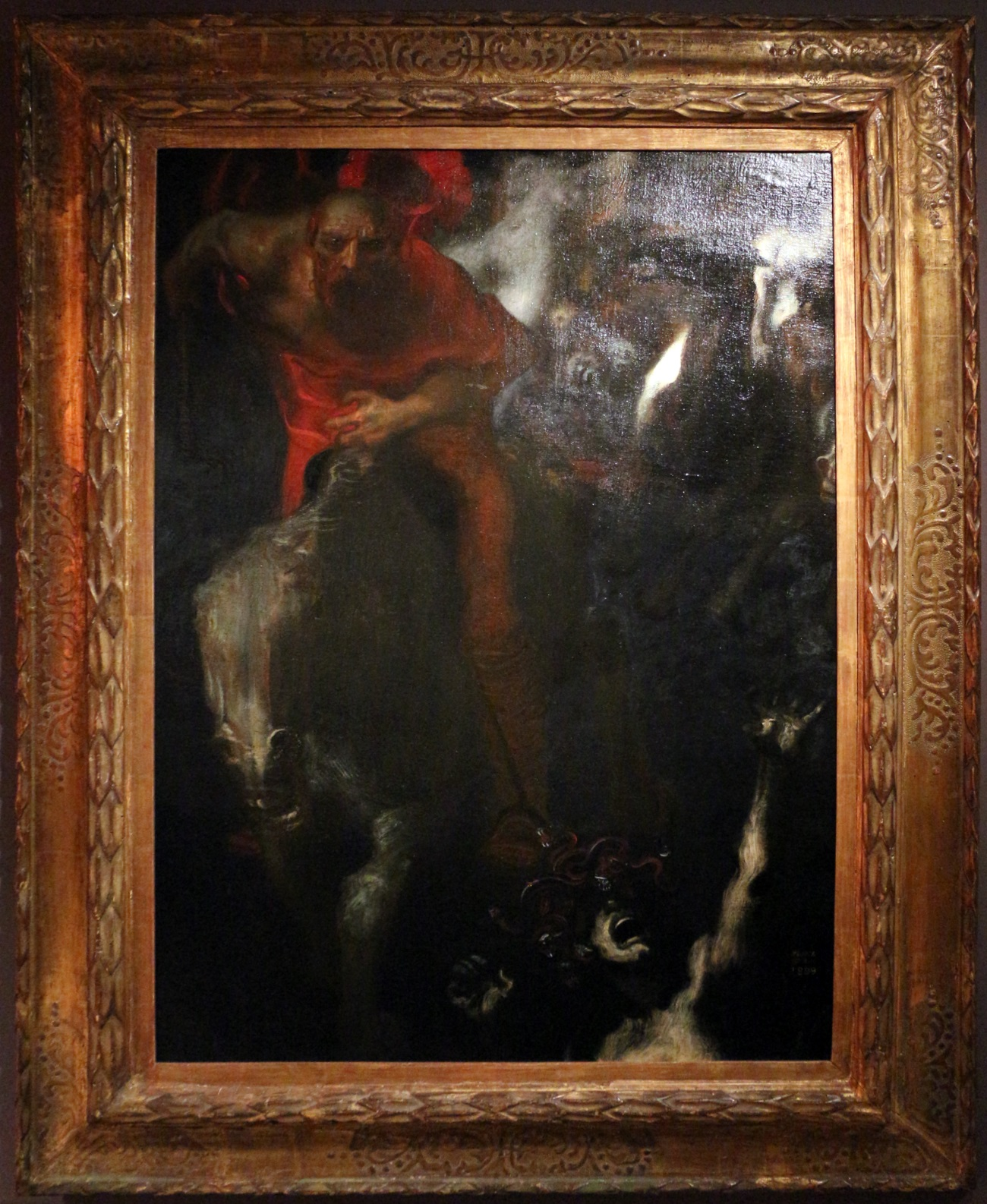

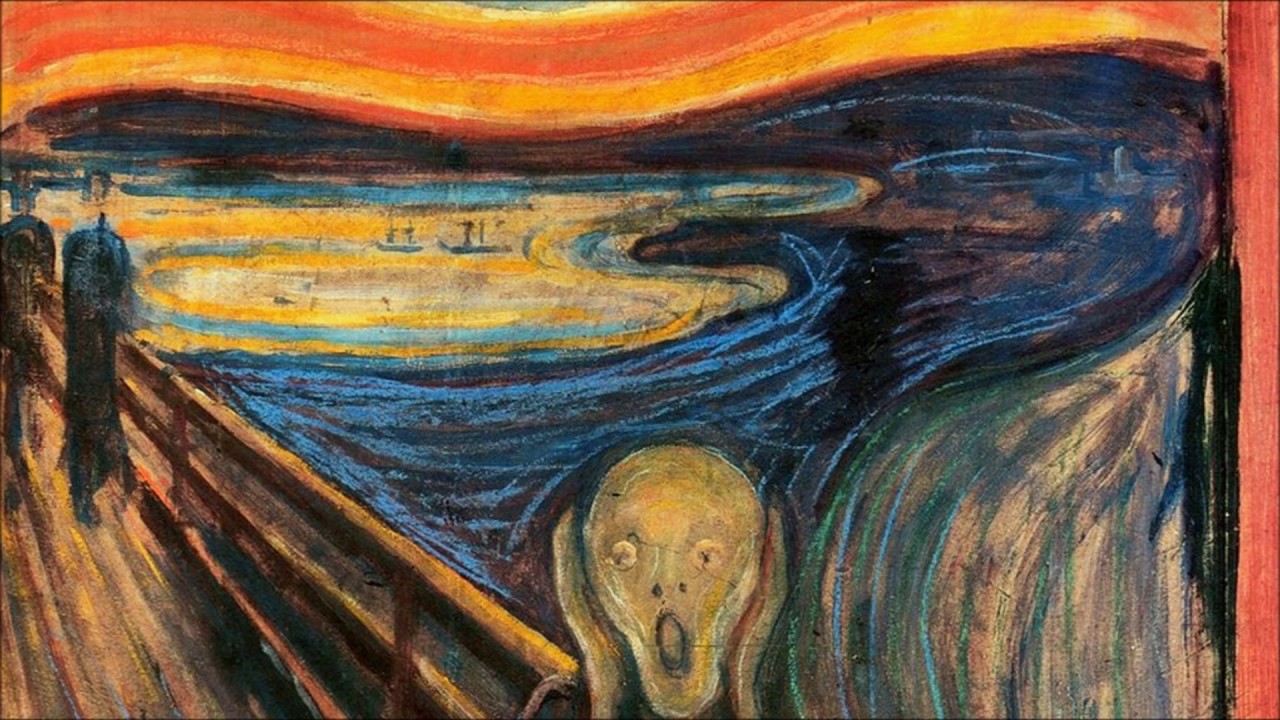
 Seclusão Anagógica