Tradução comentada de trechos de “PLATÓN. Obras Completas (trad. espanhola do grego por Patricio de Azcárate, 1875), Ed. Epicureum (digital)”
Além da tradução ao Português, providenciei notas de rodapé, numeradas, onde achei oportuno abordar pontos polêmicos ou obscuros. Quando a nota for de Azcárate (tradutor) ou de Ana Pérez Vega (editora), um (*) antecederá as aspas.
“MÊNON – Poderias dizer-me, Sócrates, se a virtude pode ser ensinada? E, podendo ou não, adquire-se só com a prática ou encontra-se no homem também naturalmente ou sob qualquer outra forma?
SÓCRATES – Até agora os tessálios desfrutaram de grande renome entre os gregos, e foram muitíssimo admirados por sua destreza em montar a cavalo, bem como por suas riquezas; mas hoje em dia sua fama reside, a meu ver, mais em sua sabedoria, principalmente na dos concidadãos de teu amigo Aristipo de Larissa.(*) A razão disso é que Górgias, havendo visitado esta cidade, atraiu a seu círculo, em vista de seu enorme talento, os aristocratas alêuadas, i.e., descendentes do rei Aleuas.¹ Aristipo se encontrava neste número. Apenas os mais distintos dos tessálios freqüentavam a residência de Górgias. Ele vos acostumou a responder com firmeza e imponência às perguntas, assim como os sábios respondem com naturalidade tudo aquilo que são perguntados (…)”
(*) “Que não deverá ser confundido com Aristipo de Cirene, discípulo do próprio Sócrates, que no entanto punha o Prazer no lugar do soberano Bem.” – P.A. (Mau discípulo, por sinal!)
¹ Rei mitológico, já que se diz que fôra neto do próprio Aquiles da Guerra de Tróia. Há discordância entre os escoliastas de língua portuguesa se se o chama Aleuas ou Alevas e, em conseqüência, seus descendentes poderiam tanto se chamar alêuadas como alêvadas. Aqui procedemos à opção de Azcárate.
“Mas aqui em Atenas, meu querido Mênon, as coisas tomaram a contra-mão. Não sei que espécie de aridez se apoderou da ciência; até o ponto em que parece se haver retirado por completo destes lugares, para ir animar apenas vossa Tessália. Imagino que se perambularas nas ruas questionando o que me questionas serias vítima de troça, e não haveria quem não to dissesse: Estrangeiro, estou tão distante de saber se a virtude, dada sua natureza, pode ser ensinada, que ignoro mesmo o que seja essa tal virtude! Mas Mênon, eu disse isso sobre todos os atenienses: eu também não sei a resposta. Prescindo da sabedoria, como meus concidadãos. Sinto muitíssimo não possuir qualquer tipo de ciência sobre a virtude! (…) Parece-te, aliás, possível que alguém que não conhece a pessoa de Mênon afirme que seja formoso, rico e nobre, ou, enfim, destituído destas características? Crês tu?
MÊNON – Não, mas será verdade, Sócrates, que não saibas mesmo o que é a virtude? É concebível que, voltando eu a minha terra, tenha de aviltar tua imagem de sábio, confessando tua ignorância no tema?
SÓCRATES – Não só não o sei, querido Mênon, como não encontrei jamais alma que o soubesse, tanto quanto me concerne.
MÊNON – Como é? Não visitaste Górgias quando ele freqüentou Atenas?
SÓCRATES – Sim.
MÊNON – E me dizes então que ele de nada sabia?
SÓCRATES – Ando meio caduco, Mênon. Não posso dar-te um juízo exato, agora, de como avaliei Górgias então. Bom, talvez ele realmente soubesse o quê é a virtude, e dessa forma tu também, pois que tu és discípulo de Górgias.”
“SÓCRATES – Deixemos Górgias em paz, uma vez que não se encontra para defender-se. Mas tu, Mênon, em nome dos deuses, o que opinas sobre a virtude? Diz-mo. Não me prives deste conhecimento! Se eu saio desta conversa convencido de que tu e Górgias sabeis quê é a virtude, terei de admitir minha derrota: incorrera em falsidade todo este tempo, uma vez que conhecia homens que sabiam o que é a virtude!
MÊNON – A coisa não é assim tão difícil, Sócrates. Queres que te diga, duma vez, em que consiste a virtude do homem? Nada mais simples: consiste em estar em posição de administrar os negócios da sua pátria; e, administrando, fazer o bem a seus amigos e o mal a seus inimigos, procurando, por sua parte, evitar todo o sofrimento. Queres conhecer em que consiste a virtude da mulher? É facílimo defini-la: o dever de uma mulher é governar bem sua casa, vigiar seu interior, ser submissa ao marido. Também há uma virtude própria para os jovens, de um e outro sexo, e para os anciãos; a que convém ao homem livre é outrossim distinta da do escravo; em suma, há uma infinidade de virtudes. Nenhum inconveniente há em responder o que é a virtude, porque cada profissão, cada idade, cada ação, tem sua virtude particular. (…)
SÓCRATES – Imensa é minha fortuna, Mênon! Estava à procura de uma virtude, e me deparo com um verdadeiro enxame delas! Mas, recorrendo a esta imagem, i.e., do enxame, se eu te houvesse questionado da natureza das abelhas, e tu me respondesses que há muitas abelhas e de muitas espécies diferentes; o que me haveria de responder se eu te contestasse: É em virtude de sua qualidade de abelhas que dizes haver grande número? Ou não diferem em nada enquanto abelhas, mas sim em razão de outros conceitos, p.ex., a beleza, a magnitude ou qualquer qualidade assim, separável do que uma abelha é? (…)
MÊNON – Ora, diria que as abelhas, enquanto abelhas, não diferem umas das outras!”
“SÓCRATES – Saiba então que o mesmo sucede com as virtudes. Ainda que haja muitas e de muitos matizes e variedades, todas compartilham uma essência comum, o que possibilita que sejam chamadas virtudes.”
“Te parece, Mênon, que a saúde de um homem seja distinta da saúde de uma mulher?”
“Mênon, a verdade é que não buscamos mais que uma virtude. O que fizemos foi percorrer caminhos estranhos e achar várias virtudes, máscaras da virtude una.”
“SÓCRATES – Agora vê se concordas: a figura é, dentre todas as coisas que existem, a única que está unida à cor. Estás satisfeito ou desejas reformular tal definição? Eu me daria por satisfeito, caso desses-me uma definição de virtude no mesmo tom.
MÊNON – Mas esta definição é impertinente, Sócrates!
SÓCRATES – Por quê?!
MÊNON – Segundo tu, a figura está sempre unida à cor.
SÓCRATES – Sim, e…?
MÊNON – Se se dissesse que não se sabe quê é a cor, e que neste ponto está-se no mesmo embaraço que quanto à definição de figura, que pensarias a respeito?
SÓCRATES – (…) minha resposta já está dada; se não é justa, a ti toca pedir a palavra e refutá-la. Mas se fossem dois amigos, como tu e eu, que quiséssemos conversar juntos, seria preciso então responder-te, não é mesmo? Desta vez, de maneira mais suave e conforme com as leis da dialética. E o que é mais conforme com as leis da dialética? Não se limitar somente a dar uma resposta verdadeira, mas fazer com que esta resposta consista em palavras que o mesmo sujeito que nos dirigiu a pergunta confesse que entendeu a todas, uma a uma. Desta maneira inicio minha tentativa de responder-te melhor que antes. Pergunto: há uma coisa que chamas de fim, i.e., limite, extremidade? Estas 3 palavras expressam uma mesma idéia. Talvez Pródico não concordasse. Mas enfim, tu não assumes que uma coisa é finita e limitada? Eis meu entendimento.
(…)
E bem, não chamas algumas coisas de superfícies, planos, e outras sólidos? P.ex., o que se chama com estes nomes na geometria.
(…)
Agora sim podes conceber o que entendo eu por figura. Porque digo em geral de toda figura que é: aquilo que limita o sólido. Para resumir esta definição em apenas dois substantivos, chamo de figura o limite do sólido.
MÊNON – Excelente, Sócrates. E qual sua definição de cor?
SÓCRATES – Ah, Mênon! Tua juventude gosta de tripudiar de um velho como eu, não?! Sufoca-me com pergunta atrás de pergunta! Enquanto isso, não queres nem te lembrar nem dizer-me como Górgias entendia a virtude!
MÊNON – To direi, Sócrates—depois de terdes respondido minha pergunta!
SÓCRATES – Ainda que tivera meus olhos vendados, somente ao ouvir-te diria: és belo e tens amantes!
MÊNON – Por que dizes isto?!
SÓCRATES – Porque em teus discursos não fazes mais que mandar; coisa muito comum entre os jovens que, orgulhosos de sua beleza, exercem uma espécie de tirania enquanto se encontram na flor dos anos. Além disso, talvez tenhas descoberto minha fraqueza, amigo, o amor pela beleza! Mas farei tua vontade, respondo-te a seguir.
MÊNON – Sim, por favor, Sócrates!
SÓCRATES – Queres que te responda como responderia Górgias, a fim de que me sigas com mais facilidade?
MÊNON – Ó, é uma ótima idéia!
SÓCRATES – Não dizeis vós, segundo o sistema de Empédocles, que os corpos produzem emanações?
MÊNON – Correto, prossegue.
SÓCRATES – E que têm poros, através dos quais passam tais emanações?
MÊNON – Decerto.
SÓCRATES – E que certas emanações são proporcionais a certos poros; enquanto que outros deles são ou demasiado largos ou demasiado estreitos para que sirvam de condutores?
MÊNON – Não mentes.
SÓCRATES – Reconheces a vista?”
MÊNON – Vejo que sim.
SÓCRATES – Estabelecidas todas estas coisas, atenta agora ao que digo, tal qual o disse outrora Píndaro: <A cor não é outra coisa que uma emanação das figuras, proporcional à vista e sensível>.”¹
¹ O mais impressionante dessa definição é sua atualidade, como se Sócrates já falasse da freqüência da luz e nossa percepção dos tons pela decodificação instantânea dos neurônios que desemboca na retina. Ainda mais curioso diante do fato de que em outros diálogos Platão apresenta definições assaz mequetrefes, para nosso tempo pós-goethiano, em teoria das cores! É só ler seus diálogos mais avançados, incluindo mesmo A República.
“sobre a base desta resposta, ser-te-ia fácil agora explicar o que são a voz, o olfato e as coisas análogas.”
“SÓCRATES – Ela (a resposta sobre a cor) tem não sei quê de trágico, querido Mênon; e por esta razão mais te agradou que a resposta sobre a figura!
(…)
Mas esta segunda definição não é tão boa quanto a primeira, ó filho de Alexidemo. O mesmo opinarias, se acaso não fosses obrigado a voltar a tua terra antes de testemunhares os mistérios, e se pudesses permanecer e ser iniciado.
MÊNON – E com muito gosto permaneceria eu, Sócrates, se consentisses em me comunicar tais coisas.
SÓCRATES – (…) Cessa de multiplicar o que é único, Mênon, pilhéria esta comum aos oradores que querem ridicularizar seu oponente. Tomando então a virtude em si, integral e inviolada, explica-ma agora no que consiste! Te dei dois modelos para servirem-te de guia.
MÊNON – A virtude consiste, Sócrates, como refere o poeta, em comprazer-se com as coisas belas e poder adquiri-las.”
“SÓCRATES – Desejar as coisas belas, é a teu ver desejar as coisas boas?
MÊNON – Ora, sim.”
“SÓCRATES – Mas Mênon, crês que um homem, conhecendo tanto o mal quanto o bem, pode se ver premido a desejar o mal?
MÊNON – É claro.
(…)
Sócrates, parece que tens razão; ninguém deseja o mal.”
“SÓCRATES – E não é certo que a parte desta definição que expressa o querer é comum a todos os homens? E que neste conceito ninguém é melhor do que ninguém?
MÊNON – Convenho.
SÓCRATES – Está patente, portanto, que, se uns são melhores que os outros, não pode ser senão em razão do poder.
MÊNON – Isso sem dúvida.”
“MÊNON – Tinha ouvido dizer, Sócrates, antes de conversar contigo, que tu não sabias outra coisa senão duvidar e encher os outros de dúvidas. Vejo agora que fascinas meu espírito com teus feitiços, tuas maldições e teus encantamentos! De maneira que me encontro repleto de dúvidas… (…) Fazes bem em não saíres de Atenas, nem visitar outros países. Porque se fazes alhures o que aqui fazes, creio que te exterminariam!
SÓCRATES – És muito astuto, Mênon, e tentaste pregar-me uma peça!”
“Sei que todos os homens belos gostam de ser comparados, porque comparações são-lhes sempre vantajosas! (…) Não te devolverei outra comparação por esta! (…) se conduzo ao espírito dos outros a dúvida, não é porque saiba mais que ninguém, mas exatamente ao contrário; sou o ser que mais questiona, só isso! (…) Já com relação à virtude, meu caro, não sei o quê é; e creio que tu o sabias antes de vir ter comigo; mas depois de conversarmos um pouco, creio que agora já não saibas mais!”
“SÓCRATES – Compreendo o que queres dizer, Mênon. Percebe quão pouco fecundo não é o tema que acabas de estabelecer?! Parece que não é possível ao homem indagar aquilo que sabe, nem o que não sabe, afinal se já o sabe não tem necessidade de indagação alguma. Não indagará tampouco o que não sabe, pela simples razão de que não sabe o quê deveria indagar!
MÊNON – Não te parece que falo a verdade, Sócrates?
SÓCRATES – Não.
MÊNON – Quisera dizer-me o motivo!”
“Os poetas dizem¹ que a alma humana é imortal. Que logo que desaparece, ou pelo menos quando acontece o que denominam ‘morrer’, volta a aparecer; perecer, nunca. Por isso, é preciso viver da forma mais santa concebível. Porque Perséfone, após 9 anos, devolve a vida à alma do morto, de acordo com os méritos e as faltas da vida passada. Assim nascem e renascem os reis e os homens mais ilustres e sábios; nos séculos seguintes, eles são considerados pelos mortais como santos e heróis. A alma, partícipe desse ciclo infinito, tendo se deparado com as mesmas coisas tantas vezes, é por isso mesmo a coisa mais sábia que há. Seria coisa de se admirar, portanto, que ela pudesse recobrar aquilo que já abrigava, i.e., a resposta de quê é a virtude?”
¹ Píndaro
“Tudo que se chama buscar e aprender nada mais é do que recordar.”
“SÓCRATES – Chama algum dos muitos escravos que estão a teu serviço, quem quiseres. (…)
MÊNON – Com prazer. Vem tu, jovem.
SÓCRATES – É grego? Ou sabe o grego?
MÊNON – Excepcionalmente. Ele é como que de nossa família, sempre foi de nossa casa.
SÓCRATES – Aguarda e só observa se o escravo recorda ou aprende de mim.
MÊNON – Pois não, sou todo ouvidos.
SÓCRATES – Jovem, diz-me: sabes que isto é um quadrado?
[Sócrates desenha com um graveto na areia para que o jovem visualize.]
ESCRAVO – Sim.
SÓCRATES – O espaço quadrado não é aquele que tem as quatro linhas que vês iguais?
ESCRAVO – Certamente.
SÓCRATES – Não tem também estas outras linhas, que dividem-no ao meio, iguais entre si? [Desenha uma cruz dentro do quadrado.]
¹ Supondo que o segmento BC = 2, tanto BF quanto FC = 1, nas palavras de Sócrates ao escravo logo abaixo. Cada um dos 4 quadrados que nasceram “dentro” do primeiro quadrado desenhado na areia conservam suas propriedades, só que em miniatura. E Sócrates fez tudo isso apenas riscando uma “cruz” na areia – ângulos retos, o que chamaríamos hoje, pós-Descartes, de eixos x (horizontal) e y (vertical), que não passam de lados de novos quadrados, conforme a perspectiva –, observando a proporção das medidas (a cruz, i.e., os segmentos perpendiculares entre si FH e EG, interseccionando-se no ponto zero do plano cartesiano, representado na imagem pela letra “I”).
ESCRAVO – Sim.
SÓCRATES – Não é verossímil que haja um espaço semelhante, embora maior ou menor?¹
ESCRAVO – Sem dúvida.
SÓCRATES – Se este lado fosse de 2 pés e este outro também de 2 pés, quantos pés teria o todo? Considera-o antes desta maneira, aliás: se este lado fosse de 2 pés e este de um pé só, não é certo que o espaço teria 1 vez 2 pés?²
ESCRAVO – Sim, sim, Sócrates.
SÓCRATES – Mas como na verdade este outro lado é também de 2 pés, não terá o espaço 2 vezes 2?
ESCRAVO – Sim.
SÓCRATES – Reiterando: logo, o espaço é 2×2?
ESCRAVO – Sim.
SÓCRATES – Quanto são 2×2? Conta para mim.
ESCRAVO – São 4, Sócrates.
SÓCRATES – E não poder-se-ia formar um espaço que fosse o dobro deste, ainda conservando suas mesmas propriedades, tendo lados iguais?³
ESCRAVO – Sim.
SÓCRATES – Quantos pés teria esse espaço?
ESCRAVO – 8.4
SÓCRATES – Agora diz-me: qual seria o comprimento de cada linha desse novo quadrado maior que concebemos… Veja: este quadrado traçado na areia¹ tem 2 pés de cada lado. Quantos pés teria o lado do <quadrado que é o dobro deste>?
ESCRAVO – É evidente: os lados teriam o dobro de pés!
SÓCRATES – Bem vê, Mênon, que eu não ensino nada ao jovem, tudo o que faço é interrogá-lo. E ele já imagina qual é a linha que deve traçar para formar o espaço trigonométrico de 8 pés, não te parece assim?
MÊNON – Sim, Sócrates.”
² Neste caso, seria como se a figura total fosse, p.ex., a ligação dos pontos BEGC, equivalente a um retângulo.
³ Um quadrado que fosse para o quadrado ABCD o mesmo que o quadrado BFIE é para o quadrado ABCD.
4 O sumo óbvio, que Sócrates tentava demonstrar: o não-iniciado em matemática tomará por operação aritmética (e a operação equivocada) o que era uma operação trigonométrica. Falando em linguagem mais acessível, o jovem não sabia ainda que a obtenção da área do quadrado era obtida por meio de uma MULTIPLICAÇÃO de 2, e não de uma SOMA de 2, uma vez que, no caso do número 2, a multiplicação (o quadrado) e a soma coincidem. (2+2=2×2) Daí o jovem ter dito que o quadrado com o dobro das medidas, i.e., lado = 4, teria 8 pés de área, pois ele fez mentalmente 4 + 4 e não 4².Este raciocínio todo, bem simples, serve para lembrar, também: não é todo matemático que é bom em ensinar matemática. É preciso saber o método para não fazer o aluno “descobrir a natureza” da forma indesejada (pelo ensino oficial, pelos livros, pelo próprio educador, etc.). Mostrar que o jovem se equivocava ao imaginar o quadrado e que se daria conta do erro ao contar os quadrados após desenhar o quadrado na areia favorecia Sócrates na discussão que tinha com Mênon (sobre a teoria da reminiscência).
“SÓCRATES – Teu escravo não sabia a princípio qual era a linha com que se forma o espaço de 8 pés, e na verdade ainda não o sabe, porque não o fiz ir adiante.¹ Mas ele pensava que sabia. E a prova disso é que respondia sem hesitar, muito confiante de si. Ele não se imaginava ignorante em nada. Mas, por fim, quando lhe objetei que incorria em erro, reconheceu seu embaraço, e admitiu que não sabe. Houve um progresso: agora ele sabe que não sabe.
¹ Número irracional, que os gregos não se preocupavam em denotar. Muito embora, neste exemplo Sócrates tenha apresentado apenas um quadrado bidimensional. No caso do CUBO, seria possível encontrar 8 como volume da figura cujo lado é 2 pés (2³).
“MÊNON – O que dizes é a suma verdade, Sócrates.
SÓCRATES – Admites que teu escravo avançou em conhecimentos?
MÊNON – Não posso negá-lo!
SÓCRATES – Pois ensinando-o a duvidar das coisas, e até de si mesmo, e fazendo-o arrefecer sua natureza antes mais arrogante, como se arrefece um tornado, crês que fizemos um bem ou que fizemos um mal a ele?
MÊNON – Um bem sem dúvida.
PLATÃO – O que fizemos foi situá-lo em uma posição privilegiada para enfim caçar a verdade. Porque agora, ainda que não saiba o que é, buscará esta coisa com prazer e ponderação. Antes chegaria a conclusões apressadas e desfiguradoras, não importa se na praça pública, crendo-se senhor da razão, ou apenas diante de si mesmo. Não veria o ridículo de sua resposta, de que o dobro da área aparecia com o dobro da longitude das linhas (acrescentando outro tanto de pés aos lados do quadrado).”
“SÓCRATES – Escravo, volta. Responde, agora: este espaço, não é de 4 pés? [Sócrates volta a apontá-lo a figura 1, desenhada na areia.]
ESCRAVO – Sim.
SÓCRATES – Não se pode acrescentar a este espaço outro idêntico?¹
ESCRAVO – Sim.
SÓCRATES – E ainda outro (um terceiro quadrado)?
ESCRAVO – Sim.
SÓCRATES – E agora o quarto?
ESCRAVO – Sem dúvida.
SÓCRATES – Não temos então quatro espaços iguais entre si?
ESCRAVO – Sim, sim.
SÓCRATES – Mas que é todo este espaço (o quadrado maior) diante do menor?²
ESCRAVO – É o quádruplo.
SÓCRATES – Mas o que queríamos não era achar o dobro?
ESCRAVO – Evidente.
SÓCRATES – Estas duas linhas,(*) inscritas dentro do quadrado grande, não cortam em dois cada um destes espaços (os dois retângulos, que assim se tornam 4 quadrados menores)? [(*)A cruz na areia, cf. legenda da figura]
ESCRAVO – Sim, exato.
SÓCRATES – Não vês aqui, pois, 4 linhas iguais que cortam este espaço? [Decompondo a cruz: duas linhas perpendiculares são também 4 linhas ou segmentos de reta, com referência ao ponto I, o centro.]
ESCRAVO – Vejo.
SÓCRATES – Responde agora, qual a magnitude deste espaço?
ESCRAVO – Como?!
SÓCRATES – A cruz que desenhei na areia não divide este quadrado original em 4 quadrados?
ESCRAVO – Sim.
SÓCRATES – Então me diga: quantos espaços semelhantes há <dentro> desta figura?
ESCRAVO – 4.
SÓCRATES – E naquela? [Sócrates aponta para o polígono CBGE.]
ESCRAVO – 2.
SÓCRATES – Qual a proporção de 4 para 2?
ESCRAVO – 4 é o dobro de 2.
SÓCRATES – Quantos pés tem este espaço? [CBGE]
ESCRAVO – 8 pés. [4×2]
SÓCRATES – Quais as linhas que o formam?
ESCRAVO – Estas. [O escravo assinala o polígono CBGE.]
SÓCRATES – Com esta linha aqui em um dos lados? [Sócrates aponta para o segmento BC.]
ESCRAVO – Isso.
SÓCRATES – Os sofistas chamam esta linha de diâmetro. Assim, supondo que seja este o nome mais adequado, o espaço que chamamos dobro, ó escravo de Mênon, será formado de acordo com o diâmetro. Mas lembra-te que o outro lado [segmento BE] permanece do mesmo tamanho.
ESCRAVO – Perfeitamente, Sócrates!
SÓCRATES – E agora, Mênon? Crês que teu jovem escravo deu alguma resposta que lhe fôra ordenada, ou que ele chegou à resposta por seu próprio mérito?
MÊNON – Vejo o que querias demonstrar, Sócrates: ele chegou à descoberta por conta própria, sem a ajuda de ninguém.”
¹ Como vimos, aí teríamos um retângulo, pois para DOBRAR O QUADRADO seria necessário não multiplicar por 2, mas por 4 (aumentar o quadrado 4x).
² Basta visualizar sempre a figura 1 para entender o problema. Comparar o menor quadrado com o maior quadrado, não importando as dimensões numéricas do caso particular (o número de pés do quadrado, o que foi deixado de fora da imagem que inseri acima justamente para facilitar a abstração).
“Daí concluímos que aquele que não sabe ou ignora tem, apesar disso, em si mesmo, faltando apenas recordar, opiniões verdadeiras relativas àquele assunto que, por enquanto, pensa ignorar totalmente.”
“SÓCRATES – Não concordas que a ciência que tem hoje teu escravo, não seria preciso que ele a tivesse recebido noutro tempo, imemorável, ou que sempre a tivera consigo, embora adormecida?
MÊNON – Sou obrigado a concordar.
SÓCRATES – Mas ora: se fosse a segunda hipótese, teu escravo teria sido um sábio desde sempre! E se a recebeu, ao contrário, noutro tempo, não foi, decerto, nessa vida presente! A não ser que alguém o tenha secretamente introduzido na arte da geometria, vês? Sabes se alguém o ensinou?
MÊNON – Sócrates, este é um servo doméstico. Asseguro-te que nunca foi educado em semelhantes coisas.
(…)
SÓCRATES – Se não o foi, é claro que recebeu este ensinamento antes, e que em algum momento aprendeu o que sabe, posto que não se pode aprender aquilo de que a alma não é capaz desde sempre!
MÊNON – Mataste a charada.
SÓCRATES – Será então quando ainda não era homem: foi neste momento em que foram-lhe impressos na alma estes conhecimentos que ora manifestou.
MÊNON – Creio que sim, Sócrates.
SÓCRATES – Mênon, não é correto afirmar que embora em seu corpo atual teu escravo nada soubesse de trigonometria até o momento em sua alma ele sempre fôra um sábio?
MÊNON – Sem dúvida alguma, Sócrates.
SÓCRATES – Logo, se a verdade dos objetos está sempre em nossa alma, ela é imortal. Por isso nunca devemos depreciar este método: perguntar com confiança e persistência, indagar nossas próprias almas sobre os objetos, tentar trazer à memória aquilo de que já não mais lembrávamos!
MÊNON – Não sei exatamente como fazer o que dizes, mas concordo que falas a verdade.
SÓCRATES – E tua crítica me é tão familiar que acho que a encontro dentro de mim mesmo, Mênon. Às vezes procedemos a um método que nem bem entendemos. Porém, creio ser minha missão nesta vida defender este método com palavras e com os fatos que puder encontrar. Estou persuadido apenas disso: que é preciso indagarmo-nos a respeito daquilo que não sabemos, pois isto no mínimo nos fará melhores, ou pelo menos não nos corromperá se nada advir disso!Pois ficaremos mais resolutos, menos preguiçosos – de que adiantaria repousarmos crendo ser impossível descobrir aquilo que ignoramos agora e que seria vão empreender qualquer coisa?
MÊNON – Mas isto está excepcionalmente bem-dito, Sócrates!”
“permita-me indagar, como que por hipótese, se a virtude pode ser ensinada, ou se se a adquire por qualquer outro meio. Quando digo <como que por hipótese>, entendo por hipótese o método ordinário dos geômetras.”
“Se a virtude for uma ciência, é óbvio que se pode ensiná-la.” “Mas se apresenta agora outra questão igualmente problemática: será a virtude uma ciência ou não?”
“SÓCRATES – Se há alguma espécie de bem que seja distinta da ciência, pode então suceder que a virtude não seja uma ciência. Mas se não há nenhum gênero de bem que a ciência não abranja, teremos razões para conjeturar que a virtude é uma modalidade de conhecimento.
MÊNON – Perfeitamente.”
“SÓCRATES – (…) Ora, se uma coisa qualquer, e não precisa ser a virtude, é por natureza suscetível de ser ensinada, não é sumamente necessário que nela e dela haja mestres e discípulos?
MÊNON – Creio que sim, Sócrates.
SÓCRATES – E podemos concluir que quando alguma coisa prescinde por completo de mestres é sinal de que ela não pode ser objeto de ensino?
MÊNON – Nada mais exato.”
“Justamente, Mênon! Temos a felicidade de contar neste recinto, em hora muito apropriada, com Anito,¹ que estava desde o começo de nossa conversação tão perto de nós! (…) Anito é filho de um pai rico e sábio, Antemião, que não deve sua fortuna ao mero acaso, nem à liberalidade alheia, como seria o caso de Ismênias o Tebano, que não faz muito recebeu em herança todos os bens de Polícrates. Pelo contrário: tudo o que tem decorre de sabedoria e indústria. E Antemião, em que pese sua posição econômica, nada tem de arrogante, faustoso, nem desdenha os outros cidadãos; é modesto e prudente em sociedade. Um homem assim não deixaria de haver educado muitíssimo bem seu filho, pelo menos de acordo com a grande maioria dos atenienses. Tanto que ele quase sempre é eleito para os cargos mais importantes!”
SÓCRATES – Tu sabes, como eu, sem dúvida, Anito, que são os que se chamam de sofistas.
ANITO – Por Hércules! Não mo digas, Sócrates. Eu não desejaria que nenhum parente meu, nem aliado, nem amigo íntimo, concidadão ou estrangeiro sequer, fôra tão insensato a ponto de pagar para perder-se com tais gentes. São os sofistas, manifestamente, uma peste e um encosto para todos os que com eles tratam.
SÓCRATES – Como, Anito?! Entre aqueles que se arrogam o ser úteis aos homens, só os sofistas logram diferenciar-se dos demais. Queres dizer que não só eles não melhoram seus alunos como até os pioram?!? E se atrevem a exigir dinheiro por esta obra? Mal sei no que acreditar, Anito, pois estaria tudo a desmoronar se desse plena fé a teu discurso! Eu conheci um homem, chamadoProtágoras, que acumulara com a profissão de sofista mais dinheiro que Fídias, quem possui reputação tão ilibada! Não deixa de ser fenômeno singular: se aquele que remenda trajes e calçados devolve-os piores ainda a seus donos, ao cabo de 30 dias estará sem clientela e na sarjeta! Mas então este Protágoras, que corrompera desta forma os cidadãos, não é suspeito de nada vil em toda a Grécia! E não digo que pese-lhe alguma suspeita desde ontem, e que ela pode demorar a se alastrar e se verificar: faz 40 anos que este homem é célebre! Que era, melhor dizendo, pois, morto aos 70, dizem que exerceu a Sofística desde pelo menos os 30 anos de idade… Em todo este tempo jamais foi injuriado, nem caluniado. Mas Protágoras não foi o primeiro de sua classe, nem será o último. Supondo que digas a verdade, que há de se pensar dos sofistas que estão em exercício?! Que enganam a juventude de pleno conhecimento, dolosamente, ou que não conhecem o dano que provocam? Consideraremos estes homens insensatos a tal ponto – homens, repito, tidos como sábios personagens de nossa polis?
ANITO – Bem longe se encontram de ser uns insensatos, ó Sócrates! Os insensatos de fato são os jovens que lhes dão ouvidos e dinheiro! Mais insensatos ainda os pais destes mesmos jovens, que confiam a eles a educação de seus rebentos. Mas mais insensatas de todos são as cidades que permitem a entrada destes homens nefandos, em vez de fechar os portões a estrangeiros tão mal-intencionados como eles!
SÓCRATES – Algum sofista corrompeu-te, Anito? Que razão tens para pensar tão mal deles?
ANITO – Por Zeus! Jamais cultivei o trato com semelhantes figuras… E não consentiria que nenhum conhecido se aproximasse destes sofistas!
SÓCRATES – Então conheces estes homens só pelo ouvir falar?
ANITO – E oxalá nunca por experiência própria!
SÓCRATES – E, sem contato direto com as coisas, meu querido, como podes saber se são boas ou más?
ANITO – Muito bem, Sócrates, me pegaste em teu discurso. Em todo caso, tendo eu as experimentado ou não, conheço os sofistas como a palma de minha mão, e sei o que são.”
“SÓCRATES – Os homens virtuosos, fizeram-se por si mesmos, sem receber lições? Outra questão: podem eles ensinar aos demais aquilo que nem eles mesmos não aprenderam com ninguém?
ANITO – Creio que receberam sua instrução dos que os precederam, homens igualmente virtuosos. Crês que esta cidade não produziu grande número de cidadãos estimáveis por sua virtude?
SÓCRATES – Eu creio, Anito, que nesta cidade há grandes nomes de Estado, e que sempre houve alguns, a cada geração. Mas foram eles os professores de sua própria virtude, ou da de seus sucedâneos? Porque isto é o que desejamos saber, e não se há ou não homens virtuosos, nem se sempre houve ou sempre haverá! A questão é se os grandes homens de agora e de outrora dispõem e dispuseram do talento para comunicar aos outros sua virtude, em que tanto sobressaíam; senão, teríamos de admitir que a virtude é intransmissível, impassível de ensino, de um homem a outro.”
“SÓCRATES – (…) Convéns em que Temístocles era um homem de bem?
ANITO – Sim.
(…)
SÓCRATES – (…) Não ouviste dizer que Temístocles ensinou seu filho Cleofanto a cavalgar? Cavalgava tão bem seu filho que podia se equilibrar de pé sobre o cavalo enquanto disparava dardos, sem falar doutros movimentos e posturas maravilhosos. O pai sabia tudo isso e comunicou cada coisa ao filho, que as aprendeu. Em todas estas coisas técnicas Cleofanto aprendeu com seu pai e os melhores mestres, naquilo em que porventura Temístocles não excelia. Os antigos referiam essa estória, te recordas?
ANITO – Sim, dizes verdade.
SÓCRATES – Deve ser correto dizer que seu filho contava com predisposições naturais…
ANITO – Provavelmente.
SÓCRATES – Mas já ouviste falar de cidadão, velho ou novo, que Cleofanto fosse homem de bem tal qual seu pai (virtuoso)?
ANITO – Neste particular, estou no escuro.
SÓCRATES – Pode ser que isto se devesse a um capricho paterno? Considerando que a virtude pudera ser ensinada, não seria a mais importante de todas as ciências a legar à própria prole?
ANITO – Por Zeus, Sócrates, todo pai desejaria o melhor para seu filho!
SÓCRATES – Vês então como Temístocles, homem de bem, fôra um péssimo professor. Mas cacemos mais exemplos: e Lisímaco, filho de Aristides? Aristides acaso foi homem virtuoso?
ANITO – Sim, e muito.
SÓCRATES – Aristides com certeza deu a seu filho Lisímaco a melhor educação com que poderíamos sonhar nós próprios. E crês que isto surtiu efeito? Conheces muito bem Lisímaco e seus dotes.(*) Por fim, analisemos, se queres, ainda, Péricles, homem de méritos extraordinários. Dizem que educou pessoalmente seus filhos Paralos e Xantipo.
ANITO – Sim, sei-o.
SÓCRATES – Não deves ignorar que estes se tornaram dois dos melhores cavaleiros vistos em Atenas; além disso, eram versados na música, em ginástica e em tudo que envolve esta arte. Mas não quis Péricles torná-los virtuosos? Seria o mesmo caso de Tucídides com Melesias e Estefanos: infelizmente os filhos destes hábeis cidadãos e políticos não tiveram vidas destacadas quanto ao mérito de governar seus conterrâneos!
(*) Para esses pormenores (Lisímaco e Melésias filho de Tucídides, citado logo a seguir), ver o diálogo Laques. Este de que se fala não é Tucídides o Historiador. – P.A.”
“ANITO – Pelo que ouço, Sócrates, falas mal dos homens com demasiada liberdade! Se me queres ouvir, te aconselharia a ser um bocado mais reservado. Se é fácil noutras cidades fazer o mal a qualquer um que se queira e sair incólume, em Atenas, Sócrates, é mais fácil ainda! Creio que saibas a que me refiro…
SÓCRATES – Mênon, vem cá! Parece que Anito está muito incomodado, o que não me assusta! É um mal-entendido, Anito. Crês que desprezo estes grandes homens; e como te imaginas neste número, pegas a ofensa para ti! Mas se um dia aprendes o que é verdadeiramente <falar mal>, deixar-te-á de enfadares com bagatelas… No momento, Mênon, Anito não sabe o que diz! Mas diz-me tu, Mênon: não tendes entre vós de Larissa homens de virtude?
MÊNON – Com certeza.
SÓCRATES – E quem são os professores dessa gente?
MÊNON – Ó, Sócrates! Não conheço professores desta matéria, pelo menos não sei dizer se são realmente o que dizem ser… O fato é que os cidadãos se dividem como que por igual entre os que dizem que a virtude pode ser ensinada e os que dizem que a virtude não pode ser ensinada.
SÓCRATES – Dizes então, se a divisão está meio a meio, que entre os professores de virtude há desses que ainda não estão certos de que a virtude possa ser ensinada?!
MÊNON – Ora, mas isso não faria sentido!
SÓCRATES – Mas me diz quê pensas dos sofistas, então.
MÊNON – Sócrates, o que muito me agrada em Górgias é que nunca ouvirás dele uma promessa de tamanho quilate. Ele não afiança nem dá garantias. Ao contrário, já o vi troçando seus colegas que se jactavam de ensinar a virtude. Ele se gaba apenas daquilo que é inegável em si: de sua alta capacidade para formar belos oradores.
SÓCRATES – Não disseste, ao fim: crês que os sofistas são professores de virtude?
MÊNON – Não sei, sinceramente, caro Sócrates! Há dias em que me parece que são e dias em que não o creio minimamente.
SÓCRATES – Sabes que não sois os únicos? Muitos políticos compartilham vossa opinião, e até o poeta Teógnis!
MÊNON – Referes-me os versos a que te referes.
SÓCRATES – Em suas elegias, diz: Bebe e come com aqueles que gozam de grande crédito; mantém-te sempre próximo deles e faz o possível para agradá-los. Aprenderás coisas boas, ao conviver com os bons; mas se trava contato com os maus, até a razão que já possuis escoará ladeira abaixo!(*) Estás de acordo que subentende-se nesta passagem que a virtude pode ser ensinada?
MÊNON – Claro.
SÓCRATES – Mas eis outros fragmentos um pouco distintos: Se se pudesse dar ao homem a inteligência, indubitavelmente estes talentosos educadores se veriam ricos da noite para o dia. Nunca o filho de um pai virtuoso seria mau, só de ouvir sábios conselhos. Mas tudo isso é quimera, ser bom ou mau independe de lições! Agora não nos parece que se contradiz em absoluto?
MÊNON – Ó Sócrates, nada mais certo!
(*) Teógnis, Sentenças, 5:33:432. – P.A.”
“SÓCRATES – Mas se não há mestres, tampouco haverá discípulos.
MÊNON – Penso o mesmo que tu.
SÓCRATES – E estamos conformes em que aquilo para o que não há nem mestre nem discípulo não se pode ensinar!
MÊNON – Correto, Sócrates.”
“MÊNON – A meu ver, a nosso ver… não há nem sequer indícios de homens peritos e qualificados para ensinar a virtude. Porém, isso não é dizer que eu não enxergue homens virtuosos. Havendo-os realmente, não posso atinar com quê se fizeram virtuosos!
SÓCRATES – Mênon, creio que isso seja um indício de que tu e eu somos pouco habilidosos! Creio que nenhum de nós foi bem instruído; tu por Górgias, e eu por Pródico. Portanto, é preciso que nos consagremos com todo esmero a nós mesmos antes de tudo, a fim de buscarmos alguém que nos faça melhores do que somos, qualquer que seja o meio! É até ridículo não havermos notado até aqui que a ciência não é único método disponível para dotar os homens de conhecimento e torná-los hábeis a conduzir seus negócios! Ou, talvez, ainda fazendo esta concessão, havendo outro método, poderia ser que ainda assim a forma como alguém se torna virtuoso continuasse obscura para nós!
MÊNON – Que queres dizer agora, Sócrates?!”
“SÓCRATES – (…) Escuta: se alguém que soubesse o caminho até Larissa estivesse no meio da estrada e servisse de guia a outros, não te parece que conduziria muito bem essas pessoas?!?
MÊNON – Não tenho dúvida.
SÓCRATES – E se um outro conjeturasse com precisão qual seria o caminho, ainda que nunca o houvesse percorrido, nem tivesse ouvido falar ou lido ou aprendido de outrem sobre isso; não daria no mesmo, i.e., não ensinaria adequadamente quem lho perguntasse?
MÊNON – Sim, Sócrates.
SÓCRATES – Tendo, um, uma mera opinião e, o outro, um conhecimento completo do objeto, não será pior condutor aquele que este? Ainda que, por puro azar, soubesse a resposta, não concordas que o guia experimentado o superaria no papel de educador?
MÊNON – Tens razão.
SÓCRATES – Então, eis outro método de ensinar as coisas: a opinião que se mostra verdadeira. A ciência é o método clássico e seguro. Parece que ignoramos essa dupla faceta durante toda nossa discussão acerca da natureza da virtude. Havíamos concluído que só a ciência ensina a bem agir, ao passo que, agora vemos, a conjetura acertada produz o mesmo efeito!
MÊNON – Dou-te razão.
SÓCRATES – Portanto, a opinião verdadeira não é menos útil do que a ciência.
MÊNON – Mas Sócrates… O possuidor do conhecimento saberá sempre alcançar seu objetivo. Já o conjeturador se extraviará um bom número de vezes!
SÓCRATES – Que dizes? Mas se alguém se aferra a uma opinião correta e ensina-a, não é correto que ensina-a corretamente?
MÊNON – Esta conclusão eu não contesto, Sócrates. Mas se fosse um dilema tão simplório, me surpreenderia que não se falasse mais sobre a arte de bem opinar do que acerca de obter o conhecimento. Mais ainda me surpreende que tratemos estas coisas como duas completamente diferentes uma da outra, se é que tens razão!
SÓCRATES – Sabes donde procede esse teu assombro? Queres que to diga?
MÊNON – Ora, já estás perdendo tempo ao não pronunciá-lo logo de uma vez!
SÓCRATES – Nunca admiraste as estátuas consagradas a Dédalo? Há dessas em tua cidade?
MÊNON – Não entendo…
SÓCRATES – Estas esculturas, ó Mênon, quando seguras por molas, são facilmente detidas e fixadas; mas sem este artifício, escapam e fogem.
MÊNON – E…?
SÓCRATES – …E daí que não significa muito ter uma dessas estátuas que escapam fácil. Mas uma estátua fixa é de muito valor. Estas sim são consideradas obras-primas! Mas que tem isso a ver?, perguntarás… É que esta imagem vem a calhar para falar sobre opiniões e conjeturas… As opiniões acertadas são como estátuas com molas, e trazem toda uma sorte de benesses… Mas vê tu que a alma do homem não as capta por muito tempo… Tampouco são caras estas obras… Só mesmo a obra derivada de um conhecimento superior, erigido pela razão, possui um preço mais elevado. Isso, essa ciência, é o que chamo de reminiscência. Uma opinião coligada com outra, logo forma reminiscências, porque cadeias de opiniões nos evocam antigos conhecimentos adormecidos… O que no começo é frouxo e resvaladiço adquire fixidez e estabilidade com o tempo. Daí vem a superioridade da ciência sobre a opinião, Mênon.
MÊNON – Por Zeus, Sócrates! Não capto todos os detalhes de teu discurso, mas do que pude compreender vejo que faz todo o sentido!…
SÓCRATES – (…) E quando afirmo que a opinião verdadeira difere em qualidade da ciência, não creio, positivamente, estar emitindo uma opinião. De quase nada sei, mas se hei de exaltar algum conhecimento meu, ei-lo: o que sei, eu sei.
MÊNON – Tens toda razão!”
“SÓCRATES – A ciência não pode servir de guia nos negócios políticos.
MÊNON – Tudo indica que não.
SÓCRATES – Então não foi devido a sua sabedoria que homens como Temístocles e os demais que citei quando conversava com Anito bem governaram o Estado. Porém, devido a essa característica, eles não puderam comunicar adiante esse dom.
MÊNON – Sim, sim, continua!
SÓCRATES – Não sendo uma ciência, só a opinião verdadeira pode conduzir os políticos na boa administração das coisas públicas; quanto à sabedoria, os políticos não são em nada diferentes dos profetas e dos adivinhos em transe. Estes últimos anunciam muitas coisas verdadeiras, mas não sabem do que falam.
MÊNON – Com bastante probabilidade…
SÓCRATES – Mas que tem que o adivinho não seja dotado de inteligência? Se ao final ele adivinha mesmo assim?
MÊNON – Não há mal algum, efetivamente.
SÓCRATES – Temos razões de sobra, portanto, para chamar os profetas de homens divinos; nada diferente no que se refere aos poetas. E, como vimos, nada mais óbvio e evidente que atribuir o mesmo epíteto aos bons políticos, homens realmente entusiasmados, inspirados e animados pela divindade ao triunfarem sobre grandes empresas, sem ter nenhuma ciência exata daquilo que fazem!
MÊNON – Ó, certo!
SÓCRATES – As mulheres, com razão, chamam os homens virtuosos de divinos. Os espartanos, quando querem elogiar o homem de bem, dizem a mesma coisa.
MÊNON – Não vejo como contestá-lo, Sócrates, mas creio que Anito não ficará satisfeito!
SÓCRATES – Isso não me importa! Conversarei com ele em outra ocasião. Mas no que toca a ti e a mim, Mênon, concluíramos que a virtude não é natural ao homem, nem passível de aprender-se; ela como que aterrissa por influência divina entre os eleitos. A menos que nos apareça algum político que seja capaz de ensinar sua arte, não mudaremos de opinião! Se aparece tal figura, diremos que é, entre os vivos, o que Tirésias é entre os mortos, se havemos de dar crédito a Homero, que versa: O único sábio dos ínferos, onde todos os demais nada mais são que sombras que erram ao acaso.(*)Analogamente, um homem assim seria, comparado com os outros, em matéria de virtude, feito de carne e osso, ou a própria luz, ao passo que nós não passaríamos de sombras e de escuridão.
MÊNON – Sócrates, teu discurso foi perfeito!
SÓCRATES – Nada mais resta a dizer, Mênon: a virtude é um presente dos deuses!
(*) Odisséia X”
Para todos e para ninguém cabe a tarefa de evadir a caverna. E ninguém que a evada pode sequer convencer os outros ou forçá-los a evadi-la também, dadas as circunstâncias…
* * *
PREFÁCIO DAS OBRAS COMPLETAS DE PLATÃO POR VIRGINIA WOOLF – Trechos da tradução espanhola do inglês, reconvertidos para a Língua Portuguesa
(*) “Não conheço uma definição mais eloqüente e simultaneamente lacônica da obra platônica que a de Virginia Woolf. Assim, pois, com ela a palavra.” – A.P.V., 2012.
SOBRE NÃO SABER O GREGO
(*) “Esta tradução foi feita por mim; ela foi posteriormente polida e melhorada por Daniel Nisa em O leitor comum.” A.P.V.
“É um processo extenuante. Concentrar-se arduamente no significado exato das palavras; julgar o que implica cada admissão; seguir concentrada porém criticamente as oscilações dos discursos e as mudanças de opinião à medida que se endurece e se intensifica o diálogo rumo à verdade. São o mesmo o prazer e o bom? A virtude pode acaso ser ensinada? É a virtude uma espécie de ciência? Uma mente cansada ou distraída pode facilmente equivocar-se nesses meandros, enquanto tenta avançar, impiedosamente, por tais interrogatórios abrasivos e intermináveis. Mas ninguém, por mais despreparado para os ensinamentos de Platão, pode deixar de começar a amar, ainda que saia <sem nada aprender de concreto>, ou a amar cada vez mais, o próprio processo do conhecimento, como exposto por ele. À medida que o argumento ascende às nuvens, de grão em grão, de degrau em degrau, Protágoras (e Protágoras pode ser qualquer outro) vai cedendo um pouco, logo um pouco mais, Sócrates avança no mesmo ritmo, devagar mas firme. E o importante não é tanto o desfecho, mas a maneira como vai-se abrindo esse desfecho.”
“É uma noite de inverno; as mesas estão prontas e bem-servidas na ampla sala de Agaton. Uma escrava toca a flauta. Sócrates fez as abluções e veste sandálias. Pára à entrada. Recusa dar mais um passo, ainda quando mandam expressamente alguém vir recepcioná-lo. . . . Agora Sócrates acabou seu discurso. Escolheu Alcibíades para ser vítima de sua ironianeste epílogo de banquete. Alcibíades não pode responder com palavras, pois só consegue admirar este homem fora de série…”
“Descartaremos agora as diversões, ternuras, frivolidades da amizade, só porque aprendemos a amar a busca pela Verdade? A Verdade será encontrada mais depressa pelo fato de taparmos os ouvidos à bela música, de fecharmos a boca ao vinho, pelo fato de escolhermos dormir ao invés de virar a noite conversando? Não é o estudante enclausurado, o asceta, que se mortifica na solidão, que tem a palavra final. Então quem? A natureza ensolarada, o homem que pratica o auto-aperfeiçoamento cotidianamente, sem se deixar atrofiar pela repetição da vida, que saiba que algumas coisas possuem, de forma permanente, em meio a tudo, mais valor que outras.”
“Um povo que julgava tanto, como o ateniense, através dos sentidos básicos, como a audição, acostumados ao teatro de arena, ao ar livre, ou ao escutar discussões na praça e no mercado, era muito menos hábil do que nós para fatiar frases e apreciá-las fora do contexto original em que foram produzidas. Para eles não existiam as Belas Frases de Hardy e de Meredith, nem as Sentenças de George Eliot. Somos muito mais delicados e sutis, bon-vivants, dissecadores. O escritor antigo (e a platéia antiga) se atinha muito mais ao conjunto e muito menos ao detalhe.”
“ao citarmos e destacarmos passagens, trechos, distorcemos muito mais os gregos do que os ingleses. Há um aspecto de natural, de nudez, nesta literatura tão crua e límpida que pode ter um gosto azedo ou amargo para paladares contemporâneos, paladares refinados e seletos demais, acostumados a avaliar cada vírgula de obras impressas, reprovando sabores, regurgitando e detectando matizes. É-nos benquisto um esforço inaudito de alargar e distender a mente, a fim de captar esse conjunto onde não há parnasianismo nem nada de inútil, sem a ênfase moderna prestada à eloqüência. Olhamos sem pestanejar figuras em close, absorvemos palavras soltas, hipervalorizando-as, ou meditando demais sobre um nada. O grego tinha uma visão panorâmica, não se punha a caçar pulgas e lêndeas. Poderia soar até mesmo grosseiro. De fato parece que nosso olhar e nosso coração são estreitos demais para apreciar de um trago só emoções tão densas, capazes de cegar o espírito se contempladas e experimentadas diretamente, à grega.”
“Os gregos podiam dizer, acerca de seus antepassados conhecidos, como que pela primeira vez na História, que ainda que mortos, não morreram. E podiam complementar: Se morrer de forma nobre é parte indispensável da excelência, a Fortuna decidiu nossa sorte; a Grécia foi coroada pelos deuses, e aqui há liberdade, fez-se o Homem, de forma que, não importa quantas gerações transcorram, não envelheceremos.(*)”
(*) Simônides
“Ao lermos estas frases sucintas registradas em lápides, estrofes de um coro trágico, o final ou o começo dum diálogo de Platão, um fragmento de Safo, talvez, quando passamos o dia a remoer uma metáfora grandiloqüente do Agamêmnonde Ésquilo, ao invés de <cheirar todo o jardim>, como talvez fizessemos com uma obra dita <completa> como Rei Lear, não estaríamos lendo erroneamente, estrabicamente, num nevoeiro de associações absurdas, inserindo nos versos gregos coisas que não faziam falta aos próprios gregos, mas somente a nós? Detrás de cada linha já não se é auto-suficiente naquele mundo, já não se lê a Grécia em cada estrofe de Ésquilo ou de Sófocles?”
“Cada palavra tem o vigor da oliveira e do templo consagrado a algum deus e dos corpos dos jovens.”
“Não, paremos de tentar esgotar a sentença grega como o fazemos com o Inglês! Não há esse polimorfismo semântico paradoxalmente tão acessível porque vizinho nosso, nossa cultura mesma encarnada, digo, letrada. A linguagem é aquilo que mais escraviza, quando o assunto são os antigos. O desejo de desvendar o que está irremediavelmente perdido nos deixa eternamente hipnotizados pelas sereias e petrificados pela medusa.”
“Digo que Shelley necessita de 20 palavras em seu vernáculo para expressar 13 palavras do grego.”
“…toda pessoa, inclusive se antes houvera sido totalmente alheia às humanidades ensinadas na escola, se torna um poeta tão logo seja tocada pelo amor.” O Banquete
“Tudo isso para dizer que as traduções são mera equivalência um pouco vaga. Não é culpa dos tradutores. Fazemos ecos e associações demais, involuntariamente. […] Nem o erudito mais competente pode conservar a sutileza do acento, o vôo, a ascensão e a queda <icárea> das palavras:
…A ti, que eternamente choras em tua tumba de pedra.” Electra
euhemerism: “The philosophy attributed to and named for Euhemerus, a Greek mythographer, holds that many mythological tales can be attributed to historical persons and events, the accounts of which have become altered and exaggerated over time.”
pitonisa: vidente, cartomante
zigurate: templo piramidal com terraplanagem (vários terraços configurando andares)
6 6 6
PREFÁCIOS & INTRODUÇÕES GERAIS
“Estimates of the death toll during the Inquisition worldwide range from 600,000 to as high as 9,000,000 (over its 250 year long course) (…) Thus has it been said that The Malleus Maleficarum is one of the most blood-soaked works in human history, in that its very existence reinforced and validated Catholic beliefs which led to the prosecution, torture, and murder of tens of thousands of innocent people.”
“At the height of its popularity, The Malleus Maleficarum was surpassed in public notoriety only by The Bible. Its effects were even felt in the New World, where the last gasp of the Inquisition was felt in the English settlements in America (most notably in Salem, Massachusetts during the Salem Witch Trials).”
6 6 6
A CARTA DO DIABO
“IN the name of our Lord Jesus Christ, Amen. Know all men by these presents, whosoever shall read, see or hear the tenor of this official and public document, that in the year of our Lord, 1487, upon a Saturday, being the 19th day of the month of May, at the 5th hour after noon, or thereabouts, in the third year of the Pontificate of our most Holy Father and Lord, the lord Innocent, by divine providence Pope, the 8th of that name, in the very and actual presence of me Arnold Kolich, public notary, and in the presence of the witnesses whose names are hereunder written and who were convened and especially summoned for this purpose, the Venerable and Very Reverend Father Henry Kramer, Professor of Sacred Theology, of the Order of Preachers, Inquisitor of heretical depravity, directly delegated thereto by the Holy See together with the Venerable and Very Reverend Father James Sprenger, Professor of Sacred Theology and Prior of the Dominican Convent at Cologne, being especially appointed as colleague of the said Father Henry Kramer, hath on behalf both of himself and his said colleague made known unto us and declared that the Supreme Pontiff now happily reigning, lord Innocent, Pope, as hath been set out above [tá bom, que estilo grogue até para um nOTÁRIO!], hath committed and granted by a bull duly signed and sealed unto the aforesaid Inquisitors (…) granted (…) the power of making search and inquiry into all heresies, and most especially into the heresy of witches, an abomination that thrives and waxes strong in these our unhappy days, and he has bidden them diligently to perform this duty throughout the five Archdioceses of the five Metropolitan Churches, that is to say, Mainz, Cologne, Trèves, Salzburg and Bremen, granting them every faculty of judging and proceeding against such even with the power of putting malefactors to death (…) upon the tenor of the Apostolic bull, which they hold and possess and have exhibited unto us, a document which is whole, entire, untouched, and in no way lacerated or impaired, in fine whose integrity is above any suspicion. And the tenor of the said bull commences thus: <Innocent, Bishop, Servant of the servants of God, for an eternal remembrance. Desiring with the most heartfelt anxiety, even as Our Apostleship requires, that the Catholic Faith should be especially in this Our day increase and flourish everywhere, . . .> and it concludes thus: <Given at Rome, at S. Peter’s, on the 9 December of the Year of the Incarnation of Our Lord one thousand, four hundred and eighty-four, in the first Year of Our Pontificate.>” Ou seja: dois cretinos psicopatas levaram menos de 3 anos e ½ para escreverem esse verdadeiro TRATADO DE LESA-HUMANIDADE!
6 6 6
“There is left no doubt in the reader’s mind that Rev. Summers not only believed in the existence of witches as the Medieval Church perceived them, but felt that the Inquisition, and the Malleus, were both justified and necessary. In both of his introductions (especially the original 1928 introduction), he seems more intent on using the occasion to convince us that the murder of thousands of innocent people, for the crime of witchcraft, during the Inquisition was somehow noble, and that the authors of the Malleus, Heinrich Kramer and James Sprenger, were visionaries of their time. One often finds the text of the introductions reading as if it had been written 500 years previously when the Malleus was originally published and the Inquisition was in full swing.”
“There were 14 editions between 1487 and 1520, and at least 16 editions between 1574 and 1669. There are modern translations as well: Der Hexenhammer, J.W.R. Schmidt, 1906, and this one.”
“This famous document should interest the historian, the student of witchcraft and the occult, and the psychologist who is interested in the medieval mind as it was confronted with various forces which could only be explained as witchcraft.”
“Those readers whose familiarity with The Bible comes from the King James Version may be surprised by the references to these <obscure> books of The Bible, such as Paralipomenon, Apocalypse, Judith, and Tobias. These books were originally a part of The Bible, but were cut from the King James version as it was developed. They exist today primarily as a part of the Douay Rheims Version of The Bible, which is widely used by Catholics.”
DATAÇÃO POR CARBONO-14! “Many participants in this project have questioned my determination to transcribe the text of the Malleus Maleficarum by hand, as opposed to scanning the pages and using Optical Character Recognition (OCR) software to generate the text. While it is certain that the latter would prove more expedient and see the online edition posted much sooner, transcribing the text, while more labor intensive, ensures a more accurate translation to HTML format.” “In an age in which the Malleus Maleficarum could again achieve a relevance in the hands of radical Christian leaders, the accuracy of this online translation is, I believe, all-important.” Lovelace, 1998
6 6 6
SOBRE A BULA DO CULPÊNCIO OITAVO
“It has indeed lately come to Our ears, not without afflicting Us with bitter sorrow, that in some parts of Northern Germany, as well as in the provinces, townships, territories, districts, and dioceses of Mainz, Cologne, Trèves, Salzburg, and Bremen, many persons of both sexes, unmindful of their own salvation and straying from the Catholic Faith, have abandoned themselves to devils, incubi and succubi, and by their incantations, spells, conjurations, and other accursed charms and crafts, enormities and horrid offences, have slain infants yet in the mother’s womb, as also the offspring of cattle, have blasted the produce of the earth, the grapes of the vine, the fruits of the trees, nay, men and women, beasts of burthen, herd-beasts, as well as animals of other kinds, vineyards, orchards, meadows, pasture-land, corn, wheat, and all other cereals; these wretches furthermore afflict and torment men and women, beasts of burthen, herd-beasts, as well as animals of other kinds, with terrible and piteous pains and sore diseases, both internal and external; they hinder men from performing the sexual act and women from conceiving, whence husbands cannot know their wives nor wives receive their husbands; over and above this, they blasphemously renounce that Faith which is theirs by the Sacrament of Baptism, and at the instigation of the Enemy of Mankind they do not shrink from committing and perpetrating the foulest abominations and filthiest excesses to the deadly peril of their own souls, whereby they outrage the Divine Majesty and are a cause of scandal and danger to very many. And although (…) Henry Kramer and James Sprenger (…) have been by Letters Apostolic delegated as Inquisitors of these heretical pravities, and still are Inquisitors, the first in the aforesaid parts of Northern Germany, wherein are included those aforesaid townships, districts, dioceses, and other specified localities, and the second in certain territories which lie along the borders of the Rhine, nevertheless not a few clerics and lay-folk of those countries, seeking too curiously to know more than concerns them, since in the aforesaid delegatory letters there is no express and specific mention by name of these provinces, townships, dioceses, and districts, and further since the 2 delegates themselves and the abominations they are to encounter are not designated in detailed and particular fashion, these persons are not ashamed to contend with the most unblushing effrontery that these enormities are not practised in these provinces, and consequently the aforesaid Inquisitors have no legal right to exercise their powers of inquisition in the provinces, townships, dioceses, districts, and territories, which have been rehearsed, and that the Inquisitors may not proceed to punish, imprison, and penalize criminals convicted of the heinous offences and many wickednesses which have been set forth. Accordingly in the aforesaid provinces, townships, dioceses, and districts, the abominations and enormities in question remain unpunished not without open danger to the souls of many and peril of eternal damnation.”
“We decree and enjoin that the aforesaid Inquisitors be empowered to proceed to the just correction, imprisonment, and punishment of any persons, without let or hindrance, in every way as if the provinces, townships, dioceses, districts, territories, yea, even the persons and their crimes in this kind were named and particularly designated in Our letters.”
“We grant permission to the aforesaid Inquisitors, to one separately or to both, as also to Our dear son John Gremper, priest of the diocese of Constance, Master of Arts, their notary, or to any other public notary, who shall be by them, or by one of them, temporarily delegated to those provinces, townships, dioceses, districts, and aforesaid territories, to proceed, according to the regulations of the Inquisition, against any persons of whatsoever rank and high estate, correcting, fining, imprisoning, punishing, as their crimes merit, those whom they have found guilty, the penalty being adapted to the offence.”
DISSIMULANDIBUS: “excommunication, suspension, interdict, and yet more terrible penalties, censures, and punishment, as may seem good to him, and that without any right of appeal, and if he will he may by Our authority aggravate and renew these penalties as often as he list, calling in, if so please him, the help of the secular arm.
Non obstantibus . . . Let no man therefore . . . But if any dare to do so, which God forbid, let him know that upon him will fall the wrath of Almighty God, and of the Blessed Apostles Peter and Paul.”
6 6 6
“Witchcraft was inextricably mixed with politics.Matthew Paris tells us how in 1232 the Chief Justice Hubert de Burgh, Earl of Kent, (Shakespeare’s <gentle Hubert> in King John), was accused by Peter do (sic) Roches, Bishop of Winchester, of having won the favour of Henry III through <charms and incantations>. In 1324 there was a terrific scandal at Coventry when it was discovered that a number of the richest and most influential burghers of the town had long been consulting with Master John, a professional necromancer, and paying him large sums to bring about by his arts the death of Edward II and several nobles of the court. Alice Perrers, the mistress of Edward III, was not only reputed to have infatuated the old king by occult spells, but her physician (believed to be a mighty sorcerer) was arrested on a charge of confecting love philtres and talismans. Henry V, in the autumn of 1419, prosecuted his stepmother, Joan of Navarre, for attempting to kill him by witchcraft, <in the most horrible manner that one could devise.> The conqueror of Agincourt was exceedingly worried about the whole wretched business, as also was the Archbishop of Canterbury, who ordered public prayers for the king’s safety. In the reign of his son, Henry VI, in 1441, one of the highest and noblest ladies in the realm, Eleanor Cobham, Duchess of Gloucester, was arraigned for conspiring with <a clerk>, Roger Bolingbroke, <a most notorious evoker of demons>, and <the most famous scholar in the whole world in astrology and magic>, to procure the death of the young monarch by sorcery, so that the Duke of Gloucester, Henry’s uncle and guardian, might succeed to the crown.¹ In this plot were further involved Canon Thomas Southwell, and a <relapsed witch>, that is to say, one who had previously (11 years before) been incarcerated upon grave suspicion of black magic, Margery Jourdemayne. Bolingbroke, whose confession implicated the Duchess, was hanged; Canon Southwell died in prison; the witch in Smithfield was <burn’d to Ashes>, since her offence was high treason. The Duchess was sentenced to a most degrading public penance, and imprisoned for life in Peel Castle, Isle of Man. Richard III, upon seizing the throne in 1483, declared that the marriage of his brother, Edward IV, with the Lady Elizabeth Grey, had been brought about by <sorcery and witchcraft>, and further that <Edward’s wife, that monstrous witch, has plotted with Jane Shore to waste and wither his body.> Poor Jane Shore did most exemplary penance, walking the flinty streets of London barefoot in her kirtle. In the same year when Richard wanted to get rid of the Duke of Buckingham, his former ally, one of the chief accusations he launched was that the Duke consulted with a Cambridge <necromancer> to compass and devise his death.
One of the most serious and frightening events in the life of James VII of Scotland (afterwards James I of England) was the great conspiracy of 1590, organized by the Earl of Bothwell. James with good reason feared and hated Bothwell, who, events amply proved, was Grand Master of more than 100 witches, all adepts in poisoning, and all eager to do away with the King. In other words, Francis Stewart, Earl of Bothwell, was the centre and head of a vast political plot. A widespread popular panic was the result of the discovery of this murderous conspiracy.In France as early as 583, when the infant son and heir of King Chilperic, died of dysentery, as the doctors diagnosed it, it came to light that Mumolus, one of the leading officials of the court, had been secretly administering to the child medicines, which he obtained from <certain witches of Paris>. These potions were pronounced by the physicians to be strong poisons. In 1308, Guichard, Bishop of Troyes, was accused of having slain by sorcery the Queen of Philip IV of France (1285-1314),Jeanne of Navarre, who died three years before [1305]. The trial dragged on from 1308 to 1313, and many witnesses attested on oath that the prelate had continually visited certain notorious witches, who supplied him philtres and draughts. In 1315, during the brief reign (1314-1316) of Louis X, the eldest son of Philip IV, was hanged Enguerrand de Marigny, chamberlain, privy councillor, and chief favourite of Philip, whom, it was alleged, he had bewitched to gain the royal favour. The fact, however, which sealed his doom was his consultation with one Jacobus de Lor, a warlock [bruxo], who was to furnish a nostrum warranted to put a very short term to the life of King Louis. Jacobus strangled himself in prison.
In 1317 Hugues Géraud, Bishop of Cahors, was executed by Pope John XXII, who reigned 1316-1334, residing at Avignon. Langlois says that the Bishop had attempted the Pontiff’s life by poison procured from witches.
Perhaps the most resounding of all scandals of this kind in France was the La Voison case, 1679-1682, when it was discovered that Madame de Montespan had for years been trafficking with a gang of poisoners and sorcerers, who plotted the death of the Queen and the Dauphan, so that Louis XIV might be free to wed Athénais de Montespan, whose children should inherit the throne. The Duchesse de Fontanges, a beautiful young country girl, who had for a while attracted the wayward fancy of Louis, they poisoned out of hand. Money was poured out like water, and it has been said that <the entire floodtide of poison, witchcraft and diabolism was unloosed> to attain the ends of that <marvellous beauty> (so Mme. de Sévigné calls her), the haughty and reckless Marquise de Montespan. In her thwarted fury she well nigh resolved to sacrifice Louis himself to her overweening ambition and her boundless pride. The highest names in France – the Princesse de Tingry, the Duchesse de Vitry, the Duchesse de Lusignan, the Duchesse de Bouillon, the Comtesse de Soissons, the Duc de Luxembourg, the Marguis de Cessac – scores of the older aristocracy, were involved, whilst literally hundreds of venal apothecaries, druggists, pseudo-alchemists, astrologers, quacks, warlocks, magicians, charlatans, who revolved round the ominous and terrible figure of Catherine La Voisin, professional seeress, fortune-teller, herbalist, beauty-specialist, were caught in the meshes [teias] of law. No less than 11 volumes of François Ravaison’s huge work, Archives de la Bastille, are occupied with this evil crew and their doings, their sorceries and their poisonings. [Livro-pédia que não podemos deixar de perder!]
During the reign of Urban VIII, Maffeo Barberini, 1623-1644, there was a resounding scandal at Rome when it was discovered that <after many invocations of demons> Giacinto Contini, nephew of the Cardinal d’Ascoli, had been plotting with various accomplices to put an end to the Pope’s life, and thus make way for the succession of his uncle to the Chair of Peter. Tommaso Orsolini of Recanate, moreover, after consulting with certain scryers and planetarians, readers of the stars, was endeavouring to bribe the apothecary Carcurasio of Naples to furnish him with a quick poison, which might be mingled with the tonics and electuaries prescribed for the ailing Pontiff, (Ranke, History of the Popes, ed. 1901, Vol. III, pp. 375-6).”
¹ Se essas coisas fossem mesmo dotadas do mais remoto interesse, Shakespeare usaria muito de magia negra para apimentar suas peças, o que, vê-se, passa longe de ser o caso.
“Jean Bodin, the famous jurisconsult (1530-90) whom Montaigne acclaims to be the highest literary genius of his time, and who, as a leading member of the Parlement de Paris, presided over important trials, gives it as his opinion that there existed, not only in France, a complete organization of witches, immensely wealthy, of almost infinite potentialities, most cleverly captained, with centres and cells in every district, utilizing an espionage in ever land, with high-placed adherents at court, with humble servitors in the cottage.”
“Not the least dreaded and dreadful weapon in their armament was the ancient and secret knowledge of poisons (veneficia), of herbs healing and hurtful, a tradition and a lore which had been handed down from remotest antiquity.”
“Little wonder, then, that later social historians, such as Charles MacKay and Lecky, both absolutely impartial and unprejudiced writers, sceptical even, devote many pages, the result of long and laborious research, to witchcraft. (…) The profoundest thinkers, the acutest and most liberal minds of their day, such men as Cardan; Trithemius; the encylcopædic Delrio; Bishop Binsfeld; the learned physician,Caspar Peucer; Sir Edward Coke, <father of the English law>; Francis Bacon; Malebranche; Bayle; Glanvil; Thomas Browne; Cotton Mather; all these, and scores besides, were convinced of the dark reality of witchcraft, of the witch organization.”
“The latest reprint of the original text of the Malleus is to be found in the noble 4-volume collection of Treatises on Witchcraft, <sumptibus Claudii Bourgeat>, 4to., Lyons, 1669.”
“It was implicitly accepted not only by Catholic but by Protestant legislature. In fine, it is not too much to say that the Malleus Maleficarum is among the most important, wisest, and weightiest books of the world.
It has been asked whether Kramer or Sprenger was principally responsible for the Malleus, but in the case of so close a collaboration any such inquiry seems singularly superfluous and nugatory. With regard to instances of jointed authorship, unless there be some definite declaration on the part of one of the authors as to his particular share in a work, or unless there be some unusual and special circumstances bearing on the point, such perquisitions and analysis almost inevitably resolve themselves into a cloud of guess-work and bootless hazardry and vague perhaps. It becomes a game of literary blind-man’s-bluff.
Heinrich Kramer was born at Schlettstadt, a town of Lower Alsace, situated some 26 miles south-west of Strasburg. At an early age he entered the Order of S. Dominic, and so remarkable was his genius that whilst still a young man he was appointed to the position of Prior of the Dominican House at his native town. He was a Preacher-General and a Master of Sacred Theology. P.G. and S.T.M., two distinctions in the Dominican Order. At some date before 1474 he was appointed an Inquisitor for the Tyrol, Salzburg, Bohemia, and Moravia. His eloquence in the pulpit and tireless activity received due recognition at Rome, and for many years he was Spiritual Director of the great Dominican church at Salzburg, and the right-hand of the Archbishop of Salzburg, a munificent prelate who praises him highly in a letter which is still extant.” “In 1495, the Master General of the Order, Fr. Joaquín de Torres, O.P., summoned Kramer to Venice in order that he might give public lectures, disputations which attracted crowded audiences, and which were honoured by the presence and patronage of the Patriarch of Venice. He also strenuously defended the Papal supremacy, confuting the De Monarchia of the Paduan jurisconsult, Antonio degli Roselli. At Venice he resided at the priory of Santi Giovanni e Paolo (S. Zanipolo). During the summer of 1497, he had returned to Germany, and was living at the convent of Rohr, near Regensburg. On 31 January, 1500, Alexander VI appointed him as Nuncio and Inquisitor of Bohemia and Moravia, in which provinces he was deputed and empowered to proceed against the Waldenses and Picards, as well as against the adherents of the witch-society.” “His chief works, in addition to the Malleus, are: Several Discourses and Various Sermons upon the Most Holy Sacrament of the Eucharist, Nuremberg, 1496; A Tract Confuting the Errors of Master Antonio degli Roselli, Venice, 1499; and The Shield of Defence of the Holy Roman Church Against the Picards and Waldenses, an incunabulum, without date, but almost certainly 1499-1500. Many learned authors quote and refer to these treatises in terms of highest praise.”
“James Sprenger was born in Basel, 1436-8 [que parto longo]. He was admitted a novice in the Dominican house of this town in 1452. His extraordinary genius attracted immediate attention, and his rise to a responsible position was very rapid. According to Pierre Hélyot, the Franciscan (1680-1716), Histoire des Ordres Religieux, III (1715), ch. XXVI, in 1389 Conrad of Prussia abolished certain relaxations and abuses which had crept into the Teutonic Province of the Order of S. Dominic, and restored the Primitive and Strict Obedience. He was closely followed by Sprenger, whose zealous reform was so warmly approved that in 1468 the General Chapter ordered him to lecture on the sentences of Peter Lombard at the University of Cologne, to which he was thus officially attached. A few years later he proceeded Master of Theology, and was elected Prior and Regent of Studies of the Cologne Convent, one of the most famous and frequented Houses of the Order. On 30 June, 1480, he was elected Dean of the Faculty of Theology at the University. His lecture-room was thronged, and in the following year, at the Chapter held in Roma, the Master General of the Order, Fra Salvo Cusetta, appointed him Inquisitor Extraordinary for the Provinces of Mainz, Trèves, and Cologne. His activities were enormous, and demanded constant journeyings through the very extensive district to which he had been assigned. In 1488 he was elected Provincial of the whole German Province, an office of the first importance [ah, o século!]. It is said that his piety and his learning impressed all who came in contact with him. In 1495 he was residing at Cologne, and here he received a letter from Alexander VI praising his enthusiasm and his energy.” “Among Sprenger’s other writings, excepting the Malleus, are The Paradoxes of John of Westphalia Refuted, Mainz, 1479, a closely argued treatise; and The Institution and Approbation of the Confraternity of the Most Holy Rosary, which was first erected at Cologne on 8 September in the year 1475. Sprenger may well be called the Apostle of the Rosary. None more fervent than he in spreading this Dominican elevation.”
“Certain it is that the Malleus Maleficarum is the most solid, the most important work in the whole vast library of witchcraft. One turns to it again and again with edification and interest: From the point of psychology, from the point of jurisprudence, from the point of history, it is supreme. It has hardly too much to say that later writers, great as they are, have done little more than draw from the seemingly inexhaustible wells of wisdom which the two Dominicans, Heinrich Kramer and James Sprenger, have given us”“What is most surprising is the modernity of the book. There is hardly a problem, a complex, a difficulty, which they have not foreseen, and discussed, and resolved.”
“The Malleus Maleficarum is one of the world’s few books written sub specie aeternitatis.
Montague Summers.
7 October, 1946.”
6 6 6
“Sometimes, no doubt, primitive communities were obliged to tolerate the witch and her works owing to fear; in other words, witchcraft was a kind of blackmail; but directly Cities were able to coordinate, and it became possible for Society to protect itself, precautions were taken and safeguards were instituted against this curse, this bane whose object seemed to blight all that was fair, all that was just and good, and that was well-appointed and honourable, in a word, whose aim proved to be set up on high the red standard of revolution; to overwhelm religion, existing order, and the comeliness of life in an abyss of anarchy, nihilism, and despair.In his great treatise De Civitate Dei S. Augustine set forth the theory, or rather the living fact, of the two Cities, the City of God, and the opposing stronghold of all that is not for God, that is to say, of all that is against Him. [humanity itself]”
“and nations who had never heard the Divine command put into practice the obligation of the Mosaic maxim: Thou shalt not suffer a witch to live. (Vulgate: Maleficos non patieris vivere.Douay:Wizards thou shalt not suffer to live.Exodus, 22:18.)” // “A feiticeira não deixarás viver.” Êxodo 22:18
“It is true that both in the Greek and in the earlier Roman cults, worships often directly derived from secret and sombre sources, ancient gods, or rather demons, had their awful superstitions and their horrid rites, powers whom men dreaded but out of very terror placated; fanes [templos] men loathed but within whose shadowed portals they bent and bowed the knee perforce in trembling fear. Such deities were the Thracian Bendis [a nova Ártemis; ver referências aos jogos e festivais incluindo corridas de cavalos noturnas n’A República], whose manifestation was heralded by the howling of her fierce black hounds, and Hecate the terrible <Queen of the realm of ghosts>, as Euripides calls her, and the vampire Mormo[espécie de bicho-papão da Antiguidade: mas pelo menos era uma mulher! Posteriormente, Lamia] and the dark Summanuswho at midnight hurled loud thunderbolts and launched the deadly levin [relâmpago] through the starless sky [Curiosa espécie de anti-Zeus, o Deus do Trovão Diruno. Milton e Camões equiparam-no a Hades.]. Pliny tells us that the worship of this mysterious deity lasted long, and dogs with their puppies were sacrificed to him with atrocious cruelty, but S. Augustine says that in his day <one could scarce find one within a while, that had heard, nay more, that had read so much as the name of Summanus> (De Civitate Dei, 4:23). (…) Towards the end of the 5th century, the Carthaginian Martianus Capellaboldly declares that Summanus is none other than the lord of Hell, and he was writing, it may be remembered, only a few years before the birth of S. Benedict(*); some think that he was still alive when the Father of All Monks was born.”
(*) “The Medal of S. Benedict has been found to be extremely potent against all evil spells.”
“many strange legends attached to the island of Lemnos, which is situated in the Aegaean Sea, nearly midway between Mt. Athos and the Hellespoint. It is one of the largest of the group, having an area of some 147 square miles. Lemnos was sacred to Hephaestus, who is said to have fallen here when hurled by Zeus from Olympus.” “It should further be noted that the old Italian deity Volcanus, with whom he was to be identified, is the god of destructive fire – fire considered in its rage and terror, as contrasted with fire which is a comfort to the human race, the kindly blaze on the hearth, domestic fire, presided over by the gracious lady Vesta. It is impossible not to think of the fall of Lucifer when one considers the legend of Hephaestus. Our Lord replied, when the disciples reported: Domine, etiam daemonia subiiciuntur nobis in nomine tuo (Lord, the devils also are subject to us in Thy Name), Videbam Satanam sicut fulgur de coelo cadentem (I saw Satan like lightning falling from Heaven); and Isaias says: Quomodo cecidisti de coelo, Lucifer, qui mane oriebaris? Corruisti in terram qui vulnerabas gentes? (How art thou fallen from Heaven, O Lucifer, who didst rise in the morning? How art thou fallen to the earth, that didst wound the nations?). Milton also has the following poetic allusion:
Nor was his name unheard or unador’d
In Ancient Greece; and in Ausonian land
Men called him Mulciber; and how he fell
From Heav’n, they fabl’d, thrown by angry Jove
Sheer o’er the Chrystal Battlements: from Morn
To Noon he fell, from Noon to dewy Eve,
A Summers day; and with the setting Sun
Dropt from the Zenith like a falling Star,
On Lemnos th’Ægæan Ile: thus they relate,
Erring; for he with his rebellious rout
Fell long before; nor aught avail’d him now
To have built in Heav’n high Towers; nor did he scape
By all his Engines, but was headlong sent
With his industrious crew to build in hell.”
Paraíso Perdido, 1:738-51
Levar poeta a sério é pedir pra se queimar na fogueira de São João!
“Hephaestus, especially in later days, is represented with one leg shortened to denote his lameness; and throughout the Middle Ages it was popularly believed that his cloven hoof was the one feature which the devil was unable to disguise. In this connexion with Loki, the Vulcan of Northern Europe, will be readily remembered.”
É Hefesto o Lúcifer pagão ou não seria apenas Lúcifer o Hefesto cristão, que não saberá nunca dar a volta por cima? Mas na verdade ele tinha amores, era excelente ferreiro, e foi afinal perdoado e regressou ao Olimpo, pleno de honras!
“There were also dark histories of murder and blood connected with Lemnos. When the Argonauts landed here they found it inhabited only by Amazons, who, having murdered all their husbands, had chosen as their queen Hypsipyle, daughter of Thoas, whom she secretly preserved alive. When this was discovered the unfortunate woman was compelled to leave the island, and being subsequently captured by pirates she was sold to Lycurgus, king of the sacred groves that surrounded the temple of Zeus Nemeus in a remote Argive valley. Hypsipyle here became the nurse of the mysterious child Archemorus, the Forerunner of Death, who was bitten by a magic serpent and vanished, portending the doom of the Seven who went against Thebes.”
“It is curious to remark that a certain red clay (terra Lemnia) found on the island was, as Pliny tells us, employed as a remedy for wounds, and especially the bite of a snake.”
“In Rome black magic was punished as a capital offence by the Law of the Twelve Tables, which are to be assigned to the 5th century B.C., and, as Livy records, from time to time Draconian statutes were directed against those who attempted to blight crops and vineyards or to spread rinderpest amongst flocks and cattle. Nonetheless it is evident from many Latin authors and from the historians that Rome swarmed with occultists and diviners, many of whom in spite of the Lex Cornelia almost openly traded in poisons, and not infrequently in assassination to boot. Sometimes, as in the Middle Ages, a circumstance of which the Malleus Maleficarum most particularly complains, the sorcerers were protected by men of wealth and high estate. This was especially the case in the terrible days of Marius and of Catiline, and during the extreme decadence of the latest Caesars. Yet, paradoxical as it may appear, such emperors as Augustus, Tiberius, and Septimius Severus, whilst banishing from their realms all seers and necromancers, and putting them to death, in private entertained astrologers and wizards among their retinue, consulting their art upon each important occasion, and often even in the everyday and ordinary affairs of life.”
“stern and constant official opposition to witchcraft, and the prohibition under severest penalties, the sentence of death itself, of any practice or pursuit of these dangerous and irreligious arts, was demonstrably not a product of Christianity, but had long and necessarily been employed in the heathen world and among pagan peoples and among polytheistic societies. Moreover, there are even yet savage communities who visit witchcraft with death.”
“If the disease is universal, the medicine must be sharp.”
“a song or a country dance mayhap, innocent enough on the surface, and even pleasing, so often were but the cloak and the mask for something devilish and obscene, that the Church deemed it necessary to forbid and proscribe the whole superstition even when it manifested itself in modest fashion and seemed guileless, innoxious, and of no account.”
“I knok this rage upone this stane
To raise the wind in the divellis name,
It sall not lye till I please againe.”
Cântico de bruxas escocesas
“A pagan diviner or haruspexcould only follow his vocation under very definite restrictions. He was not allowed to be an intimate visitor at the house of any citizen, for friendship with men of this kind must be avoided. The haruspex who frequents the houses of others shall die at the stake, such is the tenor of the code. It is hardly an exaggeration to say that almost every year saw a more rigid application of the laws; although even as today, when fortune-telling and peering into the future are forbidden by the Statute Book, diviners and mediums abound, so then in spite of every prohibition astrologers, clairvoyants, and psalmists had an enormous clientèle of rich and poor alike.”
“The early legal codes of most European nations contain laws directed against witchcraft. Thus, for example, the oldest document of Frankish legislation, the Salic Law (Lex salica), which was reduced to a written form and promulgated under Clovis, who died 27 November, 511, mulcts (sic) those who practise magic with various fines, especially when it could be proven that the accused launched a deadly curse, or had tied the Witch’s Knot. This latter charm was usually a long cord tightly tied up in elaborate loops, among whose reticulations it was customary to insert the feathers of a black hen, a raven, or some other bird which had, or was presumed to have, no speck of white. This is one of the oldest instruments of witchcraft and is known in all countries and among all nations. It was put to various uses. The wizards of Finland sold wind in the three knots of a rope. If the first knot were undone a gentle breeze sprang up; if the second, it blew a mackerel gale; if the third, a hurricane. But the Witch’s Ladder, as it was often known, could be used with far more baleful effects. The knots were tied with certain horrid maledictions, and then the cord was hidden away in some secret place, and unless it were found and the strands released the person at whom the curse was directed would pine and die. This charm continually occurs during the trials. Thus in the celebrated Island-Magee case, March 1711, when a coven of witches was discovered, it was remarked that an apron belonging to Mary Dunbar, a visitor at the house of the afflicted persons, had been abstracted. Miss Dunbar was suddenly seized with fits and convulsions, and sickened almost to death. After most diligent search the missing garment was found carefully hidden away and covered over, and a curious string which had nine knots in it had been so tied up with the folds of the linen that it was beyond anything difficult to separate them and loosen the ligatures. In 1886 in the old belfry of a village church in England there were accidentally discovered, pushed away in a dark corner, several yards of incle braided with elaborate care and having a number of black feathers thrust through the strands. It is said that for a long while considerable wonder was caused as to what it might be, but when it was exhibited and became known, one of the local grandmothers recognized it was a Witch’s Ladder, and, what is extremely significant, when it was engraved in the Folk Lore Journal an old Italian woman to whom the picture was shown immediately identified it as la ghirlanda delle streghe.”
“In 578, when a son of Queen Fredegonde died, a number of witches who were accused of having contrived the destruction of the Prince were executed. (…) what else was there left for the Church to do?” Yea, what else?
HISTERIA COLETIVA: “In 814,Louis le Pieuxupon his accession to the throne began to take very active measures against all sorcerers and necromancers, and it was owing to his influence and authority that the Council of Paris in 829 appealed to the secular courts to carry out any such sentences as the Bishops might pronounce. The consequence was that from this time forward the penalty of witchcraft was death, and there is evidence that if the constituted authority, either ecclesiastical or civil, seemed to slacken in their efforts the populace took the law into their own hands with far more fearful results.”
MEDIDAS PROFILÁTICAS: “It is quite plain that such a man as Frederick II, whose whole philosophy was entirely Oriental; who was always accompanied by a retinue of Arabian ministers, courtiers, and officers; who was perhaps not without reason suspected of being a complete agnostic, recked little whether heresy and witchcraft might be offences against the Church or not, but he was sufficiently shrewd to see that they gravely threatened the well-being of the State, imperilling the maintenance of civilization and the foundations of society.”
QUANTA BONDADE ECLESIÁSTICA, DEIXAR A PENA DE MORTE PARA O ESTADO! “It may be well here very briefly to consider the somewhat complicated history of the establishment of the Inquisition, which was, it must be remembered, the result of the tendencies and growth of many years, by no means a judicial curia with cut-and-dried laws and a complete procedure suddenly called into being by one stroke of a Papal pen. In the first place, S.[atan] Dominic was in no sense the founder of the Inquisition. Certainly during the crusade in Languedoc he was present, reviving religion and reconciling the lapsed, but he was doing no more than S. Paul or any of the Apostles would have done. The work of S. Dominic was preaching and the organization of his new Order, which received Papal confirmation from Honorius III, and was approved in the Bull Religiosam vitam, 22 December, 1216. S. Dominic died 6 August, 1221, and even if we take the word in a very broad sense, the first Dominican Inquisitor seems to have beenAlberic, who in November, 1232, was travelling through Lombardy with the official title of Inquisitor hereticae pravitatis. The whole question of the episcopal Inquisitors, who were really the local bishop, his arch-deacons, and his diocesan court, and their exact relationship with the travelling Inquisitors, who were mainly drawn from the two Orders of friars, the Franciscan and the Dominican, is extremely nice and complicated;whilst the gradual effacement of the episcopal courts with regard to certain matters and the consequent prominence of the Holy Office were circumstances and conditions which realized themselves slowly enough in all countries, and almost imperceptibly in some districts, as necessity required, without any sudden break or sweeping changes. In fact we find that the Franciscan or Dominican Inquisitor simply sat as an assessor in the episcopal court so that he could be consulted upon certain technicalities and deliver sentence conjointly with the Bishop if these matters were involved. Thus at the trial ofGilles de Raisin October, 1440, at Nantes, the Bishop of Nantes presided over the court with the bishops of Le Mans, Saint-Brieuc, and Saint-Lo as his coadjutors, whilstPierre de l’Hospital, Chencellor of Brittany, watched the case on behalf of the civil authorities, andFrère Jean Blouin was present as the delegate of the Holy Inquisition for the city and district of Nantes.Owing to the multiplicity of the crimes, which were proven and clearly confessed in accordance with legal requirements, it was necessary to pronounce two sentences. The first sentence was passed by the Bishop of Nantes conjointly with the Inquisitor. By them Gilles de Rais was declared guilty of Satanism, sorcery, and apostasy, and there and then handed over to the civil arm to receive the punishment due to such offences. The second sentence, pronounced by the Bishop alone, declared the prisoner convicted of sodomy, sacrilege, and violation of ecclesiastical rights. The ban of excommunication was lifted since the accused had made a clean breast of his crimes and desired to be reconciled, but he was handed over to the secular court, who sentenced him to death, on multiplied charges of murder as well as on account of the aforesaid offences.”
“Today the word heresy seems to be as obsolete and as redolent of a Wardour-street vocabulary as if one were to talk of a game of cards at Crimp or Incertain, and to any save a dusty mediaevalist it would appear to be an antiquarian term.” MORTE AOS COMUNAS! “The heretics were just as resolute and just as practical, that is to say, just as determined to bring about the domination of their absolutism as is any revolutionary of today. The aim and objects of their leaders, Tanchelin, Everwacher, the Jew Manasses, Peter Waldo, Pierre Autier, Peter of Bruys, Arnold of Brescia,and the rest, were exactly those of Lenin, Trotsky, Zinoviev, and their fellows.”
“Their objects may be summed up as the abolition of monarchy, the abolition of private property and of inheritance, the abolition of marriage, the abolition of order, the total abolition of all religion. It was against this that the Inquisition had to fight, and who can be surprised if, when faced with so vast a conspiracy, the methods employed by the Holy Office may not seem – if the terrible conditions are conveniently forgotten – a little drastic, a little severe? There can be no doubt that had this most excellent tribunal continued to enjoy its full prerogative and the full exercise of its salutary powers, the world at large would be in a far happier and far more orderly position today. Historians may point out diversities and dissimilarities between the teaching of the Waldenses, the Albigenses, the Henricans, the Poor Men of Lyons, the Cathari, the Vaudois,the Bogomiles, and the Manichees, but they were in reality branches and variants of the same dark fraternity, just as the Third International, the Anarchists, the Nihilists, and the Bolsheviks are in every sense, save the mere label, entirely identical.”
“There is an apparent absence of motive in this seemingly aimless campaign of destruction to extermination carried on by the Bolsheviks in Russia, which has led many people to inquire what the objective can possibly be. So unbridled are the passions, so general the demolition, so terrible the havoc, that hard-headed individuals argue that so complete a chaos and such revolting outrages could only be affected by persons who were enthusiasts in their own cause and who had some very definite aims thus positively to pursue. The energizing forces of this fanaticism, this fervent zeal, do not seem to be anymore apparent than the end, hence more than one person has hesitated to accept accounts so alarming of massacres and carnage, or wholesale imprisonments, tortures, and persecutions, and has begun to suspect that the situation may be grossly exaggerated in the overcharged reports of enemies and the highly-coloured gossip of scare-mongers.” EUREKA!
“Nearly a century and a half ago Anacharsis Clootz(*), <the personal enemy of Jesus Christ> as he openly declared himself, was vociferating God is Evil, To me then Lucifer, Satan! whoever you may be, the demon that the faith of my fathers opposed to God and the Church. This is the credo of the witch.”
(*) Bases constitutionnelles de la République du genre humain, Paris, 1793
Revolucionário francês de tendências cosmopolitas (globais) à frente de seu tempo.
“Naturally, although the Masters were often individuals of high rank and deep learning, that rank and file of the society, that is to say, those who for the most part fell into the hands of justice, were recruited from the least educated classes, the ignorant and the poor [já vi isso em algum lugar…]. As one might suppose, many of the branches or covens in remoter districts knew nothing and perhaps could have understood nothing of the enormous system. Nevertheless, as small cogs in a very small wheel, it might be, they were carrying on the work and actively helping to spread the infection. It is an extremely significant fact that the last regularly official trial and execution for witchcraft in Western Europe was that ofAnna Göldi, who was hanged at Glaris in Switzerland, 17 June, 1782(*). Seven years before, in 1775, the villianAdam Weishaupt, who has been truly described by Louis Blancas <the profoundest conspirator that has ever existed,> formed his <terrible and formidable sect>, the Illuminati. The code of this mysterious movement lays down: <it is also necessary to gain the common people (das gemeine Volk) to our Order. The great means to that end is influence in the schools.>” “So in the prosecutions at Würzburg we find that there were condemned boys of 10 and 11, two choir boys aged 12, <a boy of 12-years-old in one of the lower forms of the school>, <the two young sons of the Prince’s cook, the eldest 14, the younger 12>, several pages and seminarists, as well as a number of young girls, amongst whom <a child of 9 or 10 and her little sister> were involved.”
(*) Nota corretiva (do próprio reverendo na segunda edição?): “The last trial and judicial execution in Europe itself was probably that of two aged beldames, Satanists, who were burned at the stake in Poland, 1793, the year of the Second Partition, during the reign of Stanislaus Augustus Poniatowski.” Mas parece que a correção do reverendo estava errada, prevalecendo a primeira versão, conforme wiki e outras fontes…
“In England in the year 1324 no less than 27 defendants were tried at the King’s Bench for plotting against and endeavouring to kill Edward II, together with many prominent courtiers and officials, by the practice of magical arts.A number of wealthy citizens of Coventry had hired a famous <nigromauncer>, John of Nottingham, to slay not only the king, but also the royal favourite, Hugh le Despenser, and his father; the Prior of Coventry; the monastic steward; the manciple; and a number of other important personages. A secluded old manor-house, some 2 or 3 miles out of Coventry, was put at the disposal of Master John, and there he and his servant,Robert Marshall, promptly commenced business. They went to work in the bad old-fashioned way of modelling wax dolls or mommets of those whom they wished to destroy. Long pins were thrust through the figures, and they were slowly melted before a fire.(*)The first unfortunate upon whom this experiment was tried, Richard de Sowe, a prominent courtier and close friend of the king, was suddenly taken with agonizing pains, and when Marshall visited the house, as if casually, in order that he might report the results of this sympathetic sorcery to the wizard, he found their hapless victim in a high delirium. When this state of things was promptly conveyed to him, Master John struck a pin through the heart of the image, and in the morning the news reached them that de Sowe had breathed his last. Marshall, who was by now in an extremity of terror, betook himself to a justice and laid bare all that was happening and had happened, with the immediate result that Master John and the gang of conspirators were arrested. It must be remembered that in 1324 the final rebellion against king Edward II had openly broken forth on all sides. A truce of 13 years had been arranged with Scotland, and though the English might refuse Bruce his royal title he was henceforward the warrior king of an independent country. It is true that in May, 1322, the York Parliament had not only reversed the exile of the Despensers, declaring the pardons which had been granted their opponents null and void, as well as voting for the repeal of the Ordinances of 1311, and the Despensers were working for, and fully alive to the necessity of, good and stable government, but nonetheless the situation was something more than perilous; the Exchequer was well-nigh drained; there was rioting and bloodshed in almost every large town; and worst of all, in 1323 the younger Roger Mortimer had escaped from the Tower and got away safely to the Continent. There were French troubles to boot; Charles IV, who in 1322 had succeeded to the throne, would accept no excuse from Edward for any postponement of homage, and in this very year, 1324, declaring the English possessions forfeited, he proceeded to occupy the territory with an army, when it soon became part of the French dominion. There can be not doubt that the citizens of Coventry were political intriguers, and since they were at the moment unable openly to rebel against their sovran lord, taking advantage of the fact that he was harassed and pressed at so critical a juncture, they proceeded against him by the dark and tortuous ways of black magic.”
(*) “This is certainly one of the oldest and most universal of spells. To effect the death of a man, or to injure him by making an image in his likeness, and mutilating or destroying this image, is a practice found throughout the whole wide world from its earliest years. It is common both in Babylon and in the Egypt of the Pharoahs, when magicians kneaded puppets of clay or pitch moistened with honey. If it were possible to mingle therewith a drop of a man’s blood, the parings of his nails, a few hairs from his body, a thread or two from his garments, it gave the warlock the greater power over him. In ancient Greece and Rome precisely the same ideas prevailed, and allusions may be found in Theocritus (Idyll II), Virgil (Eclogue VIII, 75-82), Ovid (Heroides, VI, 91, sqq.; Amores, III, vii, 29, sqq.), and many more. (See R. Wunsch, Eine antike Rachepuppe, Philologus, lxi, 1902, pp. 26-31.) We find this charm among the Ojebway Indians, the Cora Indians of Mexico, the Malays, the Chinese and Japanese, the aborigines throughout Australia, the Hindoos, both in ancient India and at the present day, the Burmese, many Arab tribes of Northern Africa, in Turkey, in Italy and the remoter villages of France, in Ireland and Scotland, nor is it (in one shape and form or another) yet unknown in the country districts of England.”
“An astrologer, attached to the Duke’s house-hold, when taken and charged with <werchyrye of sorcery against the King,> confessed that he had often cast the horoscope of the Duchess to find out if her husband would ever wear the English crown, the way to which they had attempted to smooth by making a wax image of Henry VI and melting it before a magic fire to bring about the king’s decease. A whole crowd of witches, male and female, were involved in the case, and among these was Margery Jourdemain, a known a notorious invoker of demons and an old trafficker in evil charms.”
“In the days of Edward IV it was commonly gossiped that the Duchess of Bedford was a witch, who by her spells had fascinated the king with the beauty of her daughter Elizabeth, whom he made his bride, in spite of the fact that he had plighted his troth to Eleanor Butler, the heiress of the Earl of Shrewsbury. So open did the scandal become that the Duchess of Bedford lodged an official complaint with the Privy Council, and an inquiry was ordered, but, as might have been suspected, this completely cleared the lady.”
O Edward, Edward! fly and leave this place,
Wherein, poor silly King, thou are enchanted.
This is her dam of Bedford’s work, her mother,
That hath bewitch’d thee, Edward, my poor child.
Heywood
“Her ascendancy over the king was attributed to the enchantments and experiments of a Dominican friar, learned in many a cantrip and cabala, whom she entertained in her house, and who had fashioned 2 pictures of Edward and Alice which, when suffumigated with the incense of mysterious herbs and gums, mandrakes, sweet calamus, caryophylleae, storax, benzoin, and other plants plucked beneath the full moon what time Venus was in ascendant, caused the old king to dote upon this lovely concubine. With great difficulty by a subtle ruse the friar was arrested, and he thought himself lucky to escape with relegation to a remote house under the strictest observance of his Order, whence, however, he was soon to be recalled with honour and reward, since the Good Parliament shortly came to an end, and Alice Perrers, who now stood higher in favour than ever, was not slow to heap lavish gifts upon her supporters, and to visit her enemies with condign punishment.”
“There was nobody more thoroughly scared of witchcraft than Henry VIII’s daughter, Elizabeth, and as John Jewel was preaching his famous sermon before her in February, 1560, he described at length how <this kind of people (I mean witches and sorcerers) within these few last years are marvellously increased within this Your Grace’s realm;> he then related how owing to dark spells he had known many <pine away even to death.> <I pray God,> he unctuously cried, <they may never practise further than upon the subjects!> This was certainly enough to ensure that drastic laws should be passed particularly to protect the Queen, who was probably both thrilled and complimented to think that her life was in danger. It is exceedingly doubtful, whether there was any conspiracy at all which would have attempted Elizabeth’s personal safety.”
“That it was a huge and far-reaching political conspiracy is patent form the fact that the lives of Louis XIV, the Queen, the Dauphin, Louise de la Vallière, and the Duchesse de Fontanges had been attempted secretly again and again, whilst as for Colbert, scores of his enemies were constantly entreating for some swift sure poison, constantly participating in unhallowed rites which might lay low the all-powerful Introduction of Minister.”
“As early as 600 S. Gregory I had spoken in severest terms, enjoining the punishment of sorcerers and those who trafficked in black magic. It will be noted that he speaks of them as more often belonging to that class termed servi, that is to say, the very people from whom for the most part Nihilists and Bolsheviks have sprung in modern days.” Não consigo encontrar referências para os serui – segundo a grafia moderna poderiam ser os servi, os sérvios? Dostoievsky é o epítome da literatura niilista pré-Revolução Russa. Mas e daí? Ele queimou alguém na fogueira? Na verdade até onde eu sei era um beato (viciado em jogo, mas um beato). Nenhuma pista, só um palpite.
“On 13, December, 1258, Pope Alexander IV (Rinaldo Conti) issued a Bull to the Franciscan Inquisitors bidding them refrain from judging any cases of witchcraft unless there was some very strong reason to suppose that heretical practice could also be amply proved. On 10 January, 1260, the same Pontiff addressed a similar Bull to the Dominicans.”
DEFENDENDO O INDEFENSÁVEL: “Sixtus IV was an eminent theologian, he is the author of an admirable treatise on the Immaculate Conception, and it is significant that he took strong measures to curb [restrain]the judicial severities of Tomás de Torquemada [que bonzinho], whom he had appointed Grand Inquisitor of Castile, 11 February, 1482. During his reign he published three Bulls directly attacking sorcery, which he clearly identified with heresy, an opinion of the deepest weight when pronounced by one who had so penetrating a knowledge of the political currents of the day [ó!]. There can be no doubt that he saw the society of witches to be nothing else than a vast international of anti-social revolutionaries. (sic!!!)”
“It has been necessarily thus briefly to review this important series of Papal documents to show that the famous Bull Summis desiderantes affectibus, 9 December, 1484, which Innocent VIII addressed to the authors of the Malleus Maleficarum, is no isolated and extraordinary document, but merely one in the long and important record of Papal utterances, although at the same time it is of the greatest importance and supremely authoritative. It has, however, been very frequently asserted, not only by prejudiced and unscrupulous chroniclers, but also by scholars of standing and repute, that this Bull of Innocent VIII, if not, as many appear to suppose, is actually the prime cause and origin of the crusade against witches, at any rate gave the prosecution and energizing power and an authority which hitherto they had not, and which save for this Bull they could not ever have, commanded and possessed.” “a Bull is an instrument of especial weight and importance, and it differs both in form and detail from constitutions, encyclicals, briefs, decrees, privileges, and rescripts. It should be remarked, however, that the term Bull has conveniently been used to denote all these, especially if they are Papal letters of any early date. By the 15th century clearer distinctions were insisted upon and maintained.”
“Alexander VI published two Bulls upon the same theme, and in a Bull of Julius II there is a solemn description of that abomination the Black Mass, which is perhaps the central feature of the worship of Satanists, and which is unhappily yet celebrated today in London, in Paris, in Berlin, and in many another great city.”“Leo X, the great Pope of Humanism, issued a Bull on the subject; but even more important is the Bull Dudum uti nobis exponi fecisti, 20 July, 1523, which speaks of the horrible abuse of the Sacrament in sorceries and the charms confuted by witches.”
“There is a Constitution of Gregory XV, Omnipotentis Dei, 20 March, 1623; and a Constitution ofUrban VIII, Inscrutabilis iudiciorum Dei altitudo, 1st April [hehe], 1631, which – if we except the recent condemnation of Spiritism in the19th century – may be said to be the last Apostolic document directed against these foul and devilish practices.”
“The noble and momentous sentences are built-up word by word, beat by beat, ever growing more and more authoritative, more and more judicial, until they culminate in the minatory and imprecatory clauses which are so impressive, so definite, that no loophole is left for escape, no turn for evasion.<Nulli ergo omnino hominum liceat hanc paganim nostrae declarationis extentionis concessionis et mandati infringere vel ei ausu temeraris contrarie Si qui autem attentate praesumpserit indignationem omnipotentis Dei ac beatorum Petri et Pauli Apostolorum eius se noverit incursurum.>If any man shall presume to go against the tenor let him know that therein he will bring down upon himself the wrath of Almighty God and of the Blessed Apostles Peter and Paul.”
“infallibility is claimed on the ground, not indeed of the terms of the Vatican definition, but of the constant practice of the Holy See, the consentient teaching of the theologians, as well as the clearest deductions of the principles of faith.” “Without exception non-Catholic historians have either in no measured language denounced or else with sorrow deplored the Bull of Innocent VIII as a most pernicious and unhappy document, a perpetual and irrevocable manifesto of the unchanged and unchangeable mind of the Papacy.From this point of view they are entirely justified, and their attitude is undeniably logical and right. The Summis desiderantes affectibus is either a dogmatic exposition by Christ’s Vicar upon earth or it is altogether abominable.” Choose for the second!
“It is all the more amazing to find that the writer of the article upon Witchcraft in the Catholic Encyclopaedia quotes Hansen with complete approval and gleefully adds with regard to the Bull of Innocent VIII, <neither does the form suggest that the Pope wishes to bind anyone to believe more about the reality of witchcraft than is involved in the utterances of Holy Scripture,>a statement which is essentially Protestant in its nature, and, as is acknowledged by every historian of whatsoever colour or creed, entirely untrue. By its appearance in a standard work of reference, which is on the shelves of every library, this article upon Witchcraft acquires a certain title to consideration which upon its merits it might otherwise lack. It is signed Herbert Thurston, and turning to the list of <Contributors to the Fifteenth Volume> we duly see <Thurston, Herbert, S.J., London.> Since a Jesuit Father emphasizes in a well-known (and presumably authoritative) Catholic work an opinion so derogatory to the Holy See and so definitely opposed to all historians, one is entitled to express curiosity concerning other writings which may not have come from his pen. I find that for a considerable number of years Fr. Thurston has been contributing to The Month a series of articles upon mystical phenomena and upon various aspects of mysticism, such as the Incorruption of the bodies of Saints and Beati, the Stigmata, the Prophecies of holy persons, the miracles of Crucifixes that bleed or pictures of the Madonna which move, famous Sanctuaries, the inner life of and wonderful events connected with persons still living who have acquired a reputation for sanctity. This busy writer directly or incidentally has dealt with that famous ecstaticaAnne Catherine Emmerich; the Crucifix of Limpias; Our Lady of Campocavallo; S. Januarus; the Ven. Maria d’Agreda; Gemma Galgani; Padre Pio Pietralcina; that gentle soul Teresa Higginson, the beauty of whose life has attracted thousands, but whom Fr. Thurston considers hysterical and masochistic and whose devotions to him savour of the <snowball> prayer;Pope Alexander VI; the origin of the Rosary; the Carmelite scapular; and very many themes beside. Here was have (sic) a mass of material, and even a casual glance through these pages will suffice to show the ugly prejudice which informs the whole.The intimate discussions on miracles, spiritual graces and physical phenomena, which above all require faith, reverence, sympathy, tact and understanding, are conducted with a roughness and a rudeness infinitely regrettable. What is worse, in every case Catholic tradition and loyal Catholic feeling are thrust to one side; the note of scepticism, of modernism, and even of rationalism is arrogantly dominant.Tender miracles of healing wrought at some old sanctuary, records of some hidden life of holiness secretly lived amongst us in the cloister or the home, these things seem to provoke Fr. Thurston to such a pitch of annoyance that he cannot refrain from venting his utmost spleen. The obsession is certainly morbid. It is reasonable to suppose that a lengthy series of papers all concentrating upon certain aspects of mysticism would have collected in one volume, and it is extremely significant that in the autumn of 1923 a leading house announced among Forthcoming Books:The Physical Phenomena of Mysticism. By the Rev. Herbert Thurston, S.J.Although in active preparation, this has never seen the light. I have heard upon good authority that the ecclesiastical superiors took exception to such a publication. I may, of course, be wrong, and there can be no question that there is room for a different point of view, but I cannot divest my mind of the idea that the exaggerated rationalization of mystical phenomena conspicuous in the series of articles I have just considered may be by no means unwelcome to the Father of Lies [é coisa do demo usar a cabeça]. It really plays into his hands: first, because it makes the Church ridiculous by creating the impression that her mystics, particularly friars and nuns, are for the most part sickly hysterical subjects, deceivers and deceived, who would be fit inmates of Bedlam; that many of her most reverend shrines, Limpias, Campocavallo, and the sanctuaries of Naples, are frauds and conscious imposture; and, secondly, because it condemns and brings into ridicule that note of holiness which theologians declare is one of the distinctive marks of the true Church.” Finalmente alguém sensato na parada!
INFALIBILIDADE DOS DEMÔNIOS EM PELE DE CORDEIRO: “and Fr. Thurston for 15 nauseating pages insists upon <the evil example of his private life>. This is unnecessary; it is untrue; it shows contempt of Christ’s Vicar on earth.”
“For a full account of the Papal Bulls, see my Geography of Witchcraft, 1927” Deve ser um livro interessantíssimo. Um catálogo das páginas mais execráveis já escritos por homens de autoridade na era dos domínios de Deus-Filho sobre a superfície da redonda terra.
* * *
Verbete W I K I sobre Thurston:
“Thurston wrote more than 150 articles for the Catholic Encyclopedia(1907-1914), and published nearly 800 articles in magazines and scholarly journals, as well a dozen books. He also re-edited Alban Butler’s Lives of the Saints (1926-1938). Many of Thurston’s articles show a skeptical attitude towards popular legends about the lives of the saints and about holy relics. On the other hand, his treatment of spiritualismand the paranormalwas regarded as <too sympathetic> by some within the Catholic community.” “Thurston attributed the phenomena of stigmatato the effects of suggestion.” Livro que parece o mais interessante como inicial: The Physical Phenomena of Mysticism (1952). Vemos, portanto, que o livro foi “enrolado”, mas saiu, após a segunda e nefastérrima edição do Malleus do reverendinho SummersWinters!
* * *
VOLTANDO ÀS PATACOADAS…
“It should be borne in mind too that frequent disturbances, conspiracies of anarchists, and nascent Bolshevism showed that the district was rotted to the core, and the severities of Kramer and Sprenger were by no means so unwarranted as is generally supposed.” “Unfortunately full biographies of these two remarkable men, James Sprenger and Henry Kramer, have not been transmitted to us, but as many details have been succinctly collected in the Scriptores Ordinis Praedicatorum of Quétif and Echard, Paris, 1719, I have thought it convenient to transcribe the following accounts from that monumental work.”
PAPAS PROCRIADORES (MAS SANTOS): (*) “Burchard was only aware of two children of Innocent VIII. But Egidio of Viterbo wrote: <Primus pontificum filios filiasque palam ostentavit, primus eorum apertas fecit nuptias.>”
(*) “One writer, professing himself a Christian, declares that it is at least doubtful whether Our Lord instituted The Holy Sacrifice of the Altar. This, of course, is tantamount to a denial of Christ.”
6 6 6
“The British Museum has five editions of the 15th century: 4to., 1490? (IA 8634); folio, 1490 (IB 8615); 4to., 1494 (IA 7468); folio, 1494 (IB 5064); 4to., 1496 (IA 7503).” “Malleus Maleficarum, 8vo., Paris, an edition to which the British Museum catalogue assigns the date of <1510?>.”
“Malleus Maleficarum . . . per F. Raffaelum Maffeum Venetum et D. Jacobi a Judeca instituti Servorum summo studio illustratis et a multis erroribus vindicatus . . . Venetiis Ad Candentis Salamandrae insigne. 1576, 8vo. (This is a disappointing reprint, and it is difficult to see in what consisted the editorial care of the Servite Raffaelo Maffei [Rafael Má-fé!], who may or may not have been some relation of the famous humanist of the same name (d. 25 January, 1522)(*), and who was of the monastery of San Giacomo della Guidecca. He might have produced a critical edition of the greatest value, but as it is there are no glosses, there is no excursus, and the text is poor. For example, in a very difficult passage, Principalis Quaestio II, Pars II, where the earliest texts read <die dominico sotularia ivuenum fungia . . . perungunt,> Venice, 1576, has <die dominica sotularia ivuenum fungia . . . perungent.>)” (*) Não é Raffaello Sanzio, que morreu em 1520.
“Malleus Maleficarum, 4 vols., <sumptibus Claudii Bourgeat,> 4to., Lyons, 1669. This would appear to be the latest edition of the Malleus Maleficarum”
6 6 6
“The derivation of Femina from fe minus is notorious, and hardly less awkward is the statement that Diabolus comes <a Dia, quod est duo, et bolus, quod est morsellus; quia duo occidit, scilicet corpus et animam.>”
O show de horrores continua…
“Possibly what will seem even more amazing to modern readers is the misogynic trend of various passages, and these not of the briefest nor least pointed. However, exaggerated as these may be, I am not altogether certain that they will not prove a wholesome and needful antidote in this feministic age, when the sexes seem confounded, and it appear to be the chief object of many females to ape the man, an indecorum by which they not only divest themselves of such charm as they might boast, but lay themselves open to the sternest reprobation in the name of sanity and common-sense. For the Apostle S. Peter says: Let wives be subject to their husbands: that if any believe not the word, they may be won without the word, by the conver[sa]tion of the wives, considering your chaste conversation with fear. Whose adorning let it not be the outward plaiting of the hair, or the wearing of god, or the putting on of apparel; but the hidden man of the heart is the incorruptibility of a quiet and meek spirit, which is rich in the sight of God. For after the manner heretofore the holy women also, who trusted God, adorned themselves, being in subjection to their own husbands: as Sara obeyed Abraham, calling him lord: whose daughters you are, doing well, and not fearing any disturbance.”
(*) “The extremer Picards seem to have been an off-shoot of the Behgards and to have professed the Adamite heresy. They called their churches Paradise whilst engaged in common worship stripped themselves quite nude. Shameful disorders followed. A number of these fanatics took possession of an island in the river Nezarka and lived in open communism. In 1421 Ziska, the Hussite leader, practically exterminated the sect. There have, however, been sporadic outbreaks of these Neo-Adamites. Picards was also a name given to the <Bohemian Brethren>, who may be said to have been organized in 1457 by Gregory, the nephew of Rokyzana.”
“Montague Summers.
In Festo ExpectationisB.M.V.
1927.”
Já vai tarde, martelador de coisas erradas!
6 6 6
“It was published in 1487, but two years previously the authors had secured a bull from Pope Innocent VIII, authorizing them to continue the witch hunt in the Alps which they had already instituted against the opposition from clergy and secular authorities. They reprinted the bull of December 5, 1484 to make it appear that the whole book enjoyed papal sanction.
Anybody with a grudge or suspicion, very young children included, could accuse anyone of witchcraft and be listened to with attention; anyone who wanted someone else’s property or wife could accuse; any loner, any old person living alone, anyone with a misformity, physical or mental problem was likely to be accused.Open hunting season was declared on women, especially herb gatherers, midwives, widows and spinsters. Women who had no man to supervise them were of course highly suspicious. It has been estimated by Dr. Marija Gimbutas, professor of archaeology at the University of California, that as many as 9 million people, overwhelmingly women, were burned or hanged during the witch-craze. For nearly 250 years the Witches’ Hammer was the guidebook for the witch hunters, but again some of the inquisitioners had misgivings about this devilish book. In a letter dated November 27, 1538Salazar advised the inquisitioners not to believe everything they read in Malleus Maleficarum, even if the authors write about it as something they themselves have seen and investigated (Henningson, p.347).”
Edo Nyland – The Witch Burnings: Holocaust Without Equal
6 6 6
TRADUÇÃO ORIGINAL DO REVERENDO CATÓLICO QUE DEVE TER VIVIDO BASTANTES “VERÕES”
“every alteration that takes place in a human body – for example, a state of health or a state of sickness – can be brought down to a question of natural causes, as Aristotle has shown in his 7th book of Physics. And the greatest of these is the influence of the stars. But the devils cannot interfere with the stars. This is the opinion of Dionysius in his epistle to S. Polycarp. For this alone God can do. Therefore it is evident the demons cannot actually effect any permanent transformation in human bodies; that is to say, no real metamorphosis. And so we must refer the appearance of any such change to some dark and occult cause.”
“For devils have no power at all save by a certain subtle art. But an art cannot permanently produce a true form. (And a certain author says: Writers on Alchemy know that there is no hope of any real transmutation.) Therefore the devils for their part, making use of the utmost of their craft, cannot bring about any permanent cure – or permanent disease.”
“But the power of the devil is stronger than any human power” (Job 40) Ou a tradução para Português perde muito do sentido original ou o autor se equivoca muito ao interpretar os versos de Jó XL como sobre o demônio, quando só falam de Deus onipotente, do homem impotente e, no máximo, do animal beemote, que é um crente, age com sabedoria, não se desespera, porque conhece a própria fraqueza melhor do que o homem.
“For the imagination of some men is so vivid that they think they see actual figures and appearances which are but the reflection of their thoughts, and then these are believed to be the apparitions of evil spirits or even the spectres of witches.”
#títulodelivro
DESBATIZADO
“an infidel and worse than a heathen”
tempstation du mal, ô Être!
Deuteronômio 18:“Este, pois, será o direito dos sacerdotes, a receber do povo, dos que oferecerem sacrifício, seja boi ou gado miúdo; que darão ao sacerdote a espádua e as queixadas e o bucho.”
Ça ser dote ou não ser, eis a questão
“Entre ti não se achará quem faça passar pelo fogo a seu filho ou a sua filha, nem adivinhador, nem prognosticador, nem agoureiro, nem feiticeiro;
Nem encantador, nem quem consulte a um espírito adivinhador, nem mágico, nem quem consulte os mortos;
Pois todo aquele que faz tal coisa é abominação ao Senhor; e por estas abominações o Senhor teu Deus os lança fora de diante de ti.
(…)
estas nações, que hás de possuir, ouvem os prognosticadores e os adivinhadores; porém a ti [descendente sacerdotal] o Senhor teu Deus não permitiu tal coisa. [Daí estaria implícito que a adivinhação e o ato de aconselhar [?] estão permitidos para todas as tribos não-sacerdotais; são simplesmente naturais dentre o povaréu. Não deveriam ser os e as possuidoras de tantos e atípicos talentos vítimas de apedrejamento, apenas deixad@s em sua ‘cegueira espiritual inerente’, para serem julgad@s na Esfera competente Quando de competência!]”
“Porém o profeta que tiver a presunção de falar alguma palavra em meu nome, que eu não lhe tenha mandado falar [um Genocídio teria de advir], ou o que falar em nome de outros deuses, esse profeta morrerá.” Não disse de quê.
“Quando o profeta falar em nome do Senhor, e essa palavra não se cumprir, nem suceder assim; esta é palavra que o Senhor não falou; com soberba a falou aquele profeta; não tenhas temor dele.” Jesus tem ainda uns 30 mil anos de crédito, relaxai…
Levíticos 19:“The soul which goeth to wizards and soothsayers to commit fornication with them, I will set my face against that soul, and destroy it out of the midst of my people.”
Levíticos 20:“A man, or woman, in whom there is a pythonical or divining spirit dying, let them die: they shall stone them.”
IV Kings I // 2 Reis 1:“His brother and successor, Joram, threw down the statue of Baal, erected by Achab”
“(…) Ide, e perguntai a Baal-Zebube, deus de Ecrom, se sararei desta doença.
Mas o anjo do Senhor disse a Elias, o tisbita: Levanta-te, sobe para te encontrares com os mensageiros do rei de Samaria, e dize-lhes: Porventura não há Deus em Israel, para irdes consultar a Baal-Zebube, deus de Ecrom?
E por isso assim diz o Senhor: Da cama, a que subiste, não descerás, mas sem falta morrerás. Então Elias partiu.
(…)
Então o rei (…) disse-lhe: Homem de Deus, o rei diz: Desce.
Mas Elias respondeu, e disse ao capitão de cinqüenta: Se eu, pois, sou homem de Deus, desça fogo do céu, e te consuma a ti e aos teus cinqüenta. Então fogo desceu do céu, e consumiu a ele e aos seus cinqüenta.
(…)
E tornou a enviar um terceiro capitão de cinqüenta, com os seus cinqüenta; então subiu o capitão de cinqüenta e, chegando, pôs-se de joelhos diante de Elias, e suplicou-lhe, dizendo: Homem de Deus, seja, peço-te, preciosa aos teus olhos a minha vida, e a vida destes cinqüenta teus servos.
Eis que fogo desceu do céu, e consumiu aqueles dois primeiros capitães de cinqüenta, com os seus cinqüenta; porém, agora seja preciosa aos teus olhos a minha vida.
Então o anjo do Senhor disse a Elias: Desce com este, não temas. E levantou-se, e desceu com ele ao rei.
(…)
Assim, pois, morreu, conforme a palavra do Senhor, que Elias falara (…)”
I Paralipomenon 10 (Bíblia Vulgata, English translation – equivalente a 1 Crônicas 10): “Saul is slain for his sins: he is buried by the men of Jabes. Now the Philistines fought against Israel, and the men of Israel fled from before the Philistines, and fell down wounded in mount Gelboe. And the Philistines drew near pursuing after Saul, and his sons, and they killed Jonathan, and Abinadab, and Melchisua the sons of Saul. And the battle grew hard against Saul and the archers reached him, and wounded him with arrows. And Saul said to his armour-bearer: Draw thy sword, and kill me: lest these uncircumcised come, and mock me. But his armour-bearer would not, for he was struck with fear: so Saul took his sword, and fell upon it. [réprobo dos réprobos!] And when his armour-bearer saw it, to wit, that Saul was dead, he also fell upon his sword and died. So Saul died, and his 3 sons, and all his house fell together. And when the men of Israel, that dwelt in the plains, saw this, they fled: and Saul and his sons being dead, they forsook their cities, and were scattered up and down: and the Philistines came, and dwelt in them. And the next day the Philistines taking away the spoils of them that were slain, found Saul and his sons lying on mount Gelboe. And when they had stripped him, and cut off his head, and taken away his armour, they sent it into their land, to be carried about, and shown in the temples of the idols and to the people. And his armour they dedicated in the temple of their god, and his head they fastened up in the temple of Dagon. And when the men of Jabes Galaad had heard this, to wit, all that the Philistines had done to Saul, All the valiant men of them arose, and took the bodies of Saul and of his sons, and brought them to Jabes, and buried their bones under the oak that was in Jabes, and they fasted 7 days. So Saul died for his iniquities, because he transgressed the commandment of the Lord, which he had commanded, and kept it not: and moreover consulted also a witch, And trusted not in the Lord: therefore he slew him, and transferred his kingdom to David the son of Isai.”
“I will not mention those very many other places where S. Thomas in great detail discusses operations of this kind. As, for example, in his Summa contra Gentiles, Book 3, c. 1 and 2, in part one, question 114, argument 4. And in the Second of the Second, questions 92 and 94. We may further consult the Commentators and the Exegetes who have written upon the wise men and the magicians of Pharaoh, Exodus 7. We may also consult what S. Augustine says in The City of God, Book 18, c. 17. See further his second book On Christian Doctrine. Very many other doctors advance the same opinion, and it would be the height of folly for any man to contradict all these, and he could not be held to be clear of the guilt of heresy. For any man who gravely errs in an exposition of Holy Scripture is rightly considered to be a heretic.”
“For they say, and S. Thomas agrees with them, that if witchcraft takes effect in the event of a marriage before there has been carnal copulation, then if it is lasting it annuls and destroys the contract of marriage, and it is quite plain that such a condition cannot in any way be said to be illusory and the effect of imagination.”
DSM-0 (IMPOTENCIAS FEITICIRIVS): “they lay down whether it is to be treated as a lasting or temporary infirmity if it continued for more than the space of 3 years”
“Any person, whatsoever his rank or position, upon such an accusation may be put to torture, and he who is found guilty, even if he confesses his crime, let him be racked, let him suffer all other tortures prescribed by law in order that he may be punished in proportion to his offences.
Note: In days of old such criminals suffered a double penalty and were often thrown to wild beast to be devoured by them. Nowadays they are burnt at the stake, and probably this is because the majority of them are women.”
A tênue linha entre a Mãe Diná, David Copperfield e o Capeta.
“Here it must be noticed that there are fourteen distinct species which come under the genus superstition, but these for the sake of brevity it is hardly necessary to detail, since they have been most clearly set out by S. Isidore in his Etymologiae,(*) Book 8, and by S. Thomas in his Second of the Second, question 92.” “The category in which women of this sort are to be ranked is called the category of Pythons, persons in or by whom the devil either speaks or performs some astonishing operation, and this is often the first category in order.”
(*) “Throughout the greater part of the Middle Ages it was the text-book most in use in educational institutions. Arevalo, who is regarded as the most authoritative editor of S. Isidore (7 vols., Rome, 1797-1803), tells us that it was printed no less than ten times between 1470 and 1529.”
“it is necessary that there should be made a contract with the devil, by which contract the witch truly and actually binds herself to be the servant of the devil and devotes herself to the devil, and this is not done in any dream or under any illusion”
CAVALGAR, ASSUNTO FEMININO POR EXCELÊNCIA: “although these women imagine they are riding (as they think and say) with Diana or with Herodias, in truth they are riding with the devil, who calls himself by some such heathen name and throws a glamour before their eyes. (…) the act of riding abroad may be merely illusory, since the devil has extraordinary power over the minds of those who have given themselves up to him, so that what they do in pure imagination, they believe they have actually and really done in the body.”“Whether witches by their magic arts are actually and bodily transported from place to place, or whether this merely happens in imagination, as is the case with regard to those women who are called Pythons, will be dealt with later in this work, and we shall also discuss how they are conveyed.”
The Evil Damnation
Devi[l-]da[-]mente orden[h]ado
“that God very often allows devils to act as His ministers and His servants, but throughout all it is God alone who can afflict and it is He alone who can heal, for <I kill and I make alive> (Deuteronomy 32:39).”
(*) “<Lex Cornelia.> De Sicariis et Ueneficis.Passed circa 81 B.C. This law dealt with incendiarism as well as open assassination and poisoning, and laid down penalties for accessories to the fact.”
“Yet perhaps this may seem to be altogether too severe a judgement mainly because of the penalties which follow upon excommunication: for the Canon prescribes that a cleric is to be degraded [?] and that a layman is to be handed over to the power of the secular courts, who are admonished to punish him as his offence deserves. Moreover, we must take into consideration the very great numbers of persons who, owing to their ignorance, will surely be found guilty of this error. And since the error is very common the rigor of strict justice may be tempered with mercy. And it is indeed our intention to try to make excuses for those who are guilty of this heresy rather than to accuse them of being infected with the malice of heresy. It is preferable then that if a man should be even gravely suspected of holding this false opinion he should not be immediately condemned for the grave crime of heresy. (See the gloss of Bernard upon the word Condemned.)”
“since an idea merely kept to oneself is not heresy unless it be afterwards put forward, obstinately and openly maintained, it should certainly be said that persons such as we have just mentioned are not to be openly condemned for the crime of heresy. But let no man think he may escape by pleading ignorance. For those who have gone astray through ignorance of this kind may be found to have sinned very gravely. For although there are many degrees of ignorance, nevertheless those who have the cure of souls [padres?] cannot plead invincible ignorance, as the philosophers call it, which by the writers on Canon law and by the Theologians is called Ignorance of the Fact.” “For sometimes persons do not know, they do not wish to know, and they have no intention of knowing. For such persons there is no excuse, but they are to be altogether condemned.”
“If it be asked whether the movement of material objects from place to place by the devil may be paralleled by the movement of the spheres, the answer is No. Because material objects are not thus moved by any natural inherent power of their own, but they are only moved by a certain obedience to the power of the devil, who by the virtue of his own nature has a certain dominion over bodies and material things; he has this certain power, I affirm, yet he is not able to add to created material objects any form or shape, be it substantial or accidental, without some admixture of or compounding with another created natural object.”
“The planets and stars have no power to coerce and compel devils to perform any actions against their will, although seemingly demons are readier to appear when summoned by magicians under the influence of certain stars. It appears that they do this for two reasons. First, because they know that the power of that planet will aid the effect which the magicians desire. Secondly, They do this in order to deceive men, thus making them suppose that the stars have some divine power or actual divinity, and we know that in days of old this veneration of the stars led to the vilest idolatry.”
“alchemists make something similar to gold, that is to say, in so far as the external accidents are concerned, but nevertheless they do not make true gold, because the substance of gold is not formed by the heat of fire which alchemists employ, but by the heat of the sun, acting and reacting upon a certain spot where mineral power is concentrated and amassed, and therefore such gold is of the same likeness as, but is not of the same species as, natural gold.”
Raimundo de Sabunde, espanhol, traduzido até por Montaigne (Theologia Naturalis).
“we learn from the Holy Scriptures of the disasters which fell upon Job, how fire fell from heaven and striking the sheep and the servants consumed them, and how a violent wind threw down the four corners of a house so that it fell upon his children and slew them all. The devil by himself without the co-operation of any witches, but merely by God’s permission alone, was able to bring about all these disasters. Therefore he can certainly do many things which are often ascribed to the work of witches.”
“uma sálvia podre, arremessada numa corrente d’água, pode causar terríveis tempestades e borrascas.”
“Um dos argumentos muito repetidos: Citamos Aristóteles, que diz, no terceiro livro de sua Ética: O Mal é um ato voluntário, o que se prova pelo fato de que ninguém executa uma ação injusta, e um homem que comete um estupro o faz em busca do seu próprio prazer, não é que prejudique apenas por prejudicar ou queira cometer o mal pelo próprio mal. Mas não é assim que entende a Lei. O diabo está apenas usando a bruxa como seu instrumento; logo, neste caso a bruxa é apenas um títere; a bruxa não deveria ser punida pelo seu ato.” [!!!]
Gálatas 3: “O senseless Galatians, who hath bewitched you that you should not obey the truth?”
“And the gloss upon this passage refers to those who have singularly fiery and baleful eyes [inflamados, perniciosos], who by a mere look can harm others, especially young children.” ???
“Alguns podem seduzir e hipnotizar pelo mero olhar” Avicena
O ímã assustava os crentes até no mínimo Santo Agostinho. O “poder” feminino da maquiagem é colocado em pé de igualdade com aquele poder de atração magnética!
“Moisés atacou o Egito com dez pragas por intermédio do ministério dos bons Anjos; já os magos do Faraó foram capazes tão-só de realizar três desses milagres pela ajuda de Satanás. E a peste que caiu sobre as pessoas por 3 dias devido ao pecado de Davi, que enumerou as pessoas, e os 72 mil homens que foram massacrados numa noite, do exército de Senacheribe, foram milagres produzidos por Anjos de Deus, i.e., Anjos bons tementes a Deus e sabedores de Sua Vontade.”
“No tempo de Jó não havia feiticeiros nem bruxas. A Providência quis que o exemplo de Jó servisse para alertar sobre os poderes ocultos do Anjo caído manifestáveis mesmo contra os justos (…) lembre-se: nada ocorre senão a vontade de Deus.”
“Vincent of Beauvais(*) in his Speculum historiale, quoting many learned authorities, says that he who first practised the arts of magic and of astrology was Zoroaster, who is said to have been Cham the son of Noe. And according to S. Augustine in his book Of the City of God, Cham laughed aloud when he was born, and thus showed that he was a servant of the devil, and he, although he was a great and mighty king, was conquered by Ninus the son of Belus,¹ who built Ninive, whose reign was the beginning of the kingdom of Assyriain the time of Abraham.”
(*) “Little is known of the personal history of this celebrated encyclopaedist. The years of his birth and death are uncertain, but the dates most frequently assigned are 1190 and 1264 respectively. It is thought that he joined the Dominicans in Paris shortly after 1218, and that he passed practically his whole life in his monastery in Beauvais, where he occupied himself incessantly upon his enormous work, the general title of which is Speculum Maius, containing 80 books, divided into 9.885 chapters. The third part, Speculum Historiale, in 31 books and 3,793 chapters, bring the History of the World down to A.D. 1250.”
¹ Grego antigo Bēlos; a reencarnação antropomórfica de Marduk; e ainda suposto neto de Hércules! Belus é algumas vezes associado à Assíria, outras à Babilônia e ainda outras ao Egito como um “pai civilizacional” e mestre militar ou semideus da guerra. Na última versão (a egípcia), teria se casado com a filha do deus-rio Nilo. De 12 autores clássicos que citaram Belus, 4 atribuem sua paternidade a Poseidon. Não estão tampouco descartadas relações do nome Belus com Ba’al do Velho Testamento (conseqüentemente, Ba’al e Marduque possuem verossimilhanças e correlações).
“From this time men began to worship images as though they were gods; but this was after the earliest years of history, for in the very first ages there was no idolatry, since in the earliest times men still preserved some remembrance of the creation of the world, as S. Thomas says, Book 2, question 95, article 4. Or it may have originated with Nembroth [Nimrod], who compelled men to worship fire; and thus in the second age of the world there began Idolatry, which is the first of all superstitions, as Divination is the second, and the Observing of Times and Seasons the third.
The practices of witches are included in the second kind of superstition, since they expressly invoke the devil. And there are 3 kinds of this superstition: — Necromancy, Astrology, or rather Astromancy, the superstitious observation of stars, and Oneiromancy.” Freud bruxão
“The prophet Isaiah (6:6) says: The earth is filled with the knowledge of the Lord. And so in this twilight and evening of the world, when sin is flourishing on every side and in every place, when charity is growing cold, the evil of witches and their inequities superabound.”
“And since Zoroaster was wholly given up to the magic arts, it was the devil alone who inspired him to study and observe the stars.”
“For the eyes direct their glance upon a certain object without taking notice of other things, and although the vision be perfectly clear, yet at the sight of some impurity, such, for example, a woman during her monthly periods, the eyes will as it were contract a certain impurity. This is what Aristotle says in his work On Sleep and Waking, and thus if anybody’s spirit be inflamed with malice or rage, as is often the case with old women, then their disturbed spirit looks through their eyes, for their countenances are most evil and harmful, and often terrify young children of tender years, who are extremely impressionable.”“Os olhos dirigem sua mirada a certos objetos sem se concentrar sobre ou perceber outros, e ainda que o sentido da visão resulte perfeitamente claro, quando abstraído por alguma impureza, como, por exemplo, uma mulher em seu período menstrual, os olhos serão contaminados pela mesma impureza. Isto é o que Aristóteles diz em sua obra Sobre o Sono e a Vigília [livro contido na obra maior, Da Alma]; destarte, se a alma de alguém estiver dominada pela malícia ou fúria, o que é amiúde o caso das mulheres velhas, sua alma perturbada transparece através dos olhos; basta observar o quanto seus semblantes parecem maus e daninhos, e como assustam com tanta facilidade as crianças pequenas nos anos da inocência, que são extremamente impressionáveis.”
A lenda do “olhar letal” do basilisco: quiçá a fonte do Mito da Medusa.
EVIL NEVER DIES: “Réalité de la Magie et des Apparitions, Paris, 1819 (pp. xii-xiii), has: <Le monde, purgé par le déluge, fut repeuplé par les trois fils de Noé. Sem et Japhet imitèrent la vertu de leur père, et furent justes comme lui. Cham, au contraire, donna entrée au démon dans son coeur, remit au jour l’art exécrable de la magie, en composa les règles, et en instruisit son fils Misraim.>”
OS TRÊS REIS MAGOS VIERAM PRESENTEAR O FILHO DE DEUS (O DIABO REDENTOR) COM PRESENTES FANTÁSTICOS E ENCANTADORES.
“Caldeu, astrólogo e mago eram três sinônimos perfeitos.”
“And now with reference to the second point, namely, that blood will flow from a corpse in the presence of a murderer.” Superstição lida hoje em Tom Sawyer!
“Now there are two circumstances which are certainly very common at the present day, that is to say, the connexion of witches with familiars, Incubi and Succubi, and the horrible sacrifices of small children. (…) Now these demons work owing to their influence upon man’s mind and upon his free will, and they choose to copulate under the influence of certain stars rather than under the influence of others, for it would seem that at certain times their semen can more easily generate and beget children.”
“At first it may truly seem that it is not in accordance with the Catholic Faith to maintain that children can be begotten by devils, that is to say, by Incubi and Succubi: for God Himself, before sin came into the world, instituted human procreation, since He created woman from the rib of man to be a help-meet unto man: And to them He said: Increase, and multiply, Genesis 2:24. Likewise after sin had come into the world, it was said to Noé: Increase, and multiply, Genesis 9:1. In the time of the new law also, Christ confirmed this union: Have ye not read, that he who made man from the beginning, Made them male and female?S. Matthew 19:4. Therefore, men cannot be begotten in any other way than this.
But it may be argued that devils take their part in this generation not as the essential cause, but as a secondary and artificial cause, since they busy themselves by interfering with the process of normal copulation and conception, by obtaining human semen, and themselves transferring it.”
“to collect human semen from one person and to transfer it to another implies certain local actions. But devils cannot locally move bodies from place to place. And this is the argument they put forward. The soul is purely a spiritual essence, so is the devil: but the soul cannot move a body from place to place except it be that body in which it lives and to which it gives life: whence if any member of the body perishes it becomes dead and immovable. Therefore devils cannot move a body from place to place, except it be a body to which they give life. It has been shown, however, and is acknowledged that devils do not bestow life on anybody, therefore they cannot move human semen locally”
“the power that moves and the movement are one and the same thing according to Aristotle in his Physics. It follows, therefore, that devils who move heavenly bodies must be in heaven, which is wholly untrue, both in our opinion, and in the opinion of the Platonists.”
“as Walafrid Strabo says in his commentary upon Exodus 7:2: And Pharaoh called the wise men and the magicians: Devils go about the earth collecting every sort of seed, and can by working upon them broadcast various species. And again in Genesis 6 the gloss makes 2 comments on the words: And the sons of God saw the daughters of men. First, that by the sons of God are meant the sons of Seth, and by the daughters of men, the daughters of Cain. Second, that Giants were created not by some incredible act of men, but by certain devils, which are shameless towards women. For the Bible says, Giants were upon the earth.”
“For through the wantonness of the flesh they have much power over men; and in men the source of wantonness lies in the privy parts, since it is from them that the semen falls, just as in women it falls from the navel.”
“men may at times be begotten by means of Incubi and Succubi”
“We leave open the question whether it was possible for Venus to give birth to Aeneas through coition with Anchises. For a similar question arises in the Scriptures, where it is asked whether evil angels lay with the daughters of men, and thereby the earth was then filled with giants, that is to say, preternaturally big and strong men.” Santo Agostinho
“Satyrs are wild shaggy creatures of the woods, which are a certain kind of devils called Incubi.”
“As to that of S. Paul in I Corinthians 11, A woman ought to have a covering on her head, because of the angels, many Catholics believe that because of the angels refers to Incubi. Of the same opinion is the Venerable Bede in his History of the English; also William of Paris in his book De Universo, the last part of the 6th treatise. Moreover, S. Thomas speaks of this (I. 25 and II. 8, and elsewhere; also on Isaiah 12 and 14). Therefore he says that it is rash to deny such things. For that which appears true to many cannot be altogether false, according to Aristotle (at the end of the De somno et vigilia, and in the 2nd Ethics). I say nothing of the many authentic histories, both Catholic and heathen, which openly affirm the existence of Incubi.”
I Corinthians 11:“Every man who prays or prophesies with his head covered dishonors his head.But every woman who prays or prophesies with her head uncovered dishonors her head—it is the same as having her head shaved. For if a woman does not cover her head, she might as well have her hair cut off; but if it is a disgrace for a woman to have her hair cut off or her head shaved, then she should cover her head. A man ought not to cover his head, since he is the image and glory of God; but woman is the glory of man.”
“materially life springs from the semen, and an Incubus devil can, with God’s permission, accomplish this by coition. And the semen does not so much spring from him, as it is another man’s semen received by him for this purpose (see S. Thomas, I. 51, art. 3). For the devil is Succubus to a man, and becomes Incubus to a woman. In just the same way they absorb the seeds of other things for the generating of various thing, as S. Augustine says, de Trinitate 3.”
INNER-BREEDING HERMAPHRODITE MUTUAL CONCEPTION: “one devil, allotted to a woman, should receive semen from another devil, allotted to a man [esperma feminino, vale dizer], that in this way each of them should be commissioned by the prince of devils to work some witchcraft; since, to each one is allotted his own angel, even from among the evil ones; or because of the filthiness of the deed, which one devil would abhor to commit.”
“the soul occupies by far the lowest grade in the order of spiritual beings, and therefore it follows that there must be some proportionate relation between it and the body which it is able to move by contact. But it is not so with devils, whose power altogether exceeds corporeal power. (…) And just as the higher heavenly bodies are moved by the higher spiritual substances, as are the good Angels, so are the lower bodies moved by the lower spiritual substances, as are the devils. And if this limitation of the devils’ power is due to the essence of nature, it is held by some that the devils are not of the order of those higher angels, but are part of this terrestrial order created by God; and this was the opinion of the Philosophers. And if it is due to condemnation for sin, as is held by the Theologians, then they were thrust from the regions of heaven into this lower atmosphere for a punishment, and therefore are not able to move either it or the earth. (…) Also there is the argument that objects that the motion of the whole and of the part is the same thing, just as Aristotle in his 4th Physics instances the case of the whole earth and a clod of soil; and that therefore if the devils could move a part of the earth, they could also move the whole earth. But this is not valid, as is clear to anyone who examines the distinction.”
“through such action complete contraception and generation by women can take place, inasmuch as they can deposit human semen in the suitable place of a woman’s womb where there is already a corresponding substance. (…) wherefore the child is the son not of the devil, but of some man.”
FREEZER ANTIGO: “devils are able to store the semen safely, so that its vital heat is not lost; or even that it cannot evaporate so easily on account of the great speed at which they move by reason of the superiority of the move over the thing moved.”
I Corinthians 15: “As long as the world endures Angels are set over Angels, men over men, and devils over devils. Also in Job 40 it speaks of the scales of Leviathan, which signify the members of the devil, how one cleaves to another. Therefore there is among them diversity both of order and of action.” “It is Catholic to maintain that there is a certain order of interior and exterior actions, and a degree of preference among devils. Whence it follows that certain abominations are committed by the lowest orders, from which the higher orders are precluded on account of the nobility of their natures.”
“Dionysus also lays it down in his 10th chapter On the Celestial Hierarchythat in the same order there are 3 separate degrees; and we must agree with this, since they are both immaterial and incorporeal. See also S. Thomas (2:2).”
“For though one and the same name, that of devil, is generally used in Scripture because of their various qualities, yet the Scriptures teach that One is set over these filthy actions, just as certain other vices are subject to Another. For it is the practice of Scripture and of speech to name every unclean spirit Diabolus, from Dia, that is Two, and Bolus, that is Morsel [pedaço]; for he kills two things, the body and the soul. And this is in accordance with etymology, although in Greek Diabolus means shut in Prison, which also is apt, since he is not permitted to do as much harm as he wishes. Or Diabolus may mean Downflowing, since he flowed down, that is, fell down, both specifically and locally. He is also named Demon, that is, Cunning over Blood, since he thirsts for and procures sin with a threefold knowledge, being powerful in the subtlety of his nature, in his age-long experience, and in the revelation of the good spirits. He is called also Belial, which means Without Yoke or Master; for he can fight against him to whom he should be subject. He is called also Beelzebub, which means Lord of Flies, that is, of the souls of sinners who have left the true faith of Christ. Also Satan, that is, the Adversary; see I Peter 2: For your adversary the devil goeth about, etc.Also Behemoth, that is, Beast, because he makes men bestial.
But the very devil of Fornication, and the chief of that abomination, is called Asmodeus, which means the Creature of Judgement: for because of this kind of sin a terrible judgement was executed upon Sodom and the 4 other cities. Similarly the devil of Pride is called Leviathan, which means Their Addition; because when Lucifer tempted our first parents he promised them, out of his pride, the addition of Divinity. Concerning him the Lord said through Isaiah: I shall visit it upon Leviathan, that old and tortuous serpent. And the devil of Avarice and Riches is called Mammon, whom also Christ mentions in the Gospel (Matthew 6): Ye cannot serve God, etc.”
Segundo este panfleto, Lúcifer e os “diabos mais altos” jamais cometeriam um ato tão impuro quanto a fornicação! Demônios pudicos…
“certain men who are called Lunatics are molested by devils more at one time than at another; and the devils would not so behave, but would rather molest them at all times, unless they themselves were deeply affected by certain phases of the Moon.”
“the choleric are wrathful, the sanguine are kindly, the melancholy are envious, and the phlegmatic are slothful.”
“S. Augustine (de Civitate Dei, V), where he resolves a certain question of 2 brothers who fell ill and were cured simultaneously, approves the reasoning of Hippocrates rather than that of an Astronomer. For Hippocrates answered that it is owing to the similarity of their humours; and the Astronomer answered that it was owing the identity of their horoscopes. For the Physician’s answer was better, since he adduced the more powerful and immediate cause.”
“Saturn has a melancholy and bad influence and Jupiter a very good influence”
(*) “Although in Cicero and in Senecamathematicus means a mathematician, in later Latin it always signifies an astrologer, a diviner, a wizard. The Mathematici were condemned by the Roman law as exponents of black magic. Their art is indeed forbidden in severest terms by Diocletian (A.D. 284-305): <Artem geometriae discere atque exervere oublice interest, ars autem mathematica damnabilis interdicta est omnino.>”
“Also, as William of Paris says in his De Universo, it is proved by experience that if a harlot tries to plant an olive it does not become fruitful, whereas if it is planted by a chaste woman it is fruitful.”
“And here it is to be noted that a belief in Fate is in one way quite Catholic, but in another way entirely heretical.” “Fate may be considered to be a sort of second disposition, or an ordination of second causes for the production of foreseen Divine effects. And in this way Fate is truly something.”
“as Aristotle says, the brain is the most humid of all the parts of the body, therefore it chiefly is subject to the operation of the Moon, which itself has power to incite humours. Moreover, the animal forces are perfected in the brain, and therefore the devils disturb a man’s fancy according to certain phases of the Moon, when the brain is ripe for such influences. And these are reasons why the devils are present as counsellors in certain constellations. They may lead men into the error of thinking that there is some divinity in the stars.”
“And as for that concerning I Kings 16: that Saul, who was vexed by a devil, was alleviated when David played his harp before him, and that the devil departed, etc. It must be known that it is quite true that by the playing of the harp, and the natural virtue of that harmony, the affliction of Saul was to some extent relieved, inasmuch as that music did somewhat calm his sense through hearing; through which calming he was made less prone to that vexation.”
“parteiras, que ultrapassam todas as outras em maldade.”
“there are three things in nature, the Tongue, an Ecclesiastic, and a Woman, which know no moderation in goodness or vice; and when they exceed the bounds of their condition they reach the greatest heights and the lowest depths of goodness and vice.”
“Avoid as you would the plague a trading priest, who has risen from poverty to riches, from a low to a high estate.”
Ecclesiasticus 25: “There is no head above the head of a serpent: and there is no wrath above the wrath of a woman. I had rather dwell with a lion and a dragon than to keep house with a wicked woman.”
“O que mais é uma mulher senão um inimigo da amizade, uma punição inescapável, um mal necessário, uma tentação natural, uma calamidade desejável, um perigo doméstico, um prejuízo deleitável, um mal da natureza disfarçado de beleza?”João Crisóstomo
“Cicero in his second book of The Rhetorics says: The many lusts of men lead them into one sin, but the lust of women leads them into all sins; for the root of all woman’s vices is avarice. And Seneca says in his Medea: A woman either loves or hates; there is no third grade. And the tears of woman are a deception, for they may spring from true grief, or they may be a snare. When a woman thinks alone, she thinks evil.”
“Intelectualmente, as mulheres são como crianças.”Terêncio
“Nenhuma mulher compreendia filosofia exceto Temeste.”Lactâncio, Instituições Divinas
Provérbios 11: “Como uma jóia de ouro no focinho dum porco, assim é uma mulher bonita que não tem modos.”
“And when the philosopher Socrates was asked if one should marry a wife, he answered: If you do not, you are lonely, your family dies out, and a stranger inherits; if you do, you suffer perpetual anxiety, querelous complaints, reproaches concerning the marriage portion, the heavy displeasure of your relations, the garrulousness of a mother-in-law, cuckoldom, and no certain arrival of an heir. [fonte?] This he said as one who knew. For S. Jerome in his Contra Iovinianum says: This Socrates had 2 wives, whom he endured with much patience, but could not be rid of their contumelies and clamorous vituperations. So one day when they were complaining against him, he went out of the house to escape their plaguing, and sat down before the house; and the women then threw filthy water over him. But the philosopher was not disturbed by this, saying, <I knew the rain would come after the thunder.>”
“If we inquire, we find that nearly all the kingdoms of the world have been overthrown by women. Troy, which was a prosperous kingdom, was, for the rape of one woman, Helen, destroyed, and many thousands of Greeks slain. The kingdom of the Jews suffered much misfortune and destruction through the accursed Jezebel, and her daughter Athaliah, queen of Judah, who caused her son’s sons to be killed, that on their death she might reign herself; yet each of them was slain. The kingdom of the Romans endured much evil through Cleopatra, Queen of Egypt, that worst of women. And so with others. Therefore it is no wonder if the world now suffers through the malice of women.”
“There is no man in the world who studies so hard to please the good God as even an ordinary woman studies by her vanities to please men.”
“All witchcraft comes from carnal lust, which is in women insatiable.”
“We know of an old woman who, according to the common account of the brothers in that monastery even up to this day, in this manner not only bewitched 3 successive Abbots, but even killed them, and in the same way drove the 4th out of his mind. For she herself publicly confessed it, and does not fear to say: I did so and I do so, and they are not able to keep from loving me because they have eaten so much of my dung – measuring off a certain length on her arm. I confess, moreover, that since we had no case to prosecute her or bring her to trial, she survives to this day.”
APARENTEMENTE, A REFUTAÇÃO DO ‘FENÔMENO’ DA POSSESSÃO: “And a third kind of mutation can be added, which is when a good or bad angel enters into the body, in the same way that we say that God alone is able to enter into the soul, that is, the essence of life. But when we speak of an angel, especially a bad angel, entering the body, as in the case of an obsession, he does not enter beyond the limits of the essence of the body; for in this way only God the Creator can enter, Who gave it to be as it were the intrinsic operation of life. But the devil is said to enter the body when he effects something about the body: for when he works, there he is, as S. John Damascene says. And then he works within the bounds of corporeal matter, but not within the very essence of the body.”
“the devil can directly prevent the erection of that member which is adapted to fructification, just as he can prevent local motion.”
“And again, it was a greater thing to turn Lot’s wife into a pillar of salt than it is to take away the male organ; and that (Genesis 19) was a real and actual, not an apparent, metamorphosis (for it is said that that pillar is still to be seen), And this was done by a bad Angel; just as the good Angels struck the men of Sodom with blindness, so that they could not find the door of the house. And so it was with the other punishments of the men of Gomorrah. The gloss, indeed, affirms that Lot’s wife was herself tainted with that vice, and therefore she was punished.”
PRECISO PROVAR QUE A ODISSÉIA NÃO FOI REAL, ORA QUAL É O MEU PROBLEMA? “it is read in the books of the Gentiles that a certain sorceress named Circe changed the companions of Ulysses into beasts; but that this was due to some glamour or illusion, rather than an actual accomplishment, by altering the fancies of men”
(*) “Crohns in his Die Summa theologica des Antonin von Florenz und die Schützung des Weibes im Hexenhammer, Helsingfors, 1903, has set out to show that the very pronounced misogyny which is apparent in the Malleus Maleficarum can be traced to the Summa of S. Antoninus.”
(*) “During the 16th century in France lycanthropy was very prevalent, and cannibalism were rife in many county districts.”
“penitent witches have often told to us and to others, saying: No one does more harm to the Catholic Faith than midwives.For when they do not kill children, then, as if for some other purpose, they take them out of the room and, raising them up in the air, offer them to devils.”
“Evil will be for all time, even to the perfecting of the universe.” Dionysius
“as through the persecution of the tyrants came the patience of the martyrs, and through the works of witches come the purgation or proving of the faith of the just”
“God in His justice permits the prevalence of evil, both that of sin and that of pain, and especially now that the world is cooling and declining to its end”
SALADA MISTA TEO-GENTÍLICA: “See Apocalypse 12. The dragon falling from heaven drew with him the third part of the stars. And he lives in the form of Leviathan, and is king over all the children of pride. And, according to Aristotle (Metaph., V), he is called king of princes, inasmuch as he moves those who are subject to him according to his will and command.”
Do alto de uma montanha (Escolástica, pressentimento de Dia do Juízo iminente) é fácil dizer que “a ordem do cosmo” exige descer até o último andar do porão na escada metafísica da perfeição gradual de cada coisa a seu tempo…
“Democritus and the other natural philosophers were in error when they ascribed whatever happened to the inferior creation to the mere chance of matter.”
“the sins of witches are more grievous than those of the bad angels and our first parents. Wherefore, just as the innocent are punished for the sins of their fathers, so are many blameless people damned and bewitched for the sins of witches.”
“Adam sinned only in doing that which was wrong in one of two ways; for it was forbidden, but was not wrong in itself: but witches and other sinners sin in doing that which is wrong in both ways, wrong in itself, and forbidden, such as murders and many other forbidden things.”
“in fornication a young man sins, but an old man is mad.”
“For they are called witches (maleficae) on account of the enormity of their crimes”
“For the sin of infidelity consists in opposing the Faith; and this may come about in 2 ways, by opposing a faith which has not yet been received, or by opposing it after it has been received. Of the first sort is the infidelity of the Pagans or Gentiles. In the second way, the Christian Faith may be denied in 2 ways: either by denying the prophecies concerning it, or by denying the actual manifestation of its truth. And the first of these is the infidelity of the Jews, and the second the infidelity of Heretics.”
II Pedro 2: “the infidelity of the heretics, who while professing the faith of the Gospel fight against it by corrupting it, is a greater sin than that of the Jews and Pagans.”
“they received the prophecy of the Christian Faith in the Old Law, which they corrupt through badly interpreting it, which is not the case with the Pagans.”
“a Saracen fasts, to observe the law of Mohammed as to fasting, and a Jew observes his Feast days; but in such things he is guilty of mortal sin.”
“For, besides the punishment of excommunication inflicted upon them, Heretics, together with their patrons, protectors and defenders, and with their children to the 2nd generation on the father’s side, and to the first degree on the mother’s side, are admitted to no benefit or office of the Church. And if a Heretic have Catholic children, for the heinousness of his crime they are deprived of their paternal inheritance.And if a man be convicted, and refuse to be converted and abjure his heresy, he must at once be burned, if he is a layman.For if they who counterfeit money are summarily put to death, how much more must they who counterfeit the Faith? But if he is a cleric, after solemn degradation he is handed over to the secular Court to be put to death. But if they return to the Faith, they are to be imprisoned for life.”
“For, bodily speaking, sons are a property of the father, and slaves and animals are the property of their masters; and so the sons are sometimes punished for their parents. Thus the son born to David from adultery quickly died; and the animals of the Amalekites were bidden to be killed. Yet the reason for these things remains a mystery.”
SOBRE DEUS INFLIGIR SOFRIMENTO SEM CULPA DO “CRENTE”: “For he says that for 5 causes God scourges man in this life, or inflicts punishment. First, that God may be glorified; and this is when some punishment or affliction is miraculously removed, as in the case of the man born blind (S. John 9), or of the raising of Lazarus (S. John 11).” Ou quando ele me deu 10 graus de miopia, para se gloriar na seqüência com meus infinitos livros.
“And the species of the first form of Divination, that is, an open invocation of devils, are the following: Sorcery, Oneiromancy, Necromancy, Oracles, Geomancy, Hydromancy, Aeromancy, Pyromancy, and Soothsaying (see S. Thomas, Second of the Second, quest. 95, 26, and 5). The species of the 2nd kind are Horoscopy, Haruspicy, Augury, Observation of Omens, Cheiromancy and Spatulamancy.”
“But let no one think that such practices are lawful because the Scripture records that the soul of the just Prophet, summoned from Hades to predict the event of Saul’s coming war, appeared through the means of a woman who was a witch. For, as S. Augustine says to Simplicianus: It is not absurd to believe that it was permitted by some dispensation, or by the potency of any magic art, but by some hidden dispensation unknown to the Pythoness or to Saul, that the spirit of that just man should appear before the sight of the king, to deliver the Divine sentence against him.”
“Oneiromancy may be practised in two ways. The first is when a person uses dreams so that he may dip into the occult with the help of the revelation of devils invoked by him, with whom he has entered into an open pact. The second is when a man uses dreams for knowing the future, in so far as there is such virtue in dreams proceeding from Divine revelation, from a natural and intrinsic or extrinsic cause”
“when we study at the time of the dawn we are given an understanding of certain occult matters in the Scriptures.”
MUITA FÉ NO ARI.: “doctors are very often helped by dreams in their diagnosis (as Aristotle says in the same book).”
“when they desire to see what their fellow-witches are doing, it is their practice to lie down on their left side in the name of their own and of all devils; and these things are revealed to their vision in images.”
“The other species of divination, which are performed with a tacit, but not an open, invocation of devils, are Horoscopy, or Astrology, so called from the consideration of the stars at birth; Haruspicy, which observes the days and hours; Augury, which observes the behaviour and cries of birds; Omens, which observe the words of men; and Cheiromancy, which observes the lines of the hand, or of the paws of animals.”
“although the sin of Satan is unpardonable, this is not on account of the greatness of his crime, having regard to the nature of the Angels, with particular attention to the opinion of those who say that the Angels were created only in a state of nature, and never in a state of grace. And since the good of grace exceeds the good of nature, therefore the sins of those who fall from a state of grace, as do the witches by denying the faith which they received in baptism, exceed the sins of the Angels.”
“A certain well-born citizen of Spires had a wife who was of such an obstinate disposition that, though he tried to please her in every way, yet she refused in nearly every way to comply with his wishes, and was always plaguing him with abusive taunts. It happened that, on going into his house one day, and his wife railing against him as usual with opprobrious words, he wished to go out of the house to escape from quarrelling. But she quickly ran before him and locked the door by which he wished to go out; and loudly swore that, unless he beat her, there was no honesty or faithfulness in him. At these heavy words he stretched out his hand, not intending to hurt her, and struck her lightly with his open palm on the buttock; whereupon he suddenly fell to the ground and lost all his senses, and lay in bed for many weeks afflicted with a most grievous illness. Now it is obvious that this was not a natural illness, but was caused by some witchcraft of the woman. And very many similar cases have happened, and been made known to many.”
“it is to be said that witches are not generally rich for this reason: that the devils like to show their contempt for the Creator by buying witches for the lowest possible price. And also, lest they should be conspicuous by their riches.”
“And because we are now dealing with matters relating to morals and behaviour, and there is no need for a variety of arguments and disquisitions, since those matters which now follow under their headings are sufficiently discussed in the foregoing Questions; therefore we pray God that the reader will not look for proofs in every case, since it is enough to adduce examples that have been personally seen or heard, or are accepted at the word of credible witnesses.”
“There are 3 classes of men blessed by God, whom that detestable race cannot injure with their witchcraft. And the first are those who administer public justice against them, or prosecute them in any public official capacity. The second are those who, according to the traditional and holy rites of the Church, make lawful use of the power and virtue which the Church by her exorcisms furnishes in the aspersion of Holy Water, the taking of consecrated salt, the carrying of blessed candles on the Day of the Purification of Our Lady, of palm leaves upon Palm Sunday, and men who thus fortify themselves are acting so that the powers of devils are diminished; and of these we shall speak later. The third class are those who, in various and infinite ways, are blessed by the Holy Angels.”
FAÇA O SINAL DA CRUZ, OTÁRIO! “When I had invoked the devil that I might commit such a deed with his help, he answered me that he was unable to do any of those things, because the man had good faith and diligently defended himself with the sign of the cross; and that therefore he could not harm him in his body, but the most he could do was to destroy an 11th part of the fruit of his lands.”
“Therefore we may similarly say that, even if the administrators of public justice were not protected by Divine power, yet the devils often of their own accord withdraw their support and guardianship from witches, either because they fear their conversion, or because they desire and hasten their damnation.”
“But since self-praise is sordid and mean, it is better to pass them over in silence than to incur the stigma of boastfulness and conceit. But we must except those which have become so well-known that they cannot be concealed.”
“Not even the forbidden books of Necromancy contain such knowledge; for witchcraft is not taught in books, nor is it practised by the learned, but by the altogether uneducated; having only one foundation, without the acknowledgement or practice of which it is impossible for anyone to work witchcraft as a witch.”
“But these are only the children who have not been re-born by baptism at the font, for they cannot devour those who have been baptized, nor any without God’s permission.”
“The first method is when witches meet together in the conclave on a set day, and the devil appears to them in the assumed body of a man, and urges them to keep faith with him, promising them worldly prosperity and length of life; and they recommend a novice to his acceptance. And the devil asks whether she will abjure the Faith, and forsake the holy Christian religion and the worship of the Anomalous Woman (for so they call the Most Blessed Virgin MARY), and never venerate the Sacraments; and if he finds the novice or disciple willing, then the devil stretches out his hand, and so does the novice, and she swears with upraised hand to keep that covenant. And when this is done, the devil at once adds that this is not enough; and when the disciple asks what more must be done, the devil demands the following oath of homage to himself: that she give herself to him, body and soul, for ever, and do her utmost to bring others of both sexes into his power. He adds, finally, that she is to make certain unguents from the bones and limbs of children, especially those who have been baptized; by all which means she will be able to fulfil all her wishes with his help.”
“Another, named Walpurgis, was notorious for her power of preserving silence, and used to teach other women how to achieve a like quality of silence by cooking their 1st-born sons in an oven.”
O SUPER-HOMEM ESTUDA DEMONOLOGIA: “For just as a physician sees signs in a sick man which a layman would not notice, so the devil sees what no man can naturally see.”
As bruxas evitavam fazer bruxarias aos sábados, o dia da Santa Virgem. Hohoho, quão poderosas!
“And though we are 2 who write this book, one of us has very often seen and known such men. For there is a man who was once a scholar, and is now believed to be a priest in the diocese of Freising, who used to say that at one time he had been bodily carried through the air by a devil, and taken to the most remote parts.”
“This is clear in the case of certain men who walk in their sleep on the roofs of houses and over the highest buildings, and no one can oppose their progress either on high or below. And if they are called by their own names by the other by-standers, they immediately fall crashing to the ground.” HAHAHA
“For it is manifest that some of them, which the common people call Fauns, and we call Trolls, which abound in Norway, are such buffoons and jokers that they haunt certain places and roads and, without being able to do any hurt to those who pass by, are content with mocking and deluding them, and try to weary them rather than hurt them. And some of them only visit men with harmless nightmares.”
“Did not the devil take up Our Saviour, and carry Him up to a high place, as the Gospel testifies?”
“Indeed the natural power or virtue which is in Lucifer is so great that there is none greater among the good Angels in Heaven. For just as he excelled all the Angels in his nature, and not his nature, but only his grace, was diminished by his Fall, so that nature still remains in him, although it is darkened and bound.”
“Two objections which someone may bring forward are not valid. First, that man’s soul could resist him, and that the text seems to speak of one devil in particular, since it speaks in the singular, namely Lucifer. And because it was he who tempted Christ in the wilderness, and seduced the first man, he is now bound in chains. And the other Angels are not so powerful, since he excels them all. Therefore the other spirits cannot transport wicked men through the air from place to place.
These arguments have no force. For, to consider the Angels first, even the least Angel is incomparably superior to all human power, as can be proved in many ways. First, a spiritual is stronger than a corporeal power, and so is the power of an Angel, or even of the soul, greater than that of the body. Secondly, as to the soul; every bodily shape owes its individuality to matter, and, in the case of human beings, to the fact that a soul informs it”
(GOLDEN) WITCHING (S)HOU(E)R: “Here is an instance of a visible transportation in the day-time. In the town of Waldshut on the Rhine, in the diocese of Constance, there was a certain witch who was so detested by the townsfolk that she was not invited to the celebration of a wedding which, however, nearly all the other townsfolk were present. Being indignant because of this, and wishing to be revenged, she summoned a devil and, telling him the cause of her vexation, asked him to raise a hailstorm and drive all the wedding guests from their dancing; and the devil agreed, and raising her up, carried her through the air to a hill near the town, in the sight of some shepherds. And since, as she afterwards confessed, she had no water to pour into the trench, she made a small trench and filled it with her urine instead of water, and stirred it with her finger, after their custom, with the devil standing by.”
“Know, moreover, that the air is in every way a most changeable and fluid matter: and a sign of this is the fact that when any have tried to cut or pierce with a sword the body assumed by a devil, they have not been able to; for the divided parts of the air at once join together again. From this it follows that air is in itself a very competent matter, but because it cannot take shape unless some other terrestrial matter is joined with it, therefore it is necessary that the air which forms the devil’s assumed body should be in some way inspissated [condensado], and approach the property of the earth, while still retaining its true property as air.And devils and disembodied spirits can effect this condensation by means of gross vapours raised from the earth, and by collecting them together into shapes in which they abide, not as defilers of them, but only as their motive power which give to that body the formal appearance of life, in very much the same way as the soul informs the body to which it is joined.”
“From this there may arise an incidental question as to what should be thought when a good or bad Angel performs some of the functions of life by means of true natural bodies, and not in aerial bodies; as in the case of Balaam’s ass, through which the Angel spoke, and when the devils take possession of bodies. It is to be said that those bodies are not called assumed, but occupied. See S. Thomas, 2:8, Whether Angels assume bodies.”
“To return to the point. Devils have no lungs or tongue, though they can show the latter, as well as teeth and lips, artificially made according to the condition of their body; therefore they cannot truly and properly speak. But since they have understanding, and when they wish to express their meaning, then, by some disturbance of the air included in their assumed body, not of air breathed in and out as in the case of men, they produce, not voices, but sounds which have some likeness to voices, and send them articulately through the outside air to the ears of the hearer.And that the likeness of a voice can be made without respiration of air is clear from the case of other animals which do not breathe, but are said to make a sound, as do also certain other instruments, as Aristotle says in the De Anima. For certain fishes, when they are caught, suddenly utter a cry outside the water, and die.”“If anyone wishes to inquire further into the matter of devils speaking in possessed bodies, he may refer to S. Thomas in the Second Book of Sentences, dist. 8, art. 5. For in that case they use the bodily organs of the possessed body; since they occupy those bodies in respect of the limits of their corporeal quantity, but not in respect of the limits of their essence, either of the body or of the soul.”
HAHAHA: “Therefore it must be said that in no way does an Angel, either good or bad, see with the eyes of its assumed body, nor does it use any bodily property as it does in speaking, when it uses the air and the vibration of the air to produce sound which becomes reproduced in the ears of the hearer. Wherefore their eyes are painted eyes.”“For if the secret wishes of a man are read in his face, and physicians can tell the thoughts of the heart from the heart-beats and the state of the pulse, all the more can such things be known by devils.”
JESUS CRISTO NÃO CAGAVA: “In Christ the process of eating was in all respects complete, since He had the nutritive and metabolistic powers; not, be it said, for the purpose of converting food into His own body, for those powers were, like His body, glorified; so that the food was suddenly dissolved in His body, as when one throws water on to fire.”
“in times long past the Incubus devils used to infest women against their wills, as is often shown by Nider in his Formicarius, and by Thomas of Brabant in his books On the Universal Good, or On/About Bees.”
“And it is no objection that those of whom the text speaks were not witches but only giants and famous and powerful men; for, as was said before, witchcraft was not perpetuated in the time of the law of Nature, because of the recent memory of the Creation of the world, which left no room for Idolatry. But when the wickedness of man began to increase, the devil found more opportunity to disseminate this kind of perfidy.”
“a witch is either old and sterile, or she is not. And if she is, then he naturally associates with the witch without the injection of semen, since it would be of no use, and the devil avoids superfluity in his operations as far as he can. But if she is not sterile, he approaches her in the way of carnal delectation which is procured for the witch. And should be disposed to pregnancy, then if he can conveniently possess the semen extracted from some man, he does not delay to approach her with it for the sake of infecting her progeny.” “But this also cannot altogether be denied, that even in the case of a married witch who has been impregnated by her husband, the devil can, by the commixture of another semen, infect that which has been conceived.”
“they have greater opportunity to observe many people, especially young girls, who on Feast Days are more intent on idleness and curiosity, and are therefore more easily seduced by old witches.”
“But with regard to any bystanders, the witches themselves have often been seen lying on their backs in the fields or the woods, naked up to the very navel, and it has been apparent from the disposition of those limbs and members which pertain to the venereal act and orgasm, as also from the agitation of their legs and thighs, that, all invisibly to the bystanders, they have been copulating with Incubus devils; yet sometimes, howbeit this is rare, at the end of the act a very black vapour, of about the stature of a man, rises up into the air from the witch. And the reason is that that Schemer knows that he can in this way seduce or pervert the minds of girls or other men who are standing by.”
“Husbands have actually seen Incubus devils swiving [fodendo] their wives, although they have thought that they were not devils but men. And when they have taken up a weapon and tried to run them through, the devil has suddenly disappeared, making himself invisible. And then their wives have thrown their arms around them, although they have sometimes been hurt, and railed at their husbands, mocking them, and asking them if they had eyes, or whether they were possessed of devils.”
CARTEIRADA NAS ESTRELAS: “those changes which were miraculously caused in the Old or New Testament were done by God through the good Angels; as, for example, when the sun stood still for Joshua, or when it went backward for Hezekiah, or when it was supernaturally darkened at the Passion of Christ. But in all other matters, with God’s permission, they can work their spells, either the devils themselves, or devils through the agency of witches; and, in fact, it is evident that they do so.”
(*) “<Carnival.> These Pagan practices are sternly reprobated in the Liber Poenitentiali ofS. Theodore, 7th Archbishop of Canterbury. In Book 37 is written: <If anyone at the Kalends of January goeth about as a stag or a bull-calf, that is, making himself into a wild animal, and dressing in the skins of a herd animal, and putting on the heads of beast; those who in such wise transform themselves into the appearance of a wild animal, let them do penance for 3 years, because this is devilish.> The Council of Auxèrre in 578 (or 585) forbade anyone <to masquerade as a bull-calf or a stag on the 1st of January or to distribute devilish charms.>”
“In the town of Ratisbon a certain young man who had an intrigue with a girl, wishing to leave her, lost his member; that is to say, some glamour was cast over it so that he could see or touch nothing but his smooth body. In his worry over this he went to a tavern to drink wine; and after he had sat there for a while he got into conversation with another woman who was there, and told her the cause of his sadness, explaining everything, and demonstrating in his body that it was so. The woman was astute, and asked whether he suspected anyone; and when he named such a one, unfolding the whole matter, she said: <If persuasion is not enough, you must use some violence, to induce her to restore to you your health.> So in the evening the young man watched the way by which the witch was in the habit of going, and finding her, prayed her to restore to him the health of his body. And when she maintained that she was innocent and knew nothing about it, he fell upon her, and winding a towel tightly about her neck, choked her, saying: <Unless you give me back my health, you shall die at my hands.> Then she, being unable to cry out, and growing black, said: <Let me go, and I will heal you.> The young man then relaxed the pressure of the towel, and the witch touched him with her hand between the thighs, saying: <Now you have what you desire.> And the young man, as he afterwards said, plainly felt, before he had verified it by looking or touching, that his member had been restored to him by the mere touch of the witch.”
“As when a man who is awake sees things otherwise than as they are; such as seeing someone devour a horse with its rider, or thinking he sees a man transformed into a beast, or thinking that he is himself a beast and must associate with beasts. For then the exterior senses are deluded and are employed by the interior senses. For by the power of devils, with God’s permission, mental images long retained in the treasury of such images, which is the memory, are drawn out, not from the intellectual understanding in which such images are stored, but from the memory,¹ which is the repository of mental images, and is situated at the back of the head, and are presented to the imaginative faculty. And so strongly are they impressed on that faculty that a man has an inevitable impulse to imagine a horse or a beast, when the devil draws from the memory an image of a horse or a beast; and so he is compelled to think that he sees with his external eyes such a beast when there is actually no such beast to see; but it seems to be so by reason of the impulsive force of the devil working by means of those images.”
¹ Trecho absolutamente silogístico.
Meu problema é que fui possuído por algo maligno que começa com “D”, Diagnóstico. E essa coisa de que falei me diz que eu estou (com) outra coisa que começa com “B”. Eu (e)s(t)ou (com) uma Besta!
Me disseram que minha visão foi transtornada
Pela rigorosa fé no mais puro nada!
CRIAÇÃO DE MINHOCAS: “And what, then, is to be thought of those witches who in this way sometimes collect male organs in great numbers, as many as 20 or 30 members together, and put them in a bird’s nest, or shut them up in a box, where they move themselves like living members, and eat oats and corn, as has been seen by many and is a matter of common report?”
“But in the second sense there is a distinction to be drawn between creatures; for some are perfect creatures, like a man, and an ass, etc. And other are imperfect, such as serpents, frogs, mice, etc., for they can also be generated from putrefaction.”
TRACTATUS DE ÓTICA MEDIEVAL: “For in a glamour there may be an exterior object which is seen, but it seems other than it is. But imaginary vision does not necessarily require an exterior object, but can be caused without that and only by those inner mental images impressed on the imagination.”
“It is to be said that the soul is thought to reside in the centre of the heart, in which it communicates with all the members by an out-pouring of life. An example can be taken from a spider, which feels in the middle of its web when any part of the web is touched.”
A CONVENIÊNCIA DO DIABO NÃO PODER FAZER DE MULHERES INOCENTES BRUXAS (POIS QUALQUER PIA E LINDA MOÇA ACUSADA DE BRUXARIA É AUTOMATICAMENTE CULPADA E BOA CARNE DE CHURRASCO):“although the devil can blacken men’s reputations in respect of other vices, yet it does not seem possible for him to do so in respect of this vice [the pact] which cannot be perpetrated without his cooperation.”“it has never yet been known that an innocent person has been punished on suspicion of witchcraft, and there is no doubt that God will never permit such a thing to happen.”
“For we have often found that certain people have been visited with epilepsy or the falling sickness by means of eggs which have been buried with dead bodies, especially the dead bodies of witches, together with other ceremonies of which we cannot speak, particularly when these eggs have been given to a person either in food or drink.”
DISFIGURING DIVINE JUSTICE: “And there are witches who can bewitch their judges by a mere look or glance from their eyes, and publicly boast that they cannot be punished; and when malefactors have been imprisoned for their crimes, and exposed to the severest torture to make them tell the truth, these witches can endow them with such an obstinacy of preserving silence that they are unable to lay bare their crimes.”
“For the devil knows that, because of the pain of loss, or original sin, such children [mortas antes do batismo] are debarred from entering the Kingdom of Heaven. And by this means the Last Judgement is delayed, when the devils will be condemned to eternal torture; since the number of the elect is more slowly completed, on the fulfilment of which the world will be consumed. And also, as has already been shown, witches are taught by the devil to confect from the limbs of such children an unguent which is very useful for their spells.”
REALMENTE UM ROMANCE DIGNO DE CERVANTES: “A certain man relates that he noticed that his wife, when her time came to give birth, against the usual custom of women in childbirth, did not allow any woman to approach the bed except her own daughter, who acted as midwife. Wishing to know the reason for this, he hid himself in the house and saw the whole order of the sacrilege and dedication to the devil, as it has been described. He saw also, as it seemed to him, that without any human support, but by the power of the devil, the child was climbing up the chain by which the cooking-pots were suspended. In great consternation both at the terrible words of the invocation of the devils, and at the other iniquitous ceremonies, he strongly insisted that the child should be baptized immediately. While it was being carried to the next village, where there was a church, and when they had to cross a bridge over a certain river, he drew his sword and ran at his daughter, who was carrying the child, saying in the hearing of 2 others who were with them: <You shall not carry the child over the bridge; for either it must cross the bridge by itself, or you shall be drowned in the river.> The daughter was terrified and, together with the other women in the company, asked him if he were in his right mind (for he had hidden what had happened from all the others except the 2 men who were with him). Then he answered: <You vile drab, by your magic arts you made the child climb the chain in the kitchen; now make it cross the bridge with no one carrying it, or I shall drown you in the river.> And so, being compelled, she put the child down on the bridge, and invoked the devil by her art; and suddenly the child was seen on the other side of the bridge. And when the child had been baptized, and he had returned home, since he now had witnesses to convict his daughter of witchcraft (for he could not prove the former crime of the oblation to the devil, inasmuch as he had been the only witness of the sacrilegious ritual), he accused bot her daughter and wife before the judge after their period of purgation; and they were both burned, and the crime of midwives of making that sacrilegious offering was discovered.”
“For the devil hates above all the Blessed Virgin, because she bruised his head.”Quando a Virgem Boxista Maria golpeou o crânio do Belzebu?
“The second result to the children of this sacrilege is as follows. When a man offers himself as a sacrifice to God, he recognizes God as his Beginning and his End; and this sacrifice is more worthy than all the external sacrifices which he makes, having its beginning in his creation and its end in his glorification, as it is said: A sacrifice to God is an afflicted spirit, etc. In the same way, when a witch offers a child to the devils, she commends it body and soul to him as its beginning and its end in eternal damnation; wherefore not without some miracle can the child be set free from the payment of so great a debt.”The dead lion which is the daily miracle.
“Finally, we know from experience that the daughters of witches are always suspected of similar practises, as imitators of their mothers’ crimes; and that indeed the whole of a witch’s progeny is infected. And the reason for this and for all that has been said before is, that according to their pact with the devil, they always have to leave behind them and carefully instruct a survivor, so that they may fulfill their vow to do all they can to increase the number of witches. For how else could it happen, as it has very often been found, that tender girls of 8 or 10 years have raised up tempests and hailstorms, unless they had been dedicated to the devil under such a pact by their mothers? For the children could not do such things of themselves by abjuring the Faith, which is how all adult witches have to begin, since they have no knowledge of any single article of the Faith.”
“I have sometimes seen men coming in and out to my mother; and when I asked her who they were, she told that they were our masters to whom she had given me, and that they were powerful and rich patrons. The father was terrified, and asked her if she could raise a hailstorm then. And the girl said: Yes, if I had a little water. Then he led the girl by the hand to a stream, and said: Do it, but only on our land. Then the girl put her hand in the water and stirred it in the name of her master, as her mother had taught her; and behold! the rain fell only on that land. Seeing this, the father said: Make it hail now, but only on one of our fields.And when the girl had done this, the father was convinced by the evidence, and accused his wife before the judge. And the wife was taken and convicted and burned; but the daughter was reconciled and solemnly dedicated to God, since which hour she could no more work these spells and charms.”
“But when this is publicly preached to the people they get no bad information by it; for however much anyone may invoke the devil, and think that by this alone he can do this thing, he deceives himself, because he is without the foundation of that perfidy, not having rendered homage to the devil or abjured the Faith. I have set this down because some have thought that several of the matter of which I have written ought not to be preached to the people, on account of the danger of giving them evil knowledge; whereas it is impossible for anyone to learn from a preacher how to perform any of the things that have been mentioned. But they have been written rather to bring so great a crime into detestation, and should be preached from the pulpit, so that judges may be more eager to punish the horrible crime of the abnegation of the Faith.”
“it is very true that many cattle are said to have been bewitched in some districts, especially in the Alps; and it is known that this form of witchcraft is unhappily most widespread.”
“For in devils there are 3 things to be considered – their nature, their duty and their sin; and by nature they belong to the empyrean of heaven, through sin to the lower hell, but by reason of the duty assigned to them, as we have said, as ministers of punishment to the wicked and trial to the good, their place is in the clouds of the air. For they do not dwell here with us on the earth lest they should plague us too much; but in the air and around the fiery sphere they can so bring together the active and passive agents that, when God permits, they can bring down fire and lightning from heaven.”
“In the same work we hear of a certain leader or heresiarch of witches namedStaufer, who lived in Berne and the adjacent country, and used publicly to boast that, whenever he liked, he could change himself into a mouse in the sight of his rivals and slip through the hands of his deadly enemies; and that he had often escaped from the hands of his mortal foes in this manner. But when the Divine justice wished to put an end to his wickedness, some of his enemies lay in wait for him cautiously and saw him sitting in a basket near a window, and suddenly pierced him through with swords and spears, so that he miserably died for his crimes.”
ATÉ UM ESPIRRO DO PROSCRITO PODIA CONDENÁ-LO: “For when they use words of which they do not themselves know the meaning, or characters and signs which are not the sign of the Cross, such practices are altogether to be repudiated, and good men should beware of the cruel arts of these warlocks.”
“Also it appears that it is very rarely that men are delivered from a bewitchment by calling on God’s help or the prayers of the Saints. Therefore it follows that they can only be delivered by the help of devils; and it is unlawful to seek such help.”
“it is submitted that the exorcisms of the Church are not always effective in the repression of devils in the matter of bodily afflictions, since such are cured only at the discretion of God; but they are effective always against those molestations of devils against which they are chiefly instituted, as, for example, against men who are possessed, or in the matter of exorcising children.”
“No Angel is more powerful than our mind, when we hold fast to God. For if power is a virtue in this world, then the mind that keeps close to God is more sublime than the whole world. Therefore such minds can undo the works of the devil.” Augustine, o Sofista
“There are 7 metals belonging to the 7 planets; and since Saturn is the Lord of lead, when lead is poured out over anyone who has been bewitched, it is his property to discover the witchcraft by his power.”
“In this way we have answered the arguments that no spell of witchcraft must be removed. For the first 2 remedies are altogether unlawful. The 3rd remedy is tolerated by the law, but needs very careful examination on the part of the ecclesiastical judge. And what the civil law tolerates is shown in the chapter on witches, where it is said that those who have skill to prevent men’s labours from being vitiated by tempests and hailstorms are worthy, not of punishment, but of reward. S. Antoninus also, in his Summa, points out this discrepancy between the Canon Law and civil law. Therefore it seems that the civil law concedes the legality of such practices for the preservation of crops and cattle, and that in any event certain men who use such arts are not only to be tolerated but even rewarded.”
“With regard to the bewitchment of human beings by means of Incubus and Succubus devils, it is to be noted that this can happen in 3 ways. First, when women voluntarily prostitute themselves to Incubus devils. Secondly, when men have connection with Succubus devils; yet it does not appear that men thus devilishly fornicate with the same full degree of culpability”
“As for instances where young maidens are molested by Incubus devils in this way, it would take too long to mention even those that have been known to happen in our own time, for there are very many well-attested stories of such bewitchments. But the great difficulty of finding a remedy for such afflictions can be illustrated from a story told by Thomas of Brabant in his Book on Bees.”
“William of Paris notes also that Incubus seem chiefly to molest women and girls with beautiful hair; either because they devote themselves too much to the care and adornment of their hair, or because they are boastfully vain about it, or because God in His goodness permits this so that women may be afraid to entice men by the very means by which the devils wish them to entice men.”
“At times also women think they have been made pregnant by an Incubus, and their bellies grow to an enormous size; but when the time of parturition comes, their swelling is relieved by no more than the expulsion of a great quantity of wind. For by taking ants’ eggs in drink, or the seeds of spurge or of the black pine, an incredible amount of wind and flatulence is generated in the human stomach. And it is very easy for the devil to cause these and even greater disorders in the stomach. This has been set down in order that too easy credence should not be given to women, but only to those whom experience has shown to be trustworthy, and to those who, by sleeping in their beds or near them, know for a fact that such things as we have spoken of are true.”
“the devil can inflame a man towards one woman and render him impotent towards another; and this he can secretly cause by the application of certain herbs or other matters of which he well knows the virtue for this purpose.” “he can prevent the flow of the semen to the members in which is the motive power, by as it were closing the seminal duct so that it does not descend to the genital vessels, or does not ascend again from them, or cannot come forth, or is spent vainly.”
“He who loves his wife to excess is an adulterer [!]. And they who love in this way are more liable to be bewitched after the manner we have said.”
“it is assumed to be temporary if, within the space of 3 years, by using every possible expedient of the Sacraments of the Church and other remedies, a cure can be caused. But if, after that time, they cannot be cured by any remedy, then it is assumed to be permanent.”
“But some may find it difficult to understand how this function can be obstructed in respect of one woman but not of another.S. Bonaventuraanswers that this may be because some witch has persuaded the devil to effect this only with respect to one woman, or because God will not allow the obstruction to apply save to some particular woman. The judgement of God in this matter is a mystery, as in the case of the wife of Tobias. But how the devil procures this disability is plainly shown by what has already been said. And S. Bonaventura says that he obstructs the procreant function, not intrinsically by harming the organ, but extrinsically by impeding its use; and it is an artificial, not a natural impediment; and so he can cause it to apply to one woman and not to another. Or else he takes away all desire for one or another woman; and this he does by his own power, or else by means of some herb or stone or some occult creature. And in this he is in substantial agreement withPeter of Palude.” “Philocaption, or inordinate love of one person for another, can be caused in 3 ways. Sometimes it is due merely to a lack of control over the eyes; sometimes to the temptation of devils; sometimes to the spells of necromancers and witches, with the help of devils.” “The second cause arises from the temptation of devils. In this way Amnon loved his beautiful sister Tamar, and was so vexed that he fell sick for love of her (II Samuel 13). For he could not have been so totally corrupt in his mind as to fall into so great a crime of incest unless he had been grievously tempted by the devil.”
“when a man often puts away his beautiful wife to cleave to the most hideous of women, and when he cannot rest in the night, but is so demented that he must go by devious ways to his mistress; and when it is found that those of noblest birth, Governors, and other rich men, are the most miserably involved in this sin (for this age is dominated by women, and was foretold by S. Hildegard, as Vincent of Beauvais records in theMirror of History, although he said it would not endure for as long as it already has); and when the world is now full of adultery, especially among the most highly born; when all this is considered, I say, of what use is it to speak of remedies to those who desire no remedy?” Indeed, sir: why bother?
“Avicenna mentions 7 remedies which may be used when a man is made physically ill by this sort of love; but they are hardly relevant to our inquiry except in so far as they may be of service to the sickness of the soul. For he says, in Book III, that the root of the sickness may be discovered by feeling the pulse and uttering the name of the object of the patient’s love; and then, if the law permits, he may be cured by yielding to nature [?]. Or certain medicines may be applied, concerning which he gives instructions. Or the sick man may be turned from his love by lawful remedies which will cause him to direct his love to a more worthy object. Or he may avoid her presence, and so distract his mind from her. Or, if he is open to correction, he may be admonished and expostulated with, to the effect that such love is the greatest misery. Or he may be directed to someone who, as far as he may with God’s truth, will vilify the body and disposition of his love, and so blacken her character that she may appear to him altogether base and deformed. Or, finally, he is to be set to arduous duties which may distract his thoughts.”
(*) “No formal canonization of S. Hildegard has taken place, but many miracles were wrought at her intercession, and her name is in the Roman Martyrology. The feast is celebrated on 17 September in the dioceses of Speyer, Mainz, Trier and Limburg, and by the Solesmes monks on 18 September with a proper Office. The Relics of the Saint are at Eibingen, of which town she is patron. The convent of S. Hildegard there was formally constituted on 17 September, 1904.”
“When a sick man wishes to confess, and if on the arrival of the priest he is rendered dumb by his infirmity, or falls into a frenzy, those who have heard him speak must give their testimony. And if he is thought to be at the point of death, let him be reconciled with God by the laying on of hands and the placing of the Sacrament in his mouth. S. Thomas also says that the same procedure may be used with baptized people who are bodily tormented by unclean spirits, and with other mentally distracted persons. And he adds, in Book IV, dist. 9, that the Communion must not be denied to demoniacs unless it is certain that they are being tortured by the devil for some crime. To this Peter of Palude adds: In this case they are to be considered as persons to be excommunicated and delivered up to Satan.”
“such was the case of the Corinthian fornicator (I Corinthians 5) who was excommunicated by S. Paul and the Church, and delivered unto Satan for the destruction of the flesh, that his spirit might be saved in the day of our Lord JESUS Christ (…) For so great was the power and the grace of S. Paul, says the gloss, that by the mere words of his mouth he could deliver to Satan those who fell away from the faith.”
“For in the primitive Church, when men had to be drawn into the faith by signs, just as the Holy Spirit was made manifest by a visible sign, so also a bodily affliction by the devil was the visible sign of a man who was excommunicated. And it is not unfitting that a man whose case is not quite desperate should be delivered to Satan; for he is not given to the devil as one to be damned, but to be corrected, since it is in the power of the Church, when she pleases, to deliver him again from the hands of the devil. So says S. Thomas.”
“This man was casting a devil out of a man possessed in the monastery, and the devil asked him to give him some place to which he could go. This pleased the Brother, and he jokingly said, <Go to my privy [vaso sanitário].> So the devil went out; and when in the night the Brother wished to go and purge his belly, the devil attacked him so savagely in the privy that he with difficulty escaped with his life.” HAHAHA
“But a man possessed by a devil can indirectly be relieved by the power of music, as was Saul by David’s harp, or of a herb, or of any other bodily matter in which there lies some natural virtue. Therefore such remedies may be used, as can be argued both from authority and by reason.” “although it is good that in the liberation of a bewitched person recourse should be had to an exorcist having authority to exorcise such bewitchments, yet at times other devout persons may, either with or without any exorcism, cast out this sort of diseases.”
ETIMOLOGIA DO TERMO ENERGÚMENO: “But if anyone asks what is the difference between the aspersion of Holy Water and exorcism, since both are ordained against the plagues of the devil, the answer is supplied by S. Thomas, who says: The devil attacks us from without and from within. Therefore Holy Water is ordained against his attacks from without; but exorcism against those from within.For this reason those for whom exorcism is necessary are called Energoumenoi, from En, meaning In, and Ergon, meaning Work, since they labour within themselves. But in exorcising a bewitched person both methods are to be used, because he is tormented both within and without.”
A FÊMEA É DUAS VEZES MAIS DIABÓLICA QUE O DIABO (MORE EVIL THAN THE DEVIL): “the labour required in the case of the bewitched is twofold, whereas it is only single in the case of the possessed.”
“The miracle of the removal of a mountain was actually performed by S. Gregory Thaumaturgus, Bishop of Neocaesarea (d. circa 270-275), as the Venerable Bede tells us in his Commentary upon S. Mark XI: <Hoc quoque fieri potuisset, ut mons ablatus de terra mitteretur in mare, si necessitas id fieri poscisset. Quomodo legimus factum precibus beati patris Gregorii Neocaesareae Ponti Antistitis, viri mentis et virtutibus eximii, ut mons in terra tantum loco cederet, quantum incolae civitatis opus habebant. Cum enim volens aedificare ecclesiam in loco apto, vident eum angustiorem esse quam res exigebat, eo quod ex una parte rupe maris, ex alia monte proximo coarctaretur; venit nocte ad locum, et genibus flexis admonuit Dominum promissionis suae, ut montem longius juxta fidem petentis ageret. Et mane facto reversus invenit montem tantum spatii reliquisse structoribus ecclesiae, quantum opus habuerant.>”
“Also, because when witches wish to deprive a cow of milk they are in the habit of begging a little of the milk or butter which comes from that cow, so that they may afterwards by their art bewitch the cow; therefore women should take care, when they are asked by persons suspected of this crime, not to give away the least thing to them.”
“In addition to the setting up of the sign of the Cross which we have mentioned, the following procedure is practised against hailstorms and tempests. Three of the hailstones are thrown into the fire with an invocation of the Most Holy Trinity, and the Lord’s Prayer and the Angelic Salutation are repeated twice or 3 times, together with the Gospel of S. John, In the beginning was the Word. And the sign of the Cross is made in every direction towards each quarter of the world. Finally, The Word was made Flesh is repeated 3 times, and 3 times By the words of this Gospel may this tempest be dispersed. And suddenly, if the tempest is due to witchcraft, it will cease. This is most true and need not be regarded with any suspicion. For if the hailstones were thrown into the fire without the invocation of the Divine Name, then it would be considered superstitious.” “And for this reason it is a general practice of the Church to ring bells as a protection against storms, both that the devils may flee from them as being consecrated to God and refrain from their wickedness” “And although, according to this rule, the ceremonies and legal procedures of the Old Testament are not now observed, since they are to be understood figuratively, whereas the truth is made known in the New Testament, yet the carrying out of the Sacrament or of Relics to still a storm does not seem to militate against this rule.”
“Another terrible thing which God permits to happen to men is when their own children are taken away from women, and strange children are put in their place by devils. And these children, which are commonly called changelings, or in the German tongue Wechselkinder, are of 3 kinds. For some are always ailing and crying, and yet the milk of four women is not enough to satisfy them. Some are generated by the operation of Incubus devils, of whom, however, they are not the sons, but of that man from whom the devil has received the semen as a Succubus, or whose semen he has collected from some nocturnal pollution in sleep. For these children are sometimes, by Divine permission, substituted for the real children. And there is a third kind, when the devils at times appear in the form of young children and attach themselves to the nurses. But all 3 kinds have this in common, that though they are very heavy, they are always ailing and do not grow, and cannot receive enough milk to satisfy them, and are often reported to have vanished away.”
“Again in Deuteronomy 22: God says that men shall not put on the garments of women, or conversely; because they did this in honour of the goddess Venus, and others in honour of Mars or Priapus.”
(*) “So in Ireland the fairies are called <good people>, and traditionally seem to be of a benevolent and capricious and even mischievous disposition. In some parts of Highland Scotland fairies are called daoine sithe or men of peace, and it is believed that every year the devil carries off a 10th part of them. It will be readily remembered that to the Greeks the Fairies were the gracious goddesses.”
ACENDE A BANANA DE DINAMITE E SAI CORRENDO: “Certainly those whose high privilege it is to judge concerning matters of the faith ought not to be distracted by other business; and Inquisitors deputed by the Apostolic See to inquire into the pest of heresy should manifestly not have to concern themselves with diviners and soothsayers, unless these are also heretics, nor should it be their business to punish such, but they may leave them to be punished by their own judges. Nor does there seem any difficulty in the fact that the heresy of witches is not mentioned in that Canon.”
“Again, Solomon showed reverence to the gods of his wives out of complaisance, and was not on that account guilty of apostasy from the Faith; for in his heart he was faithful and kept the true Faith. So also when witches give homage to devils by reason of the pact they have entered into, but keep the Faith in their hearts, they are not on that account to be reckoned as heretics.” But should be burnt!
“a heretic is different from an apostate, and it is heretics who are subject to the Court of the Inquisition” “Let the Bishops and their representatives strive by every means to rid their parishes entirely of the pernicious art of soothsaying and magic derived from Zoroaster; and if they find any man or woman addicted to this crime, let him be shamefully cast out of their parishes in disgrace.”
“But if, just as these arguments seem to show it to be reasonable in the case of Inquisitors, the Diocesans also wish to be relieved of this responsibility, and to leave the punishment of witches to the secular Courts, such a claim could be made good by the following arguments. For the Canon says, c. ut inquisitionis: We strictly forbid the temporal lords and rulers and their officers in any way to try to judge this crime, since it is purely an ecclesiastical matter: and it speaks of the crime of heresy. It follows therefore that, when the crime is not purely ecclesiastical, as is the case with witches because of the temporal injuries which they commit, it must be punished by the Civil and not by the Ecclesiastical Court. Besides, in the last Canon Law concerning Jews it says: His goods are to be confiscated, and he is to be condemned to death, because with perverse doctrine he opposed the Faith of Christ.But if it is said that this law refers to Jews who have been converted, and have afterwards returned to the worship of the Jews, this is not a valid objection. Rather is the argument strengthened by it; because the civil Judge has to punish such Jews as apostates from the Faith; and therefore witches who abjure the Faith ought to be treated in the same way; for abjuration of the Faith, either wholly or in part, is the essential principle of witches.” A canalhice do clero de que Montesquieu tão bem falou: aplicar o N.T. na esfera civil para se apropriar dos próprios bens e terras judias.
“Besides, if the trial and punishment of such witches were not entirely a matter for the civil Judge, what would be the purpose of the laws which provide as follows?” “But in contradiction of all these arguments, the truth of the matter is that such witches may be tried and punished conjointly by the Civil and the Ecclesiastical Courts.” “And again, although a secular prince may impose the capital sentence, yet this does not exclude the judgement of the Church, whose part it is to try and judge the case. Indeed this is perfectly clear from the Canon Law in the chapters de summa trin. and fid. cath., and again in the Law concerning heresy, c. ad abolendam and c. urgentis and c. excommunicamus, 1 and 2. For the same penalties are provided by both the Civil and the Canon Laws, as is shown by the Canon Laws concerning the Manichaean and Arian heresies. Therefore the punishment of witches belongs to both Courts together, and not to one separately.”
MAS NÓS, OS OPERADORES DO CADAFALSO, TEMOS NOSSA PRÓPRIA CÔRTE: “If it is an ecclesiastical crime needing ecclesiastical punishment and fine, it shall be tried by a Bishop who stands in favour with God, and not even the most illustrious Judges of the Province shall have a hand in it. And we do not wish the civil Judges to have any knowledge of such proceedings; for such matters must be examined ecclesiastically and the souls of the offenders must be corrected by ecclesiastical penalties, according to the sacred and divine rules which our laws worthily follow.”
“Our main object here is to show how, with God’s pleasure, we Inquisitors of Upper Germany may be relieved of the duty of trying witches, and leave them to be punished by their own provincial Judges; and this because of the arduousness of the work: [!!!] provided always that such a course shall in no way endanger the preservation of the faith and the salvation of souls. And therefore we engaged upon this work, that we might leave to the Judges themselves the methods of trying, judging and sentencing in such cases.
Therefore in order to show that the Bishops can in many cases proceed against witches without the Inquisitors; although they cannot so proceed without the temporal and civil Judges in cases involving capital punishment [o melhor dos mundos para o Inquisidor]; it is expedient that we set down the opinions of certain other Inquisitors in parts of Spain, and (saving always the reverence due to them), since we all belong to one and the same Order of Preachers, to refute them, so that each detail may be more clearly understood.”‘Com todo o respeito, mas discordo de vossas eminências espanholas latinas e frouxas’, parecem dizer os inquisidores saxões a cada linha…
“so many more burdens are placed upon us Inquisitors which we cannot safely bear in the sight of the terrible Judge who will demand from us a strict account of the duties imposed upon us.” “the presbyterUdalricuswent to a secret place with a certain infamous person, that is, a diviner, says the gloss, not with the intention of invoking the devil, which would have been heresy, but that, by inspecting the astrolabe, he might find out some hidden thing. And this, they say, is pure divination or sortilege.”
(*) “As Clement V died before the collection had been generally published, John XXII promulgated it anew, 25 October, 1317, and sent it to the University of Bologna as the authoritative Corpus of decretals to be used in the courts and schools.”
BEM QUE ALEMÃES SÃO REPUTADOS POR GOSTAR DE ENCHER LINGÜIÇA: “This being the case, it follows that however serious and grave may be the sin which a person commits, if it does not necessarily imply heresy, then he must not be judged as a heretic, although he is to be punished. Consequently an Inquisitor need not interfere in the case of a man who is to be punished as a malefactor, but not as a heretic, but may leave him to be tried by the Judges of his own Province.”
“For a person rightly to be adjudged a heretic he must fulfill five conditions. First, there must be an error in his reasoning. Secondly, that error must be in matters concerning the faith, either being contrary to the teaching of the Church as to the true faith, or against sound morality and therefore not leading to the attainment of eternal life [fé da igreja e fé verdadeira explicitamente diferenciadas?]. Thirdly, the error must lie in one who has professed the Catholic faith, for otherwise he would be a Jew or a Pagan, not a heretic. [Benza Pan!] Fourthly, the error must be of such a nature that he who holds it must confess some of the truth of Christ as touching either His Godhead or His Manhood; for if a man wholly denies the faith, he is an apostate. Fifthly, he must pertinaciously and obstinately hold to and follow that error.”
REPENT!“if a man commits fornication or adultery, although he is disobeying the command Thou shalt not commit adultery, yet he is not a heretic unless he holds the opinion that it is lawful to commit adultery.”
EU NÃO SABIA QUE PODIA HAVER DISCUSSÕES MAIS ESTÉREIS DO QUE “FOI PÊNALTI OU NÃO FOI”, MAS EI-LAS: “a simonist is not in the narrow and exact sense of the word a heretic; but broadly speaking and by comparison he is so, according to S. Thomas, when he buys or sells holy things in the belief that the gift of grace can be had for money. But if, as is often the case, he does not act in this belief, he is not a heretic. Yet he truly would be if he did believe that the gift of grace could be had for money.”
“For according to Aristotle every wicked man is either ignorant or in error. Therefore, since they who do such things have evil in their wills, they must have an error in their understandings.”
“A Theologian will say that it is in the first instance a matter for the Apostolic See to judge whether a heresy actually exists or is only to be presumed in law. And this may be because whenever an effect can proceed from a two-fold cause, no precise judgement can be formed of the actual nature of the cause merely on the basis of the effect. Therefore, since such effects as the worship of the devil or asking his help in the working of witchcraft, by baptizing an image, or offering to him a living child, or killing an infant, and other matters of this sort, can proceed from 2 separate causes, namely, a belief that it is right to worship the devil and sacrifice to him, and that images can receive sacraments; or because a man has formed some pact with the devil, so that he may obtain the more easily from the devil that which he desires in those matters which are not beyond the capacity of the devil; it follows that no one ought hastily to form a definite judgement merely on the basis of the effect as to what is its cause, that is, whether a man does such things out of a wrong opinion concerning the faith. So when there is no doubt about the effect, still it is necessary to inquire farther into the cause; and if it be found that a man has acted out of a perverse and erroneous opinion concerning the faith, then he is to be judged a heretic and will be subject to trial by the Inquisitors together with the Ordinary. But if he has not acted for these reasons, he is to be considered a sorcerer, and a very vile sinner.”
(*) “Extravagantes. This word designates some Papal decretals not contained in certain canonical collections which possess a special authority, that is, they are not found in (but <wander outside>, <extra vagari>) the Decree of Gratian, or the 3 great official collections of the Corpus Iuri (the Decretals of Gregory IX; the 6th Book of the Decretals; and the Clementines). The term is now applied to the collections known as the Extravagantes Joannis XXII and the Extravagantes Communes. When John XXII (1316-34) published the Decretals already known as Clementines, there also existed various pontifical documents, obligatory upon the whole Church indeed, but not included in the Corpus Juris, and these were called Extravagantes. In 1325, Zenselinus de Cassanis added glosses to 20 constitutions of John XXII, and named this collection Viginti Extravagantes papae Joannis XXII. Chappuis also classified these under 14 titles containing all 20 chapters.”
“And a Bishop can proceed without an Inquisitor, or an Inquisitor without a Bishop; or, if either of their offices be vacant, their deputies may act independently of each other, provided that it is impossible for them to meet together for joint action within 8 days of the time when the inquiry is due to commence; but if there be no valid reason for their not meeting together, the action shall be null and void in law.”
“we treat of 20 methods of delivering sentence, 13 of which are common to all kinds of heresy, and the remainder particular to the heresy of witches.”
“The first method is when someone accuses a person before a judge of the crime of heresy, or of protecting heretics, offering to prove it, and to submit himself to the penalty of talion if he fails to prove it. The second method is when someone denounces a person, but does not offer to prove it and is not willing to embroil himself in the matter” “The third method involves an inquisition, that is, when there is no accuser or informer, but a general report that there are witches in some town or place; and then the Judge must proceed, not at the instance of any party, but simply by the virtue of his office. Here it is to be noted that a judge should not readily admit the first method of procedure. For one thing, it is not actuated by motives of faith, nor is it very applicable to the case of witches, since they commit their deeds in secret. Then, again, it is full of danger to the accuser, because of the penalty of talion which he will incur if he fails to prove his case.” “Note also that in the case of the 2nd method the following caution should be observed. For it has been said that the 2nd method of procedure and of instituting a process on behalf of the faith is by means of an information, where the informer does not offer to prove his statement and is not ready to be embroiled in the case, but only speaks because of a sentence of excommunication, or out of zeal for the faith and for the good of the State. Therefore the secular Judge must specify in his general citation or warning aforesaid that none should think that he will become liable to a penalty even if he fails to prove his words; since he comes forward not as an accuser but as an informer.”Invejável engenharia do clima de denuncismo impune – laboratório avant-la-lettre do fascismo!
A figura do “laico-religioso” (com conhecimento de Direito): “if a Notary is not to be procured, then let there be two suitable men in the place of the Notary. For this is dealt with in the c. ut officium, § verum, lib. 6, where it is said: But because it is expedient to proceed with great caution in the trial of a grave crime, that no error may be committed in imposing upon the guilty a deservedly severe punishment; we desire and command that, in the examination of the witnesses necessary in such a charge, you shall have 2 religious and discreet persons, either clerics or laymen.”
O PRO-FORMA DA INQUISIÇÃO (Manual de Redação da Caça às Bruxas)
“In the Name of the Lord. Amen.
In the year of Our Lord —, on the — day of the — month, in the presence of me the Notary and of the witnesses subscribed, N. of the town of — in the Diocese of —, as above, appeared in the person at — before the honourable Judge, and offered him a schedule to the following effect.”
“And if he says that he has seen anything, as, for example, that the accused was present at such a time of tempest, or that he had touched an animal, or had entered a stable, the Judge shall ask when he saw him, and where, and how often, and in what manner, and who were present. If he says that he did not see it, but heard of it, he shall ask him from whom he heard it, where, when, and how often, and in whose presence, making separate articles of each of the several points above mentioned. And the Notary or scribe shall set down a record of them immediately after the aforesaid denunciation”
“The third method of beginning a process is the commonest and most usual one, because it is secret, and no accuser or informer has to appear.But when there is a general report of witchcraft in some town or parish, because of this report the Judge may proceed without a general citation or admonition as above, since the noise of that report comes often to his ears; and then again he can begin a process in the presence of the persons, as we have said before.”
“Since we have said that in the 2nd method the evidence of the witnesses is to be written down, it is necessary to know how many witnesses there should be, and of what condition. The question is whether a Judge may lawfully convict any person of the heresy of witchcraft on the evidence of 2 legitimate witnesses whose evidence is entirely concordant, or whether more than 2 are necessary. And we say that the evidence of witnesses is not entirely concordant when it is only partially so; that is, when 2 witnesses differ in their accounts, but agree in the substance or effect: as when one says <She bewitched my cow>, and the other says, <She bewitched my child>, but they agree as to the fact of witchcraft.” “although 2 witnesses seem to be enough to satisfy the rigour of law (for the rule is that that which is sworn to by 2 or 3 is taken for the truth); yet in a charge of this kind2 witnesses do not seem sufficient to ensure an equitable judgement, on account of the heinousness of the crime in question. For the proof of an accusation ought to be clearer than daylight; and especially ought this to be so in the case of the grave charge of heresy.” “the prisoner is not permitted to know who are his accusers. But the Judge himself must by virtue of his office, inquire into any personal enmity felt by the witnesses towards the prisoner; and such witnesses cannot be allowed, as will be shown later. And when the witnesses give confused evidence on account of something lying on their conscience, the Judge is empowered to put them through a 2nd interrogatory.” “if the prisoner is the subject of an evil report, a period should be set for his purgation; and if he is under strong suspicion on account of the evidence of 2 witnesses, the Judge should make him abjure the heresy, or question him, or defer his sentence. For it does not seem just to condemn a man of good name on so great a charge on the evidence of only 2 witnesses, though the case is otherwise with a person of bad reputation. This matter is fully dealt with in the Canon Law of heretics, where it is set down that the Bishop shall cause 3or+ men of good standing to give evidence on oath to speak the truth as to whether they have any knowledge of the existence of heretics in such a parish.” “But when, in spite of certain discrepancies, the witnesses agree in the main facts, then the matter shall rest with the Judge’s discretion”
“But it may be asked whether the Judge can compel witnesses to sweat an oath to tell the truth in a case concerning the Faith or witches, or if he can examine them many times. We answer that he can do so, especially an ecclesiastical Judge, and that in ecclesiastical cases witnesses can be compelled to speak the truth, and this on oath, since otherwise their evidence would not be valid. For the Canon Law says: The Archbishop or Bishop may make a circuit of the parish in which it is rumoured that there are heretics, and compel 3or+men of good repute, or even, if it seems good to him, the whole neighbourhood, to give evidence.And if any through damnable obstinacy stubbornly refuse to take the oath, they shall on that account be considered as heretics.”
“Note that persons under a sentence of excommunication, associates and accomplices in the crime, notorious evildoers and criminals, or servants giving evidence against their masters, are admitted as witnesses in a case concerning the Faith. And just as a heretic may give evidence against a heretic, so may a witch against a witch; but this only in default of other proofs, and such evidence can only be admitted for the prosecution and not for the defence: this is true also of the evidence of the prisoner’s wife, sons and kindred; for the evidence of such has more weight in proving a charge than in disproving it.”Wit(chn)ess.
“The case of evidence given by perjurers, when it is presumed that they are speaking out of zeal for the faith, is dealed with in the Canon c. accusatus, § licet, where it says that the evidence of perjurers, after they have repented, is admissible; and it goes on to say: If it manifestly appears that they do not speak in a spirit of levity, or from motives of enmity, or by reason of a bribe, but purely out of zeal for the orthodox faith, wishing to correct what they have said, or to reveal something about which they had kept silence, in defence of the faith, their testimony shall be as valid as that of anyone else”“So great is the plague of heresy that, in an action involving this crime, even servants are admitted as witnesses against their masters, and any criminal evildoer may give evidence against any person soever.”“But if it is asked whether the Judge can admit the mortal enemies of the prisoner to give evidence against him in such a case, we answer that he cannot; for the same chapter of the Canon says: You must not understand that in this kind of charge a mortal personal enemy may be admitted to give evidence.” “And a mortal enmity is constituted by the following circumstances: when there is a death feud or vendetta between the parties, or when there has been an attempted homicide, or some serious wound or injury which manifestly shows that there is mortal hatred on the part of the witness against the prisoner. And in such a case it is presumed that, just as the witness has tried to inflict temporal death on the prisoner by wounding him, so he will also be willing to effect his object by accusing him of heresy; and just as he wished to take away his life, so he would be willing to take away his good name.” “But there are other serious degrees of enmity (for women are easily provoked to hatred), which need not totally disqualify a witness, although they render his evidence very doubtful, so that full credence cannot be placed in his words unless they are substantiated by independent proofs, and other witnesses supply an indubitable proof of them. For the Judge must ask the prisoner whether he thinks that he has any enemy who would dare to accuse him of that crime out of hatred, so that he might compass his death; and if he says that he has, he shall ask who that person is; and then the Judge shall take note whether the person named as being likely to give evidence from motives of malice has actually done so. And if it is found that this is the case, and the Judge has learned from trustworthy men the cause of that enmity, and if the evidence in question is not substantiated by other proofs and the words of other witnesses, then he may safely reject such evidence. But if the prisoner says that he hopes he has no such enemy, but admits that he has had quarrels with women; or if he says that he has an enemy, but names someone who, perhaps, has not given evidence, in that case, even if other witnesses say that such a person has given evidence from motives of enmity, the Judge must not reject his evidence, but admit it together with the other proofs.§ There are many who are not sufficiently careful and circumspect, and consider that the depositions of such quarrelsome women should be altogether rejected, saying that no faith can be placed in them, since they are nearly always actuated by motives of hatred. Such men are ignorant of the subtlety and precautions of magistrates, and speak and judge like men who are colour-blind.”
PROCESSO DE CONDENAÇÃO SUMÁRIA: “It often happens that we institute a criminal process, and order it to be conducted in a simple straightforward manner without the legal quibbles and contentions which are introduced in other cases.(…) The Judge to whom we commit such a case need not require any writ, or demand that the action should be contested; he may conduct the case on holidays for the sake of the convenience of the public, he should shorten the conduct of the case as much as he can by disallowing all dilatory exceptions, appeals and obstructions, the impertinent contentions of pleaders and advocates, and the quarrels of witnesses, and by restraining the superfluous number of witnesses; but not in such a way as to neglect the necessary proofs” “the Judge ought to advise the accuser to set aside his formal accusation and to speak rather as an informer, because of the grave danger that is incurred by an accuser. And so he can proceed in the 2nd manner, which is commonly used, and likewise in the 3rd manner, in which the process is begun not at the instance of any party.”
“…Asked further how he could distinguish the accused’s motive, he answered that he knew it because he had spoken with a laugh. § This is a matter which must be inquired into very diligently; for very often people use words quoting someone else, or merely in temper, or as a test of the opinions of other people; although sometimes they are used assertively with definite intention.” “Here it must always be noted that in such an examination at least 5 persons must be present, namely, the presiding Judge, the witness of informer, the respondent or accused, who appears afterwards, and the 3rd is the Notary or scribe: where there is no Notary the scribe shall co-opt another honest man, and these 2, as has been said, shall perform the duties of the Notary; and this is provided for by Apostolic authority” “For this is a common custom of witches, to stir up enmity against themselves by some word or action, as, for example, to ask someone to lend them something or else they will damage his garden, or something of that sort, in order to make an occasion for deeds of witchcraft; and they manifest themselves either in word or in action, since they are compelled to do so at the instance of the devils, so that in this way the sins of Judges are aggravated while the witch remains unpunished.”
“Asked why she touched a child, and afterwards it fell sick, she answered. Also she was asked what she did in the fields at the time of a tempest, and so with many other matters. Again, why, having 1 or 2 cows, she had more milk than her neighbours who had 4 or 6. Let her be asked why she persists in a state of adultery or concubinage; for although this is beside the point, yet such questions engender more suspicion than would the case with a chaste and honest woman who stood accused.”
“It is asked 1st what is to be done when, as often happens, the accused denies everything. We answer that the Judge has 3 points to consider, namely, her bad reputation, the evidence of the fact [nada mais genérico], and the words of the witnesses; and he must see whether all these agree together. And if, as very often is the case, they do not altogether agree together, since witches are variously accused of different deeds committed in some village or town; but the evidences of the fact are visible to the eye, as that a child has been harmed by sorcery, or, more often, a beast has been bewitched or deprived of its milk [o ser humano babaca vê o que quer ver; aliás, o ser humano em geral!]; and if a number of witnesses have come forward whose evidence, even if it show certain discrepancies (as that one should say she had bewitched his child, another his beast, and a 3rd should merely witness to her reputation, and so with the others), but nevertheless agree in the substance of the fact, that is, as to the witchcraft [substância etérea!], and that she is suspected of being a witch; although those witnesses are not enough to warrant a conviction without the fact of the general report, or even with that fact, yet, taken in conjunction with the visible and tangible evidence of the fact, the Judge may decide that the accused is to be reputed, not as strongly or gravely under suspicion, but as manifestly taken in the heresy of witchcraft; provided, that is, that the witnesses are of a suitable condition and have not given evidence out of enmity, and that a sufficient number of them, say 6 or 8 or 10, have agreed together under oath. And then, according to the Canon Law, he must subject her to punishment, whether she has confessed her crime or not.”
“It is true that S. Bernardspeaks of an evident fact, and we here speak of the evidence of the fact; but this is because the devil does not work openly, but secretly.”O diabo é igualzinho deus.
“If [s]he confesses and is impenitent, he is to be handed over to the secular courts to suffer the extreme penalty, according to the chapter ad abolendam, or he is to be imprisoned for life, according to the chapter excommunicamus. But if he does not confess, and stoutly maintains his denial, he is to be delivered as an impenitent to the power of the Civil Court to be punished in a fitting manner, asHenry of Segusioshows in his Summa, where he treats of the manner of proceeding against heretics.” “he should consign the accused to prison for a time, or for several years, in case perhaps, being depressed after a year of the squalor of prison, she may confess her crimes.”
“This gives rise to the question whether the method employed by some to capture a witch is lawful, namely, that she should be lifted from the ground by the officers, and carried out in a basket or on a plank of wood so that she cannot again touch the ground. This can be answered by the opinion of the Canonists and of certain Theologians, that this is lawful in 3 respects. First, because it is clear from the opinion of such Doctors as Duns Scotus, Henry of Segusio andGodfrey of Fontaines, that it is lawful to oppose vanity with vanity. Also we know from experience and the confessions of witches that when they are taken in this manner they more often lose the power of keeping silence under examination: indeed many who have been about to be burned have asked that they might be allowed at least to touch the ground with one foot; and when it had been asked why they made such a request, they’d answered that if they had touched the ground they would have liberated themselves, striking many other people dead with lightning.”
“But if it is only a slight matter of which she is accused, and she is not of bad reputation, and there is no evidence of her work upon children or animals, then she may be sent back to her house. But because she has certainly associated with witches and knows their secrets, she must give sureties; and if she cannot do so, she must be bound by oaths and penalties not to go out of her house unless she is summoned. But her servants and domestics, of whom we spoke above, must be kept in custody, yet not punished.”
(*) “House should be searched.”Thus in the famous witch trial of Dame Alive Kyteler and her coven before the Bishop of Ossory in 1324, John le Poer, the husband of Dame Alice, deposed that in her closet were discovered mysterious vials and elixirs, strange necromantic instruments and ghastly relics of mortality which she used in her horrid craft. Holinshed in his Chronicle of Ireland (London, 1587, p. 93), sub anno 1323, has: <In rifling the closet of the ladie, they found a wafer of sacramental bread, having the divels name stamped thereon in steed of JESUS Christ, and a pipe of ointment, wherewith she greased a staffe, upon whish she ambled and gallopped through thicke and thin when and in what manner she wished.>”
“If the accused says that she is innocent and falsely accused and wishes to see and hear her accusers, it is a sign that she is asking to defend herself. But it is an open question whether the Judge is bound to make the deponents known to her and bring them to confront her face to face.(…) Although different Popes have had different opinions on this matter, none of them has ever said that in such a case the Judge is bound to make known to the accused the names of the informers or accusers. But, finally, Bonifice VIII(*) decreed as follows: If in a case of heresy it appear to the Bishop or Inquisitor that grave danger would be incurred by the witnesses of informers on account of the powers of the persons against whom they lay their depositions, should their names be published, he shall not publish them.” “any such Judge, even if he be secular, has the authority of the Pope, and not only of the Emperor.”
(*) “the collection of Bonifice VIII is known asLiber Sixtus”
BELA APLICAÇÃO DE PONTA-CABEÇA DA “BOA-NOVA” E DO PARAÍSO AOS POBRES!“it is more dangerous to make known the names of the witnesses to an accused person who is poor, because such a person has many evil accomplices, such as outlaws and homicides, associated with him, who venture nothing but their own persons, which is not the case with anyone who is nobly born or rich, and abounding in temporal possessions.”
“let the Judge take notice that he must keep the names of the witnesses secret, under pain of excommunication. It is in the power of the Bishop thus to punish him if he does otherwise. Therefore he should very implicitly [!???] warn the Judge not to reveal the name from the very beginning of the process.”
“IF, therefore, the accused asked to be defended, how can this be admitted when the names of the witnesses are kept altogether secret? It is to be said that 3 considerations are to be observed in admitting any defence. First, that an Advocate shall be allotted to the accused. Second, that the names of the witnesses shall not be made known to the Advocate even under an oath of secrecy, but that he shall be informed of everything contained in the depositions. Third, the accused shall as far as possible be given the benefit of every doubt, provided that this involves no scandal to the faith nor is in any way detrimental to justice (…) and the Advocate can act also in the name of procurator.
As to the first of these points: it should be noted that an Advocate is not to be appointed at the desire of the accused, as if he may choose which Advocate he will have; but the Judge must take great care to appoint neither a litigious nor an evil-minded man, nor yet one who is easily bribed (as many are), but rather an honourable man to whom no sort of suspicion attaches.” “Henry of Segusio holds an opposite view concerning the return of the fee in a case in which the Advocate has worked very hard. Consequently if an Advocate has wittingly undertaken to defend a prisoner whom he knows to be guilty, he shall be liable for the costs and expenses”
“First, his behaviour must be modest and free from prolixity or pretentious oratory.” Acaba-se de abolir qualquer advogado no mundo de defender uma “bruxa”!
“if he unduly defends a person already suspect of heresy, he makes himself as it were a patron of that heresy, and lays himself under not only a light but a strong suspicion”
“though these means may savour of cunning and even guile, yet the Judge may employ them for the good of the faith and the State; for even S. Paul says: But being crafty, I caught you by guile.And these means are especially to be employed in the case of a prisoner who has not been publicly defamed, and is not suspected because of the evidence of any fact; and the Judge may also employ them against prisoners who have alleged enmity on the part of the deponents, and wish to know all the names of the witnesses.”
“Common justice demands that a witch should not be condemned to death unless she is convicted by her own confession. But here we are considering the case of one who is judged to be taken in manifest heresy for direct or indirect evidence of the fact, or the legitimate production of witnesses; and in this case she is to be exposed to questions and torture to extort a confession of her crimes.”
“and behold! he was suddenly bewitched so that his mouth was stretched sideways as far as his ears in a horrible deformity, and he could not draw it back, but remained so deformed for a long time.” :O :T
“indirect evidence of the fact is different from direct evidence; yet though it is not so conclusive, it is still taken from the words and deeds of witches, and it is judged from witchcraft which is not so immediate in its effect, but follows after some lapse of time from the utterance of the threatening words. May we conclude that this is the case with such witches who have been accused and have not made good their defence (or have failed to defend themselves because this privilege was not granted them; and it was not granted because they did not ask for it). But what we are to consider now is what action the Judge should take, and how he should proceed to question the accused with a view to extorting the truth from her so that sentence of death may finally be passed upon her.” “he must not be too quick for this reason: unless God, through a holy Angel, compels the devil to withhold his help from the witch, she will be so insensible to the pains of torture that she will sooner be torn limb from limb than confess any of the truth. But the torture is not to be neglected for this reason, for they are not all equally endowed with this power, and also the devil sometimes of his own will permits them to confess their crimes without being compelled by a holy Angel.”“For there are some who obtain from the devil a respite of 6 or 8 or 10 years before they have to offer him their homage, that is, devote themselves to him body and soul; whereas others, when they first profess their abjuration of the faith, at the same time offer their homage. And the reason why the devil allows that stipulated interval of time is that, during that time, he may find out whether the witch has denied the faith with her lips only but not in her heart, and would therefore offer him her homage in the same way.”
“we may say that it is as difficult, or more difficult, to compel a witch to tell the truth as it is to exorcise a person possessed of the devil. Therefore the Judge ought not to be too willing or ready to proceed to such examination, unless the death penalty is involved.” “very often meditation, and the misery of imprisonment, and the repeated advice of honest men, dispose the accused to discover the truth.” “let the accused be stripped; or if she is a woman, let her first be led to the penal cells and there stripped by honest women of good reputation. And the reason for this is that they should search for any instrument of witchcraft sewn into her clothes; for they often make such instruments, at the instruction of devils. And when such instruments have been disposed of, the Judge shall use his own persuasions and those of other honest men zealous for the faith to induce her to confess the truth voluntarily; and if she will not, let him order the officers to bind her with cords, and apply her to some engine of torture; and then let them obey at once but not joyfully, rather appearing to be disturbed by their duty. Then let her be released again at someone’s earnest request, and taken on one side, and let her again be persuaded; and in persuading her, let her be told that she can escape the death penalty.” “she may be promised her life on the following conditions: that she be sentenced to imprisonment for life on bread and water, provided that she supply evidence which will lead to the conviction of other witches.And she is not to be told, when she is promised her life, that she is to be imprisoned in this way; but should be led to suppose that some other penance, such as exile, will be imposed on her as punishment. And without doubt notorious witches, especially such as use witches’ medicines and cure the bewitched by superstitious means, should be kept in this way, both that they may help the bewitched, and that they may betray other witches. But such a betrayal by them must not be considered of itself sufficient ground for a conviction, since the devil is a liar, unless it is also substantiated by the evidence of the fact, and by witnesses.
Others think that, after she has been consigned to prison in this way, the promise to spare her life should be kept for a time, but that after a certain period she should be burned.”
“But if neither threats nor such promises will induce her to confess the truth, then the officers must proceed with the sentence, and she must be examined, not in any new or exquisite manner, but in the usual way, lightly or heavily according as the nature of her crimes demands. And while she is being questioned about each several point, let her be often and frequently exposed to torture, beginning with the more gentle of them; for the Judge should not be too hasty to proceed to the graver kind. And while this is being done, let the Notary write all down, how she is tortured and what questions are asked and how she answers.
And note that, if she confesses under torture, she should then be taken to another place and questioned anew, so that she does not confess only under the stress of torture.
The next step of the Judge should be that, if after being fittingly tortured she refuses to confess the truth, he should have other engines of torture brought before her, and tell her that she will have to endure these if she does not confess. If then she is not induced by terror to confess, the torture must be continued on the 2nd or 3rd day, but not repeated at that present time unless there should be some fresh indication of its probable success.”
“The Judge should also take care that during that interval there should always be guards with her, so that she is never left alone, for fear lest the devil will cause her to kill herself. But the devil himself knows better than anyone whether he will desert her of his own will, or be compelled to do so by God.”
“THE Judge should act as follows in the continuation of the torture.First he should bear in mind that, just as the same medicine is not applicable to all the members, but there are various and distinct salves for each several member, so not all heretics or those accused of heresy are to be subjected to the same method of questioning, examination and torture as to the charges laid against them; but various and different means are to be employed according to their various natures and persons. Now a surgeon cuts off rotten limbs; and mangy sheep are isolated from the healthy; but a prudent Judge will not consider it safe to bind himself down to one invariable rule in his method of dealing with a prisoner who is endowed with a witch’s power of taciturnity, and whose silence he is unable to overcome. For if the sons of darkness were to become accustomed to one general rule they would provide means of evading it as a well-known snare set for their destruction.”
“For we are taught both by the words of worthy men of old and by our own experience that this is a most certain sign, and it has been found that even if she be urged and exhorted by solemn conjurations to shed tears, if she be a witch she will not be able to weep: although she will assume a tearful aspect and smear her cheeks and eyes with spittle to make it appear that she is weeping; wherefore she must be closely watched by the attendants.” Não que uma sincera torrente de lágrimas garanta algo além de uma vida encarcerada ou a cremação numa fogueira…
“I conjure you by the bitter tears shed on the Cross by our Saviour the Lord JESUS Christ for the salvation of the world, and by the burning tears poured in the evening hour over His wounds by the most glorious Virgin MARY, His Mother, and by all the tears which have been shed here in this world by the Saints and Elect of God, from whose eyes He has now wiped away all tears, that if you be innocent you do now shed tears, but if you be guilty that you shall by no means do so. In the name of the Father, and of the Son, and of the Holy Ghost, Amen.”
“for S. Bernard tells us that the tears of the humble can penetrate to heaven and conquer the unconquerable. Therefore there can be no doubt that they are displeasing to the devil, and that he uses all his endeavour to restrain them, to prevent a witch from finally attaining to penitence.
But it may be objected that it might suit with the devil’s cunning, with God’s permission, to allow even a witch to weep; since tearful grieving, weaving and deceiving are said to be proper to women. We may answer that in this case, since the judgements of God are a mystery, if there is no other way of convicting the accused, by legitimate witnesses or the evidence of the fact, and if she is not under a strong or grave suspicion, she is to be discharged”
“they must not allow themselves to be touched physically by the witch, especially in any contact of their bare arms or hands; but they must always carry about them some salt consecrated on Palm Sunday and some Blessed Herbs.”
“And we know from experience that some witches, when detained in prison, have importunately begged their gaolers to grant them this one thing, that they should be allowed to look at the Judge before he looks at them; and by so getting the first sight of the Judge they have been able so to alter the minds of the Judge or his assessors that they have lost all their anger against them and have not presumed to molest them in any way, but have allowed them to go free.”
“And no one need think that it is superstitious to lead her in backwards”
RAPE AS TORTURE: “The 3rd precaution to be observed in this 10th action is that the hair should be shaved from every part of her body. The reason for this is the same as that for stripping her of her clothes, which we have already mentioned; for in order to preserve their power of silence they are in the habit of hiding some superstitious object in their clothes or in their hair, or even in the most secret parts of the their bodies which must not be named.
But it may be objected that the devil might, without the use of such charms, so harden the heart of a witch that she is unable to confess her crimes; just as it is often found in the case of other criminals, no matter how great the tortures to which they are exposed, or how much they are convicted by the evidence of the facts and of witnesses. We answer that it is true that the devil can affect such taciturnity without the use of such charms; but he prefers to use them for the perdition of souls and the greater offence to the Divine Majesty of God.
This can be made clear from the example of a certain witch in the town of Hagenau,. She used to obtain this gift of silence in the following manner: she killed a newly-born first-born male child who had not been baptized, and having roasted it in an oven together with other matters which it is not expedient to mention, ground it to powder and ashes; and if any witch or criminal carried about him some of this substance he would in no way be able to confess his crimes.”
MANUAL DO GUERRILHEIRO DAS CRUZADAS:“this power of taciturnity can proceed from 3 causes. First, from a natural hardness of heart; for some are soft-hearted, or even feeble-minded, so that at the slightest torture they admit everything, even some things which are not true; whereas others are so hard that however much they are tortured the truth is not to be had from them; and this is especially the case with those who have been tortured before, even if their arms are suddenly stretched or twisted.”
“But what is to be said of a case that happened in the Diocese of Ratisbon? Certain heretics were convicted by their own confession not only as impenitent but as open advocates of that perfidy; and when they were condemned to death it happened that they remained unharmed in the fire. At length their sentence was altered to death by drowning, but this was no more effective. All were astonished, and some even began to say that their heresy must be true; and the Bishop, in great anxiety for his flock, ordered a 3 days fast. When this had been devoutly fulfilled, it came to the knowledge of someone that those heretics had a magic charm sewed between the skin and the flesh under one arm; and when this was found and removed, they were delivered to the flames and immediately burned. Some say that a certain necromancer learned this secret during a consultation with the devil, and betrayed it; but however it became known, it is probably that the devil, who is always scheming for the subversion of faith, was in some way compelled by Divine power to reveal the matter.”
“Now in the parts of Germany such shaving, especially of the secret parts, is not generally considered delicate, and therefore we Inquisitors do not use it; but we cause the hair of their head to be cut off, and placing a morsel of Blessed Wax in a cup of Holy Water and invoking the most Holy Trinity, we give it them to drink 3 times on a fasting stomach, and by the grace of God we have by this means caused many to break their silence. But in other countries the Inquisitors order the witch to be shaved all over her body. And the Inquisitor of Como has informed us that last year, that is, in 1485, he ordered 41 witches to be burned, after they had been shaved all over. And this was in the district and county of Burbia, commonly called Wormserbad, in the territory of the Archduke of Austria, towards Milan.”
(*) “Our Lady of Tears, Santa Maria delle Lagrime, is the Patroness of Spoleto.A picture of Our Lady, painted upon the wall of the house belonging to Diotallevio d’Antonio, which stood on the road from Spoleto to Trevi, was seen to shed tears in great abundance. Many graces and favours were obtained before the miraculous picture. A small chapel was erected on the spot in August 1485, and Mass was daily offered therein. On 27 March 1487, the large basilica was begun, which on its completion, 8 March 1489, was entrusted to the Olivetans.”
(*) “Helen Guthrie, in 1661 dug up the body of an unbaptized infant, which was buried in the churchyard near the southeast door of the church and took several pieces thereof, as the feet, hands, part of the head, and a part of the buttocks, and made a pie thereof, that she might eat of it and by this means might never make a confession of witchcraft.” Talento para ser comunista…
“Finally, if he sees that she will not admit her crimes, he shall ask her whether, to prove her innocence, she is ready to undergo the ordeal by red-hot iron. And they all desire this, knowing that the devil will prevent them from being hurt; therefore a true witch is exposed in this manner. The Judge shall ask her how she can be so rash as to run so great a risk, and all shall be written down; but it will be shown later that they are never to be allowed to undergo this ordeal byred-hot iron.”Medinho?
“Let the Judge also note that when witches are questioned on a Friday, while the people are gathered together at Holy Mass to await our Saviour, they very often confess.”
“As a 5th precaution, when all the above have failed, let her, if possible, be led to some castle; and after she has been kept there under custody for some days, let the castellan pretend that he is going on a long journey. And then let some of his household, or even some honest women, visit her and promise that they will set her entirely at liberty if she will teach them how to conduct certain practices. And let the Judge take note that by this means they have very often confessed and been convicted.”
“For trial by combat is allowable in a criminal case for the protection of life, and in a civil case for the protection of property; then wherefore not the trial by red-hot iron or boiling water? (…) Again, a judge, who is responsible for the safety of the community, may lawfully allow a smaller evil that a greater may be avoided; as he allows the existence of harlots in towns in order to avoid a general confusion of lust. For S. Augustine On Free Will says: Take away the harlots, and you will create a general chaos and confusion of lust. So, when a person has been loaded with insults and injuries by any community, he can clear himself of any criminal or civil charge by means of a trial by ordeal.”
PAVOR DA SANTIFICAÇÃO MILAGROSA E INAUDITA DA BRUXA: “the Canon says in that chapter not that they who use such practices tempt God, but that they appear to tempt Him, so that it may be understood that, even if a man engage in such a trial with none but good intentions, yet since it has the appearance of evil, it is to be avoided.” “That which is not sanctioned in the writings of the Sainted Fathers is to be presumed superstitious.” “And it is not wonderful witches are able to undergo this trial by ordeal unscathed with the help of devils; for we learn from naturalists that if the hands be anointed with the juice of a certain herb they are protected from burning. Now the devil has an exact knowledge of the virtues of such herbs: although he can cause the hand of the accused to be protected from the red-hot iron by invisibly interposing some other substance, yet he can procure the same effect by the use of natural objects.”
“An incident illustrative of our argument occurred hardly 3 years ago in the Diocese of Constance. For in the territory of the Counts of Fuerstenberg and the Black Forest there was a notorious witch who had been the subject of much public complaint. (…) she was released from her chains and lives to the present time, not without grave scandal to the Faith in those parts.”
(*) “When scandalous reports were circulated concerning her honour, although her husband could not for a moment suspect her purity, she insisted upon an appeal to the trial by ordeal, and having walked unhurt over the red-hot plough-shares, publicly testified her innocence. The story is immensely popular in German poetry and German art. A print by Hans Burgkmair shows her stepping over the shares, one of which she holds in her hand. Upon her shrine in the Cathedral at Bamburg a bas-relief by Hans Thielmann of Warzburg depicts the same incident. Having already retired to a Benedictine cloister, upon the death of her husband S. Cunegondshe took the veil.” Como eu disse, trata-se de um milagre de santa!
“S. Augustine says that we must not pronounce sentence against any person unless he has been proved guilty, or has confessed. Now there are 3 kinds of sentence – interlocutory, definitive, and preceptive. These are explained as follows by S. Raymond. An interlocutory sentence is one which is given not on the main issue of the case, but on some other side issues which emerge during the hearing of a case; such as a decision whether or not a witness is to be disallowed, or whether some digression is to be admitted, and such matters as that. Or it may perhaps be called interlocutory because it is delivered simply by word of mouth without the formality of putting it into writing. A definitive sentence is one which pronounces a final decision as to the main issue of the case. A preceptive sentence is one which is pronounced by a lower authority on the instruction of a higher.
Now it is laid down by law that a definitive sentence which has been arrived at without a due observance of the proper legal procedure in trying a case is null and void in law; and the legal conduct of a case consists in 2 things. One concerns the basis of the judgement; for there must be a due provision for the hearing of arguments both for the prosecution and the defence, and a sentence arrived at without such a hearing cannot stand. The other is not concerned with the basis of the judgement, but provides that the sentence must not be conditional; for example, a claim for possession should not be decided conditionally upon some subsequent claim of property; but where there is no question of such an objection the sentence shall stand.”
“the Judge need not require a writ, or demand that the case should be contested. But he must allow opportunity for the necessary proofs, and issue his citation, and exact the protestation of the oath concerning calumny, etc. Therefore there has lately been a new law made as to the method of procedure in such cases.”
“the sentence should be pronounced by the Judge and no one else, otherwise it is not valid. Also the Judge must be sitting in a public and honourable place; and he must pronounce it in the day-time and not in the darkness; and there are other conditions to be observed; for example, the sentence must not be promulgated upon a Holy Day, nor yet merely delivered in writing.”
Note again that, although in criminal actions the execution of the sentence is not to be delayed, this rule does not hold good in 4 cases, with 2 of which we are here concerned. First, when the prisoner is a pregnant woman; and then the sentence shall be delayed until she has given birth. Secondly, when the prisoner has confessed her crime, but has afterwards denied it again”
“And the Canonists note that suspicion is of 3 kinds. The first of which the Canon says, You shall not judge anyone because he is suspect in your own opinion. The second is Probably; and this, but not the first, leads to a purgation. The third is Grave, and leads to a conviction; and S. Jerome understands this kind of suspicion when he says that a wife may be divorced either for fornication or for a reasonably suspected fornication.” “Applying this to our discussion of the heresy of witches and to the modern laws, we say that in law there are 3 degrees of suspicion in the matter of heresy: the first slight, the second great, and the third very great.”
“As an example of simple heresy, if people are found to be meeting together secretly for the purpose of worship, or differing in their manner of life and behaviour from the usual habits of the faithful; or if they meet together in sheds and barns, or at the more Holy Seasons in the remoter fields or woods, by day or by night, or are in any way found to separate themselves and not to attend Mass at the usual times or in the usual manner, or form secret friendships with suspected witches: such people incur at least a light suspicion of heresy, because it is proved that heretics often act in this manner. And of this light suspicion the Canon says: They who are by a slight argument discovered to have deviated from the teaching and path of the Catholic religion are not to be classed as heretics, nor is a sentence to be pronounced against them.”
“And here are especially to be noted those men or women who cherish some inordinate love or excessive hatred, even if they do not use to work any harm against men or animals in other ways. For those who behave in this way in any heresy are strongly to be suspected.”
“Those who have been found to rest under a probable suspicion should prove their innocence by a fitting purgation; if not, they are to be stricken with the sword of anathema as a worthy satisfaction in the sight of all men. And if they continue obstinate in their excommunication for the period of a year, they are utterly condemned as heretics.”
ERRAR É HUMANO, PERSISTIR É PECAR! “He who has been involved in one kind or sect of heresy, or has erred in one article of the faith or sacrament of the Church, and has afterwards specifically and generally abjured his heresy: if thereafter he follows another kind or sect of heresy, or errs in another article or sacrament of the Church, it is our will that he be judged a backslider.”
Let care be taken not to put anywhere in the sentence that the accused is innocent or immune, but that it was not legally proved against him; for if after a little time he should again be brought to trial, and it should be legally proved, he can, notwithstanding the previous sentence of absolution, then be condemned.”
“that you may be in good odour among the company of the faithful we impose upon you as by law a canonical purgation, assigning to you such a day of such a month at such hour of the day, upon which you shall appear in person before us with so many persons of equal station with you to purge you of your defamation. Which sponsors must be men of the Catholic faith and of good life who have known your habits and manner of living not only recently but in time past. And we signify that, if you should fail in this purgation, we shall hold you convicted, according to the canonical sanctions.”
“We N., by the mercy of God Bishop of such a town, or Judge in the territory subject to the rule of such a Prince, having regard to the merits of the process conducted by us against you N., of such a place in such a Diocese, and after careful examination, find that you are not consistent in your answers, and that there are sufficient indications besides that you ought to be exposed to the question and torture. Therefore, that the truth may be known from your own mouth and that from henceforth you may not offend the ears of your Judges with your equivocations, we declare, pronounce, and give sentence that on this present day at such an hour you are to be subjected to an interrogatory under torture. This sentence was given, etc.”
“Neither are they to be branded with the sign of the Cross, for such is the sign of a penitent heretic; and they are not convicted heretics, but only suspected, therefore they are not to be marked in this way. But they can be ordered either to stand on certain solemn days within the doors of a church, or near the altar, while Holy Mass is being celebrated, bearing in their hands a lighted candle of a certain weight; or else to go on some pilgrimage, or something of the kind, according to the nature and requirements of the case.”
“Therefore inasmuch as you are bound by the chain of excommunication from the Holy Church, and are justly cut off from the number of the Lord’s flock, and are deprived of the benefits of the Church, the Church can do no more for you, having done all that was possible. We, the said Bishop and Judges on behalf of the Faith, sitting in tribunal as Judges judging, and having before us the Holy Gospels that our judgement may proceed as from the countenance of god and our eyes see with equity, and having before our eyes only God and the truth of the Holy Faith and the extirpation of the plague of heresy, on this day and at this hour and place assigned to you for the hearing of your final sentence, we give it as our judgement and sentence that you are indeed an impenitent heretic, and as truly such to be delivered and abandoned to the secular Court: wherefore by this sentence we cast you away as an impenitent heretic from our ecclesiastical Court, and deliver or abandon you to the power of the secular Court: praying the said Court to moderate or temper its sentence of death against you.” Ah, com certeza…
“but you have been given up to your sin and led away and seduced by an evil spirit, and have chosen to be tortured with fearful and eternal torment in hell, and that your temporal body should here be consumed in the flames, rather than to give ear to better counsels and renounce your damnable and pestilent errors, and to return to the merciful bosom of our Holy Mother Church.”
6 6 6
BIBLIOGRAFIA DO “OUTRO MUNDO”
Agostinho – De Natura Daemonis, 411 d.C.
Beothius – De Consolatione Philosophiae
Caesarius – Dialogue magnus visionum atque miraculorum, Libri XII.
Collin de Plancy – Dictionnaire Infernal, sixième édition, 1863.
“A menudo se señala que no todo lo que siente un paciente hacia su analista se debe a la transferencia, y que, a medida que el análisis progresa, gradualmente aumenta la capacidad del paciente para experimentar <sentimientos más reales>. Esta advertencia misma señala que la diferenciación entre estas dos clases de sentimientos no siempre es fácil.”
“Si un analista intenta trabajar sin atender a sus sentimientos, sus interpretaciones serán pobres. He visto a menudo esto en el trabajo de los principiantes, quienes, despreocupados, ignoran o ahogan sus sentimientos.”
Estou cada vez mais convencido de que este livro não passa de um rascunho com anotações desordenadas de um imaturo (ou senil?) Aristóteles, que estava destinado a aprimorar sua obra, mas foi interrompido por um “erro divino” e teve de abandonar seu projeto ou, pois não!, já agonizava na demência e nem que vivesse mais 10 anos poderia dar forma e estilo ao que essencialmente não tem conteúdo nem originalidade algumas (conforme veremos, reiteradamente)…
“A natureza, com efeito, não age com parcimônia, como os artesãos de Delfos que forjam suas facas para vários fins; fins; ela destina cada coisa a um uso especial (…) Somente entre os bárbaros a mulher e o escravo estão no mesmo nível. (…) Foi isso que fez com que o poeta acreditasse que os gregos tinham, de direito, poder sobre os bárbaros, como se, na natureza, bárbaros e escravos se confundissem.” “O poeta Hesíodo tinha razão ao dizer que era preciso antes de tudo A casa, e depois a mulher e o boi lavrador, já que o boi desempenha o papel do escravo entre os pobres.”
“todos os homens que antigamente viveram e ainda vivem sob reis dizem que os deuses vivem da mesma maneira, atribuindo-lhes o governo das sociedades humanas, já que os imaginam sob a forma do homem.”
“Bastar-se a si mesma é uma meta a que tende toda a produção da natureza e é também o mais perfeito estado. É, portanto, evidente que toda cidade está na natureza e que o homem é naturalmente feito para a sociedade política. Aquele que, por sua natureza e não por obra do acaso, existisse sem nenhuma pátria seria um indivíduo detestável, muito acima ou muito abaixo do homem, segundo Homero(*)”
“Assim, o homem é um animal cívico, mais social do que as abelhas e os outros animais que vivem juntos.”
“O Estado, ou sociedade política, é até mesmo o primeiro objeto a que se propôs a natureza. O todo existe necessariamente antes da parte. As sociedades domésticas e os indivíduos não são senão as partes integrantes da cidade, todas subordinadas ao corpo inteiro, todas distintas por seus poderes e suas funções, e todas inúteis quando desarticuladas, semelhantes às mãos e aos pés que, uma vez separados do corpo, só conservam o nome e a aparência, sem a realidade, como uma mão de pedra. O mesmo ocorre com os membros da cidade: nenhum pode bastar-se a si mesmo. (*)Aquele que não precisa dos outros homens, ou não pode resolver-se a ficar com eles, ou é um deus, ou um bruto.”
“Por si mesmas, as armas e a força são indiferentes ao bem e ao mal: é o princípio motor que qualifica seu uso. Servir-se delas sem nenhum direito e unicamente para saciar suas paixões rapaces ou lúbricas é atrocidade e perfídia. Seu uso só é lícito para a justiça. O discernimento e o respeito ao direito formam a base da vida social e os juízes são seus primeiros órgãos.”
“Chamaremos despotismo o poder do senhor sobre o escravo; marital, o do marido sobre a mulher; paternal, o do pai sobre os filhos (dois poderes para os quais o grego não tem substantivos).”
“outros consideram que o poder senhorial não tem nenhum fundamento na natureza e pretendem que esta nos criou a todos livres, e a escravidão só foi introduzida pela lei do mais forte e é, por si mesma, injusta como um puro efeito da violência.”
“as propriedades são uma reunião de instrumentos e o escravo, uma propriedade instrumental animada, como um agente preposto a todos os outros meios.”
“Se cada instrumento pudesse executar por si mesmo a vontade ou a intenção do agente, como faziam, dizem, as marionetes de Dédalo ou os tripés de Vulcano, que vinham por si mesmos, segundo Homero, aos combates dos deuses, se a lançadeira tecesse sozinha a tela, se o arco tirasse sozinho de uma cítara o som desejado, os arquitetos não mais precisariam de operários, nem os mestres de escravos.”
“A vida consiste no uso, não na produção.” “O senhor não é senão o proprietário de seu escravo, mas não lhe pertence; o escravo, pelo contrário, não somente é destinado ao uso do senhor, como também dele é parte. Isto basta para dar uma idéia da escravidão e para fazer conhecer esta condição. O homem que, por natureza, não pertence a si mesmo, mas a um outro, é escravo por natureza”
“Mas faz a natureza ou não de um homem um escravo? É justa e útil a escravidão ou é contra a natureza? É isto que devemos examinar agora.” “Não é apenas necessário, mas também vantajoso que haja mando por um lado e obediência por outro; e todos os seres, desde o primeiro instante do nascimento, são, por assim dizer, marcados pela natureza, uns para comandar, outros para obedecer.”
“A natureza ainda subordinou um dos dois animais ao outro. Em todas as espécies, o macho é evidentemente superior à fêmea: a espécie humana não é exceção.”
“o uso dos escravos e dos animais é mais ou menos o mesmo e tiram-se deles os mesmos serviços para as necessidades da vida.” Tal como abanar na rede e ler uma epopéia…
“Vemos corpos robustos talhados especialmente para carregar fardos e outros usos igualmente necessários; outros, pelo contrário, mais disciplinados, mas também mais esguios e incapazes de tais trabalhos, são bons apenas para a vida política, isto é, para os exercícios da paz e da guerra. Ocorre muitas vezes, porém, o contrário: brutos têm a forma exterior da liberdade e outros, sem aparentar, só têm a alma de livre.”
A deusa Hera deve ser feia por dentro.
“Além da servidão natural, existe aquela que chamamos servidão estabelecida pela lei; esta lei é uma espécie de convenção geral, segundo a qual a presa tomada na guerra pertence ao vencedor.
Será justo? Sobre isso, os jurisconsultos não chegam a um acordo, nem tampouco, aliás, sobre a justiça de muitas outras decisões tomadas nas assembléias populares, contra as quais eles reclamam. Consideram cruel que um homem que sofreu violência se torne escravo do que o violentou e só tem sobre ele a vantagem da força. Este, pelo menos, é um ponto muito controverso para eles e, se têm muitos contraditores, têm também muitos partidários, mesmo entre os filósofos.” “uns não podem separar o direito da benevolência, outros afirmam que é da própria essência do direito que o mais valente comande. (…) A superioridade de coragem não é uma razão para sujeitar os outros.”
“Ora, o escravo faz, por assim dizer, parte de seu senhor: embora separado na existência, é como um membro anexado a seu corpo. Ambos têm o mesmo interesse e nada impede que estejam ligados pelo sentimento da amizade, quando foi a conveniência natural que os reuniu.”
“O governo doméstico é uma espécie de monarquia: toda casa se governa por uma só pessoa; o governo civil, pelo contrário, pertence a todos os que são livres e iguais.”
“em Siracusa, uma espécie de preceptor abriu uma escola de escravidão e exigia dinheiro para preparar as crianças para este estado, com todos os pormenores de suas funções. Pode haver um ensino completo dessa espécie de profissão, assim como existem preceitos para a cozinha e outros gêneros de serviço, ou mais estimados, ou mais necessários, pois também o serviço tem os seus graus.”
“Há servos e servos e há senhores e senhores.”
“Quanto à ciência do senhor, como não é nem na aquisição, nem na posse, mas no uso de seus escravos que está o seu domínio, ela se reduz a saber fazer uso deles, isto é, a saber ordenar-lhes o que eles devem saber fazer.” APLICAÇÃO DOMÉSTICA RETROATIVA: Meu pai, senhor, não era um bom administrador, por isso perdeu o controle de seus escravos.
(cont.) “Não há aí nenhum trabalho grande ou sublime, e assim os que têm meios de evitar esse estorvo desembaraçam-se dele com algum intendente, quer para se dedicar à política, quer para se dedicar à filosofia.” Para se dedicar ao trabalho (como escravo de outros senhores), o caso do meu progenitor em particular. Com isso, nenhuma vantagem obteve, pois não havia superintendente. Nossos casos são análogos se eu pensar naquilo em que me dedico, tendo escasso tempo para ordenar uma futura humanidade a fazer o que eu quero. Mas como não viverei para fruir de uma eventual decepção, estou em vantagem. Sempre posso acreditar, até a minha morte, que fui um melhor mestre!
“O talento para adquirir um bem parece-se mais com a arte militar ou com a caça.” “A arte de adquirir bens será idêntica à ciência do governo doméstico? Faz parte dela ou será apenas um de seus meios?”
“É uma primeira questão dizer se a agricultura, que é apenas uma maneira de obter os alimentos necessários à vida, ou alguma outra indústria que também tenha os alimentos como objeto, pertencem à arte de se enriquecer.”
“Mas existe também um outro gênero de bens e de meios que comumente chamamos, e com razão, especulativo, e que parece não ter limites.”
“Tampouco foi a natureza que produziu o comércio que consiste em comprar para revender mais caro. A troca era um expediente necessário para proporcionar a cada um a satisfação de suas necessidades. Ela não era necessária na sociedade primitiva das famílias, onde tudo era comum.”
“Quando uma tribo tem de sobra o que falta a outra, elas permutam o que têm de supérfluo através de trocas recíprocas; vinho por trigo ou outras coisas que lhes podem ser de uso, e nada mais. Trata-se de um gênero de comércio que não está nem fora das intenções da natureza, nem tampouco é uma das maneiras naturais de aumentar seus pertences, mas sim um modo engenhoso de satisfazer as respectivas necessidades.”
“Não era cômodo transportar para longe as mercadorias ou outras produções para trazer outras, sem estar certo de encontrar aquilo que se procurava, nem que aquilo que se levava conviria. Podia acontecer que não se precisasse do supérfluo dos outros, ou que não precisassem do vosso. Estabeleceu-se, portanto, dar e receber reciprocamente em troca algo que, além de seu valor intrínseco, apresentasse a comodidade de ser mais manejável e de transporte mais fácil, como o metal, tanto o ferro quanto a prata ou qualquer outro, que primeiramente se determinou pelo volume ou pelo peso e a seguir se marcou com um sinal distintivo de seu valor, a fim de não se precisar medi-lo ou pesá-lo a toda hora.”
“Tendo a moeda sido inventada, portanto, para as necessidades de comércio, originou-se dela uma nova maneira de comerciar e adquirir. A princípio, era bastante simples; depois, com o tempo, passou a ser mais refinada, quando se soube de onde e de que maneira se podia tirar dela o maior lucro possível. É este lucro pecuniário que ela postula; ela só se ocupa em procurar de onde vem mais dinheiro: é a mãe das grandes fortunas. De fato, comumente se faz consistir a riqueza na grande quantidade de dinheiro.” “Ora, é absurdo chamar riquezas um metal cuja abundância não impede de se morrer de fome; prova disso é o Midas da fábula, a quem o céu, para puni-lo de sua insaciável avareza, concedera o dom de transformar em ouro tudo o que tocasse.” “As verdadeiras riquezas são as da natureza; apenas elas são objeto da ciência econômica.”
“A outra maneira de enriquecer pertence ao comércio, profissão voltada inteiramente para o dinheiro, que sonha com ele, que não tem outro elemento nem outro fim, que não tem limite onde possa deter-se a cupidez.” “O fim a que se propõe o comércio não tem limite determinado. Ele compreende todos os bens que se podem adquirir; mas é menos a sua aquisição do que seu uso o objeto da ciência econômica; esta, portanto, está necessariamente restrita a uma quantidade determinada.”
“O dinheiro serve ao comerciante para dois usos análogos e alternativos: um, para comprar as coisas e revendê-las mais caro; outro, para emprestar e retirar, após o prazo estabelecido, seu capital com juros. Estes dois ramos do seu tráfico não diferem, como se vê, senão porque um interpõe as coisas para aumentar o dinheiro, enquanto o outro o faz servir imediatamente ao seu próprio aumento.”
“A coragem, por exemplo, não foi dada ao homem pela natureza para acumular bens, mas para proporcionar tranqüilidade. Não é esse tampouco o objeto da profissão militar, nem o da medicina, tendo uma por objeto vencer, e outra curar.” “elas se tornam o único fim da maioria das pessoas que entram nessas carreiras e subordinam tudo à meta que se propuseram.”
“para a família gozar de saúde, convém mais o médico do que o chefe de família; assim como para o abastecimento e a abundância, este cuidado pode caber antes aos ministros do Estado.”
“O que há de mais odioso, sobretudo, do que o tráfico de dinheiro, que consiste em dar para ter mais e com isso desvia a moeda de sua destinação primitiva?” “em grego demos à moeda o nome de tokos, que significa progenitura, porque as coisas geradas se parecem com as que as geraram.”
“Existem escritores que se ocuparam desses diversos assuntos, tais como Carés de Paros, Apolodoro de Lemnos, autores de tratados sobre a cultura dos campos e dos pomares, e outros ainda, sobre outras matérias. Os curiosos devem consultá-los.”
“Como censuravam Tales de Mileto pela pobreza e zombavam de sua inútil filosofia, o conhecimento dos astros permitiu-lhe prever que haveria abundância de olivas. Tendo juntado todo o dinheiro que podia, ele alugou, antes do fim do inverno, todas as prensas de óleo de Mileto e de Quios. Conseguiu-as a bom preço, porque ninguém oferecera melhor e ele dera algum adiantamento. Feita a colheita, muitas pessoas apareceram ao mesmo tempo para conseguir as prensas e ele as alugou pelo preço que quis. Tendo ganhado muito dinheiro, mostrou a seus amigos que para os filósofos era muito fácil enriquecer, mas que eles não se importavam com isso. Foi assim que mostrou sua sabedoria. Em geral, o monopólio é um meio rápido de fazer fortuna. Assim, algumas cidades, quando precisam de dinheiro, usam desse recurso. Reservam-se a si mesmas a faculdade de vender certas mercadorias e, por conseguinte, de fixar seus preços como querem.
Na Sicília, um homem que obtivera vários depósitos de dinheiro apoderou-se dos ferros das forjas. Quando os mercadores vieram de todas as partes para obtê-los, só ele pôde vendê-los, contentando-se com o dobro, de maneira que o que lhe custara 50 talentos vendia por 100. Dionísio, o tirano, informado do caso, não confiscou seu lucro, mas ordenou-lhe que saísse de Siracusa por ter imaginado, para enriquecer, um expediente prejudicial aos interesses do chefe de Estado. Aquele homem tivera a mesma idéia que Tales: ambos do monopólio fizeram uma arte.”
“É bom que os que governam os Estados conheçam esse recurso, pois é preciso dinheiro para as despesas públicas e para as despesas domésticas, e o Estado está menos do que ninguém em condições de dispensá-lo. Assim, o capítulo das finanças é quase o único a que alguns prestam atenção.”
“A autoridade dos pais sobre os filhos é uma espécie de realeza; todos os títulos ali se encontram: o da geração, o da autoridade afetuosa e o da idade. É até mesmo o protótipo da autoridade real; foi o que fez com que Homero dissesse de Zeus:
É o pai imortal dos homens e dos deuses”¹
¹ Interessante que é uma paternidade “que não passa”; além do mais, Zeus segue eternamente mais jovem que seus ancestrais. Ele não é o protótipo da realeza, mas do despotismo.
“Deve uma mulher ser sábia, corajosa e justa? Deve uma criança ter contenção e sobriedade?”
“Se as mesmas qualidades lhes são necessárias, por que então o mando cabe a um e a obediência a outro? A diferença entre os dois não é do mais para o menos, mas sim específica e produz efeitos essencialmente diversos.” Ininteligível.
“Todos têm, portanto, virtudes morais, mas a temperança, a força, a justiça não devem ser, como pensava Sócrates, as mesmas num homem e numa mulher. A força de um homem consiste em se impor; a de uma mulher, em vencer a dificuldade de obedecer.”
“Mais vale, como Górgias, estabelecer a lista das virtudes do que se deter em semelhantes definições e imitar, no mais, a precisão do poeta que disse que
um modesto silêncio é a honra da mulher,
ao passo que não fica bem no homem.”
“um profissional está numa espécie de servidão limitada; mas a natureza que faz os escravos não faz os sapateiros, nem os outros artesãos.”
“A educação das mulheres e das crianças deve ser da alçada do Estado, já que importa à felicidade do Estado que as mulheres e as crianças sejam virtuosas.”
“O Estado é o sujeito constante da política e do governo; a constituição política não é senão a ordem dos habitantes que o compõem.”
“Alguém que é cidadão numa democracia não o é numa oligarquia.” “É cidadão aquele que, no país em que reside, é admitido na jurisdição e na deliberação. É a universalidade deste tipo de gente, com riqueza suficiente para viver de modo independente, que constitui a cidade ou o Estado. O costume é dar o nome de cidadão apenas àquele que nasceu de pais cidadãos. De nada serviria que o pai o fosse, se a mãe não for.”
“Operários (artesãos, comerciantes) livres não são cidadãos. As obras da virtude são impraticáveis para quem quer que leve uma vida mecânica e mercenária.” “Em Tebas, o próprio comércio dificulta o acesso à cidadania. Havia uma lei que exigia que se tivesse fechado a loja e deixado de vender há dez anos para ser admitido.”
HOMEM DE BEM X BOM CIDADÃO
virtudes absolutas (nobreza)¹ X virtude limitada ou específica (mediania)
Todo homem de bem é bom cidadão.
Poucos bons cidadãos são também homens de bem.
Sempre comanda (porém, via de regra, em Ari., quem sabe comandar também sabe obedecer)¹ X deve sempre saber obedecer e não lhe está vedado saber comandar (ex: o soldado de ontem pode ser o general de amanhã, que é um servo do governo)
¹ Segundo Aristóteles, as mulheres não estão excluídas da classe suprema (homens de bem), mas suas limitações são evidentes (devem mais obedecer que comandar, ser discretas, guardar-se de atos de valentia).
“num grupo de dançarinos, é preciso mais talento para o papel de corifeu do que para o de corista. A desigualdade de mérito é, pois, evidente.”
“Entre as pessoas que estão em servidão, é preciso contar os trabalhadores manuais que vivem, como indica seu nome, do trabalho de suas mãos e os artesãos que se ocupam dos ofícios sórdidos.” Definição do “idiota político” clássico (ou antigo), que não é nem homem de bem nem cidadão.
Ah, a poluição da palavra!
* * *
“Aqueles que se propõem [a] dar aos Estados uma boa constituição prestam atenção principalmente nas virtudes e nos vícios que interessam à sociedade civil, e não há nenhuma dúvida de que a verdadeira cidade (a que não o é somente de nome) deve estimar acima de tudo a virtude.
Sem isso, não será mais do que uma liga ou associação de armas, diferindo das outras ligas apenas pelo lugar, isto é, pela circunstância indiferente da proximidade ou do afastamento respectivo dos membros. Sua lei não é senão uma simples convenção de garantia, capaz, diz o sofista Licofrão, de mantê-los no dever recíproco, mas incapaz de torná-los bons e honestos cidadãos.”
“Eles fizeram um pacto de não-agressão no que toca a seus comércios e até prometeram tomar armas para sua mútua defesa, mas não têm outra comunicação a não ser o comércio e seus tratados. Mais uma vez, esta não será uma sociedade civil. Por quê, então?” “A cidade, portanto, NÃO é precisamente uma comunidade de lugar, nem foi instituída simplesmente para se defender contra as injustiças de outrem ou para estabelecer comércio. Tudo isso deve existir antes da formação do Estado, mas não basta para constituí-lo.”
“É isto o que chamamos uma vida feliz e honesta. A sociedade civil é, pois, menos uma sociedade de vida comum do que uma sociedade de honra e de virtude.”
PAI & FILHO, CARA & COROA: “Todos vemos que não é pelos bens exteriores que se adquirem e conservam as virtudes, mas sim que é pelos talentos e virtudes que se adquirem e conservam os bens exteriores e que, quer se faça consistir a felicidade no prazer ou na virtude, ou em ambos, os que têm inteligência e costumes excelentes a alcançam mais facilmente com uma fortuna medíocre do que os que têm mais do que o necessário e carecem dos outros bens.” “Os bens da alma não são apenas honestos, mas também úteis, e quanto mais excederem a medida comum, mais terão utilidade.” “A felicidade é muito diferente da boa fortuna. Vêm-nos da fortuna os bens exteriores, mas ninguém é justo ou prudente graças a ela, nem por seu meio.”
“Que vida preferir, a que toma parte do governo e dos negócios públicos ou a vida retirada e livre de todos os embaraços do gênero? Não entra no plano da Polítíca determinar o quê pode convir a cada indivíduo, mas sim o que convém à pluralidade. Em nossa Étíca, aliás, tratamos do primeiro ponto.”
AS MELHORES CONSTITUIÇÕES APUD GRÉCIA ANTIGA: “Em Esparta e em Creta, a quase totalidade de sua disciplina e de suas numerosas regras é dirigida para a guerra. Em todas as nações que têm o poder de crescer, entre os citas, entre os persas, entre os trácios, entre os celtas, não há nenhuma profissão mais estimada do que a das armas. Em alguns lugares, existem leis para estimular a coragem guerreira. Em Cartago, as pessoas são decoradas com tantos anéis quantas foram as campanhas que fizeram. Na Macedônia, uma lei pretendia que aqueles que não houvessem matado nenhum inimigo tivessem que andar de cabresto. Entre os citas, aquele que estivesse nesse caso sofria a afronta de não beber à roda, na taça das refeições solenes. A Ibéria, nação belicosa, levanta ao redor das tumbas tantos obeliscos quantos inimigos o defunto matou.”
“Não é ofício nem do médico nem do piloto persuadir ou fazer violência, um a seus doentes, o outro a seus marinheiros. Mas muitos parecem considerar a dominação como o objeto da política, e aquilo que não cremos nem justo nem útil para nós não temos vergonha de tentar contra os outros.” “Se a natureza estabeleceu esta distinção, pelo menos não se deve tentar dominar a todos, mas apenas aos que só servem para serem submetidos. É assim que não se vai à caça para pegar os homens e comê-los ou matá-los, mas apenas para pegar os animais selvagens que são comestíveis.”
“não é exato elevar a inação acima da vida ativa, já que a felicidade consiste em ação, e as ações dos homens justos e moderados têm sempre fins honestos.”
“Entre semelhantes, a honestidade e a justiça consistem em que cada um tenha a sua vez. Apenas isto conserva a igualdade. A desigualdade entre iguais e as distinções entre semelhantes são contra a natureza e, por conseguinte, contra a honestidade. Se, porém, se encontrasse alguém que ultrapassasse todos os outros em mérito e em poder e tivesse provado seu valor com grandes façanhas, seria belo ceder a ele e justo obedecer-lhe. Mas não basta ter mérito, é preciso ter bastante energia e atividade para estar certo do êxito.”
“Como a maioria dos homens tem mania de dominar os outros para obter todas as comodidades, Tíbron e todos os que escreveram sobre o governo de Esparta parecem admirar seu legislador por ter aumentado muito seu império, tendo exercitado a nação nos perigos da guerra. Mas, agora que os espartanos não dominam mais, deixaram de ser felizes, e seu legislador de merecer sua reputação. Não é ridículo que, persistindo sob as leis de Licurgo e não tendo nada que os impedisse de valer-se delas, eles tenham deixado escapar sua felicidade?”
“Não é um sinal de sabedoria para o legislador treinar seu povo para vencer seus vizinhos. Disso só podem resultar grandes males, e aquele que for bem-sucedido não vai deixar de investir contra a sua própria pátria e, se puder, de assenhorear-se dela. Essa é a censura que os espartanos fazem ao rei Pausânias, cuja ambição não se contentou com este alto grau de honra.”
“Ao fazer a guerra, vários Estados se conservaram, mas, assim que conquistaram a superioridade, entraram em decadência, semelhantes ao ferro que se enferruja pela inação.”
“Não há repouso para os escravos, diz o provérbio. Ora, os que não têm coragem para se expor aos perigos tornam-se escravos de seus agressores.”
“os que parecem felizes e, semelhantes aos habitantes das Ilhas Afortunadas de que falam os poetas, gozam de tudo o que pode contribuir para a felicidade, precisam mais do que os outros de justiça e de temperança. Quanto mais opulência e lazer tiverem, mais precisarão de filosofia, de moderação e de justiça, e o Estado que quiser ser feliz e florescente deve inculcar-lhes estas virtudes o máximo possível. Se há algo de ignóbil em não saber gozar das riquezas, há bem mais ainda em fazer mau uso delas quando só se tem isso para fazer. É revoltante que homens, aliás, dignos de estima nos trabalhos e nos perigos da guerra se comportem como escravos no descanso e na paz.”
“há dois tipos de hábitos, uns apaixonados, ou provindos da sensibilidade, outros intelectuais. E, assim como o corpo é gerado antes da alma, a parte carente de razão o é, igualmente, antes da razoável. Isto se observa pelos rasgos de cólera, pelos desejos e pelas vontades mostradas pelas crianças tão logo nascem.”
“deve preocupar-se com a sucessão das crianças; que não haja entre elas e os pais uma distância de idade grande demais, pois neste caso os filhos não podem mostrar seu reconhecimento aos pais na velhice, nem os pais podem ajudar seus filhos tanto quanto preciso.”
“O final da procriação ocorre, para os homens, aos 70 anos; para as mulheres, aos 50. Sua união deve começar na mesma proporção. A dos adolescentes não vale nada para a progenitura. Em todas as espécies animais, os frutos prematuros de sujeitos jovens demais, sobretudo se se tratar da fêmea, são imperfeitos, fracos e de pequena estatura. O mesmo ocorre com a espécie humana. Observa-se, com efeito, esta imperfeição em todos os lugares em que as pessoas se casam jovens demais. Só nascem abortos.” Continuando com a proporção 70/50: 20/14, 30/21, 40/28, 50/35…
“Aquelas que conhecem cedo demais o uso das familiaridades conjugais são de ordinário mais lascivas. Por outro lado, nada retarda ou detém mais depressa o crescimento dos moços jovens do que se entregar cedo demais ao relacionamento com as mulheres, sem esperar que a natureza tenha neles elaborado completamente o licor prolífico. Há para o crescimento uma época precisa, além da qual não se cresce mais.”
“verdadeira idade para casar as moças é aos 18 anos e para os homens aos 37, aproximadamente. Com isso a conjunção dos corpos se fará em pleno vigor, e a geração, depois, terminará num tempo conveniente tanto para um como para outro. Da mesma forma, a sucessão dos filhos a seus pais estará melhor colocada, se nascerem convenientemente no intervalo entre a força da idade e o declínio, que começa por volta dos 70.” [!!!]
“Quanto à estação do ano própria à geração, o inverno é a que mais convém, como hoje se observa quase em toda parte.” “os físicos ensinam que ventos são favoráveis ao ato sexual; por exemplo, eles preferem o vento do norte ao do sul.”
“Diremos somente que a compleição atlética não é útil nem à saúde, nem à geração, nem aos empregos civis; o mesmo ocorre com os corpos fracos, acostumados ao regime médico.”
Pedonomia: parte da pedagogia que estipula as regras (formas) da aplicação da pedagogia, i.e., do conteúdo em si da educação.
“Se o corpo precisa de movimento, o espírito necessita de repouso e de tranqüilidade. No ventre da mãe os filhos recebem, como os frutos da terra, a impressão do bem e do mal.”
“Sobre o destino das crianças recém-nascidas, deve haver uma lei que decida os que serão expostos e os que serão criados. Não seja permitido criar nenhuma que nasça mutilada, isto é, sem algum de seus membros; determine-se, pelo menos, para evitar a sobrecarga do número excessivo, se não for permitido pelas leis do país abandoná-los, até que número de filhos se pode ter e se faça abortarem as mães antes que seu fruto tenha sentimento e vida, pois é nisto que se distingue a supressão perdoável da que é atroz.” Até eugênicos antigos têm escrúpulos morais “anteprotestantes”…
“Desde os primeiros momentos do nascimento, é bom acostumar as crianças ao frio; isto faz um bem infinito à saúde e dispõe às funções militares.”
“Na idade seguinte, até os cinco anos, não é conveniente dar nada para as crianças aprenderem, nem submetê-las a qualquer trabalho. Isto poderia impedir seu crescimento. Basta mantê-las em movimento para preservar seus corpos da preguiça e do peso. Este movimento deve consistir apenas nas funções da vida e nas brincadeiras, tomando cuidado somente para que elas não sejam nem desonestas nem penosas, nem destituídas demais de ação.”
“Em certos lugares, comete-se o erro de proibir à criança o choro e os movimentos expansivos. Todos estes atos servem para seu desenvolvimento e fazem parte, por assim dizer, dos exercícios corporais. O ato de reter a respiração dá força aos que trabalham. Isto também ocorre no próprio esforço das crianças para gritar.”
“impedir muita conversa e familiaridade, sobretudo com os escravos.”
SIGA SEU MESTRE: “Se proibimos as conversas indecentes, com mais forte razão proibiremos as pinturas e as exibições do mesmo gênero. Os magistrados, portanto, não admitirão nem estátuas, nem pinturas lúbricas, a não ser as de certas divindades cujo culto a lei reserva aos homens adultos, a quem ela permite sacrifícios, tanto por eles quanto por suas mulheres e crianças.”
“Também se deve proibir aos jovens os teatros e sobretudo a comédia, até que tenham atingido a idade de participar das refeições públicas e a boa educação os tenha colocado em condições de experimentar impunemente a bebedeira dos banquetes, sem contrair a embriaguez ou os outros vícios que a acompanham. Passaremos rapidamente por esta matéria, para voltar a ela uma outra vez e discutir se este costume deve ser mantido, e como.”
“Não há de se aprovar, segundo cremos, a partilha que fazem certas pessoas que dividem toda a vida de 7 em 7 anos. Mais vale seguir o ritmo da natureza. Ela apenas esboçou suas obras. A obra da educação, assim como a de todas as artes, deve unicamente completar o que falta ao ser das obras da natureza.”
“Como não há senão um fim comum a todo o Estado, só deve haver uma mesma educação para todos os súditos. Ela deve ser feita não em particular, como hoje, quando cada um cuida de seus filhos, que educa segundo sua fantasia e conforme lhe agrada; ela deve ser feita em público. Tudo o que é comum deve ter exercícios comuns. É preciso, ademais, que todo cidadão se convença de que ninguém é de si mesmo, mas todos pertencem ao Estado, de que cada um é parte e que, portanto, o governo de cada parte deve naturalmente ter como modelo o governo do todo.”
“Não se sabe se se deve ensinar às crianças as coisas úteis à vida ou as que conduzem à virtude, ou as altas ciências, que se podem dispensar. Cada uma destas opiniões tem seus partidários. Não há nem mesmo nada de certo a respeito da virtude, não sendo o mesmo gênero de virtude apreciado unanimemente. Também se diverge sobre o gênero de exercícios a praticar.”
“Não é fora de propósito conceder algum tempo a certas ciências, mas entregar-se a elas por inteiro e querer ser consumado nelas não deixa de ter seus inconvenientes e pode ser nocivo às graças da imaginação.”
“Quanto à música, sua utilidade não é igualmente reconhecida. Muitos hoje a aprendem apenas por prazer. Mas os antigos fizeram dela, desde os primeiros tempos, uma parte da educação, pois a natureza não procura apenas dar exatidão às ações, mas também dignidade ao repouso. A música é o princípio de todos os encantos da vida.”
“Se possível, é melhor descartar o jogo entre as ocupações. Quem trabalha precisa de descanso: o jogo não foi imaginado senão para isto. O trabalho é acompanhado de fadiga e de esforços. É preciso entremeá-lo convenientemente de recreações, como um remédio.”
“Não que ela seja necessária: ela não o é. Não que ela tenha tanta importância quanto a escrita, que serve para o comércio, para a administração doméstica, para as ciências e para a maioria das funções civis, ou quanto a pintura, que nos permite julgar melhor a obra dos artistas, ou quanto a ginástica, que ajuda a saúde e o desenvolvimento das forças; a música não faz nada disso.Mas ela serve pelo menos para passar agradavelmente o lazer. É por isso que ela foi posta na moda. Ela pareceu a seus inventores a diversão mais conveniente às pessoas livres.”
“Existem povos que não evitam os massacres e são ávidos de carne humana, mas que, quando atacados, são tudo, menos valentes; por exemplo, os aqueus e os heniocos do Ponto Euxino, e outras nações mais distantes que pertencem às terras da mesma região, sendo que as outras preferem a profissão de ladrões.”
“Aqueles que expõem em demasia os jovens aos exercícios do ginásio e os deixam sem instrução sobre as coisas mais necessárias, fazem deles, na verdade, apenas reles guarda-costas, que servem no máximo para uma das funções da vida civil, uma função, porém, que, se consultarmos a razão, é a menor de todas. Não é por suas proezas antigas, mas sim pelas do presente que devem ser julgados.”
“até a puberdade só se praticarão exercícios leves, sem sujeitar os corpos aos excessos de alimentação, nem aos trabalhos violentos, por temor de que isso impeça o crescimento. A prova do efeito funesto deste regime forçado é que entre os que venceram nos jogos olímpicos em sua juventude dificilmente se encontrarão dois ou três que também venceram numa idade mais avançada. Por que isto? Porque a violência dos exercícios a que se tinham submetido desde a infância esgotara sua força e seu vigor.”
PRÉ-ROUSSEAU: “Com efeito, não se deve atormentar ao mesmo tempo o espírito e o corpo. Desses exercícios, um impede o outro; o do corpo é nocivo ao espírito, e o do espírito ao corpo.”
“Se estiver em nosso poder escolhê-la segundo o desejo, a situação da Cidade deve ser próxima do mar e do campo; assim, a ajuda seria fácil de um lugar para outro e de toda parte, assim como a exportação e a importação das mercadorias. Haveria comodidade para transportar a madeira e todos os outros materiais do país.” “a comodidade do mar faz com que se envie para o exterior ou se receba na cidade uma multidão de mercadores, o que é igualmente pernicioso para o Estado.” “Somente a atração do lucro faz com que estabeleça em seu território mercados abertos a todos. Há aí uma avareza condenável, e não é assim que um Estado ou uma cidade devem praticar o comércio.”
“Os soldados da marinha, pelo contrário, são livres e, assim como seus oficiais, provêm da infantaria. São eles que comandam os marinheiros [que, diferente dos soldados da marinha, não são cidadãos]. Quanto à tripulação, é completada com camponeses e lavradores dos arredores. É o que se pratica em certos lugares, por exemplo Heracléia, cujas galeras estão sempre bem-tripuladas, embora a cidade seja muito menor do que várias outras.”
“se as águas são raras ou de diversas qualidades, deve-se separar, como se faz nas cidades bem-cuidadas, as que são boas para beber das que podem servir para outros usos.”
“no que se refere às casas particulares, elas serão bem mais agradáveis e mais cômodas se seu espaço for bem-distribuído, com uma estrutura à maneira moderna, ao gosto de Hipódamos.¹”
¹ Hipódamos de Mileto foi um polímata do século V a.C., tido como fundador da concepção de Planejamento Urbano, que estendia a preocupação da arquitetura para toda a polis em si. Planejou pela primeira vez a simetria geométrica da disposição das ruas e das casas e, ao mesmo tempo, a existência de um centro despovoado e amplamente aberto, i.e., a Ágora. As casas que ele planejou eram mais espaçosas e tinham dois andares.
“Não se alinharão todas as ruas de um extremo ao outro, mas apenas certas partes, tanto quanto o permitir a segurança e o exigir a decoração.”
“Embora não seja muito honroso opor muros de defesa a guerreiros da mesma têmpera que não têm uma grande vantagem numérica, é possível que os sitiantes consigam um tal acréscimo de forças que todo valor humano, mas com poucas pessoas, não possa resistir-lhes. Portanto, se não se quer morrer, nem se expor ao ultraje, deve-se considerar como uma das medidas mais autorizadas pelas leis da guerra manter suas muralhas no melhor estado de fortificação, principalmente hoje, quando se imaginaram tantos instrumentos e máquinas engenhosas para atacar fortificações. Não querer cercar as cidades com muros é como abrir o país às incursões dos inimigos e retirar os obstáculos de sua frente, ou como se recusar a fechar com muros as casas particulares, de medo que os que nelas habitam se tornem medrosos.”
“é claro que num Estado tão perfeitamente constituído que não admita como cidadãos senão pessoas de bem, não apenas sob certos aspectos, mas integralmente virtuosos, não devemos contar entre eles aqueles que exercem profissões mecânicas ou comerciais, sendo esse gênero de vida ignóbil e contrário à virtude” TERCEIRA REPETIÇÃO!
“primeiro, na juventude, o comando da força armada para defender o Estado; depois, quando maduros, a autoridade para governá-lo.”
“Convém não ligar ao culto divino senão cidadãos, e não se devem educar para o sacerdócio nem lavradores que puxam arado, nem trabalhadores que saem de sua forja. Tendo a universalidade dos cidadãos sido dividida em duas classes, a dos homens de guerra e a dos homens de lei, é aí que se devem tomar os ministros da religião.”
“Esta necessidade de dividir o Estado em classes diversas, segundo a variedade das funções, e de separar os homens de guerra dos lavradores não é uma invenção de hoje, nem um segredo recém-descoberto pelos filósofos que se ocupam de política. Tal distinção foi introduzida no Egito pelas leis de Sesóstris e em Creta pelas de Minos.¹ Elas ainda subsistem atualmente nestes lugares.”
¹ Afinal de contas Minos ter existido como homem de carne e osso é hipótese tão verossímil quanto com Licurgo e Sólon?
“Os sábios do país contam que um certo Italus foi rei na Enótria. Os habitantes tomaram seu nome e, em vez de enotrianos, se chamaram italianos. O nome de Itália ficou também para a costa da Europa entre o golfo de Cilética e o golfo Lamético, distantes meia jornada um do outro. Segundo estes historiadores, foi Italus quem, de pastores errantes, tornou os enotrianos lavradores sedentários. Entre outras leis que lhes deu, estabeleceu pela primeira vez que comessem juntos. Este costume ainda hoje se observa entre alguns de seus descendentes, assim como algumas outras de suas leis. Os ópicos, antigamente chamados ou cognominados ausônios, nome que lhes ficou, habitavam a costa do Tirreno; e os caonianos, descendentes dos enotrianos, a praia chamada Sirtes, entre a Lapígia e a Jônia.”
“É bem crível que muitas outras coisas foram inventadas várias vezes, talvez ao infinito, na longa seqüência dos séculos. Ao que parece, inicialmente a necessidade inventou as coisas necessárias; em seguida, por adjunção, as que servem para um maior conforto e para ornamento. O mesmo ocorre com a legislação e as constituições civis. Podemos conjeturar como elas são antigas pelo exemplo dos egípcios, que remontam à mais alta antiguidade e desde sempre tiveram leis e uma constituição. Cabe a nós aproveitar suas boas invenções e lhes acrescentar o que lhes falta.”
“Todos concordam que as mesas comuns e as refeições públicas convêm às cidades bem-organizadas politicamente. Isto também nos agrada, mas é preciso que nelas todos os cidadãos sejam recebidos gratuitamente; caso contrário, não será fácil para aqueles que só têm o estrito necessário fornecer a sua parte e ainda arcar com o sustento de sua família.”
* * *
DA CÉLEBRE DIVISÃO ENTRE AS FORMAS DE GOVERNO
MODALIDADES IDEAIS: “Chamamos monarquia (1) o Estado em que o governo que visa a este interesse comum pertence a um só; aristocracia (2), aquele em que ele é confiado a mais de um, denominação tomada ou do fato de que as poucas pessoas a que o governo é confiado são escolhidas entre as mais honestas, ou de que elas só têm em vista o maior bem do Estado e de seus membros [aristo+cracia = governo dos melhores]; república (3), aquele em que a multidão governa para a utilidade pública; este nome também é comum a todos os Estados.”
MODALIDADES CORROMPIDAS: “A tirania (4) não é, de fato, senão a monarquia voltada para a utilidade do monarca; a oligarquia (5), a aristocracia voltada para a utilidade dos ricos; a democracia (6), a república voltada para a utilidade dos pobres.”
“A oligarquia estabeleceu-se desde os tempos mais remotos em todos os lugares que tinham na cavalaria a sua principal força, como os eretrianos, os de Cálcides, os magnésios do Meandro e vários outros povos asiáticos. Montava-se a cavalo para combater os inimigos dos arredores.”
1. MONARQUIA
“No Estado de Esparta,¹ p.ex., há uma monarquia das mais legítimas, mas o poder do rei não é absoluto, a não ser quando o monarca estiver fora de seus Estados e em situação de guerra, pois então ele tem a autoridade suprema sobre seu exército. Além disso, ele tem no interior a superintendência do culto e das coisas sagradas. Esta espécie de monarquia não é, pois, senão um generalato perpétuo, com plenos poderes, sem porém ter o direito de vida e de morte, a não ser em certo domínio ou, nas expedições militares, quando se está combatendo, como era costume antigamente. É o que se chama lei do golpe de mão. Homero refere-se a ela. Segundo ele, Agamêmnon, na Assembléia do povo, tolerava as palavras menos respeitosas. Fora dali, de armas na mão, tinha o poder de morte sobre os soldados delinqüentes.”
¹ Platão e Montesquieu, por exemplo, recusam o status de monarquia a Esparta/Lacedemônia.
“O comando militar inamovível é, portanto, um primeiro tipo de monarquia, sendo umas hereditárias e outras eletivas.”
DESACERTO NOS CRITÉRIOS: “Tendo os bárbaros naturalmente a alma mais servil do que os gregos e os asiáticos, eles suportam mais do que os europeus, sem murmúrios, que sejam governados pelos senhores. É por isso que essas monarquias, embora despóticas, não deixam de ser estáveis e sólidas, fundadas que são na lei e transmissíveis de pai para filho. Pela mesma razão, sua guarda é real, e não tirânica, pois os reis são protegidos por cidadãos armados, ao passo que os déspotas recorrem a estrangeiros. Aqueles governam de acordo com a lei súditos de boa vontade; estes, pessoas que só obedecem contrafeitas. Aqueles são protegidos pelos cidadãos; estes, contra os cidadãos. São, portanto, dois tipos diferentes de monarquia.”
Antes do aparecimento da figura de um César, A. prefigura a instituição do ditador da República Romana final, no plano teóricoa, como sendo um governo monárquico não-tirânico, posto que legal. É verdade que matiza este raciocínio depois: “Estes principados são, portanto, ao mesmo tempo despóticos pela maneira com que a autoridade é exercida e reais pela eleição e submissão espontânea do povo.” Este último critério transformaria quase todos os governos atuais da Terra em monarquias constitucionais, quando vemos não passar de tiranias, se é para dicotomizar entre as duas! Hitler como um monarca constitucional seria uma piada de humor negro. Mas é ao que a taxonomia aristotélica conduz…
“Os reis dos primeiros séculos tinham autoridade sobre todos os negócios de Estado, tanto dentro quanto fora, e para sempre. A partir daí, quer porque abandonaram por si mesmos uma parte da autoridade, quer porque tenham sido despojados dela pelo povo, foram reduzidos em alguns Estados à simples qualidade de soberanos sacrificadores ou pontífices e, nos lugares onde se conservou o nome de rei, à simples faculdade de comandar os exércitos além das fronteiras.”
2. ARISTOCRACIA
“O nome de aristocracia convém perfeitamente ao regime que já mencionamos acima, pois não se deve, com efeito, dar este nome senão à magistratura composta de pessoas de bem sem restrição e não a essas boas pessoas em que toda a retidão se limita ao patriotismo.”
Aristóteles perde a mão em suas classificações, sem uma exceção sequer! “Há um ar de aristocracia em toda parte onde se observa a virtude, embora sejam prezadas também a riqueza e a popularidade, como entre os espartanos, que unem a popularidade às considerações devidas à virtude. São estas duas espécies de aristocracia, além da primeira [essas subdivisões não guardam o menor interesse], as únicas a merecerem o nome de excelente e perfeita República [no sentido lato: todos os seis governos!].”
3. “REPÚBLICA” (é o próprio Aristóteles que coloca o título entre aspas!)
“Reservamo-la para o final [meio!] não por ser uma depravação da aristocracia, de que acabamos de falar (pois é normal começar, como fizemos, pelas formas puras e depois ir às formas desviadas), mas porque ela reúne o que há de bom em dois regimes degenerados, a oligarquia e a democracia.”
“Na oligarquia, a lei não concede aos pobres nenhum salário para administrar a justiça e estabelece penas contra os ricos, caso se recusem a fazer parte de uma assembléia; na democracia, a lei dá um salário aos pobres mas não aplica nenhuma pena aos ricos. A mistura conveniente ao Estado, que ocupa o meio entre estes governos e é composta pelos dois, é conceder o salário aos pobres e aplicar a multa aos ricos.”“É democrático, por exemplo, escolher os magistrados por sorteio; oligárquico, elegê-los; democrático, não considerar a renda”
SÓ PIORA: “É o que se observa em Esparta: muitos, com efeito, a colocam na classe das democracias, porque ela tem muitas instituições dessa natureza. [!!!] Na educação das crianças, a comida é a mesma para os filhos dos ricos e para os dos pobres, a mesma instrução, a mesma severidade no trato; na idade seguinte, o mesmo gênero de vida quando se tornam homens.”
Apenas definições negativas e compósitas de “república”, além de ininteligíveis! Desistam de se apoiar nesses conceitos aristotélico, pelo BEM de todos nós!
4. TIRANIA
“Quanto mais a monarquia se aproxima idealmente do governo celeste, mais sua alteração é detestável. A monarquia não passa de um vão nome, se não se distingue pela grande excelência de quem reina. O vício mais diametralmente contrário a sua instituição é a tirania. Portanto, é também o pior dos governos.”
5. OLIGARQUIA
“Os postos são concedidos aos mais ricos e nomeiam a si próprios em caso de vacância. Se a escolha se fizesse entre todos, seria aristocrática; o que a torna oligárquica é que ela se faz numa classe determinada. Todavia, não sendo poderosos o suficiente para governar sem leis, transformam em leis a preferência que se arrogam.
Se seu número diminuir e sua riqueza tiver novos aumentos, forma-se um segundo grau de oligarquia, no qual, aproveitando a ascendência que adquiriram por seus postos, fazem com que se ordene por uma nova lei que seus filhos serão seus sucessores.”
“Tendo aumentado ainda mais sua riqueza e seu crédito, a potência dos oligarcas aproxima-se da monarquia. Este vício é semelhante tanto à tirania que se introduz nas monarquias quanto à última espécie de democracia, de que falaremos. Chama-se dinastia ou, mais exatamente, politirania.”
6. DEMOCRACIA
INDIRETA A PLATÃO? “Não se deve, como costumavam fazer certas pessoas, definir simplesmente a democracia como o governo em que a maioria domina. Nas próprias oligarquias e em qualquer outra parte, é sempre a maioria que se sobressai.”
“Se os poderes se distribuíssem de acordo com a estatura [!], como acontece, segundo certos autores, na Etiópia, ou de acordo com a beleza [Ganimedolândia ou quiçá Ilha dos alcibíadas], haveria oligarquia, porque a beleza e a alta estatura não pertencem à maioria.”
Aristóteles se esquece do espírito de um governo e da tendência das sociedades. Procura uma classificação tirando fotos, ou seja, espúria e ingênua.
“Uns e outros abundam em alguns lugares, como os pescadores em Tarento e em Bizâncio, os marinheiros em Atenas, os negociantes na ilha de Egina e em Quios, os barqueiros em Tenedos. Devem-se juntar a eles os trabalhadores manuais e todos os que não são abastados o suficiente para ficar sem fazer nada, os que não nasceram de pai e mãe livres e toda espécie de populaça semelhante.”
“Como o Estado não pode existir sem magistrados e precisa de homens capazes de realizar suas funções, precisa também de pessoas que executem suas ordens e estejam encarregadas do serviço, quer para sempre, quer alienadamente.”
A CARICATURA ARISTOTÉLICA (JULGA QUE NÃO HÁ DINÂMICA DE CLASSES OU ESTRATOS, E QUE QUEM ASCENDE AO PODER NÃO ENRIQUECE NEM SE DISTINGUE EM POUCO TEMPO): “A quarta é aquela que se introduziu em último lugar nas Cidades que se tornaram maiores e mais opulentas do que eram nos primeiros tempos. Ela exibe a igualdade absoluta, isto é, a lei coloca os pobres no mesmo nível que os ricos e pretende que uns não tenham mais direito ao governo do que os outros, mas que a condição destes e daqueles seja semelhante. Pois se a alma da democracia consiste, como pensam alguns, na liberdade, sendo todos iguais a este respeito, devem ter a mesma parte nos bens civis e principalmente nos grandes cargos; e, como o povo é superior em número e o que agrada à pluralidade é lei, tal Estado deve necessariamente ser popular. Mas, se todos são indistintamente admitidos no governo, é a massa que se sobressai e, sendo os pobres assalariados, podem deixar o trabalho e permanecer ociosos, não os retendo em casa a preocupação com seus próprios negócios. É, pelo contrário, um obstáculo para os ricos que não assistem às Assembléias nem se preocupam com o papel de juiz. Resulta daí que o Estado cai no domínio da multidão indigente e se vê subtraído ao império das leis. Os demagogos calcam-nas com os pés e fazem predominar os decretos. Tal gentalha é desconhecida nas democracias que a lei governa. Os melhores cidadãos têm ali o primeiro lugar. Mas onde as leis não têm força pululam os demagogos. O povo torna-se tirano.Trata-se de um ser composto de várias cabeças; elas dominam não cada uma separadamente, mas todas juntas. Não se sabe se é desta multidão ou do governo alternado e singular de vários de que fala Homero quando diz que <não é bom ter vários senhores>. De qualquer modo, o povo, tendo sacudido o jugo da lei, quer governar só e se torna déspota. Seu governo não difere em nada da tirania. Os bajuladores são honrados, os homens de bem sujeitados. O mesmo arbítrio reina nos decretos do povo e nas ordens dos tiranos. Trata-se dos mesmos costumes. O que fazem os bajuladores de côrte junto a estes, fazem os demagogos junto ao povo. Gozam do mesmo crédito.”
“Se pretendermos que a democracia seja uma das formas de governo, então não se deverá nem mesmo dar este nome a esse caos em que tudo é governado pelos decretos do dia, não sendo então nem universal nem perpétua nenhuma medida.”
* * *
Sobre a divisão dos poderes, existente em qualquer forma de governo, em tempos bem anteriores a Montesquieu e às noções modernas…
1. ???
Devo ter ficado burro, porque me tornei incapaz de entender Aristóteles: “No que se chama democracia, principalmente na de hoje, em que o povo é senhor de tudo, até das leis, seria bom, para se conseguirem boas deliberações, que as Assembléias fossem ordenadas e regulamentadas como os tribunais das oligarquias, ou ainda melhor, se possível. Ali são aplicadas penas aos que são nomeados para a judicatura, a fim de obrigá-los a julgar, ao passo que na democracia é proposto um salário aos pobres. Ora, delibera-se melhor quando todos deliberam em comum, o povo com os nobres e os nobres com a multidão.”
“o corpo deliberativo, o verdadeiro soberano do Estado.” Quem é o <corpo deliberativo> (que deveria ser o título deste tópico 1)? Por eliminação (categorias a seguir), seria o poder legislativo. Mas pelo que se lê acima esta categoria ou corpo ou poder é uma composição caótica de tudo que entendemos por poder executivo, legislativo e judiciário hoje…
2. O PODER EXECUTIVO
“Já é difícil determinar quem são os que devem chamar-se magistrados. A sociedade civil precisa de vários servidores. O nome de magistrados não convém a todos os que são nomeados por eleição ou por sorteio. É o caso dos sacerdotes, sendo seu ministério de natureza diferente da dos ofícios políticos, dos diretores de coro, dos arautos, dos embaixadores, embora também eles sejam eletivos.” “É de pouca utilidade o modo como são chamados, já que sua denominação, que é discutível, ainda não ficou bem decidida. Mas não é de pouca importância bem distinguir os seus atributos.”
“O primeiro cuidado do governo é fazer com que se encontrem nos mercados os víveres necessários. Para tanto, deve haver um magistrado que cuide de que tudo seja feito de boa fé e que a decência seja observada.” O Brasil de hoje já não atende ao primeiro requisito de Aristóteles…
“O oficio que se segue imediatamente é de primeira necessidade, mas também de enorme dificuldade: é o de executor das sentenças de condenação, o de pregoeiro de bens apreendidos e o de guarda das prisões. É difícil prestar-se a estas funções por causa dos ódios a que elas expõem, e não se aceitam semelhantes trabalhos a menos que sejam muito lucrativos [ou que estejamos falando de indivíduos sádicos]. Quando são aceitos, não se ousa seguir o rigor da lei, que é, porém, algo indispensável. De nada serviria sustentar uma causa e obter uma sentença se não houvesse ninguém para fazer com que ela fosse obedecida. Sem a execução, é impossível que a sociedade subsista.”
“Se a mesma pessoa condena e faz executar, é alvo de um duplo ódio. Se se depara com o mesmo executor em toda parte, trata-se de um meio de fazer com que ele seja universalmente odiado.
Em vários lugares, a profissão de carcereiro é separada da de executor, como em Atenas, no tribunal dos Onze. Esta separação é uma atenuação não menos necessária do que a precedente. Tais ofícios têm a desvantagem de serem evitados pelas pessoas de bem tanto quanto possível, e não é seguro confiá-los a malandros. Estes precisam muito mais ser eles próprios vigiados do que vigiarem. Portanto, estas funções não devem pertencer a um cargo fixo, nem estar sempre nas mesmas mãos, mas sim ser realizadas ora por um, ora por outro, principalmente nos lugares em que a guarda da cidade é confiada a companhias de jovens.”
POLÍCIA: “Depois destes ofícios de maior urgência, vêm outros não menos necessários, mas de uma ordem mais elevada e de um maior valor representativo, pois exigem mais experiência e necessitam de maior confiança.” “Nos pequenos [lugares], basta para todos um comandante em chefe. Chamam-se estes chefes Estrategos ou Polemicas, a cavalaria, a infantaria ligeira, os arqueiros, a marinha têm cada qual seus oficiais particulares chamados Navarcas (almirantes), Hiparcas (generais de cavalaria), Taxiarcas (coronéis), e seus oficiais subalternos, Trierarcas, Locagos, Filarcas e outros subordinados, todos ocupados única e exclusivamente com os trabalhos de guerra.”
“Embora nem todas as funções de que acabamos de falar participem do manejo do dinheiro público, mas como algumas estão amplamente envolvidas nisso, é preciso que haja acima delas um outro magistrado que, sem que ele mesmo administre coisa alguma, faça com que os outros prestem contas de sua administração e a corrijam. Uns o chamam auditor; outros, inspetor de contas; outros, grande procurador.
Além disso, uma magistratura suprema de que dependam todas as outras é, enfim, necessária. Ela tem ao mesmo tempo o direito ordinário de impor os impostos e de inspecionar a sua percepção. Em toda parte onde o povo é senhor, ela preside às Assembléias (pois é preciso que aqueles que as convocam tenham nelas a principal autoridade). Em alguns lugares, ela é chamada a Probulia, ou Consulta, porque prepara as deliberações. Nas democracias, em que a massa decide soberanamente, dão-lhe o nome de senado.” Realmente é curioso: senado executor!
“Recapitulando toda esta exposição, constataremos que todos os ofícios ou ministérios necessários têm por objeto quer as honras devidas ao Ser supremo, quer o serviço militar, quer a administração das finanças, vale dizer, a receita ou a despesa das rendas públicas, quer o abastecimento dos mercados ou a polícia das cidades, dos portos e dos campos, além da administração da justiça, o tabelionato dos contratos, a execução das sentenças, a guarda das prisões, a auditoria e o exame das contas, a reforma dos abusos e das prevaricações, enfim, as deliberações sobre os negócios de Estado.
Os povos que gozam de maior lazer e de uma paz profunda, ou que estão em condições de sentir o secreto encanto do bem-estar e de obtê-lo para si mesmos, têm ofícios próprios, como a Nomofilacia ou guarda das leis, a inspeção do comportamento das mulheres, a disciplina das crianças, o reitorado dos ginásios, a intendência dos exercícios ginásticos, das festas de Baco e outros espetáculos do mesmo gênero.
Destes ofícios, alguns – como a disciplina das mulheres e das crianças – não convêm à democracia, cujo povo quase só é composto de pobres que, não tendo condições de se fazer servir por outros, são forçados a empregar suas mulheres e suas crianças como domésticos.”
“Nas cidades pequenas, a falta de gente força a que se confiram vários ofícios à mesma pessoa. Não se encontram pessoas nem para todas as funções, nem para a sucessão de cada uma delas. Às vezes, porém, elas precisam das mesmas magistraturas e da mesma constituição que as grandes, com a única diferença de que umas são com freqüência forçadas a voltar sempre às mesmas pessoas, e as outras só são obrigadas a isto após longos intervalos. É assim que se suspendem em um mesmo lustre várias velas.”
“É própria da aristocracia a inspeção das mulheres e das crianças. Tal função não é nem democrática, nem oligárquica. Como, com efeito, impedir as mulheres dos pobres de saírem ou censurar as mulheres dos oligarcas, acostumadas a viver no luxo?”
“Estas diversidades podem combinar-se duas a duas, de modo que tais magistrados sejam eleitos por tais cidadãos e os outros por todos; uns escolhidos dentre eles, outros tirados de tal classe; uns escolhidos por sorteio, outros por eleição.”
3. O PODER JUDICIÁRIO
“Além destes tribunais [sete], existem juízes para os casos mínimos, tais como os de 1 até 5 dracmas, ou pouco mais, pois, se é preciso julgar estas queixas, elas não merecem ser levadas diante dos grandes tribunais.”
Nada de relevo neste tópico. Aliás, a obra como um todo se mostra fraca, indigna do maior discípulo de Platão.
* * *
“Os povos que habitam as regiões frias, principalmente da Europa, são pessoas corajosas, mas de pouca inteligência e poucos talentos. Vivem melhor em liberdade, pouco civilizados, de resto, e incapazes de governar seus vizinhos.
Os asiáticos são mais inteligentes e mais próprios para as artes, mas nem um pouco corajosos, e por isso mesmo são sujeitados por quase todos e estão sempre sob o domínio de algum senhor.” Um preconceito eterno?
“Situados entre as duas regiões, os gregos também participam de ambas. (…) Poderiam mandar no mundo inteiro se formassem um só povo e tivessem um só governo.”
PSICOLOGIA AGORA? “O coração é, de fato, a faculdade da alma de que procede a benevolência e pela qual nós amamos; quando, porém, ele se crê desprezado, irrita-se mais contra as pessoas que são conhecidas e com as quais convive do que contra os desconhecidos.”
PSEUDO-OVO DE COLOMBO: “Pois não é suficiente conhecer a melhor forma, é preciso ver, em cada caso particular, qual é aquela que é possível estabelecer”
“Corrigir a constituição que existe não é menos incômodo do que instituir outras, assim como é tão difícil perder quanto contrair hábitos.”
UM POLEMISTA DE ÉPOCA: “Ora, como pode conseguir isto se ignorar quantas espécies de governo existem? Nossos atuais políticos, por exemplo, só conhecem uma espécie de democracia e de oligarquia; trata-se, como vimos, de um erro, pois existem várias.”
VIM PARA CONFUNDIR, NÃO PARA ESCLARECER: “Dir-se-á, talvez, que cabe à lei dominar e que não se pode agir de pior maneira do que substituindo-a pela vontade de um homem, sujeito como os demais a suas paixões. Mas, se a própria lei for ditada pelo espírito de oligarquia ou de democracia, de que nos servirá para elucidar a questão proposta?”
“há uma enorme afinidade entre a monarquia e a aristocracia, elas têm quase a mesma disciplina e os mesmos costumes e seus chefes não precisam de educação diferente da que forma o homem virtuoso.” “A monarquia é, na nossa opinião, um dos melhores regimes.” Vozes da cabeça de Ari.. De todo modo, ser “um dos melhores” quando existem 4 ou 5 tipos de governo não é lá grande coisa, concordam?!
SÓ FIZ MARIAS, DIGO, SOFISMARIAS: “Querer que o espírito comande equivale a querer que o comando pertença a Deus e às leis. Entregá-lo ao homem é associá-lo ao animal irracional. Com efeito, a paixão transforma todos os homens em irracionais. (…) A lei, pelo contrário, é o espírito desembaraçado de qualquer paixão.”
“A amizade supõe igualdade e semelhança.” Não leu o Lísis.
“Se antigamente se deixaram governar por reis, é, sem dúvida, porque raramente se encontravam ao mesmo tempo várias pessoas eminentes quanto ao mérito, sobretudo nas pequenas cidades, como eram as dos velhos tempos.”
ISSO É UM DADO HISTÓRICO OU UMA ASSUNÇÃO METAFÍSICA? “Mas, quando os homens de mérito começaram a se multiplicar, não se quis mais aquele governo; procurou-se algo mais conveniente ao interesse comum e se formou uma República.”
“Se supusermos, porém, que em geral a monarquia convém mais aos grandes Estados, que partido tomar com relação aos filhos dos reis? Deve ser hereditário o cetro? Ficaremos expostos a cair nas mãos de maus sucessores, como aconteceu algumas vezes. Dir-se-á que o pai terá o poder de não lhe passar a coroa. Mas não devemos esperar por isto: esta renúncia está muito acima da virtude que a natureza humana comporta.”
“alguém aconselhou aos siracusanos que regulassem da mesma forma a importância da guarda que lhes pedia Dionísio.” Quem você quer nomear quando não nomeia?
“Mas já falei bastante da monarquia” Sim, já falaste bastante de muitas coisas e mal cheguei à metade da obra…
DANCE CONFORME A MÚSICA: “como a harmonia é dividida por alguns em dois modos, o dórico e o frígio, aos quais relacionam todos os demais e dão nome a todas as suas composições musicais, de ordinário se formam, a exemplo desses dois modos, todas as Repúblicas. Mas é melhor só admitir como bem-constituídas uma ou no máximo duas espécies. As outras são como que desvios ou da boa harmonia, ou do bom governo”
“A igualdade parece ser a base do direito, e o é efetivamente, mas unicamente para os iguais e não para todos. A desigualdade também o é, mas apenas para os desiguais. Ora uns e outros põem de lado esta restrição e se iludem, já que é sobre eles próprios que sentenciam; pois de maneira bastante ordinária os homens são maus juízes a seu próprio respeito. A igualdade da qual resulta a justiça ocorre, como igualmente o demonstra a nossa Ética, nas pessoas e nas coisas. Concorda-se facilmente sobre a igualdade das coisas.”
“Os Estados democráticos ostentam acima de tudo a igualdade. Foi este zelo que fez com que imaginassem o ostracismo. Nenhuma ascendência é tolerada, nem por riqueza, nem por credibilidade, nem por poder, e desde que um homem alcance tal preponderância é banido por um tempo determinado pela lei. A mitologia ensina-nos que foi este o motivo pelo qual os argonautas devolveram Hércules à terra e o abandonaram. Não queria remar com os outros no Argos, acreditando-se muito acima dos marinheiros.”
“O ostracismo tem por objeto apenas deter e afastar os que se distinguem demais. Os soberanos agem da mesma forma para com Estados ou nações inteiras. Foi assim que agiram os atenienses para com os de Samos, de Quios e de Lesbos. Tão logo puderam, os rebaixaram, contra a fé dos tratados. Da mesma forma, o rei da Pérsia humilhou e saqueou os medos, os babilônios e outros insolentes que não se cuidaram durante a prosperidade.”
NADA MAIS ERRADO: “o público julga melhor do que ninguém sobre música ou poesia. Uns criticam um trecho, os demais um outro, e todos captam o forte e o fraco do conjunto da obra.”
AH, ZEITGEIST! “Entendemos por médico tanto aquele que pratica a medicina como artista [acepção de formado profissionalmente] como aquele que ordena e aquele que adquiriu conhecimentos na arte tais como se encontram em todos os demais [autodidata]. Estes últimos não são menos competentes para julgar do que os doutores.”
* * *
IGUALDADE E IGUALDADE
“Ora, um dos apanágios da liberdade é que todos alternadamente mandem e obedeçam. Desta diferença entre perpetuidade e alternância dependem a disciplina e a instituição. Se houvesse uma raça de homens que superasse tanto os outros quanto imaginamos que os deuses e os heróis o fazem; se essa superioridade se manifestasse primeiramente pelo porte e pela boa aparência, depois pelas qualidades da alma, e fosse indubitável para os inferiores, o melhor sem contestação seria que seu governo fosse perpétuo e que as pessoas se submetessem a ele de uma vez por todas. Mas como, com exceção, segundo Scyllax, dos indianos, de ordinário os reis não apresentam superioridade tão acentuada sobre seus súditos, é preciso que todos os cidadãos mandem e obedeçam alternadamente, e isto por várias razões.”
“Aos descontentes se soma a gente do campo, sempre ávida de novidades, e qualquer que seja o número dos altos funcionários não pode ser grande o bastante para que eles sejam os mais fortes.”
“Ninguém se zanga ou se sente desonrado por ceder aos mais velhos, na esperança de alcançar as mesmas honras quando tiver a idade conveniente. Pode-se, portanto, dizer que os mesmos mandam e obedecem, mas são, porém, diferentes; assim, a disciplina deve ser em parte a mesma e em parte diferente. Pois, de acordo com o provérbio, para bem comandar é preciso ter antes obedecido.”
“várias funções que à primeira vista pareceriam servis podem ser executadas honestamente por homens livres. A honestidade e a torpeza residem menos na natureza do ato do que no motivo que faz agir.”
“um homem não deve se submeter a ninguém, ou que isto só deve acontecer se houver desforra, conseqüência necessária da liberdade distribuída a todos em igual medida.” Memes de internet são desforra?
PRINCÍPIOS DEMOCRÁTICO-ARISTOTÉLICOS:
(*)“os magistrados devem ser sorteados, ou todos sem exceção, ou pelo menos aqueles cujo cargo não requer nem luzes, nem experiência”
(*)“não se deve ter (…) nenhuma consideração para com a fortuna”
(*)“a mesma magistratura não deve ser conferida mais de uma vez à mesma pessoa, ou pelo menos que isto aconteça raramente e para pouquíssimos cargos, a não ser os militares”
(*)“todos os cargos devem ser de curta duração, ou pelo menos aqueles onde esta breve duração for conveniente”
(*)“todos devem passar pela judicatura, de qualquer classe que sejam, e ter poder para julgar sobre todos os casos em qualquer matéria, mesmo as causas da mais alta importância para o Estado, tais como as contas e a censura, a reforma do governo, assim como as convenções particulares”
(*)Judiciário fraco, legislativo e executivo sumamente poderosos (limite da abordagem pré-Montesquieu).
(*)“os membros do senado não devem ser indistintamente assalariados. Os salários arruínam o poder da magistratura; o povo, ávido de salários, atrai tudo para si”
(*)“Não se deve tolerar nenhuma magistratura perpétua. Portanto, se sobrar alguma magistratura do antigo regime, suas atribuições serão reduzidas e, de eletiva, passará a depender de sorteio. Eis o espírito de todas as democracias.”
“Sem contestação, o melhor povo é o que se ocupa de agricultura. Existe, pois, disposição natural para a democracia em todos os lugares em que o povo tira sua subsistência da agricultura ou da criação de gado.” “Consideram mais agradável trabalhar do que permanecer sentadas, de braços cruzados, a deliberar sobre o governo ou gerir magistraturas, a menos que haja muito que ganhar neste trabalho, pois a maioria prefere o lucro à honra. A prova de sua despreocupação quando não se desperta sua cupidez é que suportaram muito bem seus antigos déspotas e ainda hoje se acostumam com a oligarquia quando os deixam trabalhar e não tiram seus pertences. Então, eles logo alcançam a riqueza, ou pelo menos a abastança. Se tiverem além disso alguma ambição, ela é mais do que satisfeita pelo direito de voto que lhes dão nas eleições e na auditoria das contas. E mesmo que nem todos tivessem direito de assistir a elas, mas apenas o de ser voz deliberativa nas Assembléias primárias. Com efeito, é preciso considerar isto como uma das formas do governo democrático. Era esta que havia em Mantinéia.”
“Esta Constituição deixará contentes os homens de bem e os nobres. Por um lado, terão a vantagem de não serem governados por pessoas baixas; por outro lado, quando chegar a sua vez, tomarão mais cuidado para governar eqüitativamente, pois terão contas a prestar e outras pessoas que os julgarão, pois é bom depender de alguém e não ter toda a liberdade para fazer o que se quer. Esta liberdade indefinida é uma má garantia contra o fundo de maldade que todo homem traz consigo ao nascer. Resulta necessariamente desta precaução a maior vantagem para todo Estado, que é ser governado por pessoas de bem que a responsabilidade torna por assim dizer impecáveis, e isto sem ameaçar a superioridade do povo. É evidente que a melhor de todas as democracias é a que é assim constituída. Por quê? Porque nela o povo tem sua importância.”
“Dentre as excelentes leis que existiam antigamente entre vários povos, observamos sobretudo as que não permitiam a ninguém possuir terras ou acima de certa quantidade, ou a uma distância grande demais da cidade onde se mora. Em vários Estados era proibido alienar a herança paterna. Uma lei de Oxilus, cujo efeito é aproximadamente o mesmo, proibia que se hipotecasse parte dela aos credores. Podemos retificá-la por um texto dos afitianos que vem bem a propósito. Esse povo, embora numeroso, possuía um território bastante pequeno; todos eram lavradores, mas nos registros do censo não constava a totalidade de suas propriedades. Dividiam-nas em certo número de partes disponíveis, para que os pobres pudessem adquiri-las em quantidade suficiente para ultrapassar até mesmo os ricos.
Depois dos agricultores, o melhor povo é o que leva a vida pastoril e explora o gado. Tem muitas afinidades com o primeiro. Ambos, habituados ao trabalho corporal, são excelentes para as expedições militares e resistem perfeitamente aos incômodos do bivaque [acampamento e vigília militar].
Quase todos os outros povos que compõem o restante das democracias estão muito abaixo destes dois. Nada de mais vil, nem de mais alheio a todo tipo de virtude do que esta multidão de operários, de mercenários e de gente sem profissão. Esta espécie de indivíduos corre sem parar pela cidade e pelas praças públicas e só fica contente nas Assembléias.”
“Vemos como deve ser constituída a primeira e a melhor democracia, e também como podem sê-lo as outras. Basta que nos afastemos gradualmente da primeira e adicionemos aos poucos a populaça, à medida que a democracia for piorando.”
A XENOFOBIA DE VERDADE NASCE QUANDO A XENOFOBIA PASSA A SER COISA DO PASSADO: “Para constituí-la [a última democracia] e firmar o poder do povo, os governantes costumam receber o máximo possível de pessoas e conceder direito de cidadania não apenas aos que têm um nascimento legítimo mas até aos bastardos e aos mestiços de qualquer dos dois lados, paterno ou materno.” “preciso introduzir a atenuante de só admitir recém-chegados na medida em que forem necessários para intimidar os nobres e a classe média, sem jamais ultrapassar este limite. Se isso acontecer, a desordem não tardará a reinar por toda parte. Os nobres, que já têm muita dificuldade para suportar este governo, se irritarão cada vez mais. Esta foi a causa do levante de Cirene. Fecham-se os olhos diante de um pequeno inconveniente, mas quando ele assume certa dimensão, não podemos deixar de vê-lo.”
“Deve-se dividir o povo em tribos e cúrias, dissolver os cultos particulares e reconduzi-los à unidade do culto público; numa palavra, imaginar todos os meios possíveis para unir todos os cidadãos e extinguir todas as corporações anteriores; nem mesmo desdenhar certas invenções que, embora de origem tirânica, não deixam de ser populares, como o desregramento dos escravos, que pode ser útil até certo ponto, a emancipação das mulheres e das crianças, a conivência sobre o gênero de vida que agrada a cada um: nada tem melhores efeitos para essa democracia. A dissolução agrada a muito mais gente do que uma conduta regrada.”
* * *
NA PLUTOCRACIA
Na melhor oligarquia: “A divisão pelo censo deve ser tal que aqueles que têm a renda exigida sejam mais numerosos e mais fortes dos que os que não são admissíveis. Mas também é preciso ter sempre a intenção de que aqueles que são associados ao governo venham somente da parte sadia do povo.”
“É o número e a abundância de homens que salvam as democracias; sua consistência vem de uma razão diametralmente oposta ao mérito. A oligarquia, pelo contrário, só pode conservar-se pela melhor ordem de suas partes.
Assim como a multidão se compõe principalmente de quatro classes, a saber: 1a os agricultores, 2a os ligados às artes e ofícios, 3a os comerciantes, 4a os trabalhadores manuais,¹ assim também existem quatro tipos de guerreiros, a saber: 1° a cavalaria, 2° os hoplitas ou infantaria armada dos pés à cabeça, 3° a infantaria ligeira, 4° a marinha.”
¹ Curioso como hoje em dia mal se pode distinguir uma da outra!
“Os lugares mais propícios à primeira espécie de oligarquias são os chamados bippasimos, isto é, próprios, por suas campinas, à criação de cavalos. Esses lugares são propícios à oligarquia mais poderosa. Seus habitantes são protegidos e conservados pela cavalaria. Ora,
só a classe opulenta pode ter haras.
Quando o lugar só oferece homens e armas, a segunda oligarquia convém-lhe mais. A armadura completa necessária à grande infantaria só pode ser fornecida pelos ricos e ultrapassa os recursos dos pobres.
É a arraia-miúda que compõe a infantaria ligeira e os marinheiros. Em toda parte onde abunda essa turba há perigo de democracia para os ricos. Se acontece alguma divisão, os combates de ordinário terminam desfavoravelmente para eles. Para sanar este inconveniente, é preciso contar com hábeis generais que misturem à cavalaria e à infantaria pesada um número suficiente dessa tropa ligeira; assim apoiada, ela combate com maior desenvoltura. Porém, criar uma força dessa espécie, vinda do seio do povo, é armar-se contra si mesmo e trabalhar para sua própria destruição. Nas sedições, o povo vence os ricos através da infantaria ligeira. Ágil e alerta, ela facilmente domina a cavalaria e a infantaria pesada. Portanto, distinguindo as idades, é preciso encarregar os velhos de fazer com que seus filhos pratiquem os exercícios ligeiros e, ao sair da juventude, tomem os melhores destes alunos para colocá-los à frente dos outros.
Quanto ao restante do povo será admitido, como já se disse, no controle dos negócios públicos, quando atingir a taxa do censo exigido, ou, como entre os tebanos, depois que se tiver abstido das profissões mecânicas durante o número prescrito de anos, ou, como em Marselha, quando, tendo passado pela censura, tiver sido considerado digno do título de cidadãos e das funções cívicas.
Devem-se impor às grandes dignidades pesados encargos, para que o povo renuncie a eles de boa vontade e os deixe aos ricos, como se assim lhe pagassem os juros. Com efeito, os ricos, ao assumir o exercício, oferecerão pomposos sacrifícios, mandarão construir salas de banquetes ou outros edifícios destinados ao público, para que o povo, convidado a estes banquetes e encantado com a magnificência dos edifícios e outras decorações, veja com prazer o governo perpetuar-se.”
“Não é isso o que hoje fazem os grandes de nossas oligarquias. Procuram nas dignidades, pelo contrário, não menos o lucro do que a honra. Dir-se-ia que são menos oligarquias do que democracias em transformação.”
* * *
E VIVA O GOVERNO MISTO…
“Os que se chamam aristocráticos estabeleceram-se em muitos países por imitação de governos estrangeiros, e se aproximam tanto da República propriamente dita que de agora em diante falaremos destas duas formas como sendo uma só.”
…E VIVA A MEDIOCRIDADE: “O que dissemos de melhor em nossa Ética é que a vida feliz consiste no livre exercício da virtude, e a virtude na mediania; segue-se necessariamente daí que a melhor vida deve ser a vida média, encerrada nos limites de uma abastança que todos possam conseguir.”
UM LOUVOR (ANTIGO!) AO ÚLTIMO HOMEM, ‘INDA TÃO DISTANTE NO ESPECTRO DA (NOSSA) HISTÓRIA: “Em todos os lugares, encontram-se 3 tipos de homens: alguns muito ricos, outros muito pobres, e outros ainda que ocupam uma situação média entre esses dois extremos. É uma verdade reconhecida [por quem, cara pálida e exangue?] que a mediania é boa em tudo.”
“Os da primeira classe, favorecidos demais pela natureza ou pela fortuna, poderosos, ricos e rodeados de amigos ou de protegidos, não querem nem sabem obedecer. Desde a infância, são tomados por essa arrogância doméstica e a tal ponto corrompidos pelo luxo que desdenham na escola até mesmo escutar o professor. Os da outra classe, abatidos pela miséria e pelas preocupações, curvam-se diante dos outros de modo que esses últimos, incapazes de comandar, só sabem obedecer servilmente. Os primeiros, pelo contrário, não obedecem a nenhuma ordem, mas mandam despoticamente.” Também é uma verdade, paradoxal que seja, que os melhores filósofos emanam justamente da CLASSE MÉDIA.
“Por isso Focílides dizia que uma modesta abastança era o objeto de seus desejos, só pedindo ao céu ser ele próprio medíocre em sua pátria.”
“a tirania surge de igual modo da insolente e desenfreada democracia e da oligarquia”
NOMENCLATURAS MONTESQUIEUANAS: Quando os pobres não têm este contrapeso, e começam a prevalecer pelo número, tudo vai mal e a democracia não tarda a cair no aniquilamento.”
“Um poderoso argumento a favor da mediocridade é que os melhores legisladores foram cidadãos de média fortuna. Sólon declara-se tal em suas poesias, Licurgo tornou-se tal quando parou de reinar e Carondas também o era, como quase todos os outros.”
“jamais ou raramente aconteceu, e entre muito poucos povos, que se tenha optado por uma República média. Entre os príncipes não há um só exemplo desta moderação, em toda a antiguidade; em todas as outras partes, virou costume recusar a igualdade e procurar dominar quando se sai vencedor, ou ceder e obedecer quando se é vencido.”
“o árbitro mais conveniente é aquele que, colocado entre dois, não pende mais para um lado do que para o outro” Infelizmente a classe média brasileira pende mais para o tio do pavê e o véio da Havan…
“O censo não pode determinar-se pura e simplesmente. É preciso, porém, que o seja com a máxima amplitude possível, para que os participantes sejam mais numerosos do que os não-participantes. Quanto aos pobres, eles se consolam por não participarem e ficam descansados se não os ultrajam e lhes deixam os poucos bens que possuem, o que nem sempre acontece, pois os indivíduos de condição que pretendem os cargos públicos às vezes não são nem corteses, nem humanos. Resulta daí que, se houver guerra, os pobres a evitam, a menos que os sustentem. Mas se os sustentarem, passam a desejá-la.
Em alguns lugares, o governo é formado não apenas por aqueles que portam armas, mas pelos que as portavam. Os malianos escolhiam seu Conselho dentre estes, e seus magistrados dentre os guerreiros em atividade. O primeiro Estado entre os gregos foi organizado com esta espécie de cidadãos, depois da extinção das monarquias; e em primeiro lugar com cavaleiros, pois a força e a superioridade dos exércitos consistiam então na cavalaria. Pois as outras tropas de nada servem se não tiverem disciplina, e antigamente não havia nem disciplina, nem experiência na infantaria, de sorte que a cavalaria sozinha constituía toda a força do Estado.
Mas como os Estados cresceram e ganharam consideração através das outras armas, o governo foi comunicado a um maior número de pessoas. Assim, o que hoje chamamos de República era então chamado de democracia.¹”
¹ Resta saber a quando remonta esse “então” de Aristóteles: poderia estar falando já do tempo de Sócrates, não tão pretérito ao seu? Tem-se aí que Aristóteles já divisava o que a ciência política moderna divisa entre os gregos: sua democracia era com certeza uma oligarquia ou aristocracia, conforme fosse saudável ou decadente (ainda sem contar a chusma de escravos da polis).
* * *
STOP THE REVOLUTION!
“Para terminar, é normal examinar de onde vêm as revoluções dos Estados, quantas causas podem provocá-las e quais são elas, a que depravações cada governo em particular está sujeito e quais são os meios de preservação, os remédios gerais e específicos para essas perturbações.”
“A excelência do mérito é a única superioridade absoluta, e os homens que se sobressaem quanto ao mérito são os que menos provocam revoltas.”
INCÊNDIO NA BABILÔNIA DEMORA A ESPALHAR: “Do fato de as pessoas habitarem o mesmo lugar não se segue que se trata de uma única e mesma Cidade. Os muros não podem servir de critério, pois todo o Peloponeso poderia ser cercado por uma mesma muralha. Não seria a primeira vez que vastos espaços seriam assim fechados. Assim são todas as grandes cidades, que se parecem menos com cidades do que com uma nação inteira, como a Babilônia. Três dias já se haviam passado, dizem, desde que fôra tomada e em vários bairros ainda de nada se sabia.”
“São também questões de política saber se convém que um Estado só contenha uma nação ou várias, se continua a ser o mesmo enquanto conserva o mesmo gênero de habitantes, apesar da morte de uns e do nascimento de outros, como os rios e as fontes, cuja água corre sem cessar para dar lugar à água que sucede.”
“permanecendo os mesmos atores, o coro não deixa de mudar quando passa do cômico ao trágico.” “Permanecendo as mesmas vozes e os mesmos instrumentos, o canto não é mais o mesmo quando passa do modo dórico ao modo frígio. Isto posto, é a forma e não a matéria que decide se um Estado permanece o mesmo e se se deve, apesar da identidade de habitantes, chamá-lo de outro nome ou conservar-lhe o nome, embora seus habitantes tenham mudado.”
PRINCÍPIO DA DISTRIBUIÇÃO DE RENDA PAULATINA (COMO NA SOLTURA DE ESCRAVOS): “Os crescimentos desmedidos de uma classe relativamente às outras também são causas de revolução. Assim, os membros que compõem um corpo devem crescer proporcionalmente, para que subsista a mesma comensura. O animal morreria se o pé, por exemplo, crescesse até 4 côvados, não tendo o resto do corpo mais do que 2 palmos”
MEGA-SENA DA VIRADA: “As modificações ocorrem com as democracias, mas são mais raras. Por exemplo, quando a quantidade de pobres aumenta e vários deles se tornam ricos, ou então quando os bens dos ricos aumentam de valor, passa-se à oligarquia, e até à oligarquia concentrada que chamamos politirania.
Às vezes, sem que haja sedição, o governo muda em razão de seu aviltamento, como em Heréia, onde começaram a se envergonhar das eleições e os magistrados foram depois sorteados, por causa da torpeza dos eleitos.”
“Algumas vezes a mudança se realiza através de progressos imperceptíveis; no final, fica-se admirado vendo os costumes e as leis mudadas sem que se tenha atentado para as causas ligeiras e silenciosas que preparam as mudanças. Na Ambrácia, por exemplo, depois de ter escolhido magistrados de pequena fortuna, passou-se a admitir pouco a pouco alguns que não possuíam nada. Ora, há pouca ou nenhuma diferença entre nada e muito pouco.”
“Todos os que admitiram estrangeiros para residir em sua cidade, foram quase sempre enganados por eles, como os de Trezena, que, em Síbaris, receberam os aqueus. Foram obrigados a ceder-lhes o lugar quando o número deles aumentou, o que causou a desgraça. Os sibaritas retiraram-se para Túrio e ali fizeram a mesma tentativa, mas, querendo dispor do território como senhores, foram vencidos e expulsos. Os bizantinos sofreram algo semelhante da parte de estrangeiros e tiveram subitamente que recorrer às armas para repeli-los. Os antisianos, que de modo semelhante haviam aceitado os banidos de Quios, também se viram obrigados a livrar-se deles pela força. Os zanclianos foram vencidos e expulsos pelos de Samos, que os tinham recebido. Também foram estrangeiros que perturbaram os apoloniatas do Ponto Euxino. Os siracusanos, após a expulsão de seus tiranos, tendo tornado cidadãos alguns soldados e mercenários estrangeiros, tiveram tantos aborrecimentos por causa disso que foi preciso romper com eles. Os de Anfípolis foram quase todos expulsos pelos de Cálcis, por tê-los recebido em sua cidade.”
“Às vezes a sedição parece derivar da própria natureza do lugar que foi mal-escolhido para habitação. Em Clazômenas, os habitantes do Centro (ou bairro dos banhos) detestam os da ilha; em Cólofon, a parte do norte odeia a do sul; em Atenas, o pireu é mais democrático do que a cidade. Pois, assim como num exército, um riacho, mesmo bem pequeno, pode romper a falange, assim também, numa cidade, qualquer diferença de habitação basta para quebrar, o entendimento e o acordo entre os habitantes.”
“Antigamente, em Siracusa, o Estado foi perturbado por dois jovens magistrados rivais em amor. Durante a ausência de um, o outro conquistou sua amada. O despeito, quando ele voltou, sugeriu-lhe atrair e seduzir a mulher de seu rival. Tendo cada um deles conseguido o apoio de outros magistrados, a discórdia espalhou-se por toda a cidade. Portanto, nunca é cedo demais para abafar as brigas dos altos funcionários e dos grandes. O mal está na origem. Em tudo, o que começou já está feito pela metade. O menor erro cometido no início repercute em tudo que se segue.”
“O noivo, por lhe terem predito que a união lhe traria desgraça, hesitou em tomar sua noiva e a deixou sem nada concluir. Os pais da moça, considerando-se insultados, acusaram falsamente o jovem de ter roubado durante a celebração de um sacrifício o dinheiro do tesouro sagrado e o fizeram morrer como sacrílego.”
“todos os que, quer na condição privada, quer na magistratura, quer em família, quer em tribo ou qualquer outra associação que possa haver, proporcionaram ao Estado algum acréscimo de potência, sempre ocasionaram certa perturbação, quer começada por invejosos, quer por terem eles próprios, envaidecidos com o sucesso, desdenhado permanecer nos limites da igualdade.”
“se uma das duas facções se torna muito superior, a porção média não quer arriscar-se contra quem tem uma superioridade evidente.”
“em Atenas os Quatrocentos lograram o povo com a falsa esperança de que o rei da Pérsia ajudaria com seu dinheiro os atenienses a fazerem guerra contra os espartanos, e assim se apossaram do governo.”
“o temor diante do perigo comum tem o efeito de reconciliar os maiores inimigos.”
“Em Rodes, distribuíram aos soldados todo o dinheiro proveniente dos impostos e impediram que os capitães das galeras recebessem o que lhes era devido, acusando-os de vários delitos. Para evitar, então, a punição, os acusados foram obrigados a conspirar contra a democracia e a derrubaram.”
“Antigamente, quando o mesmo personagem era demagogo e general de exército, as democracias não deixavam de se transformar em Estados despóticos. Com toda certeza, os antigos tiranos originaram-se dos demagogos. Isso já não acontece com tanta freqüência quanto antigamente, pois então, não estando ainda exercitados comumente na arte de bem falar, as armas eram o único meio de se obter poder. Hoje que a eloqüência foi levada ao mais alto grau de perfeição e goza da maior estima, são os oradores que governam o povo. (…) Assim, as usurpações da suprema autoridade eram mais freqüentes no passado do que no presente, porque se davam a alguns cidadãos magistraturas de alta importância, como em Mileto a Pritania, e se submetiam à decisão deles os maiores interesses. Aliás, as cidades estavam longe de ser tão grandes, já que o povo preferia morar no campo, ocupando-se com seus trabalhos rústicos. Portanto, se esses magistrados eram guerreiros, apossavam-se do governo. Seu principal recurso era a confiança que obtinham do povo, pelo ódio que demonstravam contra os ricos. Foi assim que Pisístrato obteve a tirania de Atenas; querelando contra os habitantes da planície; Teagênio, a de Mégara, mandando matar o gado dos proprietários, quando o encontrou passando à margem do rio; e Dionísio, a de Siracusa, acusando de traição Dafne e os grandes, artifícios que eram tidos como ímpetos de patriotismo e davam popularidade.”
“quando a oligarquia está de acordo consigo mesma, não é fácil destruí-la. Temos um exemplo disto no Estado de Farsala, onde poucos homens mantêm grande número deles na obediência, porque estão em harmonia e se conduzem bem entre si.”
“Em tempo de guerra, os magistrados, desconfiando do povo, são obrigados a chamar tropas estrangeiras e não raro aquele a quem confiam o comando se torna seu tirano, como Timófanes em Corinto. Se tal comando é confiado a vários, estes se coalizam numa dinastia, ou então, temerosos de serem pegos no mesmo truque, fazem com que o povo participe do governo, para reconciliarem-se com ele. Em tempo de paz, os oligarcas, desconfiados uns dos outros, entregam a guarda do Estado a seus soldados, sob o comando de algum general neutro, o qual às vezes acaba por se tornar senhor dos dois partidos, como aconteceu em Larissa sob o comando dos Alevadas (Aleuadas) de Samos e em Ábido, no tempo das facções, das quais uma era a de Ifíade.” “Várias oligarquias, como as de Cnido e de Quios, também foram destruídas por serem despóticas demais, e isso por senadores irritados com a insolência dos outros.”
“A tirania reúne os vícios da democracia aos da oligarquia. Ela tem em comum com a segunda o fato de propor-se a opulência como fim (sem isso ela não teria condições de manter a guarda e a magnificência), de desconfiar do povo, de desarmá-lo, de oprimi-lo, de expulsá-lo das cidades e dispersá-lo pelos campos ou colônias. Da democracia, ela toma a guerra aos nobres, sua destruição aberta ou clandestina, seu banimento, considerando-os como rivais ou como inimigos de seu governo. De fato, é de ordinário desta classe que procedem as conspirações, querendo alguns deles dominar eles próprios, e outros temendo ser escravos. Assim, vimos Periandro aconselhar Trasíbulo a cortar as espigas mais altas, isto é, desfazer-se dos cidadãos mais eminentes.
“Os ofendidos conspiram, na maioria dos casos, para se vingarem, e não em seu próprio proveito. Assim foi a conjuração contra os filhos de Pisístrato; ela teve por causa a injúria feita à irmã de Harmódio e a ofensa que ele próprio sentira na ocasião. Harmódio armou-se para vingar a irmã, Aristogíton para vingar Harmódio. Periandro, tirano de Ambrácia, permitiu que conjurassem contra ele por ter perguntado num banquete a uma de suas amantes se estava grávida de um filho seu. Pausânias matou o rei Filipe porque este desdenhava vingá-lo do ultraje que Átalo lhe fizera. Derdas conspirou contra Amintas, que se vangloriava de ter colhido a flor de sua juventude. Evágoras de Chipre foi morto por Eunucus, cuja esposa fôra raptada pelo filho daquele príncipe.” “Xerxes, bêbado de vinho, encarregara Artábano de crucificar Dario. Artábano, crendo que o príncipe se esqueceria dessa ordem por ter sido dada no auge da embriaguez, não a executou. Quando Xerxes deu mostras de sua cólera por isso, Artábano o matou para evitar sua própria perda.”
“O desprezo torna infiéis até mesmo os protegidos. A confiança com que são honrados persuade-os de que poderão de repente tentar um golpe seguro. O pouco caso que têm pelo monarca também torna audaciosos os que ganharam poder e acreditam poder tornar-se senhores do Estado. (…) foi o que fez Ciro contra Astiago, cujos costumes eram desprezíveis e a incapacidade evidente, já que vivia na moleza e seu exército estava irritado com a ociosidade.”
“A magnanimidade somada ao poder transforma-se em ousadia.”
“Os que conspiram para conseguir um nome são de uma espécie completamente diferente. Não atacam os tiranos pelas honras e pelas riquezas, mas sim para conquistar a glória e fazer com que falem deles. O desejo de um grande nome e da memória da posteridade faz com que arrisquem grandes façanhas, mas pessoas deste tipo são raras. É preciso estar, como Díon, O Bravo, disposto ao sacrifício da própria vida e a perder tudo, se falhar o golpe. A natureza não engendra facilmente almas tão heróicas.”
“Os Estados opostos, por exemplo uma democracia vizinha a uma tirania, são tão inimigos quanto os oleiros o são dos oleiros, no dizer de Hesíodo, pois a pior espécie de democracia é ela própria uma tirania. O mesmo ocorre com a monarquia e a aristocracia. Por isso os espartanos e os siracusanos, enquanto foram bem-governados, destruíram várias tiranias.
Algumas vezes a tirania morre por si mesma, quando ocorre uma divisão entre os pretendentes, como outrora a de Gelão e em nossos dias a de Dionísio.”
“quase todos os usurpadores conservaram a soberania durante a vida, apesar do ódio público, mas quase todos os seus sucessores perderam-na incontinente. A vida dissoluta que levam faz com que caiam no desprezo e dá mil ocasiões de os exterminar.”
CÓLERA COM “CO” DE “CORAÇÃO PURO”: “A cólera está ligada ao ódio e produz quase os mesmos efeitos, mas é ainda mais enérgica. Os que são animados por ela insurgem-se com mais violência, não podendo, na perturbação da paixão, ouvir os conselhos da razão.” “Ao passo que a cólera é acompanhada de uma dor que não permite raciocinar, a animosidade isenta desse ardor calcula e age silenciosamente.”
“vemos hoje muito poucos Estados governados por reis. [!] Se existem ainda alguns, são de preferência monarquias absolutas e tiranias. A realeza é uma dignidade estabelecida voluntariamente, cujo poder se estende às maiores coisas. Ora, como a maioria dos homens se assemelha e raramente se encontra alguém tão perfeito para corresponder à grandeza e à dignidade do cargo, as pessoas não se submetem de bom grado a semelhantes instituições. Se alguém quiser reinar por astúcia ou por violência, não haverá monarquia, mas sim tirania.”
“Historicamente, a monarquia tirânica é, juntamente com a oligarquia, a forma de Estado menos duradoura. A mais longa tirania foi a de Ortógoras e de seus descendentes, em Sícion. Durou cem anos. (…) 73 anos e 6 meses reinou a dinastia: Cipselo reinou 30 anos, Periandro, 40, e Psamético, filho de Górdias, 3.” “A terceira [tirania mais longa] foi a dos Pisistrátidas, em Atenas. Mesmo assim, a tirania de Pisístrato se viu duas vezes interrompida por sua expulsão, de modo que, de 33 anos, só reinou de fato por 17 e seus filhos mais 18, o que perfaz no total 35.”
“Só se sente o mal quando está consumado. Como ele não acontece de uma vez, seus progressos escapam ao entendimento e se parecem àquele sofisma que do fato de cada parte ser pequena inferir-se que o todo seja também pequeno.”
“Assim, aqueles que velam pela sua segurança devem inventar de tempos em tempos alguns perigos e tornar mais próximos os perigos que estão distantes, a fim de que os cidadãos informados estejam sempre alertas, como sentinelas noturnas.”
MUITA HORA NESTA CALMA: “Não valorizar demais quem quer que seja e não distribuir nenhuma honra excessiva, mesmo que breve. Se se acumulam muitos cargos em uma só pessoa, tais cargos devem ser-lhe retirados aos poucos, e não todos de uma vez. Será sobretudo conveniente estabelecer através das leis que ninguém possa adquirir poder, crédito ou riqueza demais, ou que sejam afastados os que tiverem demais.”
“O vulgo zanga-se menos por estar excluído do governo do que por ver os magistrados viverem às custas do tesouro público. É até muito cômodo dispor de todo o tempo para cuidar dos negócios particulares. Mas se estiver persuadido de que os titulares dos cargos públicos pilham o Estado, terá a dupla vexação de estar afastado tanto dos cargos públicos quanto dos lucros pecuniários.”
ENTÃO ME PROCESSA! “Aqueles que se preocupam com a segurança do Estado devem, em vez de se apoderar em proveito do povo dos bens dos condenados, consagrá-los à religião. A pena será a mesma e deterá igualmente os crimes, mas o povo terá menos pressa para condenar, pois não tirará nenhum proveito da sentença. Além disso, os legisladores devem fazer com que as acusações públicas se tornem muito raras, estabelecendo penas pesadas contra os que agirem levianamente, pois não são as pessoas do povo, mas sim as dos meios refinados que assim se costumam atacar e humilhar.”
“Se houver rendas suficientes, não se deve, como fazem os demagogos, distribuir à arraia-miúda o dinheiro que sobrar. Mal o recebem e já voltam a cair na indigência, pois essas pessoas são tonéis furados a que essa liberalidade não traz nenhum proveito.”
“O melhor emprego das rendas públicas, quando a sua percepção está terminada, é auxiliar amplamente os pobres, para colocá-los em condições ou de comprar um pedaço de terra ou os instrumentos para a lavoura, ou de abrir um pequeno comércio. Se não for possível ajudá-los a todos, deve-se pelo menos verter os subsídios na caixa de alguma tribo ou cúria ou de alguma porção do Estado, ora uma, ora outra. Far-se-á com que os ricos contribuam para as despesas das Assembléias necessárias, de preferência a esbanjamentos frívolos e meramente aparatosos. Por meio disso, o governo cartaginês tornou-se popular, empregando sempre alguém do povo nas administrações provinciais, para que aí fizessem fortuna.”
“para eleger um general de exército, deve-se considerar mais a experiência militar do que a virtude, pois há menos generais experientes do que homens virtuosos. O caso é totalmente contrário no que diz respeito à administração das finanças, pois aí é preciso mais probidade do que tem o comum dos homens.”
A FEIÚRA DO ESTADO: “Um nariz que se afasta da linha reta, que tende para o aquilino ou é arrebitado, ainda pode agradar; mas se se alongar ou se encurtar demais, primeiro sairá da justa medida e, por fim, cairá tanto no excesso ou na falta que não será mais um nariz. O mesmo ocorre com as outras partes do corpo, e também com os regimes. A oligarquia e a democracia podem subsistir, embora se afastando de seu desígnio e de sua perfeição. Mas se dermos demasiada extensão ao seu princípio, primeiro tornaremos pior o governo, e, no final, chegaremos a tal ponto que ele nem será mais digno deste nome.”
SEJA UM MILIONÁRIO APUD CF88 (SÓ PODIA DAR MERDA): “O mais importante meio para a conservação dos Estados, mas também o mais negligenciado, é fazer combinarem a educação dos cidadãos e a Constituição. Com efeito, de que servem as melhores leis e os mais estimáveis decretos se não se acostumar os súditos a viverem segundo a forma de seu governo? Assim, se a Constituição for popular, é preciso que sejam educados popularmente; se for oligárquica, oligarquicamente; pois se houver desregramento em um só súdito, este desregramento estará então em todo o Estado.”
MANUAL DO TIRANO PRUDENTE (QUASE UMA ANTINOMIA): “Deve-se manter espiões por toda parte, saber tudo o que se faz e tudo o que se diz, destacar agentes e espiões, como fazia Hierão em Siracusa, colocando-os em toda parte onde havia uma reunião ou um conciliábulo. Não se é tão ousado quando se tem algo a temer de tais vigilantes e, quando se é, fica-se sabendo.” “Empobrecer os cidadãos, a fim de que não possam formar uma guarda armada e, absorvidos nos trabalhos de que precisam para viver, não tenham tempo de conspirar. Como exemplo dessas manobras, temos as pirâmides do Egito, os templos dedicados aos deuses pelos Cipsélidas, o de Zeus Olímpico pelos filhos de Pisístrato, as fortificações de Samos por Polícrates, que são todas coisas que tendem aos mesmos fins de ocupação e empobrecimento. Aumentar o peso dos impostos, como em Siracusa no tempo de Dionísio onde, em 5 anos, foram obrigados a dar em contribuições tudo o que valia a terra.” “Fazer uso dos recursos da extrema democracia, como a atribuição do governo doméstico às mulheres, para que elas revelem os segredos de seus maridos, e o afrouxamento da escravidão, para que também os escravos denunciem seus senhores.”
SÍNDROME DE ESTOU-CALMO: “Os escravos e as mulheres nada tramam contra os tiranos e até, se tiverem a felicidade de ser bem-tratados por eles, afeiçoam-se necessariamente à tirania, ou à democracia, pois o povo também pode ser um tirano.”
“Um prego expulsa outro” “os tiranos declaram guerra a todo homem de bem que tiver coragem. Esta categoria de pessoas é perniciosa a seu regime, por não quererem deixar-se tratar servilmente, serem francos com todos, sobretudo entre eles, e não denunciarem ninguém.”Vale para instituições na “democracia”. Beware where you step, fella.
“Sendo senhor do Estado, não deve temer a falta de dinheiro. Mais vale para ele estar sem dinheiro para suas campanhas do que deixar em casa tesouros empilhados; com isto, ficarão menos tentados de abusar desse dinheiro os que, em sua ausência, governarem o Estado, pessoas muito mais temíveis para ele do que os meros cidadãos. Estes marcham com ele para o combate, enquanto que aqueles ficam na retaguarda.”
“Que o tirano tenha também uma abordagem fácil e um ar grave, de modo que os que tiverem acesso a ele pareçam menos temê-lo do que respeitá-lo, o que homens desprezíveis não conseguem facilmente. Se não se preocupar com nenhuma outra virtude, que pelo menos seja cortês, tenha a política de passar por virtuoso, e se abstenha não apenas ele mesmo de toda injúria contra seus súditos, de qualquer sexo que for, mas também não tolere que nenhum de seus domésticos ofenda ninguém, e cuide de que suas mulheres se comportem da mesma maneira para com as outras mulheres. Pois há injúrias feitas por mulheres de tiranos que arruínam a tirania.”
“Sobre a questão dos prazeres sensuais, que faça o contrário de seus êmulos de hoje, que não se contentam em se entregar a eles da manhã à noite, durante vários dias, mas ainda querem que todos saibam a vida que levam, para serem admirados como seres felizes. Que use moderadamente deste tipo de prazeres; que pelo menos tenha a aparência de não correr atrás deles, e até de procurar furtar-se a eles. Não se surpreende com facilidade e não se despreza um homem sóbrio, mas sim um homem bêbado, nem um homem vigilante, mas sim um homem sonolento.” “Que demonstre principalmente muito zelo pela religião. Teme-se menos injustiça da parte de um príncipe que se crê seja religioso e parece temer aos deuses, e se está menos tentado a conspirar contra ele quando se presume que tem a assistência e o favor do Céu. Mas é preciso que sua piedade não seja afetada, nem supersticiosa.” “Que deixe para si mesmo a distribuição das honras e entregue a seus oficiais e aos juízes as punições.” “A própria punição das faltas deve evitar o ultraje. Só se deve fazer uso dele com uma espécie de jeito paternal.”
* * *
CONSTITUIÇÕES REAIS E IDEAIS, DEVANEIOS DE UM DISCÍPULO!
“Em sua República, Platão propõe que as mulheres, as crianças e os bens sejam comuns aos cidadãos. De fato, neste diálogo, Sócrates preconiza a comunidade total.”
“A comunidade de mulheres oferece grandes dificuldades, e se fosse preciso estabelecê-la não seria pela razão apresentada por Sócrates. O próprio fim suposto por ele para a associação política torna impossível este estabelecimento, e assim ele nada diz de preciso sobre este assunto.” Desapega!
ARISTÓTELES NÃO COMPREENDEU SEU PRÓPRIO MESTRE: “É, portanto, claro que a unidade, como alguns a apresentam, não pertence à essência de um Estado, e o que chamam de seu maior bem é a sua ruína.”
“no serviço doméstico, quanto mais empregados houver, menos o trabalho é bem-feito.”
“Haveria alguma dúvida em preferir a mera qualidade de primo em nosso costume à de filho no de Sócrates?” Sim.
ANÁLISE MAIS PERFUNCTÓRIA DO MAIOR LIVRO DA IDADE ANTIGA AINDA NÃO NASCEU: “Outro absurdo da comunidade de crianças é só se ter proibido o comércio amoroso dos dois sexos, e não o amor e suas intimidades de pai para filho, de irmão para irmão, que são o cúmulo da indecência e da torpeza [com referência em que absoluto? Que declaração mais platônica!]. Ora, não é estranho proibir as relações entre os dois sexos, em razão dos perigos da volúpia excessiva, e ser indiferente sobre essas familiaridades entre pai e filho, irmão e irmão?”
“O encanto da propriedade é inexprimível. Não é em vão que cada um ama a si mesmo; tal amor é inato; só é repreensível o excesso chamado amor-próprio, que consiste em se amar mais do que convém. Tampouco é proibido amar o dinheiro, nem outra coisa da mesma natureza: todos o fazem.”
LONGO E INÚTIL IMBRÓGLIO, NO QUAL ROUSSEAU JÁ APARECERIA DANDO VOADORA PARA DEFENDER PLATÃO: “também contribui o preconceito existente de que os vícios que grassam em certos regimes procedem da propriedade, como esses eternos processos que sempre renascem entre os cidadãos por ocasião dos contratos, a corrupção de testemunhas e a adulação a que as pessoas se rebaixam diante dos ricos. Mas não é da propriedade dos bens que derivam esses males, mas da improbidade dos homens.” Engraçado como contradiz os capítulos precedentes da própria Política!
SERÁ QUE SE FAZ DE IMBECIL? “basta submeter a uma tentativa a comunidade socrática e se terá a prova de que ela é impraticável.” Dêem o Übermensch ao Último Homem e ele apenas será morto, dizimado, castrado ou ignorado…
“De resto, Sócrates não explica e não deixa entrever facilmente qual será a forma de governo entre seus comunistas.” Haha. Bom, qual seria a graça se a República tivesse 80 tomos e não precisássemos pensar em nada?! Para começo de conversa, nem saberíamos quem foi Aristóteles…
“Platão ou, se quiserem, Sócrates, que ele faz falar, tampouco trata de uma maneira satisfatória das revoluções ou das transformações de Estado.” Hm, verdade?
“É da ordem da natureza que nada seja eterno e tudo mude após certo período de tempo. A mudança ocorre quando o número elementar epiternário, combinado com o número quinário, dá dois acordes e é elevado ao cubo.”
Comete o erro torpe e juvenil de misturar seu sistema completamente arbitrário de formas de governo com um outro, que aliás não entendeu (pois se entendesse, não teria criado o seu): “E por que essa República passaria a ter a forma espartana, se a maior parte das outras se transforma no Estado contrário e não no que se lhes aproxima? Deve haver a mesma razão em toda mudança. Segundo ele, a forma espartana se transformará em oligarquia; a oligarquia, em democracia; a democracia, em tirania, embora também se transformem no sentido contrário, a saber, a democracia em oligarquia, mais até do que em monarquia. Além disso, não fala da tirania e não diz se sofre ou não mutação, nem por que causa, nem em que espécie de República. Deixa este ponto indeterminado, como algo em que a exatidão não seja fácil.¹ Segundo ele, a mudança deveria retornar à primeira e melhor espécie, de tal forma que haveria um circuito contínuo; mas a tirania algumas vezes dá lugar a outra tirania, como em Sícion a de Míron sucedeu à de Clístenes; ou a uma oligarquia, como em Cálcis, a de Antileo; ou uma democracia, como em Siracusa, a de Gelão; ou à aristocracia, como a de Carilau na Lacedemônia, e também em Cartago.²”
¹ Na verdade não precisou falar da tirania pela razão oposta: porque é muito fácil; todo homem sabe o que é e no que consiste a tirania.
² Parabéns, discípulo, fez o dever de casa: mas és filósofo ou historiador? É que estou com a memória ruim hoje…
“As leis, que Platão escreveu depois, são aproximadamente do mesmo gênero que A República.” Mas com muito mais homofobia, não é mesmo? Afinal, por que, já tão velho, se dar ao trabalho de escrever tanto?
FIGHT RANÇO WITH RANÇO (A ARTE DAS CAROLINAS): “Todas as palavras que neste livro atribui a Sócrates são cheias de superfluidades pomposas e de novidades problemáticas, cuja apologia talvez fosse difícil fazer.”
“O mesmo autor contenta-se com dizer que, assim como a cadeia difere da trama pela lã, deve haver algum atributo que distinga os que mandam e os que obedecem, mas não explicita quais são estas marcas distintivas.” Ele queria que você adivinhasse.
NÃO ERGAS PONTES QUE NÃO TENS O TALENTO DE ERGUER! “Sua forma de governo não é nem uma democracia, nem uma oligarquia, mas um regime médio que ele chama propriamente de ‘republicano’, composto inteiramente de militares. Se propôs esta forma por ser a mais geralmente consagrada em todas as sociedades civis, talvez tenha razão; se foi como a melhor depois da primeira d’A República, ele está enganado. Sem contestação, preferir-se-á o Estado de Esparta ou algum outro mais aristocrático.” Até hoje não se sabe muito bem a relação entre as Leis e a República, falo isso por experiência própria. Na dúvida quanto ao que falar, melhor calar a boca. E olha que eu meti o pau em metade dos livros das Leis nas minhas traduções!
Obrigado pela explicação, mas eu não pedi – e, ademais, achei que você disse a mesma coisa ali em cima, com suas próprias palavras (“o rico deve ser punido pela apatia política, o pobre incentivado”, é mais ou menos a sinopse de tudo), e sem nenhum indício de ironia (há poucos parágrafos, Ari. tinha criticado Sócrates-Platão por NÃO haver estipulado classes na República, mas agora o critica por segregar nitidamente sua polis, nas Leis!): “Na verdade, todos são convocados para as eleições, mas são obrigados a escolher primeiro entre a primeira classe de ricos, depois na segunda e depois na terceira; os da terceira e da quarta classes, porém, não são forçados a dar seu voto, e só é permitido aos da primeira e da segunda eleger entre os da quarta; é preciso apenas que cada classe forneça o mesmo número de eleitos. Portanto, a maioria e os principais sairão do grupo dos mais ricos, não se envolvendo o povo na eleição porque a lei não o força a isso.”
* * *
“Faléias de Calcedônia põe os artesãos no grupo dos escravos públicos, sem lhes dar nenhum lugar entre os cidadãos. Quanto aos que se empregam nos trabalhos públicos, vá lá. Mas, mesmo assim, isso deve ser feito como se estabeleceu em Epidamno, ou como Diofante determinou antigamente em Atenas.”
“Hipódamo de Mileto não deseja que os julgamentos se façam por meio de bolas; pretende que cada um traga uma tabuleta onde inscreva seu assentimento, se simplesmente condenar, ou então indique que condena sobre o principal e absolve quanto ao resto. Condena a forma empregada em nossos tribunais, pela qual, diz ele, os juízes não-raro são forçados a julgar contra a consciência e contra o juramento que prestaram.”
“A medicina, por exemplo, a ginástica e todas as artes e talentos ganharam ao reformar suas velhas máximas. Ocupando, pois, a política um lugar entre as ciências, parece que também ela pode admitir o mesmo princípio. De fato, os antigos Estados mudaram muito de feição. O que há de mais ingênuo e de mais grosseiro do que suas leis e costumes primitivos, mesmo as dos gregos, que antigamente andavam cobertos de ferro? O que existe de mais pobre e de mais imbecil do que sua jurisprudência, como em Cumas, onde, para condenar à morte um homem acusado de homicídio, bastava que o acusador apresentasse várias testemunhas tomadas de sua própria família?”
ISSO É SÉRIO, ARI.? “É muito provável que os primeiros homens, tanto os que saíram do seio da terra quanto os que escaparam da calamidade geral da espécie humana [tebanos ou egípcios, em suma], eram tão rudes quanto o vulgo de hoje, como são representados os antigos gigantes; seria uma extravagância limitarmo-nos a seus decretos.” Haha
AGORA, PRESTA UM TÁCITO TRIBUTO À REPÚBLICA DE PLATÃO PELA SUA INTENSA PREOCUPAÇÃO DE “UNISSEXUALIZAR” A POLIS… E DEPOIS ENVOLVE-SE NUMA BARAFUNDA SEM SIM, DEPRECIANDO ESPARTA SEM FUNDAMENTO (E SENDO O AVESSO DO “PLATÃO FINAL” OUTRA VEZ, AO SER HOMÓFILO: “Como o homem e a mulher fazem parte de cada família, é de se esperar que o Estado esteja dividido em dois, metade homens, metade mulheres; donde se segue que todo Estado em que as mulheres não têm leis está na anarquia pela metade. É o que acontece em Esparta. Licurgo, que pretendia enrijecer seu povo com todos os trabalhos penosos, só pensou nos homens e não prestou nenhuma atenção nas mulheres. Elas se entregam a todos os excessos da intemperança e da dissolução; assim, em tal Estado é necessário que as riquezas sejam honradas, principalmente quando as mulheres dominarem, como acontece na maioria das nações guerreiras, com exceção dos celtas e dos povos em que o amor pelos rapazes está publicamente em uso. [PROGRAMA PEDERASTIA PARA TODOS?]Não é sem razão que a fábula associa Marte a Vênus, pois todos os povos guerreiros são dados tanto ao amor dos jovens quanto ao amor das mulheres. [E ESPARTA NÃO? NÃO ENTENDO ISSO.] Este mal manifestou-se ainda mais em Esparta, onde, desde a origem, as mulheres se envolveram em tudo.[COMO, SE LICURGO AS OLVIDOU?]Pois o que importa que as mulheres mandem ou que os que mandam sejam comandados pelas mulheres? É a mesma coisa.”
“o legislador permaneceu longe do alvo a que se propunha; fez apenas um Estado pobre e particulares avarentos.”
Um homem do tempo de Aristóteles já não pode julgar a Esparta de Licurgo no seu momento presente, ainda mais levando-se em conta a assimilação da Grécia pela Macadônia!
Logo após falar mal dos éforos:“quer os éforos tenham sido instituídos por Licurgo desde sua primeira legislação, quer sejam de criação mais recente, não foram inúteis à prosperidade da nação.” [!!] Quem é capaz de entender Aristóteles, que sequer segue seu princípio da não-contradição quando se trata de Política?!
“As virtudes guerreiras, a que se relaciona toda a Constituição de Licurgo, não são senão uma parte da virtude integral, e são boas apenas para dominar os outros homens. Assim, os espartanos conservaram-se bastante bem enquanto guerreavam, mas quando submeteram a seu domínio todos os seus vizinhos começaram a decair, não sabendo o que fazer de seu ócio, não tendo aprendido nada melhor do que os exercícios militares.”
“A ilha de Creta parece ter sido disposta pela natureza para comandar a Grécia, cujos povos, em sua quase totalidade, habitam as costas do mar: por um lado, ela está situada a pouca distância do Peloponeso; por outro lado, ela toca na Ásia, confinando com Triópia e Rodes. Foi graças a esta posição que Minos se tornou senhor do mar, reduziu quase todas as outras ilhas à obediência ou as povoou com suas colônias. Pensava também em se apoderar da Sicília, quando morreu perto de Camico.”
“Os que são chamados de éforos na Lacedemônia chamam-se cosmos em Creta, com a única diferença de que são somente 5 na Lacedemônia e 10 em Creta.” Só isso? Bom, na essência eram ministros que atuavam como contrapeso do rei, i.e., poder moderador institucionalizado (não-encarnado num ou dois monarcas).
“Em Esparta, o povo que escolhe os éforos tem também a faculdade de escolhê-los dentre aqueles que bem quiser e, por conseguinte, de sua própria classe, assim como de todas as outras, o que faz com que tenha interesse em conservar o Estado. Em Creta, pelo contrário, os cosmos provêm não de todas as classes, mas sim de certas famílias. Dos que foram cosmos, tiram-se os senadores, dos quais se pode dizer tudo o que se disse dos de Esparta. A dispensa da prestação de contas e a perpetuidade são prerrogativas muito acima de seu mérito.” “Cassam-se os cosmos sem processo e, de ordinário, pela insurreição de outros cosmos ou de particulares amotinados. A única graça que lhes concedem é deixar-lhes, antes da expulsão, a faculdade de se demitir.”
“O regime de Cartago, em geral, é sabiamente ordenado. A pedra de toque de uma boa Constituição é a perseverança voluntária e livre do povo na ordem estabelecida, sem que jamais tenha ocorrido nem alguma sedição notável de sua parte nem opressão da parte dos que a governam.”
“A República de Cartago tem em comum com a de Esparta:¹ 1° o que nesta se chama Fidítias, ou refeições públicas entre pessoas da mesma classe; 2° seu Centunvirato, que corresponde ao colégio dos éforos, com a diferença de ser composto de 140 membros e de ser mais bem-recrutado, isto é, não-escolhido ao acaso e dentre o vulgo, mas sim dentre o que há de mais eminente em matéria de mérito²”
¹ Não disse no começo da obra que Esparta era uma monarquia? O próprio Montesquieu é dessa opinião!
² Mas Aristóteles cita como um mérito dos cargos de éforos espartanos serem abertos à arraia-miúda, quando não o são entre os cartagineses!
ARISTÓTELES NÃO SABE O QUE DIZ OU TODO O TEMPO SE CONTRADIZ! “A maior parte dos pontos que criticamos por se afastarem dos princípios de toda boa Constituição são comuns às três Repúblicas. No entanto, embora todas elas tenham um jeito de aristocracia ou de República, inclinam-se um pouco mais para a democracia, sob certos aspectos, e, sob outros, para a oligarquia.”
“De resto, embora a República de Cartago se incline bastante para a oligarquia, ela escapa com bastante agilidade dos seus inconvenientes, através das colônias de pobres que envia para que façam fortuna nas cidades de sua dependência. Este recurso prolonga a duração do Estado, mas é confiar demais no acaso; devem-se abolir pela própria Constituição todas as causas de sedição. Se acontecer alguma calamidade e a massa se revoltar contra a autoridade não haverá leis que possam deter sua audácia, nem remediar a desordem.”
“Dentre aqueles que escreveram sobre o governo civil, alguns sempre levaram uma vida privada sem participar em nada dos negócios públicos; passamo-los quase todos em revista, ao menos os que deixaram escritos dignos de atenção; os outros foram legisladores quer em sua própria pátria, quer em outro lugar. Dentre estes, alguns foram simplesmente autores de leis, outros, autores de Constituição, como Licurgo e Sólon. Falamos bastante do primeiro quando tratamos da República espartana. Alguns contam o segundo entre os bons legisladores, por ter destruído a oligarquia imoderada demais dos atenienses, libertado o povo da servidão e estabelecido uma democracia bem-temperada pela mistura das outras formas, aproximadamente tal como era antigamente. O Conselho, ou Senado do Areópago, é de fato oligárquico; a eleição dos magistrados, aristocrática e a administração da justiça, muito popular. O Areópago existia antes dele, assim como o modo de eleição dos magistrados. Ele parece só ter tido o mérito de sua conservação. No entanto, foi com certeza ele quem reergueu o povo, ao determinar que os juízes fossem tirados de todas as classes. Assim, censuram-no por ter ele próprio arruinado um ou outro, ou mesmo os dois outros poderes de sua Constituição, entregando ao sorteio, quanto ao terceiro, a nomeação dos juízes, e pondo todos sob a autoridade deles. Mal esta inovação foi recebida e já fez nascer a raça dos demagogos, que, adulando o povo, como se adulam os tiranos, reduziram o Estado à democracia atual.” Bem-lhe-quer mal-lhe-quer
“Sem dúvida, era necessário entregar ao povo, como fez Sólon, a nomeação e a censura dos magistrados, sem o que ele seria escravo e, conseqüentemente, inimigo do Estado. Mas Sólon quis ao mesmo tempo que os magistrados fossem escolhidos dentre os nobres e os ricos: aqueles que possuíssem 500 medinos [?] de renda, os que podiam alimentar um par de bois, ou zeugitas, e enfim os cavaleiros, que formavam a terceira classe. A quarta classe, composta de trabalhadores manuais, não tinha acesso a nenhuma magistratura.” ?!
“Alguns tentam fazer crer que Onomacrito de Lócris tenha sido o primeiro a saber fazer leis e que, tendo passado de sua pátria a Creta, ali pôs à prova este talento, embora não tivesse vindo senão para trabalhar como adivinho; dizem também que teve por companheiro Tales, cujos discípulos foram Licurgo e Zaleuco, que, por sua vez, teve Carondas como aluno. Há, porém, muitos anacronismos nessa história.
Filolau, natural de Corinto, da raça dos Baquíadas, também deu leis aos tebanos. Apaixonou-se por Díocles, vencedor nos jogos olímpicos, que, detestando o amor incestuoso de Alcíone, sua mãe, [?] deixou sua cidade e o seguiu até Tebas, onde ambos morreram. Ainda hoje se mostram seus túmulos, um em frente ao outro, mas colocados de tal forma que apenas de um deles se pode ver o istmo de Corinto. Dizem que isto foi assim arranjado por eles próprios, sobretudo por Díocles, em memória de sua desgraça, para subtrair seu sepulcro dos olhares de Corinto, pela interposição do mausoléu de Filolau.” Intercala análises de engenharia constitucional e da biografia dos grandes legisladores com casos comezinhos e romances, tsc…
“Platão, a comunidade das mulheres, das crianças e dos bens, além dos banquetes públicos femininos; também é conhecida a sua lei contra a embriaguez, a lei em favor da sobriedade dos presidentes de banquetes e a que diz respeito aos exercícios militares e ao uso das duas mãos, pois ele não podia tolerar que se servissem de uma e a outra permanecesse inútil. Existem também algumas leis de Drácon, que ele acrescentou, por assim dizer, à Constituição existente; distinguem-se pela extrema severidade das penas.”
“Pítaco é também mais autor de leis do que fundador de República. Cita-se uma lei sua contra os bêbados, que diz que as brigas entre eles, em estado de embriaguez, serão punidas mais severamente do que se não tivessem bebido.”
* * * PRIMEIRA LEITURA DA REPÚBLICA (CONTEÚDO IMPORTADO – COM EDIÇÕES – DO ANTIGO BLOG DO AUTOR, PRÉ-Seclusão Anagógica) * * *
[PREFÁCIO DA EDIÇÃO – COMENTADOR] Foi, como é fato conhecido, o preceptor de Alexandre, O Grande, mas não por muito tempo: “Romperá com seu real discípulo depois do assassínio de Calístenes” No entanto eis a comprovação de sua imaturidade prática, até maior que a de Platão, que tanto criticou: “Jamais se envolveu com política prática.”
Meu limite: é que o pai que temos determina o raio de nossa genialidade. O meu, infelizmente, é bem curto. Zeus não respeitou seu pai, por que esperaria receber o respeito dos filhos sem o emprego da violência? O fosso etário entre pais e filhos. Profilática: que o filho seja gerado no inverno! Adoro meus “rasgos de cólera”, “Dia de fúria”. Estranhamente encarnado numa fazenda abelhuda…
Muitas de suas obras se perderam. Algumas são atribuídas a si, mas provavelmente provêm de discípulos.
Estudou 158 Constituições de Estados – na época a Grécia estava em dissolução, e a República Romana em ascensão. Havia “zilhões” de pequenos Estados (cidades-Estados) – a geografia política do mundo era bem diferente do que é hoje. Contribuiu com as bases do Direito Moderno, mas foi muito ultrapassado por Montesquieu & al.
ECONOMIA (*) ≠ CREMATÍSTICA
(Modesta e nobre X Supérflua, grotesca e vil)
(*) despida em absoluto do “D” marxista (ciclos D-M)
P. 24: o médico vendido. O professor vendido.
“a bondade intrínseca do Estado”
“a mulher passaria por atrevida se não fosse mais reservada do que um homem em suas palavras.”
“São as primeiras impressões as que mais nos afetam”
“a beleza e a estatura não pertencem à maioria.” Ora, veja só, às vezes me acho um não-maldito!
“Democracia” não é o governo da maioria, etimologicamente, mas dos pobres.
Uma hora fala em Deus, noutra fala em Zeus.
“Pelo fim do serviço militar obrigatório! Vote 25050.” Minha plataforma.
“Os homens facilmente se corrompem pela prosperidade, pois nem todos são capazes de suportá-la”
161: bem atual – sobre os parlamentares e seus vencimentos: A idéia aristotélica de se não auferir SALÁRIO ao político profissional. Assim, será uma função por VOCAÇÃO, e não COBIÇA. Só os mais ricos, que já são ricos, estariam aptos, mas eles teriam menos chances de legislar em causa própria; e os pobres não se sentiriam ultrajados como hoje se vê com os sucessivos “auto-aumentos” que se concedem os deputados.
Já cobrava TRANSPARÊNCIA das autoridades em relação às receitas e gastos, mesmo sem um site na internet para publicá-lo.
“No caso de algum rico ultrajar [aos mendigos], será punido mais severamente do que se tivesse insultado um igual.”
Da liberdade e da igualdade na Democracia: “sofisma miserável.”
170: “Que deixe para si mesmo a distribuição das honras e entregue a seus oficiais a aos juízes as punições.” Maquiavélico, literalmente. Não seria o caso, aliás, de Maquiavel ser um aristotélico?
178: Aristóteles X Platão-Marx no tocante à propriedade privada.
Recomenda-se também, como medida anti-viciosa, um teto para rendimentos por indivíduo ou família, sem falar na dignidade do pão (banquetes públicos) aos indigentes.
“Não se deve exigir que um mesmo homem seja flautista e sapateiro.”
Platão: famoso precursor do feminismo [P.S.: quem diria…]
Eu tinha de ter escritos sórdidos e boca-suja para ser um homem de caráter quando chegasse o tempo (pós-adolescência e primeira juventude)… Nunca deixarei de ser uma personalidade controversa, por onde quer que se me estude amanhã…
Demorou menos para eu me formar como homem do que para obter aquele papelzinho vale-bosta de graduado universitário… Imagine a dor que essa árvore (planta rara) sentiu durante esse curto espaço de tempo… É praticamente indescritível! Hoje, hoje não é nada, tudo são jujubas doces… Mas só pela RESSONÂNCIA do que foram aqueles anos já consigo me arrepiar… Minha memória condescendente com minha evolução psicológica é a primeira grande prova de que eu sou – e assim serei considerado pelas gerações futuras, se chegarem a me conhecer – um grande homem.
sidenote: Santo Agostinho pode ser considerada uma dessas árvores que decidiu crescer demais e se monumentalizar já lá pelos seus quarenta… Quanto mais se hiberna, mais se sofre com o radicalismo da transformação, quando ela deixa de ser auto-adiada.
O meu momento de viragem foi à segunda leitura da obra Assim Falou Zaratustra, aos 19 ou 20 anos de idade. Talvez se eu não tivesse engordado àquela época não teria tido como sobreviver à fome da alma que senti e à ânsia pantagruélica por uma luz para estes olhos cegos… Quando menos tinha liberdade, porque eu mesmo a suprimia, era quando eu mais me regalava com pão, bela lição, sr. Dosto.! Se um dia essas anotações tão subjetivas forem reunidas, só elas, para interesses autobiográficos, por mim ou outro qualquer, deviam(os) dar um nome como MEMÓRIAS DO CÁRCERE A CÉU ABERTO ou algo do tipo, que acha(m)? Que acho? Diacho, eu tenho menos livros para escrever do que livros prontos para compilar, e isso aos meus 31 anos… É um material infinito a meu dispor. Fico zonzo só de pensar seriamente por onde começar e que critério estabelecer, afinal… Porque uma coisa são meus escritos com interesses filosófico-literários, i.e., o mundo, e outra coisa sou eu, seu irmão gêmeo… Misteriosa preposição que está entre nós. Será você que lê uma delas, ou esse texto é menos lido que uma carta enrolada em uma garrafa nos Sete Mares mais remotos de um mundo com poucos piratas?!
Reconheço que sou medíocre perto dos últimos clássicos, mas que toda a minha soberba decorre da absoluta INCOMPETÊNCIA GENERALIZADA da minha própria época… Será concebível, num momento finalmente maduro para pelo menos me apreciar ou se condoer de mim?!? UMA CARTA PARA AURORA é outro título de que gosto muito… Quero pensar num Querido Diário que fosse uma linda mulher!
Tradução comentada de trechos de “PLATÓN. Obras Completas (trad. espanhola do grego por Patricio de Azcárate, 1875), Ed. Epicureum (digital)”
Além da tradução ao Português, providenciei notas de rodapé, numeradas, onde achei oportuno abordar pontos polêmicos ou obscuros. Quando a nota for de Azcárate (tradutor) ou de Ana Pérez Vega (editora), um (*) antecederá as aspas.
(*) “Os comentaristas ressaltam que o estilo literário e a composição dramática do diálogo foram deixados em segundo plano na comparação com a obra platônica precoce, dando lugar a definições, classificações e uma linguagem técnica mais áspera, própria de uma exposição didática” – A.P.V.
“SÓCRATES – Filebo diz que o Bem para todos os seres animados consiste na alegria, no prazer, no recreio e em todas as demais coisas deste gênero. Eu sustento, por outro lado, que não é isto, senão que consiste o Bem na sabedoria, na inteligência, na memória e em tudo o que for da mesma natureza. Todas essas coisas, a justa opinião e os raciocínios verdadeiros são, para todos os que os possuem, melhores e mais apreciáveis que o prazer; e são, ao mesmo tempo, mais vantajosos também, seja para seres presentes ou para seres futuros, capazes de praticá-los.”
“SÓCRATES – Que é que resultaria se descobríssemos algum outro meio preferível a estes dois extremos? Não é certo que se descobrirmos nesse terceiro meio mais afinidade com o prazer estaremos, tu e eu, em situação de viver o prazer e a sabedoria simultaneamente, muito embora a vida dirigida aos prazeres exerça, dentro desse terceiro meio, mais influência sobre nós do que aquela voltada exclusivamente à sabedoria?
PROTARCO – Mas é claro que sim, Sócrates.
SÓCRATES – Porém, não seria mentira, também, que esse terceiro meio se aproximaria muito mais da sabedoria que a vida dedicada exclusivamente ao culto dos prazeres… Logo, que tal se tratássemos de descobrir, nesta espécie de união, qual fator, se os prazeres ou a sabedoria, prevalece de maneira mais decisiva? Estais de acordo, meus dois bons jovens, que é possível promover este concurso, a fim de saber quem leva a melhor?
PROTARCO – A mim me parece uma proposta justa e exeqüível.
SÓCRATES – E quanto a ti, Filebo?
FILEBO – Creio e crerei sempre que a vitória se encontra sem dúvida do lado do prazer. Não obstante, já que é assim, numa contenda entre mim e tu Protarco poderá servir de juiz.
PROTARCO – Se tu nos delega esse poder (pois não o farei sem o auxílio de Sócrates), fica atento e só escuta. Não terás o direito de negar nem conceder nada a Sócrates. Eu me encarrego de tudo.
FILEBO – Assim está ótimo, fico nesta disputa, em verdade, como mero expectador; e tomo por testemunha a própria deusa do prazer!”
“SÓCRATES – Comecemos, pois, por esta mesma deusa a que se refere Filebo, ninguém menos que Afrodite, que na verdade é apenas um disfarce para seu verdadeiro nome, Prazer.
PROTARCO – Muito bem.
SÓCRATES – Sempre que pronuncio o nome dos deuses, Protarco, sinto um temor, mas não um temor humano, um temor sobre-humano que a tudo ultrapassa, de pronunciar seus nomes em vão: por isso evoco aqui o nome secreto de Afrodite, pois sei que deve ser de seu pleno agrado esse gesto de franqueza. Quanto ao prazer em si mesmo, creio que ele tenha mais de uma forma, sendo necessário apurar suas naturezas. Mas ao falarmos simplesmente em prazer e prazeres, como se o prazer fosse apenas uma palavra e nada mais, como fazem os homens, tomaríamos nosso problema pela coisa mais simples do mundo; mas incorreríamos assim em profundo erro. É preciso aqui pensar em gêneros diferentes de coisas. Sê bastante flexível a fim de que nosso exercício não seja abortado pela impossibilidade de estabelecermos um entendimento em comum. Podemos afirmar que o homem corrompido encontra prazer na libertinagem, e o homem moderado na temperança; que o insensato, cheio de crenças, caprichos, loucuras e esperanças, sente prazer, mas que o sábio também é capaz de senti-lo. (…)
PROTARCO – Concedo, Sócrates, que estes dois tipos de prazeres decorram de origens opostas, mas nem por isto se opõem um ao outro. De resto, como poderia o prazer ser diferente de si mesmo?
SÓCRATES – Então a cor, meu querido, enquanto cor, não difere em nada da cor! Sem embargo, todos sabemos que o preto, além de ser diferente do branco, é-lhe de fato o exato contrário.”
“Tu dizes que todas as coisas agradáveis são boas, e ninguém em seu juízo perfeito deixará de saber distinguir o que é agradável do que não o é; mas sendo a maior parte dos prazeres má, e a minoria boa, como estabelecemos, tu dás, não obstante, a todos os tipos de prazeres, não importando sua origem, o nome de <bons>, por mais que reconheças agora que são dissemelhantes entre si, quando se te interroga com mais apuro. Que qualidade comum vês nos prazeres bons e nos prazeres maus, qualidade comum esta suficiente para reconhecer todos os prazeres sob a alcunha de Bem?”
“Um prazer não difere de outro prazer: são todos semelhantes. E joguem-se fora os exemplos que antes citei! Voltemos a afirmar as coisas que afirmam aqueles homens que são incapazes de discutir qualquer assunto.”
“Não devemos dissimular, caro Protarco, a diferença que há entre meu bem e o teu bem!”
“SÓCRATES – (…) Não há nem pode haver um meio mais precioso para as indagações que este que adoto já há longo tempo; mas confesso que ele vem falhando bastante ultimamente, deixando-me sozinho e perplexo.
PROTARCO – Que meio é este?
SÓCRATES – Não é difícil descrevê-lo ou saber sobre ele; o difícil é segui-lo. Todas as descobertas obtidas até agora, que exigem algum conhecimento técnico, derivam deste mesmo método que vou-te apresentar.
(…)
Enquanto permaneço capaz de avaliar, é-me um presente divino. Creio que nos caiu do céu devido ao ato de algum Prometeu, pois emana do fogo sagrado. Os antigos, muito mais valorosos que nós, nos transmitiram a tradição de que todas as coisas às quais se atribui uma existência eterna se compõem de unidades, isto é, de um ou de muitos, e reúnem em sua natureza o finito e o infinito. Já que as coisas são assim, é preciso, na indagação de cada objeto, aspirar sempre à descoberta de uma idéia singular. Efetivamente só pode existir uma idéia para cada existência verdadeira; e uma vez descoberta esta idéia, é preciso examinar se não podemos ainda depurá-la mais, por estarmos diante de um coletivo de coisas existentes, i.e., se não se trata, investigando melhor, de mais de uma idéia, com certas afinidades entre si. Podem ser duas, três, quatro… não importa o número. Das idéias que descobrirmos, vale a pena apurar, de novo e de novo, se estas idéias não abrigam outras idéias em si, ou seja, se elas não passam apenas de imagens de idéias, tendo apenas aparências de unidade. É preciso chegar até o final da depuração, a fim de se descobrir, por fim, se a Idéia mais primitiva seria una, múltipla ou uma infinidade. Veja que não se deve aplicar a uma pluralidade a idéia do infinito, pelo menos não até havermos fixado o número preciso que descreve a quantidade de idéias, maior que 1 e menor que o infinito, necessariamente! Só então é que se pode deixar a cada qual que se encaixe na categoria de <infinito>.¹ Os deuses, como eu disse, nos presentearam com o dom de avaliar, de aprender e nos instruirmos entre nós; mas os sábios de hoje em dia fazem essas coisas como que a esmo, sem método consciente; digamos que eles erram mais do que seria conveniente para uma investigação digna. Ou se demoram demais sobre algo supérfluo ou se demoram de menos em algo fundamental, sem darem por isso. Depois da unidade, estes falsos sábios já passam de repente, sem transição clara, ao infinito, e os números intermediários fogem-lhes de vista. Contudo, estes números intermediários são a chave de nossa discussão, pois encerram a ordem e as leis da dialética, e diferenciam-na das artes que não passam de jogo e disputa não-verdadeira, seja oratória ou retórica ou outro nome qualquer que lhas dêem.”
¹ Podemos estar diante, basicamente, dos parágrafos que iniciam, verdadeiramente, a tradição do Idealismo alemão. Eis o que Azcárate tem a dizer sobre esta passagem: “A unidade é o gênero; o infinito é a coleção dos indivíduos; o número intermediário é o das espécies”. Não sei se mais ajuda ou atrapalha àquele não-familiarizado com o platonismo e a teoria das Idéias! Mas vejamos como poderei “mediar este debate” e traduzir com minhas próprias palavras o teor da longa passagem do discurso de Sócrates: essas considerações, embora não se deva ignorar a repercussão filosófica (metafísica) invisível destas palavras, para um começo de compreensão, não distam muito da estruturação do conhecimento do método científico do Ocidente moderno. Para que algo seja empírico e teorizável, é preciso que se organize num quadro de referências lógicas, enfim, de categorias. Assim o Homem pós-platônico estuda as coisas. Pouco importa, por exemplo, remetendo-nos à Biologia, que haja 7 bilhões de seres humanos na Terra e que não conhecemos todos. Estudamos o Homem pela unidade (gênero Homo sapiens). Não devemos ignorar que o número, por mais quantificável que seja, está sempre sujeito a alterações imediatas, seja pelas mortes ou pelos nascimentos ininterruptos, seja porque no momento somos incapazes de dizer se fora de nosso alcance (planeta Terra, atualmente) não haveria de haver outros homens. Nesse sentido, pode-se chamar a quantidade de homens de infinita, mas isso tampouco prejudica nossa faculdade investigativa. Como usei o homem como exemplo, não posso dividi-lo em sub-espécies, i.e., raças, mas isso (números intermediários) utilizamos sem problemas para os mamíferos, p.ex. Lembrar que poderíamos considerar os homens, mas de uma perspectiva outra que não a biológica, que acabei de eleger: as espécies poderiam ser cada nacionalidade. Continua a haver uma Idéia dentro da outra (homens nascidos em uma nação), mas esta Idéia de nação é concisa o suficiente para se opor à mais abrangente de Humanidade. Cientistas podem debater entre si sobre vários de seus descobrimentos, inúmeros detalhes suscetíveis de controvérsia dentro de seu campo do conhecimento, mas sempre se estabelecem verdades reconhecidas como universais que se tornam o legado das próximas gerações.
“SÓCRATES – A voz, que sai da boca, é uma e ao mesmo tempo infinita em número para todos e para cada um.
PROTARCO – Estou conforme.
SÓCRATES – Não somos sábios por havê-lo afirmado; nem porque reconheçamos as naturezas infinita e una da voz. Mas saber quantos são os elementos distintos de cada uma e quais são estes não seria o objeto da Gramática?¹
PROTARCO – De pleno acordo.
SÓCRATES – O mesmo para a Música.
PROTARCO – Hein?
SÓCRATES – A voz considerada em relação a esta arte é una.
PROTARCO – Ó, sem dúvida.
SÓCRATES – Podemos considerá-la de duas maneiras: uma voz grave e uma voz aguda; e um terceiro tom uniforme. Não é assim?
PROTARCO – Sim.
SÓCRATES – Se não sabes mais que isto, porém, jamais serás hábil em música; e se o ignoras, tanto pior, pois nem mesmo atendes ao pré-requisito mais fundamental para entender esta arte.
PROTARCO – Isso é certo!
SÓCRATES – Mas, querido amigo, só quando tiveres aprendido a conhecer o número dos intervalos da voz – tanto para o som agudo quanto para o grave –, a qualidade e os limites destes intervalos, e os sistemas que deles resultam, é que, tal como os antigos fizeram, irás descobrir e ser capaz de transmitir aos vivos as idéias sobre harmonia; através dos ensinamentos dos antigos compreendemos tanto isso como as propriedades análogas que emanam do movimento dos corpos, que, medidos por números, devem se chamar ritmo e medida. Quando perceberes que deves portar-te desta maneira em todo saber (em tudo que é uno e múltiplo), aí então poderás enfim chamar-te a ti mesmo sábio.”
¹ Atual Lingüística.
“FILEBO – Eu penso da mesma maneira. Mas que significa tudo isto, e aonde quer nos levar Sócrates?”
“Descobrir que a voz é infinita foi a obra de um deus ou de algum homem divino, como se refere no Egito de um certo Tot que foi o primeiro que se apercebeu de que este infinito continha unidades chamadas vogais, distinguindo, então, que era não uma, mas muitas; depois, descobriu outras letras, cuja natureza era distinta das vogais, mas que mesmo assim participavam dos sons, vindo a reconhecer, conforme estudava e refletia, o número destas vozes não-vocálicas, que chamou de consoantes. Distinguiu até uma terceira ordem ou espécie de letras, que são o grupo que hoje chamamos de mudas.¹ Depois, ainda, aperfeiçoou seus conhecimentos e separou uma a uma as letras mudas ou privadas de som; e em seguida fez o mesmo com as vogais e as intermediárias [consoantes], até que, havendo descoberto o número das existentes, deu a todas e a cada uma o nome de elemento. Tot, notando que nenhum homem poderia aprender nenhum desses sons ou letras isoladamente, i.e., que reconhecer que uma implicava ao mesmo tempo em reconhecer todas as outras, imaginou o enlace de uma nova unidade, e ao representar-se isto, deu-lhe o nome Gramática, que então nasceu.”
¹ O lingüista sabe que aqui estamos falando de sílabas ou fonemas, não mais de letras em si, embora esta distinção não importasse no tempo de Sócrates (Gramática antiga). Se refere Sócrates, nesse discurso, a semi-vogais ou semi-consoantes, que há em todos os sistemas lingüísticos.
“PROTARCO – (…) Sócrates, depois de mil rodeios, metestes-nos numa questão que não é nada fácil resolver. (…) Está-me parecendo que Sócrates nos pergunta se o prazer tem espécies ou não, quantas e quais são; e espera de nós a mesma resposta também com relação à sabedoria.
SÓCRATES – Mataste a charada, filho de Cálias!”
“PROTARCO – (…) Havendo-se a discussão empenhado tanto dum lado como do outro, chegamos a ameaçar-te, em tom desafiador e confiante, de não deixar-te arredar o pé e voltar a tua casa antes de que sanasses esta questão! Tu consentiste finalmente, e estás-te dedicando a nós há vários minutos. Agora dizemos como as crianças que não se pode abandonar a meias aquilo que já está bem-desenvolvido, mais perto de terminar do que de haver começado. Portanto, cessa de enrolar-nos, Sócrates, da forma como estás fazendo, e volta a cumprir o combinado!
SÓCRATES – Mas que é que estou a fazer?
PROTARCO – Pões-nos obstáculos atrás de obstáculos e nos suscitas questões e questiúnculas, às quais não podemos dar uma resposta satisfatória sem muita meditação. Porque não imaginamos que o objeto desta conversação seja o reduzir-nos simplesmente a não saber o que dizer! (…) Já que a situação é esta, fala tu! Delibera tu mesmo e fornece-nos a divisão completa dos prazeres e das sabedorias; a menos que possas deixar isto sem exame e ainda assim possas e queiras tomar outro rumo e explicar-nos as coisas de outro modo até chegarmos a uma solução.
SÓCRATES – Depois do que acabo de ouvir, nada de mal posso temer de vossa parte! Esta frase: <a menos que… …queiras> é o que me tranqüiliza, em verdade. E, de resto, me parece que um deus acaba de visitar-me e iluminar-me a memória com certas luzes!”
“SÓCRATES – Examinemos e avaliemos, pois, a vida do prazer e a vida da sabedoria, considerando cada uma à parte.
PROTARCO – Como é?!
SÓCRATES – Façamos de forma que a sabedoria não invada nunca a vida do prazer, e nem o prazer invada jamais a vida da sabedoria. Porque se um dos dois for o Bem, é preciso que não haja absolutamente nada que se mescle, e se um ou outro nos parece carente dalguma coisa, não seria já o verdadeiro Bem que buscamos.”
“SÓCRATES – Consentirias tu, Protarco, em passar o resto de teus dias no gozo dos maiores prazeres?
PROTARCO – Ora, se não!
SÓCRATES – Se nada a ti faltasse, crerias então que tens ainda necessidade dalguma coisa?
PROTARCO – Evidente que não.
SÓCRATES – Examina bem se não terias necessidade de pensar, nem de conceber, nem de raciocinar quando se mostrasse necessário, nem de nada do tipo. Será que nem mesmo precisarias ver?
PROTARCO – Pra quê? Se fruísse para sempre do prazer, já tudo teria!
SÓCRATES – Não é necessário que, vivendo desta maneira, passarias os dias em meio aos maiores prazeres?
PROTARCO – Indubitavelmente.
SÓCRATES – Mas como faltar-te-ia a inteligência, a memória, a ciência, a opinião, estarias privado de toda reflexão, e é uma conseqüência que ignorarias então se sentias prazer ou não.
PROTARCO – Ora, é verdade.
SÓCRATES – Assim como assim, desprovido de memória, decorre daí obrigatoriamente que não poder-te-ias lembrar se já houveras sentido prazer ou não outrora, e que não saberias, portanto, aquilo que sentes no presente imediato. E, ao não possuir qualquer opinião verdadeira, é certo que não crerias em absoluto sentir gozo no instante em que de fato está-lo-ias sentindo! Por estar destituído da razão, serias incapaz, outrossim, de concluir que te regozijarias no futuro. Ou seja: viverias tal qual uma esponja, e não como um homem! Se não como uma esponja, pelo menos como uma espécie de animal marinho que vive encerrado em concha, fechado ao mundo, vá lá. Concordas até este ponto, ou tens algo a dizer sobre em que estado te encontrarias?
PROTARCO – Sócrates, não haveria como formar uma outra idéia melhor.
SÓCRATES – E bem: tal vida é apetecível?
PROTARCO – Sócrates, esta pergunta não faz o menor sentido.”
“SÓCRATES – Será que qualquer um de nós três seria capaz de viver possuindo sabedoria, inteligência, ciência, memória, em que pese não fosse apto para sentir o mínimo prazer, nem dor, nem para experimentar qualquer sentimento correlato?
PROTARCO – Tal vida em nada me invejaria, Sócrates. Nem creio mesmo que fosse possível uma única vida assim entre todos os mortais.
SÓCRATES – E se se juntassem estas duas vidas, Protarco? E se não formassem mais que uma só, amalgamando-se prazer e sabedoria na mesma unha e carne?
(…)
PROTARCO – Não haveria ninguém que deixasse de preferir este gênero de vida aos dois extremos que elencaste, Sócrates. Insisto que não seja coisa de preferência de uns ou outros: é um juízo universal, sem exceções.
SÓCRATES – Já podemos, portanto, extrair as conclusões do que acaba de ser dito?
PROTARCO – Sim, meu caro Sócrates. Que dos três gêneros de vida apresentados, dois são insuficientes em si mesmos, e mesmo que o fossem são inapetecíveis para qualquer homem ou ser.”
“SÓCRATES – Já demonstramos suficientemente que a deusa de Filebo não deve ser vista como o Bem em si.
FILEBO – Mas tua inteligência, Sócrates, tampouco poderia ser este Bem, porquanto está sujeita às mesmas objeções…
SÓCRATES – A minha sim, Filebo, talvez tenhas razão… Mas quanto à verdadeira e divina Inteligência julgo eu que seja outra coisa completamente diferente. Na vida mista não se contesta a vitória da inteligência, mas é necessário ainda avaliar que opinião adotaremos com relação ao segundo posto hierárquico. Talvez devamos dizer, cada qual: <a inteligência>, eu; <o prazer>, tu; no caso de se nos perguntar qual é a principal causa da felicidade presente na condição mista. Procedendo assim, ainda que esta causa predileta não seja o Bem em si mesmo, pelo menos vemos cada qual nosso fator favorito como causa primeira. E acerca disso estou mais excitado do que nunca para a pugna contra meu rival Filebo! Sou capaz de jurar que qualquer que seja a coisa que faz dessa vida algo apetecível, a inteligência tem, de qualquer modo, mais afinidade e semelhança com tal coisa que o prazer.Vou ainda mais longe, ousado que estou: o prazer não tem sequer o direito de aspirar ao posto de <vice> nesta eleição, e com bastante probabilidade não ocupará nem sequer o pódio ou o bronze! Mas para que eu o demonstre necessito de vossa complacência e paciência, ainda que temporárias. Ou seja, confiai em minha inteligência, por Zeus!”
“Ó, Protarco! Creio que ainda temos muita estrada pela frente nesta discussão! Neste momento sinto como nossa empreitada é árdua. Porque se aspiramos ao segundo posto, e minha opinião é de que a inteligência o ocupará, é preferível, a essa altura, dadas as circunstâncias, volvermo-nos a outros métodos. Abandonemos por ora a linha de raciocínio precedente.”
“SÓCRATES – Dividamos em duas ou mais partes, p.ex., 3, todos os seres deste universo.
PROTARCO – Como?
SÓCRATES – Repitamos algo do que já tínhamos estabelecido.
PROTARCO – Que coisa?
SÓCRATES – Disséramos, não faz muito, que deus foi quem nos fez conhecer os seres, uns como infinitos, outros como finitos.”
“SÓCRATES – (…) Mas vejo que em breve serei visto como ridículo se continuar empregando estas divisões.
PROTARCO – Ora, Sócrates, não entendo-te tão bem.
SÓCRATES – Parece-me que tenho necessidade de um quarto gênero!
PROTARCO – Qual seria esse?
SÓCRATES – Apura com o pensamento a causa da mescla das duas primeiras espécies: põe-na ao lado das três; eis a quarta.
PROTARCO – Não seria possível, procedendo assim, também um quinto gênero, com o que poderias separar os seres mais a gosto?
SÓCRATES – Ó, sim! Mas neste momento da argumentação não acho conveniente. Em todo caso, se no decorrer de nossa exposição se fizer necessário um quinto, por que não?!
PROTARCO – De acordo.
SÓCRATES – Bem, destas quatro espécies ponhamos 3 à parte; procuremos, em seguida, examinar as duas primeiras, que têm muitas ramificações e divisões; depois compreendamos cada uma sob uma só idéia; e tratemos, finalmente, de descobrir como numa e noutra se dão o Um e o Muito.
PROTARCO – Se te explicas com mais clareza, talvez eu te possa seguir, Sócrates, mas isto no momento é impossível!
SÓCRATES – As duas espécies a que me refiro são a infinita e a finita. Esforçar-me-ei por provar que a infinita é, de certa maneira, múltipla. Quanto à finita, peço que aguarde um juízo, por ora.
PROTARCO – Creio que a espécie finita não fugirá, Sócrates. Temos tempo.”
“SÓCRATES – O mais e o menos, dizíamos, encontram-se sempre no mais quente e no mais frio.
PROTARCO – Com certeza.
SÓCRATES – Por conseguinte, a razão sempre nos faz entender que estas duas coisas não têm fim; e, ao não terem fim, são, por isso, infinitas.
PROTARCO – Agora definiste a coisa com exuberância!
SÓCRATES – Creio que agora fui mais didático, não, Protarco?! Por falar em exuberância e exuberante, eis aí um termo que possui seu oposto em pobre ou escasso, não di-lo-ias? E não dirias que este binômio exuberante-escasso funciona sobre as mesmas bases que o mais e o menos? Em qualquer ponto em que se encontrem, não consentem jamais que a coisa tenha uma quantidade determinada, senão que, passando sempre do mais exuberante ao mais escasso, e reciprocamente, fazem com que nasça o mais e o menos, obrigando o quantum a desaparecer. Com efeito, como já dissemos, caso essas classificações de extremo a extremo acerca de uma coisa não fizessem desaparecer o <quanto?>, deixando-o ocupar o lugar do mais e do menos, do exuberante e do pobre, sendo um intermediário polimórfico, estas coisas mesmas correriam o risco de desaparecer, pois já não faria sentido falar em exuberância, em escassez, em quente, em frio ou em algo que fosse mais e em algo que fosse menos. Ficaria tudo embaralhado, afinal um número nada é, ou pelo menos não pode ser tudo em simultâneo! Porque se se admite o quantum tem-se que a coisa não é mais quente ou mais fria, porque o mais quente cresce indefinidamente, não havendo fenômeno que o desminta; coisa igual acontece com o mais frio. Essas escalas ou retas são infinitas e inserem as coisas em transições sem começo nem final. Mas um ponto fixo será sempre um ponto fixo, não concordas? Desde que cesse o movimento, aí tens alguma propriedade bem-definida no lugar de um quantum. Convimos, portanto, que o mais quente e o mais frio são infinitos.”
“Parece que faremos melhor se abrangermos na categoria do finito o que não admite essas qualidades mas sim suas contrárias, ou seja, em primeiro lugar o igual e a igualdade; em seguida o dobro; repara que sempre que tivermos um número, poderemos equivalê-lo à metade de outro número, por exemplo.”
“SÓCRATES – Como é que representaremos a terceira espécie que resulta das duas anteriores?
PROTARCO – Aguardo tua lição, Sócrates, pois estou no escuro quanto a isso.
SÓCRATES – Não, não serei eu, Protarco, será um deus, se algum se digna a ouvir minhas súplicas!
PROTARCO – Suplica, então; e medita no problema.
SÓCRATES – Medito, medito… E me parece, caro Protarco… que alguma divindade nos foi favorável em nossos rogos!”
“Entendo a espécie do igual, do dobro, como aquilo que faz cessar a inimizade entre contrários, produzindo entre eles a proporção e o acordo, numericamente representáveis.”
“SÓCRATES – Tu opinas que limitar o prazer é destruí-lo, e eu sustento, pelo contrário, que limitar o prazer é conservá-lo!
PROTARCO – Nisso não mentes, Sócrates.
SÓCRATES – Expliquei as 3 primeiras espécies. Até agora, compreendeste minhas palavras.
PROTARCO – Sim, creio que compreendi, a maior parte. Distingues, na natureza das coisas, uma espécie que é o infinito; uma segunda espécie, que é o finito; porém, Sócrates, com respeito a essa terceira, não concebo muito bem como a defines em tua cabeça.”
“SÓCRATES – (…) Compreendo numa terceira espécie tudo aquilo que é produzido pela mescla das duas primeiras, e que a medida que acompanha o finito produz as condições para a geração da essência da coisa.(*)
PROTARCO – Positivo.
SÓCRATES – Mas para além destes 3 gêneros, é preciso ver qual é aquele que eu disse ser o 4o. Façamos juntos esta apuração!”
(*) “Pela geração da essência, Platão entende neste caso a transição rumo a existência física do objeto.” – P.A. – Modo análogo de dizer: o mundo observável está contido entre as fronteiras inexpugnáveis e apenas inferíveis do finito e do infinito.
“O que produz não precede sempre, por sua natureza; e o que é produzido não vem sempre depois, sendo considerado efeito?
(…)
Disso advém que são duas coisas e não uma só; causa-e-efeito (o que causa e o que obedece à causa em seu trânsito rumo à existência).
(…)
Porém, as coisas produzidas e as coisas que produzem geram, por assim dizer, 3 espécies de ser.
(…)
Digamos, então, que a causa produtora de todos esses seres constitui uma 4ª espécie, e que está suficientemente demonstrado que ela difere das outras 3.”
“Portanto, vai esta suma: a primeira espécie é o infinito; a segunda, o finito; a terceira, a essência,¹ que é produzida pela mescla das duas primeiras; a quarta é a causa mesma dessa mescla e produção.²”
¹ O “fenômeno” ou “aparência” na linguagem técnica de hoje. A existência em si, poder-se-ia da mesma forma dizer, já que a <essência> do texto é um conceito bastante ardiloso, quase antagônico ao que Platão quer de fato expressar.
² O protótipo ideal ou Deus.
“SÓCRATES – E tua pura vida de prazer, Filebo, em qual espécie está situada?
(…)
O prazer e a dor têm limites, ou são das coisas suscetíveis do mais e do menos?
FILEBO – São da segunda espécie, são infinitas, Sócrates. Porque o prazer não seria o soberano bem se por sua própria natureza não fosse infinito em número e em magnitude.
SÓCRATES – E portanto a dor não seria o soberano mal. Por isso é preciso contemplar as coisas de um outro ângulo, saindo da espécie do infinito, a fim de descobrirmos quê é que comunica ao prazer uma parte do bem. Conviríamos acaso que esta coisa emanasse da própria espécie do infinito? Ora, que o prazer nela esteja, se fazeis tanta questão! Mas ainda persistiria o seguinte problema: em que classe estão a sabedoria, a ciência, a inteligência, meus queridos Protarco e Filebo? Não sejamos ímpios! Parece-me que corremos grandes riscos ao ensaiar uma resposta para esta última pergunta.
FILEBO – Ó Sócrates! Será que não superestimas tua deusa?”
“Diremos, Protarco, que um poder, desprovido de razão, temerário e que obra ao acaso, governa todas as coisas que formam o que chamamos universo? Ou, ao contrário, há, como disseram os antigos, uma inteligência, uma sabedoria admirável, que preside o governo do mundo?”
“Com relação à natureza dos corpos de todos os animais, vemos que o fogo, a água, o ar e a terra, como dizem os velhos marinheiros, entram em sua composição.”
“SÓCRATES – Não temos mais que uma pequena e desprezível parte de cada um, que não é pura de nenhuma maneira, de modo que a força que esta parte desemboca em nós não responde satisfatoriamente a sua natureza original. Tomemos um elemento em particular, com seus atributos derivados, e apliquemo-lo a todos os demais. Por exemplo, há fogo em nós, e o há, por igual, no universo.
PROTARCO – Sem dúvida assim o é.
SÓCRATES – O fogo que nós temos, não seria diminuto em quantidade, ao grau da debilidade e do desprezível, ao passo que o fogo do universo não é admirável em quantidade, beleza e força?
PROTARCO – Incontestavelmente.”
“SÓCRATES – (…) Não é à reunião de todos os elementos que acabo de elencar que demos o nome de corpos?
PROTARCO – Exato.
SÓCRATES – Vê, pois, que o mesmo sucede com aquilo que chamamos de universo, porque, compondo-se este dos mesmos elementos, é o universo, por analogia, também um corpo.
PROTARCO – Disseste muito bem.”
“SÓCRATES – Mas como? Não diremos que nosso corpo tem uma alma?
PROTARCO – É claro que diremos!
SÓCRATES – De onde a tiraste, querido Protarco, se o próprio corpo do universo não é animado, sendo que ele tem tudo que nossos corpos têm, e em ainda maior abundância?
(…)
E tudo isso, meu caro Protarco, porque não reparáramos até aqui que desses quatro gêneros, o finito, o infinito, o misto e a causa, este quarto e último, existindo em tudo, é que nos concede uma alma, que sustenta os corpos, que, quando enfermo, adoece a saúde, e que se combina de mil maneiras a fim de criar milhares de milhares de objetos, recebendo o nome de sabedoria absoluta e universal! Este quarto gênero está sempre presente sob uma infinda variedade de formas; o gênero mais belo e excelente se encontra na extensa região dos céus, onde sem dúvida tudo o que há são os mesmos elementos que nos constituem, conquanto em muito maior proporção, dispondo de beleza incomparável e de uma pureza sem igual.”
“SÓCRATES – (…) neste universo há muito de infinito e uma quantidade suficiente de finito, mas todos são governados por uma causa, que nada tem de desprezível ou avara, pois que ajusta e ordena os anos, as estações, os meses, e merece com razão o nome de sabedoria ou inteligência.
PROTARCO – Ó Sócrates, tens toda a razão do mundo!
SÓCRATES – Mas não pode haver sabedoria e inteligência ali onde não há alma!
PROTARCO – Isso é verdade.
SÓCRATES – (…) Na natureza de Zeus, enquanto causa, há uma alma real, uma inteligência real, e na natureza dos outros deuses há muitas belas qualidades, pelo menos uma das quais cada deus gosta que se lhe atribua em especial.”
“Algumas vezes o estilo festivo é uma forma de levar adiante as indagações mais sérias.”
“SÓCRATES – A fome, p.ex., é uma dissolução e uma dor.
PROTARCO – Sim.
SÓCRATES – Comer, ao contrário, é uma repleção e um prazer.
PROTARCO – De acordo.
SÓCRATES – A sede é, de novo, dor e dissolução. Mas a qualidade do úmido, que preenche o que seca, origina um prazer. O mesmo pode ser dito da sensação de um calor excessivo e que seja anti-natural, causando segregação, dor, enfim; o restabelecimento do estado normal e o refrigério do corpo, neste caso, é encarado como um prazer.
(…)
O frio, que enregela o úmido presente no animal até o ponto de ser contra a natureza, quando excessivo, é considerado dolorido; os humores, cada um seguindo seu curso, quando em conformidade com a natureza, equivalem à sensação do prazer. (…) quando o animal se corrompe, a corrupção é uma dor; já o retrocesso de cada coisa a sua constituição primeva é um prazer.”
“Eis um terceiro estado, diferente do prazer e da dor. Neste ponto é necessário um esforço intelectivo para me acompanhar. Sem compreender este estado, não resolveremos esta nossa questão. Mas continuo apenas com tua bênção.
(…)
Sabes que nada impede que viva desta maneira aquele que assumiu para si o estilo de vida do sábio?”
“PROTARCO – Mas Sócrates, se estás correto isso seria indício de que os deuses não estariam sujeitos quer à alegria quer à tristeza.”
“SÓCRATES – Parece-me que é preciso explicar antes o que é a memória, e antes da memória o que é a sensação, se é que pretendemos levar isso às últimas conseqüências.
PROTARCO – Não te entendo.
SÓCRATES – Dá por estabelecido, amigo, que entre as afeições que nosso corpo experimenta de ordinário algumas se estendem ao corpo sem tocar a alma, não impingindo-lhe nenhum sentimento; outras afeições são transmitidas do corpo à alma, e produzem uma espécie de comoção, que pode ser caracterizada como singular, pois que o corpo a interpreta duma maneira, a alma doutra, ainda que reste algo que seja comum às duas instâncias.”
“SÓCRATES – (…) o esquecimento é a perda da memória, e no caso presente nem há que se falar propriamente de memória; seria um absurdo dizer que se pode perder aquilo que sequer existe, nem existiu jamais, não pões-te de acordo?
PROTARCO – E como não, Sócrates?
SÓCRATES – Modifica, pois, os termos um pouquinho.
PROTARCO – Ã?
SÓCRATES – Em vez de dizer que quando a alma não sente as comoções de que padece o corpo e estas comoções lhe escapam por completo há esquecimento, melhor seria dizer que há insensibilidade.
PROTARCO – Ah, agora está claro.
SÓCRATES – Mas nota que quando a afecção ou afeição é comum à alma e ao corpo, e ambos sentem-se comovidos, não te enganarás se chamares a este movimento de sensação.
PROTARCO – Continua, Sócrates, pois sigo de acordo.
(…)
SÓCRATES – Mas se se diz que a memória é a conservação da sensação, tem-se aqui uma boa definição, a meu ver.
PROTARCO – A meu ver também é uma boa definição.
SÓCRATES – Não dizíamos que a reminiscência é diferente da memória?
PROTARCO – Quem sabe…
SÓCRATES – Não consiste essa diferença no seguinte–
PROTARCO – No quê??
SÓCRATES – –que quando a alma, em condições de isolamento e julgamento equilibrado, afastada do corpo, entregue, por assim dizer, somente a si mesma, recorda o que experimentara noutro tempo, a isto chamamos reminiscência. Alguma objeção?¹
PROTARCO – De modo algum.
SÓCRATES – E quando, tendo perdido a recordação, seja de uma sensação, seja de um conhecimento, reprodu-lo em si própria, chamamos este processo reminiscência e memória, isto é, toda memória é uma reminiscência, mas jamais o contrário.”
¹ A memória diz respeito principalmente à vida fenomênica do sujeito, diria um filósofo contemporâneo. A reminiscência ajuda a explicar e fundamentar lembranças atávicas da alma, i.e., coisas vivenciadas pelo Ser antes de ser o eu atual, única explicação possível, no platonismo, para a capacidade que se tem, na vida fenomênica, de se chegar à Verdade e à Idéia das coisas. Há um quê de misticismo, por um lado, que associa Platão à Pitágoras, mas, no fundo, esta é a base da fenomenologia ocidental mais aplicada, lógica e abstrata, que não dá lugar ao inconsiderado (sobrenatural). Nossa essência, nosso Ser, diria um Heidegger, dependem desta discriminação aparentemente tão inocente entre uma simples memória e uma autêntica reminiscência.
“PROTARCO – Examinemos então o desejo, como tu pedes, pois nisto nada perderemos, tendo em vista o fim que temos.
SÓCRATES – Sim, Protarco: ao encontrarmos o que tanto buscamos, desaparecerão imediatamente nossas dúvidas acerca de todos estes objetos, e parecerá que ganhamos tempo, ao invés de perdê-lo!
PROTARCO – Tua réplica é a mais justa de todas, mas de pouco adianta nos determos aqui com belas palavras, Sócrates.”
“SÓCRATES – Que há de comum entre afecções tão diferentes, a ponto de denominá-las por uma mesma palavra?
PROTARCO – Por Zeus! Se eu soubesse, talvez não estivéssemos enredados em todo este imbróglio, Sócrates… É preciso, não obstante, achar algo que dizer.
SÓCRATES – Nada melhor que o ponto de partida ser o aqui e o agora.
PROTARCO – Explica isso melhor.
SÓCRATES – Não se diz, de ordinário, que tem-se sede?
PROTARCO – Ora, sim.
SÓCRATES – Ter sede, não é dar-se conta de um vazio em si?
PROTARCO – Decerto.
SÓCRATES – A sede não é um desejo?
PROTARCO – Sim, um desejo de bebida.
SÓCRATES – De bebida, ou de ver-se saciado pela bebida?
PROTARCO – Mais exatamente isto; ver-se saciado.
SÓCRATES – Então posso concluir que deseja-se o contrário daquilo que é? De maneira que quem sente-se vazio quer-se saciar.
PROTARCO – Permito-te esta conclusão.
SÓCRATES – E é possível que um homem que se encontra afetado por este vazio, pela primeira vez em sua vida chegue – seja através da sensação, seja através da memória – a preencher este vazio com algo imaginário e inaudito?
PROTARCO – Mas como poderia suceder tal loucura, Sócrates?
SÓCRATES – Todo homem que deseja, não deseja alguma coisa? É o que se diz.
PROTARCO – Conforme…
SÓCRATES – Não deseja o que ele experimenta, porque ele tem sede; a sede é um vazio e deseja suprimi-lo. Com efeito, seria contraditório dizer que ele experimenta algo e tem desejo desse algo ao mesmo tempo.
PROTARCO – Agora que o disseste…
SÓCRATES – É preciso que aquele que sente sede chegue a uma repleção exterior ou então a satisfaça com seu próprio ser.
PROTARCO – Entendo-te a meias, Sócrates.
SÓCRATES – Bem, posso-te adiantar que é impossível que com o corpo o corpo livre-se da sede, posto que é o corpo que se encontra de algum modo esvaziado.
PROTARCO – Claro…
SÓCRATES – Resta, portanto, que a alma chegue à repleção, e isto só se poderia dar mediante a memória!
PROTARCO – Isto é claro como a luz.
SÓCRATES – Por qual outro método este homem haveria de consegui-lo?
PROTARCO – Sou incapaz de conceber qualquer outro.
(…)
SÓCRATES – Esta reflexão nos faz ver, Protarco, que não há desejo do corpo.
PROTARCO – ???
SÓCRATES – O esforço de todo organismo animal se dirige sempre no sentido de atingir o estado contrário ao que experimenta no presente.
(…)
Este apetite, que arrasta dum extremo a outro através da experiência (sensações), prova que há nele uma memória congênita das coisas opostas às paixões do corpo, não vês?
(…)
Só pode ser a memória aquilo que leva o animal à realização de seu desejo e, portanto, todo desejo tem sua sede na alma, com o perdão do trocadilho.¹ A alma comanda o animal.²”
¹ Esta parte da tradução foi inovação minha: ambos conversavam sobre a <sêde> (vazio, dor ou sintomas da desidratação), e agora Sócrates fala da fonte, residência ou causa deste desejo de matar a sede (<séde>). A grafia das palavras, diferente da pronúncia, em nada difere.
² O animal deve ser entendido aqui como o homem, sob pena de comprometer-se todo o raciocínio caso estendamos esta compreensão às bestas ou criaturas irracionais, o <animal> no sentido da Biologia.
“SÓCRATES – (…) Parece-me que chegamos ao ponto em que descobrimos uma espécie particular de vida.
PROTARCO – Que vida?!
SÓCRATES – Descobrimos esta vida que consiste no esvaziamento e na repleção; ou seja, tudo aquilo que se relaciona à conservação e à alteração do estado atual. É fácil notar que podemos sentir dor ou prazer independentemente do estado em que nos encontramos, não sendo o <vazio> ou o <cheio> o incômodo em si.
PROTARCO – Começo a entender onde queres chegar…
SÓCRATES – Que sucede quando nos achamos a meio caminho entre estas duas situações extremas de carência e de consumação?
PROTARCO – Agora explica isso de <meio caminho>.
SÓCRATES – Meio caminho ou ponto médio. Quando se sente dor em virtude da forma como o corpo está sendo afetado por algo, recordando-se sensações agradáveis, parece que a dor já cessa um pouco. Podes conceber que um homem sedento console-se de achar água, mesmo não achando, e consiga enganar a sede? Quem tem esperança de preencher o vazio, já não está num ponto médio entre a mais terrível sede e a realização plena do desejo de não ter mais sede?
(…)
E pensa que há algum ponto em que o homem é pura alegria? Ou pura dor?
PROTARCO – Refletindo bastante, penso que não. (…)
SÓCRATES – (…) Compreendes então que há um <duplo> invisível deste vazio ou falta de vazio, certo? Tanto quanto podemos conceber um homem esperançoso em preencher-se, há também o homem desesperado que não vê como poderia escapar de um agravamento desta sede.
PROTARCO – Consinto.”
“SÓCRATES – Não seria estranho dizer que o homem e os demais animais experimentam simultaneamente dor e alegria.”
“Devemos renunciar absolutamente a todos os rodeios e discussões que ainda nos separam de nosso objetivo final.”
“Não é certo que aquele que forma uma opinião, seja fundada ou infundada, nem pela chance de estar errado deixa por isso de formar uma opinião?
(…)
Igualmente, não é evidente que aquele que goza uma alegria, haja ou não motivo para regozijar-se, nem por isso deixa de regozijar-se realmente?
(…)
Como seria possível que estejamos sujeitos a ter opiniões, tanto verdadeiras quanto falsas, e que nossos prazeres sejam sempre verdadeiros, como alegas, enquanto que os atos de formar uma opinião e regozijar-se existem de forma análoga e espelhada?”
“SÓCRATES – Neste caso, nossa alma é parecida com um livro.
PROTARCO – Em que particularidade?
SÓCRATES – A memória e os sentidos, concorrendo ao mesmo objeto com as afecções que deles dependem, inscrevem, já que usei esta metáfora, em nossas almas, certos silogismos ou raciocínios, e quando aparece ali escrita esta verdade, nasce em todos nós uma opinião verdadeira derivada de raciocínios verdadeiros, bem como opiniões falsificadas, quando nosso secretário interior escreveu com base em opiniões fajutas, i.e., silogismos.”
“SÓCRATES – As grandes e súbitas mudanças excitam-nos sentimentos de dor e prazer; já as mudanças mais matizadas ou insignificantes são incapazes de nos propiciar dor ou prazer.
(…)
Mas eis aí que o gênero de vida de que tratávamos faz sua reaparição!
(…)
Estou falando daquele gênero de vida normalmente isento da dor e do prazer.
(…)
admitamos 3 classes de vida: uma de prazer, outra de dor, e uma terceira que não é de um nem do outro. Que opinas sobre isso?
PROTARCO – Penso, como tu, que é preciso admitir estas 3 classes de vida.
SÓCRATES – Portanto, estar isento de dor nunca pode ser o mesmo que sentir prazer.
PROTARCO – Como?”
“SÓCRATES – Vejo, ó Protarco, que tu não conheces os inimigos de Filebo!
PROTARCO – E quem seriam?
SÓCRATES – Homens que passam por mui sábios sobre as coisas da natureza, capazes de sustentar, p.ex., que não há absolutamente prazer.(*)
PROTARCO – Hein?!
SÓCRATES – É isso mesmo que ouviste! Dizem que aquilo que os partidários de Filebo denominam prazer nada é senão a carência da dor.
PROTARCO – Mas e quanto a ti, Sócrates? Aconselhas-nos a seguir seu ditame?
SÓCRATES – De maneira alguma! Mas quero que os ouçamos como se fossem adivinhos ou oniscientes. Mortais assim, se existissem, ao dar-se-lhes crédito, seríamos obrigados a reconhecer que odiariam ou desprezariam o que chamamos nós de prazer. Aquilo que lhes agrada, tomam por ilusão, não algo existente. É dessa perspectiva que desejo que mireis o problema, a fim de ganharmos em conhecimento, ainda que eles não estejam certos.
(*) “Referência a Antístenes e os Cínicos.” – P.A.
“Se desejássemos conhecer a natureza do que quer que seja, p.ex., da rigidez, não seria viável conhecê-la melhor fixando-nos no que há de mais rígido ao invés de entretermo-nos nas coisas mais ou menos rígidas? Anda Protarco, é necessário dar satisfação a estes homens cavilosos, como também a mim.”
“Quem se encontra atormentado pela febre e outras enfermidades que-tais não sente mais sede, frio e outras afecções que o comum? Não se encontram com mais necessidades, e quando as satisfazem não experimentam certo grau de prazer? Deixaremos de confessar estas verdades?”
“Não percebes na vida corrompida, senão um maior número, prazeres maiores e mais consideráveis, havendo sempre a necessidade de veemência e vivacidade por parte dessas pessoas, pelo menos muito mais do que na vida de uma pessoa moderada?”
“SÓCRATES – Acaso ignoras que na comédia nossa alma se vê afetada por uma mescla de dor e prazer?
PROTARCO – Ainda não percebo muito bem esta característica.
SÓCRATES – Confesso, Protarco, que não estás de todo fora do tom: é um tipo de sentimento difícil de distinguir a princípio.
PROTARCO – Sinto que é.
(…)
SÓCRATES – Encaras como dor da alma isso que chamam de inveja?
PROTARCO – Sim.
SÓCRATES – E no entanto, vemos que o invejoso se regozija com o mal do próximo.
PROTARCO – E não é pouco!”
“PROTARCO – Quais são os prazeres, Sócrates, que com mais razão podemos tomar por verdadeiros?
SÓCRATES – São aqueles que têm por objeto as cores belas e as belas figuras, a maior parte dos que nascem dos odores e sons, e todos aqueles, em suma, cuja privação não é sensível, nem dolorosa, e cujo gozo vai acompanhado de uma sensação agradável, sem mescla alguma de dor.¹”
¹ Platão acaba de resumir os fundamentos da ciência da Estética.
“Por <beleza das figuras> não entendo o que muitos poderão imaginar: corpos formosos, pinturas de qualidade; entendo aquilo que é reto e circular, plano, sólido, obras desse gênero, trabalhadas em suas singularidades. Falo dessas figuras que poderíamos reproduzir com régua e esquadro. Será que penetras meu pensamento? A meu ver essas figuras não são como as outras, belas por comparação (relativamente belas), mas sempre e absolutamente belas, em si mesmas, naturalmente belas. (…) Outro tanto digo eu das belas cores que possuem uma beleza correlata à anterior, e de todos os prazeres que guardam relação com o que eu descrevi.
(…)
Quanto aos sons, digo que os fluidos e nítidos, componentes de uma melodia pura, são mais do que relativamente belos, são belos por si mesmos.
(…)
Já a espécie de prazer que resulta dos odores tem algo de menos divino, reconheço-o; mas os prazeres em que não se mescla nenhuma dor por necessidade devem ser classificados no gênero oposto ao dos prazeres de que falamos antes, por isso não posso me contradizer. Em suma, amigo Protarco, chegamos à definição de dois tipos diferentes de prazeres.
(…)
Não nos esqueçamos também dos prazeres que acompanham a ciência, se é que pressupomos que há qualquer coisa de gratuito no ato de conhecer, nada ligado ao desejo ou compulsão de aprender visando a outro fim, e que essa sede de ciência espontânea e como fim em si não causa qualquer tipo de dor.
(…)
Doeria na alma se, plena de conhecimento, chegasse a perder alguns por esquecimento?
(…)
Como bem concluíste, enquanto o conhecedor não refletir sobre isso, abandonando a naturalidade da questão, ele jamais sentirá qualquer dor ou pesar, enquanto não lembrar que esqueceu.
(…)
Resulta de tudo isso que os prazeres da ciência são puros e despidos de dor, e que não estão destinados a todo mundo.
(…)
Agora que já separamos com segurança os prazeres puros daqueles que não o são, acrescentemos que os prazeres violentos são desmedidos, e que os demais são comedidos. Afirmemos também que aqueles, maiores e mais fortes, fazendo-se sentir, não importa, uma ou múltiplas vezes, fato é que pertencem à classe do infinito, que atua com mais ou menos vivacidade sobre corpo e alma; estes (os comedidos) são da espécie finita.”
“SÓCRATES – Como e em que consiste a pureza da brancura? Na magnitude e na quantidade? Ou no aparecer sem mescla, sem vestígio algum de outras cores?
PROTARCO – É evidente que na última característica, Sócrates.
SÓCRATES – Muito bem! Não diremos, pois, que esta brancura é a mais verdadeira e ao mesmo tempo a mais bela de todas as brancuras, e não a que é maior em quantidade nem em tamanho?”
“Todo prazer que não carrega consigo uma dor, ainda que pequena e desprezível, é mais agradável, mais autêntico e mais belo que aqueles que a carregam, ainda que alguns prazeres que carreguem dores apareçam como mais vivos, numerosos e majestosos.”
“SÓCRATES – Não ouvimos dizerem com contumácia que o prazer está sempre no caminho da gestação e nunca exatamente no estado da existência? Muitos oradores dos mais hábeis já tentaram demonstrá-lo. Nada mais poderíamos fazer senão agradecê-los!
PROTARCO – Por quê, Sócrates?
(…)
SÓCRATES – Não há duas classes de coisas, uma das que existem por si mesmas e outra das que aspiram sem cessar a ser outra coisa?” “Uma é naturalmente nobre, e a outra inferior àquela em dignidade.”
“jovens formosos que tinham por amantes a homens cheios de valor.”
“PROTARCO – Falaste algumas coisas que me soaram obscuras, Sócrates.
SÓCRATES – Não é bom que façamos mil recapitulações e digressões, assim não acabamos nunca. Mas, Protarco, eu não consigo evitar: a própria discussão parece ter gosto em me entorpecer! Ela quer nos fazer entender que, duas coisas consideradas, uma é sempre meio e a outra fim.
PROTARCO – Mesmo que repitas uma e duas vezes, isso não me entra na cabeça.”
“SÓCRATES – Partamos de outro ponto então. Consideremos duas coisas novas…
PROTARCO – Quais?
SÓCRATES – Uma, o fenômeno; a outra, o ser.
PROTARCO – Pois bem, isto está conforme: o ser e o fenômeno.
SÓCRATES – Muito bem. Qual das duas diremos que foi feita para a outra? O fenômeno existe para a existência, ou a existência é que é causa do fenômeno?
PROTARCO – Me perguntas realmente isso: se a existência existe porque existe a aparência?
SÓCRATES – Exato!
PROTARCO – Que diabo de pergunta é essa?
SÓCRATES – Protarco, a construção dos navios se faz em nome dos navios, ou os navios em nome da construção? (…)
PROTARCO – Por que não te respondes a ti mesmo, Sócrates?
SÓCRATES – Não haveria inconveniente nisso, mas não quero falar só!
PROTARCO – Então com prazer…
SÓCRATES – Digo, então, que os ingredientes, os instrumentos, os materiais de todas as coisas servem a fenômenos; e que todo fenômeno serve a tipos de existências; e a totalidade dos fenômenos serve à totalidade da existência, que é o fim último.
PROTARCO – Perfeito.
SÓCRATES – E que, portanto, se o prazer é um fenômeno, é indispensável que seja o meio para alguma existência.
PROTARCO – Convenho totalmente.
SÓCRATES – Mas a coisa que é sempre fim para outra coisa que é sempre o meio, não deve ser esta coisa chamada de Bem? Logo, vemos que as coisas estão em classes diferentes.
PROTARCO – É óbvio.
SÓCRATES – Logo, se o prazer é um fenômeno, não diríamos que está subordinado ao Bem?
PROTARCO – Tens razão.
SÓCRATES – Desta forma, como disse no começo, precisamos ser gratos àqueles que nos fizeram conhecer que o prazer é um fenômeno e que não tem absolutamente existência em si mesmo¹”
¹ Platão volta a falar dos céticos.
“SÓCRATES – Estes homens mesmos se rirão, sem dúvida, daqueles que fazem consistir sua felicidade no fenômeno.
PROTARCO – Mas de que maneira exatamente, e de quem falas?
SÓCRATES – Falo daqueles que, matando a fome e a sede e outras necessidades análogas, satisfazem-se no fenômeno. Está claro que se regozijam do prazer que lhes causa a repleção. Alegam que não gostariam de viver se não estivessem sujeitos à sede, à fome e outras tantas faltas, verificadas mediante sensações.
PROTARCO – Sim, de acordo.
SÓCRATES – Não conviremos todos em que a alteração dum fenômeno é o contrário de sua geração?
PROTARCO – Sim, conviremos.
SÓCRATES – O que elege a vida dos prazeres, elege a geração e a alteração, mas não um terceiro estado no qual não teriam lugar os prazeres, nem a dor, tão-somente a mais pura sabedoria.
PROTARCO – Agora entendo, Sócrates, que é o mais rematado absurdo eleger o prazer como o sumo Bem!”
“SÓCRATES – (…) Não seria igualmente absurdo dizer que quem não experimenta o prazer e a dor é mau durante todo o tempo que sofre, ainda que estejamos falando do homem mais virtuoso do mundo? E não seria disparatado afirmar que quem experimenta o prazer é por esta mesma razão virtuoso, mais virtuoso quão maior for o prazer que experimenta?
PROTARCO – Sócrates, nada mais absurdo e disparatado que isso tudo!”
“SÓCRATES – Não se dividem as ciências em dois ramos, um as artes mecânicas, o outro a educação, seja da alma ou do corpo?
PROTARCO – De acordo.”
“SÓCRATES – Separemos, então, as artes que estão acima das outras.
PROTARCO – Quais seriam, e qual critério utilizaremos?
SÓCRATES – P.ex., se excluirmos dentre as diversas artes as de contar, medir e pesar, restará bem pouca coisa, não crês?
(…)
Depois, nada nos resta senão pedir socorro às probabilidades, exercitar os sentidos mediante a experiência e nos submeter a uma certa rotina, valendo-nos do talento para conjeturar, ao que muitos dão o nome de arte, pelo menos quando já se desenvolveu a um grau sublime pela reflexão e pelo trabalho nela desempenhado (aperfeiçoando o talento para conjeturas).
PROTARCO – Dizes algo irrefutável.
SÓCRATES – Não está neste último caso a música, pois que não se calcula sua harmonia, mas avança-se por conjeturas e ao azar, que depois são tornados familiares pelo hábito do tocador? Assim como a parte instrumental desta arte tampouco se submete a uma justa medida ao pôr-se em movimento cada corda, de maneira que na música há muitas coisas desconhecidas e algumas poucas seguras e certas?
PROTARCO – Nada mais verdadeiro.
SÓCRATES – Aplicando o raciocínio, veremos que é também o caso da medicina, da agricultura, da navegação e até da arte militar.
PROTARCO – Ó, sem dúvida!
SÓCRATES – E que, ao contrário, a arquitetura faz uso, a meu entender, de muitas medidas e cálculos, e instrumentos, que lhe dão grande firmeza e rigidez, fazendo-a exata, ou pelo menos mais exata que grande parte das ciências.¹”
¹ Está claro que hoje não pensamos mais assim.
“Sigamos: separaremos as artes em duas ordens. Umas, dependentes da música, são mais imprecisas; outras, dependentes dos princípios arquitetônicos, são mais precisas.
PROTARCO – Assim seja.
SÓCRATES – Coloquemos entre as artes mais exatas aquelas de que primeiro faláramos.
PROTARCO – Se não me engano, falas da aritmética e das suas mais aparentadas.”
“Veja a aritmética: não estamos conformes que há uma vulgar e outra própria dos filósofos?”
“o vulgo faz entrar na mesma conta unidades desiguais, como dois exércitos, dois bois, duas unidades muita pequenas ou muito grandes. Os filósofos, ao contrário, jamais darão ouvidos a quem se nega a admitir que, entre todas as unidades, não há uma unidade que não difira absolutamente em nada de qualquer outra unidade.”
“A arte de calcular e de medir – que empregam os arquitetos e os mercadores –, não difere ela da geometria e dos cálculos racionais dos filósofos? Diremos que é a mesma arte, ou a dividiremos em duas?”
“SÓCRATES – Protarco, compreendes por que entramos neste mérito?
PROTARCO – Talvez…”
“SÓCRATES – Há duas aritméticas e duas geometrias, e dependendo de quais outras múltiplas artes consideremos, por mais que vulgarmente se as compreenda sob um mesmo nome, pode muito bem haver várias artes ou ciências duplas.”
“SÓCRATES – A dialética nos acusará, Protarco, de termos dado a preferência a outra ciência em detrimento dela.
PROTARCO – Que entendes por dialética, Sócrates?
SÓCRATES – É a ciência das ciências, que conhece todas as outras ciências. É o conhecimento mais verdadeiro e sem comparação, pois tem por objeto o ser mesmo, aquilo que realmente existe, e cuja natureza é inalterável. Que pensas da dialética, Protarco?
PROTARCO – Não nego, Sócrates, que ouvi muitas vezes Górgias dizer que a arte da persuasão leva vantagem sobre todas as demais. Fica tudo submetido à persuasão do orador, não pela força, mas pela vontade. Em suma, não haveria nada mais excelente. Me sinto desconfortável, portanto: não quero contradizer meu mestre Górgias, nem tampouco a ti, querido.
SÓCRATES – Me parece que no momento de alvejar tua flecha contra mim, vacilaste.
PROTARCO – Se assim o queres, digo que tu podes tratar como bem entender, nesta conversação, o estatuto destas duas ciências.
SÓCRATES – Mas é culpa minha se não entendes o que digo exatamente?
PROTARCO – Como?
SÓCRATES – Não te perguntei, meu querido, qual é a arte ou a ciência que se encontra no topo das outras em termos de importância, excelência e vantagens que possa conceder ao usuário, mas qual é a ciência cujo objeto é o mais claro, exato e verdadeiro, seja ou não de grande utilidade. Eis o que agora buscamos. Se ages com prudência, não cais em desgraça com Górgias, nem tampouco me afrentas.”
“SÓCRATES – (…) quando alguém diz estudar a natureza, já sabes que se ocupa a vida inteira em averiguar as causas, ou seja, como veio a se produzir o universo; pois todo efeito, que se apura agora, provém de determinadas causas. Ou não?
PROTARCO – Mas é claro que sim, Sócrates.
SÓCRATES – O objeto do naturalista não é necessariamente aquilo que existe sempre? O que é, o que foi e o que será?
PROTARCO – Em última instância, é isto mesmo.
SÓCRATES – Podemos dizer que é auto-demonstrável o objeto que procuramos, que nunca existiu, nem existe, nem existirá de forma dessemelhante? Ou bem a única coisa que podemos afirmar, com base na investigação dos fenômenos, seria: nada há que permanece idêntico e estável?!
PROTARCO – O segundo, Sócrates, porque o fenômeno é o meio, mas–
SÓCRATES – …Já sei o que irás dizer! Está claro que se trata de fenômenos, mas como chegar à misteriosa causa, já que este fim é invisível e só vemos o meio?
PROTARCO – Pois creio que ficaremos eternamente no escuro quanto a isso.
SÓCRATES – Portanto, a verdade pura não se encontra na inteligência nem no conhecimento possível sobre os objetos.
PROTARCO – Com efeito.
SÓCRATES – E então é preciso que deixemos de lado tudo isso, tu, eu, Górgias e Filebo: seguindo tão-só a razão, devemos afirmar o que segue…–
PROTARCO – O quê, Sócrates?
SÓCRATES – …que a estabilidade, a pureza, a verdade e o que nós chamamos de sinceridade, não se encontram senão no que subsiste eternamente, no mesmo estado, da mesma maneira, sem mescla; e onde mais se encontra de forma menos mesclada, isto é, em segundo lugar? Podemos chegar lá? Creio que todo o demais deve ser rebaixado em nossa hierarquia de valores.
PROTARCO – Concordo plenamente.”
“SÓCRATES – Não são os nomes mais preciosos os da inteligência e sabedoria?
PROTARCO – Parece que sim.”
“SÓCRATES – Sigo uma velha máxima, que nunca é má: Nunca é demais indagar duas, três ou mais vezes, se preciso, sobre o quê é o Bem.
PROTARCO – Convenho, convenho.
SÓCRATES – Em nome de Zeus, muita atenção agora! Vamos recordar como começamos todo este debate, a fim de podermos rematá-lo!
(…)
Filebo sustentava que o prazer é o fim legítimo de todos os seres animados e o objeto a que se devem consagrar sem exceção; que o prazer é o supremo Bem e que estas duas palavras, bom e agradável, pertencem, no fim de contas, a uma mesma natureza. Sócrates, ao contrário, sustentava que, como bom e agradável são duas palavras distintas, expressavam igualmente duas coisas de natureza distinta, e que a sabedoria participava mais da condição do Bem que o prazer. Não começamos assim, Protarco?
PROTARCO – Sim, Sócrates, foste verdadeiro.
SÓCRATES – E, dando continuidade: convimos que o ser animado que esteja em possessão plena e integral, ininterrupta, durante toda sua vida, do Bem, não tem ele necessidade de nada mais, porque aquilo já lhe basta. Que dizes?
PROTARCO – Mais uma vez, foste impecável ao rememorar nossos passos.”
“SÓCRATES – Nem o prazer nem a sabedoria são esse Bem perfeito, o bem que apetece a todos, o soberano Bem!
PROTARCO – Agora vejo que não!
SÓCRATES – Destarte, é preciso descobrir o Bem ou em si mesmo ou nalguma imagem, para ver, como já dissemos, a quem devemos adjudicar o segundo posto.”
“Não cabe buscar o bem numa vida sem mescla, pois que ele reside na vida mesclada ou intermediária.”
“SÓCRATES – Seja: Conseguiríamos atingir nosso objeto mesclando toda sorte de prazeres com toda sorte de sabedorias?
PROTARCO – Hm, talvez…
SÓCRATES – Não, este meio não é confiável. Vou te propor um novo método de mesclar as coisas sem tantos riscos.
(…)
Há, segundo entendo, alguns prazeres muito mais meritórios que outros; e artes mais exatas que outras.”
“Segue daí que devemos mesclar só as porções mais autênticas de uma e outra parte, e cabe-nos examinar se há uma mescla verossímil o suficiente para que a classifiquemos de vida mais apetecível.”
“SÓCRATES – Será preciso incluir a música, que, conforme vimos, está repleta de conjeturas e de imitação, e carente, por isso mesmo, de pureza?
PROTARCO – Isso me parece necessário, a fim de tornar a vida suportável.
SÓCRATES – Em outras palavras, queres que eu seja um porteiro relaxado e deixe que um tropel de arraias-miúdas arrombe o portão e invada, com todas as ciências e mesclas possíveis e imagináveis?
PROTARCO – Sócrates, não vejo como pode ser um mal que um homem possua em si todas as ciências, contanto que possua as principais.
SÓCRATES – Sigo, então, tua prescrição, e deixo com que todas passem pelo meu portão, para invadirem o jardim poético de Homero.”
“Porém, quanto aos prazeres, ainda resta por decidir: quais classes de prazeres deixaremos entrar impunemente? Só caberão neste jardim os verdadeiros, ou aceitaremos todos sem distinção?”
“A essência do Bem nos escapa novamente! Foi-se refugiar dentro da essência do Belo, porque em todo lugar e por todas as partes a justa medida e a proporção são uma beleza e uma virtude.
(…)
Mas não esqueçamos que a verdade tem de entrar com as outras coisas neste mescla.
(…)
Portanto, se não podemos abarcar o Bem sob uma só idéia, fá-lo-emos sob 3, a saber: a da Beleza, a da Proporção e a da Verdade. Digamos que, se essas 3 coisas pudessem ser 1 só, formariam assim a causa verdadeira da excelência desta mescla do tipo de vida perfeita e alcançável pelo homem. Se a causa é boa, a mescla só pode ser boa.”
“PROTARCO – (…) o prazer é a coisa mais mentirosa do mundo. Assim se diz por aí. E também que os deuses perdoam todo perjúrio cometido em meio aos prazeres do amor, ou da carne, que passam por ser os mais elevados de todos; isso me faz pensar que os prazeres, tal como as crianças, não têm a menor faísca de sabedoria!”
“o primeiro Bem é a medida, o justo meio, a oportunidade e todas as qualidades semelhantes, que devem ser tomadas como condições imprescindíveis de uma natureza imutável.” “o segundo Bem é a proporção, o belo, o perfeito, o que se basta a si mesmo, e tudo o mais que for deste gênero.” “E aí tens o posto da sabedoria e da inteligência: fazem parte da verdade, como terceiro Bem.”
“Não situaremos em quarto lugar as ciências, as artes, as opiniões justas, que afirmamos pertencer a uma alma só, se está certo dizer que estas coisas têm um laço mais íntimo com o bem e com o prazer?”
“Em quinto lugar colocaremos os prazeres, mas apenas aqueles isentos de dor, chamando-os conhecimentos puros da alma.”
“SÓCRATES – À sexta geração, diz Orfeu, ponde fim a vossos cantos. Me parece que poremos fim também a este discurso com este sexto lugar. Já nada nos resta senão condensar e arredondar tudo o que descobrimos.
PROTARCO – Sem dúvida, Sócrates, não há mais remédio senão pararmos por aqui e finalizarmos com dignidade.
SÓCRATES – Voltemos, então, pela terceira vez, salvo engano, ao mesmo discurso, e demos as graças a Zeus o Conservador.
PROTARCO – Como o efetuarás, Sócrates?
SÓCRATES – Filebo qualificava o prazer perfeito e pleno como o Bem (…)”
“Bem, vimos que nem um nem o outro desses bens inicialmente inferidos por nós dois é suficiente por si mesmo!” “Tendo-se apresentado diate de nós uma terceira forma de bem, superior aos outros dois, nos pareceu, também, que a inteligência tinha com a essência dessa terceira forma mais afinidade (mil vezes mais afinidade!) que o prazer mais gozoso. Mas vimos que o prazer mais puro não ocupa lugar melhor que o quinto em nossa escala de valores. Mas os bois, cavalos e demais bestas, sem exceção, não seriam a refutação do que dissemos? A maior parte dos homens, referindo-se a elas, como dizem os intérpretes do canto dos pássaros, julga que os prazeres são a principal fonte da felicidade da vida, e crê que o instinto das bestas é uma garantia mais segura e verdadeira que os discursos inspirados pela Musa.”
“PROTARCO – Convimos, sem qualquer restrição, Sócrates, que tudo o que disseste é perfeitamente verdadeiro.
“In the first part alone the opposing factions in the English court choose the white and red roses which mark their division, Henry’s armies in France are troubled by losses, but Lord Talbot is leading devastating forays againt the French. Joan of Arc enters, leads the French to victories, and is burnt. By the end of Part One there is peace with France, and Henry, swayed by the ambitious Earl of Suffolk, is about to marry Margaret of Anjou.
That leaves, for Parts Two and Three, Henry’s growth into maturity, Margaret’s transformation from strumpet queen into warrior, Richard Plantagenet’s struggle for the crown, Jack Cade’s peasant rebellion in Kent, and the various battles, betrayals and alliances which place Edward IV on the throne, remove him, return Henry and once again replace him with Edward, meanwhile preparing the way for Richard III’s rise.
There is little of Shakespeare’s great poetry in the plays. (…) Heads are chopped off almost at will, making voices of reason dumb and yet making Henry appear as a solitary sane man as he turns from power to God. In these plays, howeber, the subtleties of conscience are expressed directly in action, with few of the speeches commenting so eloquently on life as the stage representation of war, aspiration, peace and love.”
“Rarely have so many elements of theatre, down to the columns of light and the commentary of Guy Woolfenden’s music, come together with such effect.”
Jane Ellison – Evening Standard, 24/4/1978
“Adorers of Alan Howard – I admit at the start I am one – still have 3 Saturdays on which to see one of his famous marathons, when the company performs Parts I, II and III at a single sitting.”
“The death of Henry V whose reign is invoked as a Golden Age throughout the trilogy, destroyed the necessary equilibrium between the divine might and right of kingship. It is his son, Henry VI, who can most keenly lament the contrast between bold Harry and St. Henry.”
“Images of violence burn in the mind long after the plays are over. Like Joan La pucelle (Charlotte Comwell) leading the French troops forward through cannon-smoke, clasping a burning torch.”
Jack Tinker – Daily Mail, 17/04/1978
“This is pure Shakespeare – entirely faithful to the author’s intent.”
“What is amazing, in view of Shakespeare’s later prudent partisan re-arrangement of history for his Royal patrons, is his youthful sense of fairness here. He goes to endless pains to establish the Yorkists’ legal claim to the throne, giving Emrys James wonderful scope for spite, hatred and outraged indignation as the Duke.”
B.A. Young – Daily Telegraph
“there would be little profit in presenting any of the 3 parts without the ability to see the other 2: and ideally it should be possible to see Richard III afterwards.” “To my mind this is the best Shakespeare production I have ever seen.”
“Twice Shakespeare predicts – in 1591! – that the French will have Joan d’Arc made a saint.”
“Mr. Peter McEnery is our best Shakespearean actor since Richard Burton, no question about it.” Wiki on Burton: “Richard Burton, born Richard Walter Jenkins Jr.; 10 November 1925 – 5 August 1984) was a Welsh actor. Noted for his mellifluous baritone voice, Burton established himself as a formidable Shakespearean actor in the 1950s, and he gave a memorable performance of Hamlet in 1964. He was called <the natural successor to Olivier> by critic and dramaturgeKenneth Tynan. (…) Burton remained closely associated in the public consciousness with his second wife, actress Elizabeth Taylor.” Eles fizeram par em Cleópatra.
Diana Harker – Manchester Guardian
“When the Royal Shakespeare Company presented the Henry VI trilogy at the Theatre Royal, Newcastle, on Saturday, the ovation after 9 hours (with necessary breaks for food and watering) was not only for the tour de force by the company but also a self-congratulatory pat on the back for the stamina of the audience.
Henry VI, 1, 2, and 3 are rarely, if ever performed, simply because they are not very good plays. John Barton extracted the best and most salient parts for his Wars of the Roses, but only the genius of Terry Hands could envisage embarking upon the daunting prospect of the complete uncut version.
Knowing that the artistic merit of the plays has limitations – the French scenes in Part 1 are supposed not to have been written by Shakespeare, and there are the unsatisfactory use of rhyming verse in Parts 1 and 2, the diversity in characterisations, the uneven structures of too many battle scenes and the overall complexity of the plots – Mr. Hands has quite rightly simplified the staging: using follow spots and a curtain of light to isolate his areas, and a specially built raked stage, which tips the actors forward.”
“Alan Howard, who was impressive as Henry V, now plays the son, Henry VI; weak, saintly, easily swayed by his elders and who finally retreats inside himself to escape the polemics of his court and queen.”
J.C. Trewin – Shakespeare Quarterly, Spring 1978
“Henry VI at Birmingham Repertory in 1953 was the last of the 37 plays I met in performance: it had taken nearly 30 years.”
“Anton Lesser is an extremely promising actor, but I felt that his Richard was over-mouthed, even in a production where all worked in bold primary colours.”
“Howard’s Henry means more to me than David Warner’s did during the mid-60s”
“The play, it seemed, drifted away – though no doubt I was thinking wistfully of the famous Seale production of 1951, at curtain-fall, the opening lines of the first soliloquy of Richard III were beaten into silence by the clanging bells. Nevermind. Mr. Hands had achieved the production of the year, matched only by his Coriolanus”
“Nunca o poder chegou tão longe e tão fundo no cerne da subjetividade e da própria vida.”
“quando parece que <está tudo dominado>, como diz um rap brasileiro, no extremo da linha se insinua uma reviravolta: aquilo que parecia submetido, controlado, dominado, isto é, <a vida>, revela no processo mesmo de expropriação sua potência indomável.
“Retomo brevemente a descrição feita por Giorgio Agamben a respeito daqueles que, no campo de concentração, recebiam essa designação terminal (muçulmanos). O <muçulmano> era o cadáver ambulante” “O <muçulmano> era o detido que havia desistido, indiferente a tudo que o rodeava, exausto demais para compreender aquilo que o esperava em breve, a morte. Essa vida não-humana já estava excessivamente esvaziada para que pudesse sequer sofrer. Por que muçulmano, já que se tratava sobretudo de judeus? Porque entregava sua vida ao destino, conforme a imagem simplória, preconceituosa e certamente injusta de um suposto fatalismo islâmico: o muslim é aquele que se submete sem reserva à vontade divina.” “O biopoder contemporâneo, conclui Agamben torcendo um pouco a concepção de Foucault, reduz a vida à sobrevida biológica, produz sobreviventes. De Guantánamo à África, isso se confirma a cada dia.”
“Gerir a vida, mais do que exigir a morte. Assim, se antes o poder consistia num mecanismo de subtração ou extorsão, seja da riqueza, do trabalho, do corpo, do sangue, culminando com o privilégio de suprimir a própria vida, o biopoder passa agora a funcionar na base da incitação, do reforço e da vigilância, visando à otimização das forças vitais que ele submete” “Claro que o nazismo consiste num cruzamento extremo entre a soberania e o biopoder, ao fazer viver (a <raça ariana>), e fazer morrer (as raças ditas <inferiores>), um em nome do outro.”
“A sobrevida é a vida humana reduzida a seu mínimo biológico, à sua nudez última, à vida sem forma, ao mero fato da vida, ao que Agamben chama de vida nua.” “de certa maneira estamos todos nessa condição terminal. Até Bruno Bettelheim, sobrevivente de Dachau, quando descreve o comandante do campo, qualifica-o como uma espécie de <muçulmano>, <bem-alimentado e bem-vestido>.”
“ele não se restringe aos regimes totalitários, e inclui plenamente a democracia ocidental, a sociedade de consumo, o hedonismo de massa, a medicalização da existência”
“Agora cada um se submete voluntariamente a uma ascese, seguindo um preceito científico e estético, nas academias ou nos consultórios cirúrgicos” “corpo fascista – diante do modelo inalcançável, boa parcela da população é jogada numa condição de inferioridade sub-humana.”
“faço parte do grupo dos hipertensos, dos soropositivos, etc…”, isto só vem fortalecer os riscos da eugenia.”
“Na sua análise do 11 de setembro, Slavoj Zizek (Bem-vindo ao deserto do real) contestou o adjetivo de covardes imputado aos terroristas que perpetraram o atentado contra as torres gêmeas. Afinal, eles não tiveram medo da morte, contrariamente aos ocidentais, que não só prezam a vida, conforme se alega, mas querem preservá-la a todo custo, prolongá-la ao máximo.”
“até os prazeres são controlados e artificializados: café sem cafeína, cerveja sem álcool, sexo sem sexo, guerra sem baixas, política sem política – a realidade virtualizada.”
“Baudrillard (Power Inferno) parece ir numa direção similar, ao tentar pensar o 11 de setembro em função da suspensão de sentido que ele suscita.”
“A assertividade da fé ali presente nos impede de entrever nesses atos qualquer traço de niilismo ativo, já que eles se realizam justamente sob o signo daqueles valores que a morte de Deus parecia ter inteiramente soterrado”
“Dostoiévski jamais se livrou do fascínio por esses homens monstruosos, e talvez a fronteira decisiva não seja entre os bons e os maus, mas como o diz o artigo de Raskolnikov em Crime e Castigo, entre os ordinários e os extraordinários, entre os que se submetem em sua mediocridade às leis morais, e os homens que criam para si mesmos as leis, e para quem ‘tudo é permitido’, e cuja consciência sanciona até o crime – com o que os termos bem e mal deixam de ter importância.”
“Raskolnikov se colocava já para além do bem e do mal, quando Nietzsche ainda era estudante e todavia sonhava com ideais sublimes, comenta Chestov. Eis uma concepção original de Dostoiévski, que nem Shakespeare possuía, em quem o crime e o mal ainda estão rodeados de remorso.” “Dostoiévski só conseguia descrever e só se interessava pelos espíritos revoltados, aventureiros, os inquietos experimentadores. Quando se punha a descrever os bondosos, caía numa banalidade decepcionante.”
“o terrorismo atual não descende de uma história tradicional da anarquia, do niilismo” Baudrillard
“O que detestamos em nós, lembra o autor, é aquilo que o Grande Inquisidor de Dostoiévski promete às massas domesticadas, o excesso de realidade, de conforto, de realização, o reino de Deus sobre a terra.”
“Quando a vida é reduzida à vida besta em escala planetária, quando o niilismo se dá a ver de maneira tão gritante em nossa própria lassidão, nesse estado hipnótico consumista do Bloom ou do Homo Otarius ou da gorda saúde dominante, cabe perguntar o que poderia ainda sacudir-nos de tal estado de letargia, e se a catástrofe não estaria aí instalada cotidianamente (<o mais sinistro dos hóspedes>), ao invés de ser ela apenas a irrupção súbita de um ato espetacular através de um atentado contra a capital do Império.
À vida sem forma do homem comum, nas condições do niilismo, a revista Tiqqun deu o nome de Bloom. Inspirado no personagem de Joyce, Bloom seria um tipo humano recentemente aparecido no planeta, e que designa essas existências brancas, presenças indiferentes, sem espessura, o homem ordinário, anônimo, talvez agitado quando tem a ilusão de que com isso pode encobrir o tédio, a solidão, a separação, a incompletude, a contingência – o nada.” “o Bloom é já incapaz de alegria assim como de sofrimento, analfabeto das emoções de que recolhe ecos difratados.”
“O corpo é aquele que não aguenta mais”Lapoujade
“o que o corpo não agüenta mais é a mutilação biopolítica, a intervenção biotecnológica, a modulação estética, a digitalização bioinformática do corpo, o entorpecimento sensorial que esse contexto anestésico lhe inflige… Em suma, e num sentido muito amplo, o que o corpo não agüenta mais é a mortificação sobrevivencialista, seja no estado de exceção, seja na banalidade cotidiana. O muçulmano, o ciberzumbi, o corpo-espetáculo e a gorda saúde (conceito de Deleuze), bloom, por extremas que pareçam suas diferenças, ressoam no efeito anestésico e narcótico, configurando a impermeabilidade de um <corpo blindado> em condições de niilismo terminal.”
A ironia da semântica de BLOOM… Mundo cheio de blooms outinais e de Marias-Molly…
“Como o observa Barbara Stiegler, para Nietzsche todo sujeito vivo é primeiramente um sujeito afetado, um corpo que sofre de suas afecções, de seus encontros, da alteridade que o atinge, da multidão de estímulos e excitações que lhe cabe selecionar, evitar, escolher, acolher…”
“Como então preservar a capacidade de ser afetado? Não seria preciso cultivar uma certa porosidade, até mesmo uma fragilidade, uma sensibilidade que nos devolvesse o poder de ser afetado? Mas como ter a força de estar à altura de sua fraqueza, ao invés de permanecer na fraqueza de cultivar apenas a força?”
“Num âmbito mais geral, talvez por isso tantos personagens literários, de Bartleby ao artista da fome, precisem de sua imobilidade, esvaziamento, palidez, no limite do corpo morto, numa espécie de greve branca. (…) Como diz Deleuze, é preciso não mexer-se demais para não espantar os devires.”
“Com o bebê só se tem relação afetiva, atlética, impessoal, vital, pois o pequeno é a sede irredutível das forças, a prova mais reveladora das forças. É como se Deleuze perscrutasse um aquém do corpo empírico e da vida individuada, como se ele buscasse, não só em Kafka, Lawrence, Artaud, Nietzsche, mas ao longo de toda sua própria obra, e também, poderíamos dizer, dos efeitos que ela produziu nos mais diversos campos, como se ele buscasse aquele limiar entre a vida e a morte, entre o homem e o animal, entre a loucura e a sanidade, onde nascer e perecer se repercutem mutuamente, pondo em xeque tantas divisões e dicotomias, legadas por nossa tradição.”
ESPINOZA VS. A BIOTECNOLOGIA
“Toda a tematização do corpo-sem-órgãos é uma variação em torno desse tema biopolítico por excelência, a vida desfazendo-se do que a aprisiona, do organismo, dos órgãos, da inscrição dos poderes diversos sobre o corpo, ou mesmo de sua redução à vida nua, vida-morta, vida-múmia, vida-concha.”
“Eu sou um genital inato, ao enxergar isso de perto isso quer dizer que eu nunca me realizei.
Há imbecis que se crêem seres, seres por inatismo.
Eu sou aquele que para ser deve chicotear seu inatismo” A.A.
“E Uno [tradutor japonês de Artaud] comenta que um genital inato é alguém que tenta nascer por si mesmo, fazer um segundo nascimento, para além de sua natureza biológica dada.” “Trata-se de um corpo que tem a coragem de desafiar esse complexo sócio-político que Artaud chamou de juízo de Deus, e que nós chamaríamos de um biopoder, de um poder que se abate sobre nosso corpo…”
“Pensemos em Beckett ouvindo Jung dizer, sobre uma paciente: O fato é que ela nunca nasceu. E ele transporta essa frase para o contexto de sua obra.”
NÃO QUIS TER NASCIDO, MAS AGORA NASCEREI: “Essa recusa do nascimento biológico não é a recusa proveniente de um ser que não quer viver, mas daquele que exige nascer de novo, sempre, o tempo todo.”
Rafael foi filho de quem foi e foi quem foi, isto já não interessa… Estou falando de outras coisas, mais fundamentais para mim agora!
vida nua: banalidade biológica
“vida besta, exacerbação e disseminação entrópica da vida nua, no seu limite niilista.”
“Se os que melhor diagnosticaram a vida bestificada, de Nietzsche e Artaud até os jovens experimentadores e pesquisadores de hoje, têm condições de retomar o corpo como afectibilidade, fluxo, vibração, intensidade, e até mesmo como um poder de começar, não será porque neles a vida besta atingiu um ponto intolerável? Não estamos nós todos nesse ponto de sufocamento, que justamente por isso nos impele numa outra direção? Talvez haja algo na extorsão da vida que deve vir a termo para que esta vida possa aparecer diferentemente… Algo deve ser esgotado, como o pressentiu Deleuze em L’épuisé, para que um outro jogo seja pensável.” Barris de petróleo, talvez…
“Bin Laden seria, aos olhos de Chomsky, tudo menos um lunático niilista – seu objetivo consiste em derrubar os governos corruptos instalados e sustentados pelos <infiéis> nos territórios muçulmanos, para ali instituir uma versão extremista do Islã”
“O poder dominante é aquele que consegue impor e assim legitimar, na verdade até legalizar…, em um palco nacional ou mundial, a terminologia e a interpretação que mais lhe convém em uma determinada situação. Foi assim no curso de uma longa e complicada história que os Estados Unidos conseguiram atingir um consenso intergovernamental na América do Sul, para oficialmente chamar de <terrorismo> qualquer resistência política organizada aos poderes estabelecidos.” Derrida, Filosofia em Tempo de Terror
“O alargamento da noção de terrorismo nos leva às portas da visionária análise de Virilio sobre o Estado mundial absoluto, à caça do inimigo qualquer. É a idéia necrófila que Deleuze já vê inscrita no próprio Apocalipse.”
“Obsessão niilística com a Nova Jerusalém: Cada vez que se programa uma cidade radiosa, sabemos perfeitamente que é uma maneira de destruir o mundo, de torná-lo “inabitável e de inaugurar a caça ao inimigo qualquer. (Deleuze, Crítica e Clínica)”
“Não há combate que não se trave também contra nós mesmos, contra certos poderes que nos atravessam e nos constituem e dos quais nós resultamos e que nós mesmos sustentamos e aos quais aderimos, à nossa revelia. Ninguém pode imaginar-se habitando o lado certo, a margem independente, o lugar da Grande Recusa, pois ninguém pode considerar-se protegido do que nos constitui por fora e por dentro. Isso pode dar uma impressão claustrofóbica ou sem saída para aqueles que anseiam por dicotomias fáceis, inimigos visíveis, resoluções definitivas, o assalto final ao Palácio de Inverno. Mas o contexto contemporâneo que alguns chamam de Império é mais complexo e sutil, mais móvel e molecular. Contudo, apesar da inimaginável capacidade de expansão e de anexação e depauperação da vida que empreende, está mais próximo da descrição feita por Kafka a Janoush: Não vivemos num mundo destruído, vivemos num mundo transtornado.”
Tradução comentada de trechos de “PLATÓN. Obras Completas (trad. espanhola do grego por Patricio de Azcárate, 1875), Ed. Epicureum (digital)”
Além da tradução ao Português, providenciei notas de rodapé, numeradas, onde achei oportuno abordar pontos polêmicos ou obscuros. Quando a nota for de Azcárate (tradutor) ou de Ana Pérez Vega (editora), um (*) antecederá as aspas.
(*) “Íon ou Sobre a Ilíada ou ainda Da poesia é um diálogo de Platão pertencente ao que os escoliastas batizaram de Primeiros diálogos, escritos em sua juventude. Íon trata, por óbvio, do tema da Poesia, mais especificamente acerca da origem do talento do poeta, fenômeno tido por inexplicável.” – A.P.V. Podemos considerar, pois, Platão um dos fundadores do campo da Estética.
(*) “Os rapsodistas ou rapsodos foram, entre os gregos, os primeiros depositários das obras dos grandes poetas como Hesíodo, Homero e Arquíloco. Encaravam como uma profissão formal o popularizar seus versos. Participavam de concursos como as <Olimpíadas dos Poetas> a cada quinqüênio em Epidauro, onde havia um templo consagrado a Asclépio ou Esculápio, curiosamente deidade relacionada à fundação da medicina (a poesia podendo ser interpretada como uma cura d’alma). Não pode se referir este templo a Asclepíades de Samos, poeta e mestre dos epigramas, porque esse é mais jovem inclusive que o próprio Platão.” – P.A.
“SÓCRATES – Muitas vezes, meu querido Íon, tive inveja de vós rapsodos, por vossa vocação. Não poderia deixar de produzir inveja esta vantagem que oferece vossa vida, de aparecerdes sempre ricamente vestidos e adornados nos mais esplêndidos saraus, sendo que muito me fascina o fato de que preciseis devotar-vos a um estudo continuado de uma multidão de poetas antigos que atingiram a excelência, principalmente Homero, o maior e mais divino de quantos se possa enumerar. E é fato que não só aprendeis os versos como penetrais em suas profundas significações. Afinal jamais será um bom rapsodo aquele que não tenha conhecimento das palavras do poeta e sua devida conotação. Aqueles que escutam o rapsodo dependem deste intérprete para que entendam o poema. Esta função seria impossível a ignorantes do desejo de expressão do poeta.”
“ÍON DE ÉFESO – (…) Nem Metrodoro de Lâmpsaco nem Estesímbroto de Tasos nem Glauco, nem nenhum outro, encontra-se em posição de discursar sobre Homero tantas coisas, e tantas coisas belas, quanto eu.
SÓCRATES – Encantas-me, Íon, tanto mais quanto que não poderás recusar-te agora a me demonstrar tua ciência colossal!”
“SÓCRATES – (…) neste momento só quero que tu me digas se tua habilidade se limita à inteligência de Homero ou se se estende igualmente à de Hesíodo e de Arquíloco.
ÍON – De forma alguma, Sócrates. Devoto-me exclusivamente a Homero, e me parece o bastante.
SÓCRATES – Não há certos assuntos sobre os quais Homero e Hesíodo se expressam igualmente?
ÍON – Eu imagino que sim, e isso não deve se dar raramente!
SÓCRATES – Poderias explicar melhor o que diz Homero sobre estes objetos que aquilo que diz Hesíodo?
ÍON – Explicá-los-ia perfeitamente sempre que ambos os poetas falam das mesmas coisas, Sócrates.
SÓCRATES – E nos casos em que não dizem exatamente o mesmo? P.ex., Homero e Hesíodo não discursam sobre a arte divinatória?
ÍON – Em absoluto.
SÓCRATES – Estarias tu em condições de explicar melhor ainda que um adivinho competente o que estes dois poetas disseram, seja de maneira idêntica ou divergente, acerca desta arte tão especial?
ÍON – Não.”
“SÓCRATES – (…) Homero fala de coisas estranhas a todos os demais poetas? Não fala sobretudo da guerra, das relações dos homens entre si, dos bons e dos maus, tanto em seus dramas pessoais quanto na política? Não fala ele de como até mesmo os deuses participam da vida humana, ou quando fazem concílios apenas entre iguais? Ou seja, não fala Homero de coisas que se passam na terra, nos céus e nos infernos, não toca a genealogia dos deuses e dos heróis? Não seriam estas as matérias que constituem, basicamente, os poemas de Homero?
ÍON – Tens razão, Sócrates.
SÓCRATES – Mas os demais poetas não tratam dos mesmos assuntos?
ÍON – Evidente, Sócrates, mas não como Homero.
SÓCRATES – Mas por quê? Falam pior?
ÍON – Incomparavelmente pior!
SÓCRATES – E portanto Homero fala melhor?
ÍON – Sim, por óbvio.”
“SÓCRATES – Ora, se conheces aqueles que falam bem, deves conhecer aqueles que falam mal.
ÍON – Assim parece.”
“SÓCRATES – Não é difícil, meu querido amigo, adivinhar a razão. É evidente que tu não és capaz de falar sobre Homero mediante a arte¹ ou a ciência. Porque se puderas falar de Homero através da arte, estarias habilitado a fazer o mesmo com respeito a todos os poetas. Com efeito, a poesia é uma só e mesma arte, cujo estudo teórico se chama poética. Ou discordas?
ÍON – Jamais.”
¹ Arte neste contexto seria mais bem-traduzido como técnica. O descompasso se deve à concepção grega que tende a igualar o que chamamos de arte (inspiração, como logo veremos) a uma “capacidade de realizar uma obra metodicamente”, significado que se desgastou ao longo dos séculos nos discursos do mundo moderno. Em grego, techne seria provavelmente o vocábulo original. Não traduzi por técnica, o que seria mais condizente, evitando esta nota de rodapé, porque a tradução em espanhol não optou, no séc. XIX, por realizar essa transformação – portanto, é saudável assinalar como há uma certa gradação dos próprios tradutores quanto ao entendimento desta questão (seja hoje, seja antigamente). Ficará bem claro na sequência como meu ponto de vista deverá prevalecer: não devemos entender “arte” na boca de Sócrates como entendemos Arte no sentido moderno (Pintura, Escultura, Poesia, Cinema): para Sócrates, um sapateiro domina a arte de fabricar sapatos, um capitão de navio a arte de pilotar uma embarcação nos mares, etc. Nesse sentido, o rapsodo, para Sócrates, não estava muito distante destes dois. Era um artesão como eles, artesão das palavras e das metáforas e símbolos possíveis graças à complexidade da linguagem e das narrativas dos feitos humanos. É esta diferença, mínima e sutil na cabeça do grego, que muitos acadêmicos ocidentais não conseguem captar, pois para eles – talvez envaidecidos – trata-se de um fosso ou abismo (qualificação técnico-artística X ofício plebeu). Independentemente disso, toda arte envolve, mais ou menos mesclada no processo criativo e espontâneo, algum tipo de técnica, no sentido instrumental, por isso decidi pela manutenção da expressão no diálogo, mas há outros trechos em que é inevitável, como solução, usar literalmente “técnica” (vide adiante).
“este título de sábio pertence só a vós os rapsodos, atores, e aos próprios poetas que cunharam pela primeira vez os versos que cantais. Eu, eu não sei mais do que a sinceridade, o que aliás é o que mais convém a homens de pouco talento.”
(*) “Polignoto: era da ilha de Tasos. Os afrescos que pintou em Delfos até pelo menos o ano 395 a.C. atraíam as atenções pelo traçado e pela expressão dos semblantes.” – P.A.
“SÓCRATES – Mas como? Em matéria de escultura acaso já viste quem esteja à altura de decidir sobre os méritos das obras de Dédalo, filho de Metion, ou de Epéio, filho de Panopeu, ou de Teodoro de Samos, ou de qualquer outro estatuário, e que se veja, ao mesmo tempo, anestesiado, adormecido, encabulado, sem saber quê dizer, quando o assunto são as obras de escultores menores?
ÍON – Por Zeus, Sócrates, jamais vi um caso destes em toda minha vida!
SÓCRATES – Aposto que também nunca ouviste falar, seja na arte de tocar a flauta ou o alaúde, ou ainda na de acompanhar o canto com o alaúde, ou na rapsódia em geral, nunca ouviste falar, em suma, que alguém estivesse apto, por conhecimento, a julgar de Olimpo, Tâmiras, Orfeu, Fêmio (o rapsodo de Ítaca) e que, ao virar-se para Íon de Éfeso, não soubesse quê dizer, simplesmente, nem mesmo se era bom ou mau rapsodo.
ÍON – Nada tenho a opor a tua tese, Sócrates! Posso assegurar-te, contudo: eu, dentre todos os homens, sou este fenômeno: capaz de falar com mais facilidade e eloqüência de Homero que qualquer um; meus ouvintes estão de acordo comigo. Isso não me impede de ficar absorto e em silêncio, impotente, toda vez que o tema central muda de avatar poético. Diz-me, eu to suplico, ó Sócrates, que tipo de doença é esta!
SÓCRATES – (…) Esse talento que possuis de discursar com excelência sobre Homero não é-te devido à técnica ou à sabedoria, como eu dizia antes, senão que é um não-sei-quê de virtuoso e de divino, uma coisa mágica que te transporta, semelhante à pedra que Eurípides chamou de <magnética>, mas que os outros gregos preferem denominar pedra de Heracléia. Esta pedra não só tem a virtude de atrair os anéis de ferro como comunica-lhes esse mesmo poder, de forma que esses próprios anéis atraídos pela pedra passam a exercer a atração sobre outros anéis mais distantes, facultando a formação de correntes ou cadeias de objetos de ferro, uma verdadeira corrente de anéis suspensa no ar! E todos os anéis magnetizados o são em virtude desta pedra somente. A pedra inspira os anéis. Assim como a Musa inspira os poetas, e estes comunicam sua inspiração divina a outros mais competentes dentre os homens, que entendem e sentem seu entusiasmo, e são capazes de, por sua vez, comunicá-los à gentalha, numa <cadeia dos inspirados>. Não é pela técnica que tu comunicas Homero: é pelo entusiasmo e pela inspiração, cativado que és pelo dom do poeta épico excelente. O mesmo sucede com os poetas líricos. Semelhantes aos coribantes, que não dançam senão quando estão fora de si mesmos, os poetas não estão de sangue frio quando compõem suas preciosas odes. Antes ao contrário: desde o momento que chegam ao tom da harmonia e ao ritmo adequados, entram como que em furor, e se vêem arrastados por um entusiasmo igual ao das bacantes, que em seus movimentos e em sua embriaguez tiram leite e mel dos rios, e cessam de tirá-lo assim que cessa o delírio. Assim é que a alma dos poetas líricos faz realmente o que eles se jactam tanto de praticar.”
“o poeta é um ser alado, ligeiro e sagrado, incapaz de produzir enquanto o entusiasmo não o arrebata e o obriga a sair de si”
“Um sobressai no ditirambo, outro nos elogios, este nas canções destinadas à dança, aquele nos versos épicos, outro ainda nos jambos, e todos sem exceção são medíocres fora do gênero em que sofrem inspiração, porque é esta e não a técnica a que preside seu trabalho.”
“O objetivo que Deus se propõe ao privá-los do sentido, e servir-se deles como ministros, como faz com os profetas e outros adivinhos inspirados, é que, ao ouvi-los nós, tenhamos por estabelecido que não são eles que dizem coisas tão maravilhosas, posto que estão fora de seu senso. São os órgãos da divindade que falam através de suas bocas.”
“ÍON – Ó, por Zeus, Sócrates! Teus discursos causam em minh’alma uma profunda impressão, e me parece que os poetas, graças a um favor divino, são diante de nós os intérpretes dos deuses.
SÓCRATES – E vós, os rapsodos, não sois os intérpretes dos poetas?
ÍON – Sim.
SÓCRATES – Logo, sois vós os intérpretes dos intérpretes.
ÍON – Sem contradição.”
“SÓCRATES – (…) Não te imaginas estar presente nas ações que recitas, não te imaginas estar em Ítaca ou diante de Tróia, ou seja, no lugar mesmo onde se desenrola a cena?
ÍON – A prova que me demonstras é a suma evidência, Sócrates! Porque, se hei de te falar com a mais pura franqueza, asseguro-te que quando declamo uma passagem patética meus olhos se enchem de lágrimas, e quando recito algum fragmento terrível ou violento fico todo eriçado e palpita meu coração.
SÓCRATES – E então, Íon, diremos que um homem está em seu santo juízo, quando, vestido com trajes de múltiplas cores e levando uma coroa de ouro, chora em meio aos sacrifícios e às festas, ainda que não tenha perdido nenhum de seus adornos, ou quando, em companhia de mais de 20 mil amigos, se o vê dominado pelo terror, apesar de ninguém em absoluto ter concorrido para produzir-lhe qualquer dano?
ÍON – Certamente que não está são este homem, Sócrates!
SÓCRATES – Sabes tu se no momento em que recitas transmites os mesmos sentimentos que sentes à alma dos espectadores?
ÍON – Claro que sim, Sócrates! Das tribunas, onde me situo, vejo-os chorar com freqüência, ou então olhar de modo ameaçador, ou então tremer como eu à narração do que escutam! E necessito estar sempre atento aos movimentos que se produzem na platéia, porque se faço-os chorar, significa que, depois, me porei a rir e receberei o dinheiro; mas se os faço rir, eu é que chorarei ao final, e perderei todo o lucro que esperava obter.
SÓCRATES – Vês agora como o expectador é o último destes anéis que, como eu dizia, recebem uns dos outros a virtude que lhes comunica a pedra de Heracléia? O rapsodo, tal como tu, o ator, é o anel intermediário, e o primeiro anel é o poeta mesmo. Por meio destes anéis o deus atrai a alma dos homens, como deseja, fazendo sua virtude atravessar até o fim da longa corrente, da mesma forma que a propriedade da pedra-ímã. Sustenta-se assim uma comprida linha de coristas, maestros de capela e sub-maestros, sujeitos todos aos anéis que estão mais próximos da Musa, a pedra. Um poeta está ligado a uma Musa, outro poeta a outra Musa diferente, e nós dizemos deste fenômeno que <estão possuídos>, dominados, posto que os poetas não estão a sua própria mercê, mas pertencem neste momento inteiramente à Musa. Estes primeiros anéis se ligam a outros anéis, cada anel a seu anel, conforme profira comédias ou tragédias, ou jambos ou ditirambos. Cada anel tem seu temperamento. Há os anéis de Orfeu, outros consagrados a Museu, mas a maior parte realmente está dedicada a Homero. Tu pertences à classe destes últimos, Íon! Homero te possui. Quando se entoam em tua presença os versos de algum outro poeta, tu ages como o sonâmbulo, pois teu espírito nada te comunica.”
“SÓCRATES – Homero não fala das artes em muitas passagens e de forma muito específica? Por exemplo, a arte de conduzir um carro? Se eu mesmo pudesse recordar os versos, tos mencionaria aqui.
ÍON – Eu os sei, vou recitar-tos.
SÓCRATES – Recita-me, pois, as palavras de Nestor a seu filho Antíloco, quando lhe dá conselhos sobre as precauções que deve tomar a fim de evitar tocar a meta na corrida de carros, nos funerais de Pátroclo.
ÍON – Inclina-te, Nestor diz-lhe, bem-preparado, sobre teu carro, à esquerda; ao mesmo tempo, com o chicote e a voz, apura o cavalo da direita, afrouxando-lhe as rédeas; faz com que o cavalo da esquerda se aproxime da linha de chegada, de maneira que o cubo da roda, feito com arte, pareça mesmo tocar nela, porém sem de modo algum fazê-lo.
SÓCRATES – É quanto basta. Quem julgará melhor, Íon, se Homero fala com propriedade ou não nestes versos: um médico ou um cocheiro?
ÍON – O cocheiro, sem pestanejar.
(…)
SÓCRATES – Deus atribuiu a cada arte a faculdade de julgar sobre as matérias que a cada uma correspondam, porque não julgamos mediante a medicina as mesmas coisas que conhecemos pela arte (técnica) da pilotagem.
ÍON – Com certeza não!”
“SÓCRATES – (…) não reconheces que as artes diferem umas das outras?
ÍON – Com certeza.
SÓCRATES – Até onde se pode conjeturar sobre a fronteira dessas diferenças posso sem medo dizer que uma é diferente de outra, porque esta é a ciência de um objeto, e aquela a de outro. Pensas como eu?
ÍON – Absolutamente.”
“SÓCRATES – (…) julgarás tu melhor que o cocheiro se Homero fala bem ou mal?
ÍON – O cocheiro julgará melhor.
SÓCRATES – Porque tu és rapsodo e não cocheiro.
ÍON – Exato.
SÓCRATES – A arte do rapsodo é distinta da do cocheiro?
ÍON – Claro.
SÓCRATES – Já que o é, tem que ser a ciência de outros objetos que não os da pilotagem de carroças.
ÍON – Concorde.
SÓCRATES – Mas quê, amigo Íon! Quando Homero diz que Hecamede, concubina de Nestor, deu a Macaon, que ferido estava, uma beberagem e assim se expressa: deu-lhe vinho fino, sobre o qual havia raspado queijo de cabra com uma faca de metal, e mesclado-lhe cebola para dar sede, pertence ao médico ou ao rapsodo o julgar se Homero falou de forma correta ou não?
ÍON – À medicina, Sócrates.”
“SÓCRATES – (…) Da mesma forma que te mencionei passagens da Odisséia e da Ilíada cujo julgamento pertence, uma parte, aos adivinhos, outra parte aos médicos, outra aos pescadores, etc., diz-me agora, Íon, tu que conheces Homero melhor que eu, os trechos que são mais próprios à rapsódia mesma no que compete ao julgamento e à crítica. Em que trechos de Homero tua técnica sobressai a todos os outros profissionais?
ÍON – Eu te respondo, Sócrates, que todos os trechos de Homero são competência nossa em última instância.
SÓCRATES – Mas Íon, tu disseste o contrário há bem pouco! Como tens uma memória tão ruim?! Não é próprio de um rapsodo ser tão esquecido!
ÍON – Como assim, Sócrates? Que é que eu esqueci?
SÓCRATES – Não te lembras de ter dito que a técnica do rapsodo é distinta da do cocheiro?
ÍON – Claro que me recordo, Sócrates.
SÓCRATES – Não confessaste, então, que, sendo distinta, sua técnica deve se voltar necessariamente a outros objetos?
ÍON – De certa forma.
SÓCRATES – A técnica do rapsodo, segundo o que tu disseste, não conhecerá todas as coisas, como não as conhecerá o rapsodo.
ÍON – Talvez seja preciso excetuar esta classe de objetos, Sócrates.”
“ÍON – Conhecerei, creio, os discursos que são colocados na boca dos homens e das mulheres, dos escravos e das pessoas livres, dos que obedecem e dos que mandam.
SÓCRATES – Queres dizer então que o rapsodo saberá melhor que o piloto de que maneira deve falar quem comanda um navio atingido pela tempestade?
ÍON – Não, neste caso o piloto é o mais indicado.
SÓCRATES – O rapsodo saberá melhor que o médico os discursos dos que tratam os doentes?
ÍON – Também não, confesso-o.
SÓCRATES – Então o rapsodo é o mais indicado para julgar os discursos dos escravos?
ÍON – Sim.
SÓCRATES – Por exemplo, pretendes que o rapsodo, e não o vaqueiro, saberá o que é preciso dizer a fim de amansar as bestas quando estiverem irritadas?
ÍON – Não, não.
SÓCRATES – E saberá melhor que um trabalhador de lã o que se refere à lã?
ÍON – Não!
SÓCRATES – Saberá melhor os discursos de um general que tenta animar seus soldados?
ÍON – Sim, eis o que o rapsodo deve conhecer.
SÓCRATES – Mas como?! A arte do rapsodo é igual à arte da guerra?
ÍON – Pelo menos eu sei muito bem como deve falar um general de exército.
SÓCRATES – Talvez, Íon, sejas versado na arte de comandar uma tropa. Com efeito, se foras simultaneamente bom cavaleiro e bom tocador de alaúde, distinguirias tão bem quanto qualquer outro cavaleiro quais cavalos são mais rápidos. Mas se eu te perguntasse através de que arte conheces os cavalos que correm mais rápido, se por ser bom cavaleiro ou por ser bom tocador de alaúde, que me responderias?
ÍON – Te responderia que enquanto bom cavaleiro é que o saberia.
SÓCRATES – Analogamente, se conhecesses o que é bem-tocado no alaúde, confessarias que este discernimento fazias em virtude de ser músico, e não cavaleiro?
ÍON – É evidente.
SÓCRATES – Pois bem: posto que entendes de arte militar, tens este conhecimento enquanto homem bélico ou rapsodo?
ÍON – Isso não é o mais importante, Sócrates.
SÓCRATES – Como é que não importa? A teu ver, a arte do rapsodo é idêntica à da guerra, ou são duas artes distintas?
ÍON – Creio serem a mesma arte.
SÓCRATES – De maneira, então, que o bom rapsodo é também um bom general?
ÍON – Sim.
SÓCRATES – E vice-versa? O bom general será um bom rapsodo?
ÍON – Bom, não nego que aí tens minha discordância.
SÓCRATES – Pelo menos crês que um excelente rapsodo seria com igual probabilidade excelente capitão…
ÍON – Decerto.
SÓCRATES – E não és tu o melhor rapsodo de toda a Grécia?
ÍON – Estou seguro disso.
SÓCRATES – Portanto, tu, Íon, és o melhor capitão de toda a Grécia?
ÍON – Posso afiançar-te, Sócrates! Aprendi a sê-lo por Homero.
SÓCRATES – Em nome dos deuses, Íon! Como, sendo tu o melhor capitão e melhor rapsodo de toda a Grécia, andas de cidade em cidade recitando versos e não estás, ao invés, à frente dos nossos exércitos?! Pensas que os gregos têm grande necessidade de um rapsodo com uma coroa de ouro, e que nada dariam por um grande general?
ÍON – Nossa cidade, Sócrates, está submetida a vossa dominação. Vós atenienses mandais em nossas tropas e não necessitamos de nenhum general, verdadeiramente. Quanto a vossa cidade em si, e a Esparta, em particular, não me elegeriam para conduzir seus exércitos, posto que já vos credes capazes o bastante na matéria.
SÓCRATES – Meu querido Íon, conheces Apolodoro de Cícico?
ÍON – Quem é esse?
SÓCRATES – Aquele que os atenienses já colocaram muitas vezes à cabeça de suas tropas, ainda que seja um estrangeiro. E Fanóstenes de Andros e Heraclides de Clazômenas de igual modo. Porque avaliamos os guerreiros pelo seu mérito, não pela sua nacionalidade. E não escolheriam para mandar em seus exércitos Íon, cumulando-o de glórias? Por que não o crês? Vós efésios não sois atenienses de origem, e Éfeso não é uma colônia que não cede em nada a muitas outras polis? Se dizes a verdade, Íon, se a arte e a ciência que possuis advêm de Homero, então ages mal para comigo, porque depois de te haver exaltado pelas belezas homéricas que conheces e de haver-me prometido fazer-me partícipe destas, vejo agora que me enganas, porque não só não me fazes partícipe destas coisas como tampouco queres confessar-me quais são esses conhecimentos em que tanto sobressais! Semelhante a Proteu, giras em todos os sentidos, metamorfoseias-te e adquires todas as formas imagináveis; diriges teu discurso a fim de livrares-te de minhas demandas. Concluis, pois, por transformar-te em general, para que eu não possa compreender a extensão de tua habilidade e de tua inteligência em Homero! Por último, se é à técnica que deves esta habilidade sem comparação, tendo-te antes comprometido a ensinar-ma ou pelo menos demonstrar-ma, faltas com tua palavra! Logo, és injusto, Íon! Se, ao contrário, não é à técnica senão a uma inspiração divina que se devem seus conhecimentos homéricos, já que tu ficas possuído mesmo sem ter ciência das coisas enquanto as recitas, como eu te disse antes, não tenho eu motivo para queixar-me de ti!”
“Pois então, Sócrates, se queres que eleja um ou outro, é muito melhor passar por um homem divino do que por general.”
Tradução comentada de trechos de “PLATÓN. Obras Completas (trad. espanhola do grego por Patricio de Azcárate, 1875), Ed. Epicureum (digital)”
Além da tradução ao Português, providenciei notas de rodapé, numeradas, onde achei oportuno abordar pontos polêmicos ou obscuros. Quando a nota for de Azcárate (tradutor) ou de Ana Pérez Vega (editora), um (*) antecederá as aspas.
(*) MOTE DO DIÁLOGO: “qual dos dois personagens célebres da mitologia, Aquiles ou Ulisses, é superior?” – A.P.V.
(*) “Como sói acontecer nos diálogos desta fase de Platão, a conversa culmina numa aporia: os personagens chegam a um fim sem apresentar soluções ao problema e encerram a obra reconhecendo sua ignorância.” – A.P.V.
“SÓCRATES – Muito bem, Eudico. Com muito prazer é que perguntaria a Hípias sobre algumas das coisas que ele afirmara com respeito a Homero. Ouvi dizer, da parte de teu pai Apemantes, que a Ilíada de Homero era um poema melhor que a Odisséia, sendo aquele mais belo que este, tanto quanto é Aquiles superior a Ulisses. (…) Desejaria, pois, saber de Hípias, se não se aborrece, claro, o que pensa destes heróis e qual dos dois prefere, levando em conta que já discursara sobre tantas matérias e acerca de tantos poetas, particularmente o Pai de todos, Homero.
EUDICO – Esteja certo de que qualquer pergunta que fizeres a Hípias será respondida sem demora. Não é isso mesmo, Hípias?
HÍPIAS – Incorreria eu em grave falta se, acostumado como estou em ir da Élide, minha pátria, a Olímpia, participar das assembleias gerais do povo grego durante os jogos, aberto a todo tipo de questão e debate, me negasse agora a fazer o mesmo com Sócrates!
SÓCRATES – Ó Hípias! Ditoso de ti se a cada Olimpíada te apresentas no templo com a alma tão confiante em tua sabedoria! Muito me espantaria deparar com um atleta que exibisse tua mesma segurança, que confiasse nas próprias forças do corpo tanto quanto tu confias no poder de teu espírito.
HÍPIAS – Se penso bem de mim mesmo, não é em vão, Sócrates; desde que comecei a freqüentar os jogos olímpicos nunca encontrei adversário a minha altura.
SÓCRATES – Decerto, Hípias, teu renome é um monumento reluzente de sabedoria para teus concidadãos da Élide, e ainda mais para os que te geraram!”
“HÍPIAS – (…) Homero fez de Aquiles o mais valente de quantos guerrearam em Tróia; de Nestor, o mais prudente; e de Ulisses o mais astuto.
SÓCRATES – Pelos deuses, Hípias! Concordarias em conceder-me um desejo? Não é difícil: é não troçar de mim, quando verificar que eu compreendo apenas com bastante esforço o que tu dizes, e se me mostro tão importuno ao perguntar aquilo que ignoro. Por favor, te peço que respondas com doçura e complacência a minhas dúvidas!
HÍPIAS – Seria indelicado de minha parte, Sócrates, agir desta maneira, sendo eu um professor. Seria ilícito que eu que recebo a paga por ensinar tantas pessoas e estou acostumado ao ofício e tenho tato para a coisa não te oferecesse a indulgência e a polidez que são de ordem.”
“SÓCRATES – (…) Não é Aquiles representado igualmente como astuto?
HÍPIAS – De jeito nenhum, Sócrates. Ele é representado como o homem mais sincero. Quando o poeta escreve o diálogo de ambas as figuras, assim se expressa Aquiles:
– Ó nobre filho de Laerte, o sagaz Ulisses, é preciso que te diga sem rodeios o que penso e o que estou disposto a fazer, porque me é adverso tanto quanto são as portas do Hades o ver gente que dissimula e esconde suas reais intenções. Por conseguinte, dir-te-ei sem delongas tudo que tenciono fazer.
Percebeste o quanto este trecho demonstra a sinceridade de Aquiles e o caráter astuto e dissimulador de Ulisses?”
“Por astuto me parece que subentendes <mentiroso>.”
“SÓCRATES – Homero cria que o homem veraz e o mentiroso são dois homens, nunca o mesmo.
HÍPIAS – E como haveria de ser de outra maneira, Sócrates?
SÓCRATES – Logo, tu pensas igual.
HÍPIAS – Decerto que sim, e seria bem estranho discordar neste tocante! Esta era o título, entre os antigos, do nono livro da Ilíada.
SÓCRATES – Procedamos assim: abandonemos por ora a Homero, tanto mais quanto não nos é permitido consultar a opinião oculta de alguém que já morreu. Sem embargo, já que comungas com ele no essencial, responde-me a um só tempo por ele e por ti.”
“SÓCRATES – Crês que os homens mentirosos são homens incapazes de fazer alguma coisa, como por exemplo os doentes, ou consideras que os mentirosos são capazes de fazer algo?
HÍPIAS – Tenho-os por bastante capazes; e dentre suas capacidades está a de enganar os demais.
SÓCRATES – Segundo o que dizes, os astutos são igualmente capazes; não é isso mesmo?
HÍPIAS – Não erras.
SÓCRATES – Os astutos e os mentirosos são tais por imbecilidade e defeito natural, ou por malícia guiada pela inteligência?
HÍPIAS – Por malícia.
SÓCRATES – Logo, são inteligentes, conforme todos os indícios?
HÍPIAS – Por Zeus, Sócrates! E muito!
SÓCRATES – Sendo inteligentes, sabem ou não sabem o que fazem?
HÍPIAS – Sabem-no perfeitamente bem, e porque o sabem fazem mal.
SÓCRATES – Sabendo o que sabem, são ignorantes ou instruídos?
HÍPIAS – Instruídos, na arte de enganar.
(…)
SÓCRATES – Os homens sinceros e os mentirosos diferem entre si, e são ao mesmo tempo o oposto um do outro.
HÍPIAS – Ora, evidente.”
“Portanto, o homem incapaz e ignorante neste gênero não é mentiroso.”
“Se se te perguntasse quanto é 3×700, não responderias querendo, com maior certeza e maior ânsia que qualquer um, a verdade?
HÍPIAS – Com certeza.
SÓCRATES – E isto fá-lo-ias, posto que és sábio e muito competente em matemática.
HÍPIAS – Decerto.”
“Agora responde-me, com firmeza: se te perguntassem quanto é 3×700, não serias tu capaz de mentir como ninguém mais o é, e não serias igualmente capaz de dar uma resposta falsa contanto que fizesse parte de tua intenção mentir e eludir a verdade? Poderia o ignorante em cálculos mentir melhor do que tu, ainda que quisesse mentir?”
“SÓCRATES – O mentiroso é mentiroso em outras coisas e não nos números, e não poderá mentir ao contar?
HÍPIAS – Por Zeus! O mentiroso pode mentir nos números ou em qualquer outra coisa, Sócrates.”
“SÓCRATES – Estou vendo que o mesmo homem é capaz tanto de mentir quanto de ser veraz sobre o cálculo, e este homem é o que é melhor no seu tipo de arte, isto é, o melhor calculador.
HÍPIAS – Concedo-te.”
“SÓCRATES – Ânimo, Hípias! Vê todas as ciências em panorama, e me testifica se em alguma delas ocorre algo diferente do que relatei. És sem paralelo o mais instruído dos homens na maioria das artes, o que já ouvi da tua boca mesmo, numa ocasião em que o afirmaste com jactância. Foi na praça pública onde te ouvi enumerar teus conhecimentos. (…) Relataste saber forjar anéis, alegando seres o fabricador do anel que vestias. O mesmo disseste com referência a um selo, uma esponja de banho e um recipiente de azeite. Tudo era obra tua. Acrescentavas, inclusive, que havias feito tu mesmo o calçado que calçavas e os trajes que trajava. (…) Ademais, contavas que levava contigo poemas, versos heróicos, tragédias, ditirambos e muitos outros gêneros de textos em prosa sobre uma variedade de temas (…) e também és mestre na ciência do ritmo, da harmonia e da gramática, sem contar muitas outras, que me seria penoso lembrar. E no entanto omiti ou só agora me veio à mente tua excelente memória, que é aquilo de que mais te vanglorias. Mas isto seria sem fim, Hípias, porque sempre um ou outro talento seu ficaria de fora de minha lista, nunca exaustiva…”
“HÍPIAS – Sócrates, confesso que não adivinho aonde queres chegar…
SÓCRATES – Se é verdade o que dizes, deve ser porque neste instante não estás empregando tua portentosa memória artificial, crendo que ela não seria necessária para o caso. Pôr-te-ei, portanto, no caminho sem demora: Lembras-te de haver dito que Aquiles era sincero e de que Ulisses era um embusteiro e mentiroso?
HÍPIAS – Claro que sim.
SÓCRATES – (…) Donde se segue que se Ulisses é mentiroso é ao mesmo tempo veraz; e que se Aquiles é veraz é igualmente mentiroso; logo, não são dois homens distintos, nem opostos entre si, mas bastante semelhantes.
HÍPIAS – Sócrates, tu tens sempre o talento de embaraçar uma discussão. Te apoderas do mais espinhoso que há no discurso, e te apegas a ele, perscrutando e examinando parte por parte; qualquer que seja o assunto, jamais em tuas impugnações tu observa o todo, o conjunto. Eu demonstrarei com provas e testemunhas cabais que Homero compôs Aquiles como o protótipo da franqueza e nesse tocante superior a Ulisses, e Ulisses como um embusteiro em mil ocasiões, e neste aspecto inferior a Aquiles. Se continuas a discordar, dá-me tuas razões a fim de provar que Ulisses tem mais valor do que penso que tem. (…)
SÓCRATES – Hípias, mui distante estou de negar que tu sejas mais sábio que eu. Mas quando alguém fala tenho sempre o costume de me pôr atento, crendo eu que quem fala é homem bastante hábil; e como anseio deveras por compreender tudo o que diz o sábio, examino ponto por ponto, e cotejo suas palavras umas com as outras, a fim de aperfeiçoar meu juízo. Já, ao contrário, se converso com um espírito vulgar nada lhe pergunto, pois o que ele dirá não me interessa!”
“Com efeito, depois de haver começado pelos versos que tu referiste, …me é adverso tanto quanto são as portas do Hades o ver gente que dissimula e esconde suas reais intenções, acrescenta Aquiles um pouco depois a seu discurso que nem Ulisses nem Agamêmnon fá-lo-ão dobrar nunca os joelhos, e que abandonará com certeza o cerco de Tróia.”
“Depois de ter falado desta maneira, tanto diante do exército como em particular com os de sua confiança, nunca na Ilíada ficamos sabendo de Aquiles reunindo sua bagagem para fazer a viagem, nem que tenha desancorado algum navio do porto. Muito pelo contrário: durante toda a saga nunca dá nenhum passo rumo a sua pátria, e fica patente que ele também é, por isso, um dissimulador.”
“HÍPIAS – Tudo consiste em que não examinas bem as coisas, Sócrates. Nas circunstâncias em que Aquiles mente, não há desígnio premeditado de fazê-lo, senão que a derrota do exército forçou-o a isso, pois a despeito da sua intenção original ele se viu premido a regressar ao campo de batalha para salvar seus companheiros. Mas Ulisses mente desde o início deliberadamente, com insídia.
SÓCRATES – Tu enganas muito bem teus contendores, querido Hípias: imitas perfeitamente a Ulisses!
HÍPIAS – Nada disso, Sócrates. Em que foi que eu te enganei? Que queres dizer?
SÓCRATES – Quando supões que Aquiles não mente com deliberação; um homem tão charlatão, tão insidioso, que além de ser falso em suas palavras, se é que nos ateremos ao que está em Homero, demonstra ainda dominar a arte da dissimulação e do engodo, de uma maneira ainda não pressentida sequer por Ulisses! Mesmo diante do próprio Ulisses atreveu-se ele a listar as vantagens e desvantagens de cada atitude a tomar (continuar ou não a guerra), e nem Ulisses, o maroto, se apercebeu de que estava bancando o joguete do herói. Ou Ulisses cai de propósito, se assim for, e não emite sinais de que tenha compreendido que Aquiles enganava-o.
HÍPIAS – Em que trecho da Ilíada?
SÓCRATES – Não tomarei parte nos combates sangrentos enquanto Heitor, filho de Príamo, não houver chegado às tendas e às naves dos Mirmidões, após empreender uma carnificina entre os Argivos e queimado toda a sua frota! Quando este dia chegar, saiba que porei Heitor em seu devido lugar. Crês tu, Hípias, que o filho de Tétis, o discípulo do sapientíssimo Quíron, tinha memória de peixe, para, assim, depois de despejar terríveis torrentes de palavras sobre seus próprios companheiros de armas, dizer a Ulisses, por um lado, que iria partir, e a Ájax, por outro, que permaneceria no campo de batalha?
HÍPIAS – Não preciso crer que fosse defeito ou limitação de memória, Sócrates. Mas a razão que Aquiles teve para dizer isso a Ájax foi pela bondade inata de seu caráter, que o fez mudar rapidamente de resolução. Quanto a Ulisses, entretanto, pouco importa que ele minta ou seja honesto, pois é sempre frio e calculista.”
“SÓCRATES – Mas Hípias, considera! Não acabamos de concordar que os que mentem voluntariamente são superiores aos que mentem sem querer?!?
HÍPIAS – Como seria possível, Sócrates, que os que cometem uma injustiça, tramam teias e nós cegos, e que causam o mal premeditadamente, justo eles, são melhores que outros, que incorrem em tais faltas contra sua própria vontade, sendo por isso mesmo dignos de compaixão? Porque aquele que comete um crime culposo é absolvido; mas a lei diz outra coisa sobre quem comete um crime com dolo!”
“sempre que dialogo com algum de vós, tão creditados por sua sabedoria e em quem todos os gregos depositam sua fé, descubro que nada sei!”
“sou como sou, para não dizer coisa pior.”
“vejo que quem fere outrem, comete ação injusta, mente, engana e incorre em falta voluntária, mas não involuntária, é melhor que quem age com inocência…”
“(A Hípias) Por favor, suplico: não te negues a curar minh’alma! Far-me-ias um grande serviço, livrando-me assim da ignorância, como farias também a meu corpo, livrando-o duma doença. Se tens a intenção de pronunciar um longo discurso, declaro-te desde já que assim não me curarás, porque não poderei acompanhar-te! Mas se desejas me responder como o fizeste até agora, ser-me-ás de enorme auxílio, e creio que disso nenhum mal a ti derivaria.
(A Eudico) Tenho o direito de pedir este socorro a ti, ó filho de Apemantes, posto que tu me comprometeste a ter este diálogo com Hípias! Se este se nega a me responder, faz-me o favor de suplicar-lhe em meu lugar.”
“HÍPIAS – (…) Esse Sócrates tudo engabela, distorce e desvirtua numa discussão! Tudo me leva a crer que ele não almeja outra coisa senão criar discórdia…
SÓCRATES – Meu querido Hípias, se eu o faço, é a despeito meu! Porque se fôra eu capaz de engabelar, distorcer e desvirtuar de propósito, significa que seria eu, segundo tu mesmo, sábio e hábil; coisa que não sou. Faço essas coisas por acidente, podes ter certeza. Escuta: exerce agora teu próprio ditado. Tu me disseste que é preciso ser indulgente com os que fazem o mal sem querer.”
“SÓCRATES – O bom corredor não é o que corre bem e o mau corredor o que corre mal?
HÍPIAS – Correto.
SÓCRATES – E não corre mal aquele que corre lentamente, ao passo que corre bem aquele que corre ligeiro?
(…)
SÓCRATES – (…) A velocidade é um bem e a lentidão um mal?
HÍPIAS – Sem dúvida.
SÓCRATES – De 2 homens que correm lentamente, um com intenção e fingimento e o outro porque é apenas devagar, qual é o melhor corredor?
HÍPIAS – O que corre lentamente porque quer.
SÓCRATES – Correr não é agir?
HÍPIAS – Claro que sim.
SÓCRATES – Se é agir, não é fazer alguma coisa?
HÍPIAS – Concedo.
SÓCRATES – Logo, aquele que corre mal faz uma coisa má e feia quando o assunto é a corrida.
HÍPIAS – Exato, exato.
SÓCRATES – Aquele que corre devagar, não corre mal?
HÍPIAS – Sim.
SÓCRATES – O bom corredor faz esta coisa má e feia porque quer; e o mau fá-la porque é só o que sabe fazer.
HÍPIAS – Assim parece.
SÓCRATES – Na corrida, por conseguinte, o que faz o mal sem querer é mais mau.
HÍPIAS – Sim, Sócrates, é pior na corrida.
SÓCRATES – Na luta: de 2 lutadores que perdem, um deliberadamente, outro porque foi realmente derrotado, qual deles é o melhor?
HÍPIAS – O primeiro, ao que parece.
(…)
SÓCRATES – Destarte, aquele que faz uma coisa má e feia por vontade própria é melhor lutador que o outro.
HÍPIAS – Sim, Sócrates, perfeitamente.”
“HÍPIAS – Seria assaz estranho, Sócrates, se o homem voluntariamente injusto fôra melhor que o que o é involuntariamente.
SÓCRATES – E no entanto parece ser a conclusão de nosso raciocínio. Não acho que seja realmente assim! Pelo menos para mim, fica um sabor amargo ao dizer essas palavras… Mas responde-me de novo: a justiça é exclusivamente uma capacidade ou uma ciência? Ou uma ou outra, sem poder ser ambas ou nenhuma das duas?
HÍPIAS – É uma necessidade que seja apenas uma das duas, Sócrates.”
Tradução comentada de trechos de “PLATÓN. Obras Completas (trad. espanhola do grego por Patricio de Azcárate, 1875), Ed. Epicureum (digital)”
Além da tradução ao Português, providenciei notas de rodapé, numeradas, onde achei oportuno abordar pontos polêmicos ou obscuros. Quando a nota for de Azcárate (tradutor) ou de Ana Pérez Vega (editora), um (*) antecederá as aspas.
Na série que envolve as obras provavelmente inautênticas (identificadas pelo prefixo (Pseudo?) no título), dou minha opinião pessoal ao final, contextualizando o escrito face à obra platônica canônica.
(*) “A autoria do Hípias Maior permanece há tempos em disputa” – A.P.V
“SÓCRATES – (…) podes precisar-me, Hípias, por que todos estes antigos filósofos cuja sabedoria muito se exalta, como Pítaco¹, Brias, Tales de Mileto e outros mais recentes, até o tempo de Anaxágoras, todos ou quase todos eles, se negaram a envolver-se nos negócios públicos?
HÍPIAS – A explicação, Sócrates, é que o juízo limitado destes homens fazia-os incapazes de abraçar duas coisas ao mesmo tempo (os negócios particulares e os do Estado).
SÓCRATES – Por Zeus, Hípias! Crês tu, se é verdade que as artes se aperfeiçoaram com o passar do tempo, e se nossos artistas excelem em muito aos artistas dos séculos passados, como muitos querem–, crês tu, Hípias, que vossa arte – falo da Sofística – se fez progressivamente mais perfeita, de sorte que, ao compararmos os sofistas de hoje com os filósofos de ontem (quando ainda não existia a Sofística) – que era o tipo de sábios que podia então existir–, dizia eu, crês tu que, na comparação, os sábios antigos são ignorantes perto de vós?
HÍPIAS – Com toda a certeza, caro Sócrates.
SÓCRATES – De forma que, se Brias voltasse a este mundo, seria um homem ridículo a vossos olhos, como Dédalo, que, no dizer de nossos grandes escultores, se trabalhasse agora em suas obras, que noutro tempo lhe granjearam tanta reputação, seria alvo das mais descaradas zombarias?
HÍPIAS – Dizes a plena verdade, Sócrates. Sem embargo, não deixo eu de preferir os antigos aos modernos, e de fazer deles os maiores enaltecimentos, a fim de evitar a má opinião dos vivos e, ao mesmo tempo, a indignação dos mortos.”
¹ Historiograficamente, esta informação é imprecisa, já que Pítaco de Mitilene, um dos Sete Sábios da Grécia, atuante nos séculos VII e VI a.C., fôra general em sua cidade, embora tenha abdicado do cargo depois de uma década, de livre e espontânea vontade, recusando-se a agir como tirano.
“No que toca aos sábios antigos, jamais nenhum deles quis precificar a própria sabedoria, vendendo-a no mercado, nem fazer valer seus conhecimentos para tirar vantagem na vida pública, adquirindo assim privilégios inacessíveis aos comuns dos cidadãos. Tão ingênuos e ignorantes com respeito ao dinheiro, não achas?!”
“HÍPIAS – (…) Só na Sicília, onde Protágoras se havia estabelecido com grande renome, eu consegui juntar 150 minas de ouro, e isso sendo eu mais jovem. Só na aldeia chamada Ínico obtive mais de 20 minas! Ao voltar da Sicília, entreguei todo o dinheiro a meu pai.”
“SÓCRATES – (…) Anaxágoras, na contra-mão dos demais, governou-se tão mal na vida que, metendo-se a filosofar o dia inteiro, esqueceu-se do restante: após haver herdado um patrimônio colossal, perdeu-o pela cláusula do abandono e prescrição do direito. (…) O povo acha a mesma coisa: diz que o sábio deve ser acima de tudo sábio para si mesmo, e que o objetivo central da filosofia deve ser justamente enriquecer. (…) Por falar nisso, Hípias, deves ter viajado a Esparta muitas e muitas vezes, segundo creio?
HÍPIAS – De forma alguma, Sócrates!
SÓCRATES – Que dizes?! Nunca lucraste em Esparta?
HÍPIAS – Nem um só óbolo.
SÓCRATES – Verdadeiramente, isso que dizes muito me espanta! Mas diz-me, Hípias, tua sabedoria não faz mais virtuosos todos aqueles que conversam e aprendem contigo?”
HÍPIAS – Sim, Sócrates, é preciso confessá-lo.”
“SÓCRATES – Posto que amam a sabedoria, têm dinheiro e tu lhes podes ser útil… Que anomalia sucede que não vens de Esparta transbordando de dinheiro?! Queres que digamos que os espartanos instruem melhor seus filhos que poderias tu mesmo fazê-lo? Achas isto?
HÍPIAS – Discordo, Sócrates.”
“SÓCRATES – Não seria principalmente na Tessália, onde se tem tanta fixação por engalanar cavalos, onde seria mais bem-recebido um mestre de hípica? E não seria este o profissional capaz de prometer mais utilidades, melhor na arte de lidar com cavalos que nenhum outro?”
“SÓCRATES – Que dizes? Existe em Esparta o costume de agir mal, e de nunca praticar o bem?
HÍPIAS – Não chegaria a esses extremos, Sócrates.
SÓCRATES – Não obram bem, em dar a seus filhos uma educação acima da média?
HÍPIAS – Certamente que sim, Sócrates. Mas suas leis são refratárias a qualquer educação estrangeira. Se não fosse por isto, nenhum preceptor haveria de ganhar tanto quanto eu instruindo os jovens espartanos, porque sabes, Sócrates, é incrível o prazer com que me escutavam e os elogios que me teciam; mas, como já te disse, a lei impede de pagar preceptores estrangeiros.”
“SÓCRATES – Quem é esse tal <cidadão comum>? Referes-te aos hábeis ou aos ignorantes?
HÍPIAS – O comum!
SÓCRATES – Chamas o <comum das gentes> aos que conhecem a verdade?
HÍPIAS – Não, Sócrates.”
“SÓCRATES – Os espartanos, segundo tu, fariam melhor atendendo teus próprios interesses – pagando-te, tu, um estrangeiro, para educá-los – ao invés de adotar uma educação cem por cento nacional para seus jovens?
HÍPIAS – Afirmo-o sem medo, Sócrates.”
“SÓCRATES – (…) Mas Hípias – em que ocasião é que os espartanos te exaltam e têm tanto prazer em escutar-te? Seria acaso quando dás lições de astronomia e explica as revoluções celestes, ciência esta que dominas?
HÍPIAS – Não, Sócrates, este tipo de matéria não agrada ao espartano.
SÓCRATES – Talvez eles gostem, então, de geometria, que tu também dominas?
HÍPIAS – Menos ainda. A maior parte deles mal sabe contar!
SÓCRATES – Não vês neles sequer alguma inclinação para estudos aritméticos?
HÍPIAS – Por Zeus, Sócrates! Tudo menos isso.
SÓCRATES – Já vejo que ensinas-lhes então gramática ou música, que seriam outras disciplinas ainda não citadas e nas quais tu és não só um mestre mas o primeiro entre todos?
(…)
HÍPIAS – Eles me escutam com gosto, Sócrates, quando refiro-lhes a genealogia dos heróis e dos grandes homens; a origem e a fundação das cidades; enfim, a História antiga, porque parece que só nisso fixam a atenção. Para comprazê-los, apliquei-me com esmero no estudo de todas essas velharias.
SÓCRATES – Que sorte a tua, Hípias! Seria muito aborrecido ensinar História aos atenienses, pois que exigiriam que relatasses na sequência exata todos os nomes dos arcontes desde Sólon! Porque só para memorizar tantos nomes, acho que tu terias perdido muito de teu precioso tempo.
HÍPIAS – Nem tanto quanto imaginas, Sócrates. Sei repetir 50 nomes só de ouvi-los uma única vez!
SÓCRATES – Deveras? Não me havia apercebido de que eras mestre também em mnemotécnica! Confesso agora que os espartanos tinham muita razão em ouvir-te com prazer; parece que se apegaram a ti, como as crianças pequenas se apegam às velhas, sempre pedindo que contem as mais variadas estórias.
HÍPIAS – Por Zeus, Sócrates! Acabo de ser aplaudido por um discurso sobre as belas ocupações que convêm aos jovens. Este discurso, que compus com dedicação, se destaca sobretudo pela elegância de estilo. Lê comigo este começo e a expressão desta idéia: Depois da queda de Tróia, Pirro pergunta a Nestor no que é que se deve aplicar um jovem a fim de obter um dia grande reputação. Nestor responde com numerosos exemplos e preceitos muito belos. Li este discurso em Esparta; e, sob demanda de Êudico, filho de Apemanto, voltarei a recitá-lo, aqui em Atenas, dentro de 3 dias, na escola de Fidóstrato, não, claro, sem acrescentar outros discursos dignos da curiosidade das pessoas cultas. Desejo muito que compareças a esta reunião, Sócrates, e que leves contigo os amigos que consideres os mais inteligentes.”
“SÓCRATES – (…) Quem te ensinou, Sócrates, o que é belo e o que é feio? Poderás dizer-me o que é o belo? Confesso que fiquei paralisado diante destas perguntas. Minha estupidez não me permitiu responder a este homem, então me retirei pensativo. Permaneci incomodado comigo mesmo e disposto a não sair deste estado enquanto não solucionasse este problema. Censurei em mim mesmo tamanha tolice e fiz uma promessa: me aproveitar da primeira ocasião em que encontrasse algum sofista, sábio como sois, a fim de ser instruído a fundo neste assunto. Assim, da próxima vez que encontrar este meu interlocutor, terei uma resposta na ponta da língua para dar-lhe. Por conseguinte, meu caro Hípias, este meu encontro contigo é um acontecimento muito bem-aventurado e fortuito! Ensina-me, suplico-te o que é o belo. Mas me explica com clareza, de forma que este homem questionador não se ponha a rir de minha fala um tanto ridícula à próxima vez que nos virmos!”
“SÓCRATES – (…) em matéria de objeções, sou muito bom e um adversário à altura de qualquer empresa; então, se não te desgosta o procedimento, far-te-ei guerra com as palavras e representarei o papel do próprio homem que é meu adversário nessa contenda, a fim de extrair-te esta verdade por mim tão cobiçada.
HÍPIAS – Faz o que tu queres, Sócrates. Esta questão, como eu já disse, não é grande coisa. Ensinar-te-ei como responder perguntas ainda mais difíceis que estas, até o ponto em que serás irrefutável.”
“SÓCRATES – Estrangeiro, prosseguirá nosso homem, diz-me agora: que é o belo?
HÍPIAS – Sua curiosidade não fica saciada com saber as coisas que são belas?
SÓCRATES – A mim não me soa suficiente, Hípias. Ele exige e quer saber que é o belo!”
“HÍPIAS – (…) o belo é uma jovem formosa.
SÓCRATES – Pelos céus, Hípias! Tua resposta é excelente! Incomparável!! Se eu fosse direto com esta definição responder ao meu homem, crês que ele se poria satisfeito de todo e que não teria com que me retrucar?
HÍPIAS – Que poderia este miserável retrucar-te, Sócrates? Nada lhe sobraria que fizesse parte do senso comum e que merecesse a aprovação de qualquer testemunha!”
“SÓCRATES – Quão complacente és, Sócrates!, o homem dir-me-ia. Uma égua formosa não é também uma coisa bela? O oráculo de Apolo mesmo reconhece-lhe esta qualidade.”
“SÓCRATES – (…) uma panela bonita não é uma coisa bela?
HÍPIAS – Ah, Sócrates! Não é factível que um homem seja tão grosseiro a ponto de usar termos tão chulos numa discussão estética!
SÓCRATES – Assim é, Hípias, mas não esperes deste homem qualquer indício de cultura e etiqueta; é um grosseirão que não liga para mais nada a não ser ficar buscando a verdade em todas as coisas. (…) Se uma panela fosse feita por um oleiro entendido, fosse bem redondinha, lisa e cozida, como destas que se vêem adornadas de duas asas na feira, mui elegantes, e viesse acompanhada de meia dúzia de louças, e o homem descreve tal peça, será forçoso admitir que é uma obra bela”
“HÍPIAS – Sou capaz de acreditar. Inegável que um vaso bem trabalhado é belo, mas não convém compará-lo a uma égua, muito menos com uma bela jovem nem com as demais coisas belas; isso não merece ser chamado propriamente de belo!
SÓCRATES – (…) Ignoras acaso a palavra de Heráclito: o mais belo dos macacos é feio comparado ao mais feio da espécie humana?”
“SÓCRATES – (…) Mas como! Se se comparam as jovens gregas e as deusas, não se poderá objetar a mesma coisa da comparação entre panelas, éguas e mulheres? (…) não se diz também, à guisa e semelhança, que o mais formoso e perfeito dos homens não é senão um símio comparado a um deus?”
“SÓCRATES – Se condescendermos neste ponto, se rirá e me dirá: Lembras-te, ó Sócrates, do que te havia perguntado?; Ó sim, me recordo muito bem, eu responderia; tu me perguntaste o que é o belo; Isso mesmo, ele por sua vez responderia. E no lugar de me responderes tu citas como belas coisas que tu mesmo tiraste da tua imaginação, mas que ora são coisas belas ora são coisas feias, nunca sendo só belas ou só feias!”
“SÓCRATES – Por que, ele insistirá, Fídias não fez de marfim as pupilas da estátua de Atenas, como o resto da escultura, no lugar de inserir pedras preciosas, as que mais se aproximam, dentre as jóias, da brancura do marfim? E uma bela pedra, não é uma coisa bela? Que me dizes, Hípias?”
“Das duas colheres, a de madeira e a de ouro, qual mais convém à panela? Creio que a de madeira, porque dá um bom odor às verduras, e com ela não se quebram as vasilhas, o que seria uma desgraça, porque toda a substância se derramaria, o fogo se apagaria e aos convidados do banquete só restariam os boas-noites. A colher de ouro causaria todos estes desastres, e por esta razão me parece que em tal caso deveríamos optar pela colher de madeira, a não ser que sejas tu doutra opinião.”
“HÍPIAS – Sócrates, queres tu que eu te dê de uma vez por todas a conhecer uma definição do belo, que encerre esses discursos longos e enfadonhos?”
“rir, quando não se tem o que dizer, é rir de si mesmo e expor-se ao ridículo do público.”
“Crês, Sócrates, que não merece chibatadas o homem que em vez de responder àquilo que se lhe é perguntado põe-se a cantar como um ditirambo o que nada tem a ver com a questão? A essa interpelação do meu homem questionador, eu diria:
– Como?!
– Não te faças de dissimulado: não lembras que te perguntei ao princípio QUE É O BELO?, aquilo que faz belas todas as coisas que são chamadas belas, seja uma pedra, um pedaço de madeira, um homem, um deus, uma ação, uma ciência qualquer?? É isto que questiono faz tempo e, no entanto, tu ages como se o que ouviste de minha boca houvesse sido uma exortação para que cantasses. Teus ouvidos estão tão bons quanto os de um moinho de pedra. Ou parece que tu não tens nem ouvidos nem inteligência.”
“O conveniente ou decoroso é o que torna as coisas belas? Ou aqueles não tornam as coisas belas, apenas emprestam-lhes esta aparência, embora não o sejam? Ou nem isso?”
“se o que faz algo ser belo é sua conveniência, é este então o belo que buscamos, Hípias! E não algo que, por ser belo, torna algo conveniente, isto é, faz parecer conveniente, embora não o seja (…) porque, raciocina comigo: uma mesma coisa não pode ser simultaneamente causa da ilusão e da verdade!”
“SÓCRATES – Fala baixo, Hípias, para não irritar e espantar o belo que tanto buscamos! Vês que até agora essa busca já nos custou bastantes sacrifícios; o belo nos abandonará e se nos escapará por entre nossas mãos se procedermos com alarde. Não é que eu queira ser cético quanto às esperanças que me concedes, ó Hípias, pois estou convicto de que uma vez que tu te ponhas a pensar sozinho sobre algo imediatamente encontrarás a resposta. Mas suplico-te que penses e busques o belo aqui, diante de mim. Portanto, se me permites, vamos juntos atrás desta solução, e procedamos juntos à indagação. Se obtemos êxito, será uma grande fortuna para mim. Senão, ora, é preciso ter paciência, porque eu não sou tu, não tenho teus dons: sei que quando te queres aplicar em algo, o encontras naturalmente, sem a ajuda de ninguém. Acontece que tanto desejo eu saber o que é o belo que não gostaria de perder uma oportunidade tão ilustre! Se fazes isso por mim, não mais te importunarei uma outra vez.”
“SÓCRATES – Mas a causa não é a mesma coisa que aquilo que ela causa, porque jamais uma causa pode ser causa de si própria. Por exemplo: estás de acordo em que a causa é aquilo que faz ou que produz?
HÍPIAS – Em absoluto.”
“SÓCRATES – (…) de forma que, conforme nossa linha de raciocínio, o belo é como o <pai do bom>.
HÍPIAS – Ó Sócrates, que bela conclusão!”
“SÓCRATES – Por conseguinte, não aspiremos a que o belo seja simultaneamente o útil, nem o vantajoso, nem aquilo que causa um bem; esta opinião é ainda mais ridícula que aquela segundo a qual vínhamos concluindo, precipitadamente, que o belo é uma jovem formosa e todas as outras belas coisas, como panelas e que-tais.
HÍPIAS – Concordo contigo, Sócrates.
SÓCRATES – Muito bem, Hípias! Porém, sei eu onde estou?! A cada passo encontro mil dificuldades e dúvidas. Não te ocorre nada que possa nos tirar deste beco?”
“Não é garantido que a beleza do homem, da pintura, dos ornamentos, regozijam a vista? Por outro lado, os cantos harmoniosos, vozes agradáveis, enfim, a música, a boa conversação e os discursos bem-feitos, não nos causam, igualmente, prazer?”
“SÓCRATES – As belas leis, as belas instituições… são belas porque agradam aos olhos e aos ouvidos, ou por alguma outra beleza?
HÍPIAS – Isso não seria impossível, caro Sócrates, mas tenho certeza que coisa tão difícil não poderá discernir nosso homem tão questionador!
SÓCRATES – Por Cérbero que guarda o Hades, Hípias!! Não se ocultará algo assim a um homem de quem vivo a receber lições; quem sempre me censura quando falo algo impróprio ou incoerente, sempre que dou prova de minha ignorância em qualquer assunto, embora pensasse estar proferindo uma verdade.
HÍPIAS – Mas quem é este nosso homem afinal, Sócrates?
SÓCRATES – É Sócrates, filho de Sofronisco, que não permitiria que esta proposição ligeira arrematasse um problema tão magnânimo. Ele jamais será levado a crer que eu saiba algo que eu não sei.”
“VOZ INTERIOR DE SÓCRATES – Donde é que nasce, Hípias e Sócrates, isso de dardes o nome de belo ao que é agradável aos olhos e ouvidos, e isso de recusardes, ao mesmo tempo, este mesmo nome àquilo que é agradável aos demais sentidos – p.ex. ao vinho, às carnes e ao prazer do amor? (…) Por que não chamá-los belos também?”
“Que responderíamos, Hípias? Talvez que as gentes fariam troça de nós se disséramos levianamente que o comer é uma coisa bela, ao invés de dizer que é simplesmente agradável; que o odor dos perfumes é belo, e não agradável. E não é sensível que os prazeres do amor, muito embora sejam muito doces, são tão vergonhosos que as pessoas só aceitam deles gozar às escondidas? Mas eis, Hípias, que nosso interlocutor retrucará: Entendo o que dizeis. O pudor impede-vos chamar belos a todos estes prazeres, porque o mundo inteiro o repugnaria. Mas eu não vos perguntei o que é que os homens pensam do belo, eu vos perguntei O QUÊ É, AFINAL DE CONTAS, O BELO?”
“Não satisfeito, ele prosseguirá: O que agrada à vista agrada à vista e ao ouvido? O que agrada ao ouvido agrada ao ouvido e à vista? Responderemos: O que agrada a um destes dois sentidos não agrada os dois ao mesmo tempo, i.e., afirmamos que cada um destes prazeres é, separadamente, agradável por si mesmo e que ambos juntos são agradáveis (se há uma bela figura e um belo som ocorrendo na mesma cena).”
“Ele insistirá: O prazer, enquanto prazer, difere do prazer? Com isso não quero saber de vós qual dos dois é o maior prazer, se é que algum dos dois o é, mas se, dentre tantos prazeres, podemos dizer que eles se distinguem entre si, de modo que podemos chamar uns prazeres de <prazeres> e outros prazeres de <não-prazeres>, já que aos primeiros se opõem. Nós diremos, obviamente, que não. Não é isso mesmo?”
“Não nego que meu espírito é capaz de me representar muitos destes objetos. Mas desconfio de mim mesmo, bem o sabes. Porque ao mesmo tempo que os vejo tão distintamente, tu mesmo não os vês. Tu que és rico graças à sabedoria que acumulaste, como ninguém de nossa época. Por que eu vejo esses objetos sem ter ganho jamais um óbolo, miserável e ignorante que sou? Temo, querido Hípias, que troces de mim e que até te comprazas em ludibriar-me; será que não mentes que nada enxergas? Porque esses objetos são claríssimos para mim!”
“SÓCRATES – (…) Creio (…) que o que nós, tu e eu, somos juntos, não o somos no particular, nem um, nem o outro.
HÍPIAS – Sócrates, me parece que te comprazes em estabelecer paradoxos mais e mais chocantes à medida que conversamos. Este é o maior que já me apresentaste!”
“HÍPIAS – Teu defeito, Sócrates, e o de todos os que têm o costume de disputar comigo, consiste em deixar de considerar as coisas no seu conjunto. (…)
SÓCRATES – Não se faz o que se quer, querido Hípias, mas o que se pode, diz o provérbio.”
“Era tão escassa nossa capacidade antes de tuas palavras iluminarem nosso espírito, que críamos, ó Hípias, que cada um de nós é um, e que os dois juntos não somos o que é cada um, isto é, que os dois juntos somos 2, e não 1! A que ponto chegava nossa tolice! Mas tu acabas de demonstrar-me, Hípias, que se tu e eu juntos somos 2, necessariamente cada 1 de nós tem que ser 2; e se cada 1 de nós é 1, os 2 juntos temos que ser igualmente 1.”
“SÓCRATES – (…) Cada um de nós é mais que um, e tem consciência de que é mais que um?
HÍPIAS – Não.
SÓCRATES – Se não é mais que um, é ímpar; não pensas que é impar?
HÍPIAS – Sim.
SÓCRATES – E juntos, ambos, somos ímpares?
HÍPIAS – Não, Sócrates.
SÓCRATES – Então somos pares; não é certo?
HÍPIAS – Pares.
SÓCRATES – Se os dois juntos somos pares, cada um de nós separadamente é par?
HÍPIAS – Não.”
“SÓCRATES – Estes dois prazeres são belos porque são prazeres, já se os tome junta, já se os tome separadamente? E, neste conceito, todos os demais prazeres, os dos outros sentidos, não são belos como estes, posto que reconhecêramos, há pouco, que não deixam de ser prazeres.
HÍPIAS – Sim, Sócrates, conforme conviéramos.
SÓCRATES – Mas disséramos que eram belos, porque goza-se mediante os olhos e os ouvidos.”
“…e, por conseguinte, pode-se, com razão, chamar de belos a estes 2 prazeres juntos, mas não se pode dizer que cada um seja belo em particular!”
“SÓCRATES – Diremos, então, que os dois juntos são belos, e que cada um em particular não o é?
HÍPIAS – Por que não?”
“eu não concebo que nós dois juntos sejamos belos, e que nem um nem outro o sejamos tratados no particular! Ou, pelo contrário, que um e outro sejamos particularmente belos, mas que não o sejamos em conjunto!”
“Já que errais, dizei-me, ao menos, QUE É O BELO, dentro desta perspectiva limitada que tomastes de que o belo concirna tão-só aos prazeres da vista e dos ouvidos, se é que sois dignos de tal resposta.”
“Dizeis-me, pois, que o belo é um prazer vantajoso.”
“Não é o vantajoso o que produz o bem? Mas o efeito e a causa que produz o efeito são dois, como já vimos. Eis-nos aqui subsumidos mais uma vez em nosso primeiro liame. Porque o bem não seria o belo, nem o belo seria o bem, posto que são duas coisas distintas.”
“HÍPIAS – Que são todos esses raciocínios miseráveis, Sócrates, além de pequenezas e sutilezas, como já indicaste? Queres saber em que consiste a verdadeira beleza, a que é digna deste nome? Consiste ela em falar com eloqüência na assembléia, diante de um tribunal ou de um magistrado qualquer, até produzir a convicção e conseguir uma recompensa, e que não seja pequena, e sim a maior de todas, quer seja, o prazer de salvar sua vida, sua fortuna e a de seus amigos. Nisto é que te deves aplicar com seriedade, Sócrates, e não em bagatelas e ninharias, ocupação néscia e pobre, que só te faz passar por insensato.
SÓCRATES – Ah, quão feliz és, Hípias! É raro este privilégio de saber de antemão com o quê um homem de bem deve ocupar-se. E mais feliz ainda quando tu pudeste desde muito cedo na vida consagrar-te justamente a estas coisas. Esta é a história de tua vida! Quanto a mim, uma fatalidade me condena a contínuas incertezas, e quando chego a revelar estas dificuldades a vós, sábios, tudo o que ganho são justas palavras de desprezo. Jogais-me na cara, exatamente como tu agora, que só me ocupo de ninharias, de tolices e misérias. É verdade! E justamente por ser verdade e estardes corretos, tento falar como vós, para quem elaborar belos discursos, falar com elegância e brilhantismo perante numerosas pessoas ou ante os juízes ou qualquer assembléia é uma coisa fácil, e que resulta em inúmeras vantagens! No momento, alguns de meus amigos, principalmente este homem que me critica sem tréguas, me persegue e me ataca com suas repreensões e tenho os ouvidos esgotados de tantas que são suas queixas – porque ele está sempre por perto e vivemos juntos. Quando estamos em casa, por exemplo, e ele me ouve falar dessa maneira, me pergunta se não me constranjo de indagar sobre tão belas ocupações, logo eu, que a olhos vistos não tem qualquer conhecimento do belo. Como é que podes julgar, diz ele, se uma disputa, uma ação ou qualquer coisa é bela, sem saber O QUE É O BELO? Se não mudas de opinião, crês que a morte não seria preferível a uma vida tal? (…) Mas quiçá seja necessário que eu sofra todas estas provações, e não seria impossível que disso resultara alguma utilidade, afinal. Pelo menos, a polêmica que sustentei com vós dois, hoje, valeu-me algo, Hípias, que era compreender enfim um provérbio popular, que diz:
As coisas belas são difíceis!”
JULGAMENTO DA AUTENTICIDADE DA OBRA
Embora apodítico – sem uma solução satisfatória –, este diálogo carrega toda a genialidade de Platão e o método socrático ou maiêutico, levando-o ao extremo sem ser jocoso (a não ser para ridicularizar o presunçoso Hípias). Destaque para a voz interior ou o gênio ou o demônio socrático, que intervém na conversa, em itálico, nos momentos-chave: na aparência, sempre contra o próprio Sócrates; mas, na realidade efetiva, contra as falácias de Hípias. Para mim é preocupação de segunda ou de terceira ordem que algum erudito ou escoliasta duvide da originalidade da autoria deste Hípias.
Tradução comentada de trechos de “PLATÓN. Obras Completas (trad. espanhola do grego por Patricio de Azcárate, 1875), Ed. Epicureum (digital)”
Além da tradução ao Português, providenciei notas de rodapé, numeradas, onde achei oportuno abordar pontos polêmicos ou obscuros. Quando a nota for de Azcárate (tradutor) ou de Ana Pérez Vega (editora), um (*) antecederá as aspas.
(*) “Lisímaco e Melesias pedem conselhos a Laques e Nícias sobre se seus filhos deveriam se alistar no exército e tomar aulas particulares na arte da esgrima. Depois de conversarem um pouco, pedem a ajuda de Sócrates. (…) Sócrates discute com Laques e Nícias sobre o significado exato da valentia ou coragem, chamada neste diálogo de valor” – A.P.V
(*) “O valor [valentia ou bravura guerreiras] ainda não foi definido, posto que todas as definições propostas estão, ou por excesso ou por carência, em desacordo com a idéia mesma de valor. Este é um diálogo do jovem Platão, apodítico (não chega a uma conclusão satisfatória).” – P.A.
“Cada um de nós tem um filho; eles estão conosco: este é filho de Melesias, e leva o nome de seu avô, Tucídides; aquele é o meu, e leva o nome de meu pai, Aristides. Estamos determinados a educá-los da melhor maneira, ao invés de proceder como a maioria dos pais, que desde que seus filhos estejam na puberdade deixam-nos viver aos próprios caprichos e prazeres.”
“Sabeis que Melesias e eu não temos mais que uma mesa em comum e que nossos filhos comem sempre conosco. (…) Tanto este como eu conversamos com nossos filhos, narrando-lhes as muitas proezas de nossos pais, tanto na paz quanto na guerra, enquanto eram cidadãos de Atenas e de suas aliadas. A desgraça é que nem temos o quê relatar de nós próprios, de modo que ruborizamos em sua presença, sem ter remédio senão culpar nossos próprios pais; porque, desde que éramos já homens formados, deram-nos total liberdade para viver na preguiça e na licença, e assim é que nossa educação foi desperdiçada. Nossos pais, ao contrário, sempre estavam a serviço da comunidade. Por isso é que não cessamos de admoestar nossos filhos, dizendo-lhes que se se abandonam e não nos obedecem se desonram a si próprios; mas se se aplicam talvez se tornem dignos dos nomes que carregam. Eles respondem que nos obedecerão em tudo; tendo em vista tal promessa, andamos indagando o que deveriam aprender e a educação que deveríamos dar-lhes para que se façam homens de bem, tanto quanto seja possível. Alguém disse que <nada melhor para um jovem que aprender a esgrima>, estimando um homem que anda por cá em Atenas como de valor imensurável, que atinge o firmamento. Com efeito, vimo-lo manejando sua arma e desempenhando sua arte, e esta exibição quase nos convenceu a levarmos nossos filhos para que seja ele seu mestre. Antes, nós quatro julgamos melhor vir diante de vós, não só para uma visita amistosa e uma conversa agradável, como sempre cabe entre pessoas de bem, mas para que nos auxilieis com vossa sabedoria de vida, lançando-nos uma luz sobre este caso. Que credes ser o melhor para nossos filhos, amigos?”
“LAQUES – (…) Falaste de forma admirável, Lisímaco; mas o que me surpreende é que decidistes pedir ajuda justamente a nós dois acerca disso, quando não o fizestes primeiro a Sócrates, que, ademais de ser de teu próprio povo, consagra-se de forma integral a estas matérias relacionadas à educação dos jovens. Se houvésseis perguntado primeiro a Sócrates sobre quais ciências são mais necessárias à instrução dos jovens, e quais são as ocupações mais honrosas, o conselho recebido haveria de valer muito mais.
LISÍMACO – Como, Laques? Disseste que Sócrates se dedica à educação da juventude?
LAQUES – To asseguro, Lisímaco.
NÍCIAS – Também posso-o assegurar. Não faz mais de 4 dias que deu a meu filho um professor de música, Dámon, discípulo de Agatocles, e que, superior em sua arte, tem todas as demais qualidades que podes desejar de um homem que é elegido a dirigir a conduta de jovens desta idade.”
“tu, ó filho de Sofronisco! Se tens algum bom conselho que dar-me, a mim que sou de teu povo, não mo negues (…) Teu pai Sofronisco e eu fôramos amigos de infância, e não deixamos de cultivar a amizade até sua morte, sem o menor desentendimento. Agora recordo que mil vezes estes jovens, falando-se em casa, repetem a todo instante o nome de Sócrates, a quem enaltecem de mil jeitos diferentes, e eu jamais me apercebi, esse tempo todo, de que falavam justamente do Sócrates filho de Sofronisco! Mas, ó meus filhos, dizei-me agora: é este o Sócrates de que ouvi tantas vezes falardes?”
“LISÍMACO – Por Hera! Estou altamente satisfeito, meu querido Sócrates, ao ver quão bem susténs a reputação de teu pai, que era o melhor dos homens.”
“LAQUES – (…) Na derrota de Délio, retirou-se comigo, e posso-te assegurar que se todos os demais houvessem cumprido seu dever como Sócrates o fez nossa cidade ter-se-ia sustentado e não haveria experimentado o amargo sabor da desgraça.”
“LISÍMACO – (…) Merece este exercício da esgrima ser aprendido pelos jovens?
(…)
NÍCIAS – (…) Este e o de montar a cavalo são os mais próprios para jovens livres, porque devido às guerras que temos ou que possamos ter não existem exercícios superiores a estes que se praticam armados. São de imenso auxílio nos combates, seja na tática em fila, seja, uma vez rompida a fila, no corpo-a-corpo; seja perseguindo o inimigo que de ora em ora retrocede para golpear, seja em fuga e na necessidade de livrar-se dos perseguidores que nos alcançam com o raio de sua espada. Aquele habituado a este tipo de exercício não teme nem o mano-a-mano nem o combate com múltiplos inimigos, e sempre se sagrará o vencedor. Por outro lado, tais exercícios são capazes de inspirar uma verdadeira paixão por outros ainda mais sérios e compenetrados. Dou por estabelecido que todo homem que se exercita na esgrima se enamora cedo ou tarde também da tática militar; e quando atingiu esse grau, cheio de ambição e ansioso pelas glórias, instrui-se em tudo que possa alimentar essa idéia, e trabalha em aperfeiçoar-se de degrau em degrau nos conhecimentos de um general de exército. (…) esta ciência da esgrima faz os homens mais valentes e mais atrevidos na peleja”
“LAQUES – (…) se é a esgrima uma ciência, como pretendem aqueles que a ensinam, como Nícias pronunciou, estou conforme em que se a deve aprender; mas se não é uma ciência e os que se dizem mestres de esgrima nos enganam ao superestimá-la, ou, ainda que seja uma ciência, se é de pouco interesse, para quê a ela nos consagraríamos? O que me insta a falar assim é o estar persuadido de que, se a esgrima fôra uma ciência que merecera a pena, não teriam os lacedemônios deixado de cultivá-la, sendo estes os maiores cultivadores da arte militar! (…) Porque todo homem que reconhece em si o talento para redigir tragédias não se dirige à Ática, batendo de cidade em cidade a fim de representar suas peças; ele vem direto a Atenas, o centro das tragédias por excelência.”
“Em todas as demais artes sempre há, dentre seus praticantes, quem sobressaia e adquira renome; mas quanto aos mestres de esgrima, uma estranha fatalidade os persegue. Porque este mesmo Estesilau que oferece espetáculos aos atenienses, como acabamos de assistir, e que se tem a si mesmo em tão alta conta, vi-o eu em determinada ocasião sendo o protagonista de um espetáculo exatamente o contrário, lastimável que fôra a cena! Estando num navio que perseguiu e alvejou outro, um navio mercador inimigo, Estesilau combatia com sua lança comprida com um ferro cortante na ponta, arma a meu ver tão ridícula quanto fôra sua performance entre os combatentes. As <proezas> de que foi capaz então sequer merecem ser relatadas! O resultado que obteve com essa tresloucada estratégia guerreira merece, entretanto, especial menção tendo em vista o assunto que nos consome. Como nosso homem manejava essa arma pouco prática, sucedeu-lhe, desgraçadamente, que se enredara numa estrutura do navio inimigo, de forma que, por mais que se esforçara a fim de desenredar sua desajeitada arma da embarcação que a prendia, não o lograva.”
“LISÍMACO – (…) Se Nícias e Laques fossem do mesmo parecer, poderíamos evitar-te o incômodo, ó Sócrates! Mas vês tu que dissentem por inteiro. É necessário, pois, ouvir teus ditames, a fim de ver qual das duas teses merece tua aprovação.
SÓCRATES – Como, Lisímaco? Então tu segues o princípio da maioria?
LISÍMACO – Mas que de melhor se poderia tentar?
SÓCRATES – Tu também, Melesias? Em matéria de eleger os exercícios que convirão a teu filho, ater-te-ás antes ao princípio democrático da maioria que à opinião de um só homem, contanto que ele se revele bem-educado e formado pelos melhores professores?
MELESIAS – Quanto a mim, Sócrates, meu critério favorito é sem dúvida o segundo.”
“eu creio que, para bem julgar, é preciso julgar pela razão e não pelo número.”
“Explico-me melhor. Parece-me que ao princípio não nos pusemos de acordo sobre a coisa que deveria ser matéria de deliberação, a fim de saber quem de nós é o mais hábil e que fôra formado pelos melhores mestres.”
“No que toca a mim, Lisímaco e Melesias, sou o primeiro a confessar que jamais tive mestre nesta arte, ainda que a amasse desde meus anos de juventude; o caso é que eu não era rico o bastante para pagar sofistas que ma ensinassem, eles que se jactam de ser os únicos capazes de criar homens de bem; então pelo menos no meu caso nunca houve professor nesta arte. Se Nícias e Laques sabem nomear mestres da esgrima, isso em nada me surpreenderá; porque, sendo mais ricos que eu, puderam com certeza pagar professores, e, aliás, sendo também mais velhos que eu, conhecem mais coisas e pessoas no mundo, e mesmo na hipótese de ser muito difícil e muito raro achá-lo, podem ter encontrado tal mestre. Destarte, creio que eles possam ser de mais ajuda que eu para a educação dos jovens.”
“Mas o que mais me surpreende é que estejam tão conformes em seus pareceres. Rogo-te, Lisímaco, que assim como Laques te suplicara que não me deixasses sair, e que me obrigasses a dar meu próprio parecer, tenhas tu agora a bondade de impedir que Laques e Nícias se vão antes de solucionar o dilema, dizendo-lhes: Sócrates dá fé de nada entender sobre estas matérias, e é portanto incapaz de decidir quem de vós dois está mais arrazoado em seu discurso, porque não teve nenhum mestre, nem encontrou a ciência da esgrima por si mesmo”
“NÍCIAS – Vê-se bem, caro Lisímaco, que conheces Sócrates tão-só enquanto filho de Sofronisco, teu amigo, mas que nunca viste sua conduta de perto; sem dúvida só deve tê-lo apreciado durante sua primeira infância, tendo-o contemplado enquanto pai e filho faziam libações nos templos ou quando Sofronisco trazia-o à assembleia de teu distrito; porque depois que se fez homem, Sócrates se tornou uma figura peculiar de que não é fácil fazer juízo assim à primeira vista.
LISÍMACO – Por que dizes isso, ó Nícias?
NÍCIAS – Porque ignoras por completo que Sócrates encara de forma diferente todo aquele que conversa consigo, e desde o instante que a conversação começa, por mais que o assunto seja algo de absolutamente indiferente ou a mais reles ninharia, Sócrates adora avaliar os outros e tomar ciência de sua conduta e caráter, dirigindo pouco a pouco o fio do discurso para seus próprios propósitos. Logo estar-te-ás interrogando como vives e como viveste. Quando o diálogo tiver chegado ao ponto desejado por Sócrates, em que suas teias, como as de uma aranha, já enredaram o interlocutor de modo que sua avaliação se torna agora algo inextricável ao perscrutado, ser-te-á impossível dispensares Sócrates antes que ele termine seu procedimento, que ele chama de parto das idéias. Pois bem: Sócrates só dará a conversa por terminada assim que já tiver aprendido a conhecer a alma e o gênio de seu homem a fundo, depois de haver sabido tudo de bom e mau que ele fez. Eu já até me acostumei a este modo de se conduzir de Sócrates. Ora, é uma necessidade que passes por esta alfândega, querido amigo. Eu confesso que não me lisonjeio de hoje estar liberto da teia de Sócrates! Foi um procedimento doloroso, mas, olhando retrospectivamente, estou grato pelo resultado da análise. Com o tempo esta avaliação, que era desagradável, adquiriu até um ar prazenteiro, e sempre sinto um contentamento singular nas minhas conversações com Sócrates desde então. Por mais que seja insólito no começo, nunca é um mal grande demais para ninguém que um bom conselheiro te advirta sobre tuas faltas, passadas e futuras, com base em quem tu és. Se um homem quer-se fazer sábio, que não tema de forma alguma este exame tão sincero, a menos que, segundo a máxima de Sólon, negue-se a ver as coisas como elas são, i.e., que todo dia é preciso aprender alguma coisa. Não penses de modo néscio que a sabedoria nos atinge como que de repente, com a idade. Diante de tudo que te relatei, ó Lisímaco, não será para mim inaudito nem muito menos desagradável ver-me agora colocado por Sócrates no banco dos réus uma vez mais. Na verdade, supusera desde sua entrada neste cômodo que, no fim das contas, não seriam nossos filhos os alvos de toda esta nossa discussão sobre o melhor método de educá-los, mas nós mesmos é que seríamos os julgados! De minha parte, uma vez que já conheço Sócrates há longos anos, voluntario-me a ser dissecado moralmente por ele a partir de agora.”
“LAQUES – (…) Quando ouço qualquer homem que fale sobre a virtude e o saber, e que é um homem na acepção da palavra, digno de suas próprias convicções, encanta-me: para mim é um prazer indescritível constatar que suas palavras e ações se encontram em perfeito acordo. Figura-se-me que este é o único músico que sustenta uma harmonia perfeita, não com uma lira, nem com qualquer outro instrumento, mas segundo o tom de sua própria vida; porque todas as suas ações concordam com todas as suas palavras, não segundo o compasso lídio, frígio ou jônico, mas segundo o dórico,(*) único merecedor do título de <harmonia grega>. Quando um homem destas disposições fala, como disse, encanta-me, enche-me de gozo e ninguém há que não creia que me transportei e fiquei louco ao ouvir seus discursos; tal é a avidez com que escuto suas palavras. Mas aquele que faz tudo ao contrário muito me aflige, me aflige cruelmente. Quanto melhor esses homens desarmônicos parecem explicar-se, tanto maior é minha aversão a suas palavras.
(…)
Sigo, sim, o ditado de Sólon, pois creio que é preciso estar aberto a novas lições todos os dias, por mais velhos que sejamos. Só acrescento à máxima o seguinte: tudo que aprendermos deve se restringir à boca dos homens de bem.
(…) no mais, que seja o meu mestre mais jovem do que eu, que careça de reputação e renome e que-tais, a mim isso não me importa.
(…) Diz-me, sendo assim, aquilo que te aprouver, sem que minha idade avançada detenha-te de qualquer maneira.”
(*) “Os gregos dividiam o tom em 4 classes: o lídio, lúgubre, próprio para as lamentações; o frígio, veemente e próprio para excitar as paixões; o jônico, afeminado e dissoluto; e o dórico, varonil. Por isto Sócrates prefere este àqueles. NaRepública III Platão volta a condenar em absoluto os estilos lídio e jônico.”
“LISÍMACO – (…) quanto a mim, falta-me memória, por conta de meus muitos anos; esqueço a maior parte das perguntas que queria fazer enquanto ouço longos discursos, e não me recordo, depois de um tempo, de muitos dos detalhes, sobretudo quando o tema principal da discussão é interrompido e entrecortado por novos assuntos.”
“SÓCRATES – Tratemos sem mais delongas, Laques, de definir com exatidão o que é o valor; depois examinaremos os meios de comunicá-lo aos jovens.”
“LAQUES – (…) O homem que conserva seu posto de batalha, que não foge, que rechaça o inimigo – tens aqui o homem valente.
SÓCRATES – Muito bem, Laques. Mas talvez por haver eu me explicado mal tenhas respondido uma coisa diferente daquilo que eu perguntei!”
“SÓCRATES – (…) os citas, p.ex., não deixam de atacar por combaterem fugindo; como Homero mesmo disse¹ quanto aos cavalos de Enéias, eles vão e voltam no campo de batalha, sem parar num ponto, hábeis tanto em evadir quanto em desferir o golpe fatal.”
¹ Ilíada VIII
“os espartanos, como ouvi referirem sobre a batalha de Platéia, quando atacaram os persas, que formavam um muro com seus broquéis, perceberam que não lhes conviria manter-se firmes em seus postos; sendo assim, logo empreenderam a fuga. Quando as fileiras dos persas se romperam, perseguindo os espartanos, estes deram meia-volta, infantes e cavaleiros, e mediante esta manobra estratégica massacraram seus inimigos.”
“SÓCRATES – Todos estes homens são valentes. Uns provam seu valor contra os prazeres, outros contra as tristezas, estes contra os desejos, aqueles contra os temores, e em meio a todos estes acidentes podem ainda outros, na via contrária, dar provas de covardia.”
“LAQUES – Parece-me que o valor é uma inclinação da alma a manifestar constância em todas as coisas.”
“SÓCRATES – (…) mas me parece que não tomas por valortodaa constância da alma, e infiro-o porque pelo que compreendi tu situas o valor no número das coisas belas.”
“SÓCRATES – E quando se tropeça com a insensatez, não é covardia em vez de valentia? Não é coisa má e perniciosa?
LAQUES – Sem contradição.”
“SÓCRATES – A paciência, ou constância, unida à razão, é, em tua opinião, o verdadeiro valor?
LAQUES – Assim creio eu.
SÓCRATES – Vejamos (…)”
“SÓCRATES – De maneira, Laques, que estas pessoas, que não têm nenhuma experiência, e atiram-se de cabeça no perigo de forma muito mais imprudente que os que se expõem com alguma técnica e razão?
LAQUES – Sim, sem dúvida.
SÓCRATES – Mas a audácia insensata e a paciência irracional nos pareceram antes vergonhosas e prejudiciais.
LAQUES – Isso também é correto.
SÓCRATES – E o valor nos pareceu uma coisa que é bela!
LAQUES – Convenho sem restrições.
SÓCRATES – Pois bem, agora sucede tudo ao contrário! Damos o nome de valor a uma audácia insensata…
LAQUES – Confesso que sim…”
“SÓCRATES – (…) nem tu nem eu nos ajustamos ao tom dórico, ao que parece, porque nossas ações não correspondem a nossas palavras.”
“SÓCRATES – (…) Lembra-te que, segundo nossos princípios, ser paciente é ser valente.
LAQUES – Estou concorde com esta definição, Sócrates, e acuso o golpe, isto é, não simulo não o haver sentido com qualquer desculpa estranha, ainda que seja novato nesse tipo de desporto (tua avaliação de caráter e definição das coisas a teu modo); mas, confesso-te, me deixa desgostoso o fato de não poder exprimir em palavras aquilo que penso, e que penso que é justo, porque me parece que concebo com perfeição o que é o valor; mas, incrivelmente, na hora de expressá-lo, se me escapa a idéia…
SÓCRATES – Mas Laques, o dever de um bom caçador não consiste em não se cansar e não se ver jamais ludibriado e vencido?
LAQUES – De acordo.
SÓCRATES – Queres que entre em nossa disputa, ou partida de caça, Nícias, para ver se ele se torna um atleta mais ditoso?
LAQUES – Quero-o, por que não haveria de querer?
SÓCRATES – Então junta-te a nós neste exercício, Nícias! Vem e socorre teus prezados amigos, que vêem-se agora embaraçados e que não sabem que rumo tomar!”
“NÍCIAS – Ouvindo-vos, faz muito tempo, me parecia, estáveis a definir esta virtude – o valor – de forma muito ruim. Ah, Sócrates! Que ocorre que, desta vez, não te vejo valendo-te do método com que tantas vezes e com tanta perícia empregaste?”
“SÓCRATES – (…) o valor é uma ciência.
LAQUES – Ciência de quê, Sócrates?
(…)
SÓCRATES – (…) não será, indubitavelmente, a ciência do tocador de flauta…
NÍCIAS – Não.
SÓCRATES – Nem a do tocador de lira?
NÍCIAS – Tampouco.
SÓCRATES – Qual é, e sobre que versa esta ciência?
(…)
NÍCIAS – Digo, Laques, que é a ciência das coisas que são de temer e das que não são de temer, seja na guerra, seja em todas as demais ocasiões da vida.
LAQUES – Estranha definição essa, Sócrates!
SÓCRATES – Mas por que a achas estranha, Laques?
LAQUES – Por quê?! Porque a ciência e o valor são duas coisas distintas!
SÓCRATES – Nícias discorda de ti.”
“LAQUES – (…) Os médicos não conhecem por acaso o que há que temer nas doenças? E, neste caso, crês tu que os homens valentes são os que conhecem o que se deve temer? Ou não chamas os médicos de homens valentes?
NÍCIAS – Não, não os chamo de homens valentes!
LAQUES – O mesmo para os labradores. E no entanto, os labradores conhecem perfeitamente o que há que temer com respeito a seu ofício! O mesmo sucede, então, com todos os demais artistas ou artesãos. Conhecem todos muito bem o que se há de temer na sua respectiva profissão e aquilo que não se deve de forma alguma temer, e não são, por isso, mais valentes, Sócrates.”
“NÍCIAS – (…) Mas atrever-te-ás a dizer que é bom viver sempre, e que não há por aí muitas pessoas para quem é mais vantajoso, em certas condições, morrer do que viver?
LAQUES – Não nego que isso deverá ocorrer amiúde.
NÍCIAS – E crês que as coisas que soam temíveis àqueles que têm por vantajoso o continuar vivendo se pareçam com as coisas temíveis para aqueles que julgam que às vezes é preferível a morte honrosa que o viver desonroso?
LAQUES – Não, sem dúvida as coisas para cada classe de gentes são dessemelhantes!”
“LAQUES – Posso até entender que, conforme se diz, não há outros homens valentes senão os adivinhos; porque que outro homem senão o adivinho pode conhecer se é mais vantajoso morrer ou viver? (…)
NÍCIAS – Mas como?! Pensas que seja negócio de adivinho conhecer as coisas que são temíveis e as que não são de se temer?
LAQUES – Sem dúvida. Se não for assim, a quem caberia?
NÍCIAS – A quem?! A quem eu digo, meu querido Laques, ao homem valente! Porque o ofício de um adivinho é conhecer somente os sinais das coisas que devem suceder, sejam mortes, doenças, as perdas de bens, as derrotas e vitórias nas guerras. Porém, crês tu, verdadeiramente, que convém mais a um adivinho que a um outro tipo de homem o decidir quais destes acidentes são ou não vantajosos?”
“LAQUES – (…) Nícias não tem valor para confessar que não sabe o que diz; não faz mais que arengar e se contorcer a fim de disfarçar seu embaraço. Podíamos, por exemplo, tu e eu, Sócrates, continuar indefinidamente neste tipo de disputa sofística, ocultando cada qual ao adversário as próprias contradições em que nós mesmos incorremos sem cessar. Se falássemos diante dos juízes, esta conduta até que seria desculpável, mas numa conversação íntima entre amigos, que significa querer triunfar a qualquer custo com palavras vãs?
“SÓCRATES – Sustentas, igualmente, que esta ciência não é dada a toda classe de homens, posto que não é conhecida ou monopolizada nem pelos médicos, nem pelos adivinhos, e que, portanto, não podem estes homens ser valentes, a menos que tenham adquirido por seus próprios meios esta ciência? É isto que queres dizer, não é?
NÍCIAS – Sim, Sócrates, foste ao cerne da questão.”
“NÍCIAS – (…) A meu ver, não ter medo e ser valente são duas coisas muito diferentes. (…)”
“SÓCRATES – Laques, vejo que não te apercebeste com clareza de que Nícias aprendeu belas lições de nosso amigo Dámon, e que Dámon é o melhor aluno de Pródico, o mais hábil de todos os sofistas neste tipo de discussão!¹
LAQUES – Ó, Sócrates! É bem típico dos sofistas, deveras, fazer essas vãs ostentações de suas cultivadas sutilezas, mas não quadra bem, esse tipo de conduta, a Nícias, que os atenienses escolheram, afinal, para cabeça da república!”
¹ Este não é o mesmo Dámon citado mais acima (um músico).
“SÓCRATES – Eis aqui nossa opinião, Nícias. Por coisas temíveis entendemos os males do porvir, e por coisas não-temíveis entendemos as coisas do porvir que, por algum motivo, ou parece que são boas ou, ao menos, não nos parecem ser más. Admites nossa definição como válida?
NÍCIAS – Posso admiti-la com segurança, Sócrates.
SÓCRATES – E a ciência destas coisas é o que tu chamas de valor?
NÍCIAS – Exato!
SÓCRATES – Passemos então a um terceiro ponto, para verificar se seguimos de acordo. Dizemos Laques e eu que, em todas as coisas, a ciência tem um caráter universal e absoluto; não é uma para as coisas passadas e outra para as coisas futuras, porque a ciência é sempre a mesma. Por exemplo: quanto à saúde, sempre é a mesma ciência a medicina, pois vê o que foi, o que é e o que será são e enfermo. Na agricultura, sabe-se o que foi, o que é e o que será no plantio da terra. Na guerra, a ciência do general se estende a tudo, desde o remoto passado, percorrendo o presente até as coisas que não são ainda; nenhuma necessidade tem o general da arte da adivinhação! Antes, o contrário: manda o general no adivinho, como quem sabe muito mais o que acontecerá do que o próprio oráculo!”
“SÓCRATES – Não é correto, então, que o valor seja considerado unicamente como a ciência das coisas temíveis e não-temíveis, porque isso corresponderia a dizer que se distingue passado e futuro, e isto não é uma ciência. E depois, como se haveria de temer o passado?
NÍCIAS – Estou de acordo.
SÓCRATES – Tu mesmo nos definiste a terceira parte do valor, porém sem percorrer os dois primeiros passos. O que fizemos Laques e eu foi abranger o raciocínio para conhecer a unidade e a natureza total do valor. Agora me parece que, finalmente, segundo teus princípios, Nícias, chegamos à definição do valor enquanto ciência: não só o conhecimento das coisas temíveis, como também o de todos os bens e males em geral. Ou terás neste meio-tempo mudado de opinião, meu querido?”
“SÓCRATES – O valor, então, é uma parte da virtude ou é ela por inteiro?
NÍCIAS – Me parece que o segundo, Sócrates.
SÓCRATES – Não obstante, nós havíamos dito que o valor não era mais que uma parte da virtude!
NÍCIAS – Com efeito, e havíamos errado, ao que tudo indica.
SÓCRATES – E então?
NÍCIAS – Sócrates, confesso que estou confuso e que sei agora menos do que sabia antes.
SÓCRATES – Destarte, depois de todos os rodeios, não averiguamos ainda com exatidão no que consiste o valor.
NÍCIAS – É a única coisa de que estou certo no dia de hoje!
LAQUES – Ah, Nícias! Cria que tu indagarias melhor do que eu ou do que qualquer outro, depois de ver com que desdém te manifestaste, ao ver-me dialogar com Sócrates! E confesso que estava a nutrir grandes esperanças de que vós chegásseis a um resultado melhor, escorados na sabedoria de Dámon!”
“LAQUES – (…) de minha parte, aconselho Lisímaco e Melesias a não nos consultarem mais sobre a educação de seus filhos: é benquisto que se entendam sobre este assunto unicamente com Sócrates (…)”
“NÍCIAS – Ah! Neste ponto estou conforme contigo, Laques! Se Sócrates decidir pelo futuro de nossos filhos, não há necessidade de preocupação ulterior. Estou disposto a entregar meu próprio rebento Nicérato a ele, se tem a bondade de se encarregar dele. Mas todos os dias, quando proponho este plano a Sócrates, ele desconversa e me indica outros mestres, recusando a proposta! Vê, Lisímaco, se tens mais influência sobre ele do que eu!”
“LISÍMACO – (…) Pois então, Sócrates, que nos diz? Abrandar-te-ás e aceitarás encarregar-te destes jovens a fim de fazê-los melhores?”
“por que preferir-me a mim?! Me parece que nenhum de nós merece a preferência!”
“the <uncanny> is that class of the terrifying which leads back to something long known to us, once very familiar.”
“The Italian and the Portuguese seem to content themselves with words which we should describe as circumlocutions.”
BICAR-O-OLHO: “This fantastic tale begins with the childhoodrecollections of the student Nathaniel: in spite of his presente happiness, he cannot banish the memories associated with the mysterious and terrifying death of the father he loved. On certain evenings his mother used to send the children to bed early, warning them that <the Sand-Man was coming>; and sure enough Nathaniel would not fail to hear the heavy tread of a visitor with whom his father would then be occupied that evening. When questioned about the Sand-Man, his mother, it is true, denied that such a person existed except as a form of speech; but his nurse could give him more definite information: <He is a wicked man who comes when children won’t go to bed, and throws handfuls of sand in their eyes so that they jump out of their heads all bleeding. Then he puts the eyes in a sack and carries them off to the moon to feed his children. They sit up there in their nest, and their beaks are hooked like owls’ beaks, and they use them to peck up naughty boys’ and girls’ eyes with.>”
“The grains of sand that are to be thrown into the child’s eyes turn into red-hot grains of coal out of the flames; and in both cases they are meant to make his eyes jump out. In the course of another visit of the Sand-Man’s, a year later, his father was killed in his study by an explosion. The lawyer Coppelius vanished from the place without leaving a trace behind.”
“Uncertainty whether an object is living or inanimate, which we must admit in regard to the doll Olympia, is quite irrelevant in connection with this other, more striking instance of uncanniness. It is true that the writer creates a kind of uncertainty in us in the beginning by not letting us know, no doubt purposely, whether he is taking us into the real world or into a purely fantastic one of his own creation. He has admitted the right to do either; and if he chooses to stage his action in a world peopled with spirits, demons and ghosts, as Shakespeare does in Hamlet, in Macbeth and, in a different sense, in The Tempest and A Midsummer-Night’s Dream, we must bow to his decision and treat his setting as though it were real for as long as we put ourselves into his hands.”
“The theory of <intellectual uncertainty> is thus incapable of explaining that impression.”
“We know from psychoanalytic experience, however, that this fear of damaging or losing one’s eyes is a terrible fear of childhood.” Um dia alguém me disse que tocar na pupila gerava cegueira. Outro dia ouvi dizer que não podia me aproximar de sapos nem de borboletas. E em 1994 presenciei um eclipse solar que se repete de 50 em 50 anos – se eu olhasse para o Sol meus olhos se queimariam instantaneamente, a luz estaria para sempre banida de meus sentidos. Eu tinha 6 anos quando isso aconteceu, e me perguntei como eu faria para ir ao trabalho, aos 56 anos, dirigindo – seria o pára-sol prevenção suficiente?!
Imagina se… “Many adults still retain their apprehensiveness in this respect, and no bodily injury is so much dreaded by them as an injury to the eye.”
“A study of dreams, phantasies and myths has taught us that a morbid anxiety connected with the eyes and with going blind is often enough a substitute for the dread of castration.” A única existência inútil – realmente pior que a morte.
“In blinding himself, Oedipus, that mythical law-breaker, was simply carrying out a mitigated form of the punishment of castration—the only punishment that according to the lex talionis was fitted for him.”
EGO SUM: eye think, ay! therefore, eye M.!
“For why does Hoffmann bring the anxiety about eyes into such intimate connection with the father’s death? And why does the Sand-Man appear each time in order to interfere with love?”
“the Professor is even called the father of Olympia.” Zeus, o Pai
“She, the automatic doll, can be nothing else than a personification of Nathaniel’s feminine attitude towards his father in his infancy. (…) Now Spalaazani’s otherwise incomprehensible statement that the optician has stolen Nathaniel’s eyes so as to set them in the doll becomes significant and supplies fresh evidence for the identity of Olympia and Nathaniel. (…) We may with justice call such love narcissistic, and can understand why he who has fallen victim to it should relinquish his real, external object of love. The psychological truth of the situation in which the young man, fixated upon his father by his castration-complex, is incapable of loving a woman, is amply proved by numerous analyses of patients whose story, though less fantastic, is hardly less tragic than that of the student Nathaniel.”
A TOY OE-TYPICAL STORY: “Now, dolls happen to be rather closely connected with infantile life. We remember that in their early games children do not distinguish at all sharply between living and lifeless objects, and that they are especially fond of treating their dolls like live people. In fact I have occasionally heard a woman patient declare that even at the age of 8 she had still been convinced that her dolls would be certain to come to life if she were to look at them in a particular way, with as concentrated a gaze as possible.” Os bichos de pelúcia de grua que dormiam comigo quando minha casa estava em reforma – como que me lembravam do meu próprio quarto.
“Hoffmann is in literature the unrivalled master of conjuring up the uncanny. His Elixire des Teufels (The Devil’s Elixir) contains a mass of themes to which one is tempted to ascribe the uncanny effect of the narrative; but it is too obscure and intricate a story to venture to summarize.”
“The theme of the <double> has been very thoroughly treated by Otto Rank (Del Doppelgänger). He has gone into the connections the <double> has with reflections in mirrors, with shadows, guardian spirits, with the belief in the soul and the fear of death; but he also lets in a flood of light on the astonishing evolution of this idea. For the <double> was originally an insurance against destruction to the ego, an <energetic denial of the power of death>, as Rank says; and probably the
<imortal> soul was the first <double> of the body. This invention of doubling as a preservation against extinction has its counterpart in the language of dreams, which is fond of representing castration by a doubling or multiplication of the genital symbol; the same desire spurred on the ancient Egyptians to the art of making images of the dead in some lasting material. Such ideas, however, have sprung from the soil of unbounded self-love, from the primary narcissism which holds sway in the mind of the child as in that of primitive man; and when this stage has been left behind the double takes on a different aspect. From having been an assurance of immortality, he becomes the ghastly harbinger of death.”
A faculdade da auto-crítica talvez seja uma secreta vingança contra um Outro que conhecemos desde a primeira infância muito bem: nosso Duplo.
“an involuntary return to the same situation, but which differ radically from it in other respects, also result in the same feeling of helplessness and of something uncanny.”
Perder-se numa superquadra da asa norte, dentro de uma grande mansão que já havíamos visitado, em corredores do minhocão ou em estações do metrô quando esquecemos que a nossa já passou. Que horas são?
“if we come across the number 62 several times in a single day, or if we begin to notice that everything which has a number—addresses, hotel-rooms, compartments in railway-trains—always has the same one, or one which at least contains the same figures.”
Aquela música. Essa música. Eu já ouvi tocar. Mas quando, onde?!?
O rosto dum estranho estranhamente familiar. O desconfortado suscitado pelo Efeito Mandela. O livro que eu estava relendo e não sabia – até chegar à metade do livro e finalmente me lembrar. O fato de eu ter perdido a folha de número 33 das minhas anotações sobre a Bíblia justamente quando tinha começado a abordar o Novo Testamento. Uma folha que eu perdi dentro de casa, e parecia inexplicável que o papel tivesse simplesmente se dissolvido no ar…
“They are never surprised when they invariably run up against the person they have just been thinking of, perhaps for the first time for many months. If they say one day <I haven’t had news of so-and-so for a long time>, they will be sure to get a letter from him the next morning. And an accident or a death will rarely take place without having cast its shadow before on their minds. They are in the habit of mentioning this state of affairs in the most modest manner, saying that they have <presentiments> which <usually> come true.”
“if this is indeed the secret nature of the uncanny, we can understand why the usage of speech has extended das Heimliche into its opposite das Unheimliche; 18 for this uncanny is in reality nothing new or foreign, but something familiar and old (…) This reference to the factor of repression enables us, furthermore, to understand Schelling’s definition of the uncanny as something which ought to have been kept concealed but which has nevertheless come to light.”
“Many people experience the feeling in the highest degree in relation to death and dead bodies, to the return of the dead, and to spirits and ghosts. As we have seen, many languages in use today can only render the German expression. <an unheimliches house> by <a haunted house>.”
“Most likely our fear still contains the old belief that the deceased becomes the enemy of his survivor and wants to carry him off to share his new life with him.”
“All so-called educated people have ceased to believe, officially at any rate, that the dead can become visible as spirits, and have hedged round any such appearances with improbable and remote circumstances; their emotional attitude towards their dead, moreover, once a highly dubious and ambivalent one, has been toned down in the higher strata of the mind into a simple feeling of reverence.”
“Sie ahnt, dass ich ganz sicher em Genie,
Vielleicht sogar der Teufel bin.”
“To many people the idea of being buried alive while appearing to be dead is the most uncanny thing of all. (…) phantasy, I mean, of intra-uterine existence.”
“I read a story about a young married couple, who move into a furnished flat in which there is a curiously shaped table with carvings of crocodiles on it. Towards evening they begin to smell an intolerable and very typical odour that pervades the whole flat; things begin to get in their way and trip them up in the darkness; they seem to see a vague form gliding up the stairs—in short, we are given to understand that the presence of the table causes ghostly crocodiles to haunt the place, or that the wooden monsters come to life in the dark, or something of that sort.”
“whenever a man dreams of a place or a country and says to himself, still in the dream, <this place is familiar to me, I have been there before>, we may interpret the place as being his mother’s genitals or her body. In this case, too, the unheimlich is what was once heimisch, homelike, familiar; the prefix un is the token of repression.”
“Who would be so bold as to call it an uncanny moment, for instance, when Snow-White opens her eyes once more?”
“In fairy-tales, for instance, the world of reality is left behind from the very start, and the animistic system of beliefs is frankly adopted. Wish-fulfillments, secret powers, omnipotence of thoughts, animation of lifeless objects, all the elements so common in fairy-stories, can exert no uncanny influence here; for, as we have learnt, that feeling cannot arise unless there is a conflict of judgement whether things which have been <surmounted> and are regarded as incredible are not, after all, possible; and this problem is excluded from the beginning by the setting of the story. And thus we see that such stories as have furnished us with most of the contradictions to our hypothesis of the uncanny confirm the first part of our proposition—that in the realm of fiction many things are not uncanny which would be so if they happened in real life.”
“The story-teller can also choose a setting which, though less imaginary than the world of fairy tales, does yet differ from the real world by admitting superior spiritual entities such as daemonic influences or departed spirits. So long as they remain within their setting of poetic reality their usual attribute of uncanniness fails to attach to such beings. The souls in Dante’s Inferno, or the ghostly apparitions in Hamlet, Macbeth or Julius Caesar, may be gloomy and terrible enough, but they are no more really uncanny than is Homer’s jovial world of gods.” “The situation is altered as soon as the writer pretends to move in the world of common reality. In this case he accepts all the conditions operating to produce uncanny feelings in real life; and everything that would have an uncanny effect in reality has it in his story. But in this case, too, he can increase his effect and multiply it far beyond what could happen in reality, by bringing about events which never or very rarely happen in fact. He takes advantage, as it were, of our supposedly surmounted superstitiousness; he deceives us into thinking that he is giving us the sober truth, and then after all oversteps the bounds of possibility. We react to his inventions as we should have reacted to real experiences; by the time we have seen through his trick it is already too late and the author has achieved his object; but it must be added that his success is not unalloyed. We retain a feeling of dissatisfaction, a kind of grudge against the attempted deceit; I have noticed this particularly after reading Schnitzler’s Die Weissagung and similar stories which flirt with the supernatural. The writer has then one more means he can use to escape our rising vexation and at the same time to improve his chances of success. It is this, that he should keep us in the dark for a long time about the precise nature of the conditions he has selected for the world he writes about, or that he should cunningly and ingeniously avoid any definite information on the point at all throughout the book. Strictly speaking, all these complications relate only to that class of the uncanny which proceeds from forms of thought that have been surmounted. The class which proceeds from repressed complexes is more irrefragable and remains as powerful in fiction as in real experience, except in one point. The uncanny belonging to the first class—that proceeding from forms of thought that have been surmounted—retains this quality in fiction as in experience so long as the setting is one of physical reality; but as soon as it is given an arbitrary and unrealistic setting in fiction, it is apt to lose its quality of the uncanny.”
“Concerning the factors of silence, solitude and darkness, we can only say that they are actually elements in the production of that infantile morbid anxiety from which the majority of human beings have never become quite free.”
“Biographies of gay men and lesbian women discuss their orientation only when unavoidable, as with Oscar Wilde. There have been several encyclopedias and dictionaries of sexuality (beginning with a German one of 1922, the Handbuch der Sexualwissenschaft), but this work is the first to treat homosexuality in all its complexity and variety.”
“all the efforts of church and state over the centuries to obliterate homosexual behavior and its expression in literature, tradition, and subculture have come to naught, if only because the capacity for homoerotic response and homosexual activity is embedded in human nature, and cannot be eradicated by any amount of suffering inflicted upon hapless individuals.”
“The editors are persuaded that the phenomenology of lesbianism and that of male homosexuality have much in common, especially when viewed in the cultural and social context, where massive homophobia has provided a shared setting, if not necessarily an equal duress.”
“Perhaps the most difficult obstacle to a simple focus on <homosexuality> is the growing realization that what has been lumped together under that term since its coinage in 1869 is not a simple, unitary phenomenon. The more one works with data from times and cultures other than contemporary middle-class American and northern European ones, the more one tends to see a multiplicity of homosexualities.”
“The Greeks who institutionalized pederasty and used it for educational ends take a prominent role, as does the Judeo-Christian tradition of sexual restriction and homophobia that prevailed under the church Fathers, Scholasticism, and the Reformers, and – in altered form – during the 20th century under Hitler and Mussolini, Stalin and Castro.”
ACHILLES
“He is a tragic hero, being aware of the shortness of his life, and his devoted friendship for Patroclus is one of the major themes of the epic. Later Greek speculation made the two lovers, and also gave Achilles a passion for Troilus. The homoerotic elements in the figure of Achilles are characteristically Hellenic. He is supremely beautiful, kalos as the later vase inscriptions have it; he is ever youthful as well as short-lived, yet he foresees and mourns his own death as he anticipates the grief that it will bring to others. His attachment to Patroclus is an archetypal male bond that occurs elsewhere in Greek culture: Damon and Pythias, Orestes and Pylades, Harmodius and Aristogiton are pairs of comrades who gladly face danger and death for and beside each other. From the Semitic world stem Gilgamesh and Enkidu, as well as David and Jonathan. The friendship of Achilles and Patroclus is mentioned explicitly only once in the Iliad, and then in a context of military excellence; it is the comradeship of warriors who fight always in each other’s ken: <From then on the son of Thetis urged that never in the moil of Ares [nas confusões da guerra] should Patroclus be stationed apart from his own man-slaughtering spear.>”
“The friendship with Patroclus blossomed into overt homosexual love in the fifth and fourth centuries, in the works of Aeschylus, Plato, and Aeschines, and as such seems to have inspired the enigmatic verses in Lycophron’s third-century Alexandra that make unrequited love Achilles’ motive for killing Troilus. By the IV century of our era this story had been elaborated into a sadomasochistic version in which Achilles causes the death of his beloved by crushing him in a lover’s embrace. As a rule, the post-classical tradition shows Achilles as heterosexual and having an exemplary asexual friendship with Patroclus. The figure of Achilles remained polyvalent. The classical Greek pederastic tradition only sporadically assimilated him, new variations appeared in pagan writings after the Golden Age of Hellenic civilization, and medieval Christian writers deliberately suppressed the homoerotic nuances of the figure.”
W. M. Clarke, Achilles and Patroclus in Love (1978)
AESCHINES
“Athenian orator. His exchanges with Demosthenes in the courts in 343 and 330 reflect the relations between Athens and Macedon in the era of Alexander the Great. Aeschines and Demosthenes were both members of the Athenian boule (assembly) in the year 347-46, and their disagreements led to 16 years of bitter enmity. Demosthenes opposed Aeschines and the efforts to reach an accord with Philip of Macedon, while Aeschines supported the negotiations and wanted to extend them into a peace that would provide for joint action against aggressors and make it possible to do without Macedonian help. In 346-45 Demosthenes began a prosecution of Aeschines for his part in the peace negotiations – Aeschines replied with a charge that Timarchus, Demosthenes’ ally, had prostituted himself with other males and thereby incurred atimia,<civic dishonor>, which disqualified him from addressing the assembly. Aeschines’ stratagem was successful, and Timarchus was defeated and disenfranchised. The oration is often discussed because of the texts of the Athenian laws that it cites, as well as such accusations that Timarchus had gone down to Piraeus, ostensibly to learn the barber’s trade.”
AESCHYLUS
QUEM DISSE, JAEGER, QUE NÃO SE PODE SER SOLDADO E POETA AO MESMO TEMPO? “First of the great Attic tragedians. Aeschylus fought against the Persians at Marathon and probably Salamis. Profoundly religious and patriotic, he produced, according to one catalogue, 72 titles, but 10 others are mentioned elsewhere. He was the one who first added a second actor to speak against the chorus. Of his 7 surviving tragedies, none is pederastic. His lost Myrmidons, however, described in lascivious terms the physical love of Achilles for Patroclus’ thighs, altering the age relationship given in Homer’s Iliad – where Patroclus is a few years the older, but as they grew up together, they were essentially agemates – to suggest that Achilles was the lover (erastes)of Patroclus.
Plato had Phaedrus point out the confusion, and argue that Patroclus must have been the older and therefore the lover, while the beautiful Achilles was his beloved (Symposium, 180a). Among Attic tragedians Aeschylus was followed by Sophocles, Euripides, and Agathon.
Sophocles (496-406 B.C.), who first bested Aeschylus in 468 and added a third actor, wrote 123 tragedies of which 7 survive, all from later than 440.At least 4 of his tragedies were pederastic. Euripides (480-406 B.C.) wrote 75 tragedies of which 19 survive, and the lost Chrysippus,and probably some others as well, were pederastic. Euripides loved the beautiful but effeminate tragedian Agathon until Agathon was 40. The latter, who won his first victory in 416, was the first to reduce the chorus to a mere interlude, but none of his works survive.
All four of the greatest tragedians wrote pederastic plays but none survive, possibly because of Christian homophobia. The tragedians seem to have shared the pederastic enthusiasm of the lyric poets and of Pindar, though many of their mythical and historical source-themes antedated the formal institutionalization of paiderasteiain Greece toward the beginning of the sixth century before our era.”
(o artigo de William Percyfoi transcrito na íntegra)
AFRICA, NORTH
“Pederasty was virtually pandemic in North Africa during the periods of Arab and Turkish rule. Islam as a whole was tolerant of pederasty, and in North Africa particularly so. (The Islamic high-water points in this respect may tentatively be marked out as Baghdad of The Thousand and One Nights, Cairo of the Mamluks, Moorish Granada, and Algiers of the 16th and 17th centuries.) The era of Arabic rule in North Africa did, however, witness occasional puritan movements and rulers, such as the Almohads and a Shiite puritanism centered in Fez (Morocco). This puritanism continues with the current King Hassan II of Morocco, who is, however, hampered by an openly homosexual brother.”
“400 Franciscan friars left the Spain of Isabel the Catholic and embraced Islam rather than <mend their ways>, as she had commanded them to do.”
“Universal throughout pre-colonial North Africa was the singing and dancing boy, widely preferred over the female in café entertainments and suburban pleasure gardens. A prime cultural rationale was to protect the chastity of the females, who would instantly assume the status of a prostitute in presenting such a performance. The result was several centuries of erotic performances by boys, who were the preferred entertainers even when female prostitutes were available, and who did not limit their acts to arousing the lust of the patrons. A North African merchant could stop at the café for a cup of tea and a hookah[narguilé], provided by a young lad, listen to the singing, and then proceed to have sex with the boy right on the premises, before returning to his shop.”
“The present writer has spoken with a Tunisian supervisor of schools who firmly believes in the death penalty for all homosexuals. Thus, in their rush to modernism, Third World leaders often adopt the sexual standards of medieval Christendom, even as Europe and America are moving toward legalization and tolerance of same-sex activity. Such, at least in part, is also the plight of modern North Africa.”
“Tunisia. A small and impoverished country of some 4 million, Tunisia’s high birthrate keeps the country very young – about half the people are under 18. Although it is common to see men walking hand-in-hand (as in all Islamic countries), it would not be wise for a foreigner to adopt the practice with a male lover. Tunisians can easily tell the difference between two friends of approximately equal status (where hand-holding is expected) and a sexual relation (which is <officially> disapproved of and therefore not to be made public).” “In the days of Carthage, the city was known for its perfumed male prostitutes and courtesans. After Carthage was destroyed in the Punic wars, Tunisia became a Roman colony. The country did not regain its independence until modern times. The Romans were supplanted by the Vandals, who in turn surrendered the country to the Byzantine Empire. The rise of the followers of Muhammad swept Tunisia out of Christendom forever, and the country eventually passed into the Turkish Empire, where it remained until the French protectorate.”
“Marxist societies abominate homosexuality, and this influence has had a chilling effect on Algeria. The passing tourist will see nothing of such activity, although residents may have a different experience. Another fact is that Algerians do not like the French (because of the war) and this dislike is frequently extended to all people who look like Frenchmen, though they may be Canadian or Polish. It is a strange country, where you can spot signs saying <Parking Reserved for the National Liberation Front> (the stalls are filled with Mercedes Benzes), and also the only place in all of North Africa where the present writer has even seen a large graffito proclaiming <Nous voulons vivre français!> (We want to live as Frenchmen!).
The adventures of Oscar Wilde and André Gide in Tunisia and Algeria before the war are good evidence that this modern difference between the two countries was in fact caused by the trauma of the war. There is better evidence in the history of Algiers long before. During the 16th and 17th centuries, Algiers was possibly the leading homosexual city in the world. It was the leading Ottoman naval and administrative center in the western Mediterranean, and was key to Turkey’s foreign trade with every country but Italy. Of the major North African cities, it was the furthest from the enemy – Europe. It was the most Turkish city in North Africa, in fact the most Turkish city outside Turkey.”
“The bath-houses (hammams) of Fez were the object of scandalous comments around 1500. Two factors assume a bolder relief in Morocco, although they are typical of North Africa as a whole. One is a horror of masturbation. This dislike, combined with the seclusion of good women and the diseases of prostitutes, leads many a Maghrebi [africano setentrional] to regard anal copulation with a friend as the only alternative open to him, and clearly superior to masturbation. It also leads
to such behavior being regarded as a mere peccadillo. The other, more peculiarly Moroccan tradition is that of baraka, a sort of <religious good luck>. It is believed that a saintly man can transmit some of this baraka to other men by the mechanism of anal intercourse. (Fellatio has traditionally been regarded with disgust in the region, although the 20th century has been changing attitudes.)”
Malek Chebel, L’Esprit de sérail: Perversions et marginalités sexuelles au
Magreb, Paris: Lieu Commun, 1988.
ALCIBIADES
“Reared in the household of his guardian and uncle Pericles, he became the eromenos and later intimate friend of Socrates, who saved his life in battle. His, brilliance enabled him in 420 to become leader of the extreme democratic faction, and his imperialistic designs led Athens into an alliance with Argos and other foes of Sparta, a policy largely discredited by the Spartan victory at Mantinea. He sponsored the plan for a Sicilian expedition to outflank Sparta, which ended after his recall in the capture of thousands of Athenians, most of whom died in the salt mines where they were confined, but soon after the fleet reached Sicily his enemies recalled him on the pretext of his complicity in the mutilation of the Hermae, the phallic pillars marking boundaries between lots of land. He escaped, however, to Sparta and became the adviser of the Spartan high command. Losing the confidence of the Spartans and accused of impregnating the wife of one of Sparta’s two kings, he fled to Persia, then tried to win reinstatement at Athens by winning Persian support for the city and promoting an oligarchic revolution, but without success. Then being appointed commander by the Athenian fleet at Samos, he displayed his military skills for several years and won a brilliant victory at Cyzicus in 410, but reverses in battle and political intrigue at home led to his downfall, and he was finally murdered in Phrygia in 404 [Sócrates, mais velho, foi condenado apenas em 399]. Though an outstanding politician and military leader, Alcibiades compromised himself by the excesses of his sexual life, which was not confined to his own sex, but was uninhibitedly bisexual, as was typical of a member of the Athenian aristocracy. The Attic comedians scolded him for his adventures; Aristophanes wrote a play (now lost) entitled Triphales (The man with three phalli), in which Alcibiades’ erotic exploits were satirized. In his youth, admired by the whole of Athens for his beauty, he bore on his coat of arms an Eros hurling a lightning bolt. Diogenes Laertius said of him that <when a young man, he separated men from their wives, and later, wives from their husbands,> while the comedian Pherecrates declared that <Alcibiades, who once was no man, is now the man of all women>. He gained a bad reputation for introducing luxurious practices into Athenian life, and even his dress was reproached for extravagance. He combined the ambitious political careerist and the bisexual dandy, a synthesis possible only in a society that tolerated homosexual expression and even a certain amount of heterosexual licence in its public figures. His physical beauty alone impressed his contemporaries enough to remain an inseparable part of his historical image.”
Walter Ellis, Alcibiades, New York: Routledge, 1989;
Jean Hatzfeld, Alcibiade: Étude sur l’histoire d’Athènes à la fin du Ve siècle, Paris: Presses Universitaires de France, 1951.
ANARCHISM
“Étienne de la Boétie (1530-1563) and William Godwin (1756-1836) wrote two proto-anarchist classics. Boétie’s Discours de la servitude voluntaire (1552-53) (translated as The Politics of Obedience and as The Will to Bondage) is still read by anarchists.” Ver excertos em Português em http://xtudotudo6.zip.net/arch2012-11-01_2012-11-30.html.
“Pederasty comes not so much from lack of marriage bed as from a hazy yearning for masculine beauty.”Proudhon
“The boy-lover John Henry Mackay (1864-1933), who wrote widely on both pederastic (under the pseudonym Sagitta) and anarchist topics, prepared the first (and only) biography of Stirner in 1898.”
“Karl Marx & Frederick Engels had a personal disgust for homosexuality (Engels told Marx to be grateful that they were too old to attract homosexuals). Marx published full-length diatribes against Proudhon, Stirner, and Bakunin. He used Bakunin’s relationship to Nechaev as an excuse for expelling the anarchists from the International in 1872. Lenin later denounced anarchists as politically <infantile>, just as Freudians argued that homosexuality was an arrested infantile (or adolescent) development.”
“Thomas Bell, a gay secretary of Frank Harris and a trick[?] of Wilde’s, has written a book on Wilde’s anarchism, available only in Portuguese.[!]”
“In Spain during the Civil War (1936-39), anarchists fought against both the fascists and the communists, and for a time dominated large areas of the country. Many gay men and lesbians volunteered to fight in the war, while others worked as ambulance drivers and medics.”
“Emma Goldman (1869-1940) is unquestionably the first person to lecture publicly in the United States on homosexual emancipation”
“Whether from choice or necessity, anarchists have written extensively against prisons and in favor of prisoners, many of whom either from choice or necessity have experienced prison homosexuality. William Godwin opposed punishment of any kind and all anarchists have opposed any enforced sexuality.”
“Both anarchists and gays can be found in the Punk Rock movement. Since many anarchists do not really believe in organizations, they can often be as hard to identify as homosexuals once were. During the early 80s at the New York Gay Pride marches, gay anarchists, S/M groups, gay atheists, NAMBLA, Pag Rag and others all marched together with banners as individual members drifted back and forth between all the groups.”
“A major question is whether homosexuals are inherently attracted to anarchism or whether homosexuals have been equally attracted to democracy, communism, fascism, monarchy, nationalism or capitalism. Because of the secrecy, no one can ever figure what percentage of homosexuals are anarchists and what percentage of anarchists are homosexual. But only among anarchists has there been a consistent commitment, rooted in basic principles of the philosophy, to build a society in which every person is free to express him- or herself sexually in every way.”
ANDERSEN, HANS CHRISTIAN
“His fame rests upon the 168 fairy tales and stories which he wrote between 1835 and 1872. Some of the very first became children’s classics from the moment of their appearance; the tales have since been translated into more than 100 languages. Some are almost child-like in their simplicity; others are so subtle and sophisticated that they can be properly appreciated only by adults.”
“It has been speculated that the fairy tale The Little Mermaid, completed in January 1837, is based on Andersen’s self-identification with a sexless creature with a fish’s tail who tragically loves a handsome prince, but instead of saving her own future as a mermaid by killing the prince and his bride sacrifices herself and commits suicide – another theme of early homosexual apologetic literature.”
ANDROGYNY
“There is a tendency to consider androgyny primarily psychic and constitutional, while hermaphroditism is anatomical.”
“with reference to male human beings <androgynous> implies effeminacy. Logically, it should then mean <viraginous, masculinized> when applied to women, but this parallel is rarely drawn.Thus there is an unanalyzed tendency to regard androgynization as essentially a process of softening or mitigating maleness. Stereotypically, the androgyne is a half-man or incomplete male. In addition to these relatively specific usages there is a kind of semantic halo effect, whereby androgyny is taken to refer to a more all-encompassing realm. Significantly, in this broader, almost mystical sense the negative connotations fall away, and androgyny may even be a prized quality. For example the figures in the Renaissance paintings of Botticelli and Leonardo are sometimes admired for their androgynous beauty. It comes as no surprise that these aspects of the artists were first emphasized by homosexual art critics of the 19th century.”
“In Hinduism and some African religions there are male gods who have female manifestations or avatars. A strand of Jewish medieval interpretation of Genesis holds that Adam and Eve were androgynous before the Fall. If this be the case, God himself must be androgynous since he made man <in his own image>. Working from different premises, medieval Christian mystics found that the compassion of Christ required that he be conceived of as a mother. Jakob Böhme (1575-1624), the German seer, held that all perfect beings, Christ as well as the angels, were androgynous. He foresaw that ultimately Christ’s sacrifice would make possible a restoration of the primal androgyny.”
“androgyny points the way to a return to the Golden Age, an era of harmony unmarred by the conflict and dissension of today which are rooted in an unnatural polarization.”
Mircea Eliade, Mephistopheles and the Androgyne, New York: Harper and Row, 1965.
ANIMAL HOMOSEXUALITY
“In the 1970s the well-publicized reports of the German ethologist Konrad Lorenz drew attention to male-male pair bonds in greylag geese. Controlled reports of <lesbian> behavior among birds, in which two females share the responsibilities of a single nest, have existed since 1885. Mounting behavior has been observed among male lizards, monkeys, and mountain goats. In some cases one male bests the other in combat, and then mounts his fellow, engaging in penile thrusts – though rarely with intromission. In other instances, a submissive male will <present> to a dominant one, by exhibiting his buttocks in a receptive manner. Mutual masturbation and fellatio have been observed among male stump-tailed macaques. During oestrus female rhesus monkeys engage in mutual full-body rubbing. Those who have observed these same-sex patterns in various species have noted, explicitly or implicitly, similarities with human behavior. It is vital, however, not to elide differences. Mounting behavior may not be sexual, but an expression of social hierarchy: the dominant partner reaffirms his superiority over the presenting one. In most cases where a sexual pairing does occur, one partner adopts the characteristic behavior of the other sex. While this behavioral inversion sometimes occurs in human homosexual conduct, it is by no means universal. Thus while (say) Roman homosexuality, which often involved slaves submitting to their masters, may find its analogue among animals, modern American androphilia largely does not. This difference suggests that the cultural matrix is important.” “In the light of this complexity, a simple identification of human homosexual behavior with same-sex interactions among animals is reductive, and may block or misdirect the search for an understanding of the remaining mysteries of human sexuality. Still, for those aspects to which they have relevance, animal patterns of homosexual behavior help to place human ones in a phylogenetic perspective – in somewhat the same way as animal cries and calls have a relation to human language, and the structures built by birds and beavers anticipate the feats of human architecture.”
ARISTOCRATIC VICE
“In the 17th century Sir Edward Coke attributed the origin of sodomy to <pride, excess of diet, idleness and contempt of the poor>. The noted English jurist was in fact offering a variation on the prophet Ezekiel (16:49). This accusation reflects the perennial truism that wealth, idleness, and lust tend to go together – a cluster summed up in the Latin term luxuria.”
“The stereotype of aristocratic vice has a sequel in the early 20th-century Marxist notion that the purported increase of homosexuality in modem industrial states stems from the decadence of capitalism; in this view the workers fortunately remain psychologically healthy and thus untainted by the debilitating proclivity. In the Krupp and von Moltke-Eulenburg scandals in Germany in 1903-08, journalists of the socialist press did their best to inflame their readership against the unnatural vices of the aristocracy, which were bringing the nation to the brink of ruin.”
ARISTOTLE
“As a thinker Aristotle is outstanding for the breadth of his interests, which encompassed the entire panorama of the ancient sciences, and for his efforts to make sense of the world through applying an organic and developmental approach. In this way he departed from the essentialist, deductive emphasis of Plato. Unfortunately, Aristotle’s polished essays, which were noted for their style, are lost, and the massive corpus of surviving works derives largely from lecture notes. In these the wording of the Greek presents many uncertainties”
“Although Aristotle is known to have had several male lovers, in his writings he tended to follow Plato’s lead in favoring restraints on overt expression of homoerotic feelings. He differs, however, from Plato’s ethical and idealizing approach to male same-sex love by his stress on biological factors. In a brief but important treatment in the Nicomachean Ethics (7:5) he was the first to distinguish clearly between innate and acquired homosexuality. This dichotomy corresponds to a standard Greek distinction between processes which are determined by nature (physis) and those which are conditioned by culture or custom (nomos).The approach set forth in this text was to be echoed a millennium and a half later in the Christian Scholastic treatments of Albertus Magnus and Thomas Aquinas (Summa Theologiae, 31:7). In The History of Animals (9:8), Aristotle anticipates modem ethology by showing that homosexual behavior among birds is linked to patterns of domination and submission. In various passages he speaks of homosexual relations among noted Athenian men and boys as a matter of course. His treatment of friendship (Nicomachean Ethics, books 8 and 9) emphasizes its mutual character, based on the equality of the parties, which requires time for full consolidation. He takes it as given that true friendship can occur only between two free males of equal status, excluding slaves and women. Aristotle’s ideas on friendship were to be echoed by Cicero, Erasmus, Michel de Montaigne, and Francis Bacon.
The Problems (4:26), a work attributed to Aristotle but probably compiled by a follower, attributes desire for anal intercourse in men to the accumulation of semen in the fundament. This notion derives from the common Greek medical view that semen is produced in the region of the brain and then transferred by a series of conduits to the lower body.
In England and America a spurious compilation of sexual and generative knowledge, Aristotle’s Masterpiece, enjoyed a long run of popularity. Compiled from a variety of sources, including the Hippocratic and Galenic medical traditions, the medieval writings of Albertus Magnus, and folklore of all kinds, this farrago was apparently first published in English in 1684. A predecessor of later sex manuals, the book contains such lore as the determination of the size of the penis from that of the nose.”
ART, VISUAL
“Before the 16th century, we find only representations of friendship between women; then in the Venetian school there begins an imagery of lesbian dalliance – but only for male entertainment. Only in recent decades has there been a substantial production of lesbian art by lesbians and for lesbians.”
pe(re)nial tradition
“In antiquity the Greeks were noted for their national peculiarity of exercising in the nude. Out of this custom grew the monumental nude statue, a genre that Greece bequeathed to the world. The tradition began a little before 600 B.C. with the sequence of nude youths known as kowoi. (Monumental female nudes did not appear until ca. 350 B.C.) Although archeologists have maintained a deafening silence on the matter, it seems clear that the radiance of these figures can only be explained in the light of the Greek homoerotic appreciation of the male form. Whatever else they may have been, the kowoi were the finest pin-ups ever created.”
“The Romans did not share the Greek fondness for nude exercise and their attitude toward homosexual behavior was more ambiguous. Perhaps it is not surprising that they favored the old religious subject of the hermaphrodite, the double-sexed being, but now reduced largely to a subject of titillation [erotização – vulgarização]. They also were capable of depicting scenes of peeping toms [machos, provavelmente felinos] that recall the atmosphere of Petronius’s Satyricon.”
“After the reign of Hadrian, who died in 138, the great age of ancient homoerotic art was over. Consequently, the adoption of Christianity cannot be said to have killed off a vibrant tradition, but it certainly did not encourage its revival.”
“Since Freud’s essay of 1910 the enigmatic figure of Leonardo has offered a special appeal.”
“By the turn of the century magazines began to appear in Germany presenting, by means of photographic reproduction, works appealing exclusively to male homosexual taste; lesbian magazines were only to emerge after World War I. Exceptionally, the American George Piatt Lynes (1907-1955) pursued a career in both mainstream and gay media (the latter in his extensive work for the Swiss magazine, Dei Kreis).”
“Although the Surrealists sought to explore sexuality, the homophobia of their leader André Breton placed a ban on gay subjects – or at least male ones. Two related figures did explore in this realm however, the writer Jean Cocteau (1889-1963), with his drawings of sailors, and the Argentine-born painter Leonor Fini (b. 1908), with enigmatic scenes of women. The ambitious Russian-born Pavel Tchelitchev (1898-1957), connected with several avant-garde circles in Europe and America, also belongs in this company.”
“It may be doubted that the long-standing premises of the modernist aesthetic – its sense of discontinuity, irony, and high seriousness – have been definitively overcome, but there is no doubt that the boundaries of the acceptable have been broadened. This enlargement creates opportunities for gay and lesbian artists. At the same time, however, the tyranny of the market and of critical stereotypes is as great as ever, so that artists are under great pressure to settle into niches that have been prepared for them. It should be remembered that many painters, sculptors, and photographers whose personal orientation is homosexual are as reluctant to be styled <gay artists> as they are to be called neo-expressionist, neo-mannerist, or some other label.”
BALZAC
“Vautrin’s secret is that he does not love women, but when and how does he love men? He does so only in the rents of the fabric of the narrative, because the technique of the novelist lies exactly in not speaking openly, but letting the reader know indirectly the erotic background of the events of his story. The physical union of Vautrin with Lucien he presents with stylistic subtlety as a predestined coupling of two halves of one being, as submission to a law of nature. The homosexual aspect of the discourse must always be masked, must hide behind a euphemism, a taunting ambiguity that nevertheless tells all to the knowing reader. The pact struck between Vautrin and Lucien is a Faustian one. Vautrin dreams of owning a plantation in the American South (sic) where on a 100,000 acres he can have absolute power over his slaves – including their bodies. Balzac refers explicitly to examples of the pederasty of antiquity as a creative, civilization-building force by analogy with the Promethean influence of Vautrin upon his beloved Lucien. Vautrin is almost diabolical as a figure of exuberant masculinity, while Lucien embodies the gentleness and meekness of the feminine. The unconscious dimension of their relationship Balzac underlines with magnificent symbolism. He characterizes Vautrin as a monster, <but attached by love to humanity>.Homosexual love is not relegated to the margin of society, as in the dark underworld of the prison, but expresses the fullness of affection with all its physical demands and its spiritual powers.”
“Having revealed to the hero and heroine an ideal love, Séraphitus-Séraphita departs for a heaven free of the earthly misery that human beings must endure.”
BARTHES, ROLAND
“Barthes introduced into the discussion of literature an original interpretation of semiotics based on the work of the Swiss linguist Ferdinand de Saussure. His work was associated with the structuralist trend as represented by Claude Lévi-Strauss, Julia Kristeva, Tzvetan Todorov, and others. Attacked by the academic establishment for subjectivism, he formulated a concept of criticism as a creative process on an equal plane with fiction and poetry. Even those favorable to his work conceded that this could amount to a <sensuous manhandling> of the text. The turning point in his criticism is probably the tour de forceS/Z (Paris, 1970), analyzing Balzac’s novella about an aging castrato, Sarrasine. Here Barthes turns away from the linear, goal-oriented procedures of traditional criticism in favor of a new mode that is dispersed, deliberately marginal, and <masturbatory>. In literature, he emphasized the factor of jouissance, a word which means both <bliss> and <sexual ejaculation>. Whether these procedures constitute models for a new feminist/gay critical practice that will erode the power of patriarchy, as some of his admirers have asserted, remains unclear.”
“Barthes, who never married, was actively homosexual during most of his life. Although his books are often personal, in his writing he excluded this major aspect of his experience, even when writing about love. Because of the attacks launched against him for his critical innovations, he was apparently reluctant to give his enemies an additional stick with which to beat him. Barthes’ posthumously published Incidents (Paris, 1987) does contain some revealing diary entries. The first group stems from visits he made, evidently in part for sexual purposes, to North Africa in 1968-69. The second group of entries records restless evenings in Paris in the autumn of 1979 just before his death. These jottings reveal that, despite his great fame, he frequently experienced rejection and loneliness. Whatever his personal sorrows, Barthes’ books remain to attest a remarkable human being whose activity coincided with an ebullient phase of Western culture.”
Sanford Freedman, Roland Barthes: A Bibliographical Reader’s Guide, New York: Garland, 1983.
BEAT GENERATION
“The origins of this trend in American culture can be traced to the friendship of three key figures in New York City at the beginning of the 1940s. Allen Ginsberg (1926-[1997]) and Jack Kerouac (1922-1969) met as students at Columbia University, where both were working at becoming writers. In 1944 Ginsberg encountered the somewhat older William Burroughs (1914-[1997]), who was not connected with the University, but whose acquaintance with avant-garde literature supplied an essential intellectual complement to college study. Both Ginsberg and Burroughs were homosexual; Kerouac bisexual. At first the ideas and accomplishments of the three were known only to a small circle. But toward the end of the 1950s, as their works began to be published and widely read, large numbers of young people, <beatniks> and <hippies>, took up elements of their life-style.”
“The word beat was sometimes traced to <beatific>, and sometimes to <beat out> and similar expressions, suggesting a pleasant exhaustion that derives from intensity of experience. Its appeal also reflects the beat and improvisation of jazz music, one of the principal influences on the trend. Some beat poets tried to match their writings with jazz in ballroom recitals, prefiguring the more effective melding of words and music in folk and rock. The ideal of spontaneity was one of the essential elements of the beat aesthetic. These writers sought to capture the immediacy of speech and lived experience, which were, if possible, to be transcribed directly as they occurred. This and related ideals reflect a new version of American folk pragmatism, preferring life to theory, immediacy to reflection, and feeling to reason. Contrary to what one might expect, however, the beat generation was not anti-intellectual, but chose to seek new sources of inspiration in neglected aspects of the European avant-garde and in Eastern thought and religion.”
“First published in Paris in 1959, his novel Naked Lunchbecame available in the United States only after a series of landmark obscenity decisions. With its phantasmagoric and sometimes sexually explicit subject matter, together with its quasi-surrealist techniques of narrative and syntactic disjunction, this novel presented a striking new vision. This novel was followed by The Soft Machineand The Ticket That Explodedto form a trilogy. Nova Express (1964) makes extensive use of the <cut-up> techniques, which Burroughs had developed with his friend Brion Gysin. A keen observer of contemporary reality in several countries, Burroughs has sought to present a kind of <world upside down> in order to sharpen the reader’s consciousness. One of his major themes has been his anarchist-based protest against what he sees as increasingly repressive social control through such institutions as medicine and the police. Involved with
drugs for some years, he managed to kick the habit, but there is no doubt that such experiences shaped his viewpoint. His works have been compared to pop art in painting and science fiction in literature. Sometimes taxed for misogyny, his world tends to be a masculine one, sometimes exploiting fantasies of regression to a hedonistic world of juvenile freedom. Burroughs’s hedonism is acerbic and ironic, and his mixture of qualities yields a distorting mirror of reality which some have found, because perhaps of the many contradictions of later 20th-century civilization itself, to be a compelling representation.”
Ted Morgan, Literary Outlaw: The Life and Times of William Burroughs, New York: Henry Holt, 1988.
BEATS AND HIPPIES
“The journalistic word <beatnik> is a pseudo-Slavic coinage of a type popular in the 1960s, the core element deriving from <beat> (generation), the suffix -nik being the formative of the noun of agent in Slavic languages. The term <hippie> was originally a slightly pejorative diminutive of the beat <hipster>, which in turn seems to derive from 1940s jivetalk adjective <hep>, meaning <with it, in step with current fashions>. The original hippies were a younger group with more spending money and more flamboyant dress. Their music was rock instead of the jazz of the beats. Despite differences that seemed important at the time, beats and hippies are probably best regarded as successive phases of a single phenomenon.”
“Attracted by the prestige of the beat writers, many beats/hippies cultivated claims to be poets and philosophers. In reality, once the tendency became modish only a few of the beat recruits were certifiably creative in literature and the arts; these individuals were surrounded by masses of people attracted by the atmosphere of revolt and experiment, or just seeking temporary separation – a moratorium as it was then called – from the banalities of ordinary American life. At its height the phenomenon supported scores of underground newspapers, which were read avidly by curious outsiders as well.”
“Significantly, the street term for the Other, <straight>, could refer either to non-drug users or heterosexuals.”
“Mysticism exerted a potent influence among beats and hippies, and some steeped themselves in Asian religions, especially Buddhism, Taoism, and Sufism. This fascination was not new, inasmuch as ever since the foundation of Theosophy as an official movement in 1875, American and other western societies had been permeated by Eastern religious elements. Impelled by a search for wisdom and cheap living conditions, many hippies and beatniks set out for prolonged sojourns in India, Nepal, and North Africa. Stay-at-homes professed their deep respect for American Indian culture.”
“Most hippies were heterosexual, but their long hair exposed them to jibes of effeminacy. In this way they could experience something of the rejection that had always been the lot of homosexuals.”
“With its adoption of a variant of jive talk, largely derived from black urban speech, the movement has left a lasting impression on the English vernacular, as seen in such expressions as <cool>, <spaced out>, and <rip off>.”
Marco Vassi, The Stoned Apocalypse, New York: Trident, 1972.
BENTHAM, JEREMY (1748-1832)
“English philosopher and law reformer. Bentham was the founder of the Utilitarian school of social philosophy, which held that legislation should promote the greatest happiness of the greatest number. (…) His Principles of Morals and Legislation (1789) was eventually extremely influential in England, France, Spain, and Latin America where several new republics adopted constitutions and penal codes drawn up by him or inspired by his writings.
Bentham’s utilitarian ethics led him to favor abolition of laws prohibiting homosexual behavior. English law in his day (and until 1861) prescribed hanging for sodomy and during the early 19th century was enforced with, on the average, 2 or 3 hangings a year. Bentham held that relations between men were a source of sexual pleasure that did not lead to unwanted pregnancies and hence a social good rather than a social evil. He wrote extensive notes favoring law reform about 1774 and a 50-page manuscript essay in 1785. In 1791, the French National Assembly repealed France’s sodomy law but in England the period of reaction that followed the outbreak of the French Revolution made reforms impossible. In 1814 and 1816 Bentham returned to the subject and wrote lengthy critiques of traditional homophobia which he regarded as an irrational prejudice leading to <cruelty and intolerance>. In 1817-18 he wrote over 300 pages of notes on homosexuality and the Bible. Homophobic sentiment was, however, so intense in England, both in the popular press and in learned circles, that Bentham did not dare to publish any of his writings on this subject. They remained in manuscript until 1931 when C.K. Ogden included brief excerpts in an appendix to his edition of Bentham’s Theory of Legislation. Bentham’s manuscript writings on this subject are excerpted and described in detail in Louis Crompton’s 1985 monograph on Byron. Bentham’s views on homosexuality are sufficiently positive that he might be described as a precursor of the modern gay liberation movement. Bentham not only treats legal, literary, and religious aspects of the subject in his notes, but also finds support for his opinions in ancient history and comparative anthropology.”
BIBLIOGRAPHY
“The emergence of systematic bibliographical control had to await the birth of the first homosexual emancipation movement in Berlin in 1897. This movement firmly held that progress toward homosexual rights must go hand in hand with intellectual enlightenment. Accordingly, each year’s production was noted in the annual volumes of the Jahrbuch fur sexuelle Zwischenstufen (1899-1923); by the end of the first ten years of monitoring over 1,000 new titles had been recorded. Although surveys were made of earlier literature, up to the time of the extinction of the movement by National-Socialism in 1933, no attempt had been made to organize this material into a single comprehensive bibliography of homosexual studies. Nonetheless, much valuable material was noted in the vast work of Magnus Hirschfeld, Die Homosexualität des Mannes und des Weisses (Berlin, 1914).”
Athenaeus (fl. ca. A.D. 200), Deipnosophists, Book 13;
Félix Buffiére, Eros adolescent: la pederastie dans la Grece antique (Paris, 1980);
Vern Bullough et al., Annotated Bibliography of Homosexuality(2 vols., New York, 1976);
Wayne R. Dynes, Homosexuality: A Research Guide (New York, 1987).
BRAZIL [HOMOPHOBIA NEWLAND] & PORTUGAL
“The Colonial Era.When the Portuguese reached Brazil in 1500, they were horrified to discover so many Indians who practiced the <unspeakable sin of sodomy>. In the Indian language they were called tivira, and André Thevet, chaplain to Catherine de Medici, described them in 1575 with the word bardache, perhaps the first occasion on which this term was used to describe Amerindian homosexuals. The native women also had relations with one another: according to the chroniclers they were completely <inverted> in appearance, work, and leisure, preferring to die rather than accept the name of women. Perhaps these cacoaimbeguire contributed to the rise of the New World Amazon myth.
In their turn the blacks – more than 5 million were imported during almost 4 centuries of slavery – made a major contribution to the spread of homosexuality in the <Land of the Parrots>. The first transvestite in Brazilian history was a black named Francisco, of the Mani-Congo tribe, who was denounced in 1591 by the Inquisition visitors, but refused to discard women’s clothing. Francisco was a member of the brotherhood of the quimbanba, homosexual fetishists who were well known and respected in the old kingdom of Congo-Angola. Less well established than among the Amerindians and Africans, the Portuguese component (despite the menace of the Tribunal of the Holy Office, 1536-62) continued unabated during the whole history of the kingdom, involving 3 rulers and innumerable notables, and earning sodomy the sobriquet of the <vice of the clergy>. If we compare Portugal with the other European countries of the Renaissance – not excluding England and the Netherlands – our documentation (abundant in the archives of the Inquisition) requires the conclusion that Lisbon and the principal cities of the realm, including the overseas metropolises of Bahia and Rio de Janeiro, boasted a gay subculture that was stronger, more vital, and more stratified than those of other lands, reflecting the fact that Luso-Brazilian gays were accorded more tolerance and social acceptance. Thirty sodomites were burned by the Inquisition during 3 centuries of repression, but none in Brazil, despite the more than 300 who were denounced for practicing the <evil sin>. They were referred to as sodomitas and fanchonos.
Independence. With Brazilian independence and the promulgation of the first constitution (1823) under the influence of the Napoleonic Code, homosexual behavior ceased to be criminal, and from this date forward there has been no Brazilian law restricting homosexuality[Bolsonaro e seu séquito se encontram quase 200 anos enterrados na História; me admira que não tenham morrido asfixiados em seu ideal de mundo até agora!] – apart from the prohibition with persons less than 18 years of age, the same as for heterosexuals. Lesbianism, outlawed by the Inquisition since 1646, had always been less visible than male homosexuality in Brazil, and there is no record of any mulher-macho (<male woman>) burned by the Portuguese Inquisition. In the course of Brazilian history various persons of note were publicly defamed for practicing homosexuality: in the 17th century 2 Bahia governors, Diogo Botelho and Câmara Coutinho, both contemporaries of the major satirical poet, Gregorio de Matos, author of the oldest known poem about a lesbian in the Americas, Nise. He himself was brought before the Inquisition for blasphemy in saying that <Jesus Christ was a sodomite>. [HAHAHA!] In the 19th century the revolutionary leader Sabino was accused of homosexual practices. A considerable surviving correspondence between Empress Leopoldina, consort of the Brazil’s first sovereign, Dom Pedro, with her English lady in waiting, Maria Graham, attests that they had both a homosexual relationship and an intense homoemotional reciprocity. Such famous poets and writers as Álvares de Azevedo (1831-1852), Olavo Bilac (1865-1918), and Mário de Andrade (1893-1945) rank among the votaries of Ganymede. The list also includes the pioneer of Brazilian aeronautics, Alberto Santos-Dumont (1873-1932), after whose airship the pommes Santos-Dumont were named. At the end of the 19th century homosexuality appears as a literary theme. In 1890 Aluizio Azevedo included a realistic lesbian scene in O Cortiço, and in 1895 Adolfo Caminha devoted the entire novel O Bom Crioulo(which has been translated into English) to a love affair between a cabin boy and his black protector. In the faculties of medicine of Rio de Janeiro and Bahia various theses addressed the homosexual question, beginning with O Androfilismo of Domingos Firmínio Ribeiro (1898) and O Homosexualismo: A Libertinagem no Rio de Janeiro (1906) by Pires de Almeida – both strongly influenced by the European psychiatrists Moll, Krafft-Ebing, and Tardieu. From 1930 comes the first and most outspoken Brazilian novel on lesbianism, O Terceiro Sexo, by Odilon Azevedo, where lesbian workers founded an association intended to displace men from power, thus setting forth a radical feminist discourse.”
“In 1976 appeared the main gay journal of Brazilian history, O Lampião (The Lantern)[!], which had a great positive effect on the rise of the Brazilian homosexual movement.” “One of the chief battles of gay activists is to denounce the repeated murders of homosexuals – about every 10 days the newspapers report a homophobic crime.”
“Recently the transvestite Roberta Close appeared on the cover of the main national magazines, receiving the accolade of <the model of the beauty of the Brazilian woman>. In the mid-1980s more than 400 Brazilian transvestites could be counted in the Bois de Boulogne in Paris; many also offer themselves in Rome. When they hear the statistics of the Kinsey Report, Brazilian gays smile, suggesting through experience and <participant observation> that in Brazil the proportion of predominantly homosexual men is as high as 30%.”
“Brazil, once the paradise of gays, has entered a difficult path.” Premonitório. Mas falava apenas da AIDS.
BUDDHISM
“Among world religions, Buddhism has been notable for the absence of condemnation of homosexuality as such.”
“For an account of the earliest form of Buddhism, scholars look to the canonical texts of the Tipitaka preserved in the Pali language and transmitted orally until committed to writing in the 2nd century B.C. These scriptures remain authoritative for the Theravada or Hinayana school of Buddhism, now dominant in Southeast Asia and Sri Lanka. The Pali Canon draws a sharp distinction between the path of the lay-person and that of the bhikkhu (mendicant monk, an ordained member of the Buddhist Sangha or Order). The former is expected primarily to support the Sangha and to improve his karmic standing through the performance of meritorious deeds so that his future lives will be more fortunate than his present one. The bhikkhu, in contrast, is expected to devote all his energies to self-liberation, the struggle to cast off the attachments which prevent him from attaining the goal of nirvana in the present lifetime.”
“all acts involving the intentional emission of his semen are prohibited for the monk; the insertion of the penis into a female or male is grounds for automatic expulsion from the Sangha, while even masturbation is a (lesser) offense.” “there is no law against a monk receiving a penis into his own body.”
“The full rules of the vinaya are not applied to the samanera or novice monk, who may be taken into the Sangha as early as 7 years old and who is generally expected though not obligated to take the Higher Ordination by the age of 21. In this way the more intense sexual drive of the male teenager is tacitly allowed for. A samanera may masturbate without committing an offense. Interestingly, while a novice commits a grave offense if he engages in coitus with a female, requiring him to leave the Sangha, should he instead have sex with a male he is only guilty of a lesser offense requiring that he reaffirms his samanera vows and perform such penance as is directed by his teacher. This may be the only instance of a world religion treating homosexual acts more favorably than heterosexual ones.”
“it has been speculated that homosexual orientation may arise from the residual karma of a previous life spent in the opposite gender from that of the body currently occupied by the life-continuum. This explanation contains no element of negativity but rather posits homosexuality as a <natural> result of the rebirth cycle.”
“The form of Buddhism which spread northward into Tibet, China, Japan, Korea, and Mongolia from its Indian heartland came to be known as the Mahayana. It de-emphasized the dichotomy between monk and lay-person and relaxed the strict vinaya codes, even permitting monks to marry (in Japan). The Mahayana doctrinally sought to obliterate categorical thinking in general and resolutely fought against conceptual dualism. These tendencies favored the development of positive attitudes toward homosexual practices, most notably in Japan.”
“When Father Francis Xavier arrived in Japan in the mid-16th century with the hope of converting the Japanese to Christianity, he was horrified upon encountering many Buddhist monks involved in same-sex relationships; indeed, he soon began referring to homoeroticism as the <Japanese vice>. Although some Buddhist monks condemned such relationships, notably the monk Genshin, many others either accepted or participated in same-sex relationships. Among Japanese Buddhist sects in which such relationships have been documented are the Jishu, Hokkeshu, Shingon, and Zen.”
“Zen, that form of Buddhism perhaps most familiar to Westerners, emerged during the 9th century. In the Zen monasteries of medieval Japan, same-sex relations, both between monks and between monks and novices (known as kasshiki and shami), appear to have been so commonplace that the shogun Hojo Sadatoki (whom we might now refer to as <homophobic>) initiated an unsuccessful campaign in 1303 to rid the monasteries of same-sex love. Homoerotic relationships occurring within a Zen Buddhist context have been documented in such literary works as the Gozan Bungaku, Iwatsutsuji, and Comrade Loves of the Samurai [1972]. The blending of Buddhism and homoeroticism has continued to figure prominently in the works of contemporary Japanese writers, notably Yukio Mishima and Mutsuo Takahashi.”
“the Gelugpas [seita tibetana dos Lamas que se sucedem] condemned heterosexual intercourse for monks, believing that the mere odor resulting from heterosexual copulation could provoke the rage of certain deities. Such misogynistic and anti-heterosexual notions may have encouraged same-sex bonding.”
“Among those who may be credited with introducing the West to Buddhism are Walt Whitman and Henry David Thoreau, both of whom are thought to have loved members of the same sex and both of whom blended elements of Buddhism with elements of other spiritual traditions in their work. In the latter half of the 20th century, many American gays are practitioners of Buddhism, and the blending of homoeroticism and Buddhism may be found in the work of a number of gay American writers and musicians including Allen Ginsberg, Harold Norse, Richard Ronan, Franklin Abbott, and Lou Harrison.”
BYRON
“The most influential poet of his day, with a world-wide reputation, Byron became famous with the publication of Childe Harold’s Pilgrimage (1812-
18), an account of his early travels in Portugal, Spain, Albania, and Greece. The proud, gloomy, guilt-ridden, alienated Harold defined the <Byronic hero> who was to reappear in various guises in Byron’s later poems, notably in Manfred, The Corsair, and Lara. The type became a defining image for European and American romanticism. Forced into exile in 1816 because of the scandal caused by his wife’s leaving him, Byron settled in Italy, principally in Venice. There he wrote his sparkling satire on cant and hypocrisy, Don Juan. He spent the last months of his life in Greece, trying to help the Greeks in their struggle to gain independence from the Turks.”
“Because of the intense homophobia of English society these poems were ostensibly addressed to a woman, as the name Thyrza and Byron’s use of feminine pronouns implied.”
“publicity about his love affair with his half-sister, Augusta Leigh, compounded the scandal [of his homosexuality].”
“Byron’s last three poems, On This Day I Complete My 36th Year, Last Words on Greece, and Love and Death, poignantly describe his love for Loukas, which was not reciprocated.”
“A surreptitiously published erotic poem, Don Leon, purporting to be Byron’s lost autobiography, probably written in 1833, had set forth many of the facts about Byron’s homosexuality but was dismissed as an unwarranted libel. An edition appeared in 1866 but it remained unknown to all but a few specialists. When the Fortune Press reprinted it in 1934, the publication was confiscated by the British police.”
CAESAR
“In addition to his three wives and several mistresses, Julius Caesar had a number of homosexual affairs.”
Arthur D. Kahn, The Education of Julius Caesar: A Biography, a Reconstruction, New York: Schocken, 1986;
“American novelist and journalist. Capote became famous at the age of 24 with his elegant, evocative book Other Voices, Other Rooms, which concerns the growing consciousness of a boy seeking to comprehend the ambivalent inhabitants of a remote Mississippi house. Dubbed <swamp baroque>, this short novel was easily assimilated into then-current notions of Southern decadence. (…) In 1966 he published In Cold Blood, a <non-fiction novel> about the seemingly senseless murder of a Kansas farm family by two drifters. In preparing for the book, Capote gained the confidence of the murderers, and was thus able to make vivid their sleazy mental universe.”
“Capote became the confidant of rich and famous people, especially women, and he gathered their stories for incorporation in a major work which was intended to rival Marcel Proust. Yet when excerpts from this work-in-progress were published in magazines, not only were they found to be vulgar and lacking in insight, but Capote began to be dropped by the socialites he had so unsubtly satirized. Dismayed, the writer sank more and more into a miasma of alcohol, cocaine, and valium – his only consolation the devoted love, or so he claimed, of a succession of straight, proletarian young men whom he prized because of their very ordinariness.”
CARAVAGGIO
“Caravaggio came under the protection of Cardinal Francesco Maria del Monte, a homosexual prelate. During this period he painted several works showing ambiguous or androgynous young men, including The Musicians (New York, Metropolitan Museum). Efforts have been made to deny the homoerotic implications of these works, but they seem feeble.”
“Only after World War II did his reputation begin to climb, attaining remarkable heights in the 1980s, when even the abstract artist Frank Stella praised him. In 1986 Derek Jarman’s stylish film Caravaggio was released, presenting the artist as bisexual, but emphasizing the homosexual side.”
Baco/Dionísio pelas mãos do pintor bissexual italiano.
CASTRATI
“The castrati were male singers emasculated in boyhood to preserve the soprano or contralto range of their voices, who from the 16th century to the 19th played roles in Italian opera.” “Boys are commonly mischievous, unruly, and troublesome, and by the time they have really been trained their voices are usually on the edge of breaking; falsettists do not share these drawbacks, but their voices have a peculiar, unpleasant quality, and as a rule cannot attain as high a range as the soprano.”
“The elaborate a cappella style, which began to flourish about the middle of the 15th century, required a much wider range of voices and a higher degree of virtuosity than anything that had gone before, and for this task the existing singers were inadequate. The first response took the form of Spanish falsettists of a special kind, but by the end of the 16th century these had yielded to the castrati, who also dominated the new baroque art form – the opera, which was the principal musical activity of the Italian nation in the next two centuries. Opera was unlike legitimate theatre in that it traveled well; it was the first form of musical entertainment that was both popular and to a certain degree international, so that a star system transcending national borders arose. Leading singers were discussed, criticized, and compared in fashionable drawing rooms from Lisbon to St. Petersburg. (…) If other nations had some form of native opera, this ranked lower on the cultural scale and was indifferently sung, while the Italian version enjoyed the highest standard of singing that had ever been known, and will in all likelihood never again be attained. France alone refused admission to Italian singers, and virtually banned the castrati; but Frenchmen, like other Europeans, were full of praise for the opera of Italy.
Since no recording devices existed in the heyday of the castrati, the modern critic has no way of judging the quality of their performance, yet 6 generations of music-lovers preferred the voices of these <half-men> to those of women themselves and of whole men.”
“In this economic stratum, however, it was accepted that any male child who betrayed the slightest aptitude for music should be sold into servitude, just as in modern Thailand children are sold by their parents to labor in factories or serve in brothels. The successful castrato naturally tried to conceal his humble origins and pose as the scion of an honorable family. The singing-masters of that era were responsible for the perfection of the art of the castrati; no one since has rivaled them in perseverance and thoroughness, and in their perfect command of the capabilities and shortcomings of the human vocal organs. They usually worked in a conservatorio, though sometimes they had their own singing schools or tutored pupils on the side.
Since canon law condemned castration and threatened anyone involved in it with excommunication, which could be reinforced by civil penalties, the business had to be carried on more or less clandestinely, and everywhere prying questions brought only misleading and deceitful answers. The town of Lecce in Apulia, and Norcia, a small town in the Papal States about 20 miles east of Spoleto, are mentioned as notorious for the practice, though the castrati themselves came from all parts of the peninsula. The doctors most esteemed for their skill in the operation were those of Bologna, and their services were in demand not just in Italy but abroad as well.”
“The curriculum entailed much hard work, and was thorough and comprehensive; as much attention was given to the theory of singing as to its actual practice. Between the ages of 15 and 20, a castrato who had retained and embellished his voice, and passed the various tests with greater or lesser distinction, was considered ready for his debut. On contract to some opera house, he would often first be seen in a female part, for which his youth and fresh complexion would particularly suit him. His looks and unfamiliarity would perhaps gain him greater success than his art would have merited, to the rage and envy of his senior colleagues. Once his name was made, he would have his clique of admirers who attended en masse his every performance and extolled him as their idol; aristocratic ladies and gentlemen would fancy themselves in love with him and manipulate a piquant interview. Backstage, the rivalry with other singers could rage with intense virulence; and a castrato who was too vain and insolent might be assassinated by the hirelings of a rival’s protector. If, however, the performer did not please his audience, he would be doomed to touring small provincial opera houses, or to performing in a church choir. Dissatisfied with his situation, he could set off for Bologna, the marketplace for the musical profession in Italy, to better his fortunes. The castrati came in for a great amount of scurrilous and unkind abuse, and as their fame increased, so did the hatred of them. They were often castigated as malign creatures who lured men into homosexuality, and there were admittedly homosexual castrati, as Casanova’s accounts of XVIII century Italy bear witness. He mentions meeting an abbé whom he
took for a girl in disguise, but was later told that it was a famous castrate. In Rome in 1762, he attended a performance at which the prima donna was a castrato, the minion of Cardinal Borghese, who supped every evening with his protector. From his behavior on stage, <it was obvious that he hoped to inspire the love of those who liked him as a man, and probably would not have done so as a woman.> He concludes by saying that the holy city of Rome forces every man to become a pederast, even if it does not believe in the effect of the illusion which the castrati provoke.”
“Opponents of castration have claimed that the practice caused its victims an early loss of voice and an untimely death, while others have affirmed that castration prolonged the life of the vocal cords, and even that of their owner. There is no solid evidence for either contention: the castrati had approximately the same life span as their contemporaries, and retired at roughly the same age as other singers. The operation appears to have had surprisingly little effect on the general health and well-being of the subject, any more than on his sexual impulses. The trauma was largely a psychological one, in an age when virility was deemed a sovereign virtue.” A castração tardia não elimina a libido, ao contrário da crença vulgar. Não há solução fácil para o dilema da energia! Eu-nuco El-niño or neverminds…
“Toward the end of the XVIII century castrati went out of fashion, and new styles in musical composition led to the disappearance of these singers. Meyerbeer was the last composer of importance to write for the male soprano voice; his Il Crociato in Egitto, produced at Venice in 1824, was designed especially for a castrato star. Succeeding generations regarded their memory with derision and disgust, and were happy to live in an age when such products of barbarism were no longer possible. A few castrati performed in the Vatican chapel and some other Roman churches until late in the XIX century, but their vogue on the operatic stage had long passed.”
Angus Heriot, The Castrati in Opera
CATAMITE
“The Latin common noun, catamitus, designating a minion or kept boy, is usually derived from the Greek proper name Ganymede(s), the favorite of Zeus. Another possible source is Kadmilos, the companion of the Theban god Kabeiros. The word entered English in 16th century as part of the Renaissance revival of classical literature, and has always retained a learned, quasi-exotic aura. The term could also be used as a verbal adjective, as <a catamited boy>.” “In modern English the termination -ite tends to be perceived as pejorative, as in Trotskyite (vs. Trotskyist) and sodomite.”
CATULLUS
“Born at Verona, he spent most of his life in Rome, but kept a villa near his birthplace at Smirno on Lake Garda. Often considered the best Republican poet, he imitated Sappho as well as other archaic, classical, and Hellenistic models, upon which he often improved, and which he combined with native Latin traditions to create stunning, original pieces. He wrote poems, 250 of which survive, of happiness and bitter disappointment. Some are addressed to his mistress Clodia, 10 years his senior, whom he addressed as Lesbia(though with no insinuation of what we now call lesbianism), and who was unfaithful to him with other men. Homophobic Christians and modern schoolmasters have, however, greatly exaggerated the importance of the poems to Lesbia, which amount to no more than 1/8 of the Catullan corpus.”
“Sophisticated and fastidious, he set the standard for the Augustan poets of love Ovid, Horace, Vergil, and Propertius. In the Silver Age even Martial acknowledged his debt to Catullus’ epigrams. Like those poets, and most specifically Tibullus, he showed little inhibition and equal attraction to boys and women, but also shared the traditional attitude that the active, full-grown male partner degraded the passive one, and that the threat to penetrate another male symbolized one’s superior virility and power. On the other hand, the accusation of having been raped by another male has a largely negative force”
CENSORSHIP AND OBSCENITY
“The practice of tolerating certain hand-produced materials clearly shows that censorship is concerned not simply with the prohibition of materials, but with the size of the audience. It is for this reason that medical and other books dealing with sexual matters formerly had the crucial details in Latin.”
“The urge to censor is probably ultimately rooted in fear of blasphemy, the apprehension that if utterances offensive to the gods are tolerated their wrath will fall on the whole society. It was impiety toward the gods for which Socrates was tried and condemned in 399 B.C. The Roman erotic poet Ovid was banished by the puritanical emperor Augustus in A.D. 8.”
“Since the monasteries had a monopoly on producing manuscripts, it was assumed that such oversight was not necessary. In fact the abbey scriptoria not only copied erotic materials from Greco-Roman times, but created their own new genres of this type. In any event, the medieval authorities were concerned more with doctrinal deviation than with obscenity.” “The centralization of printing in the hands of a relatively few firms made it possible to scrutinize their intended productions before publication; only those that had passed the test and bore the imprimatur [seal] could be printed. It was then only necessary to make sure that heretical materials were not smuggled in from abroad. In Catholic countries this system was put in place by the establishment, under the Inquisition, with the Index of Prohibited Books in 1557. In countries where the Reformation took hold the control of books was generally assumed by the government. In England the requirement that books should be licenced for printing by the privy council or other agents of the crown was introduced in 1538. These origins explain why the activity of censors was for long chiefly concerned with the printed word. Revealingly, this system is still in force in Communist countries today [1990].”
“The French author Nicolas Chorier contrived an even more ambitious ruse for his pansexual dialogues of Aloisia Sigea (1658(?)), which purported to be a translation into Latin by a Dutch author (Jan de Meurs) working from a Spanish original by a learned woman.” Entendeu? Uma tradução para o latim (língua culta) de um escrito erudito (mas vulgar) de uma espanhola, feito por um holandês, para circular na França!
“Many French books, unwelcome to throne and altar, were published in Geneva, in Amsterdam, and in Germany. With the coming of the French revolution, however, all restraints were off. Thus the large works which the Marquis de Sade had composed in prison were published, as well as two fascinating homosexual pamphlets, Les enfans de Sodome and Les petits bougres au manège. Although controls were eventually tightened again, Paris gained the reputation (which lasted until about 1960) among English and American travelers as the place where <dirty books> could be obtained.”
“Through his prudish editions of Shakespeare, Thomas Bowdler (1754-1825) gave rise to the term <bowdlerize>. At the ports, an efficient customs service kept all but a trickle of works deemed to be obscene from coming in. In the United States, the morals crusader Anthony Comstock (1844-1915) not only fought successfully for stringent new legislation, but as head of the New York Society for the Suppression of Vice [haha] he claimed responsibility for the destruction of 160 tons of literature and pictures. The restrictions on malleability proved to be particularly hard on publishers of homosexual material, and this problem was not overcome until the ONE, Inc. case in 1954. A landmark in freedom to read books in the United States was the 1931 Ulysses case. Shortly thereafter, however, Hollywood instituted a system of self-censorship known as the Hays Office. This device effectively prevented any direct representation of homosexual love on the silver screen for decades, the only exceptions being a very few foreign films shown at art houses. During this period book publishers practiced their own form of self-censorship by insisting that novels featuring homosexual characters must doom them to an unhappy end.
Only after World War II did the walls begin to come tumbling down in English-speaking countries. In Britain the publishers of Lady Chatterley’s Lover by D.H. Lawrence were acquitted after a spectacular trial in 1960. In America Grove Press had obtained a favorable court decision on the availability of Lady Chatterley in 1959; three years later the firm went on to publish Henry Miller’s Tropic of Cancer without difficulty. The travails of a book containing explicit homosexual passages, William Burroughs’ Naked Lunch, were more extended. In 1958 authorities at the University of Chicago refused to permit publication of excerpts in a campus literary review. This led to the founding of a new journal, largely to publish the Burroughs text; once this had been done, a lengthy court battle ensued. Only in 1964 was the way clear for the whole novel to be issued by Grove Press. (The book had been published in Paris in 1959.)
Subsequently, a series of United States Supreme Court decisions made censorship impractical, and for all intents and purposes it has ceased nationally, though local option is sometimes exercised. This cessation permitted the appearance and sale of a mass of sexually explicit
books, films, and magazines. The only restriction that is ubiquitously enforced is the ban on <kiddy porn>, photographs and films of children engaging in sexual acts. In an unlikely de facto alliance, two groups emerged at the end of the 1970s in America to reestablish some form of censorship: one consisting of fundamentalists and other religious conservatives; the other of feminist groups [haha].”
Michael Barry Goodman, Contemporary Literary Censorship: The Case of Burroughs’ Naked Lunch, Metuchen, NJ: Scarecrow, 1981;
Rocco, Alcibiades The Schoolboy (1652) (diálogo êmulo de Platão apólogo da pederastia)
CERVANTES
“For 5 years he was a captive in Algiers, where he was on surprisingly good terms with a homosexual convert to Islam; he refers several times in his writings to the pederasty that flourished in the Ottoman empire – on his return from Algiers he was accused of unspecified filthy acts. His marriage was unhappy, and women in his works are treated distantly. Like Manuel Azaña, he put a very high value on freedom.
While Cervantes presented the male-female relationship as the theoretical ideal and goal for most people, the use of pairs of male friends is characteristic of his fiction, and questions of gender are often close to the surface. In his masterpiece Don Quixote (1605-15), which includes cross-dressing by both sexes, the middle-aged protagonist has never had, and has no interest in, sexual intercourse with a woman. A boy servant who appears fleetingly at the outset is replaced by the unhappily-married companion Sancho Panza. The two men come to love each other, although the love is not sexual.”
Verbete por Daniel Eisenberg
Louis Combet, Cervantes ou les incertitudes du désir, Lyon: Presses Universitaires, 1982 (review in MLN, 97 [1982], 422-27);
Rosa Rossi, Ascoltare Cervantes, Milan: Riuniti, 1987 (Spanish translation: Escuchar a Cervantes, Valladolid: Ámbito, 1988);
Luis Rosales, Cervantes y la libertad, 2ed., Madrid: Cultura Hispánica, 1985;
Ruth El Saffar, Cervantes and the Androgyne, Cervantes, III (1983);
______. Beyond Fiction: The Recovery of the Feminine in the Novels of Cervantes, Berkeley: University of California Press, 1984.
CHINA
“The civilization of China emerged from pre-history during the first half of the 2nd millennium B.C. in the valley of the Huang-He (Yellow River), spreading gradually southwards. Over the centuries China has exercised extensive influence on Korea, Japan, and southeast Asia. Inasmuch as Chinese society has traditionally viewed male homosexuality and lesbianism as altogether different, their histories are separate and are consequently treated in sequence in this article.”
“During the latter part of the Zhou, homosexuality appears as a part of the sex lives of the rulers of many states of that era. Ancient records include homosexual relationships as unexceptional in nature and not needing justification or explanation. This tone of prosaic acceptance indicates that these authors considered homosexuality among the social elite to be fairly common and unremarkable. However, the political, ritual and social importance of the family unit made procreation a necessity. Bisexuality therefore became more accepted than exclusive homosexuality, a predominance continuing throughout Chinese history.
The Eastern Zhou produced several figures who became so associated with homosexuality that later generations invoked their names as symbols of homosexual love, much in the same way that Europeans looked to Ganymede, Socrates, and Hadrian. These famous men included Mizi Xia, who offered his royal lover a half-eaten peach, and Long Yang, who compared the fickle [volúvel] lover to a fisherman who tosses back a small fish when he catches a larger one. Rather than adopt scientific terminology, with associations of sexual pathology, Chinese litterateurs preferred the aesthetic appeal of these literary tropes [figures of speech].”
“One incident in the life of Dong Xian became a timeless metaphor for homosexuality. A tersely worded account [relato oral sucinto] relates how Emperor Ai [last Han] was sleeping with Dong Xian one afternoon when he was called to court. Rather than wake up his beloved, who was reclining across the emperor’s sleeve [manga, sobra de tecido], Ai took out a dagger and cut off the end of his garment. When courtiers inquired after the missing fabric, Emperor Ai told them what had happened. This example of love moved his courtiers to cut off the ends of their own sleeves in imitation, beginning a new fashion trend.”
“The Jin dynasty (265-420) poet Zhang Hanbian wrote a glowing tribute to the 15-year-old boy prostitute Zhou Xiaoshi. In it he presents the boy’s life as happy and care-free, <inclined toward extravagance and festiveness, gazing around at the leisurely and beautiful>. A later poet, the Liang dynasty (502-557) figure Liu Zun, tried to present a more balanced view in a poem entitled Many Blossoms. In this piece he shows the dangers and uncertainty associated with a boy prostitute’s life. His Zhou Xiaoshi
<knows both wounds and frivolity
Withholding words, ashamed of communicating.>
Although these poems take opposite perspectives on homosexual prostitution, the appearance of this theme as an inspiration for poetry points to the presence of a significant homosexual world complete with male prostitutes catering [sendo ofertados] to the wealthy.”
“The high profile of male prostitution led the Song rulers to take limited action against it. Many Confucian moralists objected to male prostitution because they saw the sexual passivity of a prostitute as extremely feminizing. In the early 12th century, a law was codified which declared that male prostitutes would receive 100 strokes of a bamboo rod and pay a fine of 50,000 cash. Considering the harsh legal penalties of the period, which included mutilation and death by slicing, this punishment was actually quite lenient. And it appears that the law was rarely if ever enforced, so it soon became a dead letter.”
“Legal intervention peaked in the Qing dynasty (1644-1911) when the Kang Xi Emperor (r. 1662-1723) took steps against the sexual procurement of young boys, homosexual rape, and even consensual homosexual acts.” “it seems that the traditional government laissez-faire attitude toward male sexuality prevented enforcement of the law against consensual homosexual acts.”
“A thirst for knowledge of homosexual history led to the compilation of the anonymous Ming collection Records of the Cut Sleeve (Duan xiu pian) which contains vignettes of homosexual encounters culled from nearly two millennia of sources. This anthology is the first history of Chinese homosexuality, perhaps the first comprehensive homosexual history in any culture, and still serves as our primary guide to China’s male homosexual past.”
“In Fujian province on the South China coast, a form of male marriage developed during the Ming. Two men were united, the older referred to as an <adoptive older brother> (qixiong) and the younger as <adoptive younger brother> (qidi). The younger qidi would move into the qixiong’s household, where he would be treated as a son-in-law by his husband’s parents. Throughout the marriage, which often lasted for 20 years, the qixiong was completely responsible for his younger husband’s upkeep. Wealthy qixiong even adopted young boys who were raised as sons by the couple. At the end of each marriage, which was usually terminated because of the familial responsibilities of procreation, the older husband paid the necessary price to acquire a suitable bride for his beloved qidi.” [!!!]
“The famous 17th century author Li Yu wrote several works featuring male homosexuality and lesbianism. The greatest Chinese work of prose fiction, Dream of the Red Chamber (Honglou meng), features a bisexual protagonist and many homosexual interludes. And the mid-19th century saw the creation of A Mirror Ranking Precious Flowers (Pinhua baojian), a literary masterpiece detailing the romances of male actors and their scholar patrons.”
“Within a few generations, China shifted from a relative tolerance of homosexuality to open hostility. The reasons for this change are complex and not yet completely understood. First, the creation of colloquial baihua literary language removed many potential readers from the difficult classical Chinese works which contained the native homosexual tradition. Also, the Chinese reformers early in the century began to see any divergence between their own society and that of the West as a sign of backwardness. This led to a restructuring of Chinese marriage and sexuality along more Western lines. The uncritical acceptance of Western science, which regarded homosexuality as pathological, added to the Chinese rejection of same-sex love. The end result is a contemporary China in which the native homosexual tradition has been virtually forgotten and homosexuality is ironically seen as a recent importation from the decadent West.
Communist China.In the People’s Republic of China, homosexuality is taken as a sign of bourgeois immorality and punished by <reeducation> in labor camps. Officially the incidence of homosexuality is quite low. Western psychologists, however, have noted that the official reporting of impotence is much higher in mainland China than in the West. It seems that many Chinese men, unfamiliar with homosexual role models, interpret their sexuality solely according to their attraction to women. Nevertheless, a small gay subculture has begun to develop in the major cities since the end of the Maoist era [?]. Fear of discovery and lack of privacy tend to limit the quality and duration of homosexual relationships. And for the vast majority of Chinese living in the conservative country-side, homosexual contacts are much more difficult to come by.” “With the 1997 return of Hong Kong to China approaching, British liberals have supported a last minute repeal of the sodomy law.”
“Traditionally, Chinese people have viewed male homosexuality and lesbianism as unrelated. Consequently, much of the information we have on male homosexuality in China does not apply to the female experience. Piecing together the Chinese lesbian past is frustrated by the relative lack of source material. Since literature and scholarship were usually written by men and for men, aspects of female sexuality unrelated to male concerns were almost always ignored.” “Sex manuals of the period Ming include instructions integrating lesbian acts with heterosexual intercourse as a way of varying the sex lives of men with multiple concubines.”
“Li Yu’s first play, Pitying the Fragrant Companion (Lianxiangban), describes a young married woman’s love for a younger unmarried woman. The married woman convinces her husband to take her talented beloved as a concubine. The 3 then live as a happy ménage-à-trois free from jealousy. A more conventional lesbian love affair is detailed in Dream of the Red Chamber, in which a former actress regularly offers incense to the memory of her deceased beloved.”
The most highly developed form of female relationship was the lesbian marriages formed by the exclusively female membership of Golden Orchid Associations. A lesbian couple within this group could choose to undergo a marriage ceremony in which one partner was designated <husband> and the other <wife>. After an exchange of ritual gifts, a wedding feast attended by female friends served to witness the marriage. These married lesbian couples could even adopt young girls, who in turn could inherit family property from the couple’s parents. This ritual was not uncommon in 19th-century Guangzhou province. Prior to this, the only other honorable way for a woman to remain unmarried was to enter a Buddhist nunnery.” “The existence of Golden Orchid Associations became possible only by the rise of a textile industry in south China which enabled women to become economically independent. The traditional social and economic attachment of women to the home has so far prevented the emergence in modem China of a lesbian community on even so limited a scale as that of male homosexuals.”
Lanling Xiaoxiao Sheng, Golden Lotus ou The Plum [Ameixa] in The Golden Vase (2013) (título original: Jin ping mei)(novela de costumes, considerada o “Lolita” oriental), s/ data precisa (~séc. XVI; ed. por Zhang Zhupo no século seguinte). trad. francesa: La merveilleuse histoire de Hsi Men avec ses six femmes (1), Fleur en fiole d’or (2);
Pai Hsien-yung, The Outsiders (Niezi) (inspirou um filme homônimo, de 1986)
CHRISTIANITY
“ORÍGENES” DO MAL II: “By about A.D. 200, the church had come to recognize the texts making up the New Testament as a single canon. After some hesitation, the Hebrew Bible, known to Christians as the Old Testament, was taken from Judaism and also accepted as divinely inspired. From this point onwards, Christian doctrines were elaborated by a group of intellectuals, known as the Fathers of the Church or the Patristic writers, beginning with such figures as Origen, Clement of Alexandria and Tertullian.” “Though they based their exegesis upon the Bible, they were inevitably influenced by philosophical and religious currents of their own time, especially Greek Stoicism and Neo-Platonism and by rival mystery cults such as Manichaeanism and Gnosticism.” “Still today there are differences on such sexually related topics as divorce, celibacy, and so forth between Roman Catholics and members of various eastern branches of Christianity which date from the foundations of Christianity, including Coptic, Nestorian, and various Orthodox Churches. In practice, most of these churches have been more tolerant of homosexuality than the Roman Catholic Church and its Protestant off-shoots.”
RESUMO DAS CONFISSÕES DE UM HOMEM POUCO SANTO
“St. Augustine (d. 430), one of the great scholars of the ancient world, had converted to the austere faith of Manichaeanism after receiving a classical education. It seemed to his mind more suited to his Neo-Platonic and Stoic ideals than the Christianity of his mother. In Manichaean belief, which drew heavily from Zoroastrianism, intercourse leading to procreation was particularly evil because it caused other souls to be imprisoned in bodies, thus continuing the cycle of good versus evil.
Augustine was a member of the Manichaean religion for some 11 years but never reached the stage of the Elect in part because of his inability to control his sexual appetites. He kept a mistress, fathered a child, and according to his own statement, struggled to overcome his lustful appetites everyday by praying: <Give me chastity, and continence, but do not give it yet>. Recognizing his own inability to give up sexual intercourse, Augustine finally arrived at the conclusion that the only way to control his venereal desire was through marriage. He expelled his mistress and his son from his house, became engaged to a young girl not yet of age for wedlock (probably under 12 years of age), and planned a marriage. Unable to abstain from sex, he turned to prostitutes, went through a religious crisis, and in the process became converted to Christianity.”
HA-HA: “All other sex was sinful including coitus within marriage not performed in the proper position (the female on her back and facing the male) and using the proper appendages and orifices (penis in vagina). St. Augustine’s views became the views of the western church centered in Rome.” “In general there was no extensive discussion of homosexuality by any of the early Church Fathers, and most of the references are incidental.”
“The Augustinian views were modified in the 13th century [o que houve nestes 7 séculos além de monges devassos e burros?] by St. Thomas Aquinas, who held that homosexual activities, though similar to other sins of lust, were more sinful because they were also sins against nature. The sins against nature in descending order were (I) masturbation, (2) intercourse in an unnatural position, (3) copulation with the same sex (homosexuality and lesbianism), and (4) sex with non-humans (bestiality).”
One of the key sources in the early medieval Church is the penitential literature. Originally penance had been a way of reconciling the sinner with God and had taken place through open confession. The earliest penitentials put sexual purity at a high premium, and failure to observe the sexual regulations was classified as equal to idolatry (reversion to paganism) and homicide. Ultimately public penance was replaced by private penance and confession which was regulated by the manuals or penitentials designed to guide those who were hearing them. Most of the early penitentials classified homosexual and lesbian activities as equivalent to fornication. Later ones classified such activities as equivalent to adultery although some writers distinguished between interfemoral intercourse and anal intercourse and between fellatio or oral-genital contacts. Anal intercourse was regarded as being the most serious sin.” “Sodomy came to be regarded as the most heinous of sexual offenses, even worse than incest, and as civil law began to take over from canon law, it could be punished as a capital crime.”
Antes só dormia, hoje sodomia.
Só dormia, ou será que prazer também? No lato sensucht
Calvin & Child Harolde: “Catholics denounced Calvin for his supposed pederasty, a charge that was completely unfounded.”
NADA COMO COMER O BRIOCO DUMA INDIAZINHA: “In 1730-31 the great Dutch persecution of sodomites occurred, and in the accompanying propaganda the old charges against Roman Catholicism were revived. In Catholic countries themselves, the dissolution of the Jesuit order in 1773 was preceded by accusations of sodomy.”
Graciano, A Harmony of Discordant Canons (1140)
St. Peter Damián (1007-1072), Liber Gomorrhianus
CHURCHES, GAY
“The emergence of Christian churches with predominantly gay and lesbian congregations, as well as interest groups within or allied to existing denominations, is a recent phenomenon, centered in the English-speaking world. There are records of homosexual monks, nuns, and priests, especially in the later Middle Ages and in early modern times, but no indication that they even thought of organizing on the basis of their sexual preference. Christian homosexuals drawn to particular parishes, where cliques [panelinhas] occasionally even became a visible segment of the congregation, would not openly avow this shift in the church’s character: they remained closeted gay Christians, so to speak.”
“Some maintain that Jesus – an unmarried man in a Jewish milieu where marriage and procreation were de rigueur even for the religious elite – had a passionate relationship with John, the beloved disciple. Liturgically and sociologically the UFMCC tends to be of a <low church> character, with notable exceptions in some congregations. The evangelical fundamentalist domination of the UFMCC may be regarded as a response to the homophobic vehemence of the mainstream fundamentalist churches, which drives gay Christians out of their fold with a vengeance and forces them into an external redoubt, in contrast to the relatively more tolerant atmosphere, hospitable to internal gay caucuses [panelinhas, partidos], of the more liberal churches.”
CICERO
“Roman politician, orator, and writer, who left behind a corpus of Latin prose (speeches, treatises, letters) that make him one of the great authors of classical antiquity. Unsuccessful in politics, he was overestimated as a philosopher by the Middle Ages and the Renaissance and underestimated in modern times, but was and is ranked as one of the greatest masters of Latin style. His career as an orator began in 81 B.C., and from the very beginning his speeches revealed his rhetorical gifts. His denunciation ofVerres, the proconsul who had plundered the province of Sicily, opened the way to his election as aedile, praetor, and then consul, but subsequently the intrigues of his enemies led to his banishment from Rome (58/57), followed by his triumphal return. In the civil war he took the side of Pompey and so failed again, but was pardoned by the victorious Caesar, after whose death he launched a rhetorical attack on Mark Antony. The formation of the triumvirate meant that Cicero was to be proscribed by his opponent and murdered by his henchmen.”
“In the last turbulent century of the Roman republic in which he lived, a contrast between the austere virtue of earlier times and the luxury and vice of the present had become commonplace. Also, as we know from the slightly later genre of satirical poetry, a taste for salacious gossip had taken root in the metropolis. In his orations Cicero remorselessly flays the homosexual acts of his enemies, contrasting homosexual love with the passion inspired by women which is <far more of natural inspiration>.”
“Something of the Roman antipathy to Greek paiderasteia transpires from Cicero’s condemnation of the nudity which the Greeks flaunted in their public baths and gymnasia, and from his assertion that the Greeks were inconsistent in their notion of friendship. He pointedly noted: <Why is it that no one falls in love with an ugly youth or a handsome old man?> Effeminacy and passive homosexuality are unnatural and blameworthy in a free man, though Cicero remained enough under the influence of Greek mores to express no negative judgment on the practice of keeping handsome young slaves as minions of their master.” “The Judaic condemnation of homosexuality per se had not yet reached Rome, but the
distinction that had existed in Hellenic law and custom between acts worthy and unworthy of a citizen was adopted and even heightened by the com[cu]bination of appeal to Roman civic virtue and his own rhetorical flair.”
SMEAR CAMPAIGN: “Cicero’s rhetoric thus had two sides: the attempt to discredit opponents by inflammatory imputations of homosexual conduct and of sexual immorality in general – a type of smear to be followed in political life down to modern times”
CIRCUMCISION
GENEALOGIA DA PROFILAXIA: “Male circumcision, or the cutting away of the foreskin [prepúcio] of the penis, has been practiced by numerous peoples from remotest antiquity as a religious custom, while to some modern homosexuals it has an aesthetic and erotic significance. It has been speculated that the custom originated somewhere in Africa where water was scarce and the ability to wash was limited. Thus the Western Semites (Israelites, Canaanites, Phoenicians, Arabs, Edomites, Syrians), who lived in an area where water was never really plentiful, also observed the custom, while the Eastem Semites (Assyrians and Babylonians), in an area where water was more abundant, did not circumcise. This is true also of the Greeks and other Aegean peoples who always lived near the water.”
“Jesus never mentioned circumcision, though the Jewish rite was (Luke 2:21) performed upon him on his 8th day as it was with all other males of his community of faith – hence the designation of the calendar in which the first day of the year is January 1 as <circumcision style>. In the early church the party of Paul of Tarsus which opposed circumcision was victorious, and uncircumcised Greeks and Romans poured into the new faith, so that to this day the majority of European men have retained their foreskins. With the coming of the faith of Islam, however, in the VII century the Middle East and North Africa became a stronghold of the practice of circumcision. Hindus and Buddhists avoid it, hence East Asians – and Amerindians – retain their foreskins.”
“In the late 20th century the trend is being reversed in America as more and more medical articles – and some books – have argued that the operation in most cases is needless.”
“There are even groups of men who have retained their foreskins (and others who admire them); these individuals with generous or pronounced <curtains> are in demand.”
Bud Berkeley & Joe Tiffenbach, Circumcision: Its Past, Its Present, and Its Future, San Francisco: Bud Berkeley, 1983-84;
Rosemary Romberg, Circumcision: The Painful Dilemma, South Hadley, MA: Bergin & Garvey, 1985;
Edward Wallerstein, Circumcision: An American Health Fallacy, New York: Springer Publishing Co., 1980.
CLASS
“When there are no children to raise there is more discretionary income, so that adopting a homosexual lifestyle provides a margin for class enhancement.” “An established gay man or lesbian may put resources which parents would use for raising the status of their children into helping a lover-protegé. The mentor may also provide private lessons in manners and business acumen.” “Curiously, some parents seem to tolerate same-sex alliances by their offspring more easily than those that cross class or racial lines. § Internalizing the folk belief that homosexuals are more <artistic>, some gay men cultivate musical, theatrical, and culinary tastes that are above their <station> – and above their income. Acquisition of these refined preferences, together with <corrected> speech patterns, hinders easy communication with former peers, though there are many factors that work for geographical and psychological distance between homosexuals, on the one hand, and their families and original peer groups, on the other. Given their relative freedom, some individuals may be inclined to experiment with <class bending>, [sinuosidade de classe] sometimes with paradoxical results.”
“There is class, and there is class fantasy.”
CLEMENT OF ALEXANDRIA
“Greek church father. Born in Athens, probably of pagan and peasant ancestry, he is not to be confused with Clement, bishop of Rome, author of the New Testament epistle. After his conversion, Clement of Alexandria traveled widely to study under Christians, finally under the learned Pantaenus in Alexandria. Of the early Fathers, he had the most thorough knowledge of Greek literature. He quoted Homer, Hesiod, the dramatists, and (most of all) Platonic and Stoic philosophers. Sometime before 200 he succeeded Pantaenus, whom he praised for his orthodoxy, as head of the catechetical school at Alexandria, but in 202 he had to flee the persecution unleashed by the emperor Septimius Severus and perhaps died in Asia Minor.”
“Although Clement’s christianity has been criticized as being too Hellenized, his serene hope and classical learning helped convert the upper classes. His pseudo-Platonic doctrine that homosexuality was particularly noxious because it was <against nature> served to combine that strand of classical philosophy with Hellenistic Jewish homophobia, most trenchantly exemplified by the Alexandrian philosopher Philo Judaeus (20 B.C.-A.D. 45), to justify persecution of sodomites. He thus preceded and stimulated the homophobia of the Christian emperors, from Constantine’s sons to Justinian, and of the two most influential Fathers, John Chrysostom and Augustine of Hippo.”
CLERGY, GAY
“that there is a psychological affinity between religious ministry and hemophilia”Edward Carpenter
“The patrician John XII (938-964) went so far as to model himself on the scandalous Roman emperor Heliogabalus, holding homosexual orgies in the papal palace – a practice imitated by Benedict IX (1021-ca. 1052).” “paradoxically the enforcement of celibacy on priests and even attempts to impose it on those in lesser orders increased the danger of homosexuality.”
“Friars, who unlike the monks were free to wander among the laity without much supervision, became notorious as seducers of boys as well as women, whose confessions they often heard to the disgruntlement [desabono] of parish priests. Many homosexual clergy, then as now, confessed to one another and were formally absolved. Indeed, the confessional at times became the locus of seduction.”
“Philip IV of France charged Boniface VIII not only with heresy, usury, and simony, but with sodomy and masturbation as well.”
“The Renaissance in Italy, with its revival of classical antiquity and love of art, saw a number of popes who were interested in their own sex. Among them were the anti-pope John XXIII (d. 1419), who began his career as a pirate. Entering the clergy he quickly acquired the reputation of an unblushing libertine. The humanist pope Pius II (1405-1464) watched boys run naked in a race at Pienza, noting a boy <with fair hair and a beautiful body, though disfigured with mud>. The vain Venetian Paul II (1417-1471) toyed with adopting the name Formosus. Affecting the most lavish costumes, he was attacked by his enemies as <Our Lady of Pity>. His successor, Sixtus IV (1414-1482), made his mark as an art patron, erecting the Sistine chapel. He also elevated to the cardinalate a number of handsome young men. Julius II (1443-1513), another art-loving pope, provoked such scandal that he was arraigned under various charges, including that of sodomy, but he managed to survive the attempt to depose him. His successor, the extravagant Medici Leo X (1475-1521), became embroiled in intrigues to advance favorite nephews, a hobby that strained the treasury to the utmost. Julius III (1487-1555), who had presided over the Council of Trent before his pontificate, was nonetheless sometimes seen at official functions with catamites [<coroinhas>], one of whom he made a cardinal.”
“The anticlerical literature of the last decades of that century delighted in exposing cases in which a clergyman had committed a sexual offense, to the point where in 1911 the Pope had to issue the motu proprio decree Quamvis diligenter forbidding the Catholic laity to bring charges against the clergy before secular courts. This step unilaterally abolished the principle of the equality of all citizens before the law established by the French Revolution, reinstating the <benefit of clergy> of the Middle Ages. The anticlerical literature of that period still needs study for the light that it can shed on the homosexual subculture of the clerical milieux.”
The Bible for Believers and Unbelievers (1922)(clássico anticlerical russo)
The Rule of St. Benedict, chapter 22.
Transcrição completa do capítulo 22 das regras de São Benedito (regulamento dos monges na alta idade média):
“CHAPTER XXII: HOW THE MONKS ARE TO SLEEP
Let them sleep singly in separate beds. Let them receive bedding suitable to their manner of life, at the discretion of the abbot. If it can be done, let all sleep in one room: but if their number does not allow of this, let them repose by tens or by twenties with their seniors who have charge of them. Let a candle burn continually in the dormitory until morning. Let them sleep clothed and girded with girdles or cords, but let them not have knives at their sides while they sleep, lest by chance while dreaming they wound a sleeper; and let them be monks always ready; and upon the signal being given let them rise without delay and hasten one after the other, yet with all gravity and decorum, to be ready in good time for the Work of God. Let not the younger brethren have their beds by themselves, but among those of the seniors: and let them be allowed gently to encourage one another as they rise for the Work of God, because some may feel drowsy and listless.”
COCTEAU, JEAN
The Infernal Machine (peça)
COLETTE
“A happy childhood is a bad preparation for contact with human beings.”
COLOR SYMBOLISM
“A current Russian term for a gay man is golubchik, from goluboy, <blue>, evidently through association with the <blue blood> of the aristocracy of the Old Régime.”
“According to Havelock Ellis, one could not safely walk down the streets of late 19th century New York wearing a red tie without being accosted, since this garment was then the universal mark of the male prostitute.” “Because of the <scarlet woman>, the great Whore of Babylon of the book of Revelation, that color has acquired a strong association with prostitution and adultery”
“In American culture the word lavender – a blend of red and blue (as in <lavender lover>, The Lavender Lexicon, etc.) – almost speaks for itself.”
“The mid-1980s saw public display at rallies and marches of a rainbow Gay Pride Flag, consisting of six parallel stripes ranging from bright red to deep purple. The juxtaposition of colors stands for the diversity of the gay/lesbian community with regard to ethnicity, gender, and class – perhaps also connoting, in the minds of some, the coalition politics of the Rainbow Alliance headed by Jesse Jackson.”
COMICS
“The first true comic strips were introduced in 1897 as a circulation-building device in the Sunday supplements of the Hearst newspapers. The now-familiar pulp comic book was a creation of the Depression: the first commercial example is Famous Funnies of 1934. Although these strips generally affirmed middle-class values, and certainly contained not the slightest overt indication of sex, they were regularly denounced by pundits as a pernicious influence on the young.”
“Batman, appearing in 1939, featured the adventures of a playboy detective and his teenage ward, Robin. Although the relationship is portrayed as a simple mentor-protegé one, some teenage male readers were able to project something stronger into it. This aspect was certainly flirted with in the campy television off-shoot beginning in 1966, though this series reflects a much changed cultural climate. In 1941 there appeared Wonder-woman, featuring an Amazon with special powers living on an all-woman island. This strip – contrary to the expressed wishes of its creators – served as a focus for lesbian aspirations. In the 1970s it was rediscovered by the women’s movement as a proto-feminist statement.
In the late 1940s Blade drew several illustrated stories, including The Barn and Truck Hiker, that can be considered predecessors of the gay comics. Circulated underground, they have been officially published only in recent years. Somewhat later the wordless strips of supermacho types created by Tom of Finland began to circulate in Europe.
It was the American counterculture of the 1960s, however, which first made possible the exploration of taboo subjects in a context of crumbling censorship restrictions. In 1964 a Philadelphia gay monthly, Drum, began serializing Harry Chess by Al Shapiro (A. Jay). Modeled on a popular television series, Harry Chess was both macho and campy, though explicit sex scenes were veiled. In the 1970s no-holds-barred examples appeared drawn by such artists as Bill Ward, Sean, and Stephen (Meatman).”
COMING OUT
“A few gays and lesbians report no memory of a coming out process; they always considered themselves homosexual and were never <in the closet>. Others have reported a sudden revelation of their own homosexuality which does not fit into any theory of stages but has brought them from apparently heterosexual to comfortably homosexual virtually overnight.”
“The self-help literature for gay and lesbian youth is quite explicit in designating parents as the crucial factor in the youth’s coming out process. Those who do not come out to their family, according to G.B. MacDonald, become <half-members of the family unit: afraid and alienated, unable ever to be totally open and spontaneous, to trust or be trusted… This sad stunting of human potential breeds stress for gay people and their families alike – stress characterized by secrecy, ignorance, helplessness, and distance.> The scientific literature, however, has largely ignored the role of parents, having centered on gay and lesbian adults.”
CONTEST LITERATURE
Diálogos.
Achilles Tatius, Leucippe and Clitophon
Pseudo-Lucian, Affairs of the Heart
CONTRARY SEXUAL FEELING
“the linguistic remnant of the first, uncertain psychiatric attempt to grapple with the problem of homosexuality.”
COUNTERCULTURE
“Apparently the term counterculture is an adaptation of the slightly earlier <adversary culture>, an expression coined by the literary critic Lionel Trilling (1905-1975). In many respects the counterculture constituted a mass diffusion – fostered by diligent media exploitation – of the prefigurative beat/hippie phenomenon. As American involvement in the Vietnam War increased, in the wake of opposition to it the counterculture shifted from the gentle <flower-child> phase to a more aggressive posture, making common cause with the New Left, which was not, like the radicalism of the 30s, forced by economic crisis to focus on issues of unemployment and poverty. Of course radical political leaders were accustomed to decry the self-indulgence of the hippies, but their followers, as often as not, readily succumbed to the lure of psychedelic drugs and the happy times of group togetherness accompanied by ever present rock music.”
MESSIANISMO EPIDÊMICO: “The counterculture shamelessly embraced ageism: <Don’t trust anyone over thirty.> Observing this precept cut young people off from the accumulated experience and wisdom of sympathetic elders. Moreover, it meant that the adherents of the movement themselves quickly became back numbers as they crossed over the 30-year line. In regard to gay adherents, the distrust of older people tended to reinforce the ageism already present in their own subculture. To be sure, the full force of such problematic effects has become evident only in retrospect. Although outsiders, and some insiders as well, exaggerated the fusion of the counterculture and the New Left, still the convergence of massive cultural innovation with hopes for fundamental political change gave the young generation a heady sense of imminent revolution.”
“The psychiatrist Thomas Szasz and others correctly perceived the link between the campaign to decriminalize marijuana and the efforts to reform sex laws.” “many assumed that homosexuals were essentially counterculturist, leftist, and opposed root and branch to the established order. Subsequent observation has shown, not surprisingly perhaps, that a majority of gay men and lesbians were (and are) liberal-reformist and even conservative, rather than revolutionary in then-overall political and social outlook.”
CROWLEY, ALEISTER
“After the turn of the century Crowley’s public career began, and he was regularly attacked in the press as <The Great Beast> and <The Wickedest Man in the World>.”
Raulseixismo: <There is no law beyond Do what thou wilt.>
“In a 1910 memoir Aleister Crowley proclaimed, <I shall fight openly for that which no Englishman dare defend, even in secret – sodomy! At school I was taught to admire Plato and Aristotle, who recommend sodomy to youths – I am not so rebellious as to oppose their dictum; and in truth there seems to be no better way to avoid the contamination of woman and the morose pleasures of solitary vice.>”
“he advanced beyond the grade of Magus to the supreme status of Ipsissimus.” E o Quico?
“Scarcely known today outside occult circles, Crowley is an extravagant instance of the concern with heterodox religion that has flourished among some male homosexuals who could find no peace within established Christianity, and more recently among female adherents of <the craft>. Through his voluminous writings Crowley foreshadowed the emergence of the <Age of Aquarius>.”
Israel Regardie, The Eye in the Triangle: An Interpretation of Aleister Crowley, St. Paul: Llewellen Publications, 1970.
CRUISING
Nicole Ariana, How to Pick up Men, New York: Bantam, 1972;
Mark Freedman & Harvey Mayes, Loving Man, New York: Hark, 1976, chapter 2;
John A. Lee, Getting Sex, Toronto: General, 1978 [Tinder on paper for human beings as archaic as those from a century ago];
Publius Ovid, Art of Love [~1A.D., obra seminal do “flerte” e “sondagens de sexo casual”, homo e heteronormativas!]
CUBA
“The largest island of the Antilles chain, home to 10 million Spanish-speaking people” Para 2017, o censo ainda não aponta população superior a 11.5 milhões.
“The British, French, and Dutch seized islands from the Spanish or colonized vacant ones as naval bases or sugar plantations; like the pirates they seldom brought women along. All 3 European powers were involved in the notorious triangular trade, shipping molasses or rum to Europe, guns and trinkets from there to Africa, and slaves back to the West Indies.”
“Cuba began to excel in sugar production after 1762. Havana became a glittering metropolis, rivaling New York and Rio de Janeiro, by 1800. The slave population, including huge numbers of males imported for work in the cane fields or molasses manufacturing, grew from fewer than 40,000 in 1770 to over 430,000 seventy years later. The census of 1841 reported that more than half the population was non-white (black and mixed blood) and that 43% were slaves. Males outnumbered females by 2 to 1 in the center and west and were just equal in the east. Other islands in the Caribbean had even greater sexual imbalances. Documentation for the homosexuality that must have abounded is scarce but the earlier prevalence can be assumed from attitudes and customs that still survive.”
“With Spain’s adoption of the Napoleonic Code in 1889, homosexuality was decriminalized 3 years after the abolition of slavery.”
“During World War I, Europe was closed to North Americans and Cuba, especially Havana, became a resort for the more adventurous. Prosperity increased with a rise in commodity prices. Also, the Prohibition in the United States after 1920 left Cuba as an oasis where liquor still flowed freely. Casino gambling and prostitution were also legal. A favorite port of call of cruise ships [pun intended!], Havana flourished as a mecca for pleasure-seekers.”
“The post-war collapse of commodity prices was to some extent offset by tourism. Everything was for sale in Havana under the dictator Fulgencio Batista, whose 1952 coup ousted an outwardly democratic but venal and nepotistic predecessor.
Old Havana had gay bars. Moral laxity, characteristic of the slave-rooted Caribbean economy, the Napoleonic Code, and the weakness of the Catholic Church (which was mainly Spanish, urban and upper class) produced an environment where gays were only mildly persecuted and could buy protection from corrupt officials. Drugs, especially marijuana, which flourished throughout the Caribbean, were available in Cuba long before they won popularity in the United States.”
“Exploiting popular revulsion against continuing political corruption as well as resentment of the diminishing but still important American domination, Fidel Castro led an ill-assorted group of liberals, patriots, and Marxists, including some gays, to victory over Batista in 1959. Only after he came to power did the United States realize that Castro was an avowed Communist. The American Central Intelligence Agency then tried and failed to assassinate him. His triumph was sealed by the missile crisis of 1962 when Khrushchev agreed to withdraw the missiles in return for Kennedy’s promise never to try to invade Cuba.”
“Soviet hostility toward homosexuality since 1934, when Stalin restored the penal laws against male homosexuals, combined with traditional Latin American machismo and Catholic homophobia, made the existence of Cuban homosexuals wretched and oppressive. To prevent their <contamination> of youth, thousands of gays in the 1960s were placed in work camps known as Military Units to Increase Production (UMAP). Although the camps were abolished by the end of the decade, other forms of discrimination continued. Article 359 of the Cuban penal code prohibits public homosexuality. Violations are punished with a minimum of 5 and a maximum of 20 years. Parents must discourage their children from homosexuality or report their failure to officials as Articles 355-58 mandate. Articles 76-94 punish with 4 years imprisonment sexual deviation regarded by the government as contrary to the spirit of Socialism.”
“The gifted playwright and fiction writer Virgilio Piñera (1912-1967) returned from Argentina in 1957 and after Castro’s triumph worked for several of the newspapers of the regime. On October 11, 1961, he was arrested and jailed for homosexuality. Che Guevara personally denounced him.”
Allen Young, Gays under the Cuban Revolution
DANDYISM
“The dandy has been since antiquity the man who prides himself on being the incarnation of elegance and of male fashion. The word itself stems from the Romantic period in the 19th century, when the character type reached its apogee; England and France were the principal countries in which it flourished. Charles Baudelaire (1821-1867) was one of the first to perceive that the type was not limited to the age just preceding his own, but had emerged across the centuries in some celebrated historical figures. Jules Barbey d’Aurevilly (1808-1889) wrote an Essay on Dandyism and George Brummel (1845), dealing with Beau Brummell (1778-1840), the most famous English representative of the dandy in the London of George IV.
History of the Type. Ancient Greece saw two classical specimens of the dandy: Agathon and Alcibiades. In Plato’s Symposium Agathon is a poet and tragedian, not merely handsome, but obsessed with the most trivial details of his wardrobe. Aristophanes shows him using a razor to keep his cheeks as smooth and glistening as marble, wearing sumptuous clothing in the latest Ionian fashion. Later in the same dialogue Alcibiades also enters the stage, the most dazzling figure of the jeunesse dorée of Athens, richer and more influential than Agathon, and never sparing any expenditure that would enhance his renown.”
“Another aesthete of this era, Oscar Wilde, affected a particularly striking costume when he made a lecture tour of the United States, capitalizing on a character featured in the Gilbert and Sullivan opera Patience (1881).”
“Rationale. The relation of the dandy to male homosexuality is complicated. As a rule the homosexual – more than the male who is attracted to women – feels the need to distinguish his person in some way, is more conscious of the world of male fashion and more likely to be narcissistically preoccupied with his image. Naturally not all the dandies of the past were homosexual or bisexual, and an element of leisure class self-demarcation and snobbery enters into the picture. Since it is usually the male of the species whom nature makes physically more noteworthy, the male-female antithesis in style of dress that has prevailed in Western culture since the French Revolution reverses the immemorial state of affairs. The notion that only a woman may be preoccupied with her wardrobe and that a man should dress simply and even unobtrusively is of recent date.”
DANTE ALIGHIERI
“As a youth he had a profound spiritual experience in an encounter with the young Beatrice Portinari; after her death he submerged himself in the study of philosophy and poetry. In 1302 Dante was banished from Florence, pursuing his literary career in various other cities of Italy.”
“The presence in both the Inferno and the Purgatorio of groups of <sodomites> has given rise to a series of debates over the centuries. These passages must be interpreted in the larger context of the great poem’s situations and personnel.” “The sodomites of the Inferno (cantos 15 and 16) are seen running under a rain of fire, condemned never to stop if they wish to avoid the fate of being nailed to the ground for a hundred years with no chance of shielding themselves against the flames. Having recognized Dante, Brunetto Latini (ca. 1212-1294) called him to speak with him, voicing an important prophecy of Dante’s future. In describing his fellow sufferers, Latini mentioned a number of famous intellectuals, politicians, and soldiers.
In the Purgatorio (canto 26) the sodomites appear in a different context – together with lustful heterosexuals. The two categories travel in opposite directions, yelling out the reason for their punishment.
How can one account for the striking deference and sympathy that Dante shows for the sodomites? This matter began to puzzle commentators only a few years after the poet’s death.”
“Dante’s education took place in the 13th century when Italy was beginning to change its attitudes toward homosexual behavior. Conduct which had been a transgression condemned by religion but viewed with indulgence by everyday morality assumed increasing seriousness in the eyes of the laity. For Dante it was still possible – as it had commonly been through the first half of the 13th century – to separate human and divine judgment with respect to sodomy.”
IDADE DAS LUZES E O BURACO ESCURO: “For Dante’s commentators sodomy was a sin of such gravity that it was inconceivable for them to treat with respect men seared with such <infamy>.”
“That Dante had spoken of Brunetto Latini and the sodomites with too much sympathy because he too shared their feelings was the conclusion of one anonymous commentator of the 14th century. Another wild suggestion is that the shameless Latini had made an attempt on Dante’s own virtue, and that hence Dante’s gentle words are in reality sarcasm that must be understood <in the opposite sense> (Guiniforto dei Bargigi; 1406-ca. 1460). Then, foreshadowing a thesis that would be favored by medical opinion in the 12th century, it was suggested that there were two types of sodomites, those by <choice> and those who are such by <necessity>.”
“The debate on Dante’s motives has continued until our own day. In 1950Andre Pezard devoted a whole book, Dante sous la pluie de feu, to an effort to show that the sin for which Brunetto and his companions were being punished was sodomy not in the usual sense, but in an allegorical one: sodomie spirituelle, which in Brunetto’s case meant having used the French language as a medium for one of his works.”
“The authoritative Encyclopedia Dantesca has sought to bring the conflict to an end, taking adequate account of Dante’s indulgent judgment as the correct key for solving the supposed <enigma> of the band of sodomites. As regards the reason for Brunetto Latini’s presence among the sodomites, Avalle D’Arco’s recent confirmation of the attribution to him of a long love poem directed to a man, S’eo son distretto inamoramente, shows that it was probably on the basis of facts that were publicly known in Dante’s time that he was consigned to Hell.” Aposto o cu que você já deu o cu.
DICKINSON, EMILY (1830-1886)
“American poet. After brief periods at Amherst Academy and Holyoke Female Seminary, she settled into an outwardly uneventful life keeping house for her family. Dickinson never married. The real events in her life are her writings, which have assumed classic status in American literature.”
“These homoerotic poems are never joyous, but that is to be expected in a society where heterosexual marriage was virtually believed inevitable and there was little possibility of two unrelated women establishing a life together if they were not wealthy through independent inheritance.”
DIONYSUS
“Greek god associated with wine and emotional exuberance. Although the name occurs in linear B tablets [?] from the end of the second millennium B.C., his figure absorbed additional elements from Thrace and the East in the following centuries. Dionysus, called Bacchus in Latin, was the son of Zeus and a mortal, Semele. When his mother unwisely besought Zeus to reveal himself in his true form, she was incinerated, but the embryo of her son escaped destruction. Zeus then inserted it into his own thigh and carried the child to term. This quality of being <twice born>, once from a woman and once from a man, points to the ambiguity of the god, who though male had effeminate traits. In literary and artistic representations, he sometimes served as a vehicle for questioning sex roles, otherwise strongly polarized in ancient Greece.
According to the late-antique writer Nonnus, Dionysus fell in love with a Phrygian boy, Ampelos, who became his inseparable companion. When the boy was killed in a bull-riding accident, the grief-stricken Dionysus turned him into a vine. As a result, the practices of vine cultivating and grape harvesting, of wine making and drinking, commemorate this deeply felt pederastic relationship: in honoring the vine (ampelos in Greek), one honors the god through his beloved.
In historic times Dionysus attracted a cult following consisting largely of women, the Bacchae or maenads. During the ritual followers abandoned their houses and work to roam about in the mountains, hair and clothing in disarray, and liberally imbibing wine, normally forbidden to women. At the height of their ecstasy they would seize upon an animal or even a child, tear it to pieces, and devour the uncooked flesh, by ingesting which they sought to incorporate the god and his powers within themselves. From a sociological point of view, the Bacchic cult is a <religion of the oppressed>, affording an ecstatic relief to women, whose status was low. Occurring only once during the year, or once every two years, these Dionysiac rites were bracketed off from the normal life of the Greek polis, suggesting comparison with such later European customs as the feast of fools, the carnival, the charivari, and mardi gras.
The maenads assume a major role in Euripides’ tragedy, The Bacchae (406 BC). Accompanied by his female followers, Dionysus appears in Thebes as a missionary. Unwisely, King Pentheus insults and arrests the divine visitor; after he has been rendered mad and humiliated, the transgressor is dismembered by the maenads. Interpretations of the play differ: a warning of the consequences of emotional excess versus a reaffirmation of the enduring presence of humanity’s irrational side. The subject probably attracted Euripides as a phenomenon of individual and group psychology in its own right, but it is unlikely that he intended it as a forecast of modern gay liberation in the <faery spirituality> mode, as Arthur Evans has argued. Inasmuch as the sexuality of The Bacchae was not pederastic, the Greek audience would not have seen the play as homosexual (a concept foreign to their mentality), but rather as challenging gender-role assumptions about men and women, whatever their sexual orientation. That the parts of the maenads were taken by men was not exceptional: women never appeared on the Greek stage.
Bacchanalian rites were introduced into Rome during the Republic. Men joined women in the frenzied gatherings, and (according to the historian Livy) there was more debauchery among the men with each other than with the women. Apart from their orgiastic aspects, the rites caused concern because they crossed class lines, welcoming citizens, freed men and slaves alike. Condemned as a subversive foreign import, the Senate suppressed the Bacchanalia in 186 BC, but they evidently were soon revived. Roman sarcophagi of the 2nd and 3rd century of our era show Bacchic scenes, projecting hopes for an afterlife spent in Dionysic bliss. In its last phases the cult of Dionysus emerged as an other-worldly mystery religion, showing affinities with Mithraism, the religion of Isis, and Christianity. Meeting now behind closed doors, members of the sect recognized one another by passwords and signs.
Although the early Christians regarded all pagan worship as demonic, they were not averse to purloining the Bacchic wine harvest imagery for their own sarcophagi and mosaics. Some Bacchic reminiscences recur in drinking songs of medieval goliardic poets, notably the Carmina Burana.”
“At the end of the 16th century the flamboyant bisexual painter Caravaggio created a notably provocative image of Bacchus-Dionysus (Florence, Uffizi Gallery).” Veja pintura no verbete do pintor mais acima.
“The most influential latter-day evocation of the god occurs in The Birth of Tragedy (1872) of Friedrich Nietzsche, who exalted the category of the Dionysiac as an antidote for excessive rationality in the interpretation of ancient Greece and, by implication, in modern life as well.
Nietzsche’s ideas were modernized and correlated with anthropology and psychoanalysis by the classical scholar E.R. Dodds, who in turn influenced the poet W.H. Auden. Together with his lover, Chester Kallman, Auden turned Euripides’ play into an opera libretto entitled The Bassarids.”
Karl Kerenyi, Dionysus: Archetypal Image of Indestructible Life, London: Routledge, 1976.
DREAMS
“When a dream has homosexual content, the hermeneutic process is complicated by the ethical assumptions of the dreamer and the interpreter, which reflect the attitudes of society toward same-sex experience.
To understand their dream experiences human beings have formulated a lore to which the ancients gave the name oneirocritical. Because the ancient world accepted homosexual interest and activity as part of human sexuality, the dream interpreters of the eastern Mediterranean cultures could calmly explain the homoerotic episodes in dreams in terms of their overall system of signs and meanings and without anxiety. Such was the work of Artemidorus of Daldis (middle of the 2nd century), which alludes to pédérastie and homosexual dream sequences and assigns them a specific, often prophetic meaning. Not so the Christian Middle Ages; the literature of dreams became exclusively heterosexual because the taboo with which theology had tainted sexual attraction to one’s own sex imposed a censorship that is only now being lifted.”
DRUGS
“It should be noted that there has never been a country or society in which unrestricted use of all psychoactive drugs has been permitted over any period of time.”
“In some users hallucinogens cause terrifying experiences; psychological problems can be exacerbated, and brain damage caused. The action of stimulants is often followed by a compensatory negative experience through which the body restores its equilibrium.”
“Society can tolerate drug use if it is encapsulated within an artistic, recreational, religious, or therapeutic context; while some are able to so control their usagé, for many that is a daunting or impossible condition, at least in our present culture”
“education is more effective than prohibition. Exaggeration of drugs’ harmful effects reduces respect for law, overwhelms the courts and prisons, inhibits research on any therapeutic use of drugs, makes drugs of controlled strength and purity unavailable, gives drugs the glamour of the forbidden, and encourages progression to ever more dangerous yet legally equal substances. As with alcohol during America’s Prohibition (1920-33), the supply of illegal drugs has become a very profitable industry, and not a passive or benign one. Foreigners who supply drugs sometimes justify their actions to themselves and their countrymen as a means of striking back at the political and economic power of the United States.”
“during the 1960s, there were a considerable number of reports of people becoming aware of homoeroticism for the first time while under the influence of LSD especially. Drugs have also been used by musicians, artists, and writers who claim that the substances help them create, although this claim is controversial, perhaps because if substantiated it would be a powerful argument for drug use.”
“The use of hashish (cannabis), eaten in sweets rather than smoked, is found in the Bible (Song of Songs 5:1; I Samuel 14:25-45), and there is evidence of psychic use of hemp (marijuana), from which hashish is made, from pre-historic times. Herodotus, for example, reports its popularity among the Scythians. However, widespread use of hashish begins in Islam in the 12th and 13th centuries. While the Koran prohibited wine, which because of distribution costs was somewhat more expensive than today, it was silent on hashish, which was also much less expensive. There was debate about whether the Koran’s silence was to be taken as approval, or whether prohibition was to be inferred from the treatment of wine; still, as long as it remained a minority indulgence it was tolerated, as wine usually was. Hashish users became a subculture; in particular it is linked to the mystical Sufis, who made a cult and ritual of its use. However, almost every Islamic poet from the 13th to the 16th centuries produced at least some playful poems on hashish, although wine poetry is much more abundant.”
“Hashish was thought to cause effeminacy, a preference for the passive sexual role, and a loss of interest in sex. However, it was also prized as the drug of scholars and lovers of young men, and an aid in seduction of the latter. Turkish soldiers frequently ate hashish together before going into battle.
Coffee was introduced to Europe in the 17th century from the Turkish empire. Both within Islam and in Europe coffee was at first a similarly controversial drug, subject to occasional legal restriction or suppression. Its use in coffee-houses, later cafés, was typical of intellectuals and dissidents.”
“The first half of the 20th century was characterized by a wave of reaction against drugs and the establishment of legal controls throughout Westem Europe and North America. However, the tensions of the 1960s, against a backdrop of the Holocaust and the invention and use of the atomic bomb, brought on a new wave of drug use. The hedonistic use of cannabis increased greatly; its enthusiasts promoted it as an aid to sensual and sexual enjoyment. The Beat generation, especially William Burroughs and Allen Ginsberg, had already turned to potent psychedelics as a means of self-improvement; they became part of the short-lived counterculture of the late 1960s. The discovery of psychedelics was in part due to progress in anthropology and archeology. The use by native peoples of mescaline (peyote), psilocybin (mushrooms), and other psychedelics became known, and the possible role of such substances in visions and oracles of the ancient Mediterranean world was proposed by scholars. The hallucinogenic properties of the most potent psychedelic yet known, lysergic acid diethylamine-25 (LSD), were discovered in 1943” “until it became too controversial, it was manufactured by a pharmaceutical company for research in psychotherapeutic treatment.”
“The gay bar remains the only gay institution in many American communities, as it was almost everywhere until the 1970s.”
“Poppers are a vasodilator of transitory effect, and cause a <high> from a drop in blood pressure; users say that the intensity and/or duration of orgasm is increased, that muscles (such as throat and anal sphincters) and gag reflexes are relaxed, and that feelings of increased union or <melting> with the sex partner result. Many users report that continued use (a single inhalation produces effects only for a few minutes) inhibits erections, while other users seem unaffected. Likewise, some users say the poppers encourage passivity and complete relaxation, while others report no such effect. Headaches and dizziness are sometimes reported as side effects.” “In the early 1980s poppers were accused of being a co-factor in the development of AIDS, and they were made illegal in some areas, although the accusation remains unproven.”
EFFEMINACY, HISTORICAL SEMANTICS OF
“In reading older texts it is important to bear these differences in mind, for the term effeminate can be used slightingly of a womanizer [mulherengo] as well as of a <womanish> man.
The ancient Greeks and Romans sharply differentiated the active male homosexual, the paiderastes (in the New Testament arsenokoites, literally <man-layer>), from the passive partner, the cinaedus or pathicus (New Testament Greek malakos; Hebrew, rakha). The Greeks also sometimes used the term androgynos, <man-woman>, to stigmatize the passive homosexual. Beginning with the Old Attic comedies of Aristophanes, the passive is a stock figure of derision and contempt, the active partner far less so. Because of the military ideals on which ancient societies were founded, passivity and softness in the male were equated with cowardice and want of virility. A seeming exception is the god Dionysus – whose effeminate characteristics are, however, probably an import from the non-Greek East.
In ancient Rome the terms mollis (soft) and effeminatus acquired special connotations of decadence and enervating luxury. By contrast the word virtus meant manliness. The Roman satirists took sardonic delight in flagellating the vices of luxury that were rampant among the upper classes of a nation that, once rude and war-like, had succumbed to the temptations that followed its successful conquest and plunder of the entire ancient world. The classical notion of effeminacy as the result of luxury, idleness, and pampered self-indulgence is thus far removed from the claim of some gay liberationists today to kinship with the exploited and down-trodden.”
“The old Icelandic literature stemming from medieval Scandinavia documents the condemnation of the argr, the cowardly, unwar-like effeminate (compare Modern German arg, <bad>). The Latin term mollities (softness) entered early Christian and medieval writings, but often with reference to masturbation. It may be that the 18th-century English term molly for an effeminate homosexual is a reminiscence of Latin mollis.”
“In the 16th century the French monarch Henri III assembled an entourage of favorites whose name mignon connotes effeminacy and delicacy. In French also the original meaning of bardache was the passive partner of the active bougre. English writings of the 17th and 18th century frequently denounced foppery [dandismo], sometimes homosexual but more often heterosexual.”
“Restoration times also witnessed the popularity of the self-referencing habit of male homosexuals adopting women’s names: Mary, Mary-Anne, Molly, Nance or Nancy, and Nelly. The habit occurs in other languages as well – Janet in Flemish; Checca (from Francesca) in Italian; Maricón (from Maria) in Spanish; and Adelaida in Portuguese.”
“19th-century English witnessed a semantic shift of a number of terms originally applied to women to provide opprobrious designations of male homosexuals. Thus gay had the meaning of a loose woman, prostitute; faggot, a slatternly woman –, and queen (or quean), a trollop. Even today the popular mind tends to the view that gay men seek to imitate women, or even become women –, the considerable number of unstereotypical, masculine homosexuals are not taken into account.”
“Termagant and virago, though pejorative, do not suggest variance of sexual orientation. The girl who is a tomboy has always been treated more indulgently than the boy who is a sissy.”
“Men who cross-dress as women are of two kinds. Some go to great lengths to make the simulation credible, an effort that may be a prelude to transsexualism. In other instances the simulation is imperfect, a kind of send-up. Although some feminists have interpreted such cross-dressing exercises as mockery of women, it is more likely that they signify a questioning of gender categories. In any event, transvestism is not normally held to lie within the province of effeminacy, which is thought to be the adjunction of feminine traits in a person otherwise fully recognizable as masculine.”
Hans Herter, Reallexikon fur Antike und Christentum, 4 (1959).
EGYPT
“Traditionally the pharaohs married their half-sisters, a custom that other peoples considered curious. Self-confident in their cherished habits and customs, the Egyptians nonetheless cherished a distinct sense of privacy, which restricted discussion of erotic themes in the documents that have come down to modern times. Most of our evidence stems from temples and tombs, where a full record of everyday life could scarcely be expected. Unfortunately, Egypt had no law codes comparable to those known from ancient Mesopotamia.”
“The realm of mythology provides several instances of homosexual behavior. In order to subordinate him, the god Seth attempted to sodomize his brother Horus, but the latter foiled him, and tricked Seth into ingesting some of his (Horus’s) own semen. Seth then became pregnant. In another myth the ithyphallic god Min anally assaulted an enemy, who later gave birth to the god Thoth. Both these stories present involuntary receptive homosexuality as a humiliation, but the act itself is not condemned; in the latter incident the god of wisdom is born as a result. (In another myth the high god engenders offspring parthenogenetically by masturbation.) While it is sometimes claimed that the ancient Egyptians were accustomed to sodomize enemies after their defeat on the battlefield, the evidence is equivocal.”
“In what is surely history’s first homosexual short story, King Pepy II Neferkare (2355-2261) makes nocturnal visits to have sex with his general Sisinne. This episode is significant as an instance of androphilia – sex between two adult men – rather than the pederasty that was dominant in the ancient world. From a slightly earlier period comes the Tomb of the Two Brothers at Thebes, which the excavators have explained as the joint sepulcher of two men, Niankhnum and Khnumhotep, who were lovers. Bas reliefs on the tomb walls show the owners embracing affectionately.”
“Queen Hatshepsut (reigned 1503-1482 BC) adopted male dress and even wore a false beard; these male attributes probably stem from her decision to reign alone, rather than from lesbianism.
A figure of particular interest is the pharaoh Akhenaten (Amenhotep IV; reigned ca. 1372-1354 BC), who was a religious and artistic reformer. Although this king begat several daughters with his wife, the famous Nefertiti, in art he is often shown as eunuch-like, with swollen hips and feminine breasts. According to some interpreters these somatic features reflect a glandular disorder. Other scholars believe that they are a deliberate artistic stylization, so that the appearance of androgyny may convey a universal concept of the office of kingship, uniting the male and the female so as to constitute an appropriate counterpart of the universal god Aten he introduced. Scenes of Akhenaten caressing his son-in-law Smenkhkare have been interpreted, doubtfully, as indicating a homosexual relation between the two.”
ELLIS, HAVELOCK
“Pioneering British writer on sexual psychology. Descended from a family with many generations of seafarers, Henry Havelock Ellis was named after a distinguished soldier who was the hero of the Indian Mutiny. Early in life he sailed twice around the world and spent some years in Australia. In boarding school he had some unpleasant experiences suggesting a passive element in his character, and his attachments to women were often more friendships than erotic liaisons. At the age of 32 he married Edith Lees, a lesbian; after the first year of their marriage all sexual relations ceased, and both went on to a series of affairs with women. By nature an autodidact, Ellis obtained in 1889 only a licentiate in Medicine, Surgery, and Midwifery from the Society of Apothecaries – a somewhat inferior degree that always embarrassed him. More interested in his literary studies than in the practice of medicine, he nevertheless collected case histories mainly by correspondence, as his autobiography makes no mention of clinical practice.”
ERA DE AQUARIUS: “In the atmosphere that prevailed after the disgrace of Oscar Wilde (May 1895), publication in England was problematic, but under doubtful auspices the English edition was released in November 1897.”
“Sexual Inversion was the first book in English to treat homosexuality as neither disease nor crime, and if he dismissed the current notion that it was a species of <degeneracy> (in the biological sense), he also maintained that it was inborn and unmodifiable – a view that he never renounced. His book, couched in simple language, urged public toleration for what was then regarded as unnatural and criminal to the highest degree. To a readership conditioned from childhood to regard homosexual behavior with disgust and abhorrence, the book was beyond the limits of comprehension, and a radical publisher and bookseller named George Bedborough was duly prosecuted for issuing <a certain lewd wicked bawdy scandalous and obscene libel>” “The book was to appear in two later editions as the second volume of Ellis’ Studies in the Psychology of Sex, which in its final format extended to 7 volumes covering the whole of sexual science as it existed in the first three decades of the 20th century.” “Ellis never endorsed the explanations offered by Freud and the psychoanalytic school, so that the third edition of Sexual Inversion (1915), which was supplemented by material drawn from Magnus Hirschfeld’s Die Homosexualität des Mannes und des Weibes, published a year earlier, presented essentially the standpoint of 1904. The next in radical character was the measured discussion of masturbation, which Victorian society had been taught to regard with virtual paranoia as the cause of numberless ills.”
EPHEBOPHILIA
“The term ephebophilia seems to have been coined by Magnus Hirschfeld in his Wesen der Liebe (1906)”
ANTI-AQUILINO (BANQUETE): “those with bearded faces who had outgrown the stage at which they were appropriate as the younger partners in pederasty, but not yet old enough to marry: the prime age for military service. The ancient Greek age of puberty was likely in the mid-teens rather than the younger ages typical of contemporary Western society.”
“In other societies, ephebes are legally on a par with younger children, but in practice sexual activities with them are not as harshly repressed as with the younger group.”
“The combination of heightened sexual energy with a lack of heterosexual outlets (owing to marriage ages in the twenties and restrictions on pre-marital opportunities) and low incomes (characteristic of males still in school, military service, or just beginning to acquire work experience) has in many societies made heterosexual ephebes more available for trade (one-sided) relationships with homosexuals than any other group of heterosexual males.
For many ephebophiles, the naïveté of ephebes is a source of attraction, their enthusiasm for new experiences (including sexual and romantic involvements) contrasted with what is perceived to be the more jaded and skeptical attitudes of other adults.”
“The ancient Greeks acknowledged this trait with the term philephebos (fond of young men) and philoboupais (one who is fond of over-matured boys, <bull-boys> or <husky young men>), but generally slighted it in favor of the pederastic preference. Nevertheless, the athletic games of which the Greeks were so fond featured nude ephebes, the size of whose members received public acclaim, and the victors basked in adulation; Pindar wrote odes to them.”
“In the 20th century, the dominance of the androphile model of male homosexuality has tended to subsume, appropriate, and obscure the ephebophile current, and to consider it as a mode of adult-adult relationships rather than as a distinctive type of preference.”
EPICUREANISM
“Knowledge of Epicureanism, the classical rival of Stoicism, is fragmentary because Christians, disliking its atheistic materialism, belief in the accidental existence of the cosmos, and ethical libertarianism, either failed to copy or actually destroyed the detested works. Of all the numerous works composed in antiquity, only Lucretius’ philosophical poem De rerum natura survives intact. Diogenes Laertius reported that Epicurus wrote more than anyone else, including 37 books On Nature. A typical maxim: <We see that pleasure is the beginning and end of living happily>.
Epicurus (341-270 BC), the founder of the school, served as an ephebe in Athens at 18 and then studied at the Academy, a fellow classmate of Menander, when Aristotle was absent in Chalcis. Having taught abroad, where he combatted the atomist philosophy of Democritus, he returned to Athens and bought his house with a garden in 307-6. There he taught until his death, allowing women and slaves to participate in his lessons – to the shock of traditionalists. Only a few lines of his works survive. Apparently he likened sexual object choice, whether of women or boys, to food preferences – a parallel that often recurred in later times. His beloved Metrodorus predeceased him.
[O LEITMOTIF INCONSCIENTE DO BLOG] The Epicurean school, consisting of scholars who secluded themselves from society in Epicurus’ garden, lived modestly or even austerely. Stoics, however, libeled the secretive Epicureans because of their professed hedonism, accusing them of profligacy of every kind despite the fact that Epicurus felt that pleasure could be attained only in restraint of some pursuits that in the long run bring more pain than the temporary pleasure they seem to offer. Natural pleasures are easily satisfied, others being unnecessary. The ideal was freedom from destiny by satisfying desire and avoiding the pain of desires too difficult or impossible to satisfy. By freeing man from fear of gods and an afterlife and by teaching him to avoid competition in politics and business it liberates him from emotional turmoil. Friendship was extremely important to Epicureans.”
“Lucretius (ca. 94-55 BC) seems not to have added any ideas to those taught by Epicurus himself. But others, like the fabulously rich general Lucullus, whose banquets became proverbial, excused their gross sensuality by references to Epicurus’ maxims. Julius Caesar proclaimed himself an Epicurean. Under the Empire Stoicism vanquished its rival and vied with Christianity, which when triumphant anathematized Epicureanism.”
“the Soviet Communists, who naturally ranked Epicurus above Plato as the greatest philosopher of antiquity.” ???
“Gassendi (1592-1655) [neo-epicurean] exerted enormous influence on both Newton and Leibniz.”
FAGGOT
“One of the most persistent myths that have gained a foot-hold in the gay movement is the belief that faggot derives from the basic meaning of <bundle of sticks used to light a fire>, with the historical commentary that when witches were burned at the stake, <only presumed male homosexuals were considered low enough to help kindle the fires>.
The English word has in fact three forms: faggot, attested by the Oxford English Dictionary from circa 1300; fadge, attested from 1588; and faggald, which the Dictionary of the Older Scottish Tongue first records from 1375. The first and second forms have the additional meaning <fat, slovenly woman> which according to the English Dialect Dictionary survived into the 19th century in the folk speech of England.
The homosexual sense of the term, unknown in England itself, appears for the first time in America in a vocabulary of criminal slang printed in Portland, Oregon in 1914, with the example <All the fagots (sissies) will be dressed in drag at the ball tonight>. The apocopated (clipped) form fag then arose by virtue of the tendency of American colloquial speech to create words of one syllable; the first quotation is from the book by Neis Anderson, The Hobo (1923): <Fairies or Fags are men or boys who exploit sex for profit.> The short form thus also has no connection with British fag as attested from the 19th century (for example, in the novel Tom Brown’s Schooldays) in the sense of <public school boy who performs menial tasks for an upper-classman>.
In American slang faggot/fag usurped the semantic role of bugger in British usage, with its connotations of extreme hostility and contempt bordering on death wishes. In more recent decades it has become the term of abuse par excellence in the mouths of heterosexuals, often just as an insult aimed at another male’s alleged want of masculinity or courage, rather than implying a sexual role or orientation.
The ultimate origin of the word is a Germanic term represented by the Norwegian dialect words fagg, <bundle, heap>, alongside bagge, <obese, clumsy creature> (chiefly of animals). From the latter are derived such Romance words as French bagasse and ltalian bagascia, <prostitute>, whence the parallel derivative bagascione whose meaning matches that of American English faggot/fag, while Catalan bagassejar signifies to faggot, <to frequent the company of loose women>.
The final proof that faggot cannot have originated in the burning of witches at the stake is that in English law both witchcraft and buggery were punishable by hanging, and that in the reign of the homosexual monarch James I the execution of heretics came to an end, so that by the time American English gave the word its new meaning there cannot have been in the popular mind even the faintest remnant of the complex of ideas credited to the term in the contemporary myth. It is purely and simply an Americanism of the 20th century.
Given the fact that the term faggot cannot refer to burning at the stake, why does the myth continue to enjoy popularity in the gay movement? On the conscious level it serves as a device with which to attack the medieval church, by extension Christianity in toto, and finally all authority. On another level, it may linger as a <myth of origins>, a kind of collective masochistic ritual that willingly identifies the homosexual as victim.”
FASCISM
“The term fascism derives from fasces, the bundles of rods carried by the lictors of ancient Rome to symbolize the unity of classes in the Republic. Fascism is the authoritarian movement that arose in Italy in the wake of World War I. Although Hitler admired its founder Mussolini and imitated him at first – the term Führer is modeled on Duce – one cannot simply equate his more radical National Socialist movement with the Italian phenomenon, as writers of the left are prone to do.”
“Not essentially racist like Nazism or anti-bourgeois like Marxism, Italian fascism, with its corporative binding of workers and employers, has been less consistently hostile to homosexuals.”
“Mussolini also argued in a discussion of a draft penal code in 1930 that because Italians, being virile, were not homosexuals, Italy needed no law banning homosexual acts, which he believed only degenerate foreigners to practice. A ban would only frighten such tourists away, and Italy needed the money they spent to improve its balance of payments and shore up its sagging economy. Napoléon had promulgated his code, which did not penalize homosexual acts between consenting adults, in northern Italy in 1810, and thus decriminalized sodomy. It had already been decriminalized in Tuscany by Grand Duke Leopold, the enlightened brother of Joseph II. The Albertine Code of 1837 for Piedmont-Sardinia was extended to all its dominions after the House of Savoy created a united Kingdom of Italy, a task completed in 1870. Pervasive was the influence of the jurist MarquisCesare Beccaria, who argued against cruel and unusual punishments and against all offenses motivated by religious superstition and fanaticism.
Thus Italy with its age-old <Mediterranean homosexuality> in which women were protected, almost secluded – upper-class girls at least in the South being accompanied in public by dueñas –, had like other Latin countries allowed female prostitution and closed its eyes to homosexuality. As such it had became the playground par excellence during the grand tour of the English milords, and also the refuge of exiles and émigrés from the criminal sanctions of the Anglo-American common law and the Prussian code. The Prussian Code was extended in 1871-72 to the North and then South German territories incorporated in the Reich, including ones where the Code Napoleon had prevailed in the early part of the century. Byron and John Addington Symonds took refuge in Italy, as William Beckford did in Portugal and Oscar Wilde in Paris. Friedrich Alfred Krupp’s playground was in Capri, Thomas Mann’s in Venice, and Count Adelswárd Fersen’s also in Capri.”
“Personally, Mussolini was somewhat of a sexual acrobat, in that he had a succession of mistresses and often took time out in the office to have sex with one or another of his secretaries.”
“Believing in military strength through numbers, Mussolini did more than Hitler to subsidize parents of numerous progeny, thus hoping to increase Italy’s population from 40 to 60 million.”
“However, after he formed the Rome-Berlin Axis with Hitler in 1936, Mussolini began, under Nazi influence, to persecute homosexuals and to promulgate anti-Semitic decrees in 1938 and 1939, though these were laxly enforced, and permitted exceptions, such as veterans of World War I.”
“Oppressing homosexuals more than Jews, Mussolini’s regime rounded up and imprisoned a substantial number, a procedure poignantly depicted in Ettore Scola’s excellent film A Special Day (1977).” “Even exclusive homosexuals, if they were not unlucky, survived fascism unscathed.”
“Admiral Horthy seized control of Hungary from the communist Bela Kun in 1920 and as Regent unleashed a <White Terror> largely directed against Jews, two years before Mussolini marched on Rome with his black-shirts.”
“Fascists were less consistent and more divided among themselves than even communists or Nazis. After all, they had no sacred text like Das Kapital or Mein Kampf, and further were not ruling only a single powerful country.” “Czechoslovakia, the only democracy in Central Europe to survive this period, simply continued the Austrian penal code of 1852 that penalized both male and female homosexuality.”
“The great homosexual poet Federico García Lorca was shot by a death squad near Granada in 1936; it is said that they fired the bullets through his backside to <make the punishment fit the crime>.” “More than Mussolini, Franco resisted the theories and pressures of Hitler, whom he regarded as a despicable (and perhaps deranged) upstart. It has been argued that Franco was not a fascist at all and that he actually maintained a pro-Jewish policy, granting asylum to refugees from Nazi-occupied Europe and attempting to protect Sephardic Jews in the Balkan countries. In his last years he in fact liberalized Spain to a certain extent, allowing among other things a resurgence of gay bars, baths, and culture even before the accession of King Juan Carlos upon his death in 1975. Today Spain is one of the freest countries in Europe.”
“Naturally Latins, like Slavs, being considered inferior peoples by Hitler, did not in general espouse racism (Hitler had to make the Japanese honorary Aryans to ally with them in the Tripartite Pact of 1937), so they had no reason to think of homosexuals in his terms.”
FASCIST PERVERSION, BELIEF IN
“Fascism and National Socialism (Nazism) were originally distinct political systems, but their eventual international ties (the <Rome-Berlin axis>) led to the use of <fascist> as an umbrella term¹ by Communist writers anxious to avoid the implication that <National Socialism> was a type of socialism. Neither in Italy nor in Spain did the right-authoritarian political movements have a homosexual component. Rather it was in Weimar Germany that the right-wing paramilitary groups which constituted the nucleus of the later National Socialist German Workers Party (NSDAP) attracted a considerable number of homosexuals whose erotic leanings overlapped with the male bonding of the party. This strong male bonding, in the later judgment of their own leaders, gave the Nazis a crucial advantage in their victory over the rival Social Democratic and communist formations in the early 1930s.
The most celebrated of the homosexuals in the Nazi Party of the 1920s was Ernst Rohm, whose sexual proclivities were openly denounced by left-wing propagandists, but this did not deprive him of Hitler’s confidence until the putsch of June 30, 1934, in which he and many of his homosexual comrades in arms were massacred.”
¹ Discordo, mas segue o jogo.
“theorists such as Wilhelm Reich who were opposed to homosexuality [?] could claim that the right-wing youth were <becoming more homosexual>. The victory of National Socialism at the beginning of 1933 then reinforced Communist and émigré propagandists in their resort to <fascist perversion> as a rhetorical device with which they could abuse and vilify the regime that had defeated and exiled them – and which they hoped would be transient and unstable.
In particular, the statute by which Stalin restored the criminal sanctions against homosexuality that had been omitted from the penal codes of 1922 and 1926 was officially titled the <Law of March 7, 1934> – a pointed allusion to the anniversary of the National Socialist consolidation of power one year earlier.”
“In the United States Maoists charged that the gay liberation movement of 1969 and the years following was an example of <bourgeois décadance> that would vanish once the triumph of socialism was achieved. “
Samuel Igra, Germany’s National Vice, London: Quality Press, 1945.
FILM
“Adolescent alienation was the theme of Rebel without a Cause (1955), in which, however, the delicate Sal Mineo character dies so that James Dean can be united with Natalie Wood.”
“In the book Midnight Express the hero admitted to a gay love affair in prison, but in the movie version (1978) he rejects a handsome fellow inmate’s advances.”
“Screen biographies of gay people have had similar fates. Michelangelo and Cole Porter appear as joyful heterosexuals; Oscar Wilde could not be sanitized, to be sure, but he was presented in a <tasteful> manner (3 British versions, 2 in 1960, one in 1984). Recent screen biographies have been better; the documentary on the painter Paul Cadmus (1980) is open without being sensational; Prick Up Your Ears, on the life of Joe Orton, is as frank as one can wish, though it somehow misses the core of his personality.”
“In The Third Sex (West Germany, 1959) a sophisticated older man has an entourage of teenage boys. Although this film purveys dated ideas of homosexuality, it went farther in explicitness than anything that Hollywood was able to do for over a decade. Federico Fellini’s celebrated La Dolce Vita (1960) is a multifaceted portrait of eternal decadence in chic circles in Rome.”
“One breakthrough came in 1967 when the legendary Marlon Brando portrayed a closeted homosexual army officer in John Huston’sReflections in a Golden Eye, a film which drew a <Condemned> rating from the Catholic Church.” Who gives a fuck (literally)!
“Sunday Bloody Sunday: this film was notable for the shock experienced by straight audiences at a kissing scene between Peter Finch and Murray Head. Perhaps the most notorious of the gay directors was Rainer Werner Fassbinder, whose Fox and His Friends (1975) deals with homosexuality and class struggle. Fassbinder’s last film was his controversial version of a Genet novel, Querelle (1982). The death of Franco created the possibility of a new openness in Spanish culture, including a number of gay films. Influenced by Luis Buñuel, Law of Desire (1986) by Pedro Almodóvar is surely a masterpiece of comic surrealism.”
“Already in the 1920s some major directors were known to be gay, including the German Friedrich W. Murnau and the Russian Sergei Eisenstein.”
“During their lifetimes Charles Laughton and Montgomery Clift had to suffer fag-baiting taunts from colleagues, while Rock Hudson remained largely untouched by public scandal until his death from AIDS in 1985. Tyrone Power and Cary Grant were decloseted after their deaths. The sexuality of others, such as Errol Flynn and James Dean, remains the subject of argument. In Germany the stage actor and film director Gustav Grundgens managed to work through the Nazi period, even though his homosexuality was known to the regime.”
“In 1969, however, hardcore porno arrived, apparently to stay. Some 50 theatres across the United States specialized in the genre, and where the authorities were willing to turn a blind eye, sexual acts took place there, stimulated by the films.”
“Much of the early production was forgettable, but in 1971, in Boys in the Sand starring Casey Donovan (Cal Culver), the director-producer Wakefield Poole achieved a rare blend of sexual explicitness and cinematographic values.”
“In the later 80s AIDS began to devastate porno-industry workers, gay and straight, and safe sex procedures became more rigorous on the set (it should be noted, however, that long before AIDS, by strict convention, pornographic film ejaculations were always conducted outside the body, so as to be graphically visible; hence film sex was always basically <safe sex>).”
PROVAVELMENTE ULTRAPASSADO: “Lesbian porno exists only as scenes within films addressed to heterosexual males, their being, thus far, no market for full-length lesbian films of this nature. A number of independent lesbian film-makers have made candid motion pictures about lesbian life, but they are not pornographic.”
Carel Rowe, The Baudelairean Cinema: A Trend Within the American Avant-Garde, Ann Arbor, MI: UMI Research Press, 1982.
FLAUBERT
“From his early years at the lycée onward, he preferred the pen to his father’s scalpel, and single-handedly edited a minor journal, the Colibri, that clumsily but clearly foretold his future talent. In Paris he read Law but never took the degree for reasons of health, and there met Maxime Du Camp, with whom he formed a close friendship. Together they traveled through Brittany and Normandy in 1847, bringing back a volume of reminiscences that was to be published only after Flaubert’s death (Par les champs et par les grèves, 1885). Between October of 1849 and May of 1851 the two traveled in Egypt and Turkey, and there Flaubert had a number of pédérastie experiences which he related in his letters to Louis Bouilhet.”
BORING FASHION: “On his return to France Flaubert shut himself up in his country house at Croisset, near Rouen. Instead of aspiring to self-discovery in the manner of the Romanticists, Flaubert sought to bury his own personality by striving for the goal of art in itself, and he devoted his entire life to the quest for its secrets. His ferocious will to be in his works <like God>, everywhere and nowhere, explains the nerve-wracking effort that went into each of his novels, in which nothing is left to the free flow of inspiration, nothing is asserted without being verified, nothing is described that has not been seen.” “This explains the multiple versions that are periodically uncovered of almost every one of his works, with the sole exception of Madame Bovary (1857), which led to his being tried for offending public decency.”
“In 1857 he traveled to Tunisia to collect material for a historical novel set in Carthage after the First Punic War. Salammbô (1862), abundantly documented, is so rich in sadistic scenes, including one of a mass child-sacrifice, that it horrified some contemporary readers.”
“In 1874 he published La tentation de saint Antoine, a prose poem of great power and imagination. His last work, Bouvard et Pécuchet (issued posthumously in 1881), is an unfinished study in male bonding.”
“Sodomy is a subject of conversation at table. You can deny it at times, but everyone starts ribbing you and you end up spilling the beans. Traveling for our own information and entrusted with a mission by the government, we regarded it as our duty to abandon ourselves to this manner of ejaculation. The occasion has not yet presented itself, but we are looking for one. The Turkish baths are where it is practiced. One rents the bath for 5 fr., including the masseurs, pipe, coffee, and linen, and takes one’s urchin into one of the rooms. – You should know that all the bath attendants are bardaches [homossexuais passivos].”
FOUCAULT
“at the end of his life he surprised the world with 2 successor volumes with a different subject matter: the management of sexuality in ancient Greece and Rome. While completing these books he was already gravely ill, a fact that may account for their turgid, sometimes repetitive presentation. In June 1984 Michel Foucault died in Paris of complications resulting from AIDS.”
O CONTINENTE SE ESMIGALHA: “Discontent with the systems of Marx and Freud and their contentious followers had nonetheless left an appetite for new <mega-theories>, which the Anglo-Saxon pragmatic tradition was unable to satisfy.”
“This concept of discontinuity was all the more welcome as the ground had been prepared by an influential American philosopher of science, Thomas Kuhn, whose concept of radical shifts in paradigm had been widely adopted. In vain did Foucault protest toward the end of his life that he was not the philosopher of discontinuity; he is now generally taken to be such.”
“Not since Jean-Paul Sartre had France given the world a thinker of such resonance. Yet Foucault’s work shows a number of key weaknesses. Not gifted with the patience for accumulating detail that since Aristotle has been taken to be a hallmark of the historian’s craft, he often spun elaborate theories from scanty empirical evidence. He also showed a predilection for scatter-gun concepts such as episteme, discourse, difference, and power; in seeking to explain much, these talismans make for fuzziness. Foucauldian language has had a seductive appeal for his followers, but repetition dulls the magic and banalization looms.”
FOURIER
“French Utopian philosopher and sexual radical. Fourier spent much of his life in Lyon, trapped in a business world which he hated with a passion. Disillusioned in childhood by the dishonesty and hypocrisy of the people around him, he gradually formulated an elaborate theory of how totally to transform society in a Utopian world of the future known as Harmony, in which mankind would live in large communes called Phalansteries.
Fourier hid his sexual beliefs from his contemporaries, and it was more than a century after his death before his main erotic work, Le nouveau monde amoureux, was first published. (…) Fourier did not believe that anyone under 16 had any sexual feelings, nor did he understand the psychology of sadism, pedophilia, or rape, so that his sexual theories are not entirely suitable for modem experimentation. (…) He recognized male homosexuals and lesbians as biological categories long before Krafft-Ebing created the modern concept of immutable sexual <perversions>.” “He wrote some fictional episodes in the vein of William Beckford, one of which describes the seduction of a beautiful youth by an older man.”
FRANCE
“French politics and literature have exercised an incalculable influence on other countries, from England to Quebec, from Senegal to Vietnam. Whether justified or not, a reputation for libertine hedonism clings to the country, and especially to its capital, Paris – by far the largest city of northern Europe from the 12th to the 18th centuries (when London surpassed it), making France a barometer of changing sexual mores.”
“The heavy-drinking later Merovingians, descendants of the Frankish king Merovech and his grandson Clovis, who conquered all Gaul, were barbarians who indulged their sensual appetites freely. Lack of control allowed considerable sexual license to continue into the more Christianized Carolingian period (late 8th-9th centuries), and probably to increase during the feudal anarchy that followed the Viking invasions of the 9th and 10th, but in the 11th century the church moved to regulate private conduct according to its own strict canons.”
“The term sodomia, which appears in the last decades of the 12th century [?], covered bestiality, homosexual practices, and <unnatural> heterosexual relations of all kinds.” “Popes organized the Inquisition against them and invoked the bloody Albigensian Crusade which devastated much of Languedoc, homeland of a sensual culture tinged by Moslem influences from the south. The word bougre itself survives to this day as English bugger, which in Great Britain, apart from legal usage, remains a coarse and virtually obscene expression.”
“The guilt of the Templars remains moot to this day; while some may have been involved in homosexual liaisons, the political atmosphere surrounding the investigation and the later controversy made impartial judgment impossible. A persistent fear of sexuality and a pathetic inability to stamp out its proscribed manifestations, even with periodic burning of offenders at the stake and strict regulations within the cloister, plagued medieval society to the end.”
“Henri III was celebrated for his mignons, the favorites drawn from the ranks of the petty nobility – handsome, gorgeously attired and adorned adolescents and magnificent swordsmen ready to sacrifice their lives for their sovereign. Although the king had exhibited homosexual tendencies earlier in life, these became more marked after a stay in Venice in 1574. Yet neither he nor the mignons scorned the opposite sex in their pursuit of pleasure, and there is no absolute proof that any of this circle expressed their desires genitally. Yet a whole literature of pamphlets and lampoons by Protestants and by Catholic extremists, both of whom disapproved of the king’s moderate policy, was inspired by the life of the court of Henri III until his assassination in 1589.”
“Even the entourage of Cardinal Richelieu included the Abbé Boisrobert, patron of the theatre and the arts, and founder of the French Academy, the summit of French intellectual life. His proclivities were so well known that he was nicknamed <the mayor of Sodom>, while the king who occupied the throne, Louis XIII, was surnamed <the chaste> because of his absolute indifference to the fair sex and to his wife Marie de Medici.”
“In his posthumously published novel La religieuse, Denis Diderot indicted convents as hot-houses of lesbianism.”
“The Revolution secured the release (though only for a time) of the imprisoned pansexual writer and thinker, the Marquis D.A.F. de Sade, who carried the transgressive strain in the Enlightenment to the ultimate limits of the imagination.”
“The novels of Jean Genet, a former professional thief, treated male homosexuality with a pornographic frankness and style rich in imagery unparalleled in world literature. Genet enjoyed the patronage of the dominant intellectual of the time, the heterosexual Jean-Paul Sartre, who also wrote about homosexuality in other contexts.”
“Innovations such as a computerized gay bulletin board – the Minitel – reached France, but also the tragic incursion of AIDS (in French, SIDA), spread in no small part from Haiti and the United States.”
FREE-MASONRY
“The fraternal order of Free and Accepted Masons is a male secret society having adherents throughout the world. The order is claimed to have arisen from the English and Scottish fraternities of stone-masons and cathedral builders in the late Middle Ages. The formation of a grand lodge in London in 1717 marked the beginning of the spread of free-masonry on the continent as far east as Poland and Russia. From its obscure origins free-masonry gradually evolved into a political and benevolent society that vigorously promoted the ideology of the Enlightenment, and thus came into sharp and lasting antagonism with the defenders of the Old Régime.”
“The slogan Liberty, Equality, Fraternity immortalized by the French Revolution is said to have begun in the lodges of the Martinist affiliate.”
FREUDIAN CONCEPTS
“Five aspects of Freud’s psychoanalytic work are relevant to homosexuality, though by no means have all of them been fully appreciated in the discussion of the legal and social aspects of the subject. These include: (1) the psychology of sex; (2) the etiology of paranoia; (3) psychoanalytic anthropology; (4) the psychology of religion; and (5) the origins of Judaism and Christianity. In regard to the last two the psychoanalytic profession in the United States has notably shied away from the implications of the founder’s ideas, in no small part because of its accommodation to the norms of American culture, including popular Protestant religiosity.”
“Freud pointed out that the pederast is attracted only to the male youth who has not yet lost his androgynous quality, so that it is the blend of masculine and feminine traits in the boy that arouses and attracts the adult male” “with a narcissistic starting point they seek youthful sexual partners resembling themselves, whom they then love as the mother loved them. He also determined that alleged inverts were not indifferent to female stimuli, but transferred their arousal to male objects.”
“Recent investigations have sought to confirm this insight for paranoia in male subjects only, and in all likelihood it is related not just to the phenomenon of homosexual panic but to the generally higher level of societal anxiety and legal intolerance in regard to male as opposed to female homosexuality. This would also explain why lesbianism is invisible to the unconscious: the collective male psyche experiences no threat from female homosexuality.”
“The outcome of Freud’s explorations in this direction [anthropology] was Totem and Taboo (1913), which despite the break with his Swiss colleague in that year is the most Jungian of all his works.” “While Hellenic civilization could distinguish between father-son and erastes-eromenos relationships, Biblical Judaism could not, and expanded its earlier prohibition of homosexual acts with a father or uncle to a generalized taboo. It is perhaps pertinent that pedophilia (sex with pre-pubertal children), as distinct from pederasty, usually involves members of the same family, not total strangers. Also, extending this mode of thinking, the fascination which some homosexual men have for partners of other races may be owing to the unconscious guilt that still adheres to a sexual relationship with anyone who could be even remotely related to them, which is to say a member of the same ethnic or racial group.” “Totemism and exogamy are the two halves of the familiar Oedipus complex, the attraction to the mother and the death wishes against the rival father.” “Freud then appealed to Robertson Smith’s writings on sacrifice and sacrificial feasts in which the totem is ceremonially slain and eaten, thus reenacting the original deed. The rite is followed by mourning and then by triumphant rejoicing and wild excesses –, the events serve to perpetuate the community and its identity with the ancestor. After thousands of years of religious evolution the totem became a god, and the complicated story of the various religions begins. This work of Freud’s has been condemned by anthropologists and other specialists, yet it may throw considerable light on aspects of Judeo-Christian myth and legend that cluster around the rivalry of the father and his adolescent son – in which the homosexual aggressor is, ostensibly, seeking to destroy the masculinity of his rival by <using him as a woman>.”
“Obsessional neurosis is a pathological counterpart of religion, while religion may be styled a collective obsessional neurosis.”
“From the secondary sources that he had read, Freud surmised that the lawgiver Moses was an Egyptian who had opted for exile after religious counter-revolution had undone the reforms of the first monotheist, Akhenaten. His Egyptian retinue became the Levites, the elite of the new religious community which received its law code, not from him, but from the Midianite priest of a volcanic deity, Jahweh, at the shrine of Kadesh Barnea. This last site, amusingly enough, presumably took its name from the bevy of male and female cult prostitutes who ministered at its shrine. The Biblical Moses is a fusion of the two historic figures.
Freud also, on the basis of a book published by the German Semiticist Ernst Sellin, posited the death of Moses in an uprising caused by his autocratic rule and apodictic pronouncements. The whole notion was based upon a reinterpretation of some passages in the book of Hosea, which because of its early and poetic character, not to speak of the problems of textual transmission, poses enormous difficulties even for the expert.” “Judaism is a religion of the father, Christianity a religion of the son, whose death on the cross and the institution of the eucharist are the last stage in the evolution that began with the slaying and eating of the totem animal by the primal horde.”
“The particular emphasis with which Freud contradicted Magnus Hirschfeld’s notion that homosexuals were a biological third sex led – together with a tendency (not confined to psychoanalysis) to deny the constitutional bases of behavior – to the assertion that homosexuality was purely the result of <fixation> in an infantile stage of sexual development provoked by the action or inaction of the parents. (…) Thus in the popular mind the belief that homosexuality is somehow a failure of psychological development has its underpinning in the Freudian concepts.”
“his legacy has quietly worked in favor of toleration”
FRIENDSHIP, FEMALE ROMANTIC
“When Sarah’s family discovered that she had run off with a woman instead of a man, they were relieved – her reputation would not suffer any irreparable harm (as it would have had her accomplice been male). Her relative Mrs. Tighe observed, <Sarah’s conduct, though it has an appearance of imprudence, is I am sure void of serious impropriety. There were no gentlemen concerned, nor does it appear to be anything more than a scheme of Romantic Friendship.> The English, during the second half of the 18th century, prized sensibility, faithfulness, and devotion in a woman, but forbade her significant contact with the opposite sex before she was betrothed. It was reasoned, apparently, that young women could practice these sentiments on each other so that when they were ready for marriage they would have perfected themselves in those areas. It is doubtful that women viewed their own romantic friendships in such a way, but – if we can place any credence in 18th century English fiction as a true reflection of that society – men did. Because romantic friendship between women served men’s self-interest in their view, it was permitted and even socially encouraged. The attitude of Charlotte Lennox’s hero in Euphemia (1790) is typical. Maria Harley’s uncle chides her for her great love for Euphemia and her obstinate grief when Euphemia leaves for America, and he points out that her fiancé <has reason to be jealous of a friendship that leaves him but second place in Maria’s affection>; but the fiancé responds, <Miss Harley’s sensibility on this occasion is the foundation of all my hopes. From a heart so capable of a sincere attachment, the man who is so happy as to be her choice may expect all the refinements of a delicate passion, with all the permanence of a generous friendship.>”
“The most complete fictional blueprint for conducting a romantic friendship is Sarah Scott’s A Description of Millennium Hall (1762), a novel which went through four editions by 1778.”
“Mrs. Delany’s description of her own first love (in The Autobiography and Correspondence of Mrs. Delany, ed. Sara L. Woolsey) is typical of what numerous autobiographies, diaries, letters, and novels of the period contained. As a young woman, she formed a passionate attachment to a clergyman’s daughter, whom she admired for her <uncommon genius … intrepid spirit … extraordinary understanding, lively imagination, and humane disposition.> They shared <secret talk> and <whispers> together –, they wrote to one another every day, and met in the fields between their fathers’ houses at every opportunity. <We thought that day tedious,> Mrs. Delany wrote years later, <that we did not meet, and had many stolen interviews>. Typical of many youthful romantic friendships, it did not last long (at the age of 17, Mrs. Delany was given in marriage to an old man), but it provided fuel for the imagination which idealized the possibilities of what such a relationship might be like without the impingement of cold marital reality. Because of such girlhood intimacies (which were often cut off in an untimely manner), most women would have understood when those attachments were compared with heterosexual love by the female characters in 18th century novels, and were considered, as Lucy says in William Hayley’s The Young Widow, <infinitely more valuable>. They would have had their own frame of reference when in those novels, women adopted the David and Jonathan story for themselves and swore that they felt for each other (again as Lucy says) <a love passing the Love of Men>, or proclaimed as does Anne Hughes, the author of Henry and Isabella (1788), that such friendships are <more sweet, interesting, and to complete all, lasting, than any other which we can ever hope to possess; and were a just account of anxiety and satisfaction to be made out, would, it is possible, in the eye of rational estimation, far exceed the so-much boasted pleasure of love.>”
“Saint Mery, who recorded his observations of his 1793-1798 journey, was shocked by the <unlimited liberty> which American young ladies seemed to enjoy, and by their ostensible lack of passion toward men. The combination of their independence, heterosexual passionlessness, and intimacy with each other could have meant only one thing to a Frenchman
in the 1790s: that <they are not at all strangers to being willing to seek unnatural pleasures with persons of their own sex>. It is as doubtful that great masses of middle and upper-class young ladies gave themselves up to homosexuality as it is that they gave themselves up to heterosexual intercourse before marriage. But the fiction of the period corroborates that St. Mery saw American women behaving openly as though they were in love with each other. Charles Brockden Brown’s Ormand, for example, suggests that American romantic friends were very much like their English counterparts.”
“But love between women, at least as it was lived in women’s fantasies, was far more consuming than the likes of Casanova could believe. Women dreamed not of erotic escapades but of a blissful life together. In such a life a woman would have choices; she would be in command of her own destiny; she would be an adult relating to another adult in a way that a heterosexual relationship with a virtual stranger (often an old or at least a much older man), arranged by a parent for consideration totally divorced from affection, would not allow her to be. Samuel Richardson permitted Miss Howe to express the yearnings of many a frustrated romantic friend when she remarked to Clarissa, <How charmingly might you and I live together and despise them all>.”
FRIENDSHIP, MALE
“For Plato, friendship is rather part of the philosopher’s quest: a link between the world of the senses in which we live and the eternal world.”
“How could the masculinity of a youth be preserved in a homosexual relationship with an older man? That was the kernel of the problem for the Greeks. For the Romans it was the perennial anxiety that a free citizen might take a passive role in a sexual relationship with a slave. Homosexuality in itself was not the problem for either: it was in the forms that homosexuality might take that the difficulty lay.”
“Homosexuality and friendship: they may well appear at first as two discrete histories, one of society and the other of sexuality. But if one tries to follow their subterranean currents in the Europe of the Middle Ages and the Renaissance, one will end by finding oneself drawn into writing about something larger. One will find oneself writing about power and the power not only of judges but of words.”
“Marriage itself was redefined, with implicit consequences for friendship. A society that had observed the tradition of arranged marriages between unequal partners was confronted with a need for change. Under the influence of the middle-class ideology of the 18th century, society now accepted the principle of a marriage founded upon the affinity of equals, upon love rather than family interest. In this sense husband and wife could now be friends, and friendship was no longer invested with an exclusively homo-social character. The decisive shift in this direction occurred in England, where the Industrial Revolution and the ideology of classical liberalism went hand in hand.”
“So Romanticism revived the classical model of friendship for which Hellenic antecedents could always be held up as an ideal by such homosexual admirers of antiquity as Johann Joachim Winckelmann, a thinker who in Goethe’s words <felt himself born for a friendship of this kind> and <became conscious of his true self only under this form of friendship>.”
“While Ernst Röhm could boast, late in 1933, that the homoerotic component in the SA and SS had given the Nazis the crucial edge in their struggle against the Weimar system, homophobic writers could call for the suppression of all forms of overt male homosexuality and the enactment of even more punitive laws – which were in fact adopted in 1935.”
“Certain women feel more comfortable in their dealings with gay men, just because they know that they do not have to be constantly on guard against sexual aggression, but can have close relationships, both social and professional, that attain high levels of creativity and imagination.”
“The use of friend or friendship as an euphemism for the homosexual partner (lover) and the liaison itself persists. Recently the compilers of newspaper obituary columns have taken to describing the lifelong companion of a deceased homosexual as <his friend>, in contexts where a heterosexual would be survived by the spouse and children.” Haha
Edward Carpenter, Ioläus: An Anthology of Friendship (1902)
GAMES, GAY
“Anyone was allowed to compete regardless of race, sex, age, nationality, sexual orientation, religion, or athletic ability. In keeping with the Masters Movement in sports, athletes competed with others in their own age group. The track and field and swimming events were officially sanctioned by their respective national masters programs. Athletes participated, not as representatives of their respective countries, but as individuals on behalf of cities and towns. There were no minimum qualifying standards in any events.”
“The organizers of the Gay Games have experienced considerable legal difficulties. Before the 1982 Gay Games, the United States Olympic Committee (USOC) filed a court action against the organizers of the Gay Games, which were going to be called the Gay Olympic Games. In 1978, the United States Congress passed the Amateur Sports Act which, among other things, granted the USOC exclusive use of the word Olympic. Although the USOC had allowed the Rat Olympics, Police Olympics, and Dog Olympics, it took exception to the term Gay Olympic Games. Two years later, the USOC continued its harassment of the Gay Games and filed suit to recover legal fees in the amount of $96,600.”
GAY
“The word gay (though not its 3 later slang meanings) stems from the Old Provençal gai, <high spirited, mirthful>. A derivation of this term in turn from the Old High German gahi, <impetuous> (cf. modem German jah, <sudden>), though attractive at first sight, seems unlikely. Gai was a favorite expression among the troubadours, who came to speak of their intricate art of poetry as gai saber, <gay knowledge>. Despite assertions to the contrary, none of these uses reveals any particular sexual content. In so far as the word gay or gai has acquired a sexual meaning in Romance languages, as it has very recently, this connotation is entirely owing to the influence of the American homosexual liberation movement as a component of the American popular culture that has swamped the non-Communist world.
Beginning in the 17th century, the English word gay began to connote the conduct of a playboy or dashing man about town, whose behavior was not always strictly moral but not totally depraved either; hence the popularity of such expressions as <gay lothario>, <gay deceiver>, and <gay blade>. Applied to women in the 19th century (or perhaps somewhat before), it came to mean <of loose morals; a prostitute>: <As soon as a woman has ostensibly lost her reputation we, with grim inappositeness, call her gay> (Sunday Times, London, 1868).”
“The expansion of the term to mean homosexual man constitutes a tertiary stage of modification, the sequence being lothario, then female prostitute, then homosexual man.”
“The word (and its equivalents in other European languages) is attested in the sense of <belonging to the demimonde> or <given to illicit sexual pleasures>, even specifically to prostitution, but nowhere with the special homosexual sense that is reinforced by the antonym straight, which in the sense of heterosexual was known exclusively in the gay subculture until quite recently.”
“Although it has not been found in print before 1933 (when it appears in Noel Ersine’s Dictionary of Underworld Slang as gay cat, <a homosexual boy>), it is safe to assume that the usage must have been circulating orally in the United States for a decade or more. (As Jack London explains in The Road of 1907, gay cat originally meant – or so he thought – an apprentice hobo, without reference to sexual orientation.) In 1955 the English journalist Peter Wildblood defined gay as <an American euphemism for homosexual>, at the same time conceding that it had made inroads in Britain. Grammatically, the word is an adjective, and there has been some resistance to the use of gay, gays as nouns, but this opposition seems to be fading.”
“Many lesbian organizations now reject the term gay, restricting it to men, hence the spread of such binary phrases as <gay and lesbian> and <lesbian and gay people>.”
GAY STUDIES
“Karl Heinrich Ulrichs (1825-1895), whose Forschungen zur mannmännhchen Liebe (Researches on Love between Males), published from 1864 to 1870, ranged in an encyclopedic manner over the history, literature, and ethnography of past and present.”
“In England John Addington Symonds may be considered the first gay scholar, since he composed two privately printed works, A Problem in Greek Ethics and A Problem in Modern Ethics, the latter of which introduced to the English-speaking world the recent findings of continental psychiatrists and the new vision of Ulrichs and Walt Whitman. Symonds was also a major contributor to the first edition of Havelock Ellis’ Sexual Inversion (German 1896, English 1897). At the same time the American university president Andrew Dickson White quietly inserted into his 2-volume History of the Warfare of Science with Theology in Christendom (1896) a comprehensive analysis and demolition of the Sodom legend. In the same year Marc-André Raffalovich published his Uranisme et unisexualité (Uranism and unisexuality), with copious bibliographical and literary material, some from German authors of the 19th century, which he supplemented at intervals in a series of articles in the Archives d’anthropologie criminelle down to World War I.”
“psychoanalytic biographies of famous homosexuals, a genre initiated by Freud’s philologically rather weak Eine Kindheitserinnerung des Leonardo da Vinci (A Childhood Reminiscence of Leonardo da Vinci; 1910).”
“The interest of geneticists in twin studies led to some papers on the sexual orientation of monozygotic and dizygotic twins, a field pioneered by Franz Kallmann. While certain issues continue to be disputed, the study of monozygotic twin pairs has revealed concordances as marked as those for intelligence and other character traits, albeit with a complexity in the developmental aspect of the personality that earlier thinkers had not fully appreciated.”
“black studies and women’s studies are by their very nature interdisciplinary. In 1976, for example, ONE Institute, the independent Los Angeles homophile education foundation, articulated the subject in the following fields: anthropology, history, psychology, sociology, education, medicine and biology, psychiatry, law and its enforcement, military, religion and ethics, biography and autobiography, literature and the arts, the homophile movement, and transvestism and transsexualism (An Annotated Bibliography of Homosexuality, New York, 1976).”
“In anthropology there is a continuing temptation to ethno-romanticism, that is over-idealizing the exotic culture one is studying, viewing it as natural, non-repressive, organic, and so forth.”
GENET, JEAN
“The homosexuality of Genet’s characters is explicit, and the scenes of love-making attain the limit of physical and psychological detail, recounted in the argot of the French criminal underworld (which largely defies English translation) and in a style once possible only in pornographic novels sold <under the counter>. If the homosexuality of the heroes of Genet’s novels has a strong sado-masochistic component, their love is depicted with honesty and tenderness. The plot construction borders on free association, while the sordid and brutal aspects of male love are not suppressed or denied.” “Since French writing shapes literary trends throughout the world, the influence of Genet on future depictions of homosexual experience is likely to mount.”
GERMANY
“In the Passion of Saint Pelagius composed in Latin by Roswitha (Hrotswith) of Gandersheim, there is the story of the son of the king of Galicia in Spain who, captured by the Moslem invaders, was approached by Abderrahman with offers of the highest honors if he would submit to his pederastic advances but violently refused – at the cost of his life. The Latin poem on Lantfrid and Cobbo relates the love of two men, one homosexual, the other bisexual. A High German version of Solomon and Mololf composed about 1190 makes an allusion to sodomy, while the Eneid of Heinrich von Veldeke has the mother of Lavinia, the daughter of King Latinus of Italy accuse Aeneas of being a notorious sodomite to dissuade her from marrying him. Moriz von Craun, a verse narrative of ca. 1200, makes the emperor Nero the archetype of the mad sodomite, who even wishes to give birth to a child. In his rhymed Flauenbuch (1257), Ulrich von Lichtenstein presents a debate between a knight and a lady, in which the latter accuses men of preferring hunting, drinking, and boy-love to the service of women. About the same time the Austrian poet Der Strieker used references to Sodom and Gomorrah in his negative condemnation.”
“Prussia was the first German state that in 1794 abolished the death penalty for sodomy and replaced it with imprisonment and flogging. After 1810 many states (including Bavaria, Württemberg, and Hannover) followed the model of the Code Napoleon in France and introduced complete impunity for homosexual acts, a policy reversed in 1871 in favor of the anti-homosexual Paragraph 175 of the uniform Imperial Penal Code.”
“In German poetry, however, the homosexual theme was rare before the 19th century. Friendship between men is, to be sure, a frequent subject of poetry (especially in Friedrich Gottlieb Klopstock, Johann Wilhelm Ludwig Gleim, Wilhelm Heinse, even in Hans Jakob Christoffel von Grimmelshausen and others), but the amicable feelings depicted in them are clearly demarcated from the longing of pederasts and sodomites, and the boundary between friendship and sexuality is seldom if ever crossed (though possibly in F.W.B. von Ramdohr, Venus Urania, 1798, Part 2, pp. 103ff.)”
“The flowering of a gay movement in the first third of the 20th century was the outstanding feature that set the homosexuals in Germany apart from those in other countries.”
“The campaign for the abolition of Paragraph 175 provoked an enormous literature of books, pamphlets, and articles pro and con, so extensive that by 1914 the criminologist Hans Gross could write that everything that anyone could ever have to say on the subject had by then appeared in print. There was also a profusion of gay and lesbian poetry, short stories, and novels. Such mainstream authors as Hans Henny Jahnn, Klaus Mann, Thomas Mann, Anna Elisabet Weihrauch, and Christa Winsloe also discussed the theme. This cultural efflorescence lent substance to the claim of Weimar Germany to be a land of cultural innovation, though to be sure the Republic had its dark side as well.”
“If until then Germany was probably unique and unparalleled in the world in terms of governmental liberalism and of opportunities for homosexual life, then the same was true in reverse for the Nazi era from 1933 to 1945: at least 10,000 homosexual men, stigmatized with the pink triangle, were confined in German concentration camps under the Holocaust during those 12 years, and many of them were killed.”
“In West Germany after about 1948 conditions returned to what they had been before 1933. Although the Nazi version of Paragraph 175 remained on the books, homosexual organizations, bars, and gay magazines were tolerated in many West German cities and in West Berlin. In East Germany, to be sure, only the milder pre-1933 version of paragraph 175 was in force, but homosexual life was subject to restrictions on the part of the state and the police, so that gay men and lesbians had scarcely any opportunity to organize and express their views freely.”
Richard Plant, The Pink Triangle, New York: Henry Holt, 1986.
GIDE, ANDRÉ
“In 1891 Gide met Oscar Wilde, the flamboyant aesthete, who set about ridding him of his inhibitions – with seductive grace. Gide’s first really striking work of moral <subversion> was Les Nourritures terrestres (The Fruits of the Earth, 1897), a set of lyrical exhortations to a fictional youth, Nathanaël, who is urged to free himself of the Christian sense of sin and cultivate the life of the senses with sincerity and independence. During the political turmoil of the 1930s Gide returned to the same themes and stylistic manners in Les nouvelles nourritures (1935).”
“In 1895 he married his cousin, Madeleine Rondeaux, and suffered an acute conflict between her strict Christian values and his own yearning for self-liberation, together with his awakening homosexual drives. The never-ending battle within himself between the puritan and the pagan, the Biblical and the Nietzschean, caused his intellect to oscillate between two poles that are reflected in his succeeding books. In Les Caves du Vatican (The Vatican Cellars, 1914), the hero, Lafcadio, <lives dangerously> according to the Gidean formula and commits a seemingly senseless murder as a psychologically liberating <gratuitous act>. A further series of short novels have an ironic structure dominated by the viewpoint of a single character, while his major novel, Les Fauxmonnayeurs (The Counterfeiters, 1926) has a Chinese-box like structure meant to reflect the disorder and complexity of real life.”
“Limited in scope as they were, Gide’s four dialogues constituted a remarkable achievement for their time by blending personal experience, the French literary mode of detached presentation of abnormal behavior, the traditional appeal to ancient Greece, and the then quite young science of ethology – the comparative study of the behavior of species lower on the evolutionary scale.”
Gide, Retour de l’U.R.S.S. (Back from the USSR, 1936)
GILGAMESH
“This Mesopotamian figure ranks as the first tragic hero in world literature. The Epic of Gilgamesh has survived in Sumerian, Akkadian, and Hittite versions that go back to the 3rd millennium before our era. Lost from sight until the decipherment of the cuneiform script retrieved the literatures of early Mesopotamia, the epic is a blend of pure adventure, morality, and tragedy. Only the final version, that of Assurbanipal’s library in Nineveh, has survived in virtually complete form, but all the episodes in the cycle existed as separate poems in Sumerian. The setting of the story is the 3rd millennium, and the original language was Sumerian, the Paleoeurasian speech of the first literate civilization of Mesopotamia, which continued like Latin to be copied as a dead language of past culture even after it was displaced by the Eastern Semitic Akkadian.”
“Gilgamesh is announced at the outset as a hero: two-thirds god and one-third man, endowed by the gods with strength, with beauty, with wisdom. His sexual demands upon the people of Uruk are insatiable: <No son is left with his father, for Gilgamesh takes them all . . . His lust leaves no virgin to her lover, neither the warrior’s daughter nor the wife of the noble.> In reply to their complaints Aruru, the goddess of creation, forms Enkidu out of clay. <His body was rough, he had long hair like a woman’s. He was innocent of mankind; he knew not the cultivated land.> To tame the wild man a harlot offers her services, <she made herself naked and welcomed his eagerness, she incited the savage to love and taught him the woman’s art.> At the conclusion, the transforming power of eros has humanized him; the wild animals flee from him, sensing that as a civilized man he is no longer one of them. The metamorphosis from the subhuman and savage to his new self proves strikingly how love is the force behind civilization.”
“Gilgamesh has two dreams with symbolism which presages the homoerotic relationship which the gods have planned for him and the challenger Enkidu. In the Akkadian text there are puns on the words lusru, <ball (of fire), meteorite>, andiezru, <male with curled hair>, the counterpart of the harlot, and on hassinu, <axe>, and assinu, <male prostitute>. Gilgamesh’s superior energy and wisdom set him apart from others and make him lonely; he needs a male companion who can be his intimate and his equal at the same time, while their male bond stimulates and inspires them to action. After a wrestling match between Enkidu and Gilgamesh in which the latter triumphs, the two become comrades. Their erotic drive is not lost, but rather transformed and directed to higher objects; it leads to a homoerotic relationship that entails the rejection of Ishtar, the goddess of love. A liaison of this kind is not contingent on the physical beauty of the lover, it endures until death. Gilgamesh himself abandons his earlier oppressive conduct toward Uruk and comes to behave like a virtuous ruler who pursues the noble goals of fame and immortality through great deeds. But a dream warns Gilgamesh: <The father of the gods has given you kingship (but) everlasting life is not your destiny … Do not abuse this power, deal justly with your servants in the palace.>”
“To obtain the secret of everlasting life he journeys far across the sea to Utnapishtim, who tells him the Babylonian version of the story of the Deluge. On his return he carries with him a flower that has the power of conferring eternal youth, but loses it to a serpent lying beside a pool and so reaches Uruk empty-handed, yet still able to engrave the tale of his journey in stone. Gilgamesh has been transformed by a love that makes him seek not the pleasures of the moment, but virtue, wisdom, and immortality, hence the motif of the epic is that male bonding is a positive ingredient of civilization itself.”
George F. Held, “Parallels between The Gilgamesh Epic and Plato’s Symposium”, Journal of Near Eastern Studies, 42 (1983) (artigo)
GOETHE
BIOGRAFIAS PARTE II & III: “Settling at Weimar under the patronage of the ducal heir and elected to the Privy Council, he became leader in that intellectual center, associating with Wieland, Herder, and later Schiller. His visit to Italy recorded in Italienische Reise and probably involving pederastic adventures inspired him anew as did his intimate friendship with Schiller. Even after he married in 1806 he continued his frequent love affairs with women. His autobiographical Wilhelm Meister, a Bildungsroman or novel of character formation [probably boring…], and the second part of Faust (in 1832), exalted his reputation further, although he was already first in German literature. The non-exhaustive Weimar edition of his works extends to over 130 volumes.”
Knaben hebt ich wohl auch, doch
lieber sind mir die Mädchen,
Hab ich als Mädchen sie sätt, dient
sie als Knabe mir noch.
“If I have had enough of one as a girl, she still serves me as a boy.”
“In the play Egmont (1788) the hero’s enemy Alba is embarrassed by his son’s intense emotional bonding with Egmont. The figure of Mignon, the waif girl in Wilhelm Meister, could be androgynous. In his Travels in Switzerland [DV] he waxed rapturous over the sight of a nude comrade bathing in the lake, and in the West Eastern Divan (1819, enlarged edition, 1827), he used the pretext of being inspired by Persian poetry to allude to the <pure> love which a handsome cupbearer evokes from his master (sec. 9).”
GREECE, ANCIENT
“Paiderasteia, or the love of an adult male for an adolescent boy, was invested with a particular aura of idealism and integrated firmly into the social fabric. The erastes or lover was a free male citizen, often a member of the upper social strata, and the eromenos or beloved was a youth between 12 and 17, occasionally somewhat older. Pedophilia, in the sense of erotic interest in young children, was unknown to the Greeks and the practice never approved by them. An interesting question, however, is what was the average age of puberty for ancient Greek boys? For some men (the philobupais type), the boy remained attractive after the growth of the first beard, for most he was not – exactly as with the modern pederast.”
“It formed part of the process of initiation of the adolescent into the society of adult males, of his apprenticeship in the arts of the hunter and warrior. The attachment of the lover to his boy eroticized the process of learning, making it less arduous and more pleasurable, while reinforcing the bond between the mentor and his pupil.”
“a biological universal – the physical beauty and grace of the adolescent that invest him with an androgynous quality soon lost when he reaches adulthood.”
“The achievements of their own history necessarily rested upon the legacy of 3,000 years of cultural evolution in the Semitic and Hamitic nations. In technology and material culture they – and their successor peoples – never went far beyond the accomplishments of the non-Indo-European civilizations of the East. It was in the realm of theory and philosophy that the Greeks innovated – and created a new model of the state and society, a new conception of truth and justice that were the foundations of Western civilization.”
“Sir Francis Galton calculated in the late 19th century that in the space of 200 years the population of Athens – a mere 45,000 adult male citizens [número controverso] – had produced 14 of the 100 greatest men of all time. This legacy – the <Greek miracle> – owed no small part of its splendor to the pederastic ethos that underlay its educational system and its civic ideal.”
“Marriage and fatherhood were part of the life cycle of duties for which the initiation and training prepared the eromenos. Needless to say, family life did not hinder a male from pursuing boys or frequenting the geisha-like hetairai. Down to the 4th century BC, however, the really intense and reciprocal passion that the modern world calls romantic love was reserved for relationships between males. Only in the Hellenistic period (after 323 BC) was the additional possibility of love between man and wife recognized.”
A INSÂNIA E O RANCOR DO MESTRE: “The misinterpretations have been reinforced by the strictures of the elderly Plato in the Laws, where an element of resentment toward the young and of embitterment at his own failures and disappointments as a teacher seems to have been at work. This text, however it may anticipate later judeo-Christian attitudes and practices, was never typical of Greek thought on the subject. The evidence of the classical authors shows that as late as the early 3rd century of our era the Greeks accepted pederasty non-chalantly as part of the sexual order, without condemnation or apprehension.”
“The Greeks knew nothing of the Book of Leviticus, cared nothing for the injunctions it contained, and scarcely even heard of the religious community for which it was meant down to the beginning of the Hellenistic era, when Judea was incorporated into the empire of Alexander the Great. On the other hand,there is evidence that in the Zoroastrian religion pederasty was ascribed to a demonic inventor and regarded as an inexpiable sin, as a vice of the Georgians, the Caucasian neighbors of the Persians – just as the Israelites identified homosexual practices with the religion of the heathen Canaanites whose land they coveted and invaded. However, the antagonism between the Greeks and the Persians precluded any adoption of the beliefs and customs of the <evil empire> – against which they won their legendary victories. The Greek spirit – of which pederasty was a vital component – stood guard over the cradle of Western civilization against the encroachments of Persian despotism. Only on the eastern periphery of the Hellenic world – where Greeks lived as subject peoples under Persian rule – could the Zoroastrian beliefs gain a foothold.”
“Oral-genital sexuality seems not to have been popular, but this was probably for hygienic reasons specific to the ancient world.”
“The career of Sappho suggests that lesbian relations in ancient Greece took the same pattern, that is to say, they were corophile – between adult women and adolescent girls who were receiving their own initiation into the arts of womanhood. But the paucity of evidence makes it difficult to assay the incidence of the phenomenon, especially as Greek sexual mores were entirely androcentric – everything was seen from the standpoint of the adult male and free citizen. The subordinate status of women and children was taken for granted, and the effeminate man was the object of ridicule if not contempt, as can be seen in the plays of Aristophanes and his older contemporary Cratinus.”
“It is true that the more abstract thinking of the Greeks ultimately recognized the parallel between male and female homosexuality, beginning with a passage in Plato’s Laws (636bc) in which both are stigmatized as <against nature> – a concept which the Semitic mind, incidentally, lacked until it was adopted from the Greek authors translated in the Middle Ages.”
“Toward the end of the 2nd millennium the Mycenean era closed with a series of disasters, both natural catastrophes and wars – of which the Trojan war sung by Homer was an episode. During this period the Dorians invaded Greece, blending with the older stocks. One landmark paper on Greek pederasty, Erich Bethe’s article of 1907, ascribed pederasty to the military culture of the Dorian conquerors, an innovation ostensibly reflected in the greater prominence of the institution among the Dorian city-states of history.”
“The sexual lives of the Greeks were free of ritualistic taboos, but enacted in a context of comrade simplified in the devotion of Achilles and Patroclus, which foreshadowed the pederastic ideal of the Golden Age. The lyric poetry composed in the dawn of Greek literature was rich in allusions to male love, between gods and between mortals.”
“In a mere 4 centuries Greek civilization had matured into a force that intellectually and militarily dominated the world – and laid the foundations not just for Western culture, but for the entire global meta-system of today. What followed was the Hellenistic era, in which Greek thought confronted the traditions of the peoples of the east with whom the colonists in the new cities founded in Egypt and Syria mingled. The emergence of huge bureaucratic monarchies effectively crushed the independence of the city-states, eroding the base of the pederastic institution with its emphasis on civic initiative. The outcome of this period, once Rome had begun its eastward expansion, was Roman civilization as a derivative culture that blended Greek and indigenous elements. Even under Roman rule the position of the Greek language was maintained, and the literary heritage of previous centuries was codified in the form in which, by and large, it has been transmitted to modern scholars and admirers.”
“For nearly 200 years scholars have argued the Homeric question: Did one, two, or many authors create the two great epic poems known as the Illiad and the Odyssey? What were the sources and techniques of composition of the author (or authors)? The current consensus favors a single author utilizing a traditional stock of legends and myths – the final redaction may have taken place as late as 640 BC. A second question arises in connection with these epic poems: Did they recognize homoerotic passion as a theme, or was this an accretion of later times?” “Homer may not have judged the details of their intimacy suitable for epic recitation, but he was not oblivious to a form of affection common to all the warrior societies of the Eastern Mediterranean in antiquity. The peculiar resonance of the Achilles-Patroclus bond probably is rooted in far older Near Eastern epic traditions, such as the liaison between Gilgamesh and Enkidu in the Mesopotamian texts.”
PLATÃO CHATEADÍSSIMO: “The famous Athenian lawgiver Solon was also a poet, and in two surviving fragments (13 and 14) he speaks of pederasty as absolutely normal.”
“Despite the mutilated and fragmentary state in which Sappho’s poetry has been transmitted, she was hailed in antiquity as the <tenth Muse>, and her poetry remains one of the high points of lyric intensity in world literature. In the 19th century philologists tried to reconcile her with the Judeo-Christian tradition by dismissing the lesbian interpretation of her poems as libelous, and misinterpreting or misusing bits of biographical data to make her nothing but the strait-laced mistress of a girls’ finishing school.”
“Anacreon of Teos [Ceos?], who flourished in the mid-6th century, owes his fame to his drinking songs, texts composed for performance at the symposia, which inspired an entire genre of poetry: anacreontic.”
“Herodotus, the <Father of History>, used the data that he gathered on his
extensive travels to point up the relativism of moral norms. Among the phenomena that he reported was the Scythian institution of the Enarees, a shift in gender that puzzled the Greeks, who called it the nousos theleia or <feminine disease>, but can now be identified as akin to the shaman and the berdache/bardache of the sub-Arctic and New World cultures. Profiting from the insights of the pre-Socratic thinkers, Herodotus anticipated the findings of modern anthropology in regard to the role of culture in shaping social norms. The consequence of his relativistic standpoint was to discredit absolutist concepts of <revealed> or <natural> morality and to allow for a pluralist approach to sexual ethics.”
“Thanks to a surviving oration of Aeschines, the Contra Timarchum of 346 BC, we know of the restrictions that Athenian law placed on the homosexual activity of male citizens: the male who put his body in the power of another by prostituting himself incurred atimia or infamy, the gymnasia anathose who had authority over youth were subject to legal control, and a slave could not be the lover of a free youth. There is no evidence for parallel statutes elsewhere, and certainly no indication that homosexual behavior per se was ever the object of legal prohibition, or more stringently regulated than heterosexual, which had its own juridical norms.”
“In the writings of Plato and Xenophon, Socrates basks in a strongly homophile ambiance, as his auditors are exclusively male, even if he was no stranger to heterosexuality and had a wife named Xanthippe who has come down in history as the type of the shrewish wife. His chief disciple, Plato (ca. 429-347 BC), whose thought cannot easily be disentangled from that of his teacher, never married, and left a record of ambivalence toward sexuality and homosexuality in particular that is one of the problematic sides of his thinking. His influence on Western civilization has been incalculable. One of the ironies of history is that the atypical hostility to pederasty in the elderly Plato, probably reflecting both personal resentment and envy and the decline of the institution in the 4th century (while anticipating later <puritan> attitudes), was often received with enthusiasm in later centuries, becoming a Hellenic source of Christian homophobia.” “he inculcated the notion of sexual activity as ignoble and demeaning, which was integrated with the absolute <purity> of biblical Judaic ascetic ideal of complete asexuality which was to have fateful consequences for homosexuals in later centuries. A completely negative approach to pederasty emerges in one of his last works, the Laws, the product of the pessimism of old age disappointed by Athenian democracy and the failure of his ambitions at statecraft in Sicily. In the 1st book Plato calls homosexual acts <against nature> (para physin) because they do not lead to procreation, and in the 8th book (836b-839a) he proposes that homosexual activity can be repressed by law and by constant and unrelenting defamation, likening this procedure to the incest taboo. The designation of homosexual acts as <contrary to nature> found its way into the New Testament in a text that intertwined Judaic myth with Hellenic reasoning, Romans 1:18-32. This passage argues that <the wrath of God is revealed from heaven> in the form of the rain of water that drowned the Watchers and their human paramours and the rain of fire that obliterated the homosexual denizens of Sodom and Gomorrah. Later Christian thinkers were to insist that the morality of sexual acts was coterminous with procreation, and that any non-procreative gratification was <contrary to nature>, but this view never held sway in pagan antiquity, so that Plato himself cannot be charged with the tragic aftermath of this belief and the attempt to impose it upon the entire population by penal sanctions and by ostracism. The attempt of modern Christian historians to prove that Plato’s idiosyncratic later attitude corresponded to the mores of Athenian society, or of Greece as a whole, is unfounded.
Plato was succeeded by the almost equally influential Aristotle (384-322 BC), who sought to correct some of the imbalances in his teacher’s work and bring it more in line with experience.” “In the Nicomachean Ethics (1148b) he undertook to differentiate two types of homosexual inclination, one innate or constitutionally determined (<by nature>) and one acquired from having been sexually abused (<by habit>). He stated categorically that no fault attached to behavior that flowed from the nature of the subject (thereby contradicting Plato’s assertion that homosexuality per se was unnatural), while in the second type some moral fault could be imputed. In the 13th century Thomas Aquinas utilized this passage in arguing that sodomy was unnatural in general, but connatural in some human beings; yet in quoting Aristotle he suppressed the mention of homosexual urges as determined <by nature>, so that Christian theology has never been able to accept the claims of gay activists that their behavior had innate causes. At all events, Aristotle can be cited in favor of the belief that in some forms, at least, homosexuality is inborn and unmodifiable.
The successors of Plato and Aristotle, the Stoics, are sometimes regarded as condemnatory of pederasty, but a closer examination of their texts shows that they approved of boy-love and engaged in it, but counseled their followers to practice it in moderation and with ethical concern for the interests of the younger partner [= Epicureans].”
“the pseudo-Aristotelian Problemata (IV, 26) claims that the propensity to take the passive role in anal intercourse is caused by an accumulation of semen in the rectum that stimulates activity to relieve the tension.”
“pangenesis – the belief that the semen incorporated major parts of the body in microscopic form; yet the belief that the male seed alone determines the formation of the embryo (only in the 19th century was the actual process of fertilization of the ovum observed and analyzed).”
“The Hippocratic treatise On Airs, Waters, and Places touched upon the effeminacy of the Scythians, the so-called nasos theleia, which it ascribed to climate – a view that was to recur in later centuries. The Greek adaptation of late Babylonian astrology created the individual horoscope – which included the factors determining sexual characterology. Such authors as Teucer of Babylon and Claudius Ptolemy of Alexandria named the planets whose conjunctions foretold that an individual would prefer his or her own sex or would be effeminate or viraginous. Because Greek religion and law did not condemn homosexual behavior, it fell into the category of an idiosyncrasy of temperament which the heavenly bodies had ordained, not of a pathological condition that entitled the bearer to reprieve from the severity of the law. Ptolemy taught, for example, that if the influence of Venus is joined to that of Mercury, the individuals affected <become restrained in their relations with women but more passionate for boys> (Tetrabiblos, III, 13). The astrological texts make it abundantly clear that the ancients were familiar with the whole range of sexual preferences – a knowledge that psychiatry was to recoup only in modern times.”
GREECE, MODERN
“The modern Greeks derived their sexual mores, like their music, cuisine, and dress, from their overlords the Turks rather than from ancient Greece. During the long Ottoman domination from the fall of Byzantium in 1453 to 1821 and in Macedonia and Crete until 1911, and in Anatolia and Cyprus even today, the descendants of the Byzantines who did not convert to Islam preserved their language and religion. Orthodox bishops were given wide political authority over their flocks whom they helped the Turks fleece. The black (monastic) clergy were forbidden to marry, and they were often inclined to homosexuality. Greeks, like Armenians, often rose in the hierarchy at the Sublime Porte, sometimes as eunuchs. Also they served as Janissaries in the Ottoman regiments which were taught to revere the Sultan as their father, the regiment as their family, and the barracks as their home. Forbidden to marry, they engaged in sodomy, particularly pederasty, and in such Ottoman vices as opium and bribery. Along with the Armenians, Greeks became the chief merchants of the Empire, especially dominating the relatively backward Balkan provinces where they congregated in the cities and towns as Jews did in the Polish-Lithuanian commonwealth.”
Winckelmann e Byron morreram durante a guerra de independência da Grécia.
GREEK ANTHOLOGY
“The Greek Anthology is another name for the Palatine Anthology preserved in a unique manuscript belonging to the Palatine Library in Heidelberg. It was assembled in the 10th century by the Byzantine scholar Constantine Cephalas on the basis of 3 older collections: (1) the Garland of Meleager, edited at the beginning of the 1st century BC; (2) the Garland of Philippus, which probably dates from the reign of Augustus; and (3) the Cycle of Agathias, collected in the reign of Justinian (527-535) and including only contemporary works. But in addition Cephalas incorporated in his anthology the Musa Puerilis or <Boy-love Muse> of Strato of Sardis, who probably flourished under Hadrian (second quarter of the 2nd century). It is probable that the segregation of the poems on boy-love from the rest of the anthology (with the mistaken inclusion of some heterosexual pieces) reflects the Byzantine attitude, quite different from that of the pagan Meleager who indifferently set the two themes side by side. These poems, assembled in the 12th book of the Anthology (with others scattered elsewhere in the collection), are monuments of the passion of an adult male for an adolescent boy (never another adult, as some modern scholars have suggested; XII, 4 is the most explicit testimony on this matter) that was an integral part of Greek civilization. The verses frankly reveal the mores and values of Greek pederasty, exalting the beauty and charm of the beloved youth, sounding the intensity of the lover’s attachment, and no less skillfully describing the physical practices to which these liaisons led, so that it is not surprising that the complete set of these poems was not published until 1764.”
HANDBALLING
“This sexual practice involves the insertion of one partner’s hand – and sometimes much of the arm – into the rectum of the other. Before attempting such insertion the nails are pared and the hand lubricated. Sometimes alcohol and drags are used by the receptive partner as relaxants. This practice acquired a certain popularity – and notoriety under the name of fistfucking – in a sector of the gay male leather/S&M community in the 1970s. A few lesbians have also reported engaging in it. A medical term, apparently uncommon, has been proposed for handballing: brachiproctic eroticism.
It need scarcely be stressed that handballing is dangerous in all its variations, as puncturing of the rectal lining may lead to infection and even death. Although handballing does not directly expose the passive partner to AIDS or to sexually transmitted diseases, by scratching or scarring the rectal wall it may create tiny portals for the invasion of microbes during a subsequent penetration. With the new emphasis on safe sex in the 1980s, handballing has greatly declined, and it will probably be relegated to history as one of the temporary excesses of the sexual revolution.”
“It may be conjectured that the recent resort to the practice is due to medical knowledge of operations in which the anus is dilated, since the ordinary individual scarcely credits that such enlargement is possible or desirable. In a late Iranian version of the binding and riding of the god of darkness Ahriman by the hero Taxmoruw, the demonic figure breaks loose by means of a trick and swallows the hero; by pretending to be interested in anal intercourse the brother of Taxmoruw manages to insert his arm into Ahriman’s anus and retrieve the body from his belly. The brother’s arm – the one that entered the demon’s anus – becomes silvery white and stinking, and the brother has to exile himself voluntarily so that others will not become polluted. The myth is interesting as linking the forbidden sexual activity with stigmatization and outlawry of the perpetrator. There seems to have been no term for handballing in the Greek language, though siphniazein (from the island of Siphnos) has been defined as to <insert a finger in the anus>. This harmless practice has long been known, and it may have served as a kind of modest precedent.”
HELIOGABALUS / ELAGABALUS
O imperador teria vivido apenas 18 anos – como regente, 4!
“he reigned in a style of luxury and effeminacy unprecedented even in the history of Rome. He sent out agents to comb the city for particularly well-hung partners for his couch, whom he made his advisers and ministers. His life was an endless search for pleasure of every kind, and he had his body depilated so that he could arouse the lusts of the greatest number. His extant portraits on coins suggest a sensual, even African type evolving through late adolescence. The refinements which he innovated in the spheres of culinary pleasure and of sumptuous interior decoration and household furnishing are mentioned by the historians of his reign as having survived him and found emulators among the Roman aristocracy of later times. For what Veblen called <conspicuous consumption> he set a standard probably unequaled until the Islamic middle ages.
His sexual personality cannot be reduced to a mere formula of passive-effeminate homosexuality, although this aspect of his erotic pleasure-seeking is the one stressed by his ancient biographers. He loved the role of Venus at the theatre and the passive role in his encounters with other men, yet he was married several times and even violated a Vestal virgin, but remained childless.”
“As high priest of the Syrian deity Elagabal he sought to elevate the cult of the latter to the sole religion of the Empire, yet he did not persecute the Christians. Family intrigues ultimately cost him the favor of the soldiers who murdered him and his mother on March 11, 222. Unique as he was in the history of eroticism and of luxury, he has inspired writers from the 3rd century biographer Aelius Lampridius in the Scriptores Historiae Augustas through the later treatments of Jean Lombard, Louis Couperus, and Stefan George to Antonin Artaud and Alberto Arbasino.”
HOLOCAUST, GAY
“The genocide of Jews and Gypsies in Nazi-occupied Europe has overshadowed the persecution and murder of male homosexuals, which is only now beginning to be recognized and analyzed from the few surviving documents and memoirs. Regrettably, in the immediate post-war period most of those who wrote about the concentration and extermination camps, and even courts which dealt with the staffs and inmates of the camps, treated those sent there for violating the laws against homosexual offenses as common criminals deserving the punishment meted out to them by the Third Reich. The final insult to the victims of Nazi intolerance was the decision of the Bundesverfassungsgericht (Federal Constitutional Court) in Karlsruhe on May 10, 1957, which not only upheld the constitutionality of the more punitive 1935 version of Paragraph 175 of the Penal Code because it <contained nothing specifically National-Socialist> and homosexual acts <unquestionably offended the moral feelings of the German people>, but even recommended doubling the maximum penalty – from 5 to 10 years. If any other victims of National-Socialism had been rebuffed in this manner by a West German court, there would have been outraged demonstrations around the globe; but this one went unprotested and ignored – above all by the psychiatrists who until recently never missed an opportunity to assert that <homosexuality is a serious disease> – for which ostracism and punishment were the best if not the only therapy. Until the late 1980s homosexuals, along with Gypsies, were denied compensation by the West German authorities for their suffering and losses under the Nazis.”
“Günther (1891-1968), professor of rural sociology and racial science first at Berlin and then at Freiburg im Breisgau, the chief authority on such matters in the Third Reich, held that the genetically inferior elements of the population should be given complete freedom to gratify their sexual urges in any manner that did not lead to reproduction because they would painlessly eliminate themselves from the breeding pool.”
“National-Socialism in Germany, like Marxism-Leninism in Russia, was a conspiracy of the 17th and the 19th centuries against the 18th-century Enlightenment” OK
“Among all modern states for which figures can be compiled, Nazi Germany offers the horrible example of suicides increasing rather than decreasing in wartime.”
HOMER
“Although dramatically dated to Mycenean times, the late 2nd millennium BC, the epics sometimes refer to things that cannot predate 650 or even 570, because interpolations existed in one form or another when 7th century poets cited the epics.”
“It is difficult to detect all interpolations and changes, especially additions of Attic terms as high culture became increasingly centered in Athens, where the Peisistratids in the mid-6th century had the epics recited annually at a festival, and many believe the first texts written well over a century after the latest possible date for Homer’s death. A definitive text resulted only from the efforts of 2nd century editors in Alexandria. These texts became almost sacred to the Greeks, whose education was based on them even until the fall of Constantinople to the Turks in 1453.”
“Homer failed to depict institutionalized pederasty, to which almost all subsequent writers referred, many making it central. Though poets and artists around 600 BC make the earliest unmistakable references to institutionalized pederasty, Homer mentioned Ganymede twice, <the loveliest born of the race of mortals, and therefore the gods caught him away to themselves, to be Zeus’ wine-pourer, for the sake of his beauty, so he might be among the immortals> (Iliad, 20, 233-35) and Zeus’ giving Tros, Ganymede’s father, <the finest of all horses beneath the sun and the daybreak> (Iliad, 5, 265ff.) as compensation for his son. Sir Moses Finley concluded that <the text of the poems offers no directly affirmative evidence at any point; even the two references to the elevation of Ganymede to Olympus speak only of his becoming cup-bearer to Zeus.>Sir Kenneth Dover denied that these passages implied pederasty: <It should not be impossible for us … to imagine that the gods on Olympus, like the souls of men in the Muslim paradise … simply rejoiced in the beauty of their servants as one ingredient of felicity.> However, the Abrahamic religions’ taboo on homosexuality did not exist in Hellenic and Etruscan antiquity. Societies that had the formula <eat, drink, and be merry> held that banquets should fittingly issue in sexual revelry. Anachronisms such as those of Finley and Dover should therefore be dismissed, even though Homer’s allusions to Ganymede may be pederastic interpolations like those ordered by the Peisistratids – successors of Solon, who introduced institutionalized pederasty into Athens – to antedate the cultural prominence of Athens.”
HUMBOLDT
MAGNUM OPUS: Voyage aux regions equinoxiales du nouveau continent (30 vols.!)
Mas não só: Cosmos: Outline of a Physical Description of the World (5 vols.!) (1862)
O FIM DE UMA ERA: “It was the last attempt by a single individual to collect within the pages of a work of his own the totality of human knowledge of the universe; after his time the increasing specialization of the sciences and the sheer accumulation of data made such a venture impossible.” Embora Le Bon seja um respeitável polímata, outrossim.
“Through the accounts of his findings – models for all subsequent undertakings – he made significant contributions to oceanography, meteorology, climatology, and geography, and furthered virtually all the natural sciences of his time; but above all else he was responsible for major advances in the geographical and geological sciences.”
HYDRAULIC METAPHOR
“The idea that sexual energy accumulates in the body until sufficient pressure is generated to require an outlet has over the centuries had considerable appeal. The notion acquires plausibility through observation of the wet dream, which eventually occurs in males if the semen is not evacuated through intercourse or masturbation.”
“The first statement of the doctrine is probably owing to the Roman philosopher-poet Lucretius who says that the semen gradually builds up in the body until it is discharged in any available body (On the Nature of Things, IV, 1.065).”
“As a device for relieving erotic tension, a homosexual outlet stands on the same plane as a heterosexual one. A curious attestation of the hydraulic concept comes from colonial America. In his reflections on an outbreak of <sodomy and buggery> in the Bay Colony, William Bradford (1590-1637) noted: <It may be in this case as it is with water when their streams are stopped or dammed up; when they get passage they flow with more violence and make more noise and disturbance, than when they are suffered to run quietly in their own channels.>”
“Some Victorians defended prostitution as a necessary evil. Without this safety valve, they held, the pent-up desires of men would be inflicted on decent women, whose security depends, ironically, on their <fallen> sisters. The Nazi leader Heinrich Himmler even extended this belief by analogy to hustlers and male homosexuals.”
“Despite its appeal, the metaphor is not unproblematic. The hydraulic idea rests upon materialist reductionism, identifying the accumulation of semen with the strengthening of sexual desire. Yet the two do not necessarily act in concert, as anyone knows who has visited some sexual resort such as a sauna and felt sexual desire far more frequently than the body is able to replenish its supply of semen.”
INCARCERATION MOTIF
“This term refers not to literal incarceration or confinement but to an aspect of gender dysphoria – the idea that a human body can contain, locked within itself, a soul of the other gender. In their adhesion to this self-concept, many pre and post-operative transsexuals unknowingly echo a theme that has an age old, though recondite history.”
“Foreign as this idea is to the rationalistic Jew of the 20th century, and to the Biblical and Talmudic periods of Judaism as well, it is first mentioned by Saadiah Gaon (882-942), the spiritual leader of Babylonian Jewry, who rejected it as an alien doctrine that had found its way into Judaism from the Islamic cultural milieu.”
“The transmigration of a man’s soul into the body of a woman was considered by some Kabbalists a punishment for the commission of heinous sins, such as man’s refusing to give alms or to communicate his own wisdom to others.”
“In the Hollywood film Dog Day Afternoon (1975), which was based upon a real incident in Brooklyn a few years earlier, the character Leon asserts that <My psychiatrist told me I have a female soul trapped in a male body> (…) So a doctrine of medieval Jewish mysticism has entered the folklore of the gay subculture, and thence passed into the mainstream of American popular culture as a metaphor for a profound state of alienation.”
JUNG
“The two thinkers increasingly diverged, particularly after Jung published his own ideas in a book entitled The Psychology of the Unconscious (1912), later renamed Symbols of Transformation. At the first meeting of the International Psychoanalytic Association in Munich in 1913, the rift between Jung and Freud turned to open hostility, and the two never met again. In April 1914 Jung resigned as President of the Association. Between 1913 and 1917 Jung went through a period of deep and intensive self-analysis; he now asserted that he had never been a Freudian, and set about creating his own school, which he dubbed analytical psychology in contrast to psychoanalysis.” Diferentão…
“his Collected Works amount to eighteen volumes.” “He treated not only psychology and psychotherapy, but also religion, mythology, social issues, art and literature, and such occult and mystical themes as alchemy, astrology, telepathy and clairvoyance, yoga, and spiritualism.”
KEYNES
“A polymath [raça resiliente!], Keynes cultivated many interests, from book collecting to probability theory. His real importance, however, stems from the epistemic break he achieved with the classical theory of economics, changing the landscape of that discipline for all time. Keynes was no ivory-tower theorist, and the 30-year boom in Western industrial countries (1945-75) has been called the Age of Keynes.”
“In the Apostles he met his lifelong friends Lytton Strachey and Leonard Woolf. Believing himself ugly, Keynes tended to be shy in the presence of the undergraduates he admired. In 1908, however, he began a serious affair with the painter Duncan Grant, whom he later said to be the only person in whom he found a truly satisfying combination of beauty and intelligence.”
“In 1908, however, he obtained a lecturer-ship in economics at King’s College, and the courses he gave there were the foundation of his later writings in the field. As editor of the Economic Journal he actively promoted new trends in the discipline outside of Cambridge. Yet he did not turn immediately to the core of the subject, as he spent a number of years writing a challenging Treatise on Probability, which was published in 1921.”
ESCASSEZ DE RECURSOS (GAYS) & SEMENTES DO NAZISMO: “Keynes elected to enter the Treasury where, despite the chronic disapproval of the Prime Minister, David Lloyd George, he worked wonders in managing the wartime economy. During this period the homosexual members of Bloomsbury (Keynes included) found their supply of eligible young men cut off, and began to engage in flirtations and even liaisons with women. After the end of the war Keynes spent a frustrating period as an adviser at the Paris peace conference [for British to see!], trying to limit voracious Allied demands for reparations from defeated Germany. Returning to London, he set down his pungent reflections on the event in what became his most widely read book, The Economic Consequences of the Peace (1919), which eroded the resolve of the Allies to enforce the Treaty of Versailles, at least in its financial provisions.
In 1925 Keynes, now famous, married the noted ballerina Lydia Lopokova. He became an adviser to government and business, consolidating his practical knowledge of economic affairs. These experiences contributed to his great book, General Theory of Employment, Interest and Money (1936).”
[PET-ROYAL]TIES: “Economic difficulties after 1975 subjected Keynesian views, which had become orthodoxy, to contemporary reassessment.”
“Surprisingly, in the decades after the conviction of Oscar Wilde, his numerous affairs with young men never caused the slightest legal or even social trouble. This charmed life can be explained only by his combination of extreme personal brilliance, family and professional connections, and remarkable self-confidence.”
KLEIST HEINRICH VON (1777-1811)
“German playwright and short story writer, whose The Broken Pitcher is esteemed as possibly the greatest of (and among the few) German comedies. Overshadowed by his contemporary, Johann Wolfgang von Goethe, Kleist’s significance came to light only after his suicide at age 34, a secretive joint pact made with a terminally ill female friend.
Kleist’s slim literary production (8 plays and 8 short stories) vividly and violently captures the historical break between Enlightenment rationalism and Romantic mysticism, often framed as either a psychological conflict (Das Käthchen von Heilbronn, Penthesilea) or a political one (Prinz Friedrich von Homburg, Die Hermannsschlacht). A profound sense of the irrational and absurd permeates Kleist’s works. In stories such as Michael Kohlhaas or Earthquake in Chile, individuals stand powerless before arbitrary circumstances. Kleist’s remarkable heroines, who bear uncanny resemblance to Kleist psychologically, act from the unconscious, for example when The Marquise of O. places a newspaper ad in hopes of discovering the gentleman responsible for her pregnant condition, or when Penthesilea’s confusion between love and war leads her, while intending to kiss her lover Achilles, instead to tear him from limb to limb with her bare hands and teeth.”
LAUTRÉAMONT, o Conde que faltava ao Marquês
“Ducasse [nome de batismo] certainly shows more strongly the influence of Baudelaire and Sade than does any other writer. Like Sade, he is rarely studied in universities.”
LAWRENCE, DAVID HERBERT (1885-1930)
“Born in a mining area of Nottinghamshire, Lawrence derived much of the problematic of his work from the tension between his coal-miner father, representing for him the physical and the elemental, and his mother, a former school-teacher, who stood for the world of higher culture, politeness, and civilization. Having attended a 2-year teacher training course in Nottingham (his only higher education), Lawrence wrote two early novels, The White Peacock (1911) and The Ties-passer (1912), while teaching at Croydon. In 1912 he eloped with the German-born Frieda von Richthofen Weekley, and the two led a bohemian life of wandering on the continent until the outbreak of World War I. During this period he wrote and published his first masterpiece, Sons and Lovers (1913), an intensely autobiographical novel [more so?].
“Women in Love(1921) [currently reading!] has, despite the title, an extraordinary emphasis on the male love affair (though it is non-genitally expressed [forçação de barra, i.m.o.]) between the wealthy Gerald Crich and the school-teacher Rupert Birkin. These aspects were further explored in the Prologue to the book [!], which Lawrence withheld from publication.”
LORCA
“In the famous Residencia de Estudiantes, he met and collaborated with such future celebrities as Luis Buñuel and Salvador Dalí, with the latter of whom he had an amorous relationship of several years’ duration.”
“An extensive literature exists concerning the mechanics of and motives for his death, which immediately became an international incident and a symbol of fascist stupidity and anti-intellectualism. Lorca’s leftist sympathies, friends, and relatives would be sufficient to explain his execution, but much evidence suggests that his sexual orientation, activities, and writings were at least as important.”
A CANALHA (ESPERO QUE NÃO CUIDEM DO MEU ESPÓLIO!): “The House of Bernarda Alba, suppressed by his family, in 1945.”
MCCARTHYISM (BOECHATISMO NO BRASIL CONTEMPORÂNEO)
“The political tactics of the United States Senator from Wisconsin Joseph R. McCarthy (1908-1957)(*) have since the 50s been labeled McCarthyism. They consisted in poorly founded but sensationally publicized charges against individuals in government service or public life whom McCarthy accused on the Senate floor of being Communists, security risks, or otherwise disloyal or untrustworthy. Senator McCarthy’s campaign did not spare <sex perverts in government>, and so it made homosexuality an issue in American political life for the first time since the founding of the republic.” Homossexualidade restrita ao Triângulo das Bermudas.
(*) Oxalá nosso expoente morresse tão jovem! (P.S.: Escrito antes de sua inesperada – hoho, que clichê – morte!)
“It is also noteworthy that the danger of blackmail which Magnus Hirschfeld and his Berlin Scientific-Humanitarian Committee had used as an argument for the repeal of Paragraph 175 was now turned against homosexuals to deny them employment in the name of <national security>. This factor and others worked so strongly in McCarthy’s favor that despite bitter opposition he was reelected in 1952 in the Eisenhower landslide that brought the Republican Party back to the White House after 20 years of Democratic rule.
Once the Republicans had become the majority party for a brief time, McCarthy’s tactics became a source of embarrassment to them [huhu, quantas semelhanças…], and in 1954 a campaign was launched against him in the Senate which included the (true) accusation that a young University of Wisconsin graduate employed in his office in 1947 to handle veterans’ affairs had been arrested as a homosexual and then promptly fired, and the (probably false) accusation that McCarthy himself was a homosexual, which Senator Ralph Flanders of Vermont included in his denunciation. However, it was alleged that McCarthy’s marriage in 1953 at the age of 45 was motivated by his need to squelch the rumors of his own sexual deviation; the marriage remained childless, though the couple did adopt a little girl. What is significant in retrospect is that Roy Cohn, a young attorney who was one of McCarthy’s chief aidés [sponsored by him] during his heyday, was a lifelong homosexual who died of AIDS in 1986 [meme Cazuza de direita]. Censured by the Senate in 1954, McCarthy thereafter faded in political importance, and when he died in 1957 no great wave of emotion went through the ranks of either his friends or his enemies.”
“The policy of denying employment to homosexuals on moral grounds and as security risks, however, remained long after McCarthy himself.”
“In France, after André Gide published his negative reflections on his trip to the Soviet Union in 1936-37, he was attacked by his former Communist associates as a pédé (faggot).”
“The sexual aspect of McCarthyism has an ancestry going as far back as Aeschines, Cicero, and the Byzantine Emperor Justinian (r. 527-565), whose laws against sodomites forged the <crime of those to whom no crime could be imputed>, a weapon for political intimidation and blackmail that even the enlightened 20th century has not deprived of its cutting edge.”
PEDOPHILIA
“the term <p(a)edophilia> was first used in English only as recently as 1906, by Havelock Ellis. It had previously appeared as a specific form of sexual pathology in a German article of 1896 by Richard von Krafft-Ebing. Because the term <pedophilia> originated in a medical context and today connotes disease, efforts have been made to replace it. Pederasty is sometimes used as a synonym, or as a term restricted to post-pubescent adolescents, but in the present writers’ view, it should properly be restricted to the Greek custom it originally designated, which, though a form of pedophilia as we understand it, is not congruent with it.” “The earlier average age for puberty within the last century also means that classical texts (and even more recent ones) which speak of relations with mid-teenage boys were not necessarily referring to sexually mature individuals. (The term ephebophile has been used to describe erotic attraction to boys in their late teens, who are considered adults in many if not all cultures.)” “woman/girl (korophile)” “<Child molestation> or <abuse>, terms current in the media, and in psychological and legal discourse, are neither descriptive of the phenomenon, nor value-free, as academic discourse requires.
That variant of pedophilia occurring between men and boys – male homosexual pedophilia – will be the chief focus of this article. This choice is dictated by several considerations, including the context of the article, the dearth [escassez] of research on korophile relationships, and the fact that until very recently man/boy relationships were accepted as a part, and indeed were a major part, of male homosexuality.”
“pedophilia might be considered a remnant, more evident in some persons than others, of the instinct to nurture and protect the young of the species, which in human development has come to serve an educational (including sex-educational) or initiatory purpose in some societies. The attempt to root pedophilia in man’s biological inheritance is controversial, but a cross-cultural survey of man/boy pedophilia at least suggests that it is a universal phenomenon, which, when accepted by a society, generally carries a socially constructed meaning related to the acculturation process for boys.”
“Several of these societies (as the Melanesians) believe that without receiving the man’s semen through fellatio the boy cannot physically mature.”
TRANSIÇÃO GRÉCIA-ROMA: “As the function of same-sex relationships increasingly became hedonistic, the age limits broke down: we find increasing references to homosexuality between men (particularly in the satiric poets, who make it clear that this was still scorned) and, to a lesser extent, to the sexual use of very young children.”
“That Ganymede was more than an artistic convention is shown by the number of artists who were charged with sodomy with boys, especially their studio assistants. Histories of the Renaissance record similar charges involving popes, poets, and nobles.”
“Incarcerated pedophiles continue to be subject to coercive procedures to alter their sexual interest or reduce its level. Although surgical castration is no longer employed, chemical dosages and aversion therapy may be used without the subject’s consent.”
“Much of the <research> that exists on pedophilia today reflects a predetermination that adult-child sexual contacts are evil or pathological, and merely documents the point of view with which the authors began. There has been no lack of evidence by which such negative pre-suppositions could be supported, because in the same way that studies of homosexuality until quite recently were limited by the source of their research subjects, resulting in a portrayal of homosexuals as criminal, troubled, and unhappy, most studies of pedophilia examine only cases which have come before either courts or psychiatrists, precisely those where the subjects are most under stress or disturbed. In many countries, research into pedophile relationships under other circumstances is legally
impossible: if a researcher should find a healthy, quietly functioning relationship he or she would be required to report it for prosecution under <child protection> laws. These factors, plus the sensationalism surrounding the topic, assure that much of what is written on the subject is, and will continue to be, worthless.”
“Pedophile organizations have linked their arguments to support of the rights of children. While emphasizing that these rights most certainly include the power to say ‘no’ to any unwanted sexual contact as well as the opportunity to say ‘yes’ to contacts children desire, some groups go further than others in espousing a broad range of children’s liberation issues. Related to the question of legal rights for children is the issue of the child’s consent in pedophile relationships. Those speaking for the protection of children frequently assert that children are incapable of consenting to such sexual relationships, sometimes justifying this assertion by the child’s lack of experience or knowledge of long-range consequences of an act. It has been answered that children can and do consent, or at least are quite capable of rejecting experiences they find distasteful, and that the proper response is to empower children to be able to say ‘no’ effectively. This impasse raises the issue of what consent means – freedom to refuse, simple assent, or an <informed> consent that is probably not realized in most human relationships? Closely related to this is the issue of power, and the assertion that the power imbalance between the adult and the younger partner in a pedophile relationship is so great that it inevitably leads to coercion and exploitation. Various responses have been made: either that the power imbalance is not so clear-cut as the critics state, particularly citing the power of the child to terminate the relationship; or that while power imbalances are inherent in all human relationships, they do not necessarily lead to exploitation, but can be used for benevolent ends, and the real issue is not the power imbalance but the use of power.
Child pornography is the sharpest point of attack on pedophilia and pedophiles. Included in this attack are the imputation that children are always abused in the production of such images, and the fear that such images will stimulate the abuse of children. It has been shown that this issue has been exploited for political purposes, and the statistics on the amount of such material exaggerated beyond proportion. Despite rhetoric, it has not been demonstrated that any more connection exists between pedophilia and child pornography than between any other sexuality and its pornography: either to show that pedophiles are more likely to create or use pornography than other persons, or that child pornography encourages sexual contacts with children. Indeed, the Kutschinsky study of the Danish experience with pornography, which has never been refuted, demonstrated that sexual assaults on children declined with the availability of pornography. Pedophiles who have responded to this issue have noted that there is no reason that depictions of children nude or even engaged in sexual actions should be any more or less objectionable than such depictions of adults, and argue that the true issue, as with all pornography, is whether coercion actually is employed in making it. The issues of child prostitution and the sexual exploitation of children in Third World countries have also been used to attack pedophiles and, by implication, pedophilia. Once it is acknowledged that pedophiles are by no means the only persons who engage in <sex tourism> or patronize prostitutes, the debate again seems to resolve itself into issues of power and consent. A defense has been offered that the right of self-determination in sexual behavior for the individual choosing prostitution should apply here. Poverty, however, may diminish the individual freedom of choice in these situations.”
???, Men and Boys[“America’s first anthology of homosexual poetry”];
Bleibtreu-Ehrenberg, Tabu Homosexualität: Die Geschichte eines Vorurteils (The taboo of homosexuality: The history of a prejudice), 1978;
______., Mannbarkeitsriten: Zur institutionellen Päderastie bei Papuas und Melanesiern (Rites of passage into manhood: On institutional paederasty in Papuas and Melanesians), 1980;
______., Der Weibmann: Kultischer Geschlechtswechsel im Schamanismus, eine Studie zur Transvestition und Transsexualität bei Naturvölkern (Androgynous: Cultic sex change in shamanism, a study on transvestism and transsexualism in primitives), 1984;
______., Paidika 1/3 (The Journal of Paedophilia): Der pädophile Impuls: Wie lernt ein junger Mensch Sexualität? (The paedophile impulse: Toward the Development of an Aetiology of Child-Adult Sexual Contacts from an Ethological and Ethnological Viewpoint), 1988;
Cook & Howells, Adult Sexual Interest in Children, 1981;
Fraser, Death of Narcissus, 1976;
Mackay, Books of the Nameless Love, 1913(sécs. XIX-XX; o pai do “associacionismo pedofílico”);
Theo Sandfort, The sexual aspect of paedosexual relations: The experiences of 25 boys with men, 2000.
SCHOPENHAUER
“Through a large inheritance from his father the celebrated misanthrope enjoyed financial independence so that he could devote his life completely to philosophy. Even today Schopenhauer’s ethic of compassion possesses great philosophical significance.”
“Schopenhauer’s teleologically oriented conception of nature therefore had to assume in male homosexual behavior – the only form he discussed – a <stratagem of nature> (in the words of Oskar Eichler). Referring to Aristotle he hypothesized that young men (supposedly boys just past puberty) and likewise men who are too old (the magic boundary is here the age of 54) are not capable of begetting healthy and strong offspring, because their semen is too inferior. As nature is interested in perfecting every species, in men older than 54 <a pédérastie tendency gradually and imperceptibly makes its appearance>. When he formulated this argument Schopenhauer himself was 71 years old, so that he could have harbored a homosexual tendency for some years.”
“Schopenhauer was himself the father of at least two illegitimate children and had many unhappy affairs with women. He passionately admired Lord Byron and like him came to the conclusion that women could be considered beautiful only by <the male intellect clouded by the sexual instinct>. In intellectual and aesthetic respects Schopenhauer had homosexual preferences. In a letter to his admirer Julius Frauenstadt he stressed that <even women’s faces are nothing alongside those of handsome boys>. Bryan Magee hypothesizes that the philosopher systematically suppressed his gay tendencies, a view shared by Oskar Eichler and others. Thirty years after the publication of the third edition ofThe World as Will and RepresentationOswald Oskar Hartmann adopted Schopenhauer’s teleological explanation of homosexuality, suggesting that the first champions of homosexual rights voluntarily followed Schopenhauer’s arguments.”
SEPARATISM, LESBIAN
“In its strongest form, lesbian separatism means social, cultural, and physical separation from all who are not lesbians. As society is now constituted this option is possible only for a very few. Many lesbians who regard themselves as separatists seek to live and work in circumstances that are as far as possible <women’s space>, without insisting on the absolute exclusion of men.”
“Aristophanes’ play Lysistrata (411 BC) shows Athenian women seceding from their city in a <sex strike>, but only temporarily – until the men agree to make peace. Charlotte Perkins Gilman (1860-1935), a pioneering American socialist and feminist, wrote a novel, Herland (1915; reprinted 1979), depicting a Utopia in Africa populated only by women.”
“Outsiders tend to label lesbian separatists as <women who hate men>. In their defense, separatists often say that what they are opposed to are the domineering, aggressive aspects of male behavior, rather than men themselves. They wish to make a clear statement that will set them apart from the ambivalent stance of heterosexual women, even those who profess feminism. Separatists believe that such straight women enter too readily into complicity with the power structure of patriarchy; by continuing to meet the sexual and emotional needs of men, these women give aid and comfort to the enemy.
Some women choose to form communes on <women’s land>, setting themselves apart from all males, including male children and animals. In so doing they hold that they are creating liberated zones in which their natures can grow unhampered by the dictates of patriarchy.”
“Some women have entered lesbian separatism for a number of years as part of a process of personal growth, only to emerge later with a more complex position. This seems to have been the experience of a principal theorist of the movement, Charlotte Bunch, who remains a radical lesbian feminist.”
SHAKESPEARE
“Of tenant farmer stock and the son of a glover, Shakespeare was born in the provincial town of Stratford-upon-Avon in England; however, the very few facts known about his life are derived from various legal documents. In 1582, he married Anne Hathaway, with whom he had 3 children within the next 3 years; the following 5 years are unaccounted for, but by 1594 he was involved in the theatre world in London as both an actor and a playwright. He enjoyed an increasingly successful theatrical career until his retirement in 1612 and his return to Stratford.”
“Shakespeare’s prolonged separation from his wife and the stipulation in his will that she inherit his <second best bed> has sparked much debate about his sexuality.”
“Historically, theatrical companies of Shakespeare’s time did not employ women; instead, their roles were played by boys, apprentices to the companies. In adherence to the laws and sympathies of the times, the plays were, therefore, unable to display any overtly sexual behavior, but one of Shakespeare’s most frequent plot devices was to have his heroines disguise themselves as boys, particularly in the comedies. Thus, what in reality was a boy pretending to be a woman pretending to be a boy leads to some psychologically acute and complex scenes with homoerotic suggestions, such as the encounters between Rosalind (as Ganymede, a name rich in suggestiveness) and Orlando in As You Like It and Viola (as Caesario) and Orsino in Twelfth Night.
“For more substantive evidence, one must turn instead to Shakespeare’s sequence of 154 poems in the form of sonnets, published surreptitiously in 1609 and immediately protested by their author. Probably intended as a personal exercise for private circulation, the sonnets may be the works that reveal something of the man himself; in them, Shakespeare names the persona Will, an obviously personal and intimate diminution of William, and, as in most of the Renaissance sonnet sequences, their subject is erotic love. Dedicated to Mr. W.H., who has been variously identified as the Earl of Southampton, a boy actor named Willy Hewes, Shakespeare himself (in a misprint of his initials), someone unknown to history, or someone invented, the first 126 are clearly homoerotic, while most of the others concern a woman conventionally called <the Dark Lady>. Historically, those scholars who begrudgingly admit to their subject matter try to discount their message. Most claim that the attraction the persona feels for the fair young man is either platonic or unconsummated; others assert that the poems are only examples of the Renaissance male friendship tradition. Still others insist on the fallacy of equating the persona with the poet and confusing literature with autobiography.”
Joseph Pequigney, Such Is My Love: A Study of Shakespeare’s Sonnets, Chicago: University of Chicago Press, 1985.
SOCRATES
“In early life he was interested in the scientific philosophy of his time and is said to have associated with Archelaus the physicist, but in the period best known to posterity he had abandoned these interests and was concerned solely with the right conduct of life, a quest which he conducted by the so-called <Socratic> method of cross-examining the individuals whom he encountered. While serving in the army he gained a great reputation for bravery, and as one of the presidents of the Athenian Assembly at the trial of the generals after the battle of Arginusae, he courageously refused to put an illegal motion to the vote despite the fury of the multitude.”
“There has been considerable dispute over the precise meaning of the indictment, but the first part seems not to have been serious, while the second amounted to a charge that he had a <subversive> influence on the minds of the young, which was based on his known friendship with some of those who had been most prominent in their attacks on democracy in Athens. He made no attempt to placate the jury and was found guilty and sentenced to die by drinking a cup of hemlock.”
“He probably rejected the conventional Greek religious beliefs of his time, yet professed or created no heterodox religious doctrines. From time to time he had paranormal experiences, signs, or warnings which he interpreted as guideposts to his own conduct.
His sexual life, apart from the unhappy marriage, reflected the Greek custom of paiderasteia to the fullest. He was both the teacher of the young men who frequented his circle and the lover of at least some of them. As a boy of 17 he had been the favorite of Archelaus, because he was in the bloom of youthful sensuality, which later gave place to serious intellectual concerns.”
“he was never given to a coarse and purely sensual pederasty; if the beauty of the young Alcibiades made an intense and lasting impression on him, he never forgot his duty as a teacher to guide his youthful pupils toward perfection.” “As a bisexual Hellene, Socrates was always responsive to the beauty of the male adolescent and craved the companionship of young men; as a philosopher he practiced and taught the virtues of moderation and self-control. He endures as one of the outstanding examples in antiquity of a teacher for whom eros was an inspiration and a guide.
Because Socrates is a major figure in Western tradition, his sexual nature posed a continual problem. From Ficino to Johann Matthias Gesner (1691-1761) scholars sought to address the question discreetly. The Marquis de Sade was bolder, using socratiser as a verb meaning to sodomize. Even today, however, many classicists choose to evade the problem.”
SODOM AND GOMORRAH
“These legendary cities have been traditionally located in the vicinity of the Dead Sea, where they constituted two members of a pentapolis, the Cities of the Plain. According to the Old Testament account in Genesis 14, 18, and 19, God overthrew 4 of the 5 cities in a rain of brimstone and fire. The names of Sodom and Gomorrah, especially the former, have become proverbial. Echoes of the episode recur in the Bible and in the Koran, as well as in Jewish, Christian, and Islamic exegetical and homiletic writings. From the first city, Jewish Hellenistic Greek formed the derivative sodomites, from which medieval Latin obtained the noun of agent sodomita – as a result, the connection with male homosexuality is for many axiomatic. However the matter is more complex.”
“The ancient world’s rudimentary science of geology correctly related this barrenness to the circumstance that the water level of the Dead Sea had in prehistoric times been far higher; the sinking of the water level had exposed the previously inundated, now strikingly arid and sterile region to the gaze of the traveler.”
“to the Bedouin living east and south of the Dead Sea it suggested the etiological inference that at one time the area surrounding this salinized body of water had been a fruitful garden belt. Yet the inhabitants of the cities of the plain had even in the midst of their abundance and prosperity denied hospitality to the poverty-stricken and the wayfarer, while the luxury in which they wallowed led them inevitably into effeminacy and vice (the parallel in the Hellenistic world was the city of Sybaris, whose proverbial self-indulgence gave the English language the word sybaritic). For this reason they were punished by the destruction of their cities and the conversion of the whole area into a lifeless desert.”
“In Genesis 14:12 Lot is taken captive when Sodom is conquered by the 4 kings who have allied themselves against the Cities of the Plain; Abraham saves him by military intervention in the manner of a tribal sheikh with his retinue of 318 warriors. In 19:4-9 the Sodomites threaten Lot’s guests with gang rape, but are miraculously blinded and repelled, and in 19:13, 15 the angelic visitors warn Lot of the imminent destruction of the city so that he and his family can leave just in time to escape the rain of brimstone and fire. This underlying motif explains why Lot later <feared to dwell in Zoar> (19:30), even though God has spared the place as a reward for his model hospitality toward the 2 visitors. Over the centuries Sodom and Gomorrah, along with the Babylon of the Book of Revelation, came to symbolize the corruption and depravity of the big city as contrasted with the virtue and innocence of the countryside, a notion cherished by those who idealized rural life and is still present, though fading in 20th century America.”
“These volcanic eruptions, which have left traces still to be seen at the present day, inspired the <rain of brimstone and fire> (burning sulfur) of Genesis 19:24, which supplemented the notion that the 4 cities had been <overthrown> (destroyed by an earthquake) that figures in Genesis 19:25.” Sempre o nº 4!
+ Judges 19; Romans 1:18
“the currency in antiquity of world destruction legends, in which the earth is annihilated either by water (kataklysmos) or by fire (ekvyrosis). The story of Noah and the deluge is the rendering of the first in the book of Genesis, while the destruction of Sodom and Gomorrah is a localization of the second, in which the catastrophe is limited to 4 cities in the vicinity of the Dead Sea (Sodom, Gomorrah, Admah, and Zeboiim) even though the epilogue involving Lot and his daughters clearly derives from a universal conflagration myth.”
“If the human race were annihilated with the exception of a single family, the earth could be repeopled only by means of sexual unions ordinarily condemned as incestuous.”
“World destruction fantasies [are] associated in modern clinical experience with the early stages of schizophrenia.”
“Astrological literature supplied the ancients with an entire list of calamities that betokened divine wrath, as in Luke 21:11, all of which were later ascribed to retribution for <sodomy>. Fear of homosexual aggression plays a role in these paranoid fantasies, of the sort analyzed by Freud in the classic Schreber case.”
“The notion of sodomy is an innovation of Latin Christianity toward the end of the 12th century; it is not found in Jewish or Byzantine writings.” “In the late Middle Ages the tendency of the allegorizing mind to parallelism led to the notion that Gomorrah, the twin city of Sodom, had been a hotbed of lesbianism, even though there was nothing in either Testament that would suggest such a construction.”
TURING, ALAN (1912-1954)
“He seems to have been a brilliant, awkward boy whose latent genius went unnoticed by all his teachers; he also had no friends until his very last years at Sherborne. Then he fell in love with a fellow science enthusiast, Christopher Morcom: the Platonic friendship was returned, and Alan Turing was for the first time in his life a happy young man. He had dreams of joining Christopher at Trinity, to pursue science together – unfortunately, Christopher Morcom suddenly died (from a much earlier infection with bovine tuberculosis).”
“Turing spent two years in America, at Princeton University, and, on his return to Britain, was drafted into British cryptanalysis for the war effort. Turing was already unusual among mathematicians for his interest in machinery; it was not an interest in applied mathematics so much as something which did not really have a name yet – applied logic. His contribution to the design of code-breaking machines during the war led him deeper and deeper into the field of what would now be called computer programming, except that neither concept existed at the time. He and a colleague named Welshman designed the Bombe machines which were to prove decisive in breaking the main German Enigma ciphers. For his contribution to the Allied victory in World War II Turing was named an Officer of the British Empire (O.B.E.) in 1946. (…) He was elected as a Fellow of the Royal Society in 1951.”
“The earliest inventor of such a device was the eccentric 19th century Charles Babbage, who could not obtain the necessary hardware to implement his ideas.”
“He was brought to trial and sentenced to a year’s probation under the care of a psychiatrist, who proceeded to administer doses of female hormone to his patient, this being the current <wonder-therapy> which replaced castration as an attempt to kill the sexual instinct. For the entire year, Turing underwent the humiliation of femininization (<I’m growing breasts!>, he confided to a friend), but emerged seemingly intact from the public ordeal. He committed suicide in 1954, by eating an apple he had laced with cyanide.”
WHITMAN, WALT
A VIDA TEM DESSAS: “Often acclaimed as America’s greatest poet, Whitman, of working-class background, was self-taught, but as a printer, school teacher, journalist, and editor he contributed fiction and verse in the worst modes of the day to the best literary journals. There is no evidence of his genius until he suddenly began to write scraps of what was to become Leaves of Grassin his notebooks.”
“It has in fact been argued that Leaves is an inverted mystical experience. This work, which encompassed his complete poetic opus, was first published in 1855 with 12 poems (Song of Myself being rather lengthy); the second edition (1857) had 32, the third (1860) 156, and so on through various printings and editions until 1881. Beginning in 1860, Whitman not only added poems (including the homoerotic Calamus collection), but dropped them, changed them, and rearranged the order. He has often been criticized for making changes, but he clearly did not do so for purposes of concealment.”
“In his more programmatic poems, Whitman was always careful to say he and she, him and her. Women are permitted to have sexual lives, and he sympathizes with a prostitute, but they are generally thought of and idealized as perfect mothers for the new race of Americans.”
“It was his explicitness about male-female sex that shocked his early readers. Only a few homosexuals in England and some readers in Germany caught what is now obvious to any reader who can admit what he sees on the page. The 2nd and 3rd sections of Song of Myself are homosexual in their imagery, as is the subsequent discussion of the body and soul, which climaxes in the intercourse between body and soul in the 5th section. One might also cite the tremendous sweep of eroticism from section 24 to the climax of fulfillment in male intercourse in section 29.”
“He was not merely the poet of an idealized Jacksonian democracy nor of a new political structure, but of a culture bound together by love and religious faith in which each person could fulfill his or her own sexual nature.”
“Whitman, who was disappointed at his contemporary reception, would have been gratified by his reputation in the 20th century, which is too widespread to more than mention. He is the democratic poet and a progenitor of the development of poetry beyond traditional metrical practice in the United States and foreign countries. A remarkable number of modern poets have paid him tribute in prose or verse, among the most notable being Ezra Pound, Pablo Neruda, Federico García Lorca, Fernando Pessoa, and Allen Ginsberg.”
WOOLF, VIRGINIA
“Virginia Woolf was educated largely through reading books in the family library. Unlike her brothers, she did not go to university, and this perceived slight was later to sustain her feminist critique of discrimination against women. In 1912 she married Leonard Woolf, a brilliant Cambridge graduate who had served as a judge in Ceylon, and her sister Vanessa married the art critic Clive Bell. The two couples were major figures in the Bloomsbury group, which also included such male homosexual writers as E.M. Forster, John Maynard Keynes, and Lytton Strachey. Through much of her life Virginia suffered from severe spells of mental depression, and it was partly to provide work therapy that she and Leonard founded the Hogarth Press in 1917.”
“Virginia Woolf remained a virgin until her marriage, and found the idea of sex with a man repellent. At the time of their engagement she warned Leonard of this aversion, and their sexual relations seem to have been rare. Before marriage Virginia Stephen was closely attached to her sister Vanessa – loving her almost to the point of <thought-incest> –, and was deeply involved platonically with Madge Vaughan, a daughter of John Addington Symonds, and Violet Dickinson, to whom she wrote an enormous number of letters. Throughout her life, Woolf was to draw emotional sustenance from her intense relations with other women.
Her first novel, The Voyage Out (1915), concerns the trip of a young Englishwoman to South America, followed by her engagement and death there. While this novel was conventional in form, Jacob’s Room (1922) joined the mainstream of innovative modernism through its poetic impressionism and indirection of narrative development. After this work, which marks her real beginning as a literary artist, Woolf secured her place in modernism by a series of carefully wrought books. Mrs. Dalloway (1925) blends interior monologue with the sights and sounds of a single day in central London. To the Lighthouse (1927) explores the tensions of the male-female dyad in the form of a holiday trip of Mr. and Mrs. Ramsey. Its fantastic form notwithstanding, Orlando (1928) is of great personal significance, tracing the biography of the hero-heroine through 4 centuries of male and female existence. This book is a tribute to, and portrait of, her lover Vita Sackville-West, whom she had met in 1922. Woolf’s most ambitious novel is probably The Waves (1931) which presents the contrasting personalities of 6 characters through a series of <recitatives> in which their inner consciousness is revealed.
Shortly after completing her last book, Between the Acts (1941), she suffered a final bout of mental illness and drowned herself in a river near her country home. The posthumous publication of Virginia Woolf’s Letters and Diaries have revealed some unattractive aspects of her personality: she was xenophobic and snobbish, sometimes given to expressions of personal malice, as well as anti-Semitic and homophobic sides. Yet she participated wholeheartedly in the Bloomsbury ethic of individual fulfillment and social enlightenment. Her use of stream-of-consciousness techniques, and other sophisticated literary devices, places her very near the front rank – if not within it – of modernist writers in English.
With the general decline of the Bloomsbury ethos in the middle decades of the century, Woolf’s reputation seemed to fade. In the 1970s, however, feminist critics hailed her as a major champion of then-cause. There is no doubt that A Room of One’s Own (1929), and its sequel, Three Guineas (1938), are powerful pleas for women’s creative independence. Yet her own feminism was fluid and variable, and thus not easily accommodated to present-minded uses. Throughout her life she struggled valiantly against mental illness, succeeding in building up an imposing corpus of writings while expressing her own emotional feelings in her deep relationships with women.”
WORKING CLASS, EROTICIZATION OF
“One of the reasons why Walt Whitman had such an impact on English homosexuals of this period was that his praise of democracy was (mis)understood in large part as a veiled plea for such prince-and-pauper liaisons.”
Tradução comentada de trechos de “PLATÓN. Obras Completas (trad. espanhola do grego por Patricio de Azcárate, 1875), Ed. Epicureum (digital)”
Além da tradução ao Português, providenciei notas de rodapé, numeradas, onde achei oportuno abordar pontos polêmicos ou obscuros. Quando a nota for de Azcárate (tradutor) ou de Ana Pérez Vega (editora), um (*) antecederá as aspas.
(*) “O diálogo Teages é citado por Nietzsche em Vontade de Potência: <No Teages de Platão está escrito: ‘Cada um de nós desejaria ser o senhor de todos os homens, se possível, e o melhor de todos os deuses.’ Essa atitude deve voltar a existir>”¹ – A.P.V.
¹ Quanta ingenuidade! Como se não fossem esses os pequenos e últimos homens que tornam a Terra quase inabitável hoje! Quanta imbecilidade nos seria poupada se todos os idiotas pelo menos pudessem se envergonhar diante da própria idiotice – quantos projetos de poder não seriam abortados e quantas abominações e atrocidades lamentáveis não se nos pouparia essa humildade não fingida mas necessária do fraco-com-vontade-direcionada-para-o-poder-político! Todo filósofo na verdadeira acepção fugiria de ocupar um cargo público verdadeiramente influente e poderoso. Nietzsche demonstra sua inocência ao sublinhar as palavras do imberbe do diálogo; ou finge-se de tolo com segundas intenções.
(*) “Sócrates de nada sabe; nada ensina; mas pelo menos recebeu dos Céus o dom maravilhoso de discernir em que jovens se encontram disposições de caráter excelentes. O que Sócrates chama seu gênio ou daimon, voz interior da consciência, adverte-lhe quando deve aceder à comunicação com alguns seletos indivíduos, ou quando é preciso se recusar, pois antecipa que não será proveitoso para ambas as partes o discursarem e evidenciar exemplos de virtude, que não serão de qualquer maneira seguidos, por fatalidade do destino (inerência do caráter dos indivíduos em questão).” – P.A.
“DEMÓDOCO – (…) Sem dúvida alguns de seus camaradas e alguns jovens de nosso povo, que vêm a Atenas, relatam certas conversações de que foram ouvintes, e que lhes transtornam a cabeça. Cheio do sentimento de emulação, meu filho Teages não cessa de atormentar-me, suplicando-me com insistência que zele por sua educação, pagando a um sofista. Não é o gasto o que me detém, Sócrates, mas temo que tamanha paixão ponha este garoto a perder!”
“SÓCRATES – Diz-me: como devemos chamar a Bácis,(*) Sibila e nosso Anfílito?
TEAGES – Adivinhos, Sócrates.
SÓCRATES – Muito bem. Diz-me agora outra coisa: que nome deve-se dar a Hípias e Periandro com relação ao governo que ambos exerceram?
TEAGES – O de tiranos, Sócrates. Que outro nome mereceriam?
SÓCRATES – Logo, todo homem que deseja mandar como eles em todos os habitantes da cidade deseja adquirir um império tirânico, convertendo-se em tirano.
TEAGES – Convenho.
SÓCRATES – Pois aí tens a ciência por que tanto estás apaixonado!
TEAGES – Isso é uma conseqüência natural do que eu disse.
SÓCRATES – Ah, maroto! Tu desejas fazer-te nosso tirano, e tens o atrevimento de queixar-te, e já faz muito tempo, de que teu pai não te paga um professor que te treine no ofício de tirano! E tu, Demódoco, conhecendo a ambição de teu filho, e sabendo precisamente a quem enviá-lo a fim de torná-lo hábil na magnífica ciência que deseja, por um acaso não pões-te envergonhado ao saber que por longo intervalo priva-o já desta imensa felicidade, não tendo procurado até agora um mestre para Teages? E uma vez que se queixa de ti a mim, como bem vês, vejamos juntos aonde poderemos enviá-lo, e se conhecemos alguém que possa torná-lo um bom tirano!
(*) Bácis era um oráculo que, muito antes da invasão de Xerxes à Grécia, predissera a incursão militar deste imperador persa.”
“SÓCRATES – Teages, se faláramos com Eurípides, quem uma vez disse: Os tiranos hábeis são formados pelos hábeis; e lhe perguntáramos: Eurípides, no que é que os tiranos se fazem hábeis ao aprenderem o ofício dos hábeis? E ele, no lugar de objetar diretamente, dissera: Os lavradores hábeis são formados pelos hábeis; e, acompanhando seu raciocínio, quiséssemos, pois, saber em que os lavradores se fizeram hábeis?; não é verdade, então, que Eurípides nos responderia: <Ora, na agricultura>?”
TEAGES – Não responderia senão isso, Sócrates.
(…)
SÓCRATES – Sendo assim, uma vez que ele afirma que os tiranos hábeis são formados pelos hábeis, se lhe perguntáramos: Eurípides, no que é que esses tiranos se tornaram hábeis? No quê pode consistir sua ciência?… O que pensas que Eurípides responderia, caro Teages?
TEAGES – Por Zeus! Não entendo, Sócrates!
SÓCRATES – Então queres que te diga?
TEAGES – Sim, se não for incômodo.
SÓCRATES – É a ciência que, segundo Anacreonte,¹ ensinava Calícrates, filha de Ciana.² Não recordas nada de Anacreonte sobre isso?
TEAGES – Sim, me recordo.
SÓCRATES – E então, Teages, não desejas que te ponham nas mãos de um homem que exerça a mesma profissão desta antiga Calícrates, filha de Ciana, para saberes, tal qual ela sabia, nas palavras do poeta, a arte de formar tiranos, até que sejas tu mesmo tirano, e quem sabe um dia sejas o tirano de Atenas ou quem sabe de toda a Grécia?
TEAGES – Sócrates, já há vários minutos te estás mofando de mim!
SÓCRATES – Eu?!? Não dizes tu mesmo que a ciência que queres que te ensinem é a de governar todos os cidadãos? Podes governá-los sem fazer-te tirano, homem?!
TEAGES – Desejaria de todo o coração fazer-me o tirano de todos os homens, ou pelo menos da maior parte deles. Mas creio que tu mesmo, Sócrates, tens a mesma ambição, como todos os homens a têm! E quiçá, não satisfeito em ser tirano, preferirias até ser um deus. Mas eu não te disse, literalmente, que era isso o que eu tanto desejava.
SÓCRATES – Adianta-te pois: que é que desejas? Não é governar teus concidadãos?
TEAGES – Mas não é governá-los pela força como fazem os tiranos, mas com seu beneplácito, como fizeram os grandes homens que já tivemos em Atenas.
SÓCRATES – Te referes a Temístocles, Péricles, Címon e outros desta estirpe?
TEAGES – Exatamente.”
¹ Anacreonte de Téos, poeta que viveu nos séculos VI e V a.C. Vivia como conselheiro político de tiranos gregos.
² Não confundir com o célebre arquiteto, também contemporâneo de Anacreonte, que projetou o Partenon.
“SÓCRATES – (…) Acreditas poder adquirir esta habilidade, dirigindo-te a outros que não estes profundos políticos nesta ciência, que sabem conduzir não apenas sua polis, mas muitas, seja de gregos, seja de bárbaros? Ou pensas acaso que, conversando com outros além destes, far-te-ás tão hábil como eles?
TEAGES – Sócrates, ouvi de discursos alheios que tu já disseste noutras ocasiões(*) que os filhos destes grandes políticos não valiam mais que os filhos de um sapateiro velho e, tanto quanto concebo, parece-me que disseste uma verdade inconteste. Seria eu muito insensato se crera que algum destes grandes políticos poder-me-ia comunicar uma ciência, se não a puderam comunicar a seus próprios filhos, o que decerto teriam feito se fosse isso possível, preferindo ensinar um descendente seu que um mero estranho.
SÓCRATES – Que é que tu farias, Teages, se tiveras um filho, que andara atrás de ti o dia inteiro, incitando-te a caçar um mestre para si, a fim de se tornar um grande pintor? Tu, pai deste indivíduo hipotético, não deverias medir esforços a fim de satisfazer seu desejo, conquanto, por outro lado, encontrar-te-ias num impasse ou aporia, visto que teu filho já houvera deixado claro que desprezava os melhores pintores e professores de pintura existentes, resistindo a qualquer estágio em suas escolas!
(*) Ver Mênon e Górgias.”PS: Górgias já foi traduzido; Mênon está pendente.
“Como podes crer surpreendente ou arengar e queixar-te de que teu pai não saiba que procedimento tomar a teu respeito, muito menos aonde enviar-te-ia a fim de que tu te fizeras realmente hábil? Porque nós, se é que o desejas, podemos neste instante mesmo colocar-te em mãos de nossos melhores e mais sábios professores de política; tu nada tens a fazer senão eleger um; nenhum deles te pedirá nada, esta parte é conosco. Tua família investirá seu patrimônio e tu adquirirás, por meio de seus ensinamentos, mais reputação perante o povo, muito mais do que poderias angariar em tuas relações e amizades habituais.”
“Demódoco, tu tens mais idade que eu; desempenhaste os cargos mais importantes, és uma das pessoas mais admiradas em teu distrito de Anajira, e ninguém é mais estimado e honrado do que tu no resto da cidade; e nem teu filho nem tu podeis ver em mim nenhuma destas vantagens que possuis. Se teu filho despreza o trato com nossos políticos e busca os sofistas, que prometem educar bem à juventude, temos disponíveis na cidade Pródico de Céos, Górgias de Leôncio, Pólo de Agrigento, e tantos outros, todos hábeis; de tempos em tempos eles perambulam por todas as cidades da Grécia, atraindo jovens das casas mais ricas e nobres; jovens que poderiam ser ensinados, é verdade, sem que se lhes custasse um único óbolo, caso elegessem um concidadão como seu professor, ao invés dum estrangeiro. (…) Amaria de todo coração saber todas essas ciências, mas fiz profissão de confessar que nada sei, por assim dizer, além, é claro, duma só ciência, de pouco interesse, não obstante: a do amor.(*) De modo que lisonjeio-me verdadeiramente de ser mais profundo nesta última ciência que todos aqueles que me precederam e que vivem em nosso século.
(*) O Banquete[já traduzido]”
“SÓCRATES – (…) Por concessão divina, possuo um dom admirável que nunca me abandonara desde meu nascimento, quer seja: uma voz que, quando se deixa escutar, me aparta sempre do que vou fazer, mas que nunca me impele, por exemplo, a agir. (…) Sem dúvida conheceis o precioso Cármides, filho de Glauco: um dia ele me inteirou de seu projeto de combater nos jogos nemésios.(*) Mal me confidenciou isso, ouvi meu gênio interior. Tratei então de convencê-lo a abandonar seu projeto, dizendo-lhe: Mal abriste a boca, Cármides, ouvi a voz do deus, que pronunciava: Não vás à Neméia, Cármides! Me respondeu Cármides: Esta voz te adverte, talvez, que eu não serei campeão nem estarei no pódio, mas, se não obtenho a grande vitória, não importa; pois ter-me-ei exercitado, terei lutado e com isso me dou por satisfeito. Dito isto, separou-se de mim e foi à Neméia, onde combateu. Podeis vós saber que é que sucedeu, porque é coisa amplamente conhecida… Cármides morreu. Mas não só esta previsão me foi dada: Clitômaco, irmão de Timarco, poderá referir a vós as últimas palavras deste último, morto por haver desprezado as advertências dos deuses. Evatlo, atleta e corredor célebre, também conhece a história, pois que hospedava Timarco à época. Enfim, qualquer dos dois dir-vos-á que Timarco assim se pronunciou…
TEAGES – Que é que Timarco disse a Clitômaco à hora da morte, te imploro que digas!
SÓCRATES – Expiro neste momento porque não quis crer em Sócrates, irmão!, foi o que disse Timarco.Se quiserdes saber o que quis ele dizer, não adiarei a explicação: quando Timarco levantou-se da mesa com Filêmon, filho de Filemônides, com o intuito de irem matar Nícias, filho de Heroscamandro, em virtude de uma conspiração política, assim se dirigiu a mim, que estava no mesmo banquete que ele: E então, Sócrates? Segui vós aqui a beber; eu tenho necessidade de sair agora para tratar um assunto. Em um momento estarei de volta, se os deuses quiserem. Neste instante mesmo ouvi a voz de minha consciência. Chamei-lhe a atenção: Não saias, to suplico! A voz me assinalou o mal. Ele se deteve. Porém, passados mais alguns minutos, voltou a se levantar, dizendo-me: Sócrates, vou-me, sem demora. De novo, a voz repetiu sua mensagem em minha cabeça e eu o impedi. À terceira vez,¹ para livrar-se de mim sem inconvenientes, levantou-se sem me dirigir a palavra, e, aproveitando-se da ocasião de que meu espírito se concentrava noutra coisa, evadiu o banquete, indo realizar as ações que o levariam à morte. (…) Também podeis saber por inúmeros de nossos concidadãos o que eu disse à ocasião da expedição para a Sicília; e como se deu a derrota de nosso exército.
(*) Um dos 4 grandes jogos da Grécia; celebravam-se a cada 3 anos, perto da Neméia, no Peloponeso, em honra de Arquemoros.”
¹ Evento bíblico? Hehe.
“Por que disse tudo isso? Para dar a entender a vós que até quando se trata daqueles que mais anelam estabelecer relações comigo, tudo depende, ao cabo, deste gênio que me governa; aqueles a quem ele se mostra contrário jamais poderão retirar de mim, Sócrates, qualquer bem ou utilidade; nem me é possível ir contra esta vontade divina. Muitos outros o gênio trata com indiferença, isto é, nada me comunica, mas mesmo que entre em conversação com estes sobre a virtude, ao fim eles nada realizam de bom; porém, aqueles que verdadeiramente mantêm relações comigo, com a aprovação explícita do gênio, são os mesmos de quem me falavas ainda agora, aqueles que em pouquíssimo tempo efetuam notáveis progressos morais – só que estes progressos não são firmes nem permanentes em uma parcela destes homens: esta classe de homens tira proveito de minha companhia enquanto me encontro a seu lado, de forma até surpreendente, mas basta que nos separemos por alguma casualidade e voltam a seu primeiro caráter, sem se diferenciarem em nada dos homens comuns. Foi isto que aconteceu a Aristides, filho de Lisímaco e neto de Aristides.(*)
(*) Rival político de Péricles.”
“Tenho de contar-te, Sócrates, uma coisa incrível, porém tão incrível e fabulosa quanto segura e verdadeira. Nunca pude aprender nada de ti, como sabes muito bem. No entanto, jamais deixei de desfrutar de nossas conversações enquanto convivíamos, fosse a sós em minha casa, fosse na rua ou nos banquetes. E ainda assim há diversos graus: se estivéssemos na mesma casa, havia progressos em meu entendimento moral; mas se compartilhávamos a existência no mesmo cômodo, havia progressos ainda mais notáveis neste ponto. E enquanto estivesses apenas presente, mas calado, um era o ritmo do meu progresso; mas quando falavas e eu escutava atentamente, o ritmo era ainda mais rápido. E se eu fixava os olhos em ti, isto aumentava ainda mais a qualidade e a velocidade de minha instrução, comparado a quando eu apenas fitava outro elemento qualquer, a parede, uma cadeira, o chão. E este progresso era muito mais sensível se eu sentava a teu lado e estava em contato direto contigo. Esta minha capacidade, Sócrates, depois de que viajei e nos separamos, está, em suma, desaparecida.”
Tradução comentada de trechos de “PLATÓN. Obras Completas (trad. espanhola do grego por Patricio de Azcárate, 1875), Ed. Epicureum (digital)”
Além da tradução ao Português, providenciei notas de rodapé, numeradas, onde achei oportuno abordar pontos polêmicos ou obscuros. Quando a nota for do tradutor Azcárate ou da editora Ana Pérez Vega, um (*) antecederá as aspas.
(*) “Os últimos acusadores de Sócrates foram Anito, que morreu posteriormente apedrejado no Ponto, Lícon, que sustentou a acusação, e Meleto.”
“esta é a primeira vez na minha vida que compareço perante um tribunal de justiça, apesar de contar mais de 70 anos. (…) muitos acusadores (…) disseram-vos que há um certo Sócrates, homem sábio que indaga o que se passa nos céus e nas entranhas da terra e que sabe converter uma doutrina má em boa. (…) Por outra parte, estes acusadores são em grande número, e faz muito tempo que estão metidos nesta trama. (…) o mais injusto é que não me é permitido conhecer nem nomear meus acusadores, à exceção de um certo autor de comédias.”
“Remontemos, pois, à primeira causa da acusação, sobre a que fui tão desacreditado e que deu a Meleto segurança para me arrastar a este tribunal.”
“E nem é porque não considere louvável o poder instruir os homens, como fazem Górgias de Leôncio(*), Pródico de Céos(**) e Hípias de Élide(***). Estes grandes personagens têm o maravilhoso talento, aonde quer que vão, de persuadir os jovens a se unir a eles e abandonar seus concidadãos, quando poderiam estes ser seus mestres sem custar-lhes um óbolo [centavo].
(*) Górgias de Leontinos ou de Leontini [atual Sicília] (em grego, Γοργίας) (circa 485a.C.-circa 380a.C): filósofo do período antropológico da Filosofia grega.
(**) Pródico de Céos (Pródikos; circa 465(50?)a.C.-circa 395a.C.) foi um filósofo grego, que formou parte da primeira geração de sofistas. Nasceu no povoado de Yulis, na ilha egéia de Céos (uma das Cíclades, no mar Egeu).
(***) Hípias de Élide, sofista grego das primeiras gerações, nasceu aproximadamente em meados do século V a.C. e ademais foi um jovem contemporâneo de Protágoras e Sócrates. A maior fonte de conhecimento sobre ele é Platão. Aparece nos diálogos platônicos (Hípias menor e Hípias maior), além de (de forma breve) no Protágoras.”
“Cálias III, filho de Hipônico [sogro de Alcibíades, neto de Cálias II], homem que gasta mais com os sofistas que todos os cidadãos juntos”
(*) “Querefonte, segundo Platão, era um cidadão ateniense que perguntou ao oráculo de Delfos se havia alguém mais sábio do que Sócrates, e a Pitonisa contestou-lhe que não havia nenhum grego mais sábio que este.”
“ele não mente, a divindade não pode mentir.”
“Pode muito bem suceder, que nem ele nem eu saibamos nada do que é belo e do que é bom; mas há esta diferença, que ele crê sabê-lo por mais que nada saiba, e eu, não sabendo nada, admito não saber. Me parece, pois, que nisto eu, ainda que por pouco, era mais sábio, porque não cria saber o que de fato não sabia. (…) fui em busca de outros, conhecendo bem que me fazia odioso, e fazendo-me violência, porque temia os resultados; mas me parecia que devia, sem duvidar, preferir a voz de deus a todas as coisas, e para topar com o verdadeiro sentido do oráculo, ir de porta em porta pelas casas de todos aqueles que gozavam de grande reputação (…) todos aqueles que passavam por ser os mais sábios me pareceram que não eram, ao passo que todos aqueles que não gozavam desta mesma opinião se achavam, em verdade, muito mais próximos de sê-lo.”
“Depois destes grandes homens de Estado, fui então aos poetas, tantos aos tragediógrafos quanto aos ditirâmbicos, fora outros, em nada duvidando de que com eles finalmente seria pego no pulo, i.e., descoberto como mais ignorante que eles. Com esse intuito, examinei suas obras, as mais famosas e bem-escritas, e perguntei-lhes o que queriam dizer aqui e ali, e qual era seu objetivo, para que isso me instruísse. (…) Não houve um só de todos os poetas vivos que houvesse abordado que soubesse dizer ou dar razão de seus próprios poemas. Aprendi então que não é a sabedoria que guia os poetas, mas certos movimentos da natureza e um entusiasmo semelhante ao dos profetas e adivinhos; que todos dizem coisas muito boas, sem compreender nada do que dizem. Convenci-me então da presunção dos poetas, que se julgavam os mais sábios num sem-número de matérias. Deixei-os, pois, persuadido de que até eu era superior a eles, pela mesma razão que eu era superior aos políticos.”
“Era melhor para mim ser como sou. Desta singela conclusão, atenienses, nasceu contra mim todo o ódio e inimizade que se me dedicam, capaz de produzir todas as calúnias que conheceis, fazendo-me adquirir esta fama injusta de homem sábio.”
“Parece-me, atenienses, que somente Deus é o verdadeiro sábio, e que isto quisera dizer por intermédio de seu oráculo, deixando transparecer que toda a sabedoria humana não é grande coisa ou, por melhor dizer, que não é nada; e se o oráculo nomeou a Sócrates, sem dúvida valeu-se de meu nome como um exemplo, e como se dissesse a todos os homens: <O mais sábio de entre vós é aquele que reconhece, como Sócrates, que sua sabedoria nada é>.”
“Isto tanto me preocupa que não tenho tempo para me dedicar ao serviço da república nem ao cuidado de meus assuntos pessoais, e vivo numa grande pobreza em virtude deste culto que rendo a deus. Por outro lado, muitos jovens das mais abastadas famílias, em meio a seu tempo ocioso, a mim se juntam de bom grado, e nisso sentem tanto prazer que acabam emulando meu método, e saem por aí questionando os homens auto-intitulados sábios, pondo-os à prova. E não duvideis de que acabam encontrando boa colheita, porque há muitos desses homens vãos pela cidade: tão confiantes quanto são ignorantes.
Todos aqueles que os jovens convencem de que não passam em realidade de uns ignorantes acabam por se voltar contra mim e não contra os próprios jovens, e espalha-se esse rumor de que há um tal Sócrates, malvado e infame, corruptor da juventude; quando se lhes pergunta o que faz Sócrates ou o que ensina Sócrates, não têm o que dizer, e para dissimular a debilidade de sua acusação e a vacuidade de seu argumento soltam estes impropérios de sempre dirigidos aos filósofos, coisa trivial, vós o sabeis. Alegam que Sócrates indaga o que é que se passa nos céus e nas entranhas da terra, que além disso não crê nos deuses, que explica as causas más como sendo boas. E toda essa celeuma só porque não se atrevem a dizer a verdade: que o único que faz Sócrates é pegar esses pseudo-sábios no pulo, descobrindo seu segredo (eles nadasabem).”
“Meleto representa os poetas, Anito os políticos e artistas e Lícon os oradores.”
ACUSAÇÃO FORMAL: “Sócrates é réu, porque corrompe os jovens, porque não crê nos deuses do Estado, e porque no lugar destes deuses estabelece novas divindades que chama de demônios ou espíritos ou gênios.”
“SÓCRATES – (…) já que encontraste quem corrompe os jovens desta cidade, e já o denunciaste aos magistrados, é necessário que digas quem fará dos jovens pessoas melhores. Fala, vejamos de quem se trata!… Vês, Meleto? Calaste-te. Estás perplexo, não atinas com que responder. Não te parece isto vergonhoso? Não é a prova cabal de que jamais te preocupaste com a educação da juventude? Mas repito, meu excelente Meleto: quem é aquele que pode melhorar os jovens?
MELETO – As leis.
SÓCRATES – Meleto, sabes que não foi esta minha pergunta. Eu te pergunto quem é o homem; porque é evidente que a primeira coisa que este homem deve conhecer são as leis.
MELETO – São, Sócrates, os magistrados aqui reunidos.
SÓCRATES – Como, Meleto?! Estes magistrados ou juízes são capazes de instruir os jovens e fazer deles pessoas melhores?
MELETO – Sim, Sócrates, certamente.
SÓCRATES – Mas são todos estes juízes, ou há entre eles uns que são capazes e outros que não?
MELETO – Todos igualmente.
SOCRATES – Hm, perfeitamente. Por Hera! De um só golpe deste a Atenas um número enorme de bons preceptores! Mas sigamos adiante, Meleto. Estes ouvintes que nos escutam, o júri, podem eles, também, fazer dos jovens melhores, ou não?
MELETO – Podem.
SÓCRATES – E os senadores?
MELETO – O mesmo digo dos senadores.
SÓCRATES – Mas, querido Meleto, todos aqueles que vêm à assembléia do povo corrompem igualmente os jovens ou são capazes de melhorá-los?
MELETO – São todos capazes.
SÓCRATES – Segue-se daí que todos os atenienses podem fazer os jovens melhores, menos eu; só eu os corrompo, não é assim, Meleto?
MELETO – Sim, Sócrates.
SÓCRATES – Ó, sou mesmo um desgraçado! Mas continua a responder-me. Parece-te que sucederá o mesmo com os cavalos? Podem todos os homens aperfeiçoá-los, e é possível que somente um indivíduo possua a capacidade de arruiná-los? (…) Há um só bom domador ou há alguns bons domadores? E o restante dos homens, que não são domadores, será que pioram os cavalos? Não seria assim com todos os animais? Ó, sem dúvida! Anito e tu já conviestes nisto! Porque seria extremamente raro e vantajoso para a juventude que um só houvera capaz de corrompê-la, enquanto todos os demais instruem-na e a conduzem no bom caminho. Mas tu provaste com sobras, Meleto, que a educação da juventude não é coisa que tenha tirado teu sono um só dia, e teus discursos evidenciam com clareza absoluta que tu jamais te ocupaste desta matéria que motiva tua perseguição contra mim.”
“SÓCRATES – Existirá alguém que prefira receber dano daqueles com quem trata a tirar vantagem? Responde, porque a lei manda que me respondas neste tribunal. Há alguém em seu juízo perfeito que prefira ser piorado que melhorado, Meleto?
MELETO – Não, não há.
SÓCRATES – Mas então, vejamos: quando me acusas de corromper a juventude e torná-la pior, sustentas que faço-o deliberadamente ou sem querer?
MELETO – Sabes o que fazes, Sócrates.
SÓCRATES – Tu és jovem, eu um ancião. É possível que tua sabedoria seja assim tão superior a minha, que sabendo tu que o contato com os maus causa o mal, e o contato com os bons causa o bem, suponhas-me tão ignorante que não saiba que, se converto aqueles que me rodeiam em maus, exponho-me a receber o mesmo mal em paga? Supões que eu, apesar desta simples consequência lógica, insista e persista no mal, e isso por livre e espontânea vontade, conhecedor dos meus atos? (…) Um de dois: ou eu não corrompo os jovens, ou, corrompendo-os, fá-lo sem saber e contra minha vontade, e de qualquer maneira que seja tu és um caluniador. Se corrompo a juventude a despeito de minhas intenções, a lei não permite que se cite alguém que não pode responder pelos próprios atos no tribunal. Não é culpado aquele que erra involuntariamente; só pode ser réu aquele que peca porque quer. O procedimento nestes casos seria chamar-me e repreender-me, instruindo-me no jeito correto de fazer as coisas. É certo que, se me ensinam aquilo que não sei, não mais errarei. Mas tu, com propósito, e longe de preocupar-te em educar-me, arrastas-me a este tribunal, onde o objetivo da lei é castigar as ofensas, jamais o mero repreender ou prevenir faltas voluntárias.”
“SÓCRATES – (…) explica-te se me acusas de ensinar que há muitos deuses (e neste caso, se creio que há deuses, não sou ateu, e falta a matéria para que seja eu culpado), ou se estes deuses não são do Estado. (…) Ou bem me acusas de que não admito nenhum deus, e que ensino os demais a que não reconheçam nenhum?
MELETO – Acuso-te de não reconhecer nenhum deus.
SÓCRATES – Oh, maravilhoso Meleto!, por que dizes isso? O quê!! Eu não creio como os demais homens que o sol e a lua são deuses?!
MELETO – Não, por Zeus! Ateniense Sócrates, tu não crês nisto, porque afirmas que o sol é uma pedra e a lua um pedaço de terra.
SÓCRATES – Mas tu estás acusando Anaxágoras em meu lugar, querido Meleto? Creio que menosprezes estes juízes, subestimando sua inteligência, ao pensar que eles ignorem que os livros de Anaxágoras de Clazômenas estão repletos de asserções deste tipo. E que necessidade teriam os jovens de aprender comigo coisas que poderiam aprender no teatro mesmo, por um dracma quando muito?”
“SÓCRATES – Meleto, tu dizes coisas verdadeiramente incríveis. Nem mesmo te pões de acordo contigo! Me parece, caros atenienses, que este Meleto é um insolente, que forjou esta acusação com o único intuito de insultar-me, com toda a audácia de um imberbe, porque, justamente, só veio ao tribunal a fim de testar-me e propor um enigma, dizendo-se a si próprio: Vejamos se Sócrates, este homem que se passa por tão sábio, reconhece que me contradigo e que digo coisas absurdas, ou se consigo enganá-lo, não só a ele como a todos os presentes! Efetivamente, contradizes-te em tua acusação, porque é como se tu dissesses: Sócrates é réu; primeiro, porque não reconhece deuses; segundo, porque os reconhece! Não seria isto mangar dos outros? Pelo menos eu creio que sim. Atenienses, suplico-vos que não vos irriteis comigo, se falo de forma tão simplória. Responde mais isto, Meleto. Há alguém no mundo que crê na existências de coisas humanas mas não na existência de homens?… Juízes, mandai que ele responda, e que deixe de murmurar tanto!… Há quem acredite haver regras para domar cavalos, e que não haja cavalos? Que há tocadores de flauta e que não há som de flauta? (…) há alguém que ao mesmo tempo creia nas coisas dos demônios, e que, no entanto, creia que não há demônios?
MELETO – Não, sem dúvida.
SÓCRATES – Que trabalho custou-me arrancar-te esta confissão! Respondeste-me, mas não sem que os magistrados a isso te obrigassem!”
“SÓCRATES – E estes demônios, não estamos convencidos de que são deuses ou filhos de deuses? É assim, sim ou não?
MELETO – Sim.”
“…E se os demônios são filhos dos deuses, filhos bastardos, que seja, pois o que dizem é que são filhos de deuses com ninfas ou de deuses com homens quaisquer, diz-me, quem é o homem capaz de crer que há filhos de deuses, mas que não há deuses? Seria como acreditar que há mulas e jegues mas que não há cavalos nem asnos!”
“Talvez alguém objete: Não tens remorso, Sócrates, de te haveres consagrado a um estudo que te põe neste momento em risco de morte?”
“Meu filho, se vingares a morte de Pátroclo, teu amigo, matando a Heitor, tu morrerás, porque tua morte deve seguir à de Heitor.”
“É uma verdade constante, atenienses, que todo homem que escolheu um posto que tenha crido honroso, ou que foi-lhe imposto por seus superiores, deve se manter firme, e não deve temer nem a morte, nem o que há de mais terrível, antecipando-se a todo o horror.
Conduzir-me-ia de uma maneira singular e estranha, atenienses, se depois de ter guardado fielmente todos os postos a que me destinaram nossos generais em Potidéia, em Anfípolis e em Délio(*) [não confundir com Delos] e de ter arriscado minha vida tantas vezes, agora que o deus me ordenou passar meus dias no estudo da filosofia, estudando-me a mim mesmo e estudando os demais, abandonasse este posto por medo da morte ou de qualquer outro perigo. (…) Porque temer a morte, atenienses, não é outra coisa senão se crer sábio sem o ser, e crer conhecer o que não se conhece. Com efeito, ninguém conhece a morte, nem sabe se é o maior dos bens para o homem.
(*) Sócrates se distinguiu por seu valor nos dois primeiros lugares, e na batalha de Délio salvou as vidas de Xenofonte e Alcibíades, seus discípulos.”
“Se me dissésseis: Sócrates, em nada estimamos a acusação de Anito, e te declaramos absolvido; mas só à condição de que cessarás de filosofar e de fazer tuas indagações de costume; e se reincidires, e se se chegar a descobri-lo, tu morrerás. Se me désseis a liberdade sob estas condições, responder-vos-ia sem hesitar: Atenienses, respeito-vos e amo-vos; mas obedecerei a deus antes que a vós, e enquanto eu viver não cessarei de filosofar, dando-vos sempre conselhos, retomando minha vida ordinária, e dizendo a cada um de vós quando vos encontrasse: – Bom homem, como, sendo ateniense e cidadão da maior cidade do mundo por sua sabedoria e por seu valor, como é que não te envergonhas de não haveres pensado senão em amontoar riquezas?”
“Toda minha ocupação se resume em trabalhar para persuadir-vos, jovens e velhos, de que antes do cuidado com o corpo e com as riquezas, antes de qualquer outro cuidado, vem o da alma e seu aperfeiçoamento”
“Fazei o que pede Anito, ou não o façais; dai-me a liberdade, ou não ma deis; eu não posso fazer outra coisa, ainda que houvesse de morrer mil vezes… Mas não murmureis, atenienses, e concedei-me a graça que vos pedi ao princípio: escutai-me com calma. Calma que creio não resultar infrutífera; fato é que tenho de dizer-vos outras muitas coisas que, quiçá, far-vos-ão murmurar. Mas não vos deixeis levar pela paixão. Estai persuadidos de que se me fizerdes morrer com base no que acabo de declarar-vos, o mal não será só para mim. Com efeito, nem Anito nem Meleto podem causar-me mal algum, porque o mal nada pode contra o homem de bem. Far-me-ão condenarem-me à morte, é certo, ou quiçá ao desterro, ou à perda dos meus bens e dos meus direitos de cidadão”
“condenar-me seria ofender o deus e desconhecer a dádiva que vos foi regalada. Morto eu, atenienses, não encontraríeis facilmente outro cidadão que o deus conceda a esta cidade – sim, sei que esta comparação vos soará ridícula e prepotente –, como se diz de um corcel nobre e generoso, porém entorpecido por sua nobreza, e que tem necessidade da espora, de ser excitado, constrangido e despertado para o bom comportamento. Figura-se-me que sou realmente aquele que deus escolheu para excitar os atenienses e retificá-los, atiçá-los, fustigá-los, espetá-los, cuidar de vós, numa só palavra, jamais abandonar-vos, nem um só instante!”
“Que resultará disso, amigos? Passareis o resto da vida dormentes, profundamente insensíveis, a menos que o deus tenha compaixão de vós e vos envie um outro homem que se pareça comigo. (…) Há um quê de sobre-humano no fato de eu ter abandonado durante tantos anos meus próprios interesses a fim de me consagrar aos vossos, dirigindo-me a cada qual de vós, como se fôra um pai ou um irmão mais velho, como só um destes poderia fazer… exortando-vos sem descanso a que praticásseis a virtude.”
ZARATUSTRA II (OU ZARATUSTRA ZERO): “Talvez pareça absurdo que eu me tenha intrometido a dar lições a cada um em particular, e que jamais me tenha atrevido a me apresentar em vossas assembléias, para dar meus conselhos à pátria. Quem mo impediu, atenienses, foi este demônio familiar, esta voz divina de que tantas vezes vos falei, e que serviu a Meleto para formar admiravelmente um capítulo da acusação. (…) Essa voz é a que sempre se me opôs, quando quis mesclar-me nos negócios da república”
“É preciso, de toda necessidade, que aquele que quiser combater pela justiça, por pouco que queira viver, seja tão-somente um simples particular e não um homem público.”
“é impossível que eu deixe de ser vítima da injustiça.”
“Já sabeis, atenienses, que nunca desempenhei nenhuma magistratura, e que fui tão-somente senador. A tribo de Antioquia, à qual pertenço, ocupava seu turno no Pritaneu quando, contra toda a lei, vos empenhastes em processar um dos dez generais que não haviam enterrado os corpos dos cidadãos mortos no combate naval das Arginusas; injustiça, reconheceis hoje, porque arrependestes-vos.¹ Fui eu o único senador que se atreveu a opor-se a vós a fim de impedir a violação das leis. Protestei contra vosso decreto, e apesar dos oradores que estavam prestes a denunciar-me, apesar de vossas ameaças e vitupérios, preferi correr este perigo ao lado da lei e da justiça que consentir convosco em tão insigne iniqüidade, sem que me impedissem nem os grilhões nem a morte.
Isto se deu quando a cidade era governada pelo povo, porém já depois que se estabeleceu a oligarquia (decadência dos costumes): havendo-nos mandado os Trinta tiranos que outros quatro e eu fôramos a Tholos(*) para um assunto, comunicaram-nos uma ordem: prender Léon de Salamina para a execução. Os Trinta davam este tipo de comando à toa, a muitas pessoas, a fim de comprometer o maior número de cidadãos o possível em seus crimes e calamidades. (…) Mas vede: todo o poder destes Trinta tiranos, por maior que fôra, não me intimidou. Não foi o bastante para turvar meu juízo ou fazer-me desobedecer à lei justa.
Assim que saímos de Tholos, dirigiram-se os outros 4 a Salamina, e mataram León. Eu voltei a minha casa. Não duvideis de que minha morte teria sido ordenada em muito pouco tempo caso naquele momento mesmo não tivesse sido abolido tal governo. Existe um grande número de cidadãos capazes de testemunhar a meu favor.
Credes que eu haveria de viver tantos anos se me mesclara ainda mais do que nestas ocasiões nos negócios da república? Se, como homem de bem, houvera combatido toda e qualquer classe de interesse bastardo, dedicando-me exclusivamente à defesa da suprema justiça? Esperança vã, atenienses! Nem eu nem nenhum outro houvera podido fazê-lo. Mas a única coisa a que me propusera em toda minha vida pública e privada foi jamais ceder ante a injustiça, jamais ceder aos tiranos que meus caluniadores querem agora convencer-vos de que são meus discípulos! (…) como meu ofício não é mercenário, não me recuso a discursar, ainda que sem a menor das retribuições; e estou sempre disposto, seja com ricos ou com pobres, a dedicar todo o tempo àquele cidadão que queira me fazer perguntas, e, se o prefere, a fazer-lhe eu mesmo as perguntas que ele queira responder, ou as que ele deseja que eu pergunte de todo o coração. E se, dentre estes que questionei, há alguns que se tornaram homens de bem ou pícaros, nem por isso devo ser exaltado ou censurado. Porque não sou eu a causa. Nunca prometi ensinar coisa alguma a ninguém.”
¹ Atenas, além de ter vencido a batalha de Arginusa contra Esparta, não tinha como enterrar soldados mortos como náufragos, cujos cadáveres afundaram em alto-mar!
(*) “Sala de despacho dos Pritaneus, prítanes ou senadores – P.A. / Vestígios dessa câmara, uma sala redonda, foram escavados por arqueólogos em tempos recentes. – A.P.V.”
“Como já vos disse, foi o deus mesmo quem me deu esta ordem, através dos oráculos, sonhos e outros meios de que se vale a divindade quando quer que os homens saibam qual é a sua vontade.”
“Não desejo contar com a proteção dos que ‘corrompi’, porque poderiam ter razões para defender-me com unhas e dentes; mas seus pais, que não seduzi e que têm já certa idade, que outra razão podem ter para querer me proteger, senão minha inocência?”
“tenho parentes e tenho três filhos, dos quais o maior está na adolescência e os outros dois na infância, e no entanto, não os farei comparecer aqui para vos comprometer a absolver-me.”
“muitos que vi, que passavam por grandes personagens, agiam com uma baixeza surpreendente quando se tornavam réus de um julgamento, como que persuadidos de que seria para eles um grande mal se lhes arrancassem a vida, e de que se tornariam imortais caso viesse a sonhada absolvição. Repito que, obrando assim, só poderiam cometer uma afronta a Atenas, pois fariam com que os estrangeiros cressem que os mais virtuosos dentre nós, os favoritos e os mais dignos de louvor, em nada se diferenciavam, no fundo, de mulherzinhas miseráveis. Isso é o que não deveis absolutamente fazer, atenienses, vós que houvestes alcançado tanto renome. Se quiséramos fazê-lo, nós, grandes personagens, estais obrigados, vós magistrados, a impedir-nos, e declarar que condenareis ainda mais depressa àquele que recorrer a estas cenas trágicas para mover os juízes por compaixão, ridicularizando nossa polis. Aquele que esperar tranqüilamente vossa sentença, com efeito, demorará mais a morrer.”
* * *
“não esperava ver-me condenado por tão escasso número de votos.”
(*) “A lei permitia ao acusado condenar-se a uma destas três penas: prisão perpétua, multa ou desterro. Sócrates não caiu nesta armadilha.”
“Dito isto, de que sou eu merecedor? De um grande bem, sem dúvida, atenienses, se é que recompensais verdadeiramente o mérito. E que é que convém a um homem pobre, vosso benfeitor, e que tem necessidade de uma grande concessão e tolerância a fim de se ocupar exclusivamente em exortar-vos? Nada convém-lhe tanto, atenienses, quanto ser alimentado no Pritaneu, o que é-lhe muito mais devido que àqueles dentre vós que ganharam as corridas de charrete nos jogos olímpicos; porque estes, com suas vitórias, fazem que pareçamos mais felizes; eu, eu os faço, não em aparência, mas verdadeiramente, mais felizes. Acresce que os atletas de renome não carecem deste tipo de socorro – o sustento alheio –; por outro lado, eu dele necessito.”
“Se tivésseis uma lei que ordenasse que um julgamento de morte durasse muitos dias, como se pratica noutras partes, estou convencido de que vos convenceria de minha inocência. Mas como hei de destruir tantas calúnias num espaço de tempo tão curto? Tenho a mais absoluta certeza que nada fiz de mal a ninguém. Como hei de fazê-lo a mim mesmo, pois, confessando que mereço ser castigado, impondo-me a mim mesmo uma pena? Por não ter de sofrer necessariamente o suplício a que me condena Metelo, suplício que, verdadeiramente, não sei se é um bem ou um mal, iria eu optar, em detrimento da pena capital, por uma dessas penas ditas ‘menores’, que tenho certeza que são realmente males? Condenar-me-ei eu, inocente, a alguma delas? Seria cabível uma prisão perpétua? E que significa viver, sendo eterno escravo dos Onze?(*) Será justo o confinamento até que pague eu a multa estipulada? Isto equivale à pena de prisão perpétua, pois que não tenho com que pagar a multa. Condenar-me-ei ao desterro? Era preciso que eu fosse obcecado pelo ‘estar vivo’, queridos atenienses, se não percebesse que, se vós, meus concidadãos, não mais suporteis meus hábitos e conversações nem minhas máximas, havendo-vos irritado a ponto de levar vosso ódio e repulsa às últimas conseqüências, com muito mais razão os homens de outros países não poderiam em absoluto suportar-me!Preciosa vida para Sócrates, se a esta idade, expulso de Atenas, se visse errante de cidade em cidade como um vagabundo e como um proscrito! Sei muito bem que, aonde quer que eu vá, os jovens me escutarão, como me escutam os de Atenas; mas se os rechaço eis que rogarão a seus pais que me desterrem; e, se não os rechaço, eis que seus próprios pais e parentes, sem nenhum rogo, se apressarão em arrojar-me da cidade ainda mais depressa!”
(*) “O número de magistrados encarregados de vigiar as prisões.”
“O quê, Sócrates, se fores banido não poderás manter-te em repouso e guardar silêncio? (…) se vos digo que calar no meu exílio seria o mesmo que desobedecer a Deus, e que por esta razão me é impossível guardar silêncio, não me creríeis, decerto, e entenderíeis isto como ironia!”
“uma vida sem avaliação moral não é vida”
“Verdadeiramente, se fosse eu rico, condenar-me-ia a uma multa tal que pudesse pagá-la, porque isto não me causaria nenhum prejuízo; mas não posso, porque nada tenho, a menos que queirais que a multa seja proporcional a minha indigência, e neste particular poderia ela se estender no máximo a uma mina de prata, pois é a isto que me condeno.”
“(Havendo-se Sócrates condenado a si mesmo à multa por obedecer à lei, os juízes deliberaram e o condenaram à morte…)”
“E para agravar vossa vergonhosa situação, sabeis que os estrangeiros me chamarão sábio, ainda que eu não o seja! No lugar deste gravame para vós, poderíeis muito bem ter agido com mais paciência, pois minha morte adviria naturalmente. Alcançaríeis da mesma forma vosso objetivo, pois vede: na idade em que estou, já não disto muito da morte.”
“Não são as palavras, atenienses, aquilo que me faltara; é a impudência de não vos haver dito aquilo que gostaríeis de ouvir. Teria sido para vós uma grande satisfação o haver-me visto lamentar, suspirar, chorar, suplicar e cometer todas as demais baixezas que estais vendo todos os dias dentre outros acusados.”
“Sucede amiúde nos combates que pode-se salvar a própria vida com muita facilidade, depondo as armas e pedindo asilo e clemência ao inimigo, e o mesmo sucede em todos os demais perigos; há mil expedientes utilizáveis para evitar a morte. Quando alguém está em liberdade para escolher suas ações ou seu discurso, é realmente fácil. Ah, atenienses! Não é evitar a morte que é difícil, mas evitar a desonra, que se aproxima muito mais ligeira que a morte!”
“Ó vós, que me houvestes condenado à morte! Quero predizer-vos o que vos sucederá, porque me vejo naqueles instantes, quando a morte se aproxima, em que os homens são capazes de profetizar o futuro. Vo-lo anuncio: vós que me matais agora, vosso castigo não tardará, quando eu houver finalmente morrido, e será, por Zeus!, mais cruel que o castigo que me impusestes! Ao desfazer-vos de mim, só houvestes tentado em vão descarregar-vos do importuno peso da prestação de contas de vossa existência, mas vos sucederá tudo ao contrário, vo-lo predigo!”
“se credes que basta matar alguém para impedir que outros vos denunciem e joguem na cara que viveis pessimamente, vos enganais de forma terrível. Esta maneira de libertar-vos de vossos censores não é decente nem sequer possível. A melhor maneira, ao mesmo tempo decente e muito simples, é, no lugar de calar os homens, fazer-vos pessoas melhores.”
“Com respeito a vós que me absolvestes com vossos votos, ó, atenienses! Conversarei convosco com o maior prazer, no intervalo de tempo entre meu encarceramento e os preparativos dos Onze. Concedei-me, suplico-vos, um momento só de atenção, nesta oportunidade, pois nada impedirá que conversemos juntos; haverá tempo de sobra. Quero dizer-vos, como amigos que sois, antes disso, só uma coisa que acaba de suceder-me, e explicar-vos o que significa. Sim, meus juízes (e, chamando-vos desta maneira, não me engano no nome!), sucedeu-me hoje uma coisa muito maravilhosa. A voz divina de meu demônio familiar que me fazia advertências tantas vezes, e que às menores ocasiões não deixava jamais de separar-me de todo o mal que possivelmente viesse a empreender, hoje, que me sucede o que vós vedes, e que a maior parte dos homens tem pelo mal supremo, esta voz não me disse nada, nem esta manhã, enquanto saía de casa, nem quando cheguei ao tribunal, nem após começar a discursar a vós. E todavia muitas vezes me sucedeu ser interrompido em meio a minhas conversações por esta ‘voz’! Hoje a nada meu gênio interior se opôs, em nenhum momento de minha fala ou de minhas ações. Que quer dizer isso? Vou dizê-lo! São fortes indícios de que o que me sucedeu é um grande bem”
“É preciso que de duas uma: ou que a morte seja um aniquilamento absoluto e uma privação de todo sentido, ou, como se diz, que seja um trânsito da alma de uma paragem para outra. Se é a privação de todo sentido, um sono pacífico que não é turvado por nenhum sonho, que maior vantagem poderia apresentar a morte? (…) Se a morte é semelhante coisa, chamo-a com razão de um bem; porque então o tempo todo inteiro não é mais que uma longa noite.
Mas se a morte é um trânsito de um lugar para outro, e se, segundo se diz, lá embaixo está o paradeiro de todos os que um dia viveram, que maior bem, outrossim, é possível imaginar, ó meus juízes? Porque se, ao deixar os juízes prevaricadores deste mundo, encontramos no Hades os verdadeiros juízes, que se diz que fazem, ali sim, justiça, Minos, Radamanto, Éaco, Triptólemo e todos os demais semideuses que foram justos em vida, não é esta a mudança mais feliz que há? A que preço não compraríeis a felicidade de conversar com Orfeu, Museu, Hesíodo e Homero? (…) Que transporte de alegria não teria eu assim que me encontrasse com Palamedes, com Ájax, filho de Telamon, e com todos os demais heróis da antiguidade, que foram vítimas da injustiça? Que prazer o poder comparar minhas aventuras com as suas! Mas ainda seria um prazer infinitamente maior para mim passar ali os dias, interrogando e examinando e avaliando todos estes personagens, para distinguir os verdadeiramente sábios dos que apenas crêem sê-lo e não o são (os torpes). Há alguém, juízes meus, que não daria tudo aquilo que possui neste mundo para poder examinar em pessoa aquele que conduziu um vasto exército contra Tróia? Ou Ulisses, ou Sísifo, ou tantos outros, homens, mulheres, cuja conversação e avaliação moral seriam de um júbilo inexprimível? De fato é uma recompensa que não traz qualquer prejuízo! Ali entraríamos em contato com os mais felizes e os únicos que gozam de fato da imortalidade, se havemos de crer no que diz o vulgo.”
“Eis, em suma, por que a voz divina nada me dissera neste dia. Não guardo nenhum rancor contra meus acusadores, nem contra os que me condenaram. (…) Um favor, apenas, peço-vos: Quando meus filhos houverem crescido, suplico-vos que os fustigai, os atormentai, como eu vos atormentei, no caso de que eles prefiram as riquezas à virtude, e de que se creiam algo quando nada são! Não deixeis de vexá-los bastante, se eles deixarem de se aplicar naquilo em que devem se aplicar, imaginando que são aquilo que não são!”
“Mas já é tempo de que nos retiremos daqui, eu para morrer, vós para viverdes. Entre vós e eu, quem leva a melhor parte? Isto é o que ninguém sabe, exceto Deus.”
Tradução comentada de trechos de “PLATÓN. Obras Completas (trad. espanhola do grego por Patricio de Azcárate, 1875), Ed. Epicureum (digital)”
Além da tradução ao Português, providenciei notas de rodapé, numeradas, onde achei oportuno abordar pontos polêmicos ou obscuros. Quando a nota for do tradutor Azcárate ou da editora Ana Pérez Vega, um (*) antecederá as aspas.
“Recorda sempre o mau comportamento que tiveste comigo, para que te conduzas melhor com os demais.”
* * *
“A natureza quer que a sabedoria e o poder soberano se reúnam, e assim é que se seguem um ao outro, buscam-se e terminam por amalgamar-se.”
“Costuma-se celebrar juntos os pares Periandro de Corinto e Tales de Mileto; Péricles e Anaxágoras; ou mesmo trios, como Creso da Lídia, Sólon e Ciro. Os poetas, seguindo este costume, mesclam em seus cantos Creonte e Tirésias, Polinides e Minos, Agamemnon e Nestor, Ulisses e Palamedes, e, se não me engano, os homens nenhuma outra razão tiveram para unir Zeus e Prometeu. Cantam seus heróis, apresentando-no-los seja em relação de amizade, seja em relação arquetípica de inimizade, quando não como seres em perfeita simbiose de amor e ódio (amigos num ponto e adversários em outro).”
“É nosso dever preocuparmo-nos com o porvir, porque a natureza quisera que só ao escravo fosse o futuro indiferente, enquanto que o homem livre e bem-nascido deve fazer os maiores esforços para deixar à posteridade uma reputação sem mácula. Isto me demonstra que os mortos conservam algum sentimento de tudo que fizeram e sofreram em vida, subsistindo sua herança e seu legado na terra; as almas boas o pressentem, as más teimam em negá-lo.”
“Que coisa há de mais santa e piedosa que proteger a filosofia? E que coisa mais impiedosa que desprezá-la?”
“Cheguei à Sicília gozando a reputação de ser o maior filósofo desta era (…) Não era coisa rara sujeitos que espalhavam aos quatro ventos que tu desdenhavas meus conselhos, e que eram outros cuidados os que te ocupavam; vê que era esse, pelo menos, o juízo público siciliano.”
“Se desprezas completamente a filosofia, não há mais que falar; se aprendeste outra ou se tu mesmo descobriste uma melhor que a minha, que seja bem-vinda; mas, se estás satisfeito com as minhas lições, preciso é que me faças a justiça que me é devida; Hoje, como dantes, marcha adiante; eu seguirei teus passos. Honrado por ti, eu te honrarei; privado das honras que me são devidas, guardarei silêncio. Pensa bem nisso; honrando-me a mim honras à filosofia, e obterás, sozinho na vasta multidão, a reputação de filósofo, que é o objeto de tua ambição. Mas se, pelo contrário, eu te honrasse apesar de teu desvario, passaria eu por homem que só ama e busca as riquezas, e já sabemos quão odiosa é semelhante qualificação. Em suma, se tu me honrares, isto será uma glória para ti e para mim; e se eu te honrasse sem ser honrado, seria uma vergonha para ambos.”
“tu não estás contente com as razões que eu expusera sobre a natureza do primeiro ser. (…) A alma humana deseja com ardor penetrar estes mistérios, e para chegar a consegui-lo examina tudo aquilo que se parece com ela, mas não encontra absolutamente nada que a satisfaça. Quanto ao rei e ao demais de que eu falara, nada há que se lhes pareça. O que vem abaixo, isto está ao alcance da alma.
Como responder, ó, filho de Dionísio e Dóris!, tua pergunta, qual é a causa do mal em geral? A alma se atormenta com sua ignorância, e enquanto não se vê livre desta ignorância não encontra meios de chegar à verdade. No entanto, um dia, em que passeávamos pelos teus jardins à sombra dos lauréis, disseste-me tu que havias resolvido este problema sem o auxílio de ninguém.”
“Fizeste mui bem em enviar-me Arquidemo. Quando ele voltar com minhas respostas a tuas perguntas, surgirão, quiçá, novas dúvidas em teu espírito. Então me reenvia teus questionamentos, e na volta do navio de Arquidemo terás de novo amplas explicações. Se obrigas Arquidemo a empreender esta viagem de ida e volta por duas ou três vezes, e se examinas com cuidado aquilo que eu te comunicar, muito me surpreenderá se tuas dúvidas não se virem substituídas pelas mais claras e corretas noções. Ânimo, pois! e ajusta tua conduta conforme meus preceitos.”
“Esta doutrina é preciso que medites muitas e muitas vezes, estudando-a sem cessar. Porque, como o ouro, não se purifica senão depois de muitos anos e grandes trabalhos. Mas escuta o que há nisto de admirável: há homens, demasiados em número, gente de entendimento, inclusive, dotados de boa memória e de juízo seguro e penetrante, avançados em idade e conhecedores desta doutrina há pelo menos 30 anos – estes homens mesmo são os primeiros a confessar que aquilo que noutros tempos lhes parecia incrível e absurdo, é-lhes hoje muito mais digno de fé; e aquilo que lhes parecia indubitável e absoluto já não possui nenhuma credibilidade a seus olhos. Levando isto em conta, não percas a paciência nem te desgostes se até agora não tiveres feito qualquer progresso notável em tuas indagações. Evita sobretudo escrever tuas reflexões, porque é preciso exercitar a memória; e o papel em que fazes apontamentos pode desaparecer. Por esta razão, nunca escrevi nada: não há nem haverá jamais obras de Platão! [!!!] As que se me atribuem são de Sócrates, de quando era bem moço. Adeus, atende meus conselhos; e depois que tiveres lido e relido esta carta, arroja-a ao fogo!”
* * *
(*) “Respeitamos em todo o possível a valiosa tradução original de Patrício de Azcárate, apegada ao grego, conquanto influenciada pela tradução latina de Cristoforo Landino e ainda a francesa, de Victor Cousin. Apenas corrigimos imprecisões e arcaísmos do original. Modernizamos também a transcrição de nomes próprios, etc. As notas, salvo quando se indicam expressamente as iniciais P.A., são desta editora. –Ana Pérez Vega”
Tradução comentada de trechos de “PLATÓN. Obras Completas (trad. espanhola do grego por Patricio de Azcárate, 1875), Ed. Epicureum (digital)”
Além da tradução ao Português, providenciei notas de rodapé, numeradas, onde achei oportuno abordar pontos polêmicos ou obscuros. Quando a nota for de Azcárate, um (*) antecederá as aspas.
(*) “As epístolas atribuídas a Platão que nos legou a tradição são 18, conquanto 5 delas (as de nº XIV a XVIII) são tão explicitamente falsas que a maioria dos editores nem sequer se dá ao trabalho de publicá-las. O resto permanece questão indecidida, pelo menos desde o Renascimento. Durante a segunda metade do século XIX operou-se uma grande revolução em historiografia da Grécia Antiga, colocando-se em claro vários aspectos da época; de modo geral, detalhes das cartas que se julgavam inexatos ou forjados passaram a ser dignos de crédito. Na questão estilística, a opinião também está mais favorável que antes para uma autêntica autoria de Platão, principalmente quanto à carta sétima. Em estilometria – determinação da coerência interna de um texto com ajuda da estatística –, quanto maior for o fragmento textual, mais fiável costuma ser o juízo. Ainda é perfeitamente possível que todas as cartas, sem excetuar uma só, sejam obras de discípulos de Platão, para fins publicitários (divulgar a Academia). Seja como for, algumas cartas são discrepantes entre si, o que certamente significa que uma ou outra são fabricações, avaliando por eliminação. Isso é especialmente verdadeiro para as oito cartas que tratam sobre a política de Siracusa. (…) Ao mesmo tempo, não se pode negar o fato de que a existência desta tradição de cartas platônicas, ainda que todas fossem apócrifas, remete eventualmente a cartas mais antigas que podem ter perecido fisicamente, mas que teriam sido a fonte bibliográfica deste conteúdo remanescente ou restaurado (por discípulos, hipoteticamente). Se fôssemos eleger a carta autêntica mais provável, seria sem dúvida a de nº VII.”
“Se realmente participais das idéias e projetos de Díon, podeis contar comigo; do contrário, tenho necessidade de meditar bastante a respeito. Quais eram essas idéias e projetos?”
“Como havia Díon chegado a formar este projeto? É matéria digna de conhecimento, por jovens e idosos indistintamente, e referir-vos-ei desde seu princípio, uma vez que as presentes circunstâncias tornam todo este enredo muito oportuno.
Sendo eu jovem, incorri nos mesmos erros em que incorre a maioria dos jovens. Me lisonjeava a idéia de que o dia que chegasse a ser dono de minhas próprias ações deveria ser o dia da minha entrada na política.”
“Os Trinta tomaram o poder soberano. Alguns de meus parentes e amigos eram deste número, e comigo contaram para o desempenho de funções que criam convir a mim e ser-lhes de auxílio. O que então me aconteceu nada tem de estranho, se se tem em conta minha juventude. Julgava que estes homens governariam o Estado, fazendo Atenas sair das vias da injustiça e reingressar nas da justiça. Jamais perdi de vista os protagonistas deste período e suas ações, portanto. Não demorou muito para tudo revirar de ponta-cabeça a partir da tomada de poder dos Trinta. Em contraste, o período anterior, antes tão tumultuado, parecia, agora, uma idade de ouro! Entre outros descalabros, mandaram Sócrates, meu velho amigo Sócrates, a quem não temo proclamar o mais justo dos homens vivos daquela geração, se juntar a alguns outros que deveriam se apoderar pela violência de um cidadão que os Trinta haviam condenado à morte, obsequiando, desta maneira, que Sócrates se fizesse cúmplice deste crime, quisera ele ou não. Mas Sócrates não obedeceu à ordem, preferindo expor-se a todos os perigos a associar-se com esta gente. Tendo este cenário diante dos olhos, afastei-me da coisa pública, indignado, antes que virasse testemunha de maiores desgraças.
Pouco tempo se passou até a queda dos Trinta tiranos, e juntamente com eles a das instituições neste tempo estabelecidas. Ainda que com menos vivacidade, quando veio a paz, despertou-se em mim de novo o desejo de mesclar-me nos negócios da administração. Mas nesta época, como aliás em todo tempo de revolução, ocorreram coisas deploráveis; e não se estranha que, em meio às desordens, o espírito partidário conduzisse a vinganças cruentas. E, no entanto, é preciso confessar que os emigrados restituídos ao país demonstraram, majoritariamente, muita moderação. Eis que, não sei por que nova fatalidade, alguns homens maus se valeram de alguma reputação que tinham para levar Sócrates aos tribunais, acusando-o e caluniando-o com a autoria dos mais horrendos crimes, justamente aqueles de que era menos capaz. Acusaram-no, em suma, de impiedade, e os cidadãos de Atenas condenaram-no, condenaram um homem que se havia negado a tomar parte nos desmandos dos Trinta, e os Trinta, repatriados em sua maioria, e seus amigos o condenaram sem remorso, ele que se negara a coadunar com a sentença de morte de um dos amigos daqueles, por ser sentença viciada, estando estes mesmos amigos do réu exilados e cobertos de desgraça, à época! Considerei estes crimes; considerei os homens que governavam agora, as leis e os costumes regentes, e quanto mais envelhecia, mais impossível me parecia dar aos negócios da praça pública boa direção.”
“terminei por concluir que todos os Estados deste tempo estão mal-governados. Suas leis são corrompidas em tal grau que estes governos só subsistem por uma casualidade feliz. Vi-me obrigado a confessar a mim mesmo, em tributo à verdadeira filosofia, que só ela podia distinguir o justo no tocante aos indivíduos e aos povos, e que os males dos homens não teriam fim enquanto verdadeiros filósofos não estivessem à cabeça dos Estados, ou enquanto aqueles que se acham no poder nas cidades não fossem, por graça dos deuses, verdadeiramente filósofos.
Tais foram as reflexões que me levaram à Itália e à Sicília pela primeira vez. À minha chegada, vi, ainda que desgostoso, a vida que se leva ali, e que ousam denominar feliz; os perpétuos festins sicilianos e siracusanos,¹ aqueles dois banquetes suntuosos diários, aquelas noites sempre passadas em bandos, e todos os prazeres análogos. Educado desde a infância em meio a estes costumes tão corrompidos, haverá um só homem sob o céu, admiráveis que sejam suas disposições naturais, que possa fazer-se sábio? Há uma só alma que se possa formar em temperança e dotada das demais virtudes? Há um só Estado que possa encontrar a paz e a estabilidade nas leis, quando seus cidadãos se imaginam dever prodigar loucamente o ouro e a prata, e quando se crê que o melhor que se pode fazer é saborear os prazeres da mesa e levar aos extremos os caprichos do amor? Necessariamente, semelhantes Estados hão de passar por todas as formas de governo, a tirania, a oligarquia, a democracia, sem repouso ou trégua, não podendo os que exercem o poder suportar nem mesmo ouvir os nomes <justiça> e <igualdade>. Eu tinha todas estas idéias presentes ao espírito enquanto percorria Siracusa. Seria talvez obra do azar, mas me parecia que nestes instantes a mão de um deus se ocupava em arrojar as sementes do que depois sucedeu a Díon e aos siracusanos, e do que ainda sucederá a vós mesmos, temo, em caso de que não sigais os conselhos que dou pela segunda vez.”
¹ Siracusa era a capital da Sicília.
“seria agora ou nunca a ocasião de eu ver homens que ao mesmo tempo professassem a filosofia e governassem poderosos Estados. (…) Jamais deixei de ter bastantes reservas quanto aos humores e paixões dos jovens, pois nada há de mais inconstante. Lançam-se muitas vezes de um extremo a outro – embora neste caso a gravidade natural e a experiência de Díon me deixassem otimista.”
“Se não houvera adotado este partido, tenho certeza que me considerariam o mais magnífico dos charlatães, aquele que se entretém com vãos discursos, mas que nunca age.”
“Obedeci aos motivos mais justos e dignos que me mandavam partir, renunciando ao mais estimável dos gêneros de vida para ir viver sob um governo tirânico, que não parecia convir nem a meus princípios nem a minha pessoa. Mas, partindo, deixava Zeus Hospitaleiro satisfeito, assim como a filosofia, em cujas maldições teria incorrido, se me desonrara a ponto de ceder à covardia e ao temor das coisas.”
“Dionísio sabia que andávamos em guarda; temeu que nossa excessiva precaução nos levasse a alguma iniciativa atrevida, e por isso nos tratou com benevolência; exortou a mim, animou-me e suplicou-me que permanecesse sempre perto de si. Neste cenário, se fugia, injuriava Dionísio; se permanecia, honrava-o. E nesse raciocínio fundavam-se suas próprias súplicas, que ele fingidamente me dirigia. Sabemos que as súplicas dos tiranos equivalem a ordens. Dionísio soube, desta feita, fazer de minha fuga algo impossível, fazendo com que eu me deixasse conduzir à cidadela, onde deu-me uma habitação que sabia ser bem-vigiada, para que nenhum capitão de navio que embarcasse no porto vindo de fora pudesse buscar-me às escondidas. A verdade é que tudo que entrasse e saísse por aquele porto dependia exclusivamente de ordens formais do tirano. Não havia um só funcionário, dos encarregados de vigiar os embarques, que não se apressaria ao palácio de Dionísio para contar-lhe as novas caso me visse tentando escapar; com efeito, seria estranha tal reação, haja vista que segundo as aparências trabalhadas por Dionísio, ele e eu vivíamos em concórdia, e ele fazia questão de dissimular que <Platão gozava de muito prestígio na côrte>, o que só aumentaria a estranheza de uma saída minha à revelia. Quanto a tais impressões, imagem compartilhada pelo populacho, o que tinham elas de fundamentadas? Dir-vos-ei. Dionísio se deixava seduzir mais e mais pelo encanto de nossas conversas e pela dignidade de minha conduta; queria que eu passara a considerá-lo mais que a Díon, dispensando-lhe mais estima que a este; para lográ-lo não media esforços. Devo dizer que ele, porém, desprezou o meio mais seguro ao alcance, se de algum podia se valer, i.e., a única maneira de exercer real atração sobre mim: aplicando-se e estudando verdadeiramente a filosofia, apropriando-se da sabedoria que tanto procurava em palavras, e unindo-se assim mais estreitamente a mim como fazem aprendiz e mestre; mas Dionísio temia, como diziam os vilões caluniadores que o rodeavam, se deixar comprometer nesse projeto, vendo assim se realizarem, em vez disso, os intentos de seu rival Díon. Eu armei-me de paciência e prossegui com a execução do plano que me havia feito desembarcar em Siracusa, esforçando-me o quanto pude a fim de inspirar em Dionísio o amor à vida filosófica.”
“Se um homem está doente e observa um regime funesto à saúde, o médico que for consultado deve começar por prescrever novos hábitos; se o doente obedece, deve o médico continuar lhe dando assistência; mas se o paciente resiste aos seus conselhos, o dever de um bom e verdadeiro médico, digno de quem exerce a medicina, é se retirar, pois aquele que insistisse em tratar um tal homem recalcitrante seria tido, com razão, como despudorado e ignorante.”
“Poderia eu impor meus ditames a um escravo, decerto, mas a um pai, a uma mãe? Não se lhes coíbe de ser livres sem incorrer em impiedade, a não ser que estivessem dementes. Se vivem uma vida conforme o próprio gosto e que me desagrade, que farei eu? Não é meu papel estragar a convivência e o respeito mútuo com repreensões inúteis, muito menos permanecer ao lado de tais pessoas todo o tempo, adulando e anuindo complacentemente com seus vícios. Se eles cultivam hábitos a que eu não me consagraria em hipótese alguma, o mais que posso fazer é distanciar-me em indiferença. Eis, em escala reduzida, a conduta que deve ter o sábio perante o Estado: quando vê que a polis é mal-governada, ele deve se manifestar, caso seus conselhos sejam úteis e seu prêmio não seja a morte; mas não tem o direito de fazer violência à pátria a fim de realizar uma revolução política, quando tal revolução só for alcançável mediante matanças e desterros. Seu dever, nesta hipótese, é permanecer quieto, fazendo votos aos deuses pela felicidade de seu país.”
“não há prova mais evidente de vício ou de virtude que ter ou não ter a seu redor amigos dignos de confiança.”
“toda vez que se cogita responsabilizar os atenienses por este assassinato abominável, é minha obrigação defendê-los. Também era um ateniense, afirmo à viva voz, aquele que se negara a trair Díon a despeito das honras e riquezas que o esperavam caso assentira. E isto foi porque a amizade que os unia não era mera mercadoria, objeto venal, mas sim fundada na comunhão de estudos liberais, que é a única que merece a confiança do sábio, porque esta confiança campeia por cima dos laços de carinho e de sangue. Os assassinos de Díon não podem lançar esta mancha sobre toda uma cidade, afinal nada que emana de gente tão vil e desprezível tem tanto poder.”
“um, que rechaçou meus conselhos, vive atualmente em opróbrio; o outro, que os seguiu como ninguém, morreu coberto de honras. Sim, porque àquele que só almeja para si e para sua pátria o que há de melhor nada pode suceder que não seja justo e bom. Ninguém dentre nós é naturalmente imortal, e o que o fôra não seria por isso mais feliz, em contrário à opinião do vulgo.”
“A ignorância, raiz e tronco de todos os males, produz os frutos mais amargos; ela é a que pela segunda vez transtornou nossas reformas. Mas agora usemos apenas de boas palavras, para que bons augúrios nos favoreçam nesta terceira tentativa.” “Se algum dentre vós é incapaz de viver à maneira dórica dos antepassados; se está apegado aos mesmos costumes dos assassinos de Díon, os costumes sicilianos, guardai-vos de chamar este alguém para tomar parte no governo”
“Não temais nada por parte de Atenas; ali também há homens que sobressaem por sua virtude e que detestam os criminosos que assassinaram seu próprio benfeitor.”
“É preciso que o partido vencedor, se quer se sustentar, escolha em seu próprio seio os que lhe pareçam os melhores, em idade provecta, e que possuam domicílio, mulher e filhos, uma larga série de ilustres antepassados e uma fortuna conveniente. Numa cidade de 10 mil habitantes, bastam 50 cidadãos com estas qualidades. É preciso atraí-los à base de súplicas e honras, e instá-los, sob juramento, a ditarem leis que estabeleçam uma igualdade perfeita entre os cidadãos sem favorecer mais aos vencedores que aos vencidos. Estabelecidas estas leis, vede do que tudo o mais depende. Se os vencedores se submetem às leis com mais gosto que os próprios vencidos, tanto melhor: estão assegurados o bem-estar e a felicidade; todos os males desaparecerão como que por encanto; de modo que não há a mínima necessidade de chamar-me a mim ou a alguém em absoluto ou em específico para tomar parte no governo, se este mesmo governo faz-se surdo aos bons conselhos. Difere este projeto que ditei bem pouco daquele que concebêramos Díon e eu, movidos por nosso zelo, para Siracusa, e que não era senão o segundo projeto desta ordem. O primeiro consistia em conseguir do próprio Dionísio que governasse para todos os cidadãos. Mas a sorte, mais poderosa que os homens, a isso se opôs. Procurai levar as reformas a termos melhores, com a permissão da fortuna e o auxílio dos deuses. (…) Quanto a minha segunda viagem, vou provar a quem queira ler até o final que fui obrigado pela razão e aconselhado pela prudência. (…) Fiz o quanto pude ante Dionísio para que me deixara partir, e convimos nisso: que quando se fizesse a paz – porque naquele momento a guerra devastava a Sicília – e quando se houvesse afiançado seu poder, Dionísio chamar-nos-ia a ambos, Díon e eu, em sua presença. Mas, até a chegada deste dia, queria que Díon considerasse seu afastamento da pátria não como um desterro, mas como mera viagem. Eu dei minha palavra a Dionísio que voltaria sob estas condições. E, chegada a paz, Dionísio voltou a chamar-me, mas em <súplicas> de que eu fosse primeiro, e que Díon se juntasse a nós dois somente mais tarde, dilatando sua volta por mais um ano (…) Díon mesmo me escreveu rogando a que eu me dirigisse à Sicília sem ele. Corriam rumores de que Dionísio se encontrava cegamente apaixonado pela filosofia. Díon acreditava nas notícias, e alegava que eu não devia titubear e que embarcasse o quanto antes. Não ignorava eu que os jovens às vezes se sentem impelidos pela filosofia; no entanto, cri mais seguro nem aceder às instâncias de Díon nem às de Dionísio. Nisso desagradei a ambos – respondi suas cartas dizendo que já era muito velho para essas viagens e que, ademais, Dionísio faltava com a palavra, pois que o combinado fôra que Díon voltasse imediatamente e se reunisse conosco. Enquanto isso, Arquitas viajou por sua vez a Siracusa e se encontrou com Dionísio. Antes de minha partida quando lá estive a primeira vez, facilitei-lhe o trânsito, deste e de outros filósofos tarentinos, pela côrte. Sem falar que também se encontravam em Siracusa outros que haviam estado presentes nos discursos de Díon, gente mais ou menos versada em matérias filosóficas. (…) Dionísio não era incapaz de entender estes assuntos, sendo dotado de um imenso amor-próprio; comprazia-se muito com esse tipo de discussões, mas temia, por outro lado, acabar por perceber ou deixar que outros percebessem que ele próprio não havia penetrado fundo o bastante nas lições que eu dera; esse temor o inspirou a conhecer mais distintamente a minha filosofia, inflamando mais e mais sua ambição.”
“Voltando a me convidar, já pela terceira vez, Dionísio enviou-me um navio para tornar a viagem mais cômoda, bem como colocou na nave Arquidemo, um siciliano a quem Dionísio sabia que eu muito estimava, e com ele outros sicilianos ainda, todos figuras importantes. Todos se dirigiram a mim do mesmo modo, dizendo que o interesse que Dionísio tomara pela filosofia era uma coisa admirável. Não só isso, mas Dionísio enviou-me uma carta muito longa, insistindo em minha forte ligação com Díon, e no quanto este último mesmo desejava meu traslado imediato a Siracusa.”
“Se te deixas convencer e vens à Sicília, os negócios de Díon serão resolvidos a teu contento. O que me pedires haverá de ser razoável e to concederei. Mas se resistes, Platão, nada espera de favorável, nem quanto à integridade de Díon nem quanto a seus bens.”
“Eu mesmo achava apenas natural que um jovem dotado de belas disposições, depois de haver rechaçado, ao princípio, a filosofia, a ela acabasse por se voltar. Eu devia, portanto, esclarecer suas verdadeiras intenções, e não desperdiçar aquela oportunidade de encontrar um jovem rei que possivelmente se inclinasse à sabedoria para governar; nem me permitiam as circunstâncias que eu me acovardasse, o que mereceria as mais graves censuras de Díon, se ele estivesse correto.”
“Cheguei, então, à Sicília pela terceira vez, protegido por Zeus Salvador. Porque se eu salvei minha vida, é sem dúvida a este deus que o devo, assim como ao próprio Dionísio. Quando muitos na côrte queriam minha cabeça, o tirano a isso se opôs, e me tratou sempre com certo respeito.”
“Alguns estão persuadidos de que sabem quanto há que saber, e que não necessitam saber um grão a mais. Eis a prova mais clara e mais certa para julgar os homens entregues à preguiça e incapazes de se dedicar ao trabalho árduo.”
“Não sucede com esta ciência (a filosofia) o mesmo que com as demais, porque não se transmite pela palavra. Depois de repetidas conversas, depois de muitos dias passados em mútuas meditações acerca destes problemas, é que esta ciência surge, de repente, como a faísca que emana do fogo ardente, e se apresenta como alimento à alma.”
“estou convencido de que não é conveniente mostrar estas coisas aos homens; só aos poucos capazes de descobrir estas coisas por si mesmos depois de rápidas alusões. Quanto à multidão, nada mais far-se-ia que inspirar em uns – os tontos – um injusto desprezo por estas coisas; e em outros – aqueles que se crêem em posse dos mais sublimes conhecimentos – soberba, vaidade e presunção.”
“Em todo ser a ciência tem necessidade de 3 coisas elementares, que dão azo a 2 resultados, que chamaremos de mais 2 coisas, uma quarta e uma quinta. Começando pelo fim, a quarta coisa é a ciência em si. A quinta é a verdade. A primeira das 3 coisas que a ciência requer? O nome. A segunda? A definição. A terceira? A imagem. Com estas 3 chega-se à quarta. Tomai um objeto qualquer, a fim de compreender melhor o que eu disse; então podereis sem dúvida dizer que o mesmo princípio se aplicará a todos os demais objetos dignos de ser pensados. Seja o círculo, então, nosso objeto. Tem um nome: círculo. Tem uma definição, composta de nomes e de verbos, a saber: aquele cujos extremos estão equidistantes do centro. Tal é a definição não só de círculo, mas de esfera e circunferência. Tem uma imagem, o desenho que se traça e que se apaga, a figura que se fabrica e se destrói. Quanto ao círculo em si, ele não é nem o nome, nem a definição e nem a imagem. Ele é essencialmente diferente de tudo que dissemos. O que se chama ciência, ou conhecimento, é a opinião correta quanto ao círculo. Vede que todas as 5 coisas, ao final, estão interligadas, e formam, se se quiser, uma unidade. Esta unidade não reside nem na linguagem nem na figura do corpo (matéria), mas está impressa na própria alma, o que prova que este novo elemento é de outra natureza que todos os fenômenos, ou seja, que o próprio círculo <formal> ou <real> e que as três coisas de que ele é externamente composto (nome, definição, figura). Pois agora, se acrescentamos a ciência ou conhecimento ou inteligência, a quarta coisa, às três precedentes, vemos que a inteligência é a que tem mais parecença e semelhança em relação à quinta coisa, a verdade. As demais encontram-se infinitamente distantes. O mesmo se aplica às figuras retilíneas ou esféricas, às cores, ao bem, ao belo, ao justo, aos corpos fabricados pela mão do homem ou produzidos pela natureza, o fogo, a água e seus análogos, a toda espécie de animais e aos diversos modos de ser das almas, às ações e paixões de todos os gêneros. Sem as 4 primeiras coisas, não se chega à quinta. O homem não aspira menos a compreender as qualidades das coisas do que a compreender sua própria essência, mesmo que nossa razão pareça insuficiente para tamanha proeza. Pois bem: essa impotência da razão será sempre um obstáculo para que um homem perspicaz e talentoso ordene seus pensamentos em sistema, em sistema imutável, como sucede quando está escrito e fixado com caracteres permanentes. (…)
Cada um dos círculos desenhados ou fabricados, de que nos servimos na prática, está cheio de contradições com o quinto elemento (a verdade), porque em todas as suas partes se encontram a linha reta, quando o círculo verdadeiro não pode ter em si mesmo, nem em pequena nem em grande quantidade, nada que seja contrário a sua natureza. O nome com que designamos estas coisas não tem, tampouco, fixidez nenhuma, e nada impede de se chamar reto ao que chamamos de esférico, nem de chamar esférico ao que chamamos reto, e uma vez feita essa inversão de sentido estranha ao uso habitual o novo nome não seria menos fixo que o primeiro. O mesmo sucede com a definição; composta de nomes e verbos que não são fixos, como poderia sê-lo ela mesma? Há mil provas da incerteza de nossos 4 primeiros elementos, mas a maior está na distinção que acabo de enunciar entre essência e qualidade. Quando a alma tenta conhecer não a qualidade, mas a essência, somente cada um de nossos 4 elementos é que se apresenta, tanto nos raciocínios quanto nas coisas (círculos, rodas, conceitos, palavras como virtude ou política), contradições sensíveis quanto ao que se diz e ao que se mostra; portanto, o espírito de todo homem se entrega a mil dúvidas e mil obscuridades. Esta é a razão porque, nas coisas em que não temos o costume de buscar a verdade, devido a nossa má educação, e nas coisas que nos contentamos em definir como verdadeiras à primeira vista, sem mais reflexão, em nenhum desses casos nos ocorre de considerarmo-nos uns aos outros ridículos, quando assim procedemos, porque podemos sempre discutir e refutar estes quatro princípios. Mas nas coisas em que exigimos rapidamente, e impreterivelmente, o quinto elemento, e que se o demonstre, aquele que sabe refutar os demais não necessita mais que empregar sua arte a fim de vencer aos olhos dos outros, e impressionar quantos ouvintes houver, fazendo-os crer que não sabem absolutamente nada das coisas sobre as quais põem-se rotineiramente a discursar e escrever. E nesse engodo caem todos, porque se ignora muitas vezes que não é o espírito do escritor ou do orador aquilo que se refuta, mas o vício inerente aos 4 princípios. Recorrendo com a razão todos esses elementos, e examinando de um extremo a outro cada um deles, mal se pode chegar à ciência, e isto quando as coisas estão excelentemente dispostas e o próprio espírito do sujeito bem-preparado. Aqueles que não têm uma predisposição natural para as ciências e a virtude, e são muitos os que se encontram neste triste estado, não poderiam ver ainda que tivessem os olhos de Linceu. Em uma palavra, sem afinidade com o objeto que se pretende conhecer, nem a inteligência nem a memória são coisa alguma, porque nada se colhe de um terreno estéril. De sorte que nem aqueles que não têm afinidade natural para o justo e para o belo – ainda que dotados de inteligência e memória –, nem os que têm essa afinidade – mas que se encontram despidos de inteligência e memória –, chegam a conhecer toda a verdade que se pode conhecer no que toca ao vício e à virtude.”
“Por tudo isso é que um homem sério que estuda coisas sérias se guardará sempre de escrever para a massa, a fim de não atrair a inveja e outros mil desgostos desnecessários. Donde concluímos, ao encontrarmos um livro de um legislador que comenta as leis, p.ex., que o autor jamais fala a sério, ainda que seja um homem demasiado sério, porque deixou reservada para si mesmo a melhor parte daquilo que tinha a dizer. Se ele realmente tivesse depositado num escrito seus mais graves pensamentos, nada mais restaria a dizer. Não, não são os deuses senão os homens mesmos os que privaram-no da razão!”
“Não há risco de se perder estas verdades íntimas, uma vez que o ânimo as compreendeu muito bem; não há coisa que se compreenda mais depressa.”
“Me parecia dever acusar não tanto a Dionísio como a mim próprio, e aqueles que me haviam comprometido a cruzar pela terceira vez o estreito de Cila, e de arrostar-me outra vez com a fatal Caribde.”
“Não pude persuadir Díon e os seus, e sua obstinação foi a causa de todas as desgraças que sobrevieram; desgraças que não haveriam tido lugar, tanto quanto se pode dizer dos negócios humanos, se Dionísio houvera devolvido a Díon sua fortuna ou, ainda melhor, se se houvera reconciliado com ele, porque, então, haveria eu podido facilmente, com meus conselhos e minha autoridade, conter o ímpeto de Díon.”
“Aí tendes como portou-se Díon; preferindo mil vezes sofrer a injustiça que cometê-la, e esforçando-se, contudo, para livrar-se dela se possível, sucumbiu no momento em que ia triunfar sobre seus inimigos, sem que esse resultado possa nos admirar. De que é que o homem virtuoso pode se assegurar, sendo sábio e prudente em meio a malvados? Como poderia ele estar imune ao que pode suceder ao melhor dos pilotos, que, conquanto preveja a tempestade, nem por isso pode sempre fazer frente ao extraordinário furor dos ventos desencadeados tão de repente, violência que pode facilmente produzir vítimas fatais?”
“Agora já sabeis os conselhos que devo dar-vos, e nada tenho que acrescentar a esta carta. Me pareceu dever explicar-vos os motivos que me obrigaram a empreender uma segunda viagem à Sicília, diante dos ruidosos e calamitosos sucessos que se deram mais tarde, e que poderiam ser considerados efeitos, enquanto que minha viagem seria a causa.”
Tradução comentada de trechos de “PLATÓN. Obras Completas (trad. espanhola do grego por Patricio de Azcárate, 1875), Ed. Epicureum (digital)”
Além da tradução ao Português, providenciei notas de rodapé, numeradas, onde achei oportuno abordar pontos polêmicos ou obscuros. Quando a nota for de Azcárate, um (*) antecederá as aspas.
DA VIRTUDE
(*) “A virtude pode, por sua natureza, ser ensinada? – Não, porque Temístocles, Aristides, Péricles, Tucídides foram incontestavelmente homens de bem, tiveram filhos que aprenderam a música, a equitação e todas as demais coisas, e, se não aprenderam a ser virtuosos, que é de mais valia que todo o precedente, é porque a virtude é impossível de se ensinar.
Será a virtude um dom da natureza, quer dizer, uma qualidade natural? – Não, porque se os homens fossem uns naturalmente bons, outros naturalmente maus, haveria uma arte para os distinguir, como há a respeito dos cavalos e dos cães, que permite conhecer quais são de boa e quais são de má condição.
Mas se a virtude não procede nem do ensino nem da natureza, donde vem? – Dos deuses. A virtude é um presente dos deuses.”
DA JUSTIÇA
(*) “Este diálogo não apresenta estilo nem gosto. A sequidão da forma é como a aridez do fundo. Que daimon inspirara a Símon o Socrático a idéia de escrever diálogos para cansar tradutores, uma vez que é o que impera ao se traduzir seus textos, e cansar os leitores, na hipótese de haver algum?”
DEFINIÇÕES
(*) “Alguns aforismos possuem origem estóica ou peripatética. A maior parte pertence à sabedoria vulgar, aos cidadãos que conheciam filósofos, mas não a filosofia. (…) O estilo, sempre mediano, é algumas vezes, além disso, obscuro, até o ponto de impor ao tradutor a necessidade de inventar algum sentido.”
“A fortuna é a marcha do desconhecido ao desconhecido; a causa fortuita de um sucesso independente dos homens.”
“A alma é o que se move a si mesma. É a causa do movimento vital dos seres vivos.”
“O poder é aquilo que produz por sua própria virtude.”
“O osso é a medula condensada pelo calor.”
“O elemento é o que compõe e decompõe os seres compostos.”
“A virtude (…) é o hábito de observar a lei.”
“A justiça (…) é o hábito de se conformar às leis.”
“A piedade é a justiça perante os deuses; é o culto voluntário que a eles prestamos.”
“A apatia é a qualidade de ser inacessível às paixões.”
“A preguiça é o entorpecimento da parte irascível da alma.”
“A fé é a persuasão fundada de que as coisas são tais como nos parecem; é a firmeza de caráter.”
“A oportunidade é o instante favorável para agir ou deixar que ajam.”
“A aptidão é uma feliz disposição da alma para aprender rapidamente.”
“A voz é um som que sai de nossa boca para expressar nosso pensamento.”
“O sofista é aquele que anda à caça de jovens ricos e distintos para tirar proveito deles.”
“O depósito é o que se entrega a um terceiro com confiança.”
“A dificuldade de aprender é a torpeza do espírito para o estudo.”
“O despotismo é um poder irresponsável, mas justo.”
MICHAEL WYSCHOGROD: Sartre, Freedom and the Unconscious
“Sartre is the first major existential philosopher who formulates explicit views on existential psychoanalysis. While much of Heidegger’s work can be interpreted as an implicit critique of Freudian analysis, Sartre explicitly contrasts his views with those of Freud, thereby moving into the forefront of the discussion around existential psychoanalysis.” “faithful to the Cartesian origins of French philosophy, he places the phenomenon of consciousness in the center of his thought to a much greater extent than Heidegger.”
“Where Heidegger had distinguished between the Dasein and the non-Dasein, between existentialities and categories, Sartre’s fundamental distinction is between being-in-itself and being-for-itself” Não continua sendo uma dicotomia fenômeno-essência essência-fenômeno?
“Basing himself on Husserl’s notion of intentionality, Sartre finds that all consciousness is consciousness of something.”
Eu sou parte da doença do Ocidente que multiplica as páginas sem nada acrescentar de efetivo: “being-for-itself [Ser-Para-Si], which is characterized, in Sartre, by consciousness and [pseudo-]transcendence [jornada imanente do ser em perpétuo autodesvelamento, negação do afirmado e afirmação do negado, em contradição consigo próprio – condição do homem –; devir, mundo das aparências, corpo{*}], and the being-in-itself [Ser-Em-Si], characterized by ontological solidity [consistência] and non-transcendence [imanência de facto, homem enquanto coisa, noção de unidade e auto-semelhança; ser clássico, mundo dos conceitos, autossuficiência da mente{**}].”
{*} Em certo sentido, sede da liberdade, e por isso berço da ansiedade. Prisão universal do cotidiano e suas vicissitudes.
{**} Berço da indiferença glacial e do tédio. Morada do sábio desde a Grécia Antiga. Topo da pirâmide, instância “estratificada”.
O MAIOR PROBLEMA DA FILOSOFIA?
“a man who judges himself to be <lazy>.”
“I am lazy”
Quem acha quem lerdo? Quem é lerdo? Quem apenas sabe que alguém é lerdo?
Intelecção da lerdice.
It sucks to be me.
But too much people live only to suck.
Who sucks, sucks some-1-or-some-thing.
Died trying to suck his own.
Made a FOOL circle.
LeClerc sonhou a vida toda em ser Le Cirque.
O Homem é o cristal que falhou.
SUPREMA IRONIA: “The lazy man can, therefore, never rest in his laziness and carry it as a table carries its being-a-table or a stone its being-a-stone.”
Viajar para não mais precisar empreender a única viagem que é de precisão empreender. Empreender-o-nada (viver hoje).
Distrair-se para escapar do fado de ser-mais-que-o-colega-ao-lado…
Por mais petrificados, nunca atingiremos nem mesmo o nível reptiliano de uma tartaruga. I’m a rolling stone, but never a still stone, what a fuckin’ tragedy!
Jegement (autojulgamento)
autojjuízzo compreensivo compressive compre-sisos
ex-traindo suas convicções
e ex-pondo numa parede seus desenhos e rabiscos mais íntimos
Mas este é o abscôndito juízo dos falantes banais! Afinal o que eles falam é o que eles mais escondem-mostram por glimpses…
glee-y-Ipse
i am the chasm i am all this
im bliss im fuzz im bus im light-years ahead and in no-place
A RESPIRAÇÃO
“Normally, we feel that we are as incapable of choosing to commit suicide as we are of choosing to fly to the moon or of lifting the Rock of Gibraltar.”
Paulo Patrick me julga bem ou mal
Merda! Não me julgue, melhor que ser julgado santo, herói, papa, invencível, invulnerável, ídolo, modelo de ações!
o homem golfo
Guerra do Goffman
Be-avis and although but-yea
“The next alternative then is that the unconscious is unconscious only in the sense that it is not known to my conscious. In and by itself, the unconscious is every bit as conscious as the conscious, the only difference being that it is unknown by the conscious and, therefore, unconscious to it.”
The man I’ll (ill) choose to be maddeningly sterile in all his to-be-attempts.
I can prove It!
Ressuscitar 2 zumbis com uma coelhinha da Playboy só
Picasso não sublimava
Habita que a carpo
Meu censor é muito sem-cor
“If we are to remain with one person rather than with three, we must avoid hypostatizing the levels of consciousness to the extent that we find ourselves dealing with three persons who, while interacting, are, nevertheless, distinct.”
Steckel (1954): “Every time that I have been able to carry my investigations far enough, I have established that the crux of the psychosis was conscious.”
“the more sincerity there is to begin with, the more profound and interesting the bad faith is.” A má-fé da mulher é pouco interessante.
Édipo empoderado: eu decido quais meus traumas, embora não possa decidir não ter traumas ou ter todos os traumas!
Hoje sonhei que eu tinha um Neo Geo e um Turbografx.
“in a very important sense, psychology is the greatest enemy of human freedom ever invented by the mind of man. To the extent to which psychology considers itself a science in the sense in which physics and chemistry are sciences, it commits itself to searching for regularities in human thought and conduct that it can then express in the form o[‘]f[-]laws.”
“Nothing prevents our conceiving a priori of a <human reality> which would not be expressed by the will to power, for which the libido would not constitute the original undifferentiated project.” J.-P.S.
HENRY ELKIN: Comment on Sartre from the Standpoint of Existential Psychotherapy
“Comecei a ler O Ser e o Nada de Sartre com imensas expectativas, senão entusiasmo e fervor mesmo, dada sua visível preocupação com a estrutura do consciente. Toda a fundamentação conceitual das psicologias profundas não-existenciais¹ está viciada pela incompreensão e negligência generalizadas dessa matéria, que se liga diretamente à essência da mente ou alma humana. Porém, meu esforço o mais das vezes fútil no sentido de capturar as intrincadas sutilezas da lógica sartreana, lógica essa prolongada numa diarréia verbal de intelectualismo compulsivo, me levou repetidas vezes à exasperação. Sou gratíssimo ao Dr. Wyschogrod [autor do artigo anterior] por me apresentar a principal linha de pensamento de Sartre de modo claro e convincente. Compreendo-a como um delineamento marcadamente acurado do problema da psicologia humana, levado a cabo por uma mente brilhante e profunda, conquanto de um intelectualismo estreito. Meu objetivo neste artigo é, através de algumas observações, tornar evidente ao leitor o porquê desse meu juízo sobre Sartre, ao mesmo tempo em que enxerto um pouco de carne e sangue, se vale a metáfora, no esqueleto conceitual sartreano.”
¹ Minha primeira hipótese é que se referia especìficamente aos comportamentalistas; depois revi a nomenclatura atrelada à Psicanálise; por fim, pode ser também uma generalização de ambas as “escolas”, quando não incluir ainda outras vertentes.
“At the outset, let me say that his fundamental distinction between being-for-itself and being-in-itself, although relevant to ontology, is misleading for psychology.”
“how consciousness acquires its definitive elemental character. (…) this process belongs to the 2nd half of the 1st year of life, and involves what Melanie Klein calls the <depressive position> and René Spitz and others the <8th-month depression>. It is directly induced by the child’s hatred of the mother as countered by the fear to express it because of dependence on her bounties. This is the universal situation of original choice”
Onde termina o Nadir começa o Rafael.
“Depending on the strength of this ego, the child will choose daringly to express his hatred along with his peremptory desires. At some variable point, however, he will inevitably meet with failure in this heroic course. Insofar as the mother then fails intuitively to understand her child and respond with keen sympathy to his discomfiture, the communion between them is broken; and to that extent, the child, prey to stifled fear and hatred, and unrequited need for love, falls into depression.”
O PRIMEIRO MEGAZORD, MANIPULADO PELA CHAVE DE LOKI, O TRICKSTER ORIGINAL: “This original submission to physical power, which is the prototype of moral infirmity, proves, however, to have an inverse yet prodigious spiritual power: it transforms the physically all-powerful mother into an amiable puppet. Thus the child becomes aware of his seductive charm whose veiled power, moreover, allows for the release of his suppressed hatred in safe disguise. And so arises what I’ve called the autistic ego (or part of the ego) which is founded on fear and hatred, and functions by hidden cunning, artifice, and guile.” Guile tongue. Lânguida linguagem maternal.
“The child then inevitably projects his own conscious diabolism on the mother (where it generally befits her own unconscious variety). Hence her endearments especially provoke in him acute paranoid anxiety.” O carinho e o afeto da mamãe gera no bebê cada vez mais consciencioso ansiedade paranóide aguda.
O ideal é converter (o) isso em ansiedade esquizóide crônica – ainda melhor que a opção do tédio – na idade adulta…
TRAGIC COLLATERAL EFFECT/CYCLE: “O conseqüente pânico infantil tende a intensificar a proximidade e os carinhos da mãe.” “breaking point” “blissful state of collective-erotic fusion or identity with the mother. This (the social collectivization) is the psychical foundation of what Sartre calls bad faith. He speaks of it, however, as a free, conscious choice, whereas I portray it as the result of an hypnosis. [in adulthood?]”
A náusea do abismo quiçá seja a nostalgia suprema: nostalgia do ato voluntário de Adão.
“A verdadeira questão dessa formação paradoxal da consciência na criança foi, no entanto, enfàticamente posta por Kierkegaard como sendo a escolha entre ser (indivíduo) ou não ser (continuar coletivo, <fusionado> à mãe).”
“The choice in favor of one’s collective being, or choosing not to be oneself, perpetuates the mental, spiritual dissolution of the psyche or soul in Bad Faith.” Produção serial de aloísios.
“But the choice in favor of personal freedom and integrity, or good faith, involves the great risk of fully liberating the autistic ego from its collectivized state. The danger that may ensue is shown in full degree by those unfortunate persons who are thrown wholly into personal being without choice [?] – by not having been inducted [induzido ou tentado – por Eva?!] or by being rejected or cast out from a state of collective identity.”A conseqüência seria o autismo na história do desenvolvimento do ego. “insanidade ou criminalidade”
Bá, a psicoterapia existencial é muito fraquinha! Descarta as vantagens da Psicanálise e insiste em suas maiores falhas e estereótipos.
“The public images of the Hollywood stars well reflect the life of personal freedom as envisioned by modern collectivized man.”
“But even when this tension brings forth creative works, the person may still remain in psychic jeopardy as witness the many creative geniuses who behaved psychopathically or succumbed to insanity.”
Bem-vinda! Eu sou o seu tarado da língua!
“Não só a psicoterapia, geralmente, fracassa no tratamento do núcleo psicótico do sujeito, como ela estabelece como alvo, em sua teoria e sua técnica, esconder e trancafiar este núcleo, nem que apenas possa fazê-lo ao não atinar com – e, logo, respeitar – os seus significados encobertos. Tal terapia jamais curará o psicótico ou o psicótico borderline, o viciado ou o homossexual, fora que as curas relativamente superficiais atingíveis com pacientes neuróticos trazem consigo repercussões ambivalentes. Porque embora a sensação de liberdade deste paciente possa ter sido ampliada na esfera social, essa vida mesma ainda será fundamentalmente (ou pelo menos quase fundamentalmente) vivida com base em afetos e identificações (coletivas socialmente)” Em outras palavras: ele continuará tropeçando e se estabacando se não agir conforme o tamanho real de suas pernas… A besta continuará atrás das grades da jaula!
“A filosofia existencial de Sartre parece querer implicar que talvez os problemas de socialização do indivíduo possam ser resolvidos ùnicamente pela razão e força de vontade. Eu acredito que seu paradigma reflita certas peculiaridades do povo francês.” Neurótico à francesa. Dentro do Hexágono deve ser delicioso viver. Mas e dentro do Pentagrama? Eis por que não incineramos carros.
Existem 2 países no mundo: a Europa e a América.
[/claquete]
Já podem rir.
AMERICAN WAY OF INNER PSYCHE: LOVE, PASSION & CONFORMISM
“Falar Francês requer ação muscular vigorosa e coordenada, envolvendo a região da boca, os lábios, a mandíbula, o nariz e a garganta.”
Que coisa, não? Uncle Sam tem um primo distante que costuma aconselhá-lo: Do it Yourself! Lasser aller n’est pas beau, mignon!
Piadas do século XXIV: “Entram num bar: um leproso radioativo, Deus e a Má Fé…”
PSICOTERAPEUTA: Entre a sedução e a autoridade.
Técnica empírica (em fase de testes)
Conhecimento EXPERIMENTAL (aqui e agora, mano velho)
“C. Whitaker and T. Malone in their Roots of Psychotherapy which, to my knowledge, offers the most thorough account of the process of psychotherapy that is consistent with the principles of existential theory (always bearing in mind the dangers that must arise when these principles and procedures are taken over by therapists with non- or anti-therapeutic personalities).” Peixotos
“I have also at times found most valuable, though ancillary [auxiliares], some of the simpler physical techniques used in <bio-energetic therapy> [!] whose impressive theoretical foundation is presented in A. Lowen’s Physical Dynamics of Character Structure.” Não achei que leria isso aqui.
BERNARD BOELEN: Martin Heidegger’s approach to will, decision and responsibility
“It would be truer to say that anxiety is pervaded by a particular kind of peace” H.
O SER HUMANO COMO CHAFARIZ NA ERA DA DESPEJABILIDADE TÉCNICA: “From the very beginning, however, Heidegger has emphasized that man is not authentically man, and that he does not truly dwell on earth by conquering the world, but by guarding its Being. The authentic will, according to Heidegger (1947 [Sobre o Humanismo], p. 29), is not the will of man as the <superman> but the will of man as <the shepherd of Being>.” Engraçada contradição com tudo o que nele li sobre o papel da Técnica. (E)L(U)CID(ATIVO), se assim for.
eu-uma-doença-cujo-único-d-e-feito-é-não-parar
O ESPASMO DA SIMPLICIDADE
simplesmente-é
plasmando
atos
solto
no
céu
domundo
ADRIAN VAN KAAM: Clinical implications of Heidegger’s concepts of will, decision and responsibility
“psicologia psicanalítica” é um termo que devia ser abolido da história do mundo.
“Existential psychology as psychology, therefore, does not deal primordially with ontological and epistemological problems which are studied in existential philosophy. The psychologist can speak only about human experience as it appears in concrete behavior and behavioral products in concrete situations; he abstains from every absolute judgment regarding the ontological reality of his object. For the psychologist can speak only about what he has observed and in so far as he has observed it.”O ruim de julgar uma classe pela sua mediana é que mesmo os melhores psicólogos (estamos falando de autores que publicam num jornal científico conceituado) não parecem ter noção do que fazem os melhores filósofos: exatamente o que eles pretendem fazer (ser empíricos). A metafísica-de-araque de um batalhão de filósofos perverte a noção que se tem do “exo-metafísico” do que é a metafísica para um metafisicista, se posso esclarecer a questão (para mim mesmo, no máximo, aparentemente) através de neologismos ou so-called.
“The prime result of therapy is to enable the patient to be a spontaneous participant in life rather than a compulsive or withdrawn outsider who tries to do the impossible, that is, to take a vantage point [panorama] outside himself from which he strives to control all that transpires in his life.” “O primeiro resultado que deve aparecer na terapia existencial é capacitor o paciente a ser um participante espontâneo em sua vida [!] em vez de um alienígena retirado [idéia: uma Antropologia do Eu – utopia, logo, redundância da terapia!] ou compulsivo que tenta executar o impossível, isto é, adotar uma visão panorâmica, impessoal, a partir da qual almeja controlar tudo que transparece em sua própria vida.”Participação espontânea e original no processo meramente reprodutivo, exasperante e/ou tedioso do trabalho! Uma fórmula para o sucesso, com efeito! Sifudência ativa. E o que é mais: quem vai me ensinar isso é um estranho compartimentalizado (burocratizado), numa janelinha de tempo dele em que está pseudo-inteiro à minha disposição (digo, do meu bolso)!
“Você não ouviu o seu celular tocar?!?”
Engraçado como auto-realização no nosso sentido CORRENTE (de auto-ajuda) é self-actualization. O falso cognato seria exatamente seu oposto: a suprema reificação do funcionário-padrão.
A tênue linha entre a misantropia e a neurose.
realidade sórdida
“Man is always to a degree unauthentic in so far as he always has to participate to a degree in what his culture imposes.”
Whose dream is this? Whose dream am I? Whose doctorate I’m impersonating? Whose functions am I replicating? Whose sickness perpetuation I symbolize? Whose grandsons are my not-even-born-sons? Who is this alien called brother? To relieve is to repress… But never to suppress.
“Man becomes willfully unauthentic, however, when he <wills> no longer [between 2009 and 2015 I was a machine nearing its own midnight/also known as termination/expiration/cancellation/human rac… lay to waste], is no longer open for the possibilities and meanings that transcend what the impersonal <one> praises as being good for him.”
Que se passem 300 anos sem que ocorra um holocausto nuclear exige a existência de uma maioria robótica. Nobreza nesse momento só aniquilaria o universo. Vivemos o tempo em que é dado ao último homem sua inautenticidade de continuar vivendo e gozando. Viver a cada dia como se fôssemos em breve apontados como coveiro e carrasco número 1 da assim chamada humanidade…
Peter Pan is a Robin Hood that steals adulthood from adults and throws them all’way… Maybe they are becoming to the fish!!
“Therefore, Heidegger’s analysis is of great importance for the general theoretical psychologist who develops a comprehensive frame of reference for his science [em outros termos, a filosofia continental vai comer o cu do psicólogo curioso]. For the psychotherapist [psicólogo PROPRIAMENTE DITO], however, the Existenzerhellung, the illumination of individual existence or the study of the individuation of the common structure in single patients is crucial too.”
“It is this personal immediate feel of reality that is so weak in depressed or catatonic patients. This openness or primordial will of the healthy person increases his sensitivity to the differentiated manifestation of reality within himself and his environment. The patient, on the contrary, is selectively insensitive to reality.”
“When a patient in the course of treatment opens up and dares to accept and own affective manifestations of reality in himself which he had suppressed formerly, he is faced with a whole new gamut [leque] of moods and feelings.” Já que não é possível dar aula, vamos nos contentar com pequenas subidas de degrau, microvitórias – acostumar-nos a ser ‘gente’ e pegar um metrô no horário de pico serenos e tranqüilos. Natal em família ainda é coisa para veterano de guerra após 2016…
“Many sessions follow during which the patient faces the new feelings which arise on the basis of his enlarged openness for his reality. His new liberated sensitivity for reality differentiates itself during the sessions in particular sentiments of joy, anger, sadness, hostility, enthusiasm, which correspond with the aspects of reality in which he is involved and engaged.”
“The therapist is non-directive precisely in order to enable the patient to find himself instead of the self of the therapist.”
COMO NÃO SER UM TERRORISTA: “in the course of this process he may have to rebel temporarily against his environment in order to experience the difference between his real self and the functional self imposed by his culture.”
ZARATUSTRA TRANSCENDIDO: “But gradually he discovers that he can be reasonably social and at the same time be himself because the primordial will or human openness is embedded in collective, everyday social life but at the same time transcends everydayness. The patient in his process of self-discovery becomes aware of the fact that his fundamental human, incarnated structure subjects him to the time-space limitations of a certain contemporary society within which he has to actualize himself [autorrealizar-se] in a socially acceptable manner.”
“But for the patient for whom frequently the first meeting with reality as represented by parents or other significant adults was an event that evoked more than normal anxiety, every awareness of contingency or of the possibility of non-being may arouse overwhelming anxiety.”
A FAMOSA CONSCIÊNCIA DA RESSACA ANTES DE ENCHER A CARA: “Normal anxiety makes the person realistically aware of his contingency and relative dependency. His awareness enables him to structure his life in a way that takes into account realistically this aspect of the human predicament.”
“The patients who come to us in contemporary culture are frequently permeated by the positivistic and rationalistic distortions of the concept of the human will, which is considered as a positive <thing> that can control, like a super scientist or engineer, all other <things> in the person without respect for their subtle complexity.”
A vida é um whack-a-mole e, adivinha, você não está segurando um martelo…
UNDERSTANDING & ENT-IN-DIMENTO (ou IN-Tendimento ou ENTEND(I)ME(N)TO): “One can try, with scientifically neat arguments, to reason the patient into an understanding of his own predicament. But this process does not work so long as the primordial mood of the patient is not tuned in and his primordial will or openness is not awakened. As soon, however, as the patient overcomes, in the therapeutic relationship, the anxiety which inhibited his primordial will or open engagement in reality, he is more and more able to understand his reality personally and spontaneously without repression.” “There is no such thing as final self-insight or a final analysis. Therapy aims primordially at the emergence or the recreation of the primordial will, of the freedom of engagement in reality, at the fundamental readiness to face reality as it reveals itself.” “But then the time comes that the patient experiences that he dares to maintain his radical openness even without the secure, understanding presence of the therapist.”
“This never finished dialogue with reality which the therapeutic relationship facilitated in the patient leads us to the third structural characteristic of the will, namely Rede, or discoursiveness.”
“In a certain sense therapy is respectfully listening together. This willing openness which makes the patient listen to the multifarious manifestation of reality is at the same time a willingness to respond in differentiated actions, judgments and choices which correspond with the differentiation of reality discovered in this openness.”
“When the end of therapy is near, the patient manifests more and more that he knows how to handle his situation theoretically and practically. In the beginning of therapy, the therapist may be impressed by the inadequate way in which the patient handles his life situations.”
response-ability
“The split person is less and less able to respond intuitively to reality and more and more inclined to conform blindly to the collectivity.” Ou espiralar na revolta silenciosa.
“He develops a quasi-autonomous collective mode of ex-sistence that is less and less in touch with his primordial will and becomes therefore organized around a secondary, unauthentic functional will.” Al*****
“For instance, the outcomes of the research in psychotherapy under the auspices of Carl Rogers and Gene Gendlin at the University of Wisconsin, of John M. Butler and Laura N. Rice at the University of Chicago, and of Alice K. Wagstaff at Duquesne University do not seem to contradict these theoretical postulates.”
Falou muito mas disse quase tanto quanto o Tite numa coletiva.
MAURICE FRIEDMAN: Will, decision and responsibility in the thought of Martin Buber
“The It is the eternal chrysalis, the Thou the eternal butterfly.”
“The unfree person is so defined by public opinion, social status, or his neurosis that he does not respond spontaneously and openly to what meets him but only reacts.”
“the belief in fate – <the abdication of man before the exuberant world of It.>”
“If there were a devil it would not be one who decided against God, but one who, in eternity, came to no decision. (Buber, 1958b)”
Oh, so dual: ser diabólico na essência seria completar com sucesso o “desafio” ao Absoluto? Se sim, hesitar é o ápice. Mas se o demônio é a negatividade personalizada, o mais temível e único-que-se-deve-evitar, o Ser exige a decisão. A revolta como erro redentor. Um desafio que chega aos termos consigo próprio (despeito resolvido, leve). Mas é impossível nunca se decidir por uma ou duas eternidades…
“Man becomes aware of possibility, writes Buber, <in a period of evolution which generally coincides with puberty without being tied to it.> This possibility takes the form of possible actions which threaten to submerge him in their swirling chaos. To escape from this dizzy whirl the soul either sets out upon the difficult path of bringing itself toward unity or it clutches at any object past which the vortex happens to carry it and casts its passion upon it.” “enters into a pathless maze of pseudo-decision, a <flight into delusion and ultimately into mania.>”
“But when the will to affirm oneself asserts itself, man calls himself in question. For Buber’s philosophical anthropology man is the creature of possibility who needs confirmation by others and by himself in order that he may be and become the unique person that he is. Through the 2 basic movements of distancing and entering into relation man is able to recognize himself and others as independent selves between whom dialogue may again and again arise.”
“When a person’s self-knowledge demands inner rejection, he either falls into a pathologically fragile and intricate relationship to himself, re-adjusts self-knowledge through that extreme effort of unification called <conversion>, or displaces his knowledge of himself by an absolute self-affirmation.”
“They are recognizable, those who dominate their own self-knowledge, by the spastic pressure of the lips, the spastic tension of the muscles of the hand and the spastic tread of the foot.”
QUEDA DA MÁSCARA, DAS LUVAS E DAS BOTAS: “Estes que deram o primeiro passo [ou seja, se encontram em transição] em direção à liberdade individual, isto é, rumo à auto-afirmação incondicional, são reconhecíveis pela tensão espasmódica dos lábios, a tensão espasmódica dos músculos da mão e, igualmente, as passadas trêmulas.” Ver Náusea – “quando a mão pára de tremer”
“When the man who has direction comes to a crossroads, he makes his choice with immediate decision as out of a deep command. The <orienting man> places all happening in formulas, rules, and connections; the <realizing man>, in contrast, relates each event to nothing but its own intrinsic value.” [?] Nada parece bom aqui
“Freud’s sublimation takes place within man, Buber’s direction between man and man.”
“Life lived in freedom is personal responsibility or it is a pathetic farce.”
PLATÃO RECUA A PROTÁGORAS: “Buber changes Kierkegaard’s category of the Single One from the <knight of faith> who lives in lonely relation with God to the man who lives in responsibility.”
“As pessoas devem seguir os comuns” Heráclito
“Aldous Huxley’s counsel to the use of the mescalin drug, writes Buber, is the attempt to escape from the responsibility of the essential We into a chemical paradise of situationless-ness in which one has no relation to other persons.(Buber, 1958c; cf. Buber, 1957c)”
“O aconselhamento de Aldous Huxley a usar mescalina (peiote) não passa de um escapismo da responsabilidade do ‘Nós essencial’, rumo a um suposto paraíso químico zero-situacional, onde o sujeito não se relaciona com os outros.”
LESLIE H. FARBER: Will and willfulness in hysteria
“Early in Freud’s career as psychoanalyst he suffered a spell of rapture in which he boasted to Fliess that he could cure every case of hysteria. (It is my impression that most psychoanalysts have passed through this phase of development, although it must be admitted a few have lingered here unconscionably long.) For Freud, at least, little time passed before he inflicted such drainage on an abscess of hysteria only to discover his patient shared neither his enthusiasm nor his optimism. In fact, after only a few weeks, she ended this treatment, never to return. His account of this therapeutic disaster contains one of the most anguished statements in the literature of psychology, a cri du coeur which must have helped him to leave his medical youth behind him.”
“Her breaking off so unexpectedly, just when my hopes of a successful termination of the treatment were at their highest, and her thus bringing those hopes to nothing, this was an unmistakable act of vengeance on her part. (…) a portion of the factors that are encountered under the form of resistance remains unknown (…)”
“In other words, regardless of the inventiveness and accuracy with which he and Dora have traced the origins and meanings of her disorder, there is a force in her which says No to this mutual creation. To this force he gave the name allotted it by history, namely Will. (…) But did this mean that henceforth the Will, as it has been understood by the ages, was to be excluded from his psychological considerations?”
“I did not succeed in mastering the transference in good time. . . . In this way the transference took me unaware, and, because of the unknown quantity in me which reminded Dora of Herr K., she took her revenge on me as she wanted to take her revenge on him. . . . If cruel impulses and revengeful motives, which have already been used in the patient’s ordinary life for maintaining her symptoms, become transferred on to the physician during treatment, before he has had time to detach them from himself by tracing them back to their sources, then it is not to be wondered at if the patient’s condition is unaffected by his therapeutic efforts.”
“However, tracing … cruel impulses and revengeful motives … back to their sources is not quite the same as considering the psychology of will itself.”
“I was further anxious to show that sexuality … provides the motive power for every single symptom, and for every single manifestation of a symptom. The symptoms of the disease are nothing else than the patient’s sexual activity”
“A motive cannot explain an act; the act ultimately must be judged in its own terms.”
TEIMOSIA HISTÉRICA
“My thesis is that hysteria is a particular disorder of will whose principal expression is willfulness. By willfulness I do not mean mere intentionality or determination, which are older definitions of the term. I am using here the dictionary’s more contemporary definition, namely <governed by will, without yielding to reason; obstinate; perverse; stubborn; as a willful man or horse.>‘”
Má fé: ações e palavras cada vez mais distanciadas.
RETRATO DO SENIL SR. MEU “PAI”: “And with distension of will which is relatively unrelieved, intellect is bound to suffer. I mean, of course, intellect in the large sense, including not only will’s usual adversary, which is reason, but also imagination, humor, discretion, judgment.”
Com a recalcitrância que cada vez surte menos efeitos socialmente (os fracassos reais seriam pesados demais para a consciência suportar), o mecanismo de defesa do indivíduo obdurate como pedra é tornar-se mais e mais estulto. Mais e mais recalcitrante e cego à própria recalcitrância. Pragmático, realista, porém autista. Seu mundo é a lei. De mau humor simplesmente intragável, incapaz de considerar as necessidades dos outros. Sem juízo. Uma máquina kamikaze de rancor. Um trator fumacento. Uma locomotiva do século XIX que insiste em funcionar, e enquanto funcionar atropelará cada pobre transeunte em seu caminho.
“hypnosis is one of hysteria’s necessary and characteristic inventions.”
“So little, really, has the form of hypnosis changed that it would seem to be lifted bodily from the pages of a gothic novel of the period.” Um tipo de idiota que sempre se repete no tempo, em todas as épocas.
“The romantic, wrote Tate, ranged over nature in the effort to impose his volitional ego as an absolute on the world.”
“Qualities suggesting the <merely human>, such as self-consciousness, doubt, humor, in either the hypnotist or subject, are inimical to the pact of hypnosis”
“In Melville’s sense, each participant should be a Confidence Man: i.e., a man who has confidence.”
“Hypnosis becomes one willful way of overriding the despair of the young psychiatrist, qualified neither by age nor humanity to give counsel.” “Once the hypnotist begins to lose his belief, it will not be long before the spectacle strikes him as comic, for retrospectively at least outbursts of will are apt to appear more comic than pathetic because of the unadorned combination of presumption and ignorance.”
“While willfulness may seize other categories, under its dominion these categories lose their original substance, serving only as illusions of themselves.”
“You undoubtedly recall that Freud first took quite literally his hysterical patients’ tales of early seduction, later discovering that these episodes were more in the realm of fantasy.”
“Another common assumption, equally mistaken, was the belief that with sexual emancipation, hysteria would disappear.”
“Before sexual emancipation willfulness in sex was restricted to whether the person would or wouldn’t. With emancipation willfulness shifted from the fact of participation to an absorption with the details of the sexual act itself.”
“They suggest a repertoire of personal decoration, gesture, intonation, even vocabulary, whose flourish puts more modest or commonplace devices of expressiveness to shame, and is disproportionate to the spoken or written message. (…) When this dramatic insistence becomes too overpowering, whatever intellectual substance there may be is blurred for the listener, whose attention finds itself split in a manner not unlike the division in the hysteric. In such fragmentation listening, in any honorable sense, is no longer possible. Instead, mannerisms of body and voice, formerly inconspicuous, acquire a new and crude existence, widely separated
from what is said. (…) Inevitably, now, he compels himself, whether in agreement or disagreement, to address himself to the hysteric’s manner. Thus does it happen that will responds to will and dialogue can be no more than illusion.”
EXPERIMENTO “EM CACOS”: “hysterical drama may be said to be bad drama.”
“He is acted upon by Nature who works her will on him. So long as both wills his and Nature’s reside within his person, there can be no defeat; victory is his, whatever the outcome.”
“In an age to some extent characterized by <the tyranny of the orgasm>, the choice is no longer between sex or no sex; instead the will joins itself to those particles of sexual behavior, whose sum it is hoped will constitute the sexual act.”
“in hysteria much of what is called by such names as <impulsivity> or <acting out> are more serious – even catastrophic – adventures invented by the will, alcohol being one of its most faithful accomplices in these escapades: it performs the double service of inflating the will at the same time as it dulls discrimination.”
“Something calls to us from beyond or within and our only answer is a sigh, and a sweet sad sense of loss. What is the loss? Few of us, I imagine, wish to experience infancy again.”
“A single self is, for us, always an invention of our will. In extremity the self is the will, but it is no longer that shadowy, elusive creature, flickering over the surface of consciousness, that we traditionally call the self. Thanks to the work of will, the self emerges whole into the bright light of the world: suddenly it has acquired shape and dimension and substance it has been concretized by the will. The faint resemblance this imposing apparition bears to the true nature of the self testifies both to the formidable powers of the will and to the urgency of the need we all share to experience wholeness.”
“In point of fact, no state of mind so deadens and injures our faculties as our belief in this illusion of wholeness. The more dependent a person becomes on this illusion, the less able is he to experience true wholeness in dialogue, and at the point where he is no longer capable of dialogue he can be said to be addicted to his will.”
“O estado mental daquele que se crê sempre dotado de razão (e da razão, na discussão – o popular <dono da razão>), essa ilusão perfeita de autossuficiência, é a condição que mais pode machucar e mortificar nossas faculdades intelectuais e sociais. Quão mais dependente desse falso ponto de vista se torna a pessoa, menos apta a experienciar a verdadeira suficiência – através do diálogo – ela está. Quando a pessoa já chegou a tal ponto que é absolutamente incapaz de dialogar, podemos chamá-la de viciada no próprio querer.”
“More important, will’s solitary and inflated sovereignty as willfulness actively opposes the acquisition of precisely those intellectual faculties with which we perceive the total meanings of actual moral situations.”
“Mais importante: a soberania inflada e solitária da vontade, a teimosia, oprime ativamente a aquisição das faculdades intelectuais com as quais apercebemo-nos dos significados totalizantes do que vem a ser situações morais.”
“através do rancor, o histérico agravado não pôde aprender nada com seus pais ou professores a respeito dos temas controversos. A franca admissão do <eu não sei a resposta> é uma pré-condição essencial do aprender. Mas, para o histérico, <eu não sei>, a não ser quando usado como estratégia no debate, representa um fracasso do querer. Conforme as lacunas do conhecimento se acumulam, o <eu não sei> é transformado numa espécie de <sabedoria de vida> expressa por um leque de gestos ou manias adquiridos, físicos e verbais, que convencem a si mesmo, e pretendem convencer o interlocutor, não só de que o histérico <entende muito bem daquilo> como também <possui muito mais conhecimento do que meras palavras poderiam expressar>.”
“O que não passava de dificuldades para somar e subtrair na segunda série agora faz o histérico esconder as mãos enquanto conta nos dedos. Mas mais aberrante que o déficit aritmético em si é a probabilidade de ele ser o índice de uma incapacidade geral para abstrair os fundamentos da Lógica, que afinal permeiam o mundo a seu redor.”
“E o que na sua terceira série não passava de ligeiros problemas em gramática agora subsiste como uma pobreza na linguagem tornando o intelecto do histérico cego às discriminações mais sutis que denominamos humor, ironia, ambigüidade e paradoxo.”
VOLTA PRA ESCOLA, BABACA: “Essa teimosia deveria ser acessível e tratável pela psicoterapia, mas as parcas capacidades intelectuais do histérico adulto, que acumulou falhas sobre falhas por anos, dificilmente responderão à análise de motivações ou a algum insight ou mesmo à relação terapêutica, muito embora essa metodologia possa, de alguma forma, constituir um começo para se aprender essas discriminações tão usuais e que faltam ao histérico. Ao passo que compreendemos finalmente que a histeria consiste numa falha dupla nos reinos da vontade e da inteligência, não é mais mistério algum (como na época do Freud jovem) que reconheçamos que o tratamento à histeria é ardoroso e de longo prazo, calcado na insistência. Nem é estranho o diagnóstico de que tal tratamento, idealmente falando, deva consistir numa combinação de psicoterapia com educação propriamente dita, no melhor sentido da palavra, gradual e compreensiva, dividida por disciplinas.”
“Se considerações éticas escapam às limitações da histeria, poderemos fazer alguma generalização tocante à natureza do discurso histérico? O modo do histérico se dirigir a e entender seus pares e o mundo que o rodeia poderia ser classificado como estético. Porém, como essa é uma estética que carece de imaginação e inteligência, não é do tipo honorável que habitualmente associamos ao termo.” “Estou falando com um machão?”
“Nesse sentido, o histérico recepciona a análise de motivos da psicanálise como um criticismo do seu estilo e vê nisso uma oportunidade para aperfeiçoar seus maneirismos.”
“Esse esteticismo é próprio dos atos suicidas do tipo histérico, cujas auto-mutilações atendem ao desígnio de supressão da vida apenas tangencialmente: o corte superficial dos pulsos são sintomas de conversão no sentido de que o histérico imprime sua vontade sobre o próprio corpo. Mas, diferentemente dos sintomas de conversão clássicos, em que as funções corporais são danificadas, o que este suicida faz é desfigurar ou abalar a <intactabilidade> corporal. É mais uma repercussão estética que ética, portanto.”
SANGUE-RUIM: “a teimosia é sempre consciente, o histérico a percebe; não é um traço caracterológico inconsciente. O que pode suceder é que essa compreensão seja póstuma, i.e., adiada em relação ao diálogo ou ocorrência. Daí que o histérico é um remordido e culpado constante. (…) Como a histeria é uma questão em torno da vontade, sua apreensão não precisa ser imediata, como acontece com a sensação da dor.”
A SÍNDROME DA MESA DE BAR: “This feverish figure, endlessly assaulting the company, seeking to wrench the moment to some pretense of dialogue, is the image
of the eternal stranger: that condition of man in which he is forever separated from his fellows, unknown and unaddressed it is the figure of man’s separated will posing as his total self. Though always a stranger to those he moves among, this figure is no stranger to our imagination; who is he but ourselves, you and I and everyman as we have been over and over in the past and shall be again? This condition of willfulness which at once drives us to grasp for wholeness and prevents our attainment of it is no rare disease; even by its harsher, clinical term, hysteria, it is, in varying degree, the lot of each of us.”
“hysteria loathes passion as a potential usurper of its usurped domain.”
NO MEIO DO CAMINHO TINHA UM PAI, TINHA UM PAI NO MEIO DO CAMINHO: “It is true that we must live with hysteria, but we need not, I think, honor it. In fact, if we give it its rightful identification as the sworn enemy of our capacity to be fully human we may give ourselves a crucial advantage in the struggle we must constantly engage in to transcend it.” Síntese do desumanizador.
LOUIS E. DE ROSIS: Discussion of the Papers of Drs. Friedman and Farber
“The evil urge is undirected passion, ignored or suppressed.”
“Shall we equate Id with <evil urge>?
In my view, based on both experiential and logical grounds, a truly central agency, or self, will not entertain the makings of its own dividedness.”
“Being with a neurotically involved person is like raising one’s voice in the fiords of Norway, with the sounds ricocheting endlessly, never realizing their mark, never permitting the demarcation of the boundary of one word from the next.”
“By forcing himself to experience the ideal as already attained, he changes ideals into idealization, and so he is lost to himself, lost to the sense that he is the author of his own existence. Along with this, he loses his capacity of intentionality.”
“I would like now to raise the question whether we can equate Buber’s <evil passion> with my formulation of the compulsive drive.”
“<Unneurotic Man>: I feel this man would have no awareness of the compulsive elements in the patient, for he would be free of the compulsive in himself. No personal analysis for this analyst! It is precisely because of the compulsive in himself that the doctor must alert himself for it in the other.”
“This brings to mind a patient of an eminent psychiatrist with whom the latter sat for 3 months. This patient was a mute, catatonic schizophrenic, whom the doctor was seeing at the special request of the family with whom he was friendly. The doctor spent all his time reading as he sat for the hour with the patient. One day the patient sat up and asked, <What the hell do you find so interesting in that book?>. The doctor related that following this episode, the patient gradually recovered, an outcome he had never expected.” “This gave the patient the freedom to find the borders of his non-being and when he did, he was ready to cross the divide to respond to the doctor who, by reading, was being an authentically interested-in-a-book self!”
“It takes as much courage as there is compulsion for the patient to make this excursion, no more and no less.”
Quem tem compulsão, tem coragem.
“Imagine your fear if your physician found cancer in you. The psychiatric patient feels an even greater terror when he finds a compulsion in himself.”
“In a sense, this consciousness is to be likened to a girl who is wrenching her way through a gang of men who would rape her and rend her clothes and skin, until what emerges no longer resembles the person who gave impetus to her spontaneous impulse in the first place.”
“The self-starved person seizes freedom as the famished man seizes food, only to have to spew it out, not being able to contain it in a self that is poorly developed for the heavy burden of responsibility which freedom brings. This self retreats in horror and nausea, filled with the dread of being.”
“It is for this reason that I do not believe the hysteric can be said to be conscious of his willfulness until he experiences the compulsively objectifying tendency in himself.” Não tem mais má-fé quem esqueceu a má-fé? “When this occurs, we have the beginnings of the moral crisis, the evolution of which will spell the dissolution and resolution of his anxiety-laden compulsive drives, with the concomitant emergence of the self in the doctor-patient relation.”
ROLLO MAY: Will, Decision and Responsibility: Summary remarks (in MAY, Existential Psychology. 1961)
Possível incompreensão da <coisa-toda>: “Now it was against precisely these trends [o freudismo exacerbado, o groddeckismo ou somatismo, não-sei-mais-que-fatalismos] that the existentialists like Kierkegaard and Nietzsche took their strongest, most vehement stand.” Primeiro que parece que figuras dos 1800 estão reagindo a figuras dos 1900… Segundo que NÃO É BEM ASSIM QUE A MELODIA TOCA para os EXISTENCIALISTAS, que aliás passam longe de estar em uníssono. Psicologia existencial? Hm, vejamos.
CALEIDOSCÓPIO SEM CRITÉRIO: “And it is in the light of modern man’s broken will that the existential emphases of Schopenhauer with his world as Will and idea, Bergson with his élan vital [e Cioran também!], William James with his <will to believe> are to be understood.”
“indeed, talking about sex is perhaps the easiest way of avoiding really making any decisions about love and sexual relatedness”
vontade decisão compulsão repetição
“We cannot work on the assumption that ultimately the patient <somehow happens> to make a decision, or slides¹ into a decision by ennui, default, or mutual fatigue² with the therapist, or acts from sensing that the therapist (now the benevolent parent) will approve of him if he does take such and such steps.” Oh well, but he really does… It is a necessity.
¹ Um ótimo termo, por sinal. DIMITRI & O ETERNO BILHETE DA QUEDA…
² Falando nisso, quem será que cansa primeiro de quem, o mundo de mim ou eu do mundo?
Você deve assumir a responsabilidade por não entender o conceito: “The word will, associated as it is with will power, is dubious to say the least and perhaps no longer helpful or even available.” “<Will power> expresses the arrogant efforts of Victorian man to manipulate nature and to rule nature with an iron hand (via industrialism and capitalism)”
“Victorian man sought, as Schachtel has put it, to deny that he ever had been a child, to repress his irrational tendencies and so-called infantile wishes as unacceptable to his concept of himself as a grown-up and responsible man.” “If I may speak epigrammatically, the more such an individual succeeds in developing his will-power, that is the more he becomes able to make up his mind, the less sure we are that he has any mind to make up. Woodrow Wilson once remarked speaking of this type of post-puritan man, <I take leave to believe that the man who sets out to develop his own character will develop only that which will make him intolerable to other men.> And we could add, intolerable to himself.”
“Despite the fact that the word decision lost much of its usefulness for those of us in New York when Billy Graham [pastorzão midiático]came to town, it nevertheless remains in many ways the most useful and viable term for the uniting of wish and will.”
“The process of therapy with individual patients involves bringing together these 3 dimensions of wish, will and decision. As the patient moves from one dimension to the next in his integration, the previous level is incorporated and remains present in the next. We shall now show more fully the meaning of our problem by describing practical therapy on 3 levels.”
CAREFUL WHAT YOU WISH: “The experiencing of infantile wishes, bodily needs and desires, sexuality and hunger and all the infinite and inexhaustible gamut of wishes which occur in any individual, seems to be a central part of practically all therapy from that of Rogers on one wing to the most classical Freudian on the other.”
“The second level in the relating of wish to will in therapy is the transmuting of awareness into self-consciousness. This level is correlated with the distinctive form of awareness in human beings, consciousness. (The term consciousness, coming etymologically from con plus scire, <knowing-with>, is used here as synonymous with self-consciousness.)”
“Thus the previous alternatives of repressing wishes because one cannot stand the lack of their gratification on one hand, or being compulsively pushed to the blind gratification of the wishes and desires on the other, are replaced by the experience of the fact that I myself am involved in these relationships of pleasure, love, beauty, trust and I hopefully then have the possibility of changing my own behavior to make these more possible.”
“The third level in the process of therapy is that of decision and responsibility. I use these 2 terms together to indicate that decision is not simply synonymous with will Responsibility involves being responsive, responding. As consciousness is the distinctively human form of awareness, so decision and responsibility are the distinctive forms of consciousness in the human being who is moving toward self-realization, integration, maturity.” “This sounds like an ethical statement, and is in the sense that ethics have their psychological base in these capacities of the human being to transcend the concrete situation of immediate self-oriented desire and to live in the dimensions of past and future and in terms of the welfare of the persons and groups upon which one’s own fulfillment intimately depends.”
“One cannot give over oneself to the dream; but not to be aware of what it is telling one is just the way to turn it into a compulsive drive. The decision hopefully will be made responsive to these inner tendencies as well as responsive to one’s conscious relationship to the other persons involved and the future welfare of one’s self and them.”
“Let us turn our attention for a brief caveat to the concepts of <ego> and what is called ego psychology, since it is often argued that the problems of will, decision and responsibility are encompassed in psychoanalytic ego psychology [redundância]. In the last few years, in response to contemporary man’s great need for autonomy and a sense of identity, considerable interest has swung to <ego psychology> in the psychoanalytic movement. But what has resulted has been the handing over to the ego of the functions of autonomy, sense of identity, synthesis of experience and other functions, more or less arbitrarily arrived at, which were suddenly discovered as functions the human being had to have. The result in the orthodox analytic movement is that many <egos> now appear.
Karl Menninger speaks of the <observing ego>, the <regressive ego>, the <reality ego>, the <healthy ego>, et cetera(1928). A Freudian colleague and friend of mine congratulated me after a speech in which I had attacked this concept of a horde of egos by remarking that I had a good <synthetic ego>! Some psychoanalysts now speak of <multiple egos in the same personality>, referring not to neurotic personalities but to the so-called normal ones. To my mind, <multiple egos> is a precise description of a neurotic personality.”
“If it is countered that this picture of the multitude of egos reflects the fragmentation of contemporary man, I would rejoin that any concept of fragmentation presupposes some unity of which it is a fragmentation. Rapaport writes an essay entitled The Autonomy of the Ego as part of the recent development we are referring to; Jung has a chapter in one of his books entitled The Autonomy of the Unconscious; and someone could write an essay, following Cannon’s Wisdom of the Body, entitled The Autonomy of the Body. Each would have a partial truth; but would not each be fundamentally wrong? For neither the <ego> nor the <unconscious> nor the body can be autonomous. Autonomy by its very nature can be located only in the centered self.” Claro, porque “centered self” é um conceito de quem fala (Rollo May)! Cada pescador puxa a sardinha para sua vara… Desculpe o humor freudiano…
“At this point our European colleagues would use some form of the term <being>, which unfortunately remains still almost unusable in English.”
SUGESTÕES DE LEITURA
BUBER, Daniel (1913).
STANLEY FRIEDMAN, Melville, Dostoevsky, Kafka and Our Image of Modern Man.


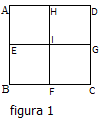 ¹ Supondo que o segmento BC = 2, tanto BF quanto FC = 1, nas palavras de Sócrates ao escravo logo abaixo. Cada um dos 4 quadrados que nasceram “dentro” do primeiro quadrado desenhado na areia conservam suas propriedades, só que em miniatura. E Sócrates fez tudo isso apenas riscando uma “cruz” na areia – ângulos retos, o que chamaríamos hoje, pós-Descartes, de eixos x (horizontal) e y (vertical), que não passam de lados de novos quadrados, conforme a perspectiva –, observando a proporção das medidas (a cruz, i.e., os segmentos perpendiculares entre si FH e EG, interseccionando-se no ponto zero do plano cartesiano, representado na imagem pela letra “I”).
 Seclusão Anagógica